A foundational science lesson exploring the three primary states of matter—solids, liquids, and gases—through reading, visual aids, and interactive observation.
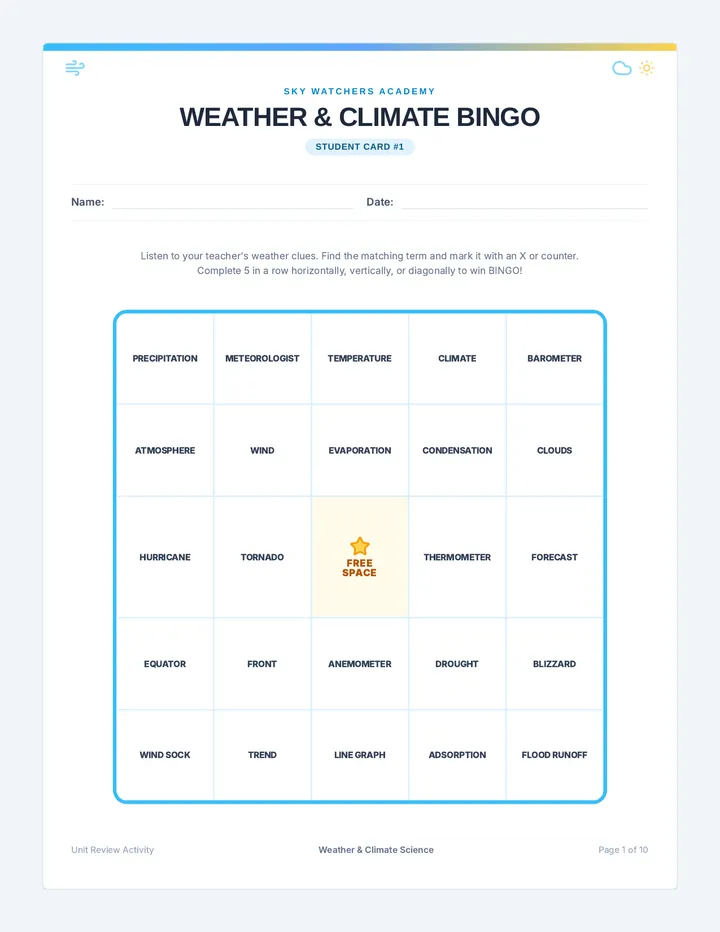
An introductory lesson for 2nd graders on observing and recording daily weather patterns, featuring hands-on activities and data collection.
Cette séance de 2 heures permet aux élèves de distinguer qualification et compétence, d'analyser l'impact des conditions de travail sur le comportement des salariés et de mesurer la performance de l'activité humaine via des indicateurs de productivité et de climat social.
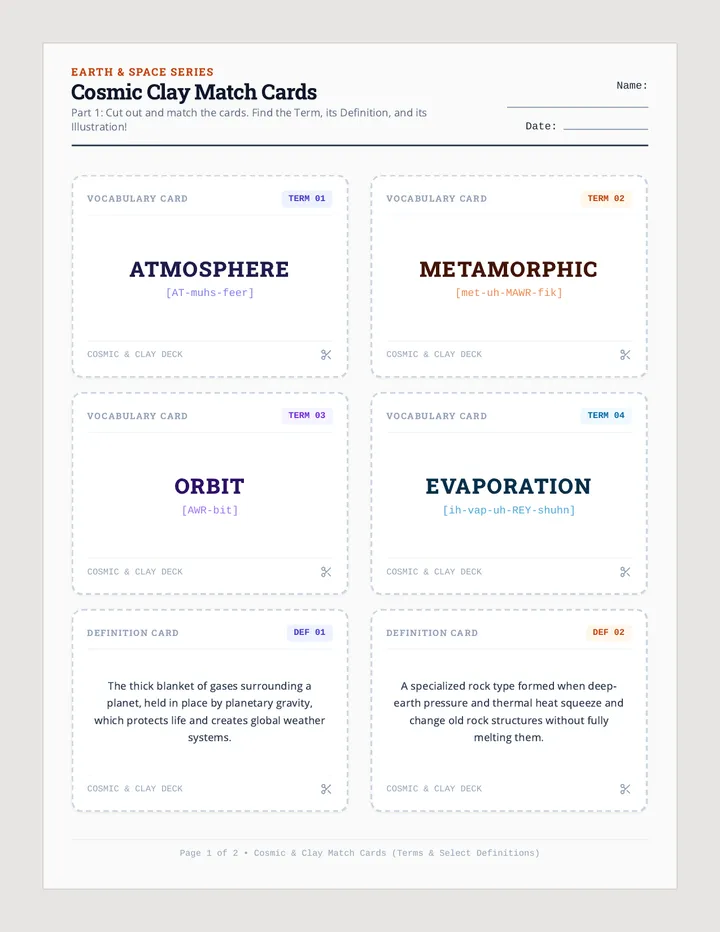
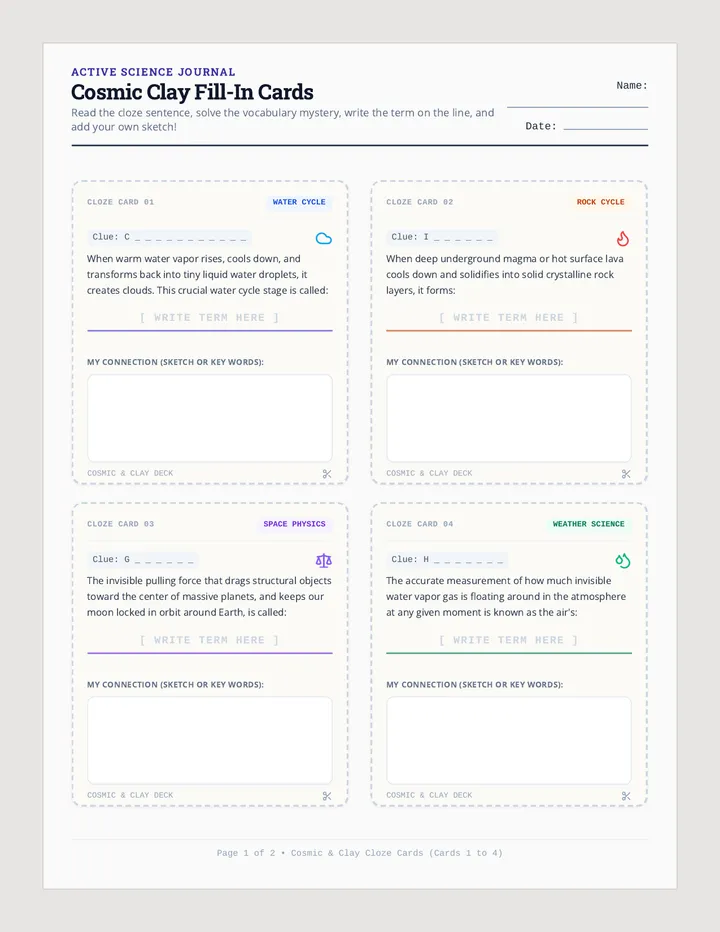
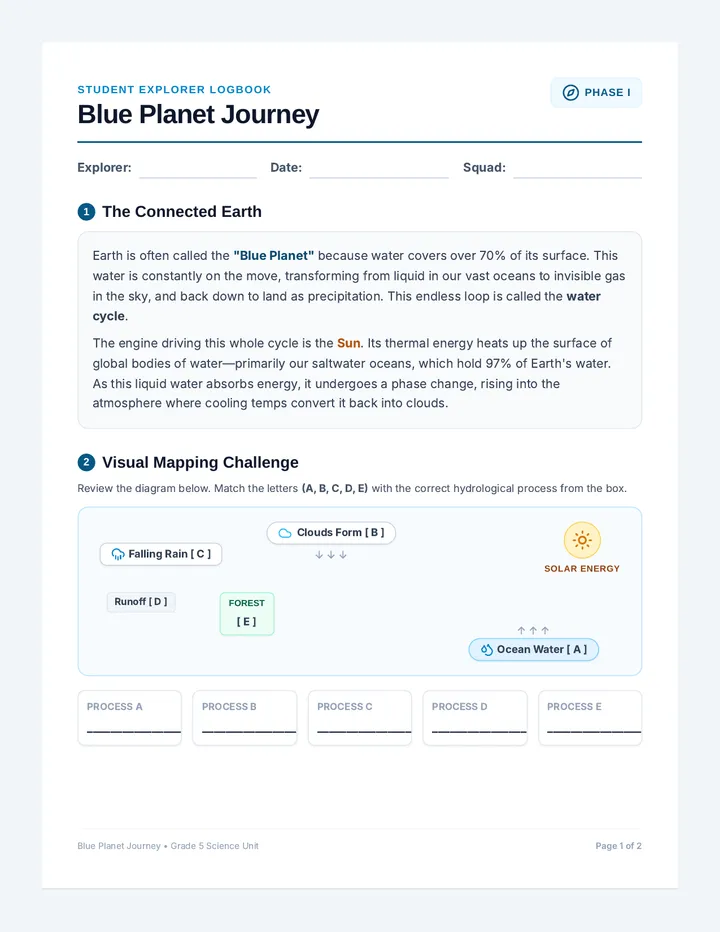
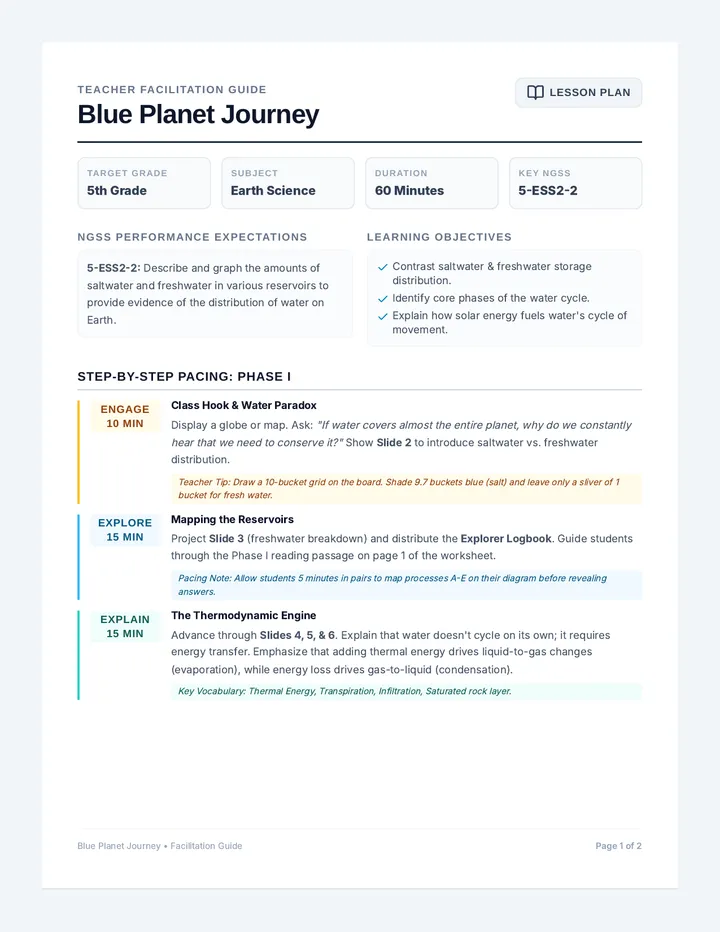
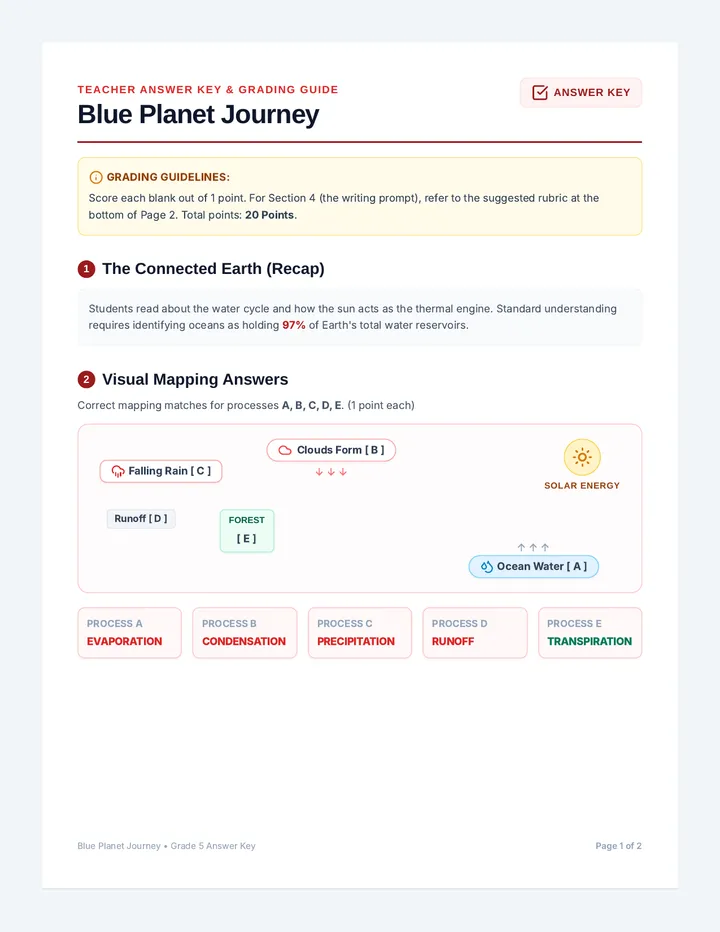
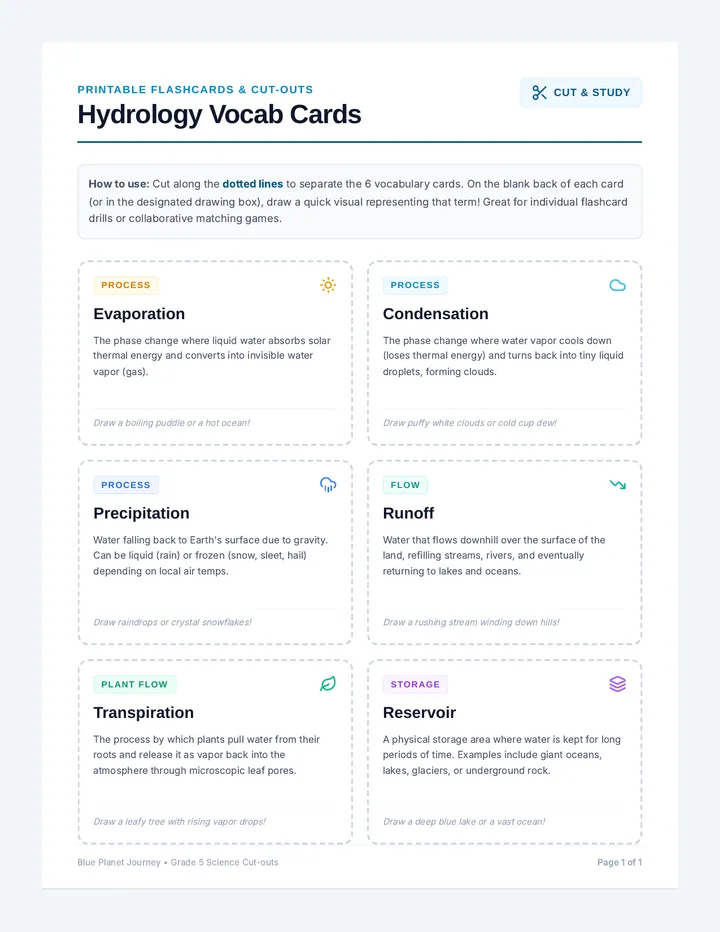
A comprehensive exploration of the water cycle, covering evaporation, condensation, precipitation, and collection through hands-on activities and visual aids. Students will learn how water moves through Earth's systems and why it is vital for life.
An introductory lesson exploring the eight planets of our solar system, their unique characteristics, and space-related vocabulary.
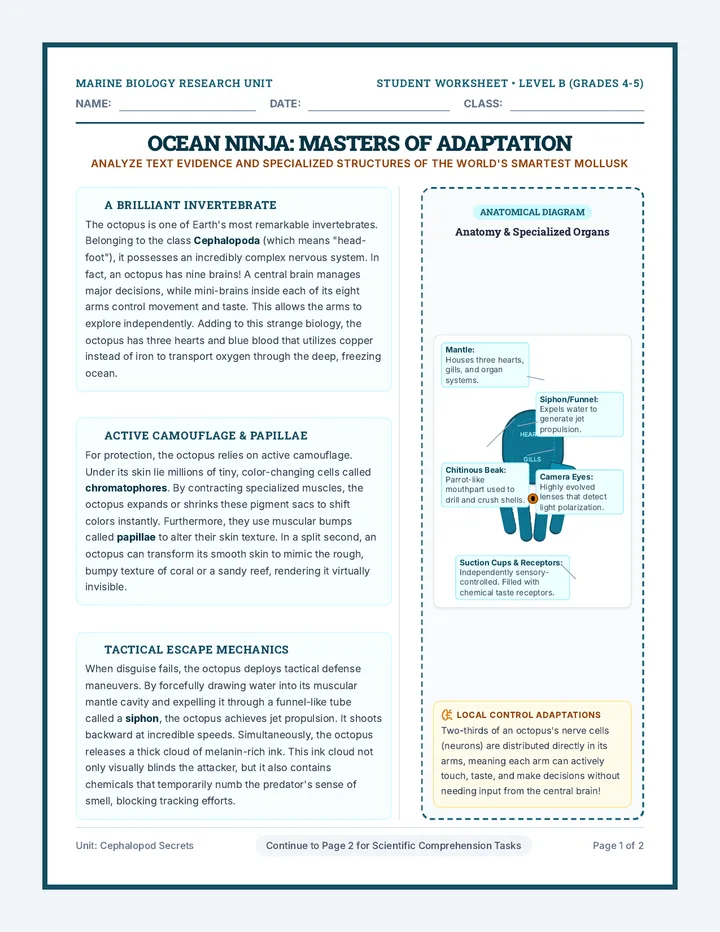
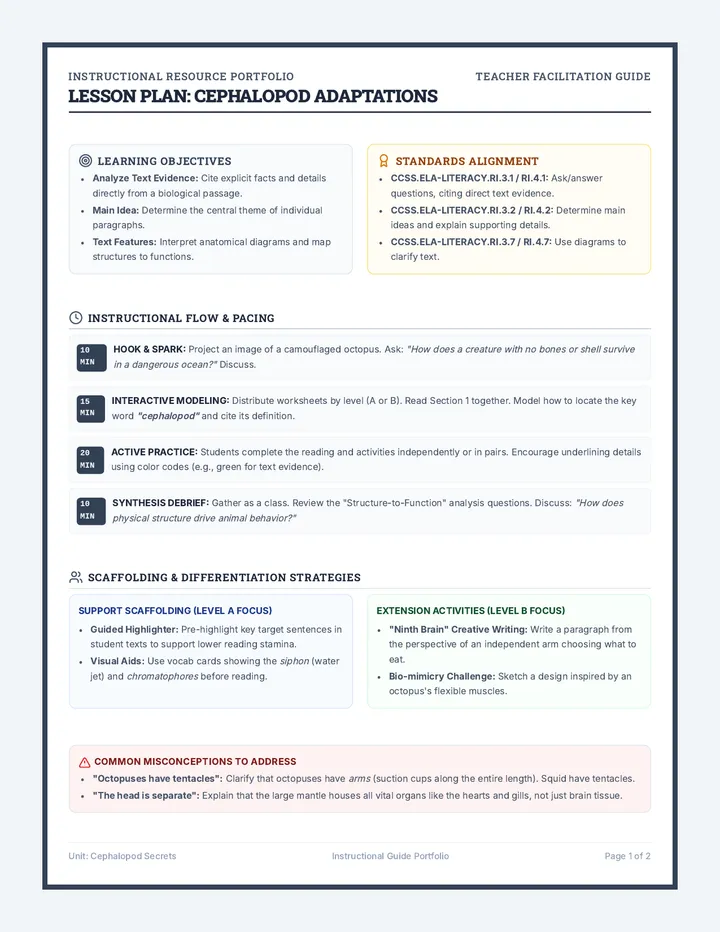
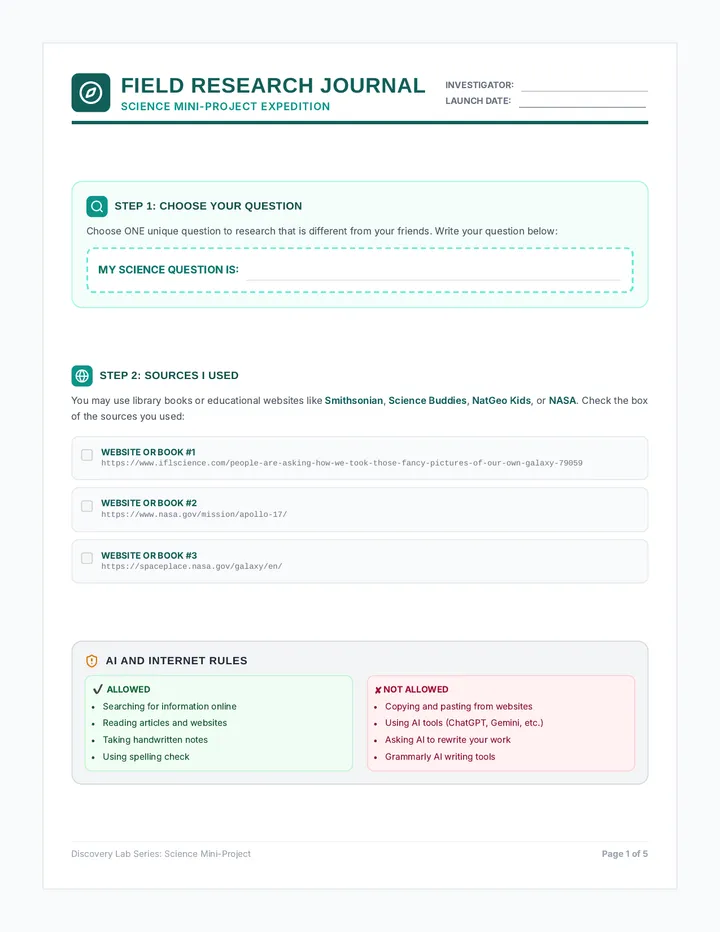
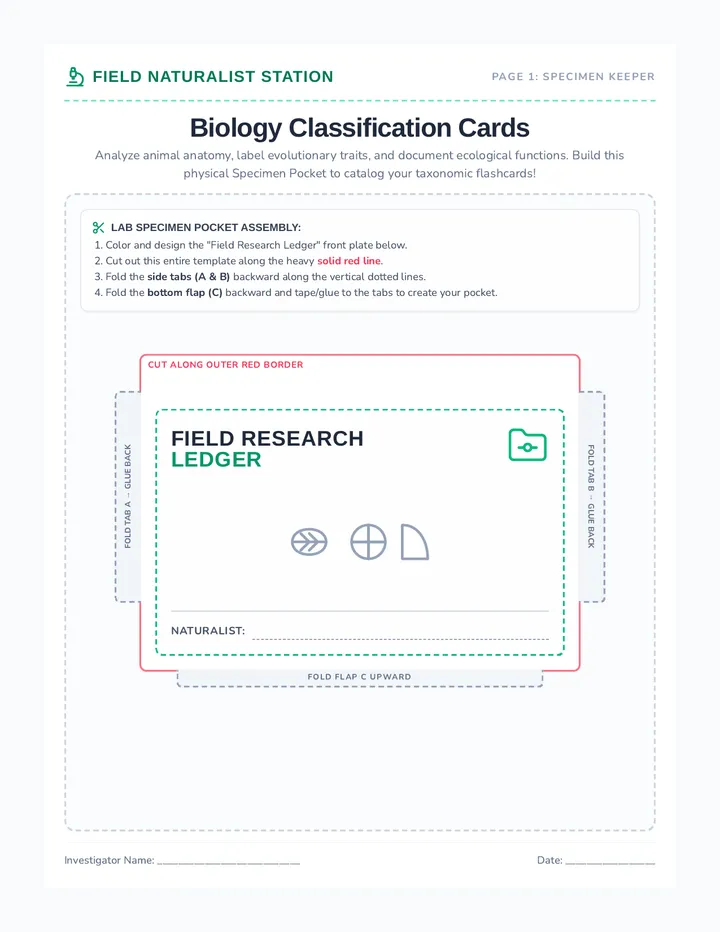
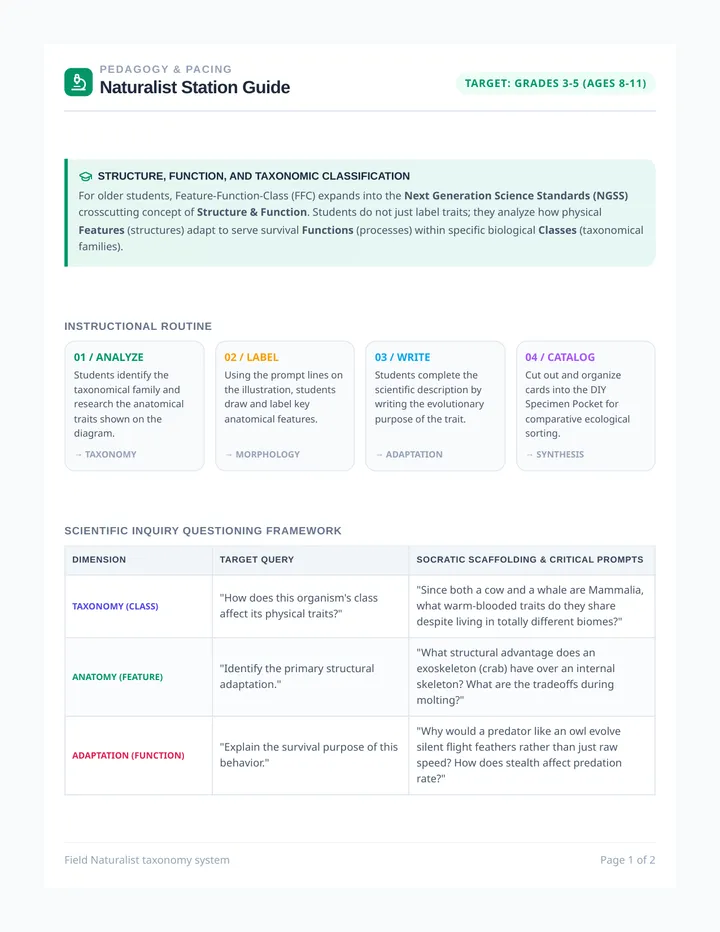
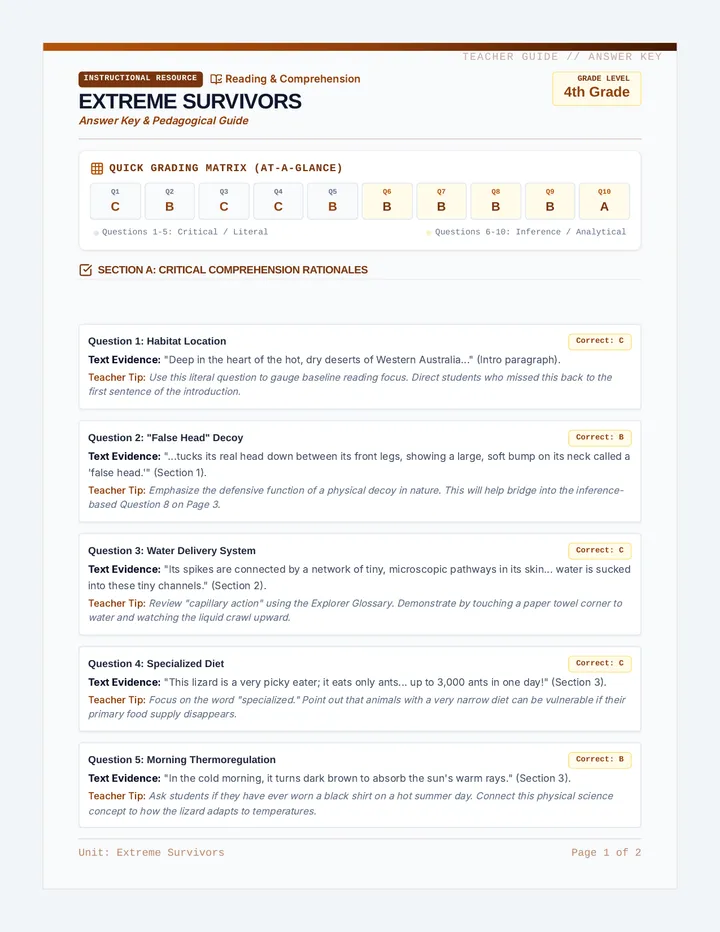
A lesson focused on teaching 4th graders how to effectively research animals using online resources and organizing their findings.
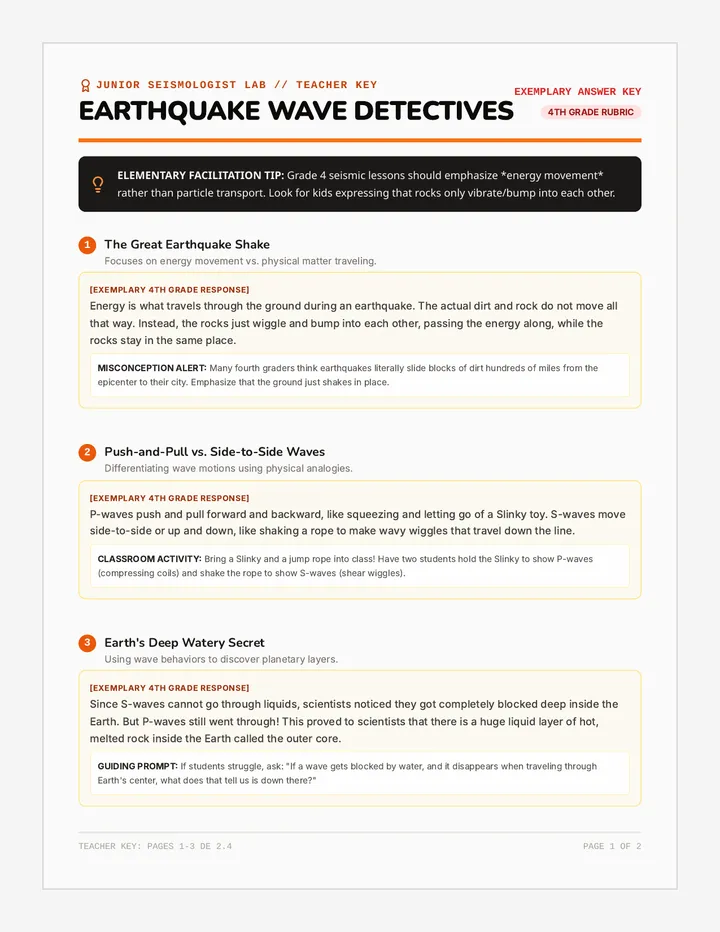
A comprehensive investigation into thermal energy transfer (conduction, convection, and radiation) for 4th-grade students, featuring hands-on experiments and standards-based assessment.
Combining electricity and magnetism to create a temporary magnet. Students follow instructions to build their own electromagnet using a battery, wire, and nail.
Identifying the path electricity takes. Students differentiate between conductors that let electricity pass and insulators that stop it, while building basic circuits.
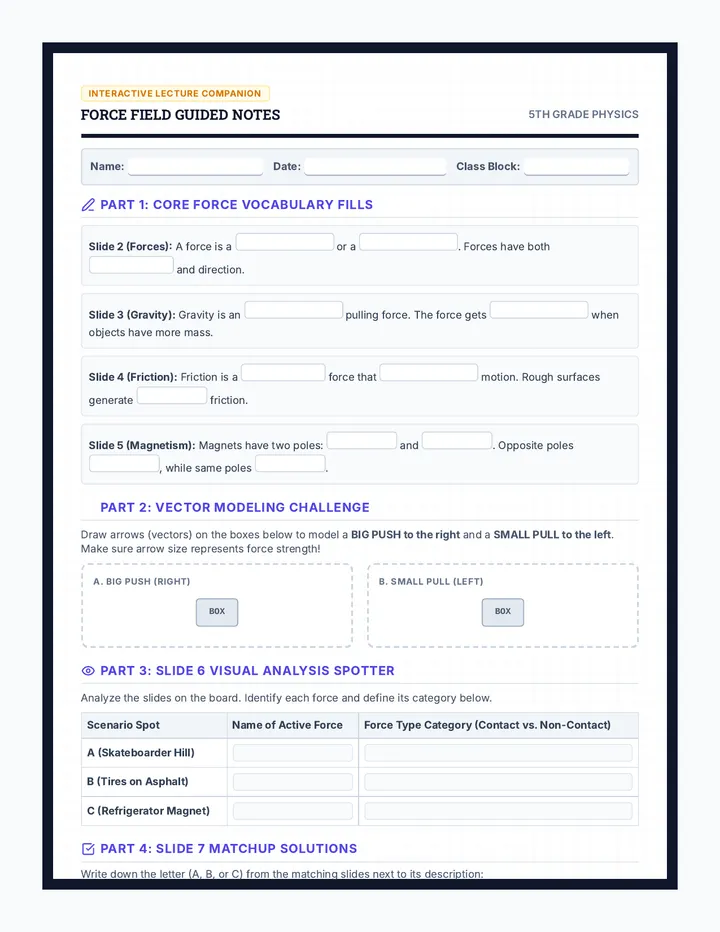
Exploring the invisible forces of magnets. Students learn about poles (North and South) and how magnetic fields create attraction and repulsion.
Introduction to what electricity is and how it moves through wires. Focuses on the concept of energy flow and simple 'push' and 'pull' analogies.
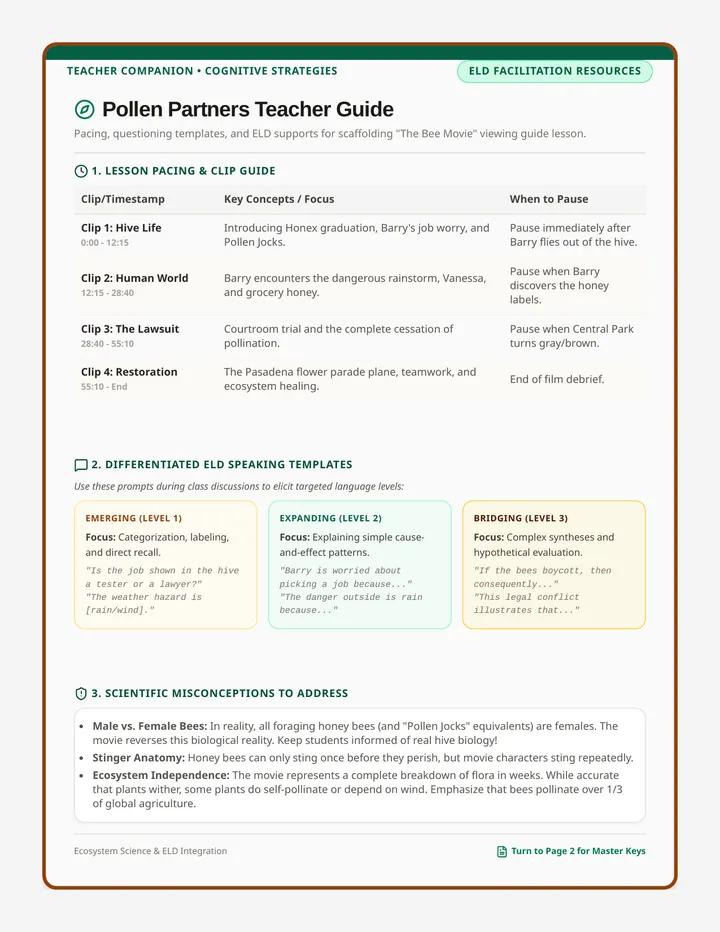
Une exploration approfondie des besoins nutritionnels humains, des groupes d'aliments et de l'équilibre alimentaire, alignée sur le programme de cycle 3. Les élèves apprennent à identifier la provenance de leur énergie et à composer des repas équilibrés pour leur santé.
The capstone project where students combine their coding knowledge and engineering skills. Students design a functional 'helper bot' using recycled materials and write the pseudo-code for its operations.
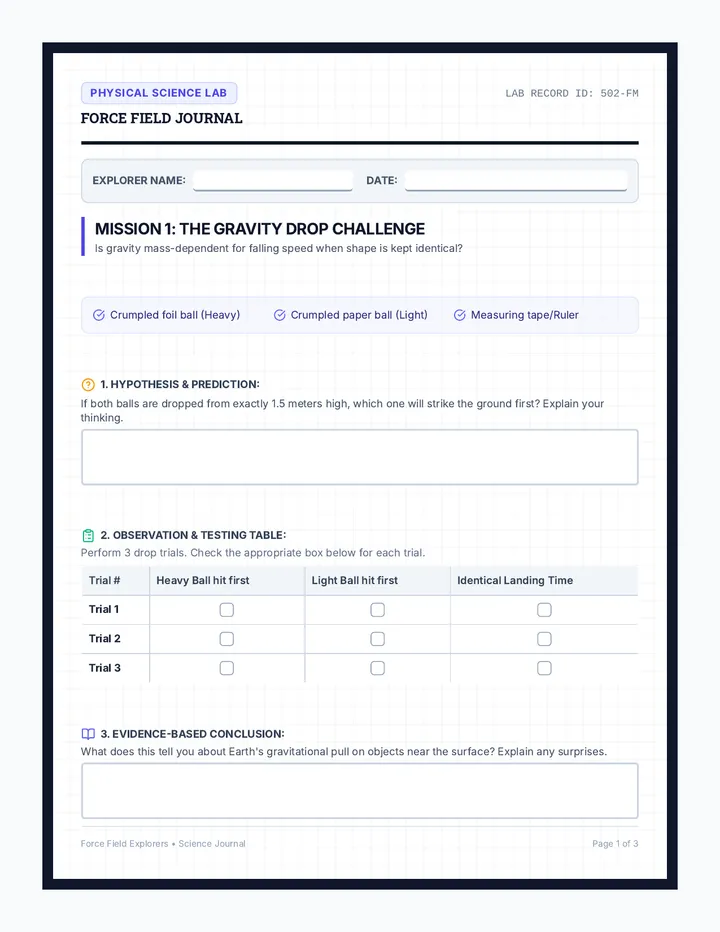
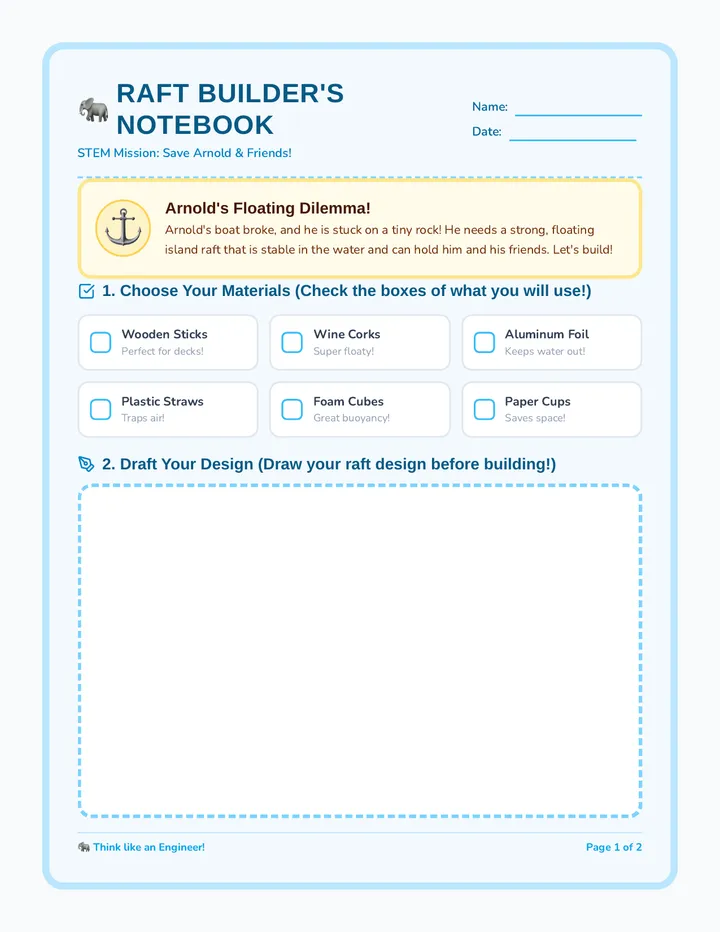
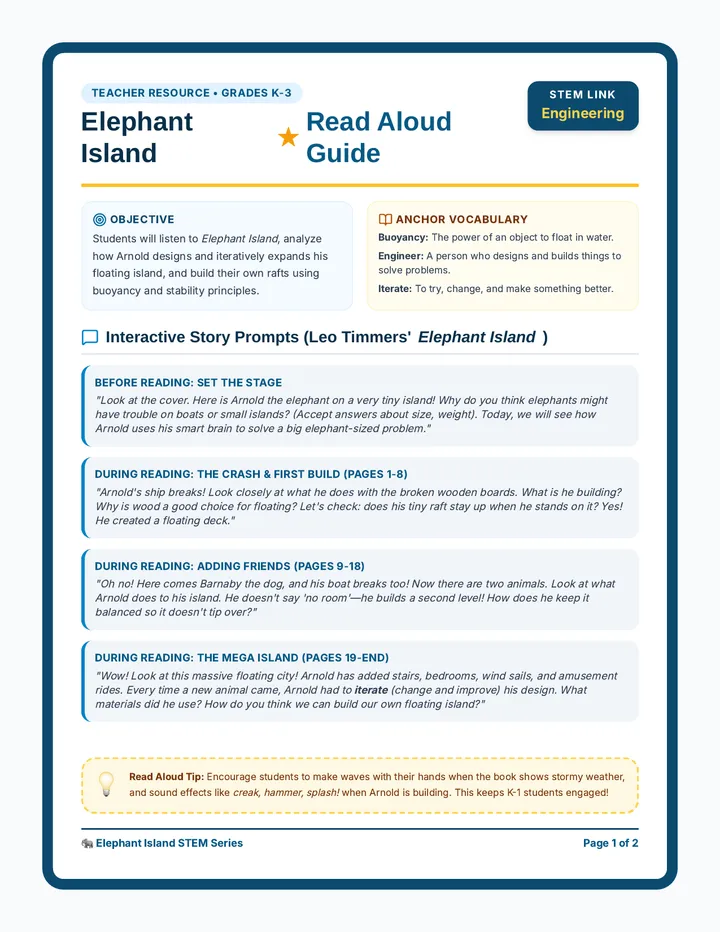
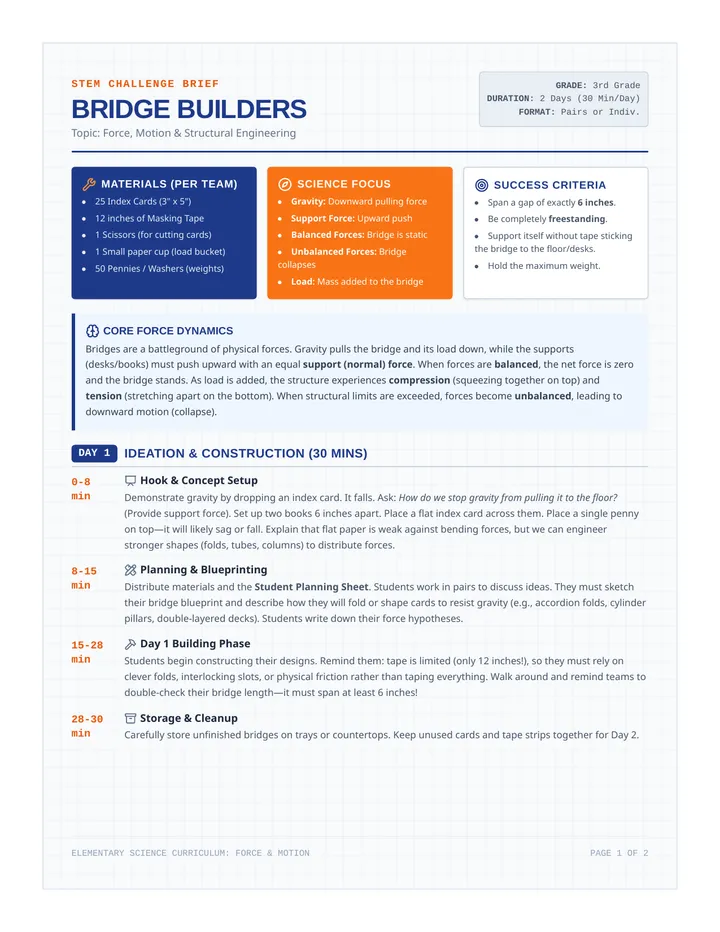
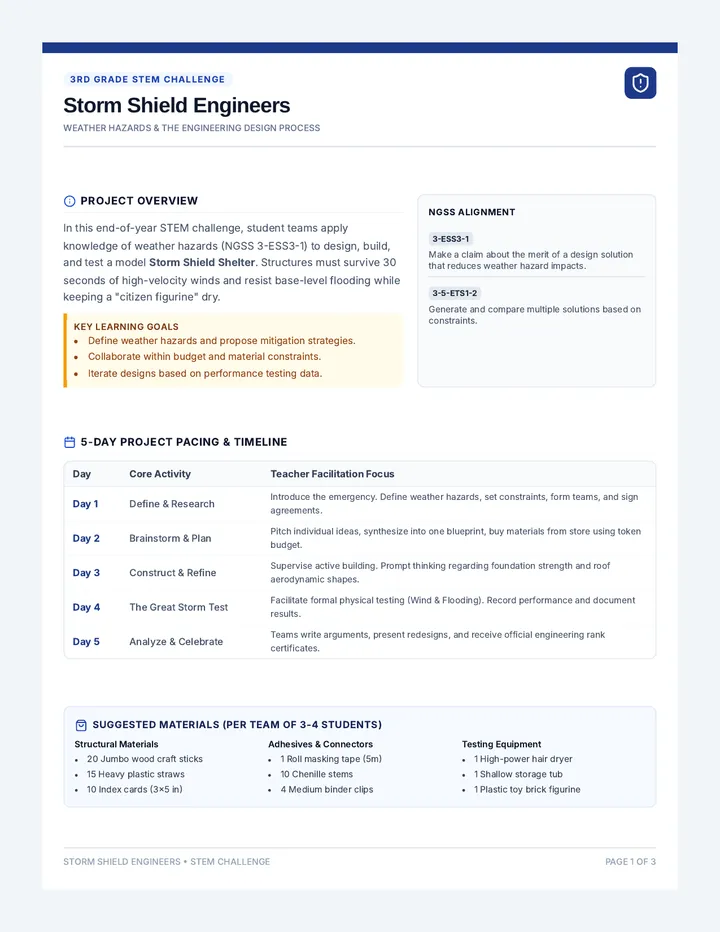
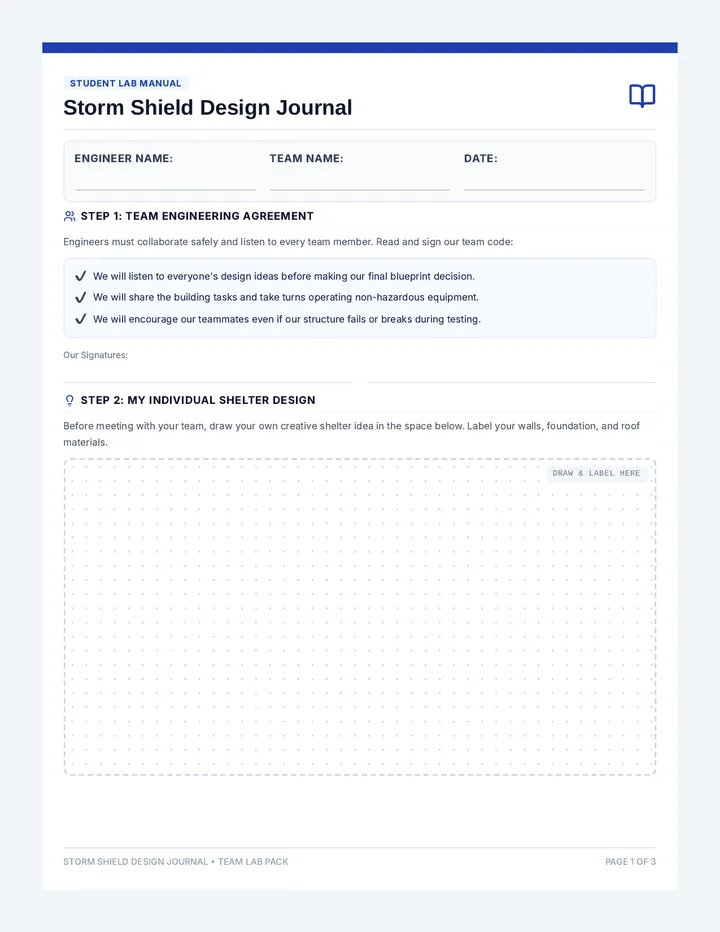
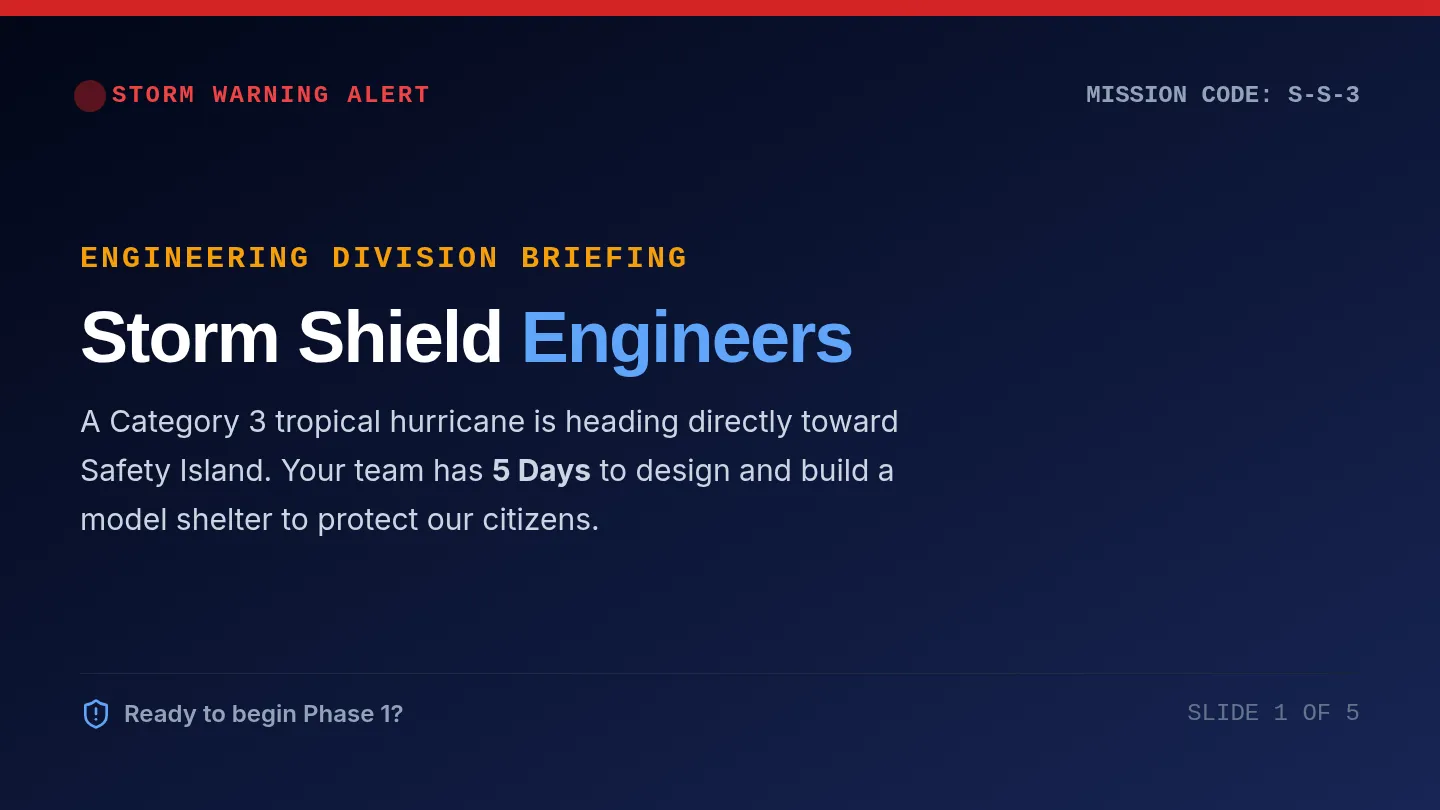
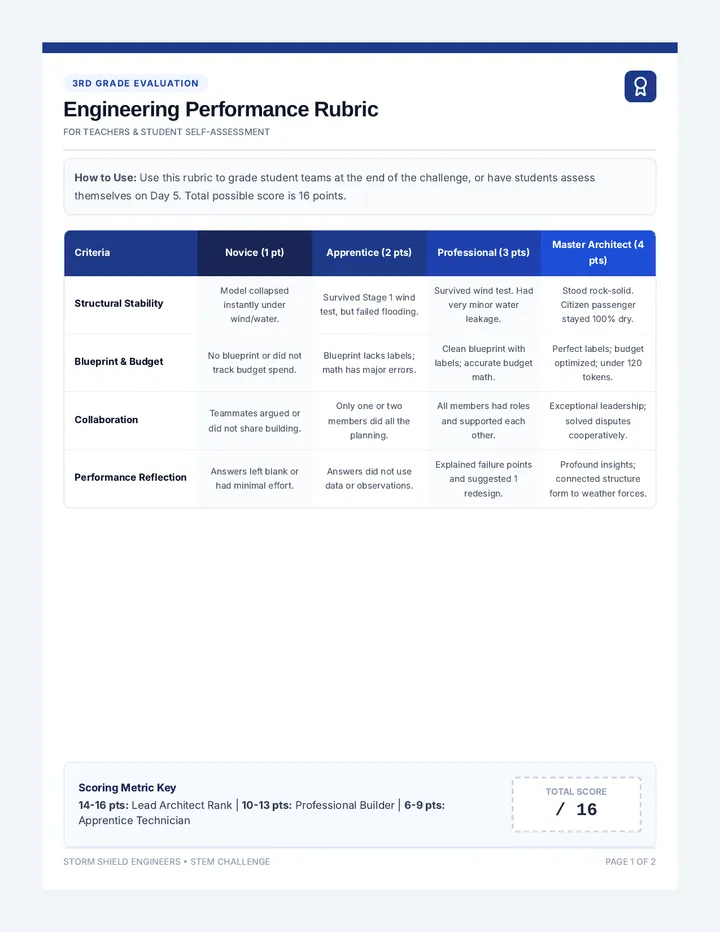
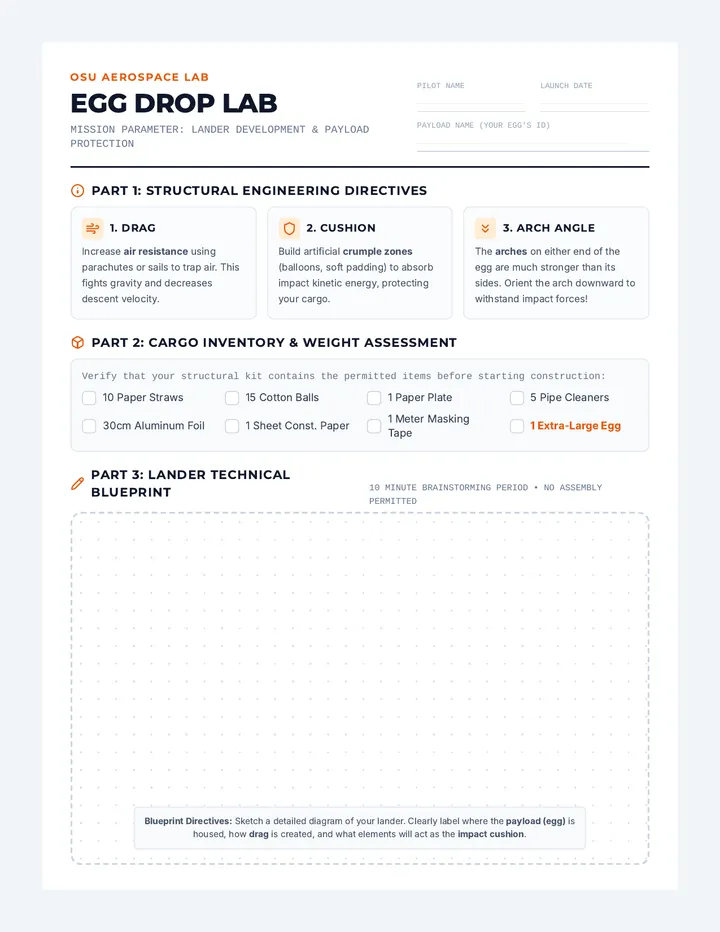
A hands-on engineering challenge where students apply the Engineering Design Process to build stable structures. This lesson focuses on physics, materials science, and iterative testing.
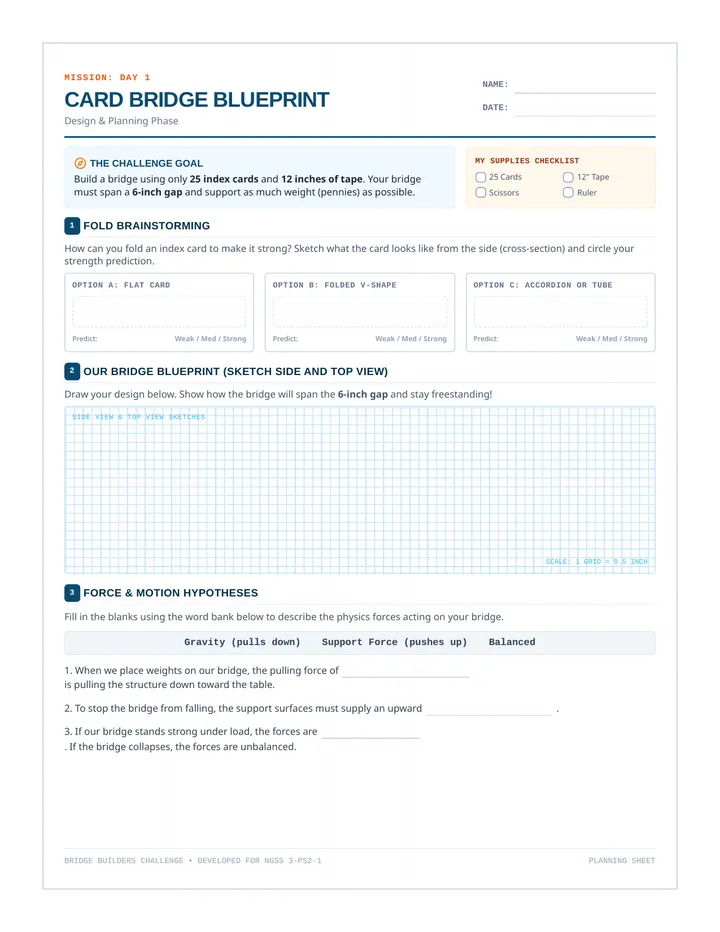
An introduction to computational thinking focusing on algorithms, sequencing, and loops. Students engage with online coding platforms and offline logic puzzles to master the basics of programming.
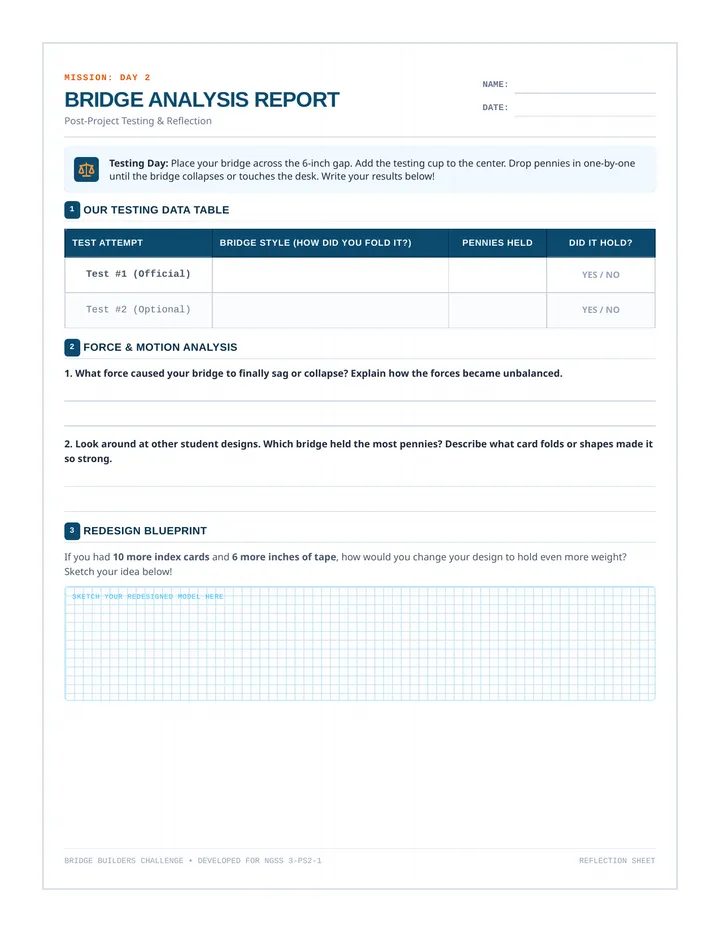
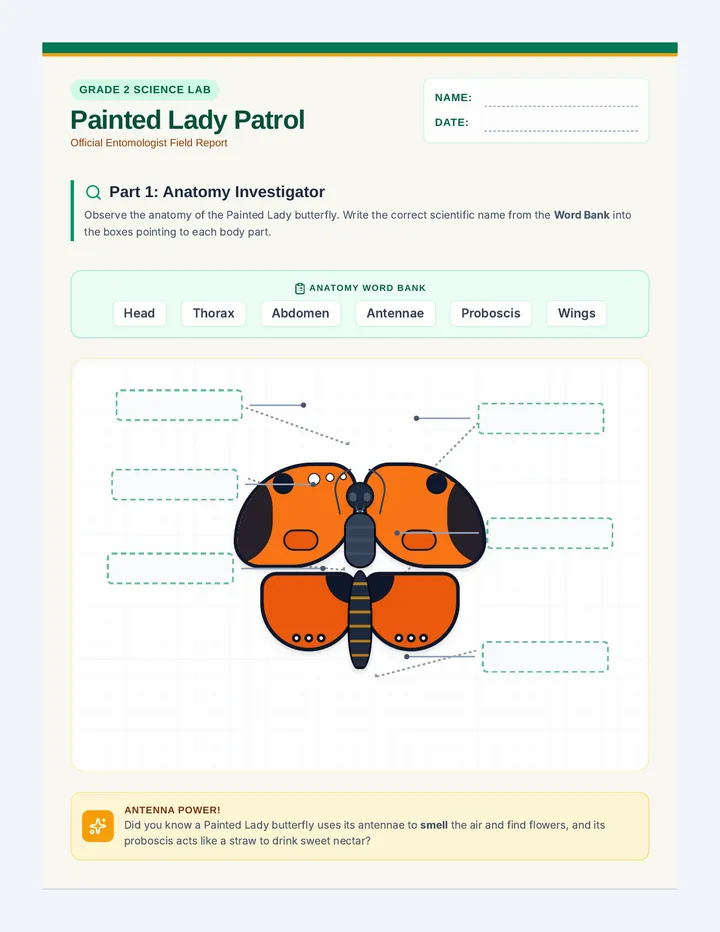
A step-by-step Scratch coding project where students build a physics-based bottle flip game. This lesson covers events, motion, loops, and variables through an engaging arcade-style project.
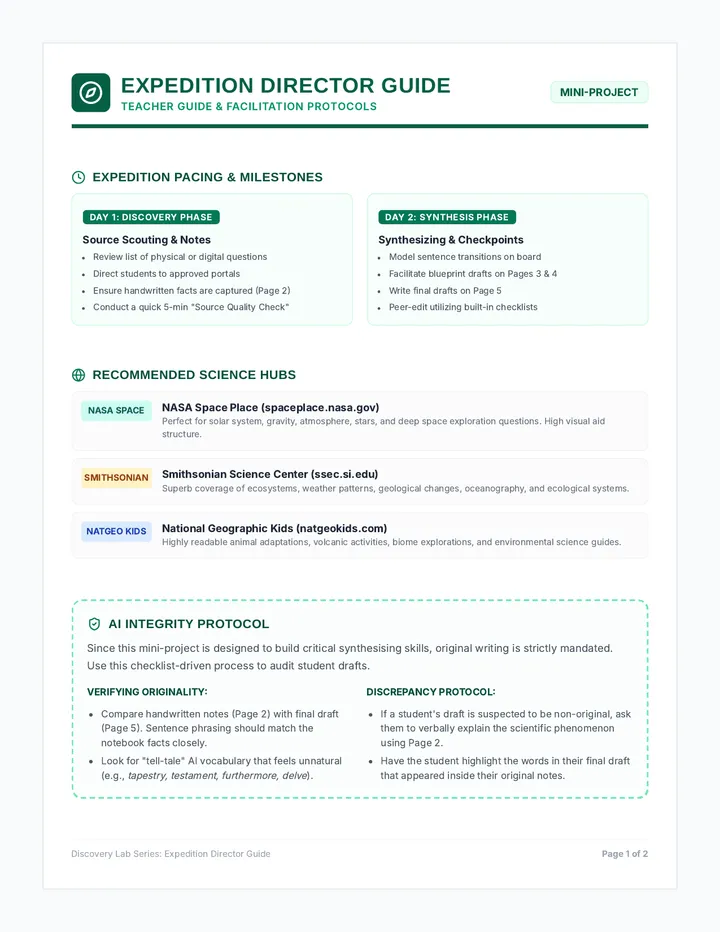
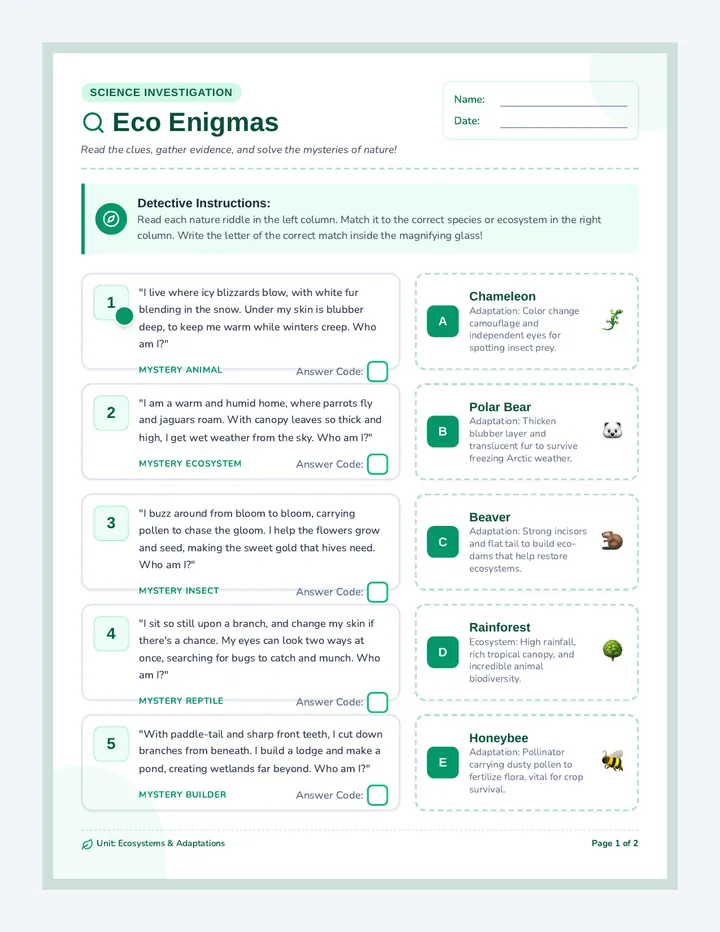
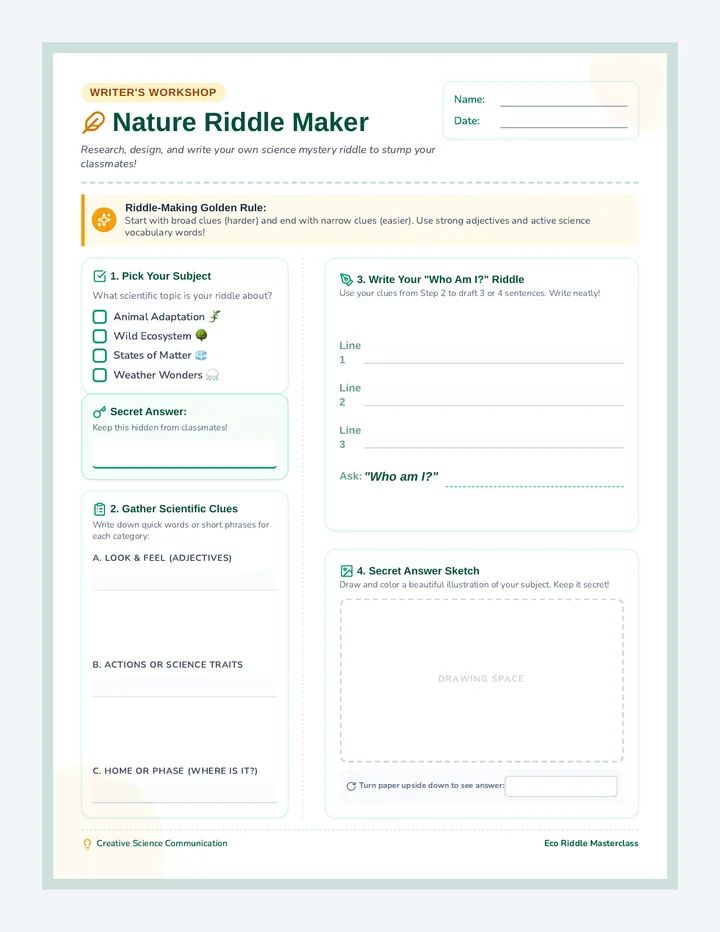
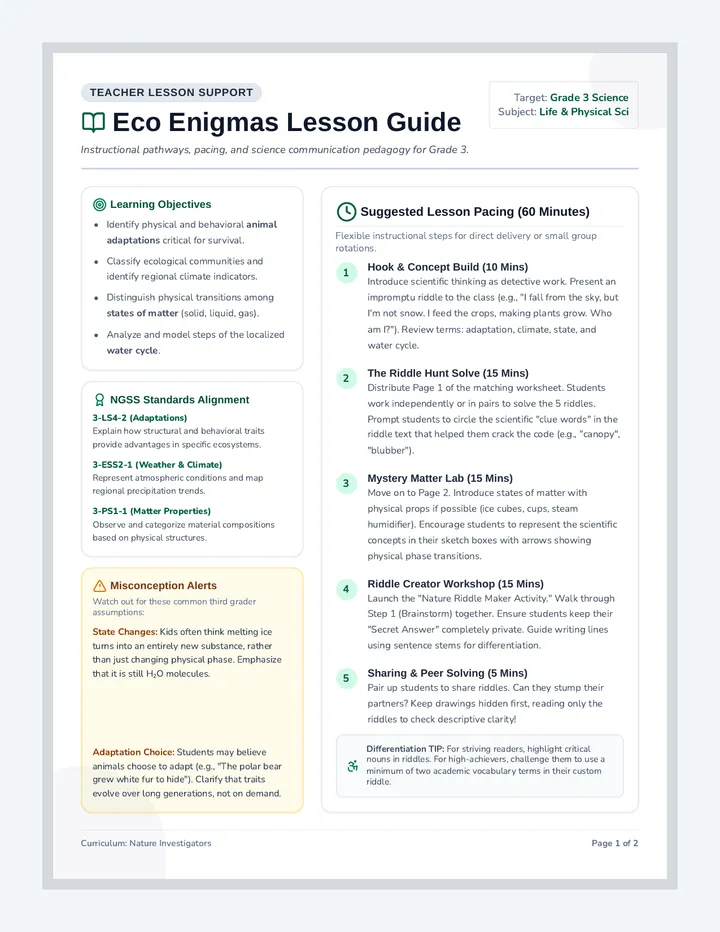
An introduction to biomimicry for 1st Grade students, exploring how plants and animals inspire human inventions through interactive slides and creative worksheets.
An energetic, hands-on introduction to conductors and insulators for 2nd graders, featuring the 'Zap & Trap' theme to help students understand how electricity moves or stays put.
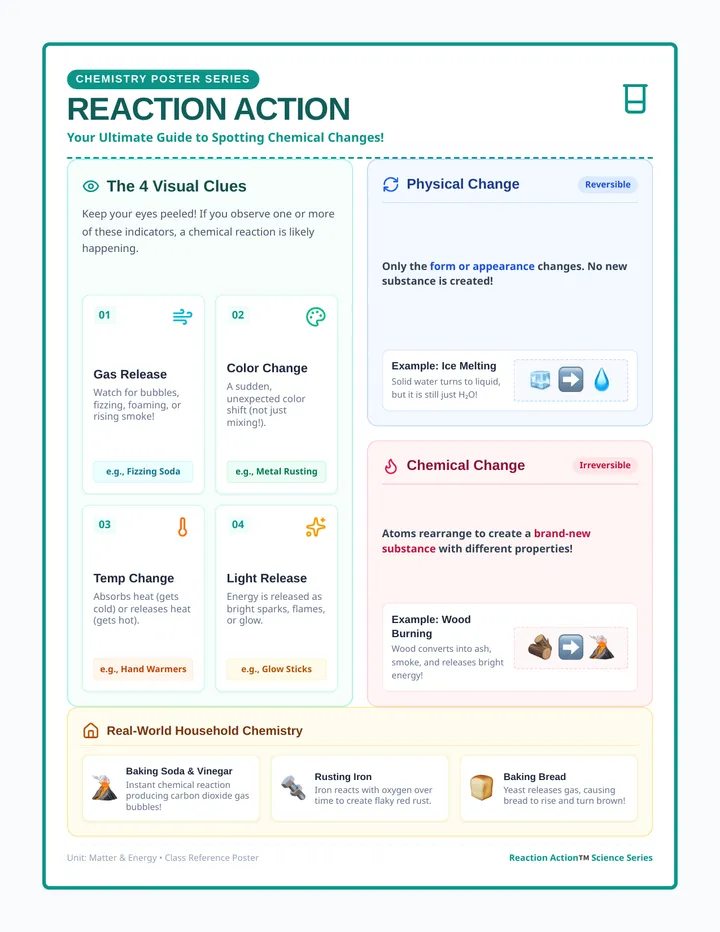
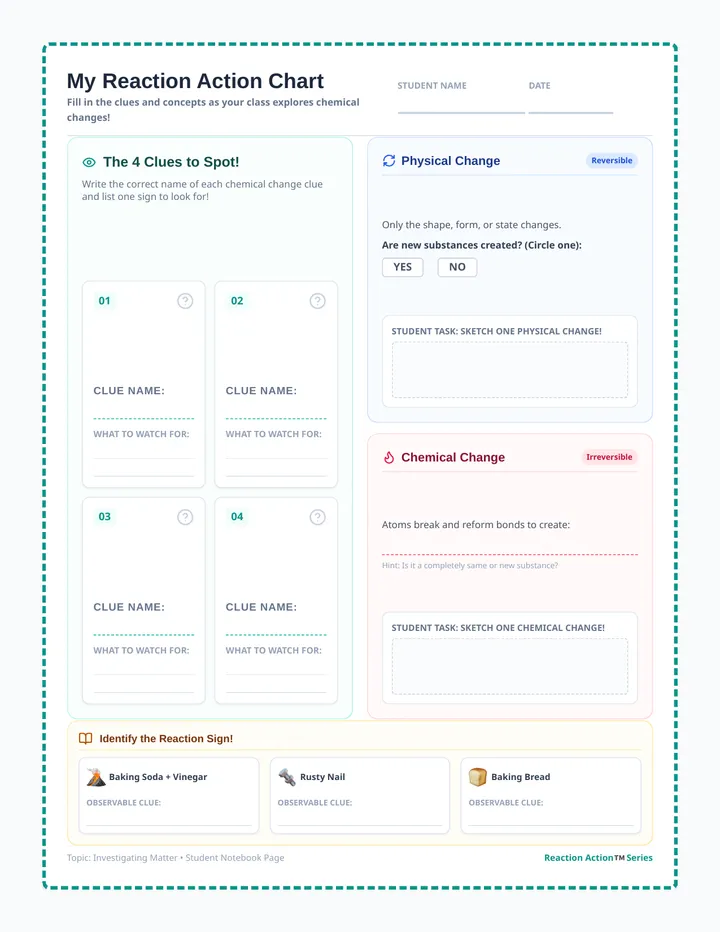
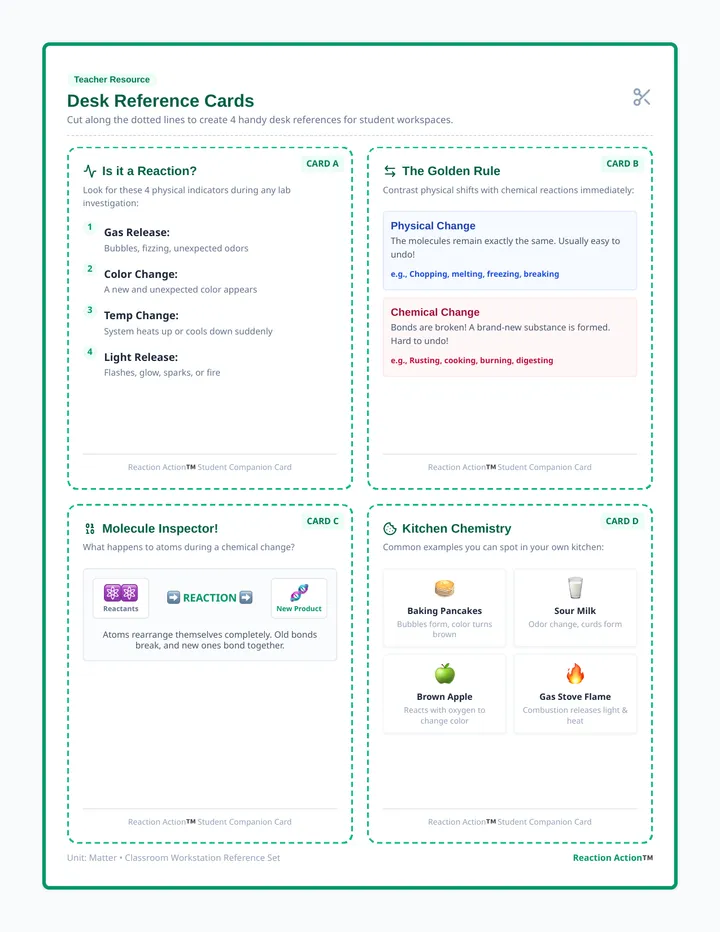
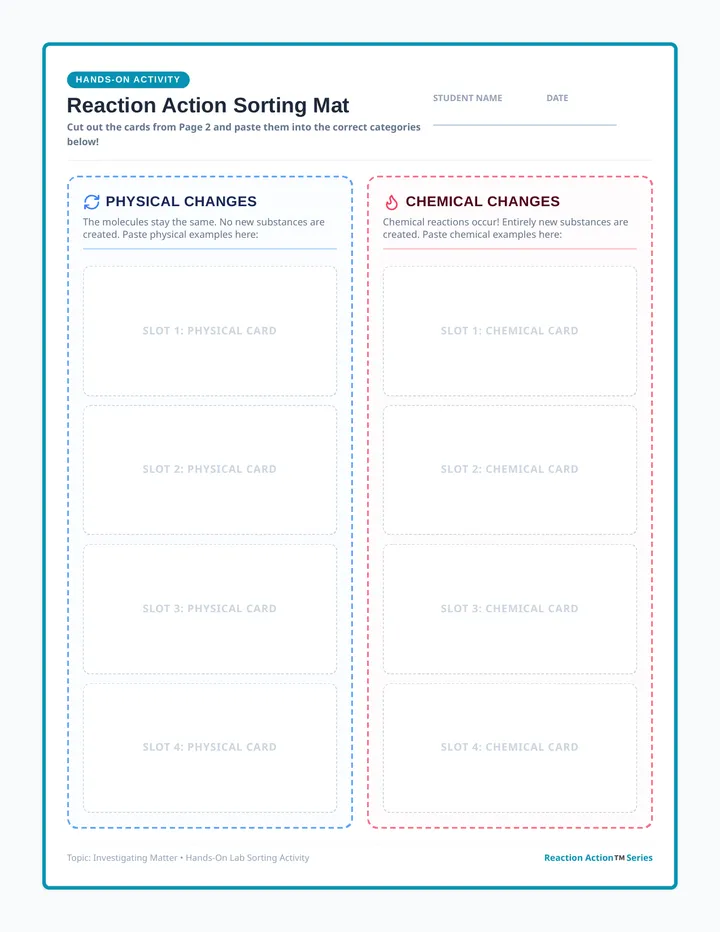
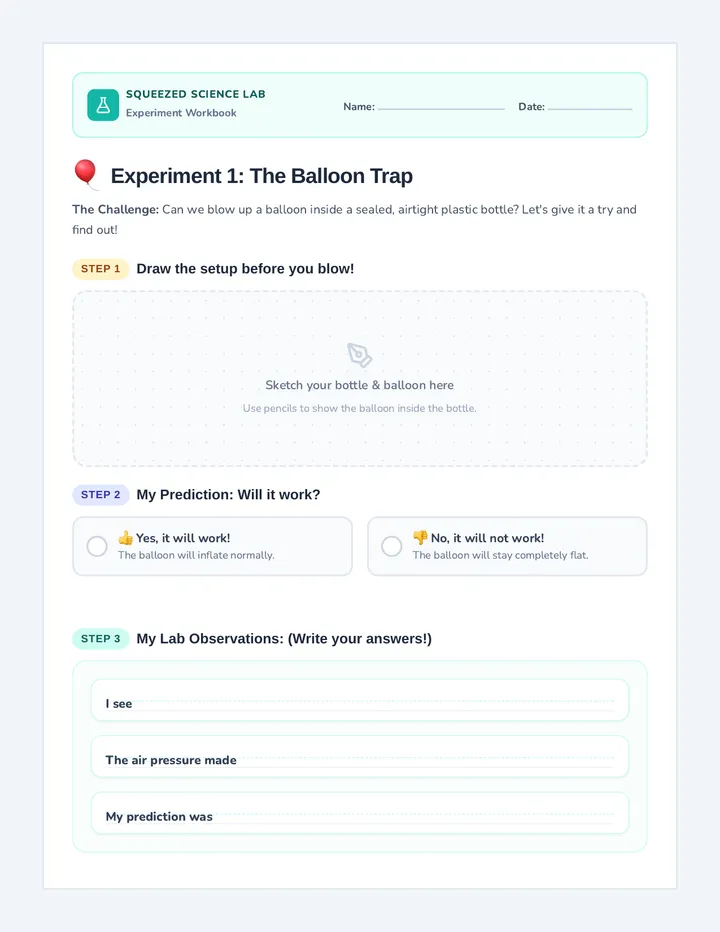
A hands-on exploration of how matter can change through heating and cooling. Students act as 'Change Detectives' to identify which changes can be undone and which are permanent.
A comprehensive lesson introducing K-1st grade students to debugging through the lens of Kodable. Students identify, circle, and fix errors in directional code sequences to help their Fuzz friends navigate grids.
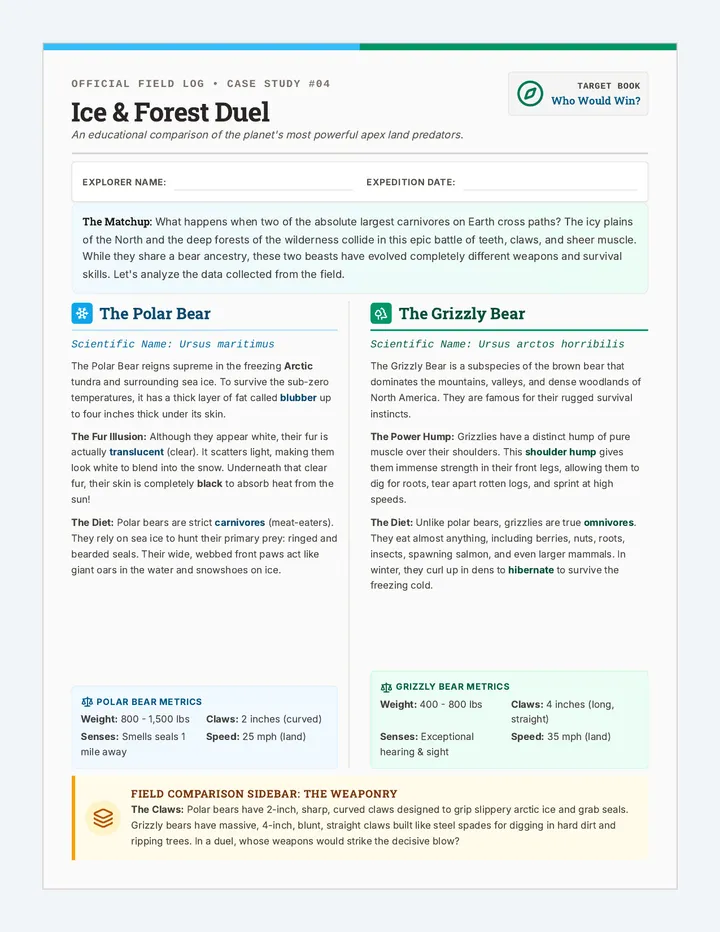
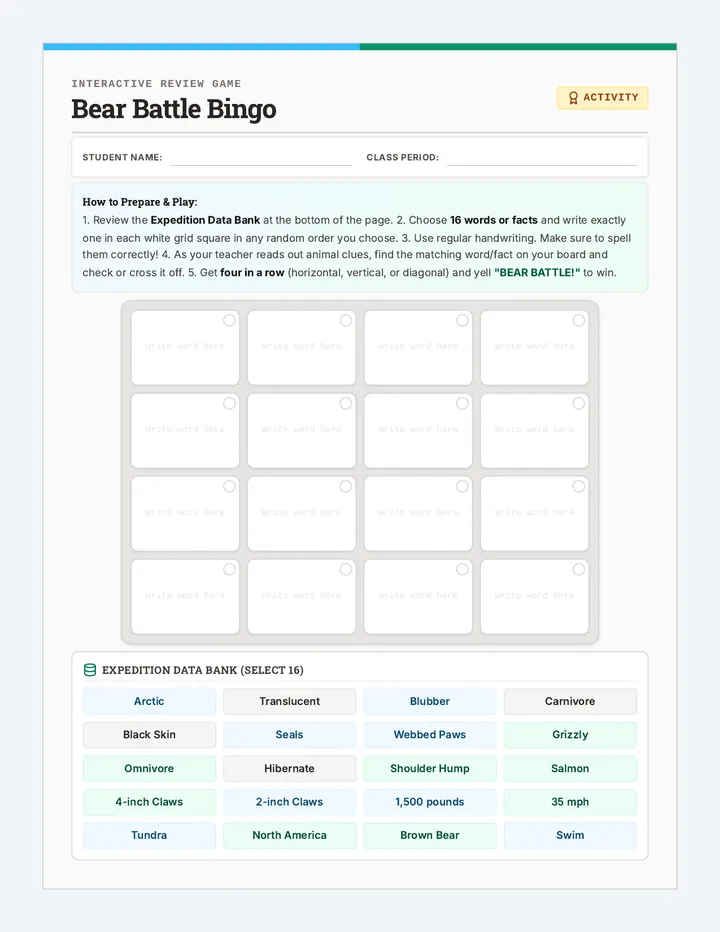
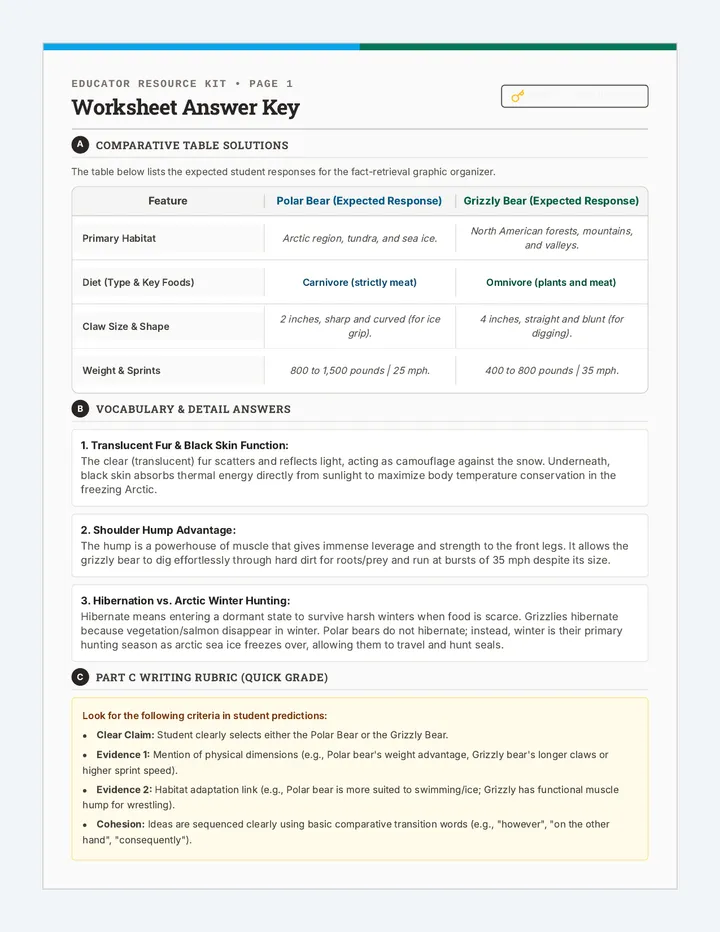
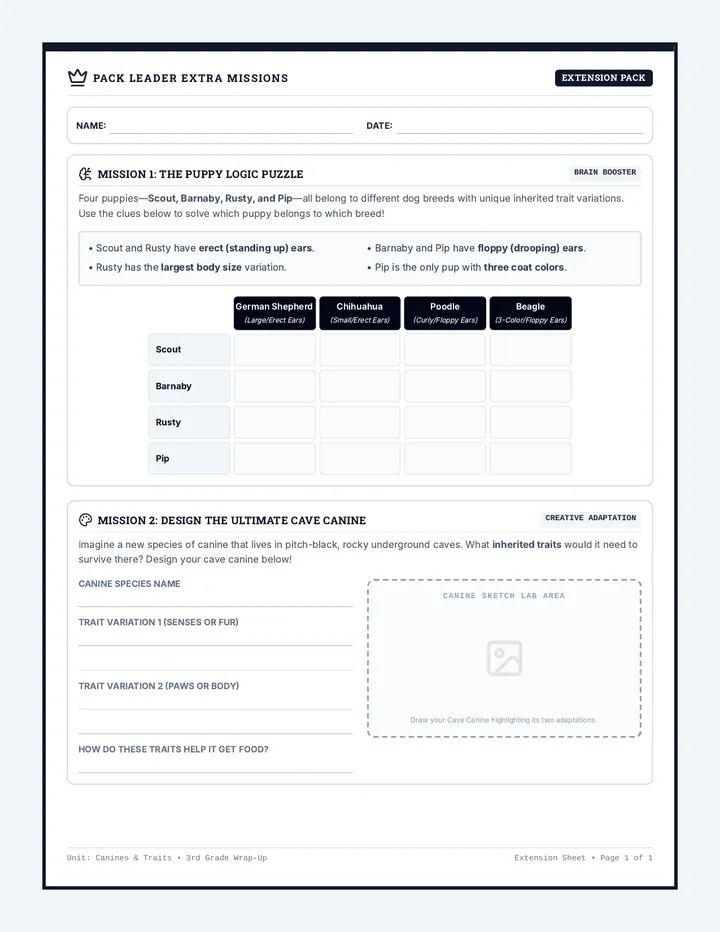
A playful exploration of animal habitats and characteristics using students' own stuffed animals to bridge the gap between imagination and scientific observation.
Understanding how digital information is sent via binary code and assessing student knowledge of these concepts.
Exploring programming logic through loops and creating a project guide for a drone delivery program.
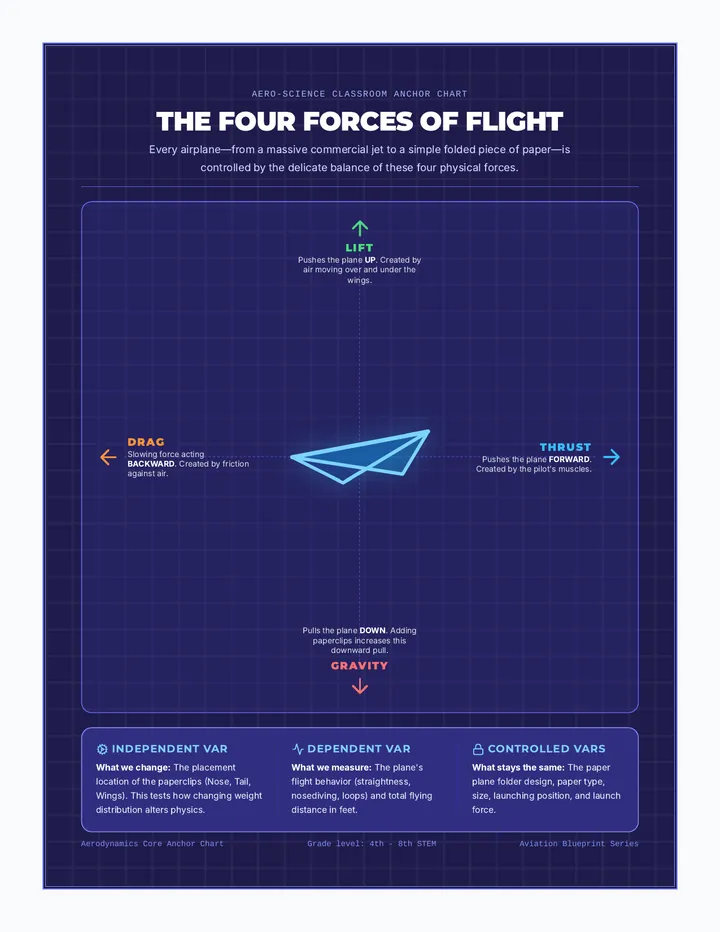
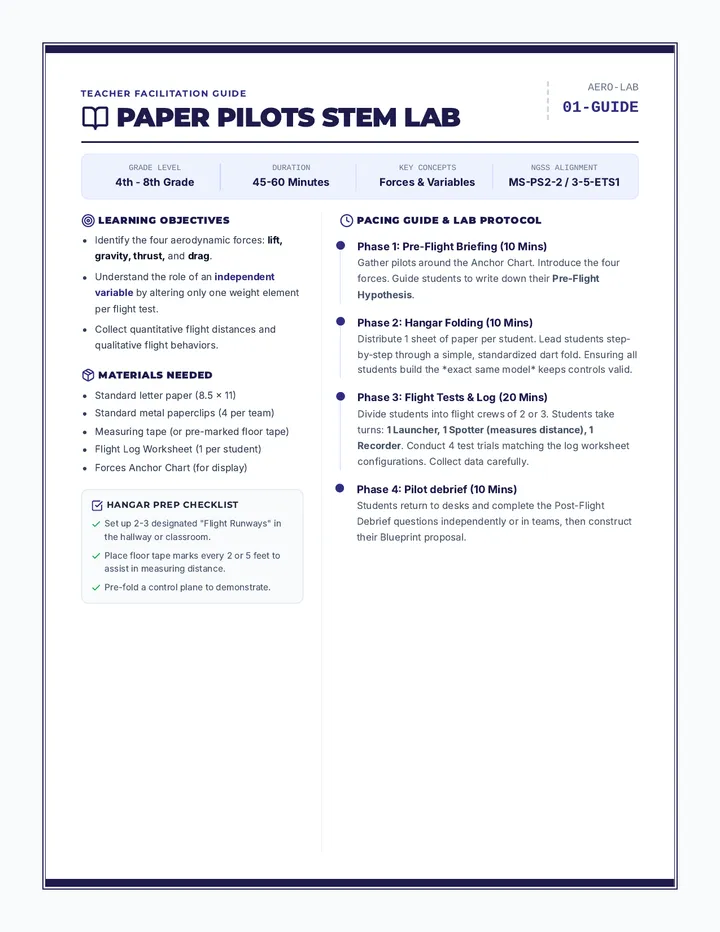
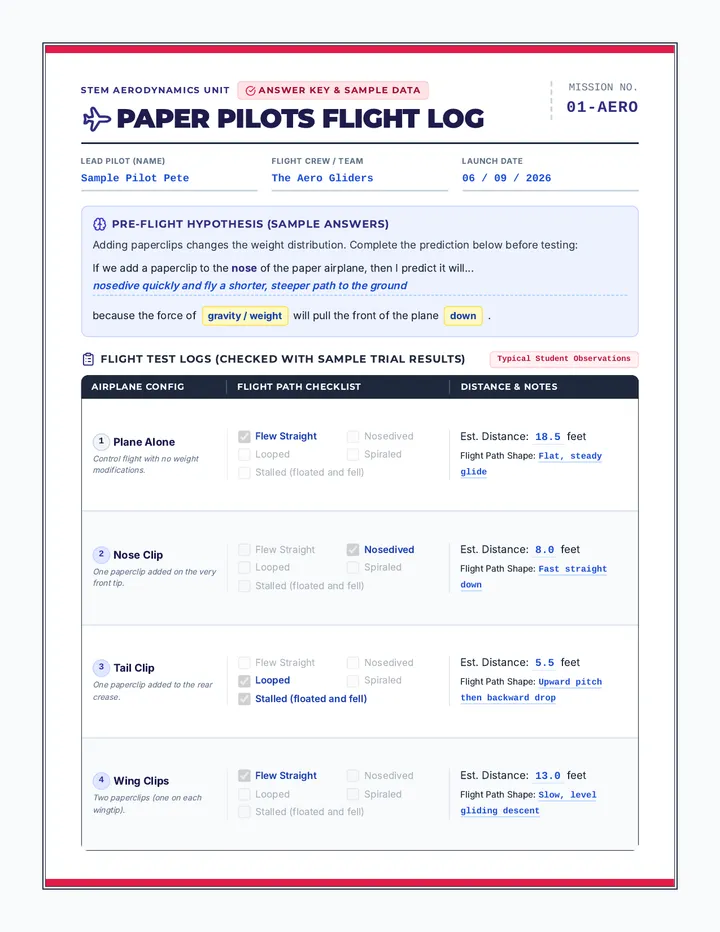
Introduction to the forces of flight and key terminology used in both aeronautics and computer science for disaster relief missions.
A fun, playful building challenge for early learners. Small teams work together to build the tallest tower they can using simple materials, focusing on sharing, taking turns, and trying again.
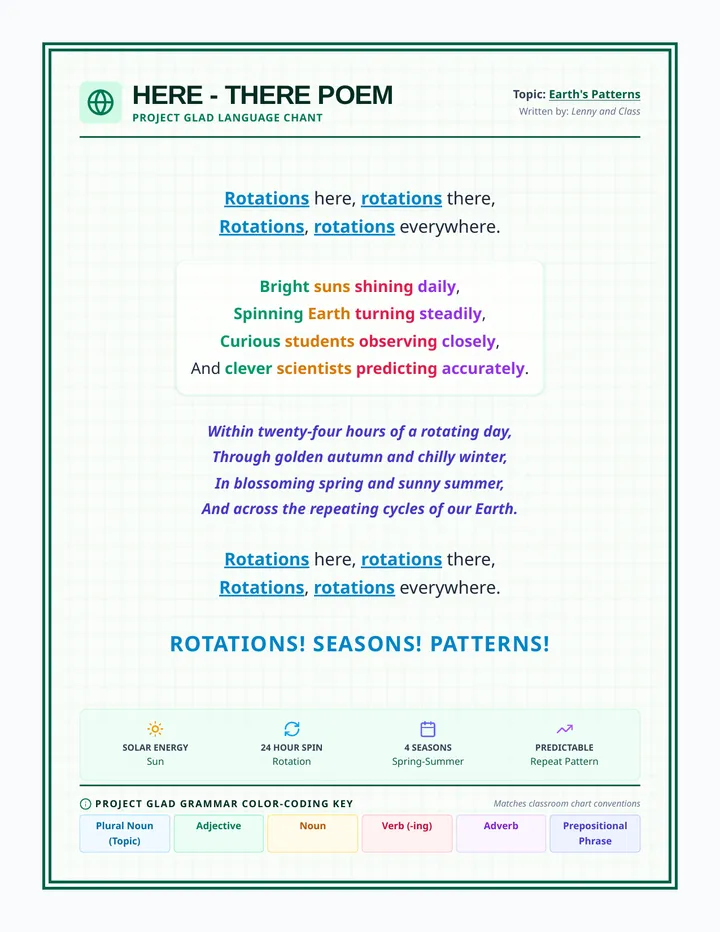
An introduction to the concept of cycles in nature, focusing on the definition of a cycle and the repeating patterns of the seasons.
This lesson advances 4th-grade students' spreadsheet skills, moving beyond basic data entry to explore sorting, formatting, and the power of simple formulas.
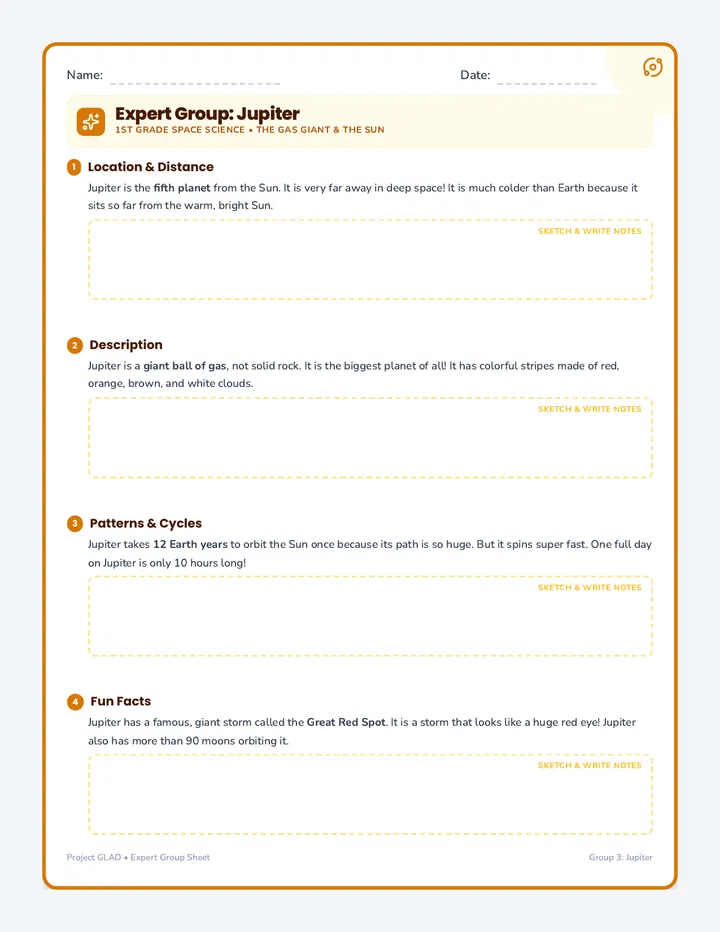
Covers the four gas and ice giants (Jupiter, Saturn, Uranus, and Neptune), along with dwarf planets and a final unit review.
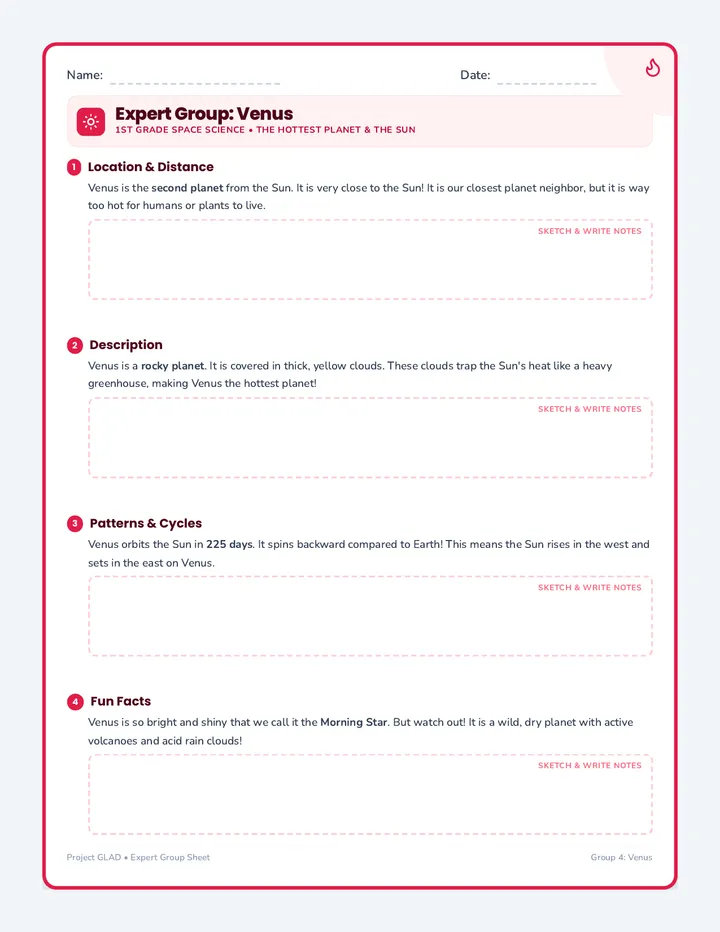
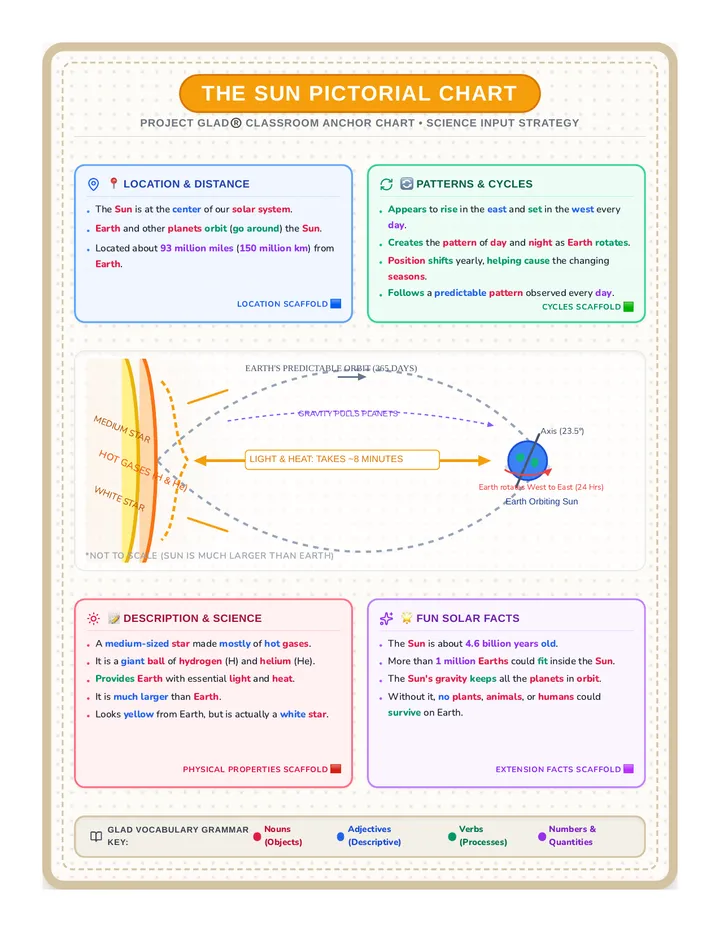
Explores the Sun as our central star and the characteristics of the four inner terrestrial planets (Mercury, Venus, Earth, and Mars).
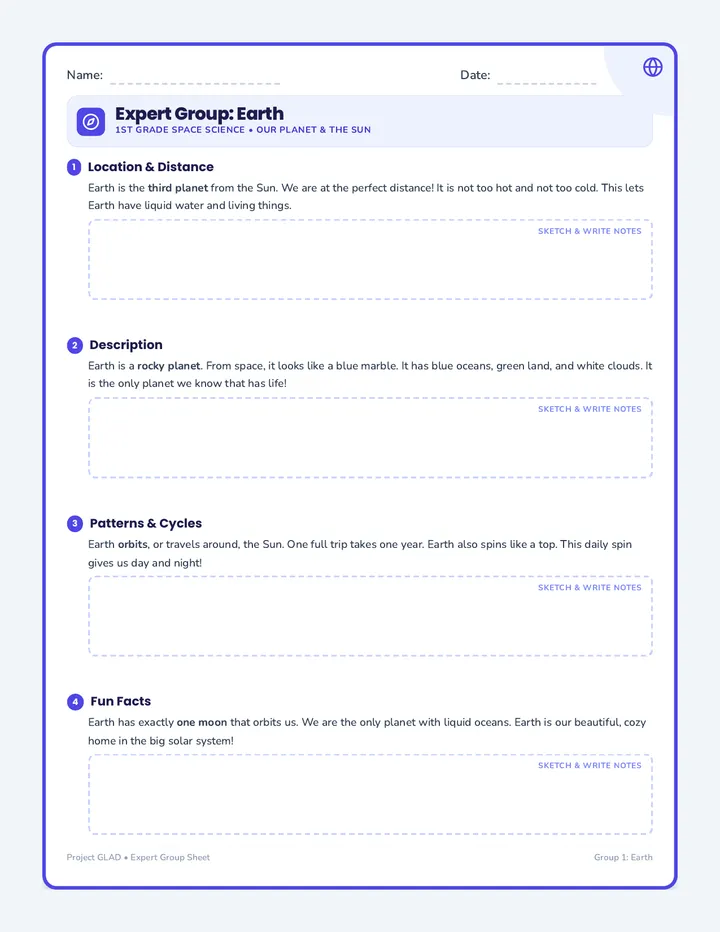
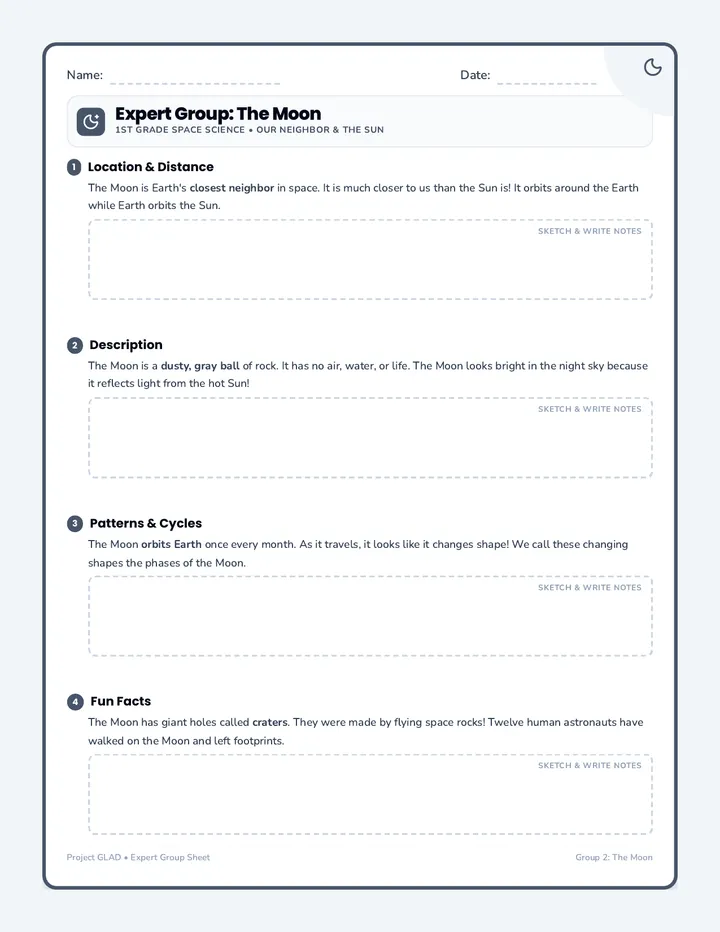
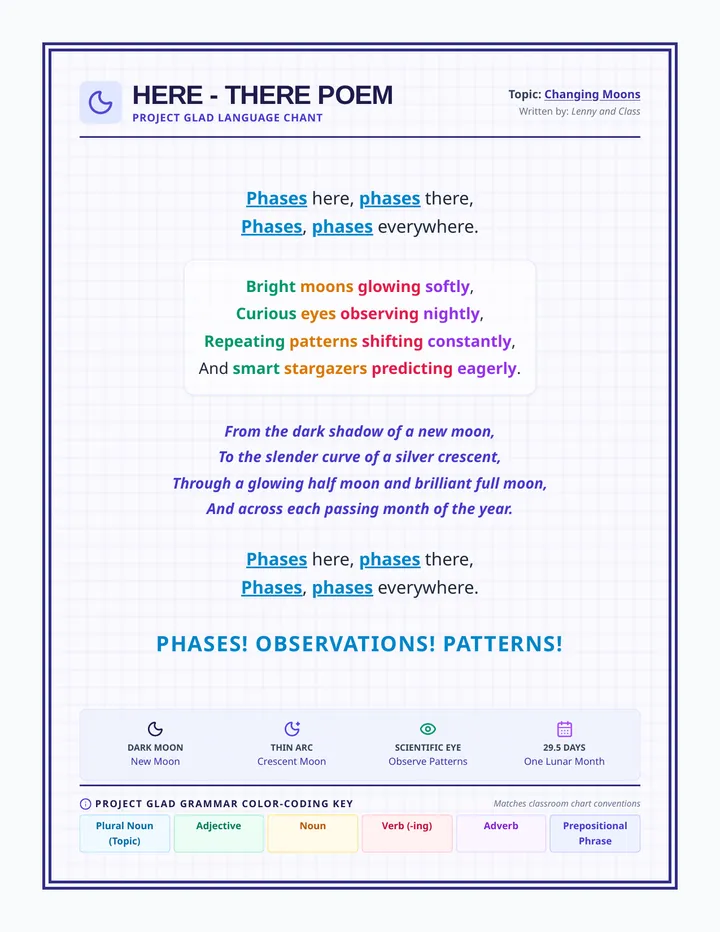
Focuses on the basic movements of Earth (rotation vs. revolution), the phases of the moon, and the basics of light waves as they relate to space exploration.
A comprehensive review lesson covering Earth's water distribution, fossil records in rock layers, plate tectonics, and the water cycle to prepare students for the Unit 4 Quiz.
A 30-minute introductory lesson on closed syllable exceptions (ild, ind, old, ost, olt) using a secret agent theme. Students identify, read, and write 'Rule Breaker' words that have long vowels despite being in closed syllables.
Reviewing the principles of thermal energy, including states of matter, heat-related properties, and conservation of mass during heating.
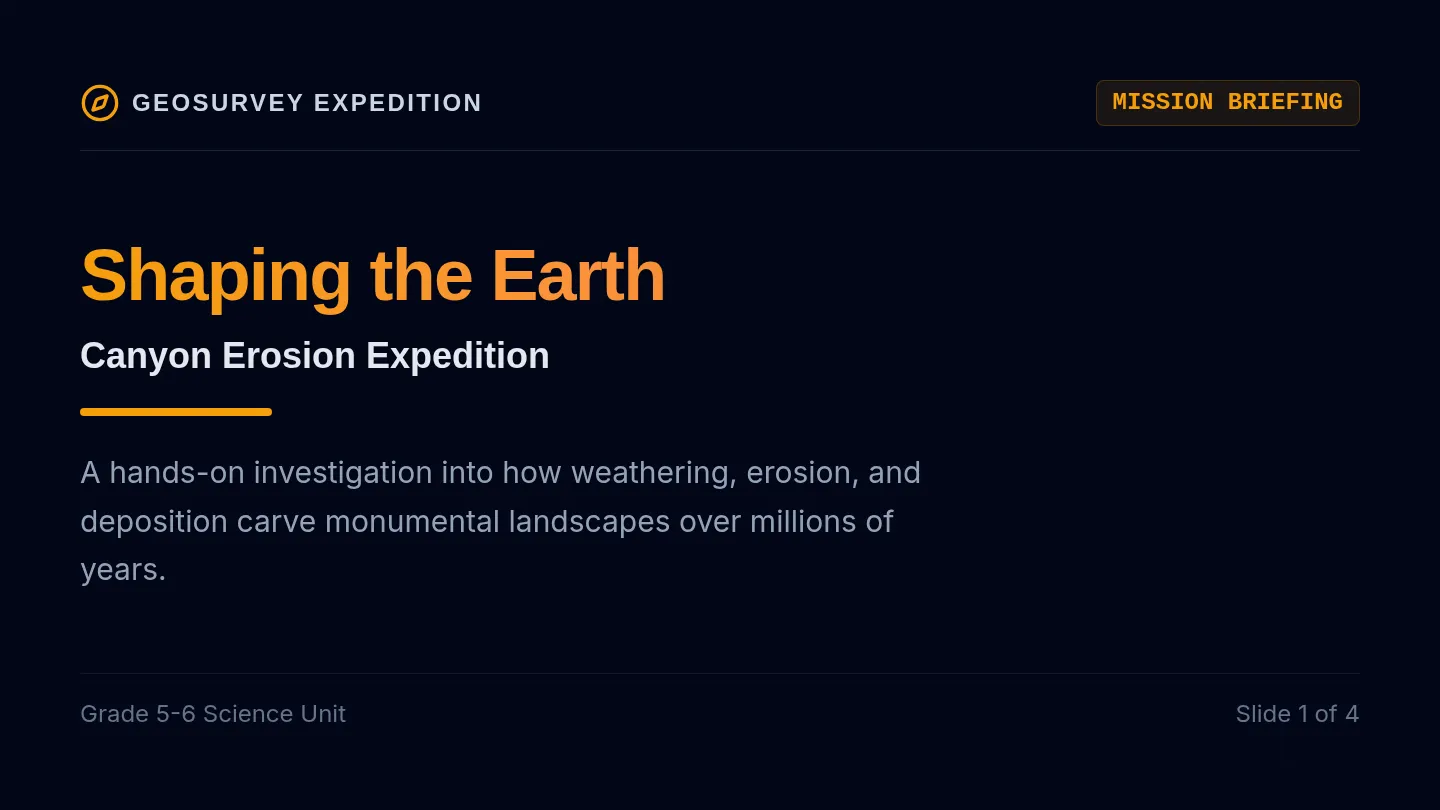
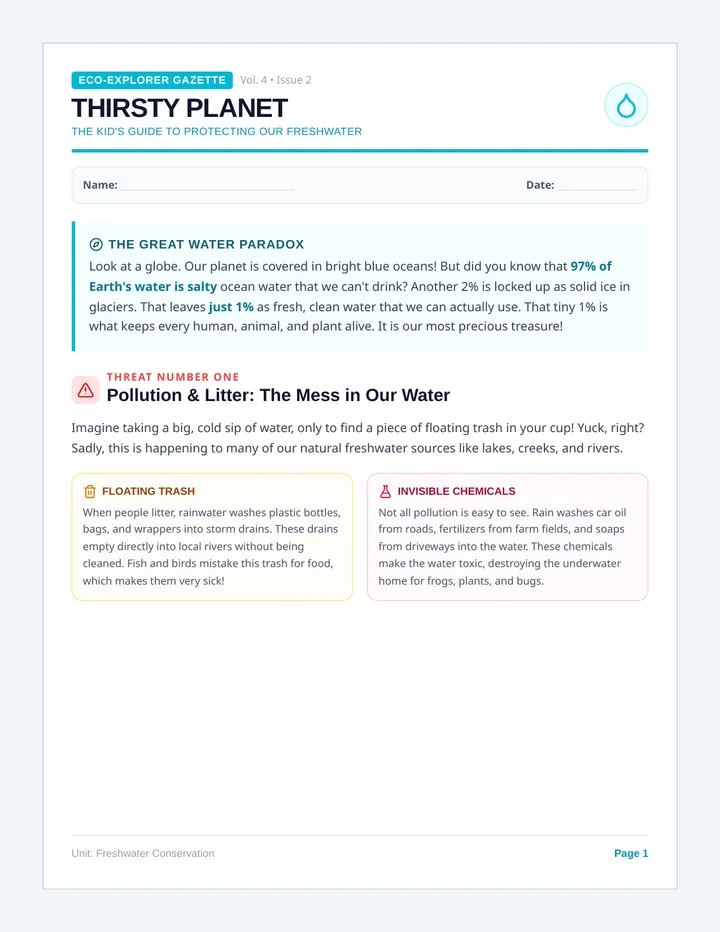
An interactive 5th-grade science lesson where students become 'Earth Guardians' to solve water cycle mysteries and investigate how human activity impacts Earth's systems. Students will review core concepts of water distribution, geology, and plate tectonics before diving into a deep-dive on human-water interactions.
Students will investigate how thermal energy affects the speed and spacing of particles in a gas. They will interpret models and data to explain why hot air rises and how this principle is applied to technologies like hot-air balloons.
Students will explore how the mass of a substance remains constant even as it undergoes phase changes (freezing, melting, boiling). They will analyze data involving state changes and evaluate scientific claims about matter 'disappearing' during evaporation.
Students will review the law of conservation of mass as it applies to mixtures and dissolving. They will practice interpreting data tables to prove that matter still exists even when it is no longer visible in a solution.