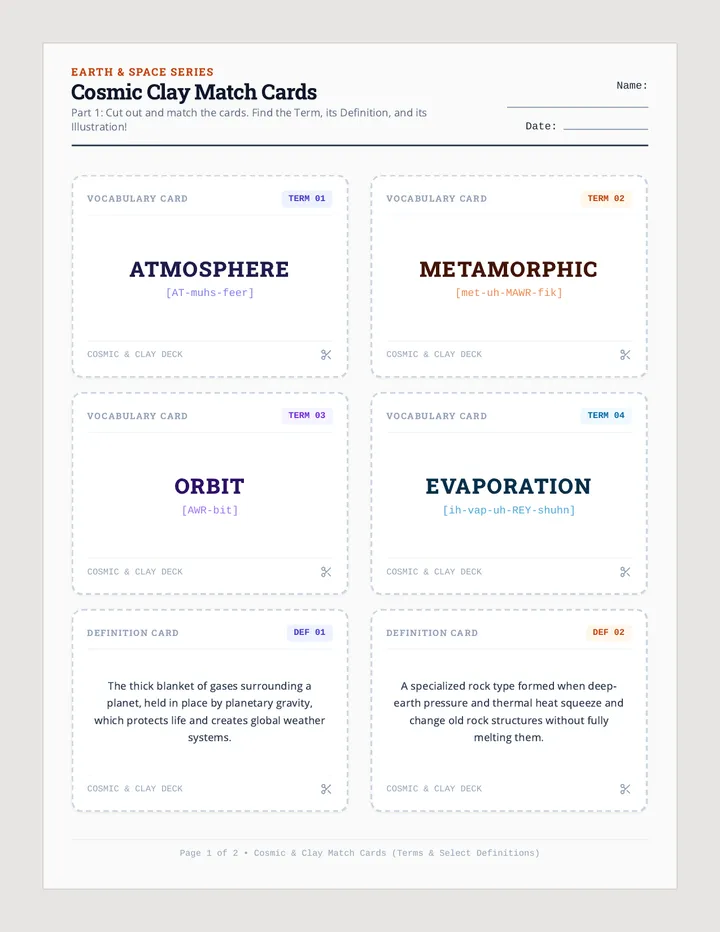
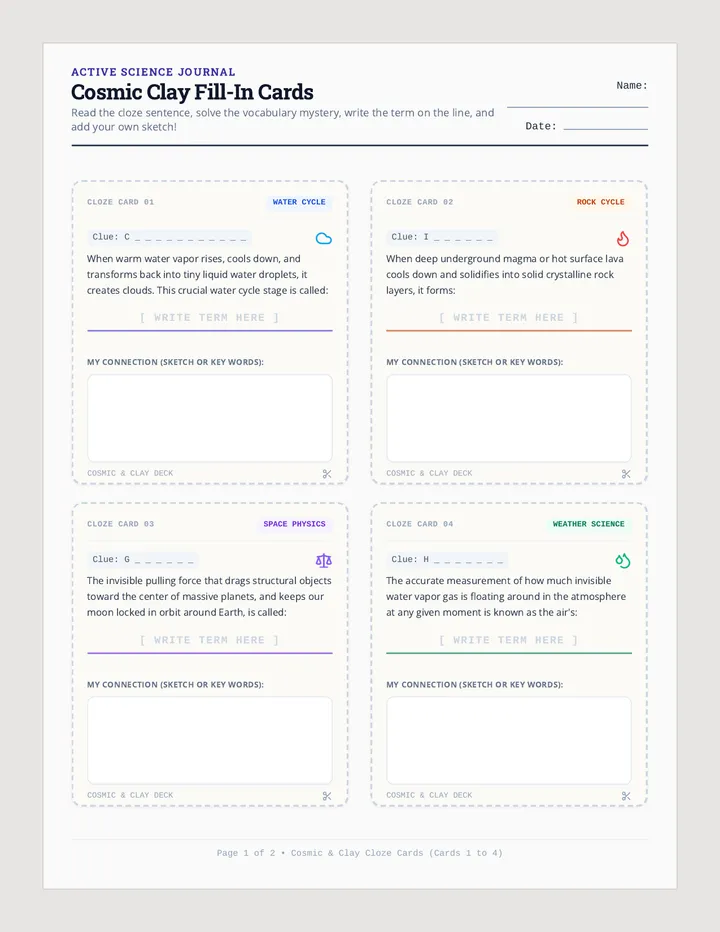
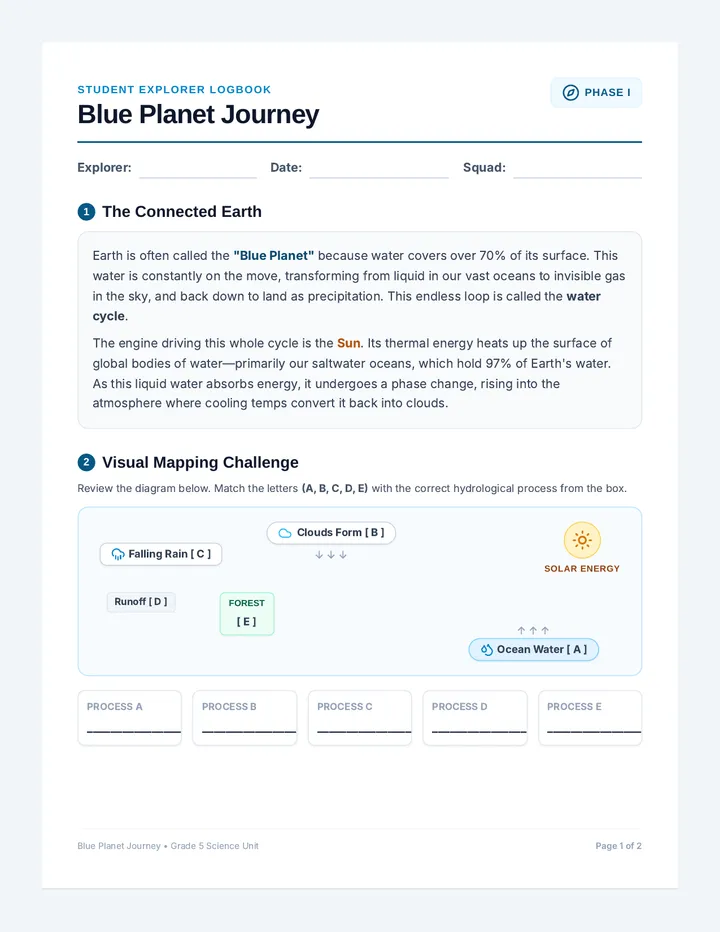
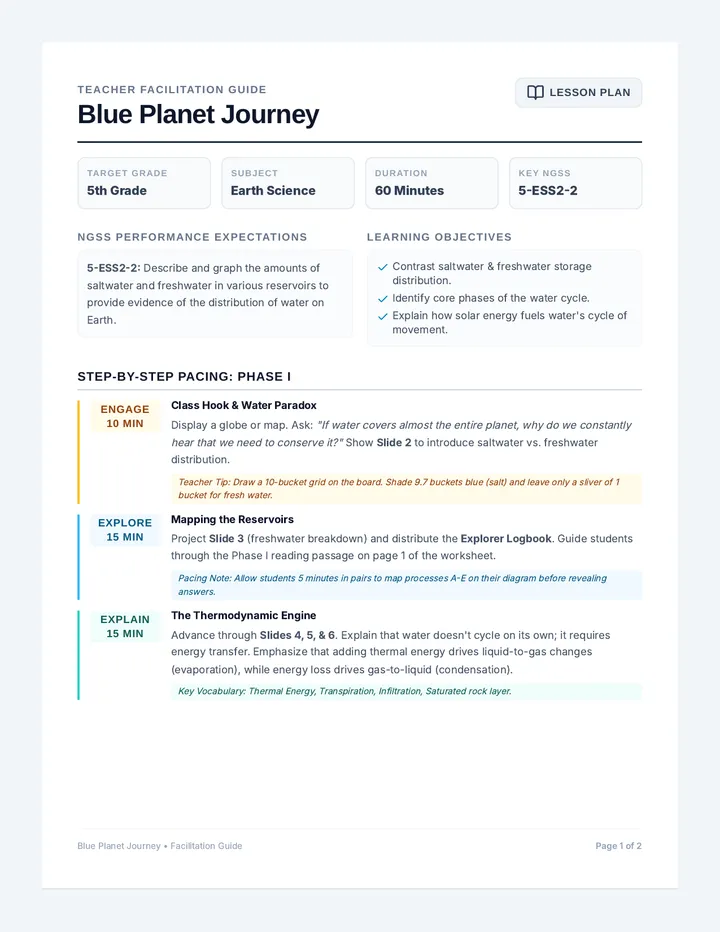
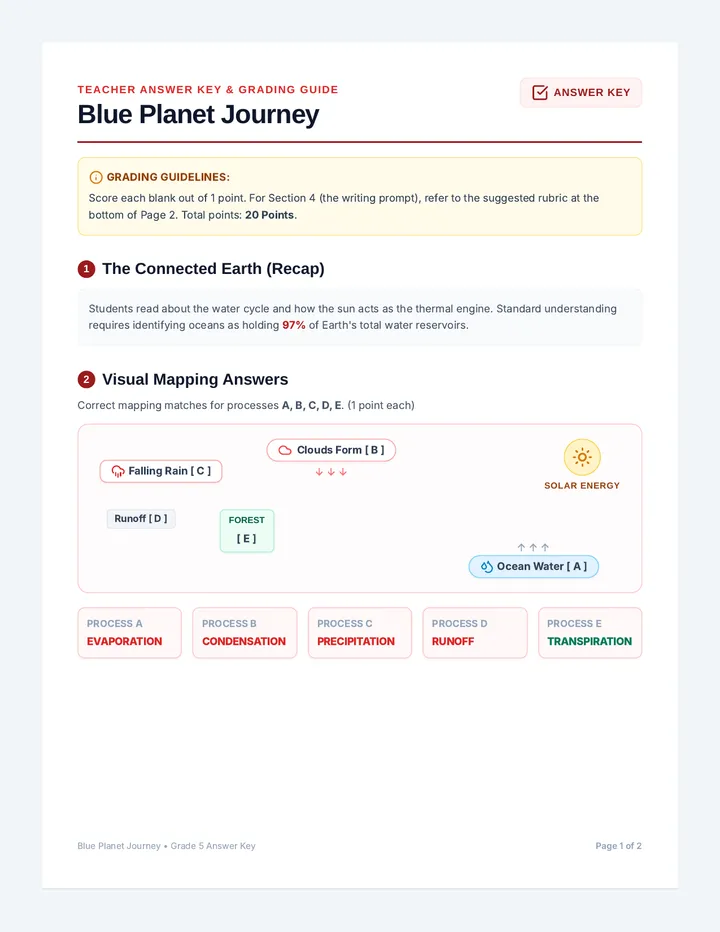
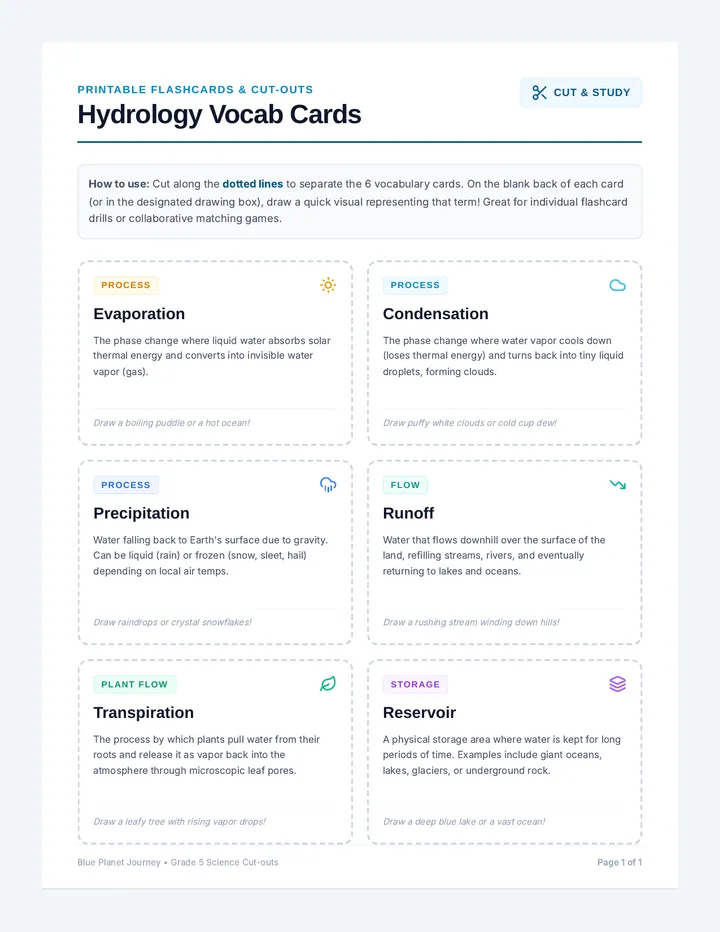
A comprehensive exploration of the water cycle, covering evaporation, condensation, precipitation, and collection through hands-on activities and visual aids. Students will learn how water moves through Earth's systems and why it is vital for life.
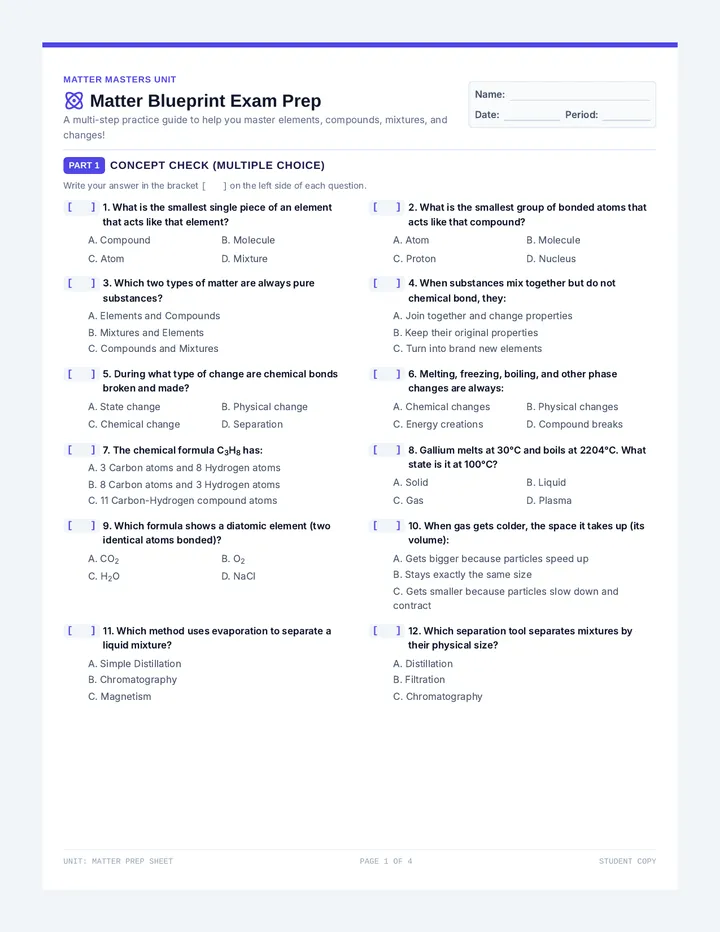
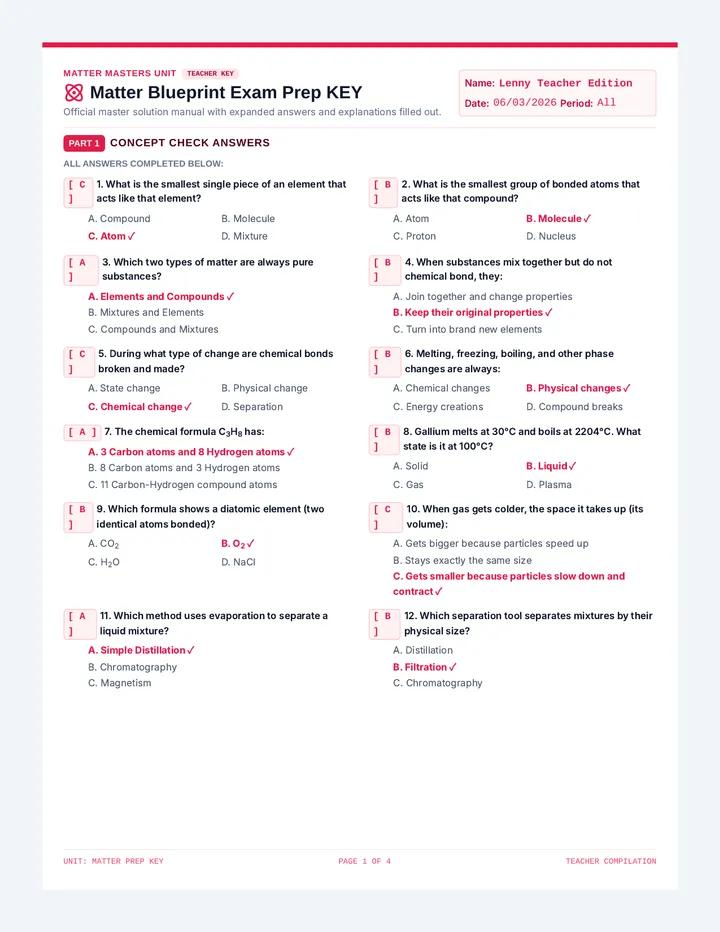
A foundational science lesson exploring the three primary states of matter—solids, liquids, and gases—through reading, visual aids, and interactive observation.
Cette séance de 2 heures permet aux élèves de distinguer qualification et compétence, d'analyser l'impact des conditions de travail sur le comportement des salariés et de mesurer la performance de l'activité humaine via des indicateurs de productivité et de climat social.
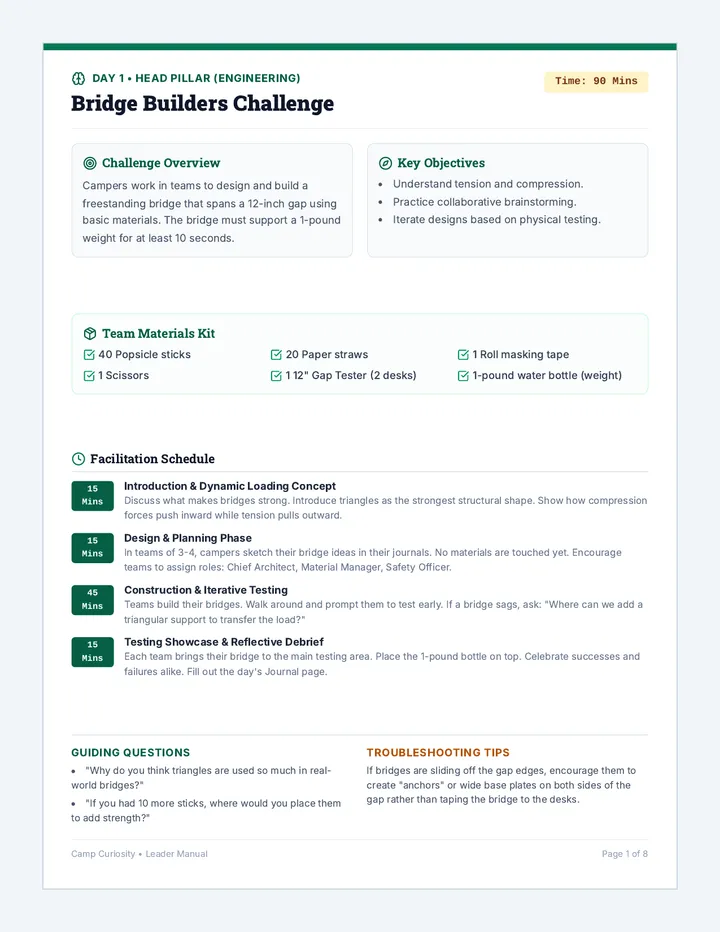
A comprehensive middle school lesson where students apply engineering design principles to create sustainable solutions for local ecosystem challenges, focusing on wildlife corridors and habitat connectivity.
A two-part lesson exploring the physics of buoyancy and density through the lens of Ancient Egyptian boat building. Students will investigate buoyant forces and compete in a hands-on lab to carry the most 'cargo' across the Nile.
An introductory lesson exploring the eight planets of our solar system, their unique characteristics, and space-related vocabulary.
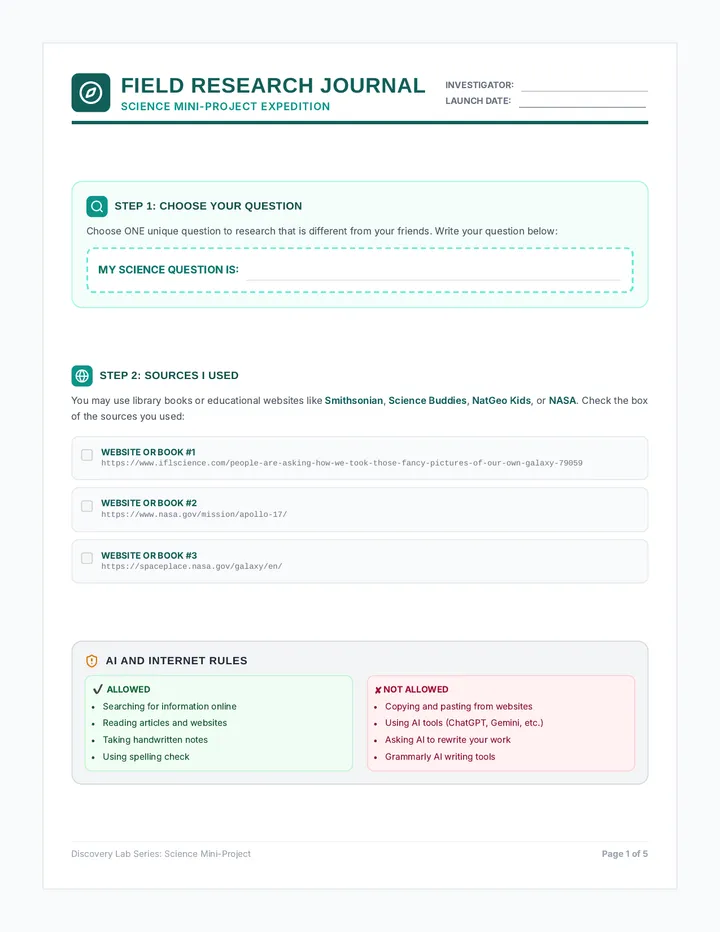
A lesson focused on teaching 4th graders how to effectively research animals using online resources and organizing their findings.
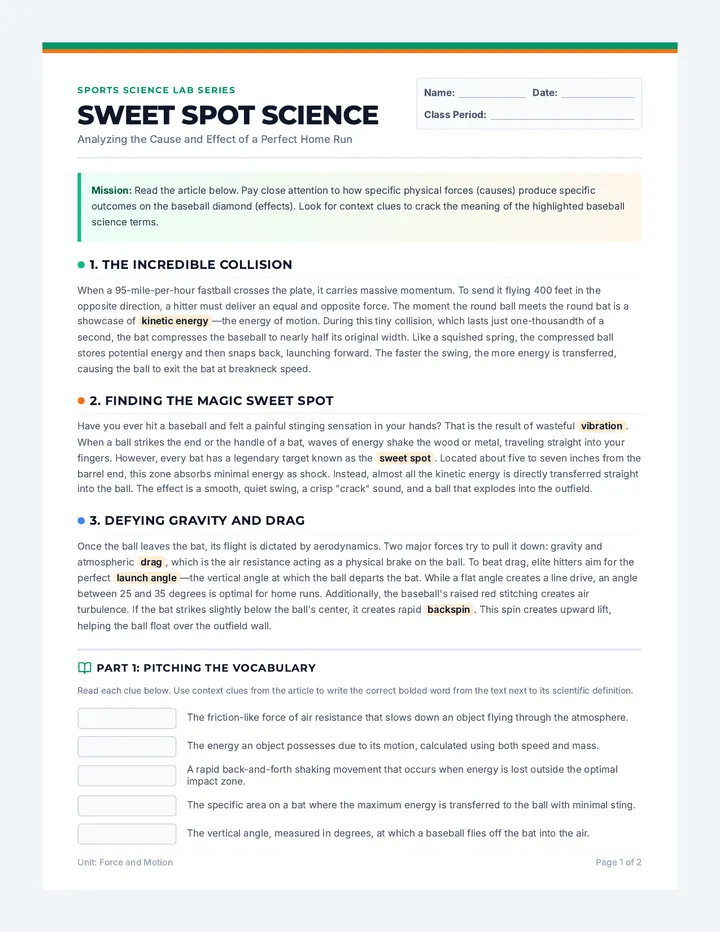
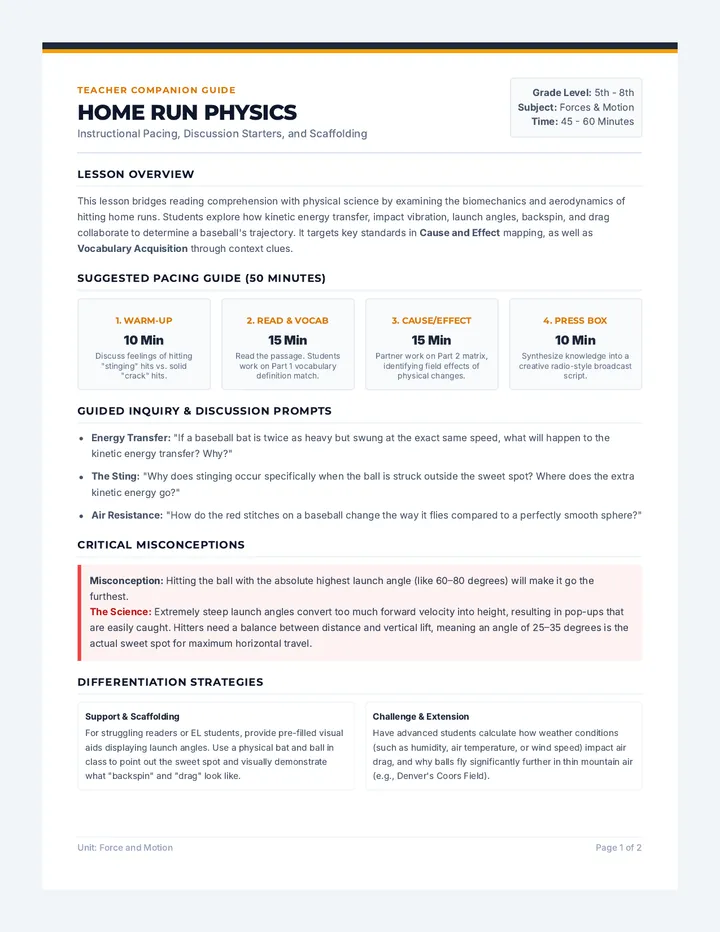
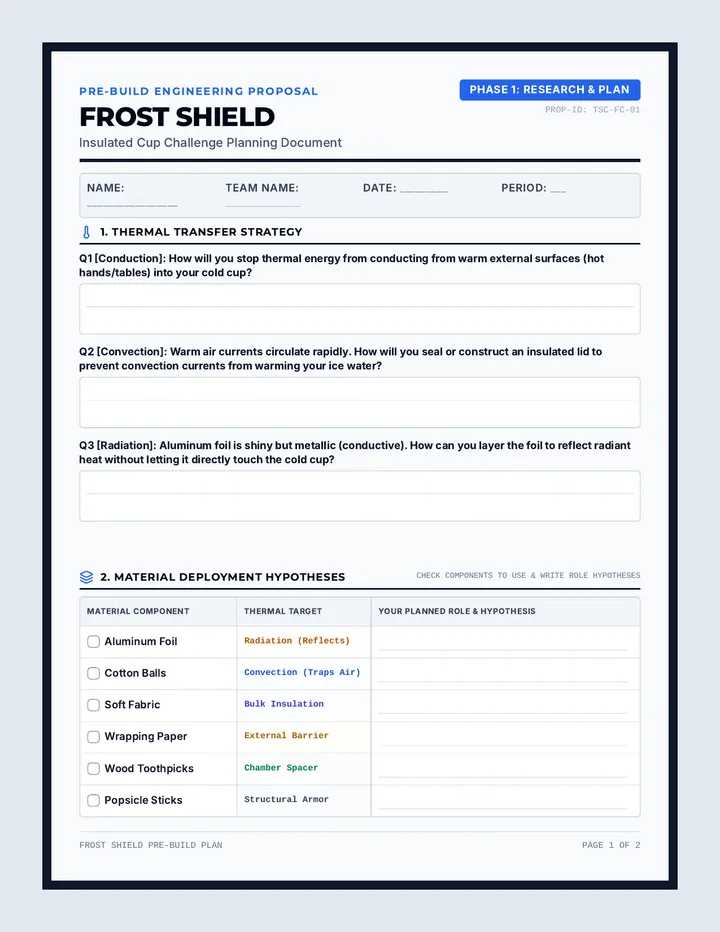
A comprehensive investigation into thermal energy transfer (conduction, convection, and radiation) for 4th-grade students, featuring hands-on experiments and standards-based assessment.
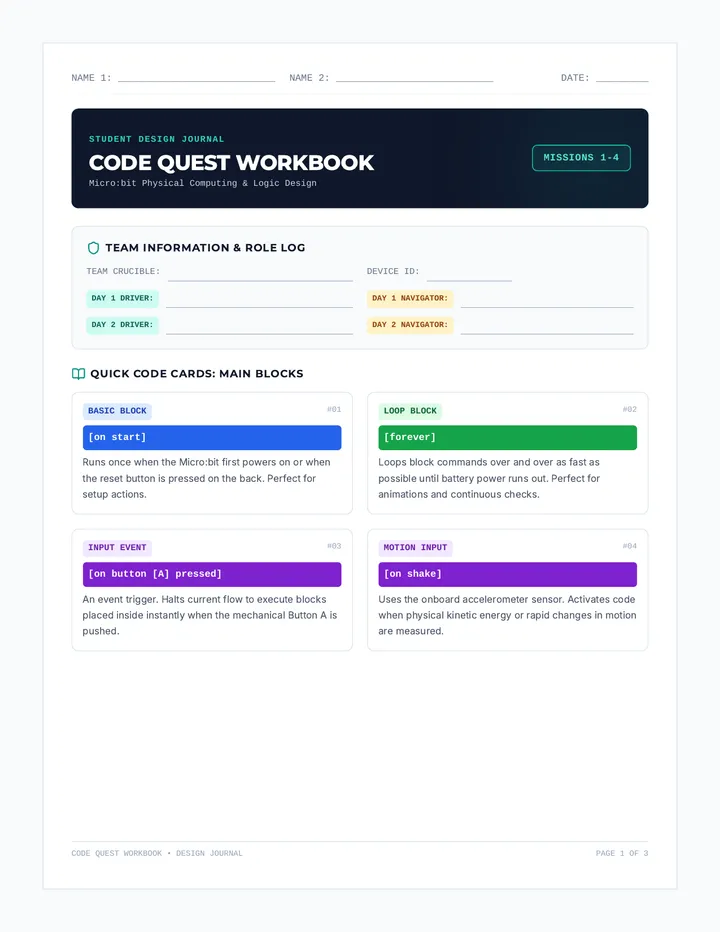
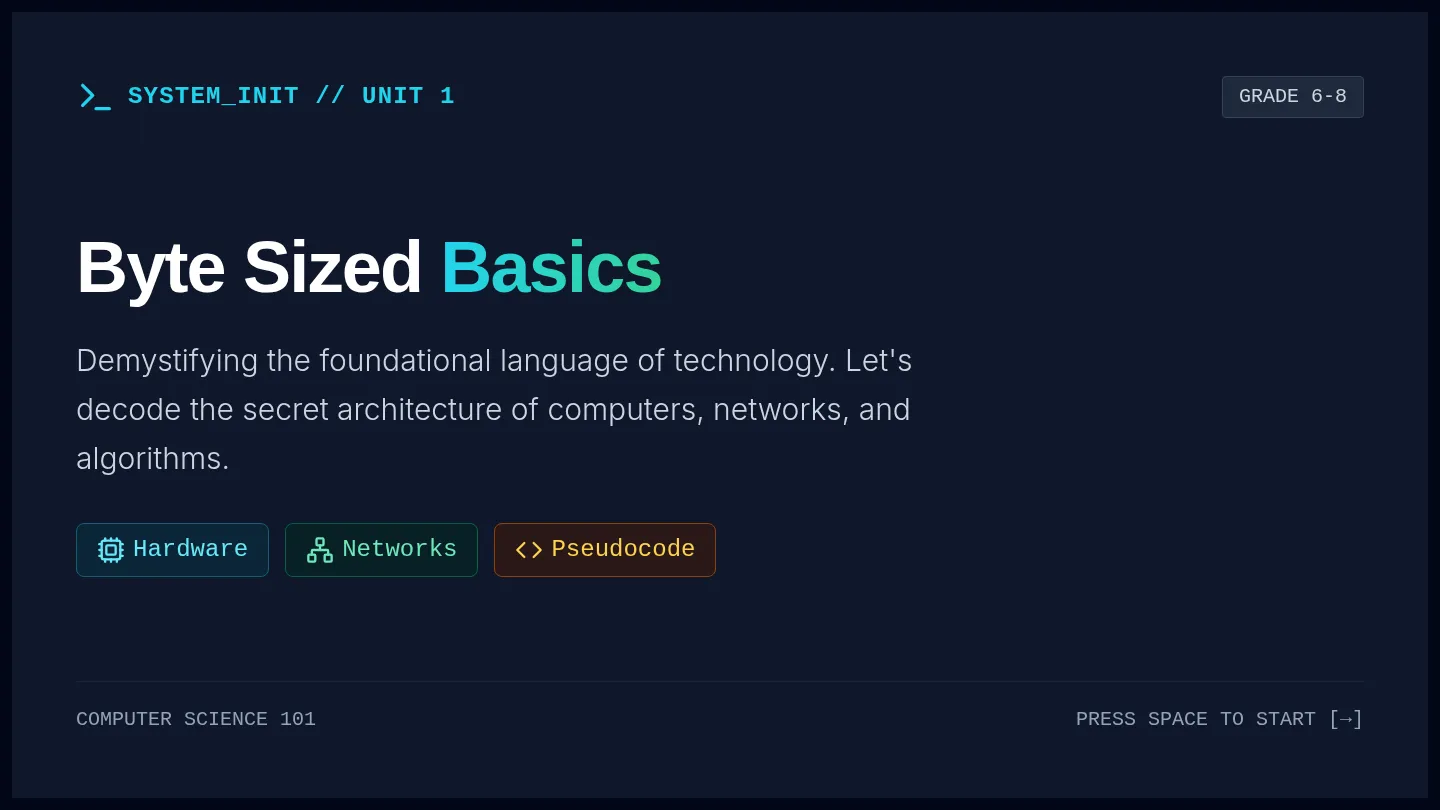
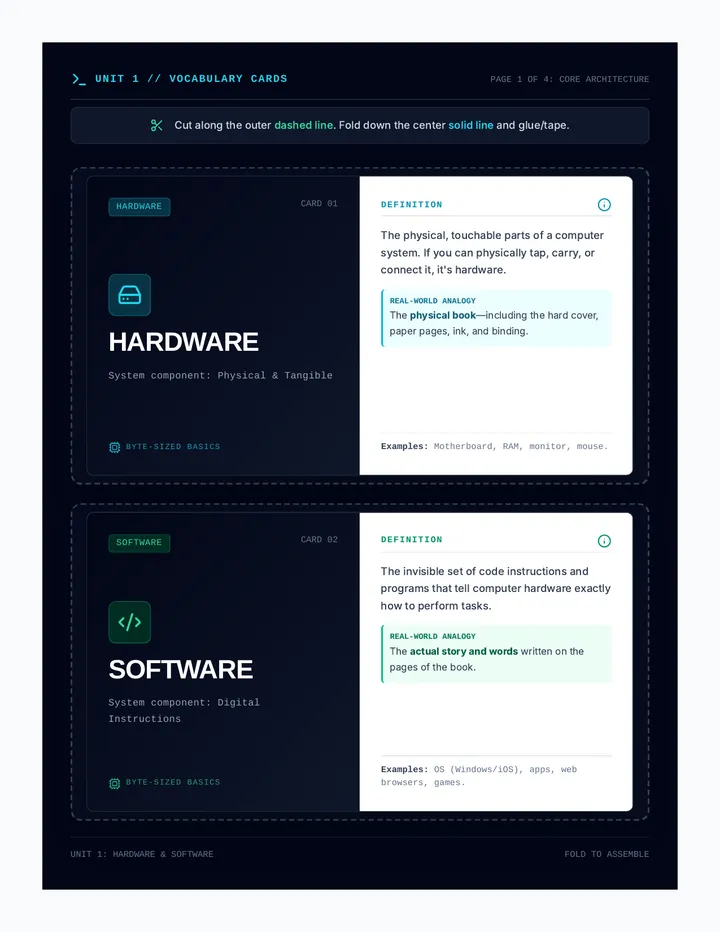
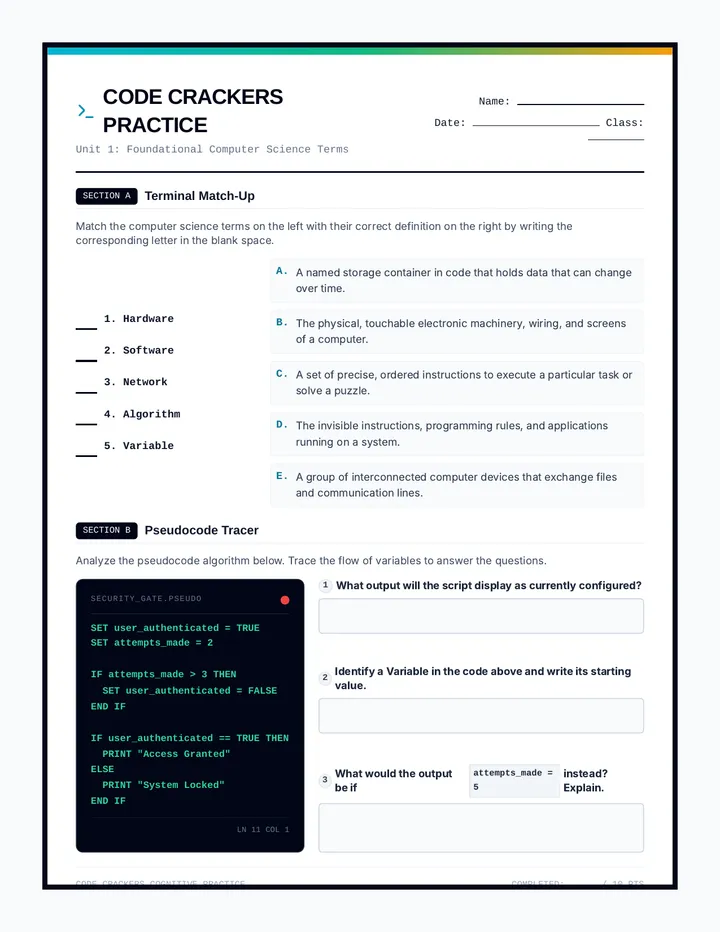
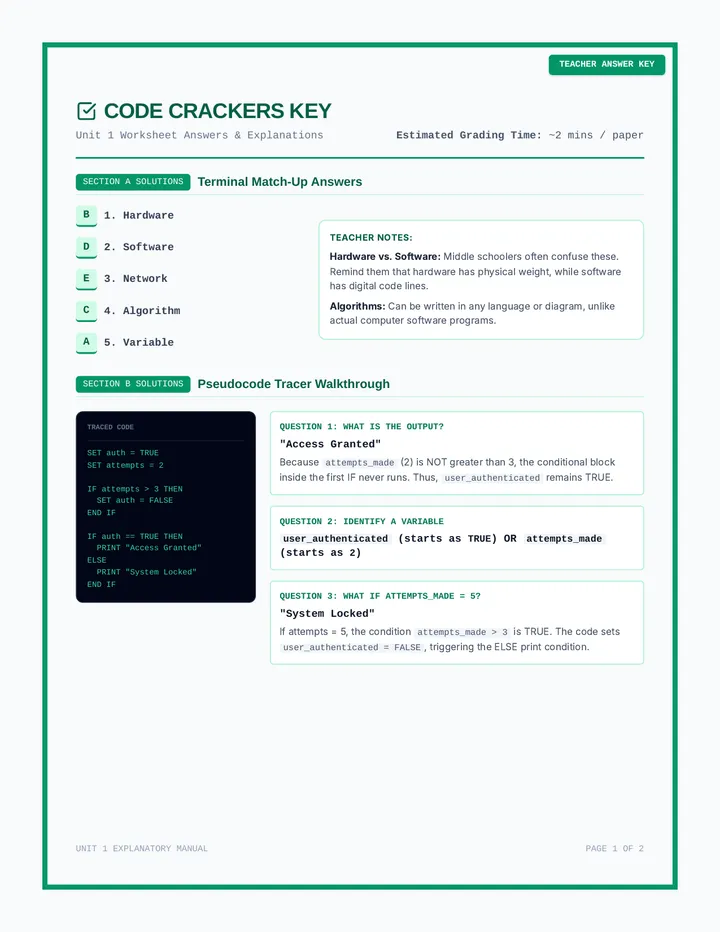
A project-based lesson where students learn algorithmic thinking by designing game mechanics using flowcharts and pseudocode with a retro arcade theme.
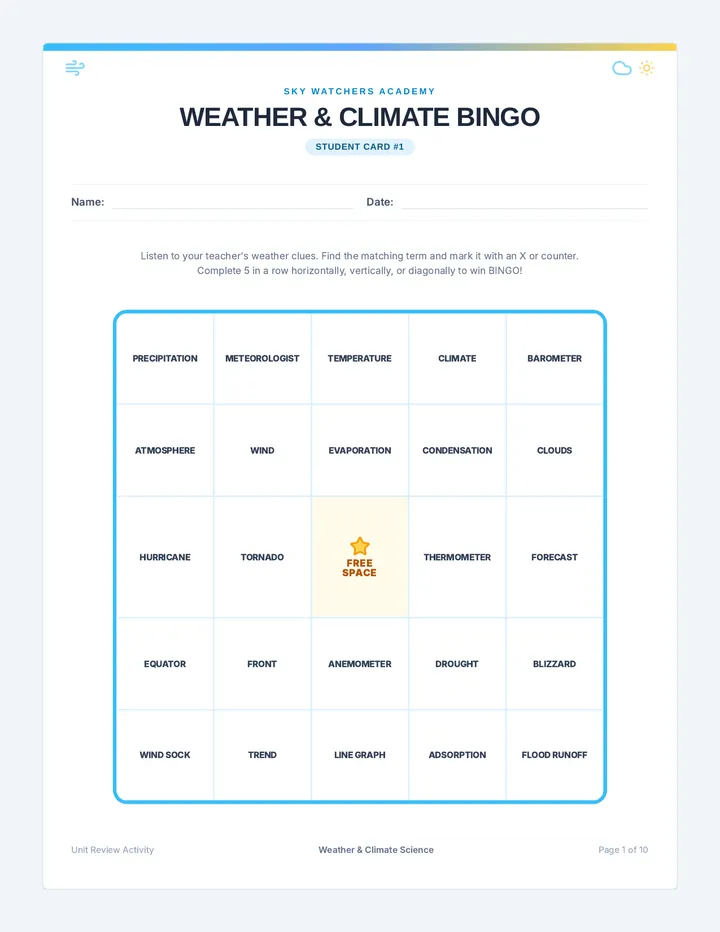
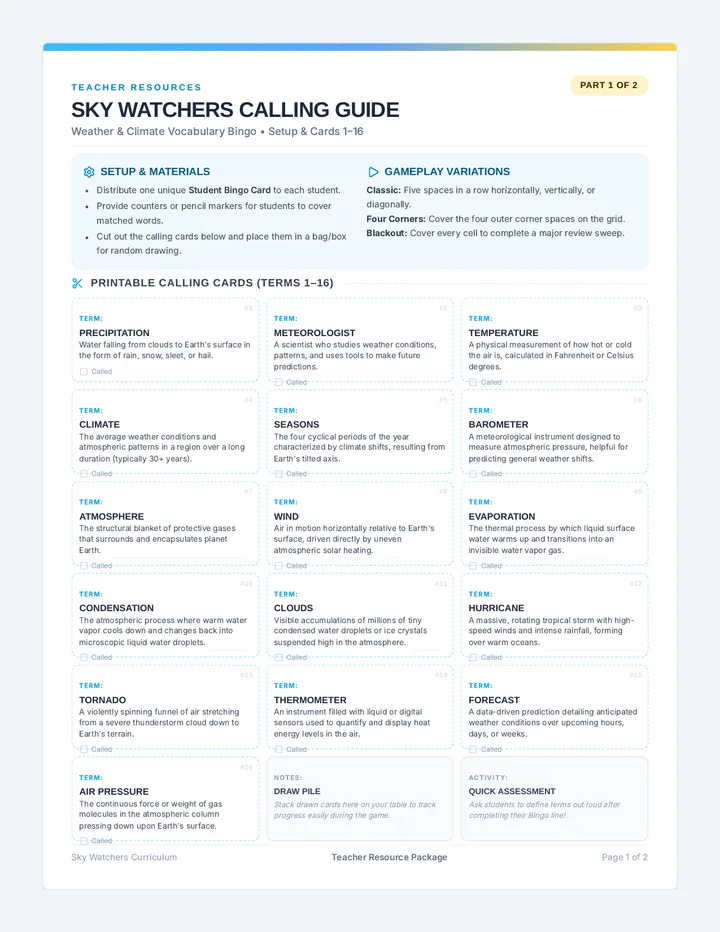
A comprehensive meteorology lesson for 6th graders focusing on collecting, recording, and interpreting local weather data to identify atmospheric patterns.
Combining electricity and magnetism to create a temporary magnet. Students follow instructions to build their own electromagnet using a battery, wire, and nail.
Identifying the path electricity takes. Students differentiate between conductors that let electricity pass and insulators that stop it, while building basic circuits.
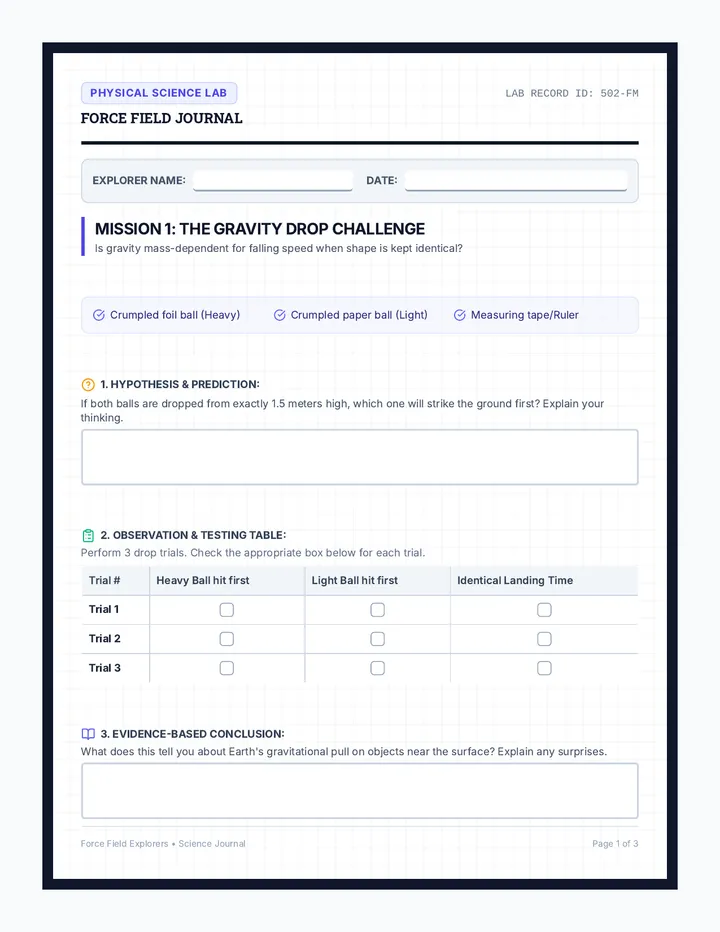
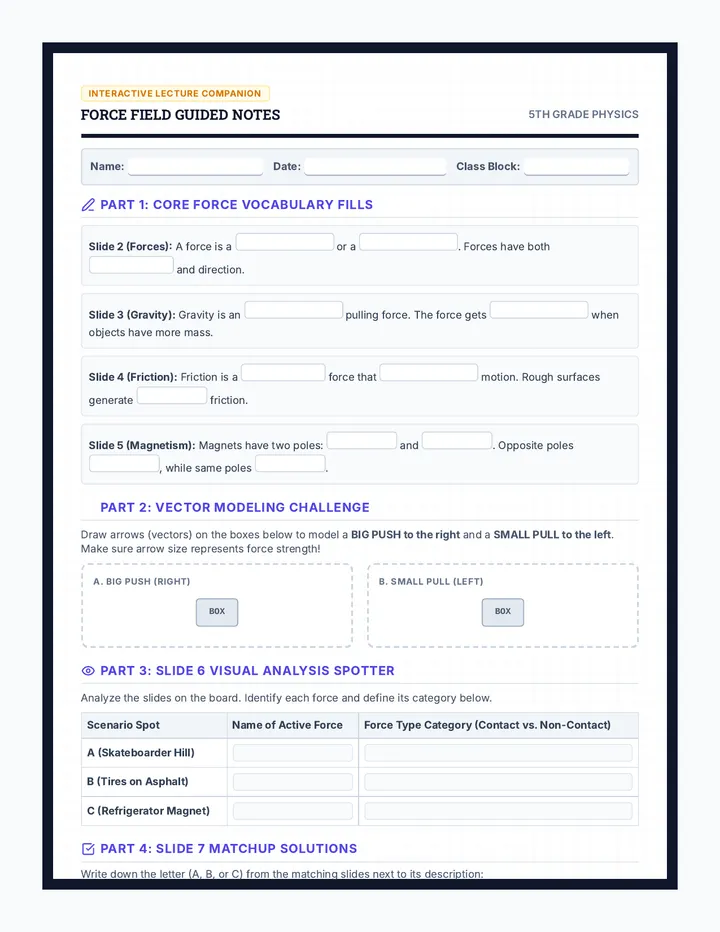
Exploring the invisible forces of magnets. Students learn about poles (North and South) and how magnetic fields create attraction and repulsion.
Introduction to what electricity is and how it moves through wires. Focuses on the concept of energy flow and simple 'push' and 'pull' analogies.
Une exploration approfondie des besoins nutritionnels humains, des groupes d'aliments et de l'équilibre alimentaire, alignée sur le programme de cycle 3. Les élèves apprennent à identifier la provenance de leur énergie et à composer des repas équilibrés pour leur santé.
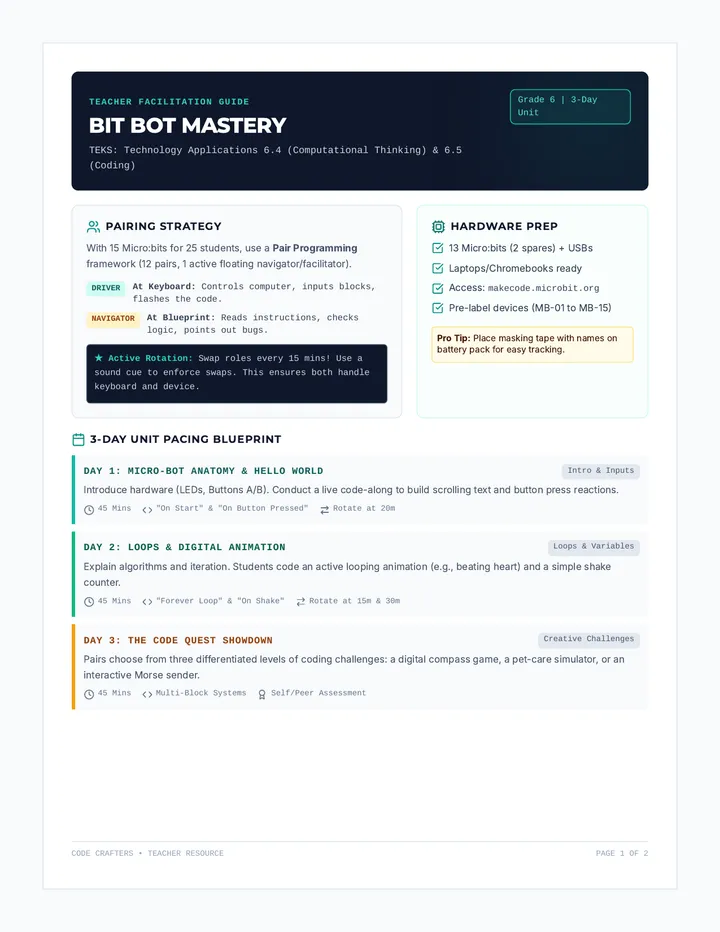
The capstone project where students combine their coding knowledge and engineering skills. Students design a functional 'helper bot' using recycled materials and write the pseudo-code for its operations.
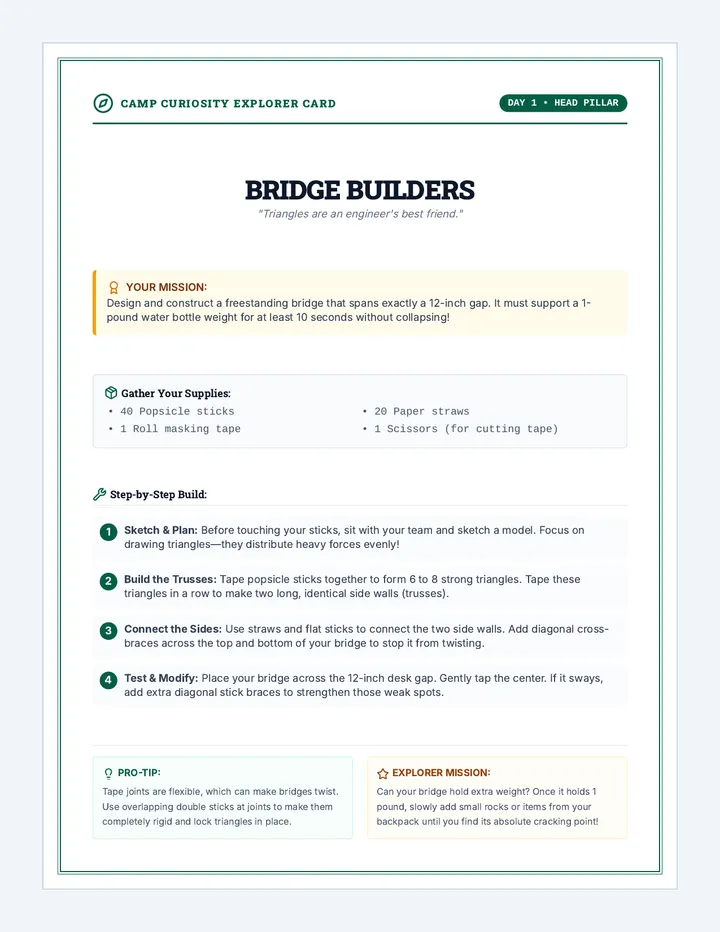
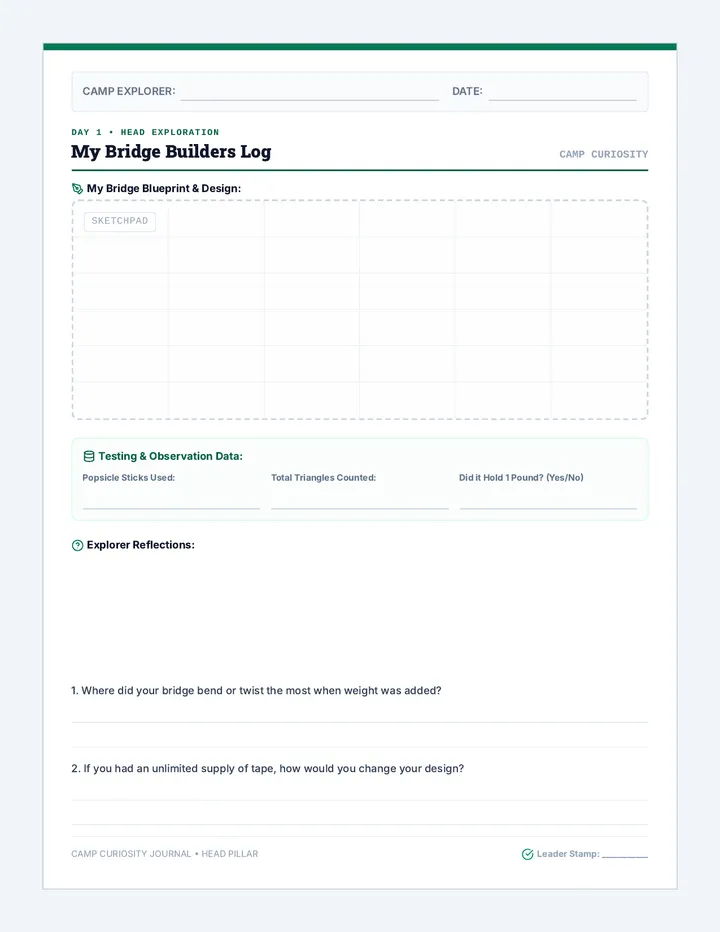
A hands-on engineering challenge where students apply the Engineering Design Process to build stable structures. This lesson focuses on physics, materials science, and iterative testing.
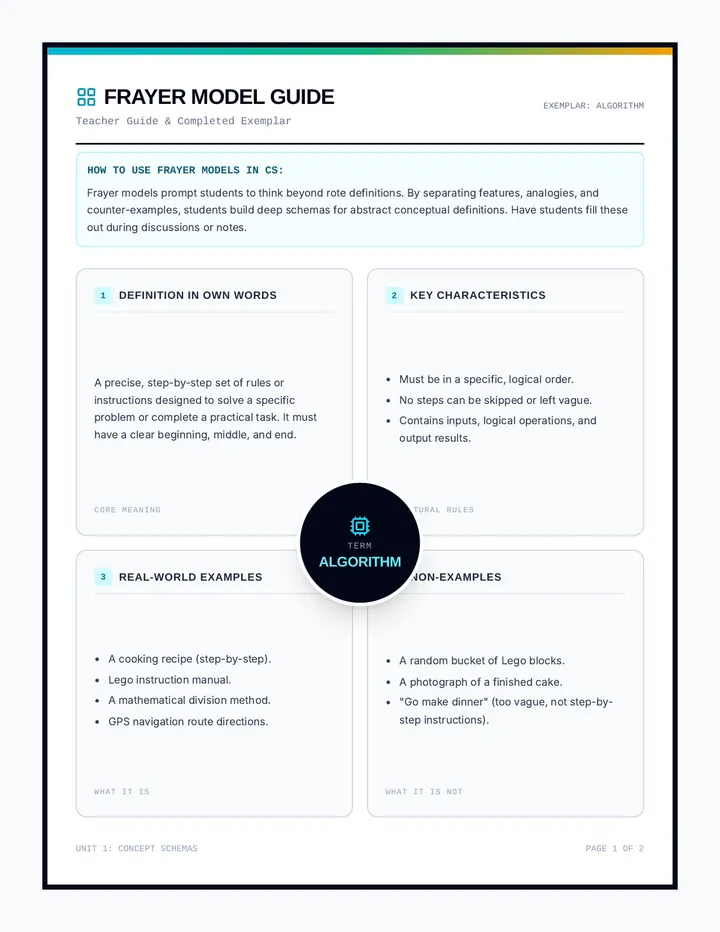
An introduction to computational thinking focusing on algorithms, sequencing, and loops. Students engage with online coding platforms and offline logic puzzles to master the basics of programming.
A step-by-step Scratch coding project where students build a physics-based bottle flip game. This lesson covers events, motion, loops, and variables through an engaging arcade-style project.
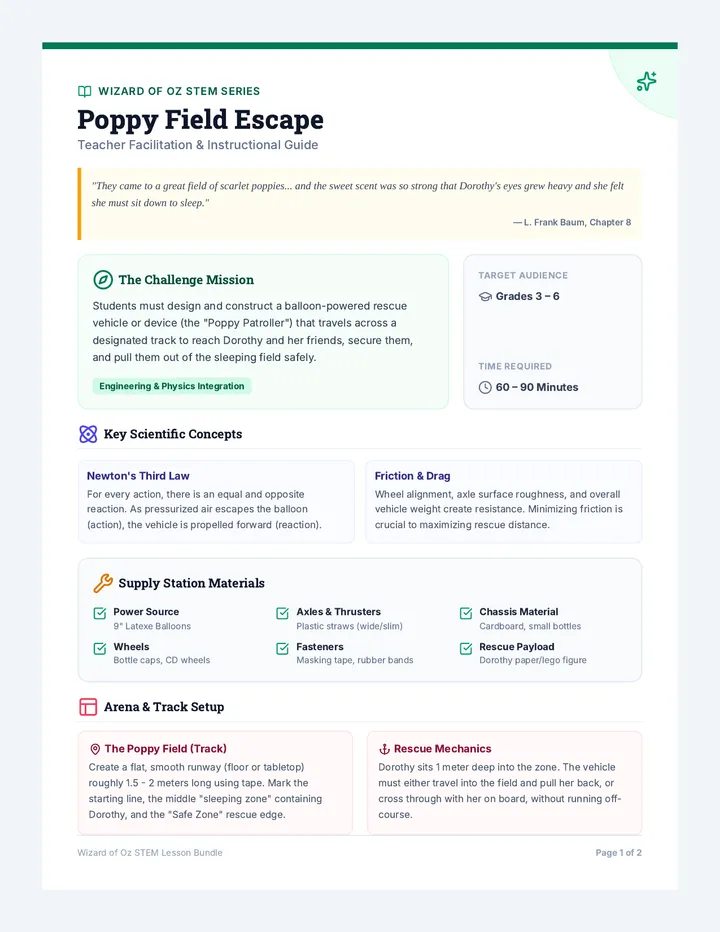
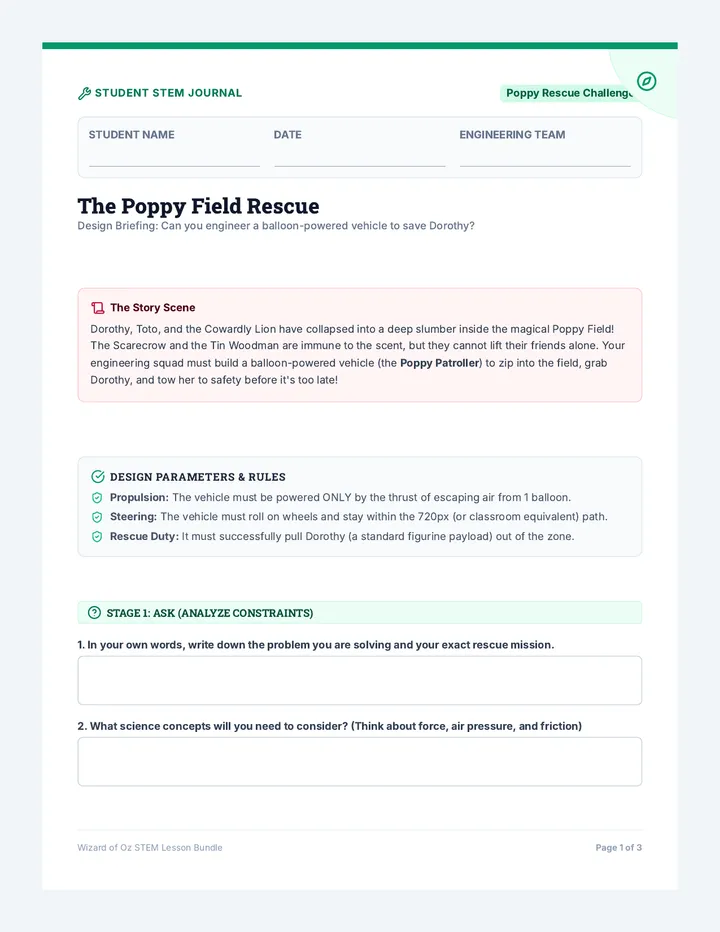
An advanced extension unit for Grade 6 students who have completed 'The Boy Who Harnessed the Wind'. This project-based learning experience focuses on engineering, resourcefulness, and community-driven innovation through a variety of high-level project choices.
Understanding how digital information is sent via binary code and assessing student knowledge of these concepts.
Exploring programming logic through loops and creating a project guide for a drone delivery program.
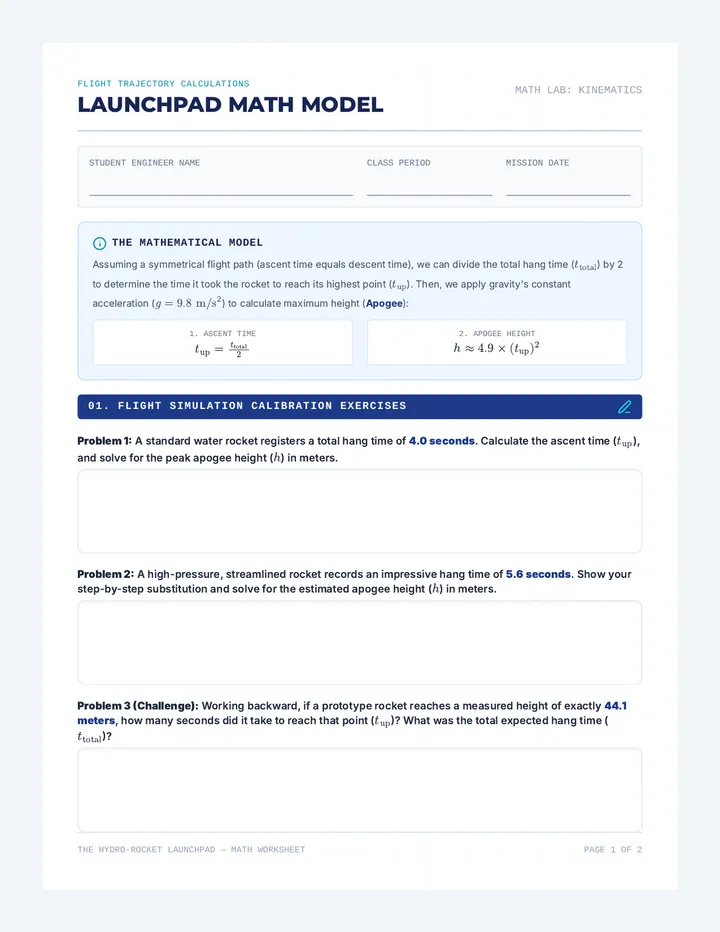
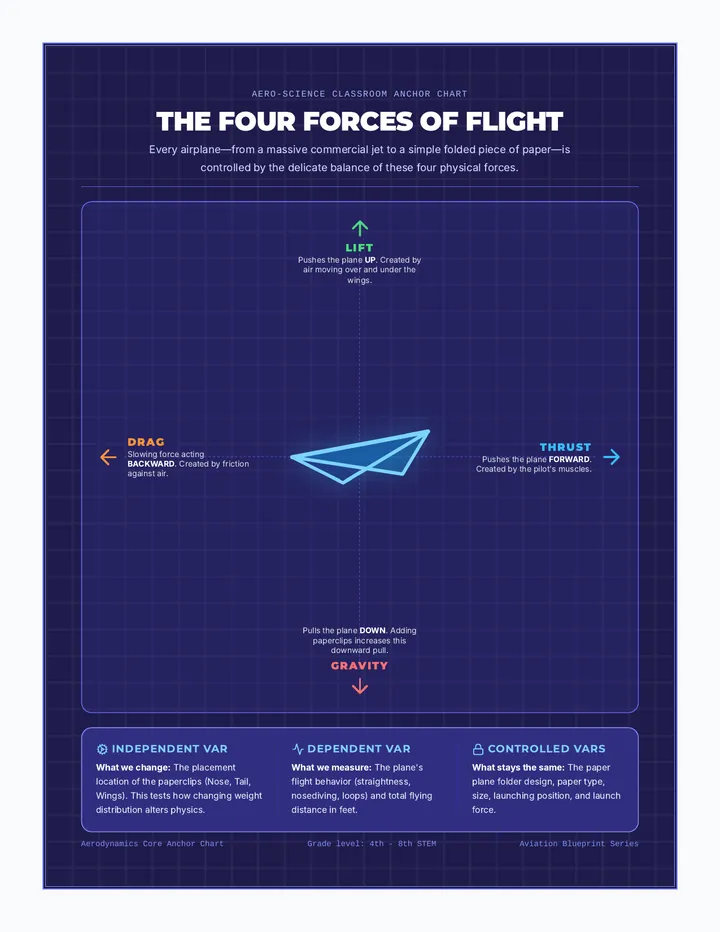
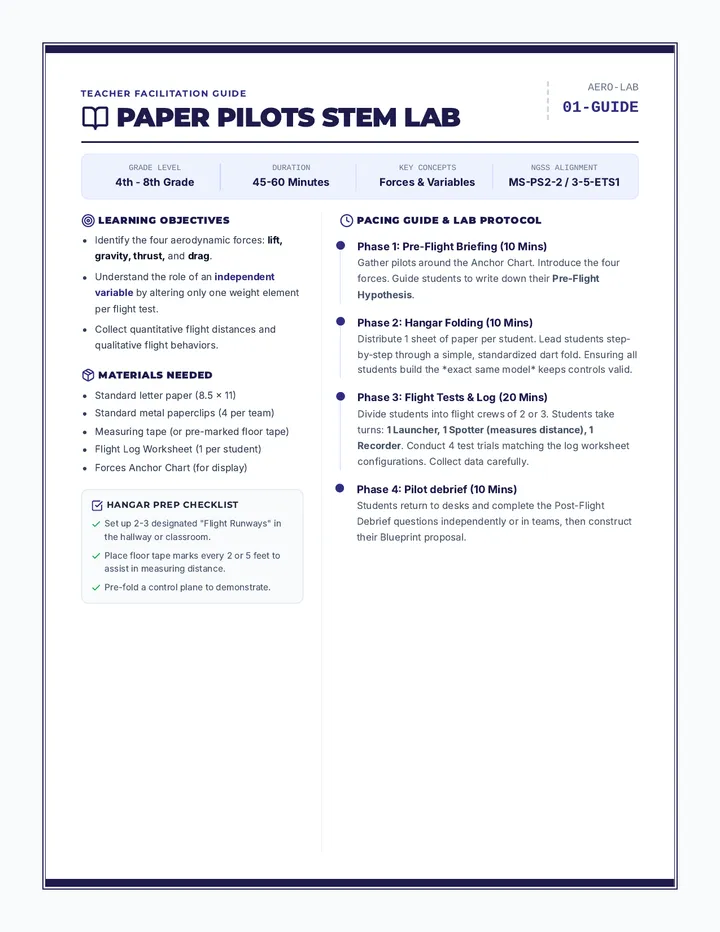
Introduction to the forces of flight and key terminology used in both aeronautics and computer science for disaster relief missions.
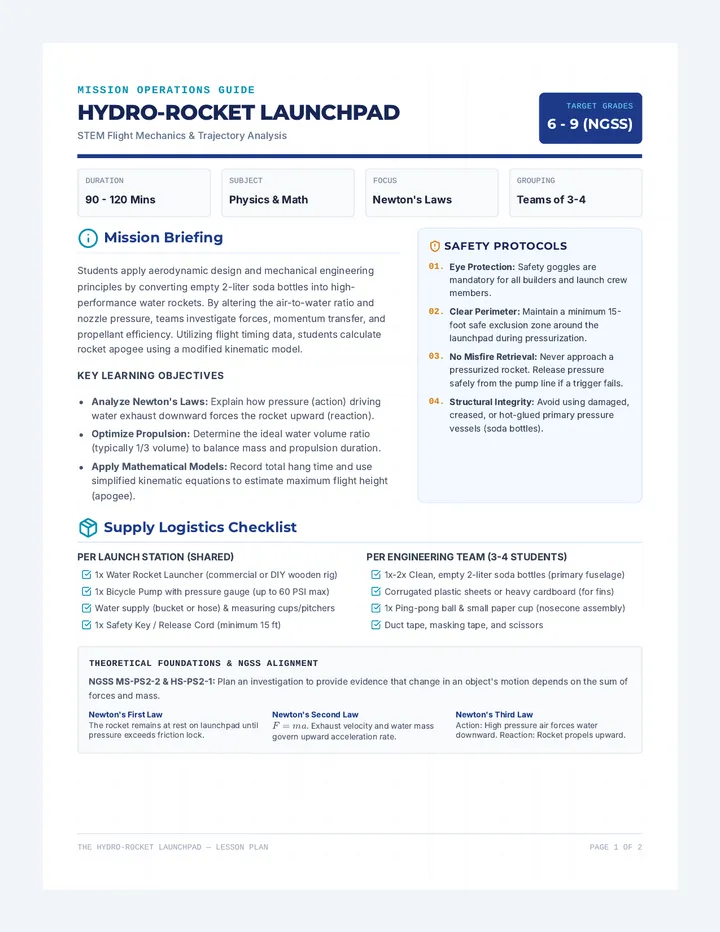
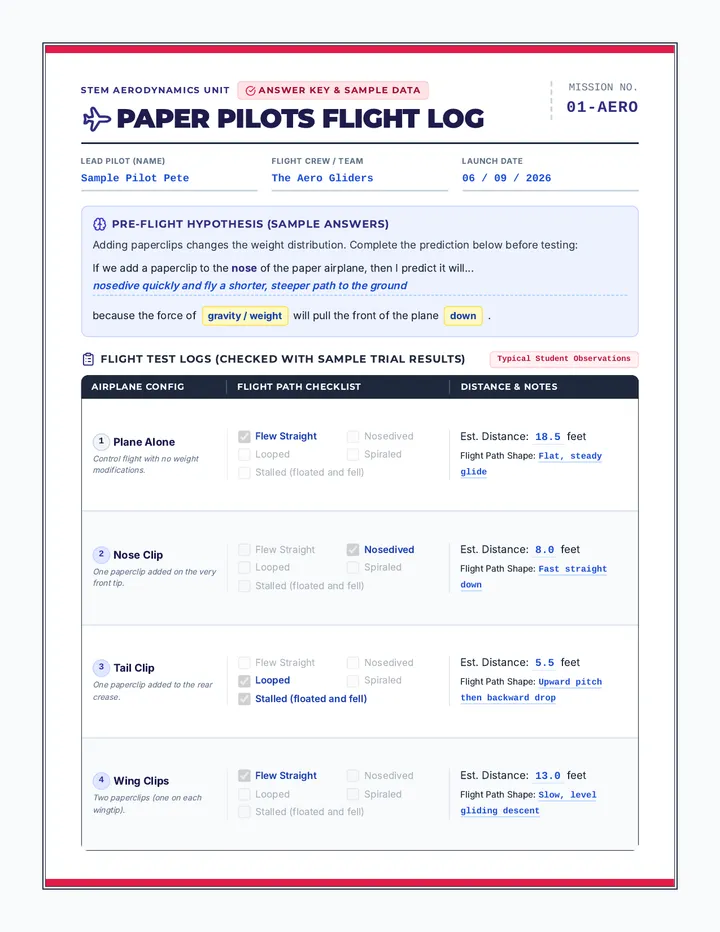
A comprehensive rocket launch log and instructional guide for the PLTW Science of Flight module, focusing on data collection, aeronautical design, and flight analysis.
This lesson advances 4th-grade students' spreadsheet skills, moving beyond basic data entry to explore sorting, formatting, and the power of simple formulas.
A comprehensive science lesson exploring the relationship between skin bacteria and body odor, explaining how deodorants and antiperspirants work to keep us fresh.
Covers the four gas and ice giants (Jupiter, Saturn, Uranus, and Neptune), along with dwarf planets and a final unit review.
Explores the Sun as our central star and the characteristics of the four inner terrestrial planets (Mercury, Venus, Earth, and Mars).
Focuses on the basic movements of Earth (rotation vs. revolution), the phases of the moon, and the basics of light waves as they relate to space exploration.
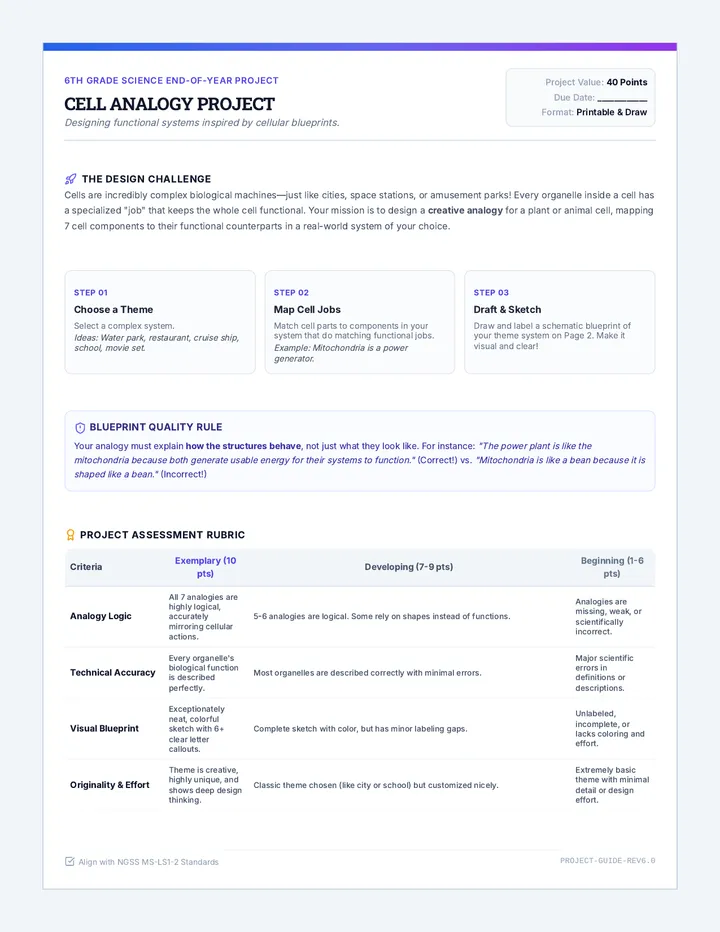
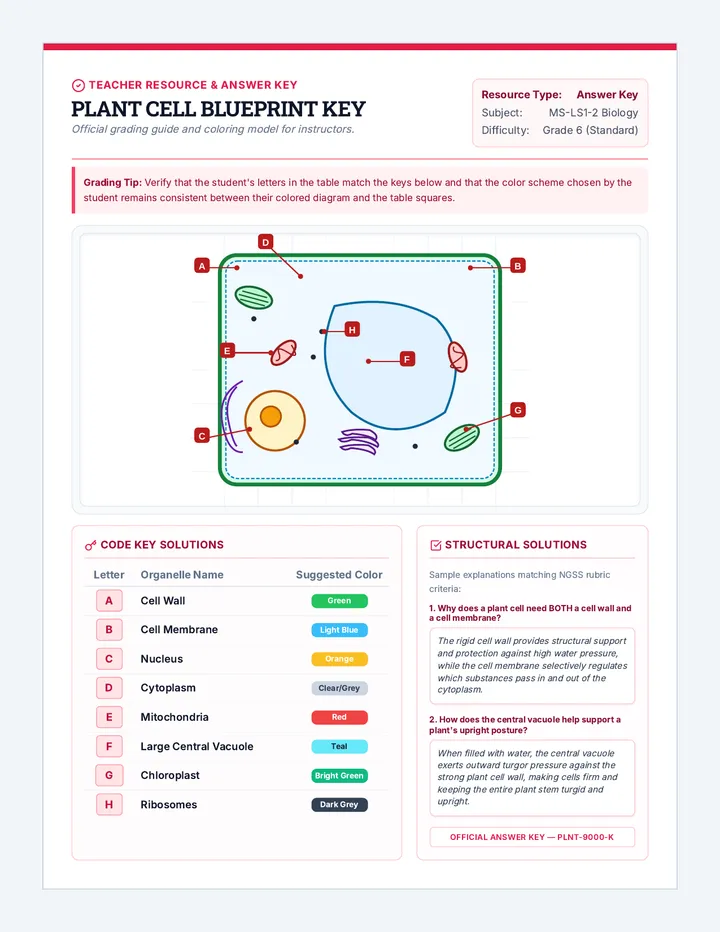
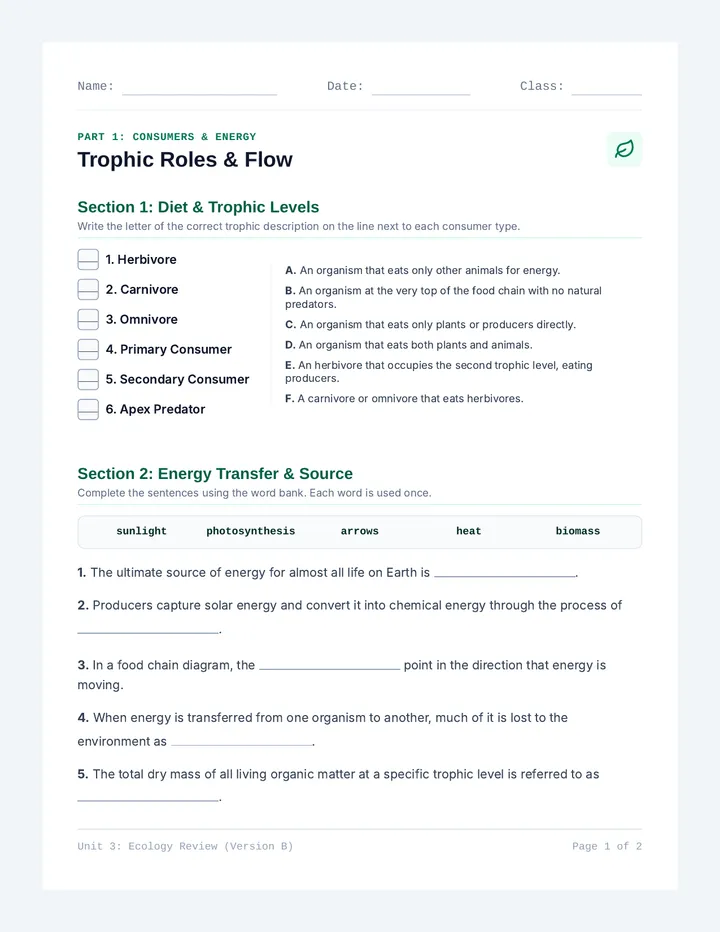
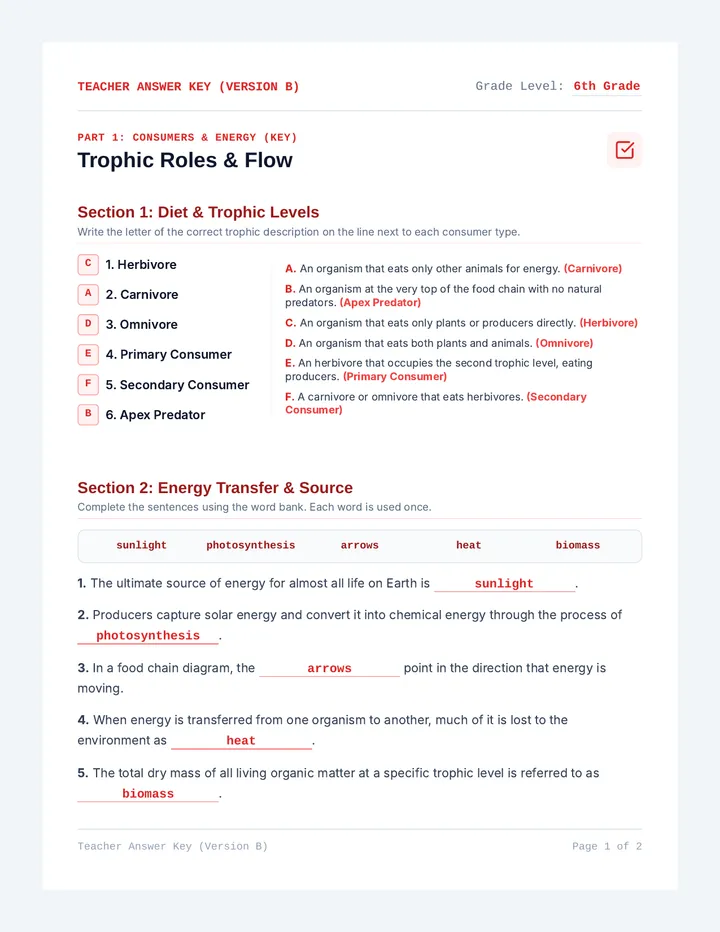
A backward-designed lesson for 6th-grade science focusing on the fundamental characteristics of life. Topics include Cell Theory, prokaryotic vs. eukaryotic classifications, unicellular vs. multicellular organisms, and autotrophic vs. heterotrophic energy strategies, all mapped directly to common assessment standards.
A comprehensive lesson on human body systems, focusing on the specific functions and interactions of the integumentary, digestive, respiratory, circulatory, urinary, and immune systems as assessed in 7th-grade science standards. The lesson utilizes a backward-design approach, ensuring all core test concepts are explicitly taught through concise notes and embedded practice questions.
Cette leçon guide les élèves dans la conception d'une affiche publicitaire pour leur mini-entreprise, en se concentrant sur le passage du format A4 au format Raisin. Elle intègre des notions de français (titre, légendes) et de mathématiques (proportionnalité) dans un cadre professionnel immersif.
Una presentación multimedia de 40 diapositivas sobre el uso de eventos en MakeCode Arcade para estudiantes de sexto grado, con un diseño profesional de fondo negro.
A comprehensive review lesson covering Earth's water distribution, fossil records in rock layers, plate tectonics, and the water cycle to prepare students for the Unit 4 Quiz.
A digital forensic escape room where students solve the mystery of a missing classroom phone by analyzing fingerprint evidence, identifying patterns, and matching minutiae.
Reviewing the principles of thermal energy, including states of matter, heat-related properties, and conservation of mass during heating.
The culmination of the project where students finalize their productions, peer-review work, and share their broadcasts in a community listening party.