A project-based lesson where students learn algorithmic thinking by designing game mechanics using flowcharts and pseudocode with a retro arcade theme.
No materials in this lesson yet.
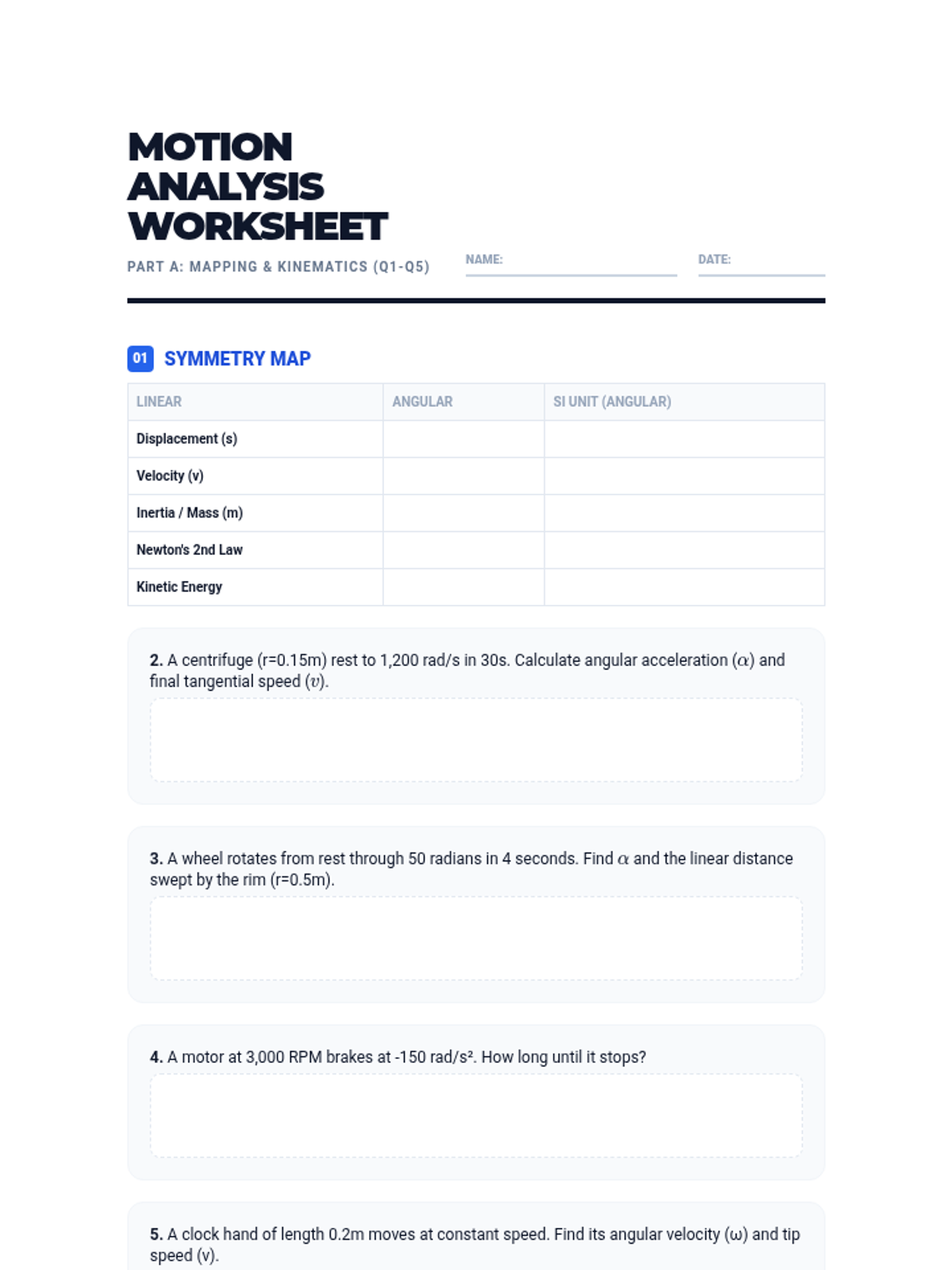
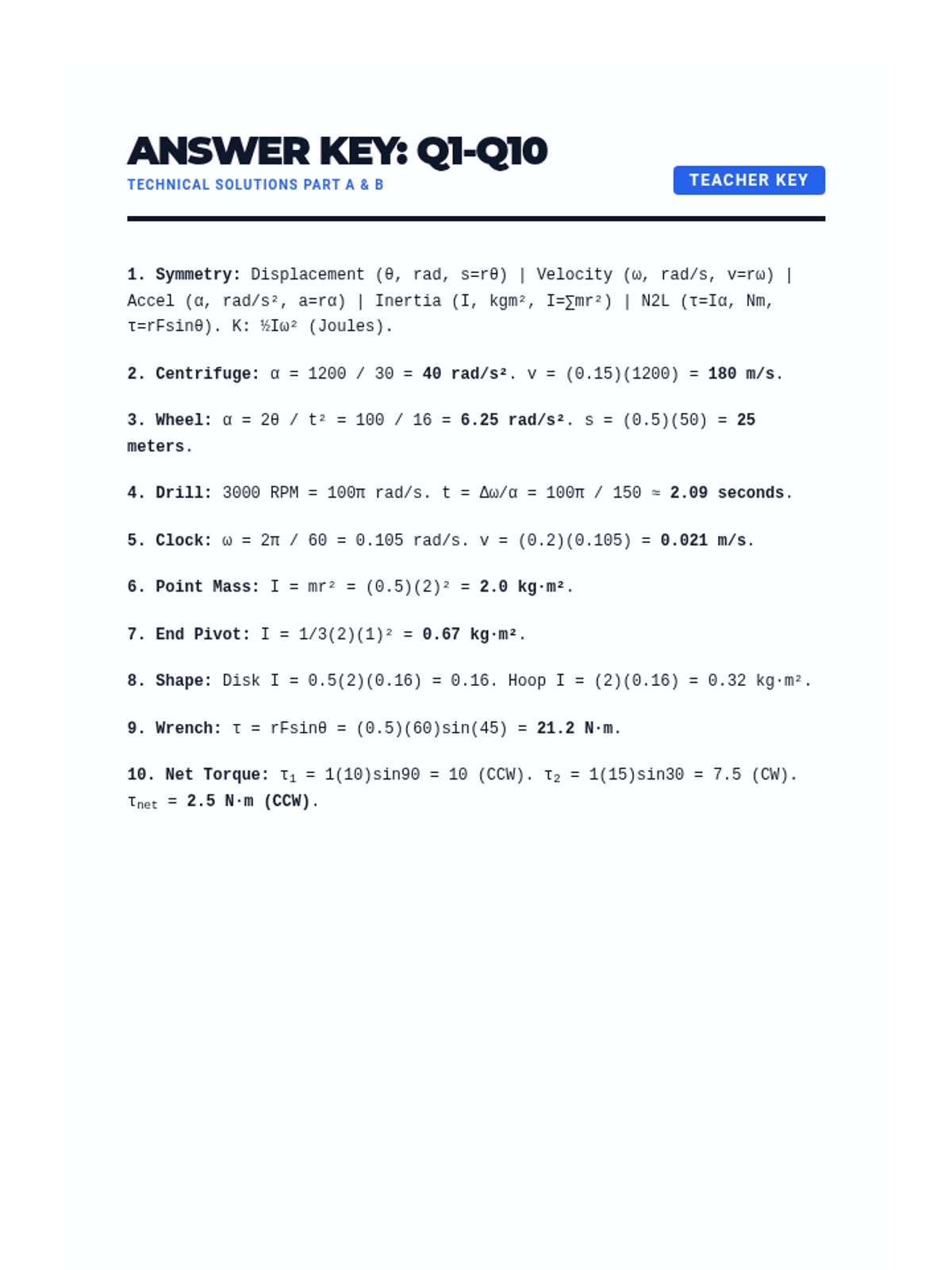
This lesson compares linear and angular motion through a multi-part reading assignment, including an informational article, a textbook excerpt, and a case study. Students will identify key formulas and physical principles.
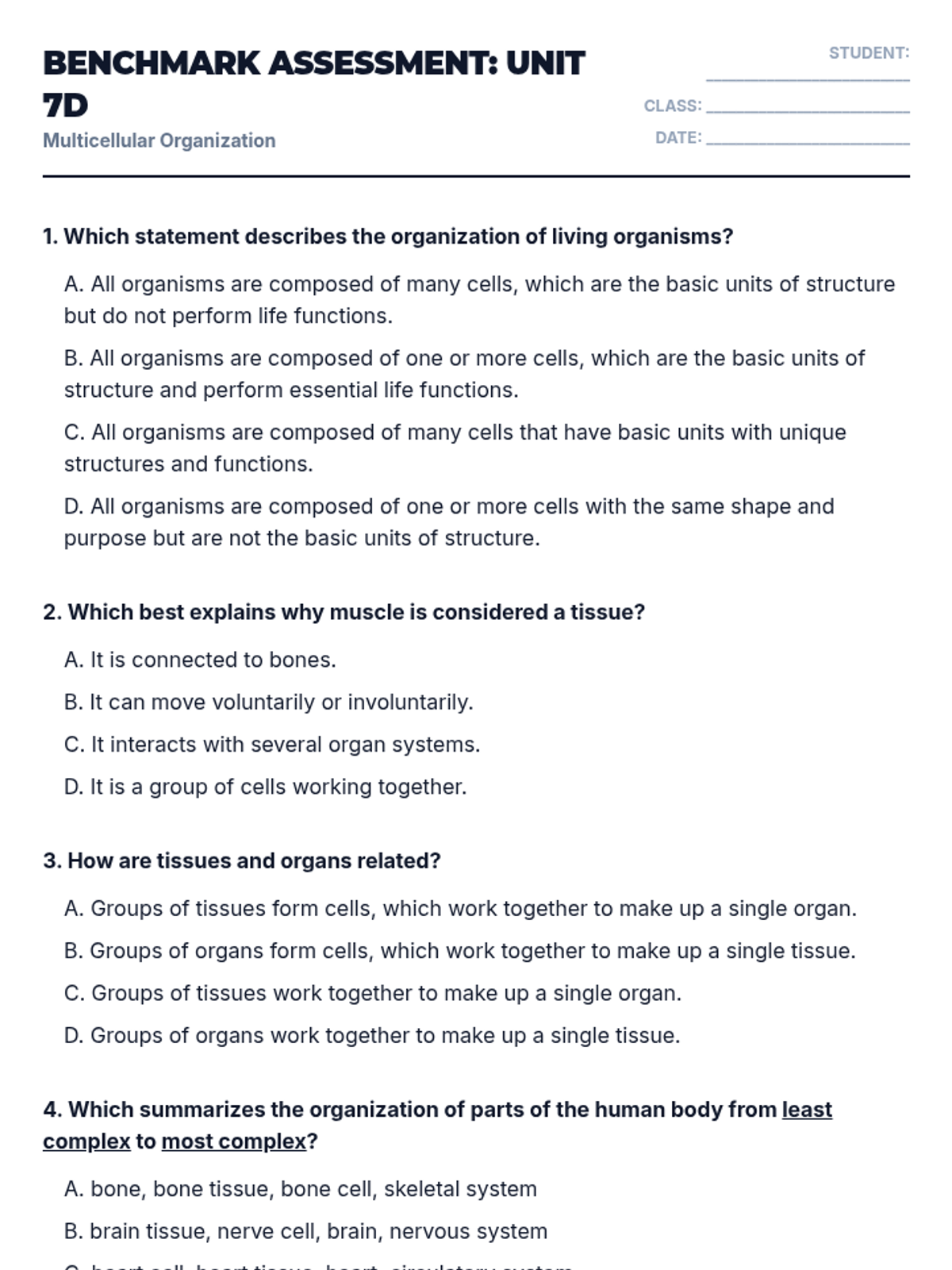
A final review and benchmark assessment to evaluate student understanding of multicellular organization.
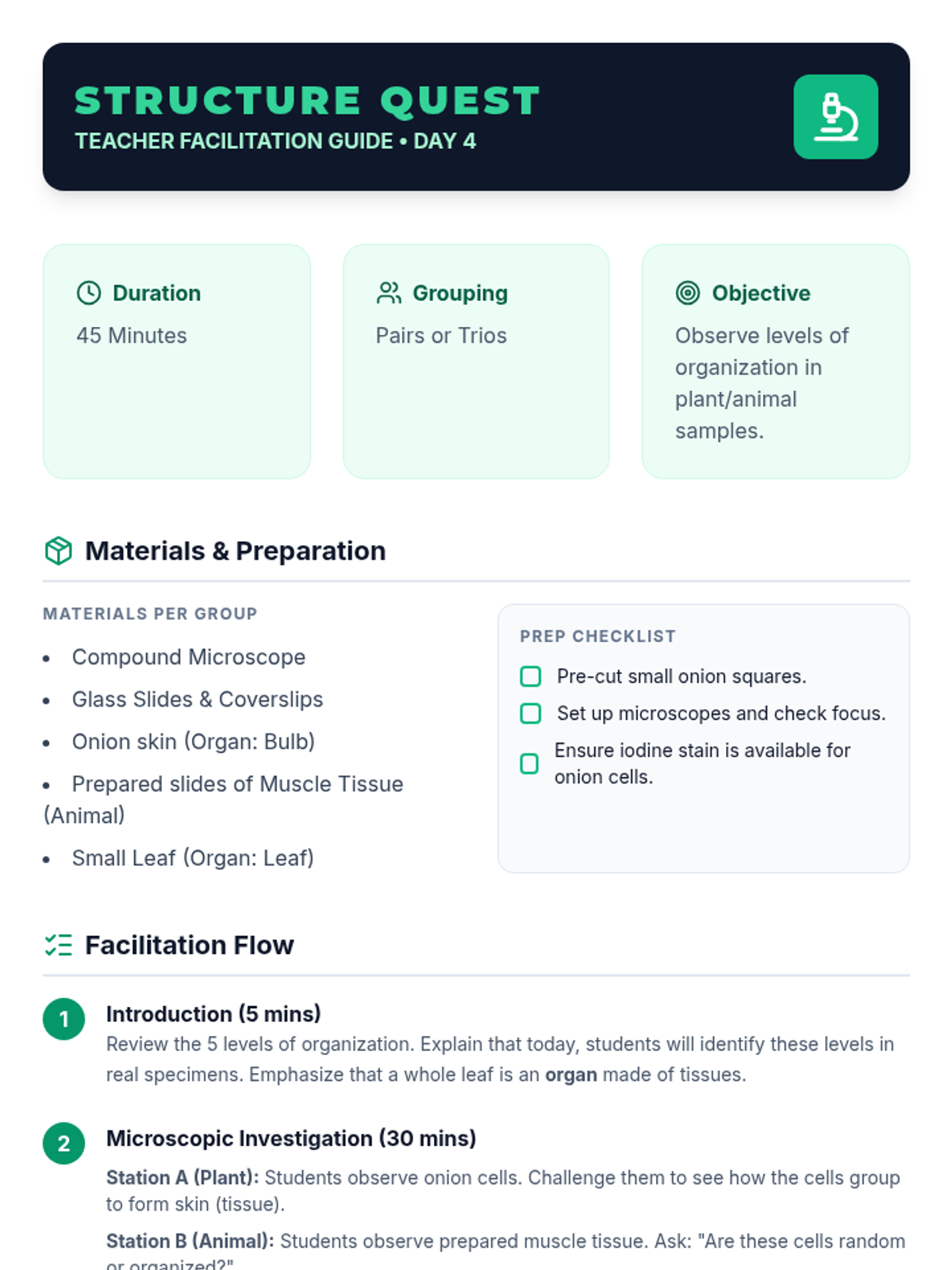
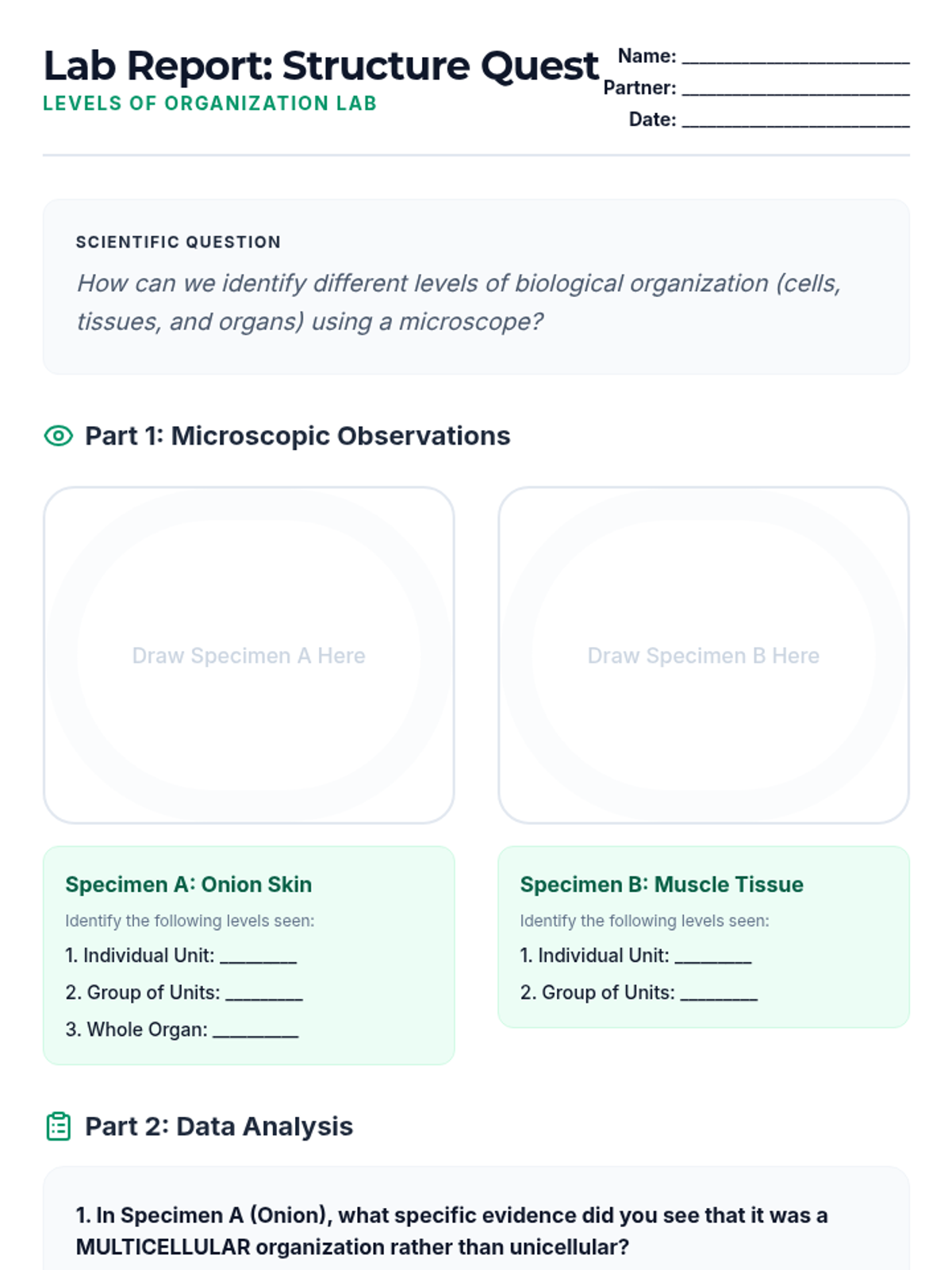
A hands-on laboratory experience where students observe levels of organization in plant and animal specimens.
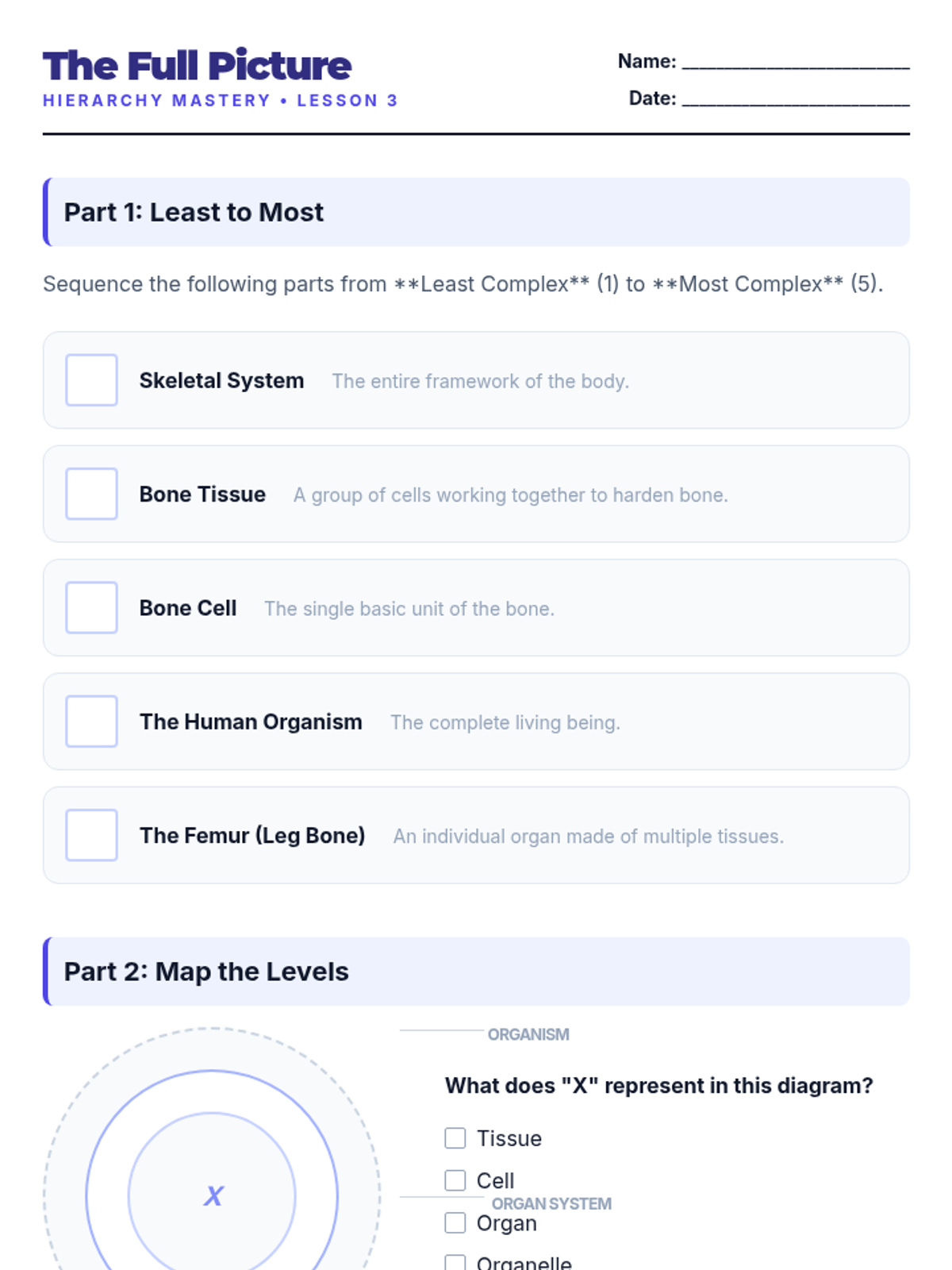
Understanding the highest levels of biological organization: organ systems and the complete organism.
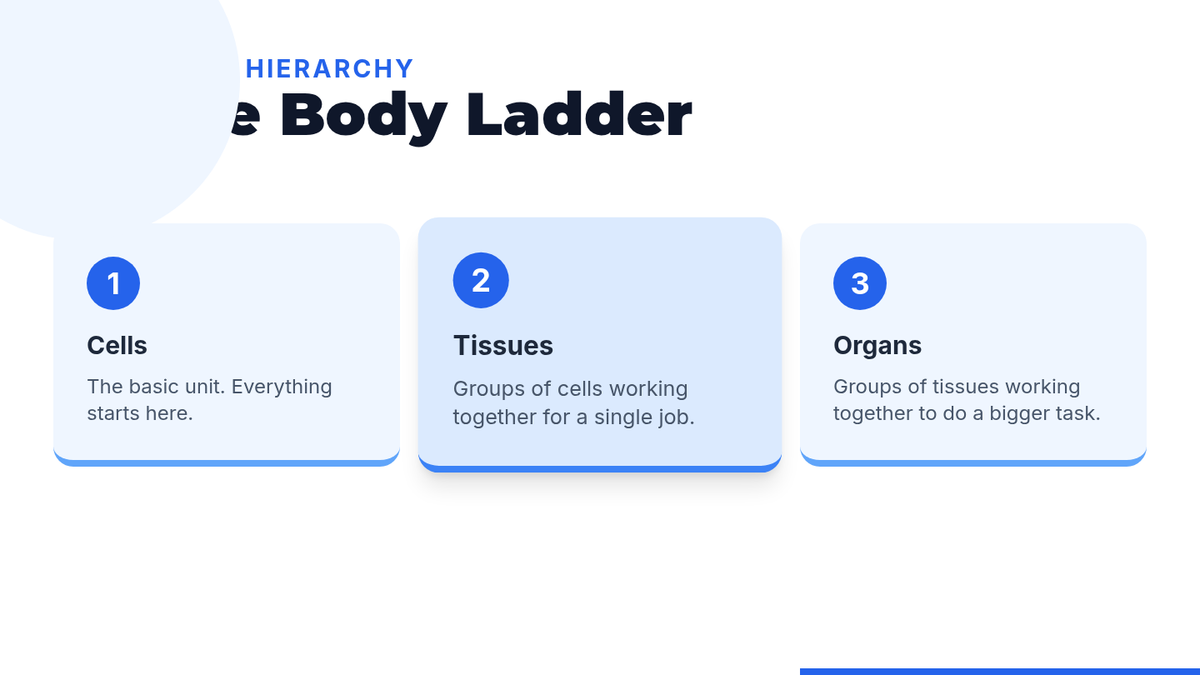
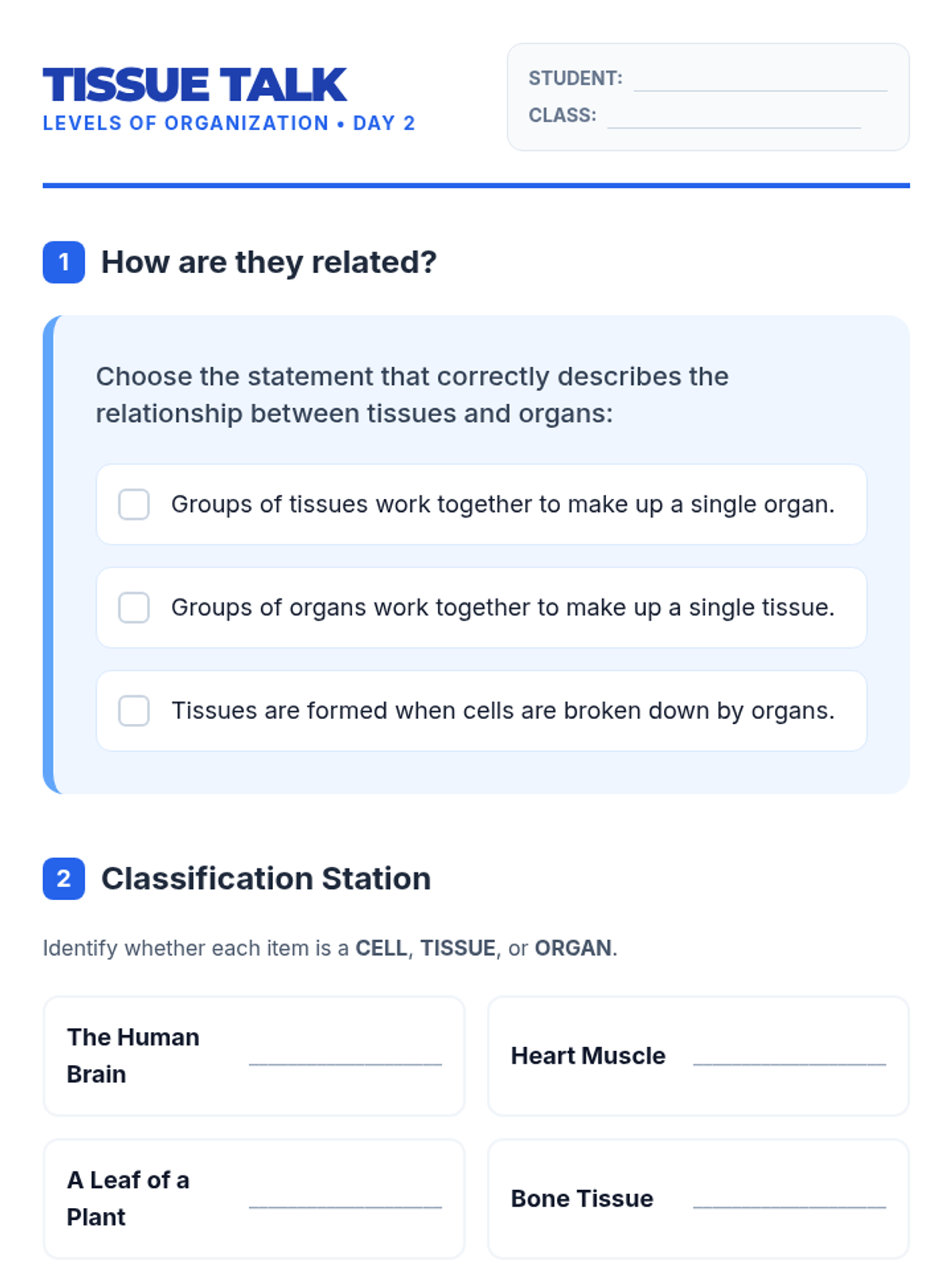
Exploring how cells group together to form tissues and how tissues collaborate to create organs.
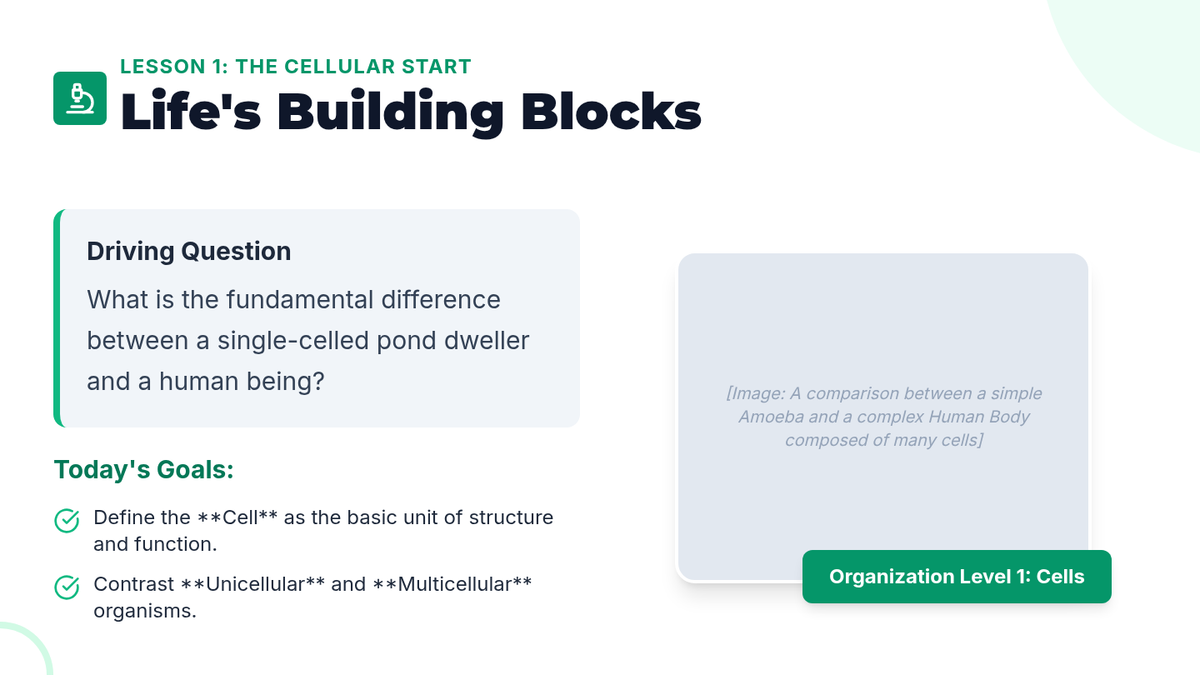
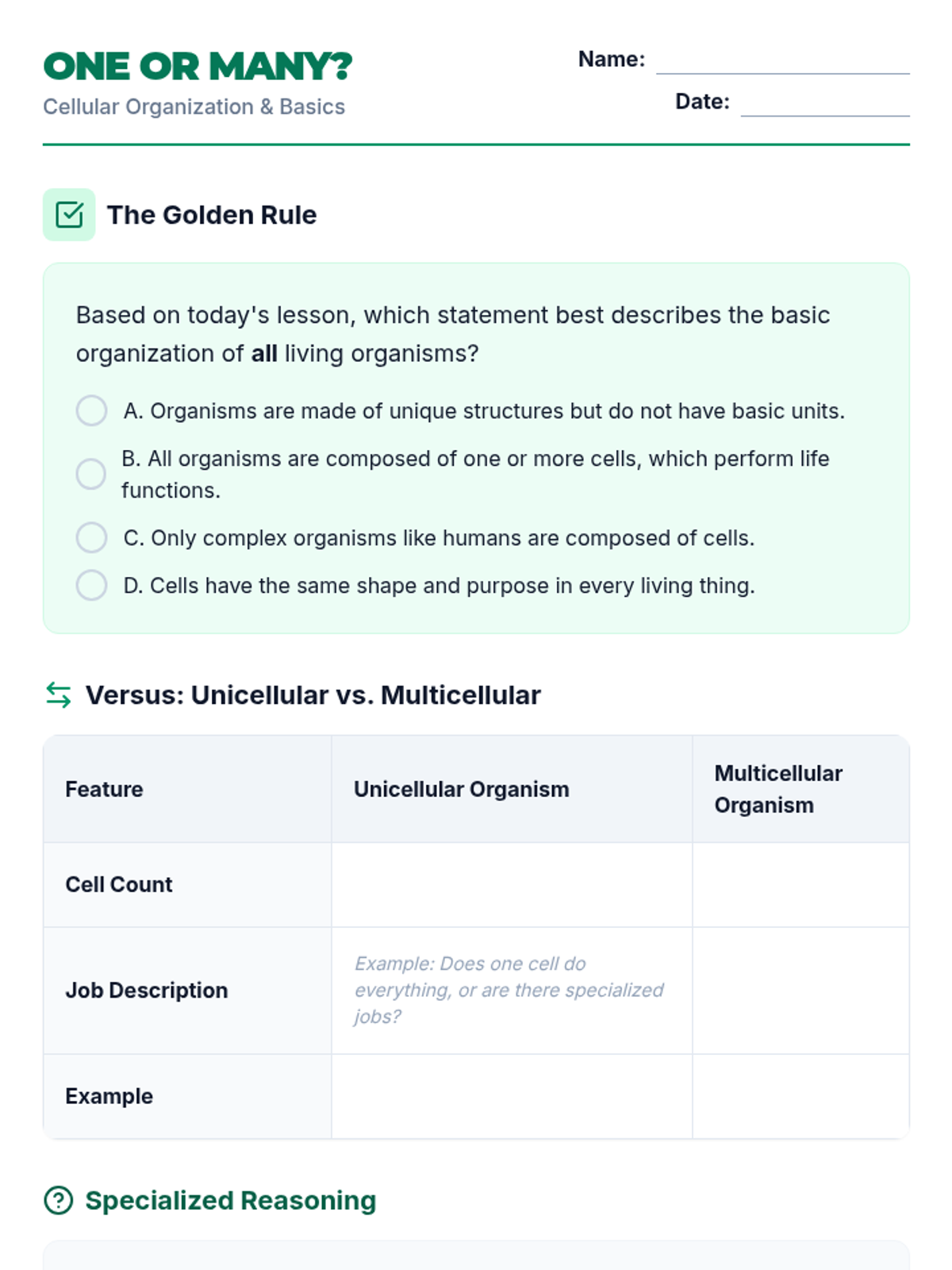
An introduction to the cellular basis of life, comparing unicellular and multicellular organisms and the concept of specialized cells.
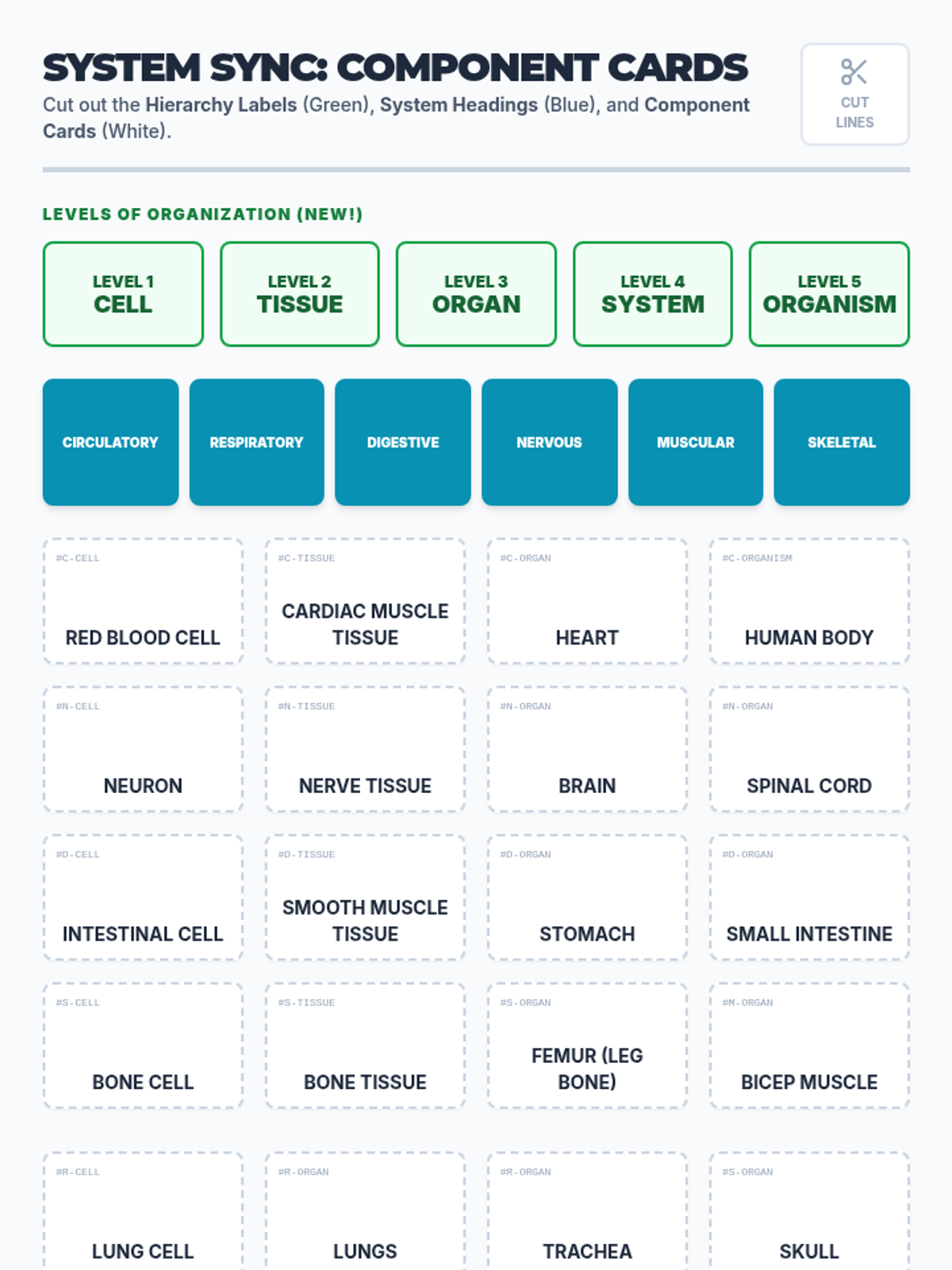
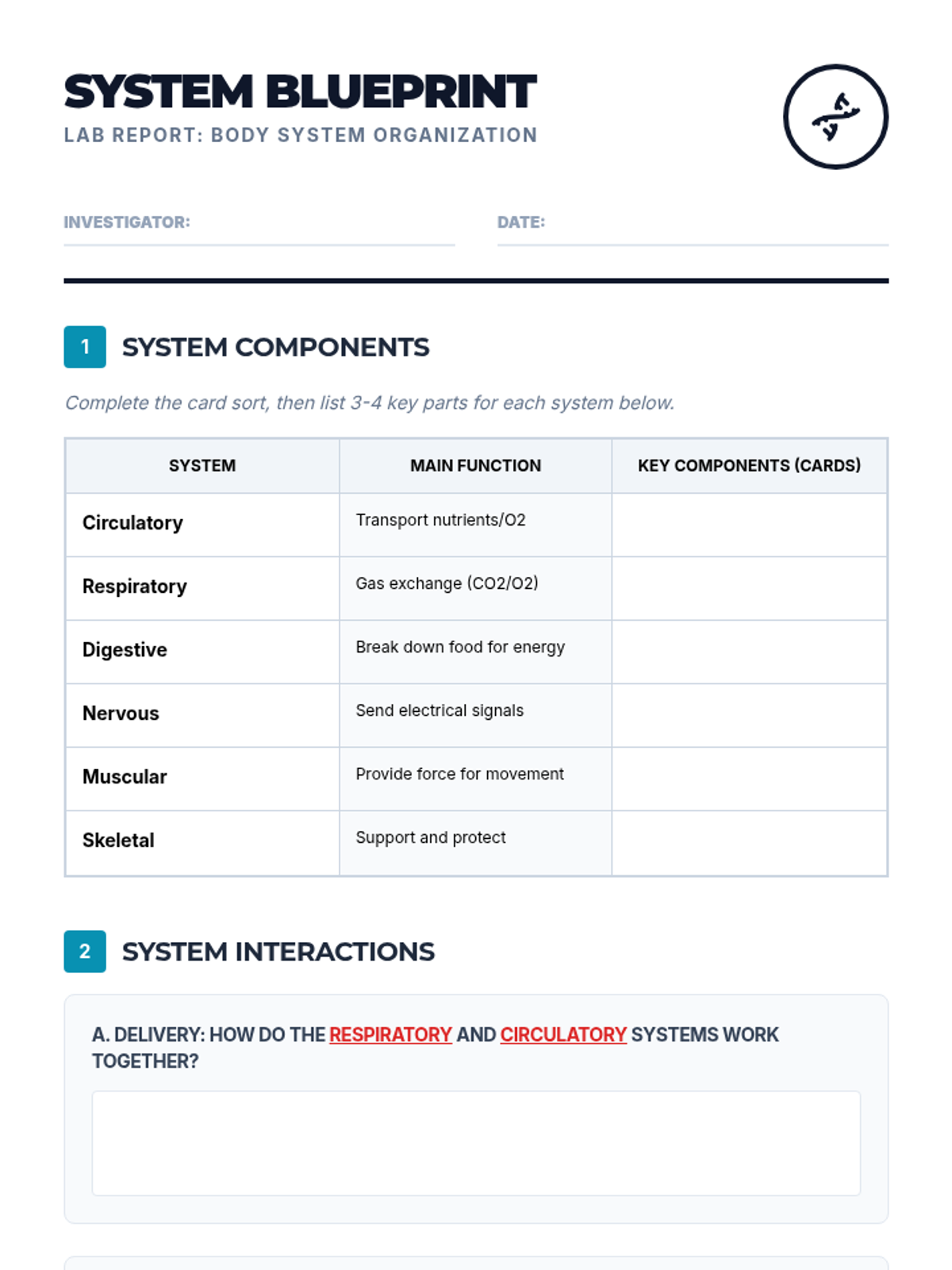
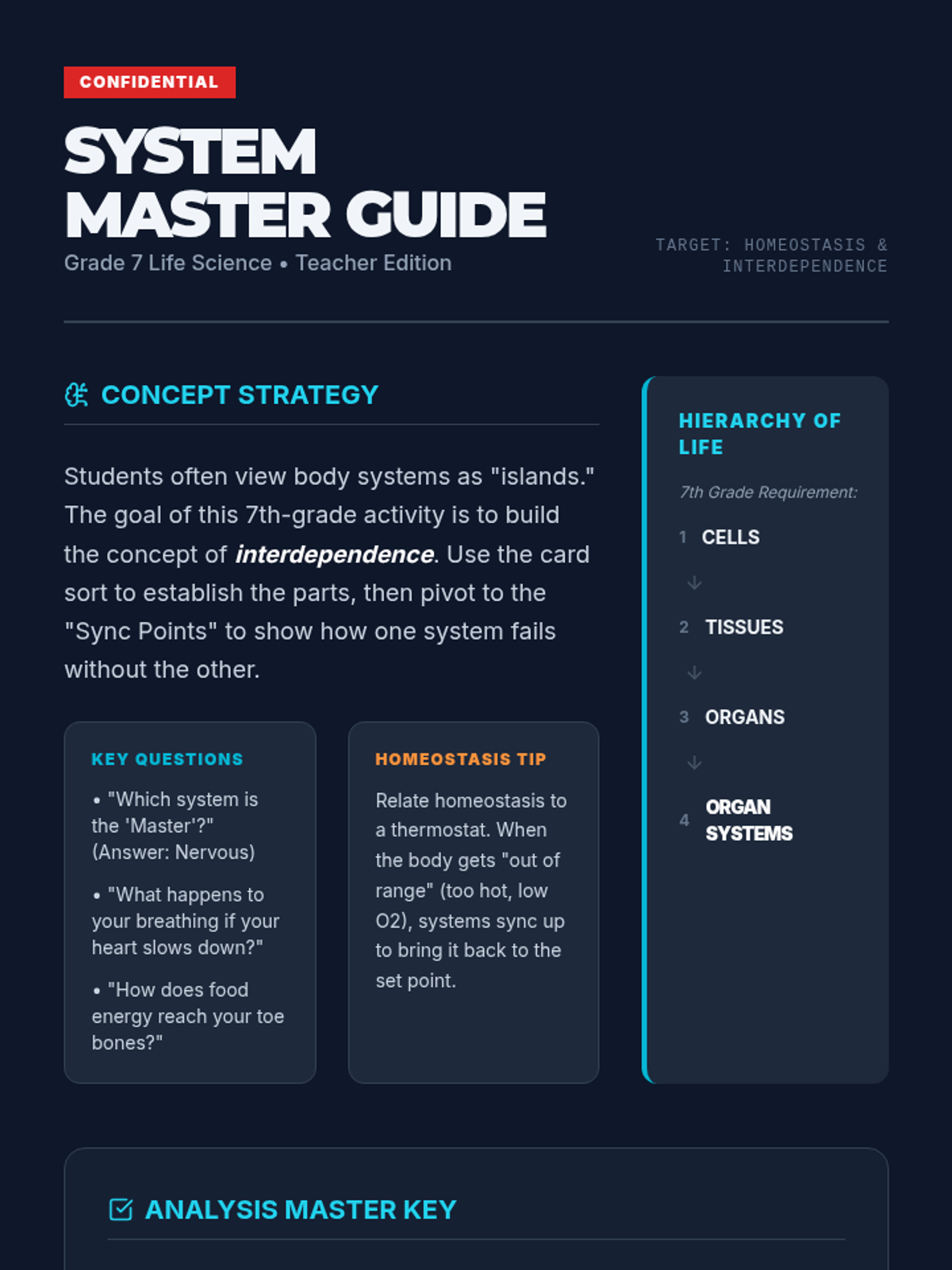
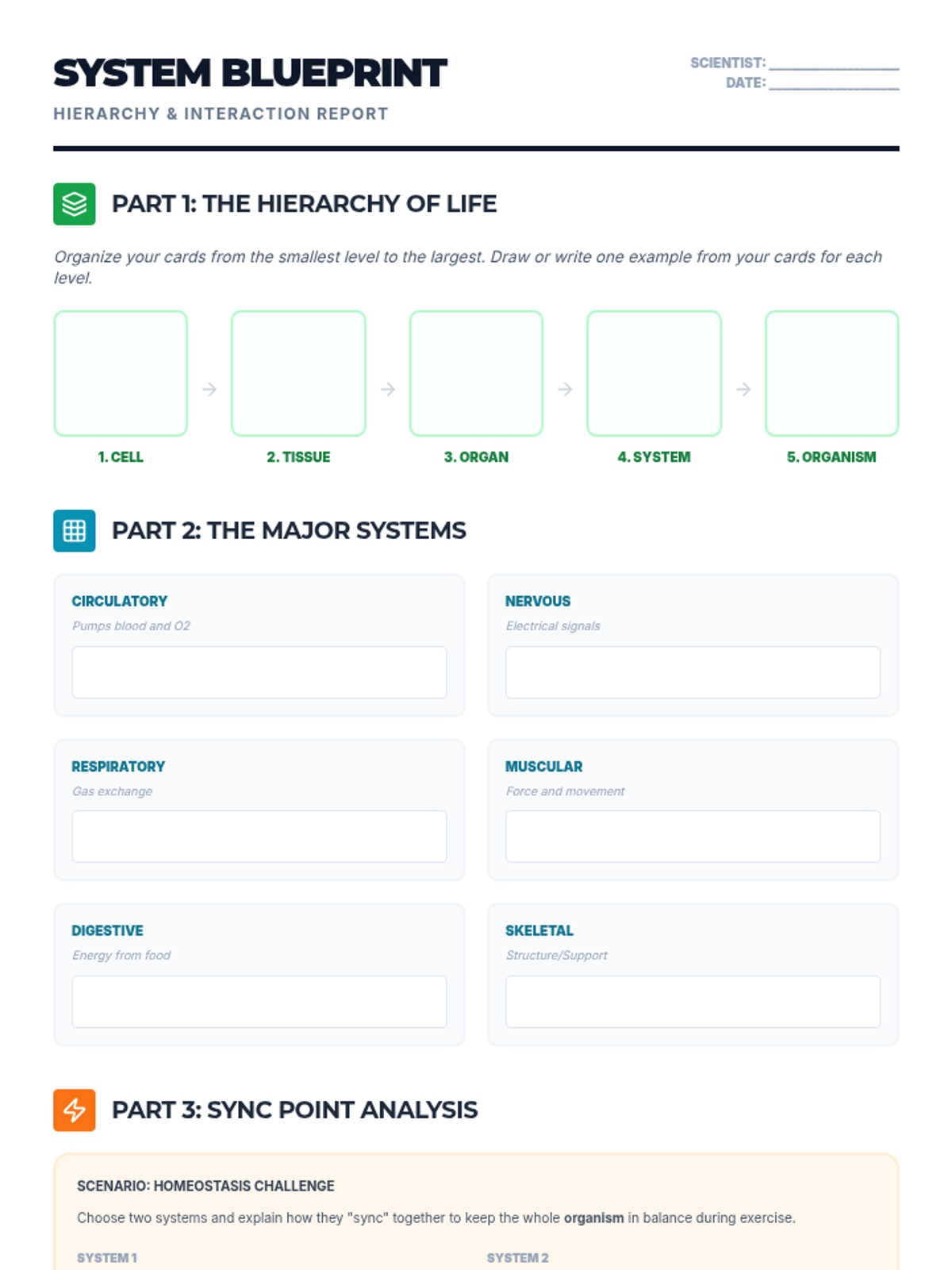
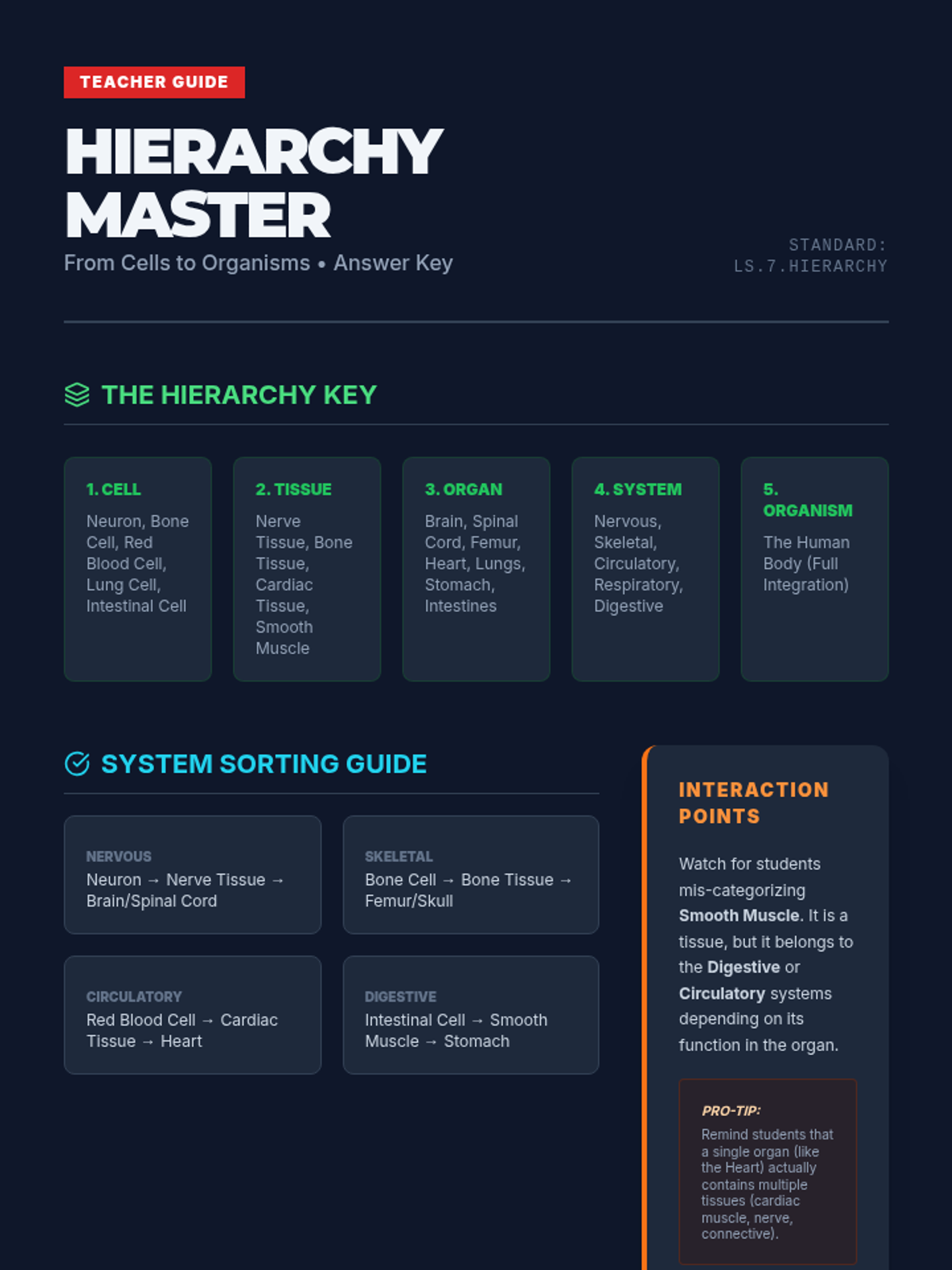
Students explore the major human body systems by identifying their key components and organs. Through a hands-on card sort, they categorize body parts and discover how these systems work together to keep the body functioning.
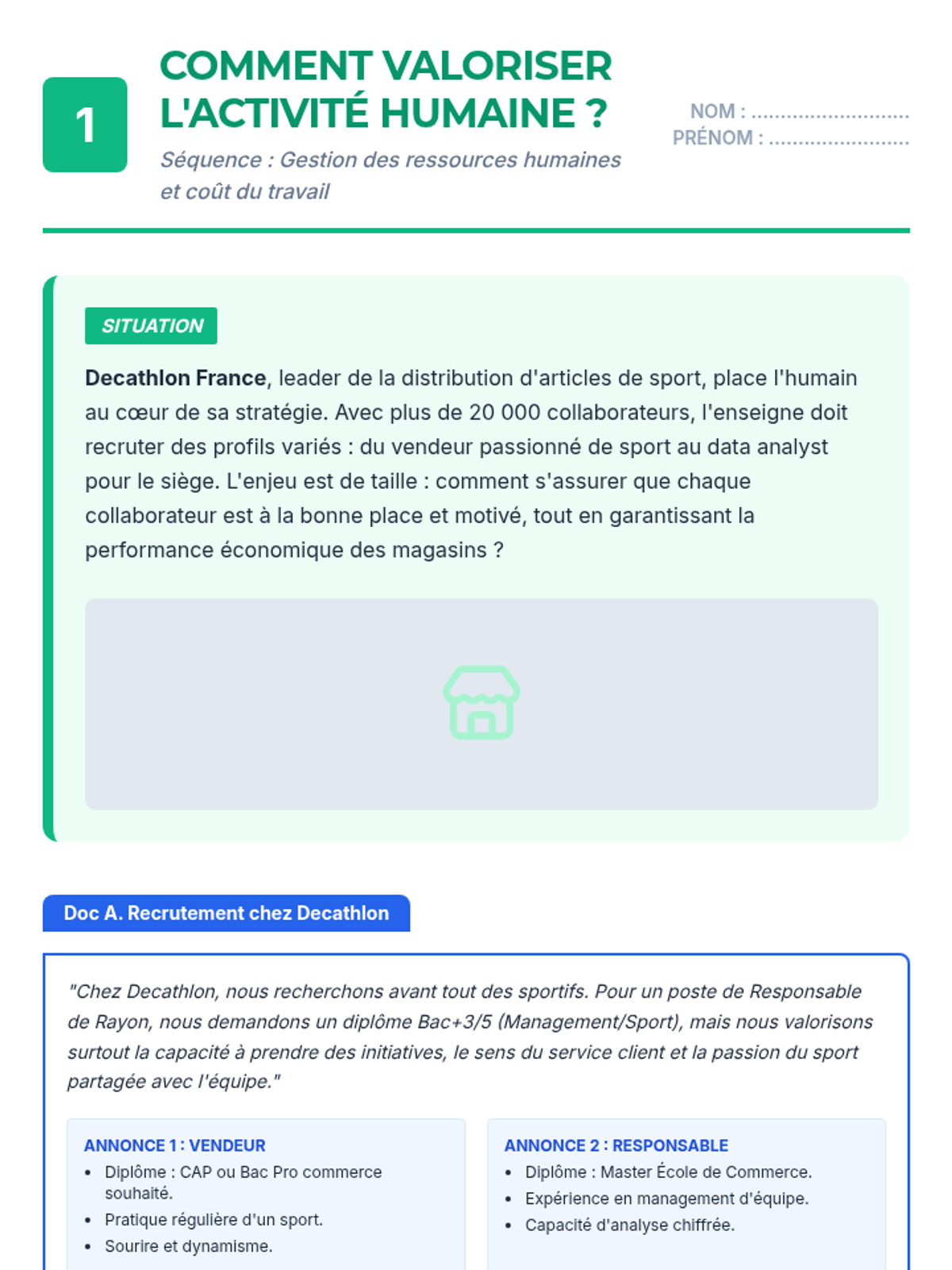
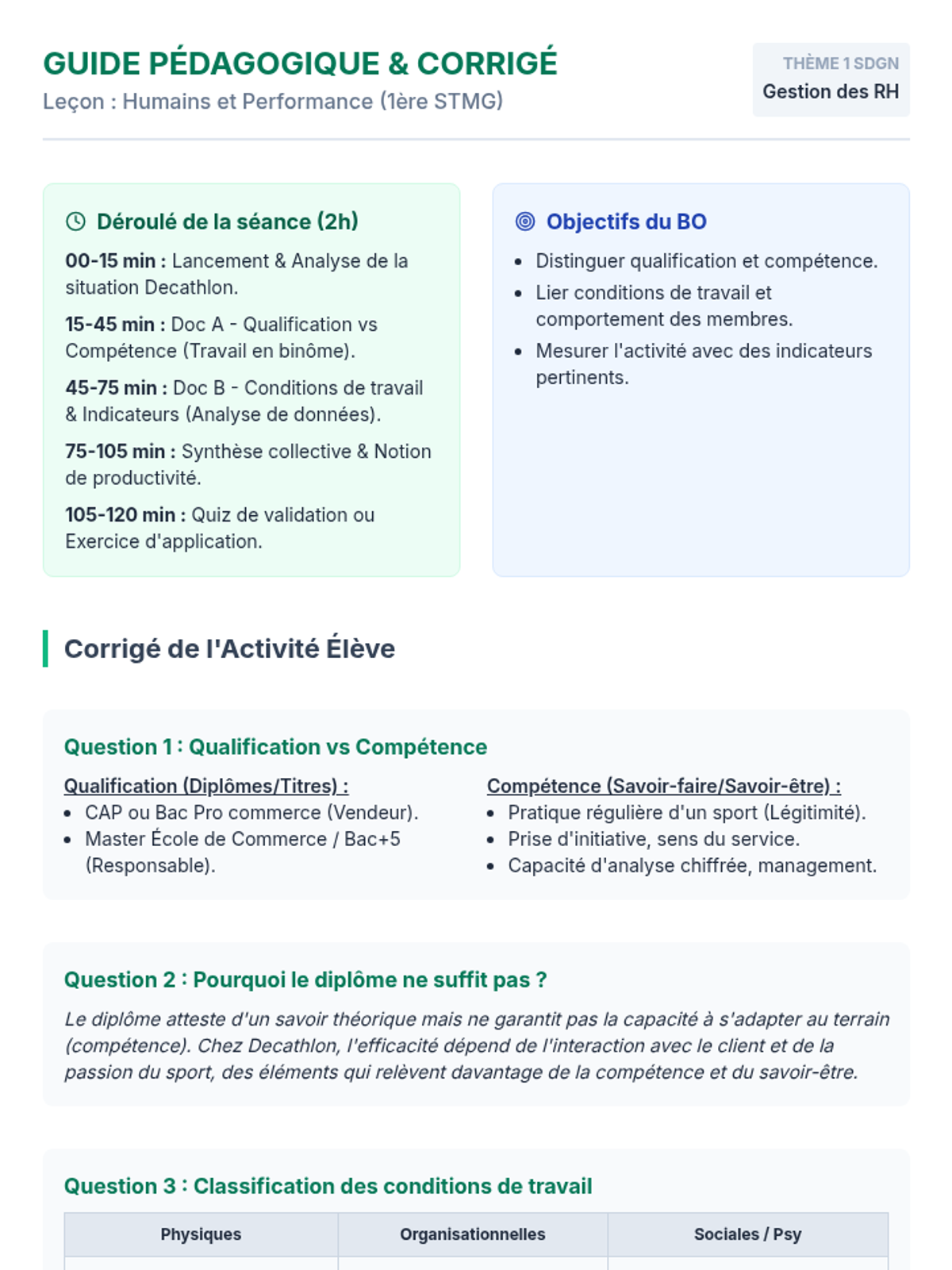
Cette séance de 2 heures permet aux élèves de distinguer qualification et compétence, d'analyser l'impact des conditions de travail sur le comportement des salariés et de mesurer la performance de l'activité humaine via des indicateurs de productivité et de climat social.
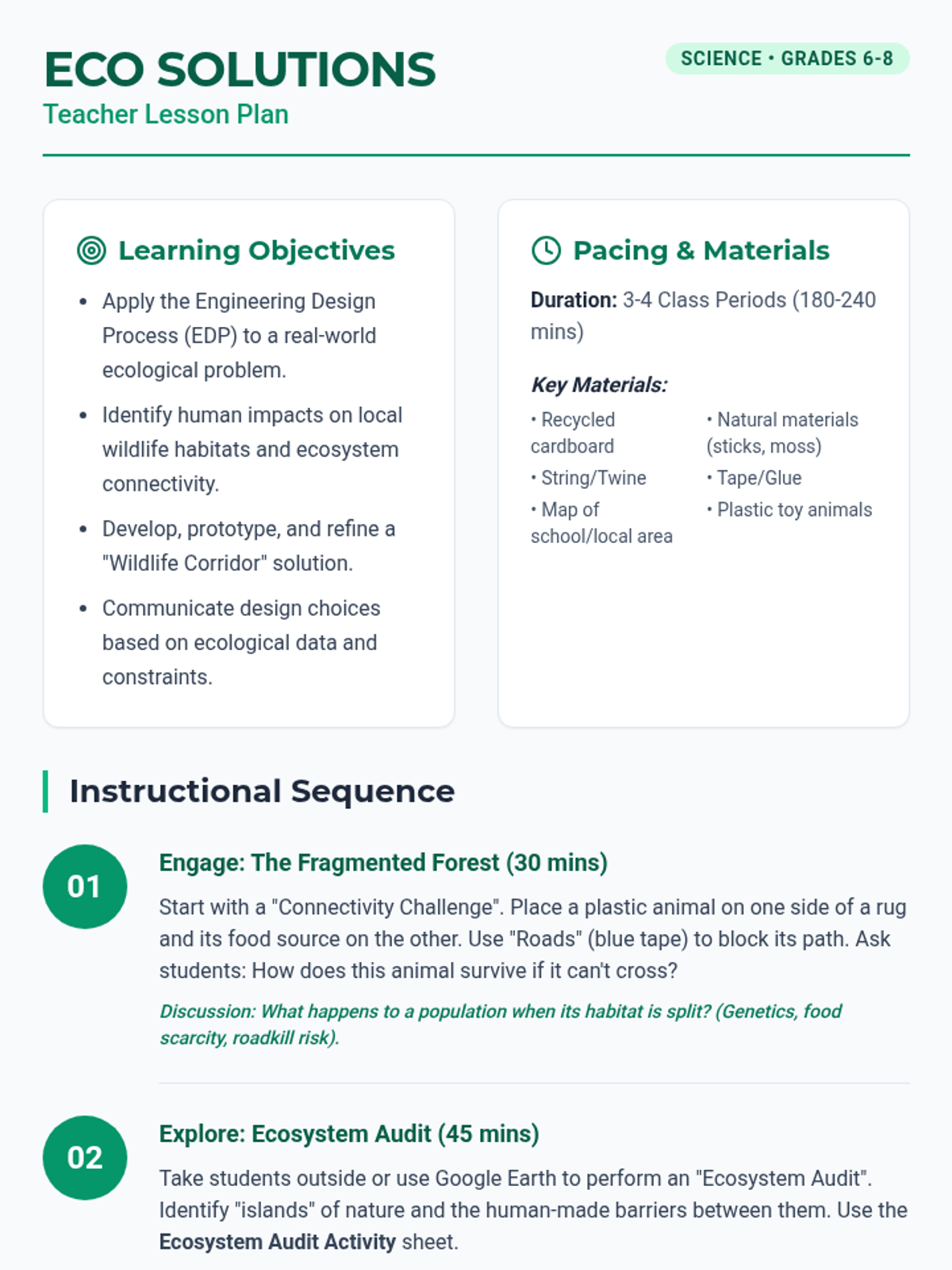
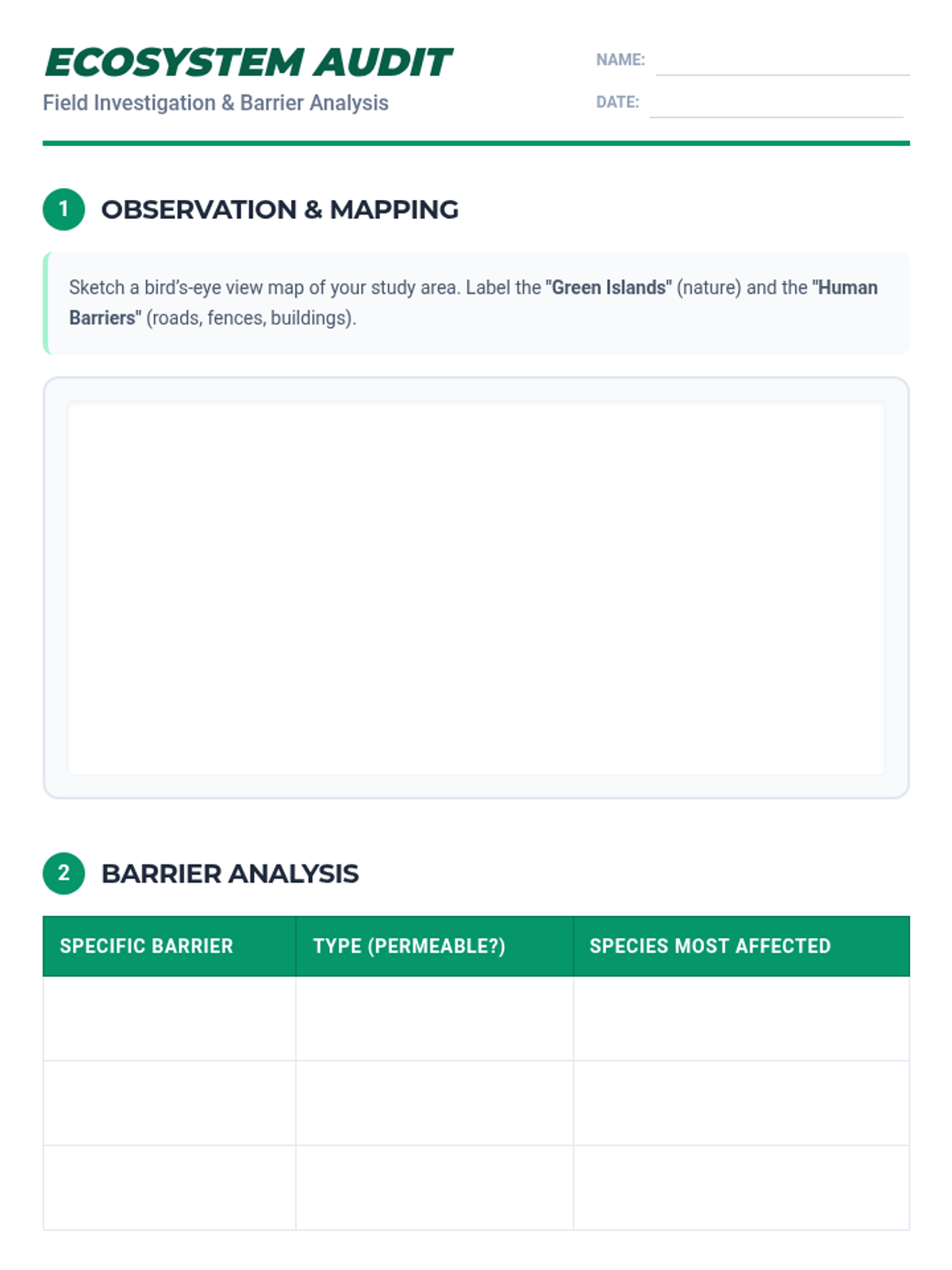
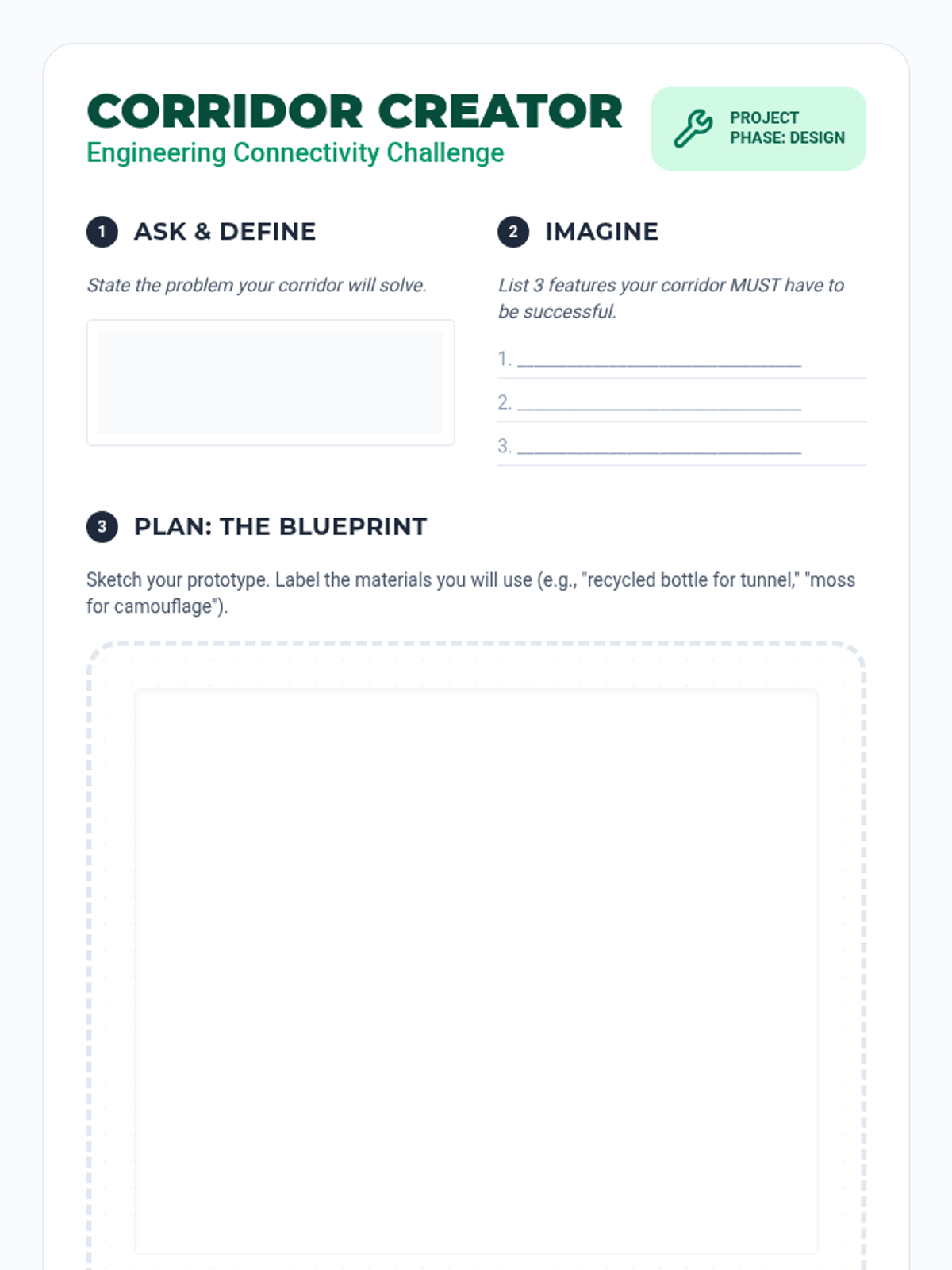
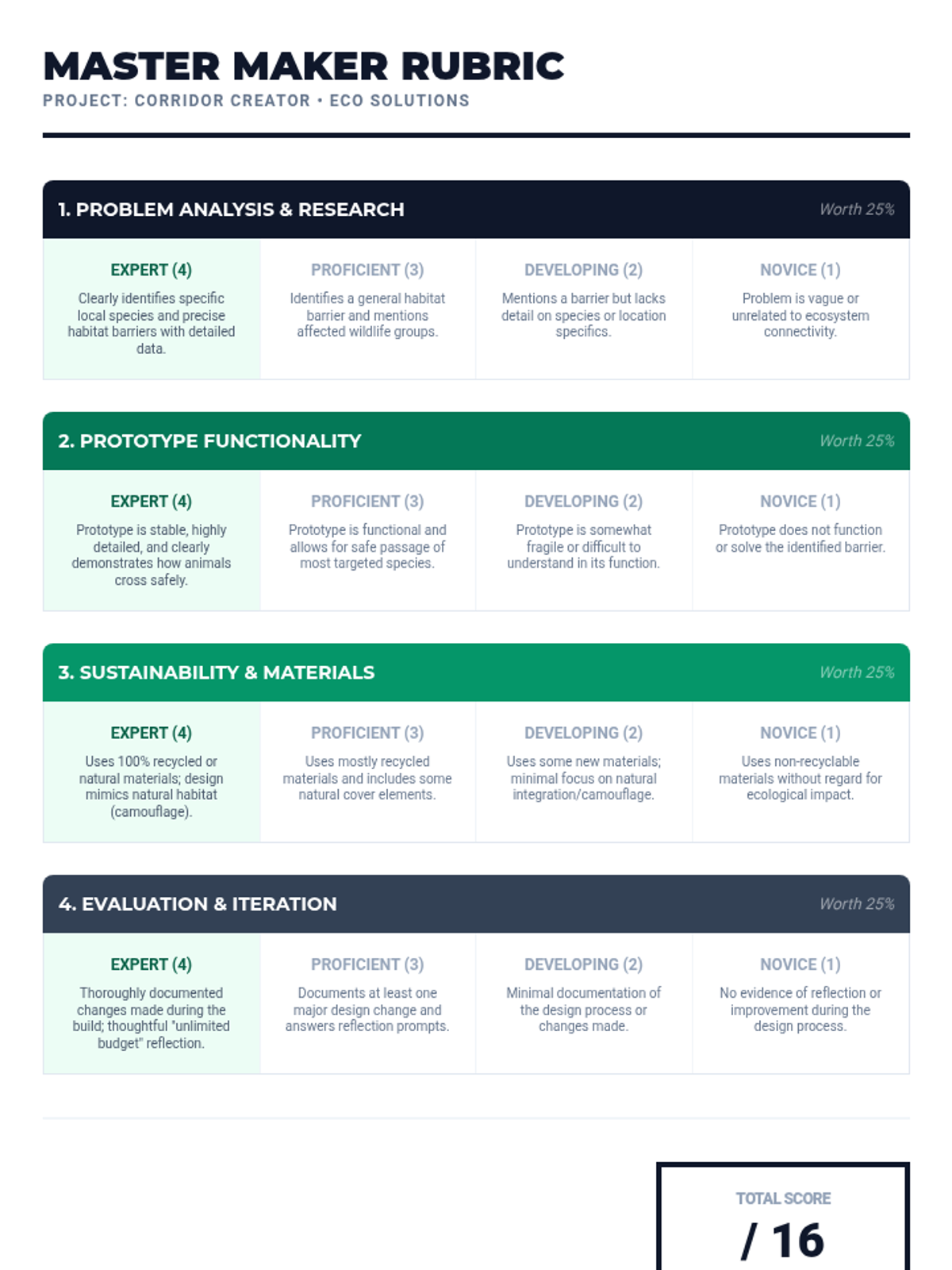
A comprehensive middle school lesson where students apply engineering design principles to create sustainable solutions for local ecosystem challenges, focusing on wildlife corridors and habitat connectivity.
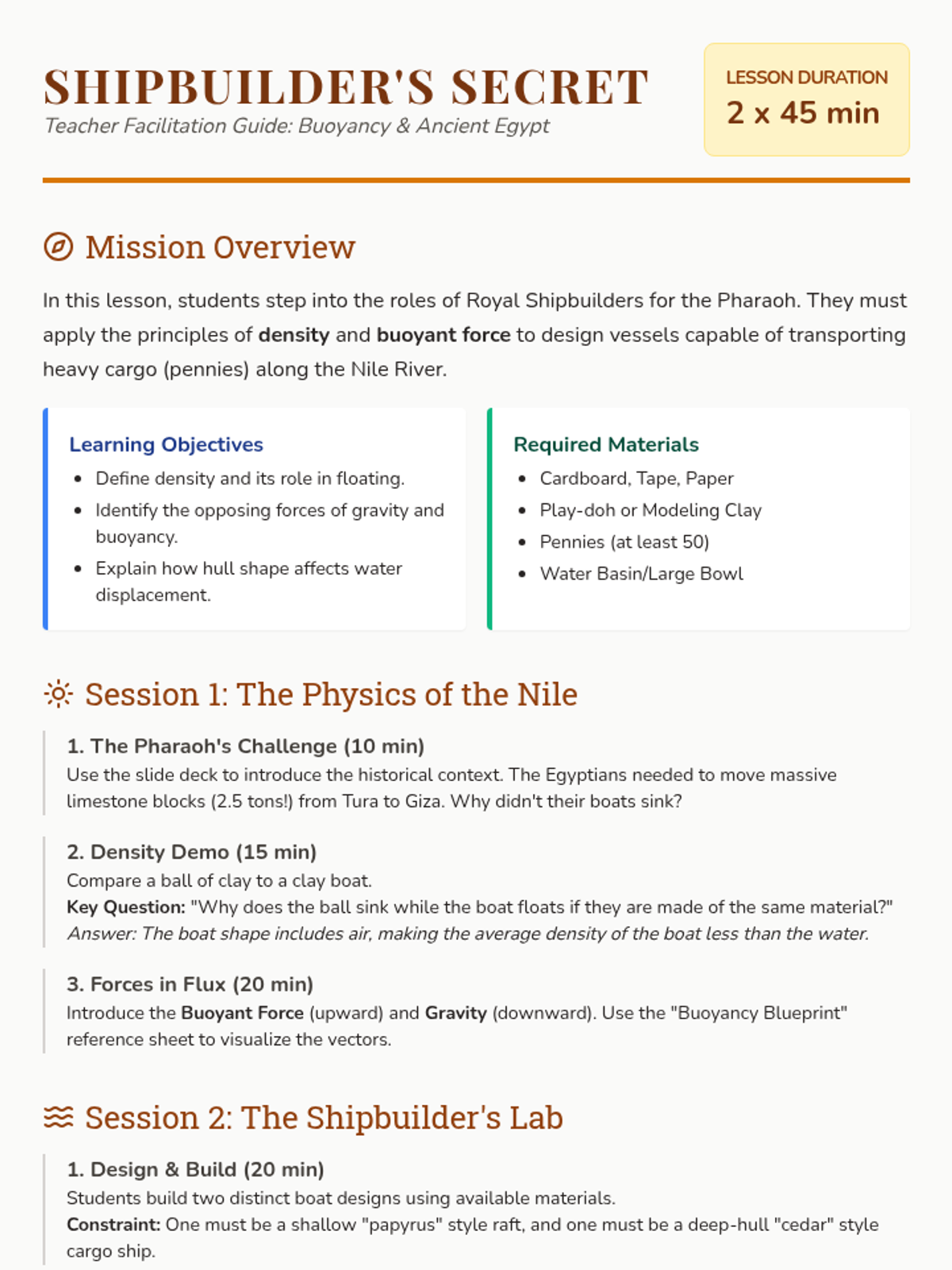
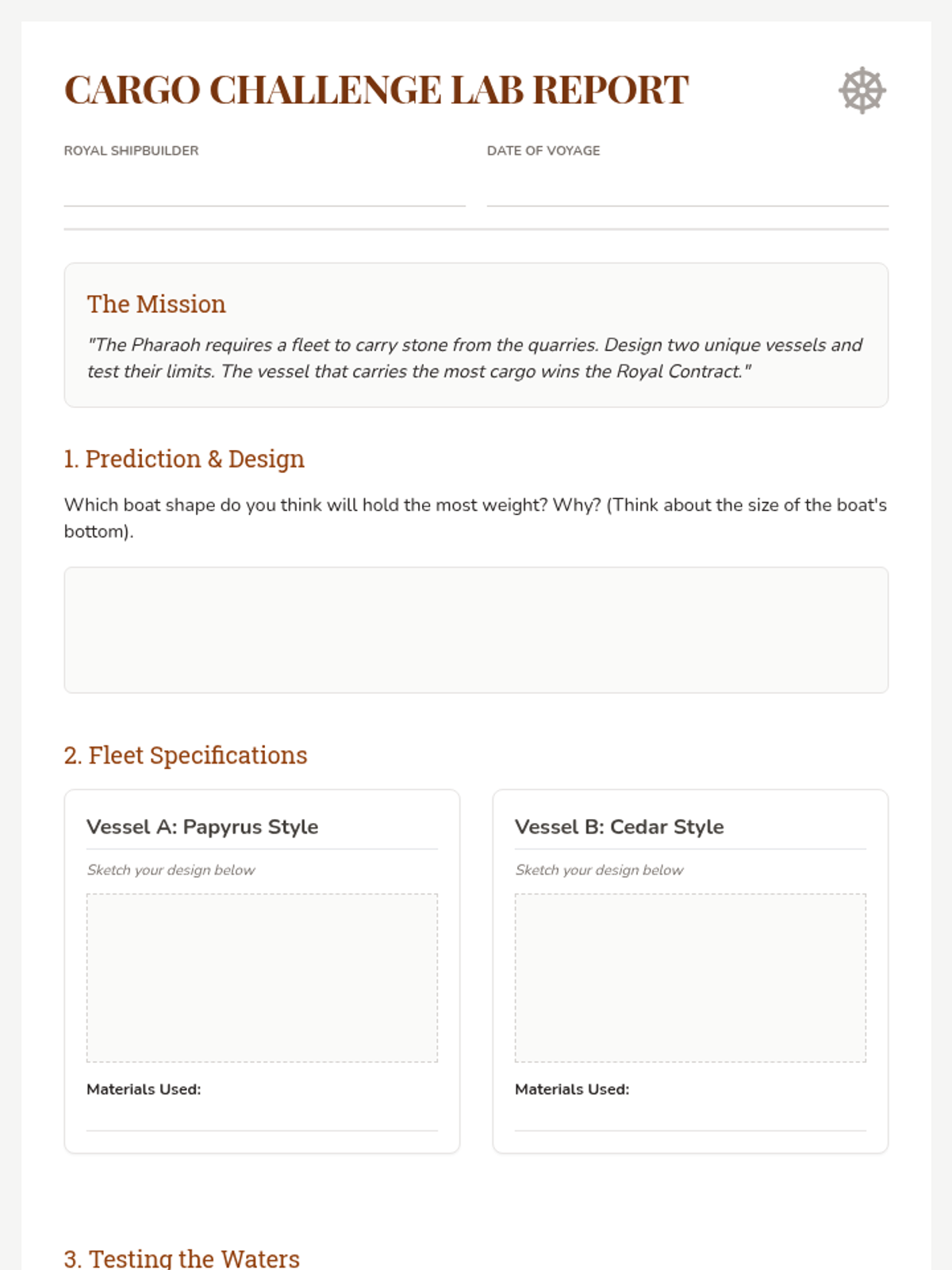
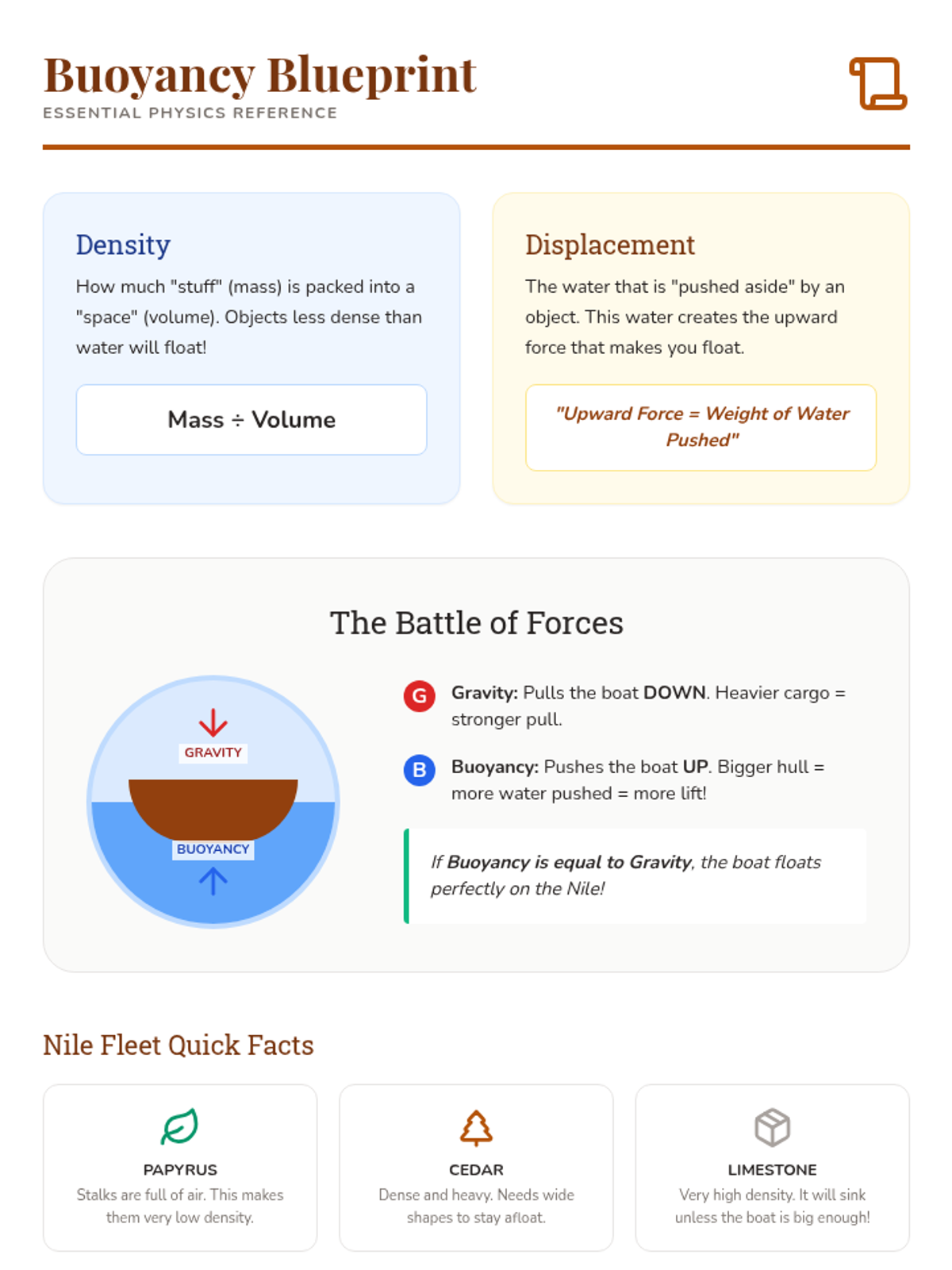
A two-part lesson exploring the physics of buoyancy and density through the lens of Ancient Egyptian boat building. Students will investigate buoyant forces and compete in a hands-on lab to carry the most 'cargo' across the Nile.
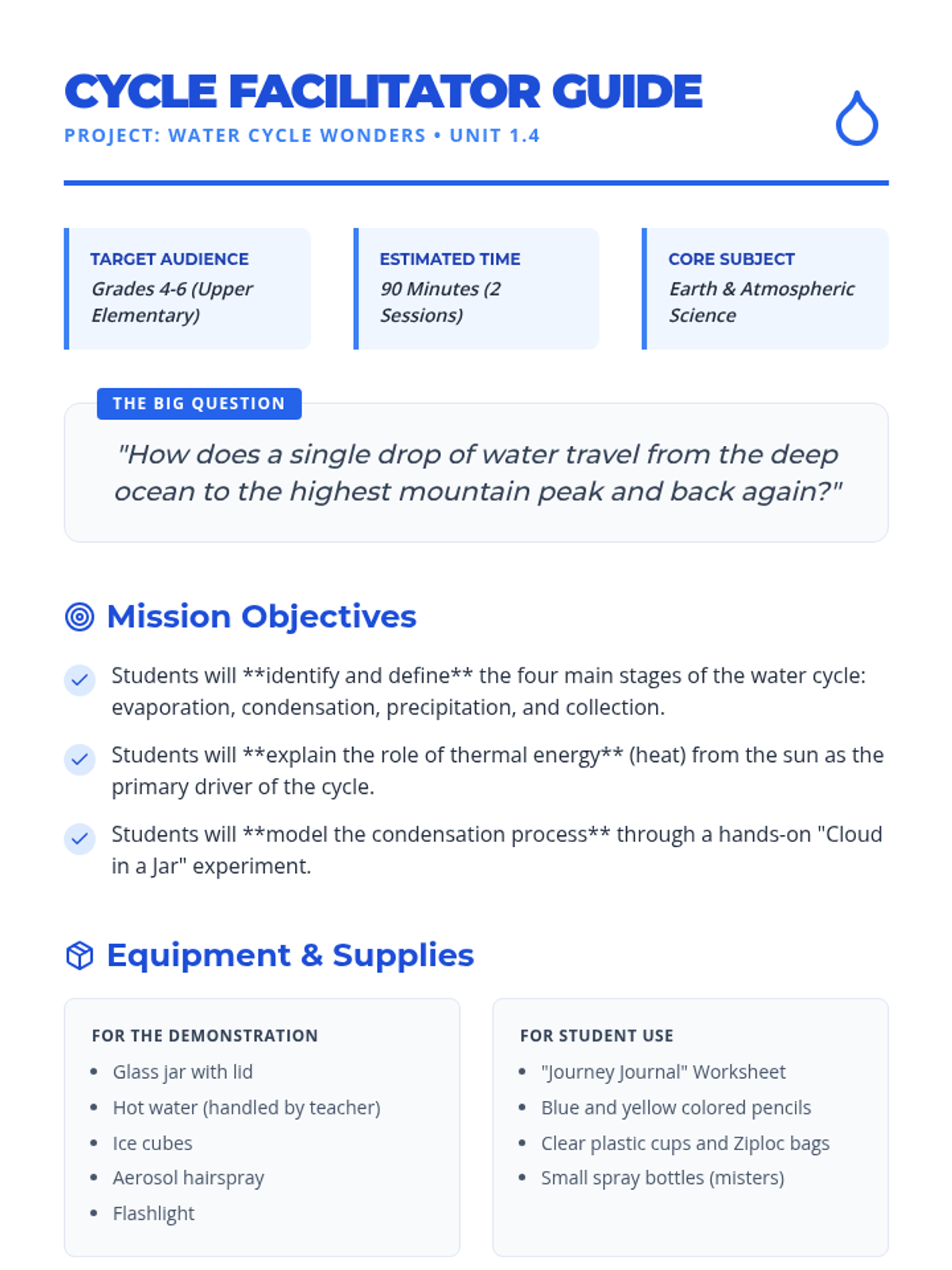
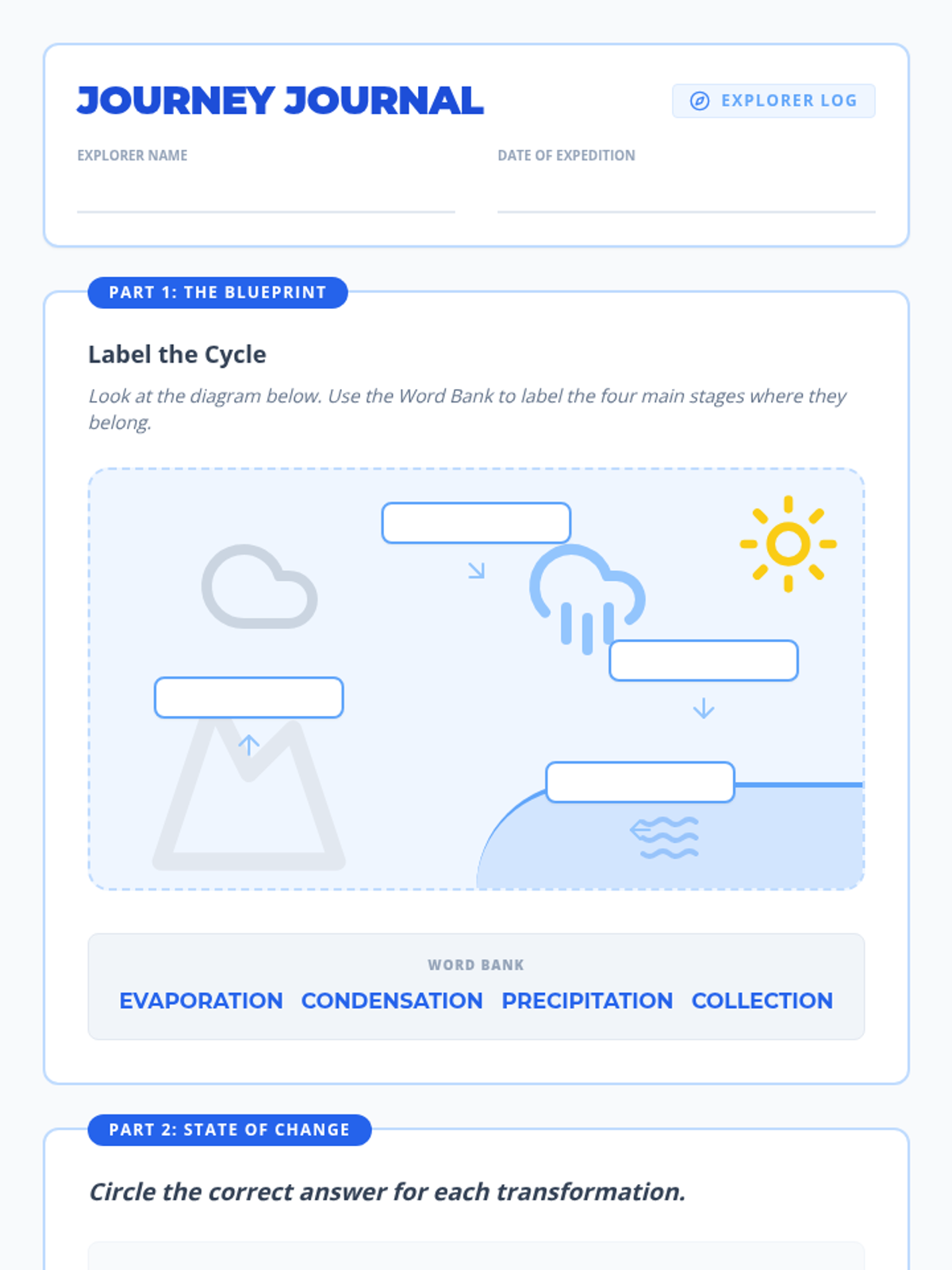
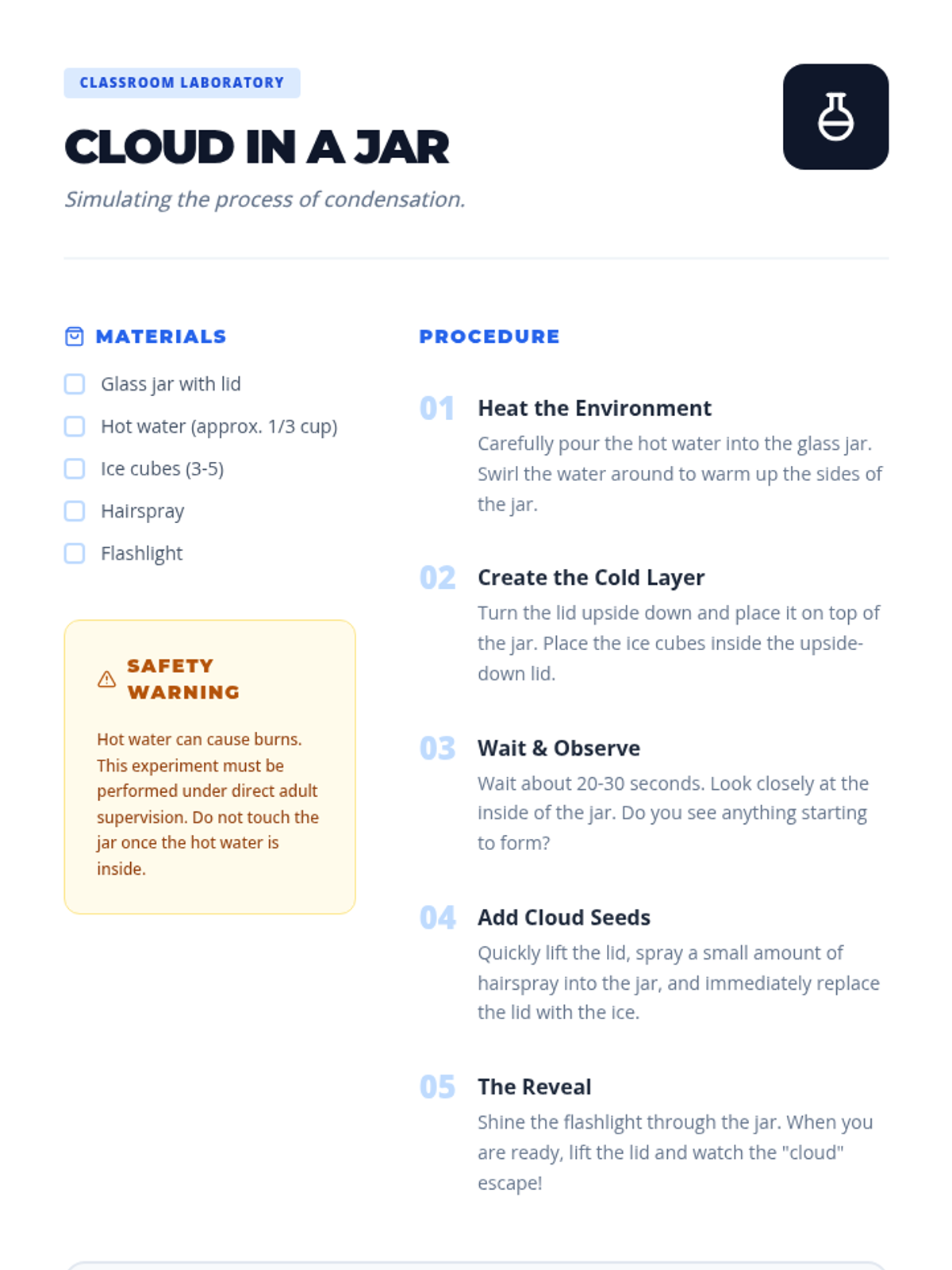
A comprehensive exploration of the water cycle, covering evaporation, condensation, precipitation, and collection through hands-on activities and visual aids. Students will learn how water moves through Earth's systems and why it is vital for life.
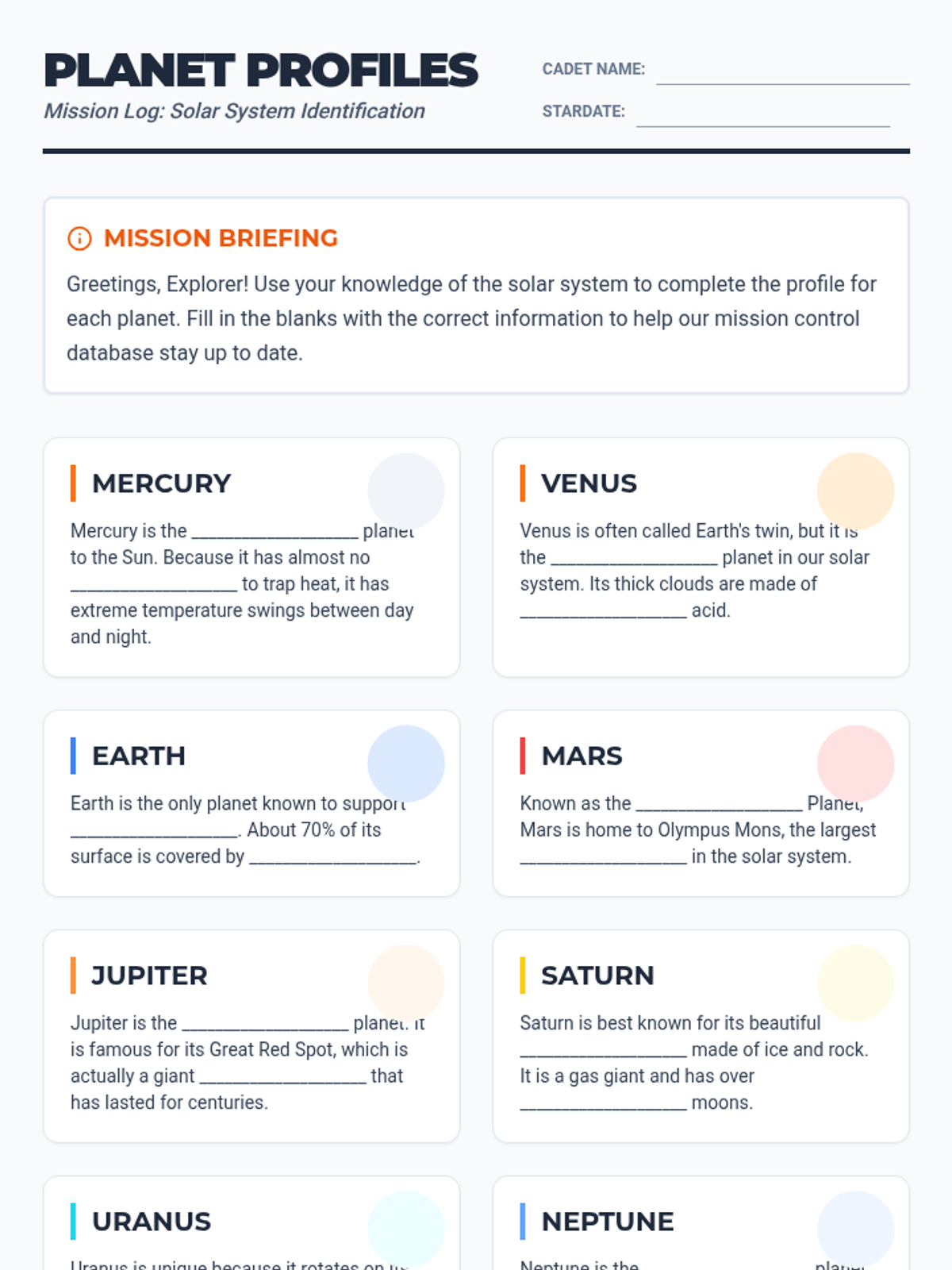
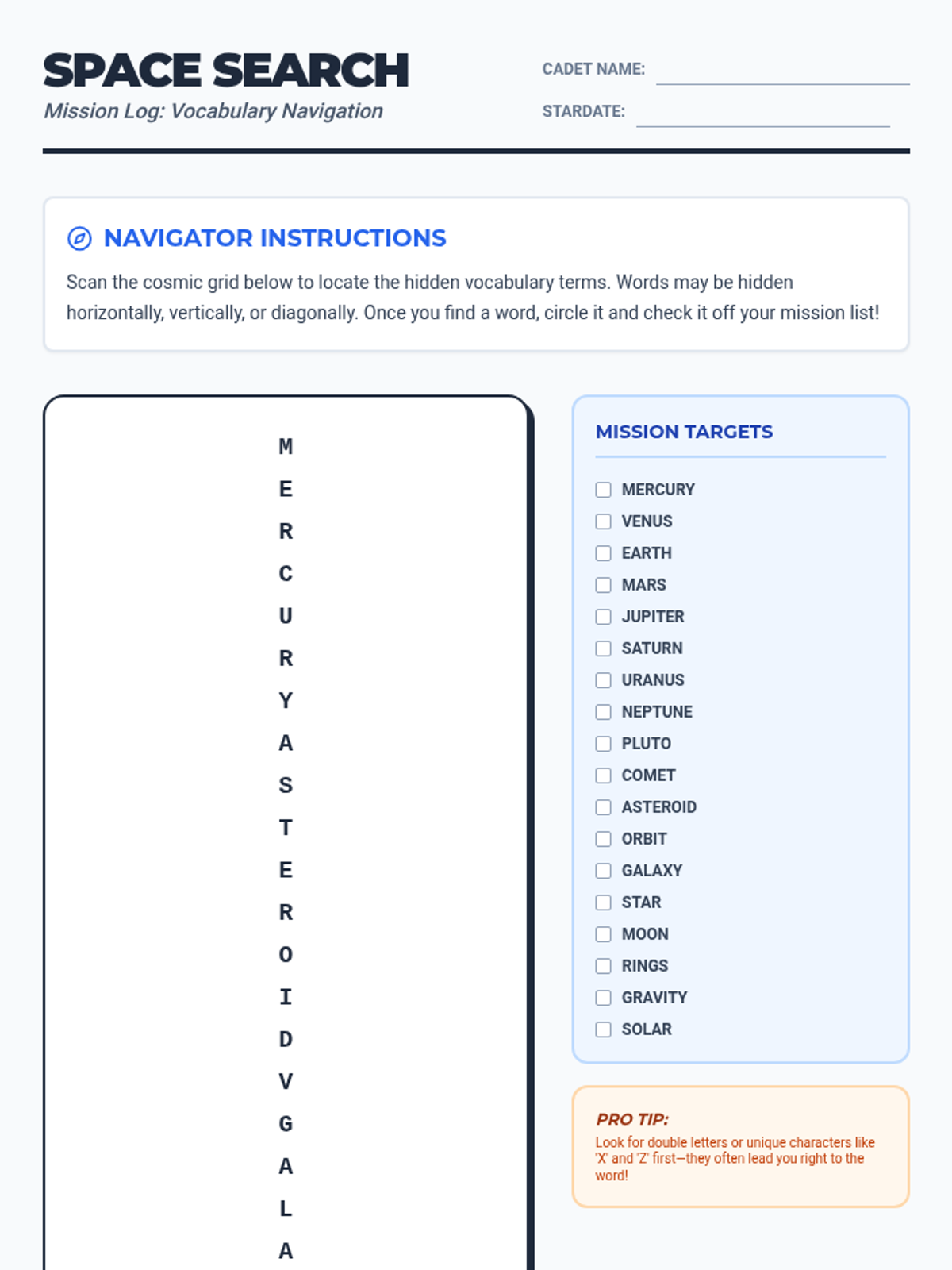
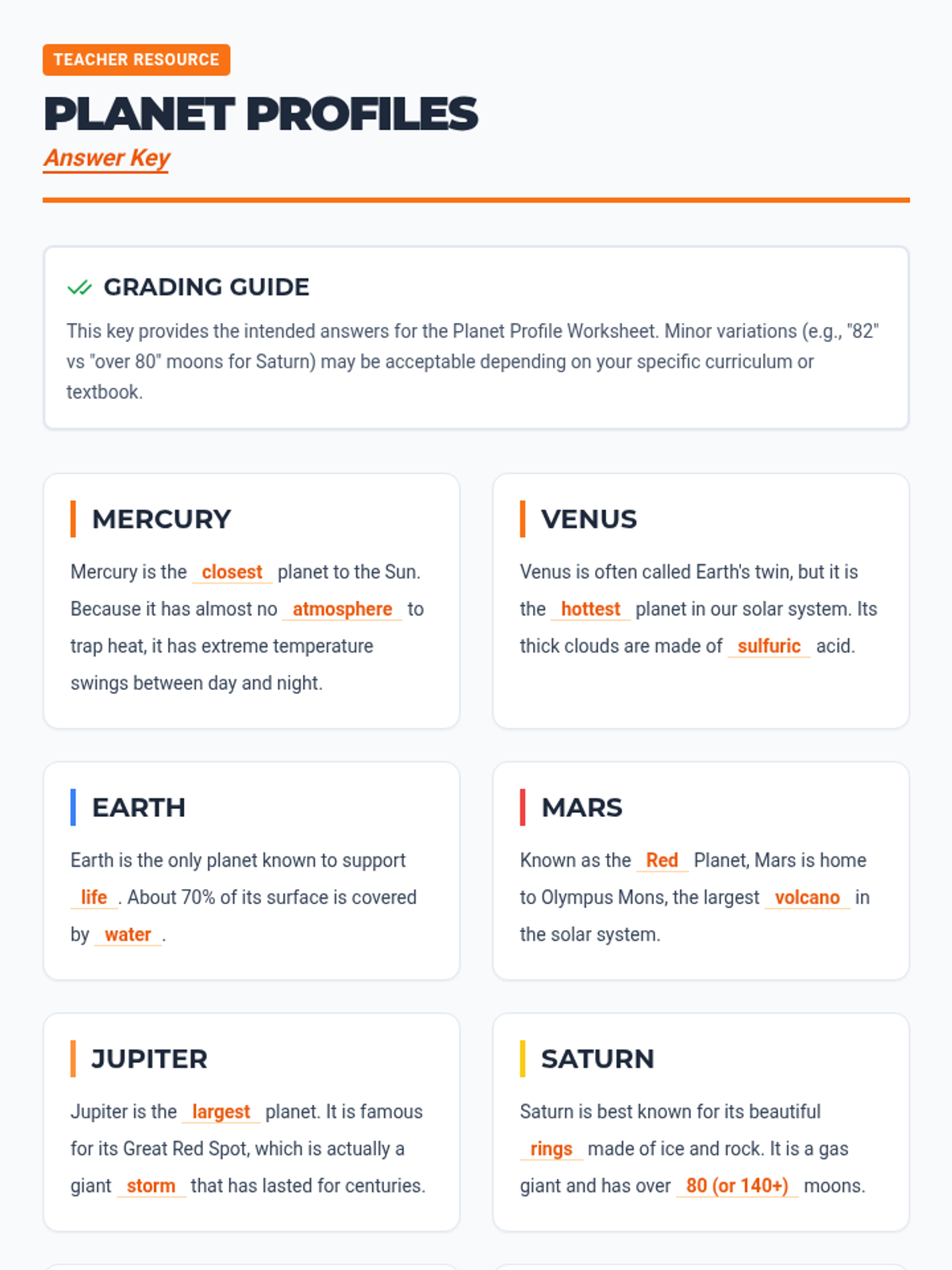
An introductory lesson exploring the eight planets of our solar system, their unique characteristics, and space-related vocabulary.
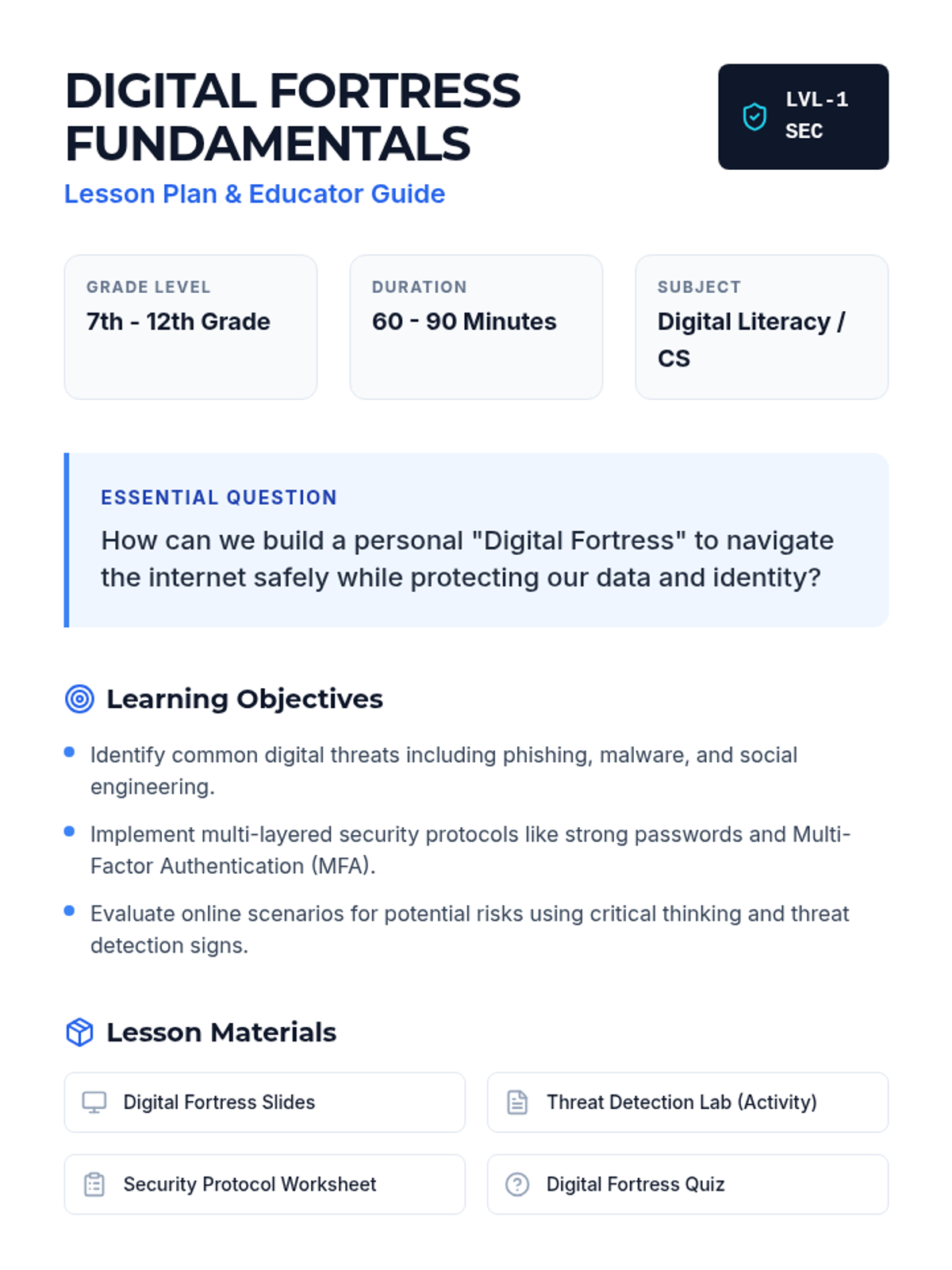
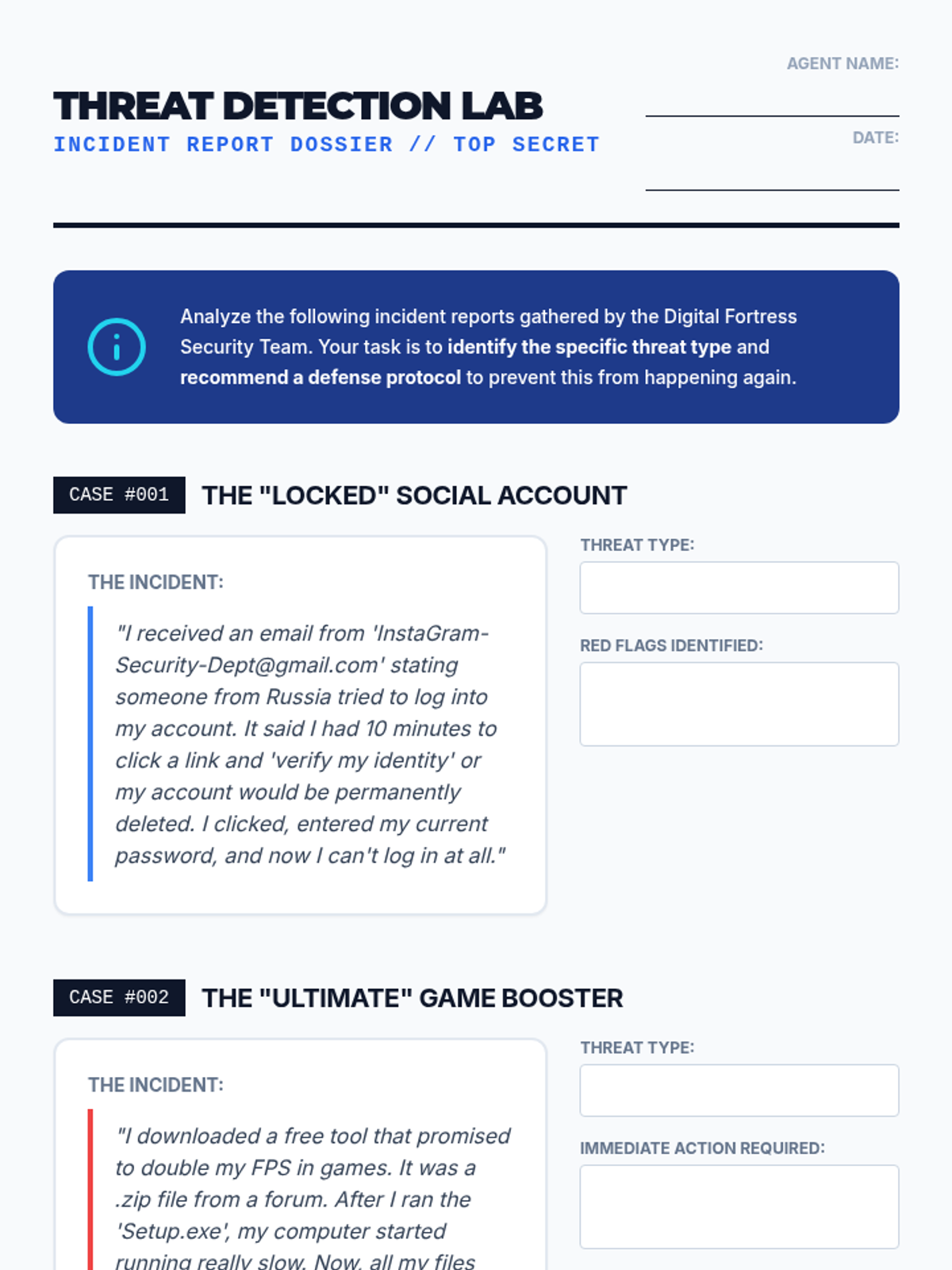
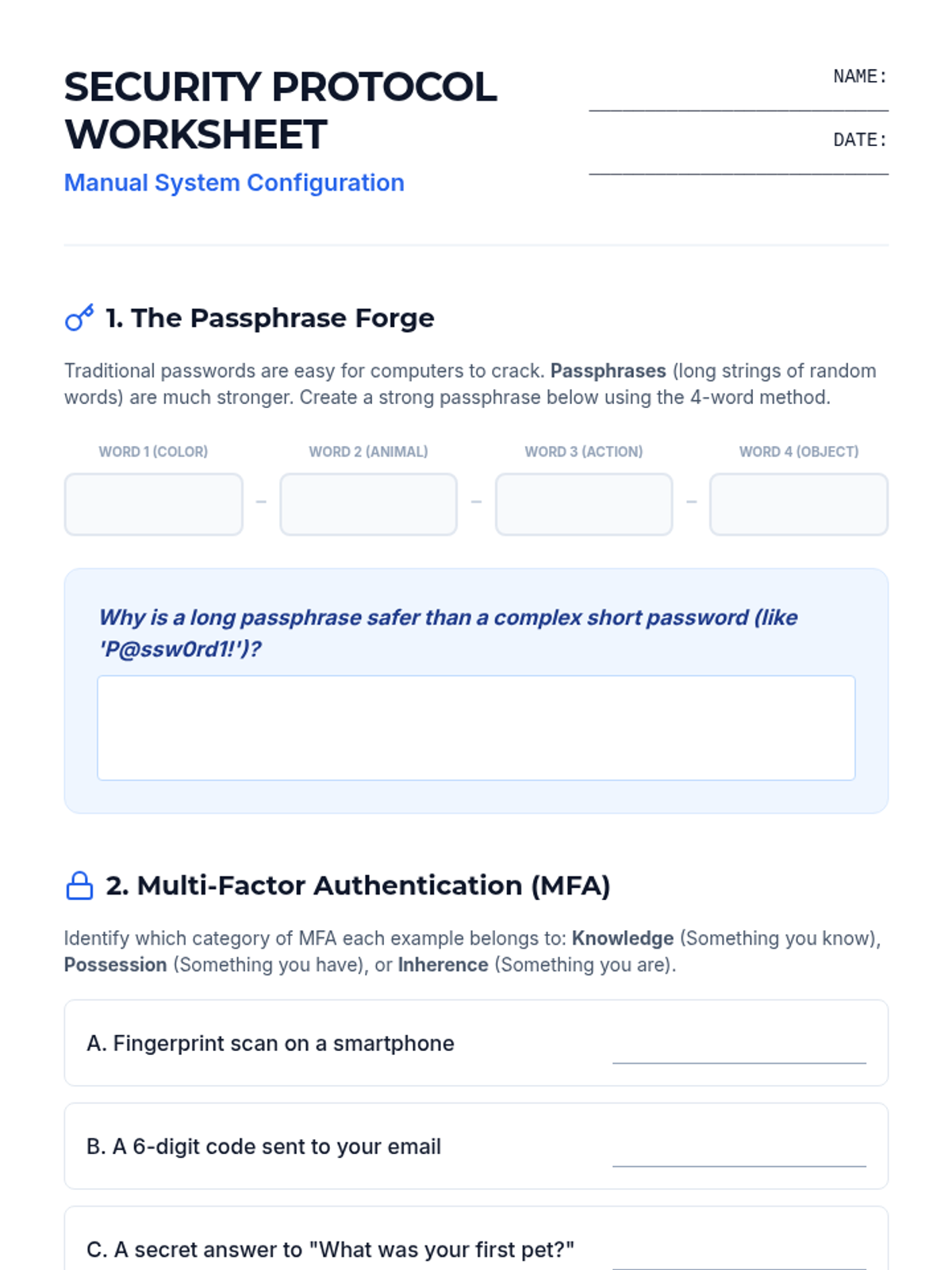
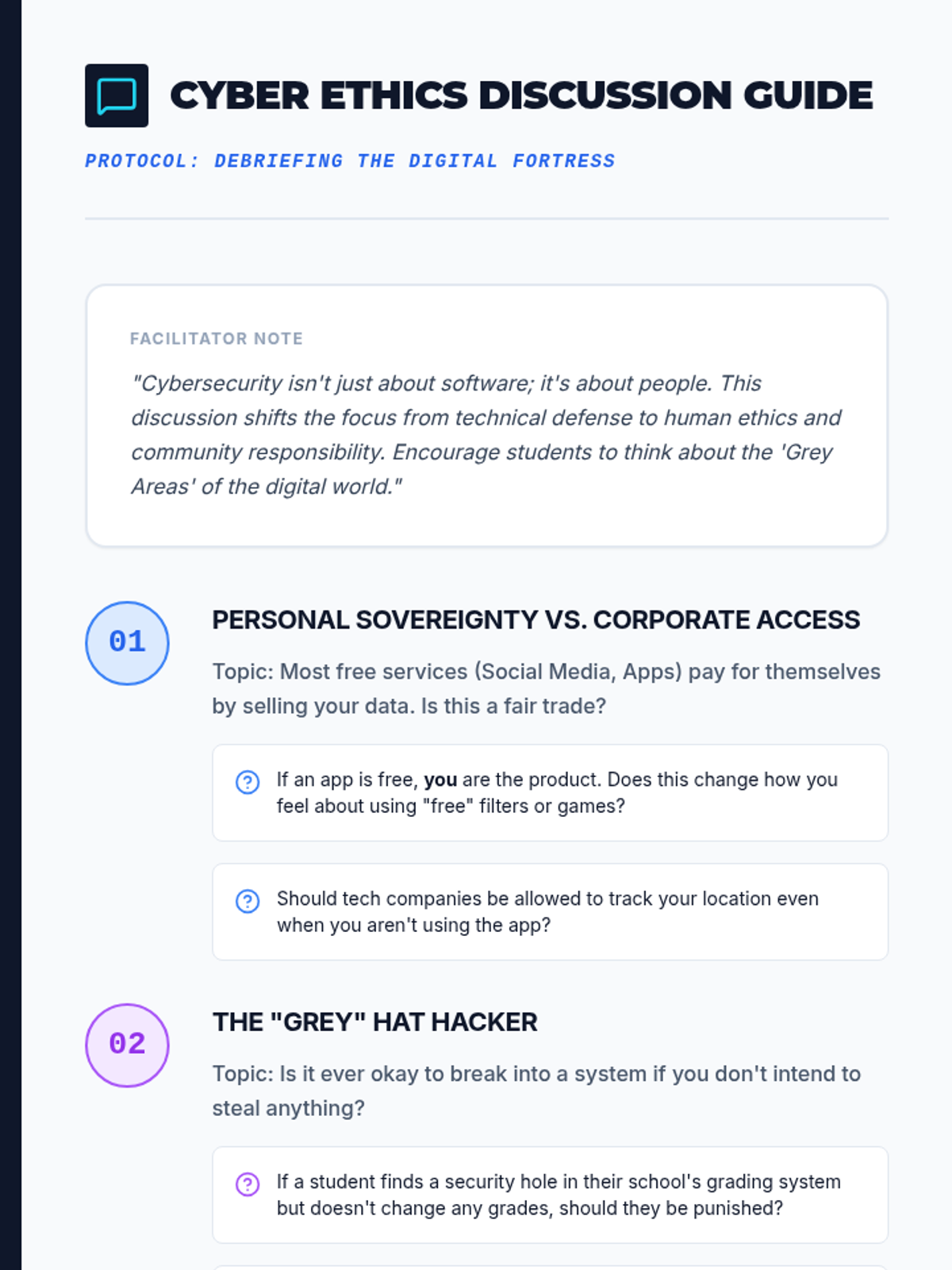
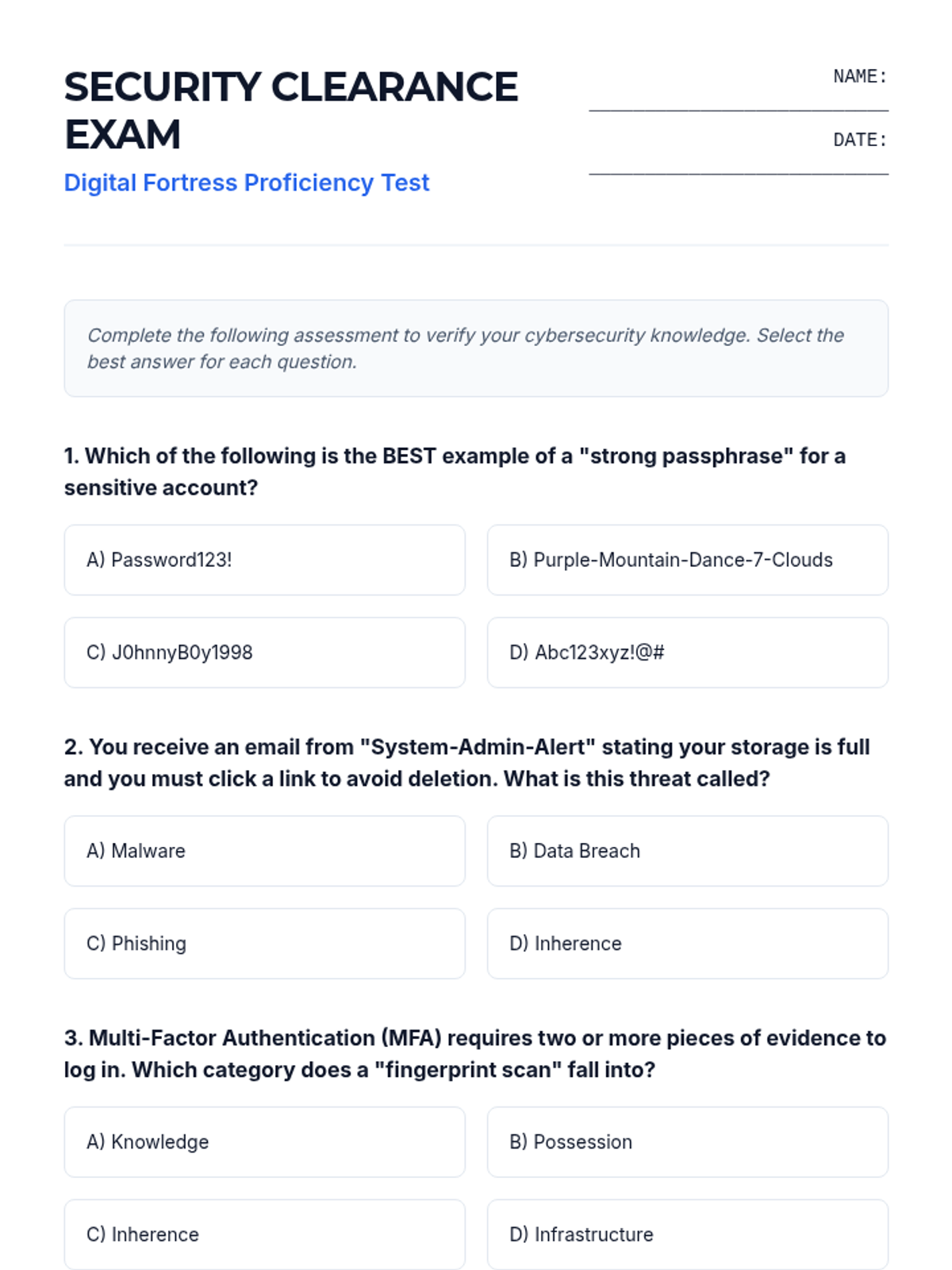
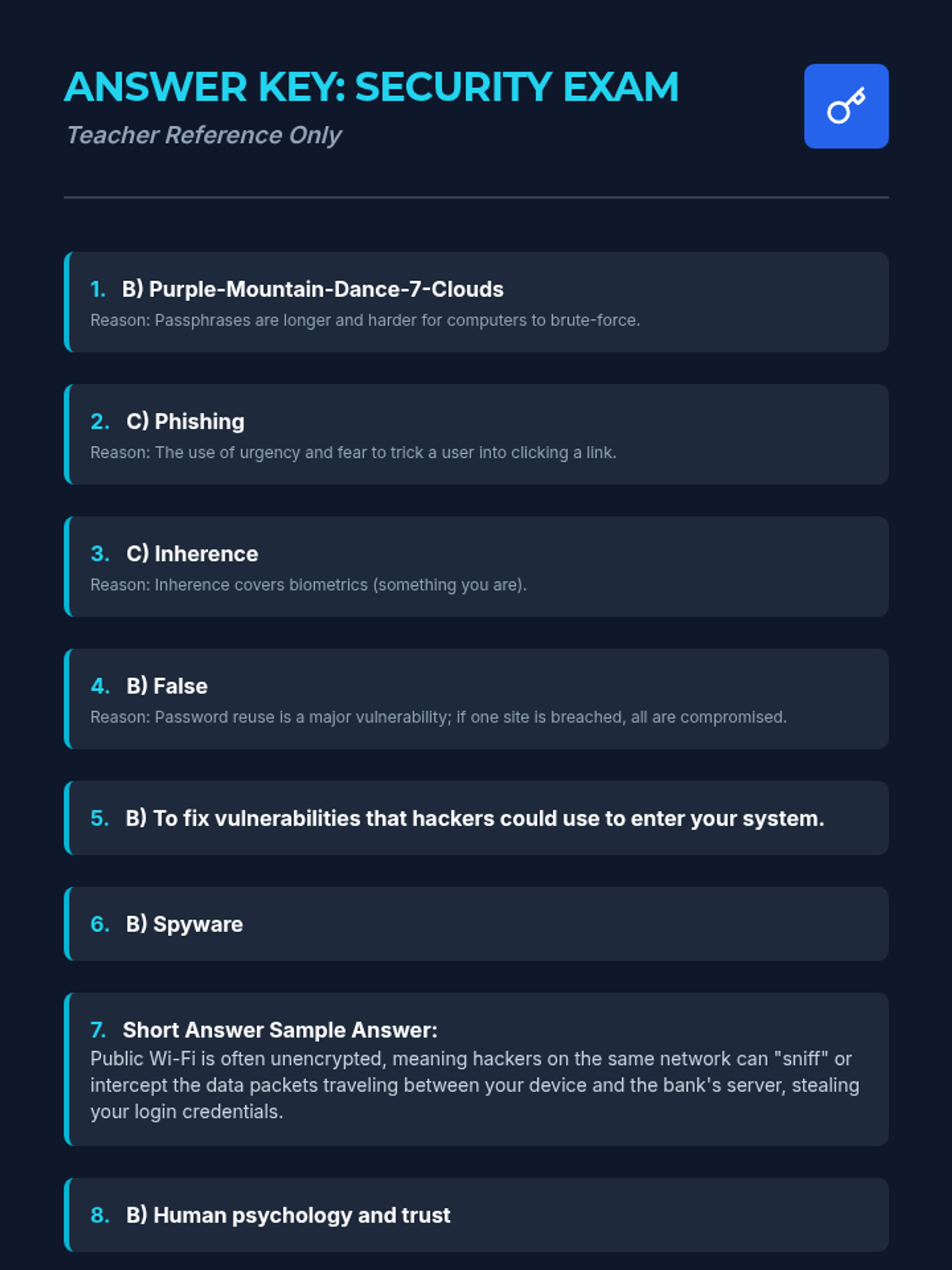
A comprehensive introduction to cybersecurity for secondary students, focusing on threat identification, personal data protection, and safe online habits through case studies and practical protocols.
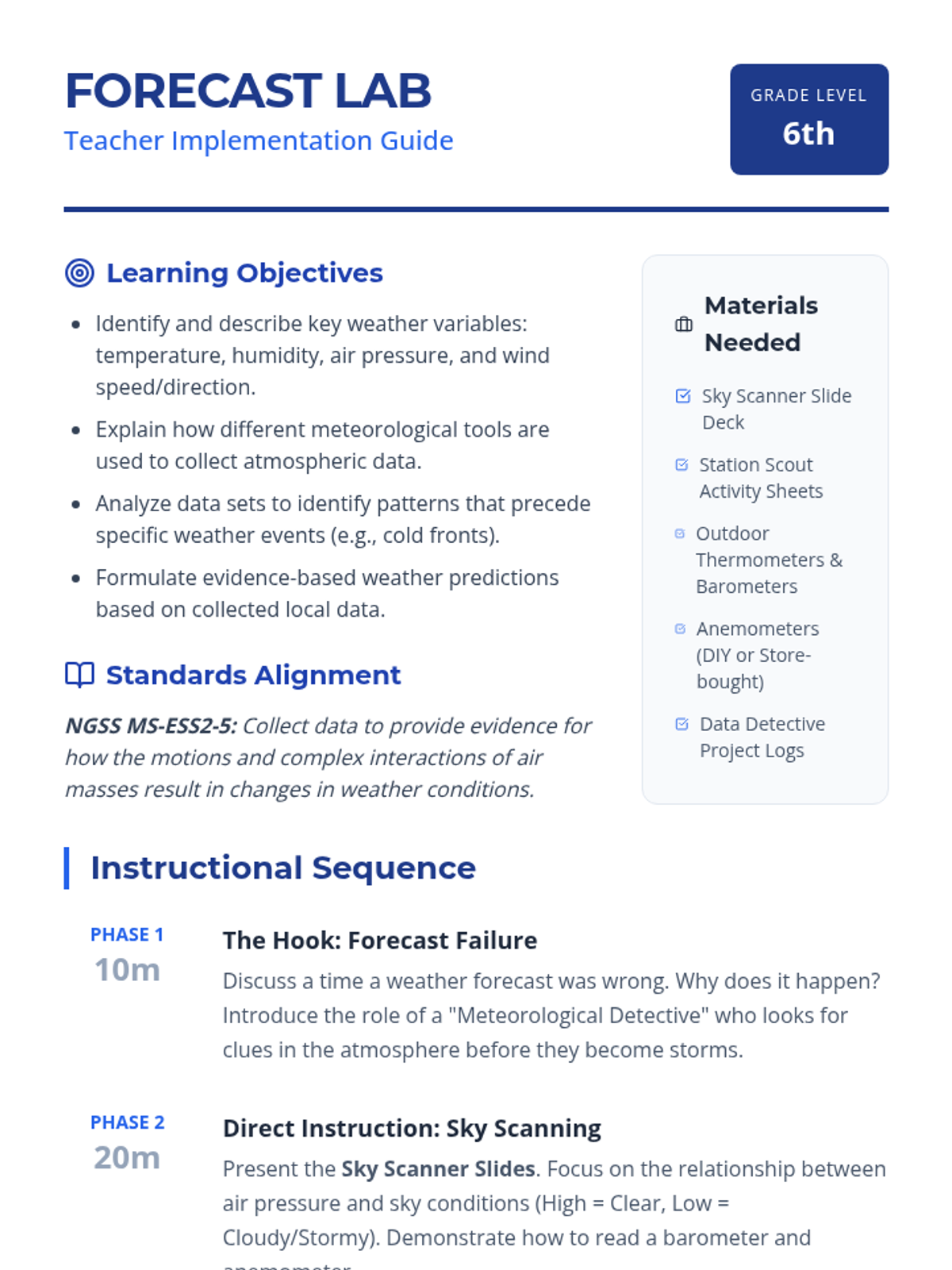
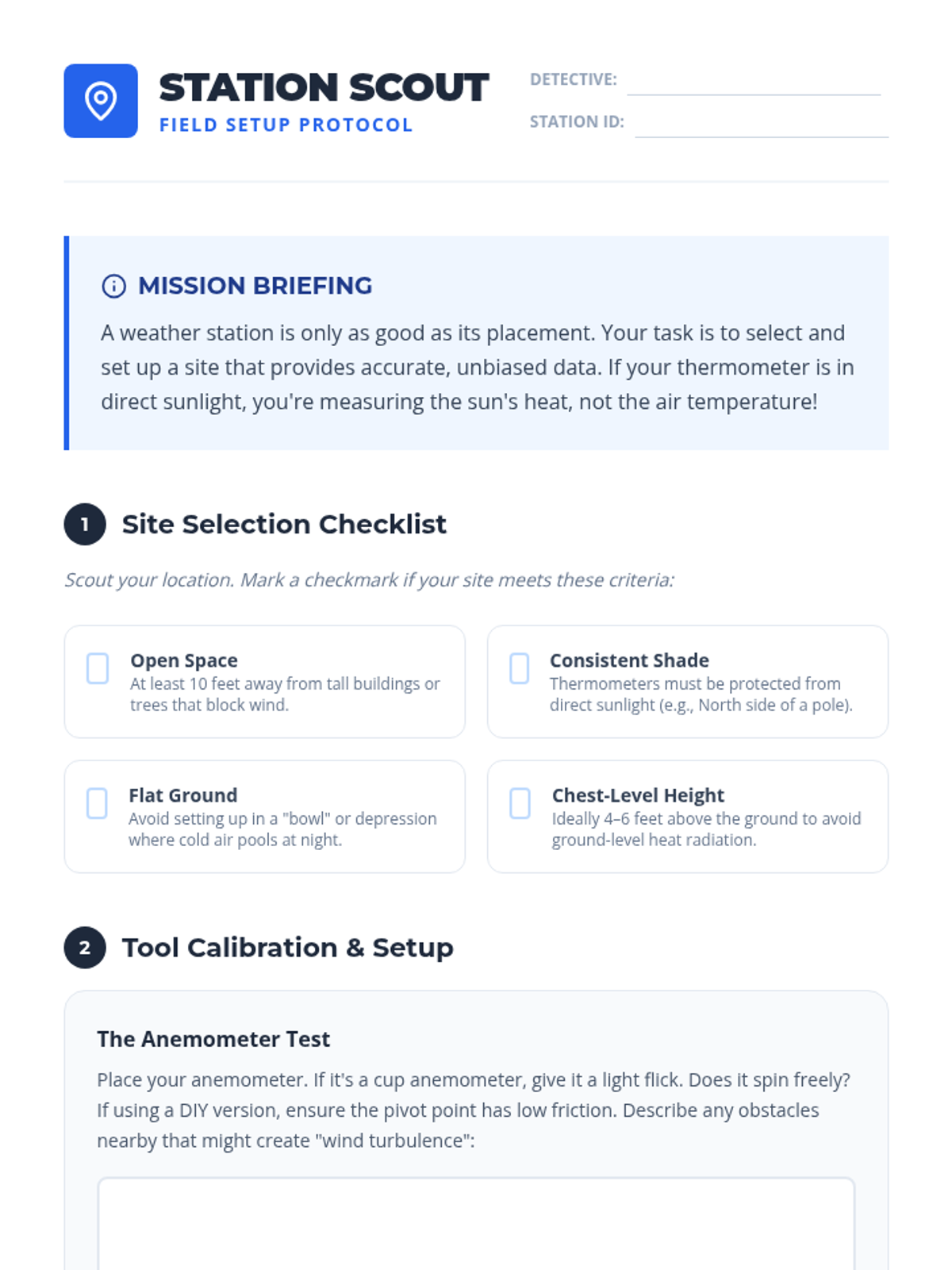
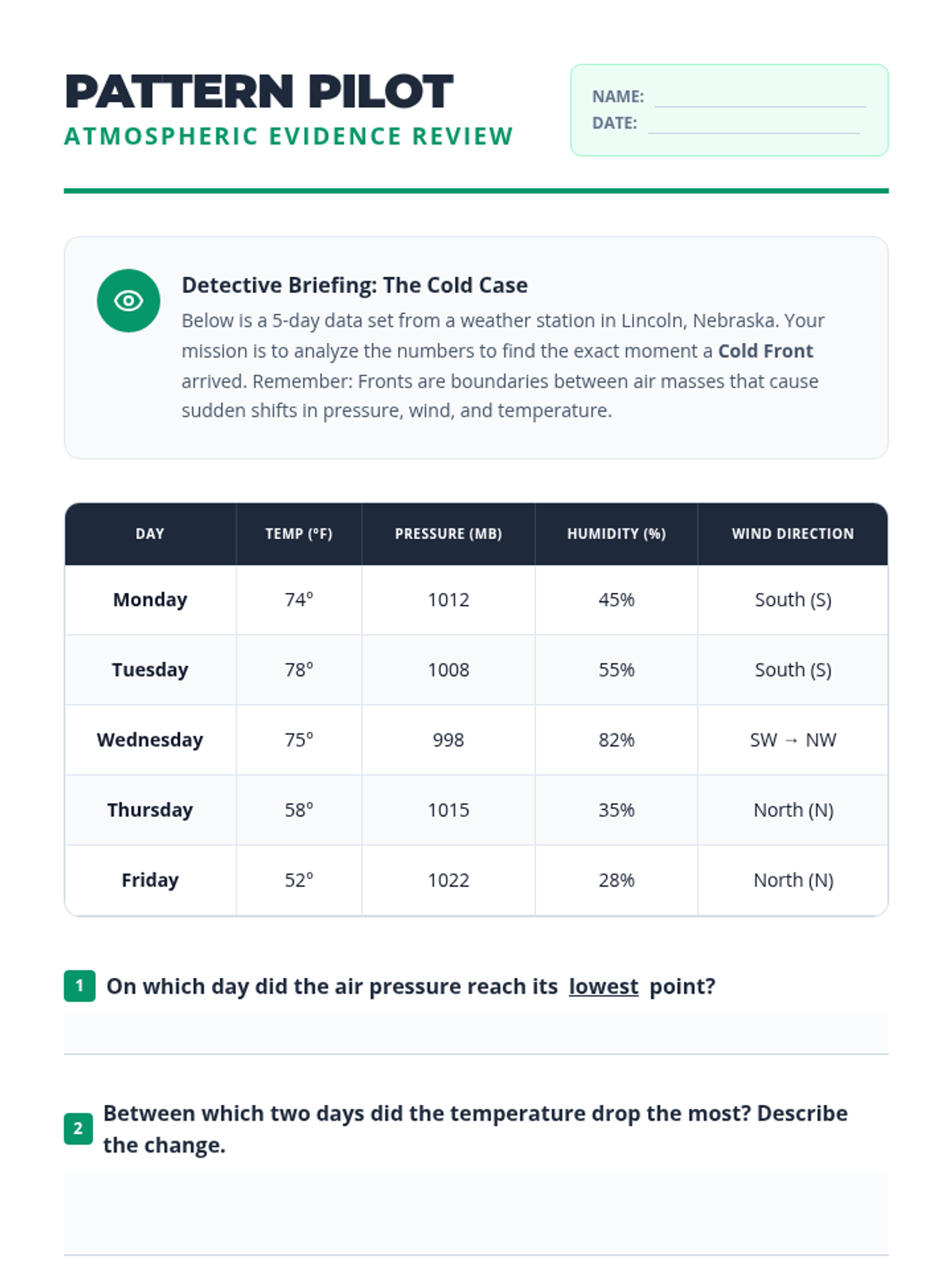
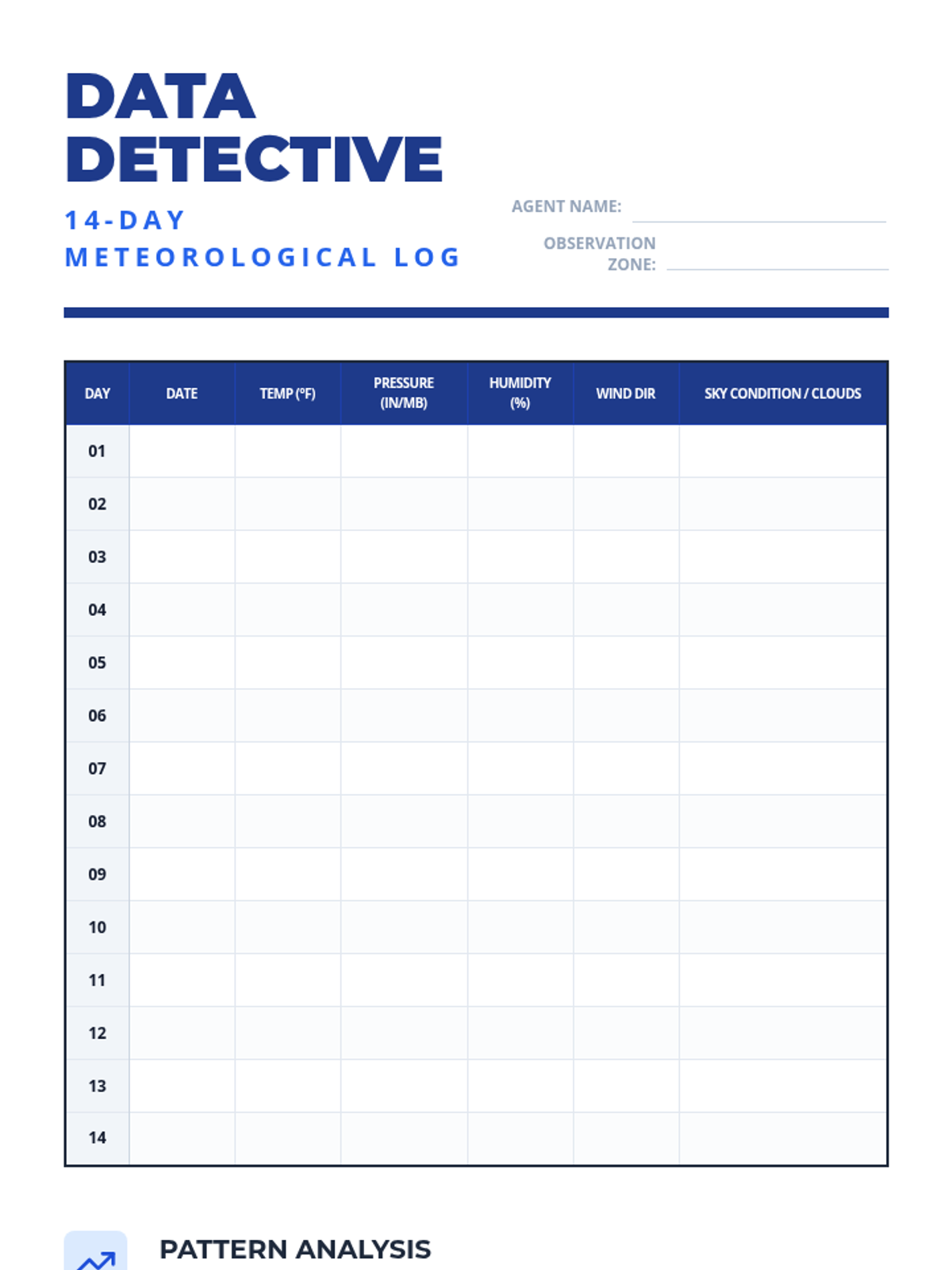
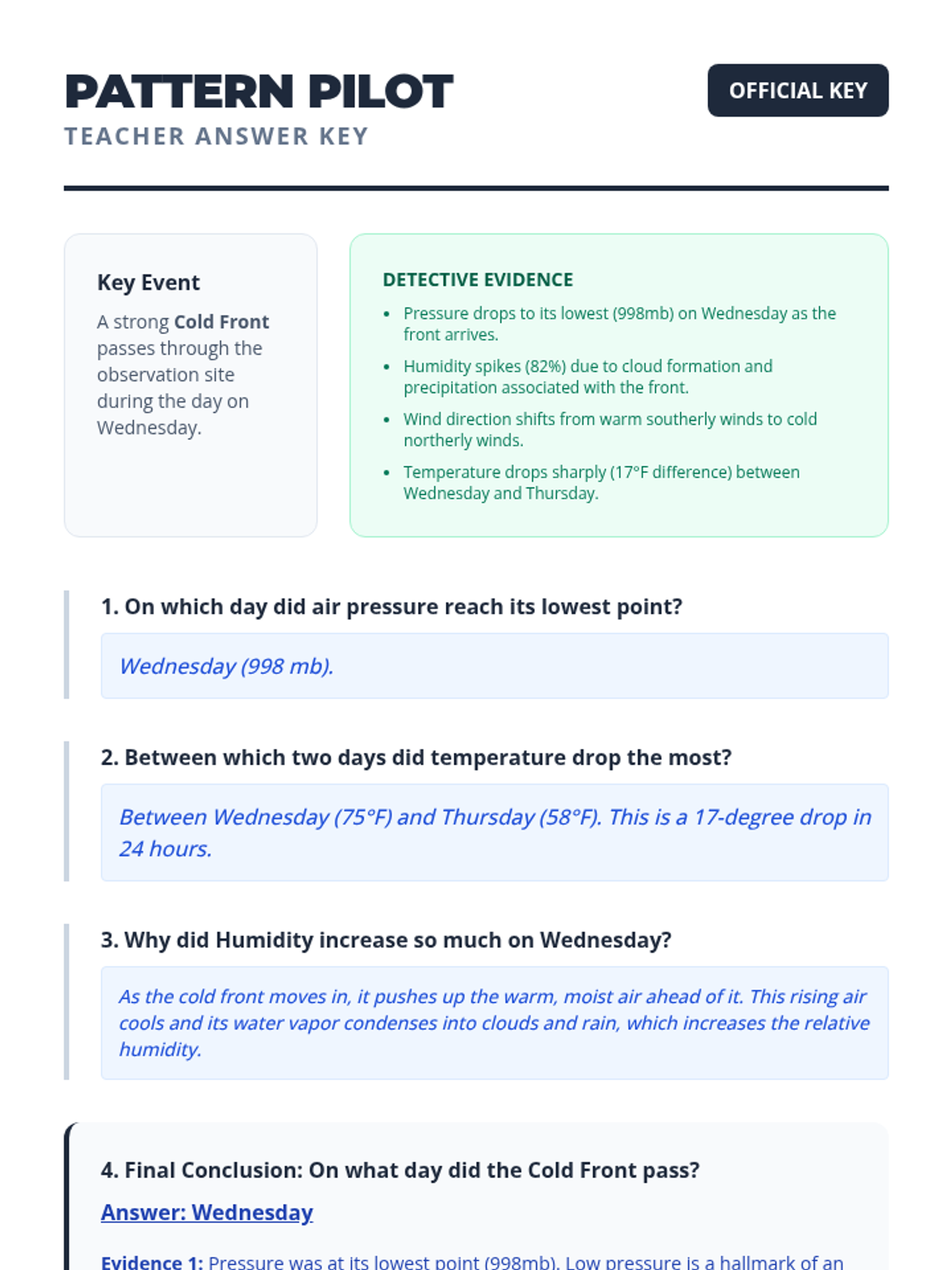
A comprehensive meteorology lesson for 6th graders focusing on collecting, recording, and interpreting local weather data to identify atmospheric patterns.
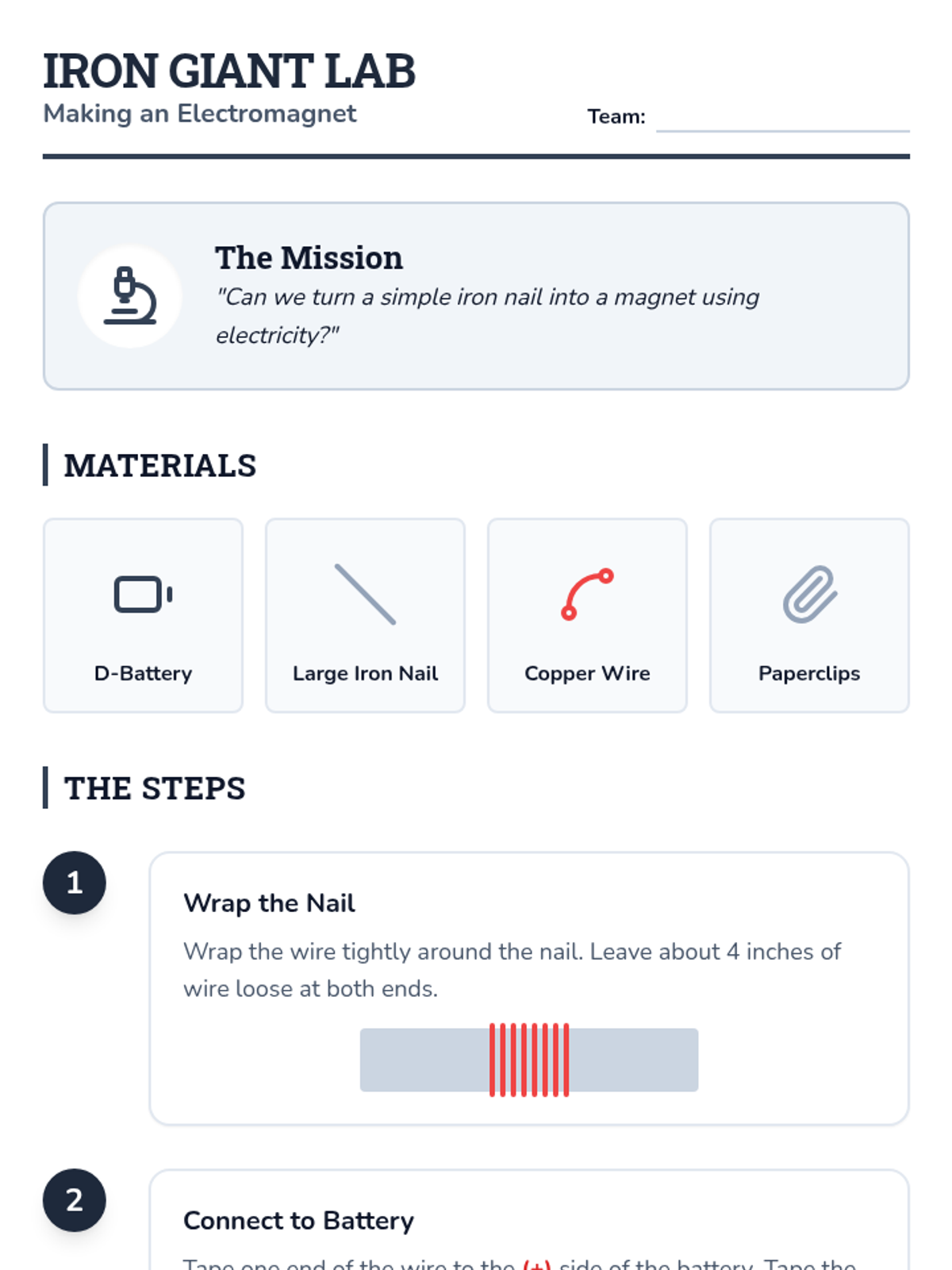
Combining electricity and magnetism to create a temporary magnet. Students follow instructions to build their own electromagnet using a battery, wire, and nail.
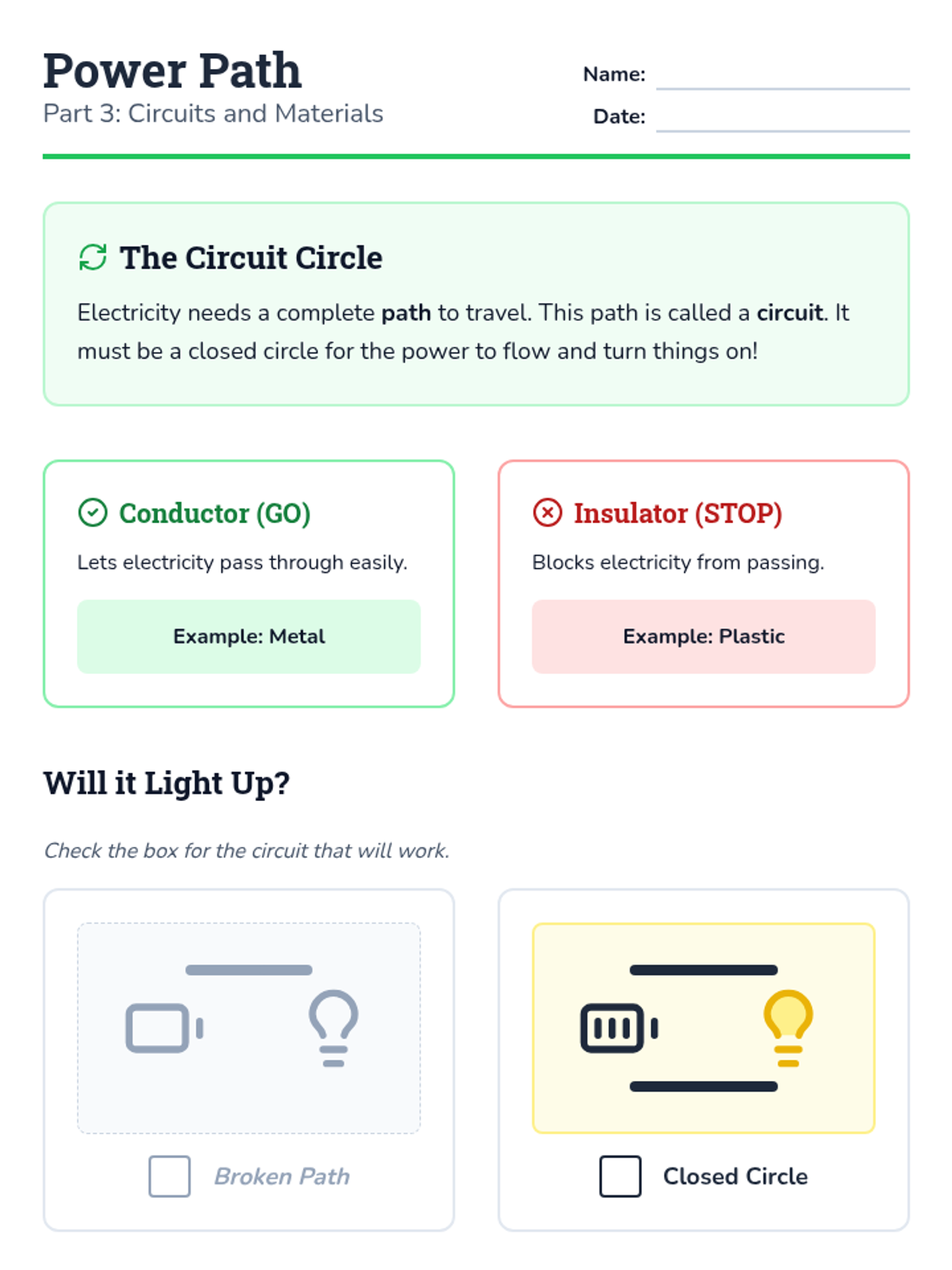
Identifying the path electricity takes. Students differentiate between conductors that let electricity pass and insulators that stop it, while building basic circuits.
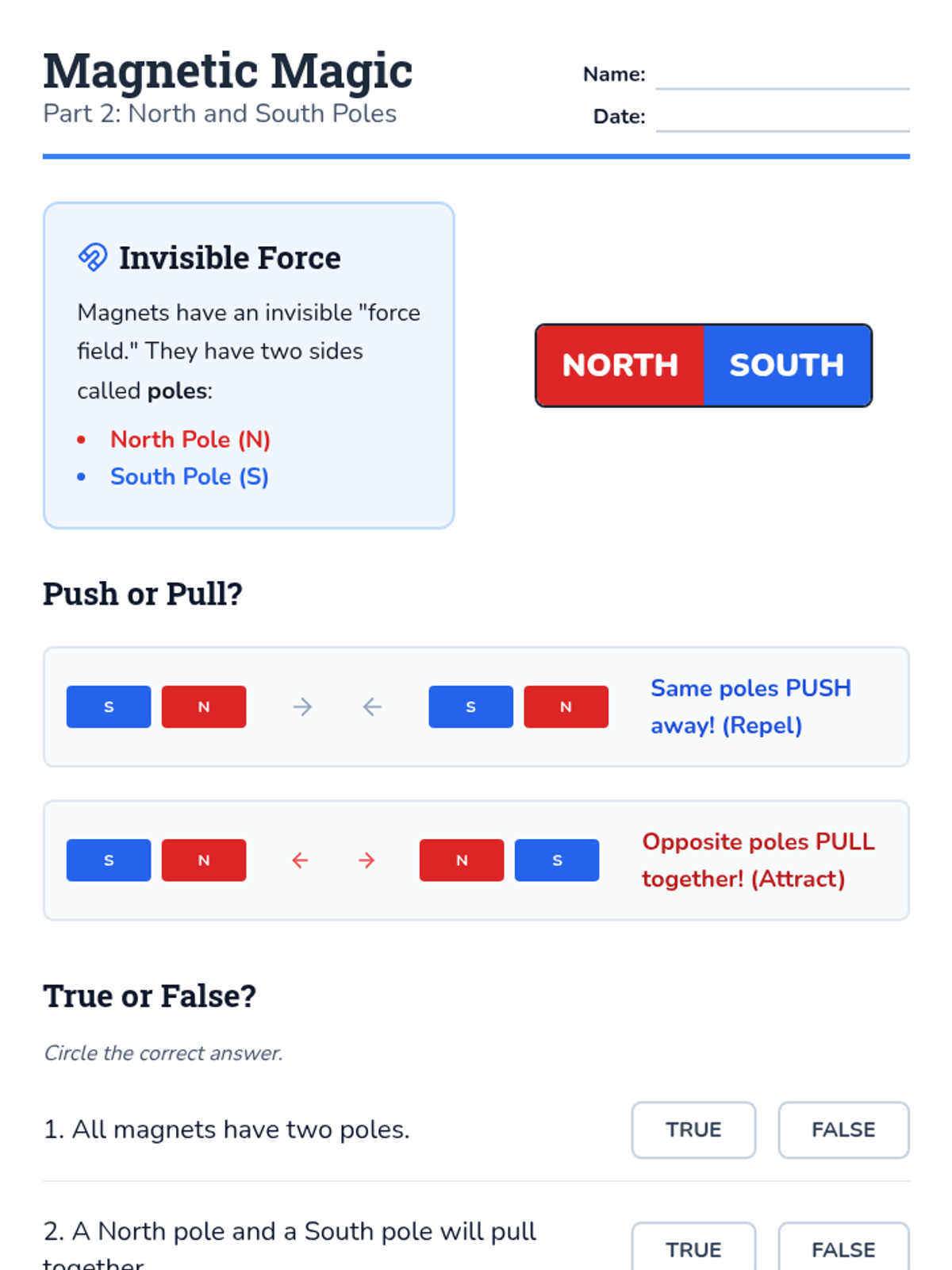
Exploring the invisible forces of magnets. Students learn about poles (North and South) and how magnetic fields create attraction and repulsion.
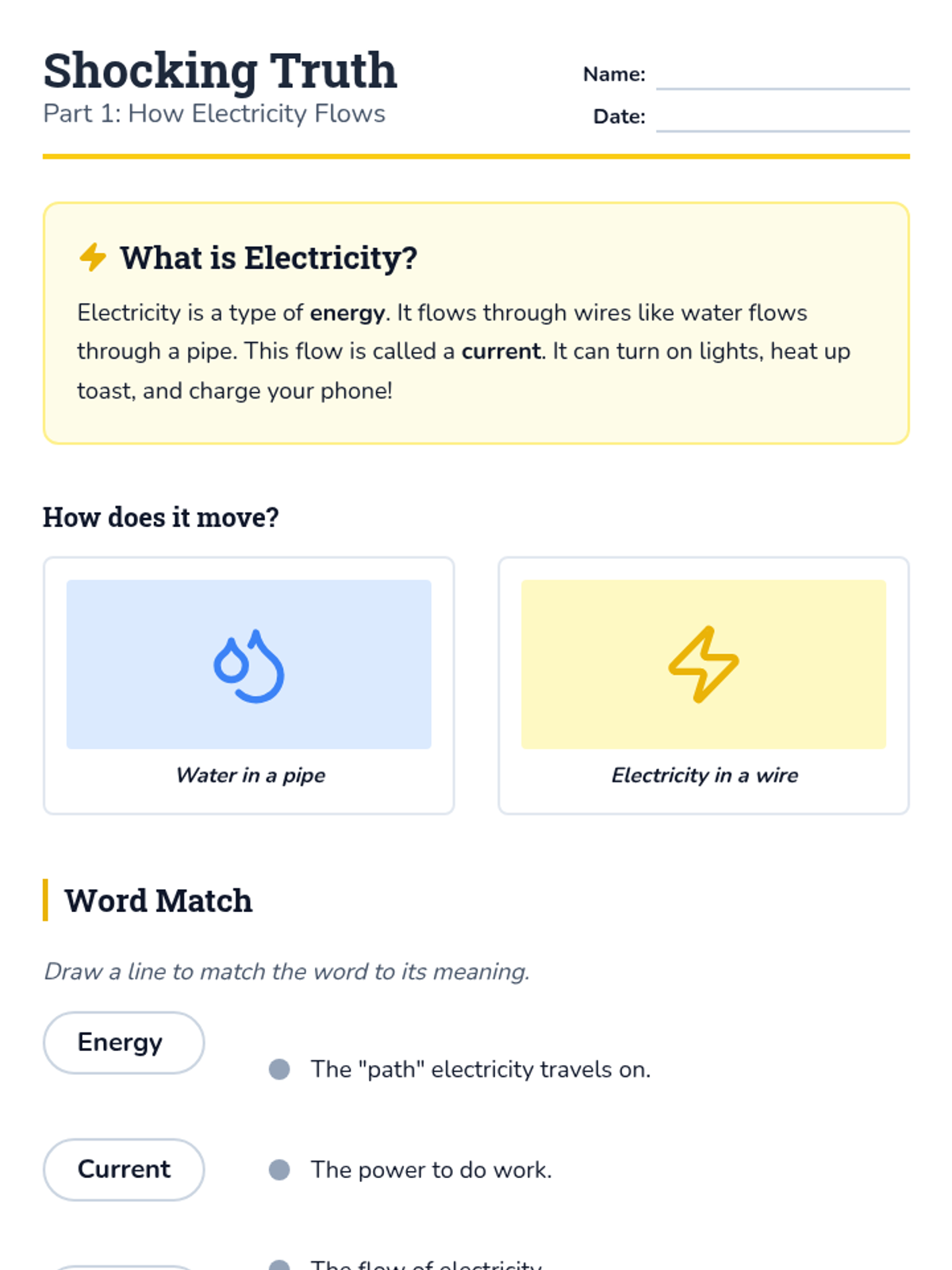
Introduction to what electricity is and how it moves through wires. Focuses on the concept of energy flow and simple 'push' and 'pull' analogies.
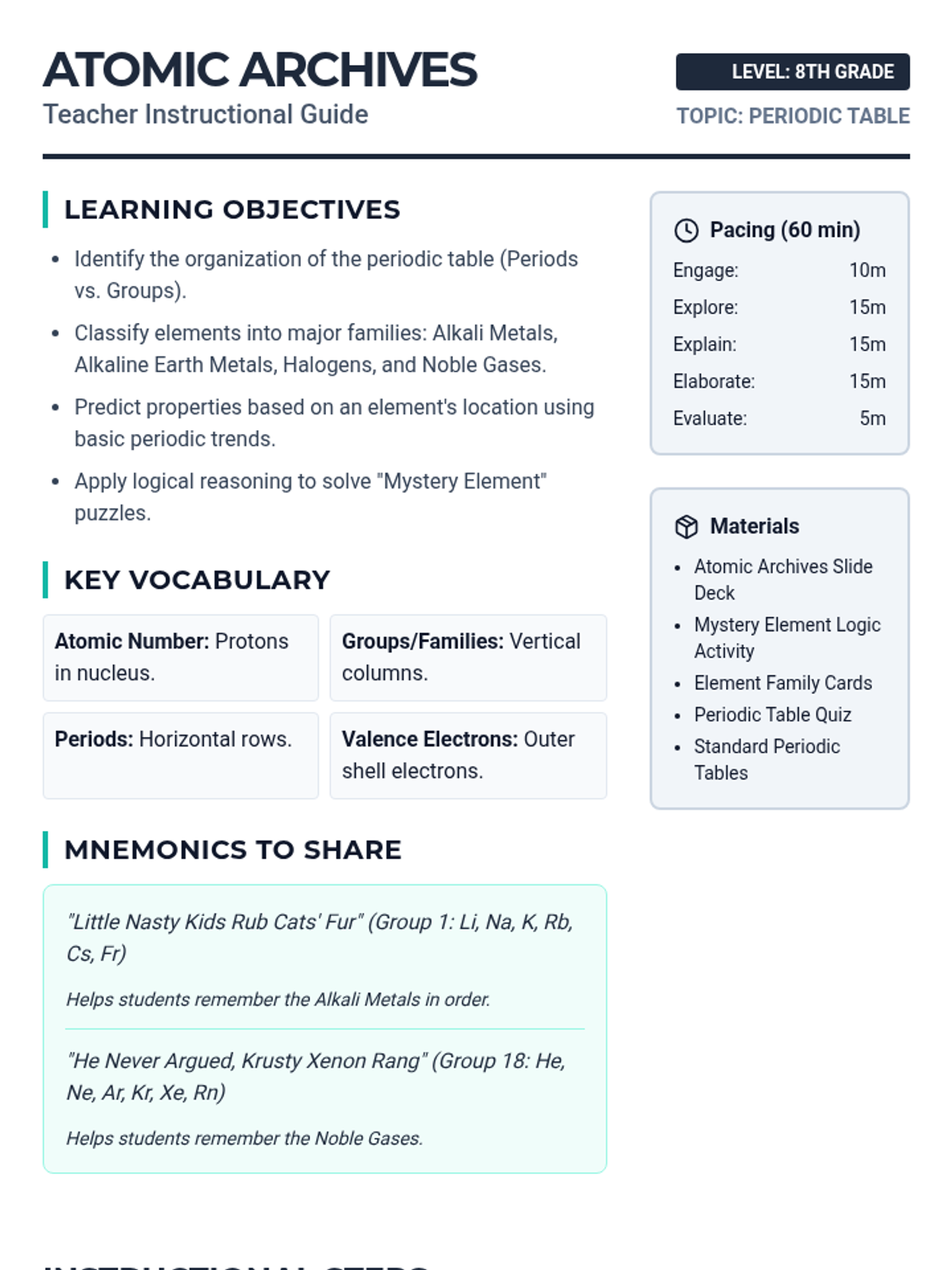
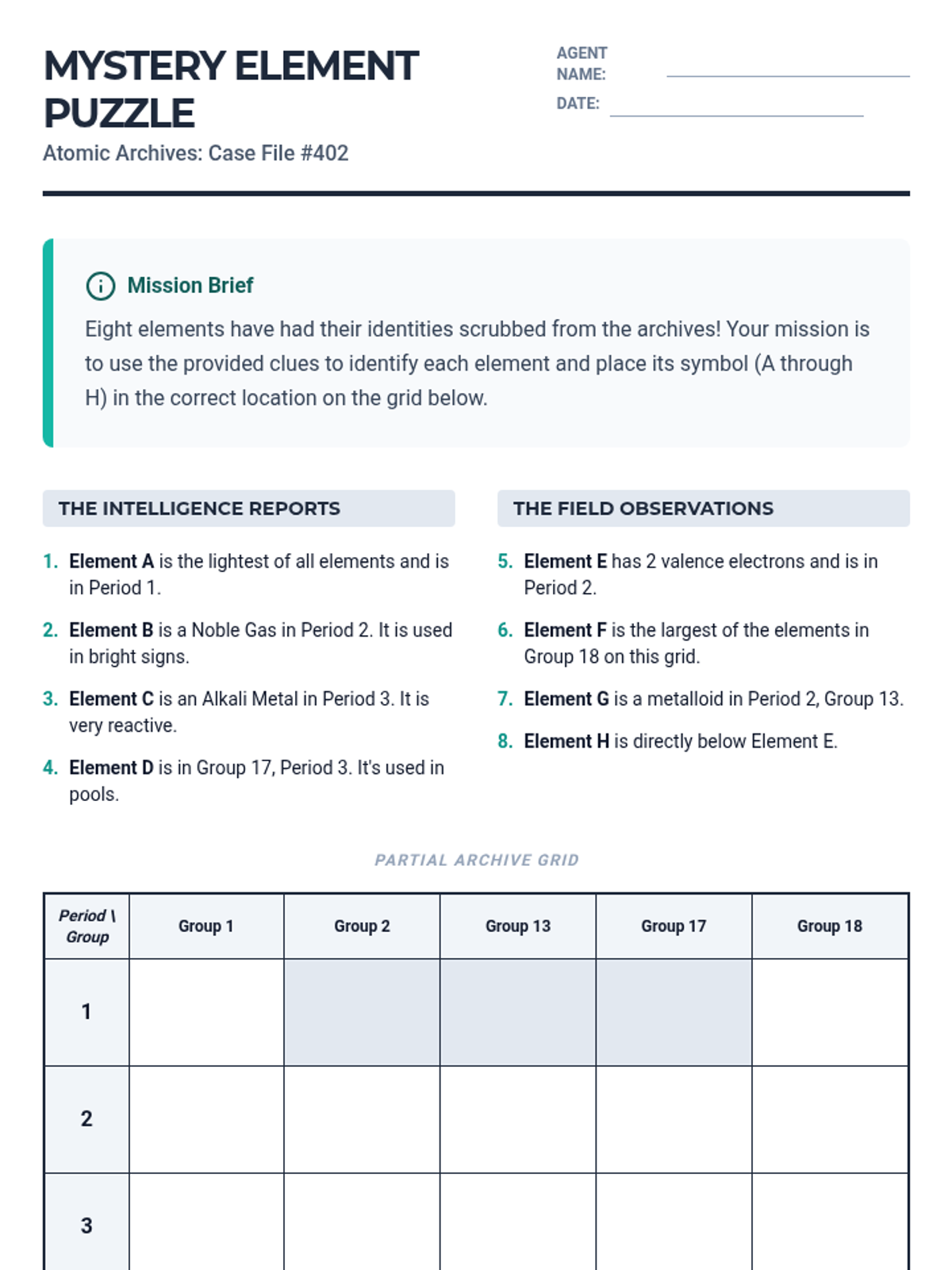
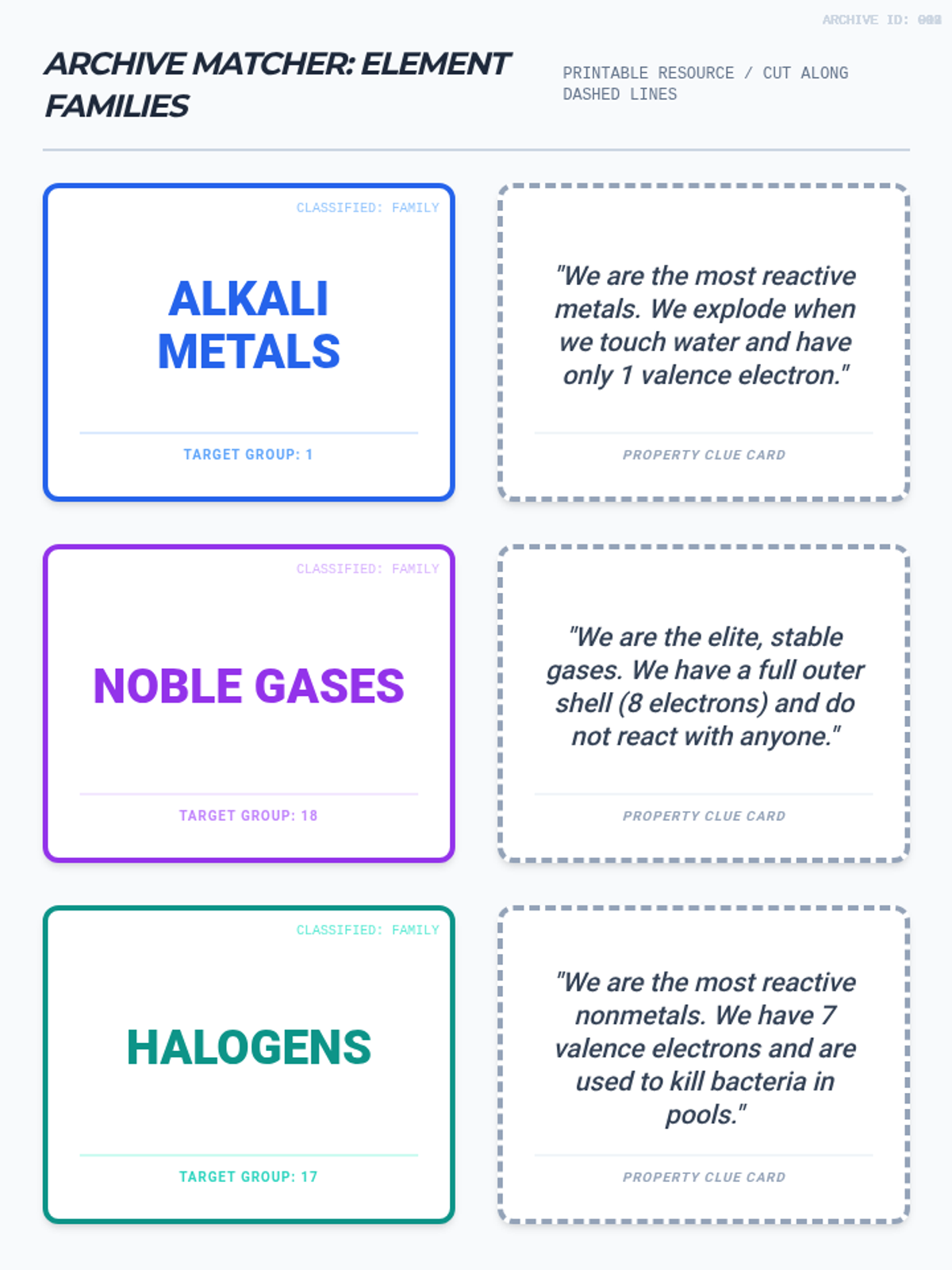
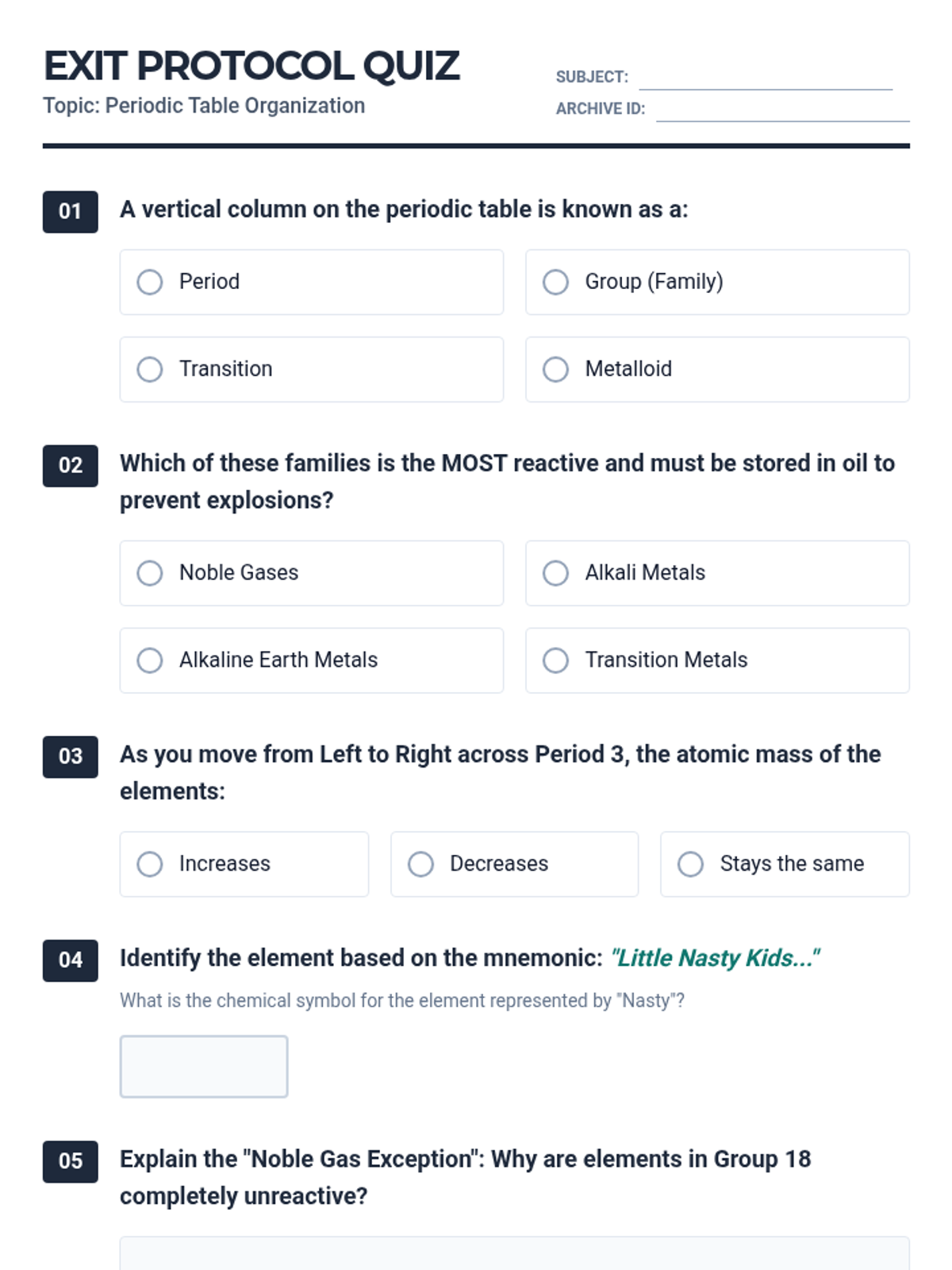
An 8th-grade chemistry lesson focused on the organization of the periodic table, element families, and periodic trends using logic puzzles and mnemonics. Students will decode the 'Atomic Archives' to master the patterns of matter.
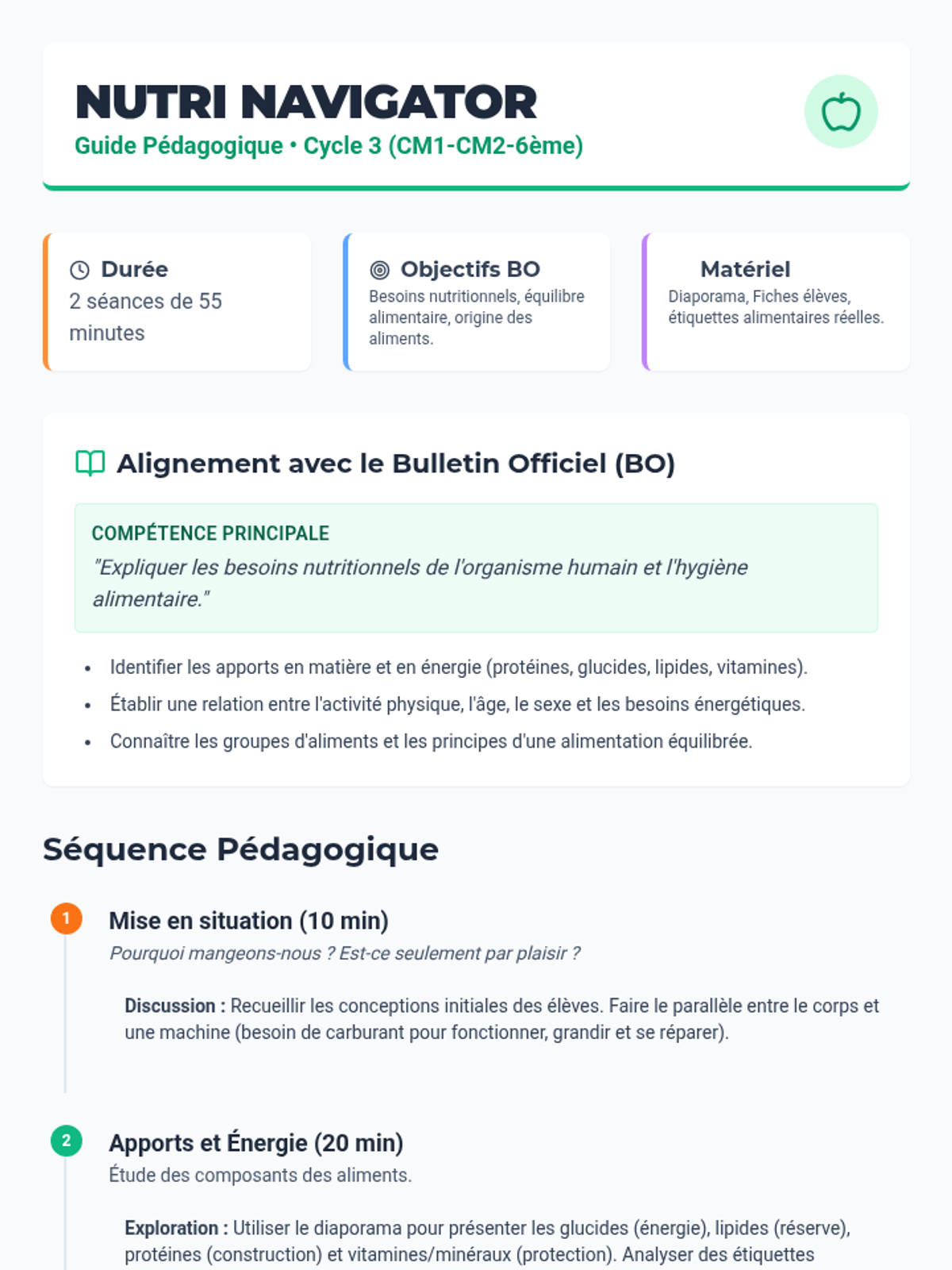
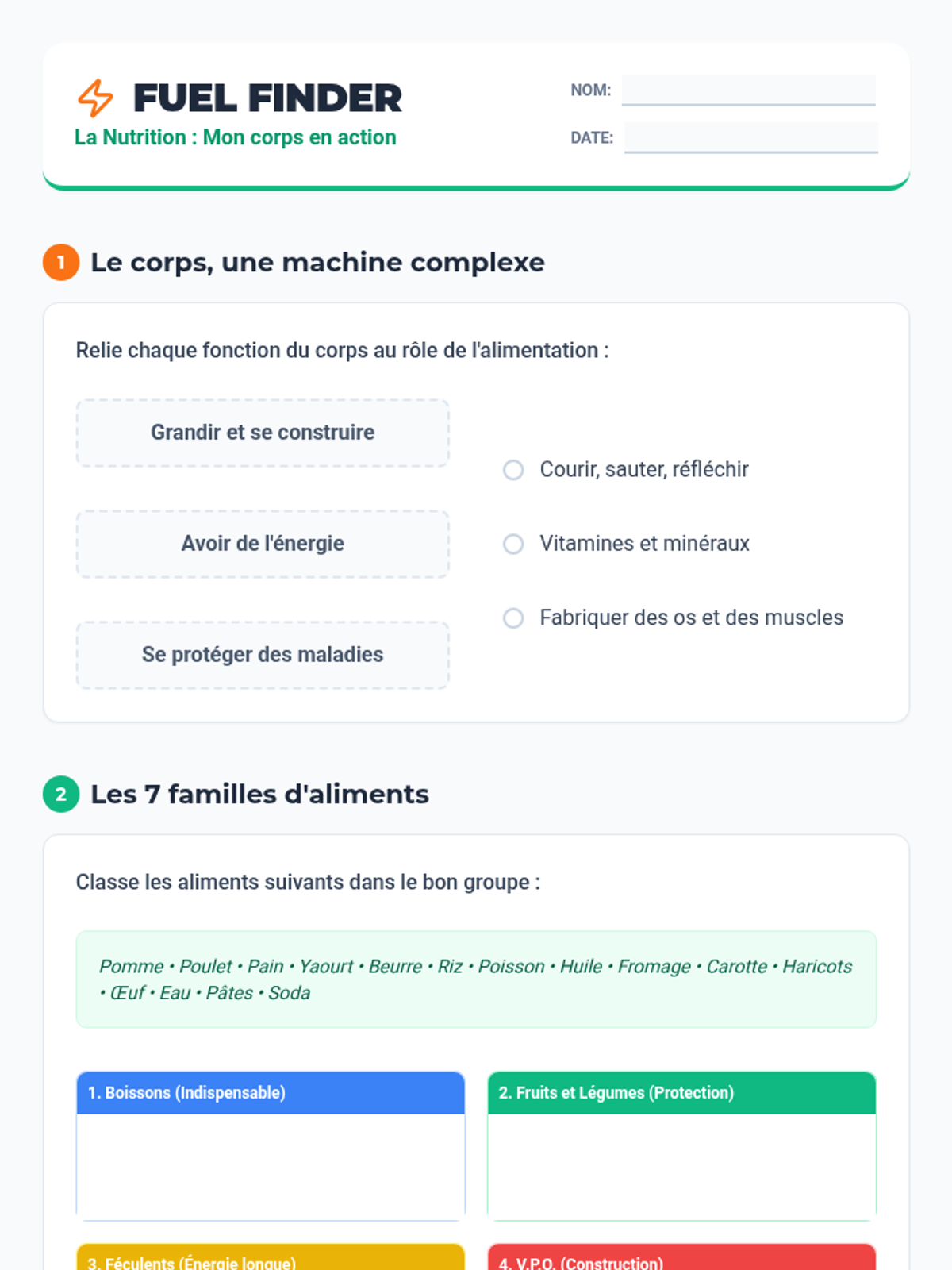
Une exploration approfondie des besoins nutritionnels humains, des groupes d'aliments et de l'équilibre alimentaire, alignée sur le programme de cycle 3. Les élèves apprennent à identifier la provenance de leur énergie et à composer des repas équilibrés pour leur santé.
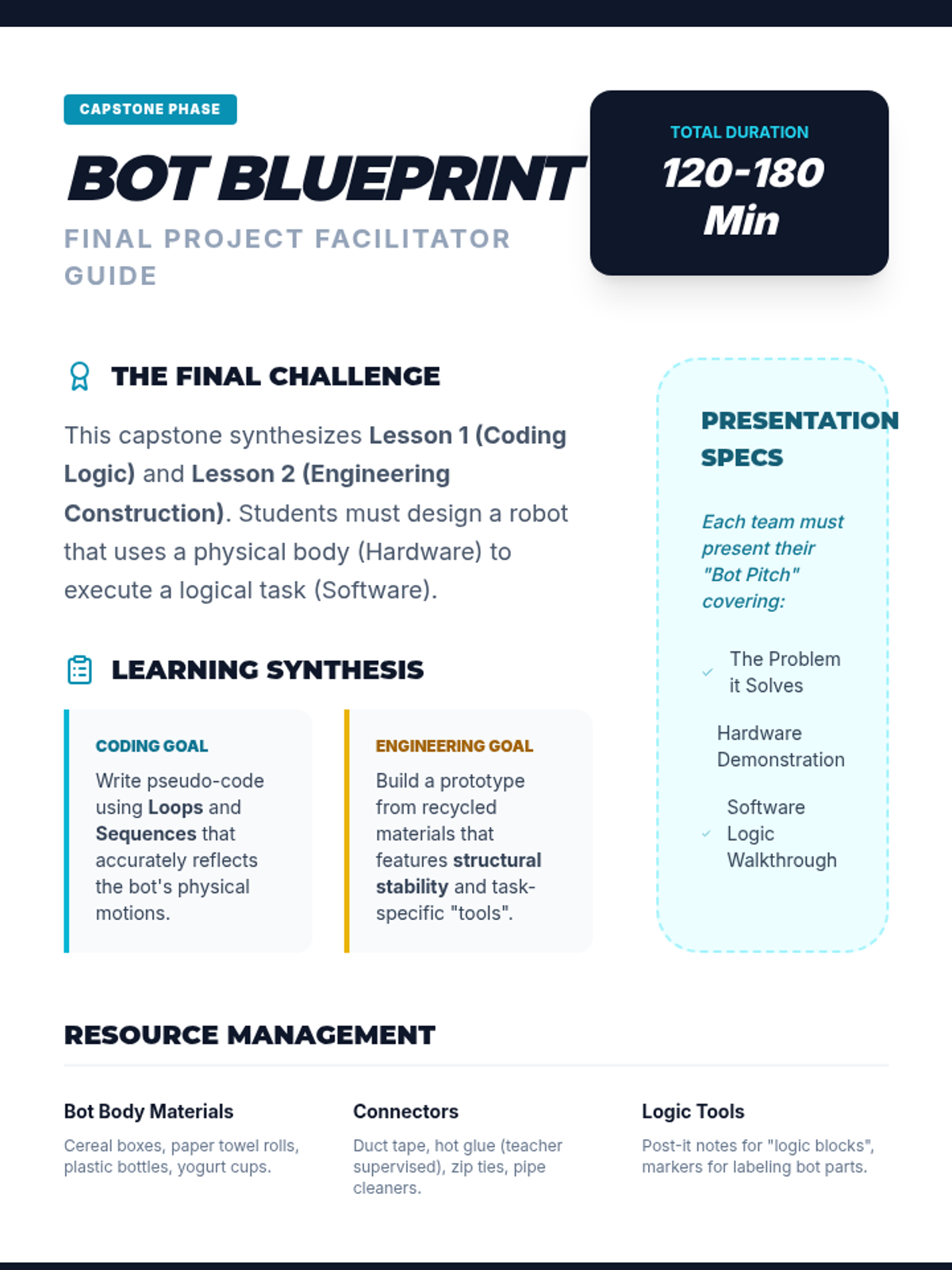
The capstone project where students combine their coding knowledge and engineering skills. Students design a functional 'helper bot' using recycled materials and write the pseudo-code for its operations.
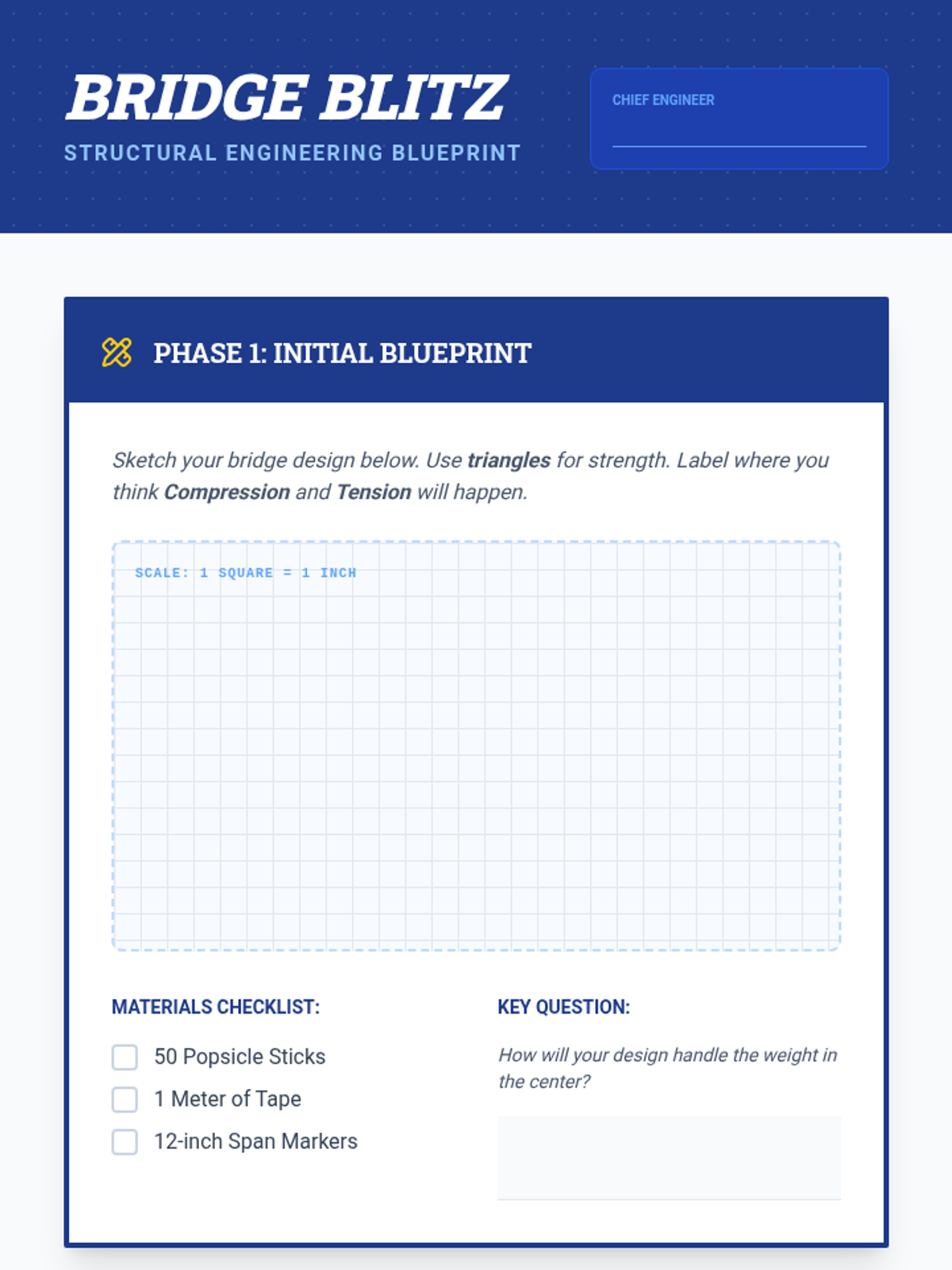
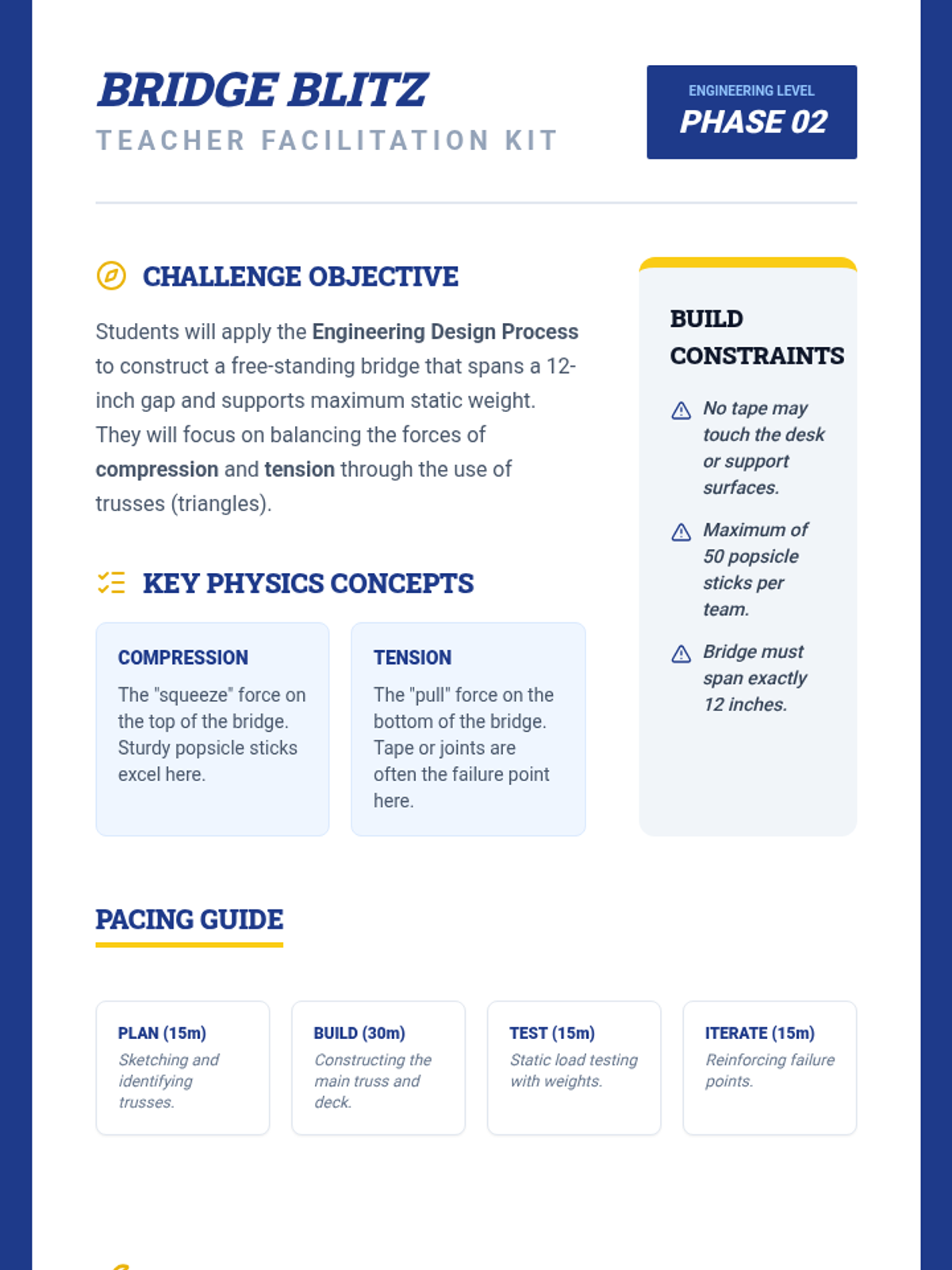
A hands-on engineering challenge where students apply the Engineering Design Process to build stable structures. This lesson focuses on physics, materials science, and iterative testing.
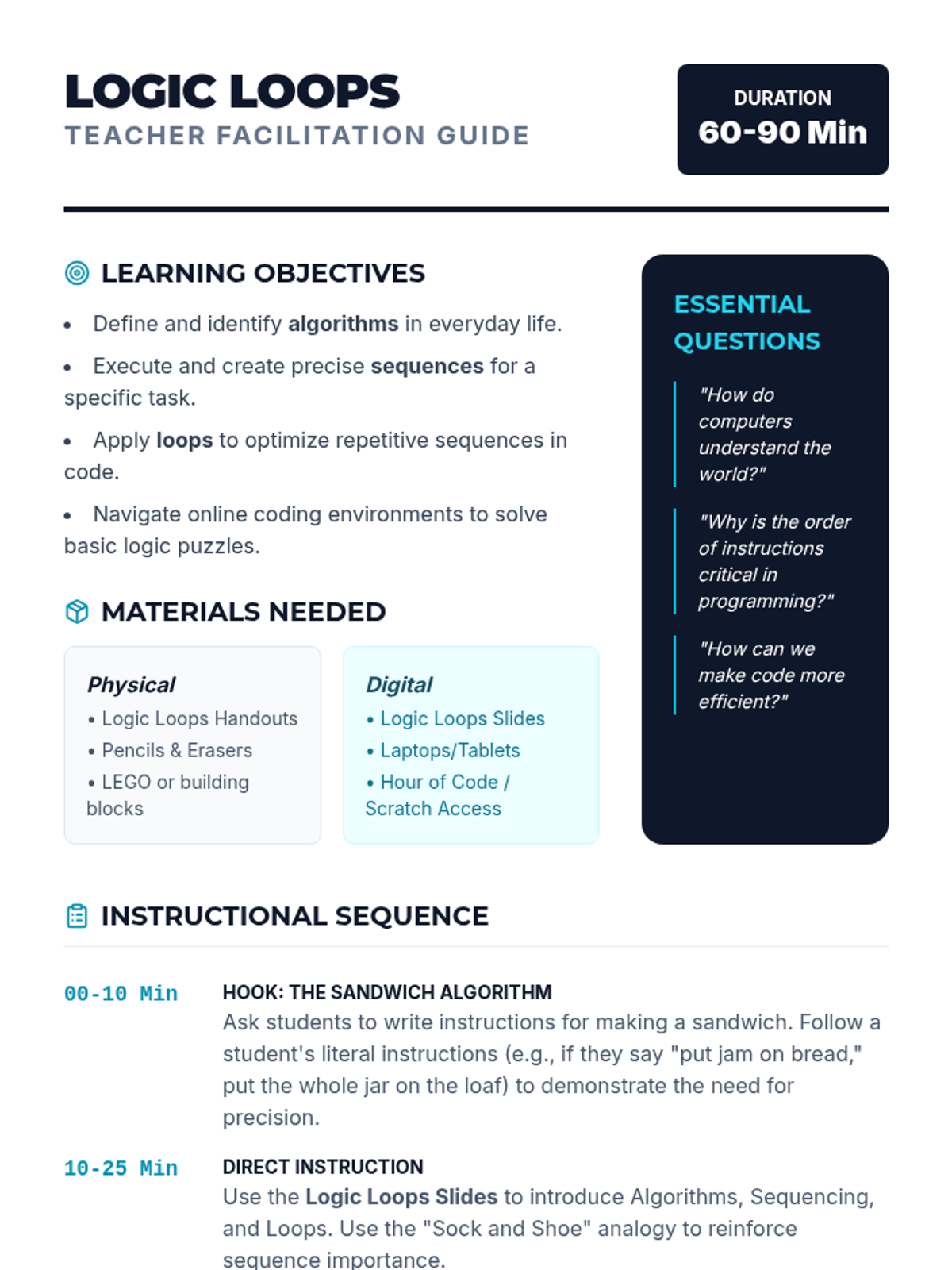
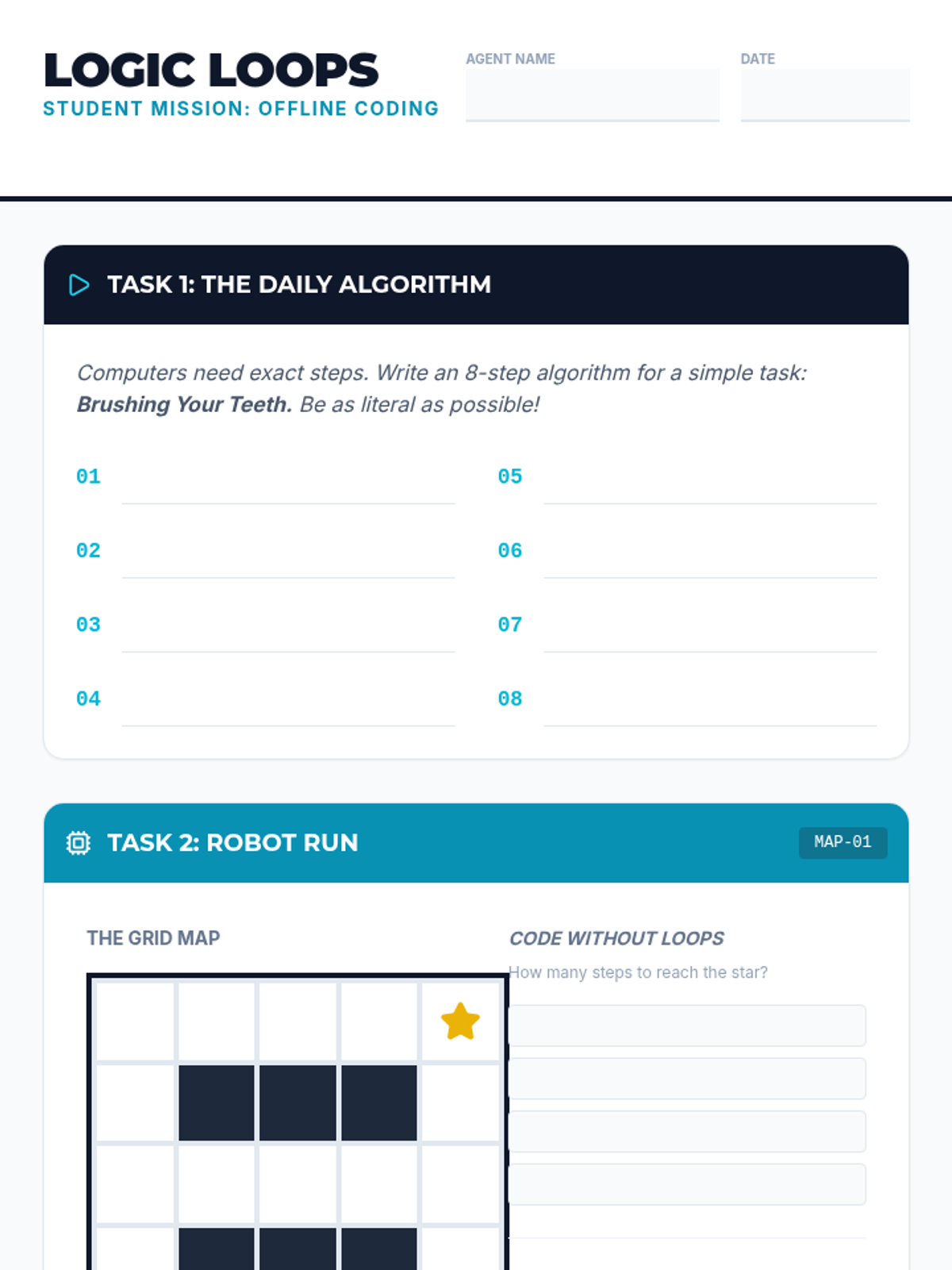
An introduction to computational thinking focusing on algorithms, sequencing, and loops. Students engage with online coding platforms and offline logic puzzles to master the basics of programming.
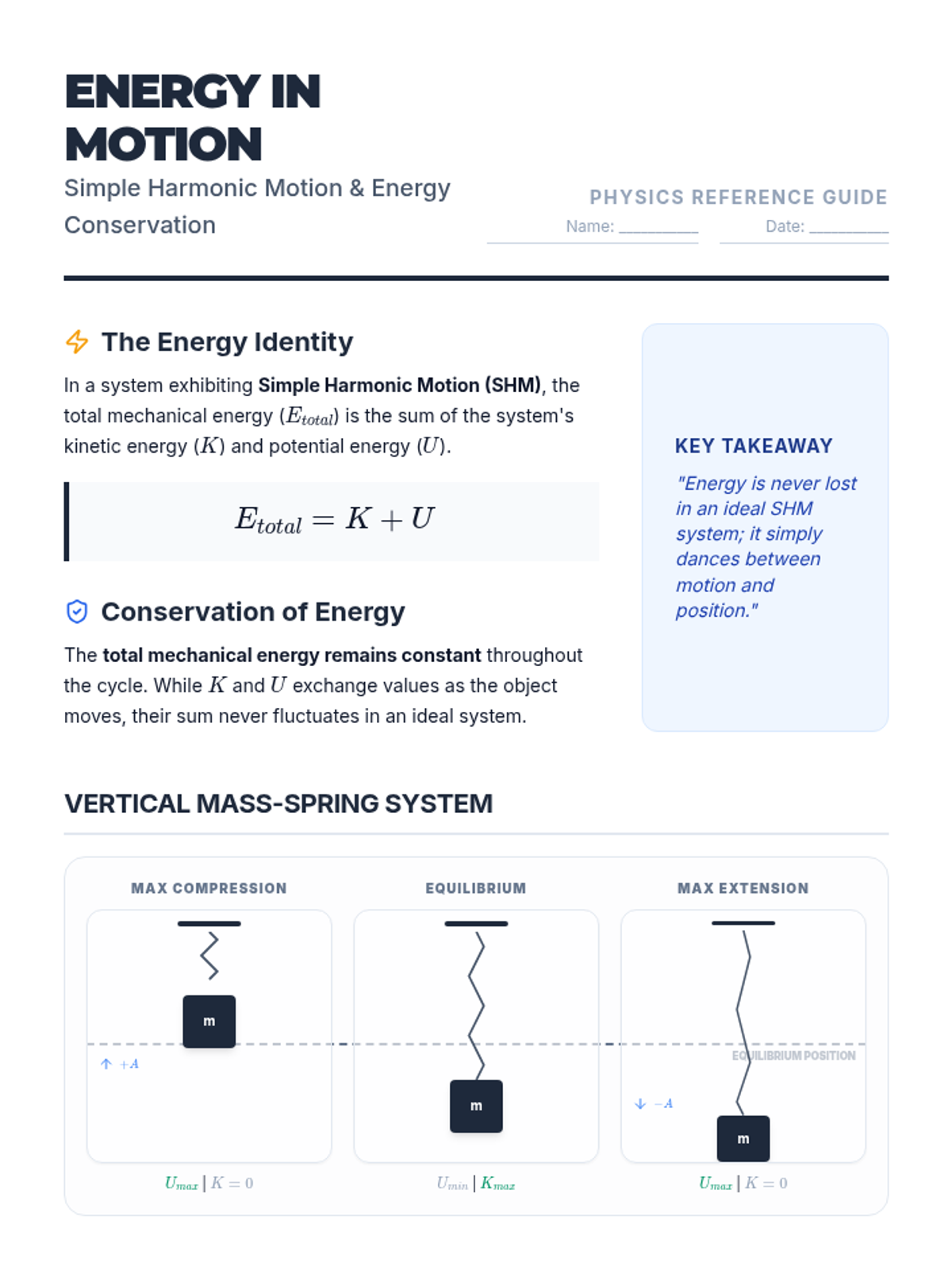
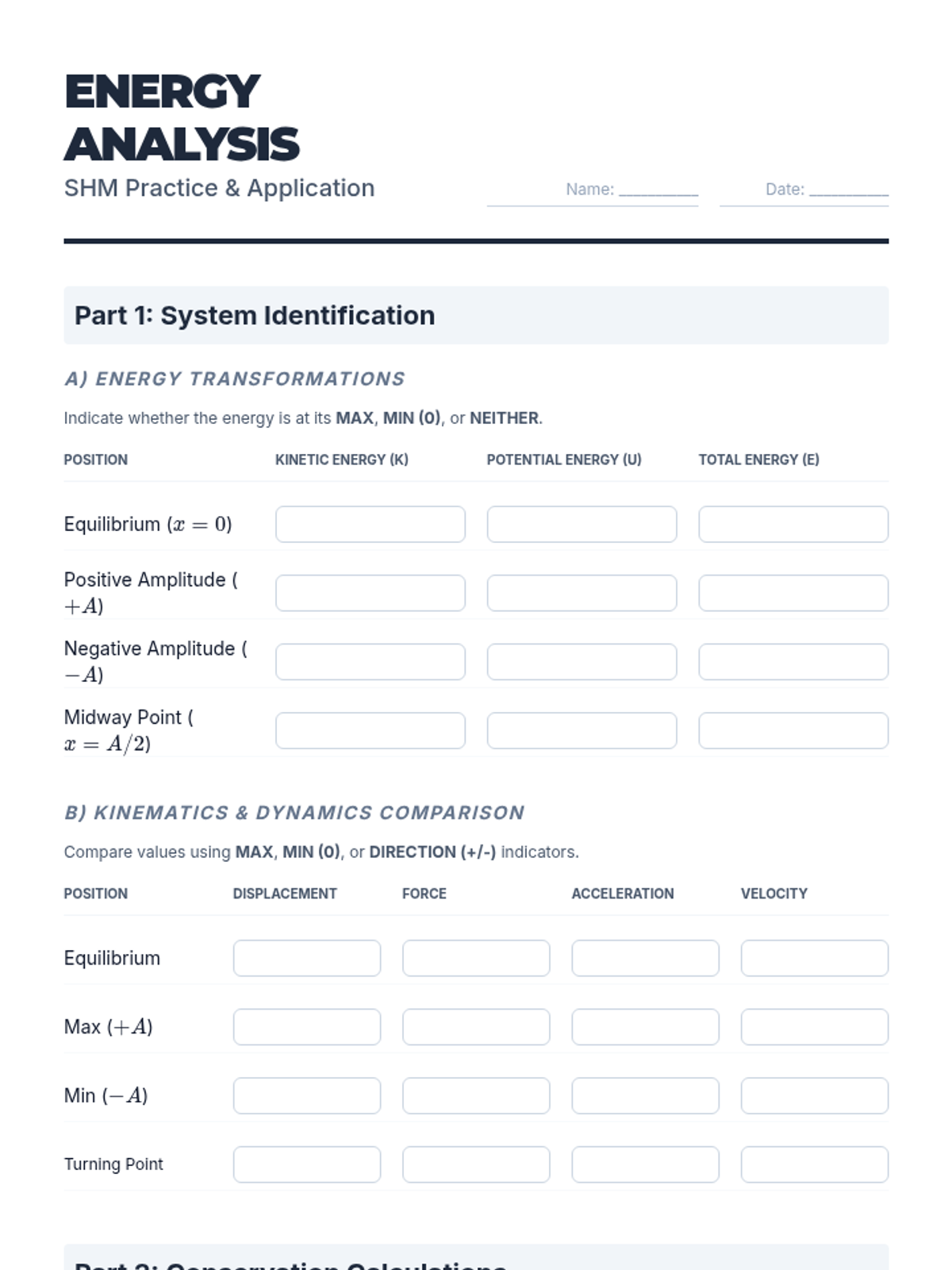
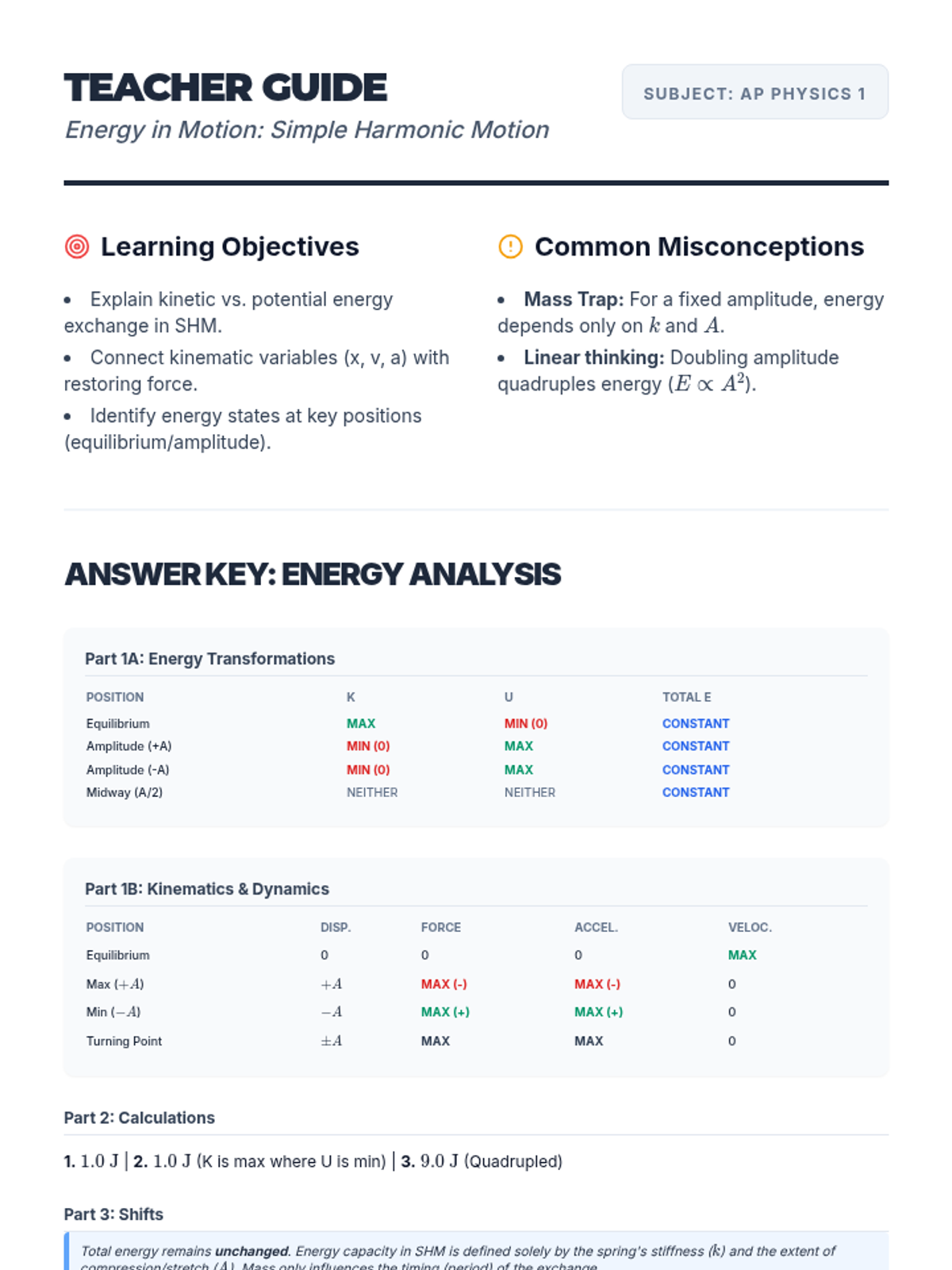
Students will learn to track energy transformations in simple harmonic motion, understanding how kinetic and potential energy exchange while maintaining a constant total energy.
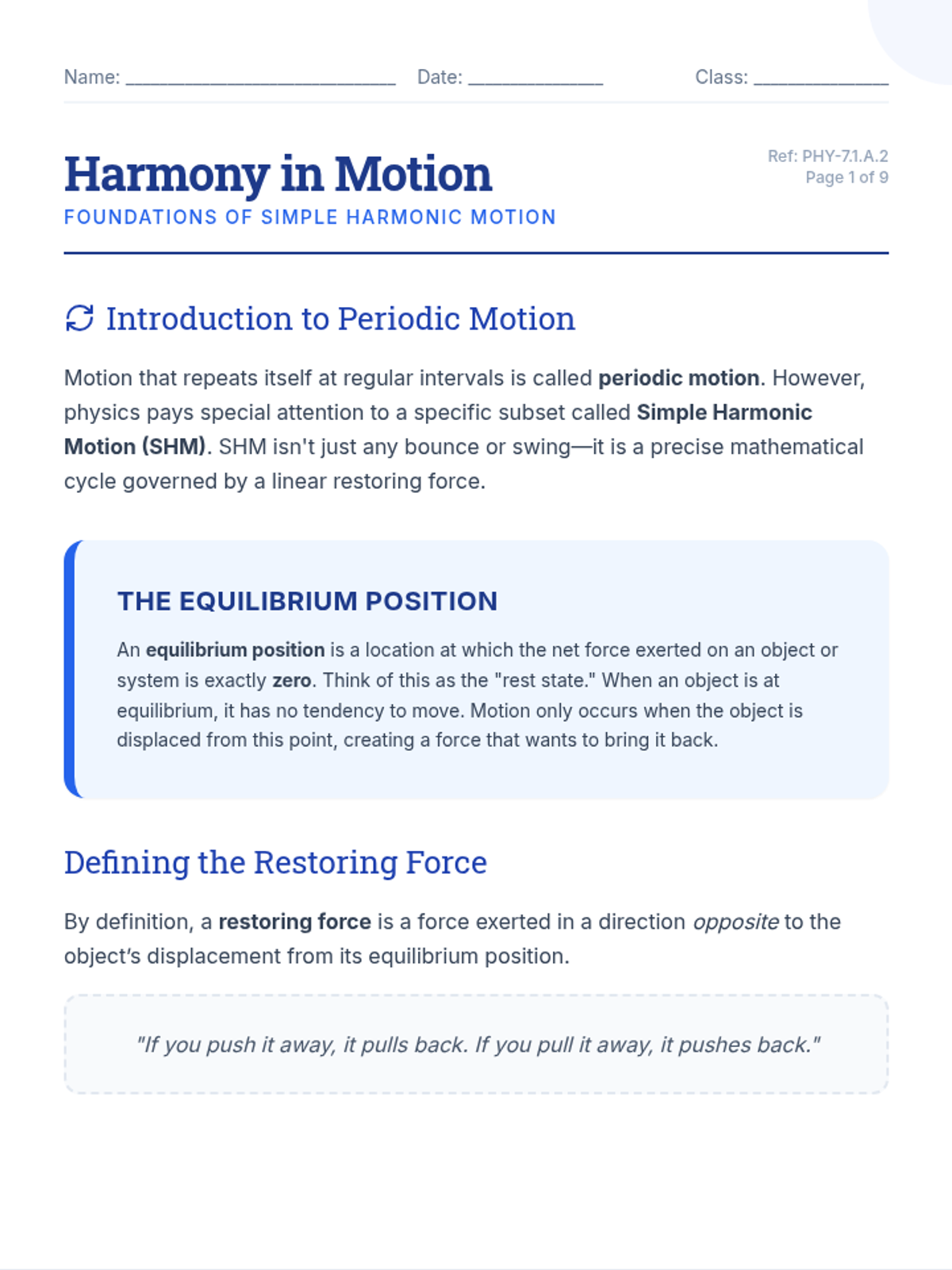
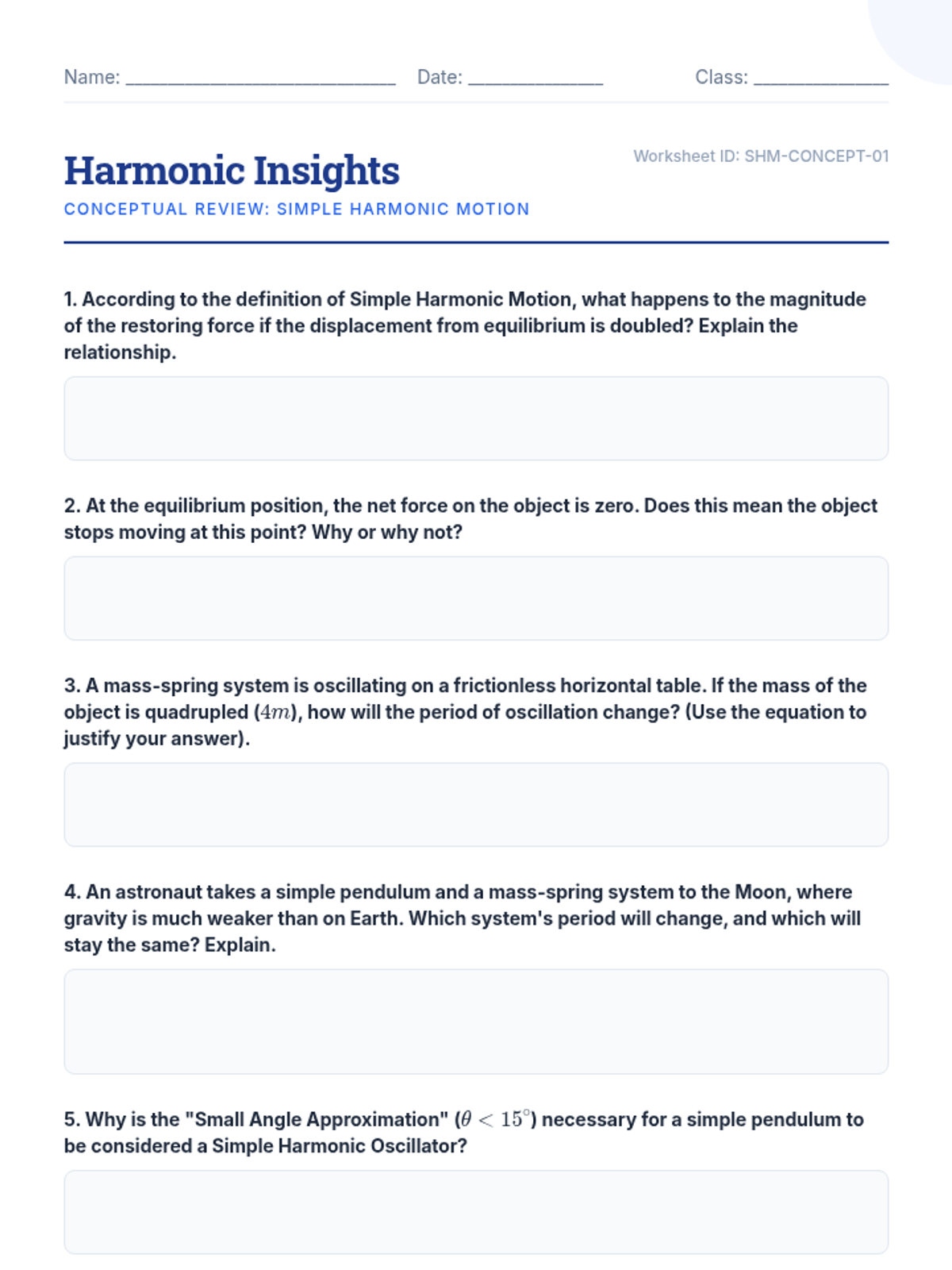
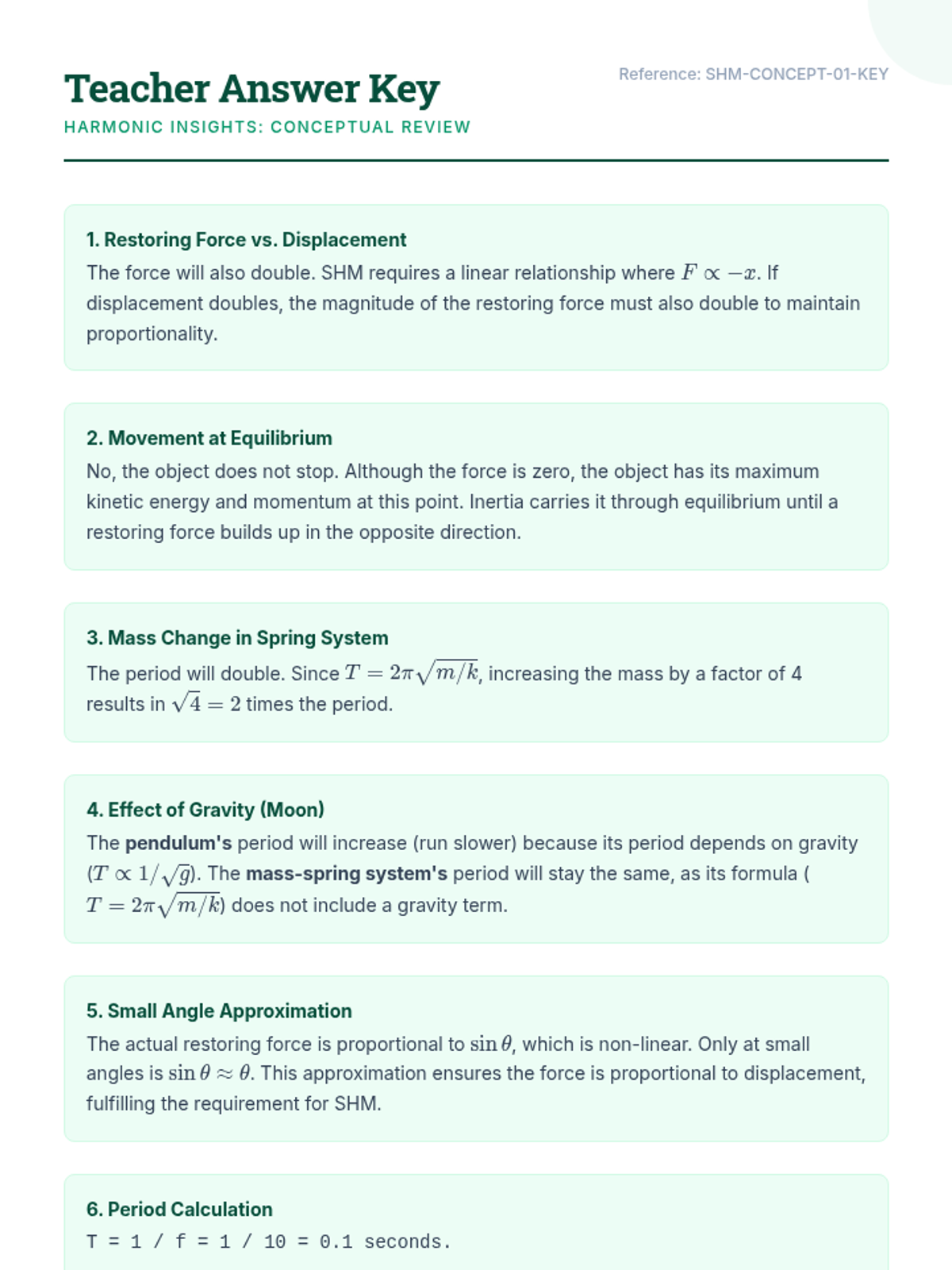
A comprehensive look at simple harmonic motion, focusing on the relationship between restoring forces and displacement, Hooke's law, and real-world oscillatory systems.
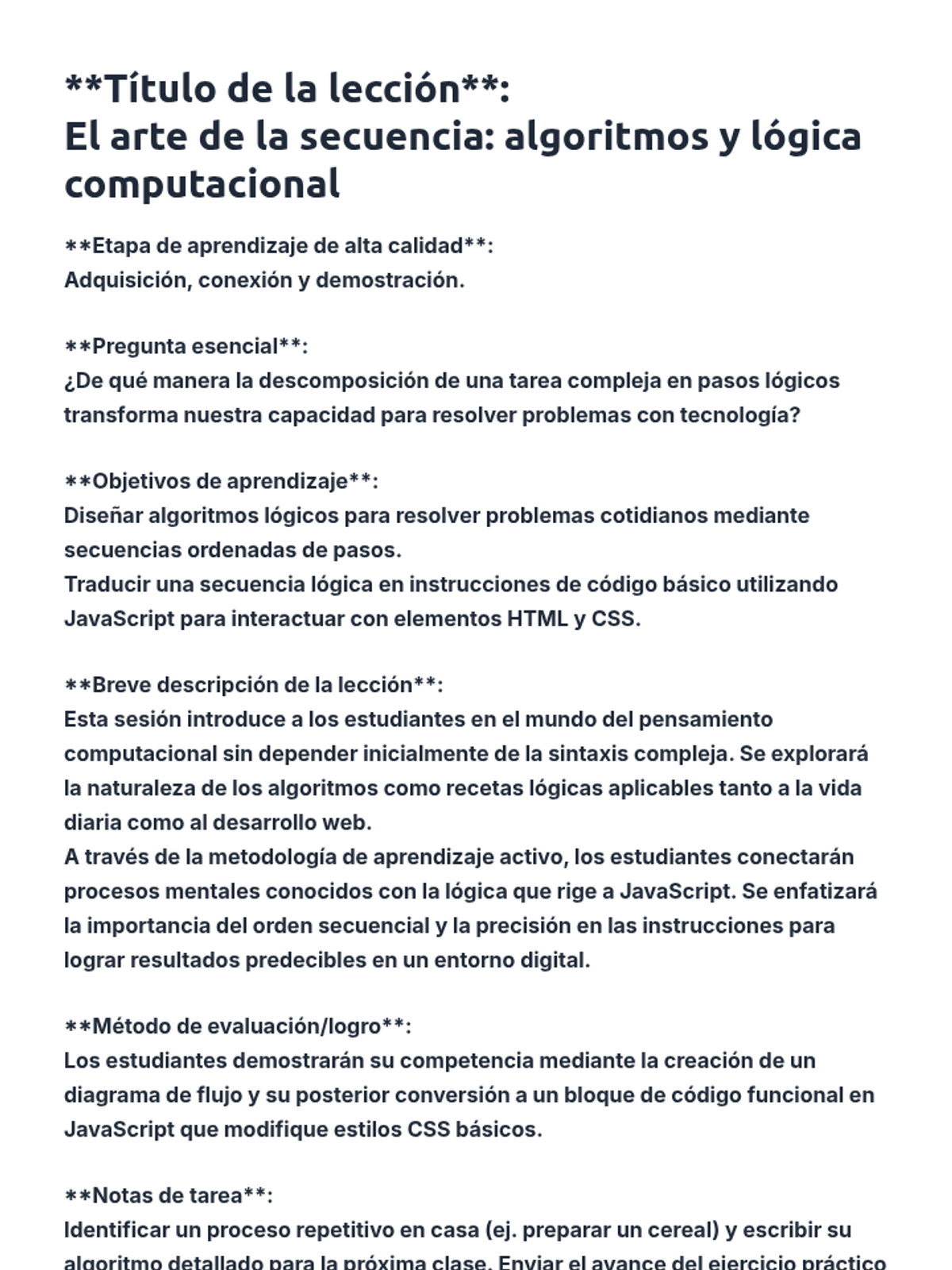
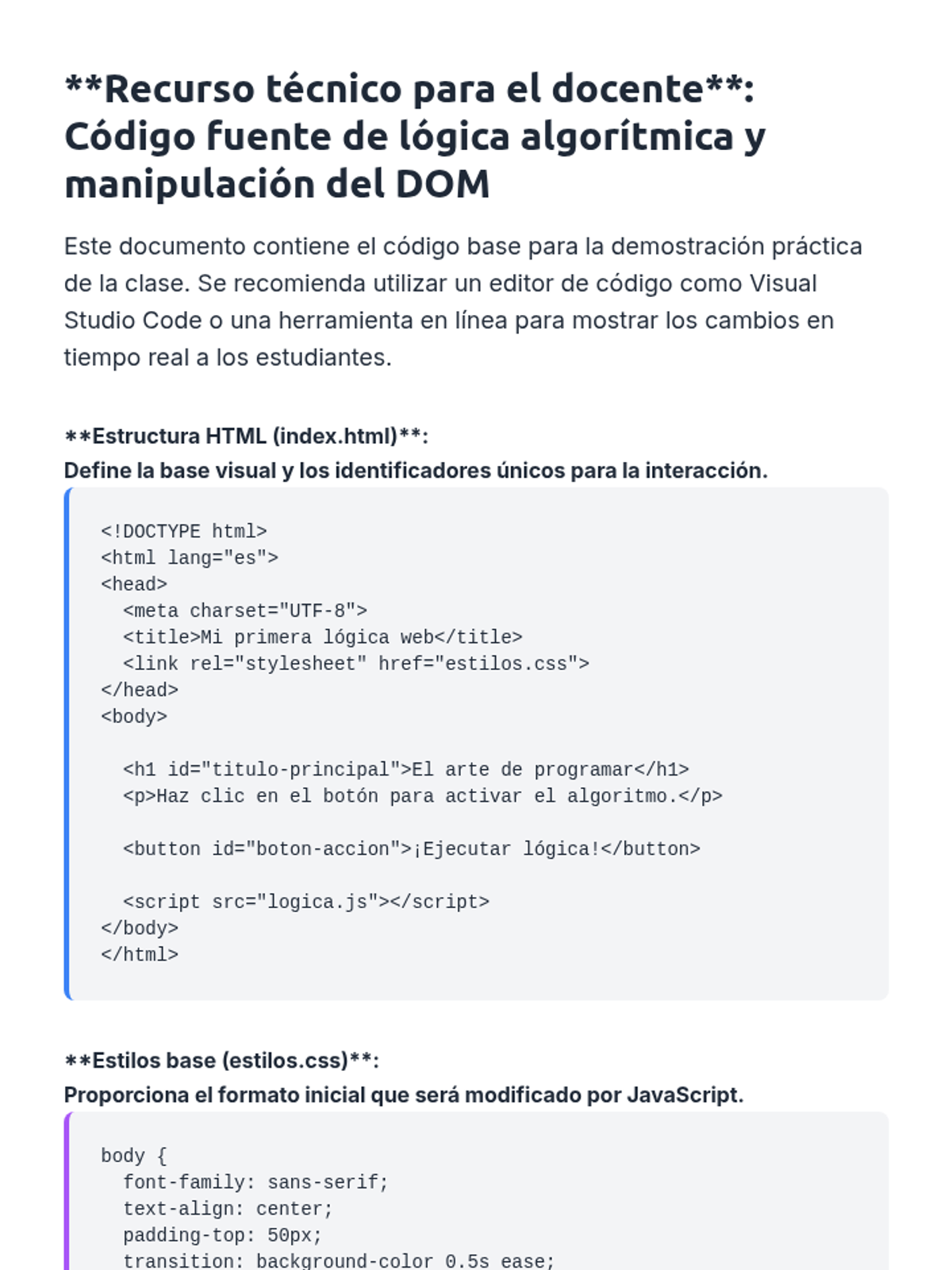
Plan de lección y recursos para la introducción a la lógica de programación y diseño de algoritmos para estudiantes de 7mo/8vo grado, utilizando JavaScript como herramienta principal.
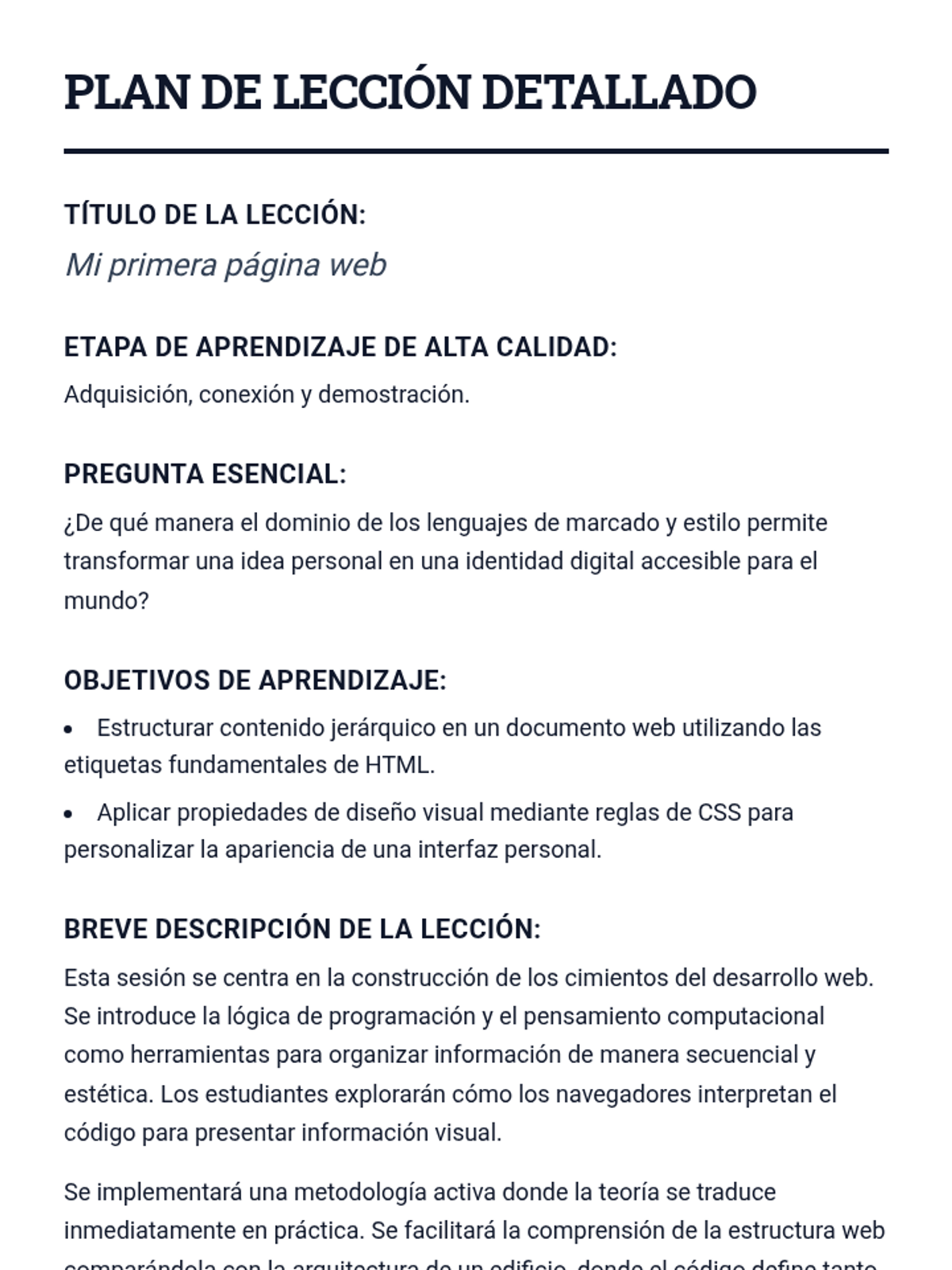
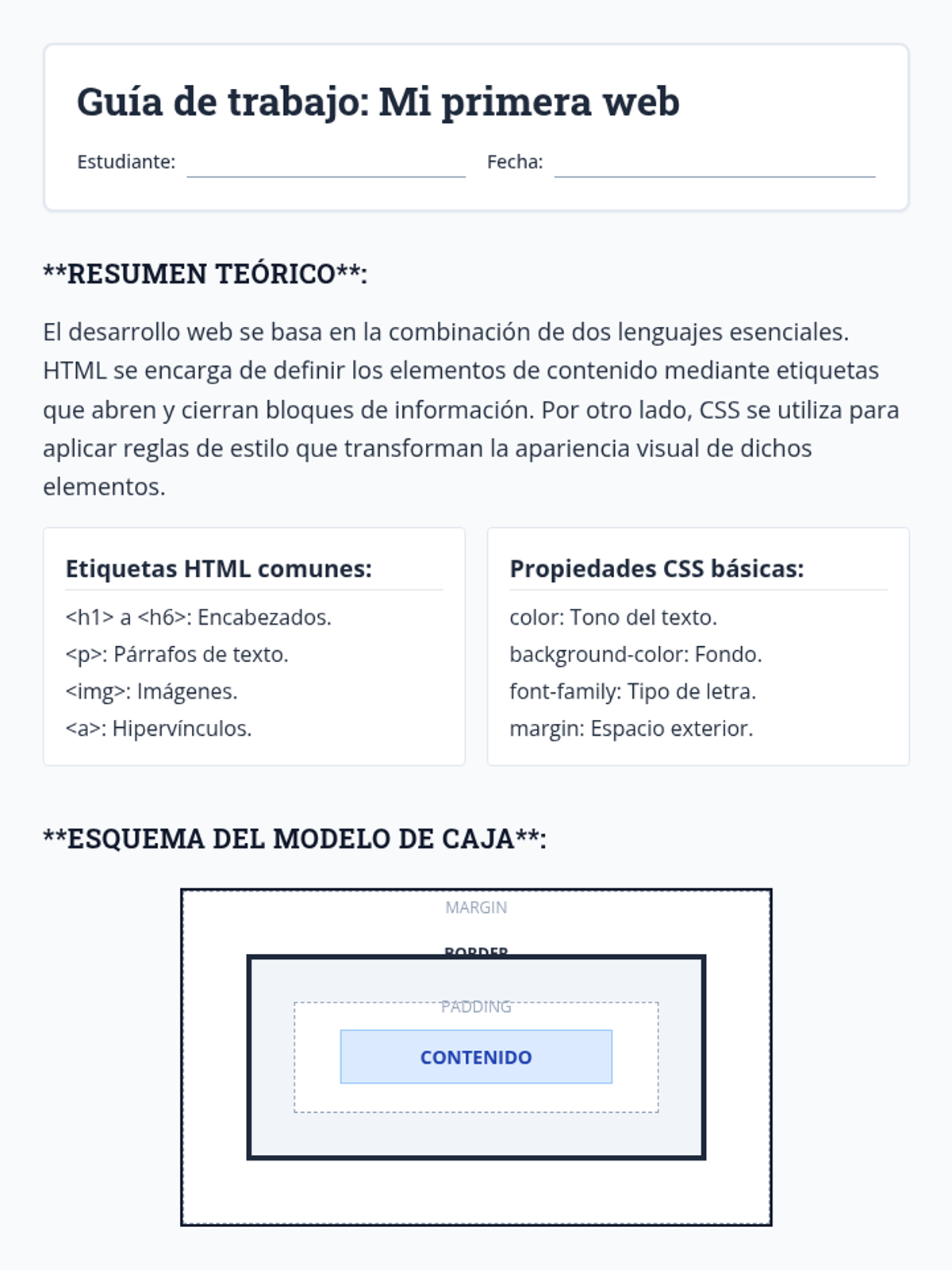
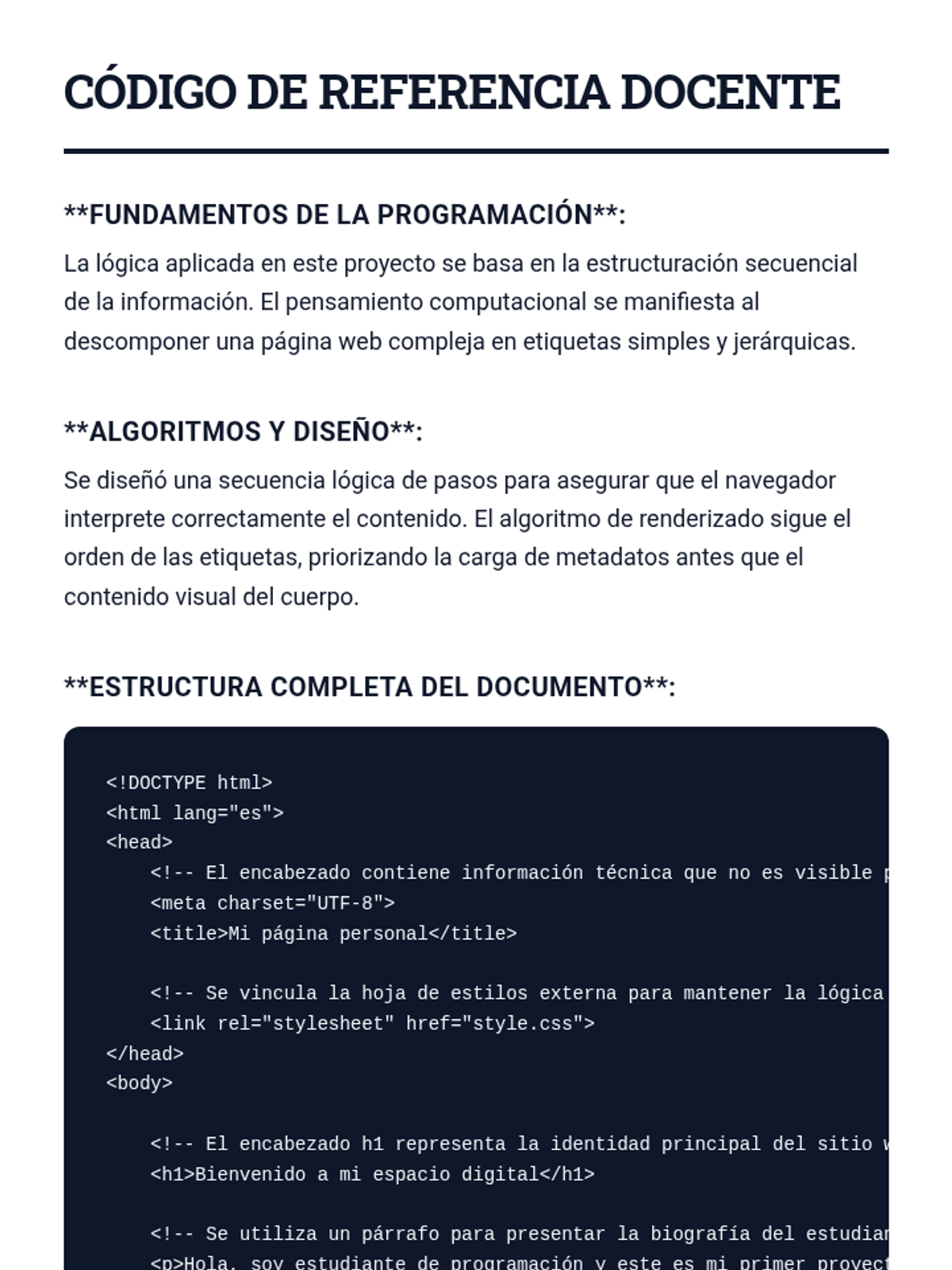
Lección introductoria sobre el uso de HTML y CSS para construir y diseñar una página web personal desde cero, integrando lógica y pensamiento computacional.
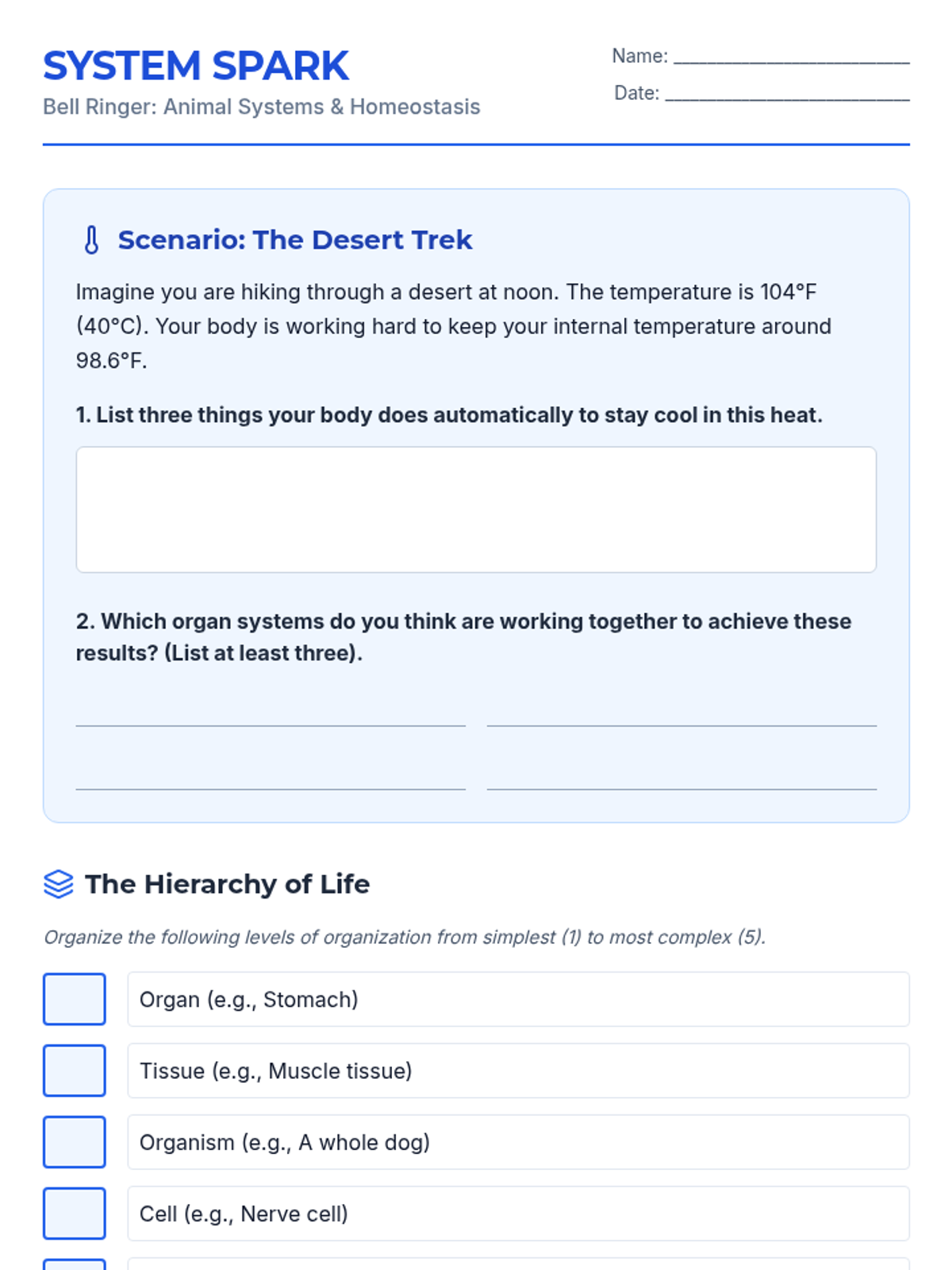
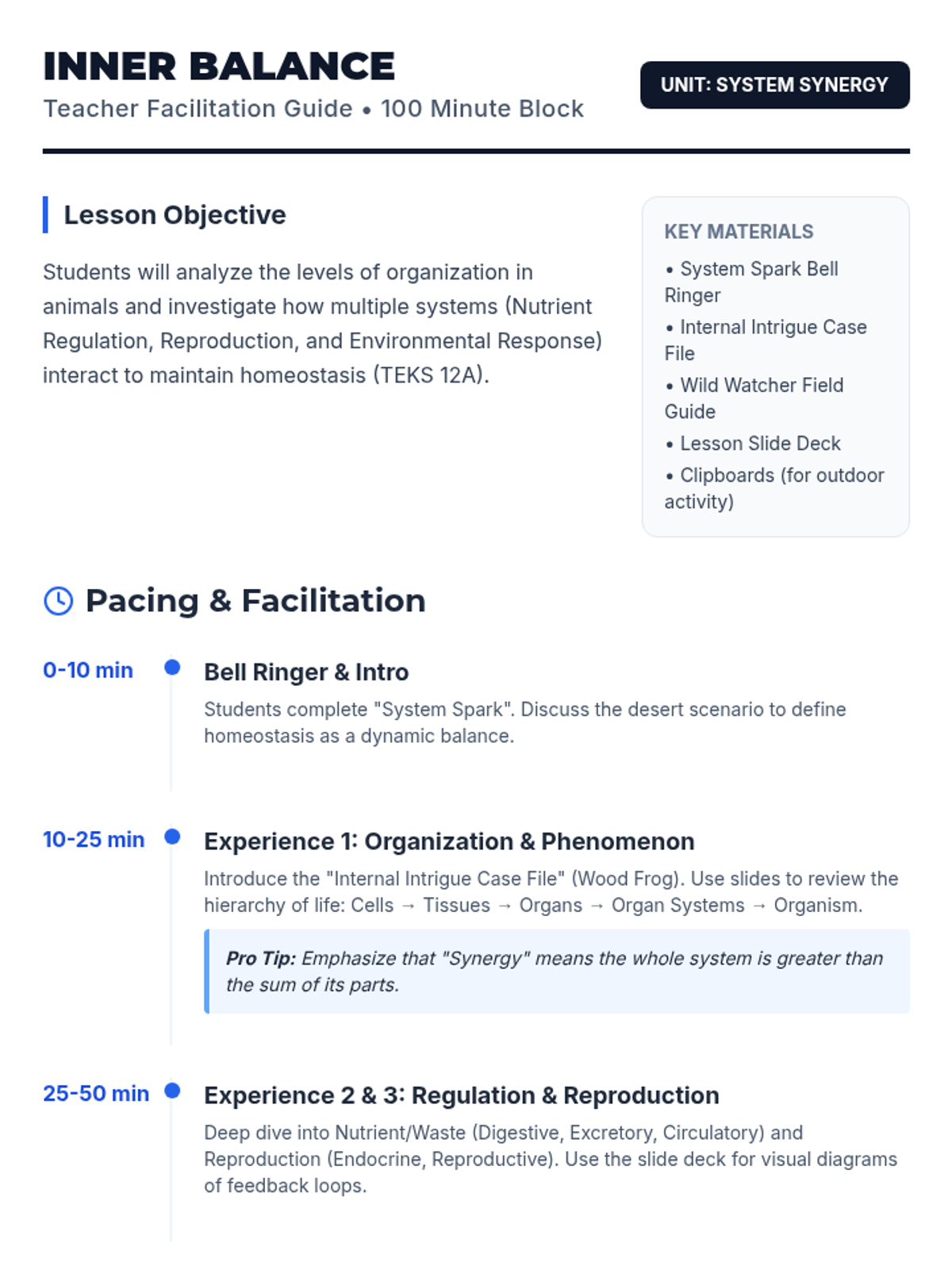
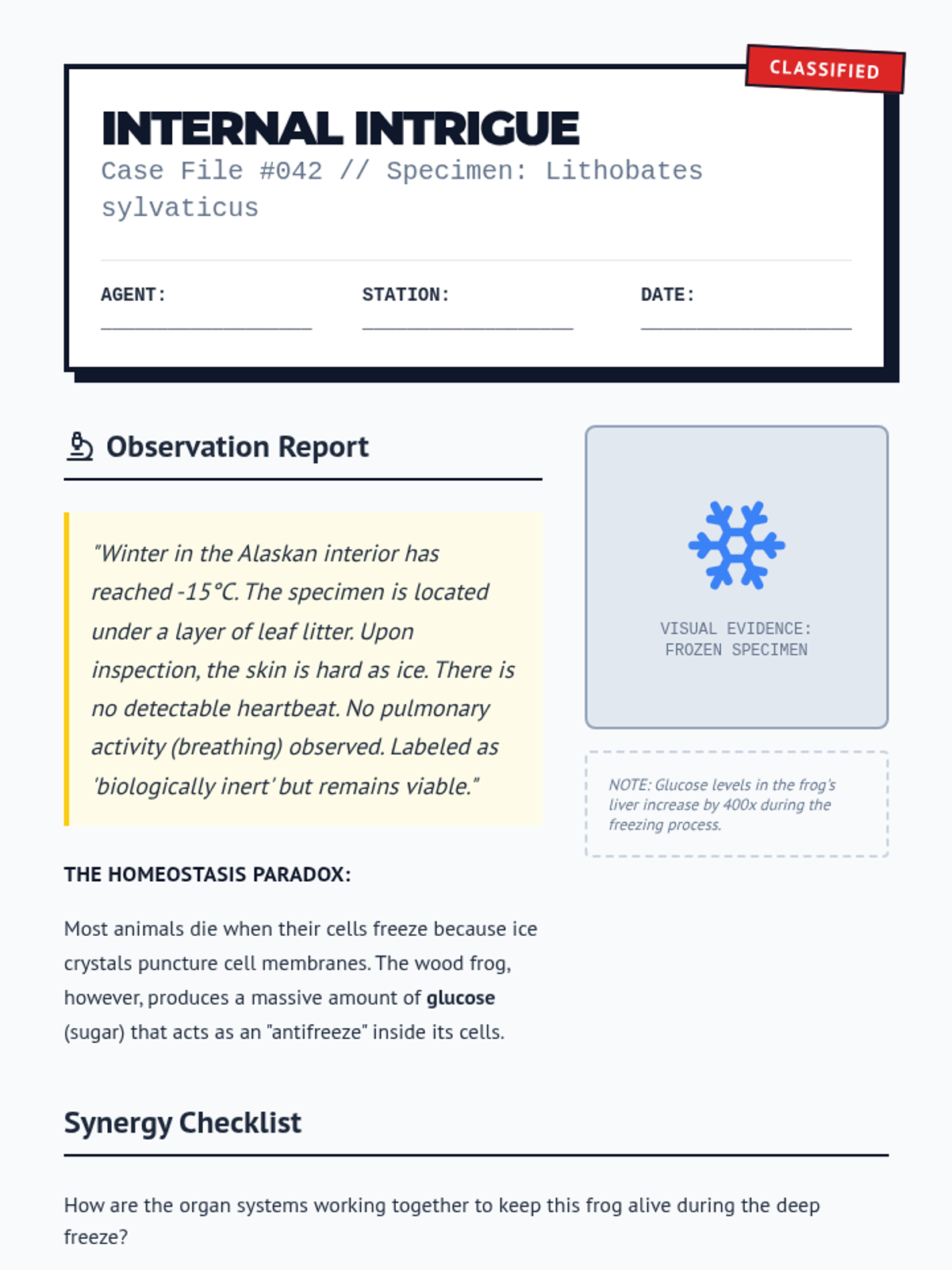
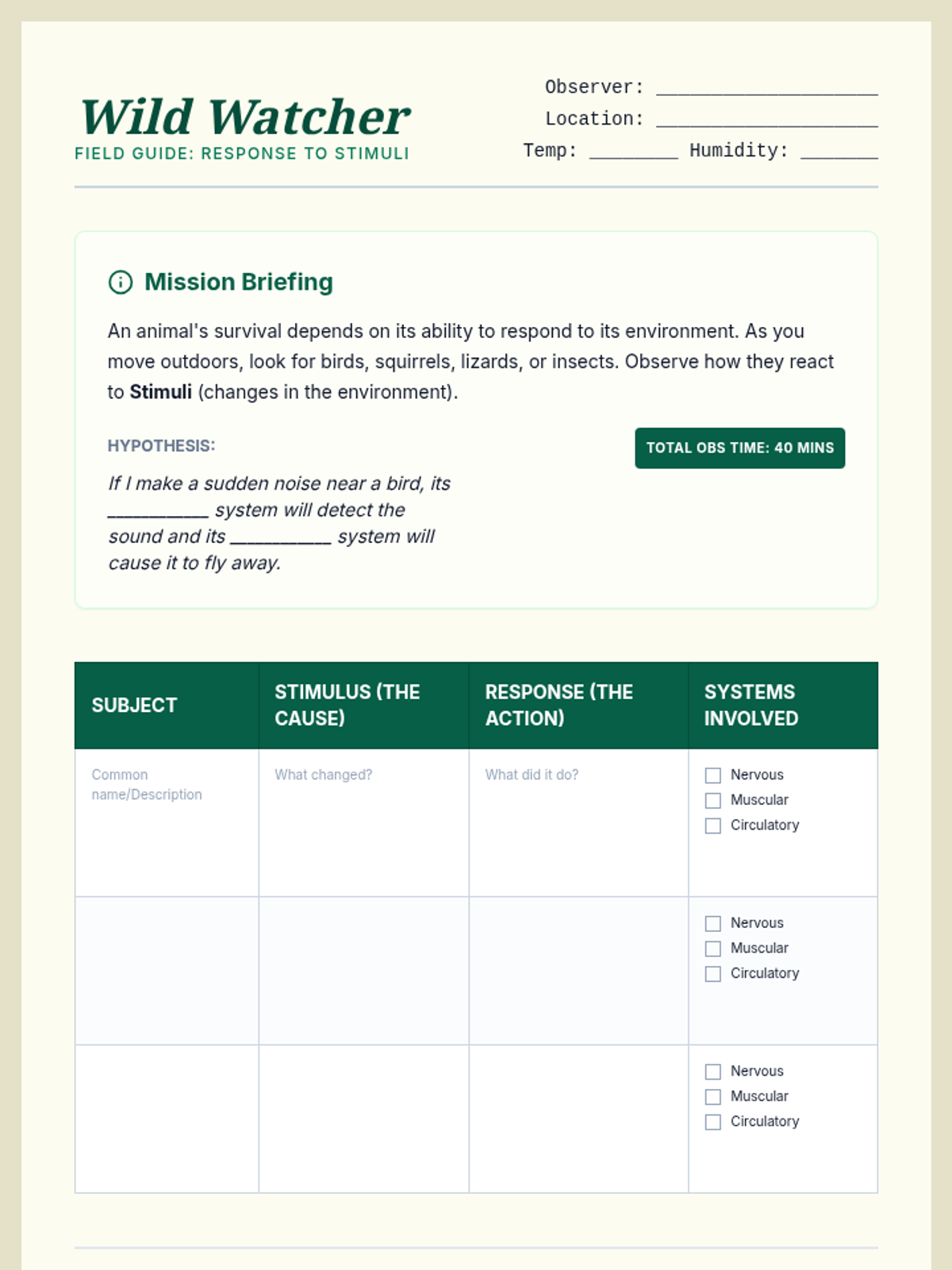
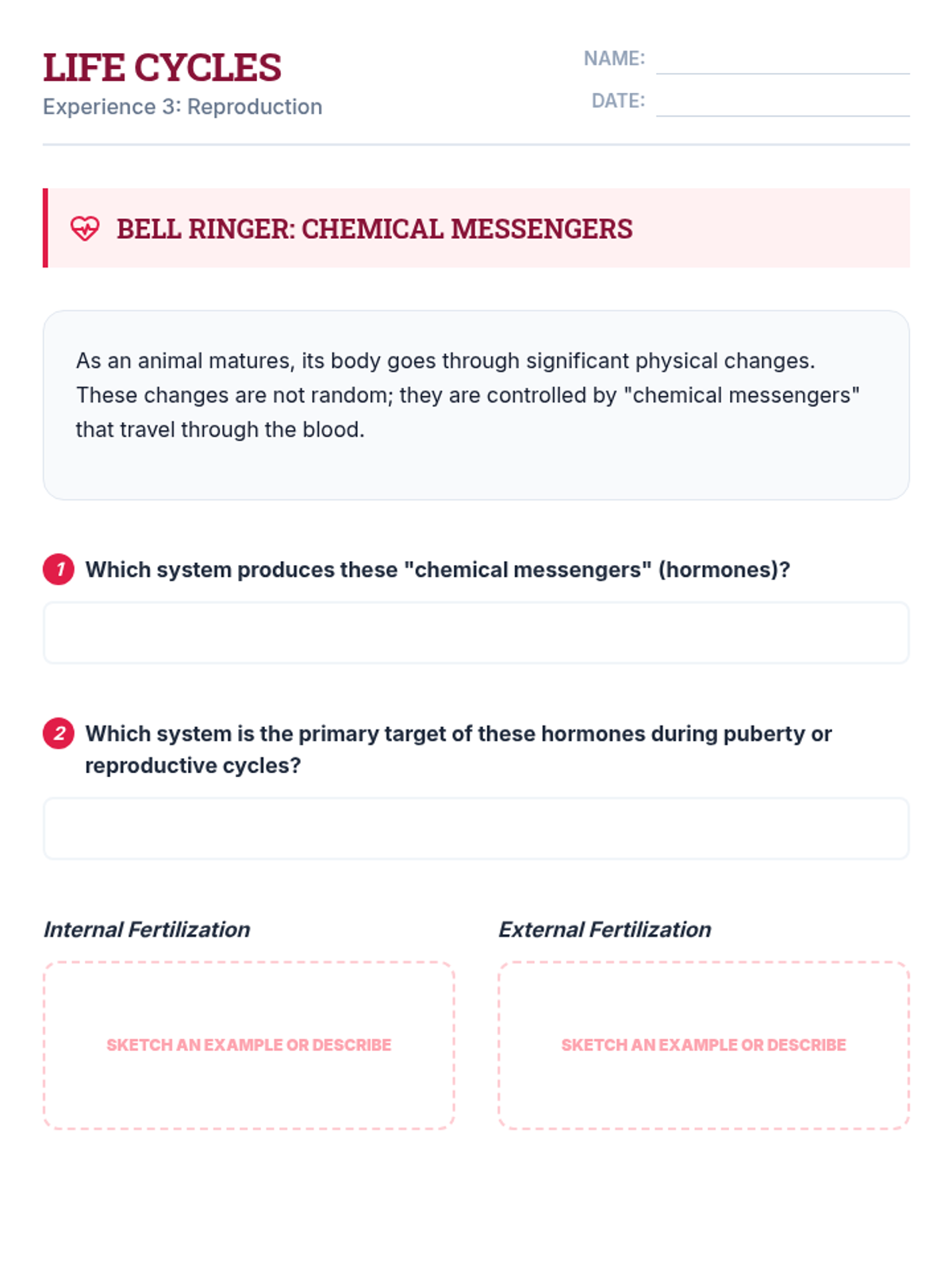
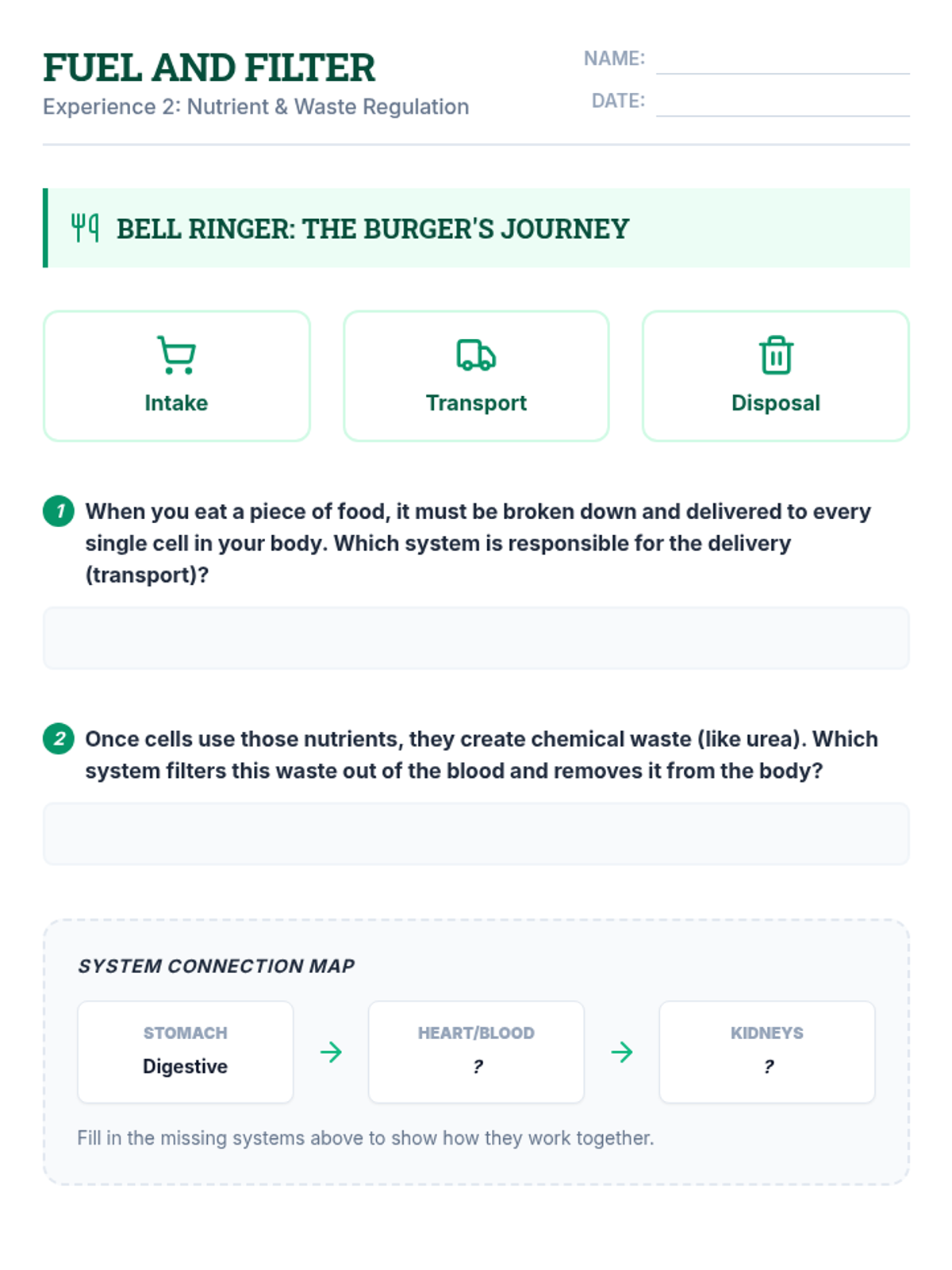
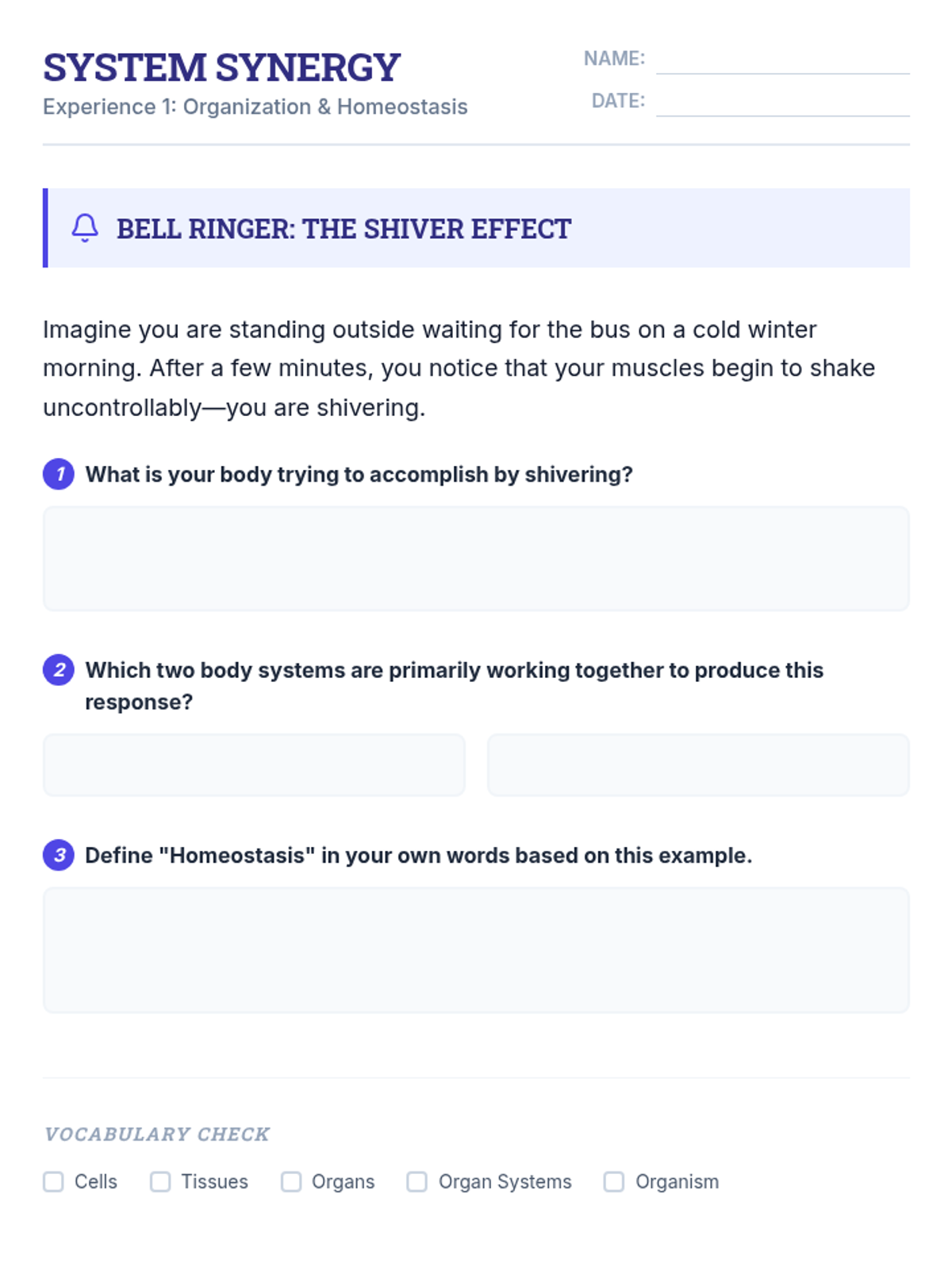
A 100-minute intensive lesson covering the four experiences of animal systems: organization, nutrient regulation, reproduction, and environmental response. Includes an outdoor observation activity to analyze animal behavior and responses in real-time.
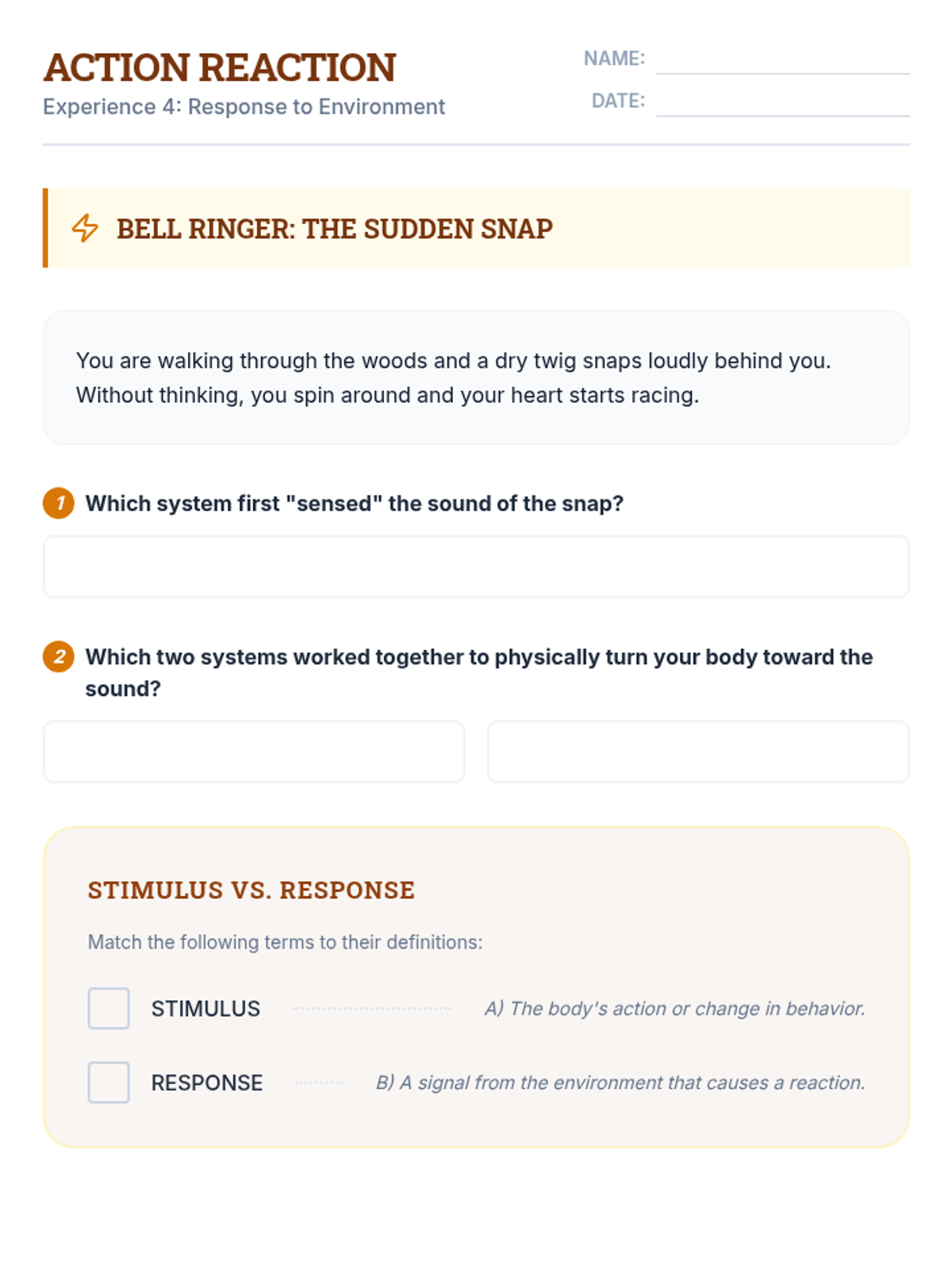
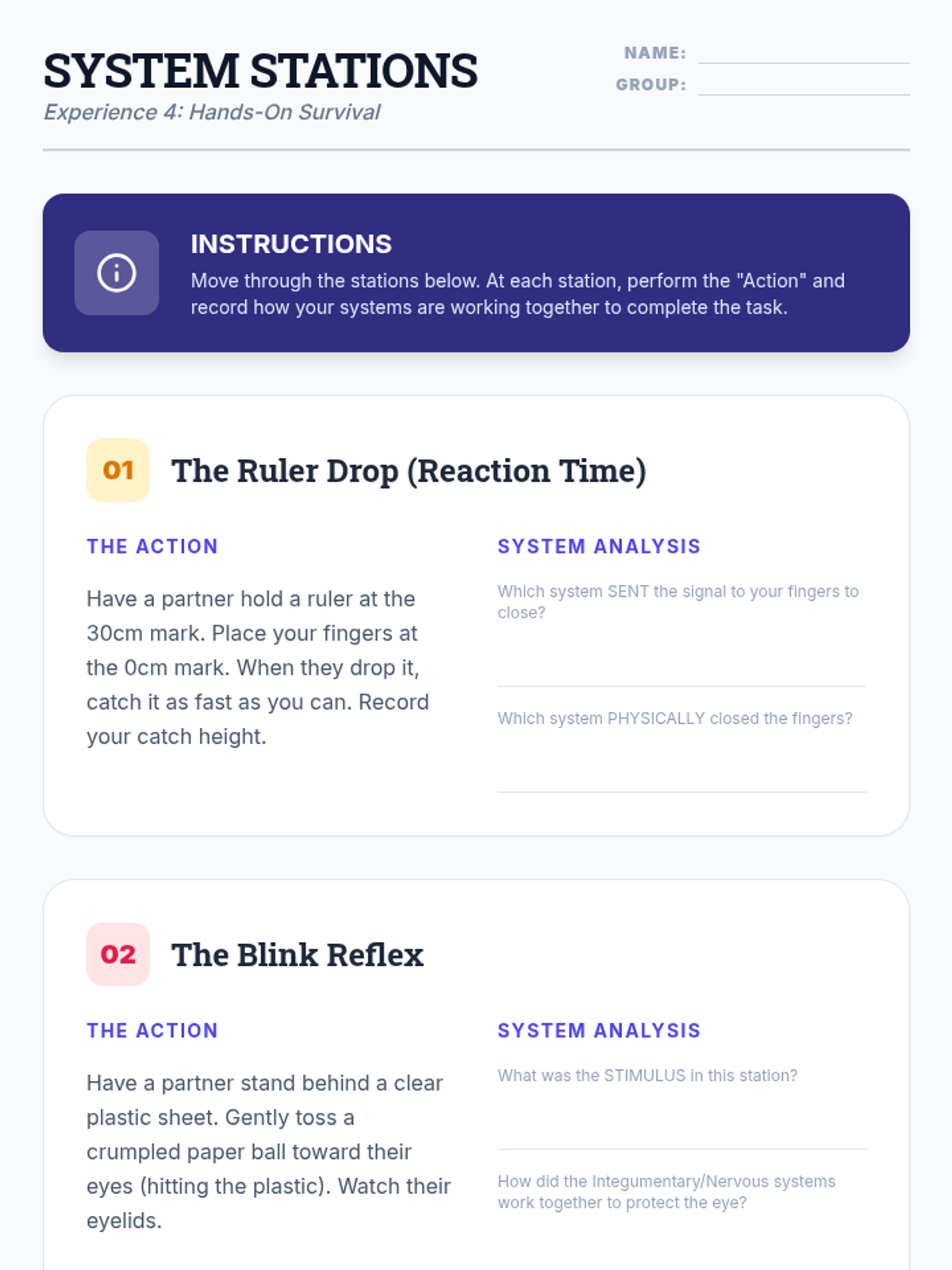
Analyze how the nervous, muscular, and integumentary systems work together to detect and react to external changes.
Investigate the reproductive and endocrine systems and how they ensure the continuation of animal species.
Examine the collaborative roles of the digestive, circulatory, and excretory systems in managing energy intake and waste removal.
Explore the levels of biological organization and the feedback mechanisms that allow animals to maintain a stable internal environment.
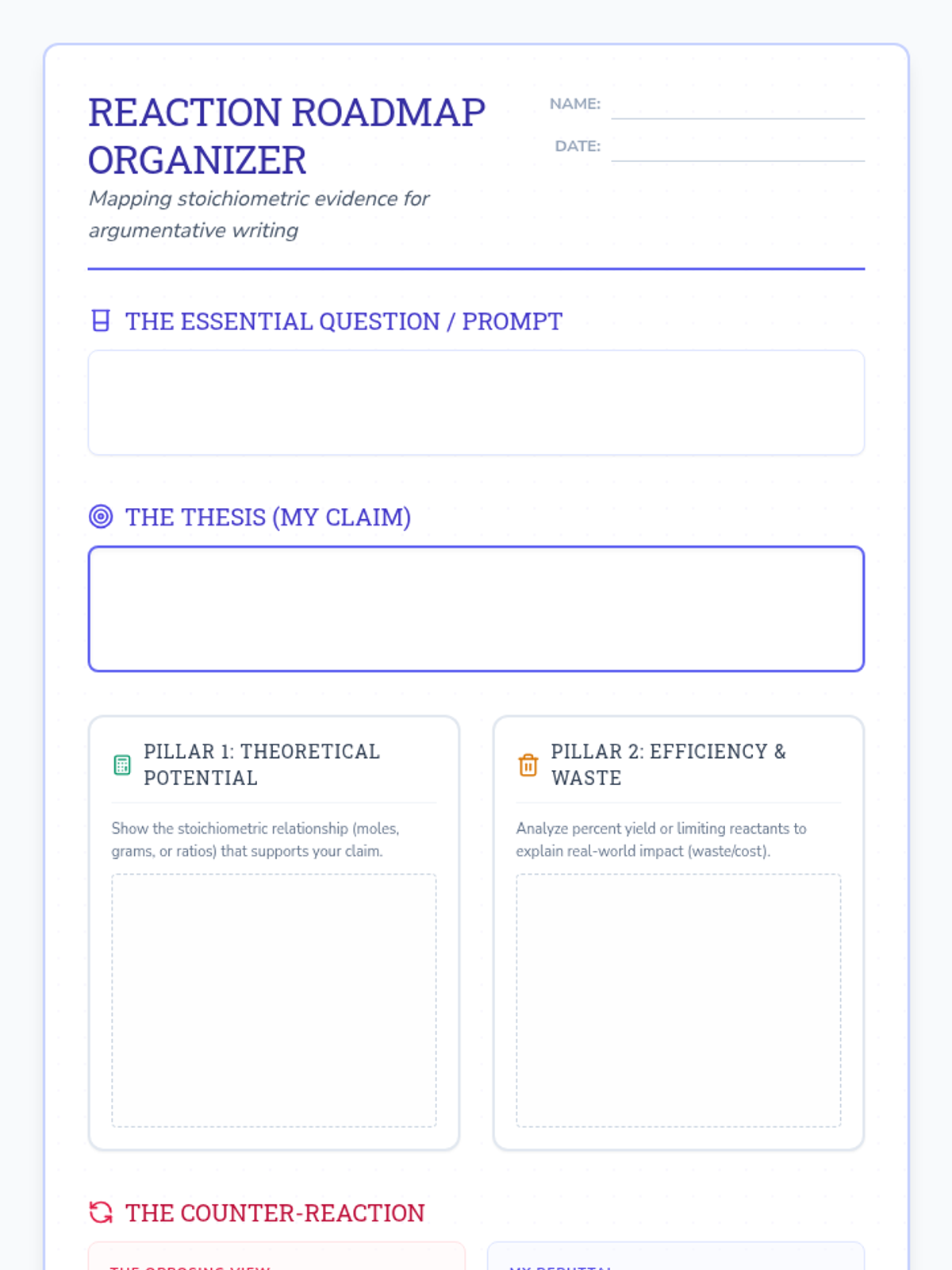
A lesson exploring the intersection of stoichiometry and ethics, where students use chemical calculations to argue for or against specific industrial processes or environmental policies.
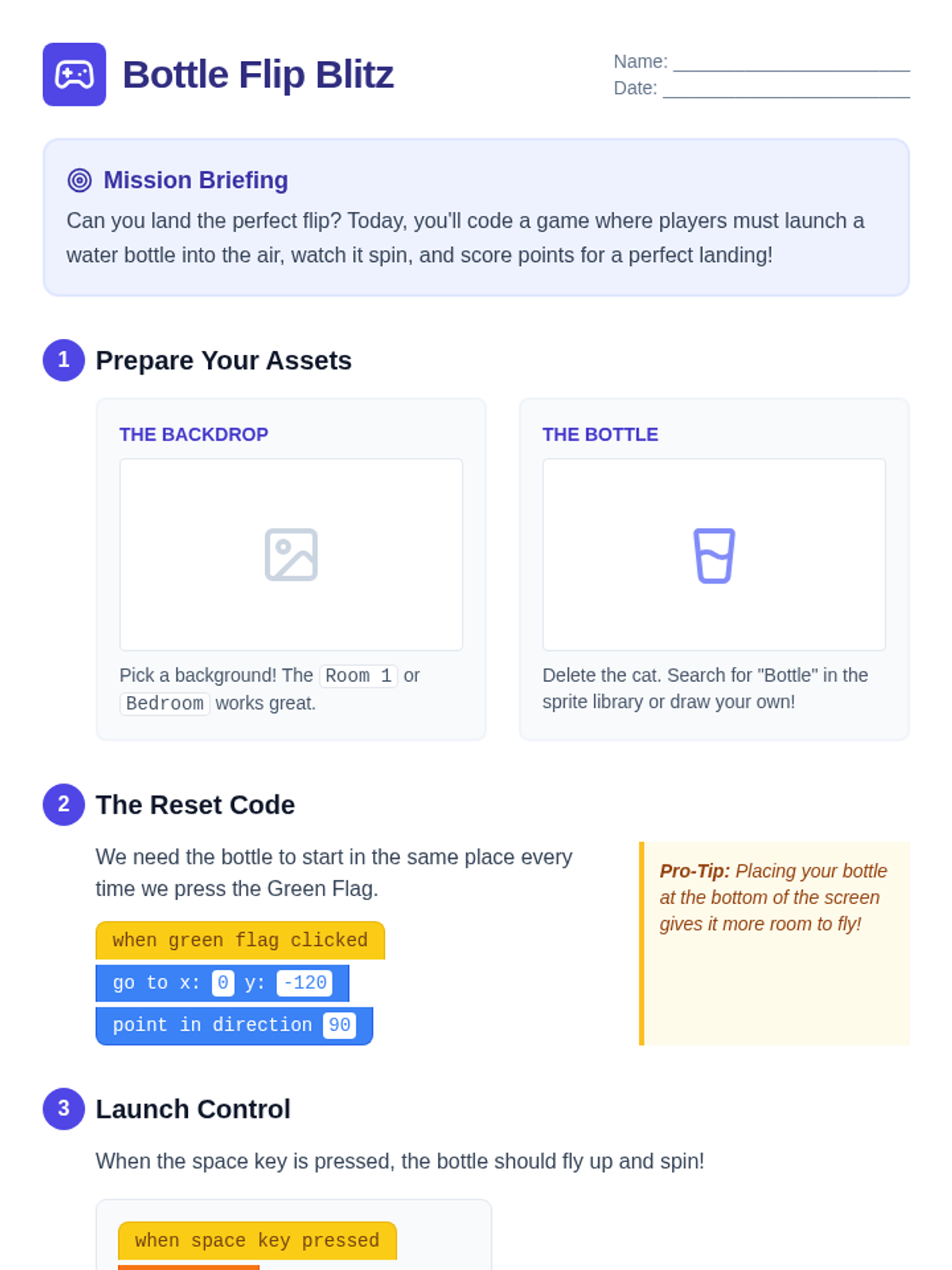
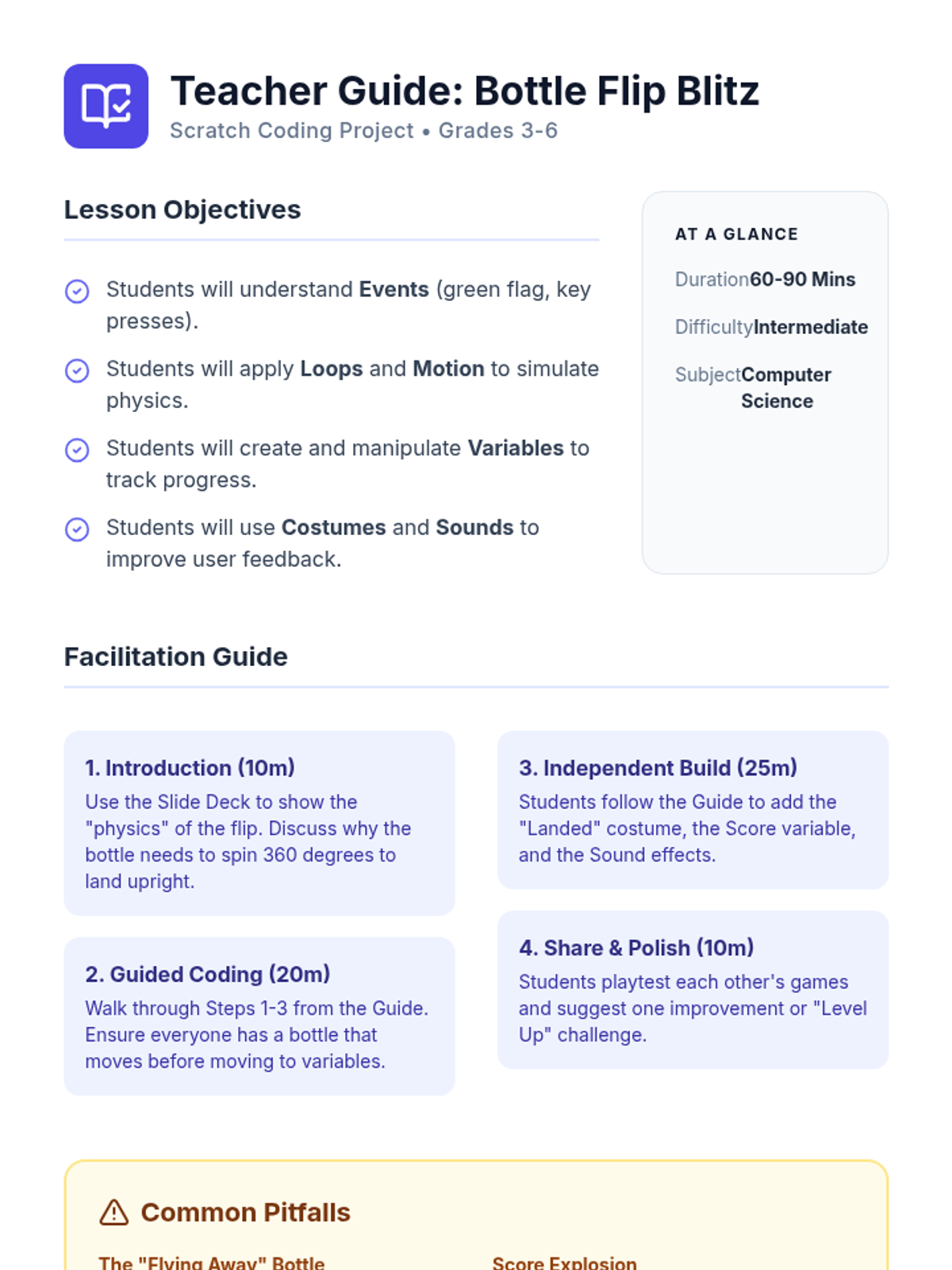
A step-by-step Scratch coding project where students build a physics-based bottle flip game. This lesson covers events, motion, loops, and variables through an engaging arcade-style project.
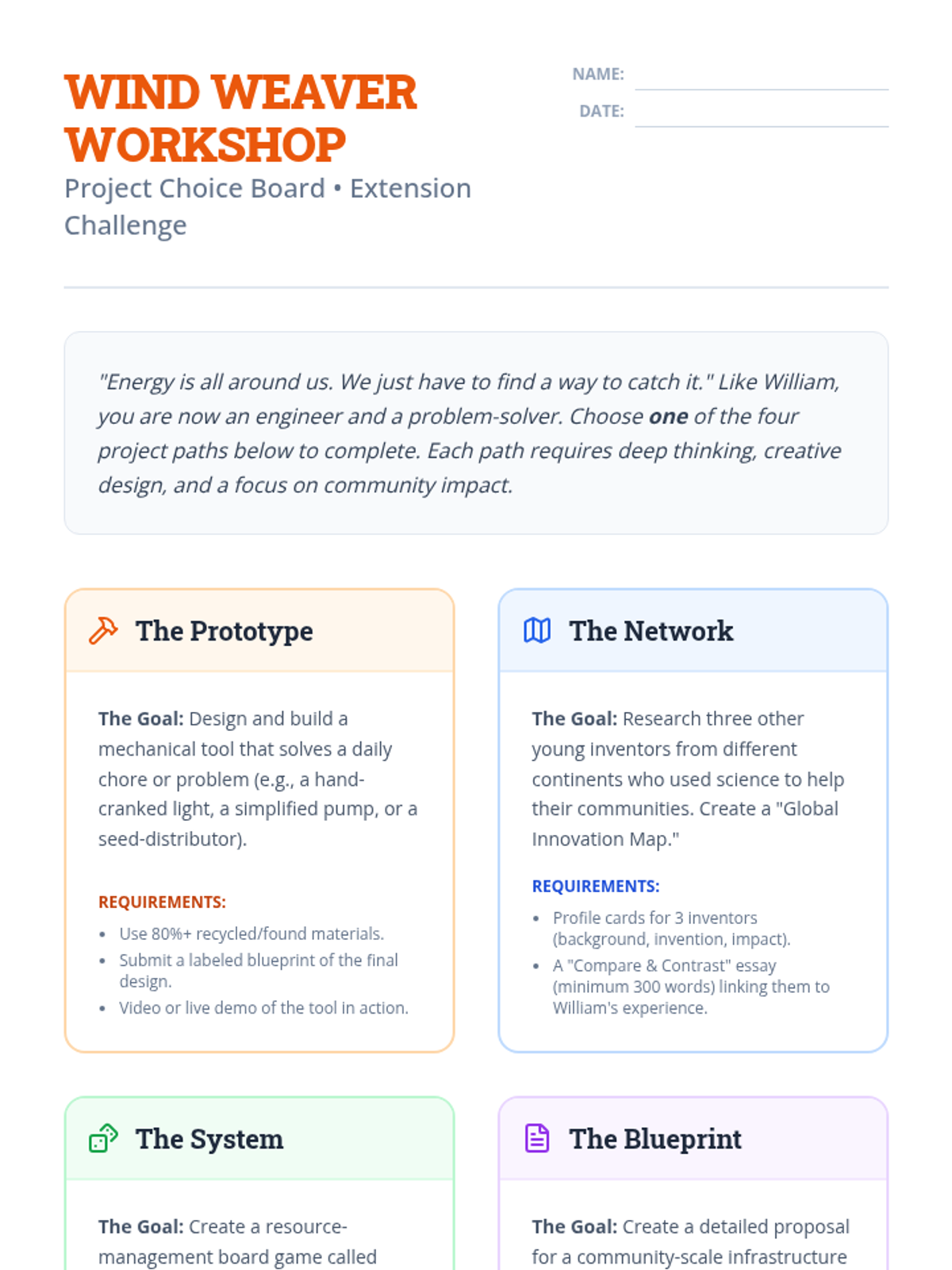
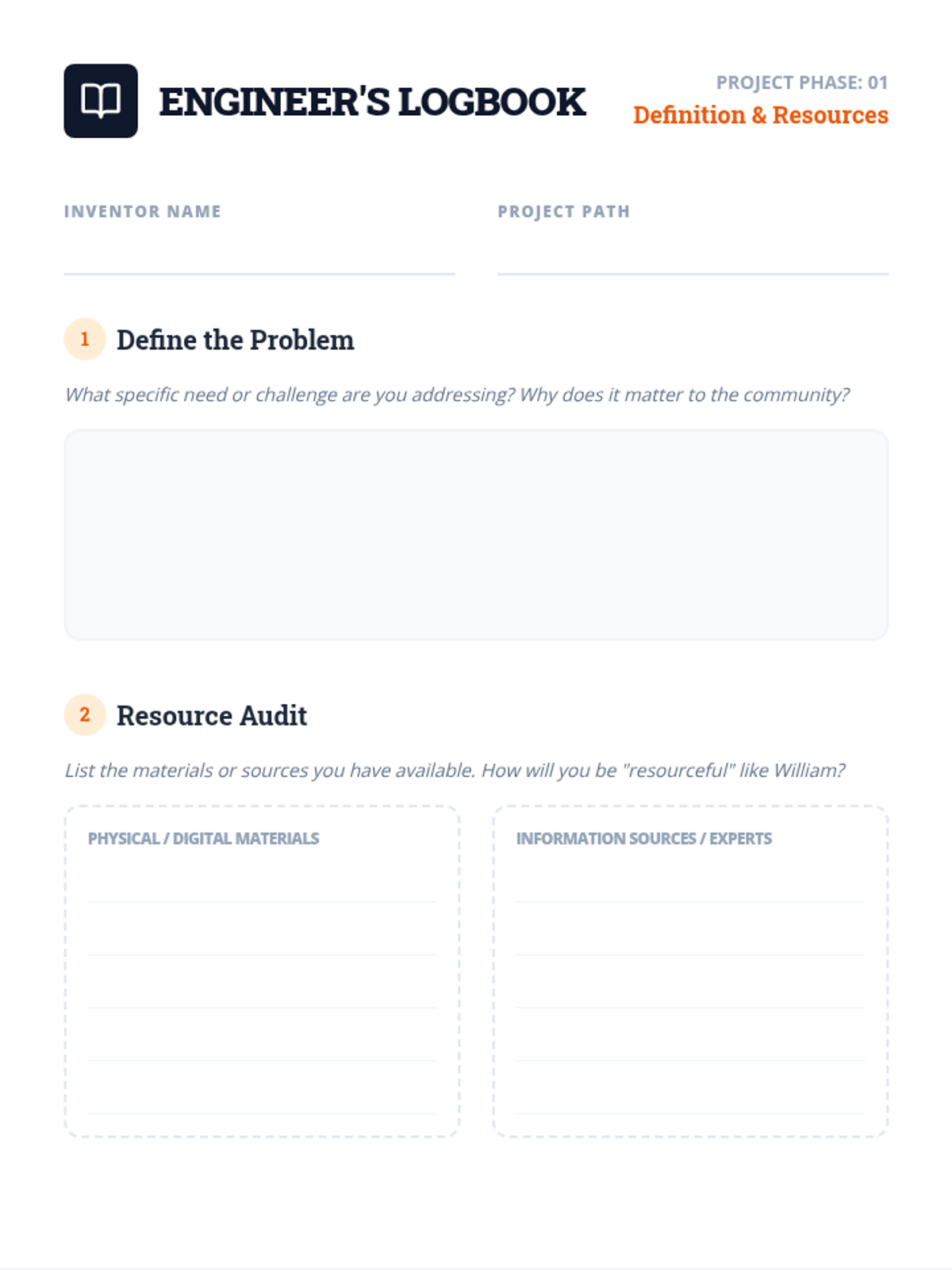
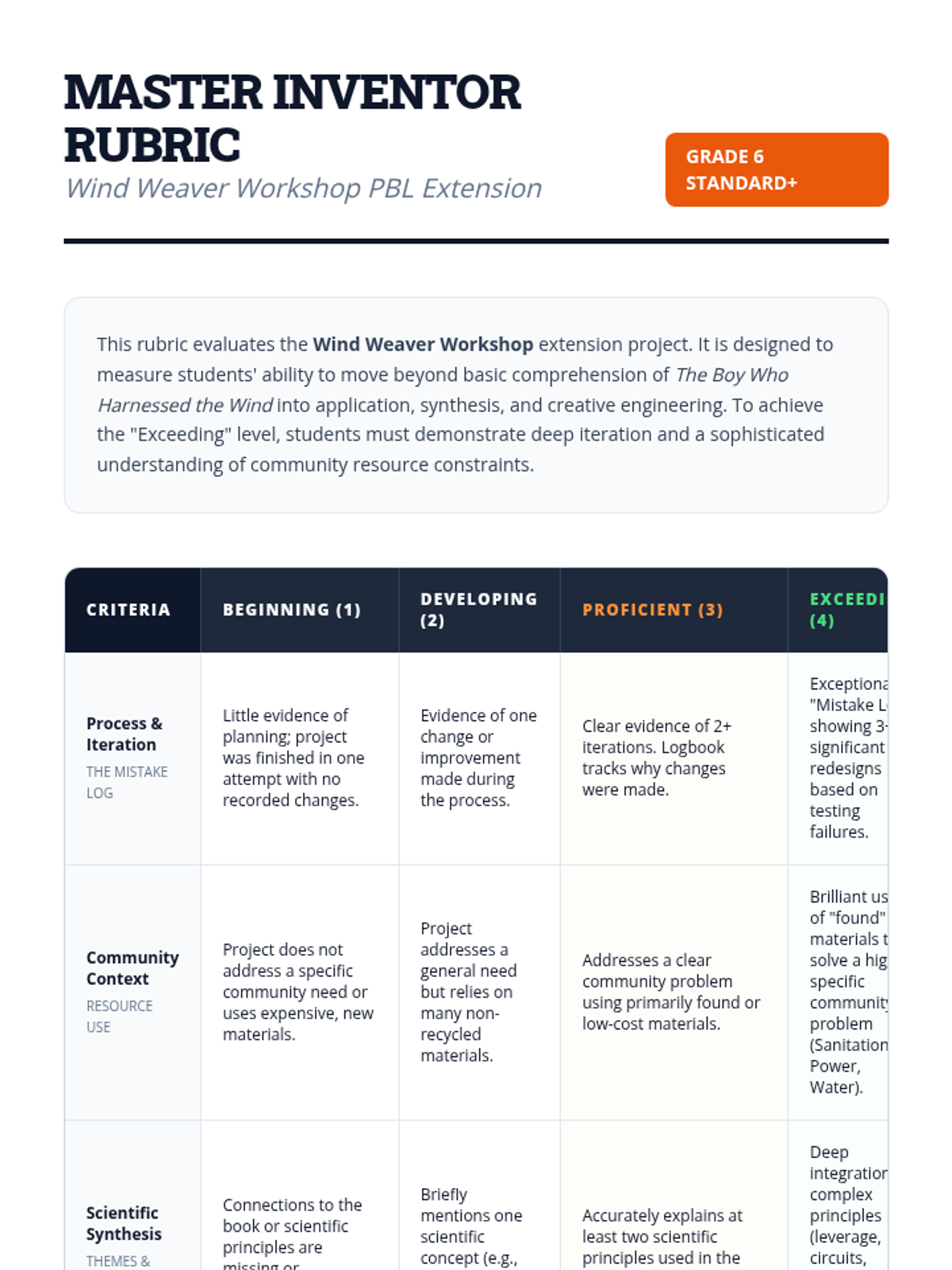
An advanced extension unit for Grade 6 students who have completed 'The Boy Who Harnessed the Wind'. This project-based learning experience focuses on engineering, resourcefulness, and community-driven innovation through a variety of high-level project choices.
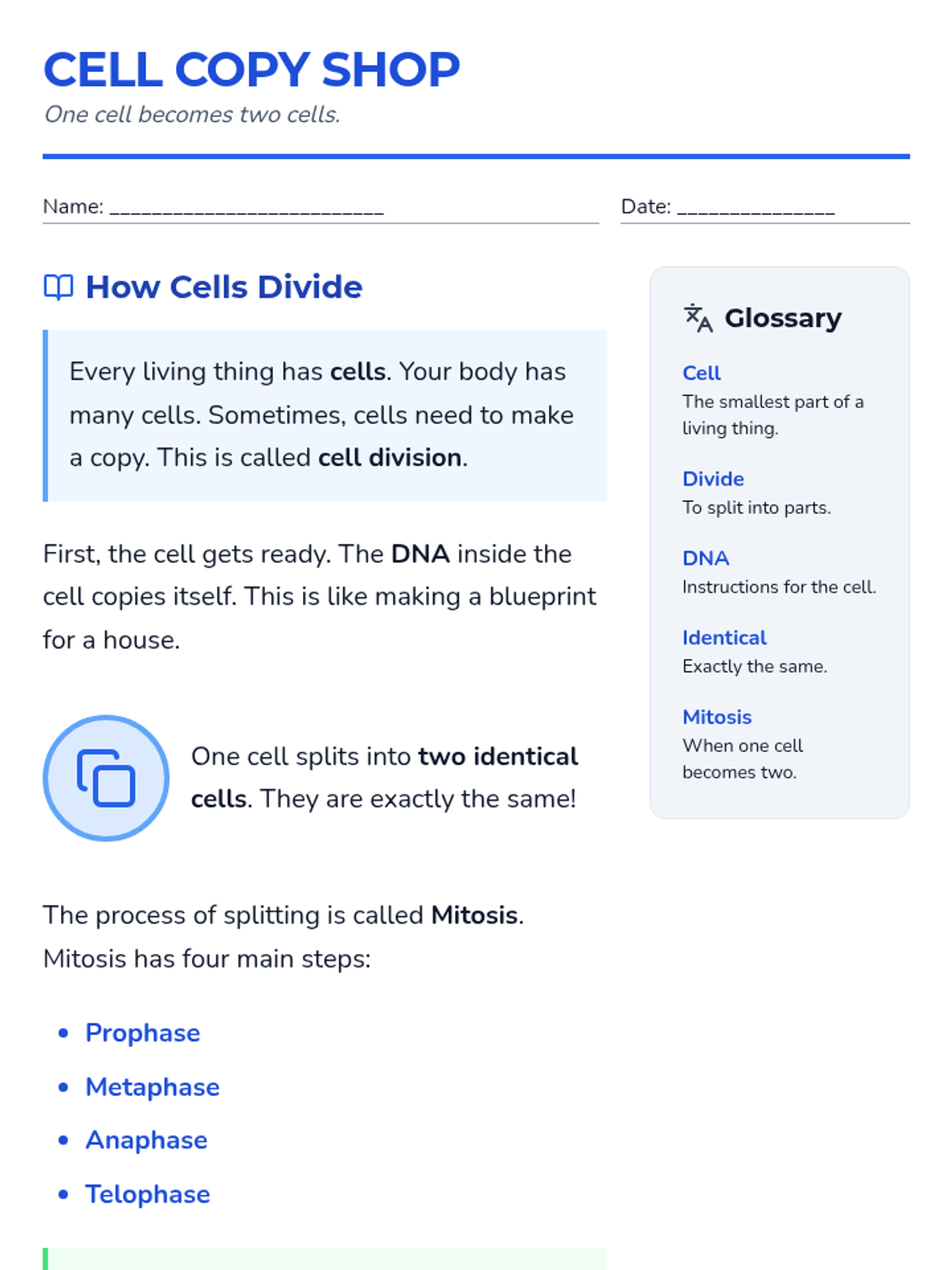
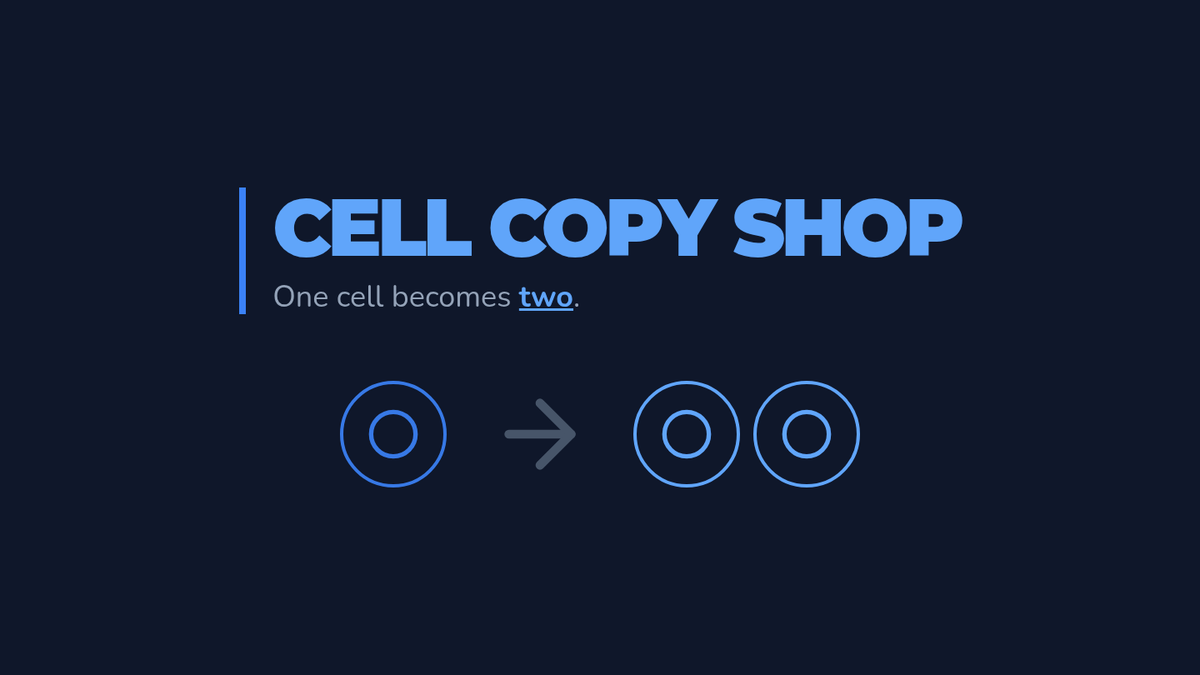
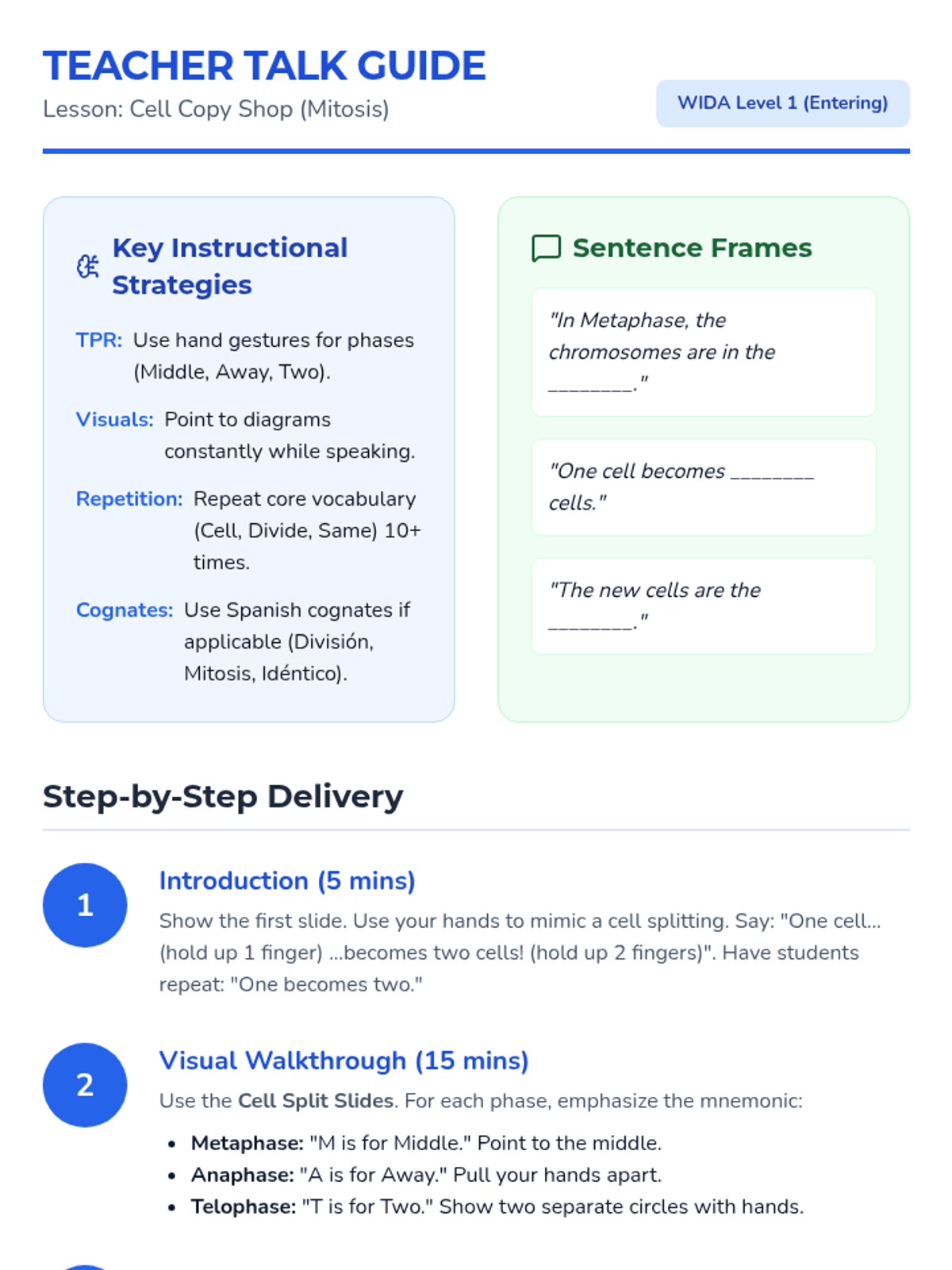
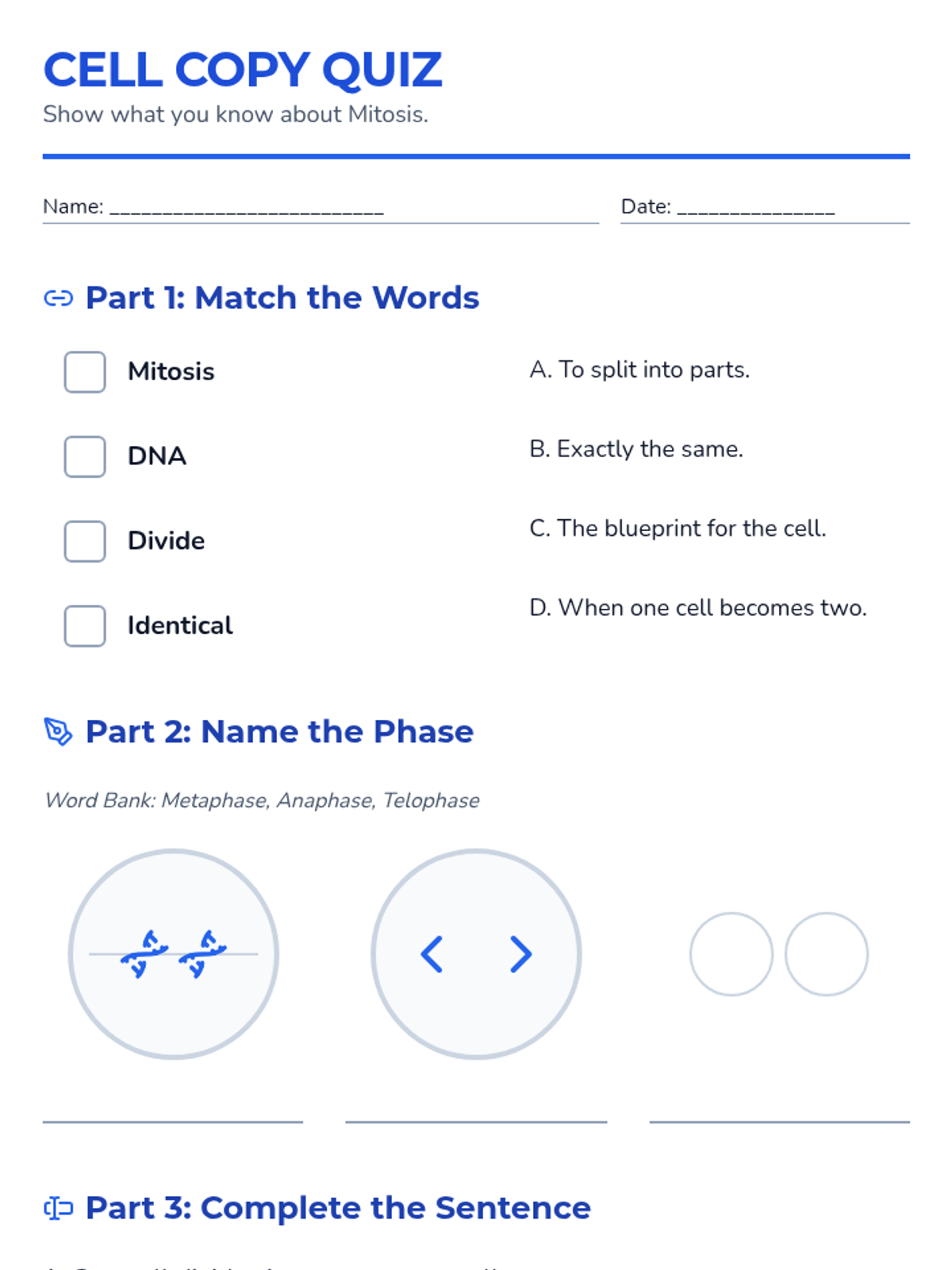
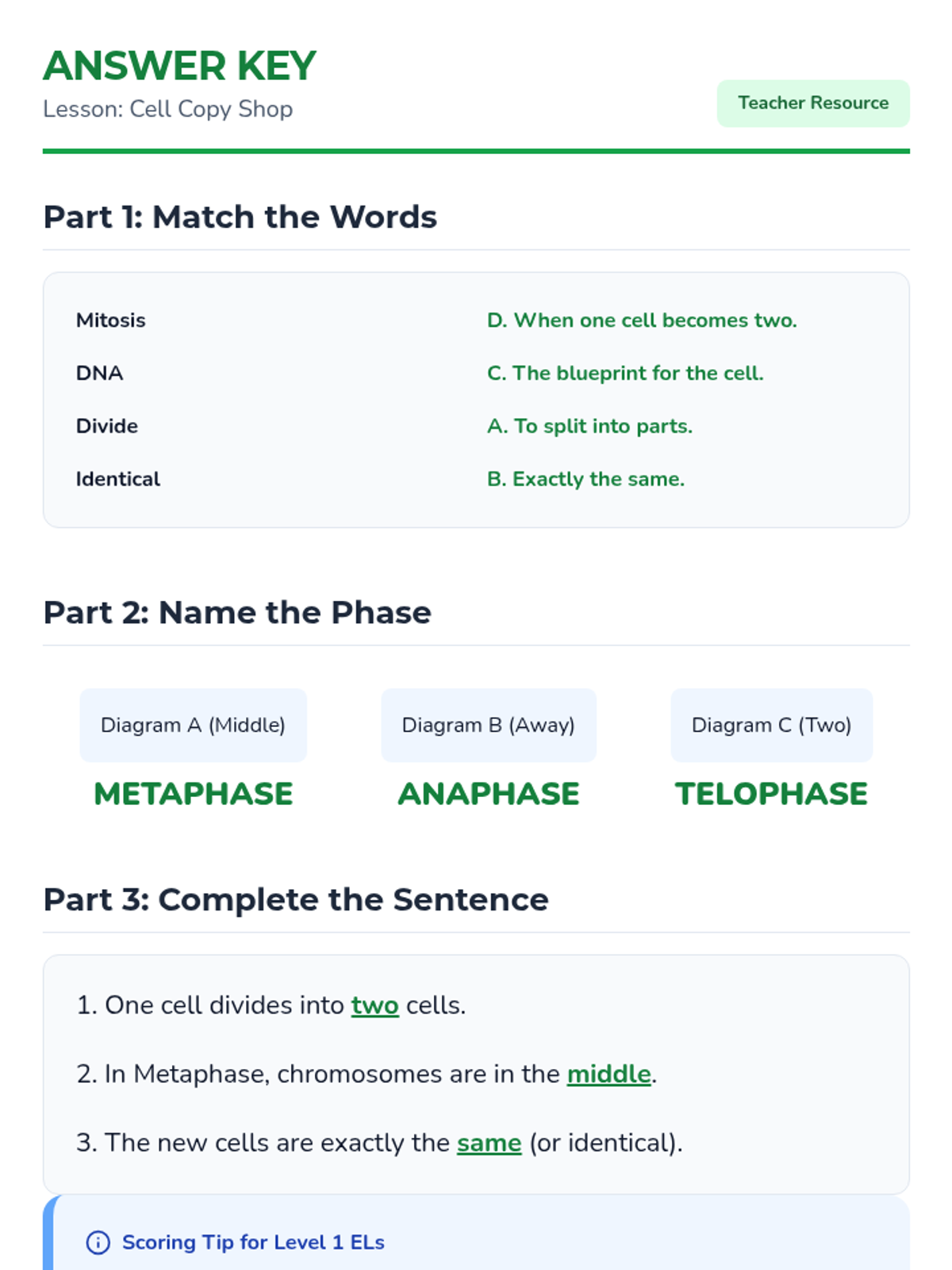
A highly visual lesson designed for WIDA Level 1 ELs, focusing on the phases of mitosis and the process of cell division using simplified language and clear diagrams.
A comprehensive rocket launch log and instructional guide for the PLTW Science of Flight module, focusing on data collection, aeronautical design, and flight analysis.