Students will investigate how thermal energy affects the speed and spacing of particles in a gas. They will interpret models and data to explain why hot air rises and how this principle is applied to technologies like hot-air balloons.
Lección fundamental que introduce JavaScript en el entorno del navegador, enseñando a los estudiantes a vincular scripts, manipular el DOM y crear elementos dinámicamente.
A comprehensive review lesson covering Earth's water distribution, fossil records in rock layers, plate tectonics, and the water cycle to prepare students for the Unit 4 Quiz.
Plan de lección detallado para docentes sobre el uso de componentes avanzados de diseño e imágenes en React Native, enfocado en la creación de interfaces responsivas e interactivas.
Esta lección se enfoca en la creación de interfaces avanzadas en React Native utilizando componentes de imagen, fondos, interactividad y diseño responsivo basado en dimensiones y flexbox. Los estudiantes aprenderán a integrar estas funcionalidades de manera progresiva a través de ejercicios prácticos guiados.
A 30-minute introductory lesson on closed syllable exceptions (ild, ind, old, ost, olt) using a secret agent theme. Students identify, read, and write 'Rule Breaker' words that have long vowels despite being in closed syllables.
A digital forensic escape room where students solve the mystery of a missing classroom phone by analyzing fingerprint evidence, identifying patterns, and matching minutiae.
Reviewing the principles of thermal energy, including states of matter, heat-related properties, and conservation of mass during heating.
The culmination of the project where students finalize their productions, peer-review work, and share their broadcasts in a community listening party.
A technical deep-dive into BandLab, covering recording techniques, multi-track editing, and adding musical elements to enhance the narrative.
Students transition from formal research papers to conversational audio scripts, learning how to write for the ear and use hooks to engage listeners.
Students explore the fundamentals of podcasting, analyze existing shows, and identify the structural elements that make audio storytelling effective.
A set of vibrant, high-impact flyers celebrating student growth on WY-TOPP Math (6th/7th) and Science (8th) assessments.
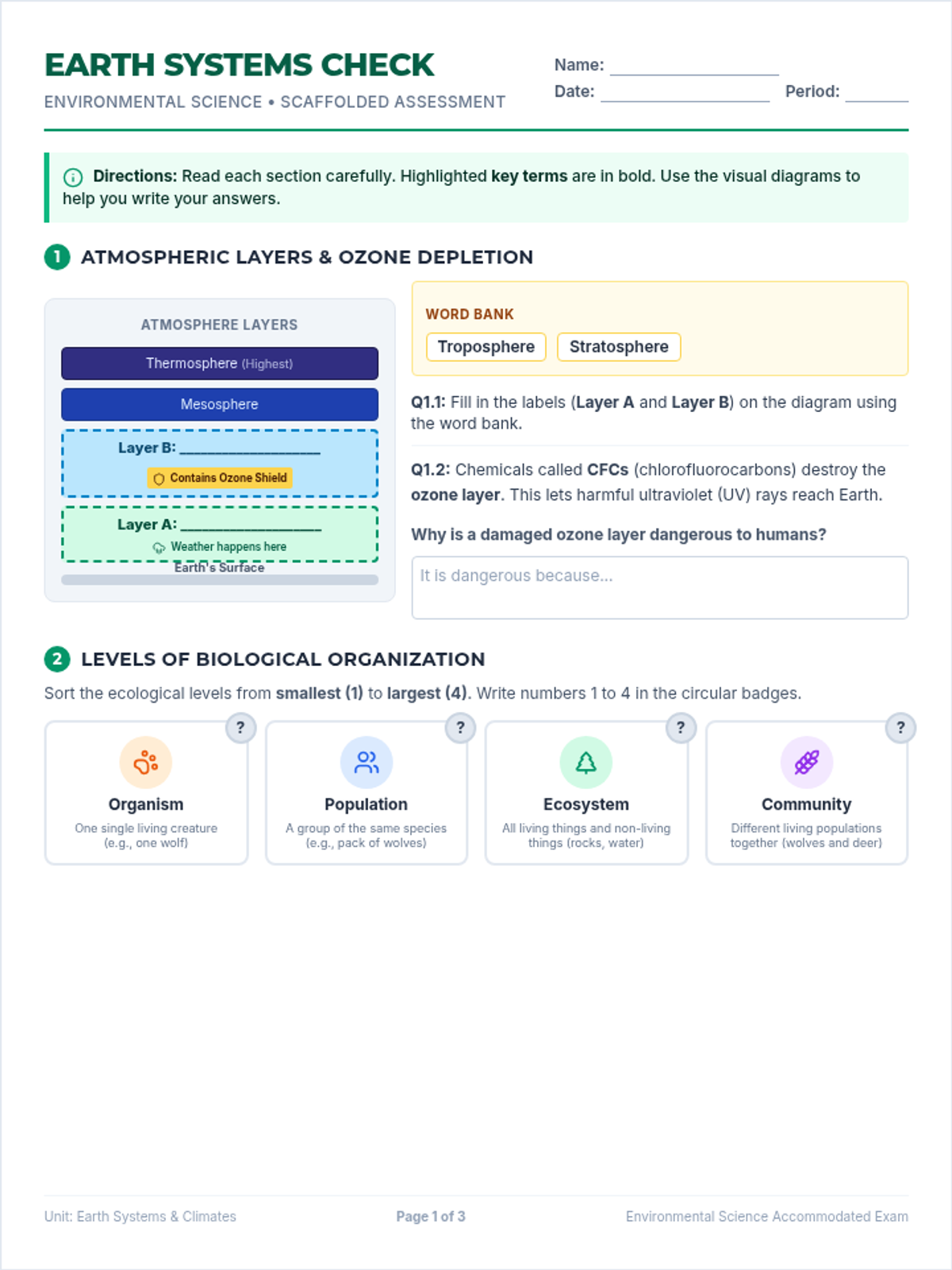
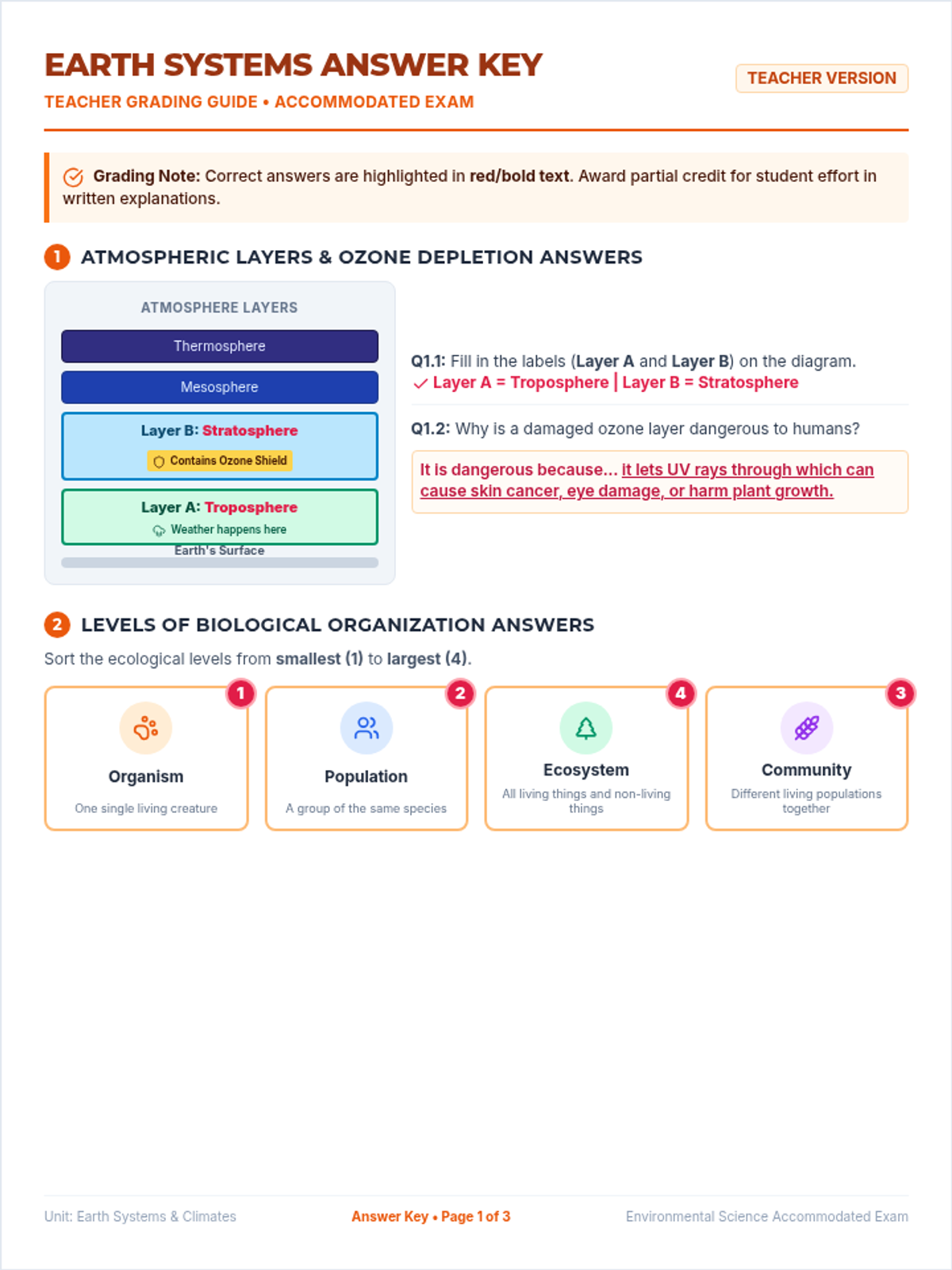
An interactive 5th-grade science lesson where students become 'Earth Guardians' to solve water cycle mysteries and investigate how human activity impacts Earth's systems. Students will review core concepts of water distribution, geology, and plate tectonics before diving into a deep-dive on human-water interactions.
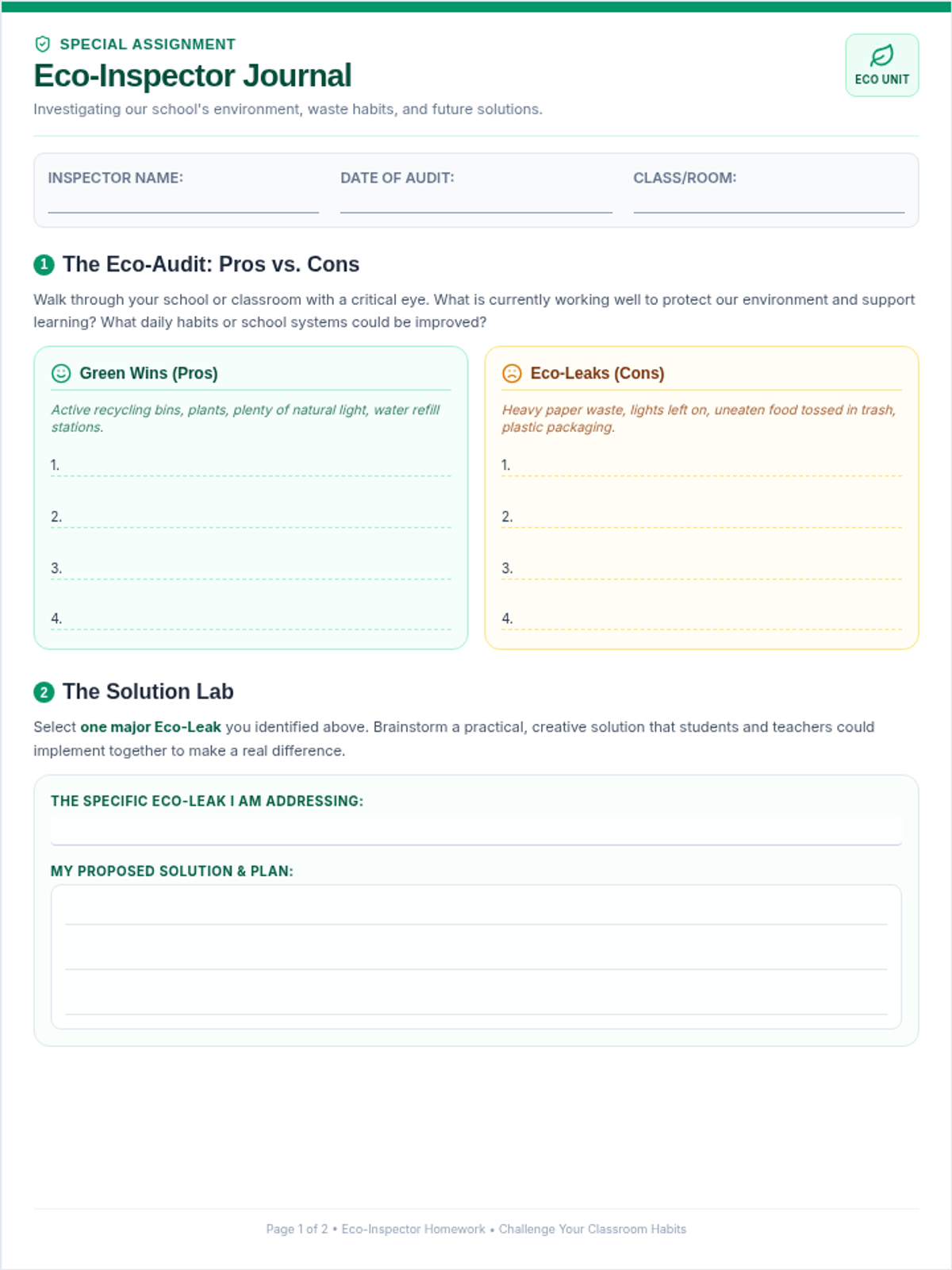
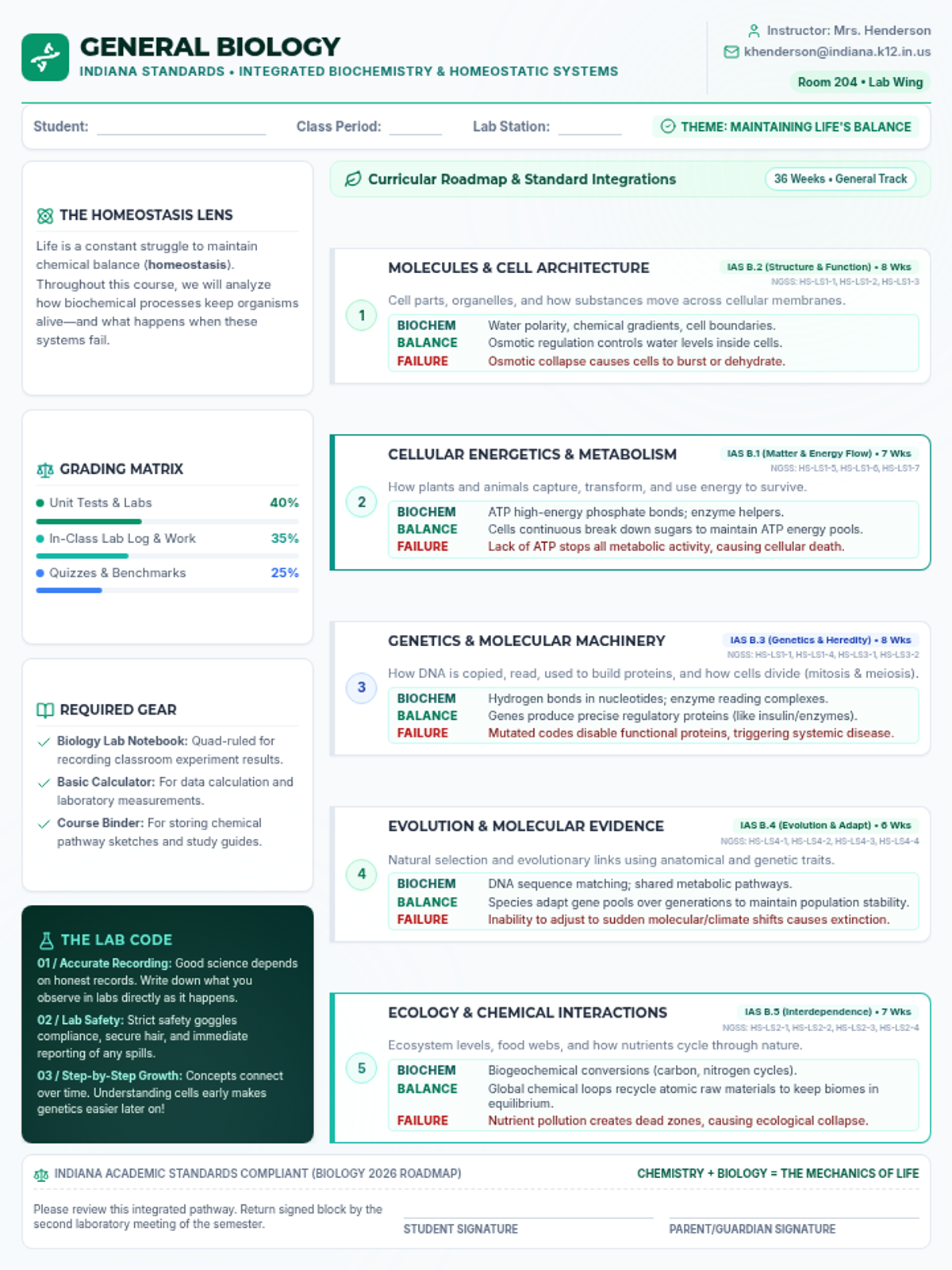
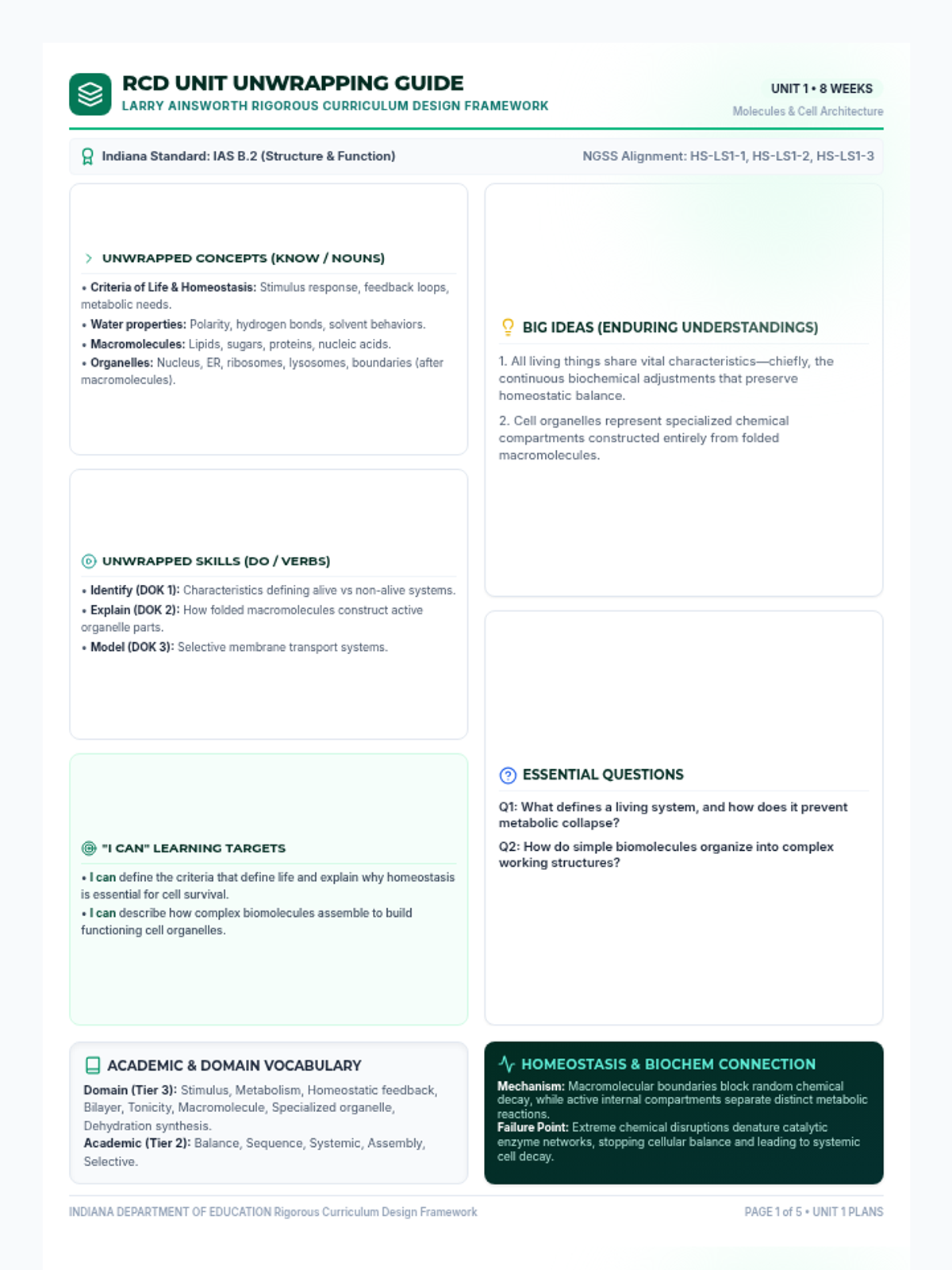
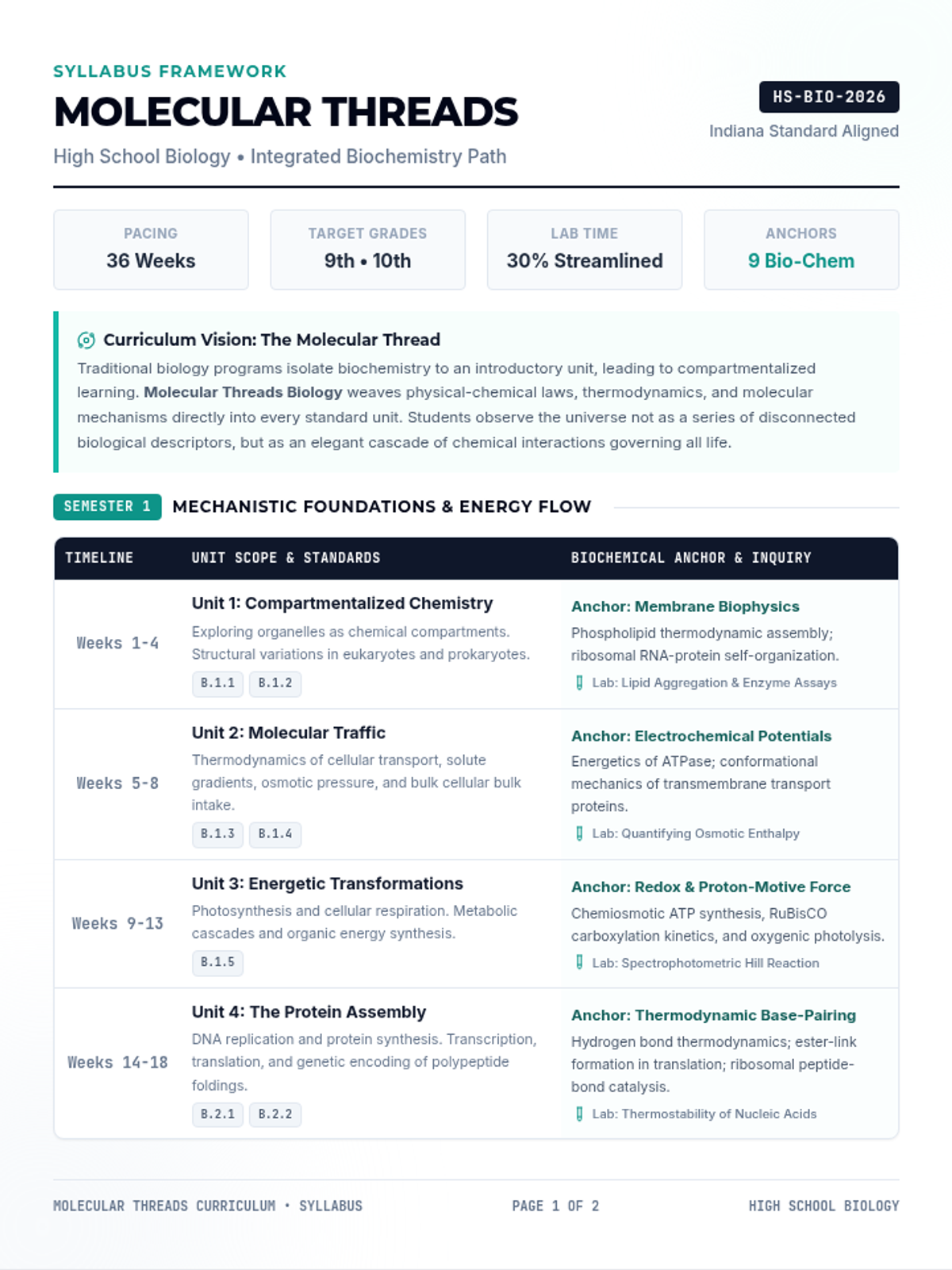
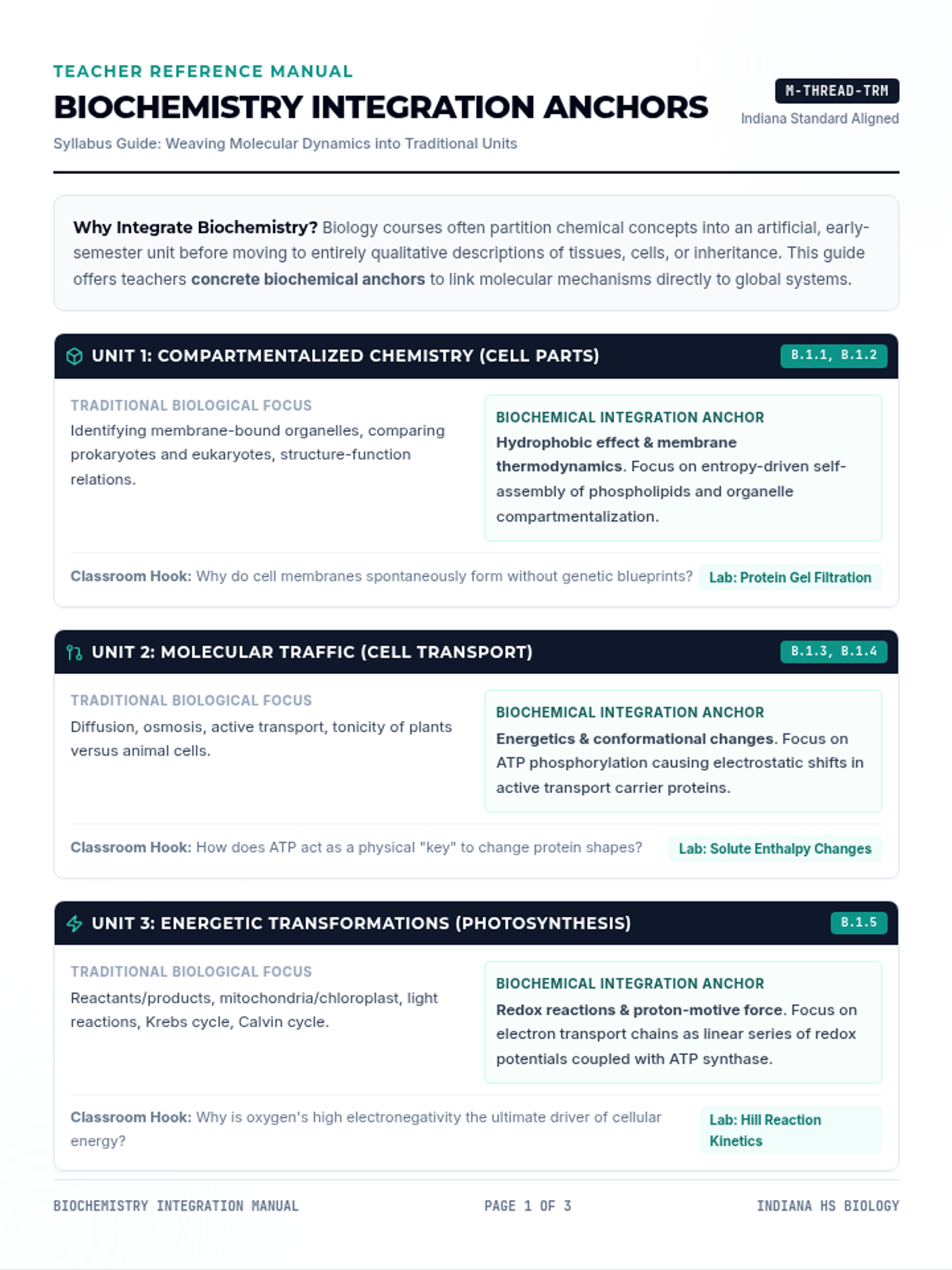
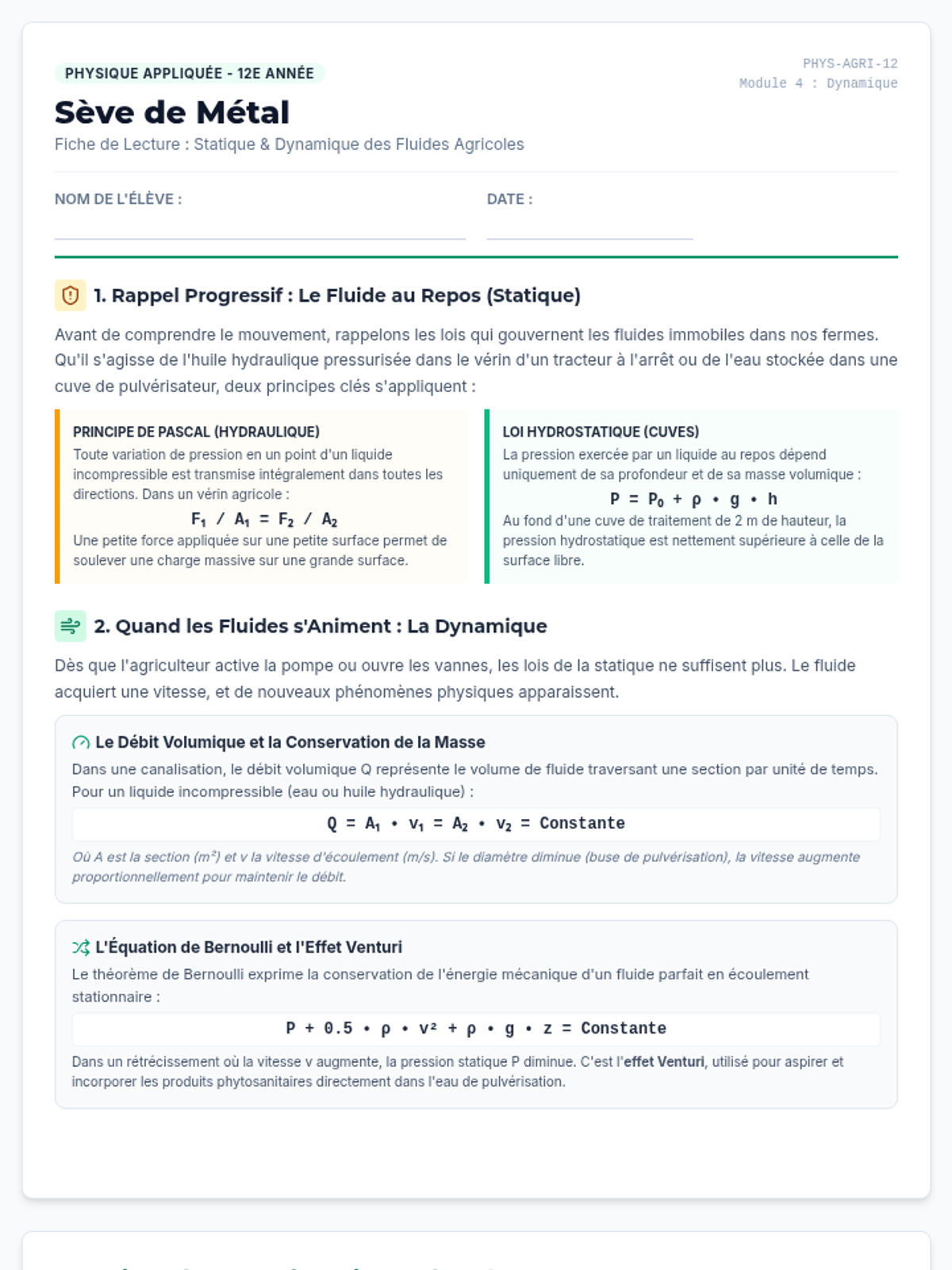
A comprehensive homework assignment covering major human body systems, homeostasis mechanisms, and system interactions through analytical mapping and diagramming.
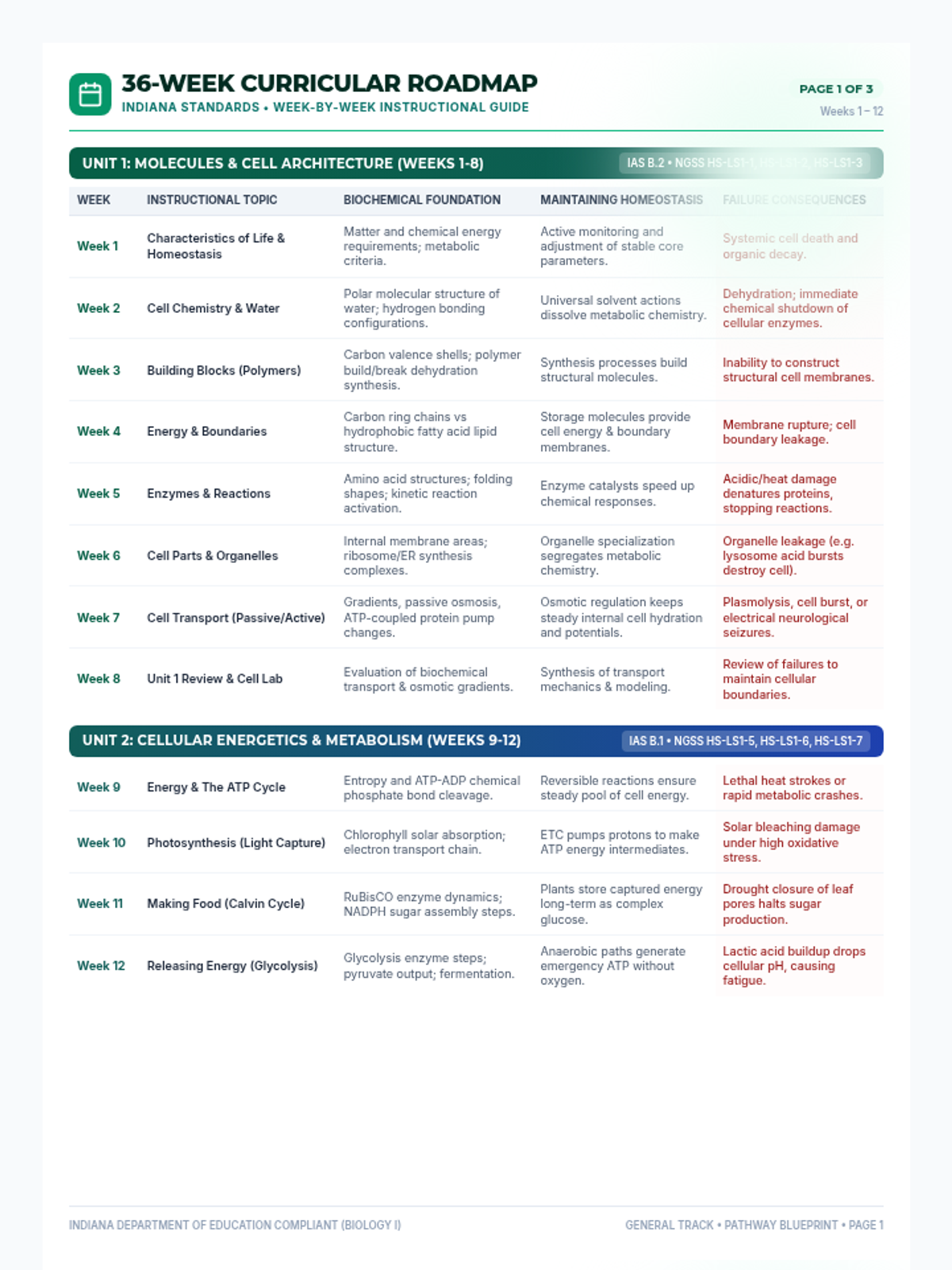
A comprehensive review of how cells capture and release energy through photosynthesis and cellular respiration, focusing on equations, organelles, and gas exchange.
Plan de lección y materiales para el desarrollo de interfaces móviles avanzadas integrando componentes de imagen, interactividad y diseño responsivo en React Native.
Lección práctica de React Native centrada en la creación de interfaces dinámicas y responsivas. Los estudiantes construyen un perfil interactivo integrando componentes visuales, layouts flexibles y lógica de dimensiones.
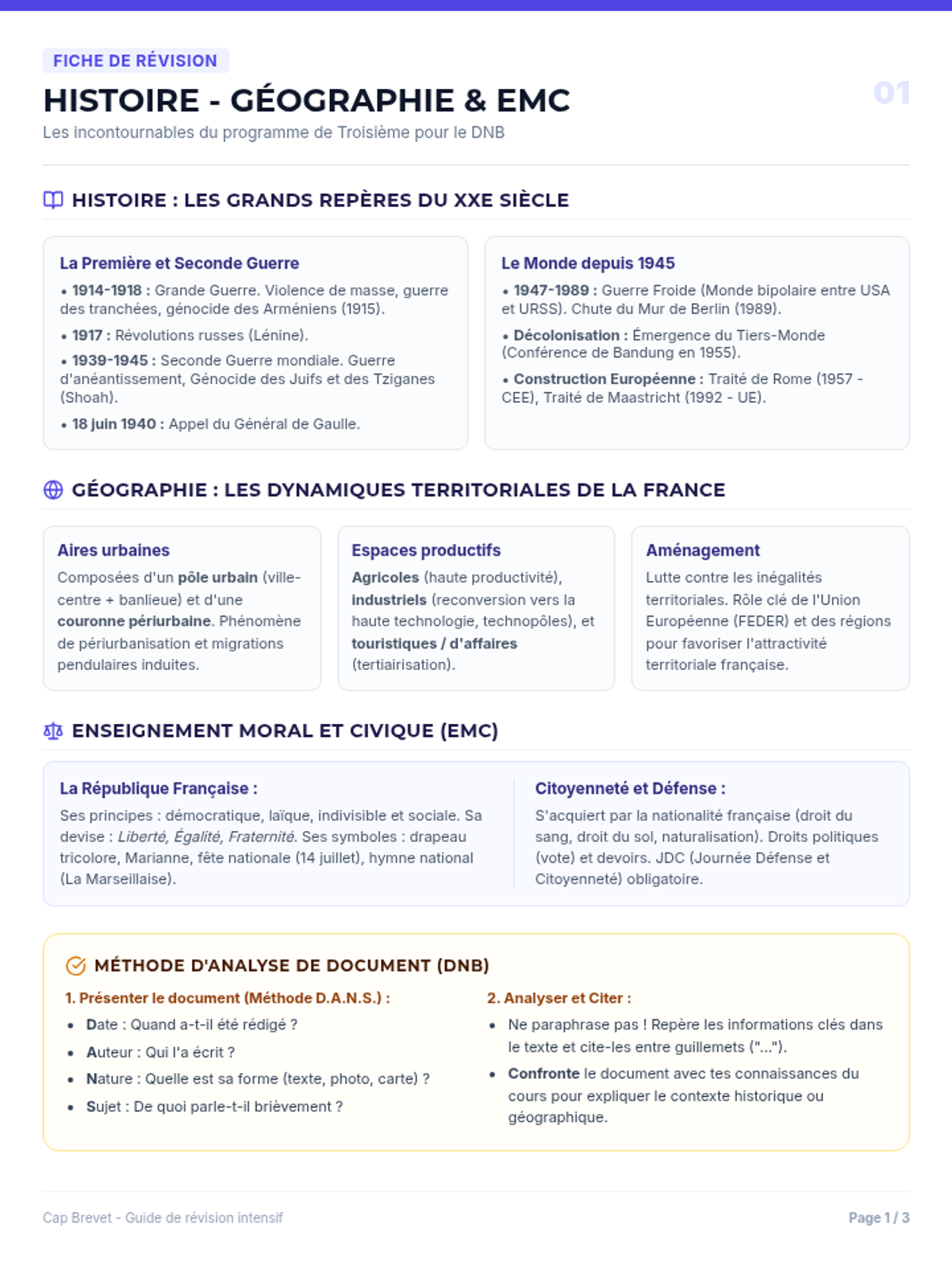
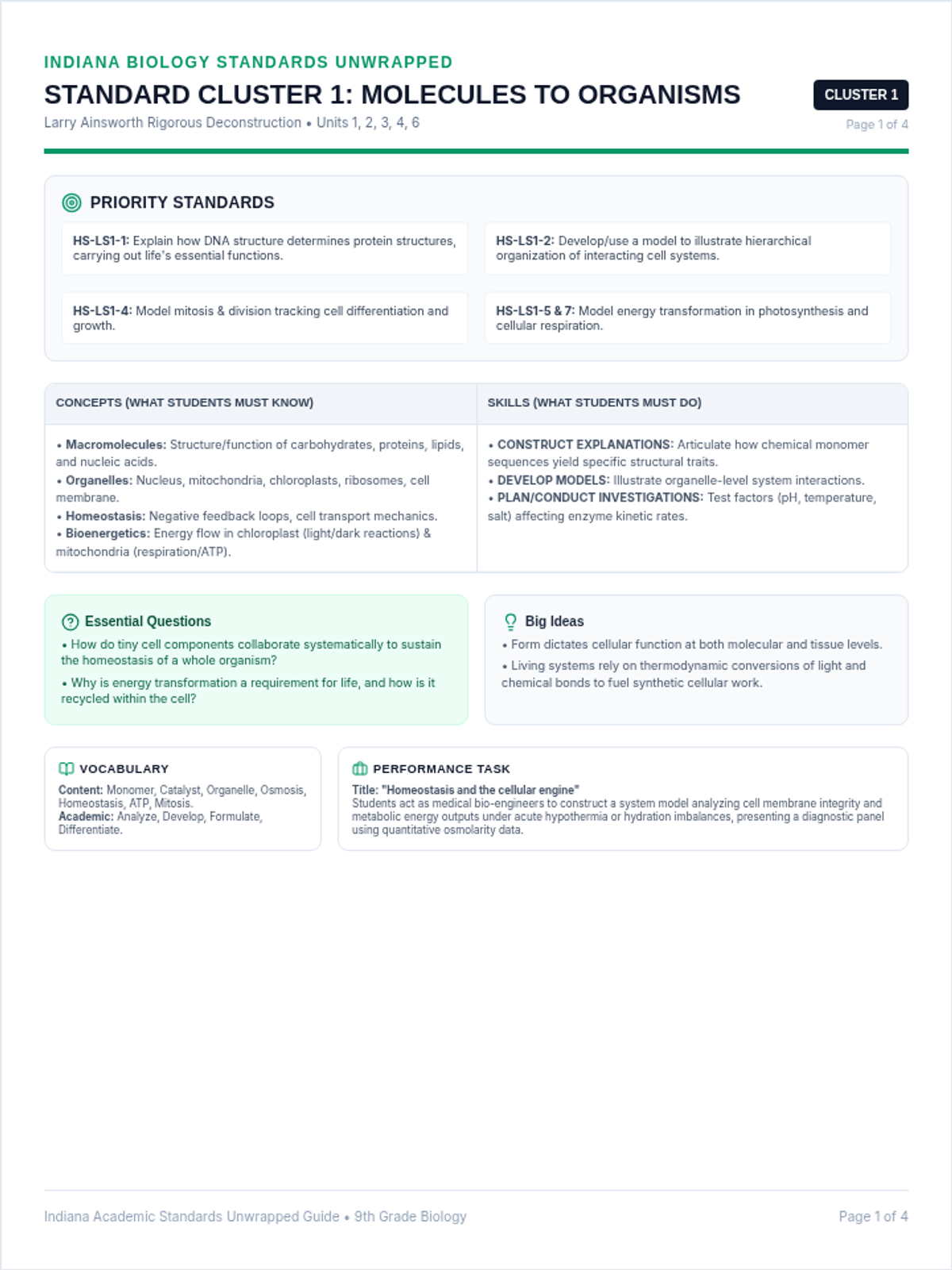
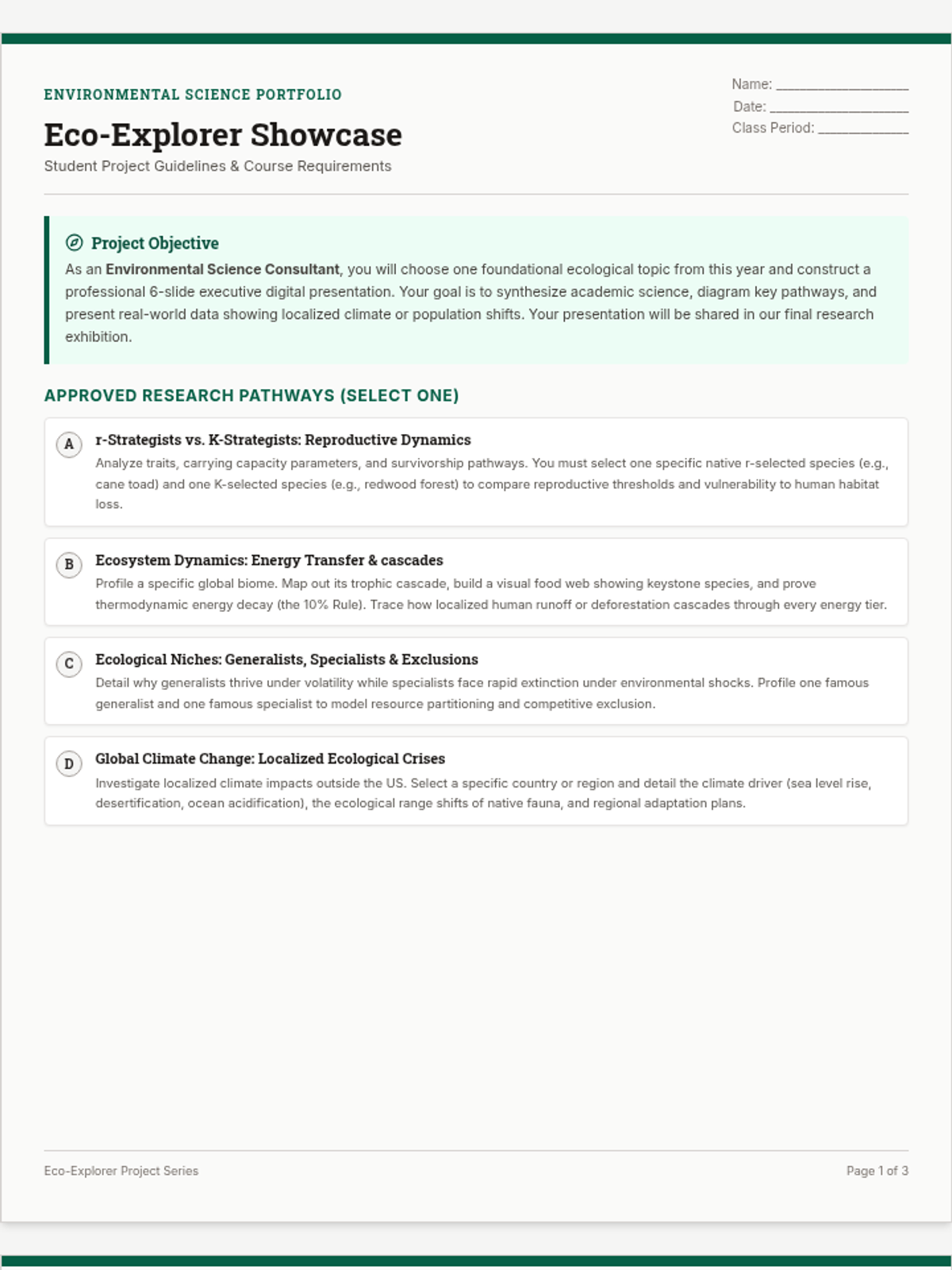
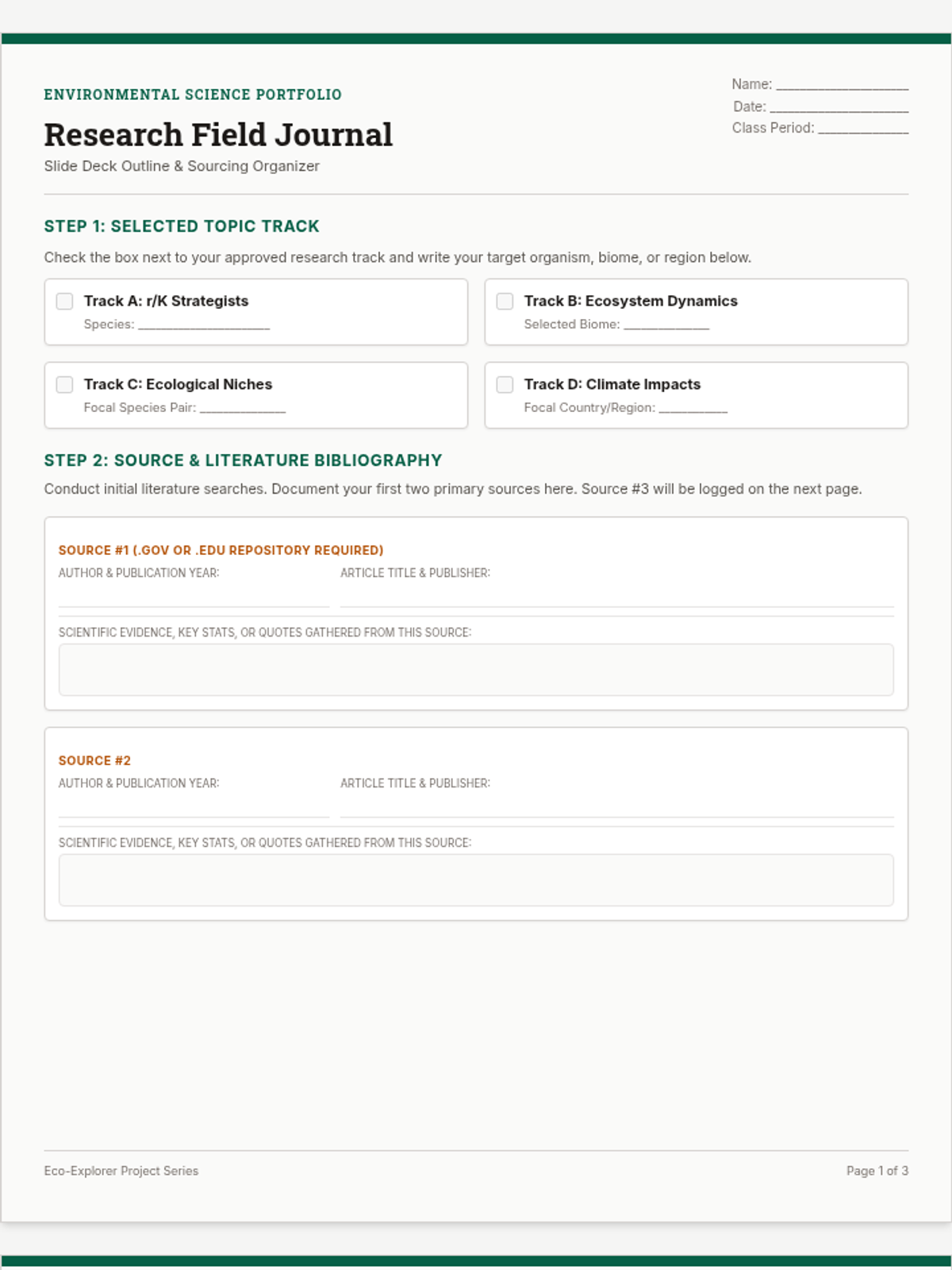
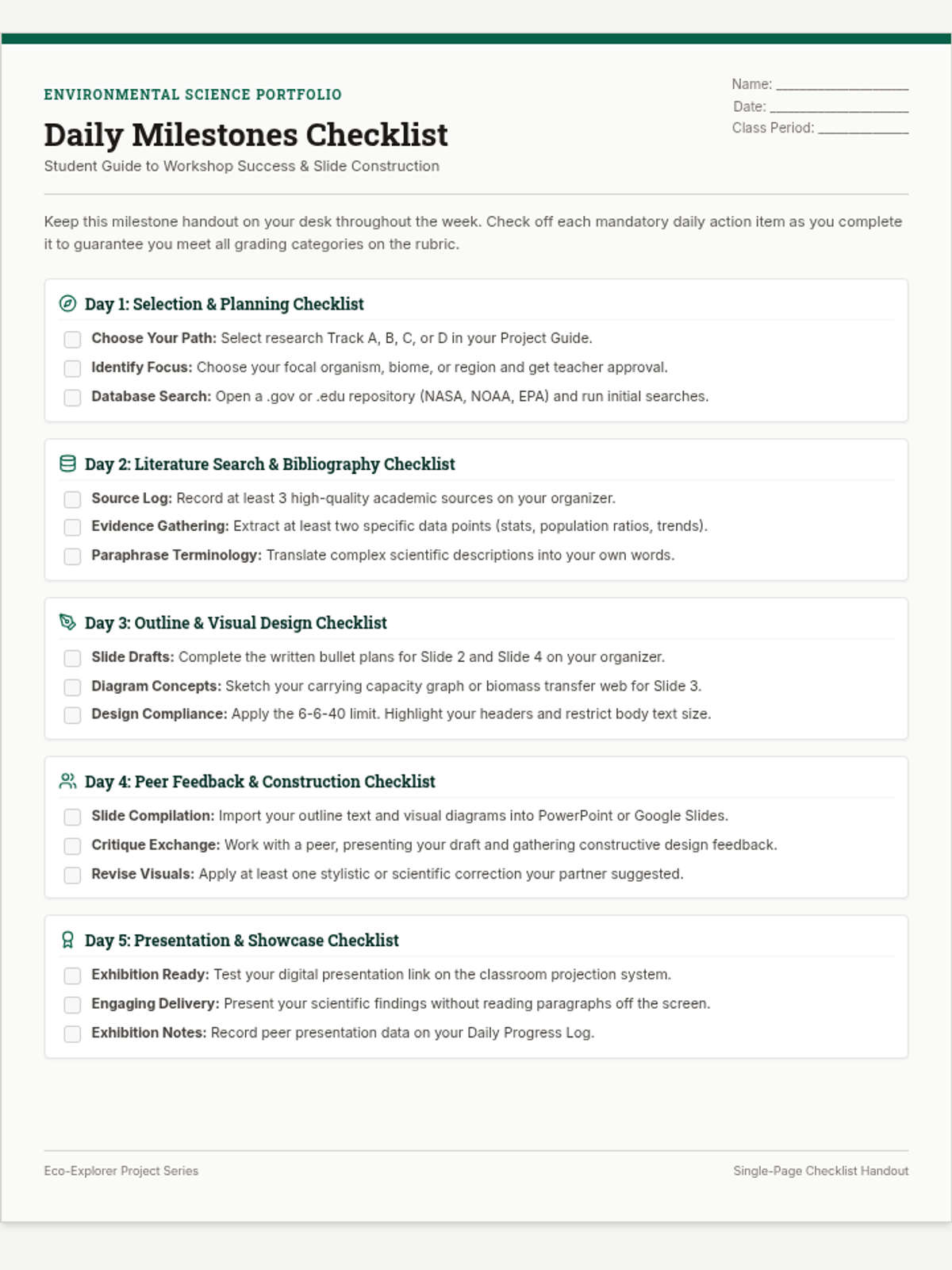
A project-based lesson where students explore the biological levels of organization by creating a detailed poster of a specific organism from cell to whole being. Students will research and illustrate how specialized cells form tissues, organs, and systems that sustain a single living organism.
Esta lección integra conceptos avanzados de React Native como el uso de componentes de imagen, fondos responsivos, botones interactivos y el manejo de dimensiones del dispositivo. Los estudiantes desarrollarán interfaces prácticas basadas en ejemplos reales como reproductores de música y pantallas de búsqueda.
Students will explore how the mass of a substance remains constant even as it undergoes phase changes (freezing, melting, boiling). They will analyze data involving state changes and evaluate scientific claims about matter 'disappearing' during evaporation.
Students will review the law of conservation of mass as it applies to mixtures and dissolving. They will practice interpreting data tables to prove that matter still exists even when it is no longer visible in a solution.