A 30-minute introductory lesson on closed syllable exceptions (ild, ind, old, ost, olt) using a secret agent theme. Students identify, read, and write 'Rule Breaker' words that have long vowels despite being in closed syllables.
Plan de lección detallado para docentes sobre el uso de componentes avanzados de diseño e imágenes en React Native, enfocado en la creación de interfaces responsivas e interactivas.
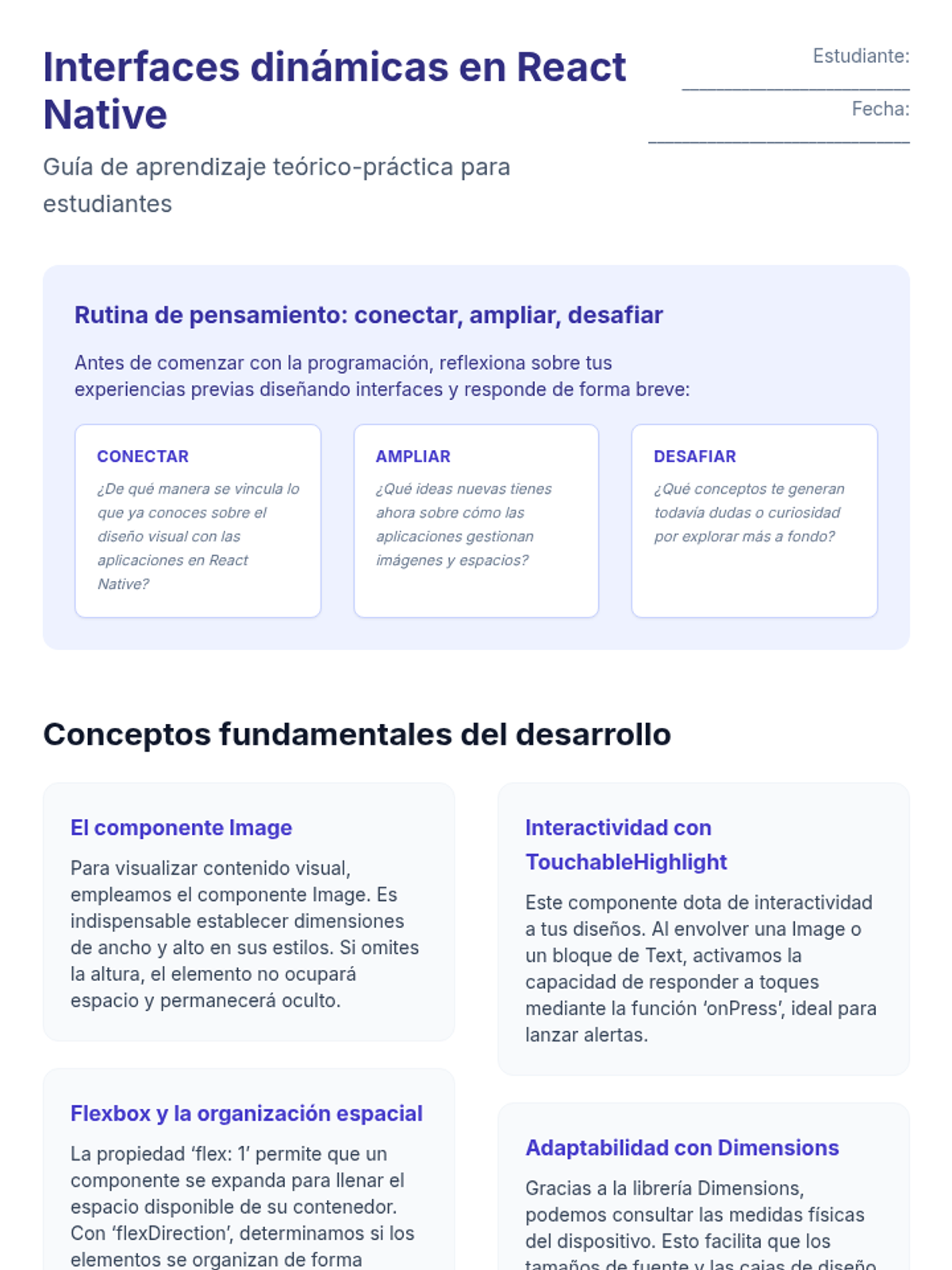
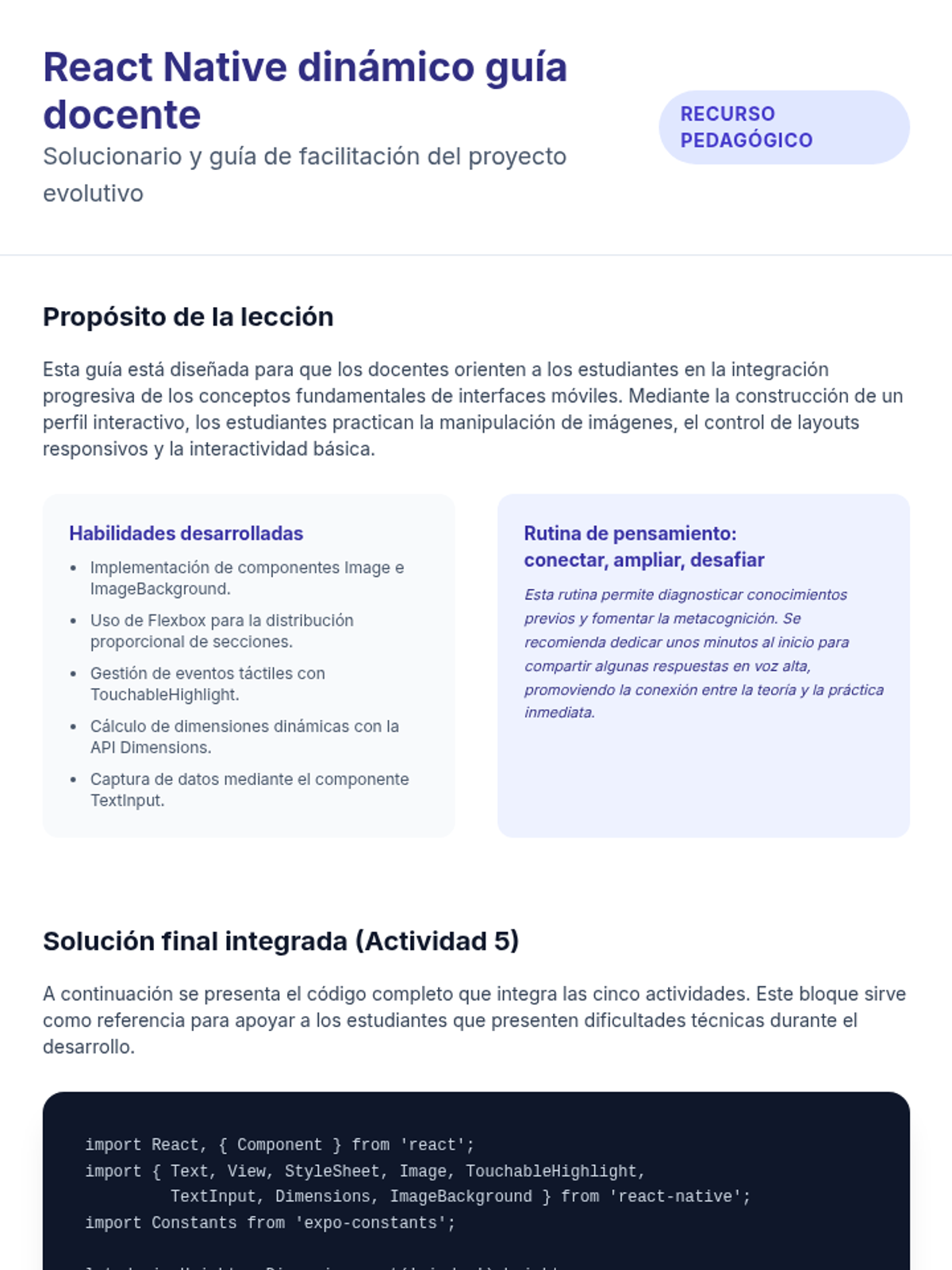
Esta lección se enfoca en la creación de interfaces avanzadas en React Native utilizando componentes de imagen, fondos, interactividad y diseño responsivo basado en dimensiones y flexbox. Los estudiantes aprenderán a integrar estas funcionalidades de manera progresiva a través de ejercicios prácticos guiados.
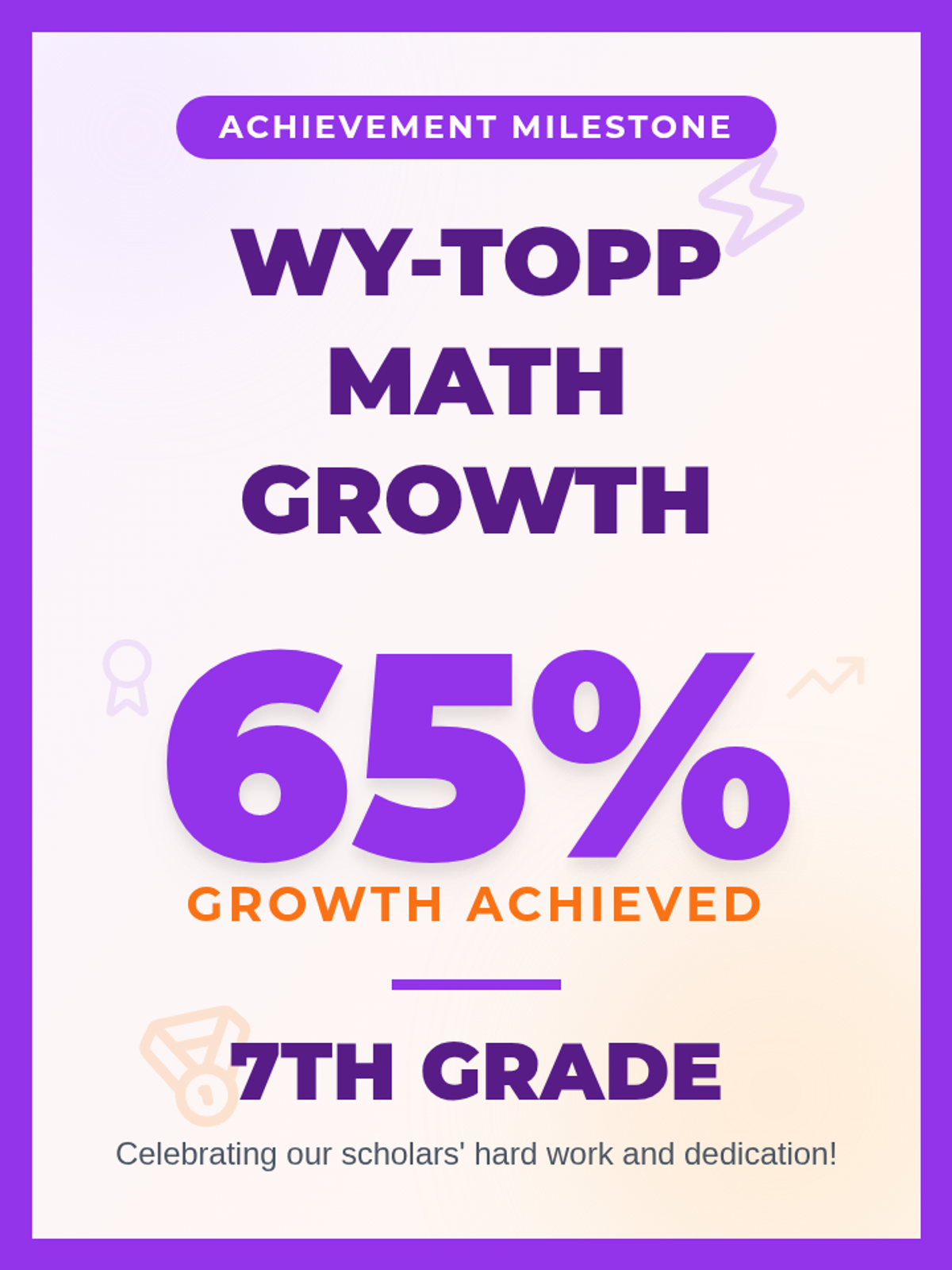
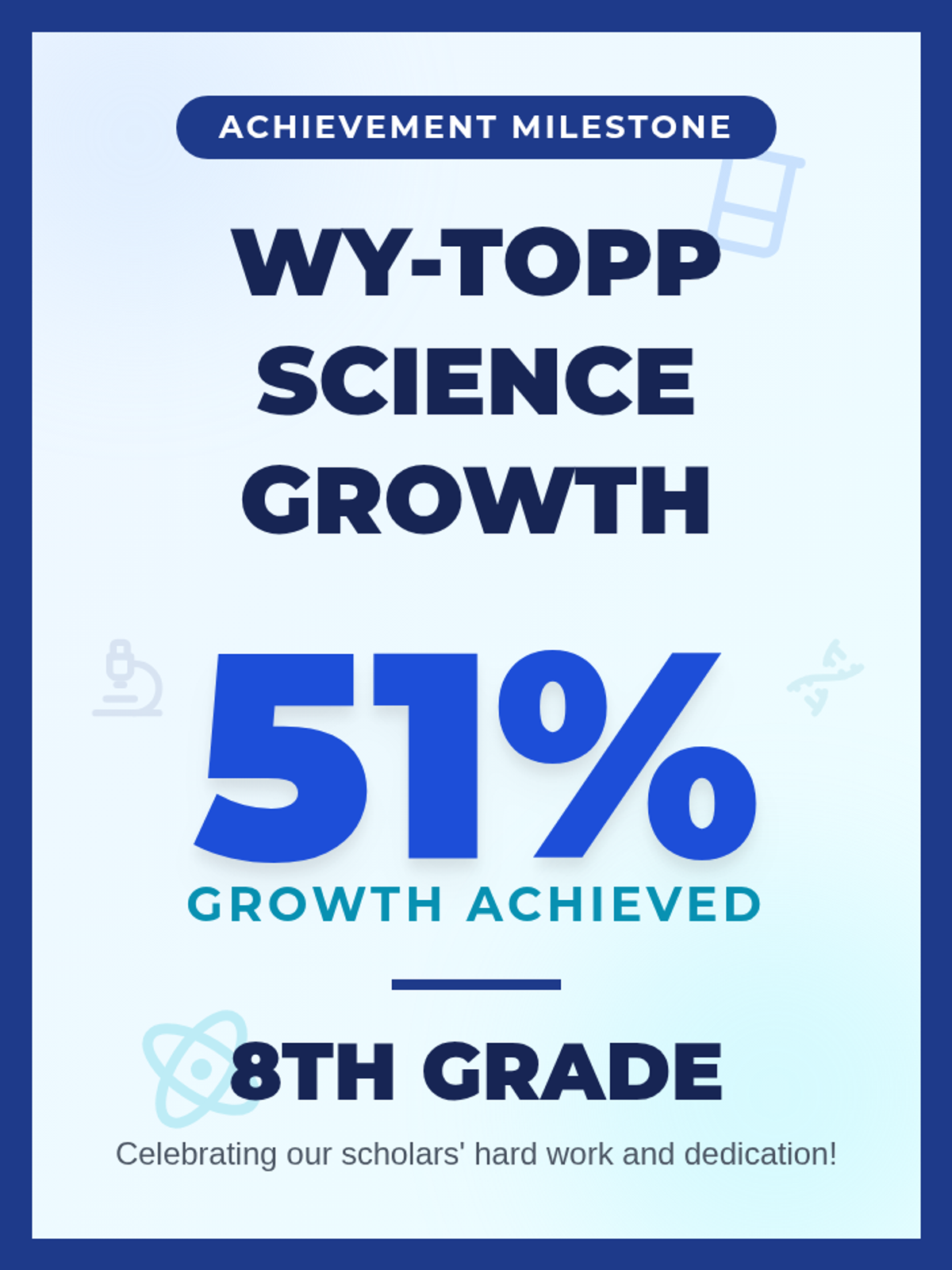
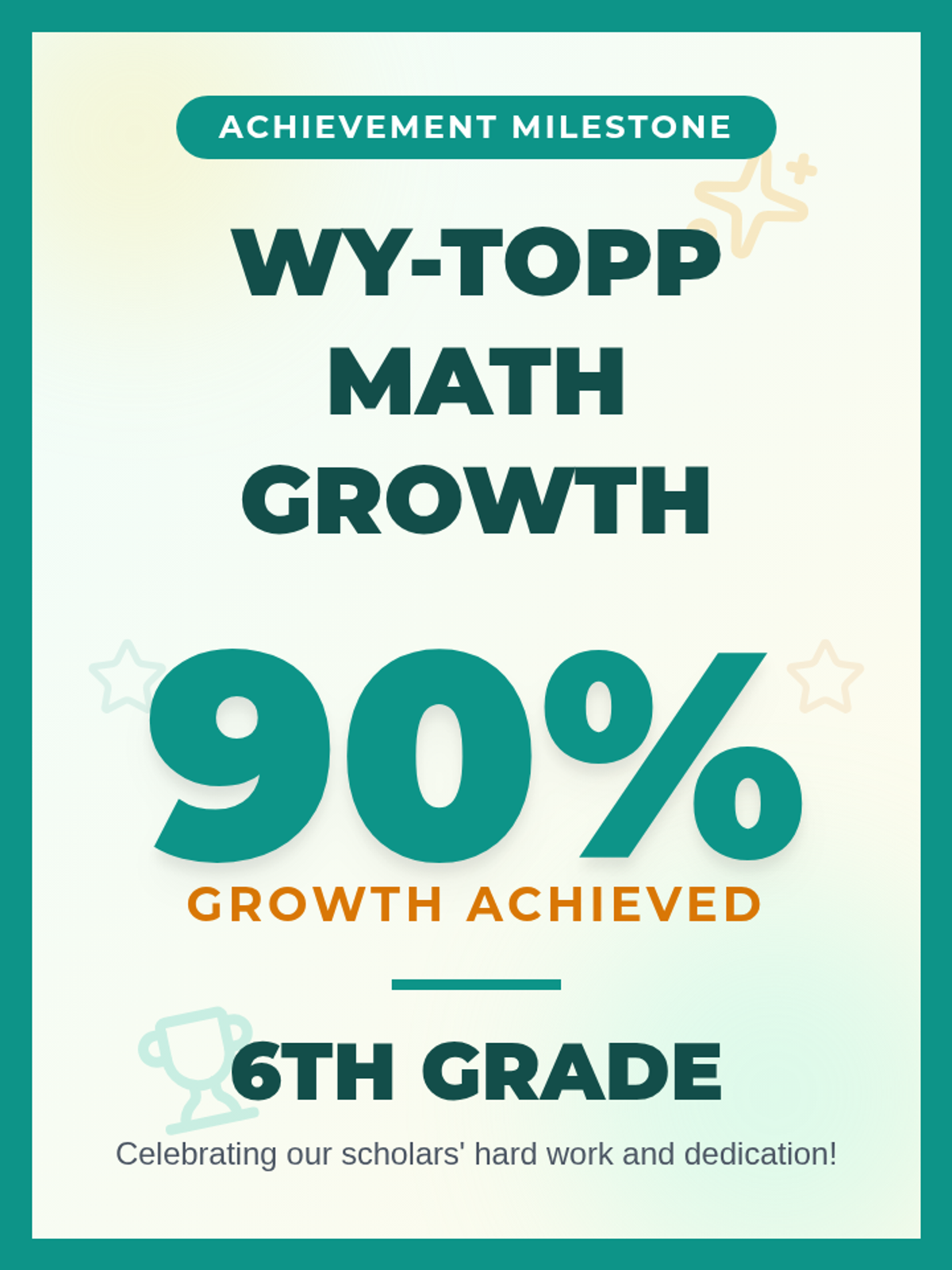
A set of vibrant, high-impact flyers celebrating student growth on WY-TOPP Math (6th/7th) and Science (8th) assessments.
Plan de lección y materiales para el desarrollo de interfaces móviles avanzadas integrando componentes de imagen, interactividad y diseño responsivo en React Native.
Lección práctica de React Native centrada en la creación de interfaces dinámicas y responsivas. Los estudiantes construyen un perfil interactivo integrando componentes visuales, layouts flexibles y lógica de dimensiones.
Esta lección integra conceptos avanzados de React Native como el uso de componentes de imagen, fondos responsivos, botones interactivos y el manejo de dimensiones del dispositivo. Los estudiantes desarrollarán interfaces prácticas basadas en ejemplos reales como reproductores de música y pantallas de búsqueda.
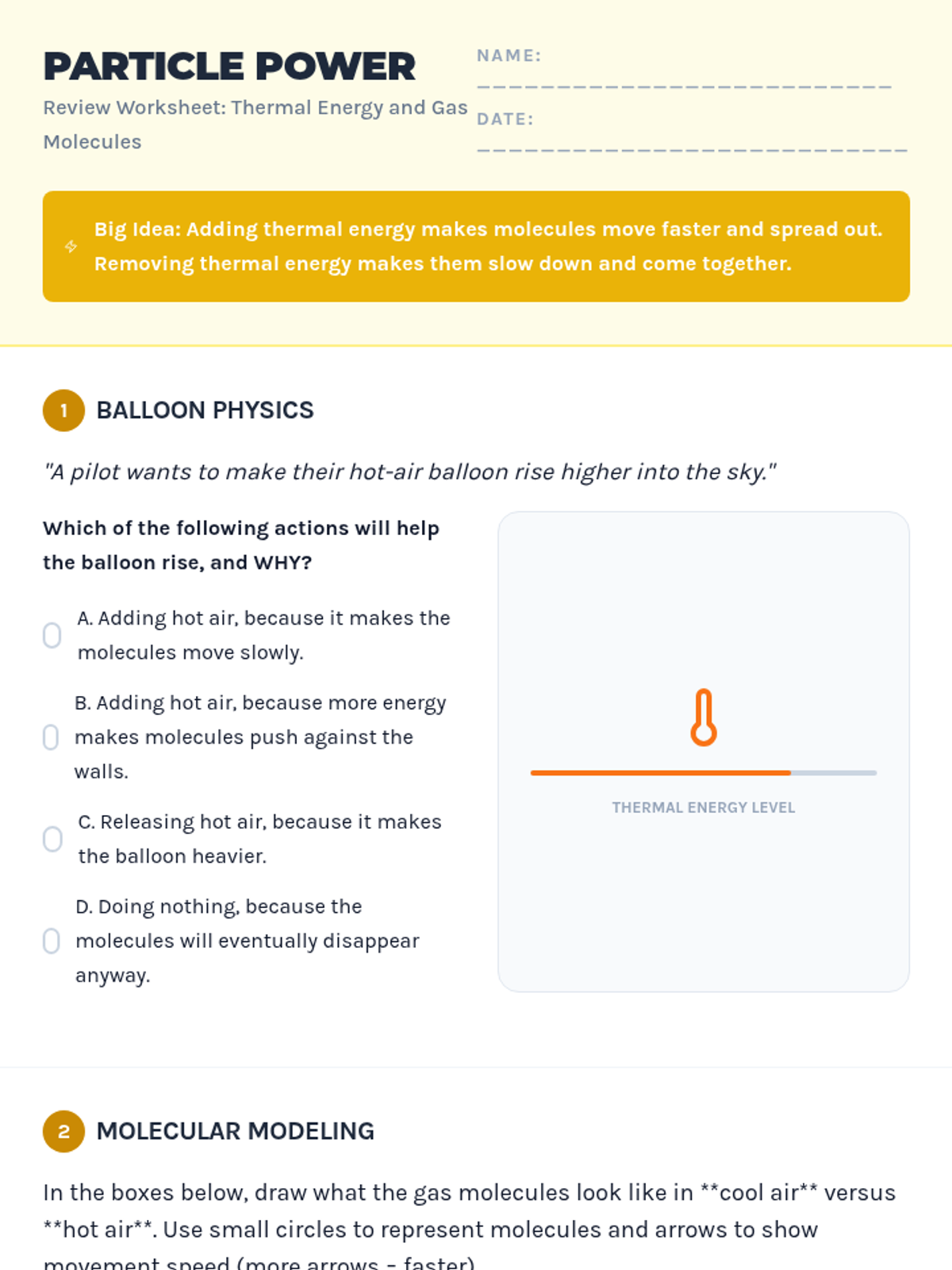
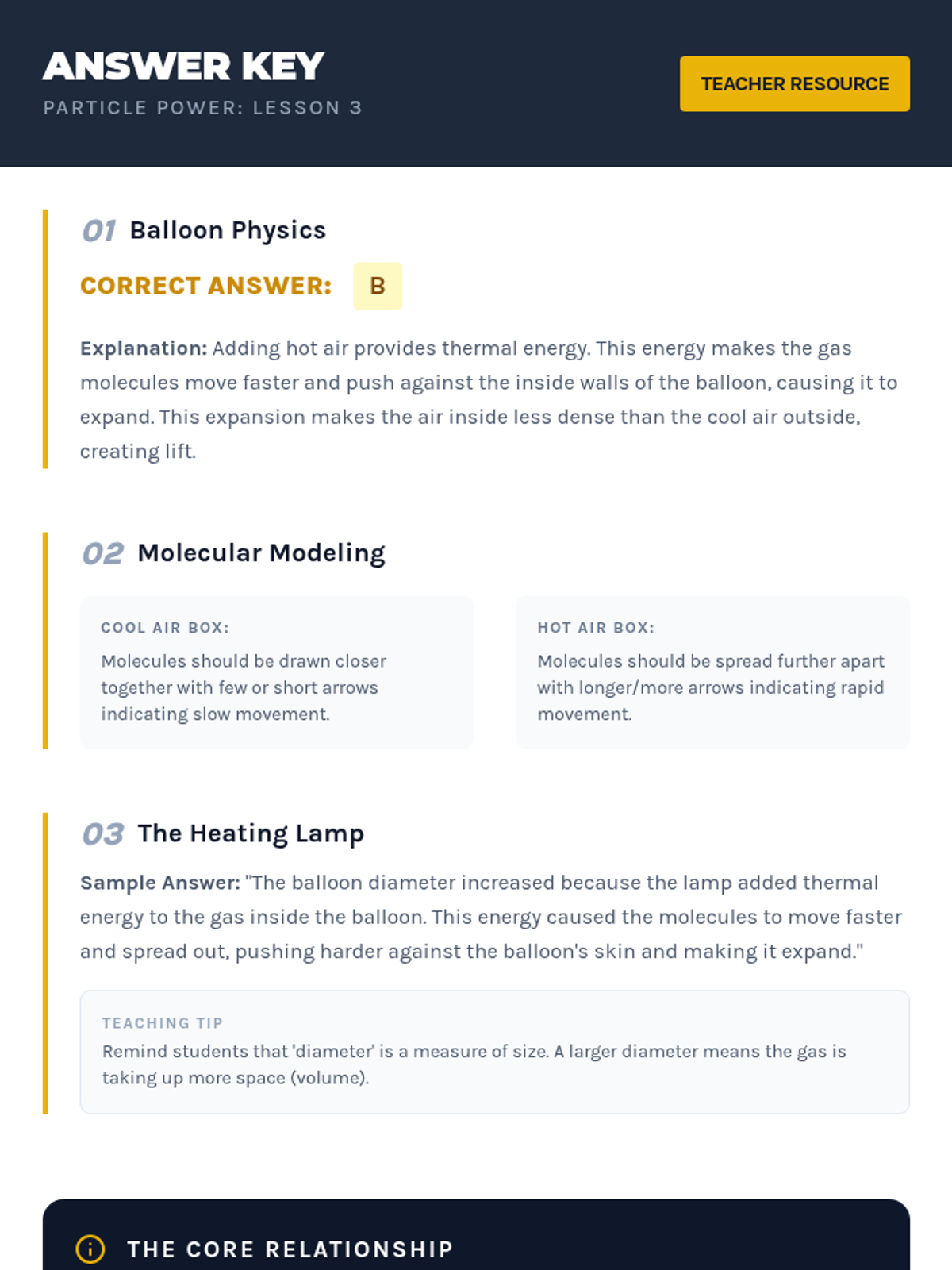
Students will investigate how thermal energy affects the speed and spacing of particles in a gas. They will interpret models and data to explain why hot air rises and how this principle is applied to technologies like hot-air balloons.
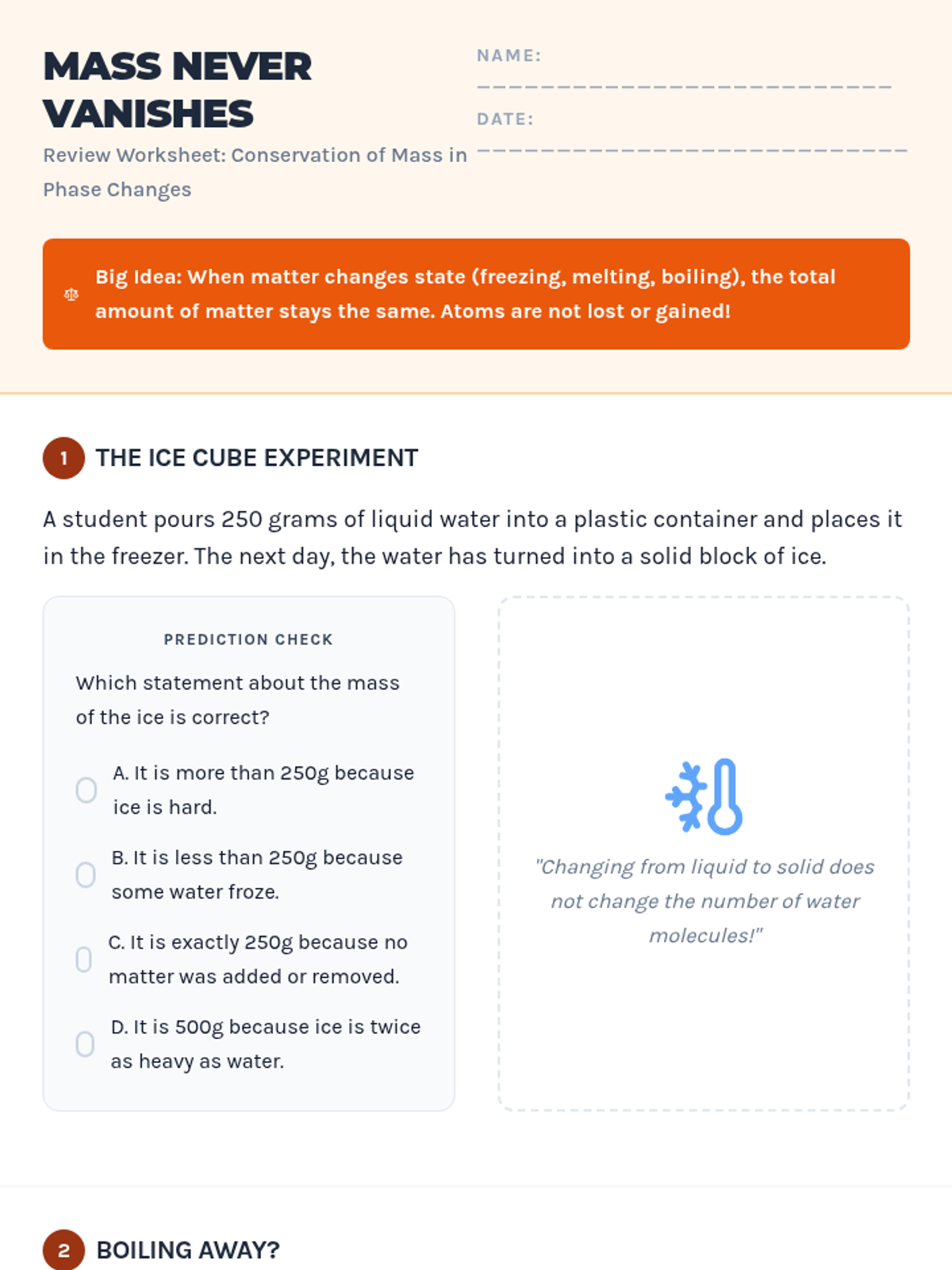
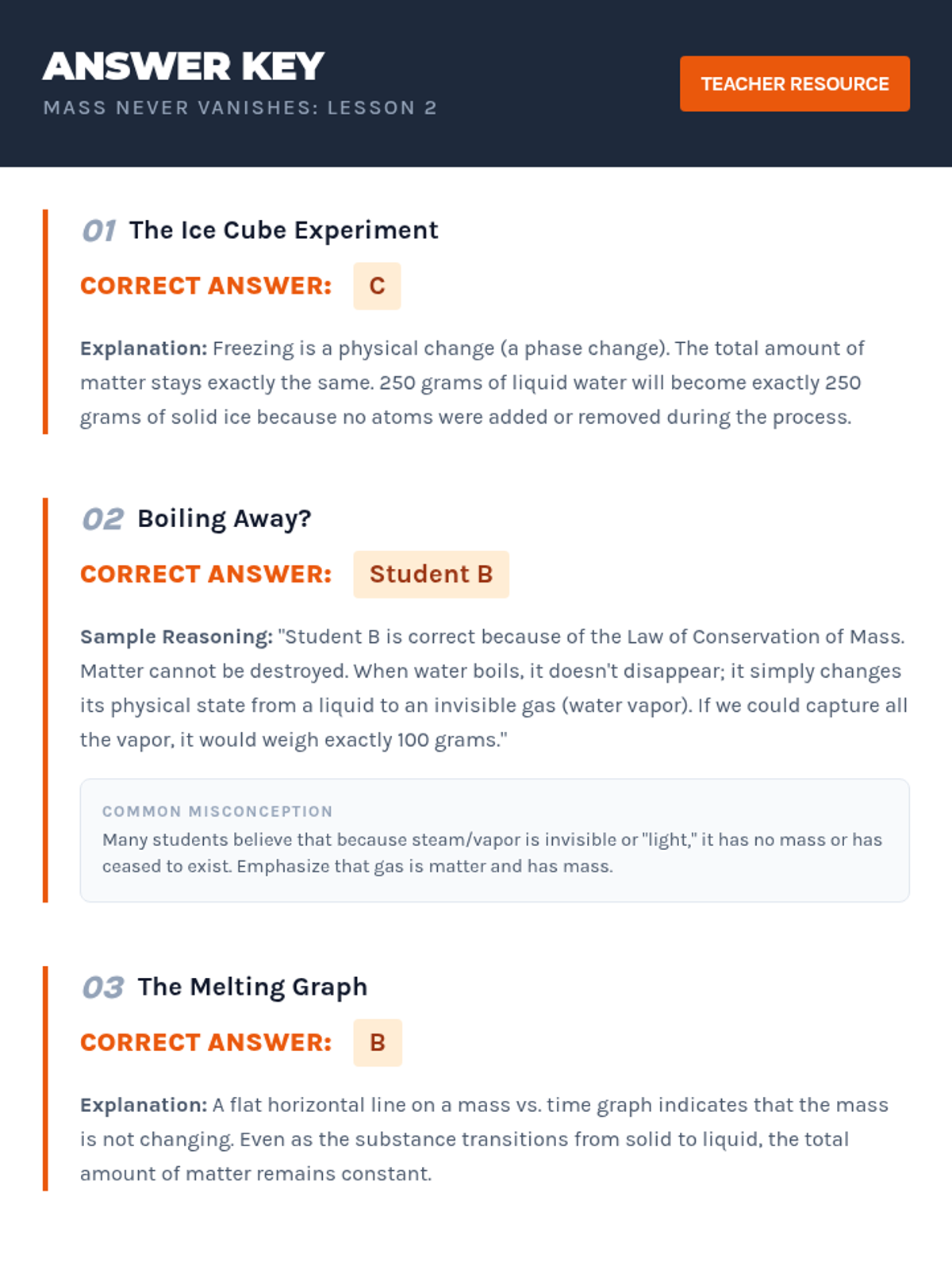
Students will explore how the mass of a substance remains constant even as it undergoes phase changes (freezing, melting, boiling). They will analyze data involving state changes and evaluate scientific claims about matter 'disappearing' during evaporation.
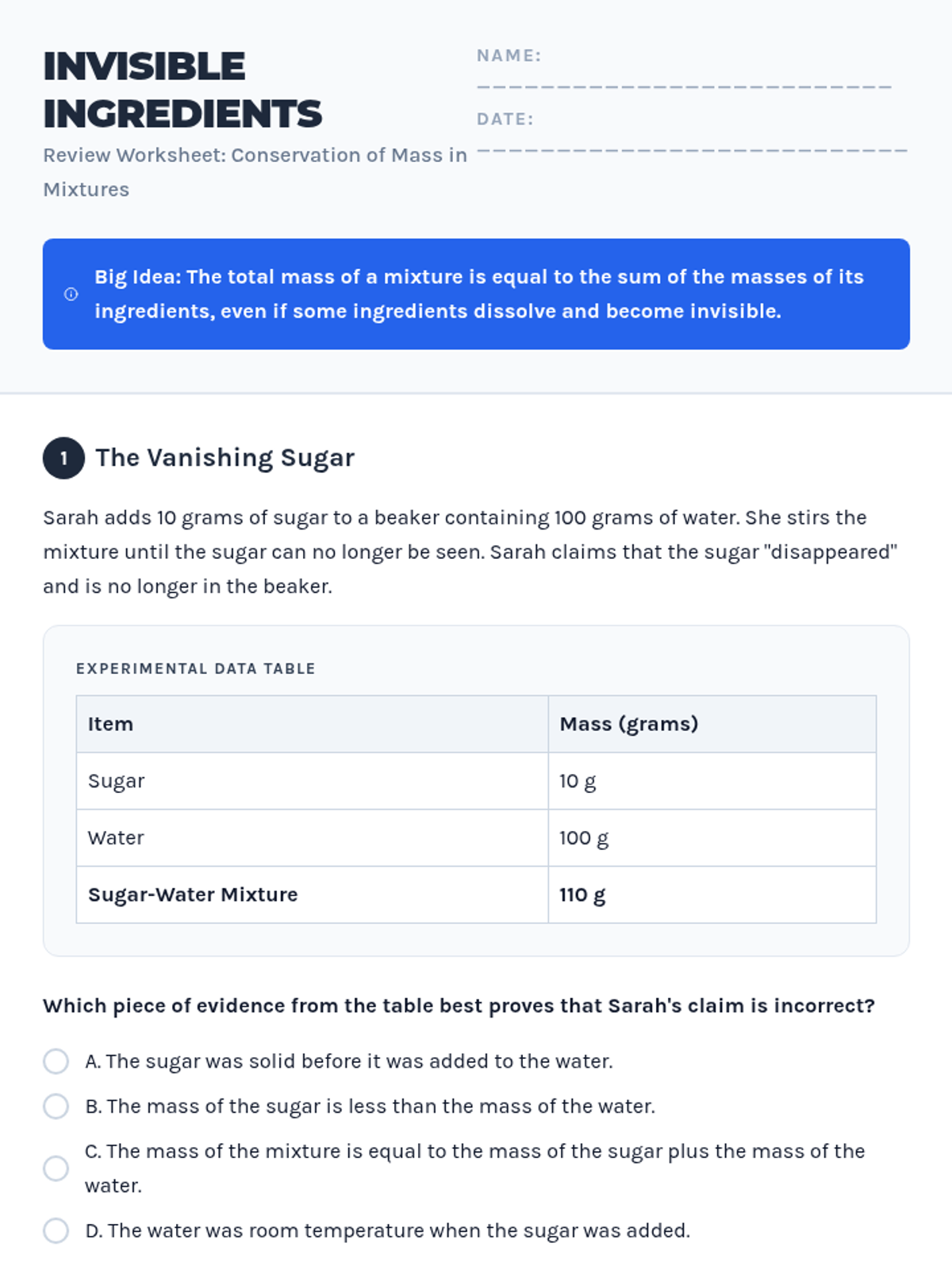
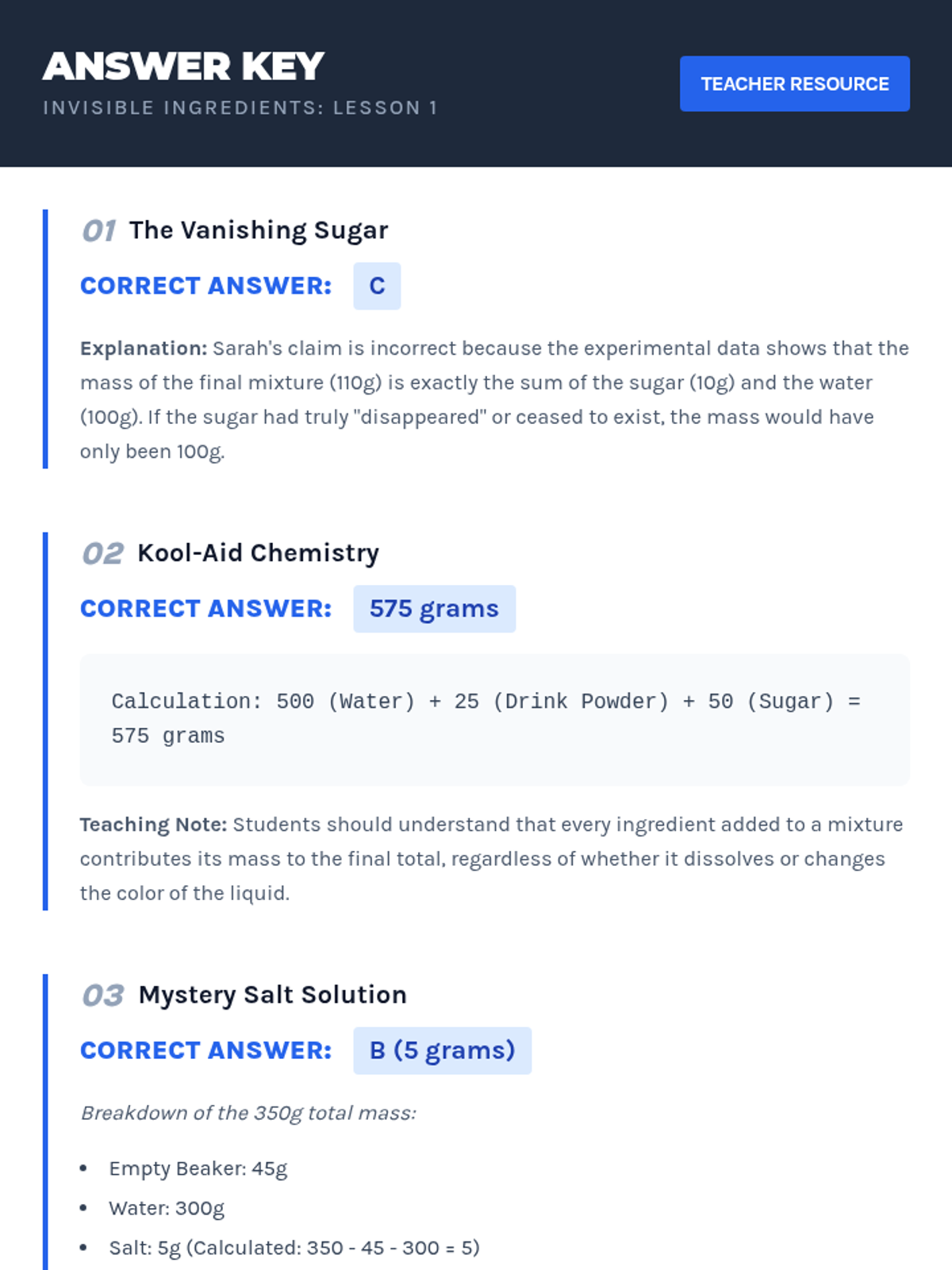
Students will review the law of conservation of mass as it applies to mixtures and dissolving. They will practice interpreting data tables to prove that matter still exists even when it is no longer visible in a solution.
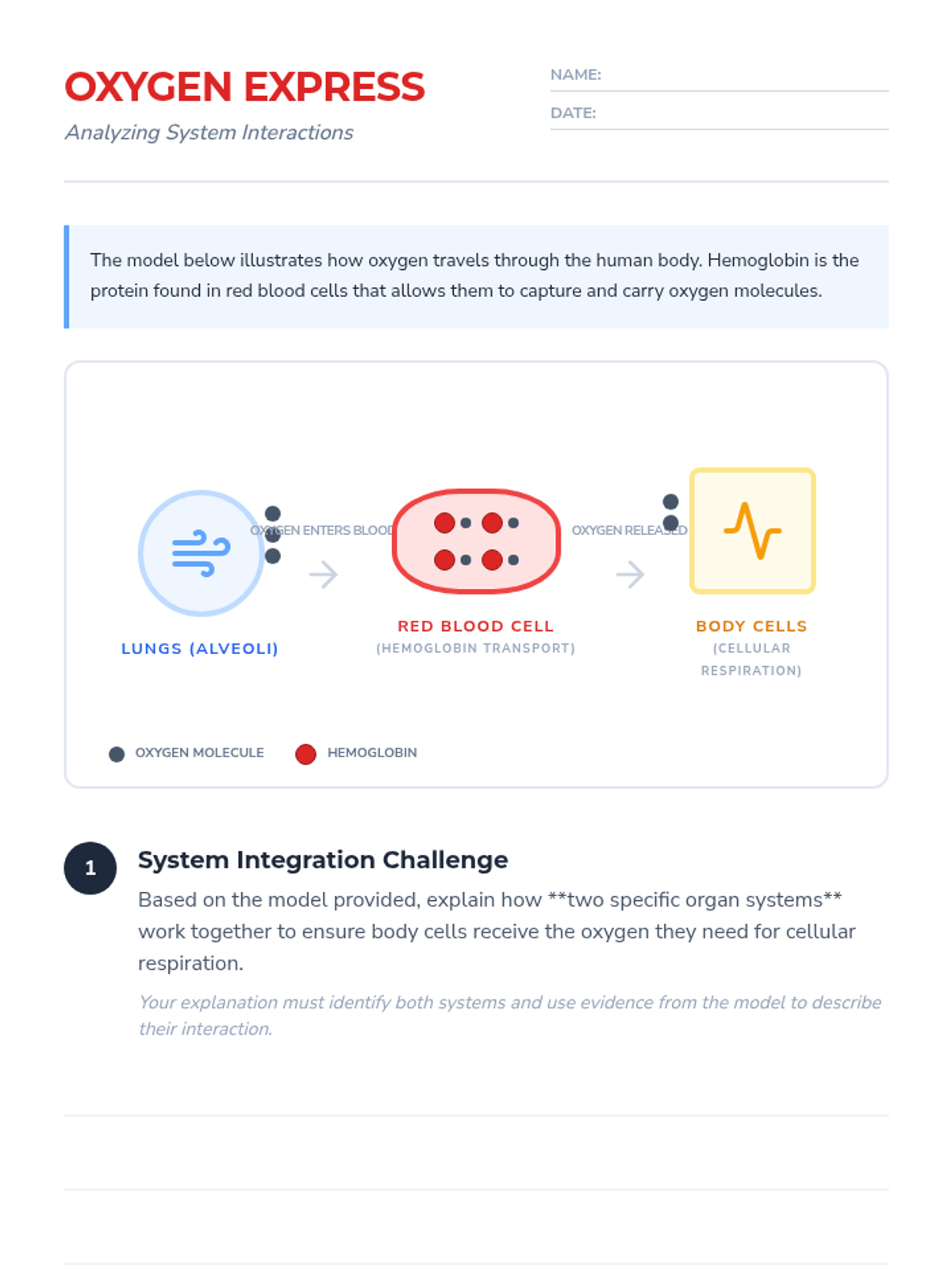
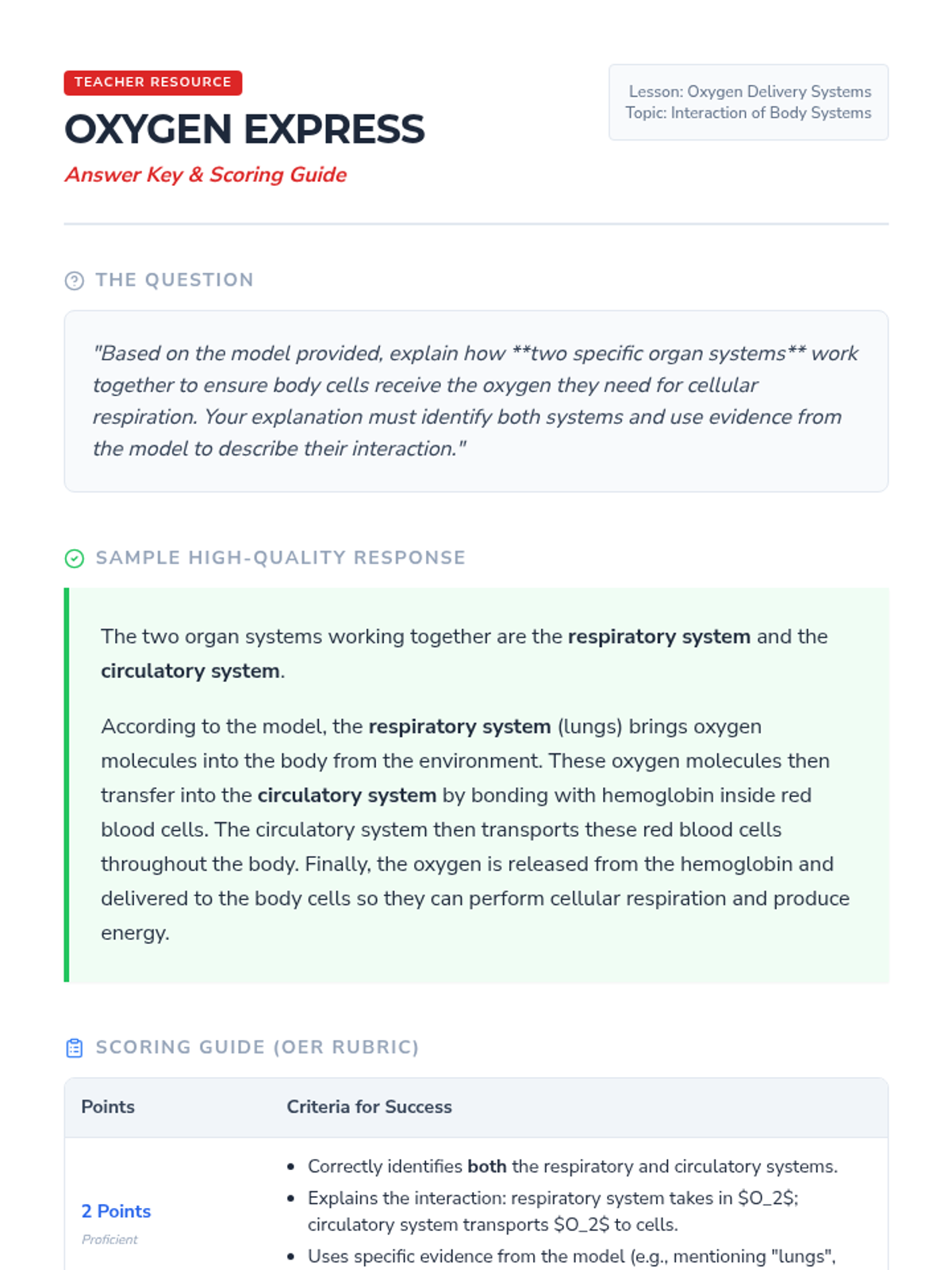
Students analyze the interaction between the respiratory and circulatory systems as they work together to transport oxygen from the environment to body cells for cellular respiration.
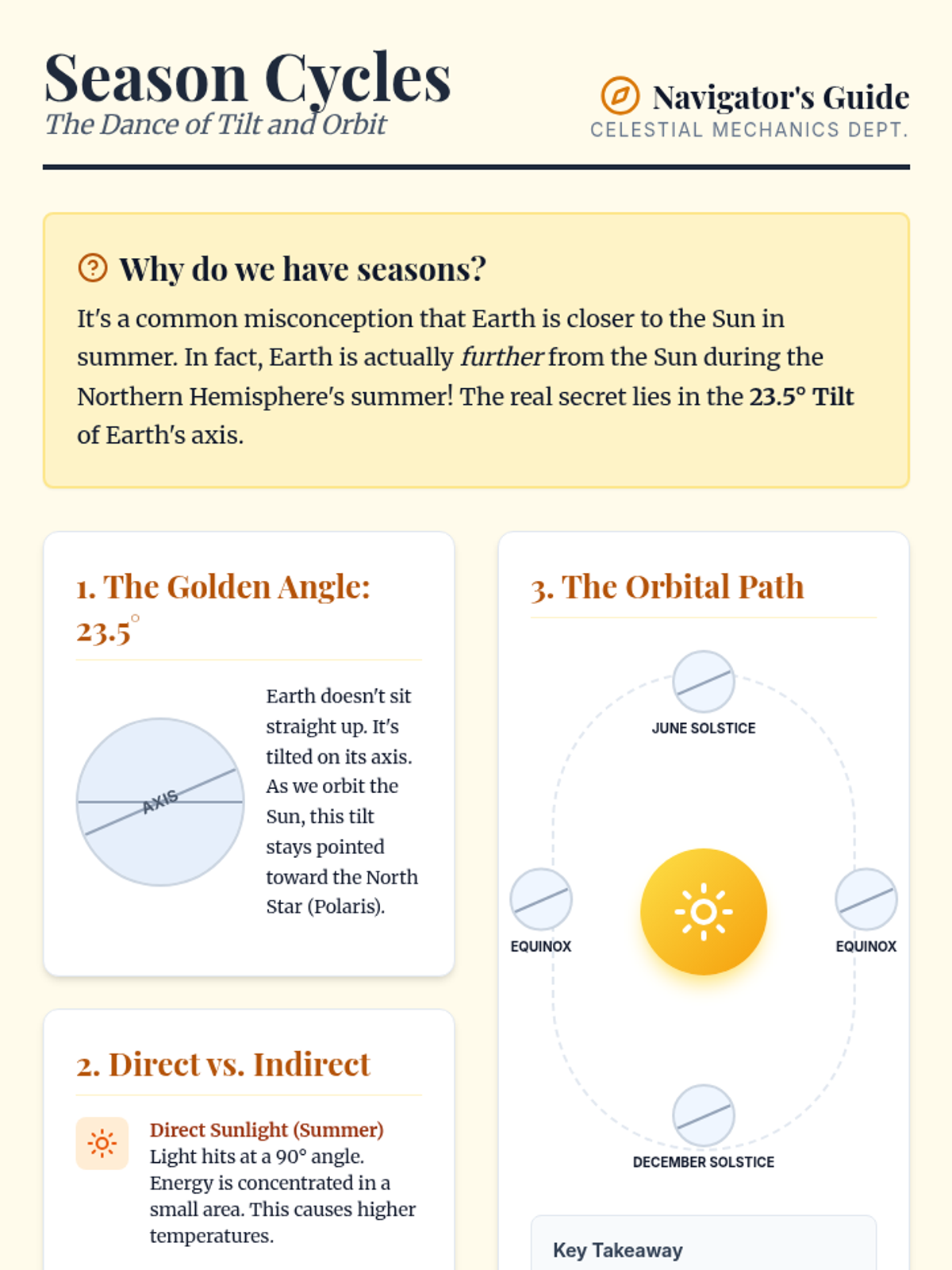
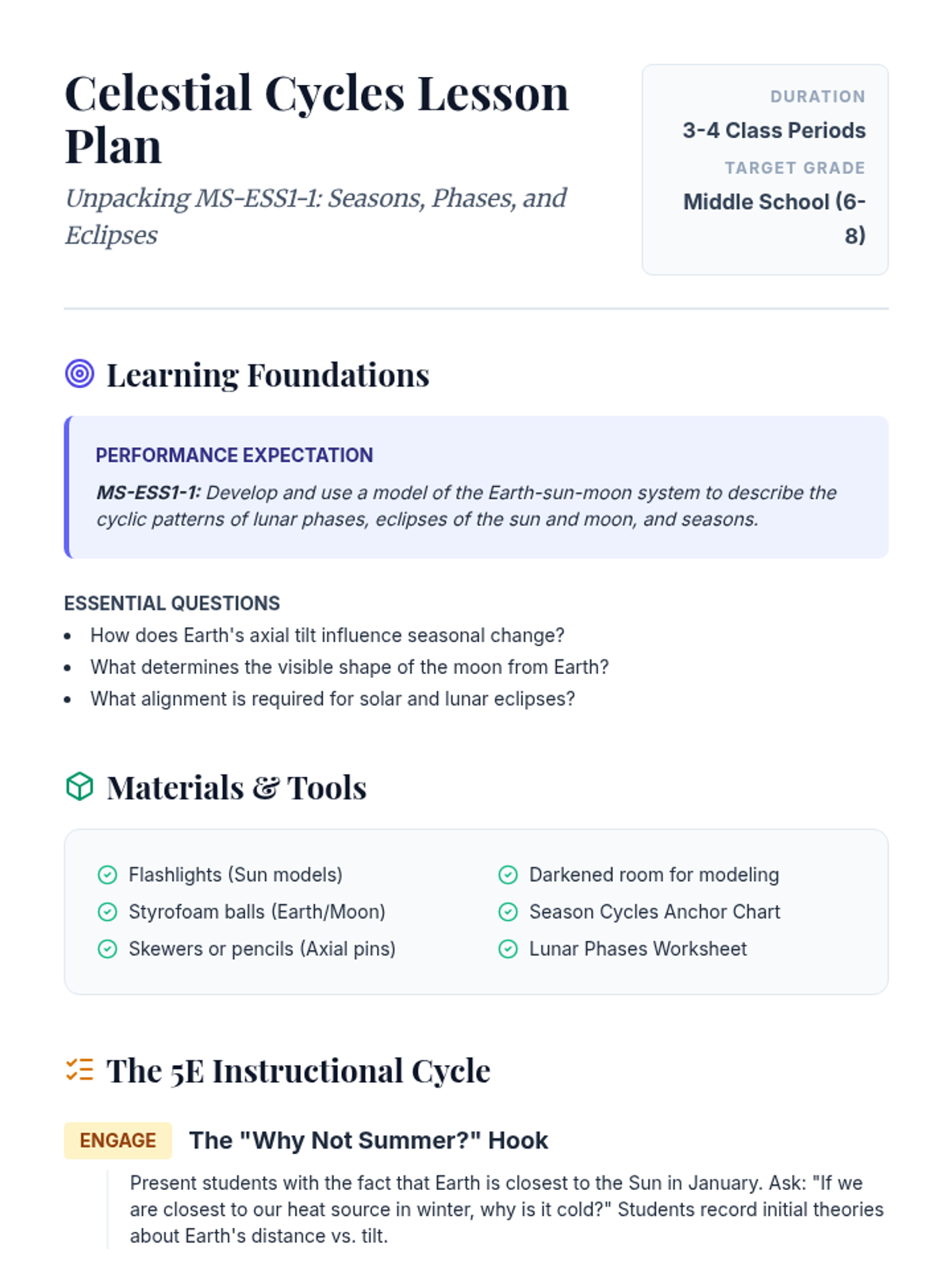
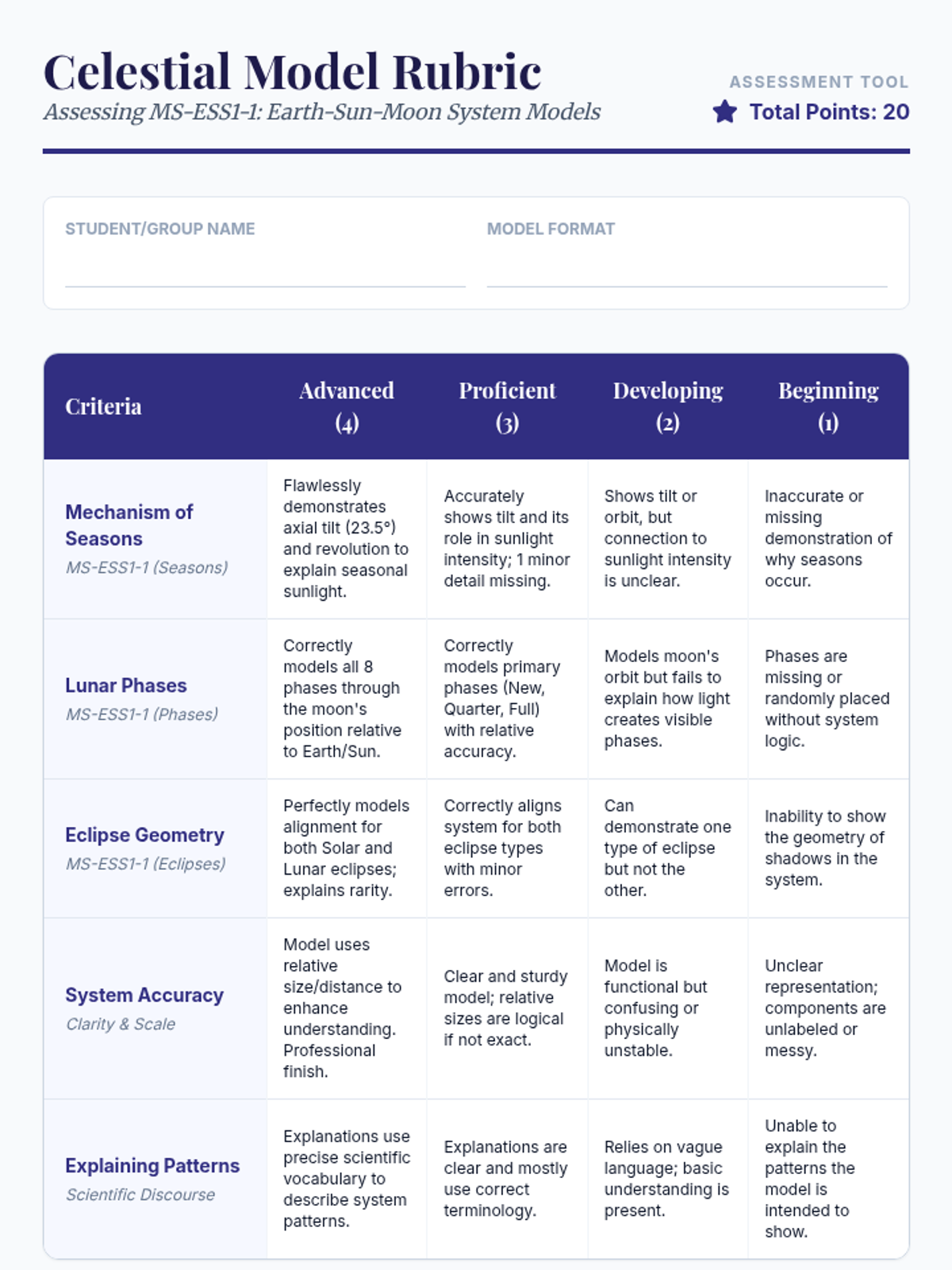
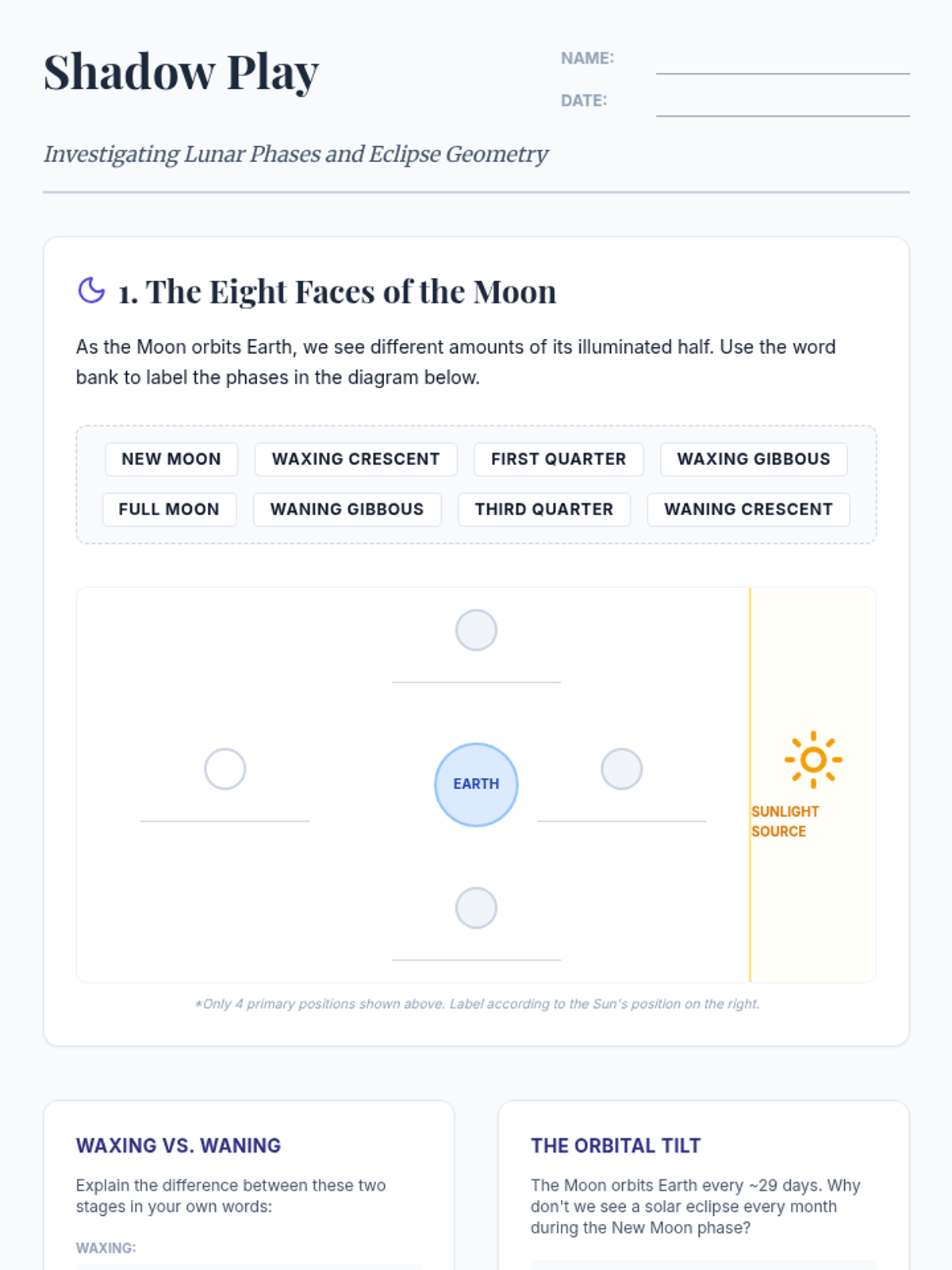
A comprehensive lesson exploring the Earth-sun-moon system, focusing on the mechanisms behind seasons, eclipses, and lunar phases through modeling and inquiry.
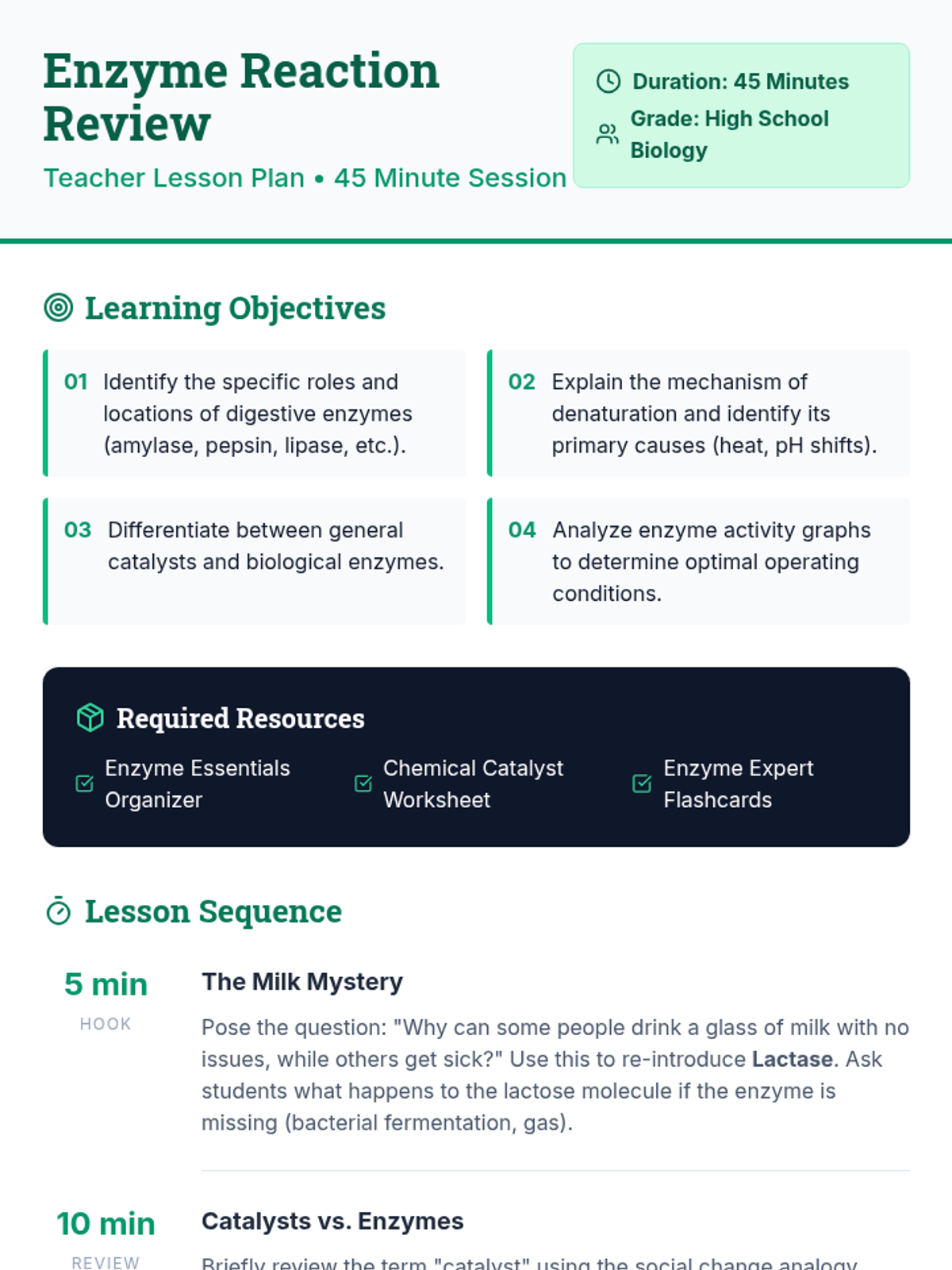
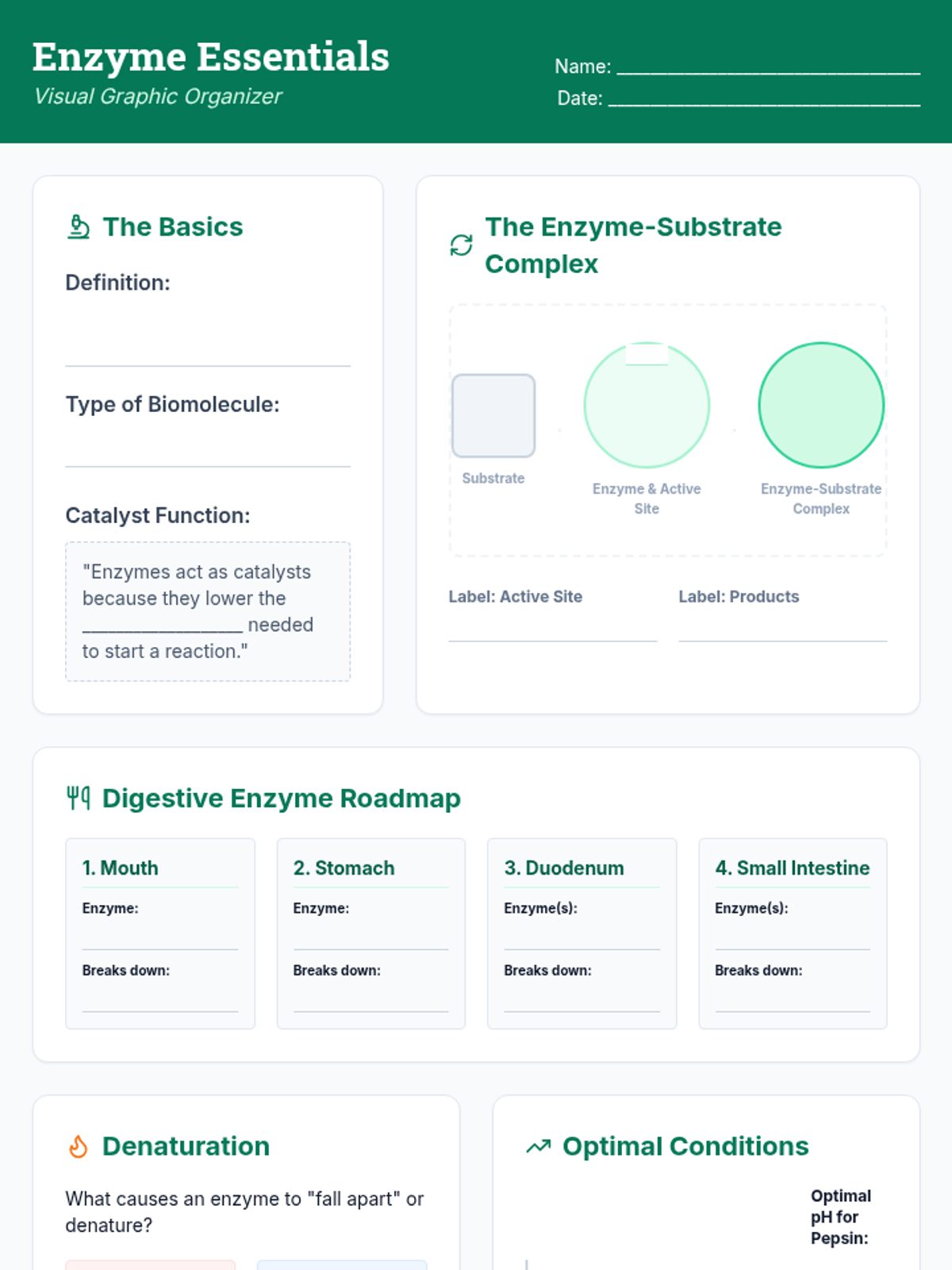
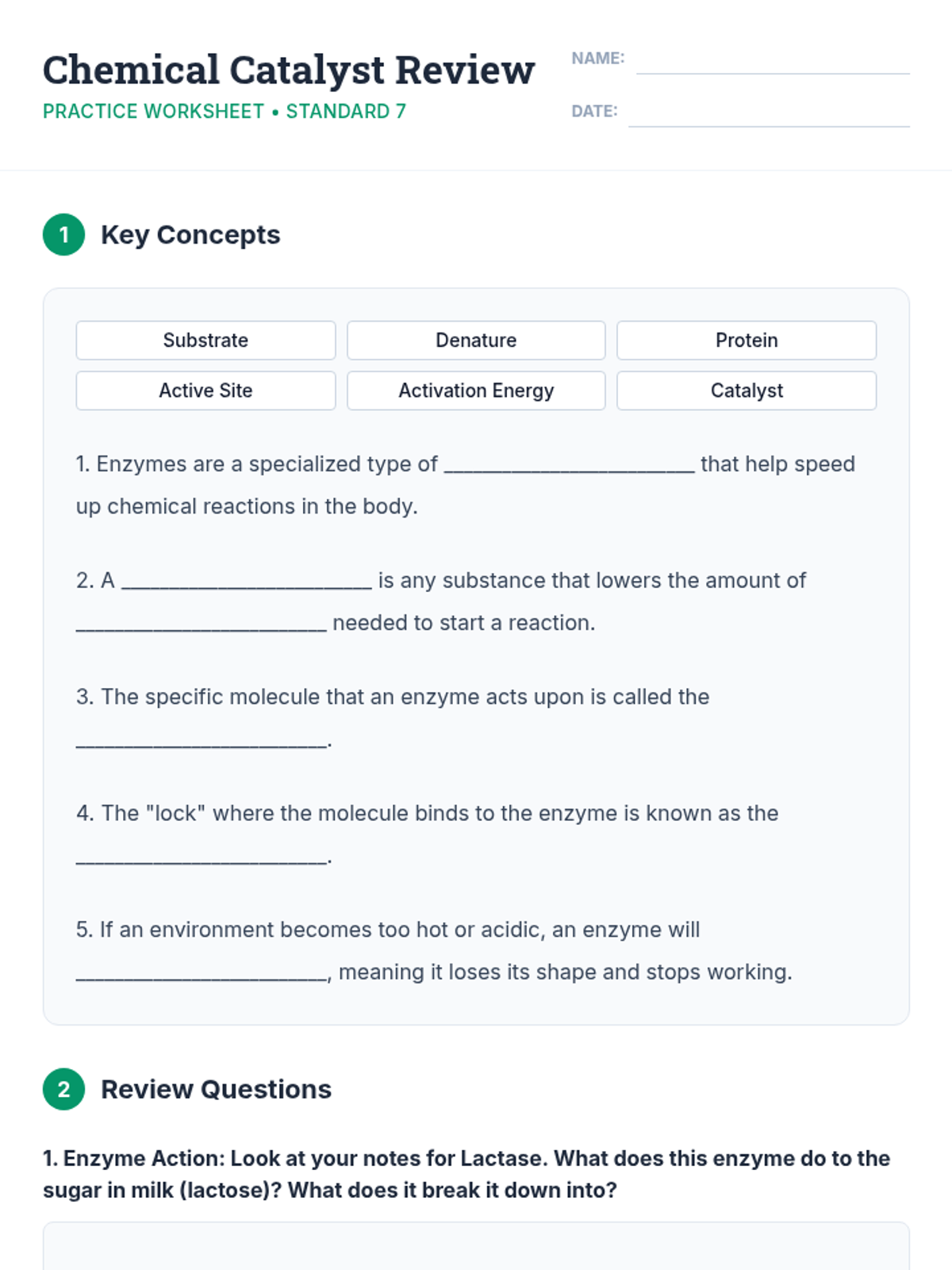
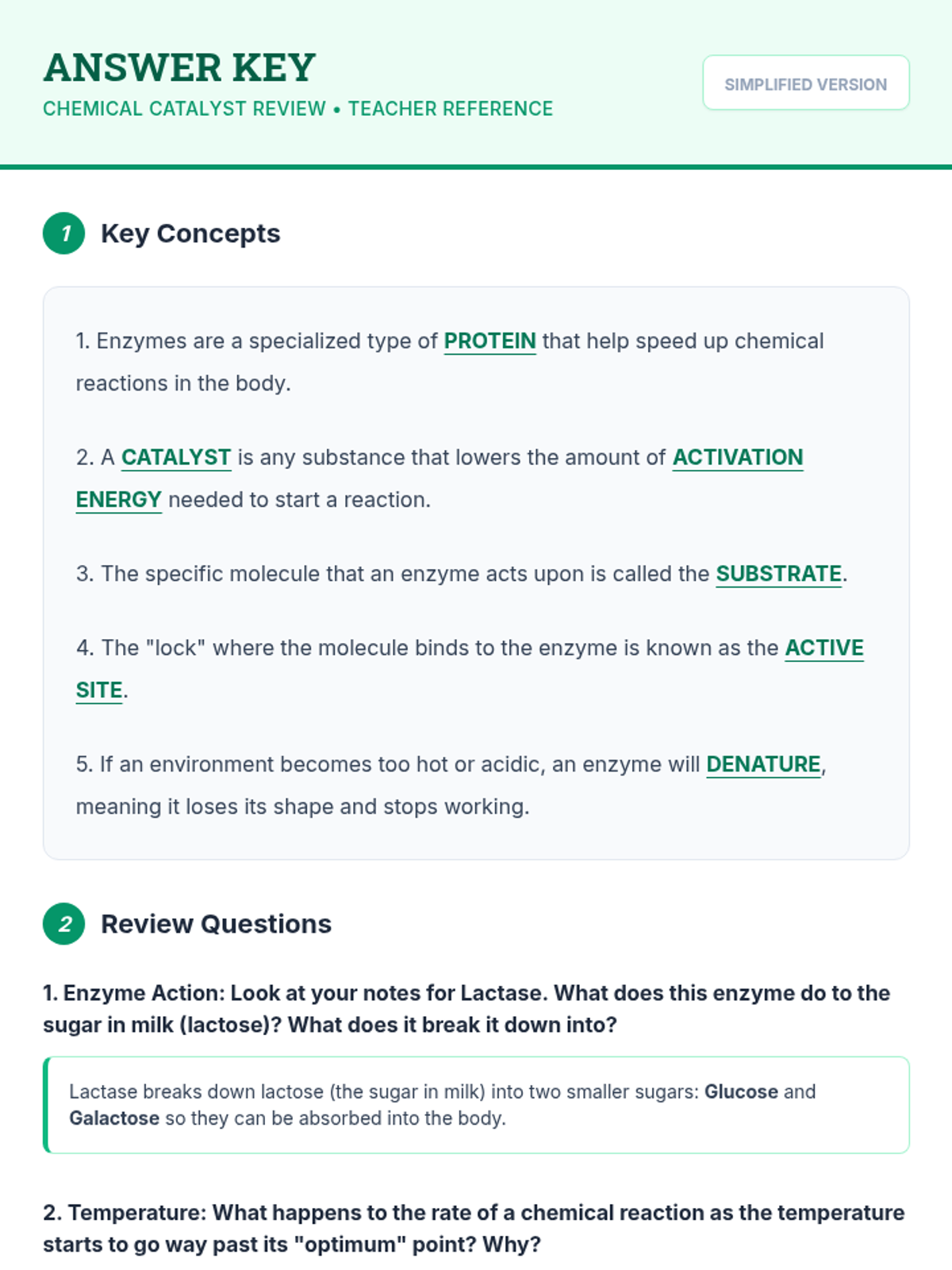
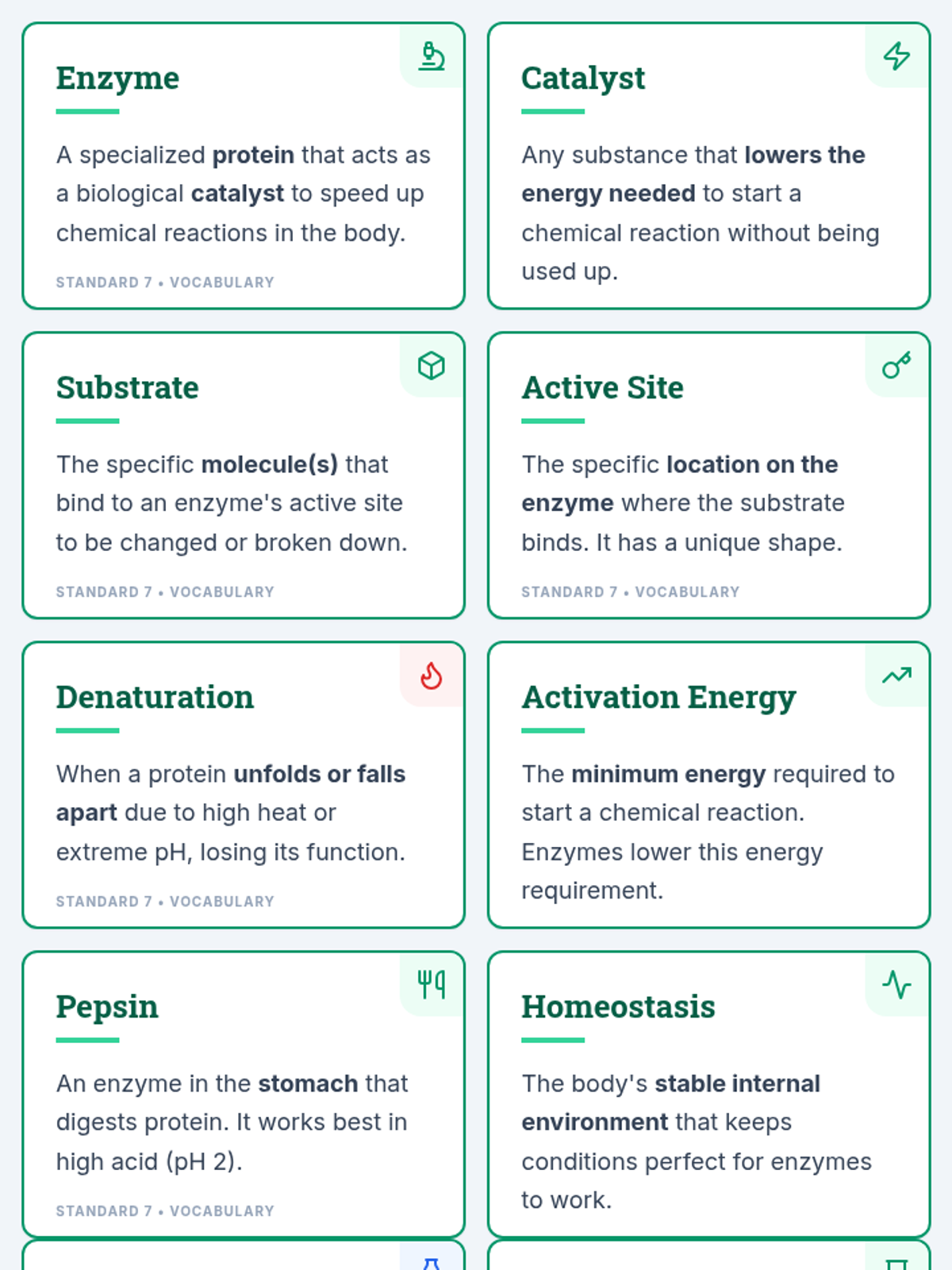
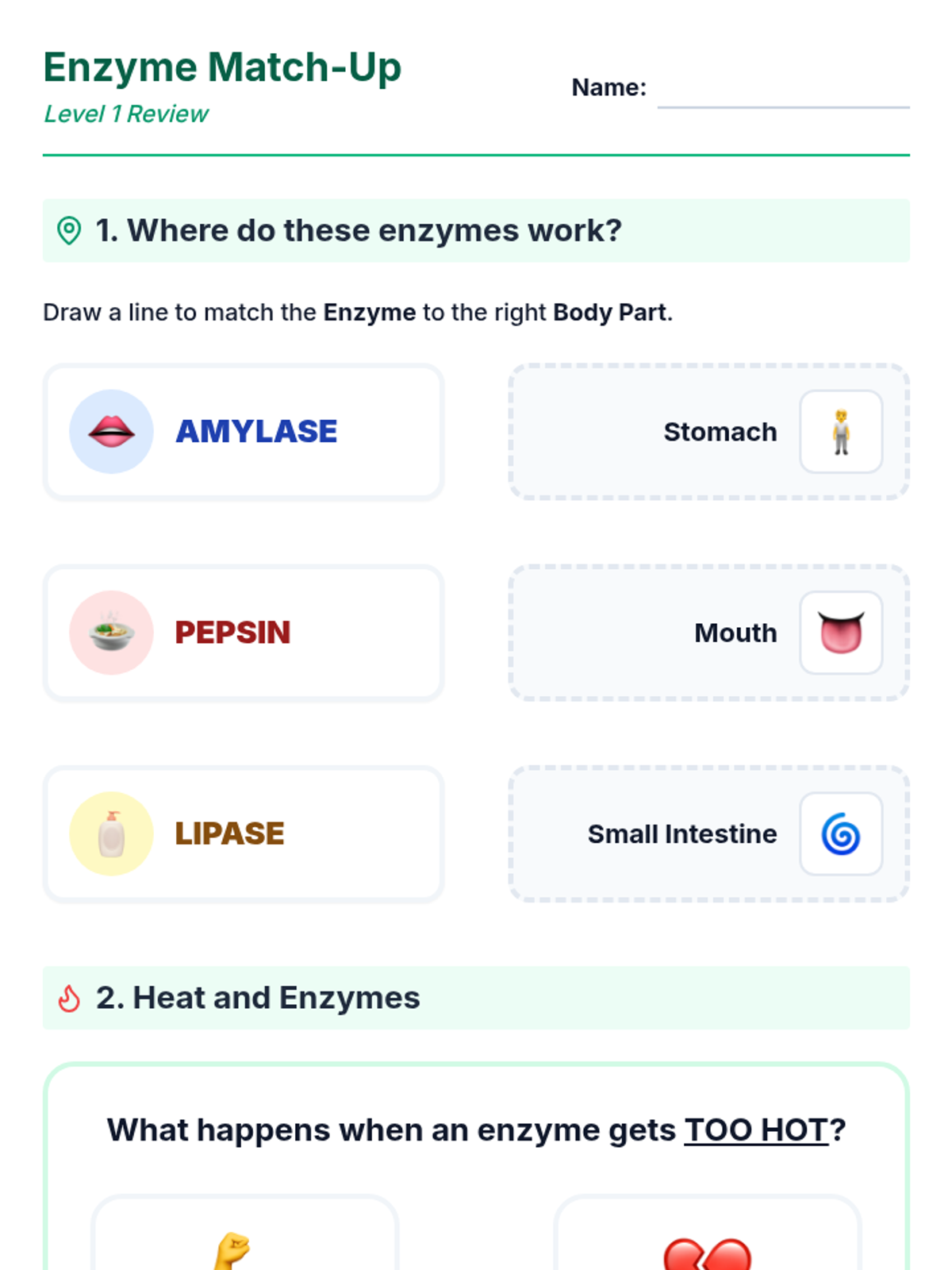
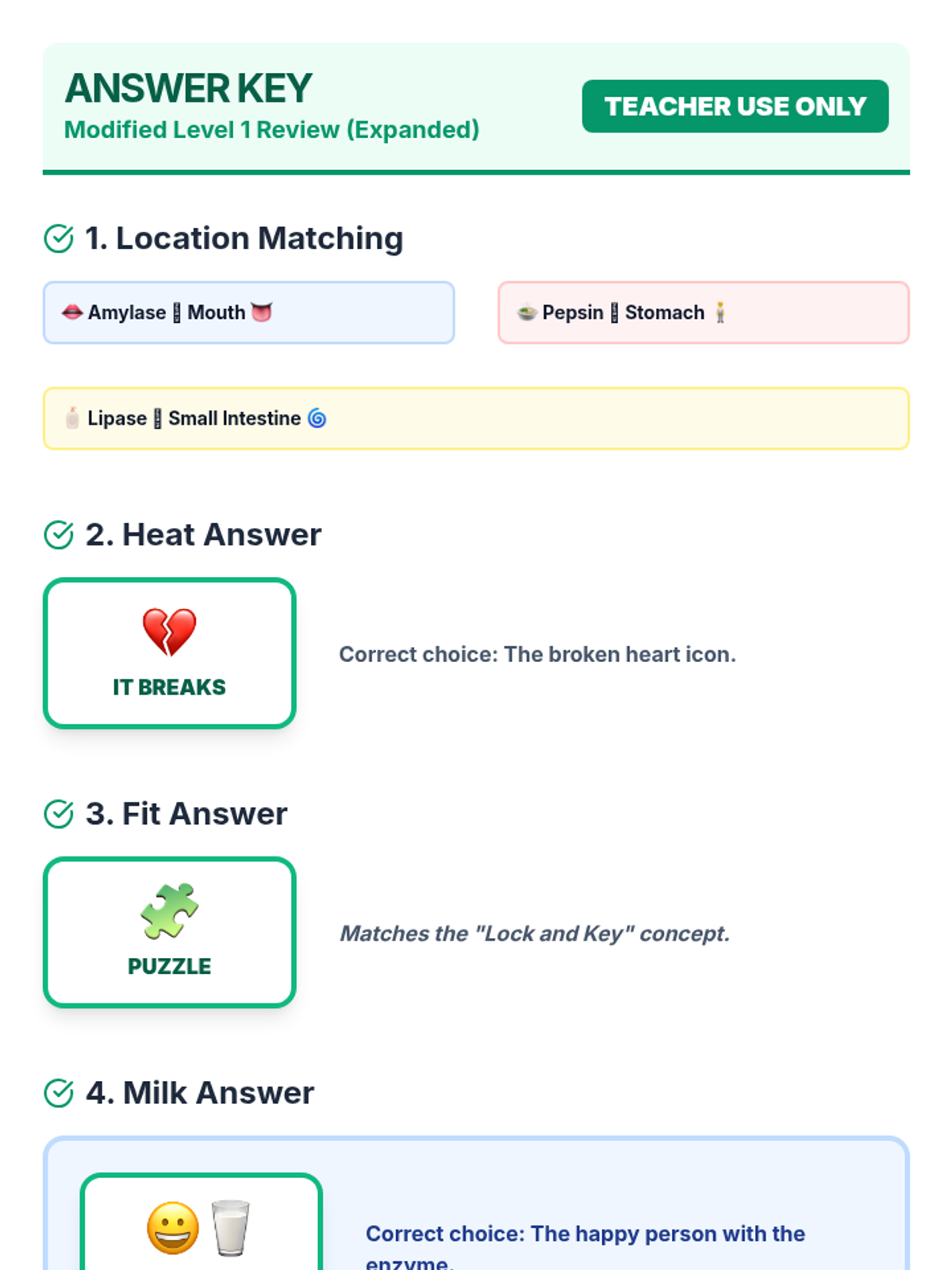
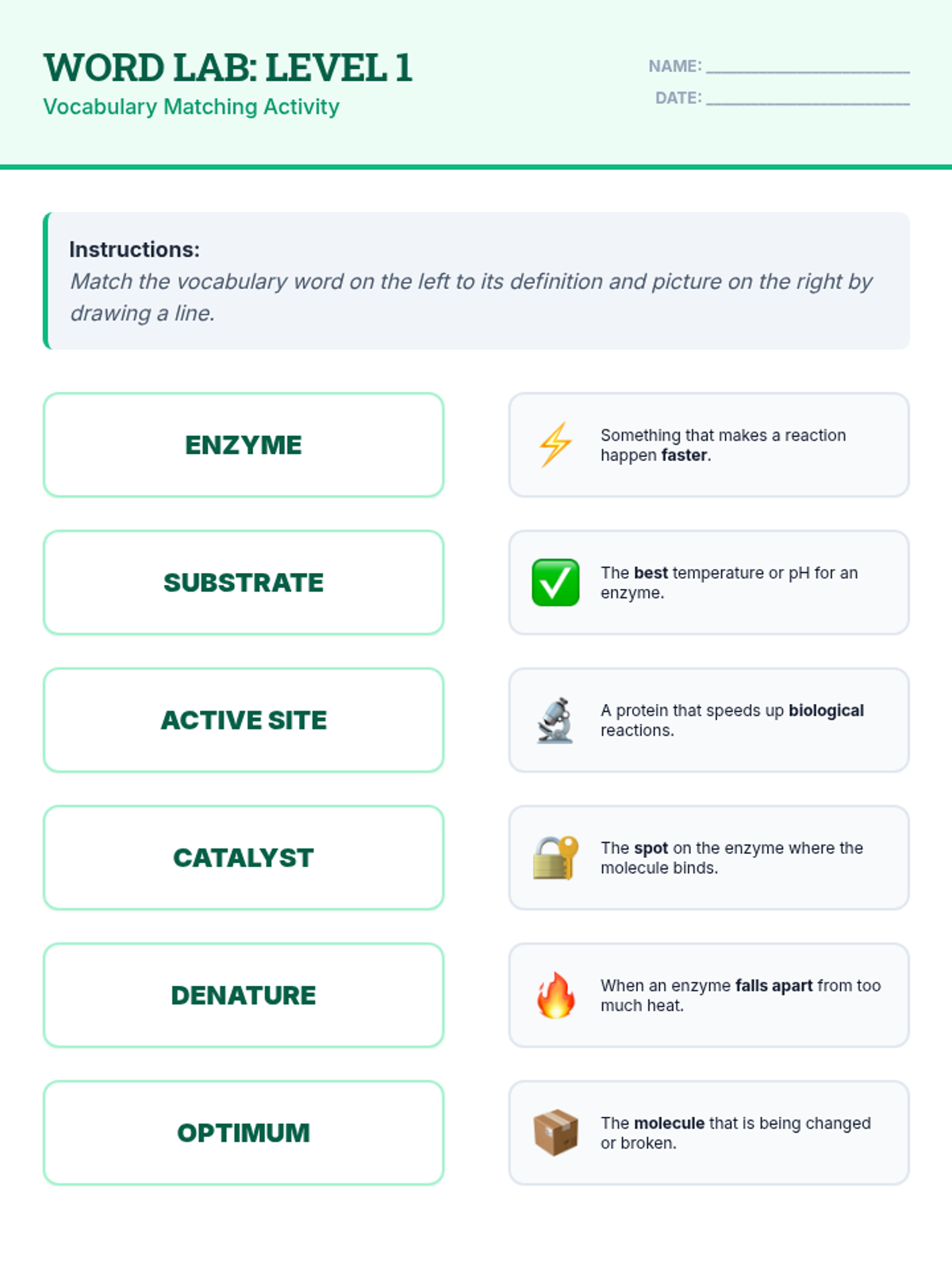
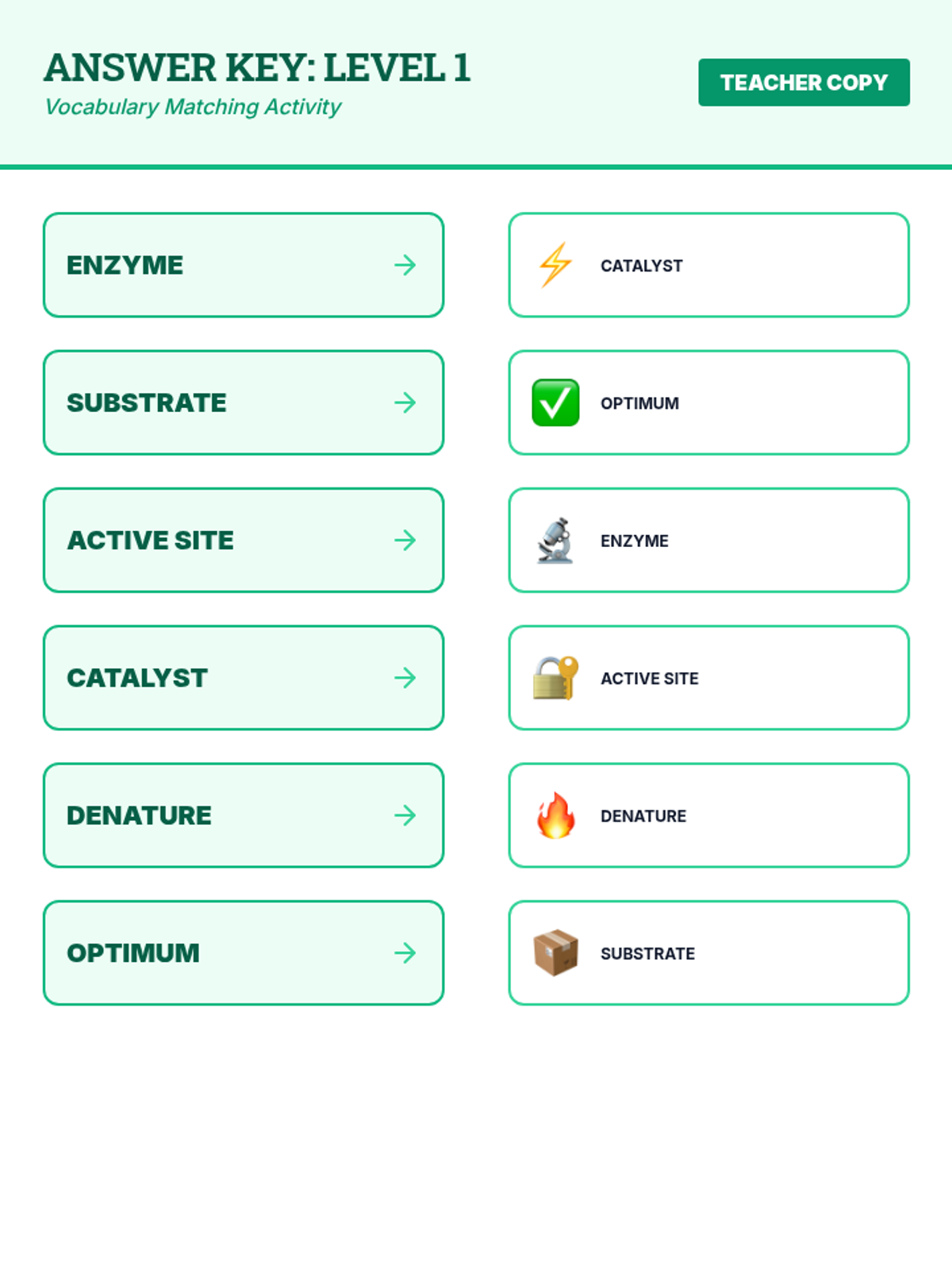
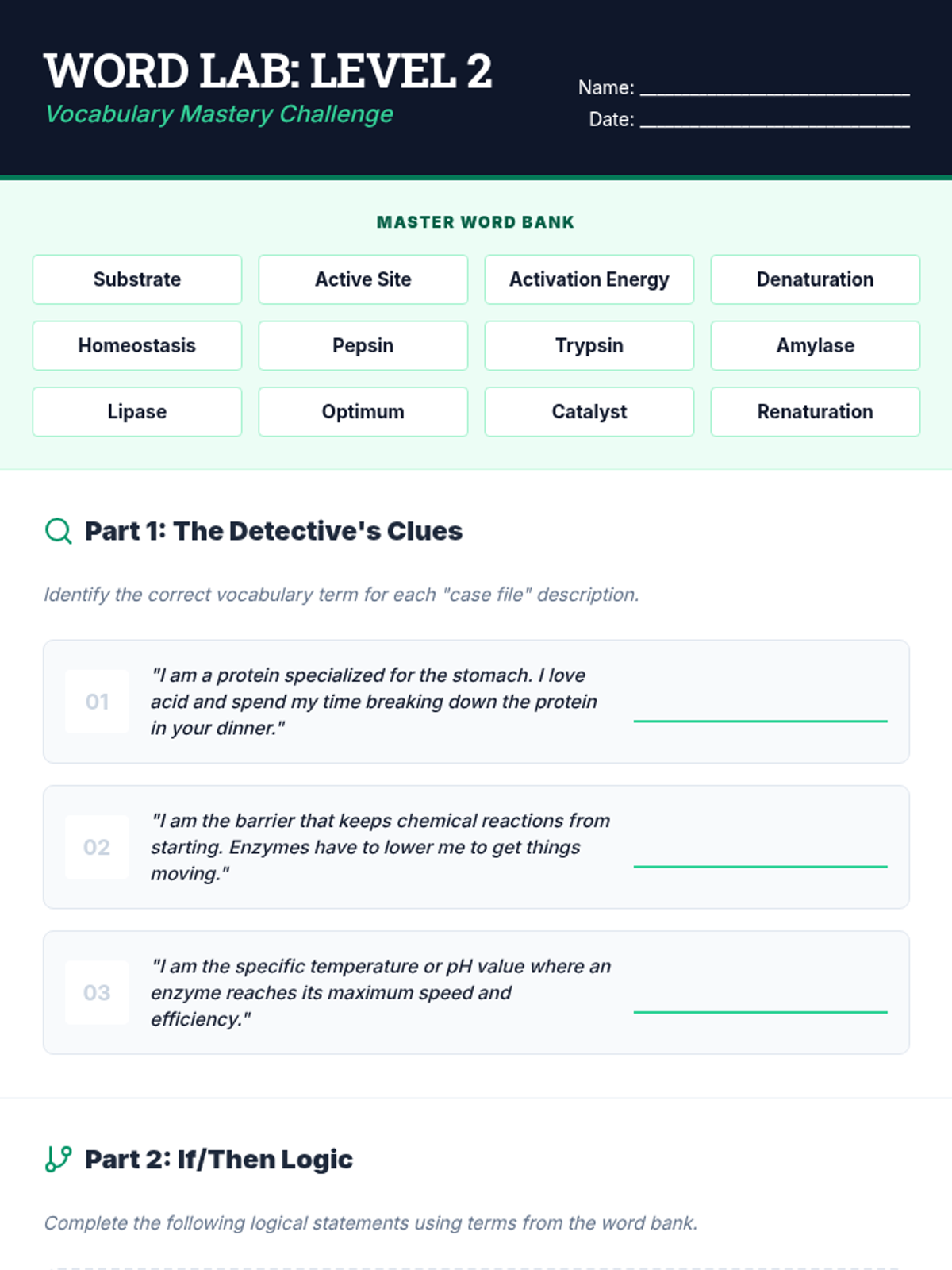
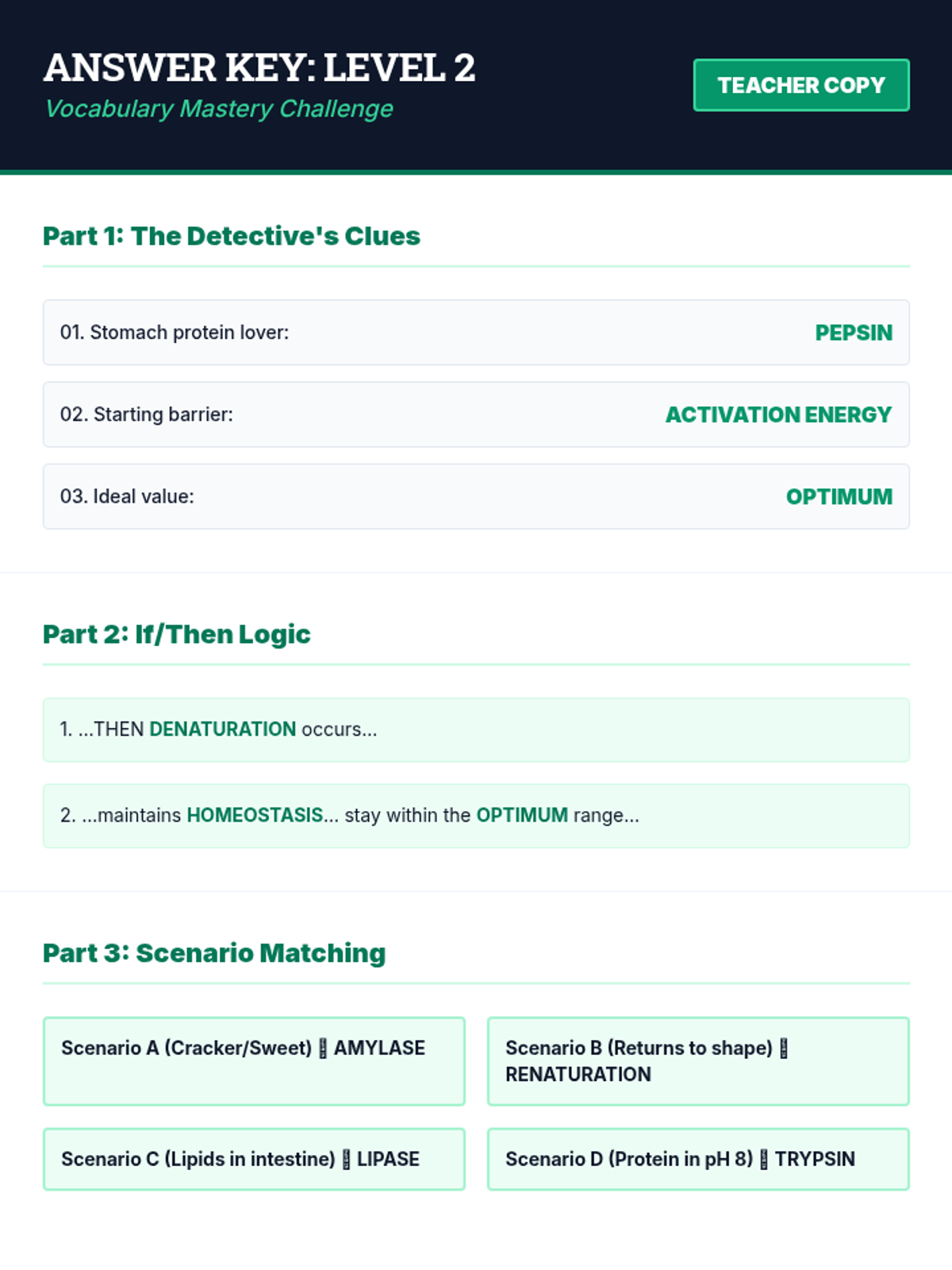
A comprehensive review lesson focused on enzyme characteristics, their roles in human digestion, the concept of denaturation, and graph analysis of enzyme activity. Students will explore how environmental factors like pH and temperature influence biological reactions.
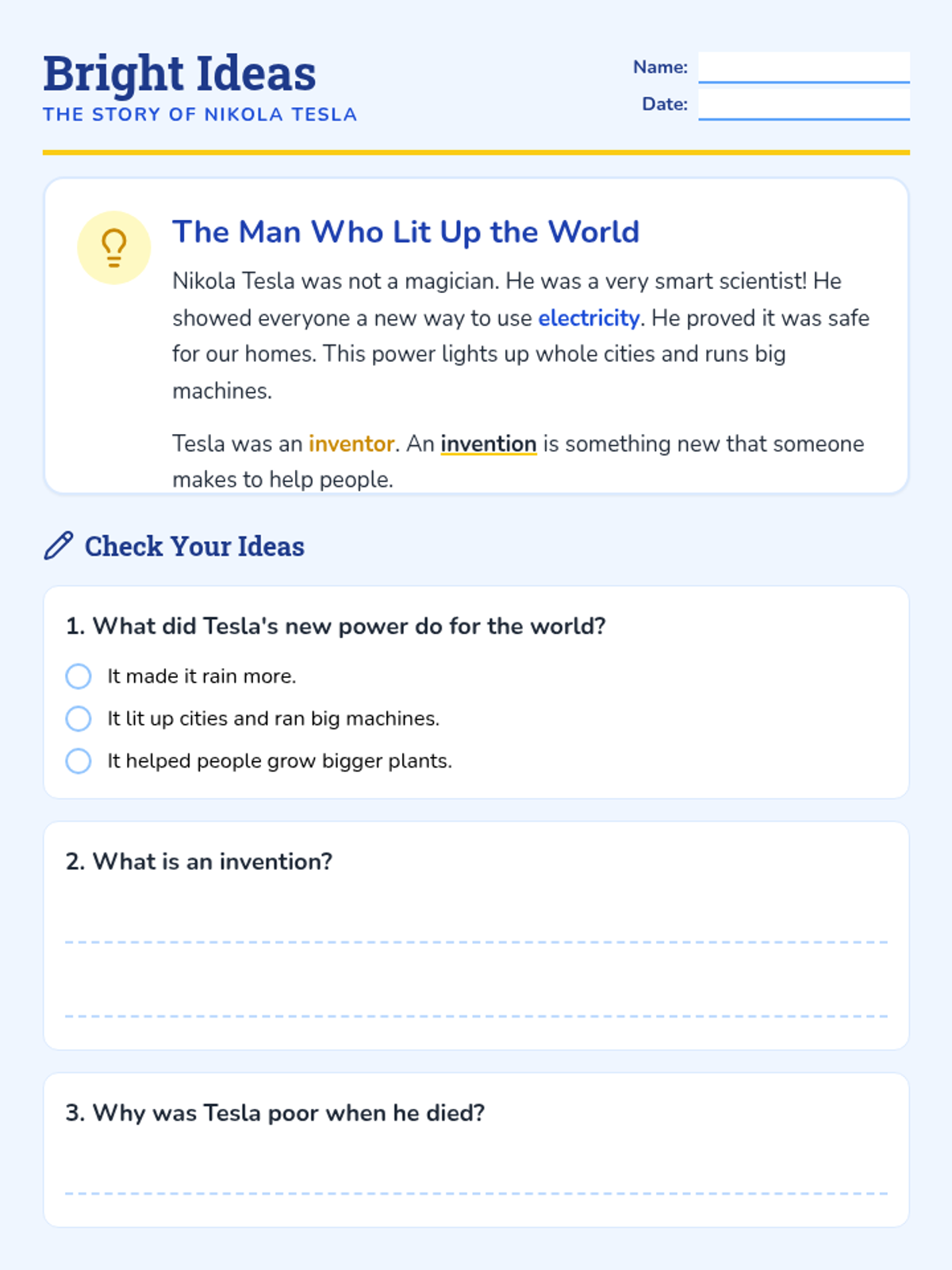
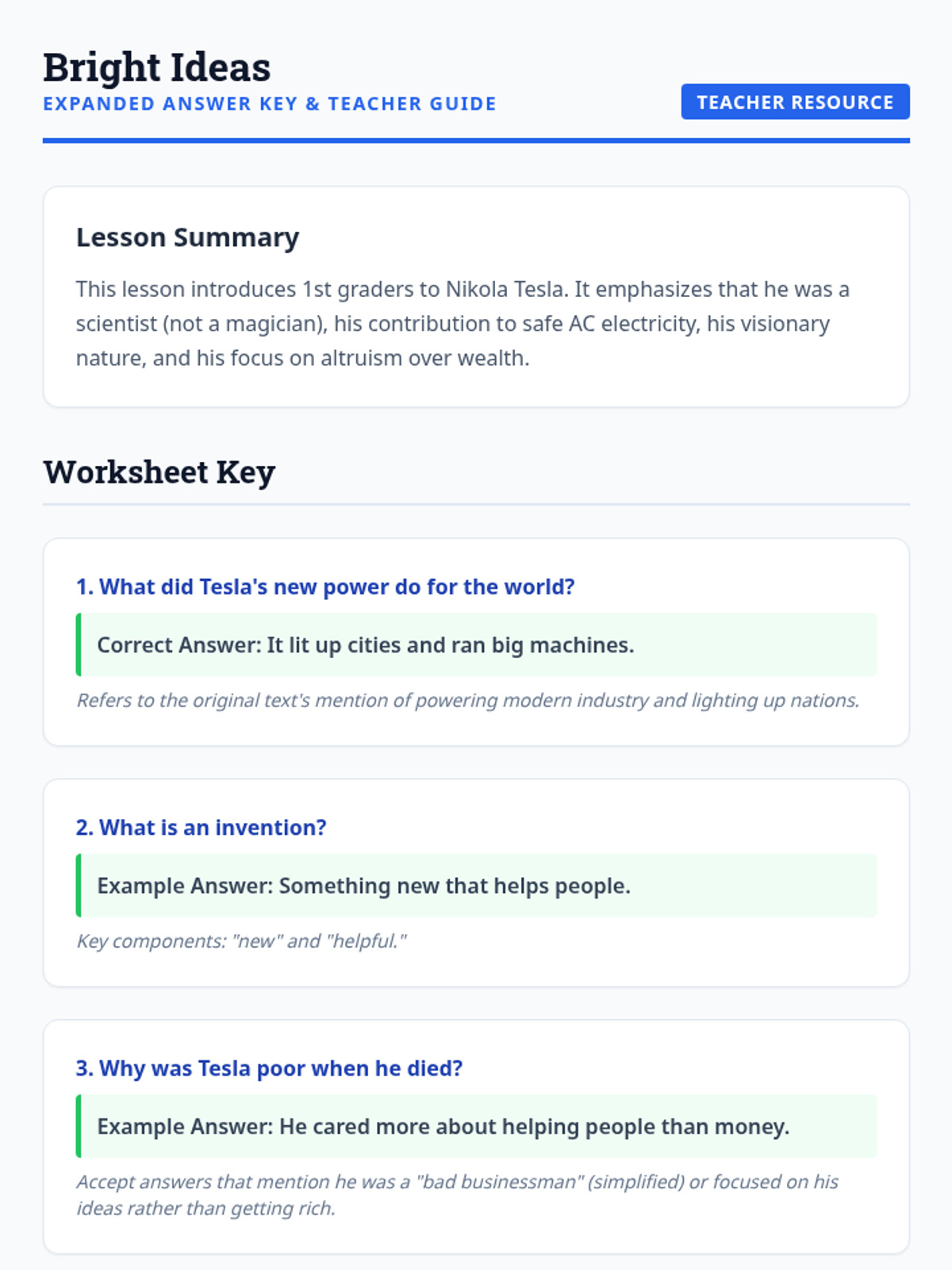
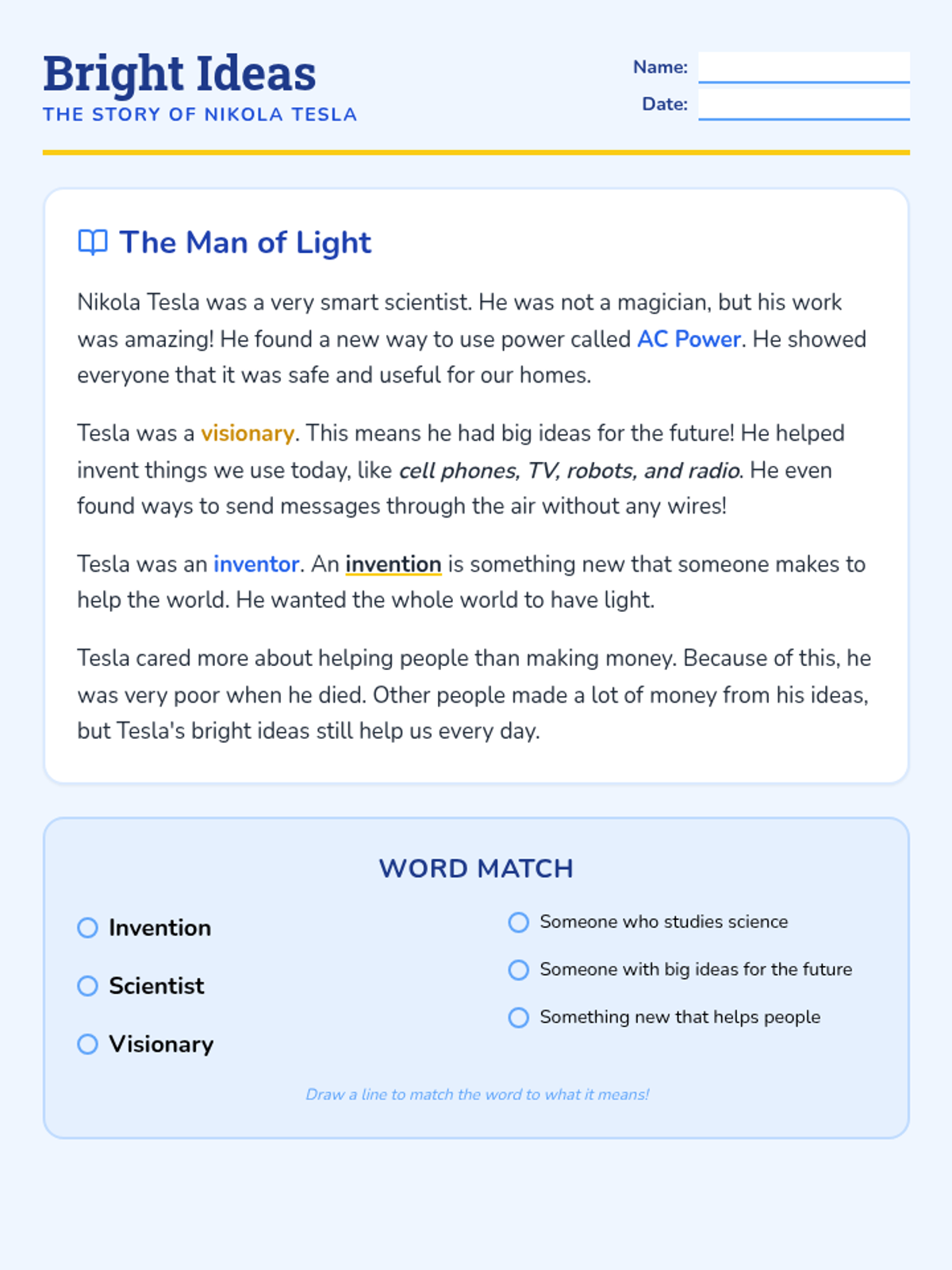
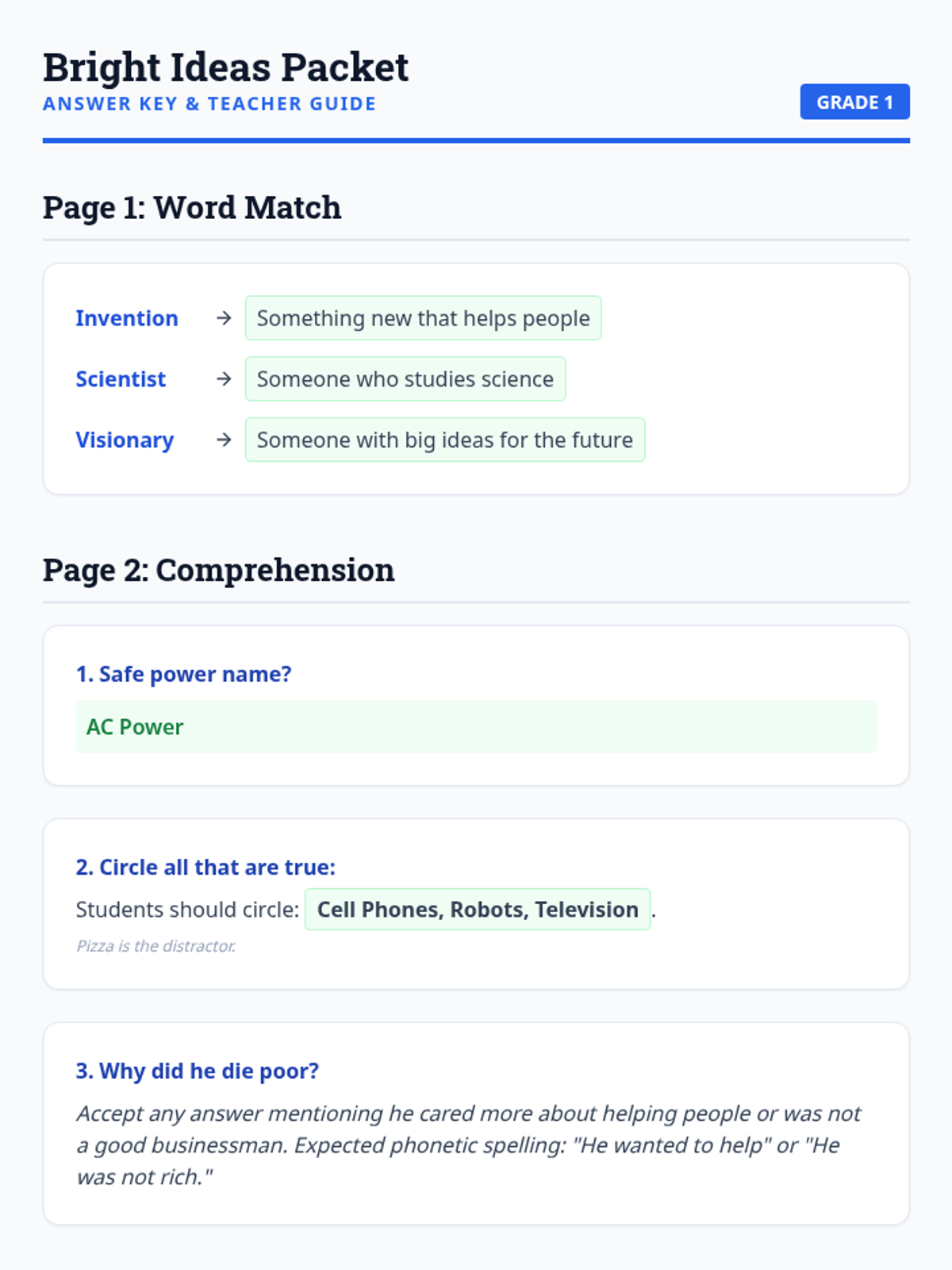
A lesson introducing 1st graders to Nikola Tesla and the concept of inventions through a simplified reading passage.
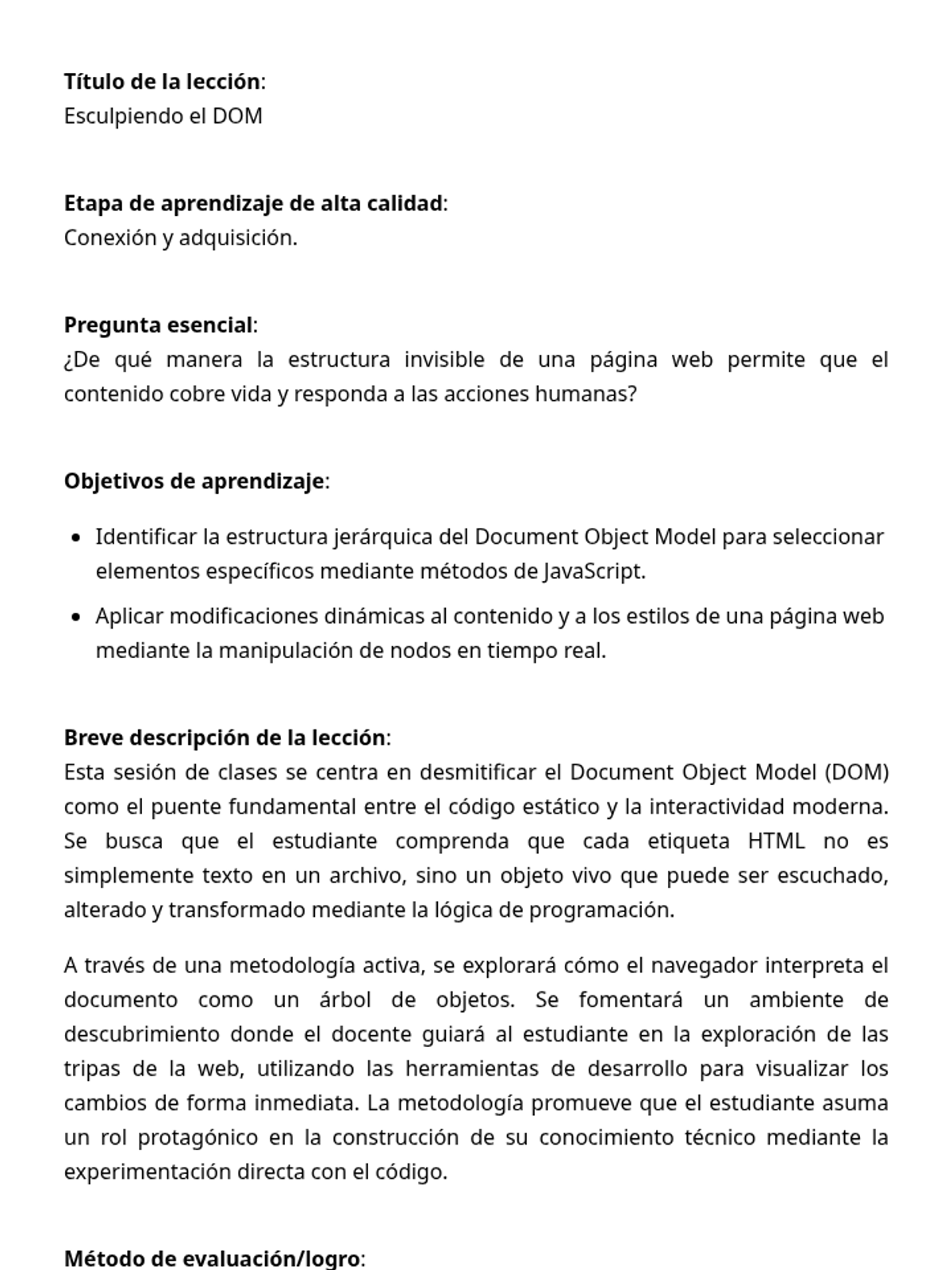
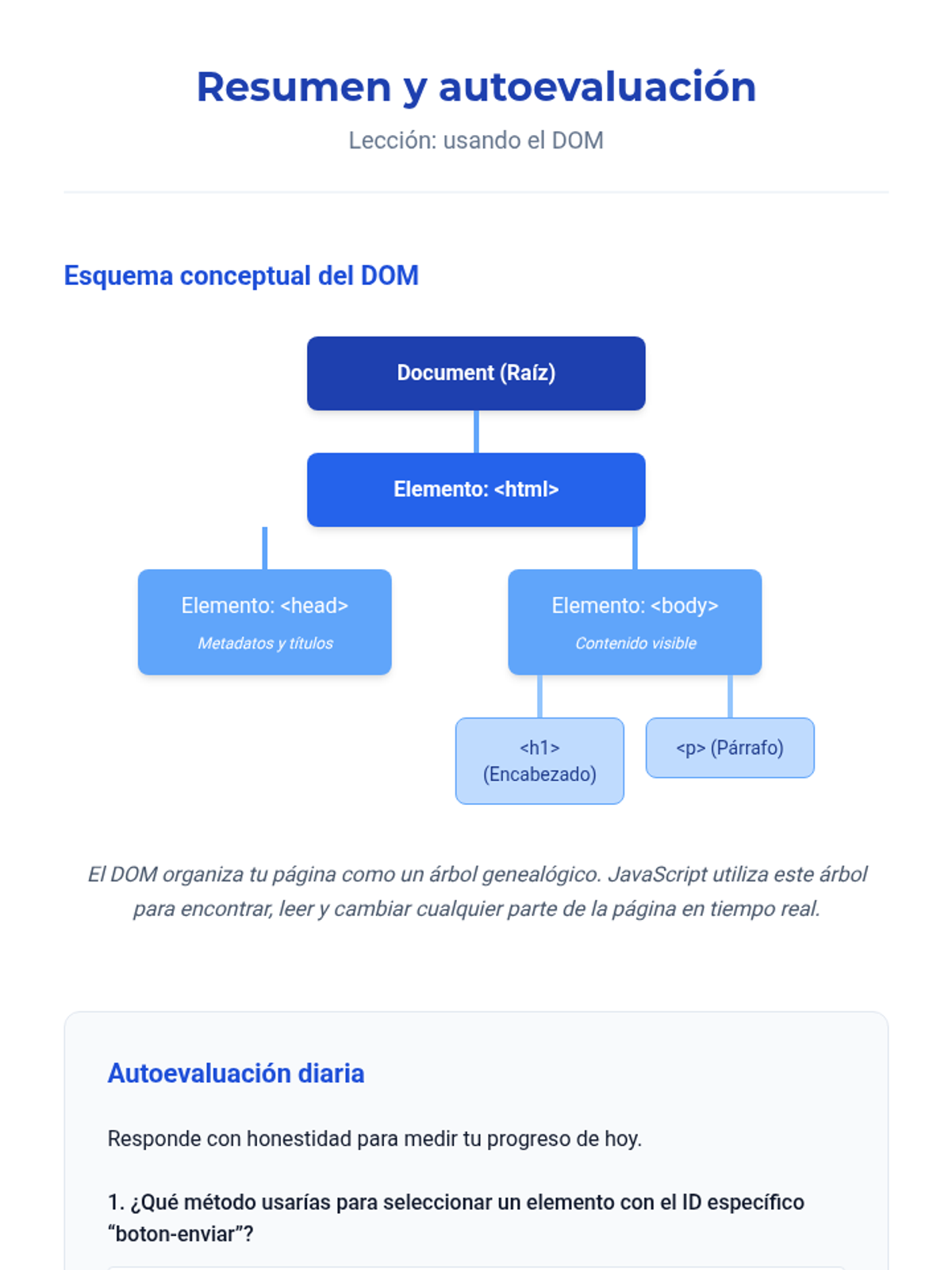
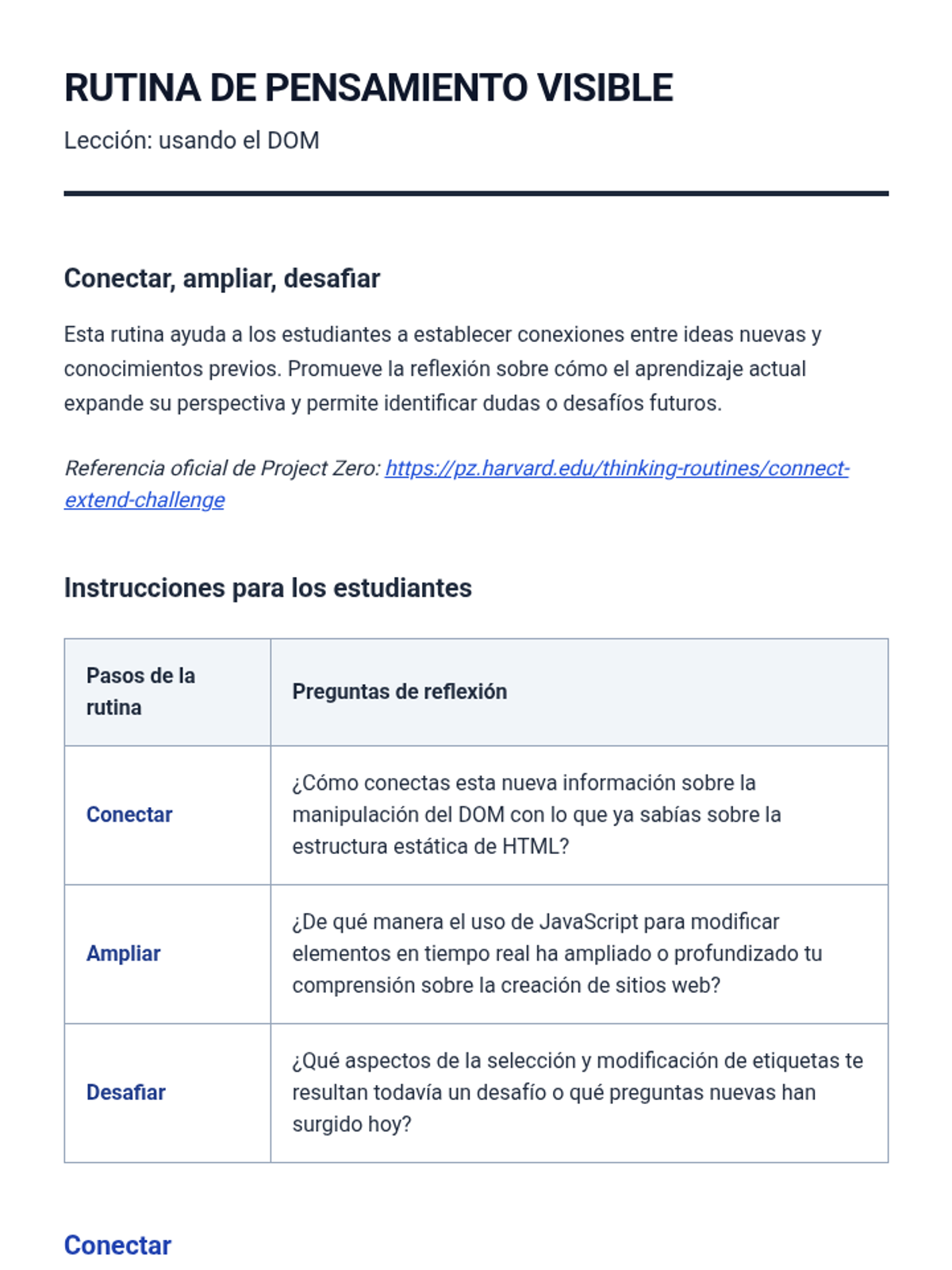
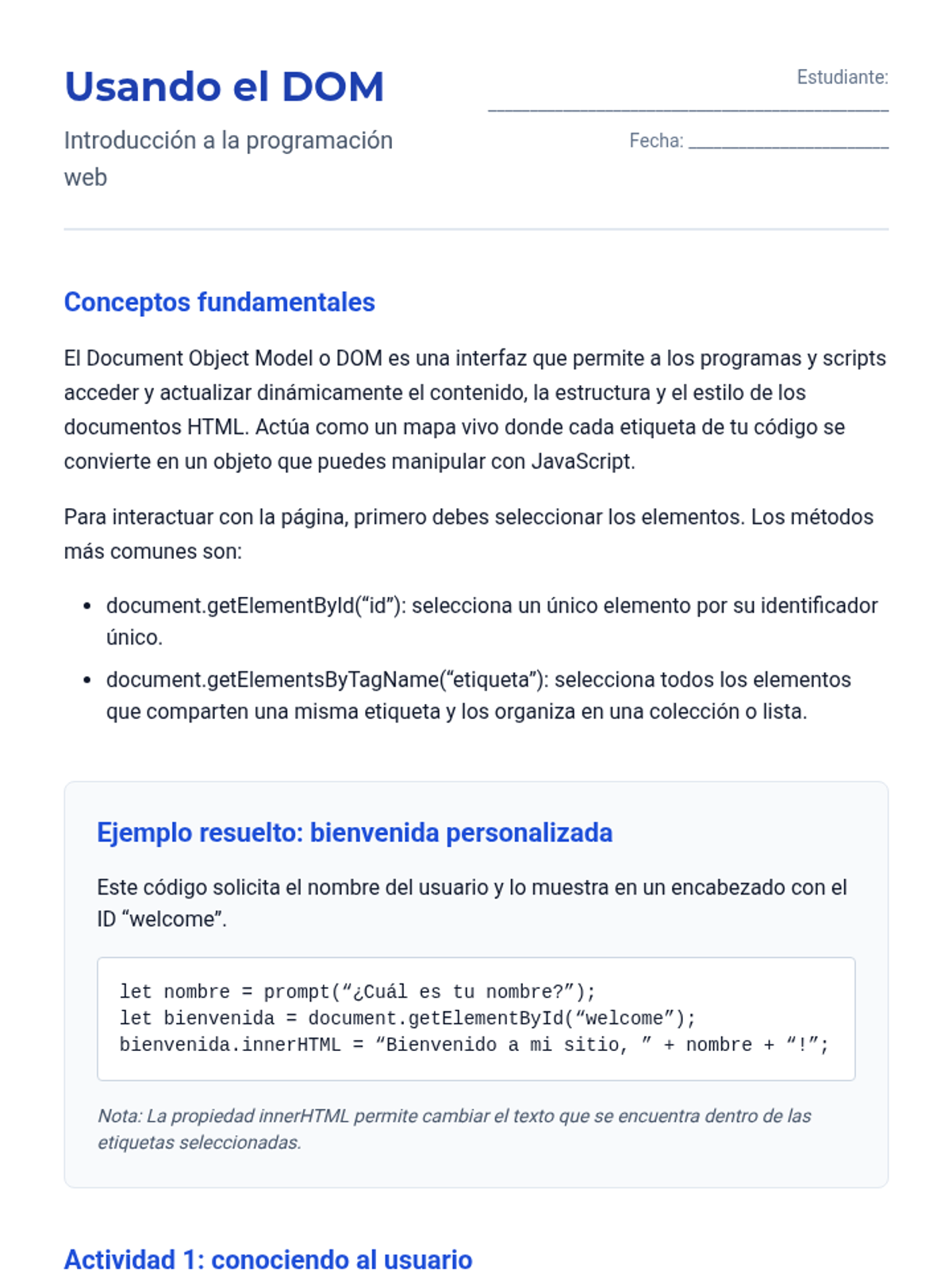
Lección introductoria sobre el uso de document.getElementById y document.getElementsByTagName para transformar páginas web estáticas en experiencias interactivas.
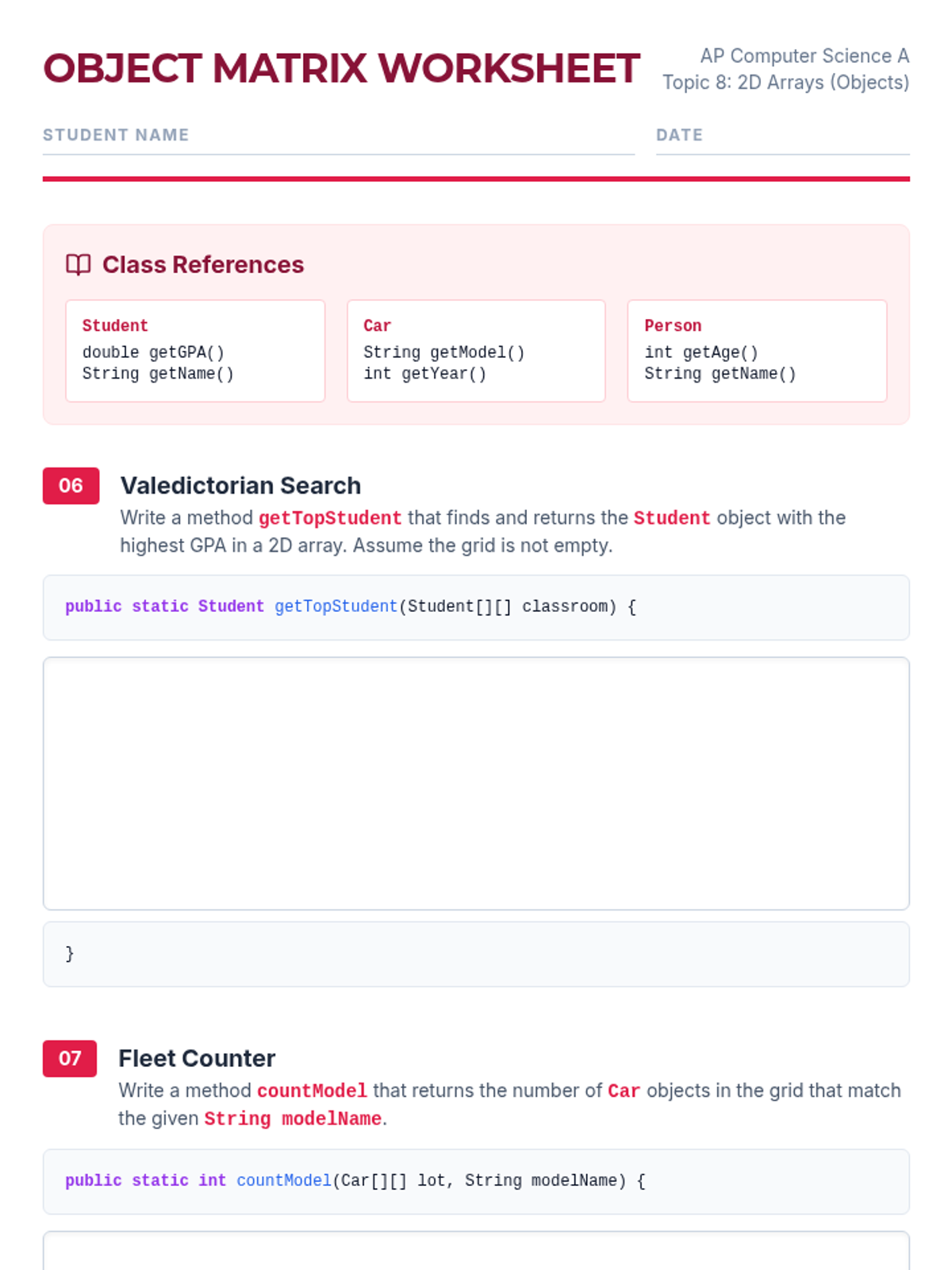
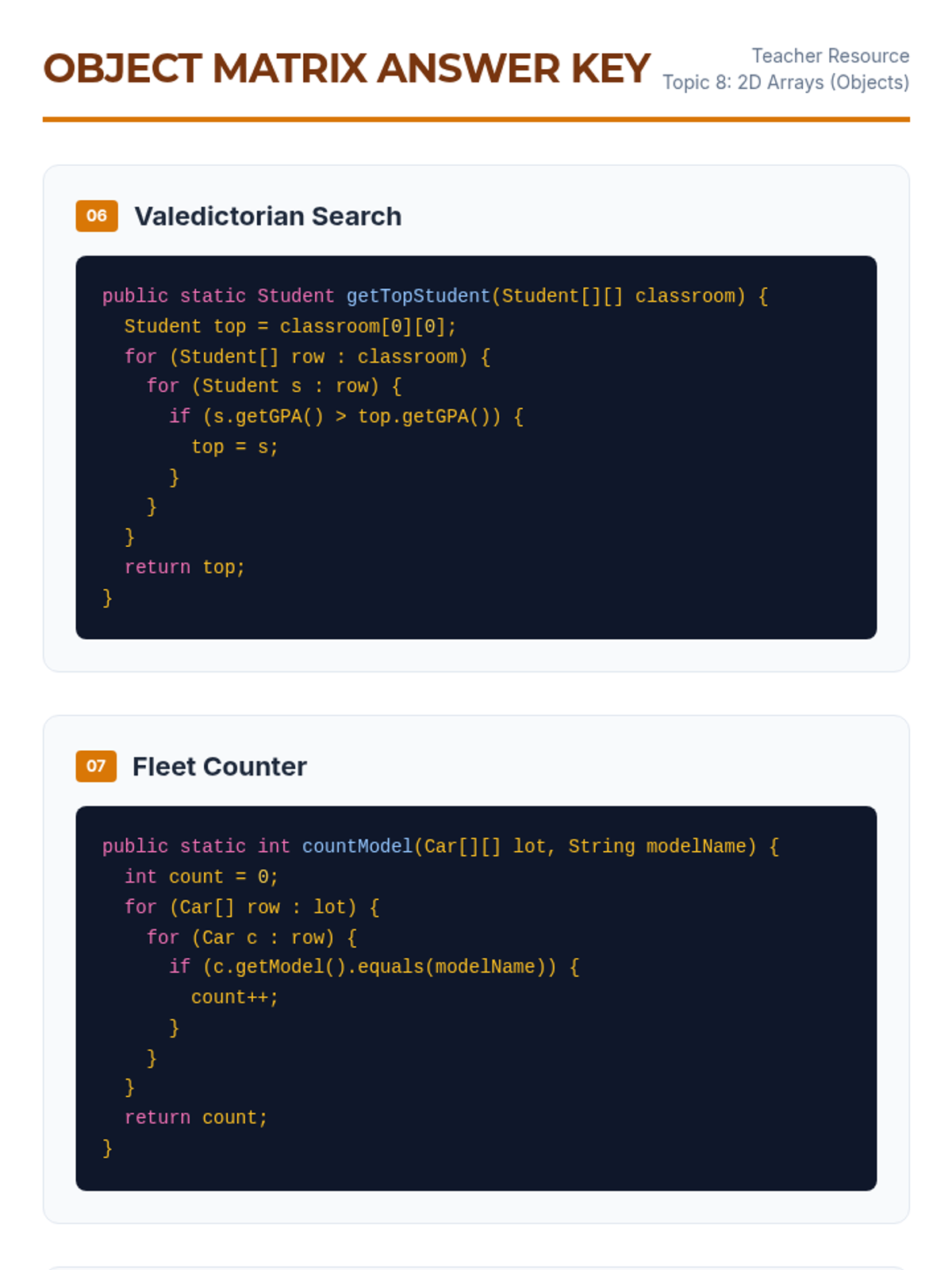
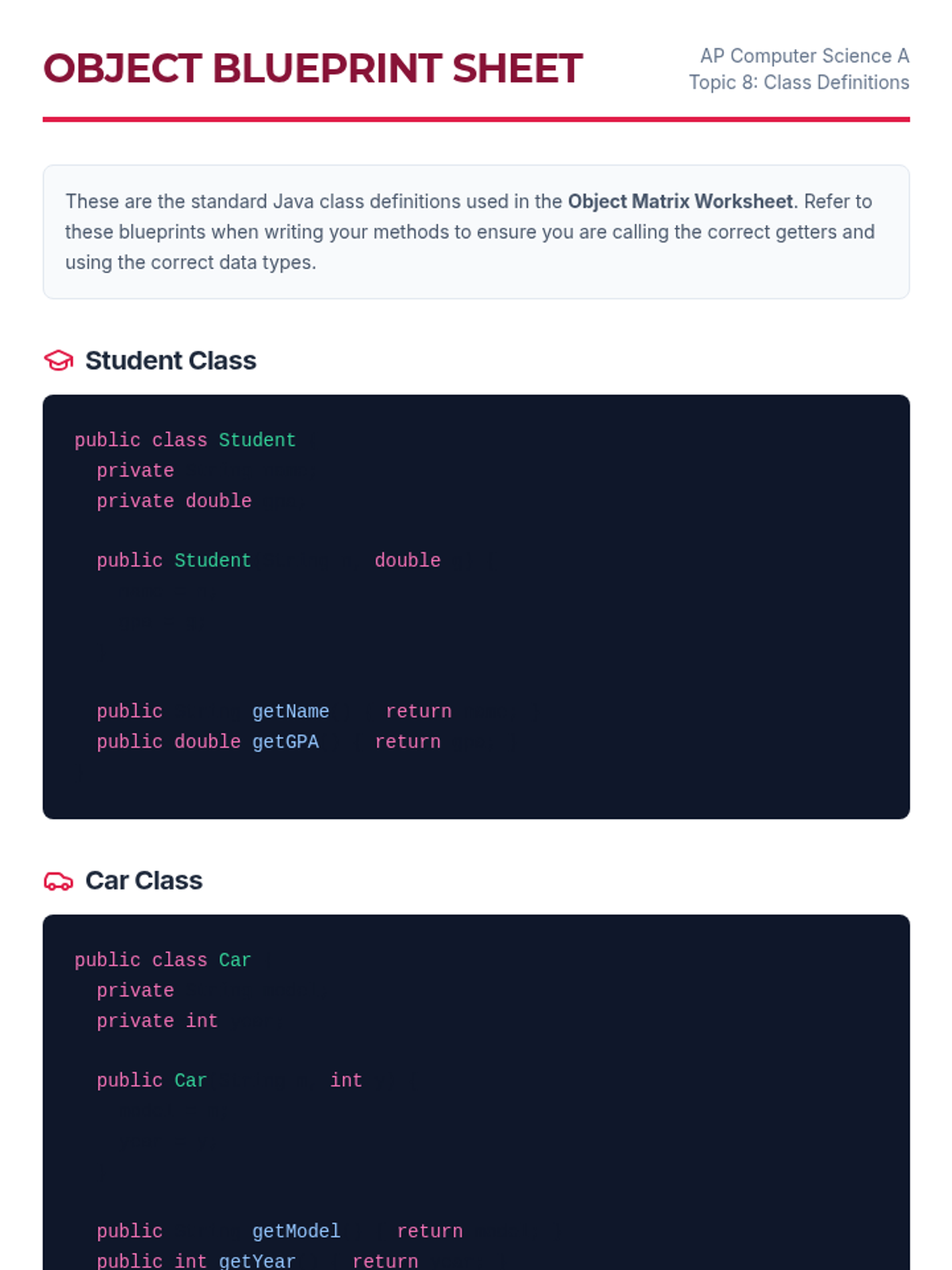
This lesson transitions from primitive 2D arrays to grids of objects, focusing on calling methods on elements and handling null references within a matrix.
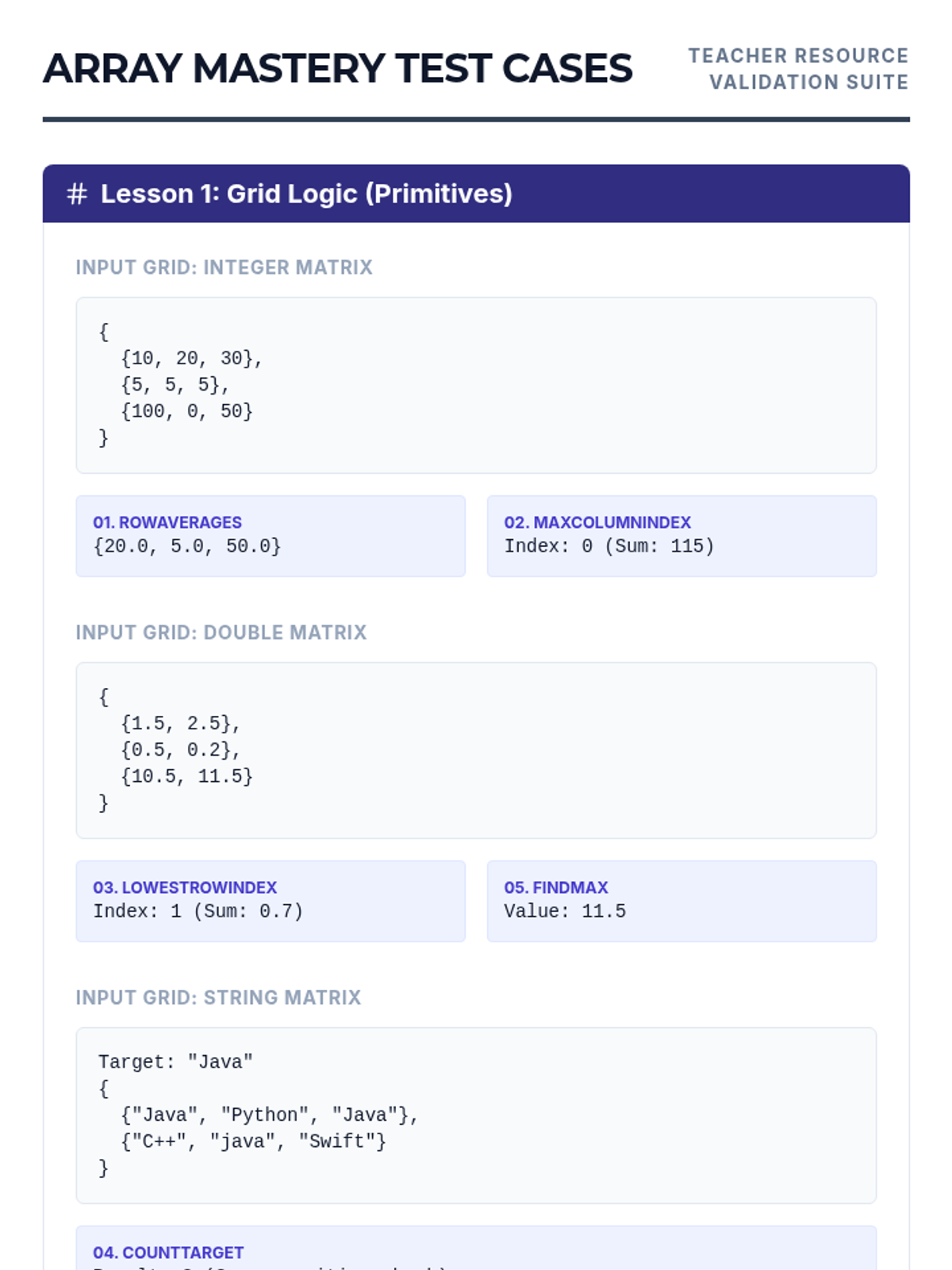
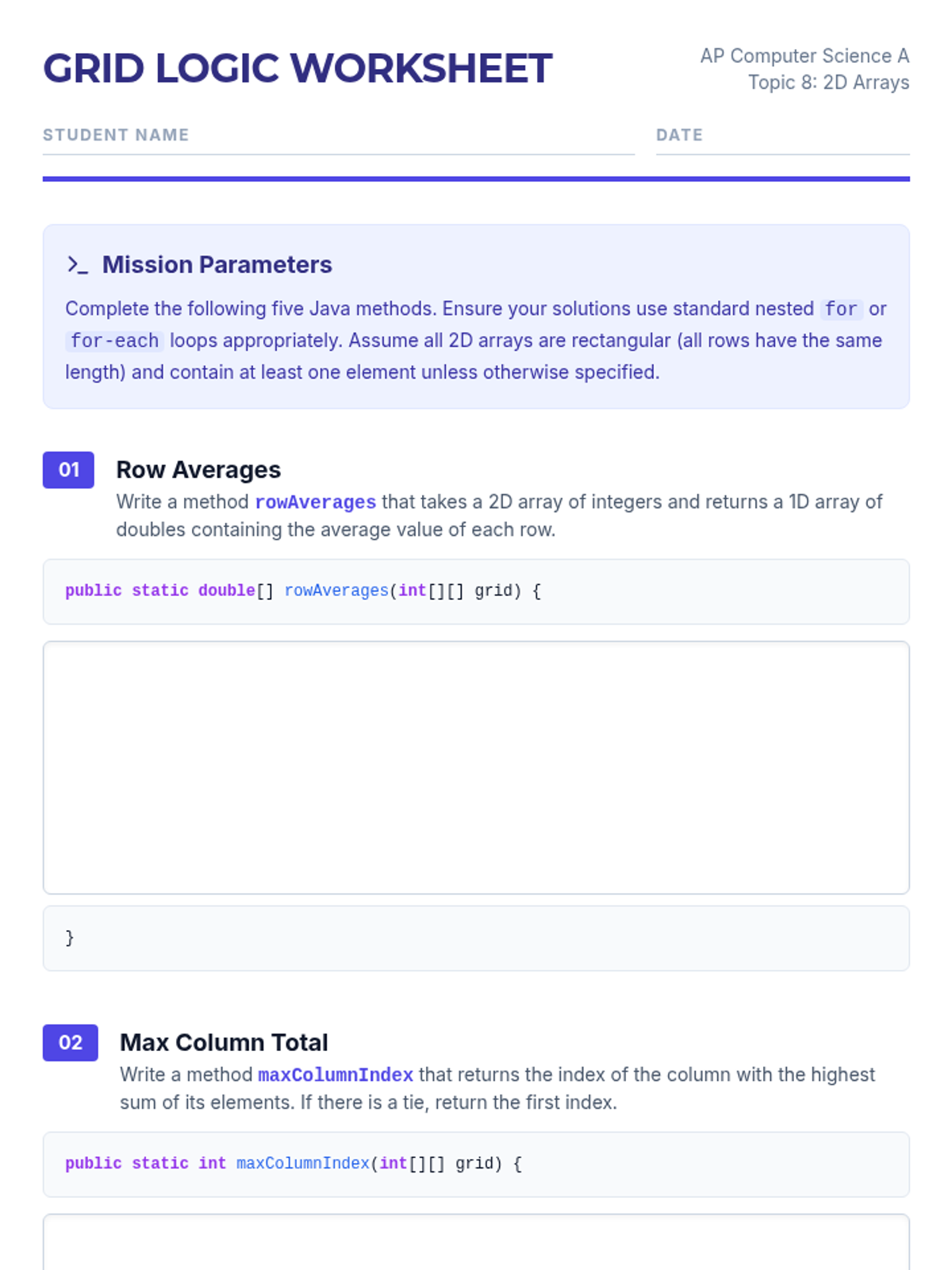
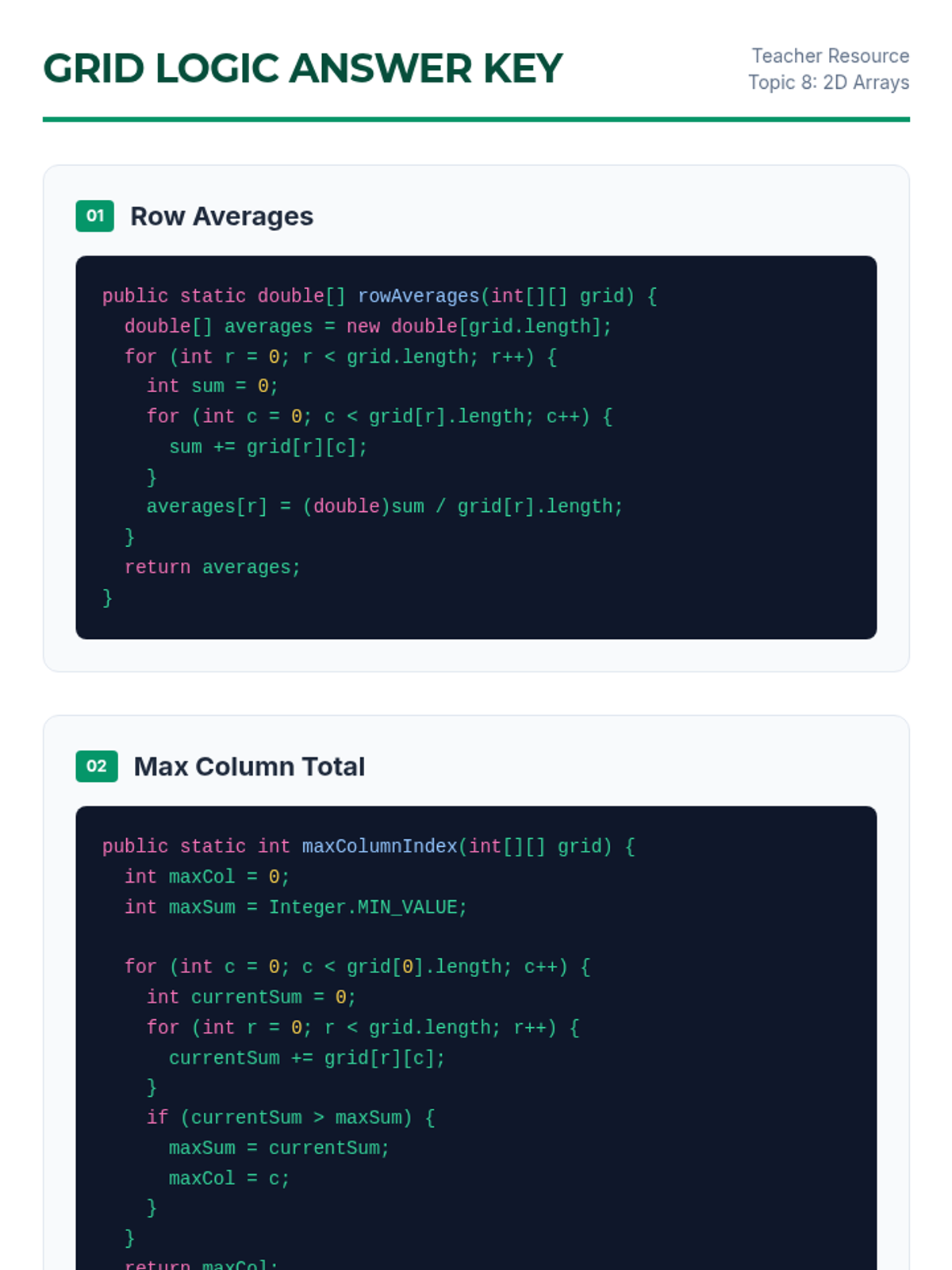
This lesson introduces students to traversing and manipulating 2D arrays through five core algorithmic challenges involving integers, doubles, and strings.
Una lección integral sobre el manejo de estado en React Native utilizando CodeHS, cubriendo desde componentes de clase hasta el uso de hooks para crear aplicaciones interactivas y dinámicas.
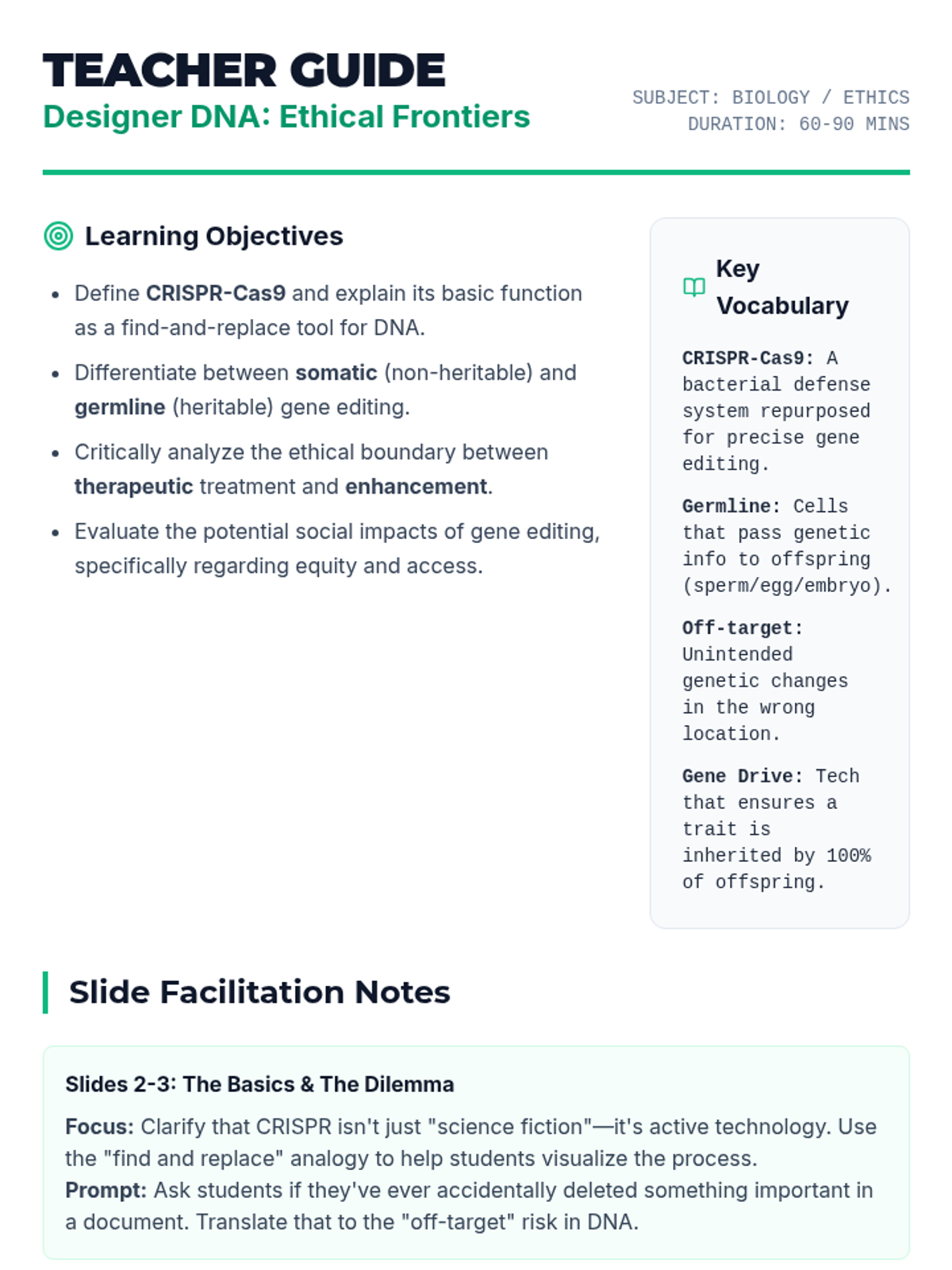
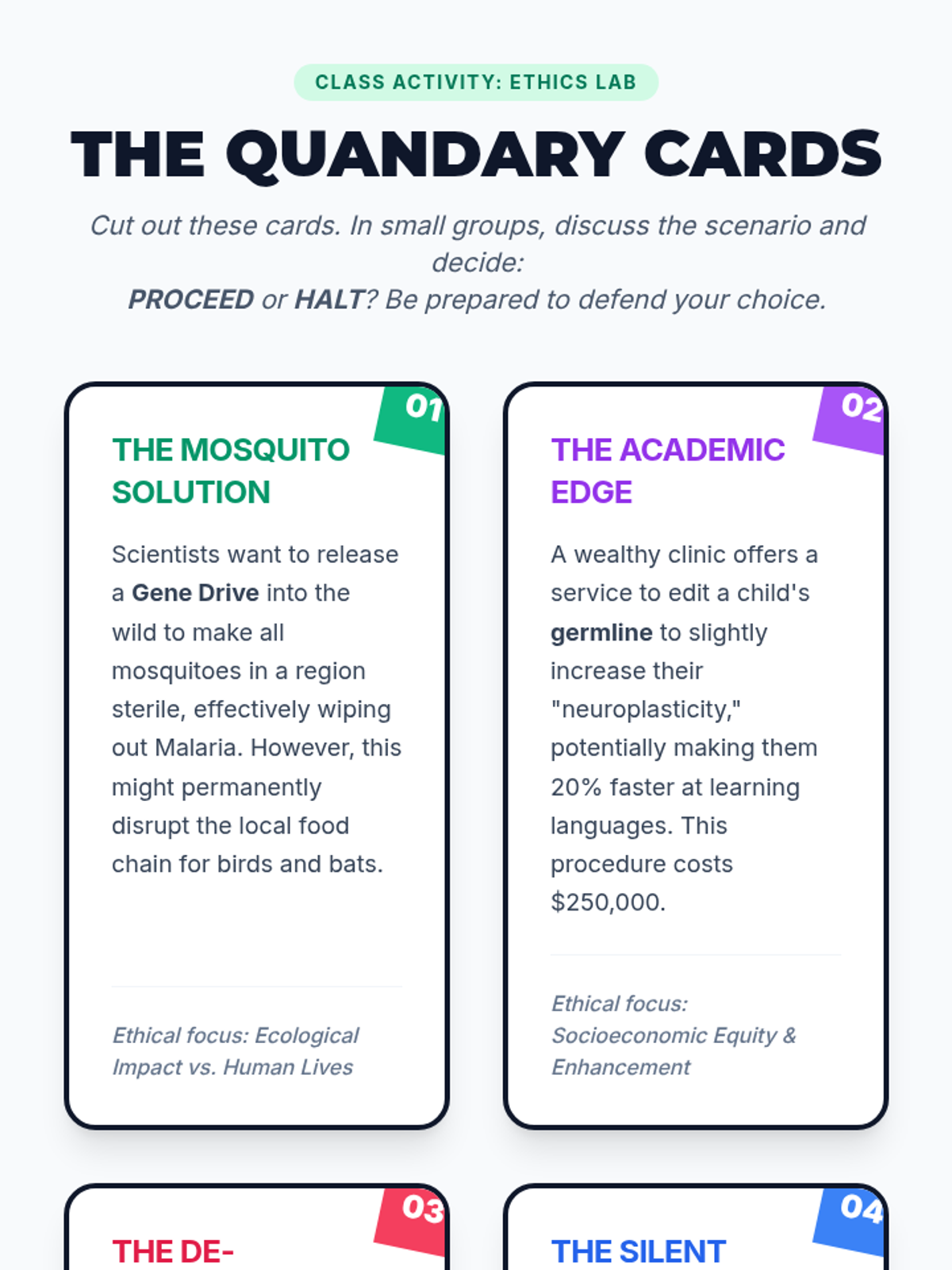
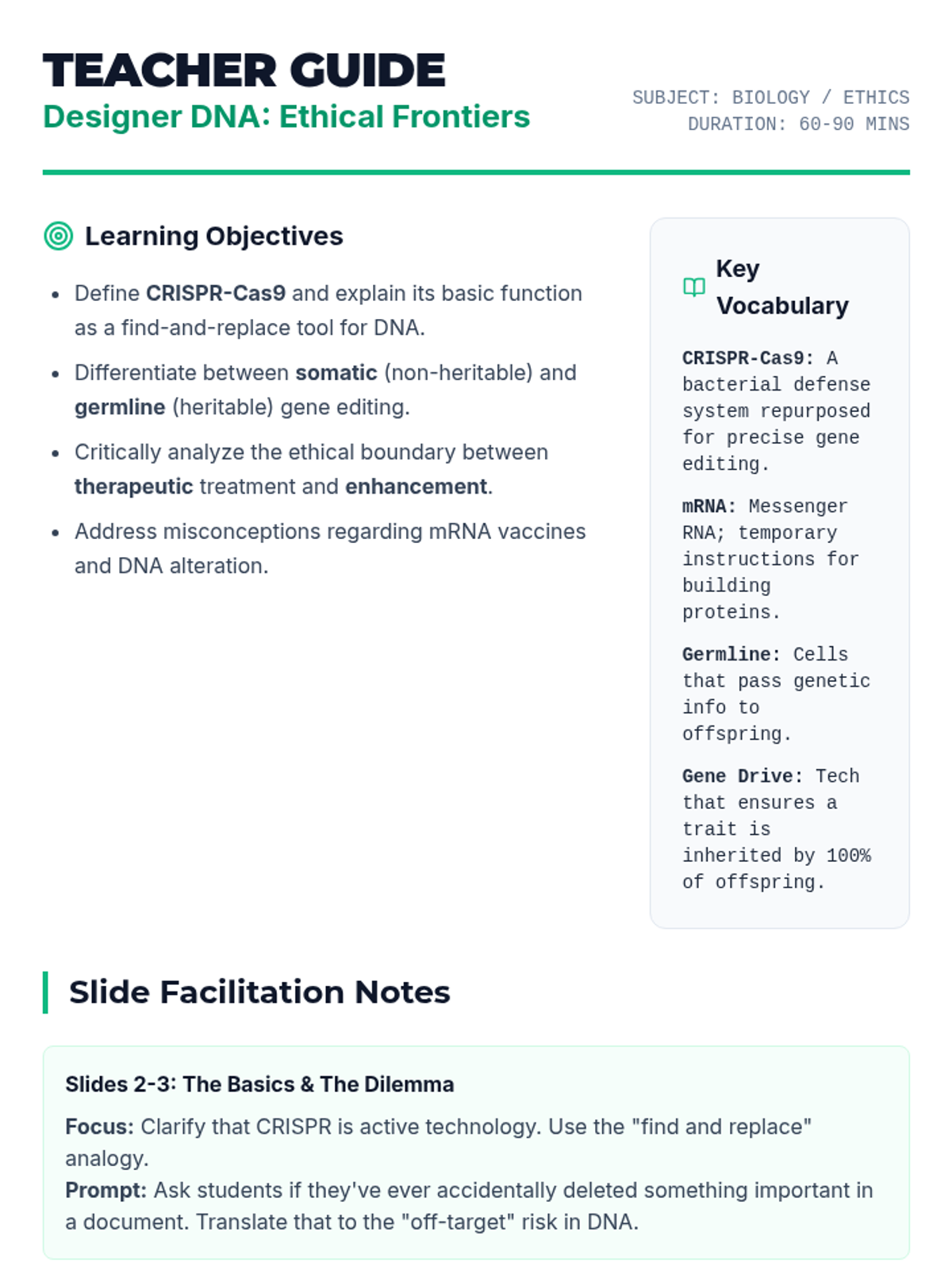
A deep dive into the complex ethical landscape of CRISPR and gene editing, exploring the boundary between curing disease and human enhancement.
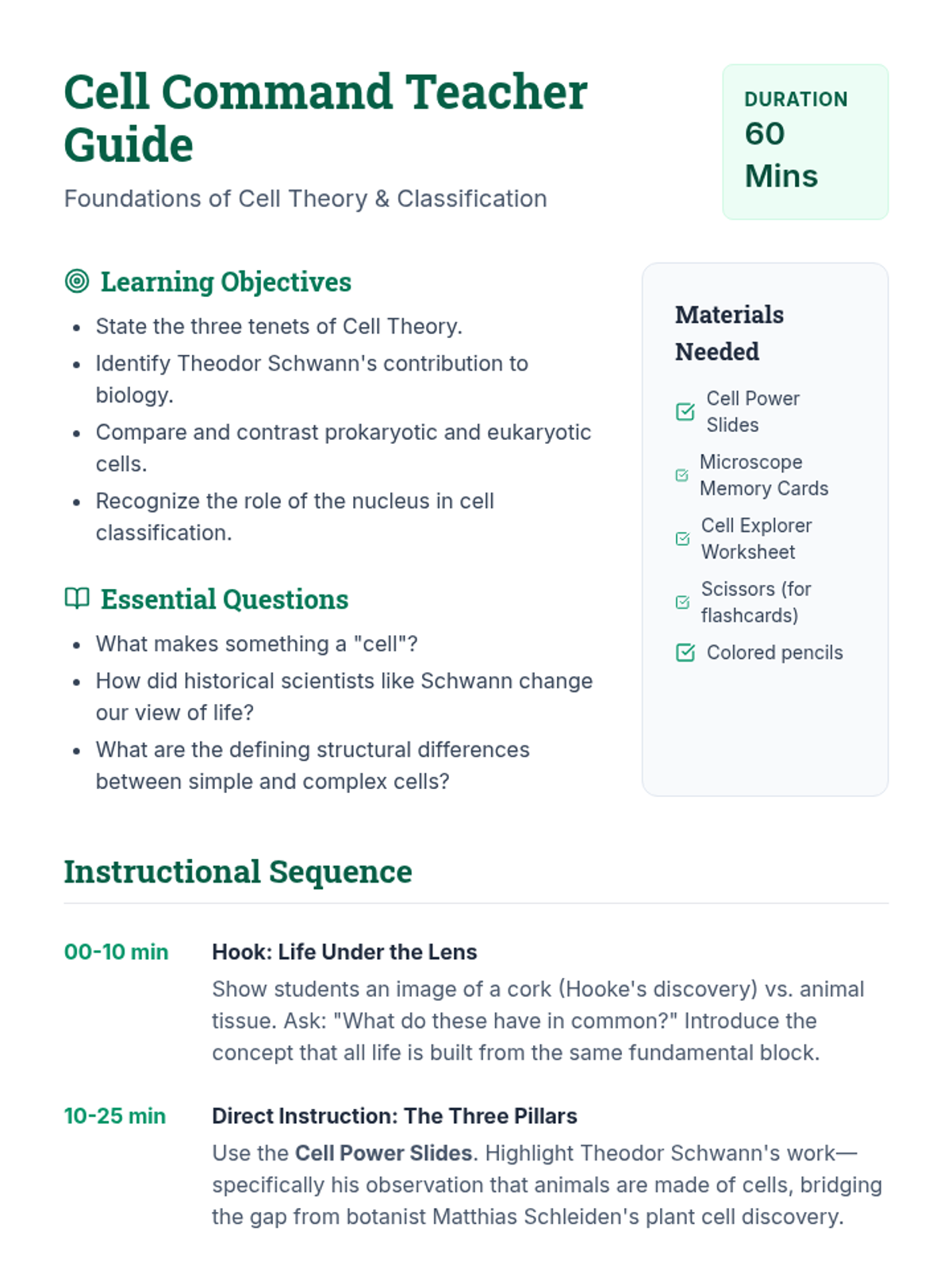
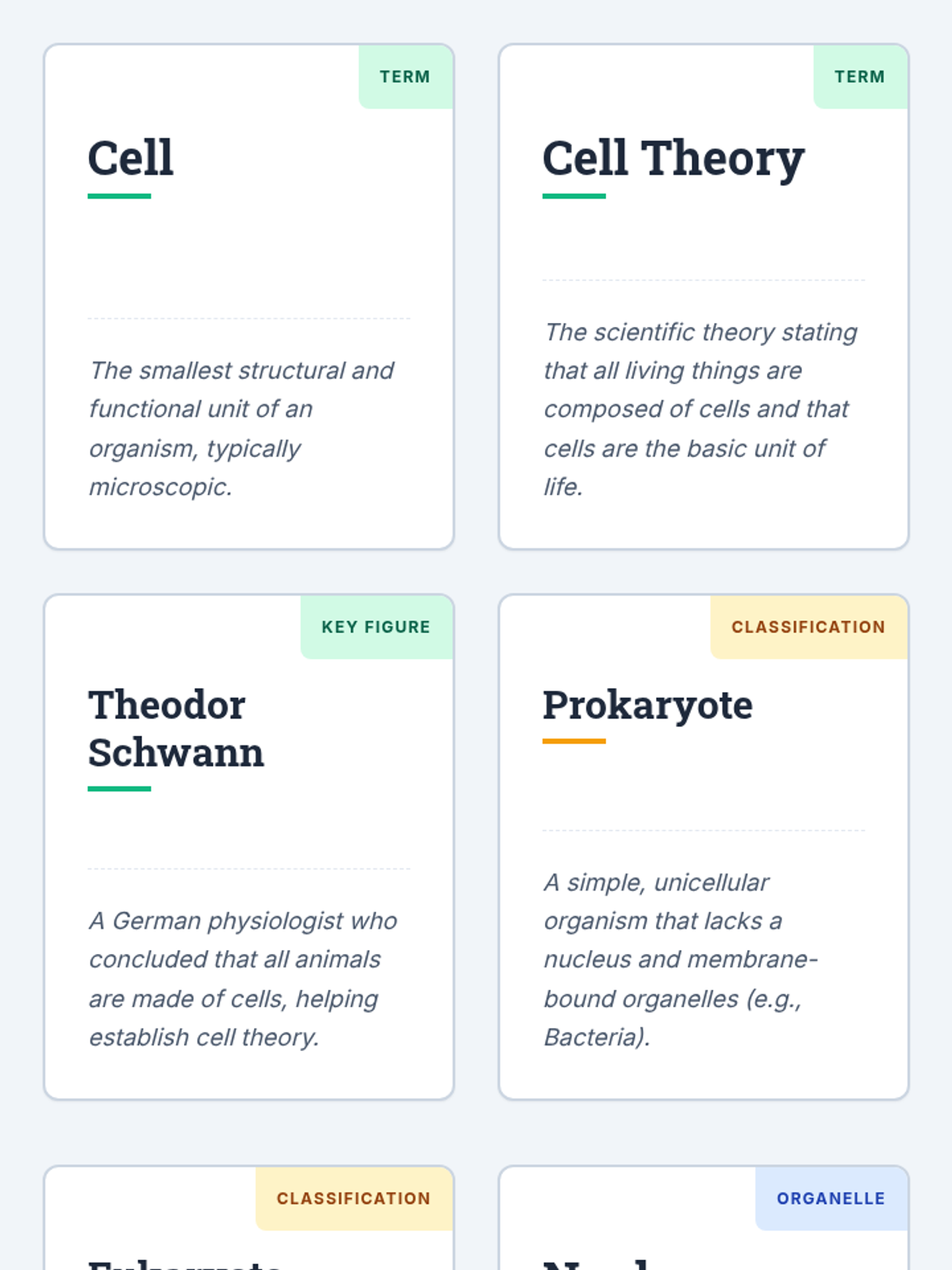
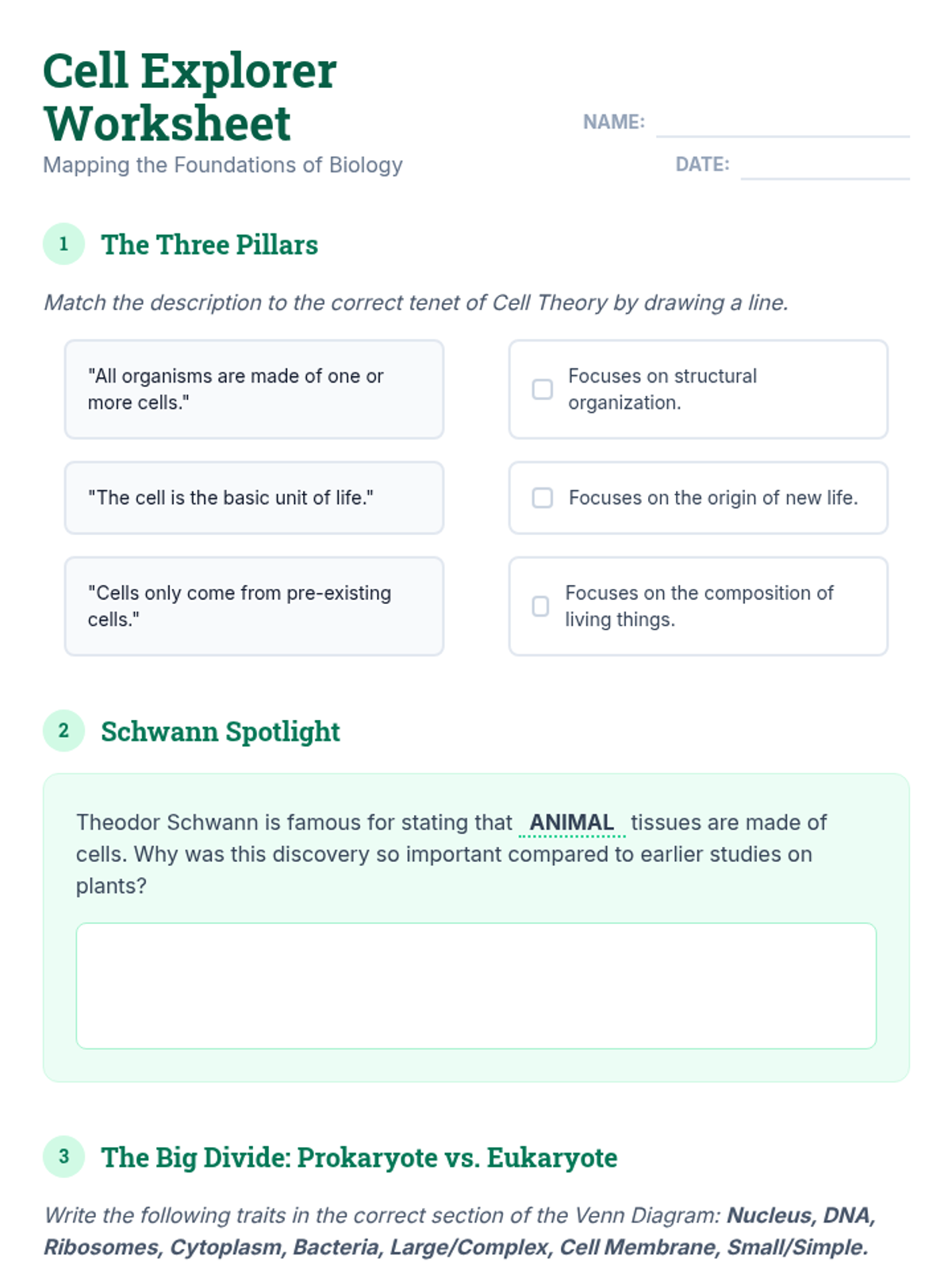
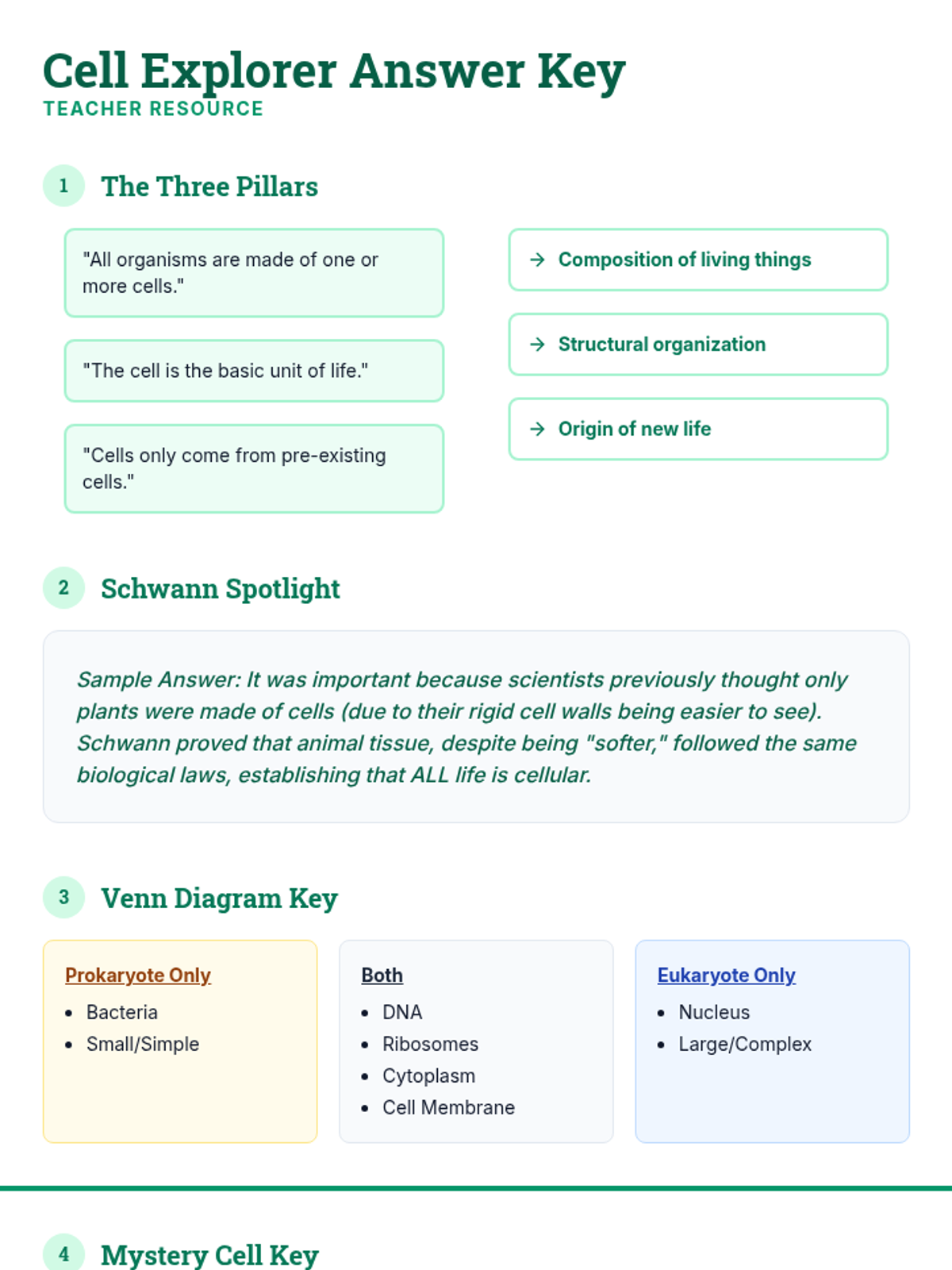
A comprehensive lesson exploring the foundations of cell theory, Theodor Schwann's contributions, and the fundamental differences between prokaryotic and eukaryotic cells.
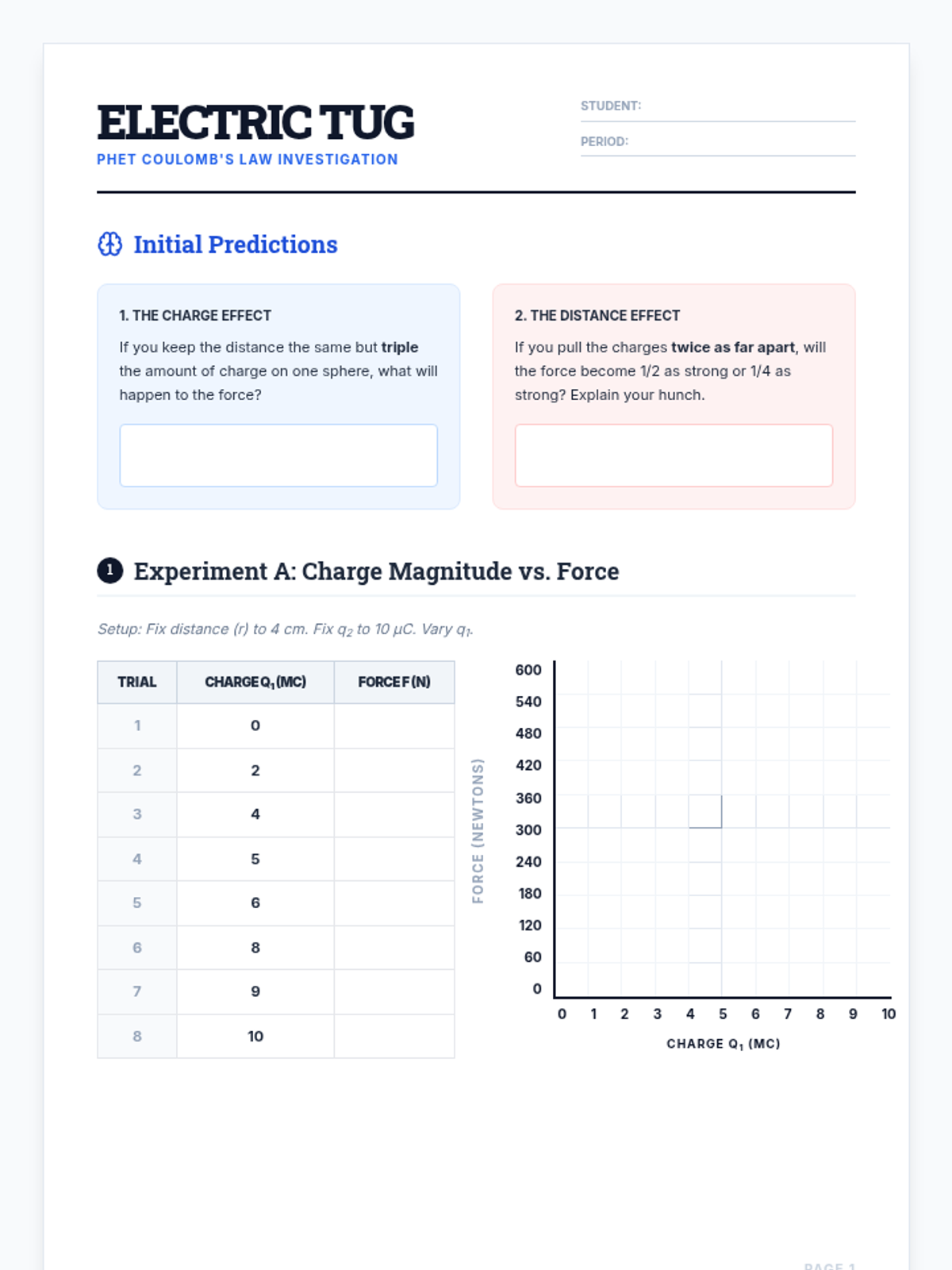
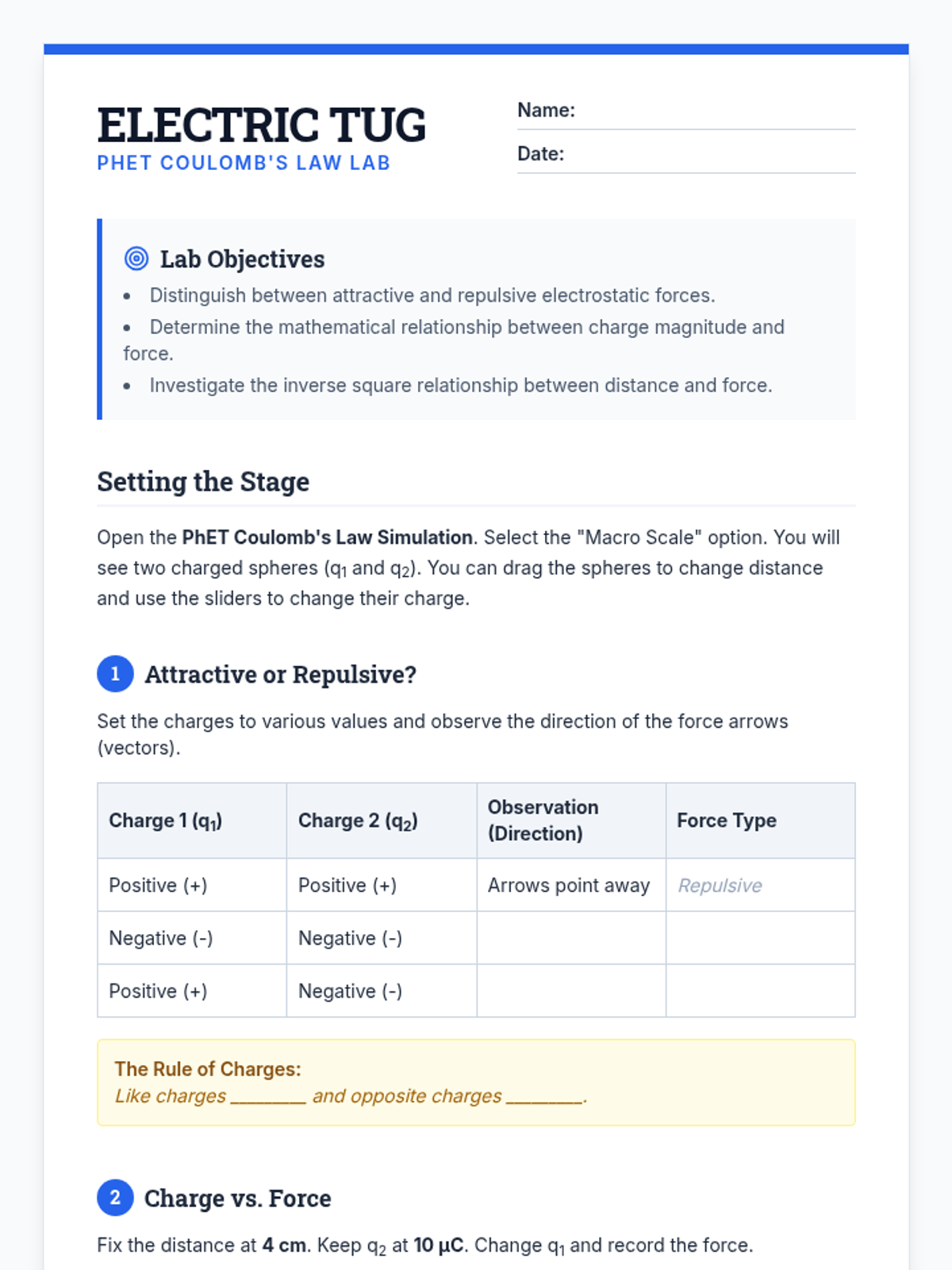
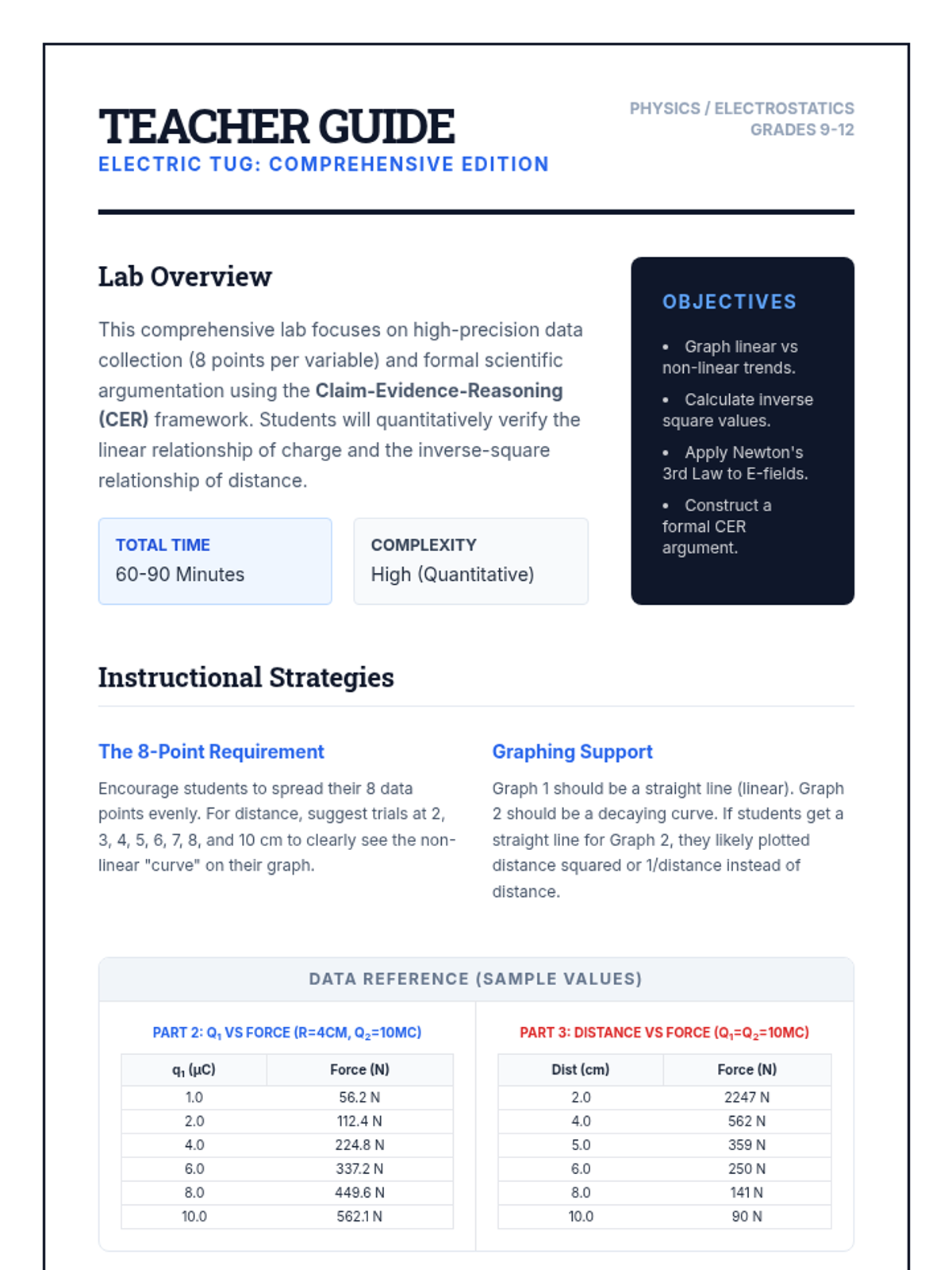
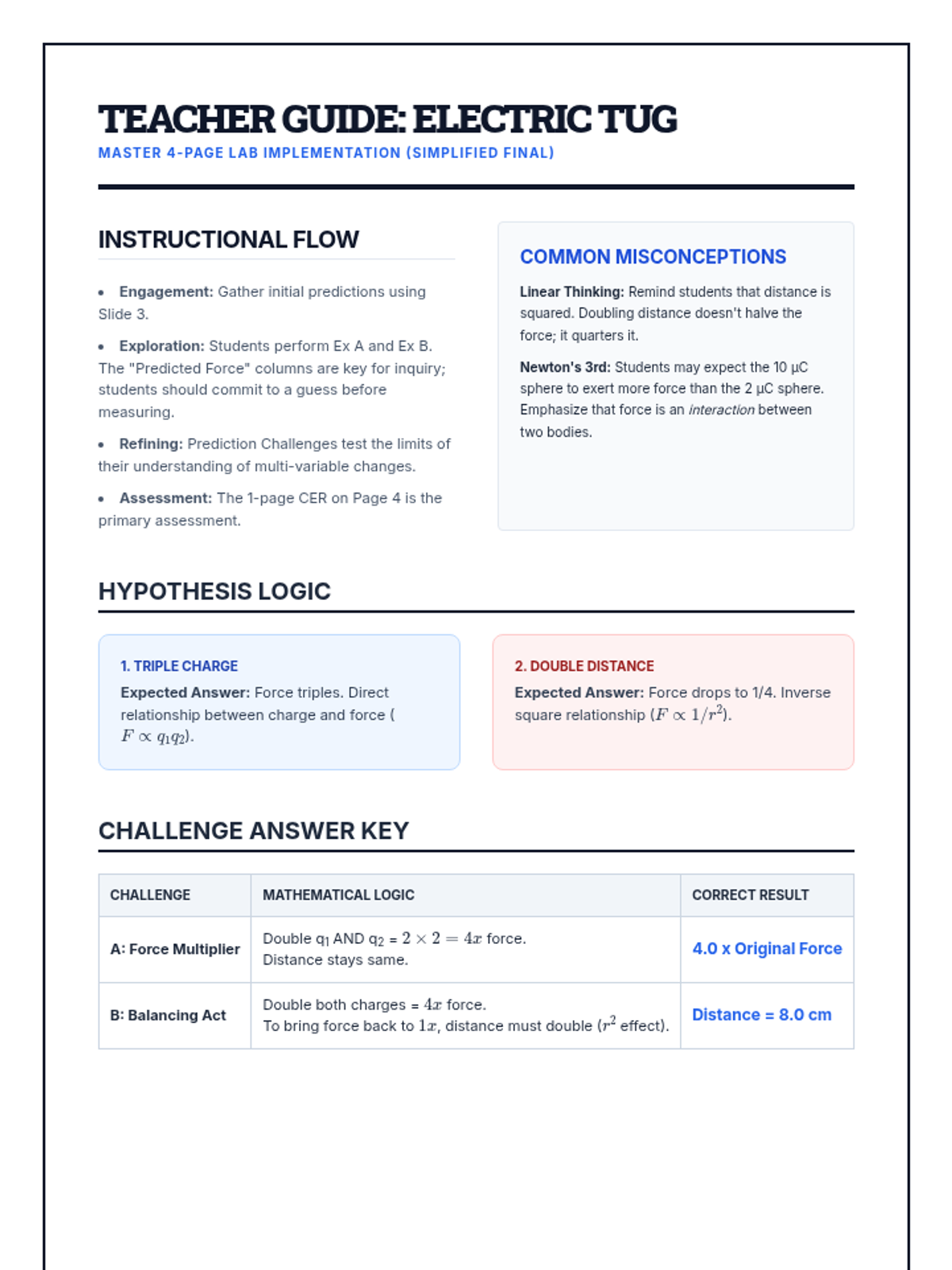
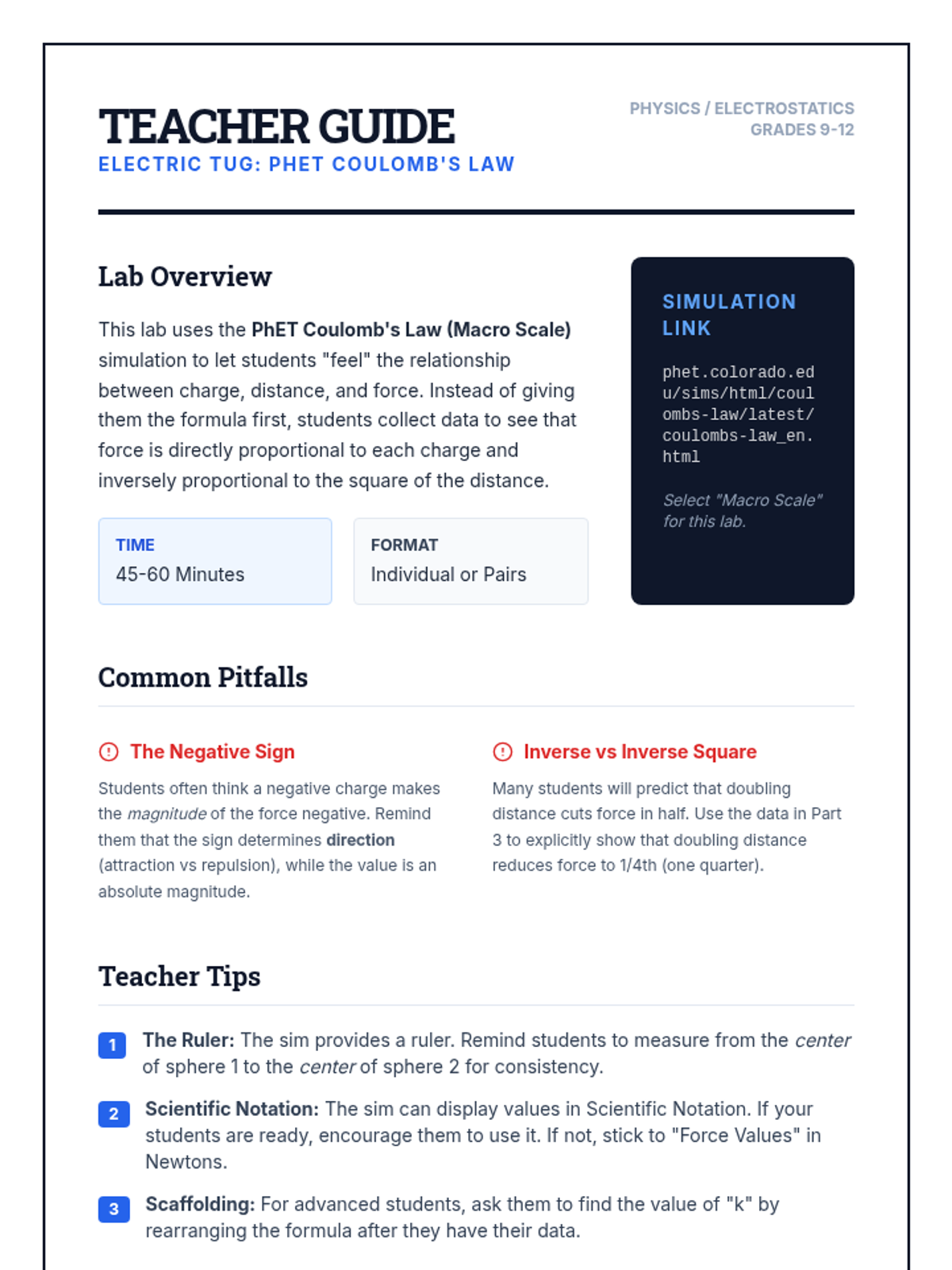
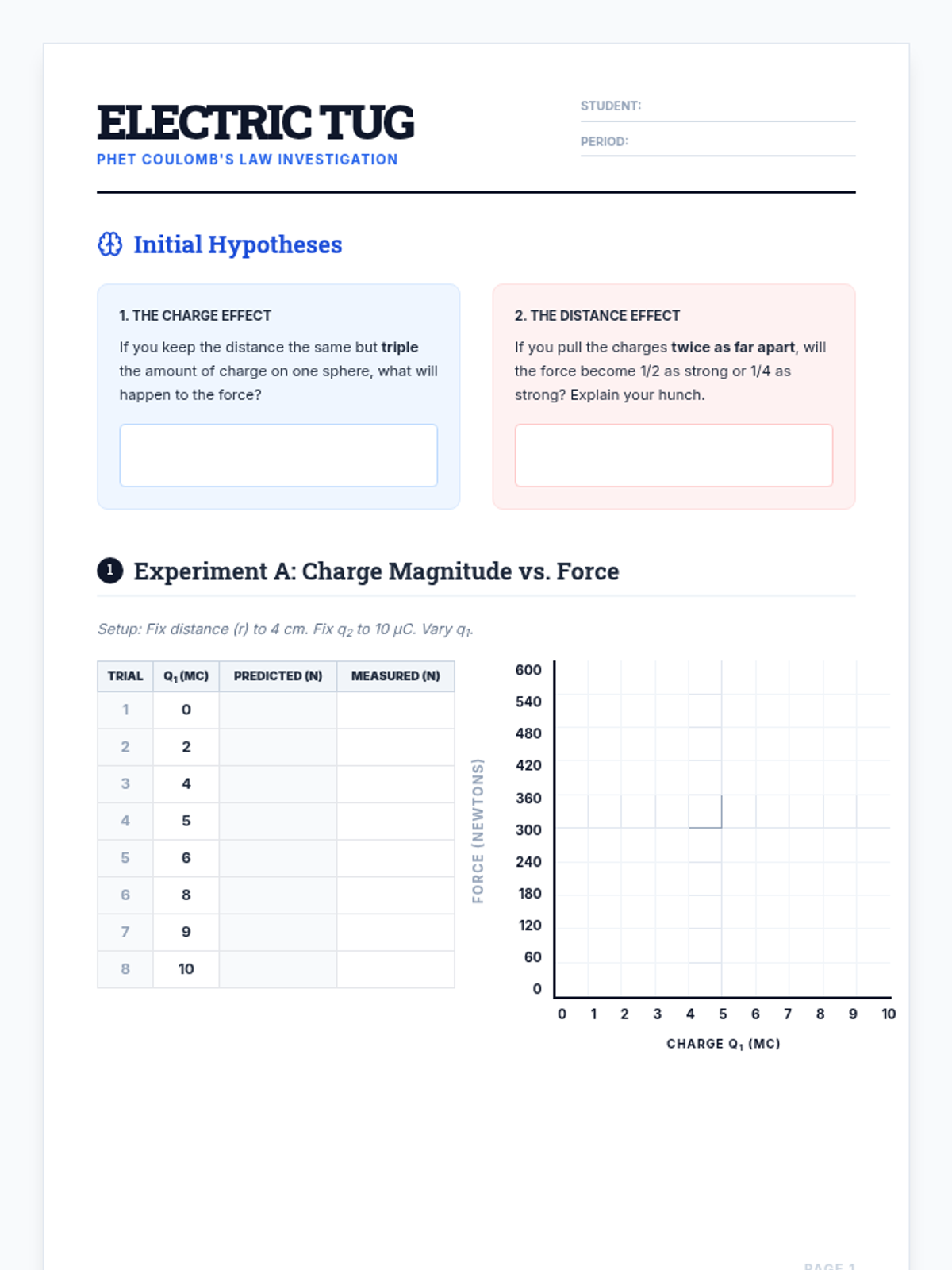
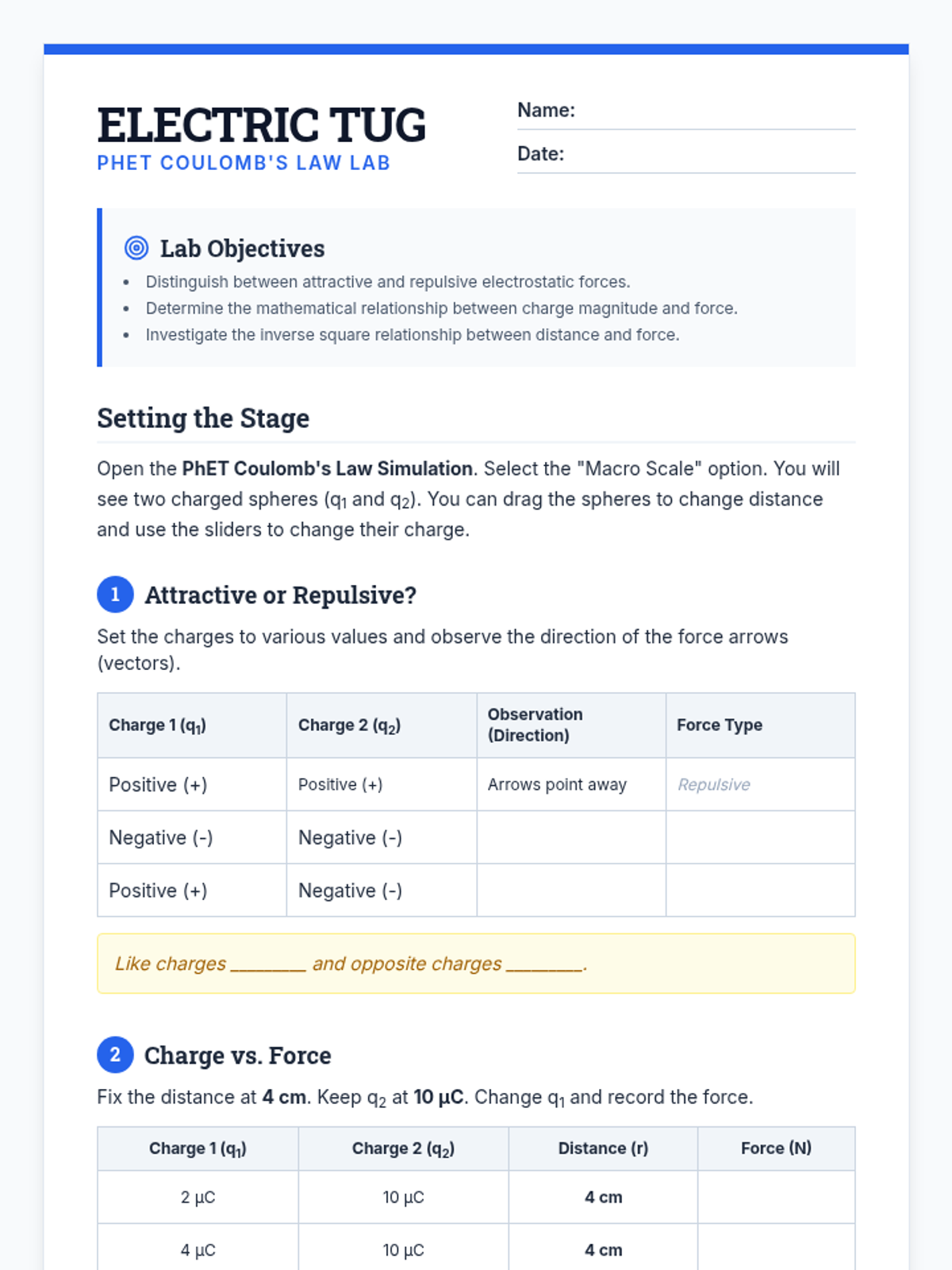
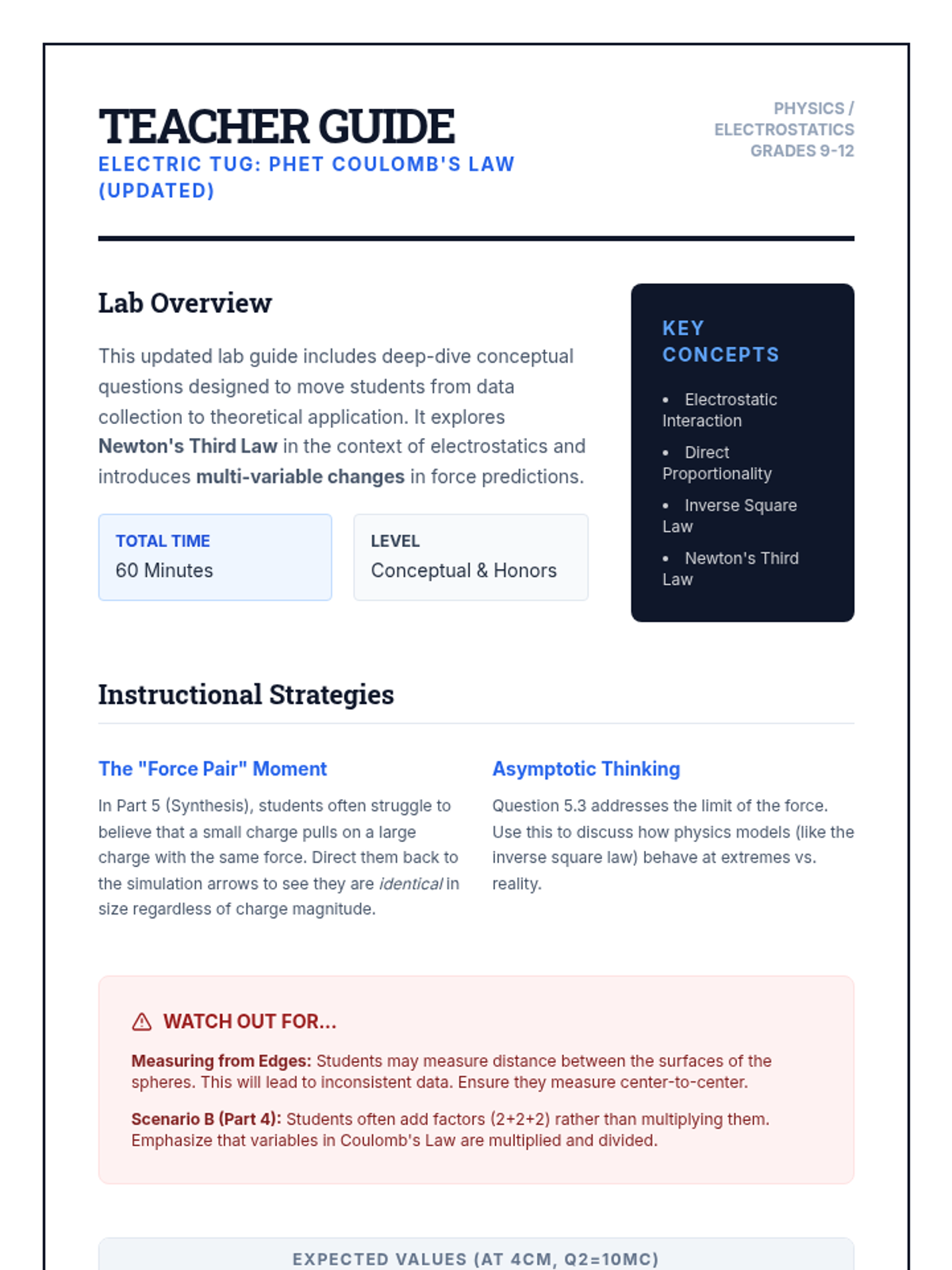
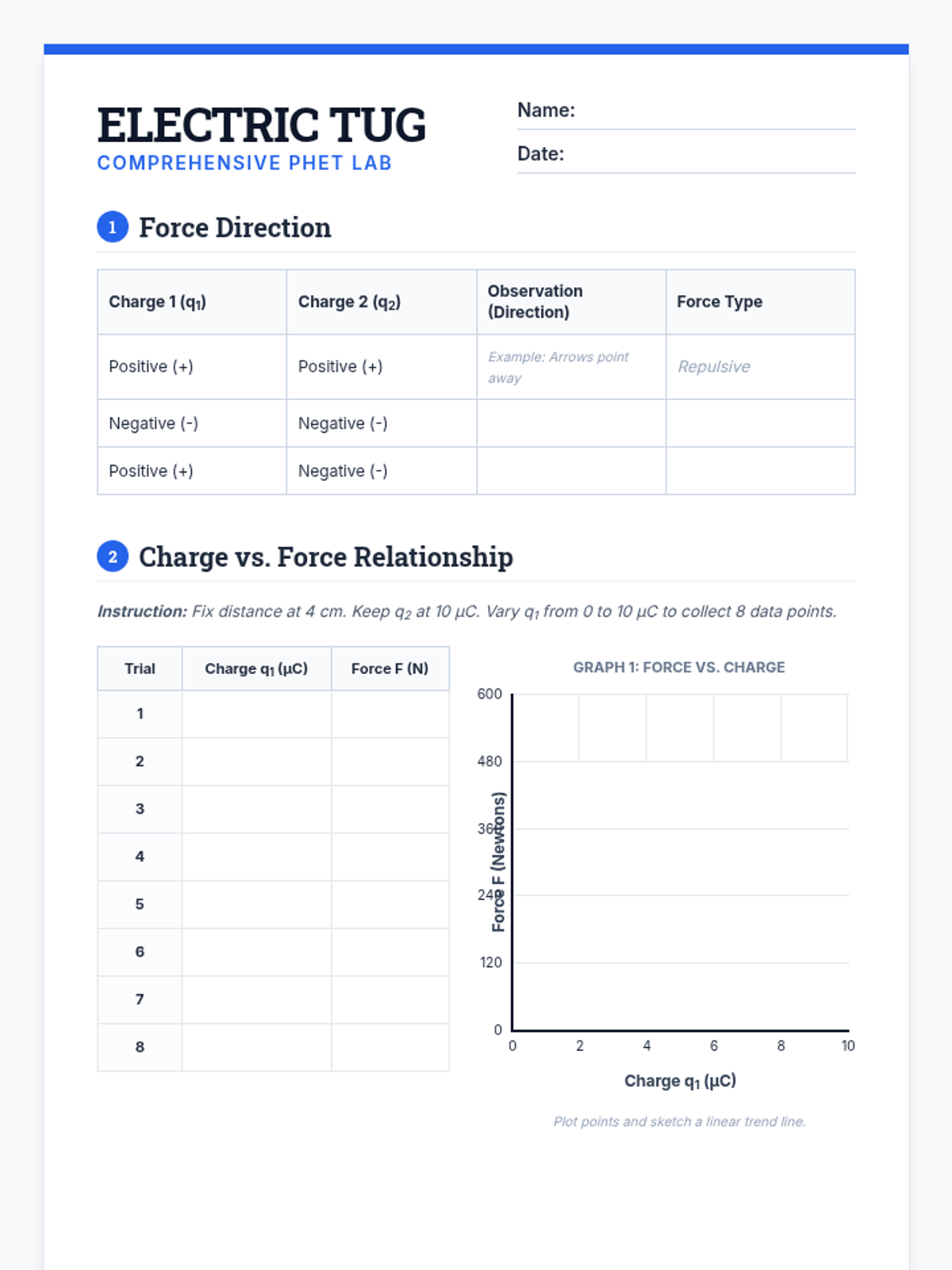
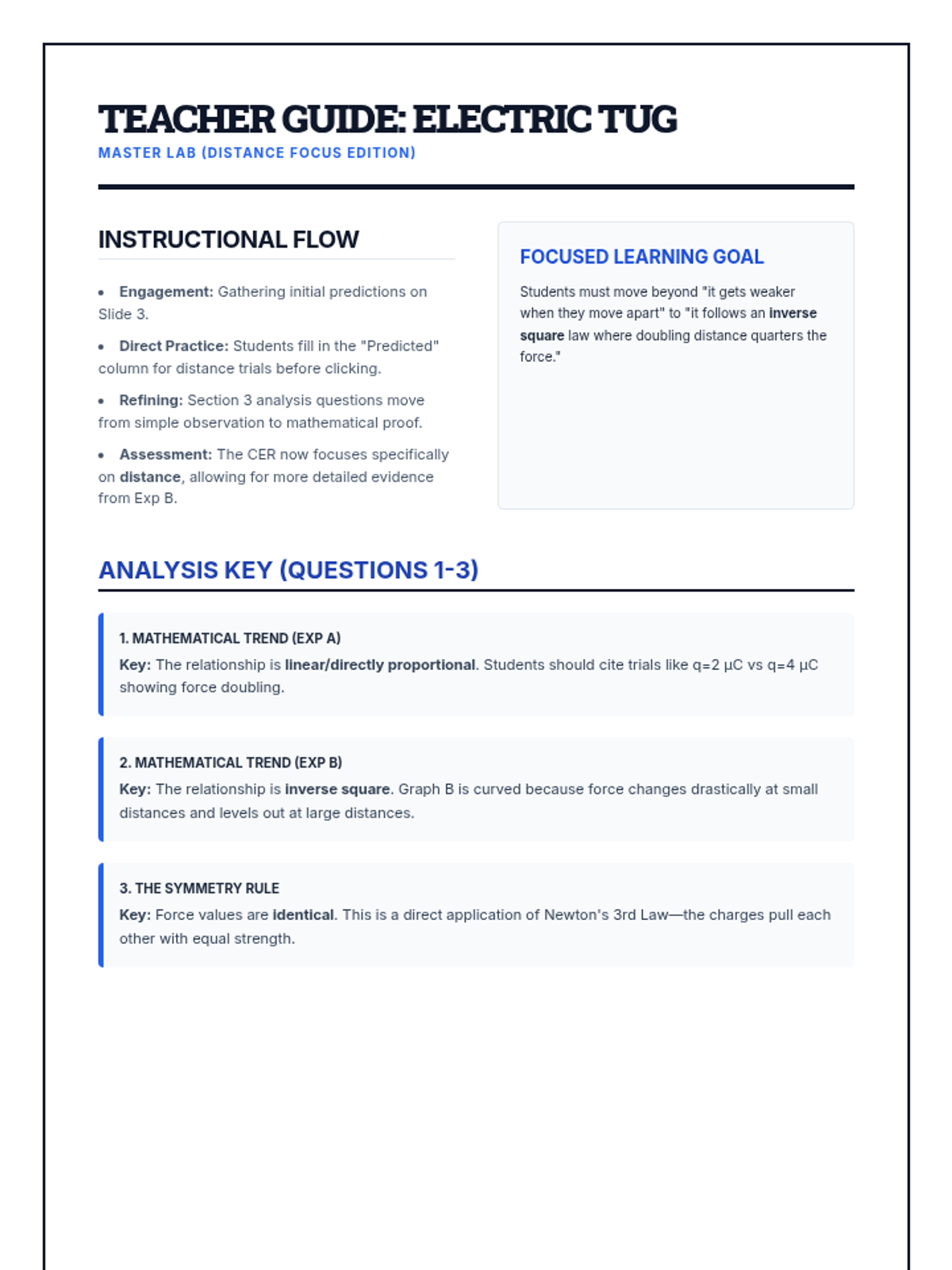
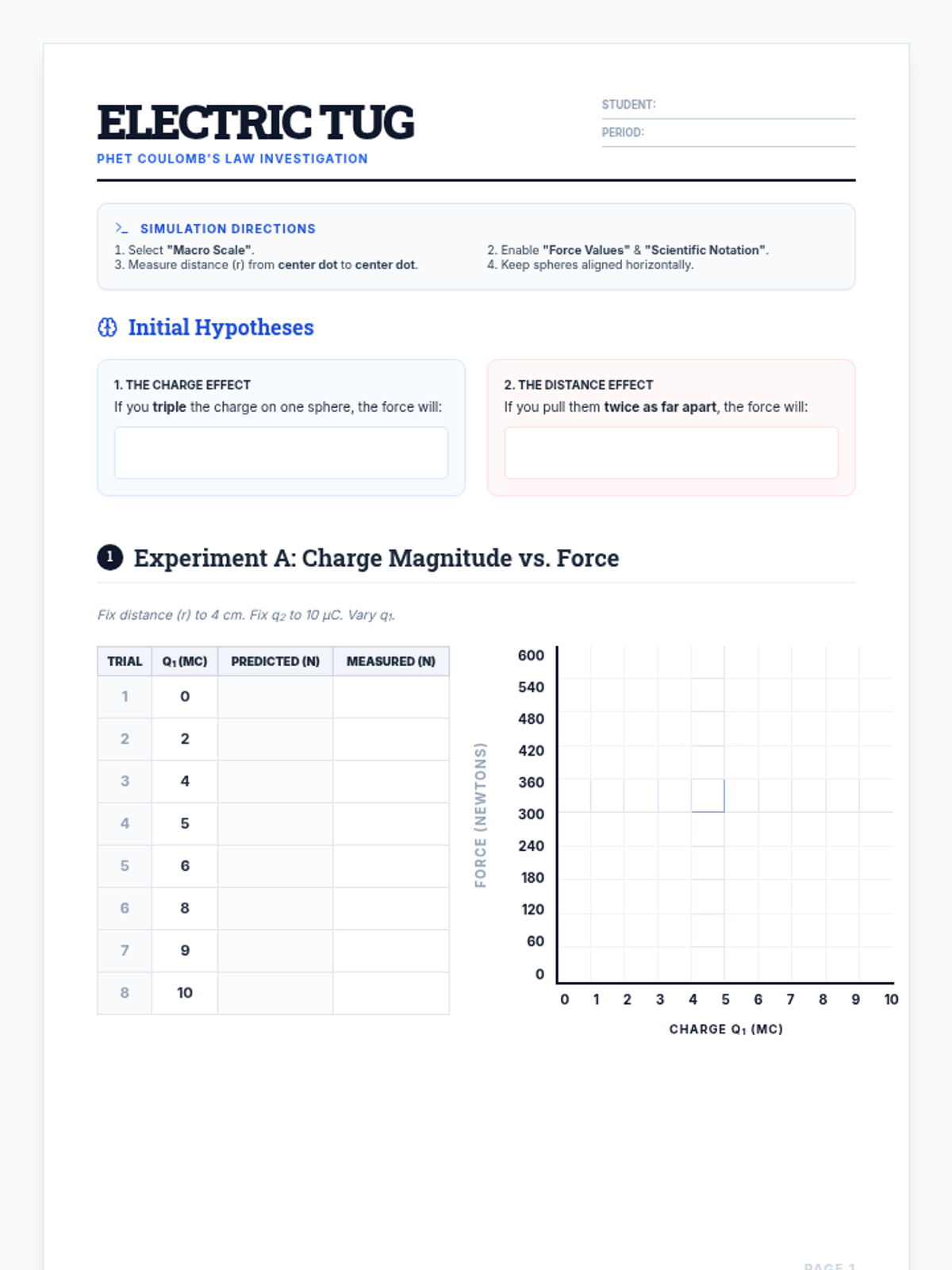
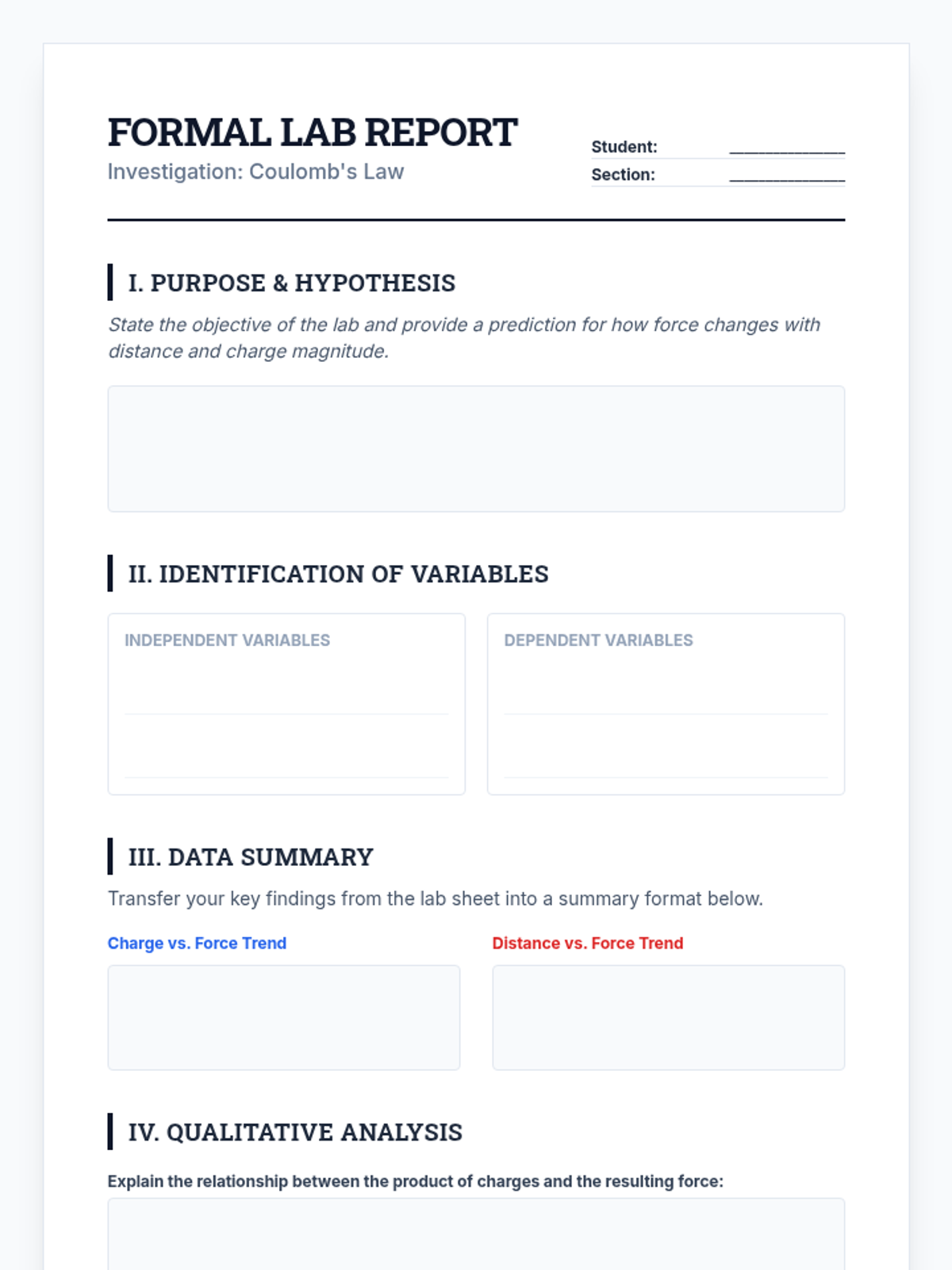
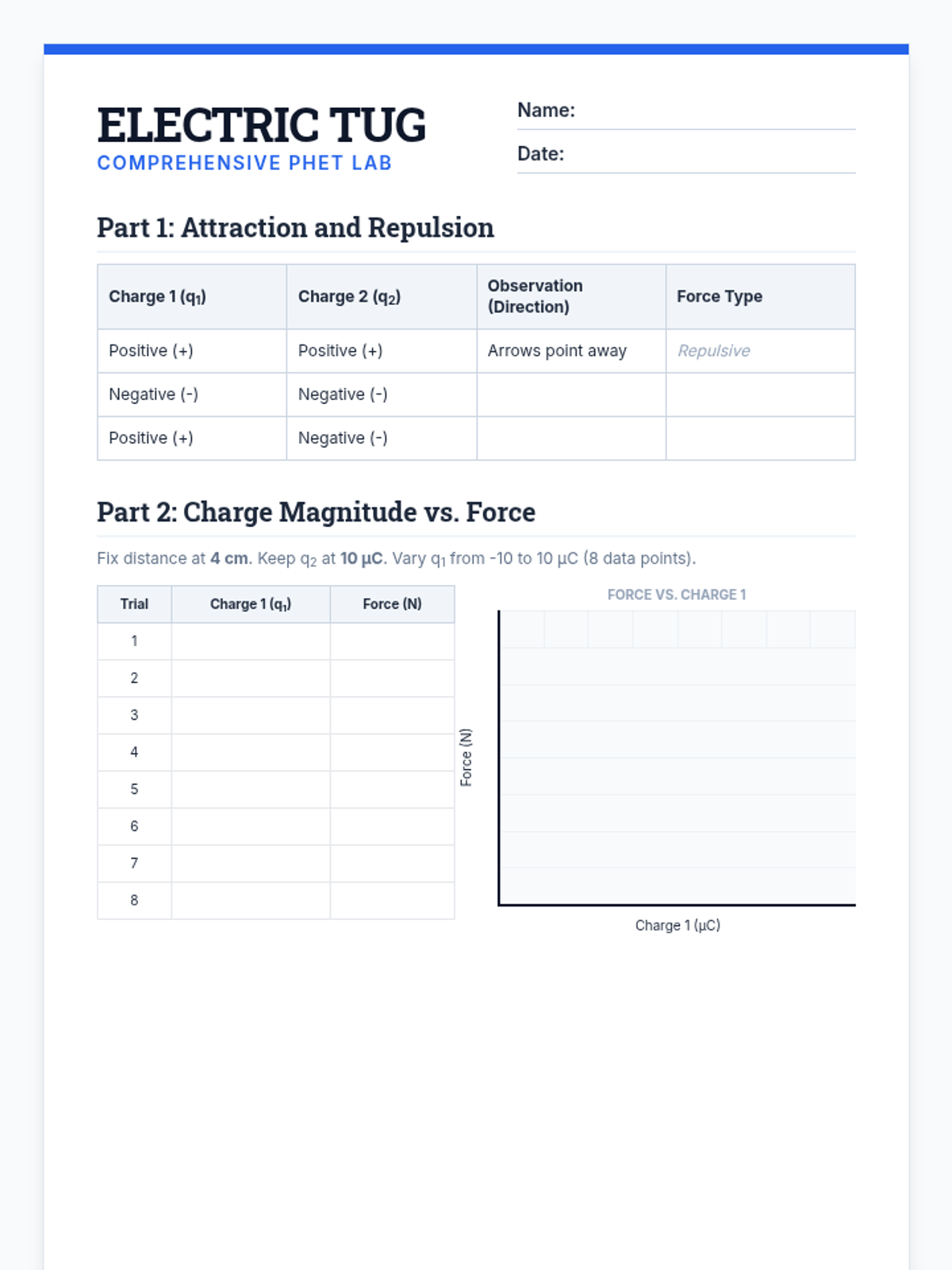
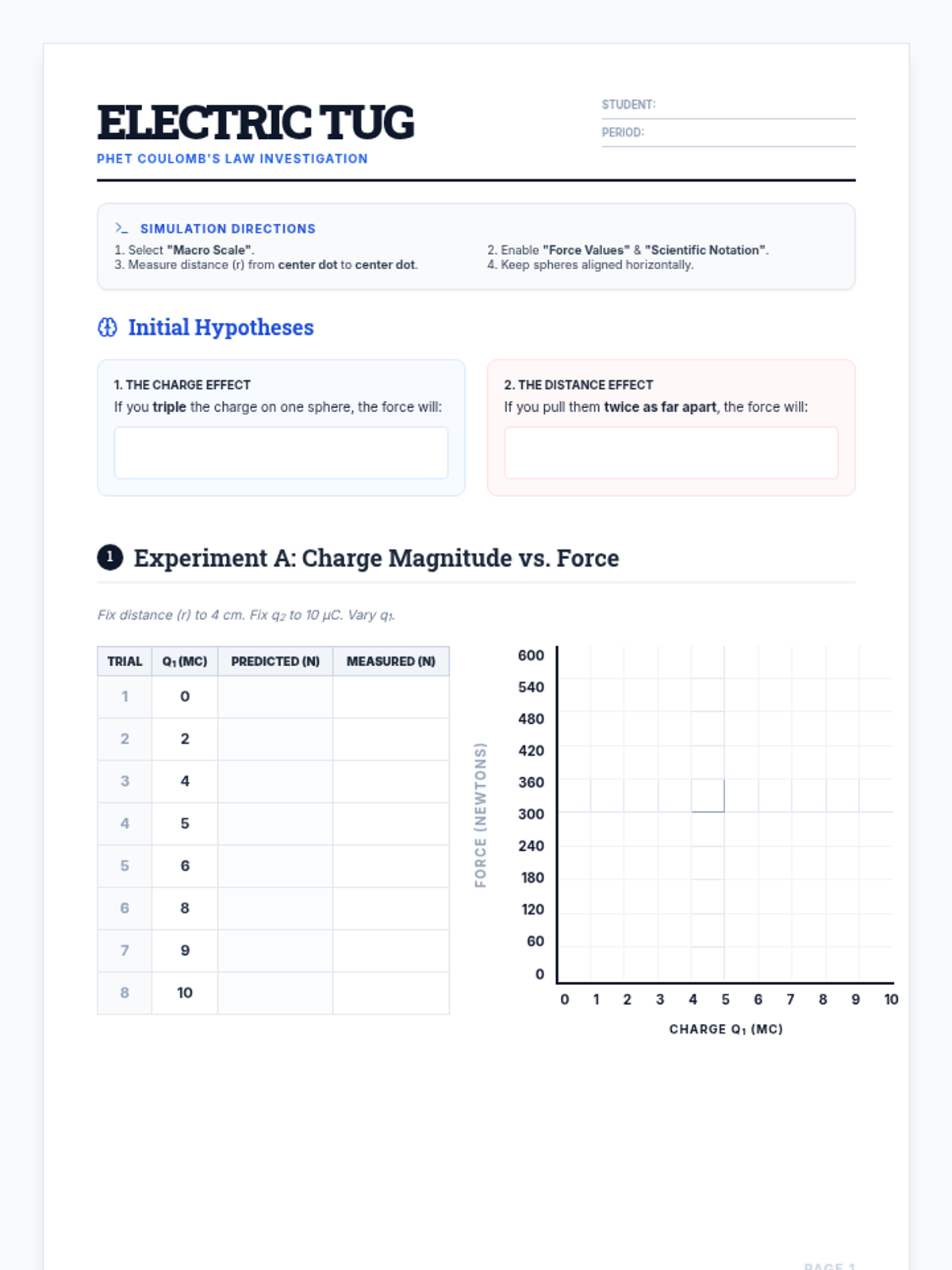
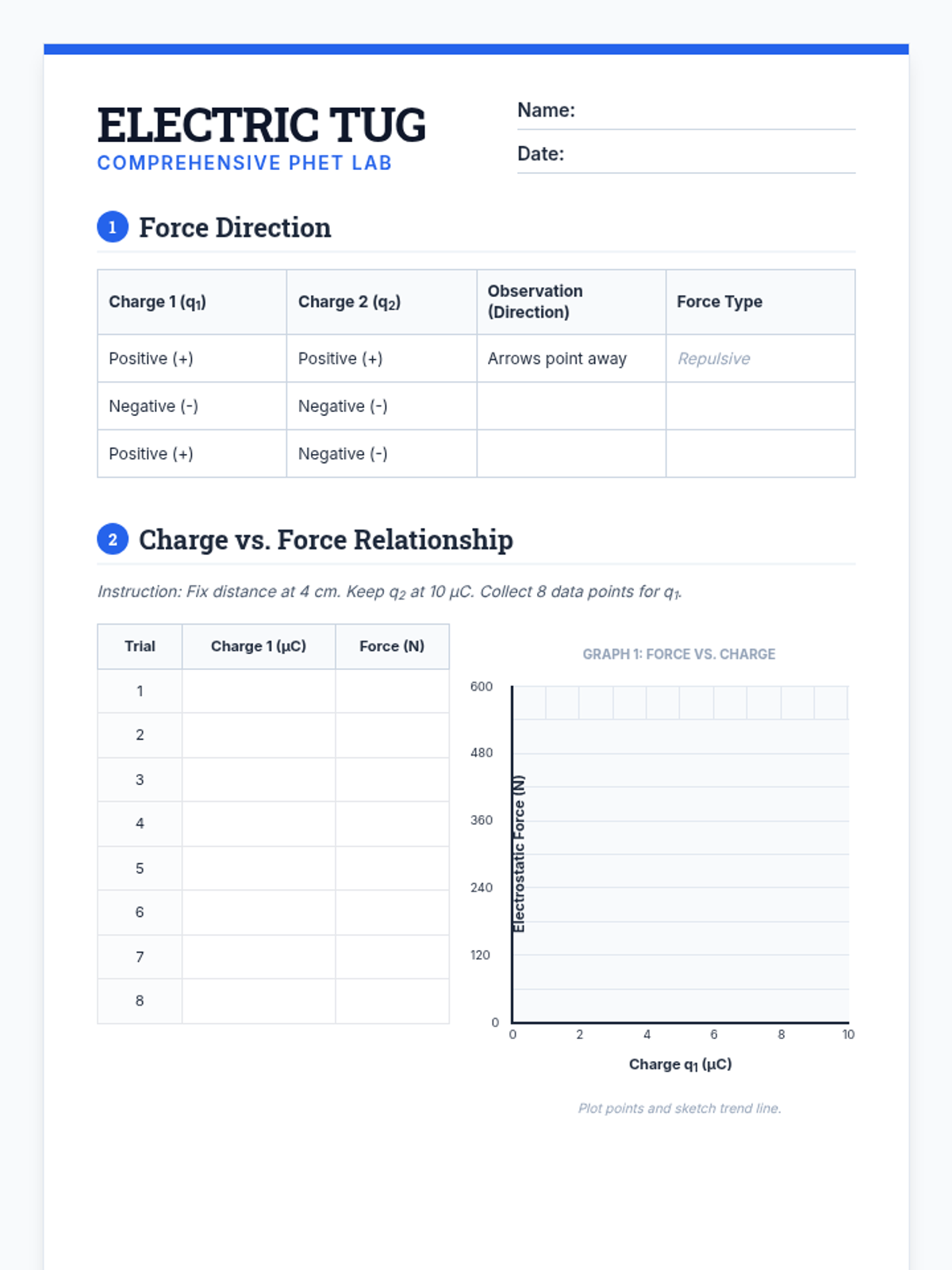
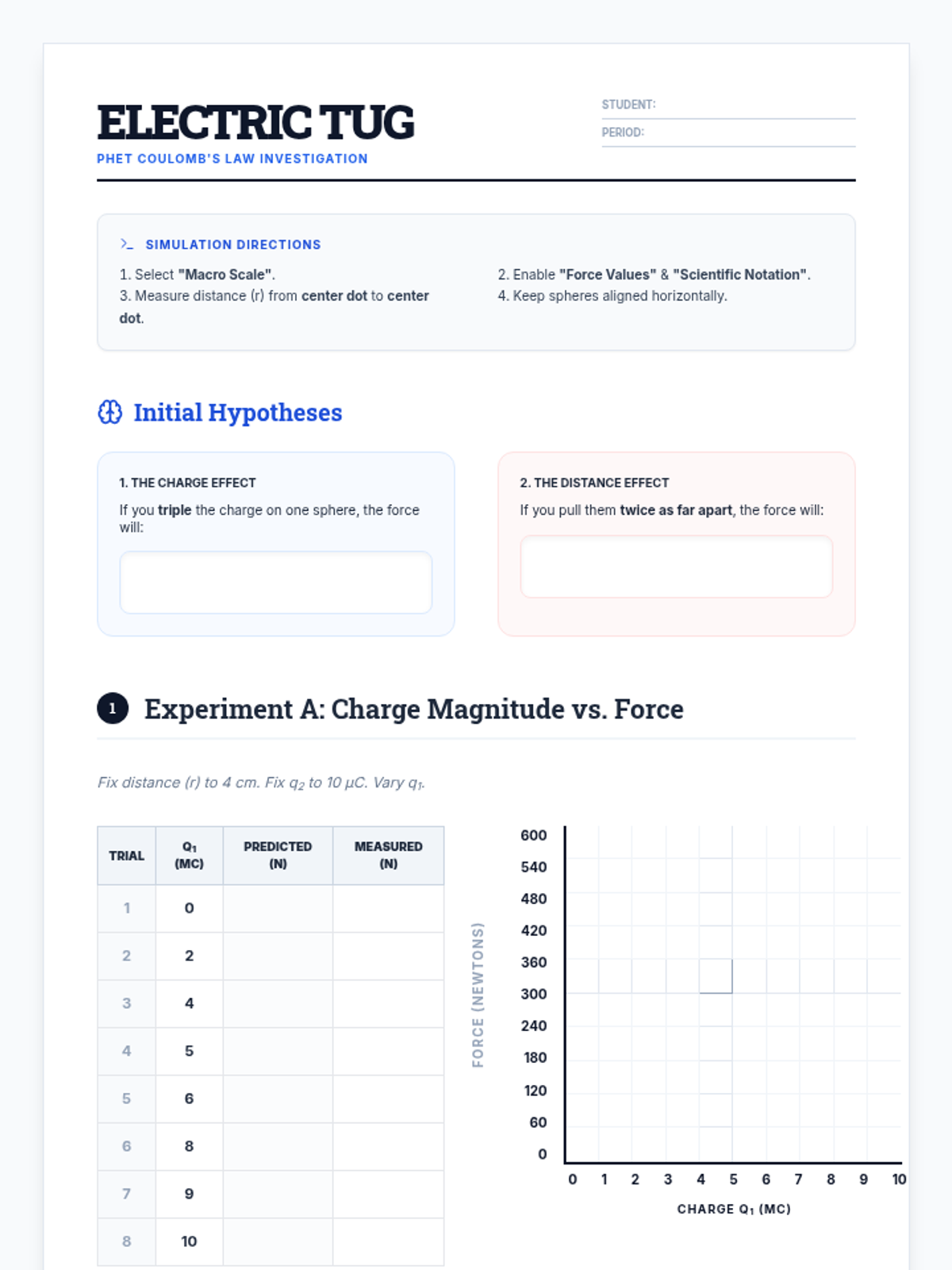
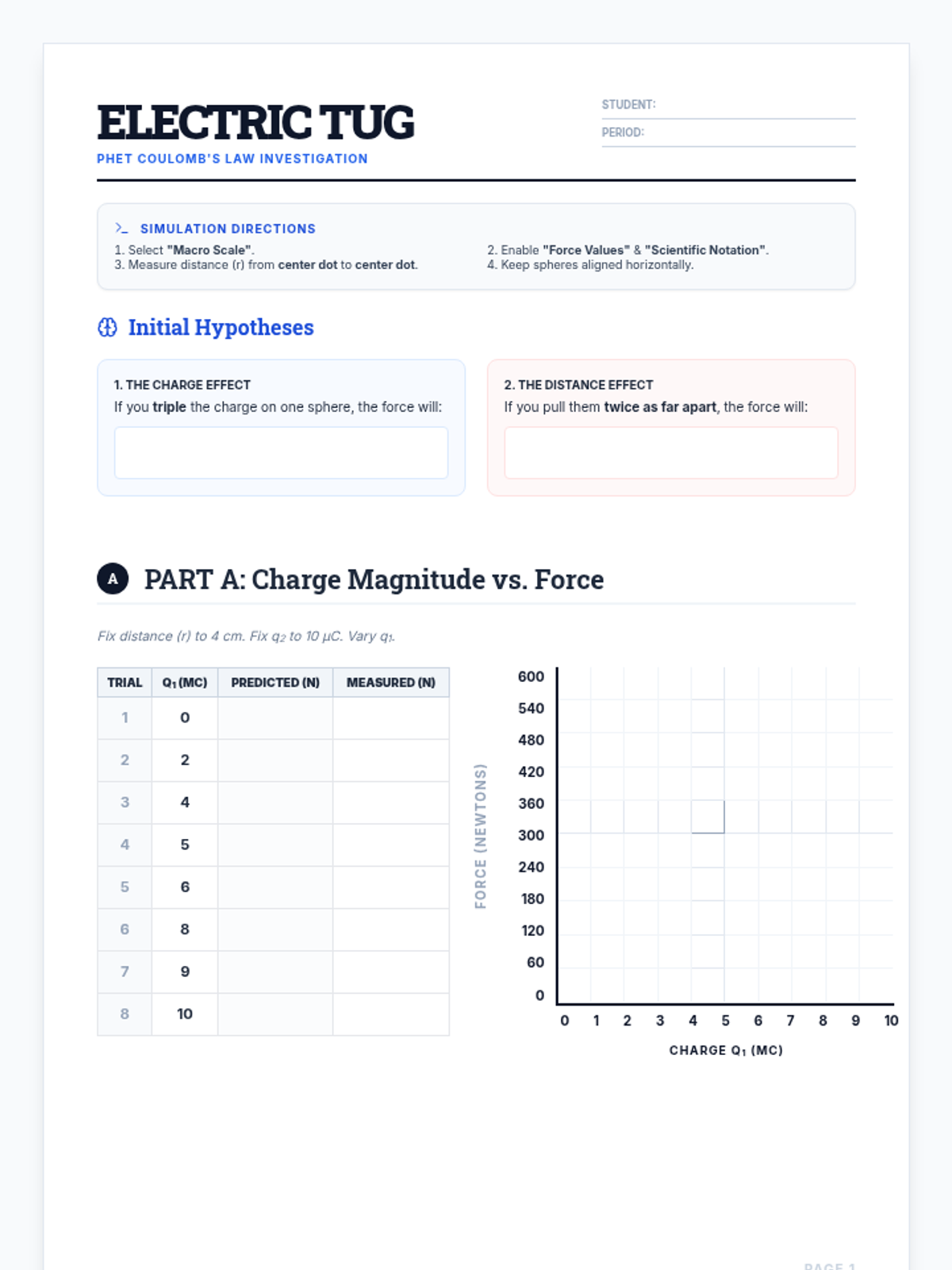
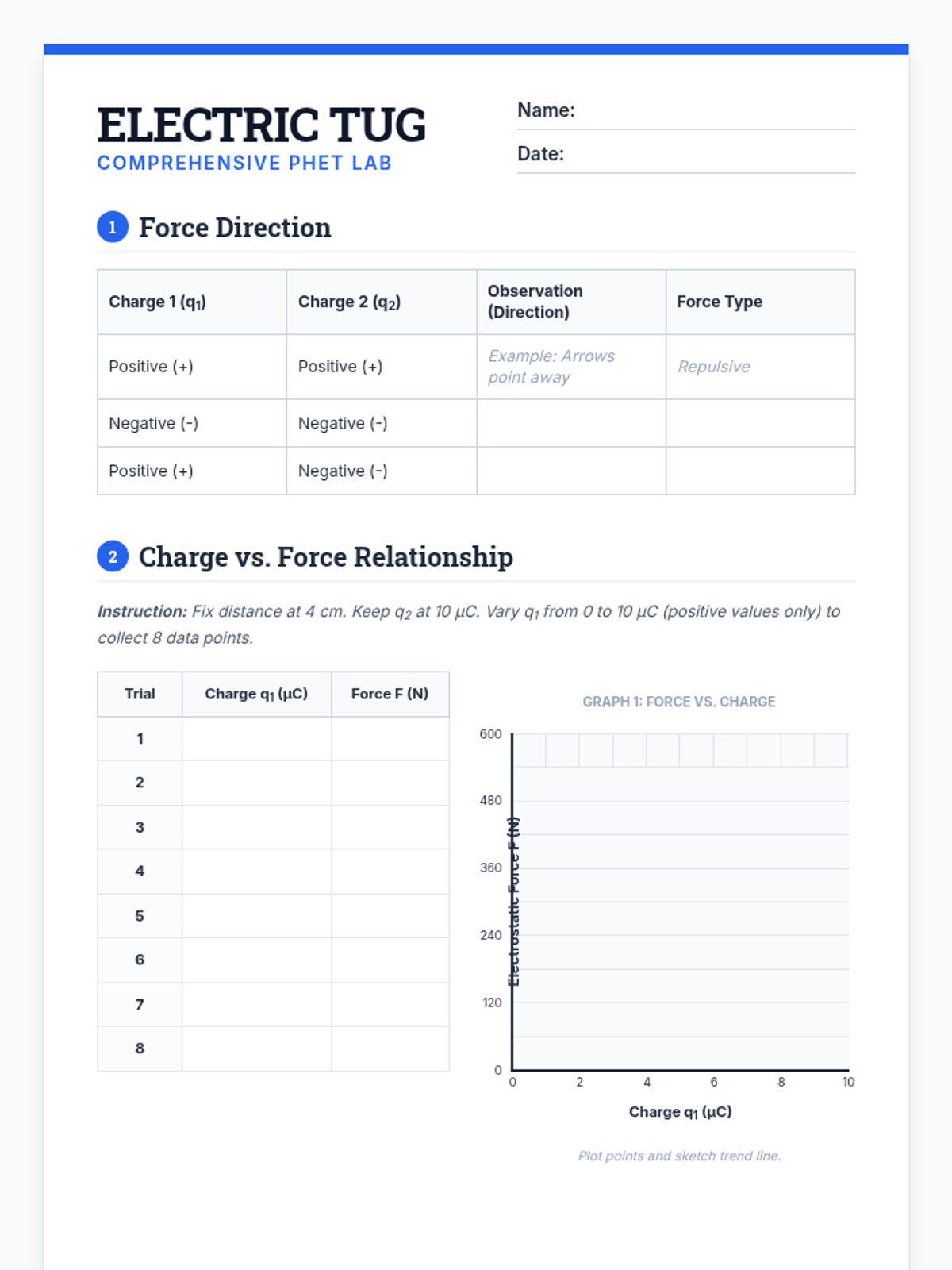
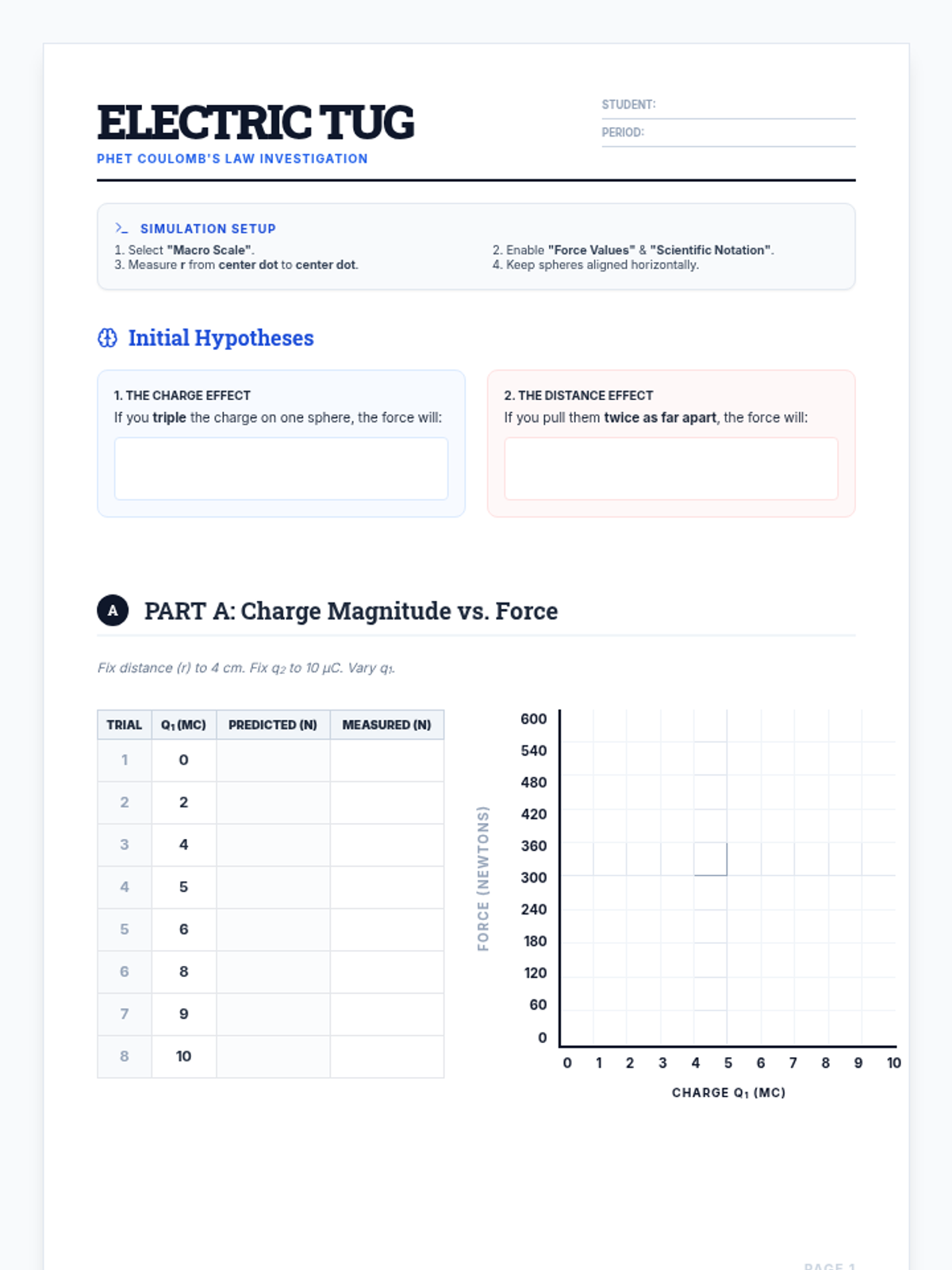
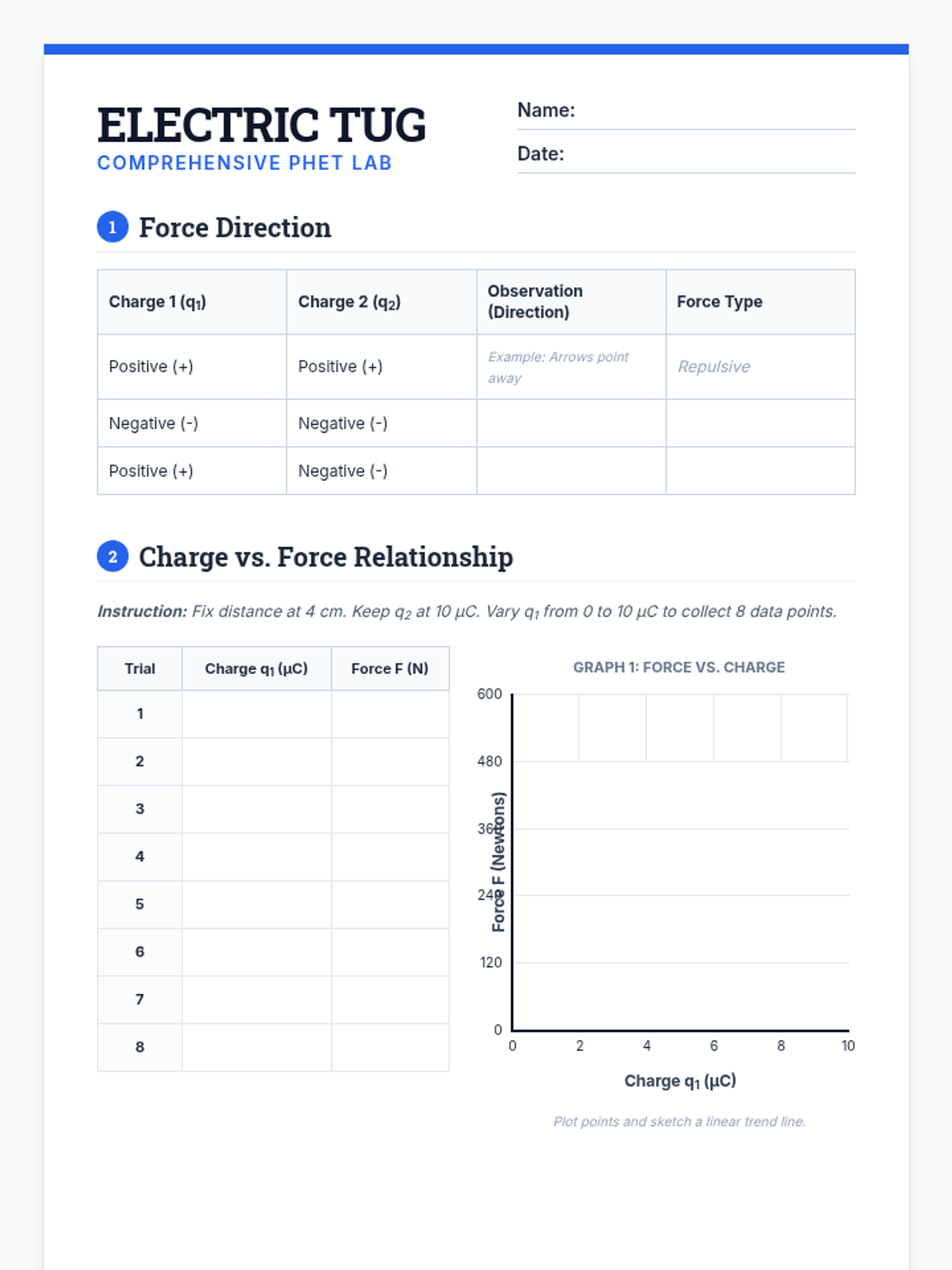
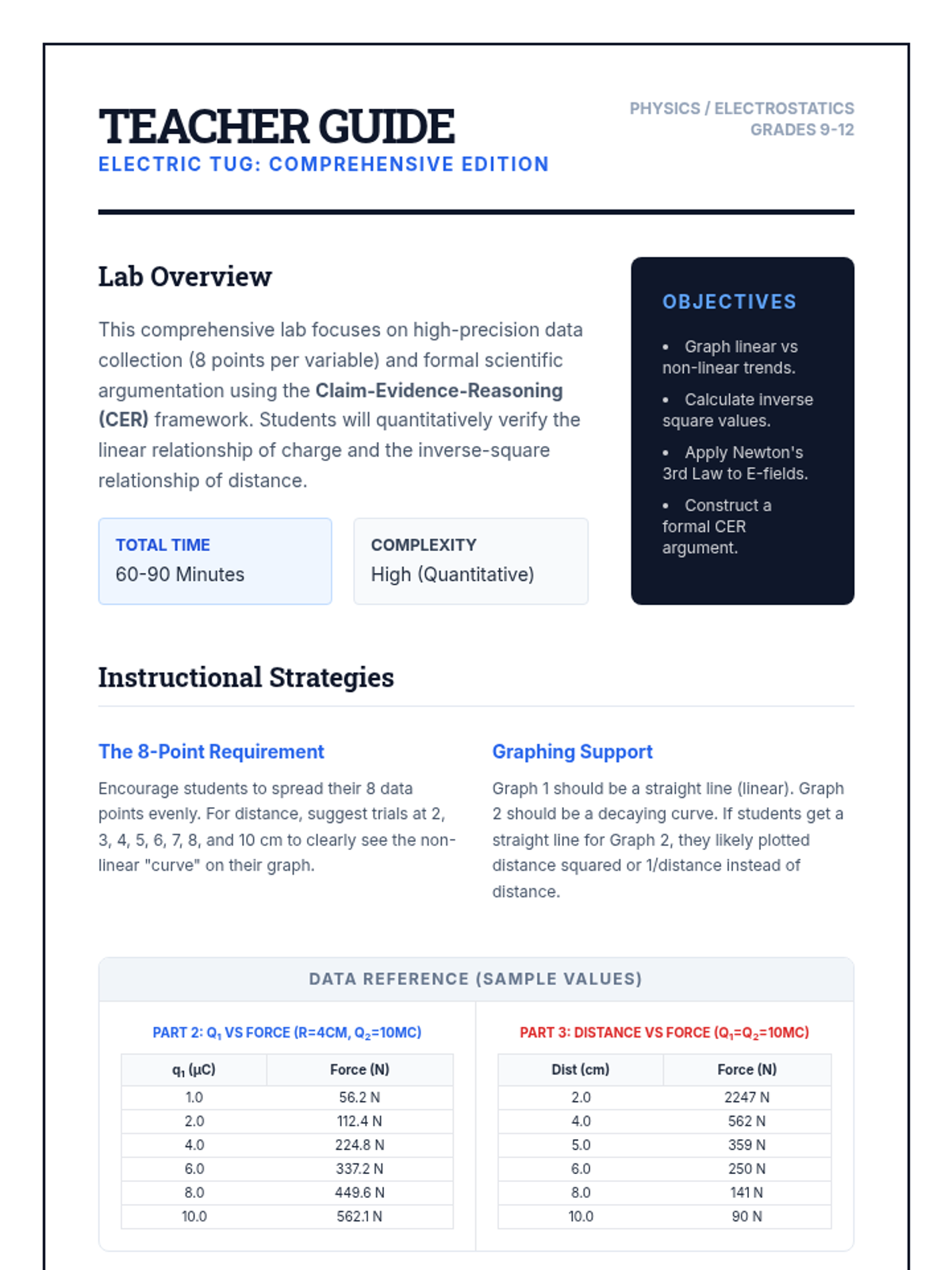
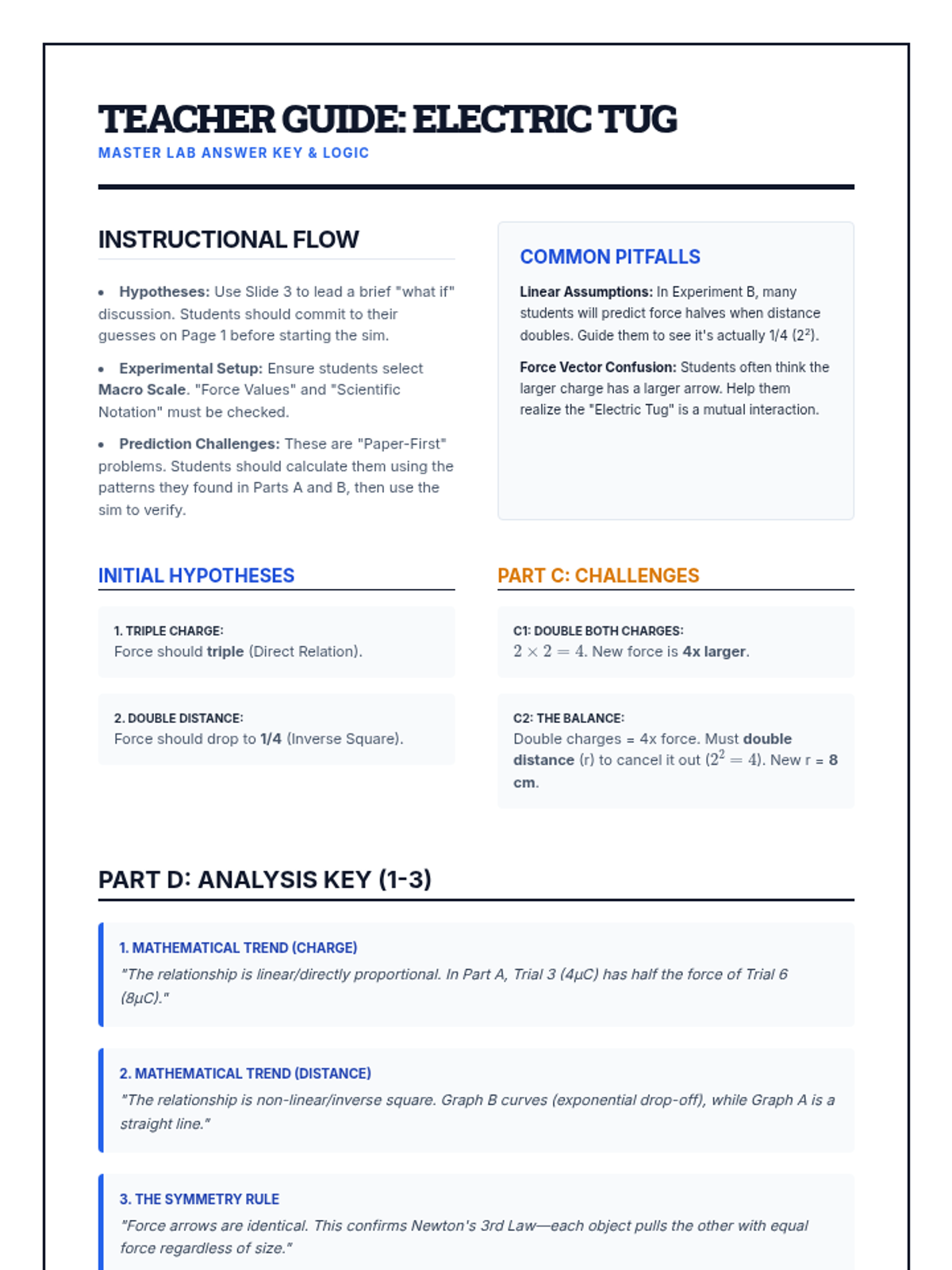
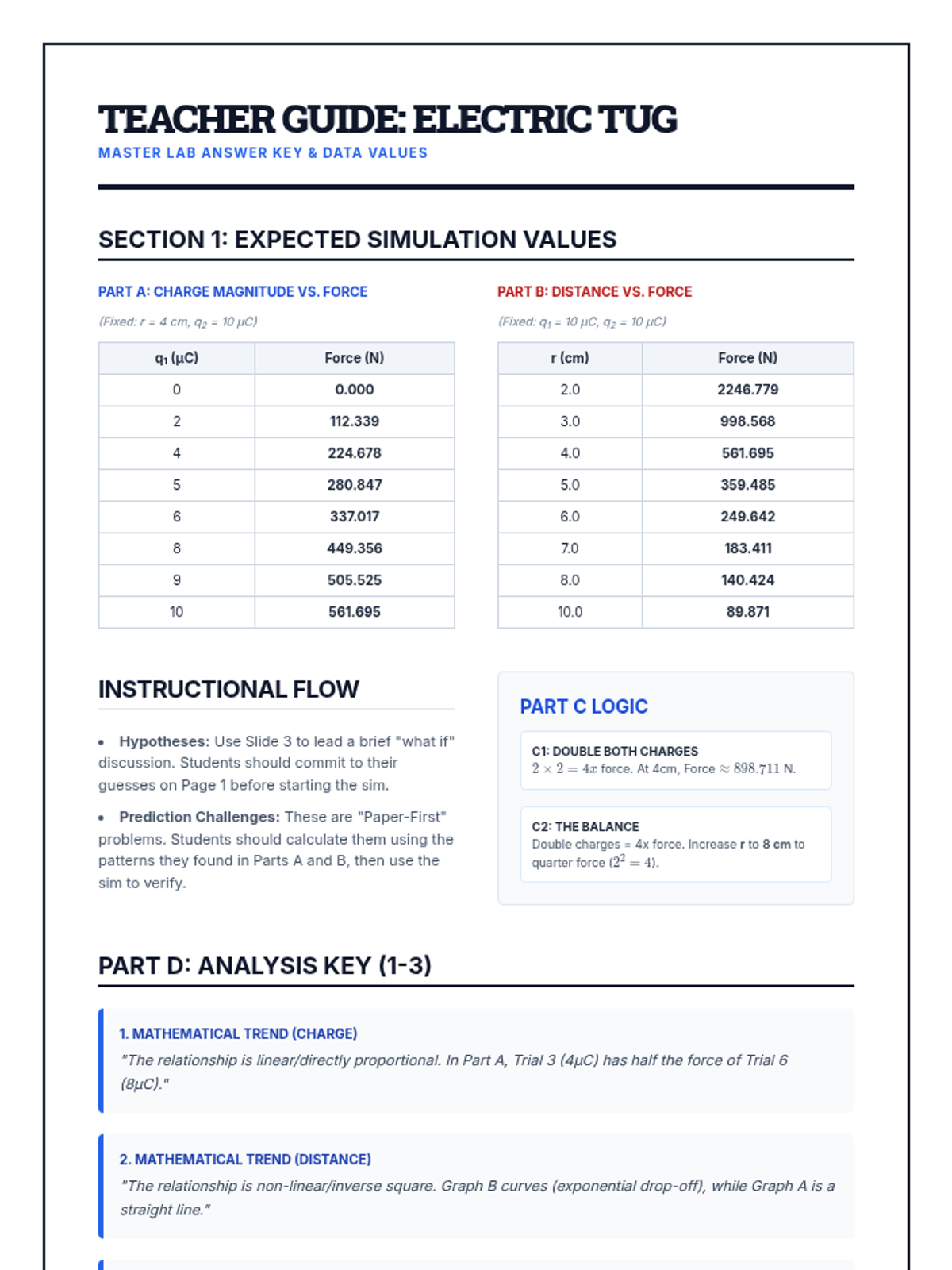
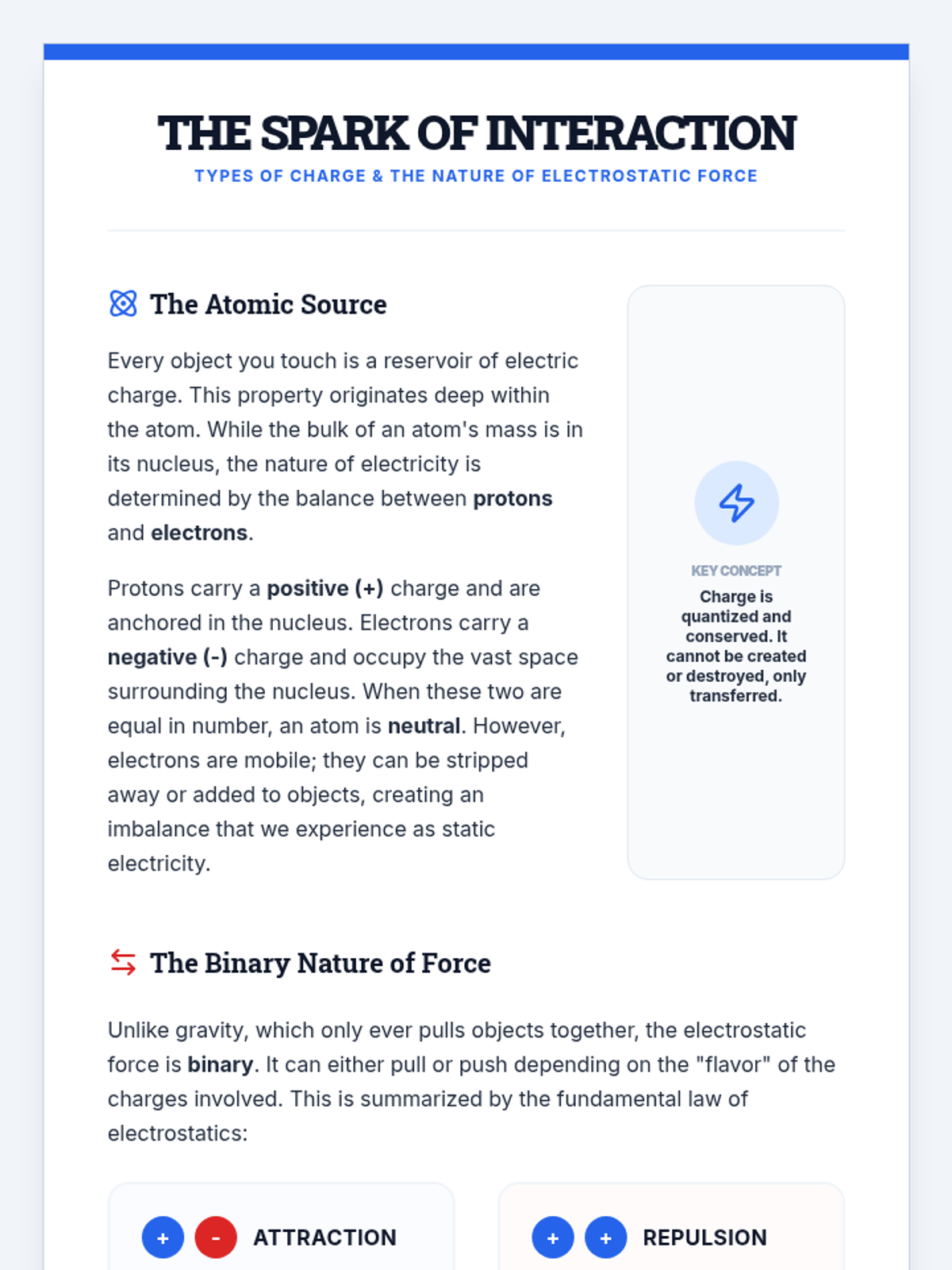
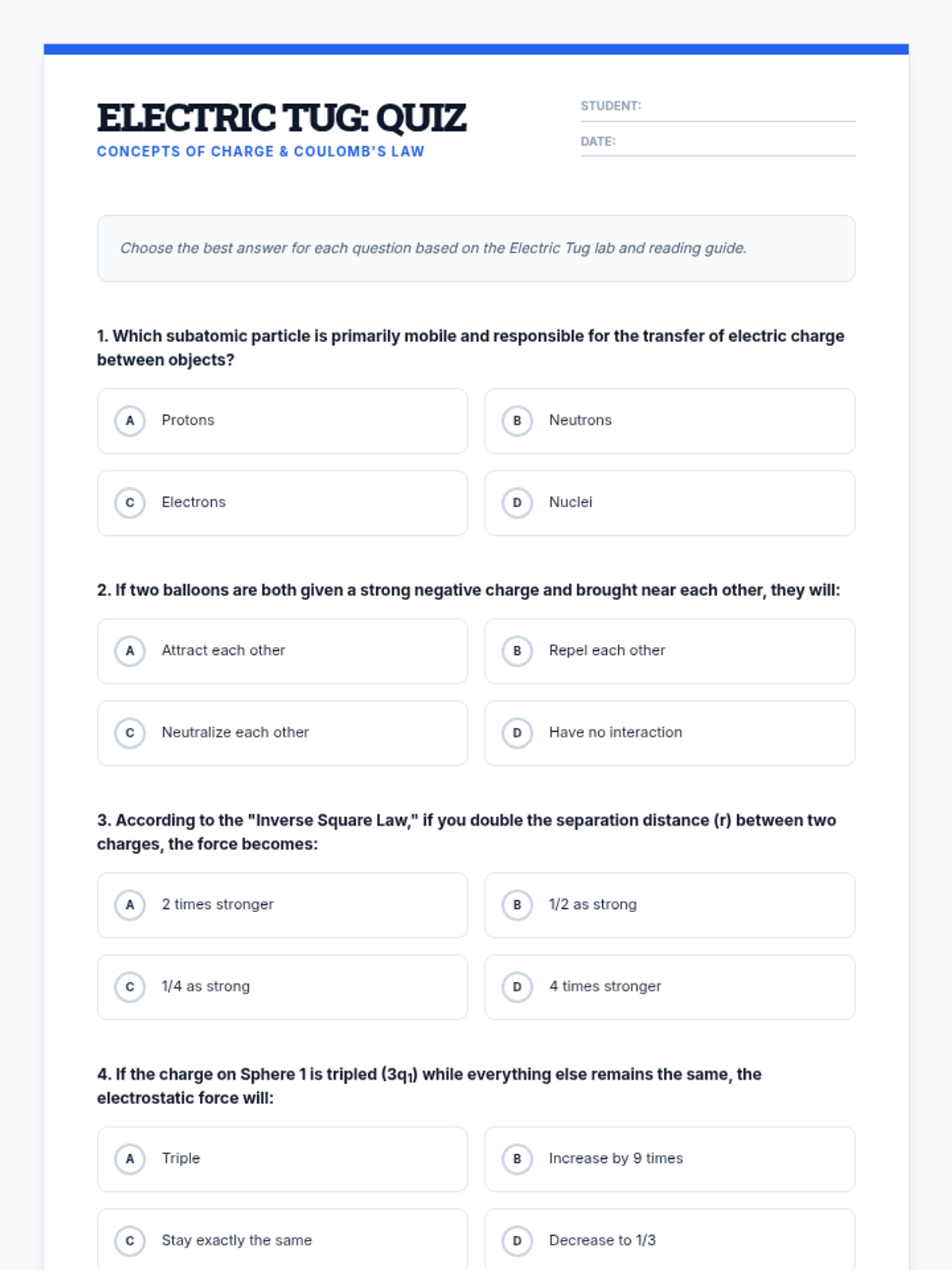
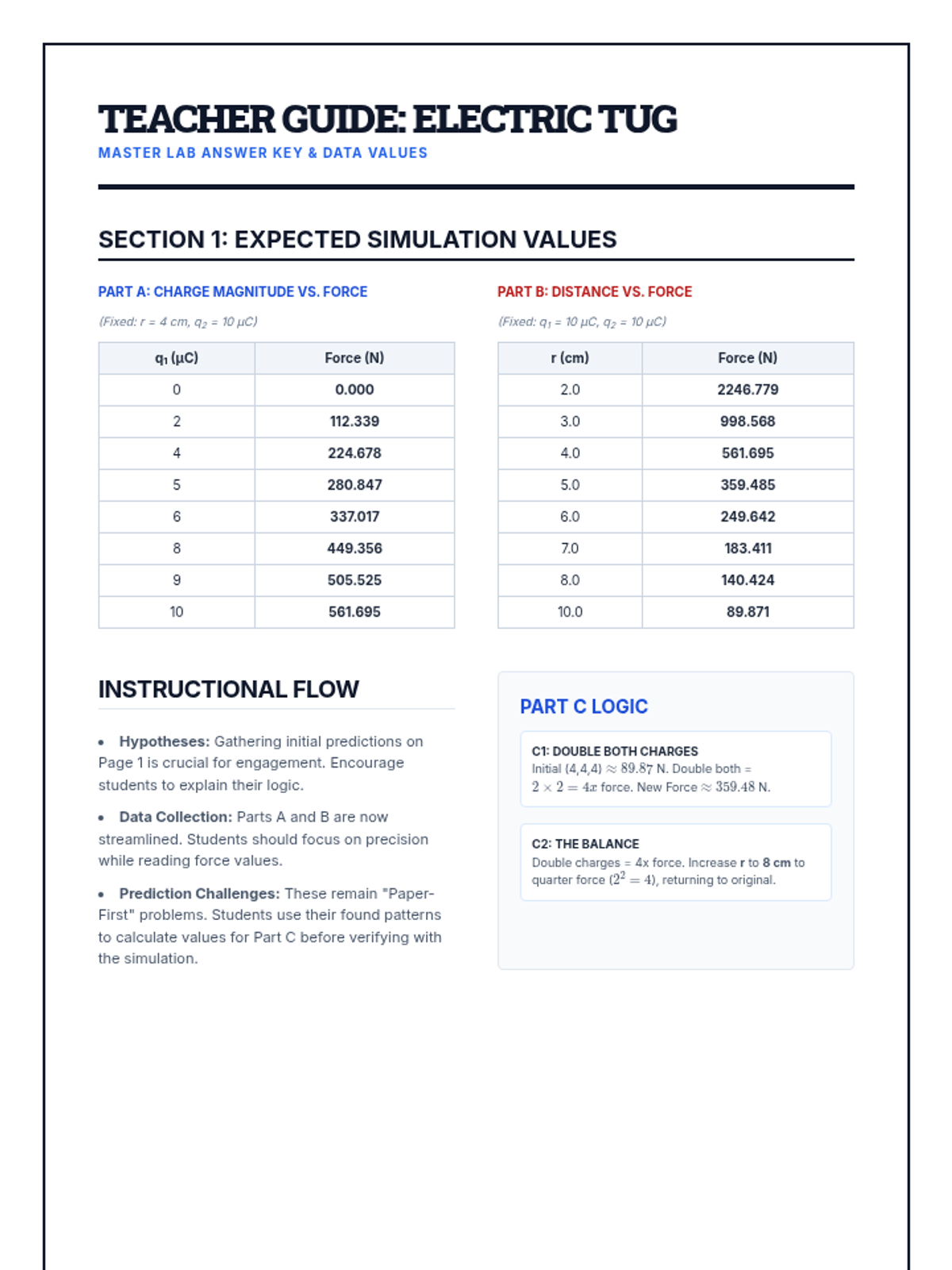
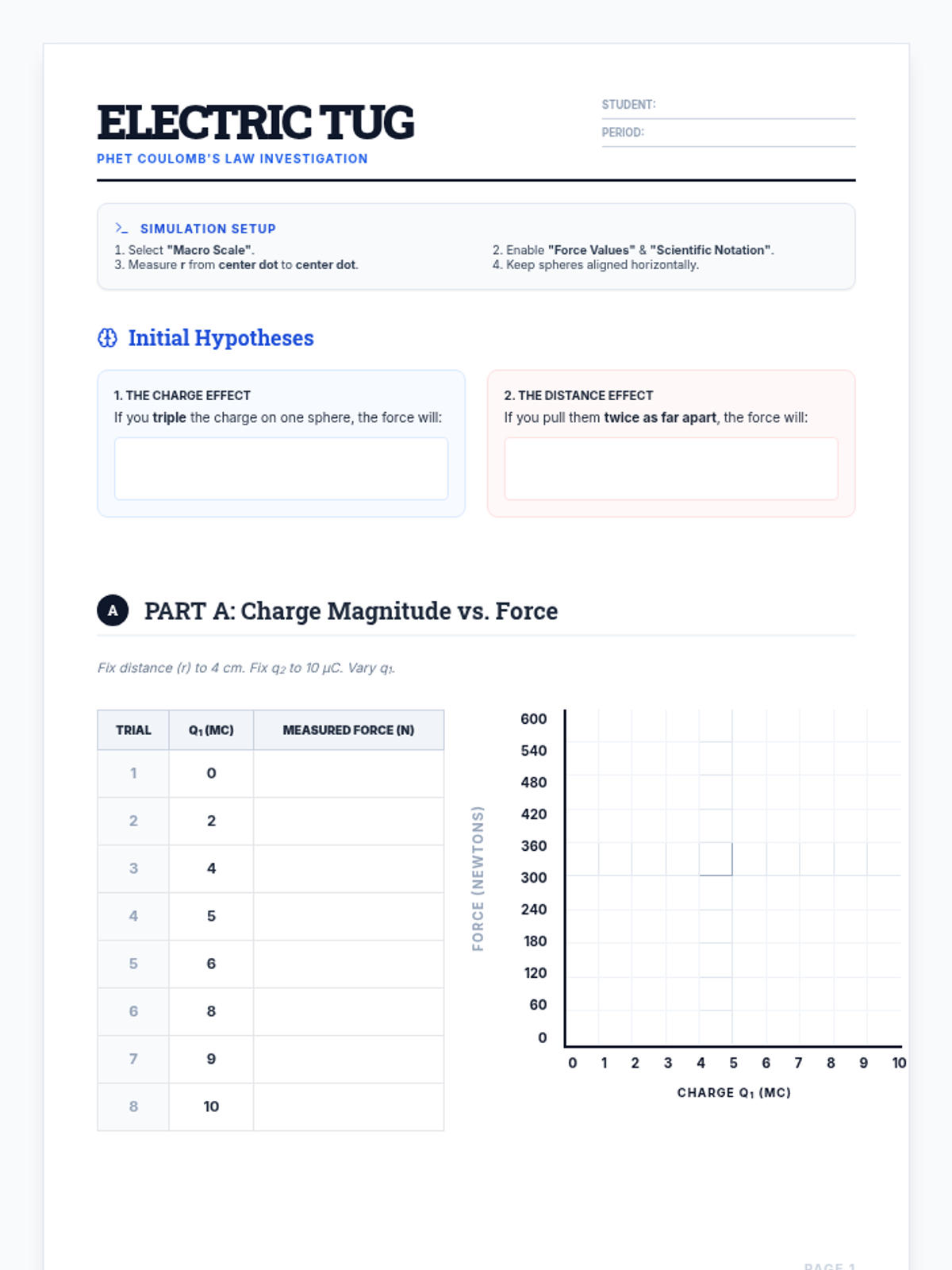
An inquiry-based lab where students use the PhET Coulomb's Law simulation to discover the relationships between charge, distance, and electrostatic force.
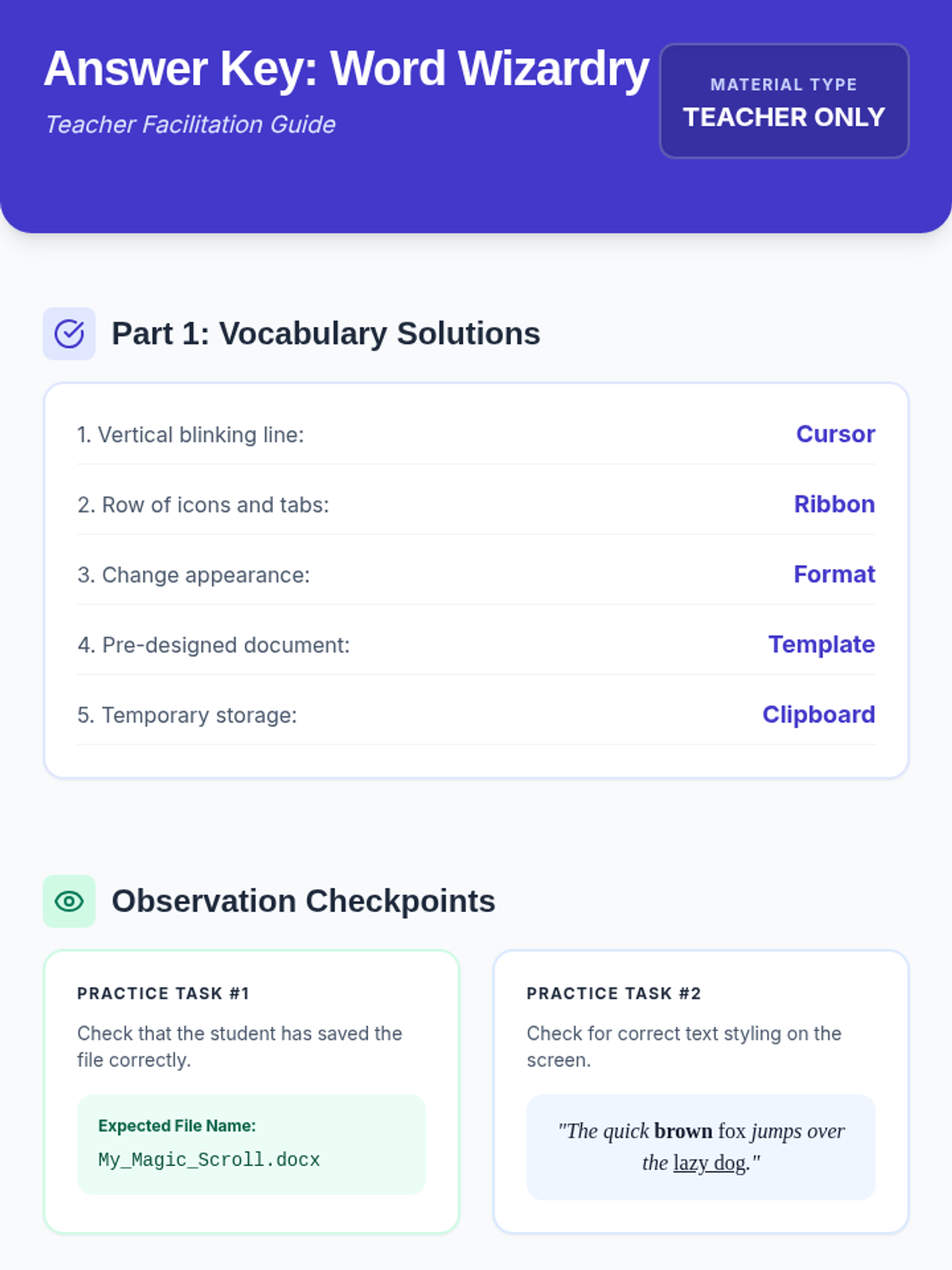
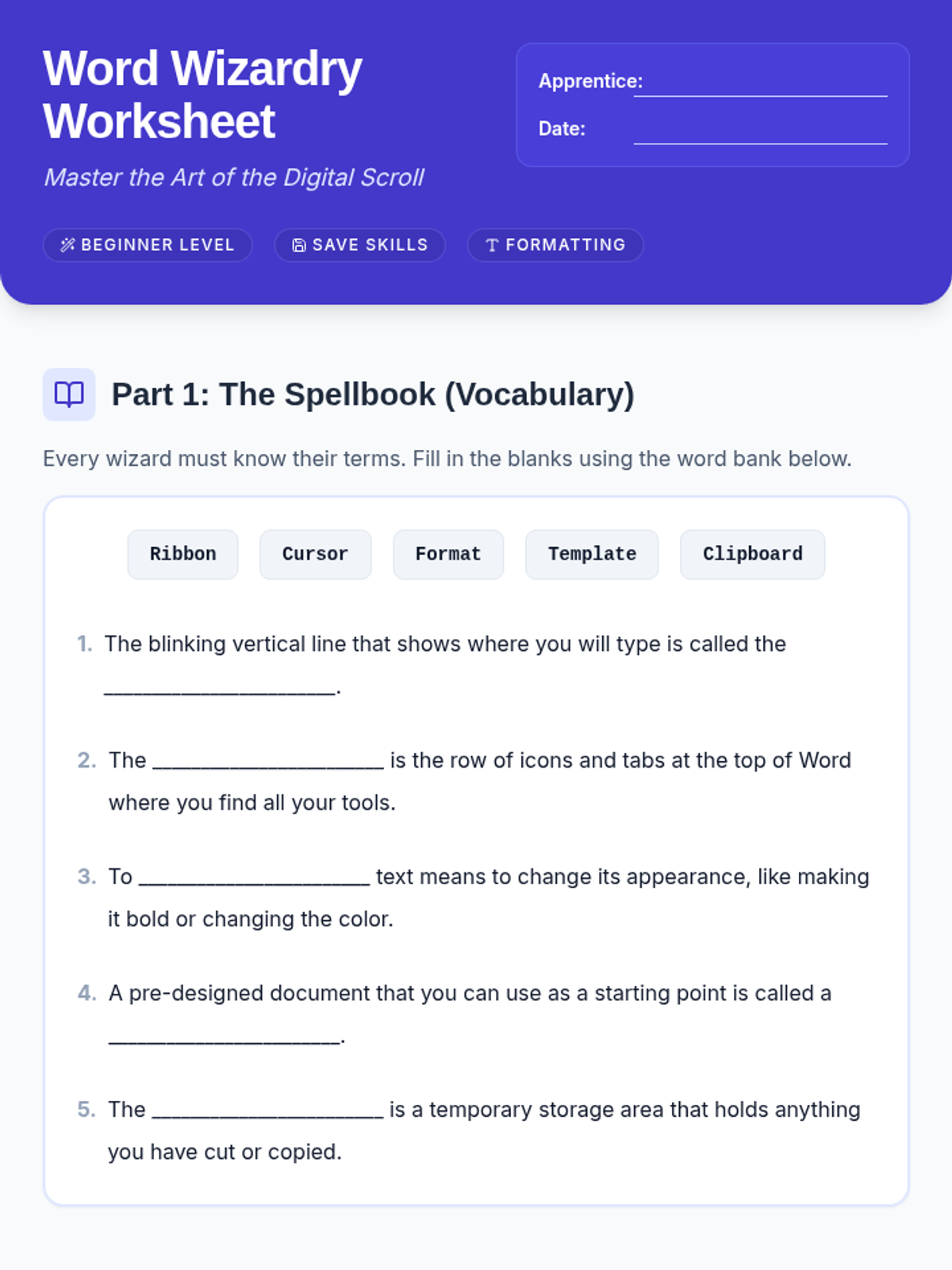
An introductory lesson on Microsoft Word basics, covering document creation, saving, text formatting, and clipboard actions (copy/cut/paste). Students will learn through a 'Word Wizardry' theme, transforming technical skills into creative magic.
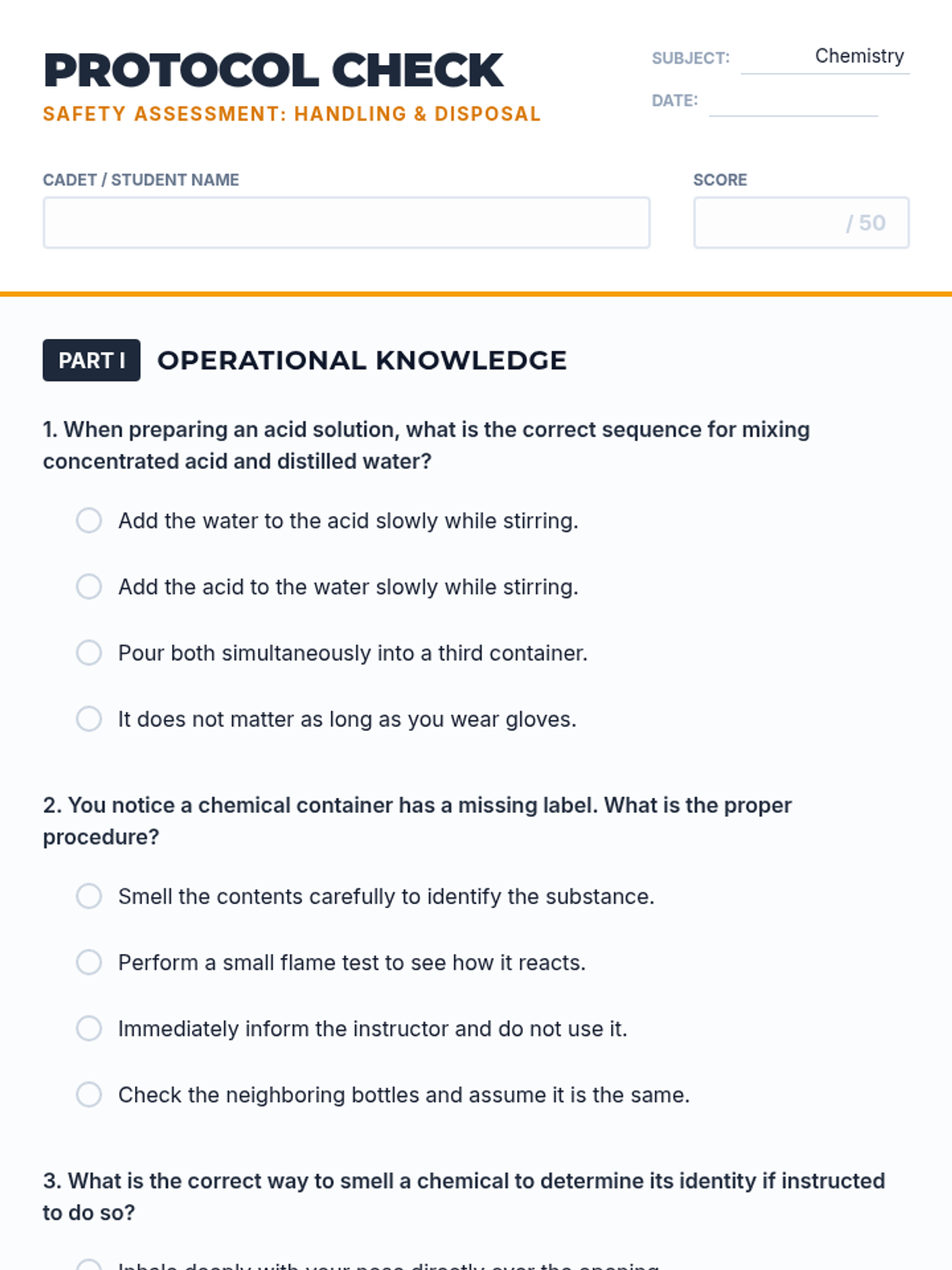
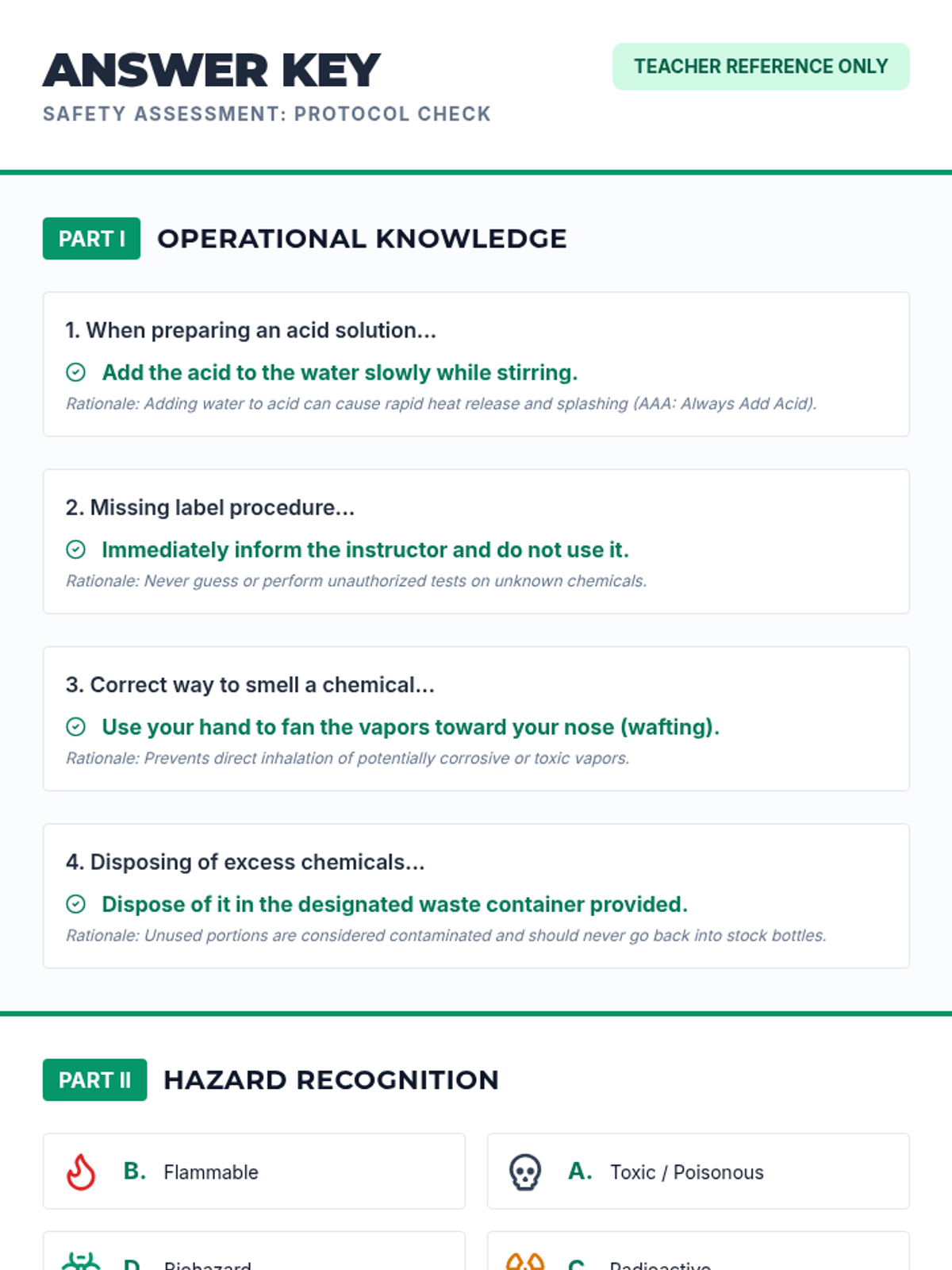
A comprehensive lesson on chemical handling and waste disposal protocols for high school chemistry students, featuring instructional slides and a formal assessment.
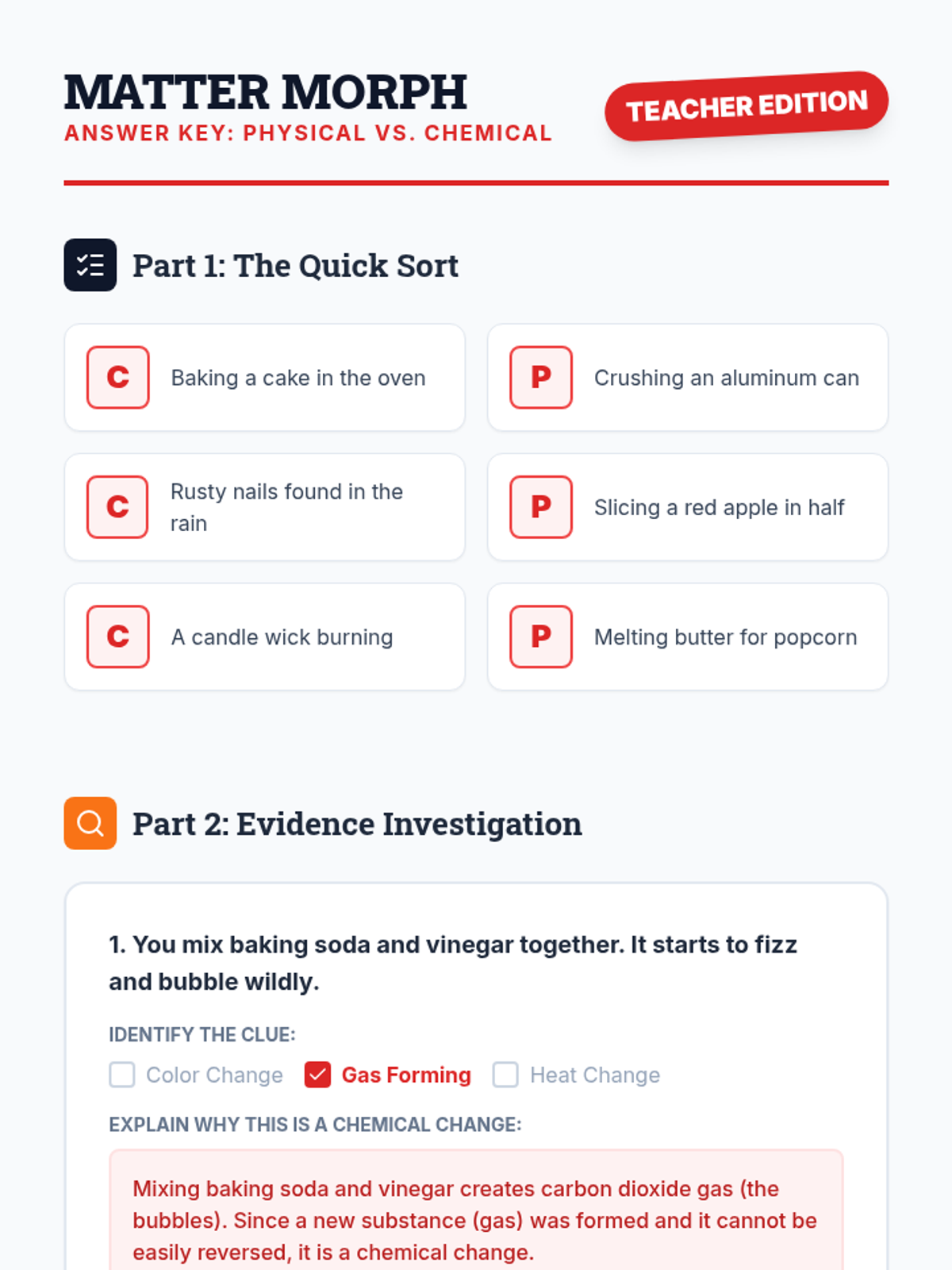
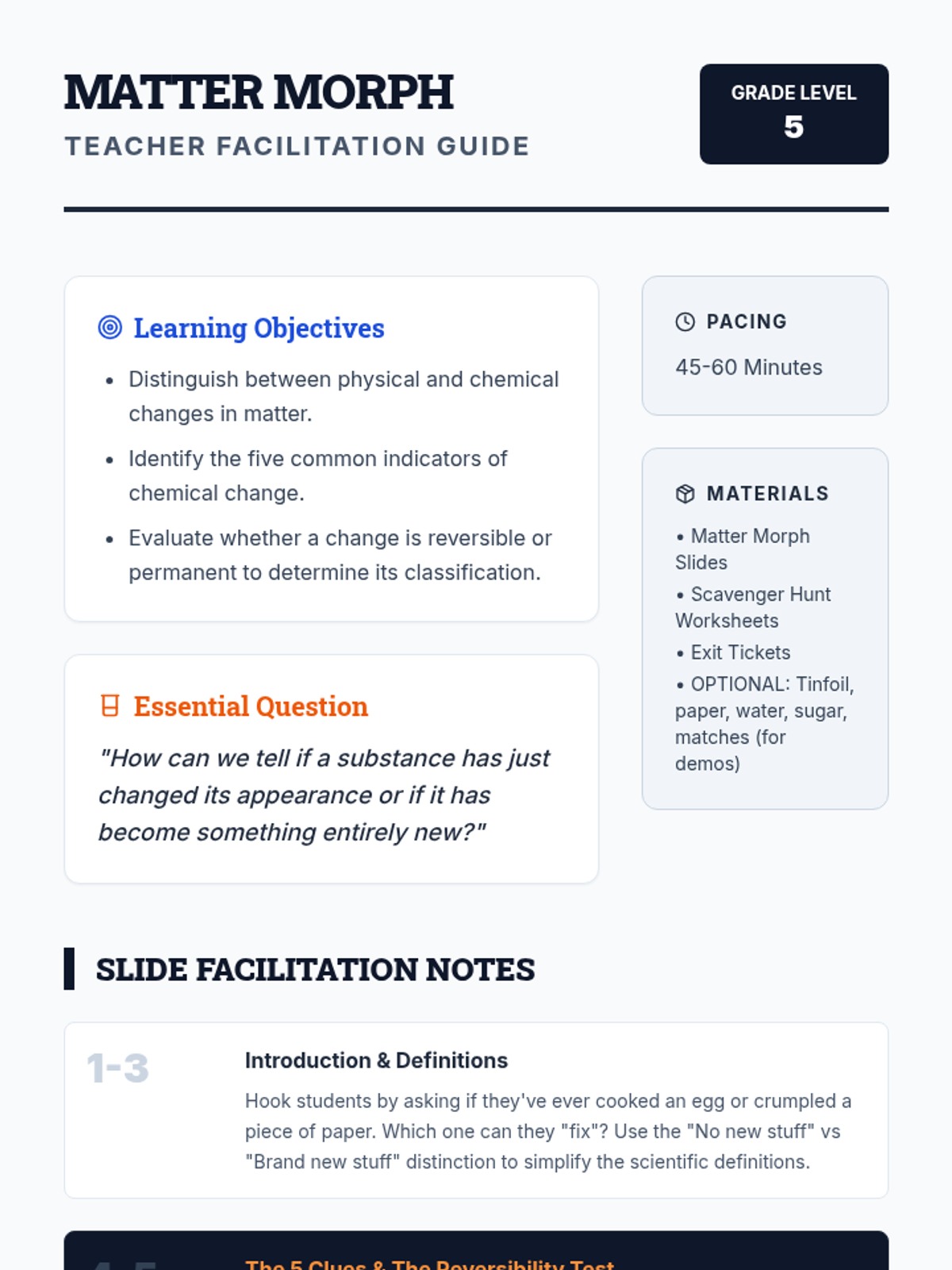
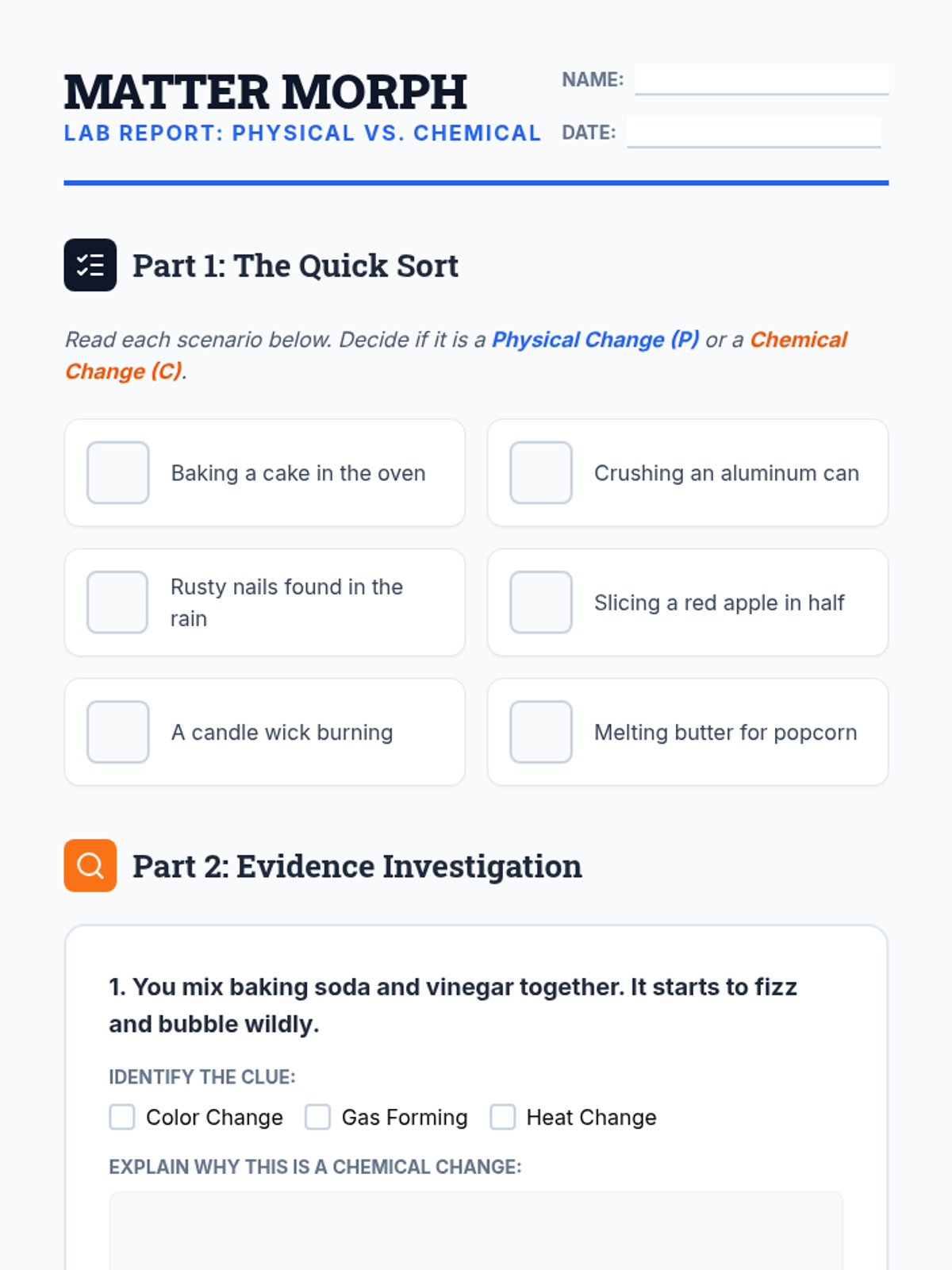
An introductory lesson on physical and chemical changes for 5th-grade students, focusing on identifying signs of change and understanding reversibility.
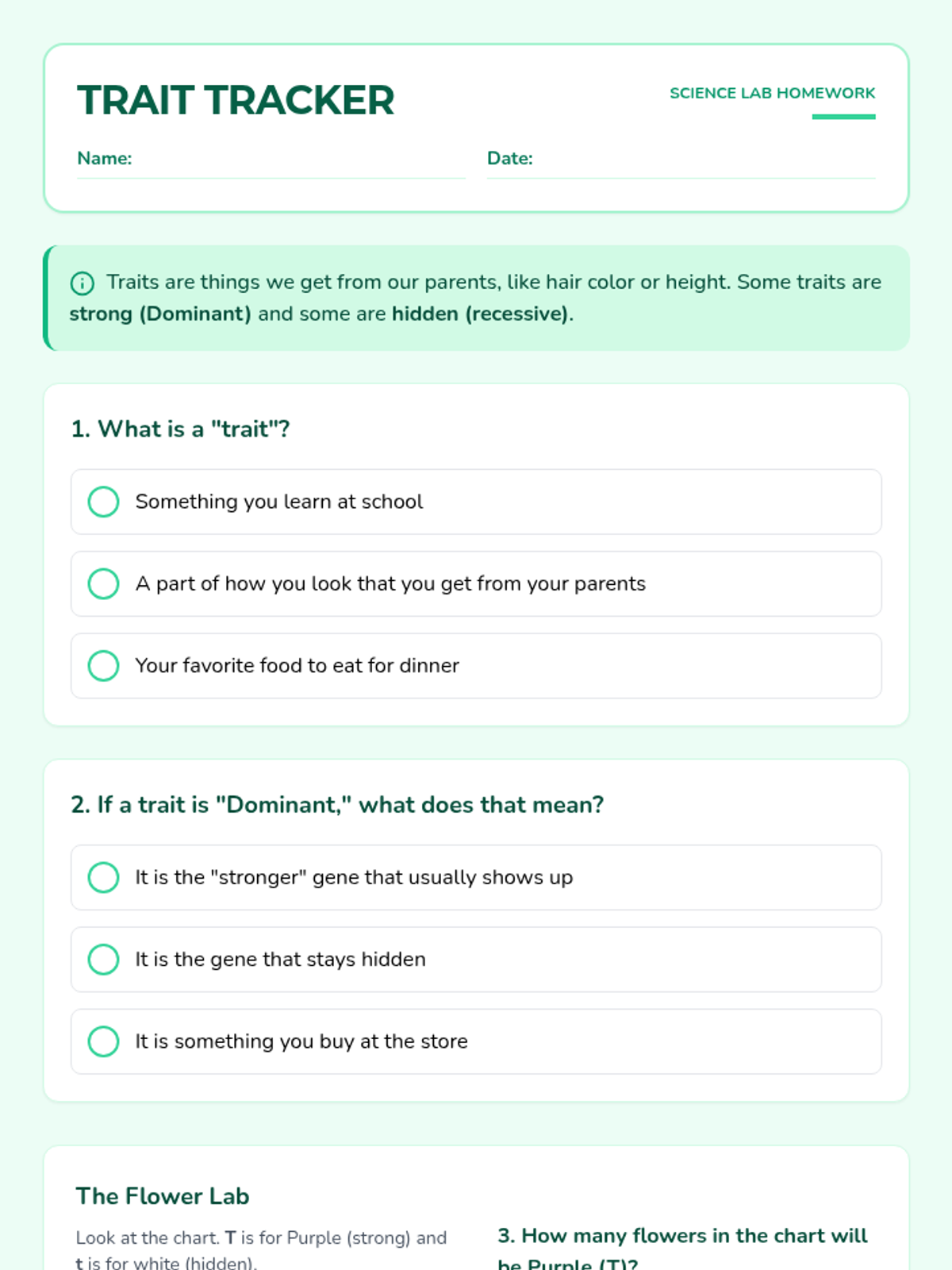
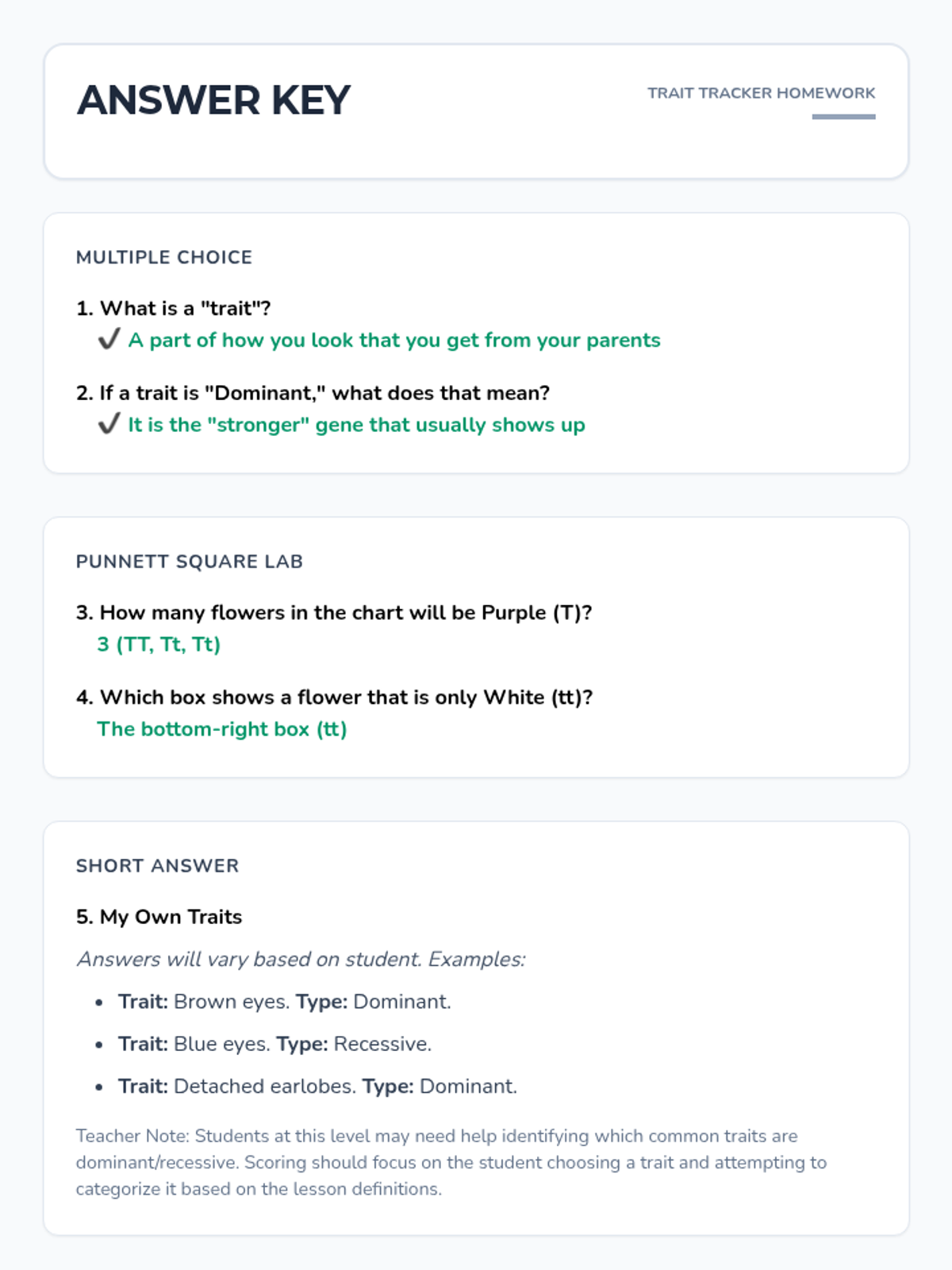
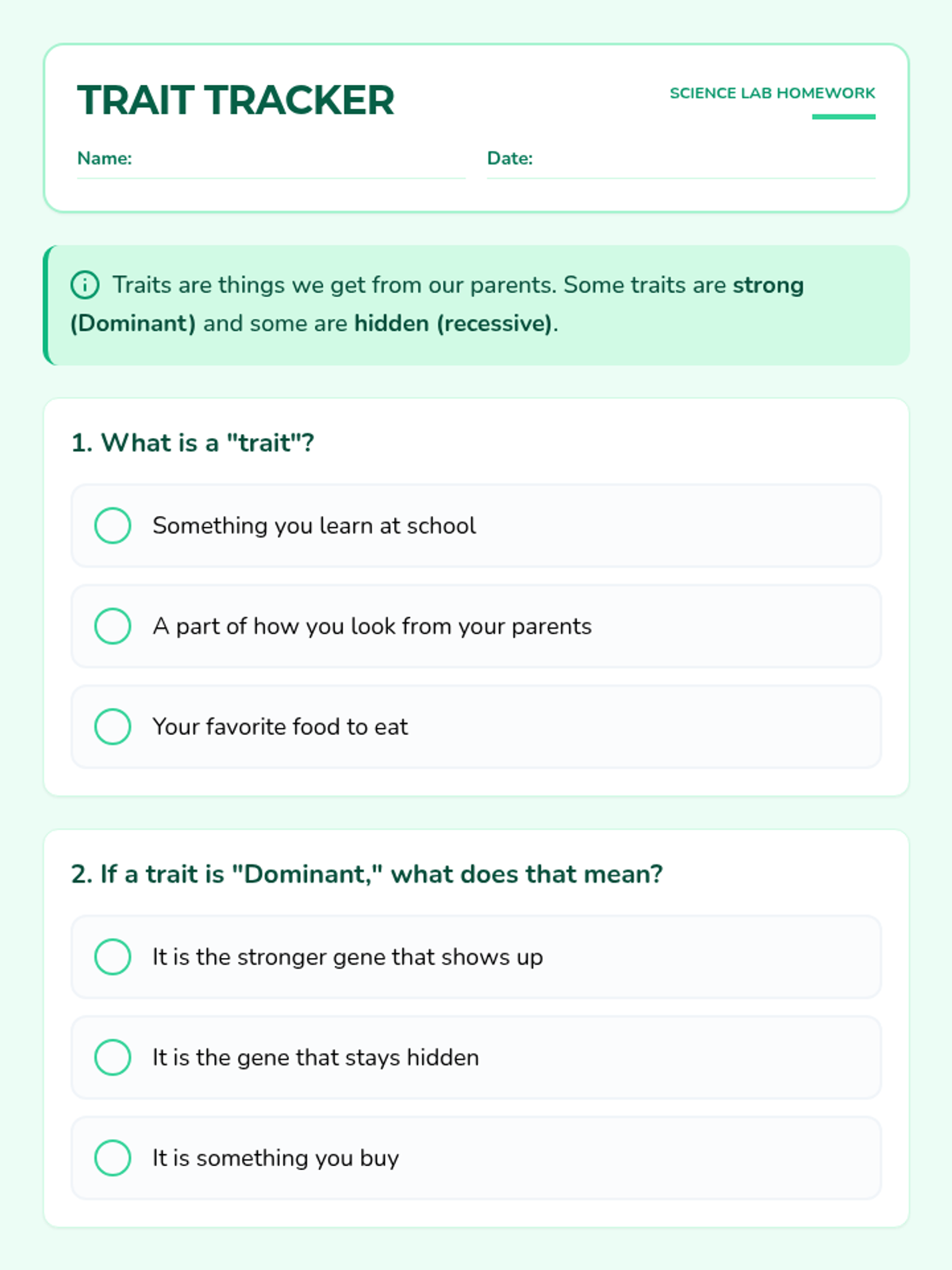
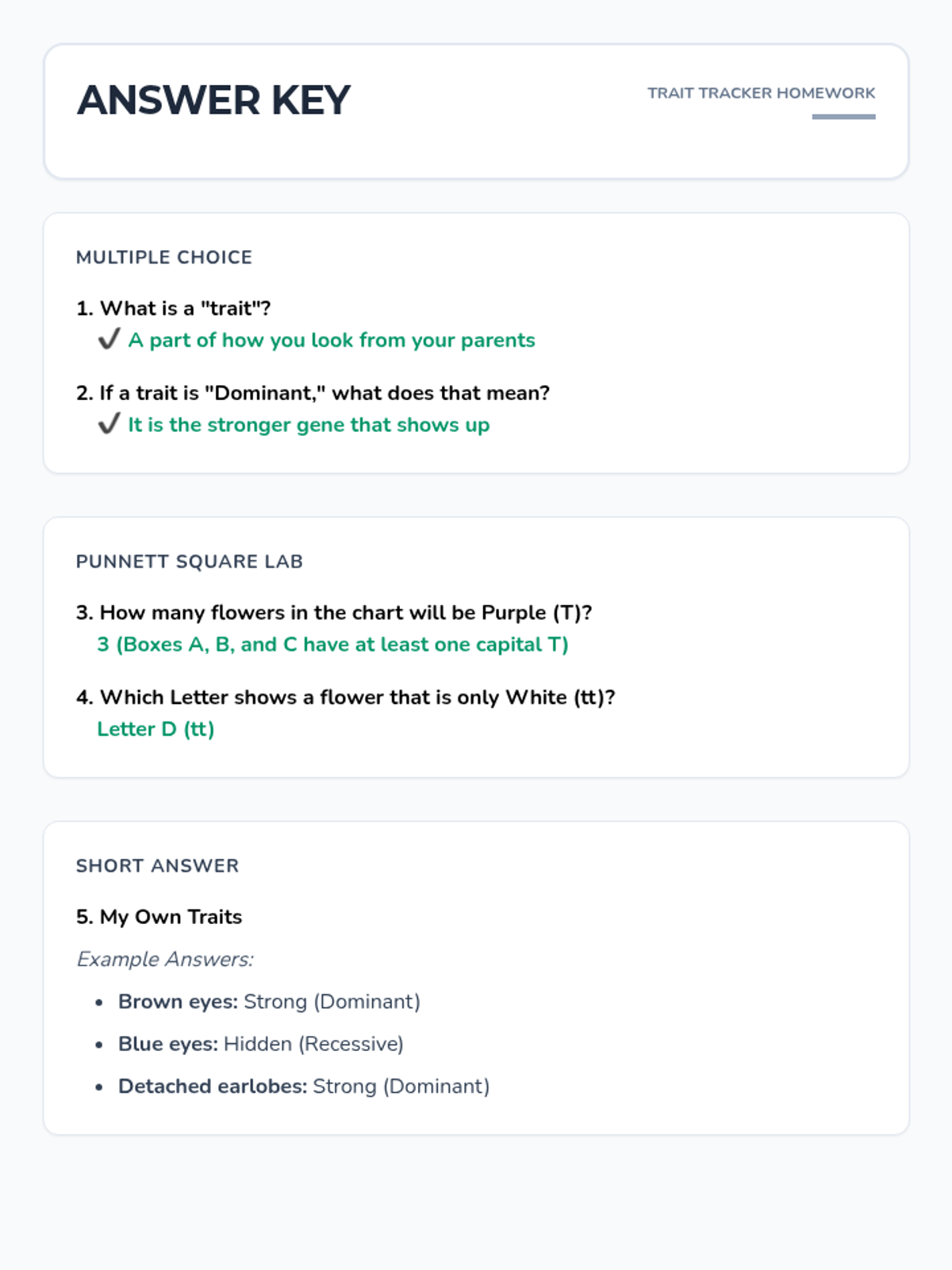
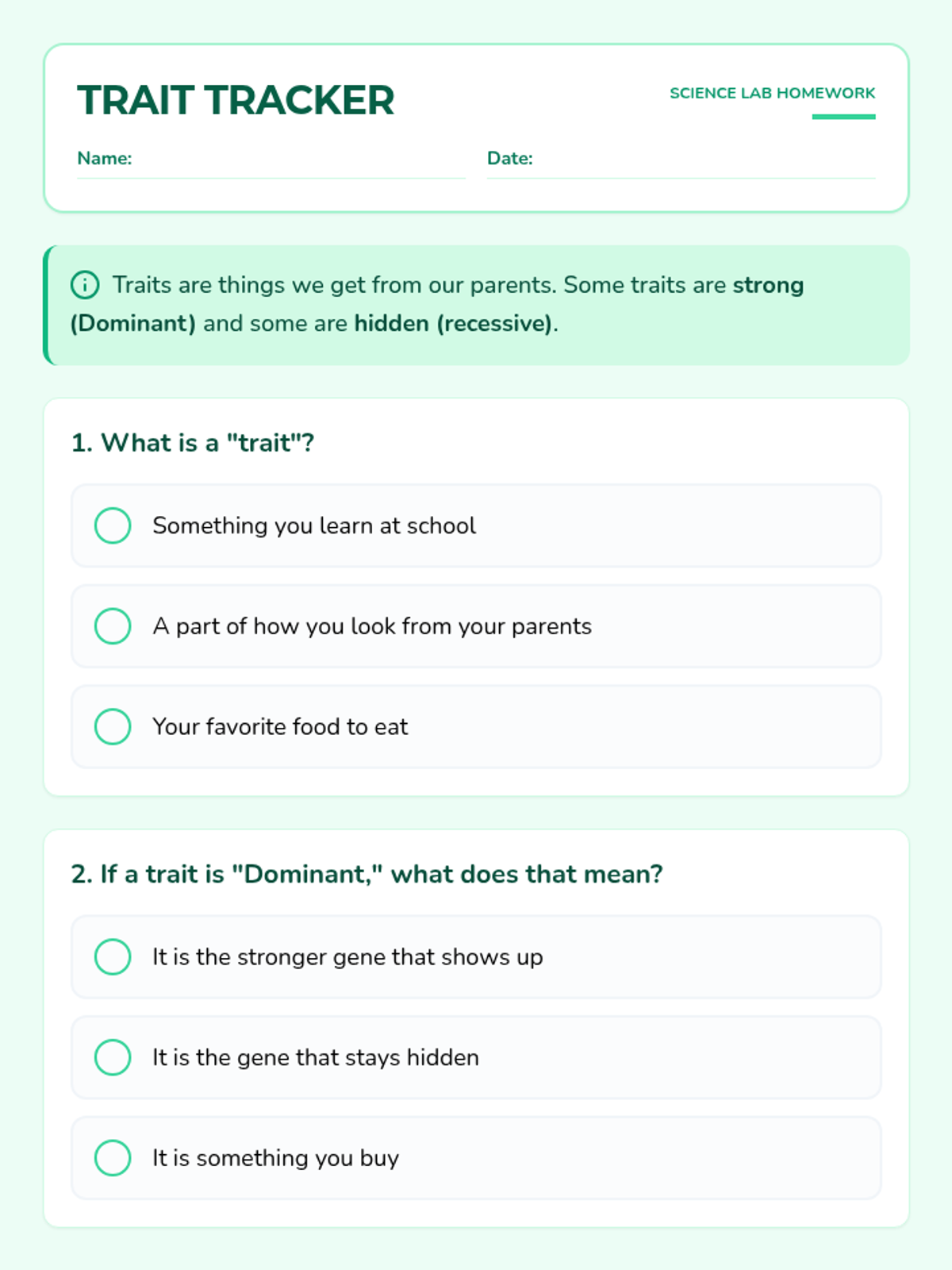
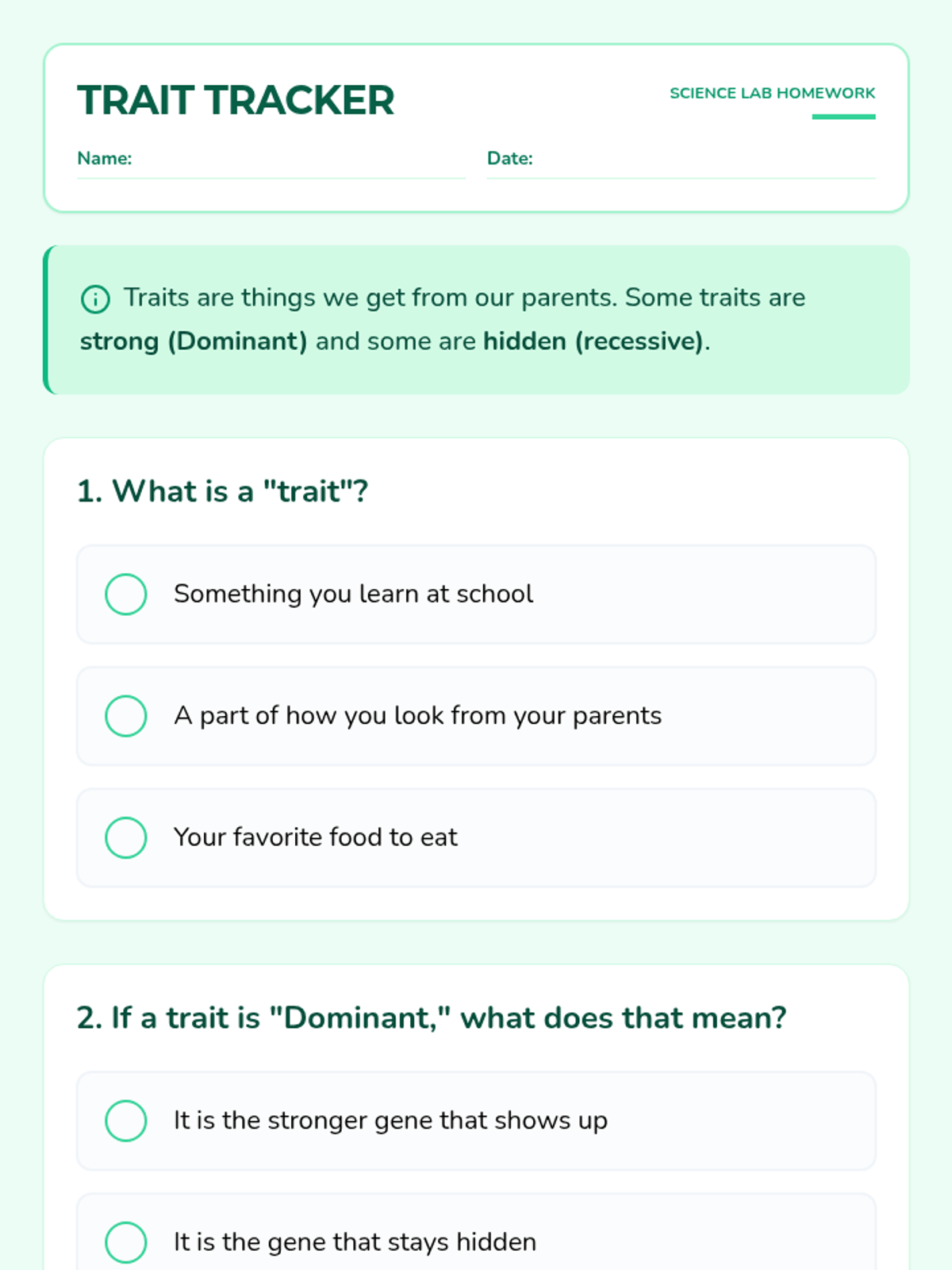
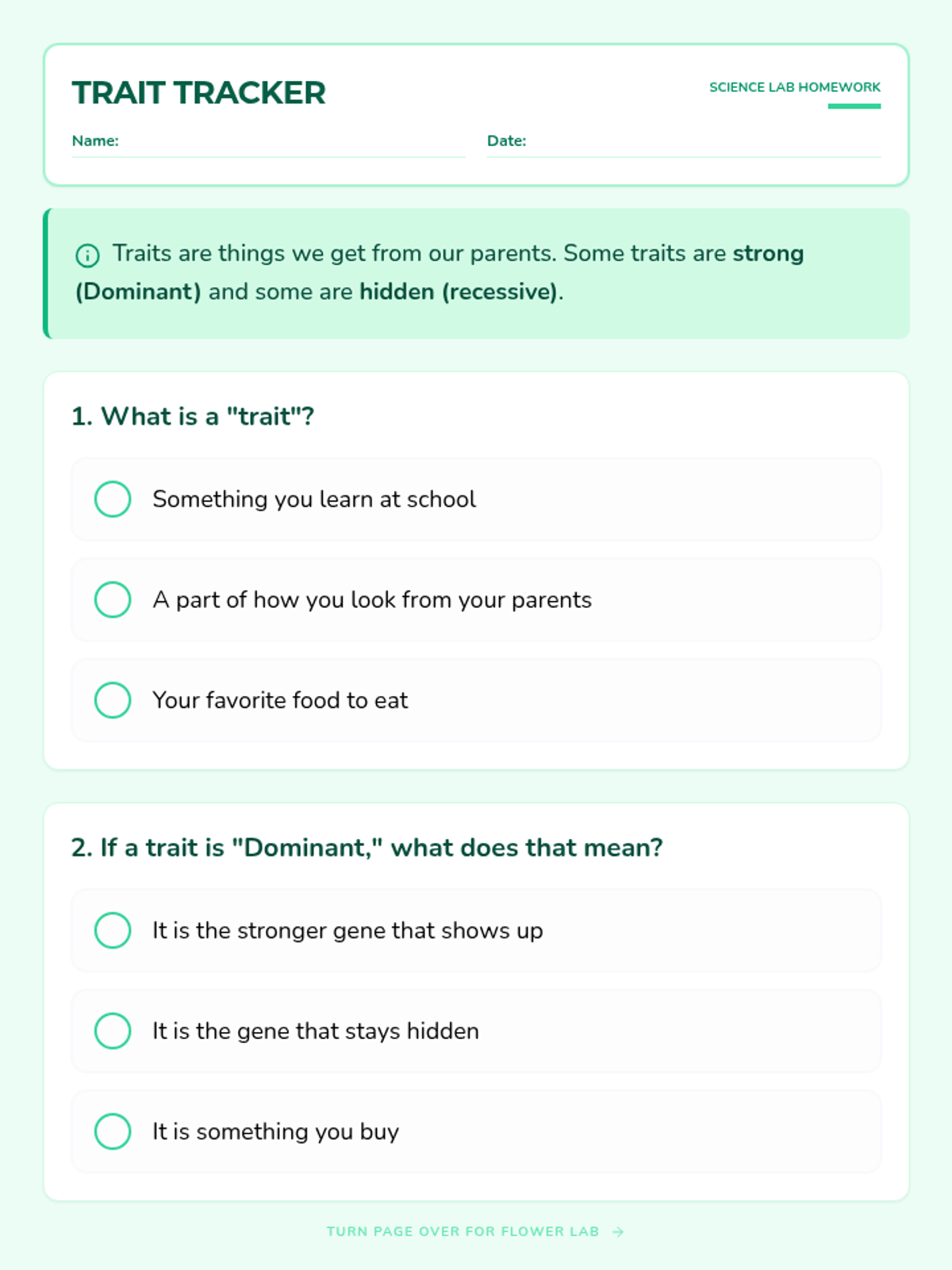
A lesson focused on the basics of genetic inheritance and how traits are passed from parents to offspring, designed for students with a 2nd-grade reading level.
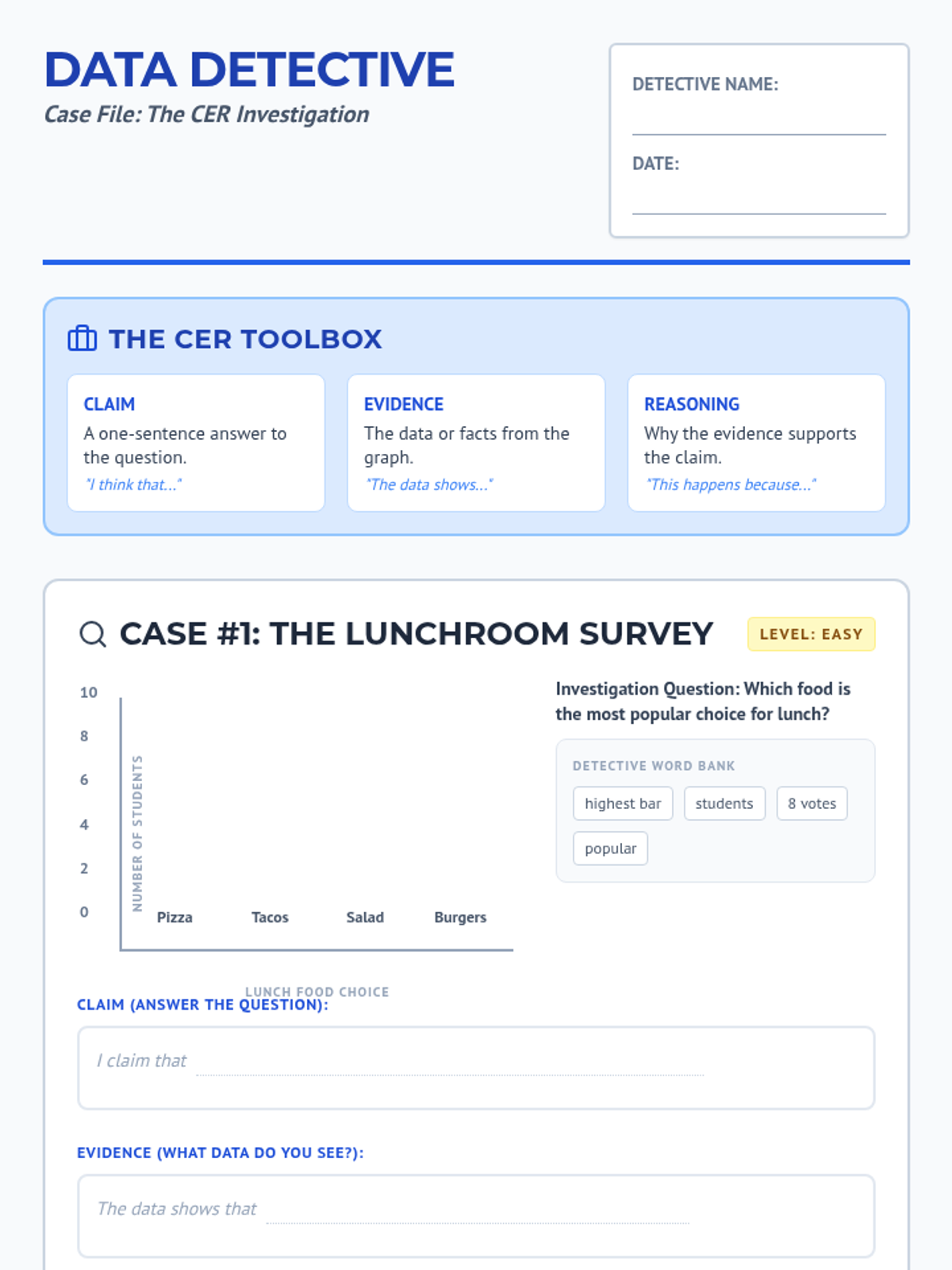
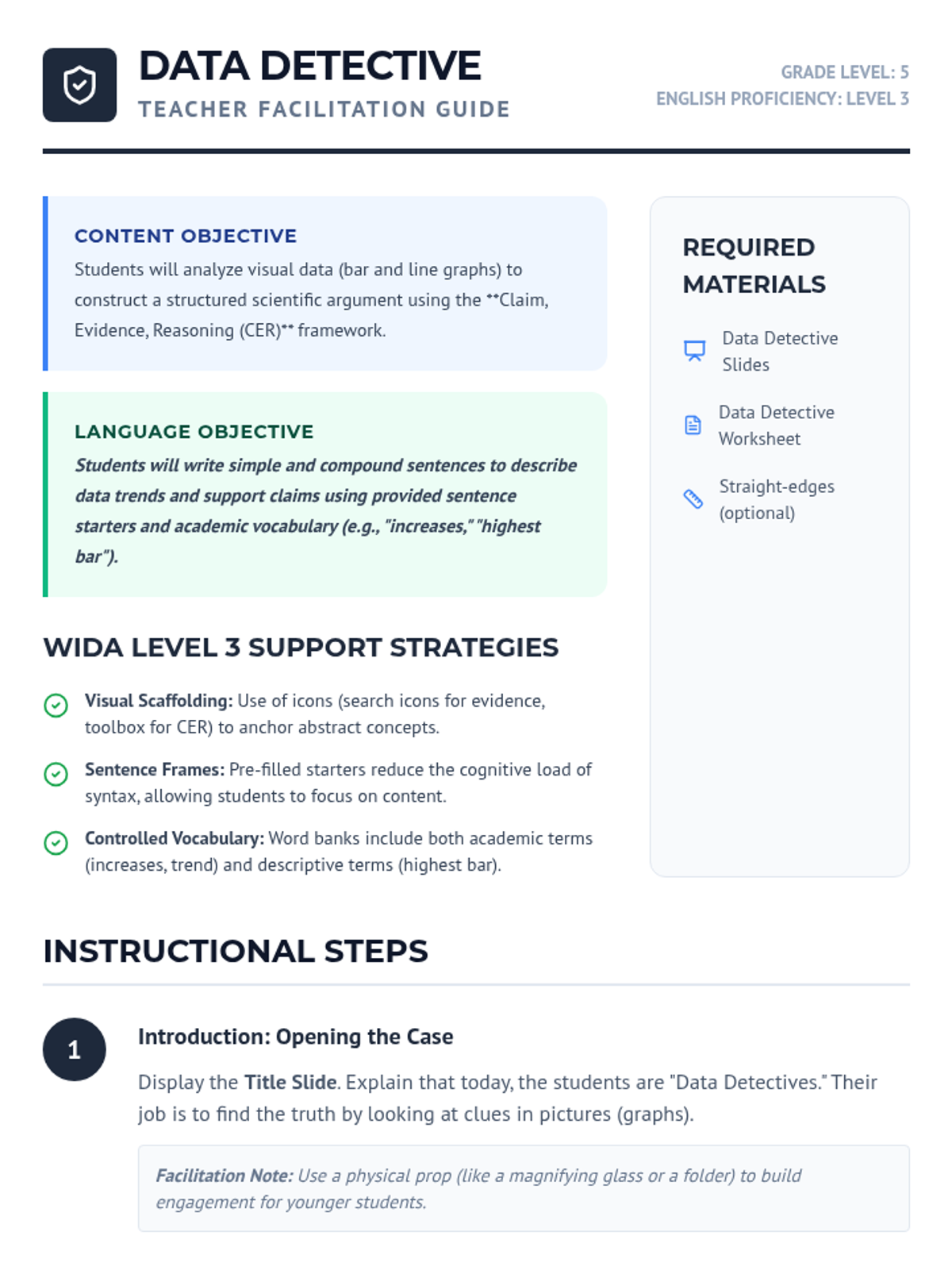
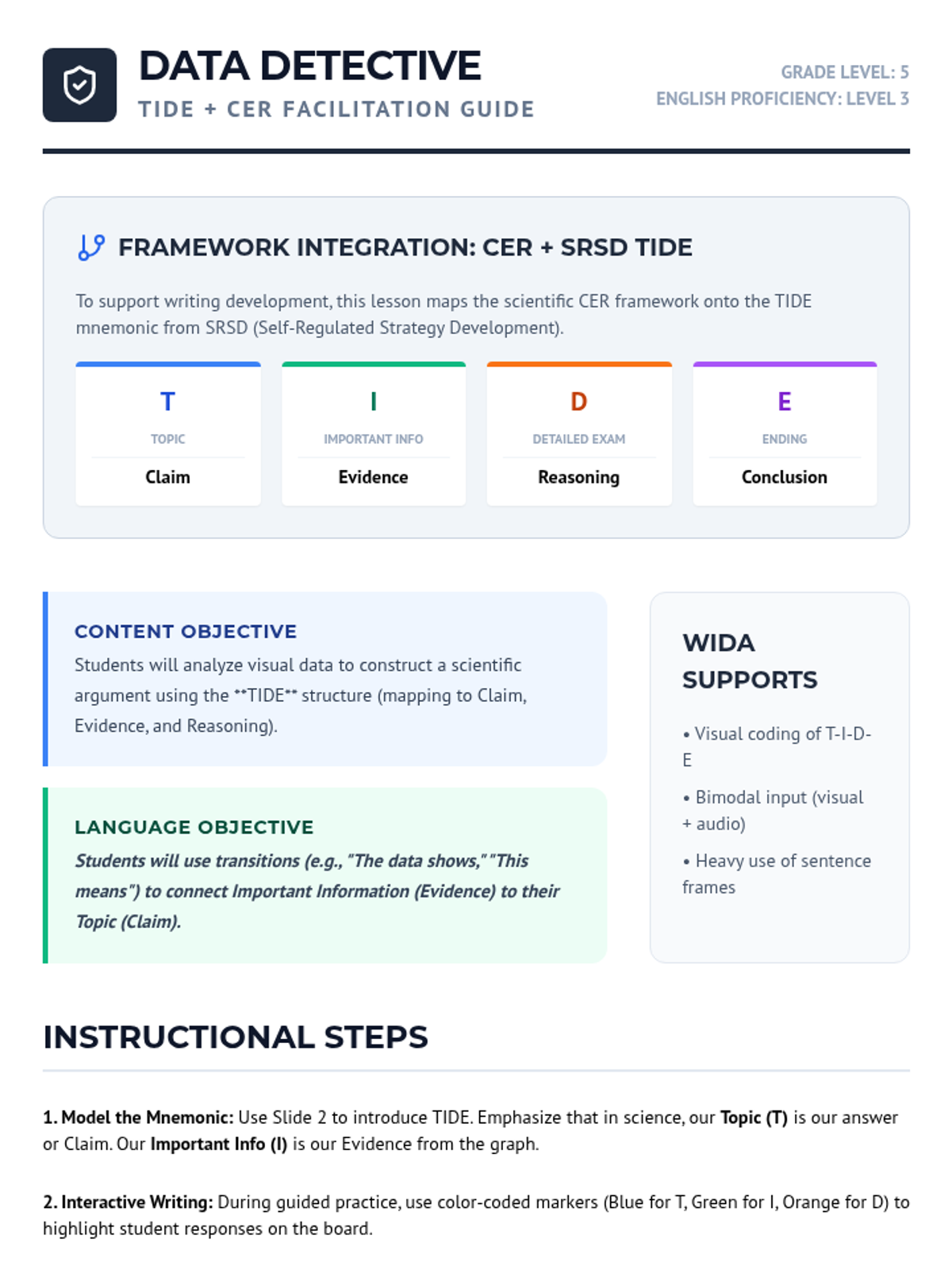
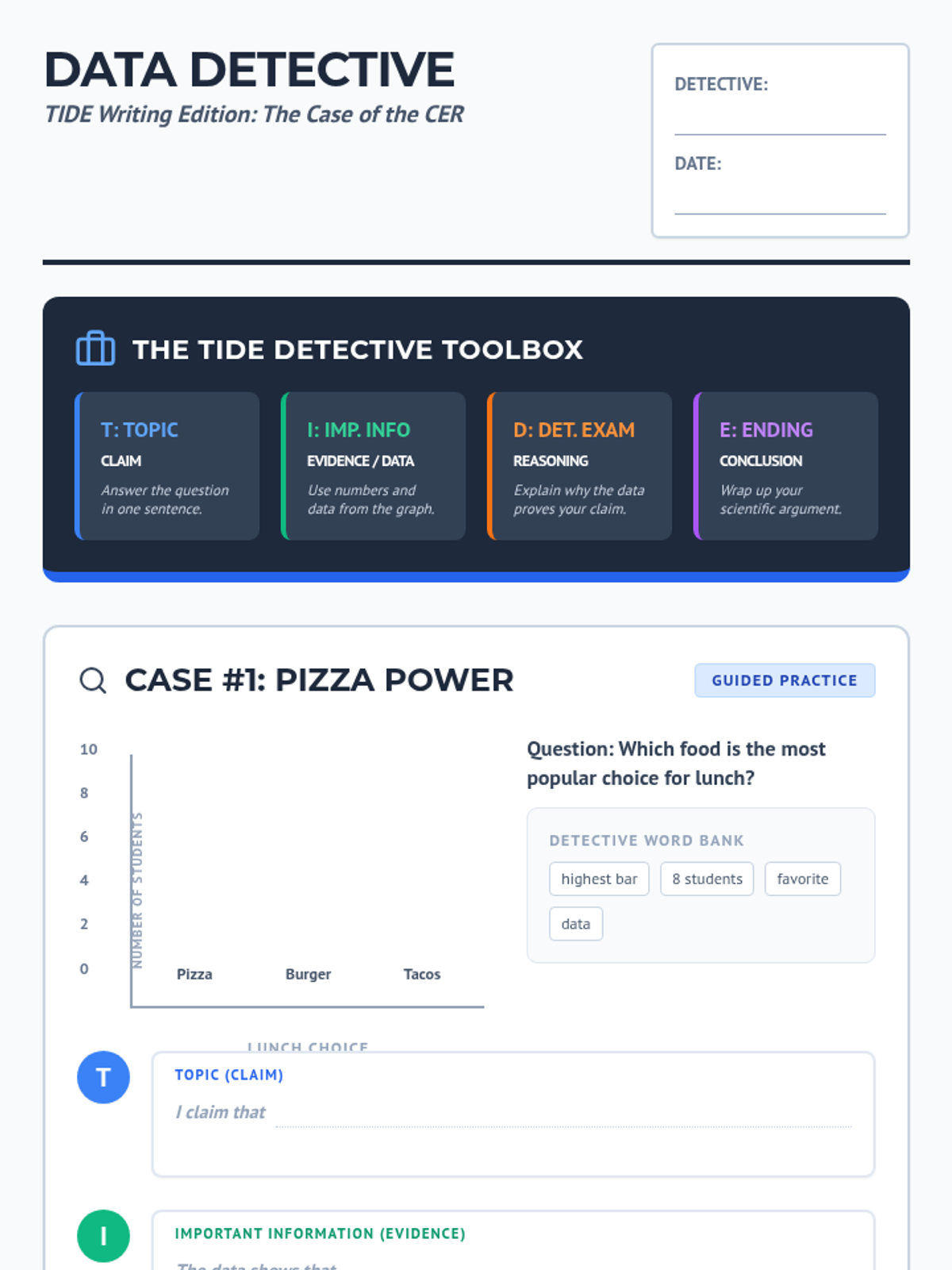
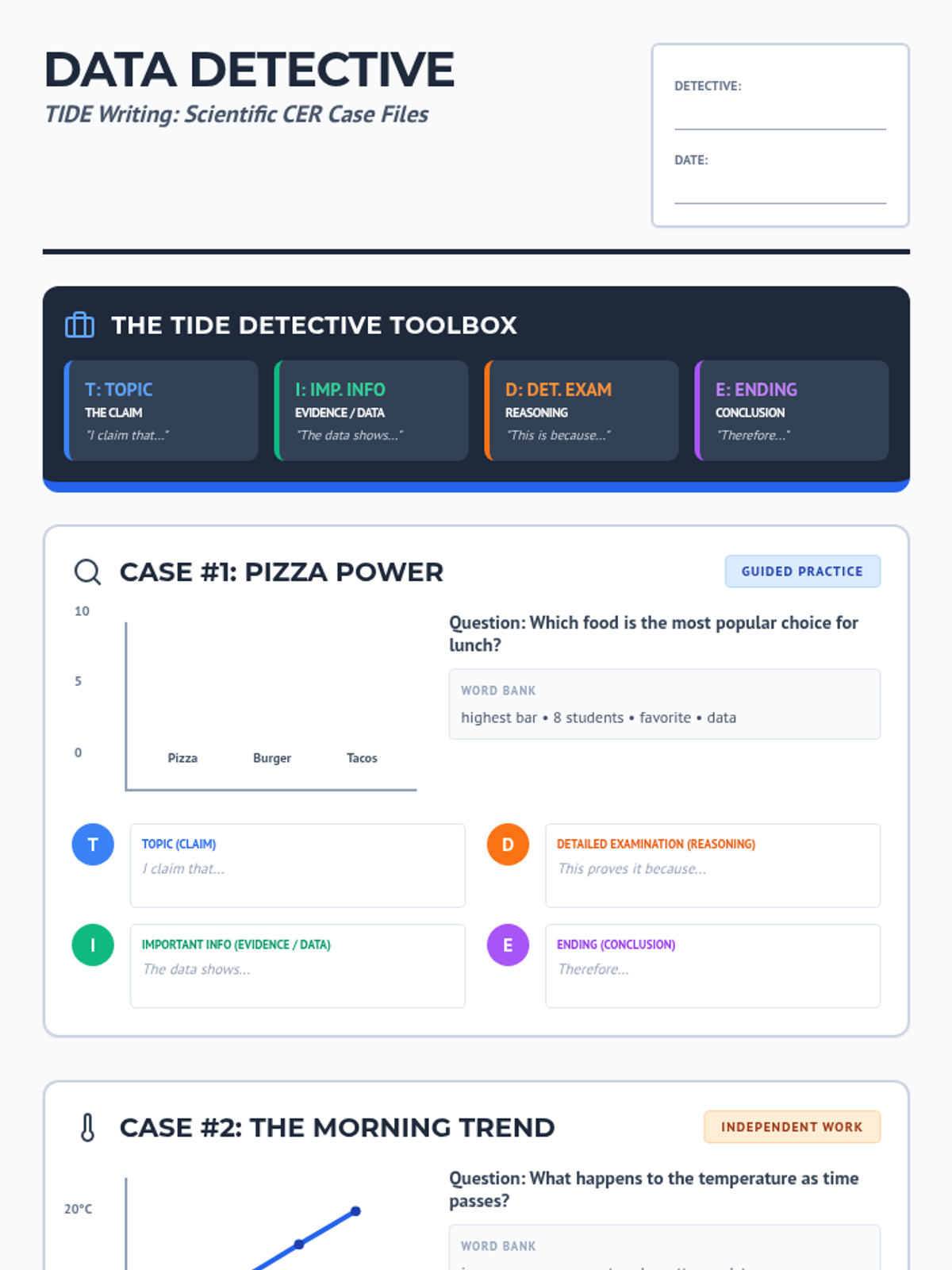
A lesson focused on helping Level 3 ESL students master the Claim, Evidence, Reasoning framework through the analysis of bar and line graphs. Students act as 'Data Detectives' to uncover trends and support their conclusions with specific data points.
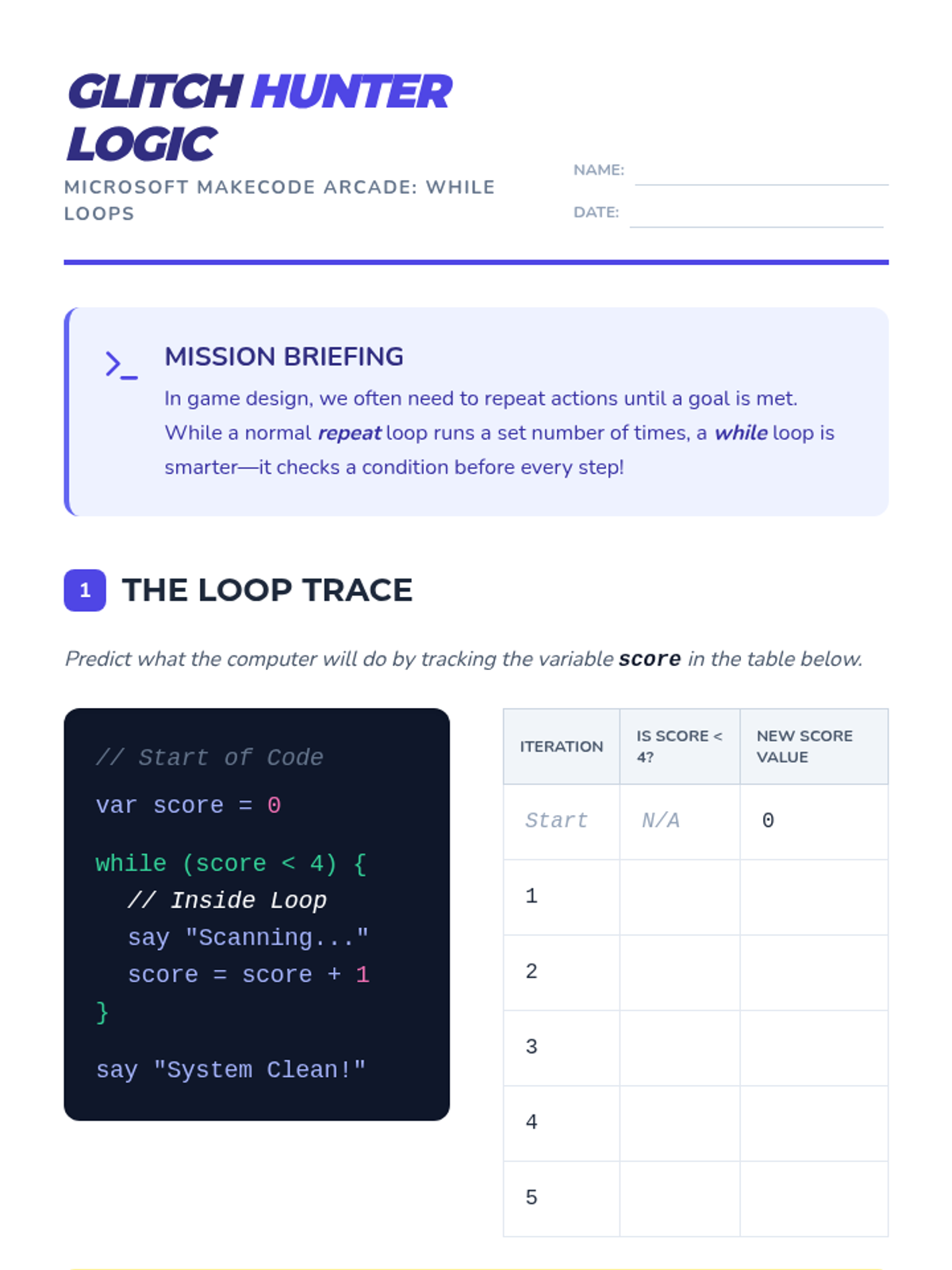
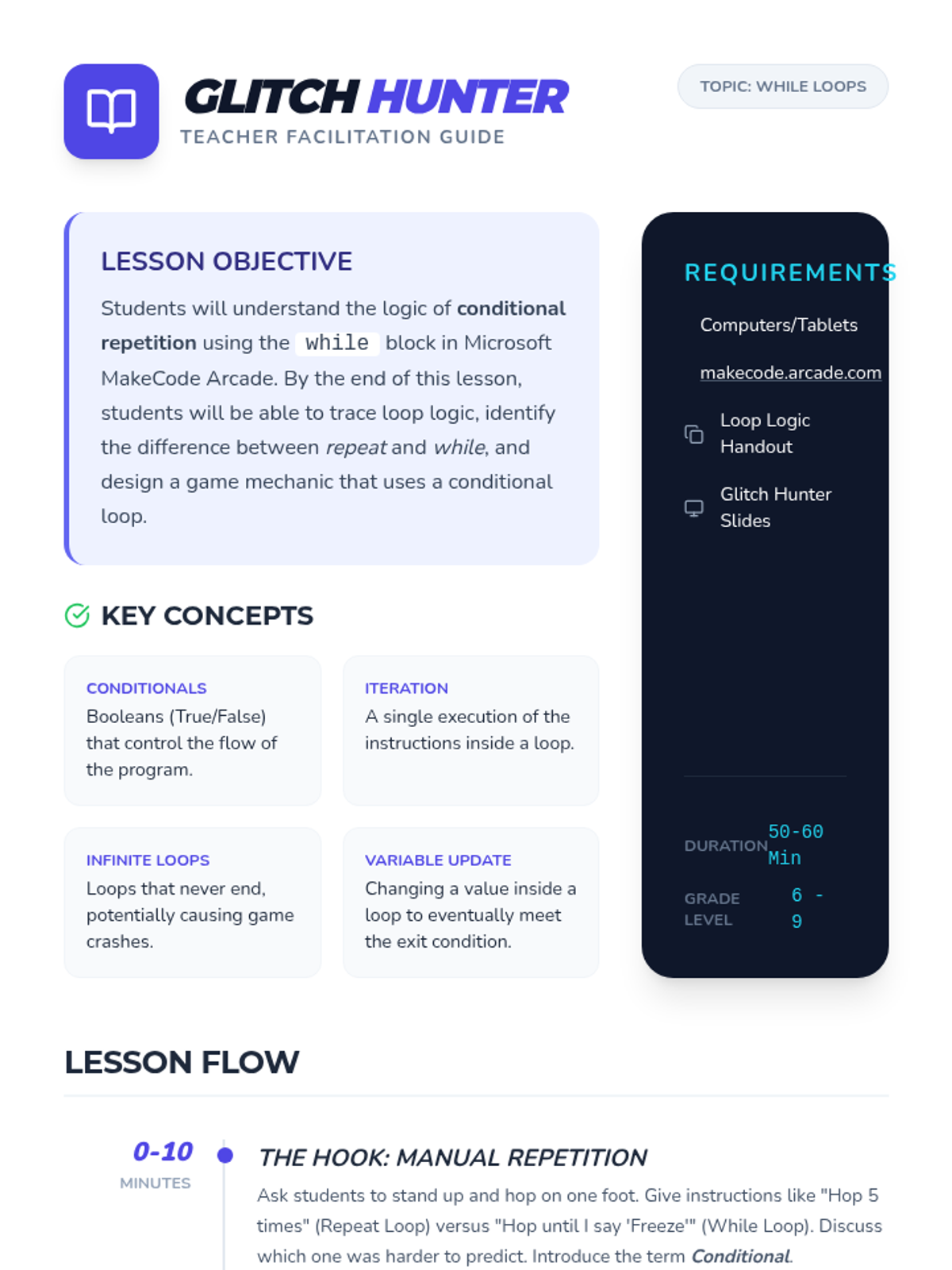
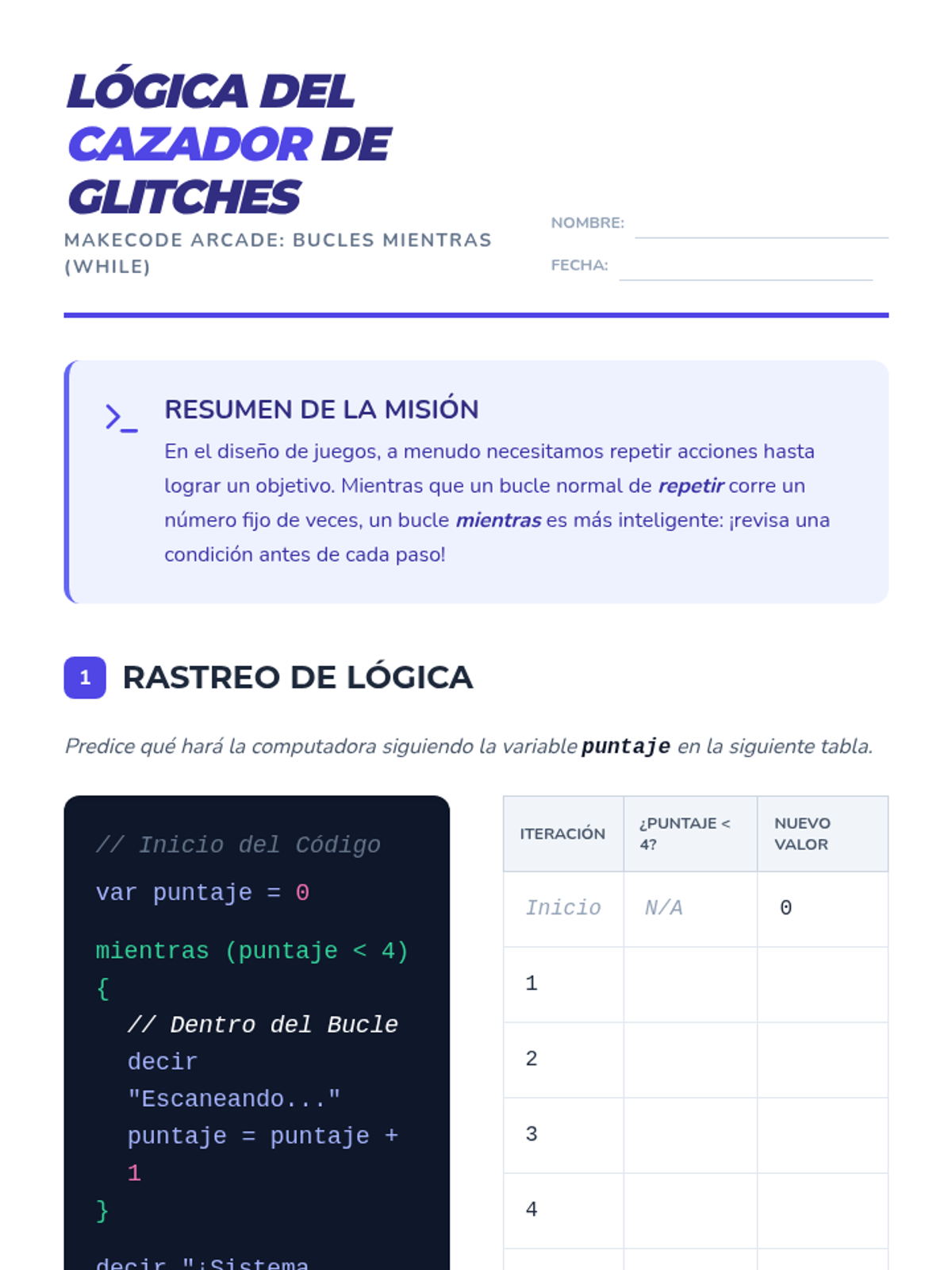
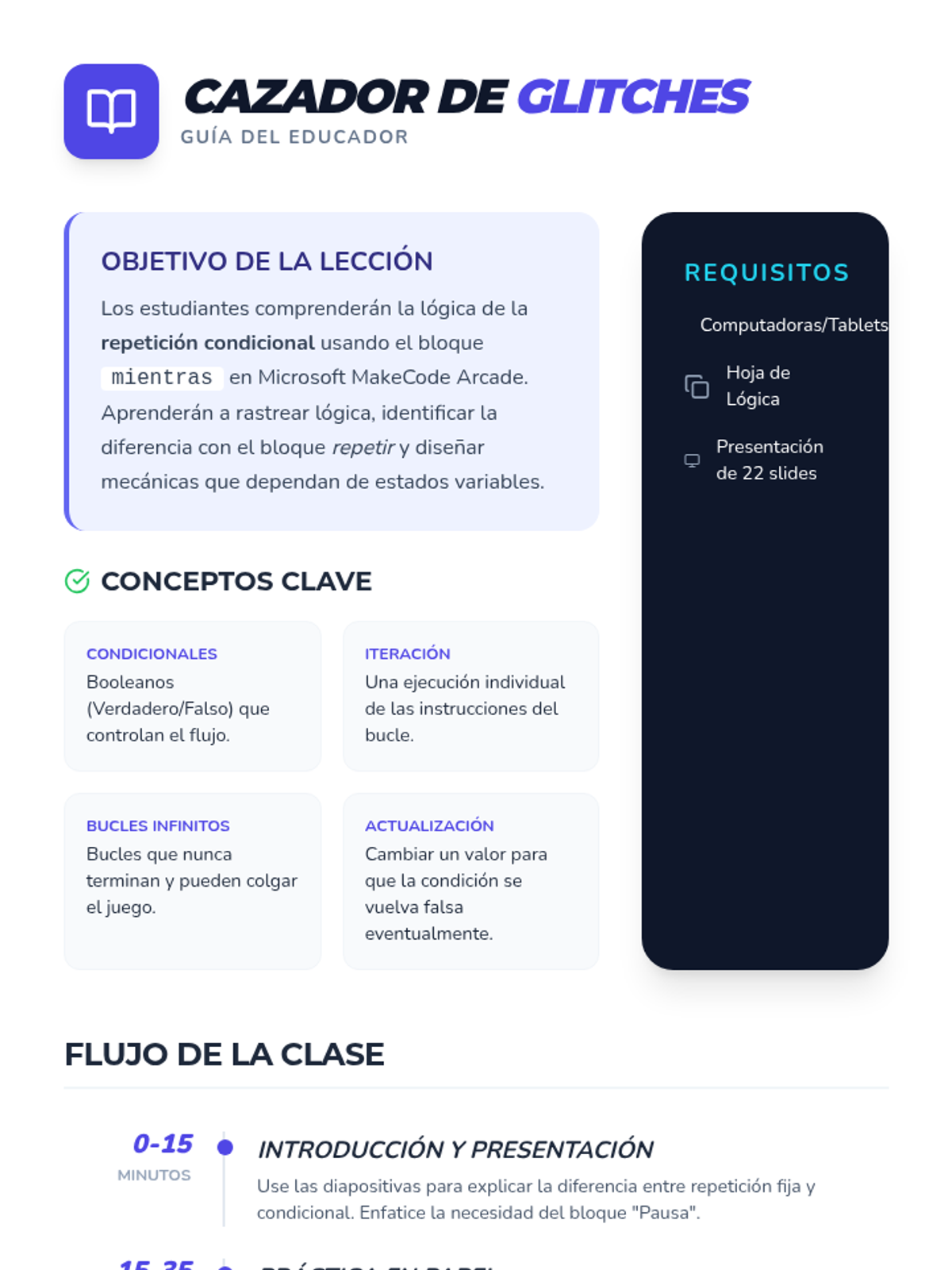
Los estudiantes exploran el poder de los bucles "mientras" (while) en Microsoft MakeCode Arcade para crear comportamientos repetitivos en sus juegos. Aprenden a usar condiciones para controlar la repetición y automatizar mecánicas como la generación de enemigos o el seguimiento de puntajes.
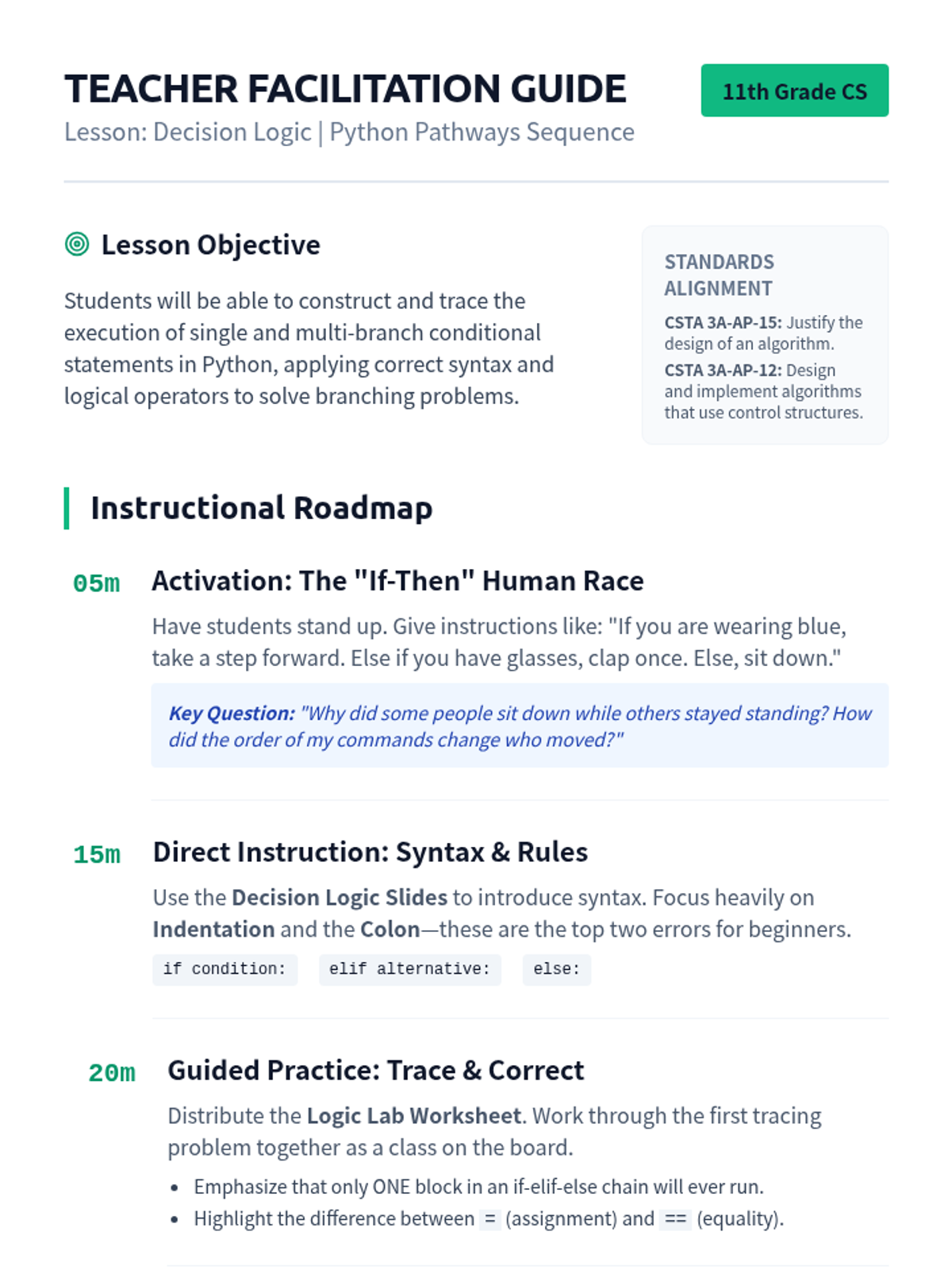
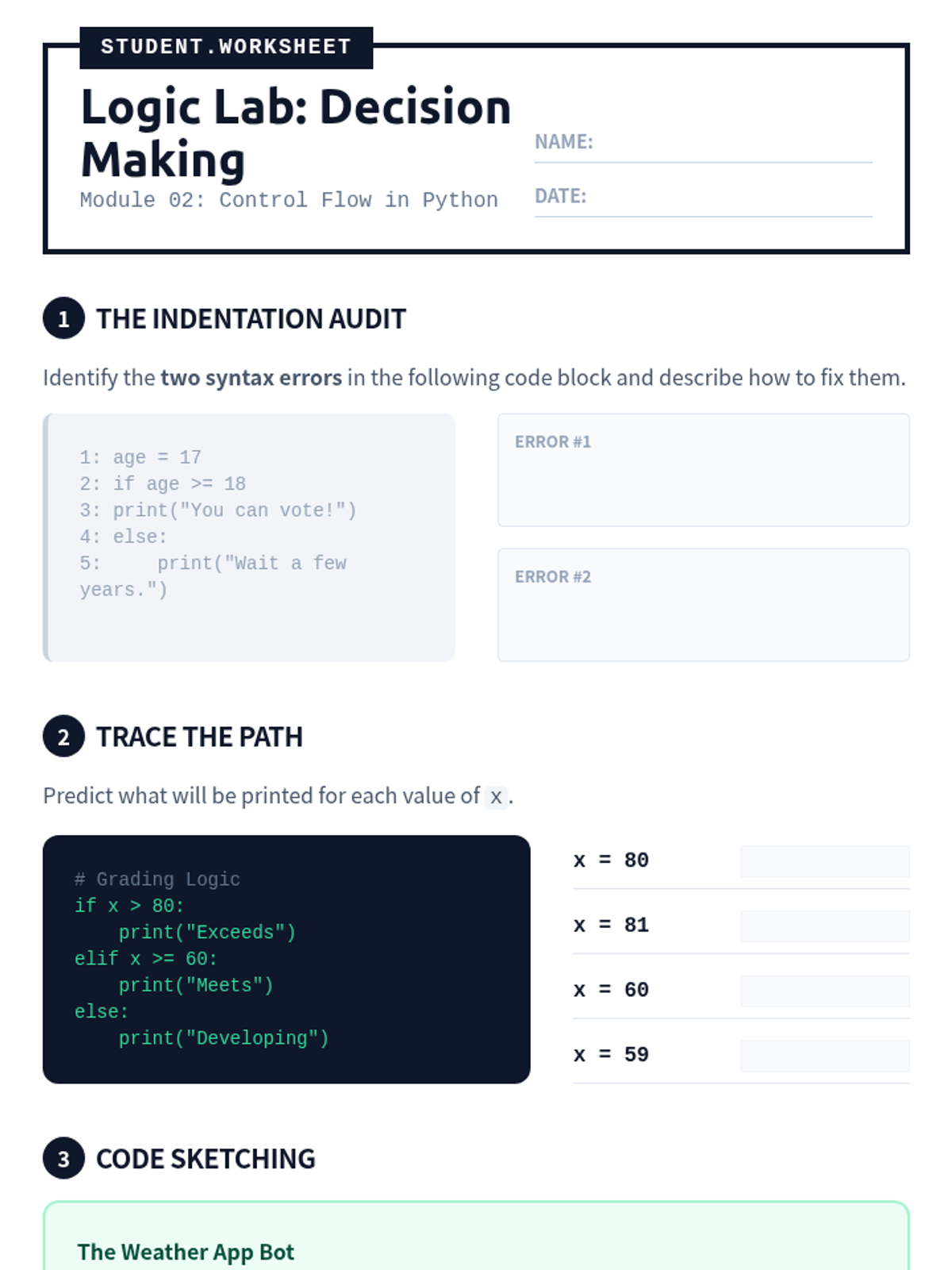
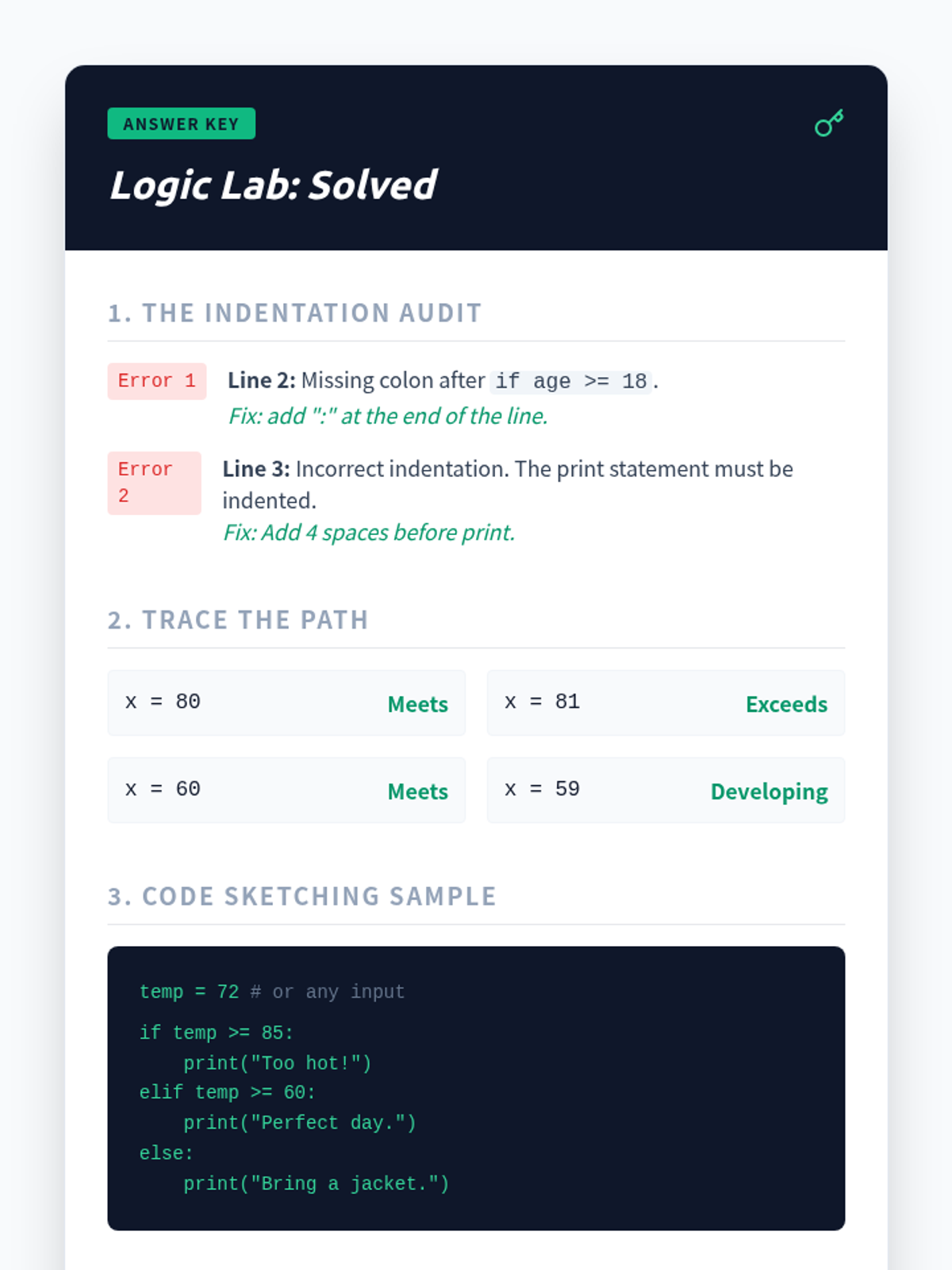
Students will learn how to use conditional statements (if, elif, else) to control the flow of a Python program, understanding indentation and logical operators.
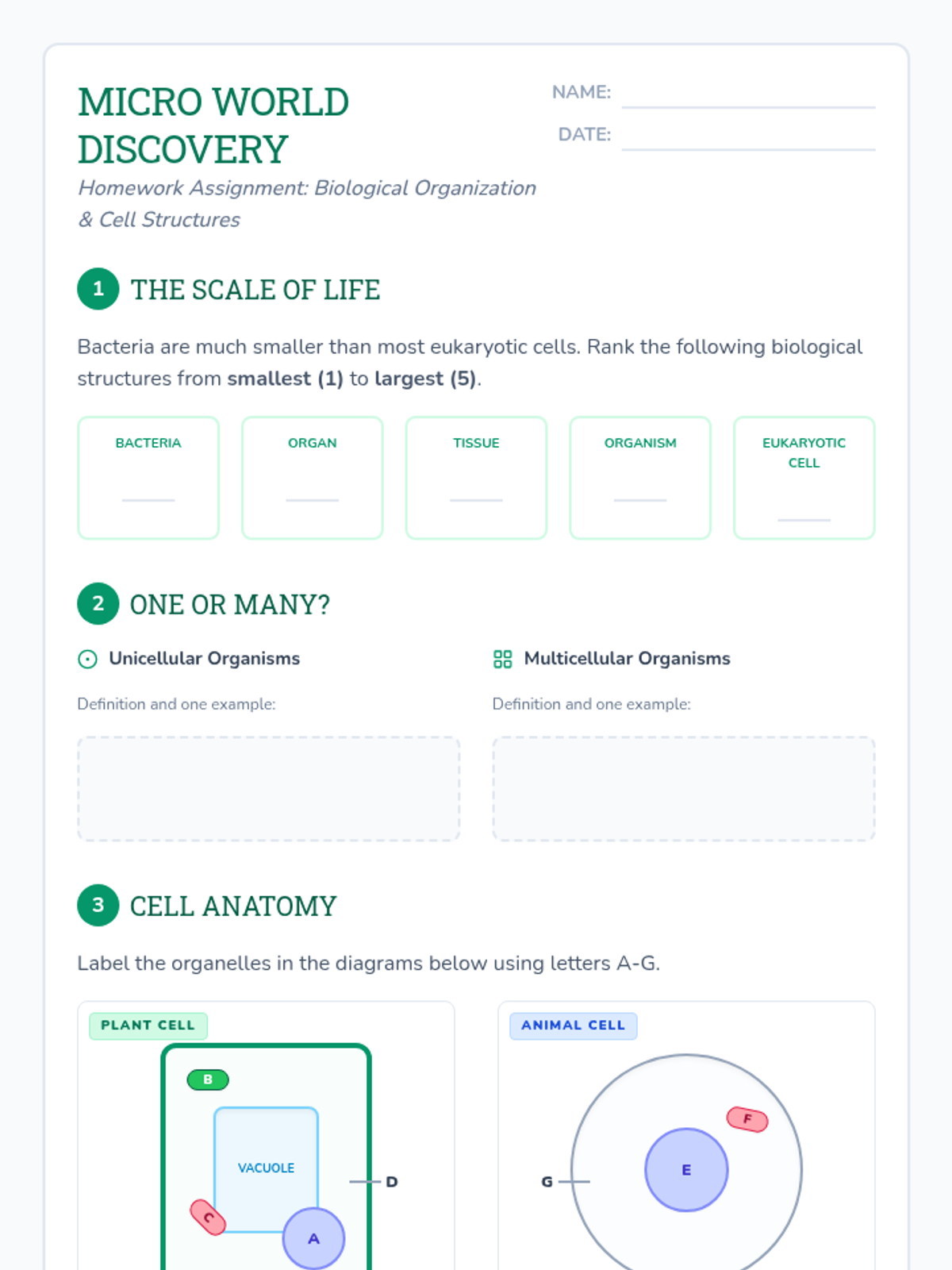
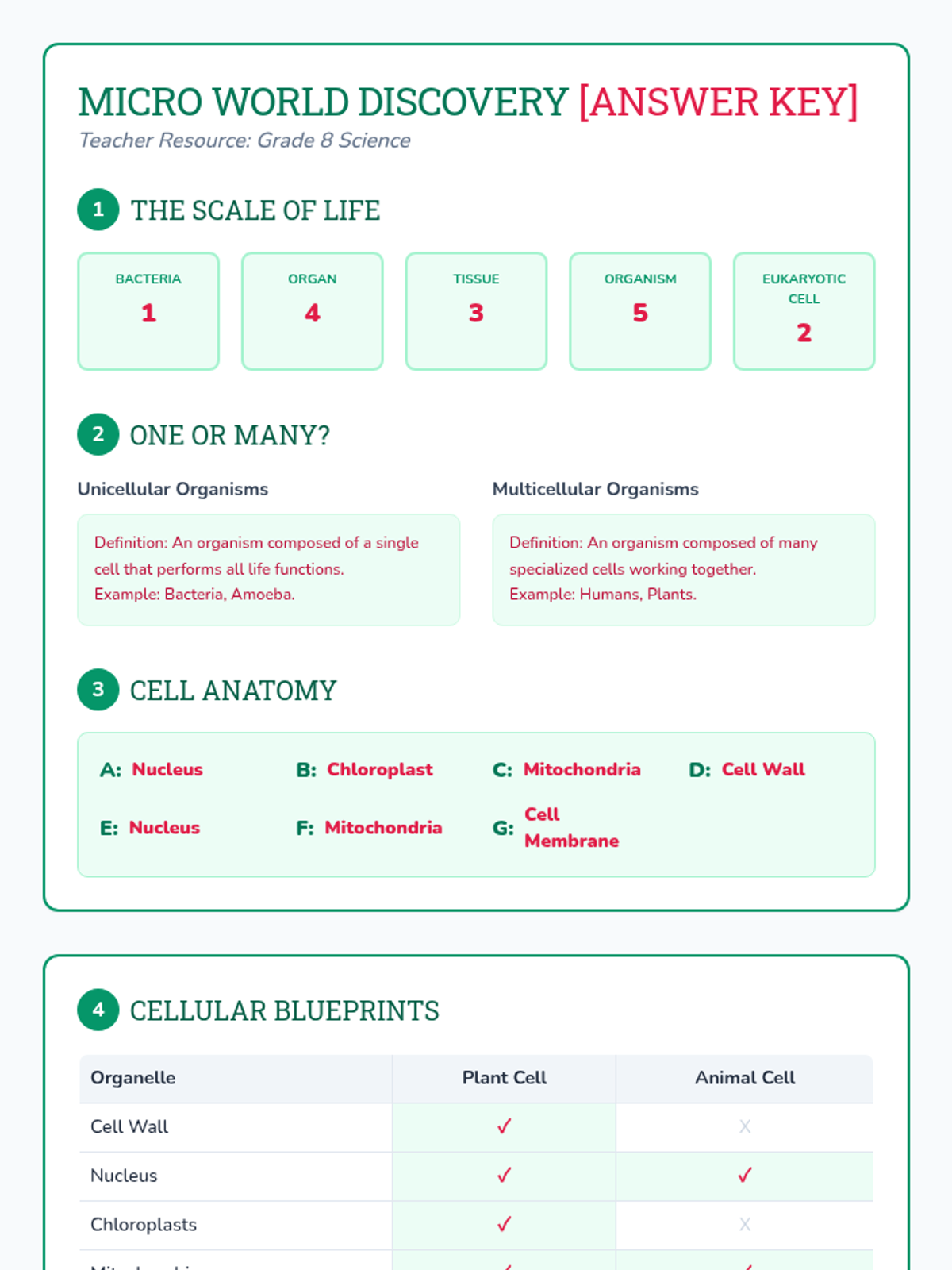
A comprehensive homework assignment covering biological organization, cell types, and organelle functions for 8th-grade students.
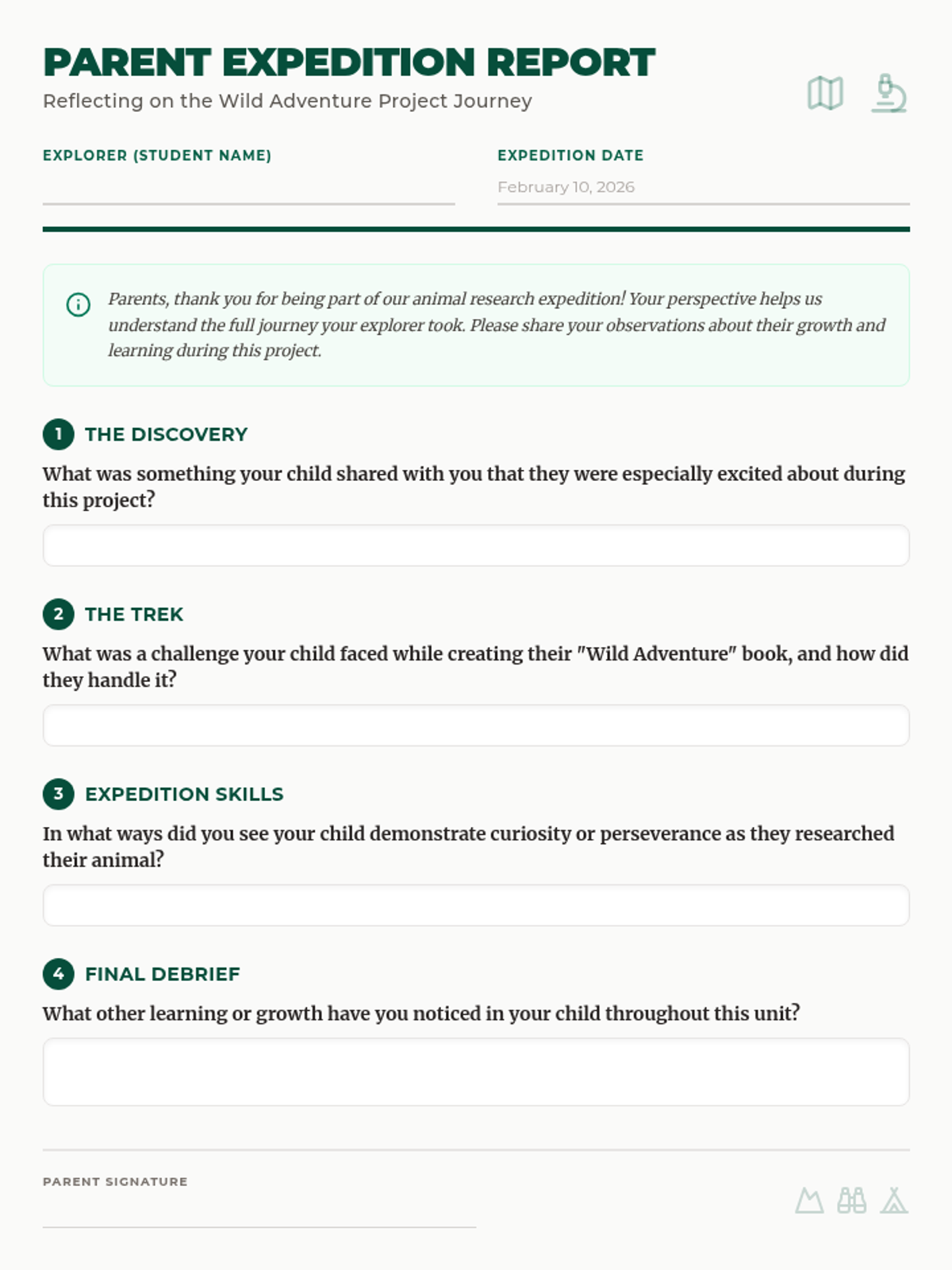
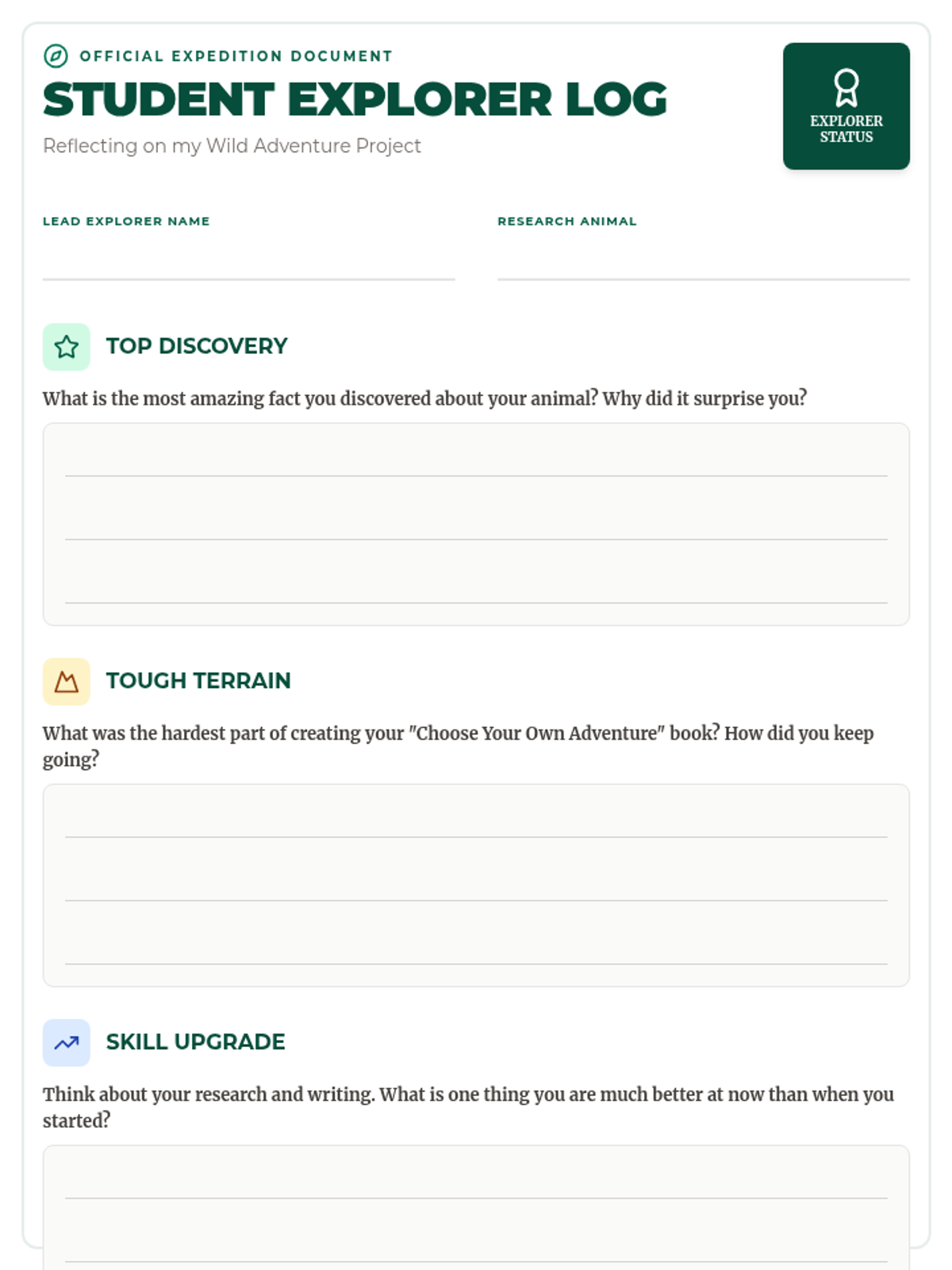
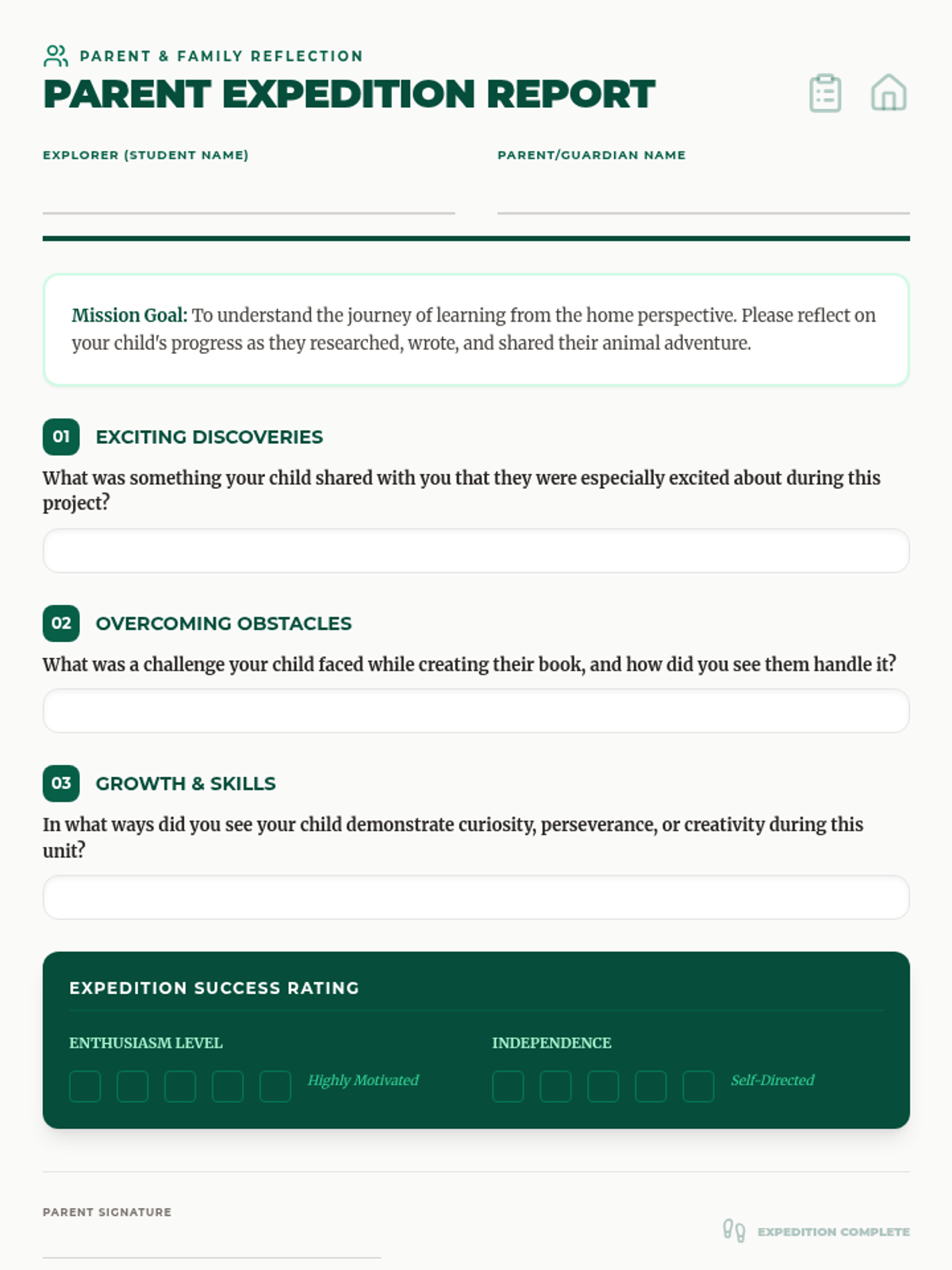
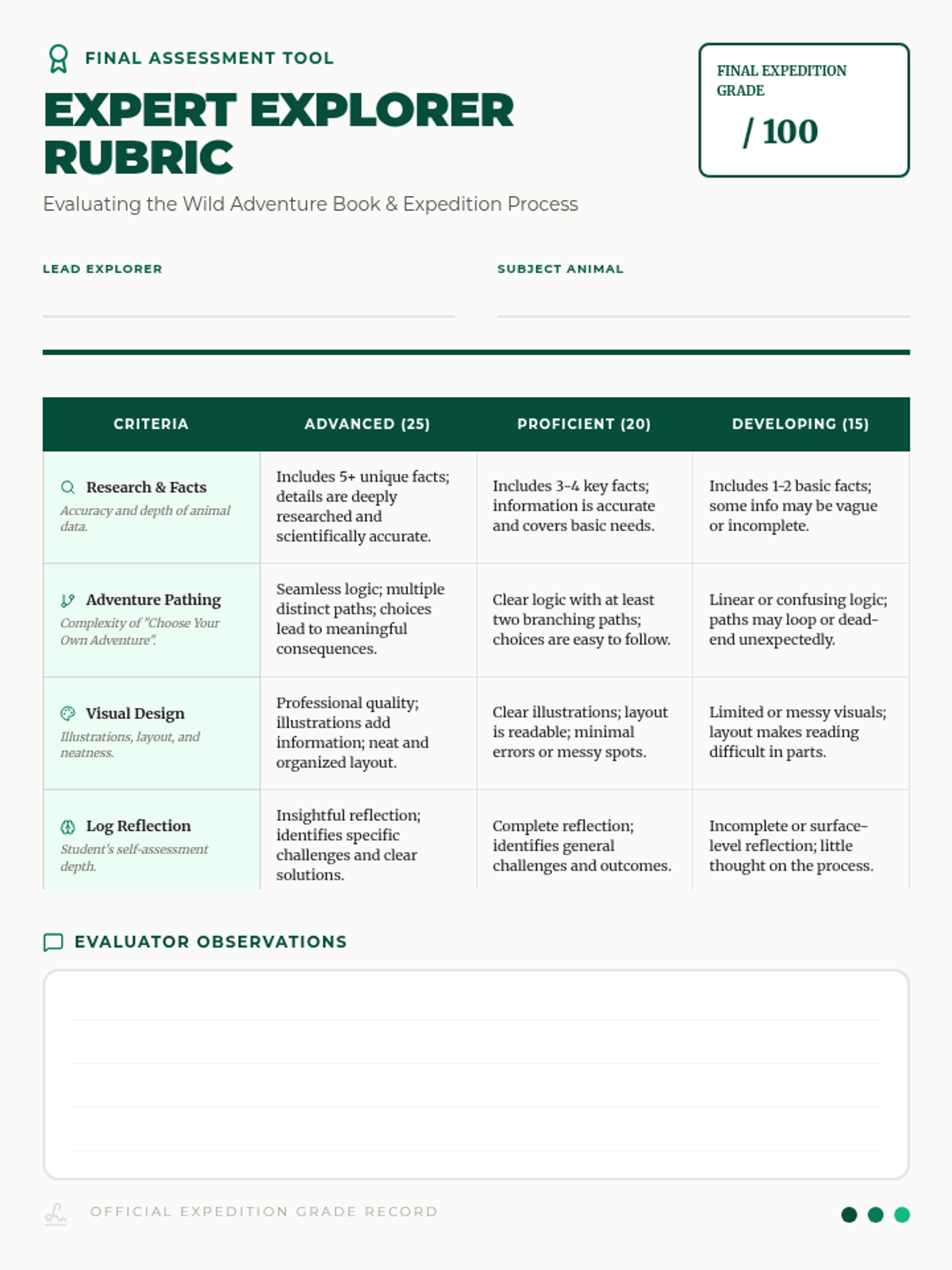
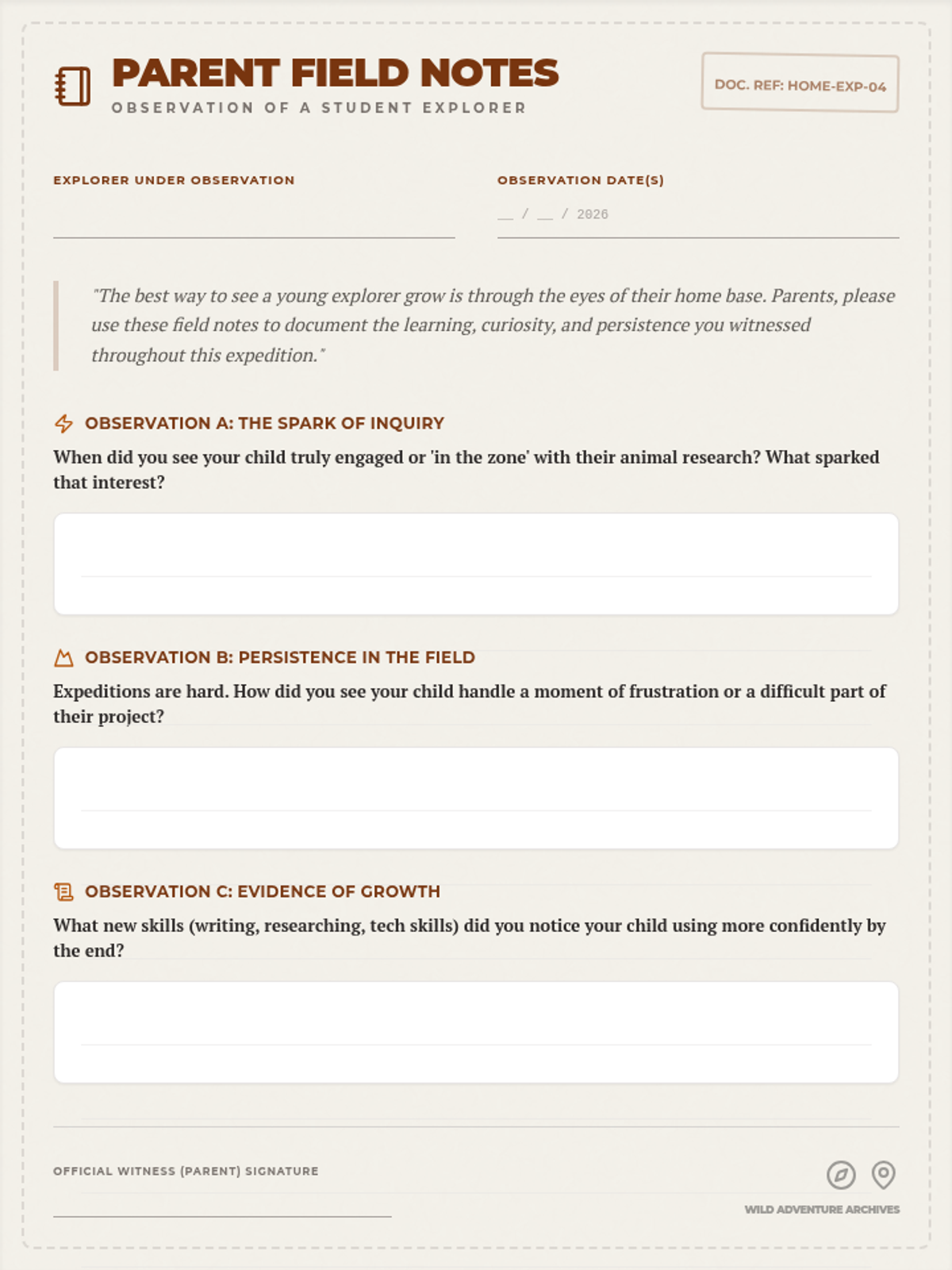
A series of feedback and reflection tools for students, parents, and teachers to evaluate learning after completing the Wild Adventure project. It uses an explorer theme to make the assessment process engaging and collaborative.
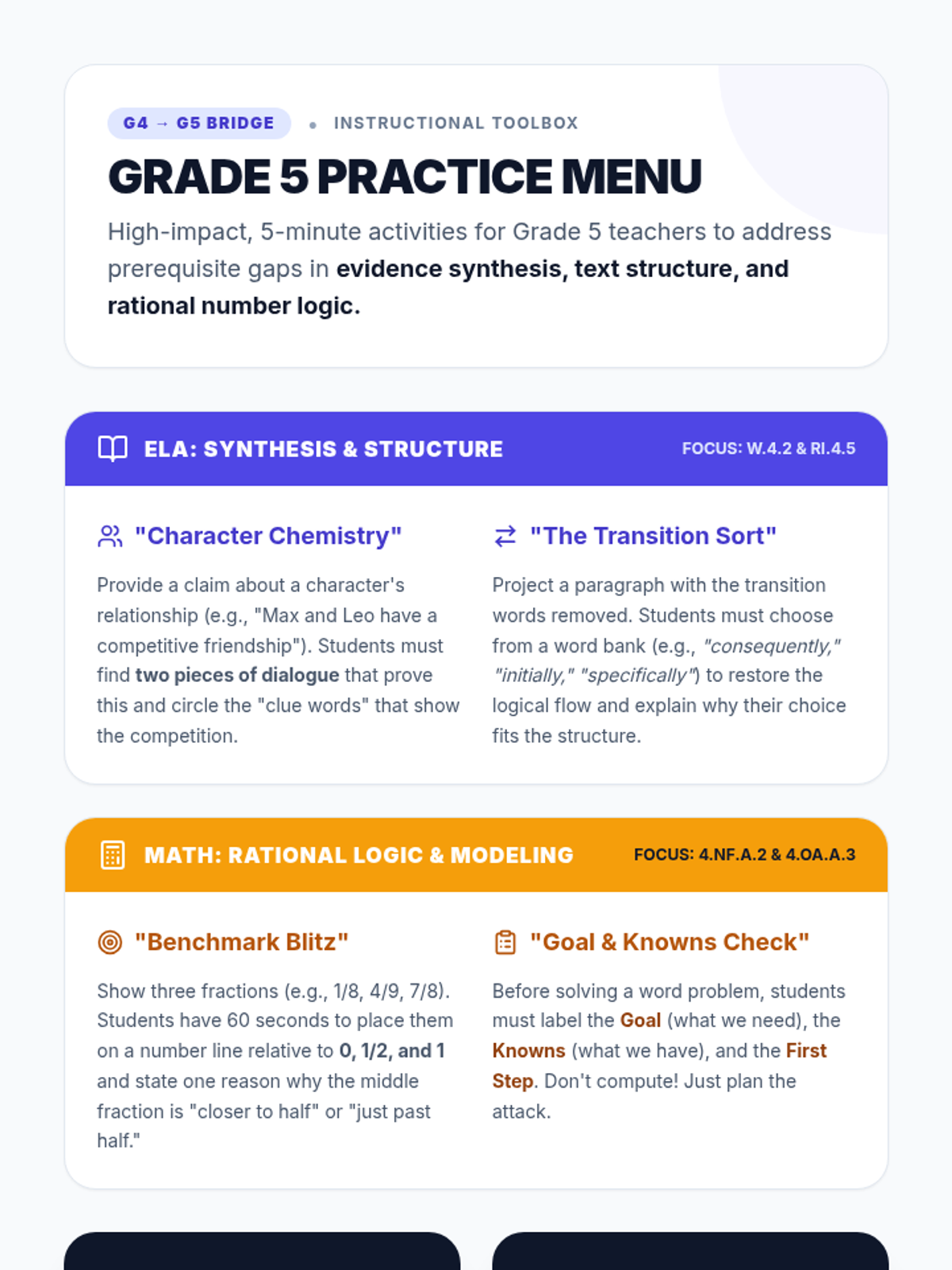
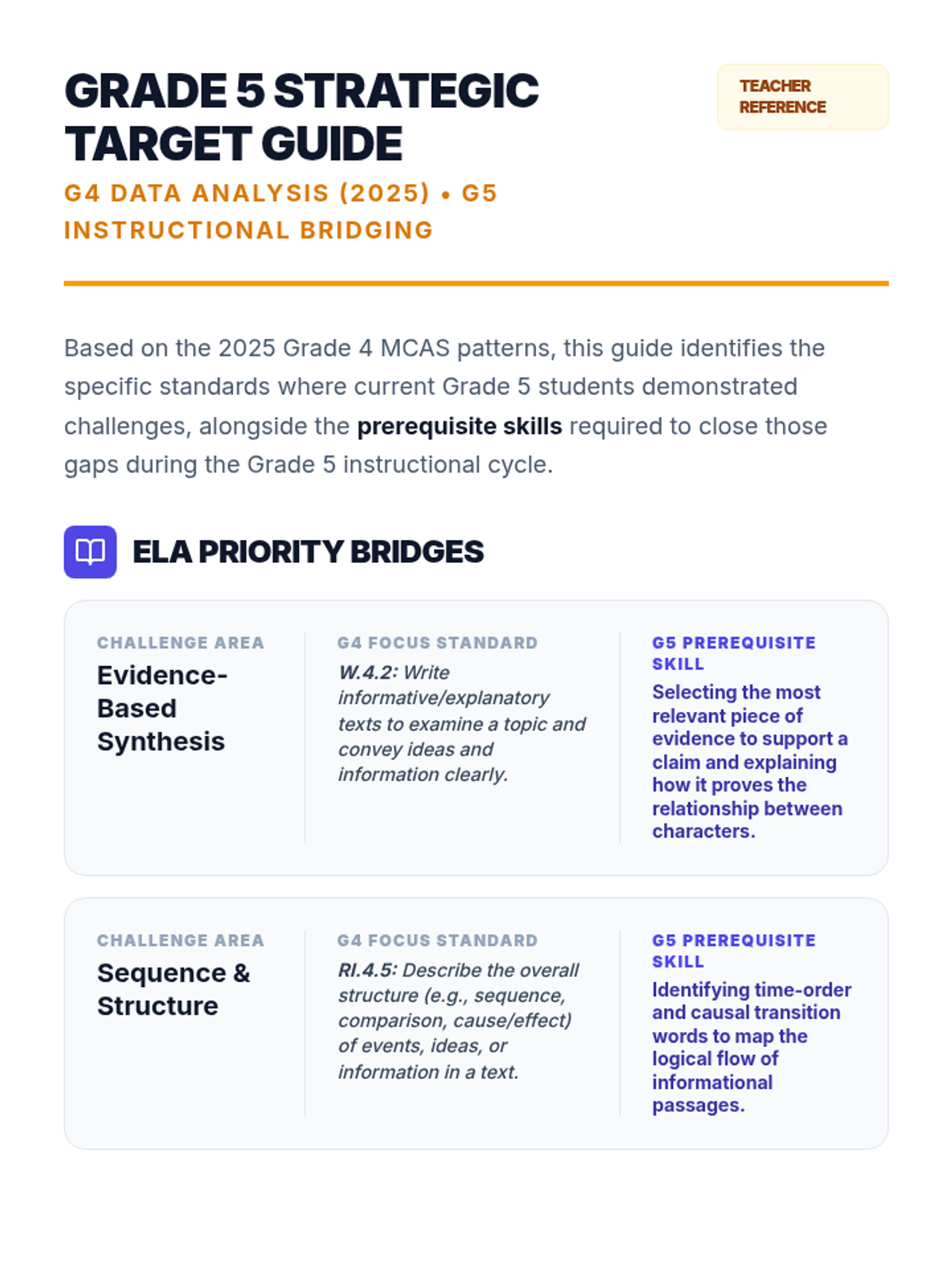
Targeted resources for Grade 5 teachers to analyze Grade 4 MCAS results and implement bridging strategies for ELA and Math.
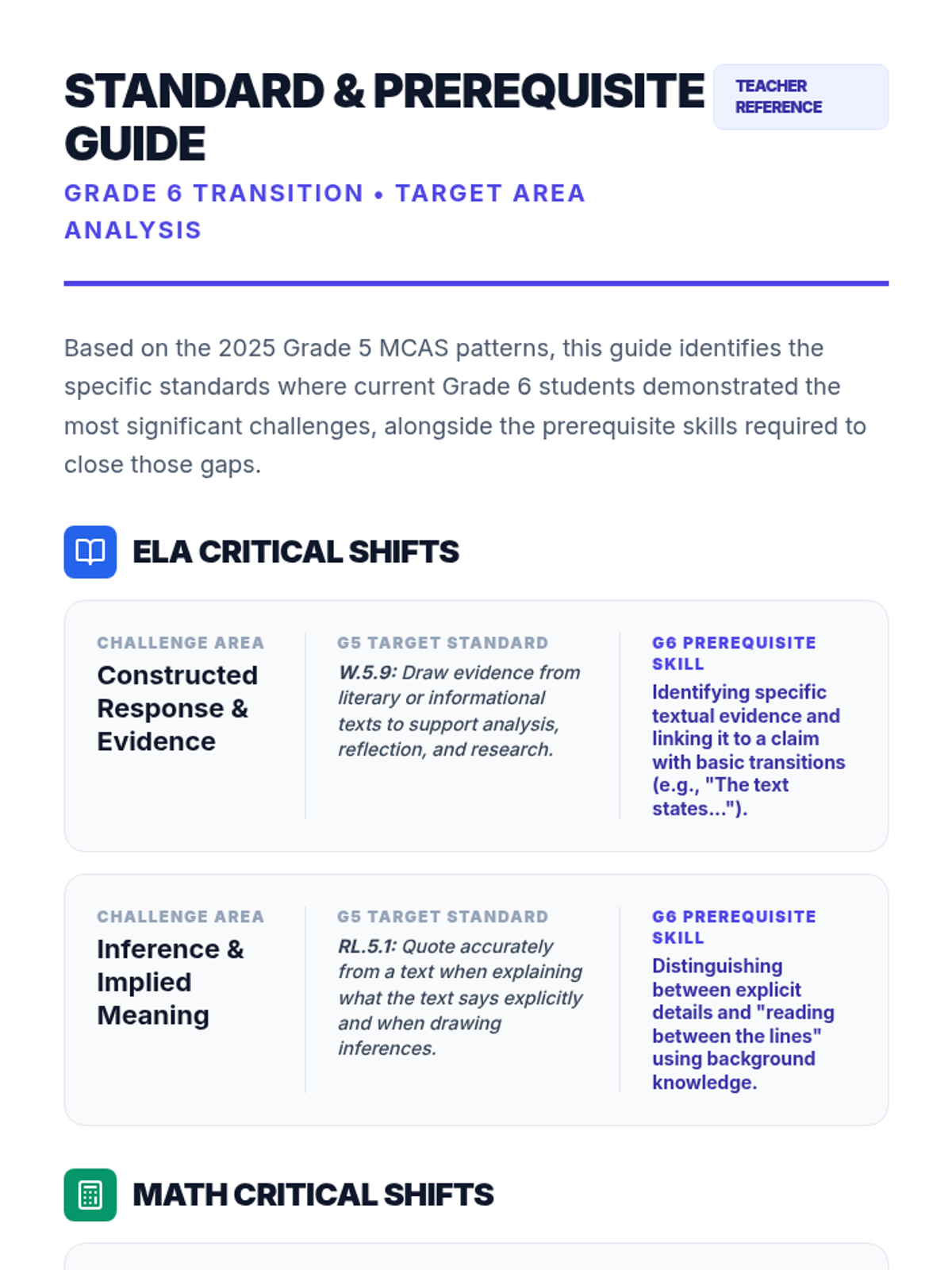
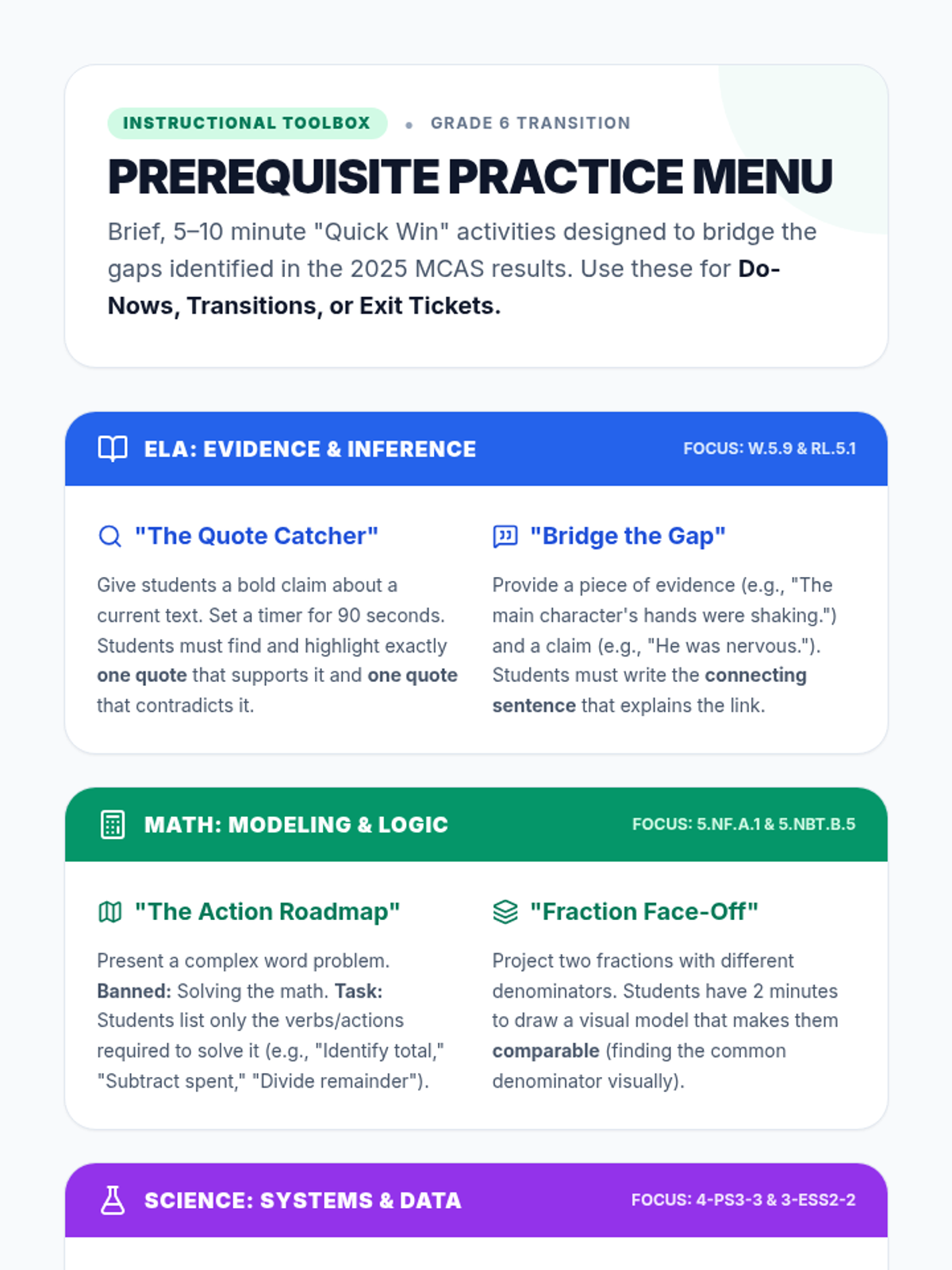
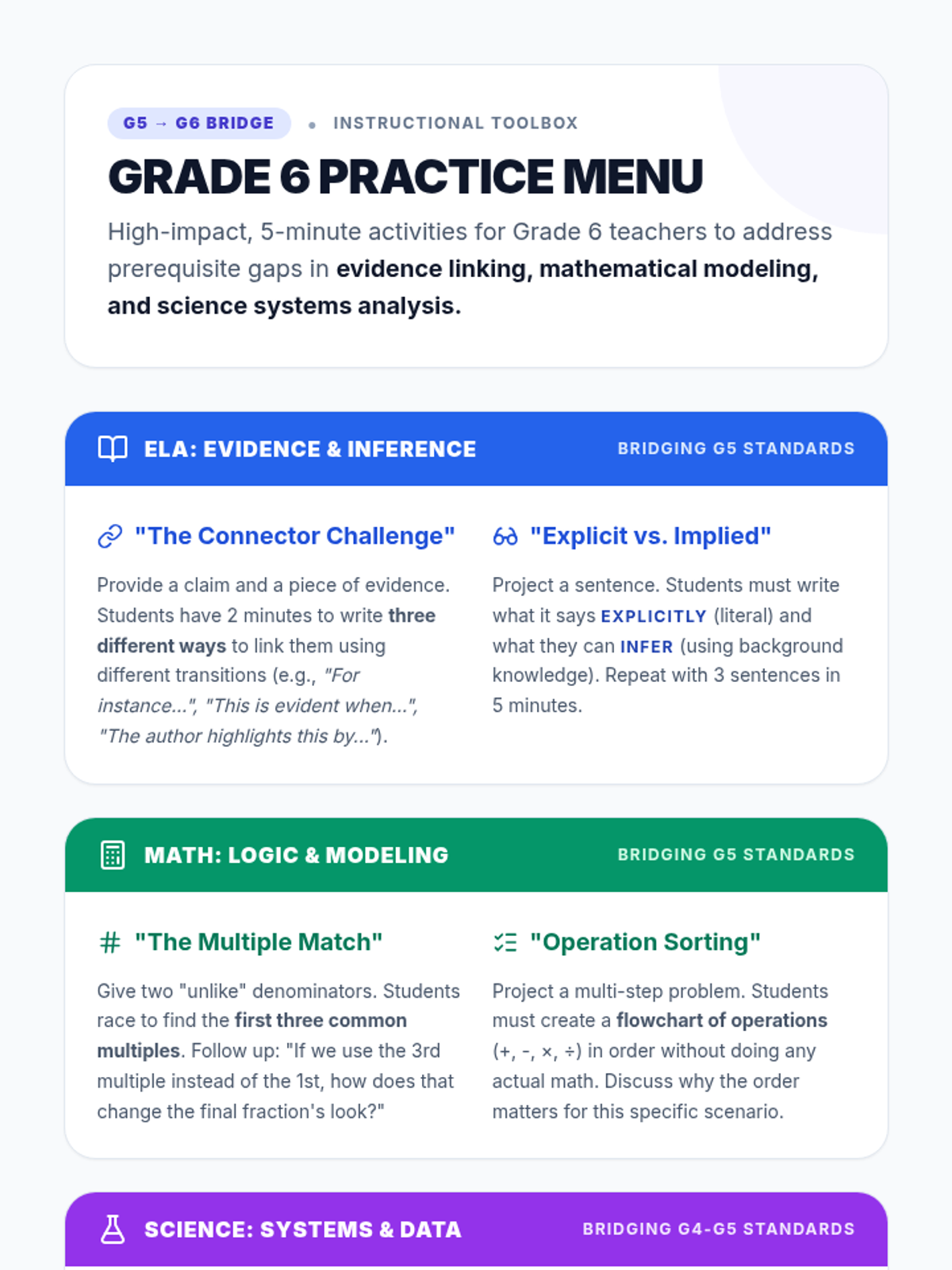
A comprehensive strategic planning resource for educators to analyze Grade 5 MCAS results and align Grade 6 instruction with identified student needs in ELA, Math, and Science.
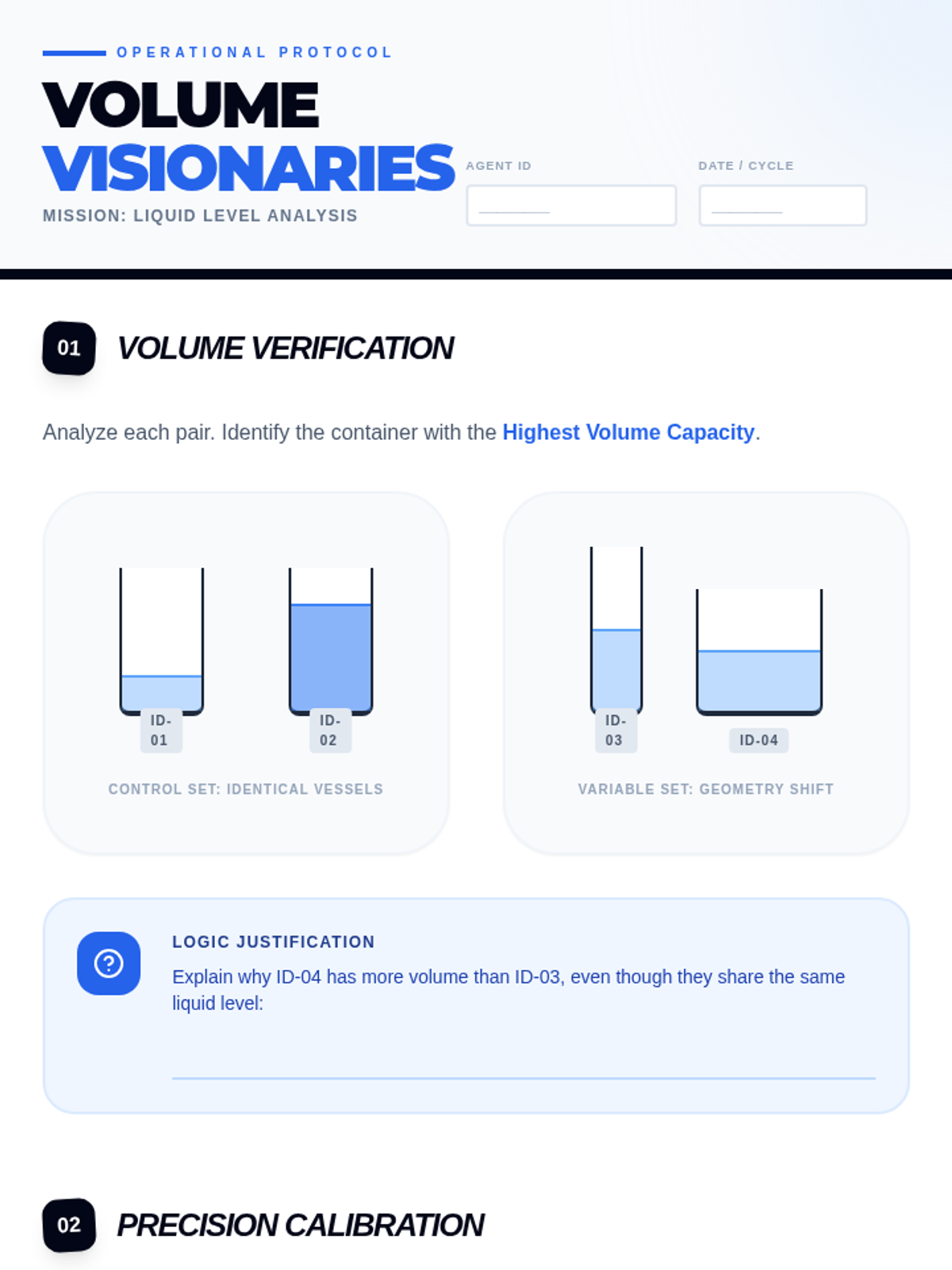
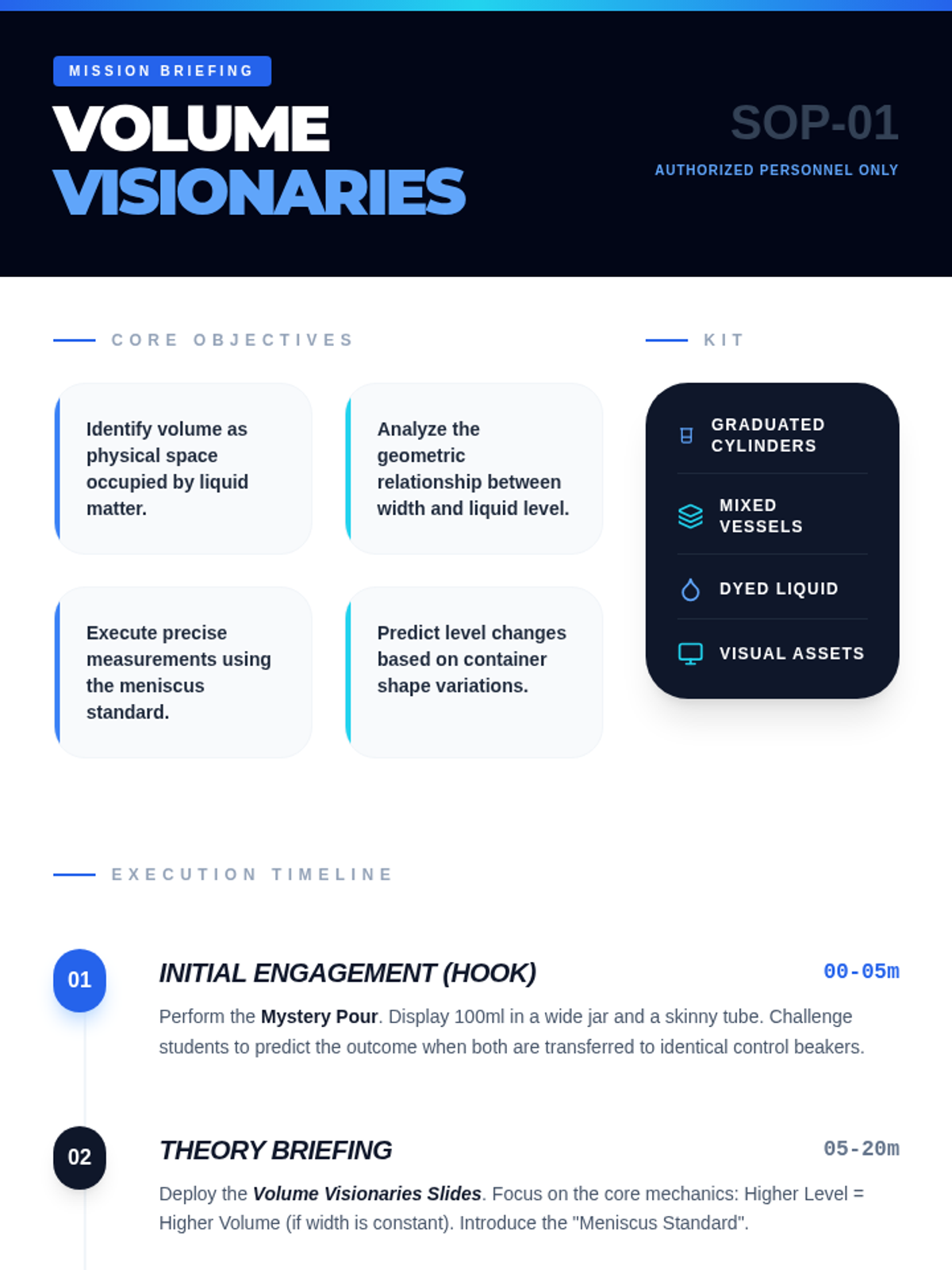
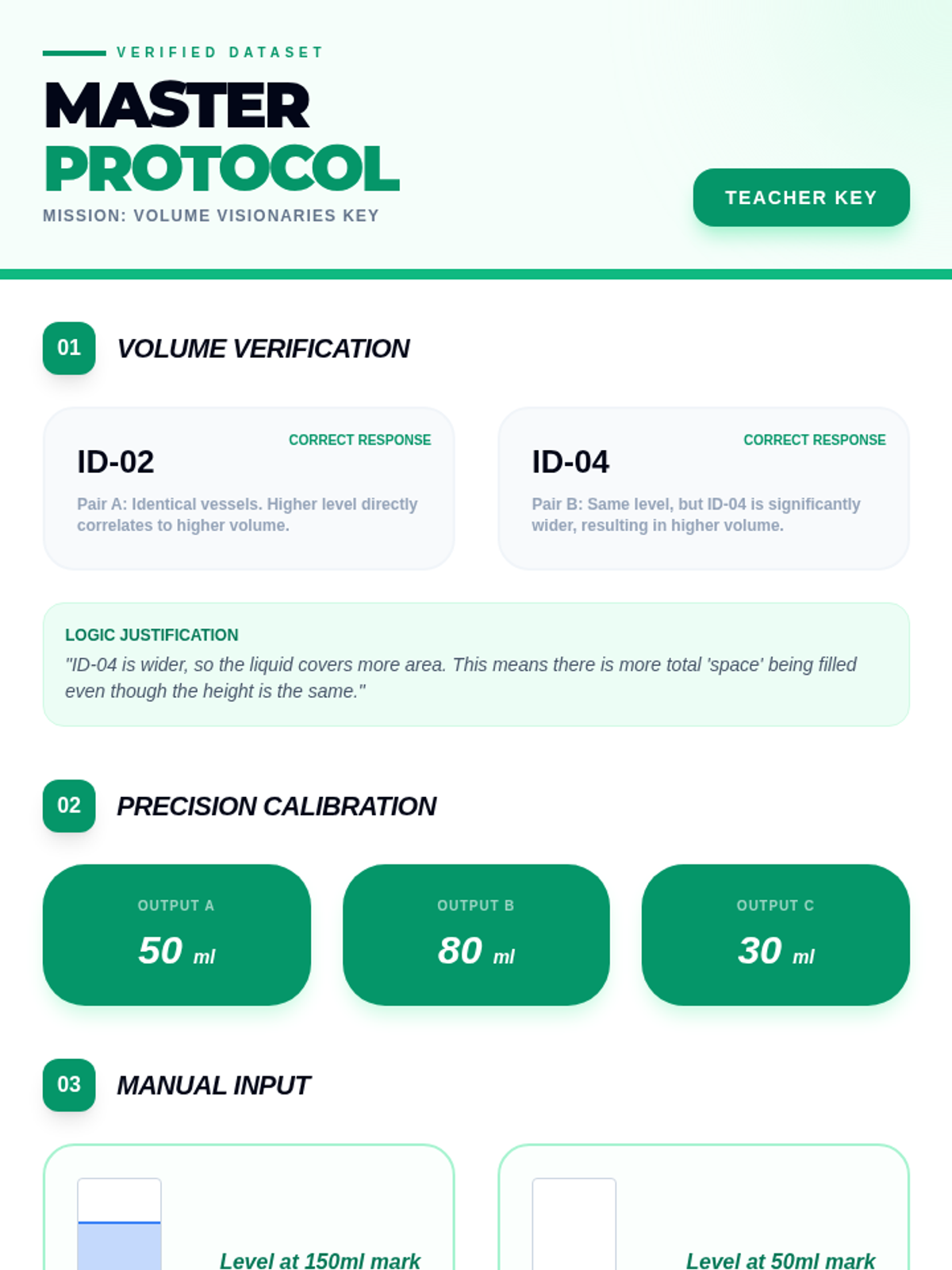
A hands-on lesson exploring the relationship between water level and volume, teaching students how to observe, measure, and compare how much liquid a container holds.
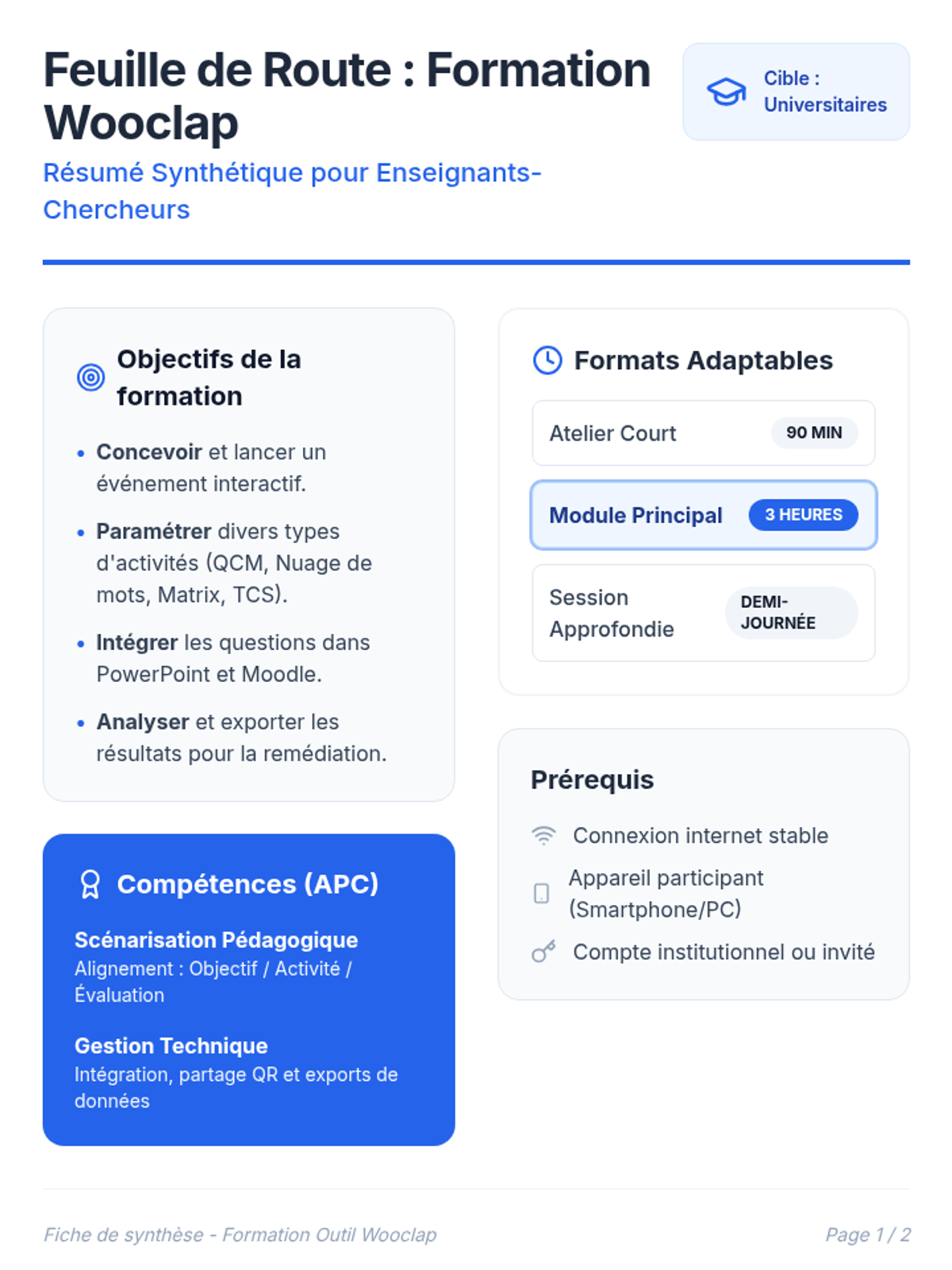
Une formation complète pour maîtriser Wooclap en contexte universitaire, allant de la création d'activités simples à l'intégration avancée dans PowerPoint et Moodle.
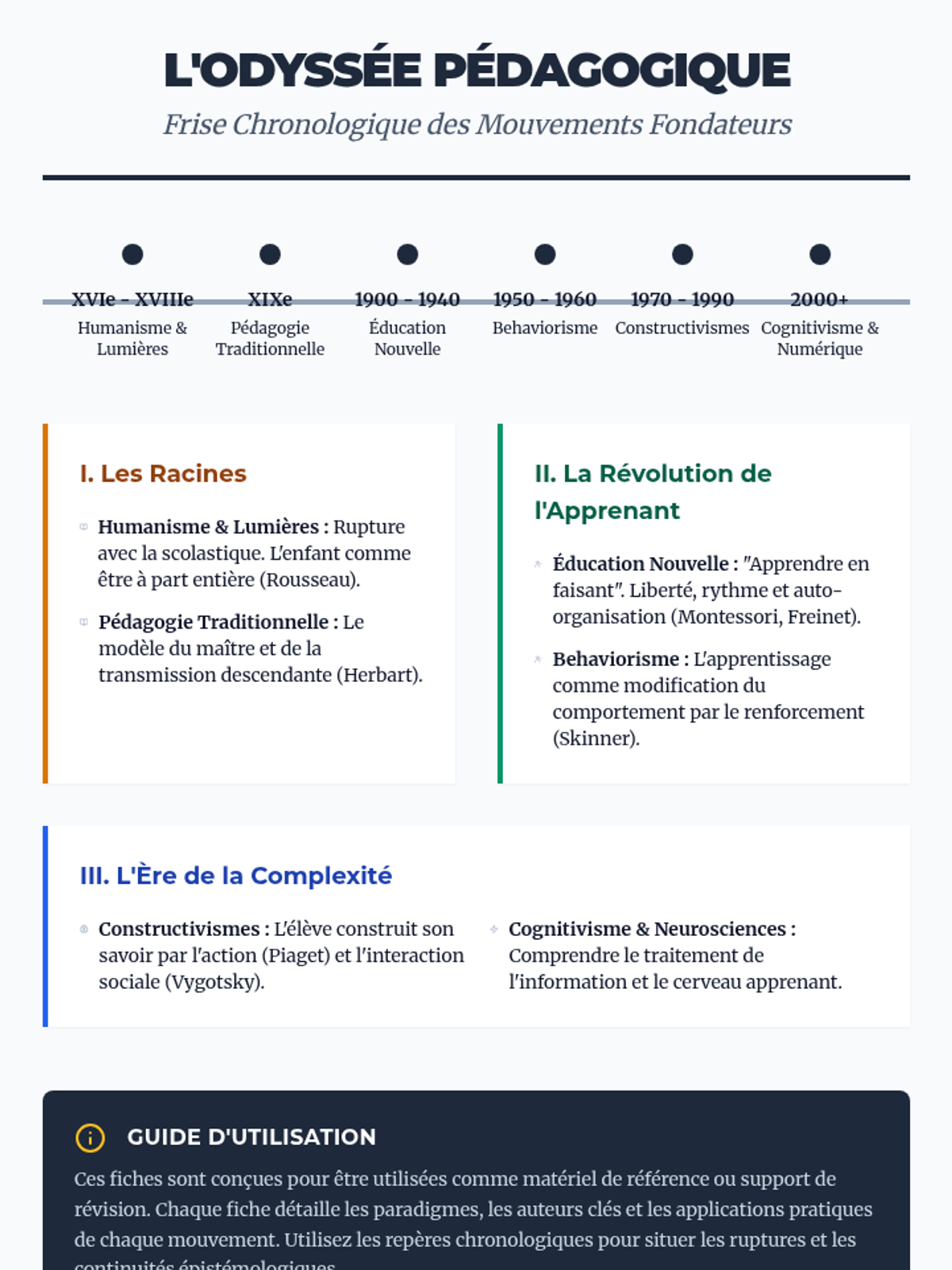
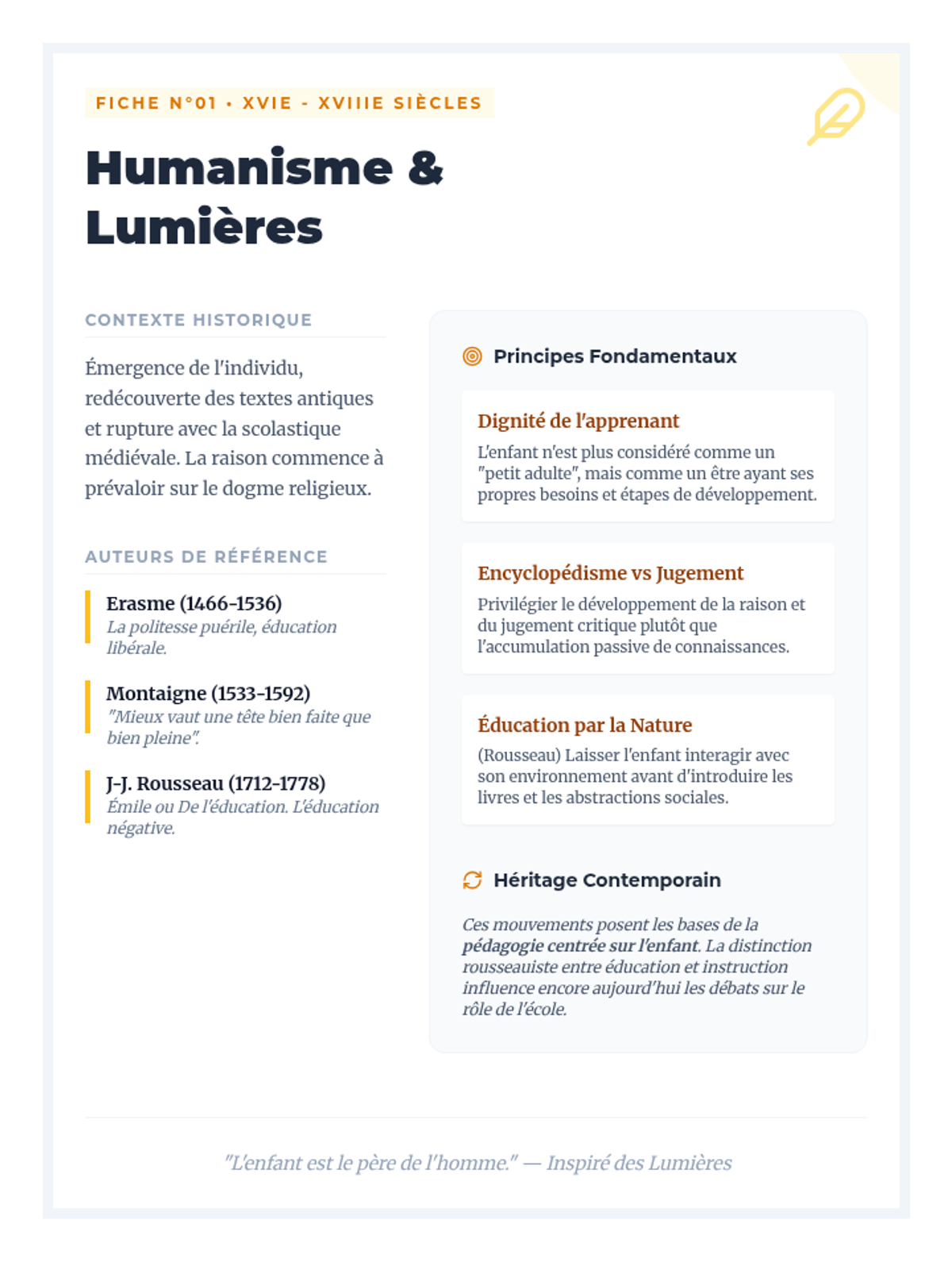
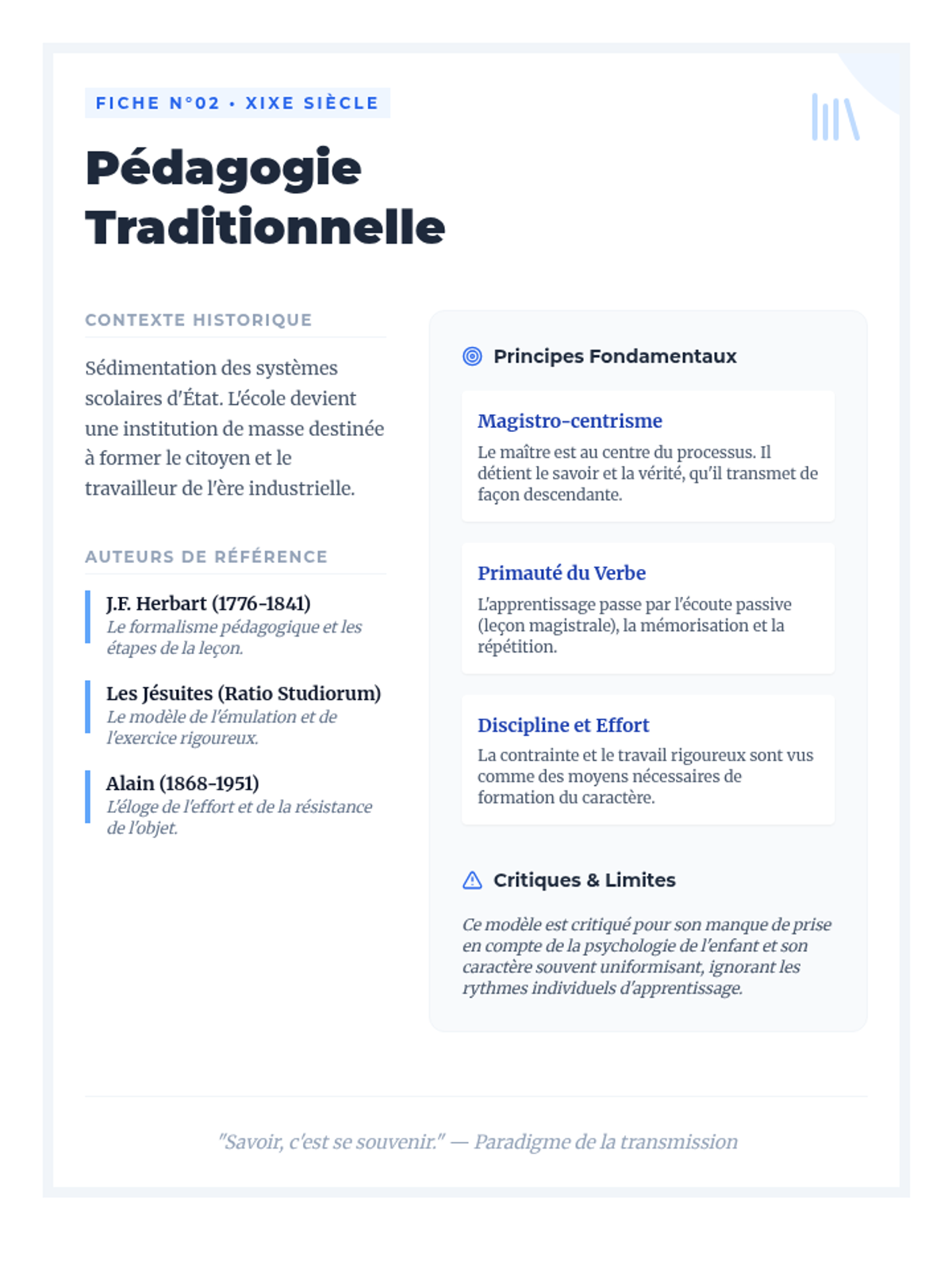
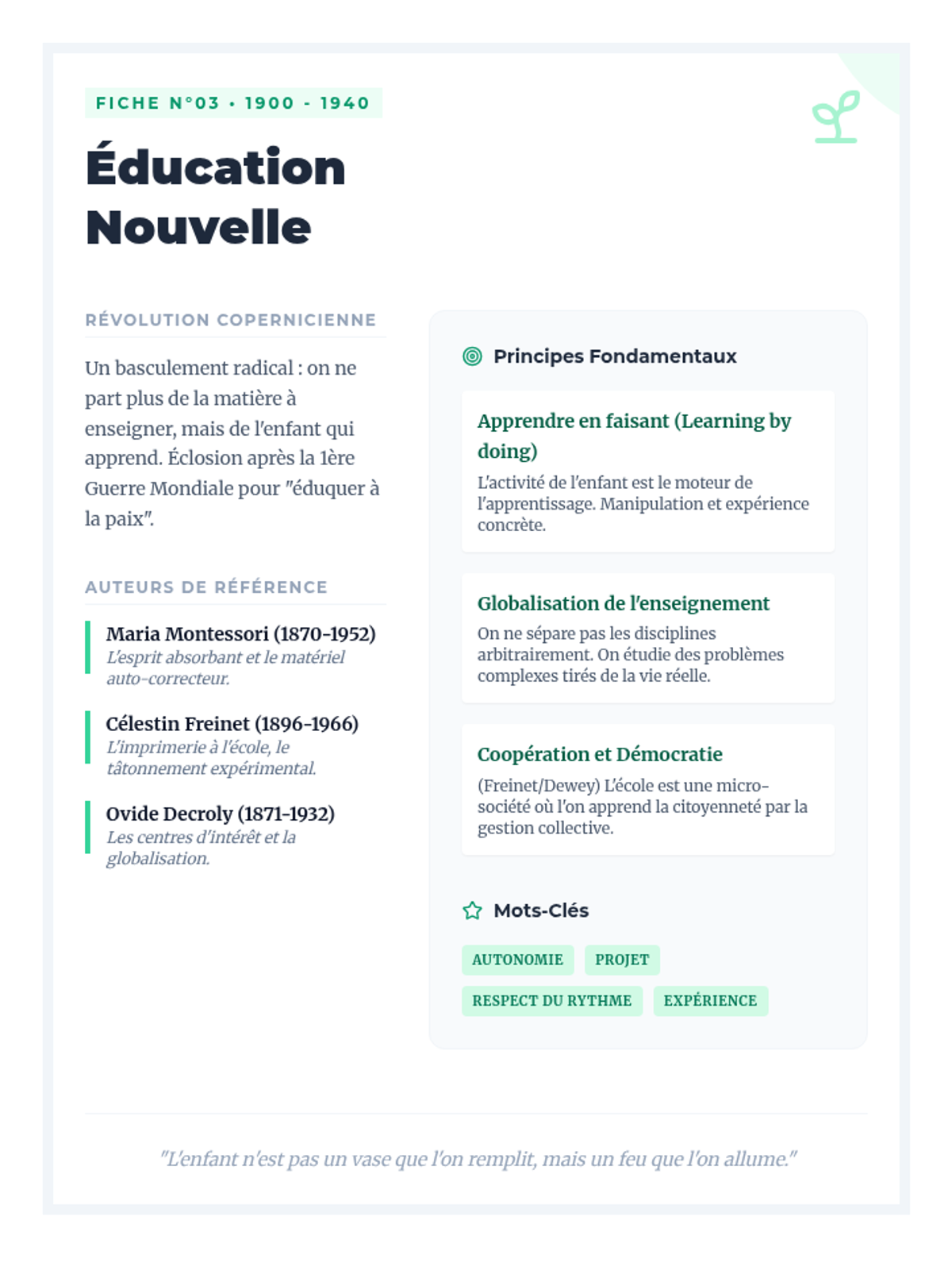
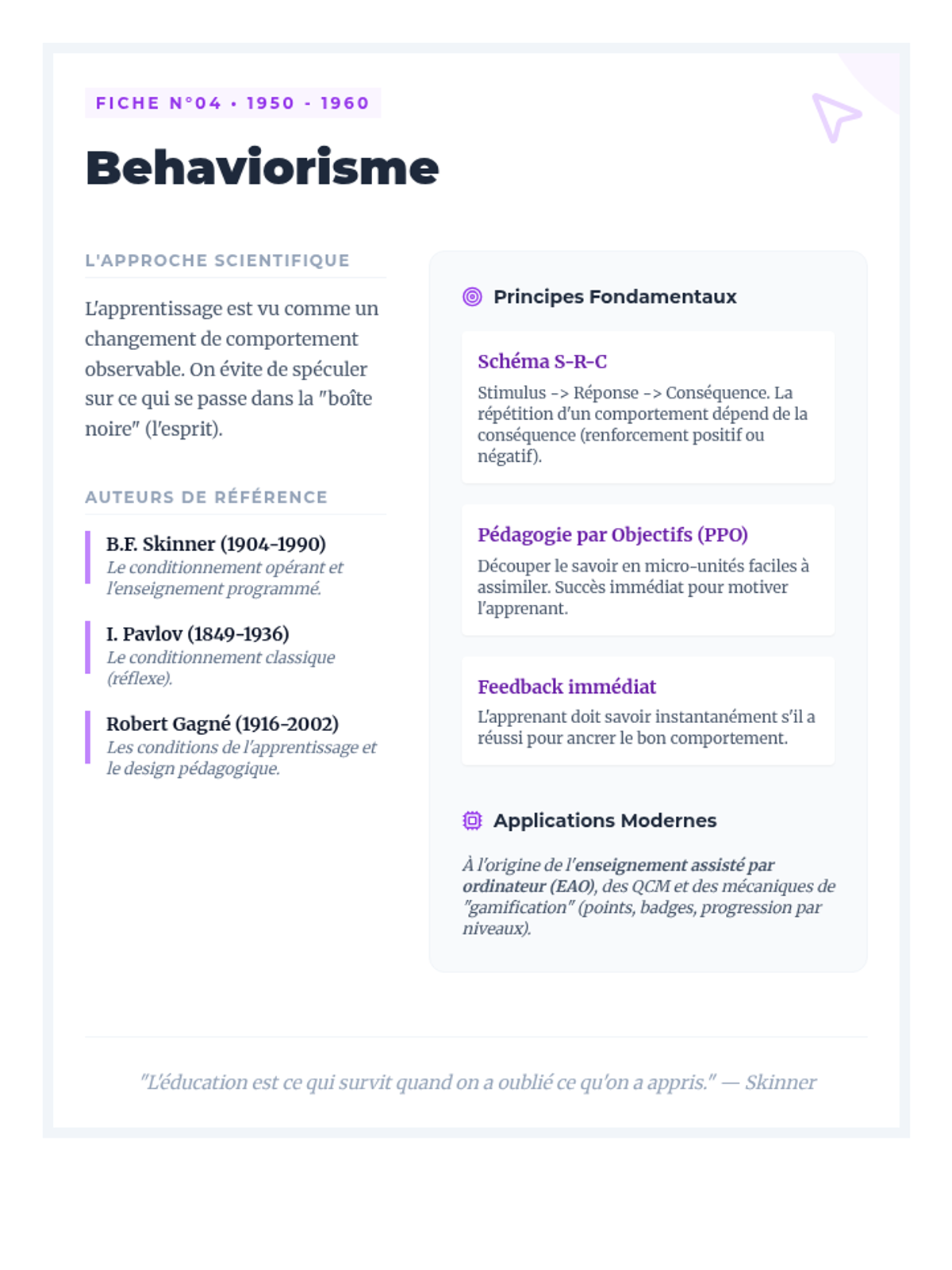
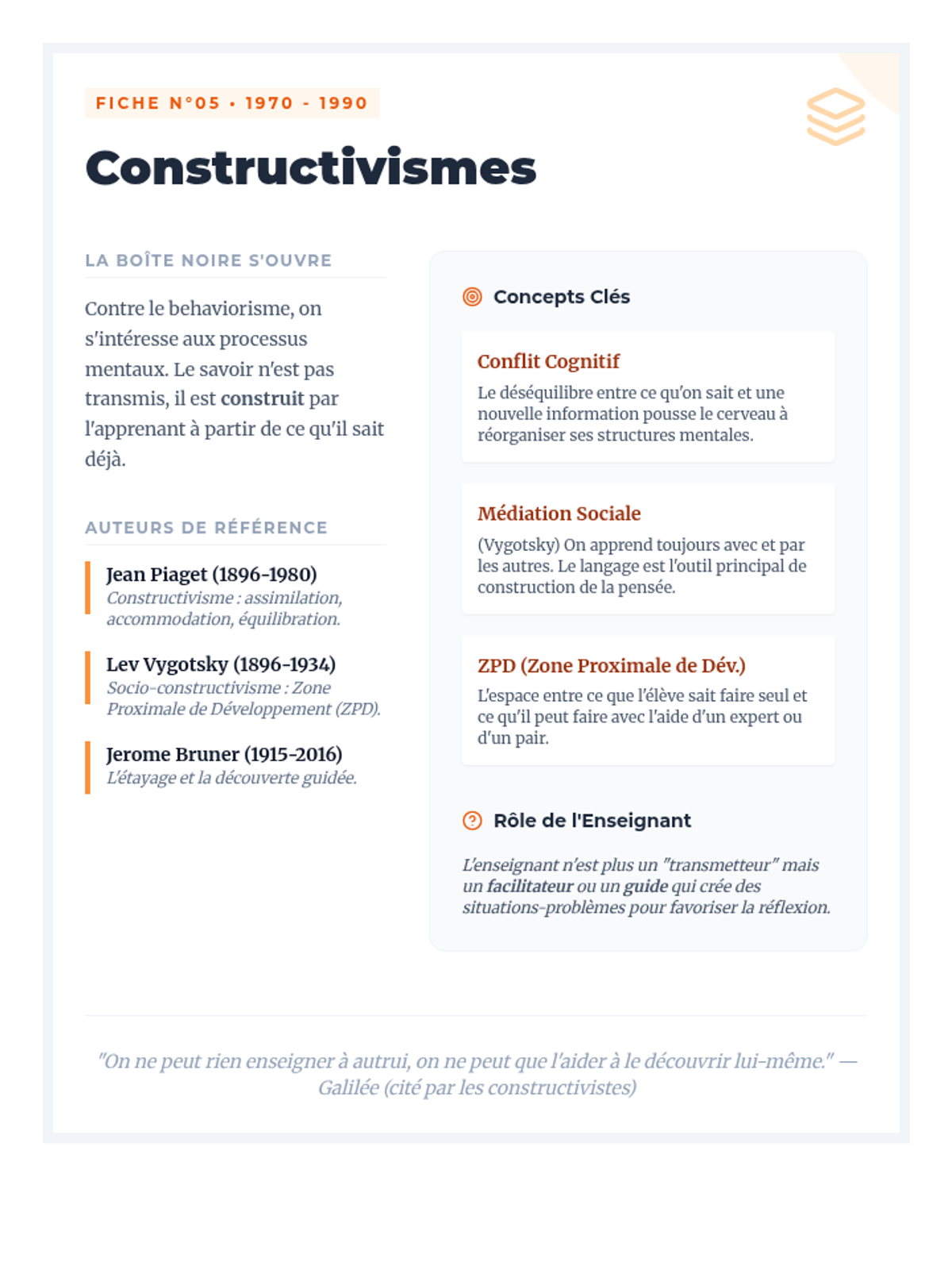
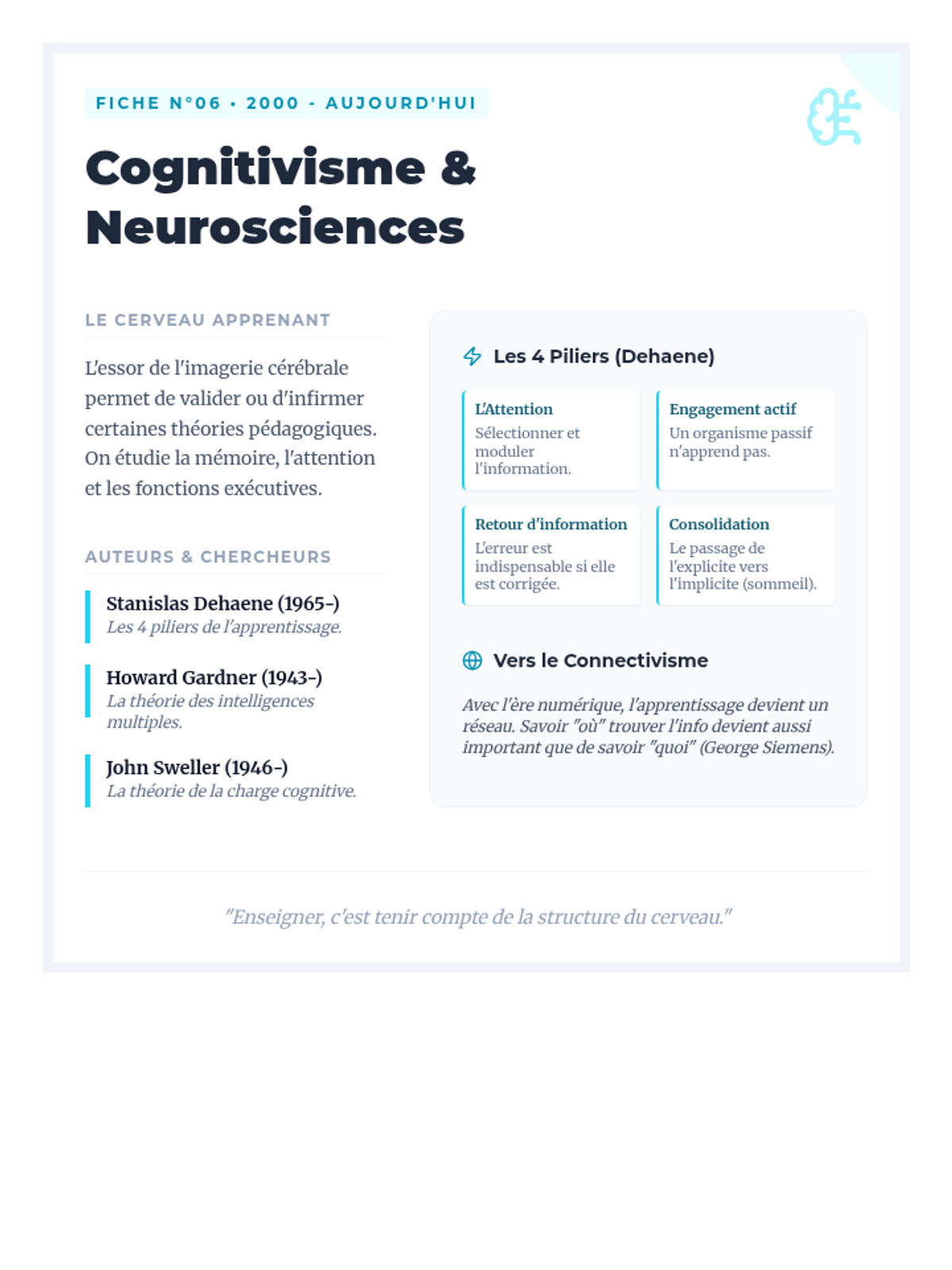
Une exploration diachronique des grands courants pédagogiques, de l'humanisme aux neurosciences, conçue pour les étudiants en sciences de l'éducation.
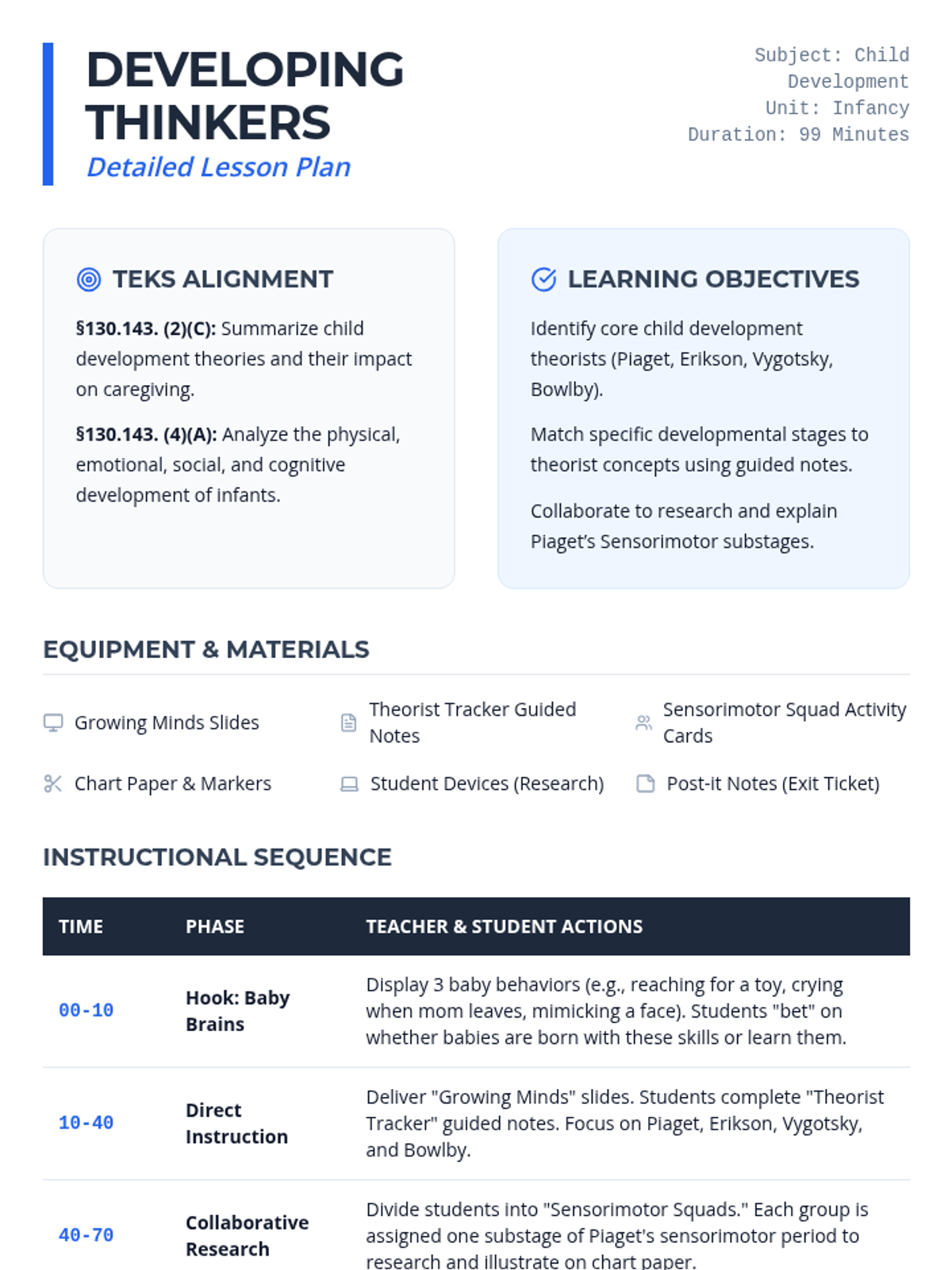
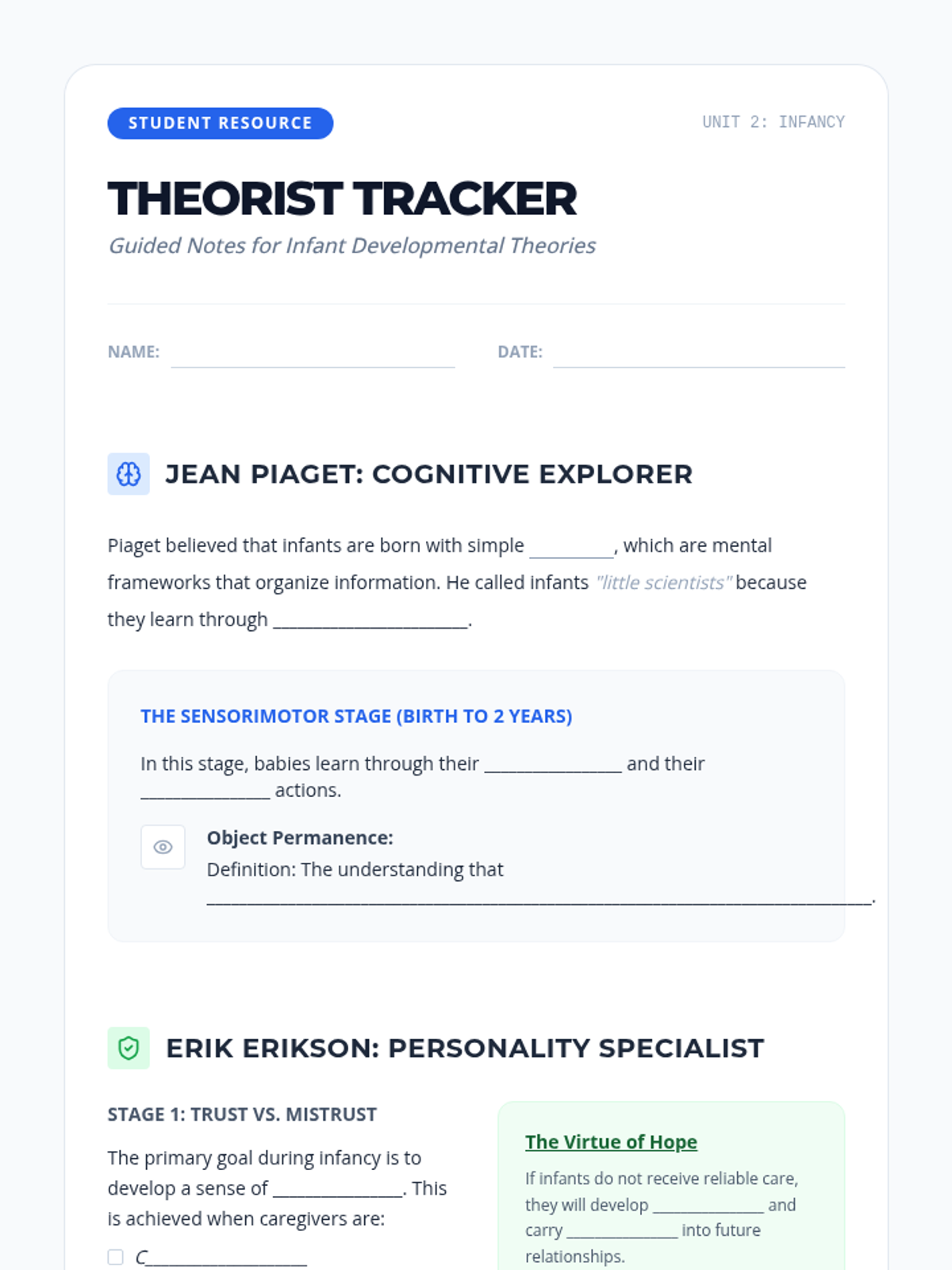
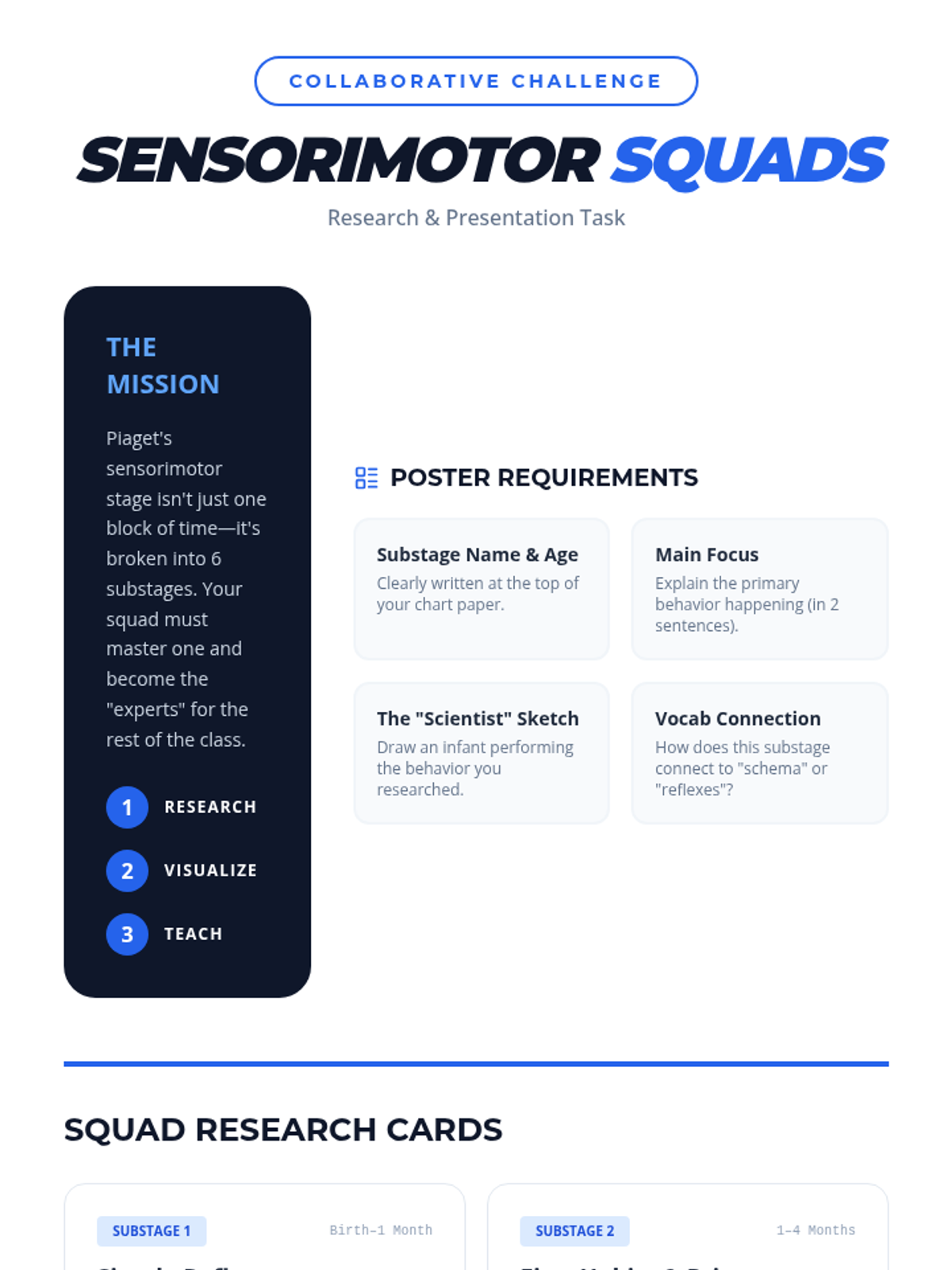
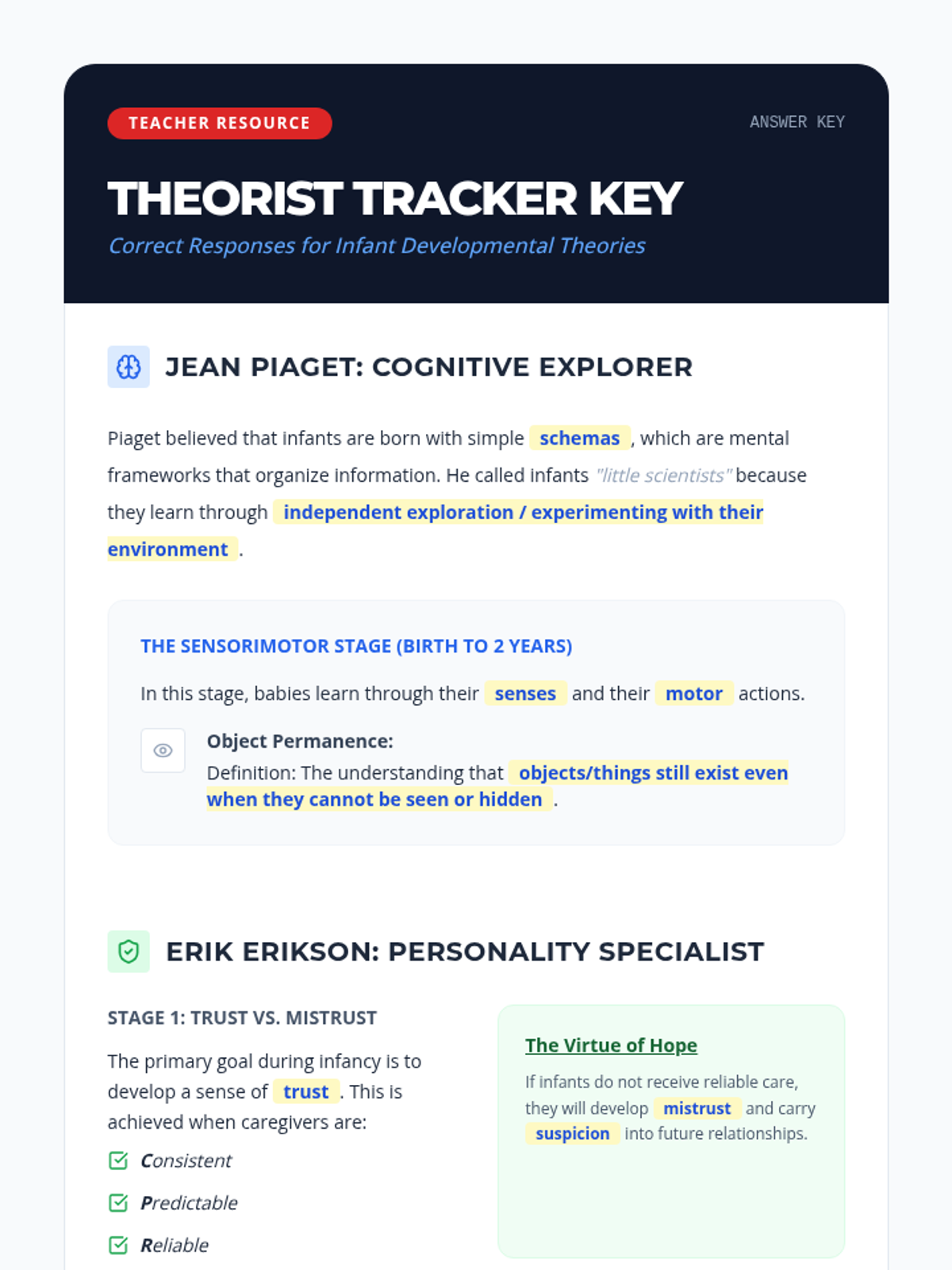
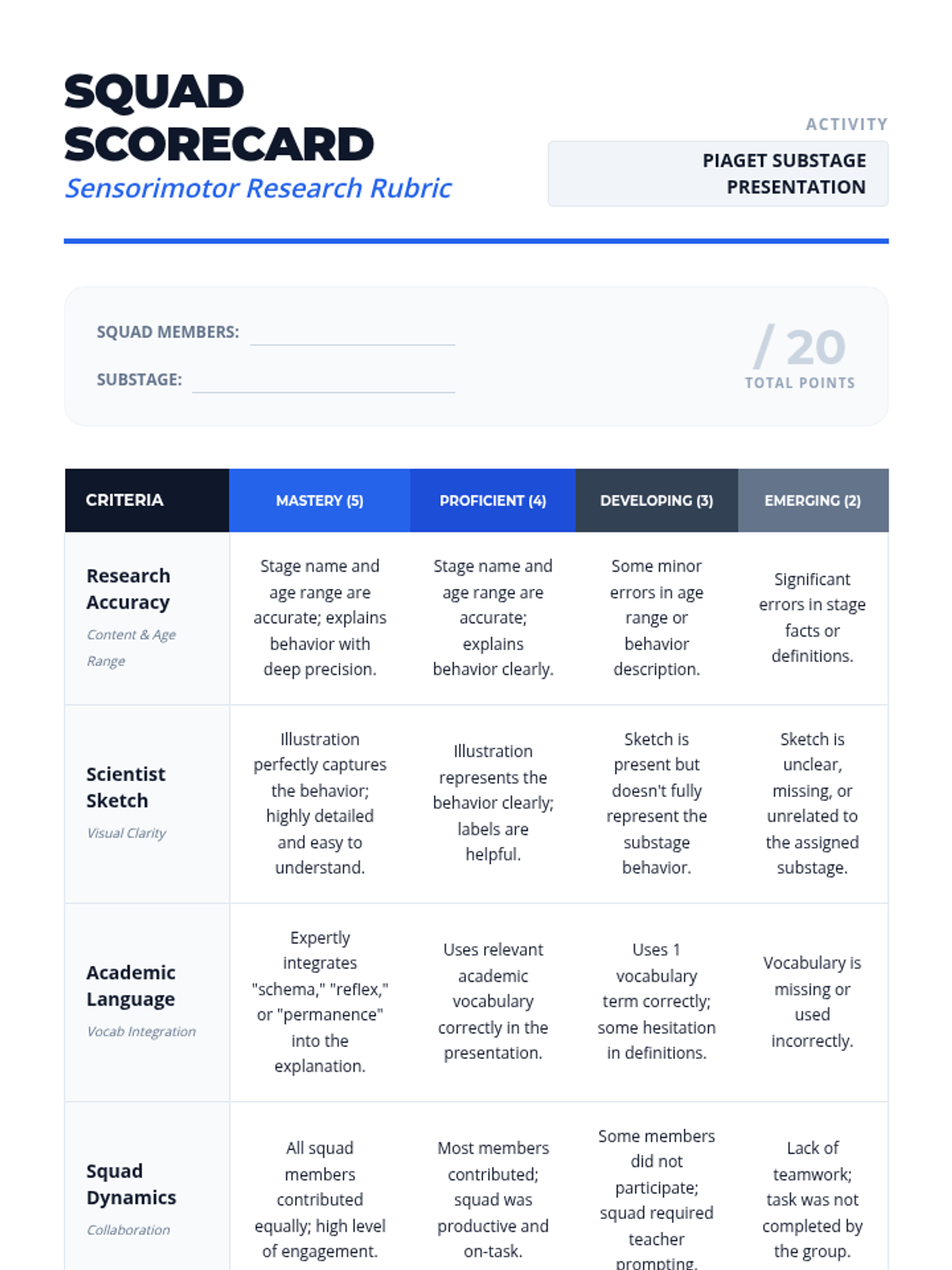
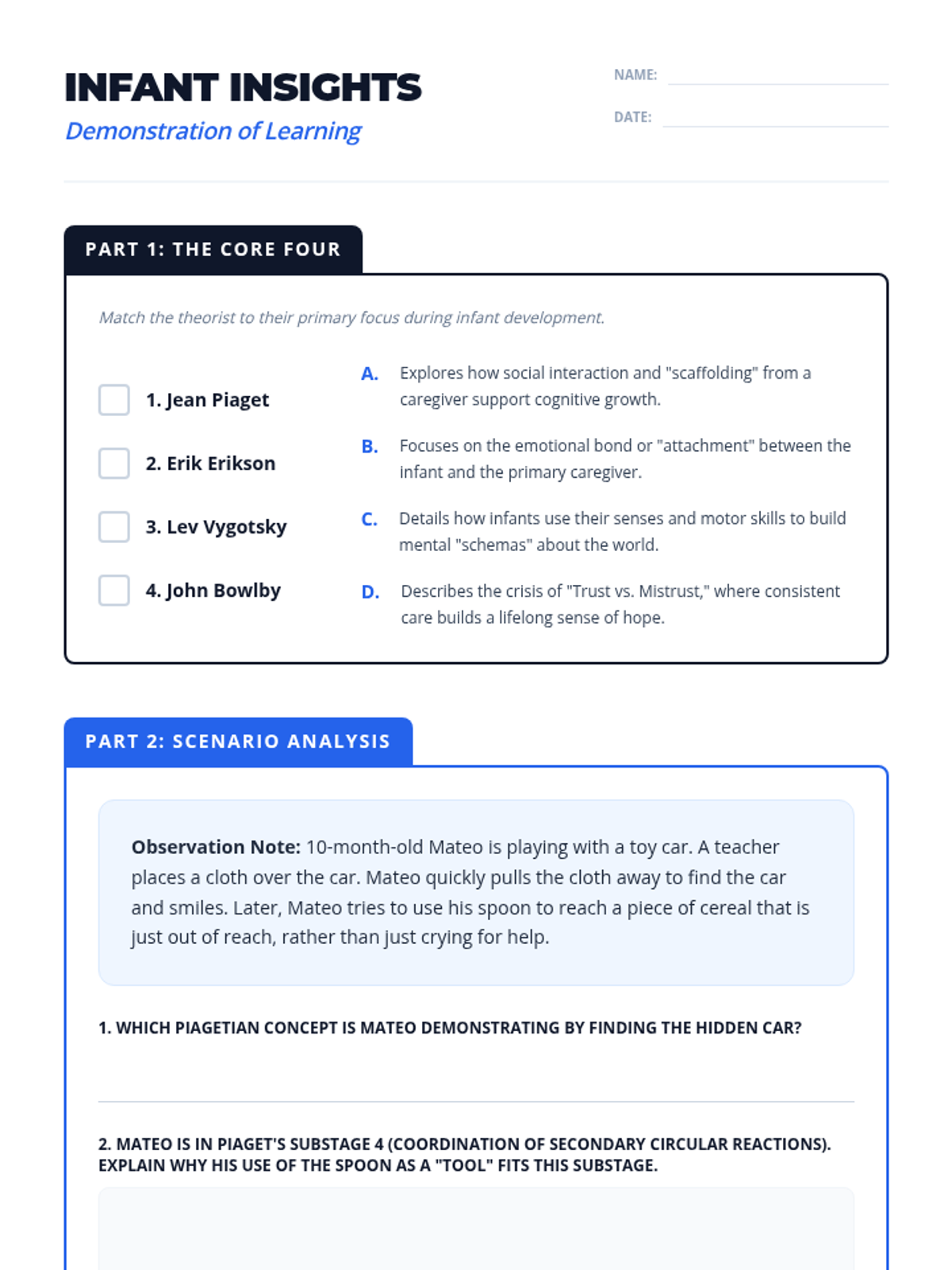
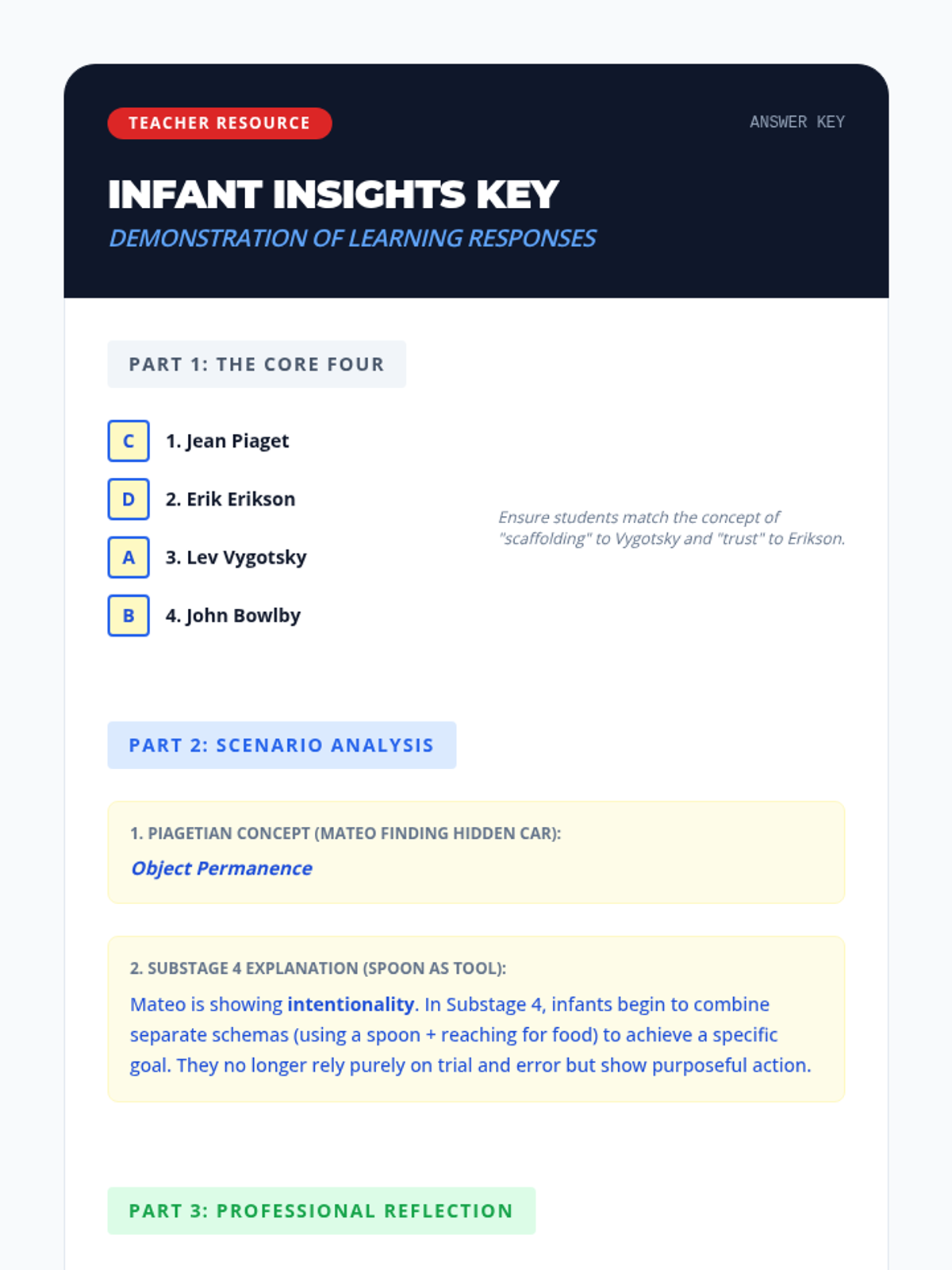
A comprehensive 99-minute lesson exploring child development theorists (Piaget, Erikson, Vygotsky, Bowlby) with a focus on infancy, featuring collaborative research and guided note-taking.
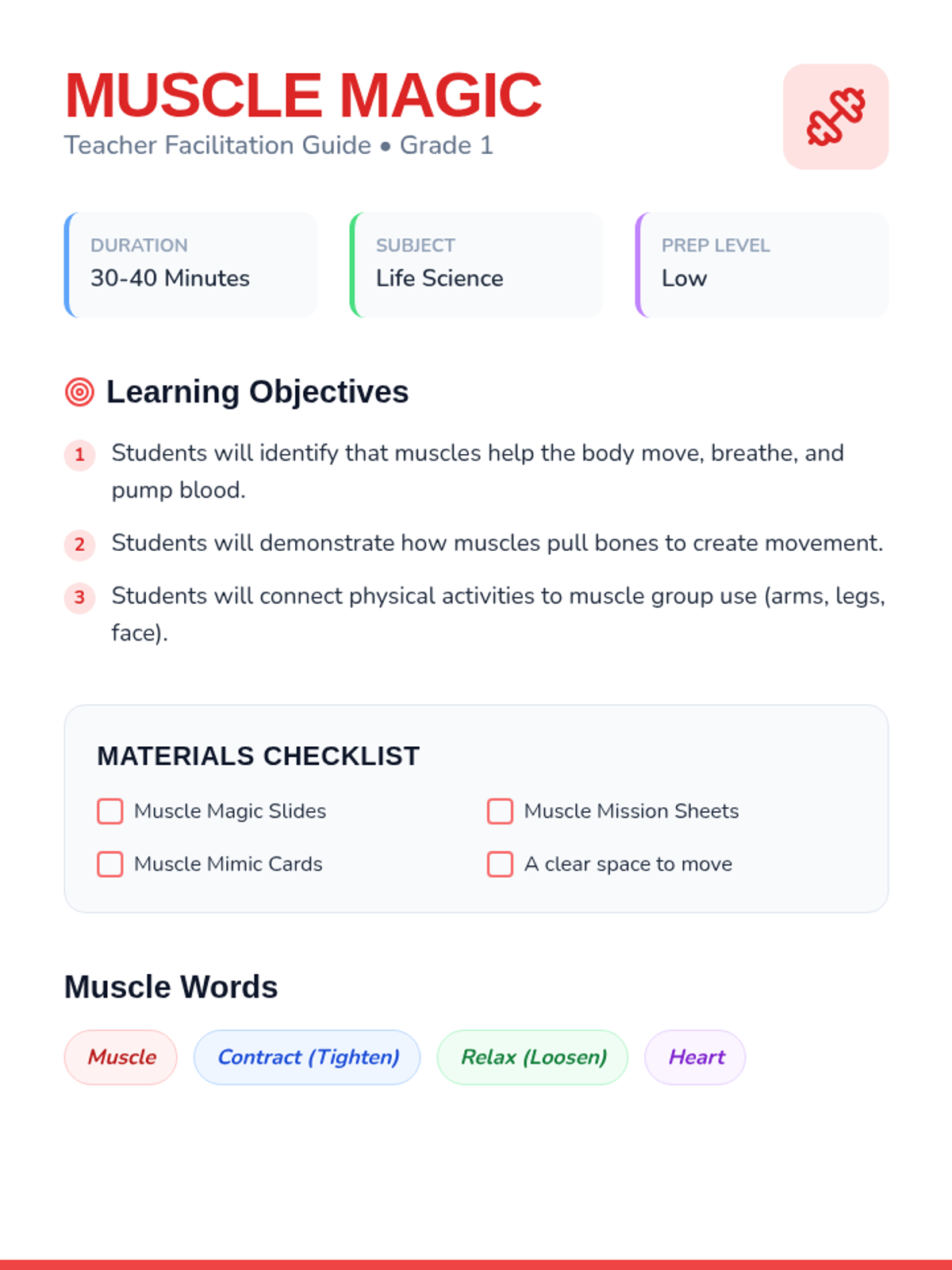
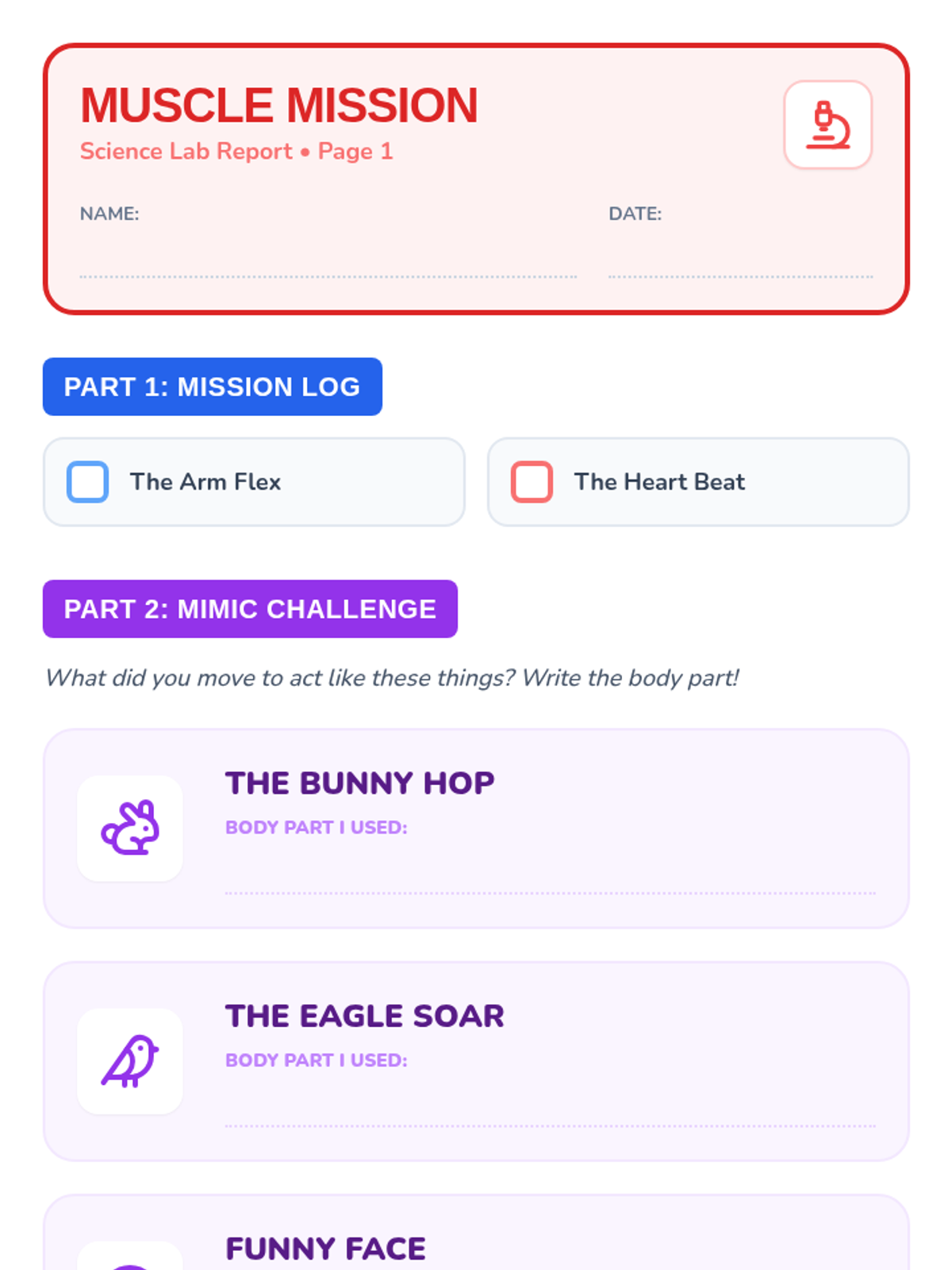
An introductory lesson for 1st graders to explore how muscles help our bodies move, including a hands-on activity and a simple labeling worksheet.
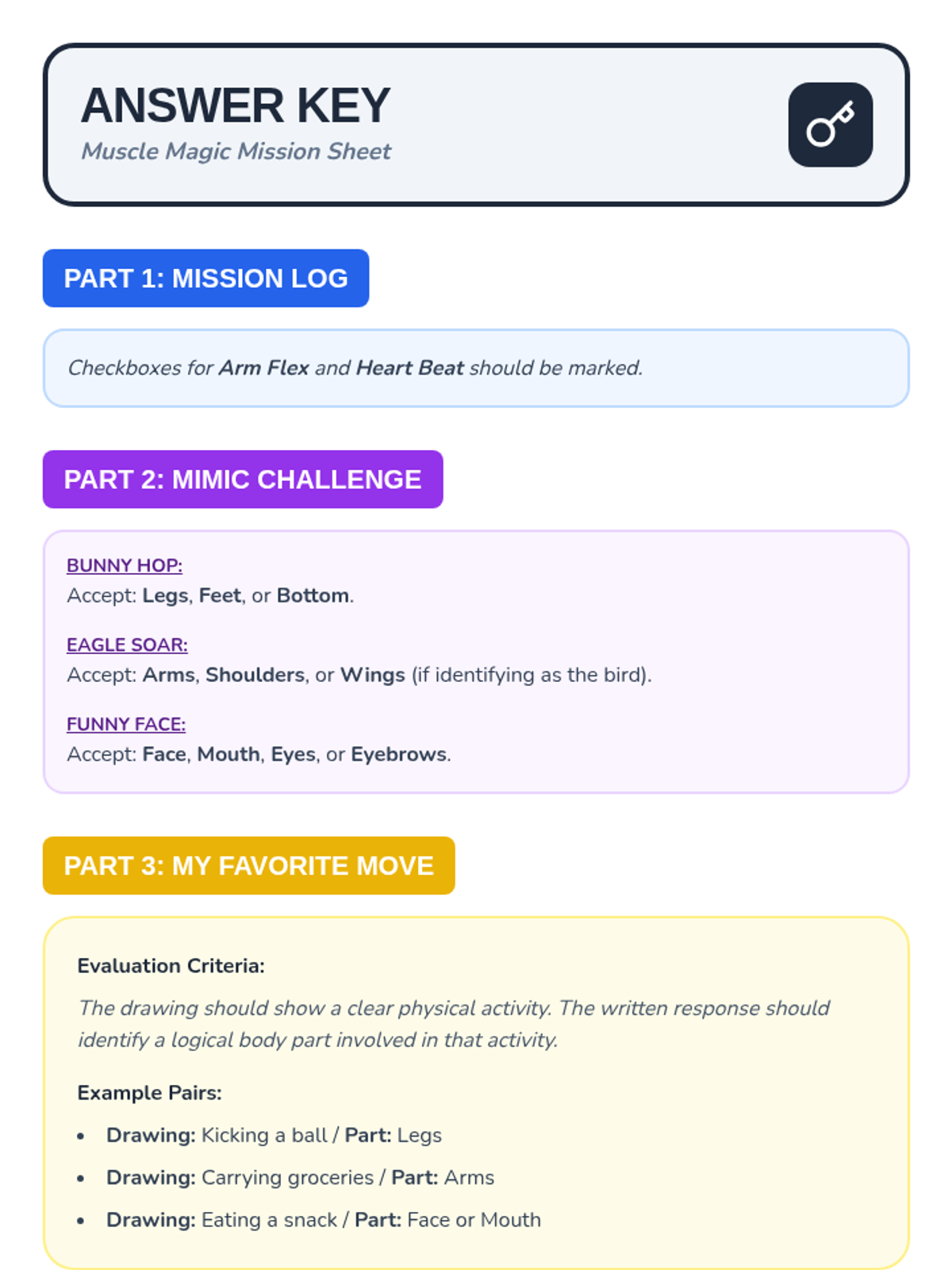
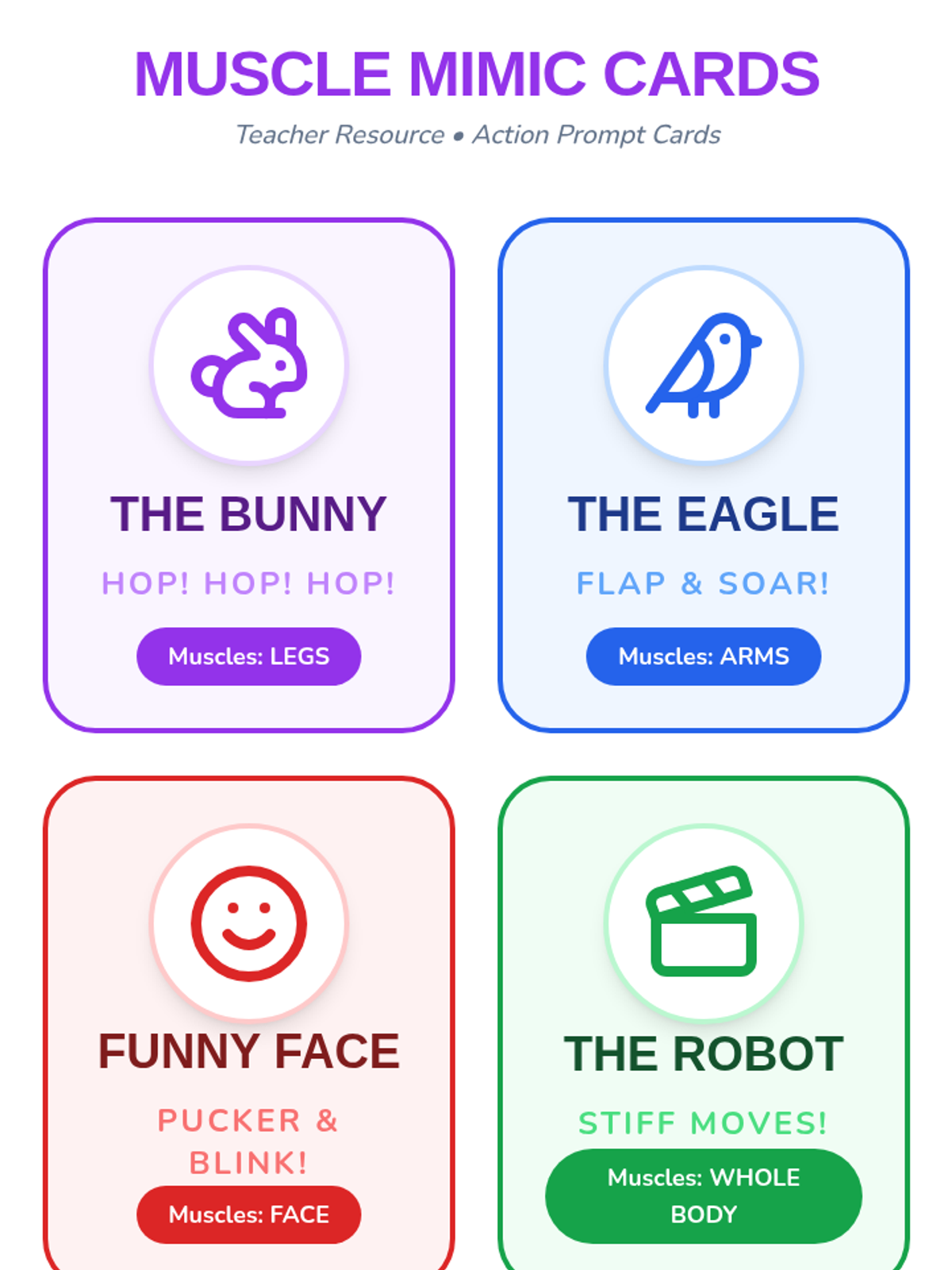
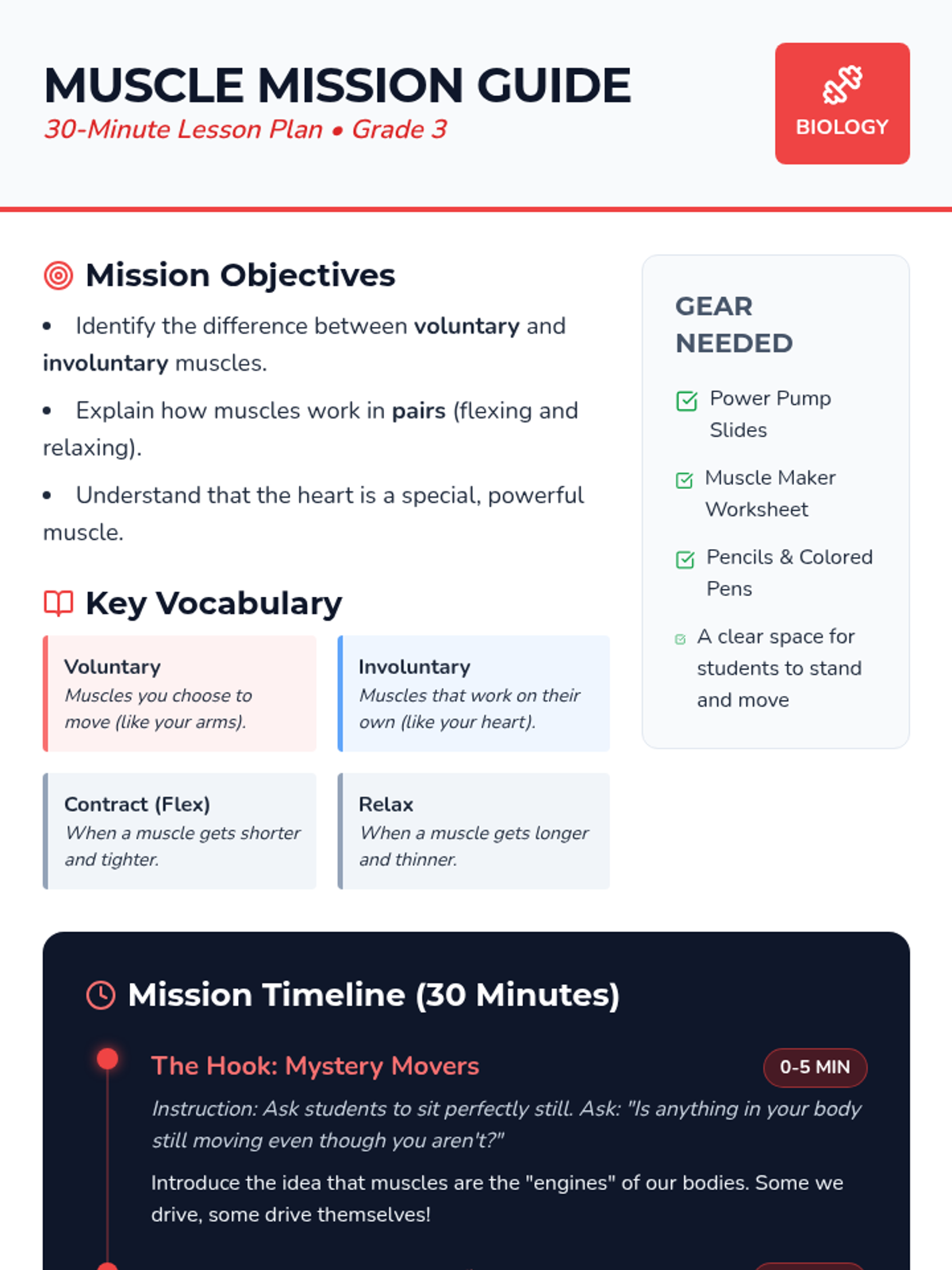
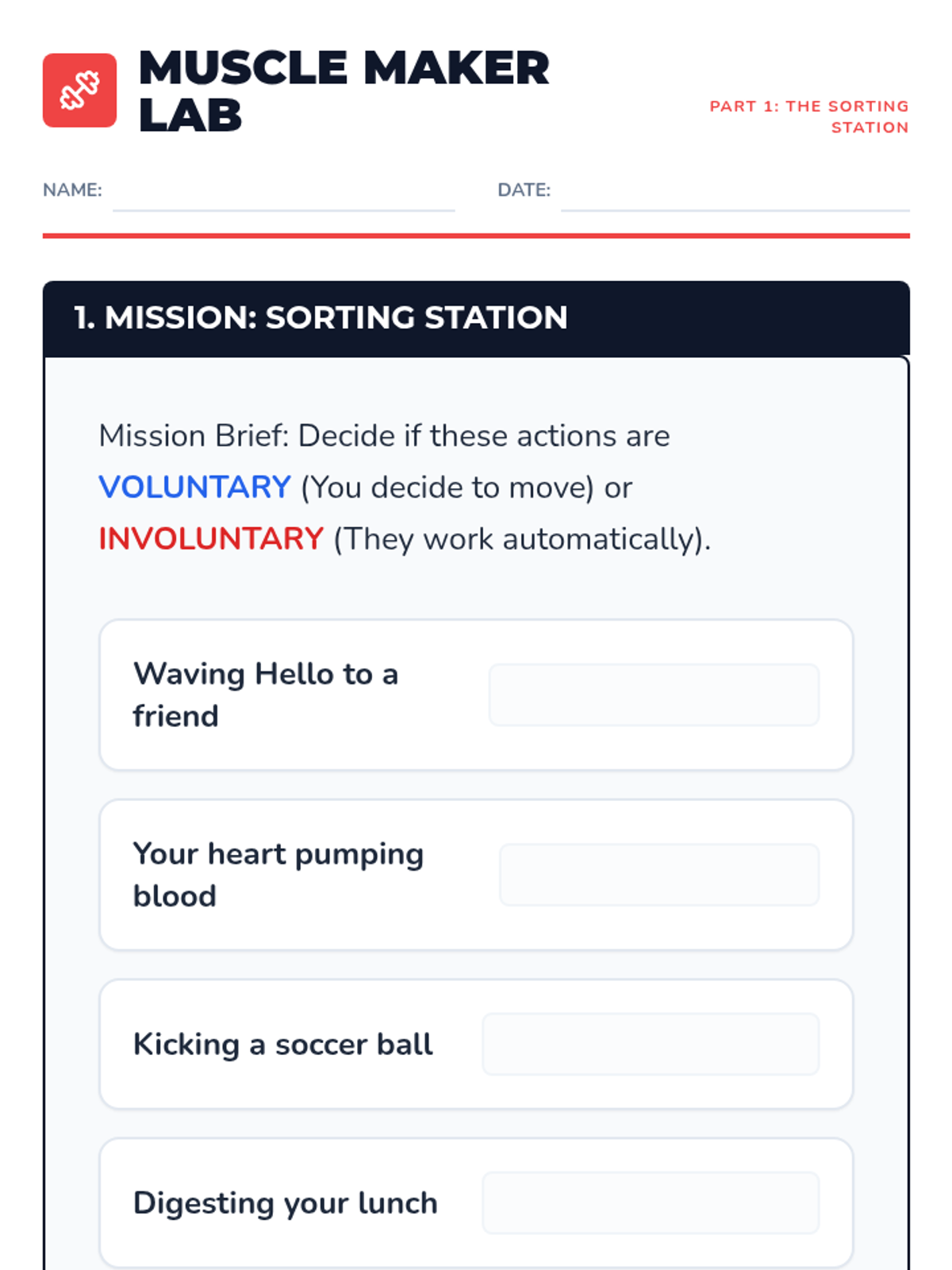
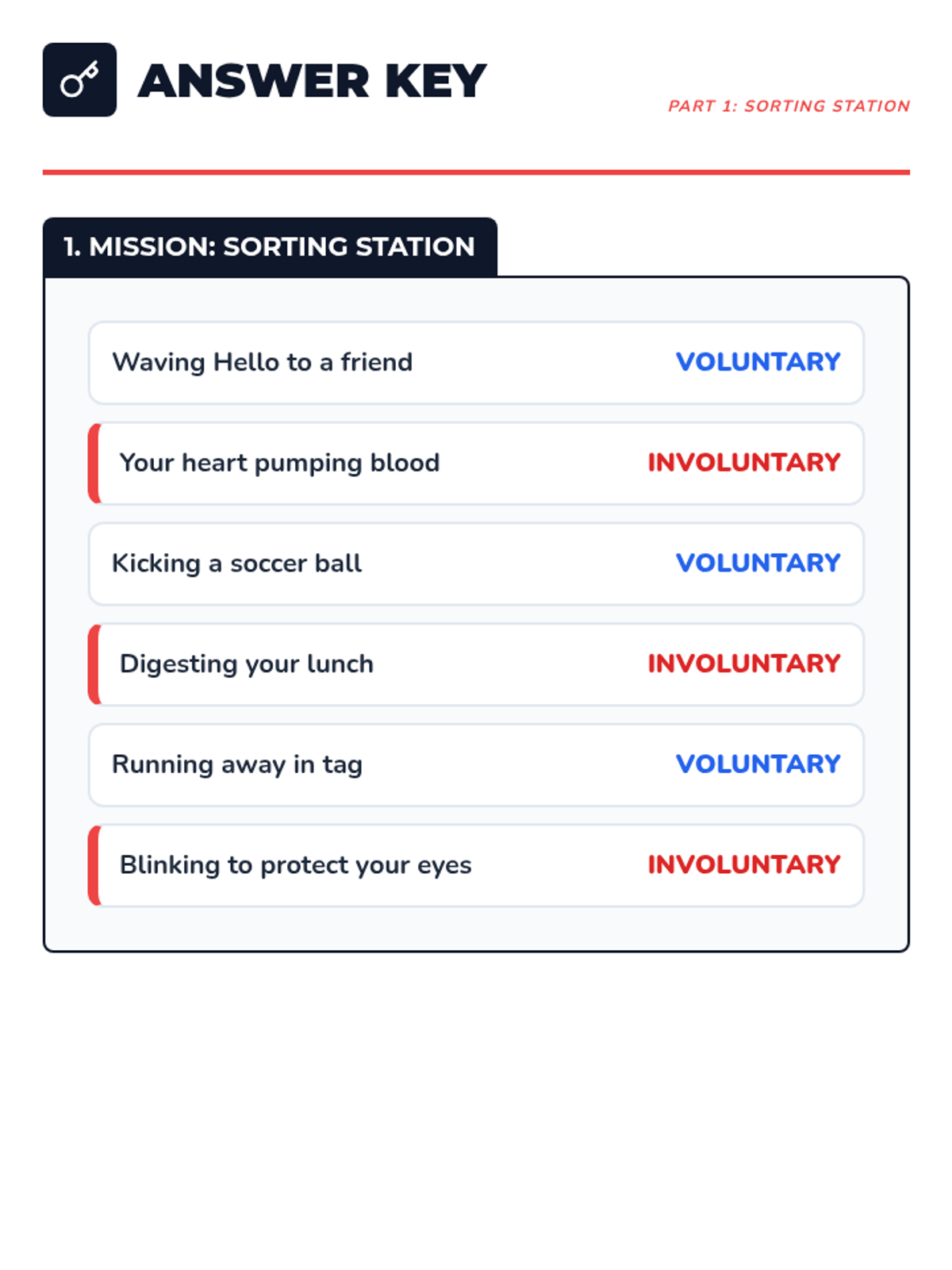
A fast-paced, interactive 30-minute introduction to the muscular system for 3rd graders, focusing on voluntary versus involuntary muscles and how they work in pairs.
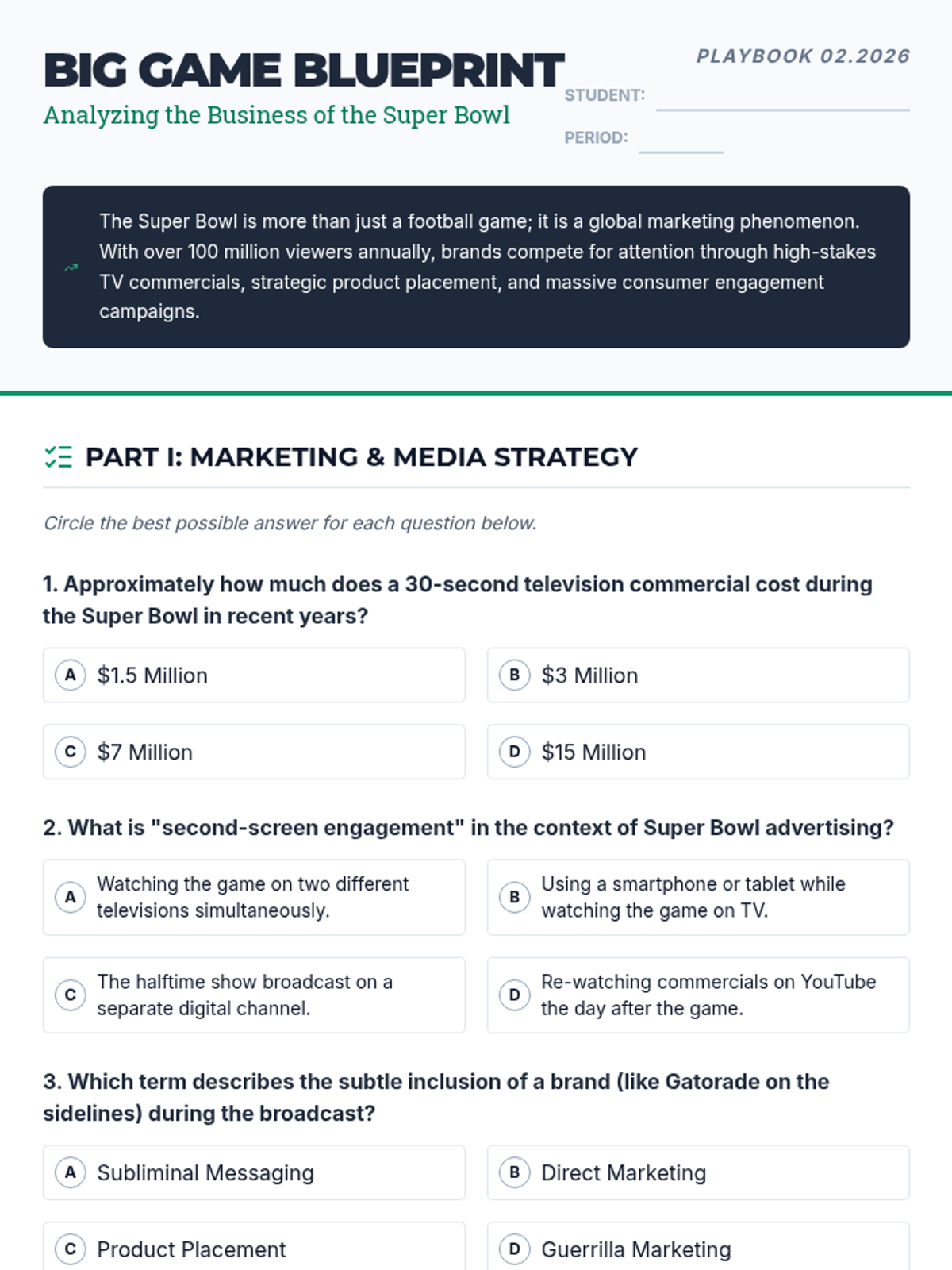
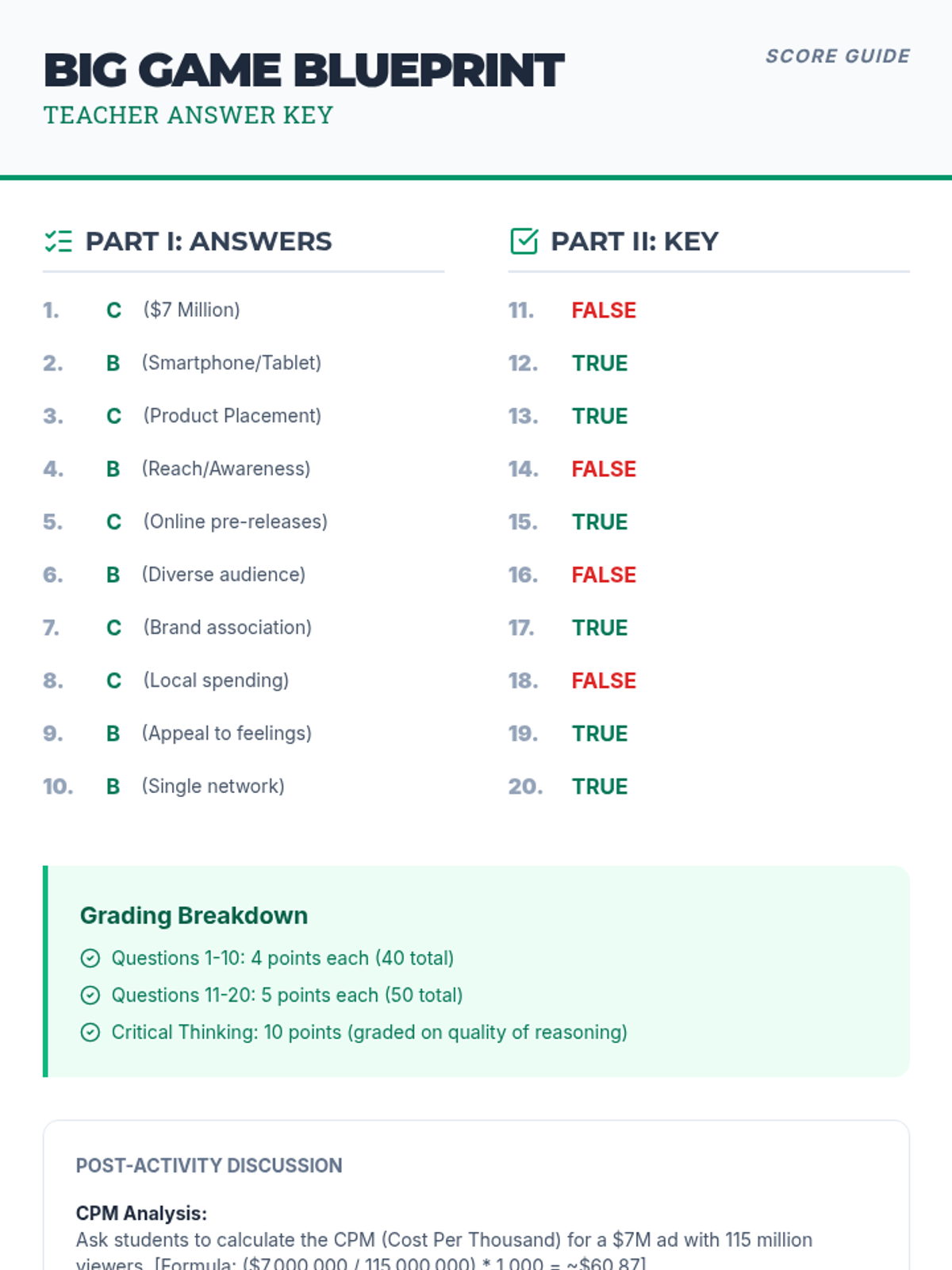
This lesson explores the complex business ecosystem of the Super Bowl, focusing on advertising costs, consumer behavior, brand strategy, and economic impact. Students will analyze how the biggest sporting event in the U.S. functions as a multi-billion dollar marketing machine.
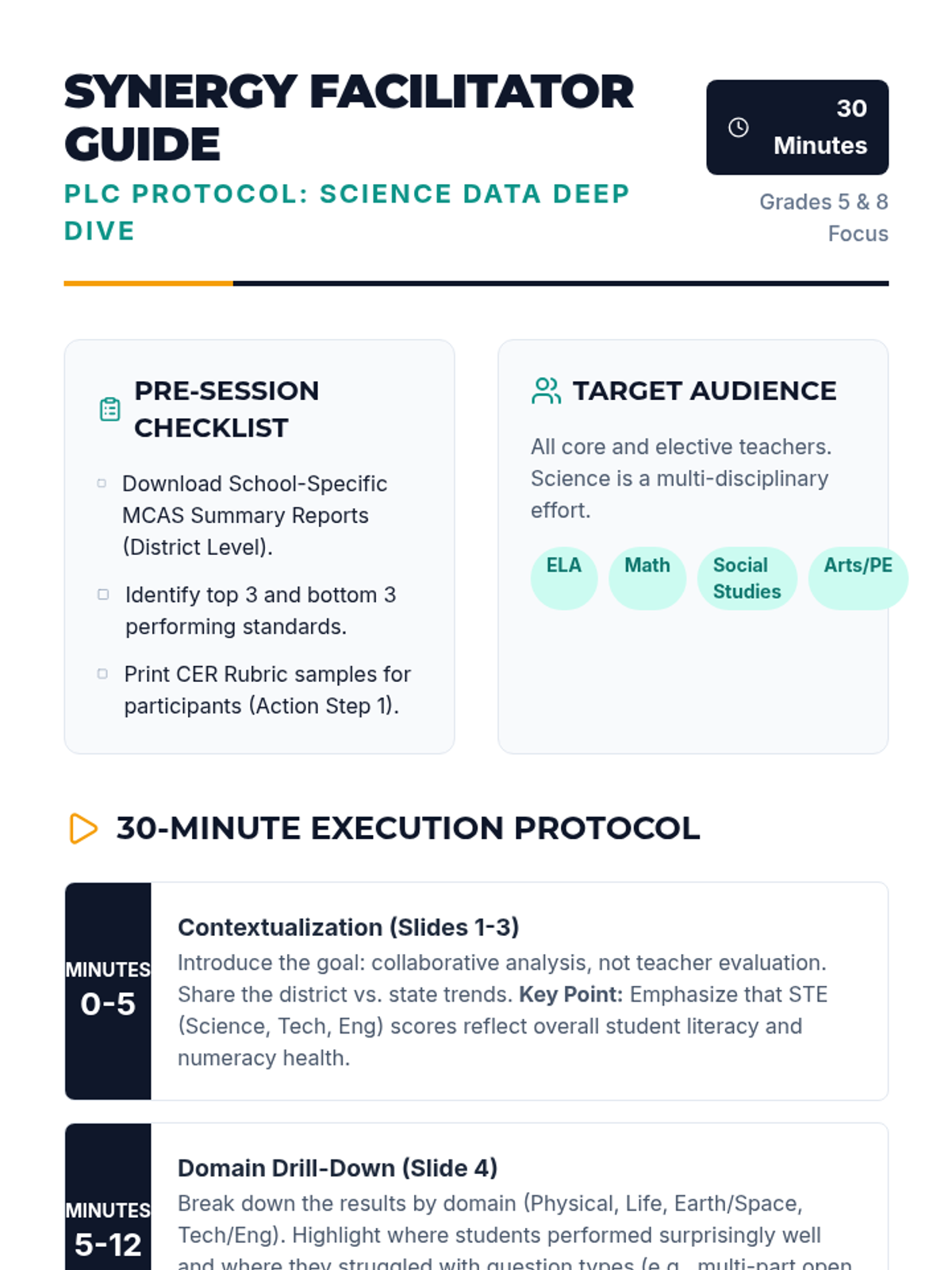
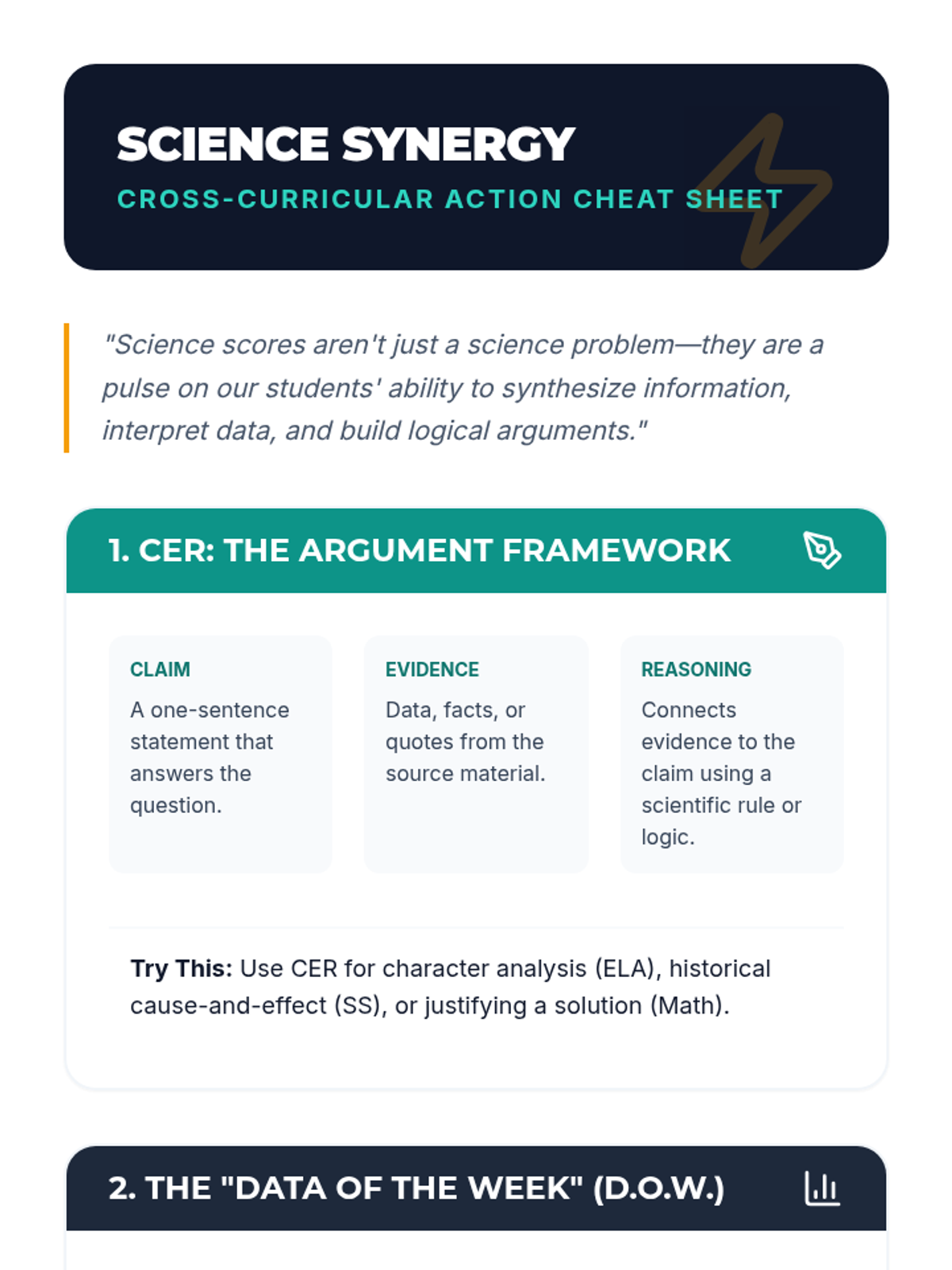
A 30-minute PLC session designed to analyze Grade 5 and 8 MCAS Science results, identifying cross-curricular opportunities for improvement through data-driven discussion and actionable teaching strategies.
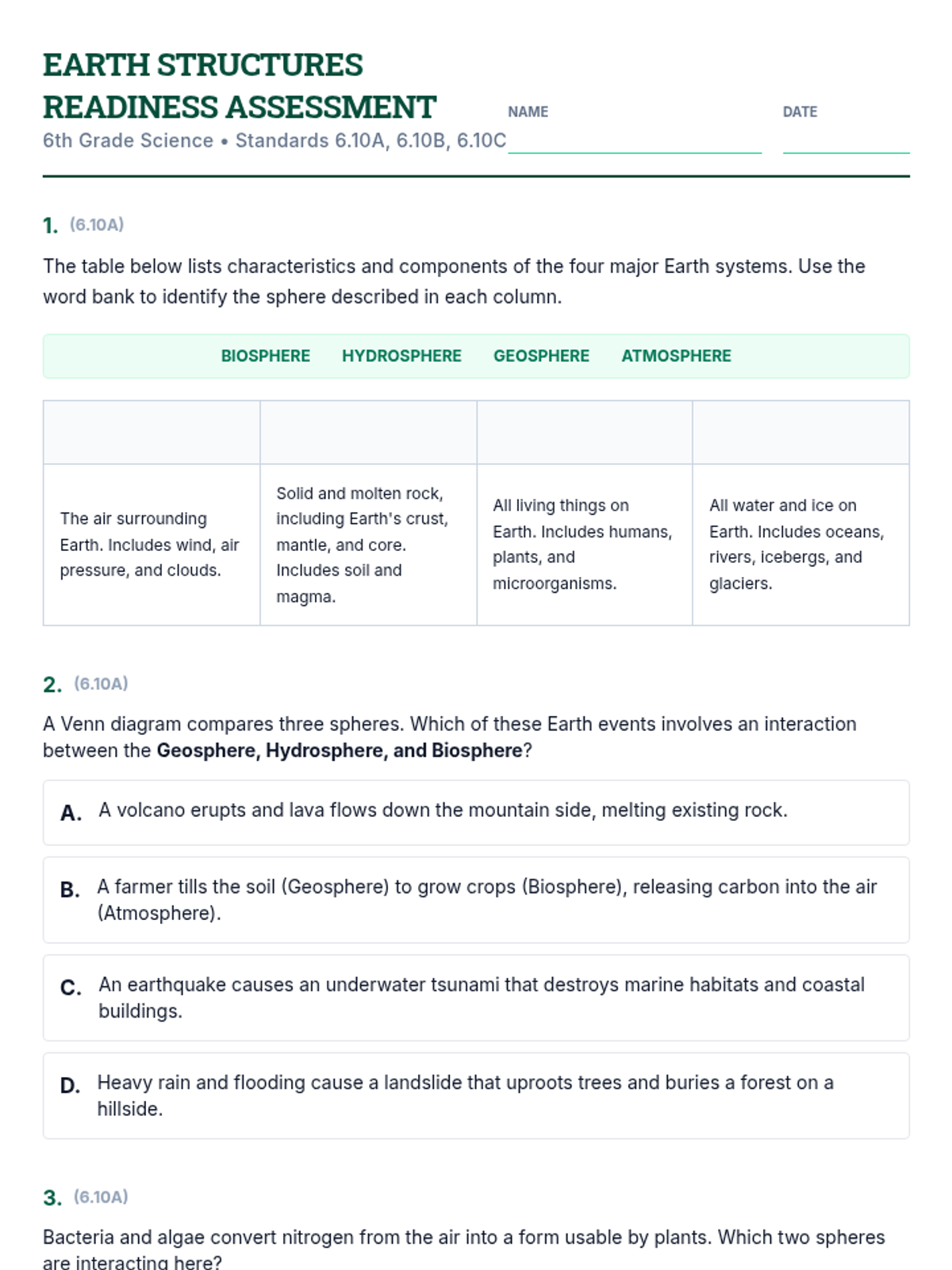
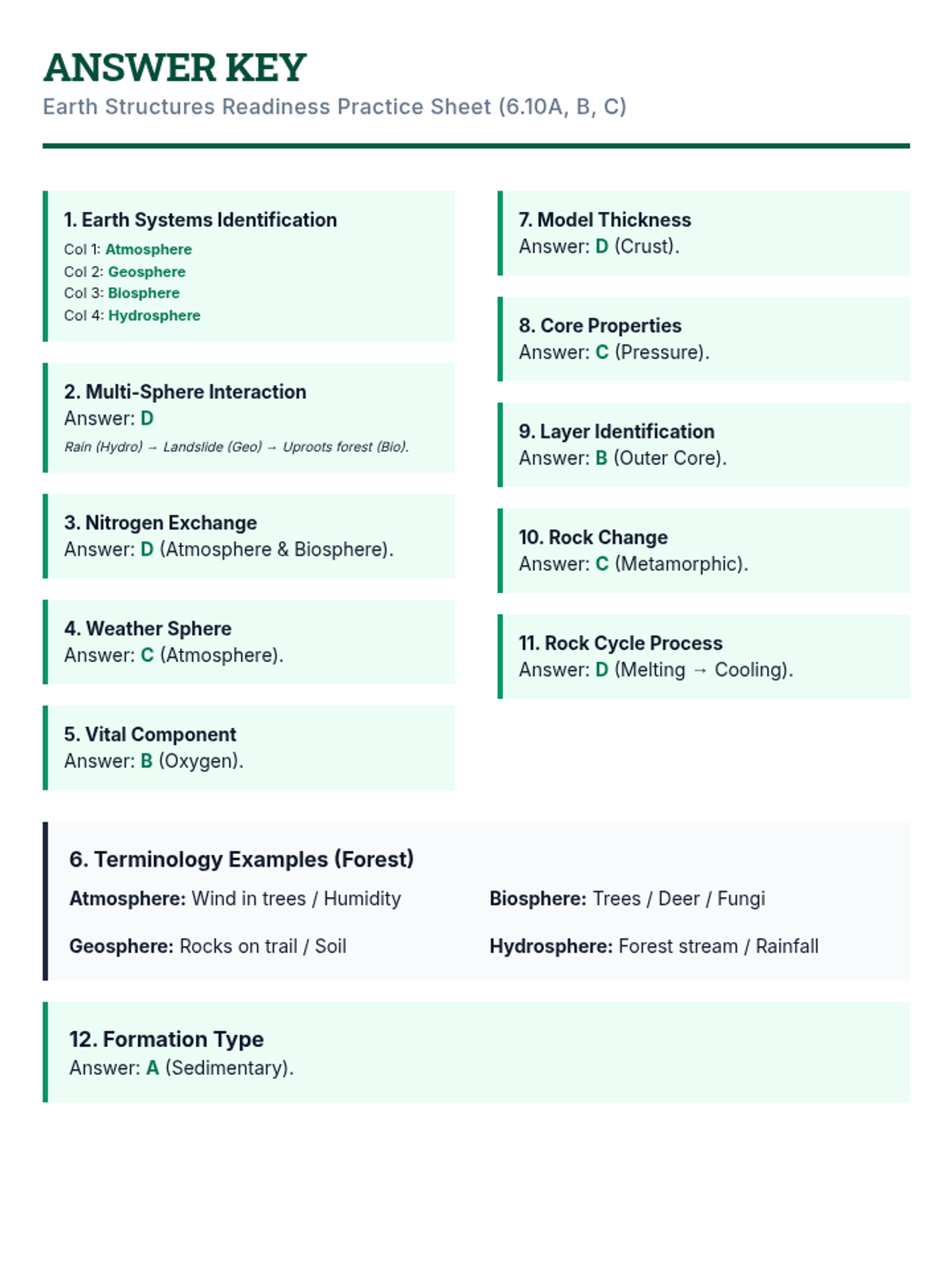
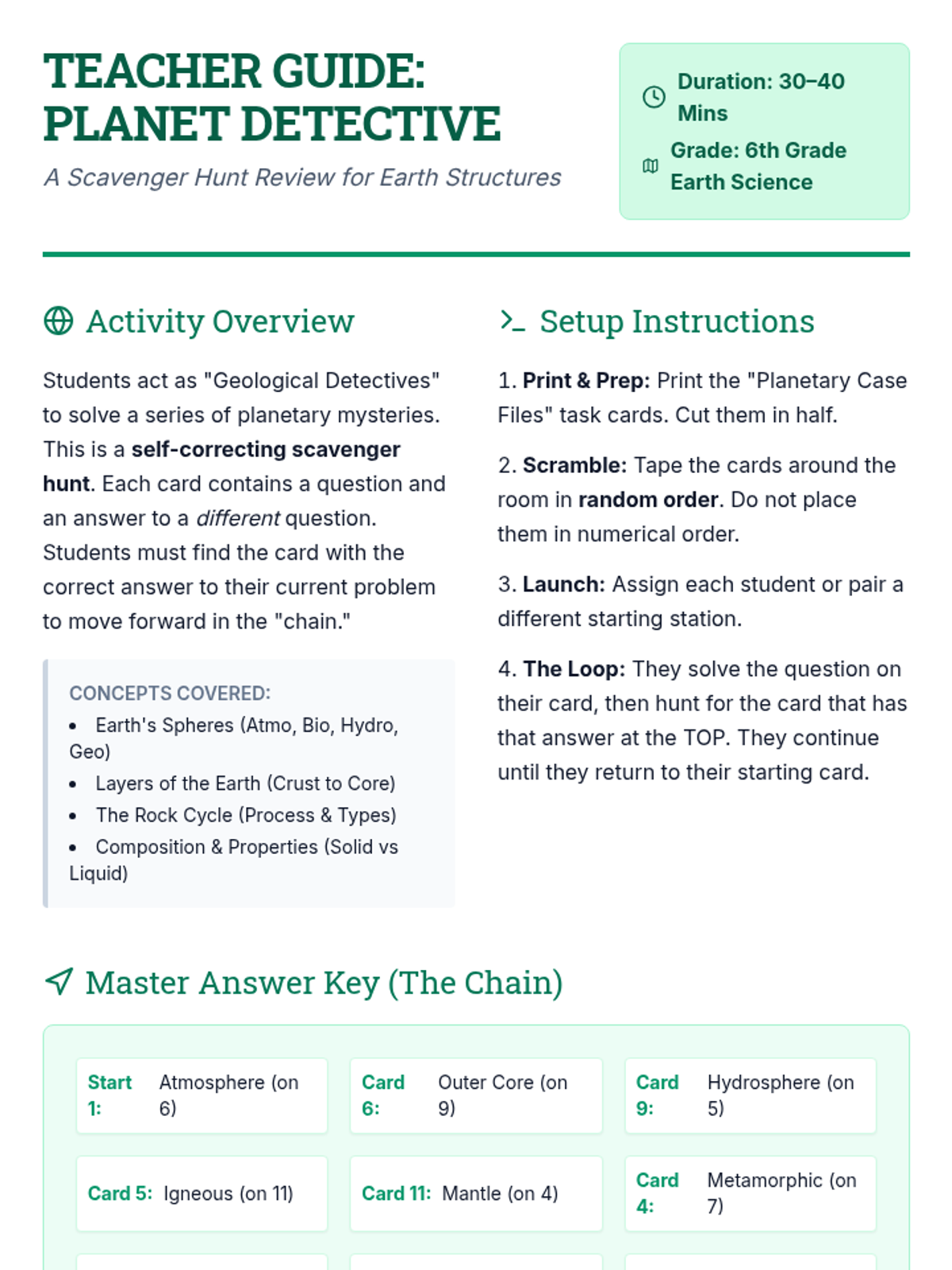
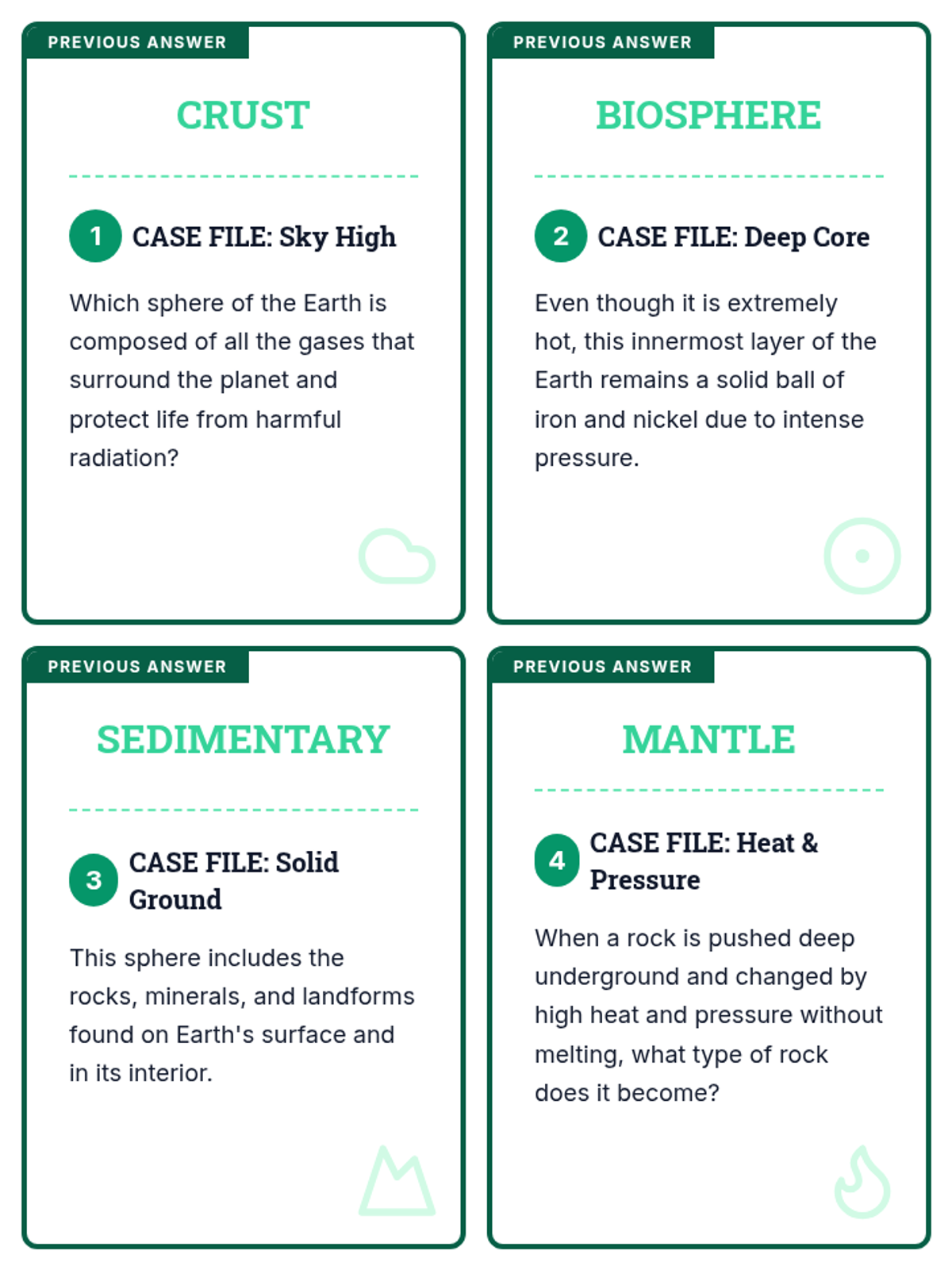
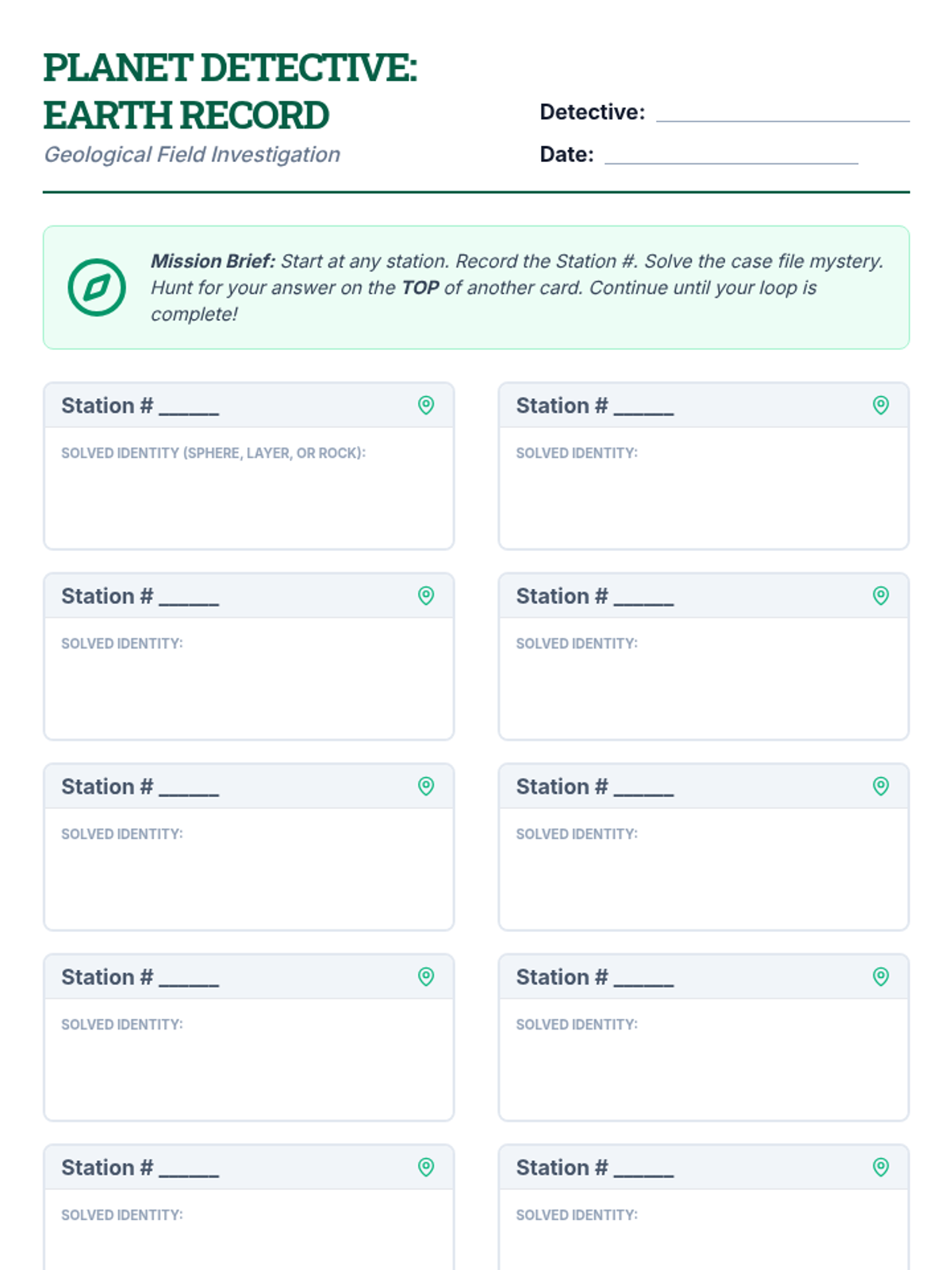
A movement-based scavenger hunt where students solve 'planetary mysteries' covering Earth's spheres, internal layers, and the rock cycle. This lesson includes task cards and a structured recording sheet for 6th grade science review.
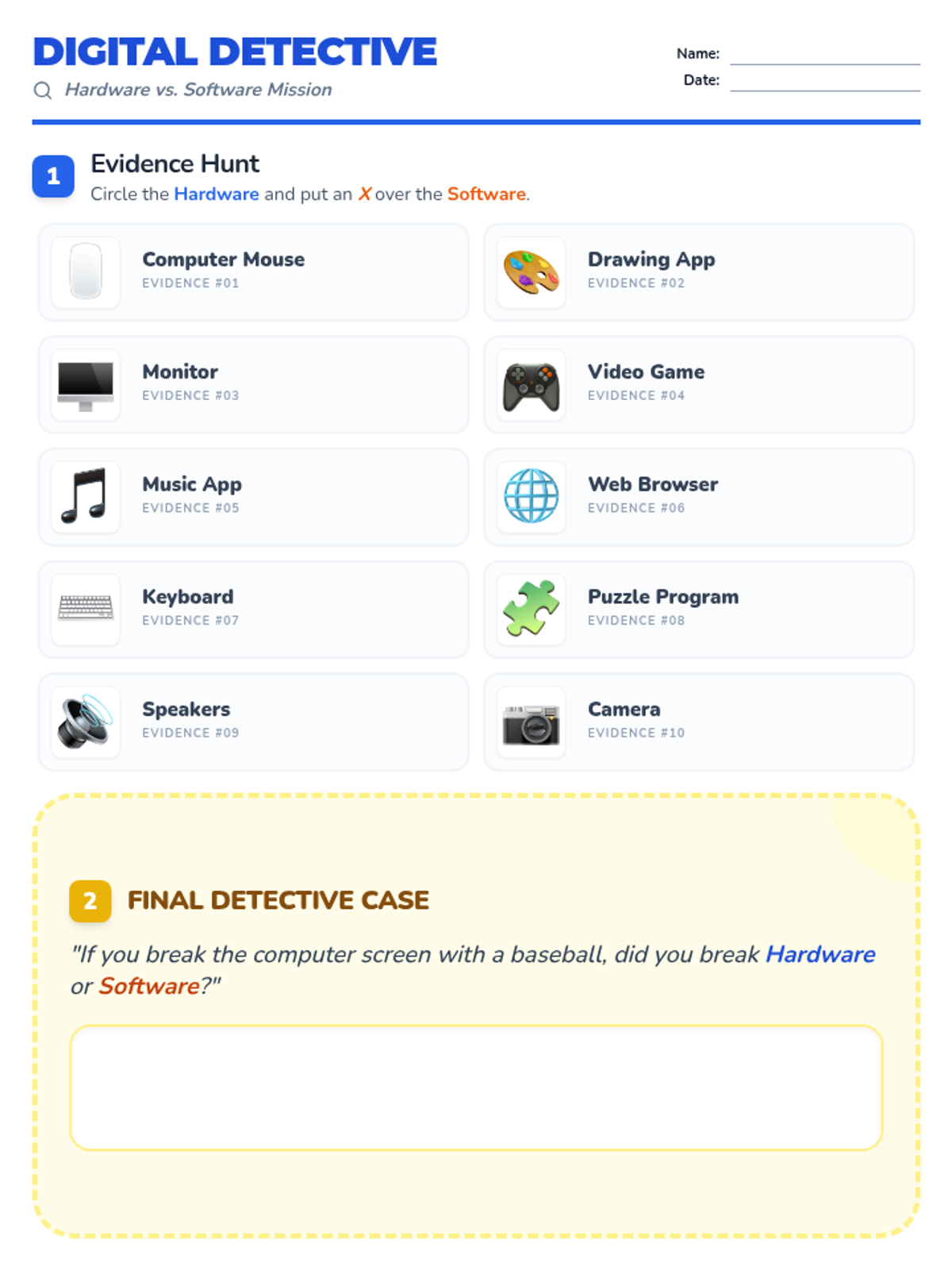
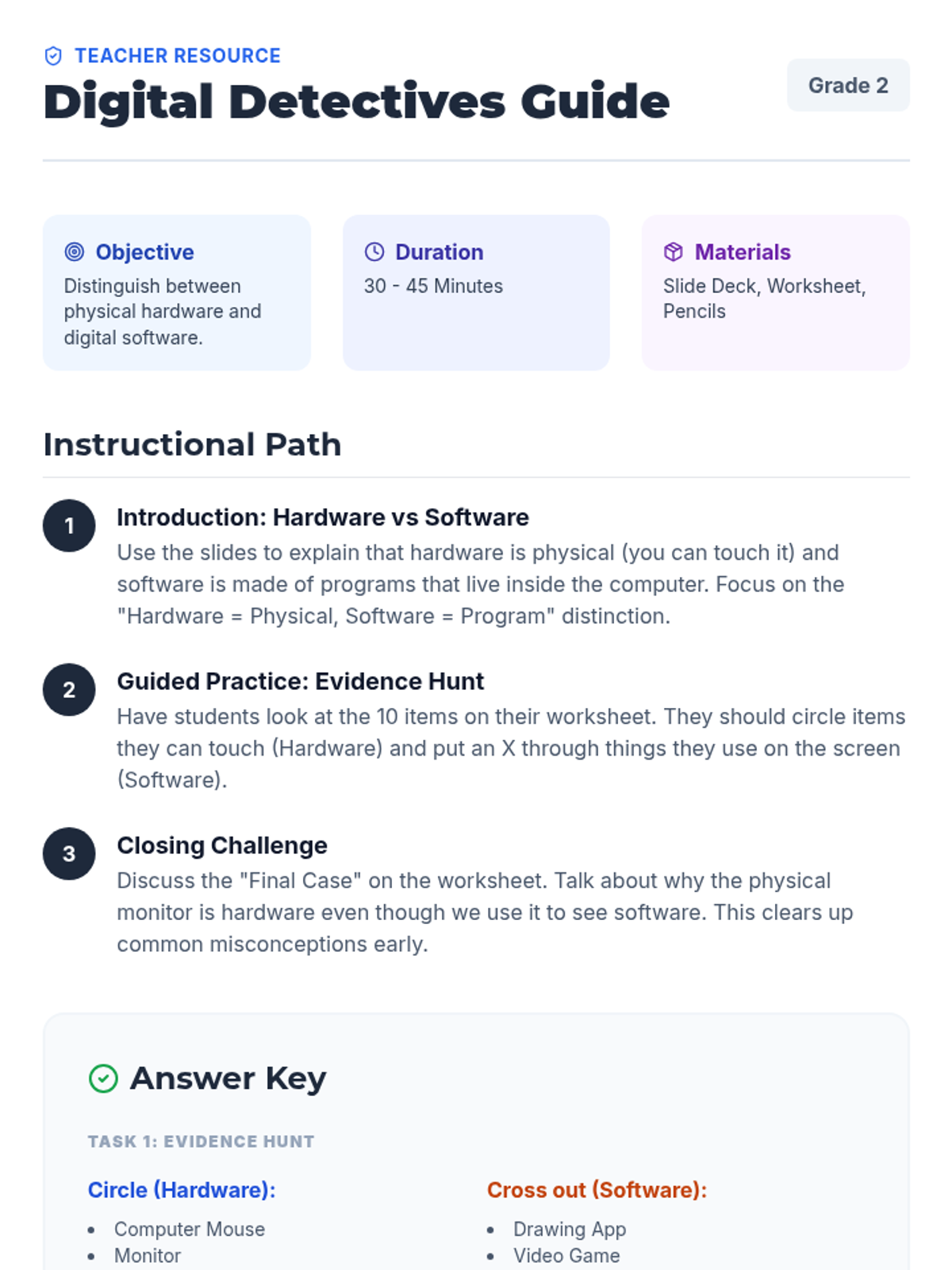
A fun, introductory lesson for second graders to distinguish between physical computer hardware and the digital programs that make them run. Students will explore examples of both through visual aids and hands-on classification.
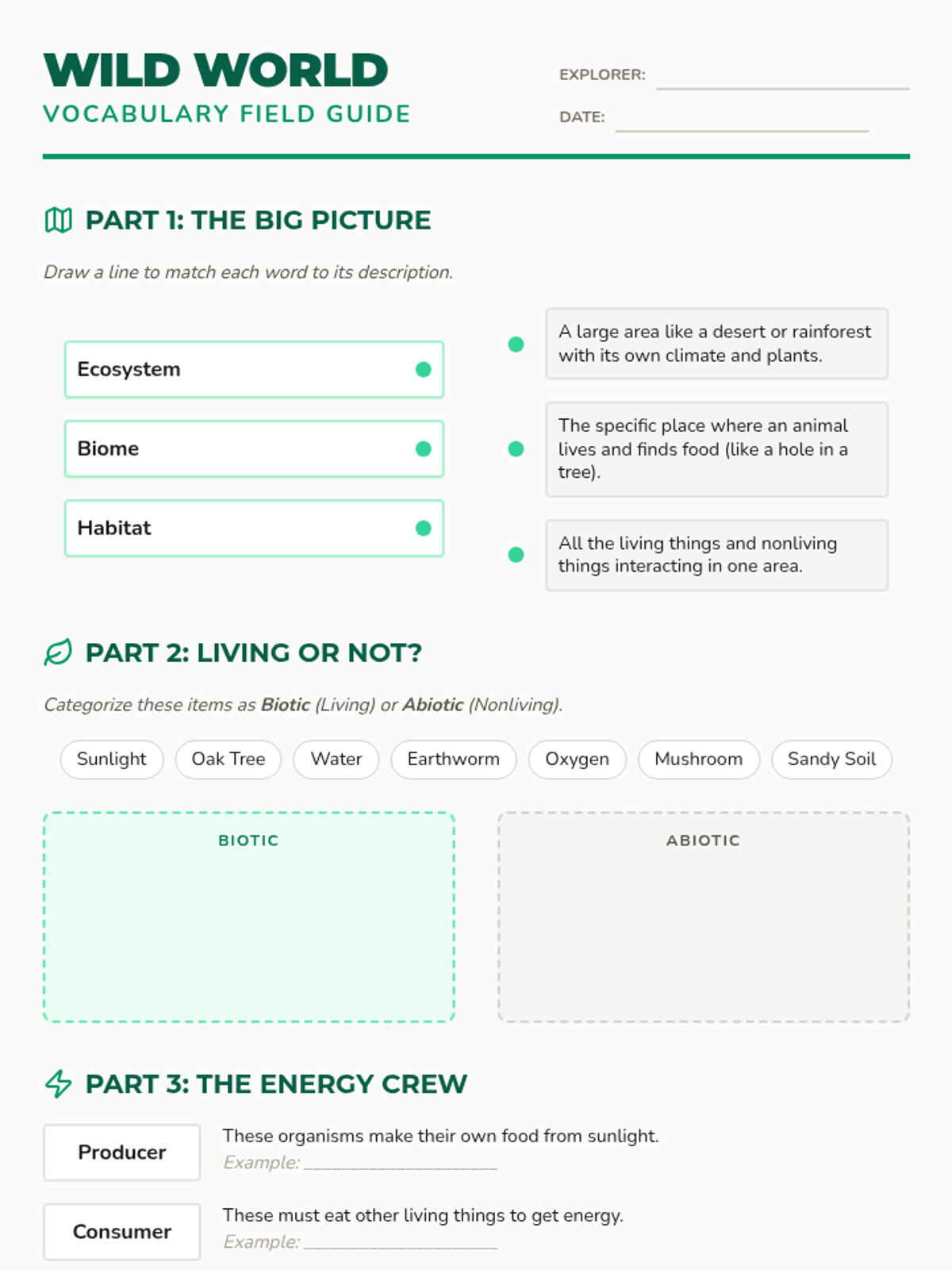
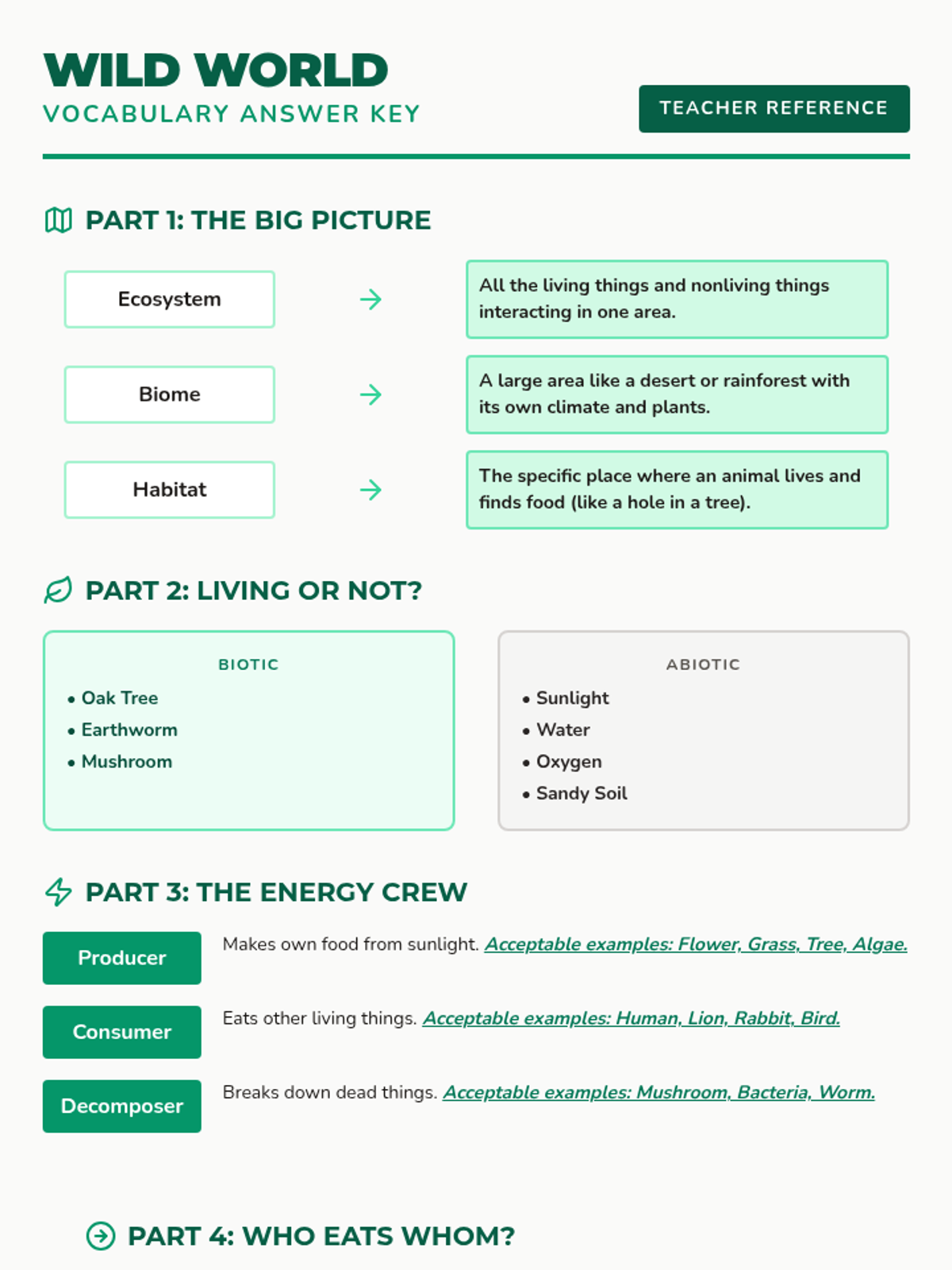
A foundational introduction to ecosystems, biomes, and the roles living things play in their environments. Students explore biotic and abiotic factors and the simple energy paths within food chains and webs.
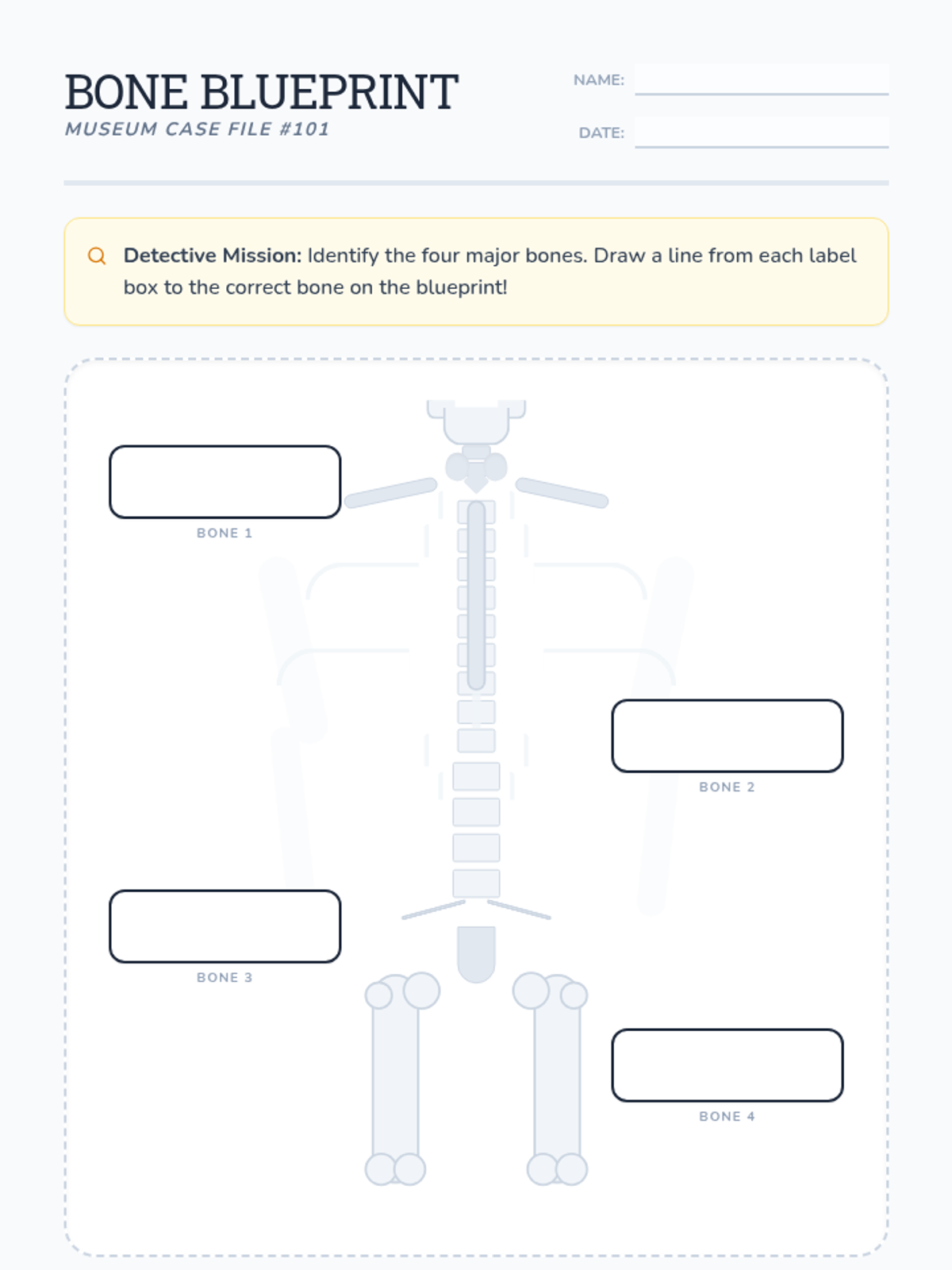
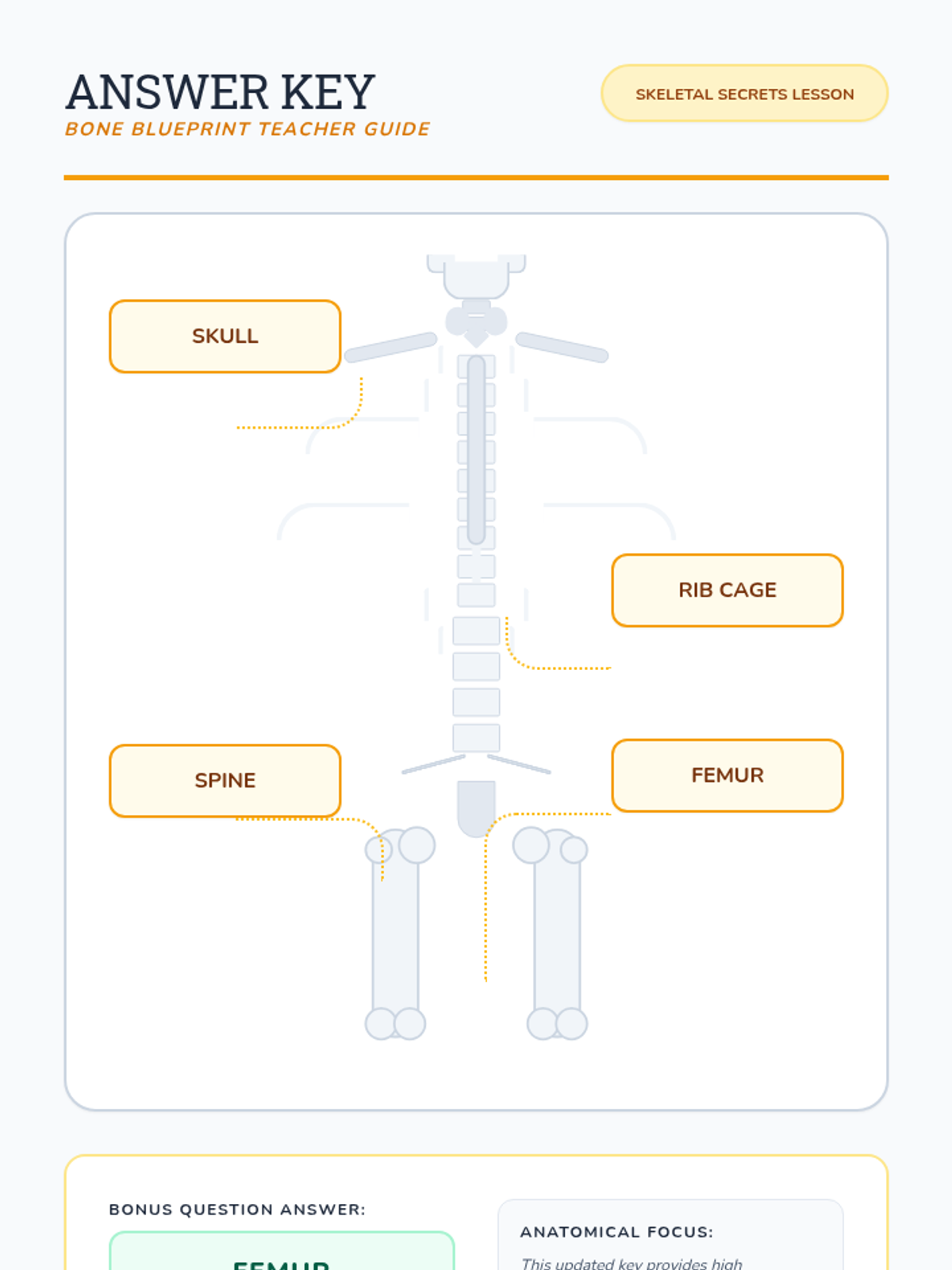
A fun, introductory lesson on the human skeletal system focusing on four major structures: the skull, rib cage, spine, and femur. Students will learn the functions of these bones through a museum-themed presentation and a labeling activity.
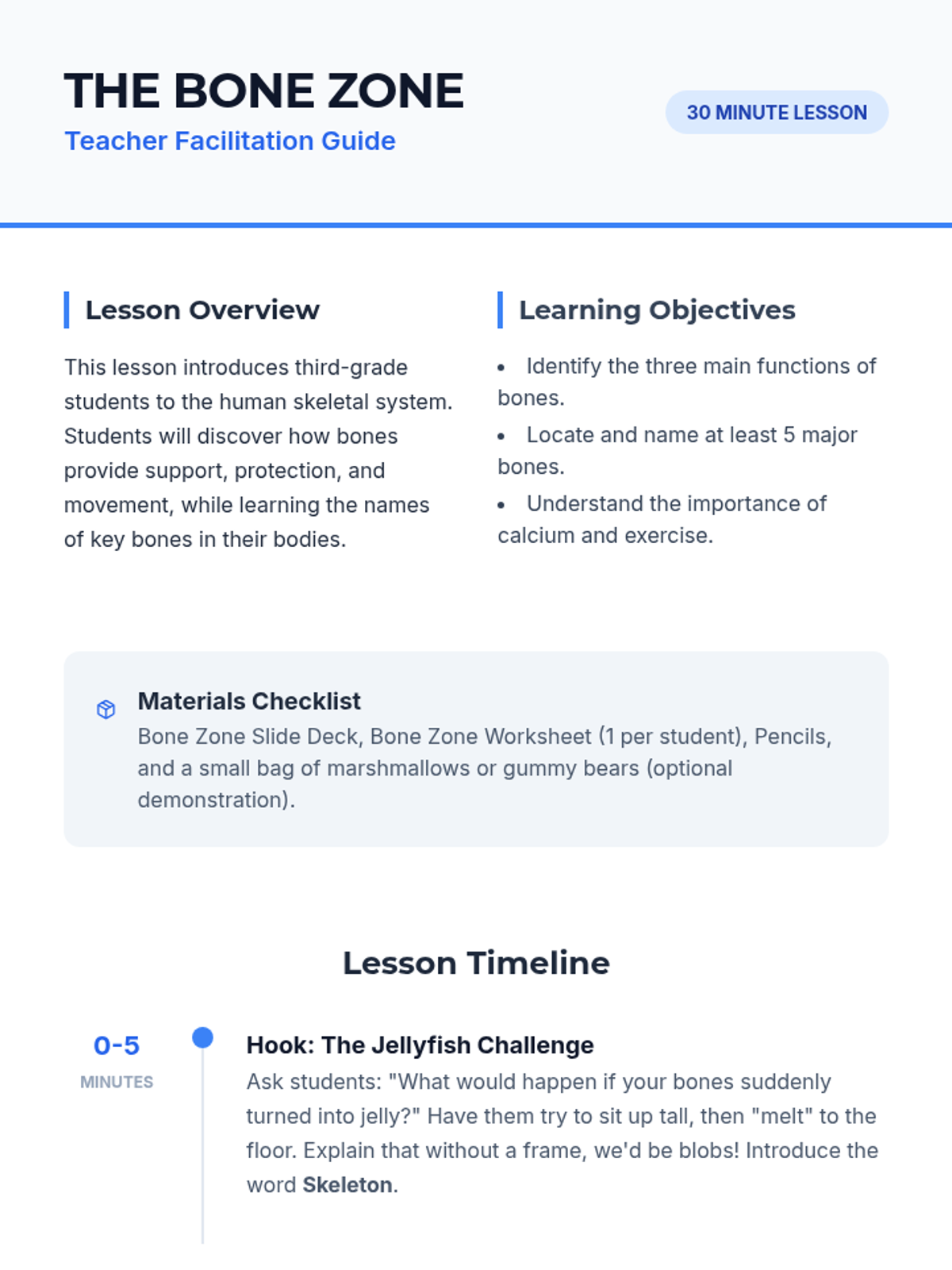
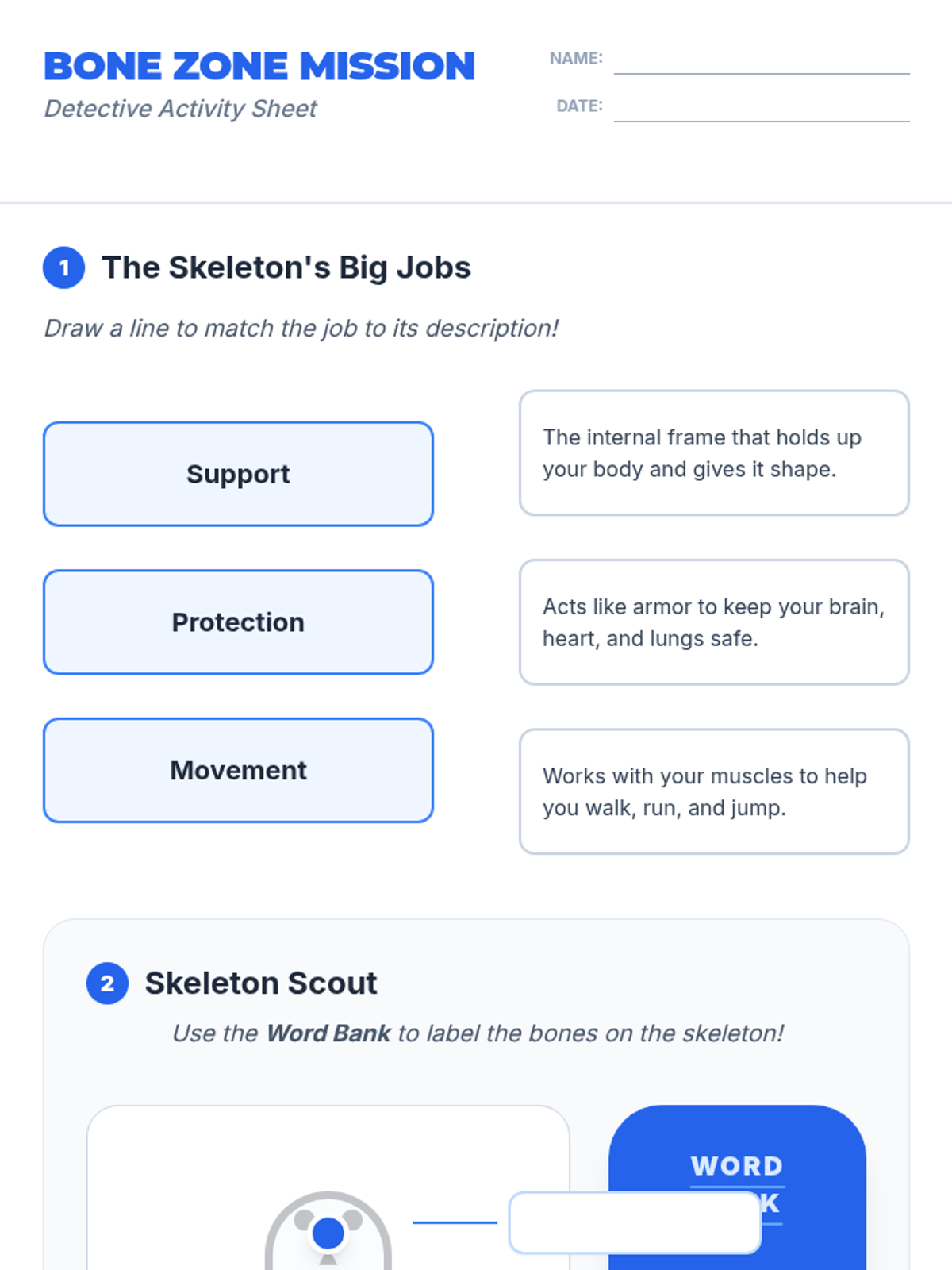
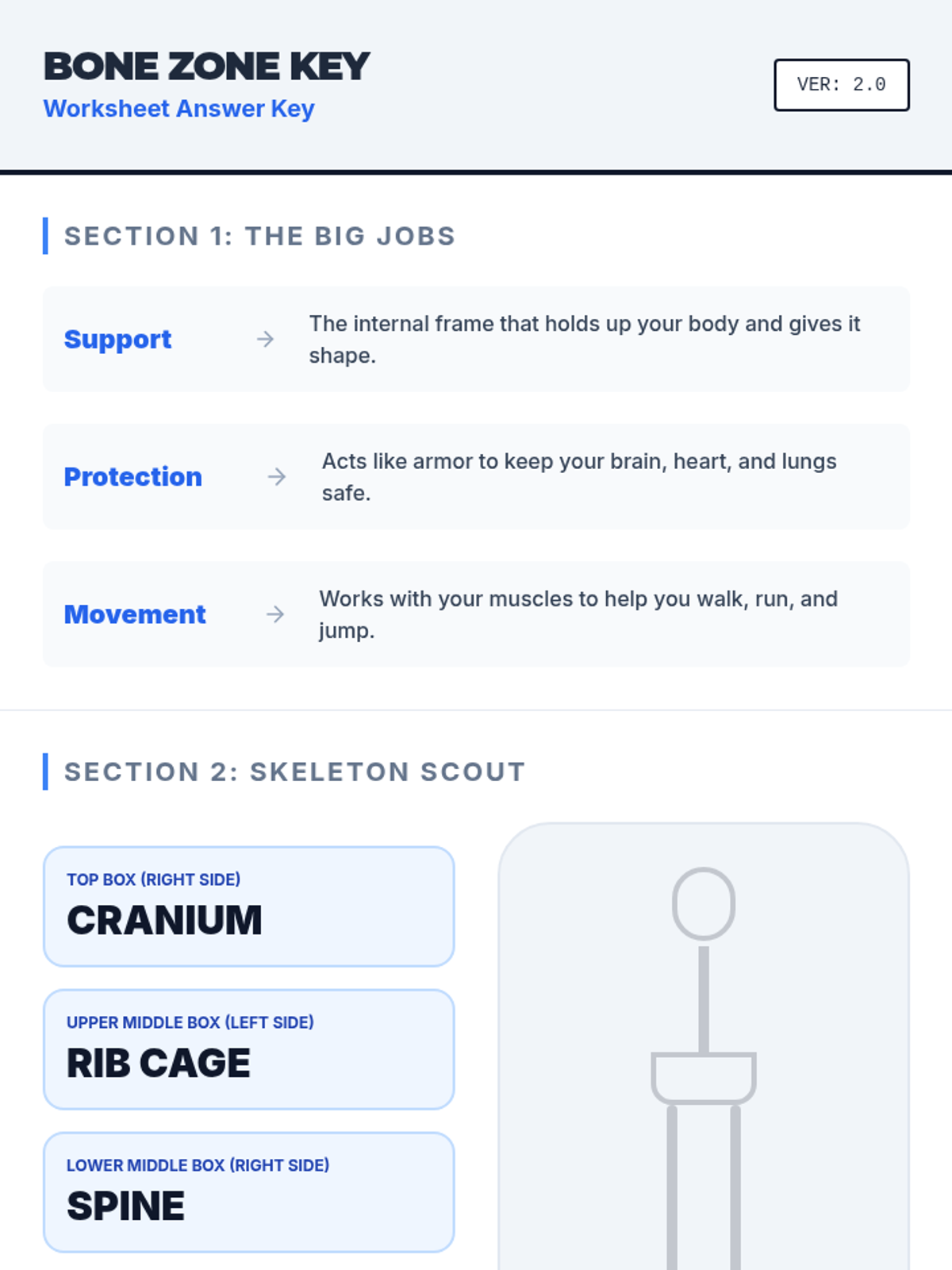
A quick 30-minute introduction to the skeletal system, focusing on its main functions and the names of key bones in the human body. Students will explore how their 'internal frame' helps them move and stay protected.
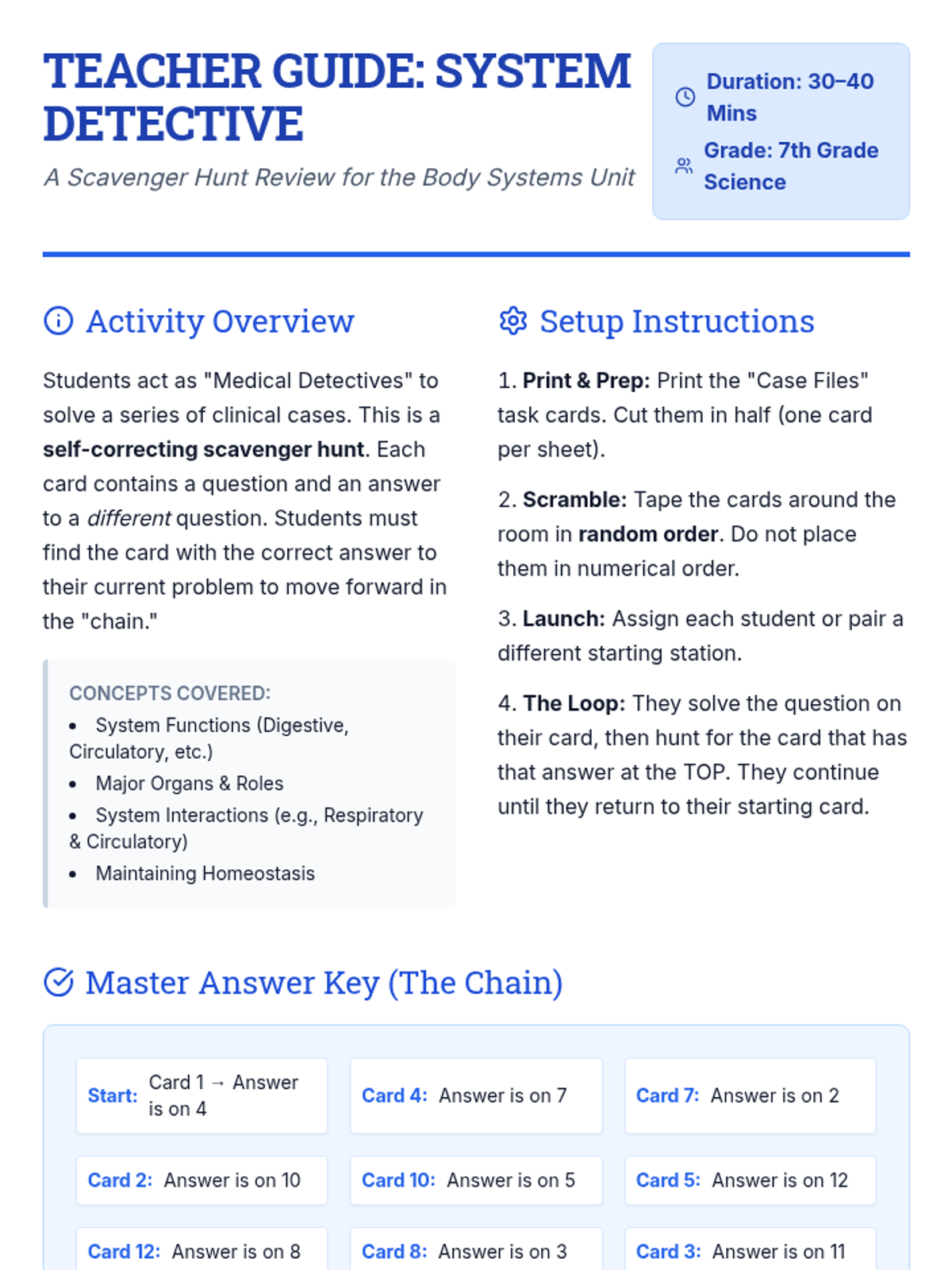
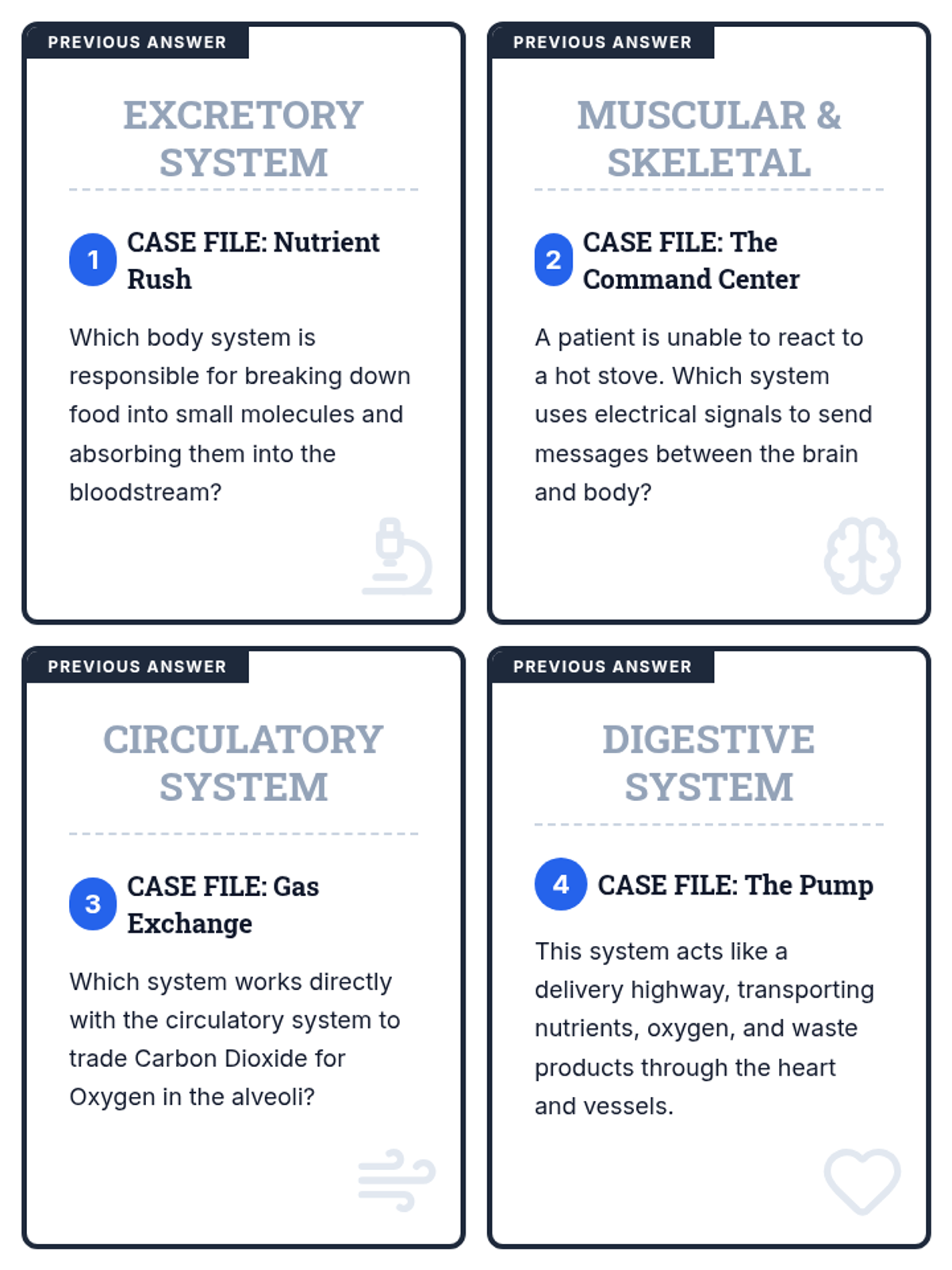
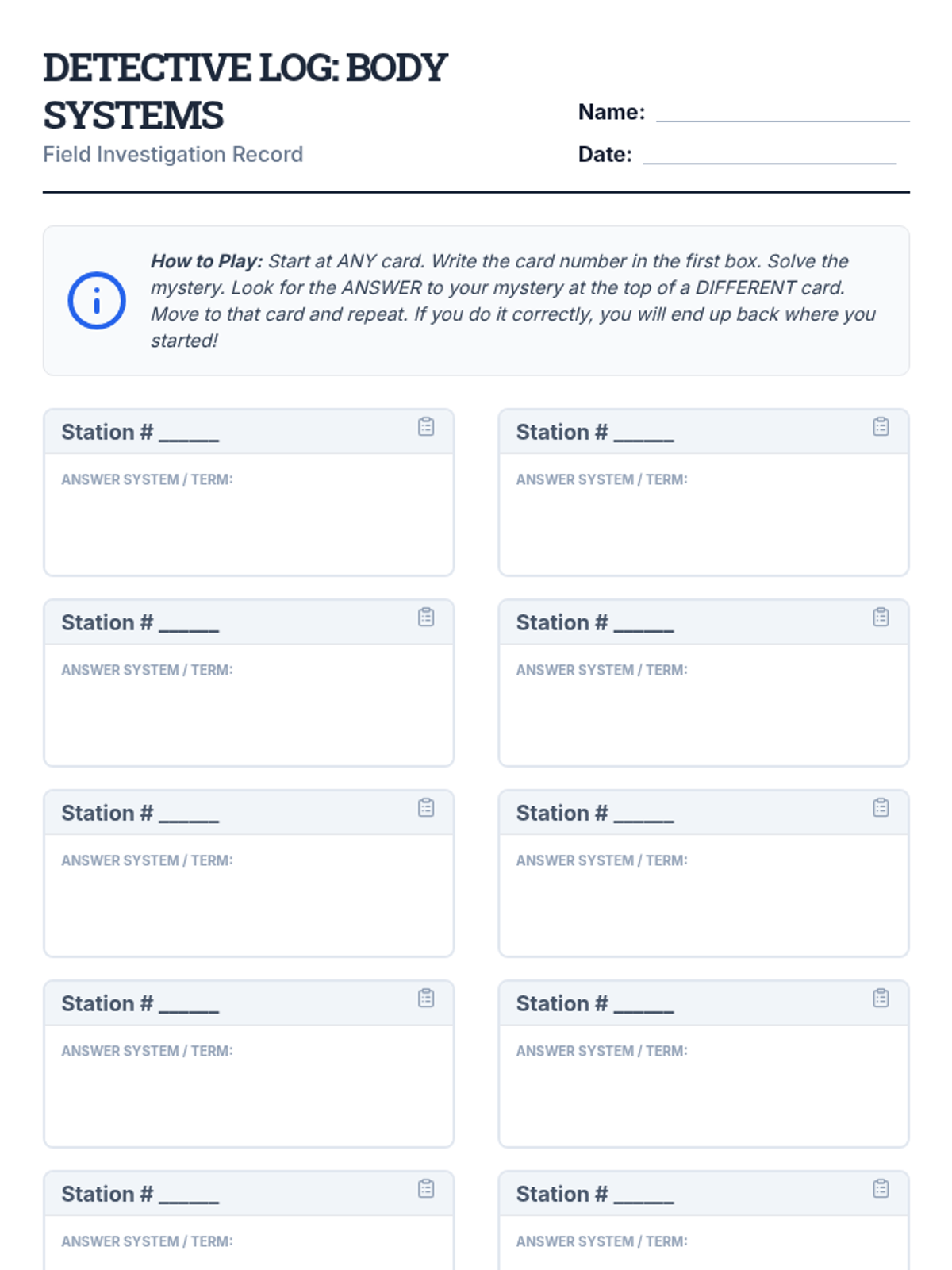
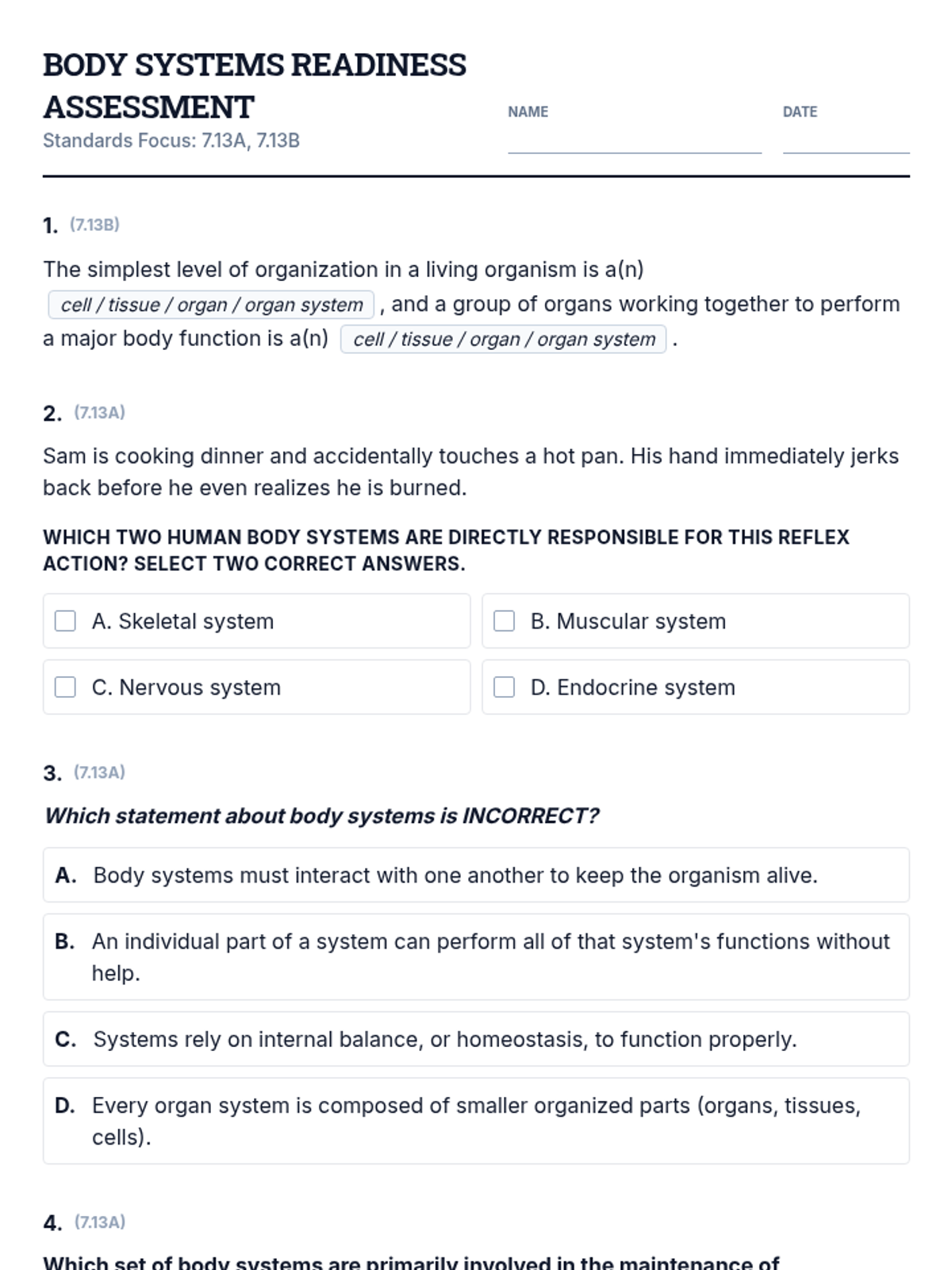
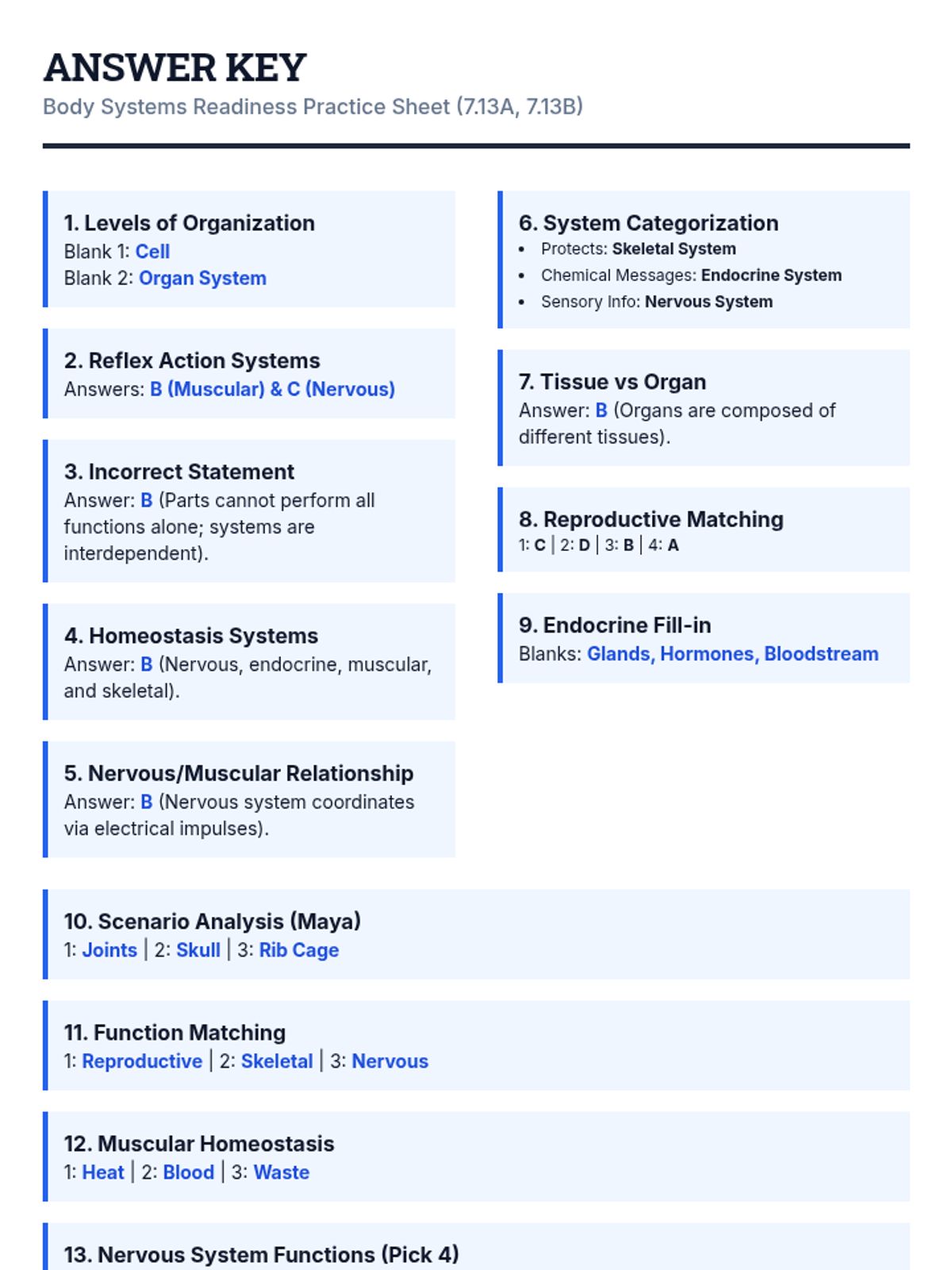
A high-energy, movement-based review activity where students solve 'medical cases' by identifying body systems and their functions. This lesson includes task cards for a classroom scavenger hunt and a structured recording sheet for students.
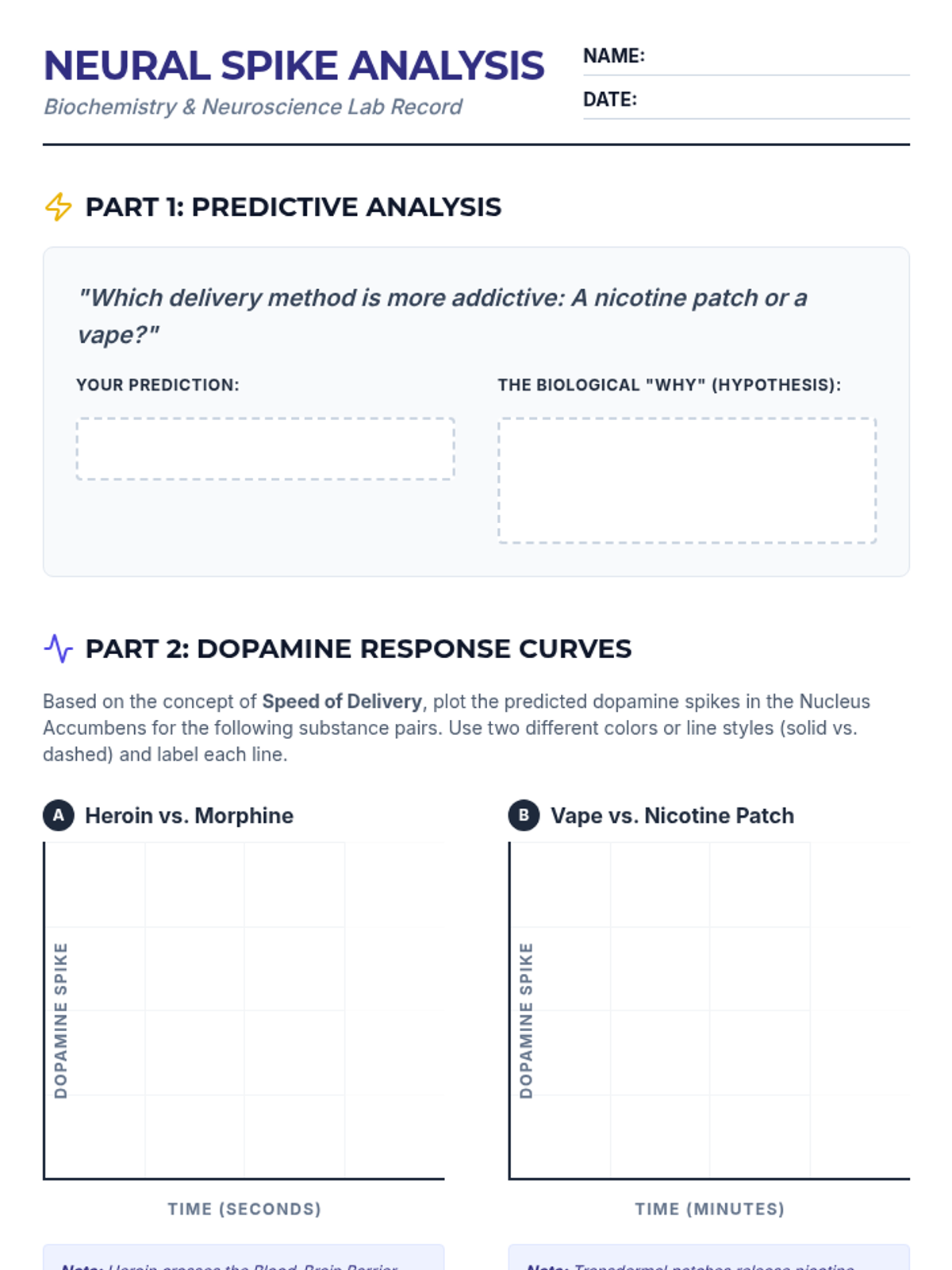
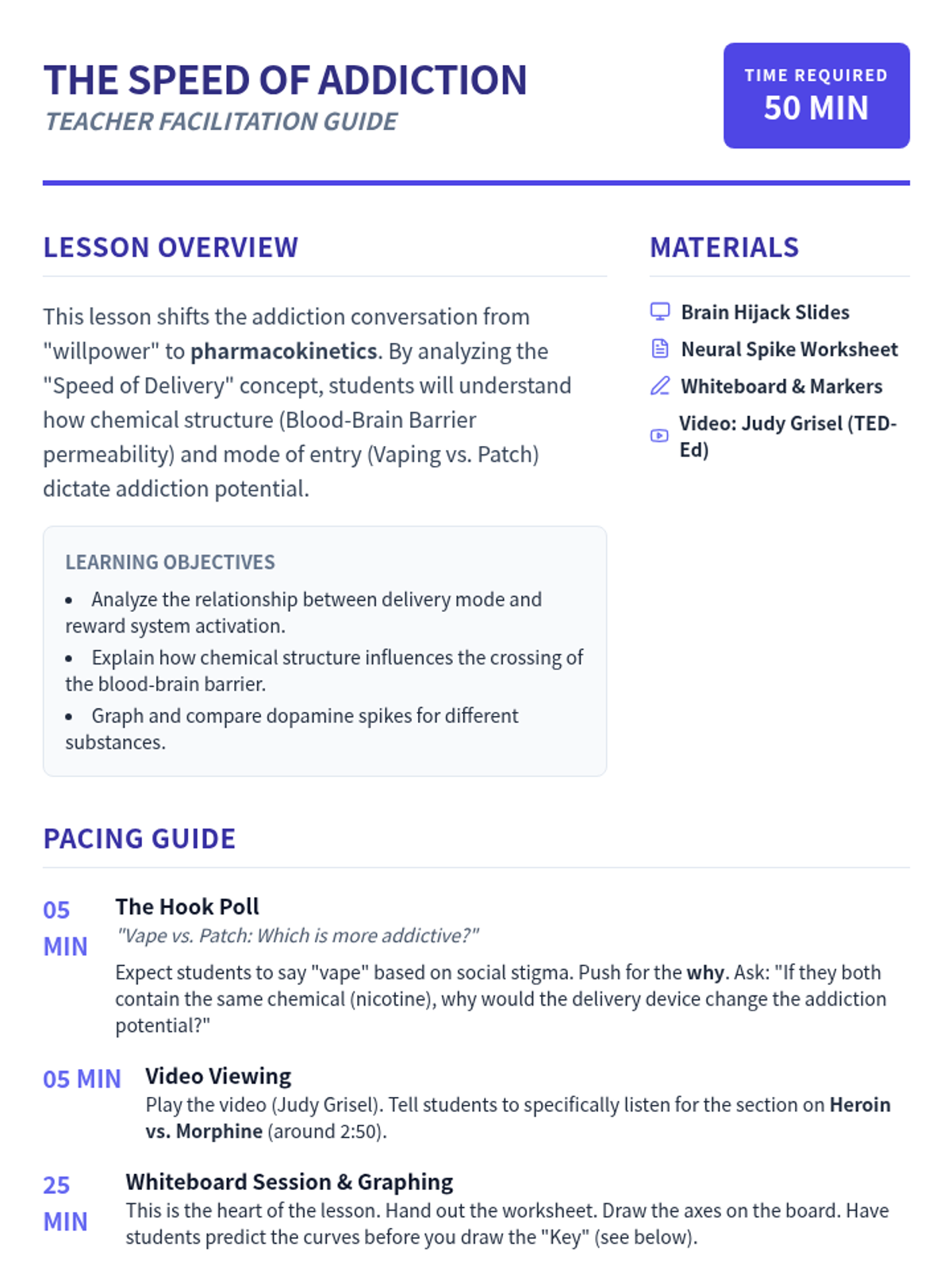
Students analyze the relationship between chemical structure, mode of delivery, and addiction potential using the 'Speed of Delivery' concept. The lesson features a comparative analysis of substances like heroin vs. morphine and vaping vs. nicotine patches to understand the biological 'why' behind addiction.
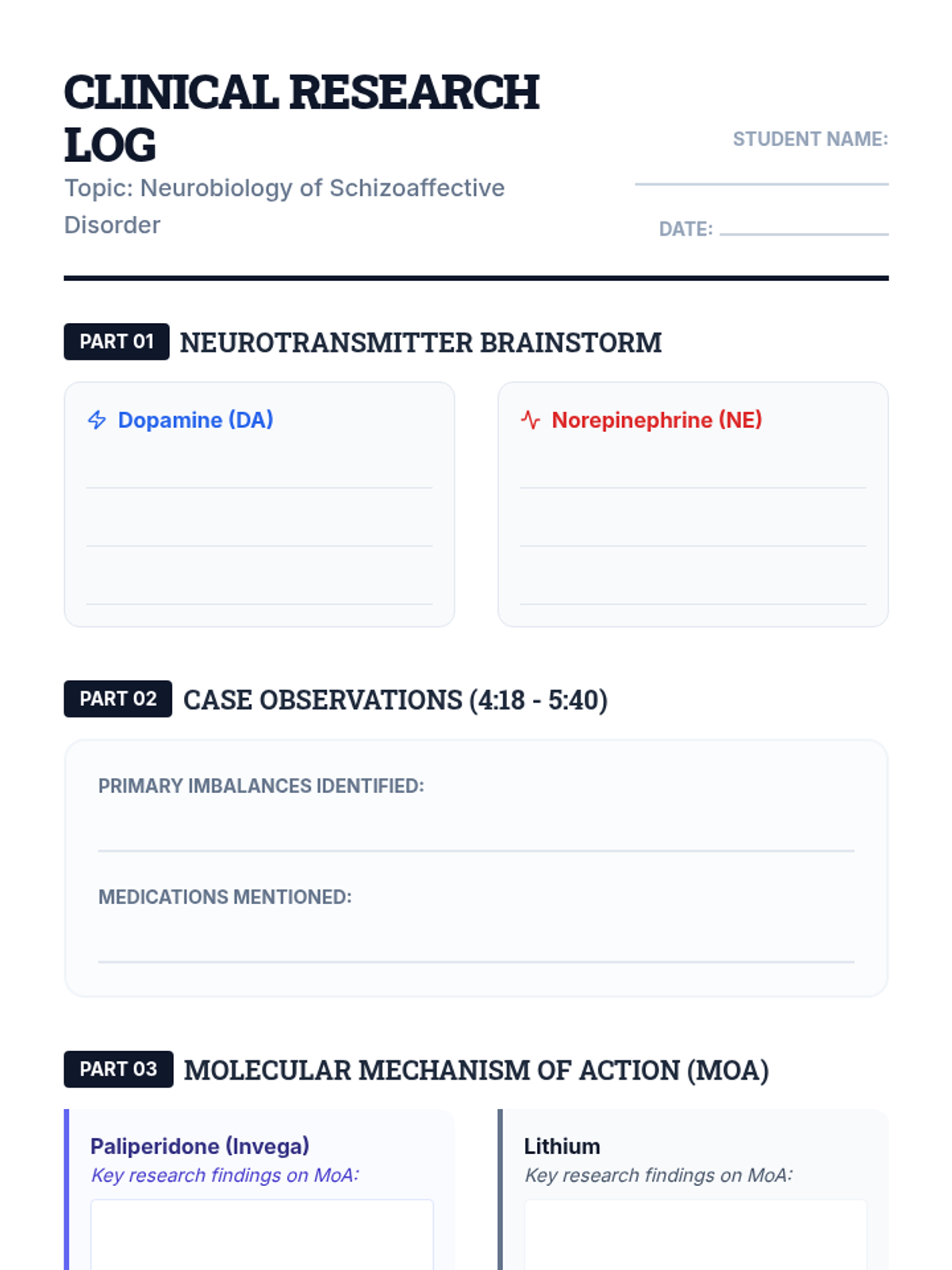
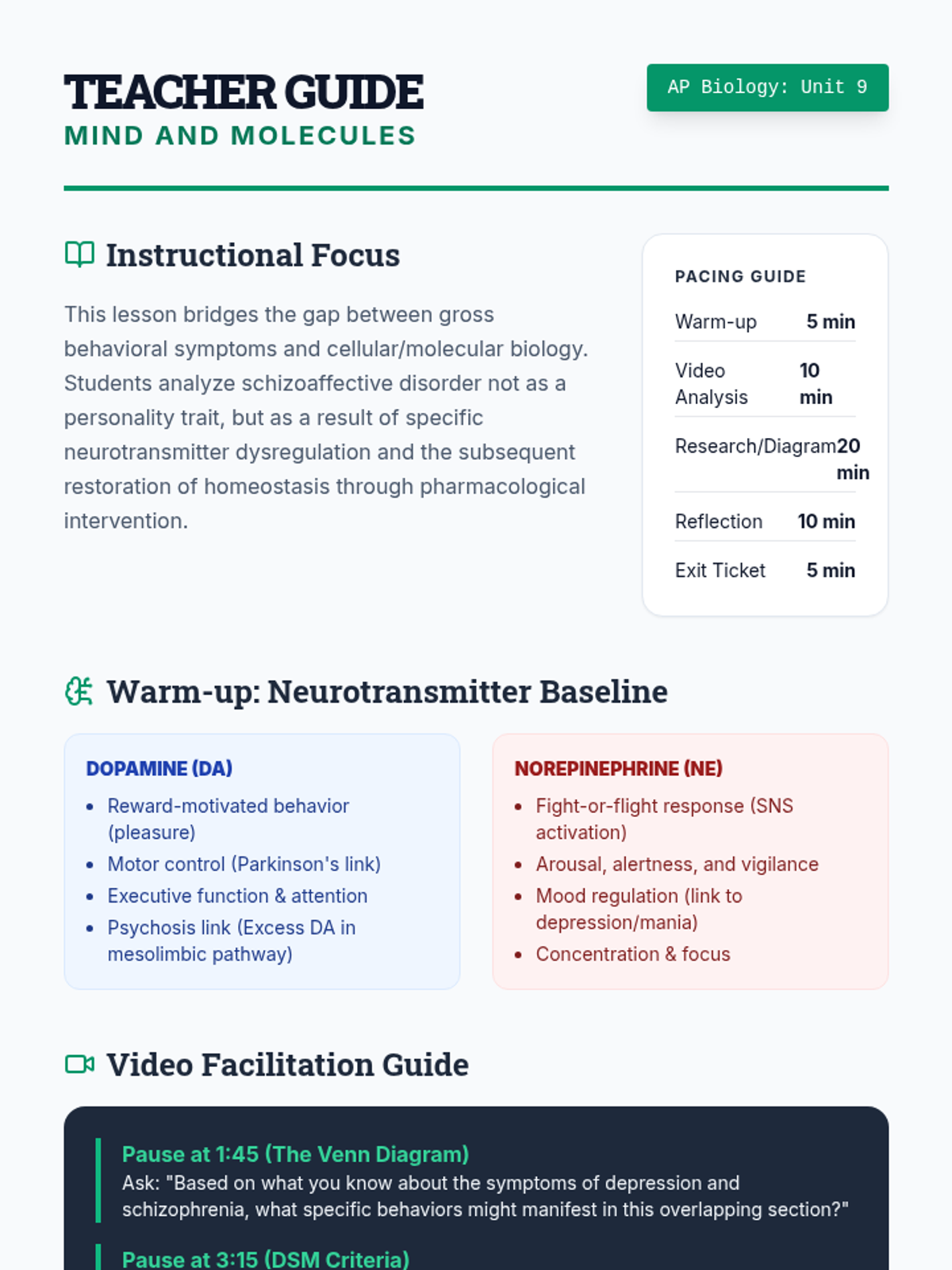
This lesson connects behavioral symptoms of schizoaffective disorder to neurotransmitter imbalances and explores the pharmacological mechanisms of antipsychotics and mood stabilizers through research and diagramming.
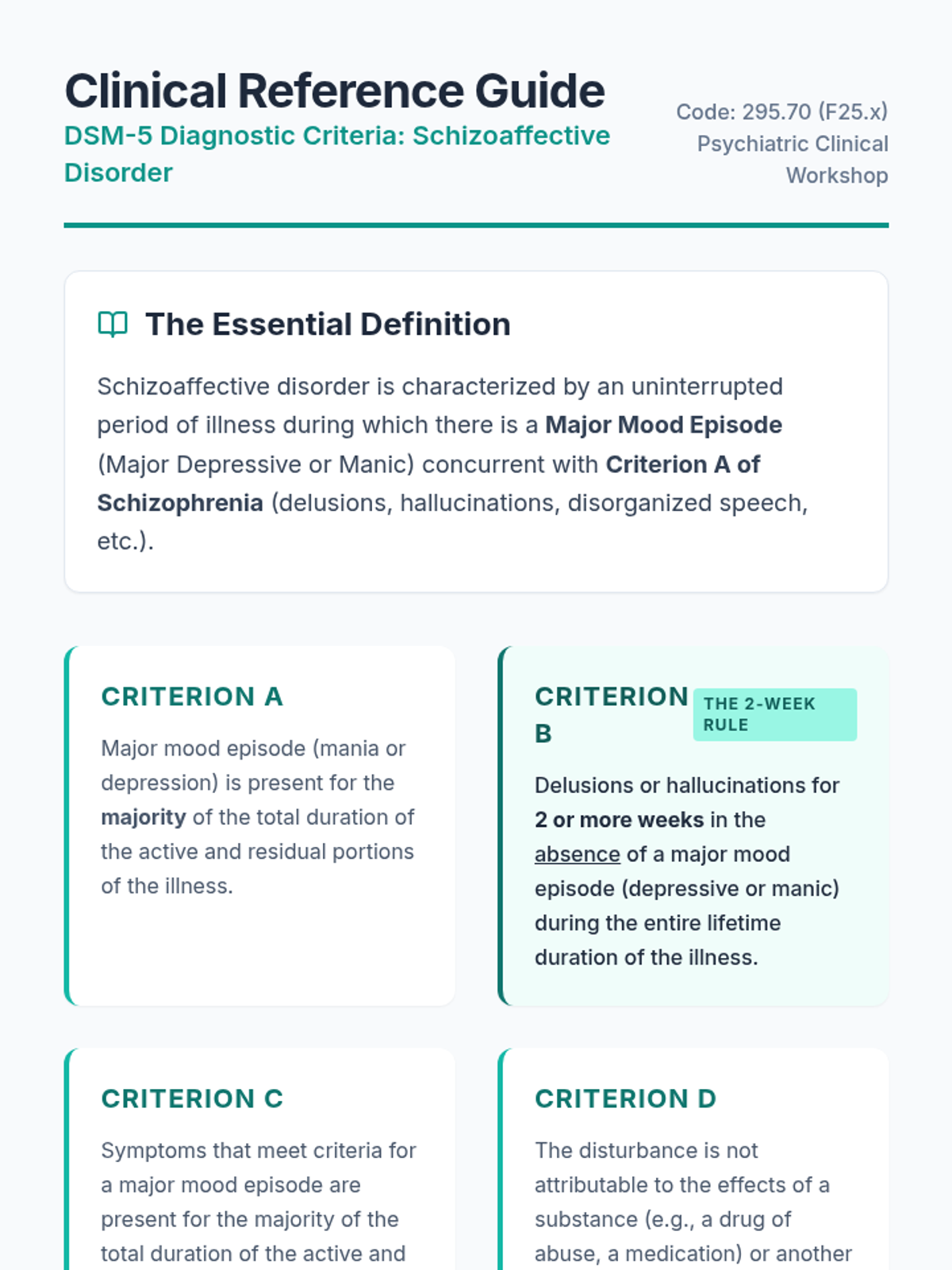
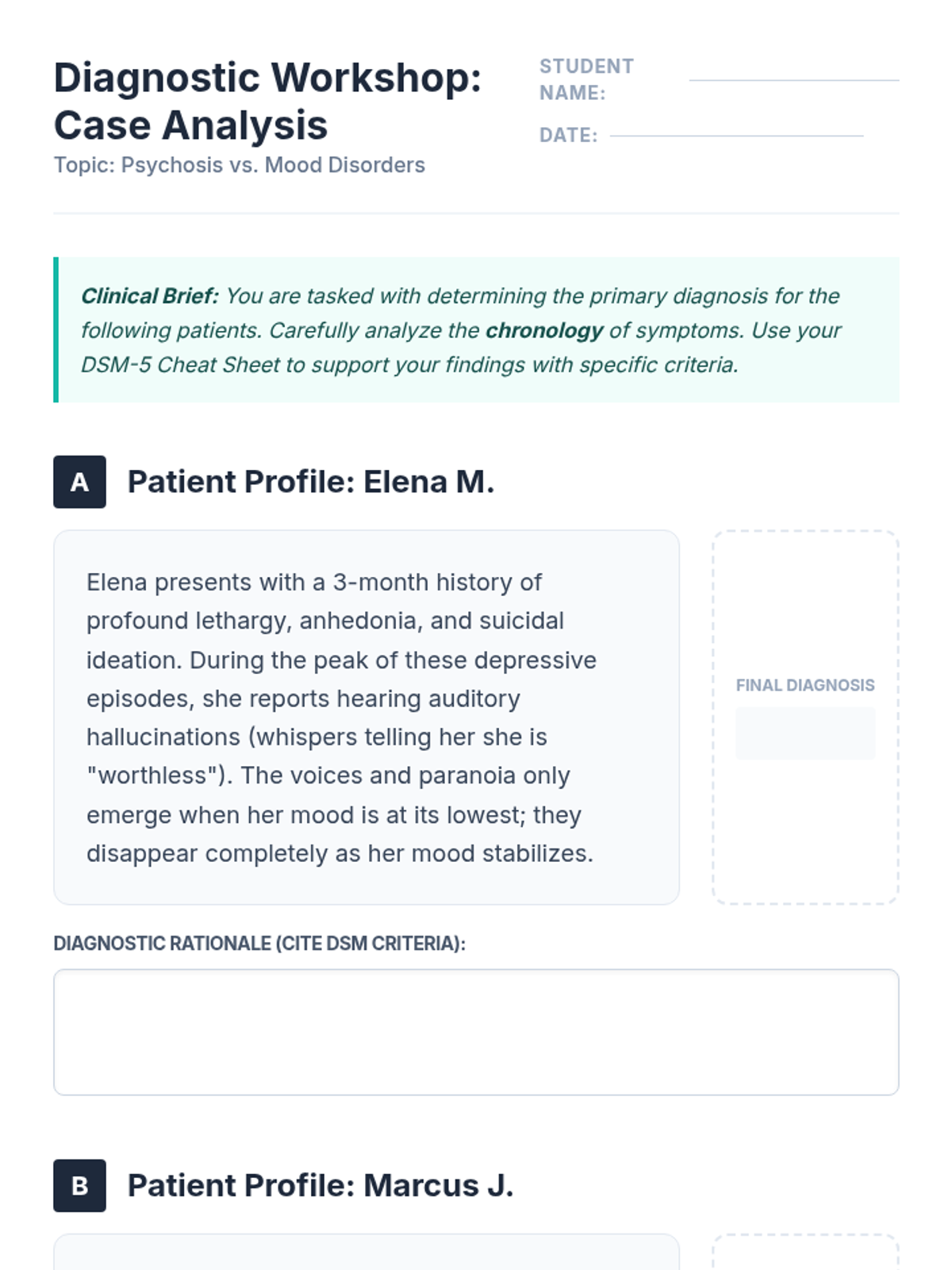
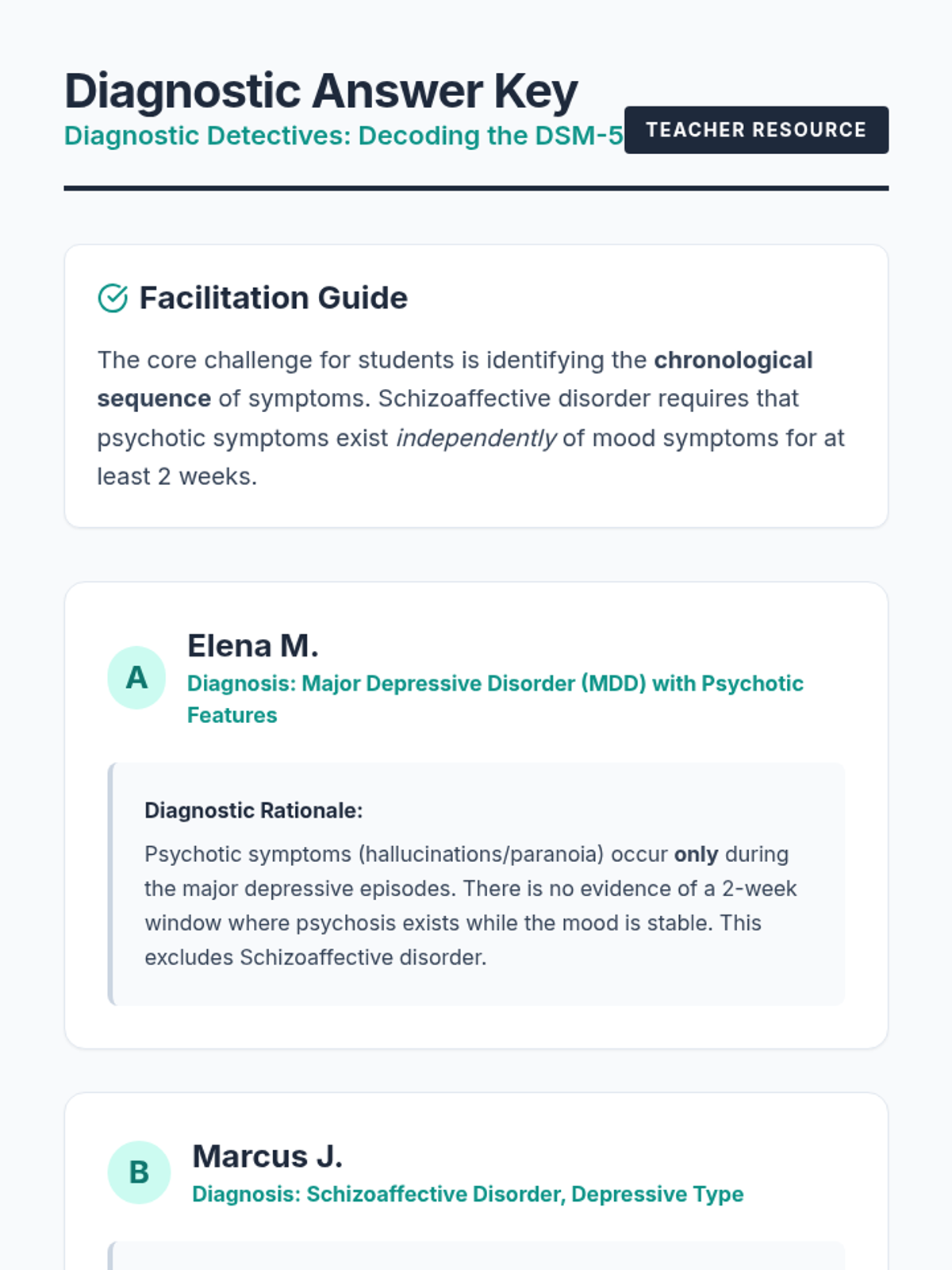
A clinical diagnostic workshop for nursing and pre-med students focused on applying DSM-5 criteria to differentiate schizoaffective disorder from other mood and psychotic disorders. Students analyze patient case studies and use evidence-based criteria to reach accurate diagnoses.
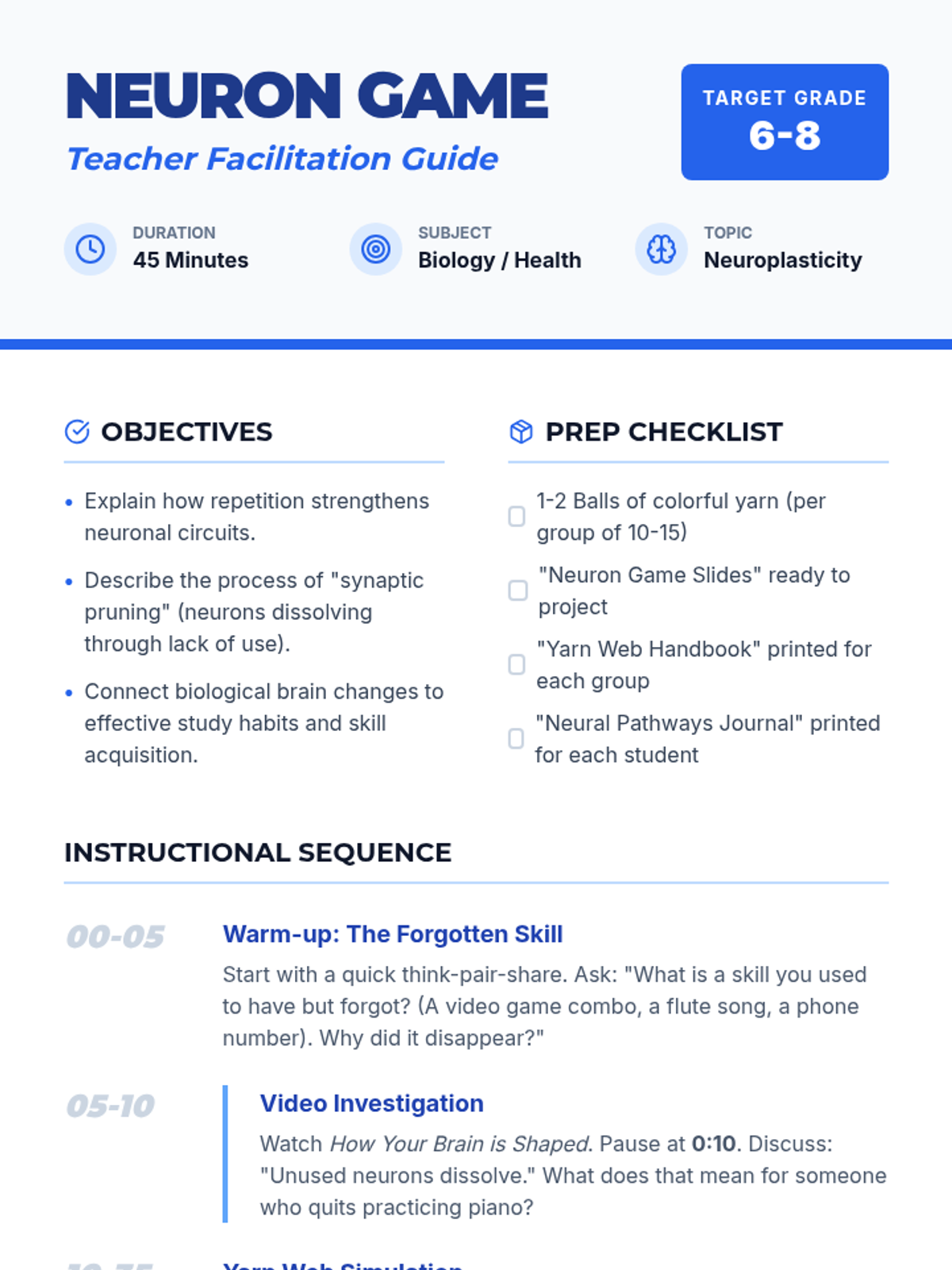
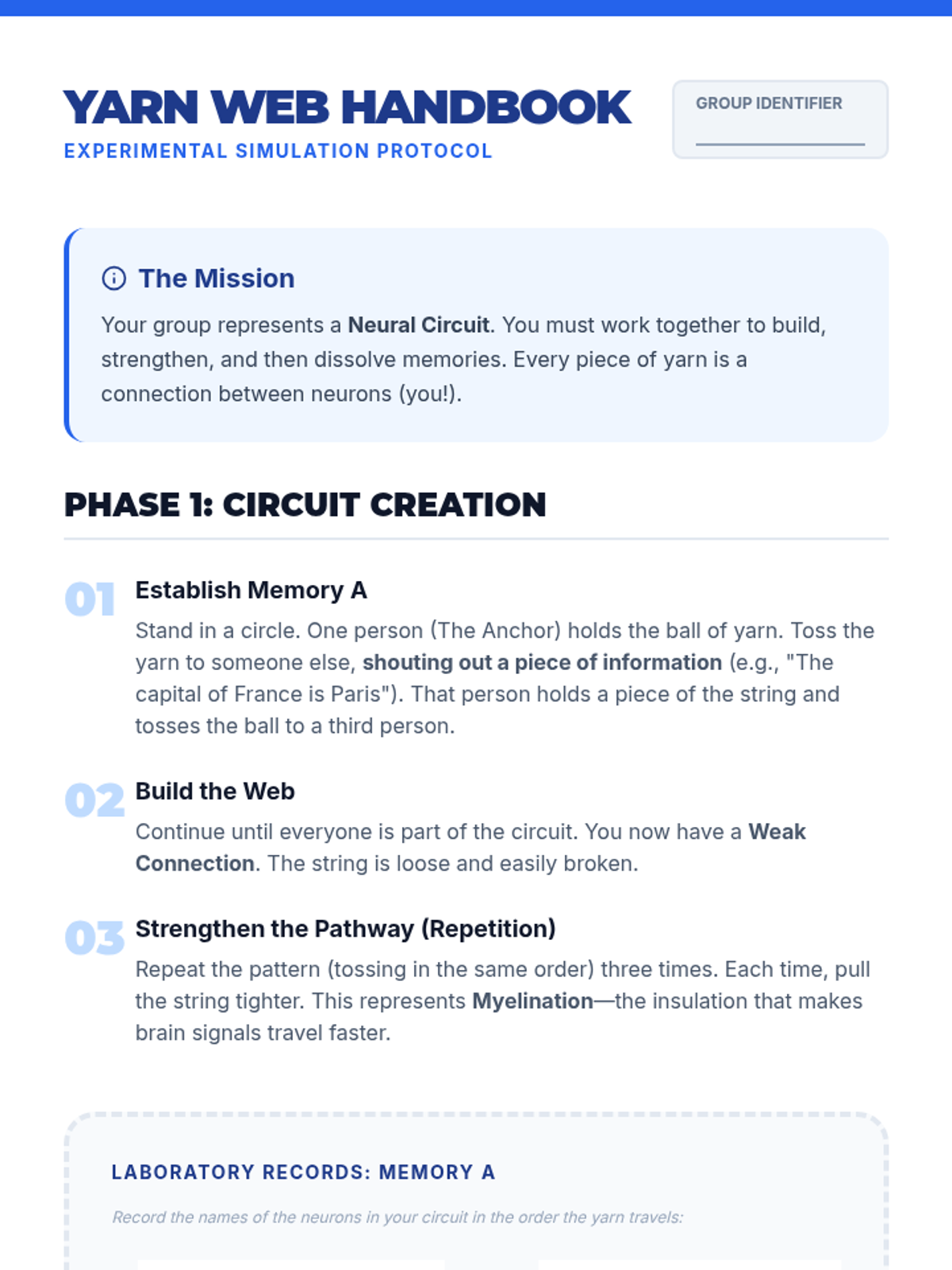
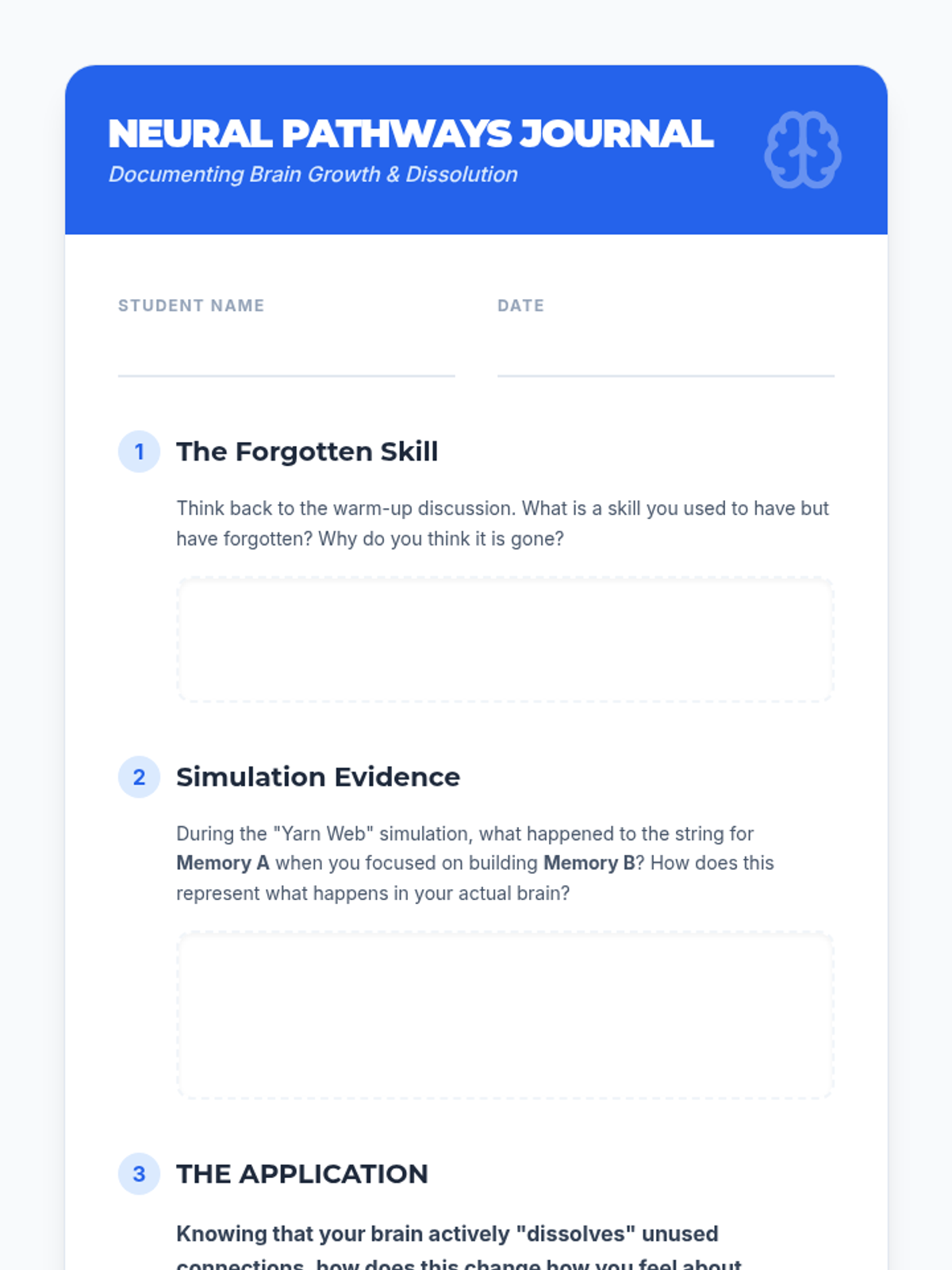
A 6th-8th grade science and health lesson exploring neuroplasticity through a hands-on yarn simulation and a video-based discussion. Students learn how neural pathways strengthen through use and dissolve through neglect.
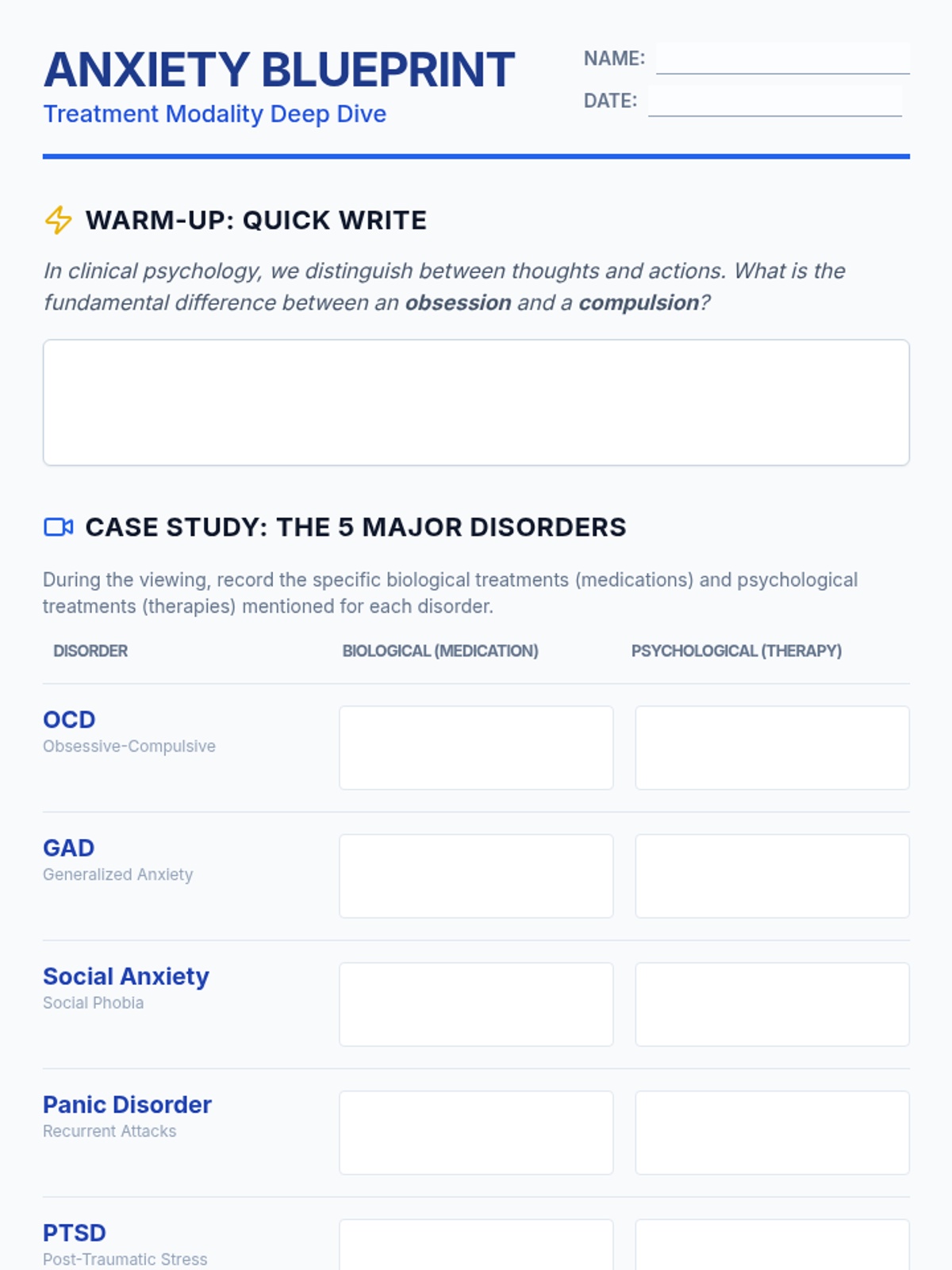
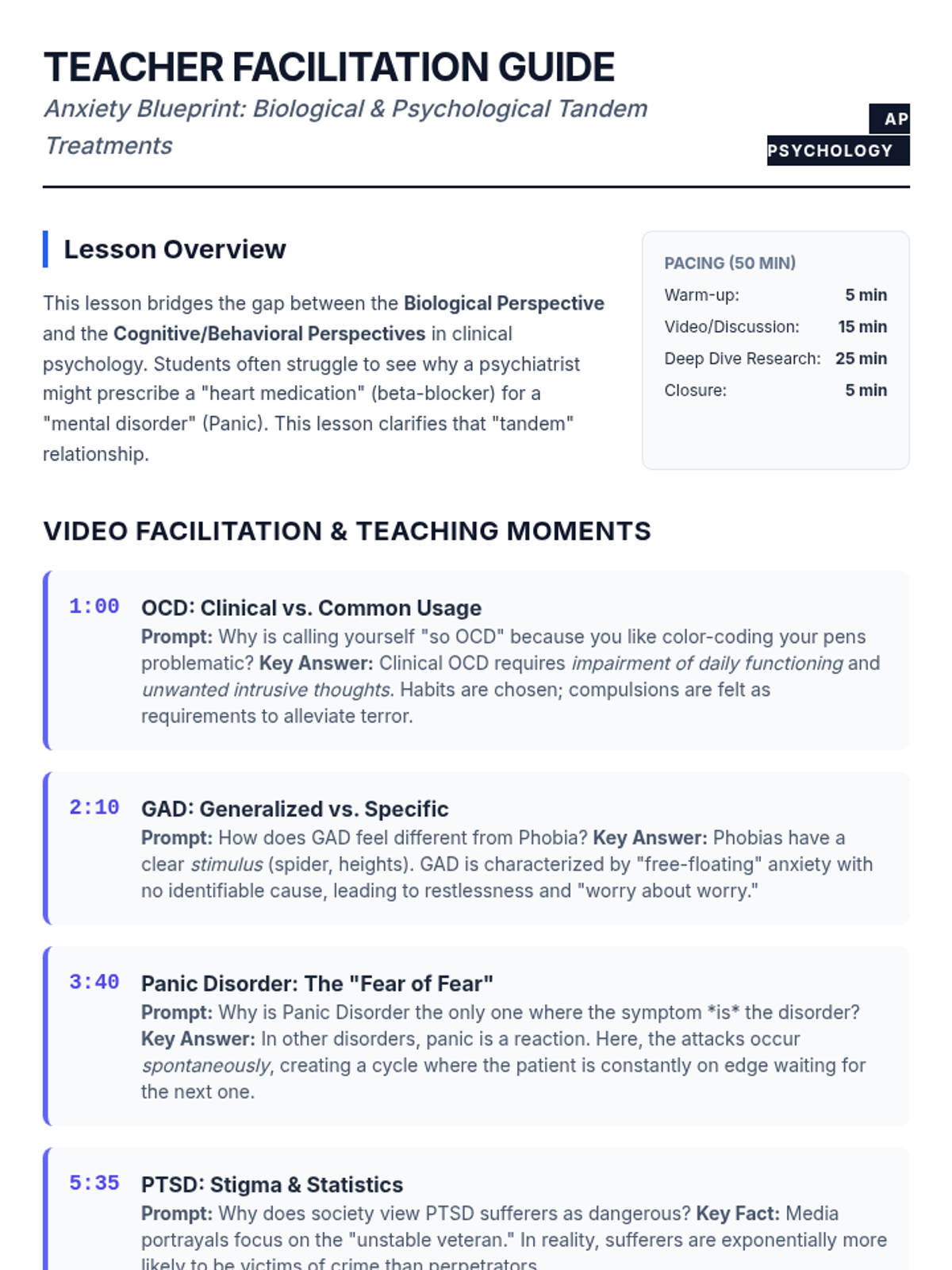
This lesson explores the dual approach to treating the five major anxiety disorders, focusing on the physiological mechanisms of medications (SSRIs, Benzos, Beta-blockers) and the cognitive-behavioral shifts of psychotherapy. Students will analyze the 'tandem' treatment model to understand why biological and psychological interventions are often used together for optimal patient outcomes.