Developing Thinkers Lesson Plan Developing Thinkers
Detailed Lesson Plan
Subject: Child Development
Unit: Infancy
Duration: 99 Minutes
TEKS ALIGNMENT
§130.143. (2)(C): Summarize child development theories and their impact on caregiving.§130.143. (4)(A): Analyze the physical, emotional, social, and cognitive development of infants.
LEARNING OBJECTIVES
Identify core child development theorists (Piaget, Erikson, Vygotsky, Bowlby).
Match specific developmental stages to theorist concepts using guided notes.
Collaborate to research and explain Piaget’s Sensorimotor substages.
EQUIPMENT & MATERIALS
Growing Minds Slides
Theorist Tracker Guided Notes
Sensorimotor Squad Activity Cards
Chart Paper & Markers
Student Devices (Research)
Post-it Notes (Exit Ticket)
INSTRUCTIONAL SEQUENCE
TIME PHASE TEACHER & STUDENT ACTIONS 00-10 Hook: Baby Brains Display 3 baby behaviors (e.g., reaching for a toy, crying when mom leaves, mimicking a face). Students "bet" on whether babies are born with these skills or learn them. 10-40 Direct Instruction Deliver "Growing Minds" slides. Students complete "Theorist Tracker" guided notes. Focus on Piaget, Erikson, Vygotsky, and Bowlby. 40-70 Collaborative Research Divide students into "Sensorimotor Squads." Each group is assigned one substage of Piaget's sensorimotor period to research and illustrate on chart paper. 70-90 Theorist Trade-Off Numbered groups: One representative from each squad meets to teach their assigned substage to the others. Academic vocabulary check: "Object Permanence," "Schema," "Reflex." 90-99 Growth Wrap-Up Exit Ticket: "If you were a caregiver, which theorist's advice would you value most for a 6-month-old? Why?"
TEACHER IMPLEMENTATION NOTES
Differentiation Strategies
Support (Scaffolding)
Provide a "Word Bank" for the guided notes. Group students strategically for the Sensorimotor Squads so that each group has a strong reader/researcher.
Extension (Challenge)
Ask fast-finishers to find a modern critique of Piaget's theory regarding "infant capabilities" (e.g., Baillargeon's research on object permanence).
Key Vocabulary to Emphasize
Sensorimotor Object Permanence Trust vs. Mistrust Scaffolding Attachment Theory Schema
Check for Understanding Questions
"Why might Erikson argue that responding to a crying infant is essential for their personality development?"
"How does Piaget’s view of a 'child as a scientist' change the way we provide toys for infants?"
"What is the difference between Vygotsky’s MKO (More Knowledgeable Other) and Piaget’s independent exploration?"
Pro-Tip for the 99-Minute Block
The middle of a long block is the "valley of focus." When transitioning from the direct instruction to the Sensorimotor Squads, incorporate a 3-minute "Brain Break" or a physical movement activity where students have to mimic the motor development of an infant (creeping, crawling, cruising) to get to their group stations.
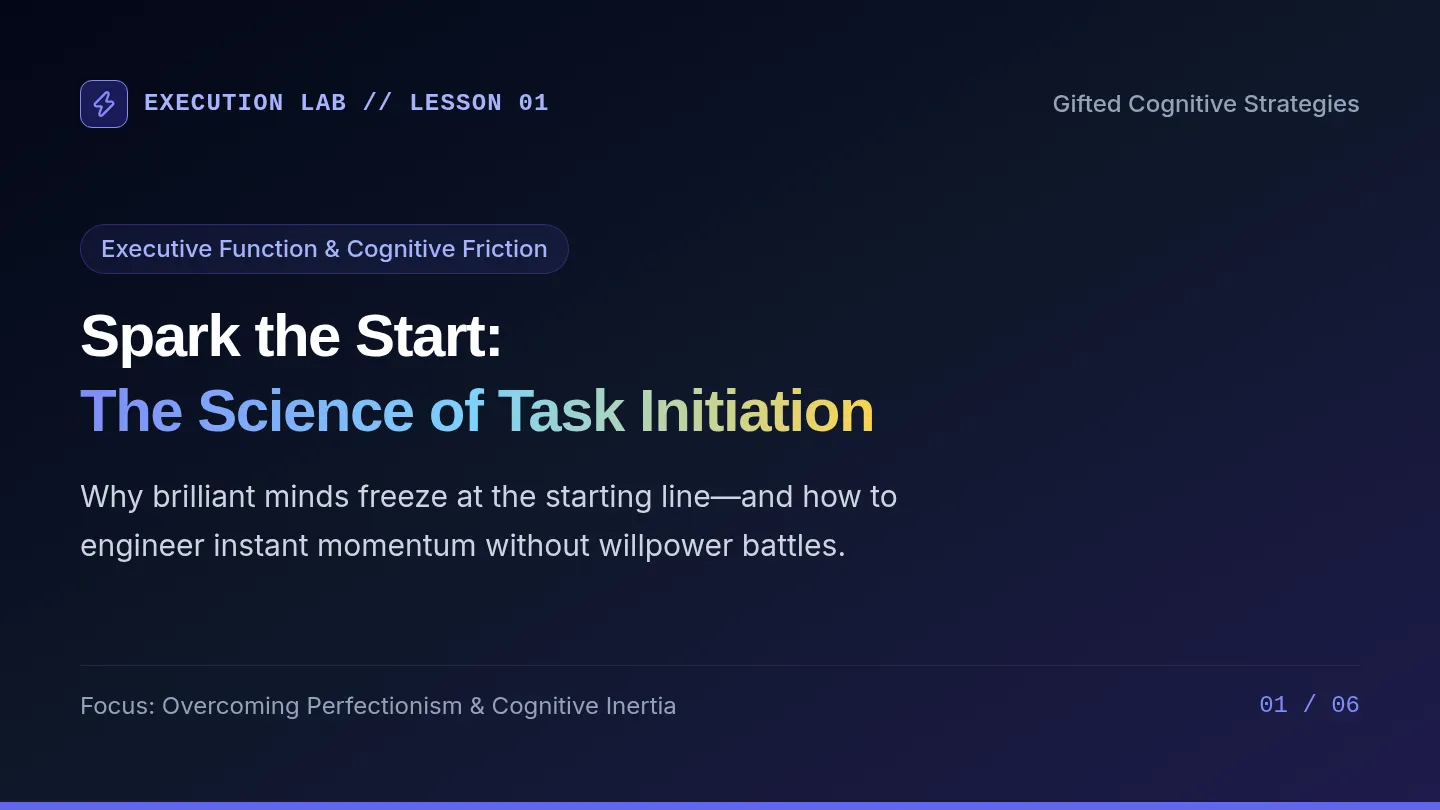
Growing Minds Slides Growing Minds
Exploring the Path of Infant Development
The Essential Question
"How do theorists explain the massive transformation from a helpless newborn to a walking, talking toddler in just 12 months?"
Jean Piaget Cognitive Development
Discovery Focus
01
Sensorimotor Stage
Birth to 2 years. Infants learn about the world through their senses and motor actions.
02
Object Permanence
The understanding that things exist even when they are hidden. (Peek-a-boo logic!)
Core Concept
"Children are active participants in their own learning—not passive sponges."
Piaget called infants "little scientists" because they experiment with their environment.
Erik Erikson Psychosocial Development
Connection Focus
Trust vs. Mistrust
The first crisis of life (Birth to 18 months). The infant looks toward their primary caregiver for stability and consistency of care.
If needs are met:
The infant develops a sense of trust which they will carry into other relationships.
Outcome:
HOPE
Lev Vygotsky Sociocultural Theory
Supportive Focus
Scaffolding
Temporary support provided by a caregiver to help a child master a new task (like walking while holding hands).
ZPD
Zone of Proximal Development : The gap between what a child can do alone and what they can do with help.
"What a child can do in cooperation today, he can do alone tomorrow."
Bowlby & Ainsworth Attachment Theory
Emotional Focus
Secure Base
Infants use their primary caregiver as a "base" from which they explore the world.
Sensitive Care
Attachment depends on how quickly and effectively a parent responds to baby's needs.
Strange Situation
Ainsworth's famous experiment to observe how babies react to separation and reunion.
Sensorimotor Squads
It's time to dive deeper into Piaget's world. Each group will master one piece of the infant cognitive puzzle!
Up Next:
Collaborative Research Activity
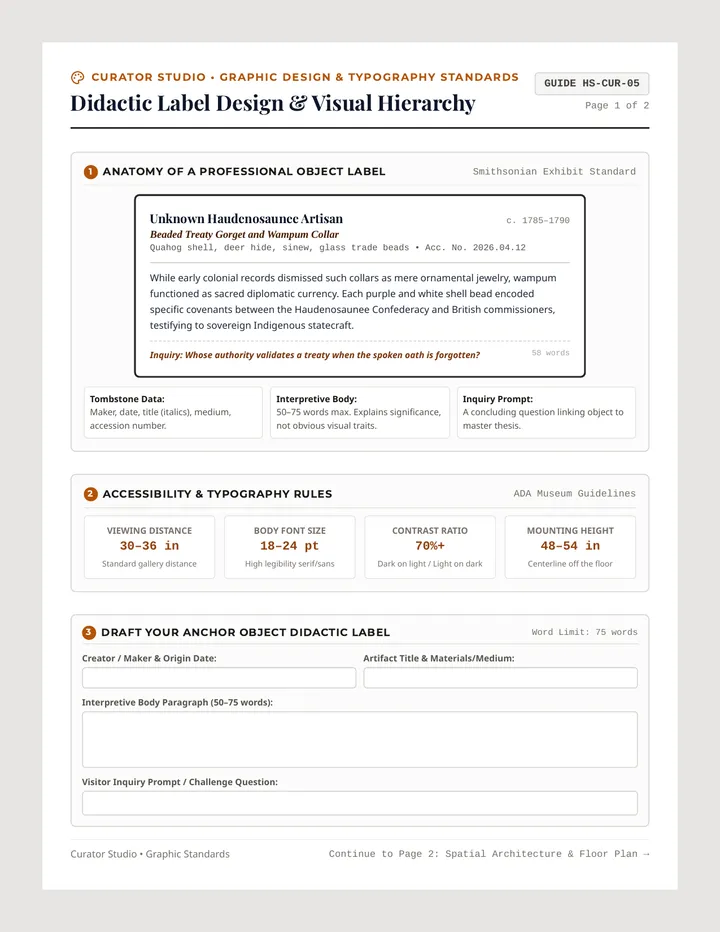
Theorist Tracker Guided Notes Student Resource
Unit 2: Infancy
Theorist Tracker
Guided Notes for Infant Developmental Theories
Name:
Date:
Jean Piaget: Cognitive Explorer
Piaget believed that infants are born with simple , which are mental frameworks that organize information. He called infants "little scientists" because they learn through ________________________.
The Sensorimotor Stage (Birth to 2 years)
In this stage, babies learn through their _________________ and their ________________ actions.
Object Permanence:
Definition: The understanding that __________________________________________________________________________________.
Erik Erikson: Personality Specialist
Stage 1: Trust vs. Mistrust
The primary goal during infancy is to develop a sense of ________________. This is achieved when caregivers are:
C____________________
P____________________
R____________________
The Virtue of Hope
If infants do not receive reliable care, they will develop ________________ and carry ________________ into future relationships.
Lev Vygotsky: Social Strategist
Key Term
Scaffolding
Write the definition from the slides:
Zone of Proximal Development (ZPD)
Draw a simple diagram or describe what the "middle circle" of ZPD represents for an infant learning to crawl:
The Attachment Bond
Mary Ainsworth used the "________________ Situation" experiment to measure the quality of attachment.
Secure Attachment
Baby uses parent as a "________________ Base."
Insecure Attachment
Baby shows ________________ or ________________ upon reunion.
Sensorimotor Squads Activity Collaborative Challenge
Sensorimotor Squads
Research & Presentation Task
The Mission
Piaget's sensorimotor stage isn't just one block of time—it's broken into 6 substages. Your squad must master one and become the "experts" for the rest of the class.
1
Research
2
Visualize
3
Teach
Poster Requirements
Substage Name & Age
Clearly written at the top of your chart paper.
Main Focus
Explain the primary behavior happening (in 2 sentences).
The "Scientist" Sketch
Draw an infant performing the behavior you researched.
Vocab Connection
How does this substage connect to "schema" or "reflexes"?
Squad Research Cards
Substage 1 Birth–1 Month
Simple Reflexes
In this period, the infant understands the world through reflexes (sucking, rooting, gripping).
Assigned To: ________
Substage 2 1–4 Months
First Habits & Primary Circular Reactions
Babies start to coordinate sensation and new schemas. They repeat pleasurable actions (like thumb sucking).
Assigned To: ________
Substage 3 4–8 Months
Secondary Circular Reactions
Infants become more object-oriented. They repeat actions to trigger a reaction in their environment (shaking a rattle).
Assigned To: ________
Substage 4 8–12 Months
Coordination of Secondary Circular Reactions
Significant change: Infants show intentionality. They combine previously learned schemas to reach a goal (moving one toy to get another).
Assigned To: ________
Substage 5 12–18 Months
Tertiary Circular Reactions
Infants become intrigued by the many properties of objects. They experiment with "new things to do with old things" (the true scientist phase).
Assigned To: ________
Substage 6 18–24 Months
Internalization of Schemas
The infant develops the ability to use primitive symbols. They can think about events without having to physically act them out.
Assigned To: ________
Theorist Tracker Answer Key Teacher Resource
Answer Key
Theorist Tracker Key
Correct Responses for Infant Developmental Theories
Jean Piaget: Cognitive Explorer
Piaget believed that infants are born with simple schemas, which are mental frameworks that organize information. He called infants "little scientists" because they learn through independent exploration / experimenting with their environment.
The Sensorimotor Stage (Birth to 2 years)
In this stage, babies learn through their senses and their motor actions.
Object Permanence:
Definition: The understanding that objects/things still exist even when they cannot be seen or hidden.
Erik Erikson: Personality Specialist
Stage 1: Trust vs. Mistrust
The primary goal during infancy is to develop a sense of trust. This is achieved when caregivers are:
Consistent
Predictable
Reliable
The Virtue of Hope
If infants do not receive reliable care, they will develop mistrust and carry suspicion into future relationships.
Lev Vygotsky: Social Strategist
Key Term
Scaffolding
Slide definition:
Temporary support provided by a caregiver to help a child master a new task.
Zone of Proximal Development (ZPD)
What the "middle circle" of ZPD represents for an infant learning to crawl:
The gap between what a child can do alone and what they can do with help/scaffolding.
The Attachment Bond
Mary Ainsworth used the "Strange Situation" experiment to measure the quality of attachment.
Secure Attachment
Baby uses parent as a "Secure Base."
Insecure Attachment
Baby shows distress or avoidance upon reunion.
Squad Scorecard Rubric Squad Scorecard
Sensorimotor Research Rubric
Activity
Piaget Substage Presentation
Squad Members:
Substage:
/ 20
Total Points
Criteria Mastery (5) Proficient (4) Developing (3) Emerging (2) Research Accuracy Content & Age Range
| Stage name and age range are accurate; explains behavior with deep precision. | Stage name and age range are accurate; explains behavior clearly. | Some minor errors in age range or behavior description. | Significant errors in stage facts or definitions. |
|
Scientist Sketch Visual Clarity
| Illustration perfectly captures the behavior; highly detailed and easy to understand. | Illustration represents the behavior clearly; labels are helpful. | Sketch is present but doesn't fully represent the substage behavior. | Sketch is unclear, missing, or unrelated to the assigned substage. |
|
Academic Language Vocab Integration
| Expertly integrates "schema," "reflex," or "permanence" into the explanation. | Uses relevant academic vocabulary correctly in the presentation. | Uses 1 vocabulary term correctly; some hesitation in definitions. | Vocabulary is missing or used incorrectly. |
|
Squad Dynamics Collaboration
| All squad members contributed equally; high level of engagement. | Most members contributed; squad was productive and on-task. | Some members did not participate; squad required teacher prompting. | Lack of teamwork; task was not completed by the group. |
Teacher Feedback
Pro-Tip: High scores in the "Academic Language" category require you to not just say the word, but to explain its connection to the infant's cognitive growth.
Infant Insights DOL Assessment Infant Insights
Demonstration of Learning
Name:
Date:
Part 1: The Core Four
Match the theorist to their primary focus during infant development.
1. Jean Piaget
2. Erik Erikson
3. Lev Vygotsky
4. John Bowlby
A.
Explores how social interaction and "scaffolding" from a caregiver support cognitive growth.
B.
Focuses on the emotional bond or "attachment" between the infant and the primary caregiver.
C.
Details how infants use their senses and motor skills to build mental "schemas" about the world.
D.
Describes the crisis of "Trust vs. Mistrust," where consistent care builds a lifelong sense of hope.
Part 2: Scenario Analysis
Observation Note: 10-month-old Mateo is playing with a toy car. A teacher places a cloth over the car. Mateo quickly pulls the cloth away to find the car and smiles. Later, Mateo tries to use his spoon to reach a piece of cereal that is just out of reach, rather than just crying for help.
1. Which Piagetian concept is Mateo demonstrating by finding the hidden car?
2. Mateo is in Piaget's Substage 4 (Coordination of Secondary Circular Reactions). Explain why his use of the spoon as a "tool" fits this substage.
Part 3: Professional Reflection
Choose ONE theorist we studied today. How would their theory influence the way you set up an infant classroom environment?
Chosen Theorist:
Classroom Application:
Objective Mastery ___ / 10
Infant Insights DOL Answer Key Teacher Resource
Answer Key
Infant Insights Key
Demonstration of Learning Responses
Part 1: The Core Four
C 1. Jean Piaget
D 2. Erik Erikson
A 3. Lev Vygotsky
B 4. John Bowlby
Ensure students match the concept of "scaffolding" to Vygotsky and "trust" to Erikson.
Part 2: Scenario Analysis
1. Piagetian concept (Mateo finding hidden car):
Object Permanence
2. Substage 4 Explanation (Spoon as tool):
Mateo is showing intentionality. In Substage 4, infants begin to combine separate schemas (using a spoon + reaching for food) to achieve a specific goal. They no longer rely purely on trial and error but show purposeful action.
Part 3: Professional Reflection
Sample Proficient Responses:
Piaget Focus
"I would provide a variety of high-contrast, multi-texture toys to support his 'little scientist' phase of sensory exploration."
Bowlby/Ainsworth Focus
"I would ensure low student-to-teacher ratios to allow for consistent, sensitive caregiving that builds a 'secure base' for infants."