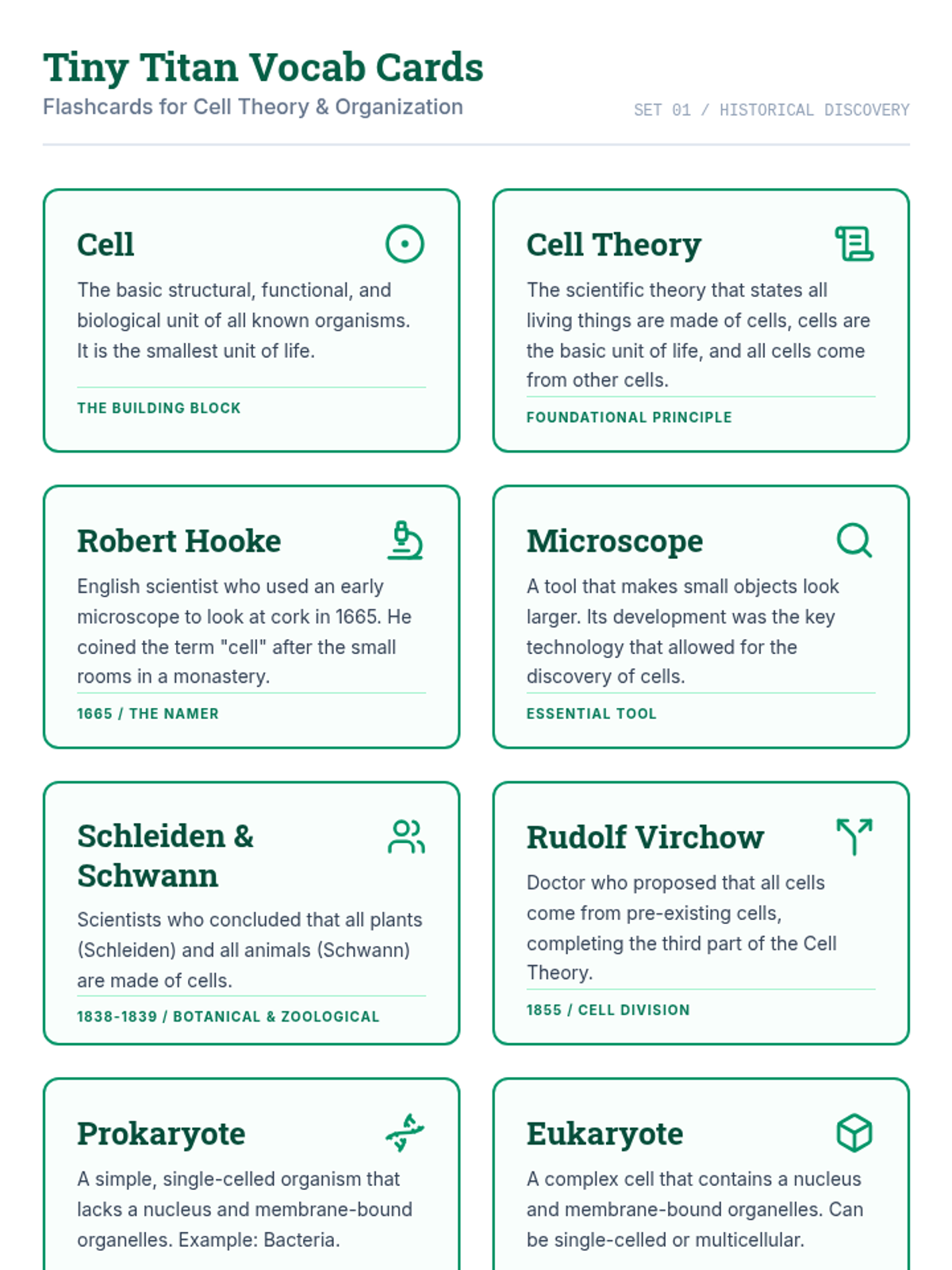
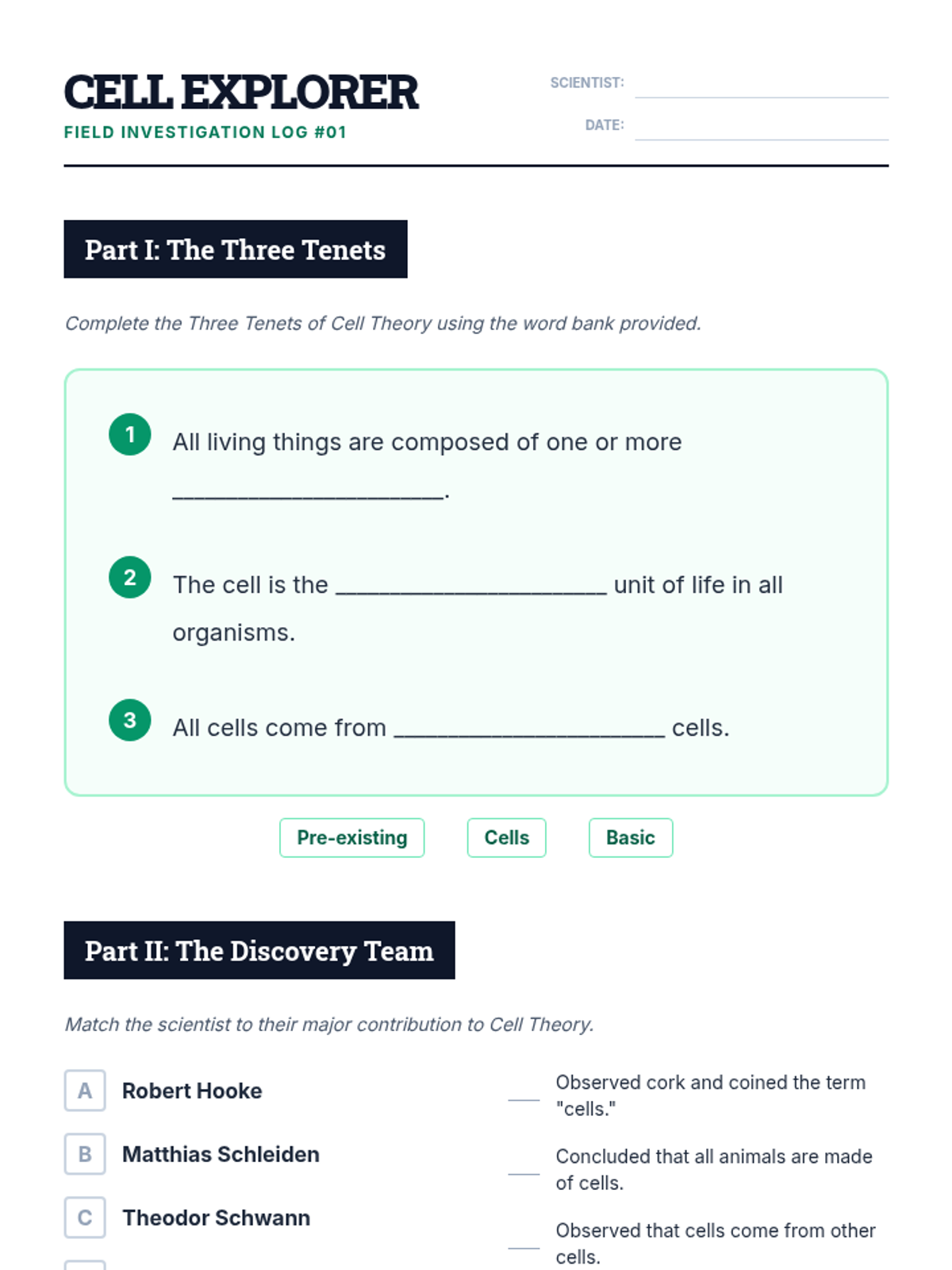
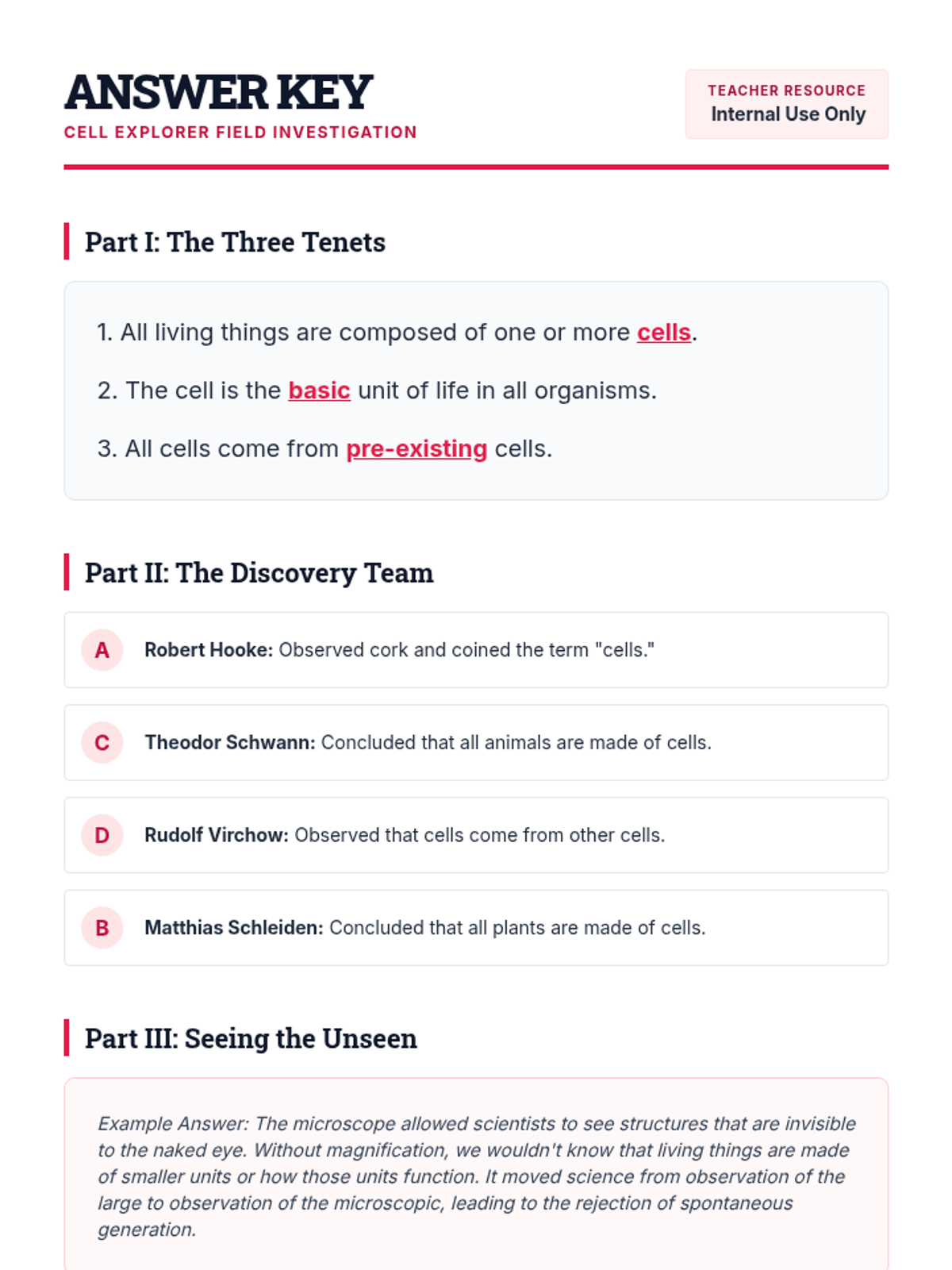
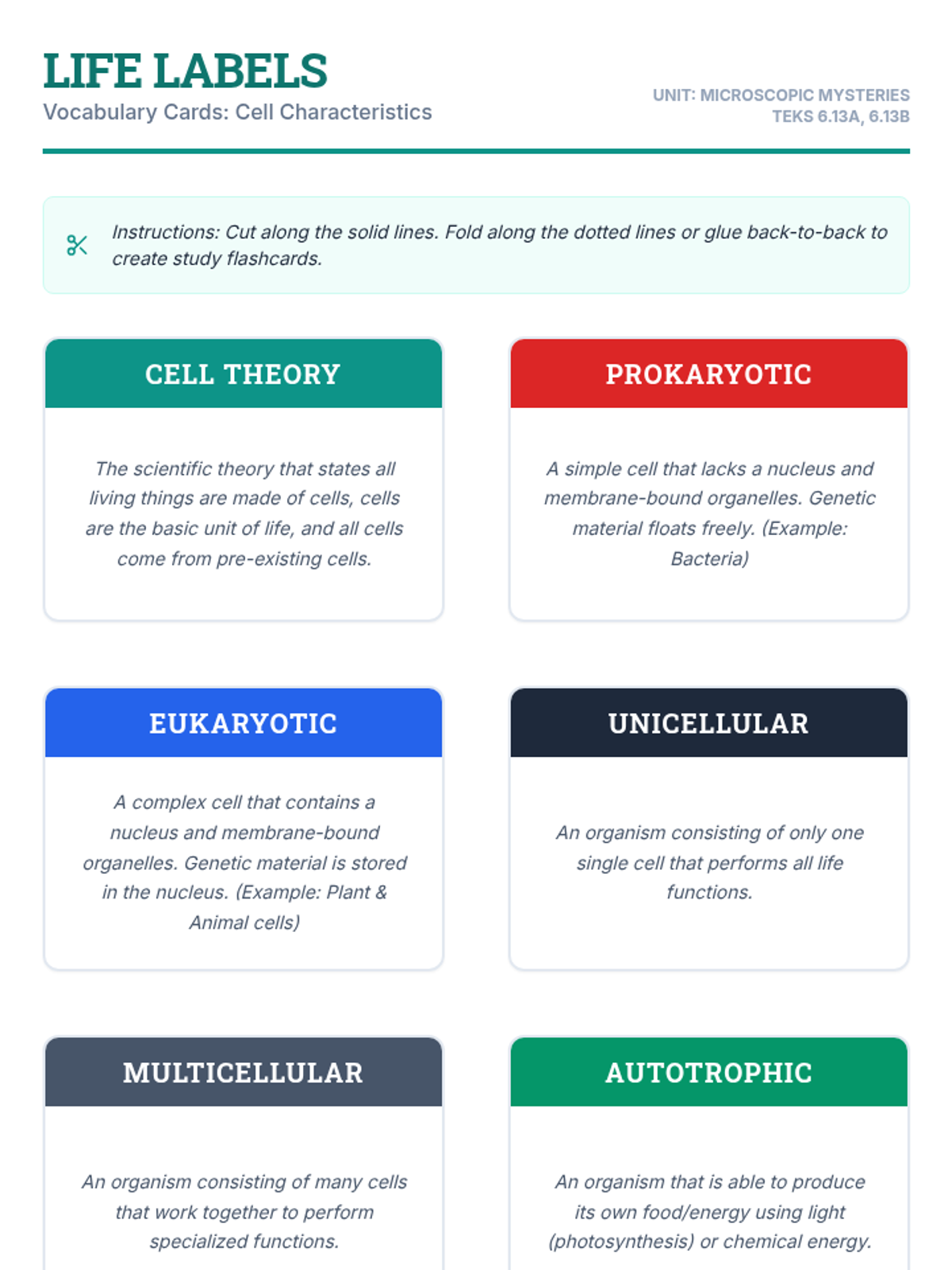
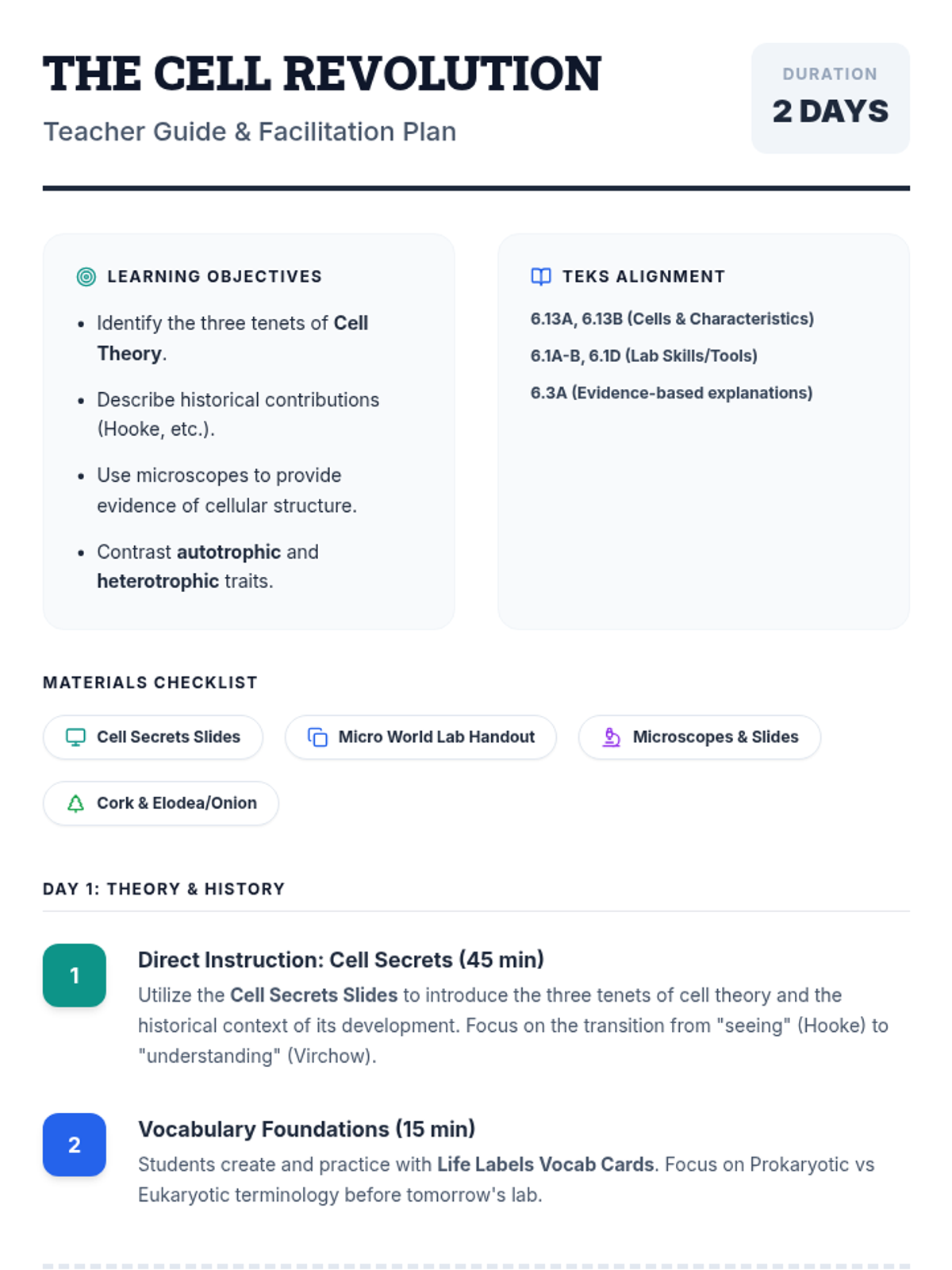
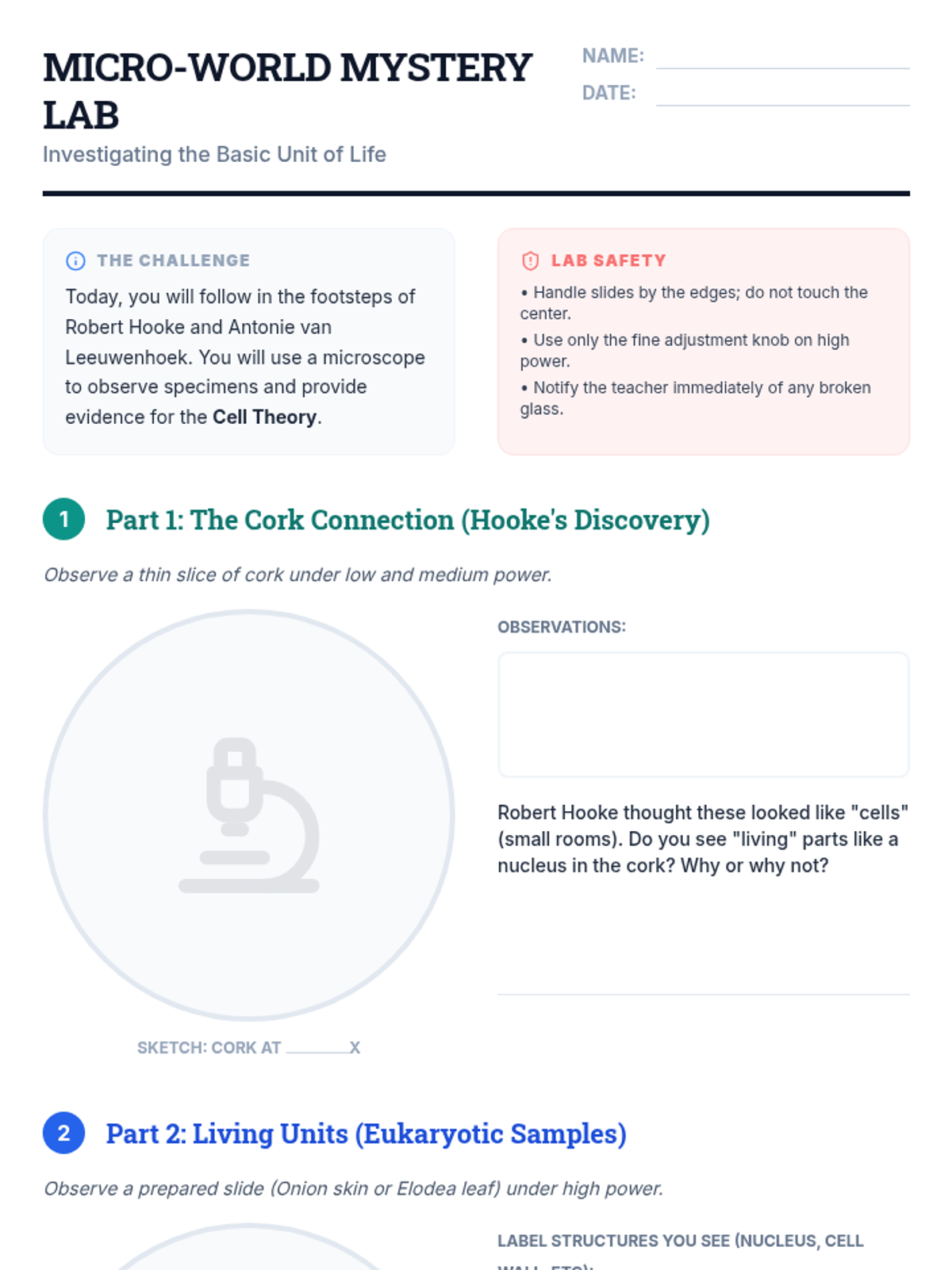
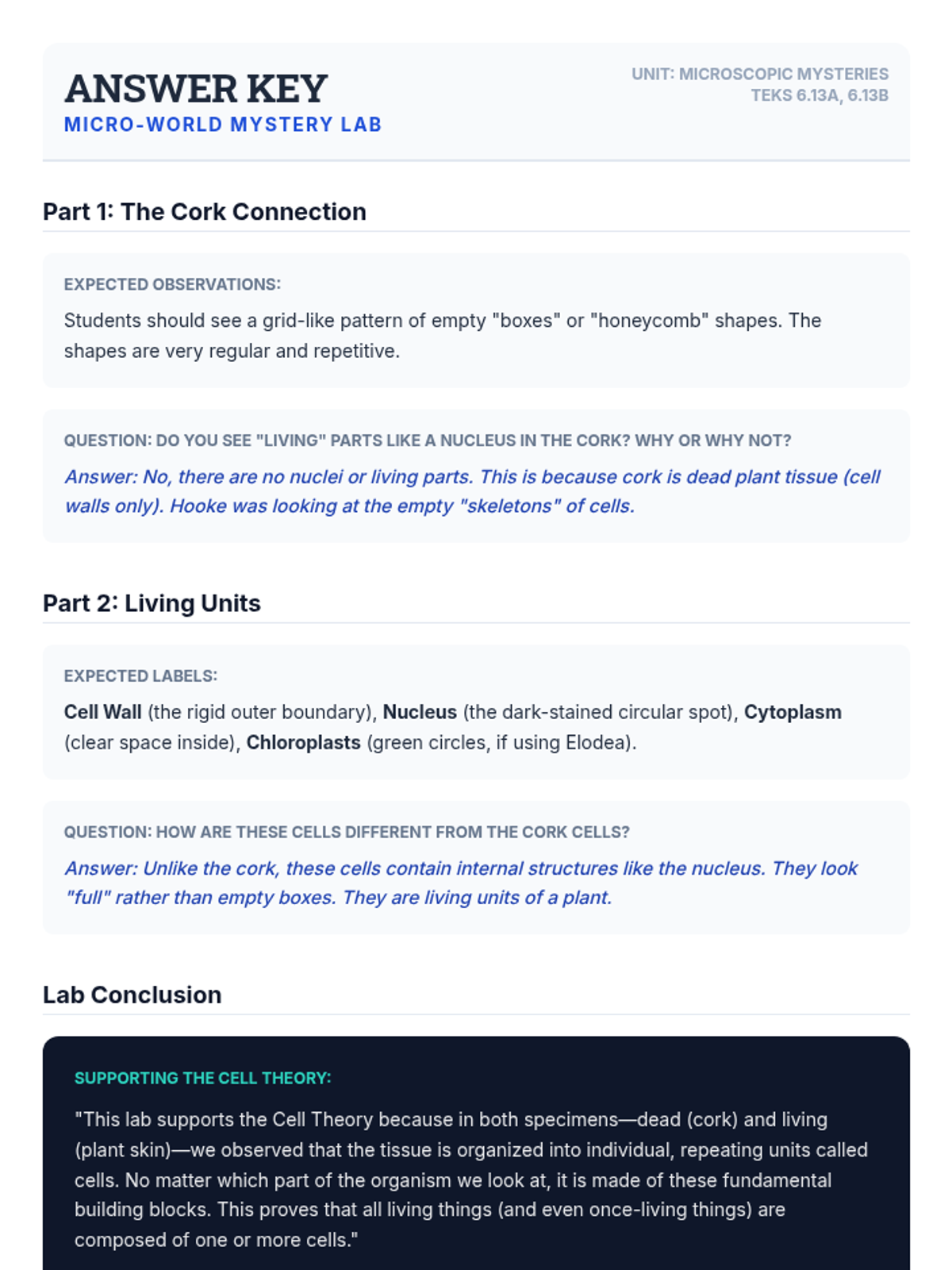
A comprehensive lesson exploring the foundations of cell theory, Theodor Schwann's contributions, and the fundamental differences between prokaryotic and eukaryotic cells.
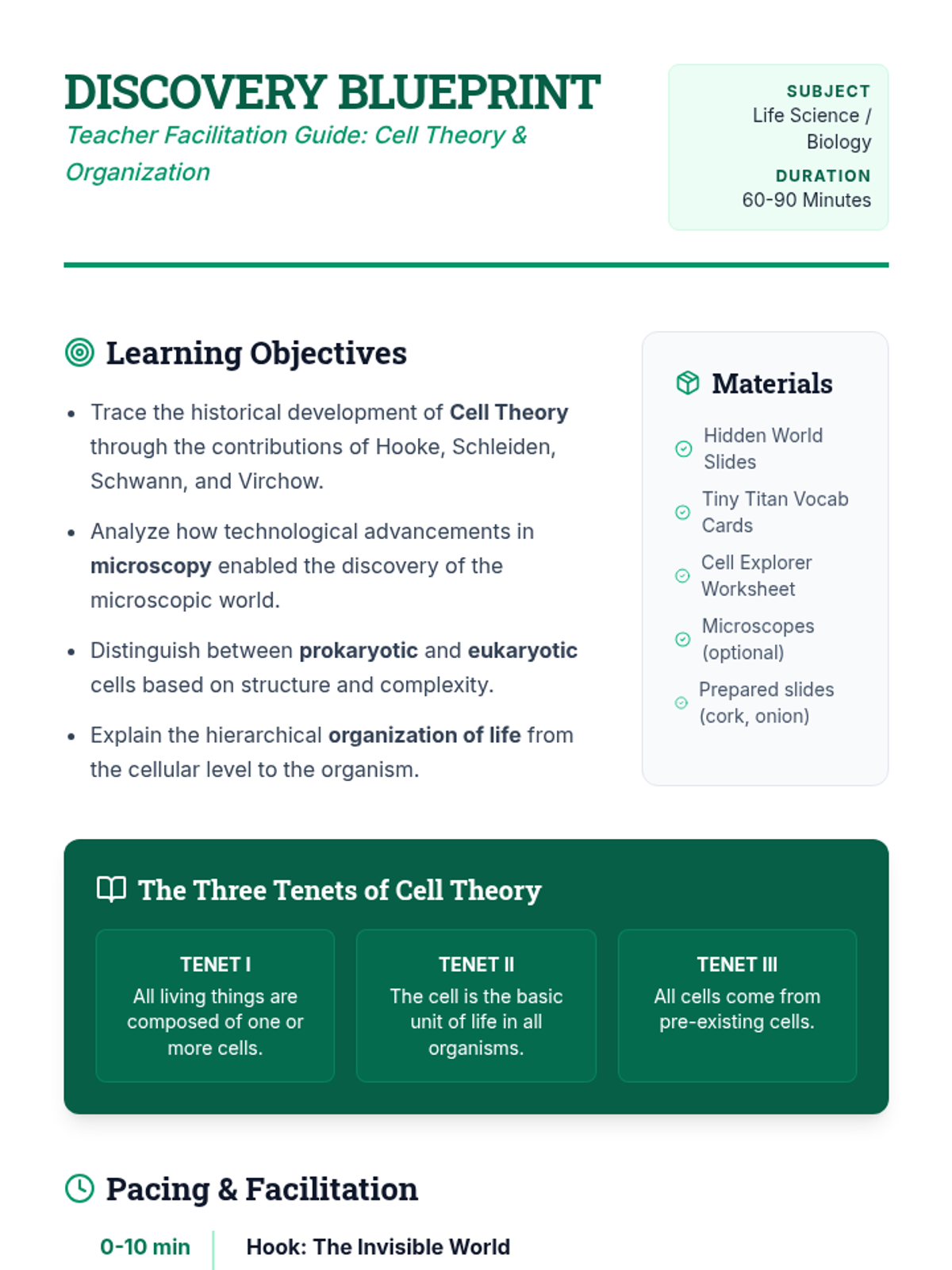
A comprehensive lesson on the origins of cell theory, the comparison between prokaryotic and eukaryotic cells, and the biological hierarchy from cells to organisms.
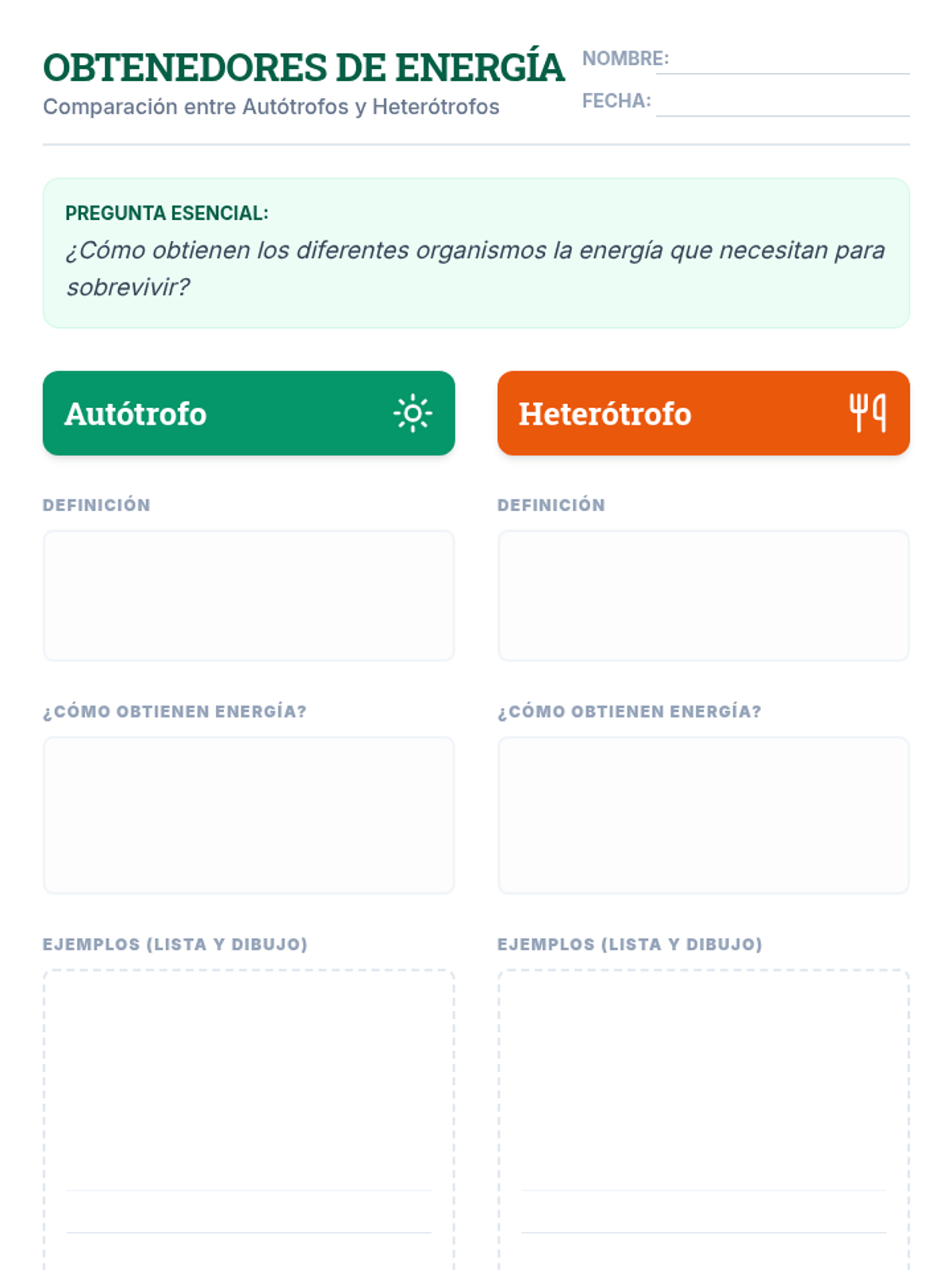
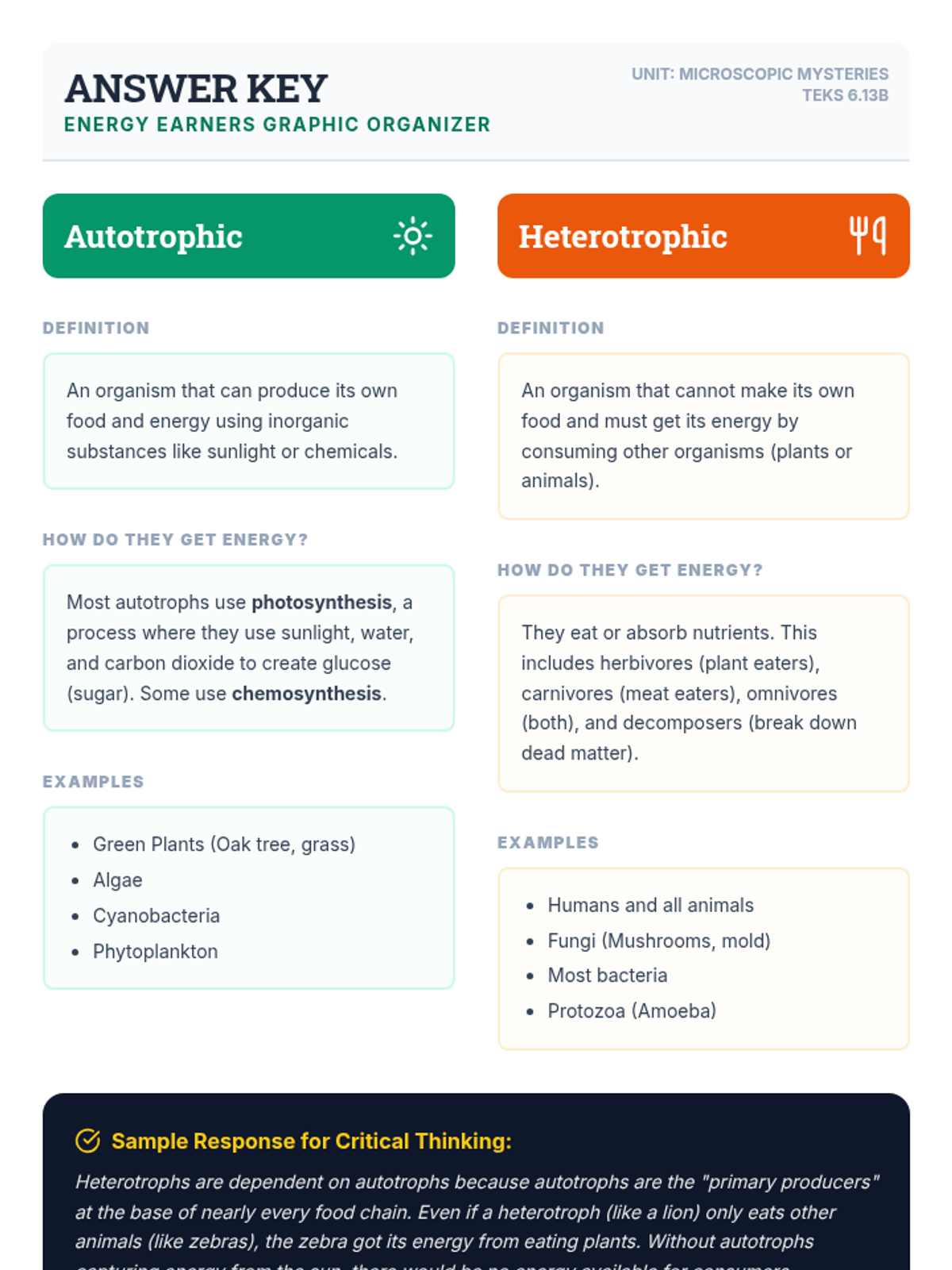
Students investigate the historical milestones of cell theory and differentiate between organisms based on their cellular structure and nutritional methods.
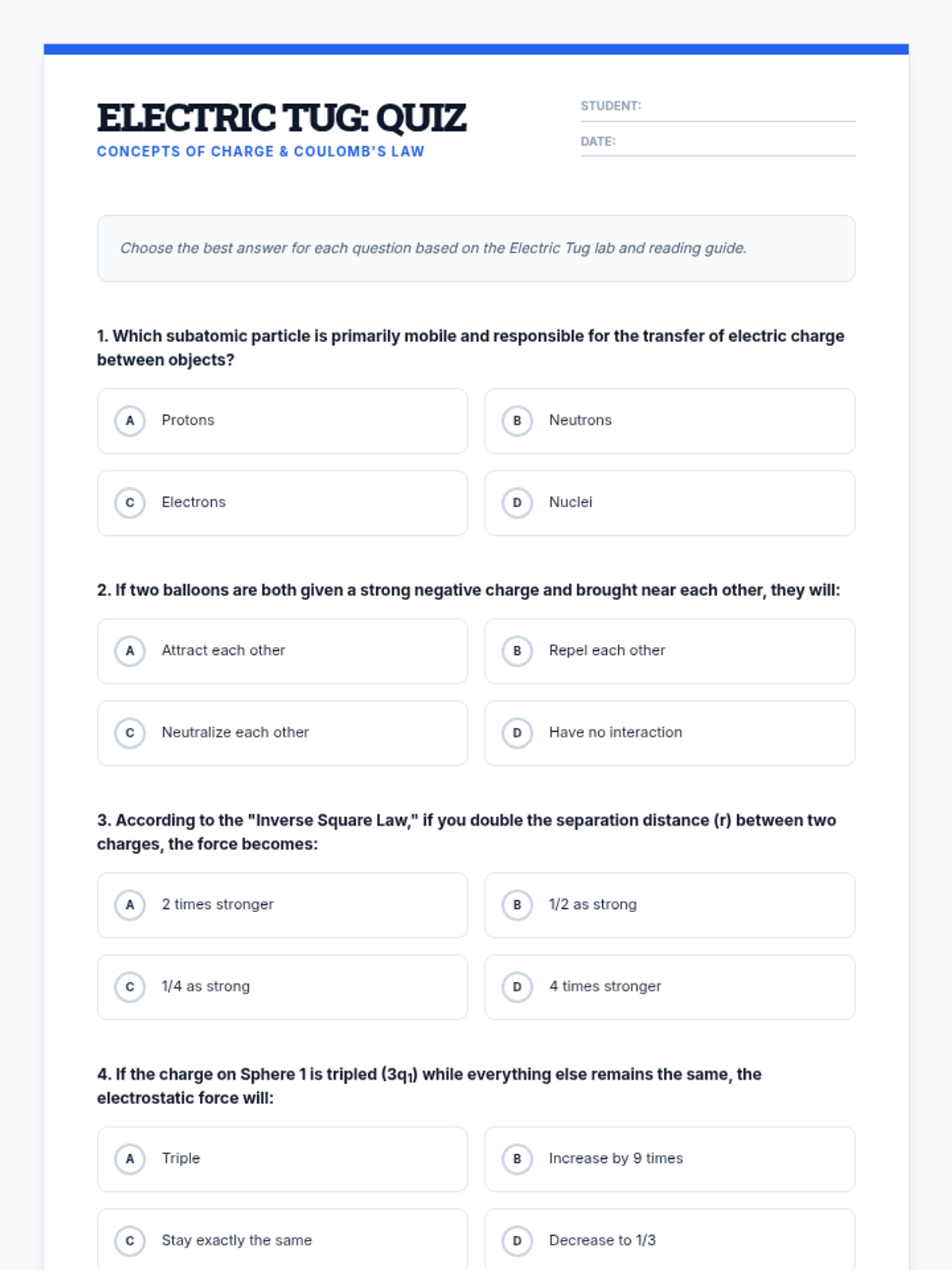
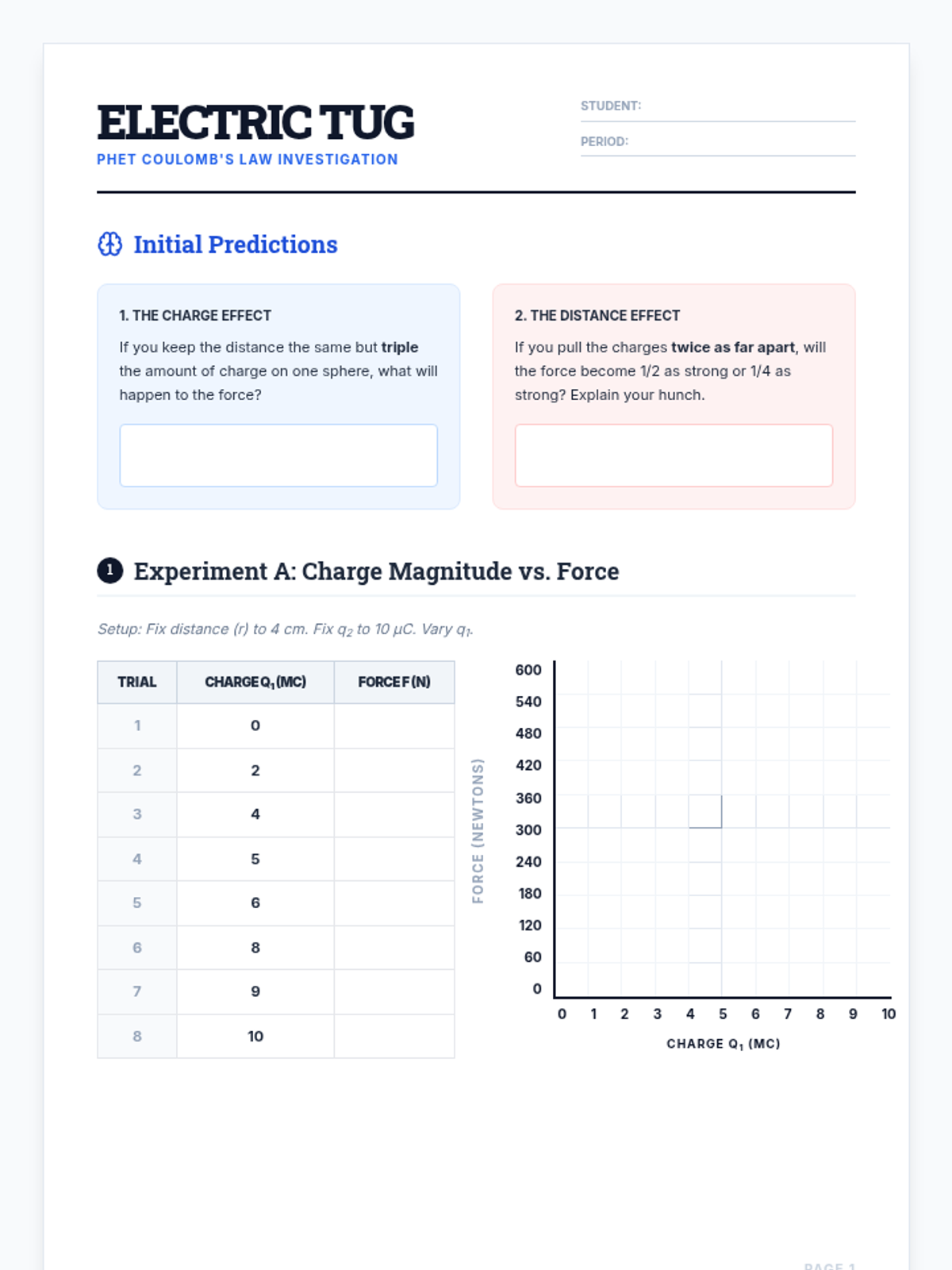
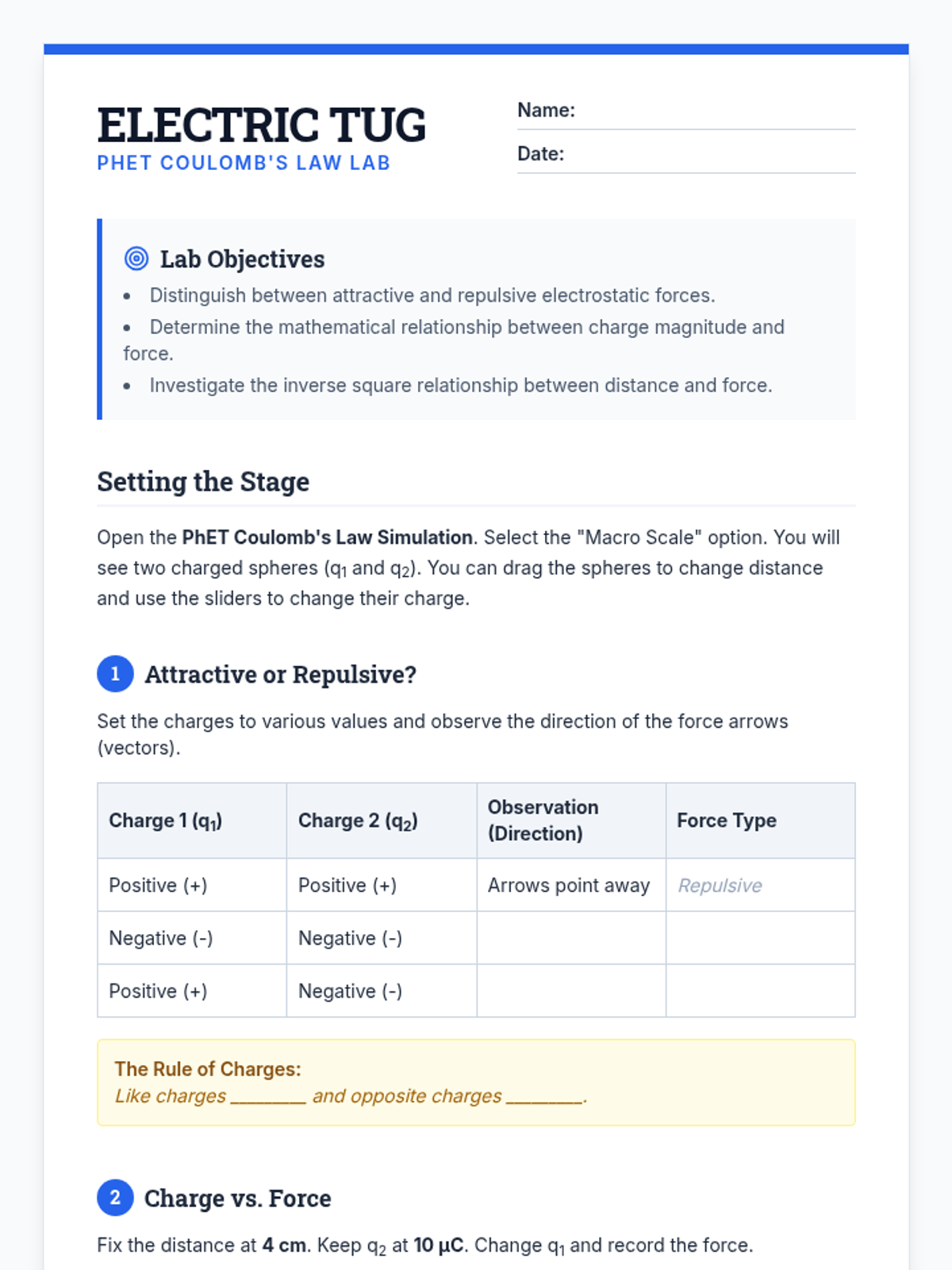
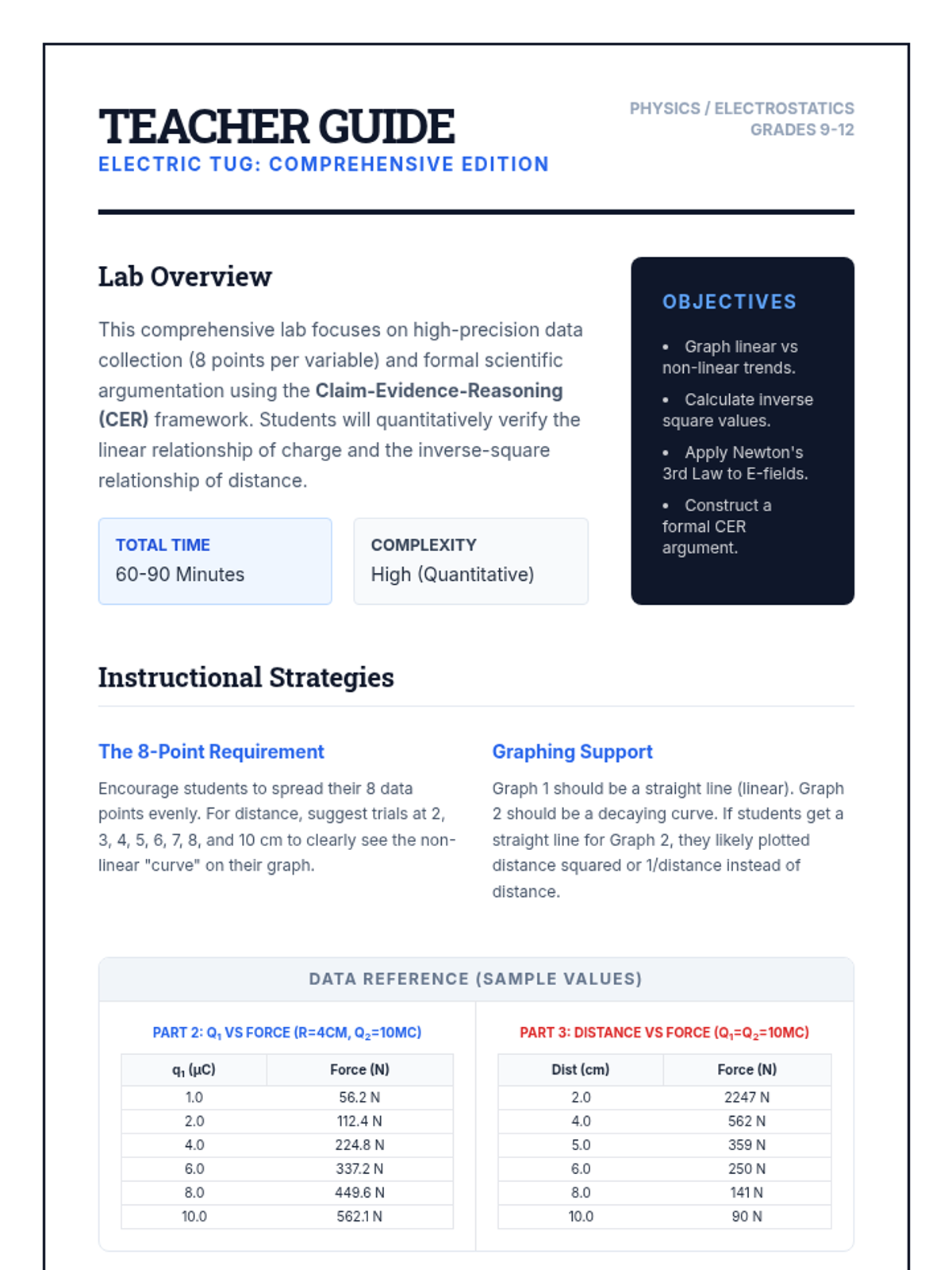
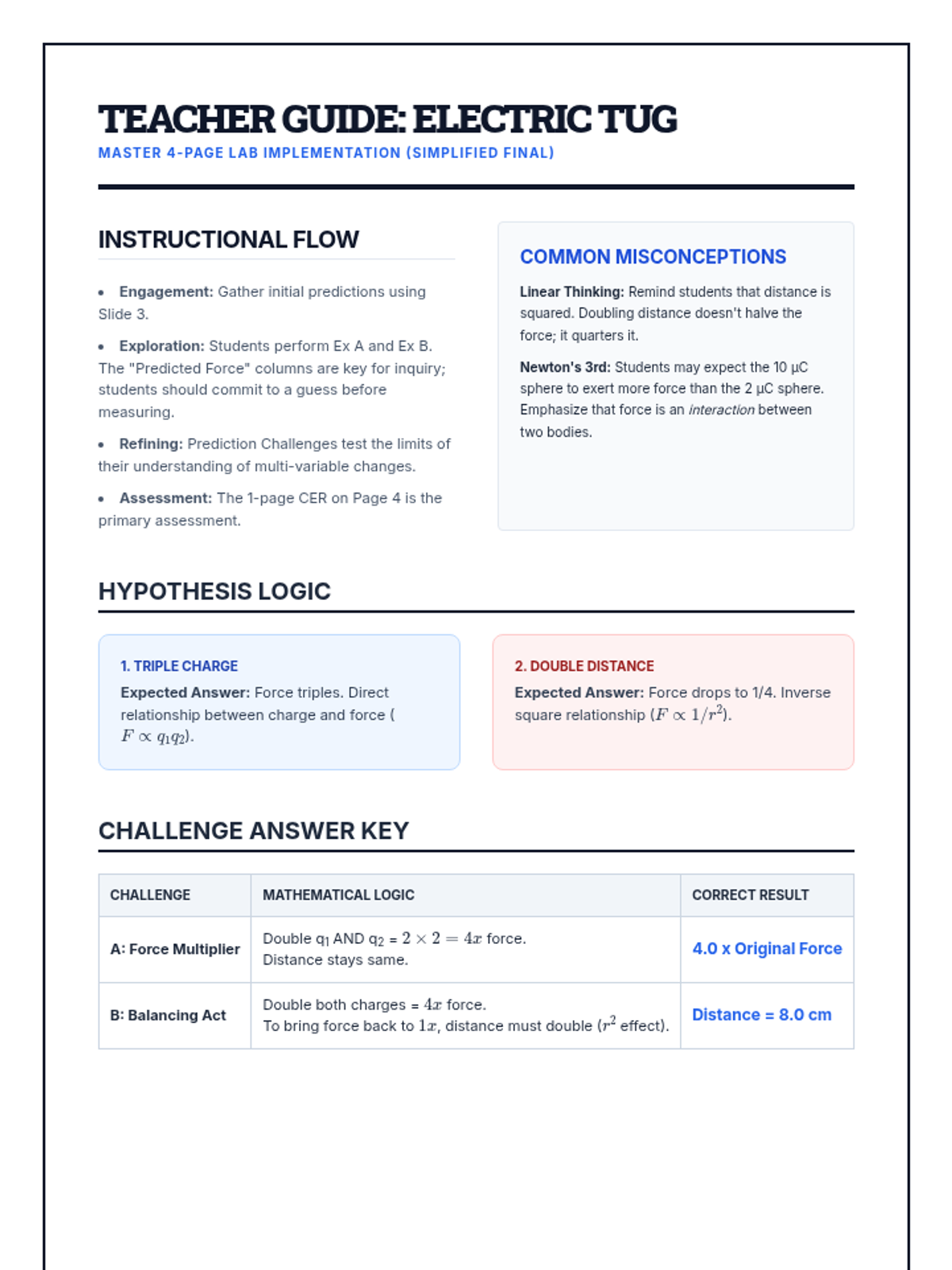
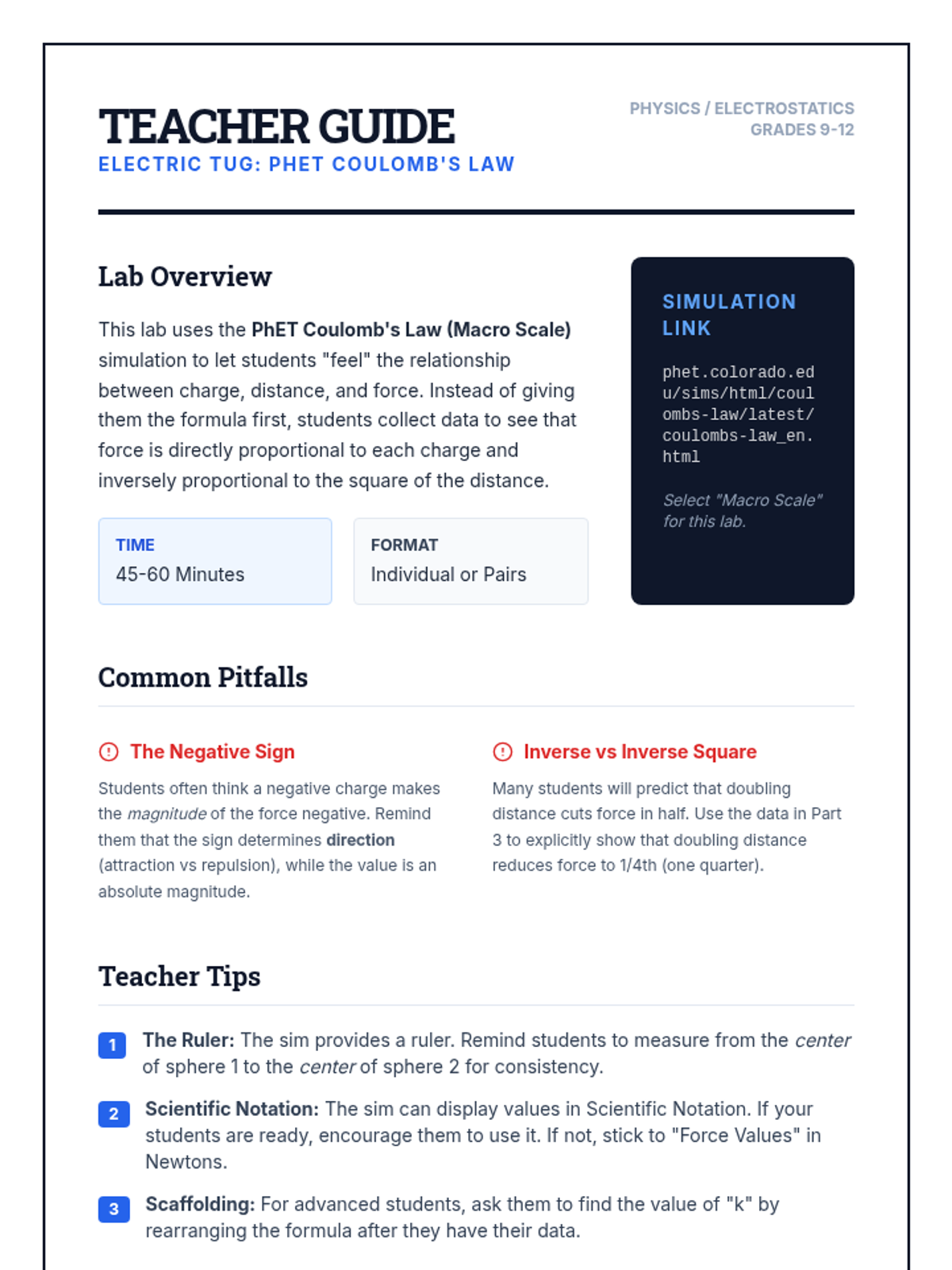
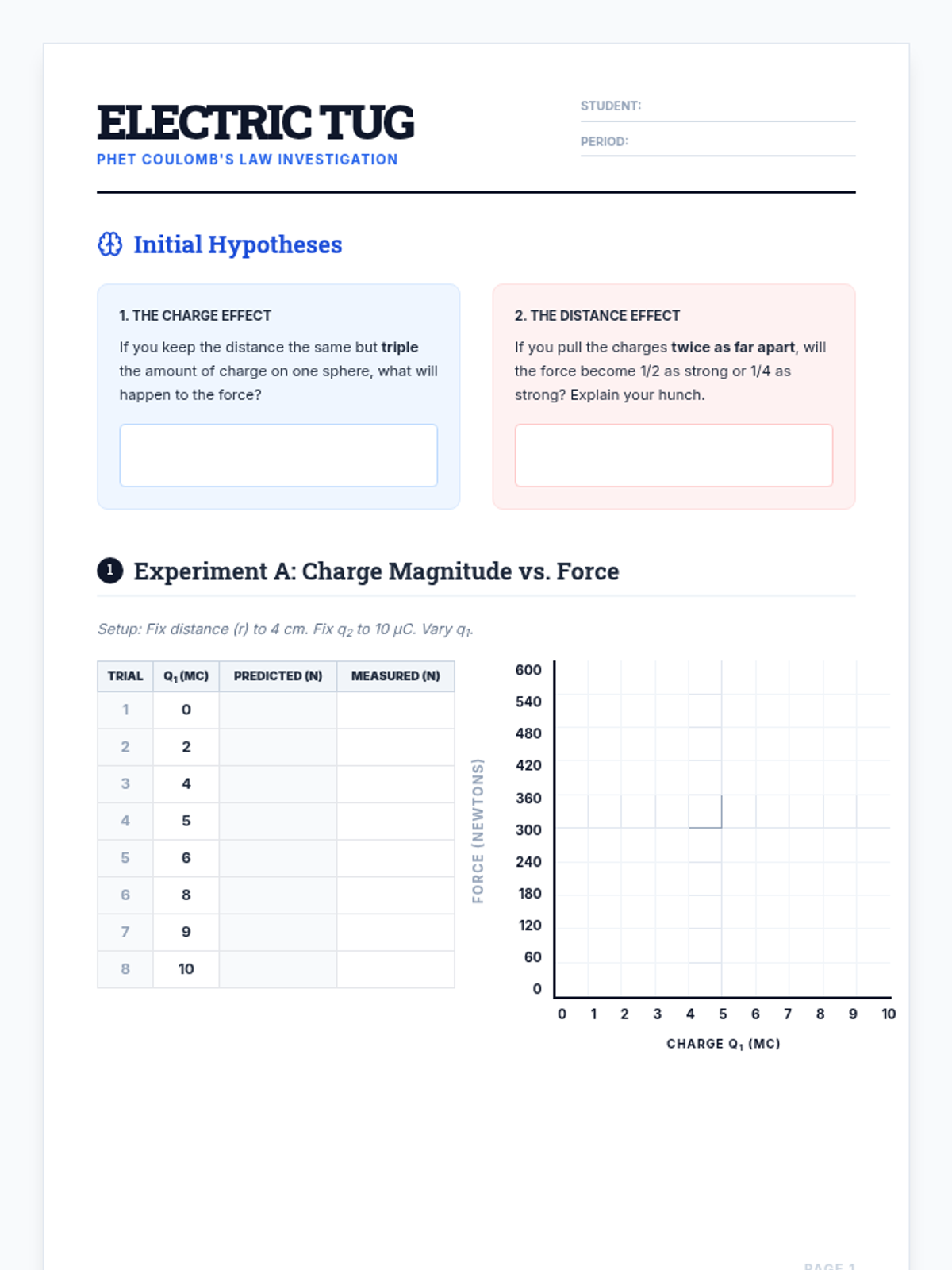
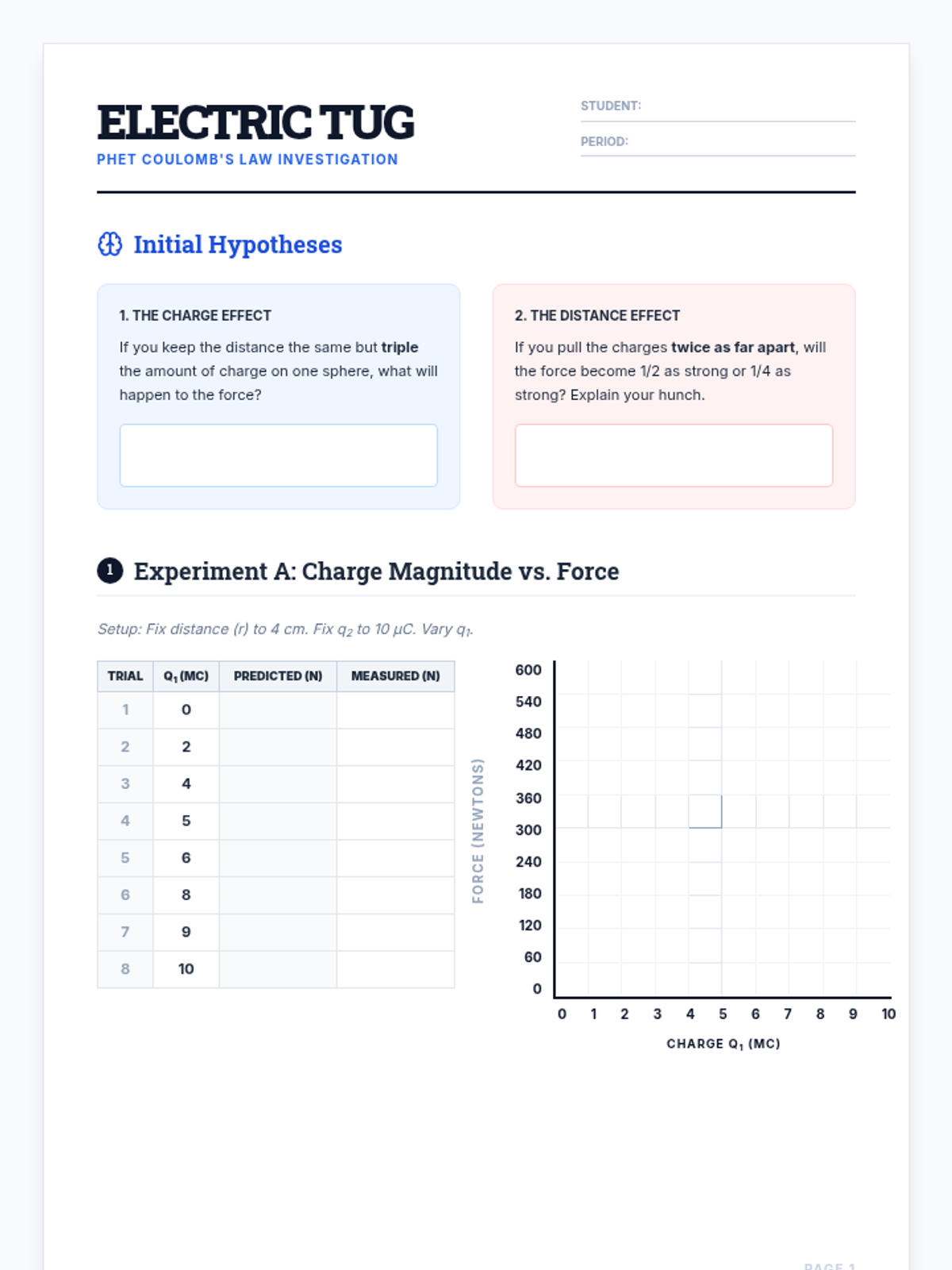
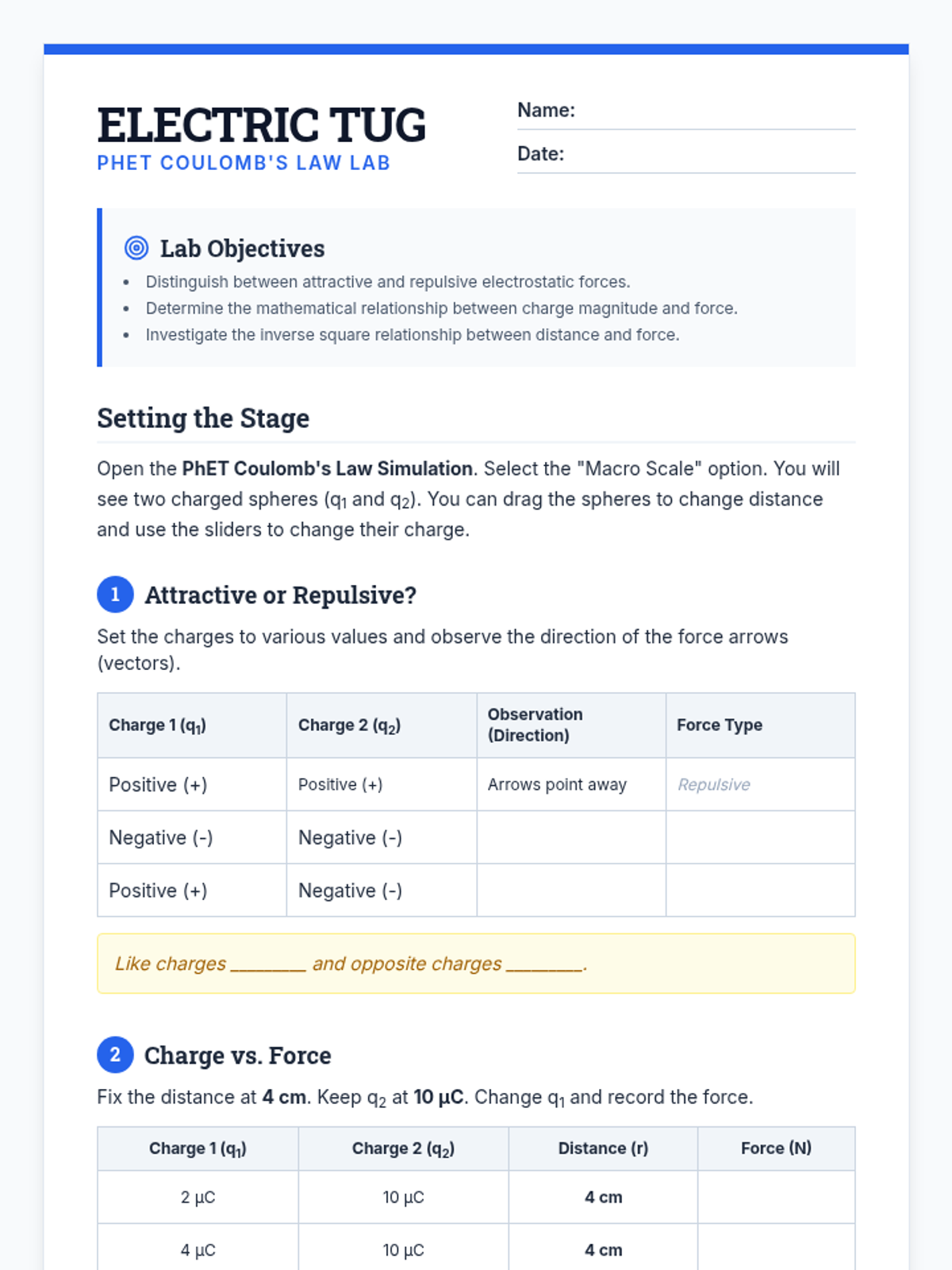
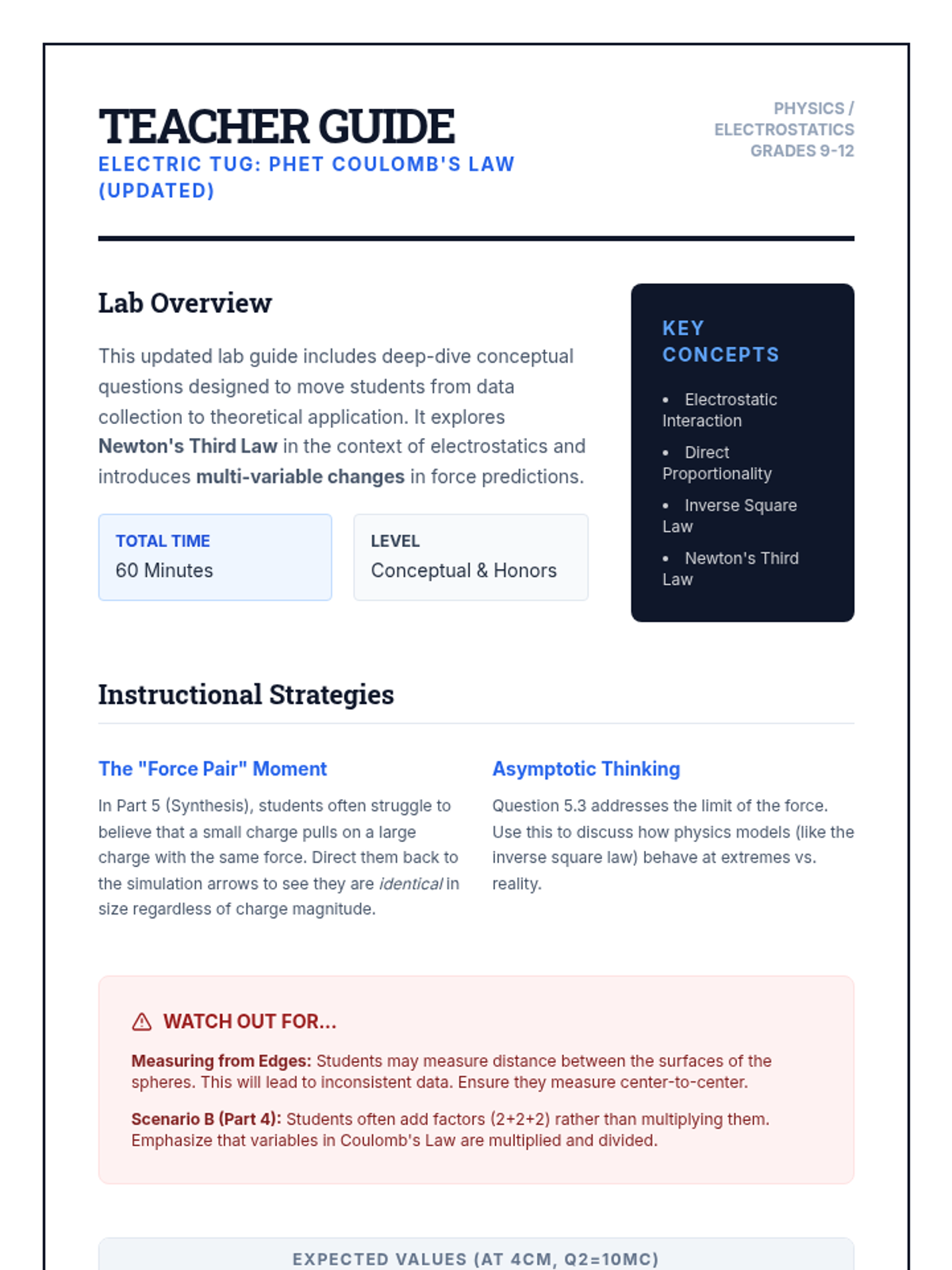
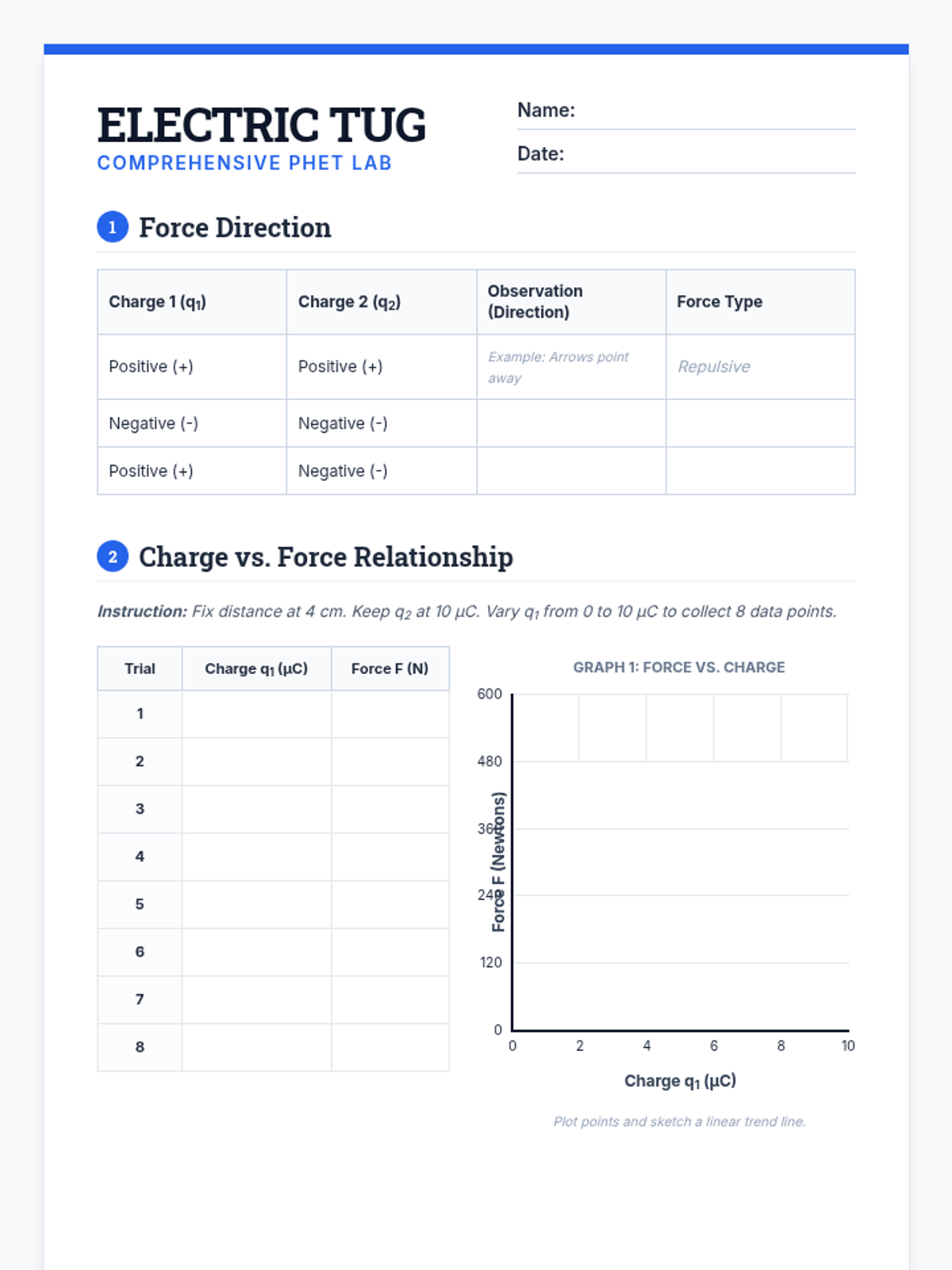
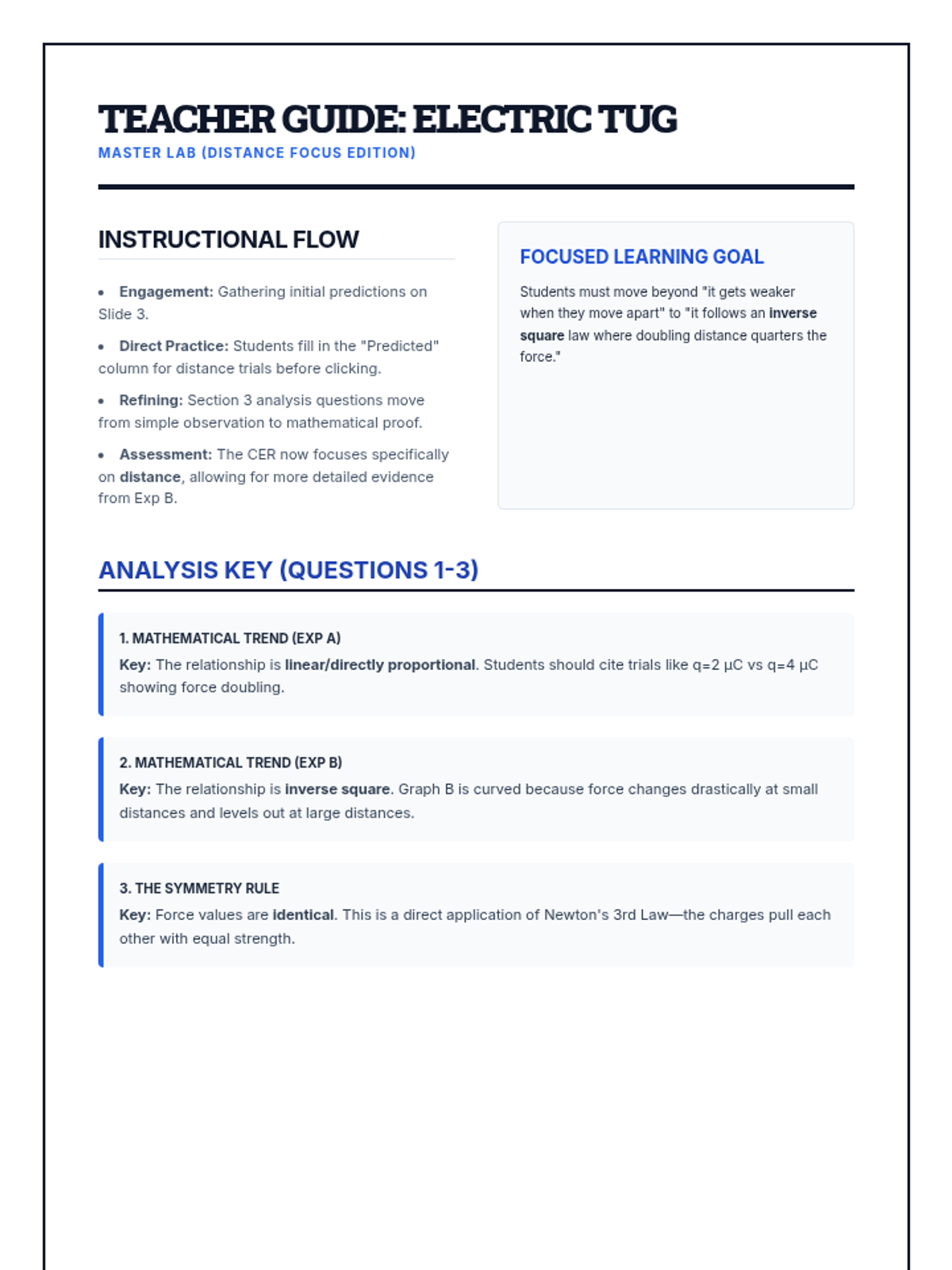
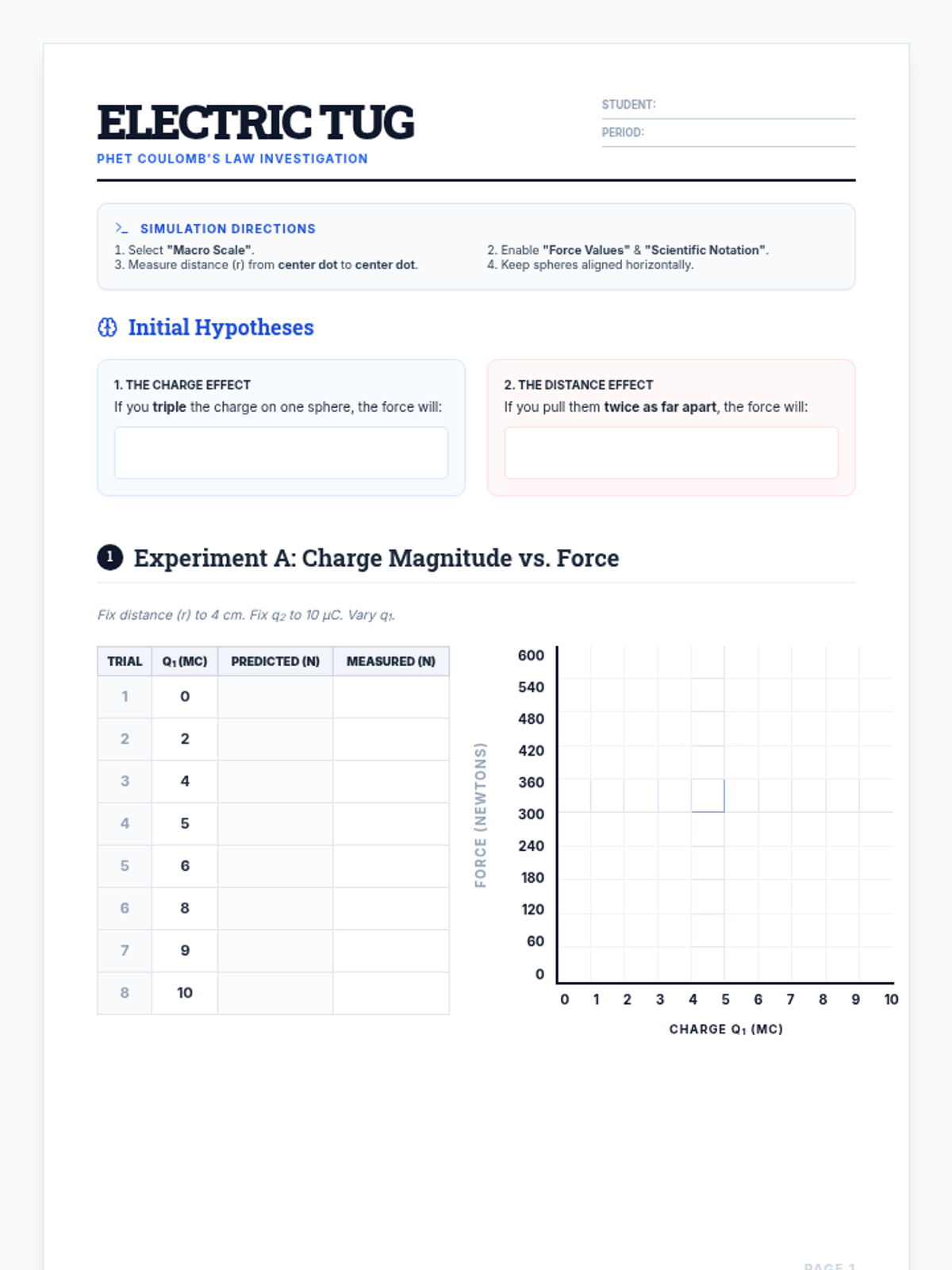
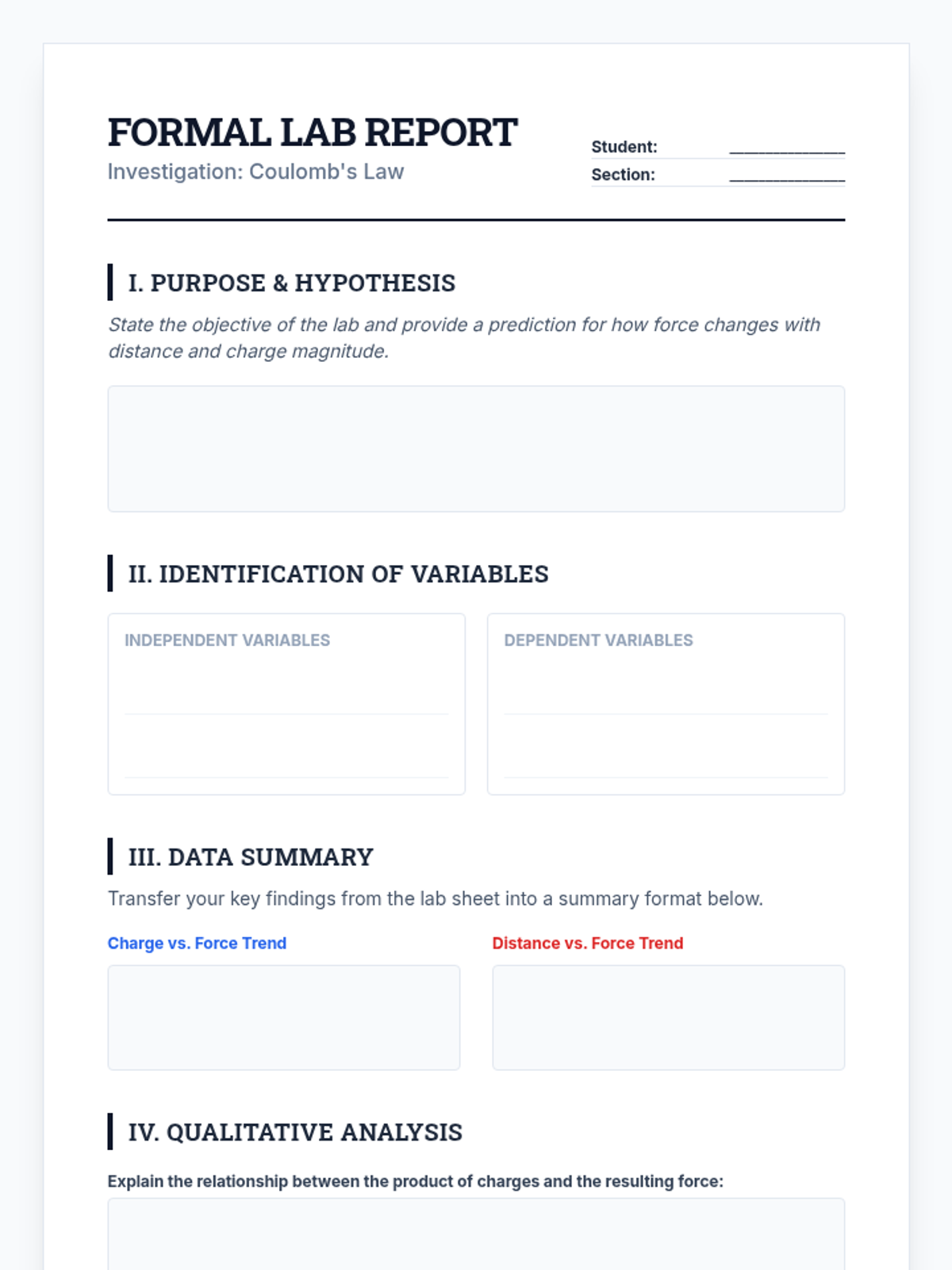
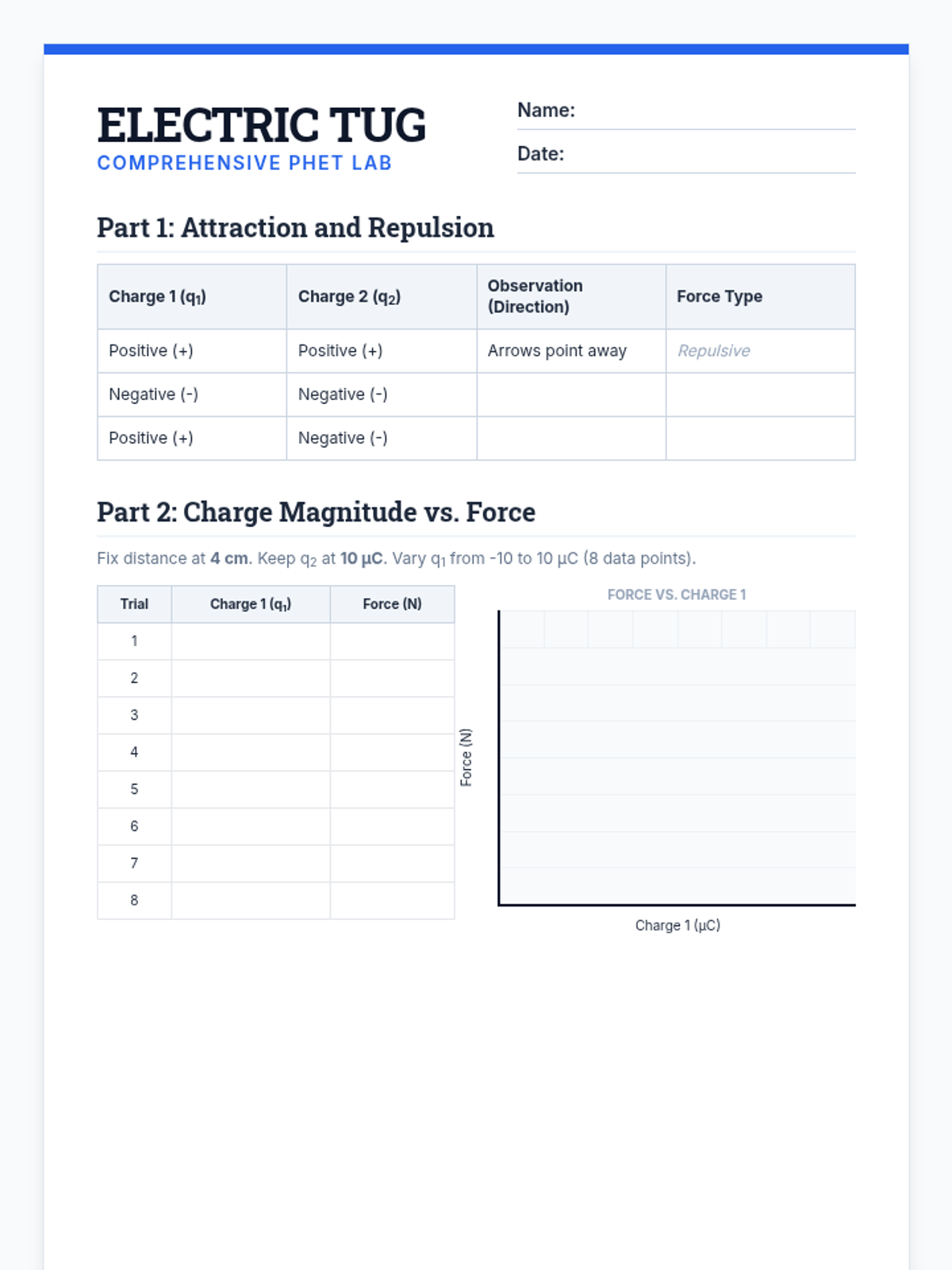
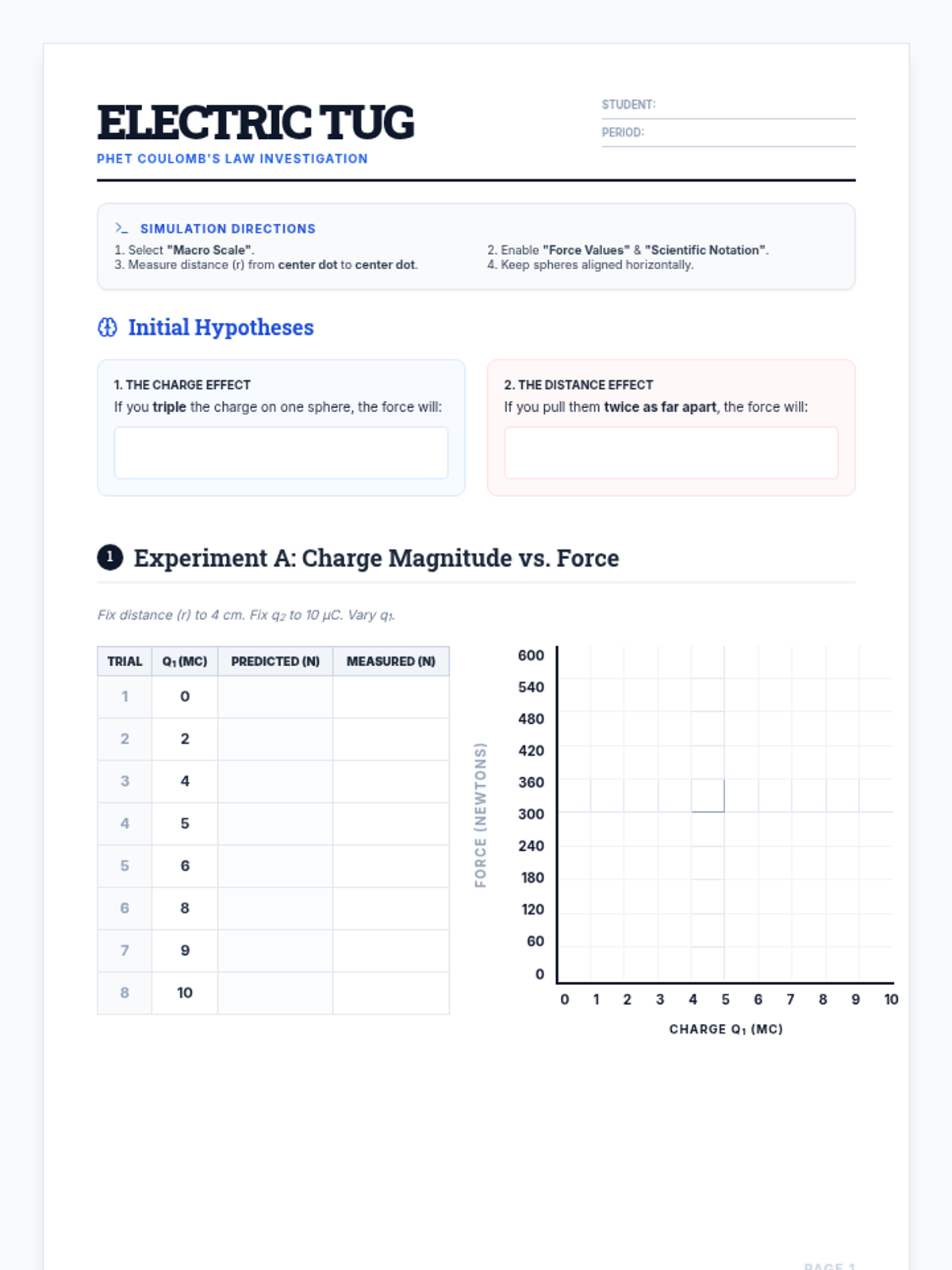
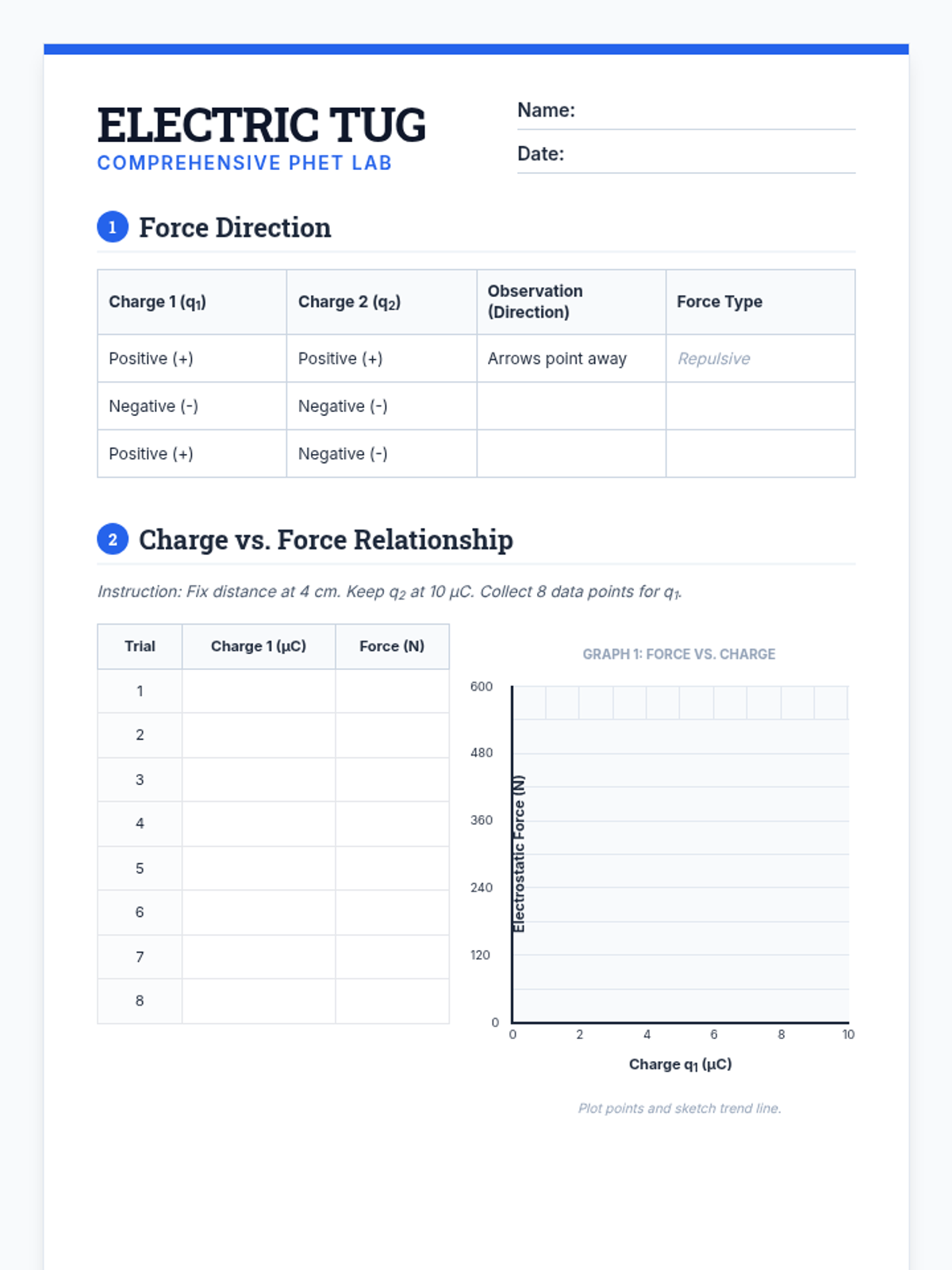
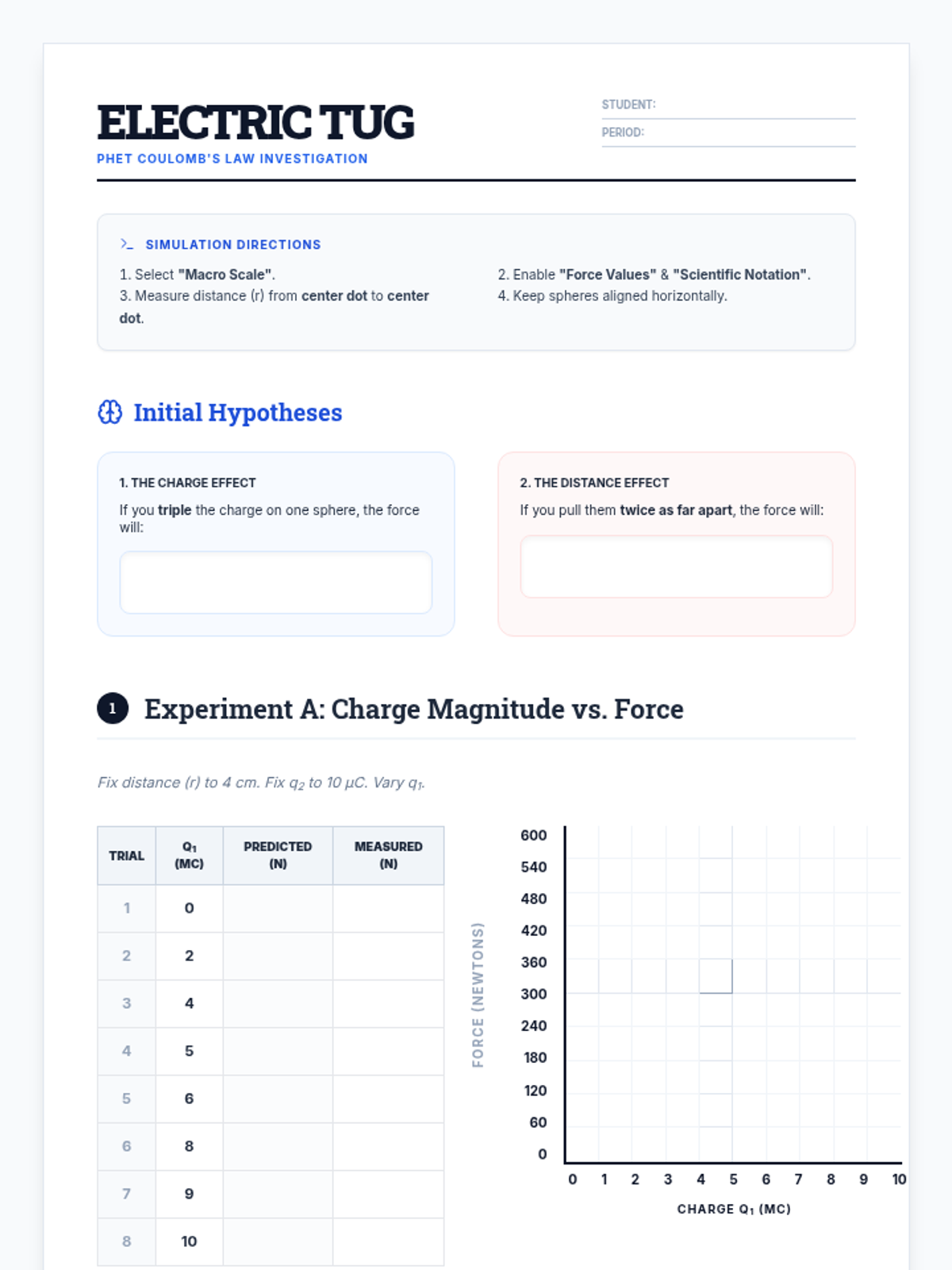
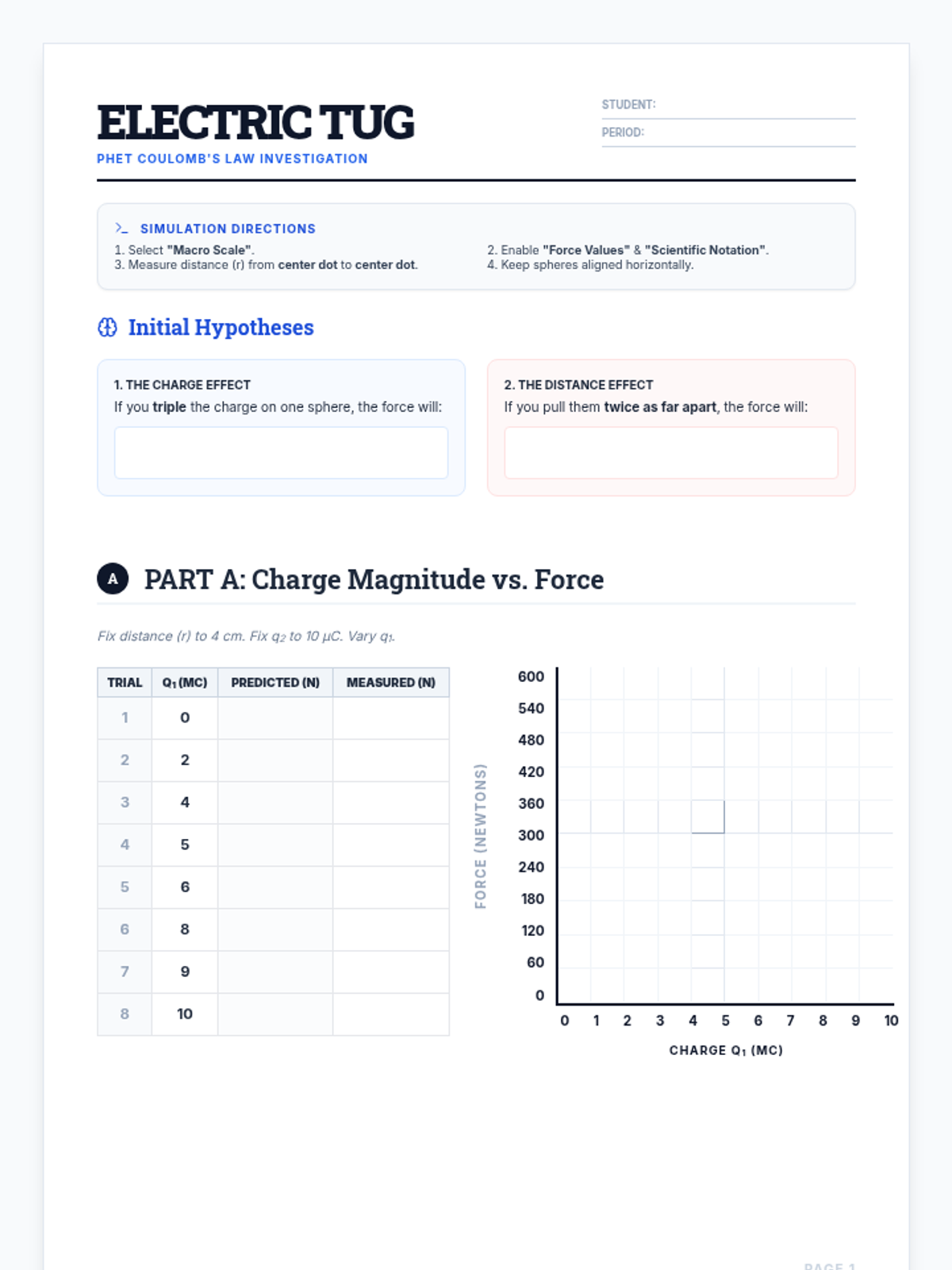
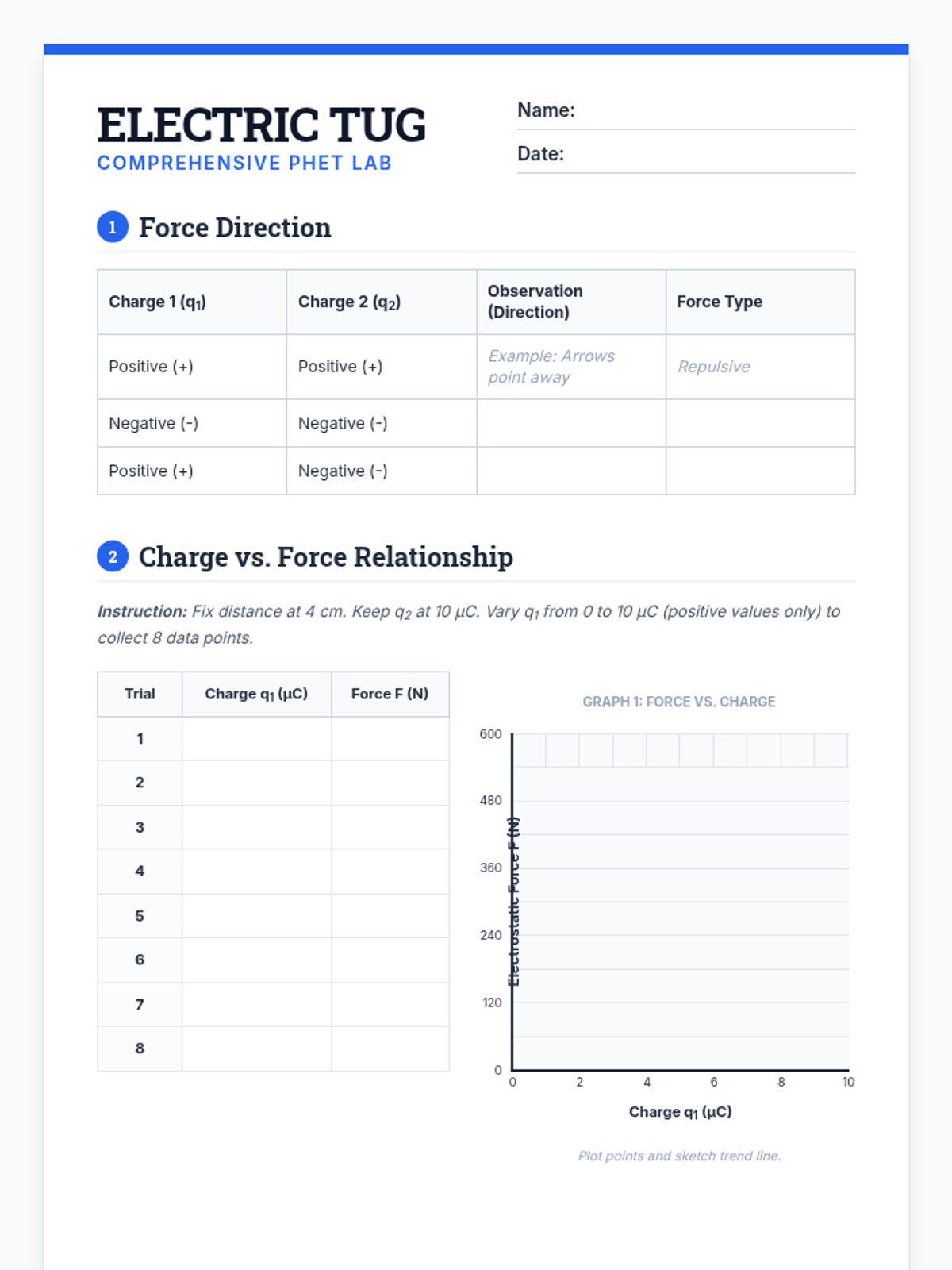
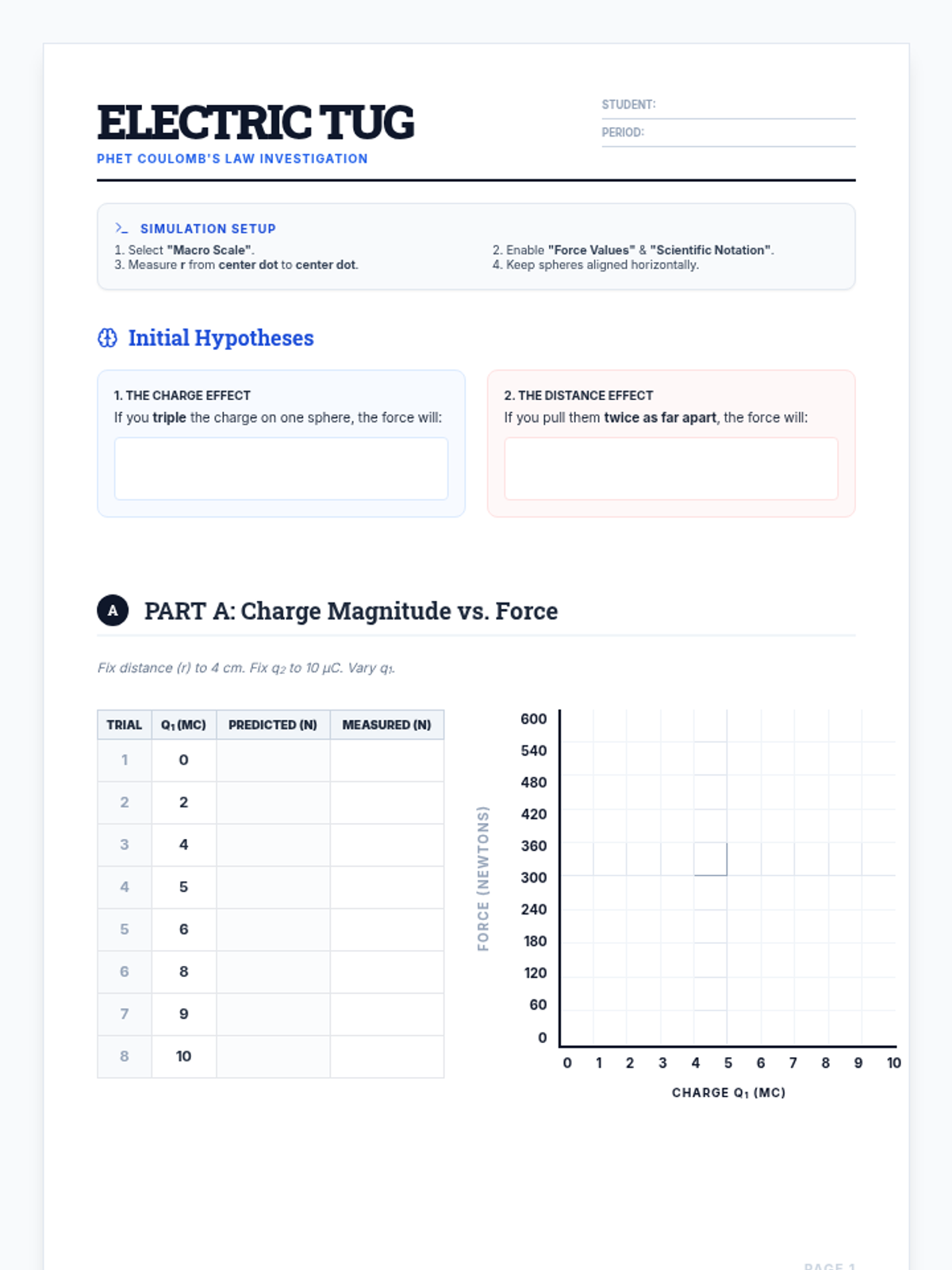
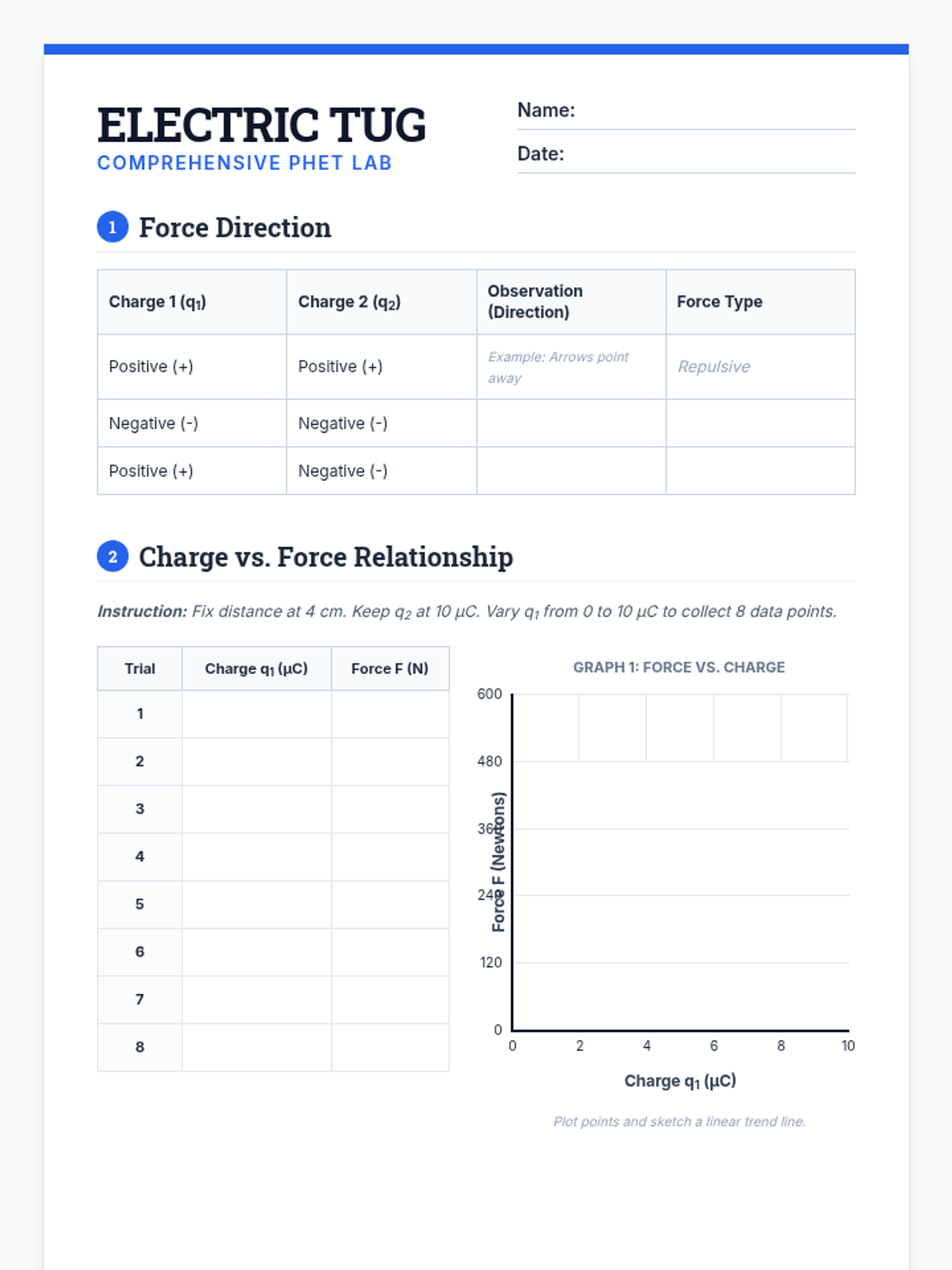
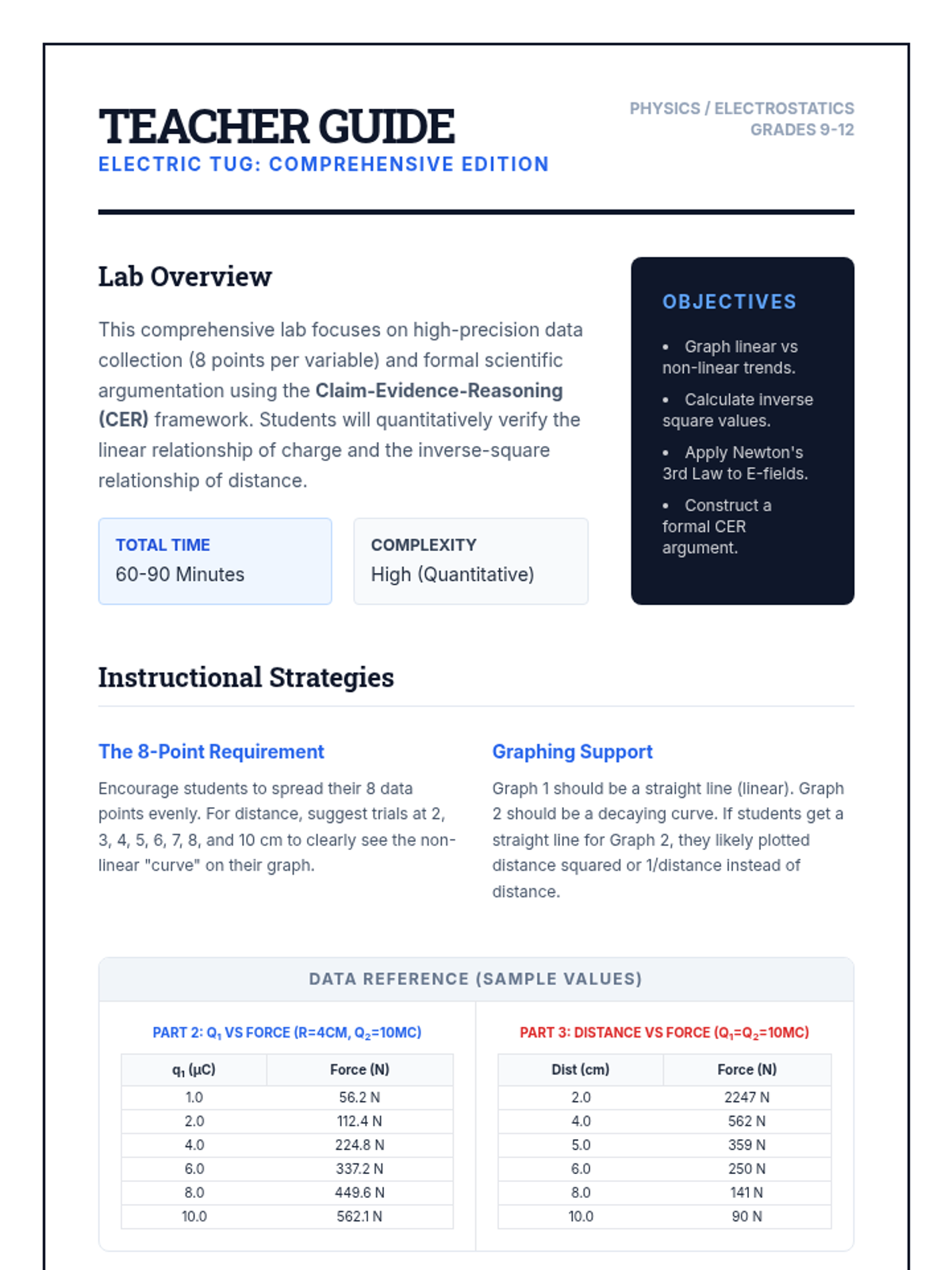
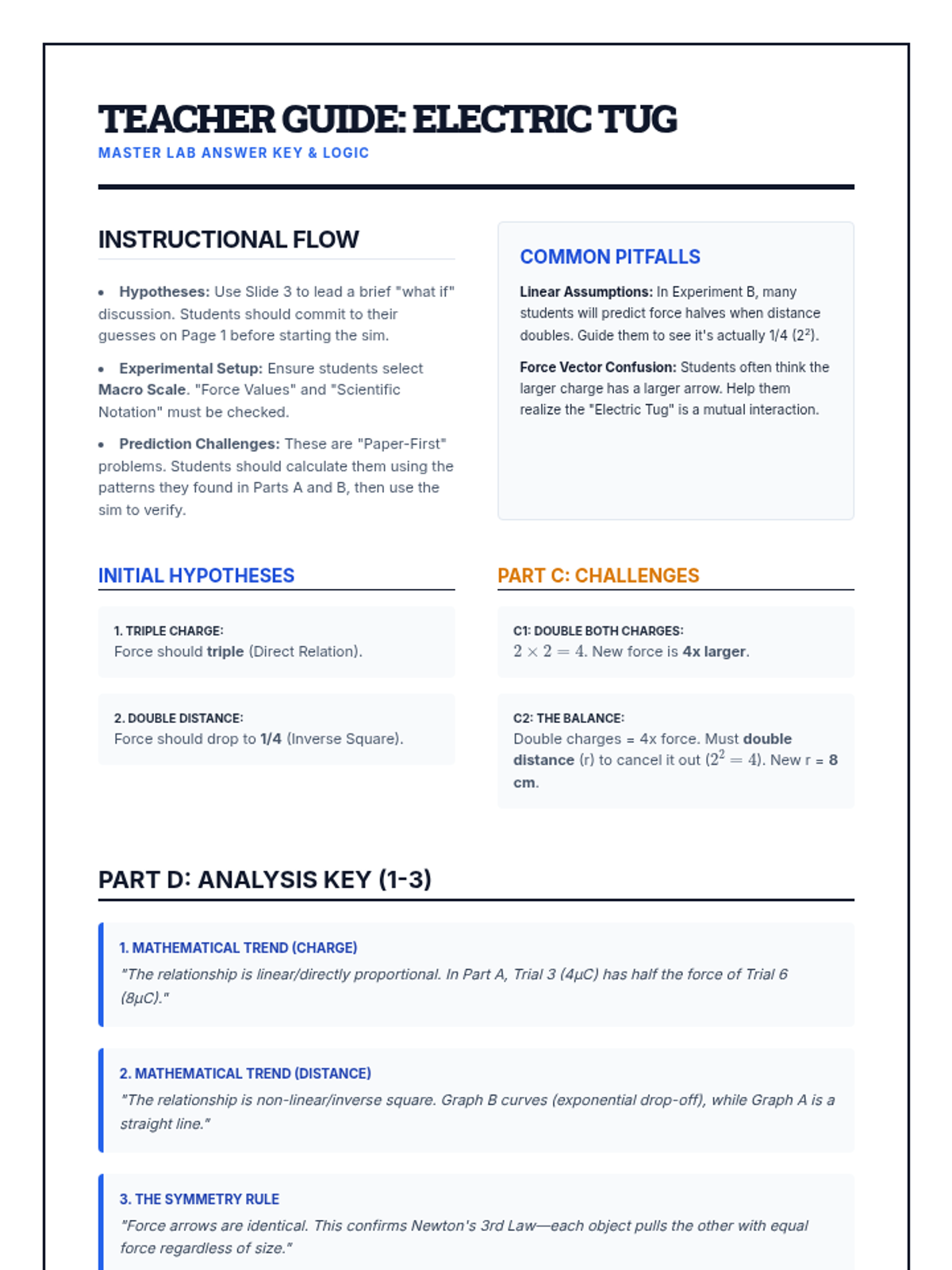
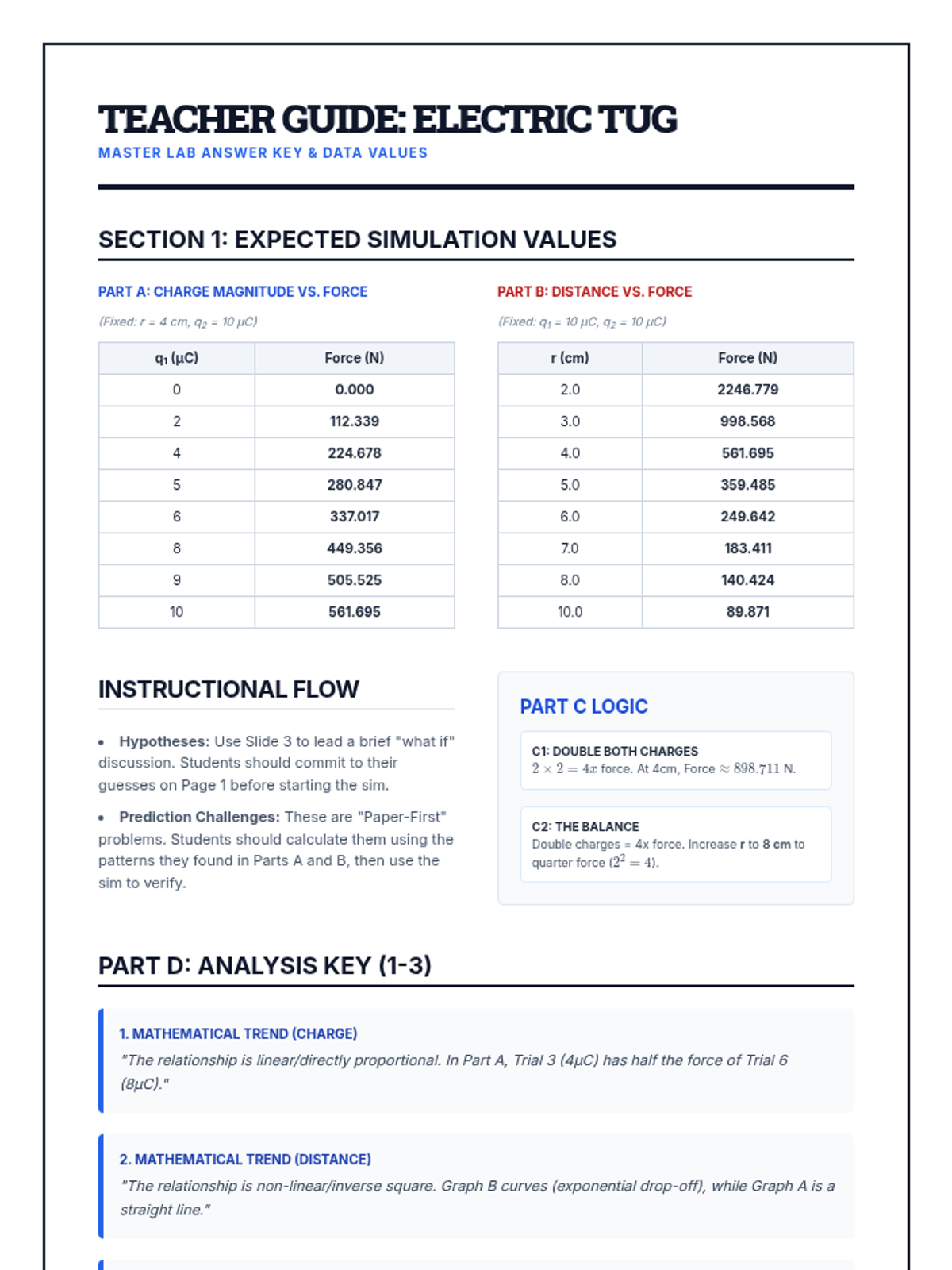
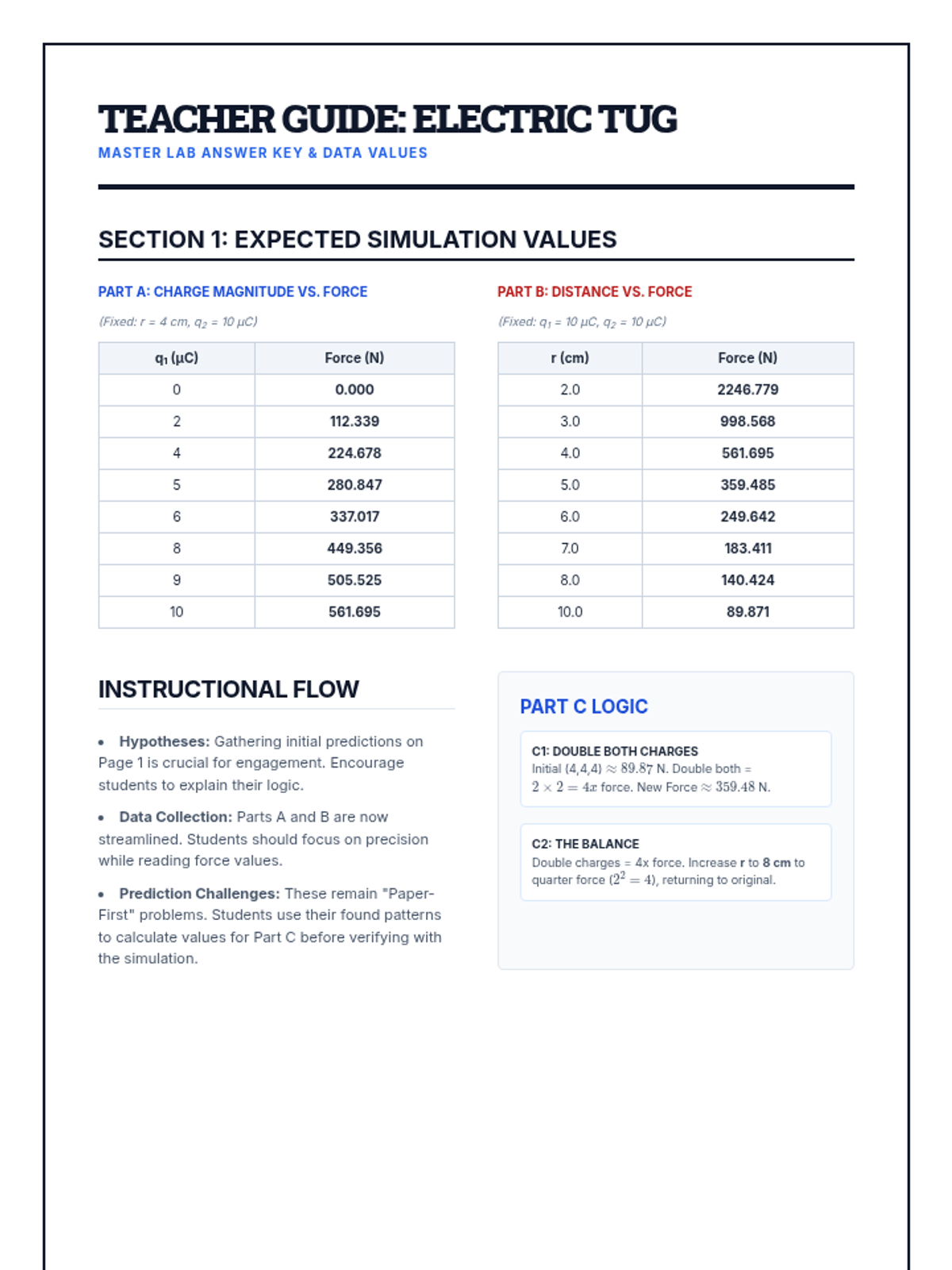
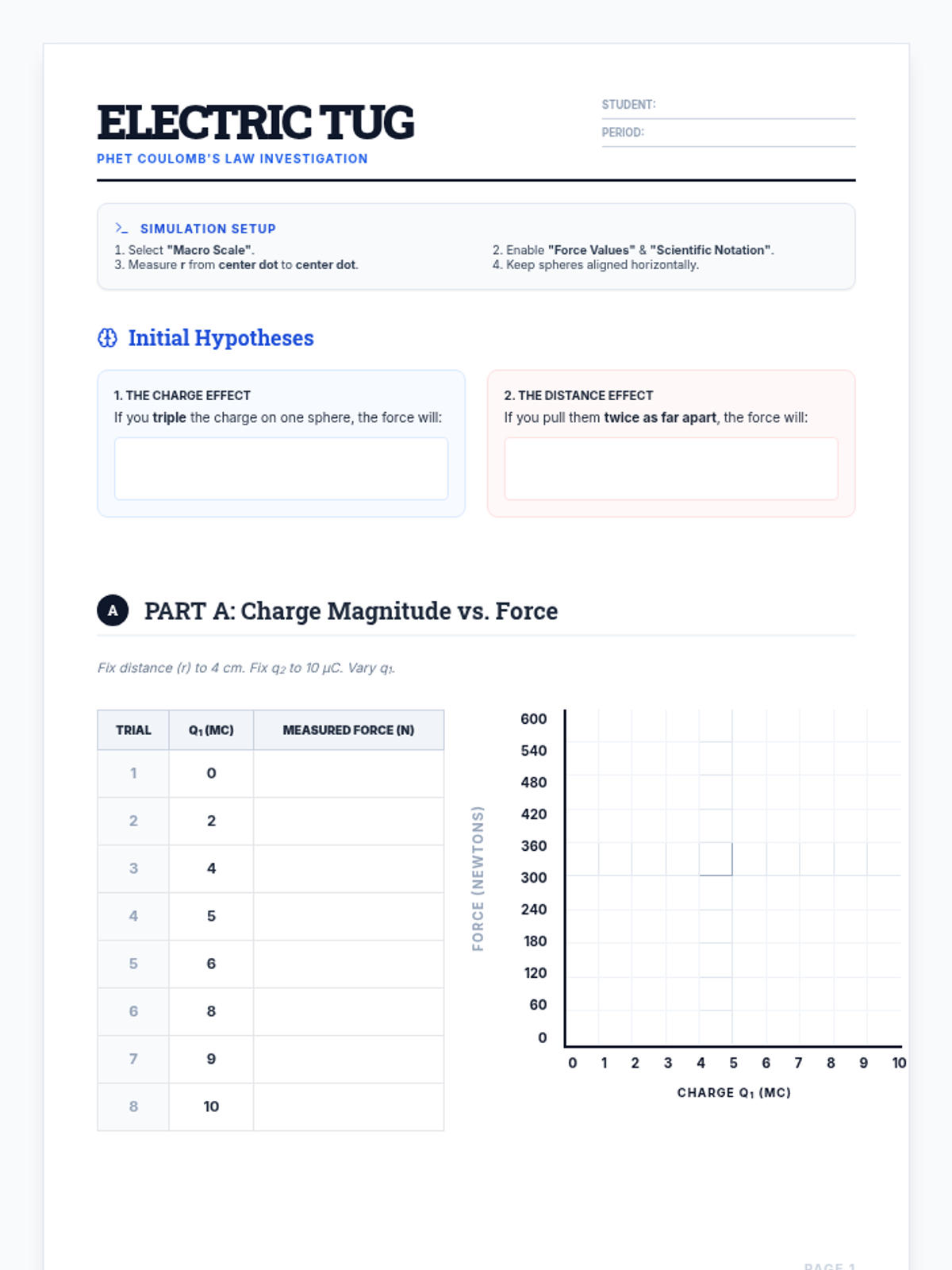
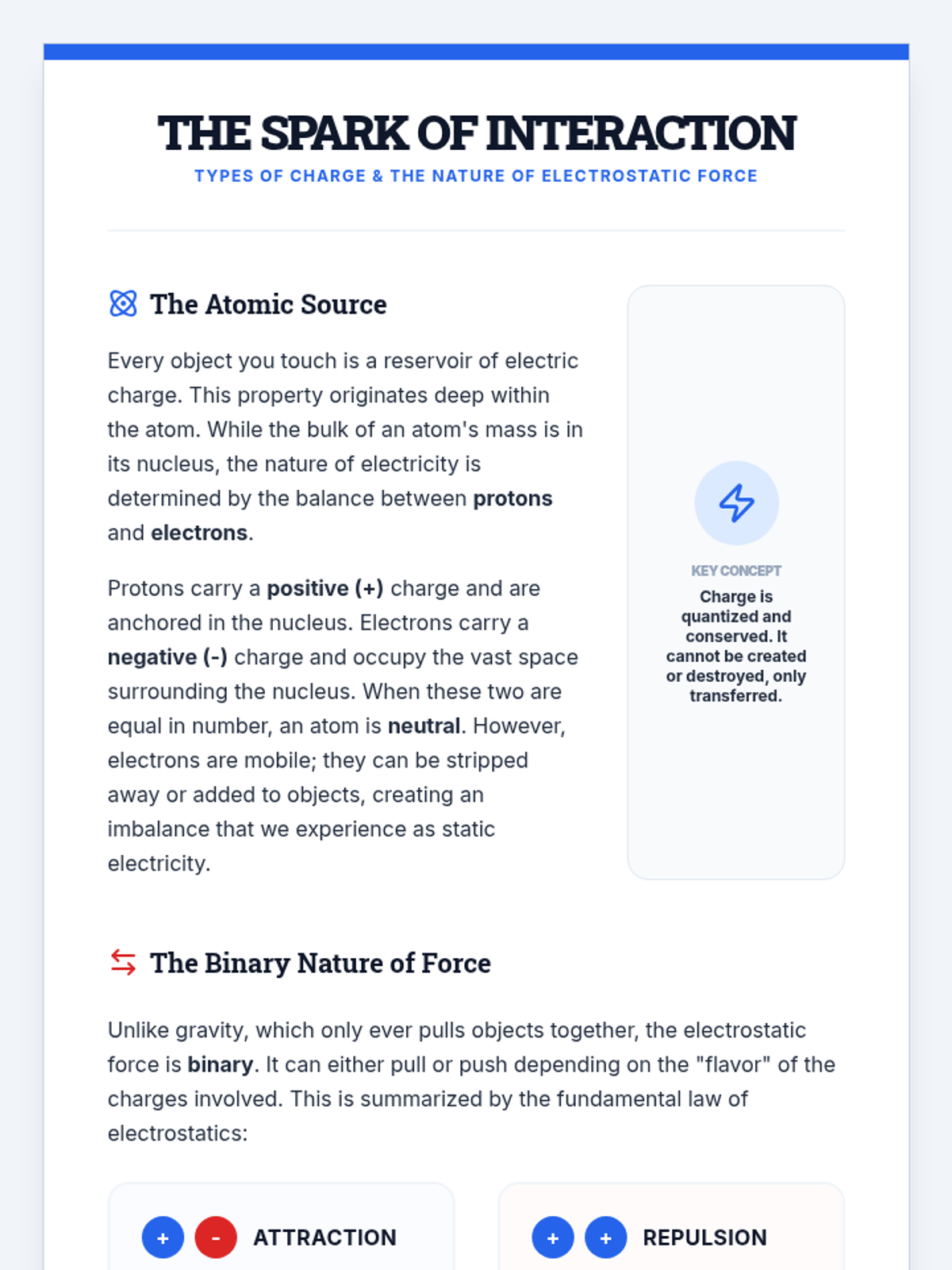
An inquiry-based lab where students use the PhET Coulomb's Law simulation to discover the relationships between charge, distance, and electrostatic force.
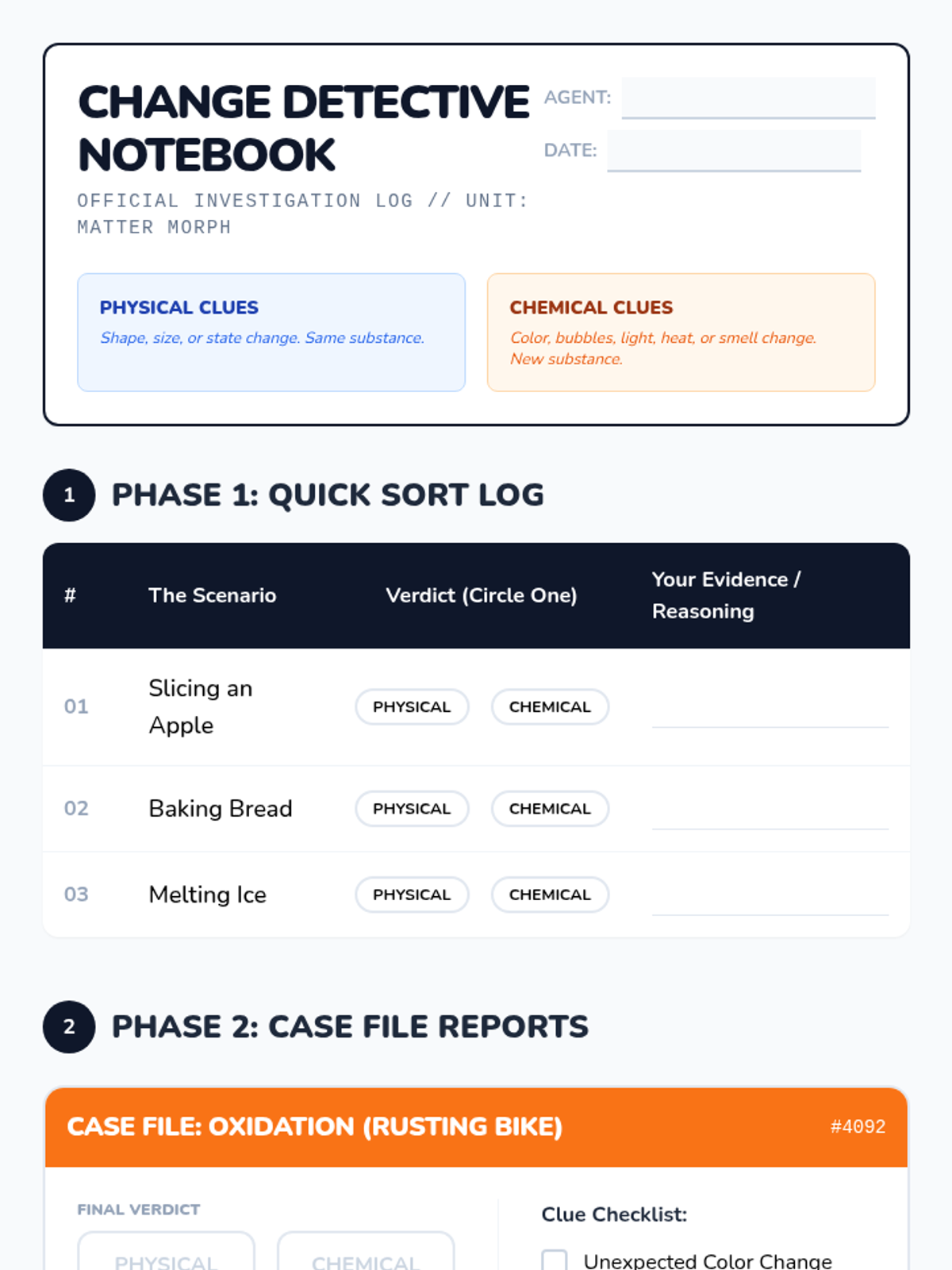
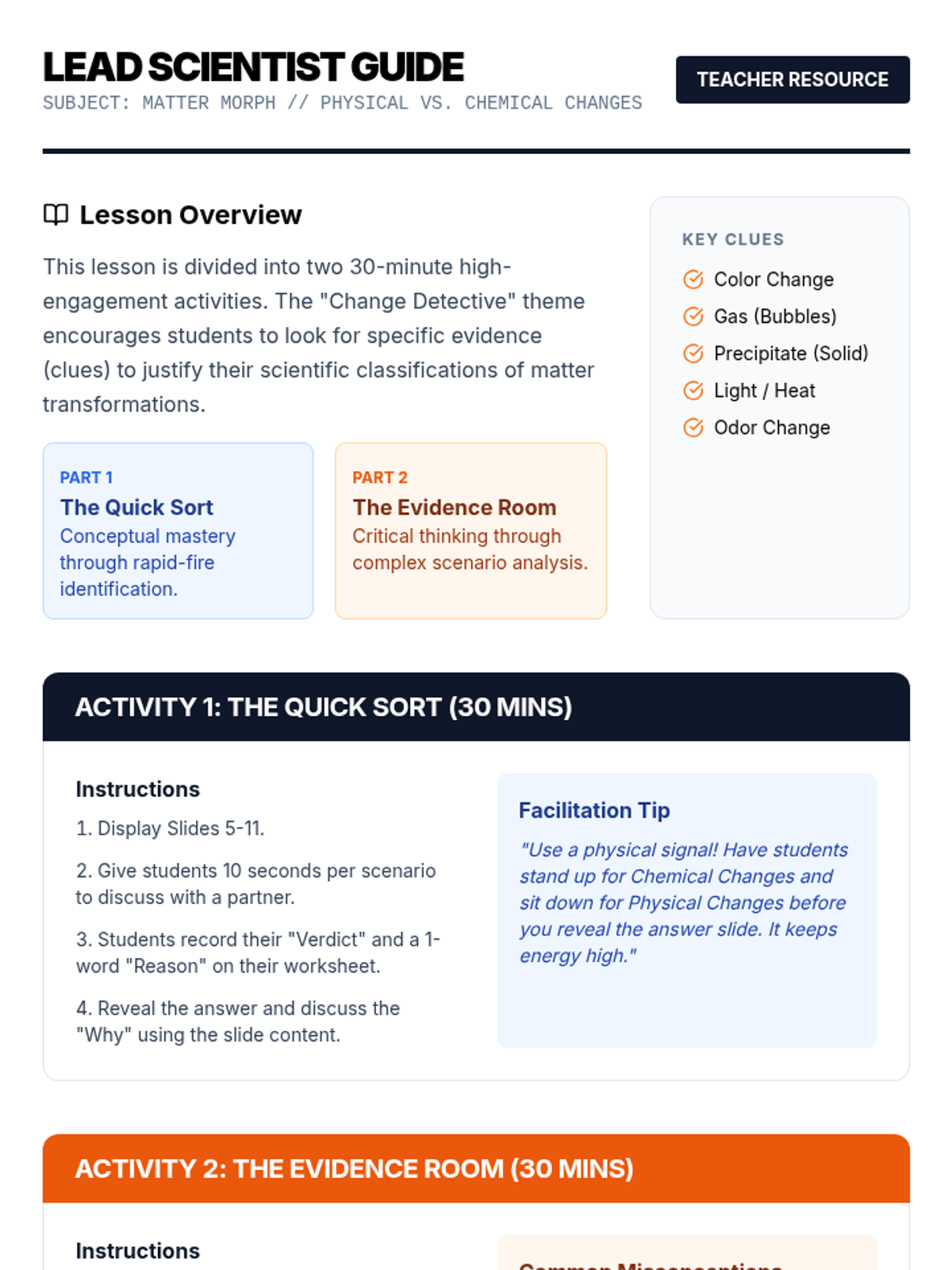
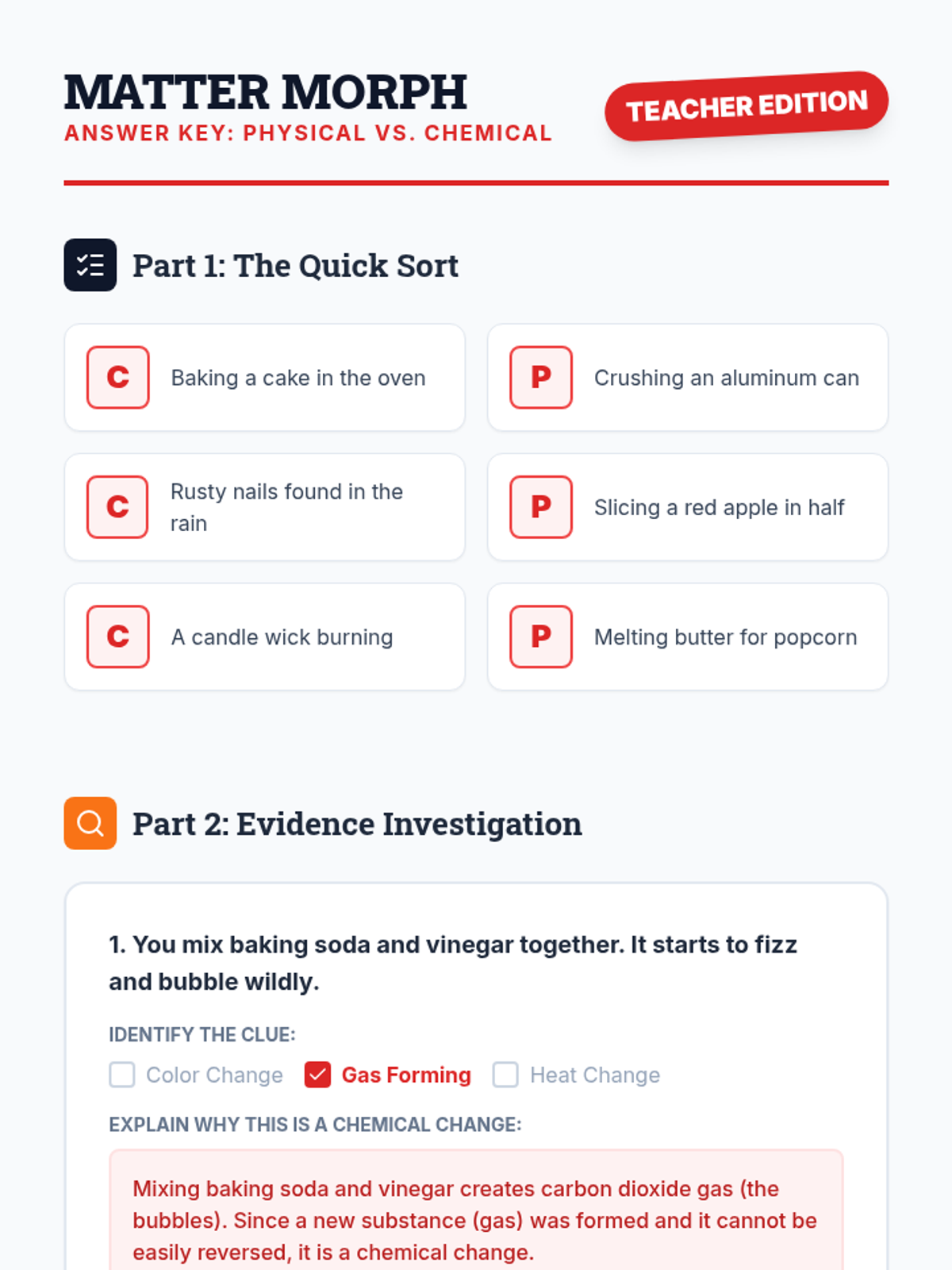
A high-energy lesson where students become 'Change Detectives' to identify and justify the differences between physical and chemical changes through two distinct 30-minute investigations.
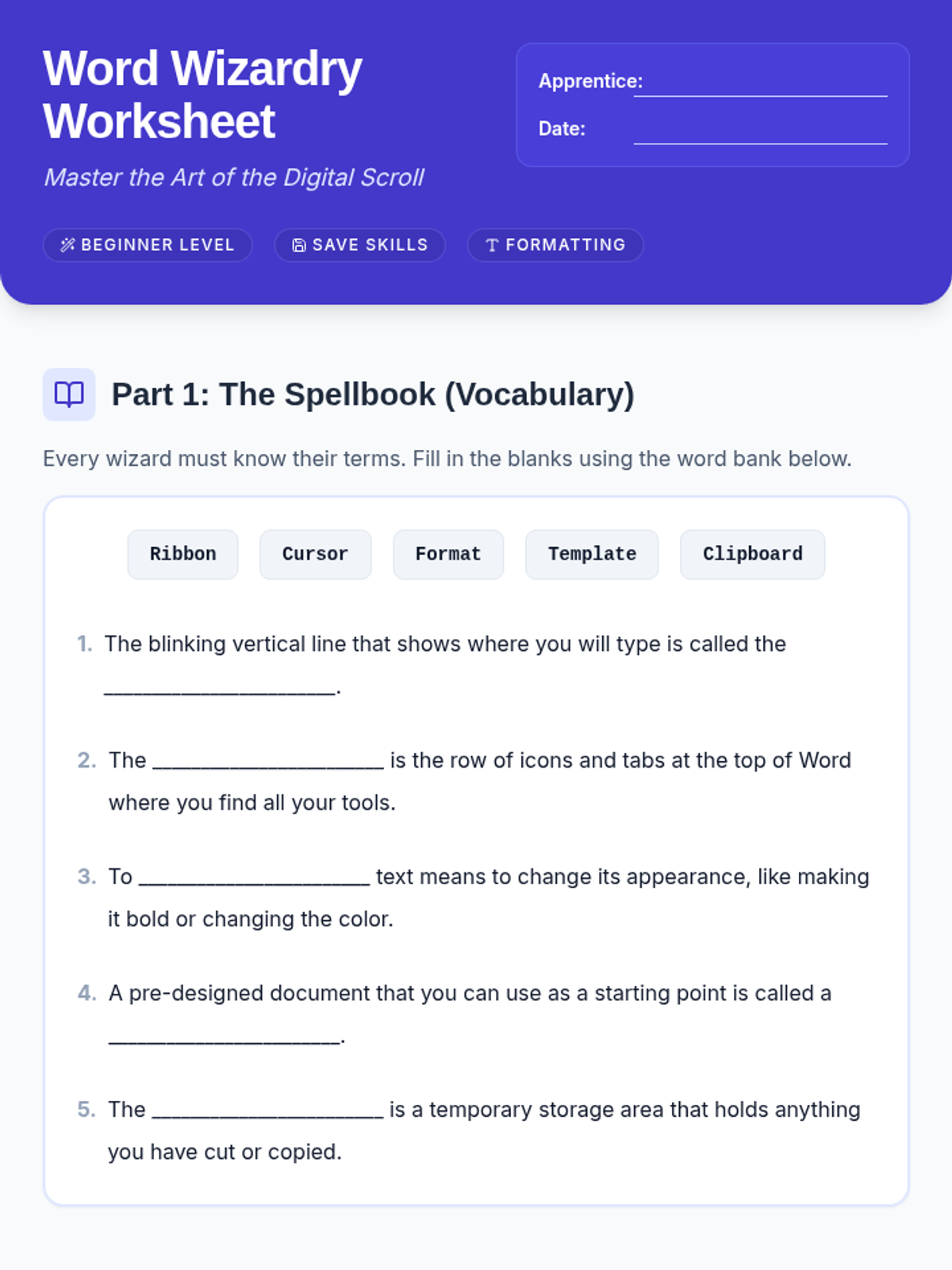
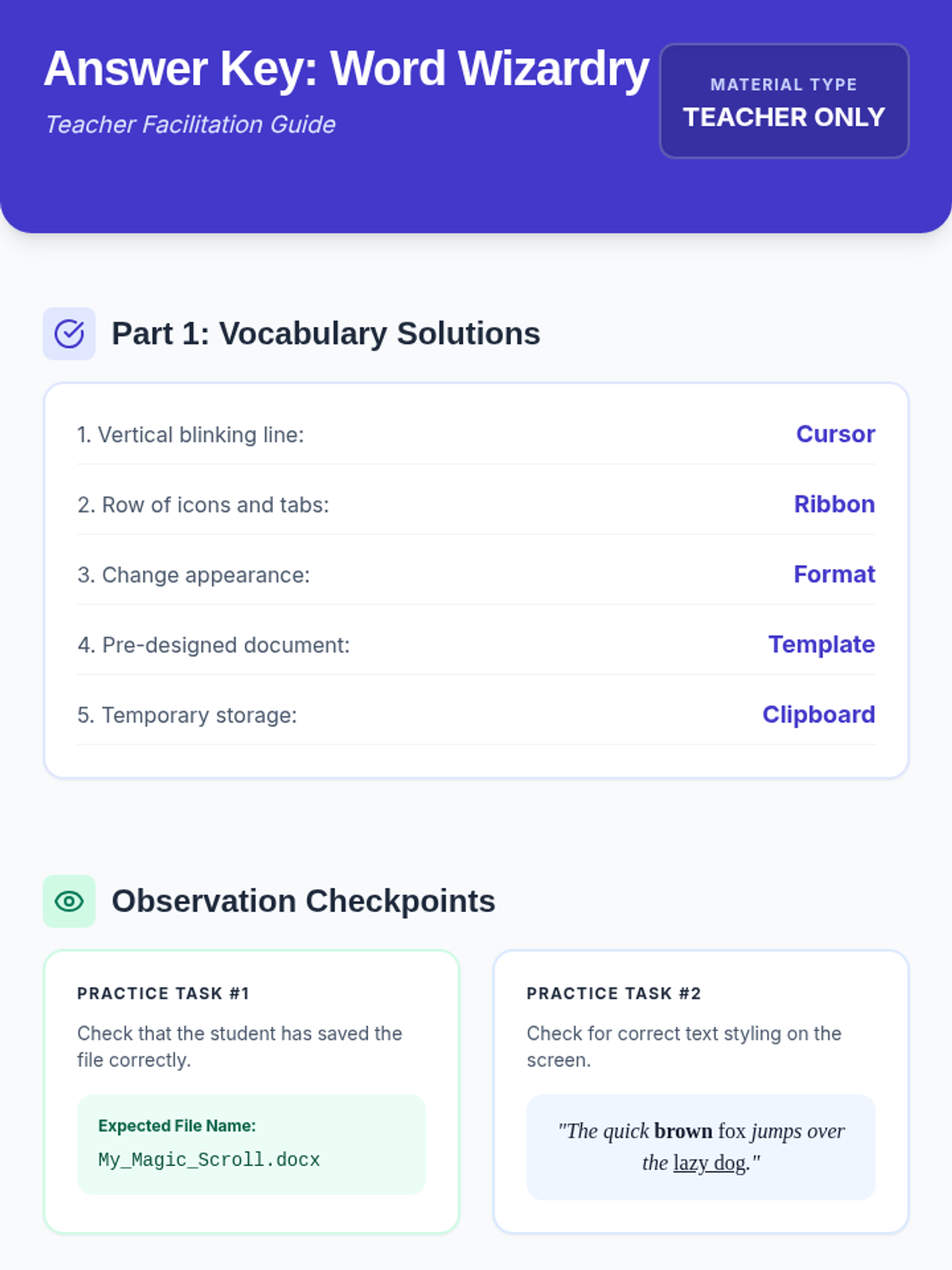
An introductory lesson on Microsoft Word basics, covering document creation, saving, text formatting, and clipboard actions (copy/cut/paste). Students will learn through a 'Word Wizardry' theme, transforming technical skills into creative magic.
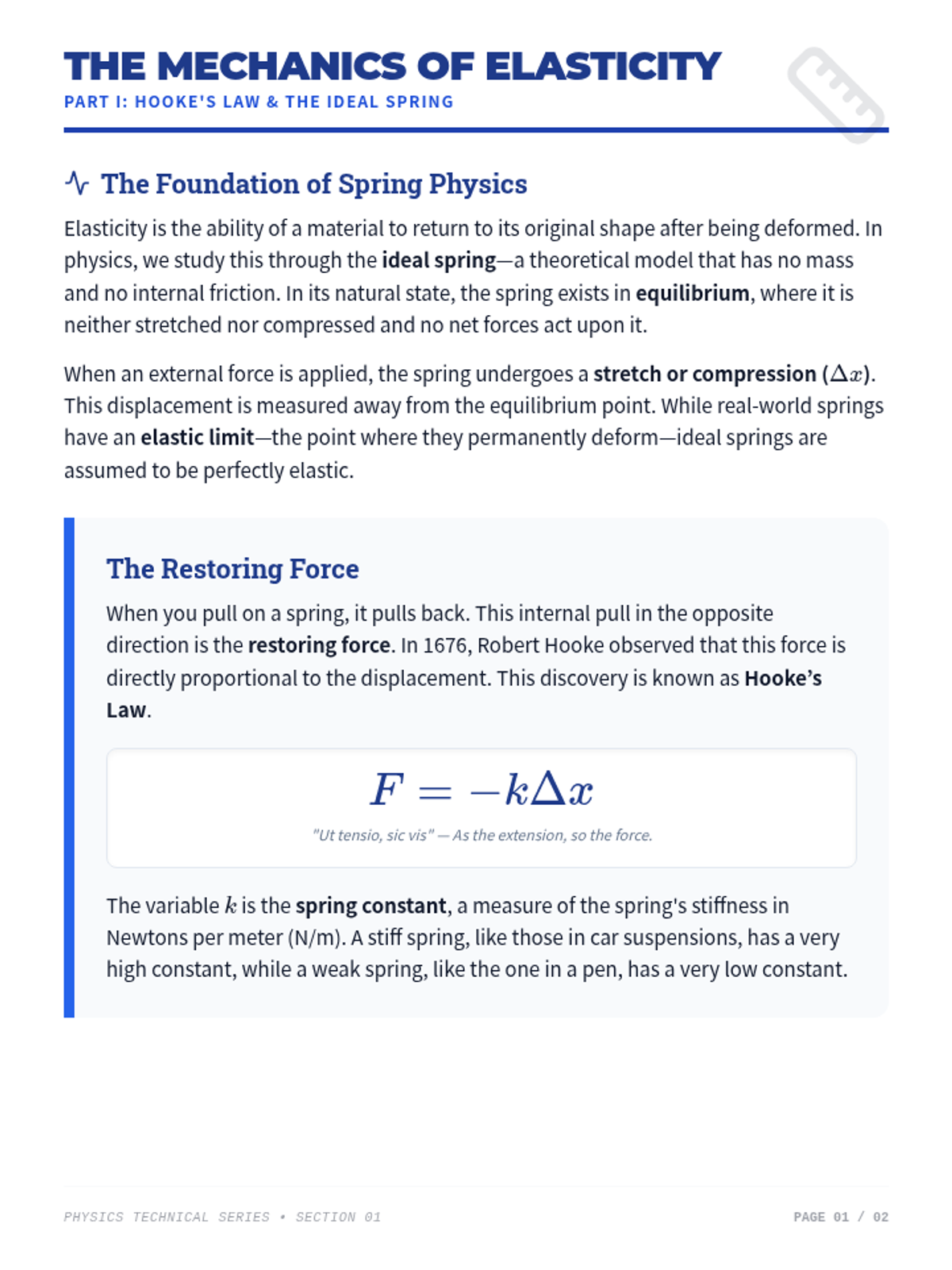
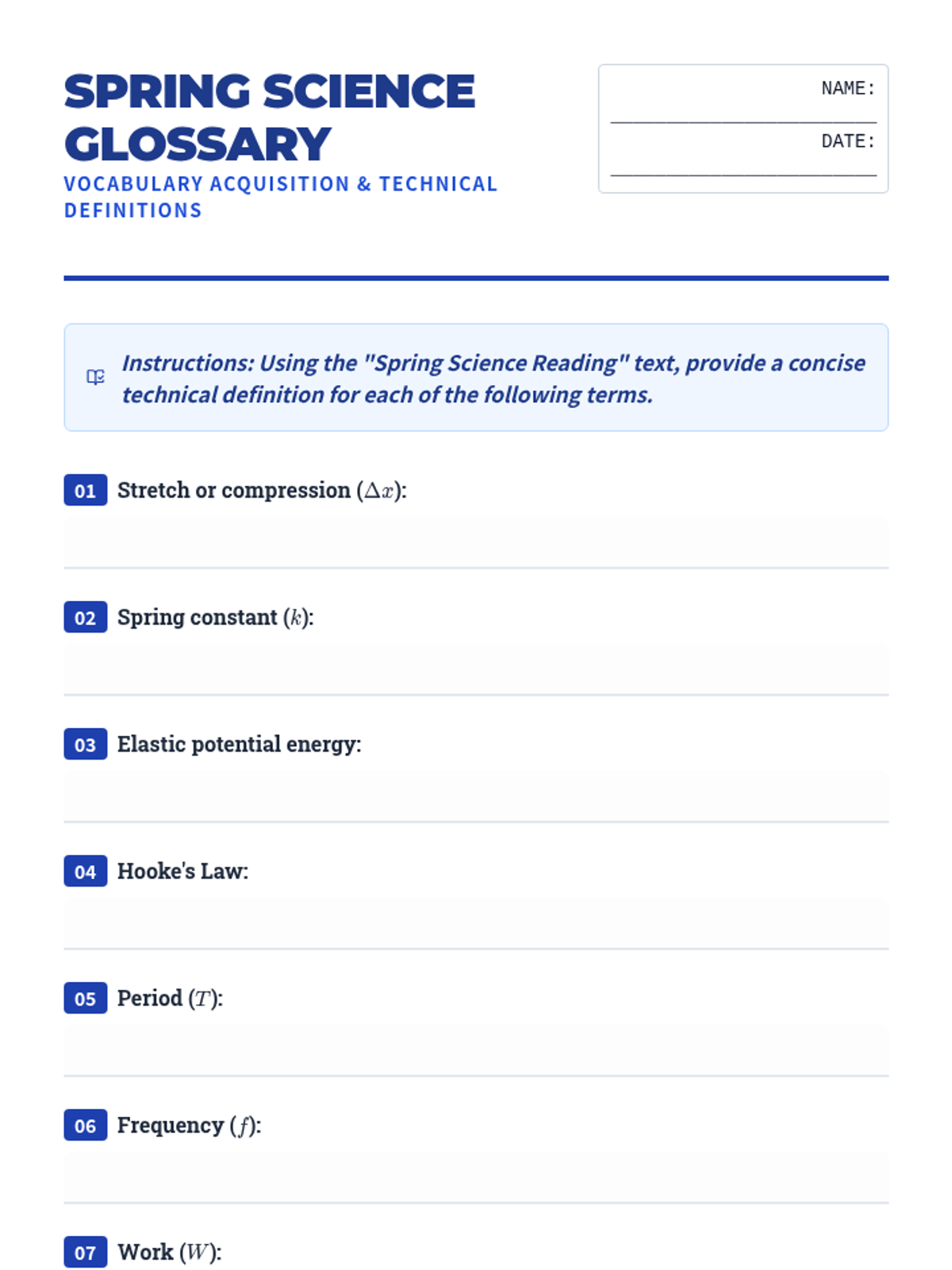
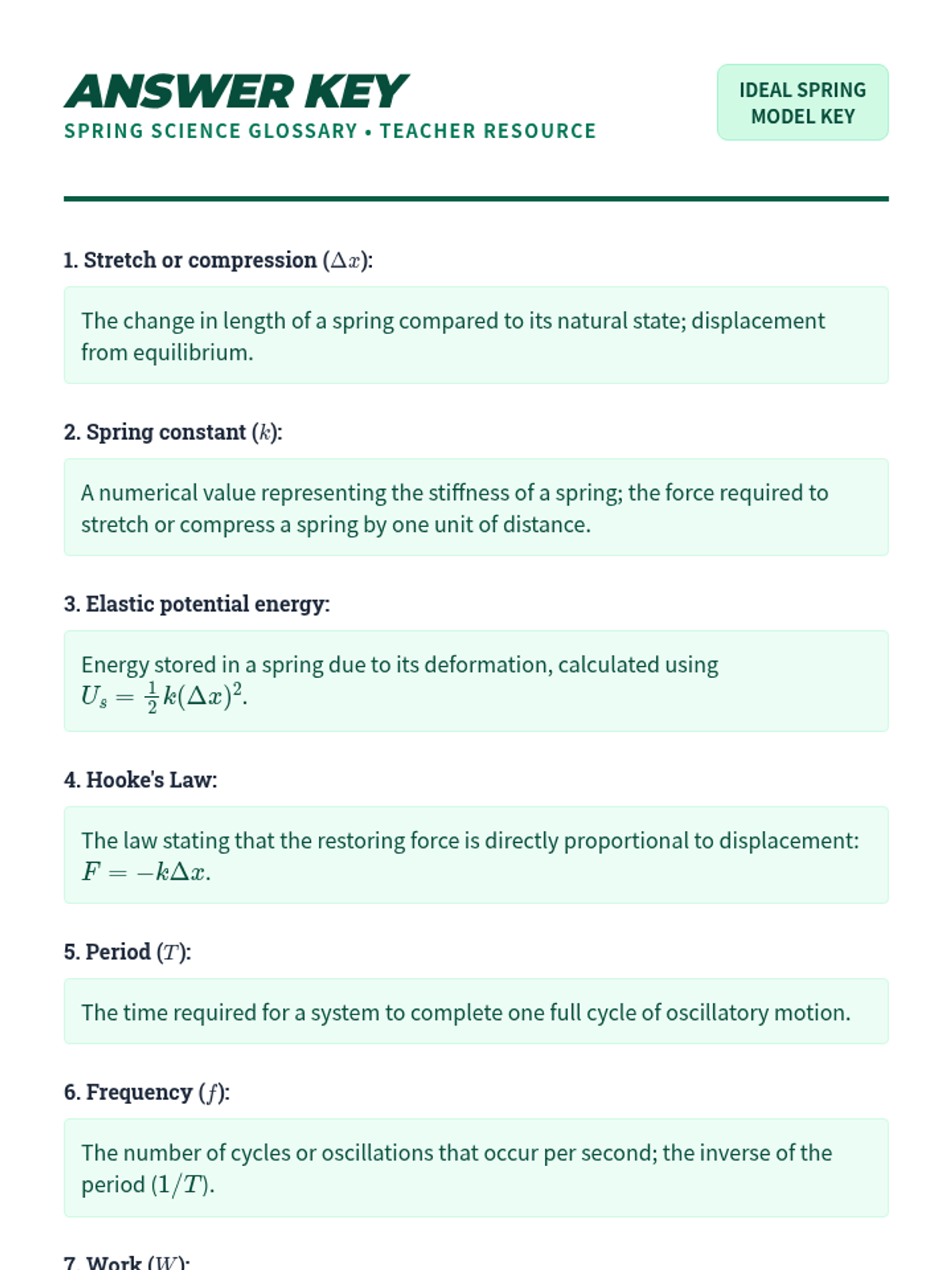
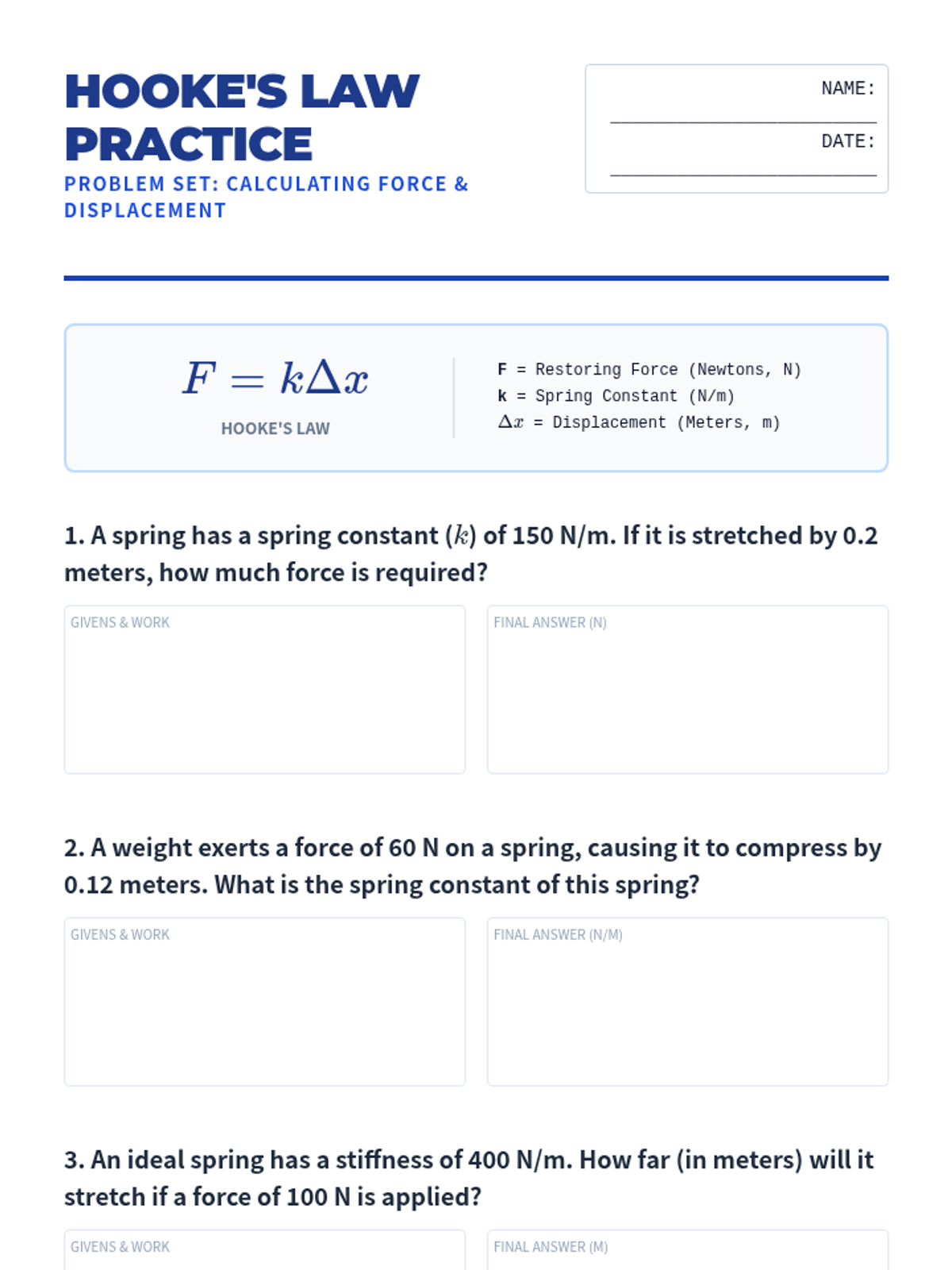
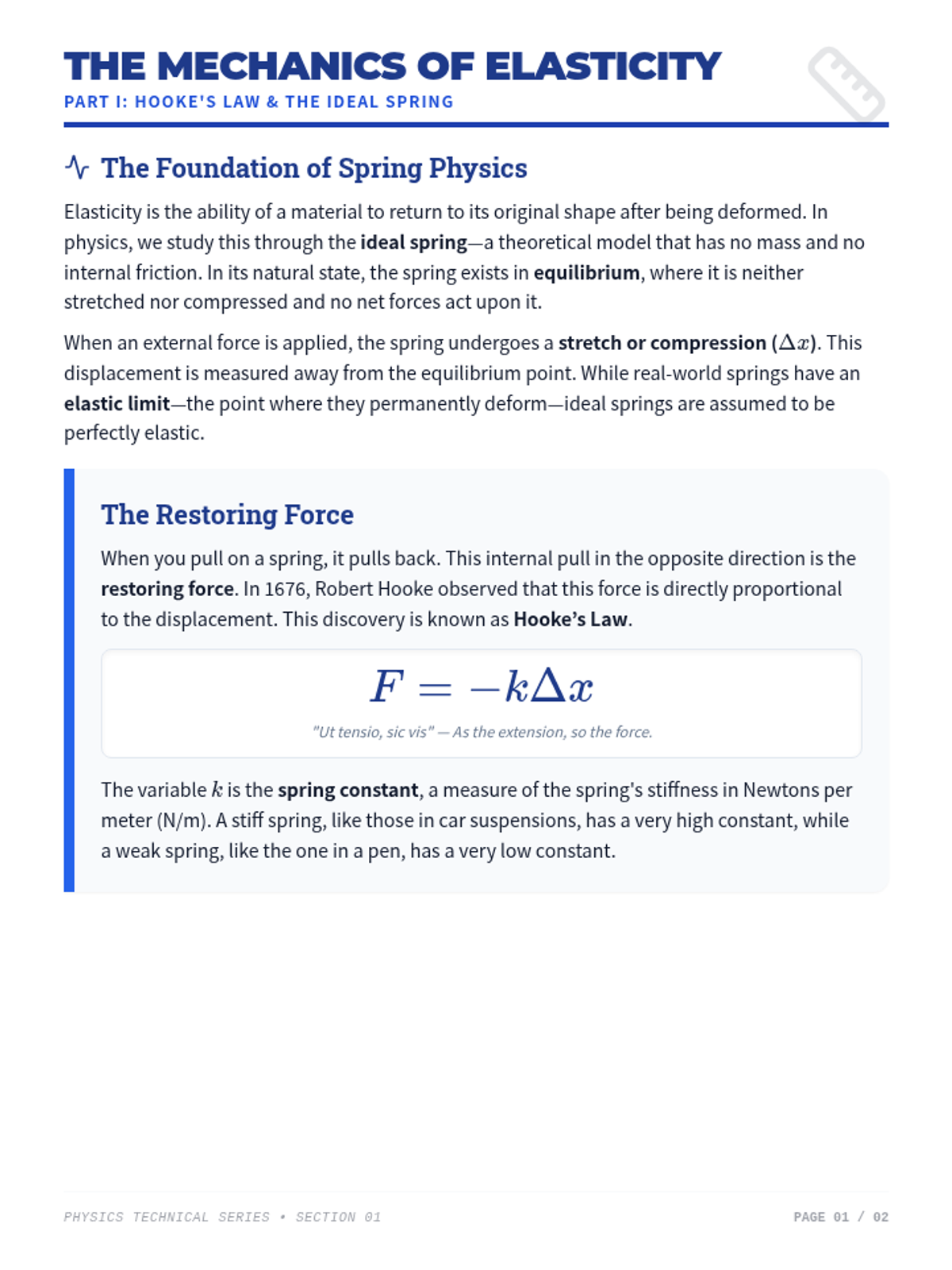
A lesson exploring the physics of Hooke's Law and the mechanics of ideal springs. Students investigate the relationship between force, displacement, and stored energy in elastic systems.
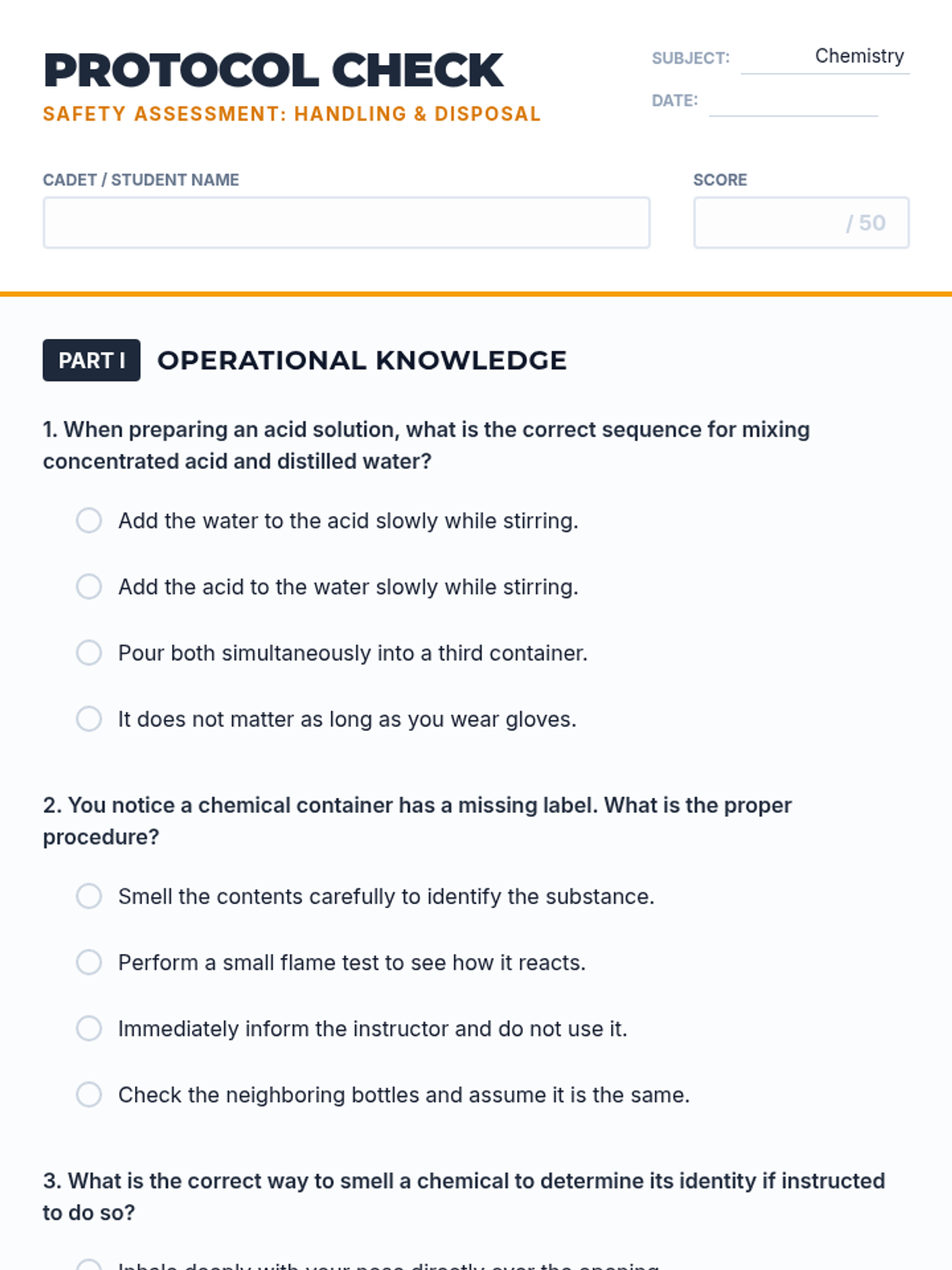
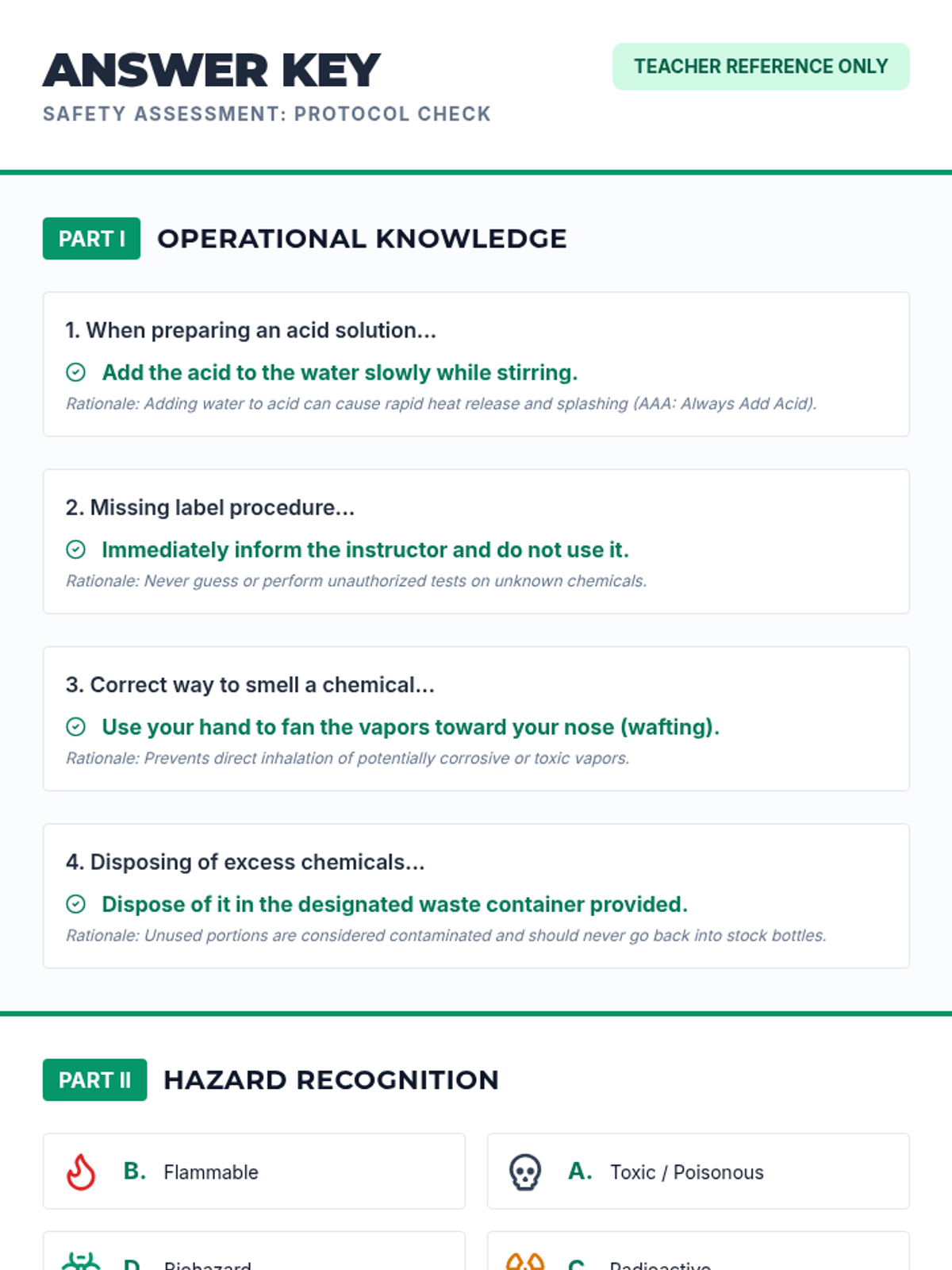
A comprehensive lesson on chemical handling and waste disposal protocols for high school chemistry students, featuring instructional slides and a formal assessment.
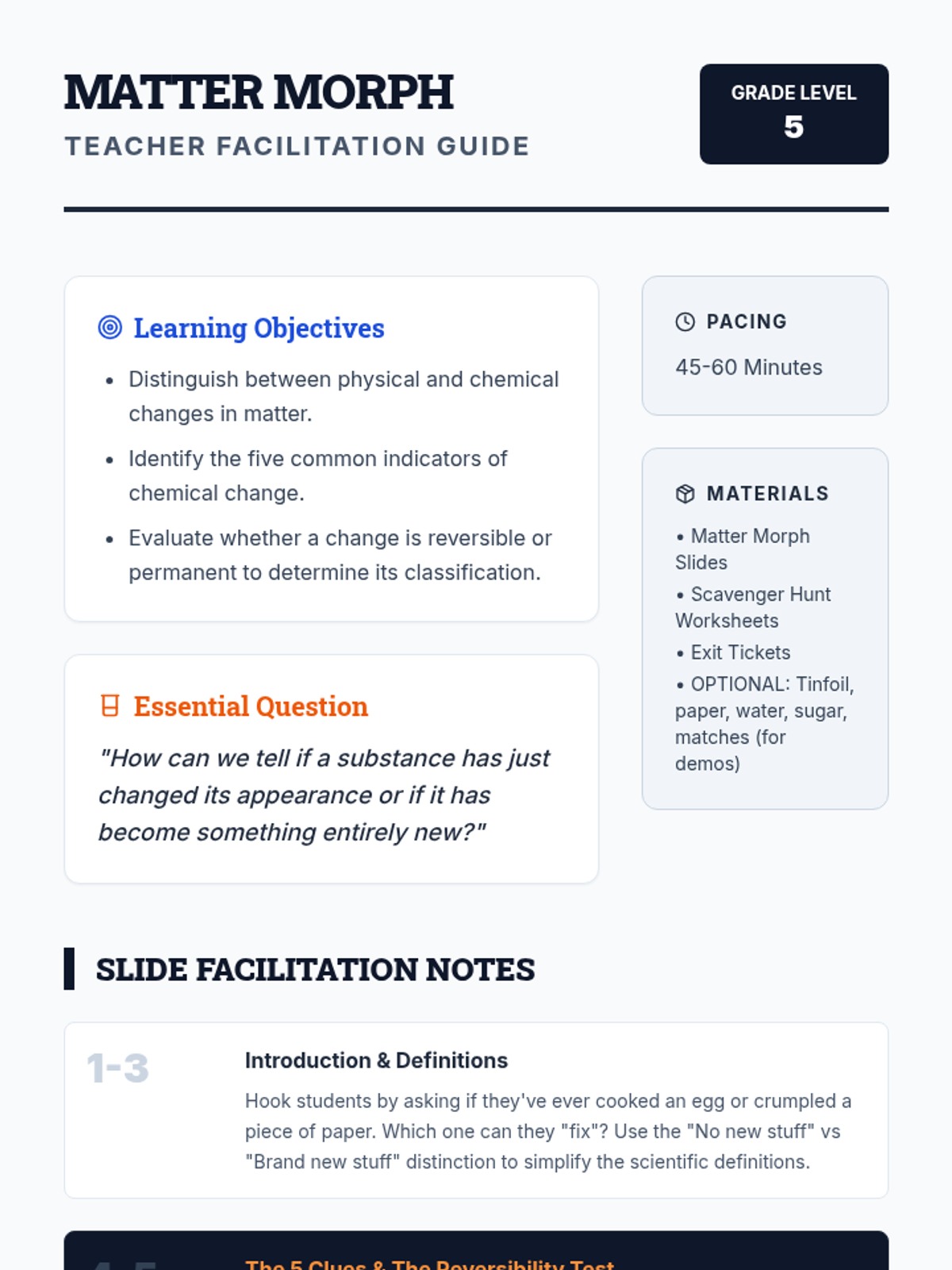
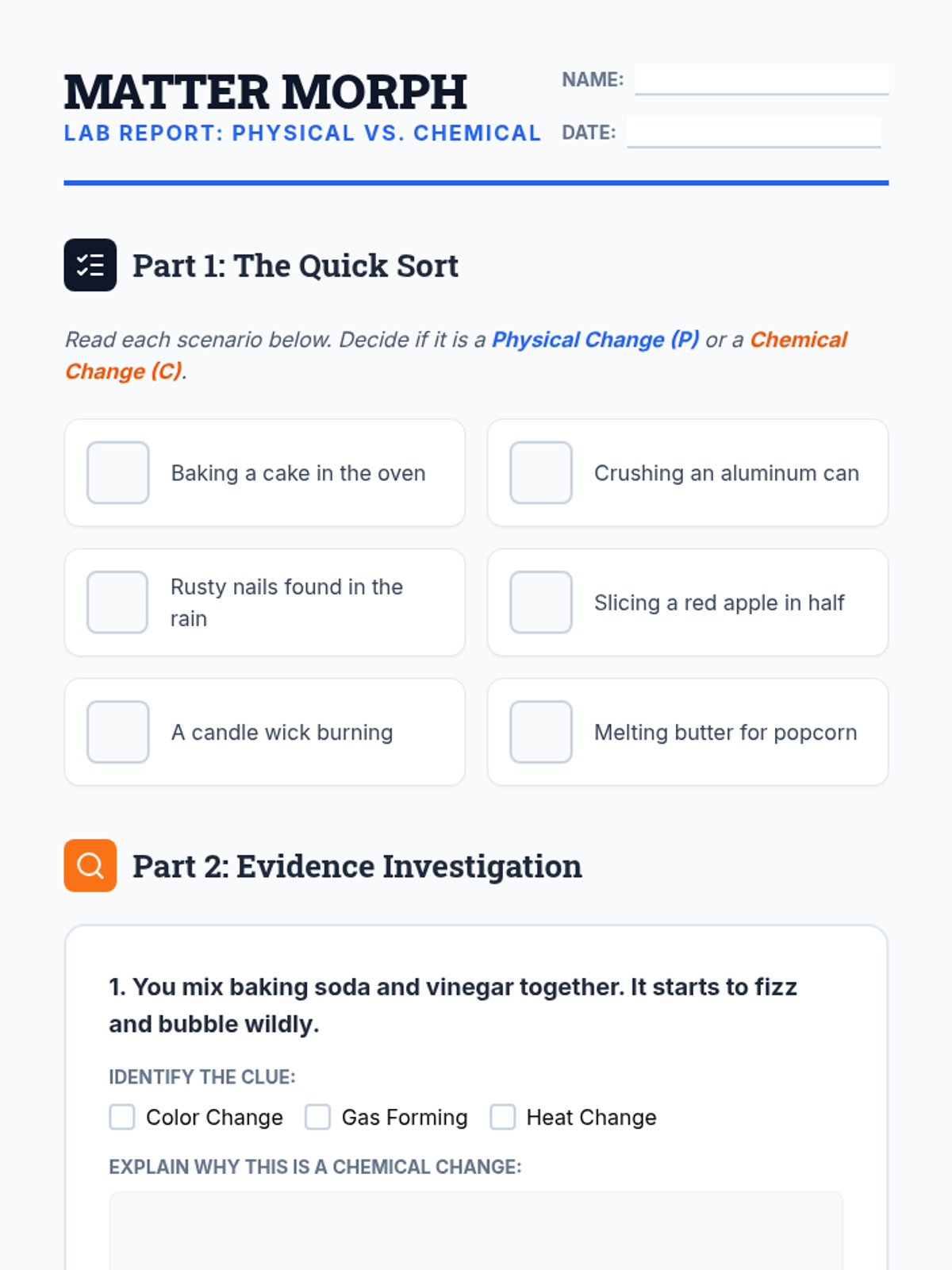
An introductory lesson on physical and chemical changes for 5th-grade students, focusing on identifying signs of change and understanding reversibility.
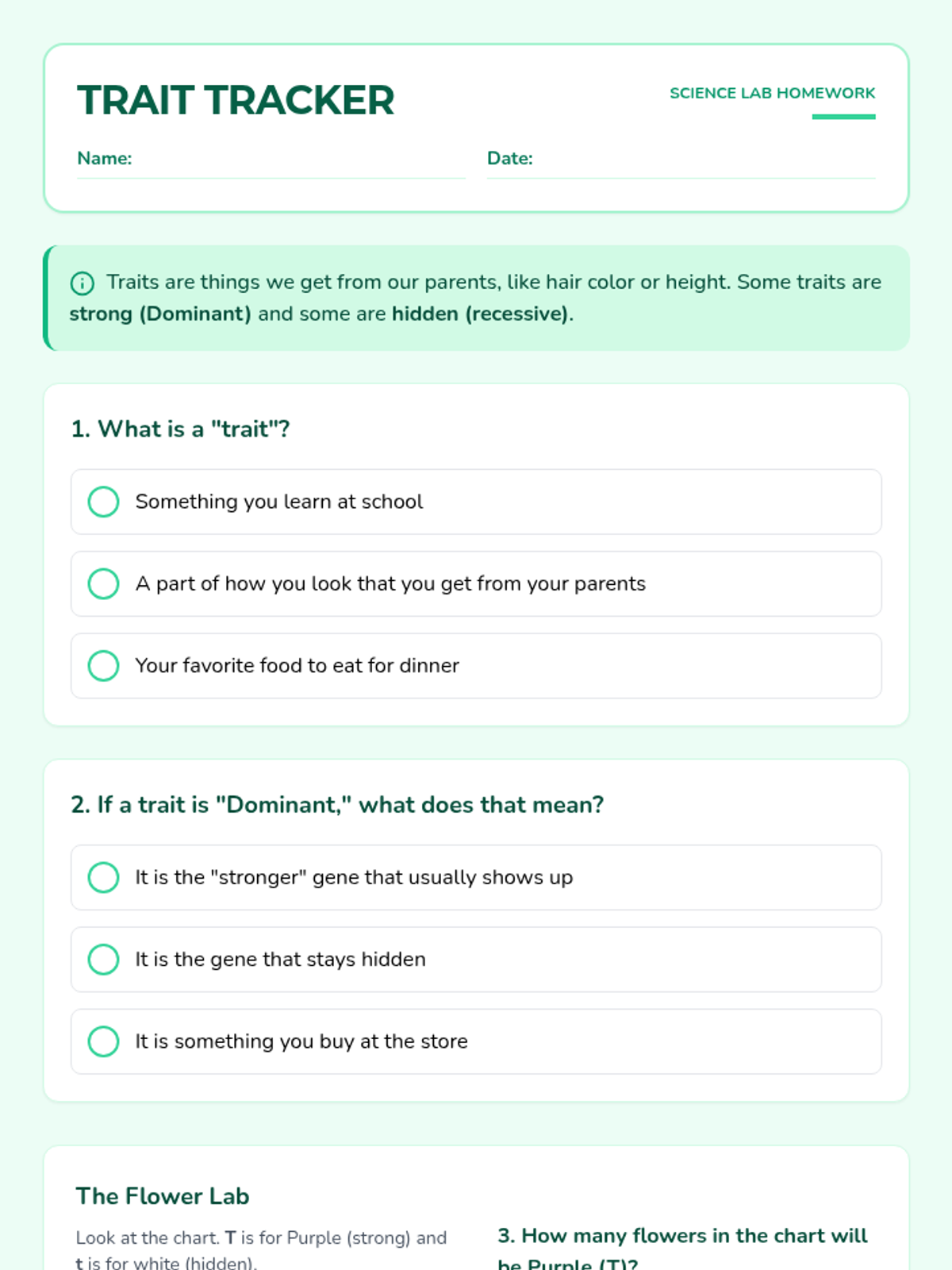
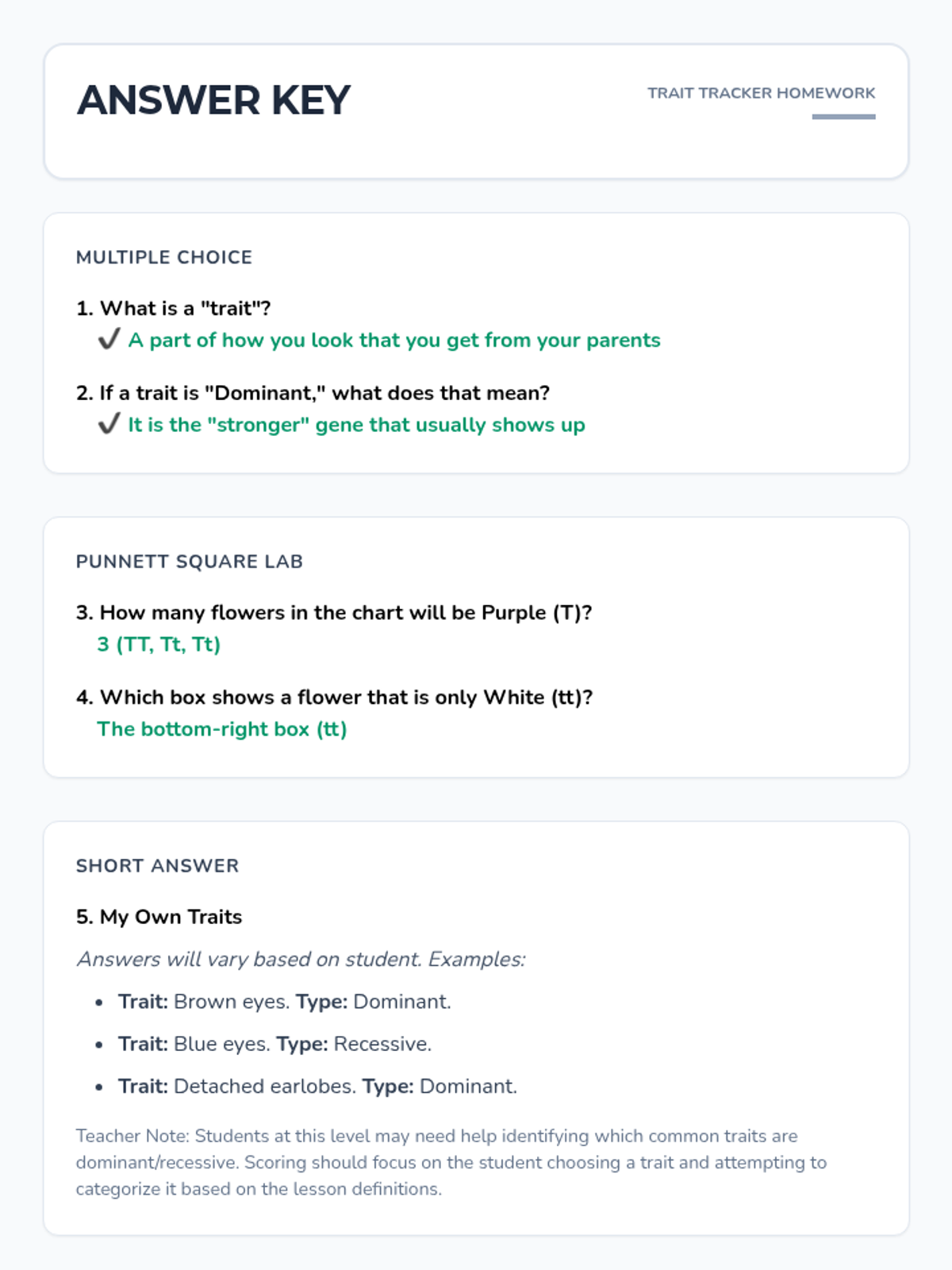
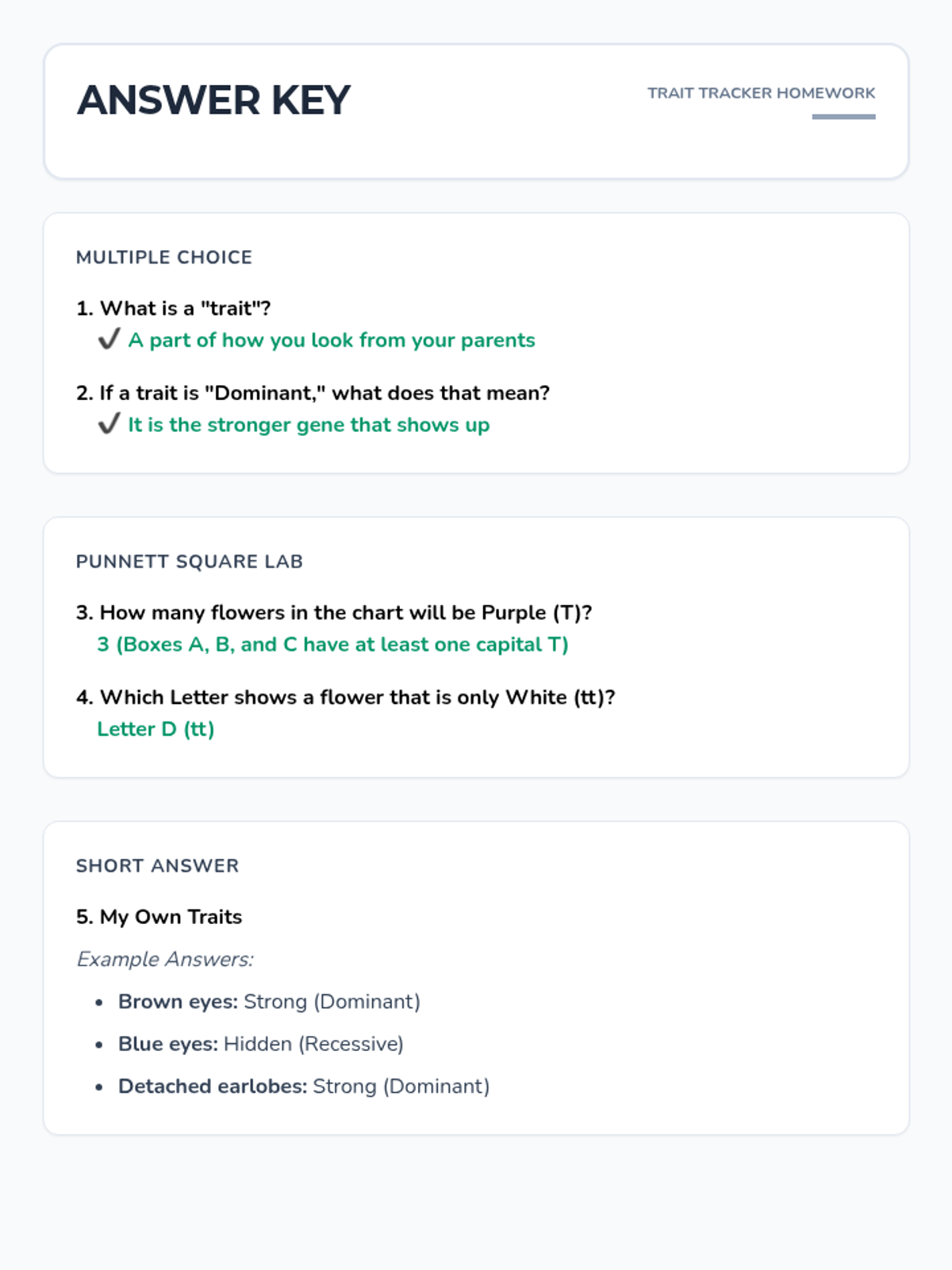
A lesson focused on the basics of genetic inheritance and how traits are passed from parents to offspring, designed for students with a 2nd-grade reading level.
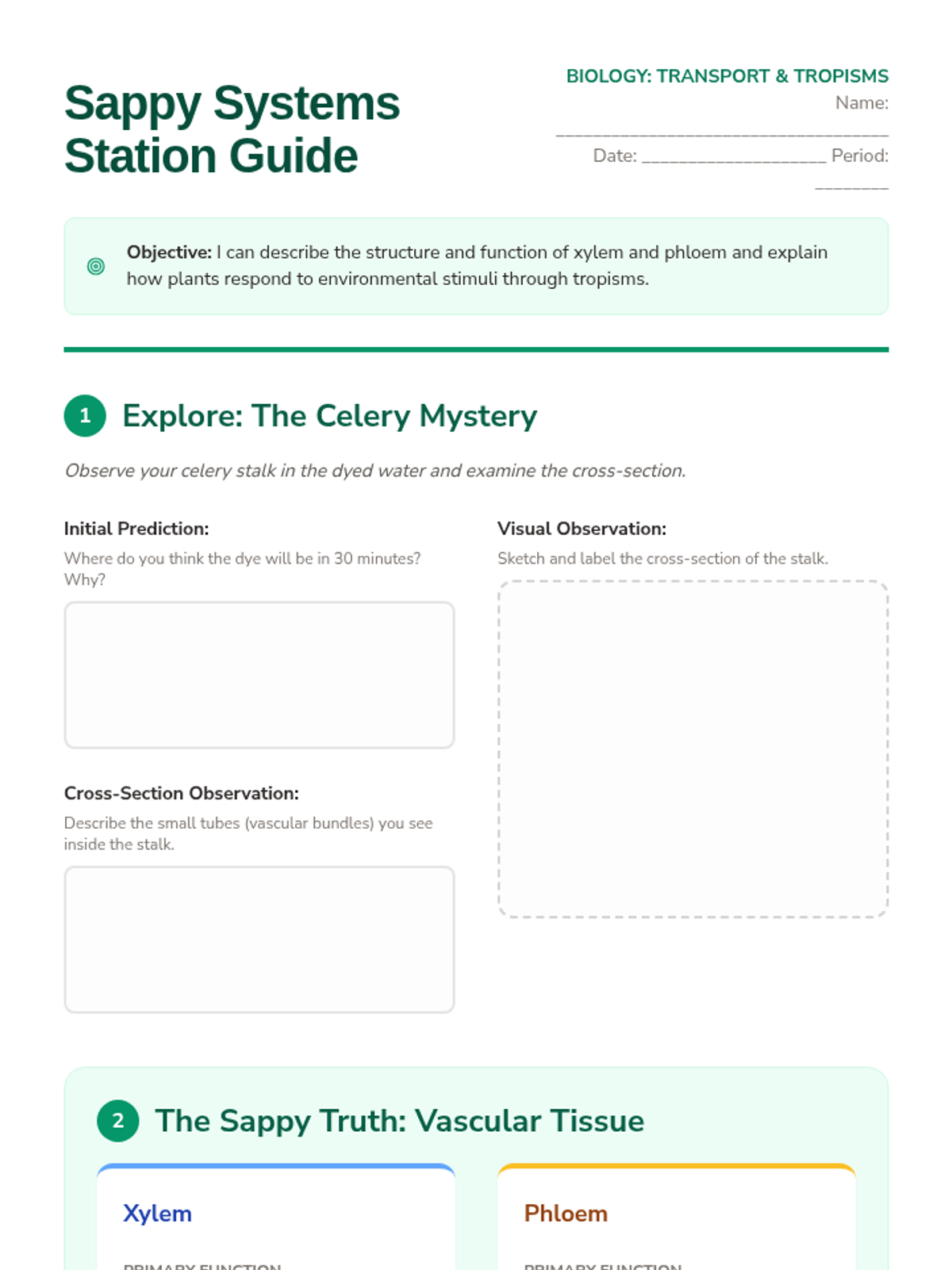
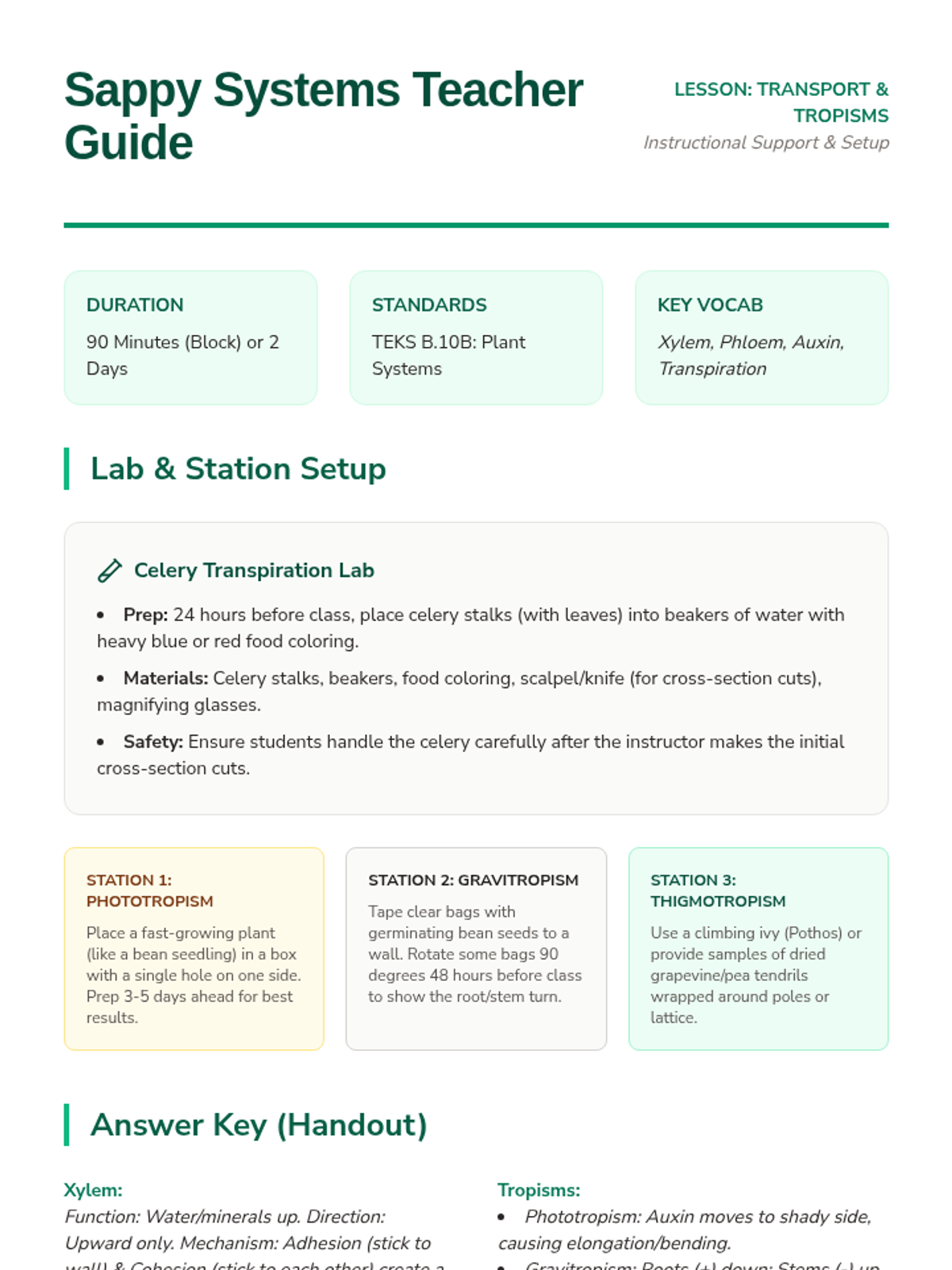
A comprehensive lesson on plant transport systems, covering the structure and function of xylem and phloem, transpiration, and various plant tropisms through hands-on lab work and station-based learning.
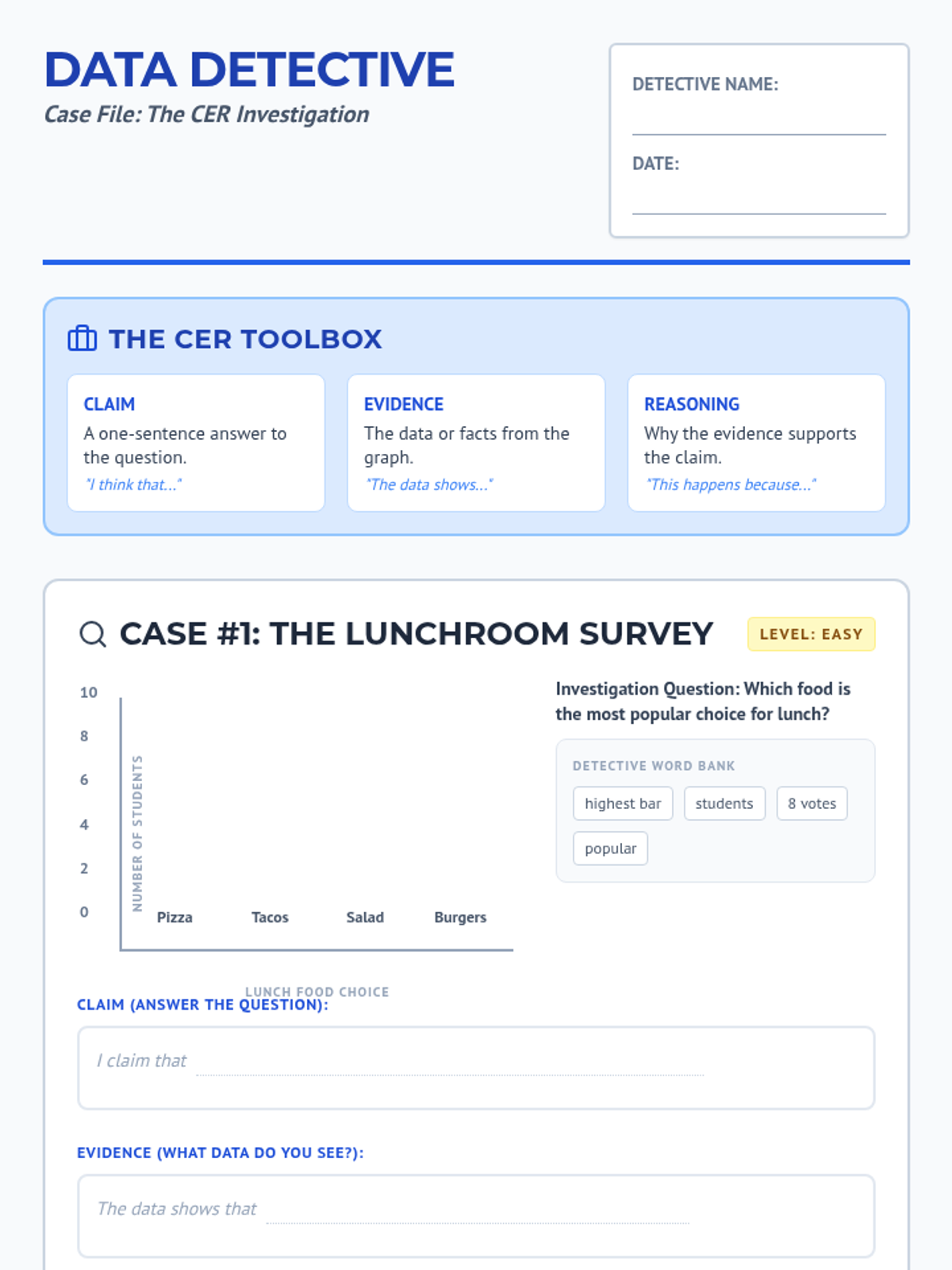
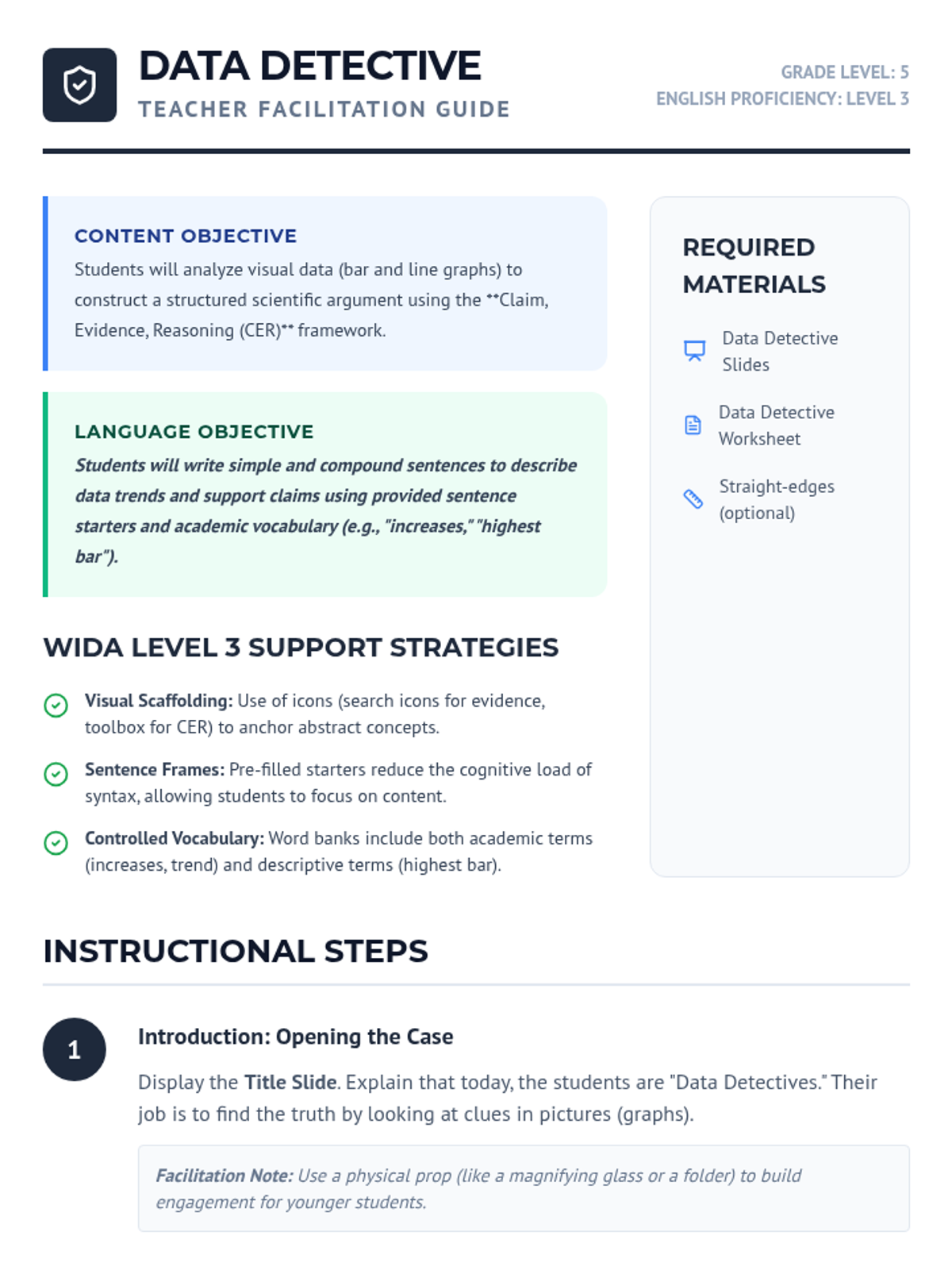
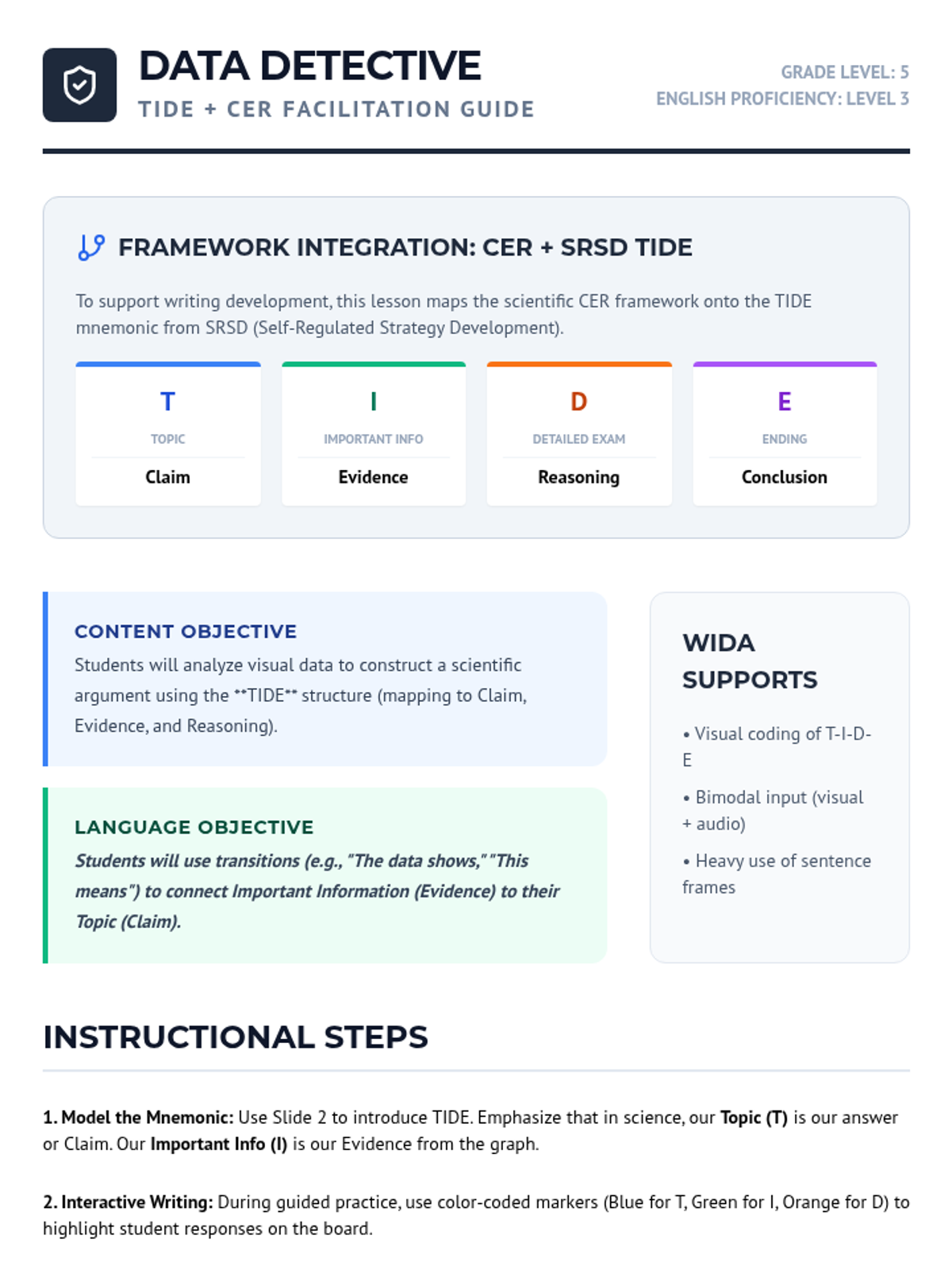
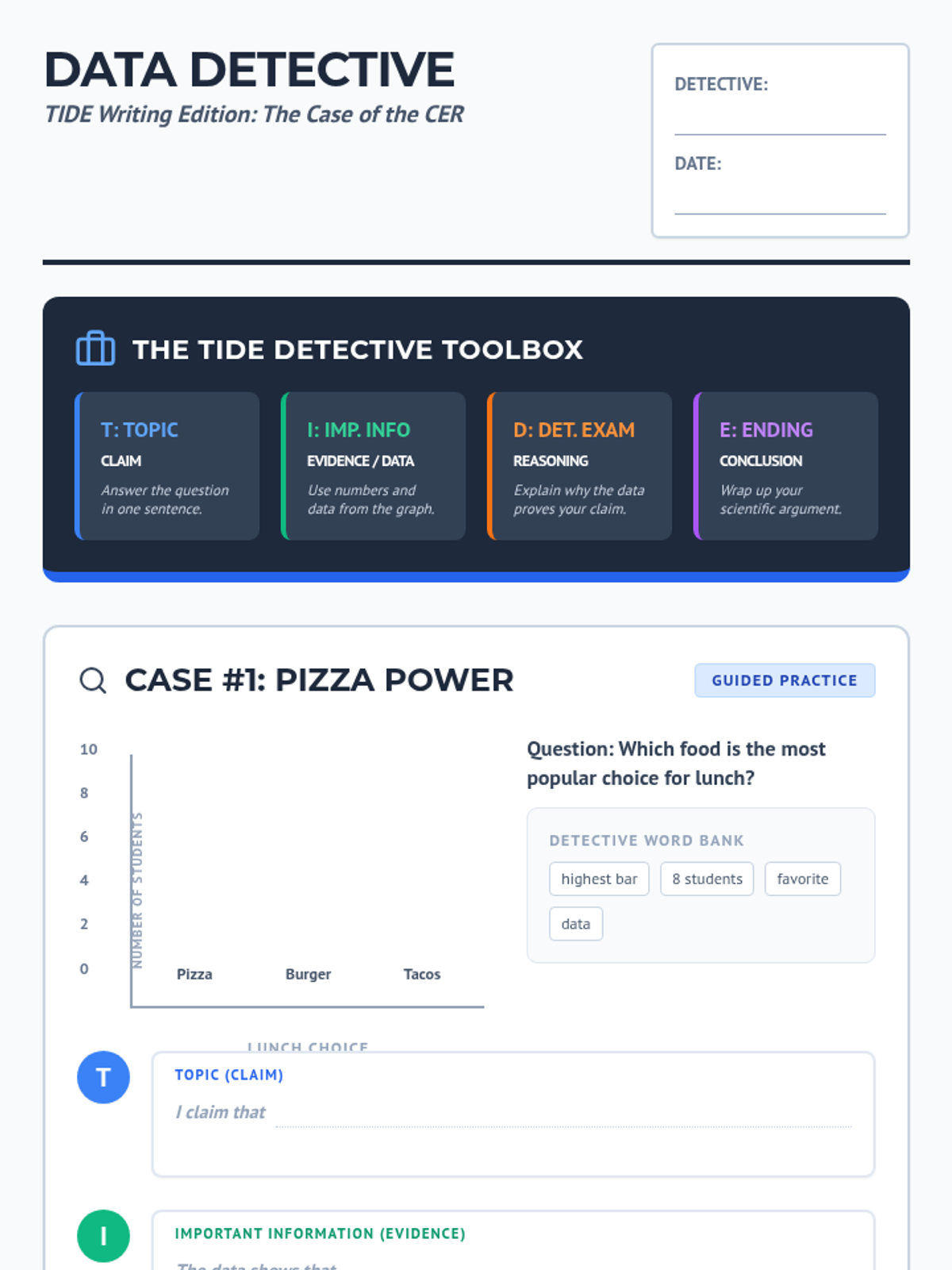
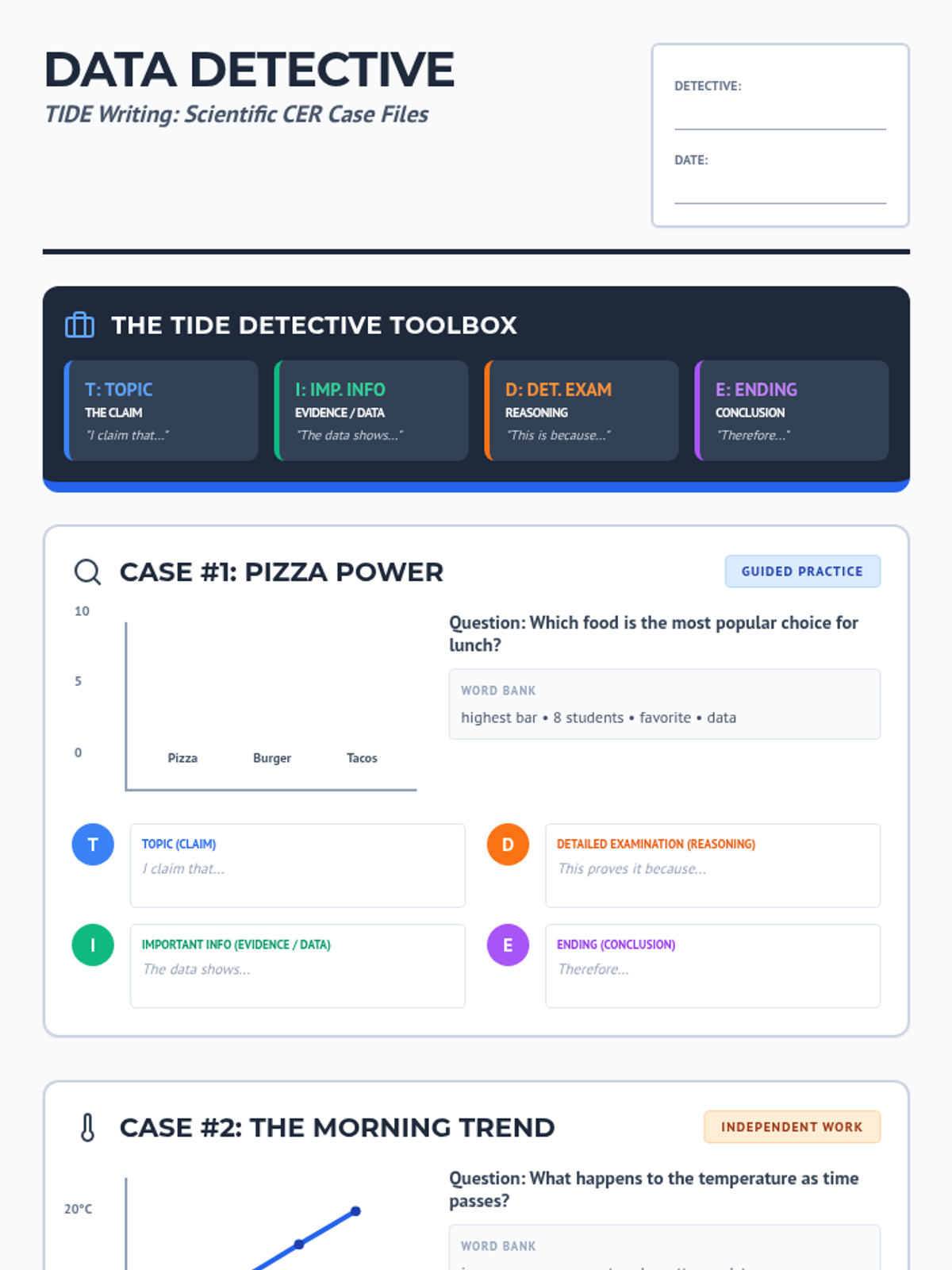
A lesson focused on helping Level 3 ESL students master the Claim, Evidence, Reasoning framework through the analysis of bar and line graphs. Students act as 'Data Detectives' to uncover trends and support their conclusions with specific data points.
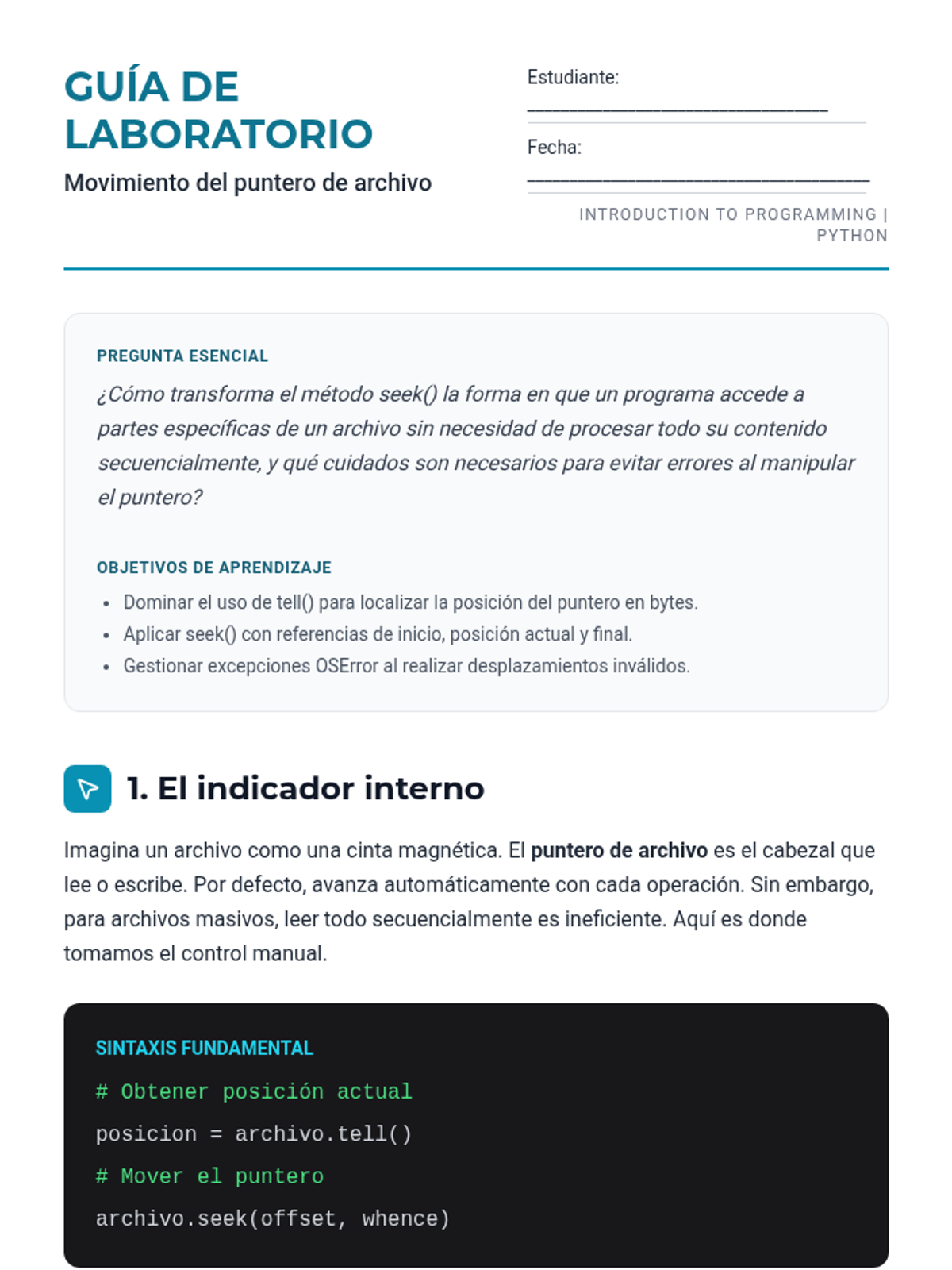
Esta lección explora el control avanzado del flujo de datos en archivos mediante el manejo del puntero, permitiendo lecturas y escrituras no secuenciales con Python.
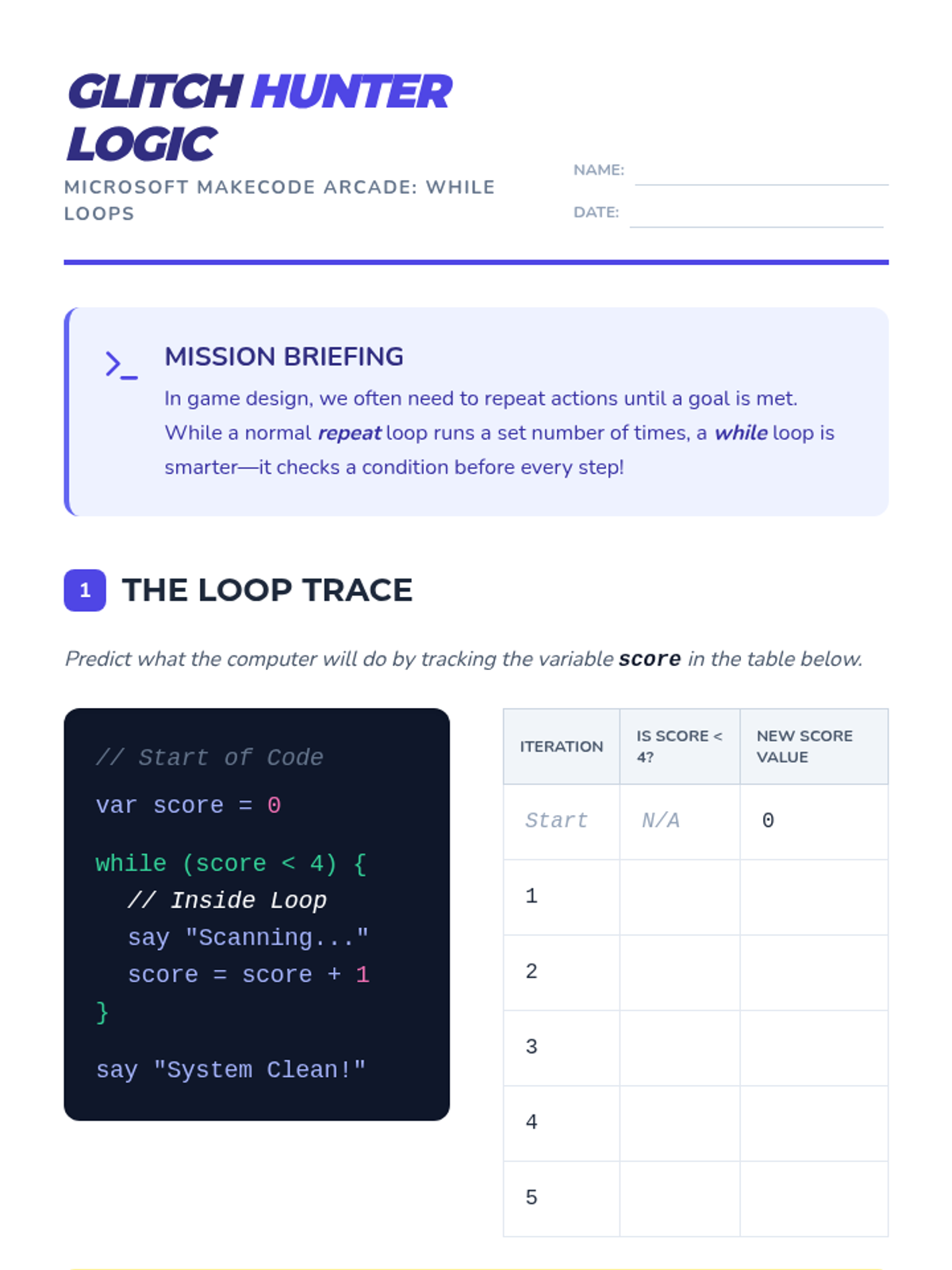
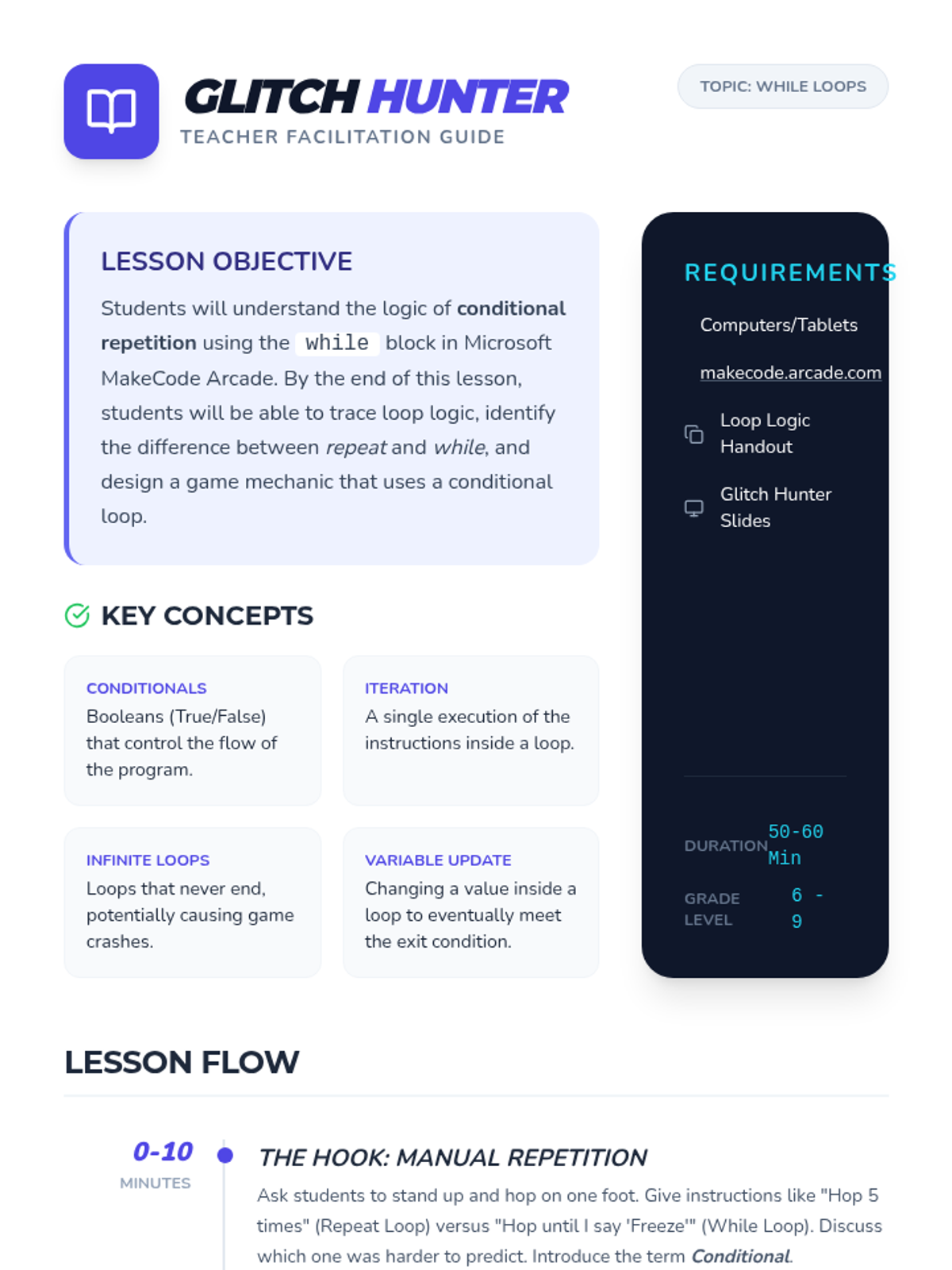
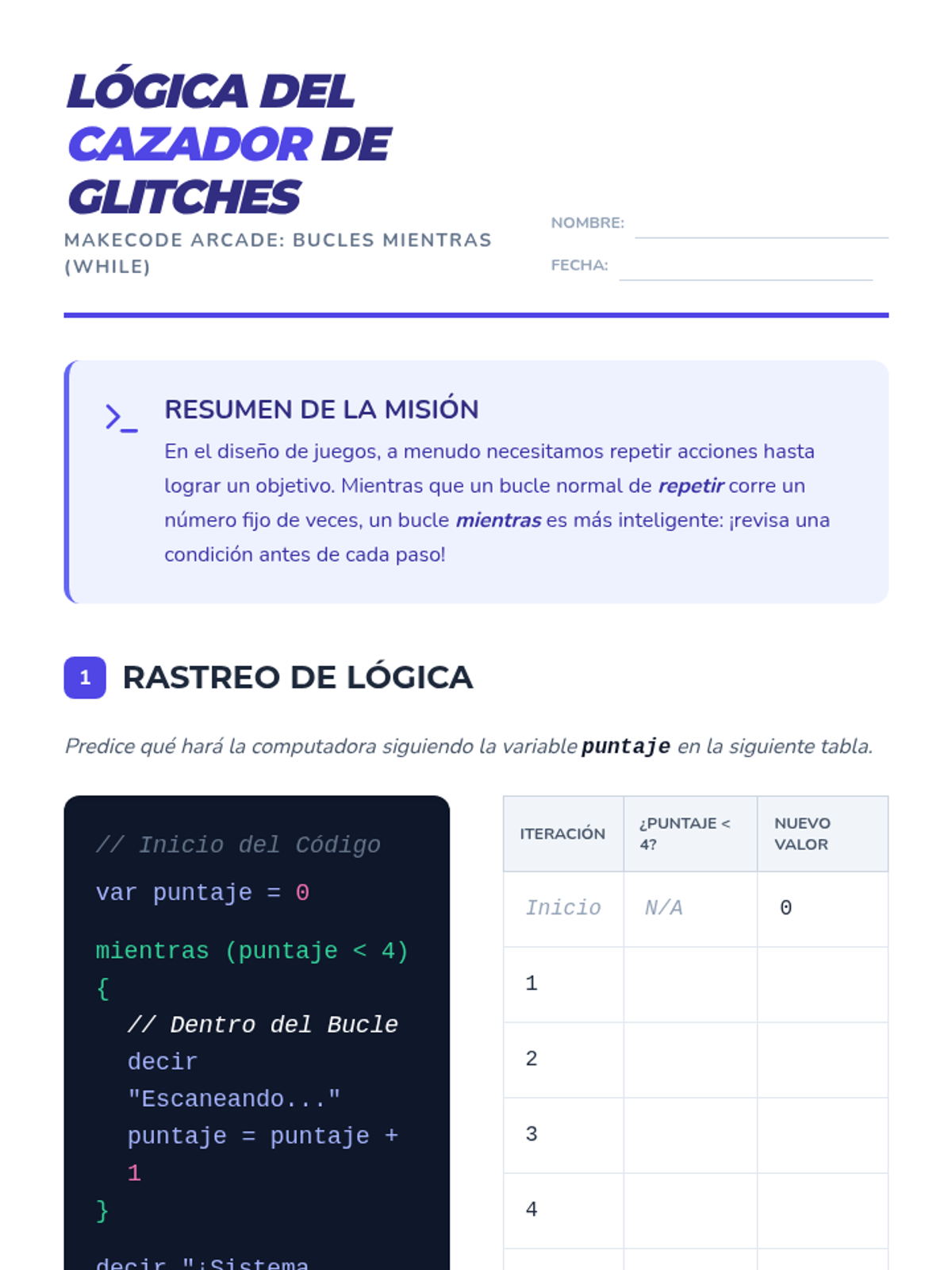
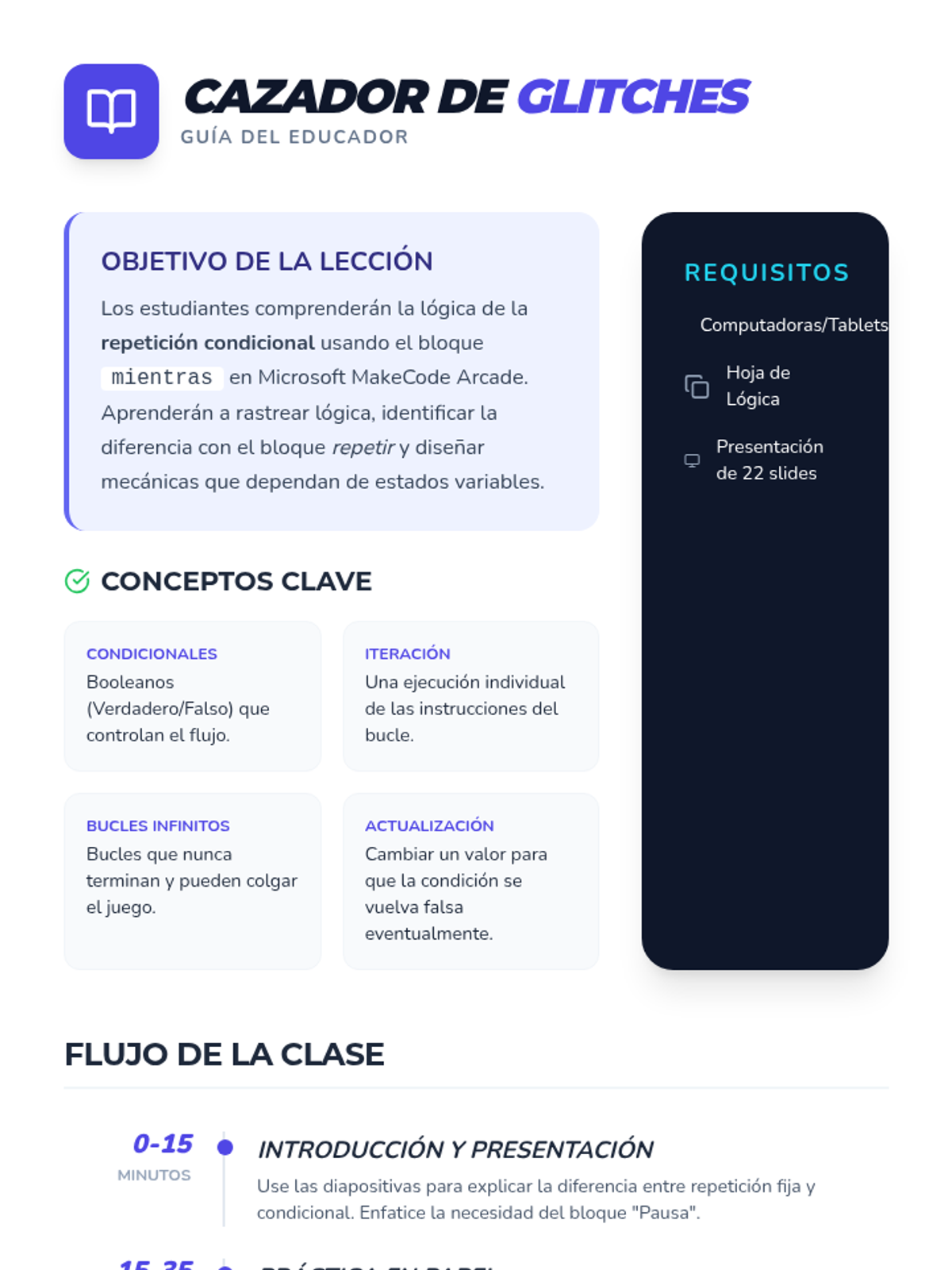
Los estudiantes exploran el poder de los bucles "mientras" (while) en Microsoft MakeCode Arcade para crear comportamientos repetitivos en sus juegos. Aprenden a usar condiciones para controlar la repetición y automatizar mecánicas como la generación de enemigos o el seguimiento de puntajes.
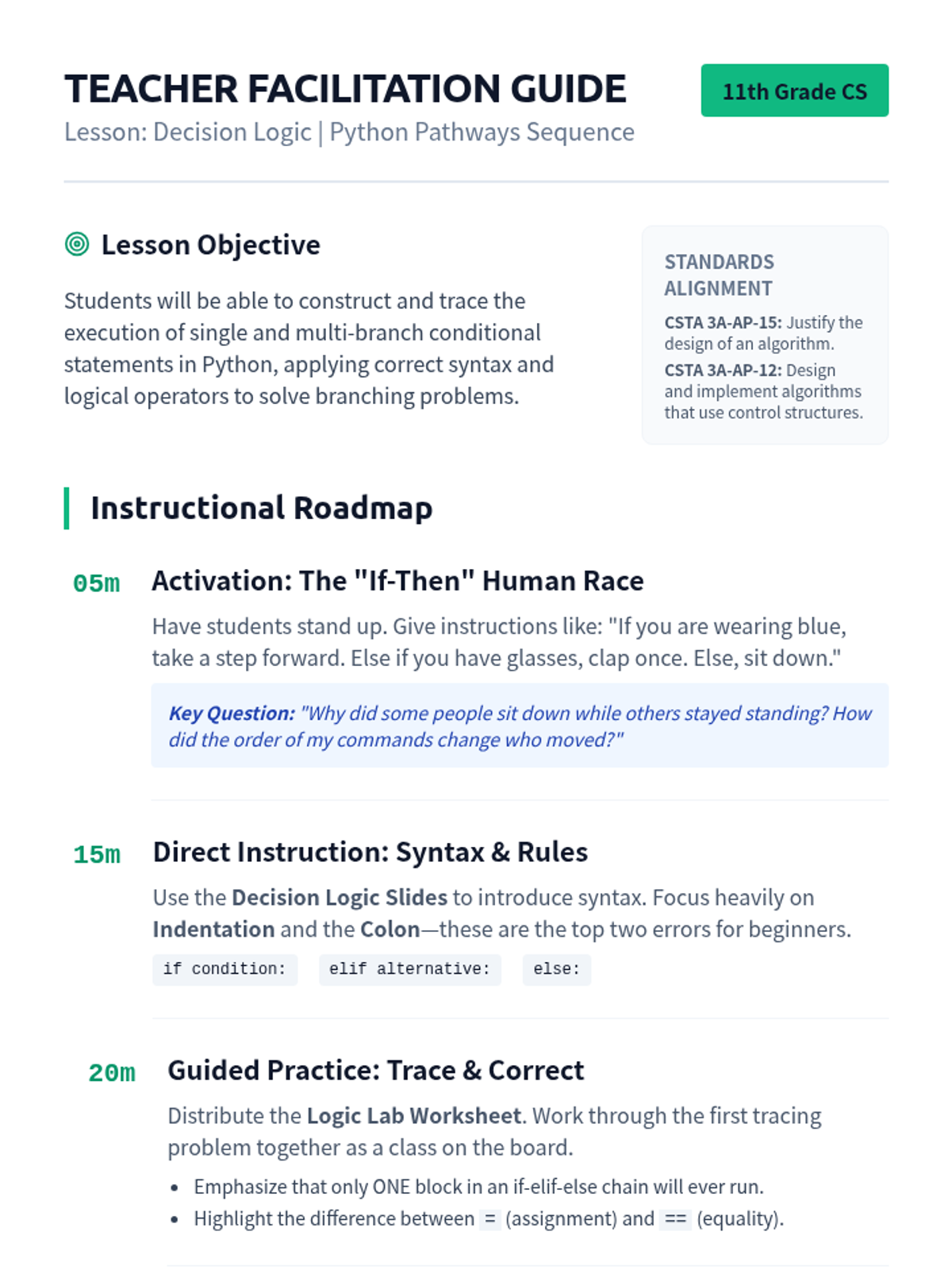
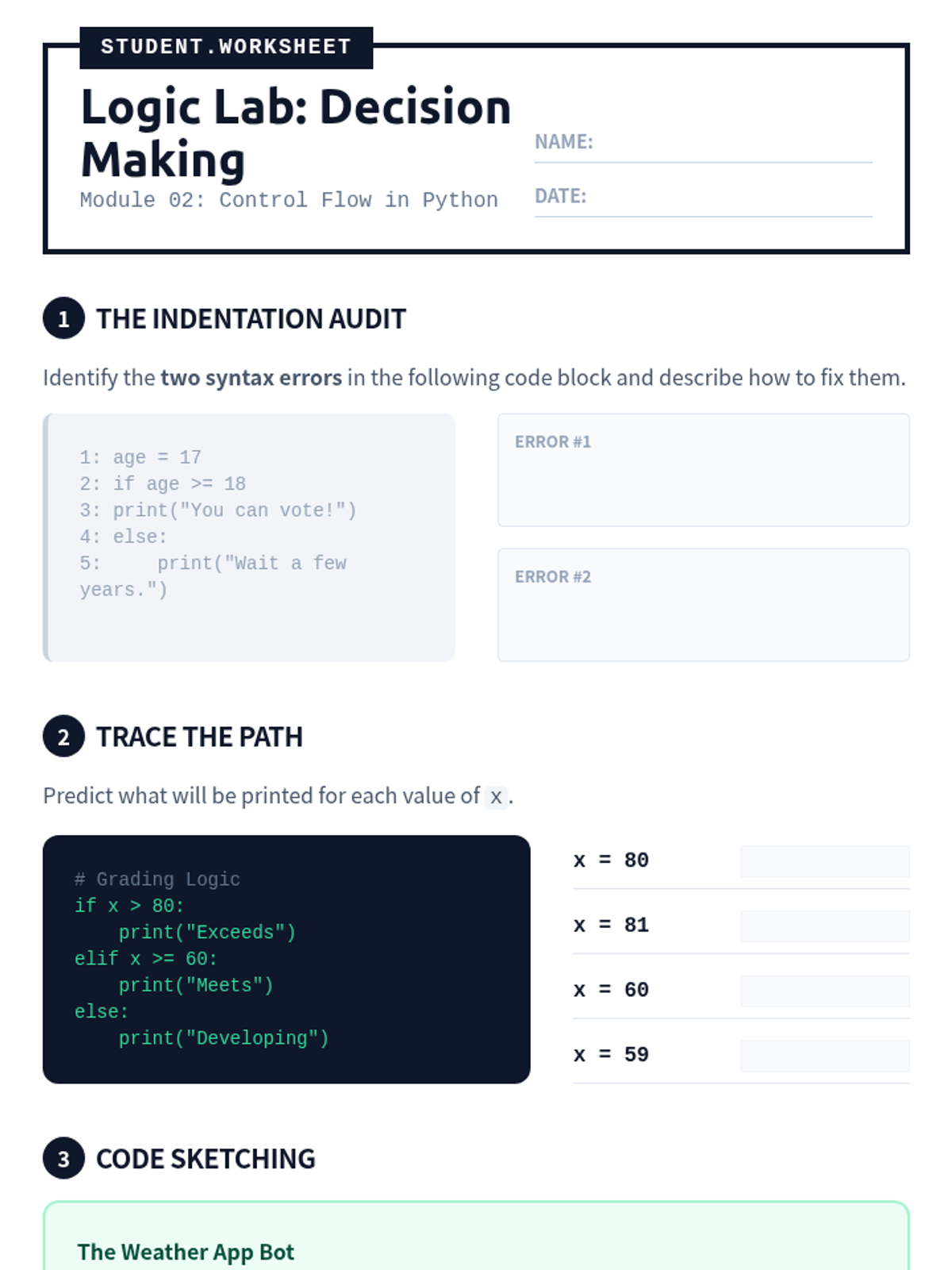
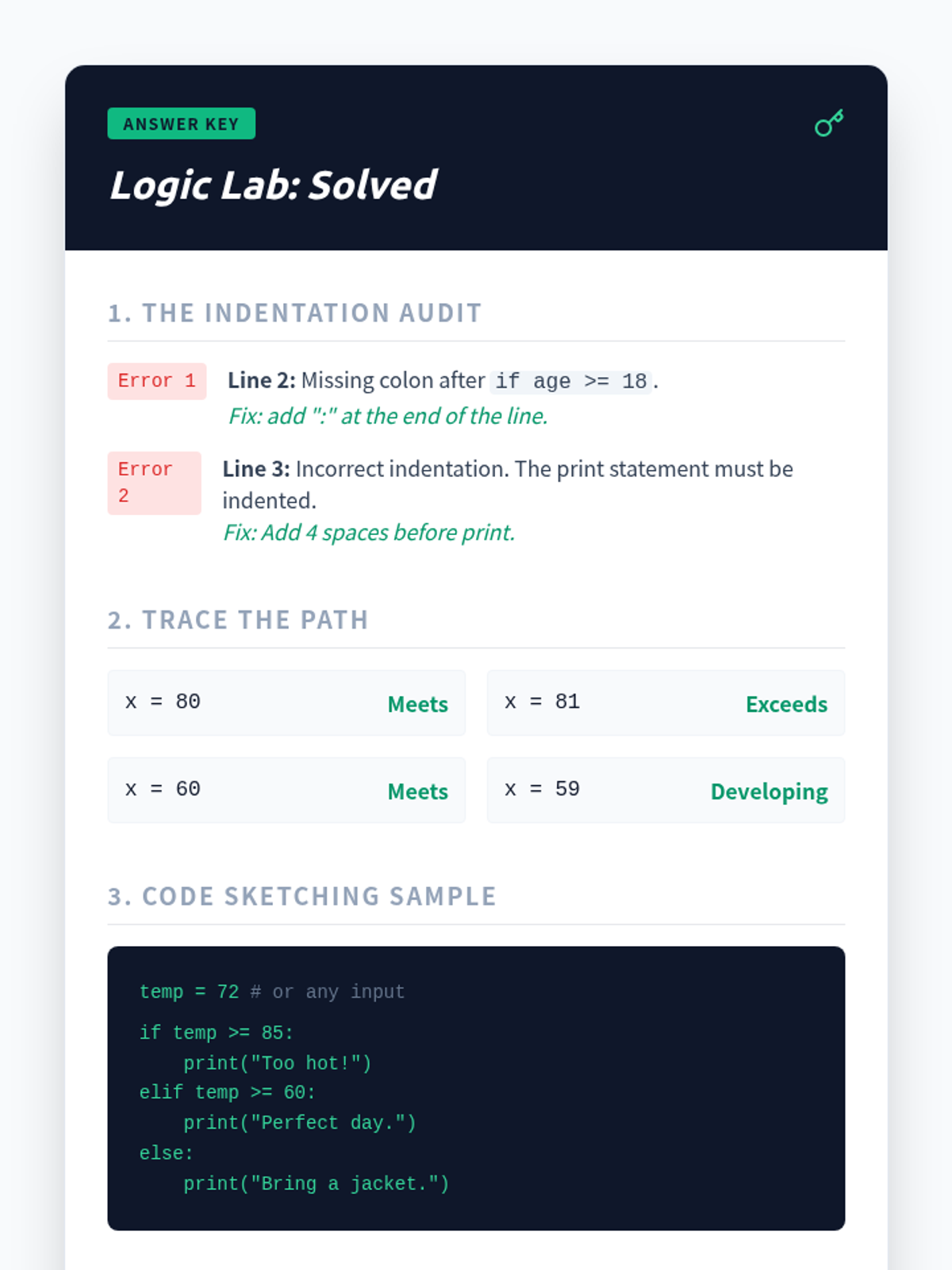
Students will learn how to use conditional statements (if, elif, else) to control the flow of a Python program, understanding indentation and logical operators.
Students explore how roots, stems, leaves, and reproductive systems work together, using Pando as a case study for survival and adaptation.
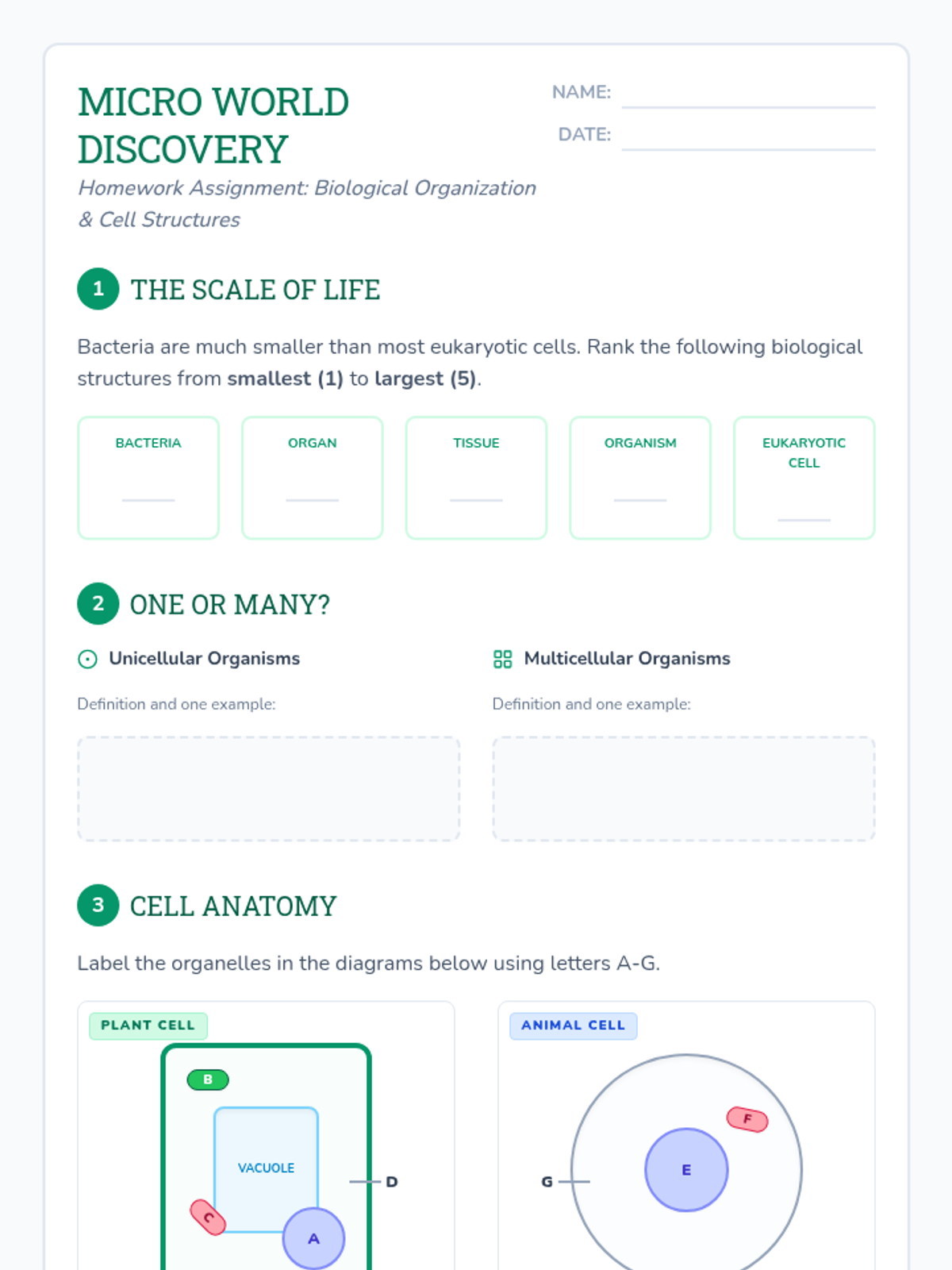
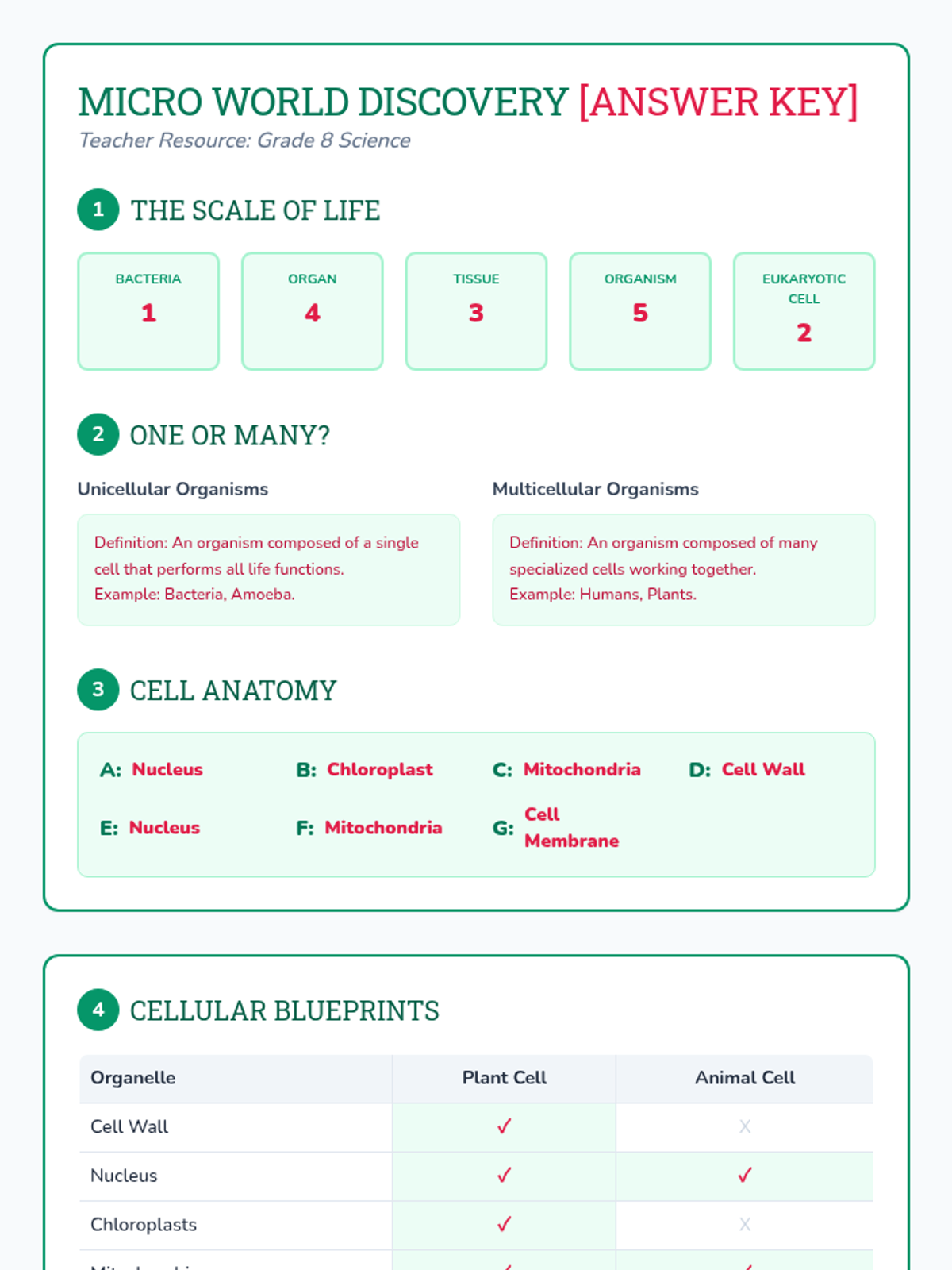
A comprehensive homework assignment covering biological organization, cell types, and organelle functions for 8th-grade students.
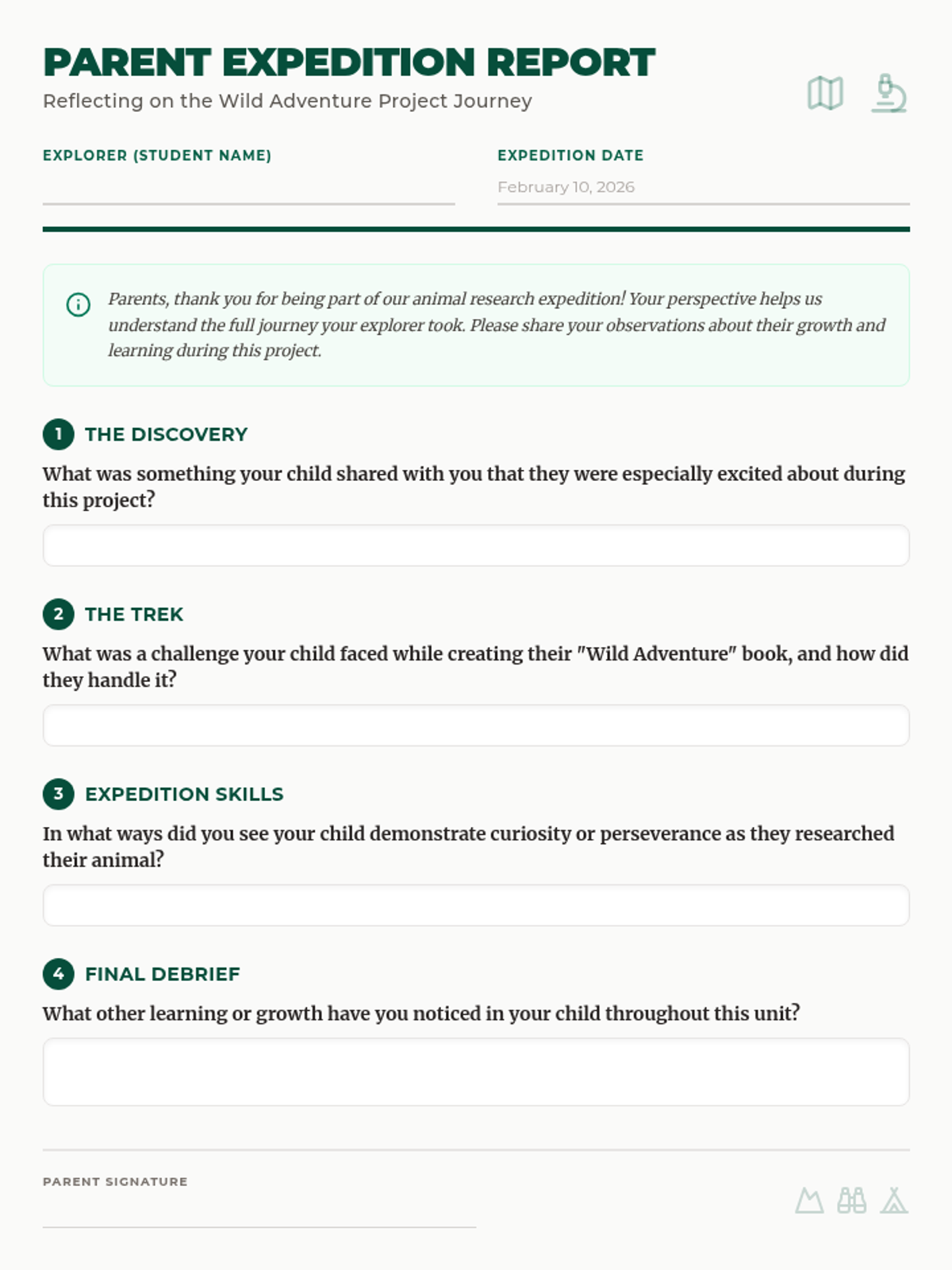
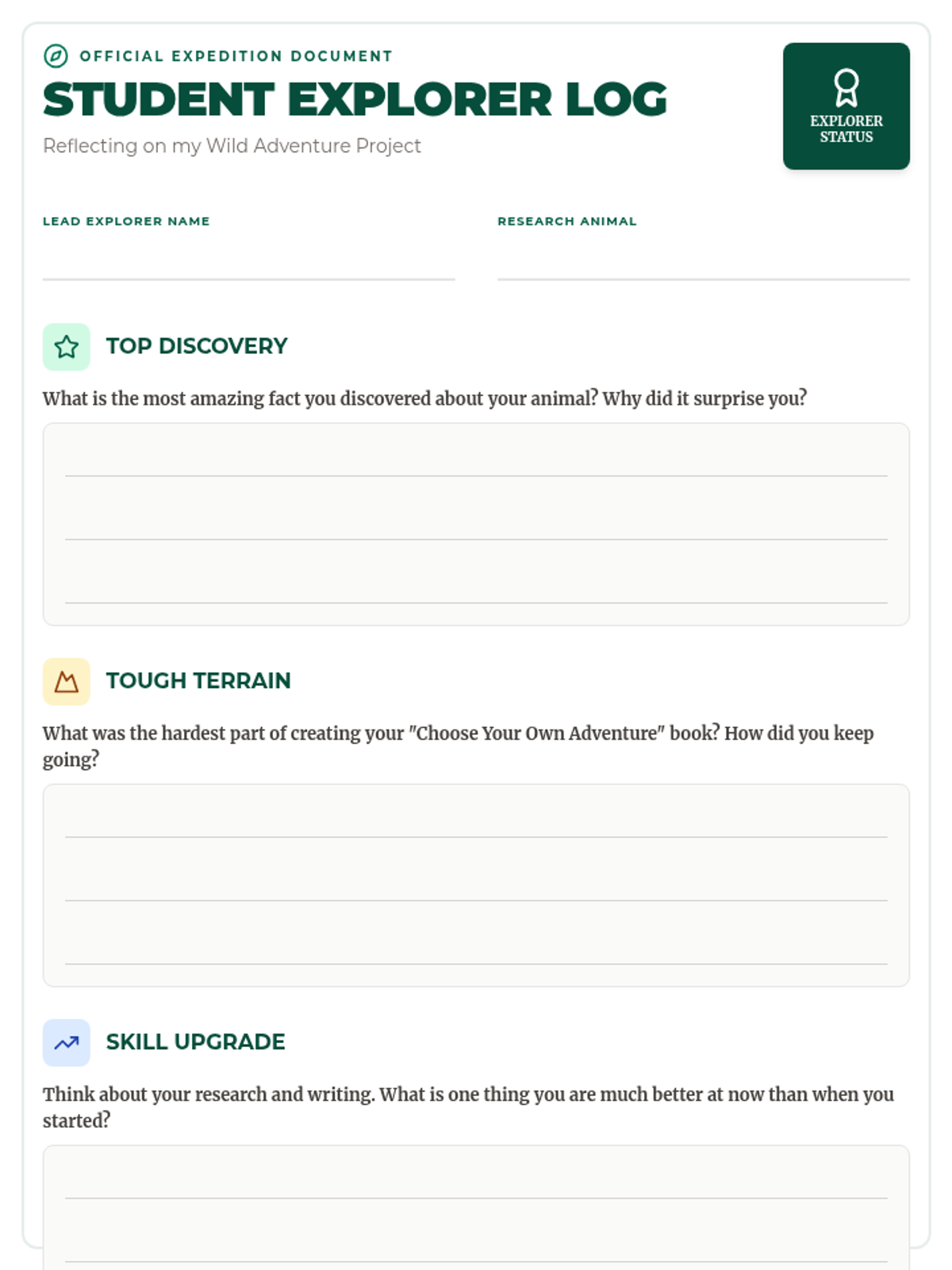
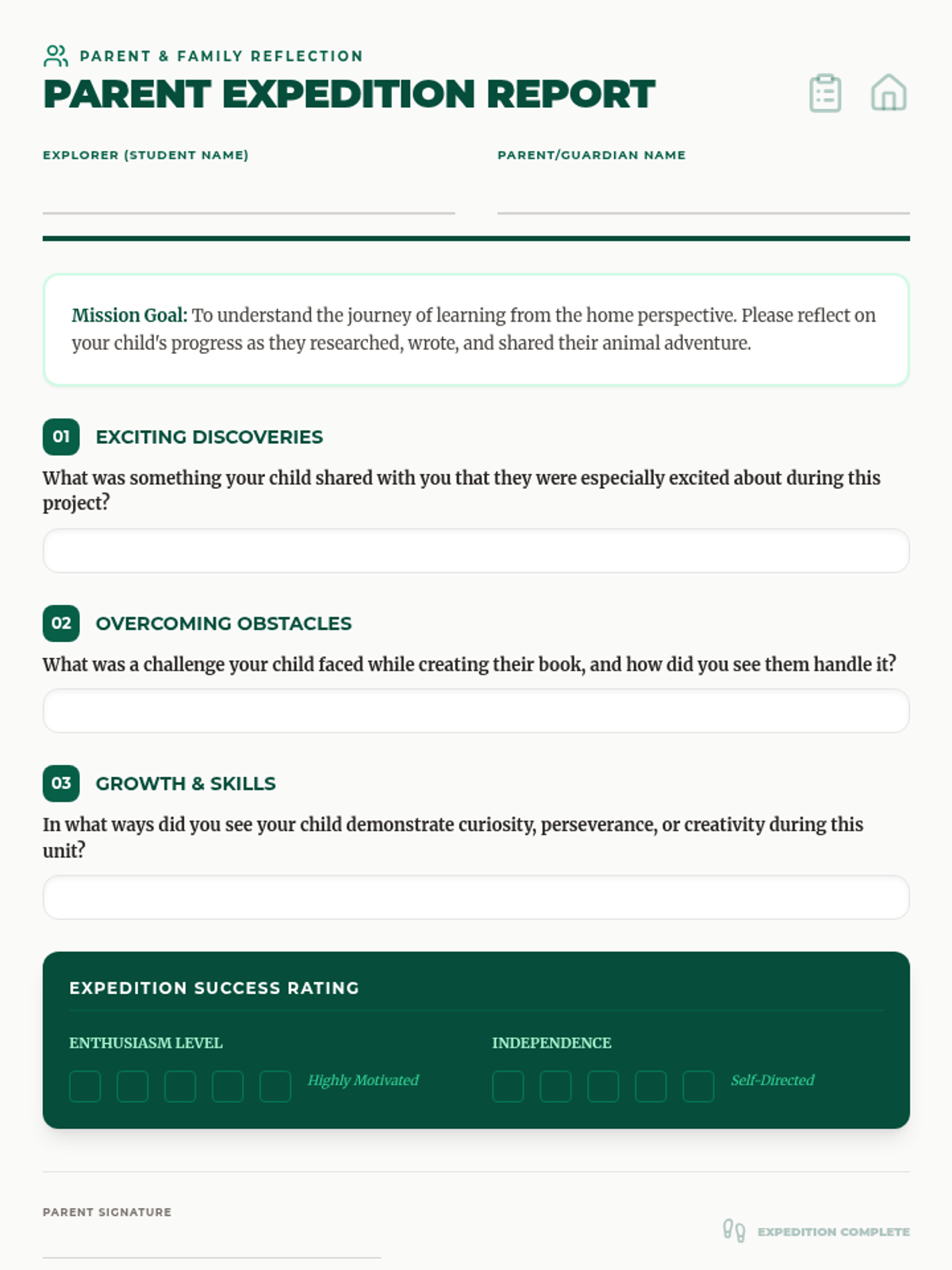
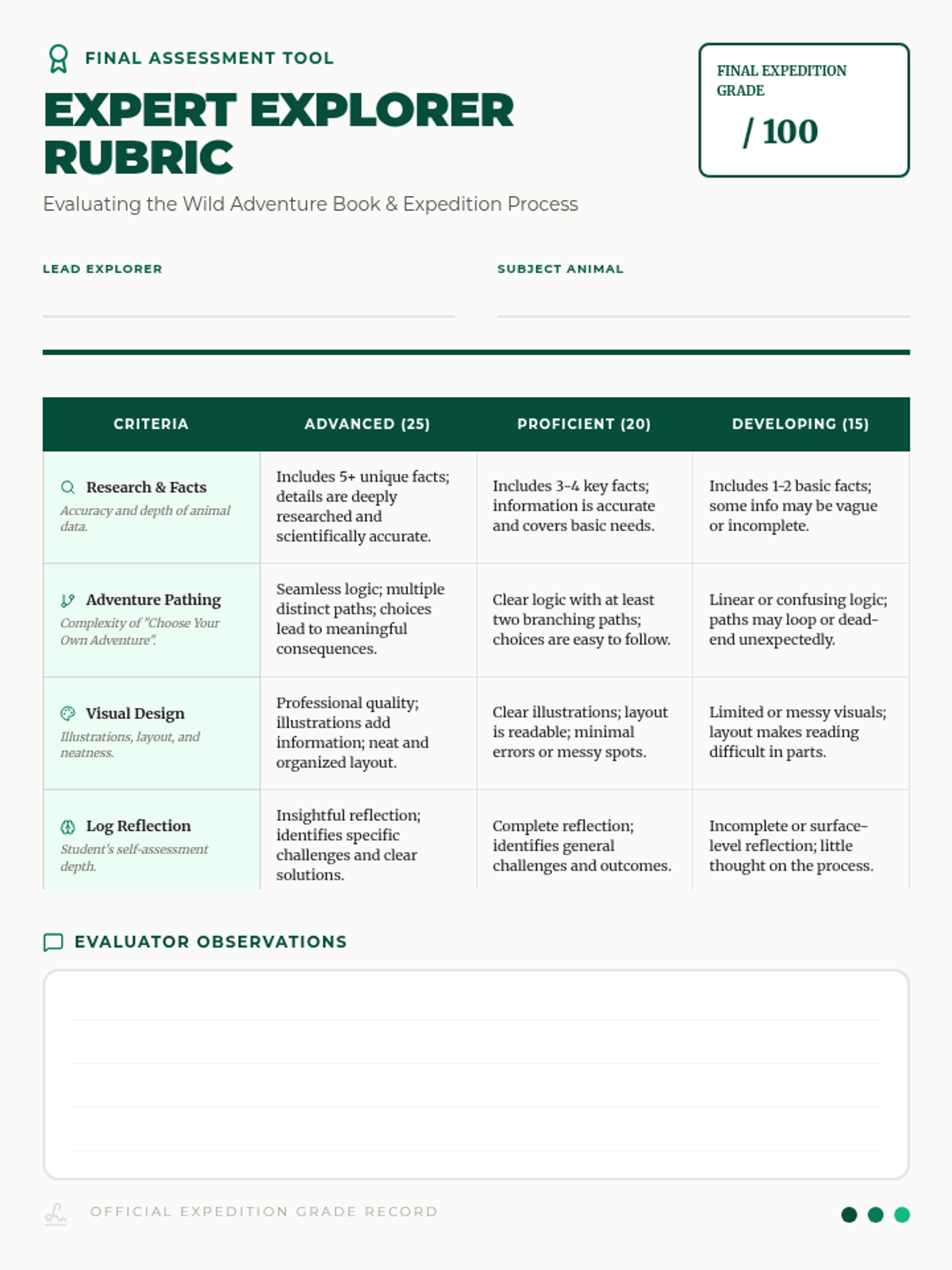
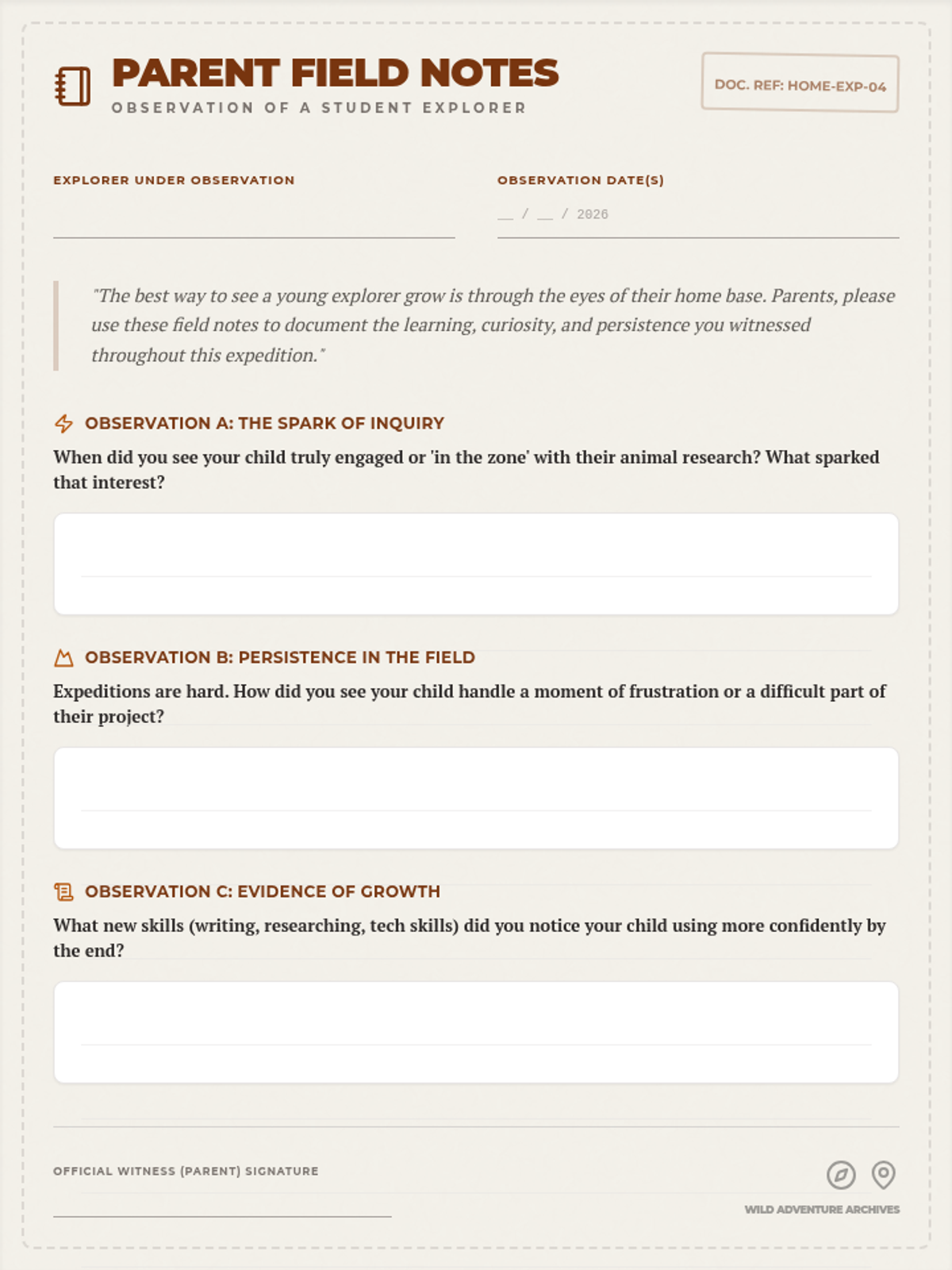
A series of feedback and reflection tools for students, parents, and teachers to evaluate learning after completing the Wild Adventure project. It uses an explorer theme to make the assessment process engaging and collaborative.
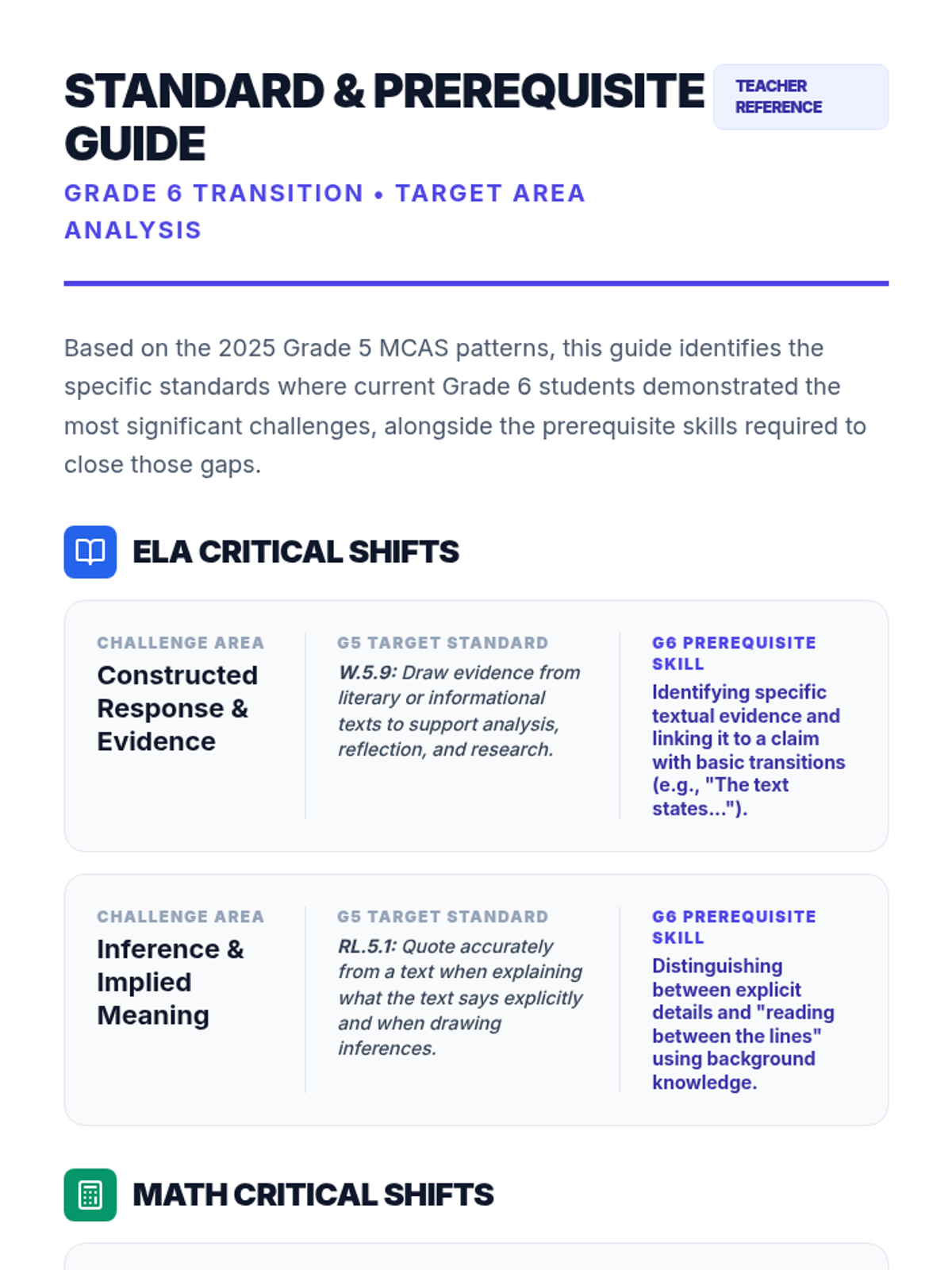
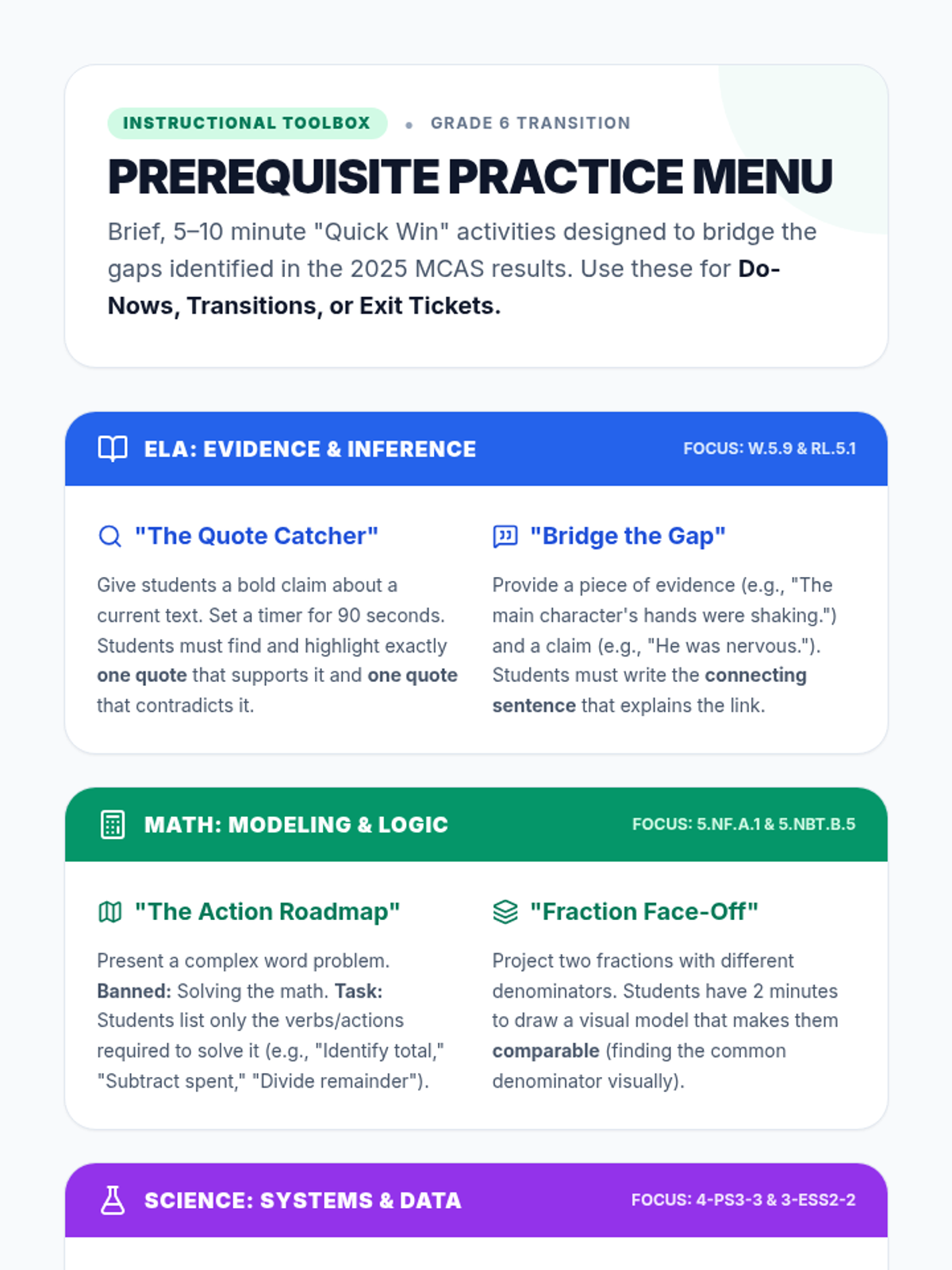
A comprehensive strategic planning resource for educators to analyze Grade 5 MCAS results and align Grade 6 instruction with identified student needs in ELA, Math, and Science.
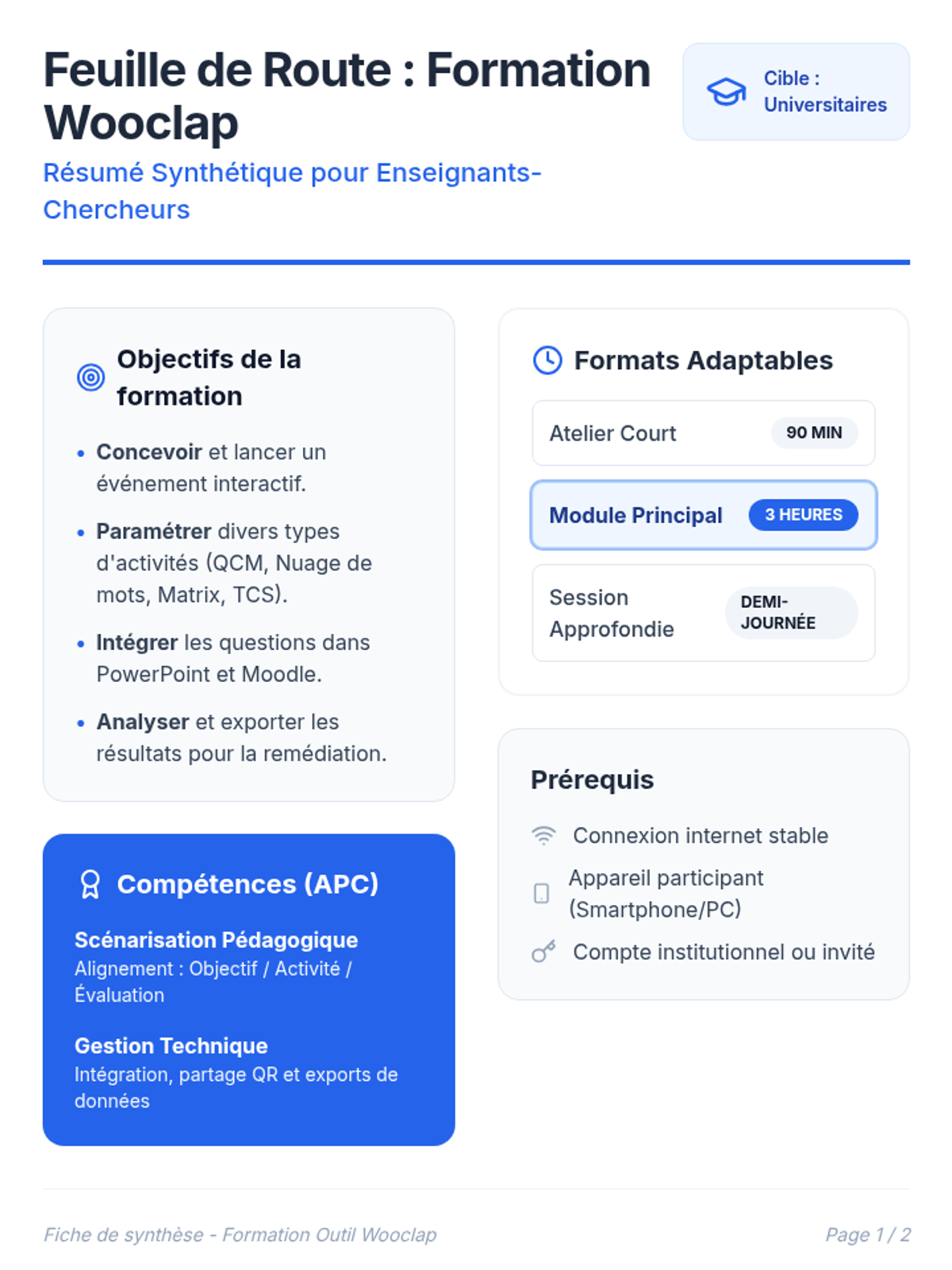
Une formation complète pour maîtriser Wooclap en contexte universitaire, allant de la création d'activités simples à l'intégration avancée dans PowerPoint et Moodle.
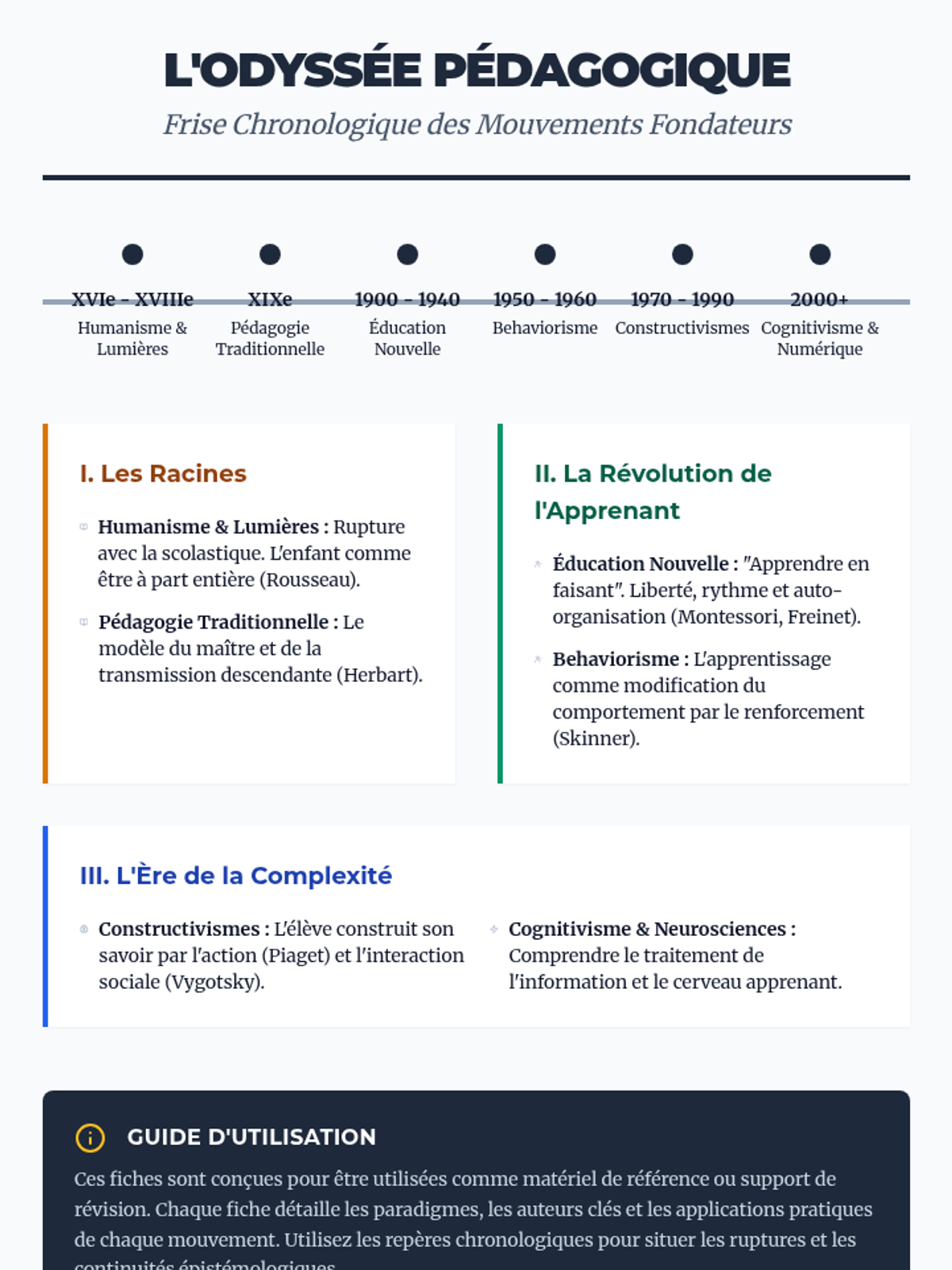
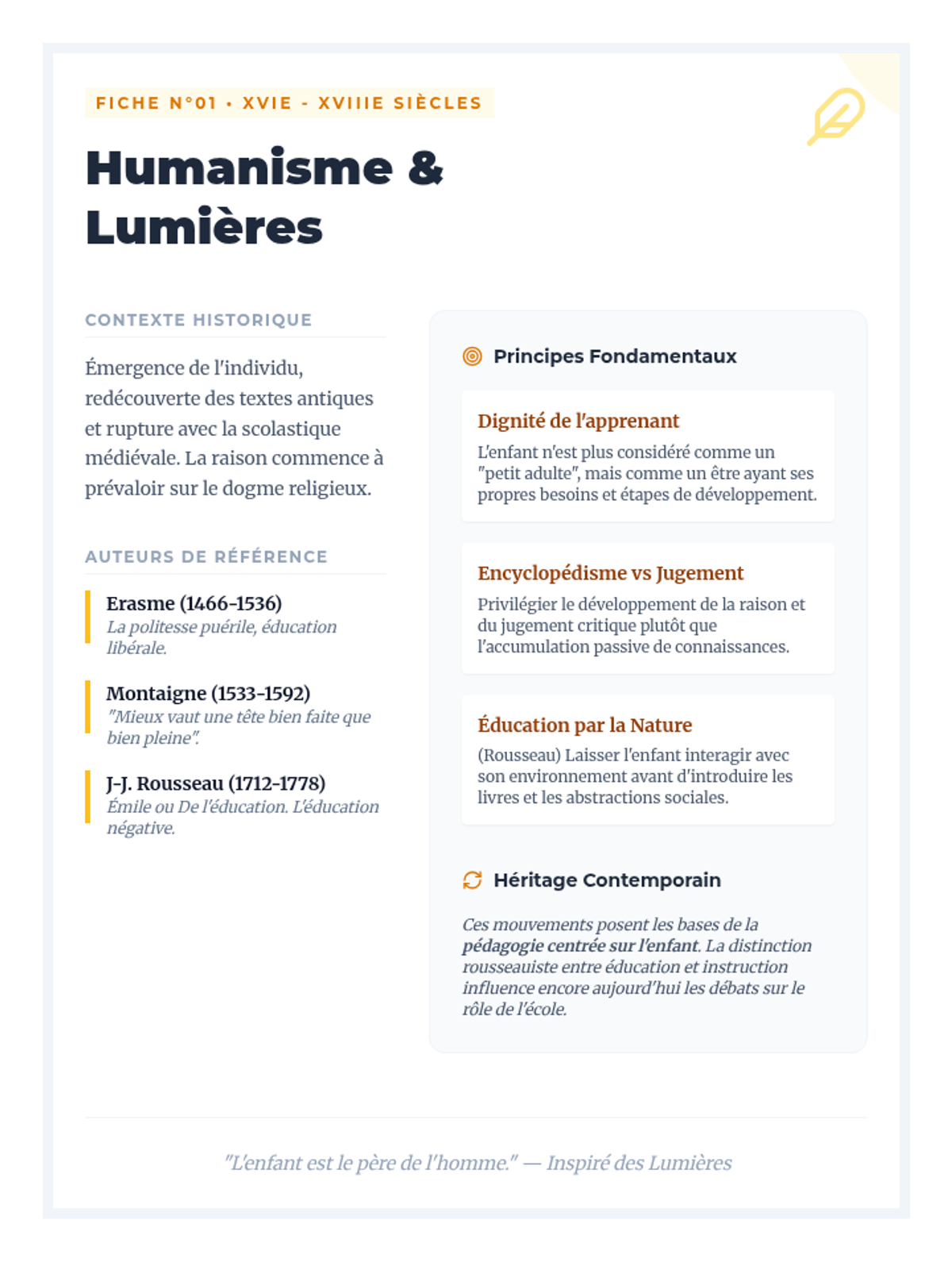
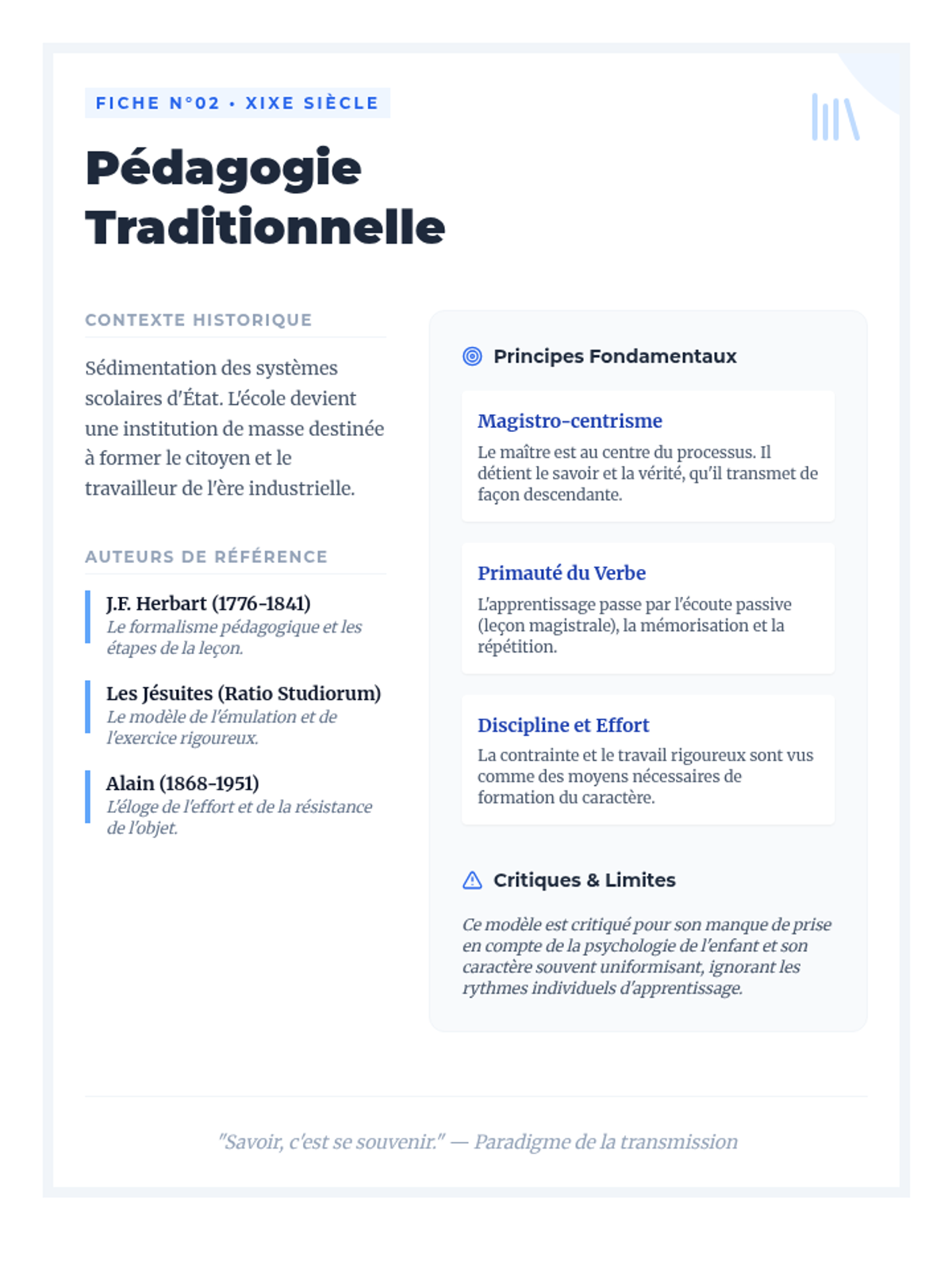
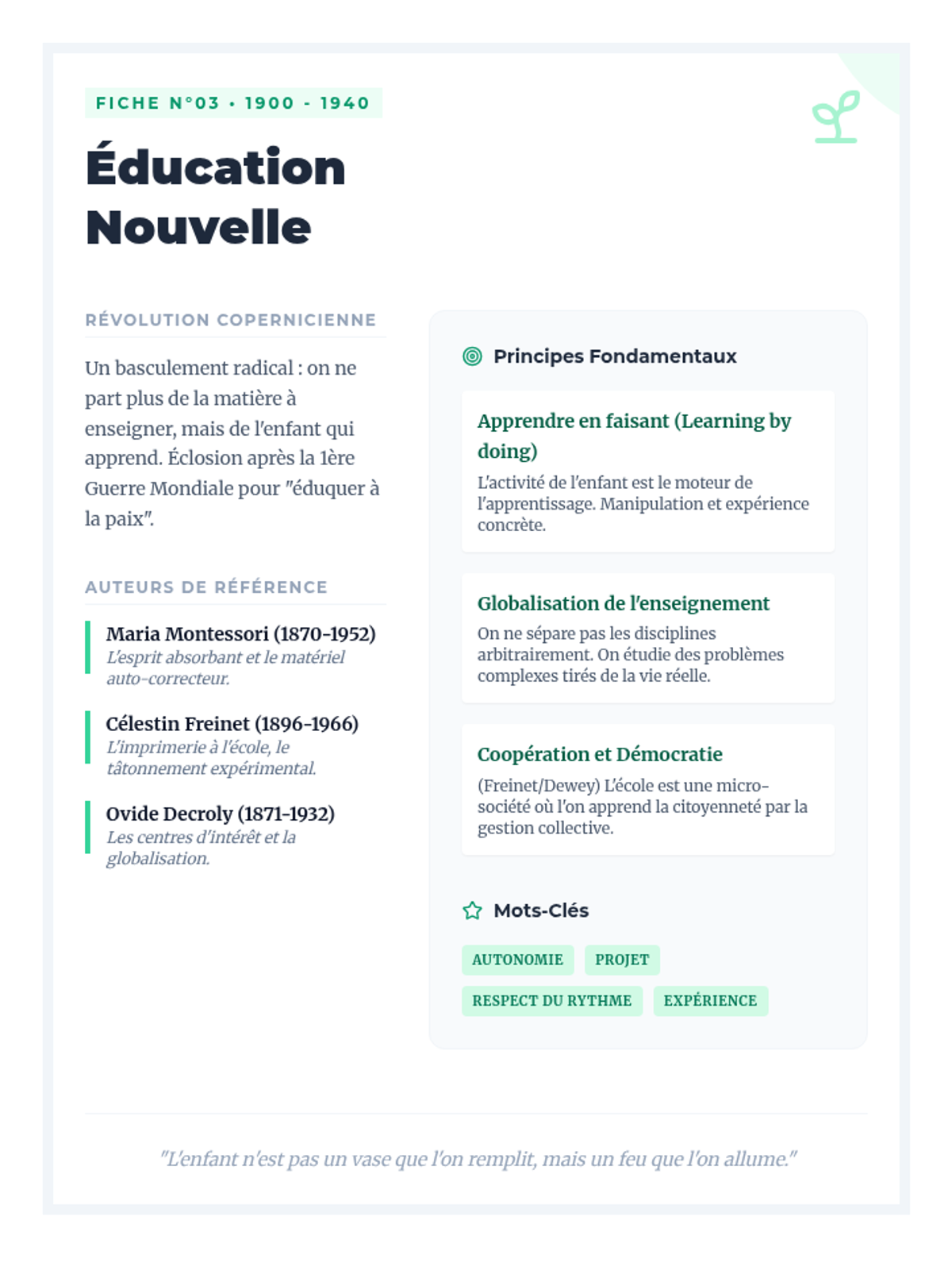
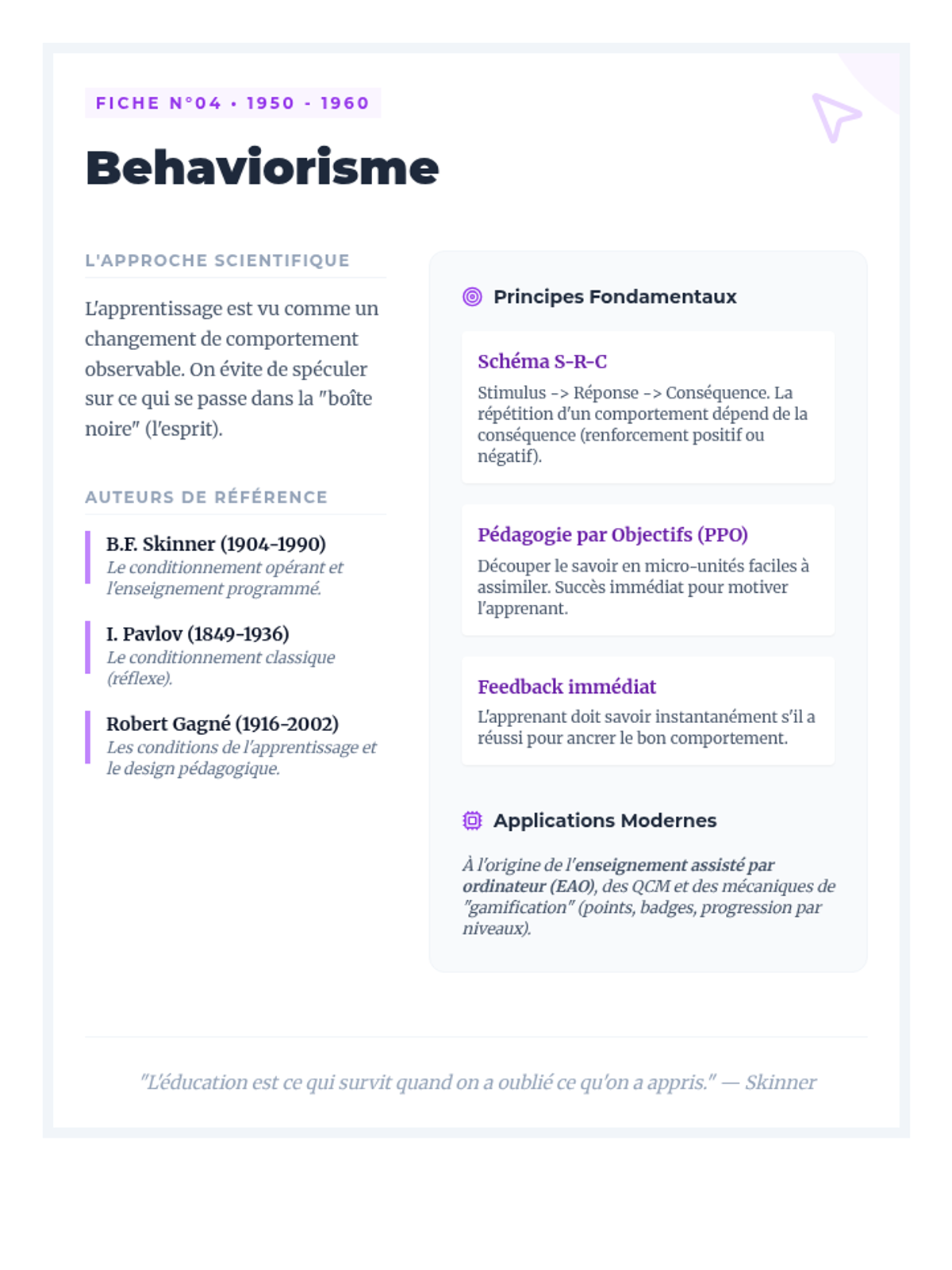
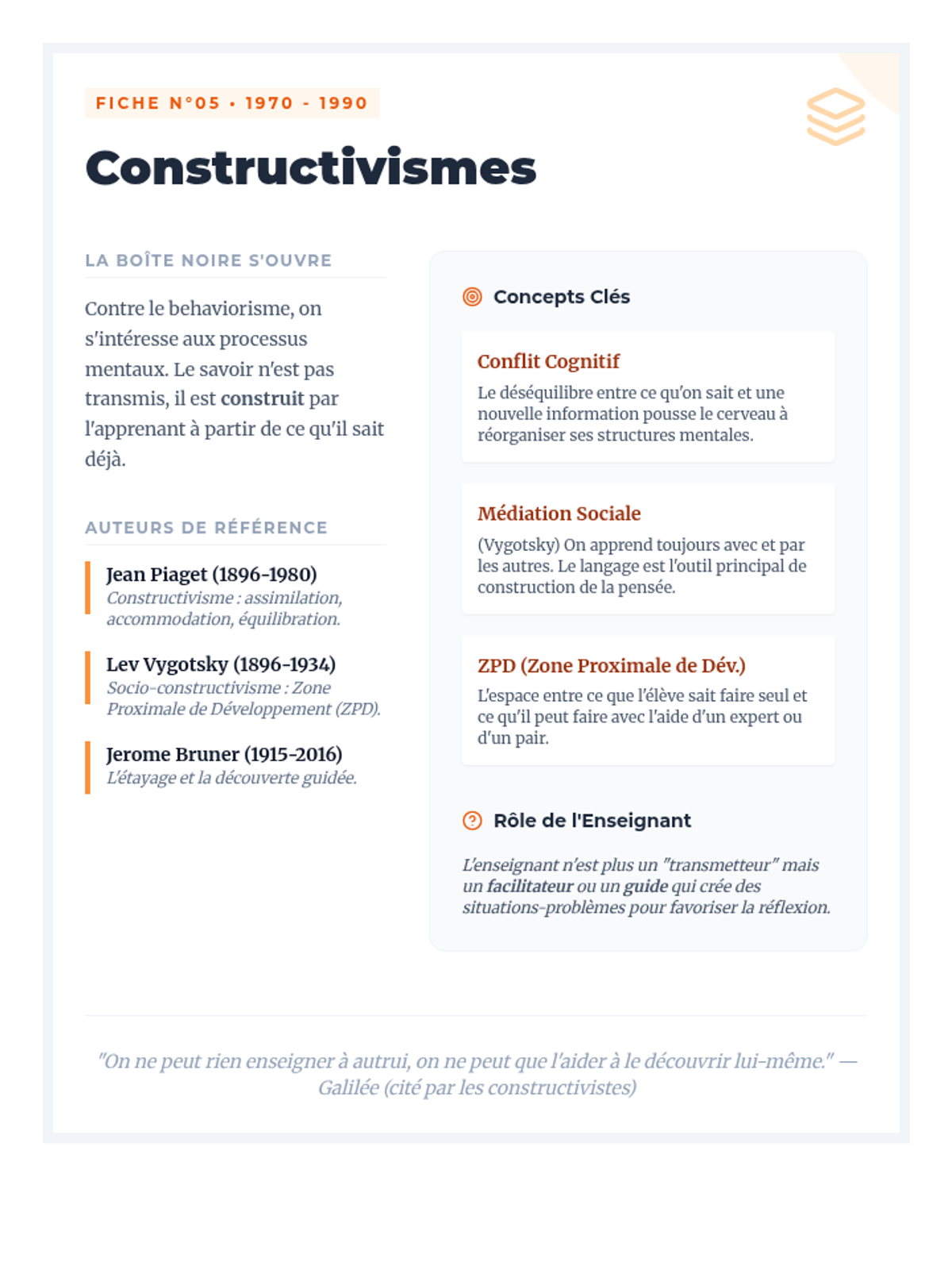
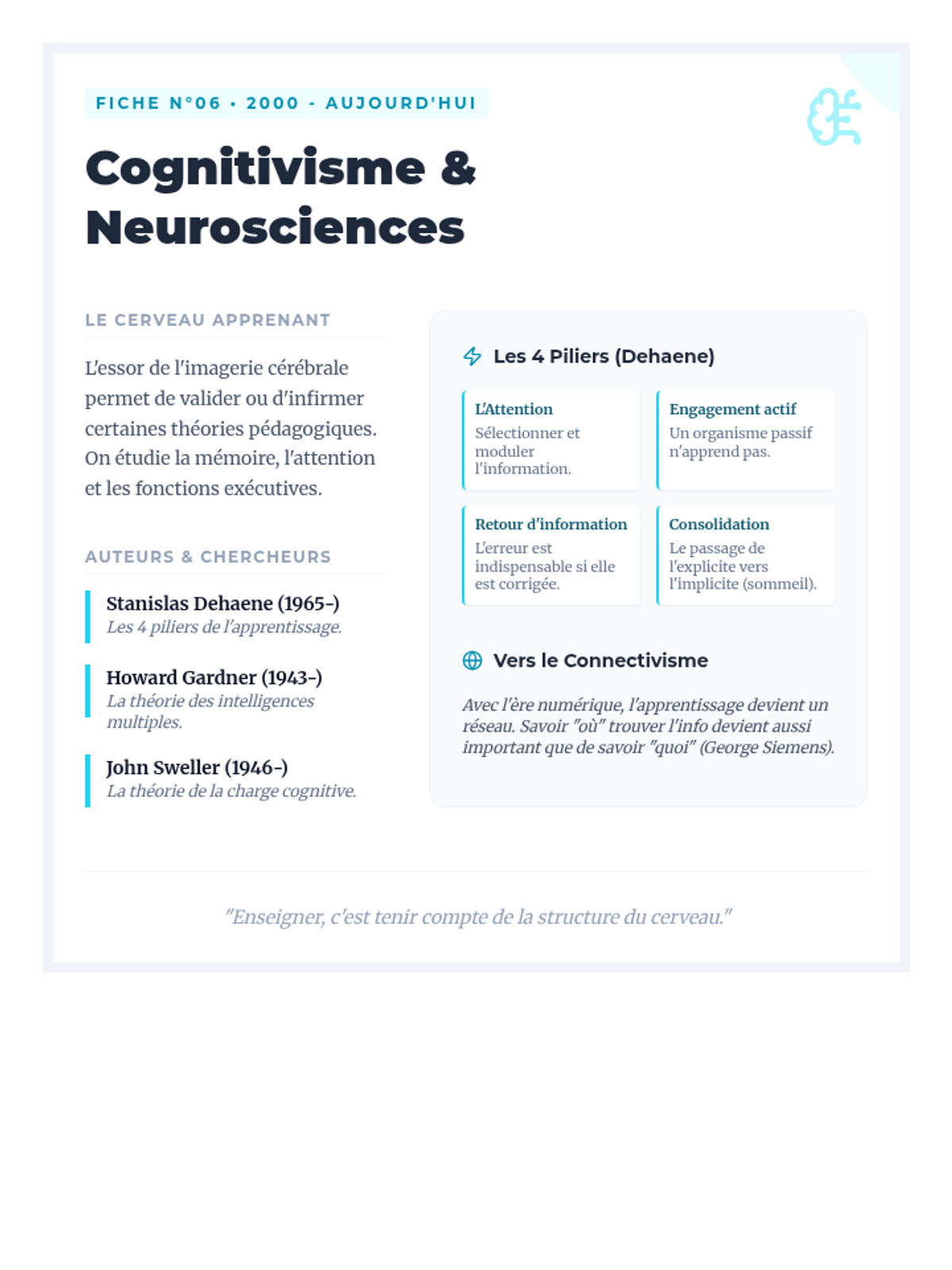
Une exploration diachronique des grands courants pédagogiques, de l'humanisme aux neurosciences, conçue pour les étudiants en sciences de l'éducation.
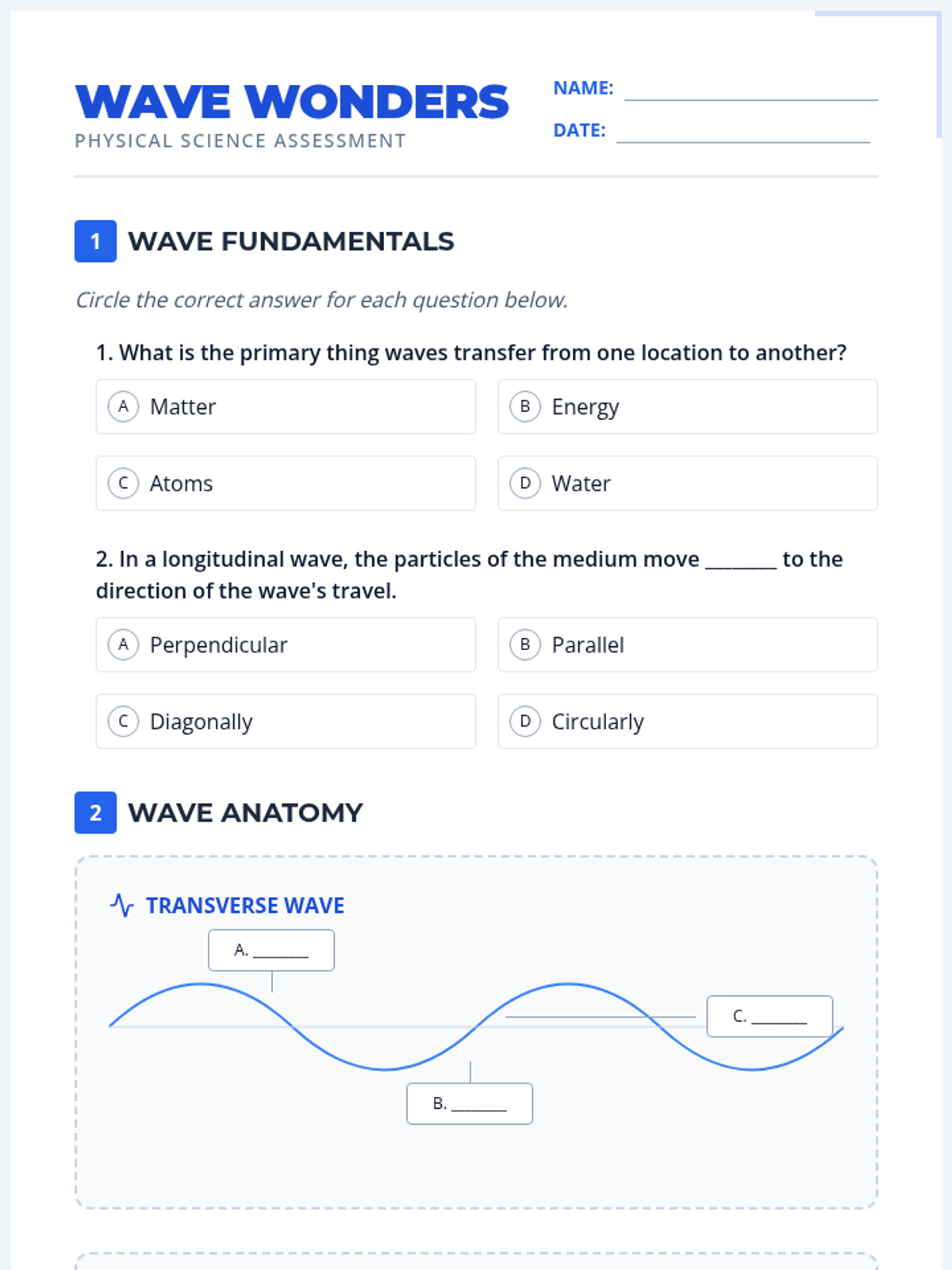
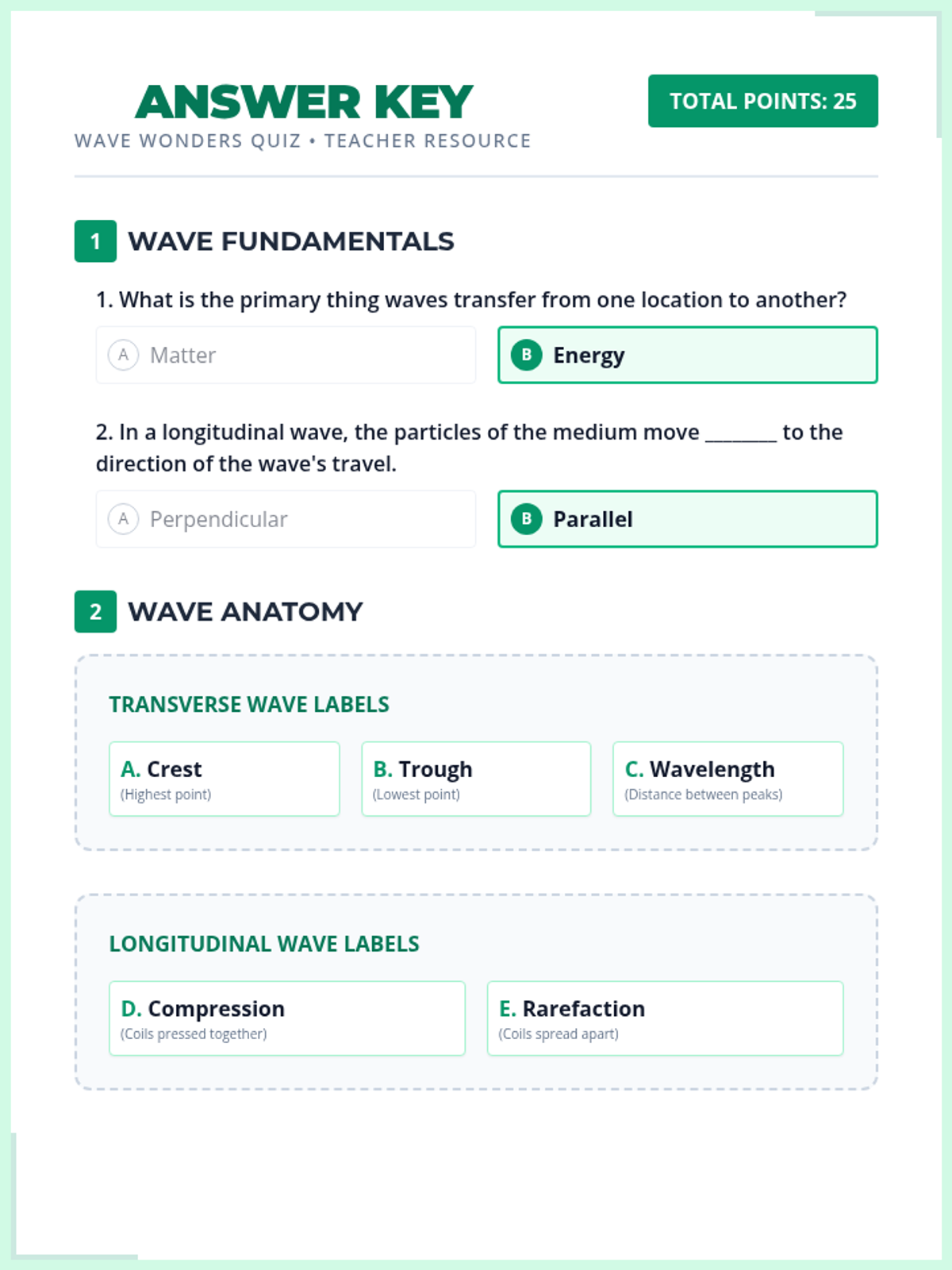
This lesson covers the fundamental differences between transverse and longitudinal waves, focusing on their physical properties, parts, and real-world examples. Students will practice identifying wave characteristics and comparing how energy travels through different mediums.
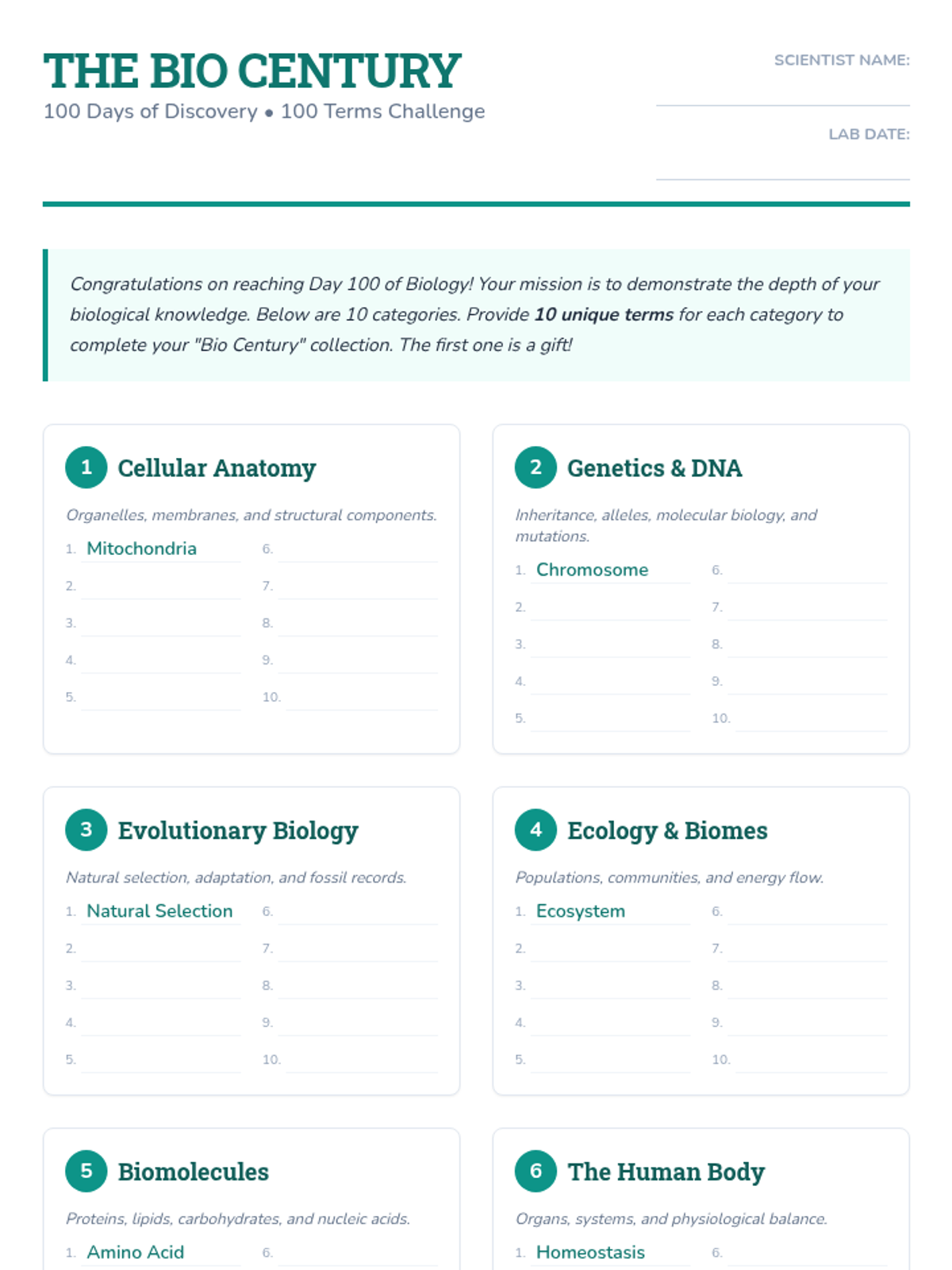
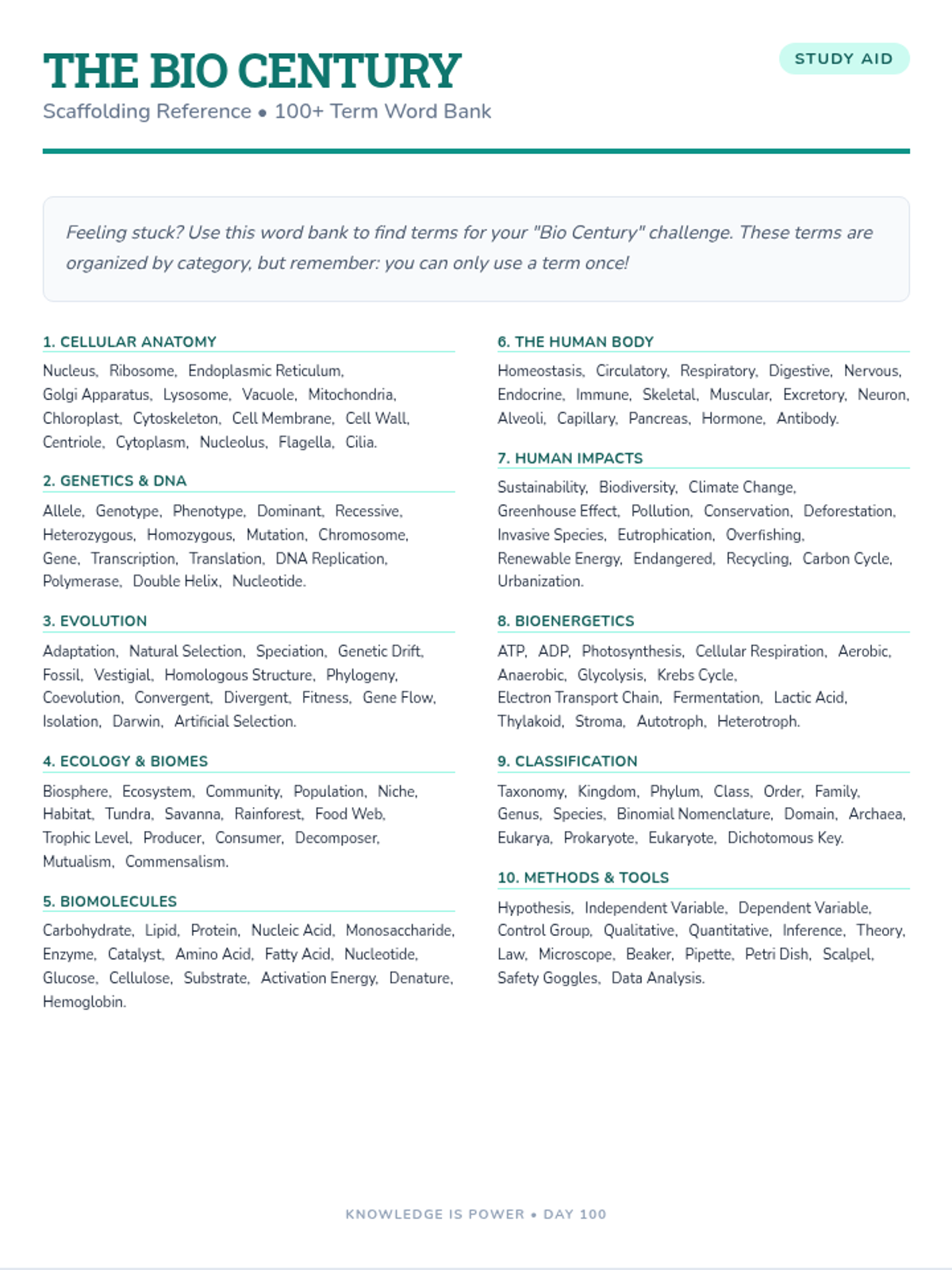
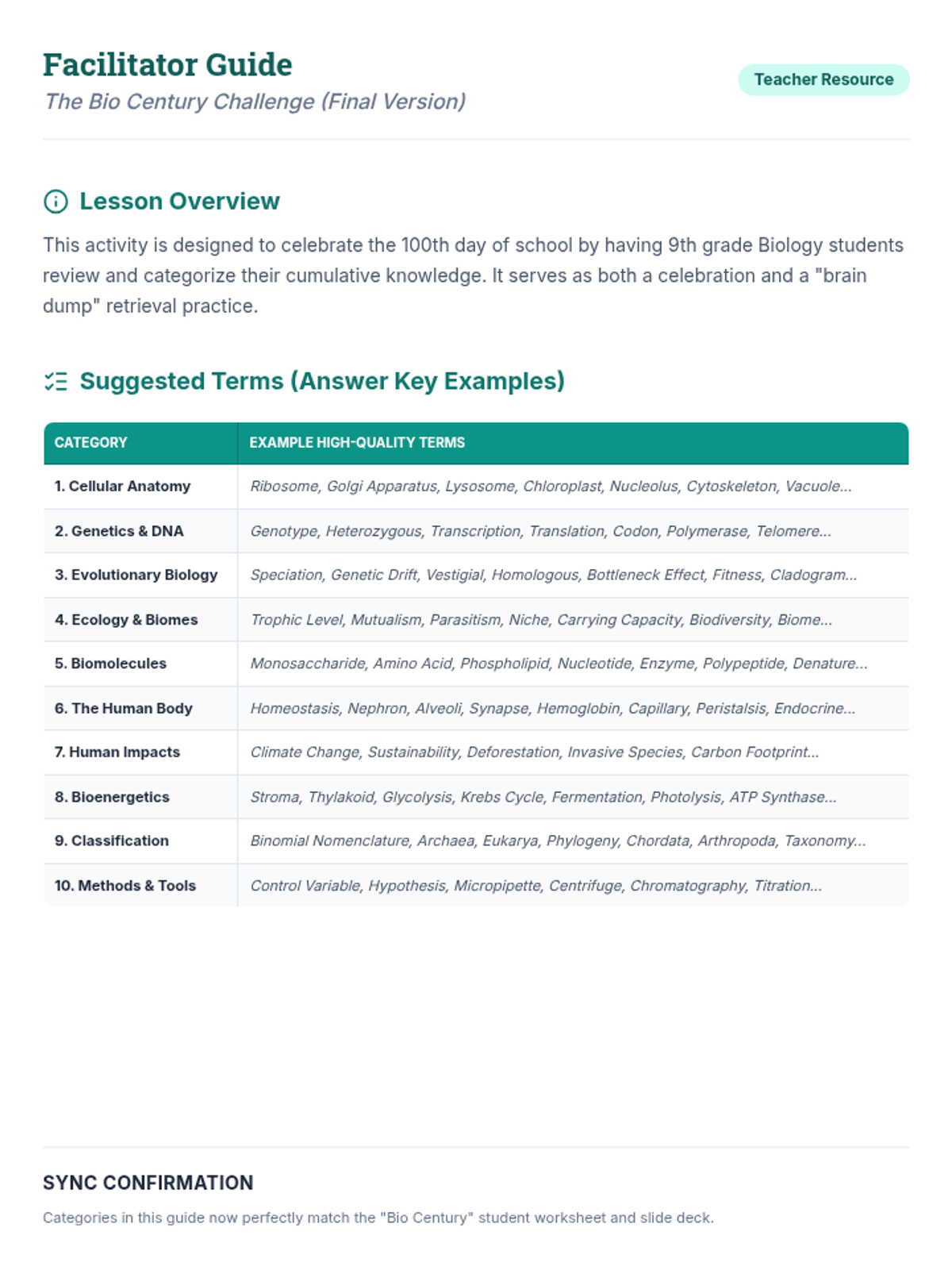
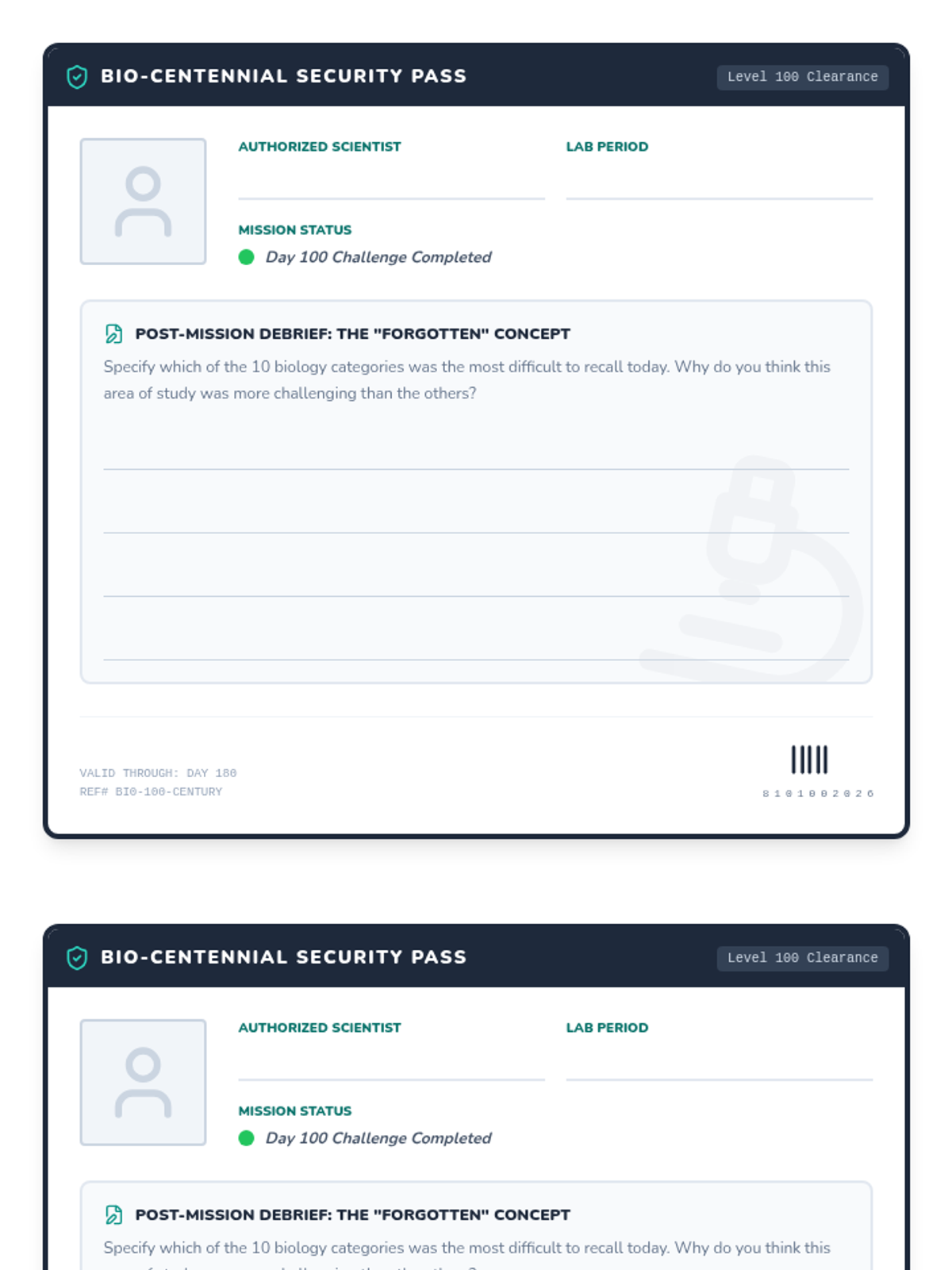
A celebratory biology-themed activity for the 100th day of school, challenging students to recall and categorize 100 key biological concepts.