A comprehensive lesson on plant transport systems, covering the structure and function of xylem and phloem, transpiration, and various plant tropisms through hands-on lab work and station-based learning.
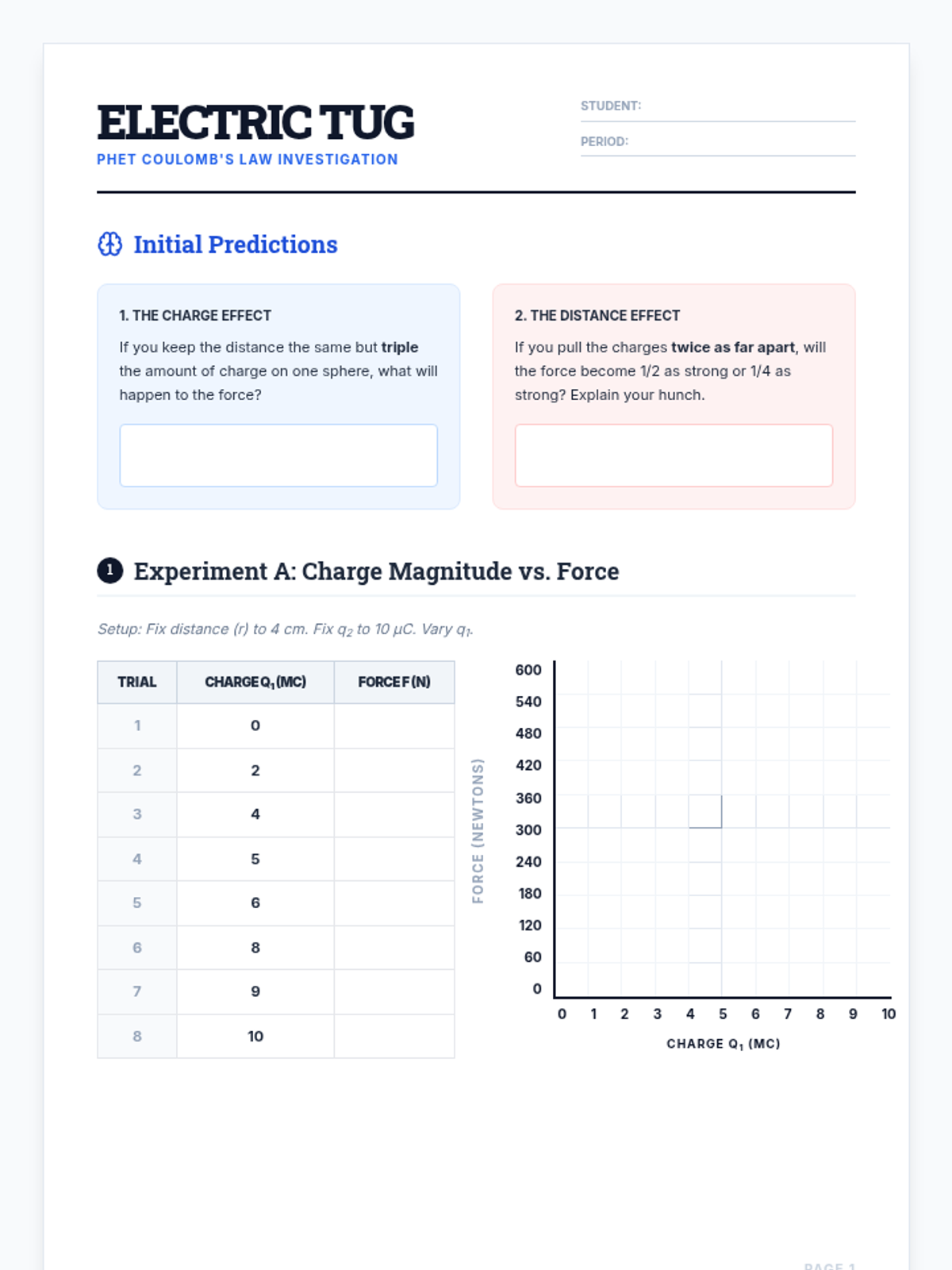
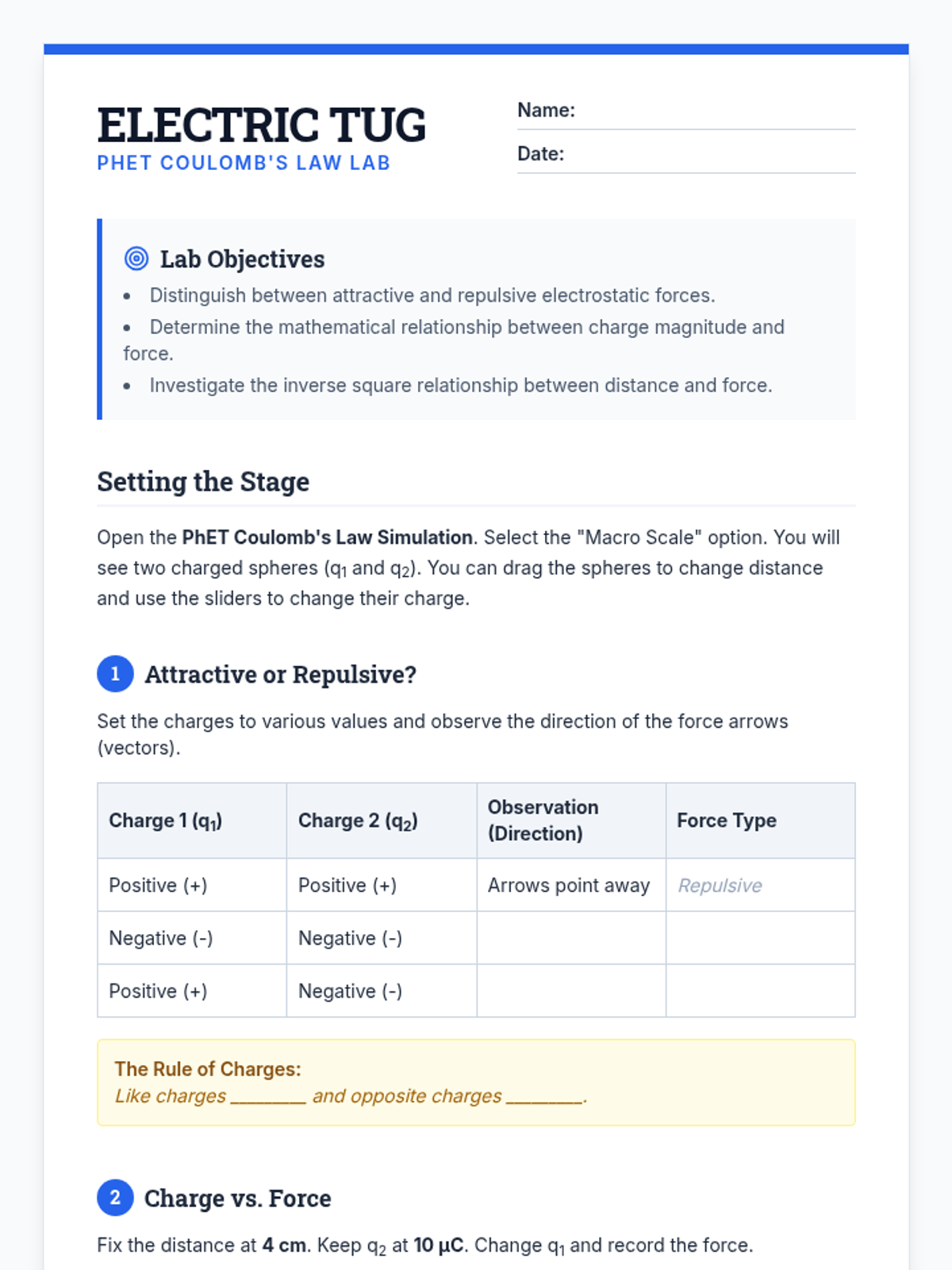
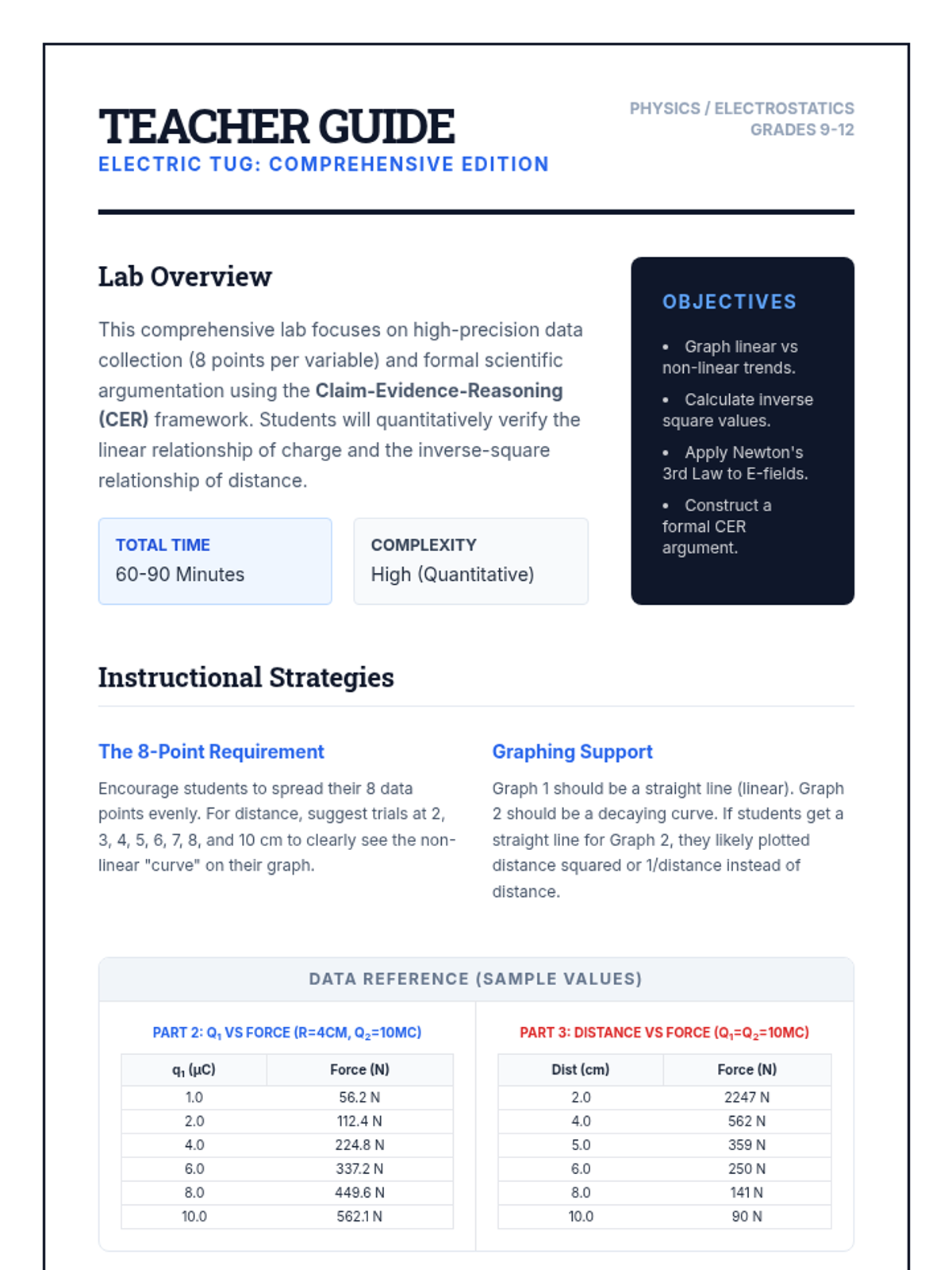
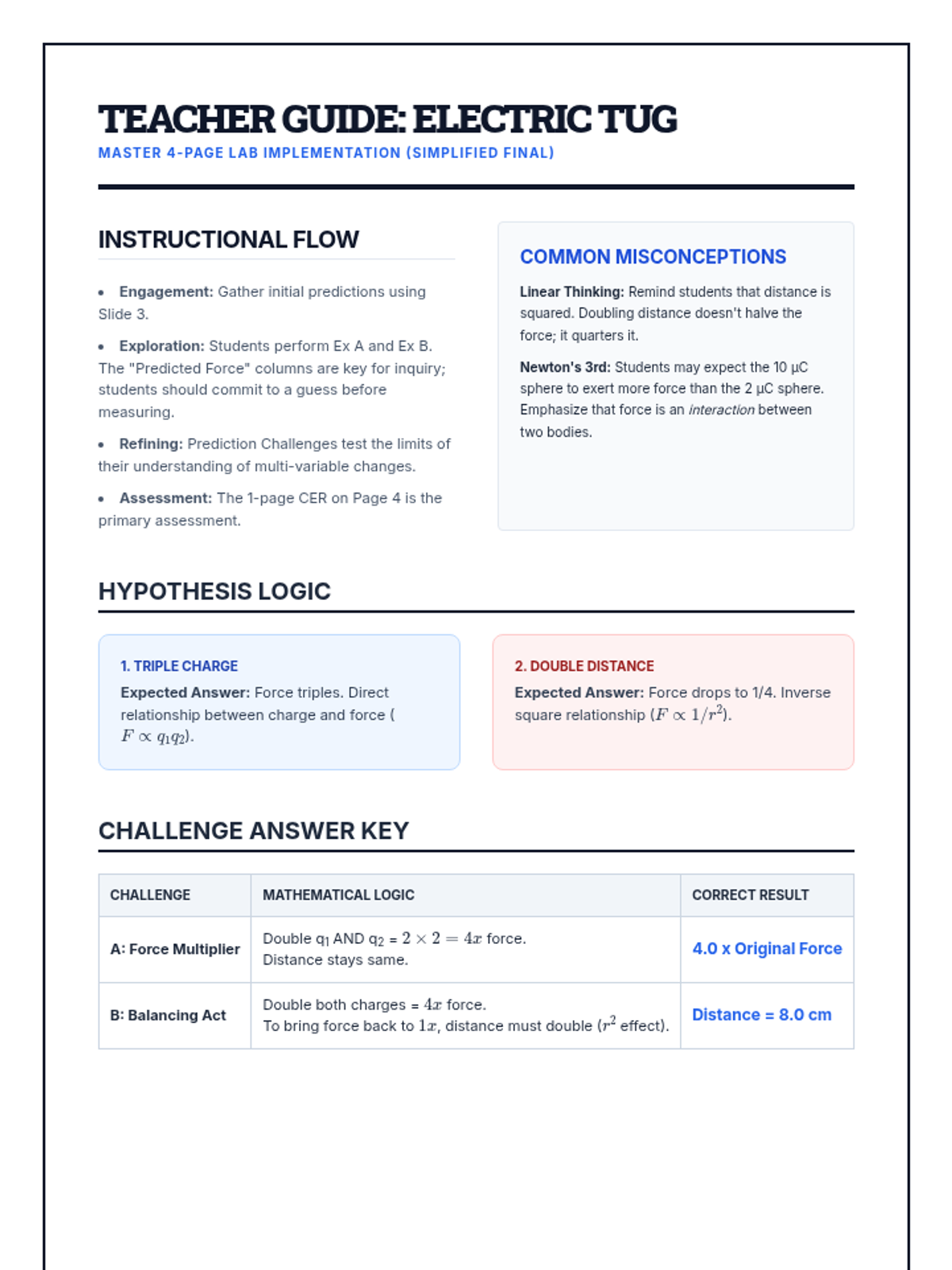
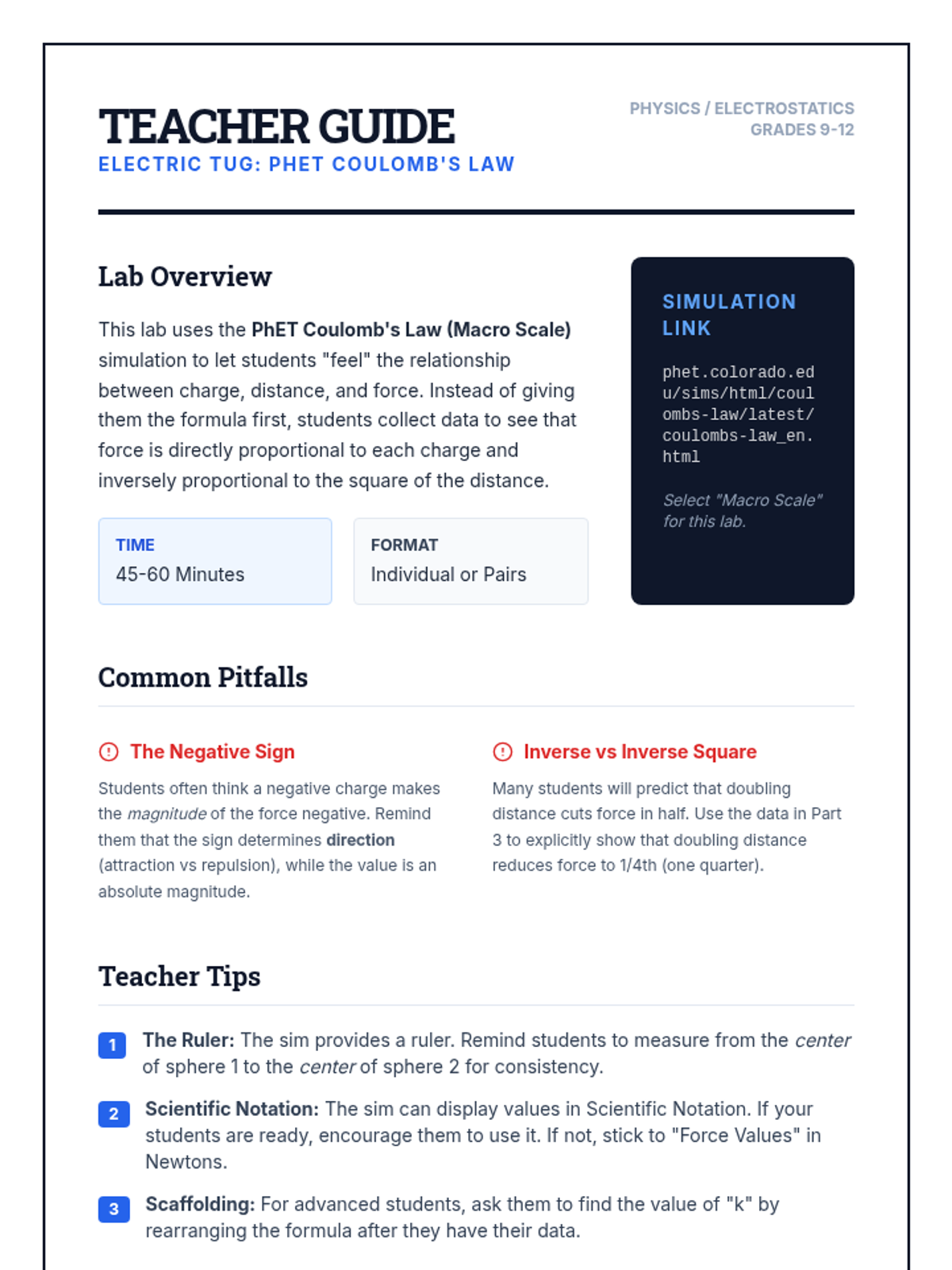
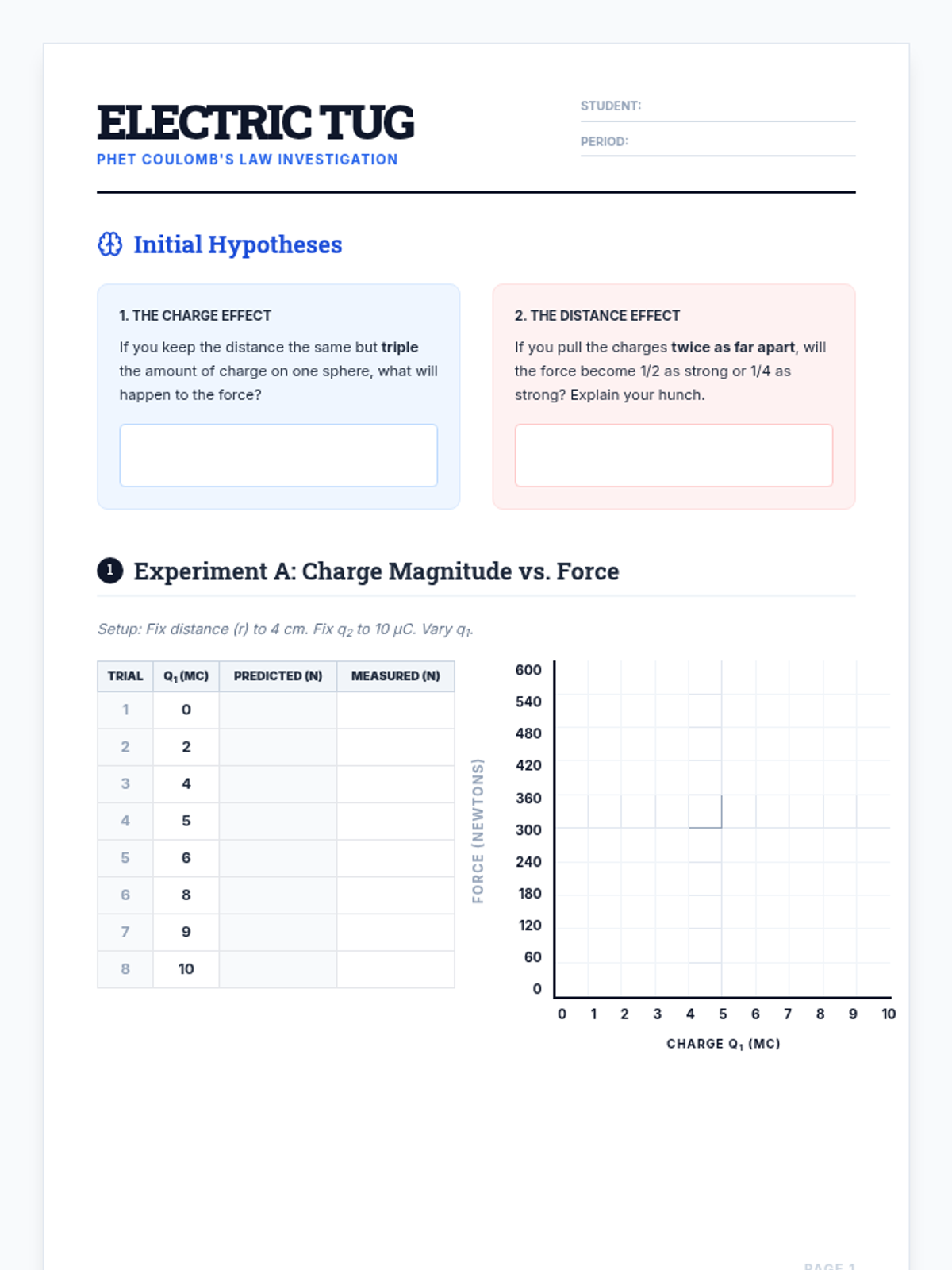
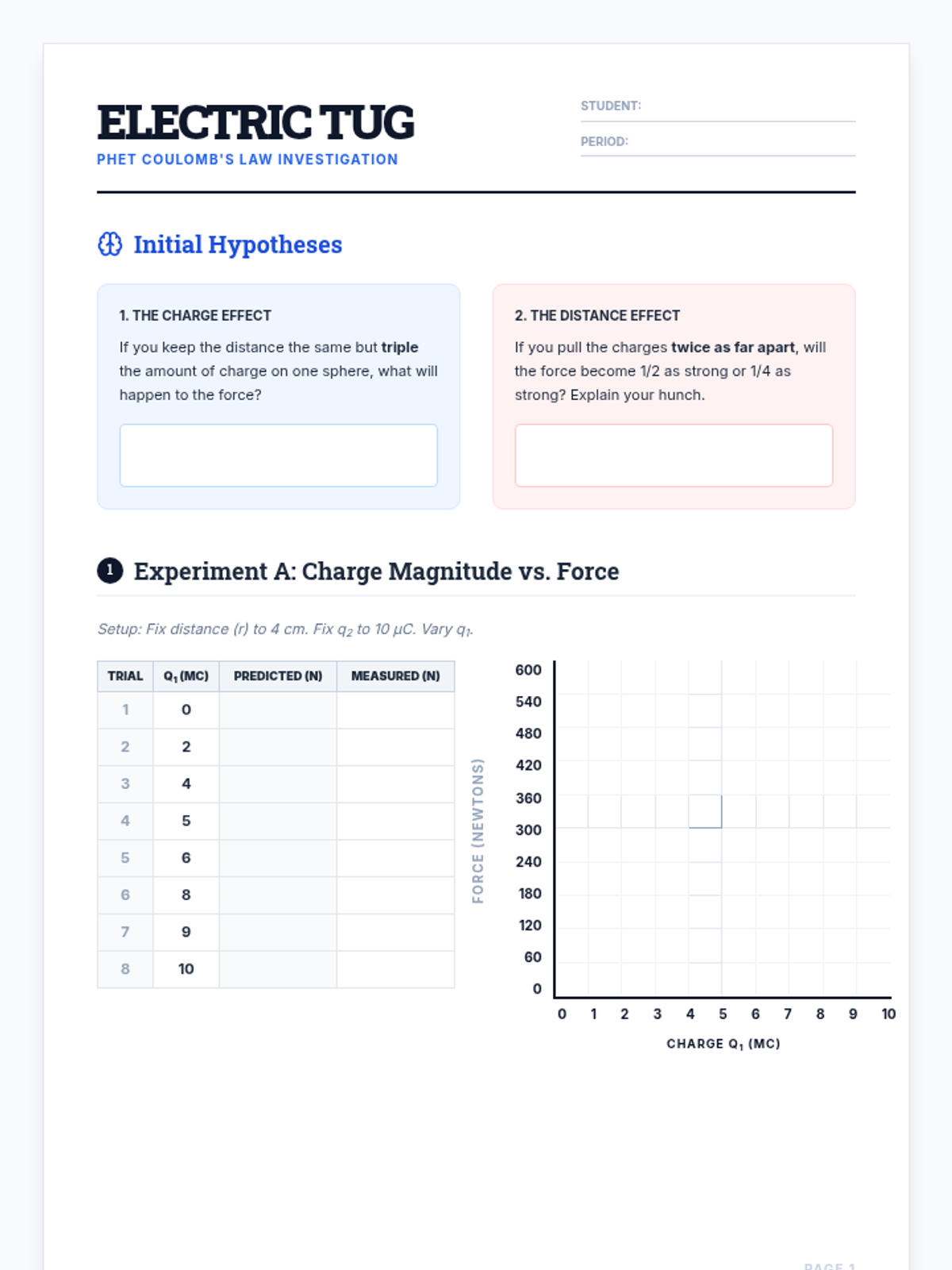
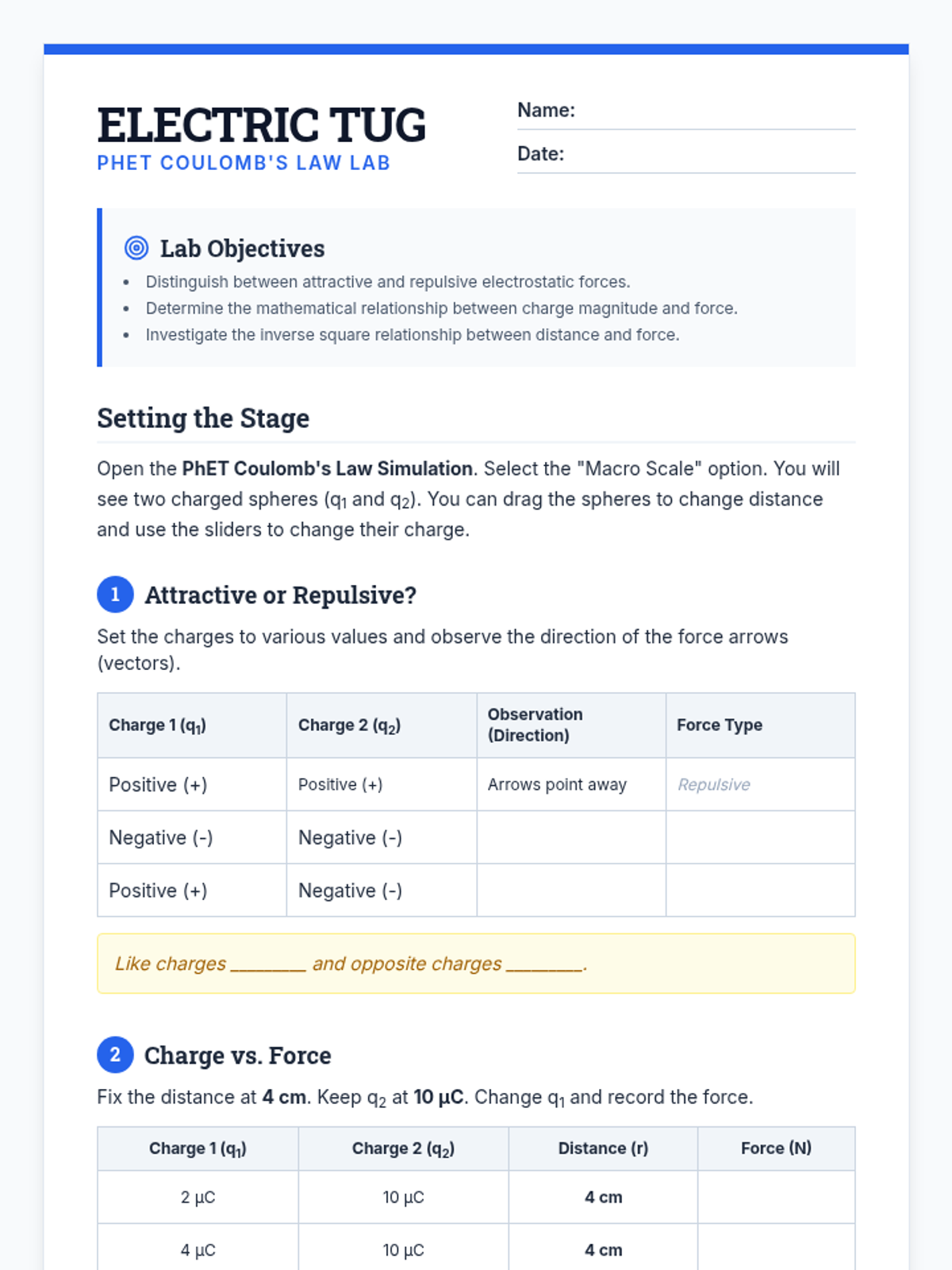
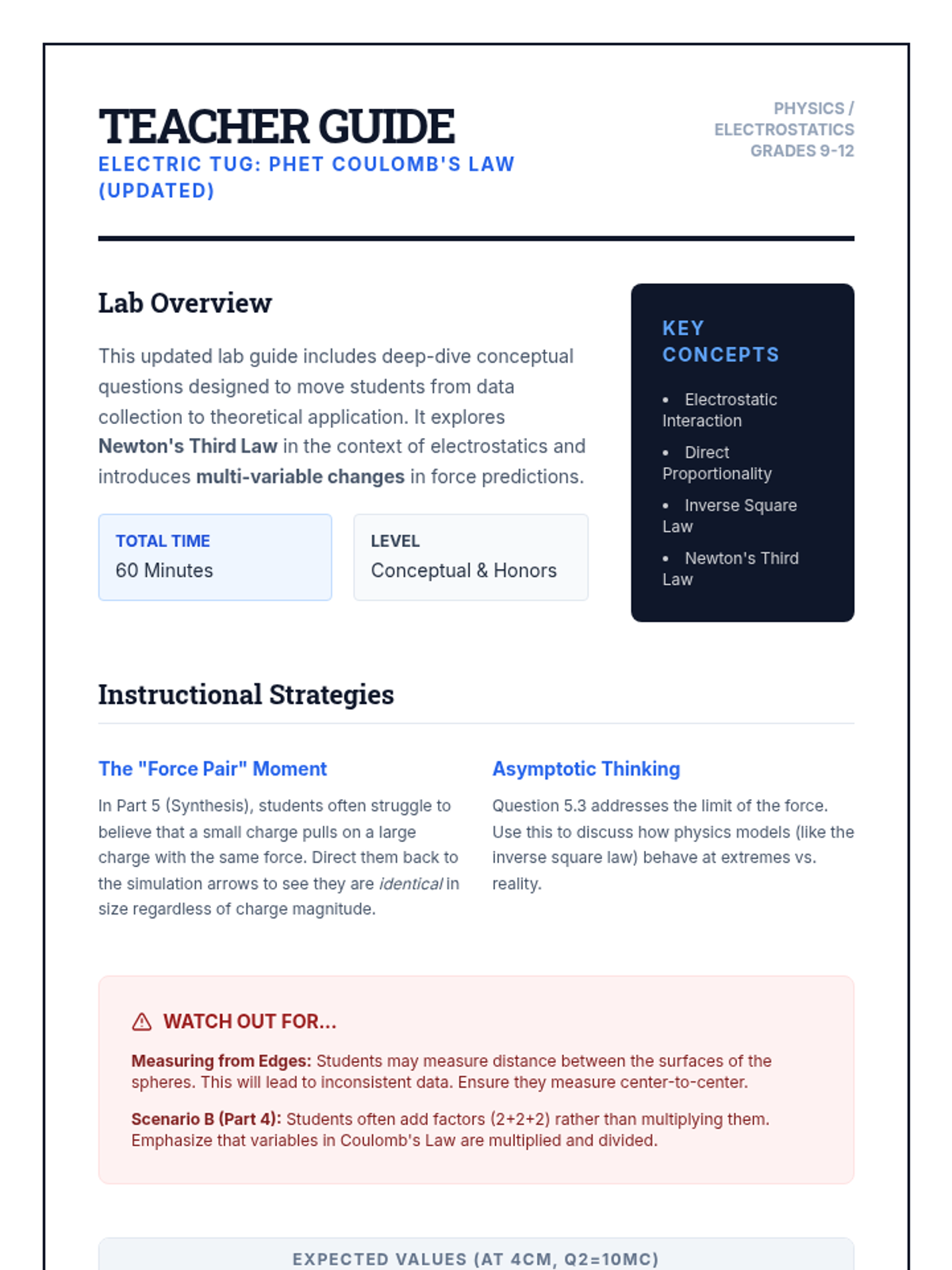
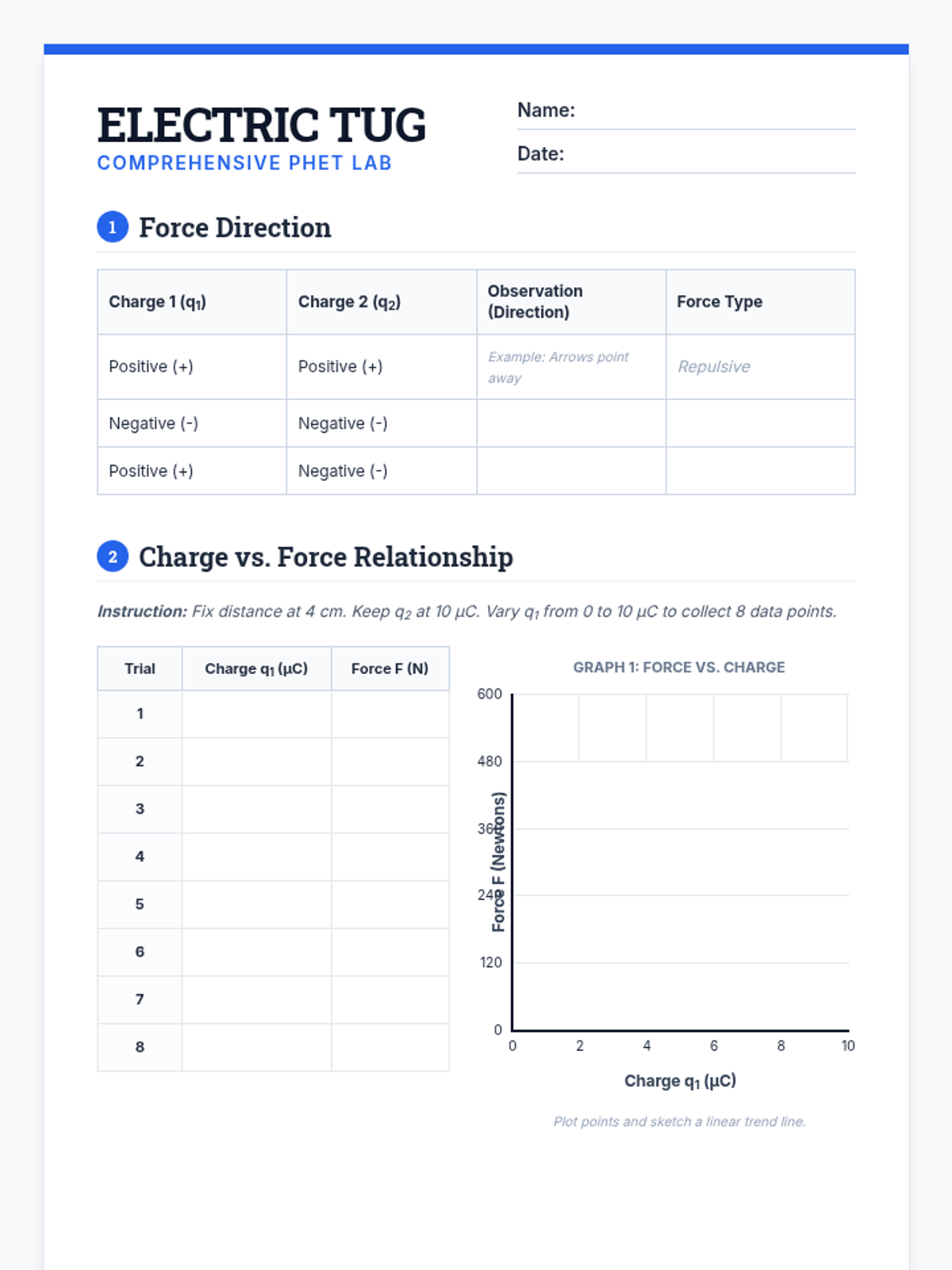
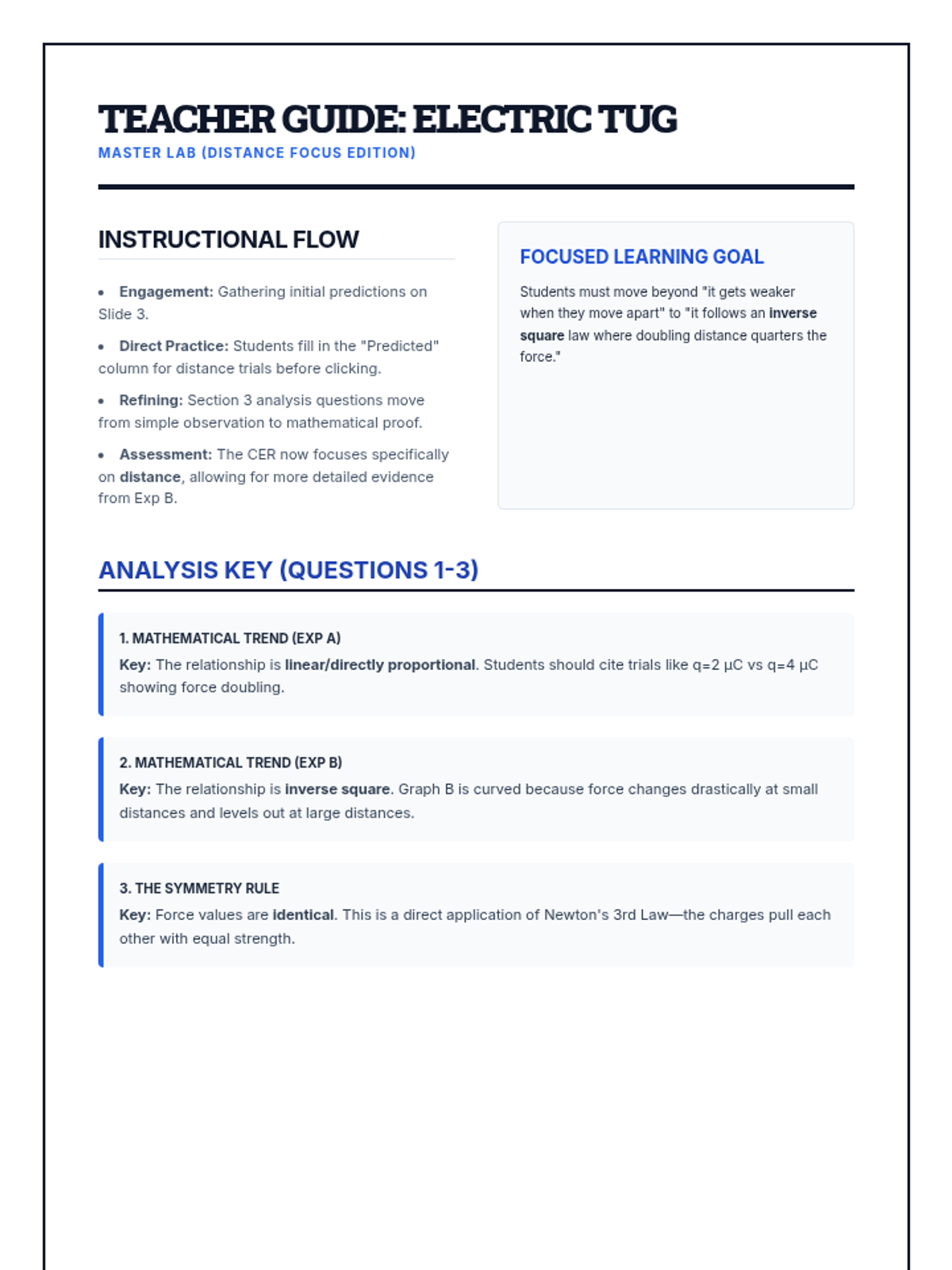
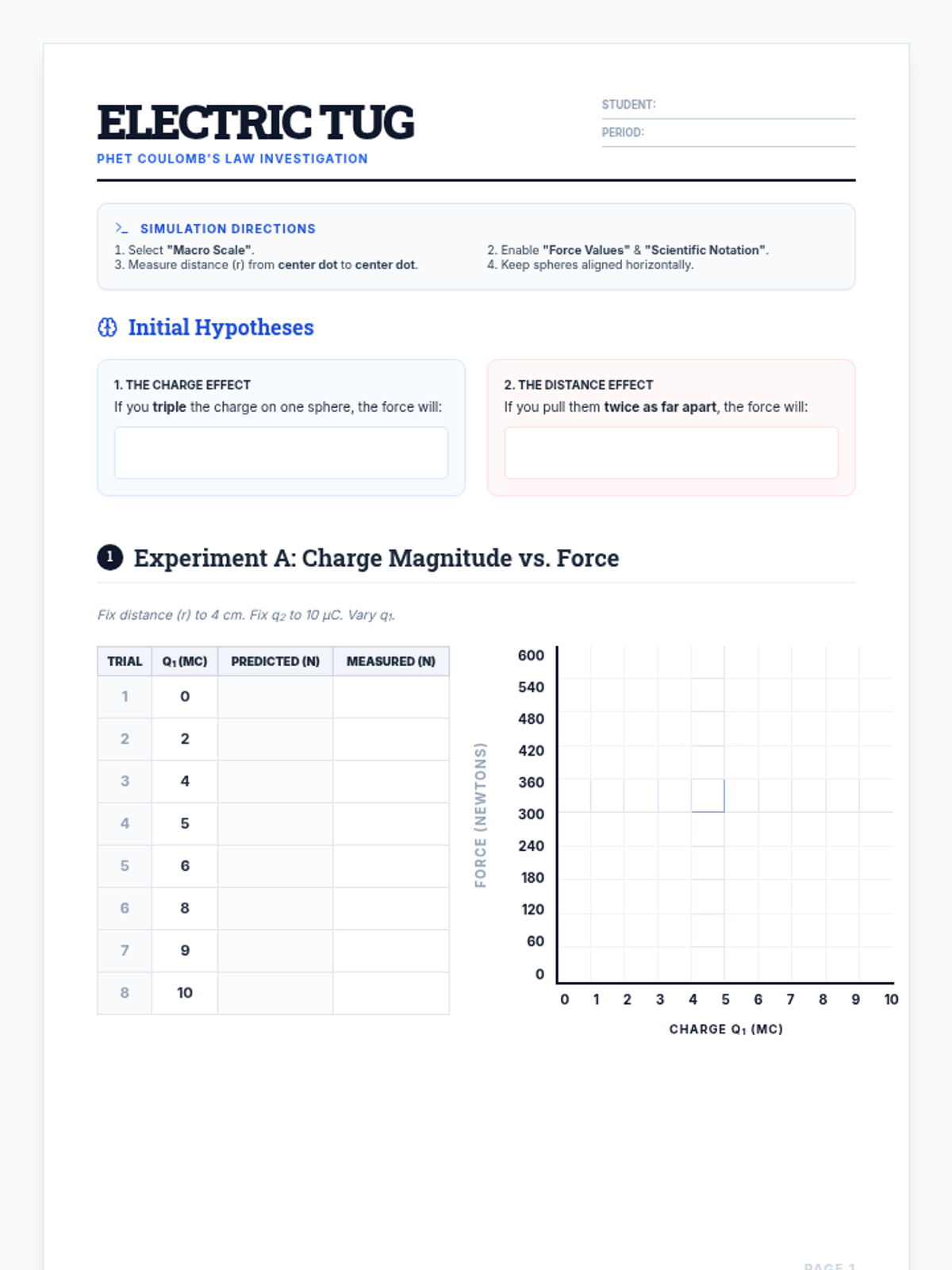
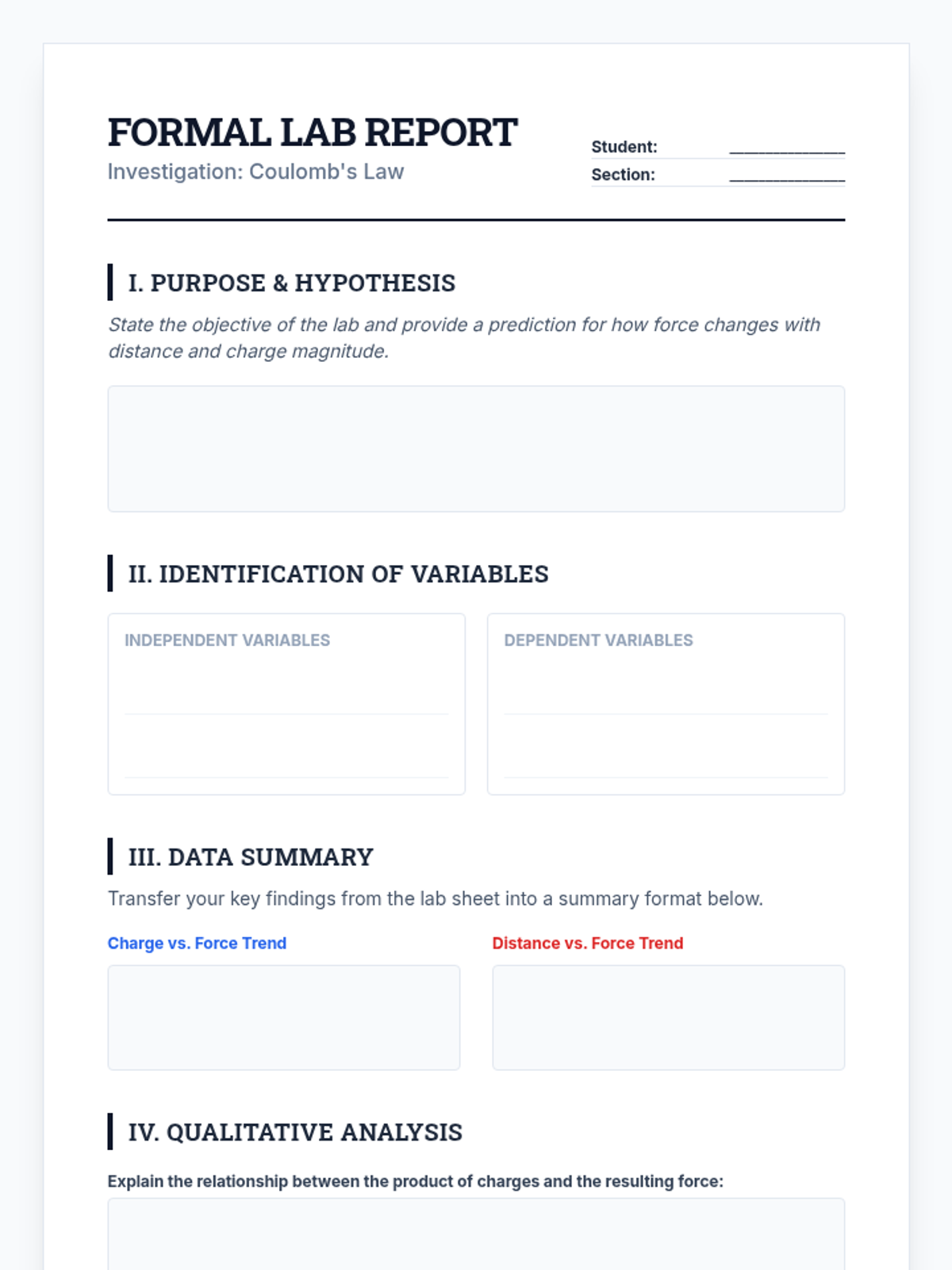
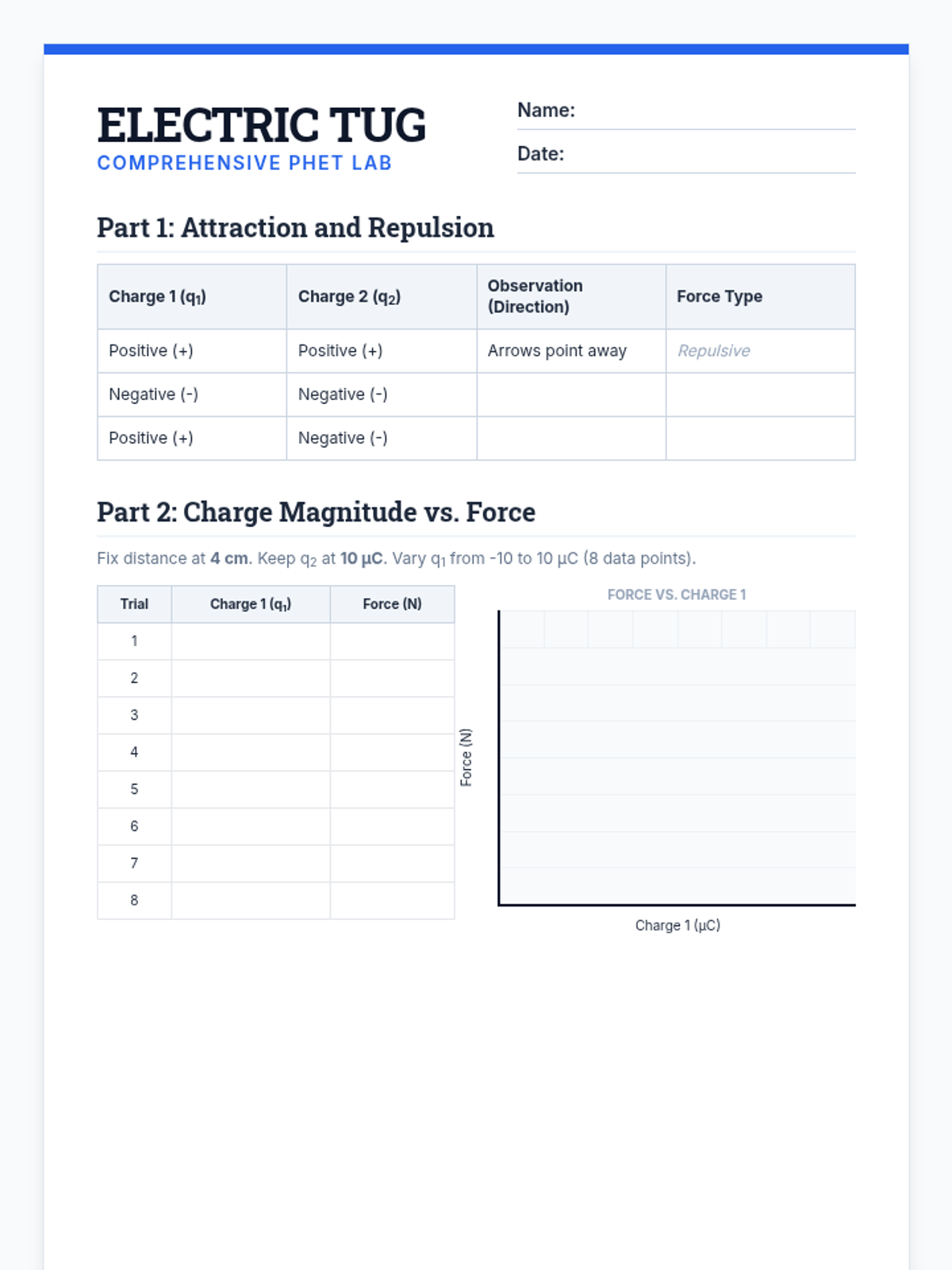
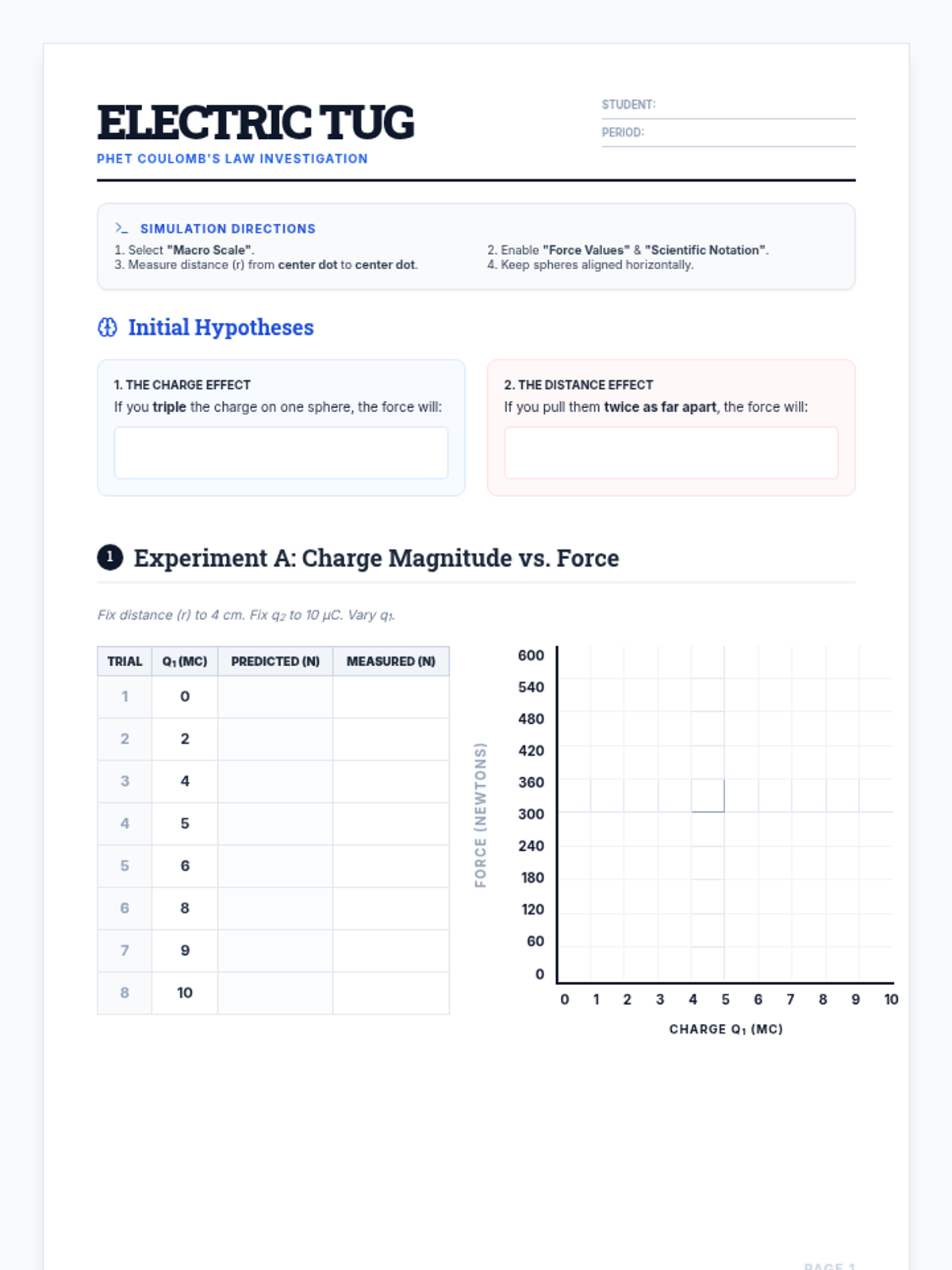
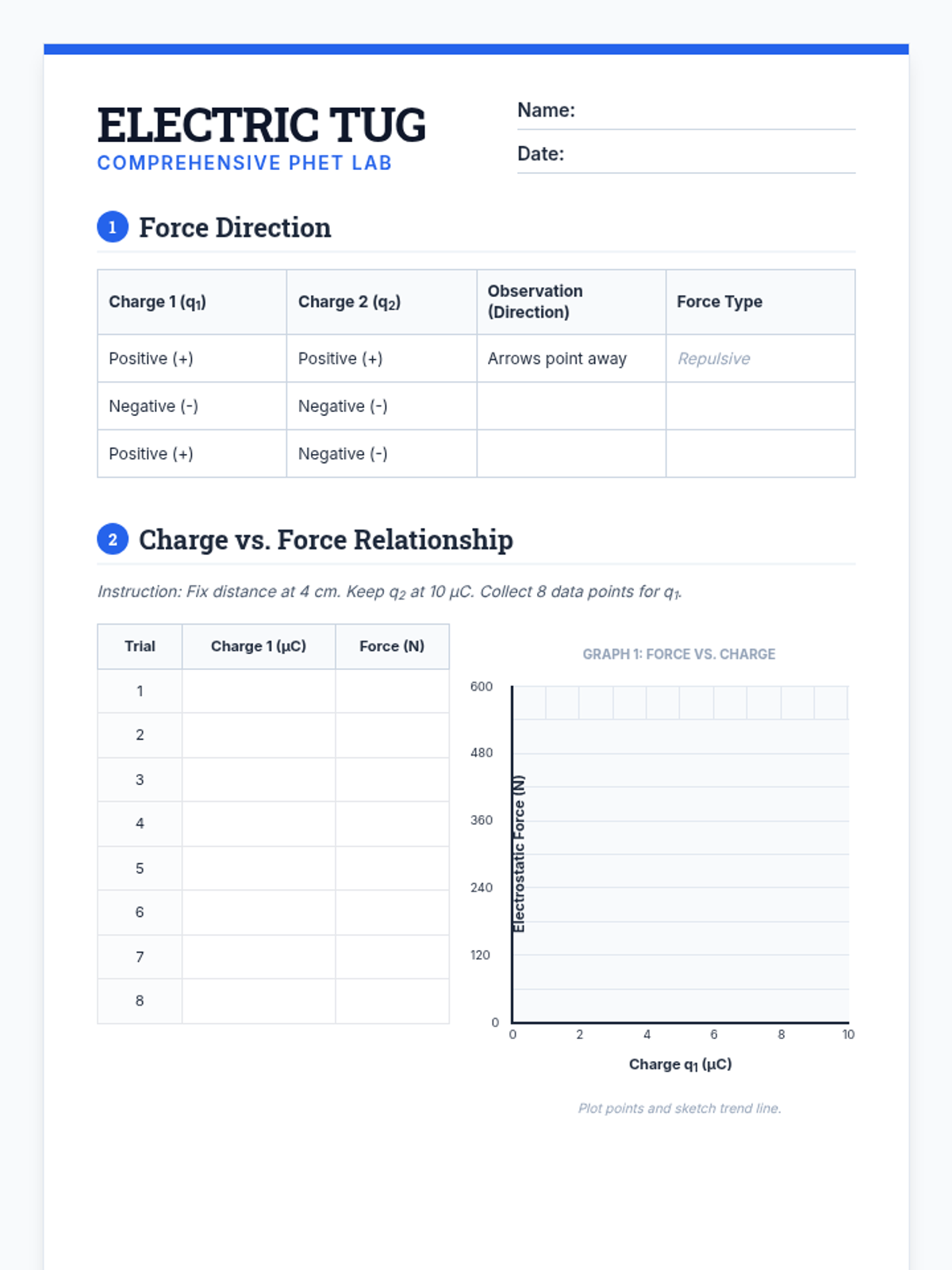
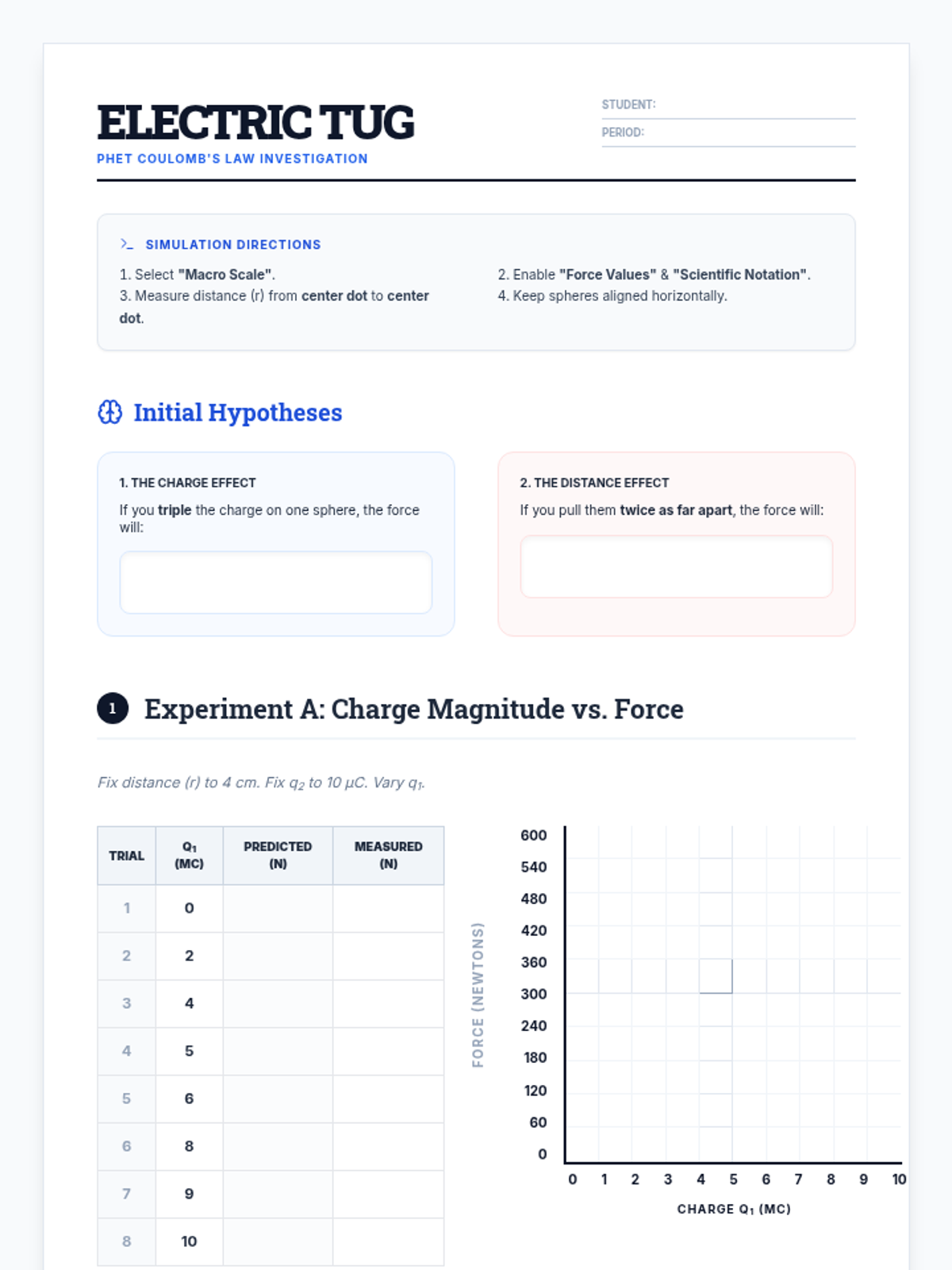
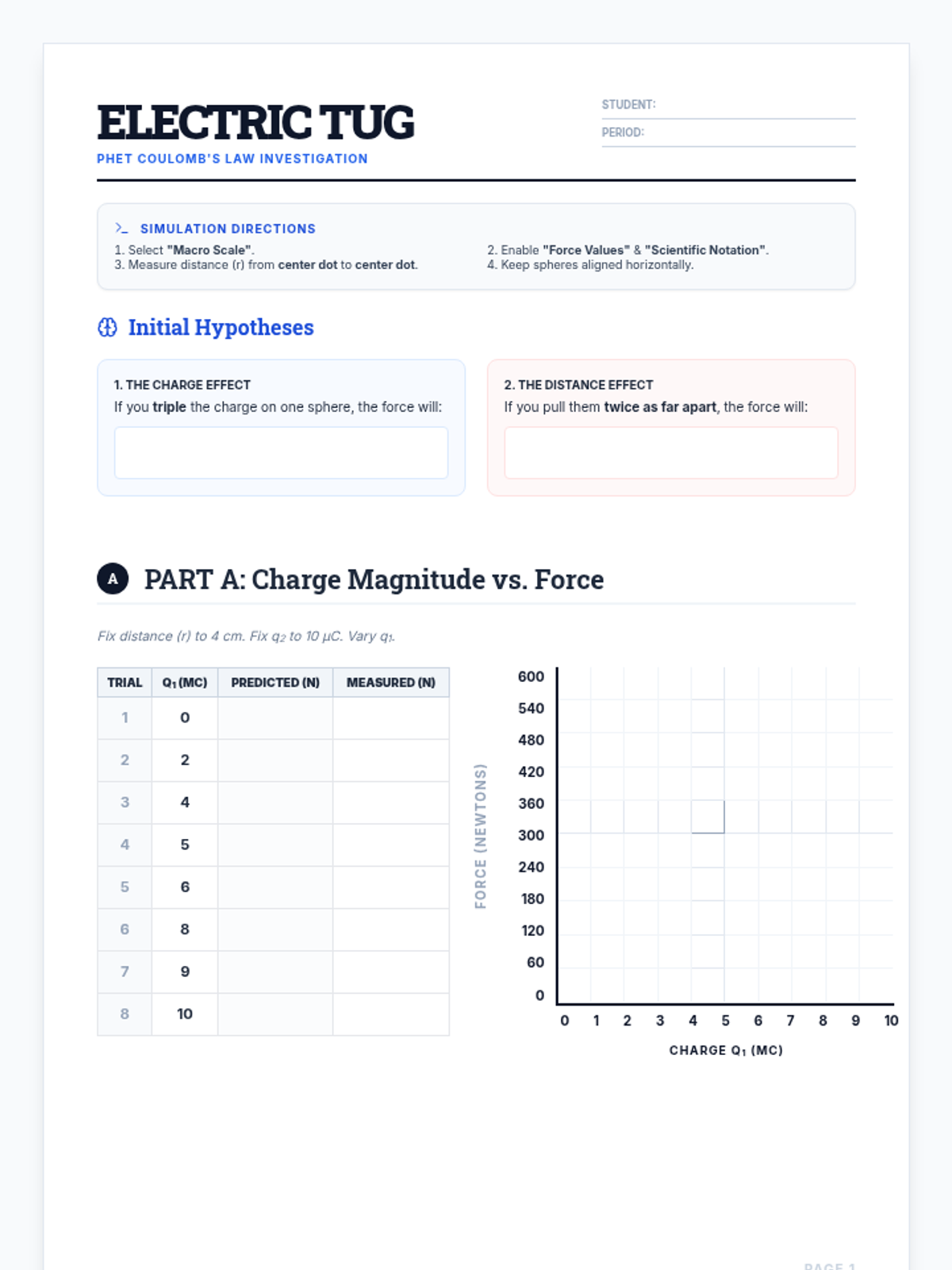
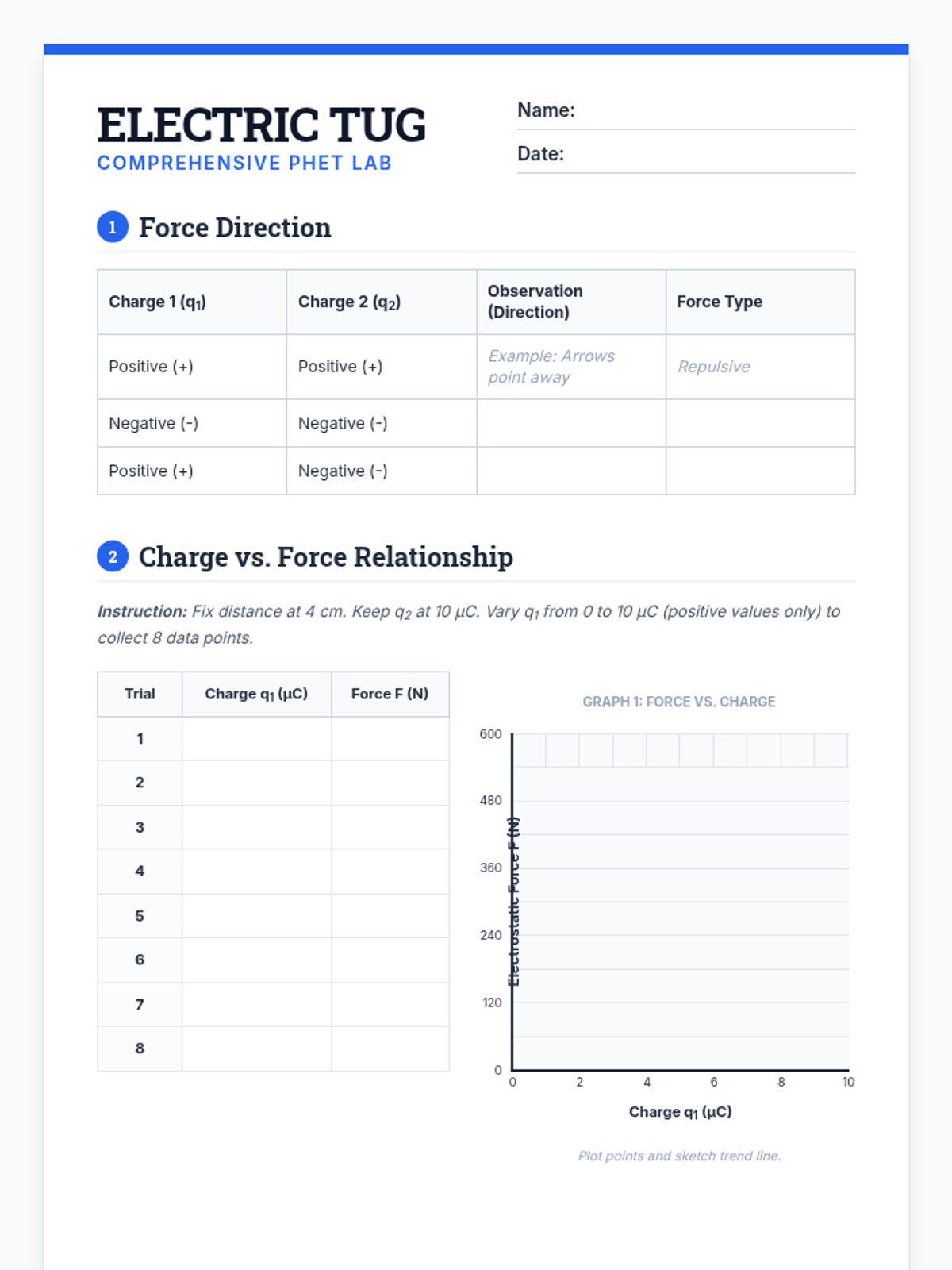
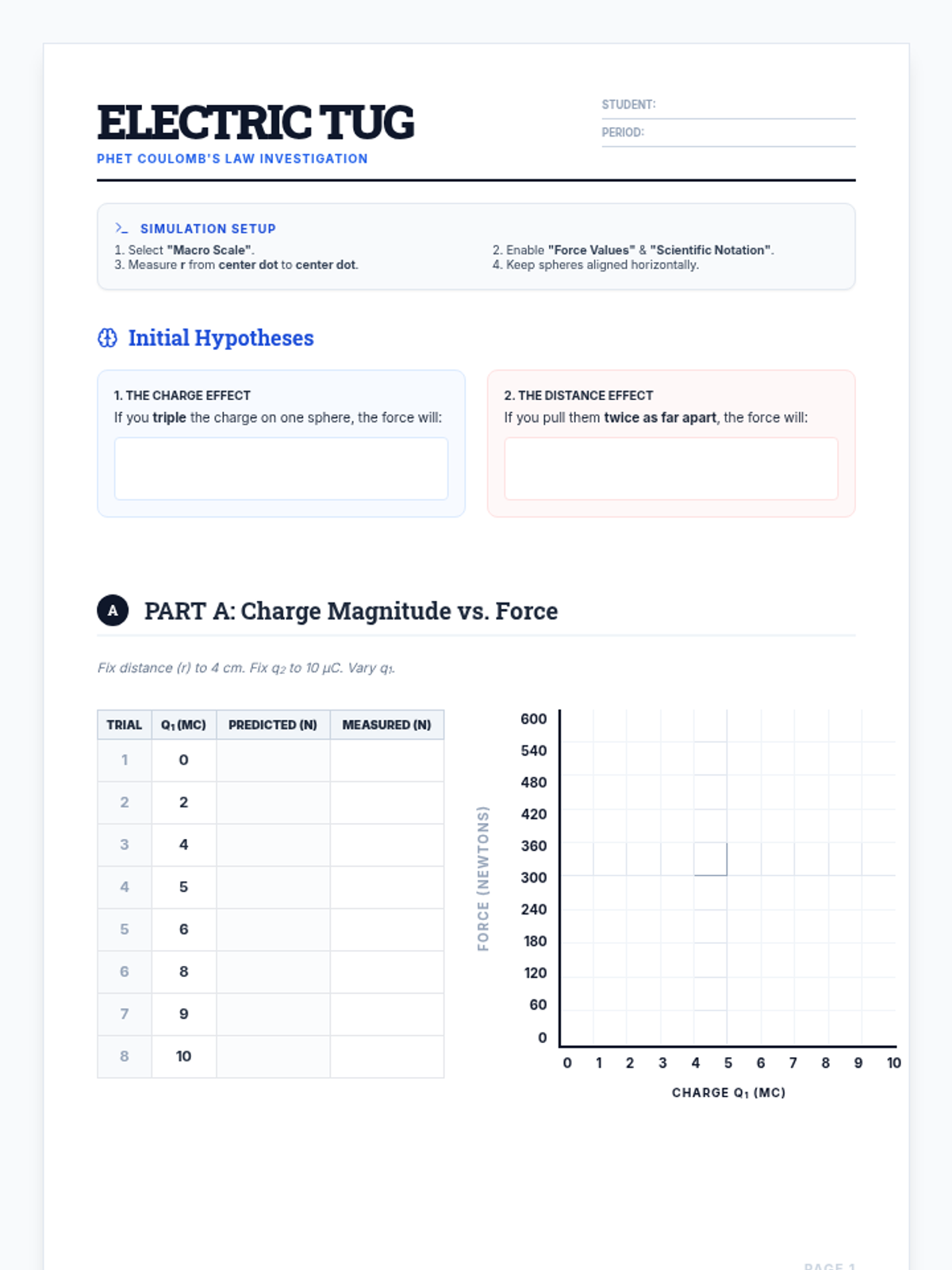
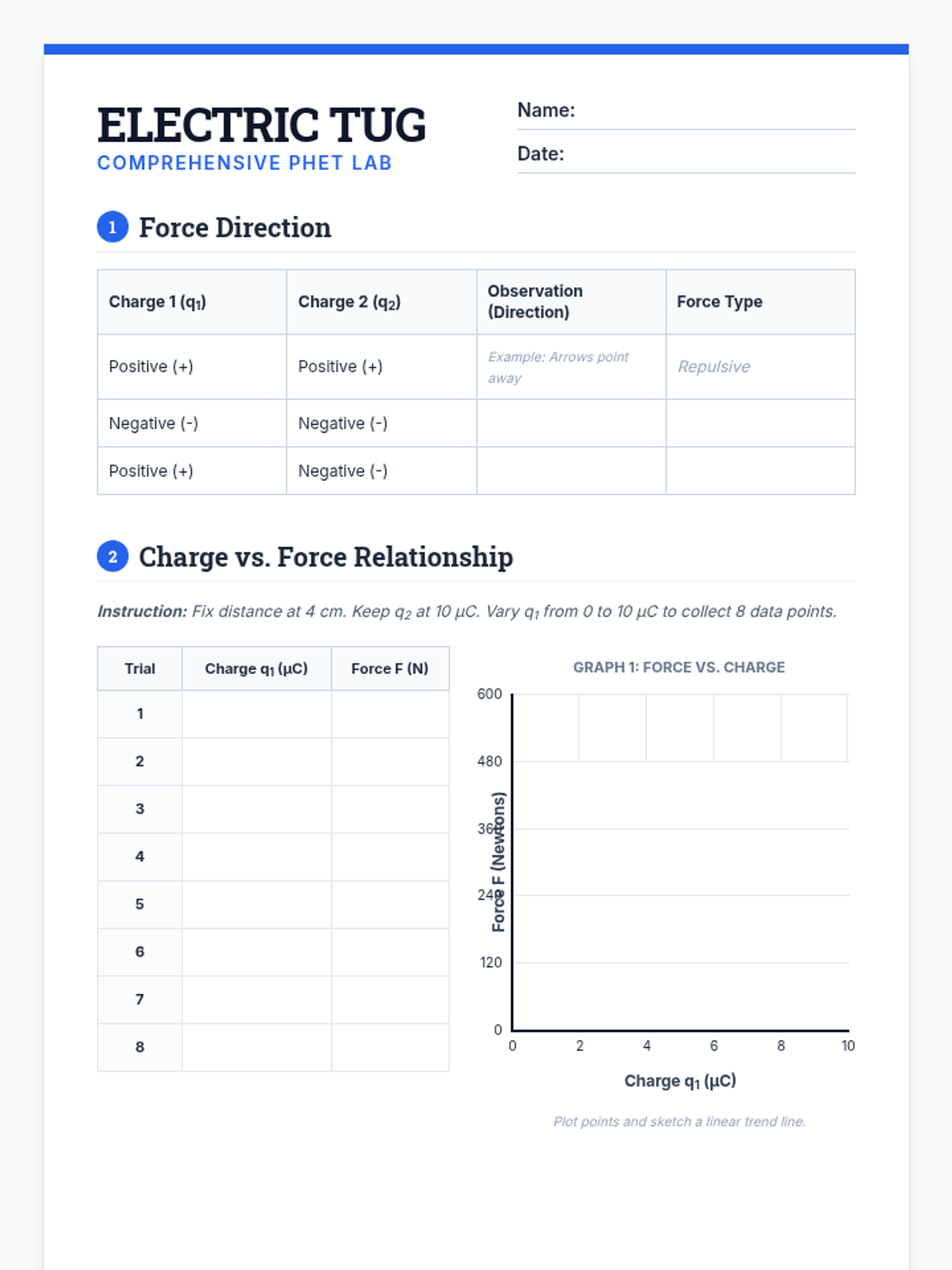
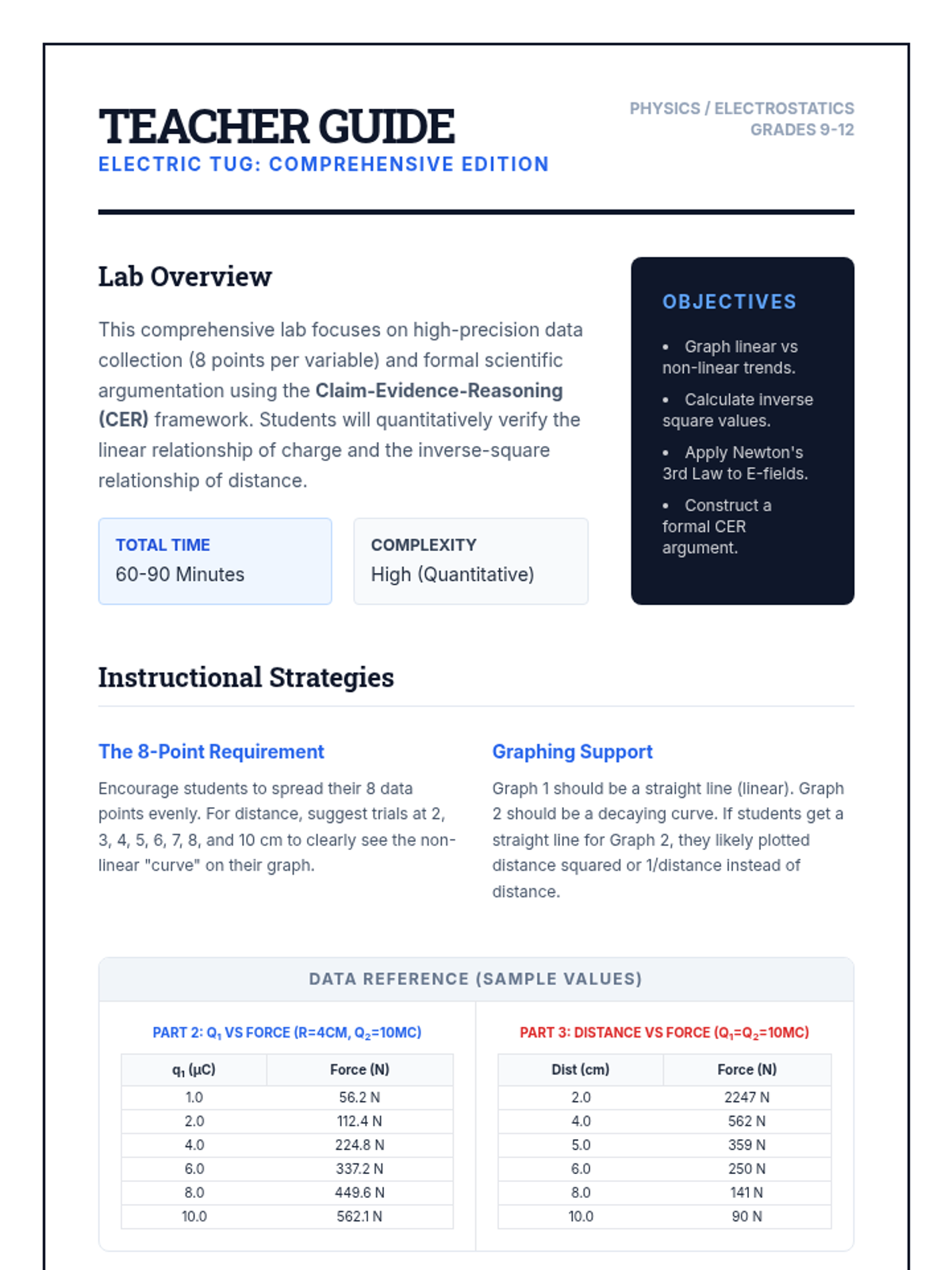
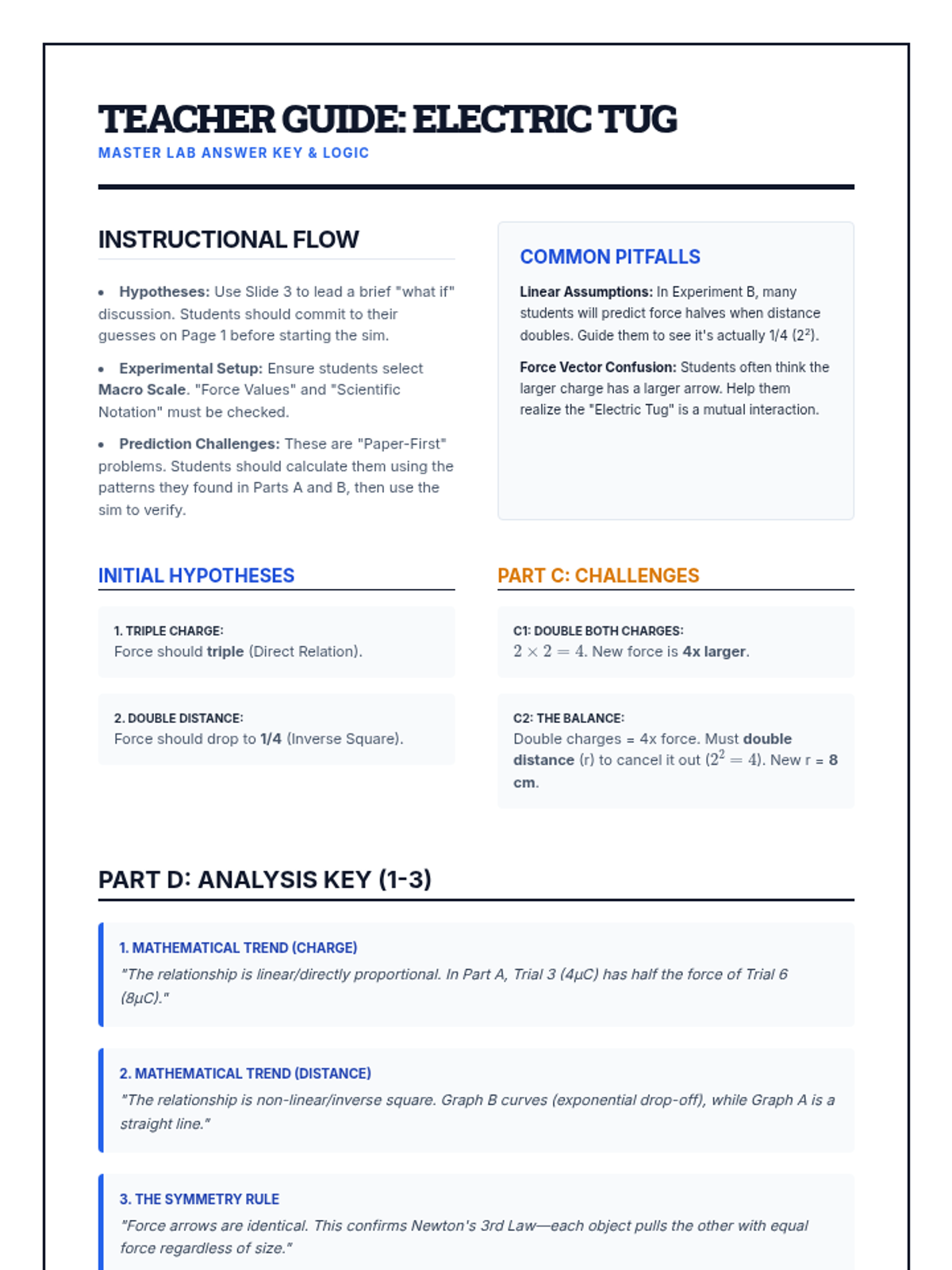
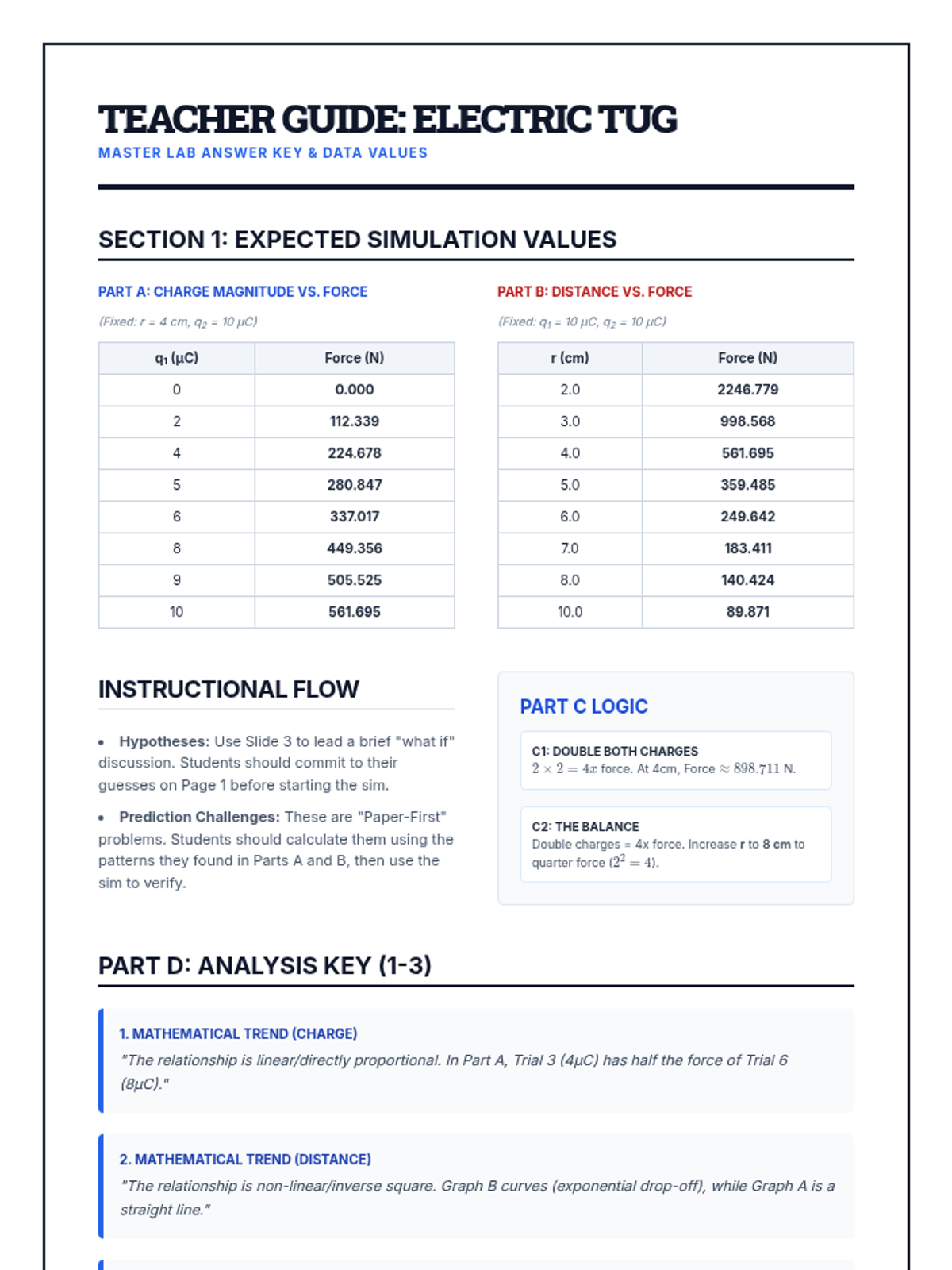
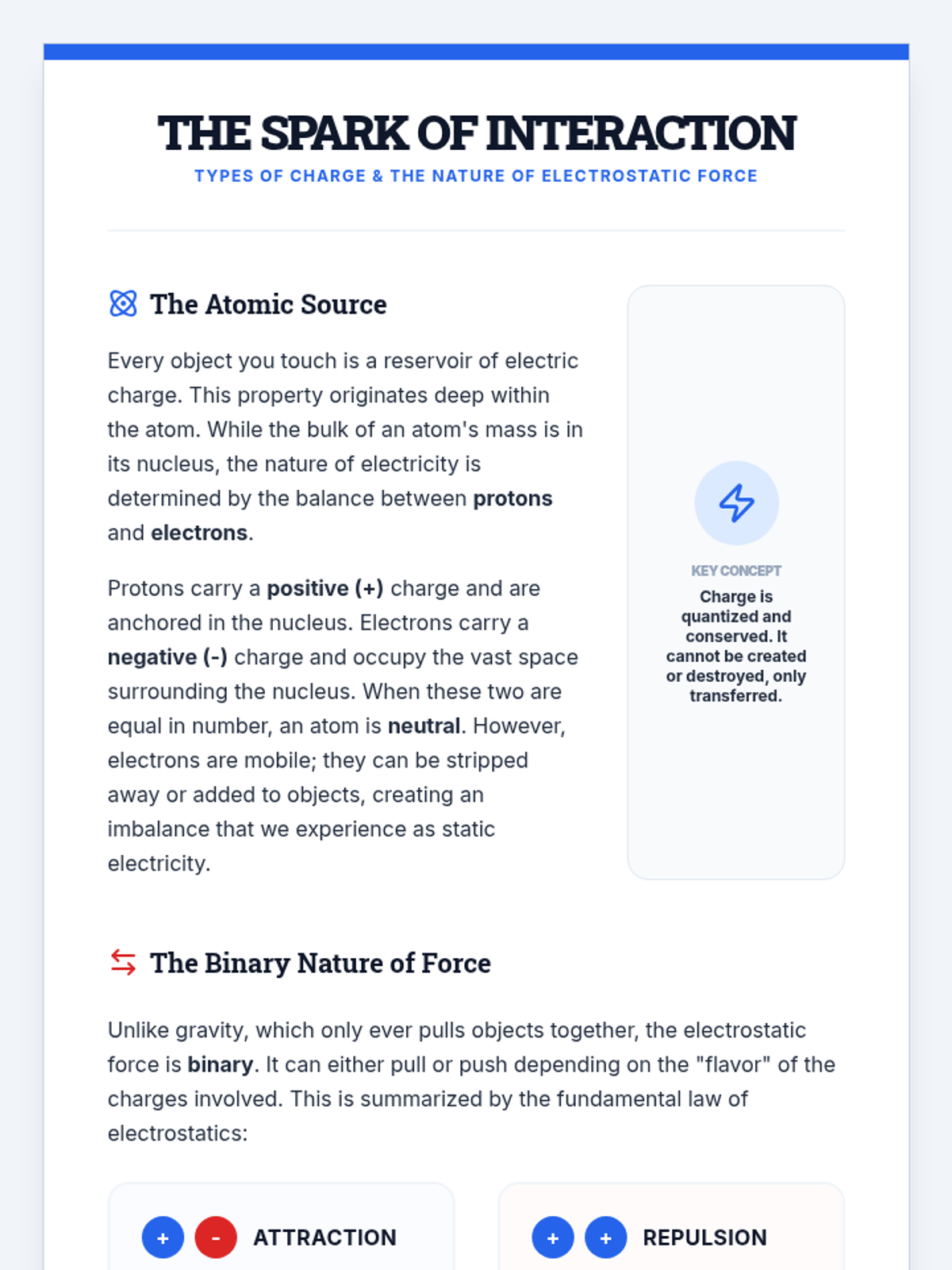
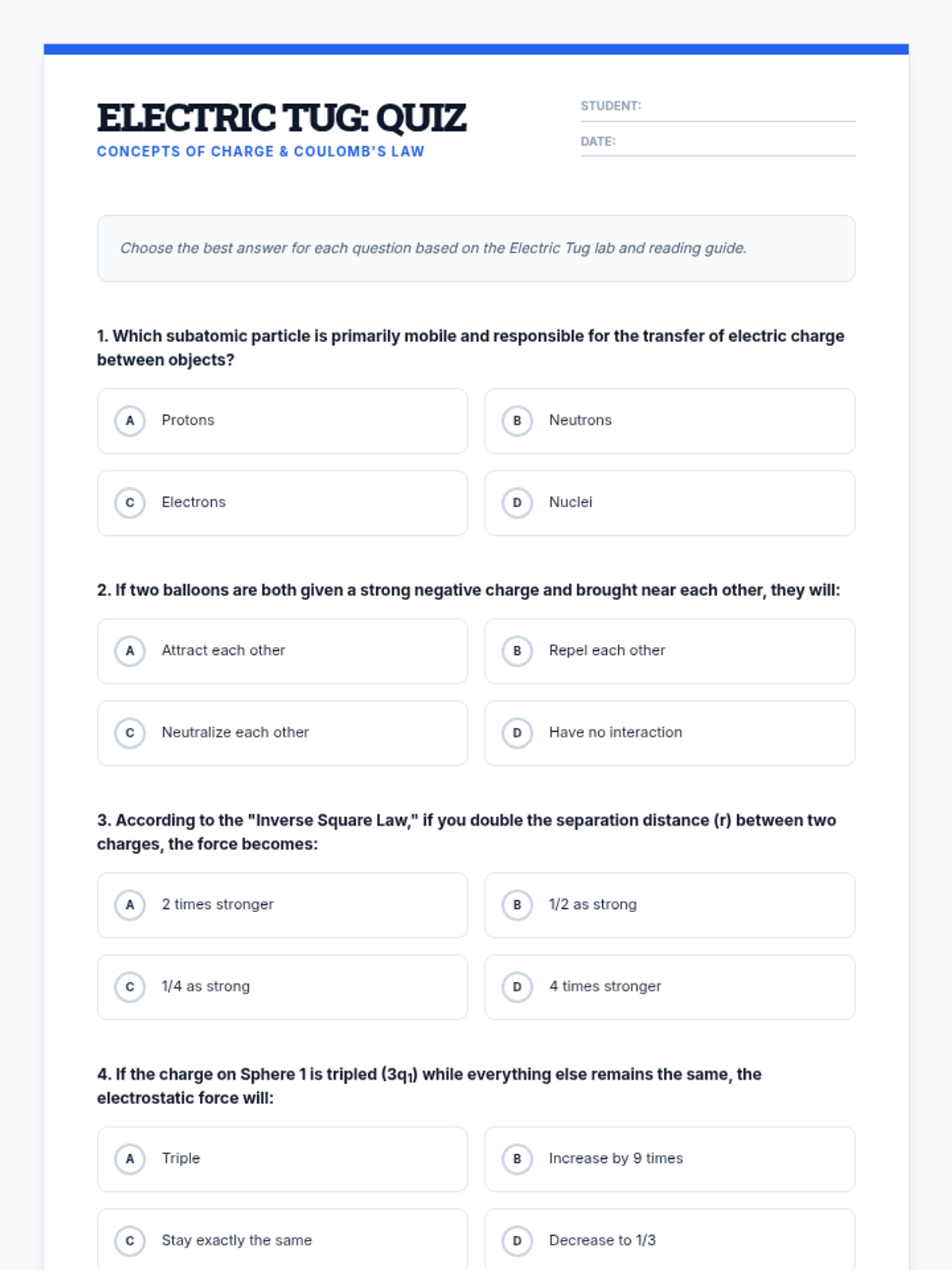
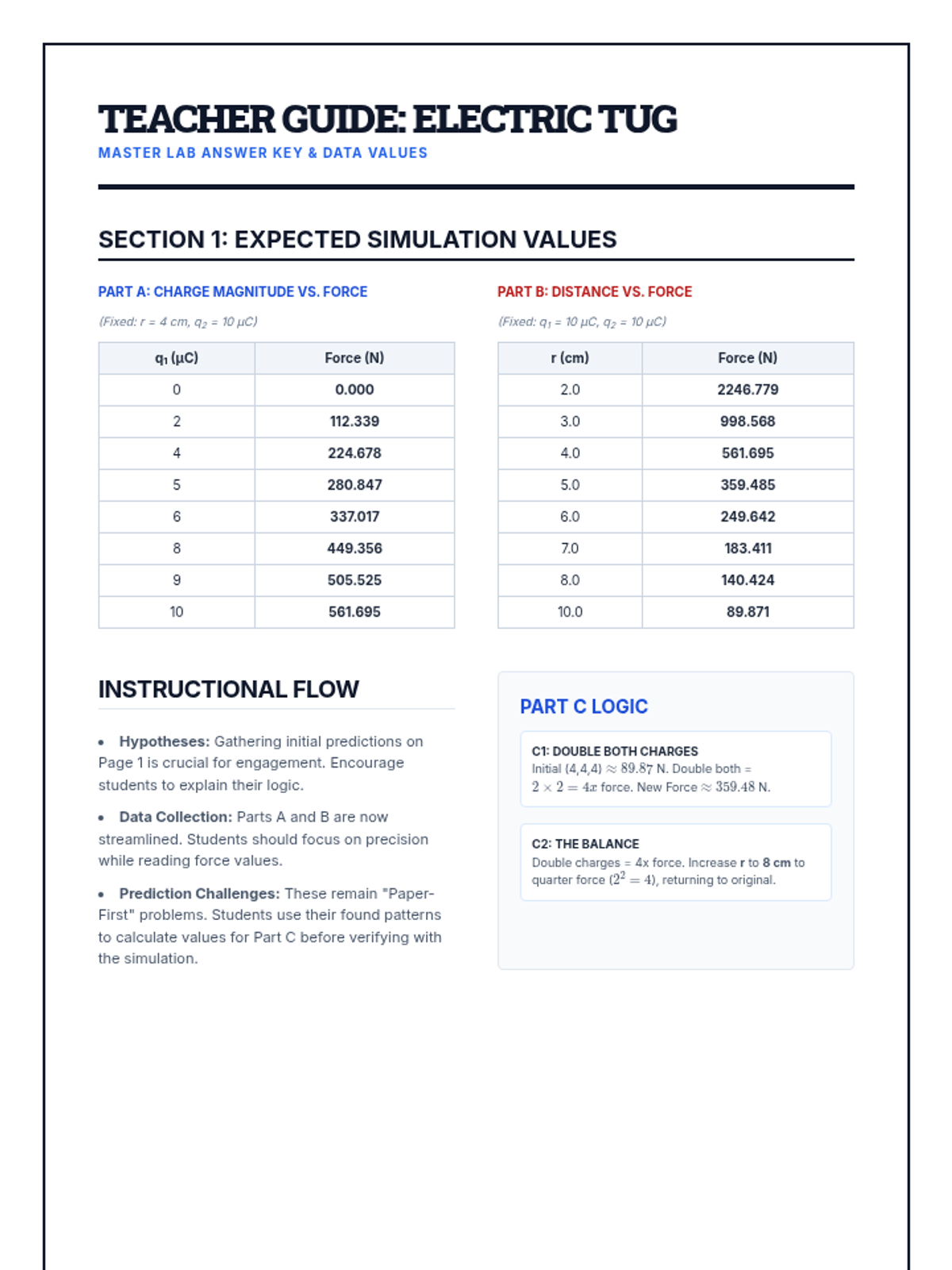
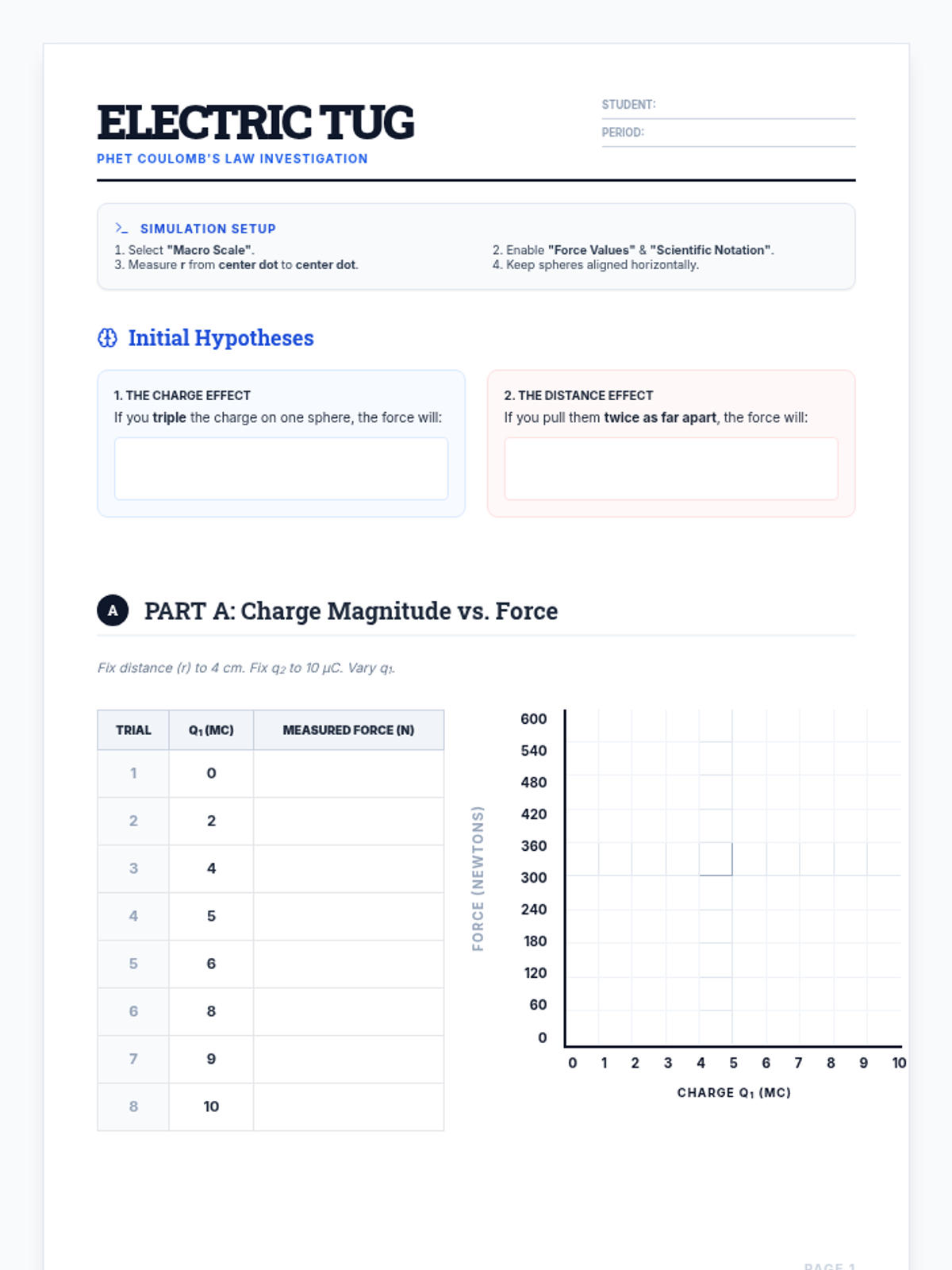
An inquiry-based lab where students use the PhET Coulomb's Law simulation to discover the relationships between charge, distance, and electrostatic force.
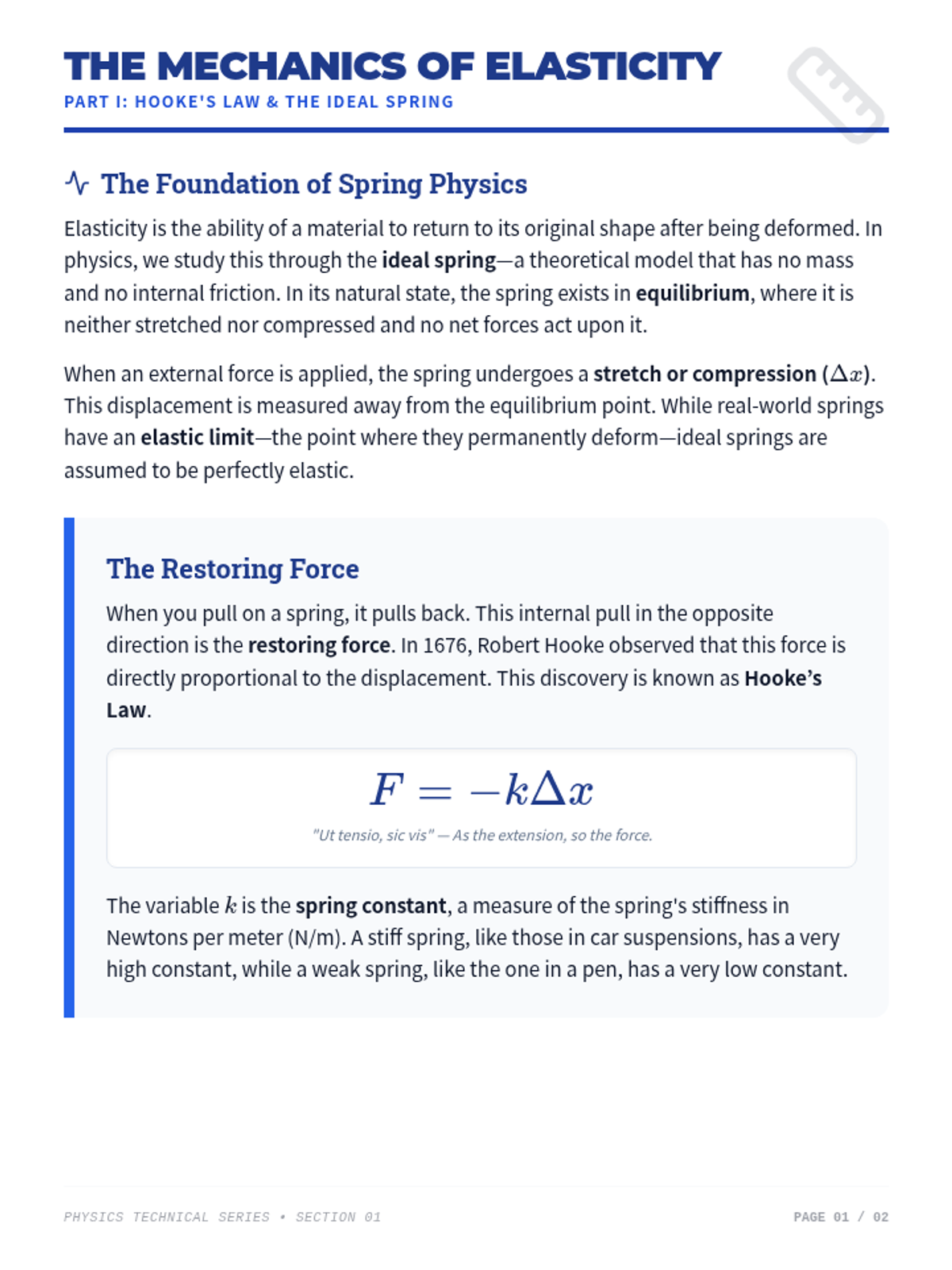
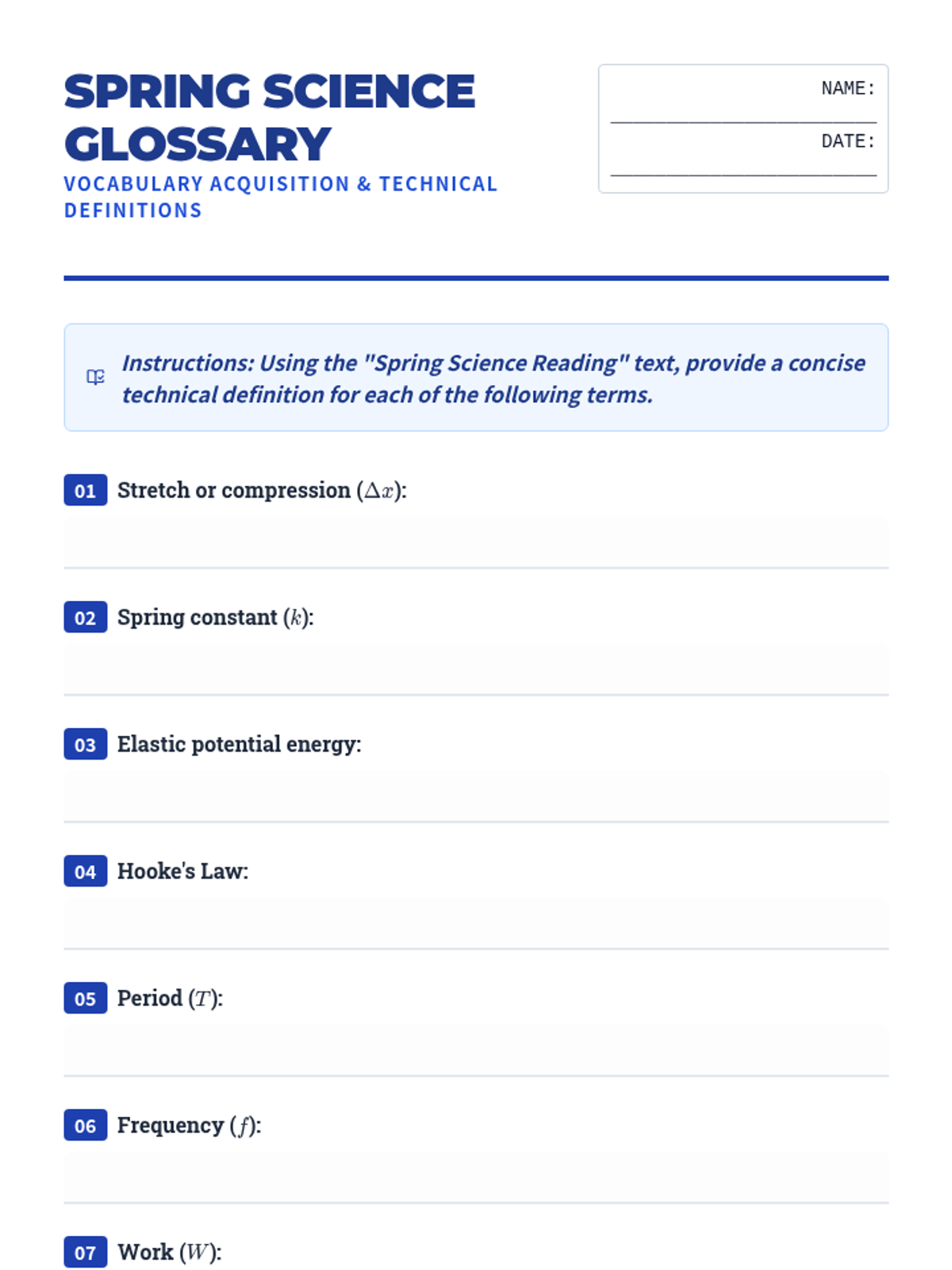
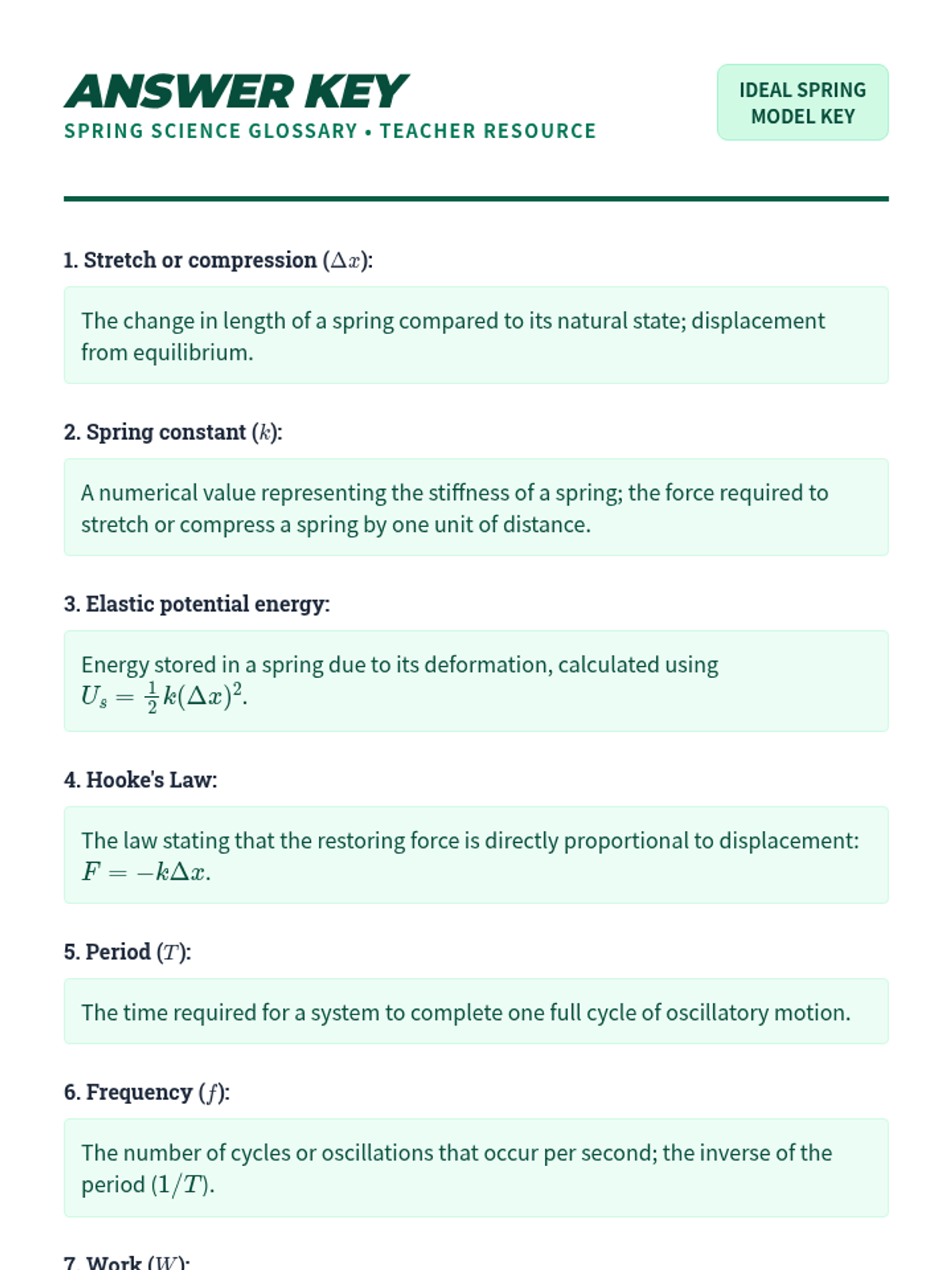
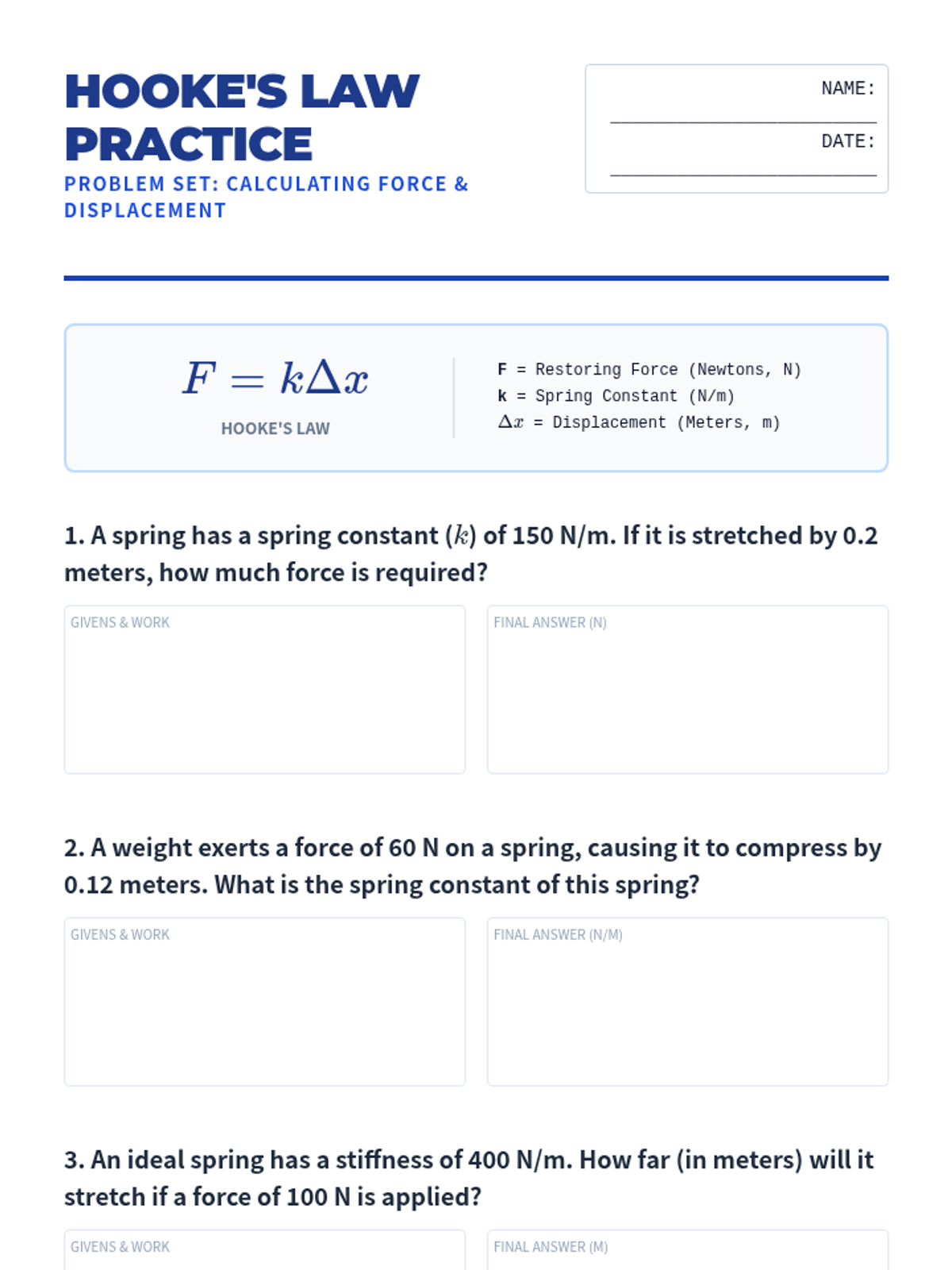
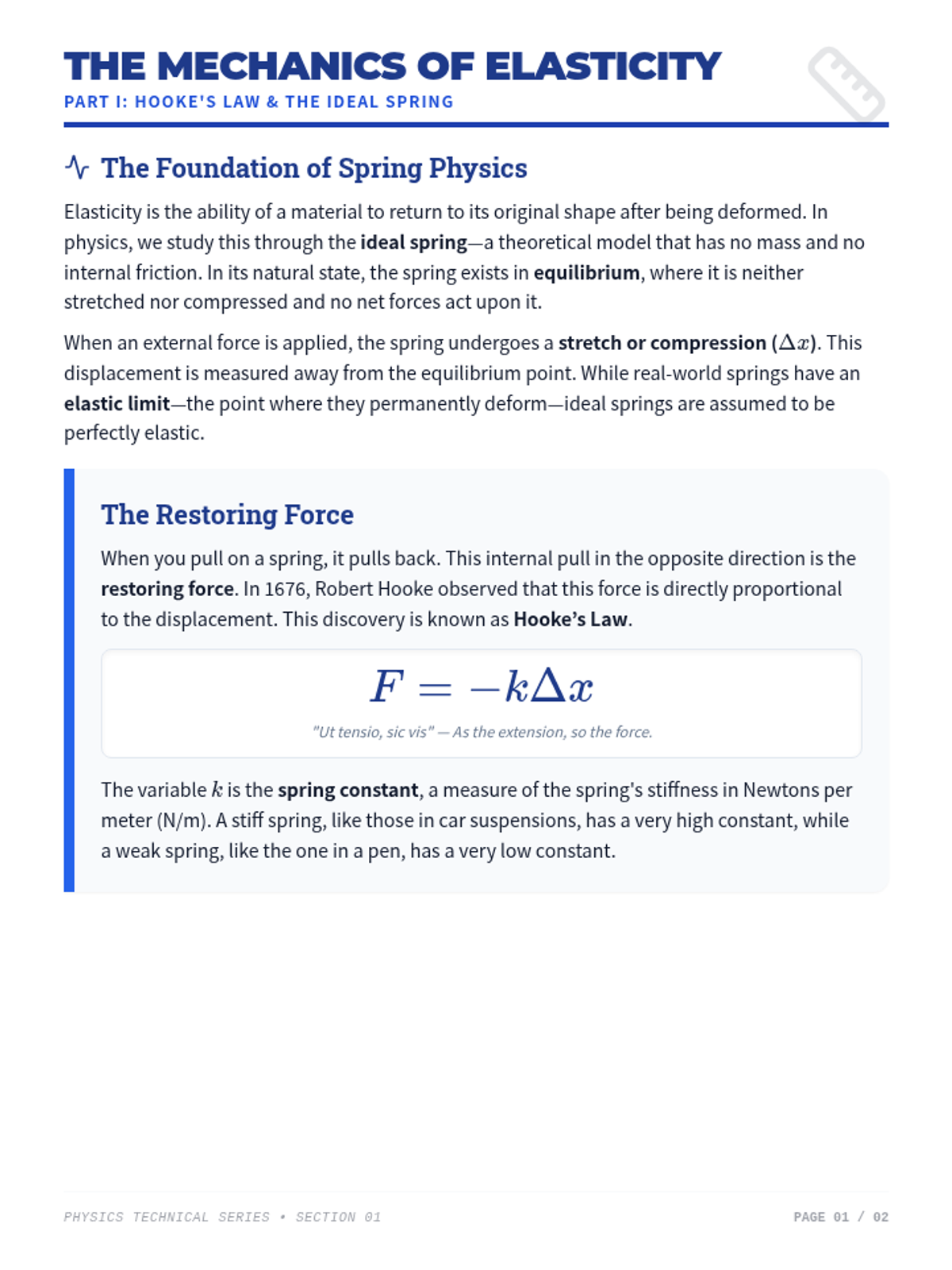
A lesson exploring the physics of Hooke's Law and the mechanics of ideal springs. Students investigate the relationship between force, displacement, and stored energy in elastic systems.
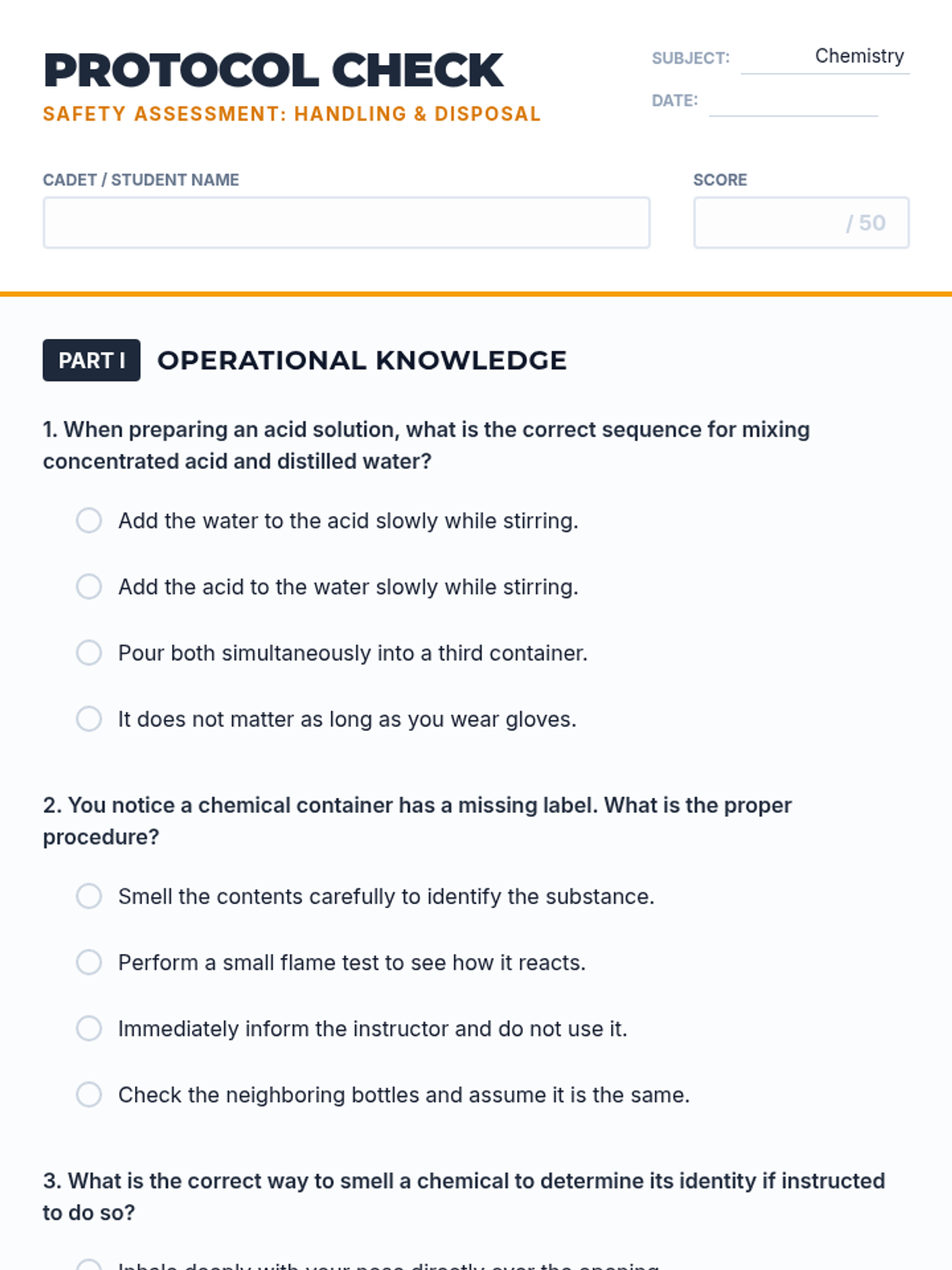
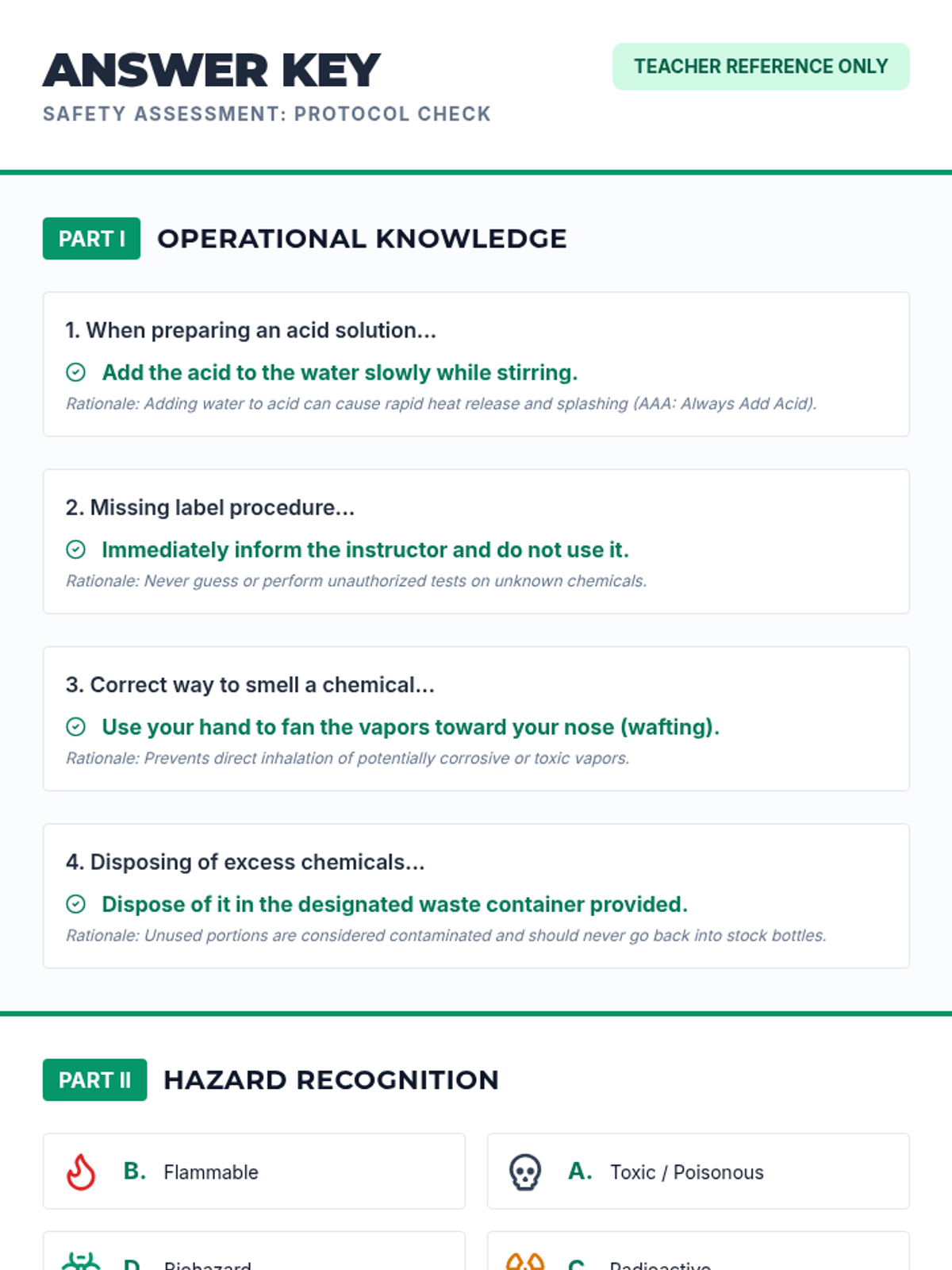
A comprehensive lesson on chemical handling and waste disposal protocols for high school chemistry students, featuring instructional slides and a formal assessment.
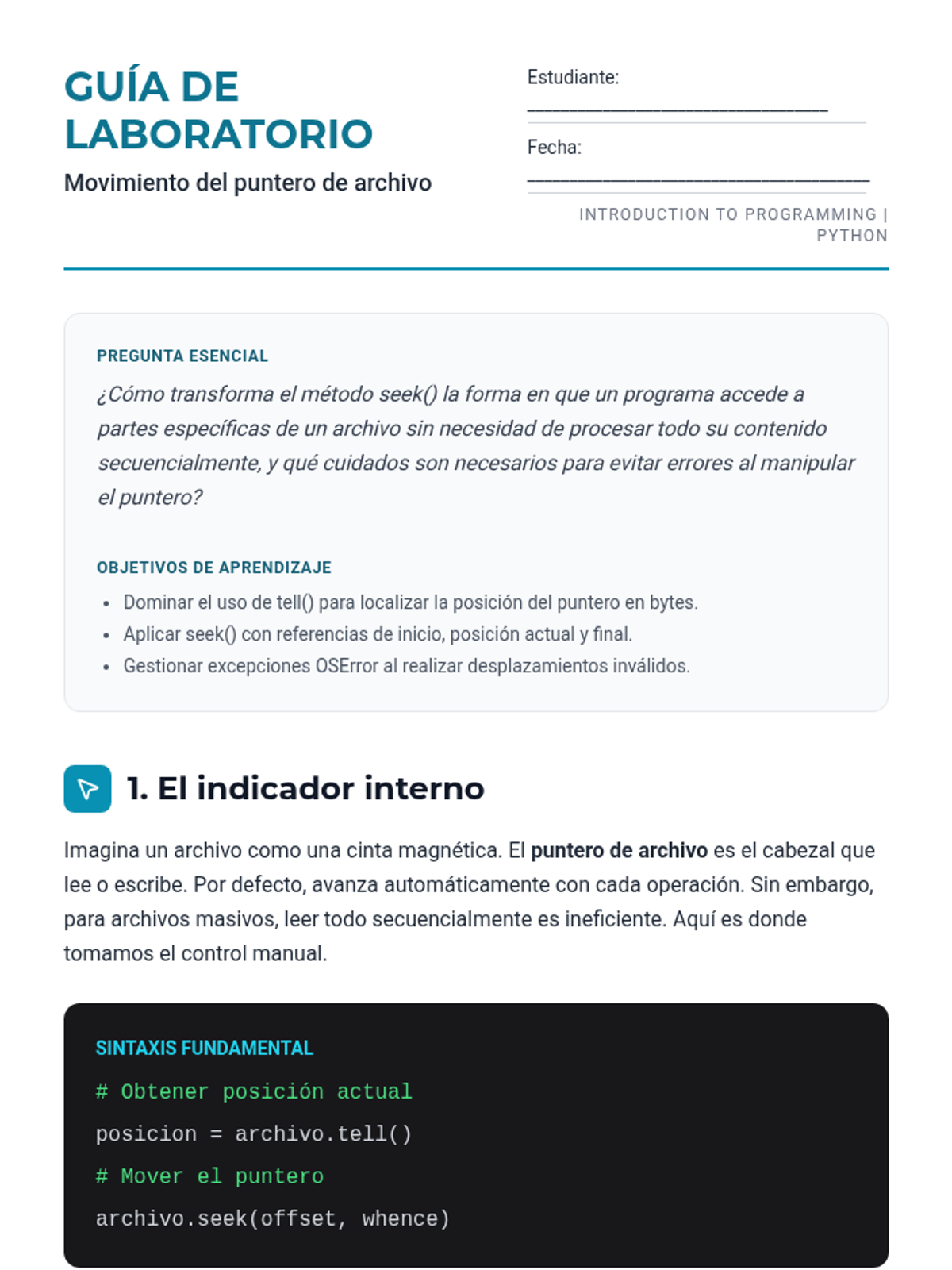
Esta lección explora el control avanzado del flujo de datos en archivos mediante el manejo del puntero, permitiendo lecturas y escrituras no secuenciales con Python.
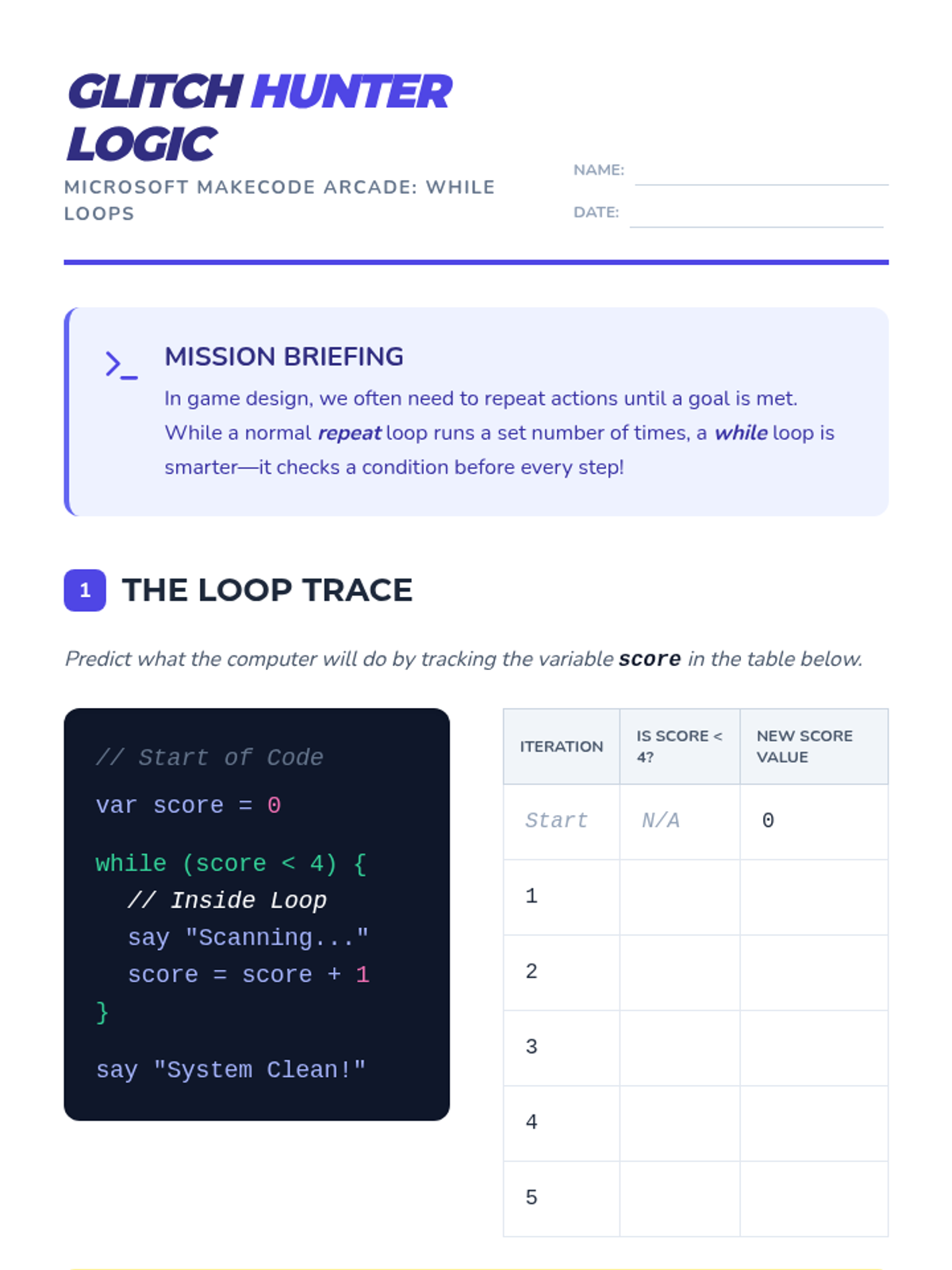
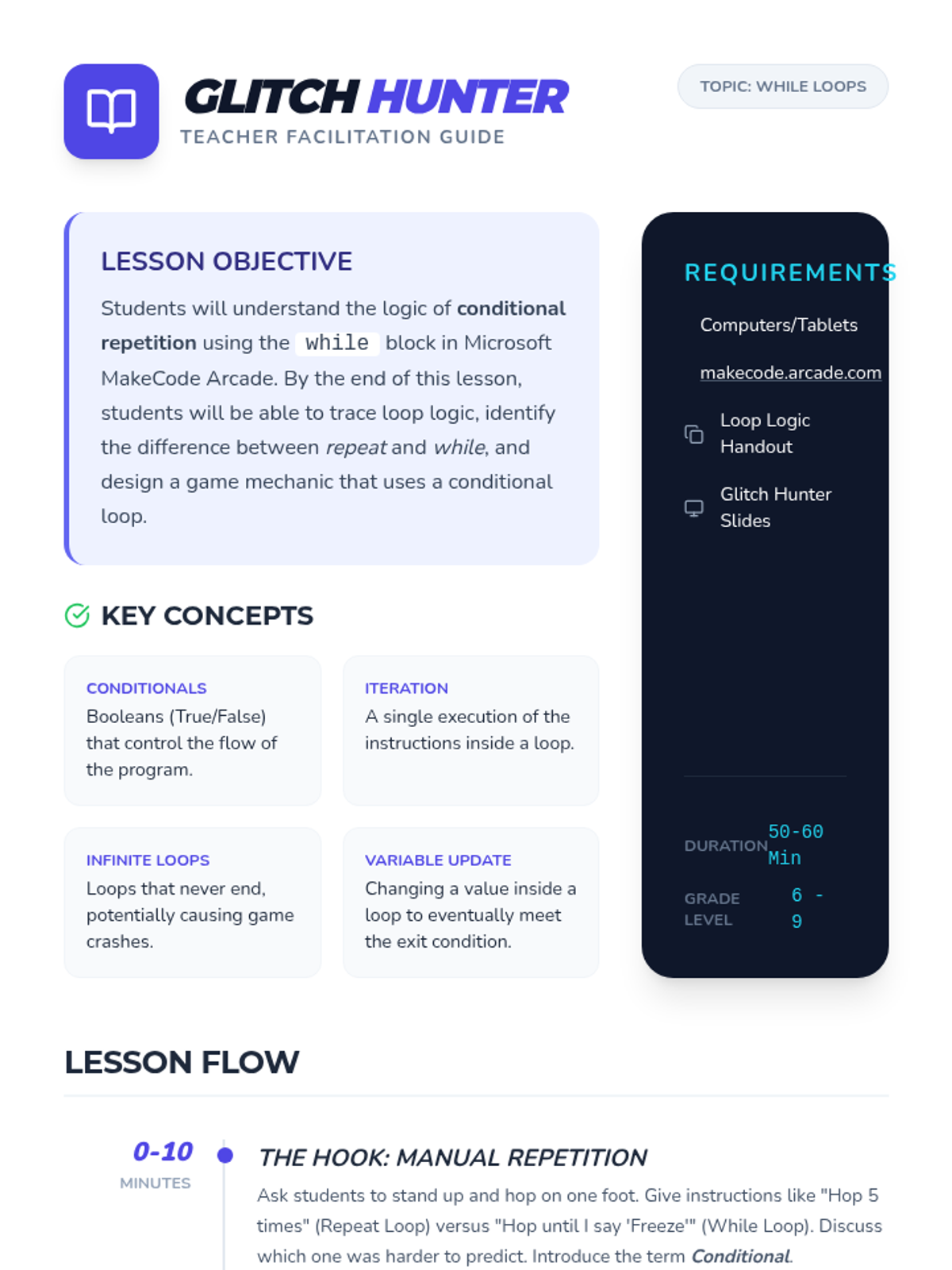
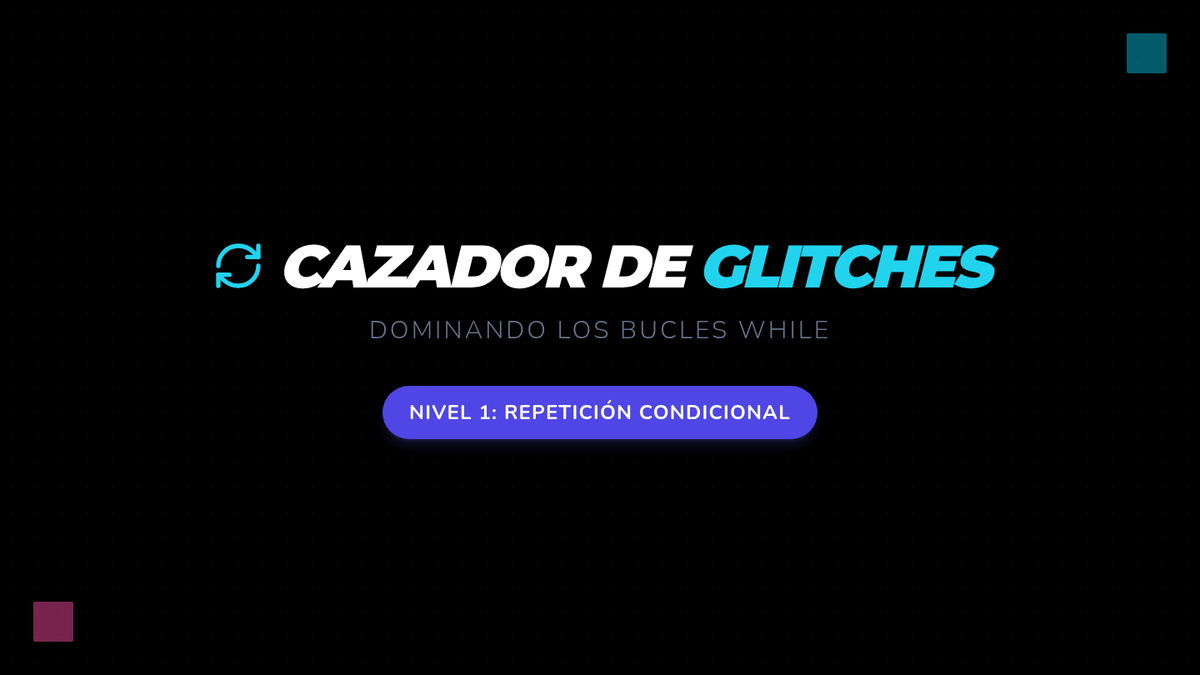
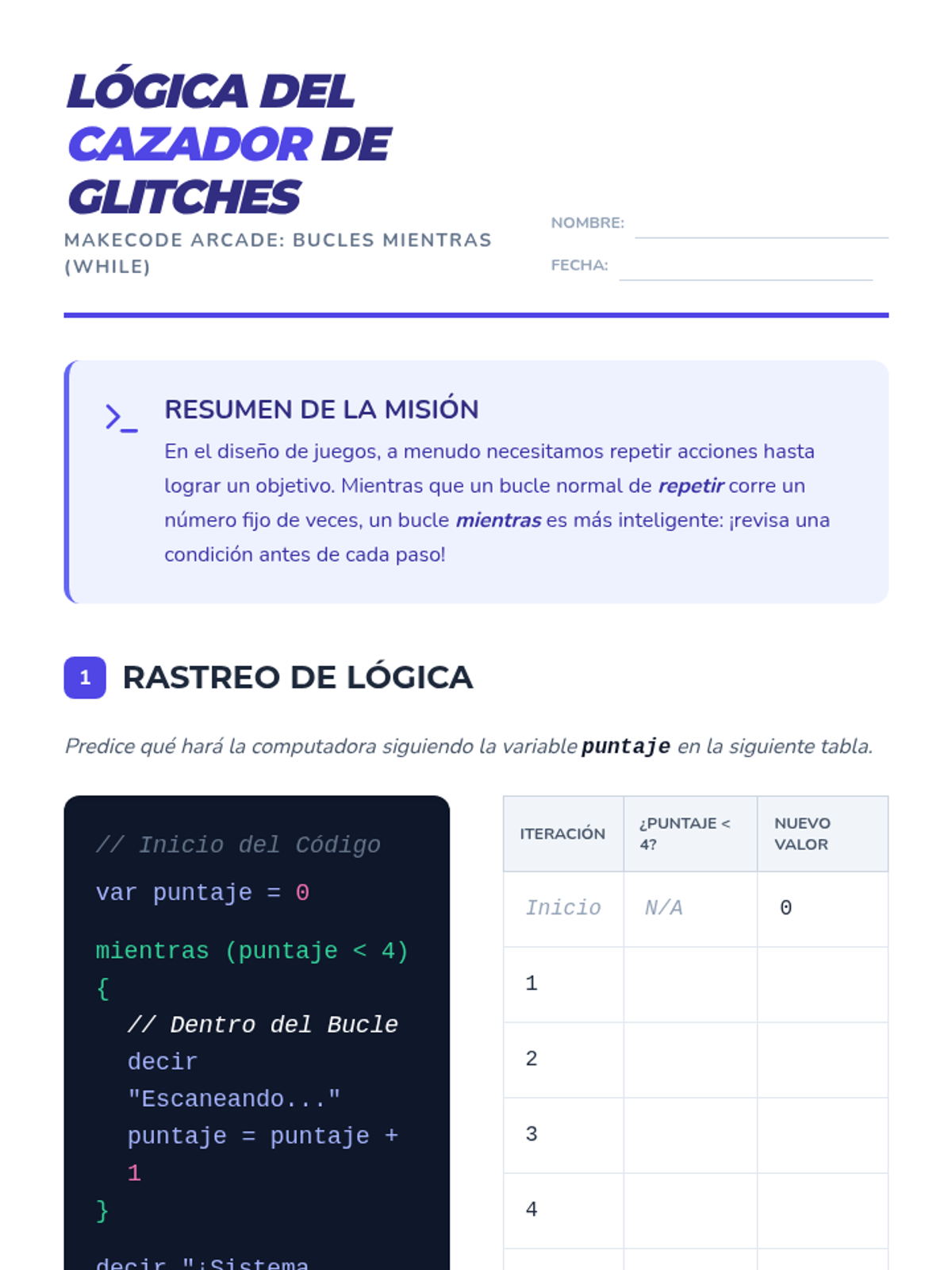
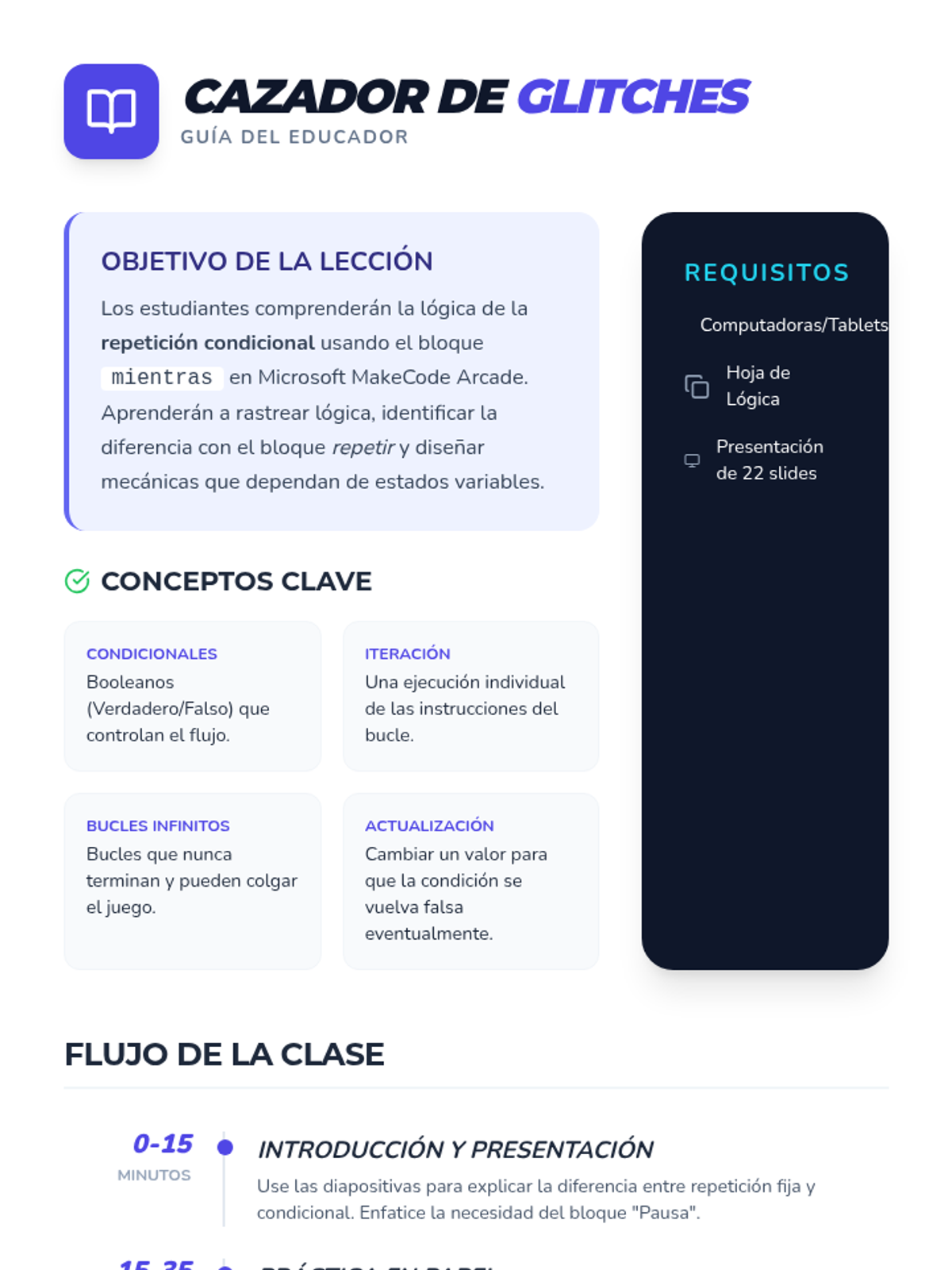
Los estudiantes exploran el poder de los bucles "mientras" (while) en Microsoft MakeCode Arcade para crear comportamientos repetitivos en sus juegos. Aprenden a usar condiciones para controlar la repetición y automatizar mecánicas como la generación de enemigos o el seguimiento de puntajes.
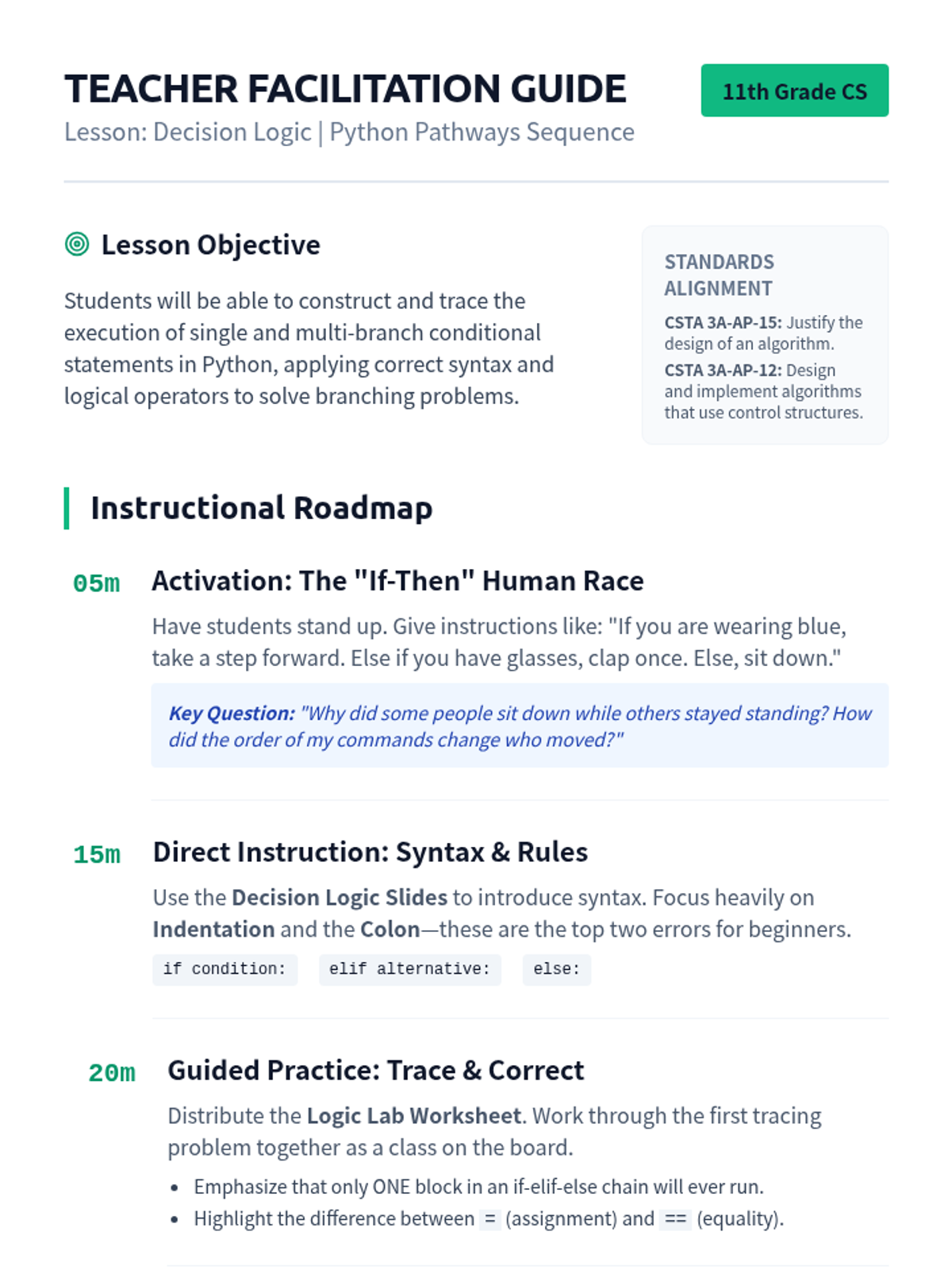
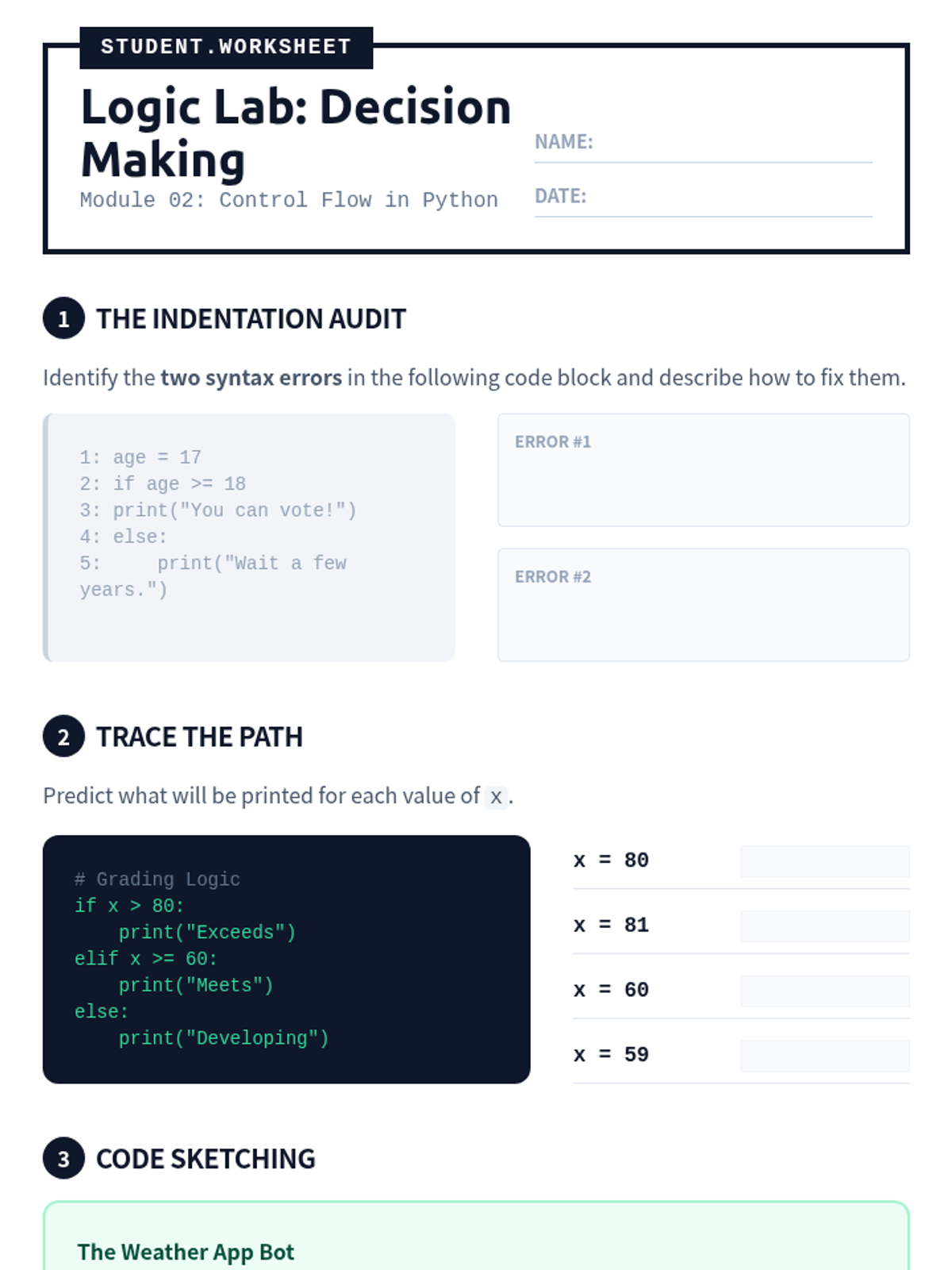
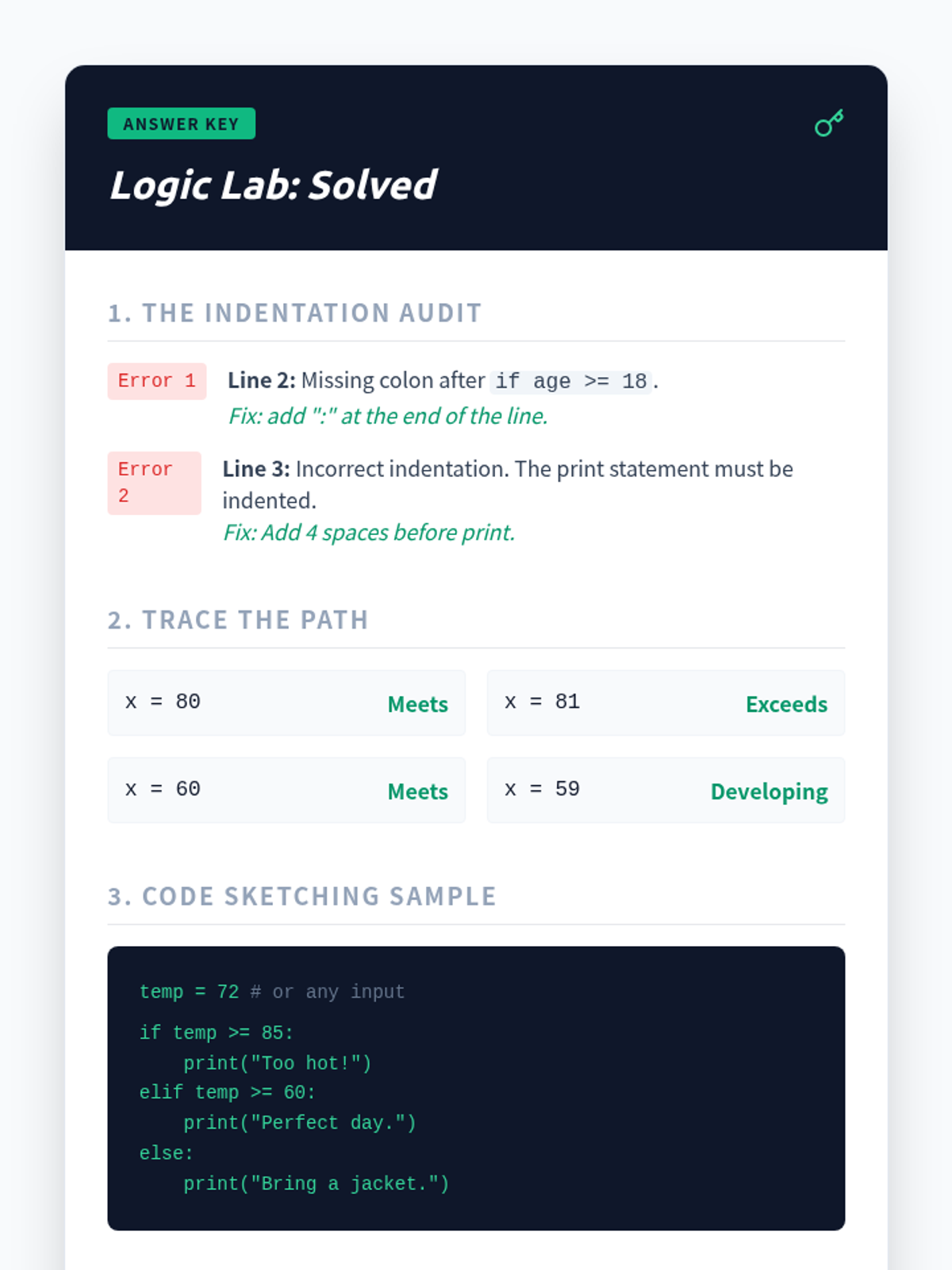
Students will learn how to use conditional statements (if, elif, else) to control the flow of a Python program, understanding indentation and logical operators.
Students explore how roots, stems, leaves, and reproductive systems work together, using Pando as a case study for survival and adaptation.
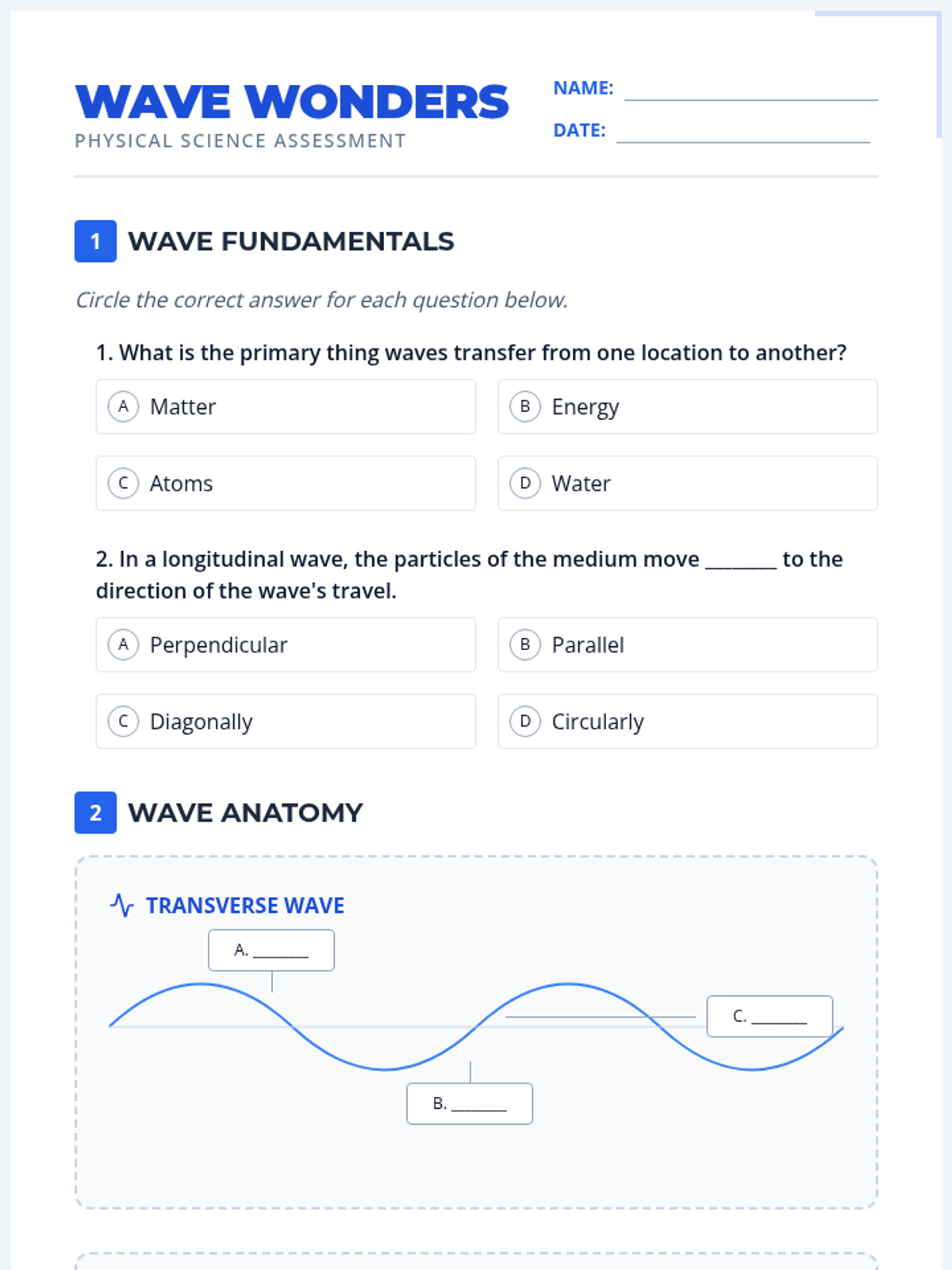
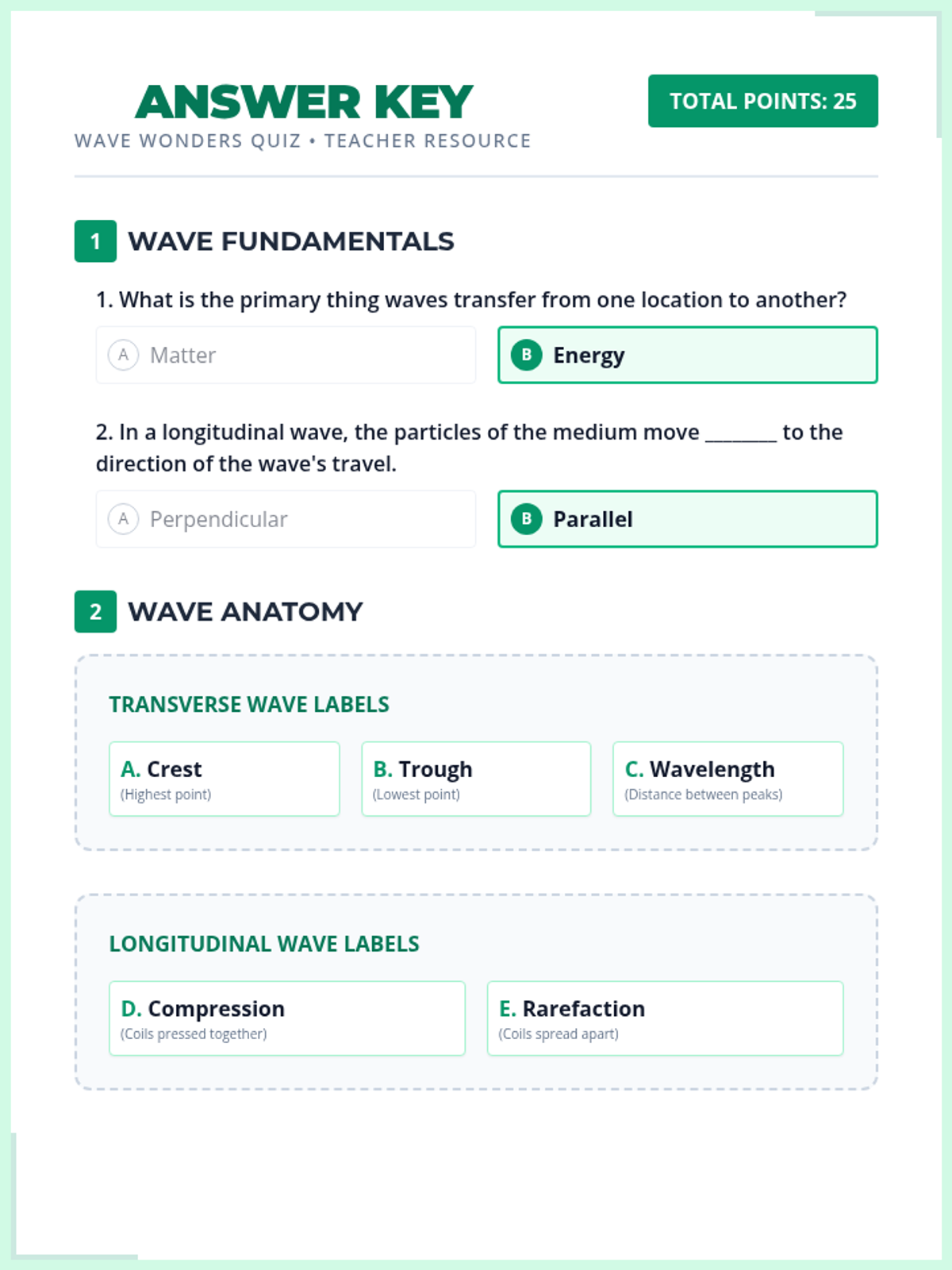
This lesson covers the fundamental differences between transverse and longitudinal waves, focusing on their physical properties, parts, and real-world examples. Students will practice identifying wave characteristics and comparing how energy travels through different mediums.
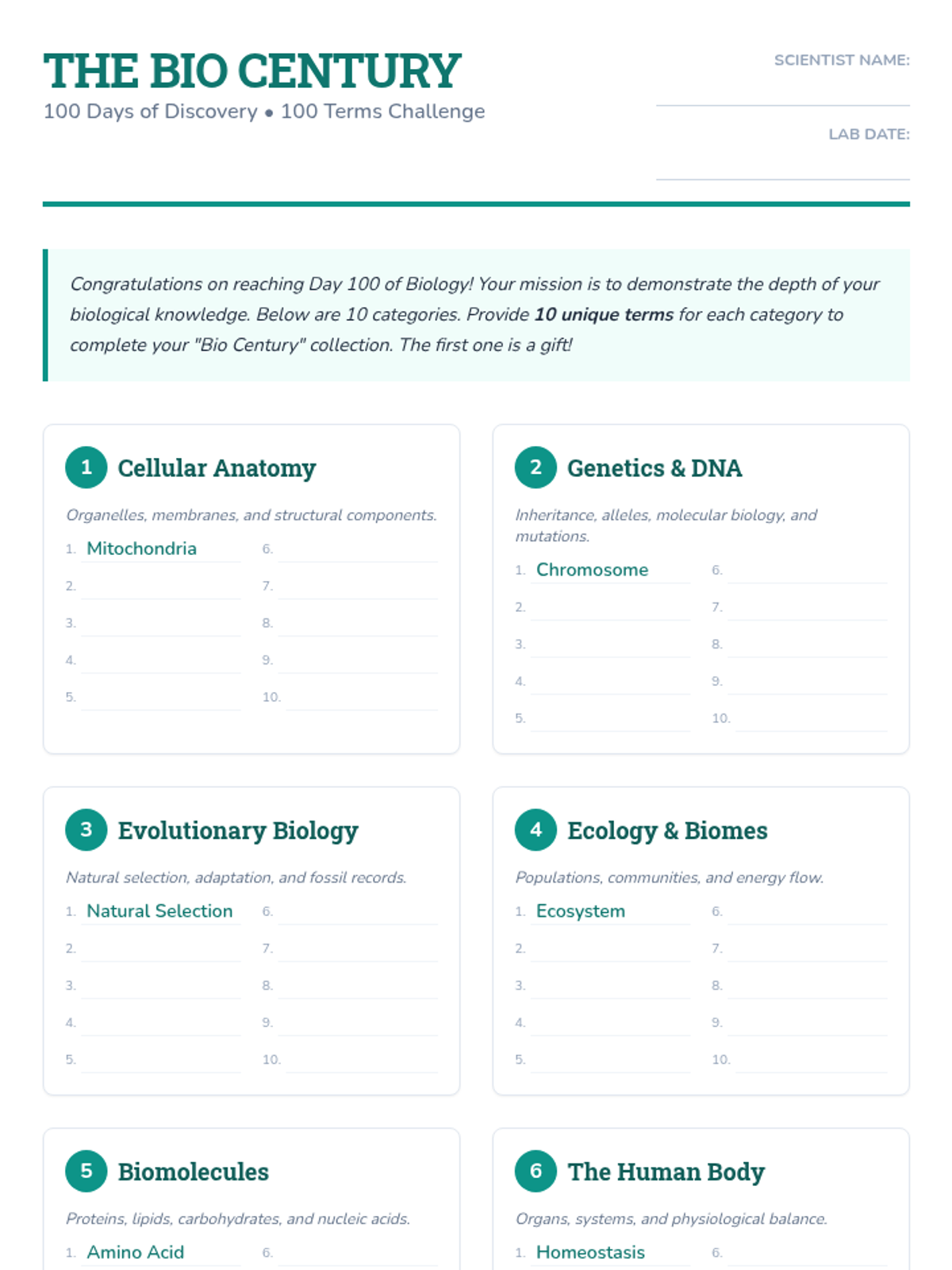
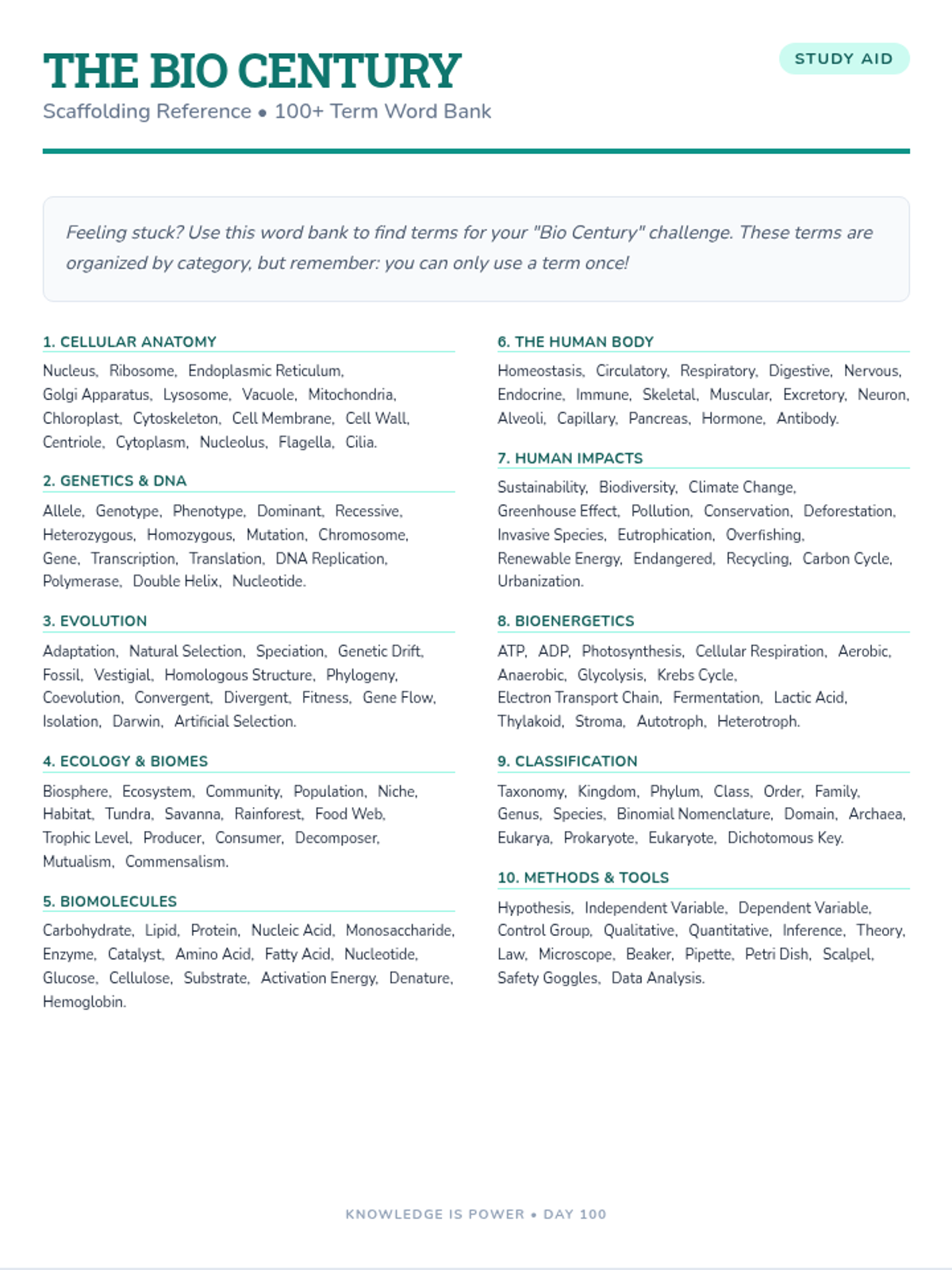
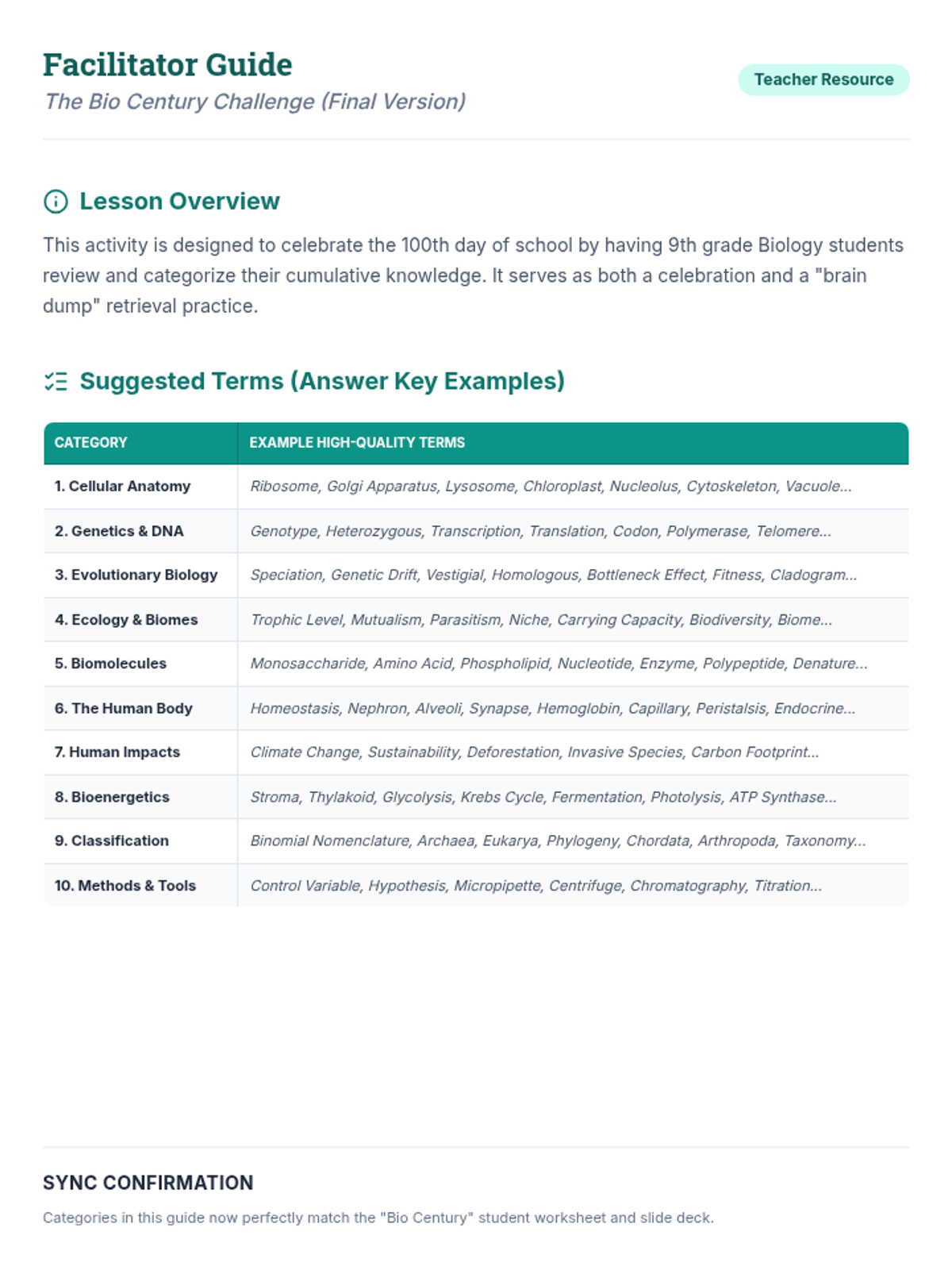
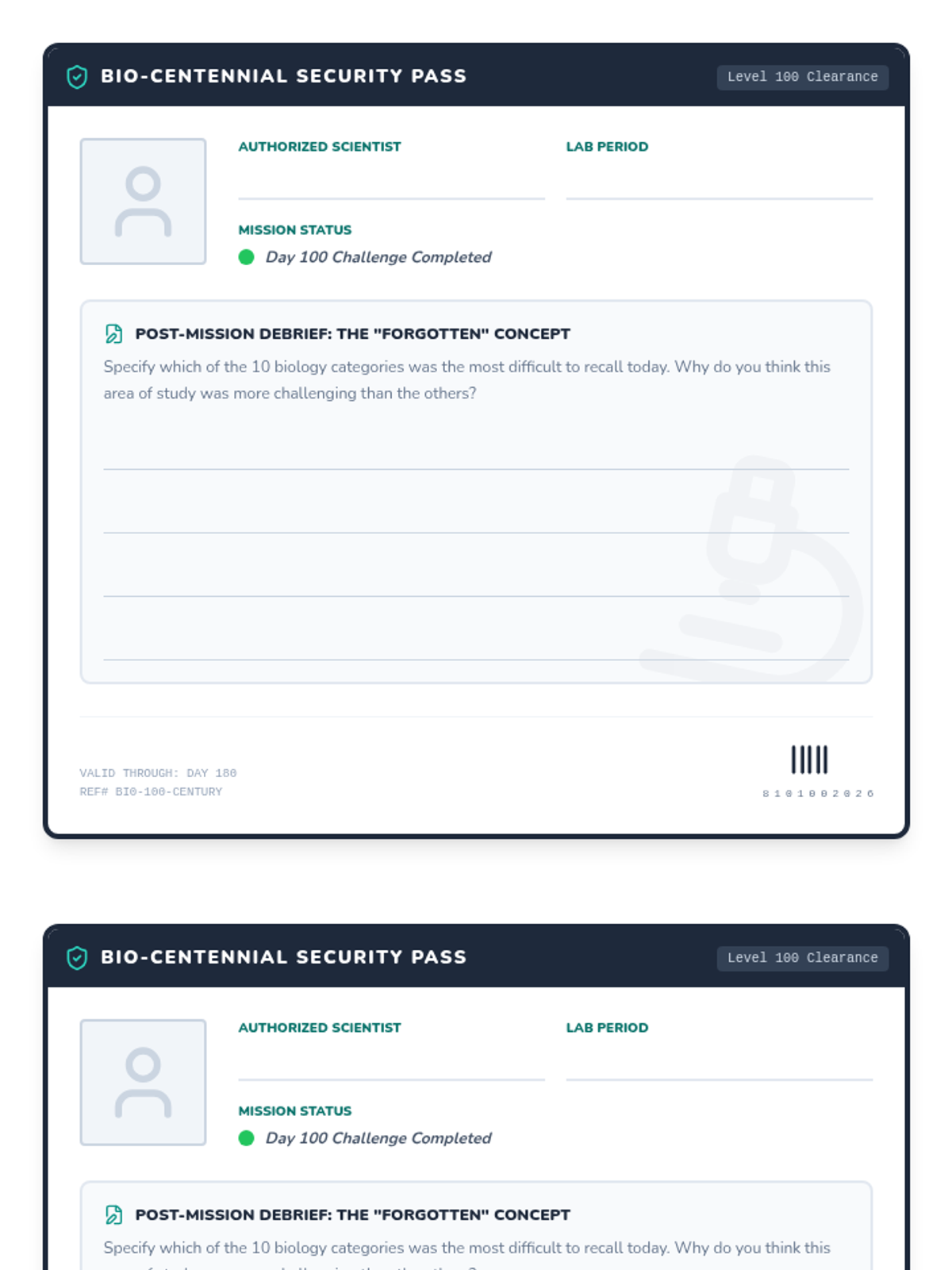
A celebratory biology-themed activity for the 100th day of school, challenging students to recall and categorize 100 key biological concepts.
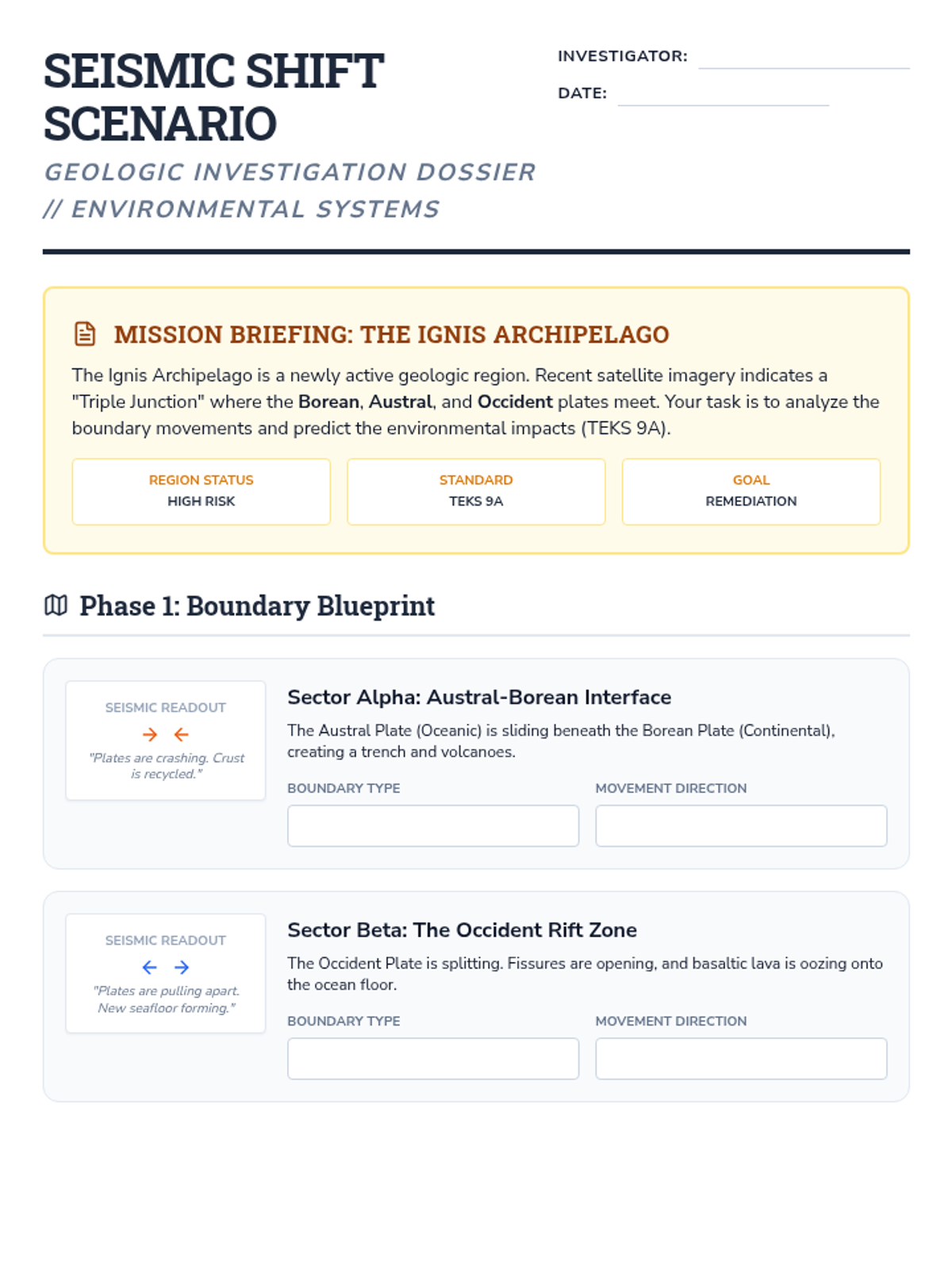
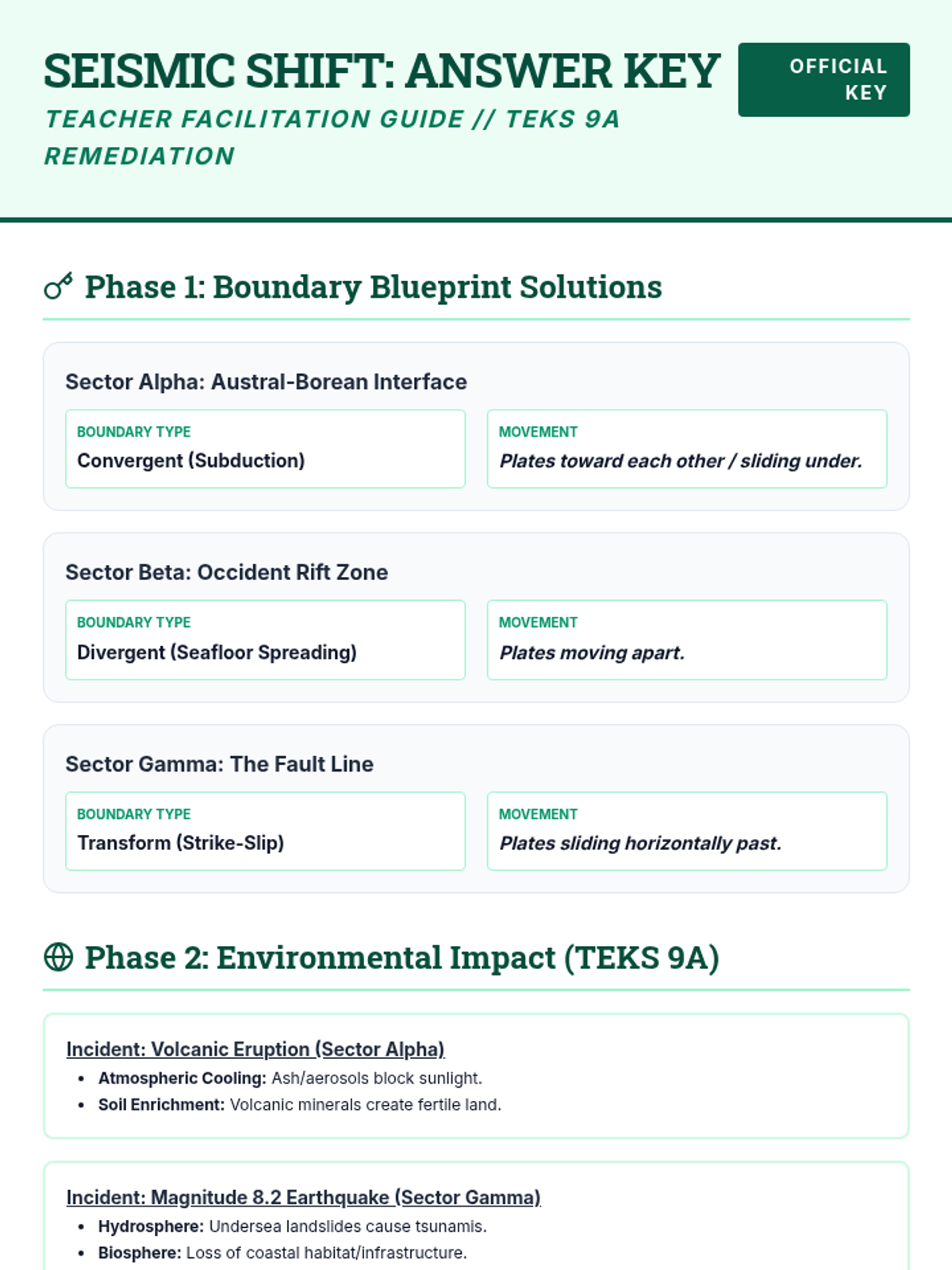
A remediation-focused lesson designed for 11th and 12th-grade Environmental Science students to master plate tectonics and their environmental impacts (TEKS 9A). Students analyze a complex geologic scenario, identify plate boundaries, and evaluate the resulting environmental consequences of earthquakes and volcanic eruptions.
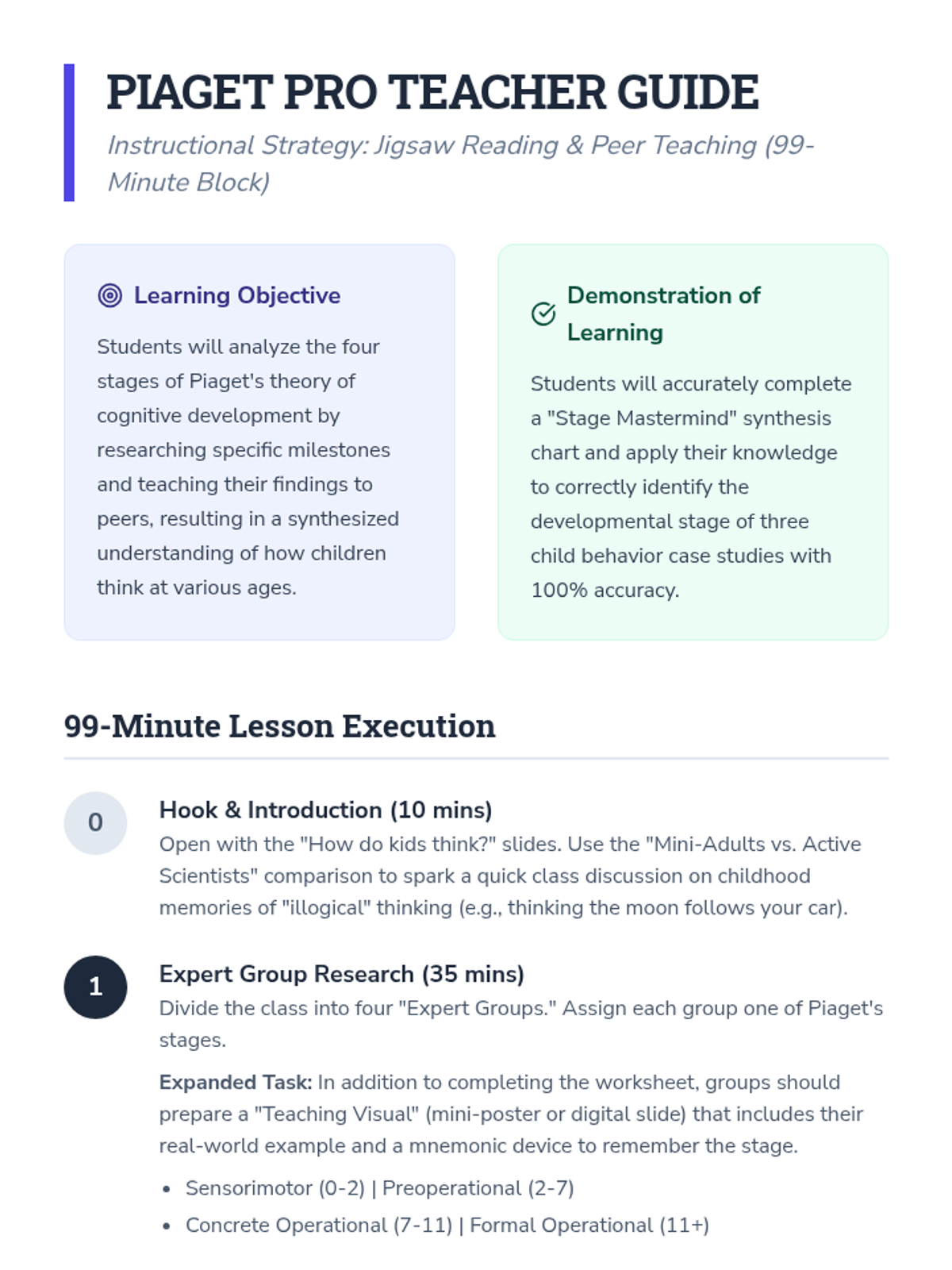
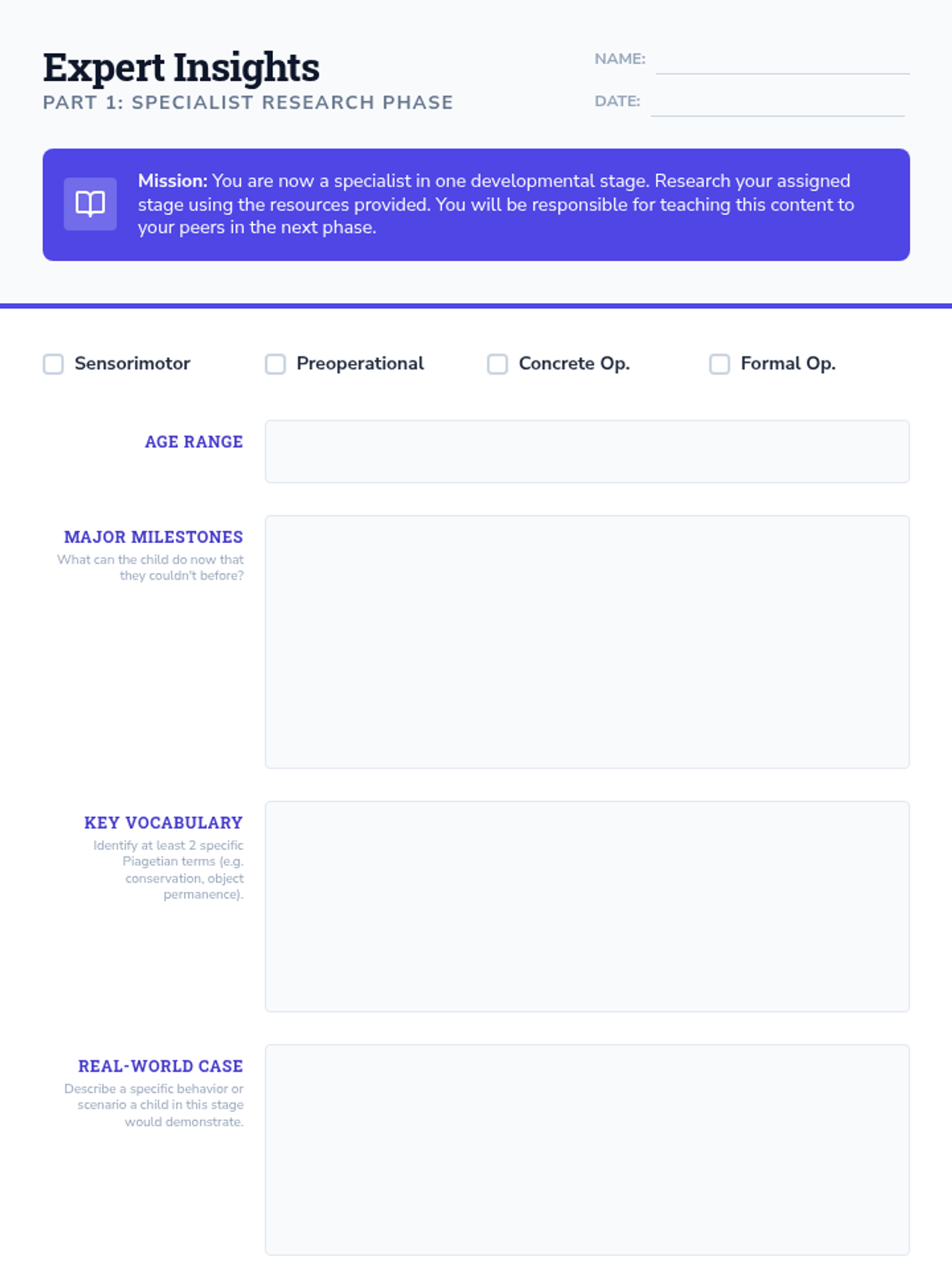
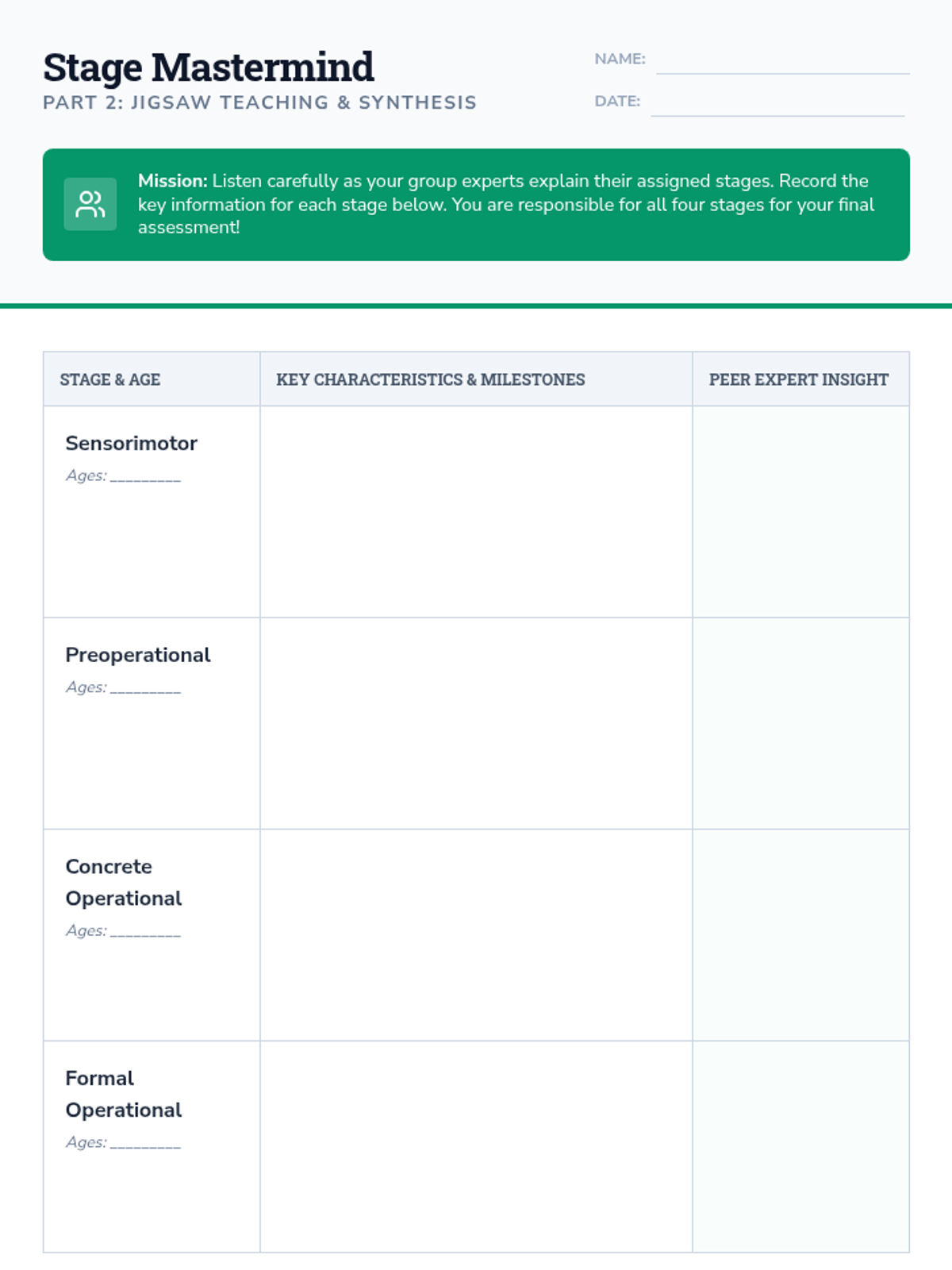
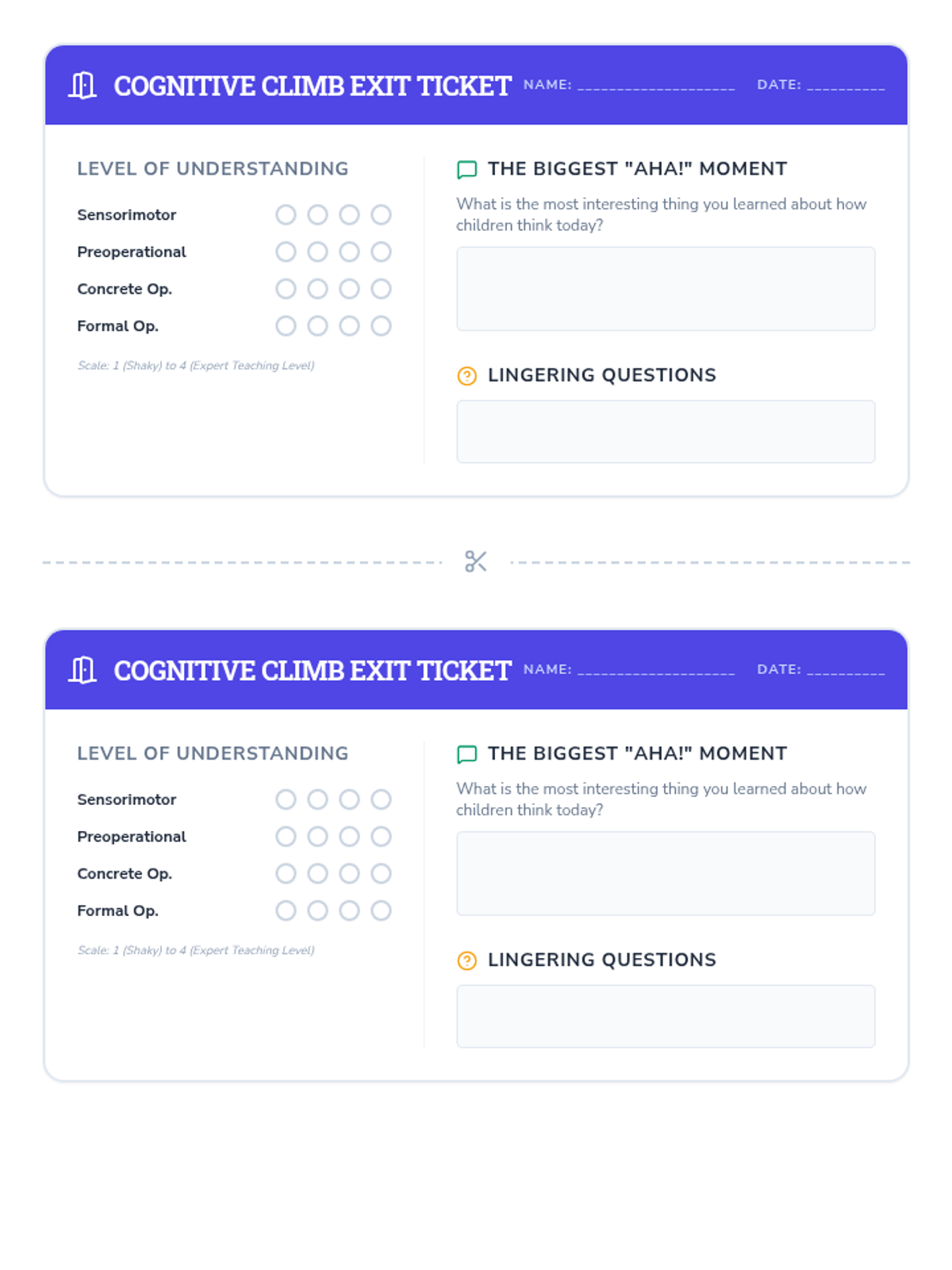
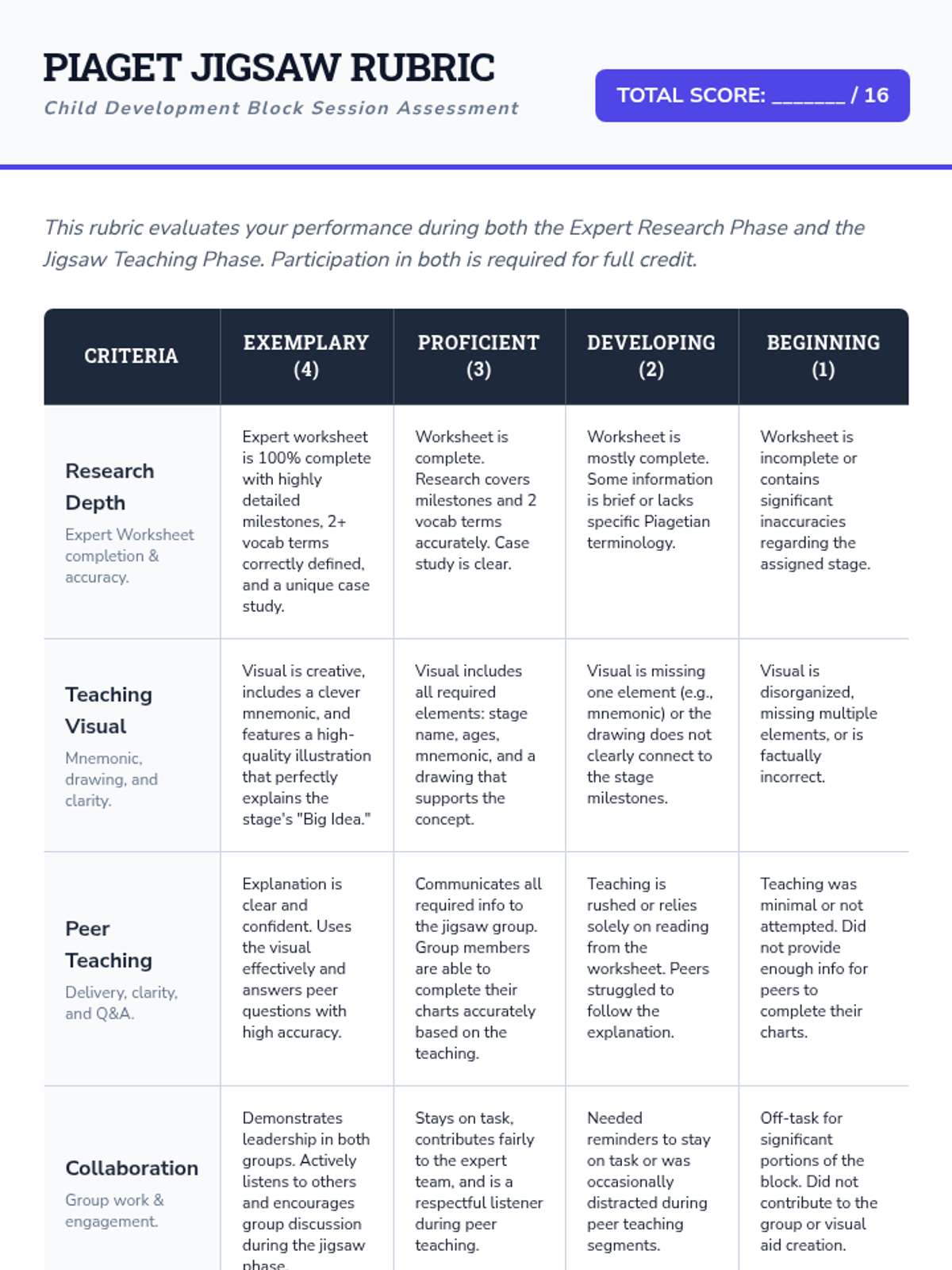
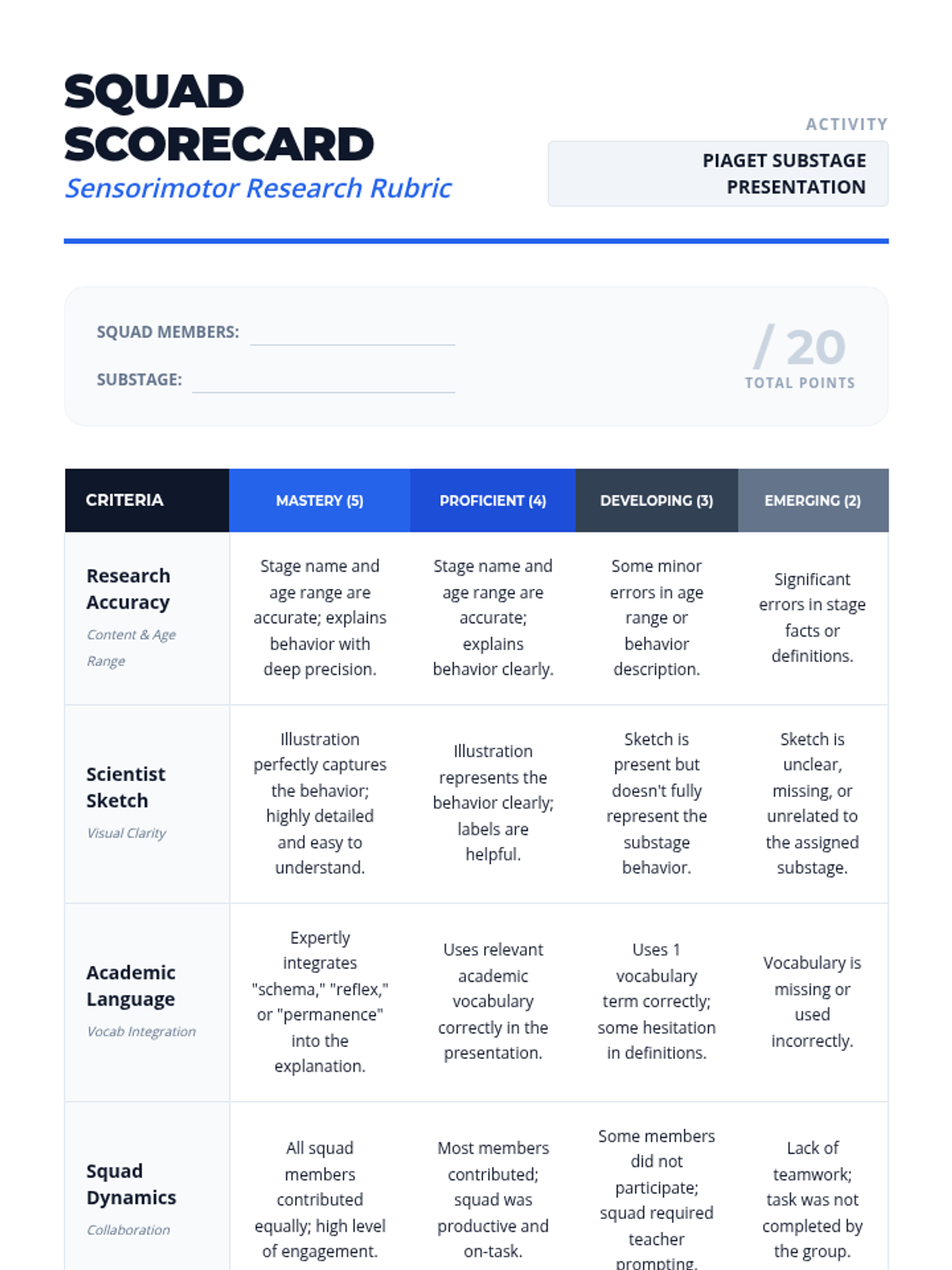
A high school child development lesson using a jigsaw strategy to explore Piaget's four stages of cognitive development, featuring expert research and peer-to-peer teaching.
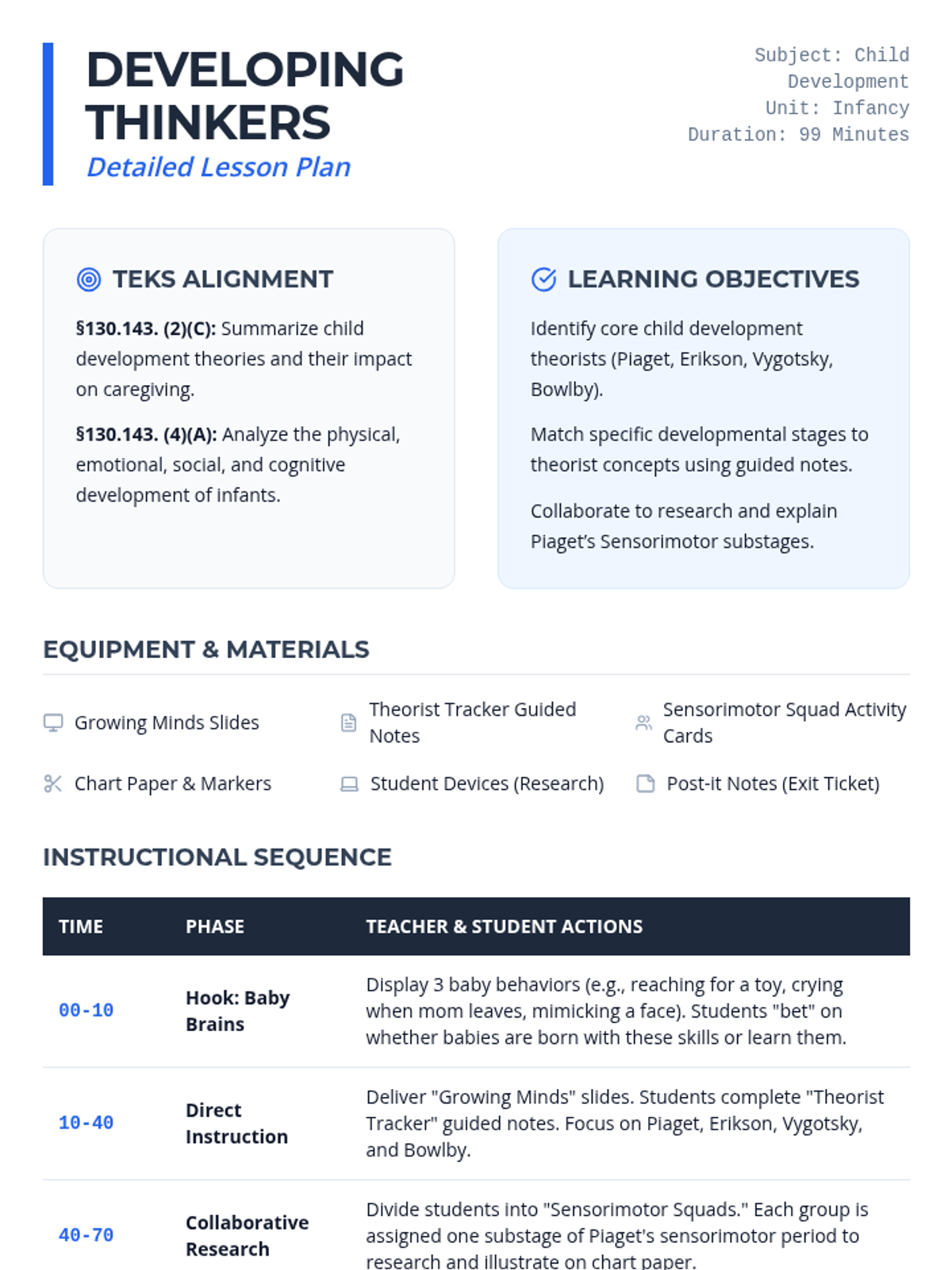
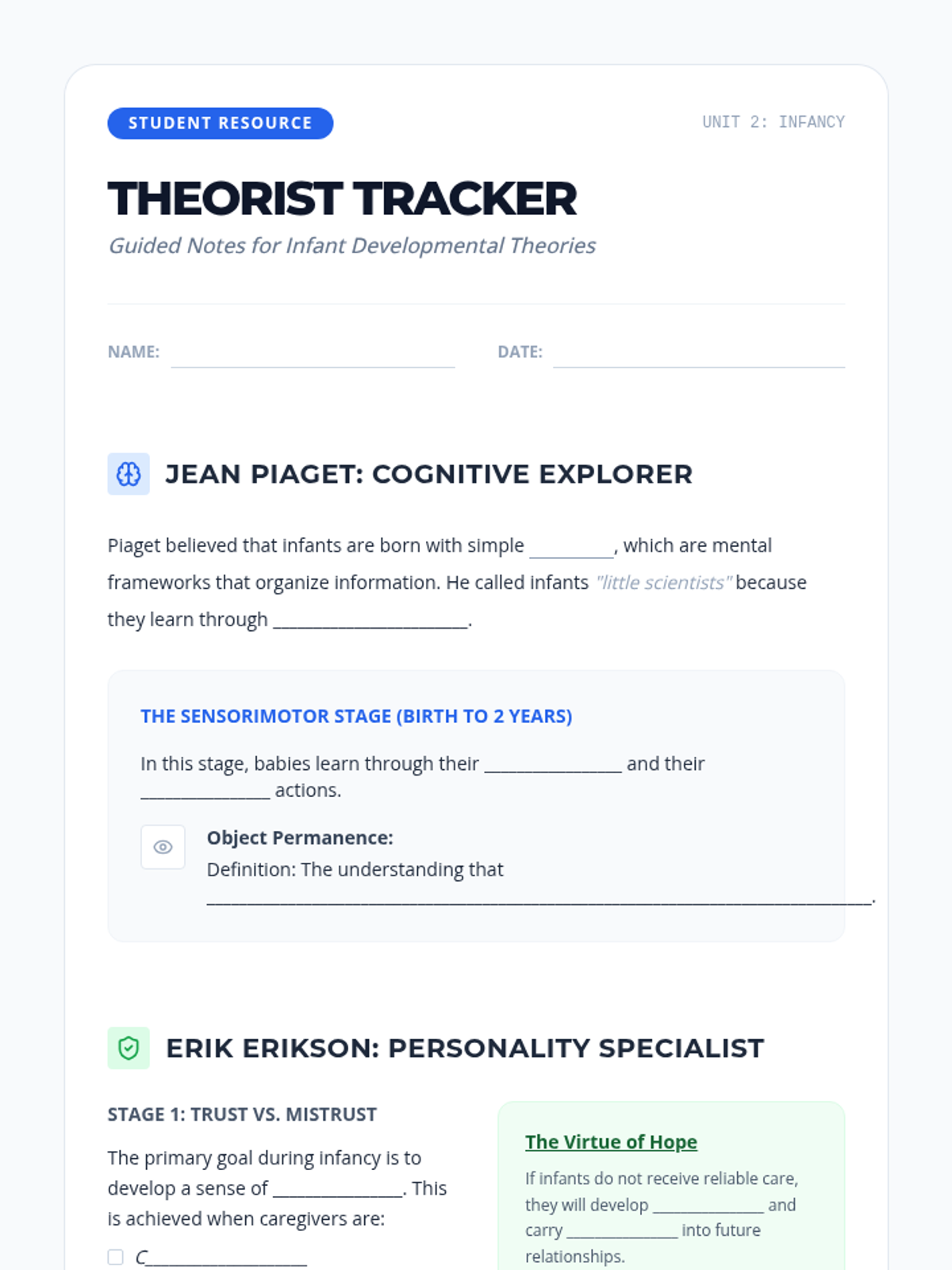
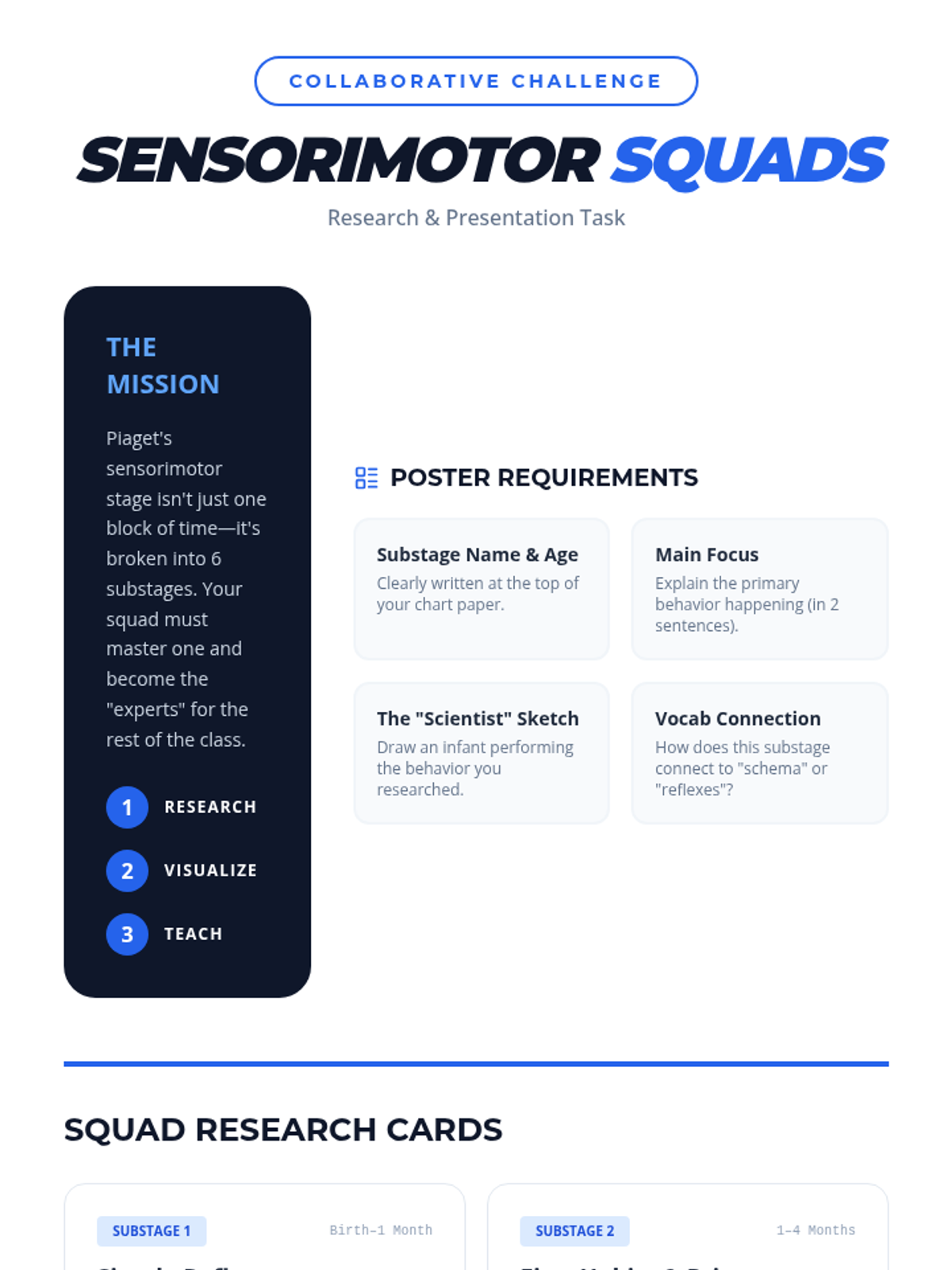
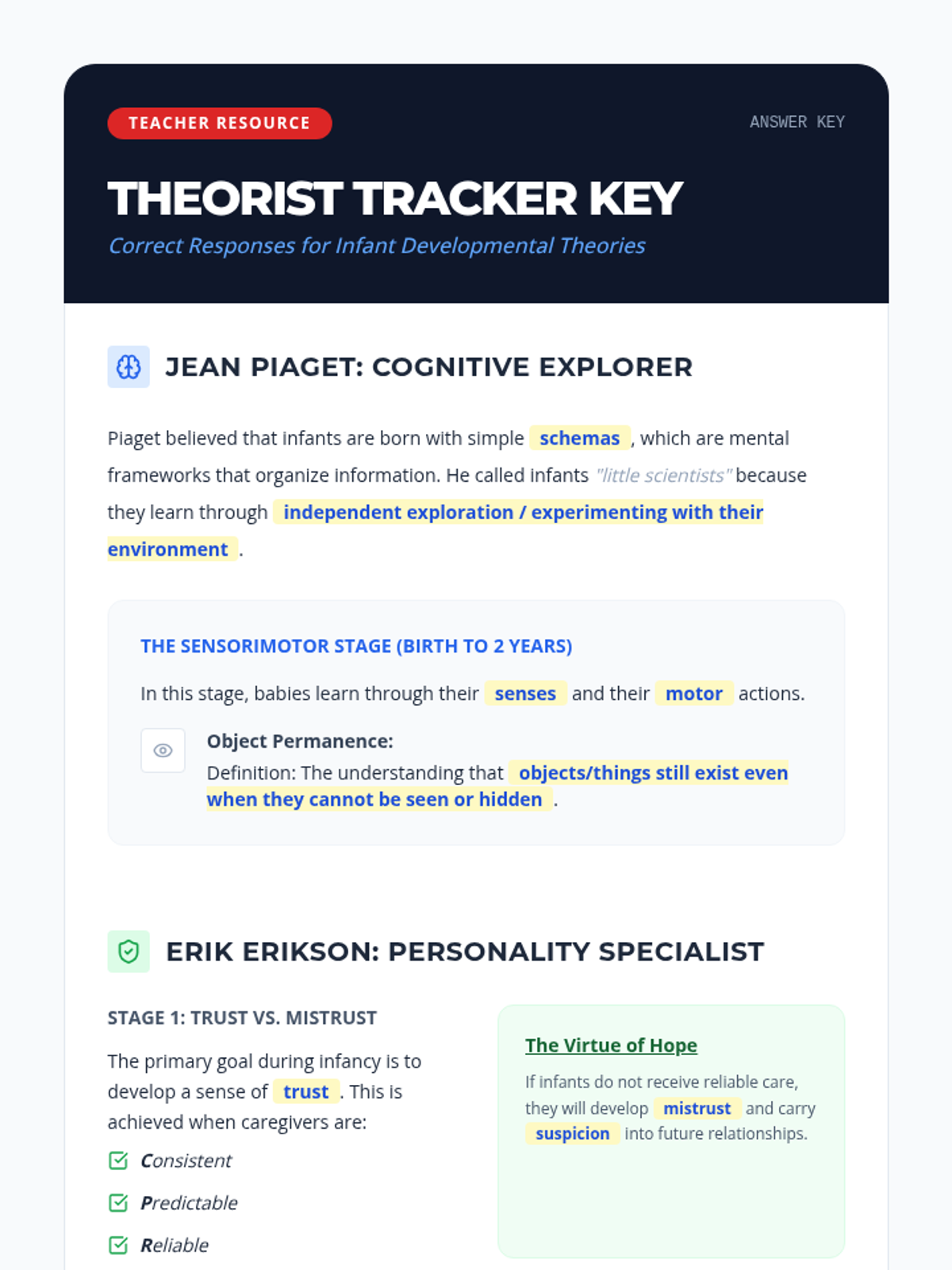
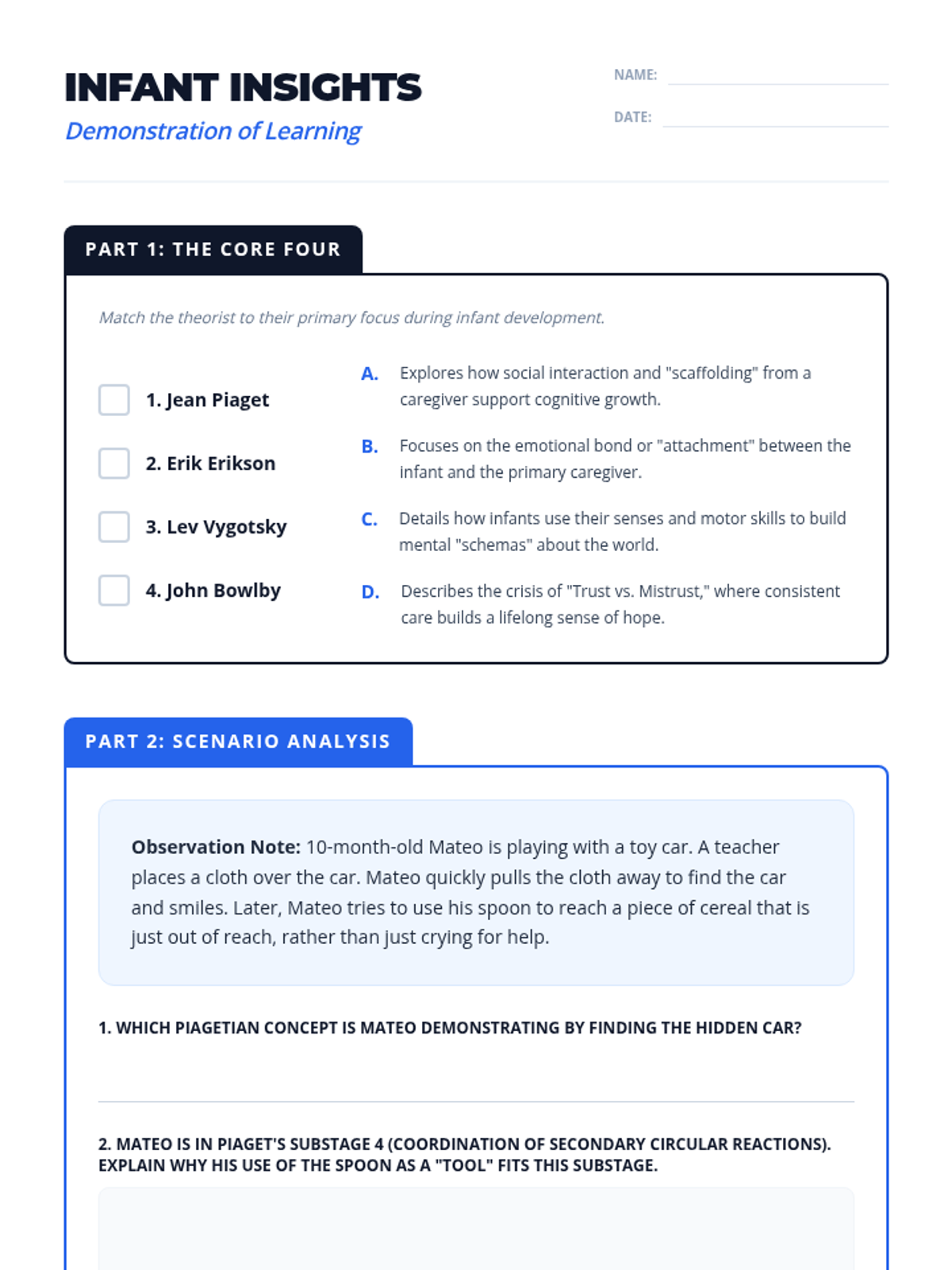
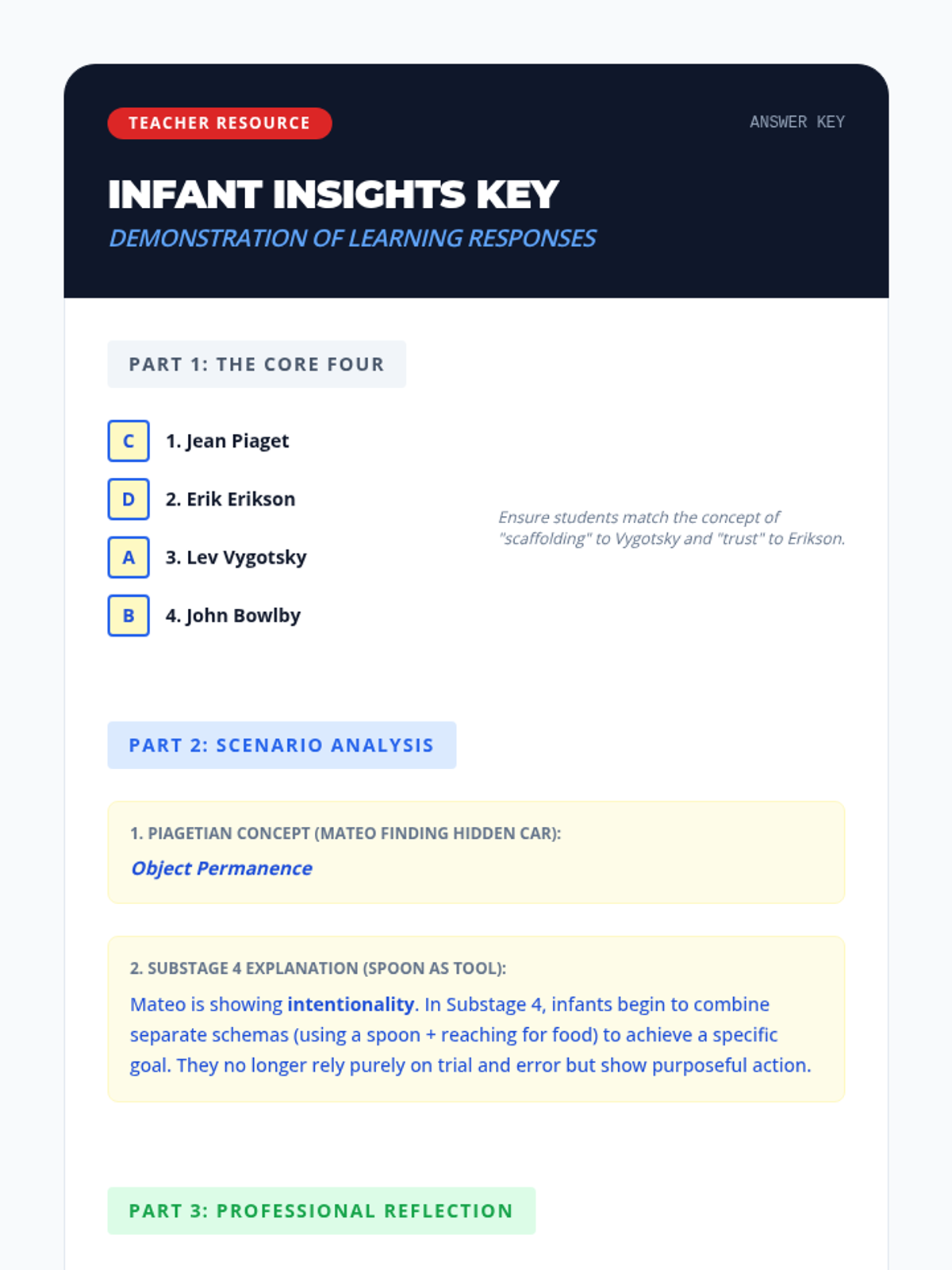
A comprehensive 99-minute lesson exploring child development theorists (Piaget, Erikson, Vygotsky, Bowlby) with a focus on infancy, featuring collaborative research and guided note-taking.
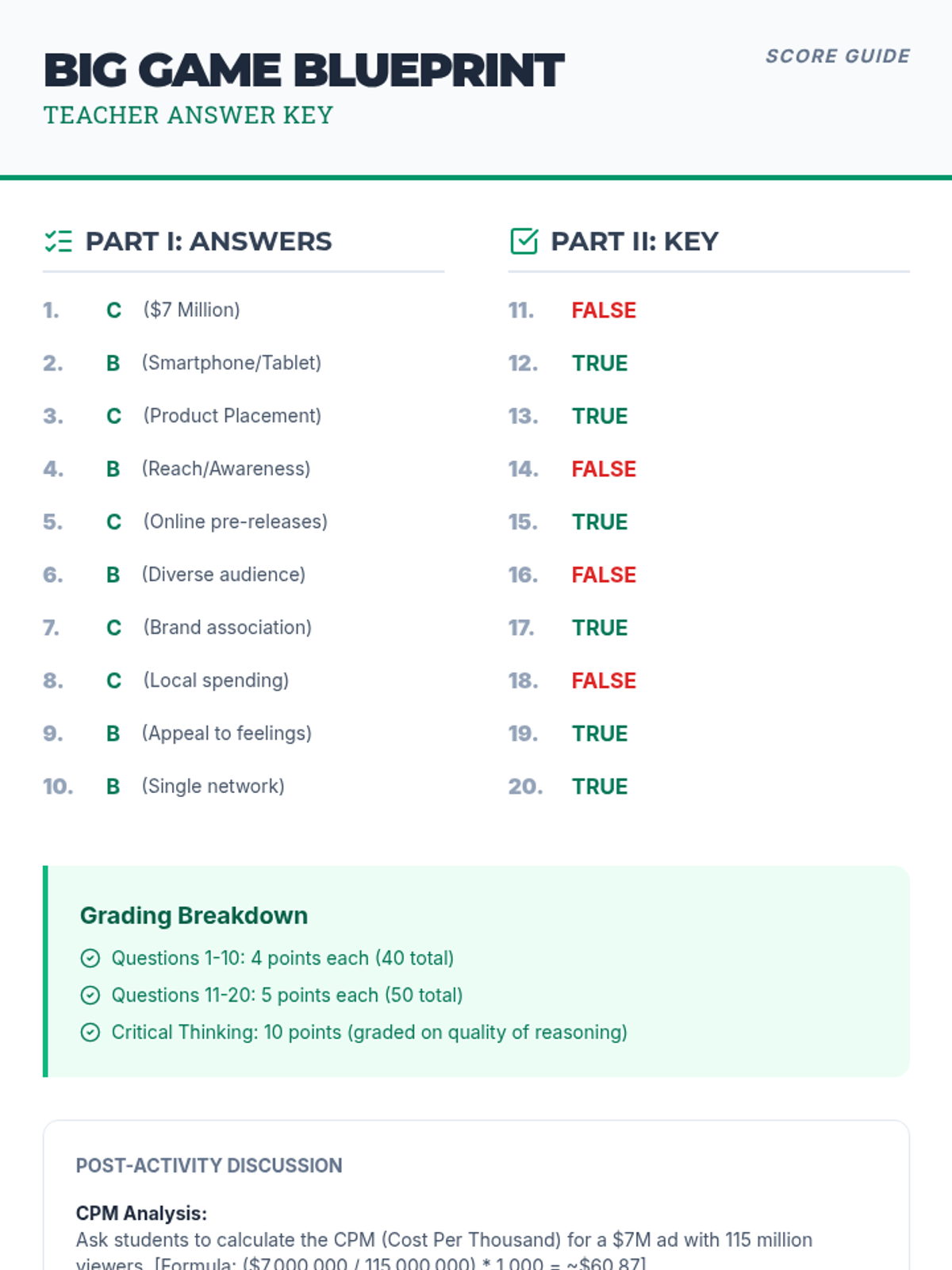
This lesson explores the complex business ecosystem of the Super Bowl, focusing on advertising costs, consumer behavior, brand strategy, and economic impact. Students will analyze how the biggest sporting event in the U.S. functions as a multi-billion dollar marketing machine.
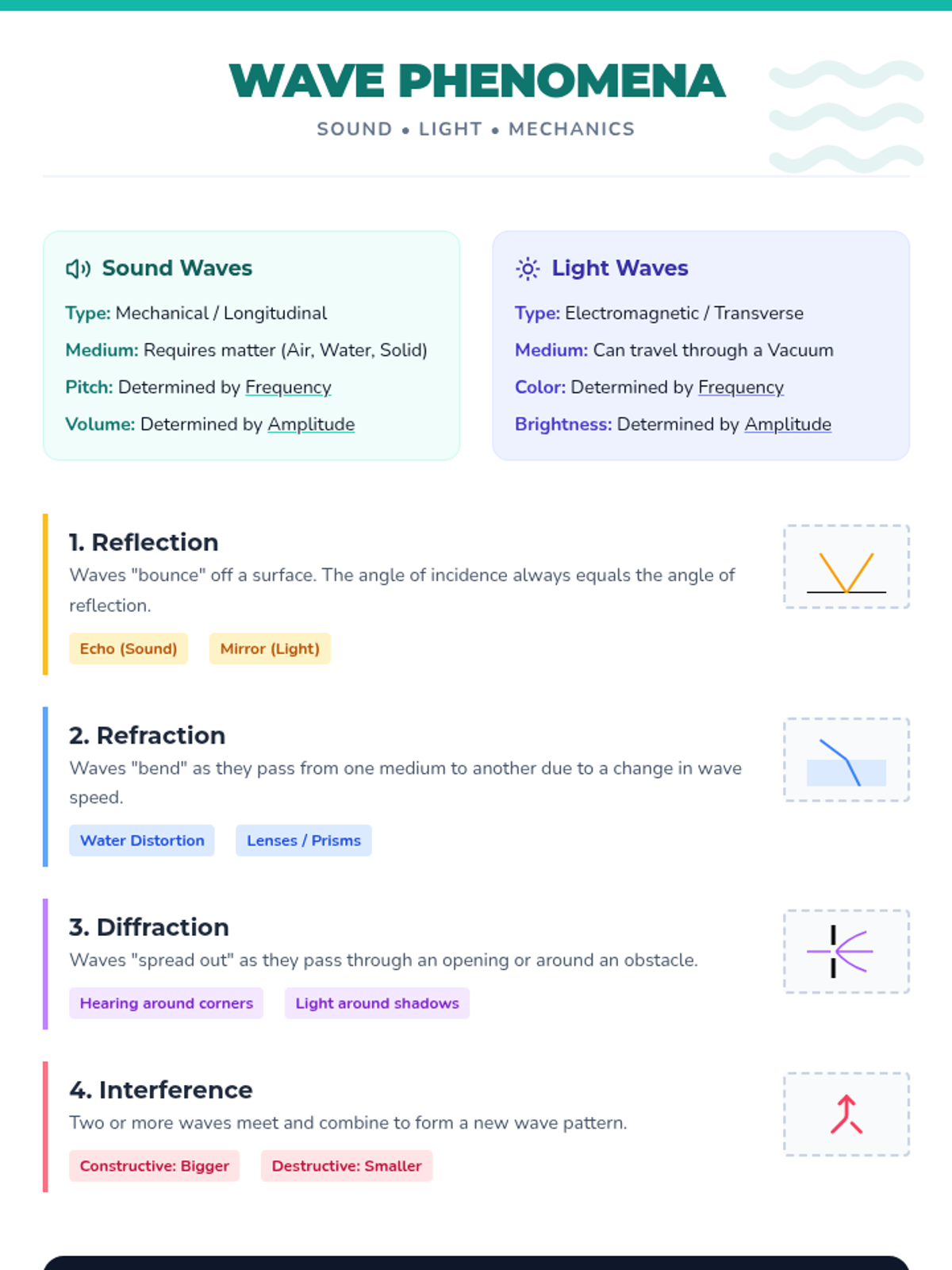
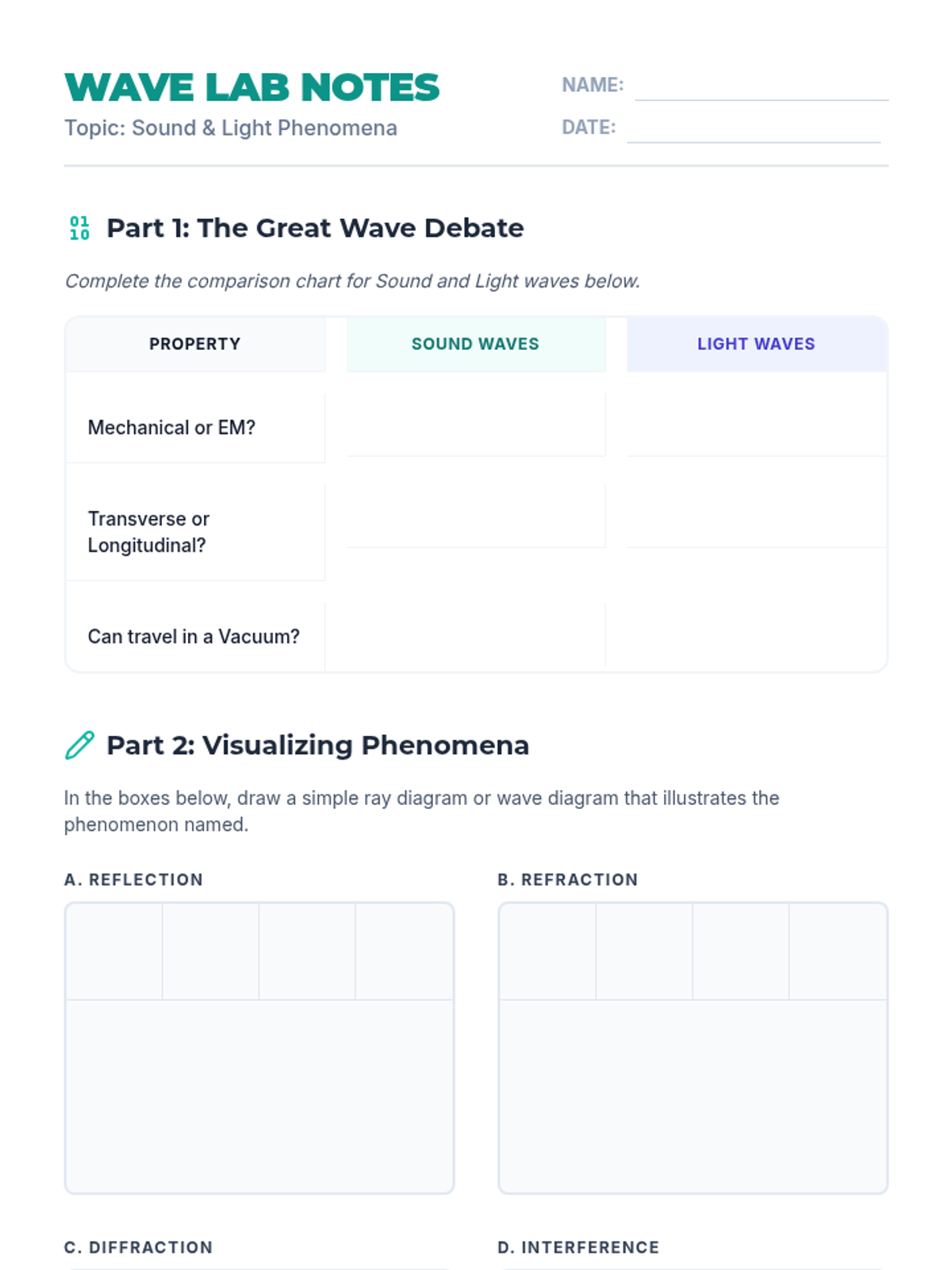
A comprehensive introduction to the fundamental behaviors of sound and light waves, focusing on key phenomena like reflection, refraction, and interference.
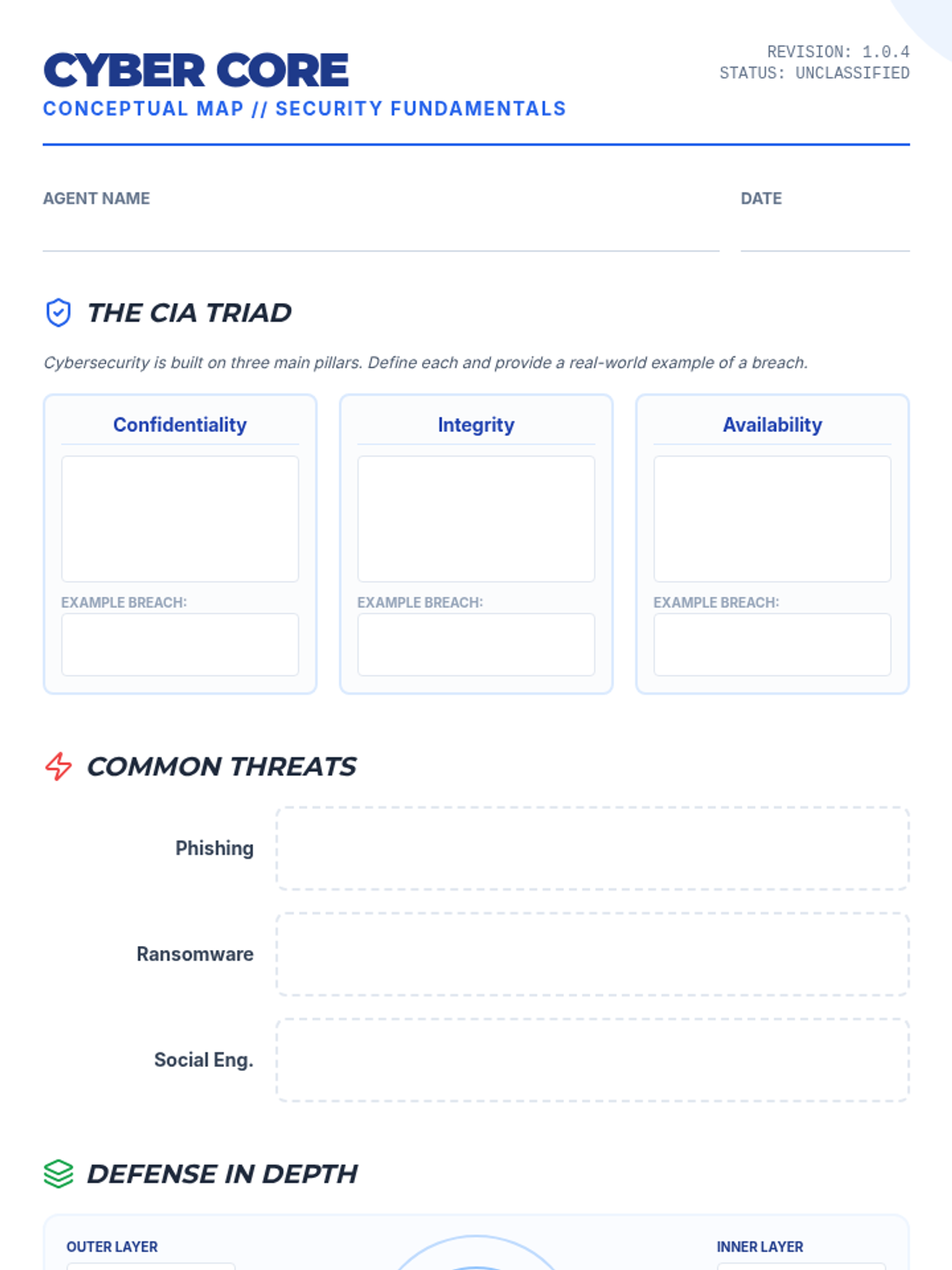
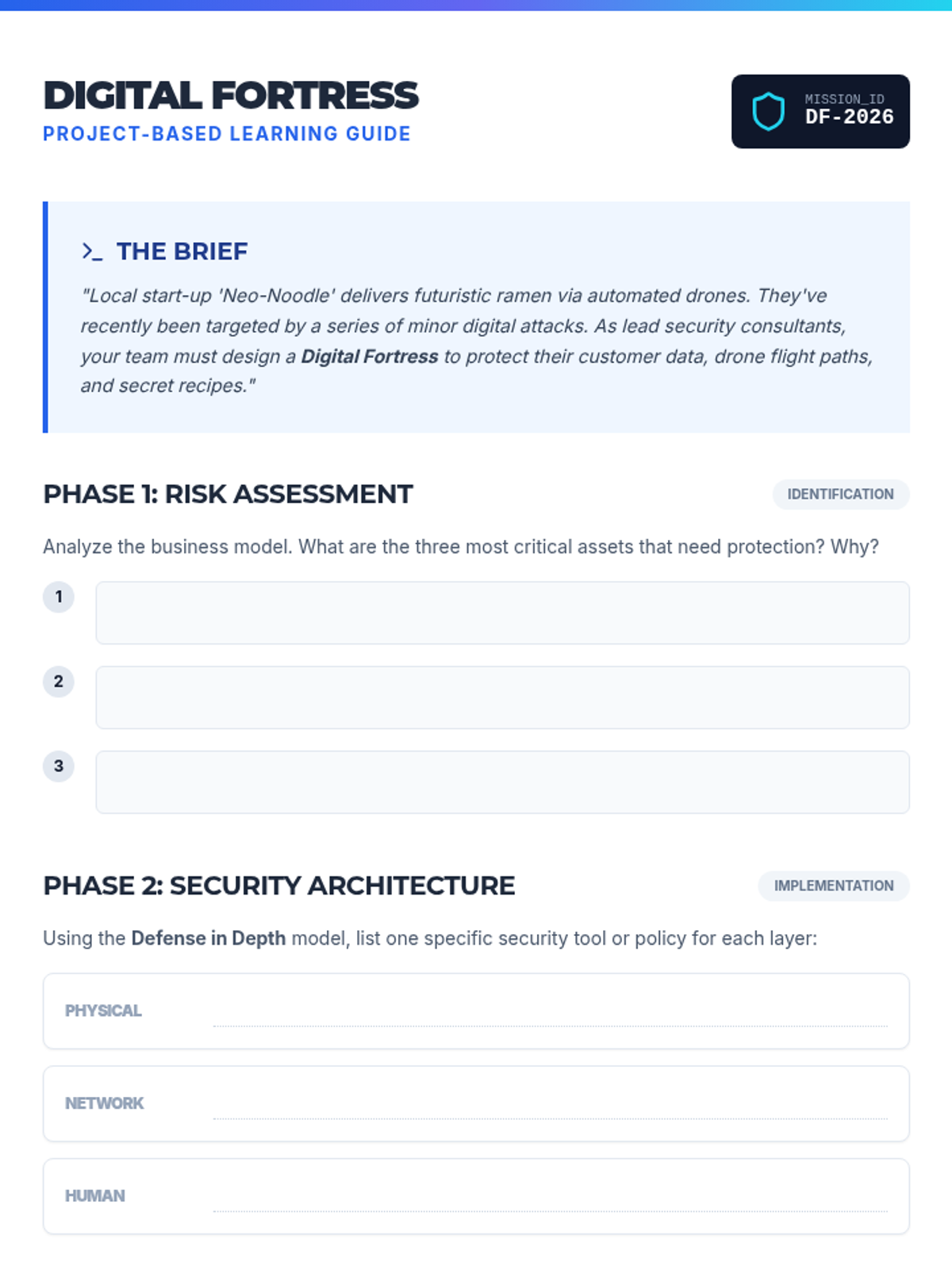
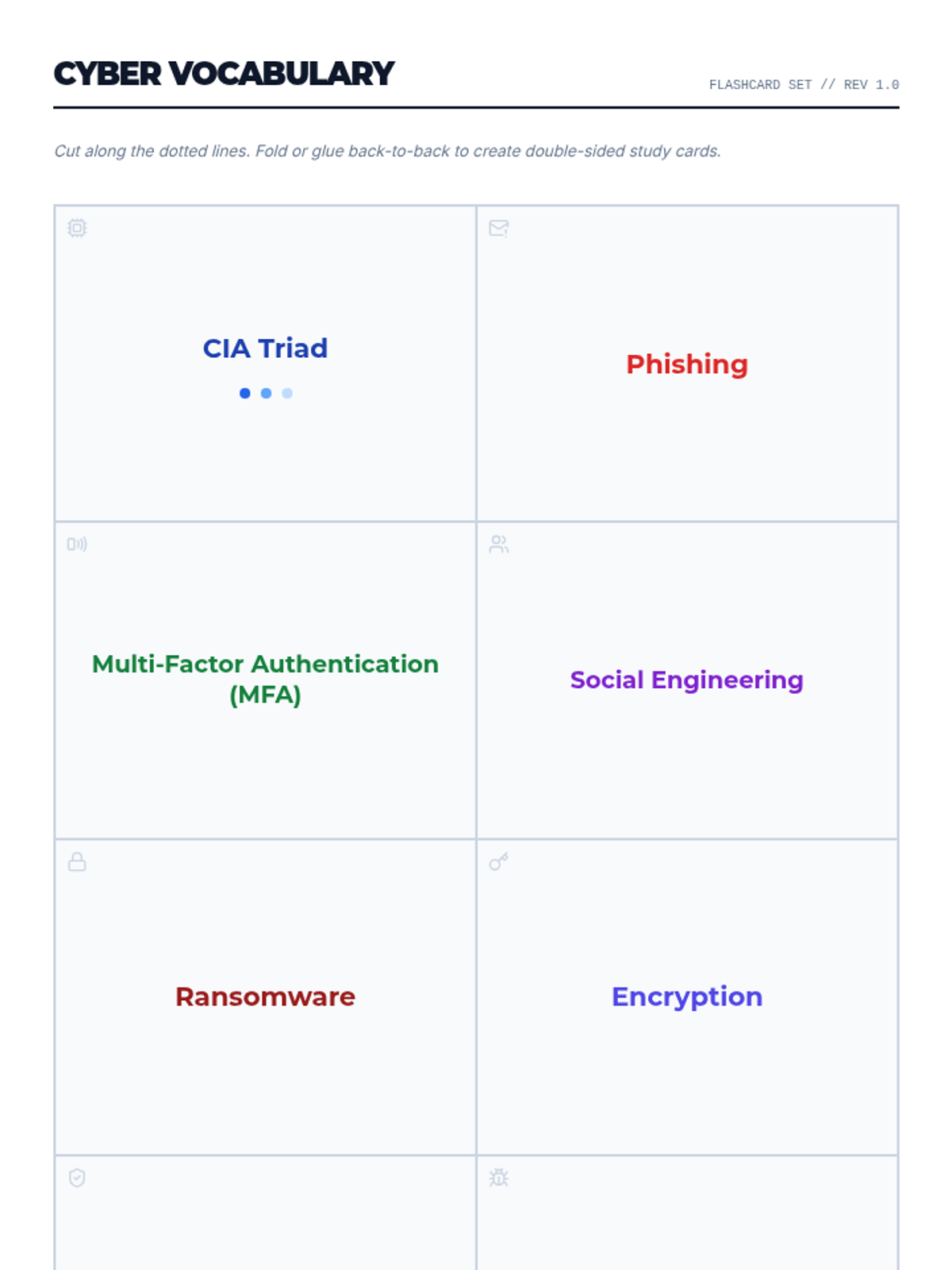
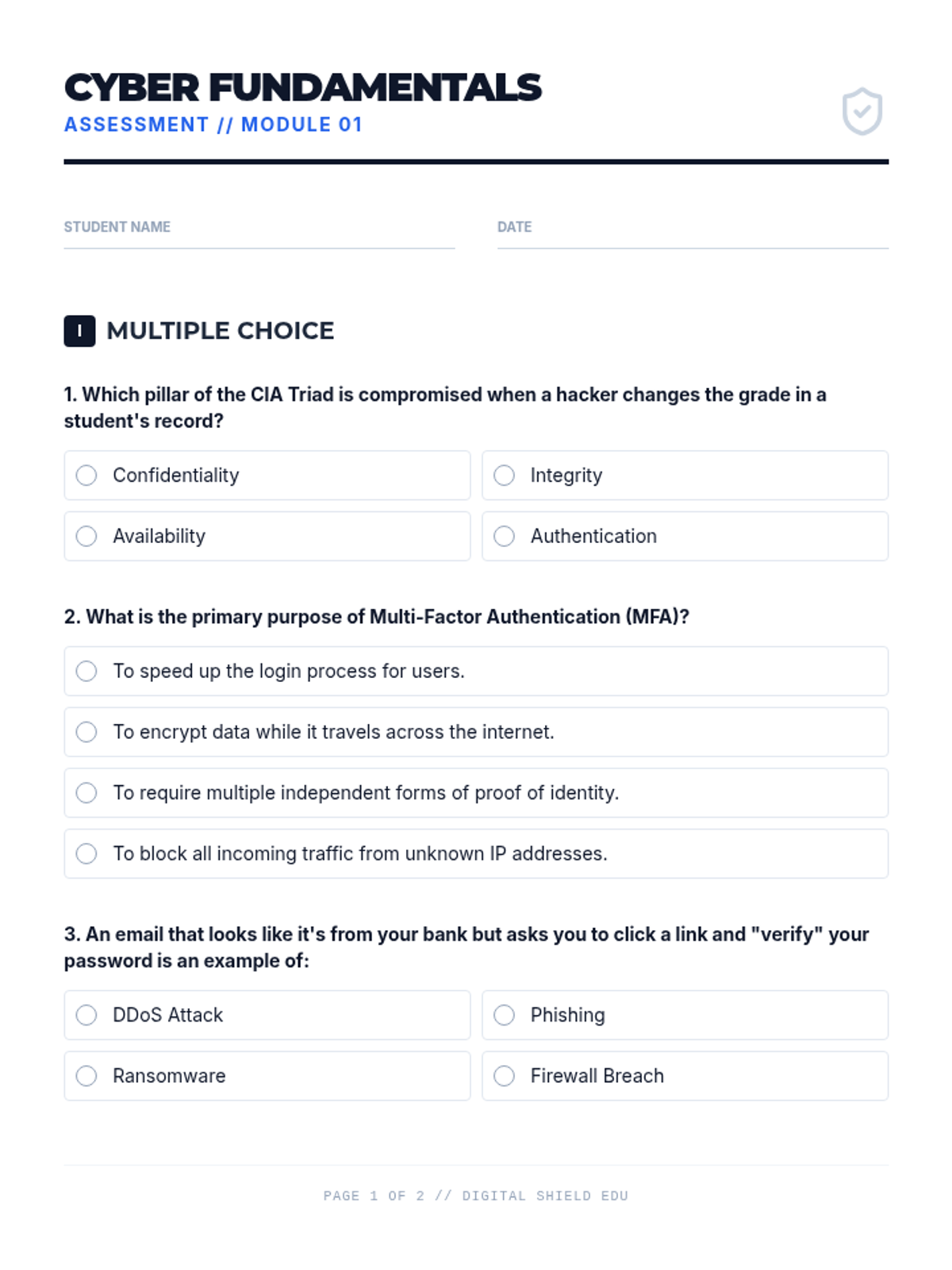
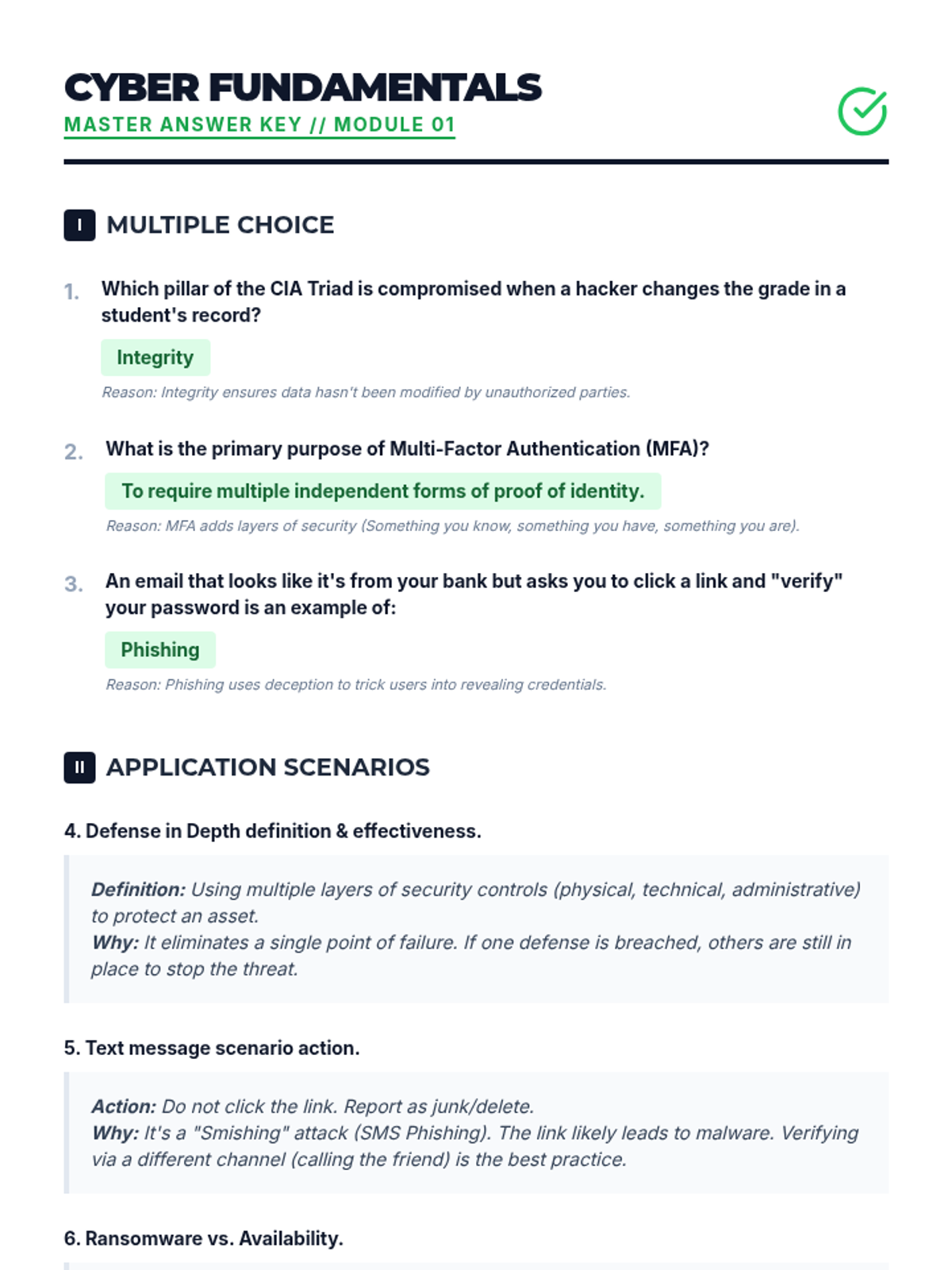
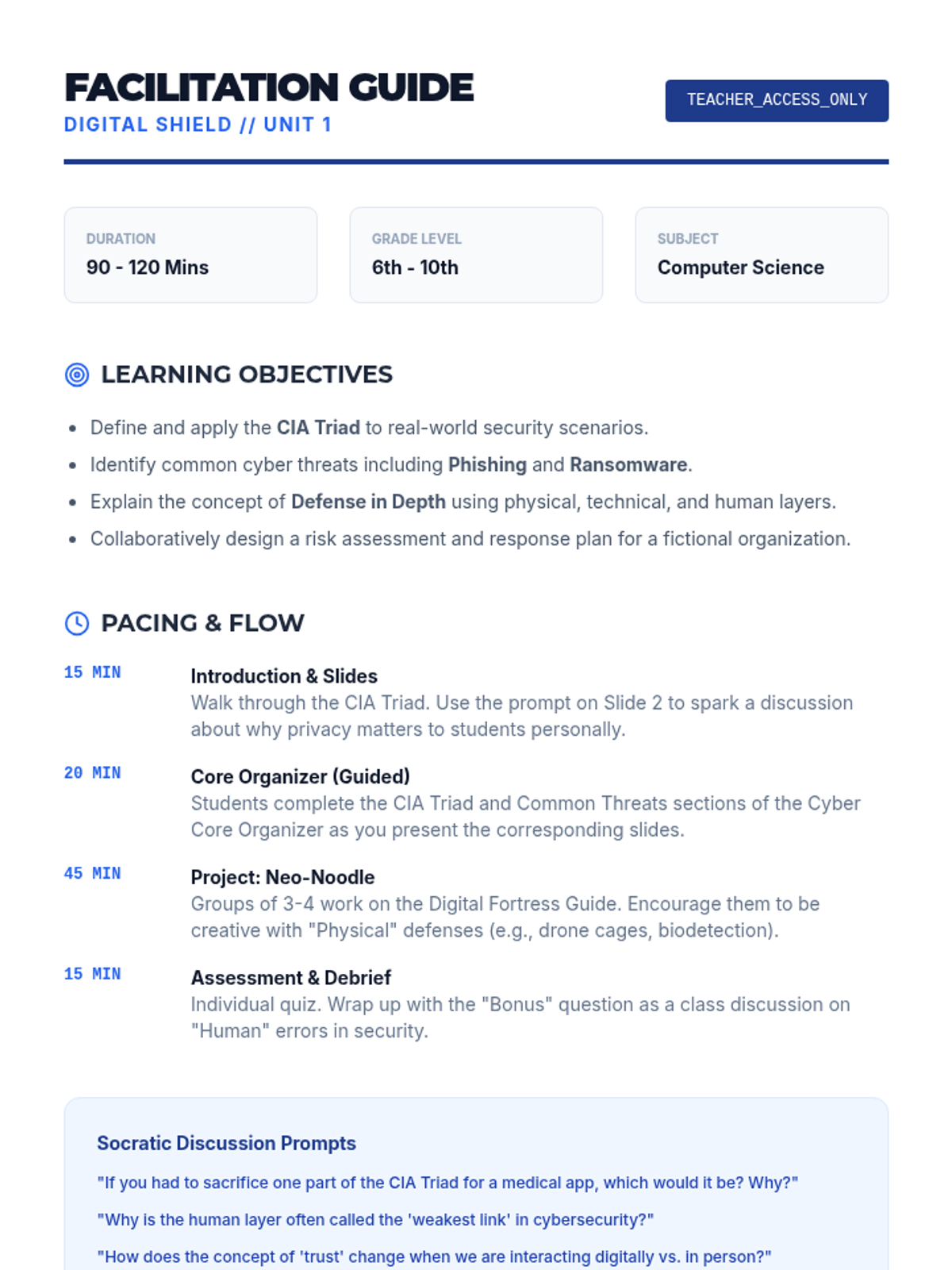
An introductory exploration of cybersecurity fundamentals for middle and high school students, covering the CIA triad, common threats, and defensive strategies through hands-on projects and conceptual mapping.
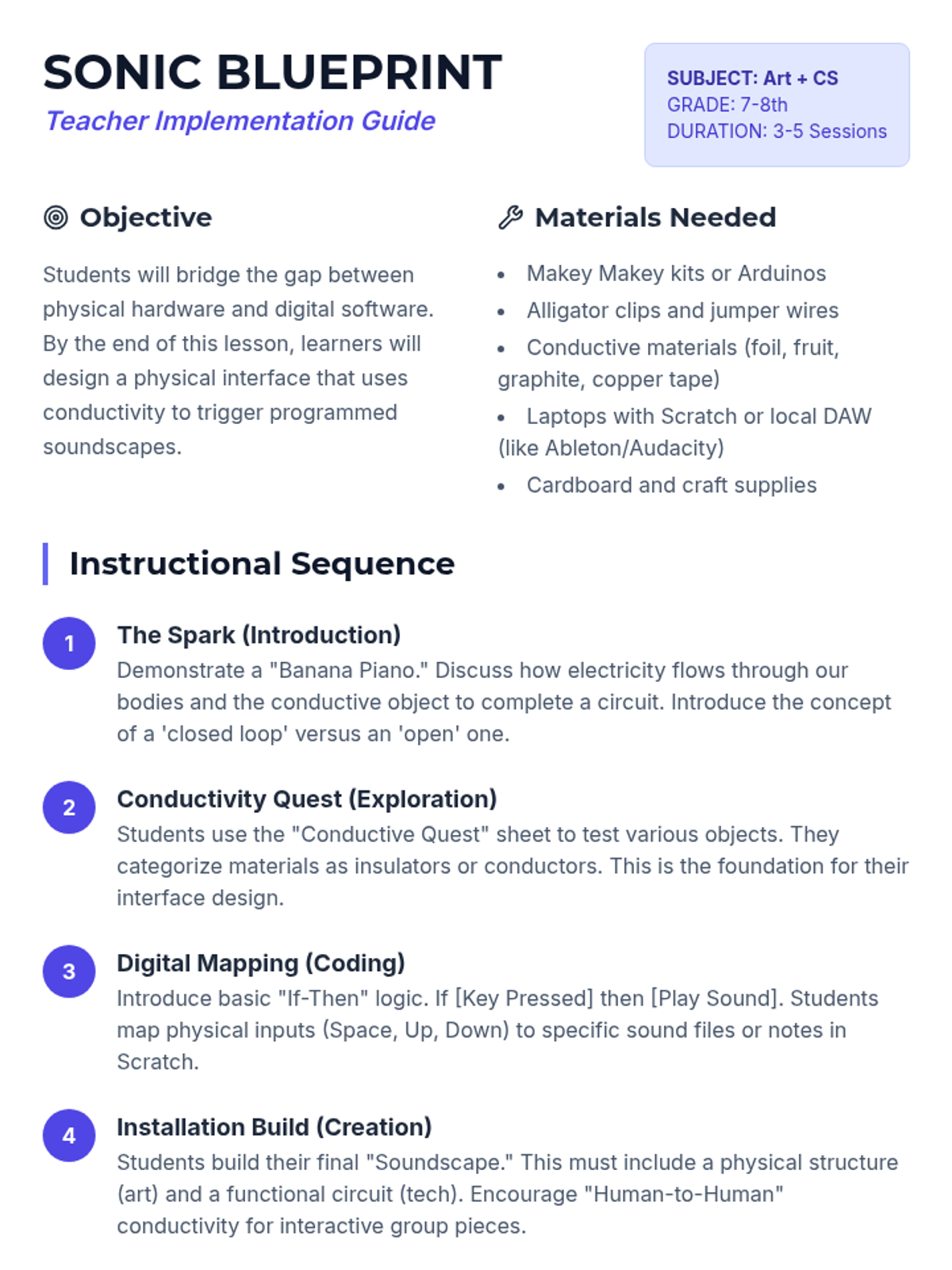
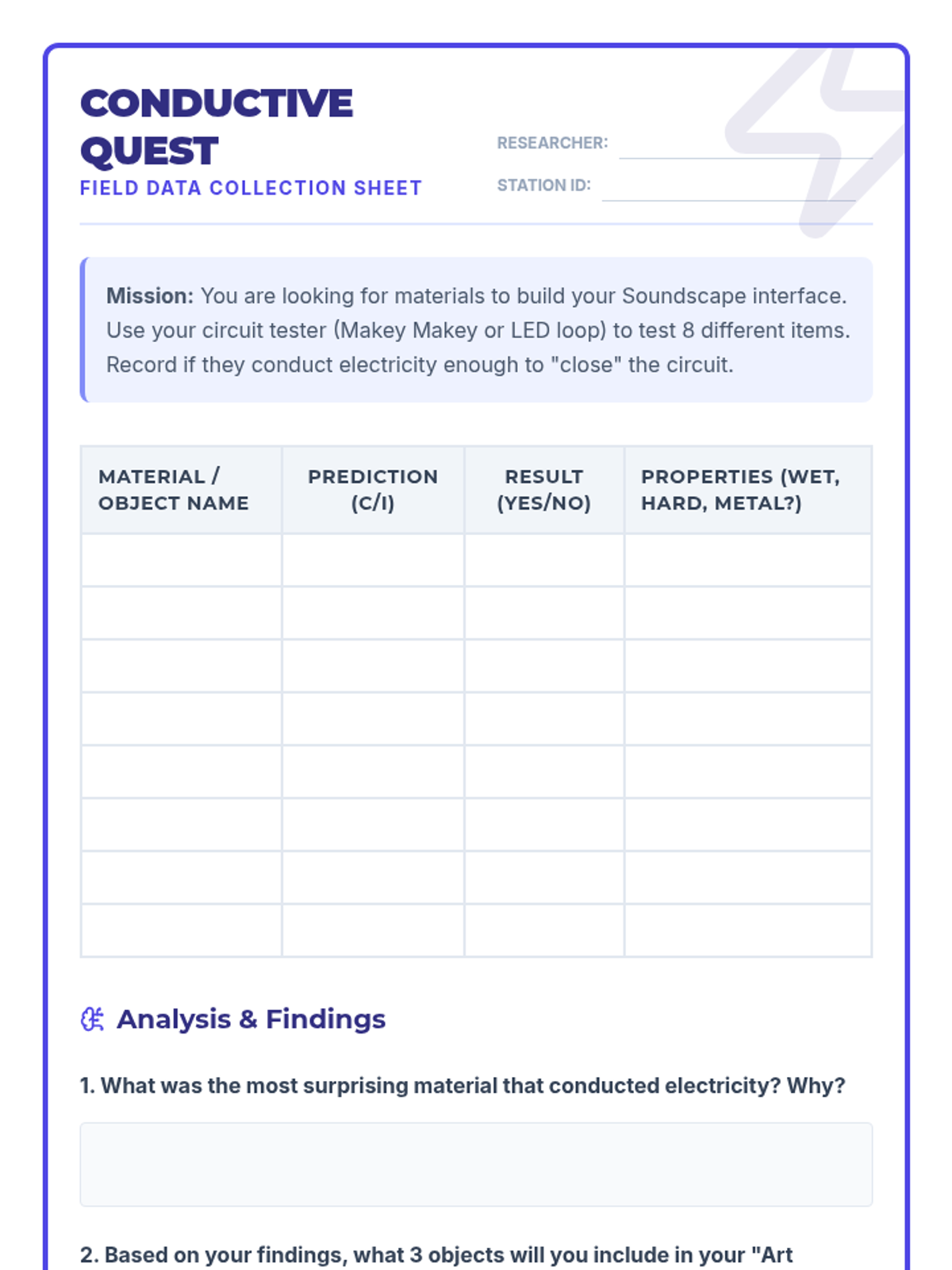
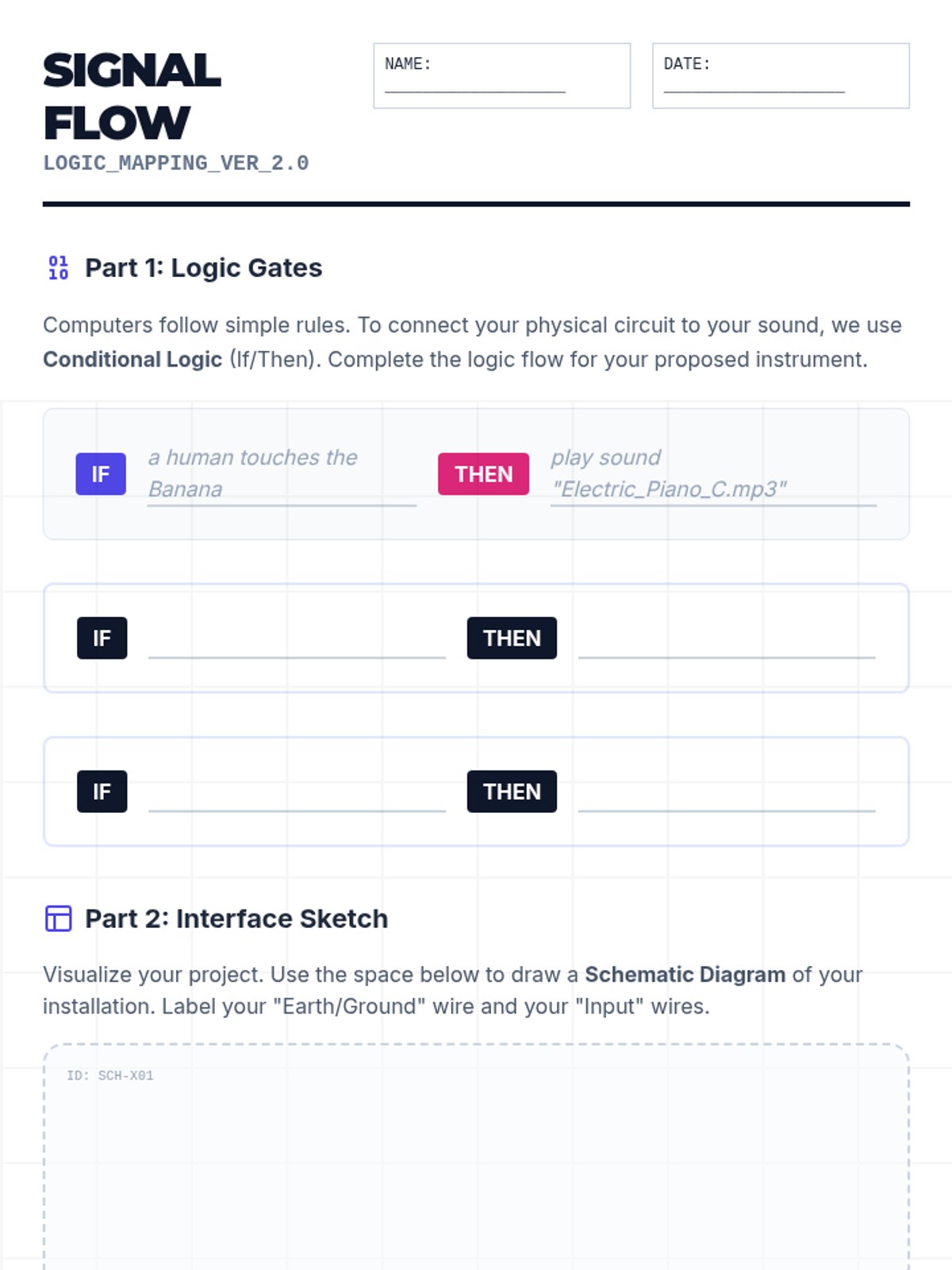
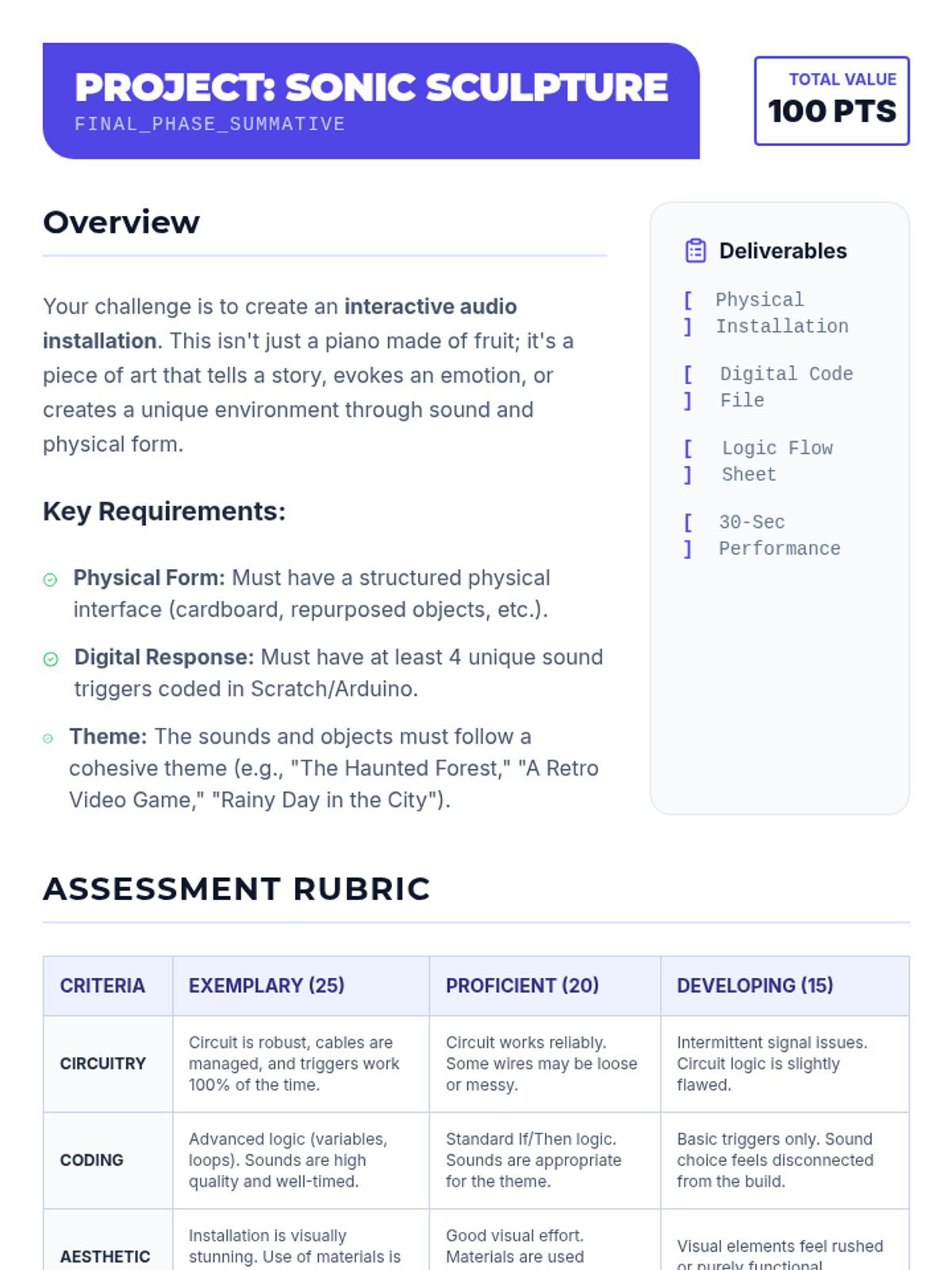
Students explore the intersection of physical electronics and digital audio by building interactive sound installations. They will learn about conductivity, circuit logic, and basic programming to transform everyday objects into musical instruments.
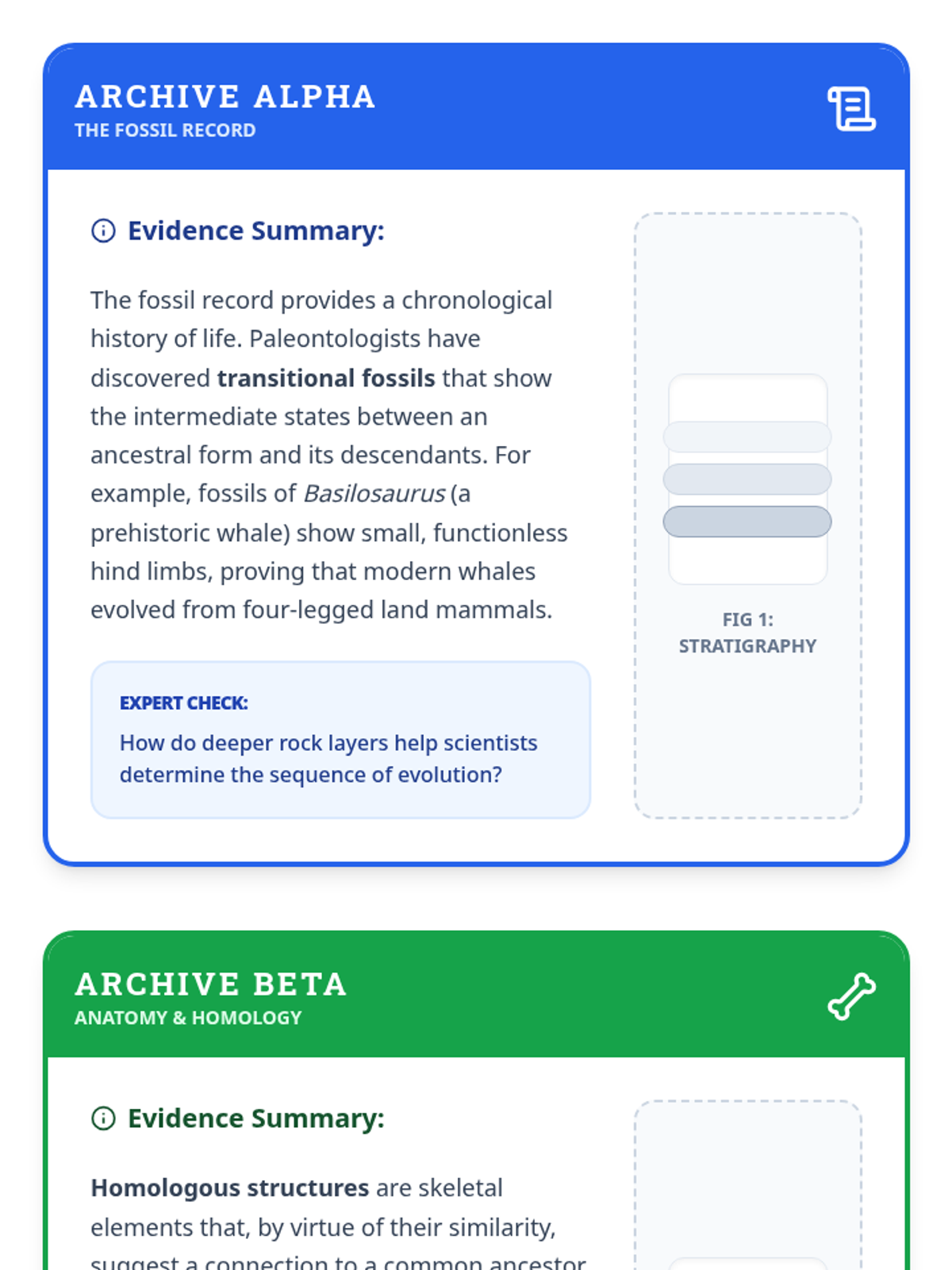
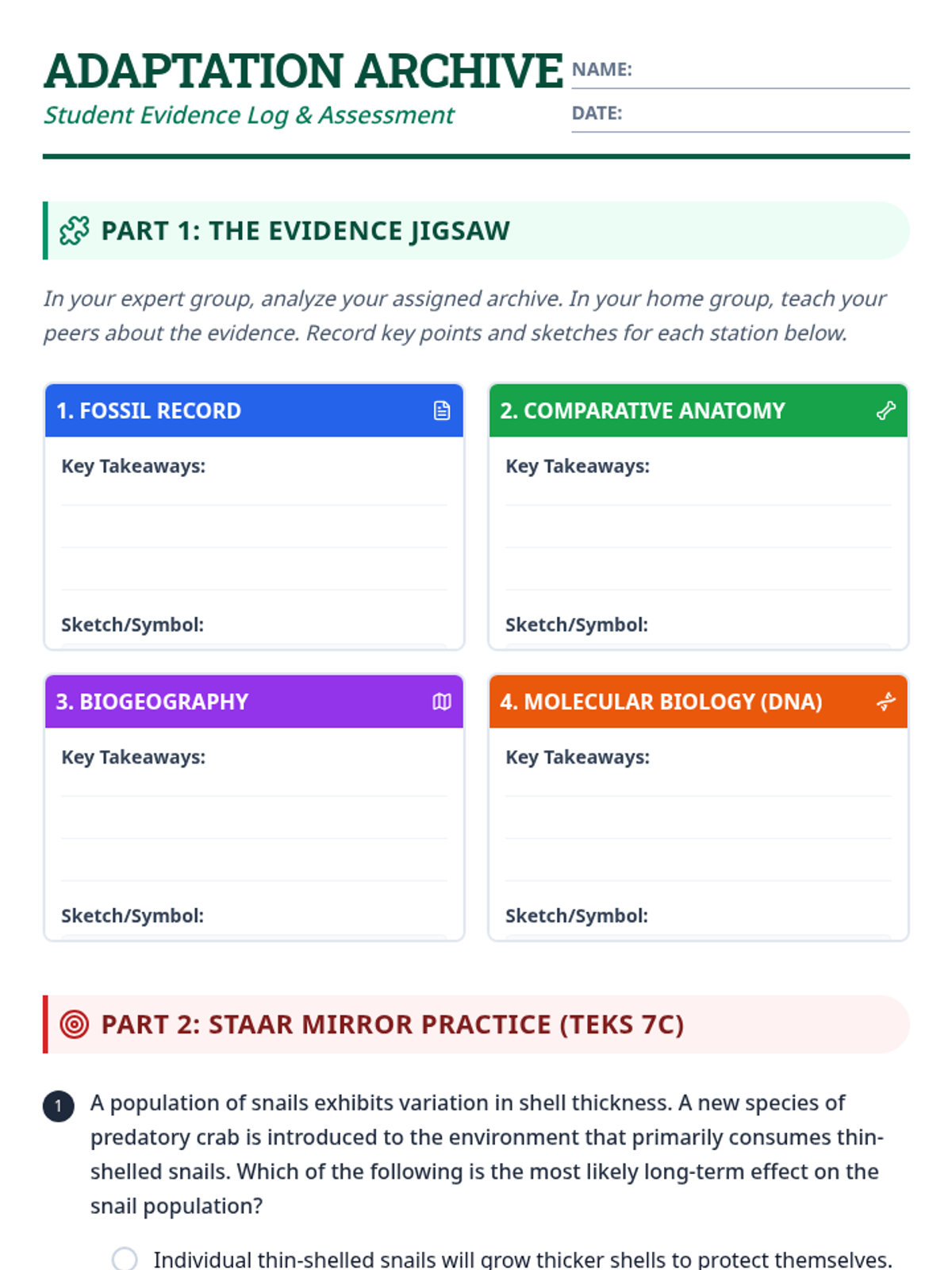
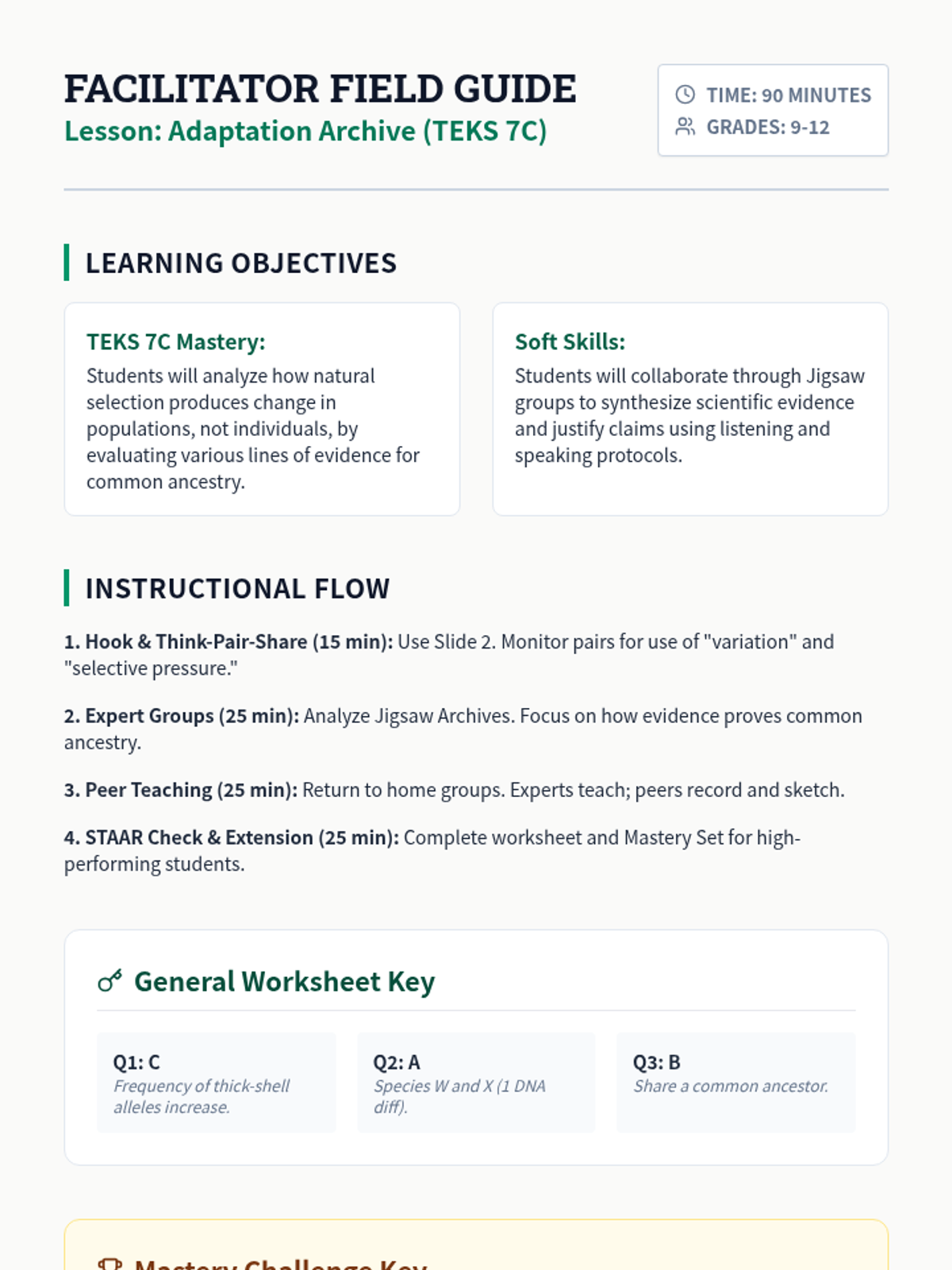
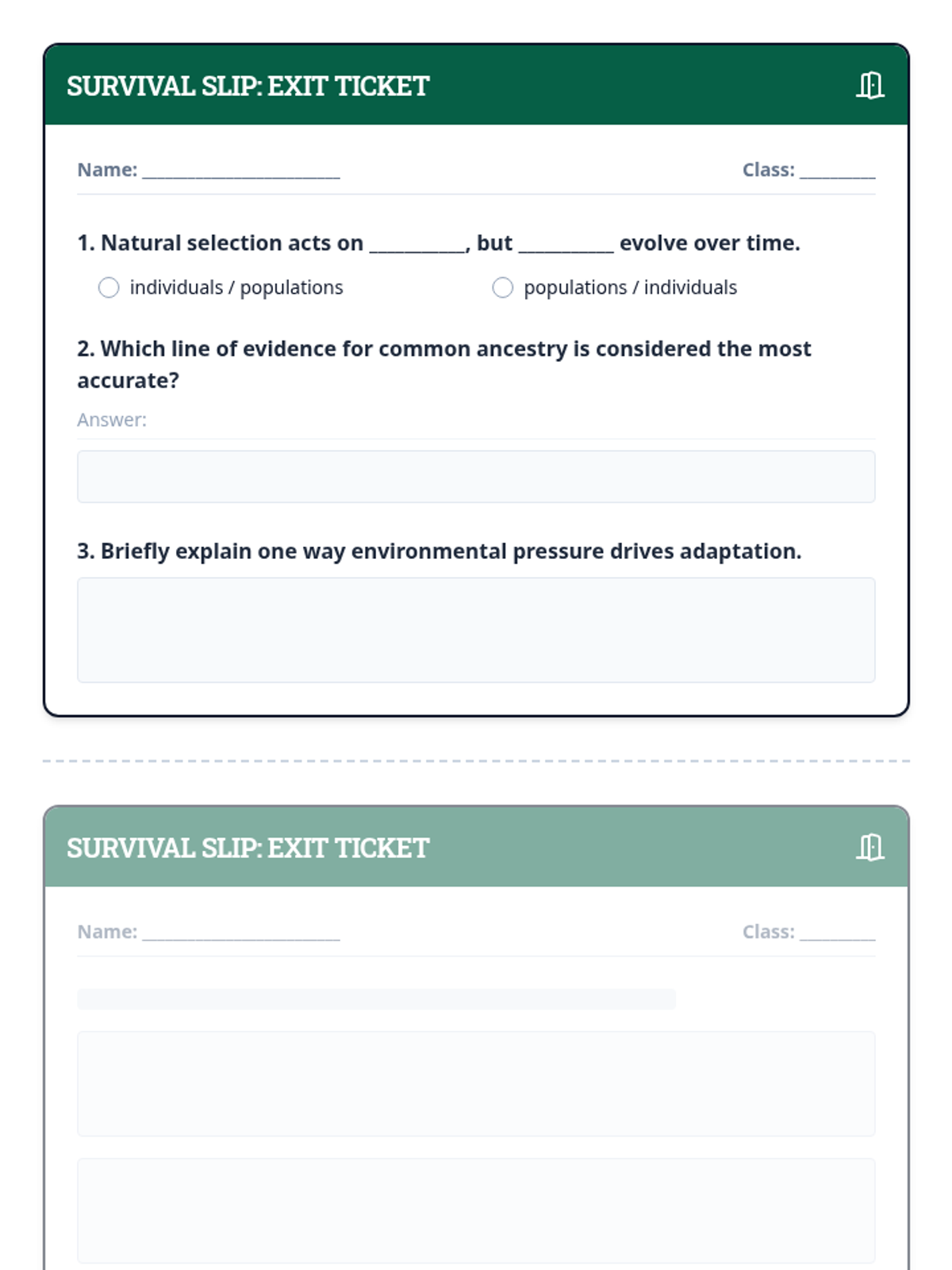
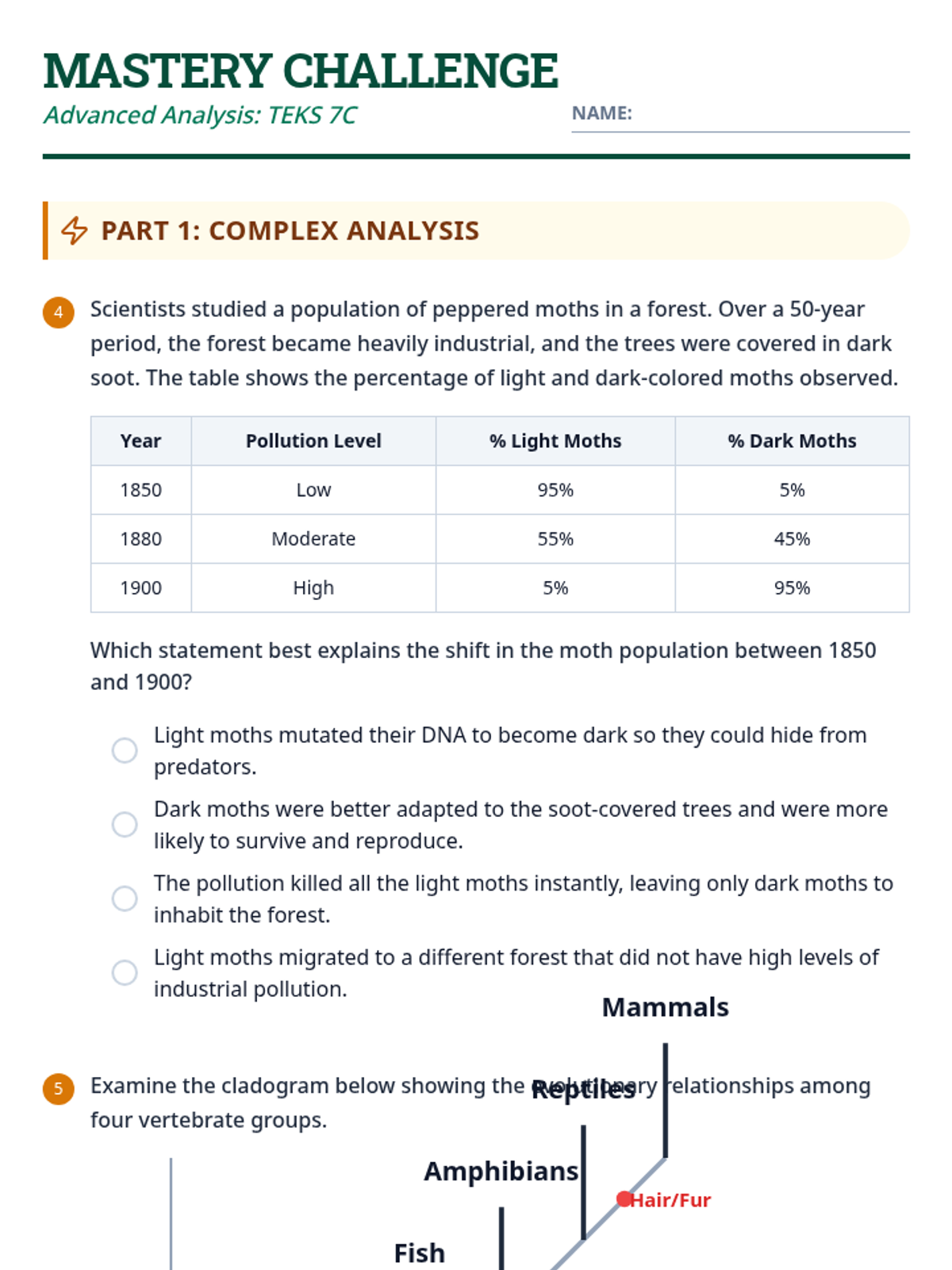
This lesson explores how natural selection drives population changes and evaluates the evidence for common ancestry. It features a hands-on jigsaw activity and STAAR-aligned practice questions to master TEKS 7C.
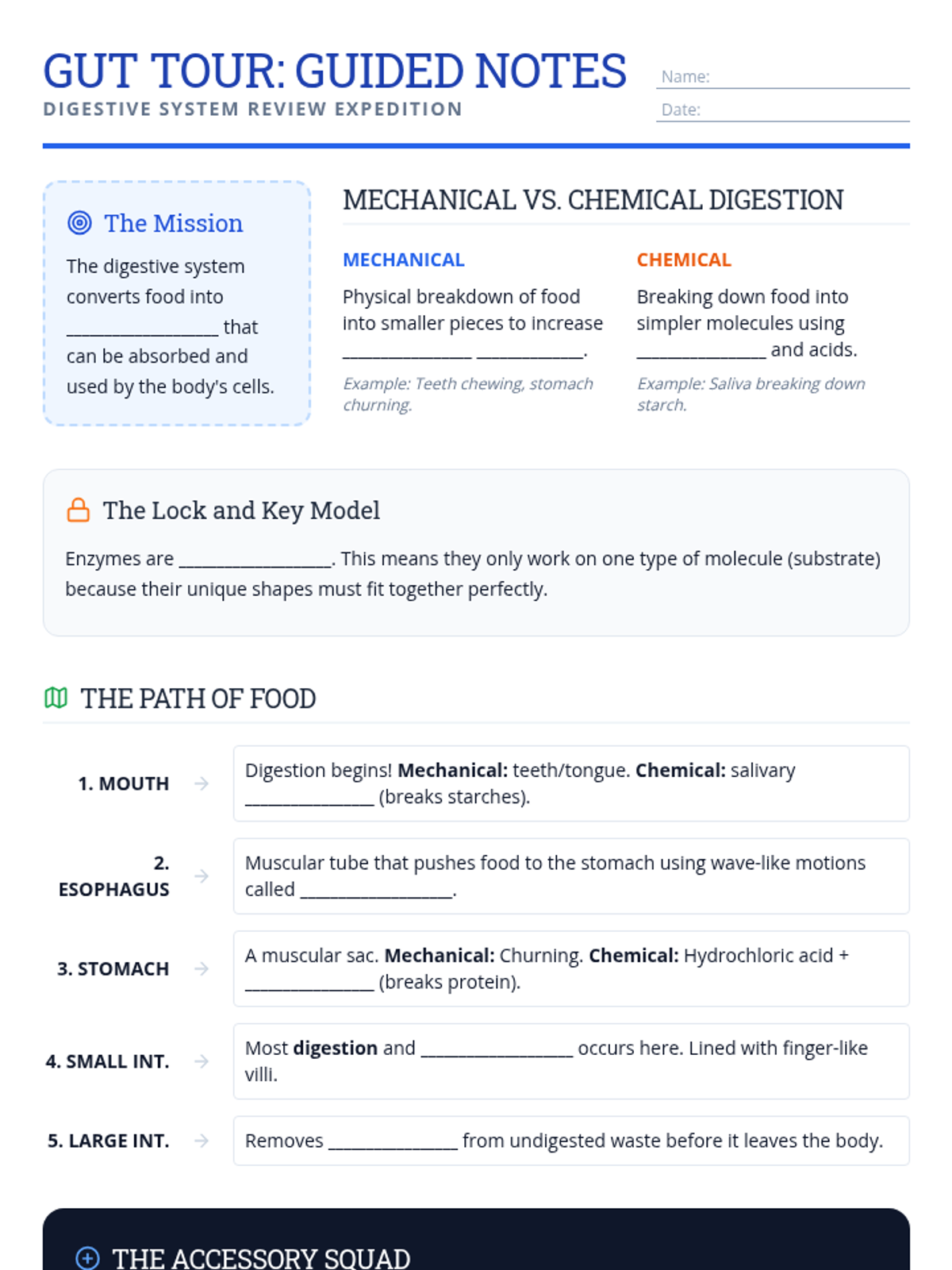
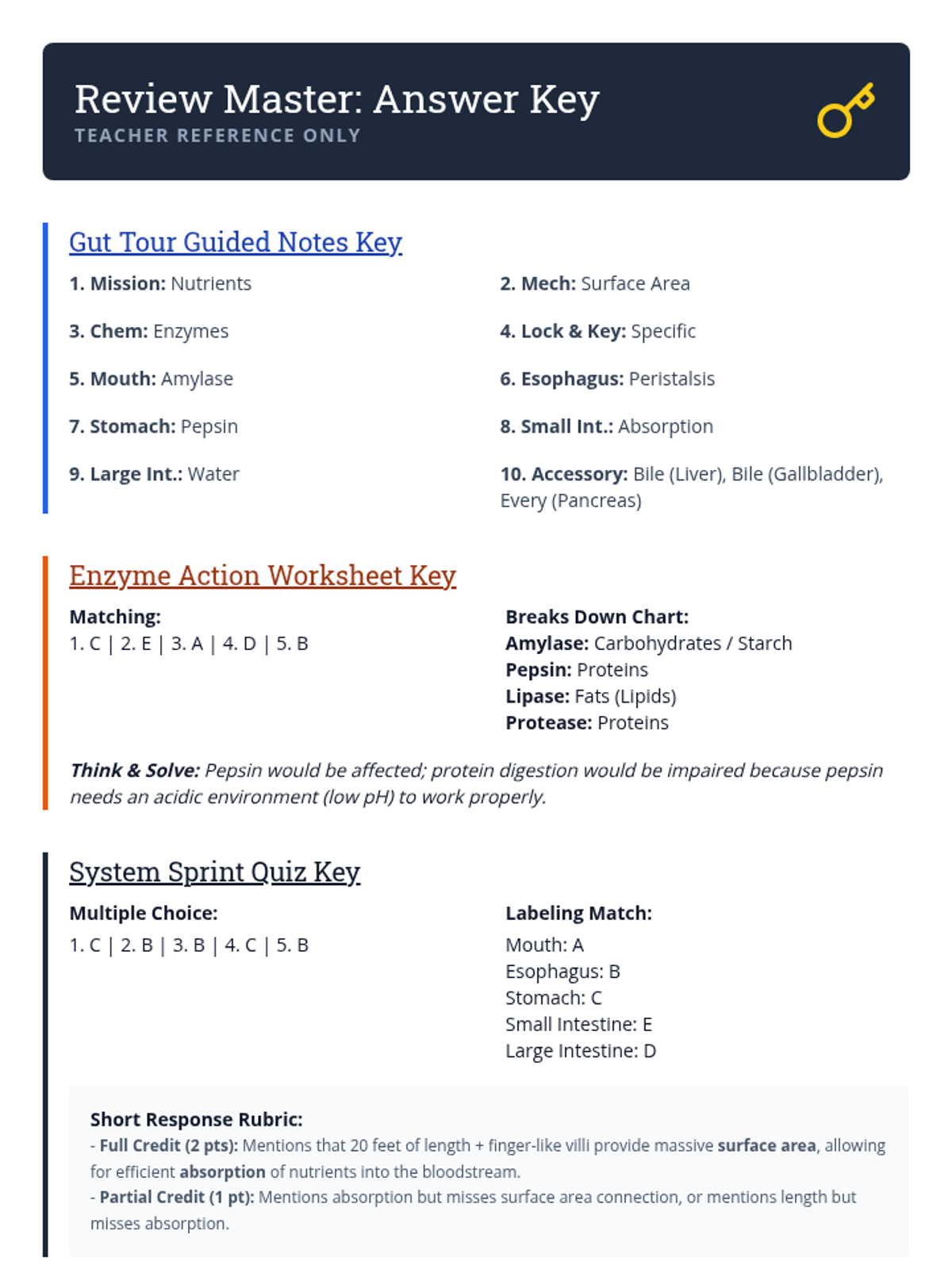
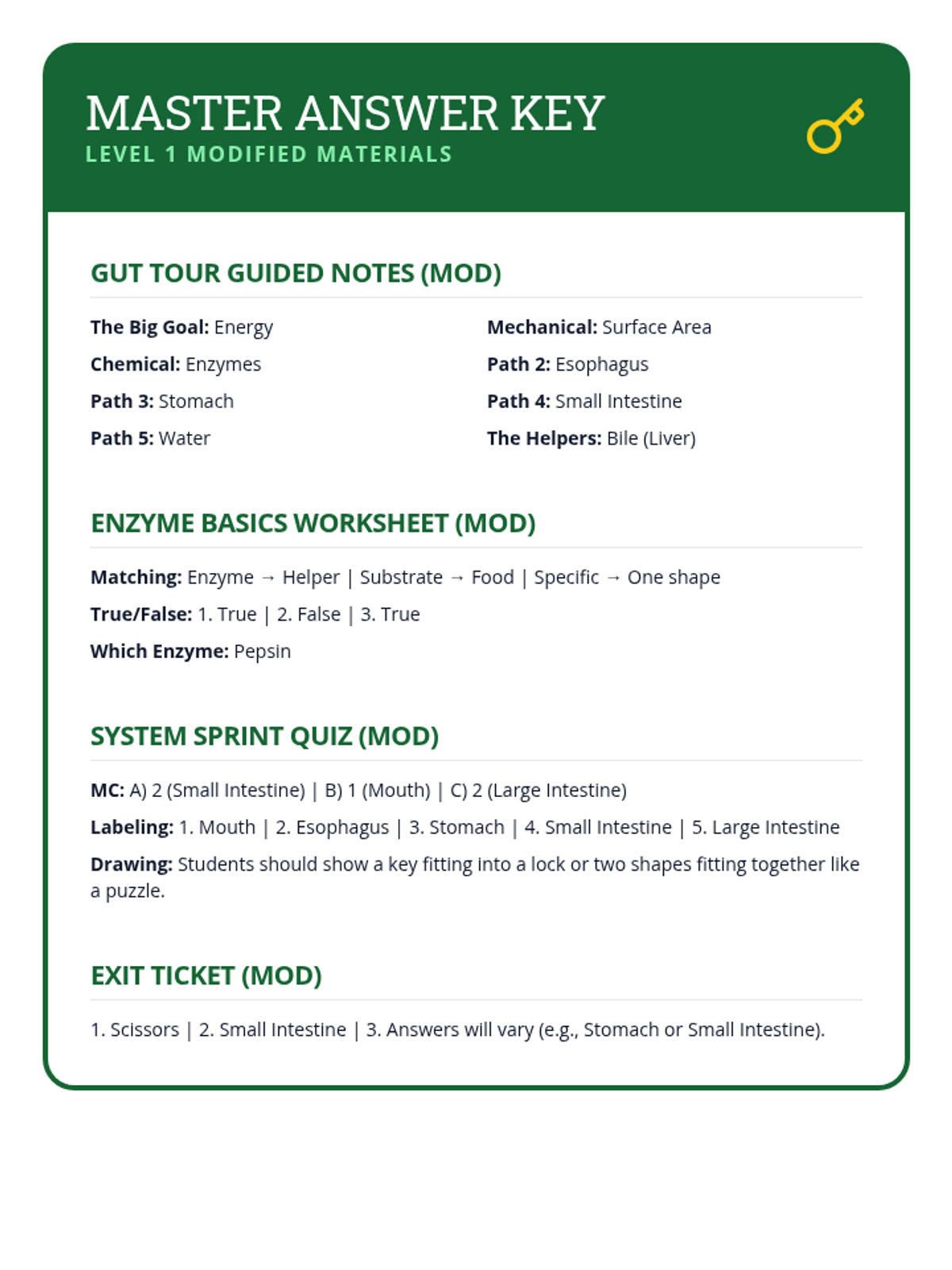
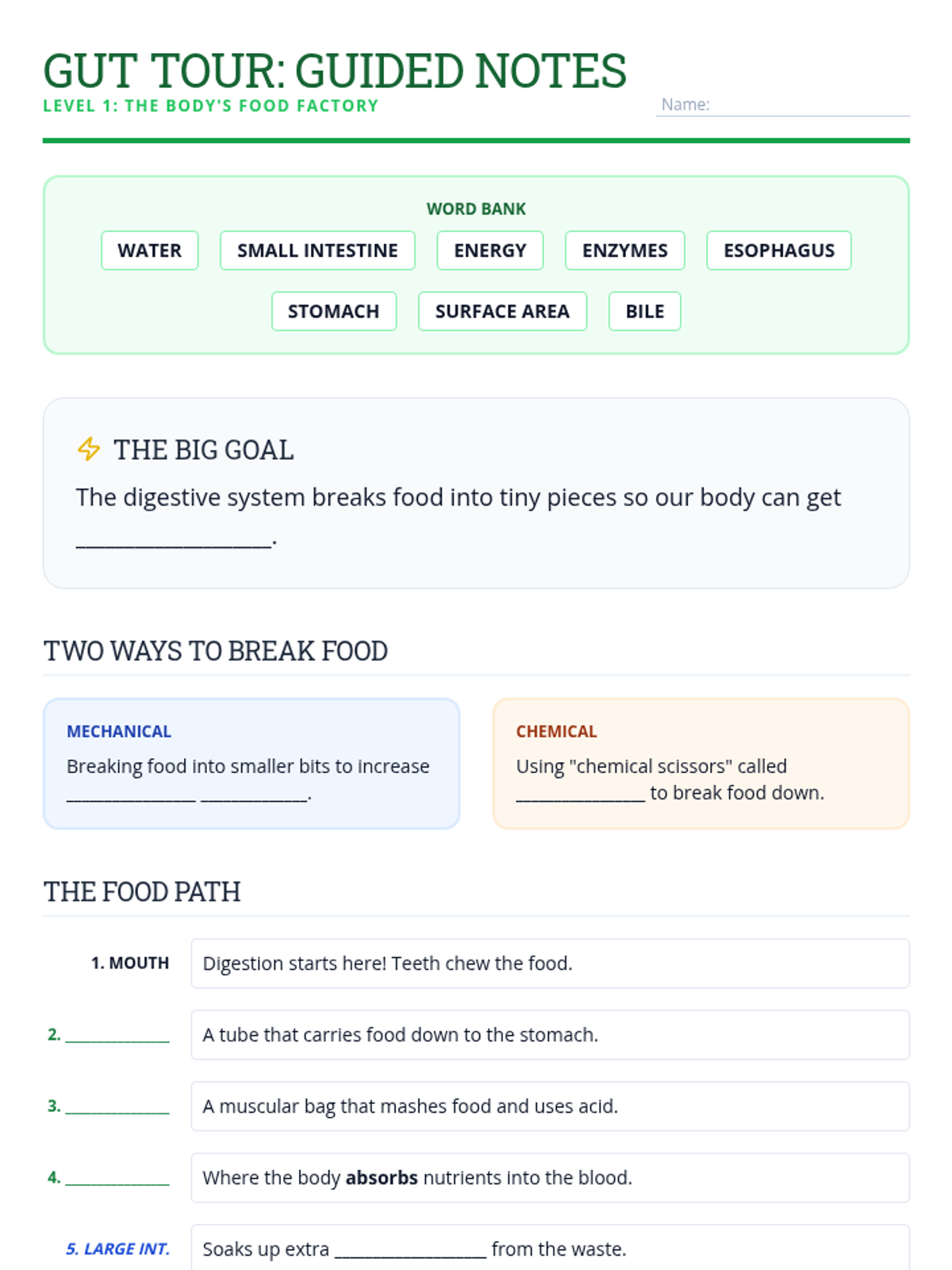
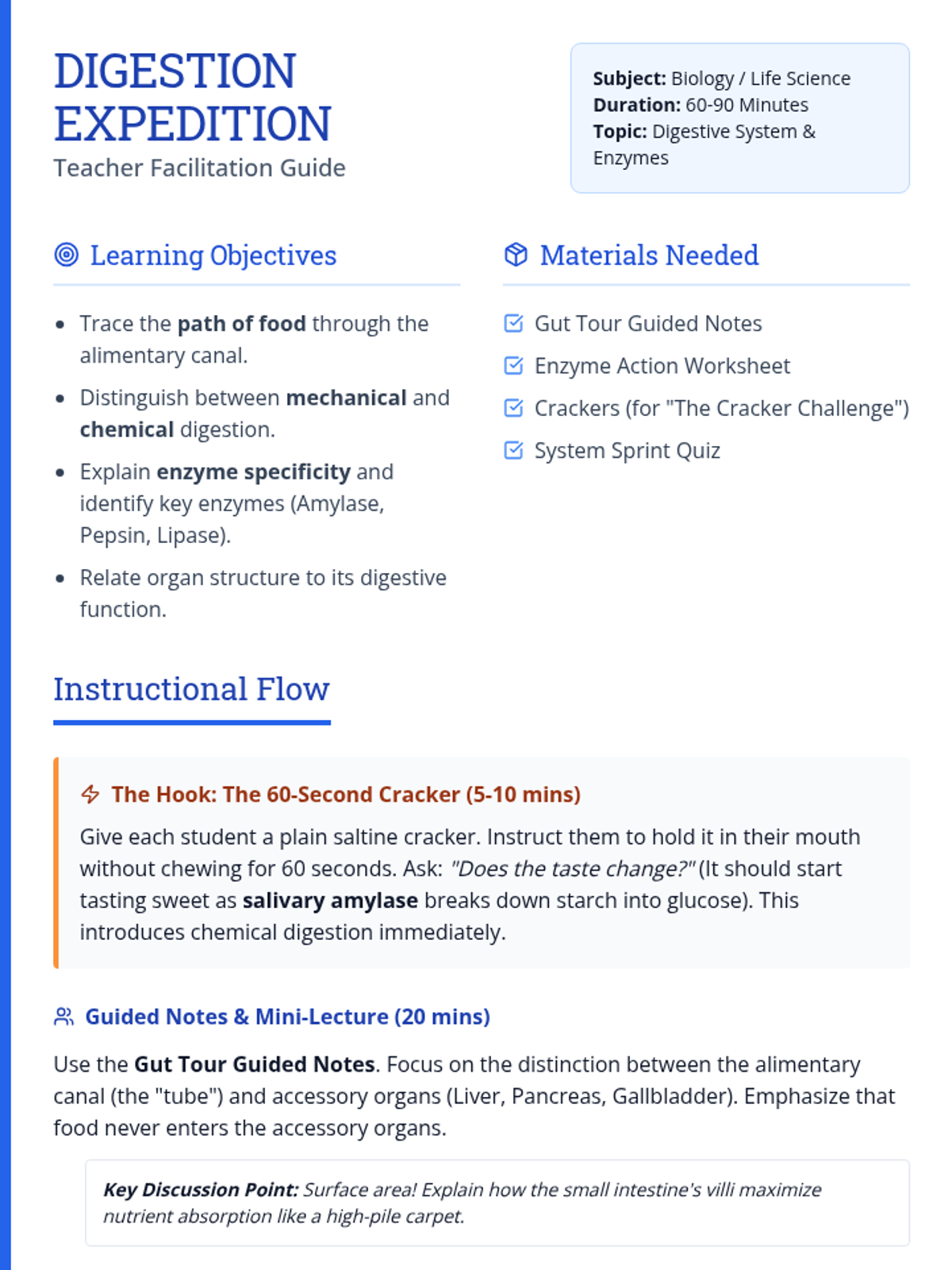
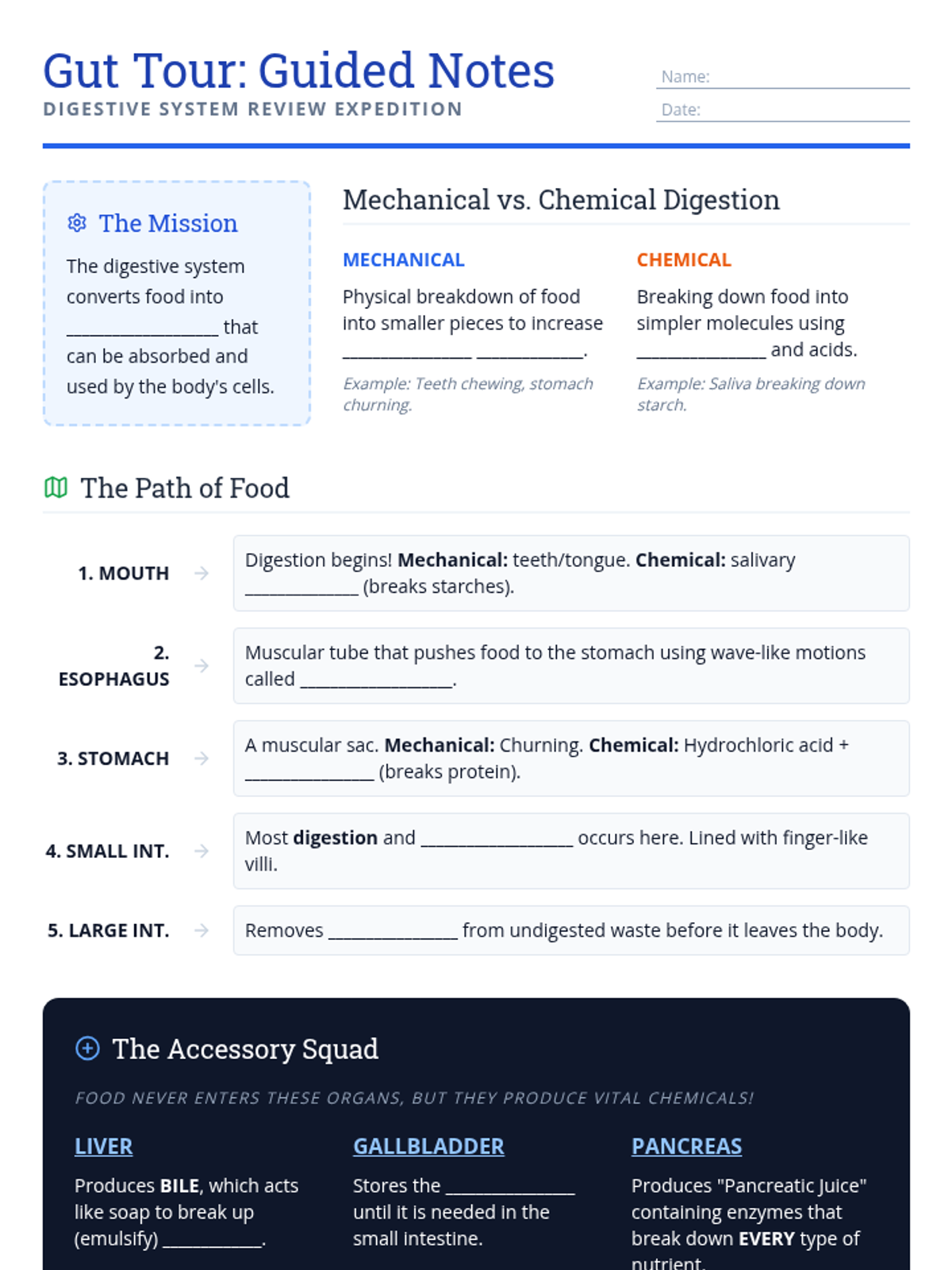
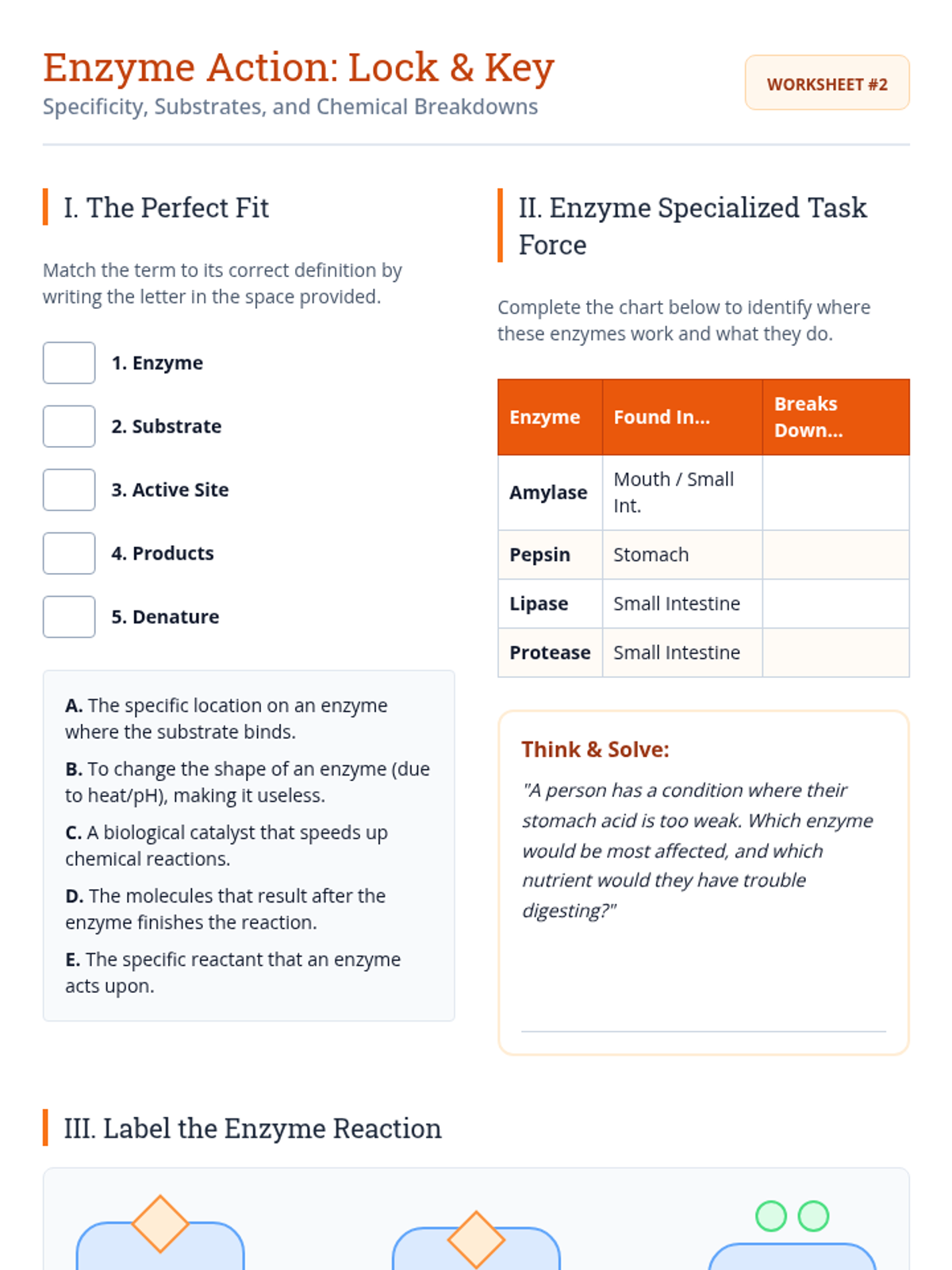
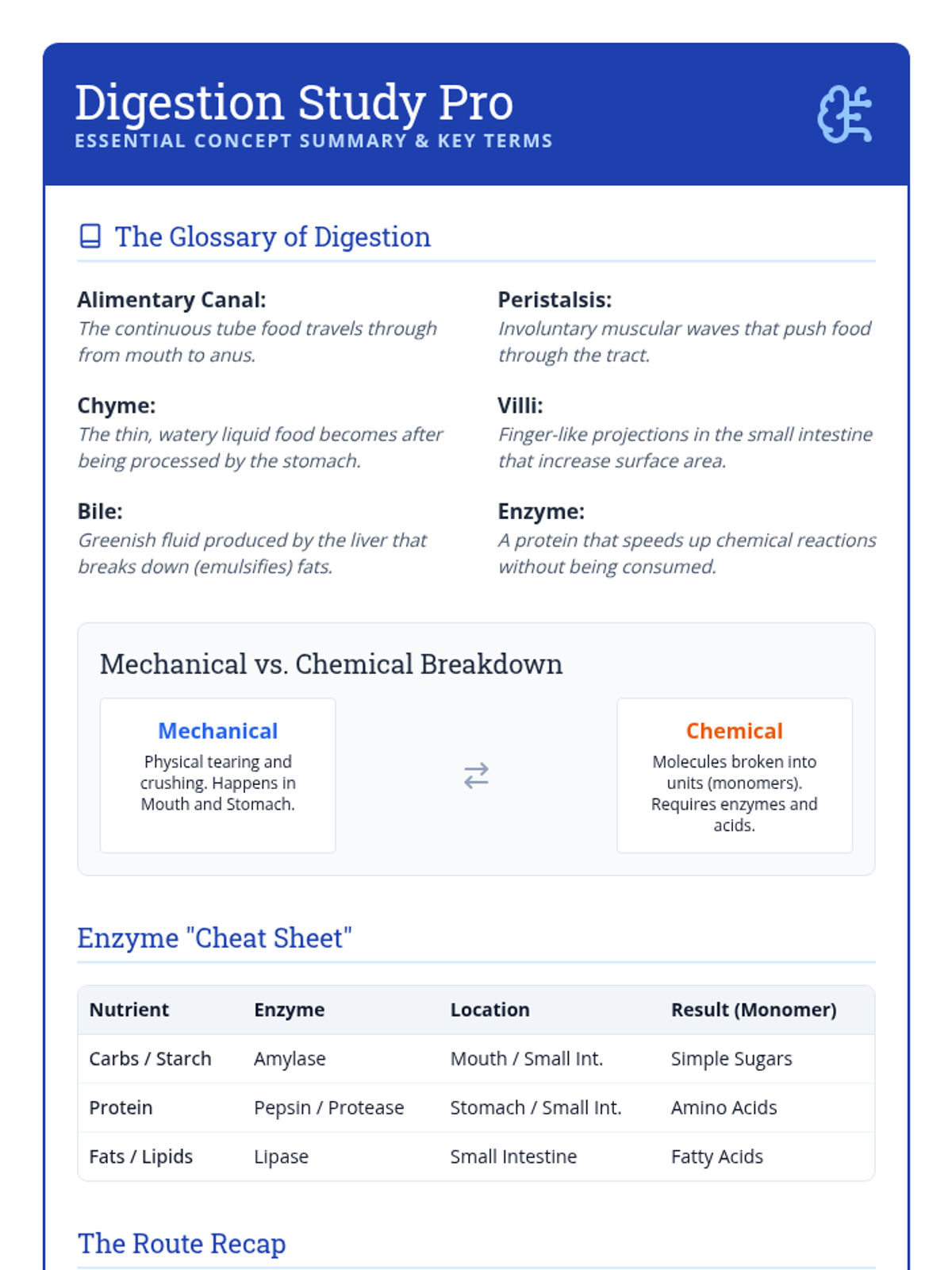
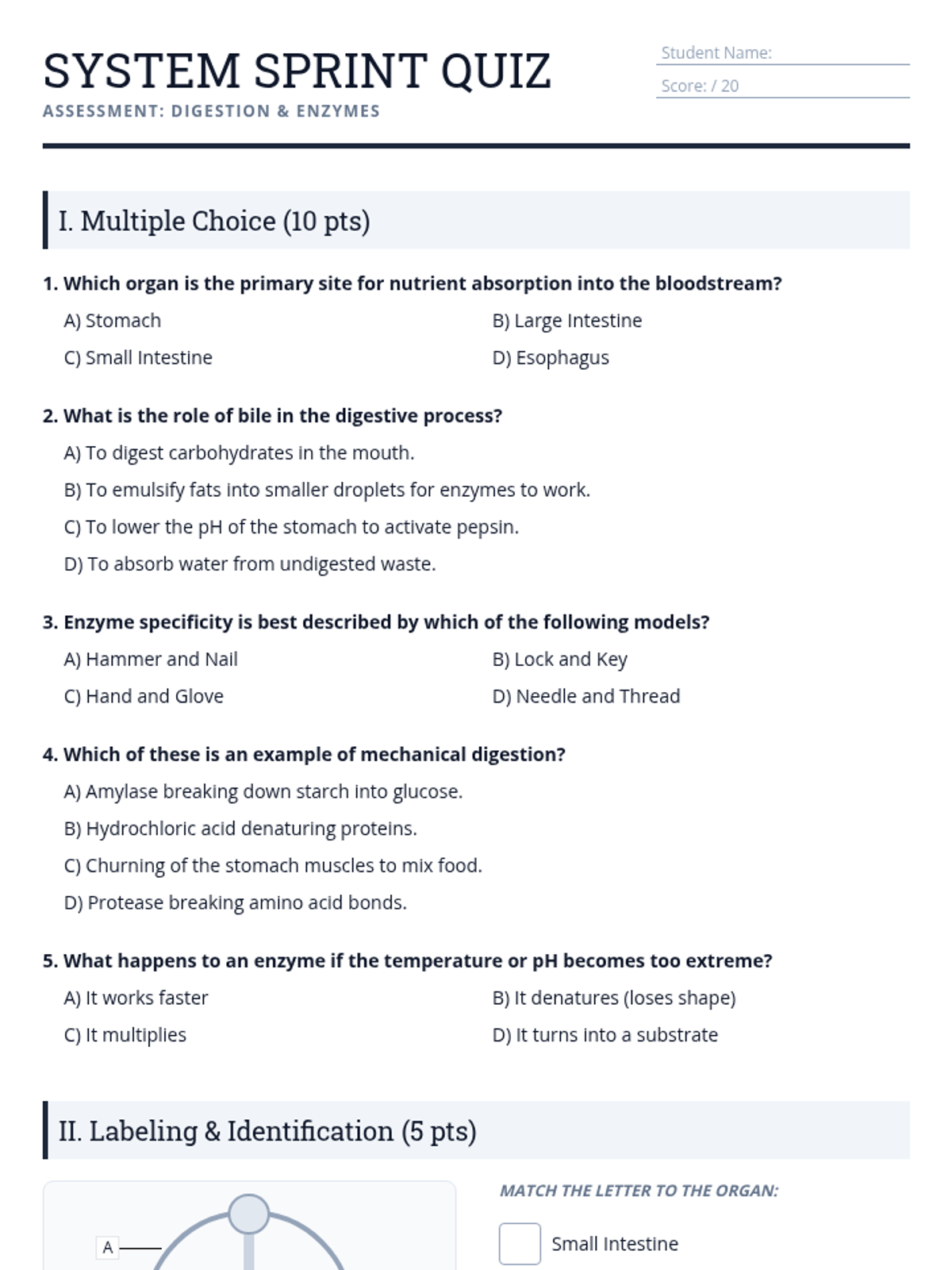
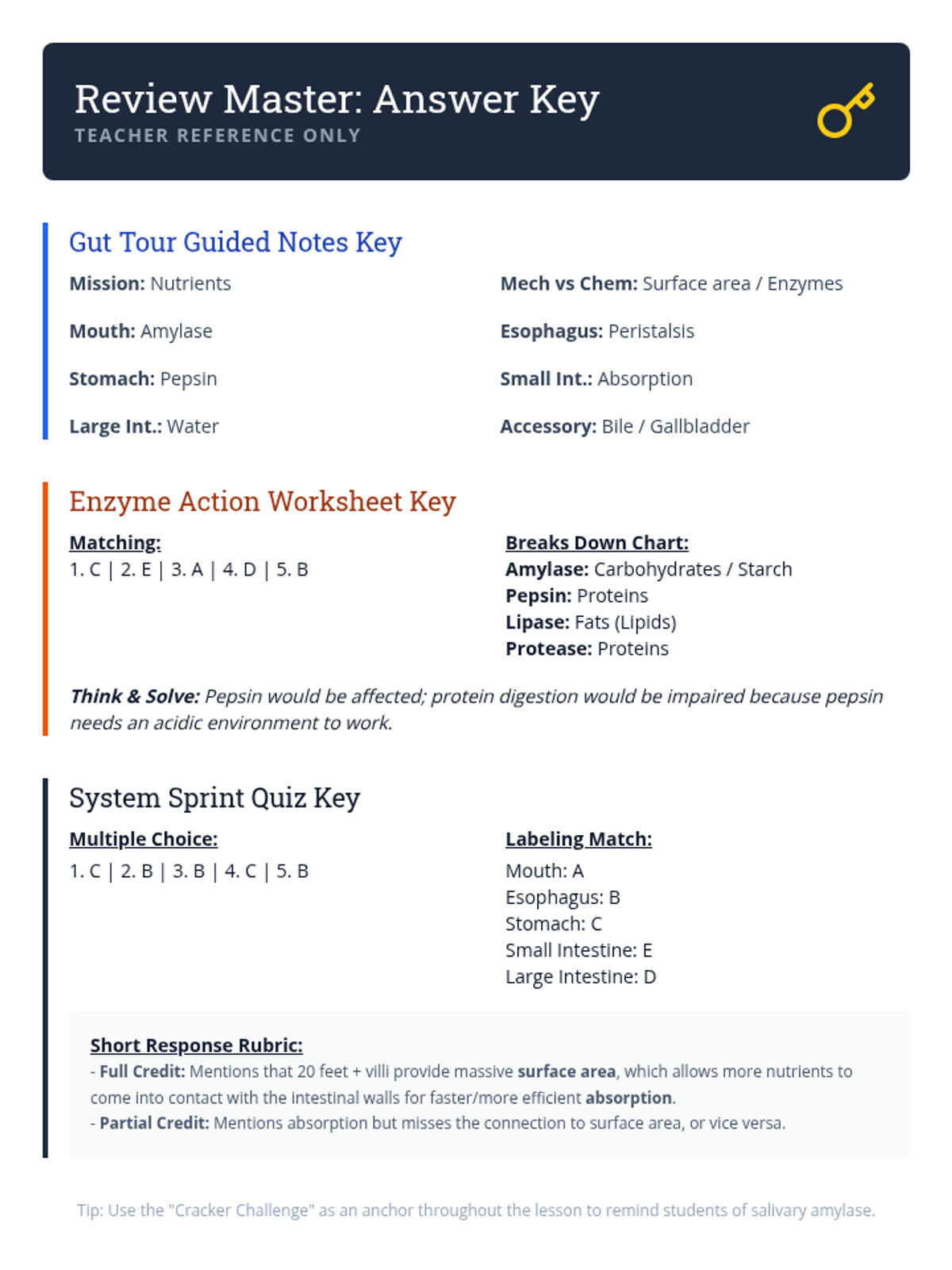
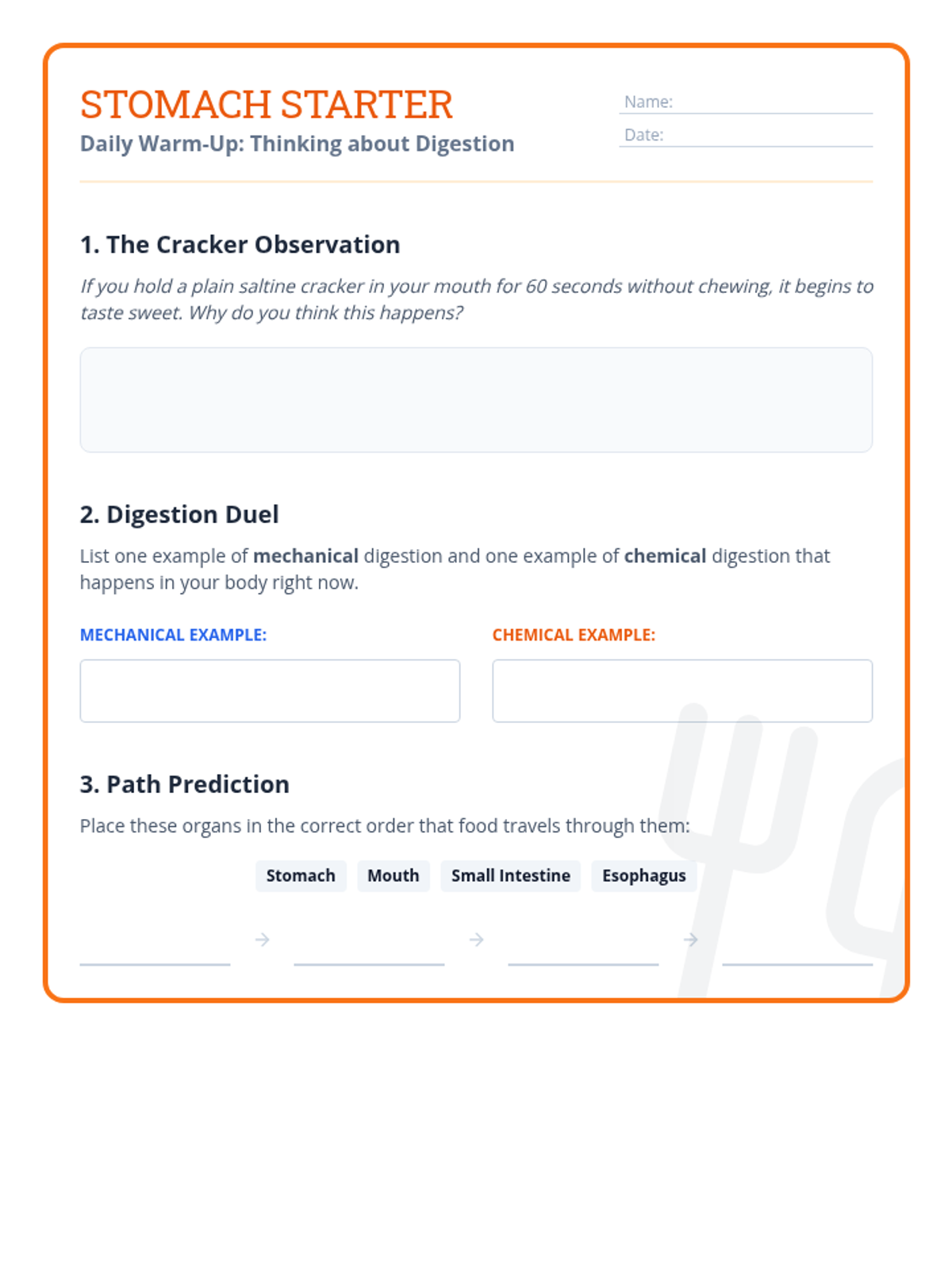
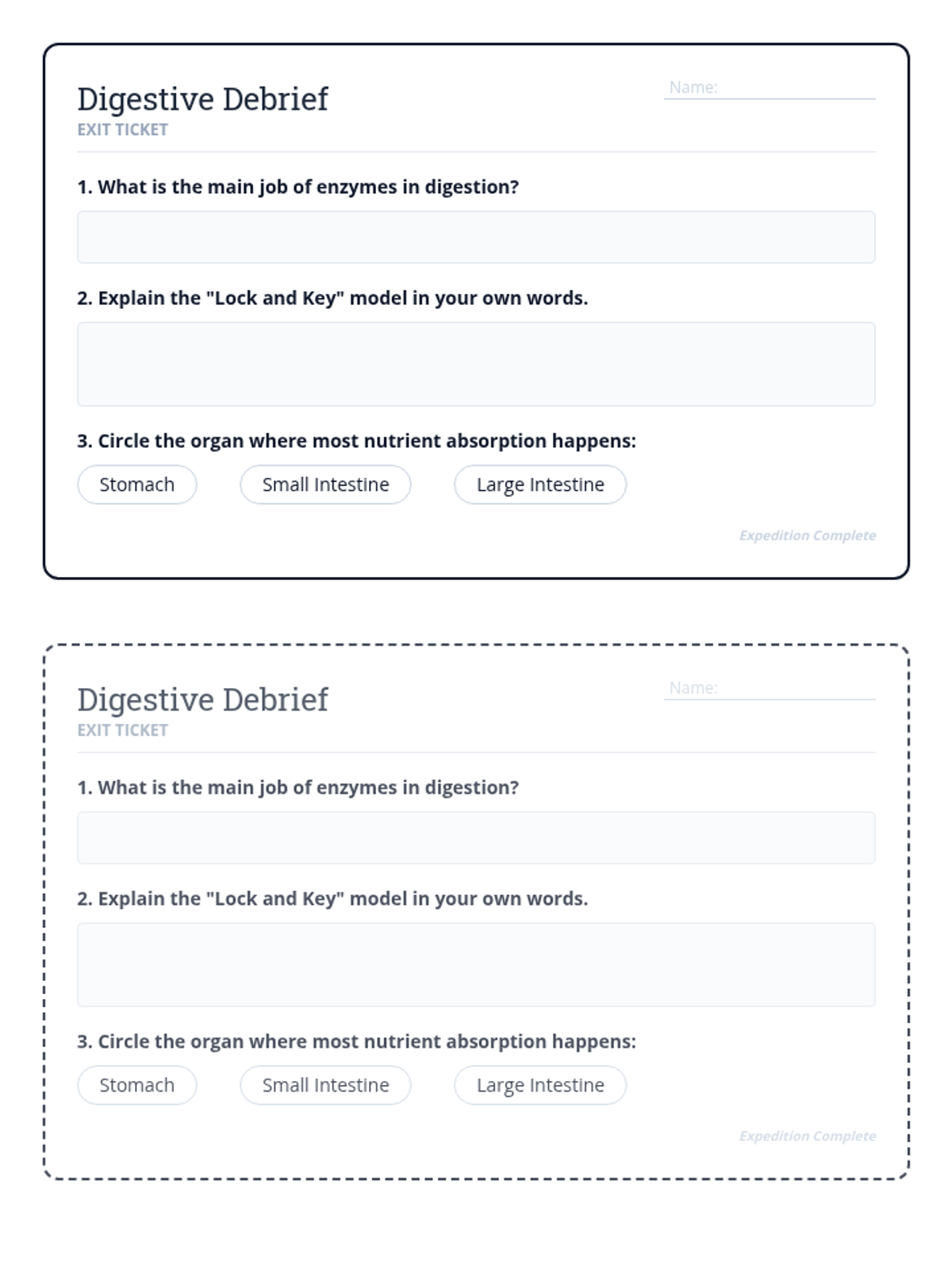
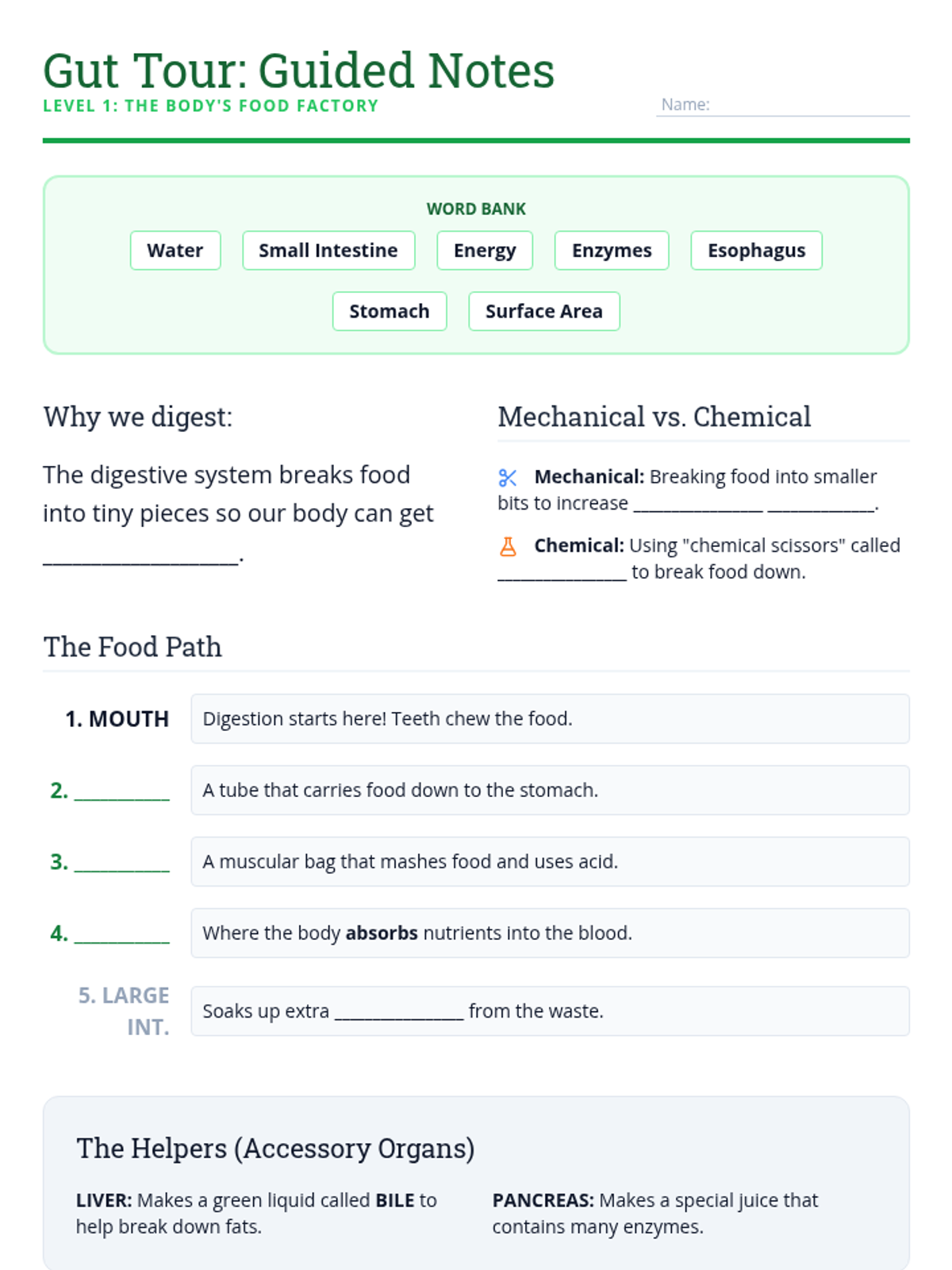
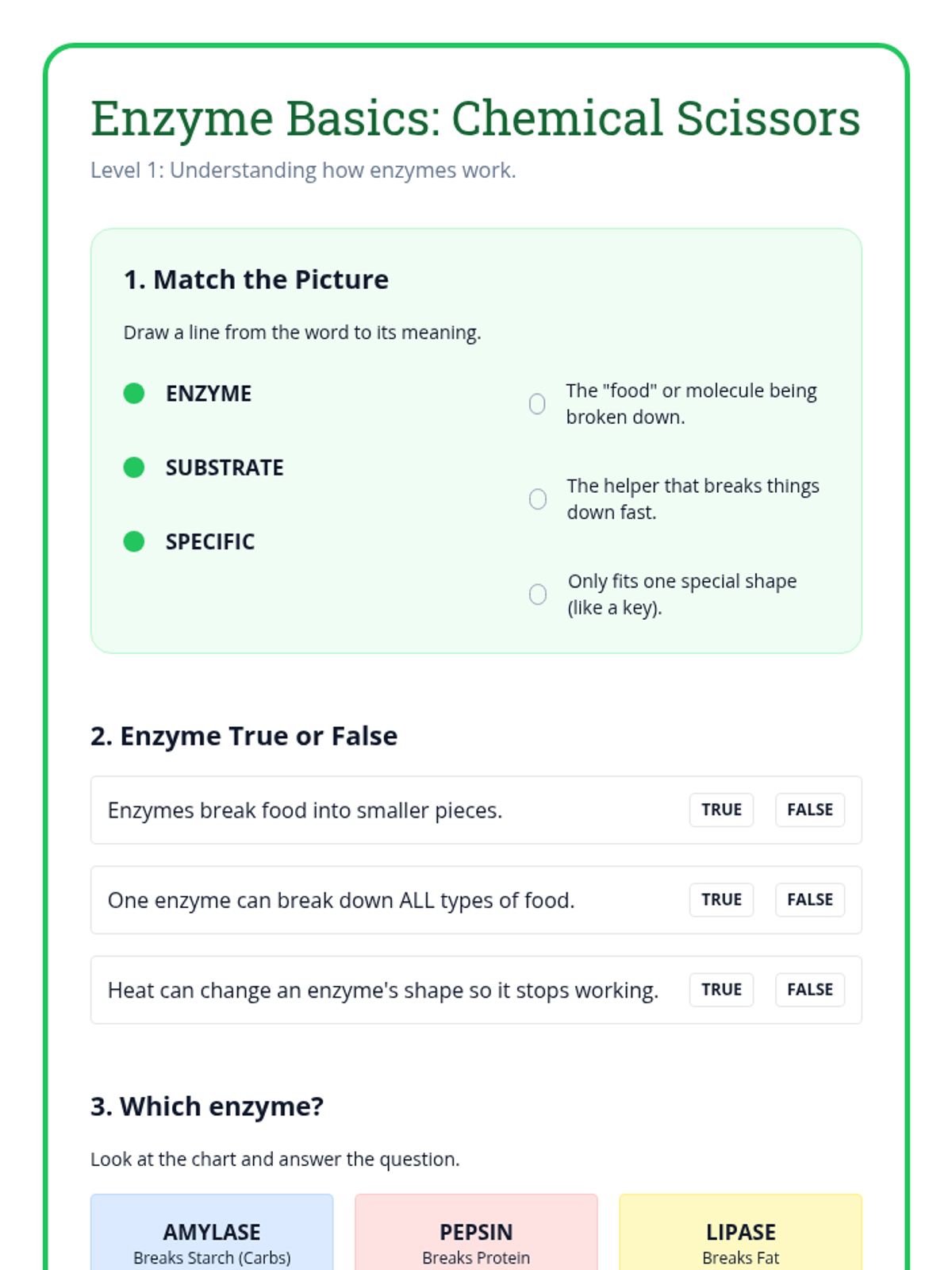
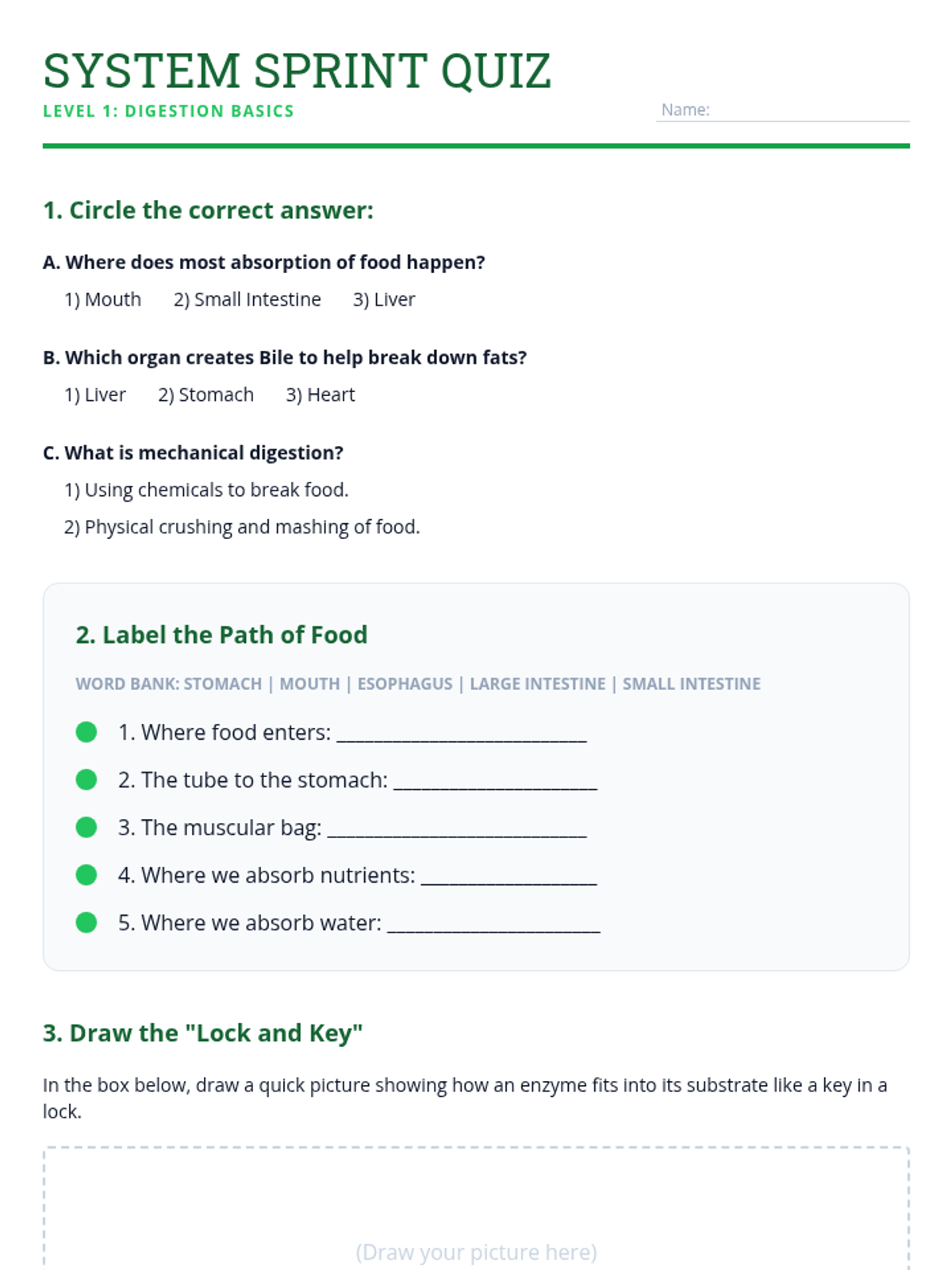
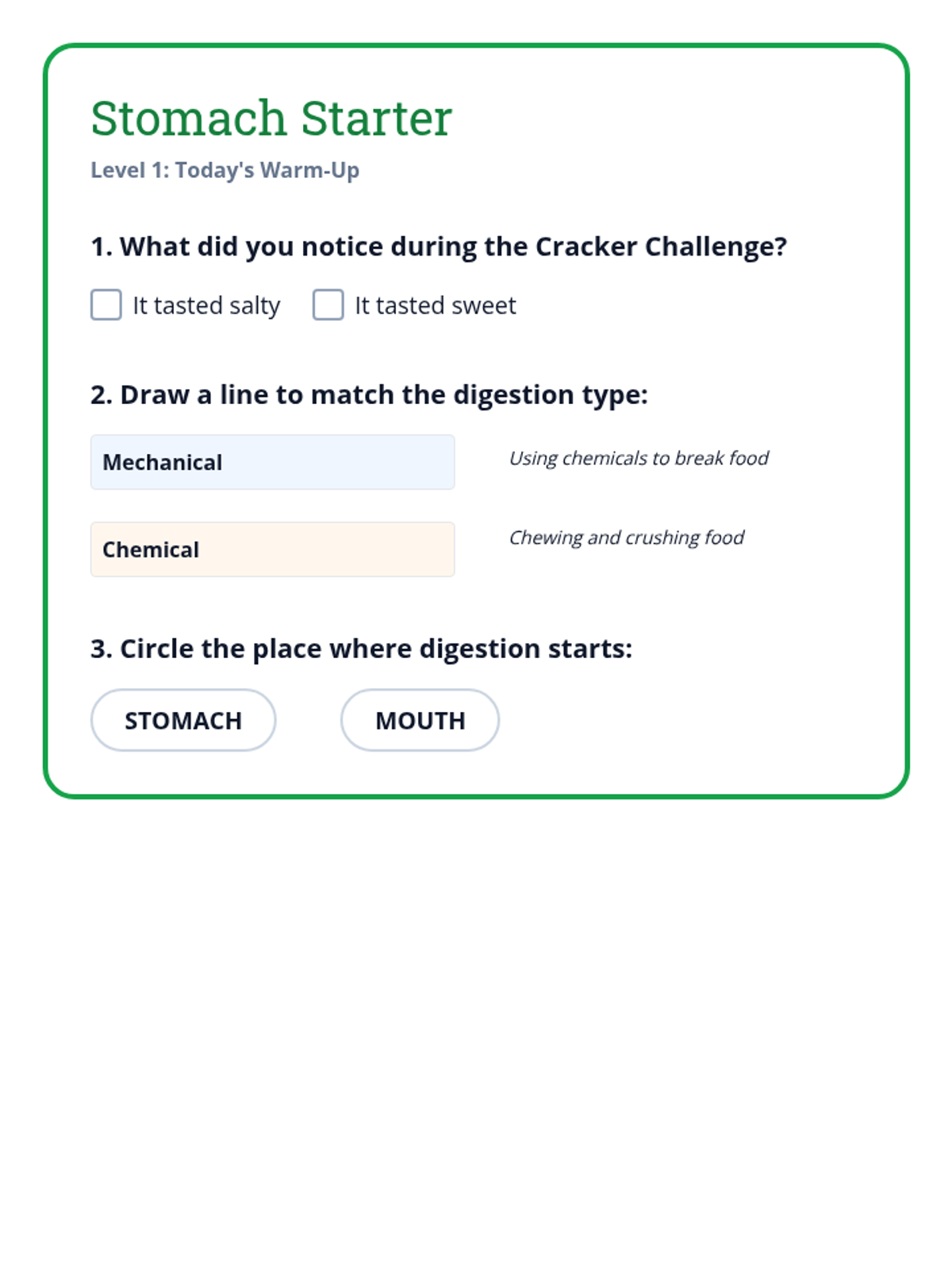
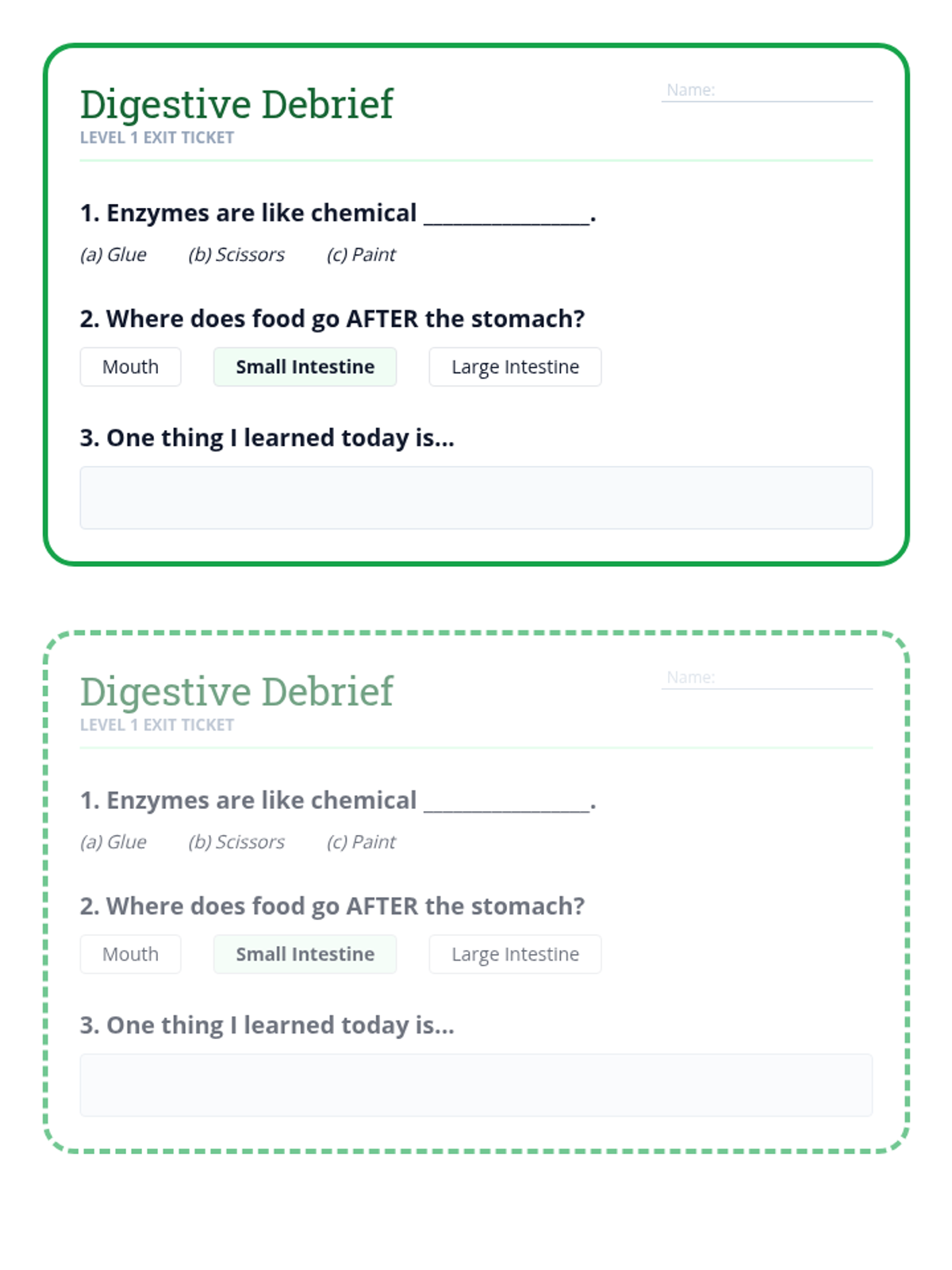
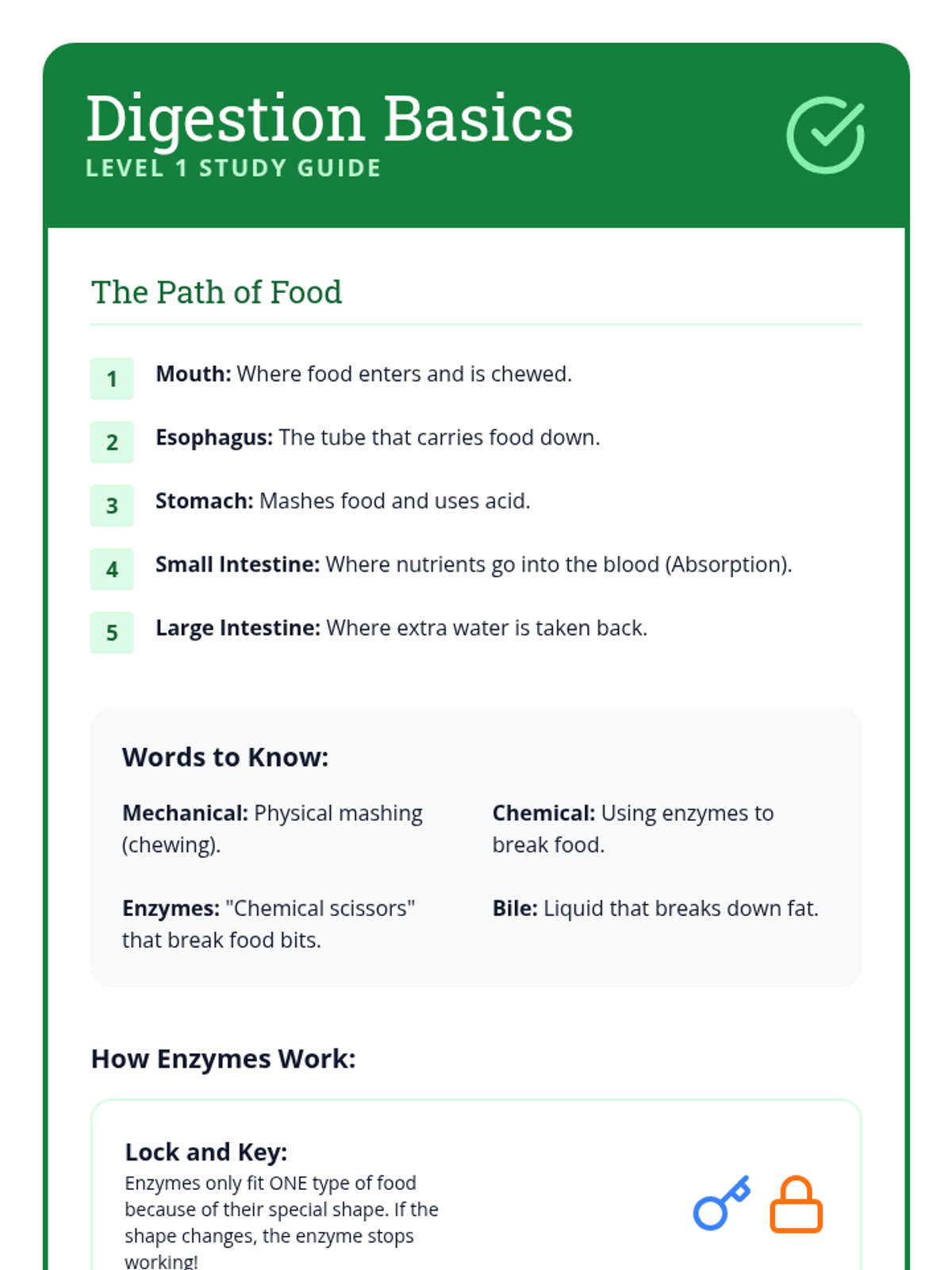
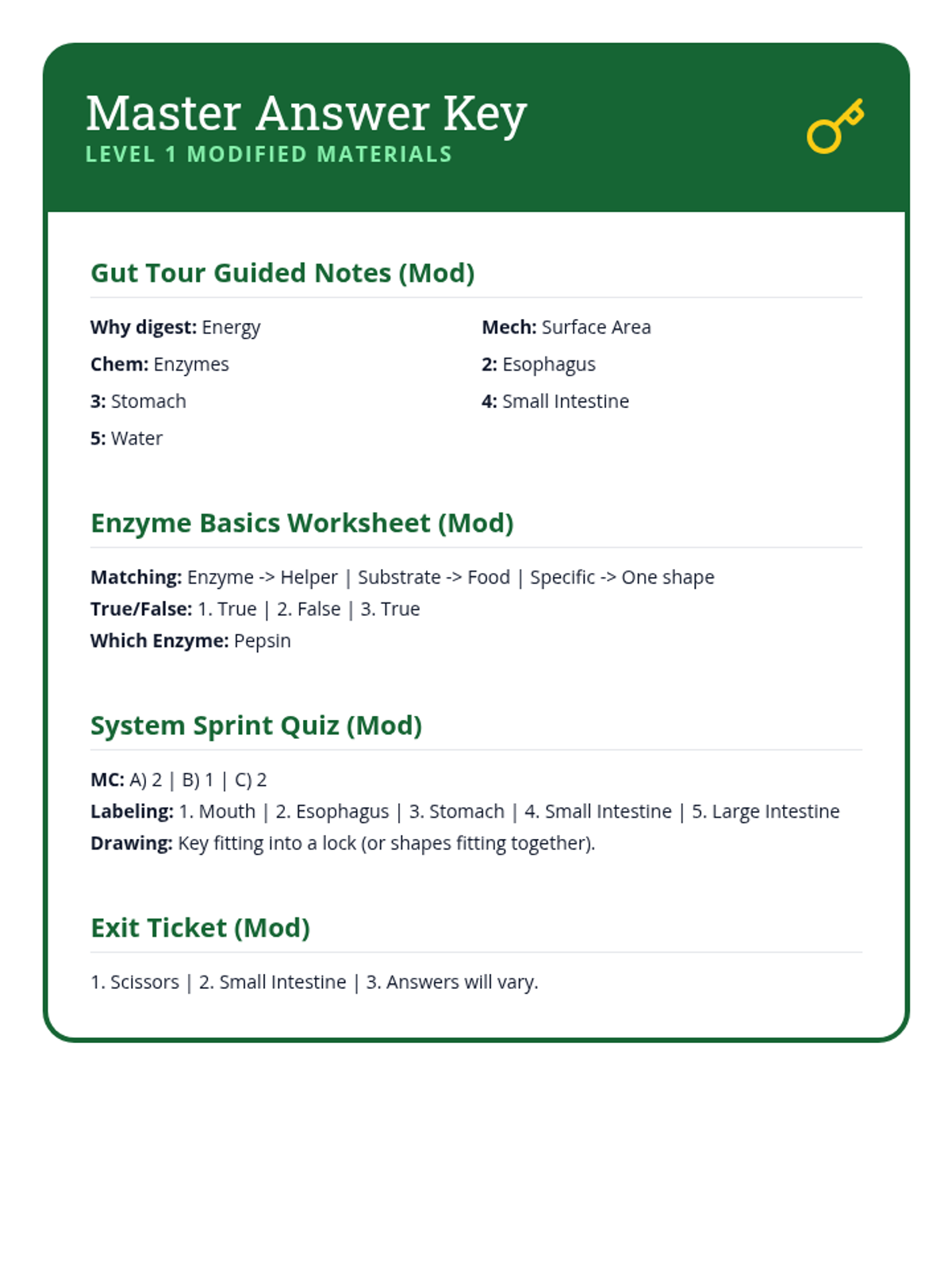
A comprehensive review lesson on the digestive system and enzyme function, focusing on the path of food, mechanical vs. chemical digestion, and enzyme specificity through interactive activities and guided notes.