A hands-on exploration of how matter can change through heating and cooling. Students act as 'Change Detectives' to identify which changes can be undone and which are permanent.
An energetic, hands-on introduction to conductors and insulators for 2nd graders, featuring the 'Zap & Trap' theme to help students understand how electricity moves or stays put.
A fun, playful building challenge for early learners. Small teams work together to build the tallest tower they can using simple materials, focusing on sharing, taking turns, and trying again.
An introduction to the concept of cycles in nature, focusing on the definition of a cycle and the repeating patterns of the seasons.
A 30-minute introductory lesson on closed syllable exceptions (ild, ind, old, ost, olt) using a secret agent theme. Students identify, read, and write 'Rule Breaker' words that have long vowels despite being in closed syllables.
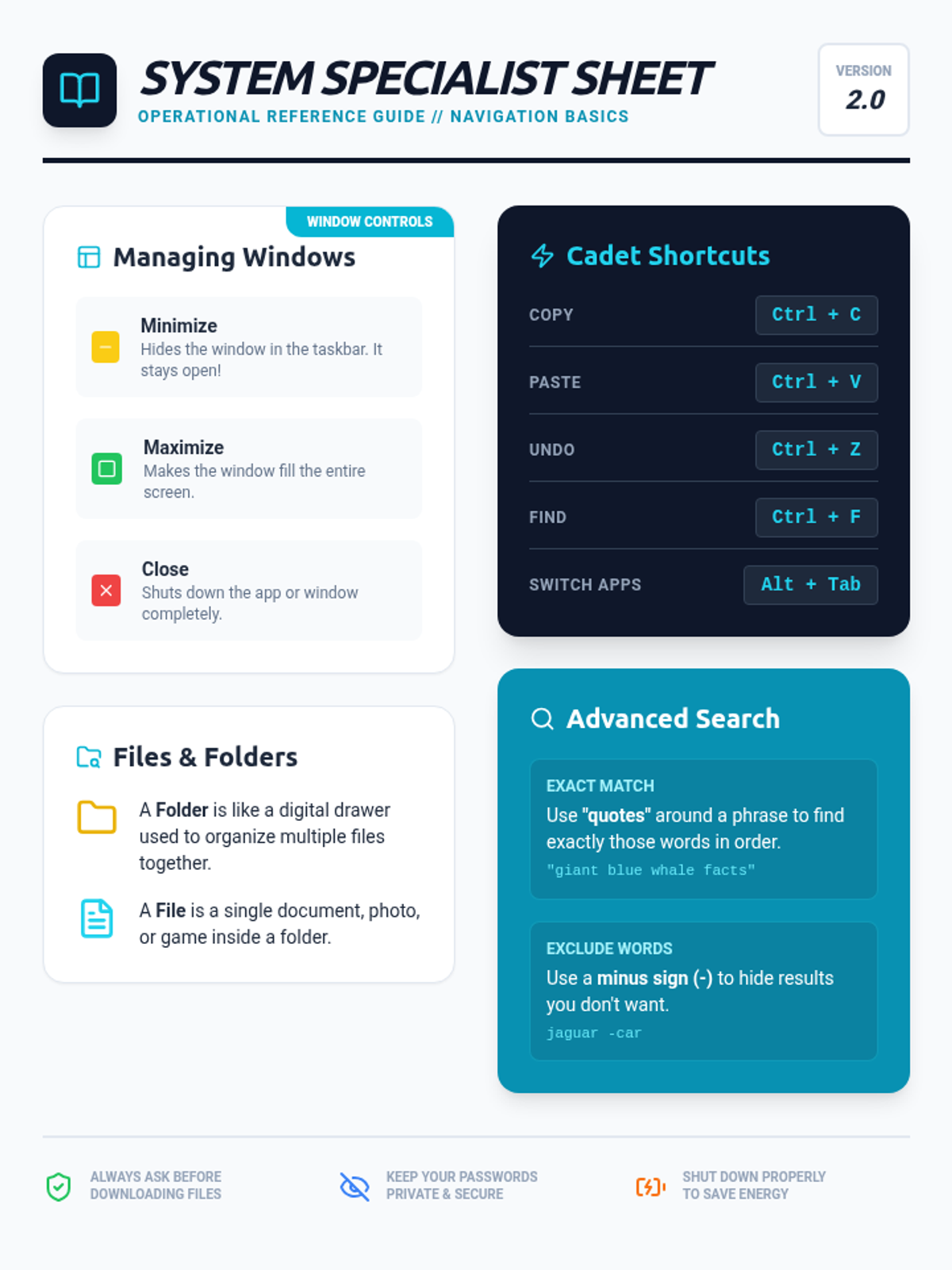
An introductory lesson on Microsoft Word basics, covering document creation, saving, text formatting, and clipboard actions (copy/cut/paste). Students will learn through a 'Word Wizardry' theme, transforming technical skills into creative magic.
A lesson focused on the basics of genetic inheritance and how traits are passed from parents to offspring, designed for students with a 2nd-grade reading level.
A series of feedback and reflection tools for students, parents, and teachers to evaluate learning after completing the Wild Adventure project. It uses an explorer theme to make the assessment process engaging and collaborative.
A hands-on lesson exploring the relationship between water level and volume, teaching students how to observe, measure, and compare how much liquid a container holds.
A fun, introductory lesson for second graders to distinguish between physical computer hardware and the digital programs that make them run. Students will explore examples of both through visual aids and hands-on classification.
A quick 30-minute introduction to the skeletal system, focusing on its main functions and the names of key bones in the human body. Students will explore how their 'internal frame' helps them move and stay protected.
A lesson exploring the diverse animals that call trees their home, focusing on identification and the specific parts of the tree they inhabit.
Students explore the ecosystem beneath the forest floor, focusing on animals that create tunnels and live among tree roots.
A lesson exploring the characteristics, classification, and social behavior of prehistoric Sabertooth cats.
A 30-minute independent writing lesson for 2nd graders to explore the role of pollinators in our ecosystem, featuring a word bank and descriptive writing prompts.
Students will learn about the vital role of pollinators in our ecosystem through a short reading passage and independent comprehension activities.
A lesson introducing students to various ecosystems through vocabulary and visual identification. Students will learn the key characteristics of different biomes including forests, deserts, and oceans.
An outdoor exploration where students become 'Baby Detectives' to find and observe different types of babies in nature, including human, animal, and plant life. Students will learn that all living things start small and require care and specific environments to grow.
Students will identify the five sense organs and explain how they help humans perceive and interact with the world around them through reading and assessment.
An introductory lesson for K-2 students focusing on the major bones of the human body and their primary functions through movement and visual labeling.
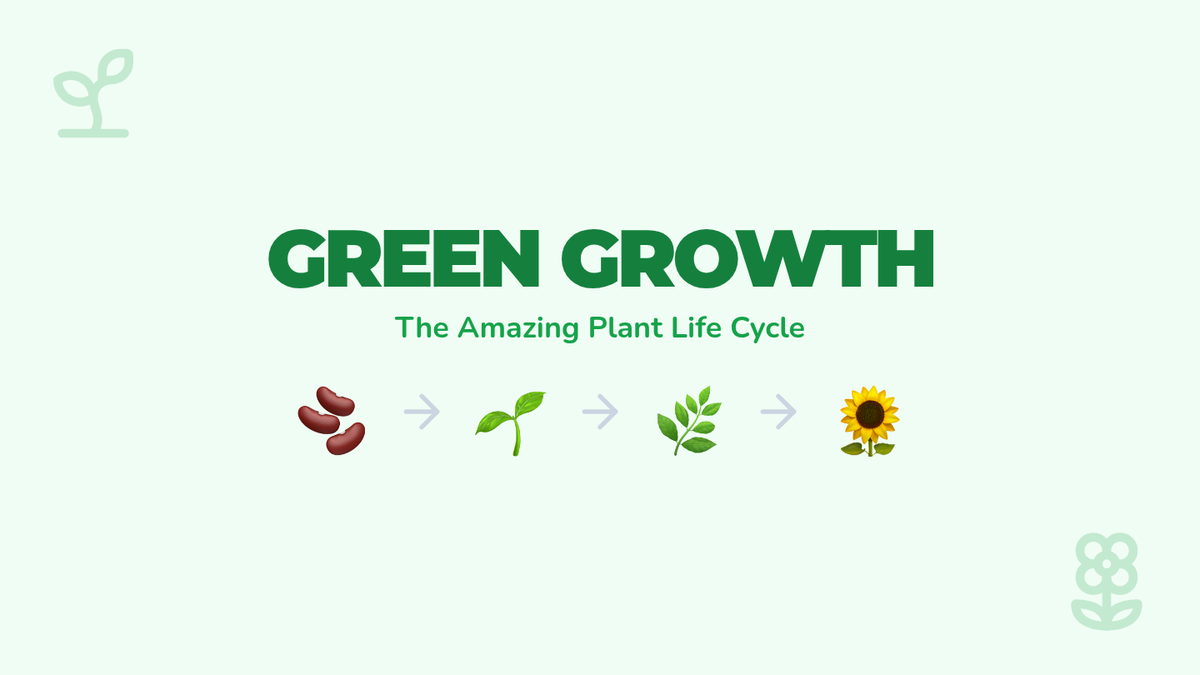
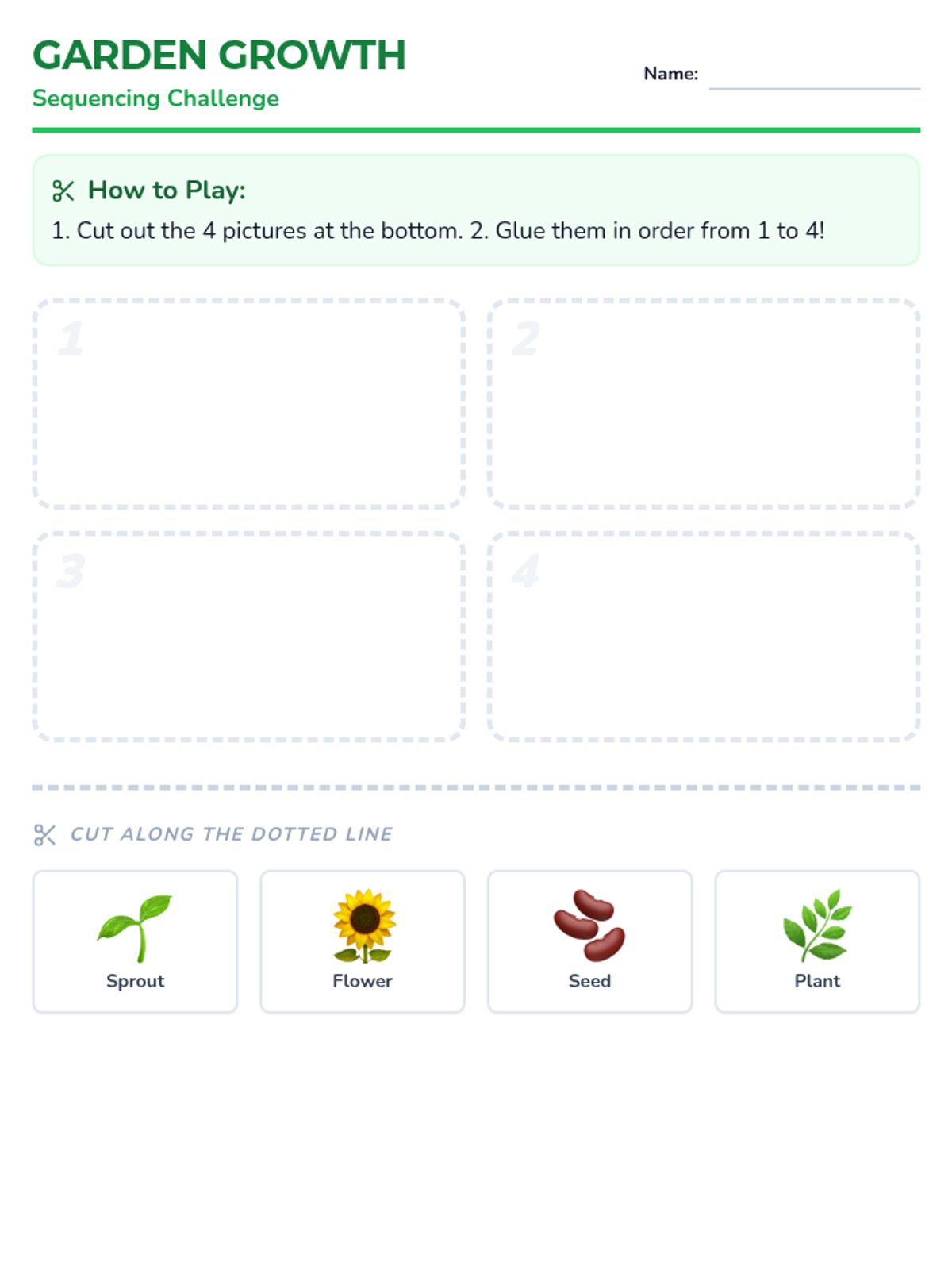
A comprehensive set of materials designed for MCAS-Alt portfolios, focusing on the plant life cycle (birth, growth, reproduction, and death) through sequencing and model-building.
A comprehensive resource set for teaching and assessing the flow of matter in ecosystems, specifically designed for MCAS-Alt data collection. Students will identify roles (producer, consumer, decomposer) and build models of energy flow using food chains.
Explore the fascinating world of birds that have traded flight for other incredible skills in this engaging introductory lesson.
A hands-on project where students explore their own traits and talents. Students will document their unique 'code' and present their findings through a structured project guide.
Focuses on summarizing Kamal's story and digging deeper into character feelings. Students will compare literal text with implied meaning and practice identifying the main idea and key supporting details.
Students will define and distinguish between inherited traits (hair color, eye color) and talents (singing, sports) using Kamal's story as a guide. They will use a graphic organizer to categorize these features and complete a varied question worksheet.
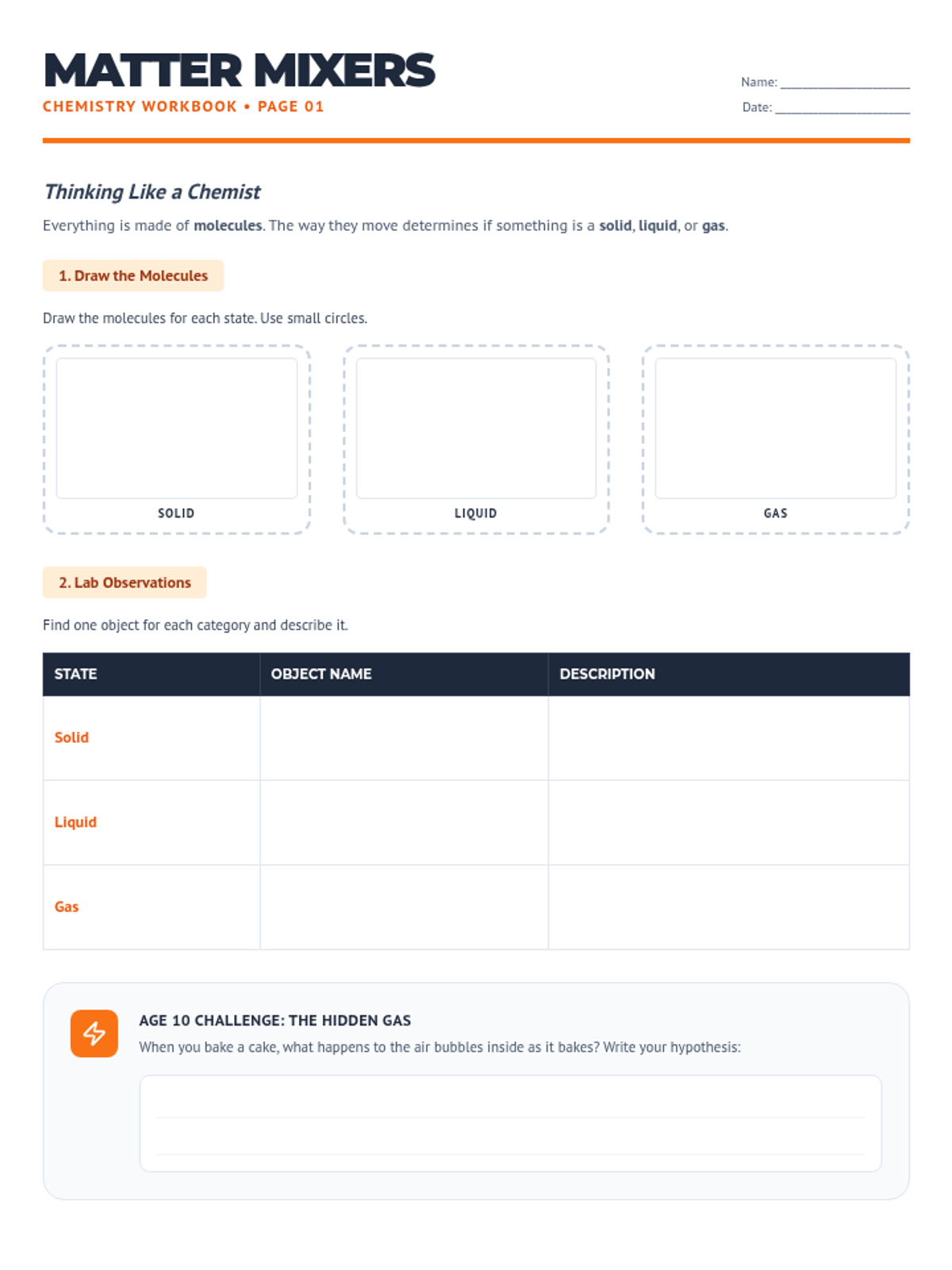
A visual, snowman-themed lesson designed for autistic elementary students to explore the three states of matter (solid, liquid, gas) through hands-on experimentation and clear visual aids.
A high-interest, low-complexity lesson designed for LIFE students focused on identifying basic insect anatomy and creating a unique bug through a project-based drawing and writing activity.
A comprehensive lesson focusing on identifying and summarizing the physical properties of rocks, minerals, soil, and water through hands-on exploration.
An interactive sorting activity where students categorize various objects into solids, liquids, and gases. This hands-on game uses visual cues to reinforce the fundamental properties of the states of matter.
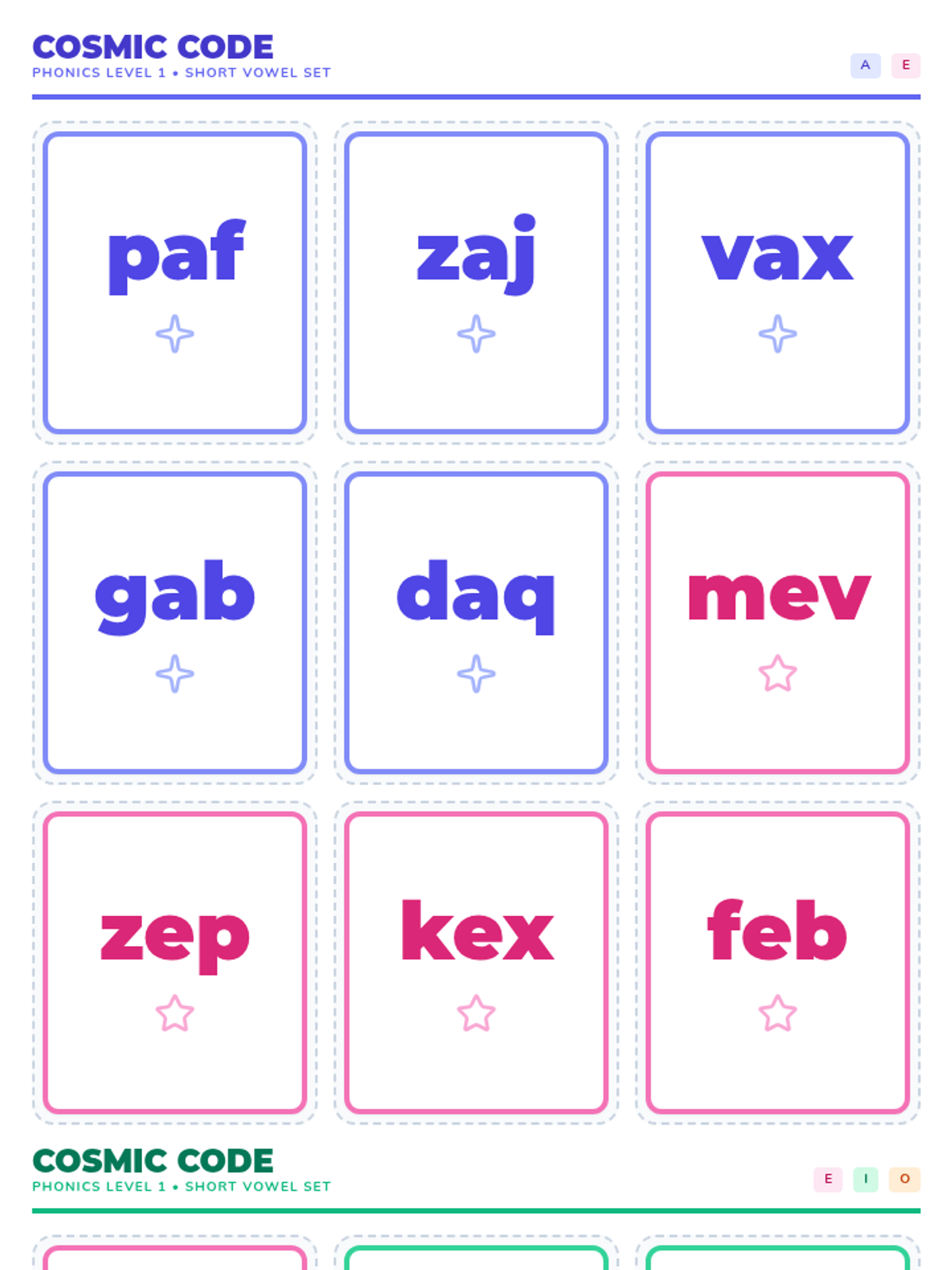
A set of engaging memory cards and supporting materials designed to help students master two-syllable words where both syllables are open. Students will match syllable pairs to form complete words, reinforcing phonics and decoding skills.