A comprehensive lesson exploring the sense of sight through a detailed reading passage and STAAR-aligned comprehension questions designed for second grade.
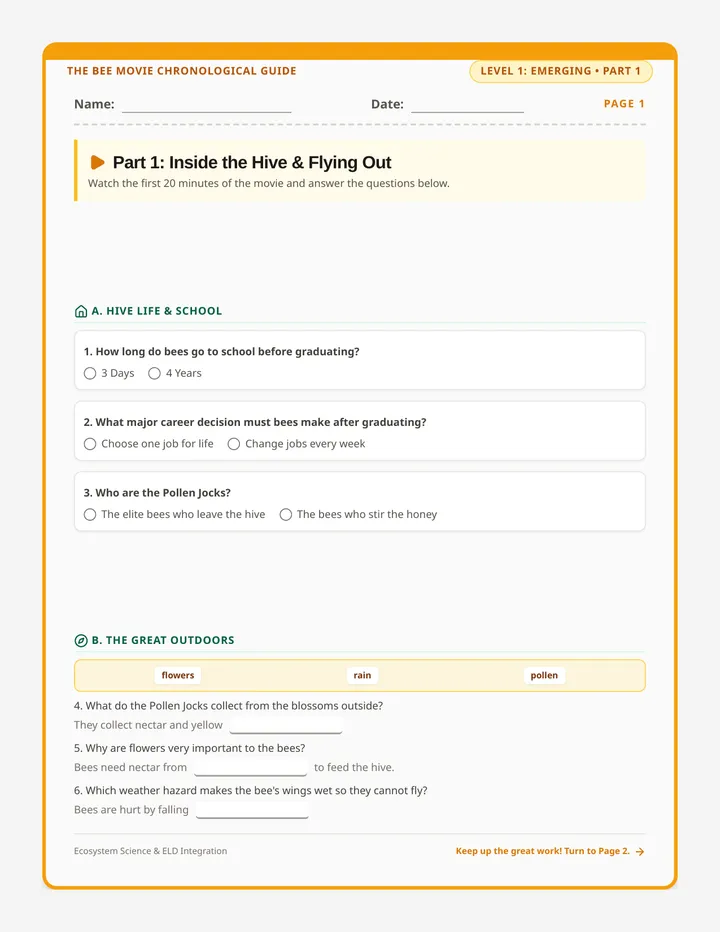
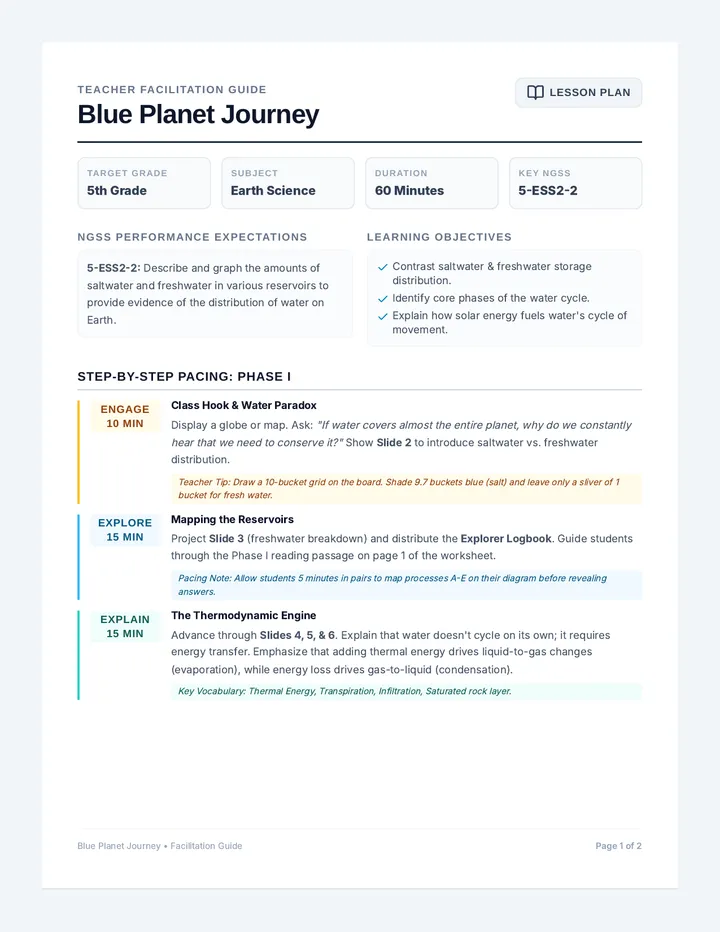
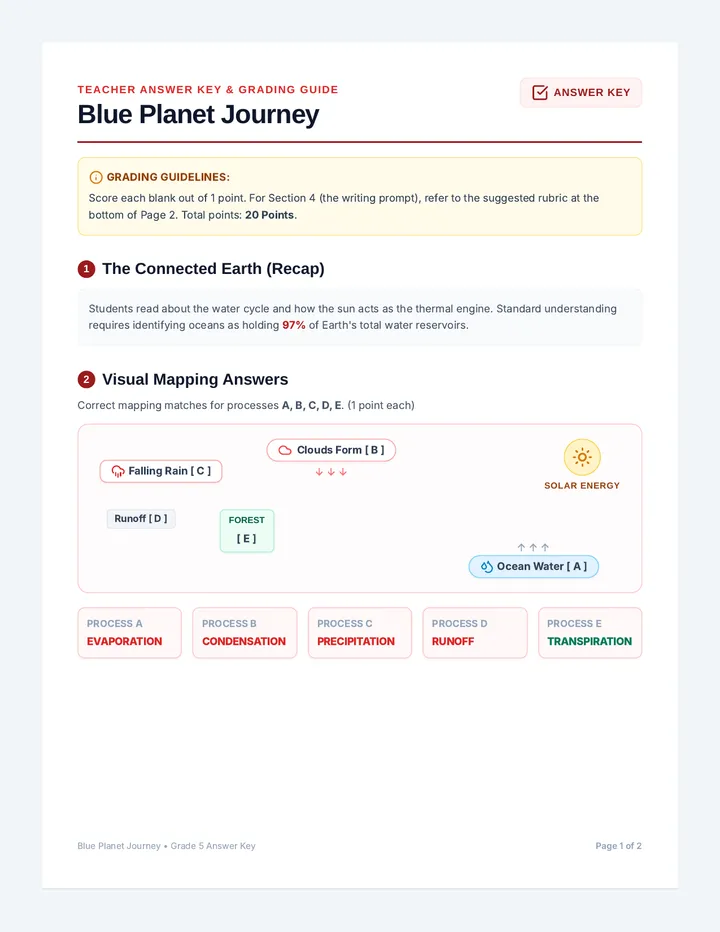
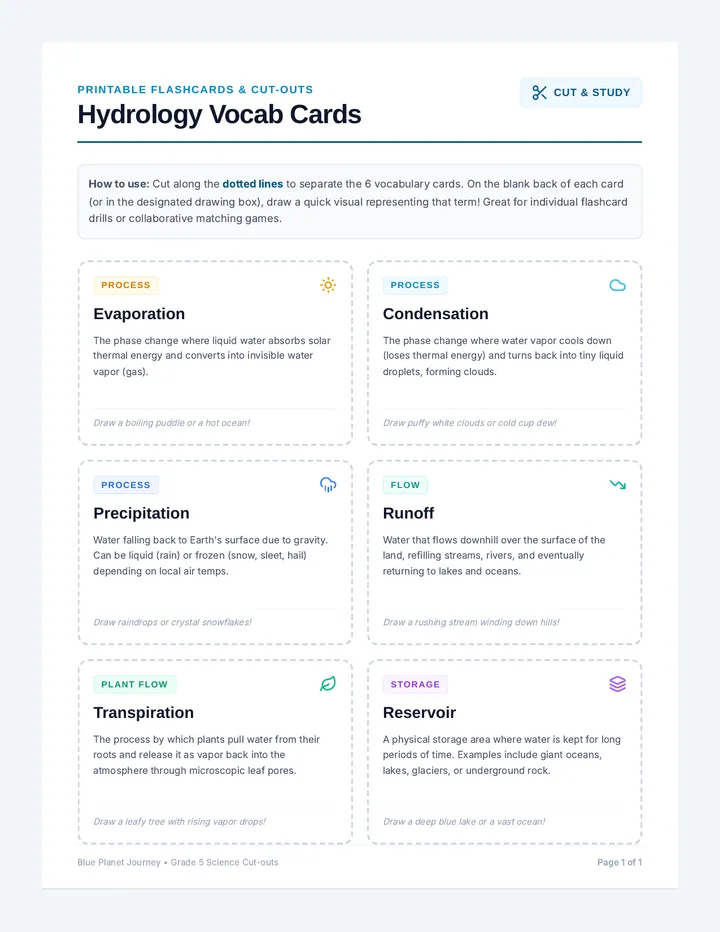
Discover the structure of watershed systems, the importance of the Chesapeake Bay, and how human activity impacts water quality.
Investigate the chemical nature of water through pH testing, exploring acidity, alkalinity, and how water's role as a solvent impacts life and the environment.
Explore the unique molecular properties of water, including cohesion, adhesion, and surface tension, through the 'Penny Power' lab and interactive demonstrations.
Una sesión práctica de 60 minutos que integra los fundamentos de la programación orientada a objetos en Python con la persistencia de datos mediante el manejo de archivos (File I/O).
A comprehensive guide and evaluation system for elementary students conducting science research projects. Includes a student-friendly rubric, a teacher grading sheet, and instructional slides to set students up for success.
A master's level exploration of the Bishop et al. (2023) paper on carbonate submarine fans, focusing on facies analysis, architectural elements, and depositional models in the Mississippian Lake Valley Formation.
A phonics-focused lesson where students identify and sort 2-syllable words based on whether their first syllable is open or closed. Includes a hands-on cut-and-paste activity with a space exploration theme.
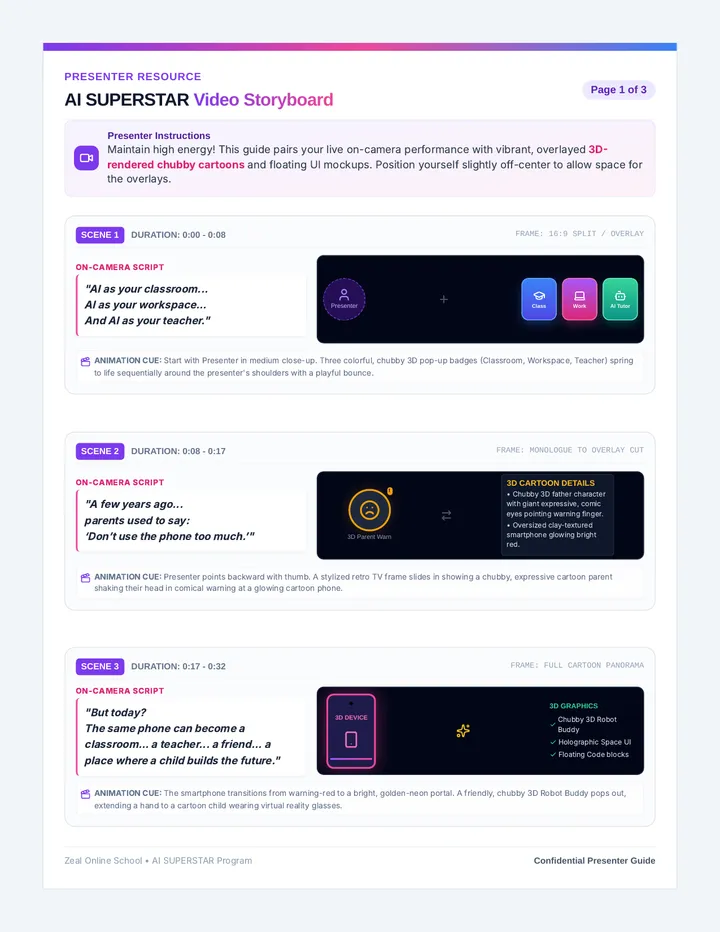
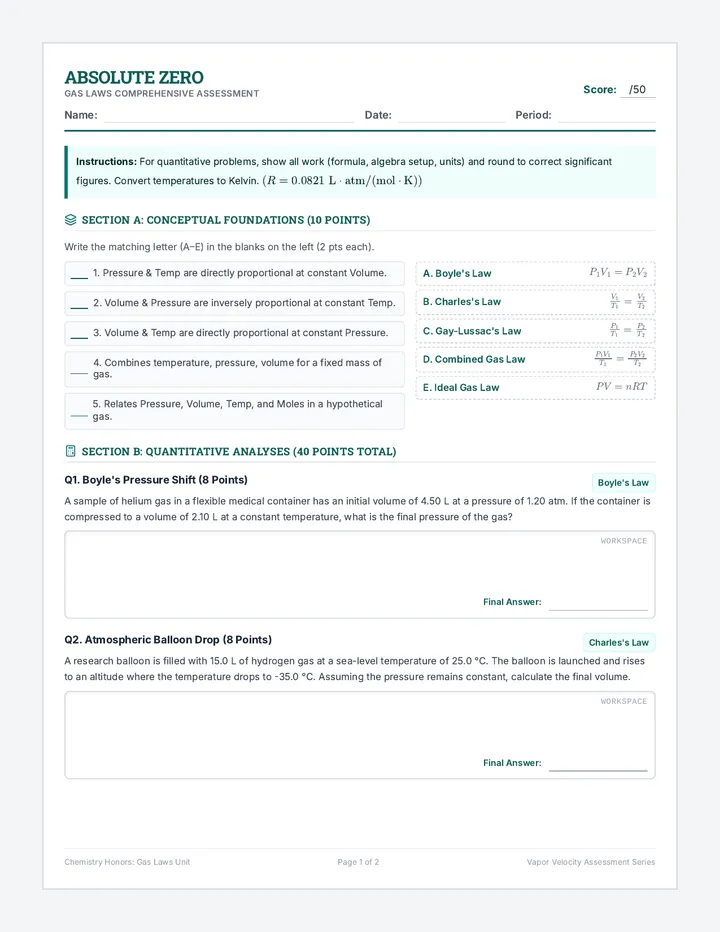
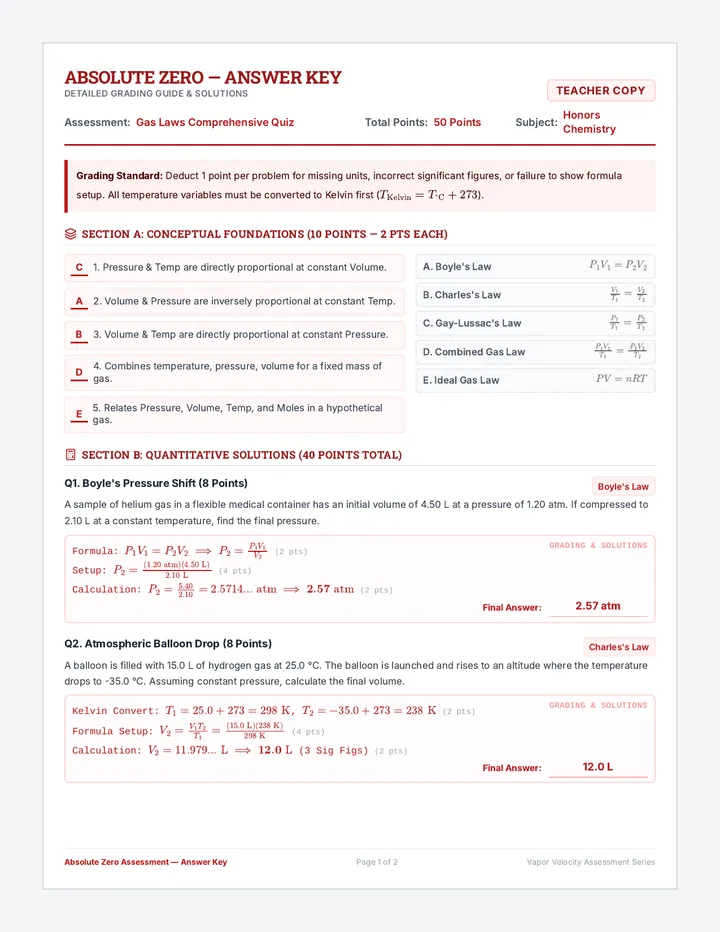
A focused lesson on the fundamental laws of electricity, covering Ohm's Law for circuits and Coulomb's Law for electrostatic forces through conceptual analysis and calculation practice.

A hands-on introduction to algorithmic thinking for K-2 students, using the metaphor of recipes to explain how computers follow specific sequences of instructions.
A comprehensive biology lesson covering genetics (transcription/translation), evolutionary classification, and ecological succession, designed to mirror the rigor and format of the Texas EOC.
Focused instruction on identifying main idea, comparing and contrasting texts, and determining story themes.
Techniques and materials to improve reading rate, accuracy, and expression for developing readers.
Tools for decoding multi-syllabic words and understanding how prefixes and suffixes change word meaning.
Strategies and practice for solving single-step and multi-operational word problems across all four basic operations.
Resources for mastering addition, subtraction, multiplication, and division facts, including specific materials for fact families and levels up to 10 and 20.
This lesson compares linear and angular motion through a multi-part reading assignment, including an informational article, a textbook excerpt, and a case study. Students will identify key formulas and physical principles.
An introductory lesson for 2nd graders on observing and recording daily weather patterns, featuring hands-on activities and data collection.
A foundational science lesson exploring the three primary states of matter—solids, liquids, and gases—through reading, visual aids, and interactive observation.
Cette séance de 2 heures permet aux élèves de distinguer qualification et compétence, d'analyser l'impact des conditions de travail sur le comportement des salariés et de mesurer la performance de l'activité humaine via des indicateurs de productivité et de climat social.
A comprehensive introduction to cybersecurity for secondary students, focusing on threat identification, personal data protection, and safe online habits through case studies and practical protocols.
A comprehensive investigation into thermal energy transfer (conduction, convection, and radiation) for 4th-grade students, featuring hands-on experiments and standards-based assessment.
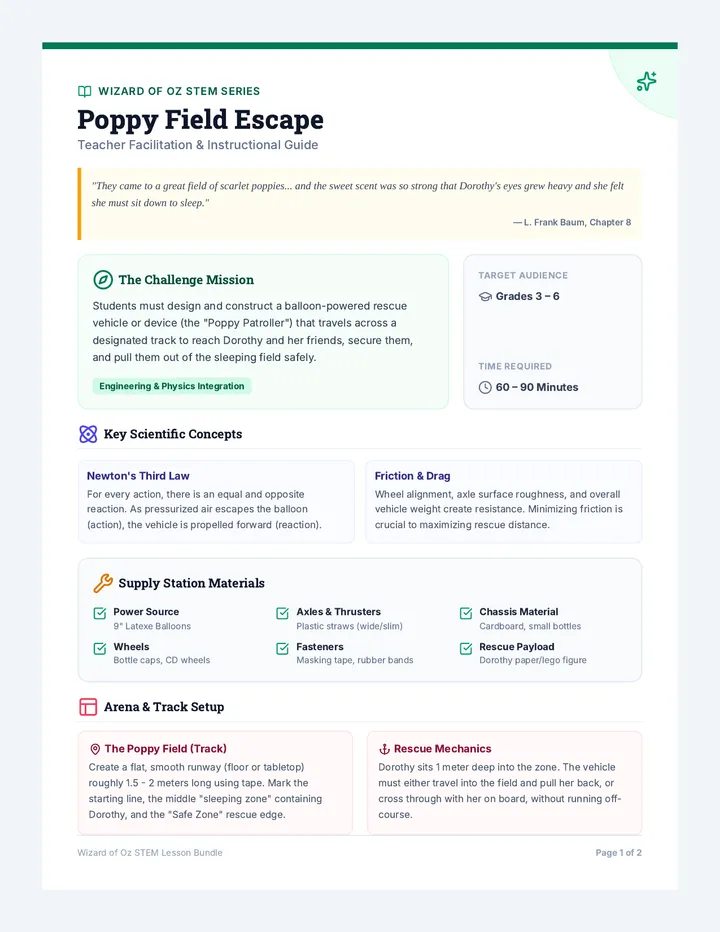
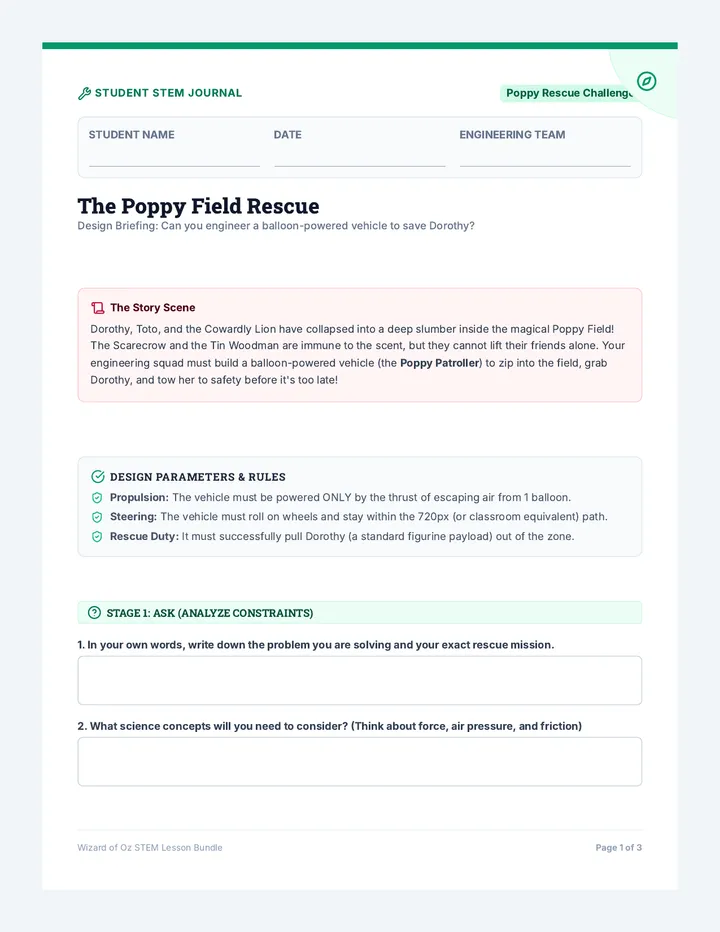
Combining electricity and magnetism to create a temporary magnet. Students follow instructions to build their own electromagnet using a battery, wire, and nail.
Identifying the path electricity takes. Students differentiate between conductors that let electricity pass and insulators that stop it, while building basic circuits.
Exploring the invisible forces of magnets. Students learn about poles (North and South) and how magnetic fields create attraction and repulsion.
Introduction to what electricity is and how it moves through wires. Focuses on the concept of energy flow and simple 'push' and 'pull' analogies.
An introduction to biomimicry for 1st Grade students, exploring how plants and animals inspire human inventions through interactive slides and creative worksheets.
An energetic, hands-on introduction to conductors and insulators for 2nd graders, featuring the 'Zap & Trap' theme to help students understand how electricity moves or stays put.
A hands-on exploration of how matter can change through heating and cooling. Students act as 'Change Detectives' to identify which changes can be undone and which are permanent.
A comprehensive lesson introducing K-1st grade students to debugging through the lens of Kodable. Students identify, circle, and fix errors in directional code sequences to help their Fuzz friends navigate grids.
Understanding how digital information is sent via binary code and assessing student knowledge of these concepts.
Exploring programming logic through loops and creating a project guide for a drone delivery program.
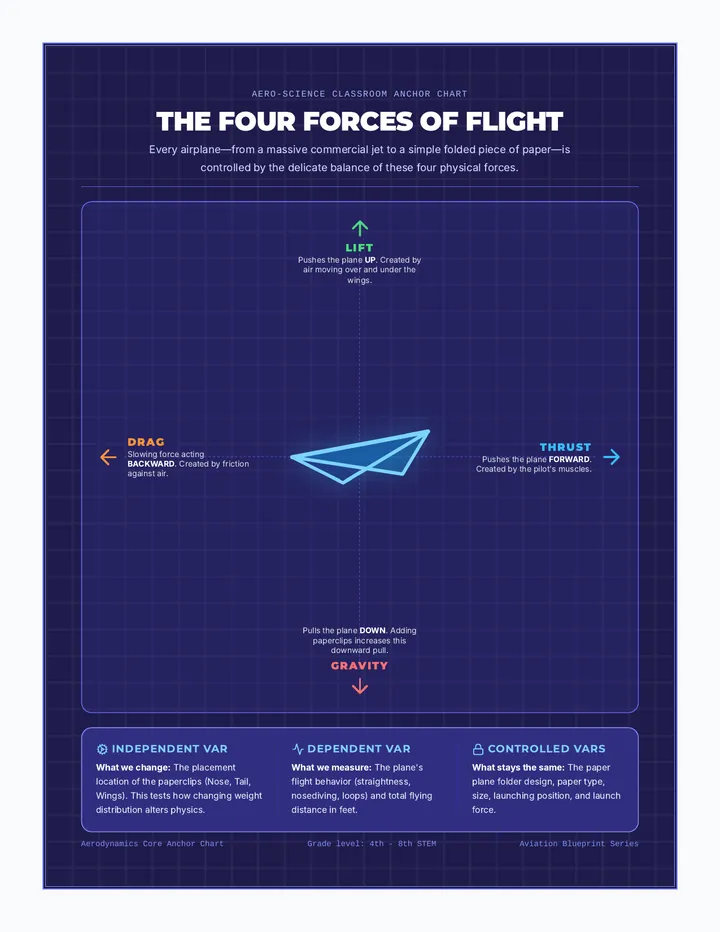
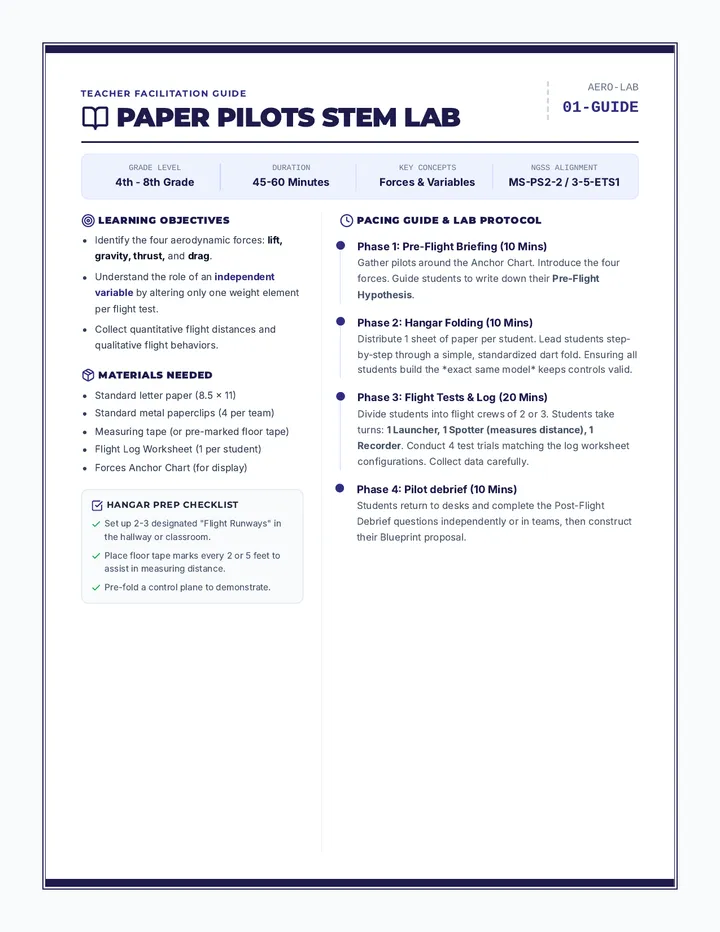
Introduction to the forces of flight and key terminology used in both aeronautics and computer science for disaster relief missions.
A highly visual lesson designed for WIDA Level 1 ELs, focusing on the phases of mitosis and the process of cell division using simplified language and clear diagrams.
A fun, playful building challenge for early learners. Small teams work together to build the tallest tower they can using simple materials, focusing on sharing, taking turns, and trying again.
An introduction to the concept of cycles in nature, focusing on the definition of a cycle and the repeating patterns of the seasons.
This lesson advances 4th-grade students' spreadsheet skills, moving beyond basic data entry to explore sorting, formatting, and the power of simple formulas.
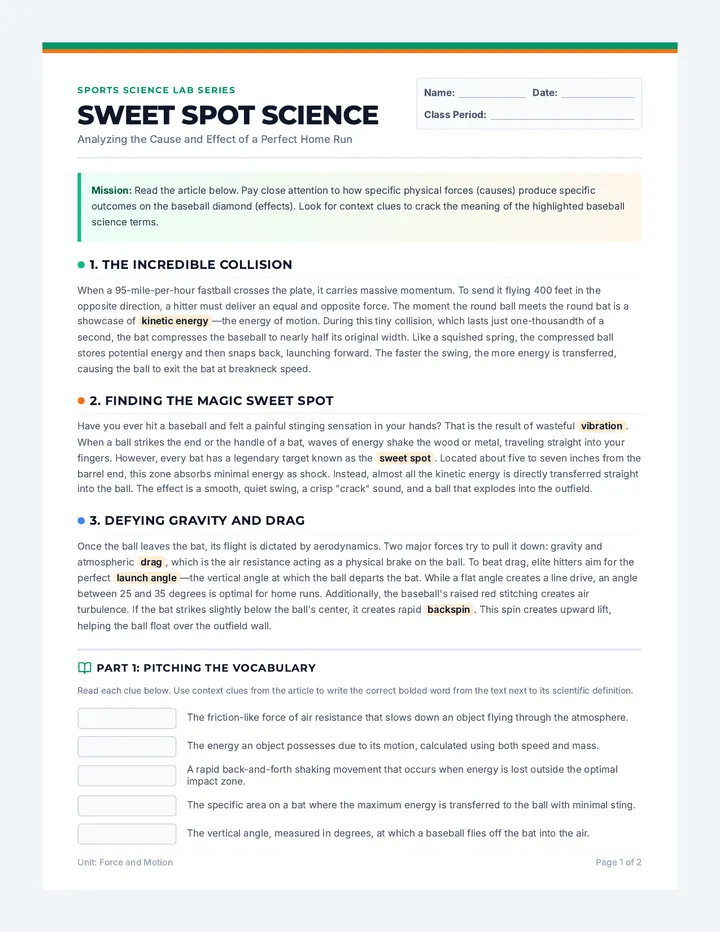
A comprehensive exploration of Simple Harmonic Motion, covering restoring forces, kinematic descriptions, and the conservation of mechanical energy in oscillating systems.
Covers the four gas and ice giants (Jupiter, Saturn, Uranus, and Neptune), along with dwarf planets and a final unit review.
Explores the Sun as our central star and the characteristics of the four inner terrestrial planets (Mercury, Venus, Earth, and Mars).
Focuses on the basic movements of Earth (rotation vs. revolution), the phases of the moon, and the basics of light waves as they relate to space exploration.
Cette leçon guide les élèves dans la conception d'une affiche publicitaire pour leur mini-entreprise, en se concentrant sur le passage du format A4 au format Raisin. Elle intègre des notions de français (titre, légendes) et de mathématiques (proportionnalité) dans un cadre professionnel immersif.
An assessment-focused lesson covering essential ecology concepts including energy flow, relationships between organisms, and human impact on ecosystems.