Introduces energy sources like the sun, wind, and fossil fuels, and how we use them to power our world using simple language.
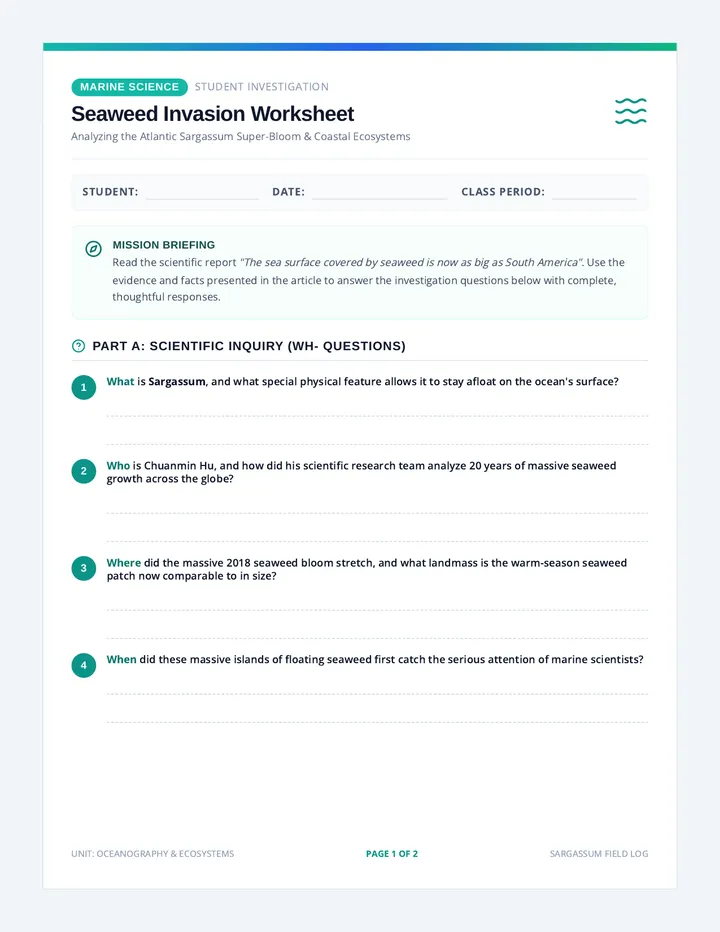
A science lesson investigating the massive Sargassum seaweed bloom stretching across the Atlantic Ocean. Students explore its ecological benefits in the open ocean, the hazards it poses to coastlines, and the human and environmental factors driving its growth.
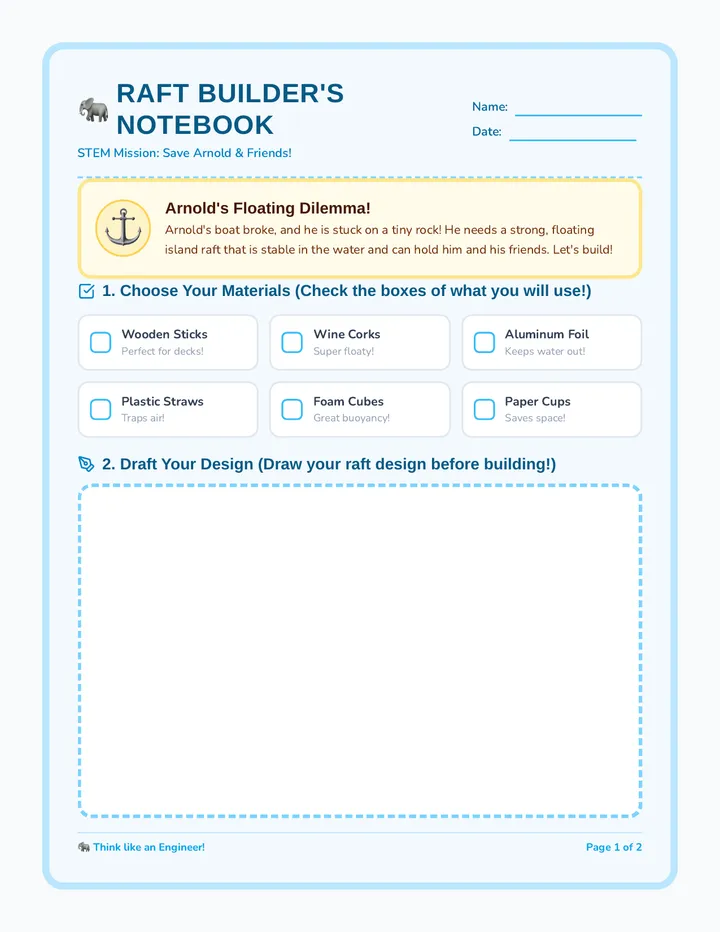
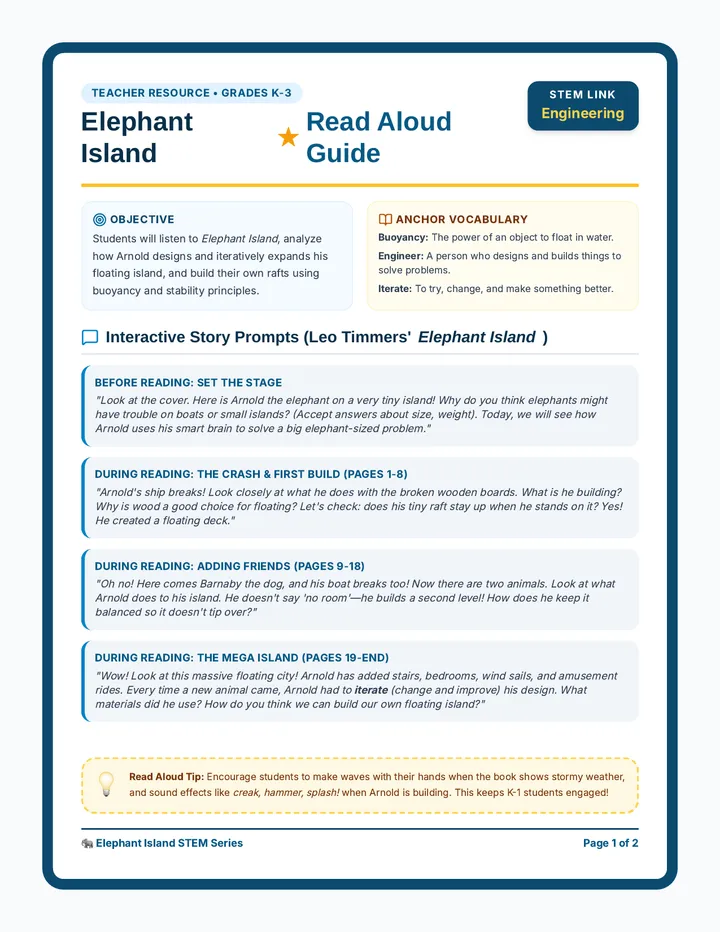
An interactive STEM challenge and read-aloud experience based on Leo Timmers' 'Elephant Island'. Students design and build floating island rafts to rescue Arnold and his friends.
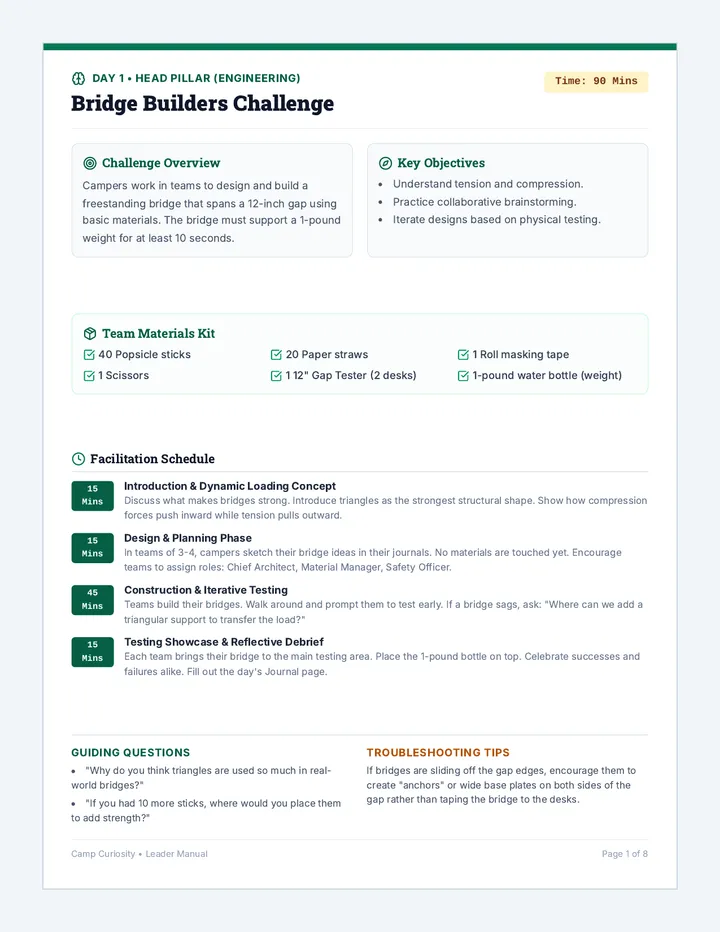
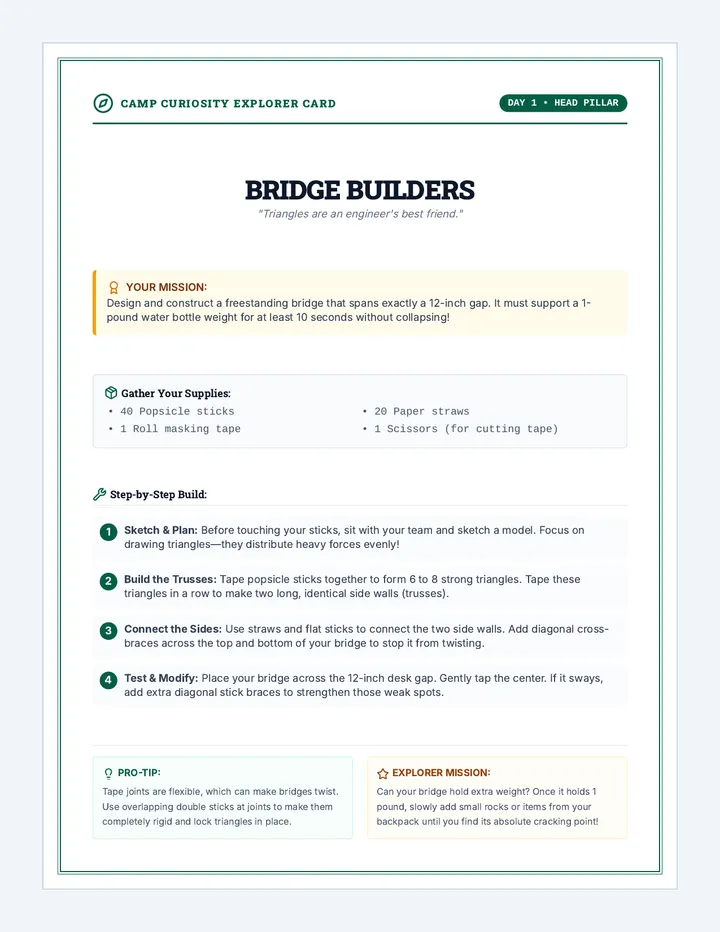
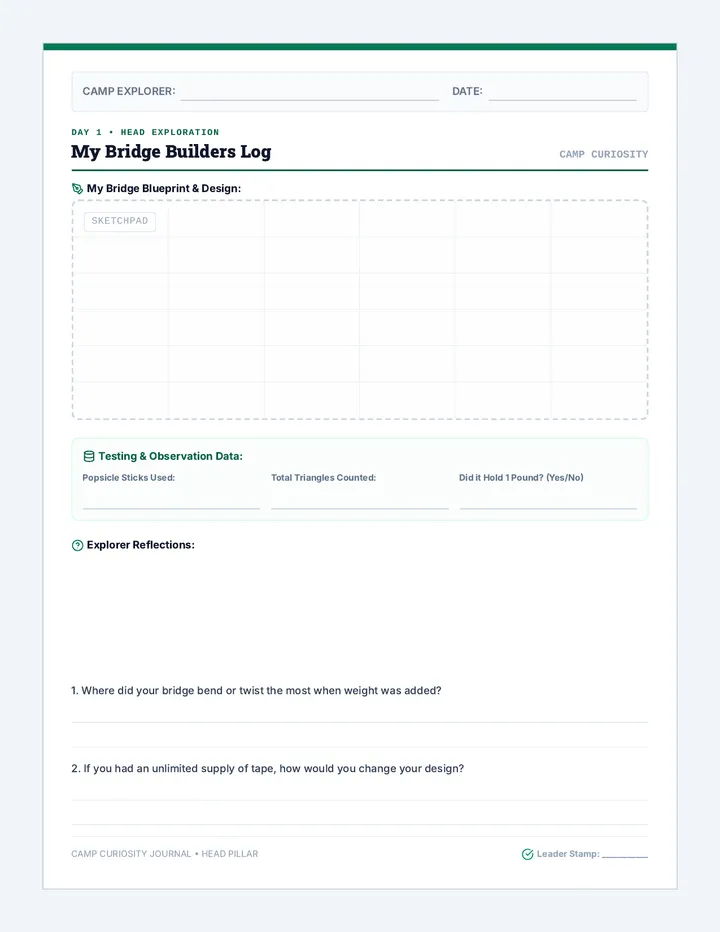
The complete 8-day camp program containing the comprehensive Teacher Manual, printable Challenge Task Cards, and the daily Student Camp Journal.
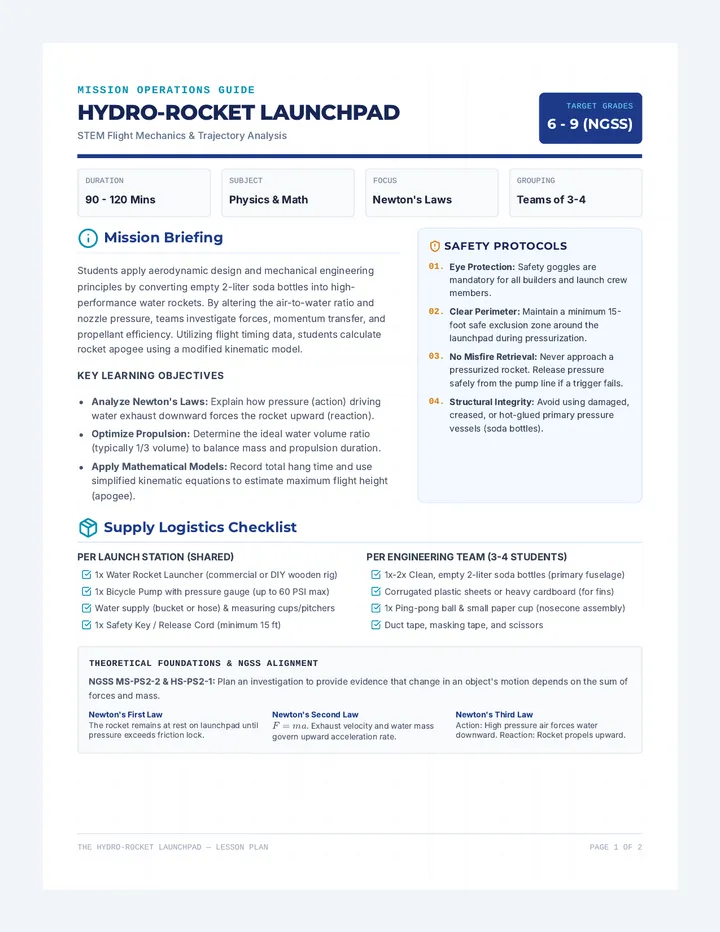
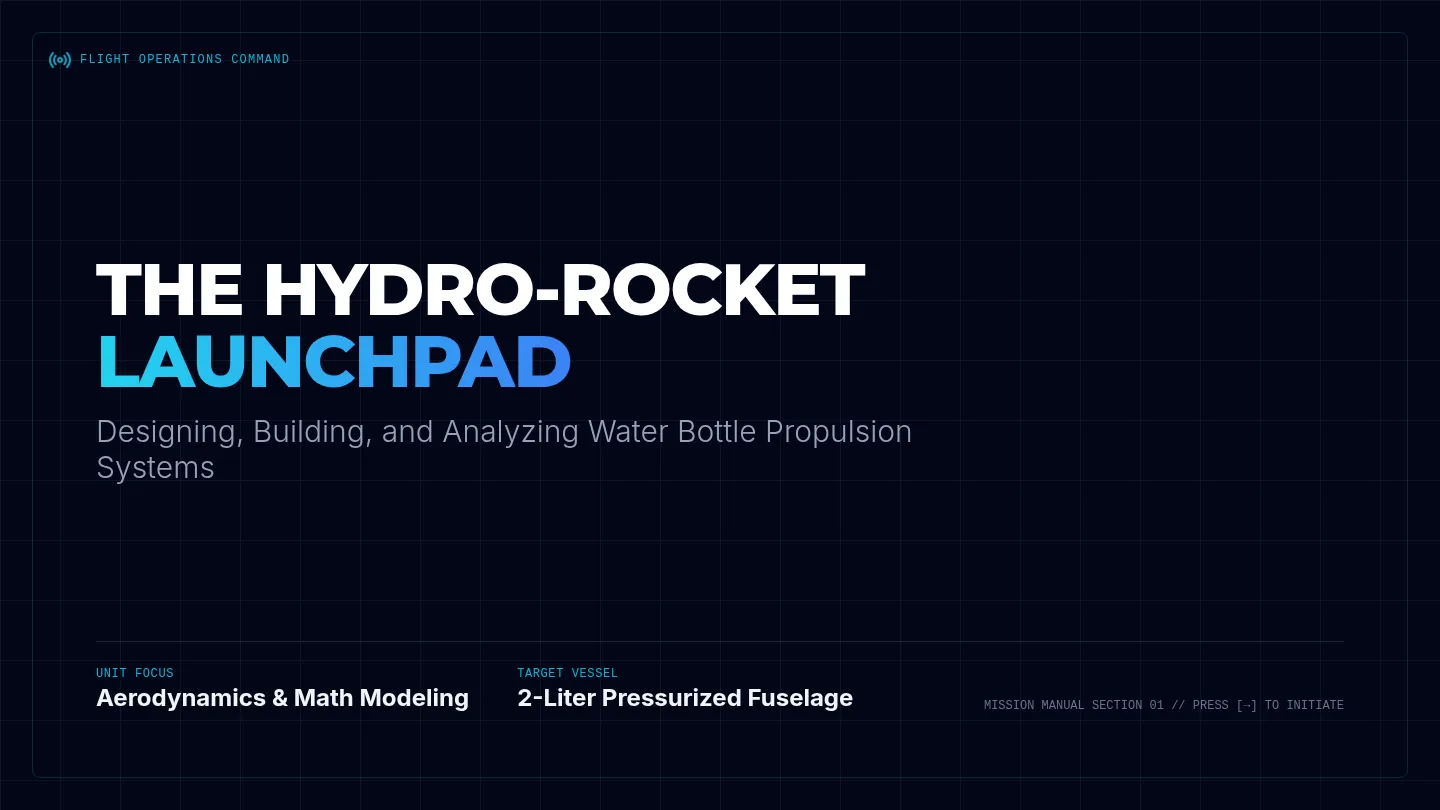
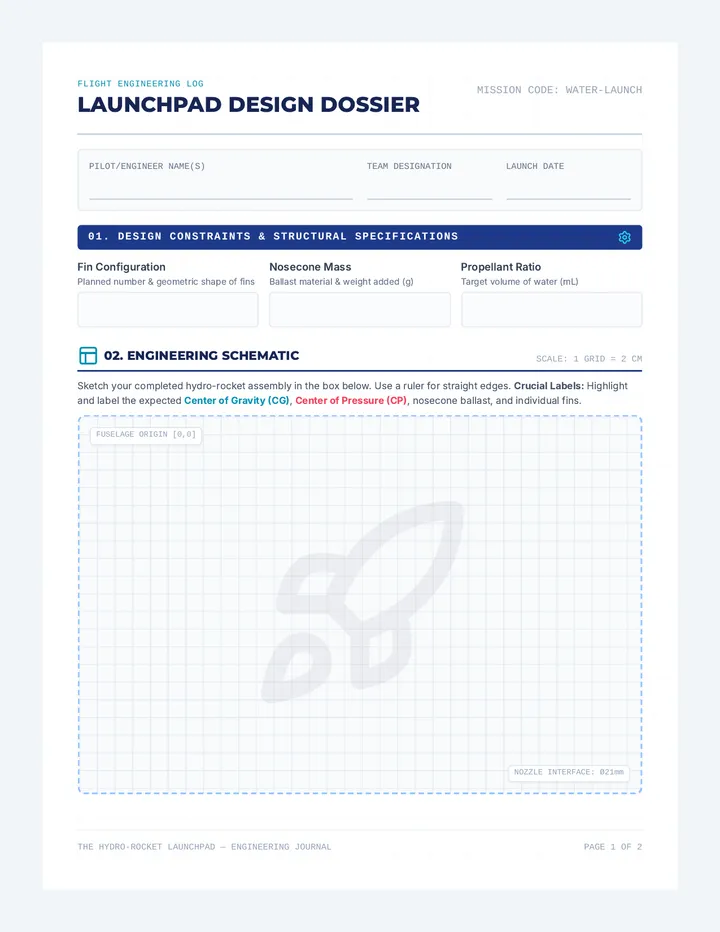
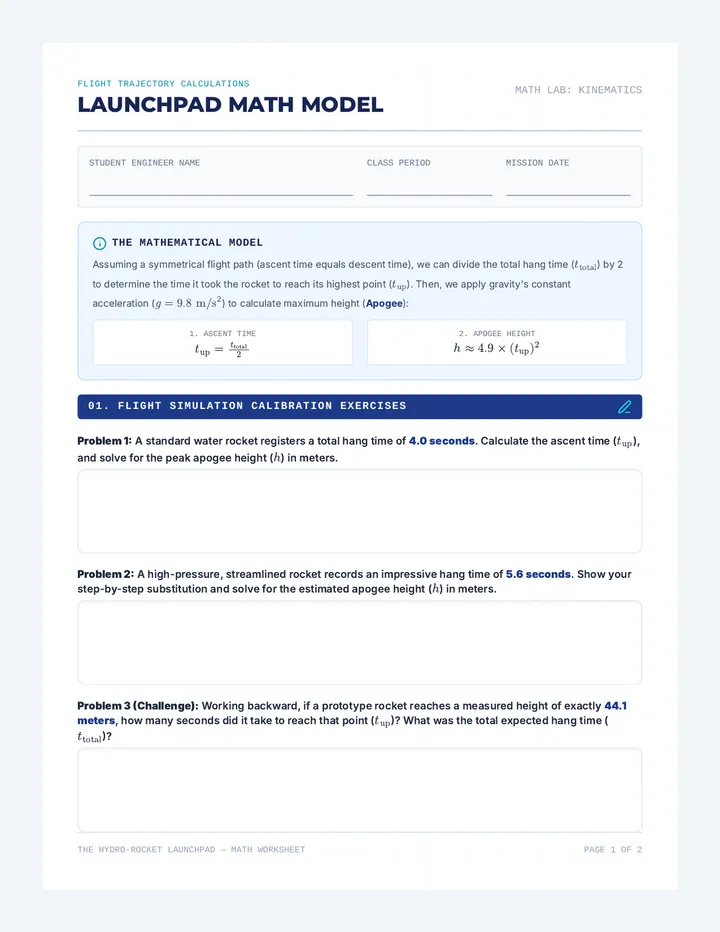
A comprehensive STEM lesson where students design, build, and launch water bottle rockets to explore pressure, volume, and Newton's laws. Students apply physics principles and mathematical formulas to model trajectories and calculate apogee height from hang time.
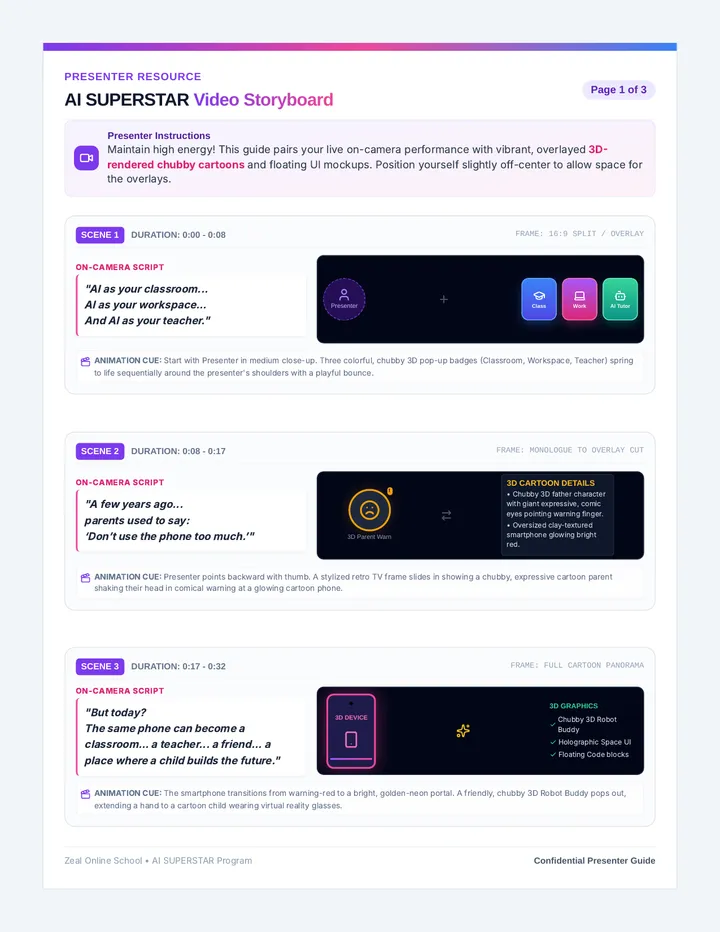
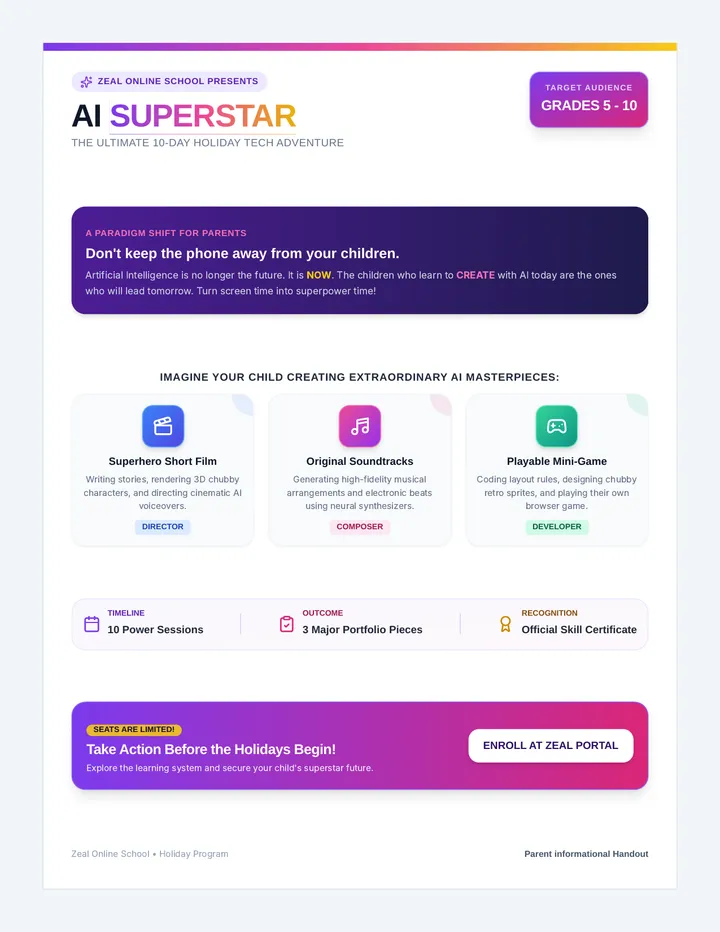
A promotional and planning resource bundle for Zeal Online School's 'AI Superstar' program. Includes a highly descriptive scene-by-scene video storyboard guide for the presenter and a vibrant promotional flyer and informational packet for parents.
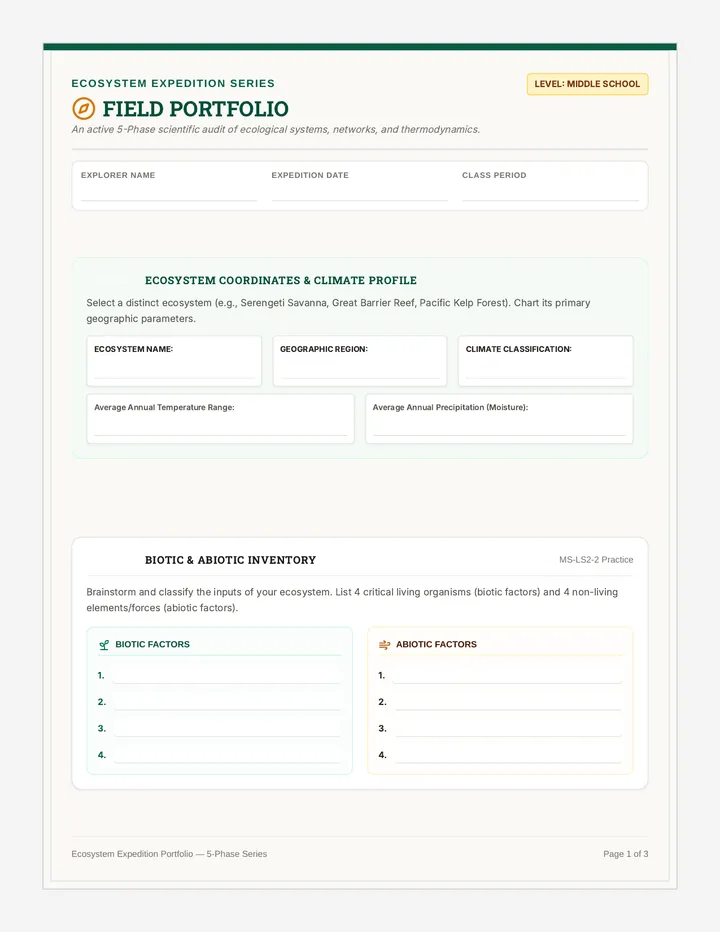
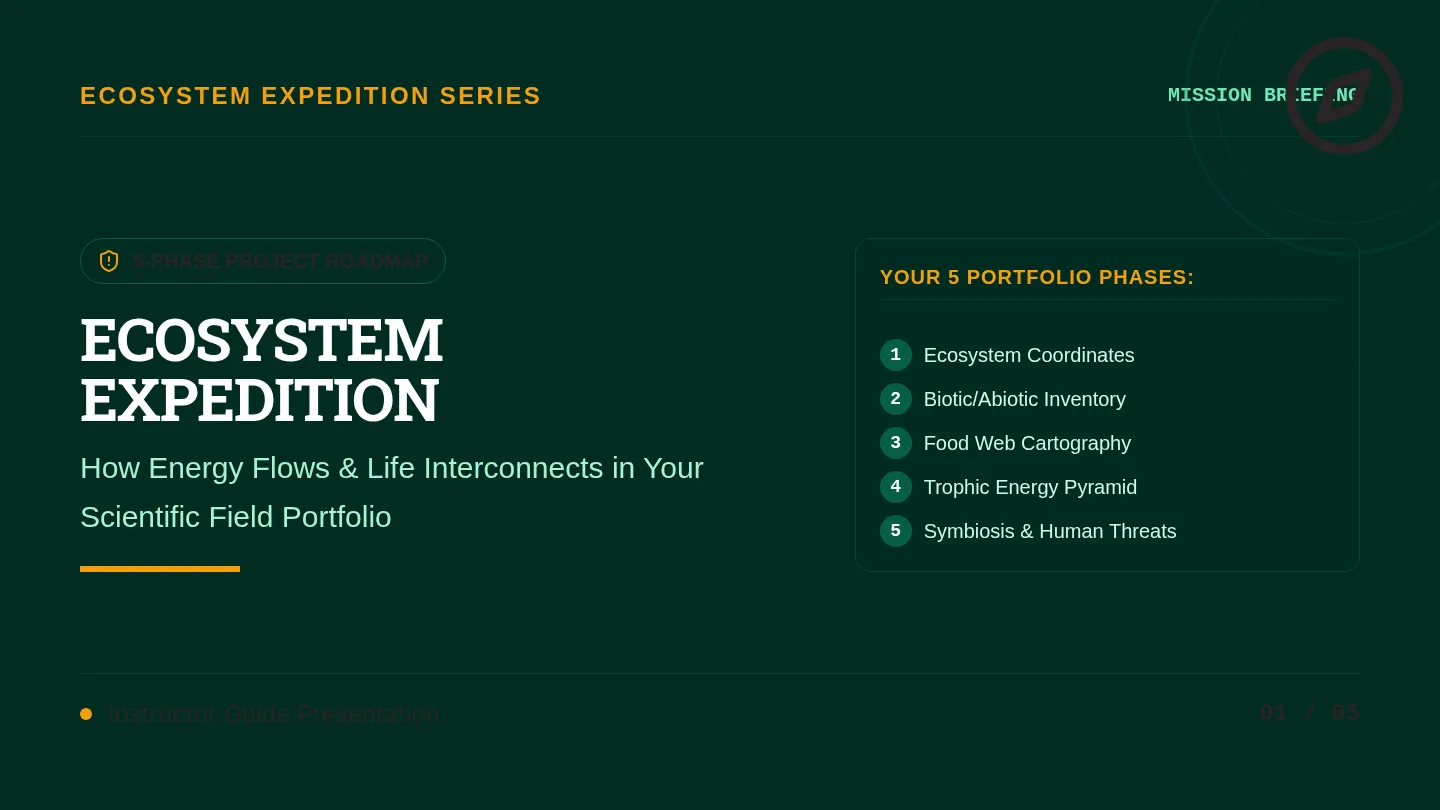
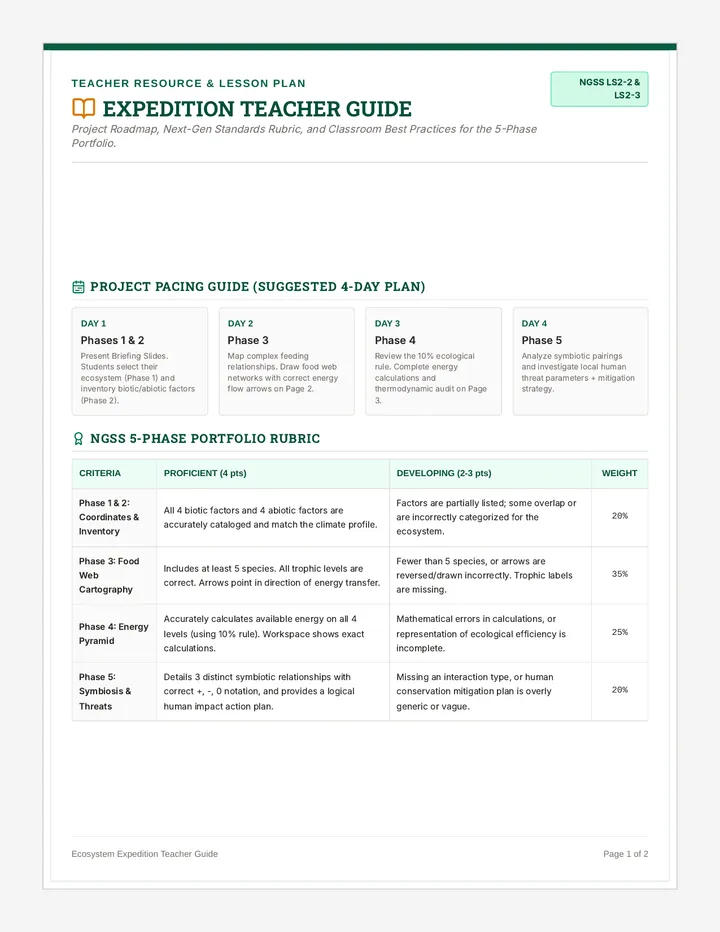
A comprehensive project-based lesson where middle school students embark on a research journey to analyze a specific ecosystem, mapping out food webs, calculating energy pyramids, and identifying symbiotic relationships in a structured field-portfolio format.
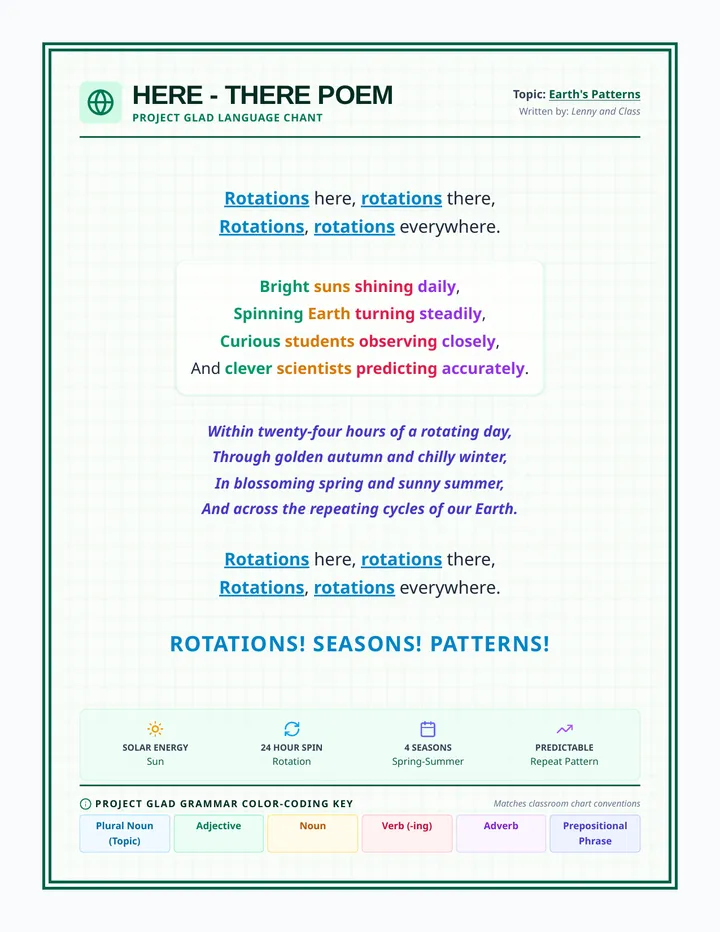
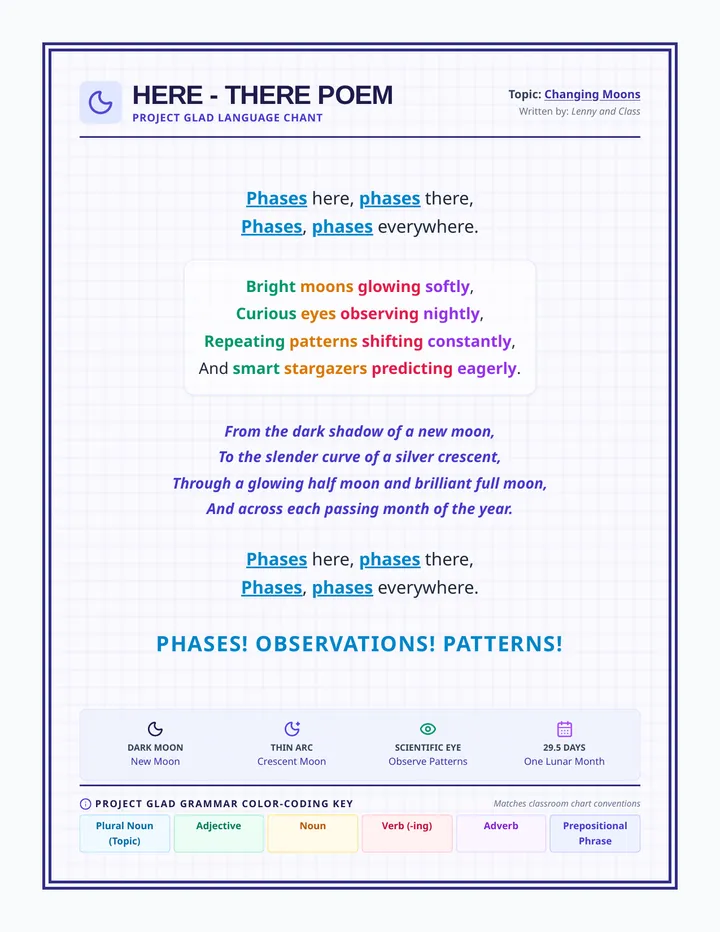
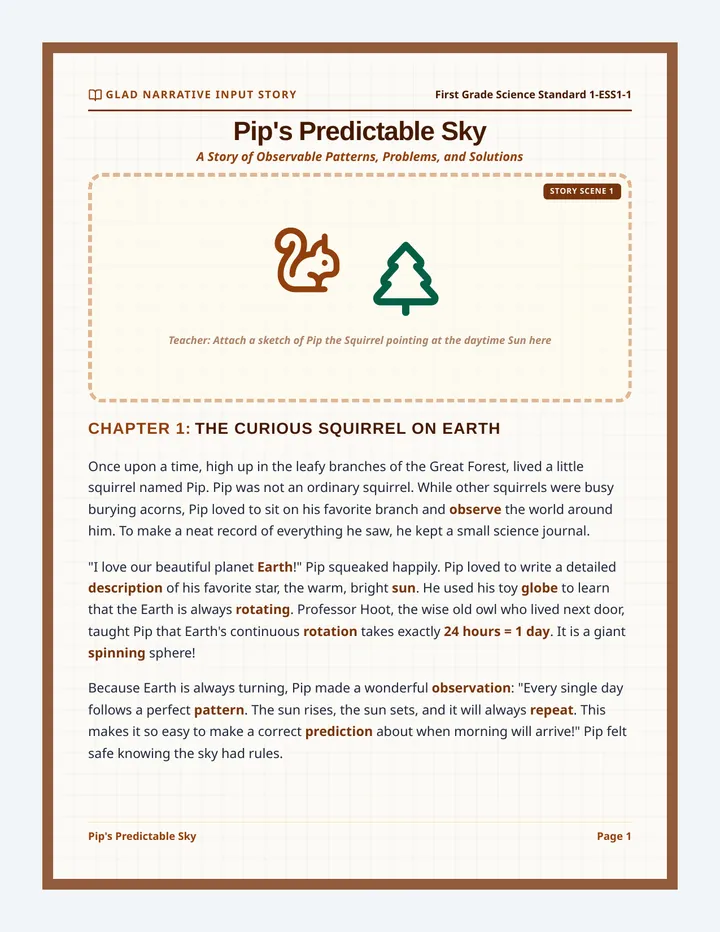
A set of beautifully color-coded GLAD (Guided Language Acquisition Design) Here/There chants that introduce students to repeating solar and lunar cycles. Includes classroom-ready anchor chart posters for rotating Earth patterns and changing moon phases.
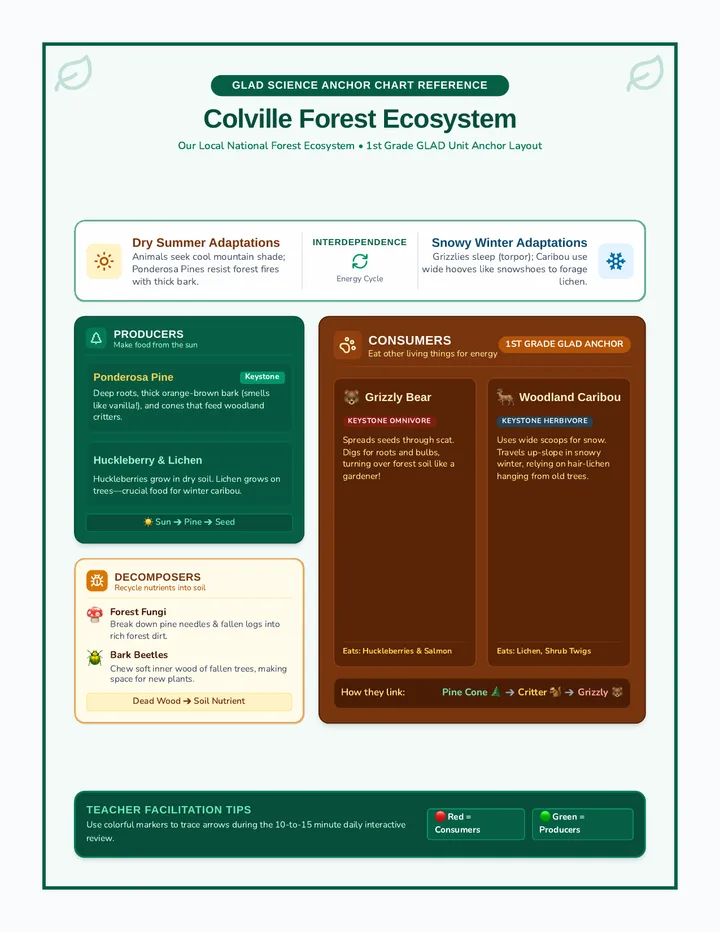
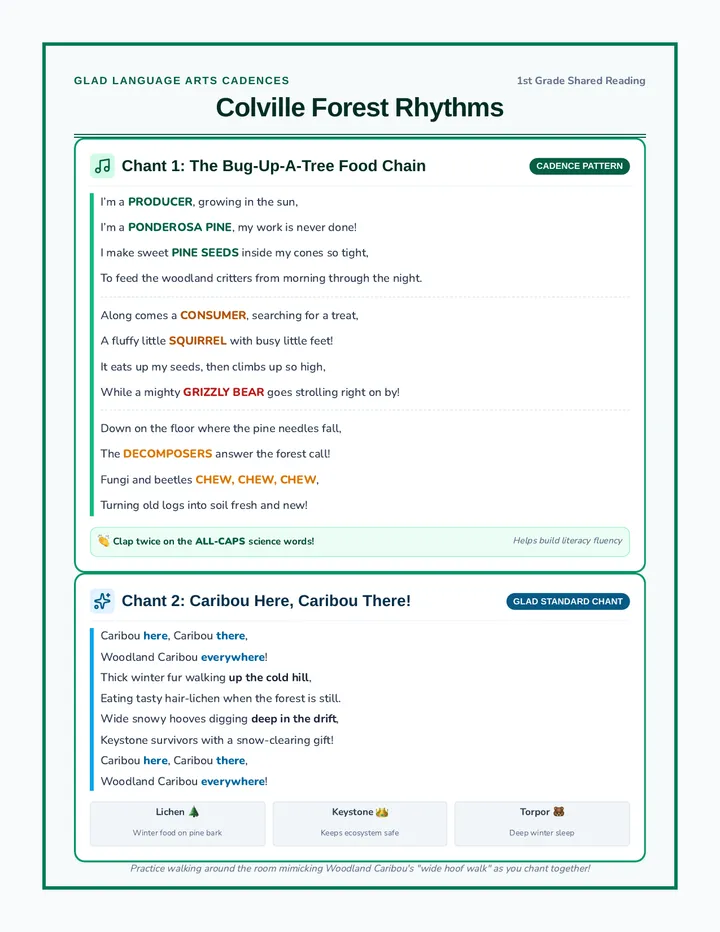
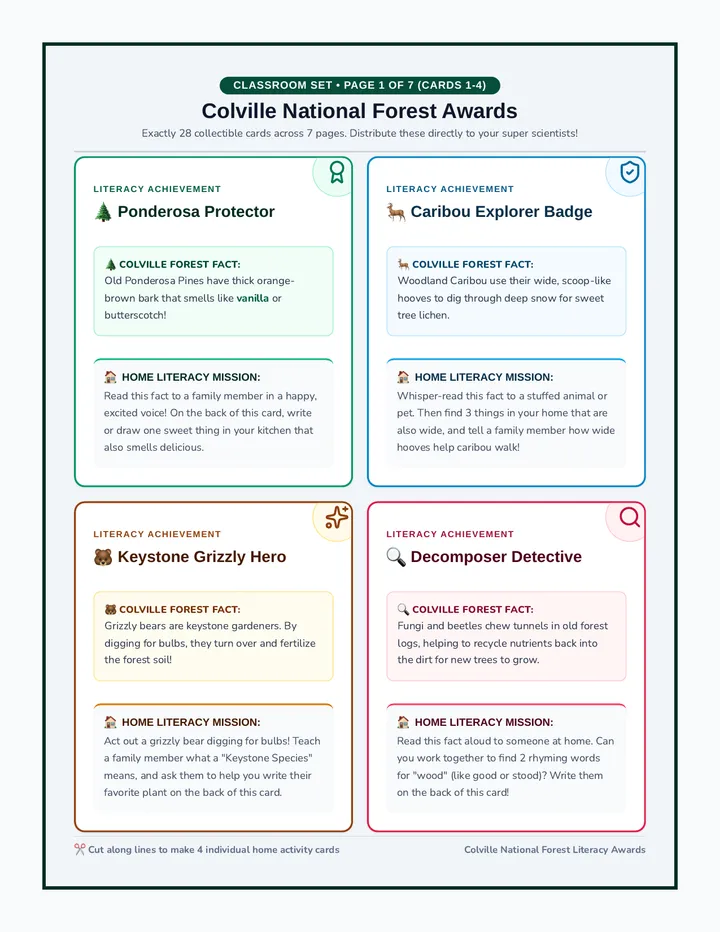
An interactive unit lesson plan implementing Guided Language Acquisition Design (GLAD) strategies to teach 1st graders about the Colville National Forest ecosystem. Students interact with pictorial charts, chant high-frequency science vocabulary, and earn literacy awards detailing local keystone species, food webs, and seasonal changes.
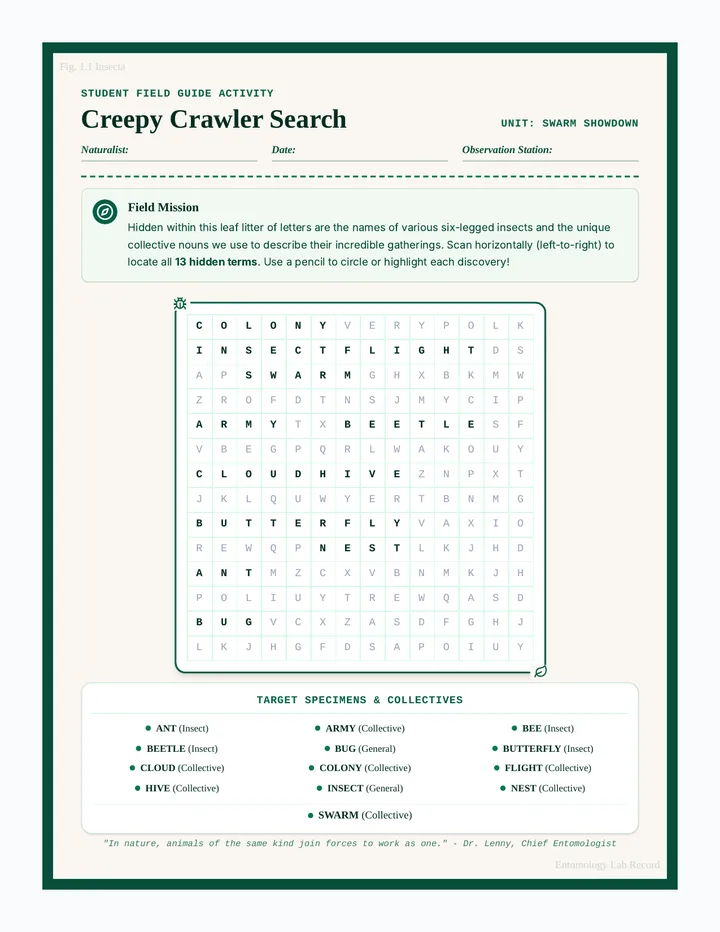
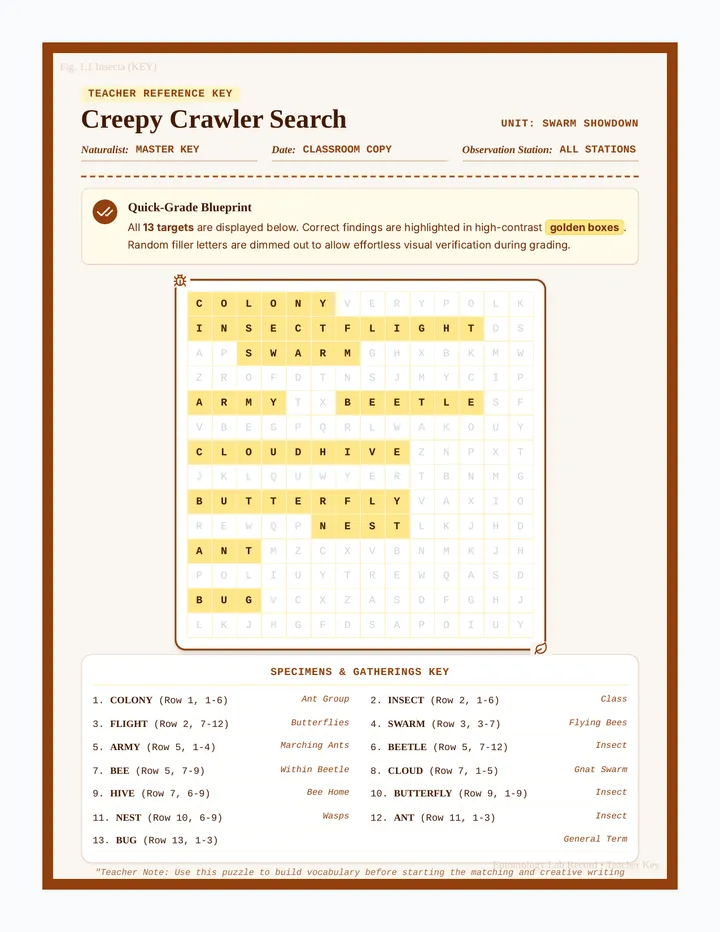
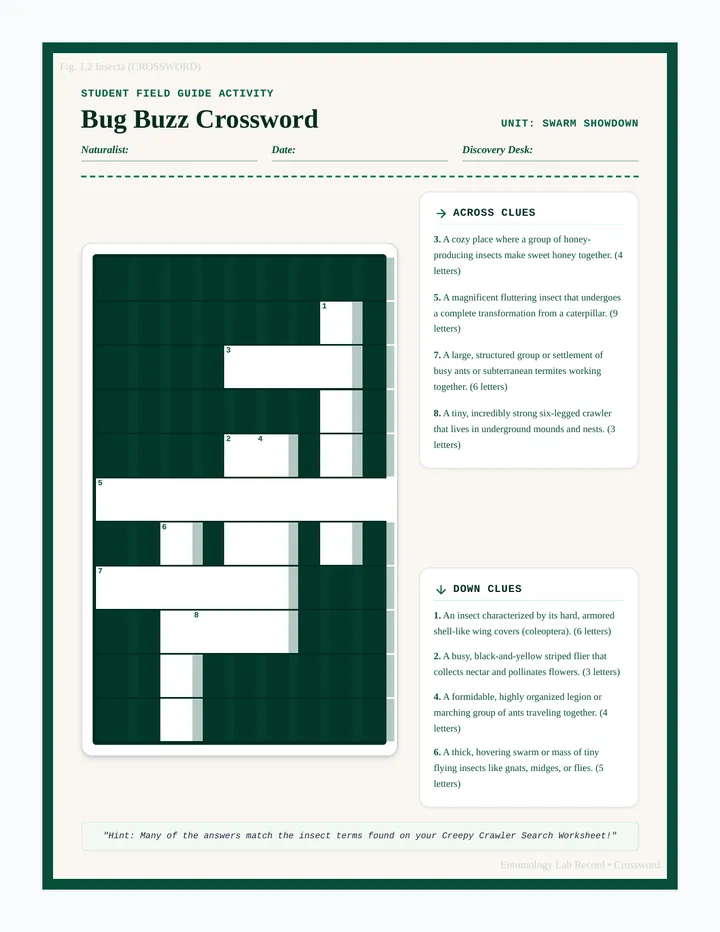
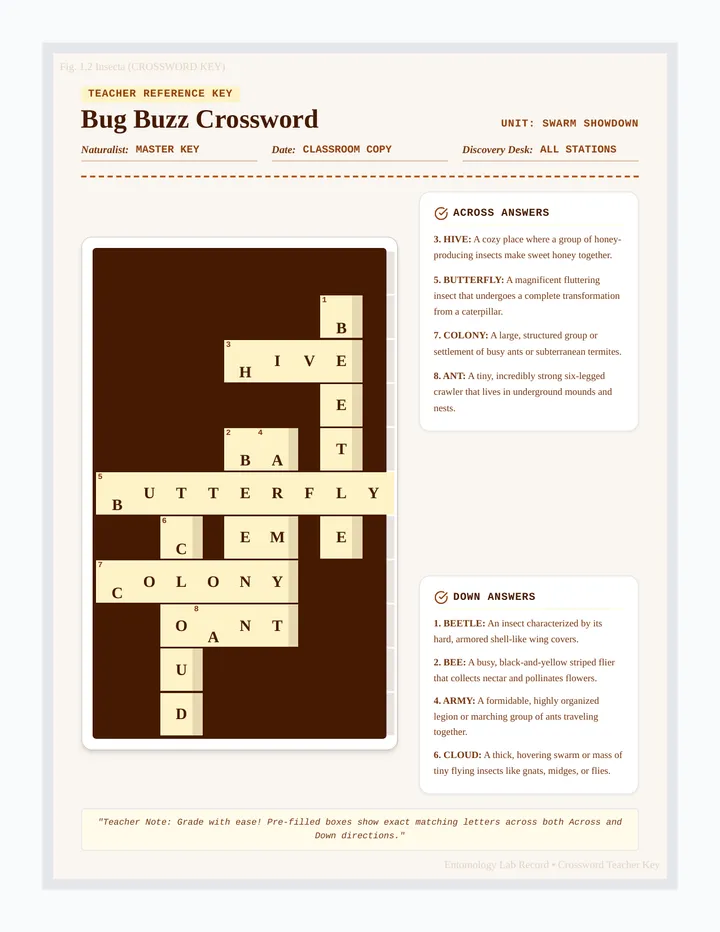
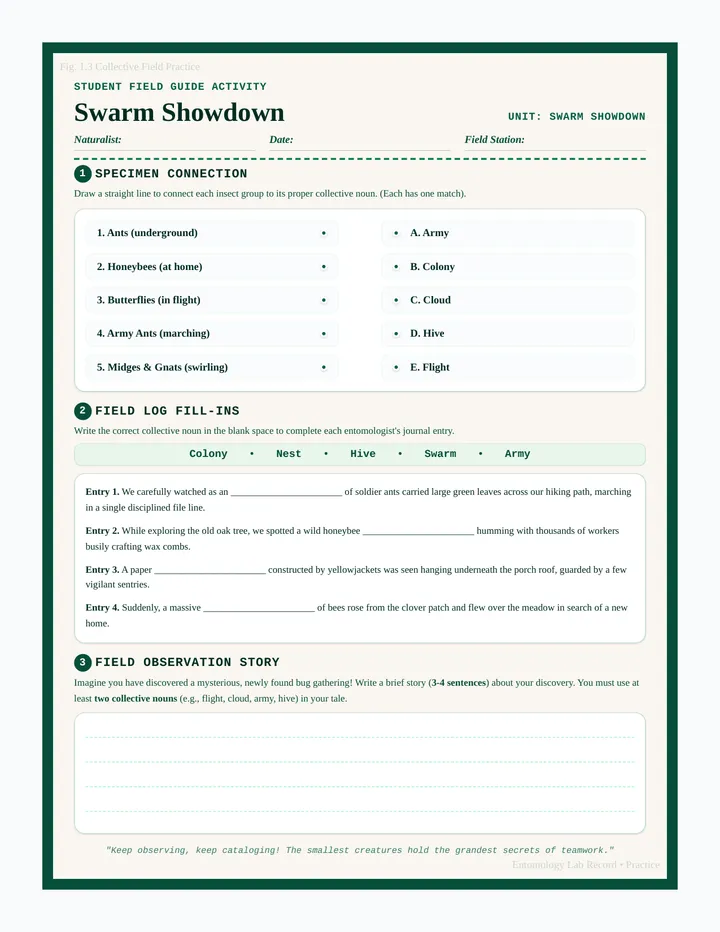
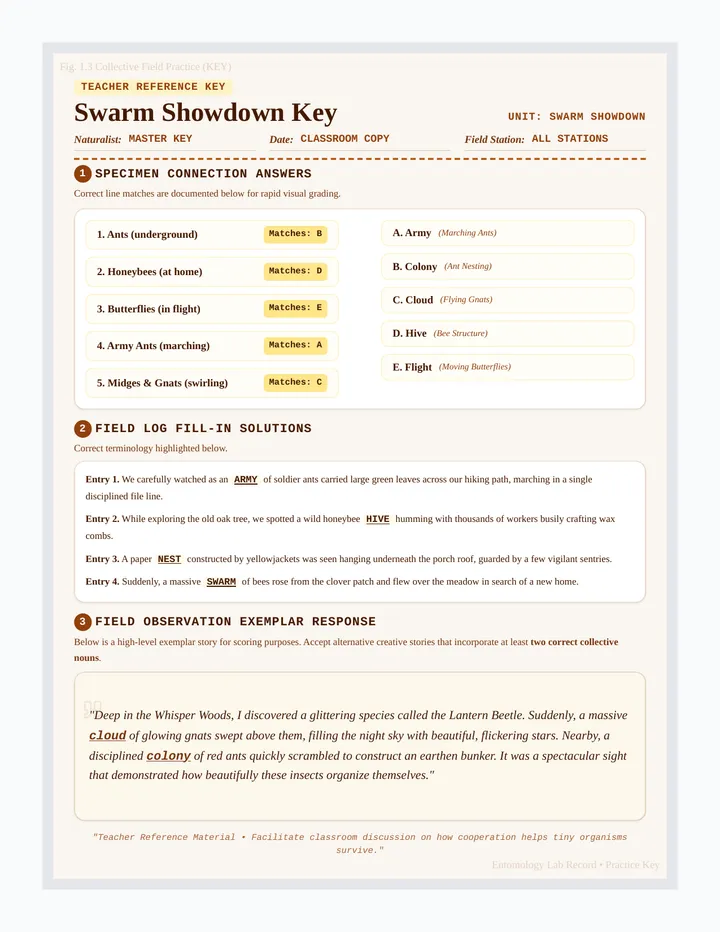
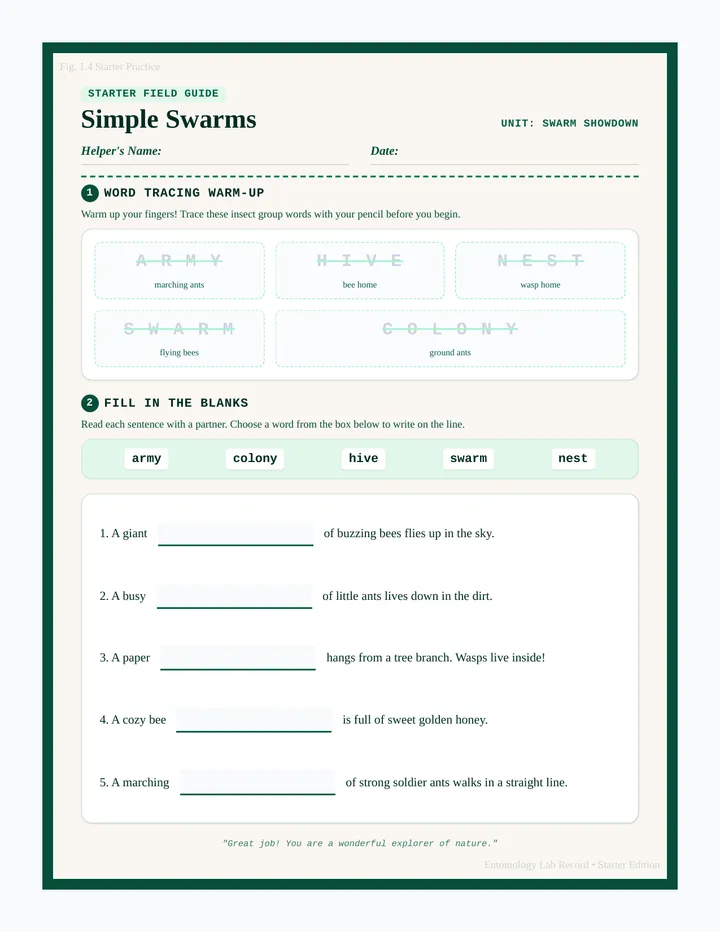
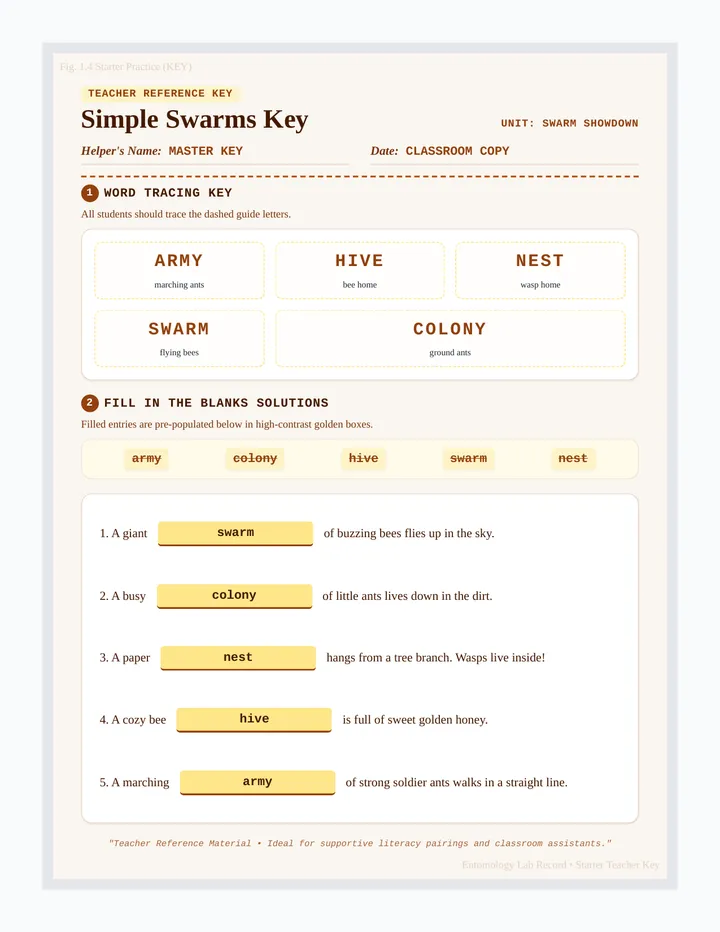
An engaging lesson on insect collective nouns and terminology, featuring a word search, crossword, and hands-on matching and writing activities exploring how bugs gather in groups.
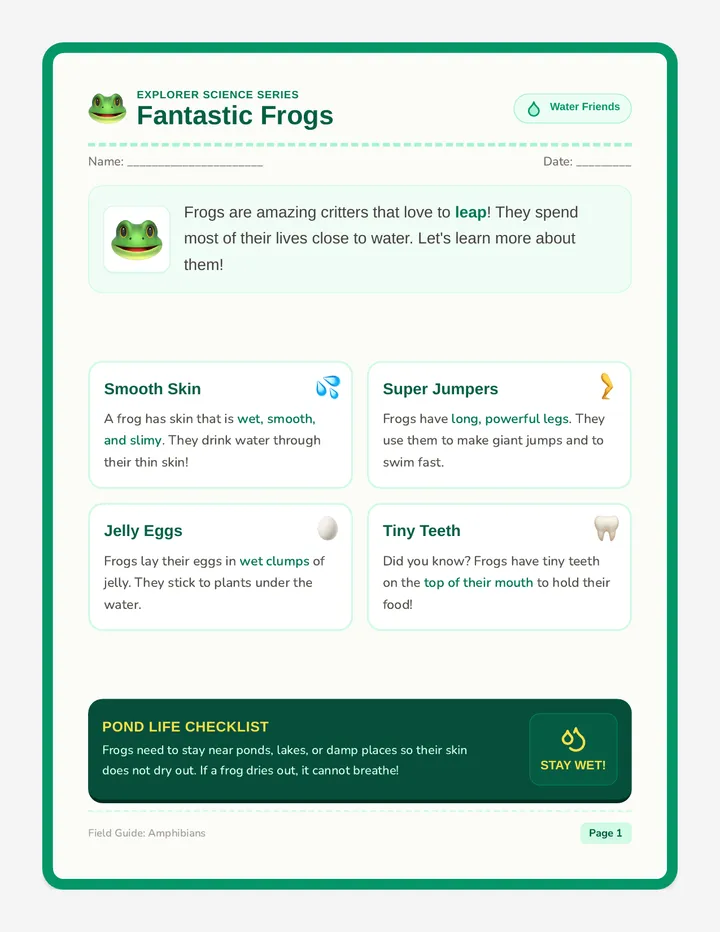
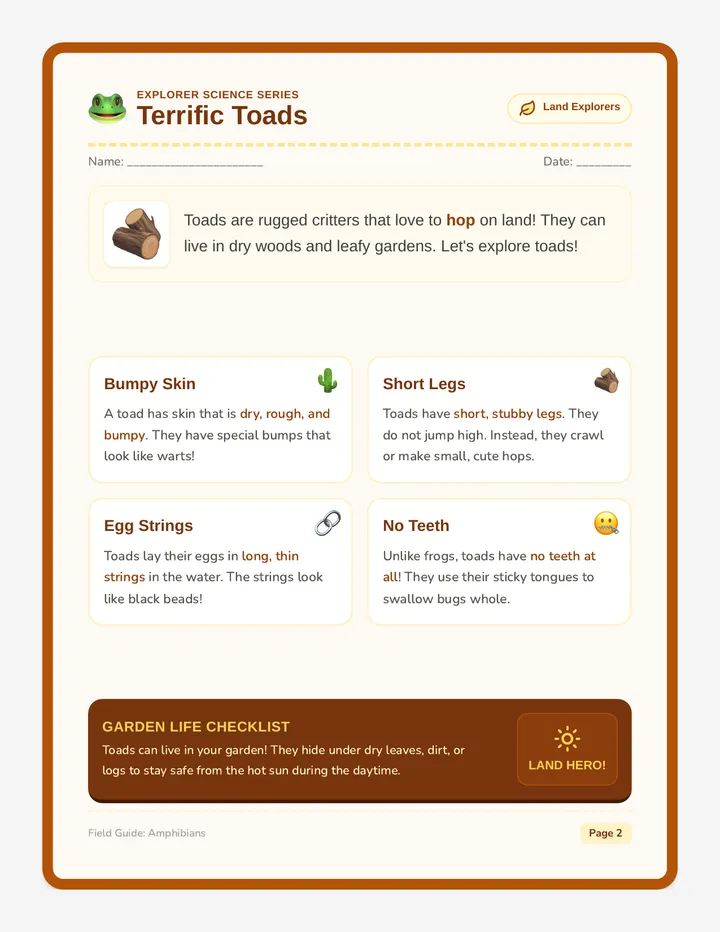
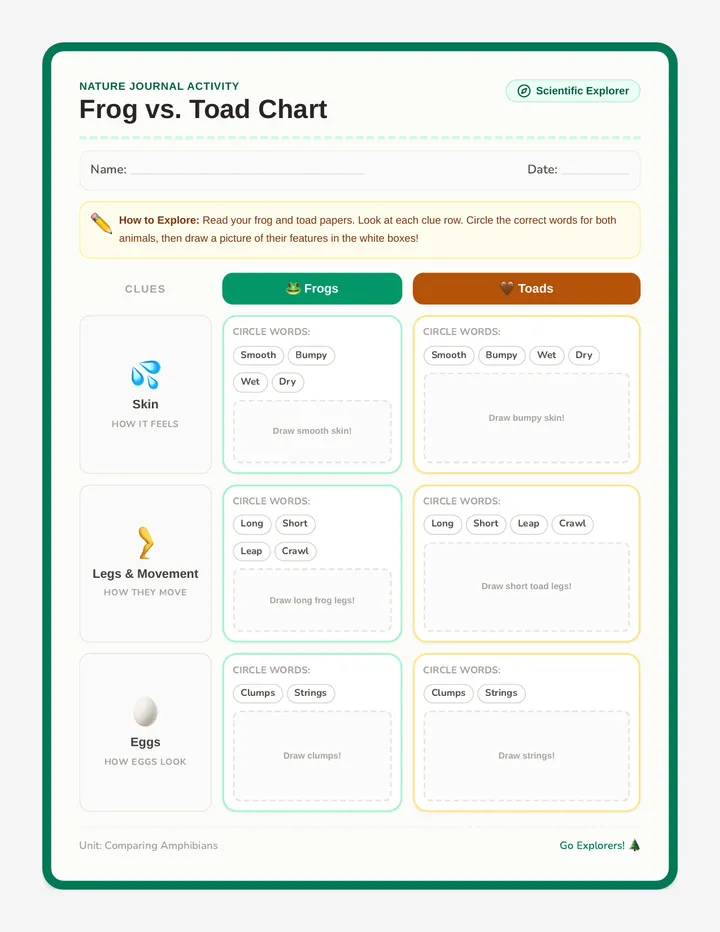
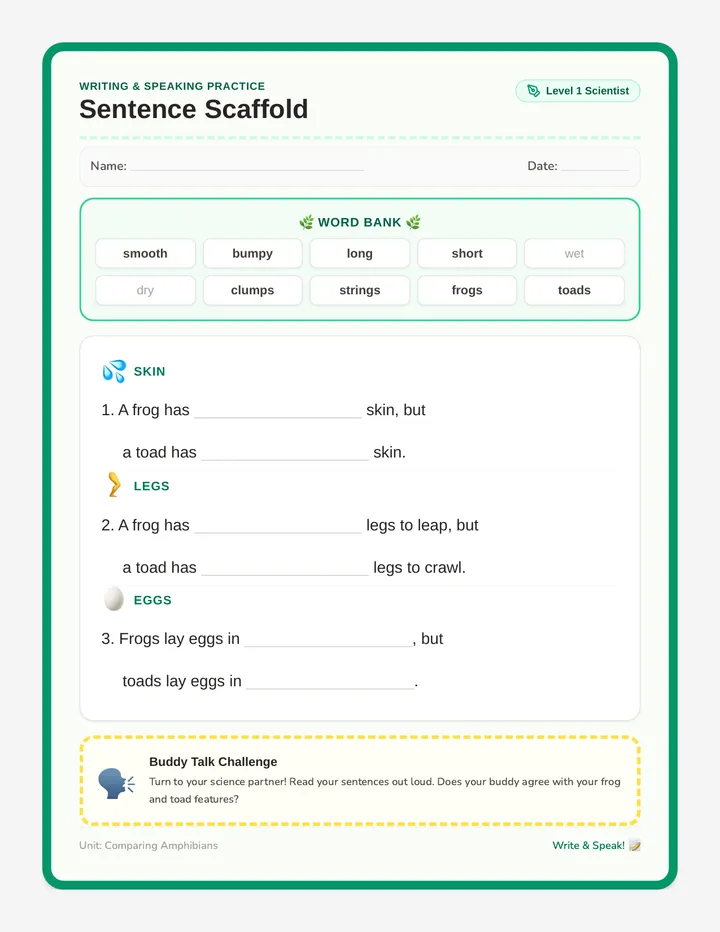
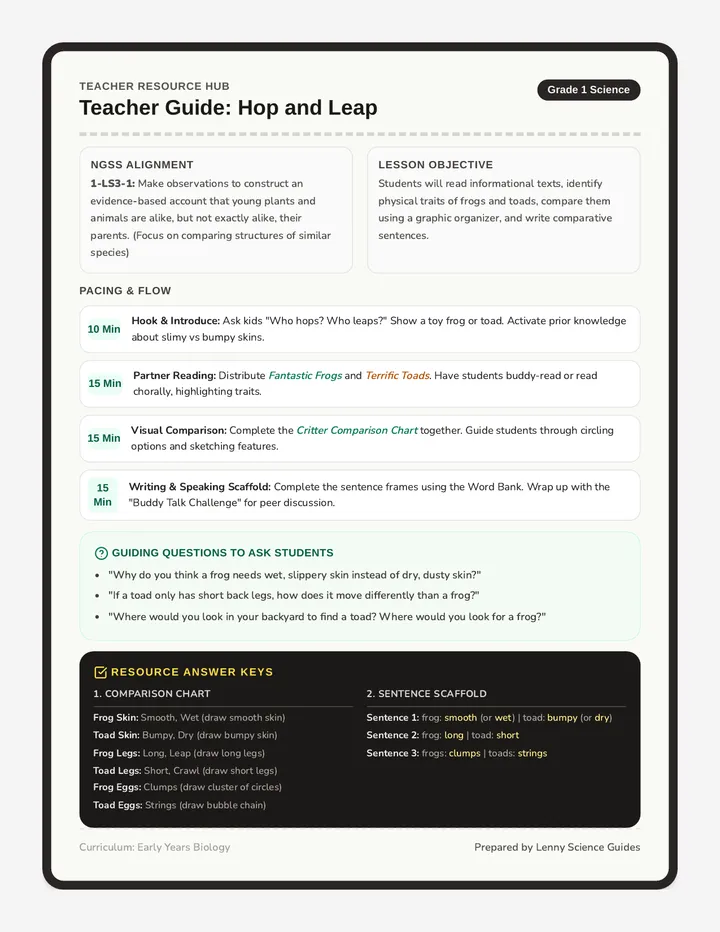
A first-grade science lesson comparing the observable physical and behavioral features of frogs and toads. Includes dual illustrated reading passages, a picture-supported graphic organizer, a sentence-frame writing scaffold, and a teacher facilitation guide.
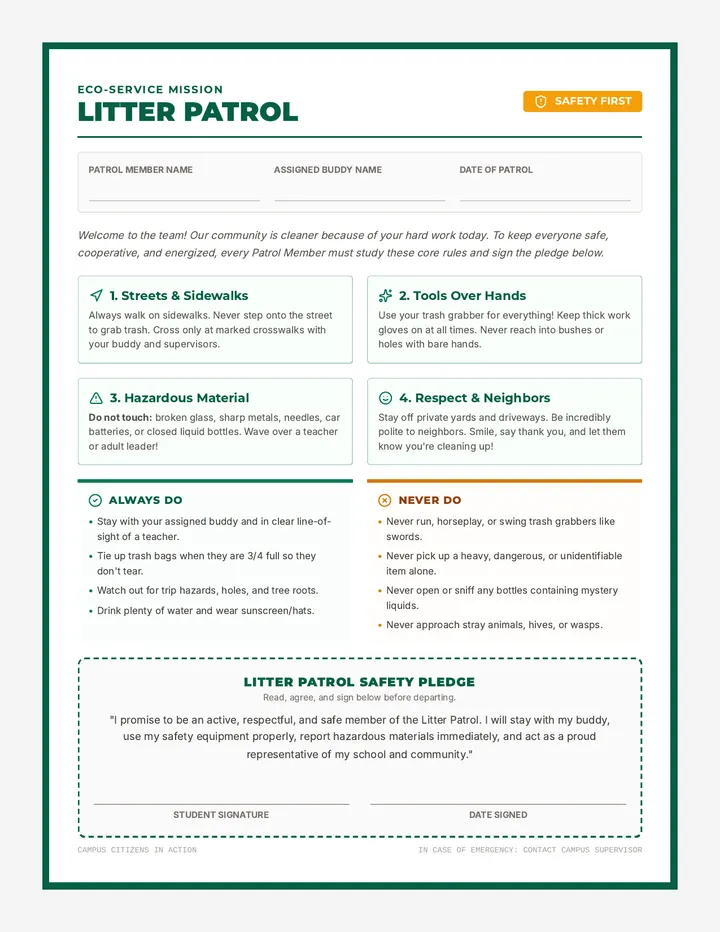
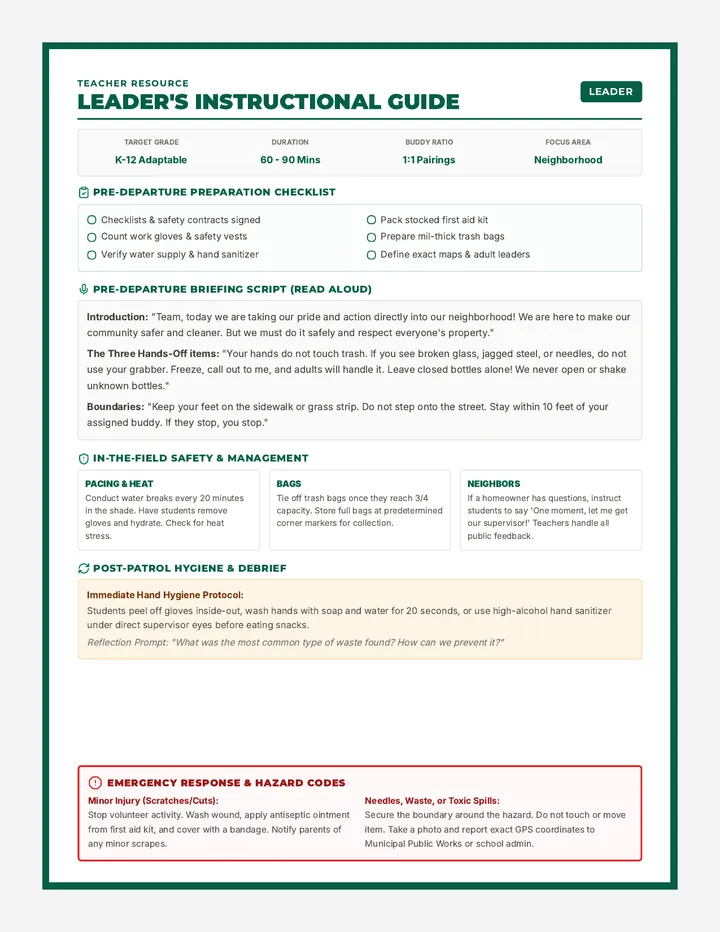
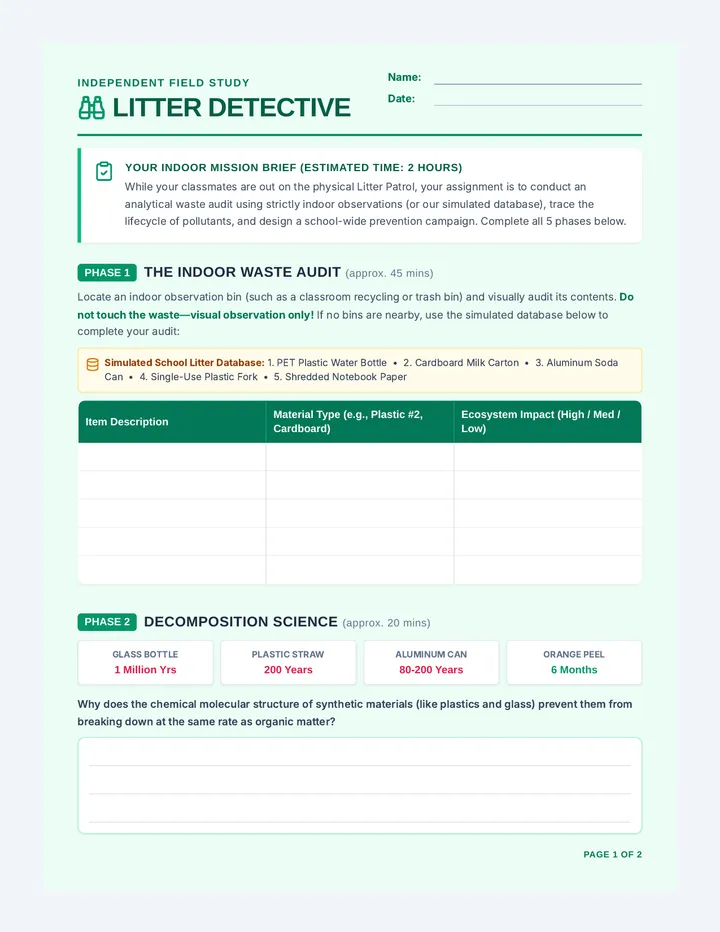
A comprehensive safety and preparation kit for students and teachers participating in a neighborhood trash pick-up community service project. It includes safety slides, a student contract and checklist, and a detailed teacher instruction guide.
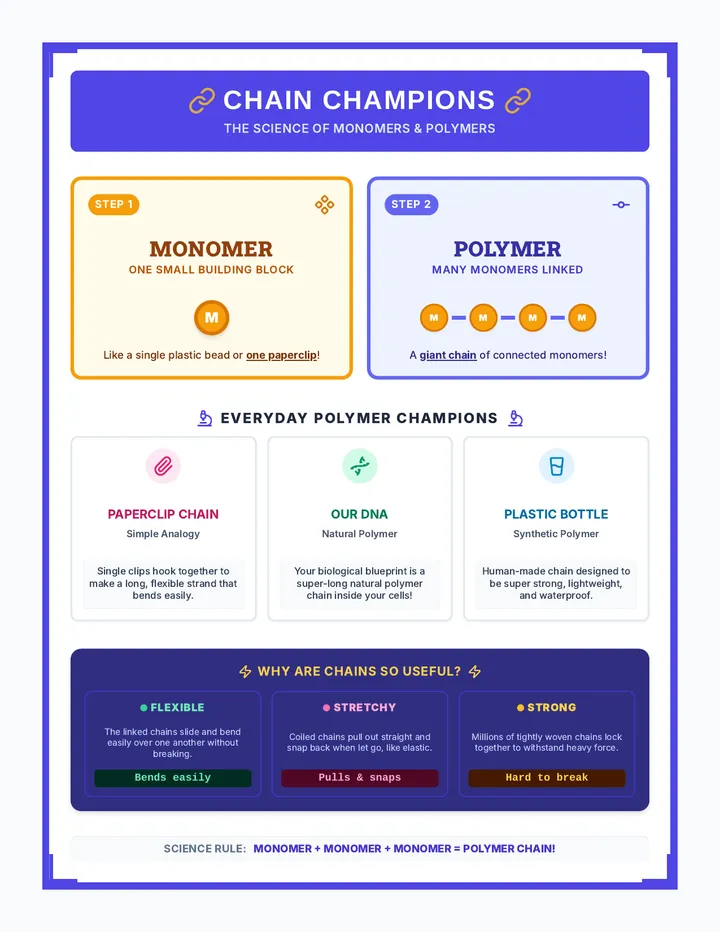
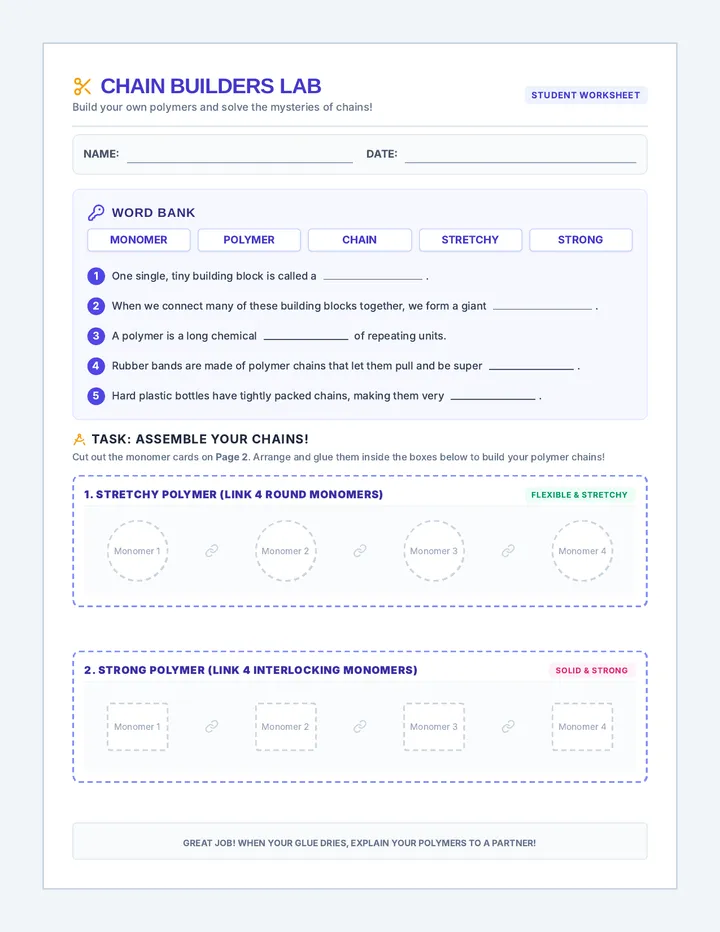
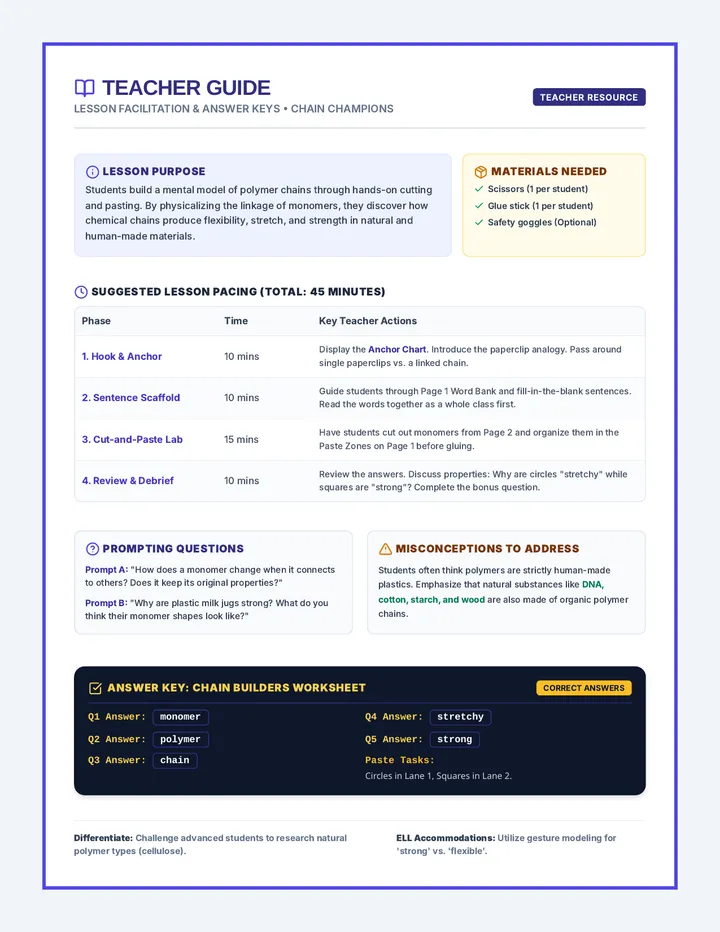
A highly visual and tactile introduction to polymer chains, monomers, and everyday applications. Students explore how small repeating units form strong, flexible, and stretchy properties through hands-on modeling and scaffolded writing.
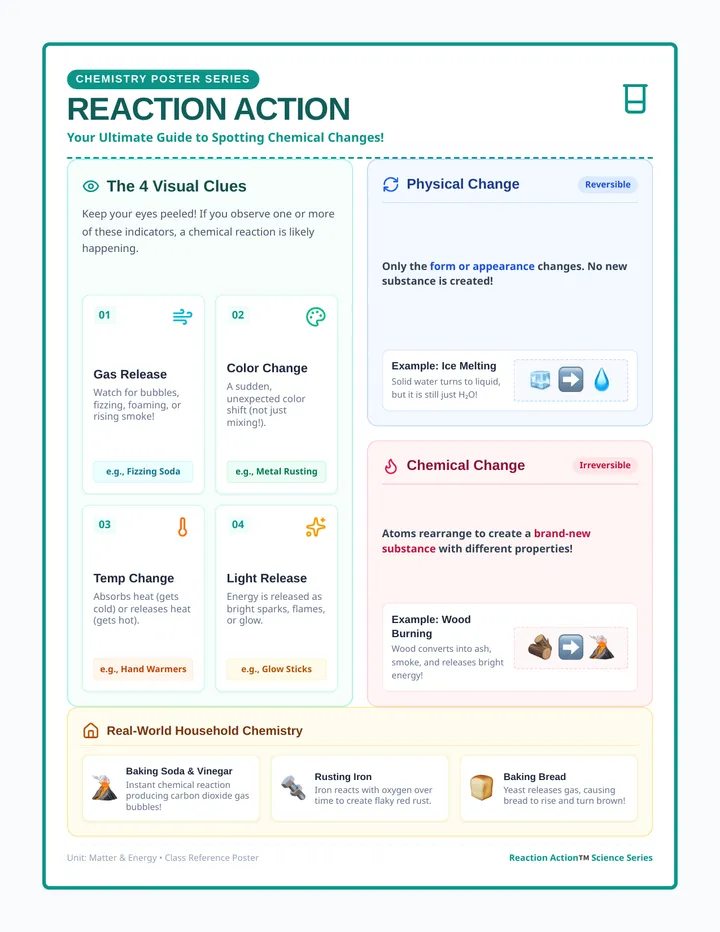
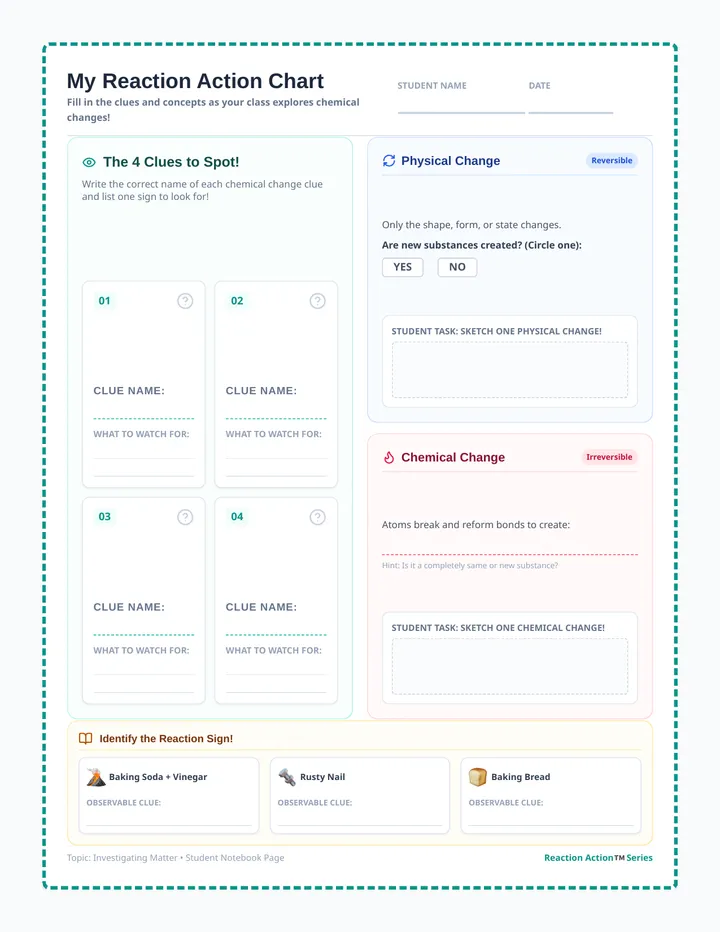
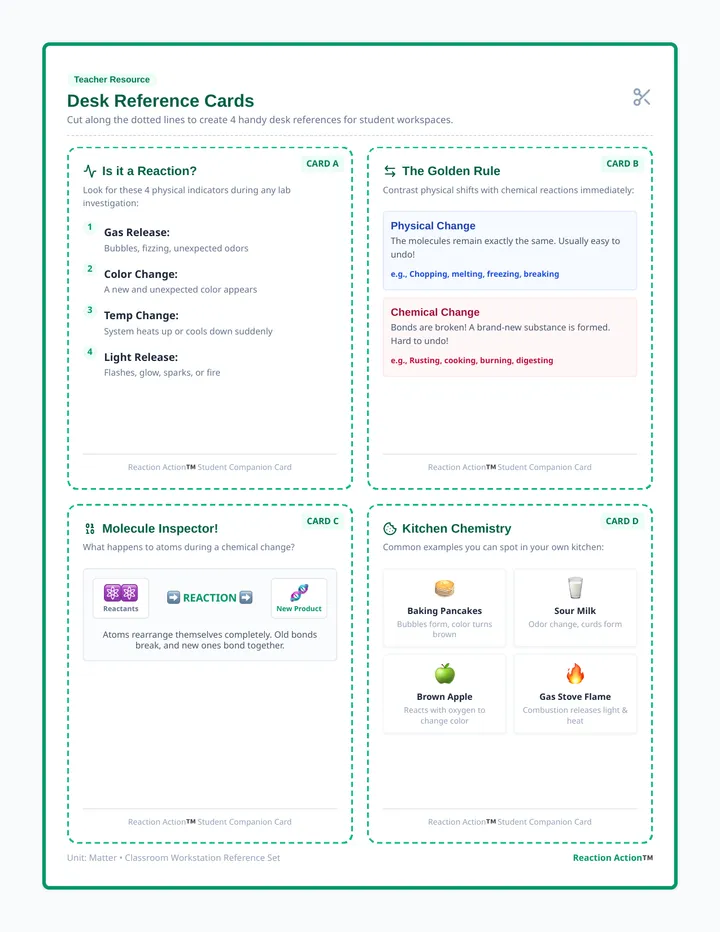
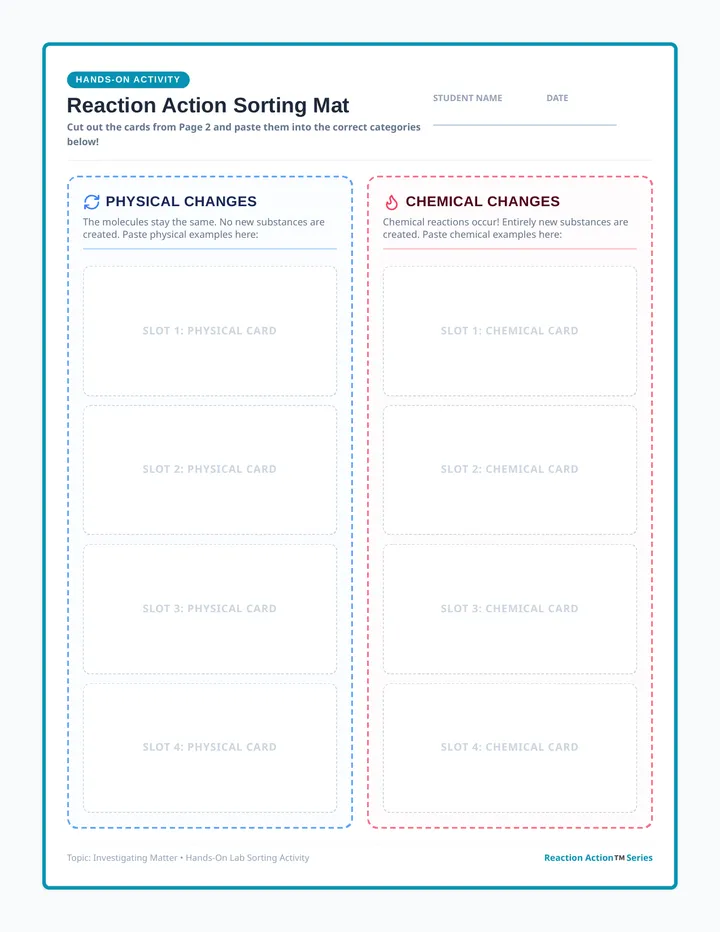
A comprehensive learning suite focused on identifying chemical reactions through visual clues, contrasting physical and chemical changes, and sorting real-world household examples. Includes a complete anchor chart, student fill-in chart, pocket resources, and a hands-on sorting kit.
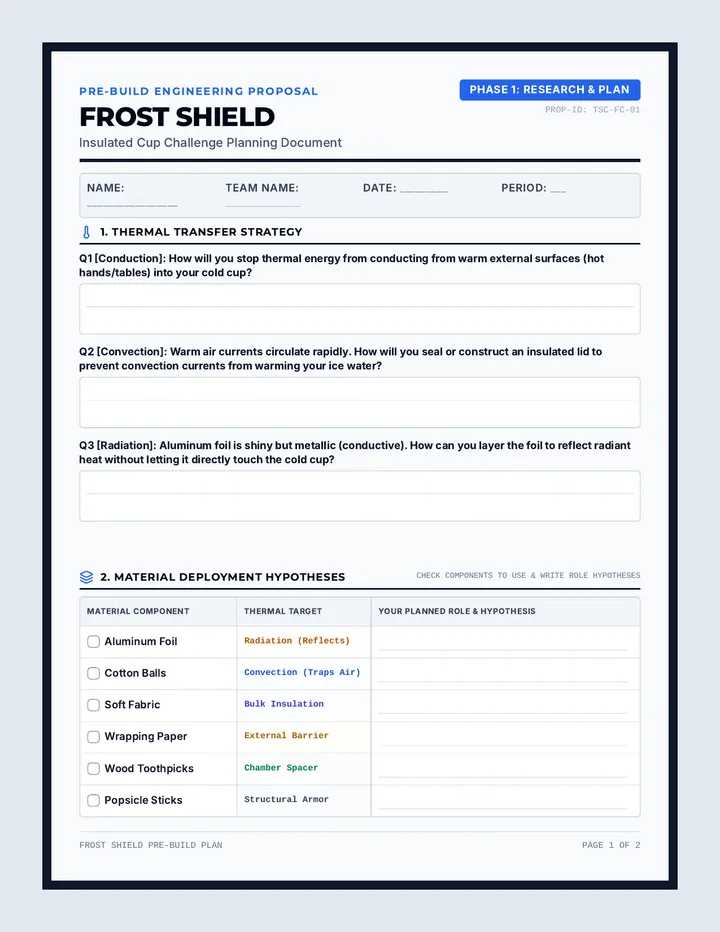
An engineering design challenge where students design, prototype, and test an insulated cup to keep water cold. Emphasizes thermal energy transfer, materials science properties, the engineering process, and data analysis.
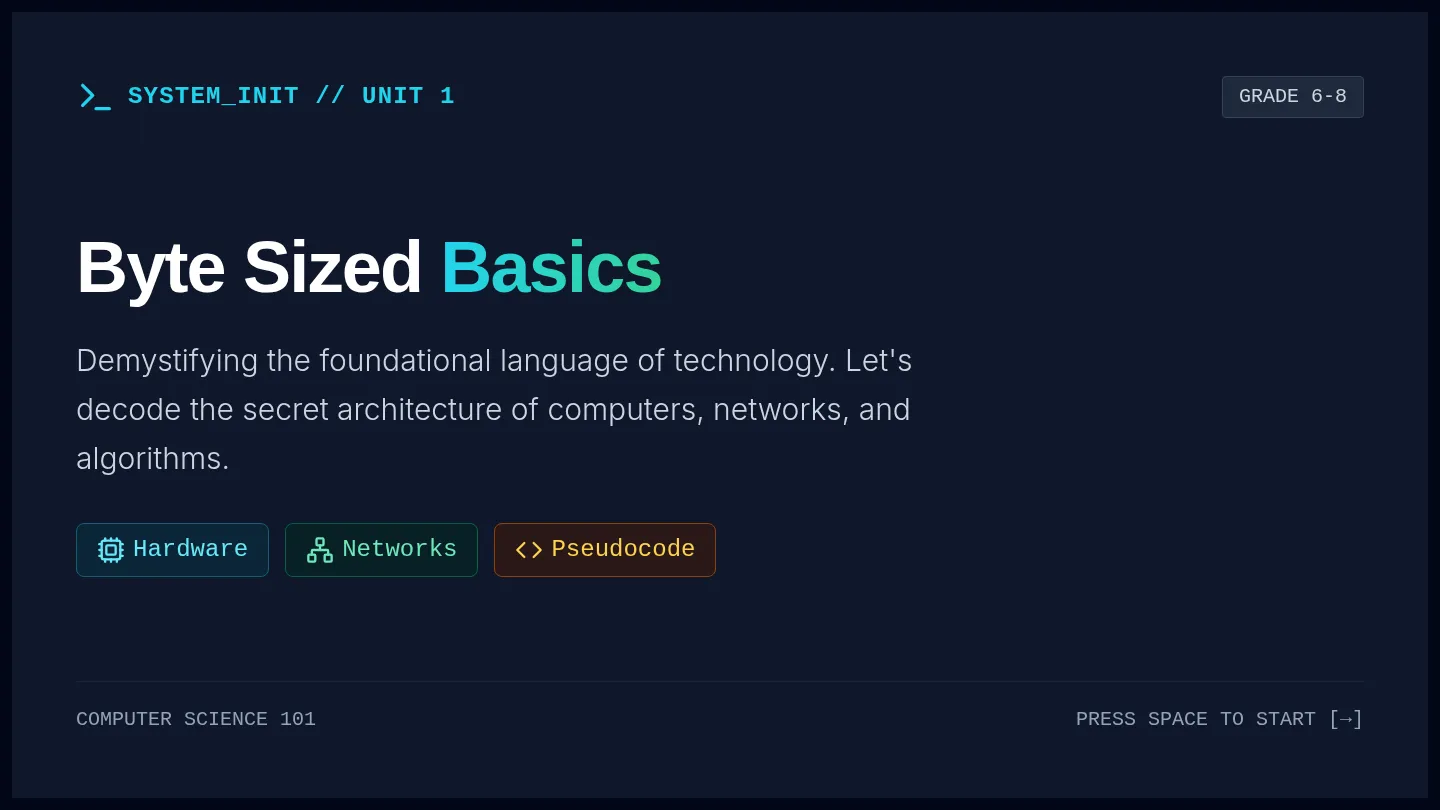
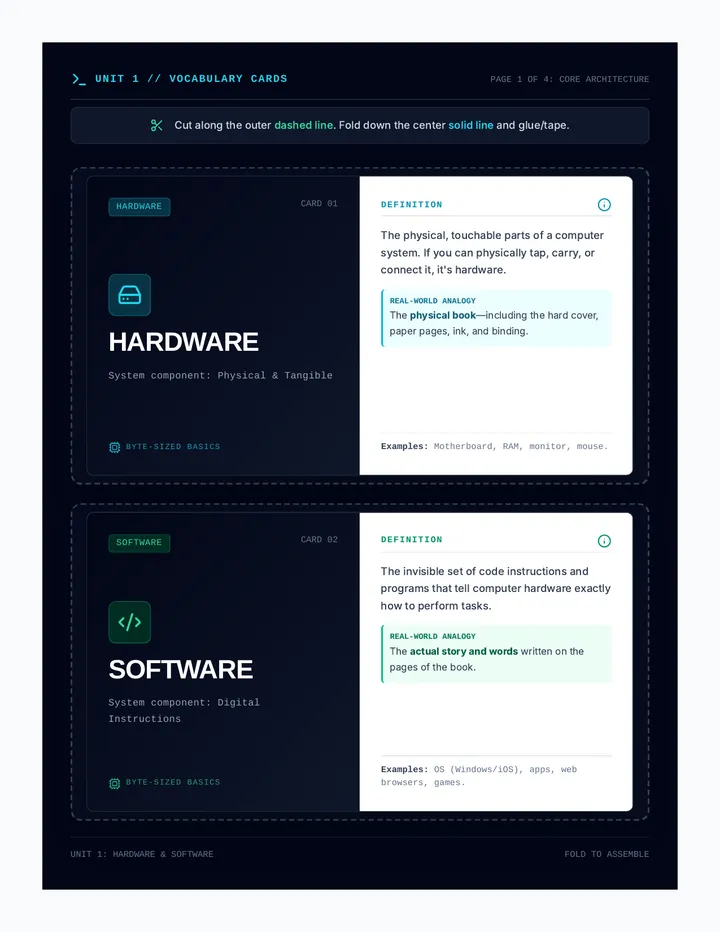
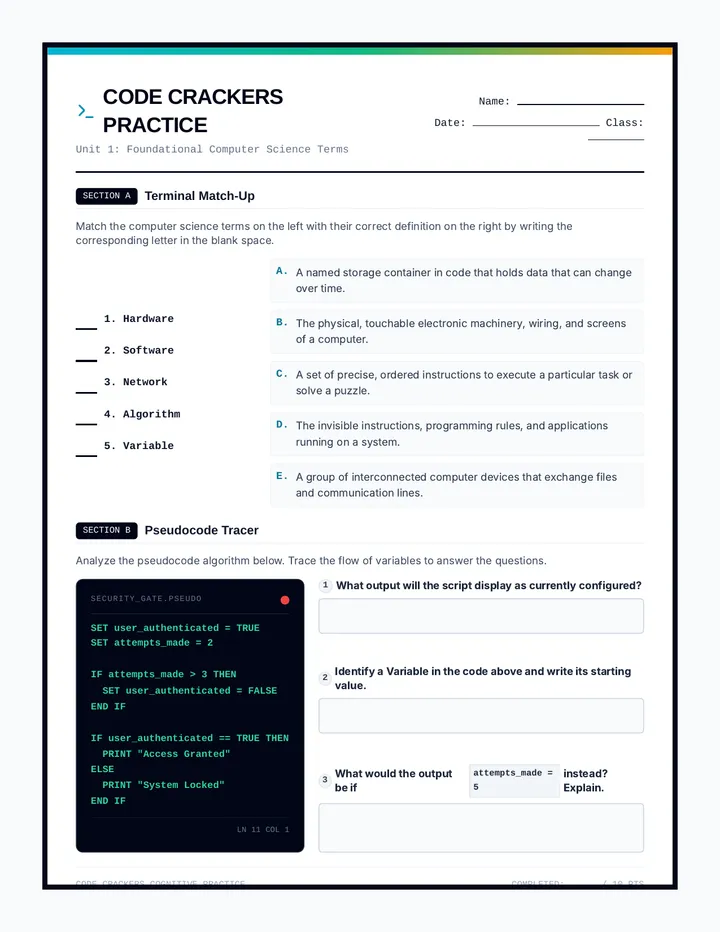
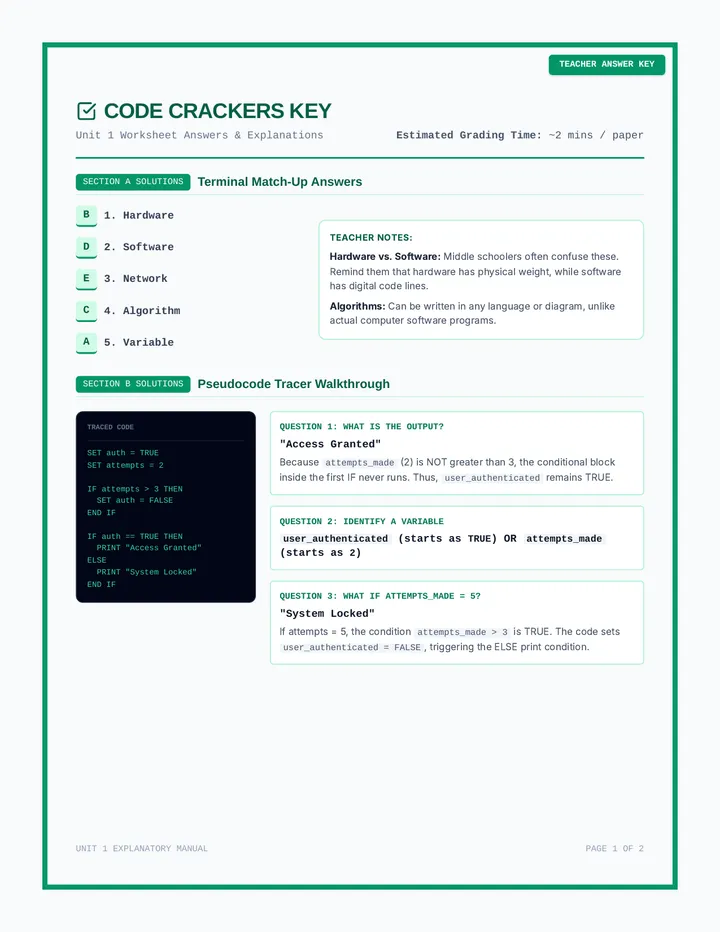
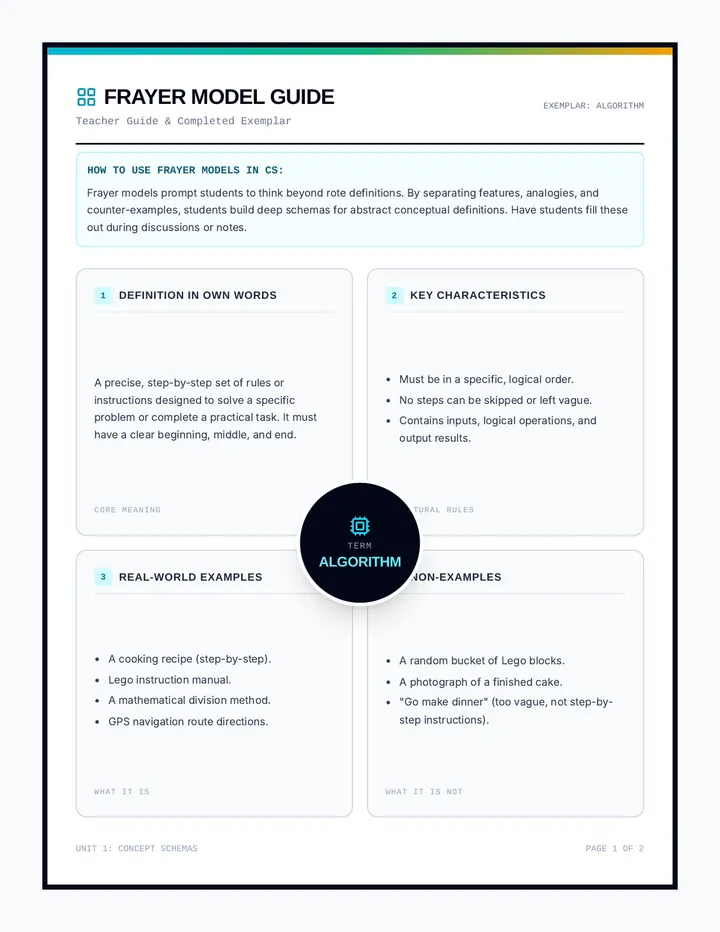
A foundational computer science lesson for middle school students introducing essential concepts of hardware, networks, and pseudocode through engaging visual slides, interactive vocabulary cards, Frayer organizers, and a diagnostic worksheet/quiz combo.
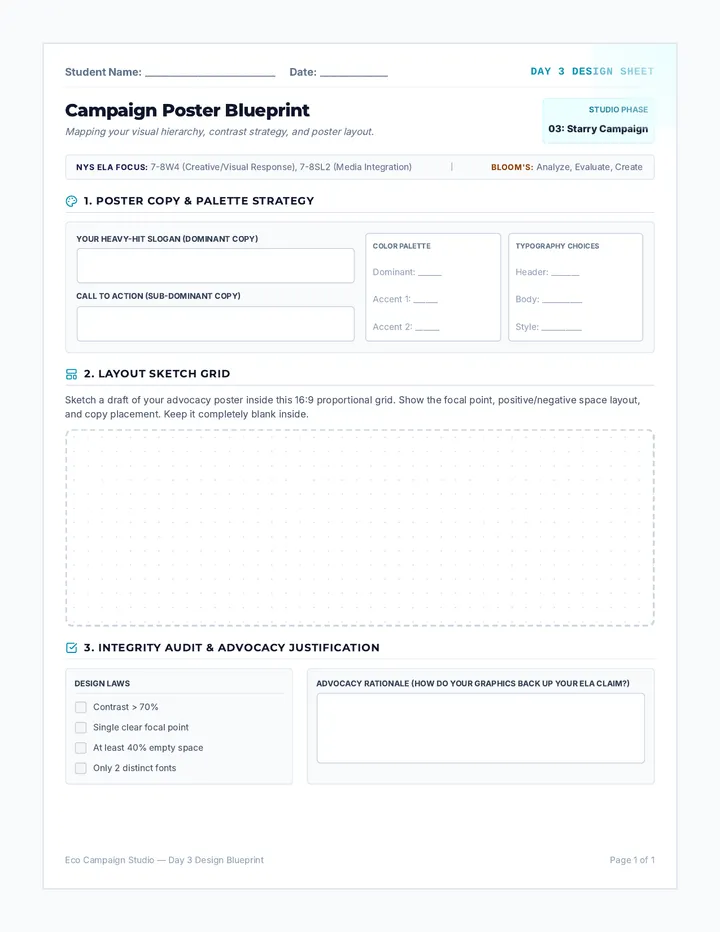
Students explore principles of visual design, contrast, and visual hierarchy to design and sketch an advocacy poster that supports their persuasive argument.