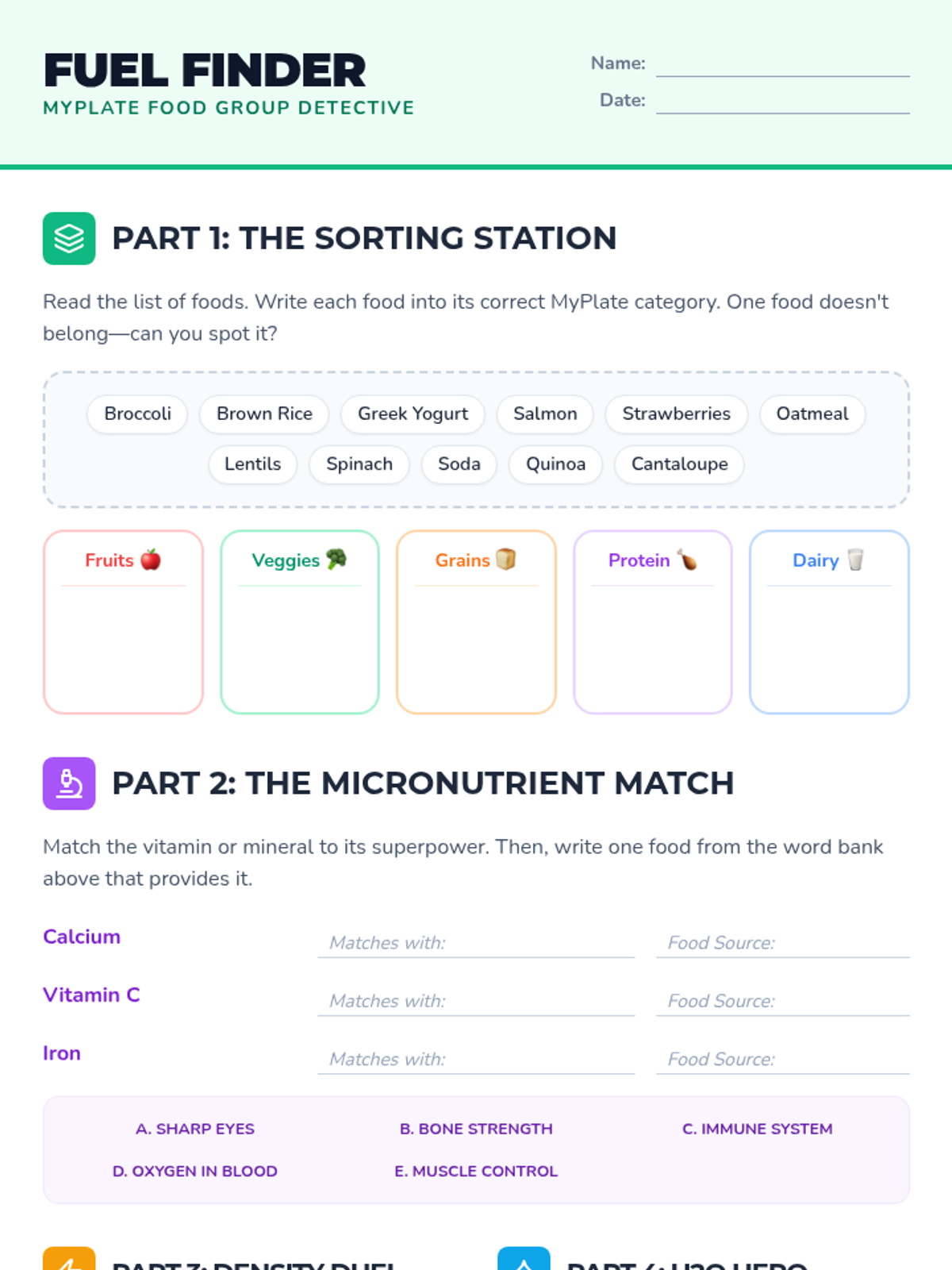
A lesson exploring the five main food groups and how they help our bodies grow and stay healthy. Students will learn to identify foods in each group and understand the importance of a balanced plate.
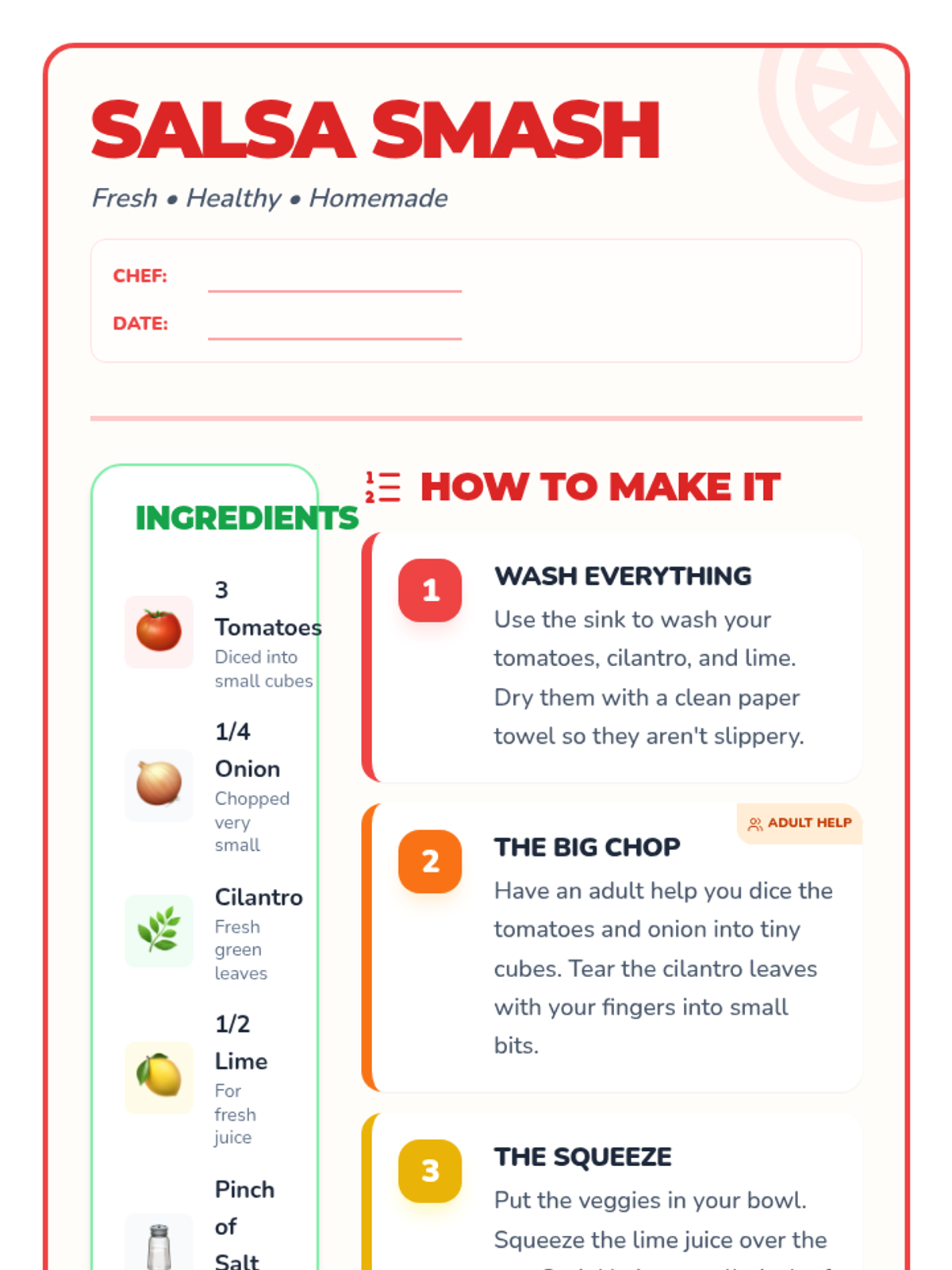
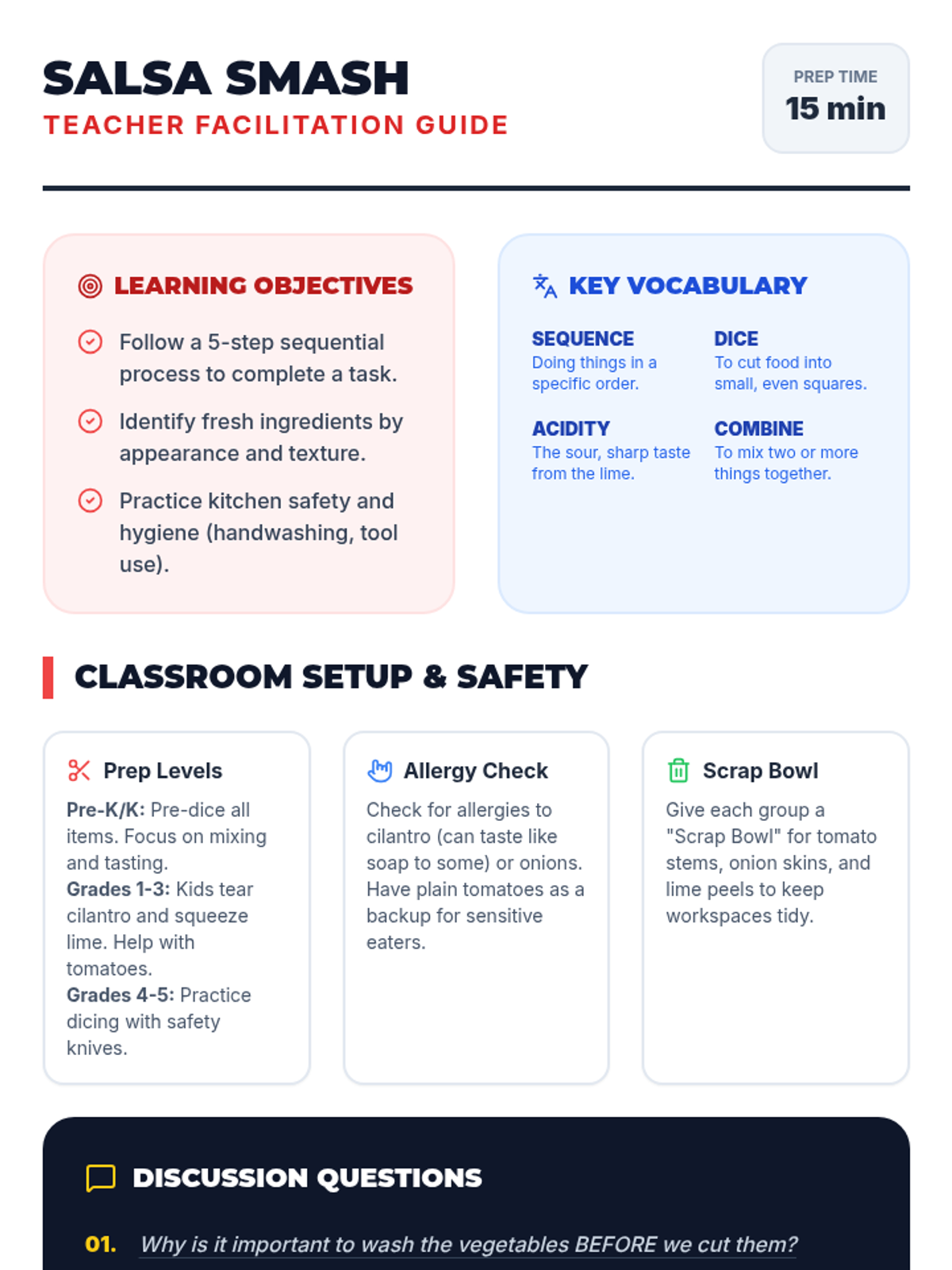
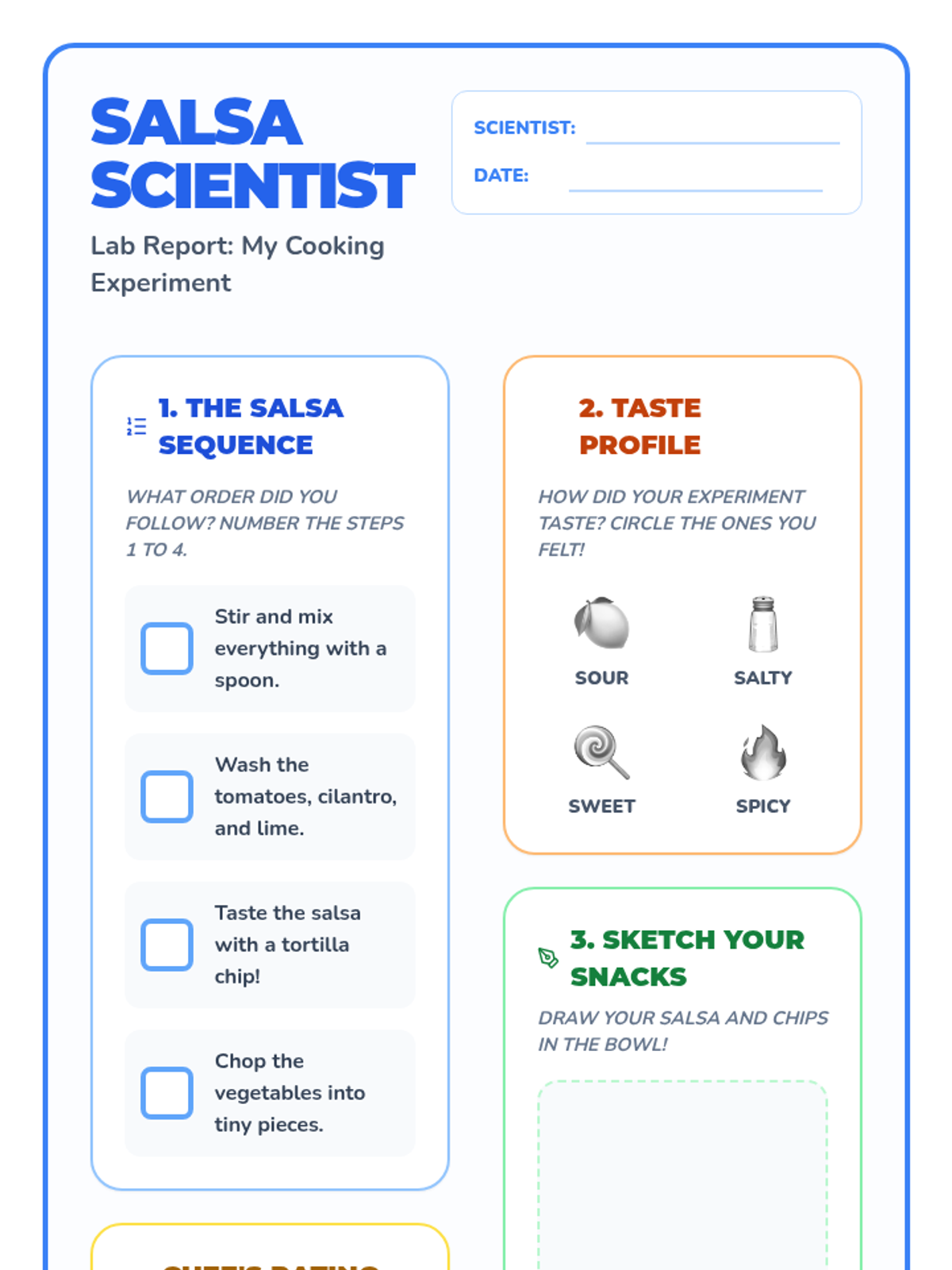
A beginner-friendly cooking lesson focused on following sequential instructions and identifying fresh ingredients while making a simple salsa.
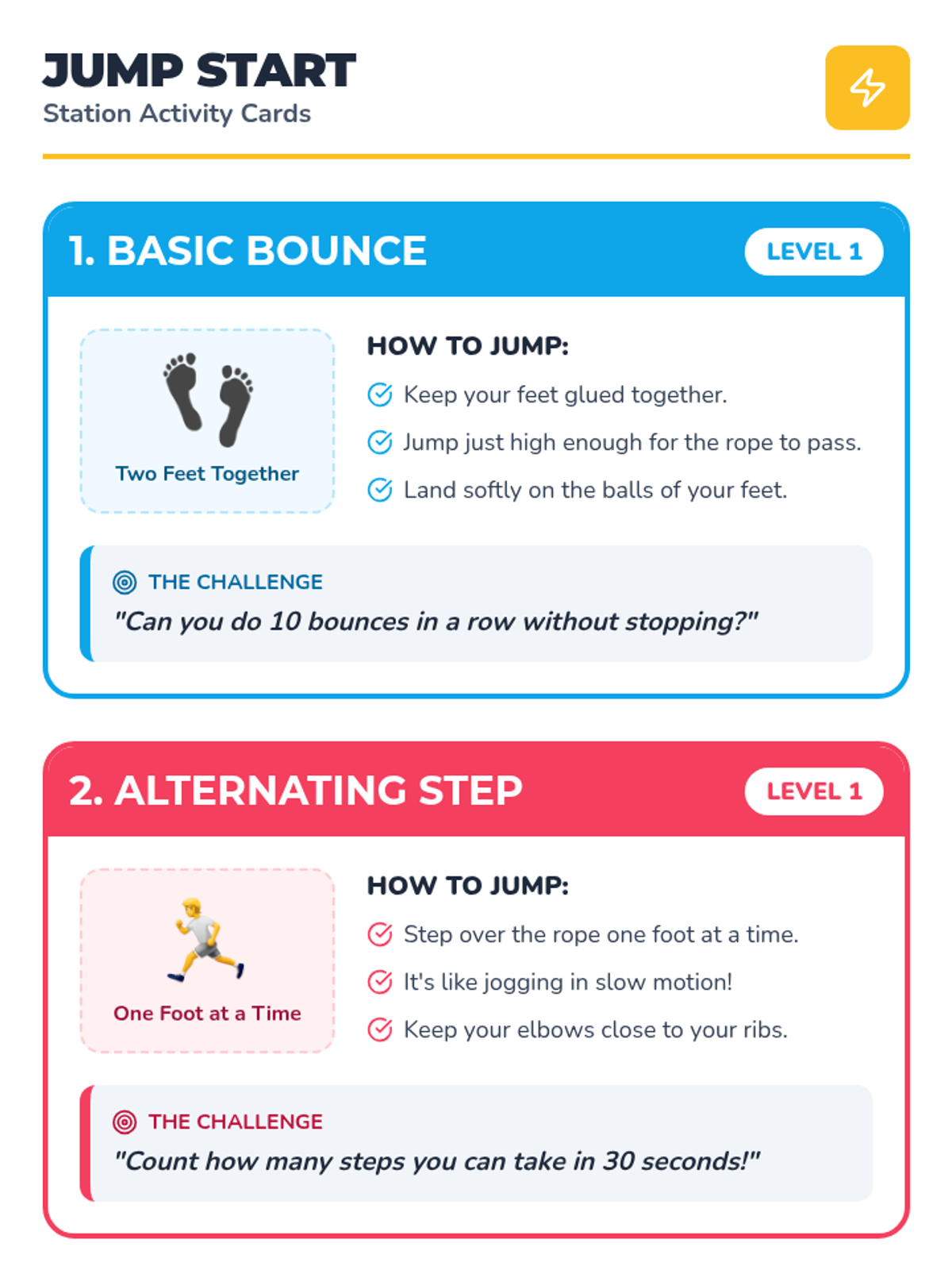
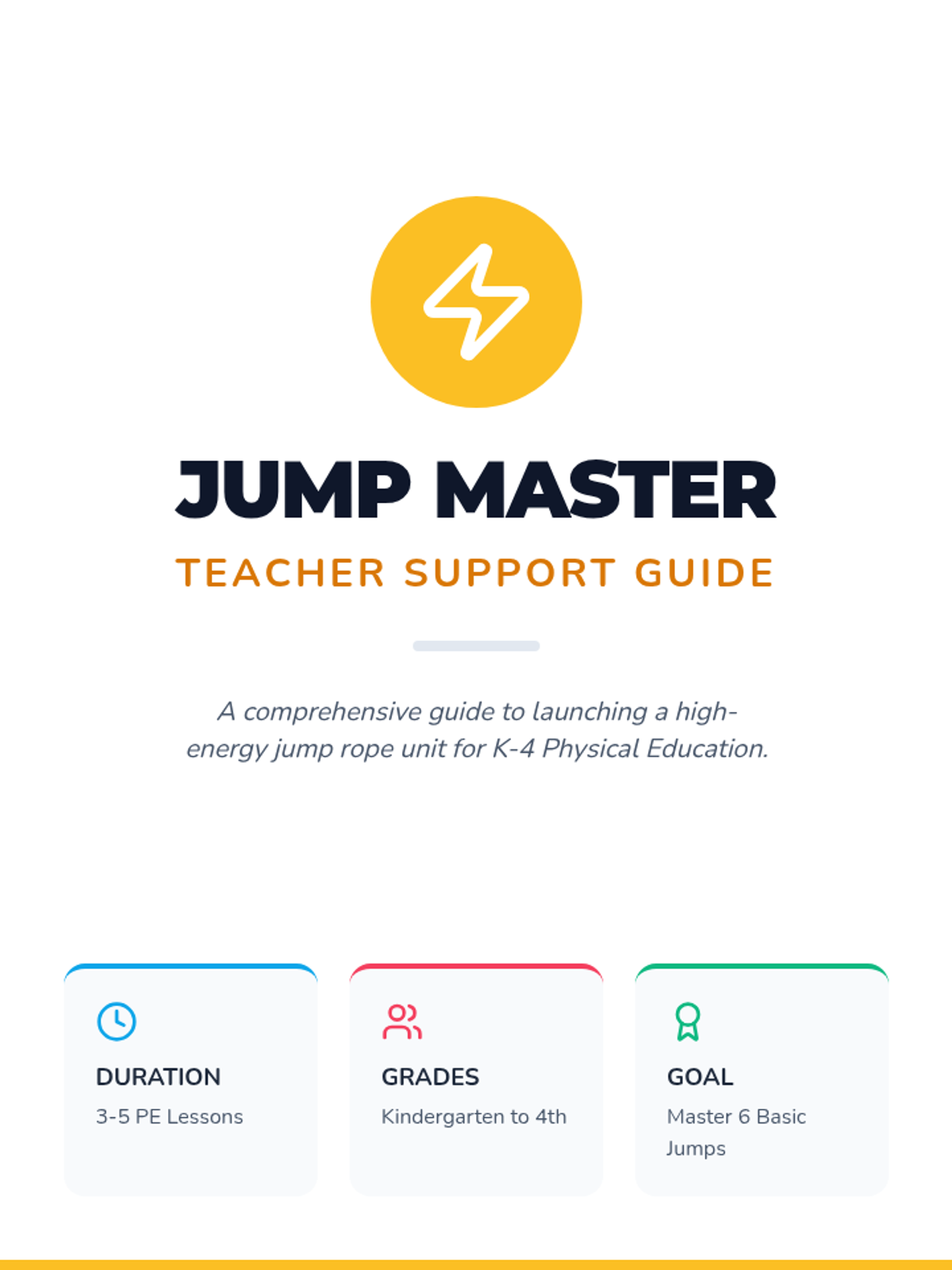
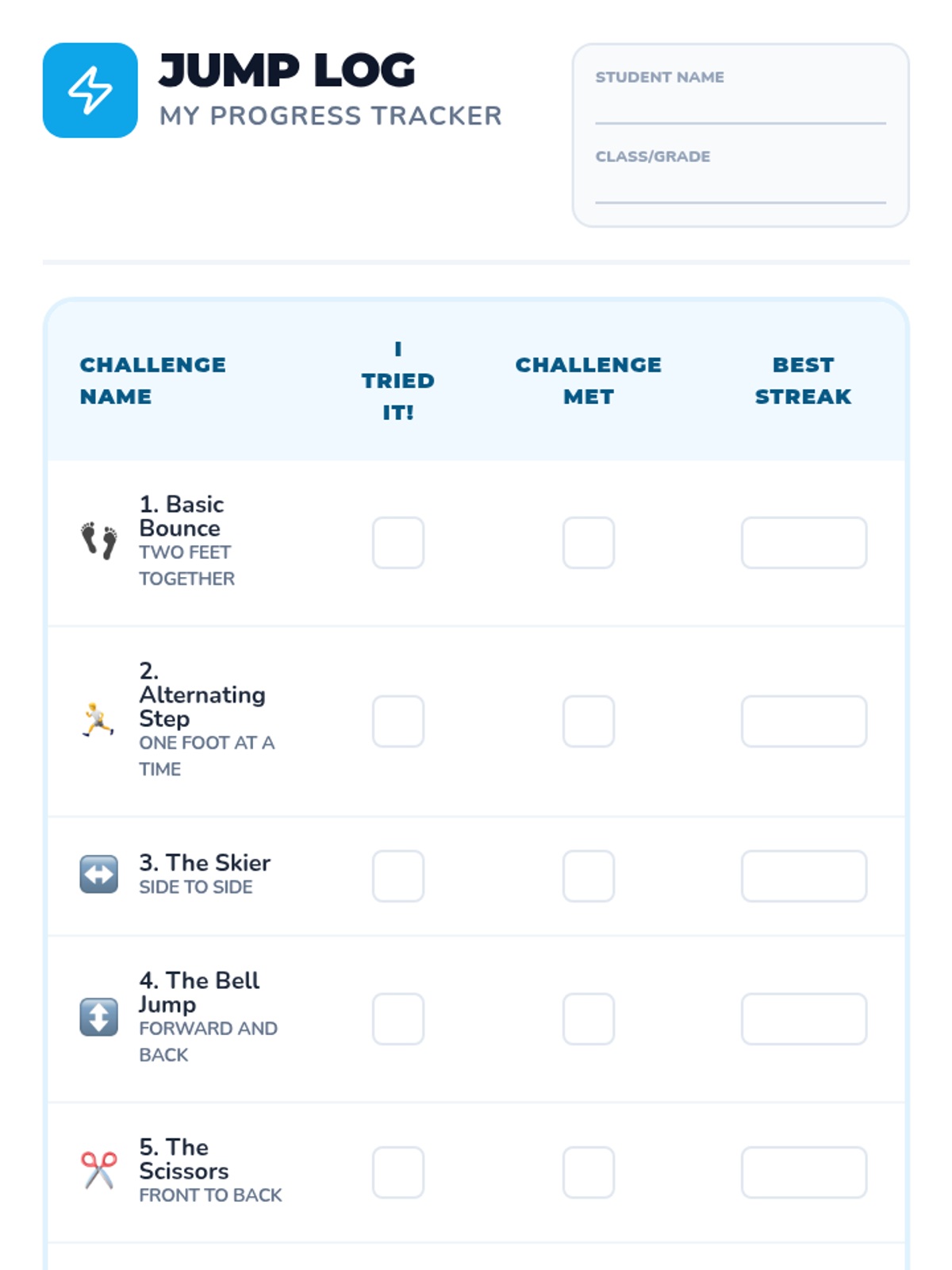
An energetic introduction to jump rope basics for elementary students, featuring colorful station cards, progress tracking, and teacher-led activities.
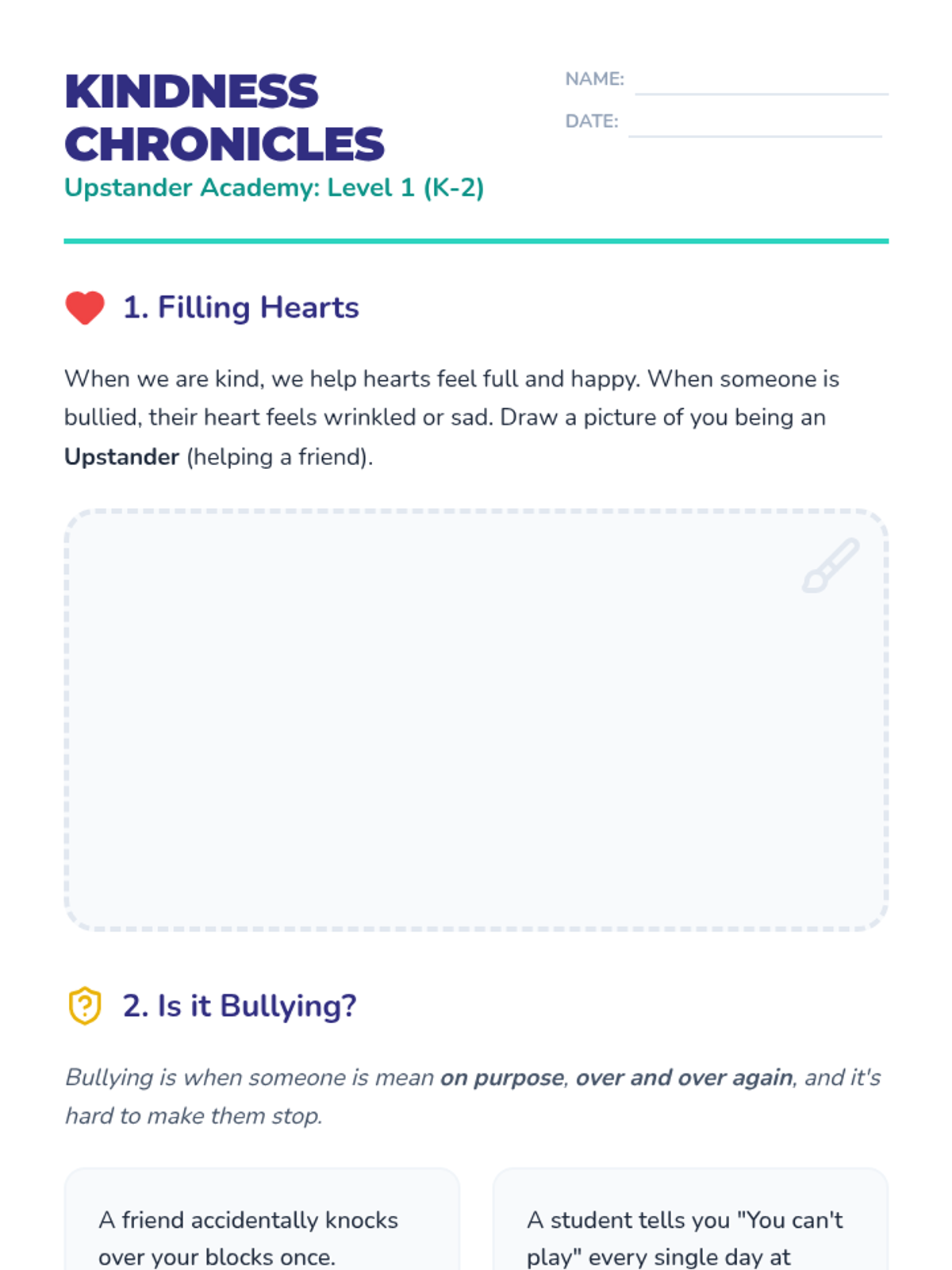
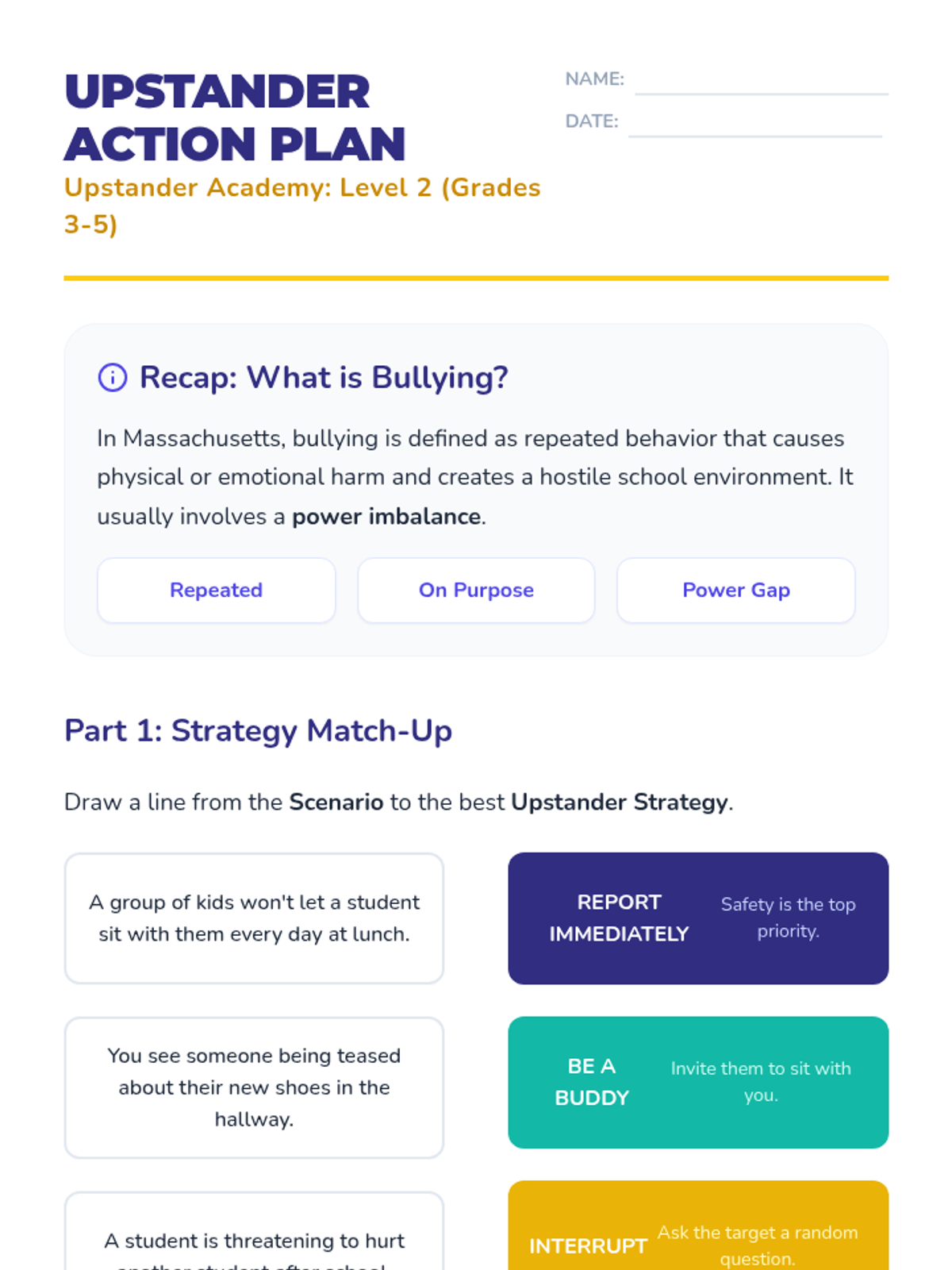
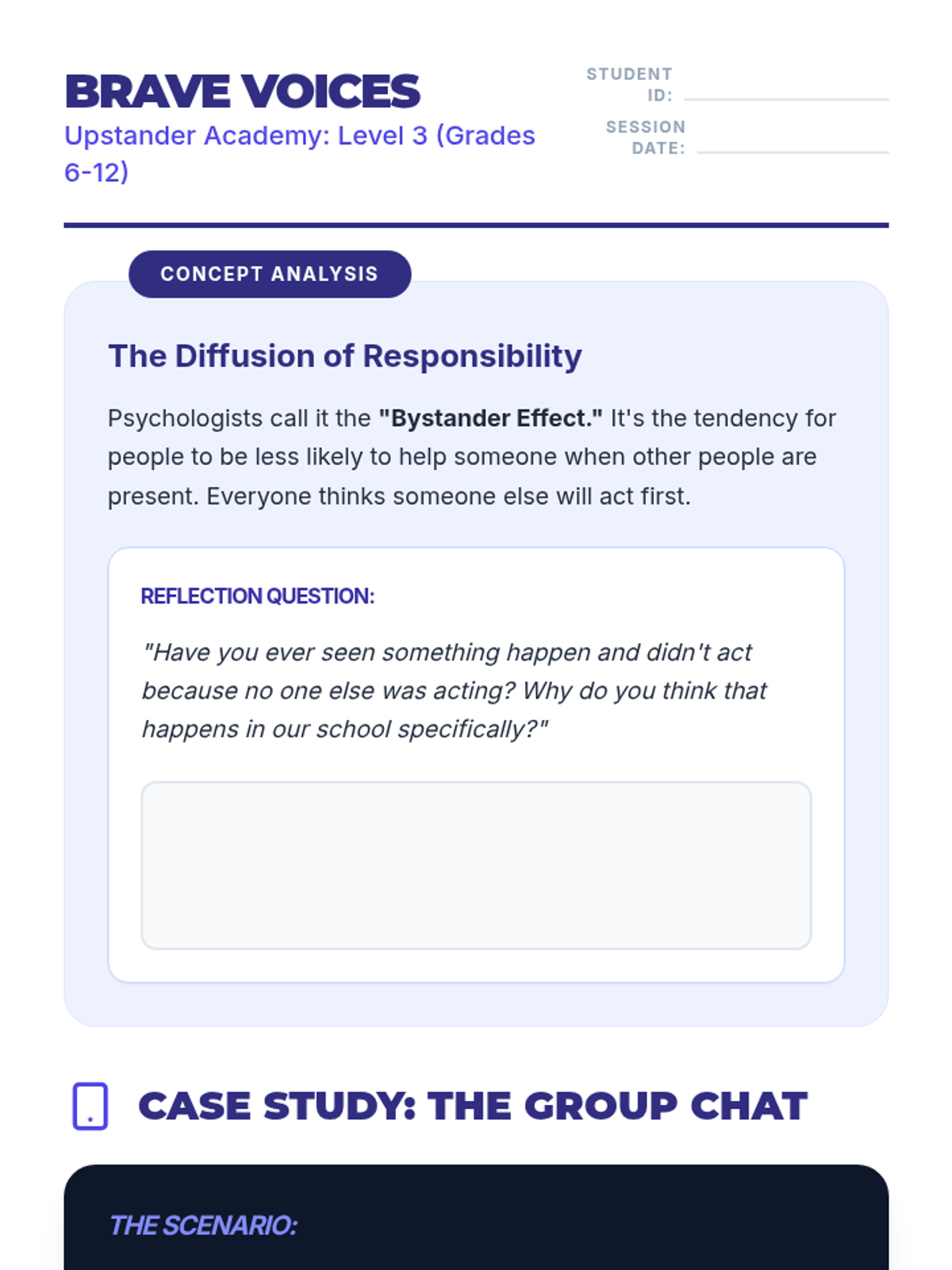
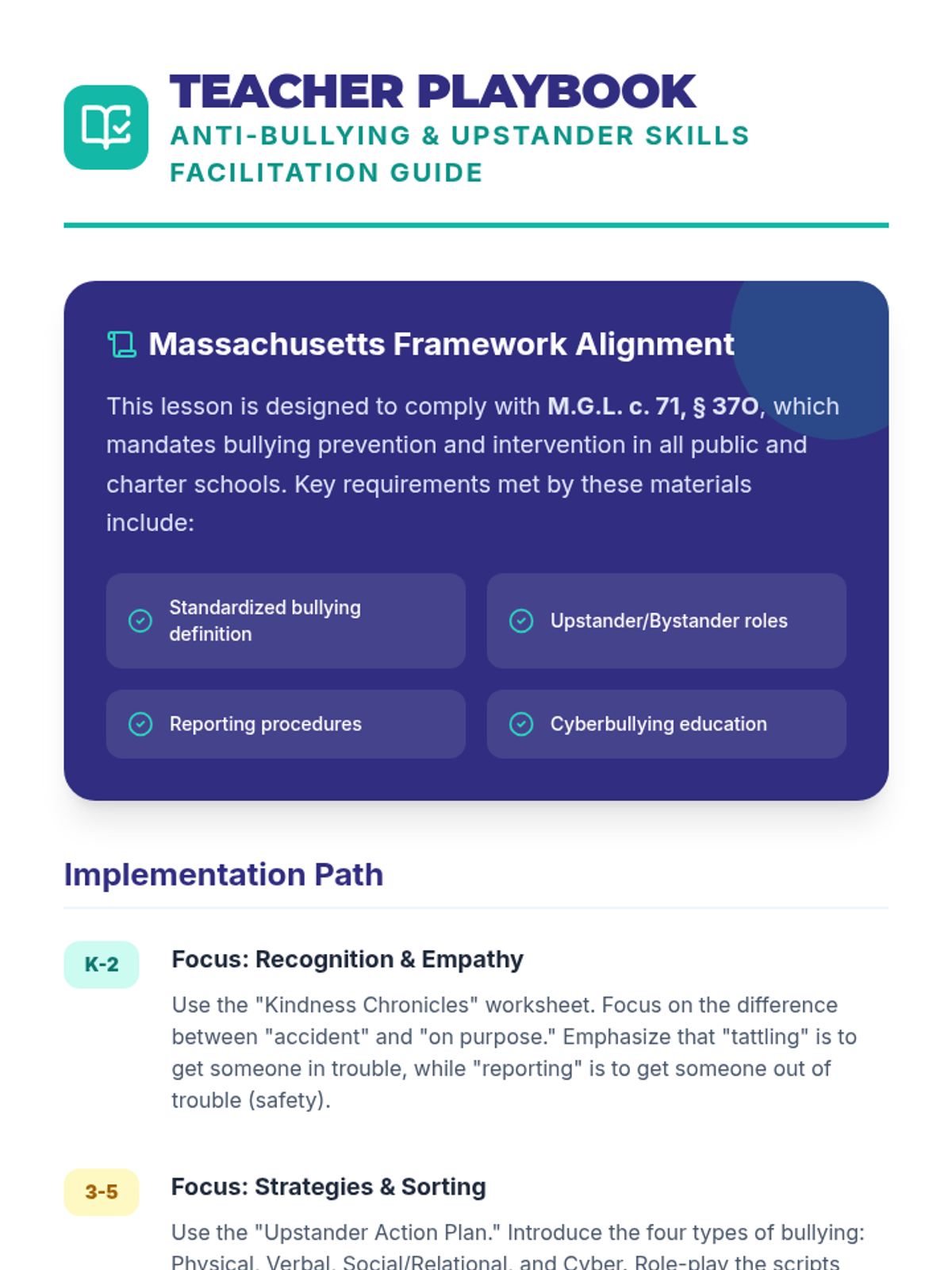
A comprehensive anti-bullying and upstander skills lesson designed for K-12 students. It focuses on identifying bullying, developing empathy, and providing concrete reporting strategies aligned with Massachusetts state frameworks.
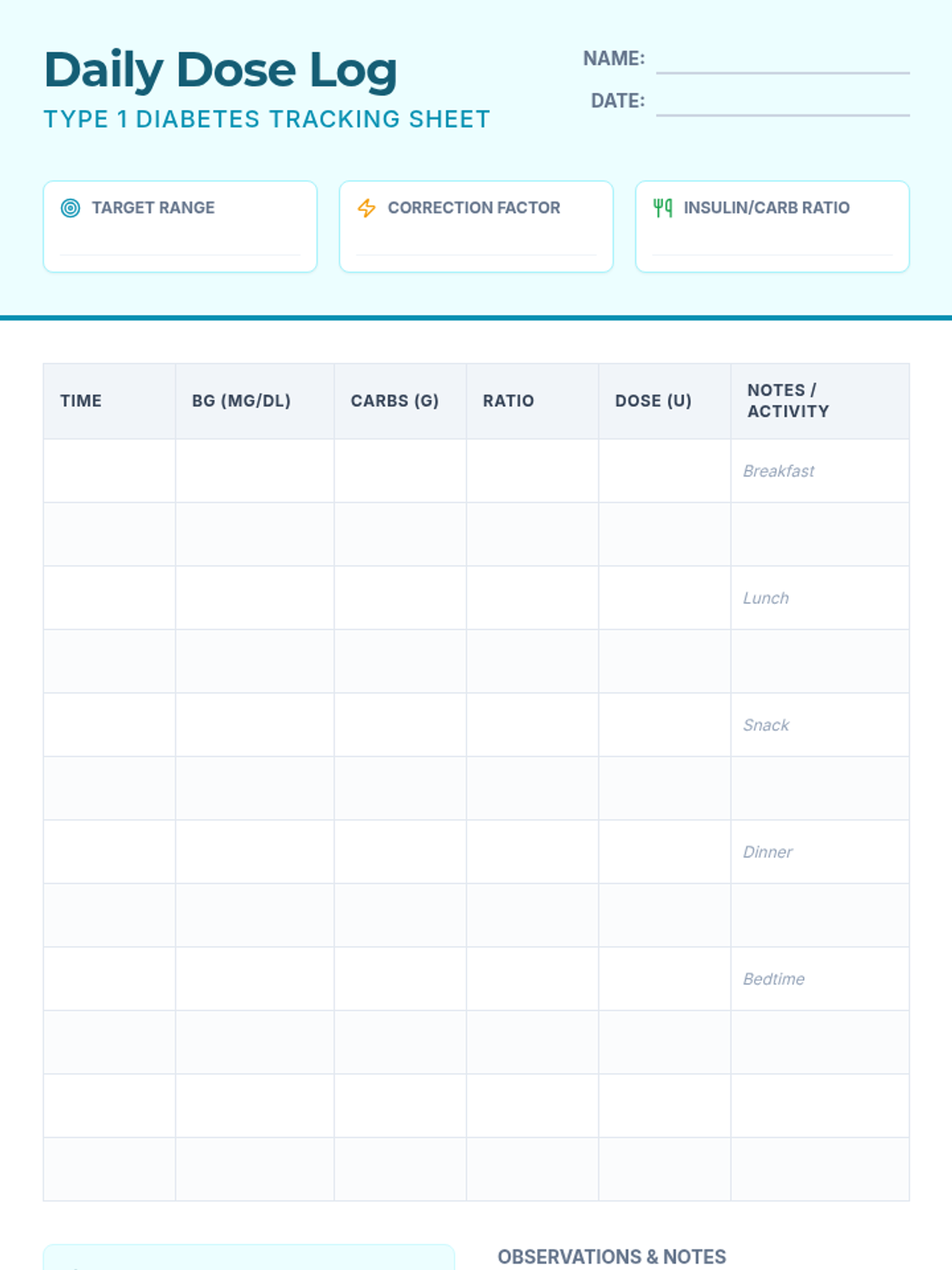
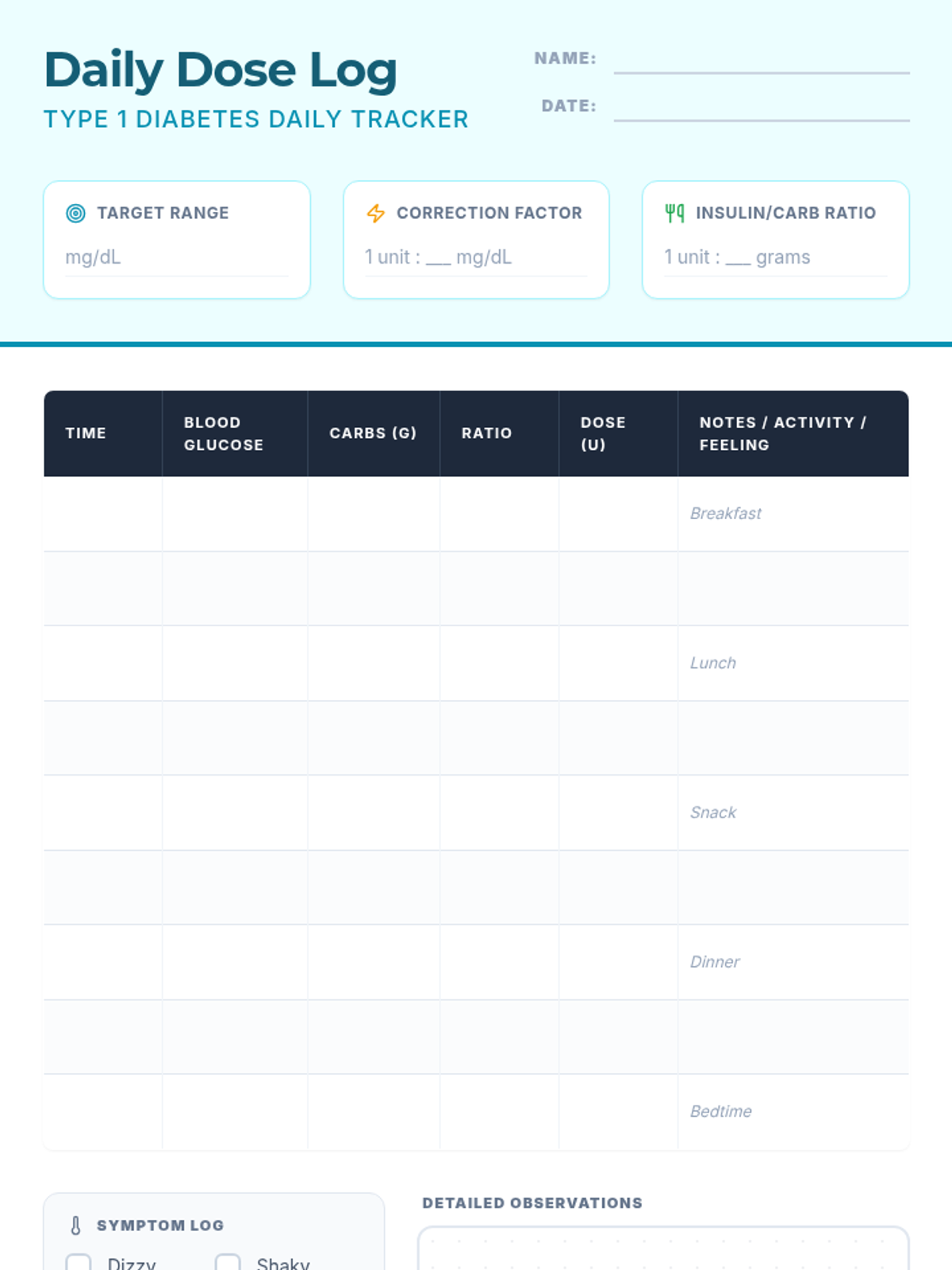
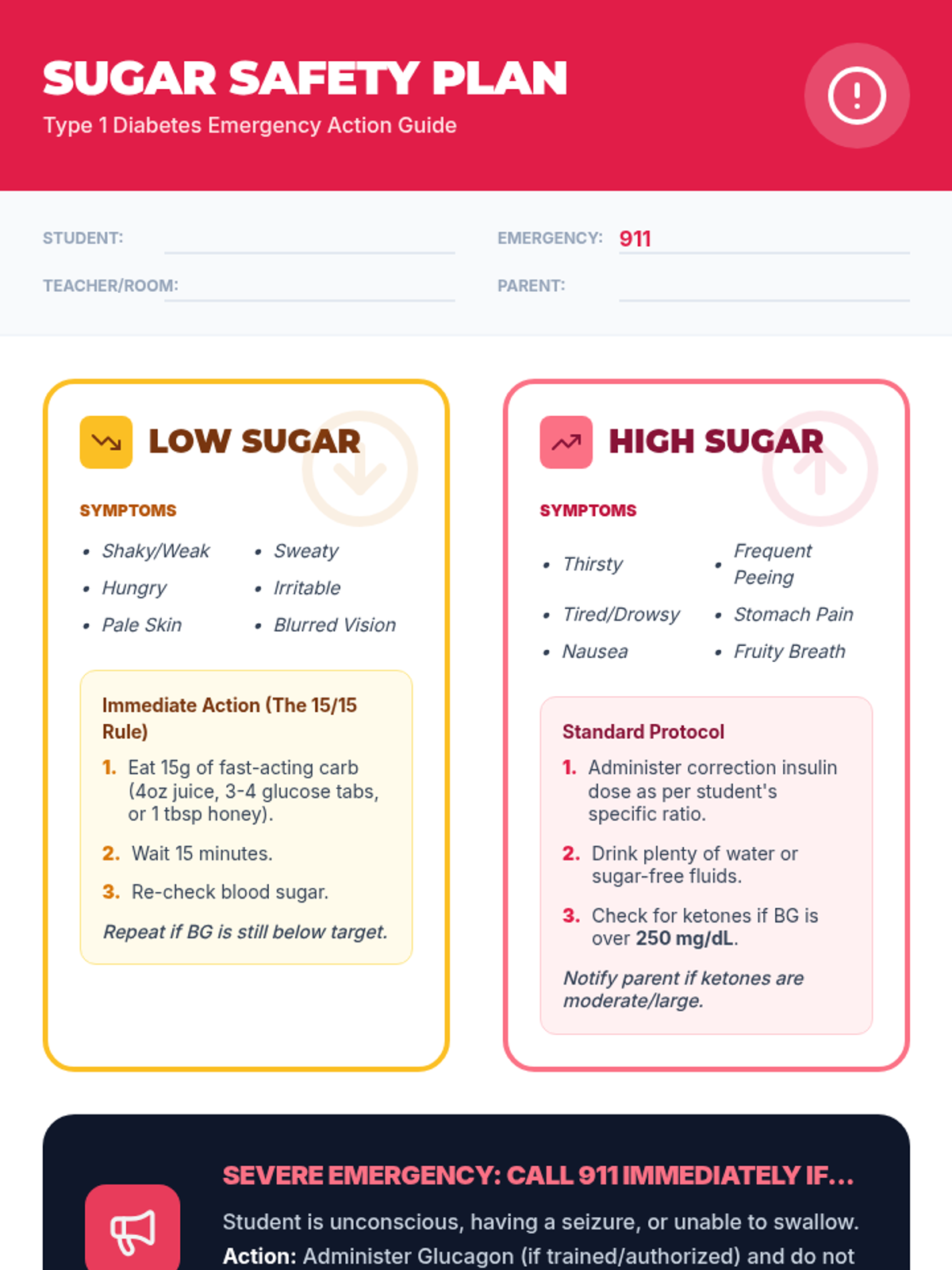
A comprehensive toolkit for tracking and managing Type 1 Diabetes daily routines, designed for students, parents, and school health staff.
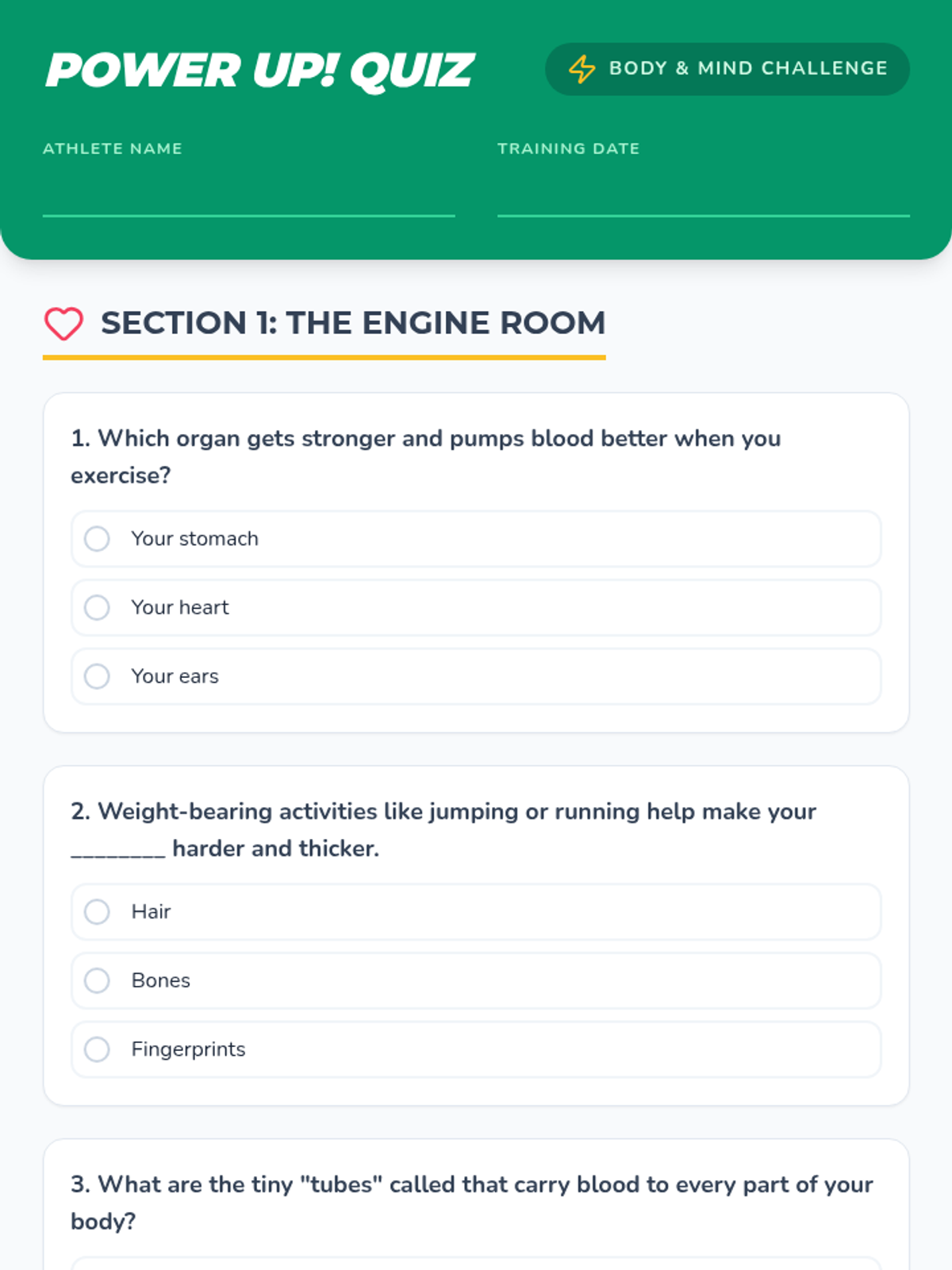
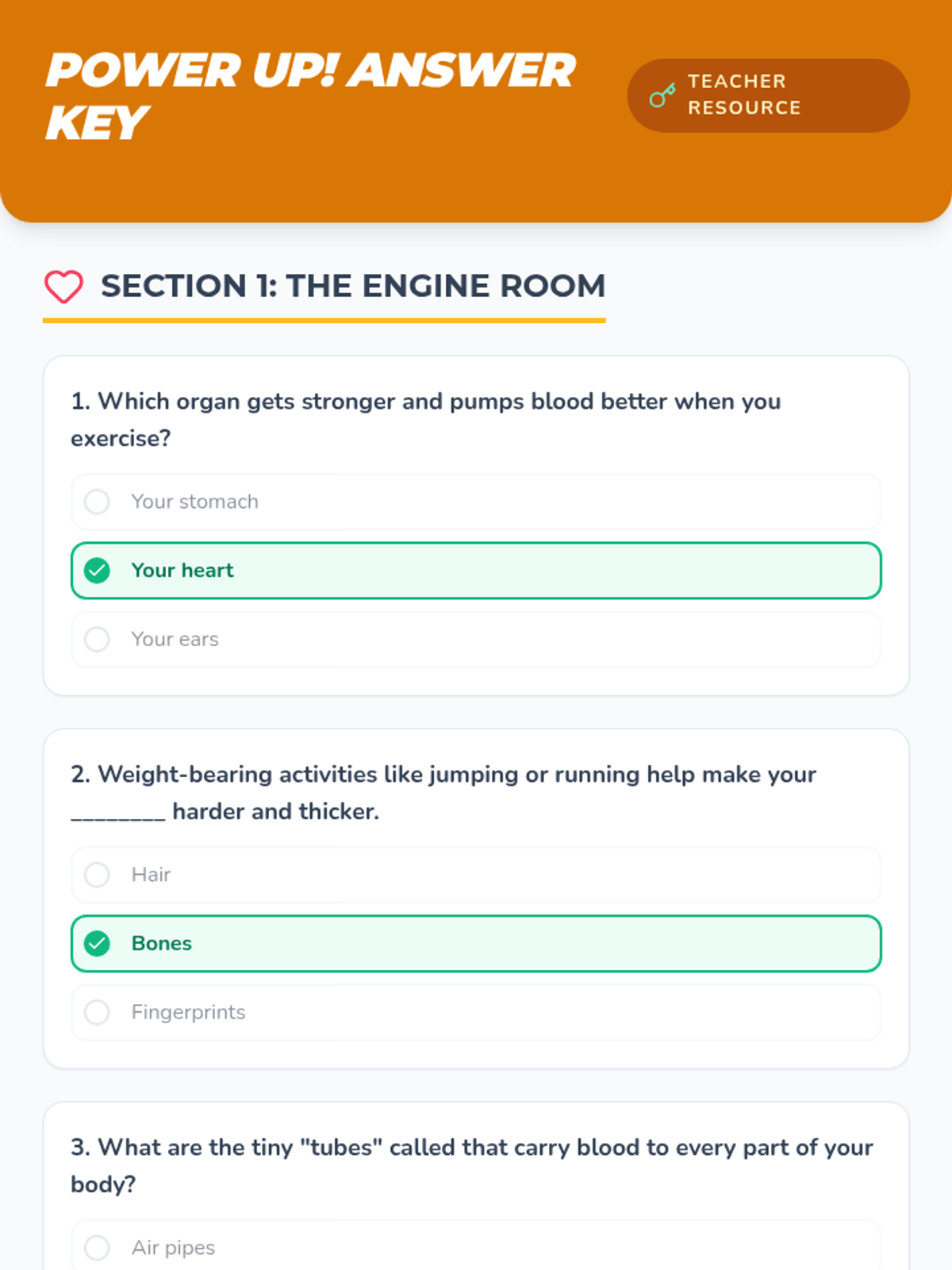
A fun and engaging assessment focused on how physical activity strengthens the body, improves mental health, and supports heart and bone health.
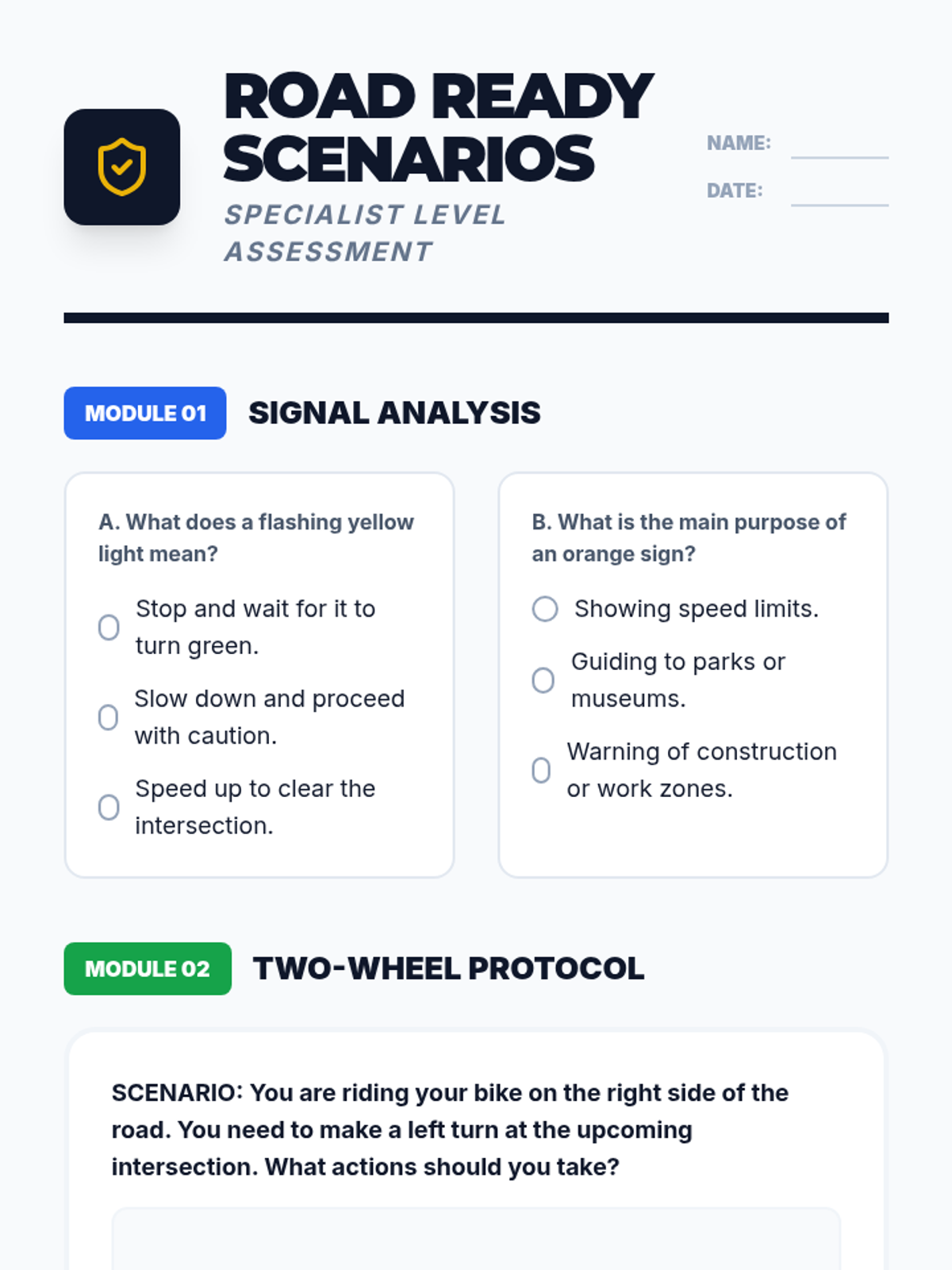
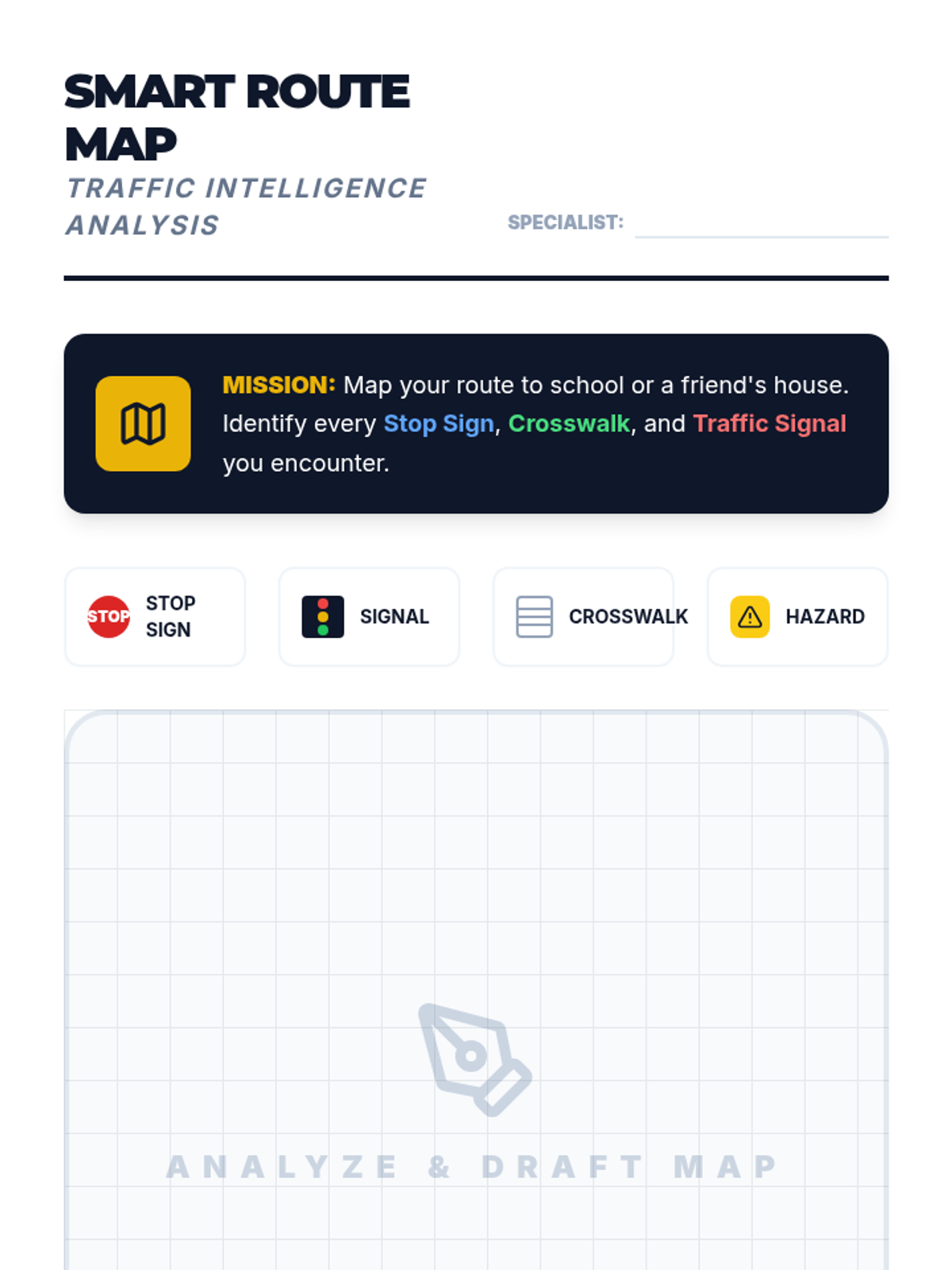
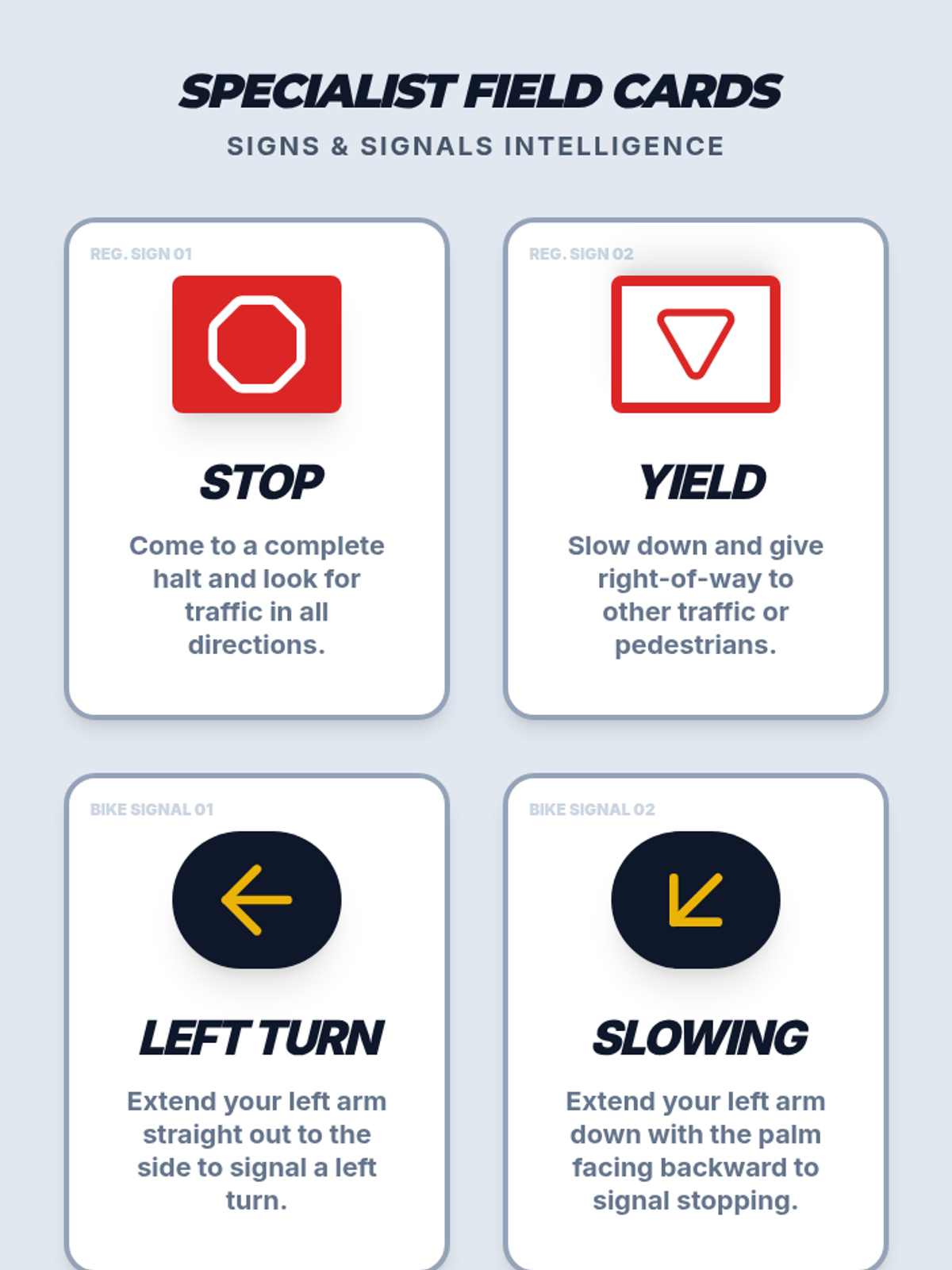
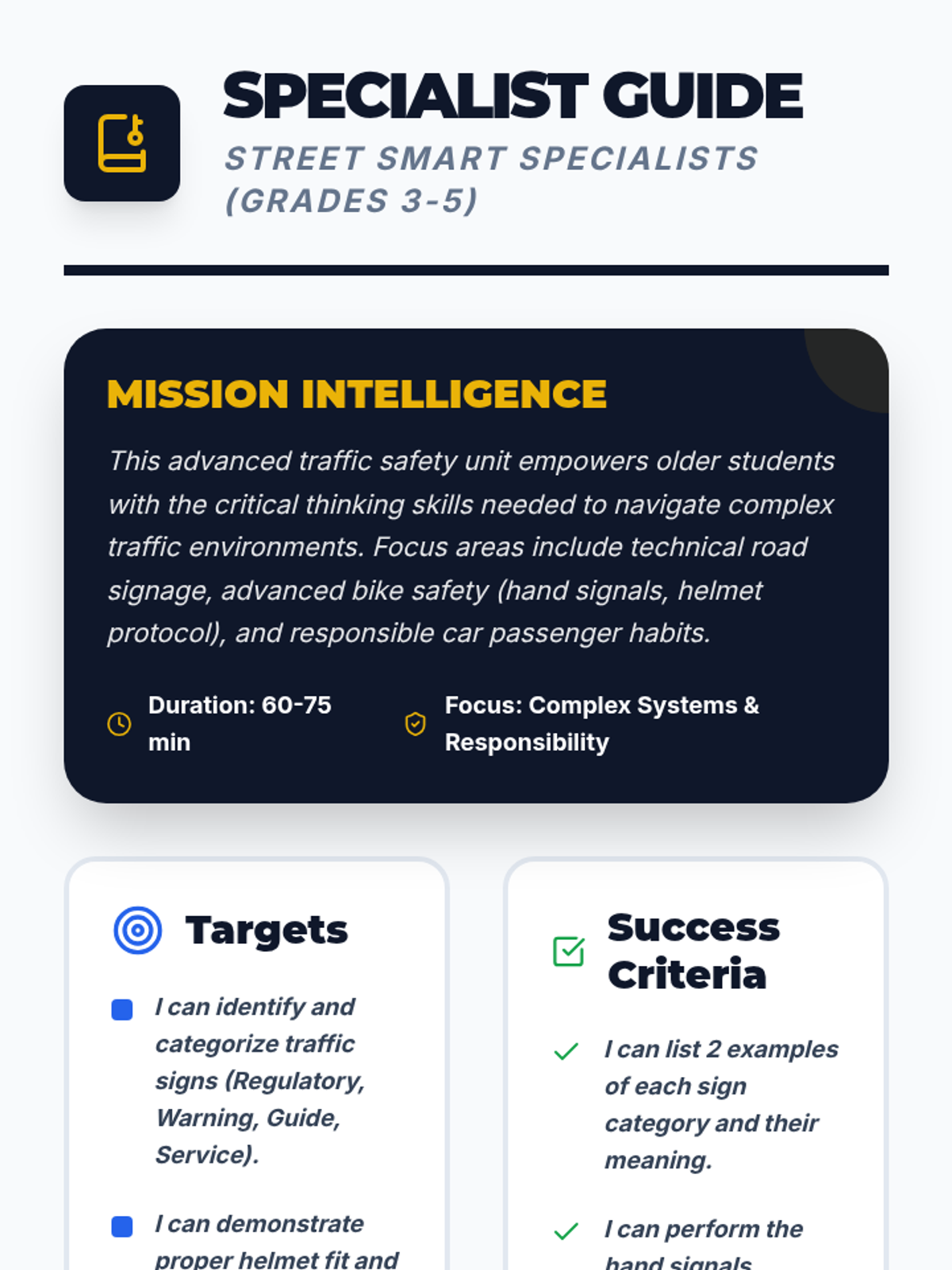
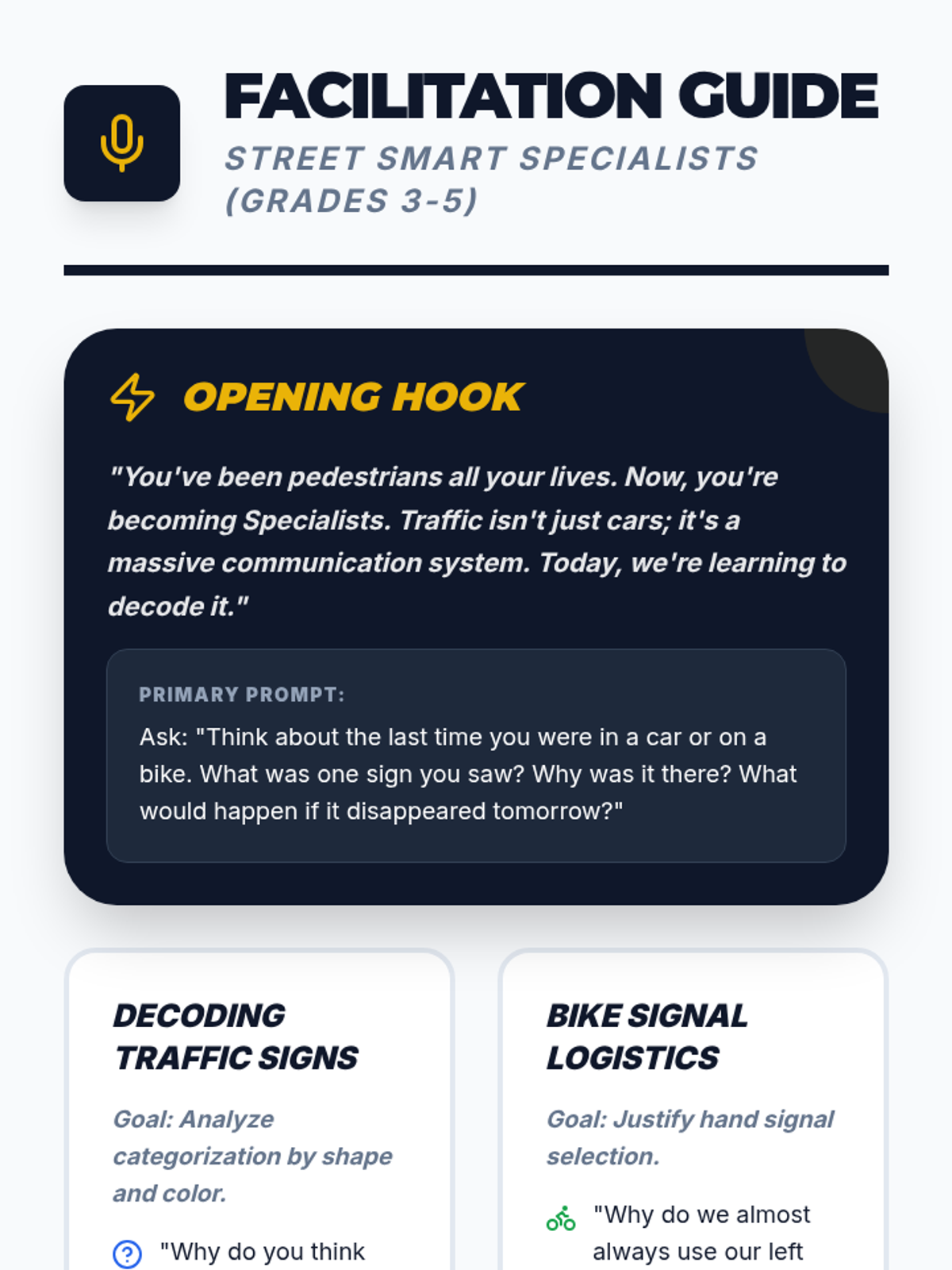
Advanced traffic safety for grades 3-5, covering traffic signs, bike safety protocols, and responsible car safety habits.
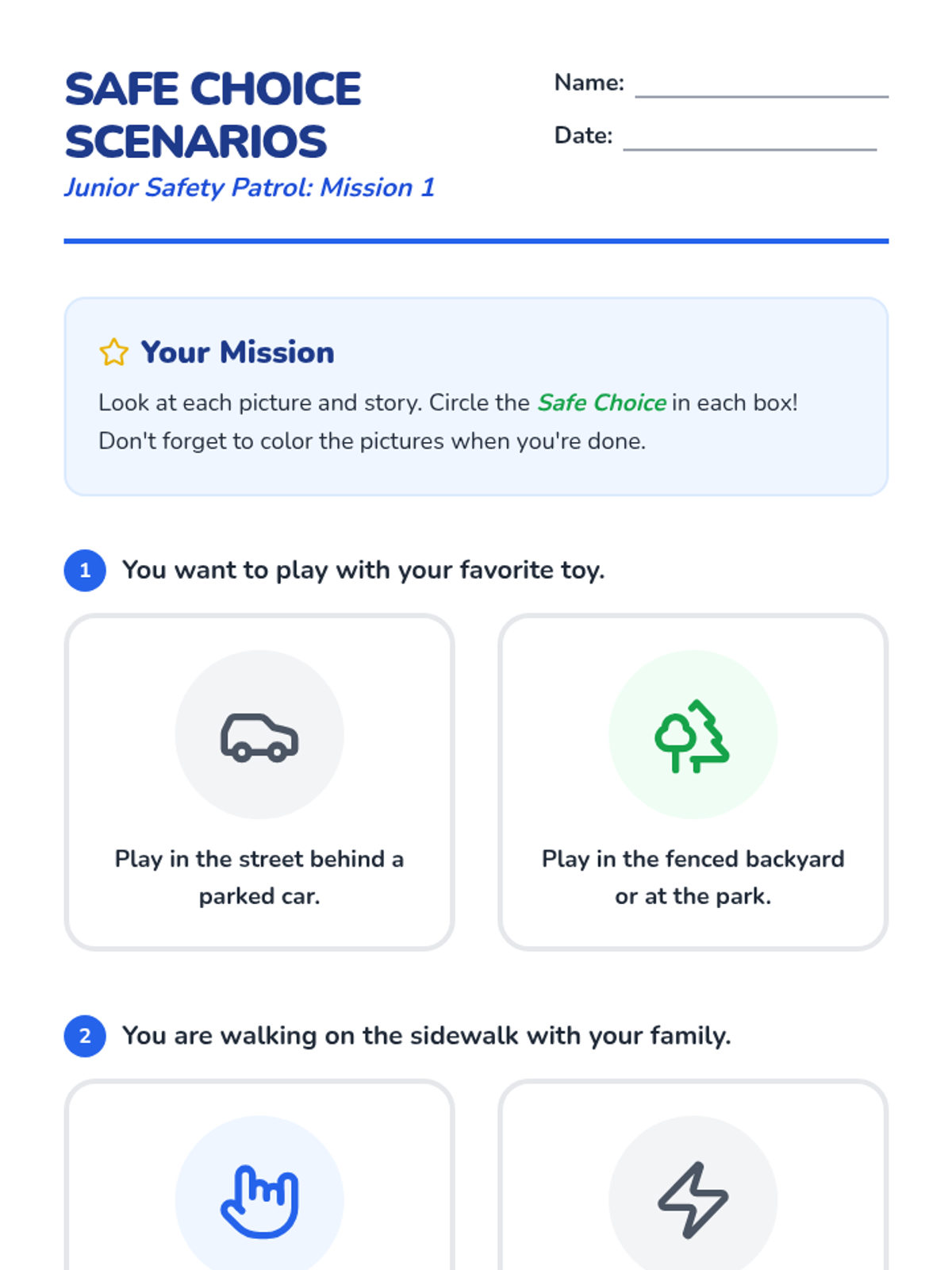
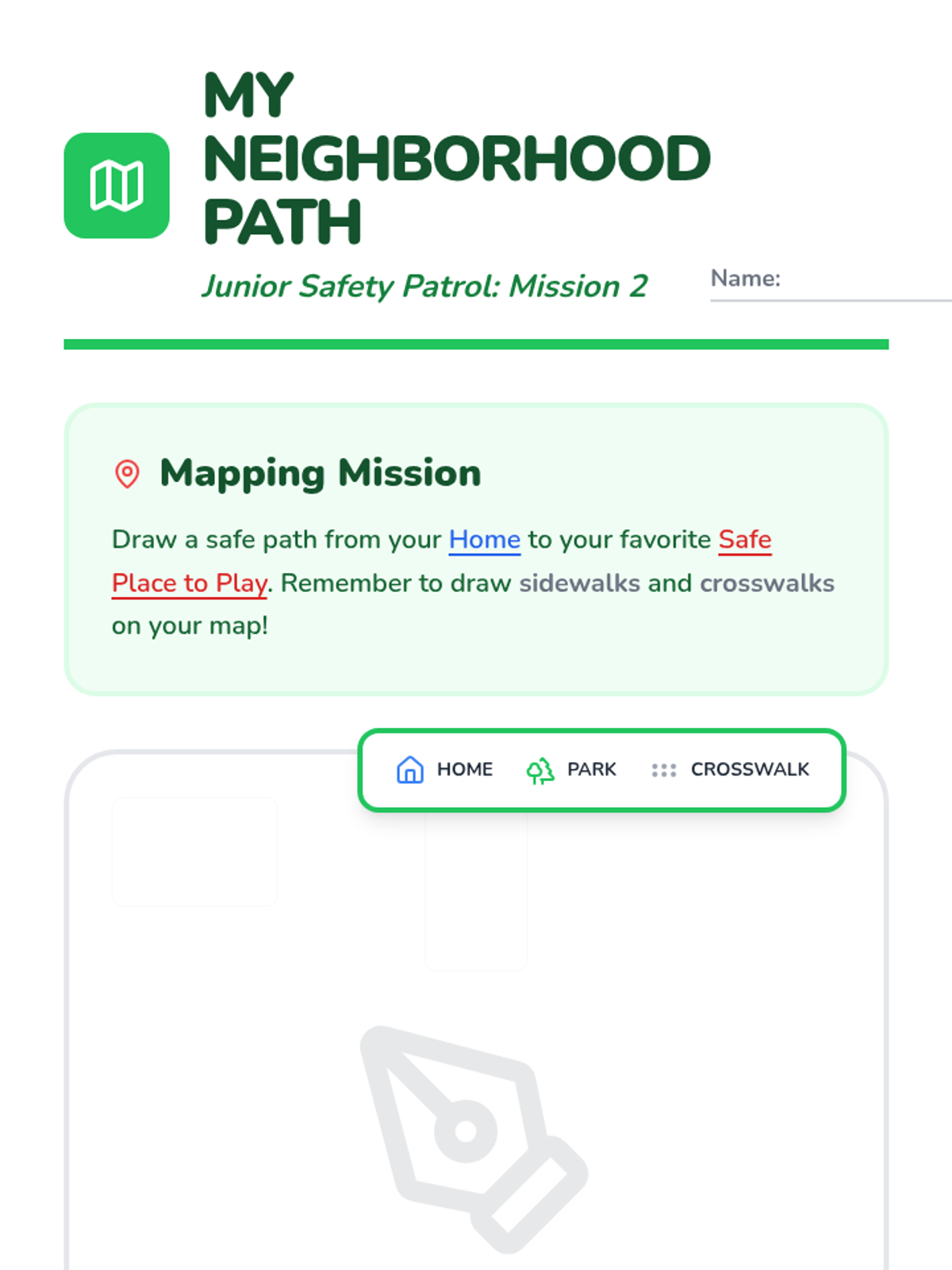
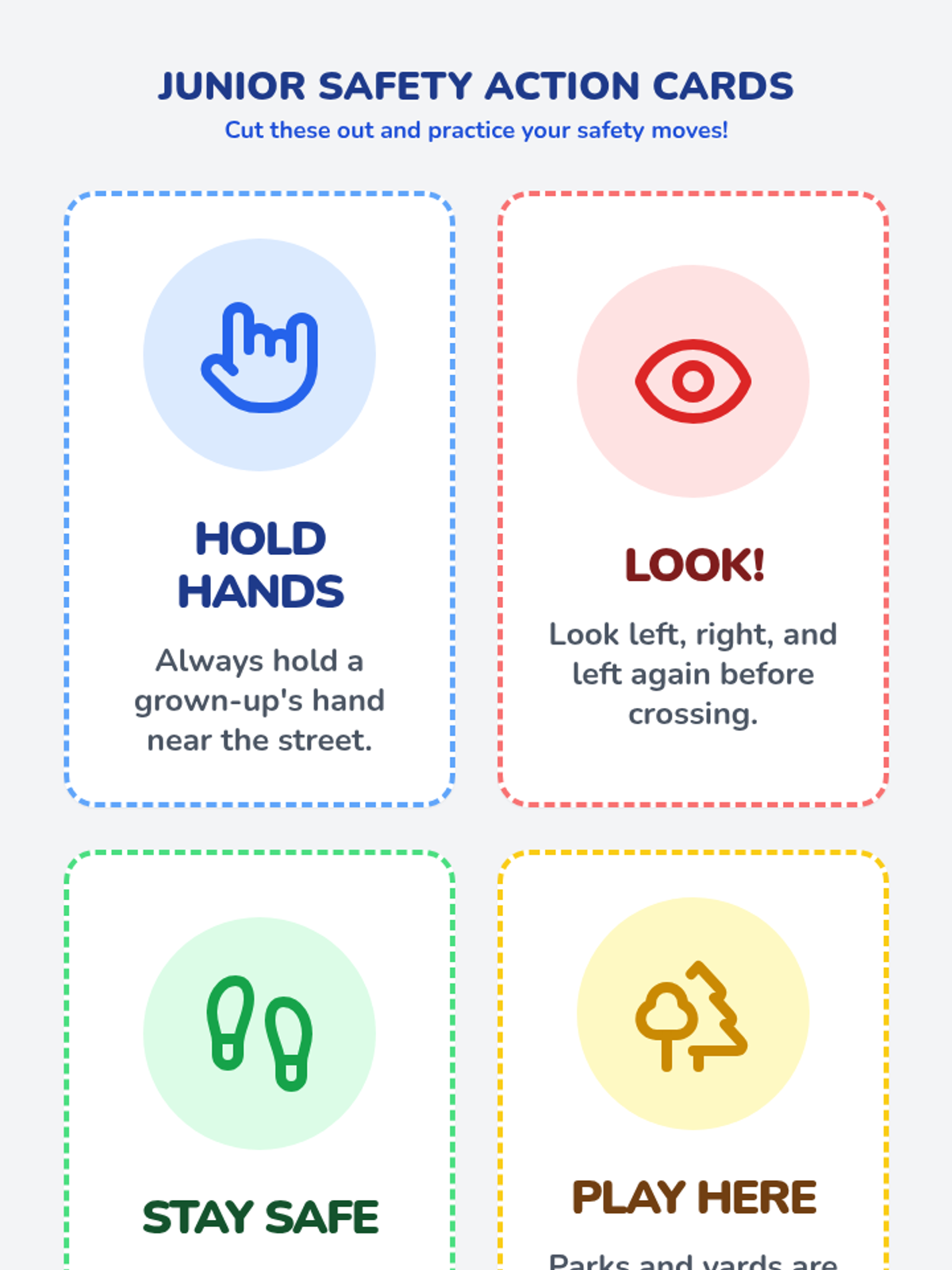
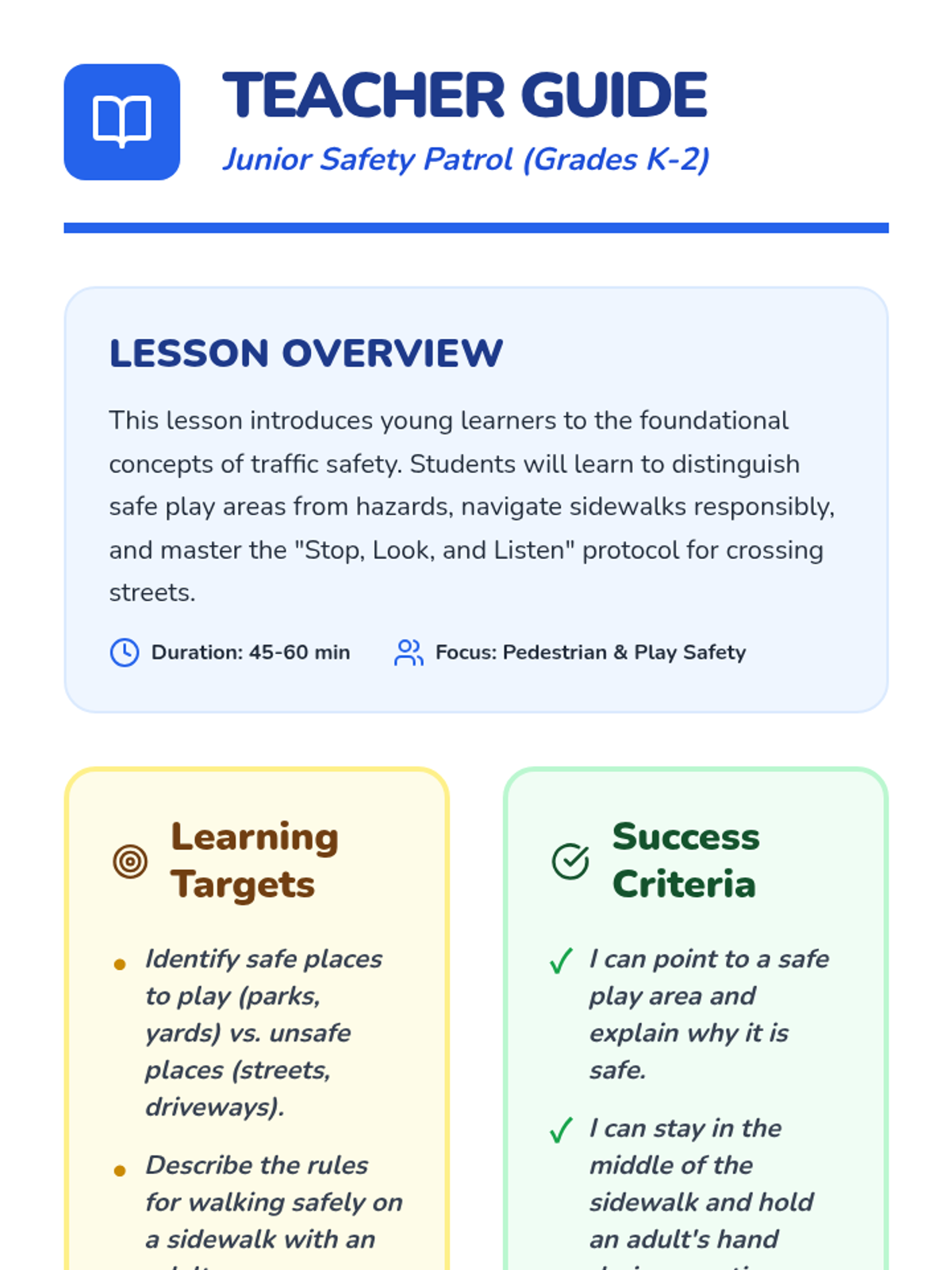
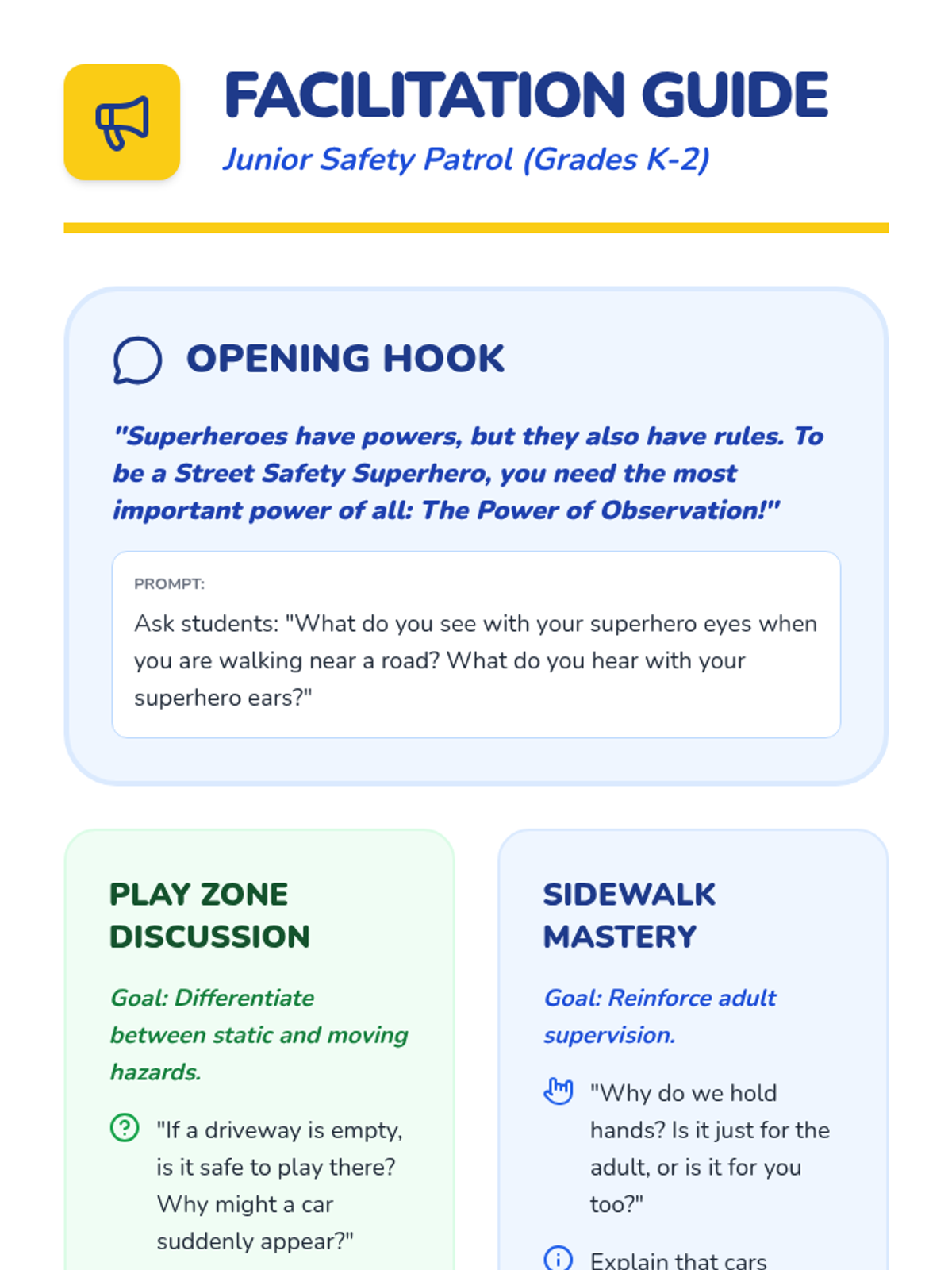
An introduction to basic pedestrian safety and safe play for students in grades K-2, emphasizing sidewalk rules and supervised walking.
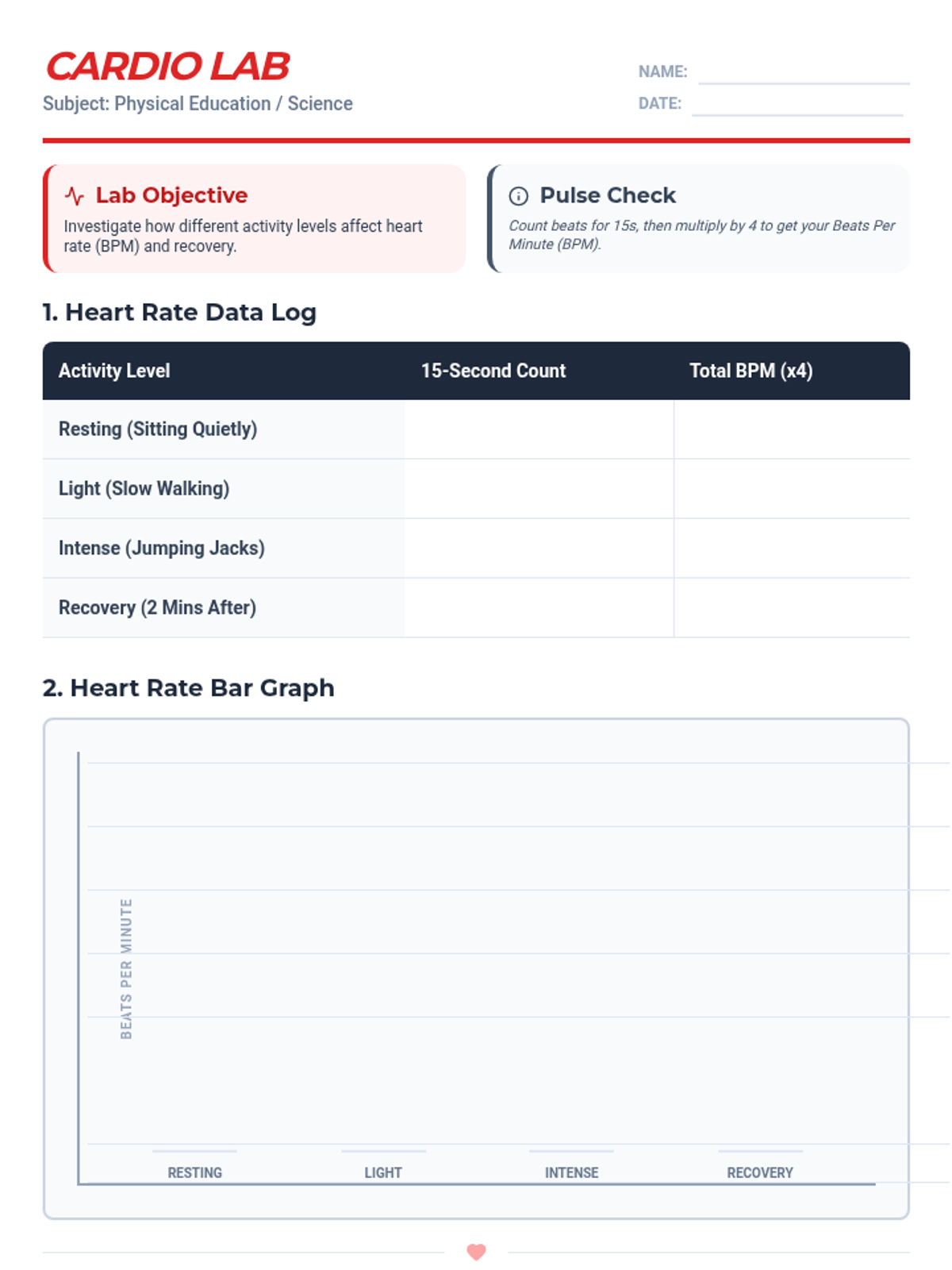
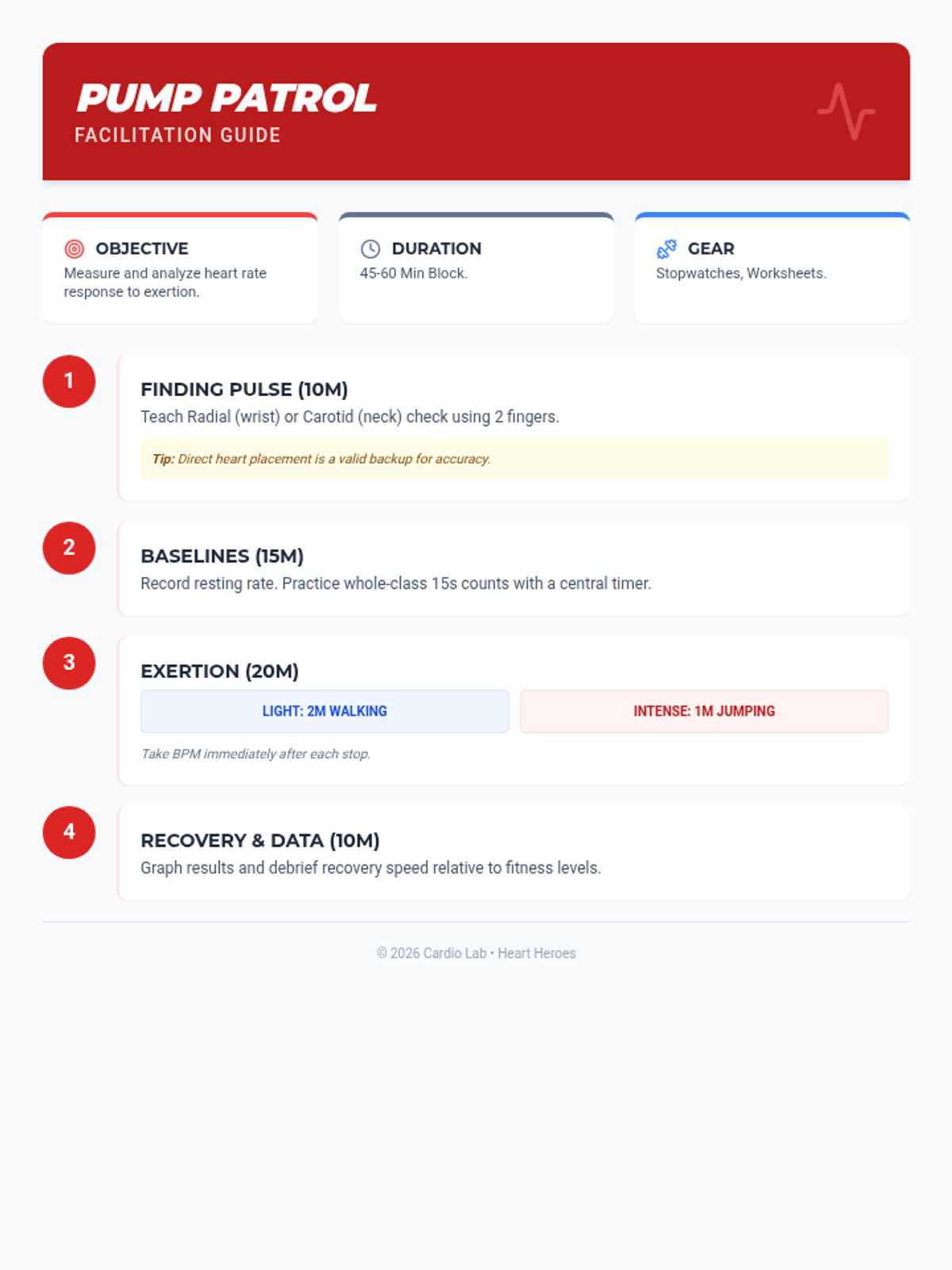
Students learn how to find their pulse and track their heart rate before, during, and after a physical activity challenge.
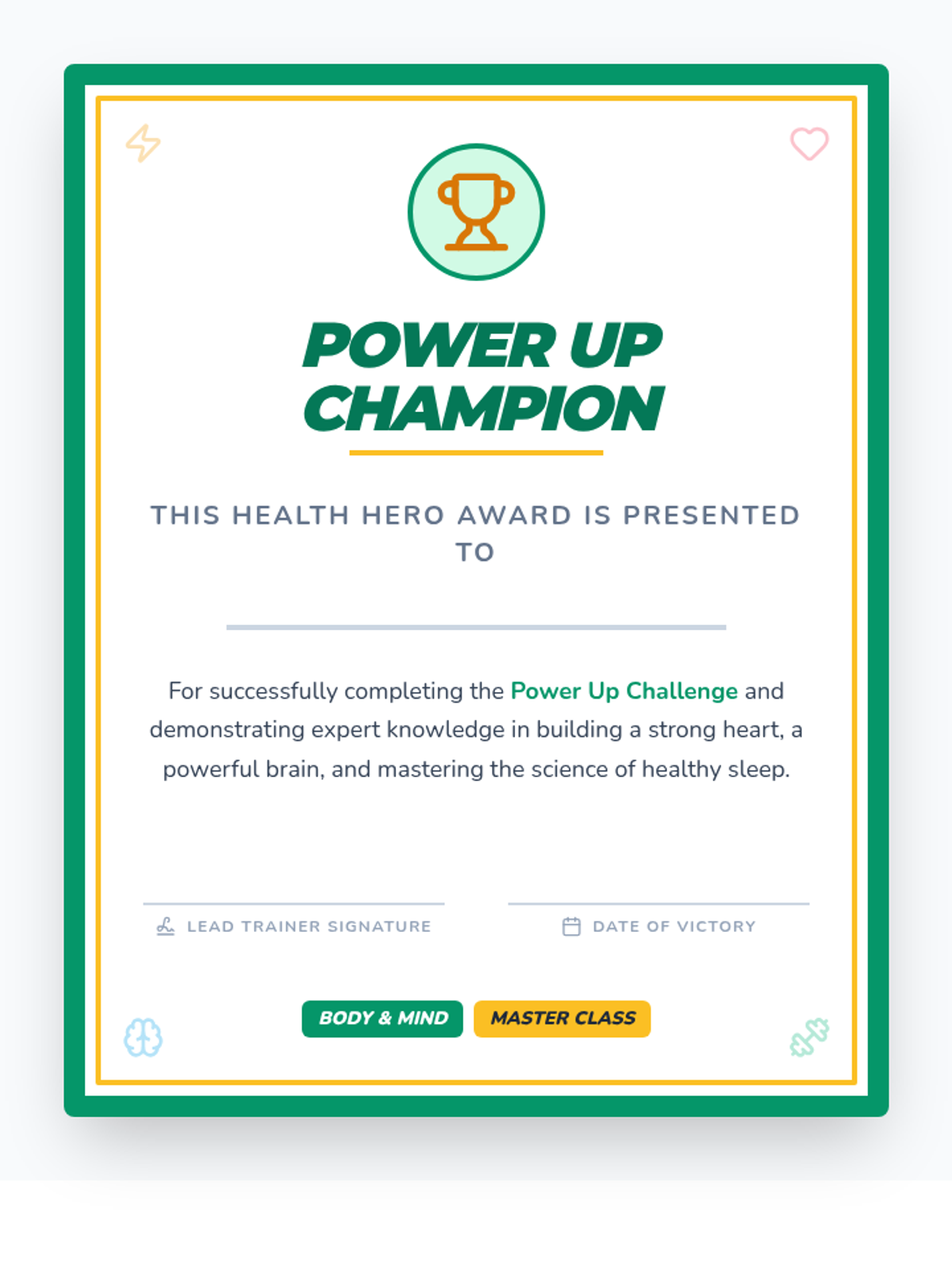
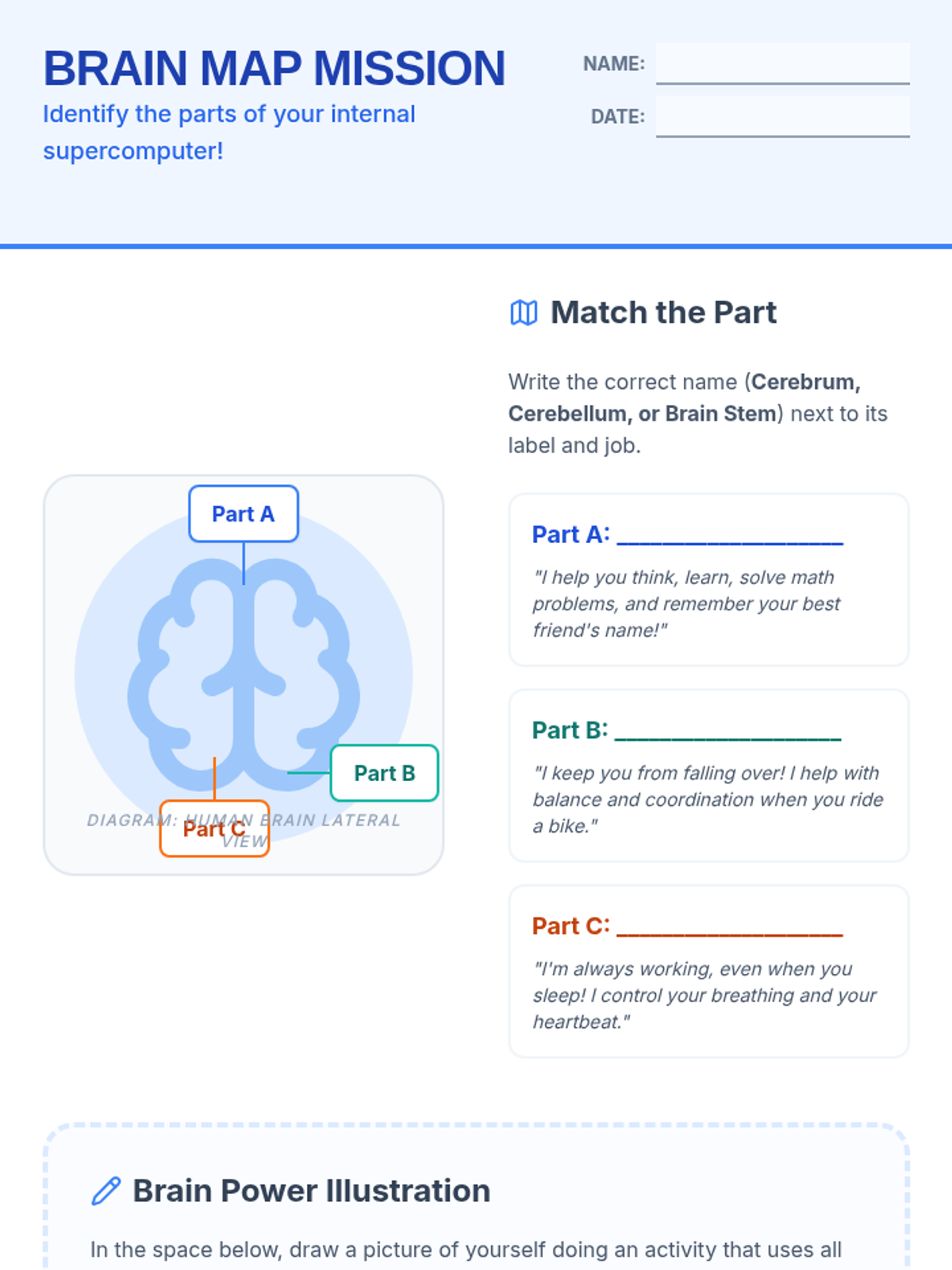
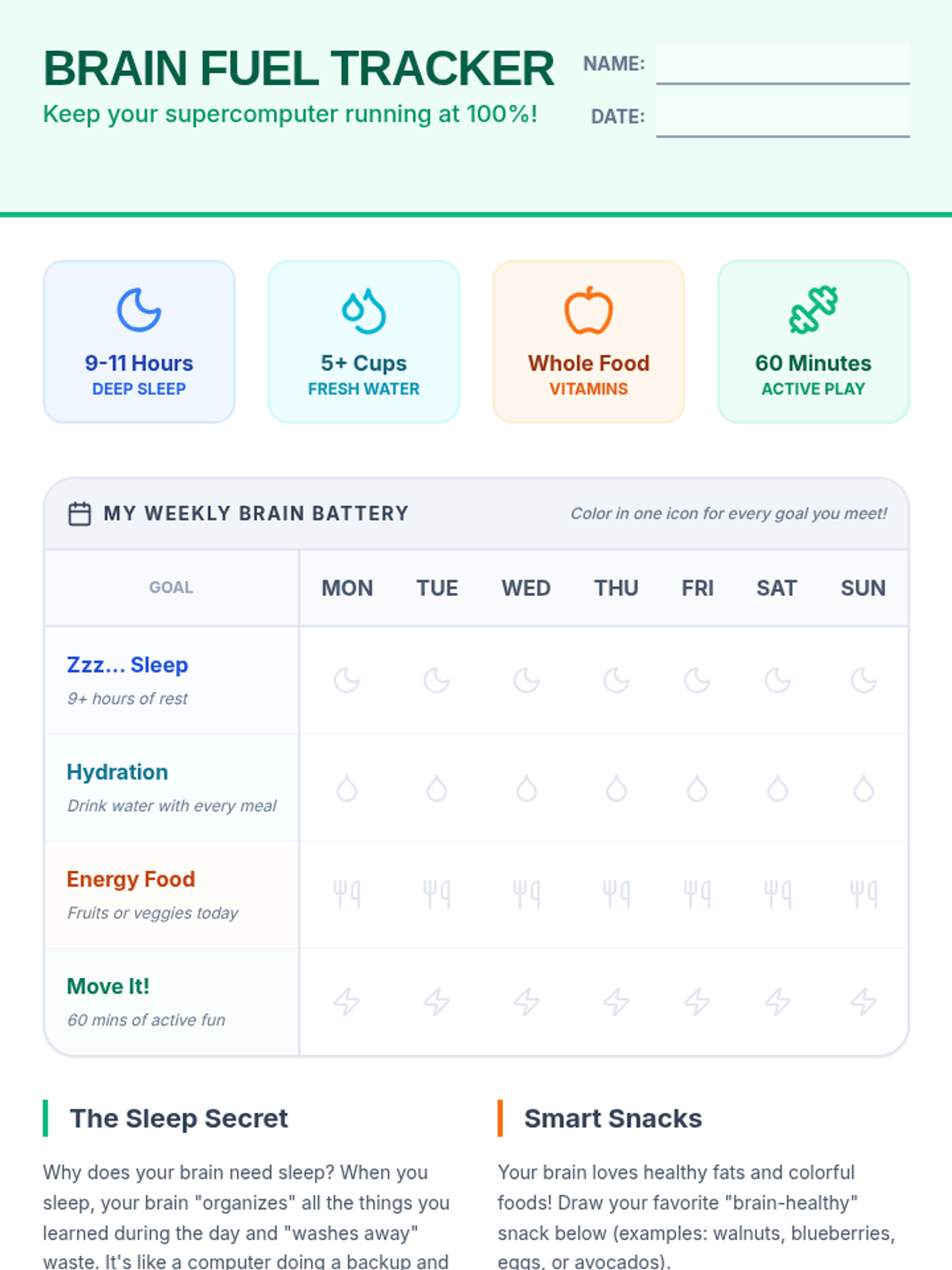
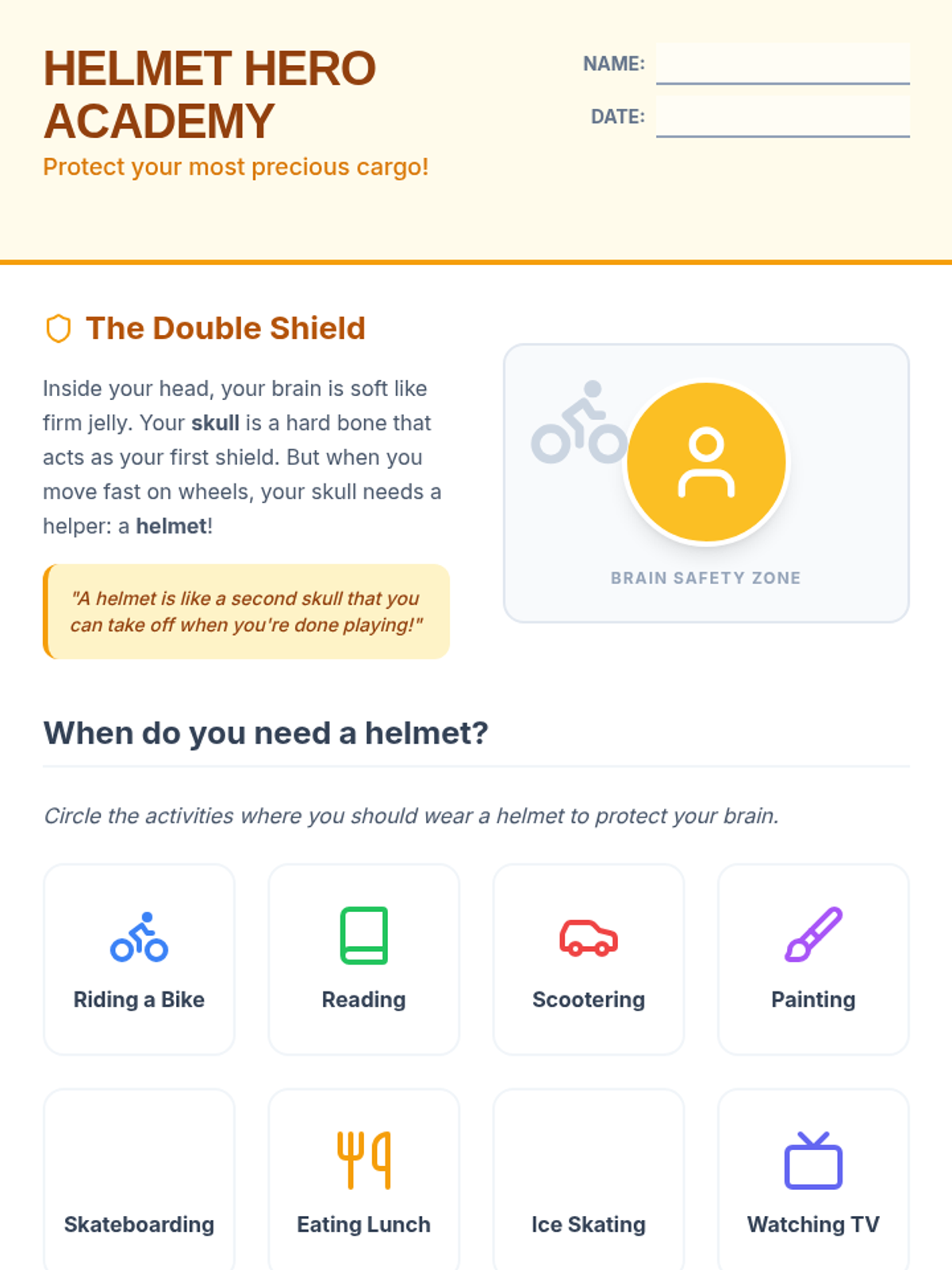
A series of interactive materials teaching elementary students about how their brain works, how to keep it healthy through nutrition and sleep, and how to protect it during physical activities.
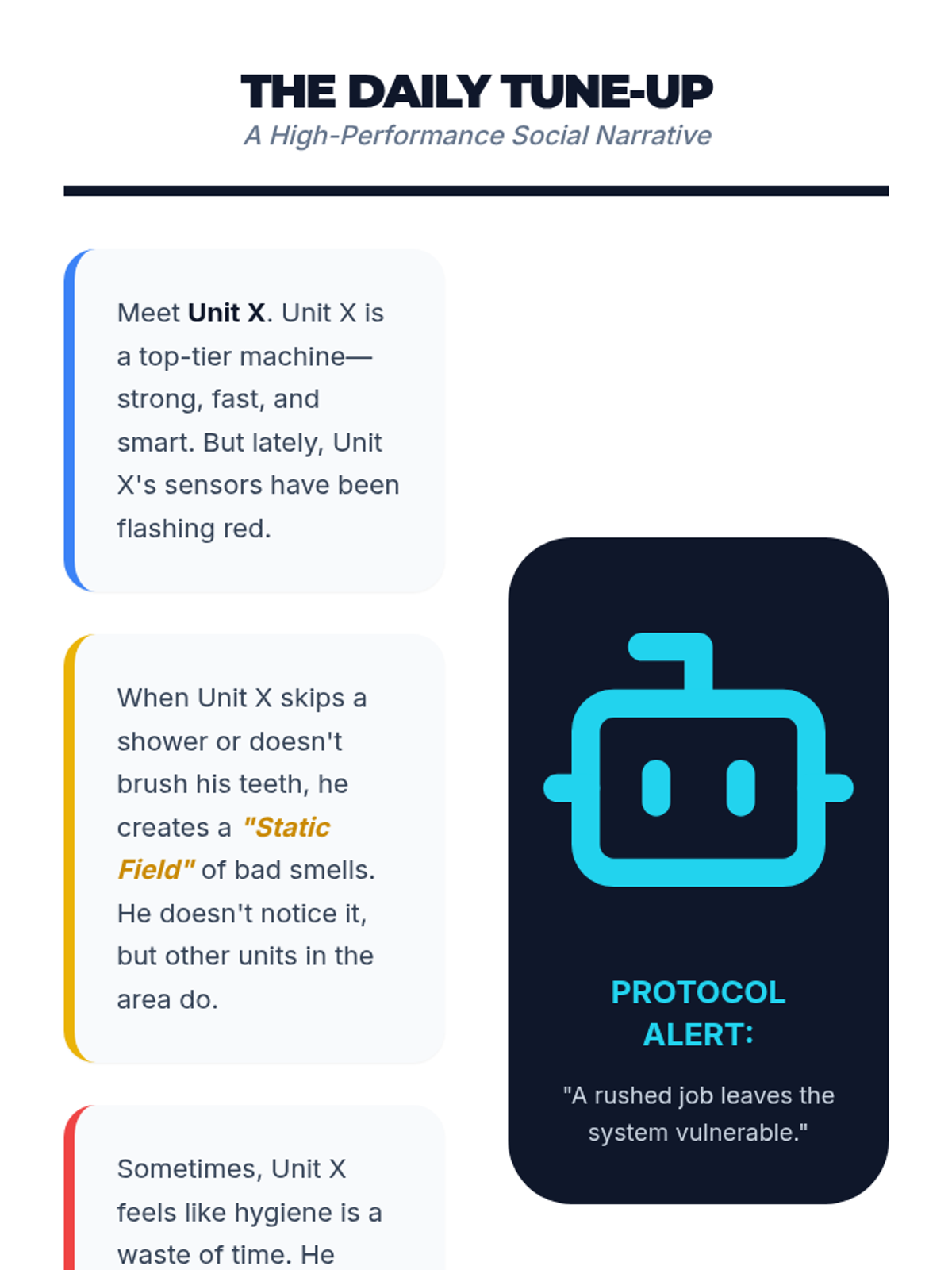
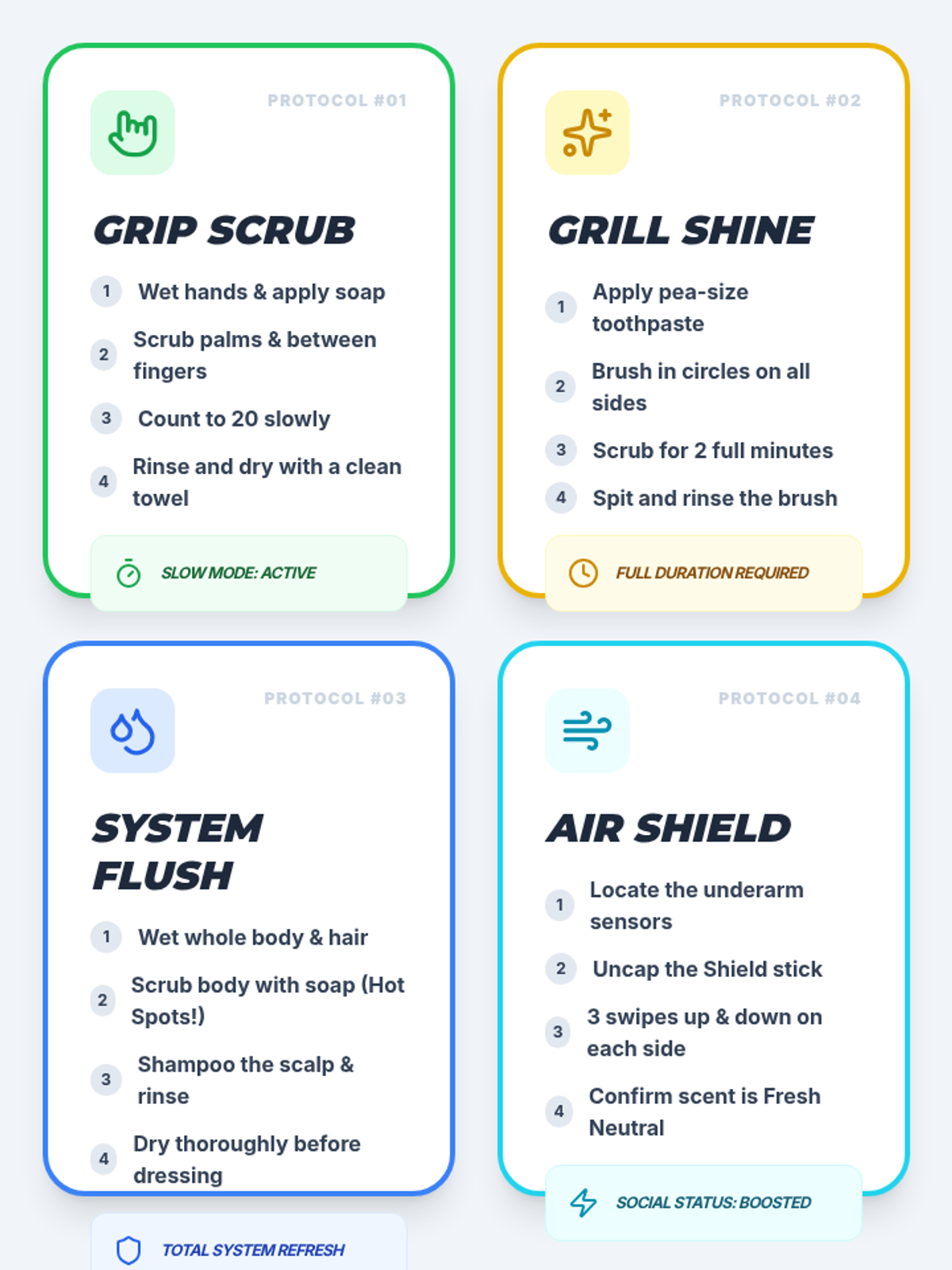
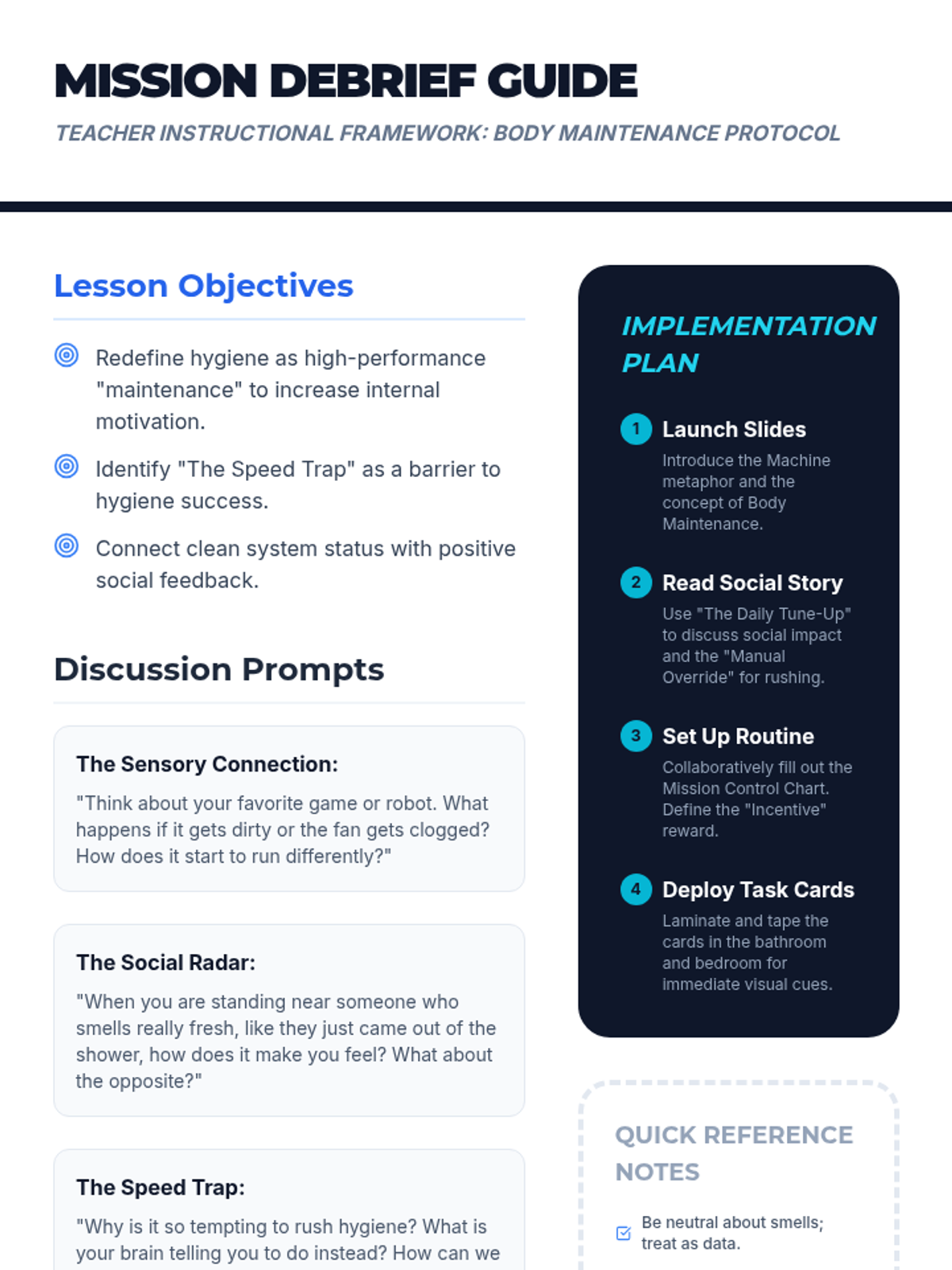
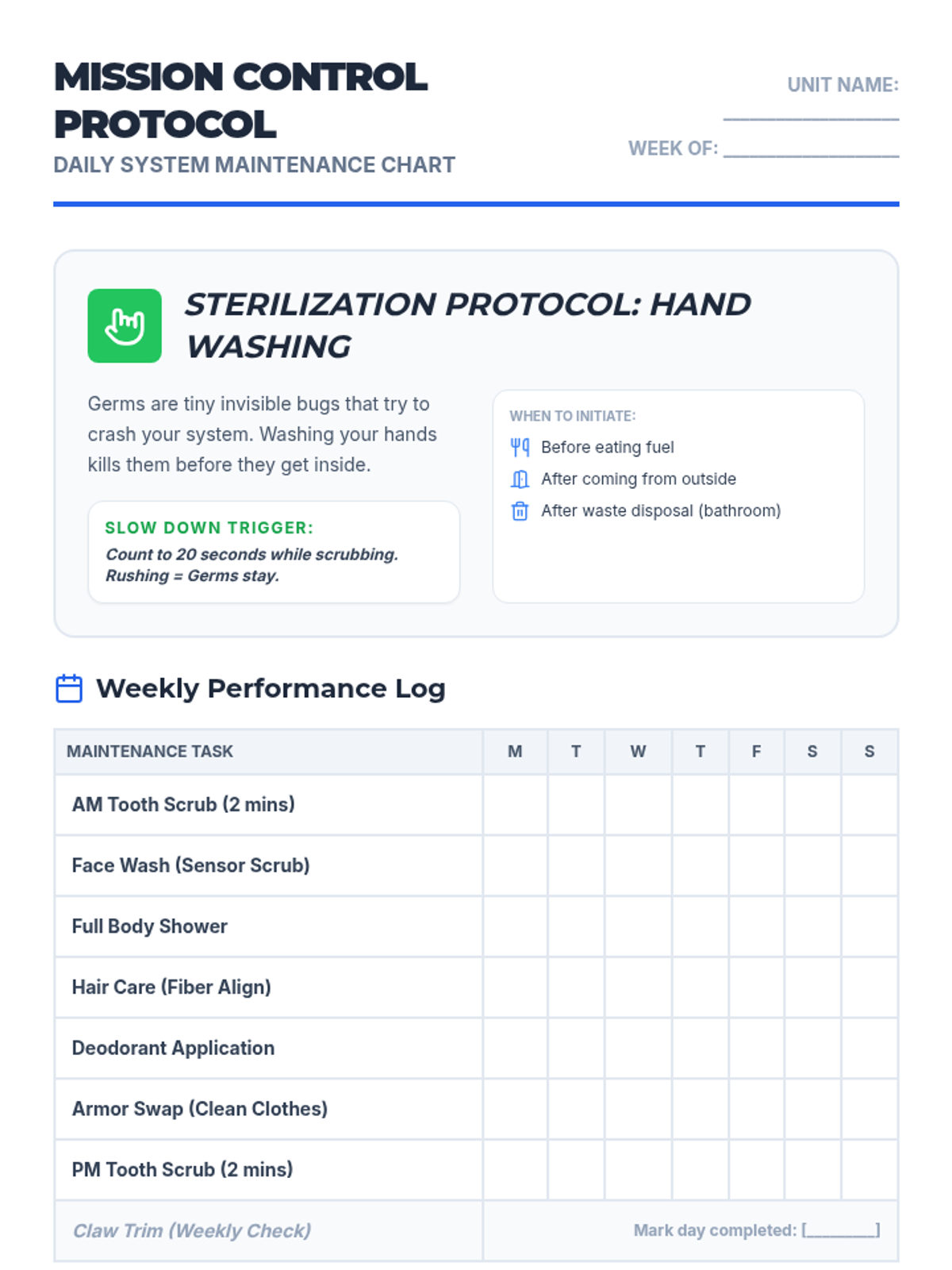
A comprehensive hygiene lesson for older children (ages 9-12) framed through a high-performance machine theme to address reluctance and impulsivity. Includes a visual schedule, social narrative, task cards, and teacher guidance.
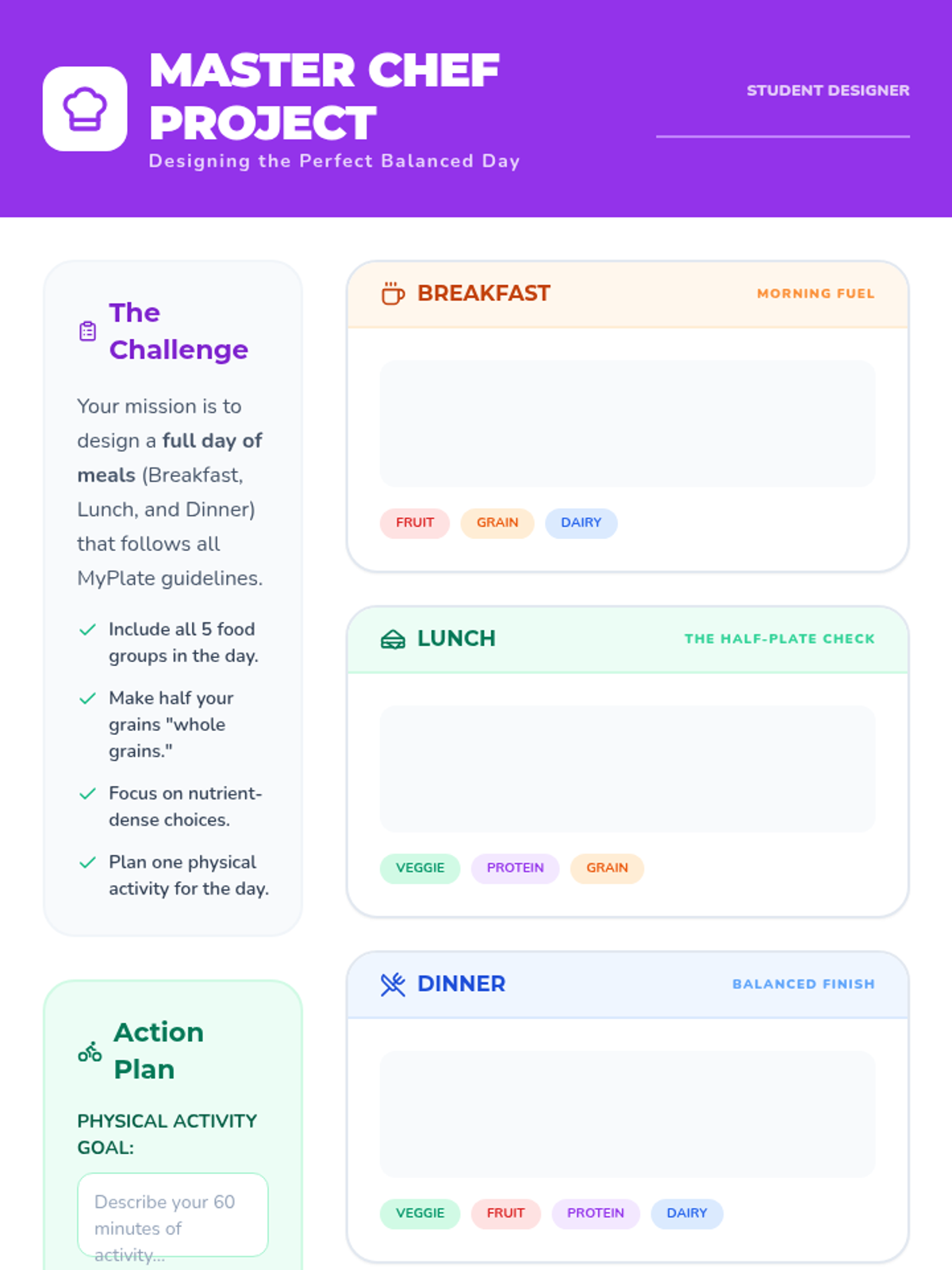
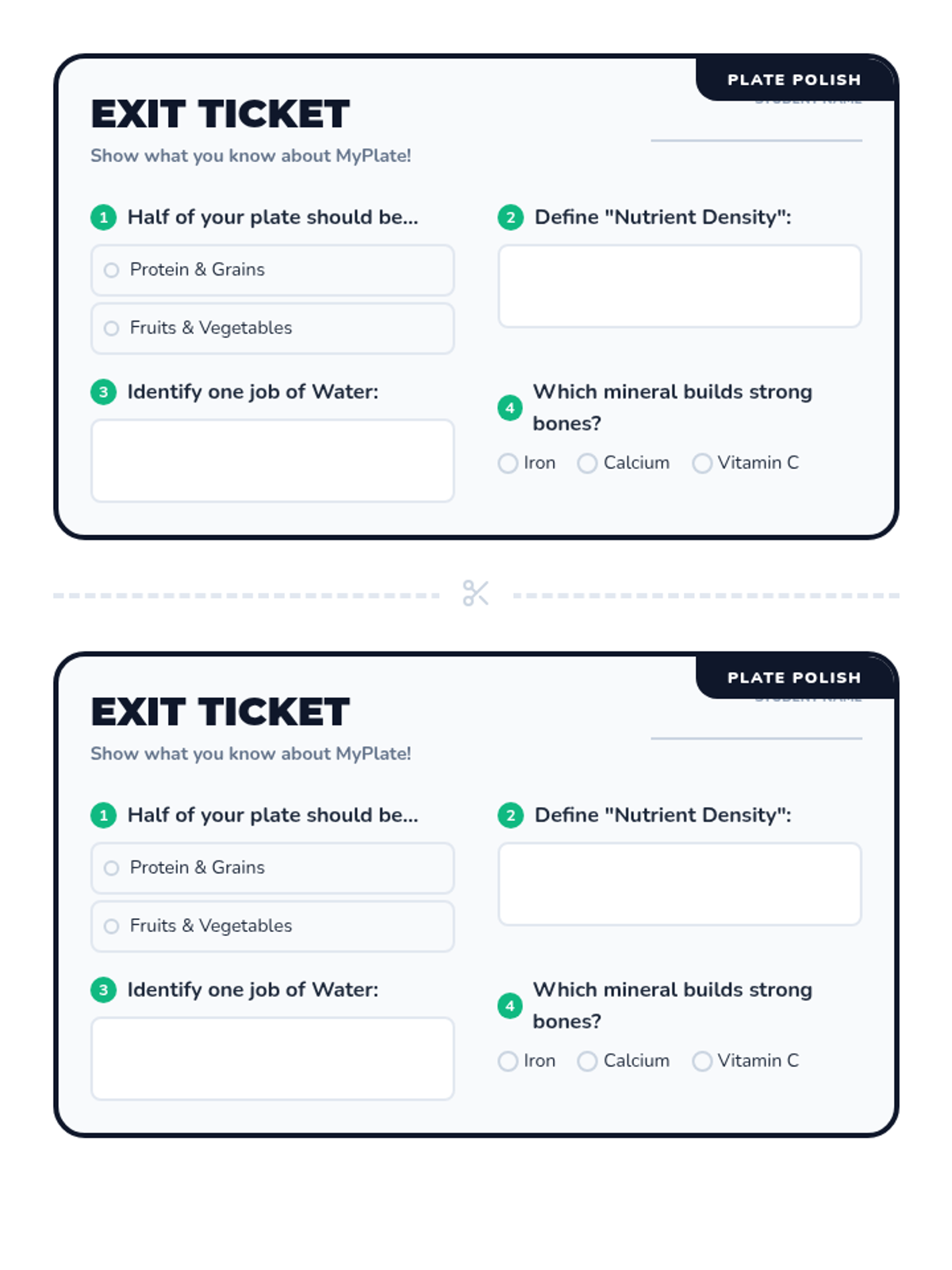
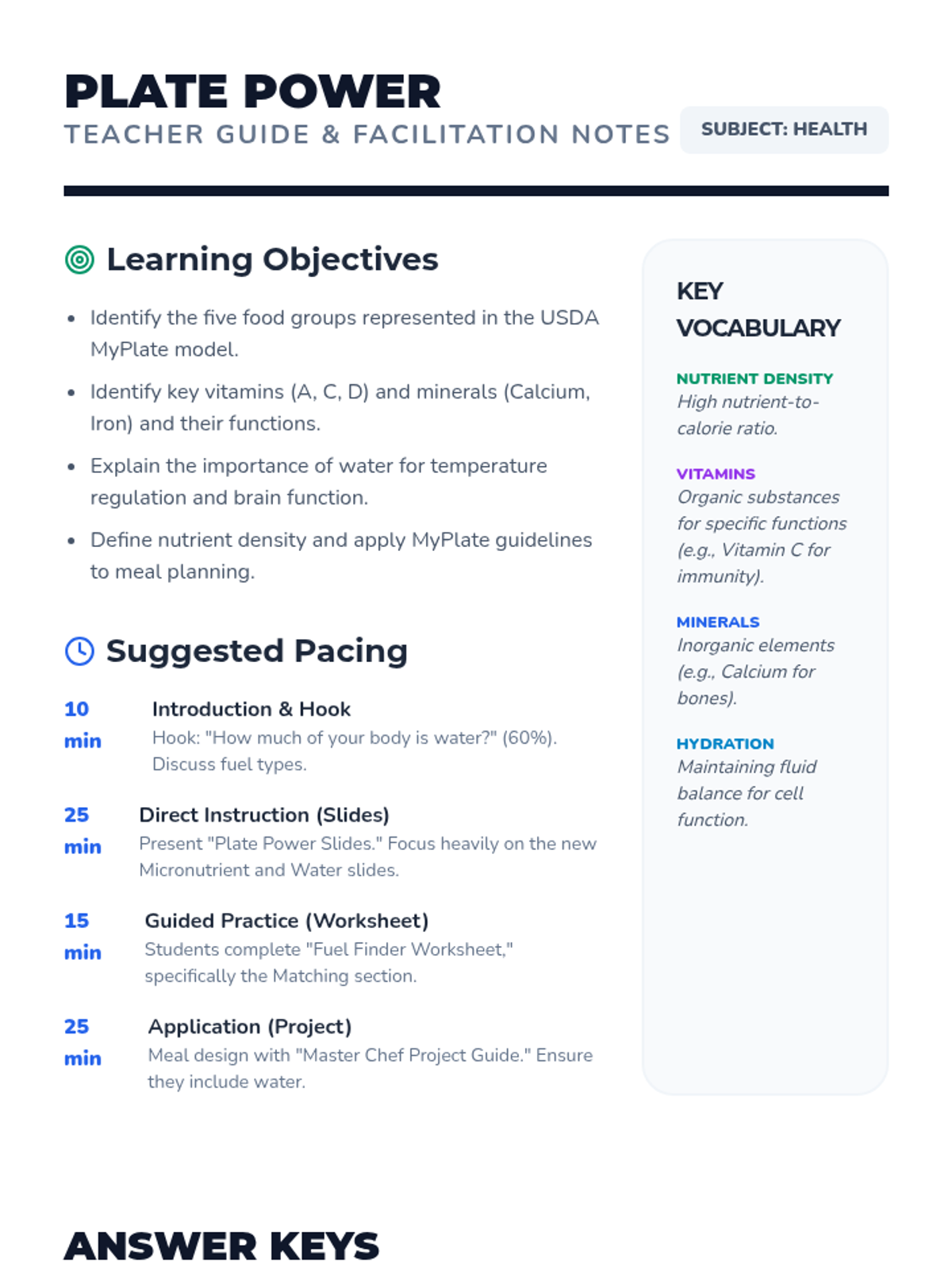
A comprehensive lesson on the USDA MyPlate guidelines, focusing on the five food groups, nutrient density, and planning balanced meals for a healthy lifestyle.
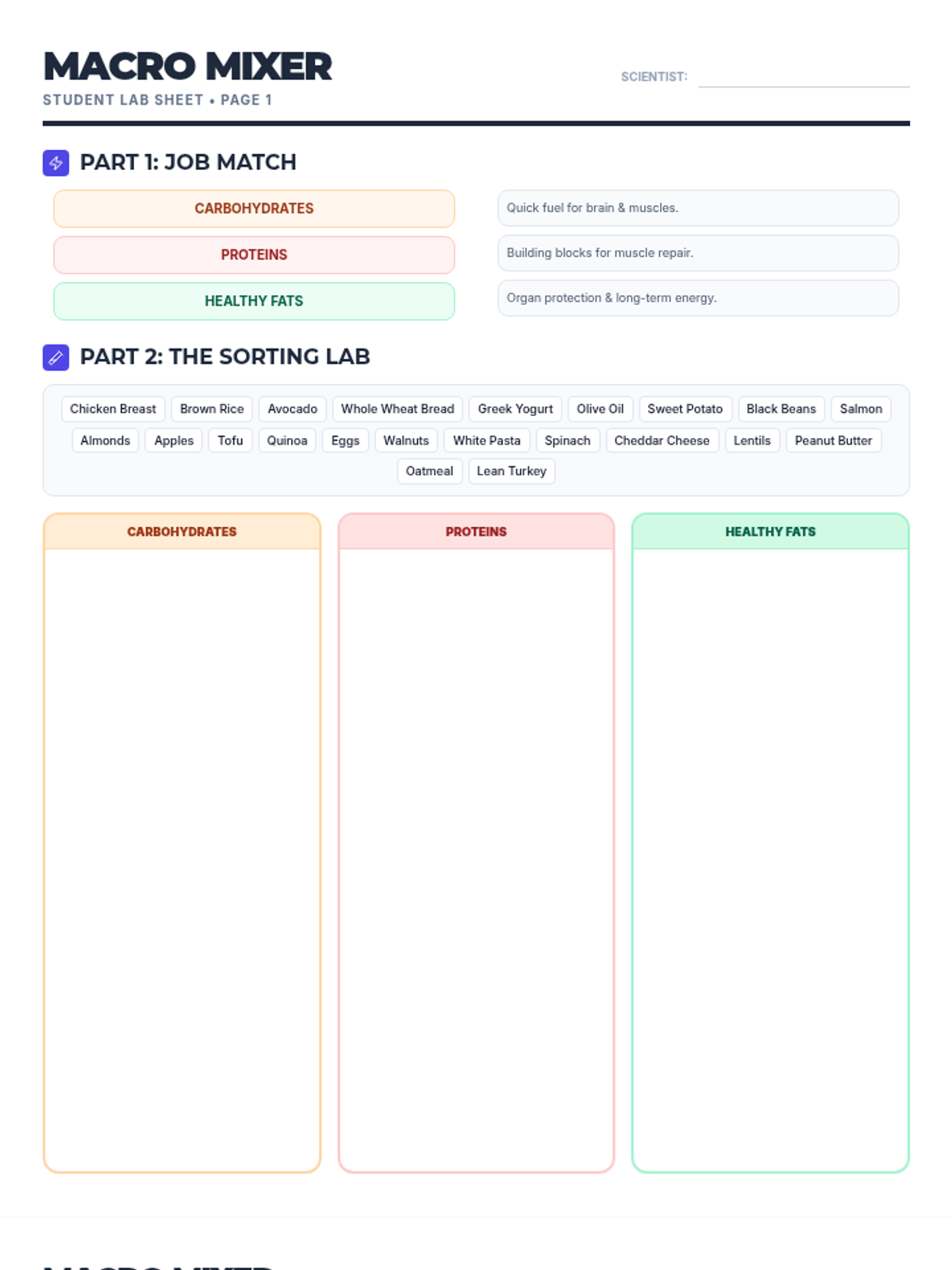
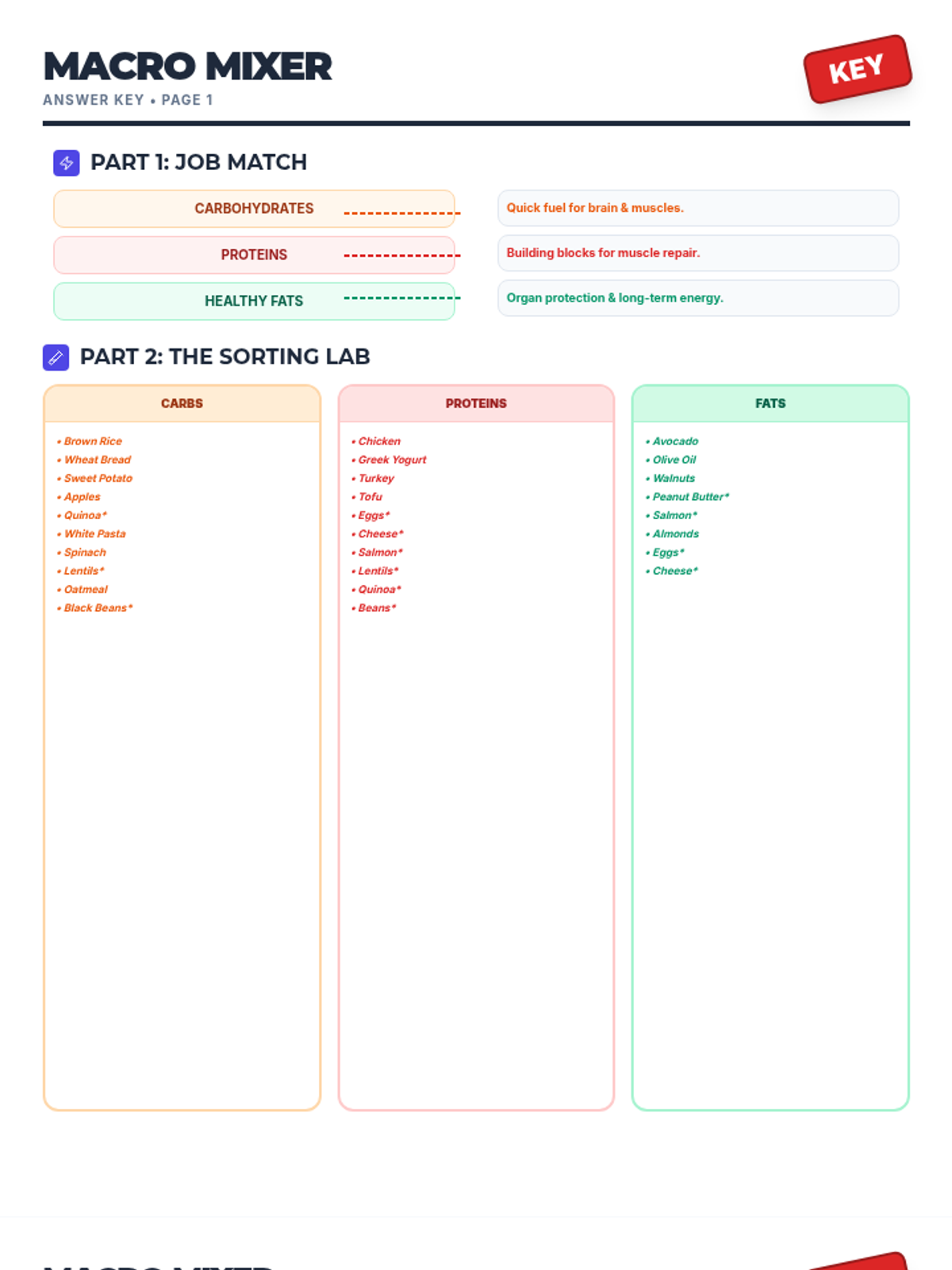
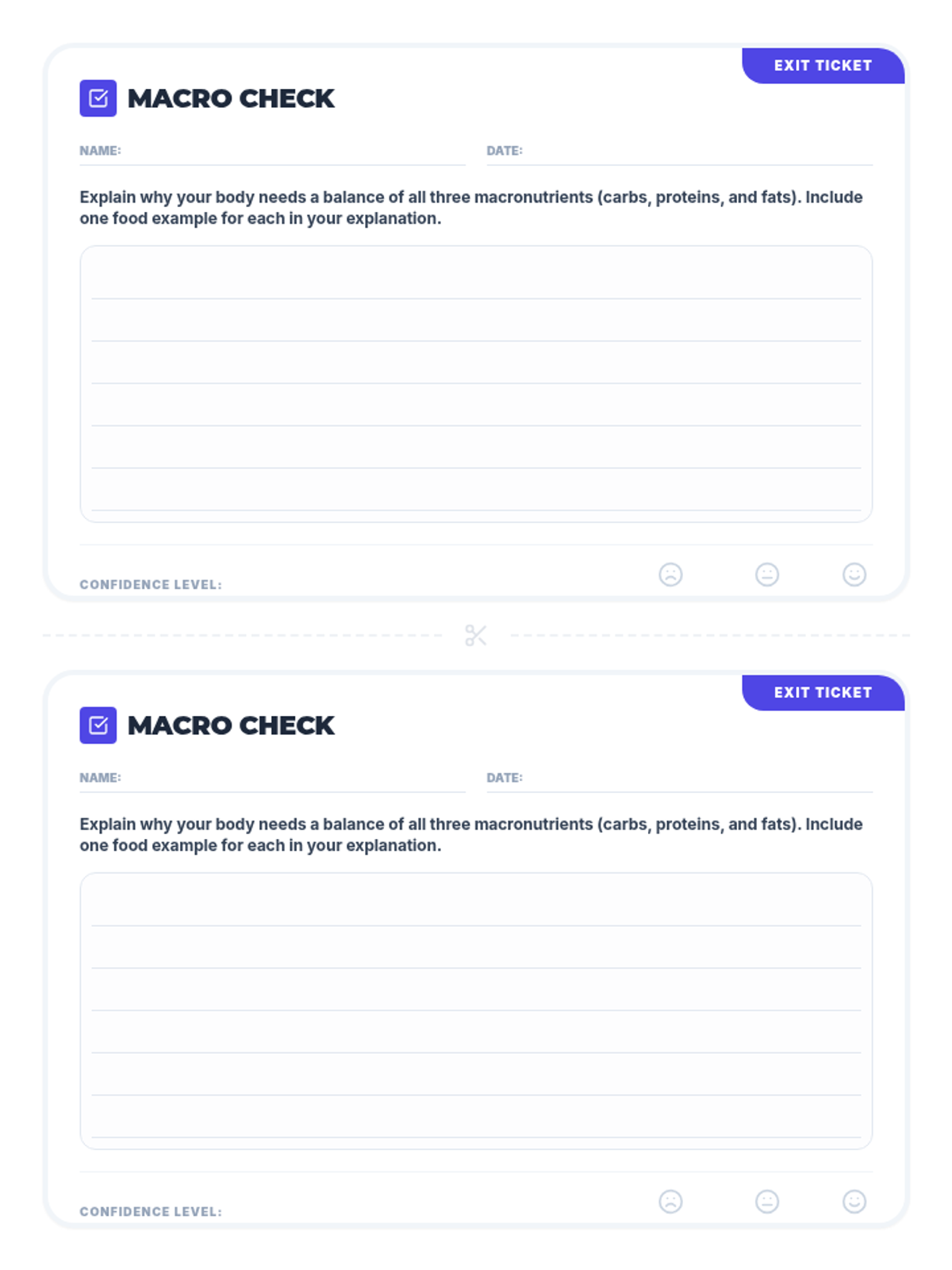
This lesson explores the three primary macronutrients—carbohydrates, proteins, and fats. Students will discover how these 'big nutrients' provide energy and support vital body functions through engaging visuals and a hands-on meal-building activity.
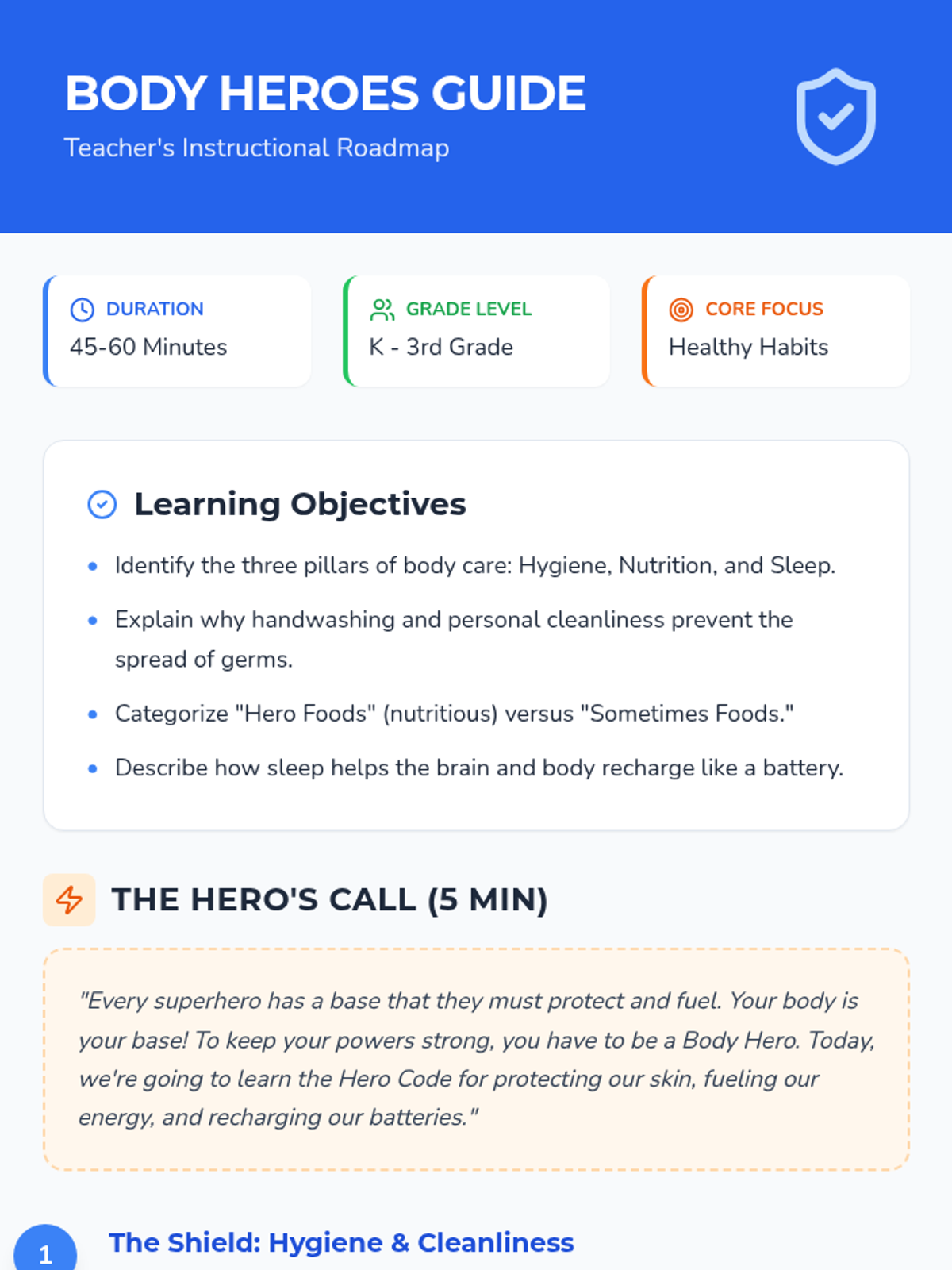
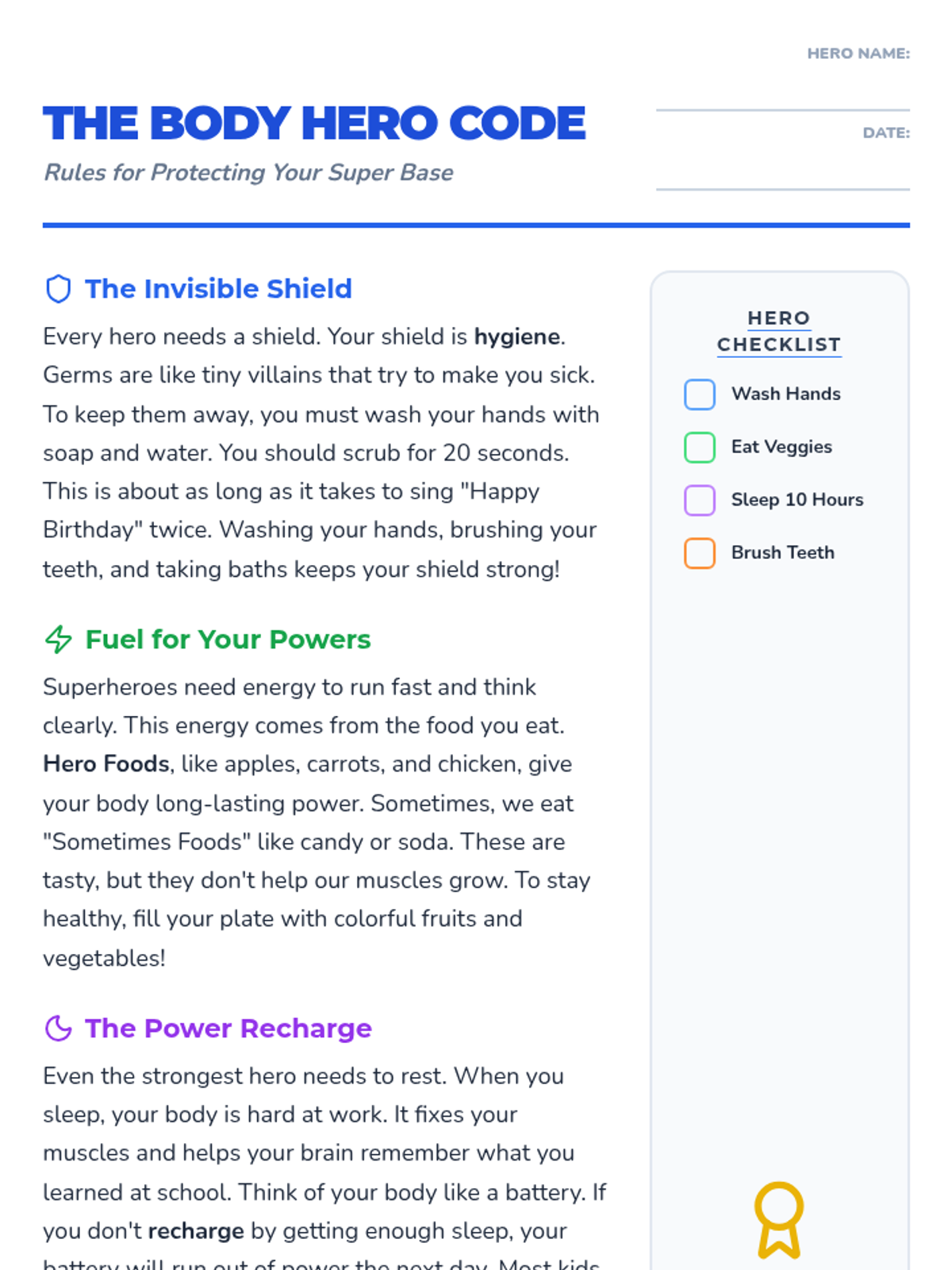
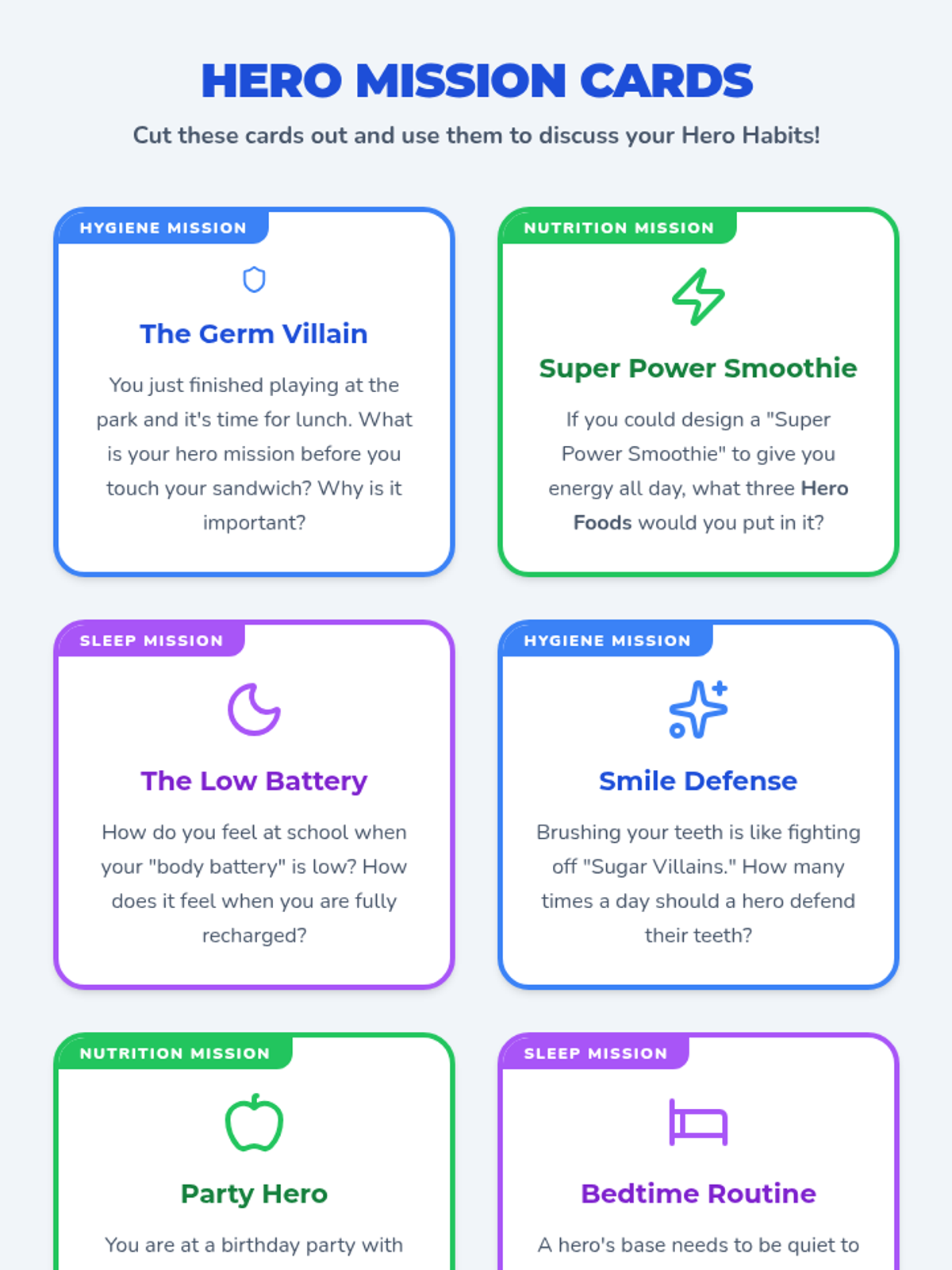
A foundational lesson on physical health focusing on hygiene, nutrition, and sleep. Students learn to view themselves as 'Body Heroes' who protect and fuel their systems through daily habits.
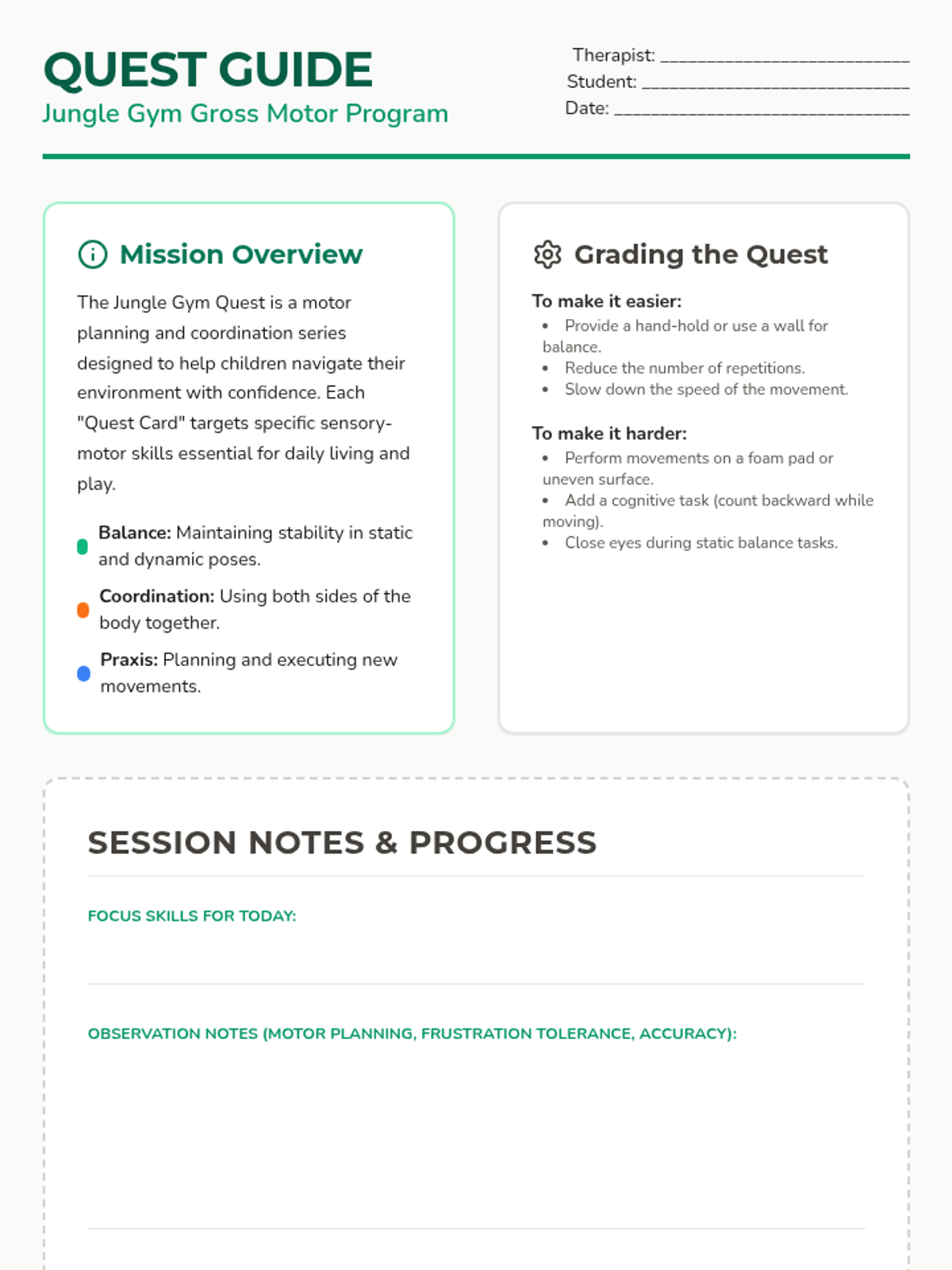
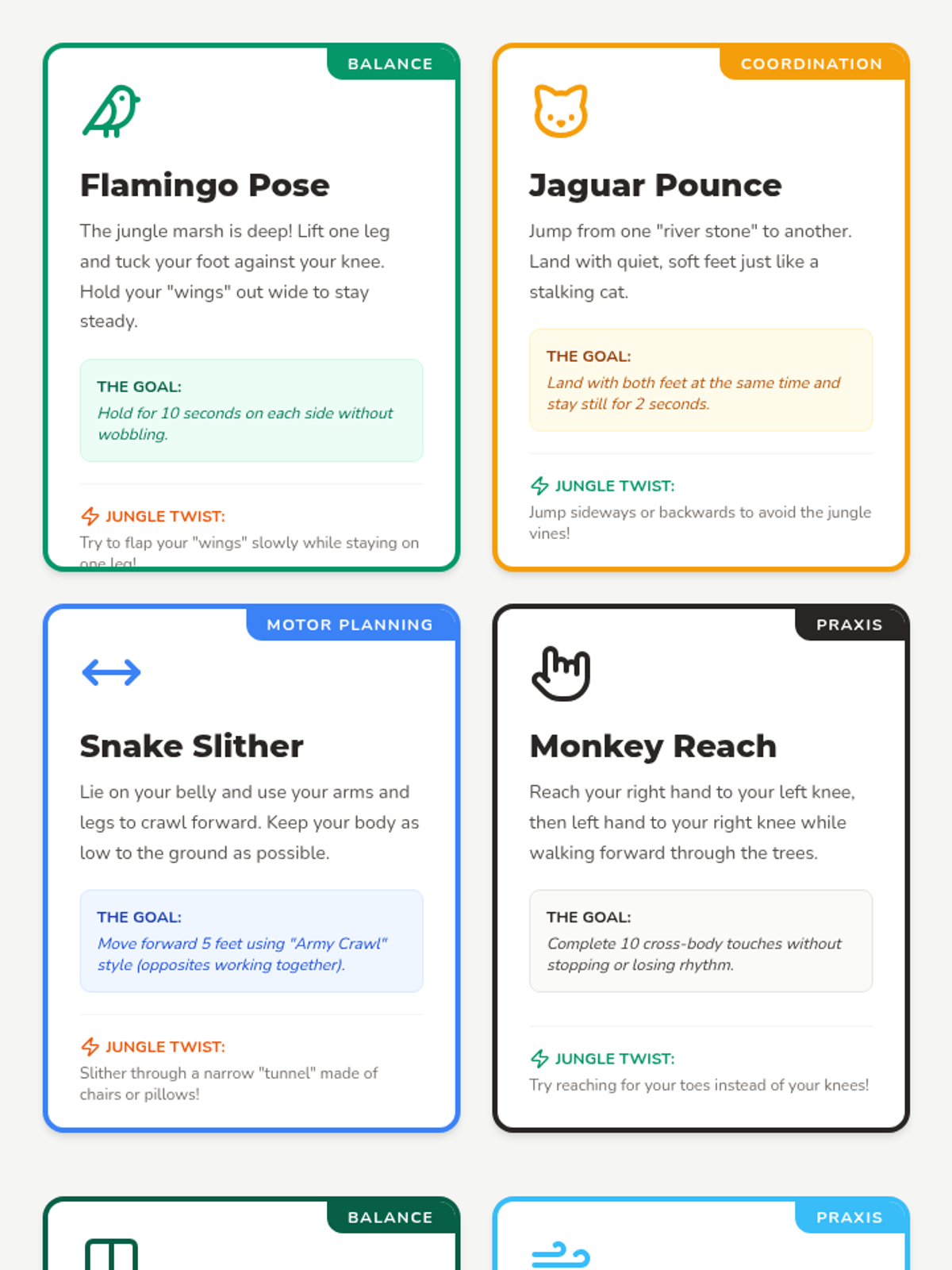
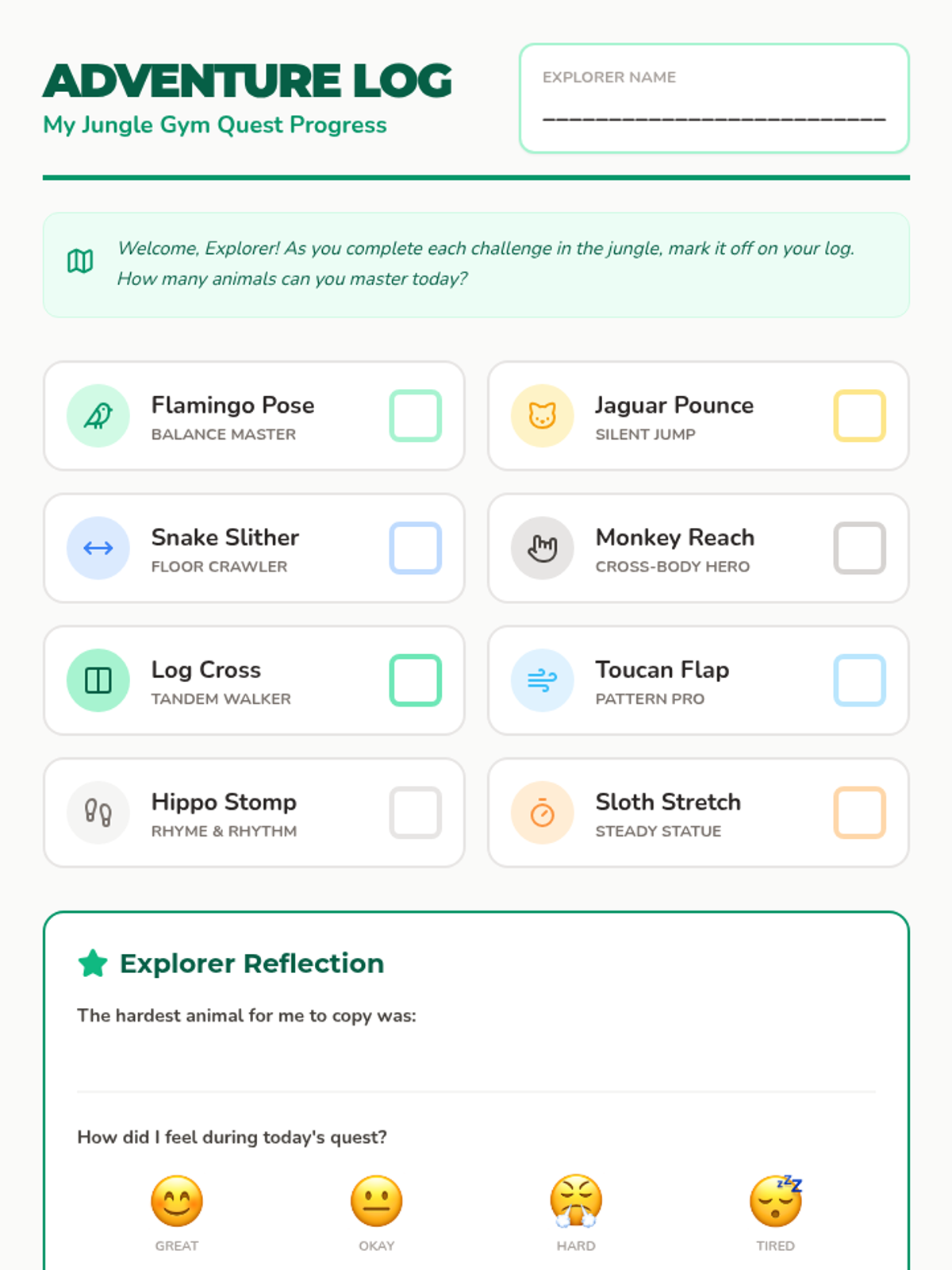
A series of engaging, jungle-themed gross motor activities designed to improve balance, coordination, and motor planning for pediatric occupational therapy.
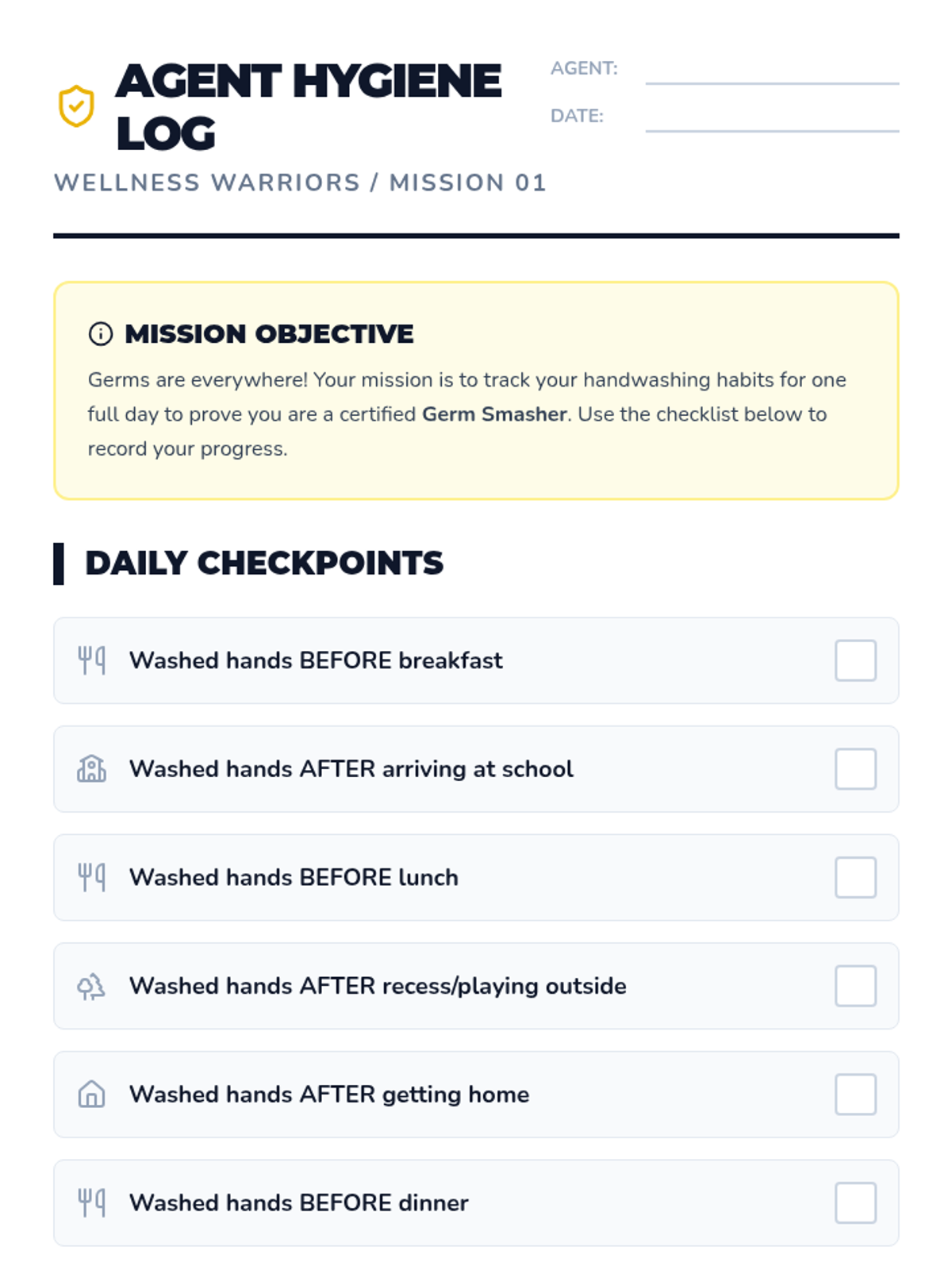
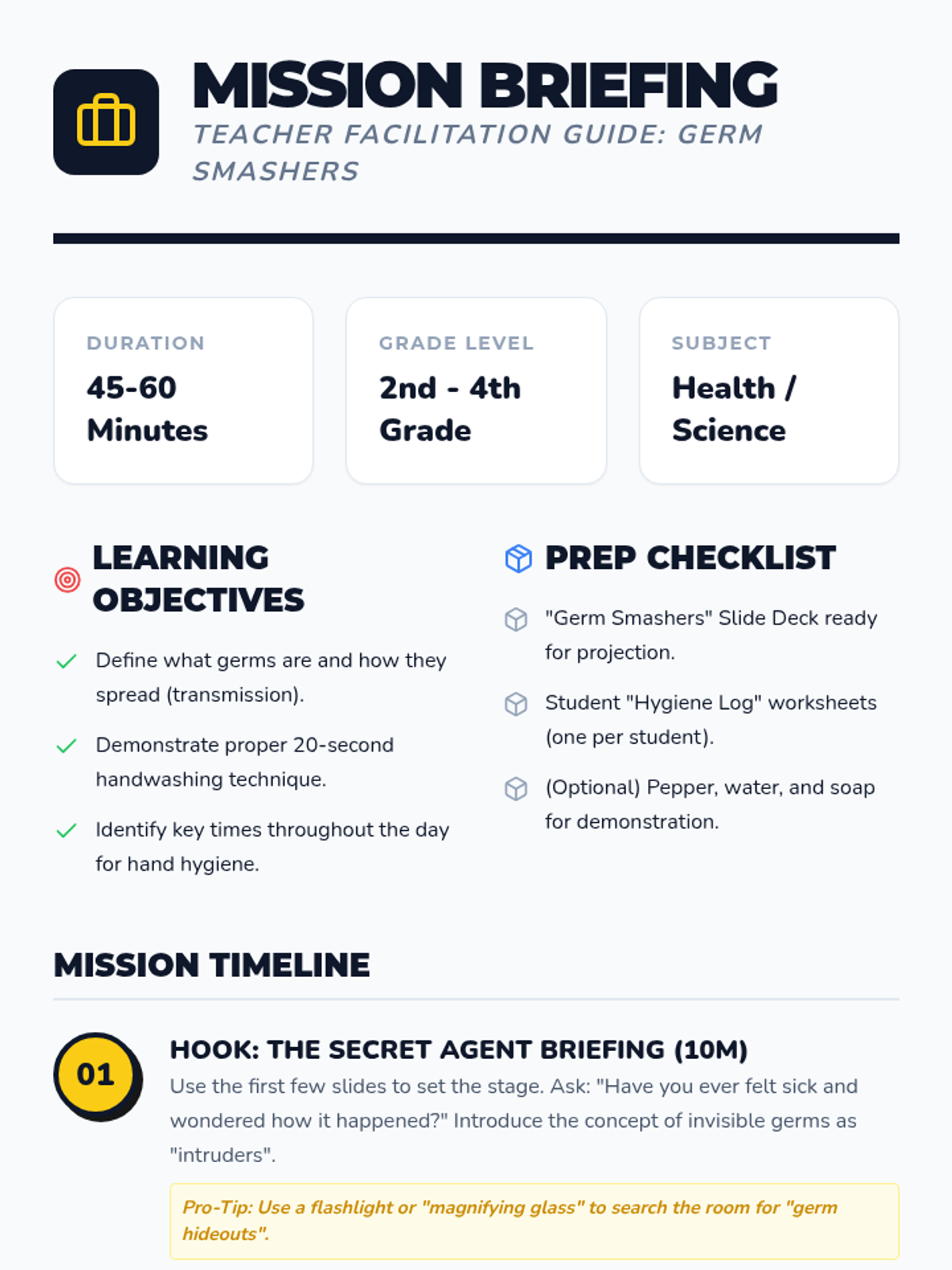
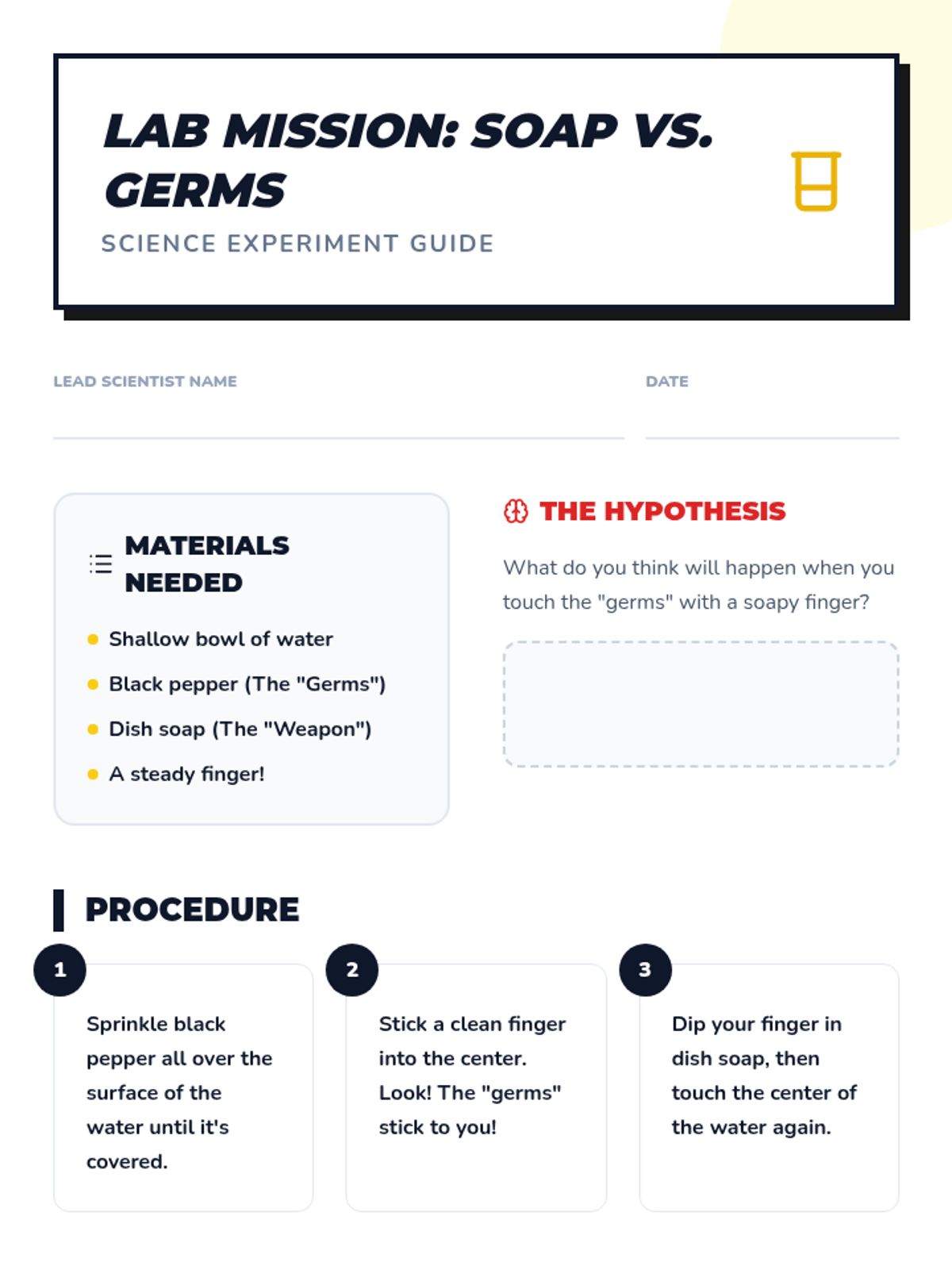
Students become 'Health Agents' to learn about how germs spread and the science of handwashing through interactive demonstrations and mission-based logs. They will identify common germ 'hideouts' and master the 20-second handwashing technique.
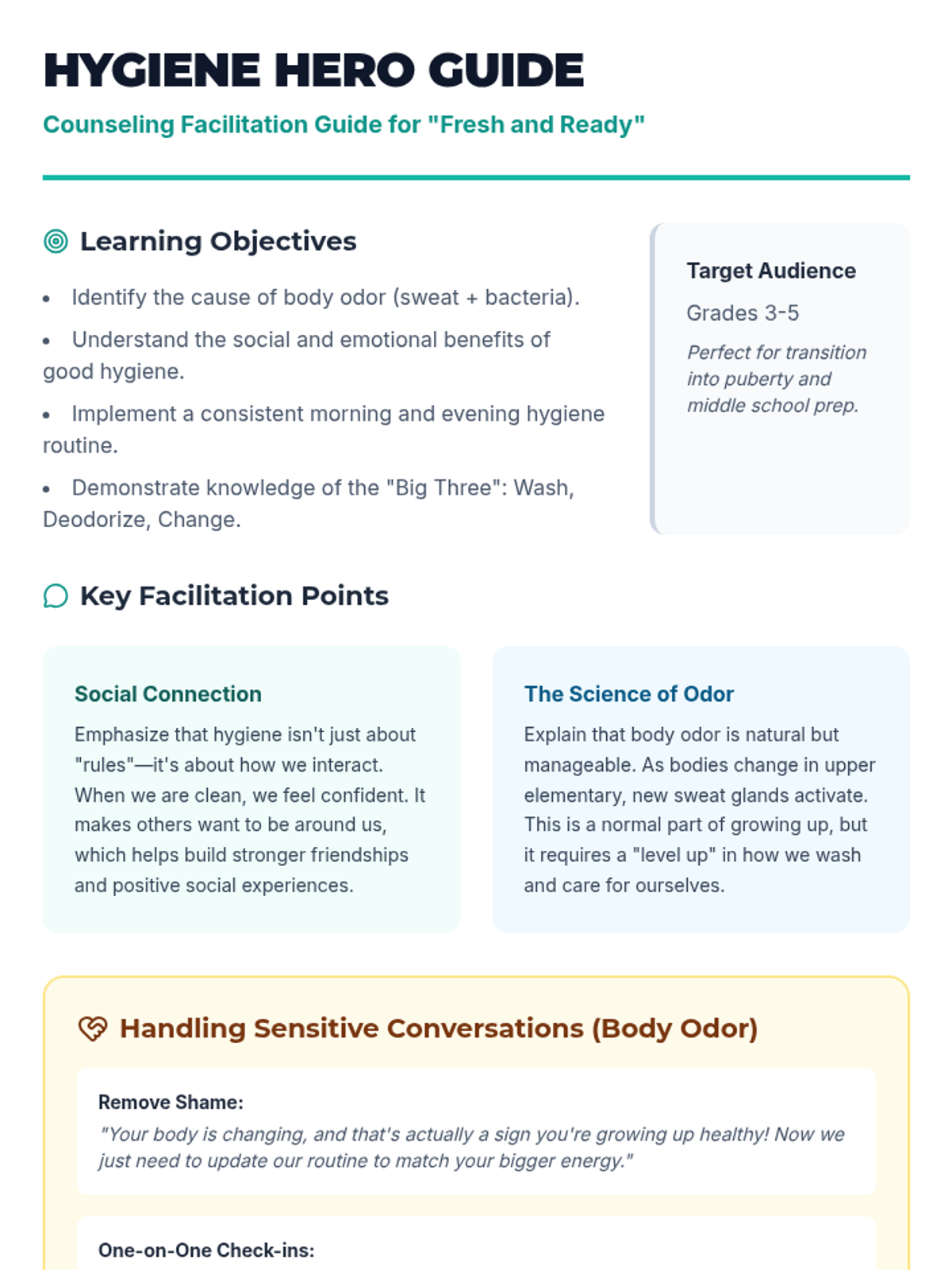
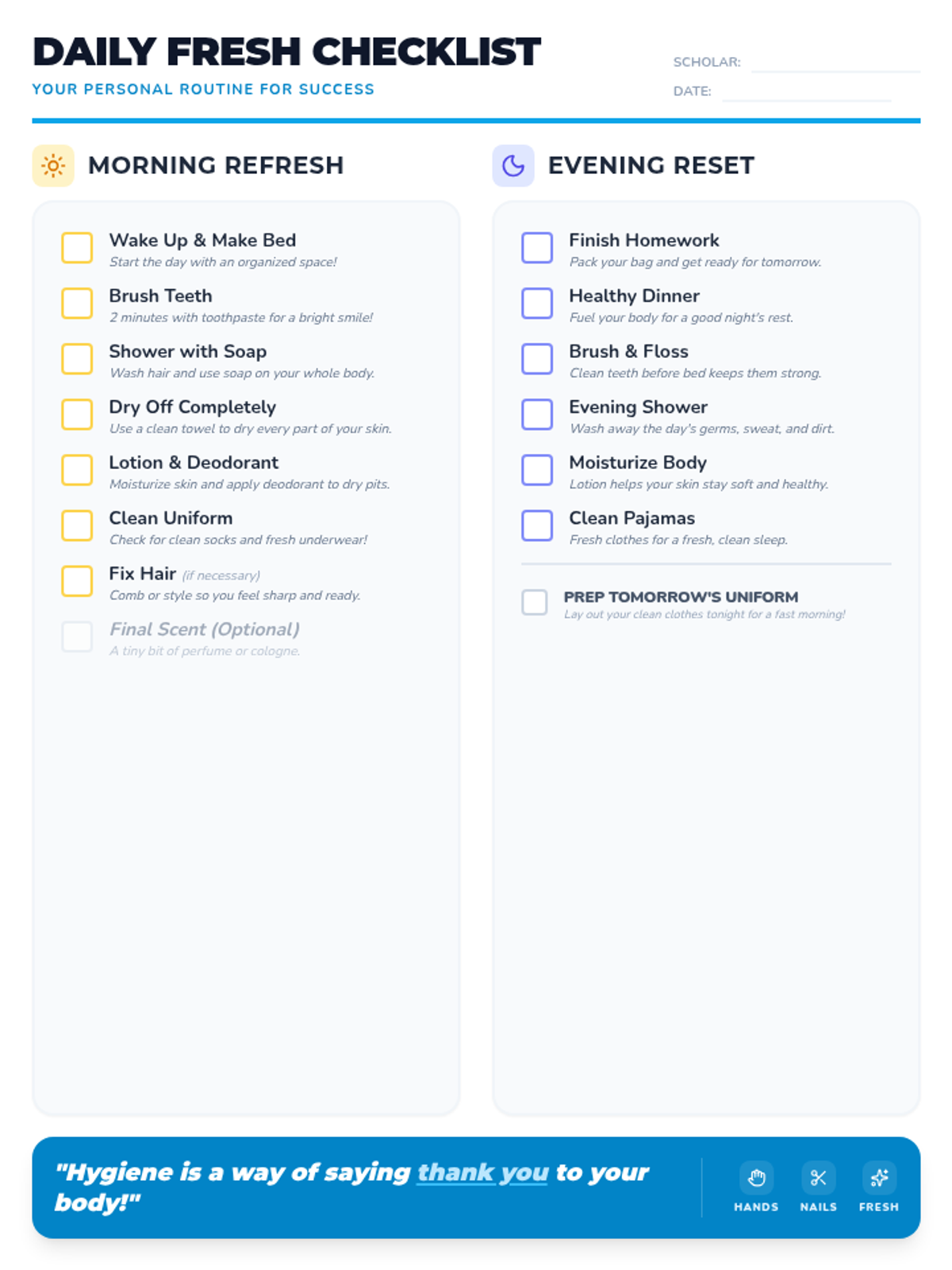
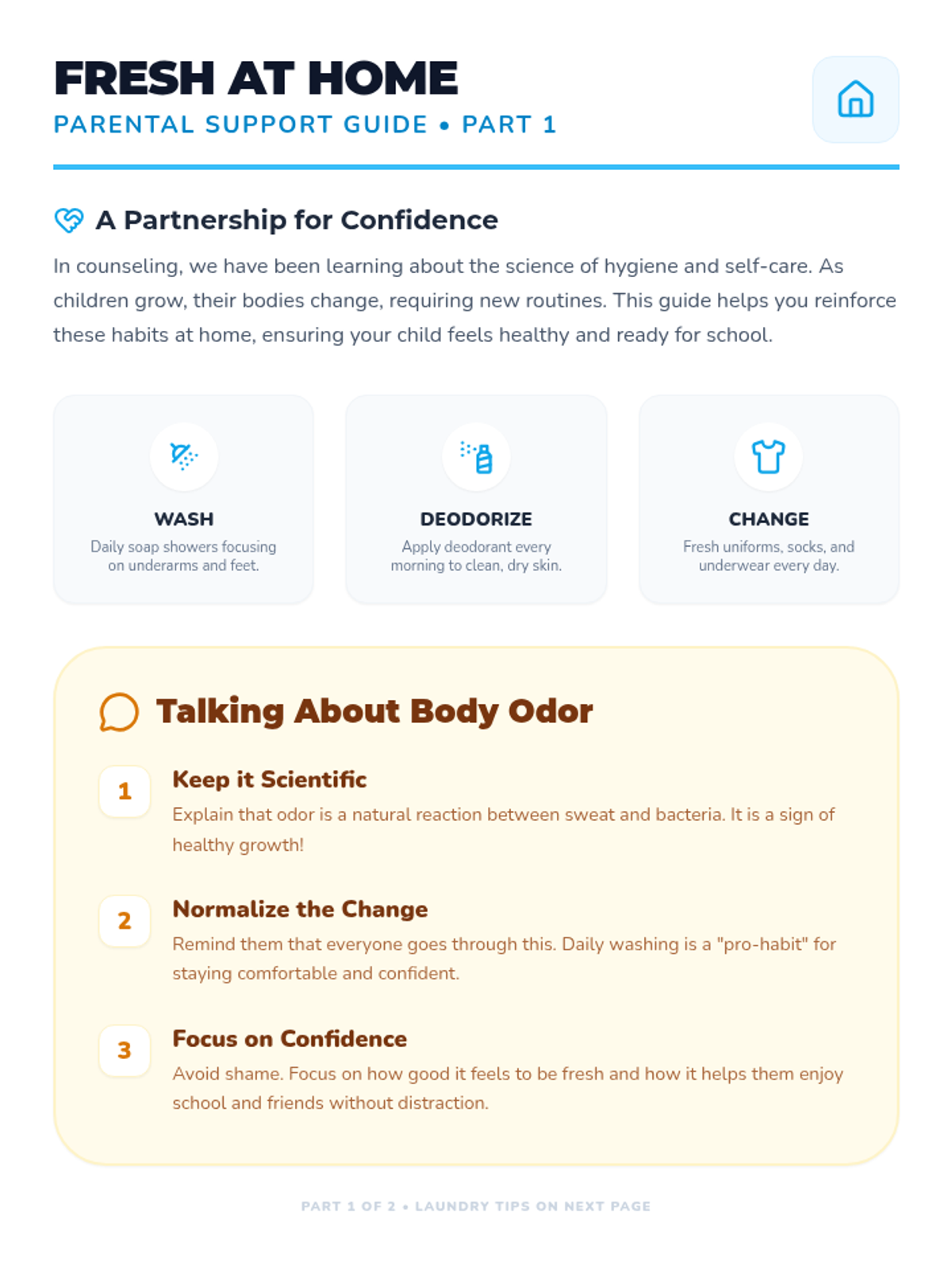
A comprehensive lesson on personal hygiene routines, the science of body odor, and the social-emotional benefits of self-care, designed specifically for upper elementary students.
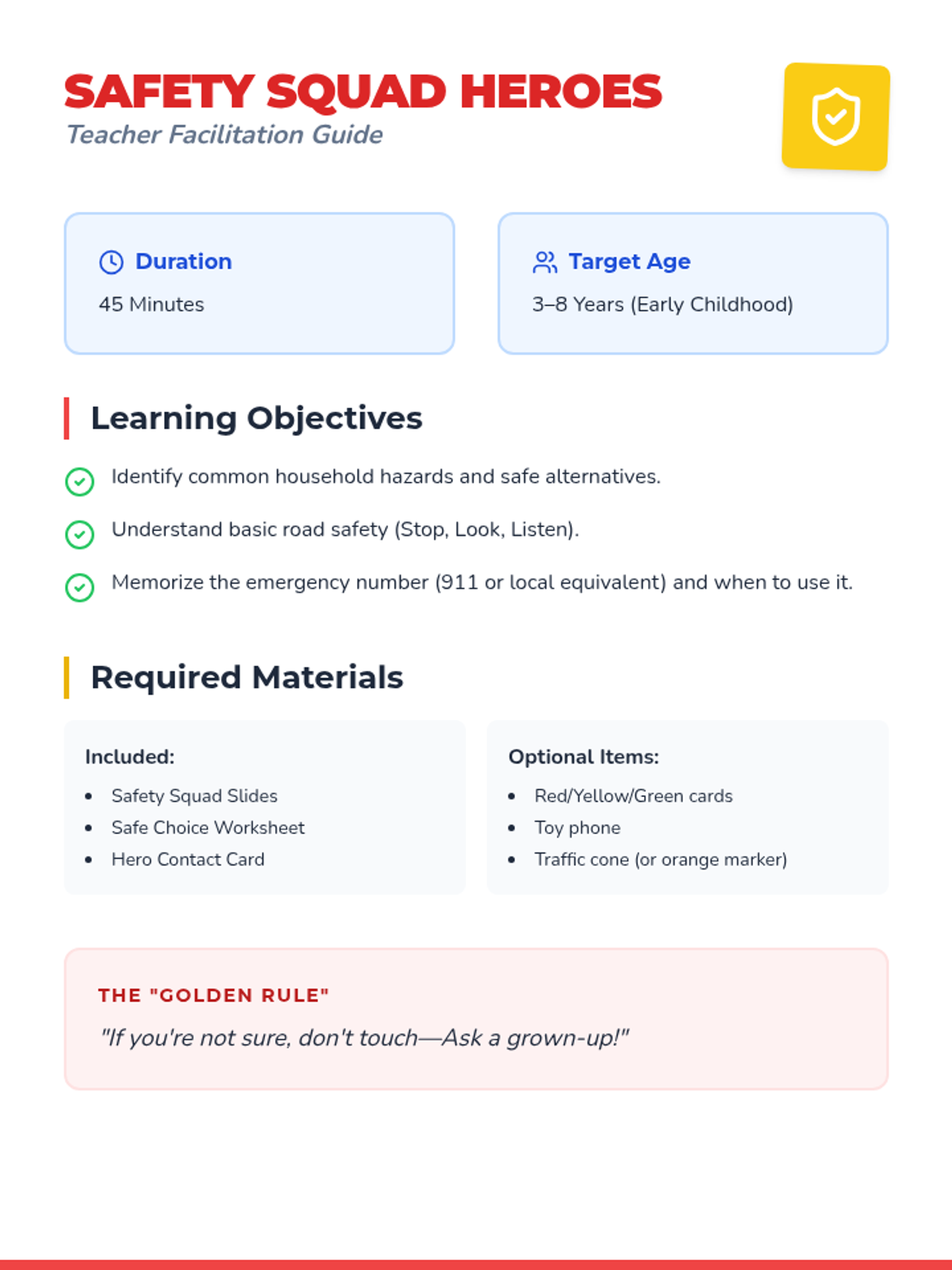
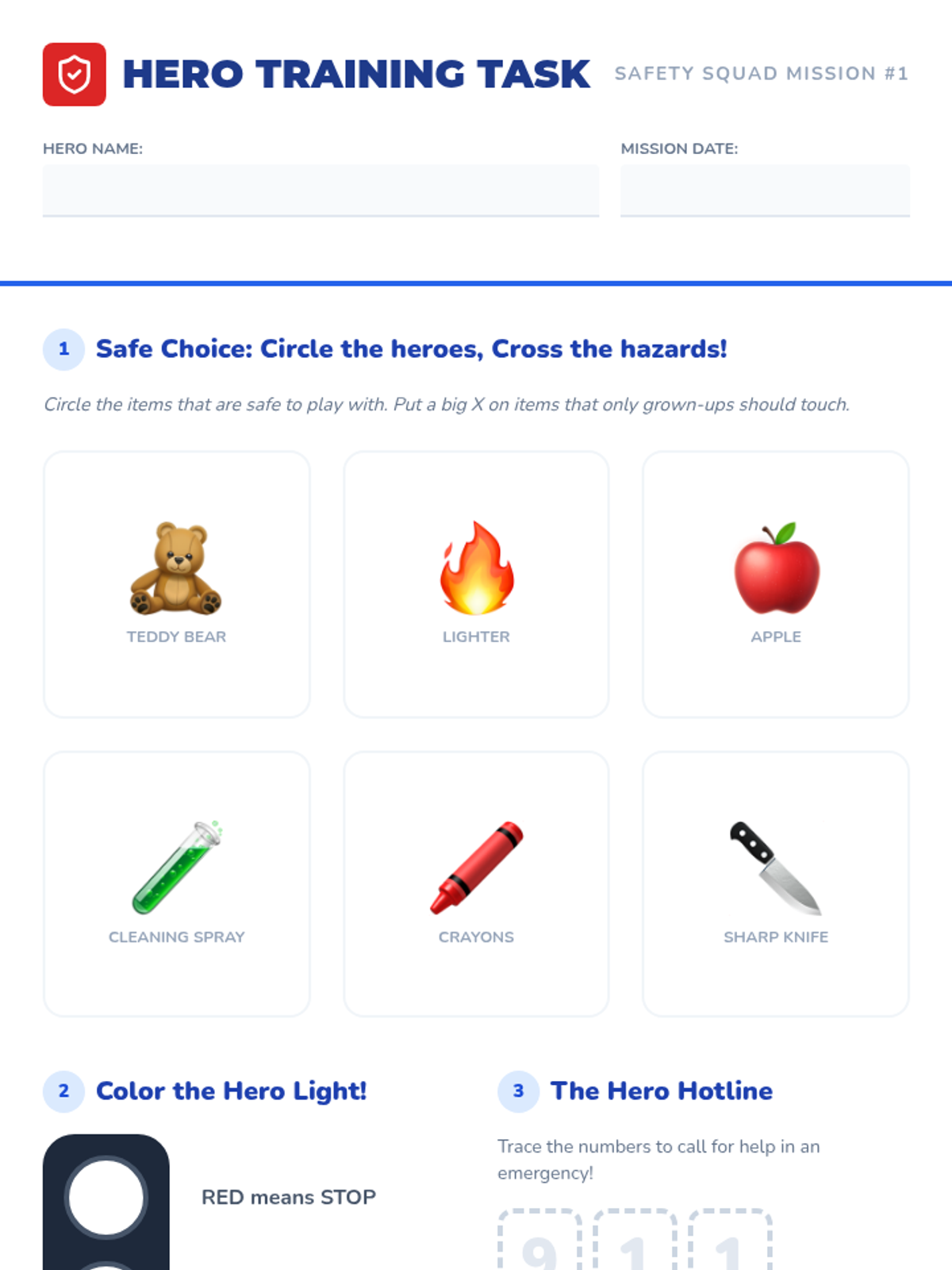
A comprehensive safety lesson for children ages 3-8, focusing on home, road, and emergency safety through interactive play and visual aids.
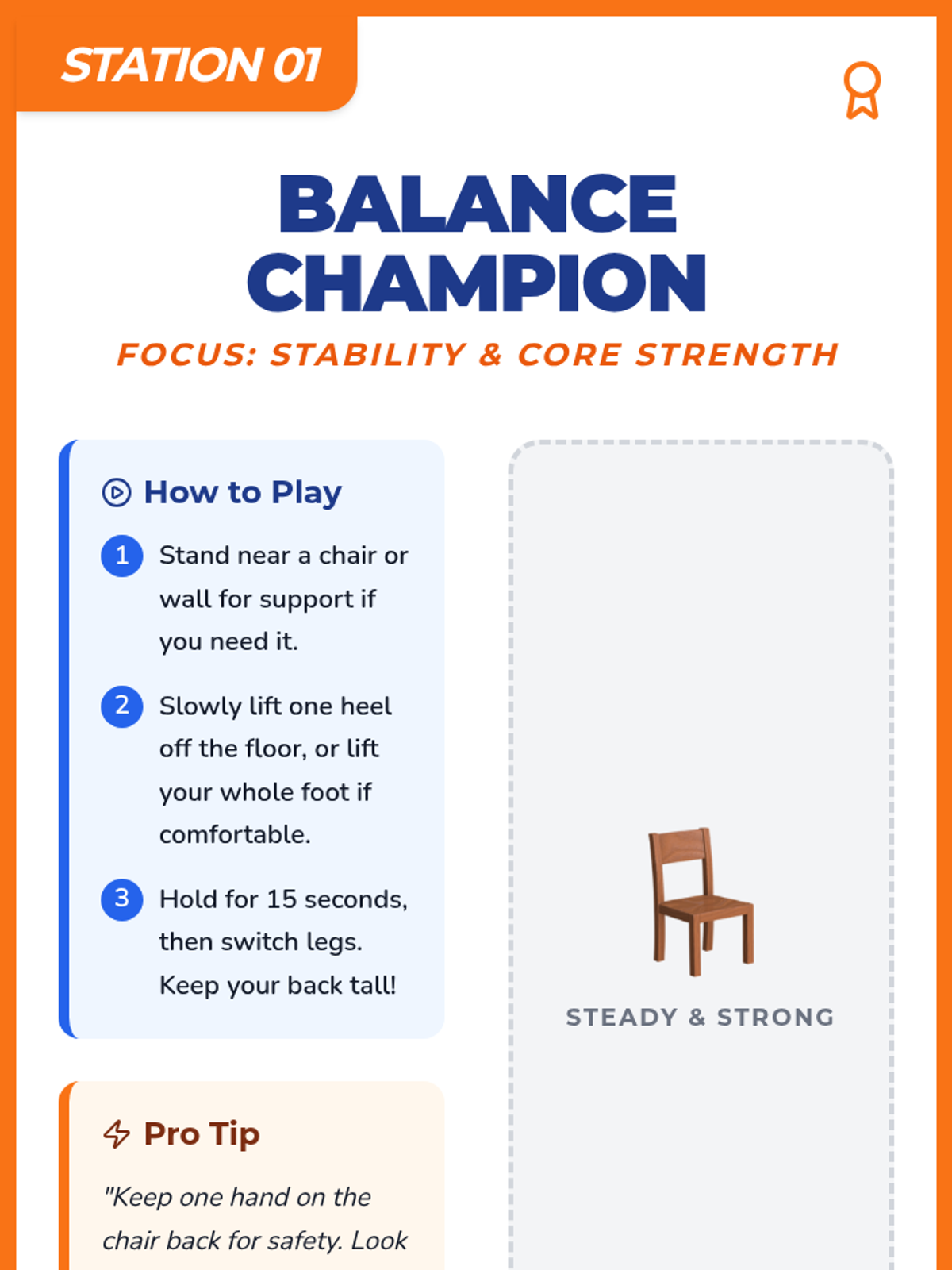
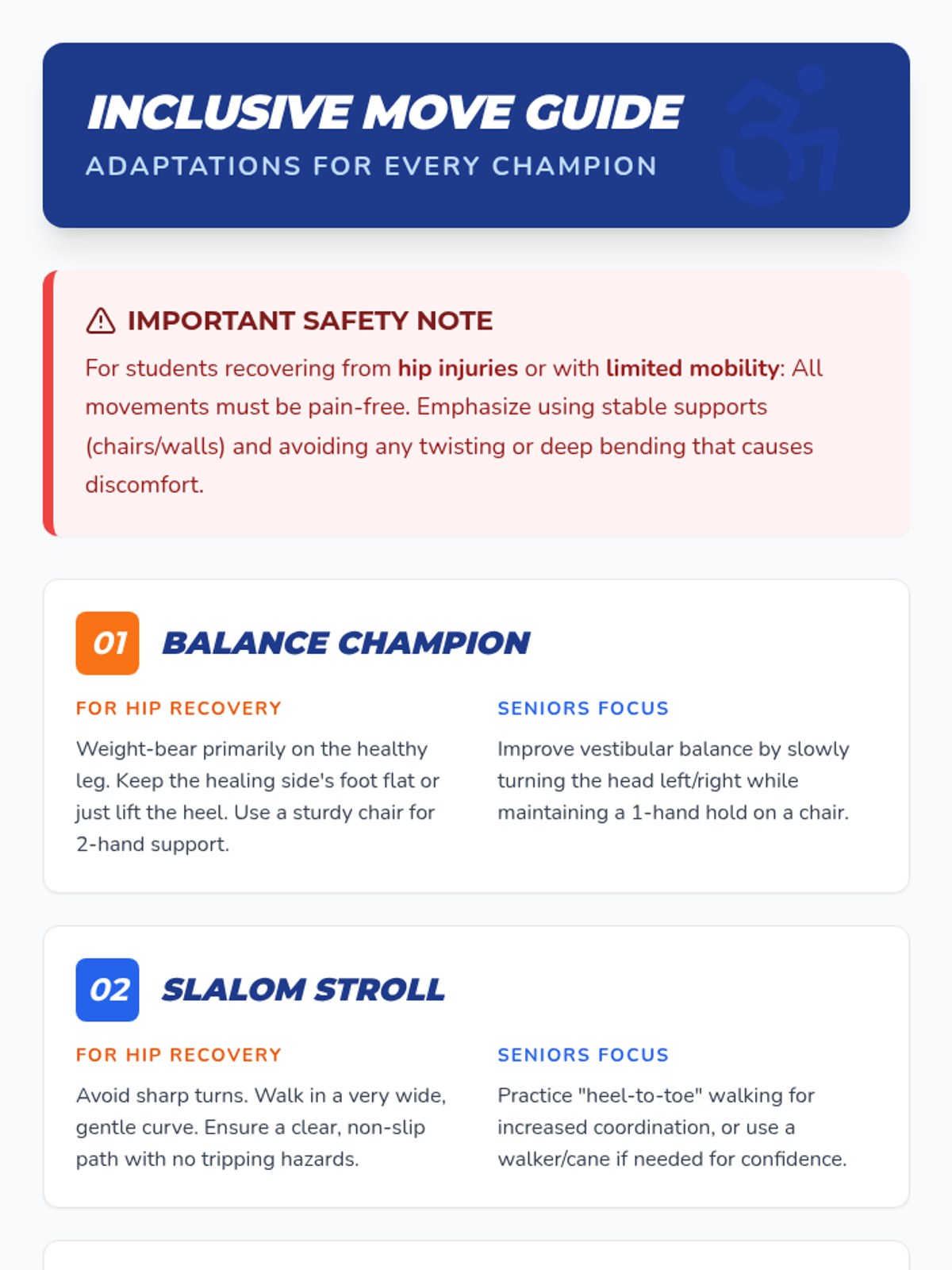
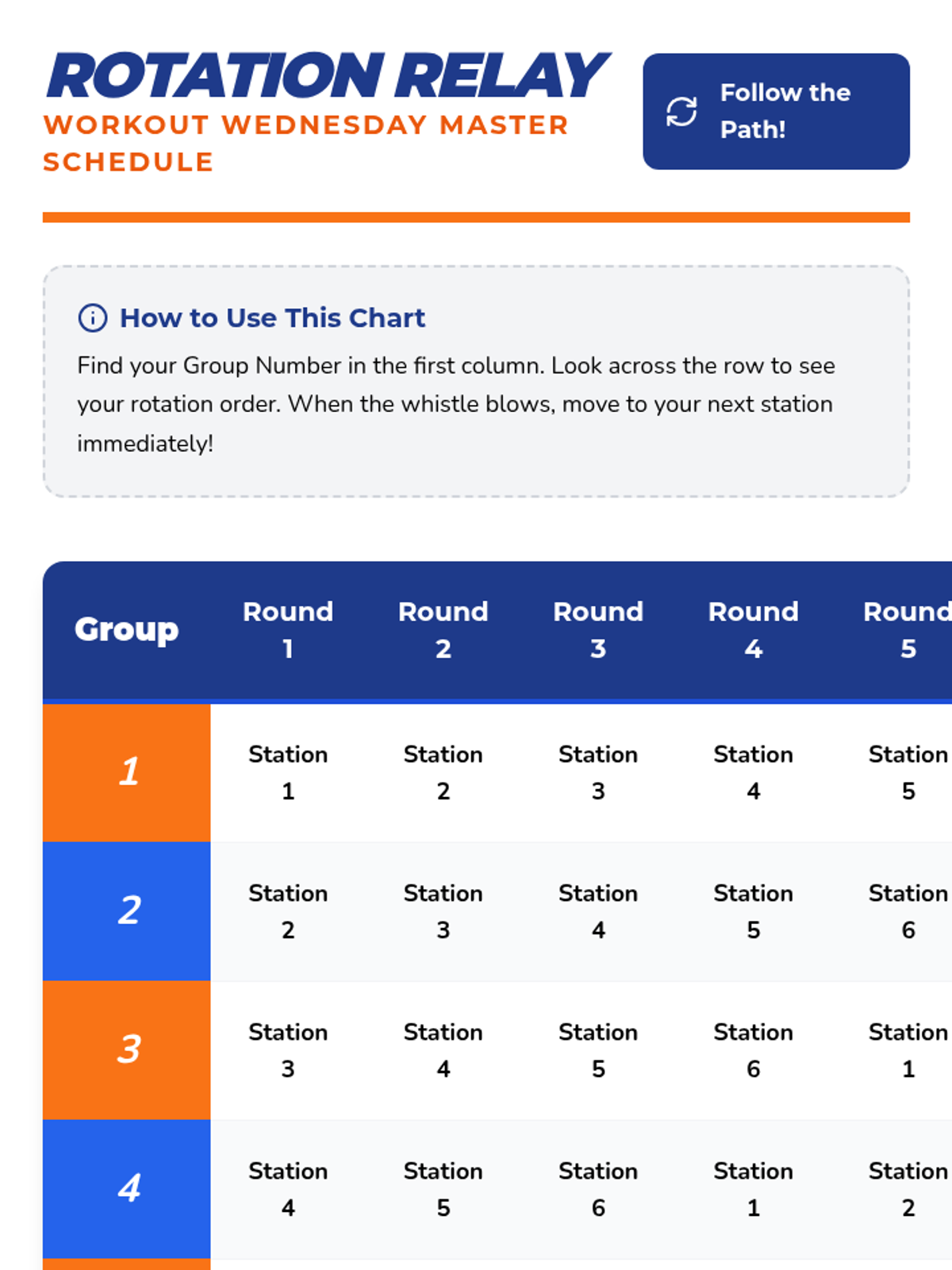
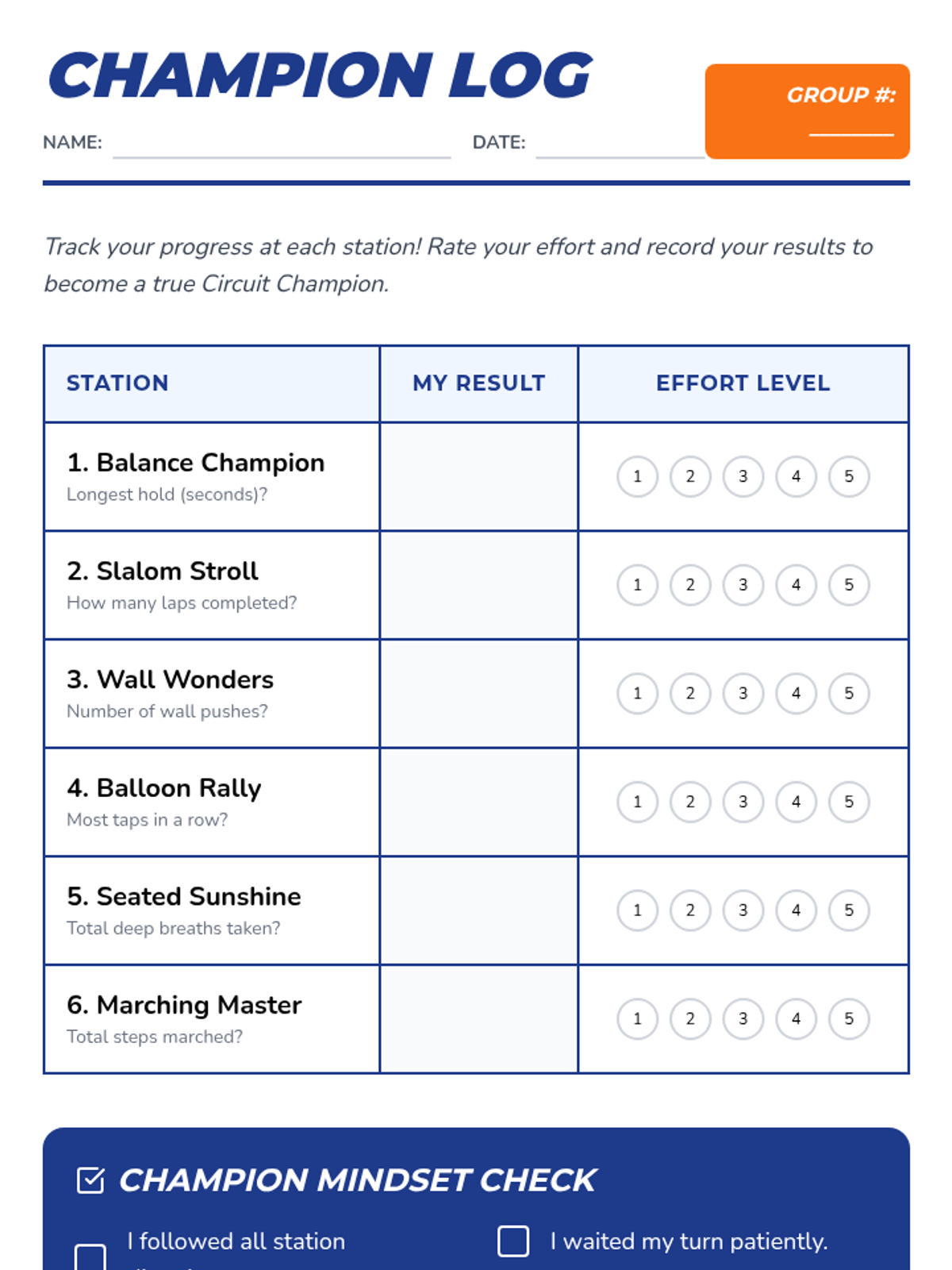
A high-energy station rotation circuit designed to build gross motor skills, balance, and social teamwork through 'Workout Wednesday' routines. Students rotate through six physical challenges while tracking their personal progress.
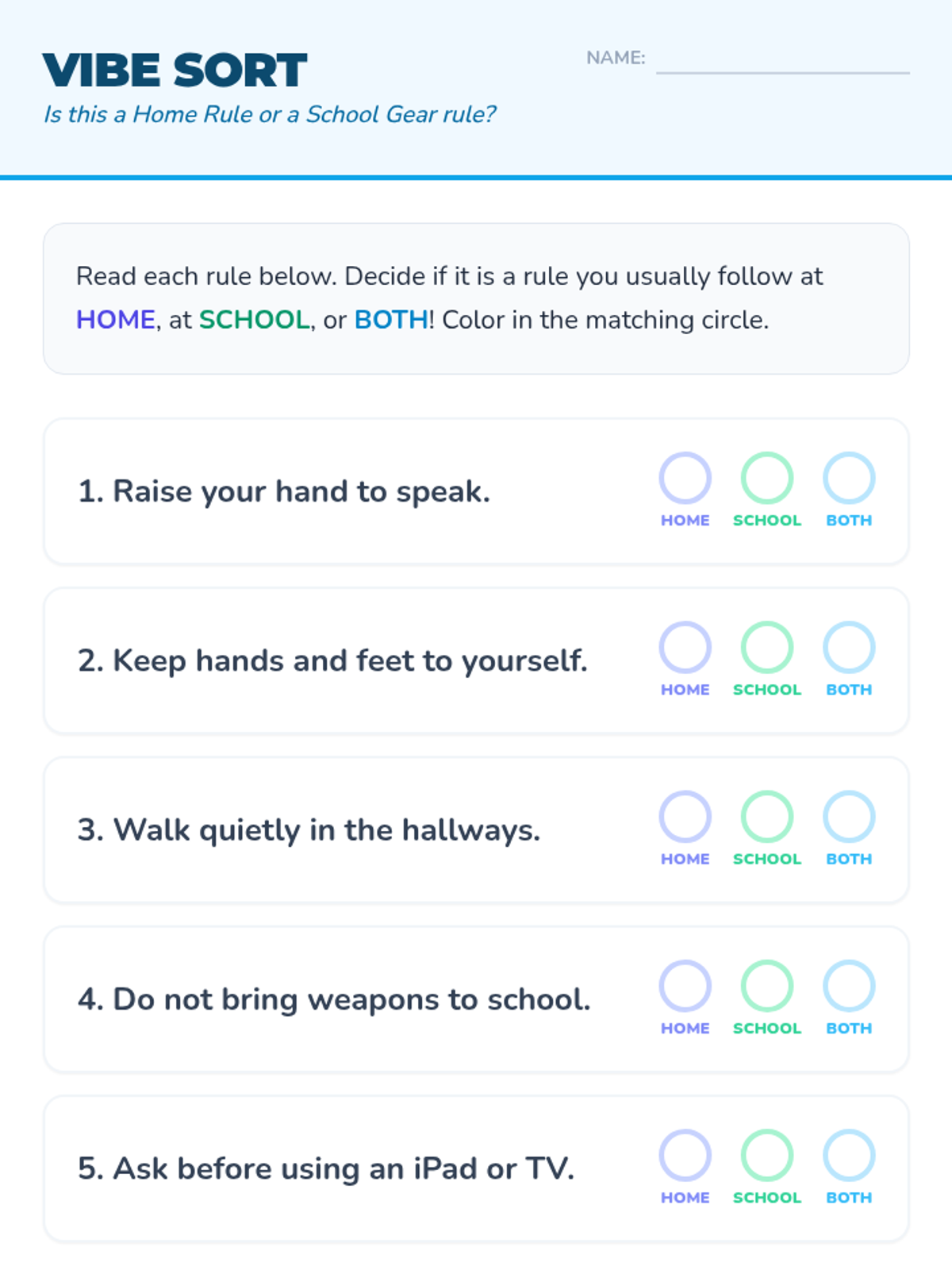
Students learn to navigate different social environments by understanding that rules and expectations change based on the setting (home vs. school).
Exploring the connection between physical activity and mental health, including stress management techniques and active lifestyle habits.