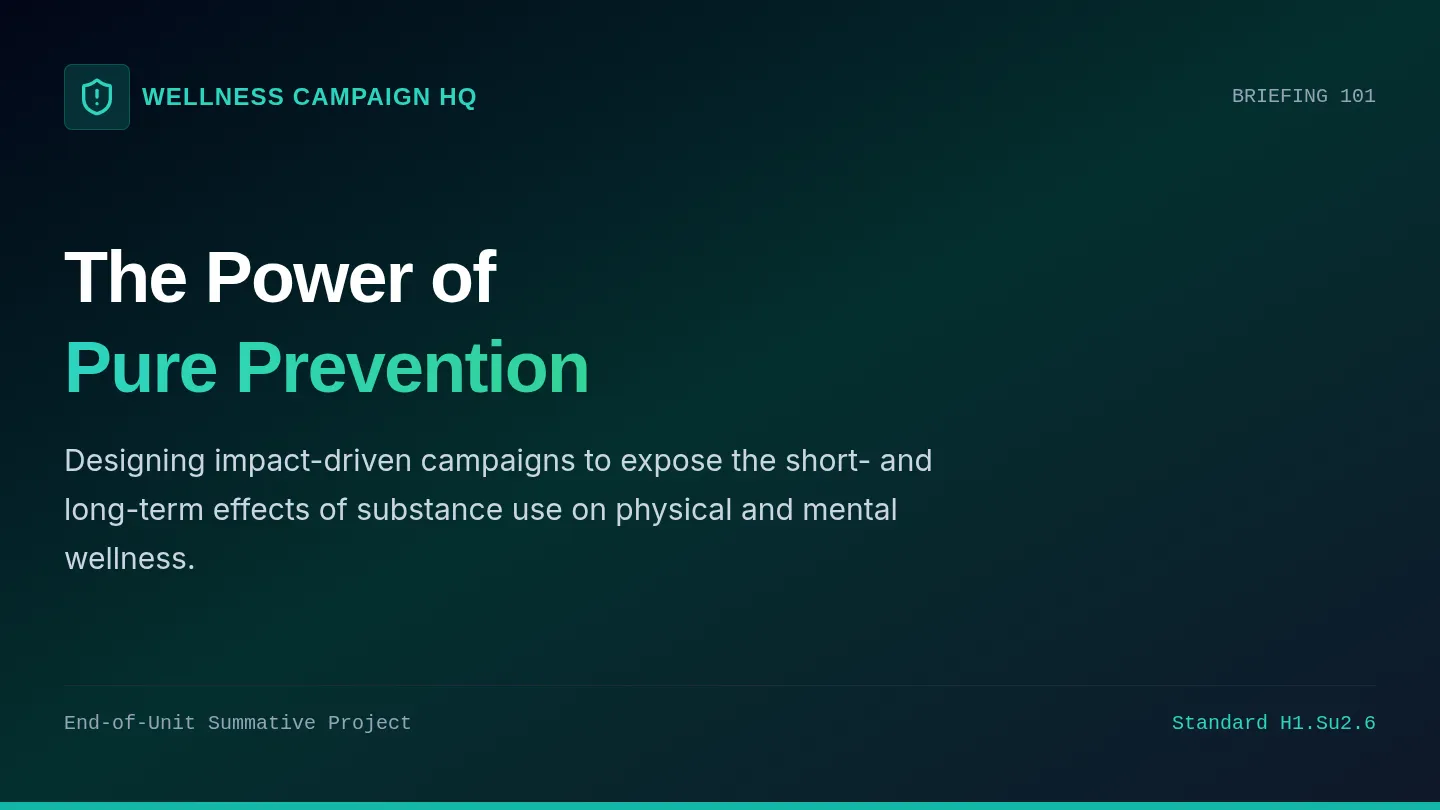
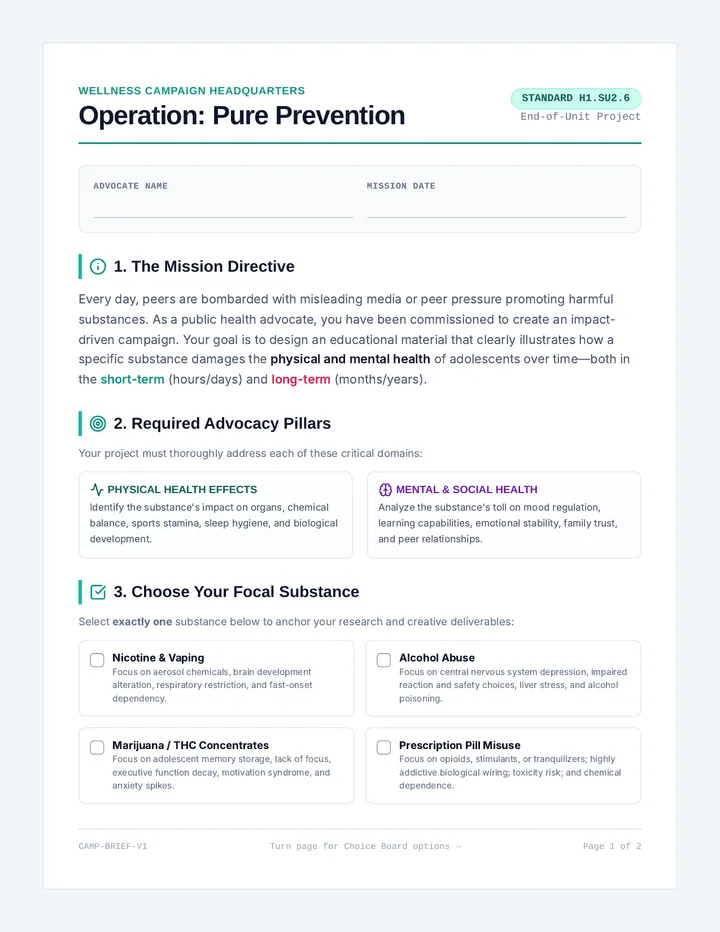
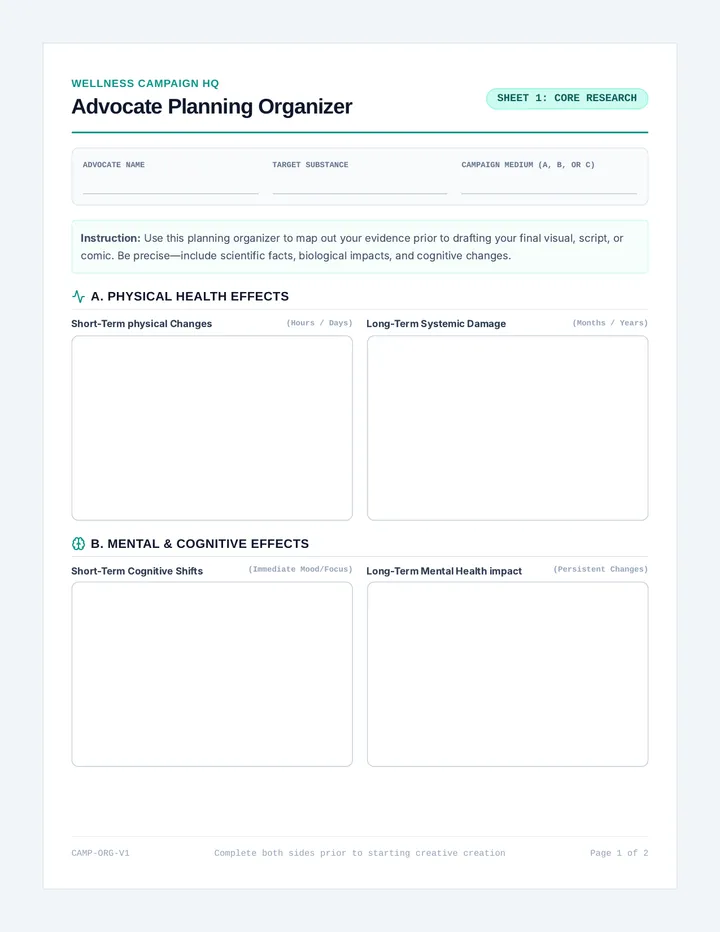
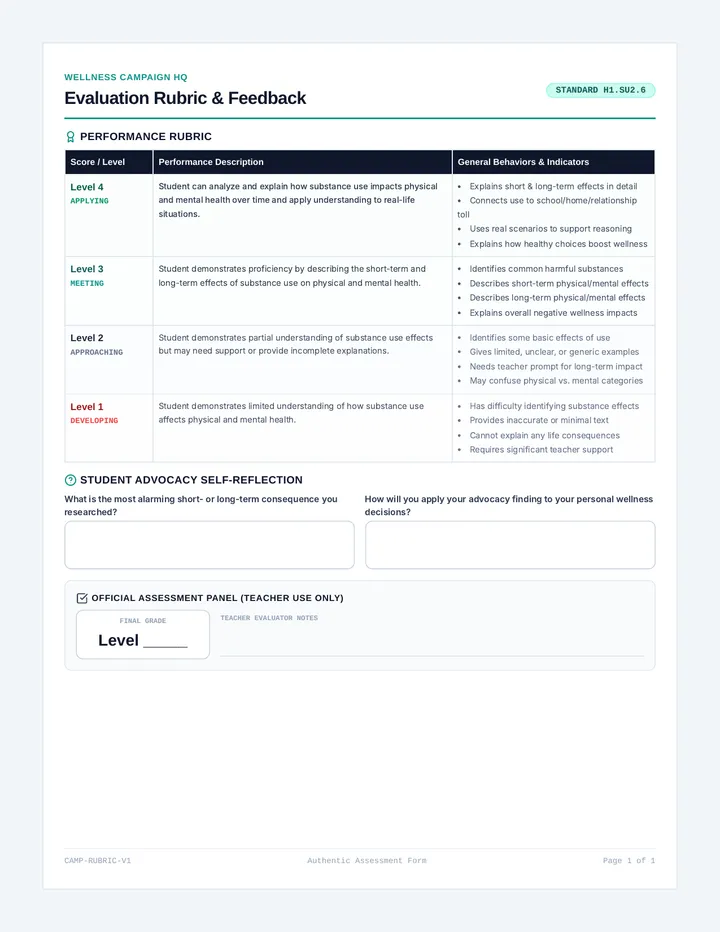
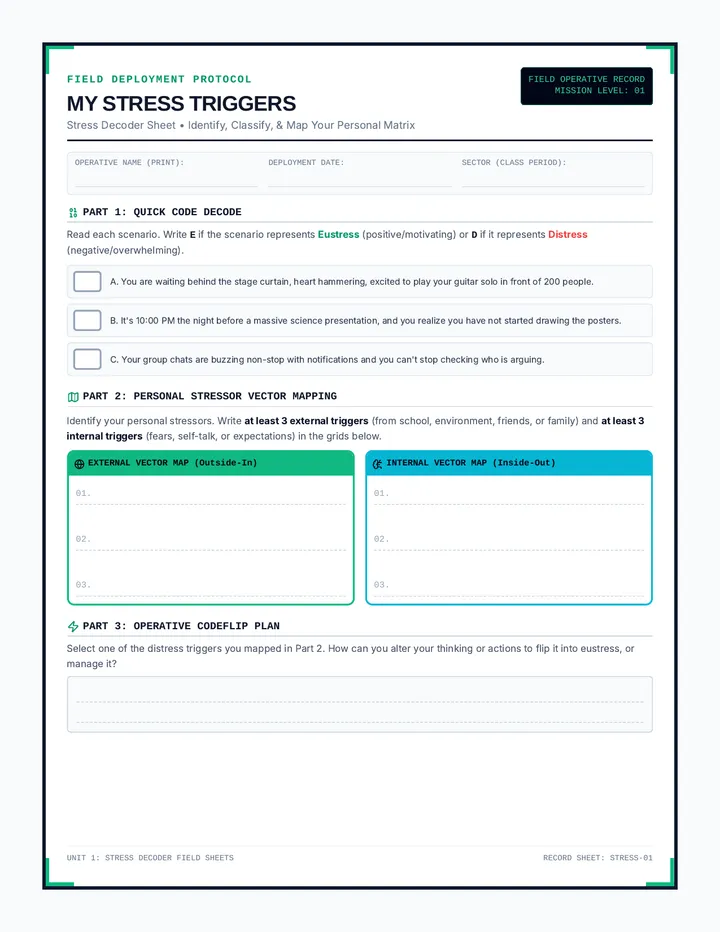
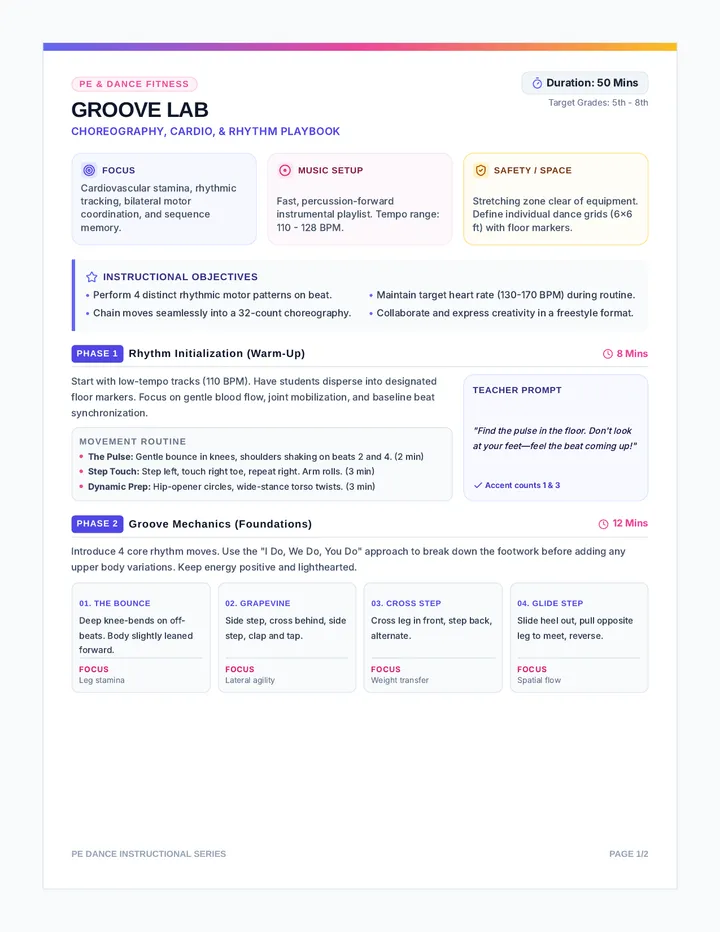
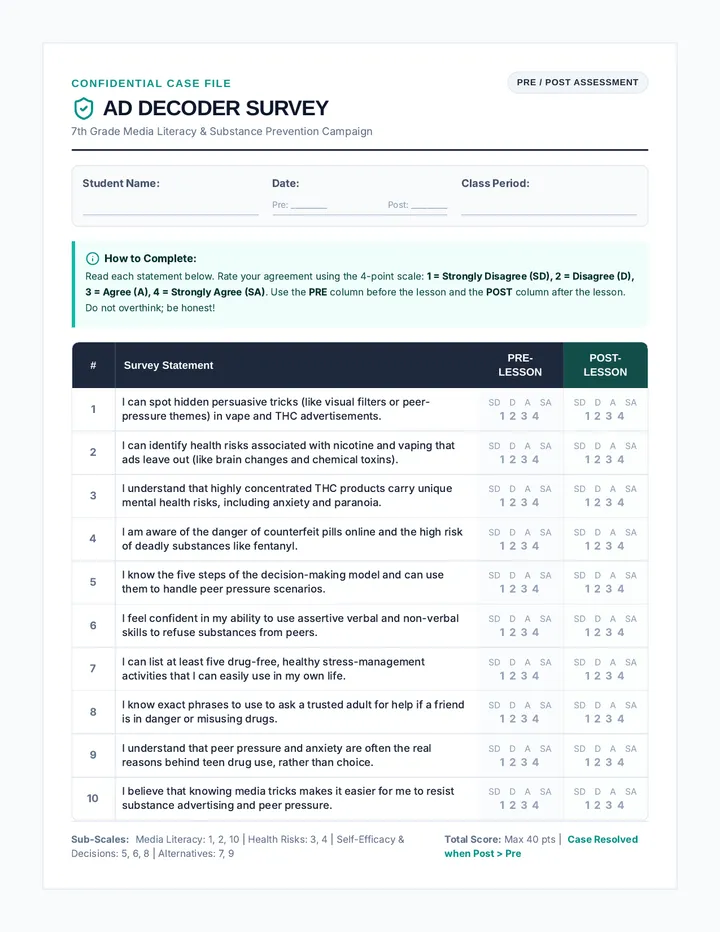
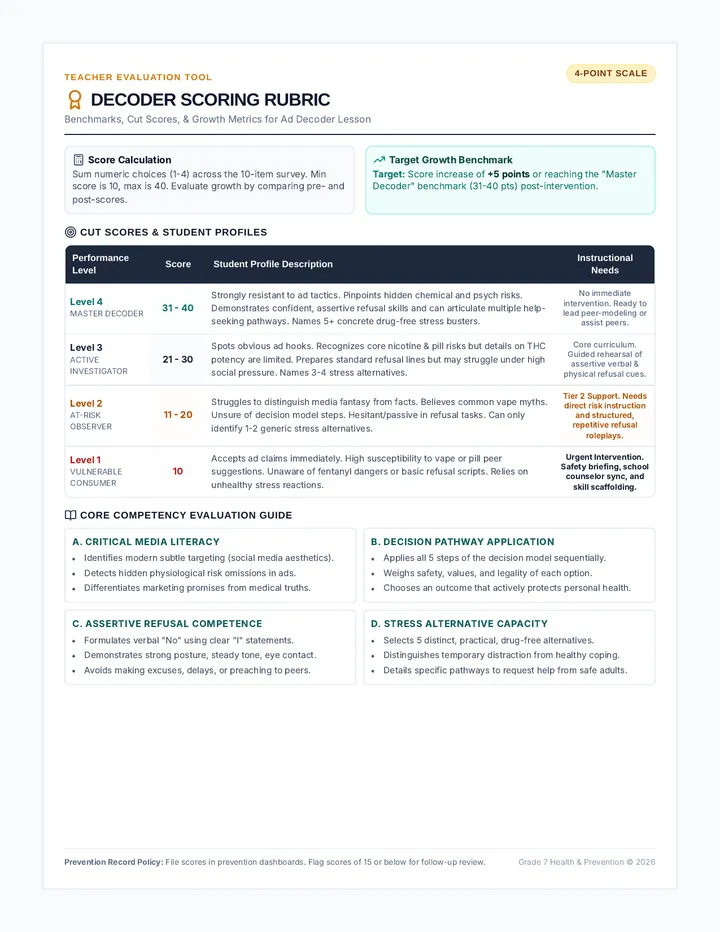
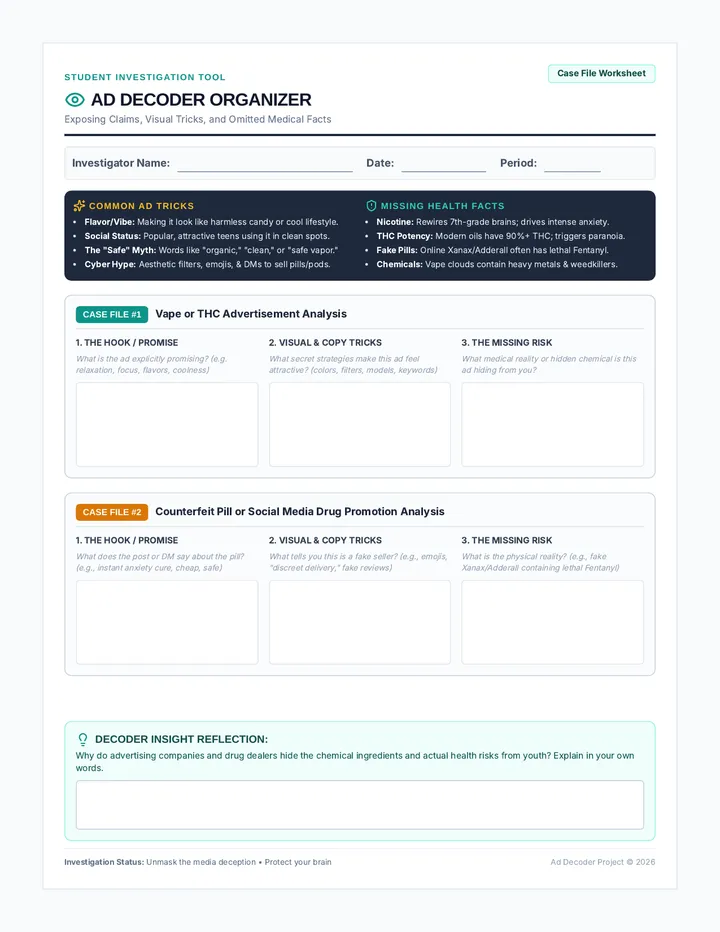
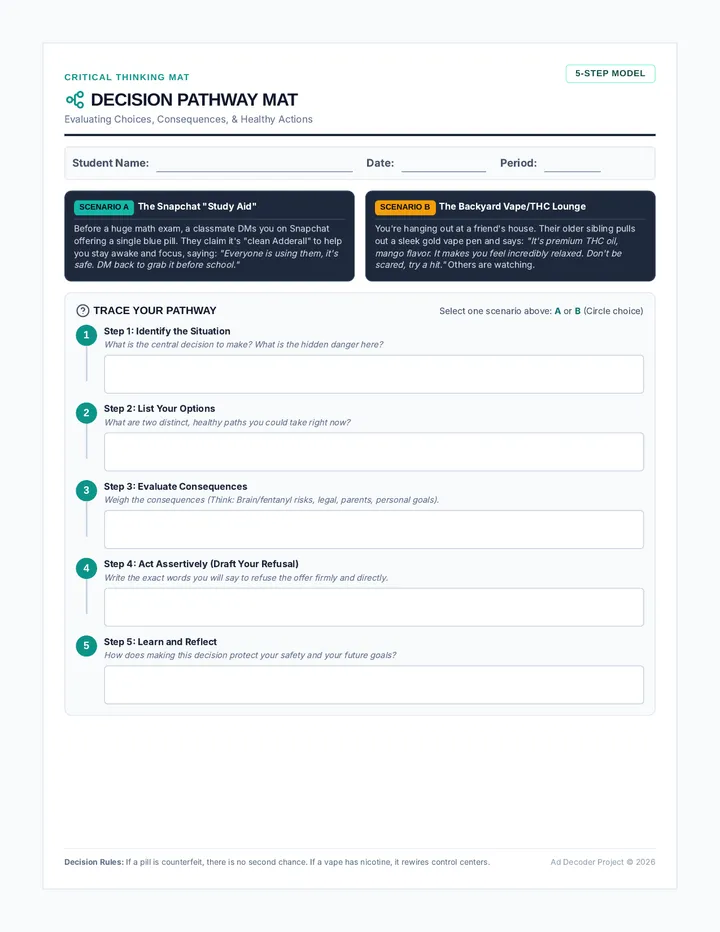
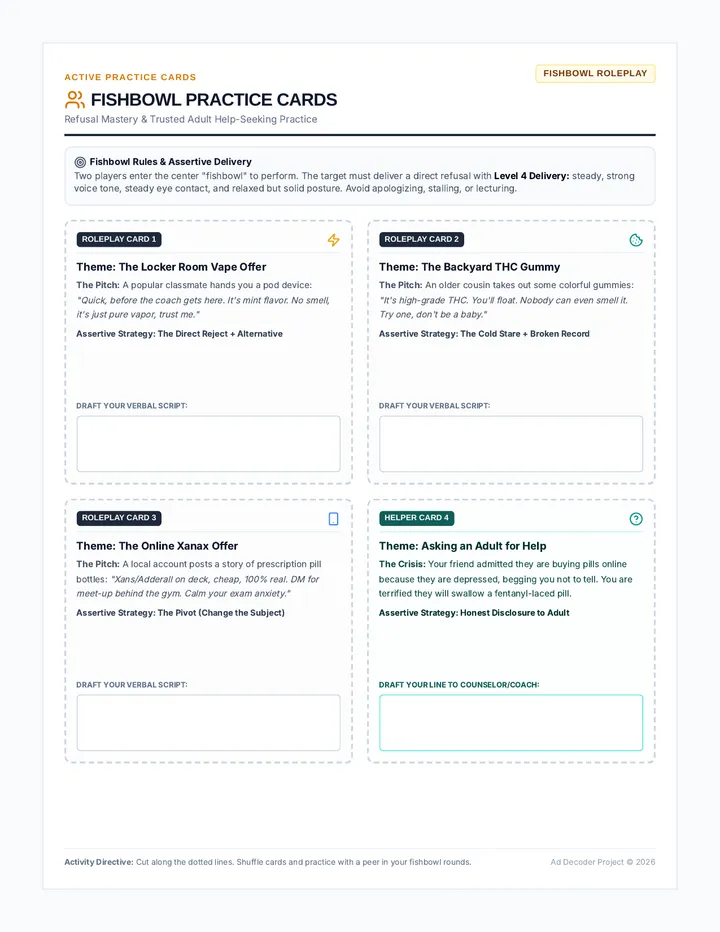
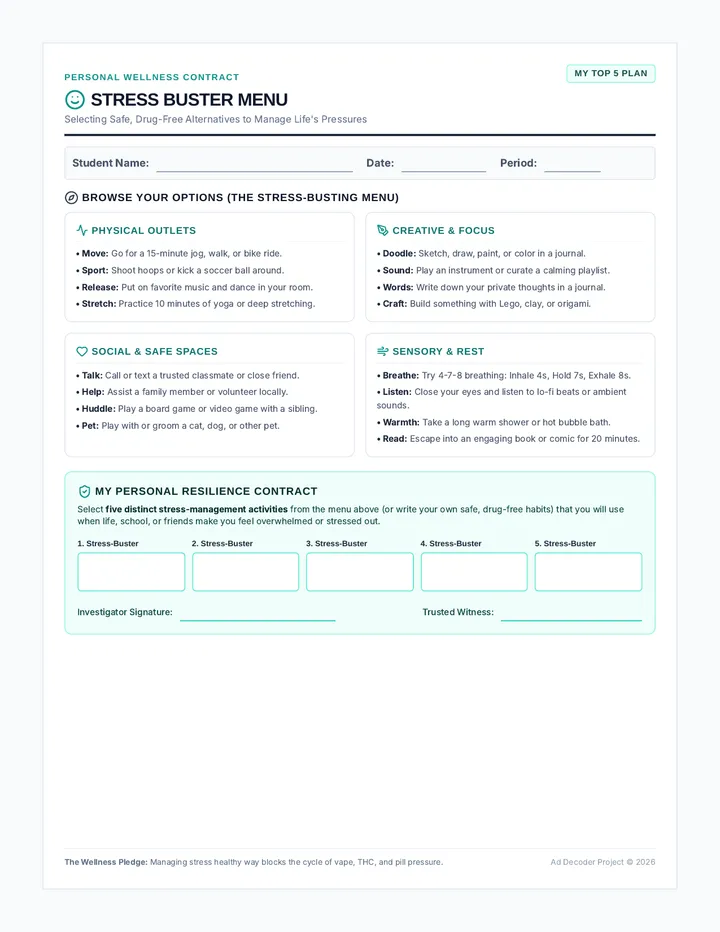
A comprehensive lesson for Grade 7 health focusing on the facts, risks, and refusal skills regarding alcohol, drugs, smoking, and vaping. Students analyze social pressures and develop personal strategies for healthy decision-making.
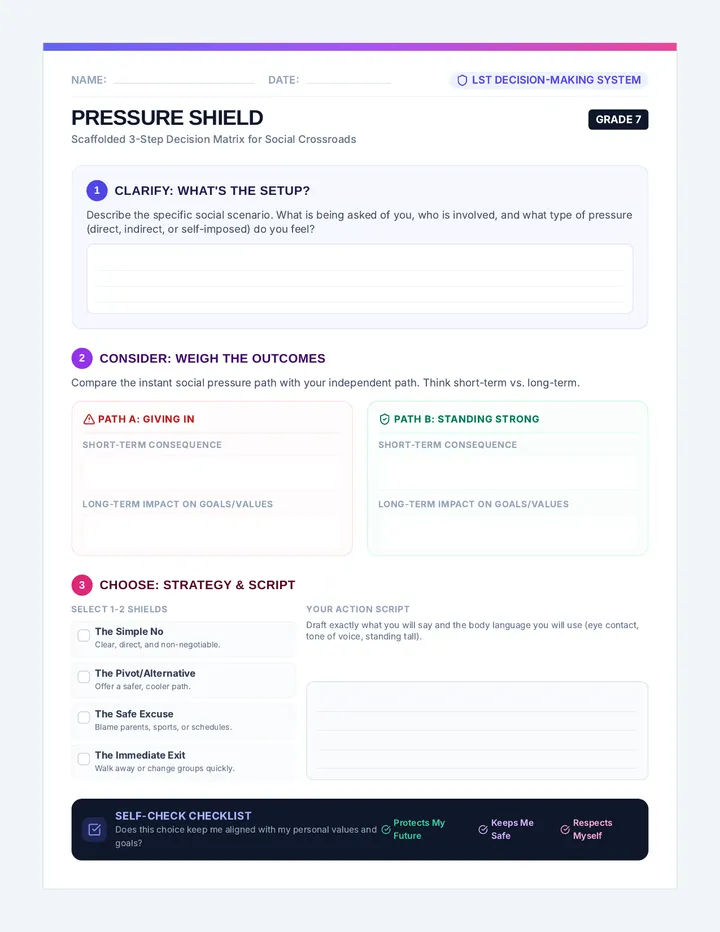
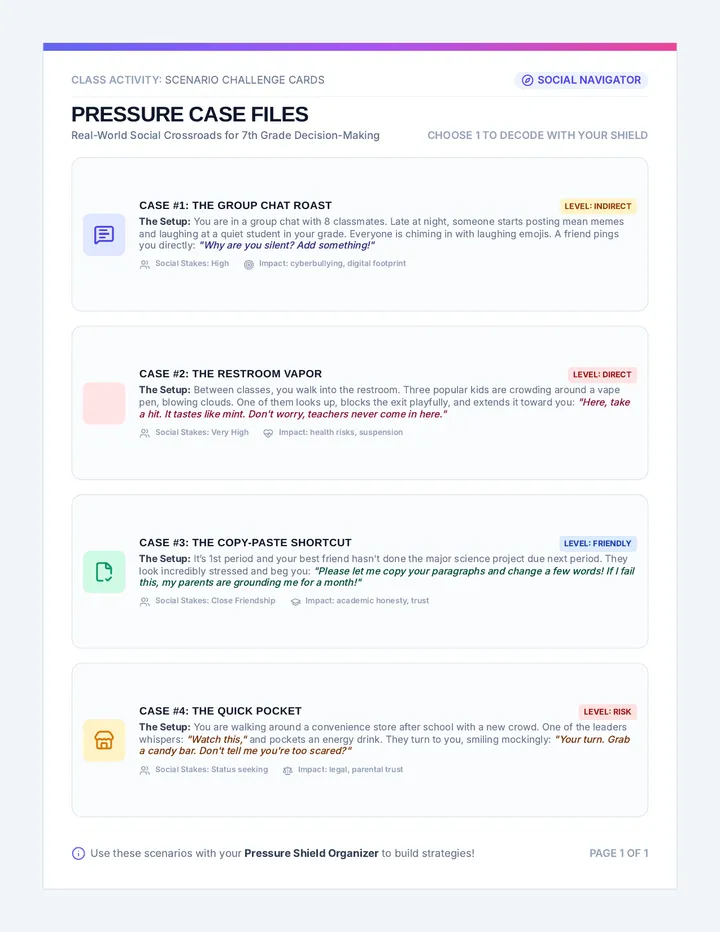
A high-energy, 30-minute lesson where 7th graders practice refusal skills through immersive role-play scenarios that test their loyalty and values.
A collection of materials for the Irondequoit Modified Unified Basketball Spring 2026 season, including schedules and promotional resources.
A comprehensive research unit where students investigate the biological mechanisms, classifications, and modern management strategies for diabetes.
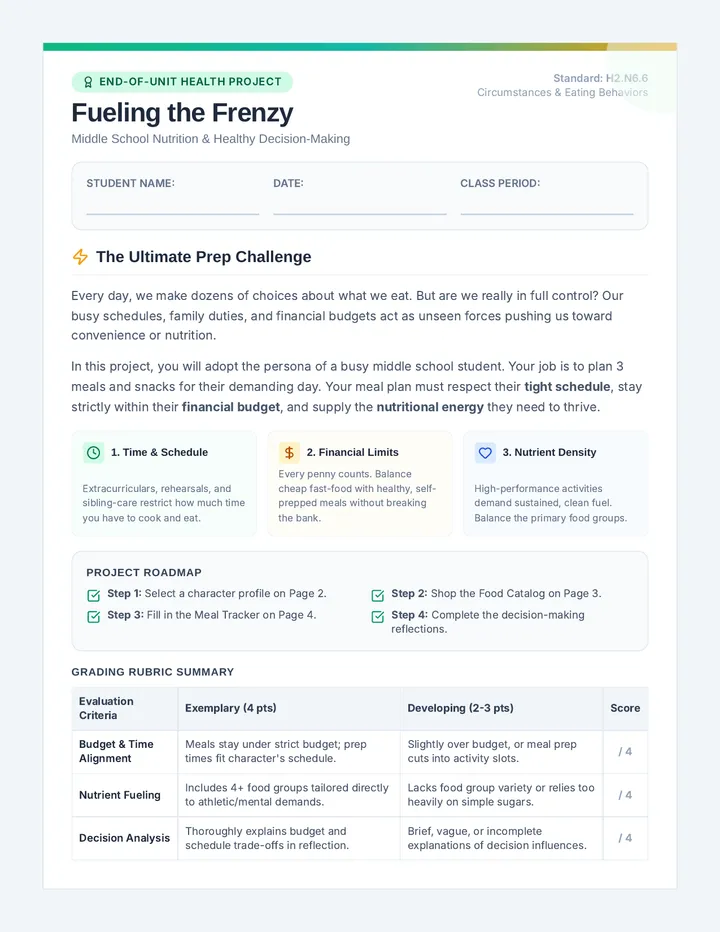
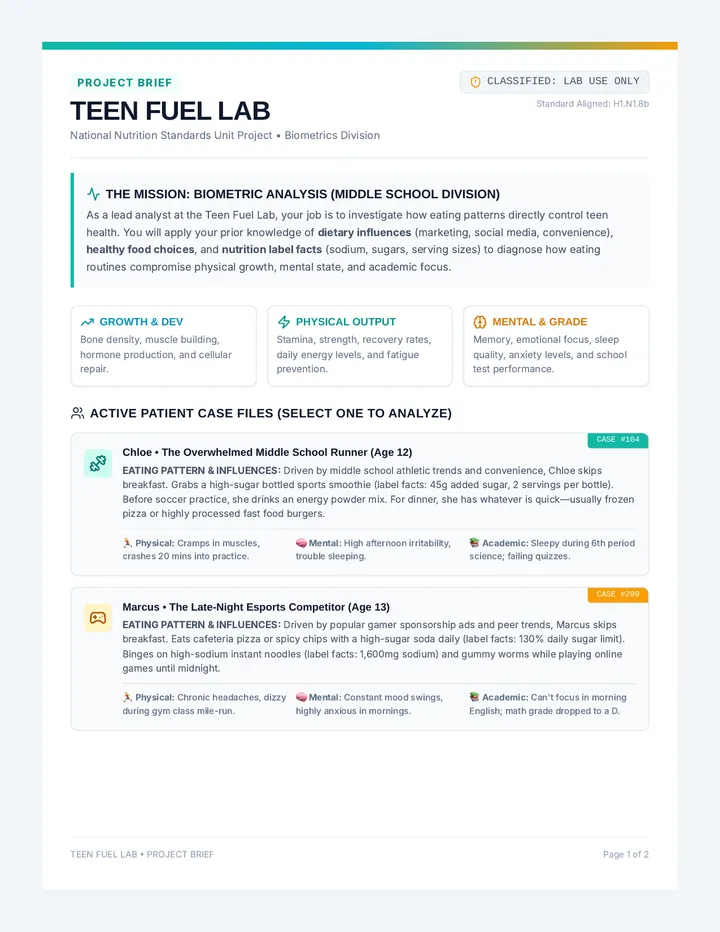
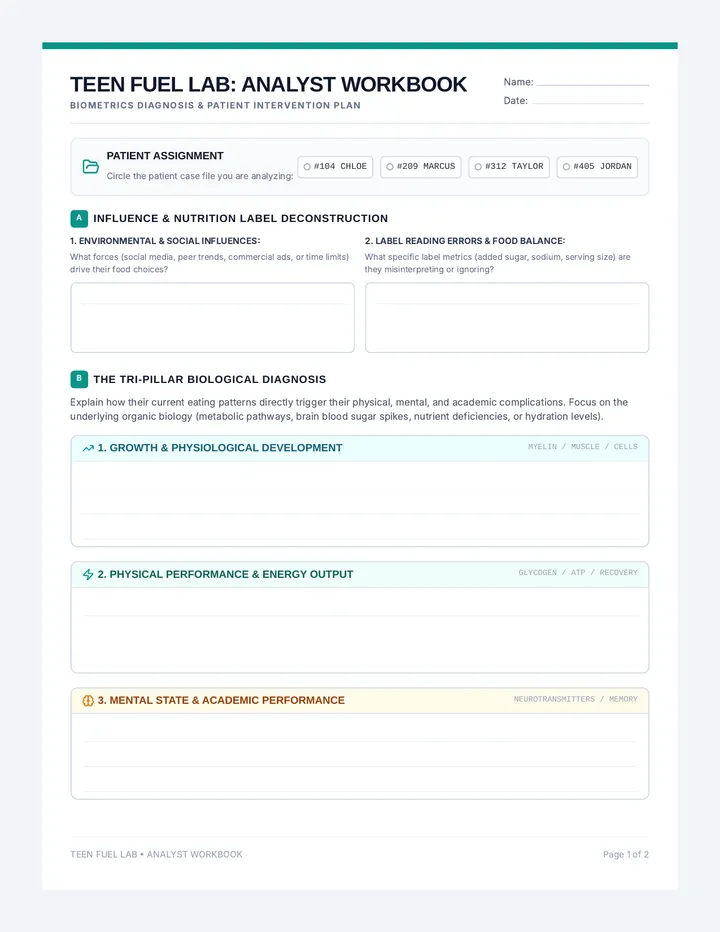
A comprehensive guide to planning a health-focused essay on the impact of fast food, including brainstorming tools and structural outlines.
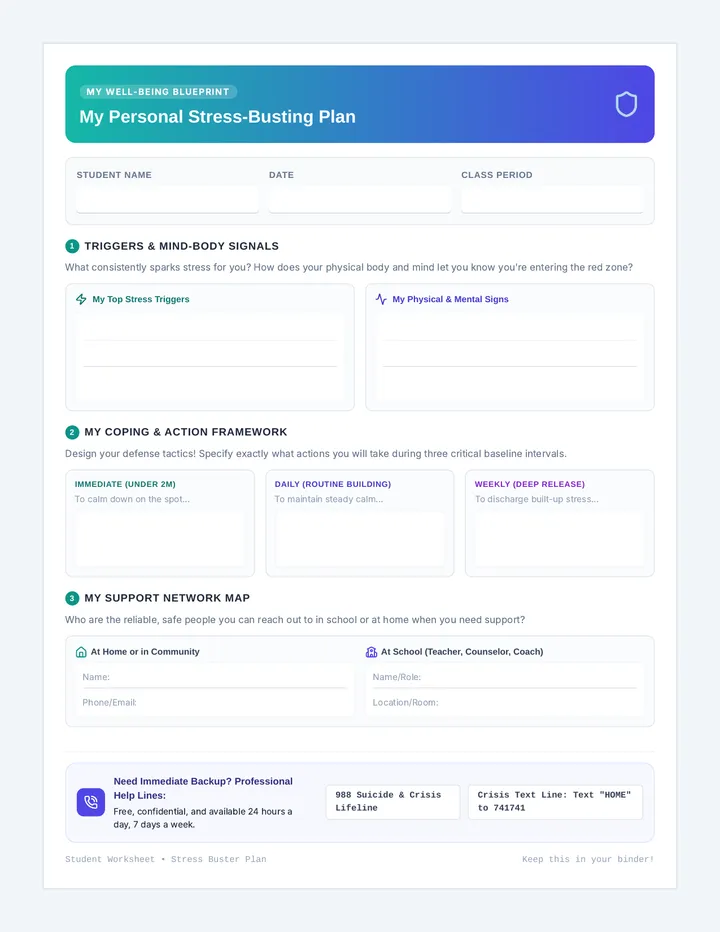
Students step into the role of app developers to design a digital tool that supports mental health. They will identify a specific mental health challenge (stress, sleep, focus, or gratitude) and create a functional blueprint for their unique solution.
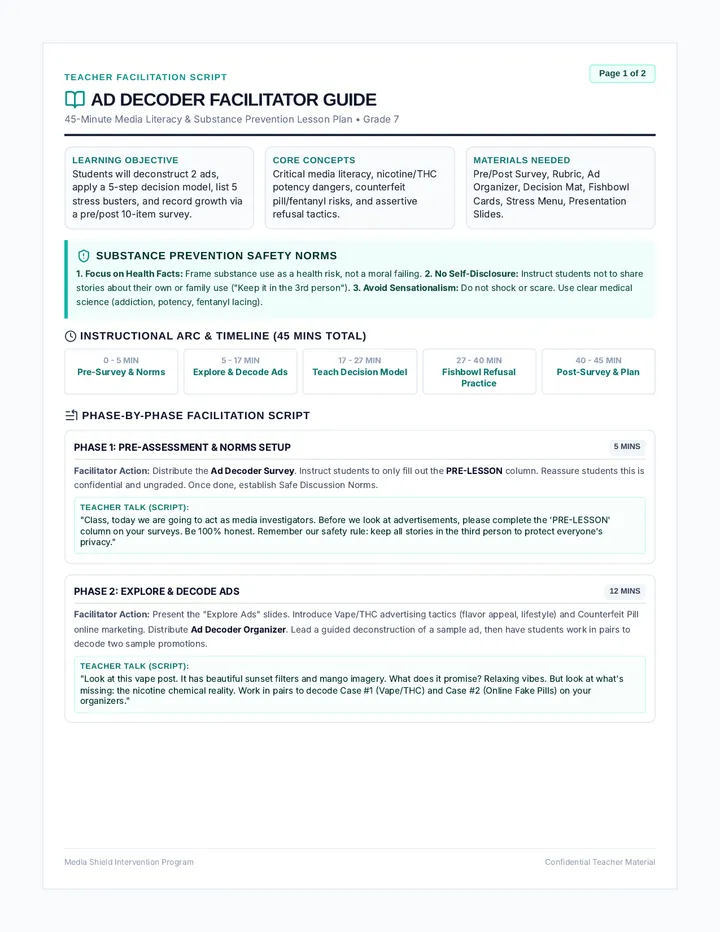
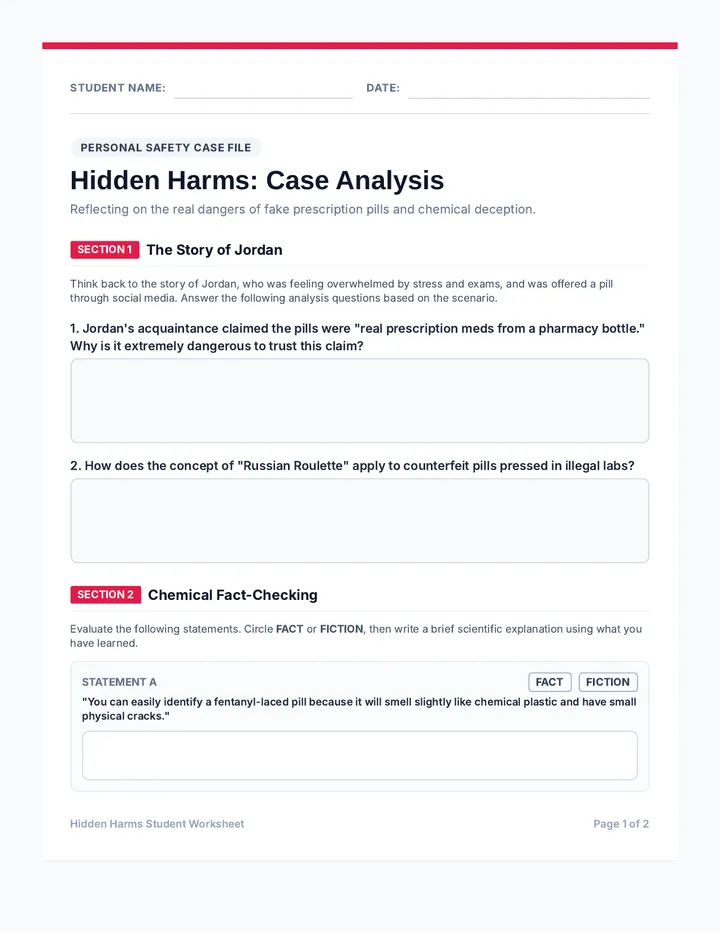
This lesson teaches middle schoolers about the dangers of nicotine, specifically vaping, while covering peer pressure refusal strategies and federal tobacco regulations. Students will analyze the laws that protect public health and practice social navigation skills.
A comprehensive one-hour coaching framework designed to synchronize a bowler's footwork with their arm swing. This lesson covers key timing drills from stationary releases to full approach mechanics.
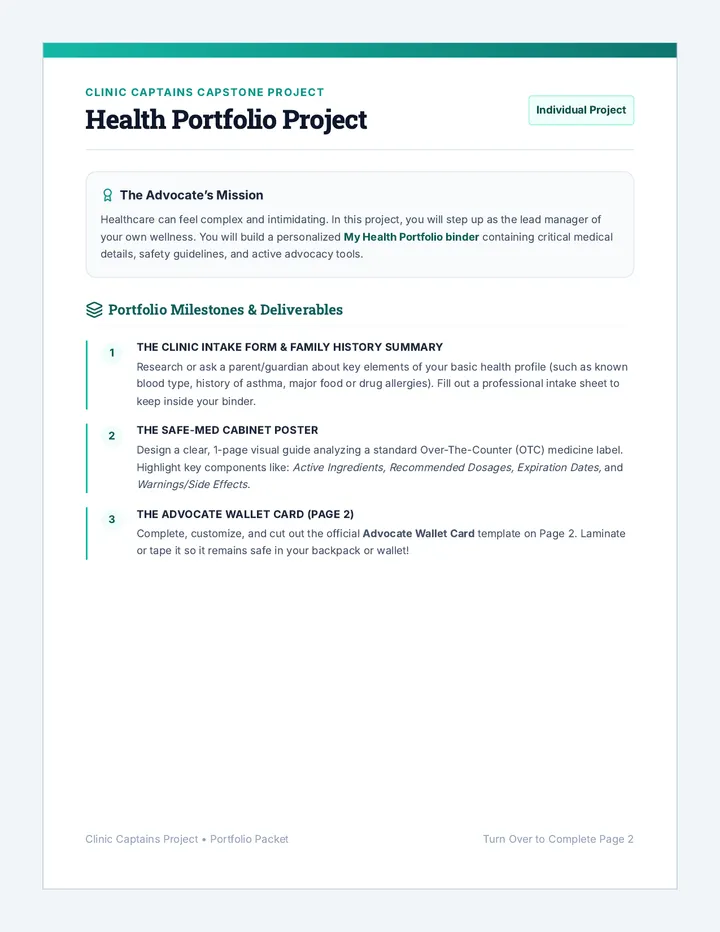
Students synthesize their learning from the unit by assembling a professional safety portfolio. They include hazard analyses, emergency plans, and reflective writing, followed by a peer review session to provide respectful feedback on their colleagues' work.
Students learn to design comprehensive emergency preparedness plans for a solo babysitting context. The lesson focuses on creating sequential action plans, evacuation strategies, and communication protocols for a babysitter working alone in a residential home.
A hands-on skills lab where students demonstrate life-saving first aid techniques, including choking response for infants and children, the recovery position, and technical wound care hygiene.
Students learn the foundational principles of emergency recognition and response, focusing on the assessment sequence (Scene Safety, Check-Call-Care) and identifying specific childhood emergencies.
A hands-on station-based lesson where students learn to inspect and properly use life-saving safety equipment including helmets, car seats, smoke detectors, and sleep environments.
A lesson focused on identifying age-specific hazards and designing comprehensive prevention strategies for infants, toddlers, and preschoolers to ensure a safe environment for growth.
Prepares students to launch their own childcare business by developing leadership skills, creating business plans, and learning professional communication.
Explores developmental milestones across physical, cognitive, social, and emotional domains, while teaching positive behavior management and discipline techniques.
Focuses on the fundamental skills of caring for infants and young children, including sanitation, safe holding, feeding techniques, diapering, and establishing daily routines.
Students learn to identify common safety hazards in indoor and outdoor childcare environments and develop comprehensive safety plans to keep children safe.
Students learn to distinguish between medically accurate information and health misconceptions by identifying sources of misinformation, understanding the risks of 'quackery,' and practicing how to verify health claims using reliable resources.
A comprehensive lesson teaching students how to identify and utilize reliable health resources like the CDC, FDA, and school health professionals to make informed health decisions. Includes a multi-day community health project.
A comprehensive look at the biological impact of caffeine on the human body, exploring how it interferes with brain chemistry and the distinction between temporary energy boosts and long-term health risks.
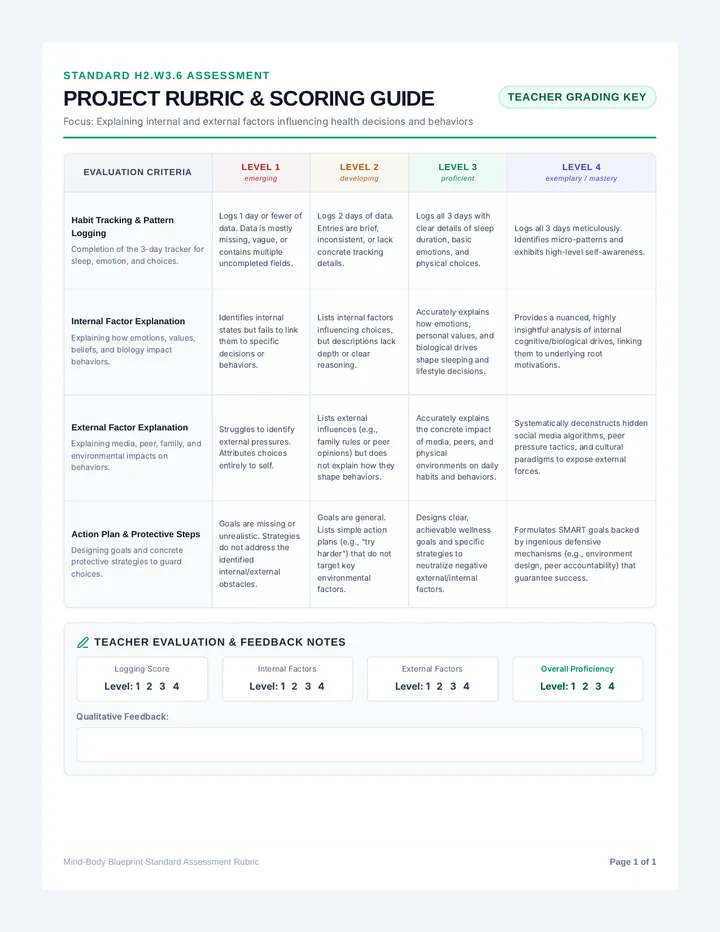
A comprehensive one-hour lesson for middle schoolers exploring the physical, social, and long-term consequences of alcohol use through interactive stations and visual instruction.
A lesson for boys' volleyball teams focused on building positive team dynamics, understanding the mental health impact of sportsmanship, and practicing supportive communication on the court.
A 6th-grade health lesson exploring how social media algorithms influence user feeds and the resulting impacts on mental and physical wellbeing. Students learn to recognize digital 'hooks' and develop strategies for a healthy digital diet.
A 50-minute introduction to fundamental cooking techniques, focusing on heat management and timing through the lens of a vegetable stir-fry.
Equips students with refusal skills and provides a step-by-step framework for cessation and supporting peers.
Examines the multi-system physical consequences of long-term vaping and tobacco use, from respiratory damage to cardiovascular risks.
Explores the neuroscience of nicotine addiction, focusing on how vaping chemicals hijack the brain's reward system.
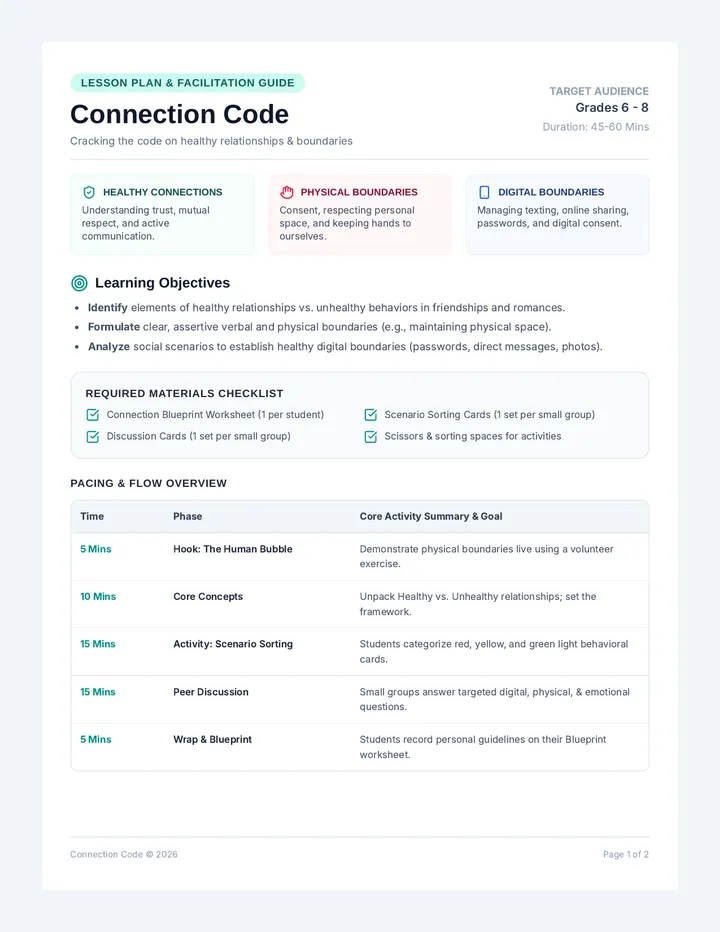
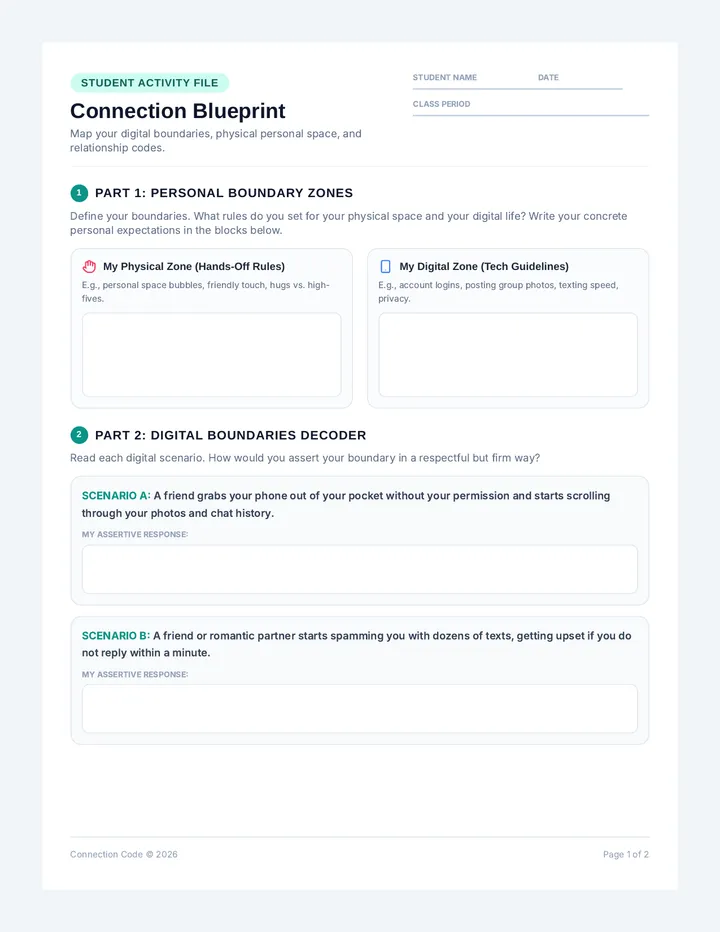
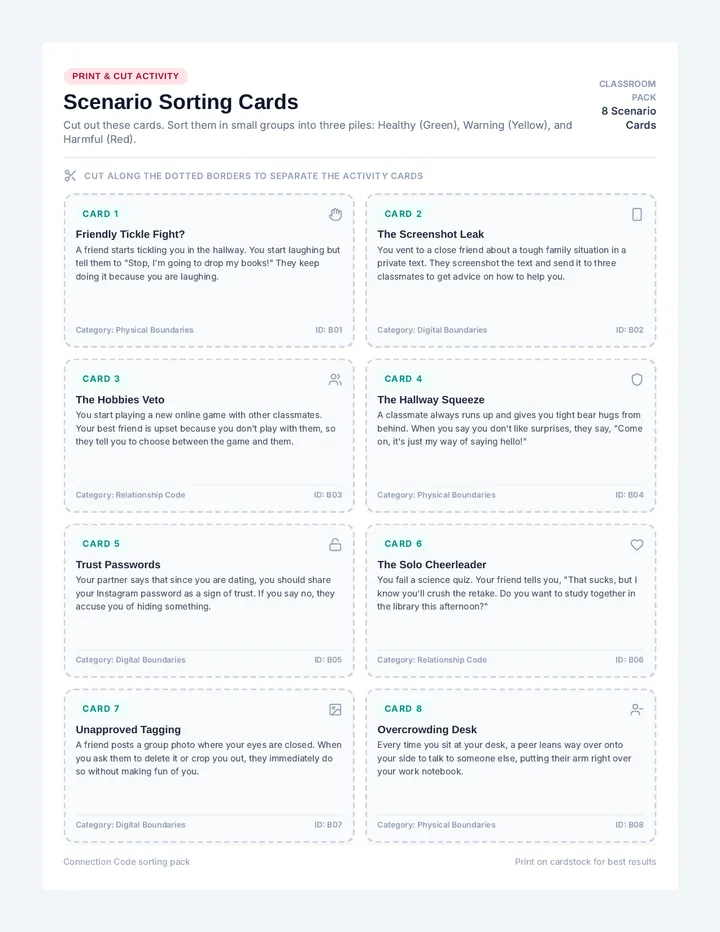
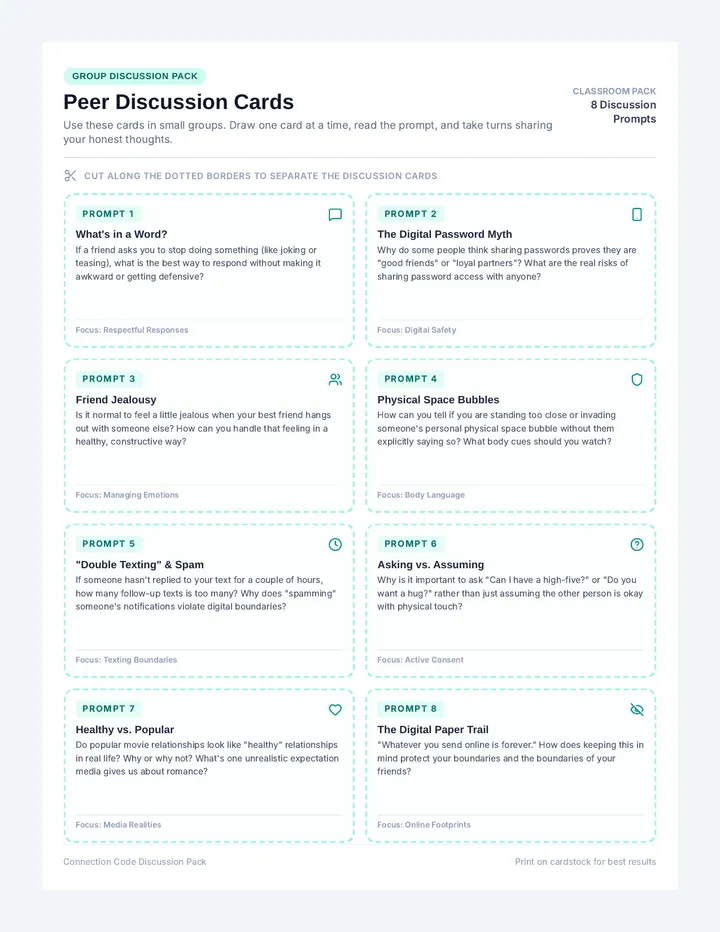
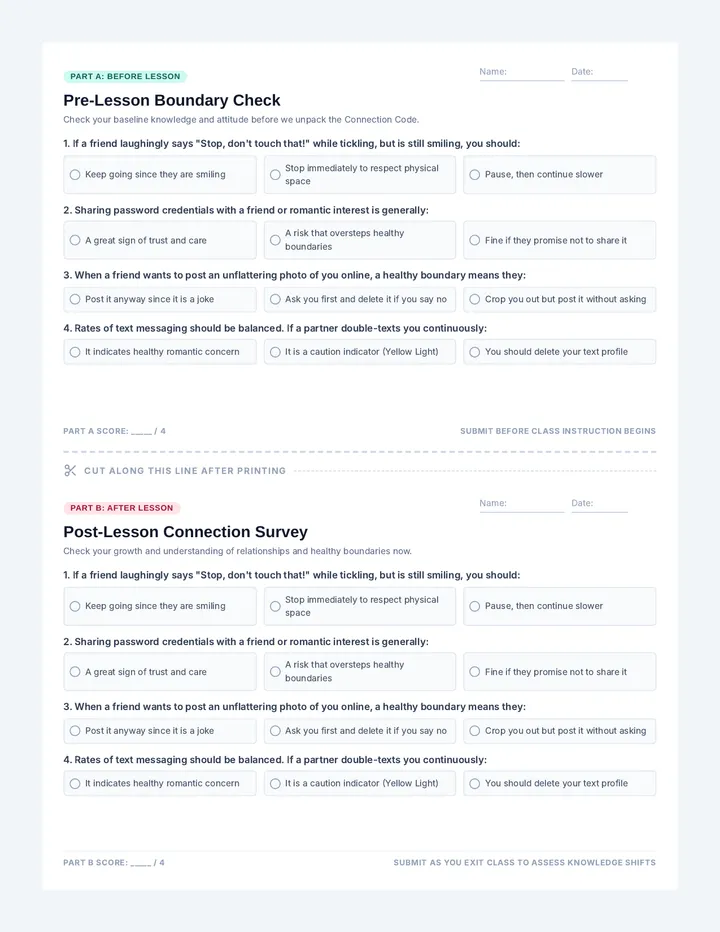
This lesson helps grade 7/8 students navigate the complexities of healthy relationships with friends, family, and early romantic interests through communication and boundary-setting.
A high-performance bowling lesson designed to bridge the gap between intuitive 'feel' and technical precision targeting. Focused on maintaining mental stamina and frame-by-frame consistency for competitive athletes.
A comprehensive lesson for teenagers exploring the physiological and psychological impacts of smartphone addiction, covering dopamine loops, sleep disruption, anxiety, and social isolation.
A health-focused lesson exploring the critical biological link between oral hygiene and infective endocarditis, emphasizing how daily habits protect heart health.
A challenging word search activity focused on the Boston Celtics, featuring 2026 roster players and franchise terminology.