This sequence targets the mathematical vocabulary required for comparing quantities and describing spatial relationships for 2nd grade ESL students. It integrates movement and manipulatives to help students internalize language for math discourse.
No materials in this sequence yet.
A two-lesson ESL bundle for Grade 2 emerging bilingual learners to develop critical thinking and problem-solving through visual clue-based predictions and step-by-step thinking explanations. Includes interactive slide decks, scaffolded student activity documents, speaking cue cards, and a dual-purpose teacher/student visual rubric.
A reading fluency and decodable comprehension lesson reviewing VCe long vowel patterns through decodable text, repeated readings, and text-based comprehension checks.
Teacher answer key, scoring guide, and phonics analysis for the Lake Camp VCe review fluency passage and comprehension questions.
A two-part critical thinking sequence for Grade 2 ESL inclusion classrooms, pairing comparative reasoning and real-world problem solving with structured visual and linguistic scaffolds.
Lección de lectoescritura para segundo grado enfocada en la discriminación, trazado y aplicación ortográfica de los sonidos iniciales de la letra Y y el dígrafo LL mediante actividades prácticas para cuaderno interactivo.
A printable fluency reading passage and comprehension worksheet aligned with UFLI Lesson 62 (VCe review), featuring running line word counts, a repeated reading fluency tracker, and five reading comprehension questions.
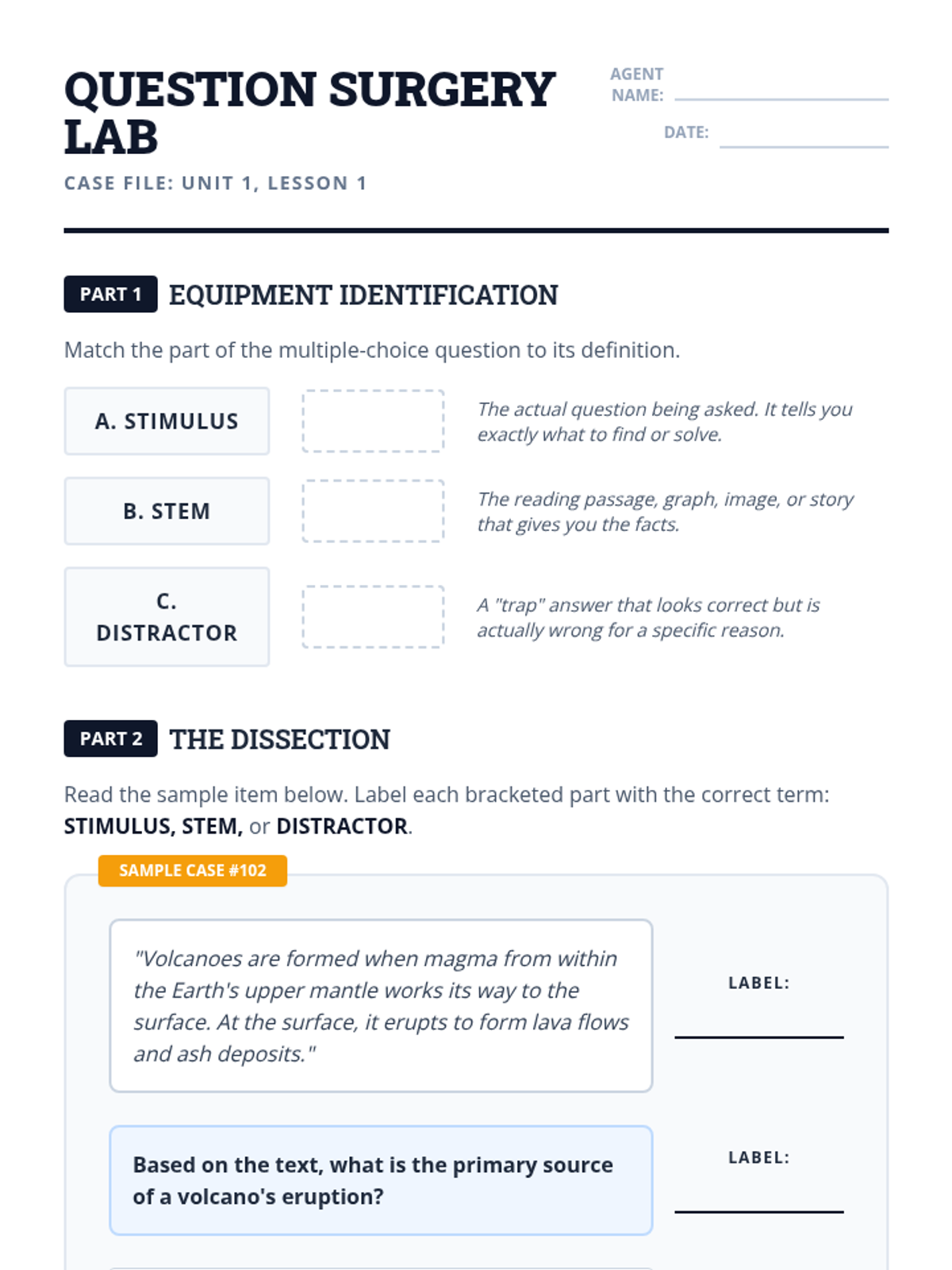
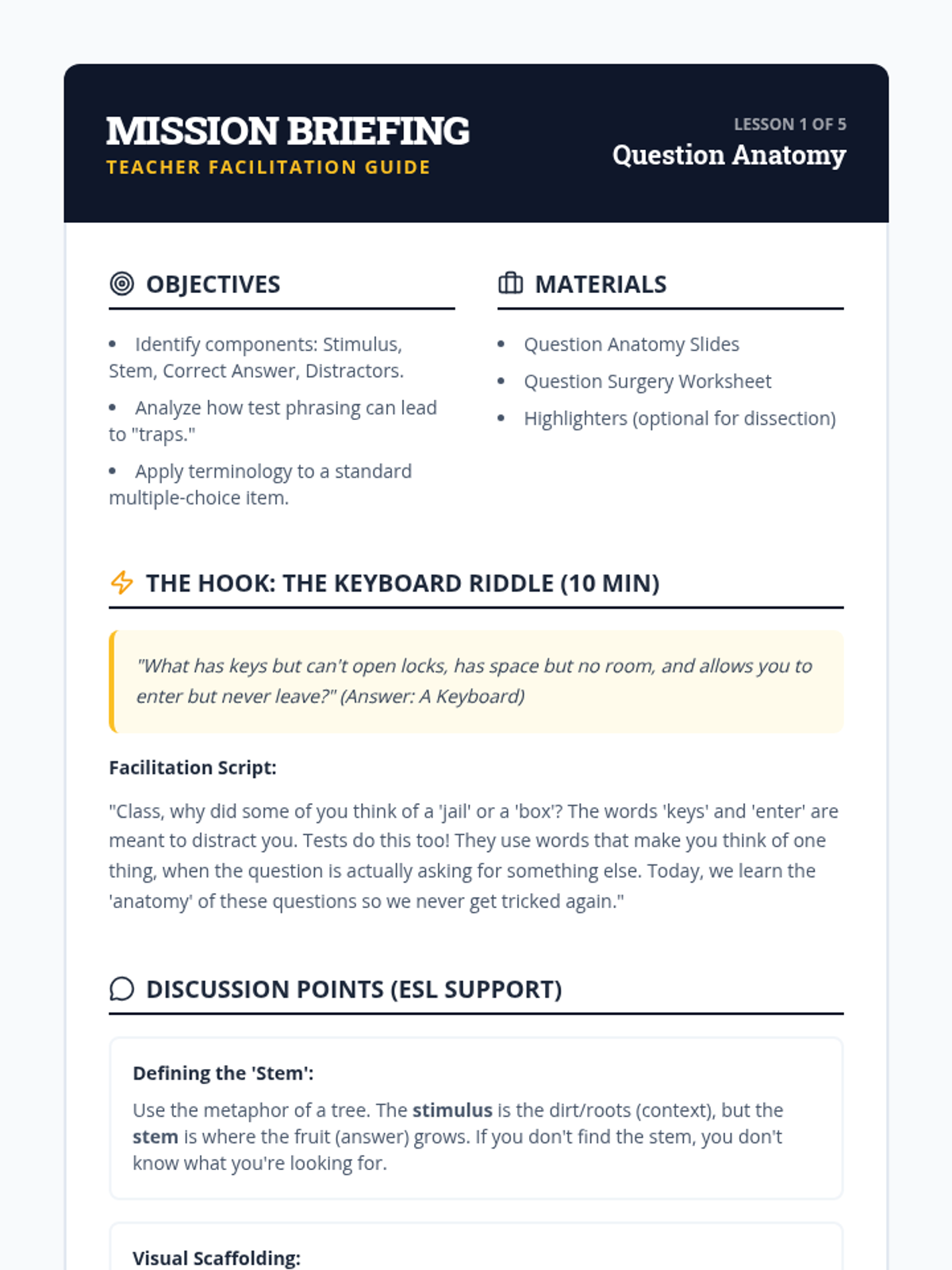
This sequence targets the analytical skills required to dismantle multiple-choice questions for 7th Grade ESL learners. Students move from understanding the anatomy of a question to identifying common logical fallacies and 'trap' answers, utilizing game-based learning and deductive reasoning.
Students tackle visual math and logic puzzles by breaking down their problem-solving path into sequential steps and explaining their reasoning. Includes instructional slides, a step-by-step thinking worksheet, and a comprehensive visual rubric.
A WIDA 2020-aligned, grade band-specific (Grades 2–3) two-page ELL Language Growth Progress Report. Page 1 provides a 3-term growth tracker structured by WIDA 2020 Modes of Communication (Interpretive and Expressive), Key Language Uses (Narrate, Inform, Explain, Argue), scaffold checklists, and term observations. Page 2 provides an asset-based, family-friendly Grades 2–3 WIDA 2020 Can-Do Reference Guide illustrating observable language benchmarks across all six proficiency levels.
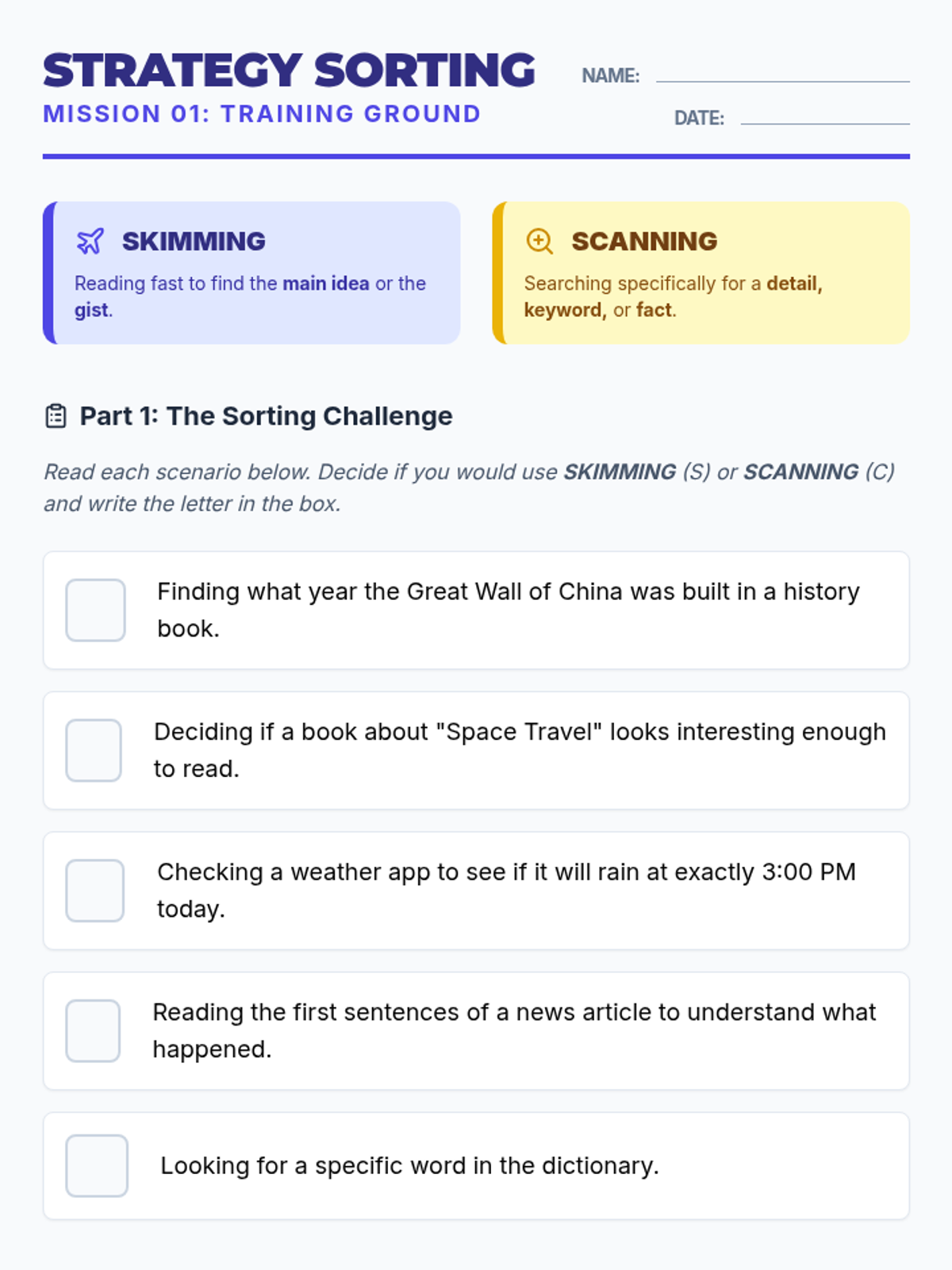
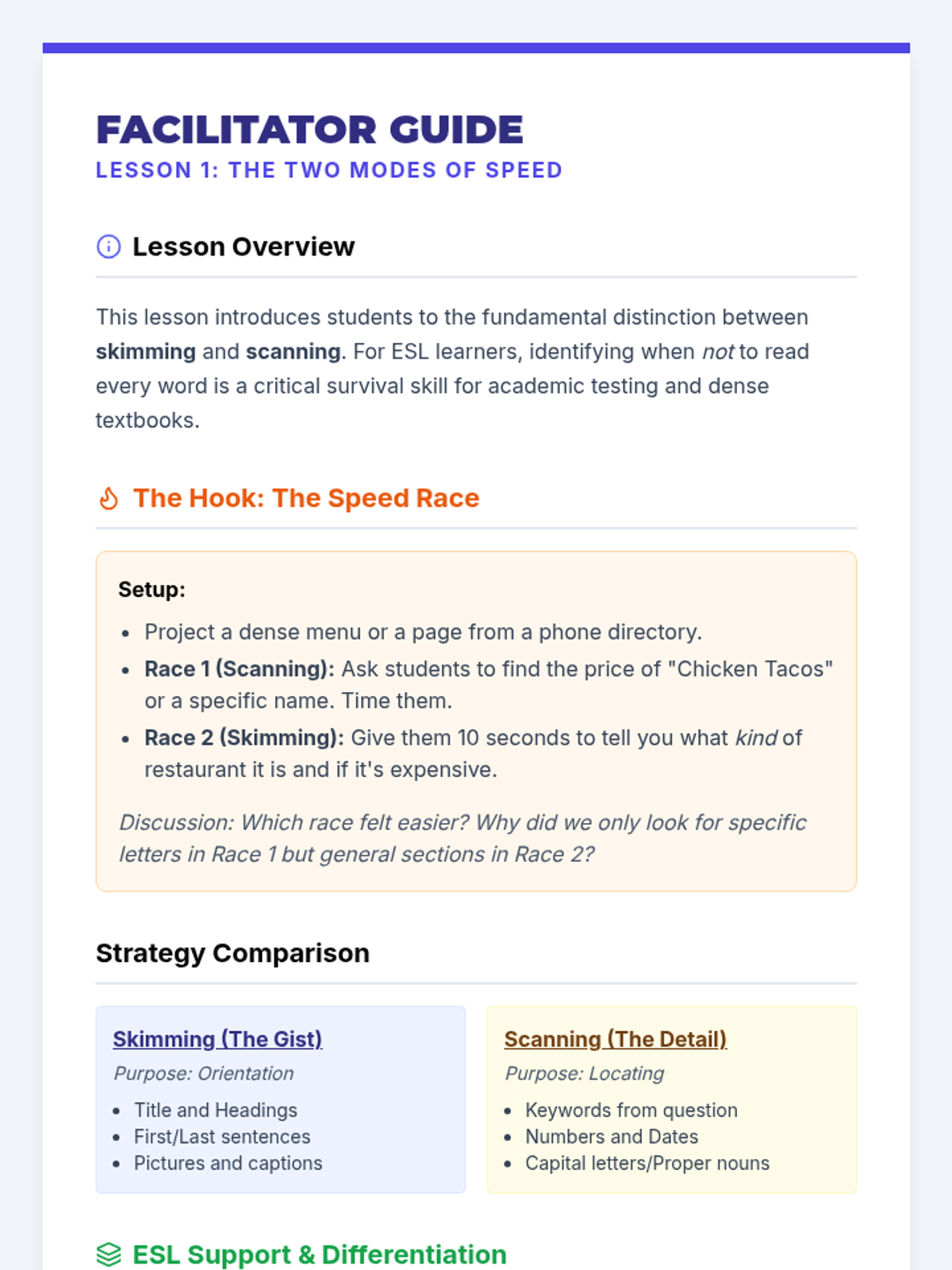
This sequence teaches 6th-grade ESL students the essential test-taking strategies of skimming and scanning. Through a 'Speed Scout' academy theme, students learn to navigate academic texts efficiently, identifying when to look for the 'gist' versus specific details to save time and improve accuracy on standardized tests.
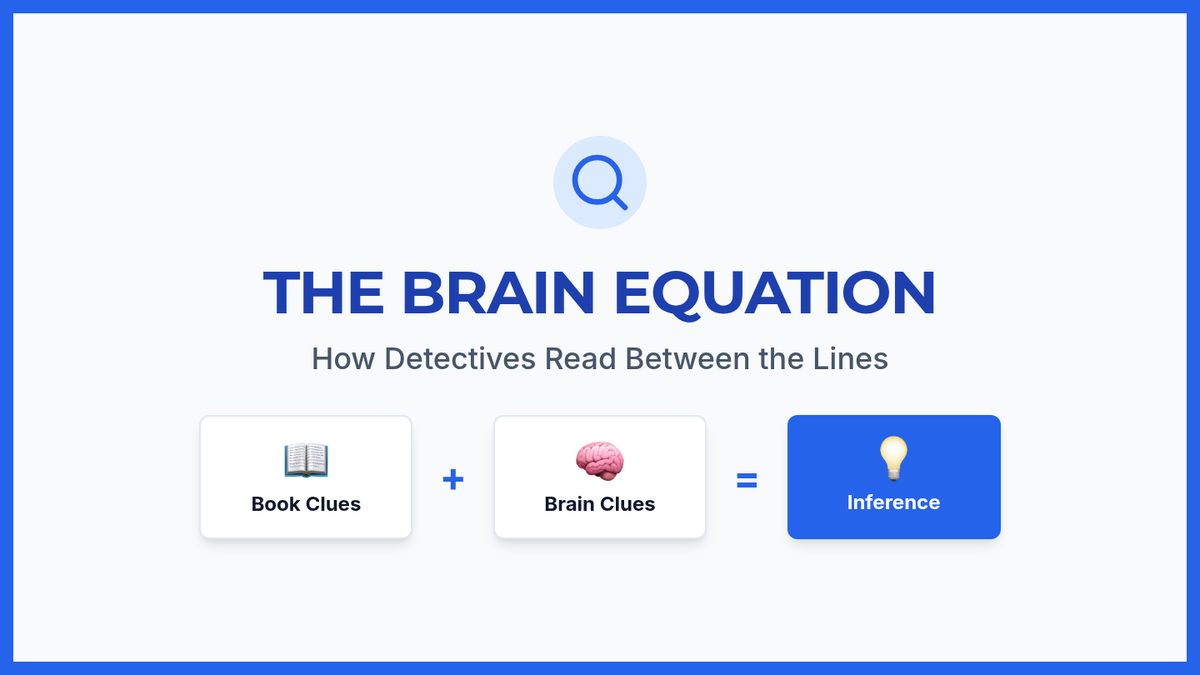
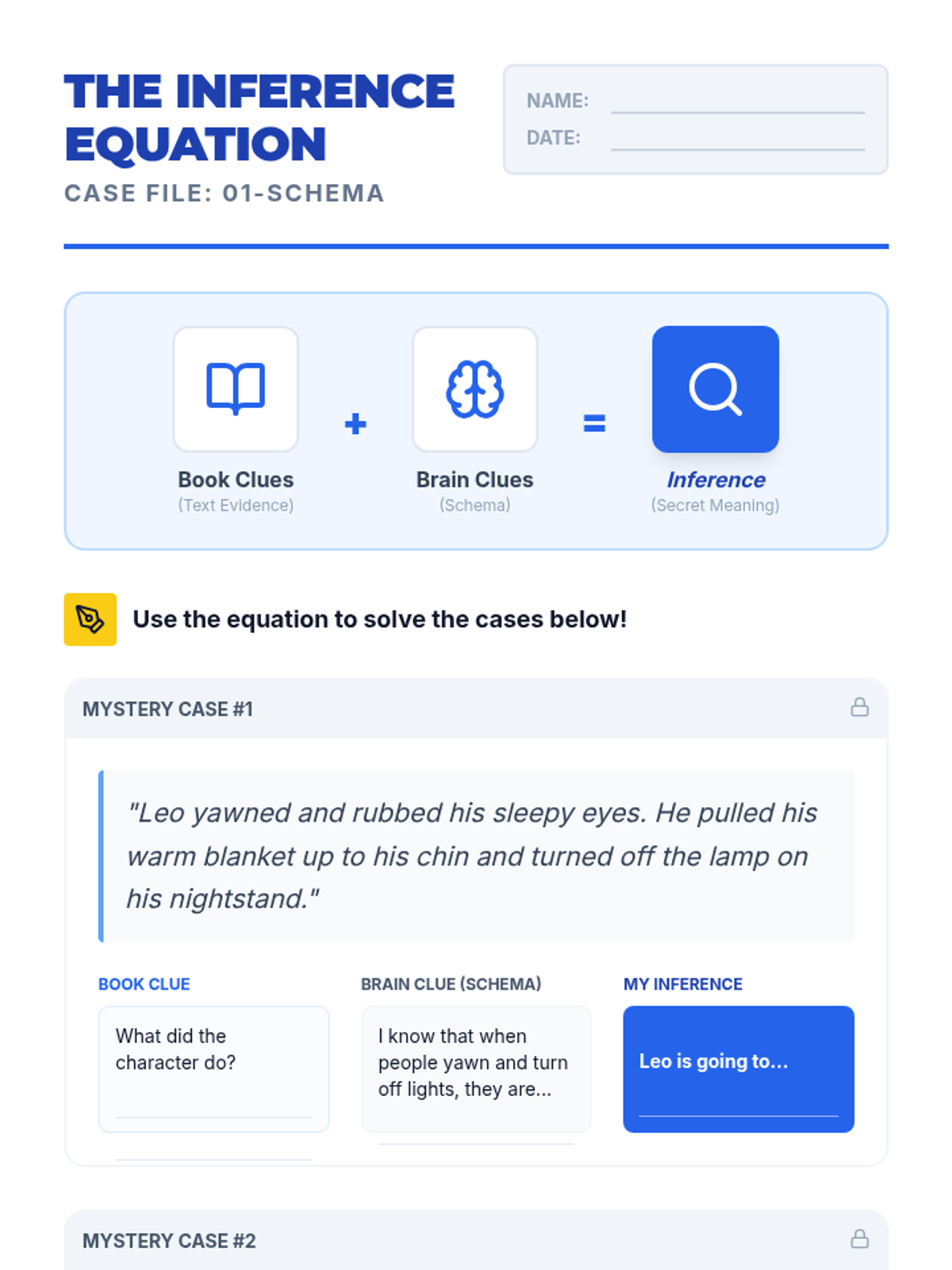
Students use visual clues and background knowledge to make predictions and defend their hypotheses with color-coded sentence stems and illustrated word banks. Features guided slides, an illustrated mystery sheet, and partner clue talk cards.
A vibrant classroom slide designed to teach young learners the vocabulary words cavity, glide, and nest through realistic bird-focused definitions, detailed illustrations, and contextual example sentences.