A 1st-grade social studies unit exploring how family, culture, and community shape individual and group identity. Students investigate diverse family structures, traditions, friendship, and collaborative community building.
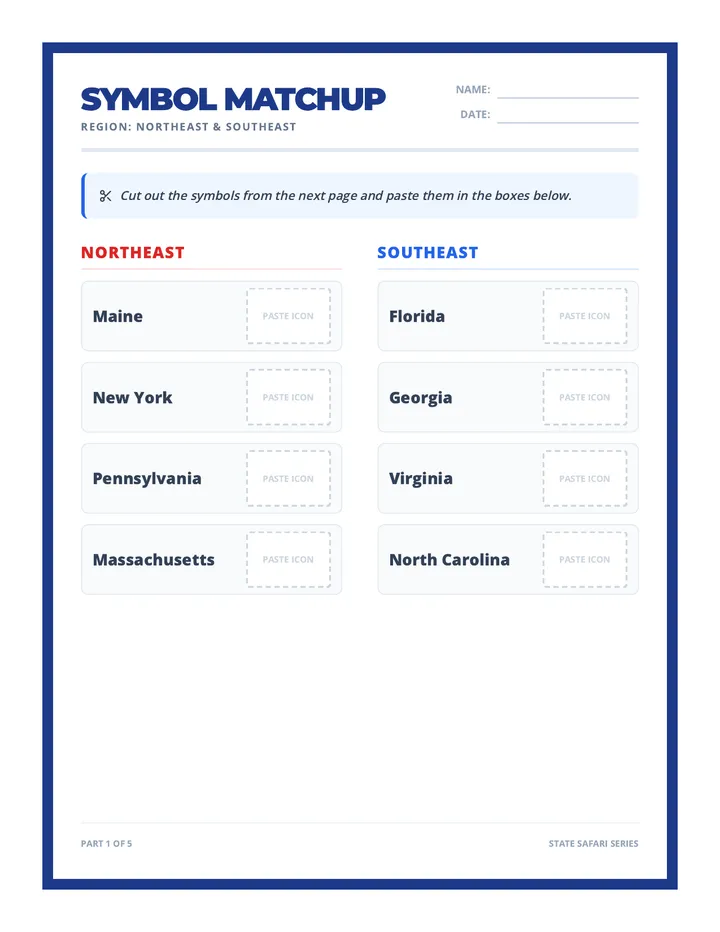
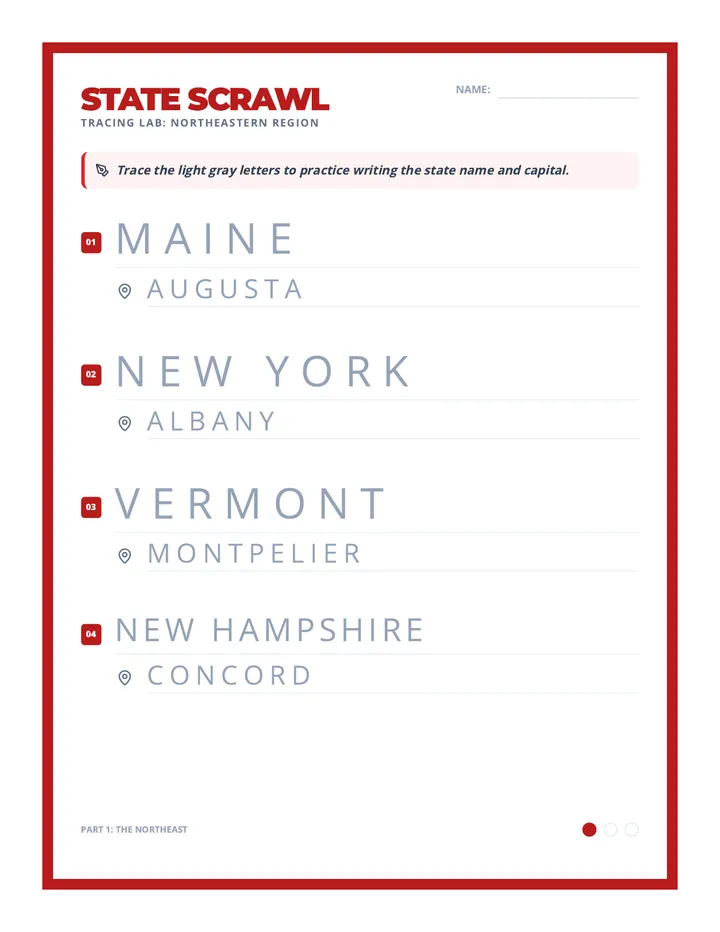
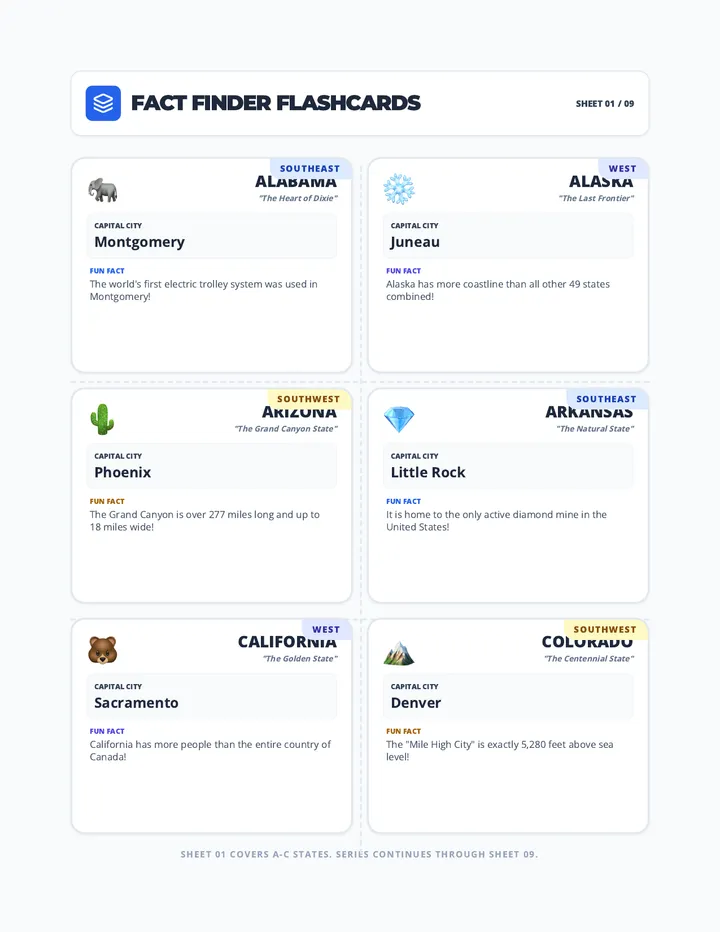
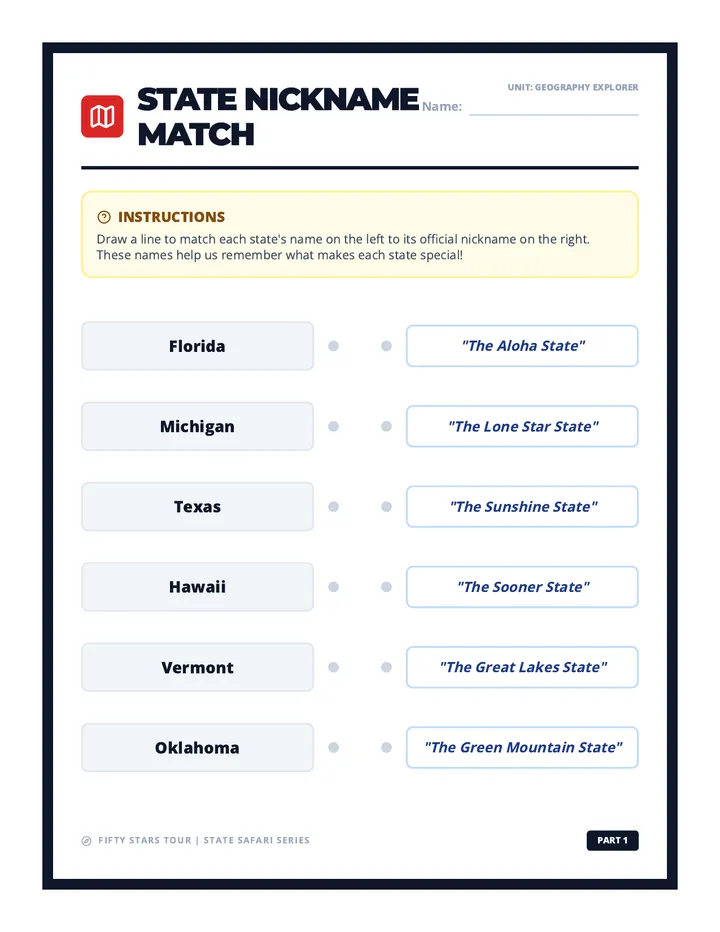
A comprehensive tour of the 50 United States, exploring their flags, shapes, capitals, and unique facts through interactive worksheets and visual aids.
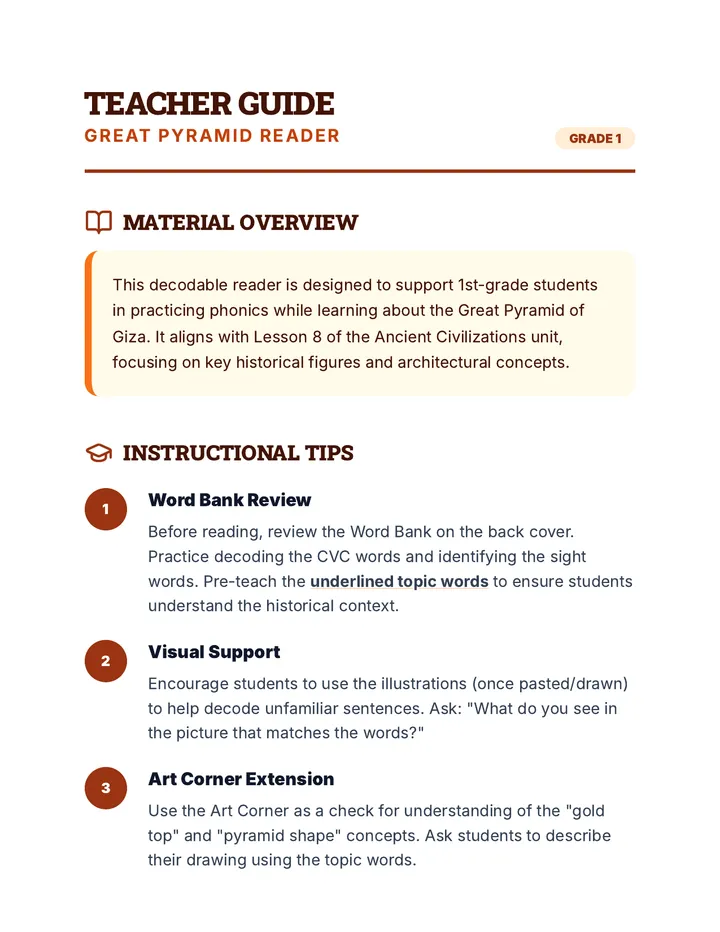
A series of lessons exploring the ancient civilizations of Mesopotamia and Egypt, focusing on their architecture, gods, and historical figures through decodable texts and activities.
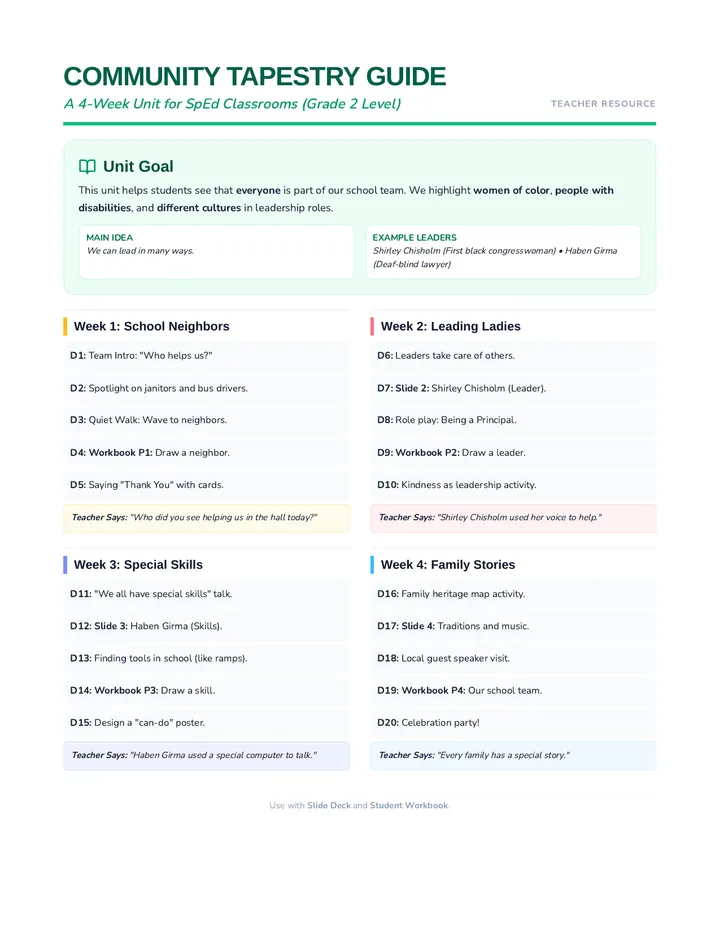
A four-week exploration of school community roles, focusing on diversity, inclusion, and representation in leadership. Students will identify daily community members and learn about the contributions of women of color and people with disabilities in their school and beyond.
A comprehensive collection of high-quality instructional materials across Science, History, ELA, and Math, designed for upper elementary classrooms.
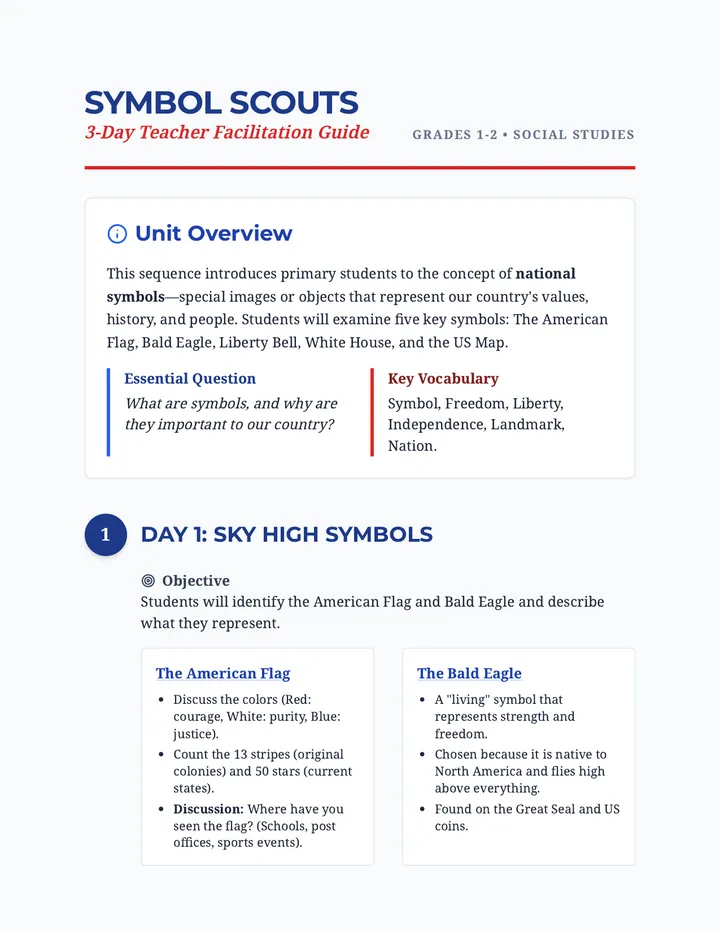
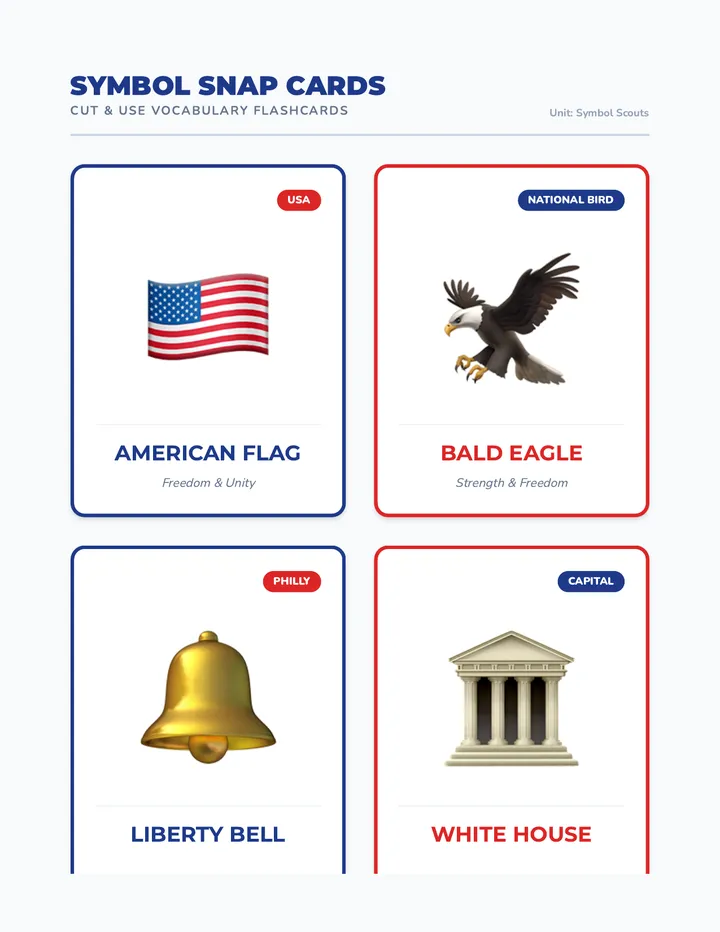
A 3-day exploration of iconic US symbols designed for 1st and 2nd grade students, featuring the American Flag, Bald Eagle, Liberty Bell, White House, and the US Map.
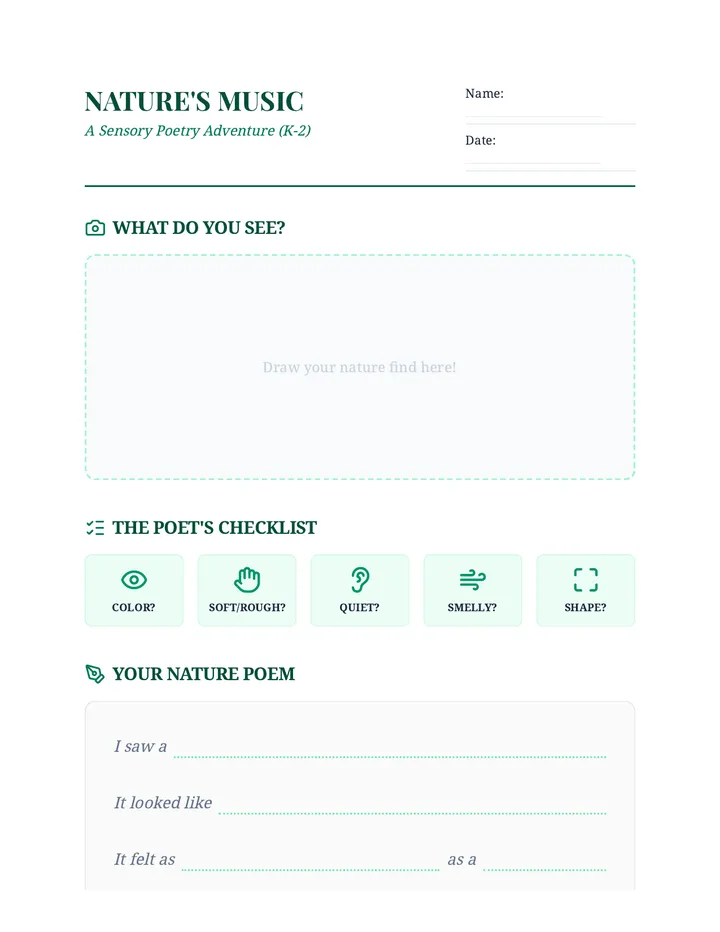
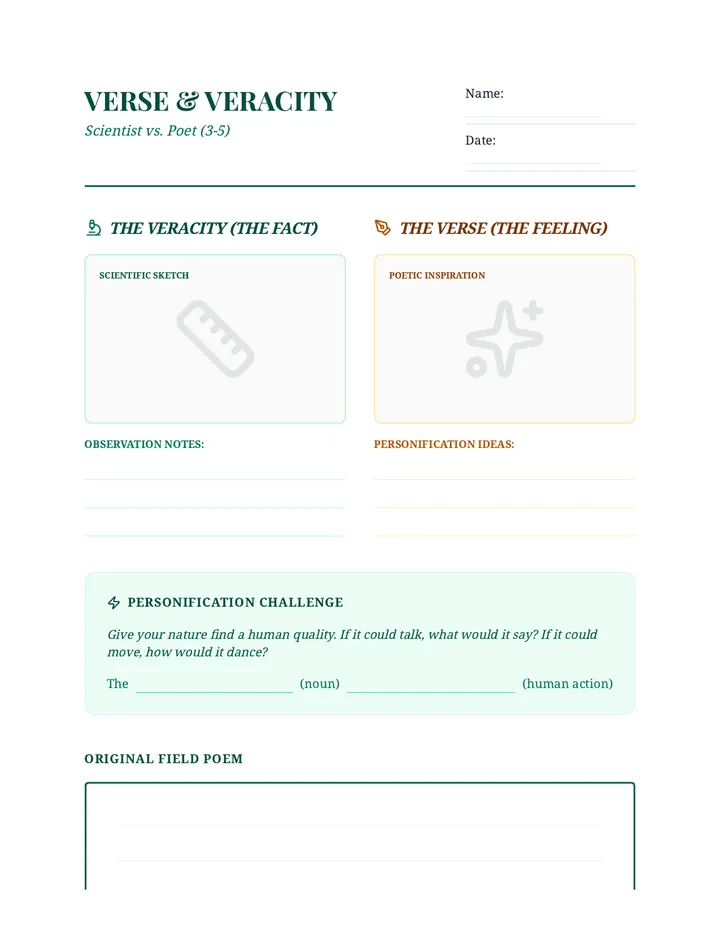
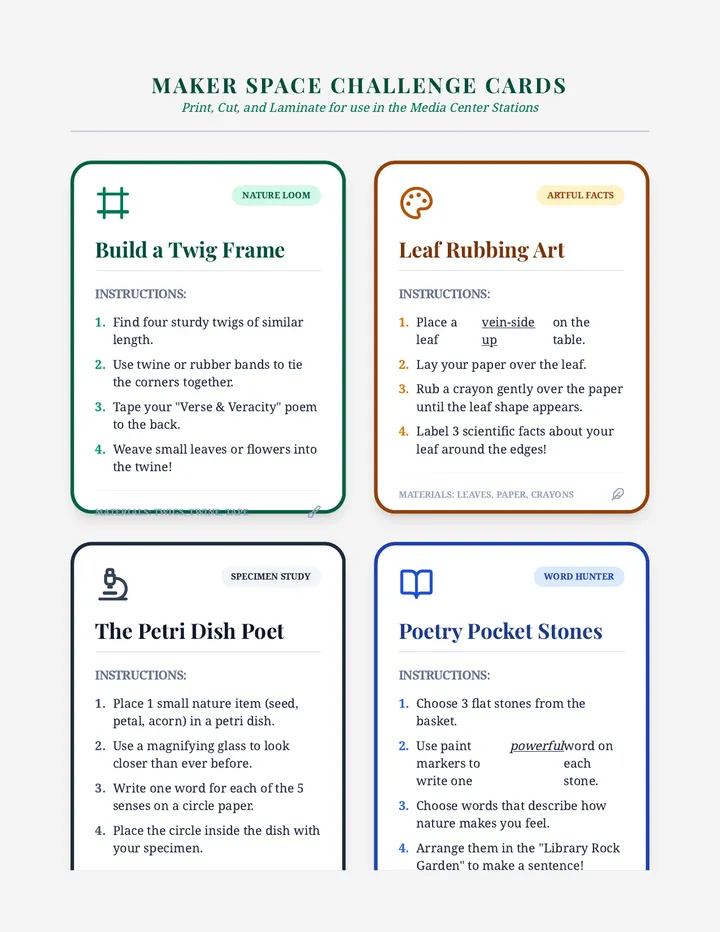
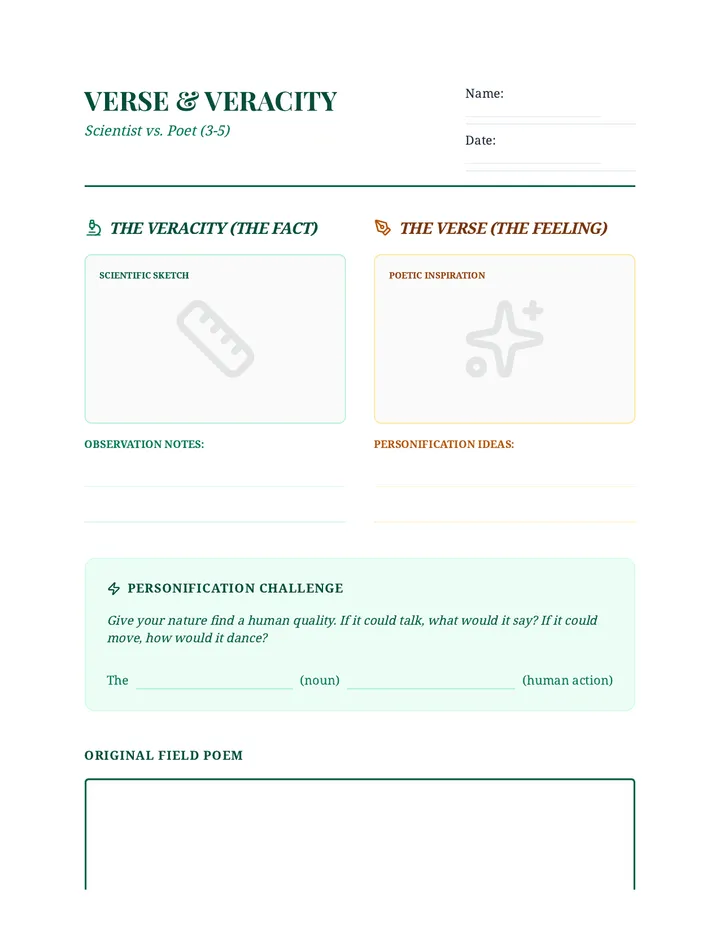
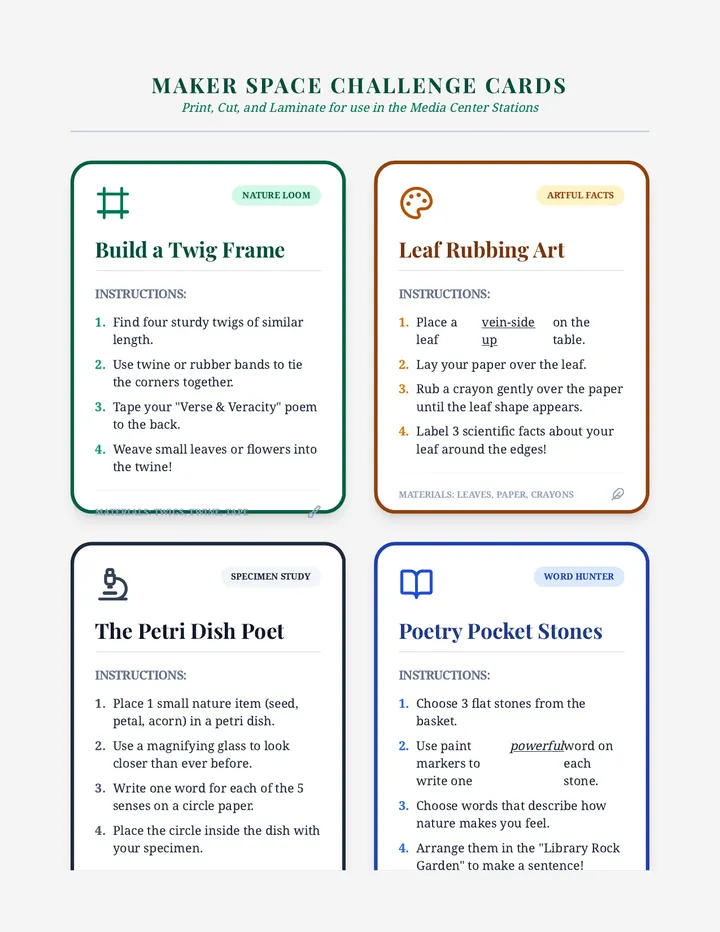
A comprehensive K-5 Media Center curriculum spanning August to May. Each month features a thematic unit integrating library skills (Dewey Decimal System, research, digital citizenship), literacy (poetry, biographies, informational texts), and STEM/Maker Space challenges. Resources are differentiated for K-2 and 3-5.
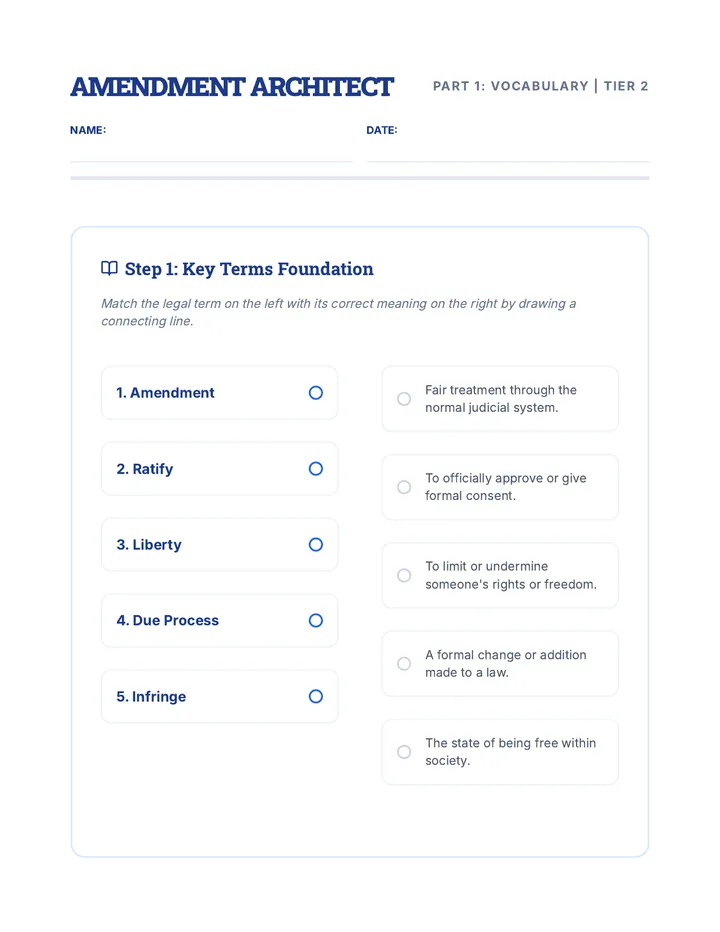
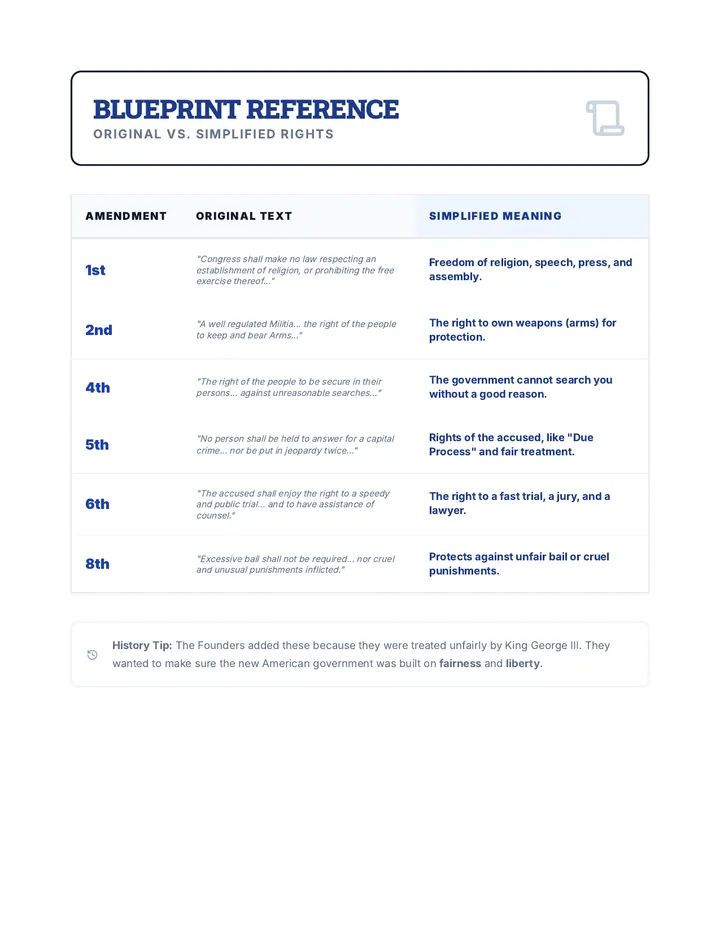
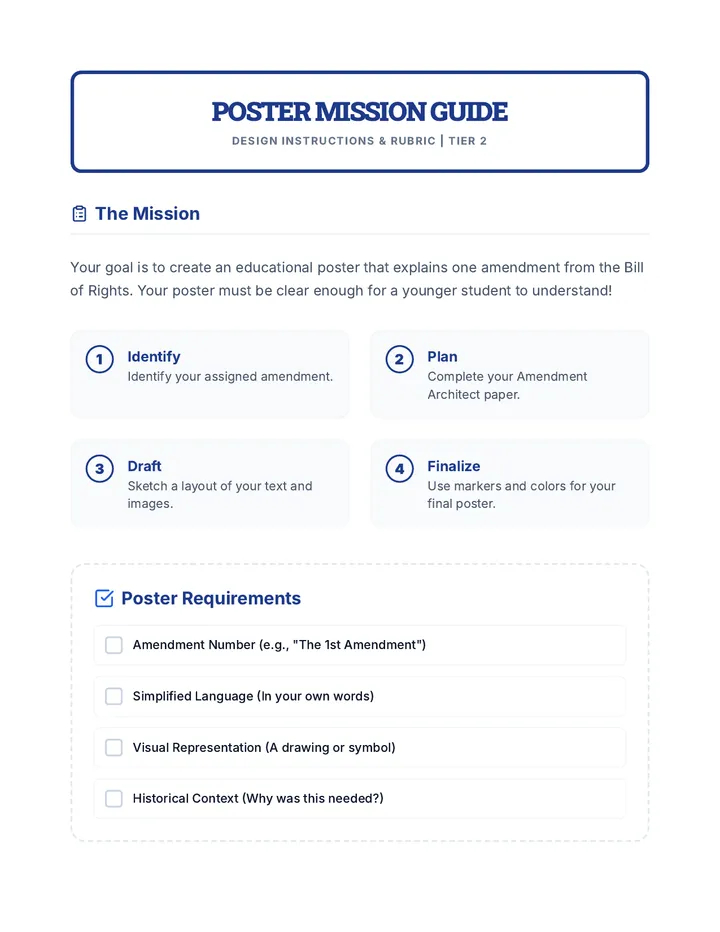
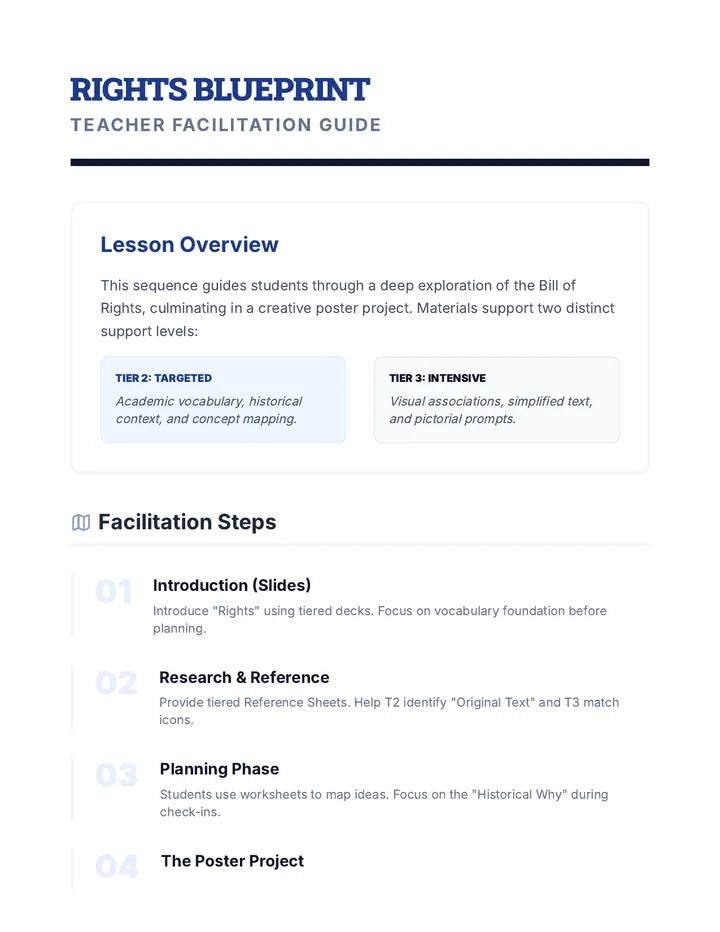
A comprehensive guide to the Bill of Rights designed for different learning needs. Students explore the first ten amendments through visual planning, vocabulary building, and a creative poster project.
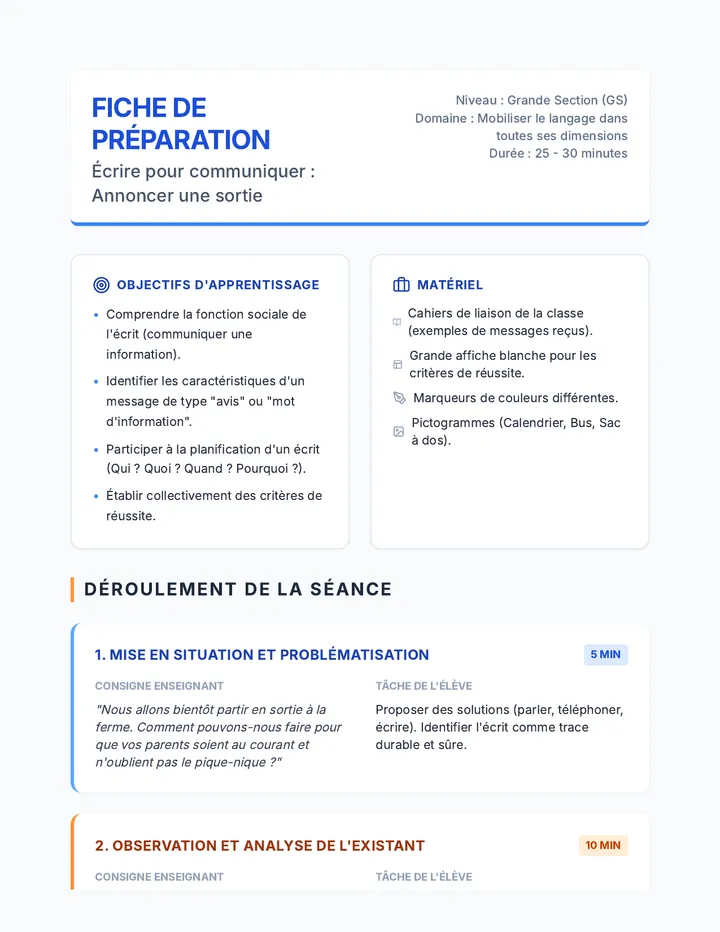
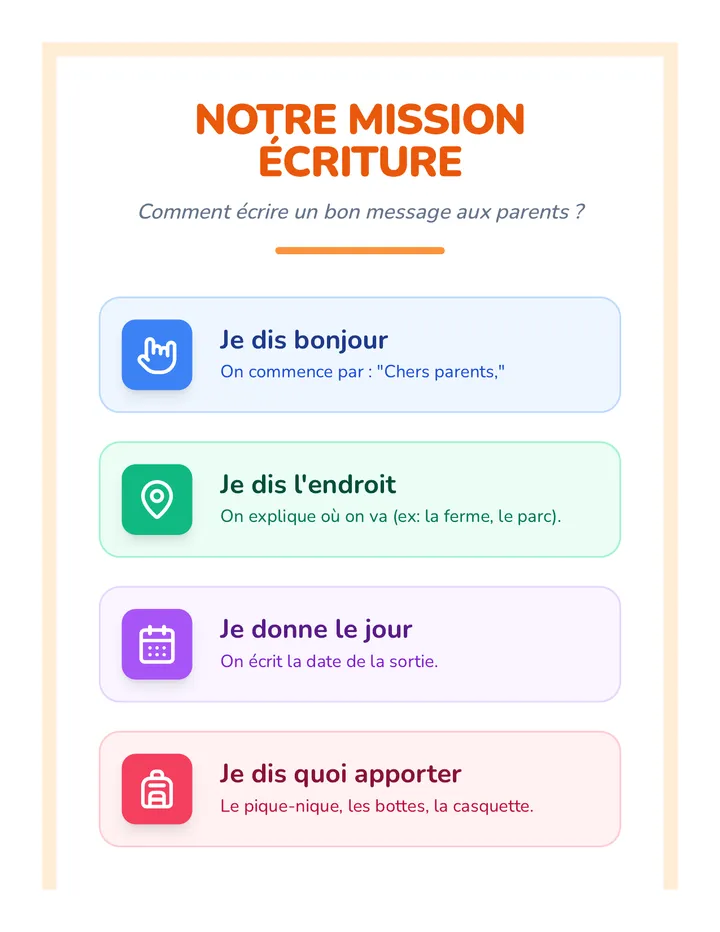
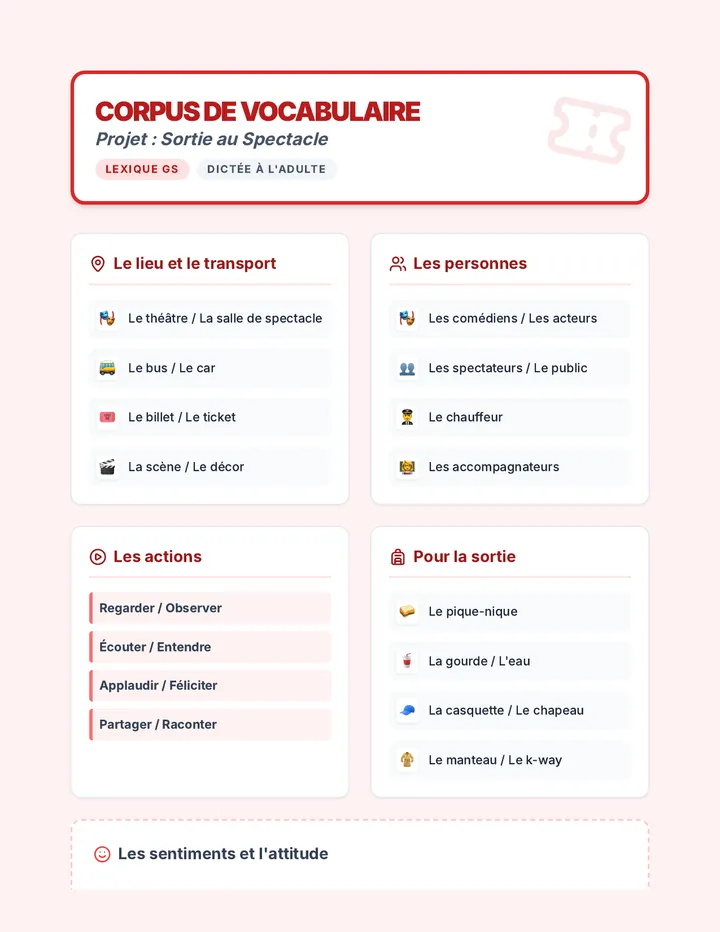
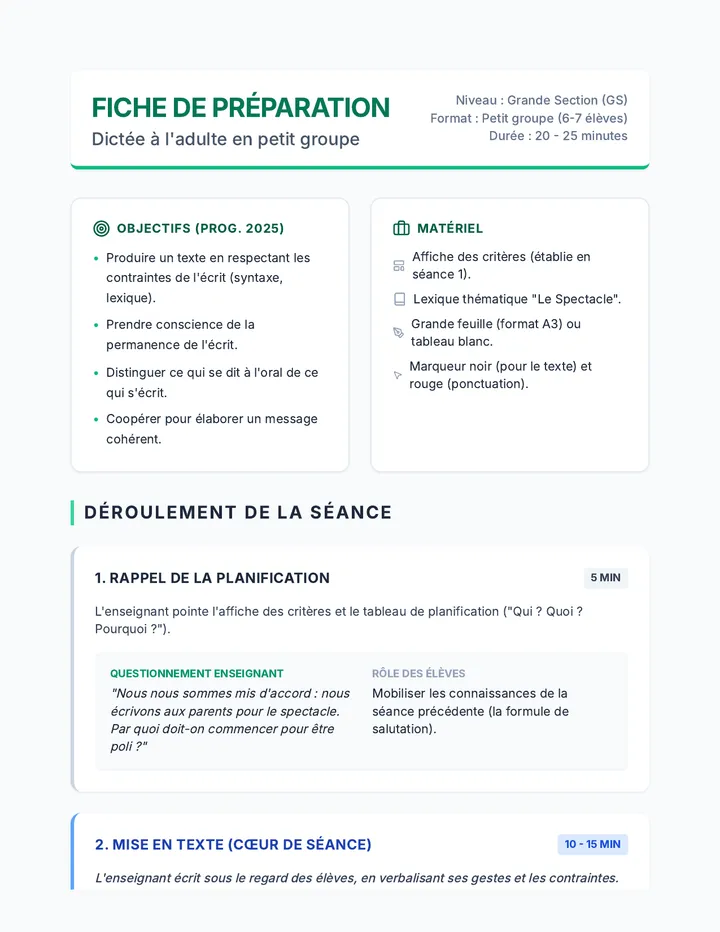
Une série de modules de formation destinés aux conseillers pédagogiques pour renforcer leur expertise en ingénierie de formation continue, spécifiquement appliquée à l'enseignement du français à l'école primaire.
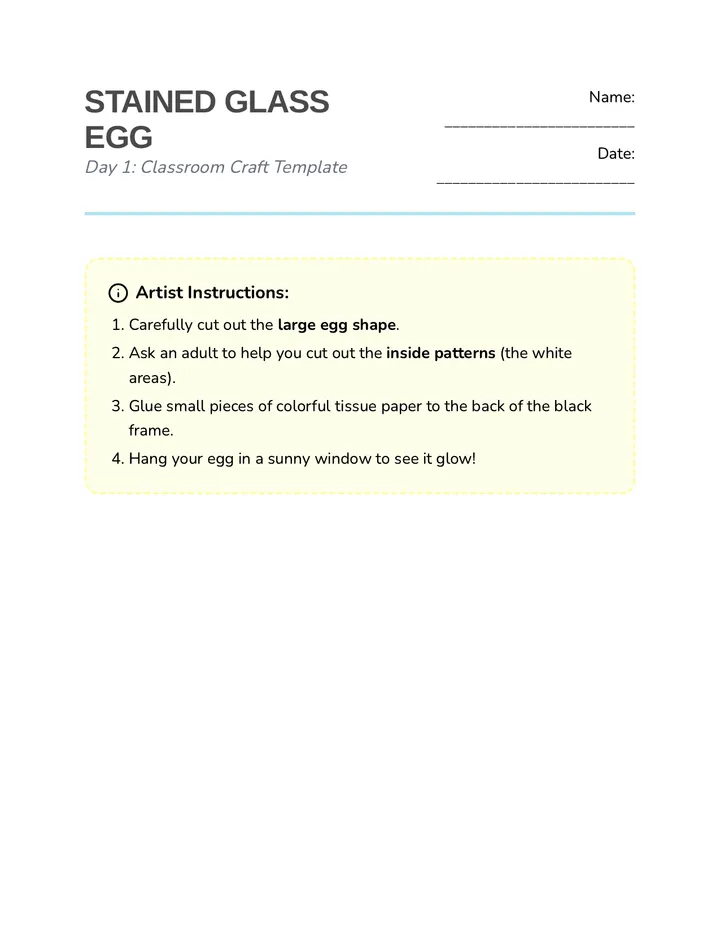
A four-day Easter unit for K-3 students exploring the history and symbols of Easter through hands-on crafts and outdoor movement activities. Each day focuses on a different tradition: eggs, bunnies, flowers, and community celebration.
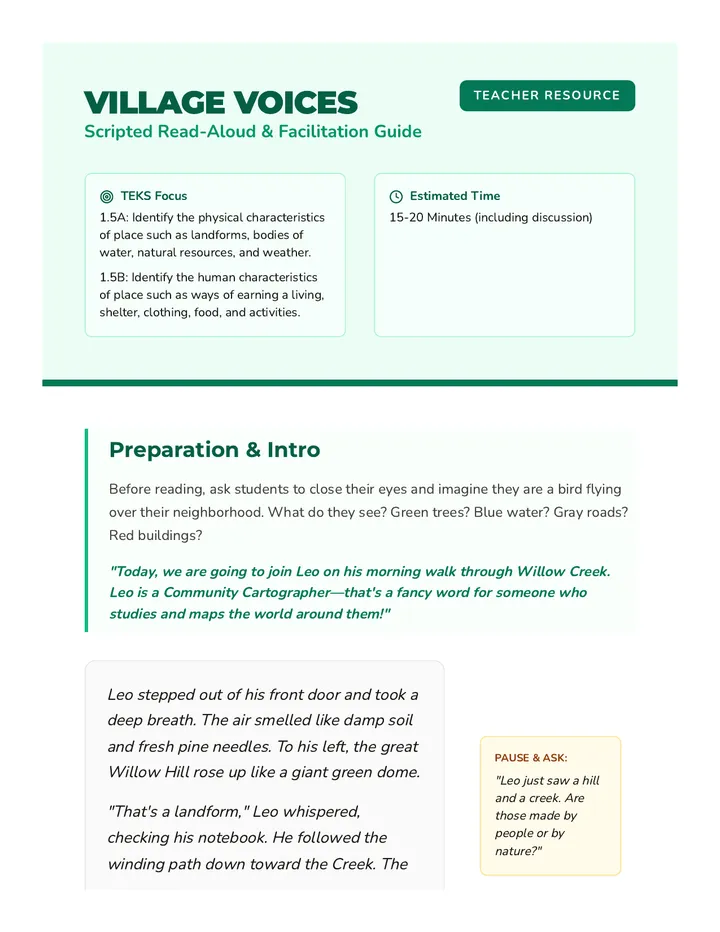
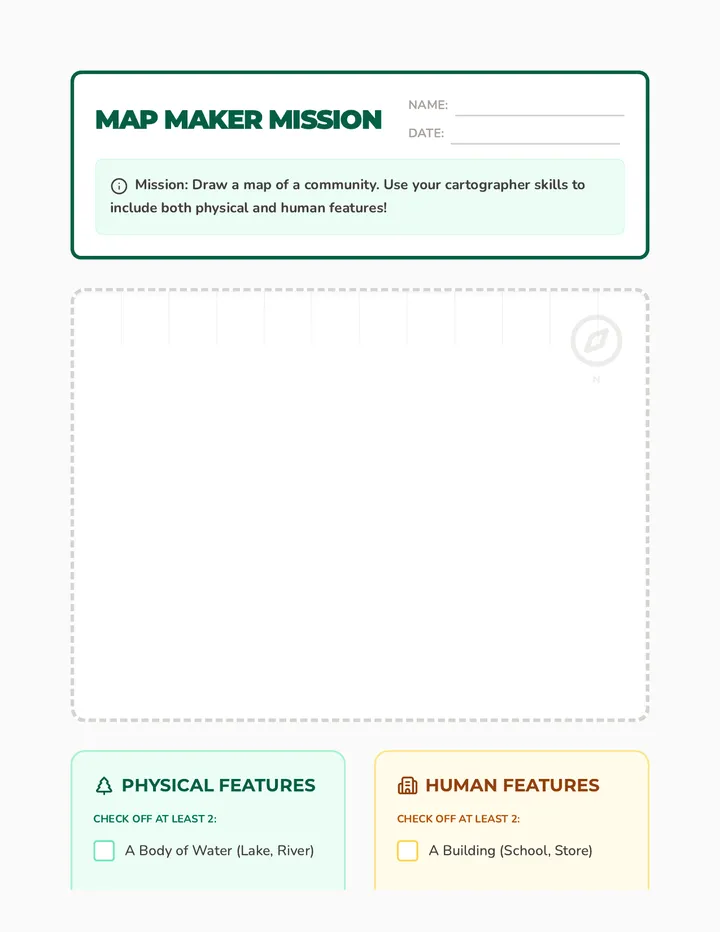
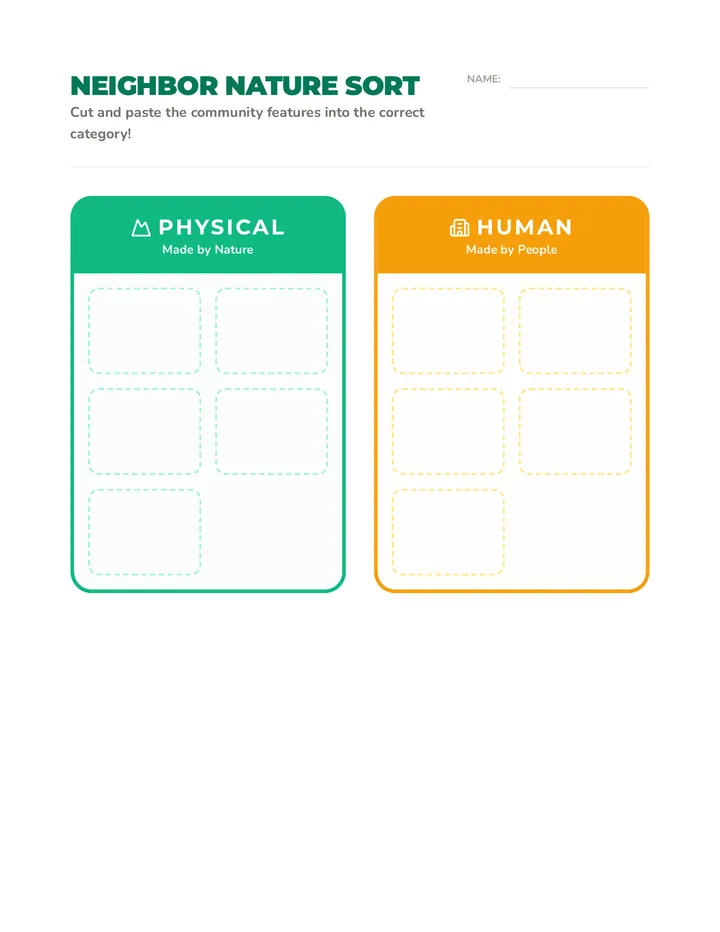
A geography and community unit where students explore their surroundings, learn map skills, and understand the difference between physical and human characteristics in their local area.
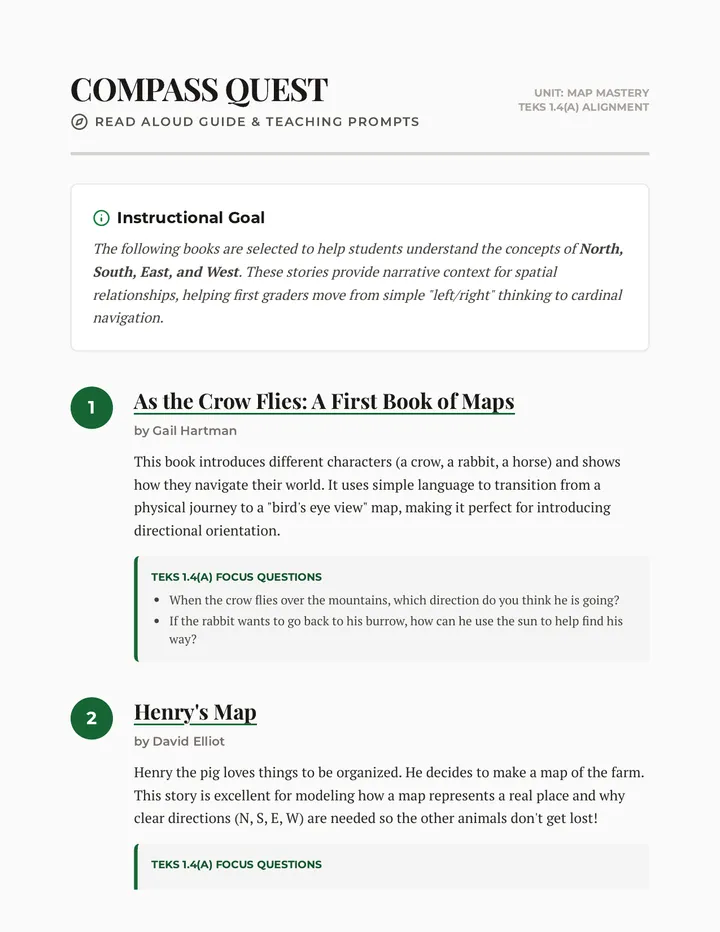
A social studies unit designed to introduce primary students to basic geography skills, mapping, and spatial reasoning aligned with 1st grade standards.
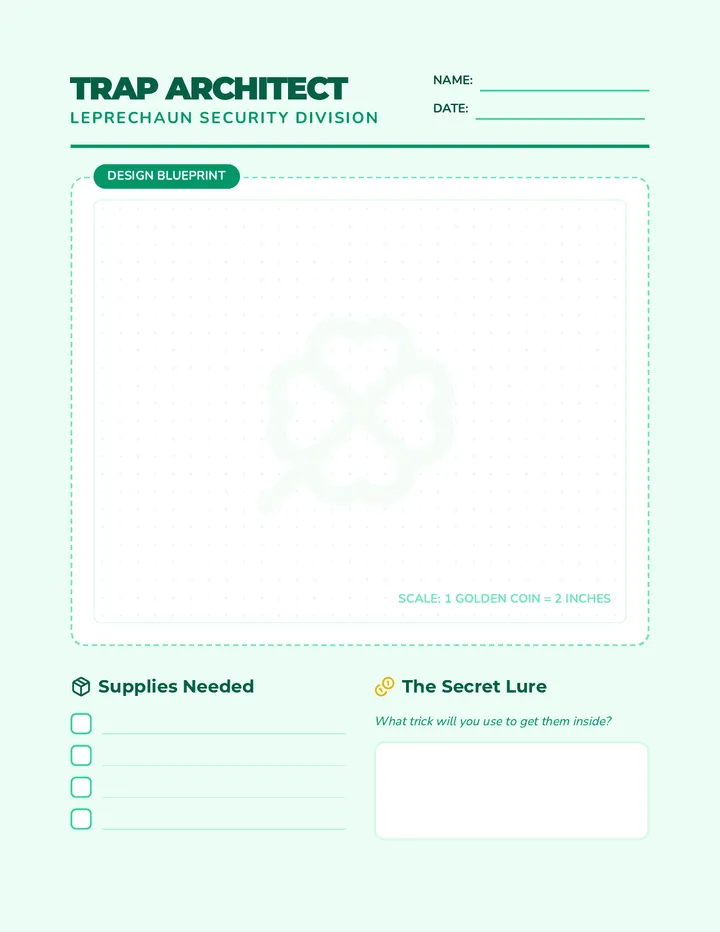
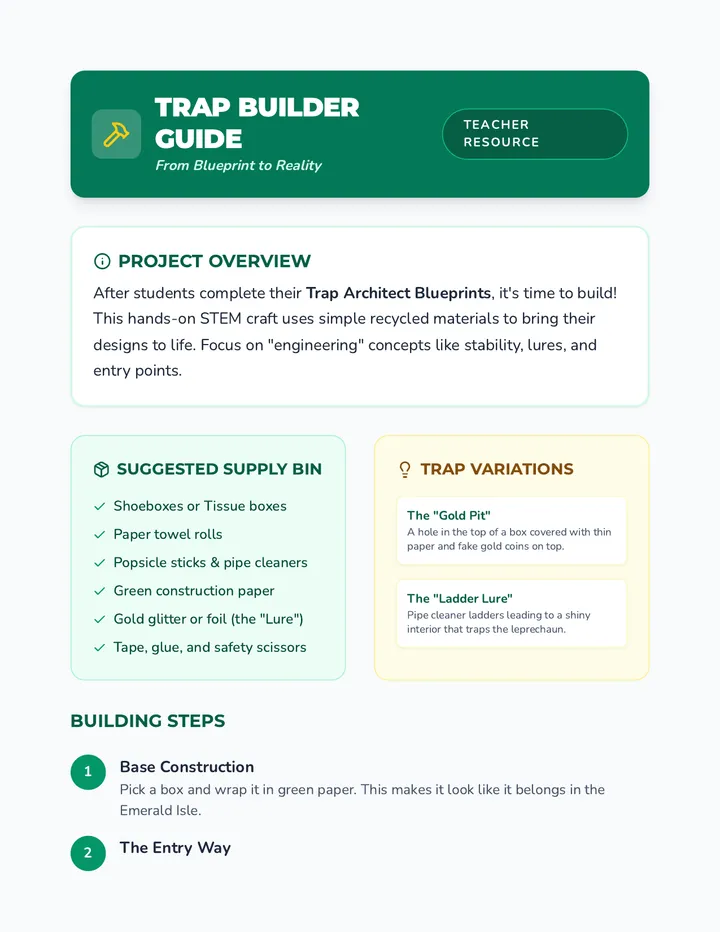
A four-day mini-unit for grades K-3 exploring the history, symbols, and culture of St. Patrick's Day through engaging storytelling and hands-on activities.
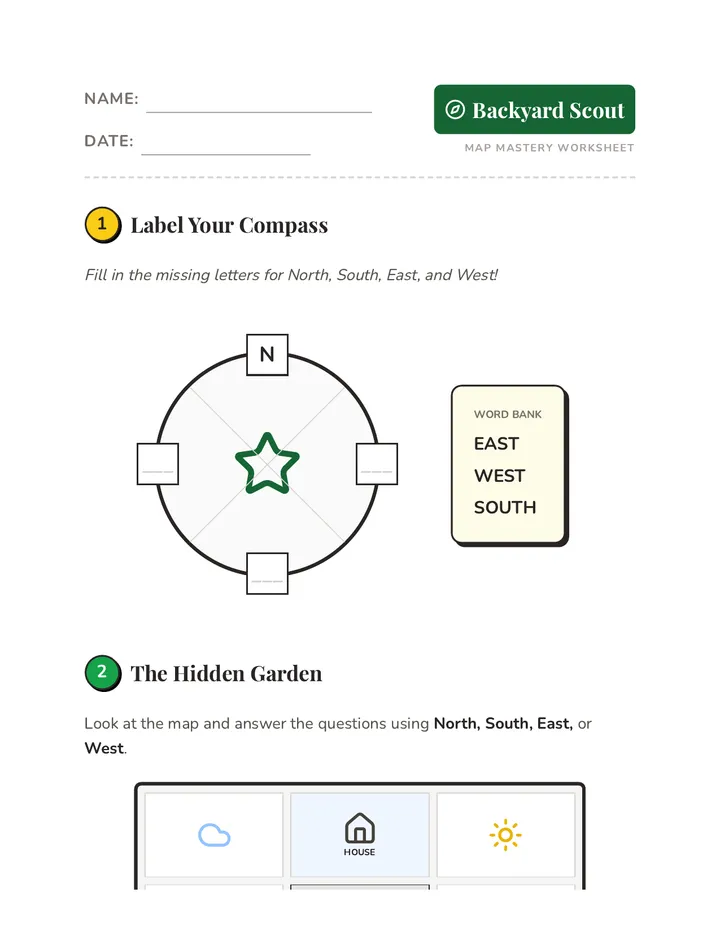
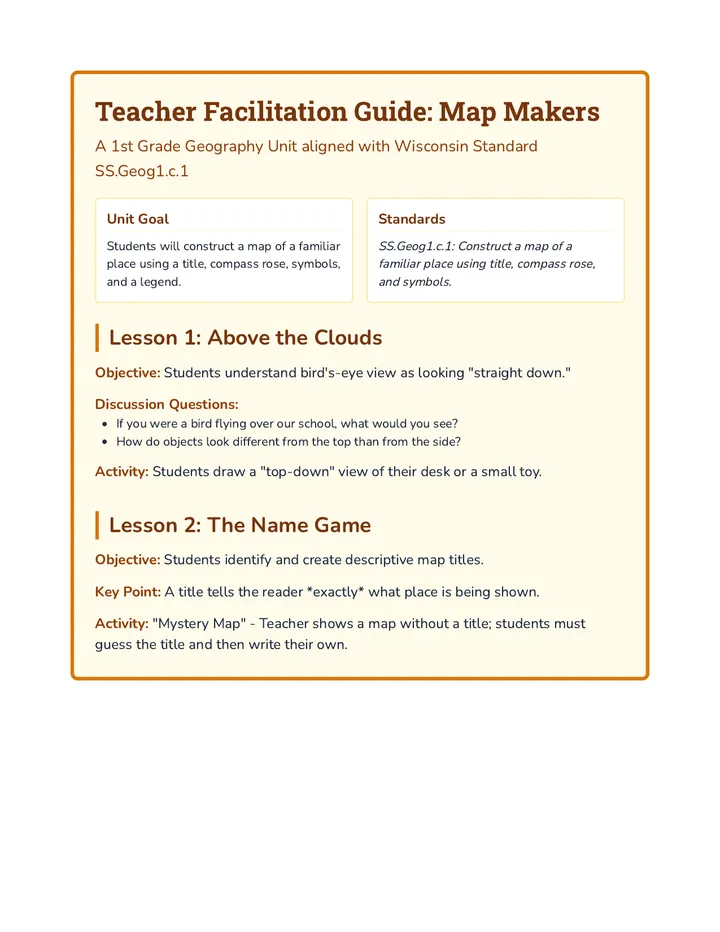
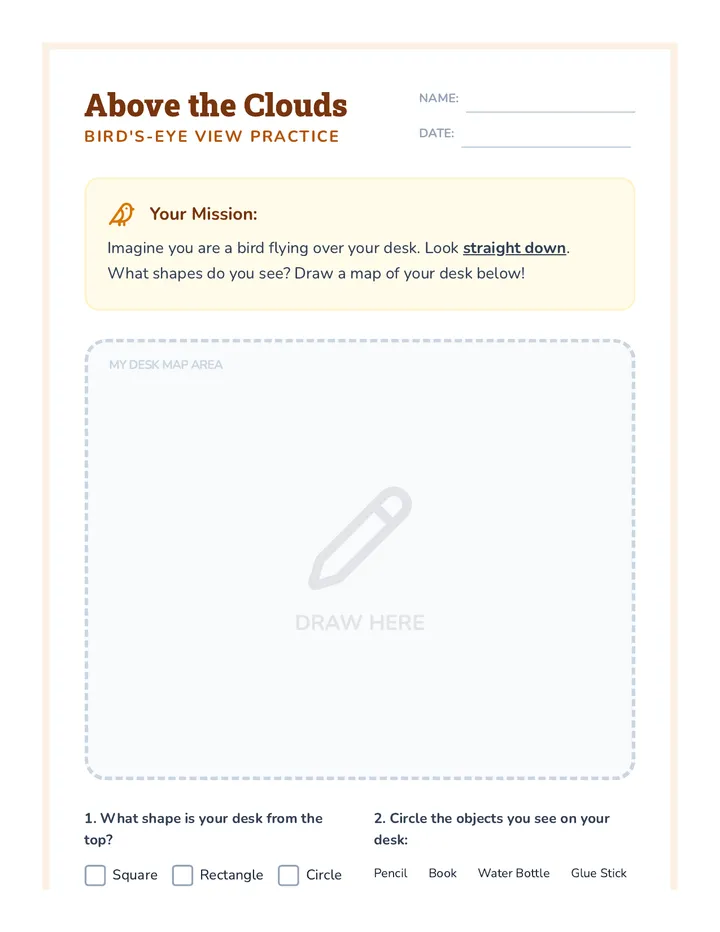
An 8-lesson geography unit for 1st graders focused on map skills, including titles, symbols, compass roses, and legends. Students progress from understanding bird's-eye views to constructing their own maps of familiar places, aligned with Wisconsin Social Studies standards.
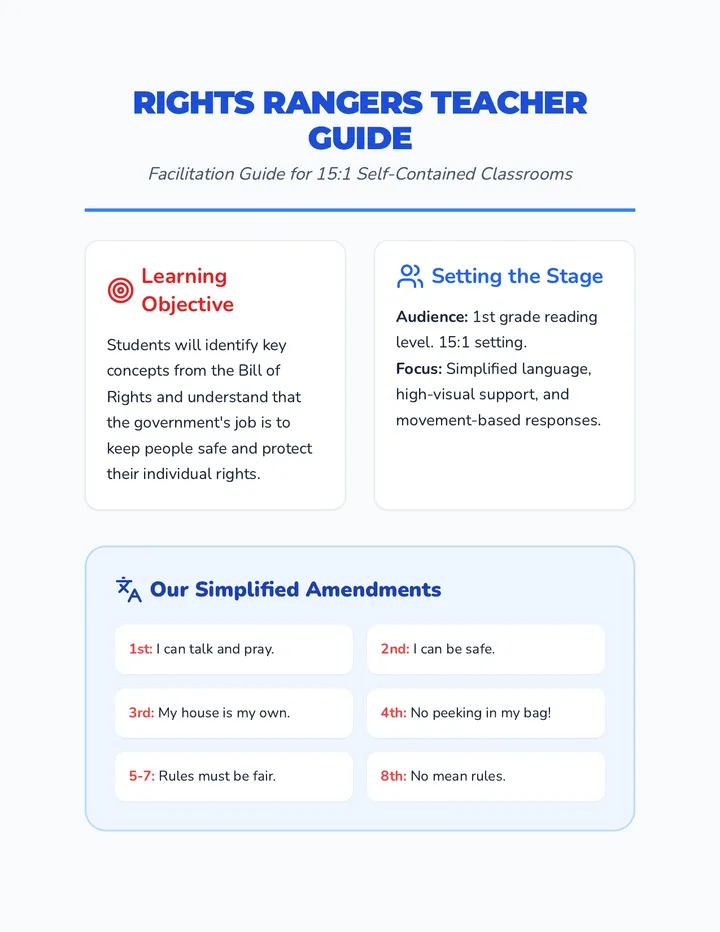
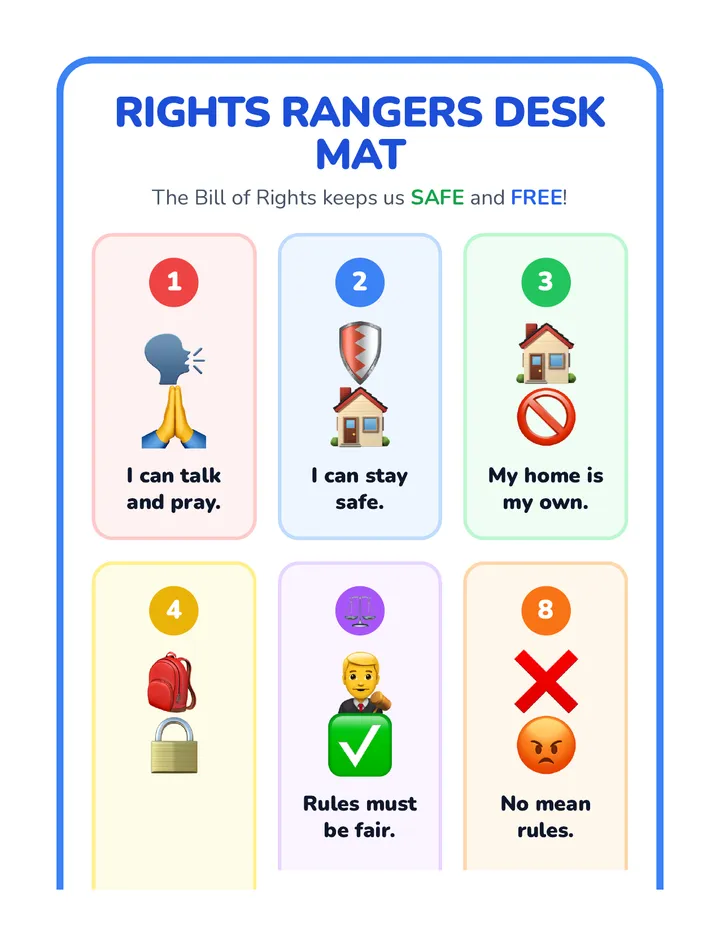
A social studies unit designed for 15:1 self-contained classrooms with a 1st-grade reading level, focusing on the Bill of Rights and the government's role in protecting citizen safety and freedom through interactive, low-management activities.
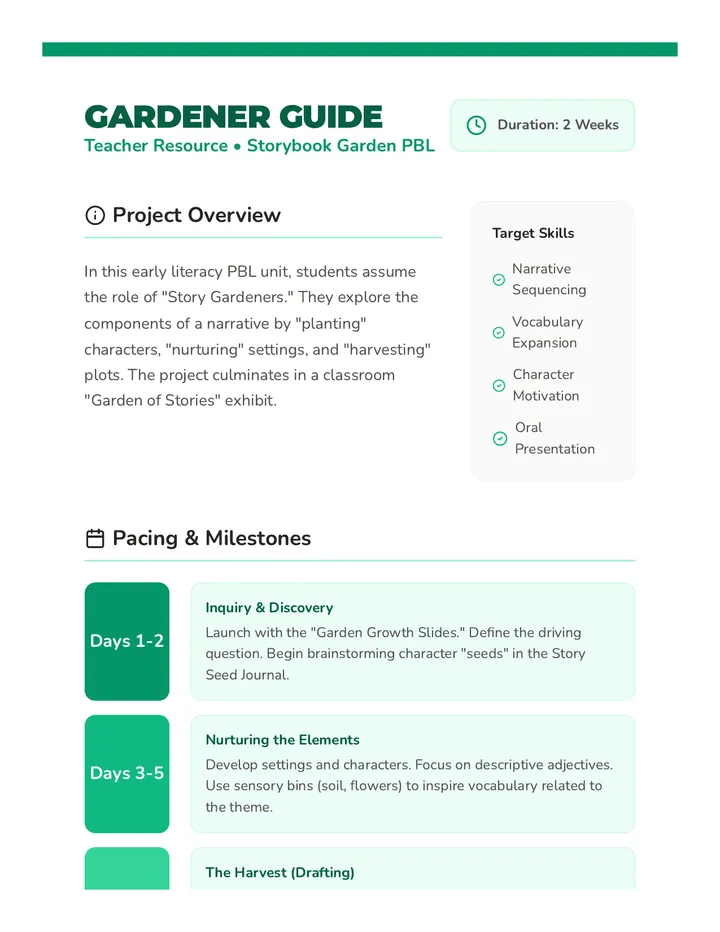
A comprehensive collection of Project-Based Learning (PBL) units spanning early childhood literacy, elementary math and science, and middle school social studies. Each unit guides students through inquiry, creation, and presentation within a themed 'Discovery Files' framework.
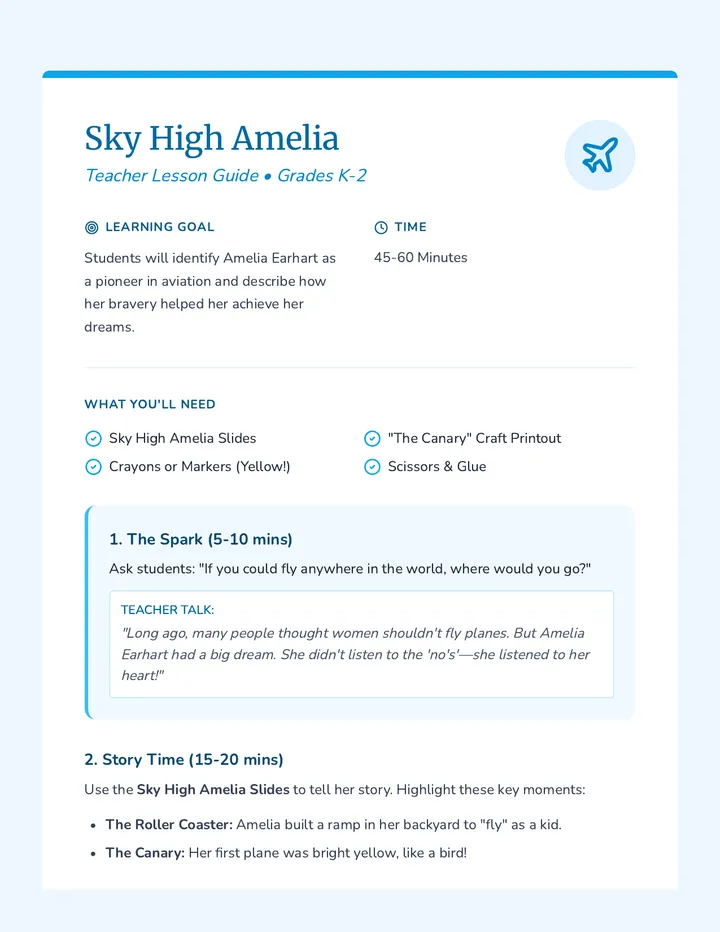
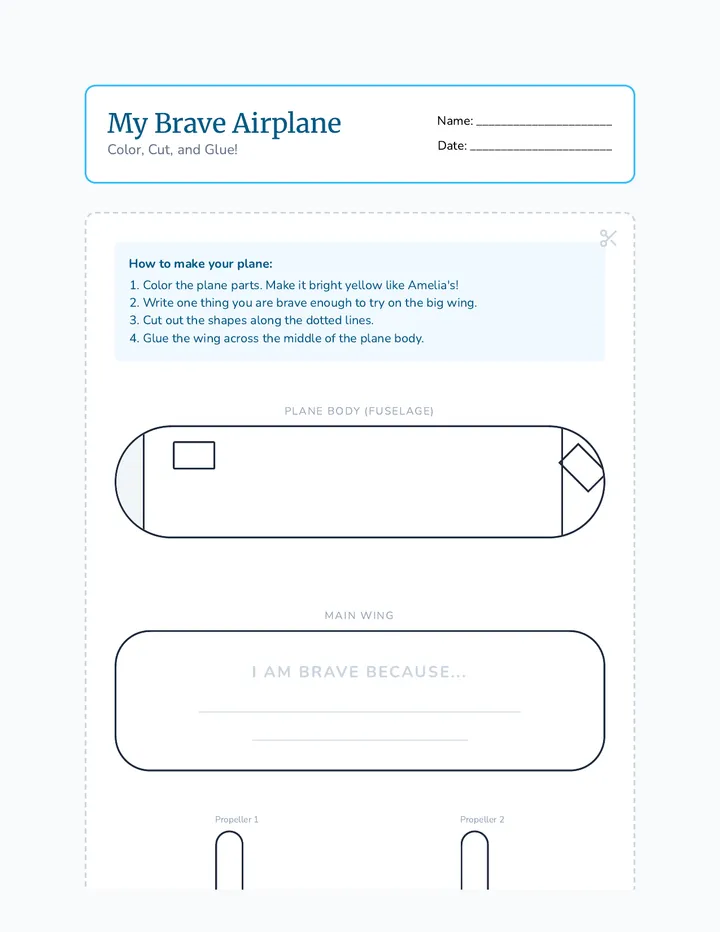
A series of lessons for K-2 students celebrating Women's History Month through the lives of Amelia Earhart, Rosa Parks, and Simone Biles. Students will explore bravery, fairness, and perseverance through storytelling, coloring, and hands-on crafts.
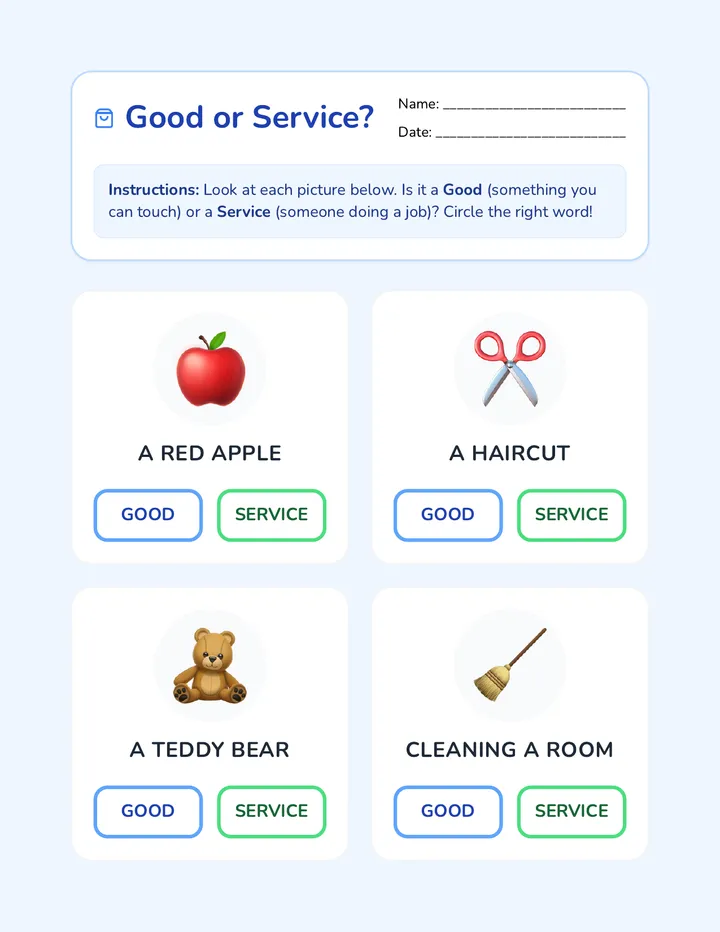
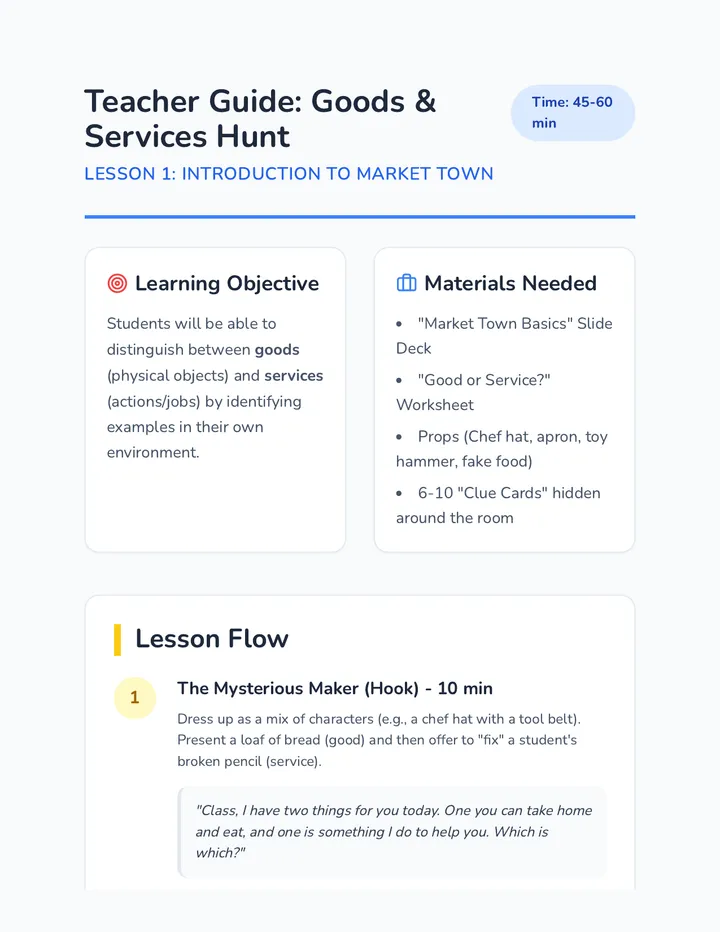
A hands-on introduction to economics for 1st graders, covering goods, services, producers, consumers, and the basic forces of supply and demand through a classroom 'Market Town' simulation.
A 1st Grade financial literacy unit exploring the origins of money, the concept of value, why prices change (inflation), and the connection between work and purchasing power. Students move from understanding barter systems to planning their own purchases.
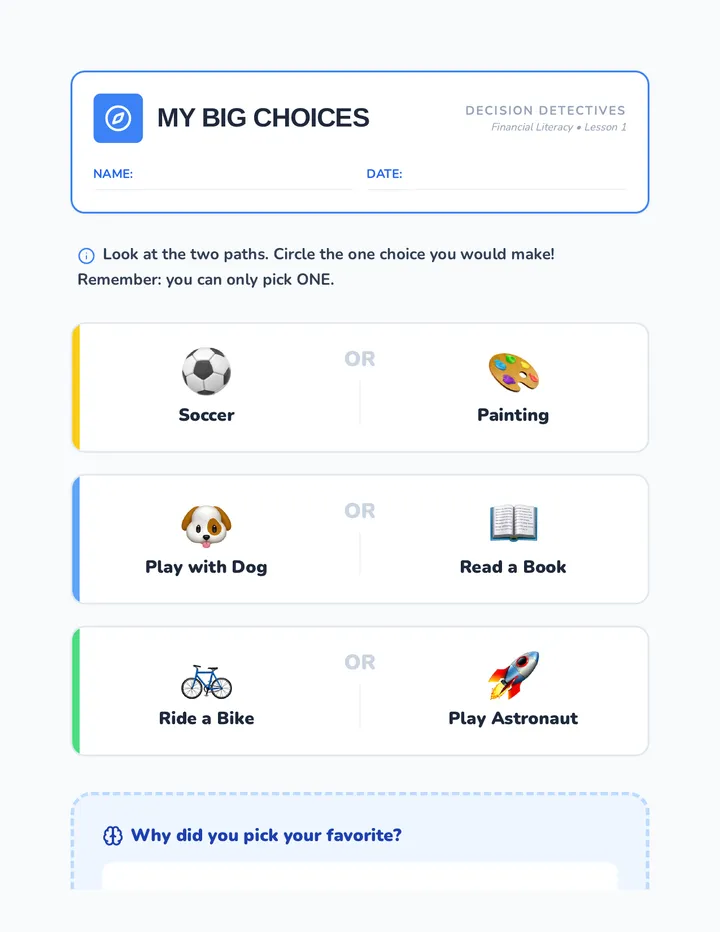
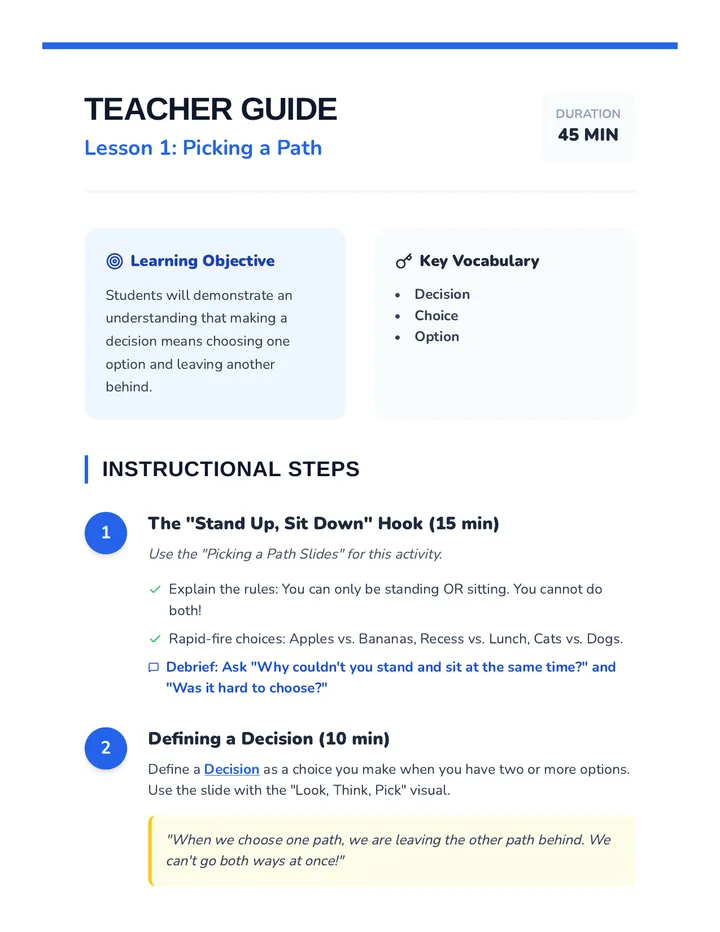
A 1st Grade sequence introducing economic decision-making and the concept of opportunity cost. Students explore trade-offs through interactive games, a token shop simulation, and reflective journaling.
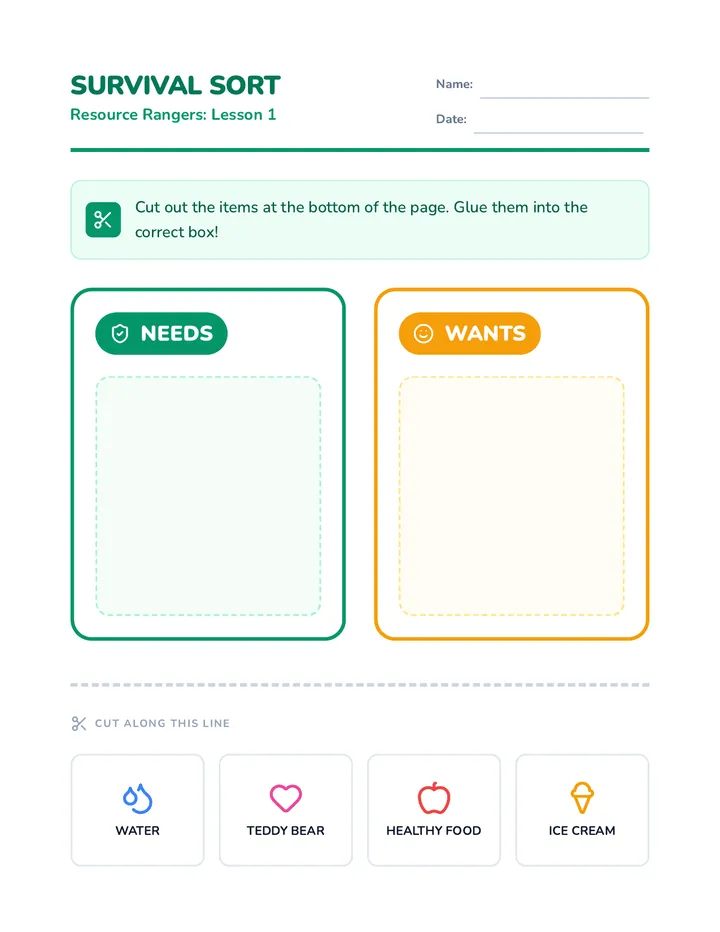
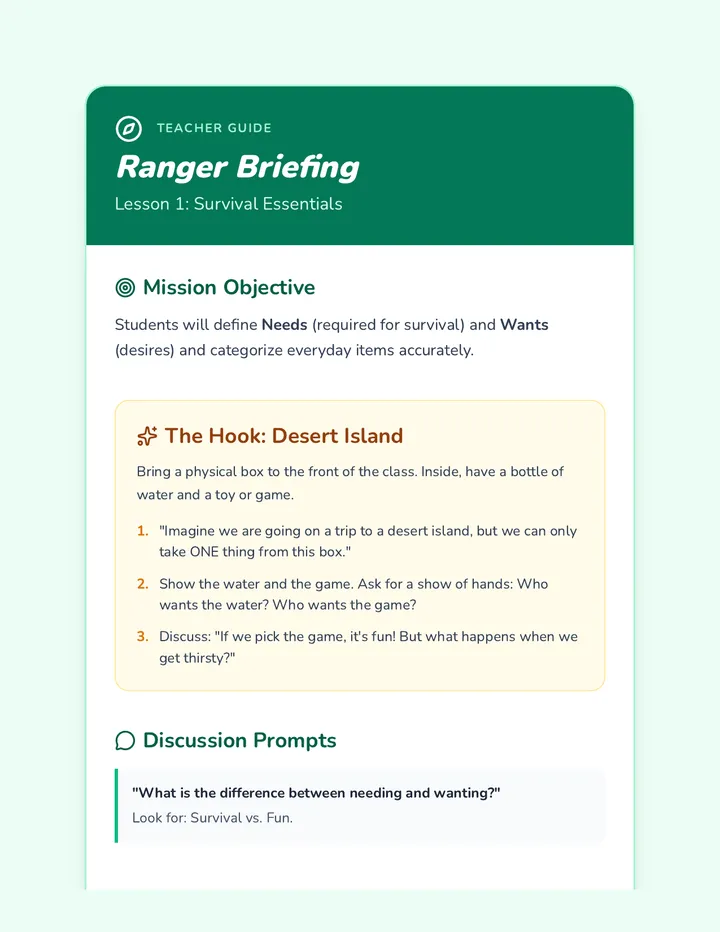
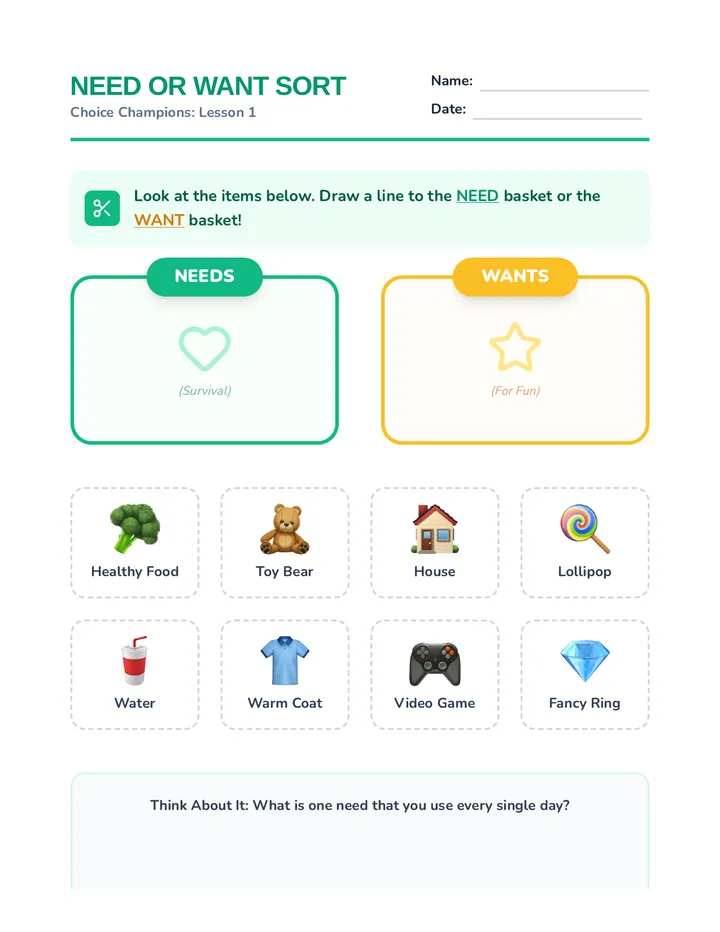
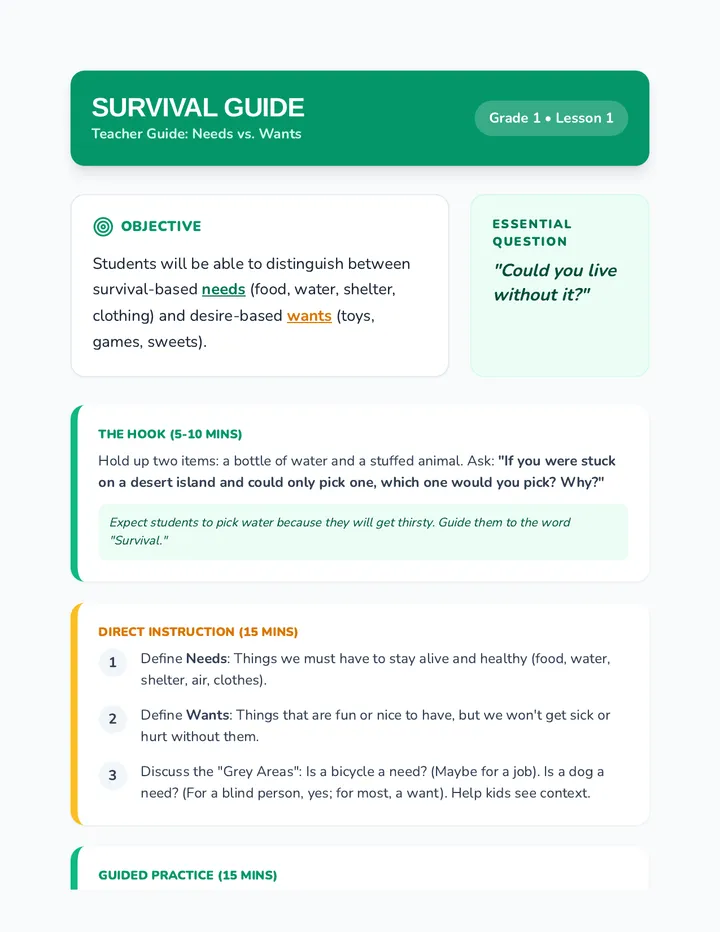
A foundational sequence for 1st graders exploring needs, wants, and scarcity. Students learn to differentiate survival essentials from desires and understand why resources are limited through simulations, games, and creative projects.
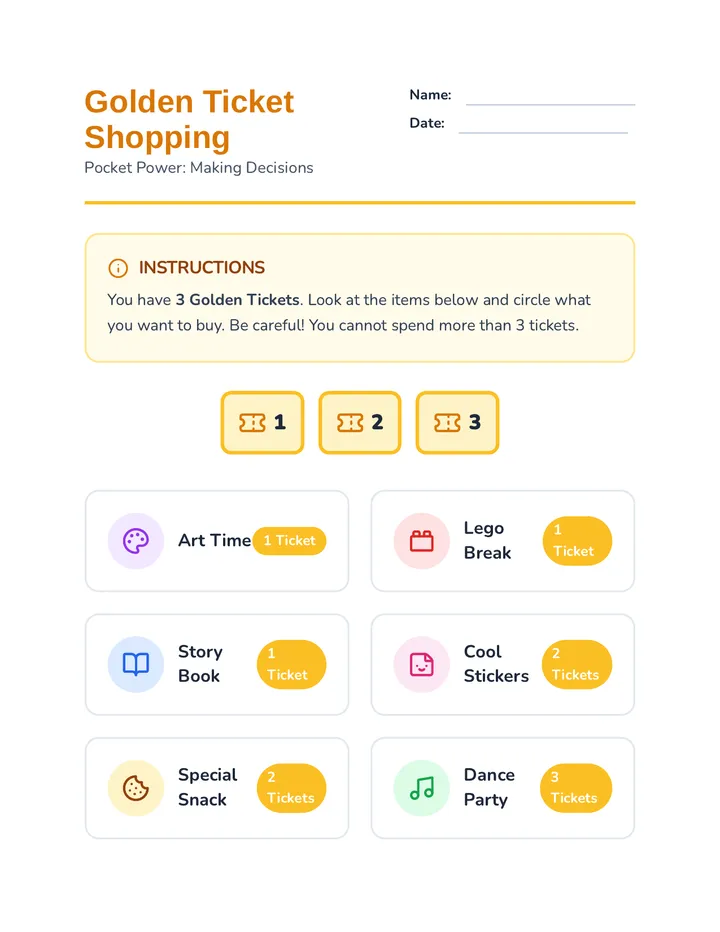
A comprehensive sequence for 1st-grade students to understand financial decision-making, covering scarcity, needs versus wants, and the fundamental concept of opportunity cost through relatable scenarios and creative projects.
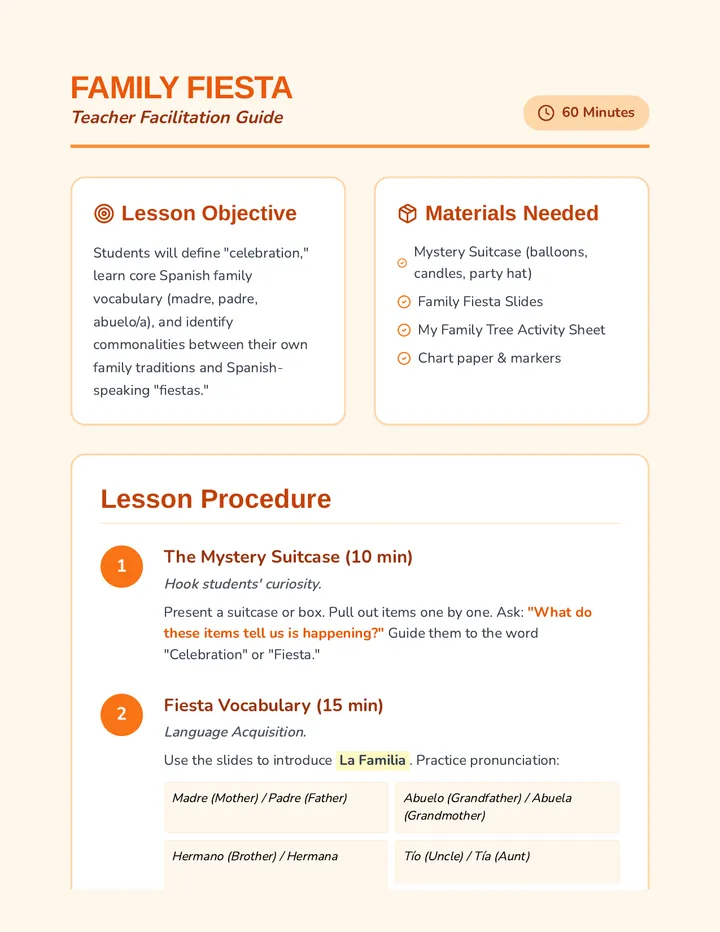
A vibrant introduction for 1st graders to Spanish-speaking holidays and family traditions, exploring Día de los Muertos, Las Posadas, and the history of piñatas.
A 1st-grade sequence exploring basic economic principles including the difference between needs and wants, scarcity, and the logic of making choices with limited resources. Students participate in a market simulation to apply their learning.
This 1st Grade sequence introduces the fundamentals of economics by exploring how money is earned through work, the difference between goods and services, and the importance of saving for the future. Students engage in classroom simulations and goal-setting to make abstract financial concepts concrete and actionable.
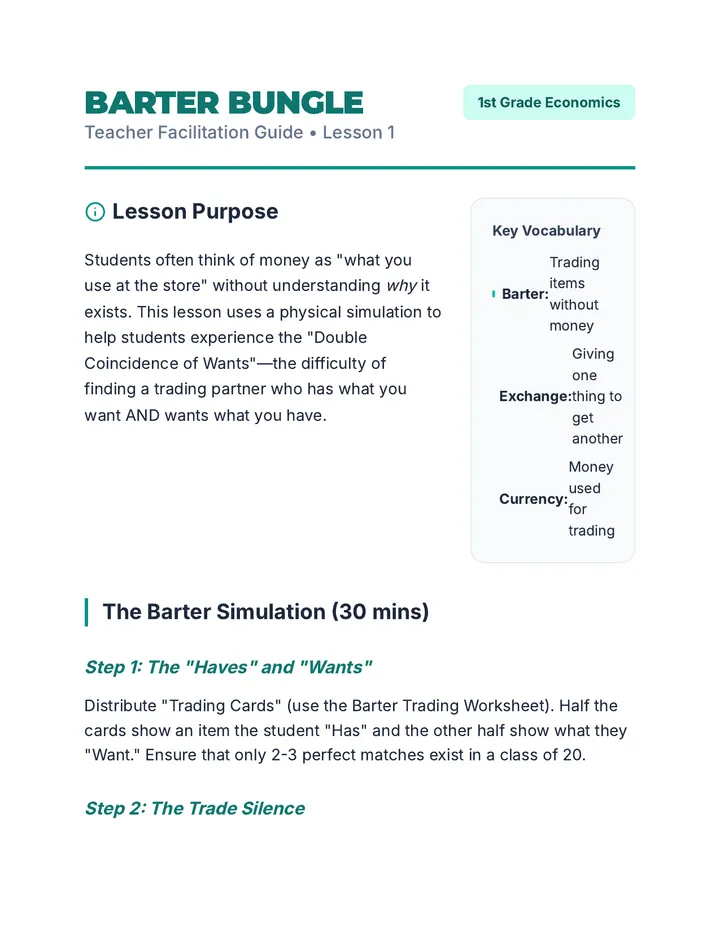
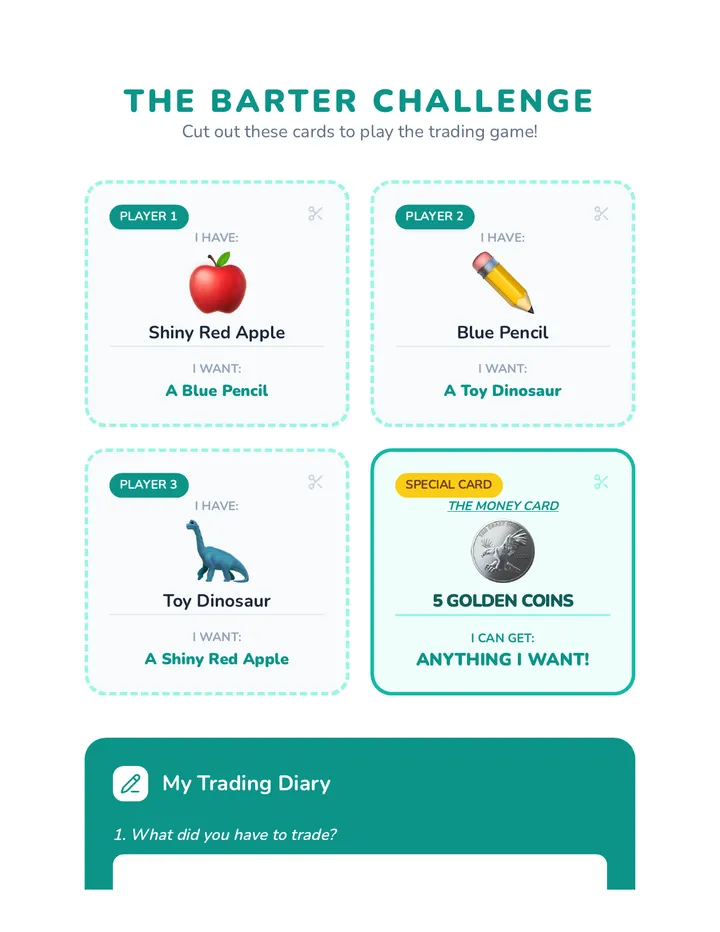
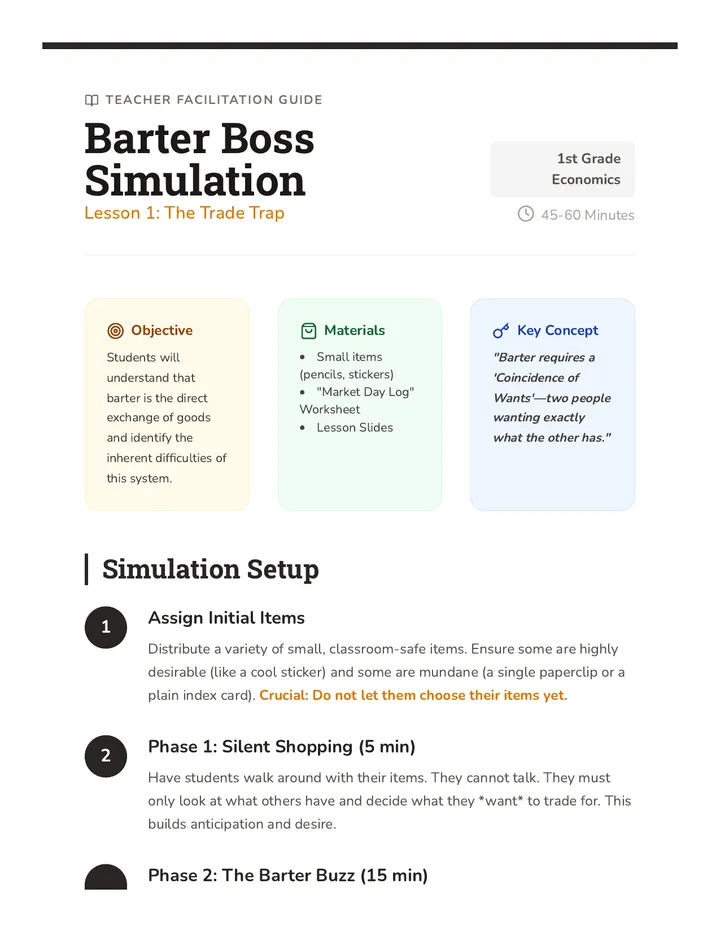
A 1st Grade sequence exploring the evolution of exchange, from the difficulties of bartering to the convenience of modern currency, helping students understand money as a problem-solving tool.
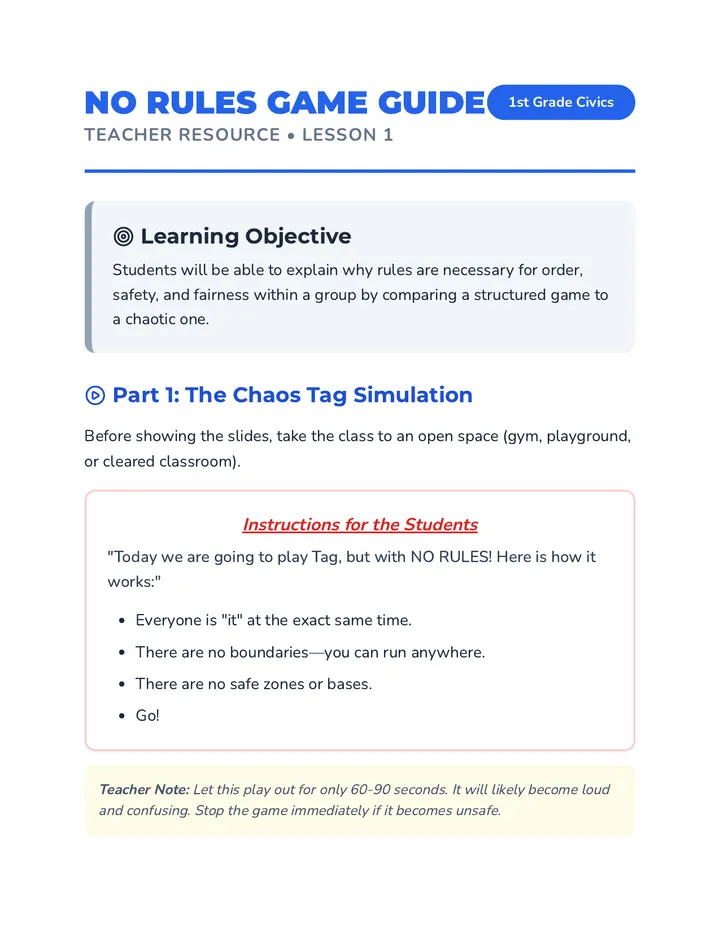
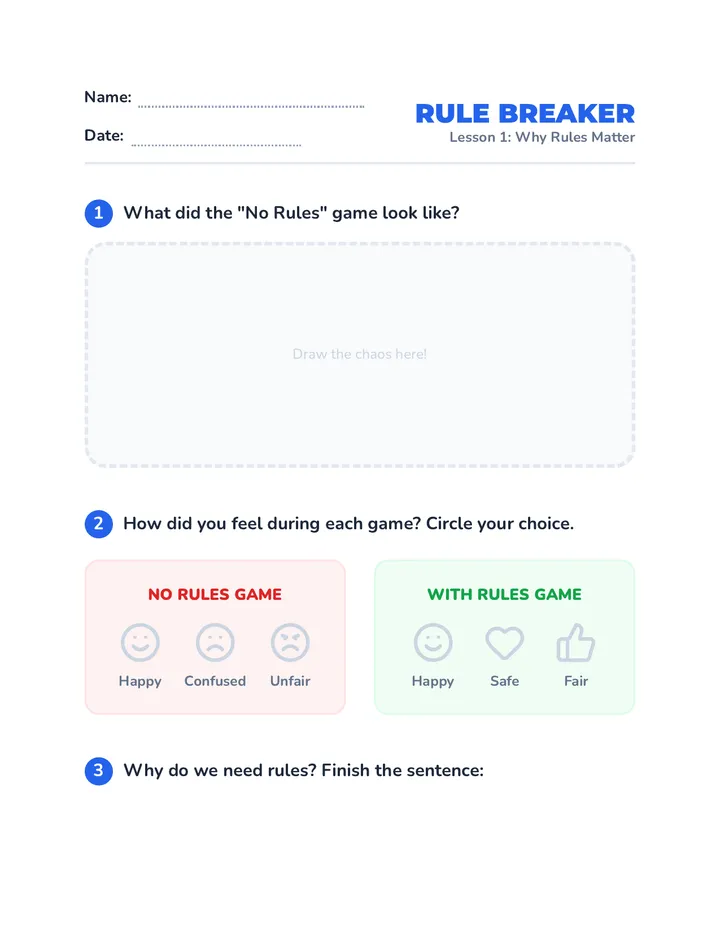
This 1st Grade sequence explores power and authority through rules and voting. Students experience the necessity of rules, collaborate on classroom agreements, and learn the democratic process of voting and majority rule.
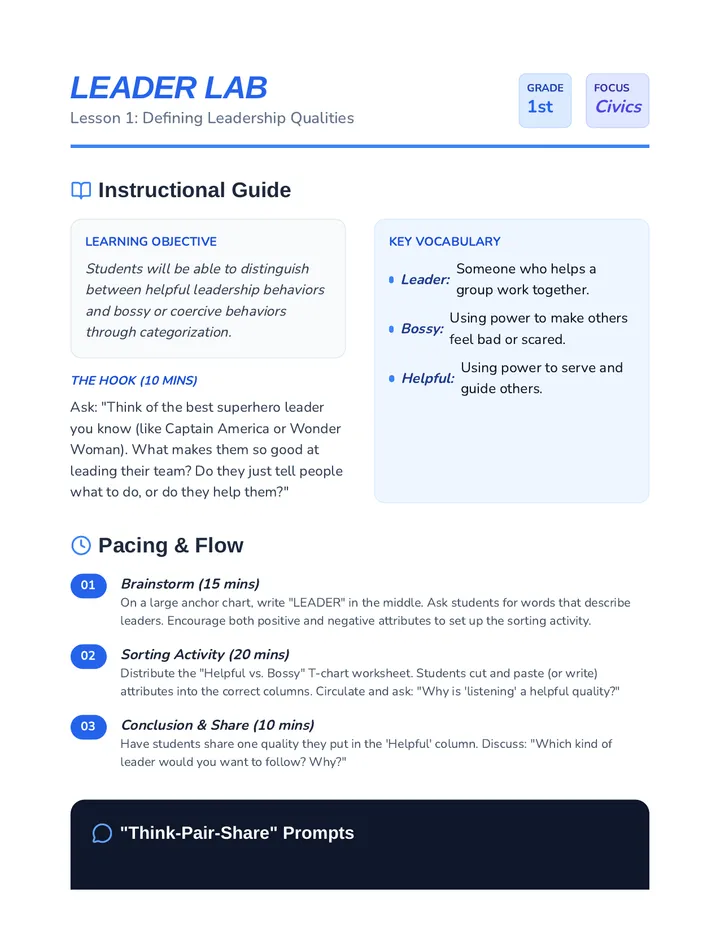
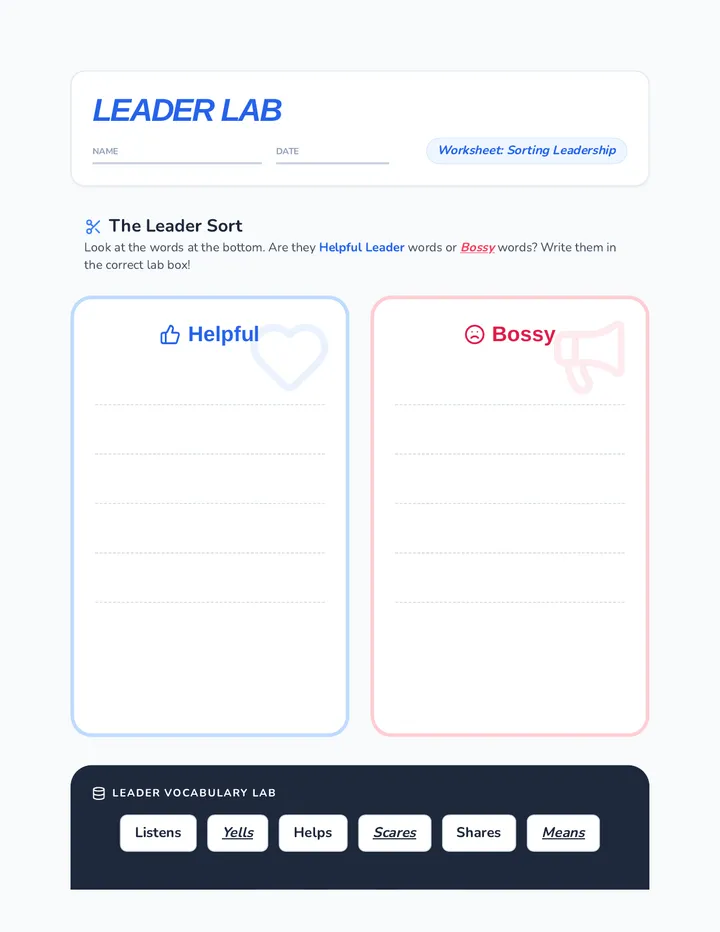
A 1st-grade civics sequence focusing on the distinction between coercive power ('bossy' behavior) and servant leadership ('helpful' behavior), while introducing the concept that all leaders are subject to limits and laws.
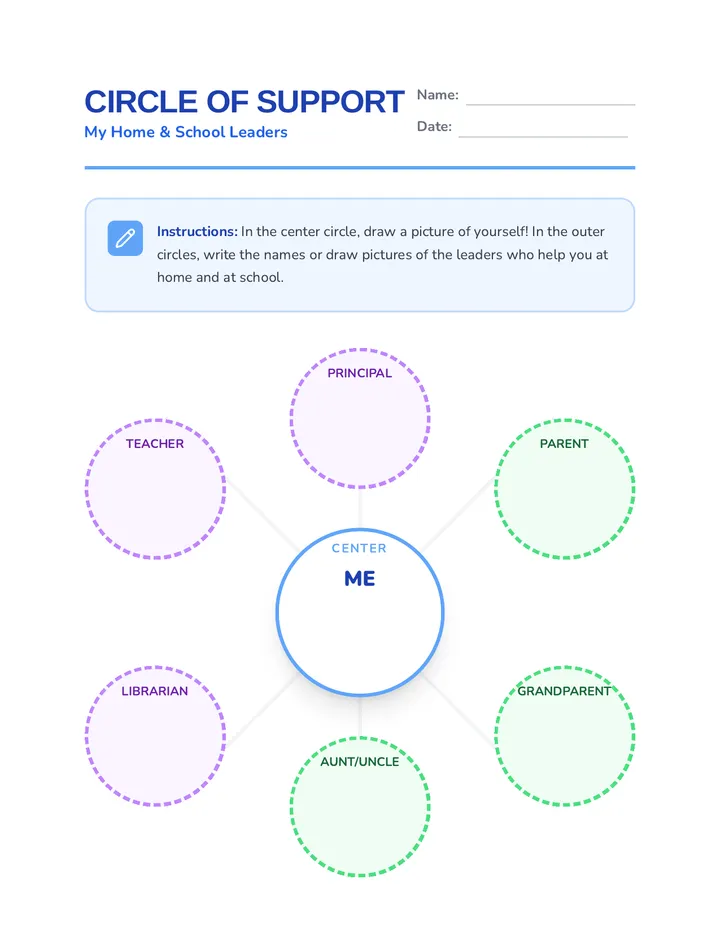
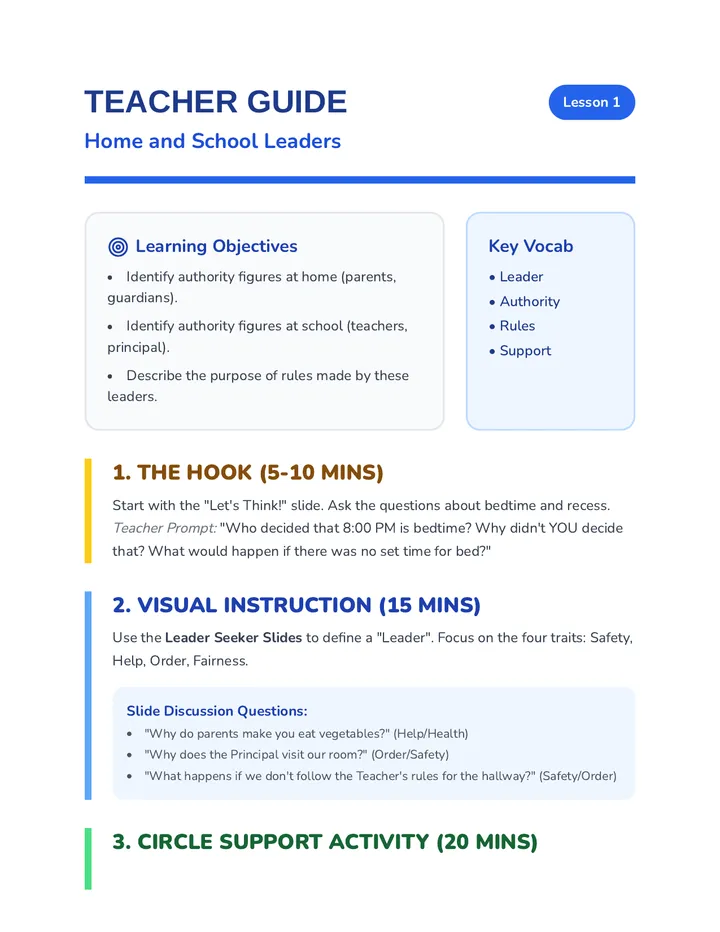
This first-grade sequence introduces the concept of authority figures at home, school, and in the community. Students learn to identify leaders, understand the purpose of rules, and distinguish between positive authority and bullying through interactive lessons and creative projects.
Students navigate a simulated classroom economy to learn budgeting, opportunity cost, and the difference between needs and wants through games and real-world scenarios.
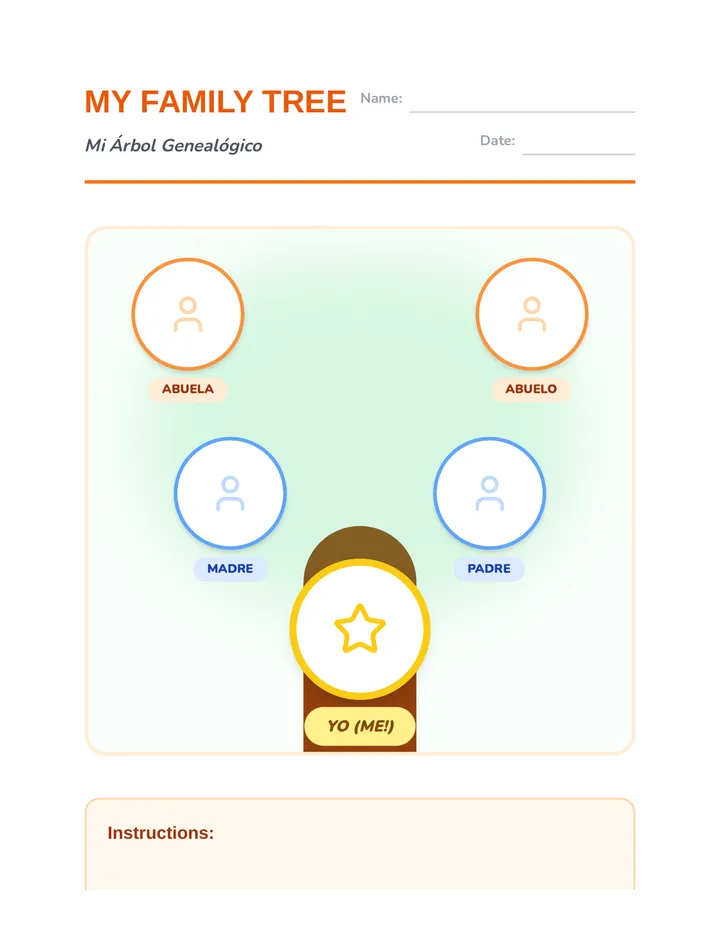
A journey through the diverse ways families and cultures shape our identities. Students explore family structures, traditions, roles, and cultural heritage to build a sense of belonging and respect for diversity.
A 1st Grade Social Studies sequence focused on self-identity, exploring physical traits, inner personality, personal interests, and the history of names, culminating in a 'Me Museum' portfolio.
A 1st Grade sequence exploring chronology and sequencing in historical biographies. Students learn to distinguish past from present, identify signal words like 'first' and 'next', and construct timelines of famous lives.
Students use read-along informational texts to research community helpers, categorize tools, and compare roles, culminating in the creation of a 'Community Helper Profile Card'.
A virtual road trip across America for 1st graders to explore key landmarks and understand how they represent national ideals and history.
In this inquiry-driven sequence, students explore the concept of symbolism by investigating the most prominent American national icons. They learn to decode meanings behind colors, numbers, and animals, culminating in designing a symbol for their own classroom community.
Students explore the concept of a 'state' as a distinct geographic and political entity. They learn to locate their state on a map, understand the hierarchy of city/state/country, identify official symbols, and recognize important regional landmarks.
A project-based exploration of how Native American history and culture were preserved through oral tradition, Winter Counts, wampum belts, and totem poles. Students create their own symbolic artifacts to understand history as a living, spoken, and artistic record.
A 1st Grade Social Studies sequence focused on dispelling myths about Native Americans by comparing historical life with vibrant contemporary Indigenous cultures, emphasizing that Native peoples are still here and active members of modern society.
Students explore how geography and natural resources influenced the traditional homes of Native American peoples across North America. The sequence focuses on observation, material properties, and the relationship between environment and human adaptation.
A 1st-grade inquiry into how Native Peoples utilized natural resources for daily needs like food, shelter, and clothing. Students explore Indigenous ingenuity through the study of the buffalo, cedar trees, and the 'Three Sisters' crops, emphasizing sustainability and gratitude.
Students explore the vital role of oral tradition in Native American cultures, focusing on how stories teach lessons, explain nature, and preserve history. The sequence moves from passive listening to active retelling, helping students appreciate history recorded through memory.
This unit introduces 1st graders to how Native American tribes adapted their homes to different environments using natural resources. Students explore the Southwest, Great Plains, and Eastern Woodlands to understand the relationship between geography and shelter.