Students navigate a simulated classroom economy to learn budgeting, opportunity cost, and the difference between needs and wants through games and real-world scenarios.
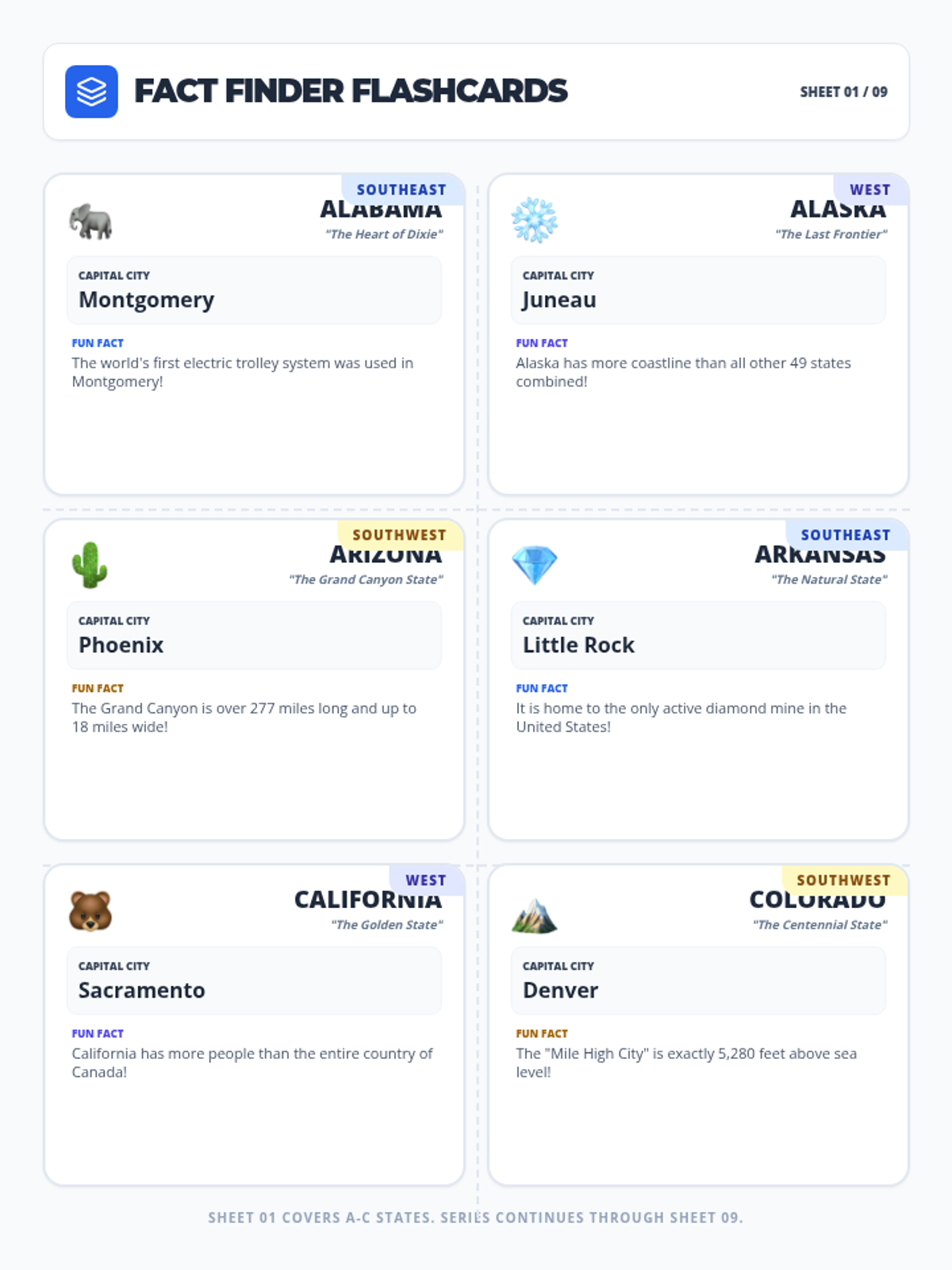
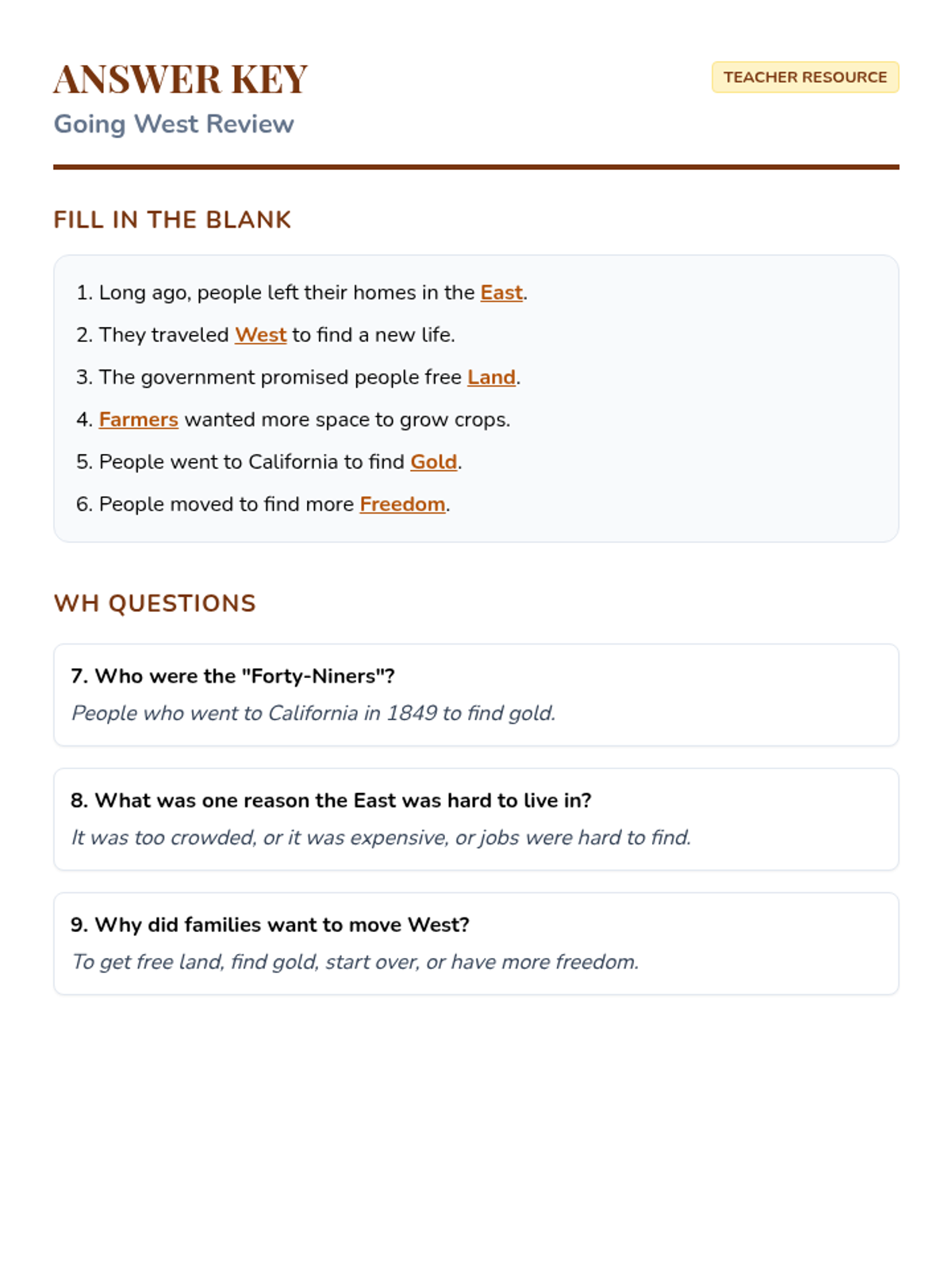
A comprehensive 5-lesson exploration of the West region of the United States, covering geography, climate, resources, culture, and states/capitals through reading passages and interactive activities.
A comprehensive 5-lesson unit exploring the unique geography, climate, natural resources, diverse cultures, and political boundaries of the Southwest region of the United States.
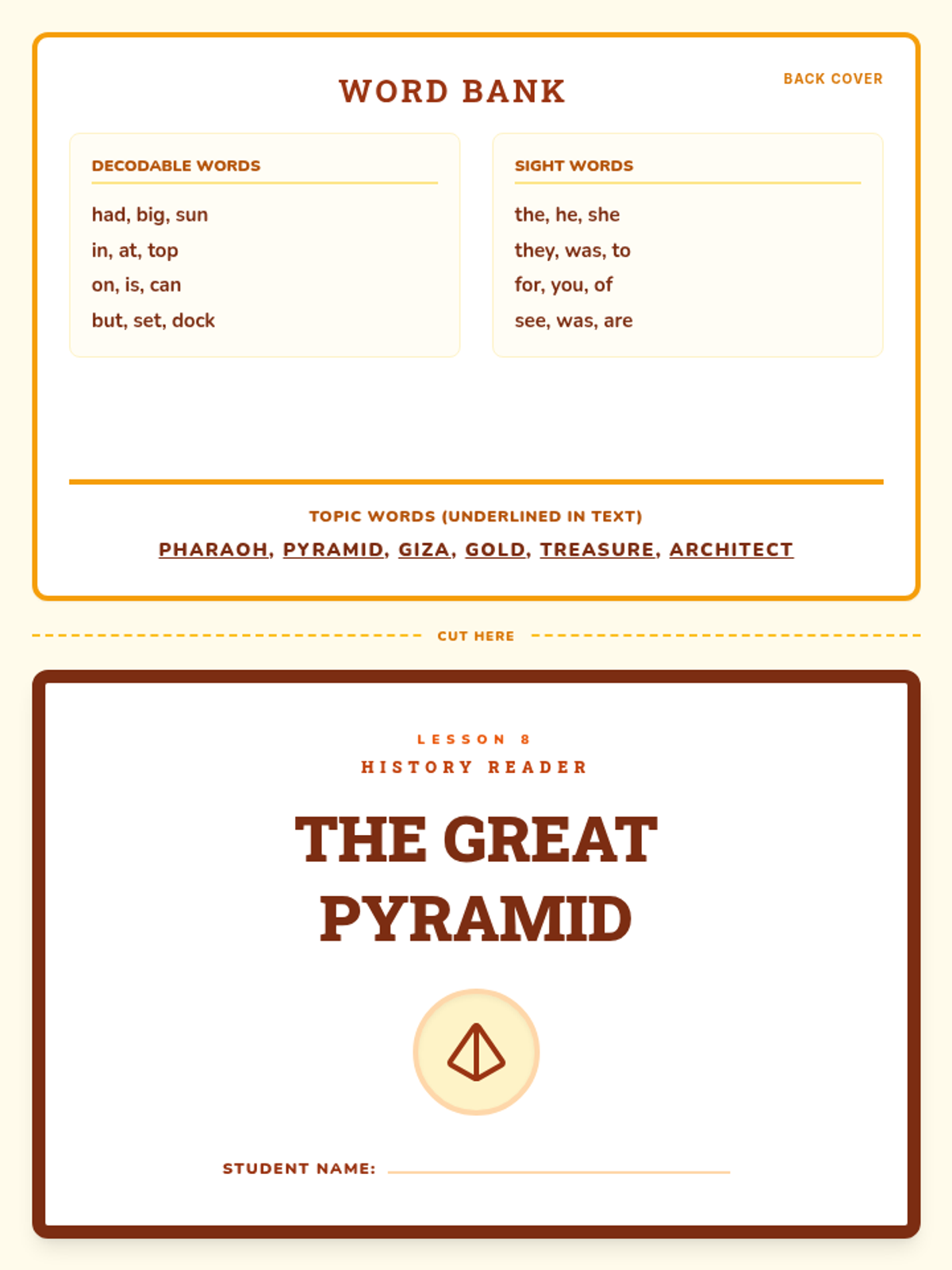
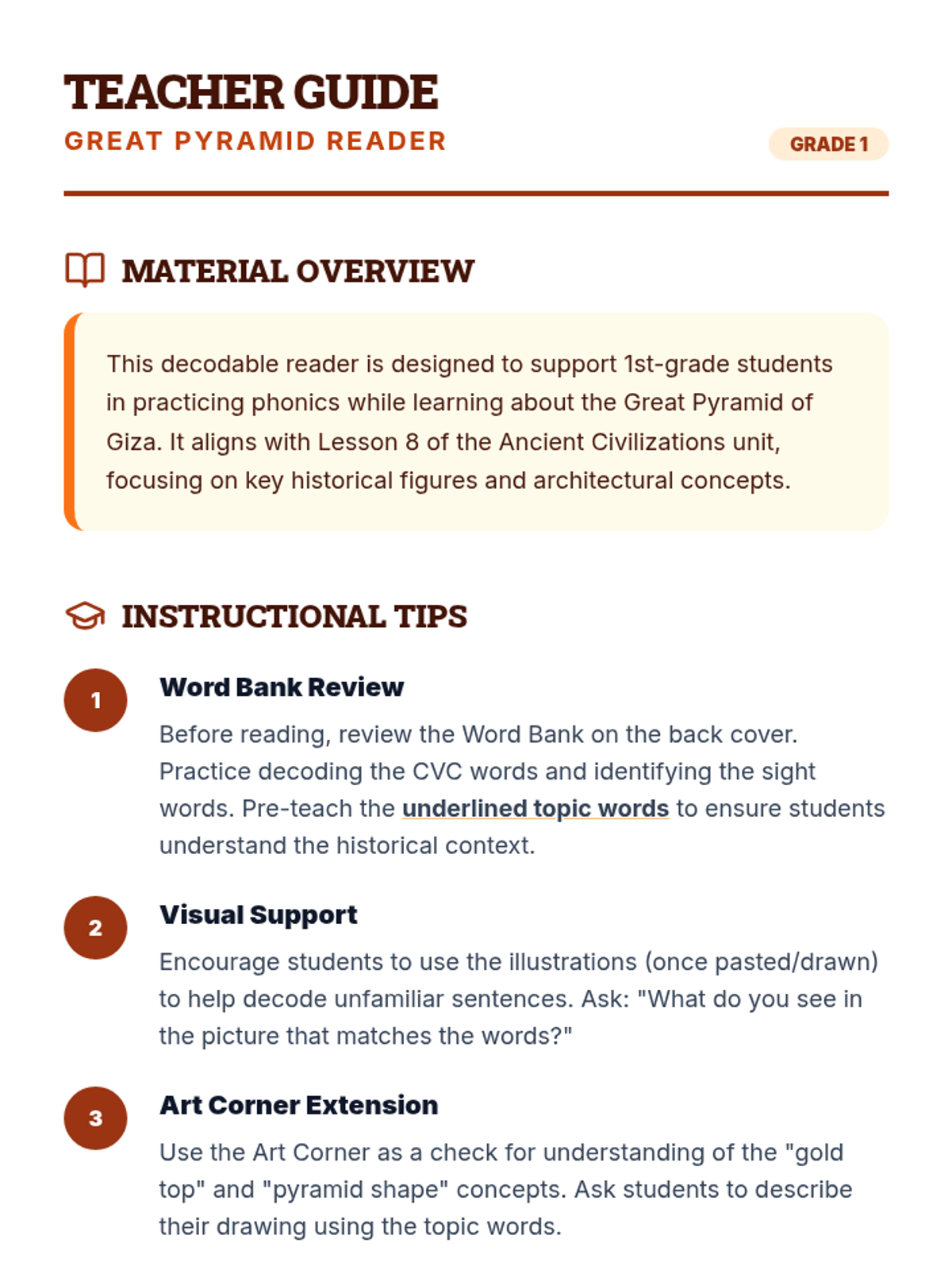
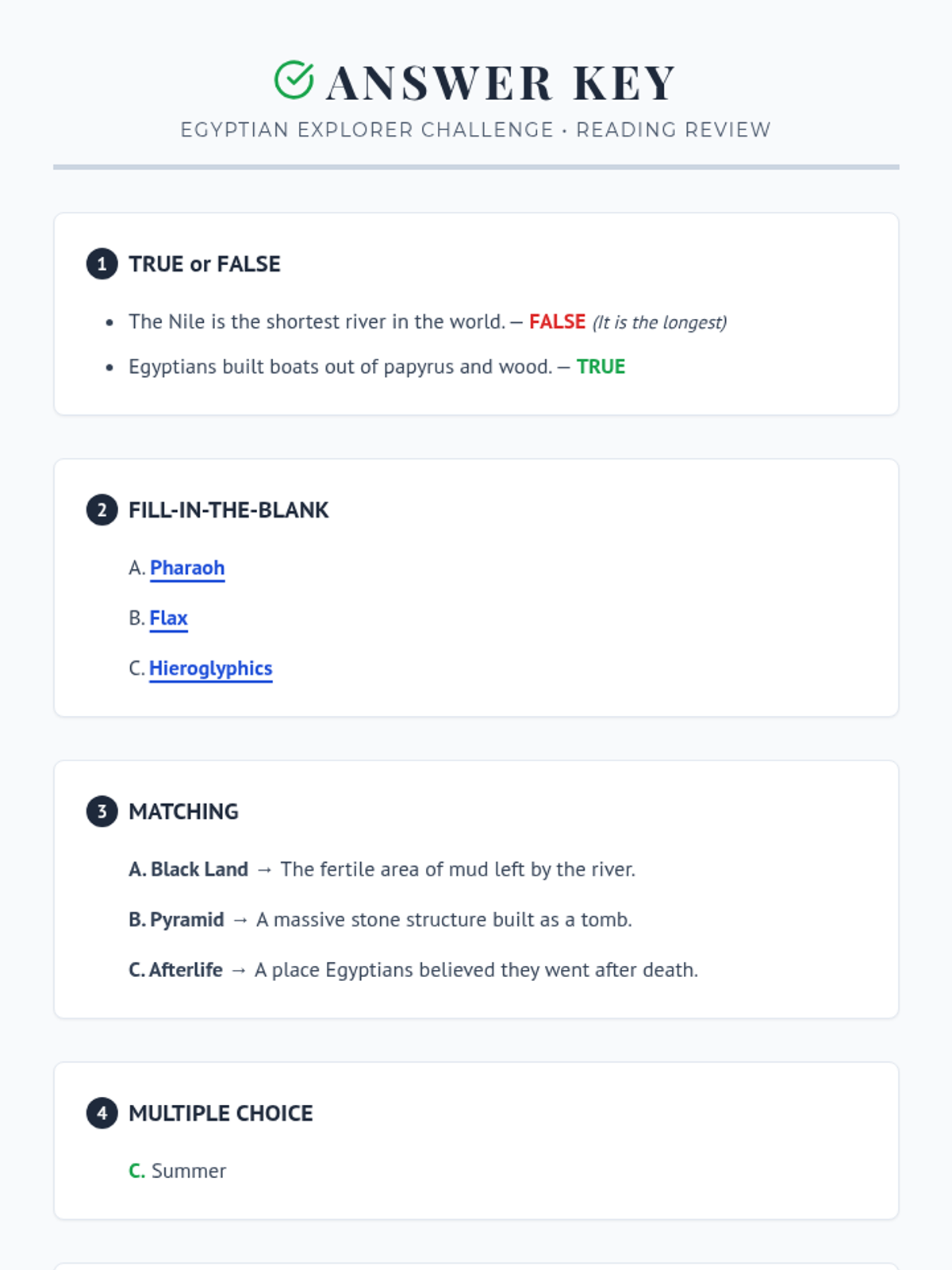
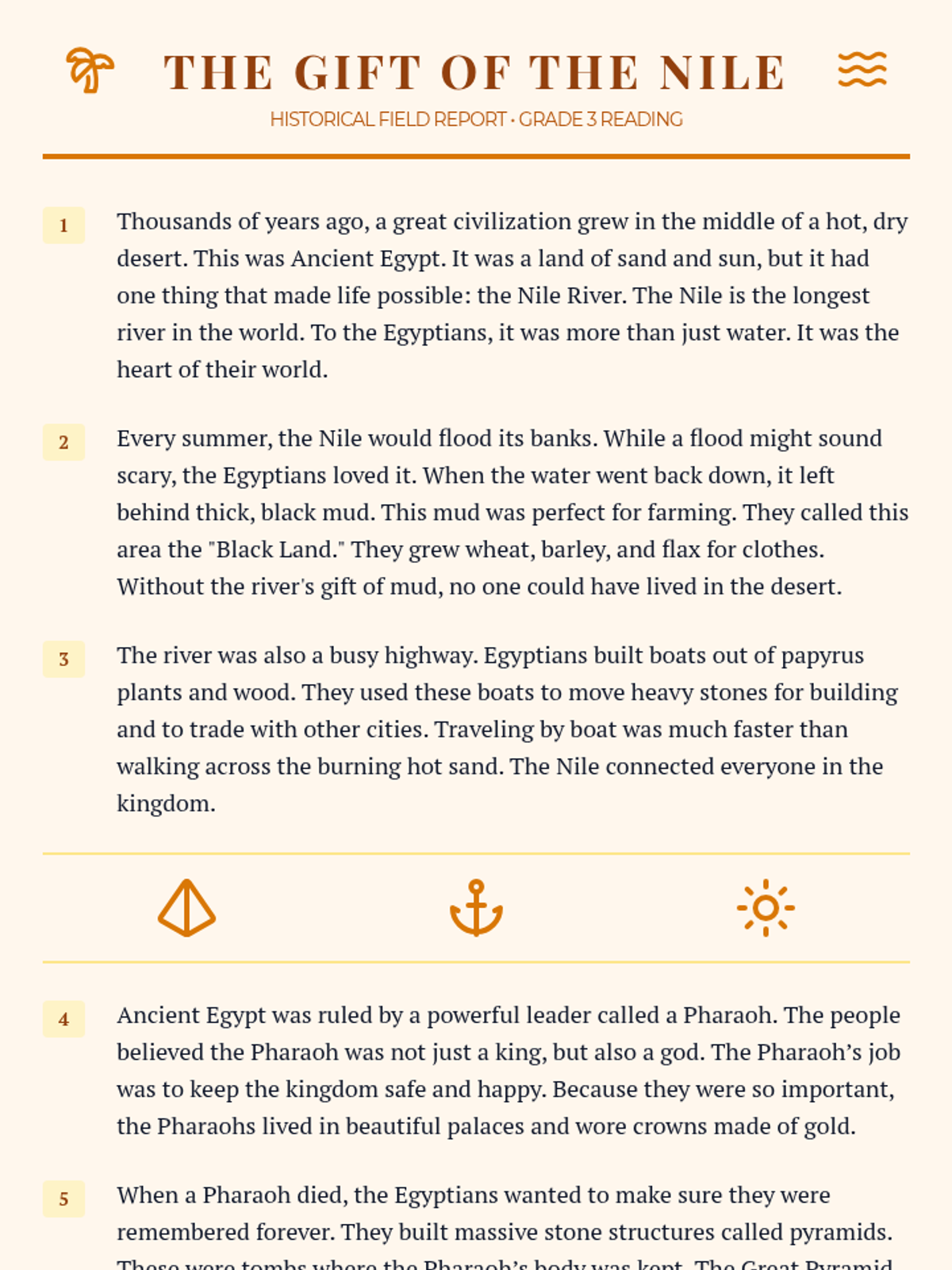
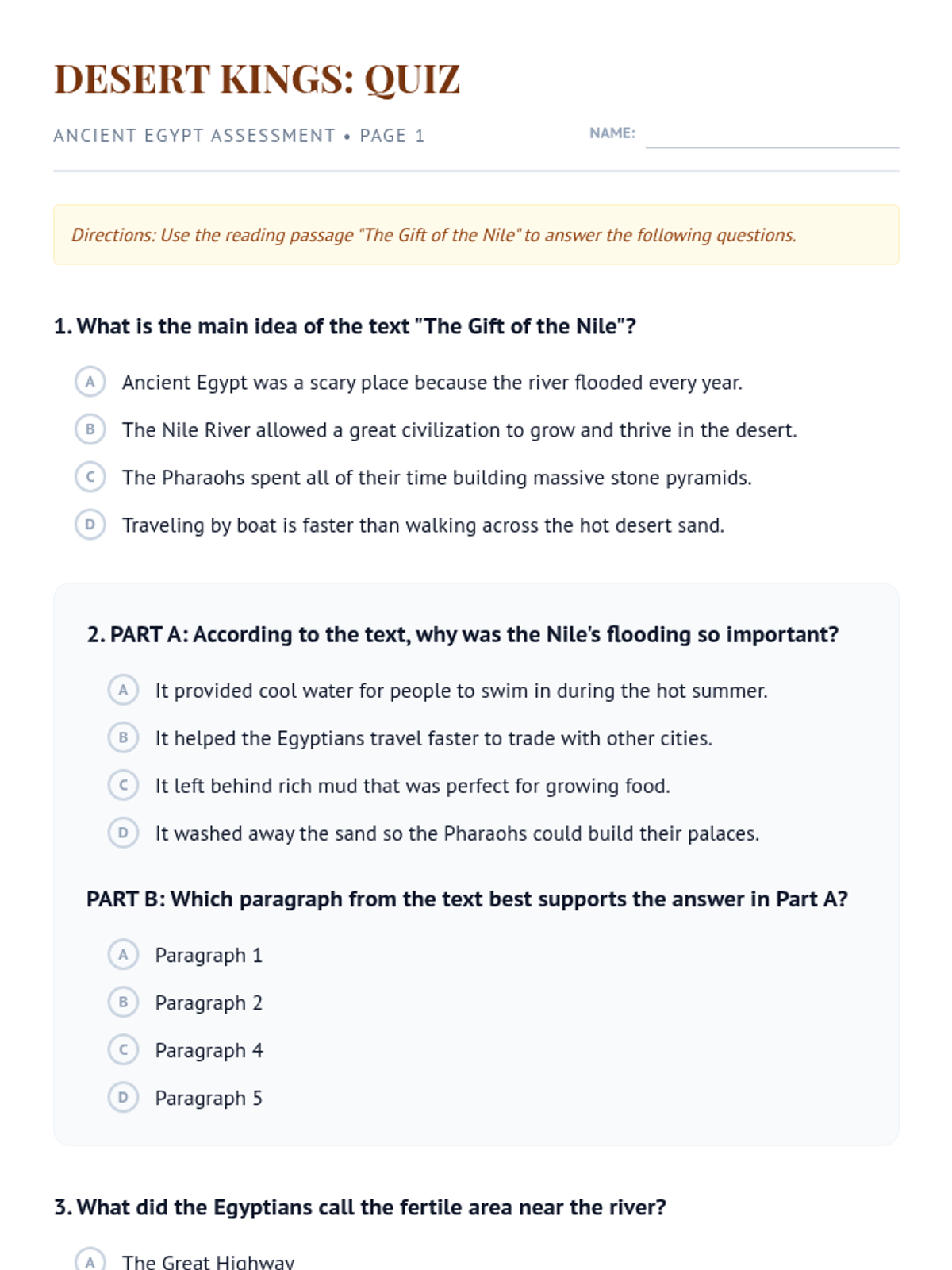
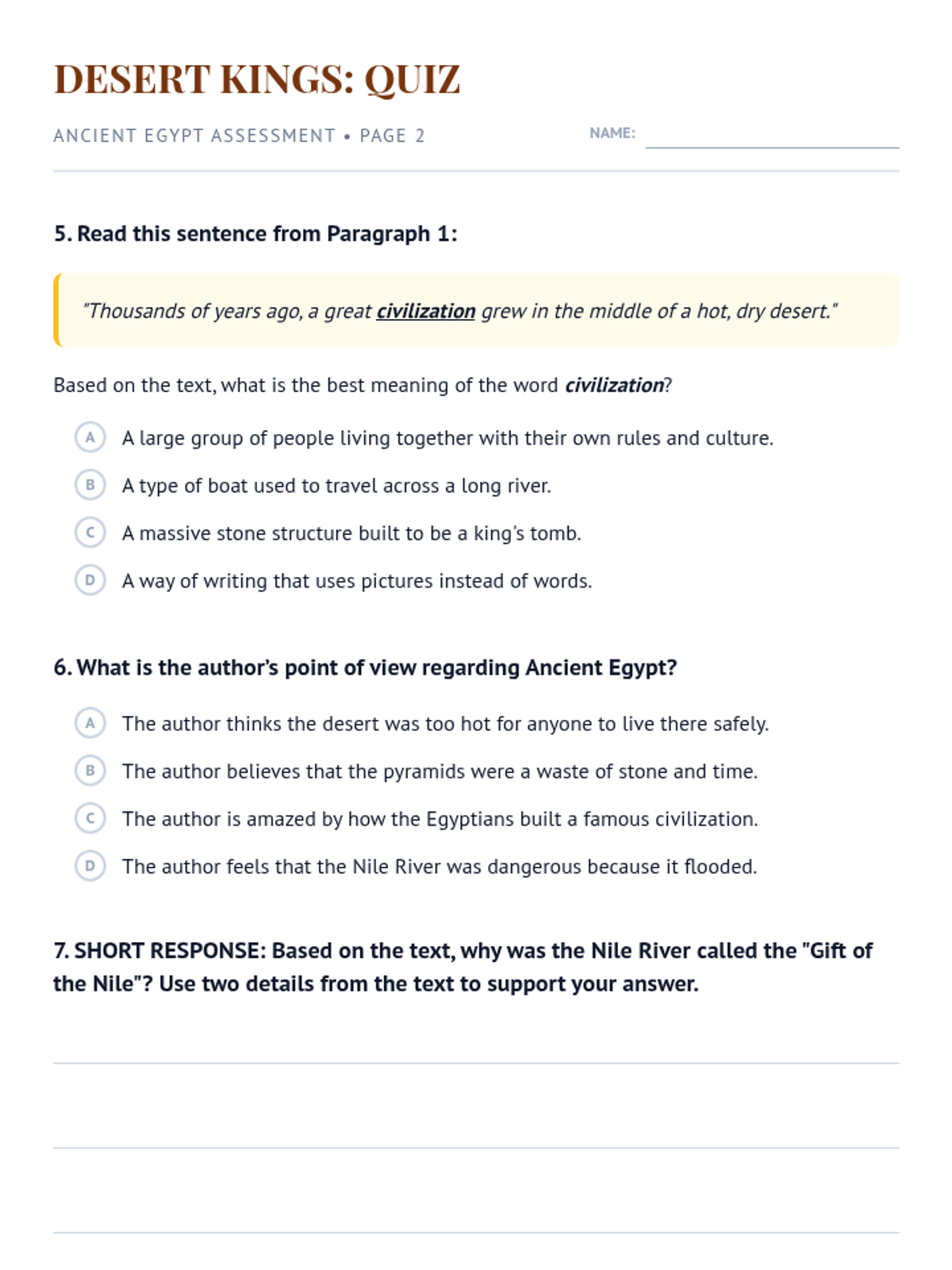
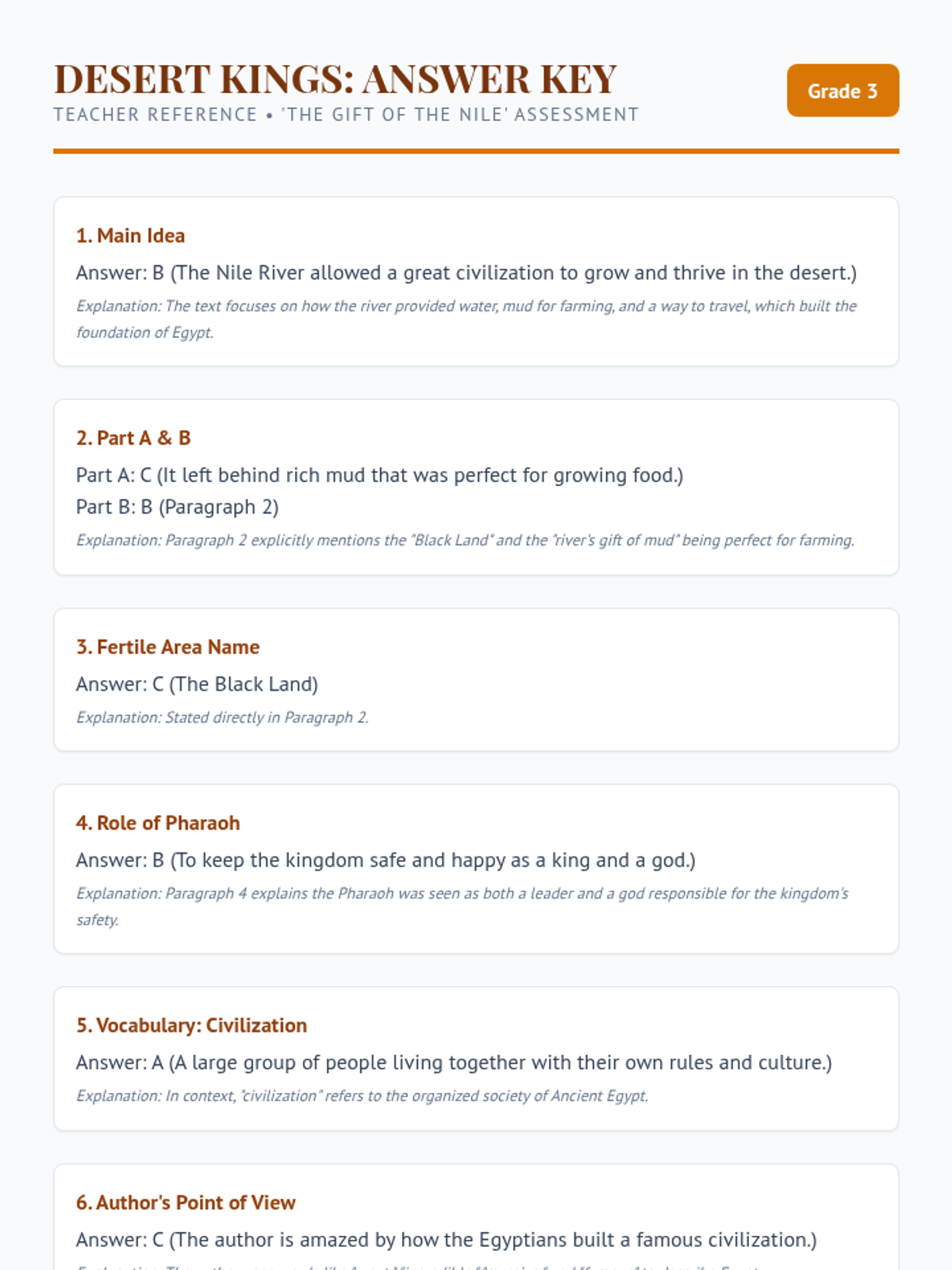
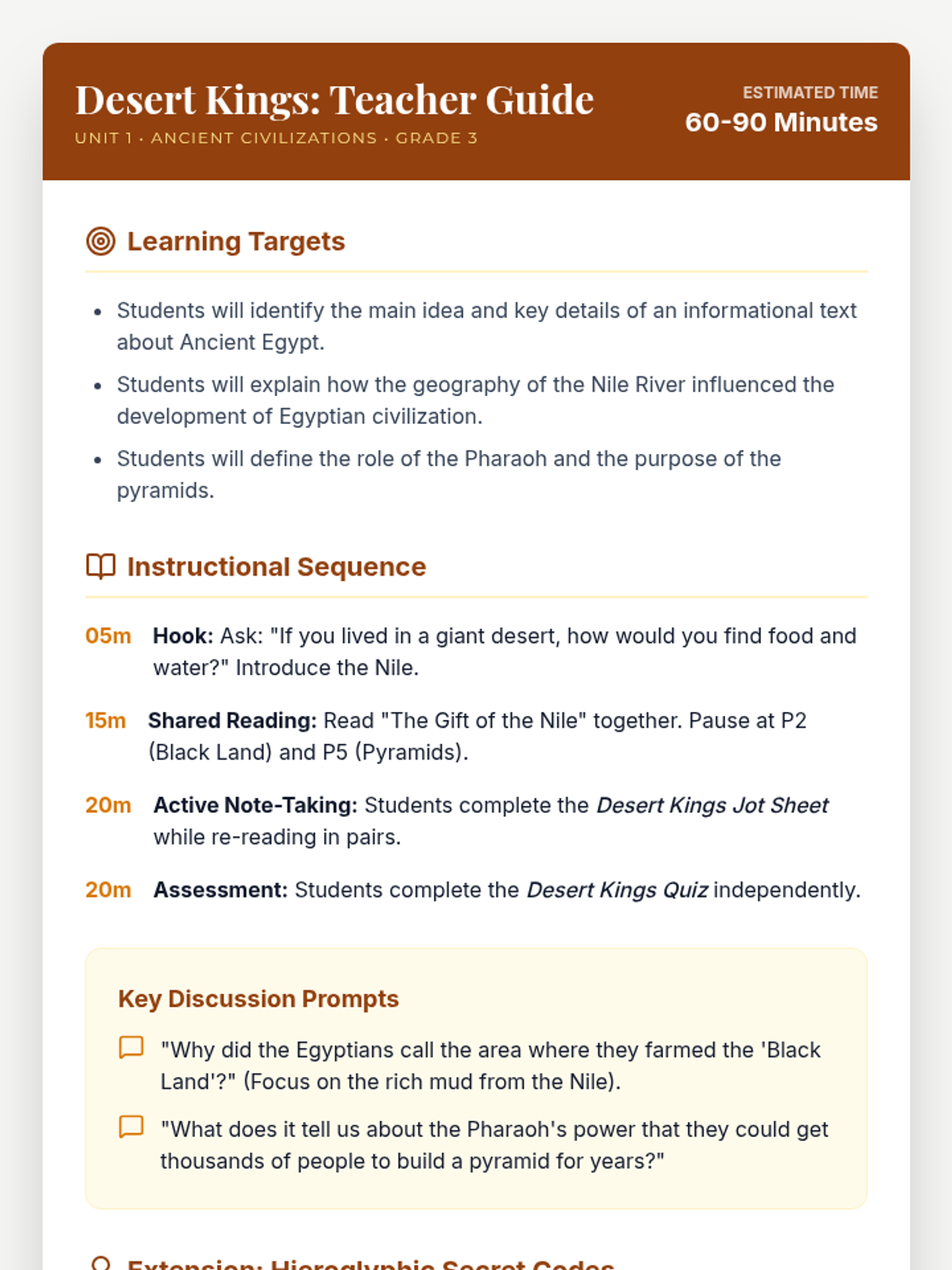
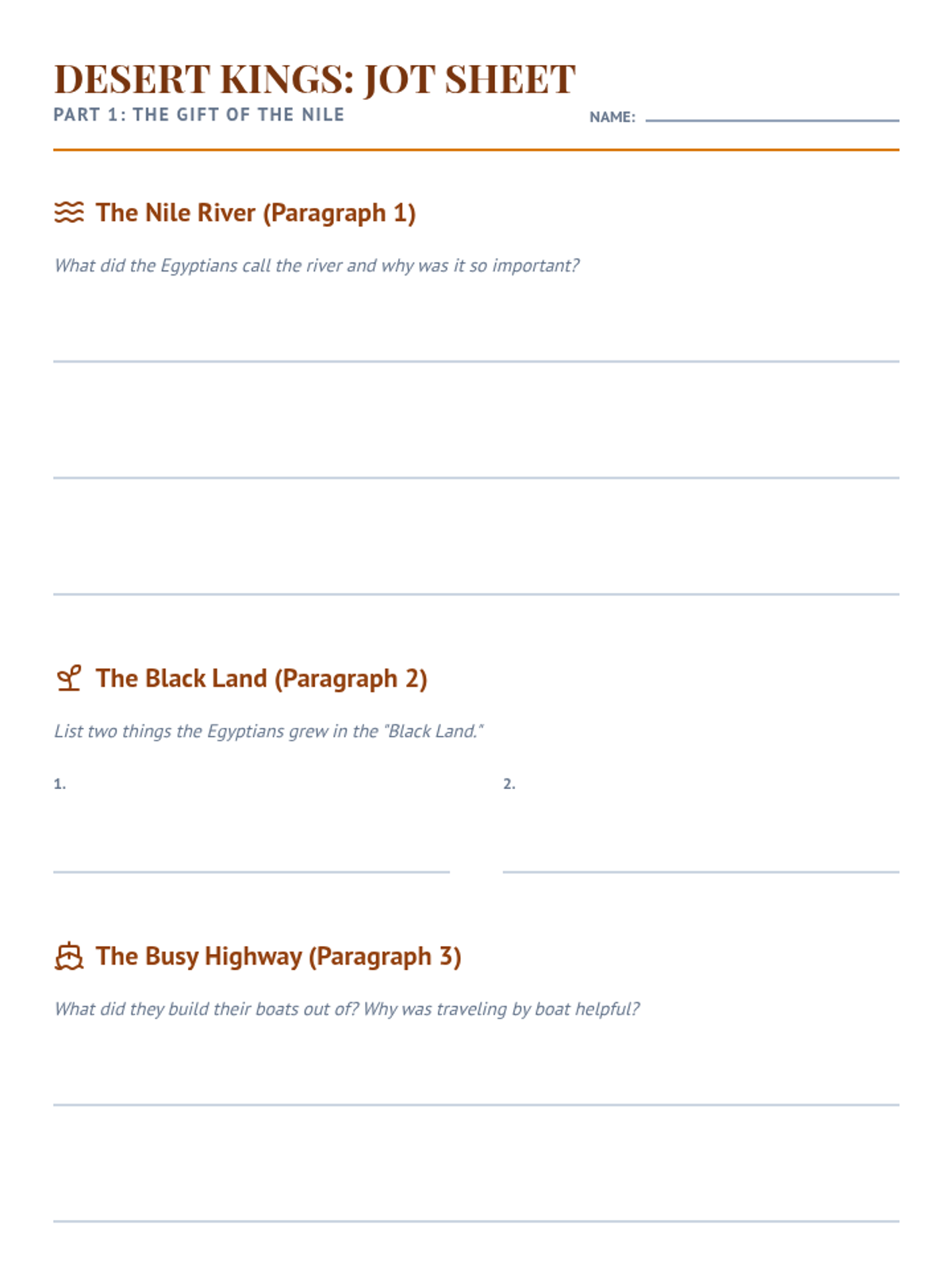
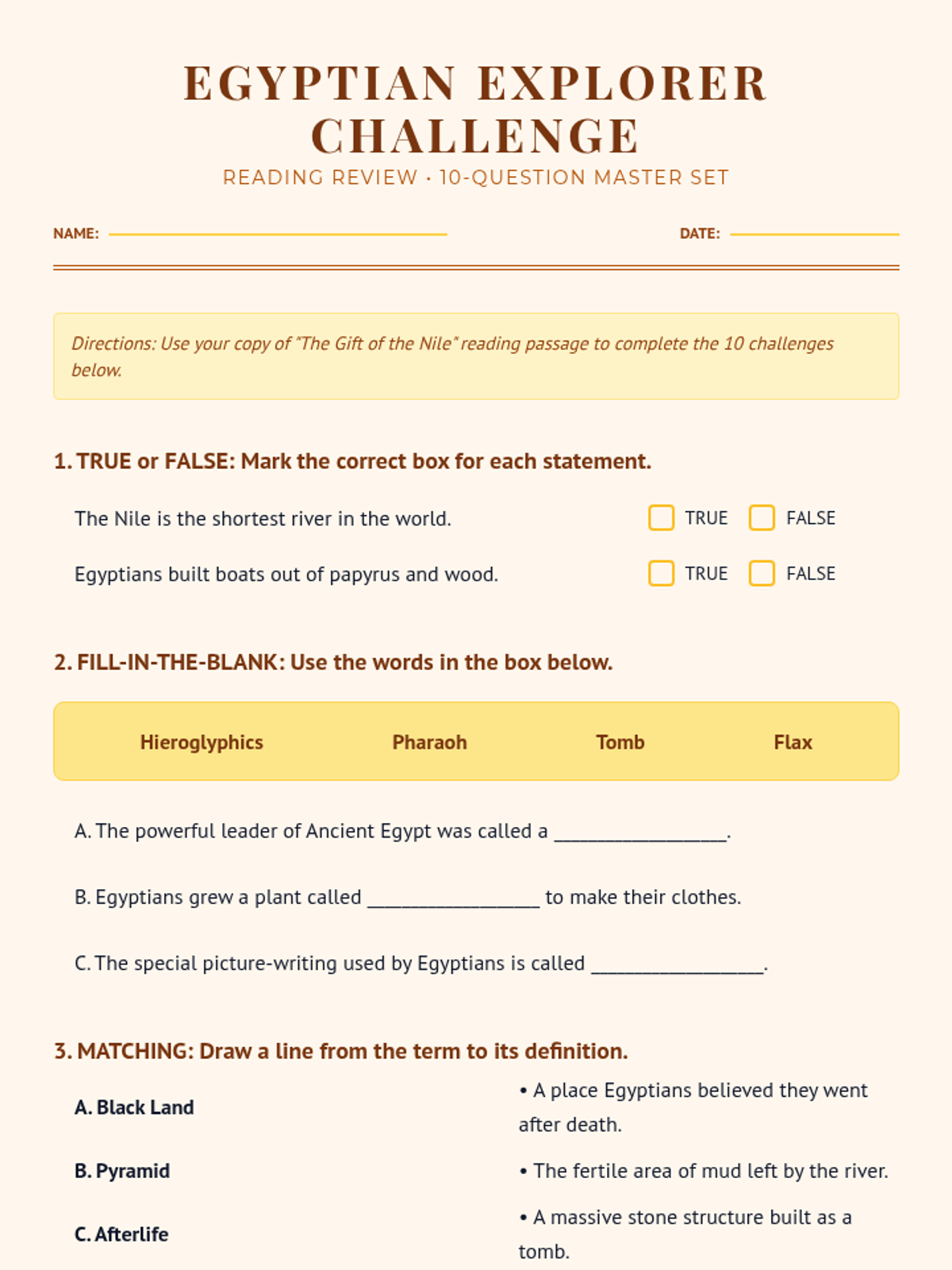
A comprehensive unit on Ancient Egypt covering the civilization's social structure, religious beliefs, and architectural wonders. Students explore the Nile's importance, the process of mummification, the pantheon of gods, and the lives of famous pharaohs.
A comprehensive 6-lesson Black History Month curriculum for 5th-8th graders, exploring historical excellence, emotional expression, and community through the lens of five core values: Virtus, Kenkyo, Sankofa, Ubuntu, and Ganas. Inspired by a century of resilience and brilliance.
A 6-lesson sequence divided by grade level (5th, 6th, and 7th), celebrating 100 years of Black history through school values. Each grade explores two distinct lessons focusing on community joy, personal excellence, and mental health advocacy.
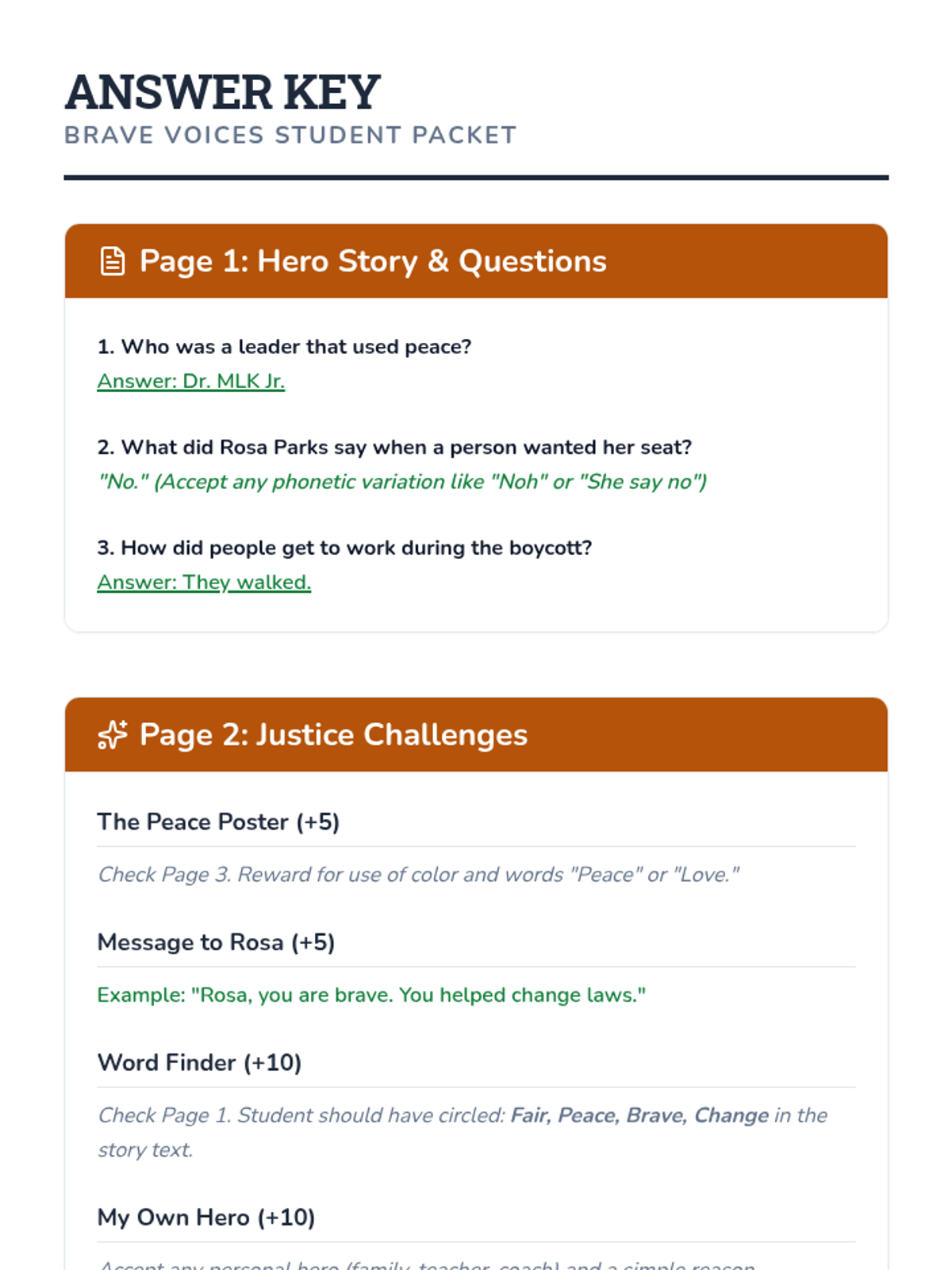
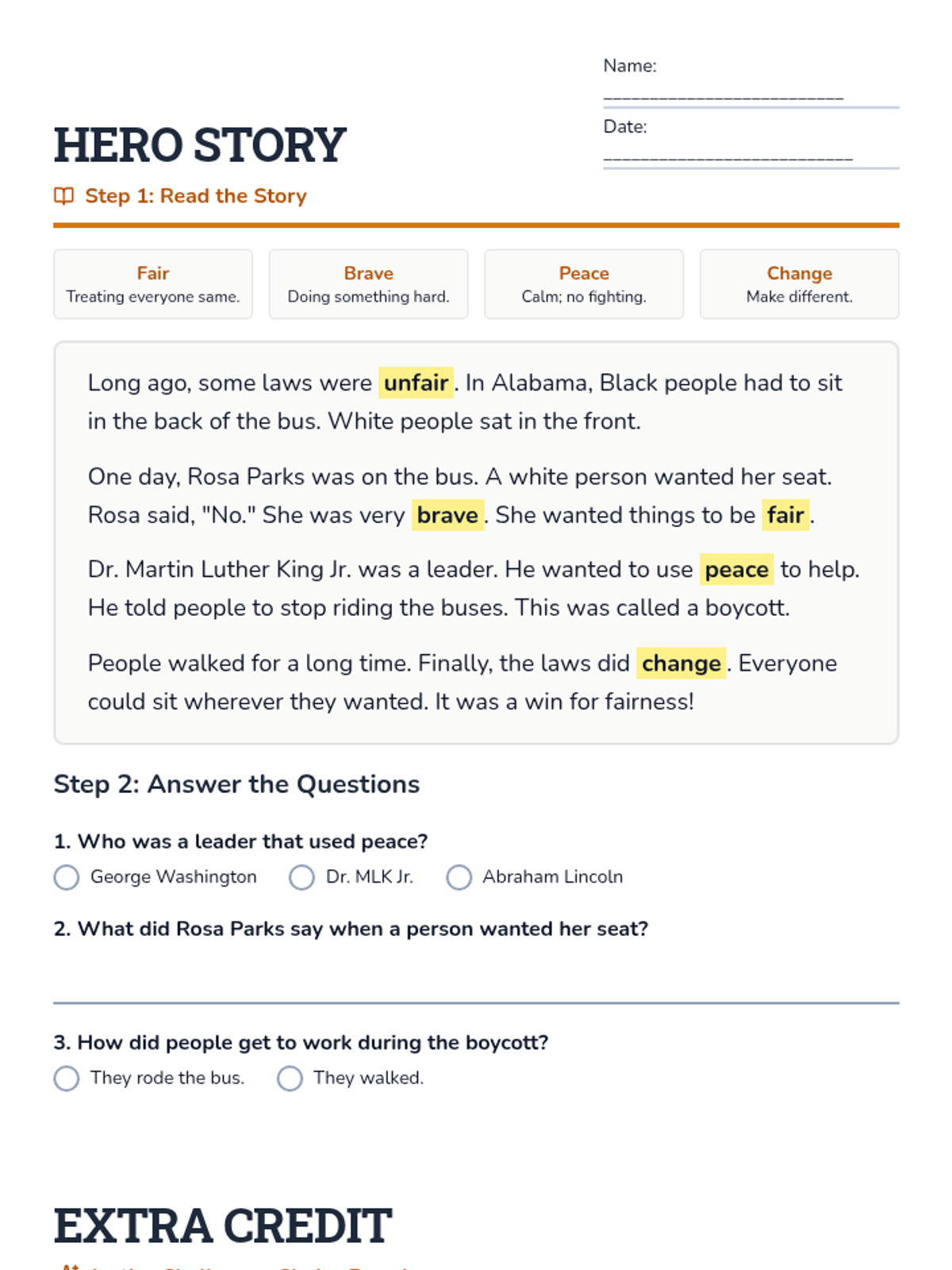
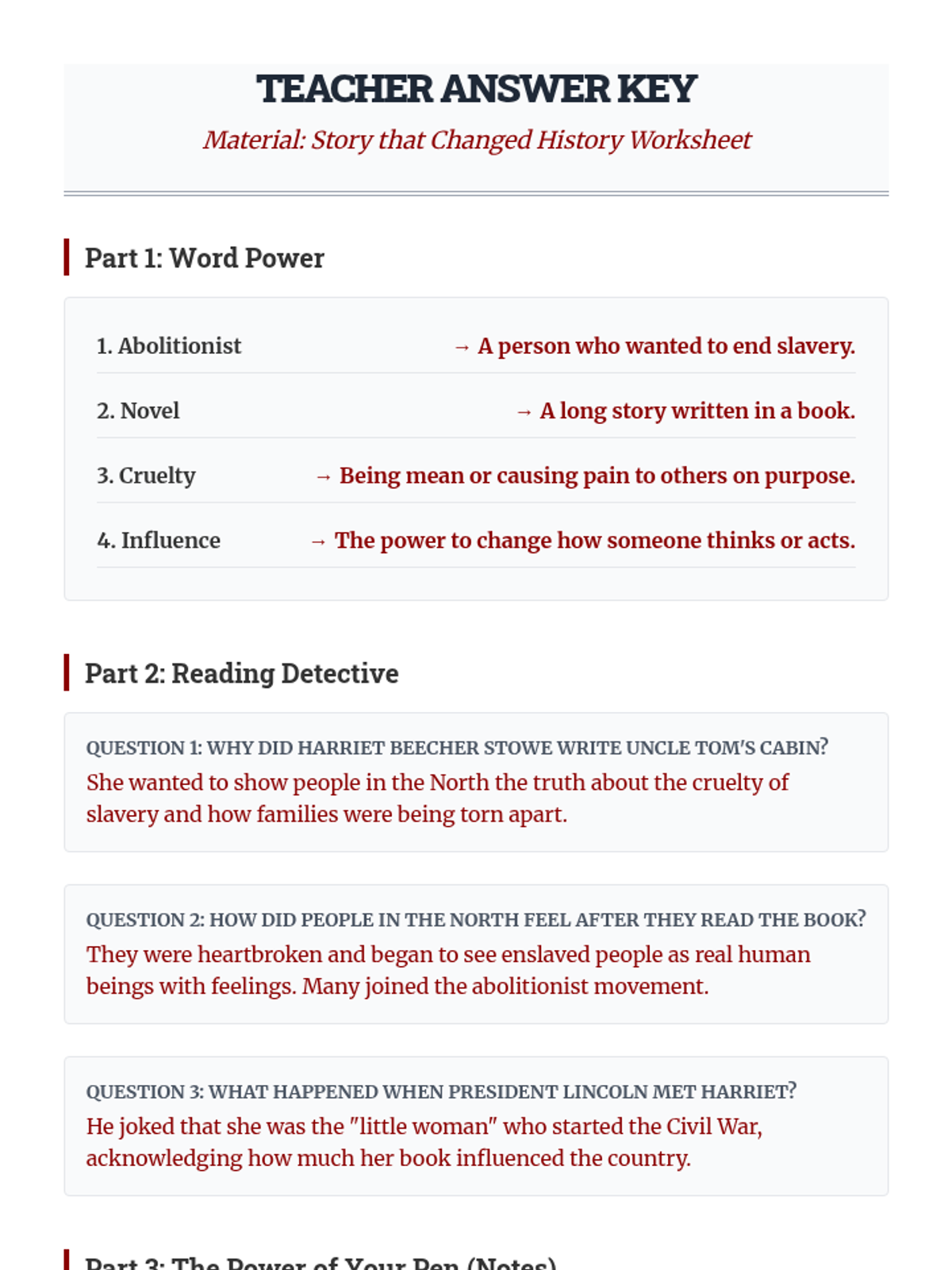
A 4th-grade unit focused on kindness, fairness, and understanding how our words can make everyone feel like they belong, regardless of their background or skin color.
A comprehensive journey through the Midwest region, covering its geography, economy, and culture in bite-sized 20-minute sessions.
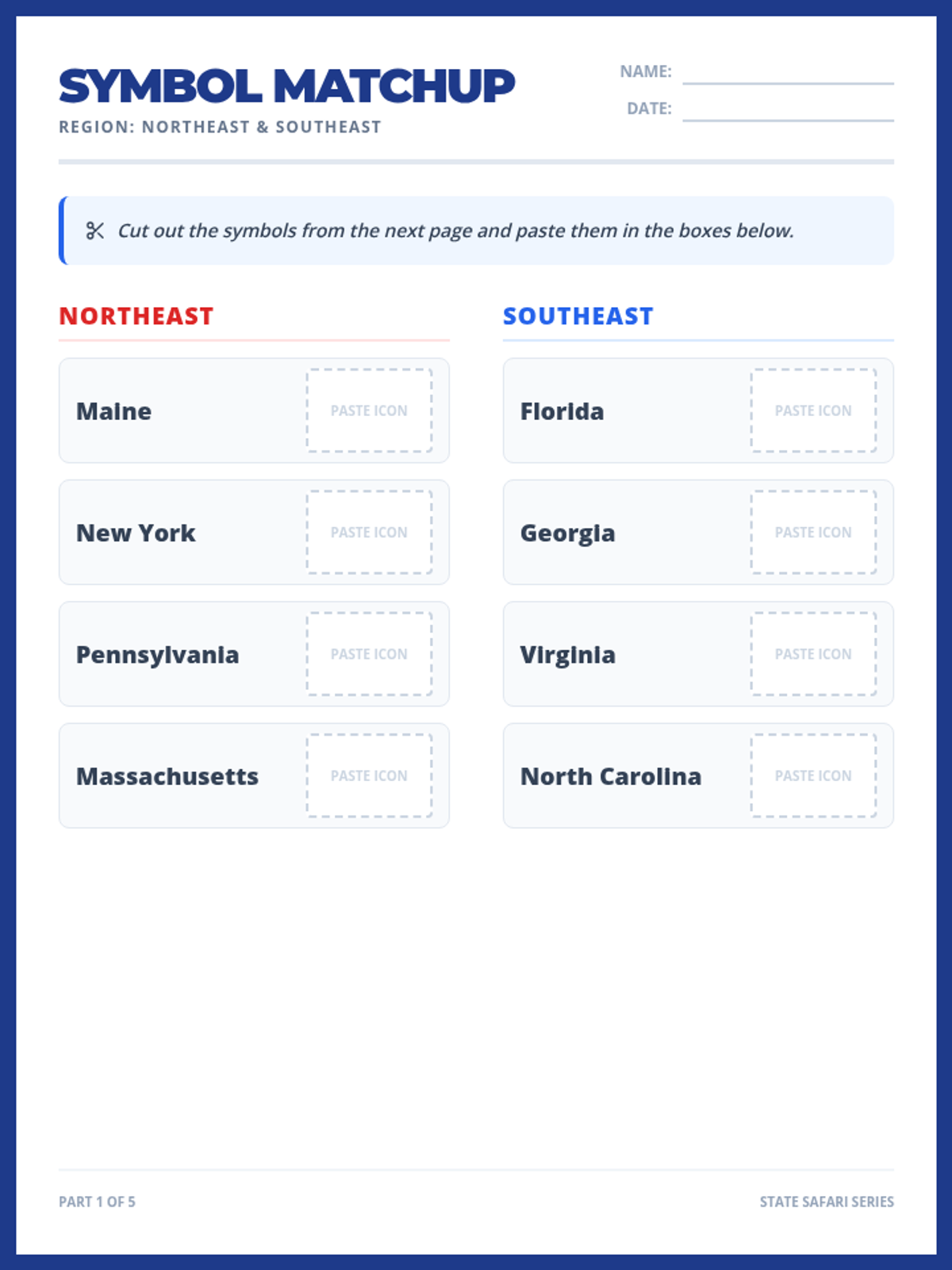
A 5-lesson unit exploring the geography, climate, resources, and culture of the Southeast United States, concluding with a states and capitals challenge.
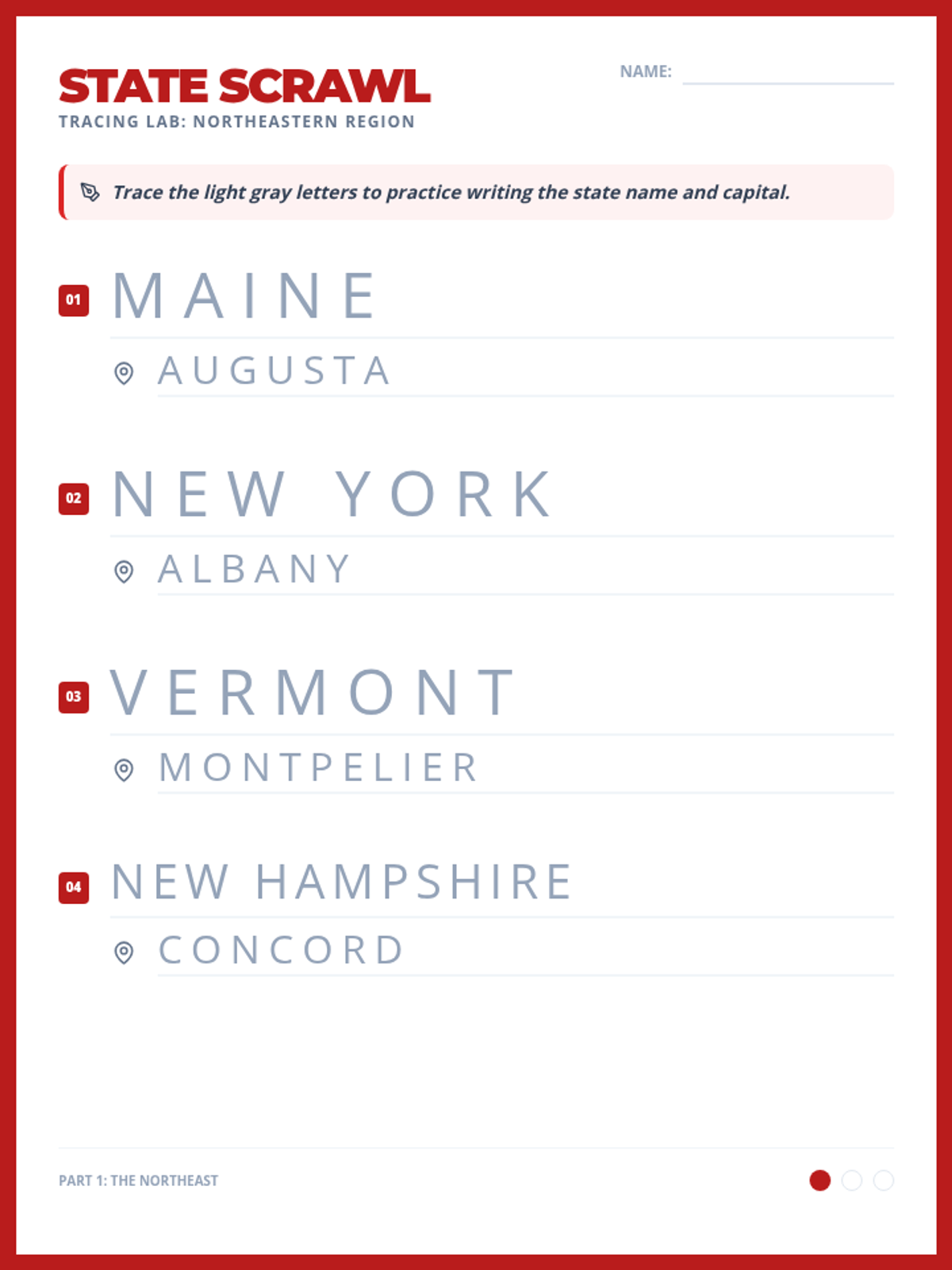
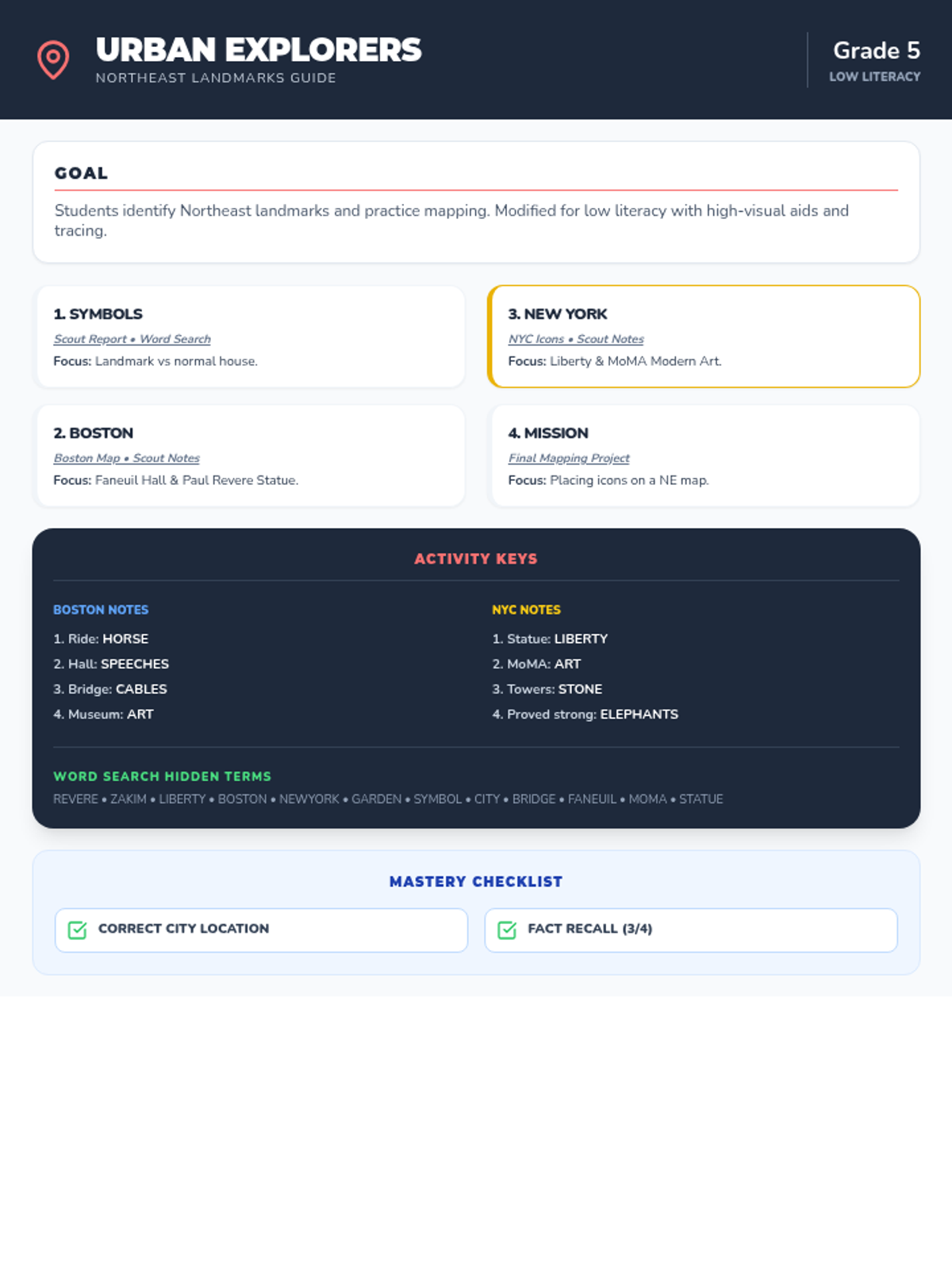
A 5-lesson sequence exploring the geography, climate, resources, culture, and states of the Northeast region of the United States. Students will engage with reading passages, comprehension activities, and a states-and-capitals matching game.
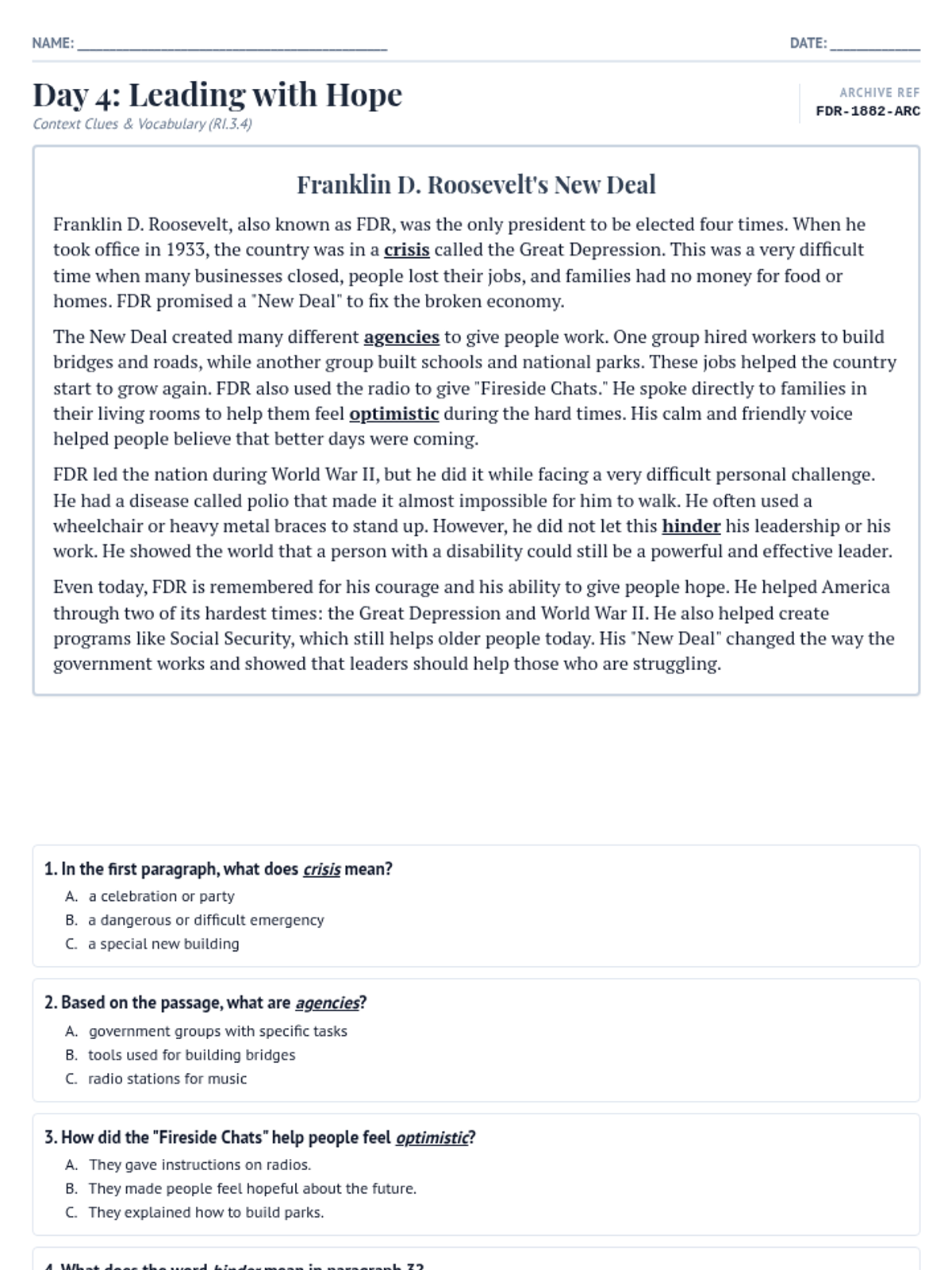
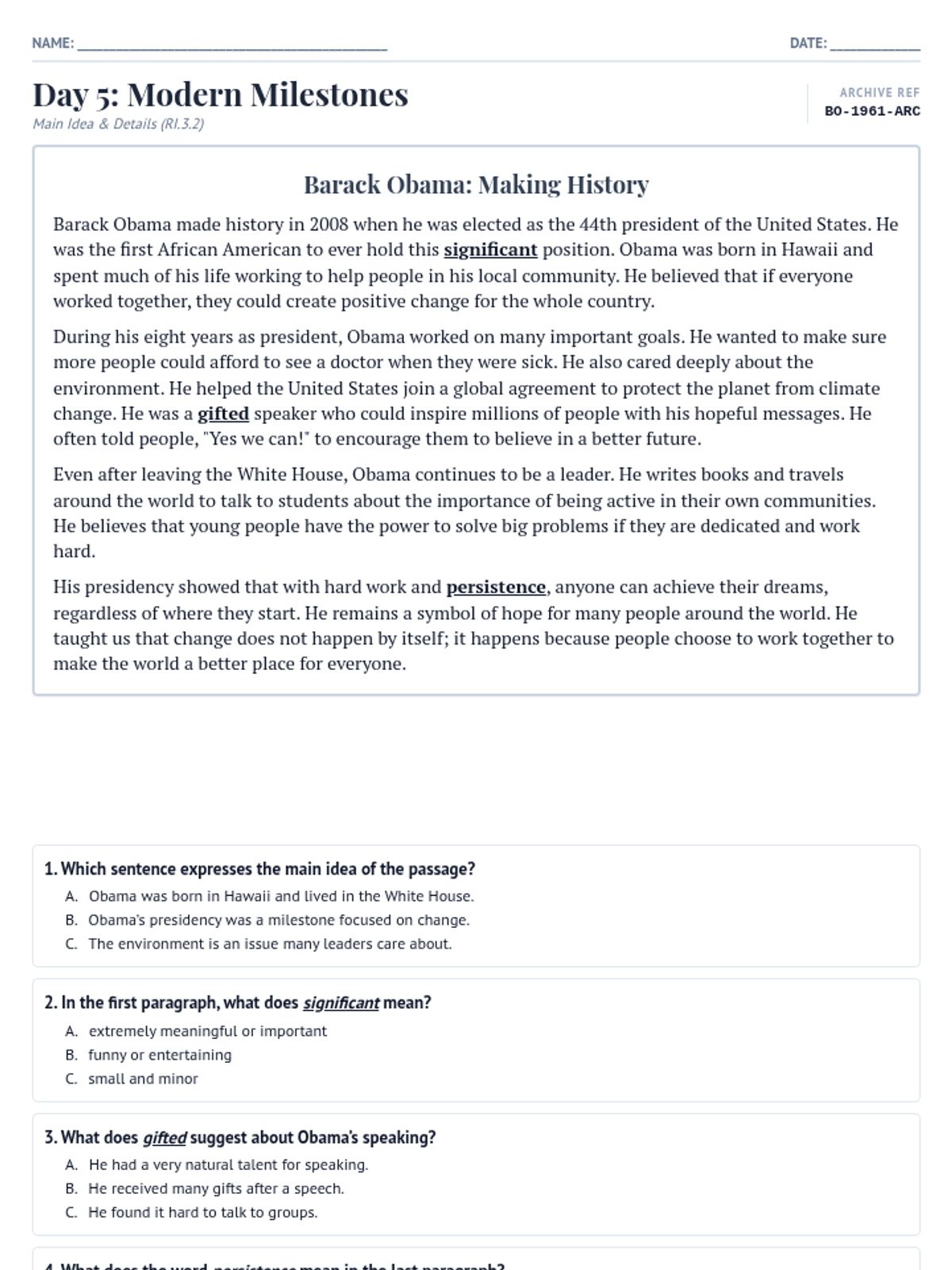
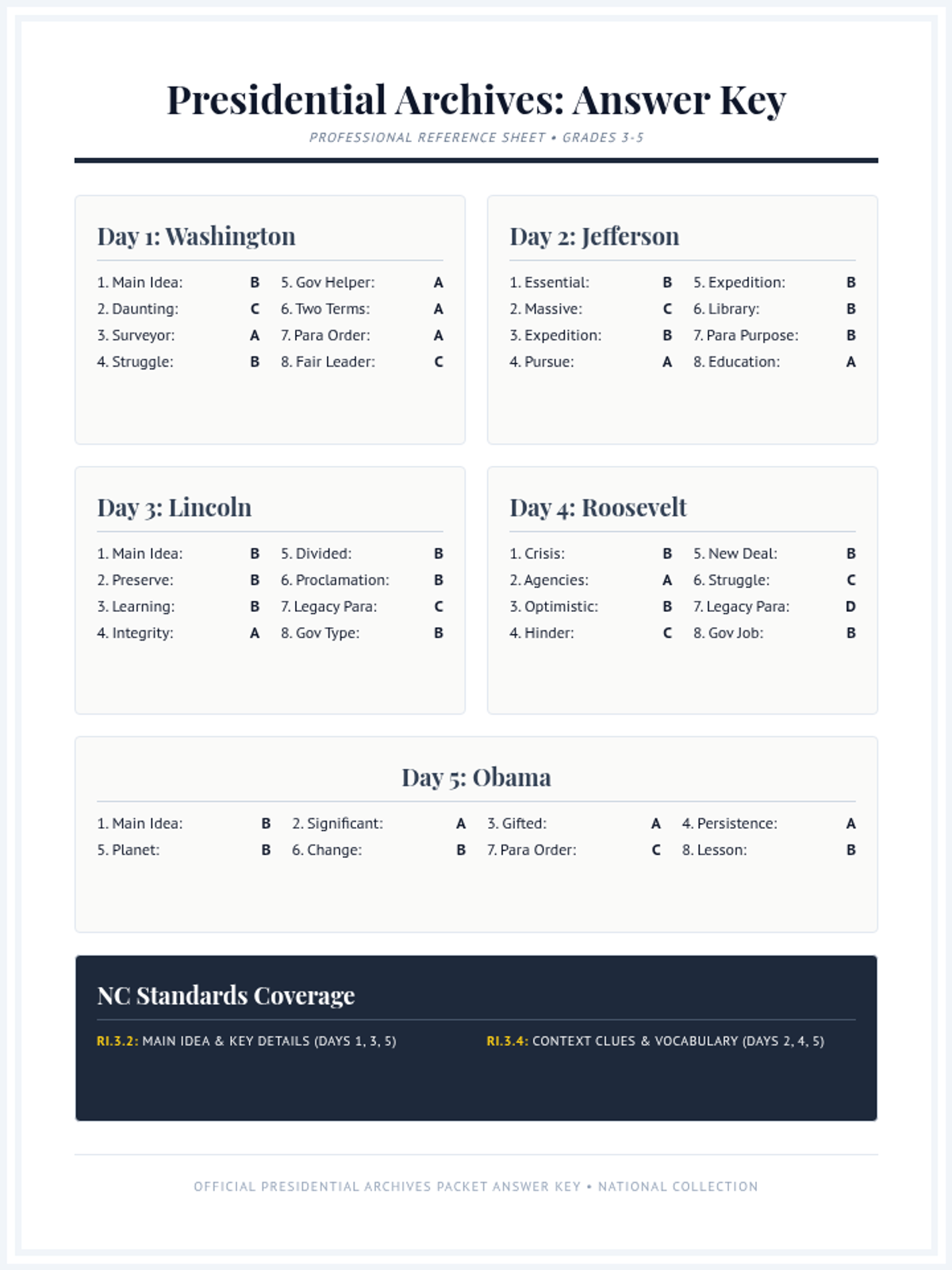
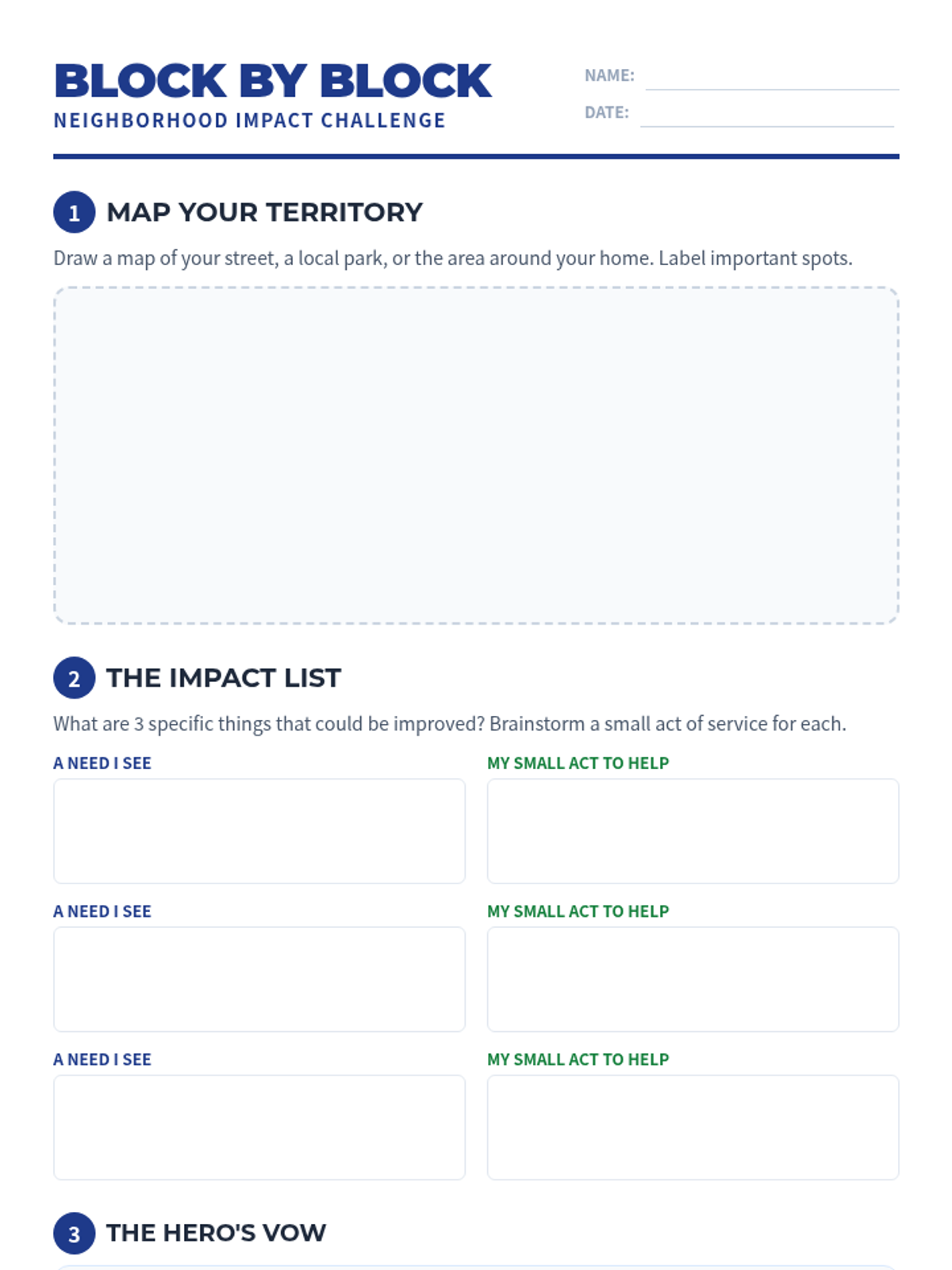
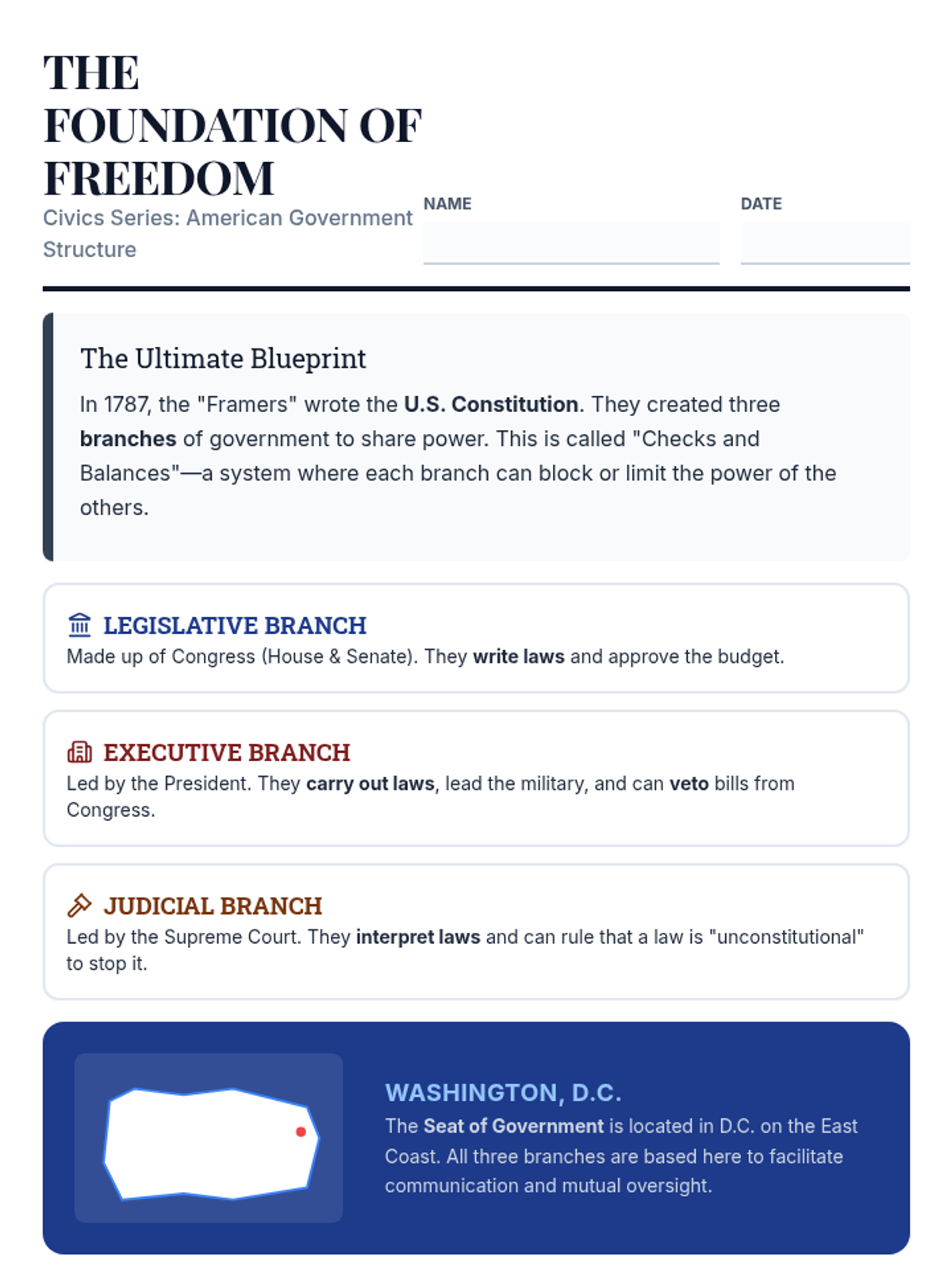
A comprehensive unit exploring social-emotional learning and civic responsibility, connecting the concepts of personal relationships and the systems of government that bind a community together.
A lesson sequence for 2nd graders to learn the difference between weekdays and weekends, focusing on how calendars help us make decisions about scheduling activities.
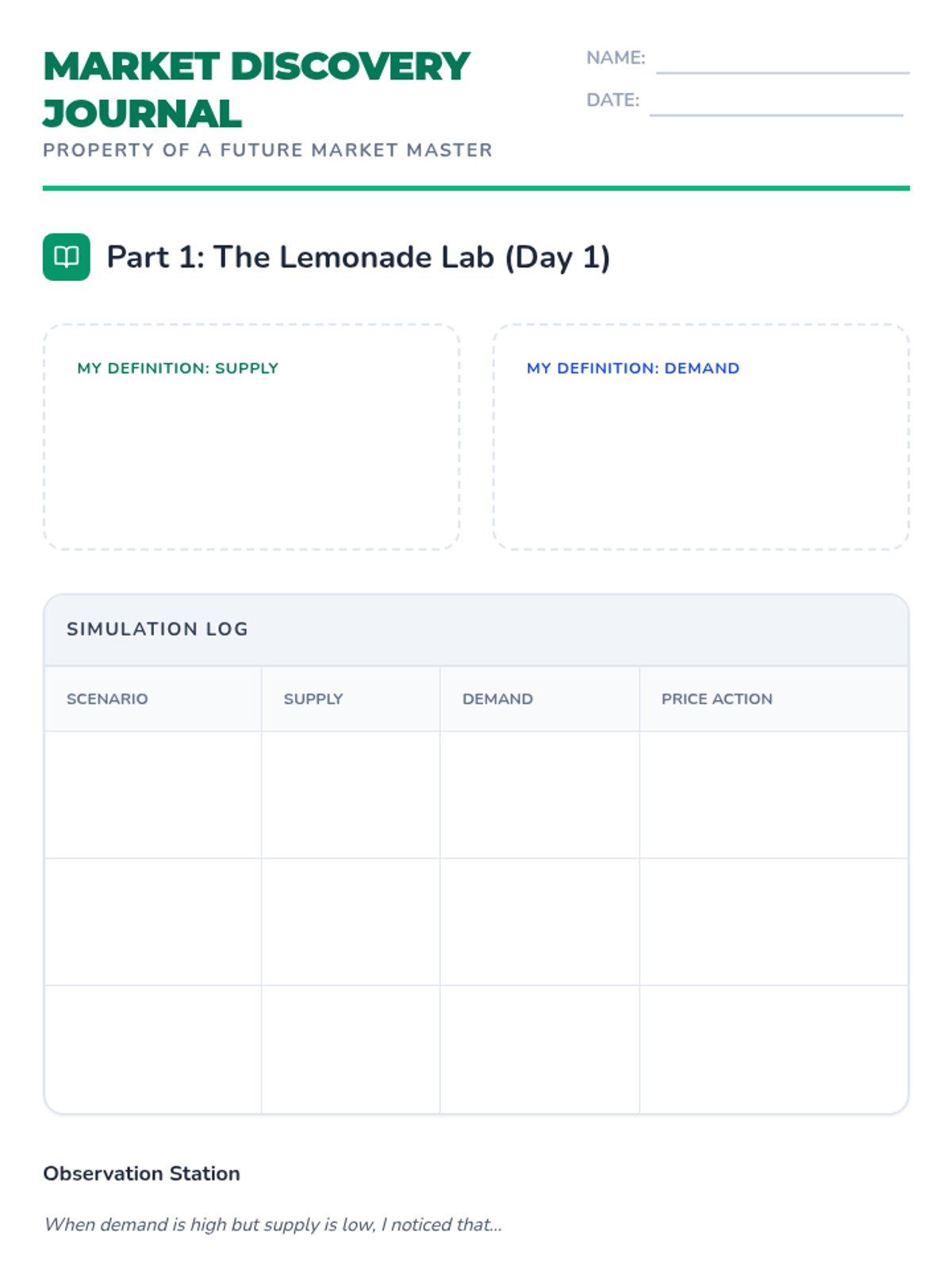
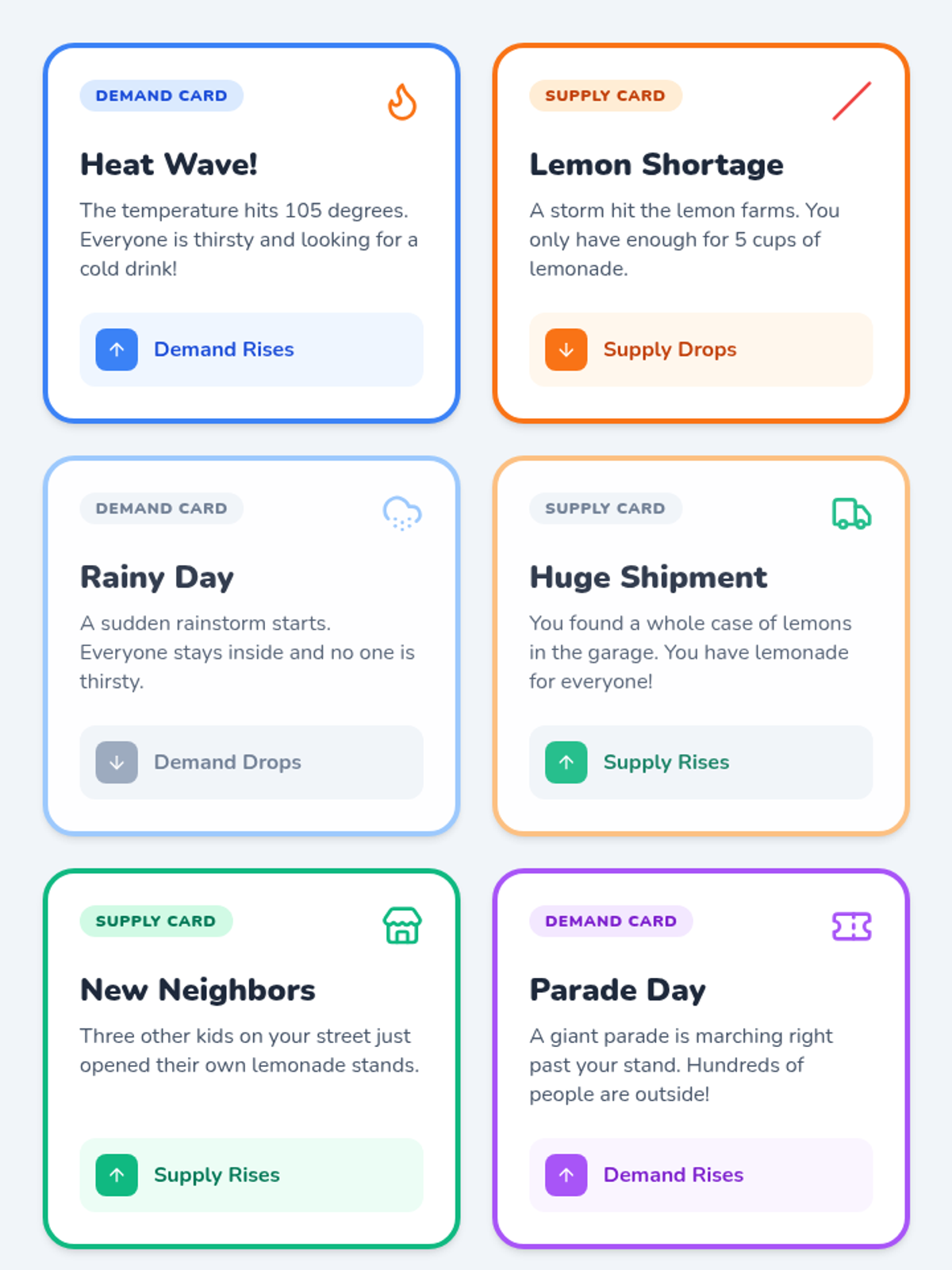
A hands-on introduction to economics for 1st graders, covering goods, services, producers, consumers, and the basic forces of supply and demand through a classroom 'Market Town' simulation.
A 1st Grade financial literacy unit exploring the origins of money, the concept of value, why prices change (inflation), and the connection between work and purchasing power. Students move from understanding barter systems to planning their own purchases.
A 1st Grade sequence introducing economic decision-making and the concept of opportunity cost. Students explore trade-offs through interactive games, a token shop simulation, and reflective journaling.
A foundational sequence for 1st graders exploring needs, wants, and scarcity. Students learn to differentiate survival essentials from desires and understand why resources are limited through simulations, games, and creative projects.
A comprehensive sequence for 1st-grade students to understand financial decision-making, covering scarcity, needs versus wants, and the fundamental concept of opportunity cost through relatable scenarios and creative projects.
This sequence introduces 2nd-grade students to basic economic principles like supply, demand, and value. Through classroom inventories, auctions, and a marketplace simulation, students explore how the availability of items and people's desire for them influence price and trade.