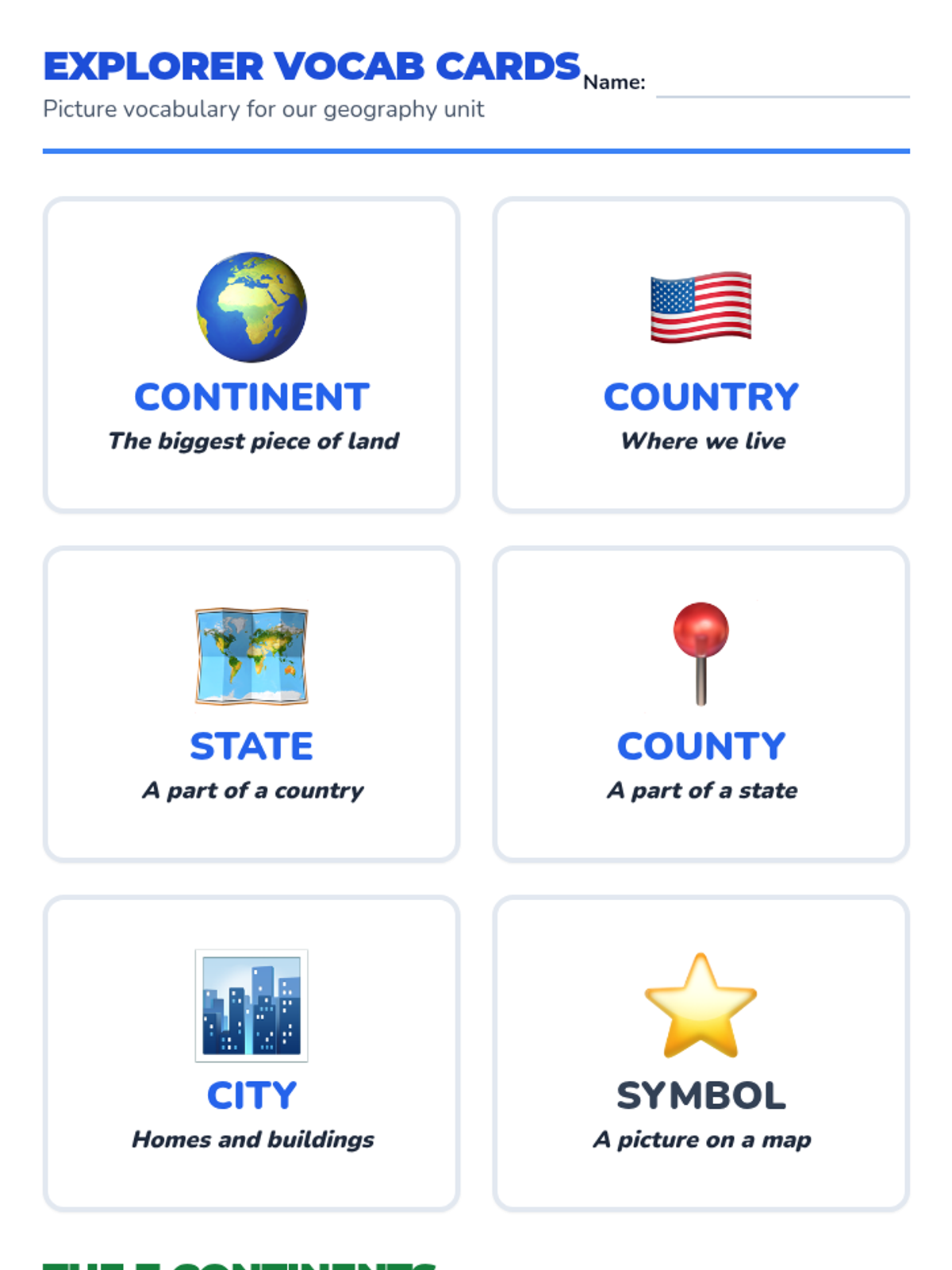
A vibrant introduction for 1st graders to Spanish-speaking holidays and family traditions, exploring Día de los Muertos, Las Posadas, and the history of piñatas.
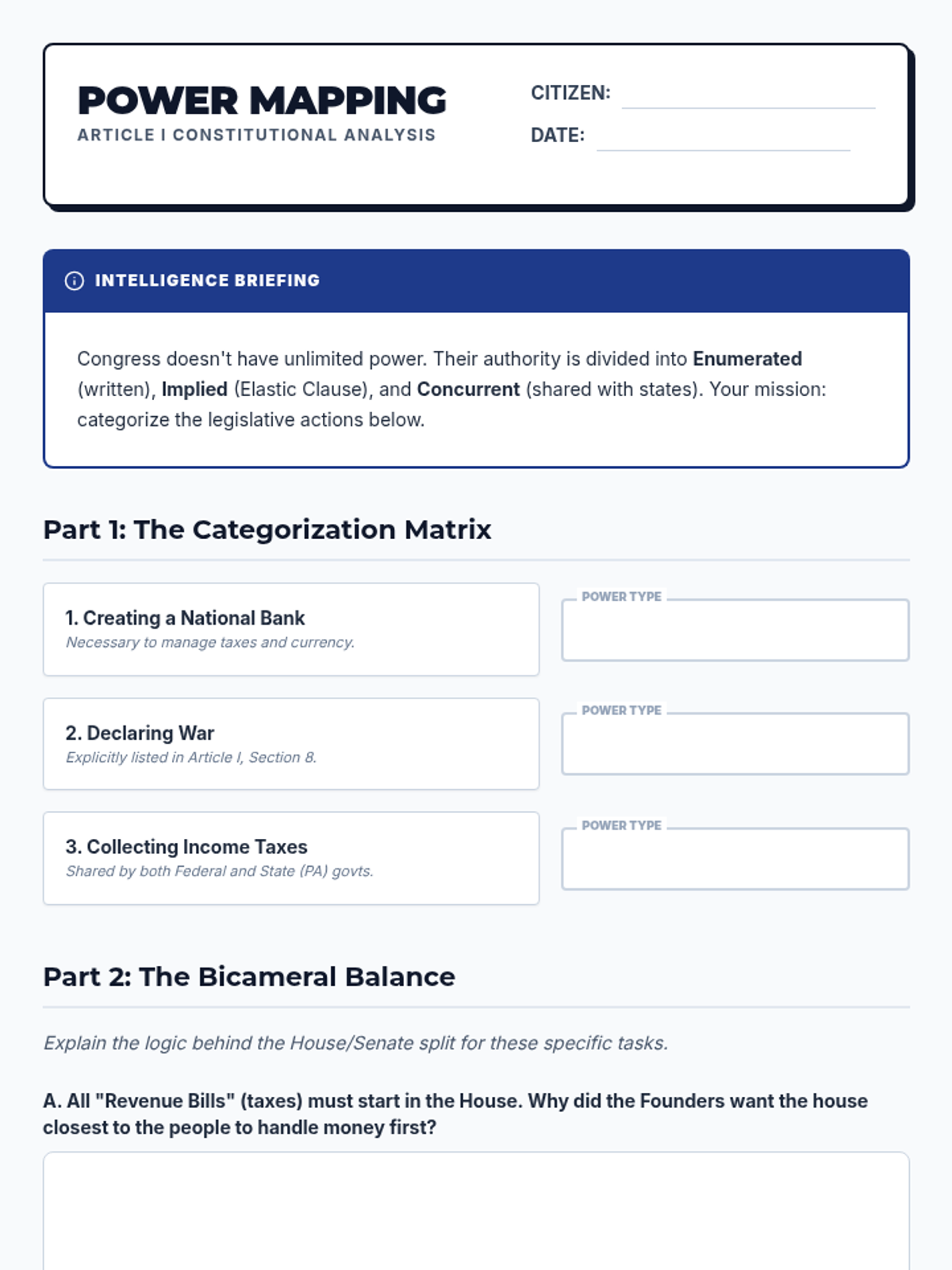
A comprehensive dual-course sequence covering all units for both AP Comparative Government and AP US Government & Politics. The sequence bridges domestic and international political concepts, from foundational structures to civil liberties and participation.
A High School Civics lesson focused on neurodiversity as a civil rights and workforce inclusion issue, featuring a design-thinking activity to create inclusive environments.
An undergraduate psychology lesson centered on critiquing the Biopsychosocial Model of depression through video analysis and gap identification. Students categorize clinical findings and propose expanded educational content to address systemic and environmental complexities.
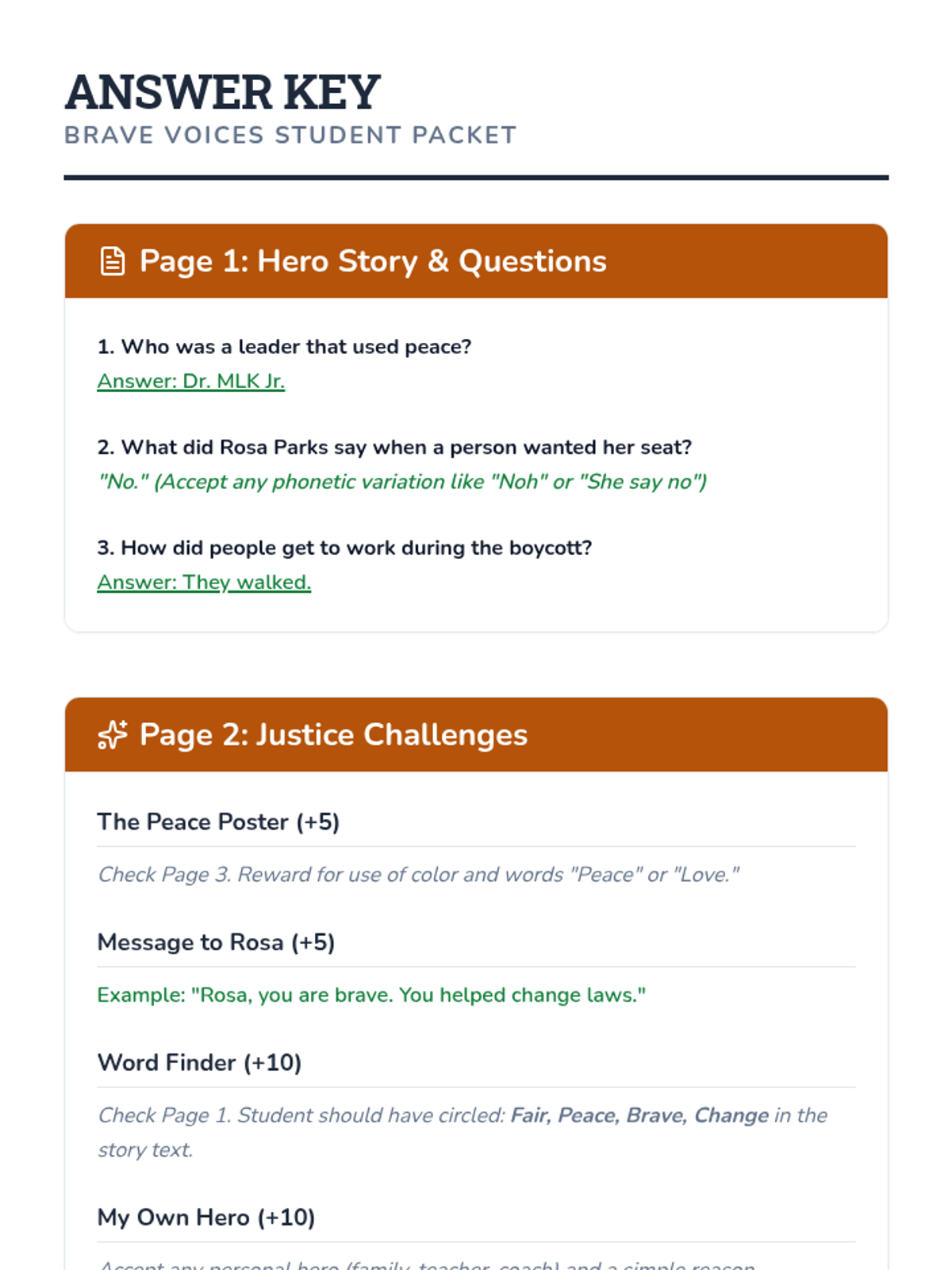
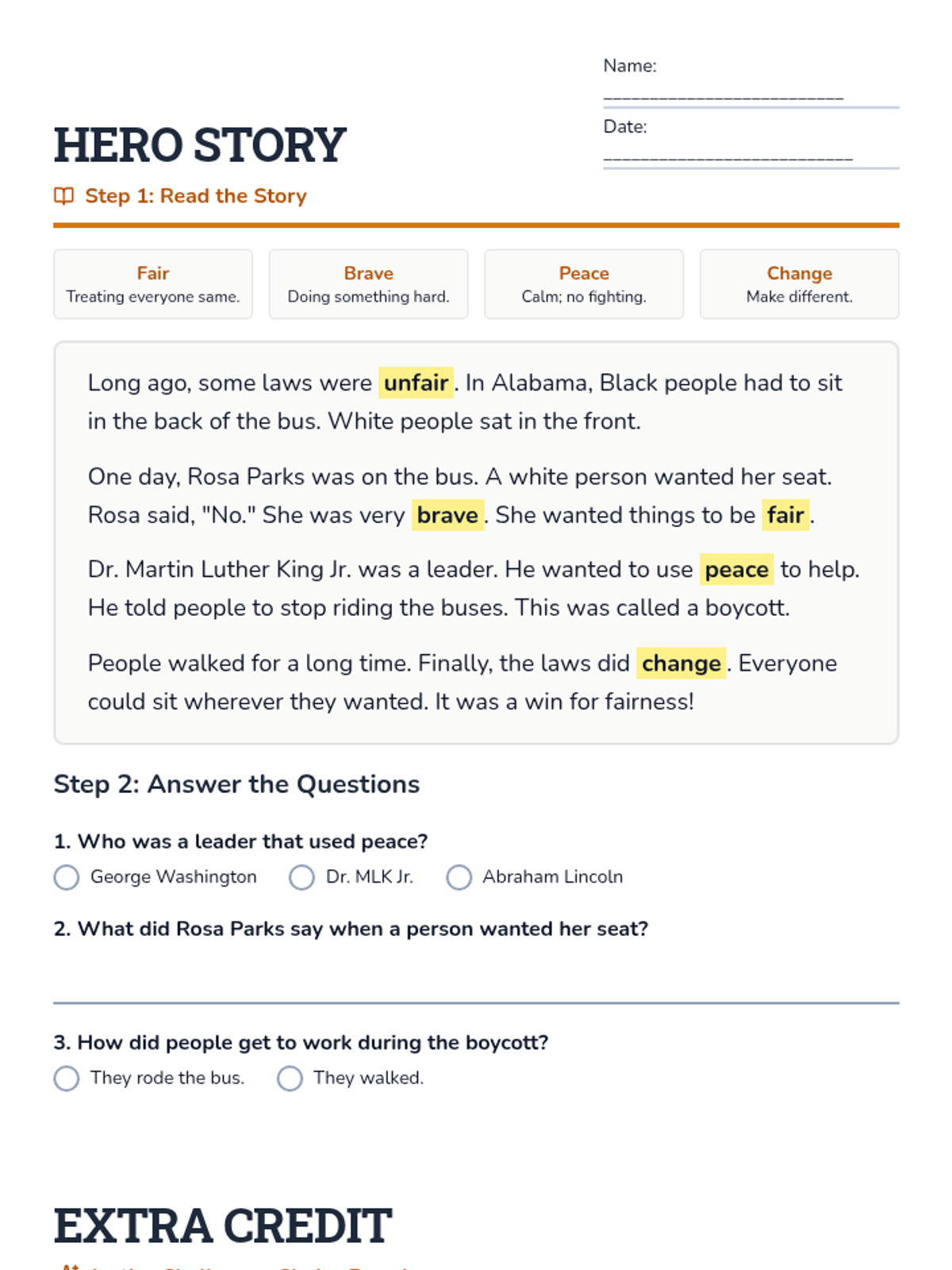
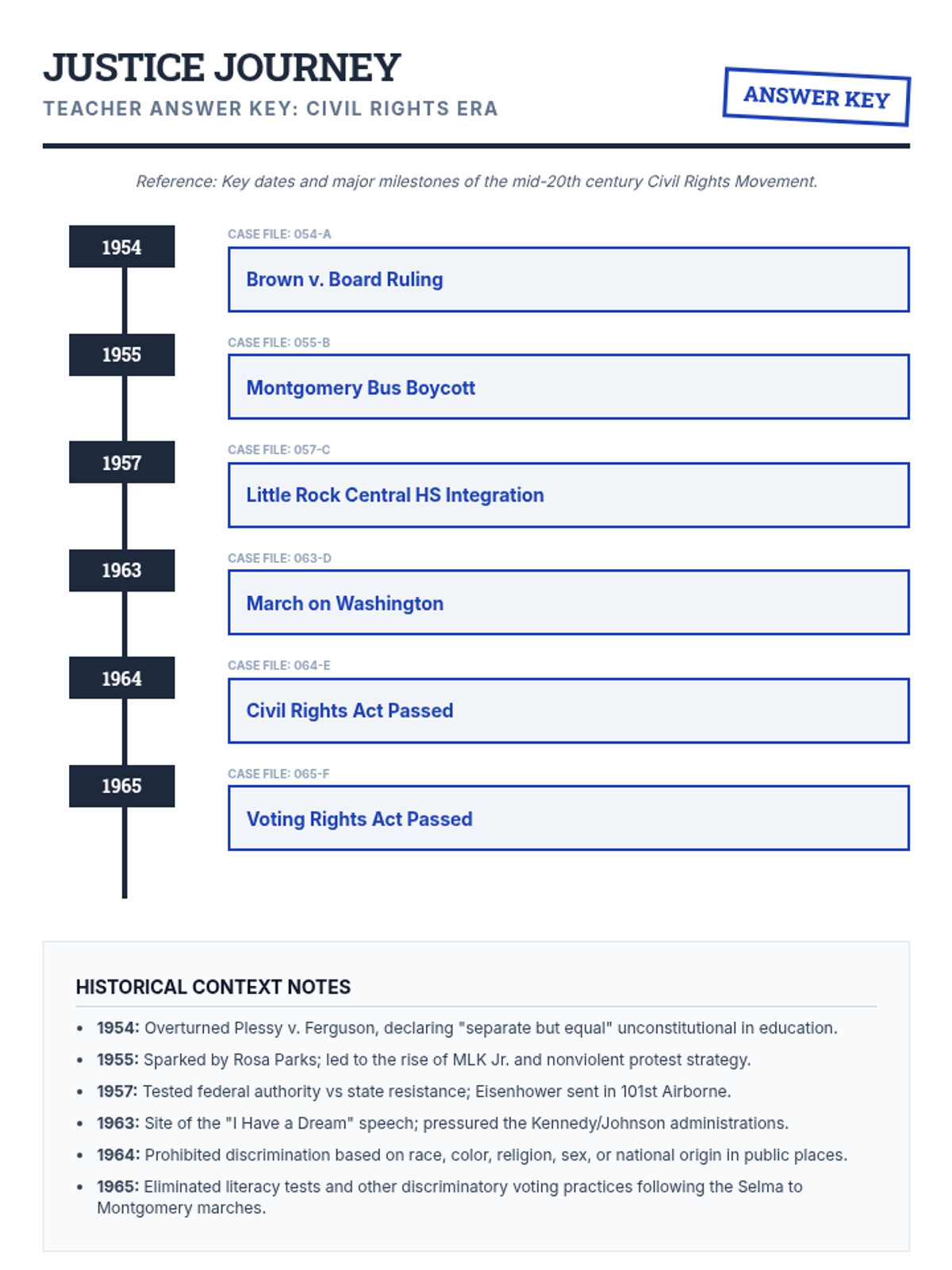
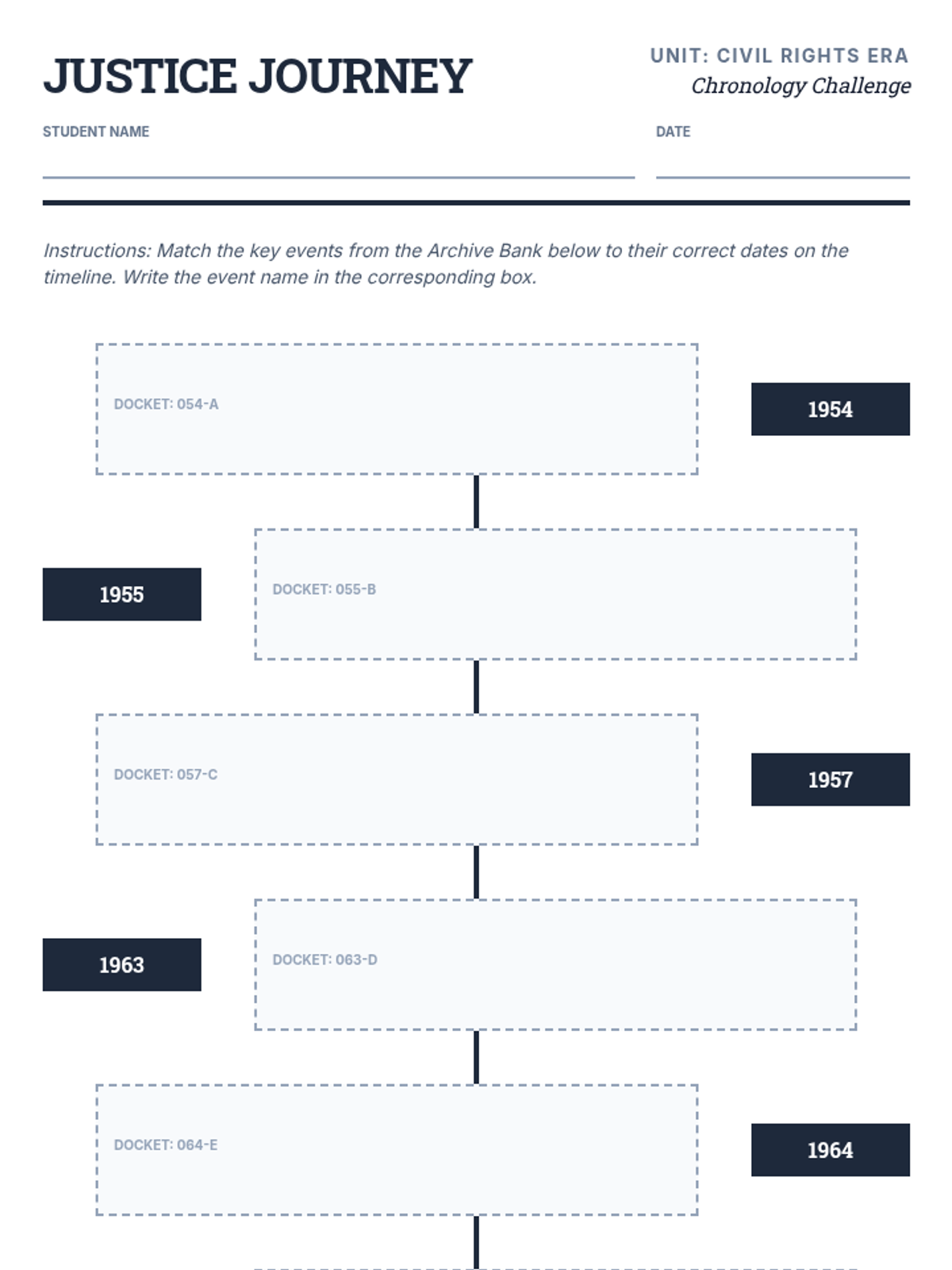
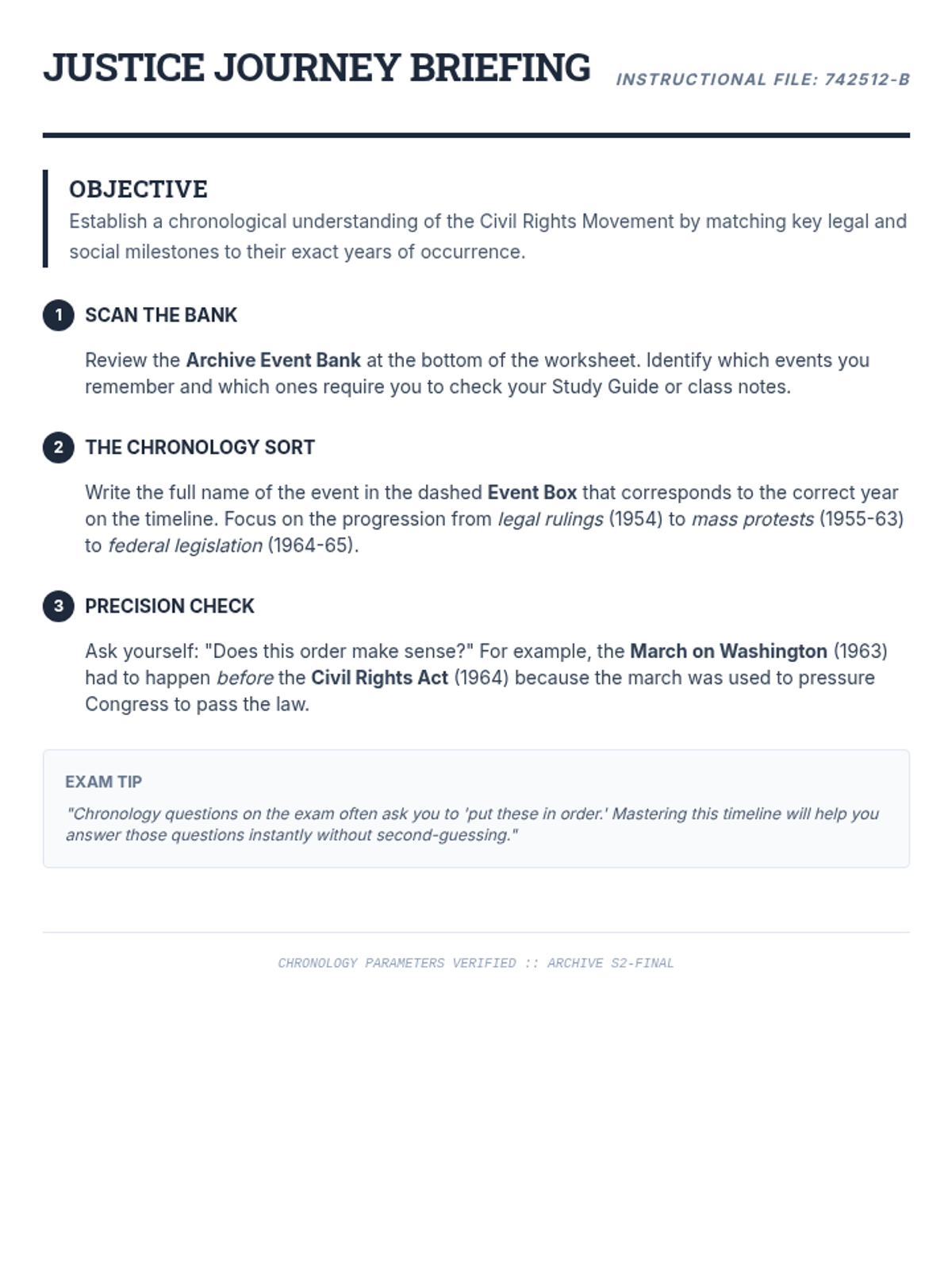
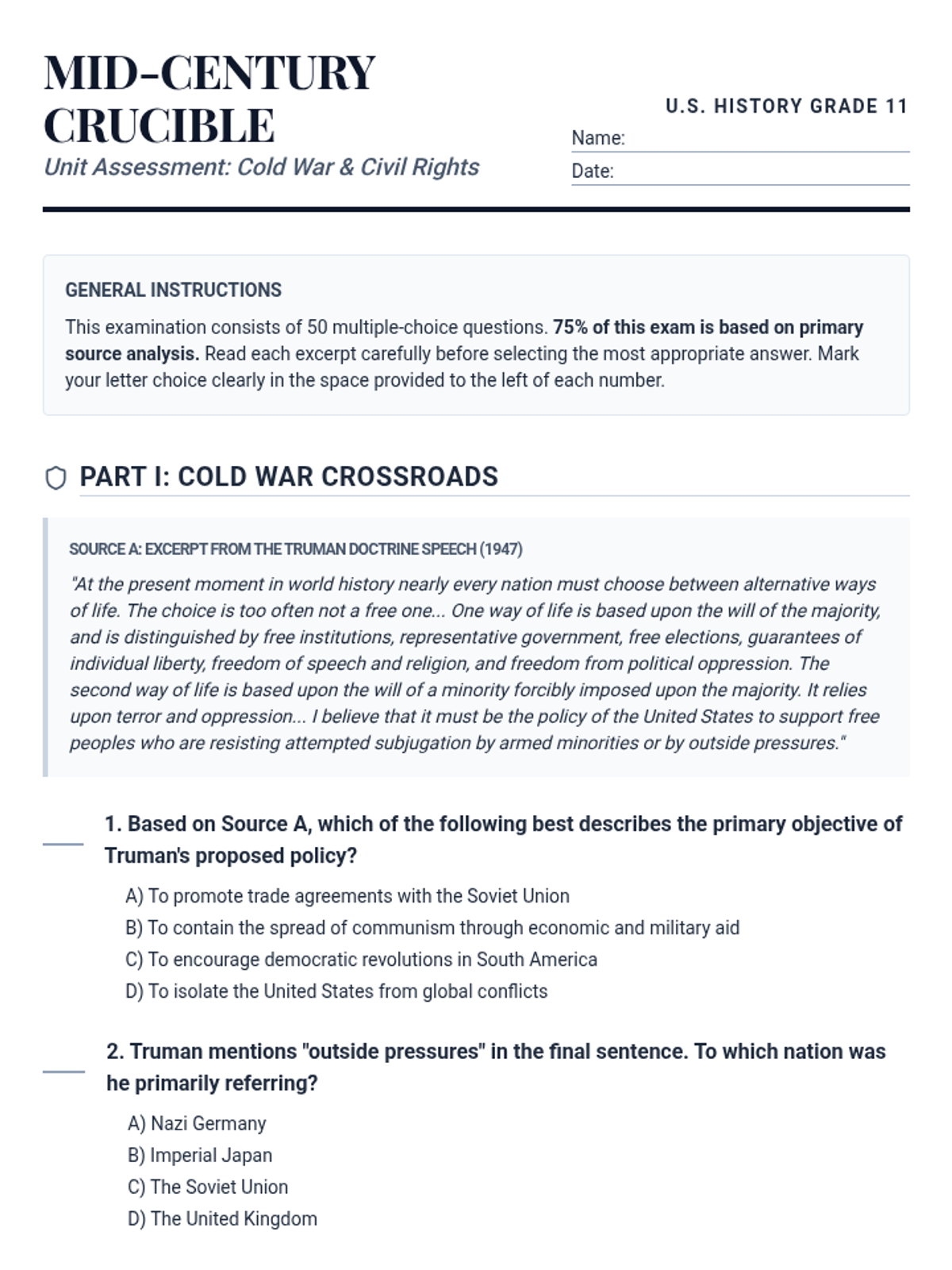
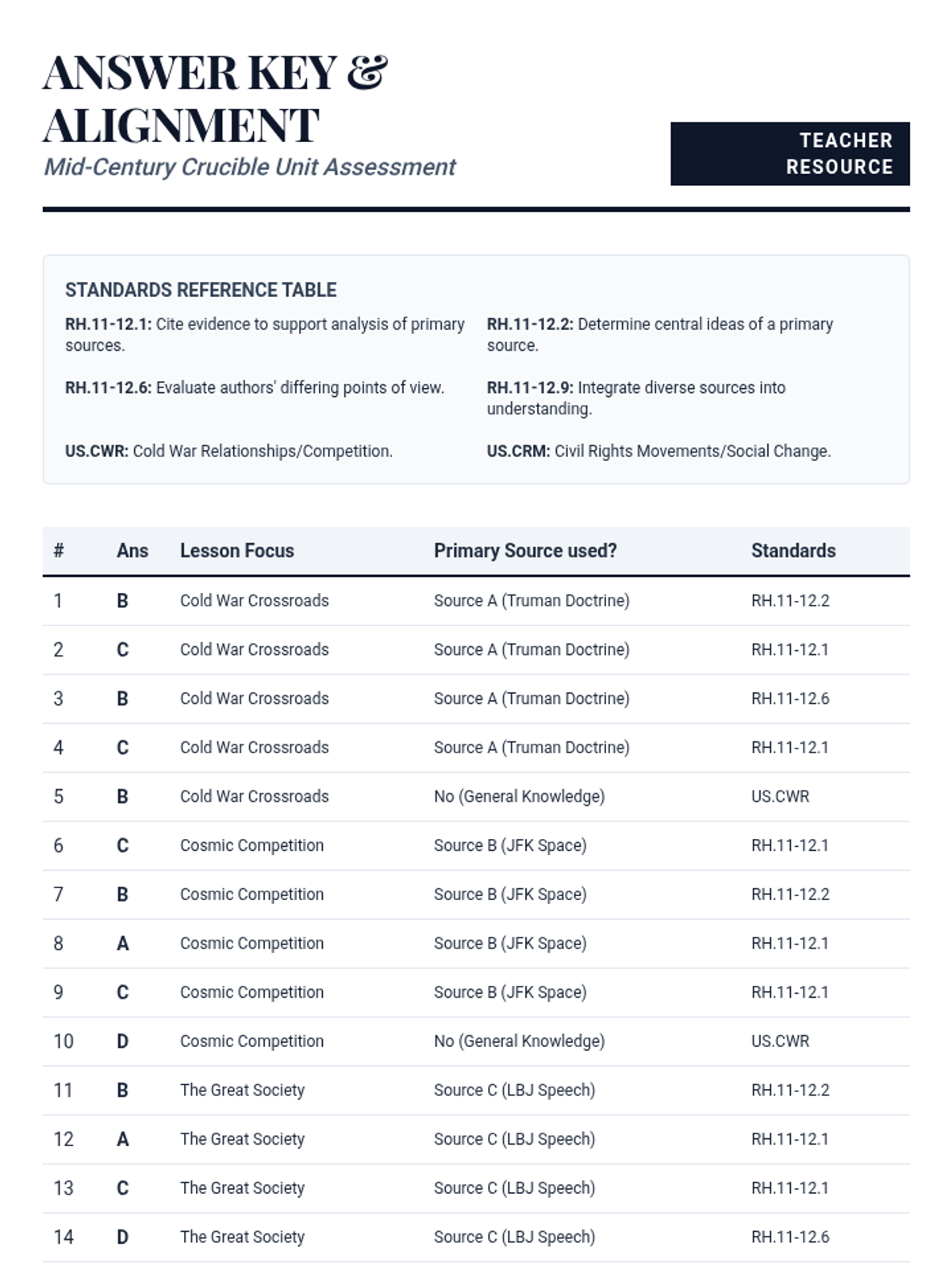
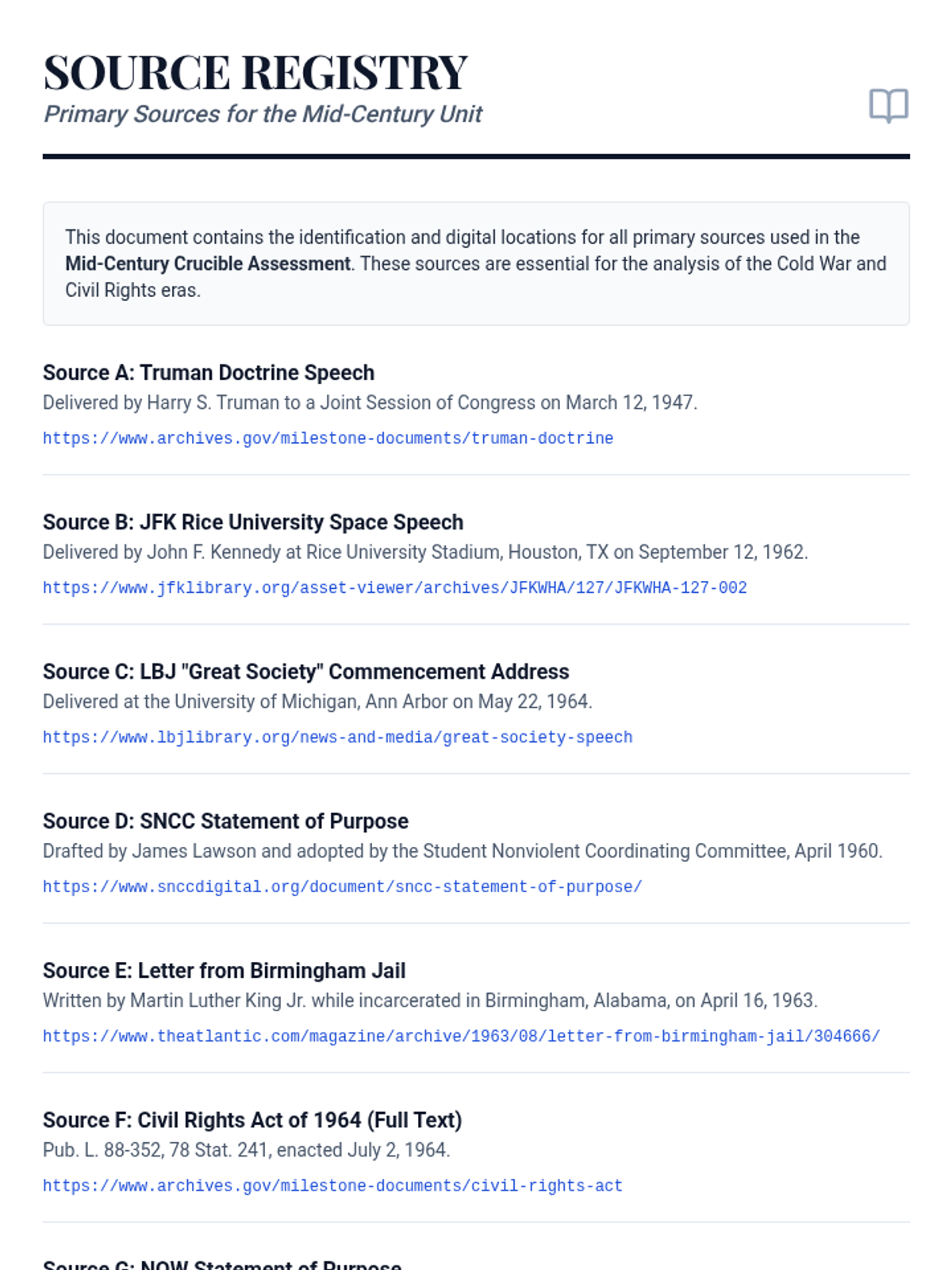
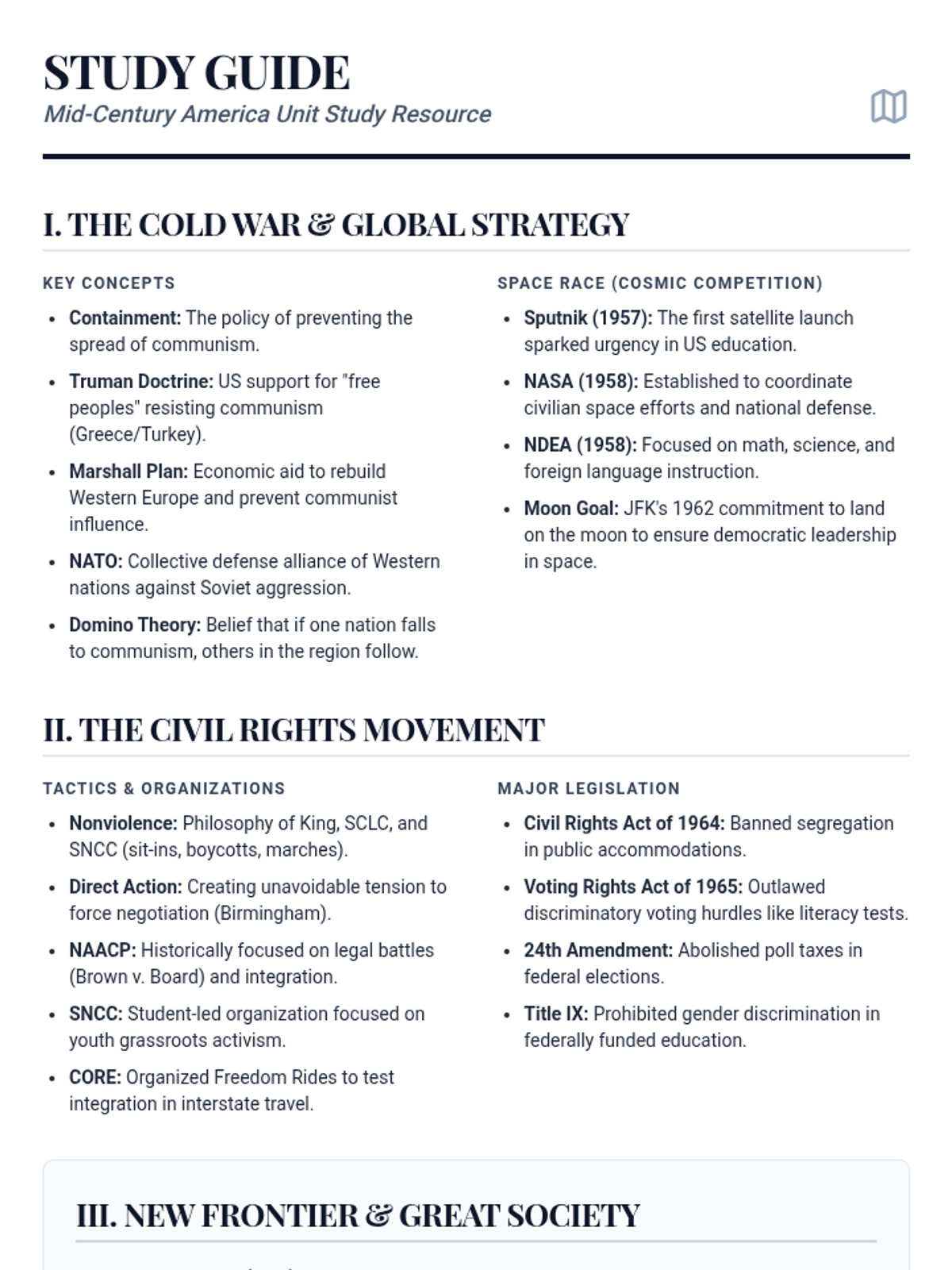
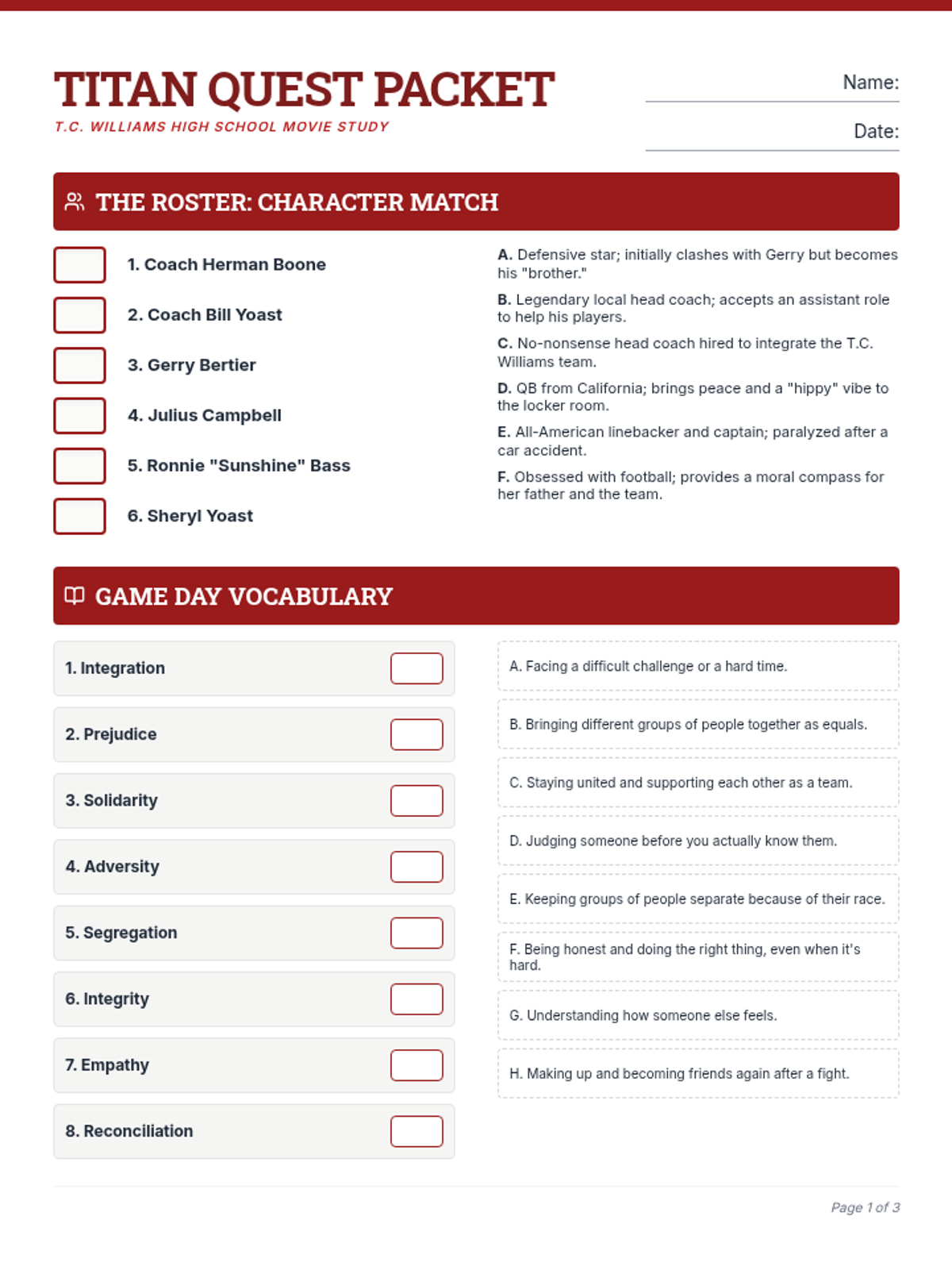
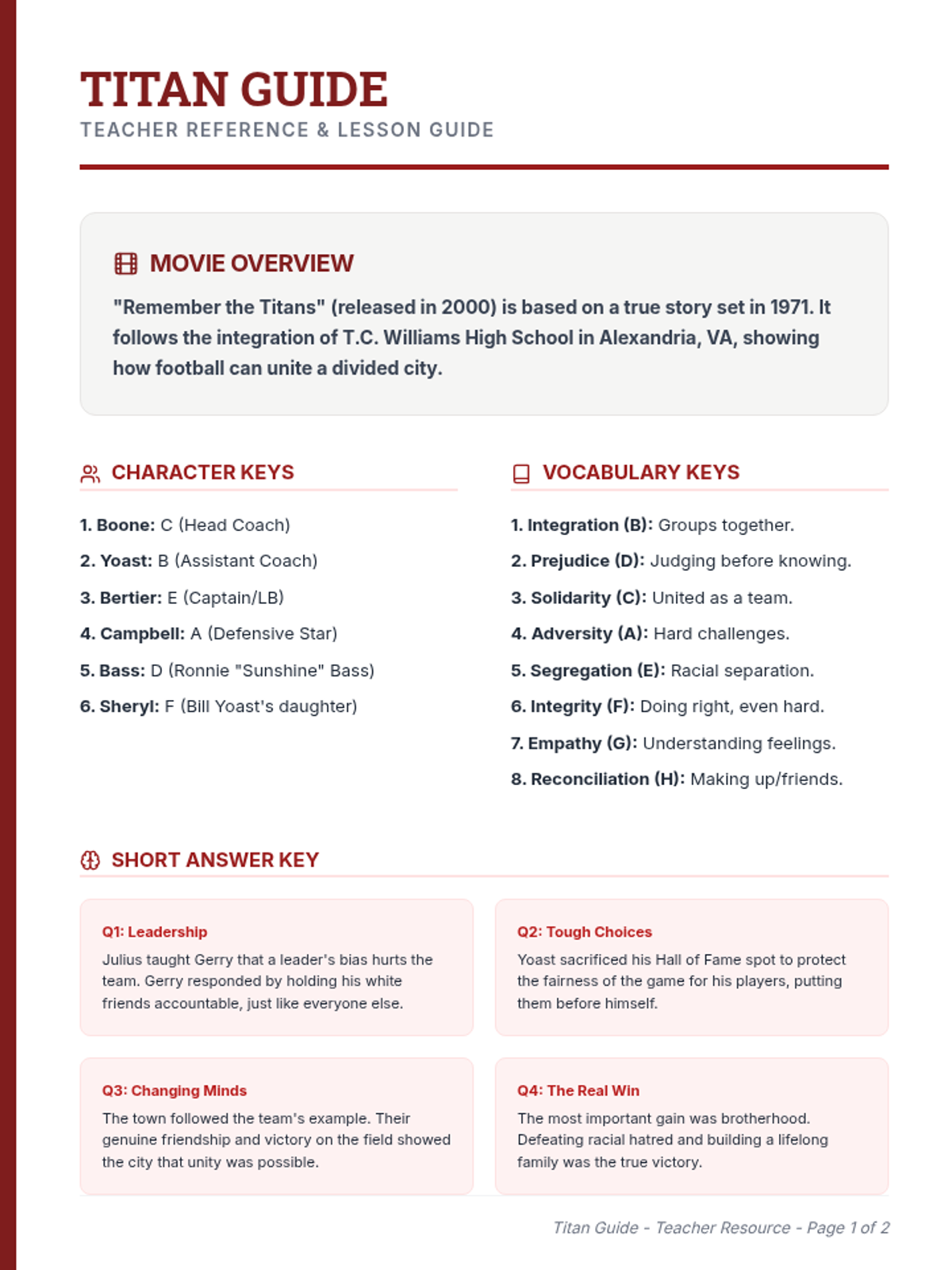
A comprehensive 5-lesson unit on the American Civil Rights Movement, covering the legal battles, non-violent protests, key legislation, and the evolving strategies for racial justice.
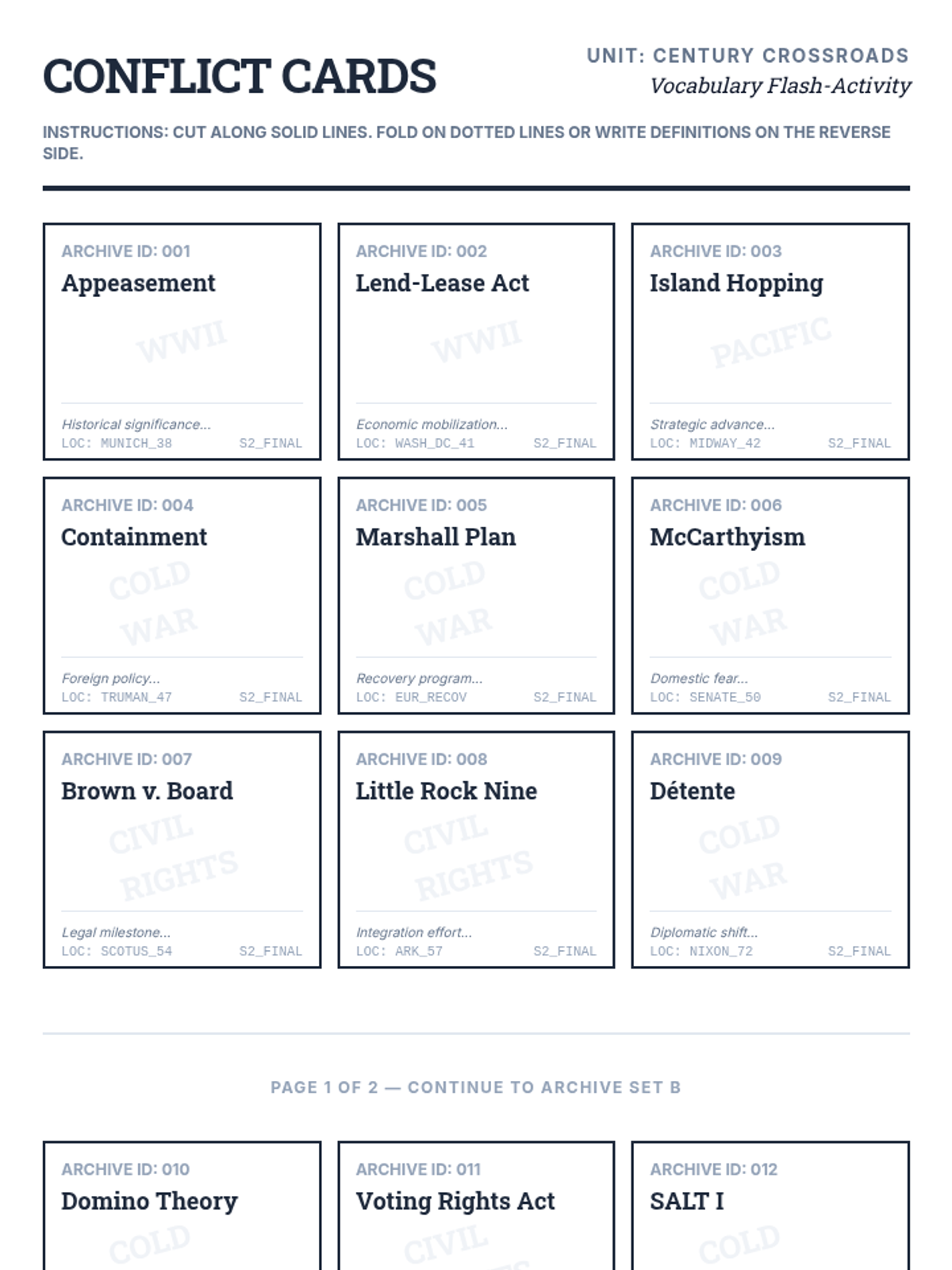
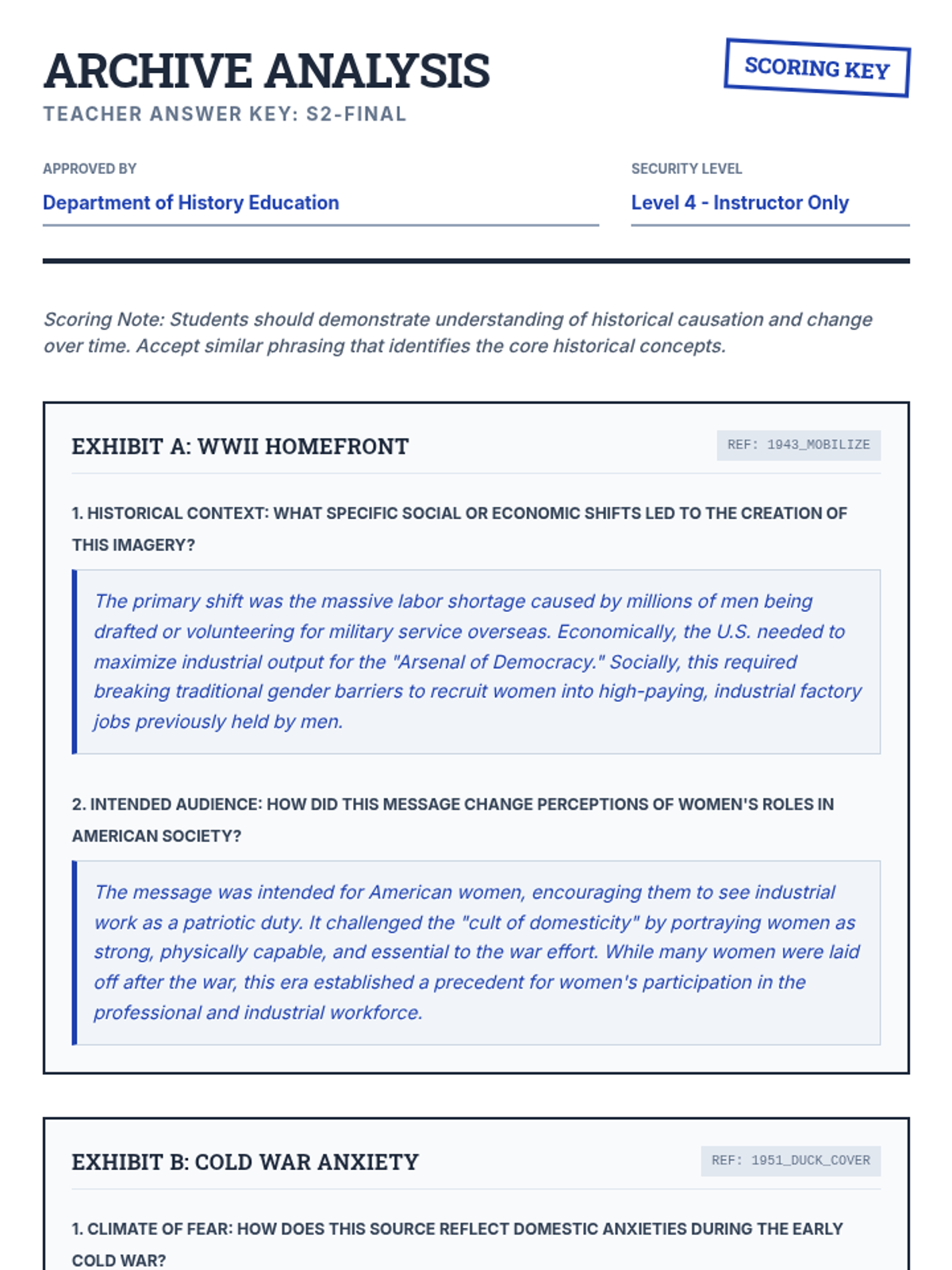
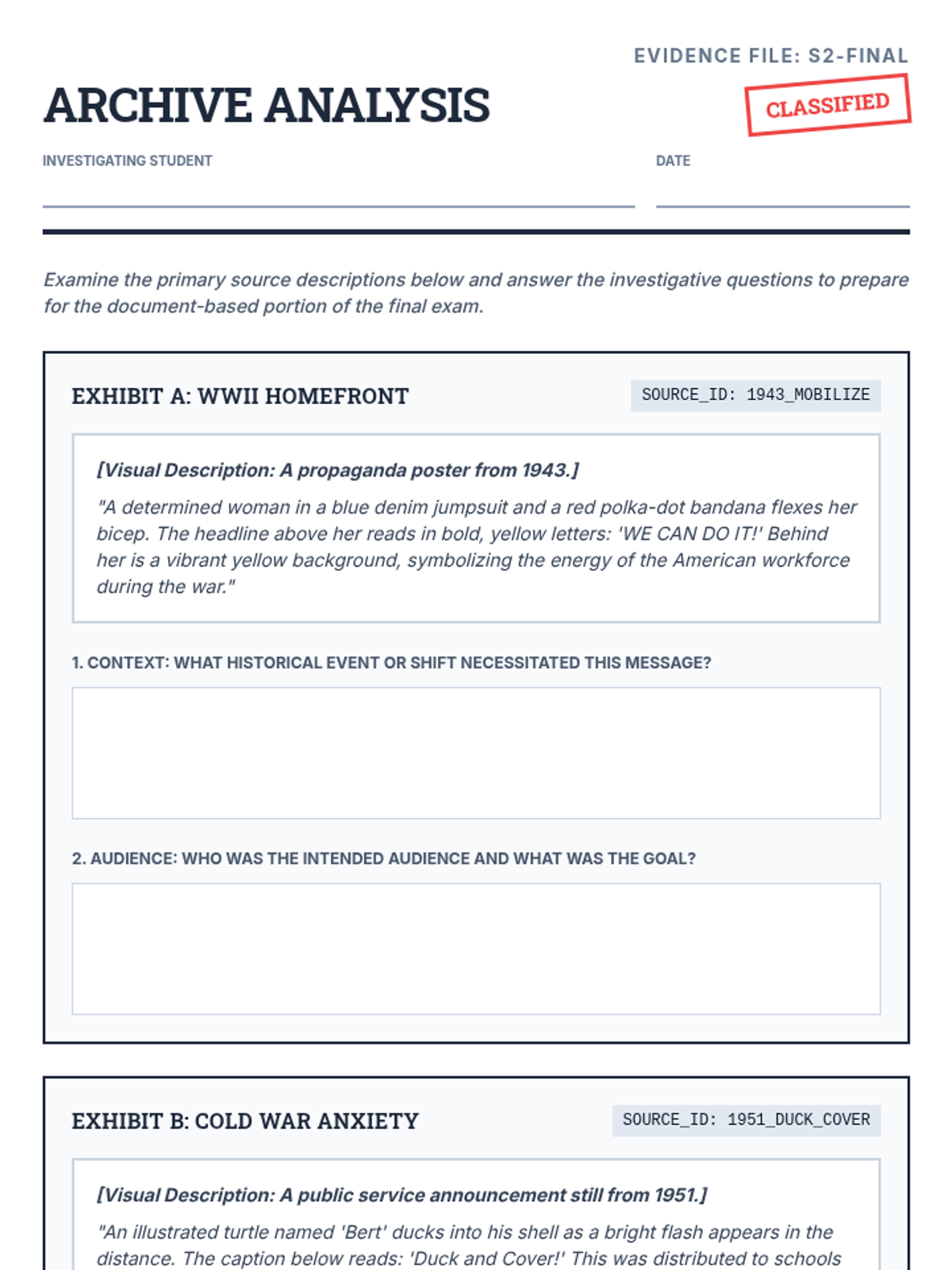
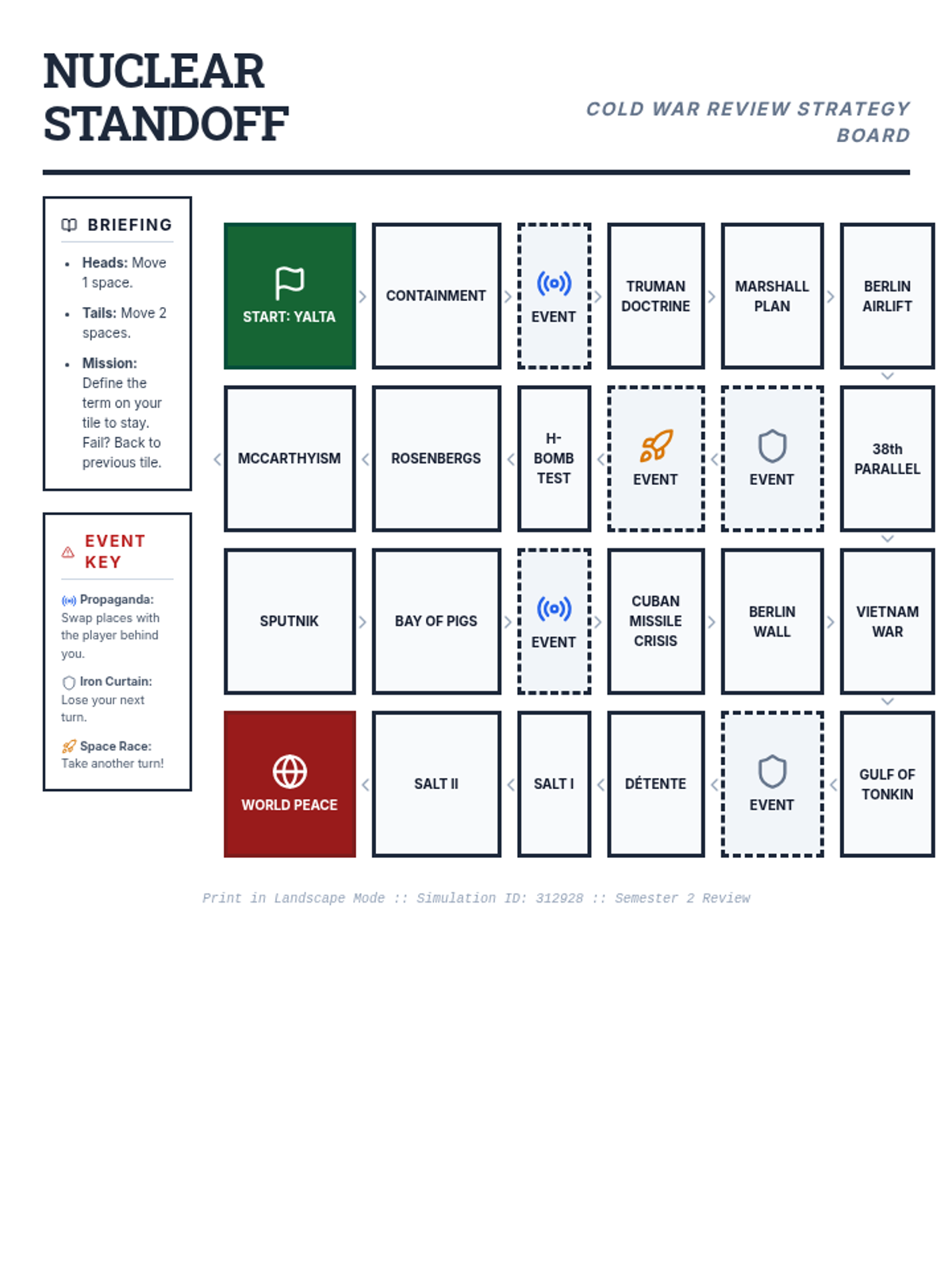
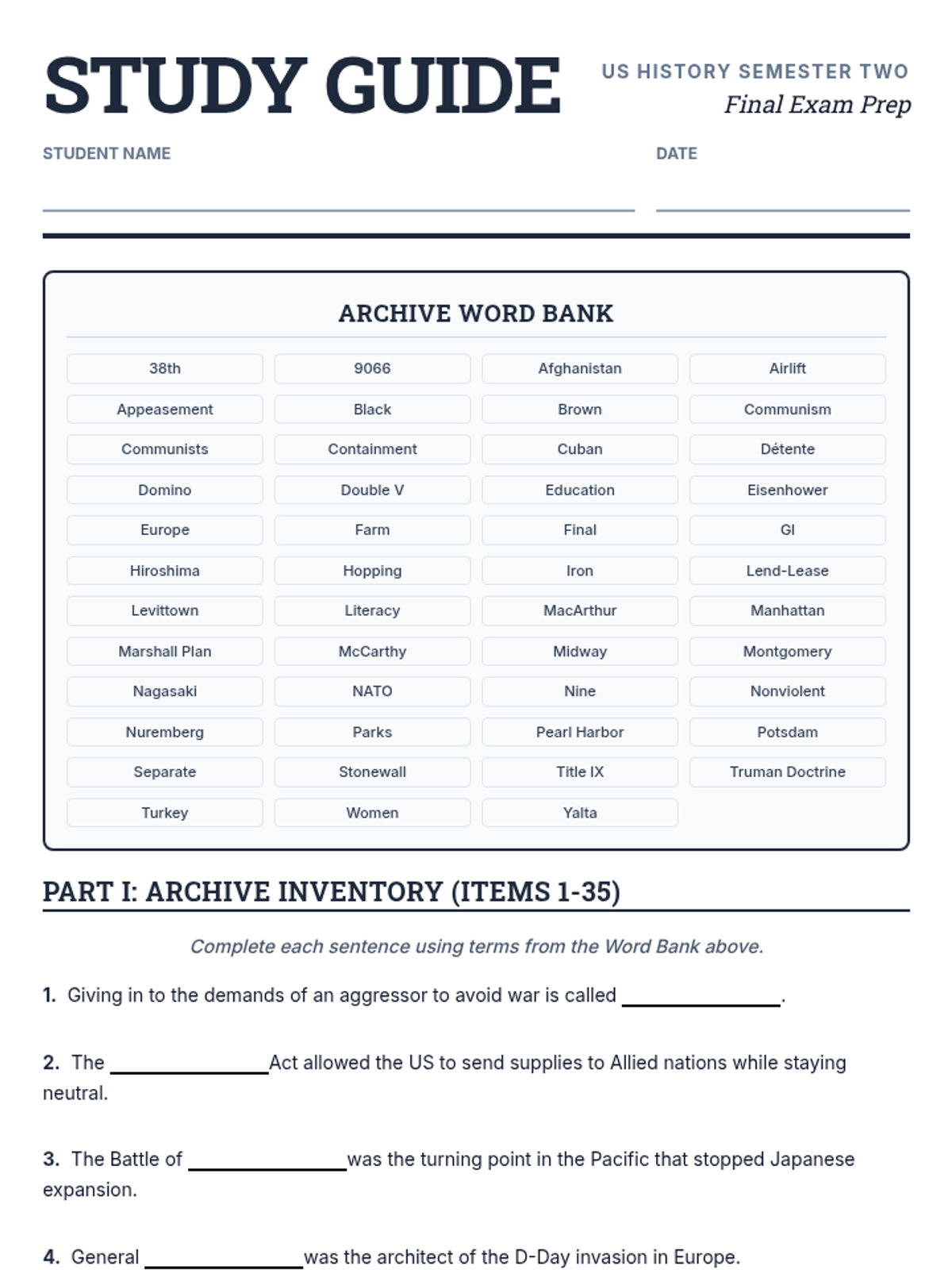
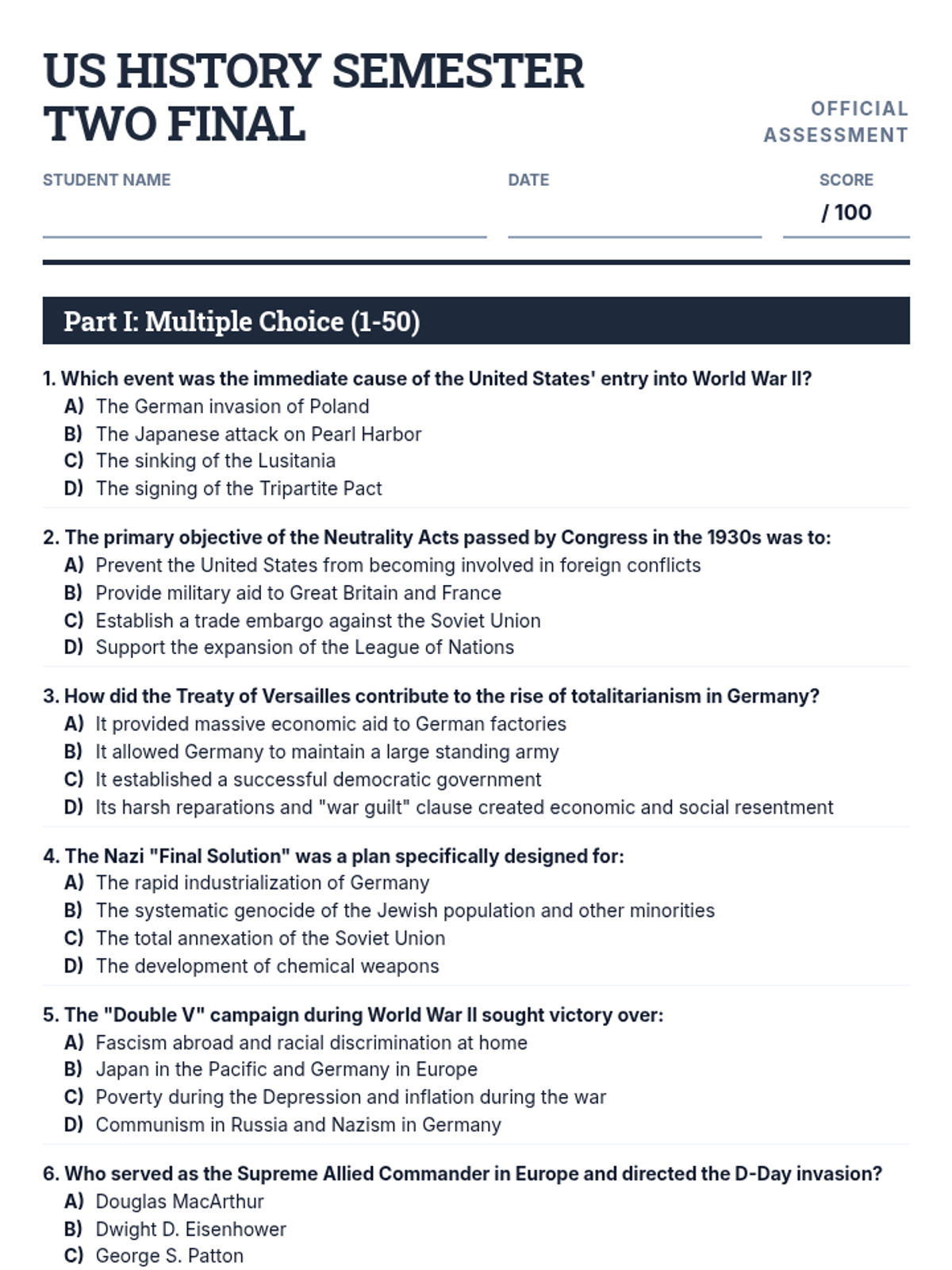
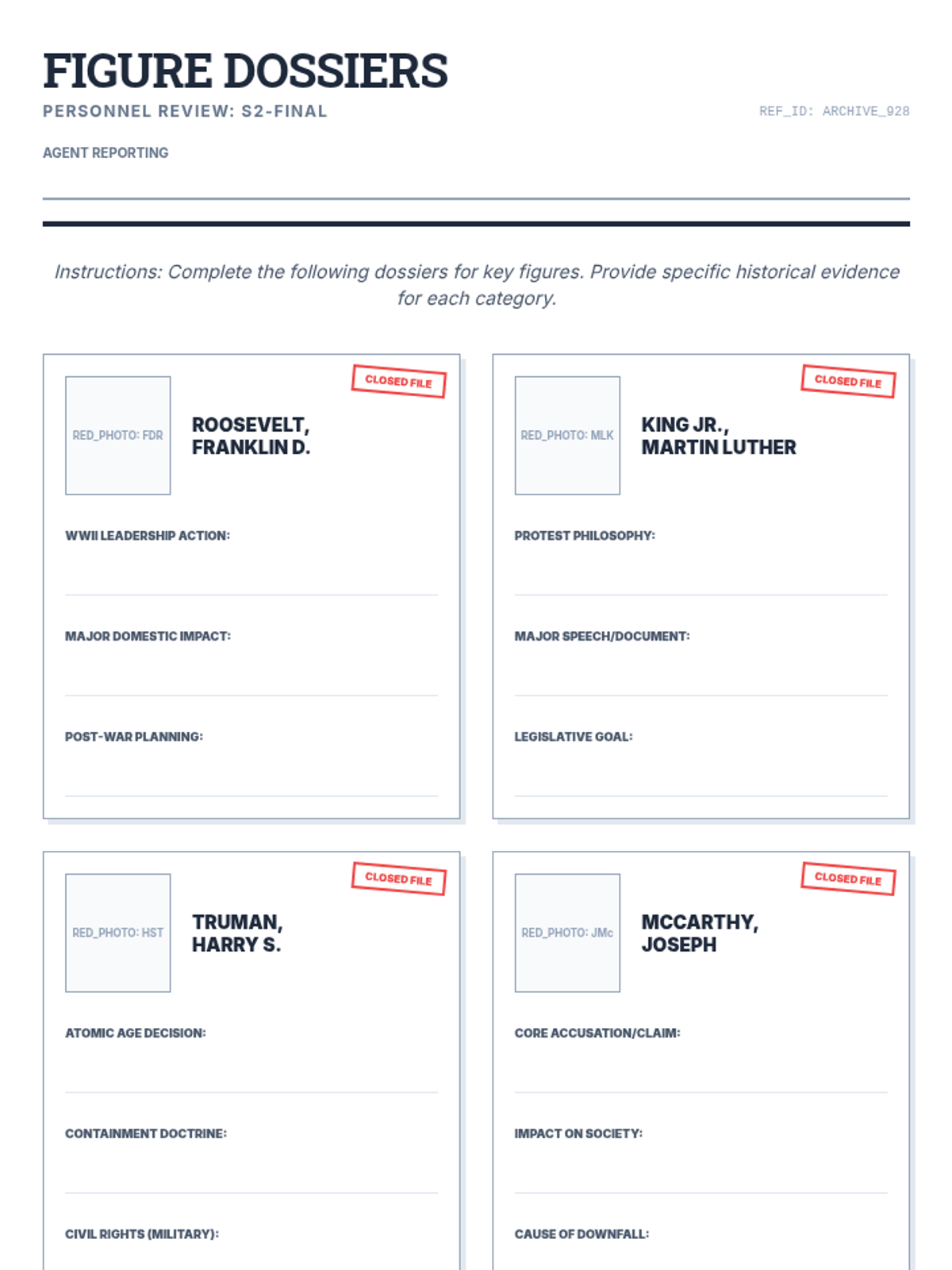
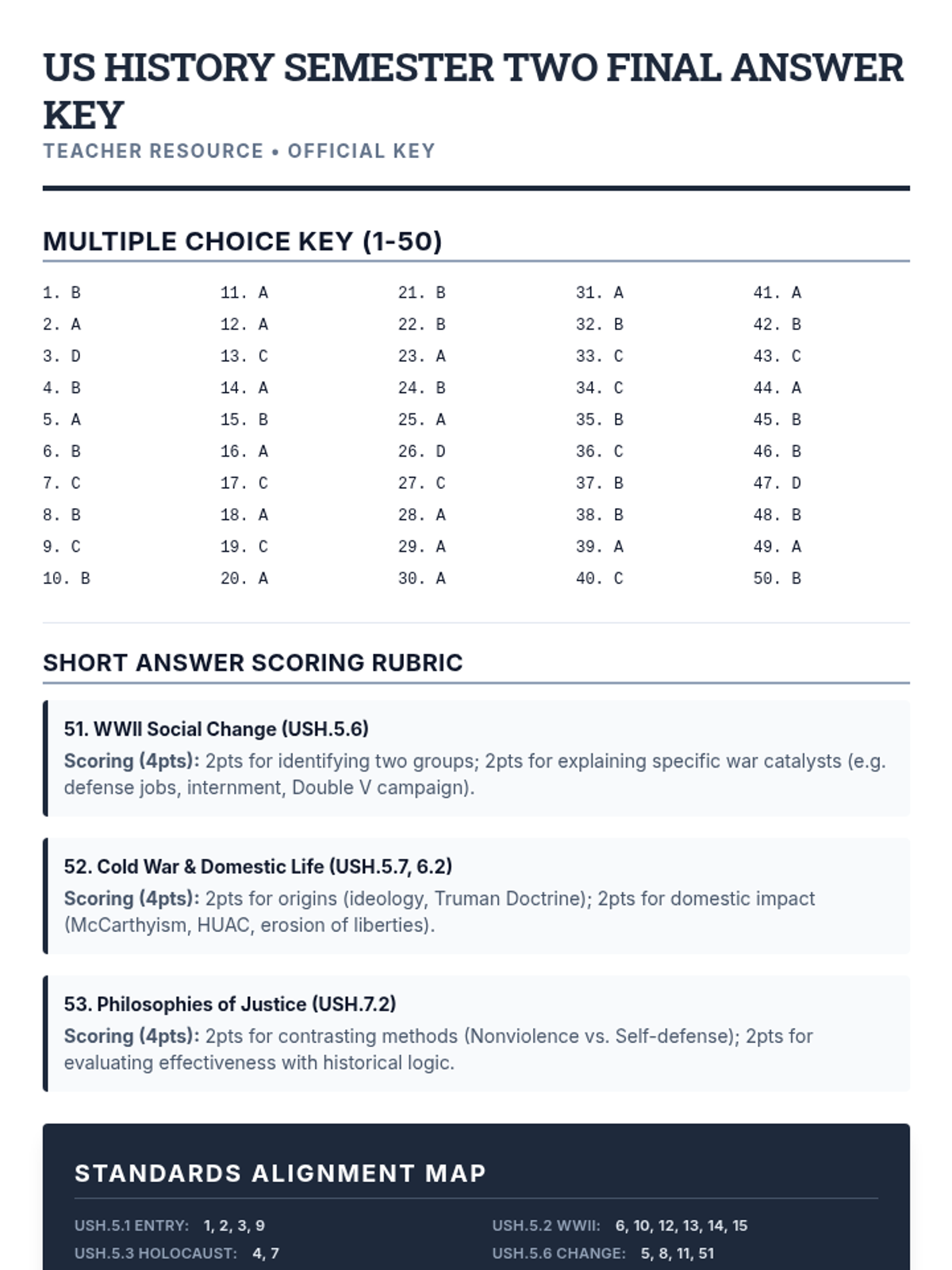
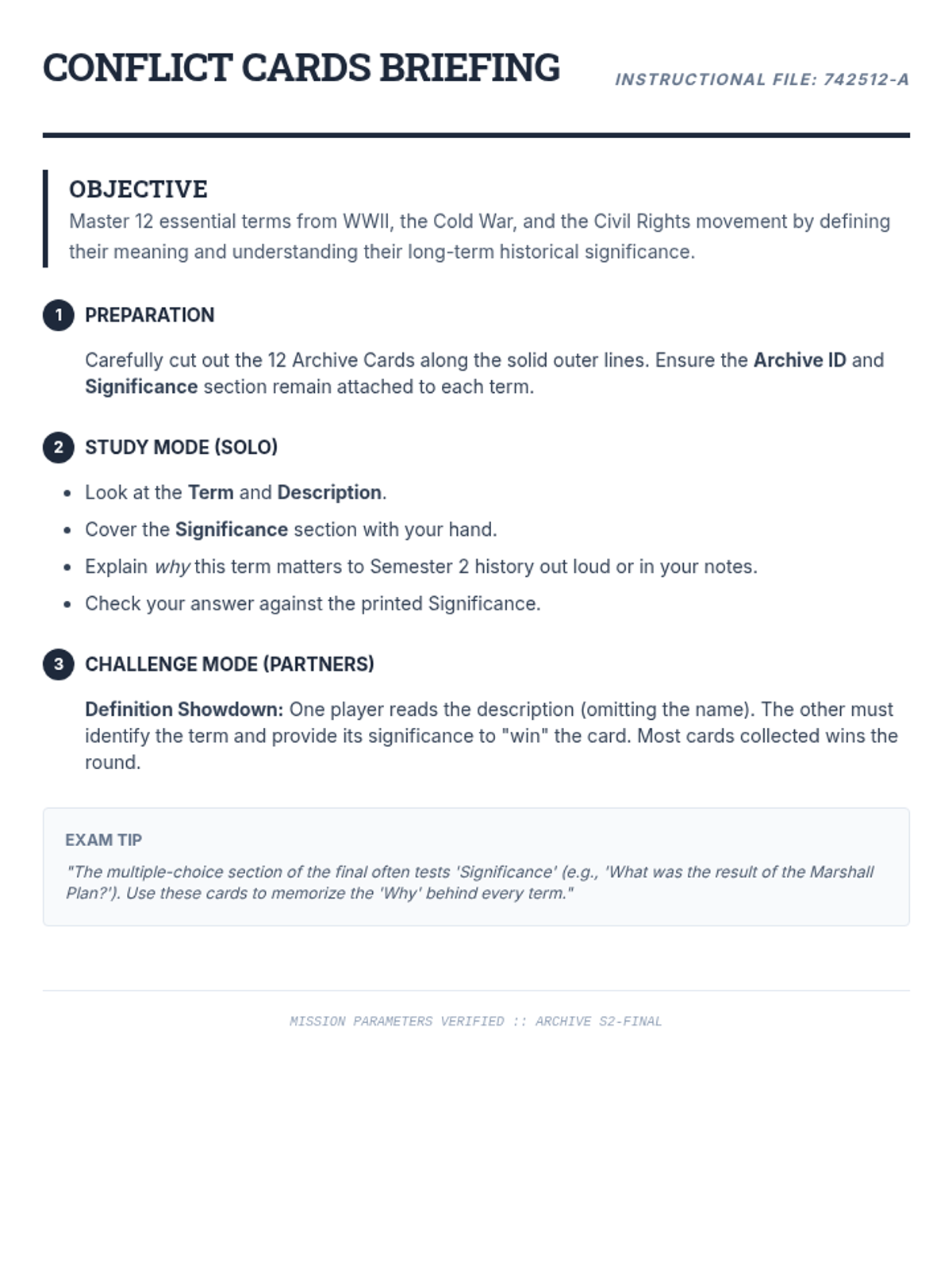
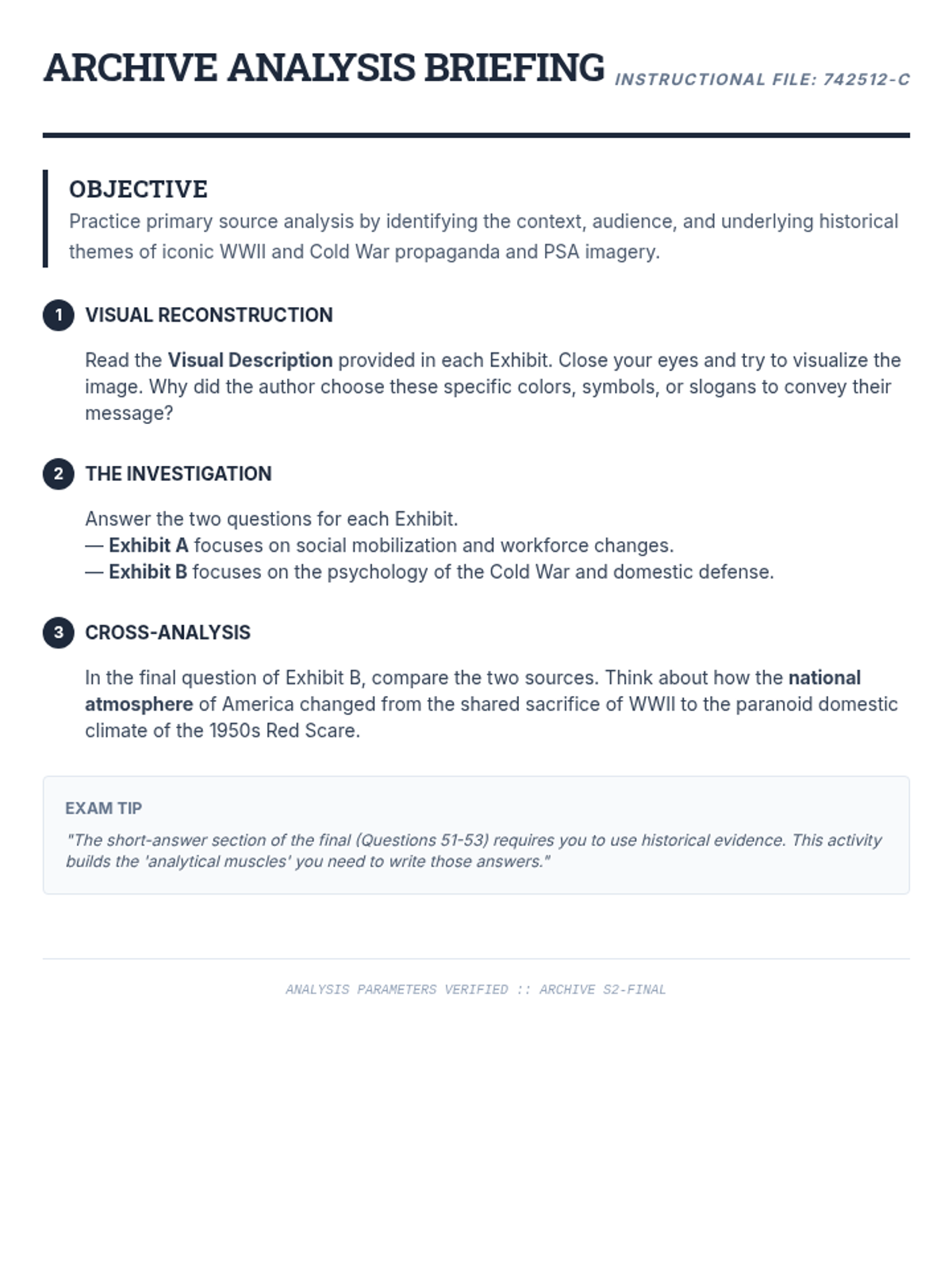
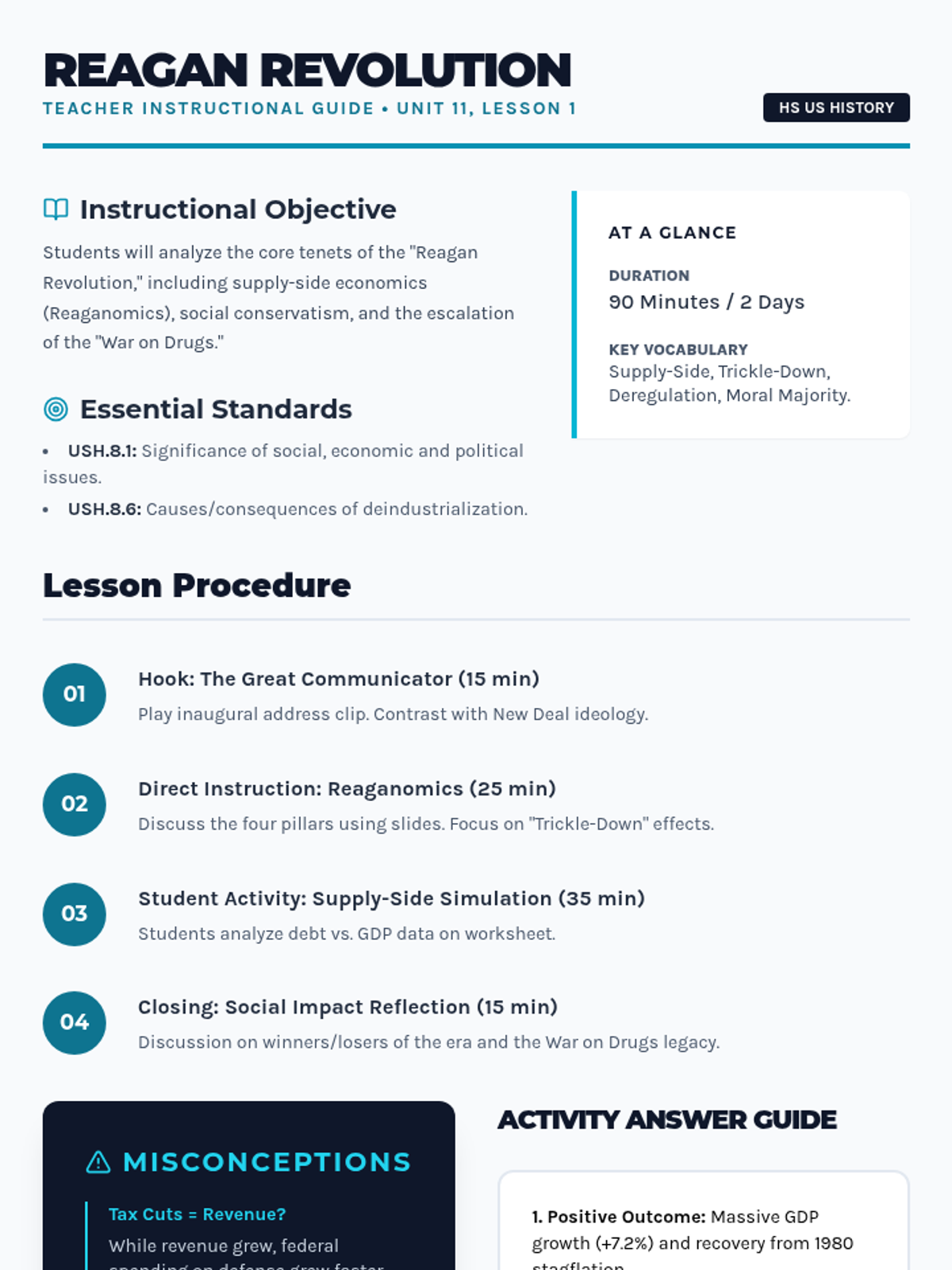
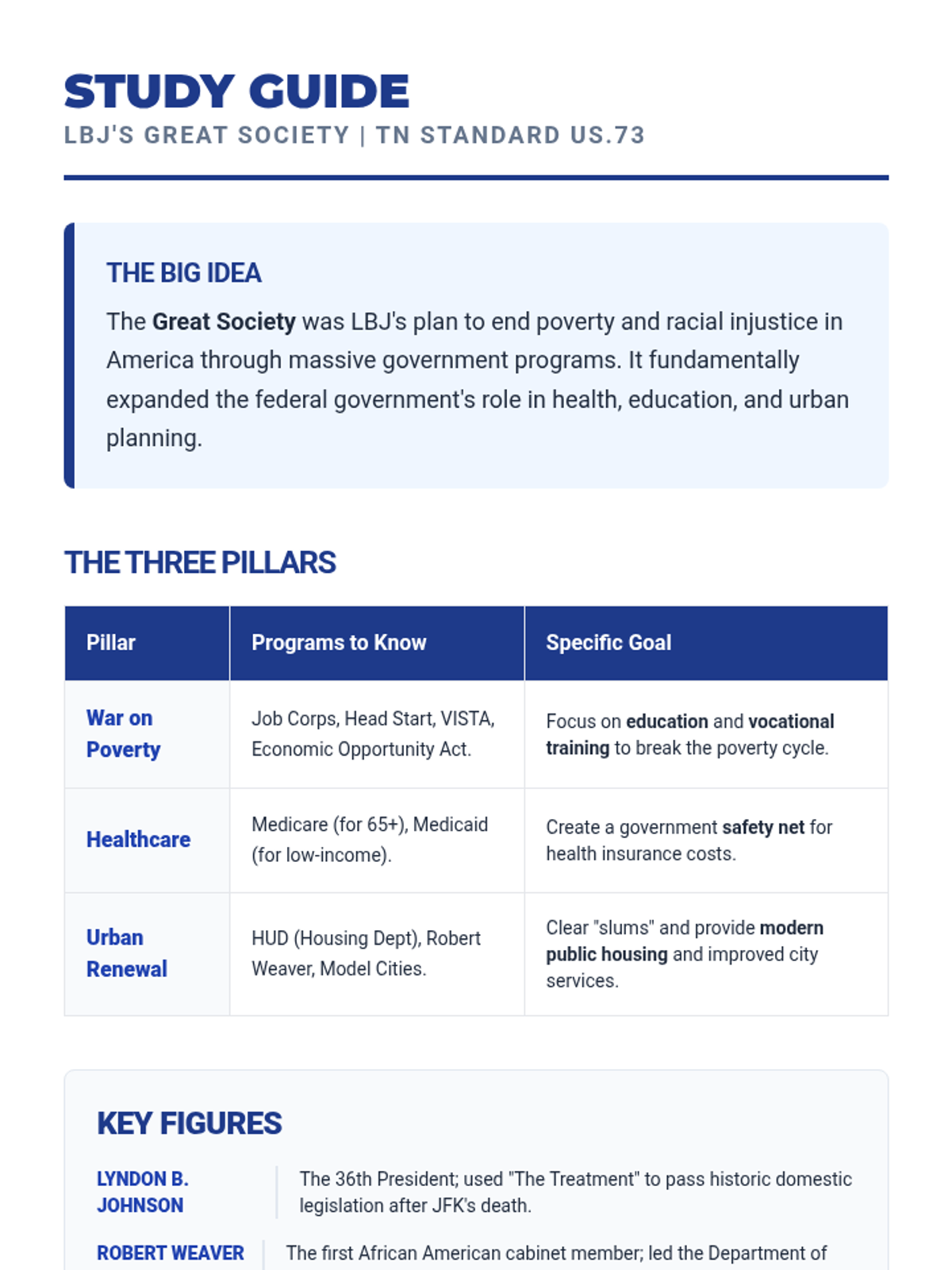
A comprehensive 2-day unit covering World War II for 11th Grade US History, aligned with TEKS. It focuses on the transition from isolationism to total war, the home front experience, major turning points in both the European and Pacific theaters, and the strategic decisions that ended the conflict.
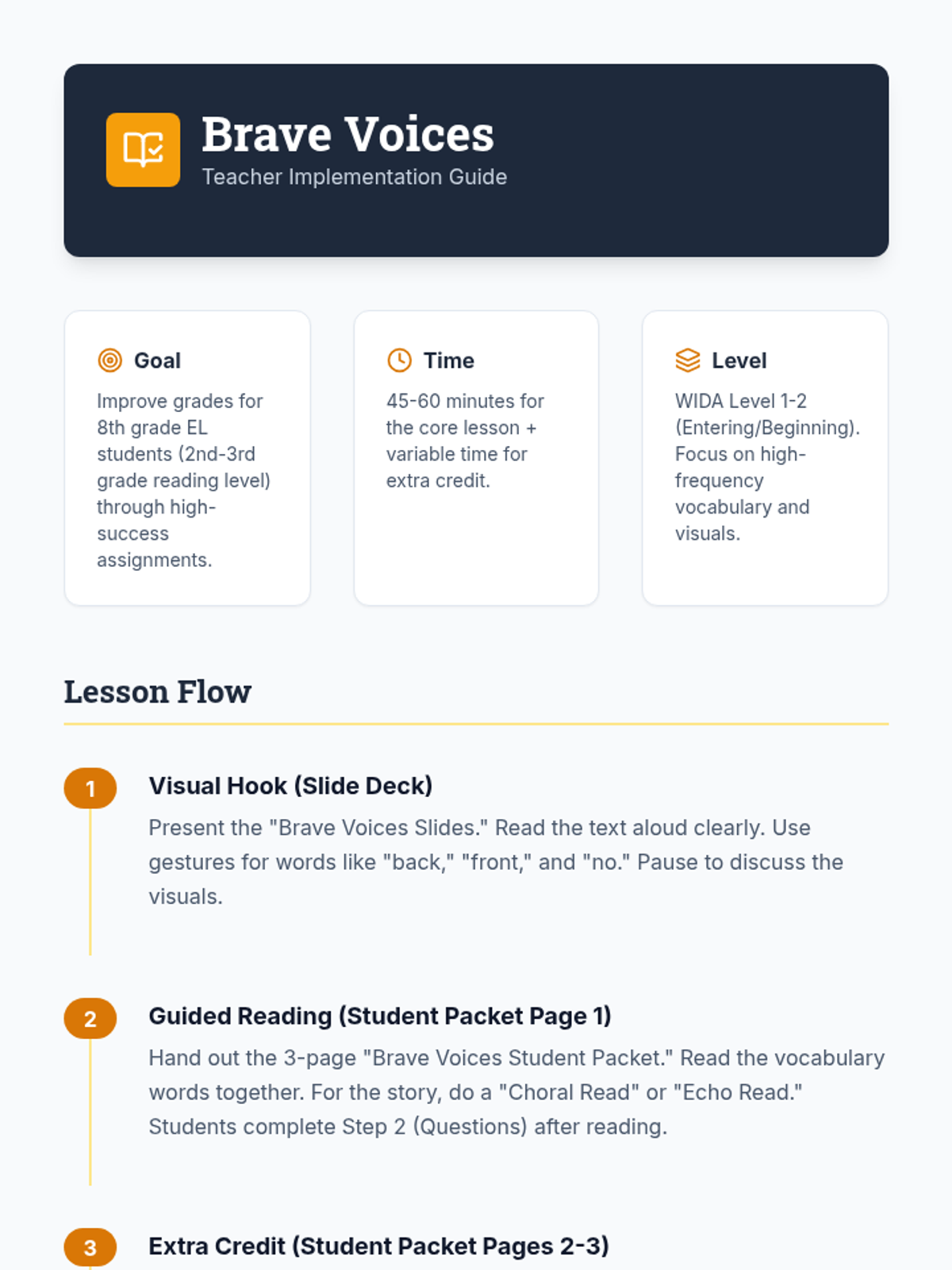
A 4th-grade unit focused on kindness, fairness, and understanding how our words can make everyone feel like they belong, regardless of their background or skin color.
A lesson sequence exploring the early American debate over federal vs. state power, focusing on the Alien and Sedition Acts and the Kentucky Resolutions.
A lesson examining the Populist Party's Omaha Platform of 1892, its agrarian roots, and its long-term impact on American political and economic policy through the Progressive Era.
A professional development sequence designed to help educators master the art of teaching document analysis. Using the 'Balanced Information Diet' framework, teachers learn to pair primary and secondary sources to provide students with a comprehensive understanding of historical events.
An advanced graduate seminar sequence exploring the social, political, and ideological forces that shape Western Art Music history. Students move from deconstructing 19th-century canon-building to proposing new, inclusive curricular frameworks.
This graduate-level sequence focuses on the design, implementation, and stress-testing of Emergency Action Plans (EAPs). Students explore logistics, legal compliance, and crisis leadership through fire safety, medical emergencies, active threat protocols, and a culminating multi-hazard tabletop simulation.
A comprehensive graduate-level exploration of federal anti-discrimination laws, focusing on Title VII, ADA, ADEA, and retaliation. Students analyze landmark cases, calculate disparate impact, and navigate the complexities of reasonable accommodation and workforce restructuring.
This graduate-level sequence explores the detection and analysis of micro-expressions and subtle affect. Students move from theoretical foundations of emotional leakage to high-fidelity real-time clinical simulations.
This advanced undergraduate sequence explores the neuromuscular mechanics of facial expressions using the Facial Action Coding System (FACS). Students learn to identify Action Units, distinguish between universal emotions, detect micro-expressions, and apply these skills to clinical social communication interventions.
This sequence engages undergraduate students in a critical examination of mental health literacy and the sociological mechanisms of stigma. Students will progress from theoretical frameworks to practical application, culminating in the design of a targeted educational intervention for their community.
An introductory sequence for 8th graders exploring the purpose, structure, and ethical dimensions of the U.S. tax system. Students will learn how tax revenue funds public goods across federal, state, and local levels while debating the fairness of different tax structures.
A hands-on introduction to economics for 1st graders, covering goods, services, producers, consumers, and the basic forces of supply and demand through a classroom 'Market Town' simulation.
A 1st Grade financial literacy unit exploring the origins of money, the concept of value, why prices change (inflation), and the connection between work and purchasing power. Students move from understanding barter systems to planning their own purchases.
A 1st Grade sequence introducing economic decision-making and the concept of opportunity cost. Students explore trade-offs through interactive games, a token shop simulation, and reflective journaling.
A foundational sequence for 1st graders exploring needs, wants, and scarcity. Students learn to differentiate survival essentials from desires and understand why resources are limited through simulations, games, and creative projects.
A comprehensive sequence for 1st-grade students to understand financial decision-making, covering scarcity, needs versus wants, and the fundamental concept of opportunity cost through relatable scenarios and creative projects.
This sequence introduces 2nd-grade students to fundamental economic concepts including the difference between goods and services, the roles of producers and consumers, the history of trade/barter, and the function of money in a community.
A critical exploration of behavioral psychology, focusing on the tension between intrinsic and extrinsic motivation. Students analyze the ethical implications of reward systems in education, technology, and society.
A comprehensive exploration of operant conditioning for 10th-grade students, focusing on the mechanics of positive reinforcement, schedules of reinforcement, and the biological basis of reward. Students will learn to analyze behavior through the ABC model and design effective reinforcement strategies for real-world scenarios.
This sequence provides a rigorous introduction to operant conditioning for undergraduate students, focusing on the technical application of positive reinforcement. It covers the Three-Term Contingency, discrimination between consequences, operational definitions, motivational operations, and theoretical critiques.
This sequence explores the psychological mechanics of operant conditioning, specifically focusing on positive reinforcement. Students will move from defining basic behavioral loops to analyzing complex schedules of reinforcement and designing their own behavior modification plans based on B.F. Skinner's principles.
A simulation-heavy sequence that immerses students in the civic processes of arts advocacy, from mapping power structures to simulating a town hall meeting. Students develop skills in negotiation, legislative communication, and digital mobilization to influence public policy.
Students transition from passive observers of the arts to active advocates by developing a strategic communications campaign for a local arts initiative. The sequence covers stakeholder mapping, rhetorical strategies, data visualization, digital campaigning, and public speaking.
A clinical workshop sequence for undergraduate students focusing on the technical design of exposure hierarchies, SUDS ratings, and behavioral analysis for anxiety treatment.
This sequence introduces 11th-grade students to the principles of systematic desensitization and exposure therapy. Students will move from understanding the behavioral mechanics of anxiety (the cycle of avoidance) to technically designing and evaluating exposure hierarchies for therapeutic use.
A deep dive into colonial social history, focusing on the lives of marginalized populations, gender roles, and class conflict. Students analyze the 13 colonies through demographic data, primary sources, and material culture to understand the formation of social hierarchies.
This undergraduate-level sequence explores the evolution of political thought and legal structures within the thirteen colonies. It traces the transition from royal oversight to colonial self-governance, focusing on legal charters, representative institutions, and the foundations of political dissent.
A comprehensive examination of US imperialism in the Pacific, focusing on the legal, political, and commercial motivations for expansion. This undergraduate sequence traces the shift from continental expansion to overseas empire, culminating in the Supreme Court's definition of "unincorporated" territories.
An academic exploration of the intellectual and social frameworks justifying late 19th-century US expansionism, focusing on the Frontier Thesis, naval strategy, and racial ideology.
A deep-dive case study into the annexation of Hawaii, exploring the collision of indigenous sovereignty, missionary influence, and corporate interests. Students analyze the transition from a recognized sovereign monarchy to a US territory, evaluating the ethical and political implications of imperialism.
This high school US History sequence explores the multifaceted motivations behind American imperialism at the turn of the 20th century. Students analyze primary sources from Frederick Jackson Turner, Alfred Thayer Mahan, and Josiah Strong to evaluate the economic, strategic, and ideological 'push factors' that led the United States to look beyond its borders.