Students use read-along informational texts to research community helpers, categorize tools, and compare roles, culminating in the creation of a 'Community Helper Profile Card'.
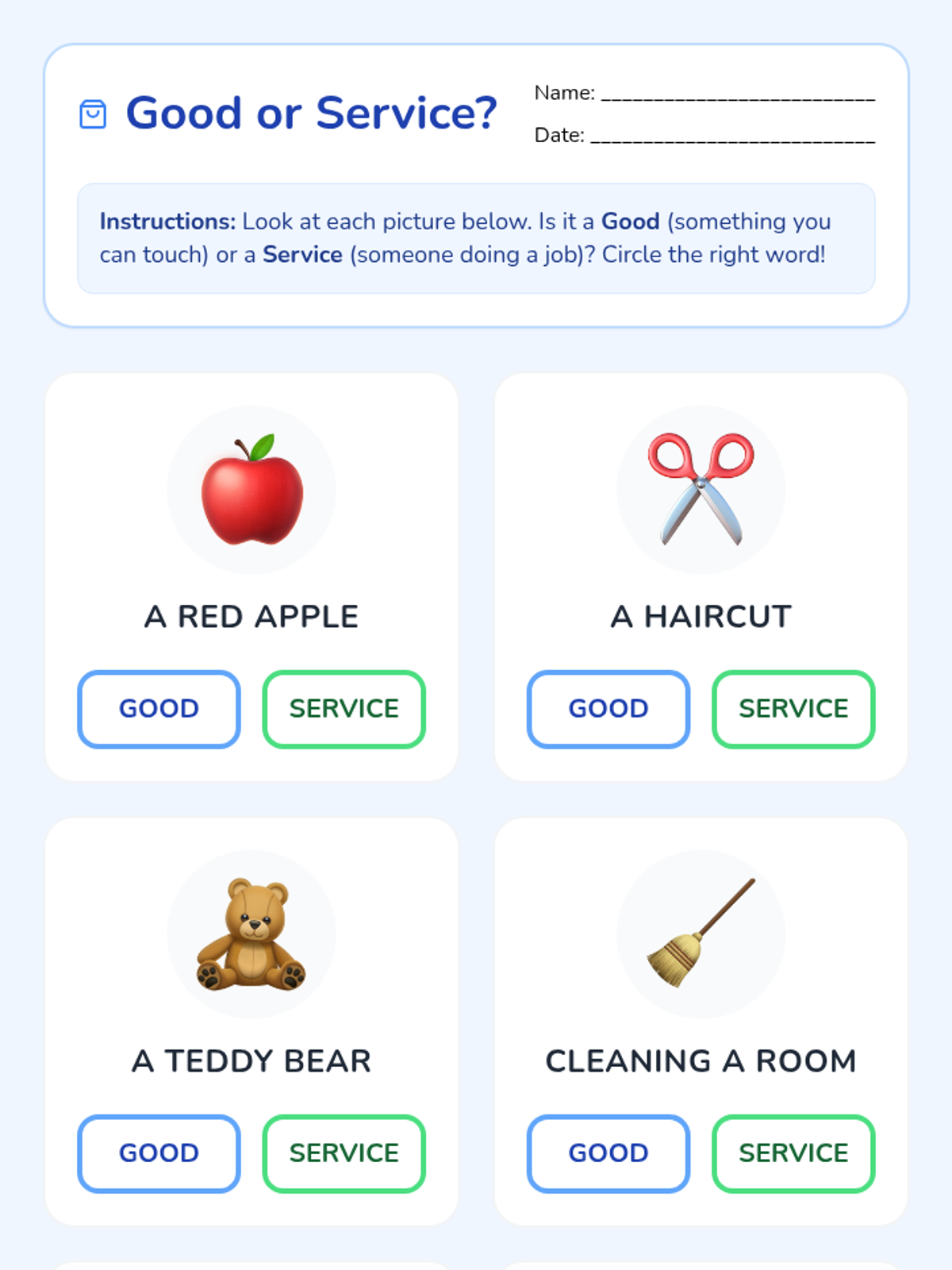
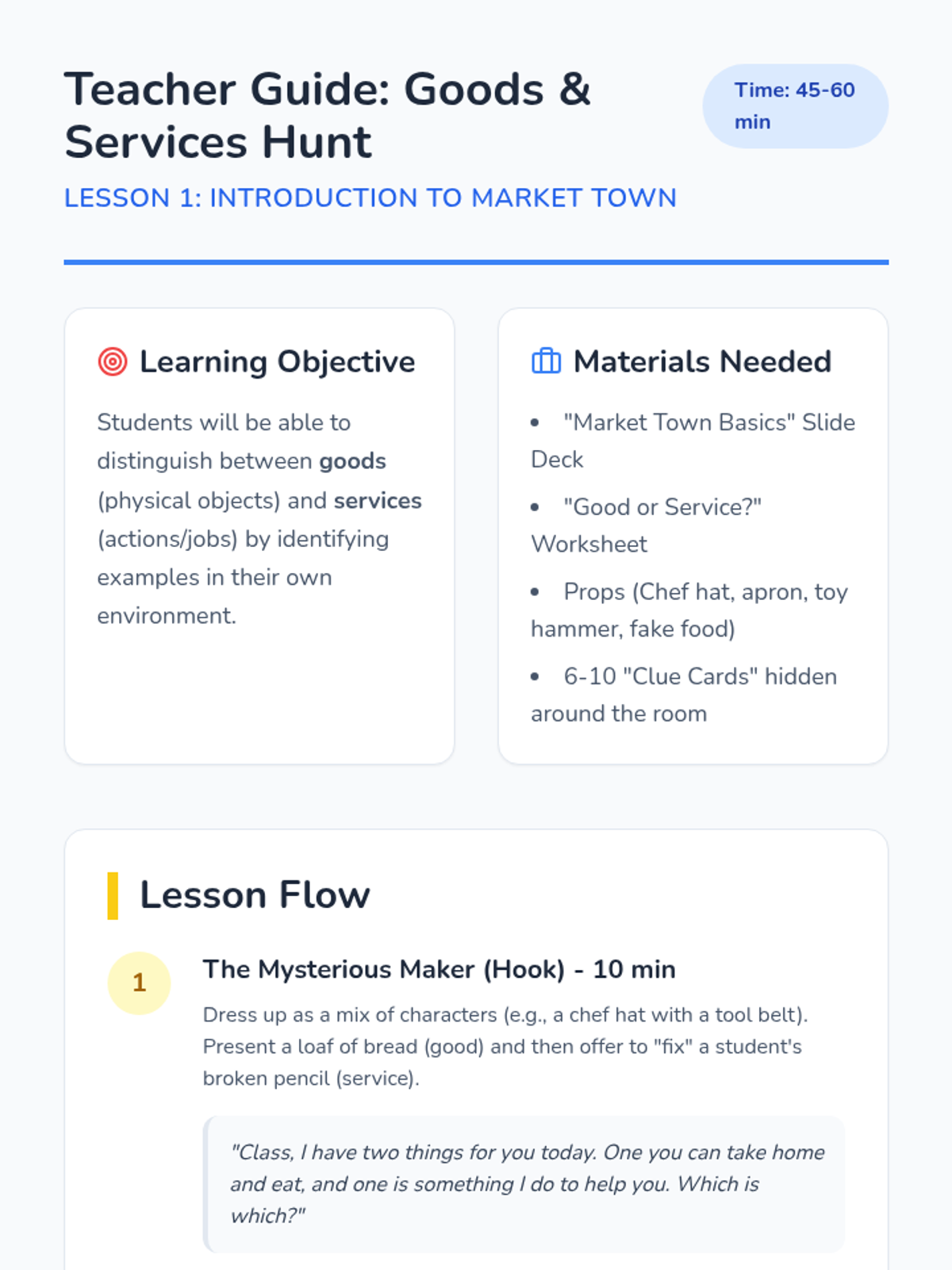
A hands-on introduction to economics for 1st graders, covering goods, services, producers, consumers, and the basic forces of supply and demand through a classroom 'Market Town' simulation.
A 1st Grade financial literacy unit exploring the origins of money, the concept of value, why prices change (inflation), and the connection between work and purchasing power. Students move from understanding barter systems to planning their own purchases.
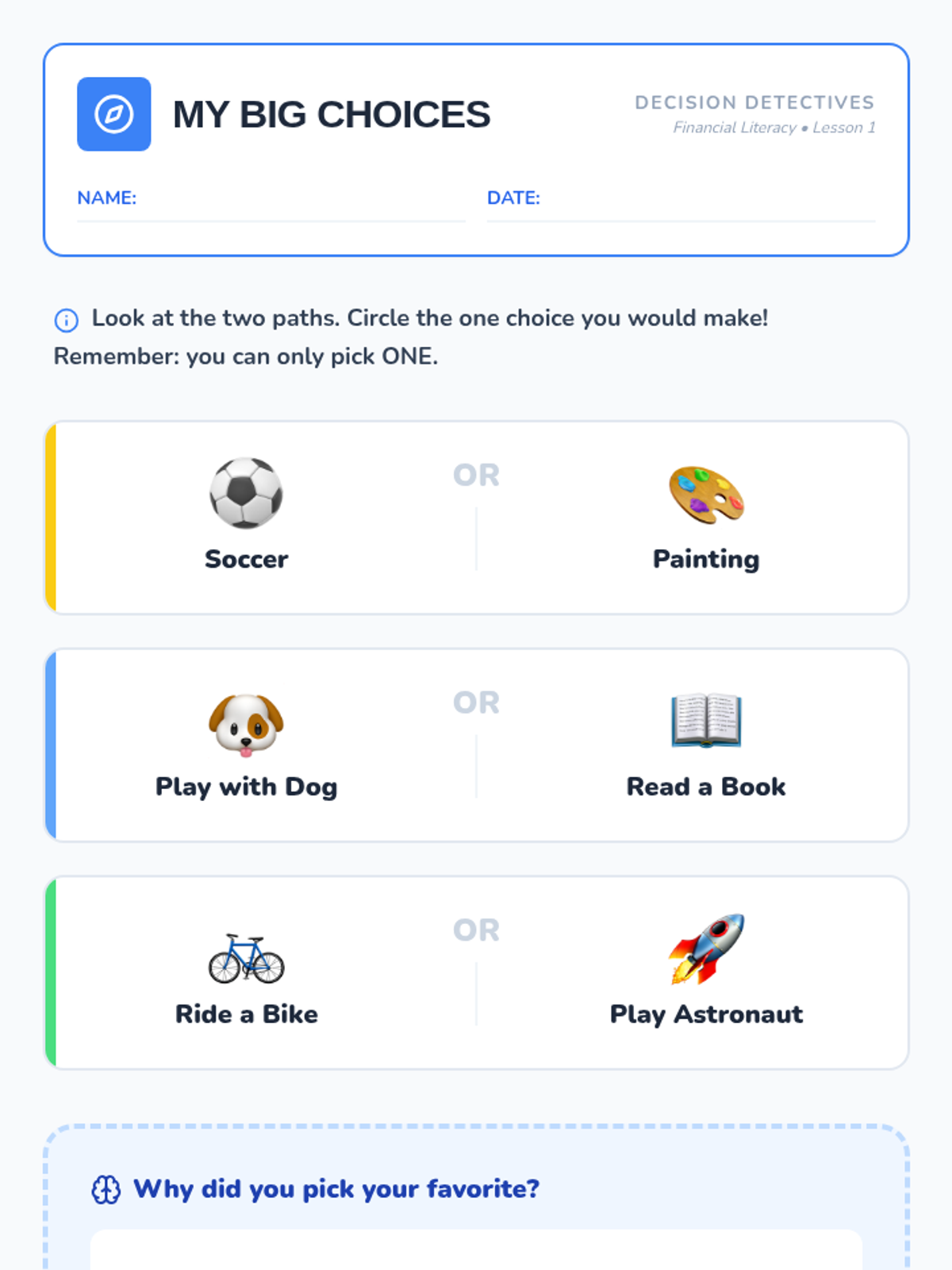
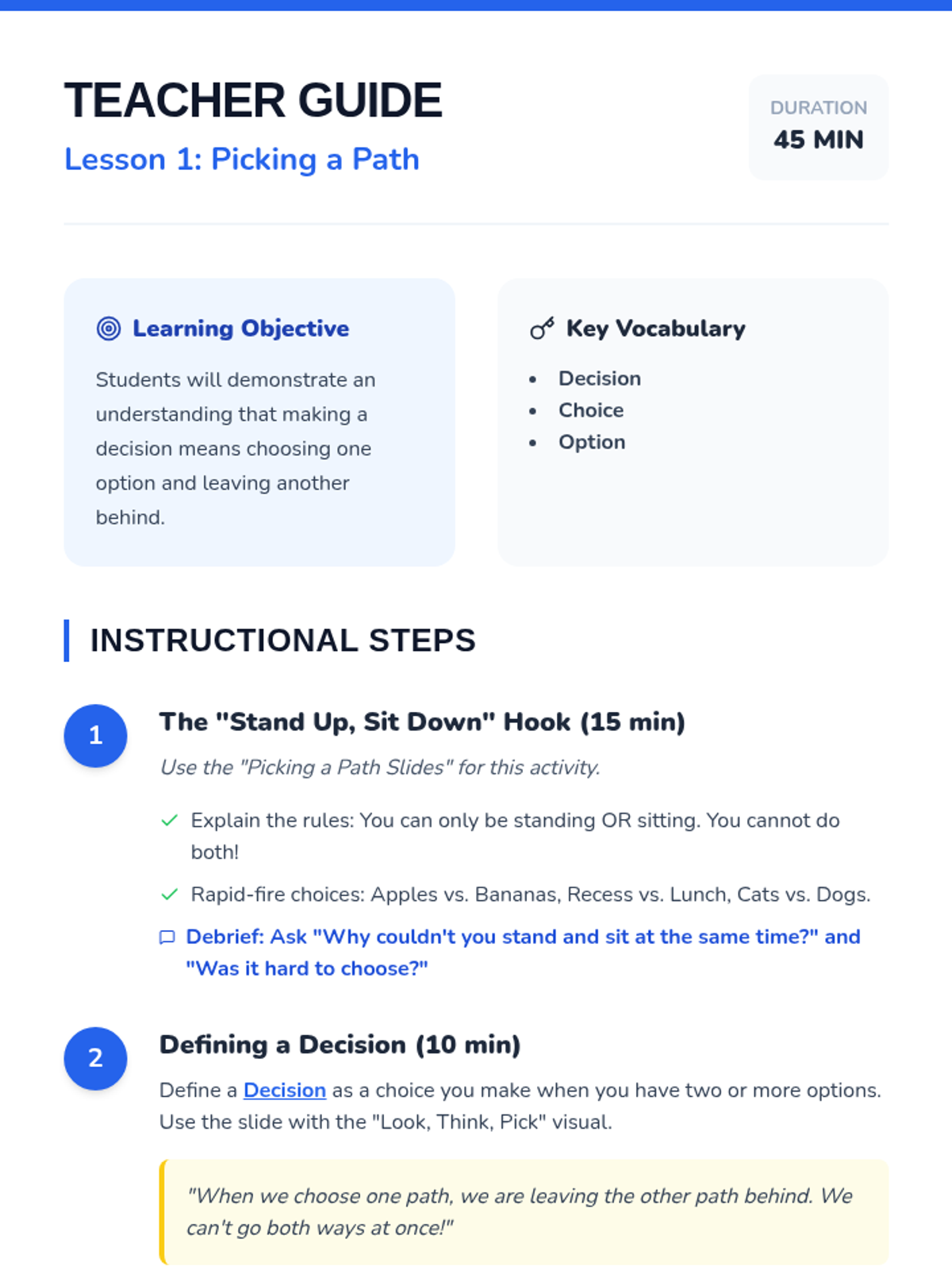
A 1st Grade sequence introducing economic decision-making and the concept of opportunity cost. Students explore trade-offs through interactive games, a token shop simulation, and reflective journaling.
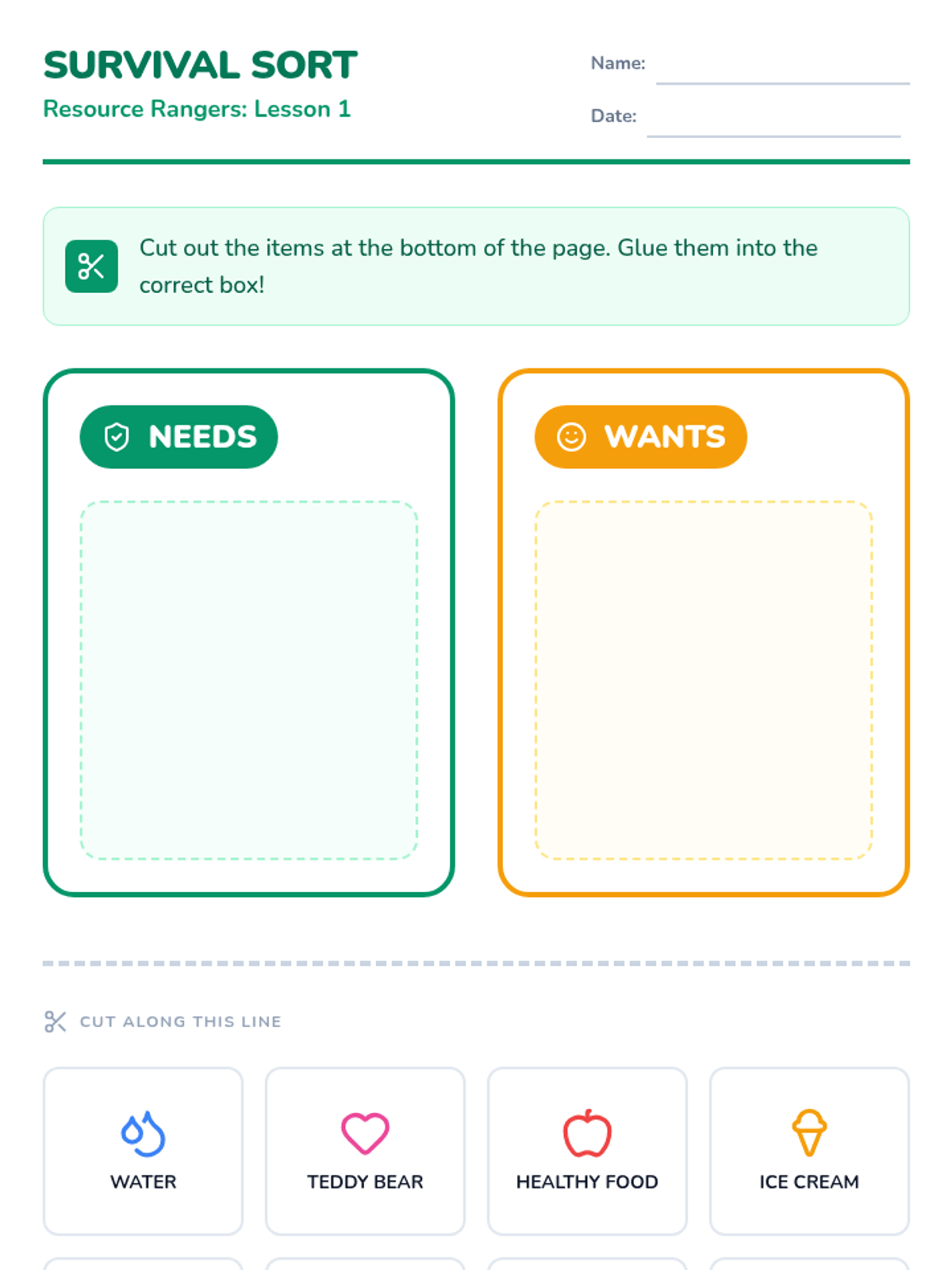
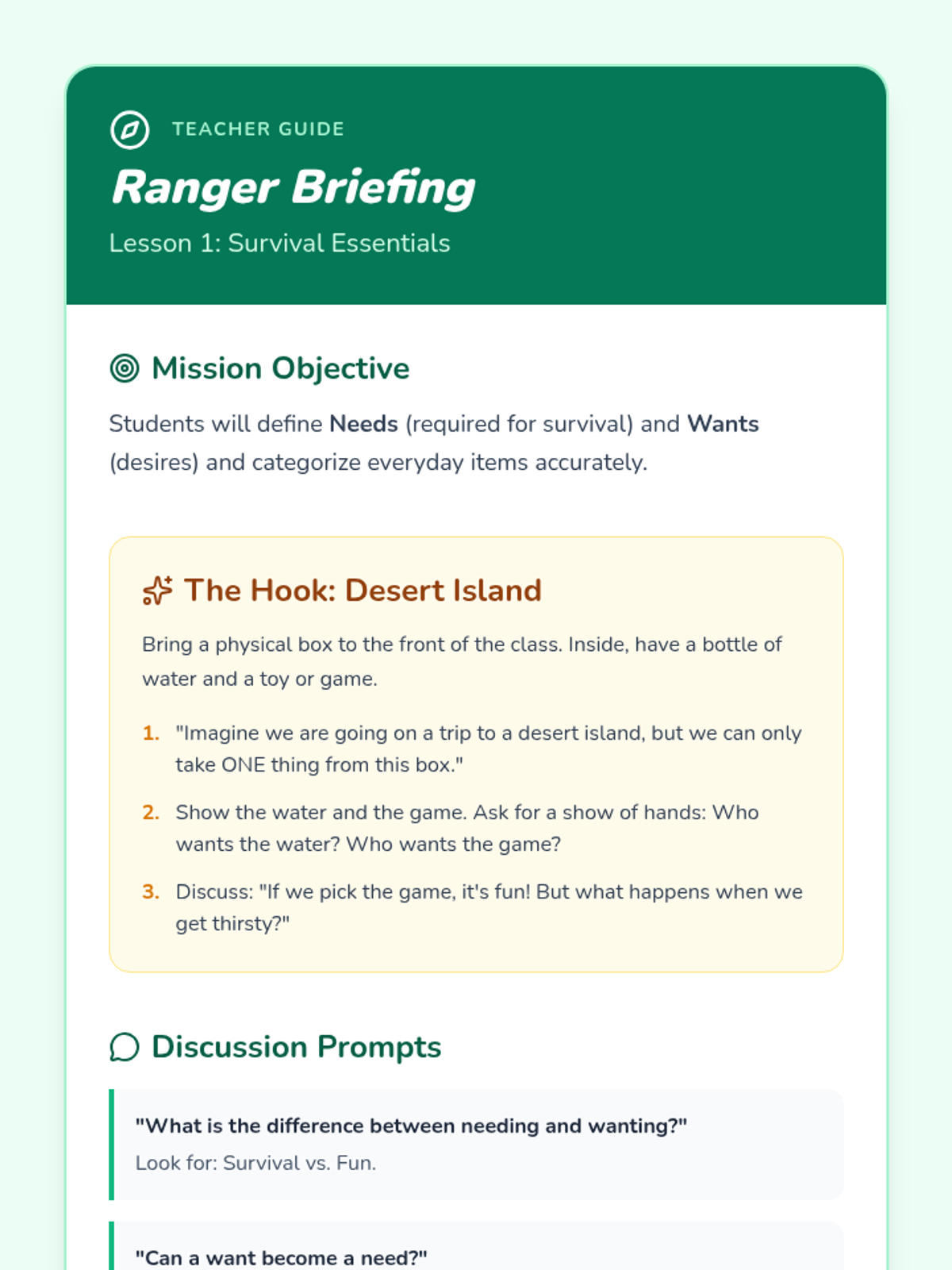
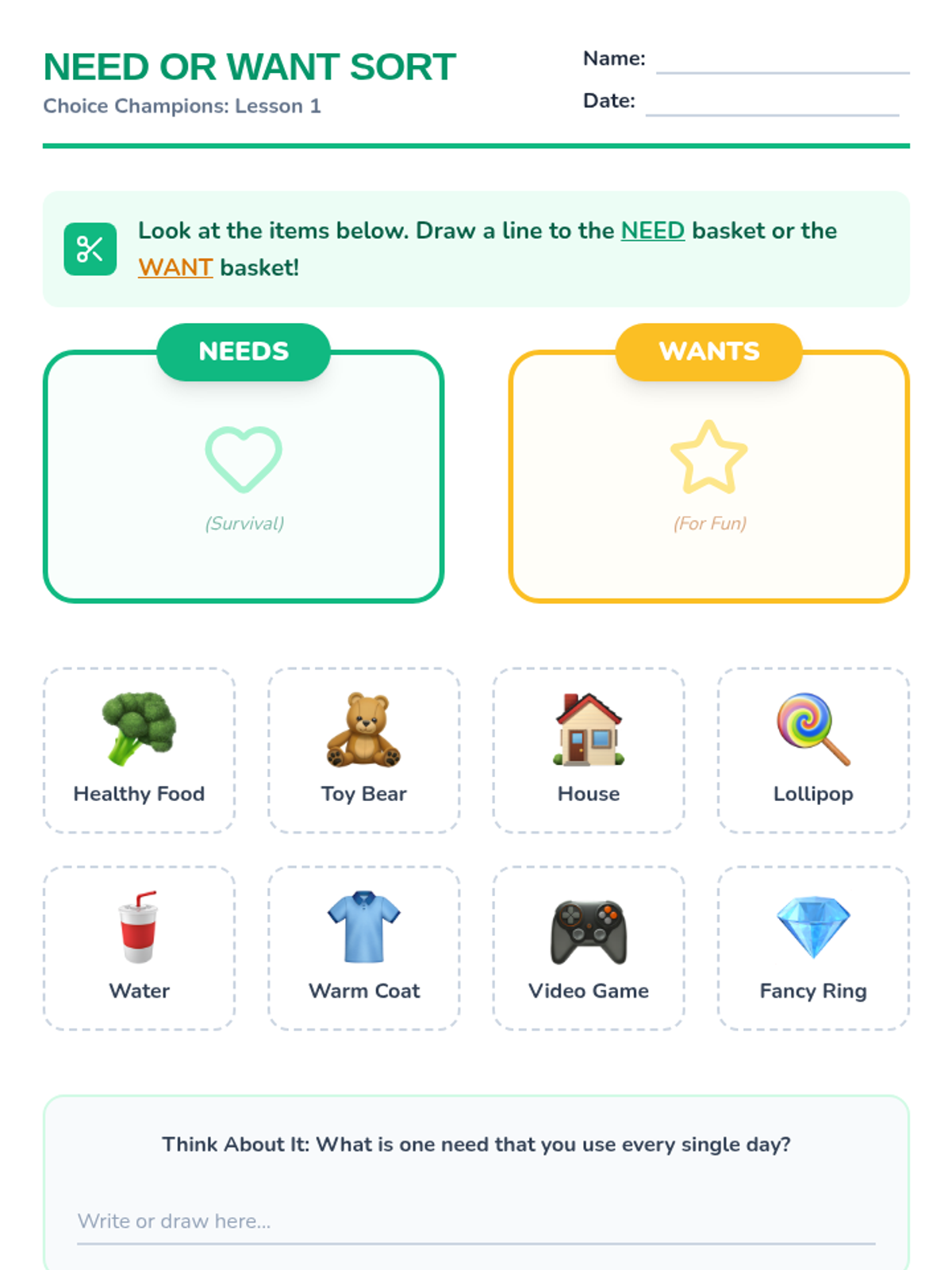
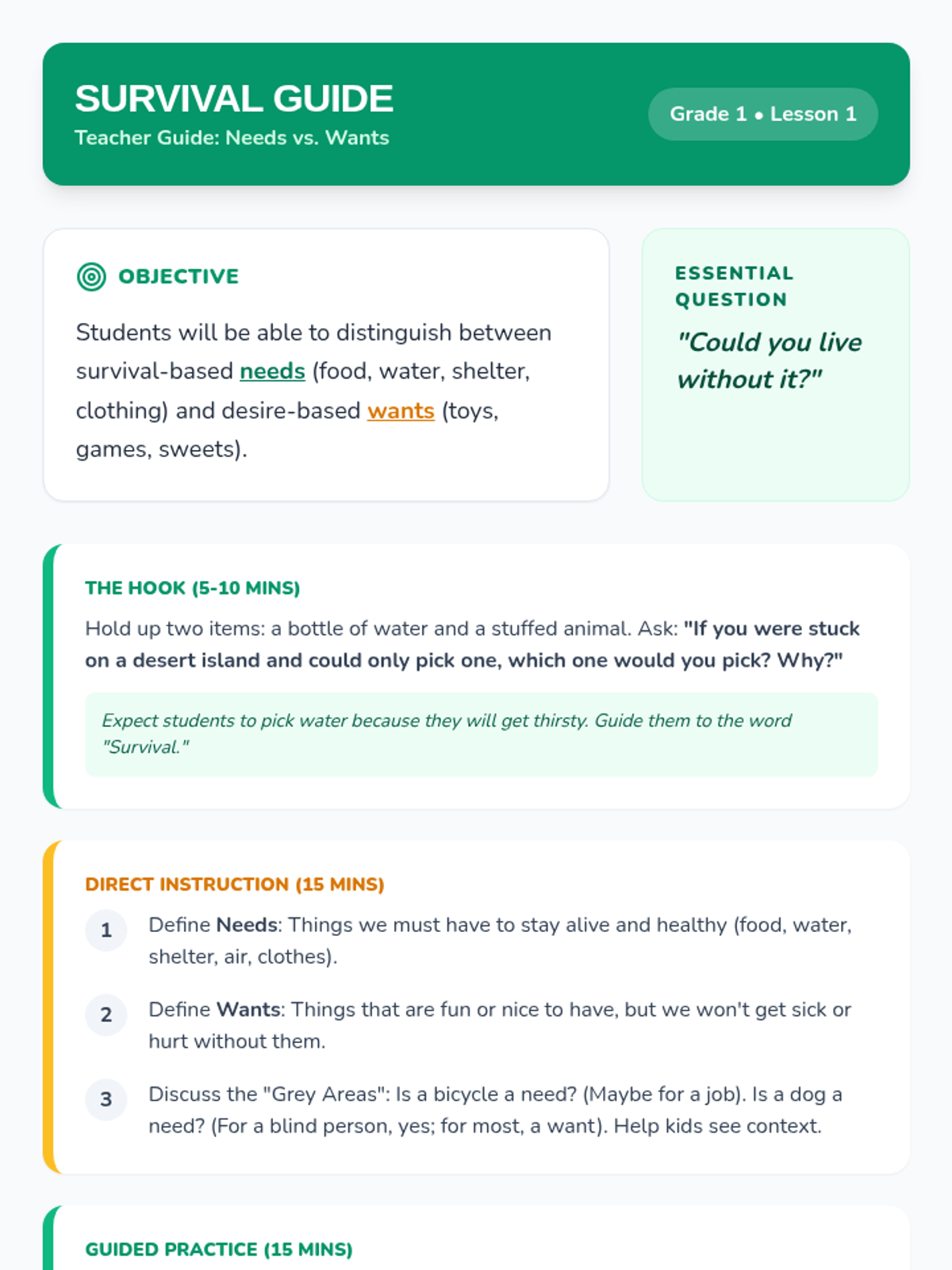
A foundational sequence for 1st graders exploring needs, wants, and scarcity. Students learn to differentiate survival essentials from desires and understand why resources are limited through simulations, games, and creative projects.
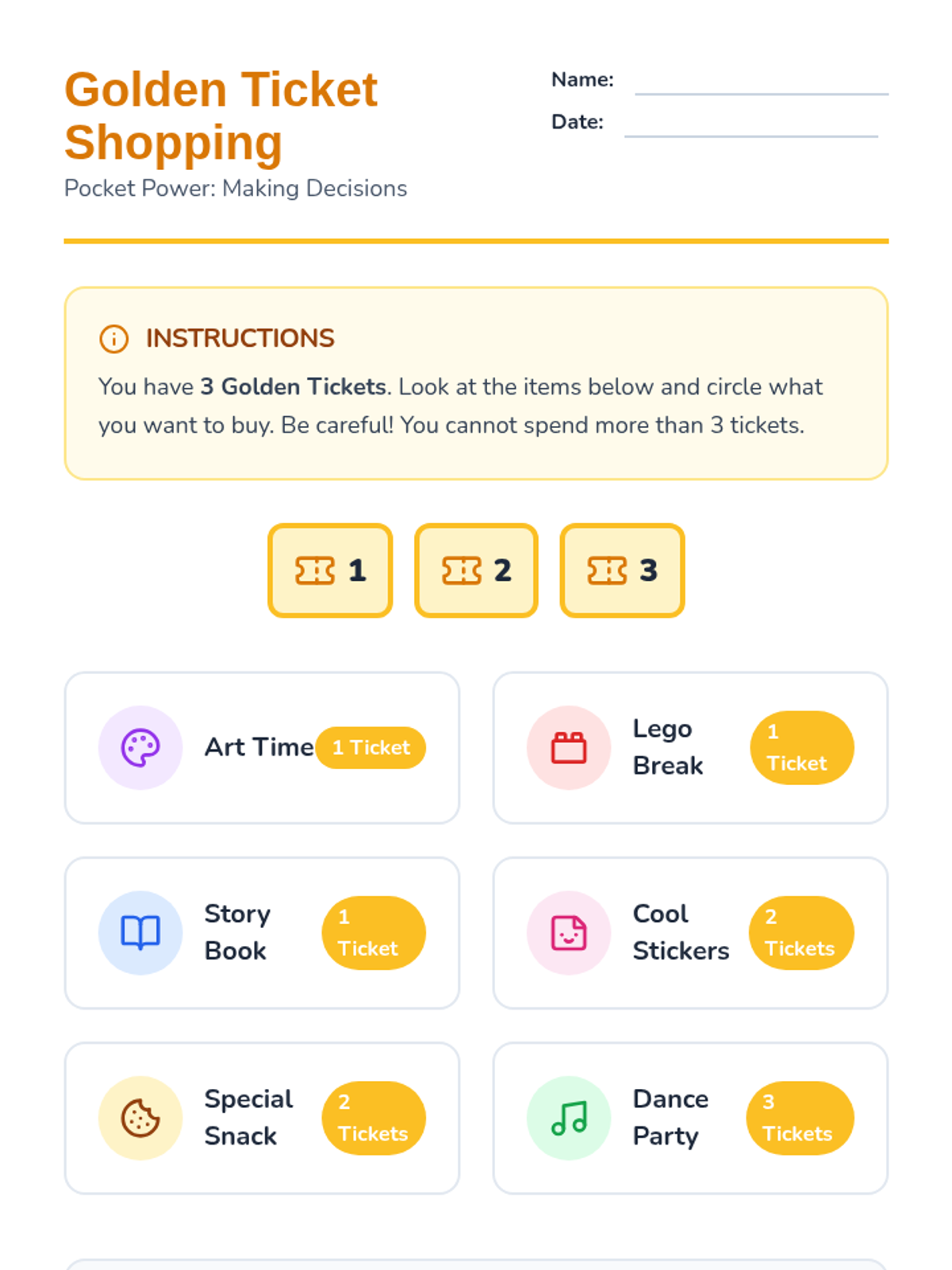
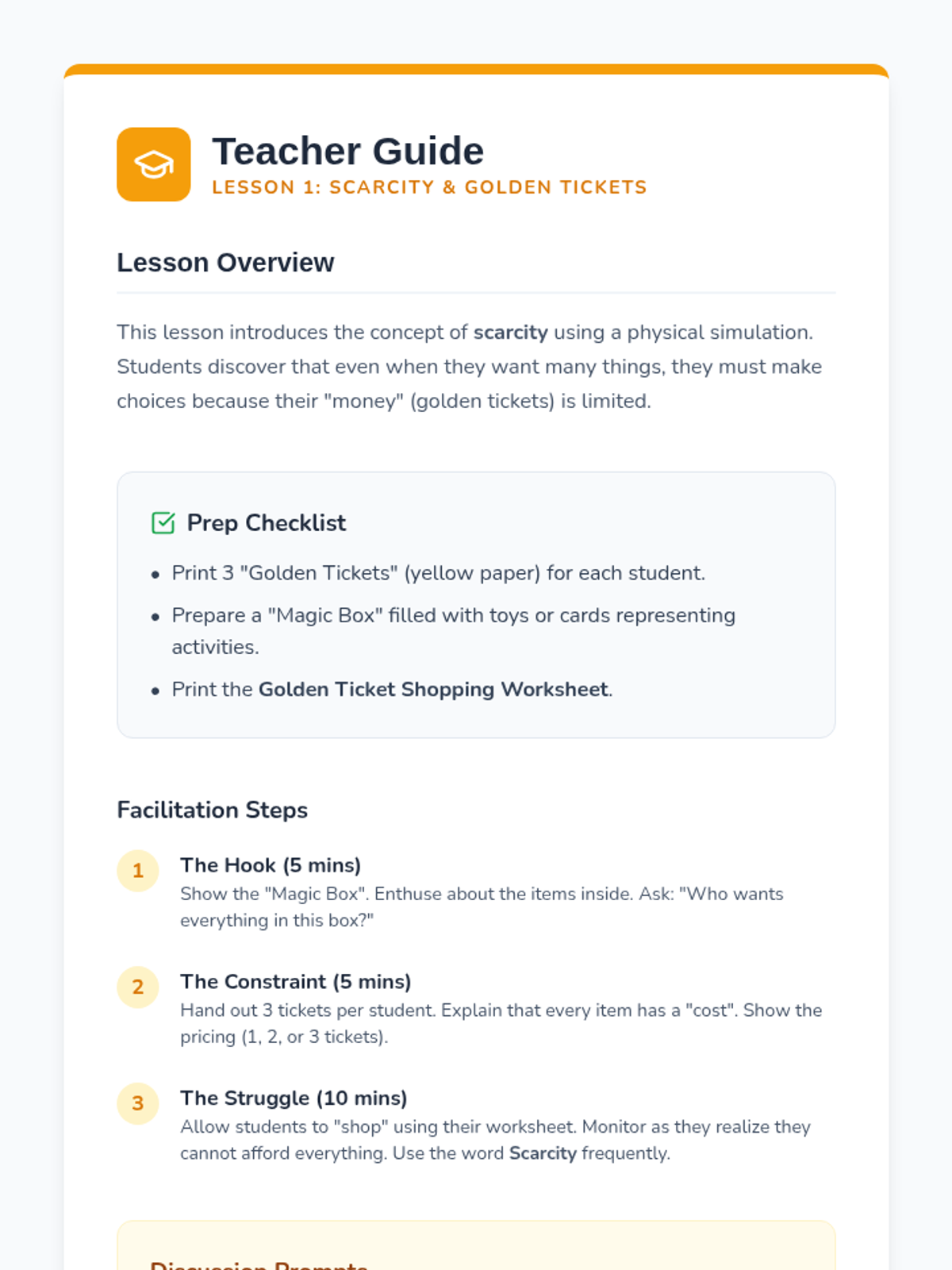
A comprehensive sequence for 1st-grade students to understand financial decision-making, covering scarcity, needs versus wants, and the fundamental concept of opportunity cost through relatable scenarios and creative projects.
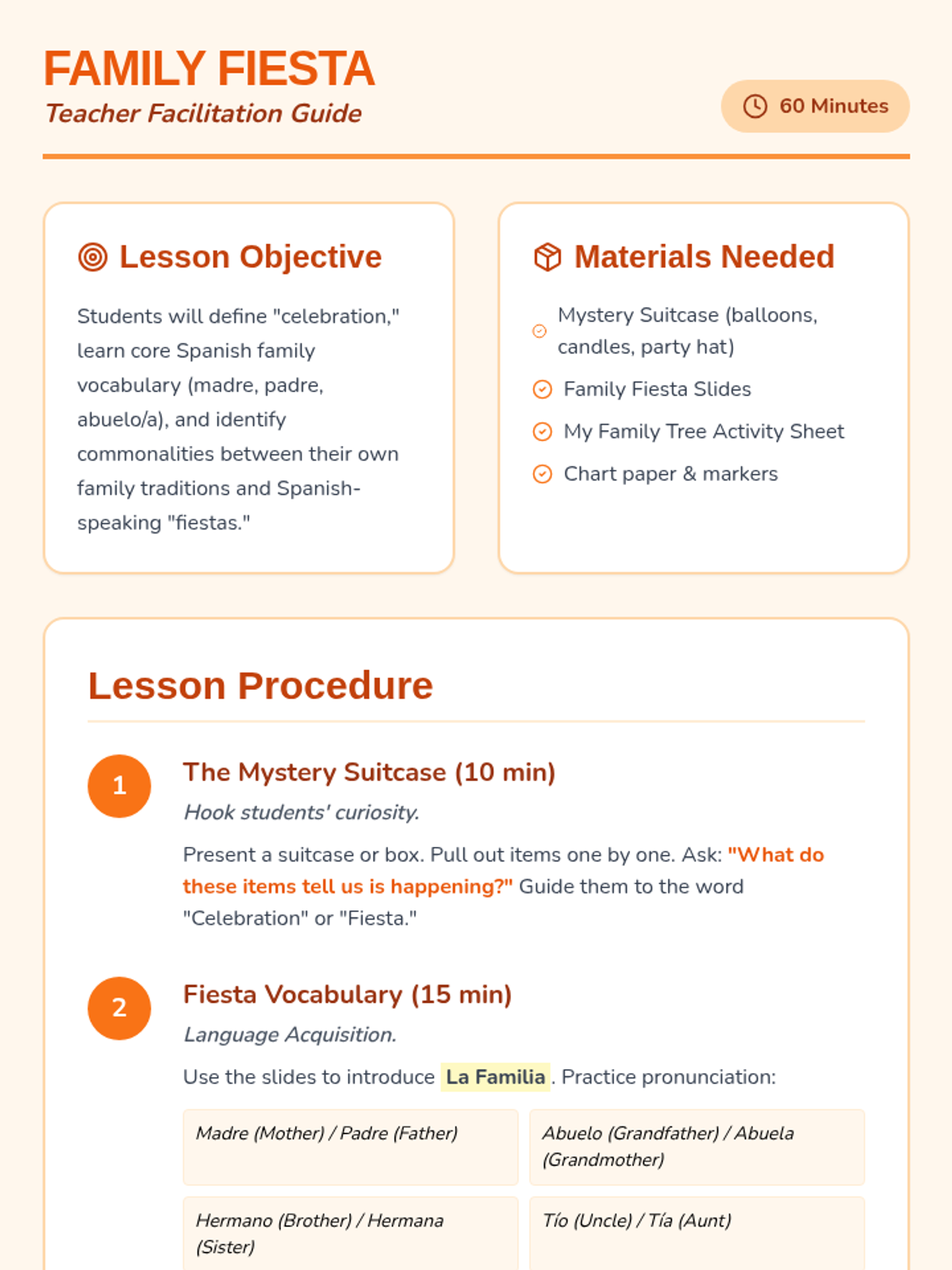
A vibrant introduction for 1st graders to Spanish-speaking holidays and family traditions, exploring Día de los Muertos, Las Posadas, and the history of piñatas.
A 1st-grade sequence exploring basic economic principles including the difference between needs and wants, scarcity, and the logic of making choices with limited resources. Students participate in a market simulation to apply their learning.
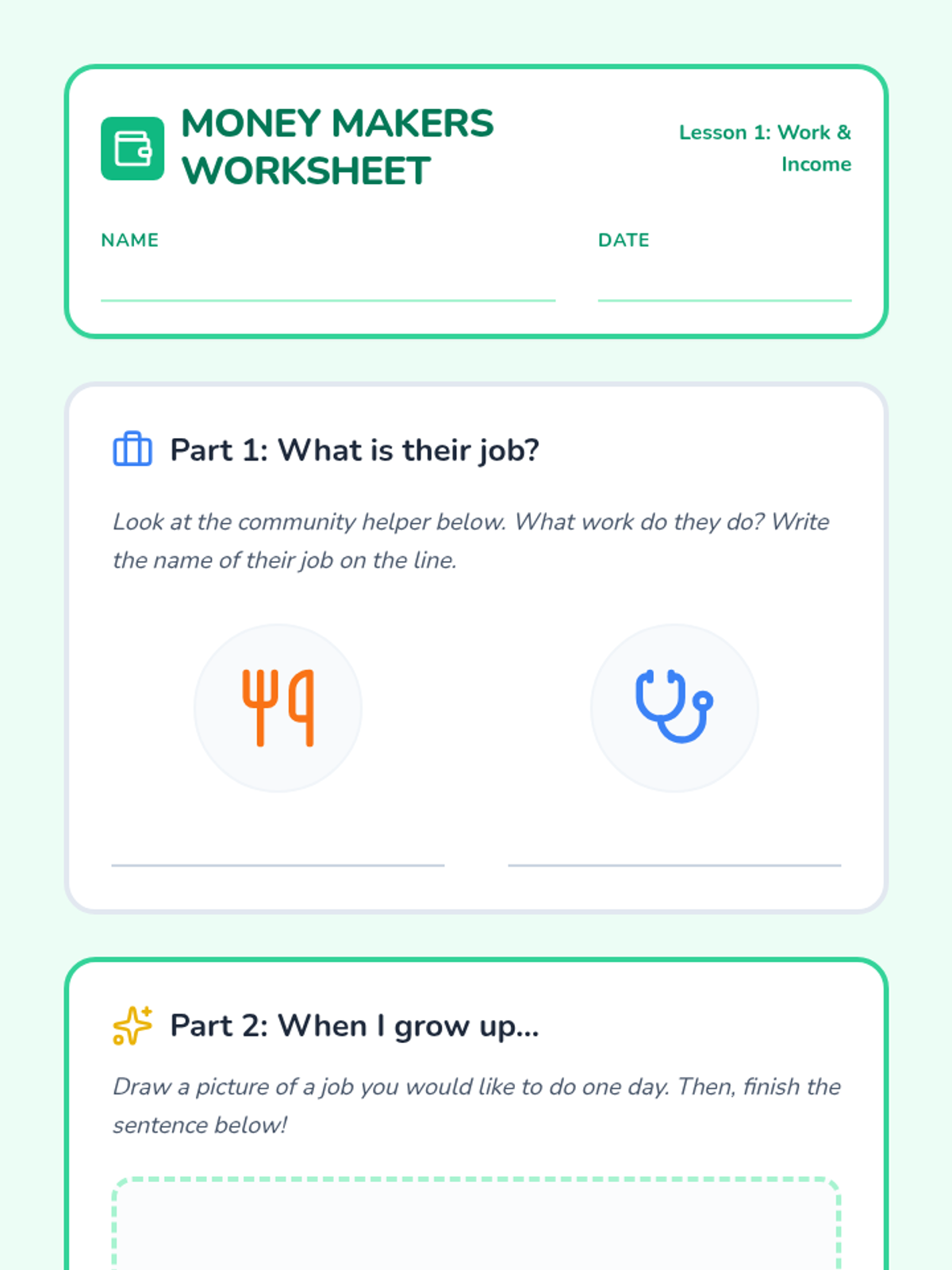
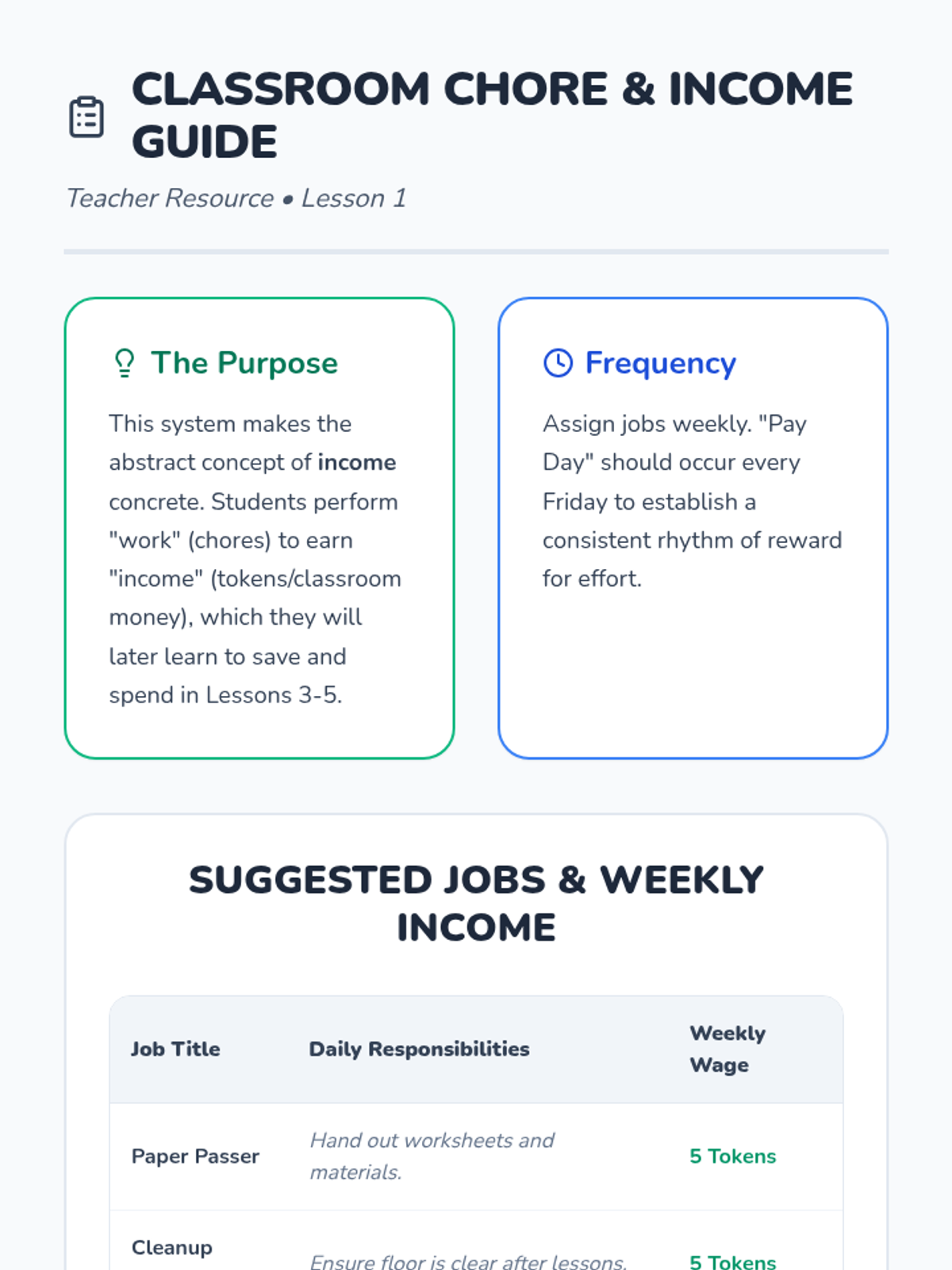
This 1st Grade sequence introduces the fundamentals of economics by exploring how money is earned through work, the difference between goods and services, and the importance of saving for the future. Students engage in classroom simulations and goal-setting to make abstract financial concepts concrete and actionable.
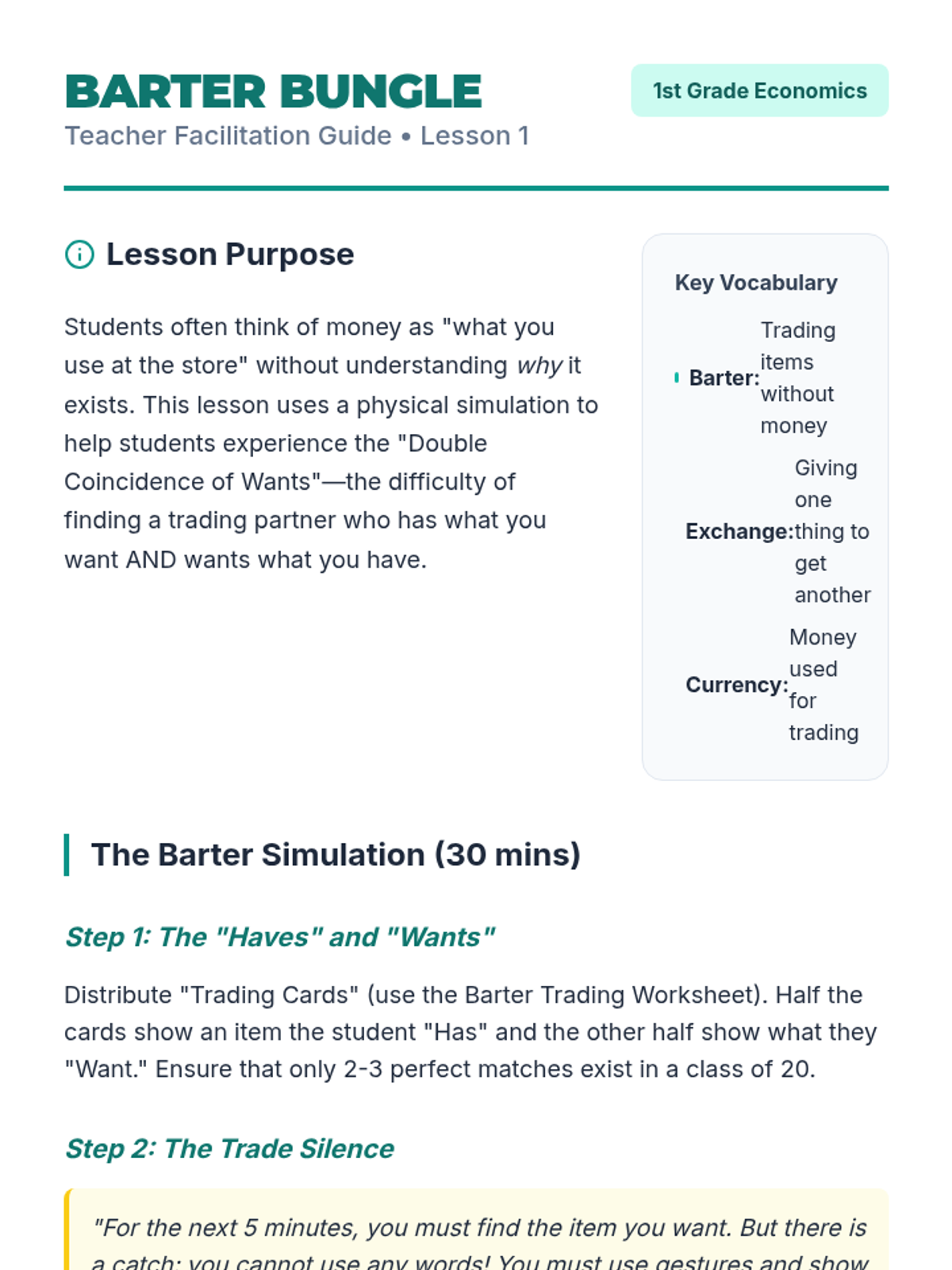
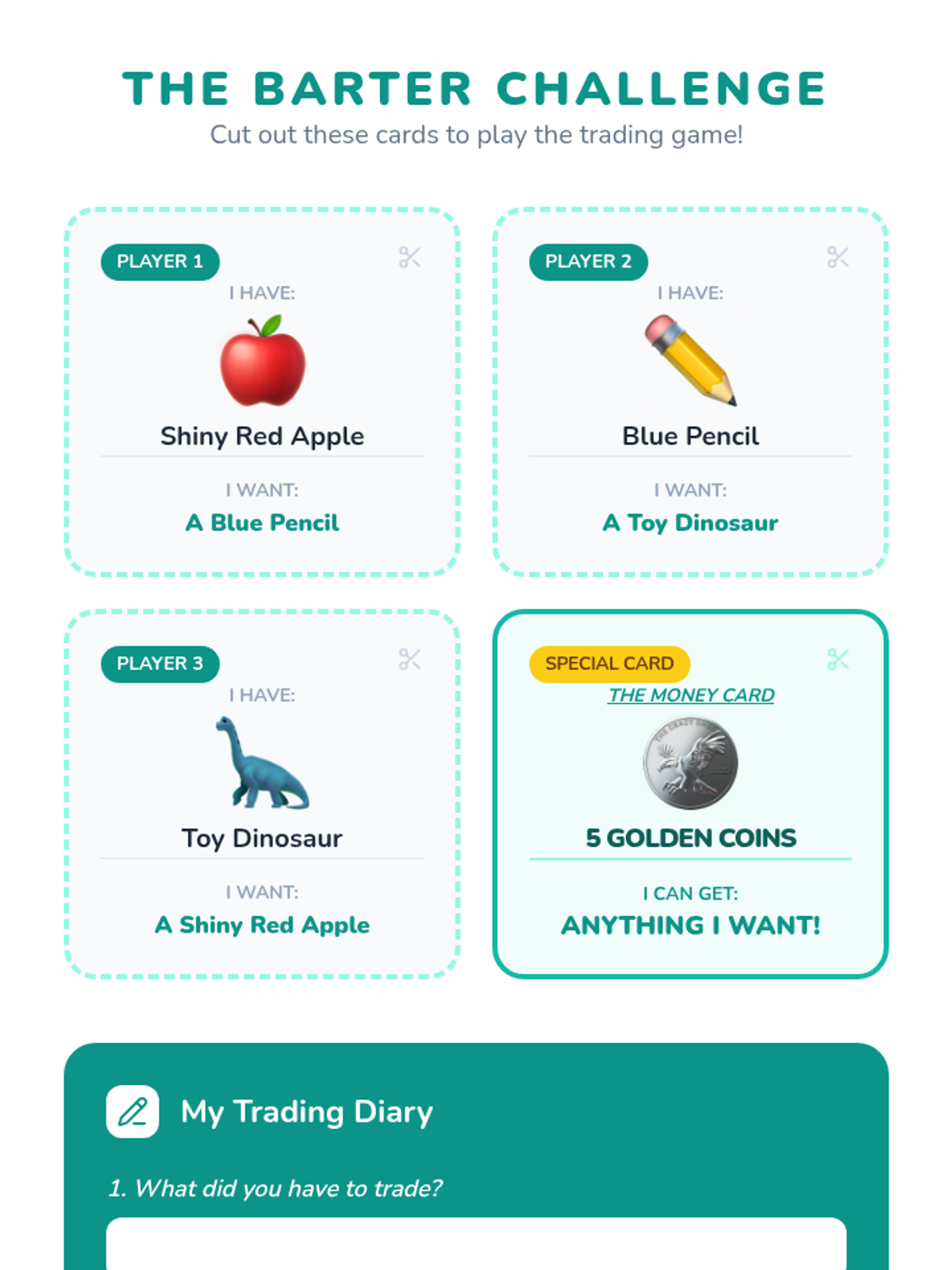
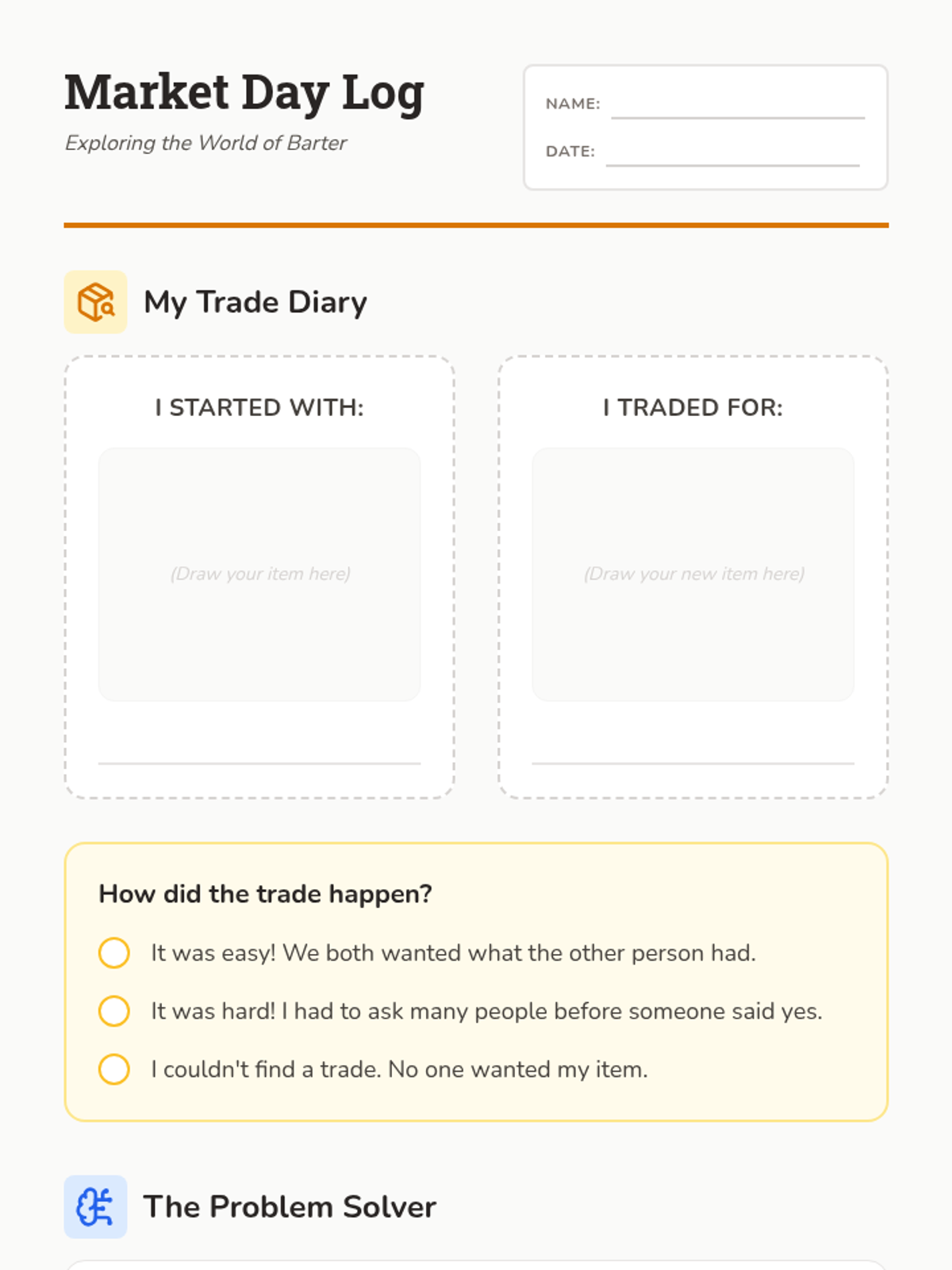
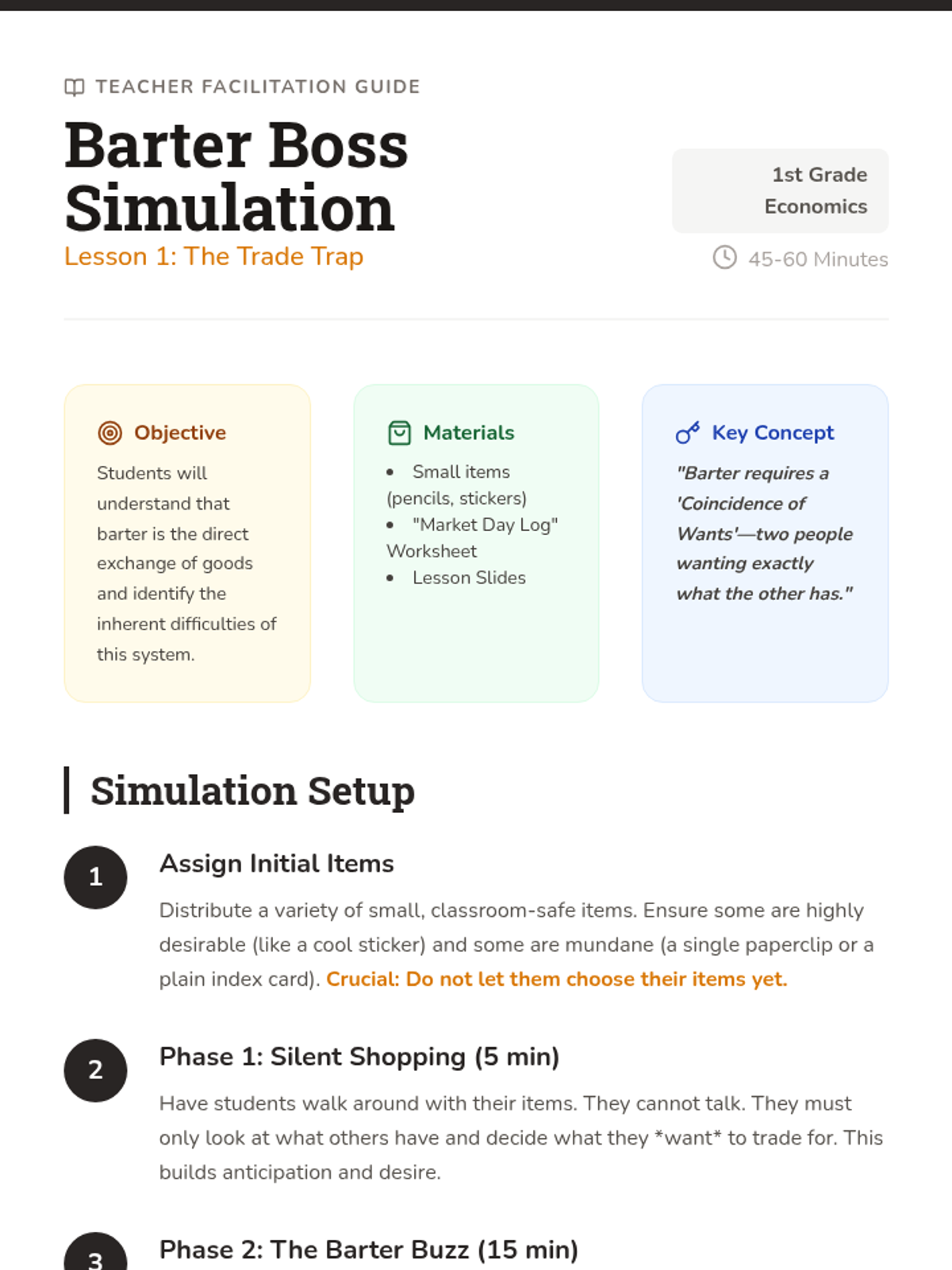
A 1st Grade sequence exploring the evolution of exchange, from the difficulties of bartering to the convenience of modern currency, helping students understand money as a problem-solving tool.
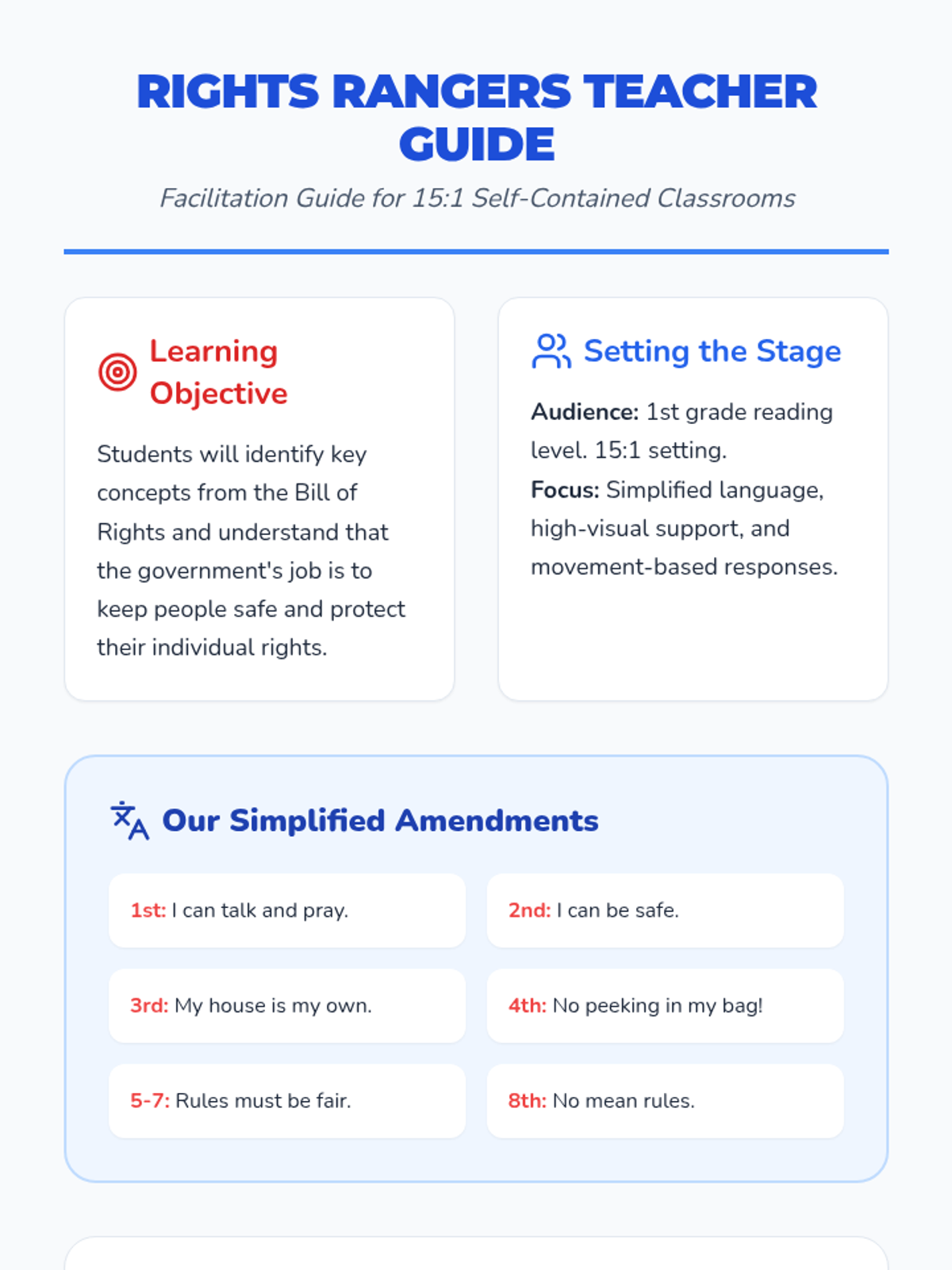
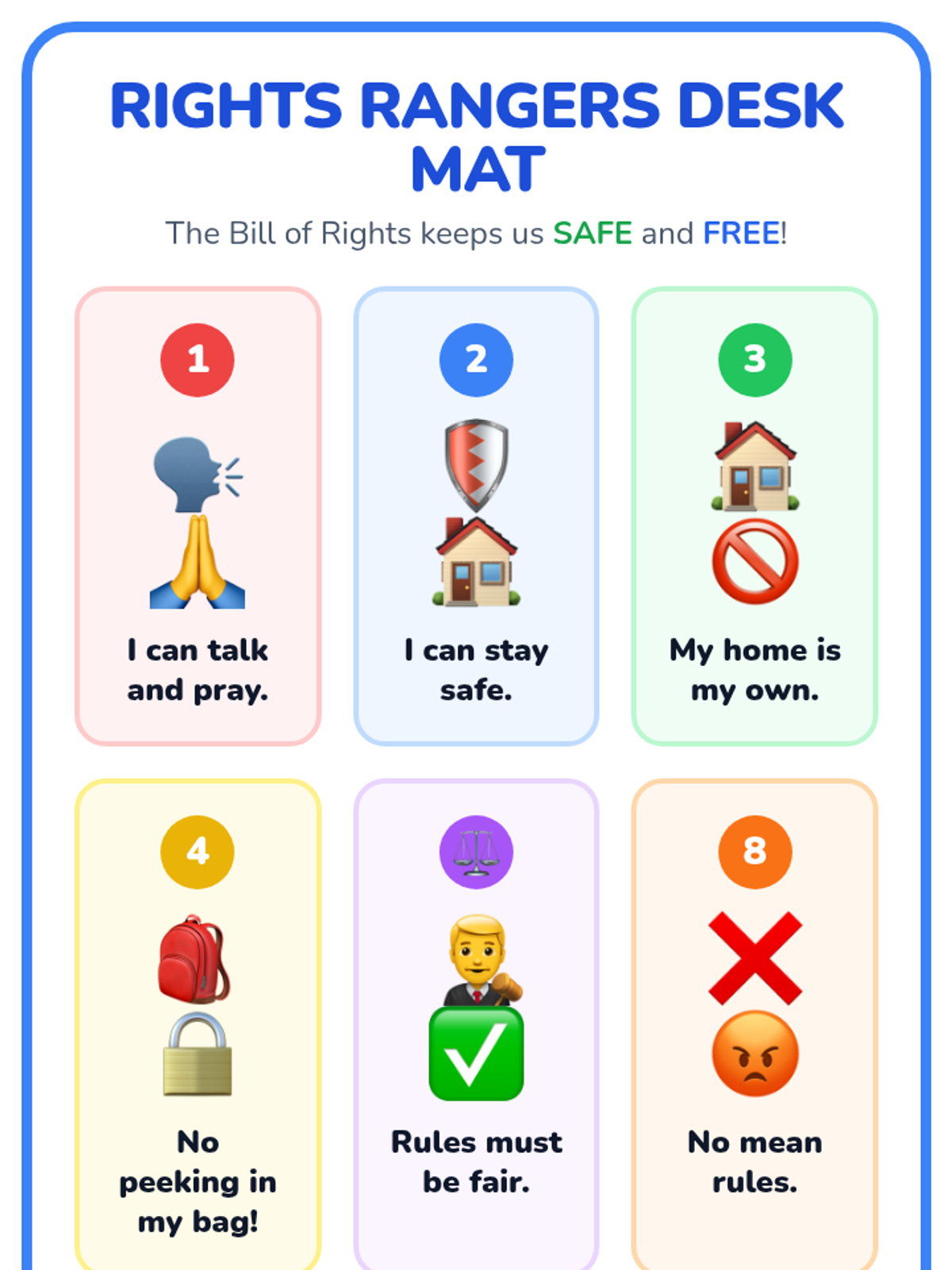
This 1st Grade sequence explores power and authority through rules and voting. Students experience the necessity of rules, collaborate on classroom agreements, and learn the democratic process of voting and majority rule.
A 1st-grade civics sequence focusing on the distinction between coercive power ('bossy' behavior) and servant leadership ('helpful' behavior), while introducing the concept that all leaders are subject to limits and laws.
This first-grade sequence introduces the concept of authority figures at home, school, and in the community. Students learn to identify leaders, understand the purpose of rules, and distinguish between positive authority and bullying through interactive lessons and creative projects.
Students navigate a simulated classroom economy to learn budgeting, opportunity cost, and the difference between needs and wants through games and real-world scenarios.
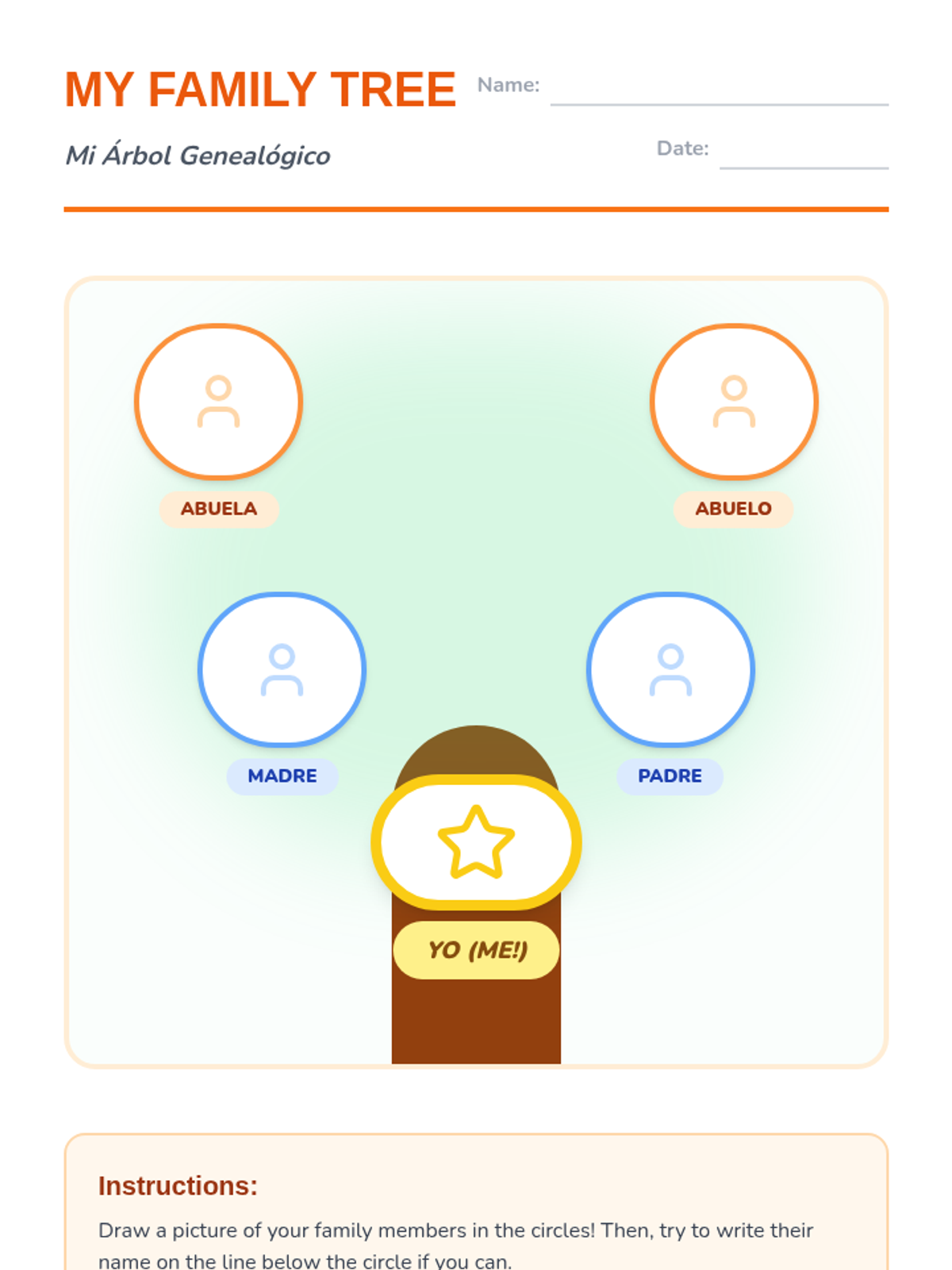
A journey through the diverse ways families and cultures shape our identities. Students explore family structures, traditions, roles, and cultural heritage to build a sense of belonging and respect for diversity.
A 1st Grade Social Studies sequence focused on self-identity, exploring physical traits, inner personality, personal interests, and the history of names, culminating in a 'Me Museum' portfolio.
A 1st Grade sequence exploring chronology and sequencing in historical biographies. Students learn to distinguish past from present, identify signal words like 'first' and 'next', and construct timelines of famous lives.
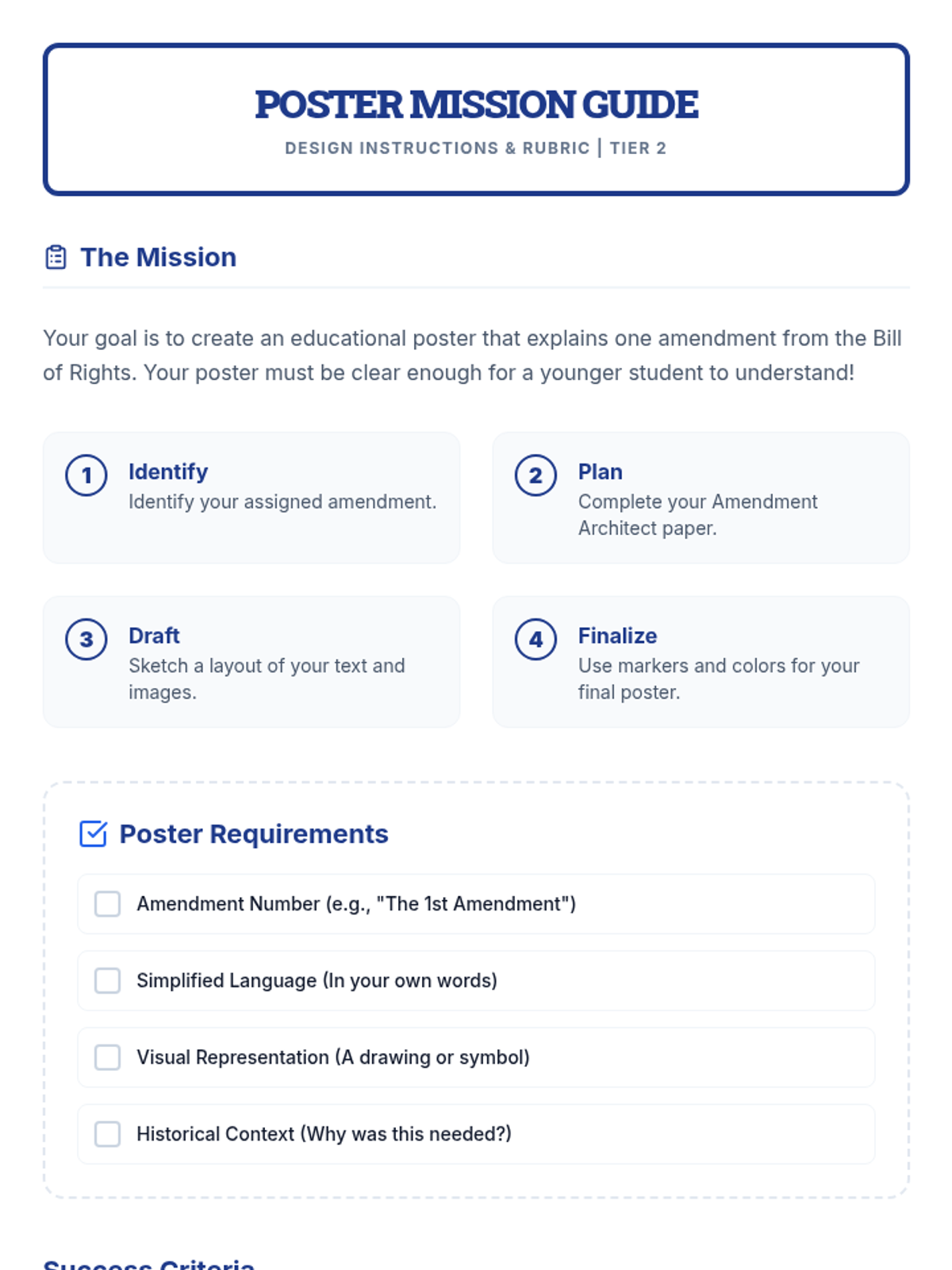
A virtual road trip across America for 1st graders to explore key landmarks and understand how they represent national ideals and history.
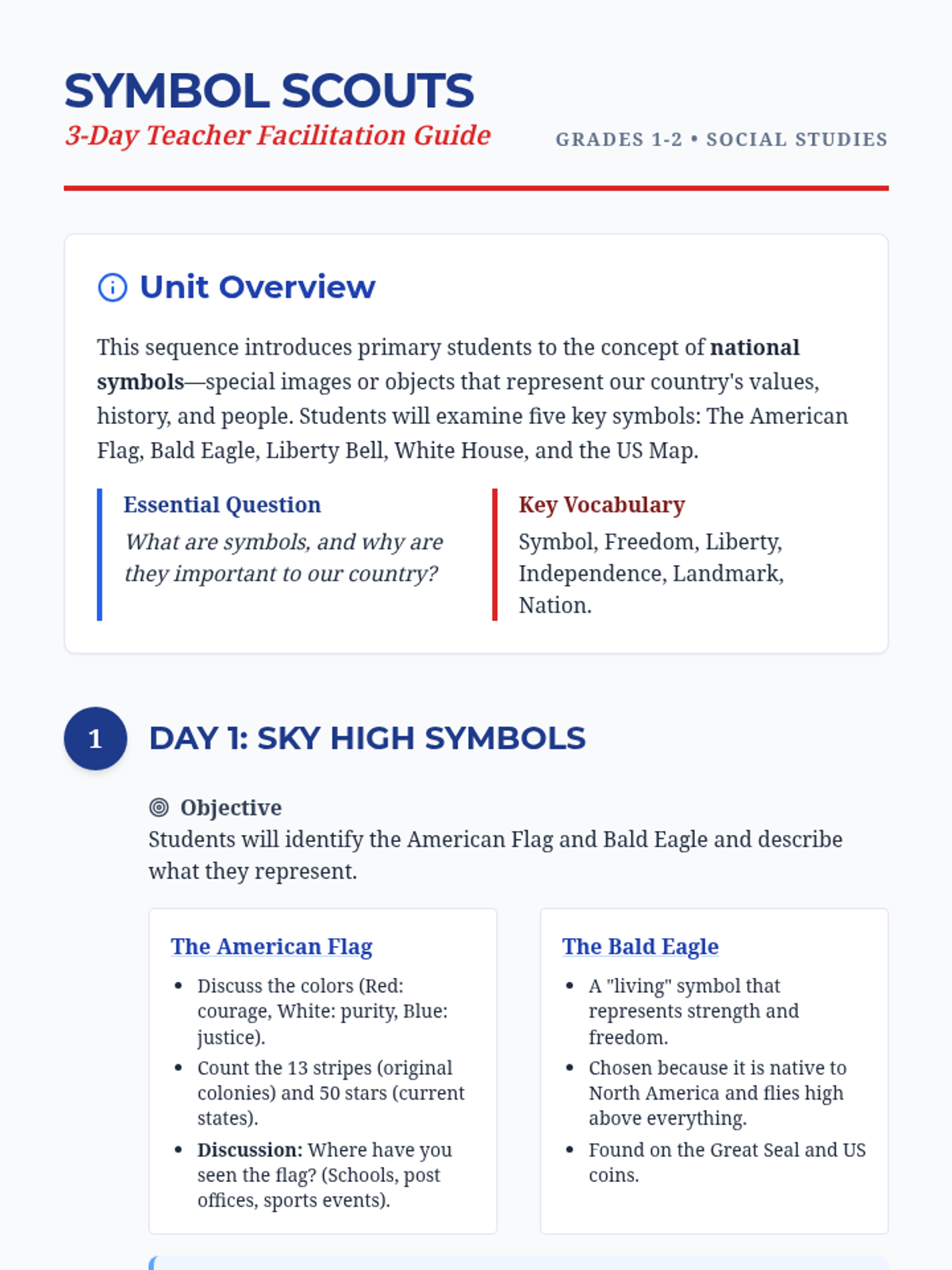
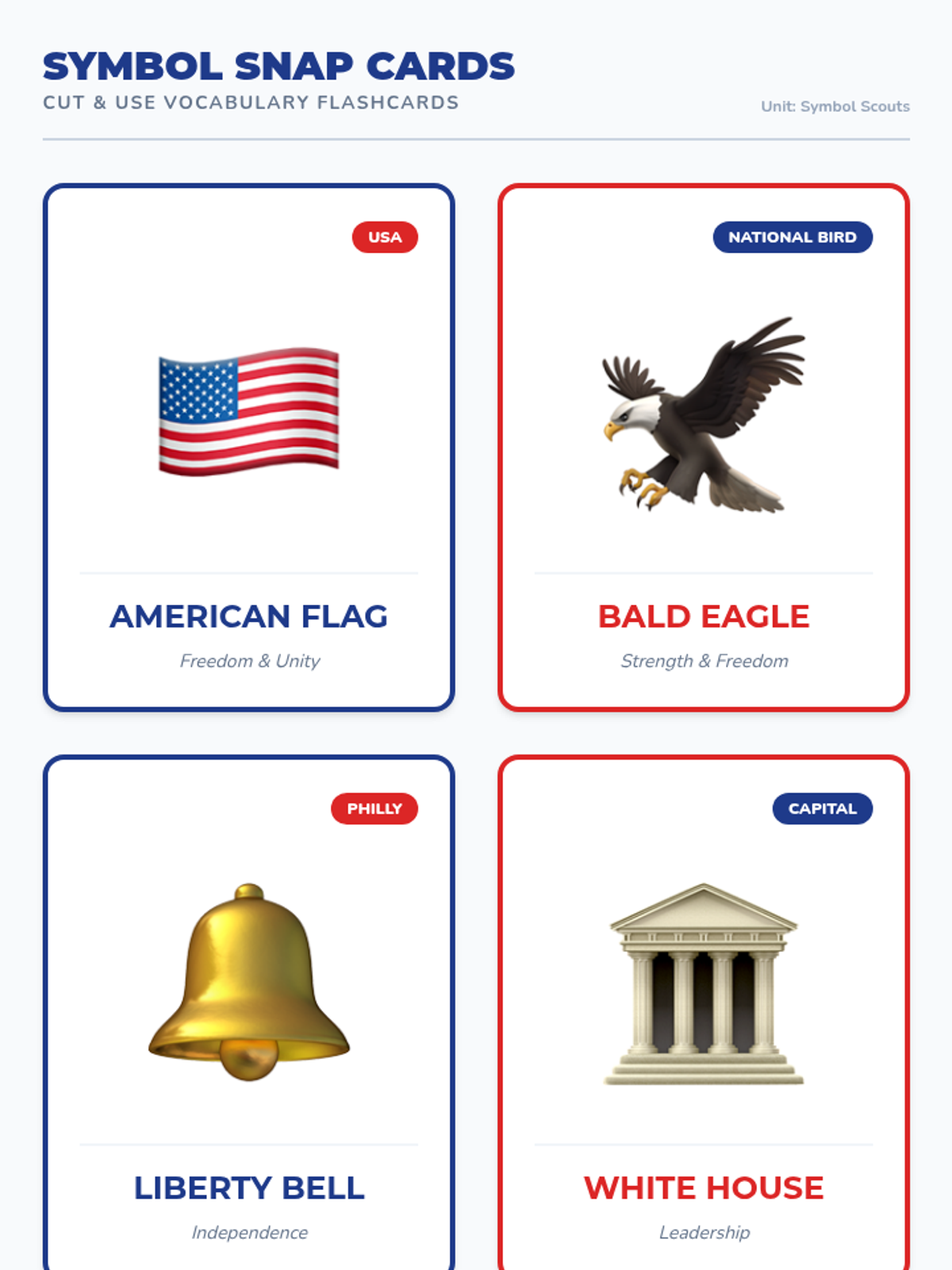
In this inquiry-driven sequence, students explore the concept of symbolism by investigating the most prominent American national icons. They learn to decode meanings behind colors, numbers, and animals, culminating in designing a symbol for their own classroom community.
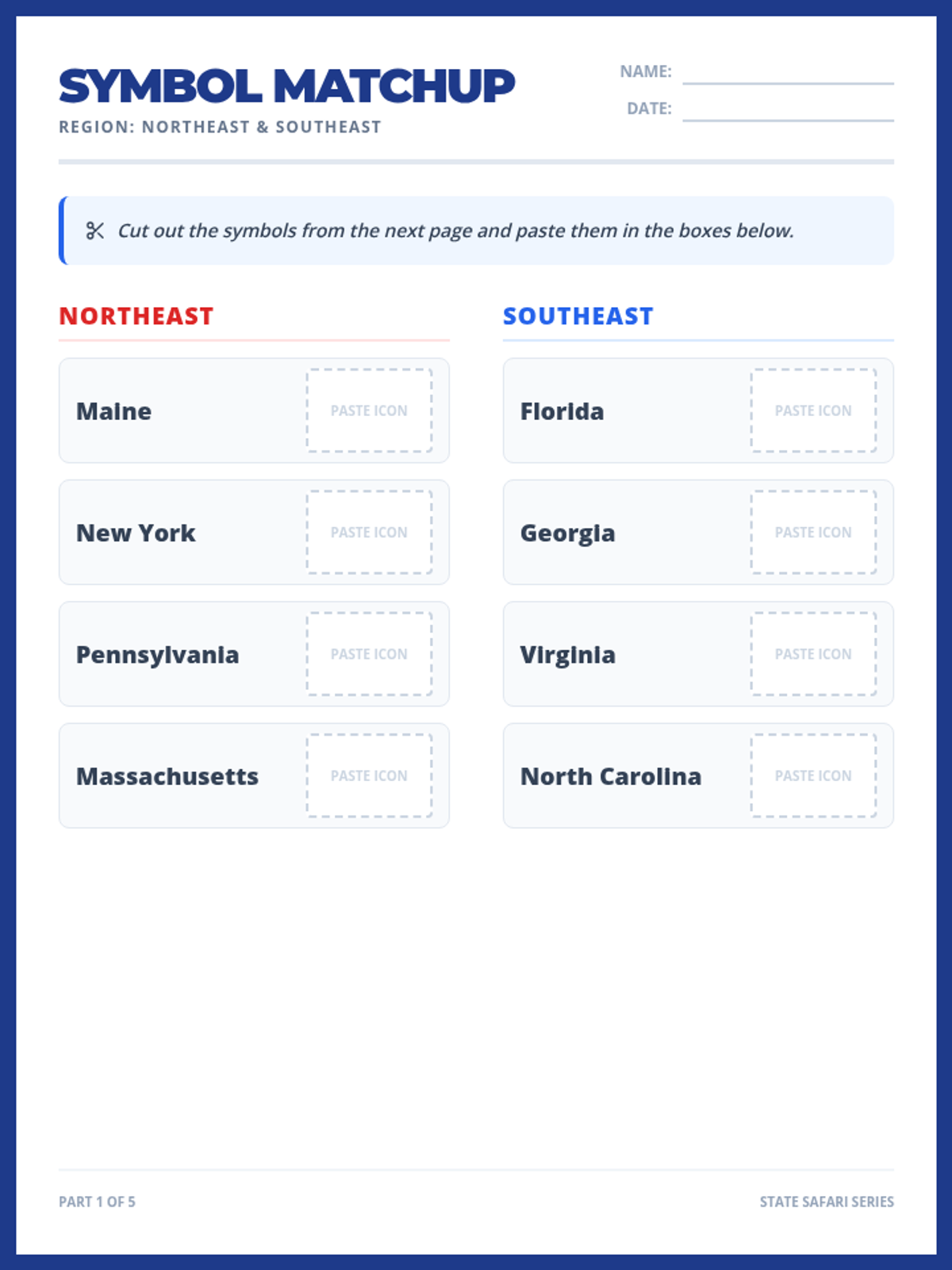
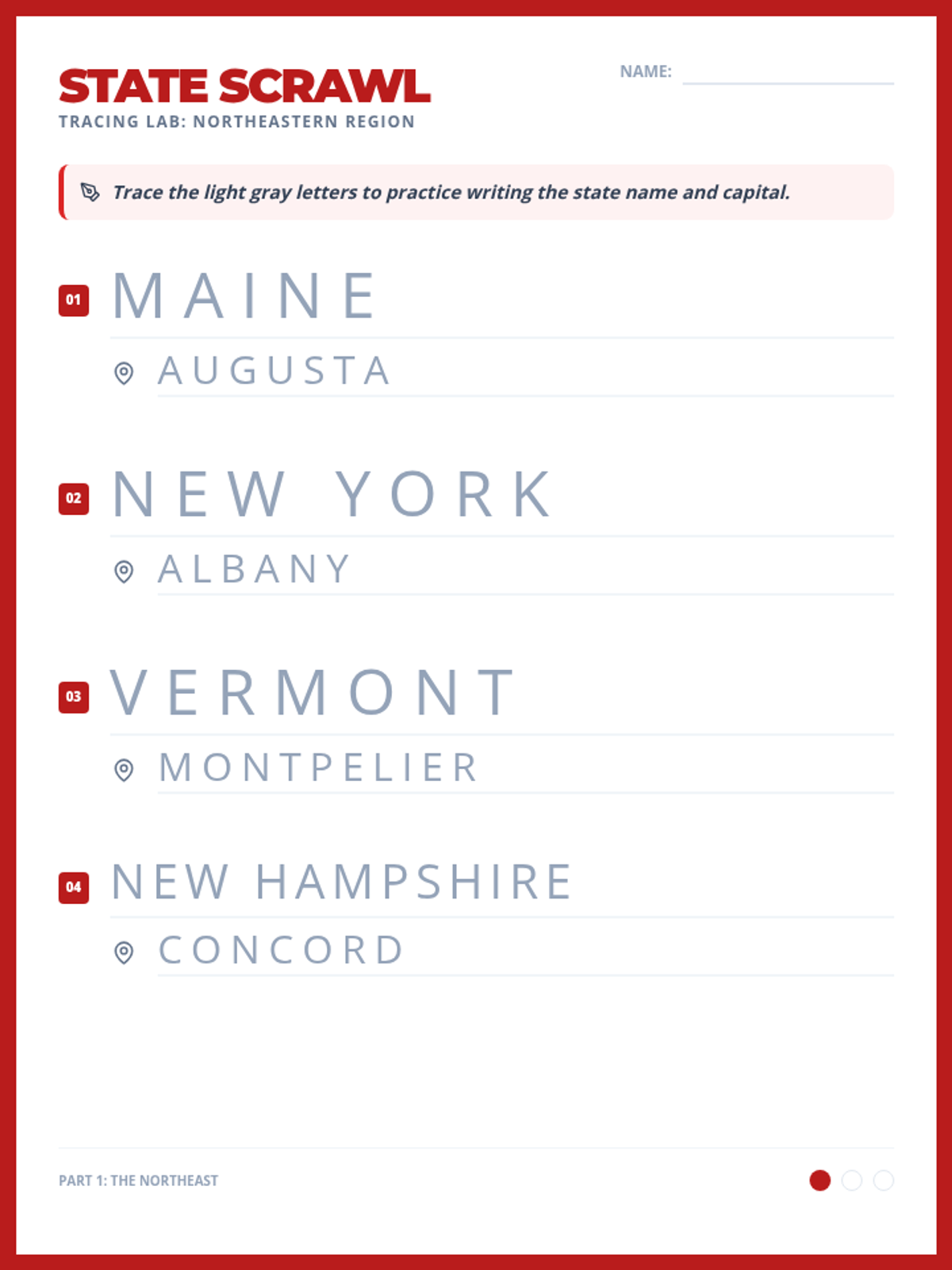
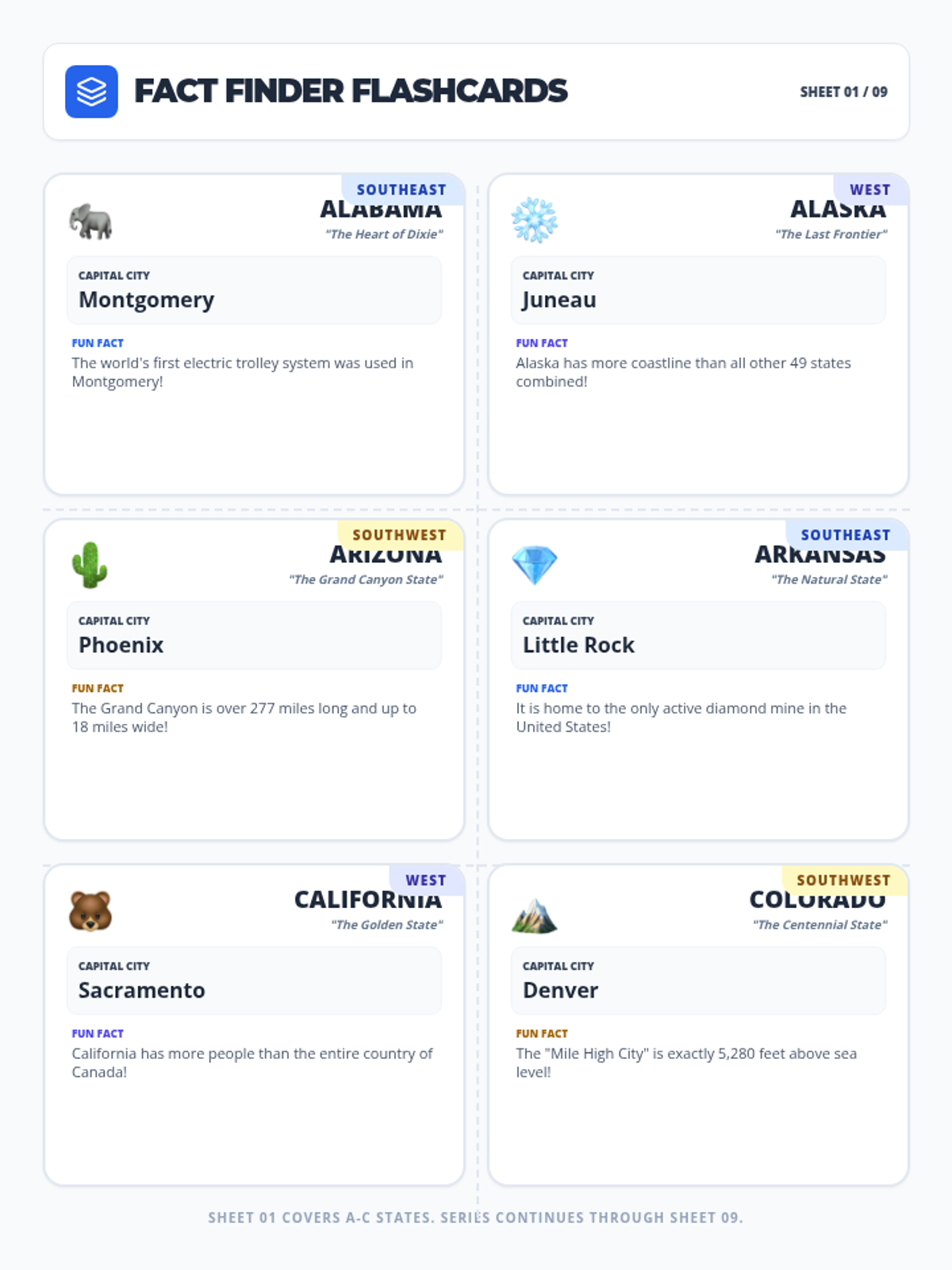
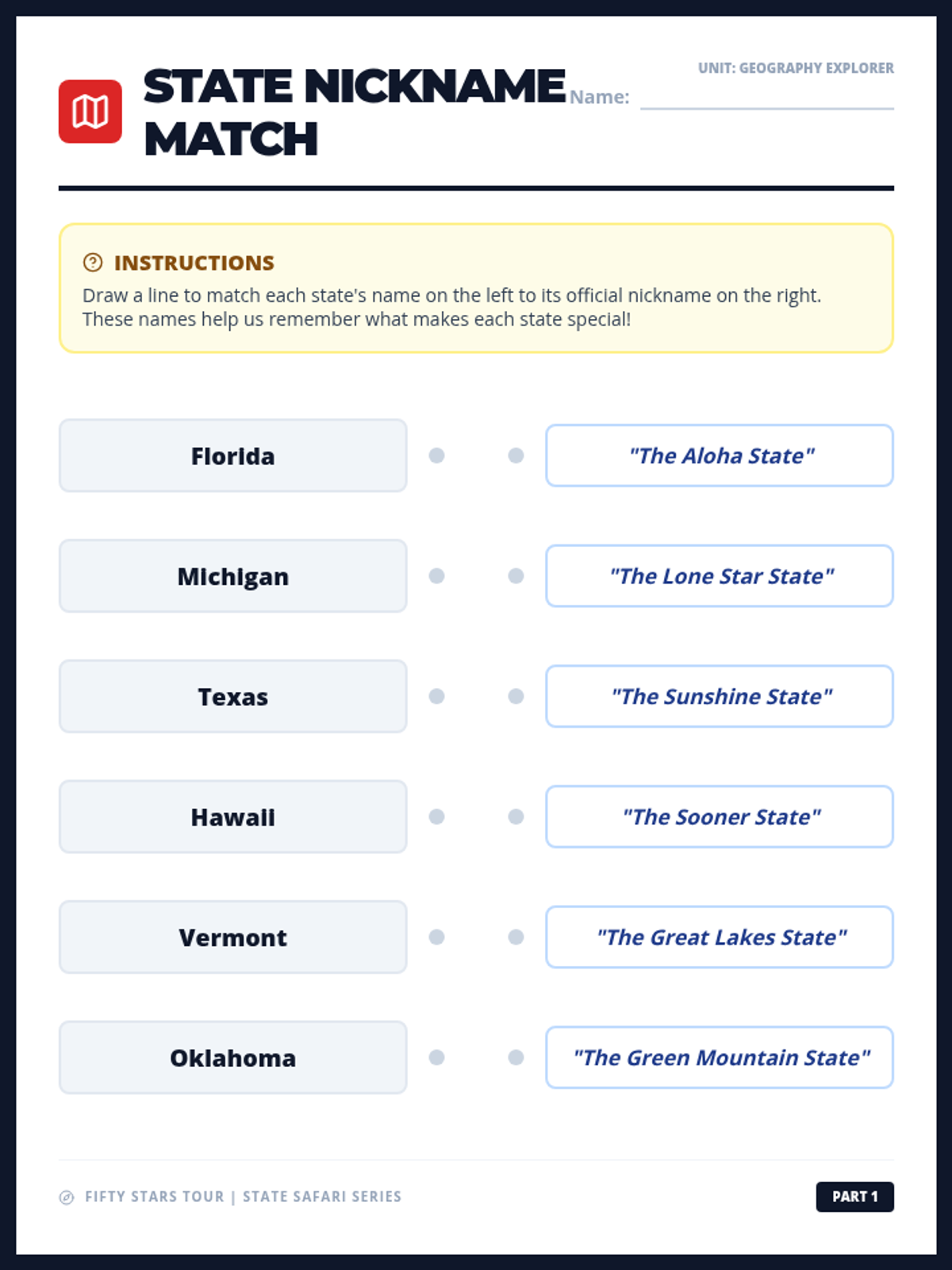
Students explore the concept of a 'state' as a distinct geographic and political entity. They learn to locate their state on a map, understand the hierarchy of city/state/country, identify official symbols, and recognize important regional landmarks.
A project-based exploration of how Native American history and culture were preserved through oral tradition, Winter Counts, wampum belts, and totem poles. Students create their own symbolic artifacts to understand history as a living, spoken, and artistic record.
A 1st Grade Social Studies sequence focused on dispelling myths about Native Americans by comparing historical life with vibrant contemporary Indigenous cultures, emphasizing that Native peoples are still here and active members of modern society.
Students explore how geography and natural resources influenced the traditional homes of Native American peoples across North America. The sequence focuses on observation, material properties, and the relationship between environment and human adaptation.
A 1st-grade inquiry into how Native Peoples utilized natural resources for daily needs like food, shelter, and clothing. Students explore Indigenous ingenuity through the study of the buffalo, cedar trees, and the 'Three Sisters' crops, emphasizing sustainability and gratitude.
Students explore the vital role of oral tradition in Native American cultures, focusing on how stories teach lessons, explain nature, and preserve history. The sequence moves from passive listening to active retelling, helping students appreciate history recorded through memory.
This unit introduces 1st graders to how Native American tribes adapted their homes to different environments using natural resources. Students explore the Southwest, Great Plains, and Eastern Woodlands to understand the relationship between geography and shelter.
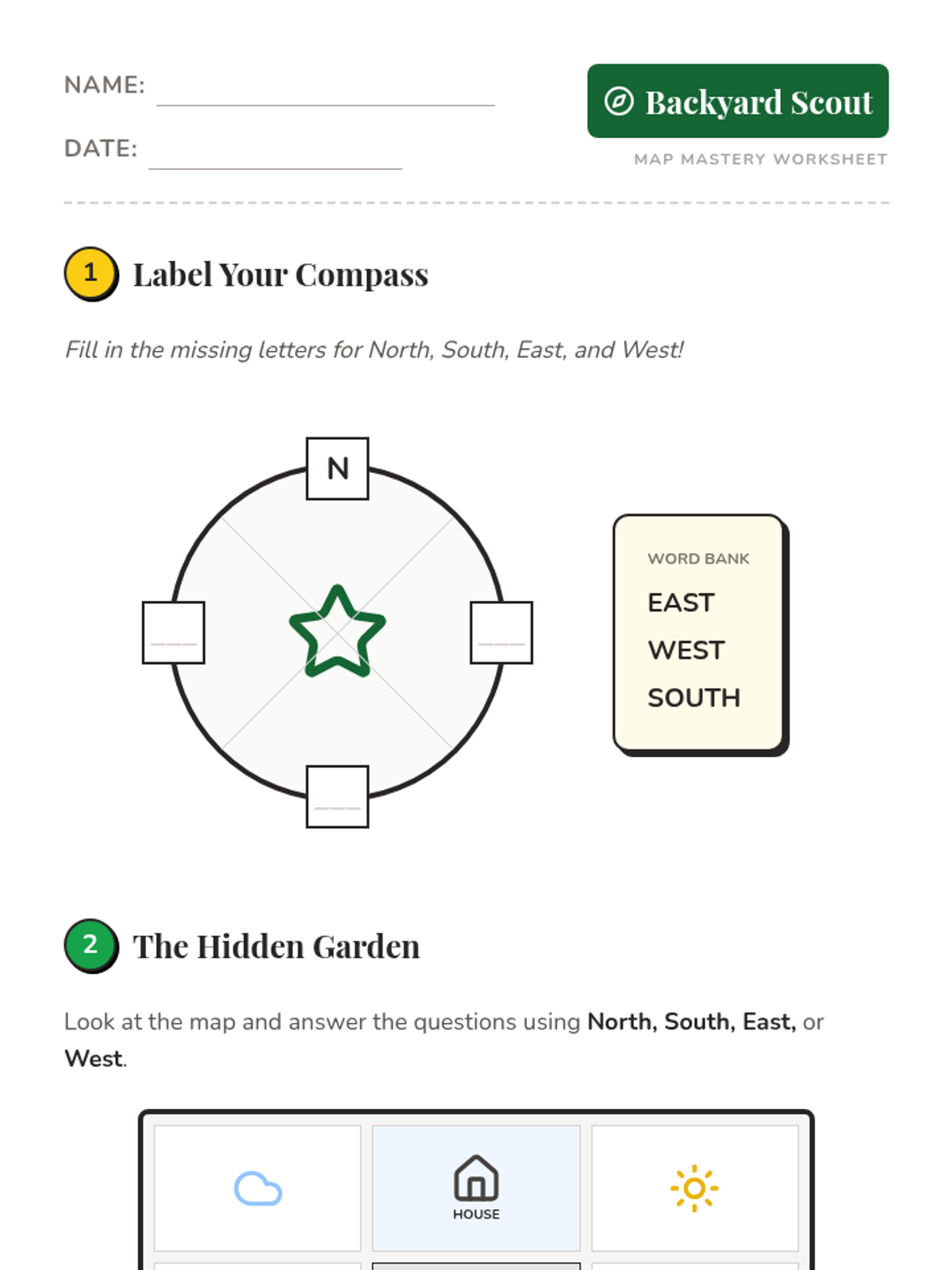
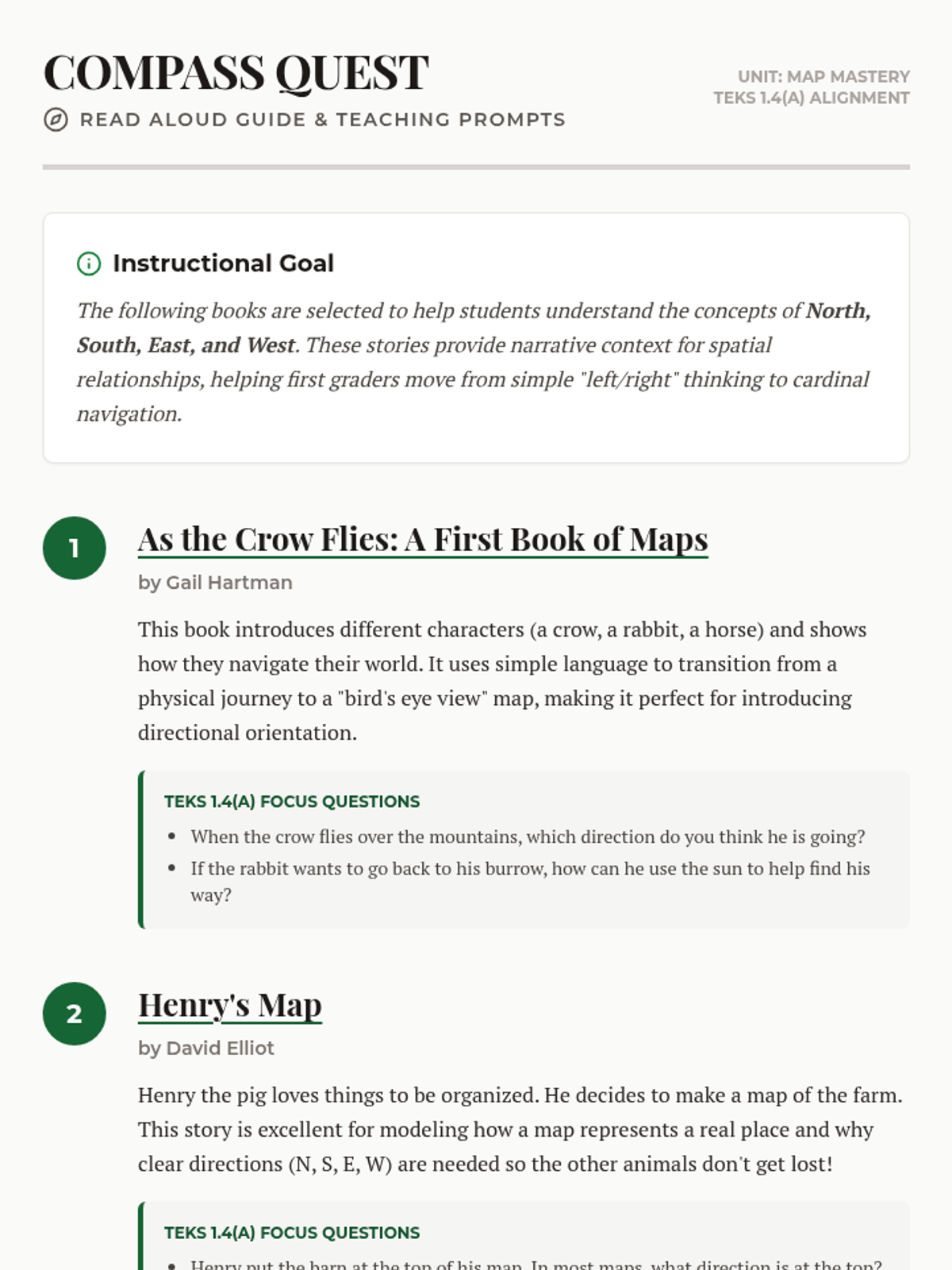
This sequence teaches 1st Grade students the fundamentals of navigation, starting with relative directional words and progressing to cardinal directions and simple alphanumeric grids. The lessons culminate in a practical scavenger hunt applying these skills.
A 1st Grade geography unit exploring the differences between maps and globes, identifying continents and oceans, and understanding hierarchical location from home to the planet.
A hands-on project-based unit where 1st graders develop spatial reasoning by creating models and maps of their classroom, playground, and personal spaces. Students progress from 3D modeling to 2D cartography, ending with a navigation challenge to test their map accuracy.
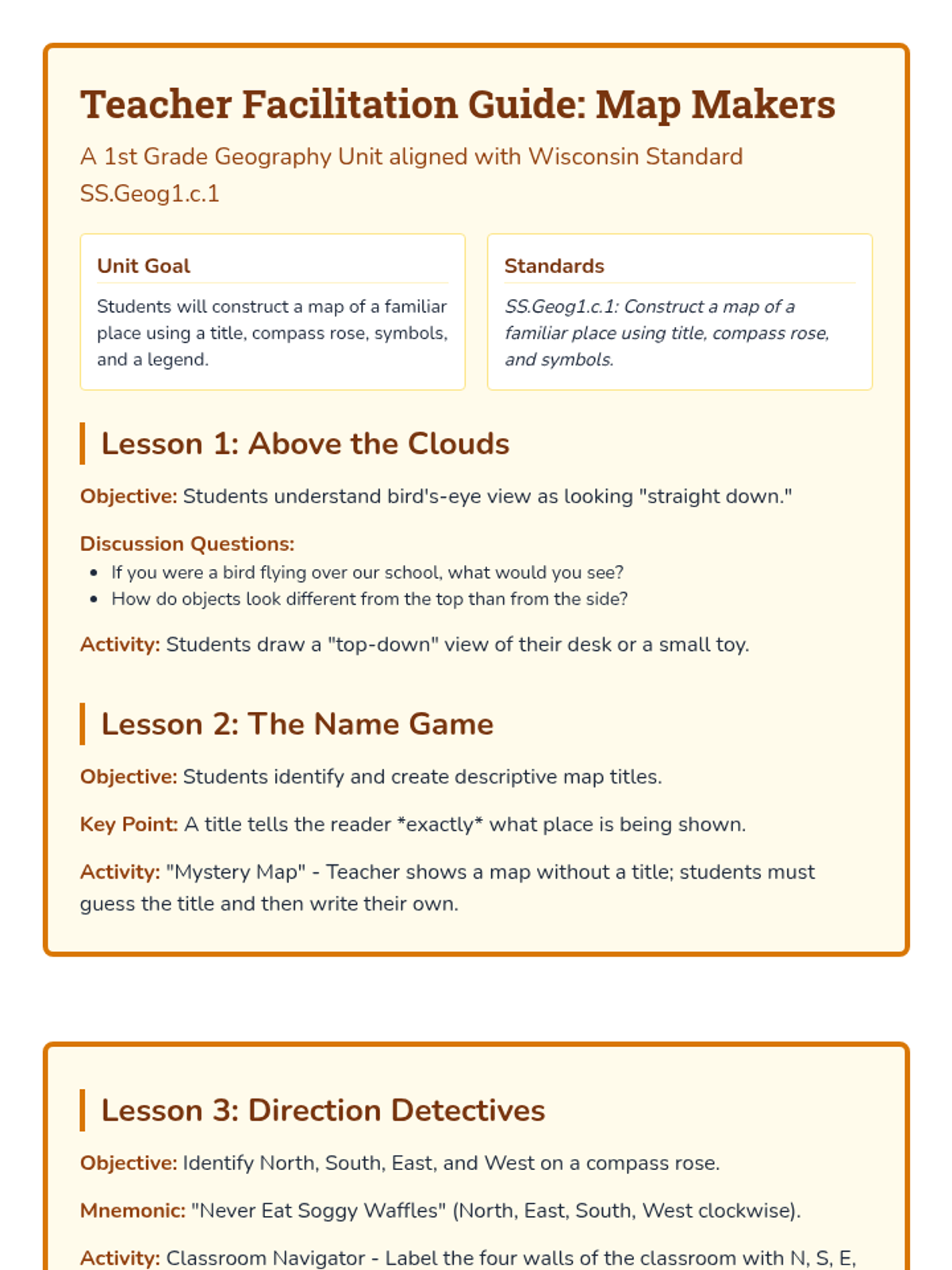
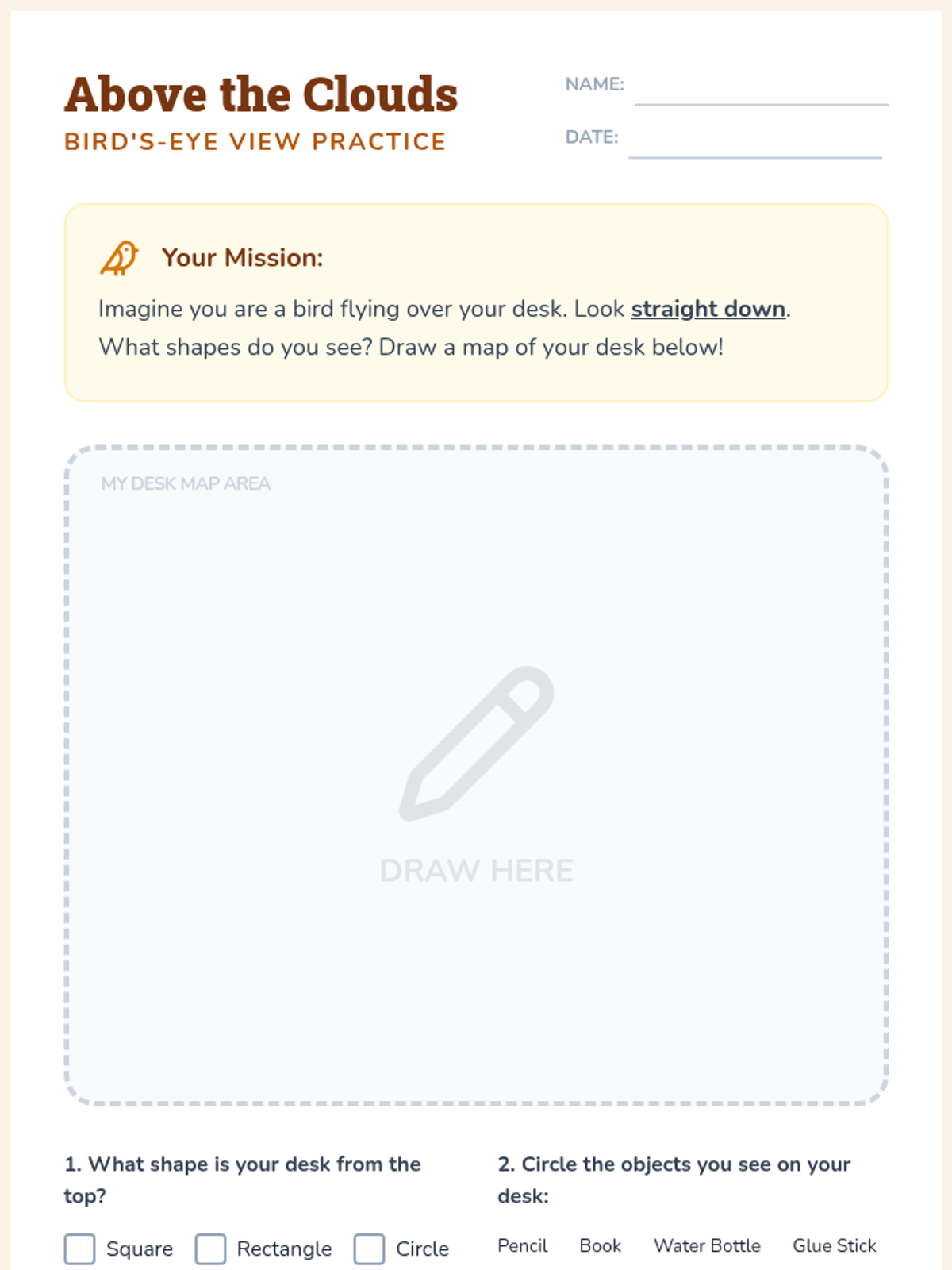
This sequence introduces first-grade students to cartography, moving from concrete 3D perspectives to 2D symbolic representations. Students will master bird's-eye view, symbol recognition, and the use of map legends to interpret simple geographic data.
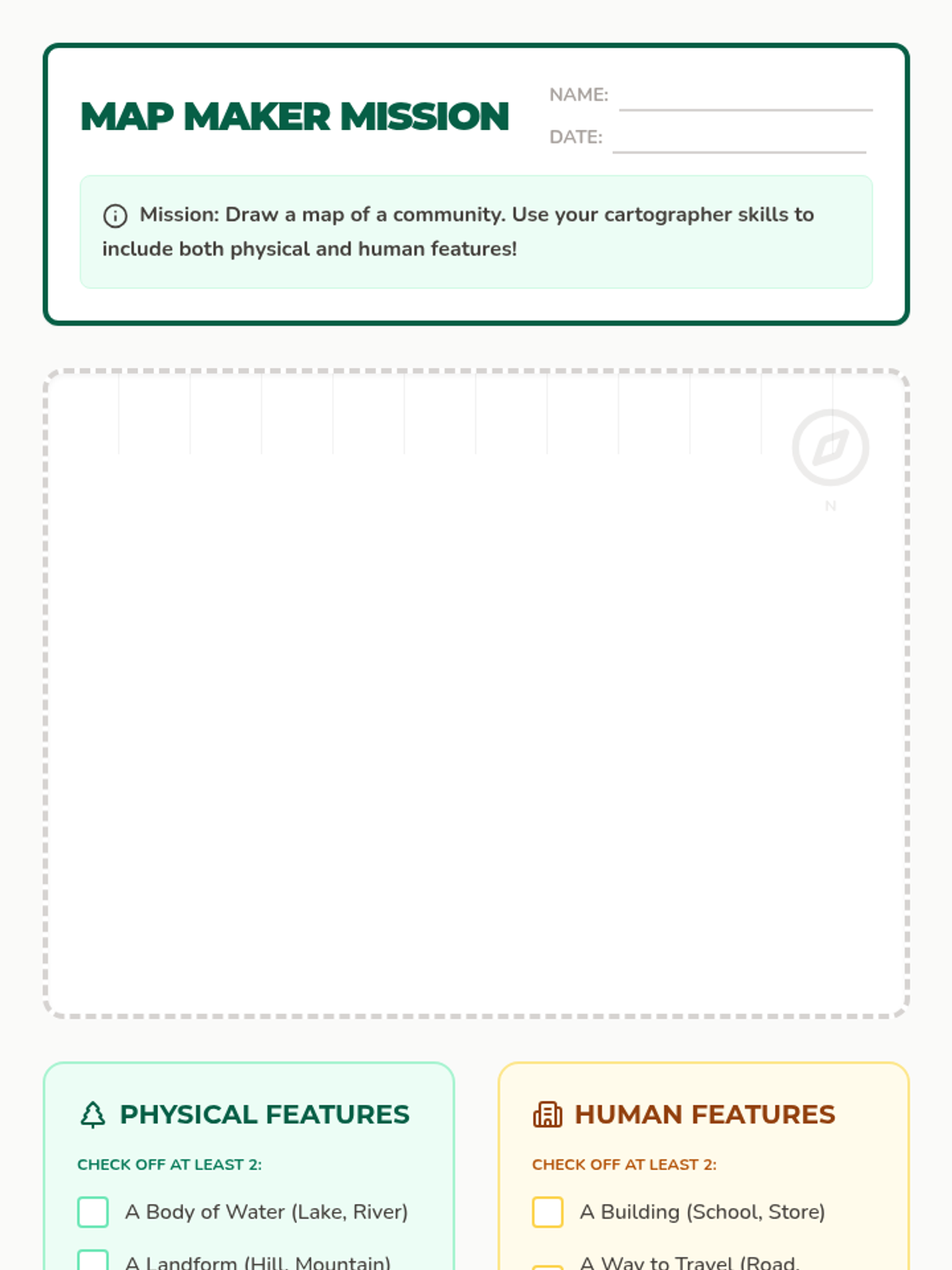
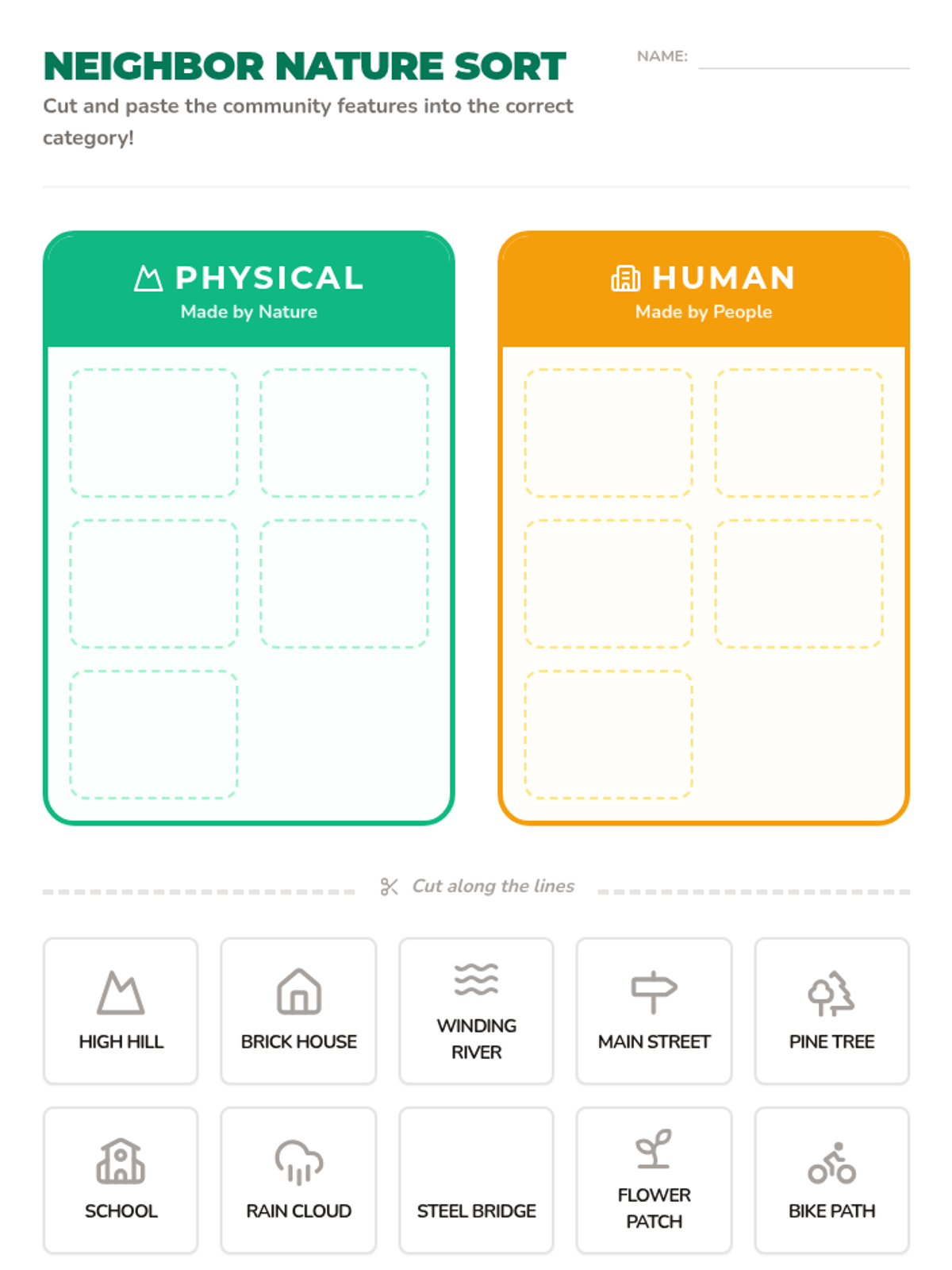
A project-based sequence for 1st Grade students to explore regional geography through the lens of human characteristics, communities, and culture. Students progress from local mapping to comparing urban and rural environments, global housing styles, and man-made landmarks, culminating in the creation of a community model.