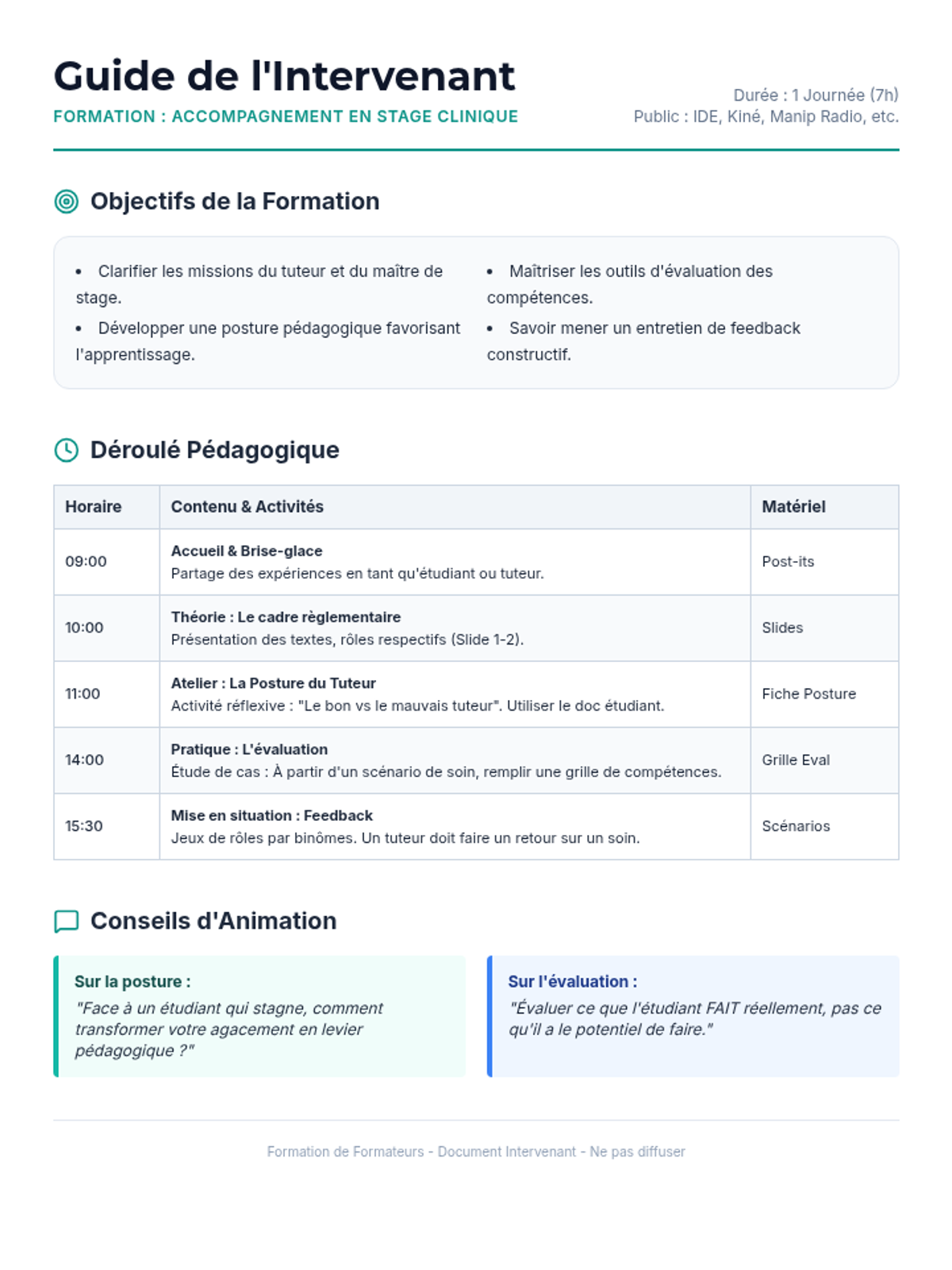
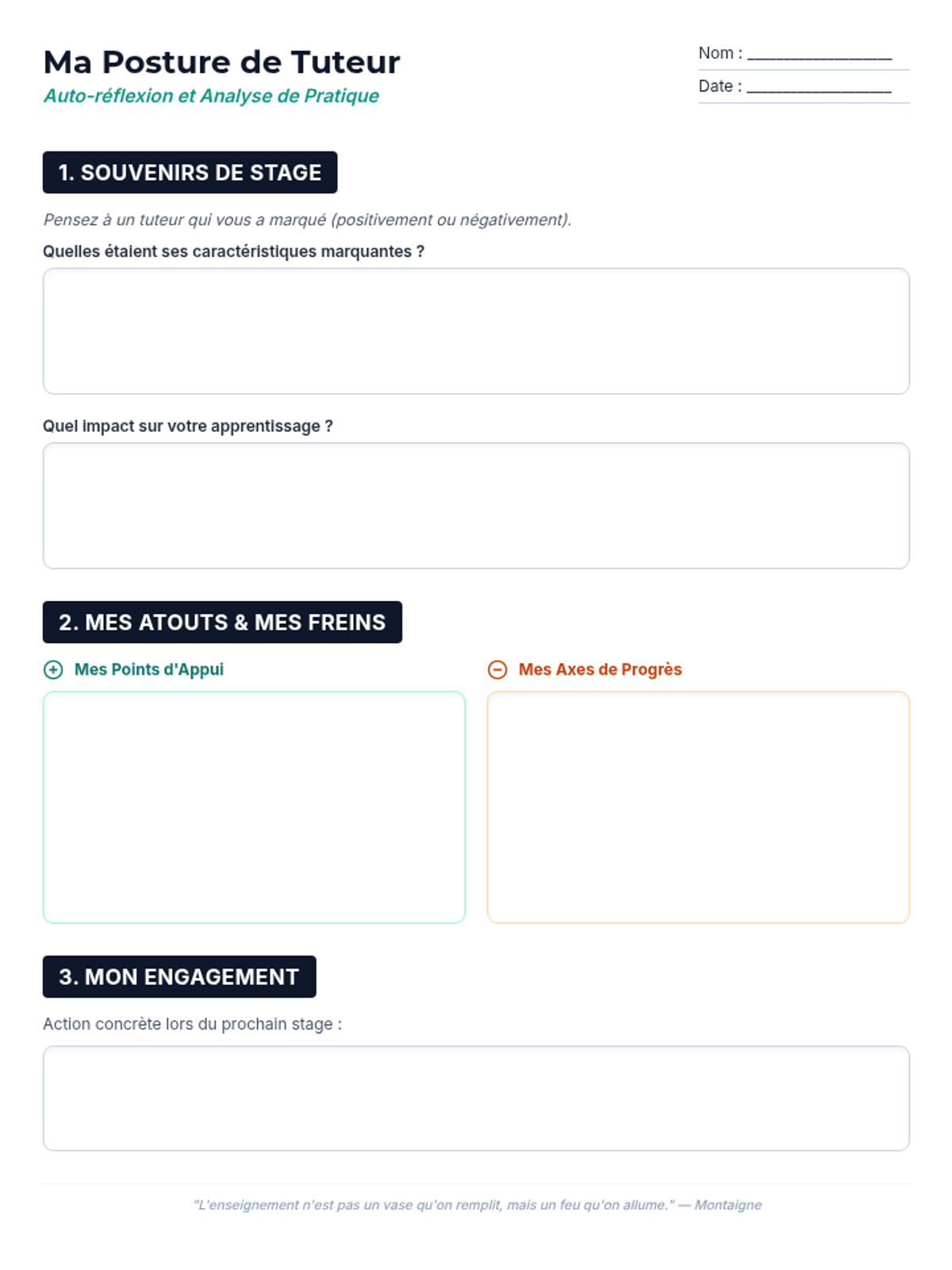
A comprehensive full-day workshop designed for both new and experienced allied health supervisors to master evidence-based clinical supervision across diverse disciplines.
A lesson focused on teaching Kindergarten students about personal space, body boundaries, and the importance of keeping private parts private. It uses the concept of a 'Space Shield' to make boundaries concrete and empowering.
This lesson covers the physiological effects of caffeine on the body and provides clear, evidence-based guidelines for safe consumption across different age groups based on FDA and NIH standards.
A collection of resources designed to help staff members prioritize their mental health, manage stress, and build a culture of wellness in the workplace.
A hands-on lesson focused on identifying and responding to common kitchen injuries through a complex multi-injury scenario.
A comprehensive lesson for 6th-grade students on the synergy between physical activity types and a balanced diet, using a scientific 'Body Lab' theme. Students explore aerobic, strengthening, and flexibility exercises alongside MyPlate nutrition standards.
A supportive and age-appropriate lesson for 2nd-3rd grade girls focusing on physical growth, emotional regulation, and personal boundaries through the lens of a 'Growth Garden'. Students will explore social stories that normalize body changes and provide practical tools for impulse control and respecting personal space.
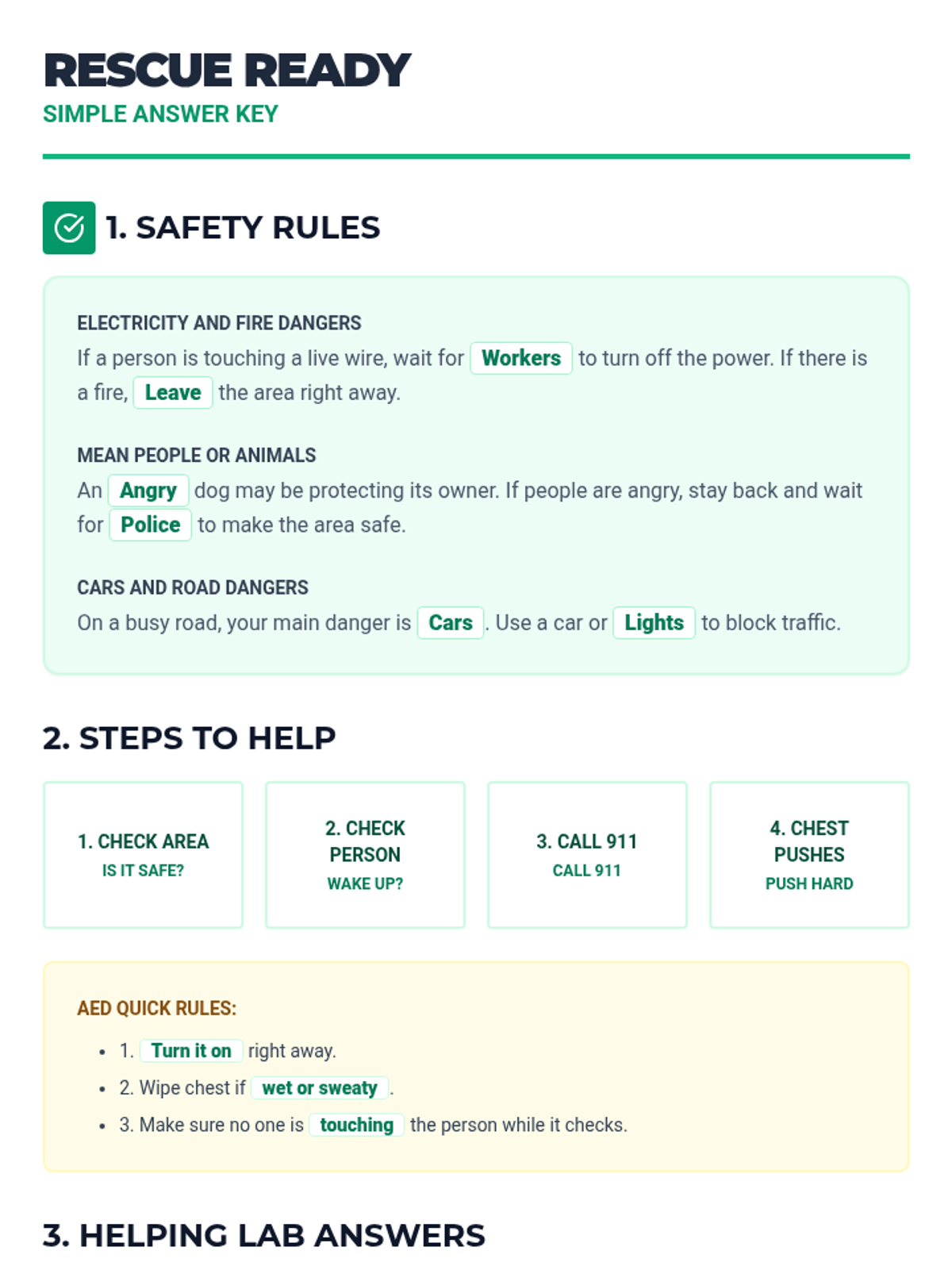
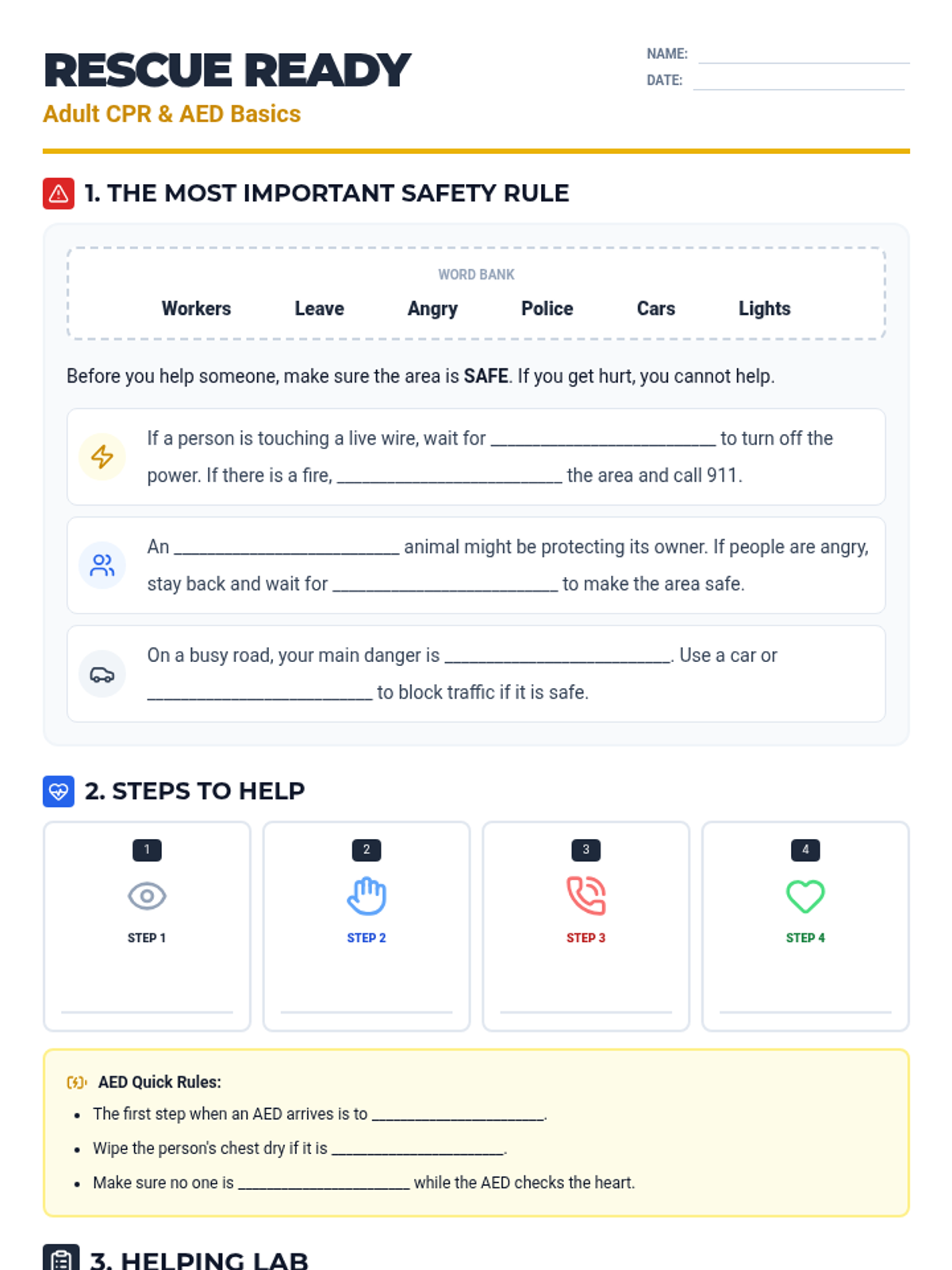
Deze les bereidt burger reservisten voor op het bieden van levensreddende hulp in kritieke situaties. Cursisten leren de fysiologie achter een hartstilstand, het reanimatieprotocol en het gebruik van een AED in een tactische context.
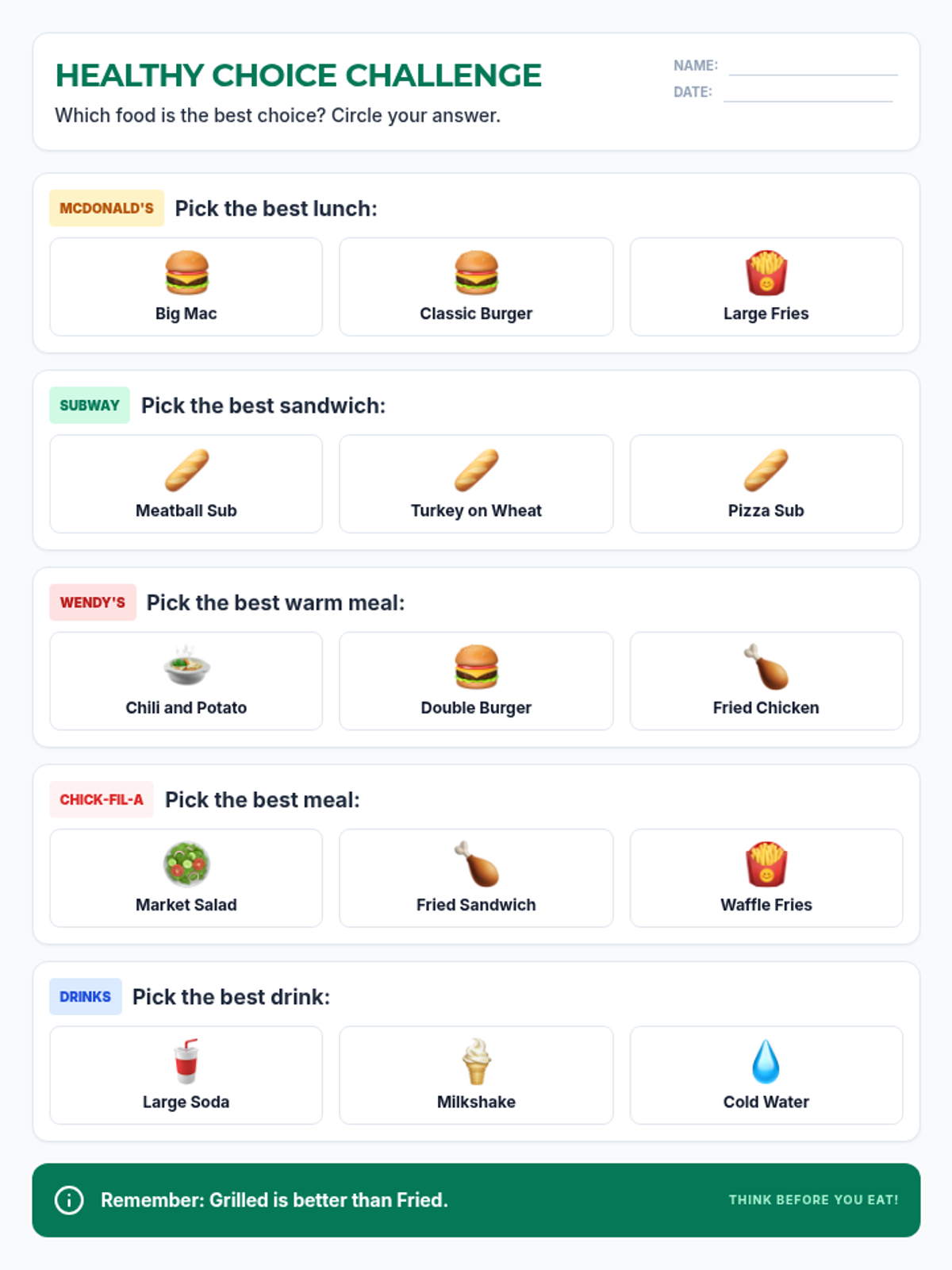
This lesson introduces 1st-grade students to the concept of healthy food choices, focusing on identifying nutrient-dense 'anytime' foods versus 'sometimes' treats to fuel their bodies.
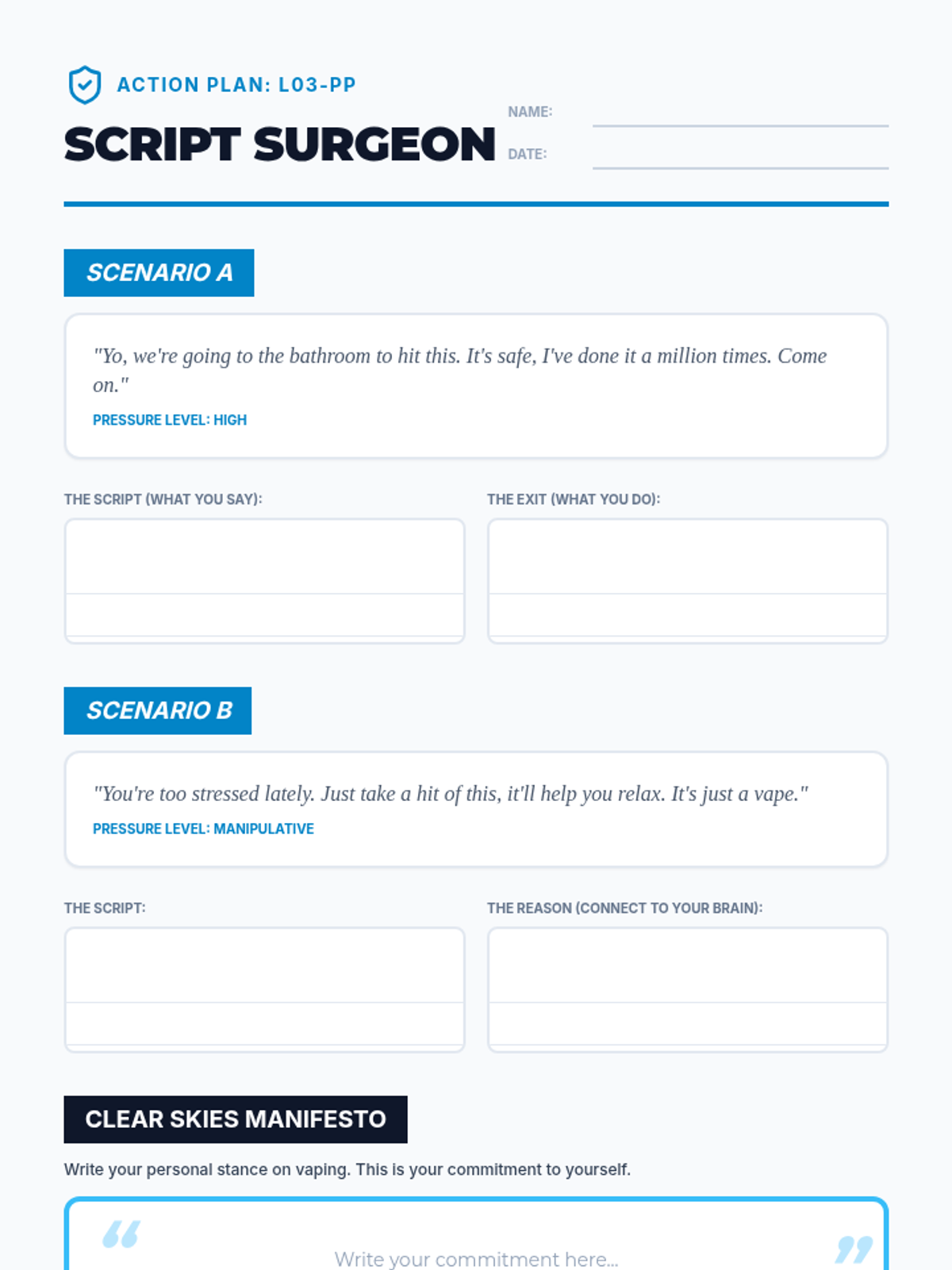
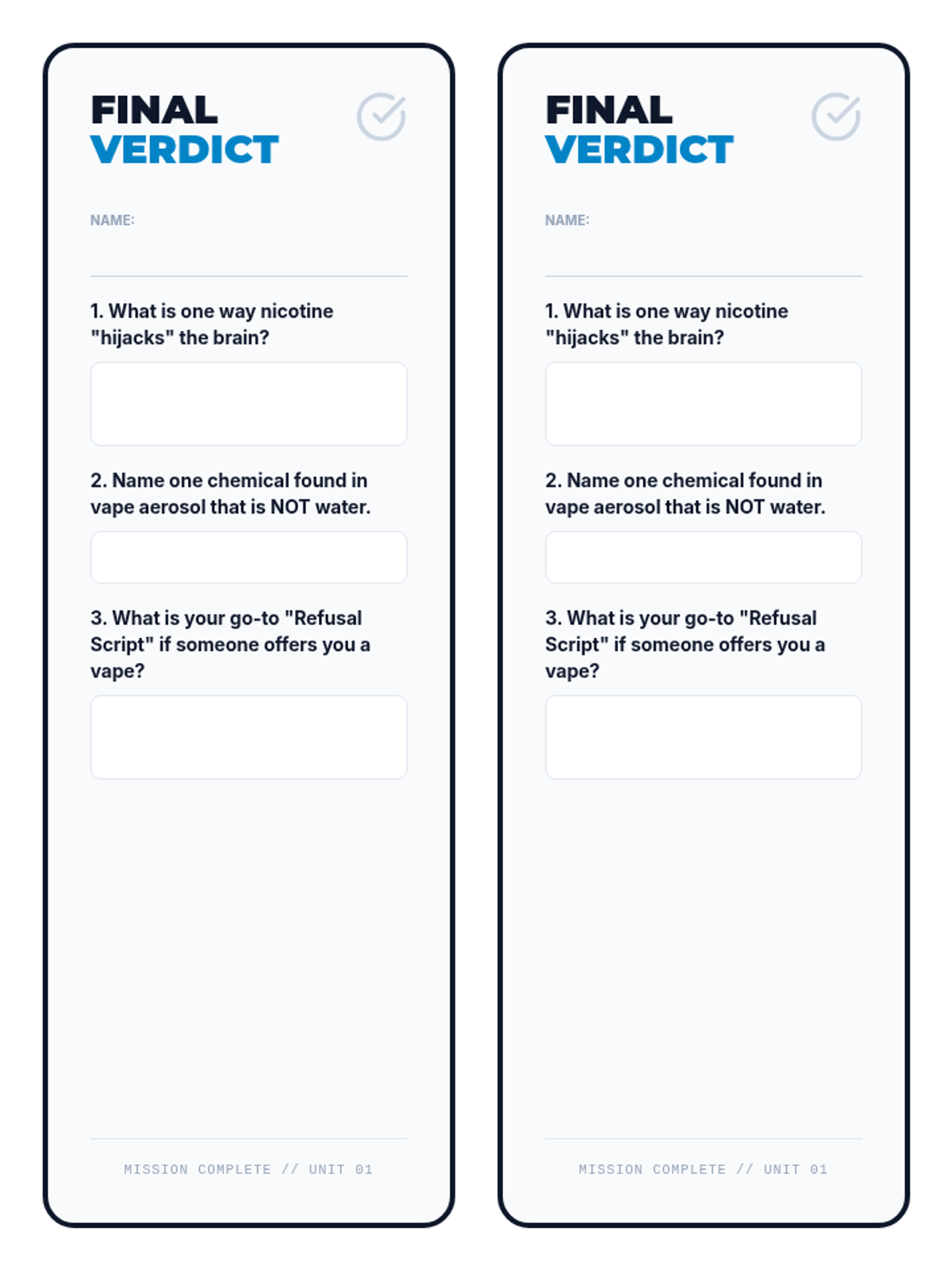
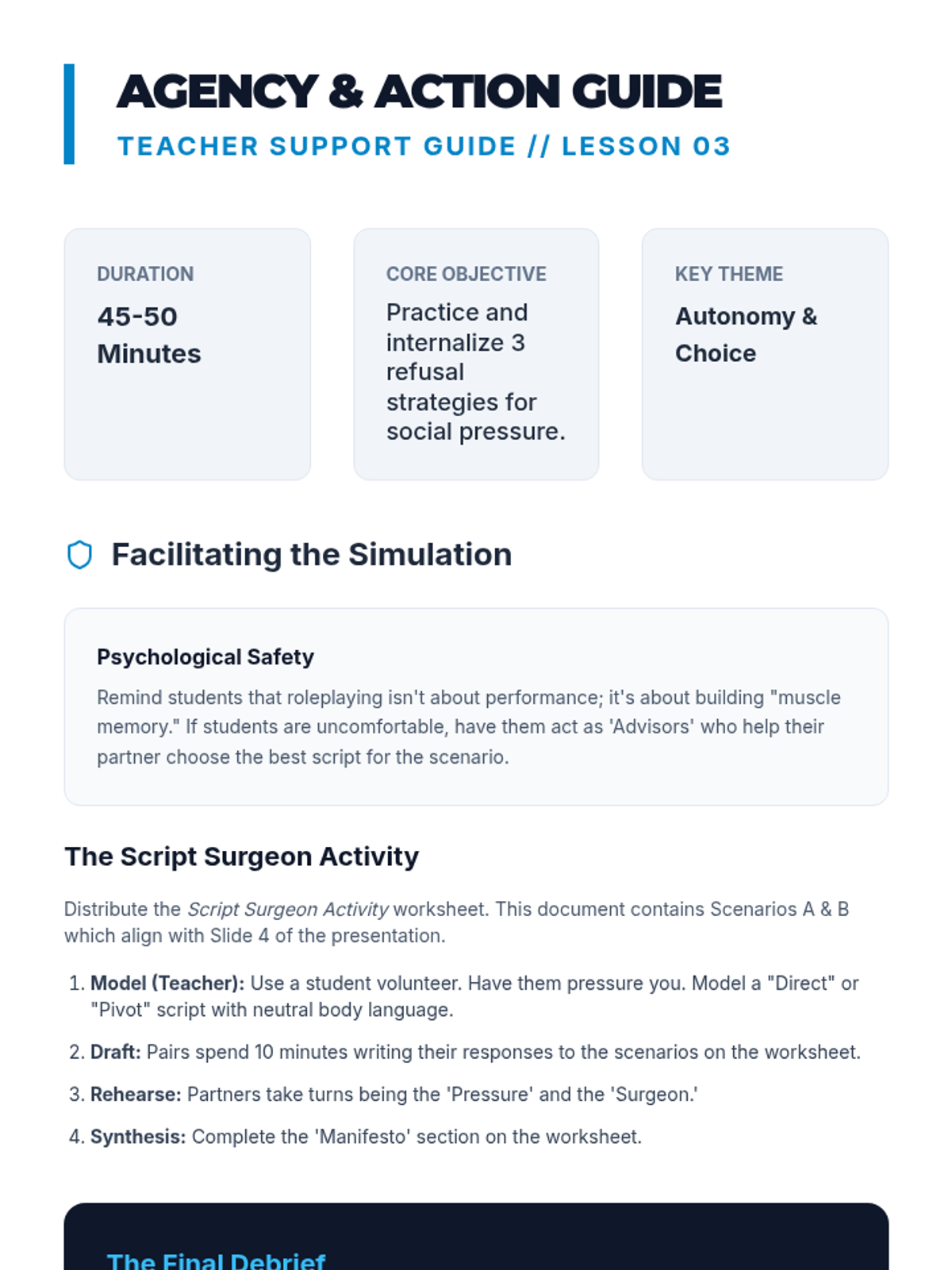
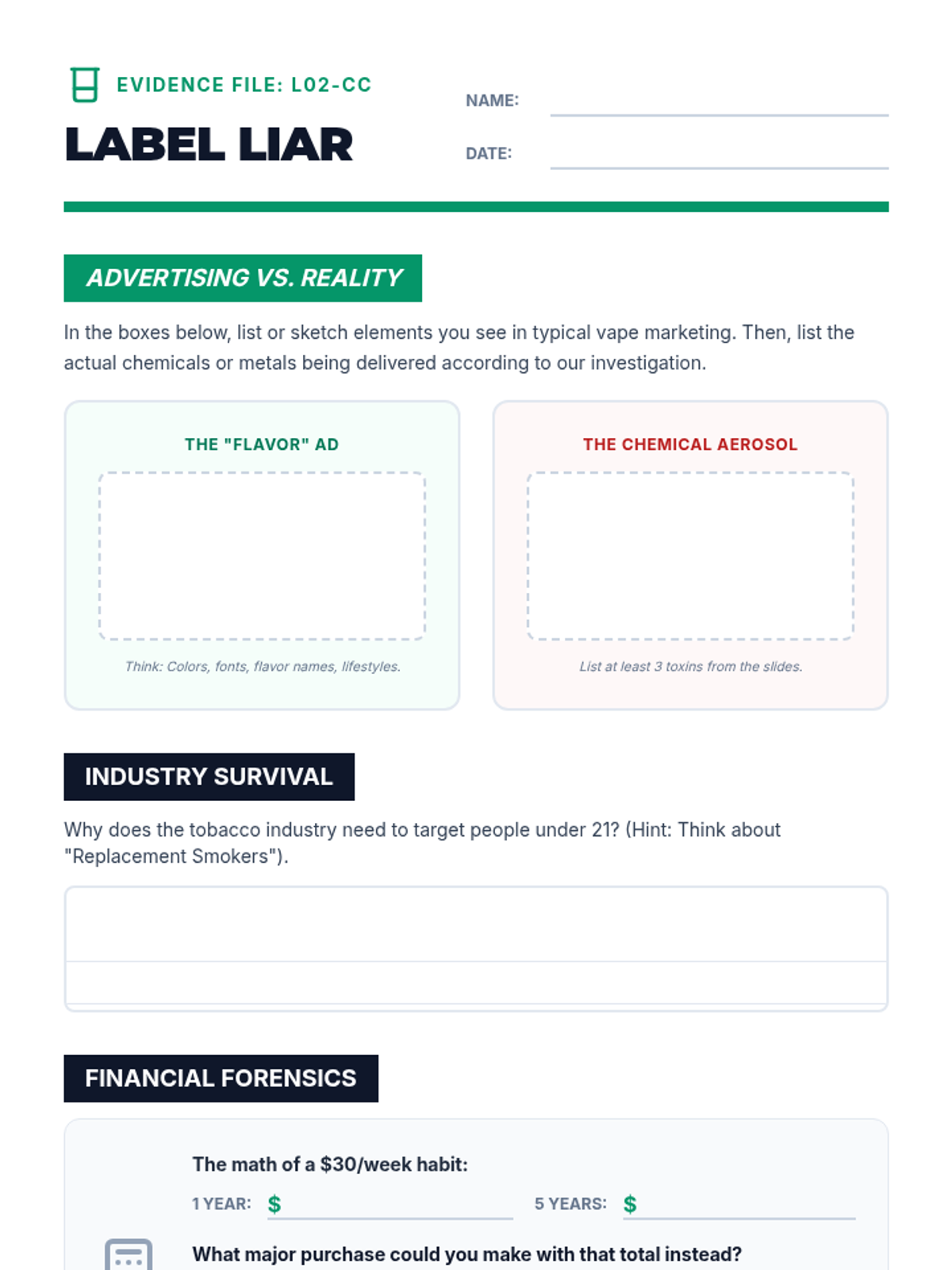
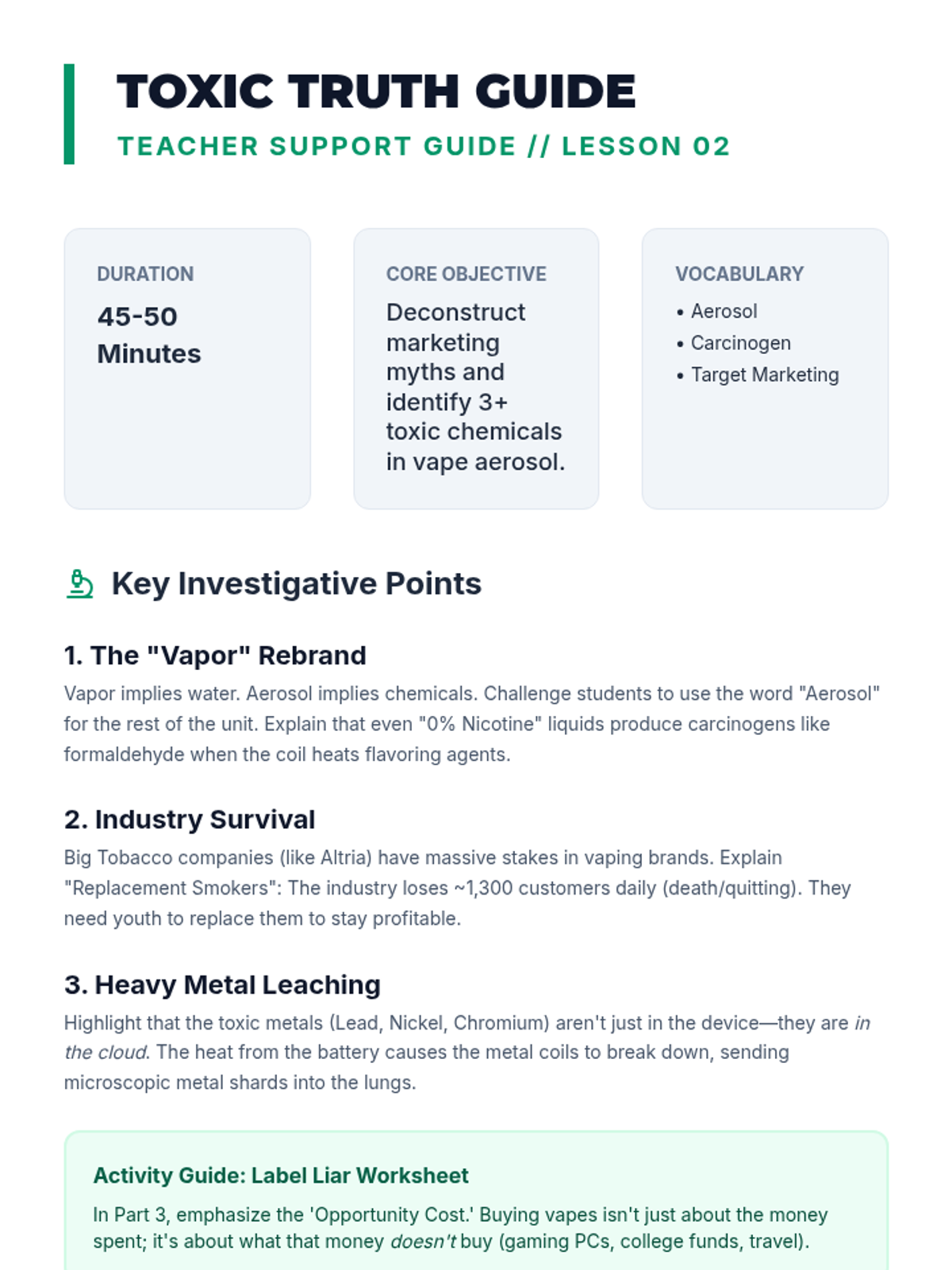
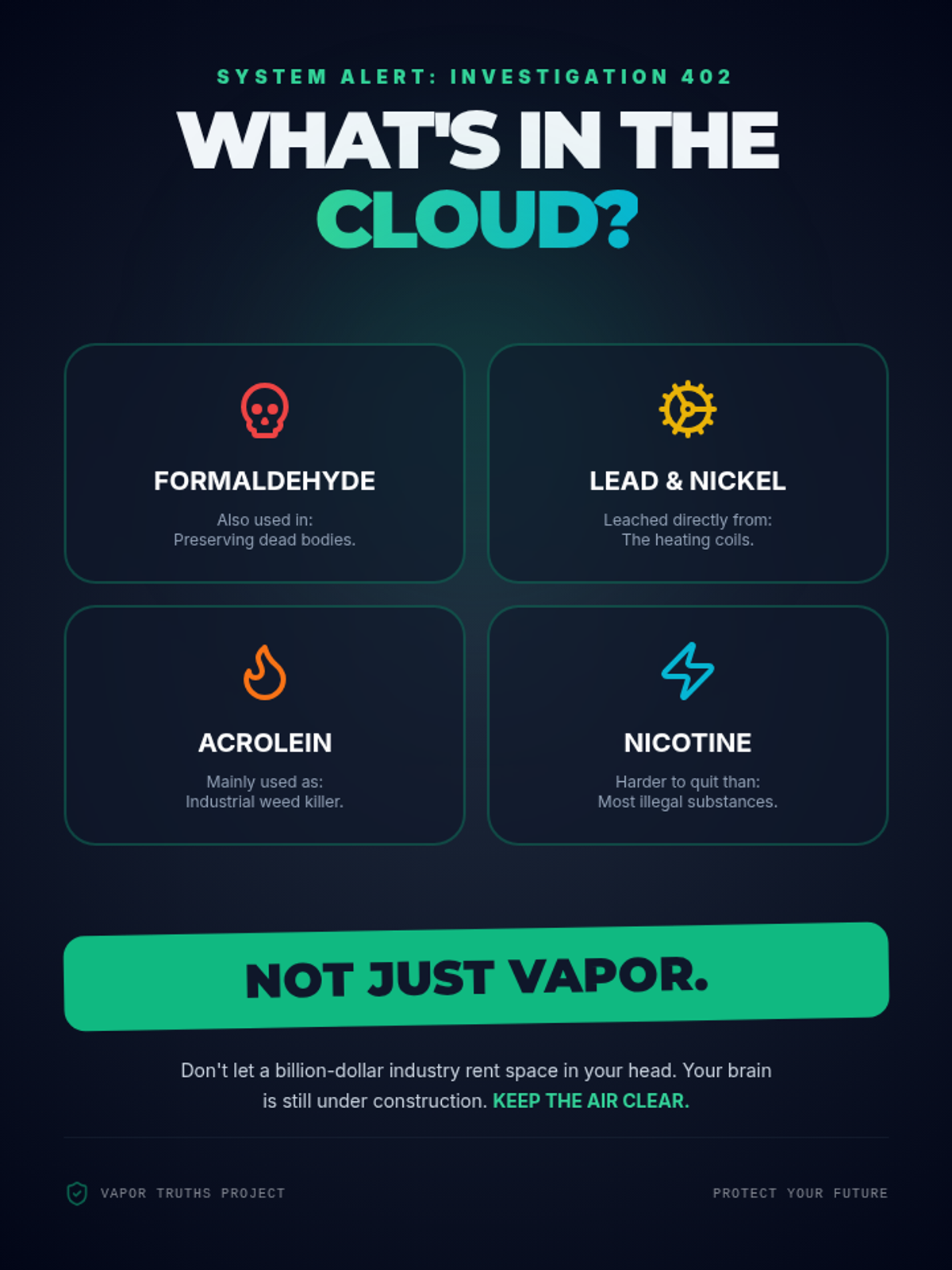
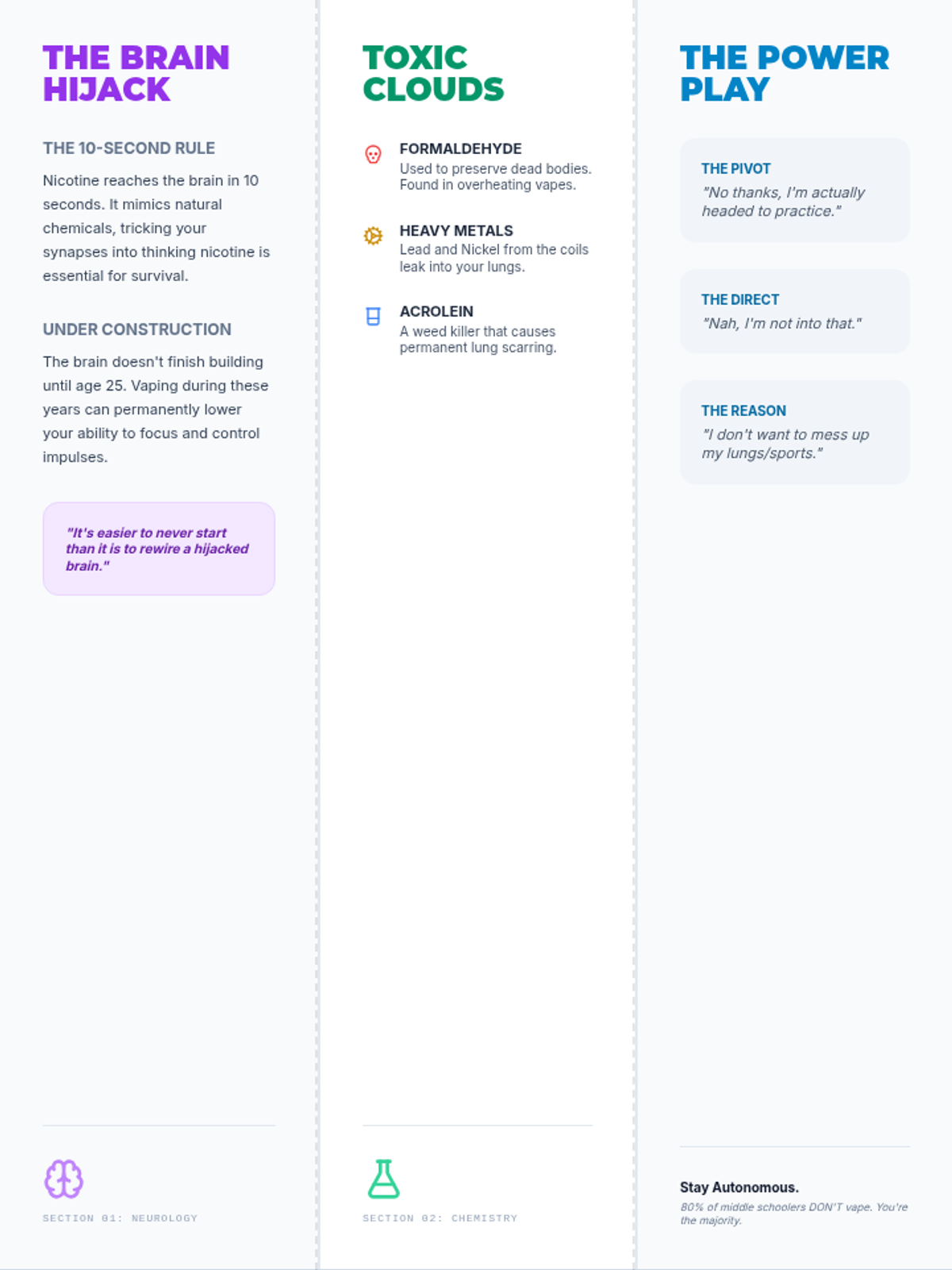
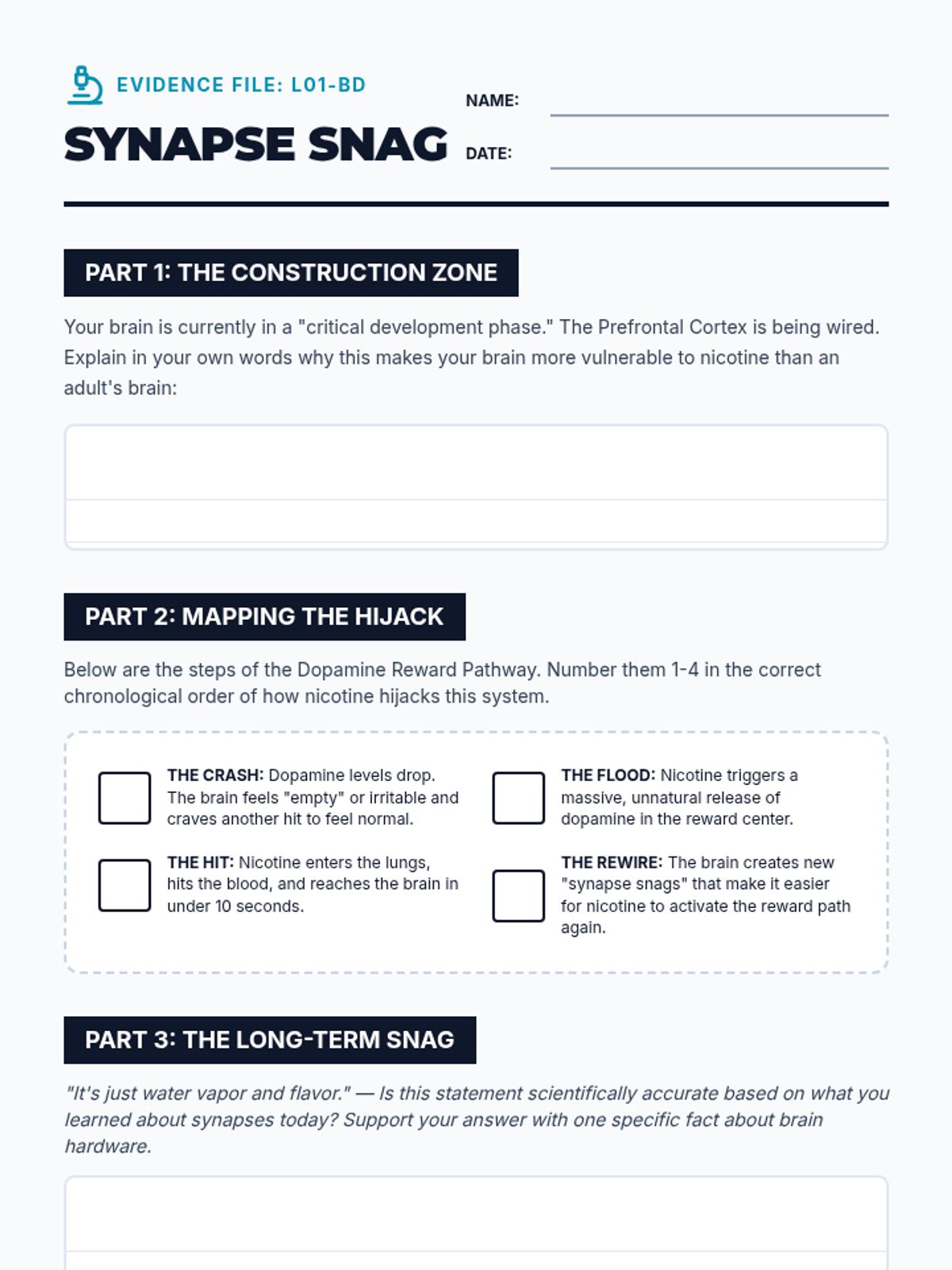
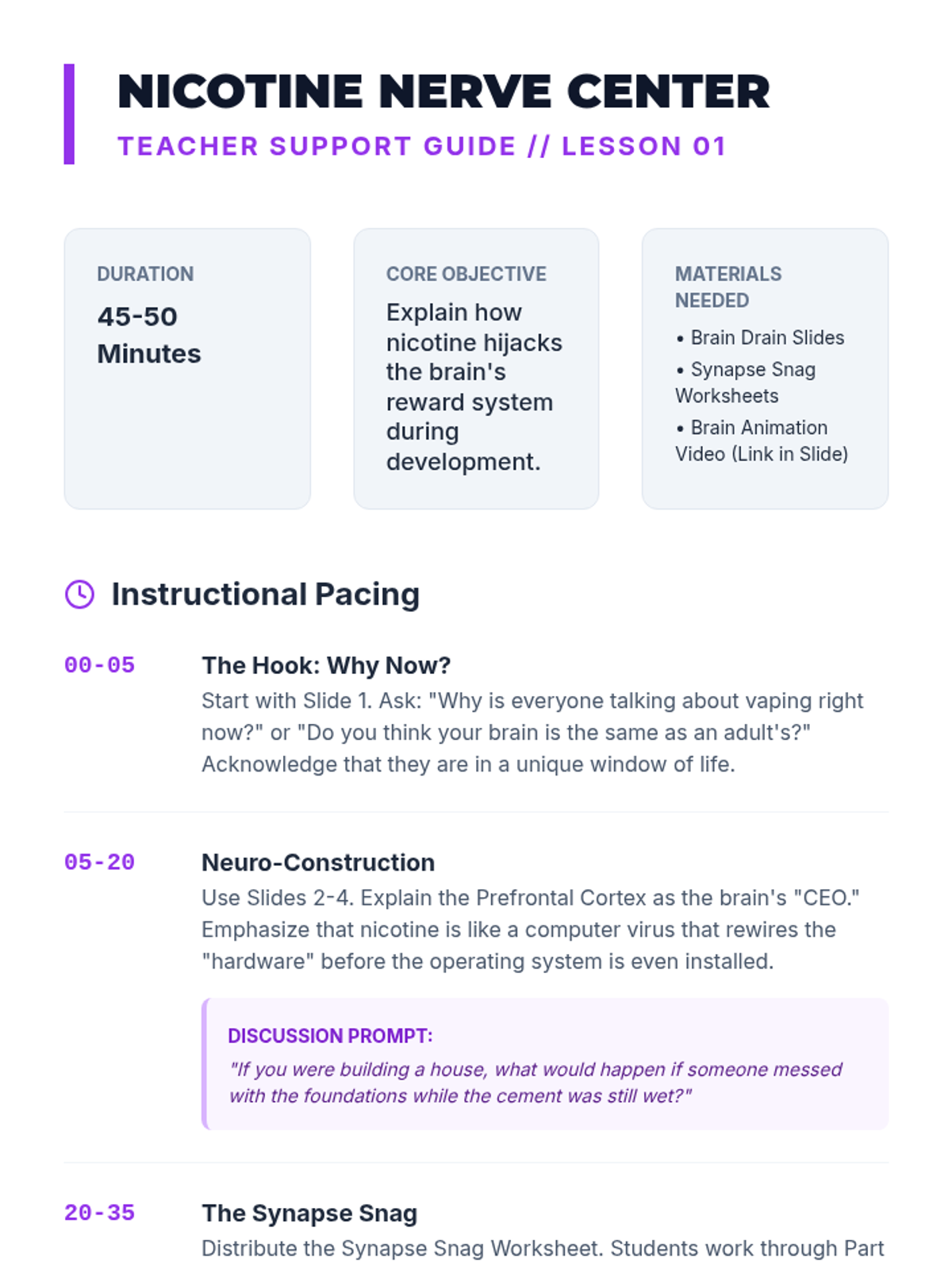
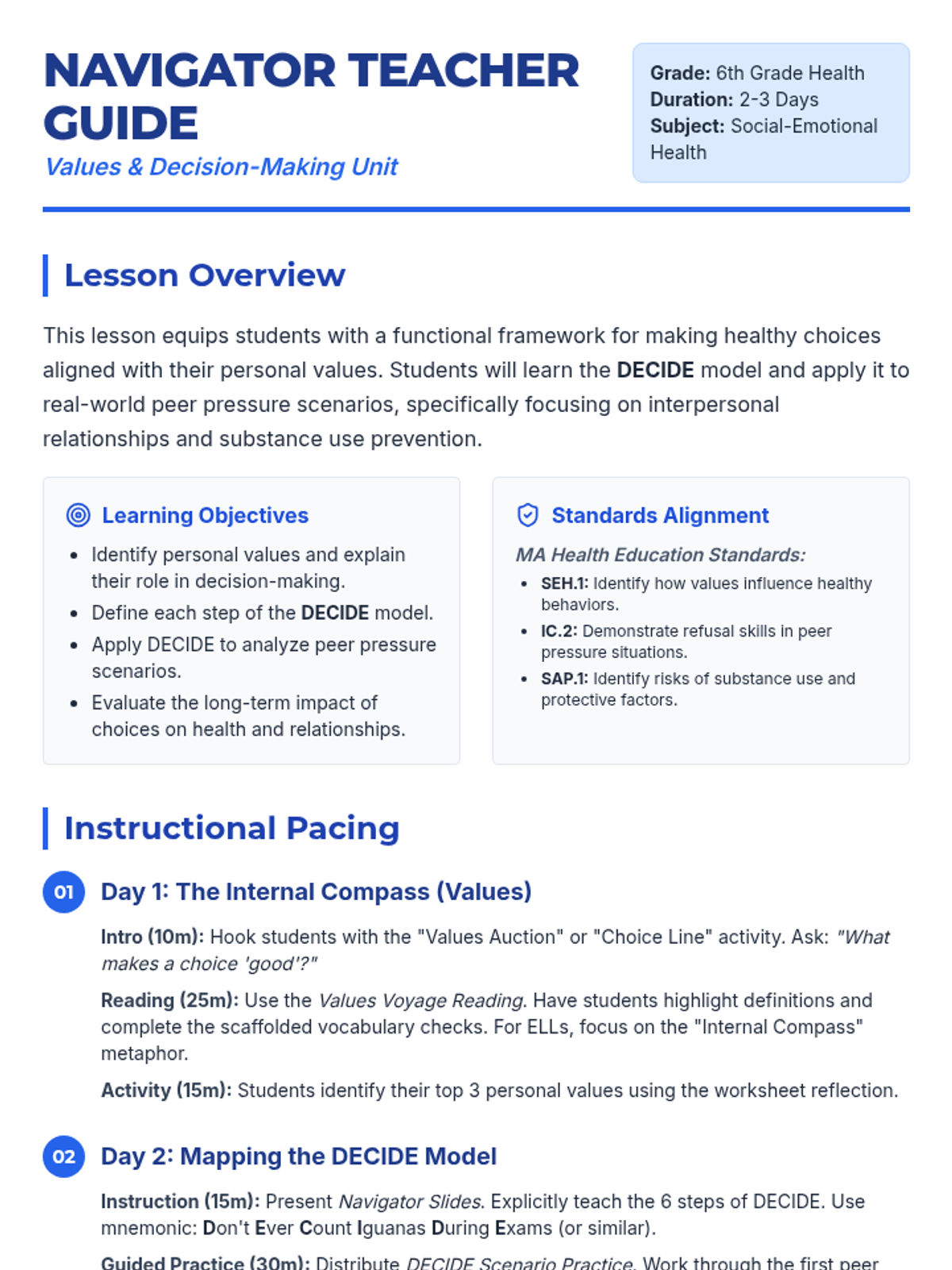
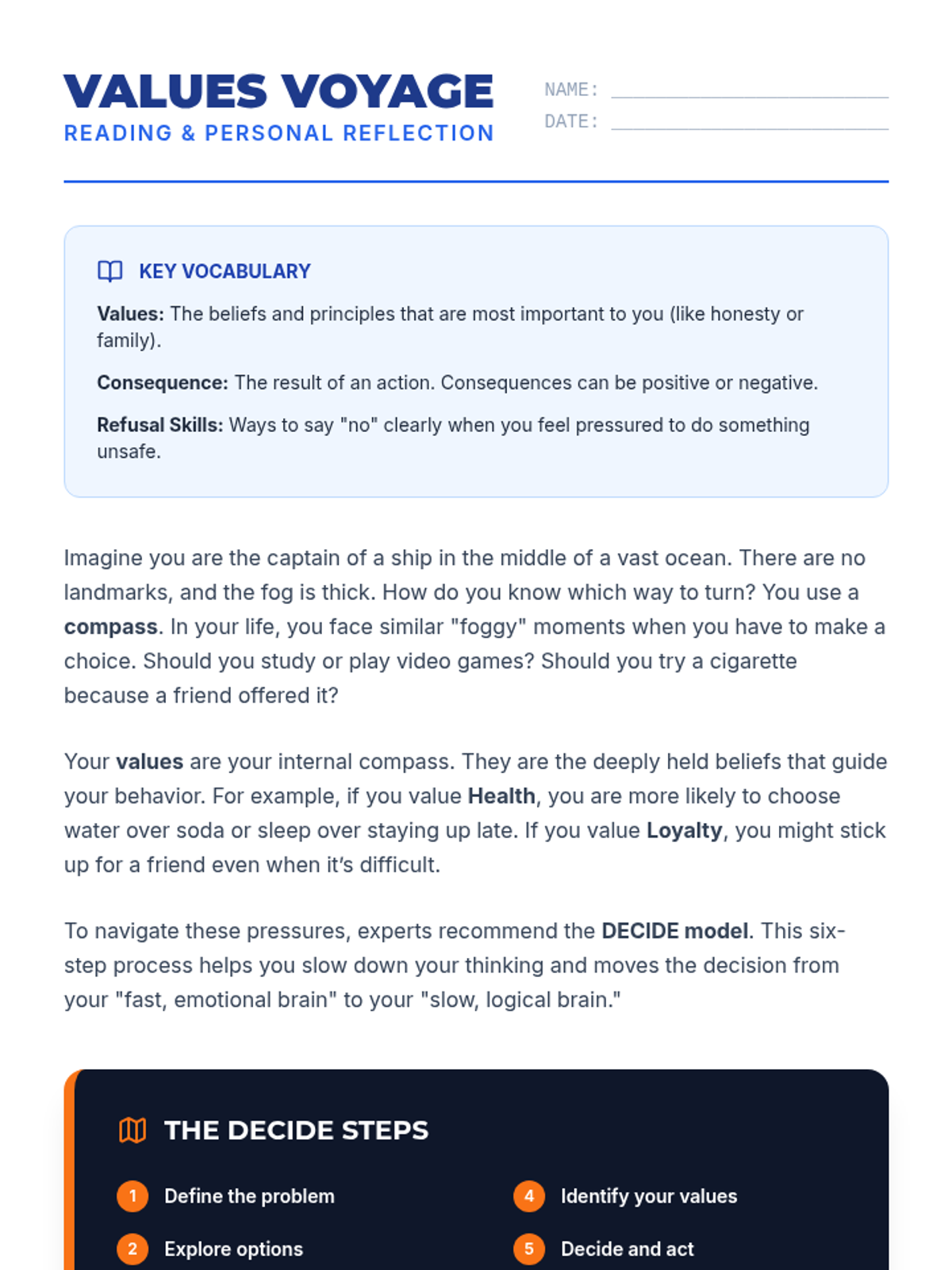
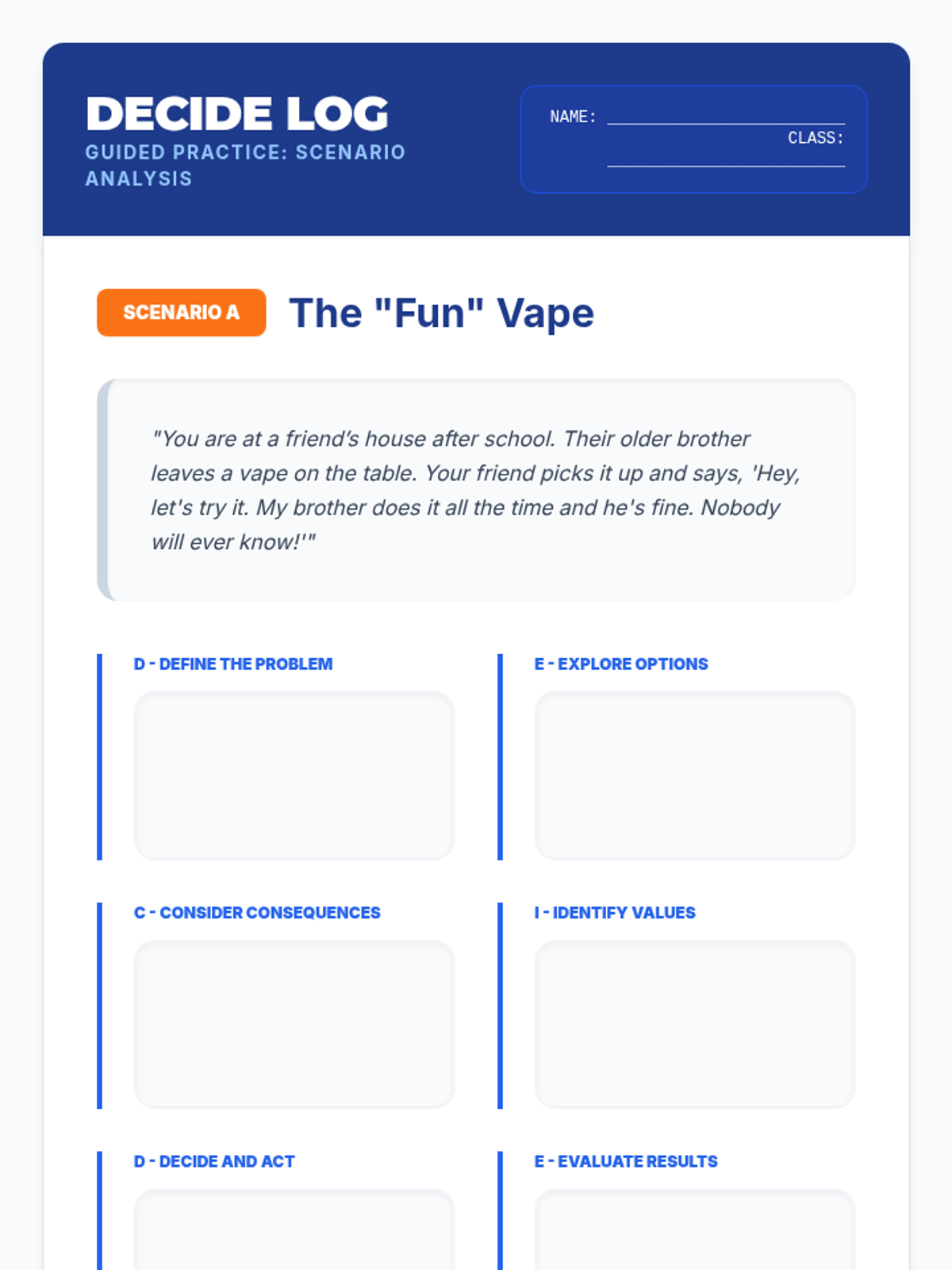
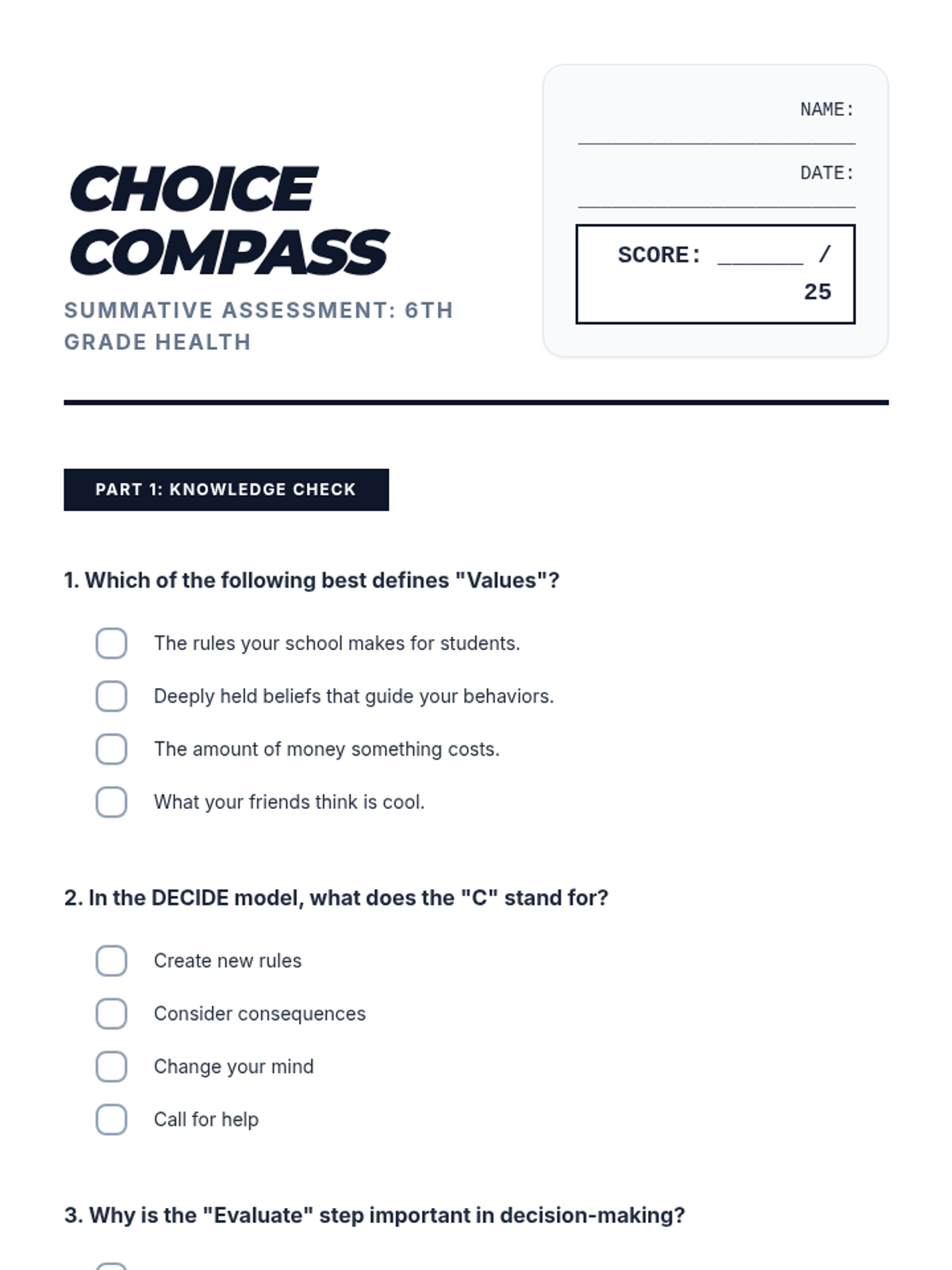
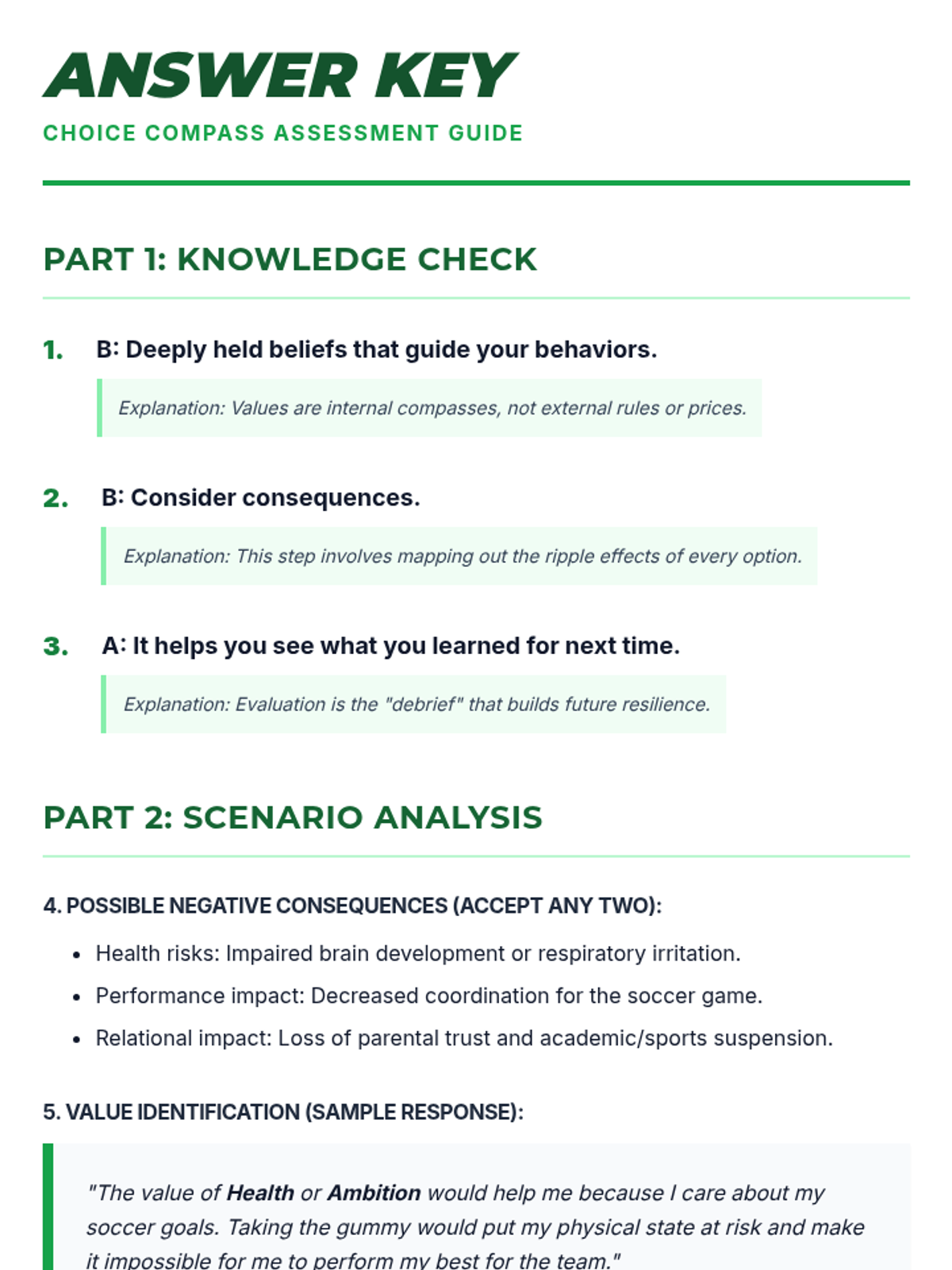
A reflective lesson designed for students to evaluate the health risks of vaping and the social pressures that lead to it, focusing on long-term consequences and personal agency.
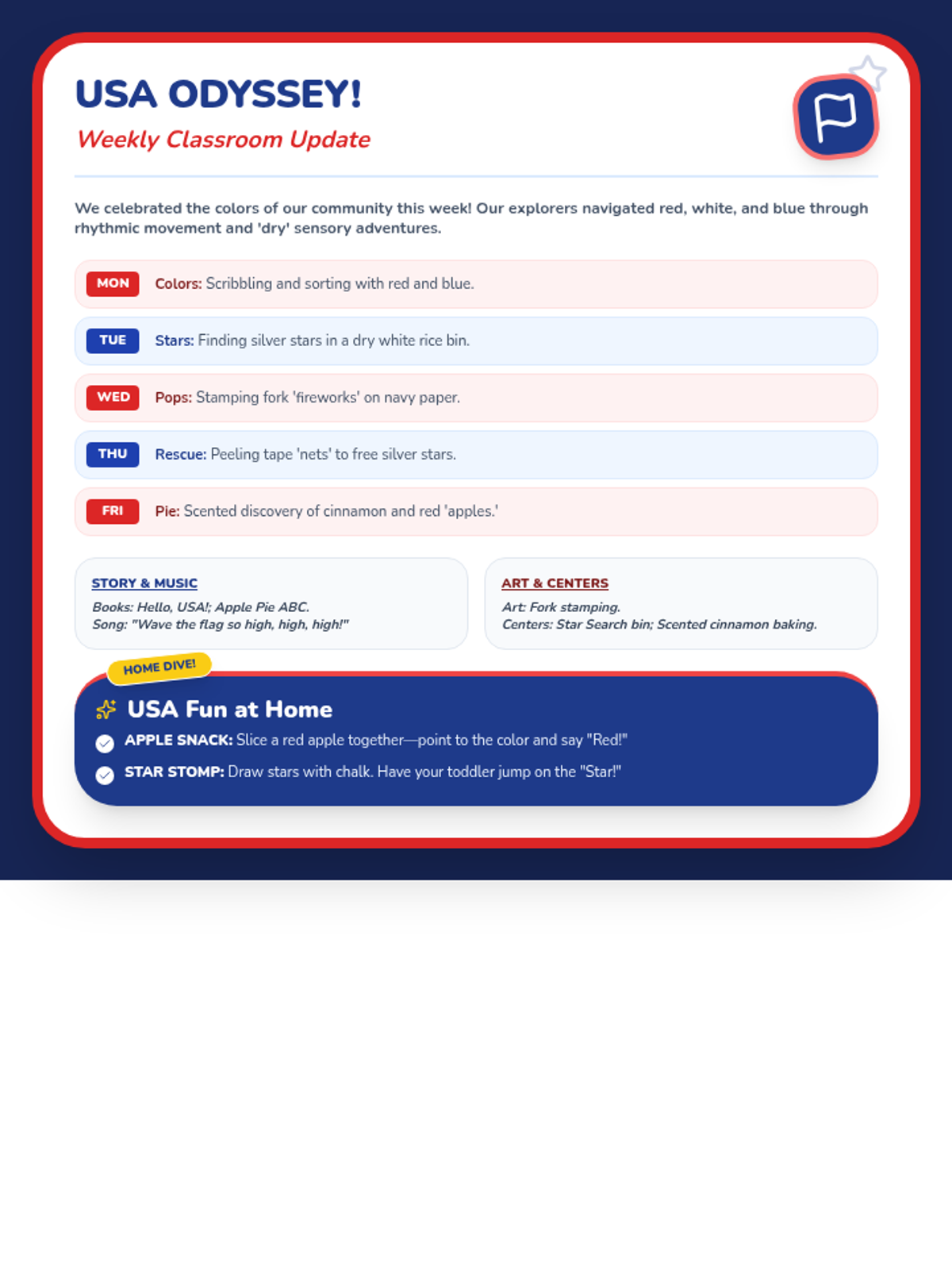
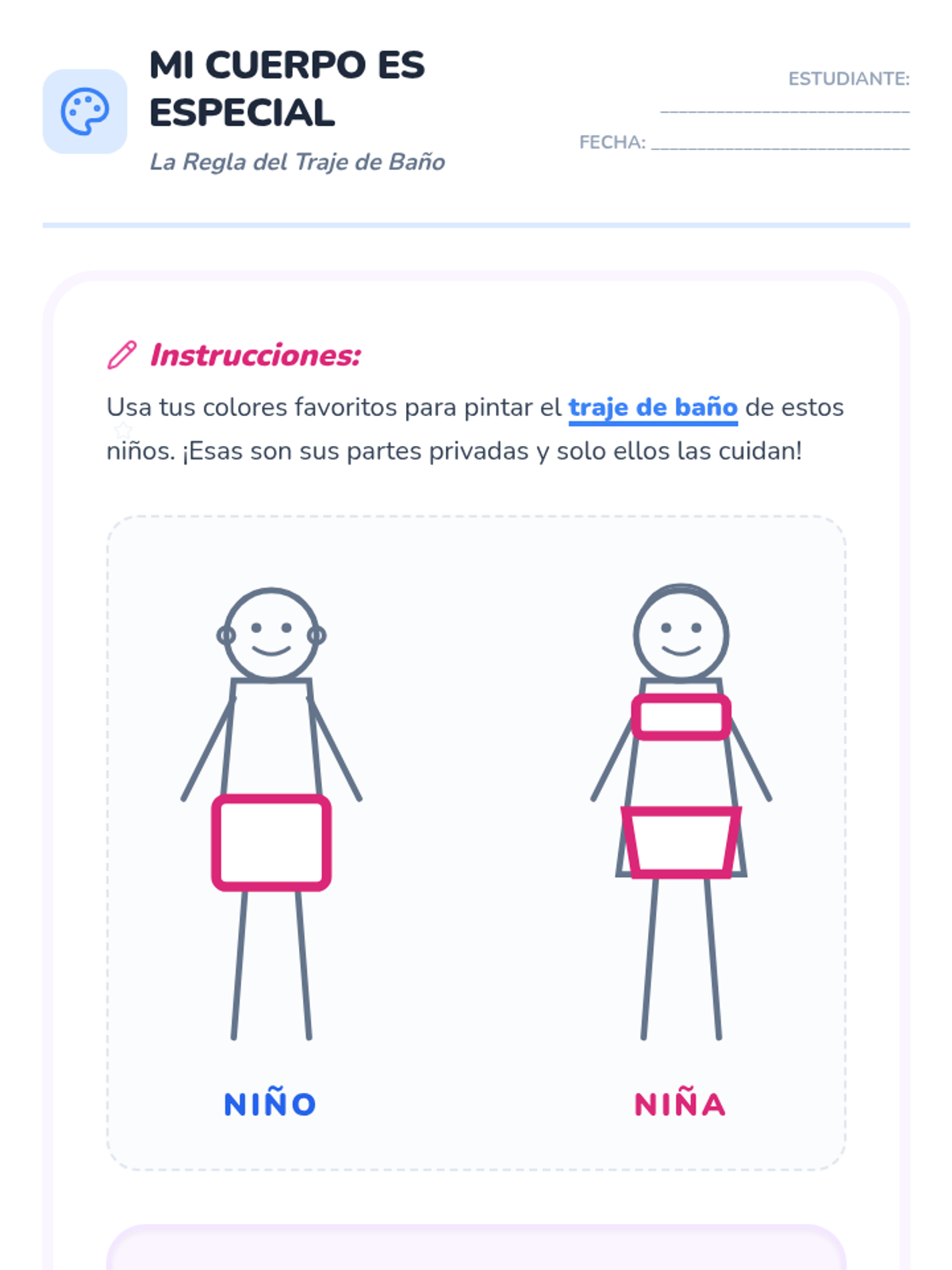
Teaching students about the concept of personal space bubbles and the importance of keeping hands to themselves, specifically regarding private body parts.
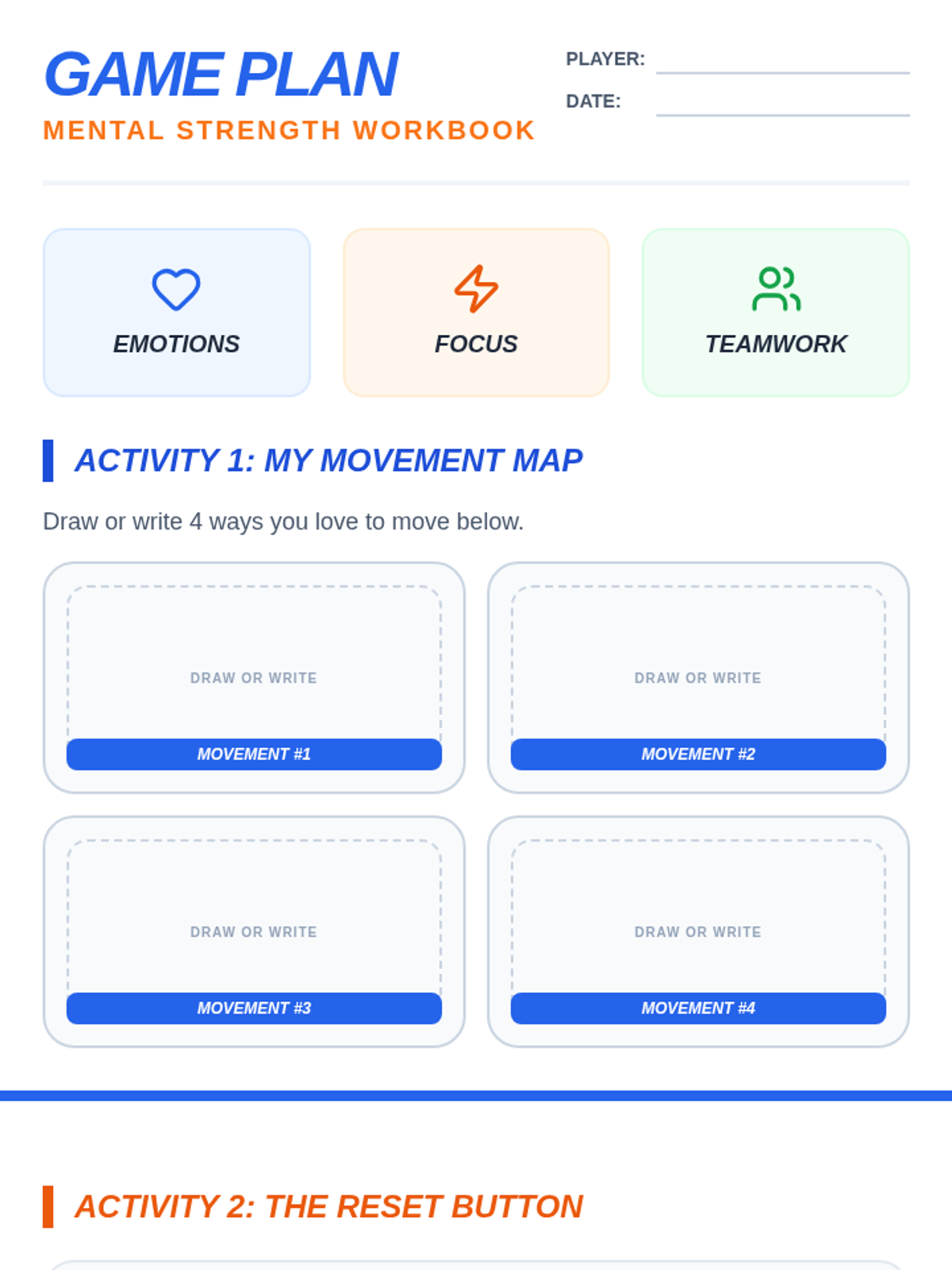
A comprehensive 45-minute lesson for high school students focusing on the mental health continuum, supportive communication, and student-led advocacy. Students engage in case studies and role-plays to build practical skills for supporting peers and promoting mental wellness in their community.
A 45-minute evidence-informed lesson for secondary students focusing on substance use awareness, brain development, harm reduction, and decision-making skills through a non-judgmental lens.
A 40-minute lesson for high school students exploring the multi-dimensional nature of wellness, addressing common barriers, and creating a sustainable personal maintenance plan.
A lesson focused on understanding and implementing stress management techniques to improve sleep quality and hygiene.
This lesson explores the biological necessity of sleep, the stages of the sleep cycle, and how rest impacts cognitive function and emotional regulation. Students will analyze their own sleep hygiene and develop a 'bedtime blueprint' to improve their quality of rest.
Une séquence de jeux collectifs conçue pour les élèves de Petite Section (3-4 ans), mettant l'accent sur l'écoute des consignes, le respect des règles simples et la socialisation. Chaque séance est structurée pour durer 20 minutes, incluant l'échauffement et le retour au calme.
A lesson focused on essential food safety practices, vocabulary, and hazard prevention in a commercial kitchen setting.
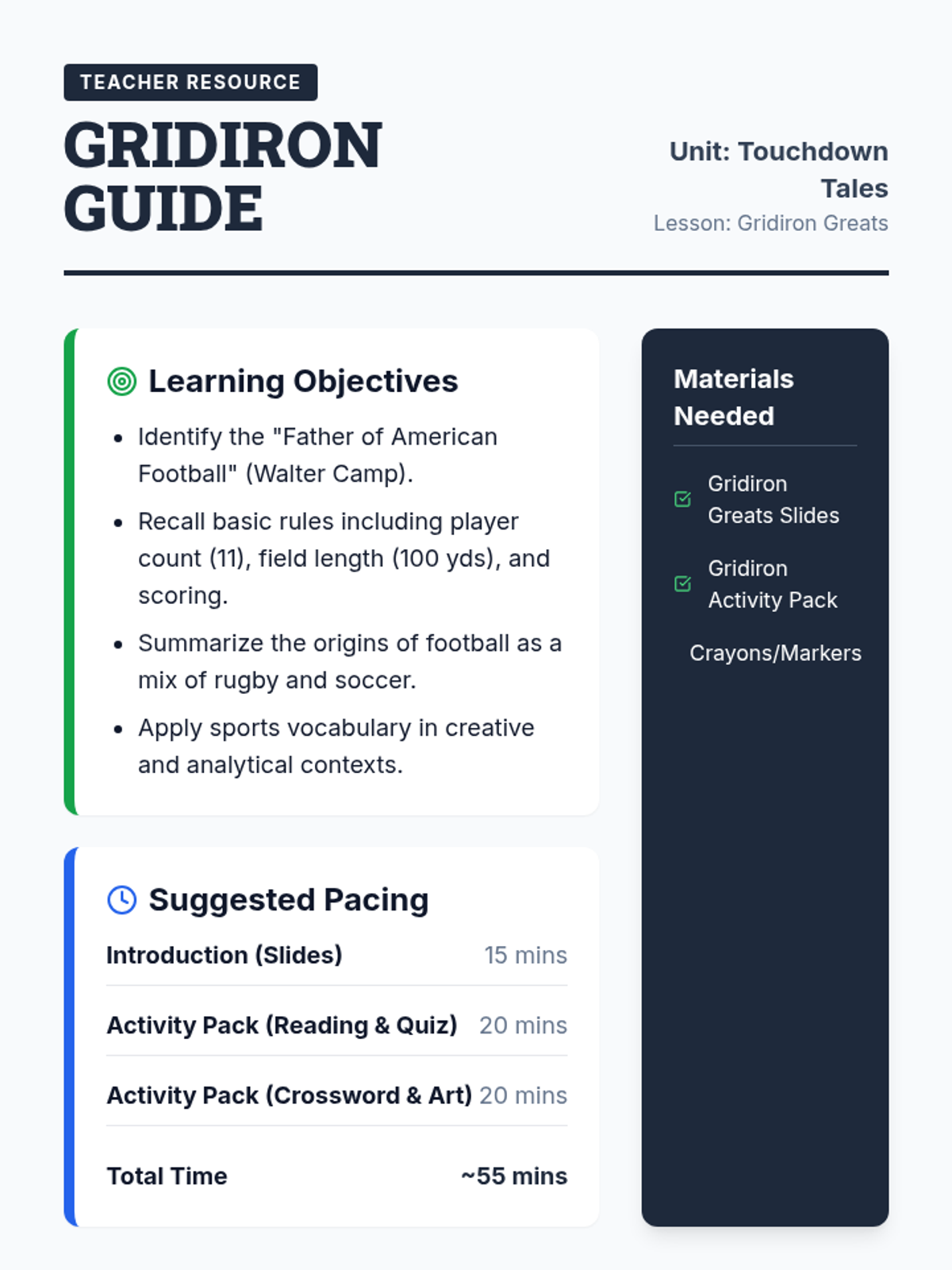
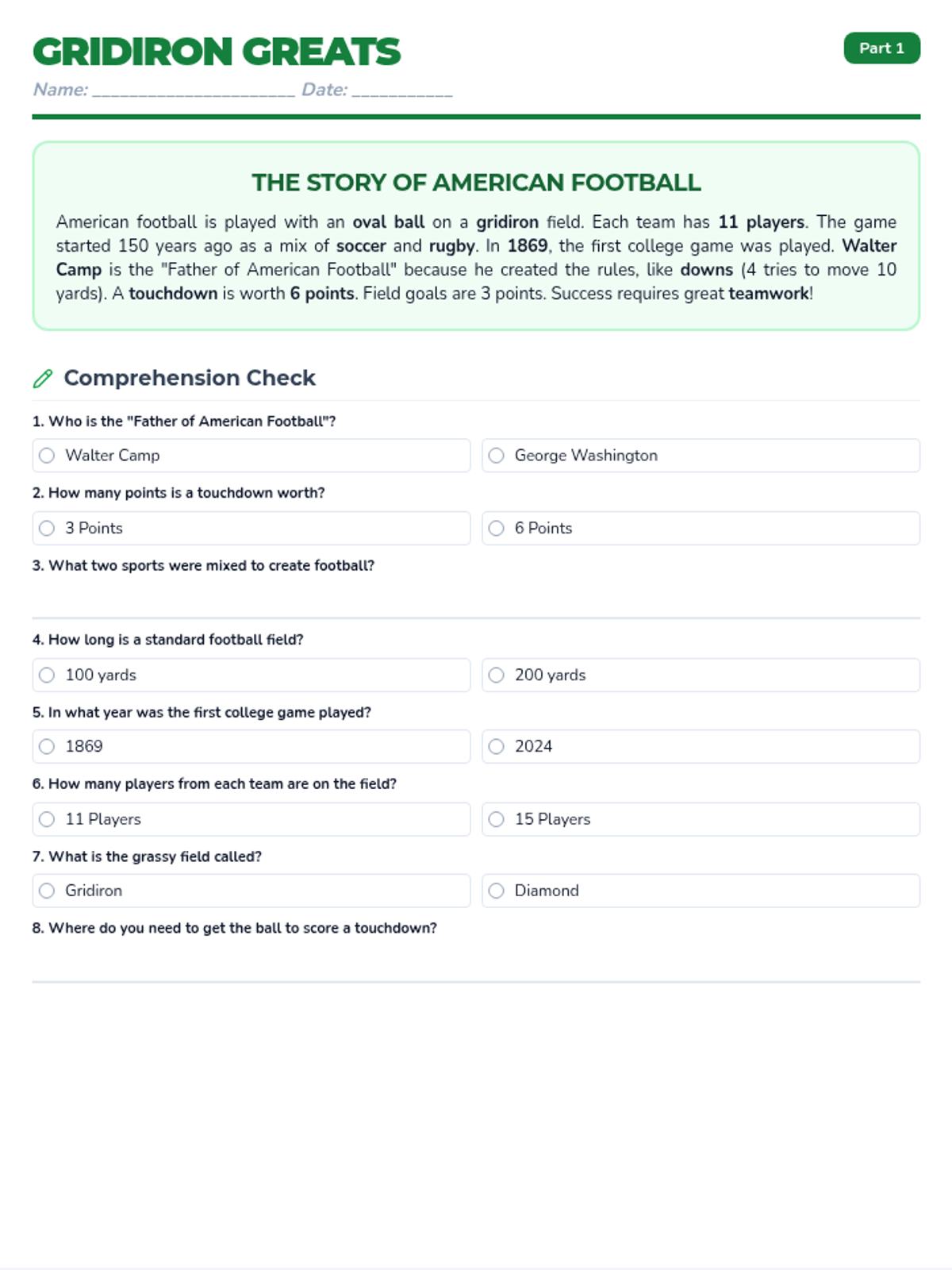
A high-energy lesson for 1st-grade boys focused on American football basics, safety, and sportsmanship. Includes an interactive logo guessing game and a 'Safety Pro' pledge to encourage positive play.
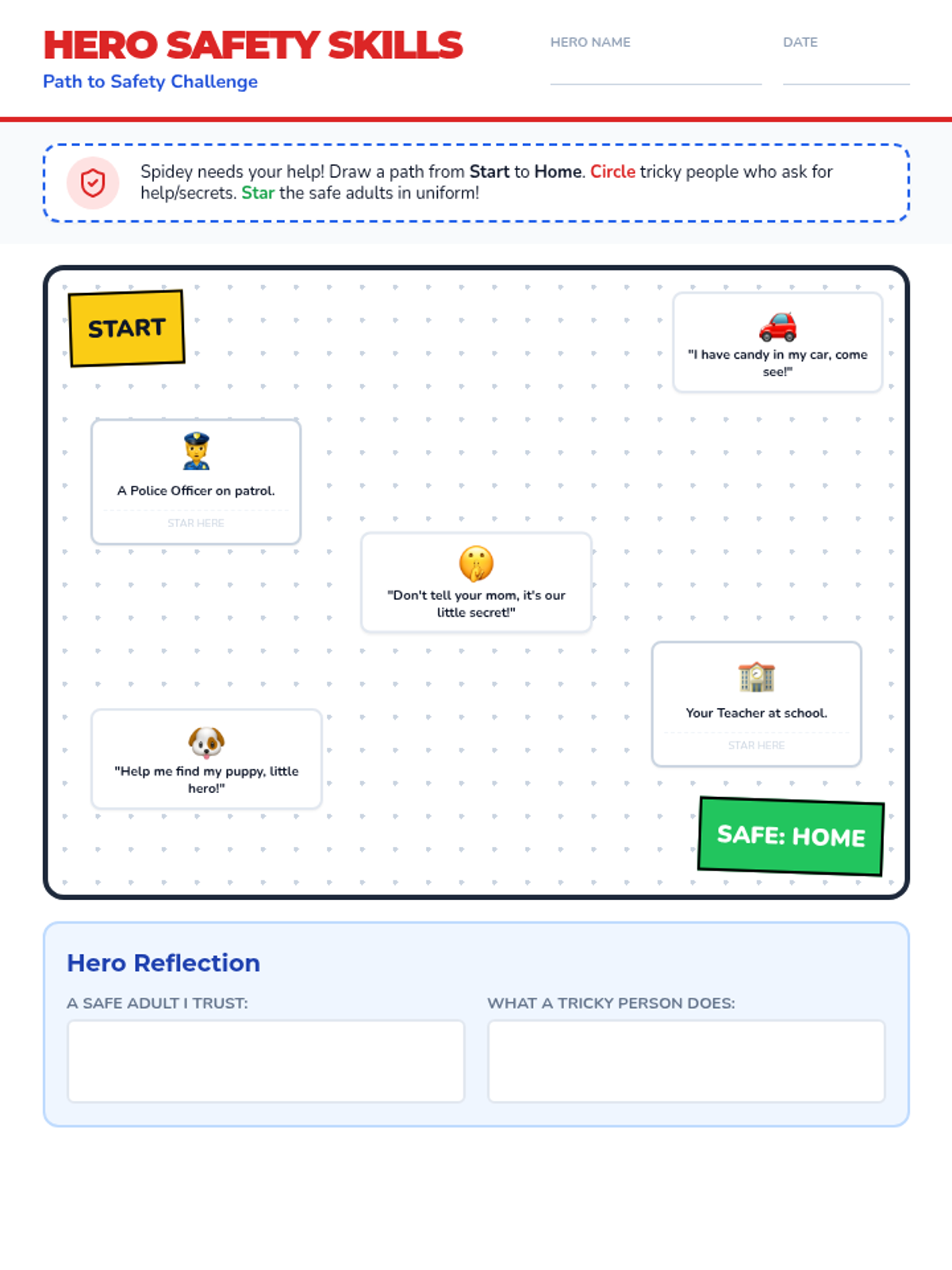
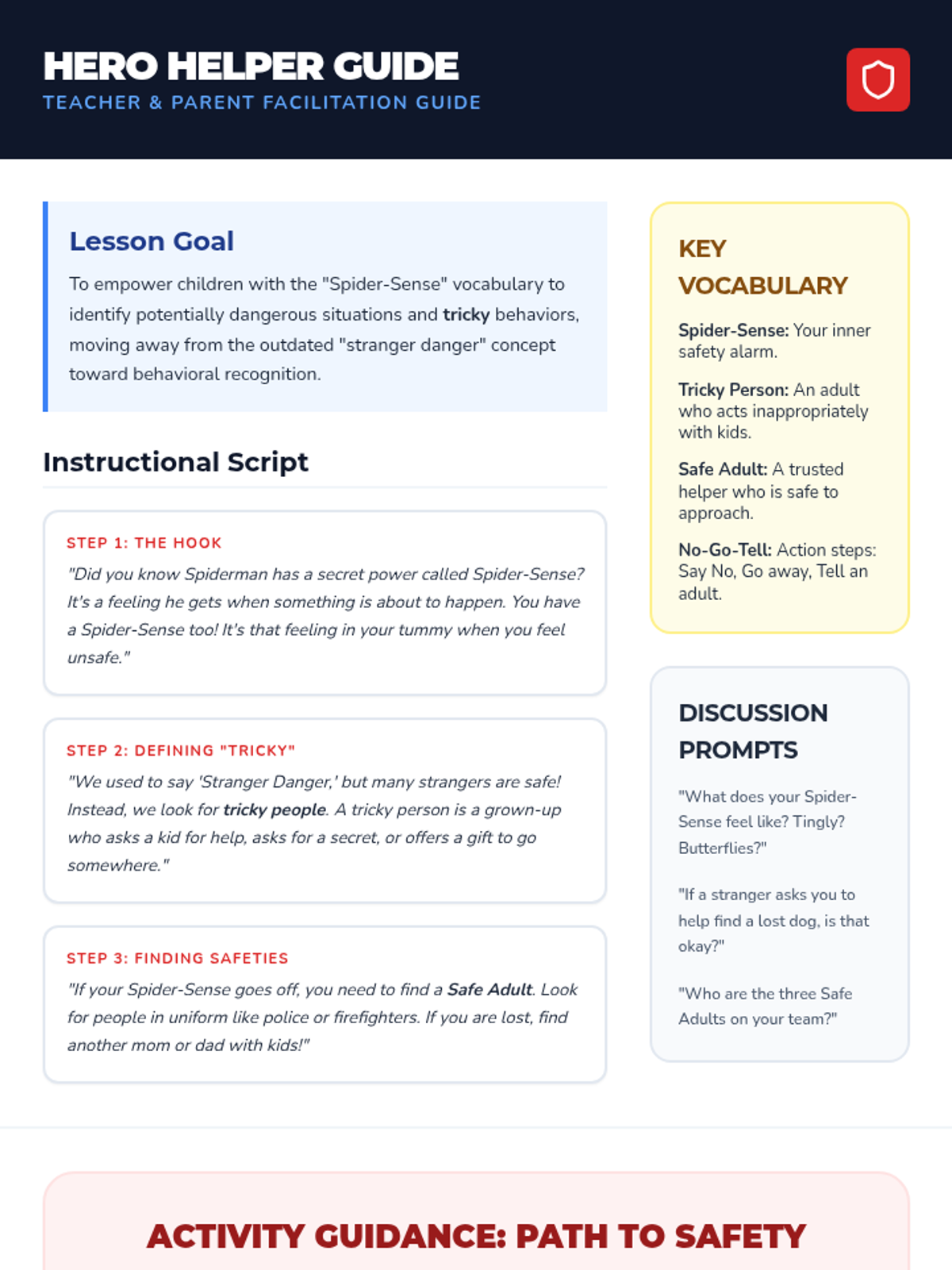
This lesson teaches children vital body safety rules, including the 'No, Go, Tell' strategy and understanding personal boundaries. Through interactive activities and visual reminders, kids learn to identify trusted adults and respond confidently to uncomfortable situations.
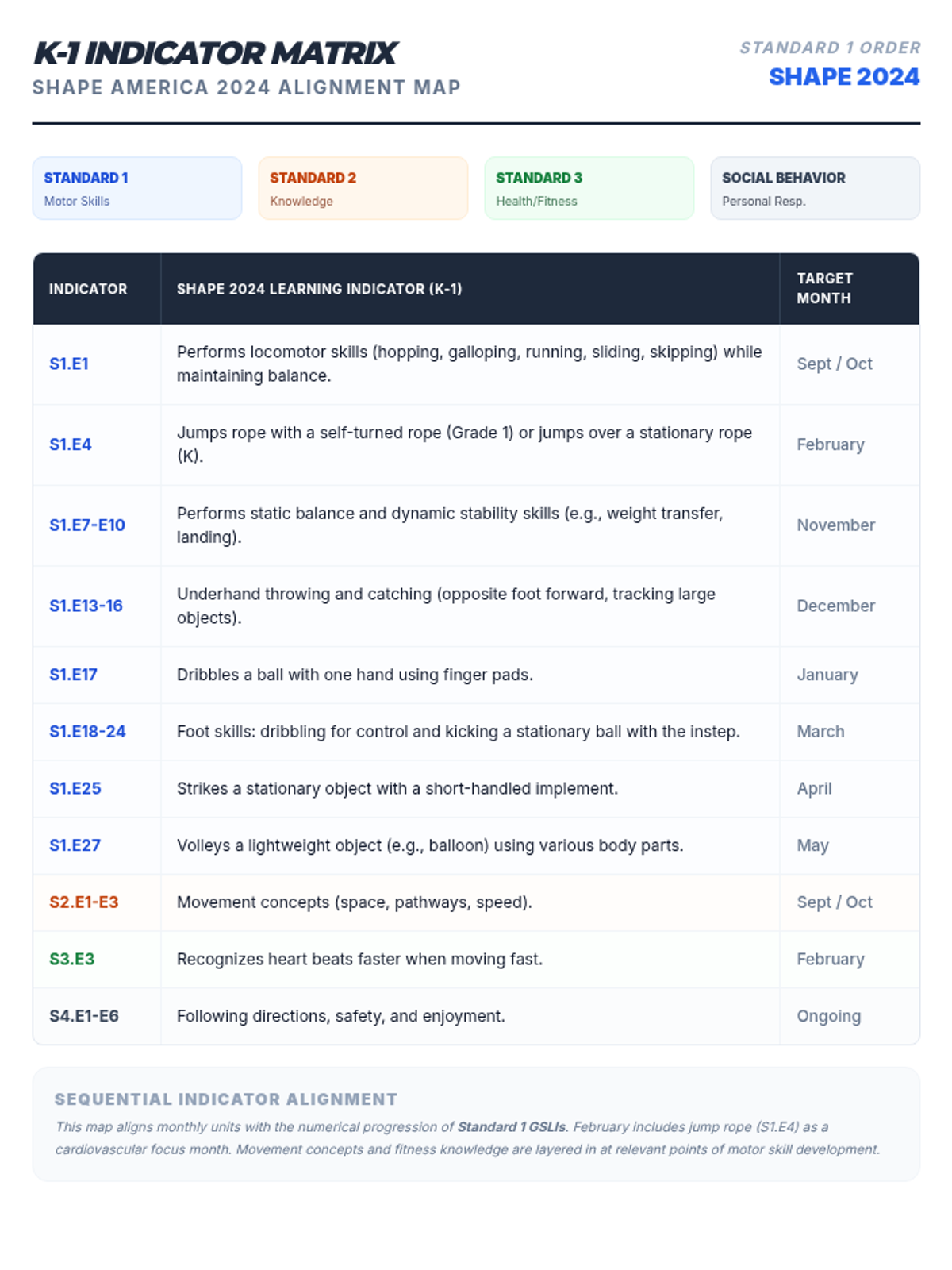
A collection of resources to celebrate and thank swim coaches at a winter banquet, including a heartfelt speech, a visual presentation of season highlights, and personalized thank-you cards for athletes to sign.
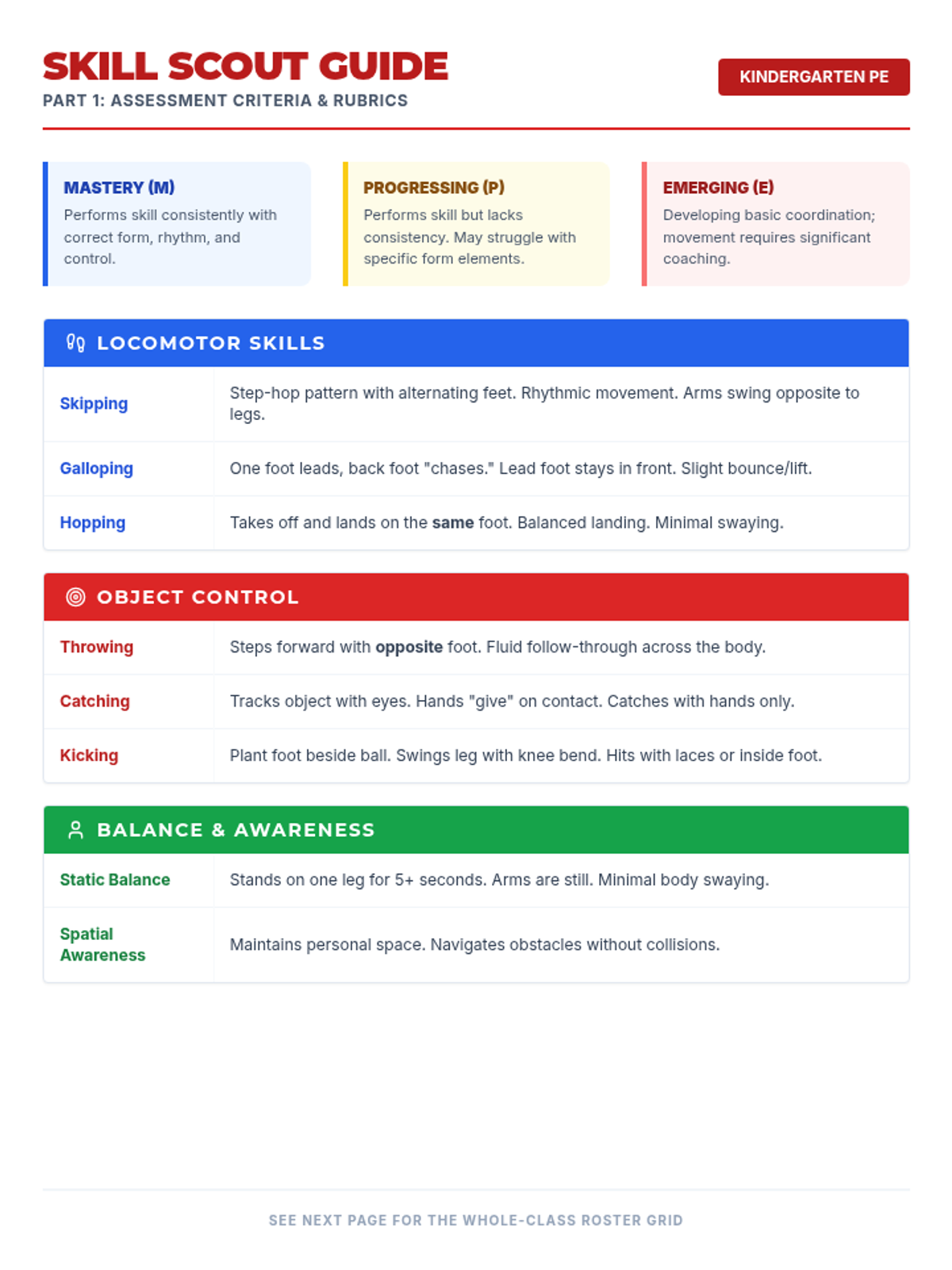
Teacher-facing resources including answer keys and instructional guides for all three measurement levels.
Challenges students with complex conversions, weight vs. volume concepts, and fractional recipe scaling. Designed for advanced learners mastering culinary math.
Focuses on standard kitchen conversions (teaspoons to tablespoons, cups to pints) and simple recipe doubling. Ideal for students with basic measurement knowledge.
Introduces basic kitchen tools and the difference between dry and liquid measurements for beginners. Focuses on identification and standard units (teaspoon, tablespoon, cup).
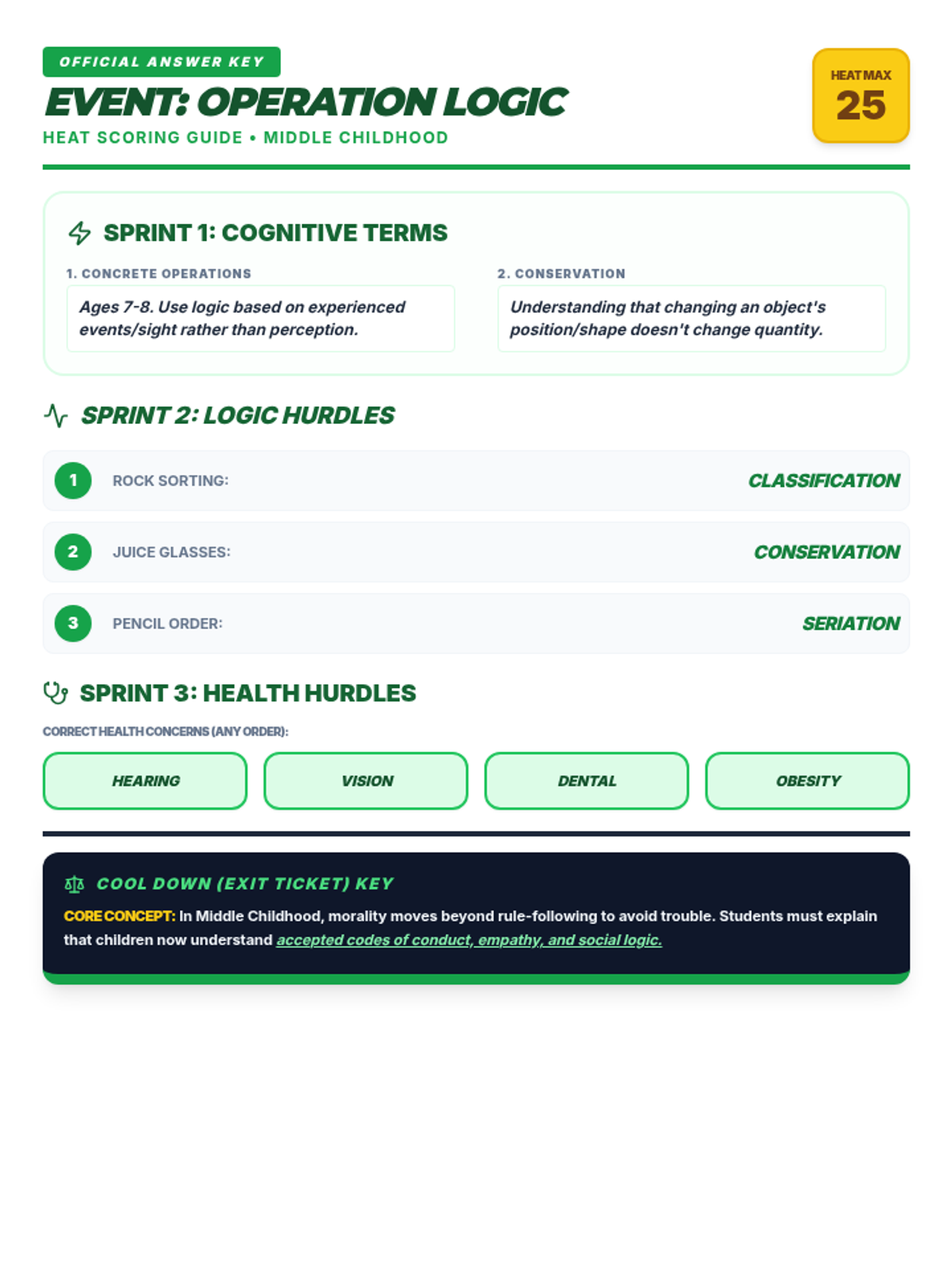
A 50-minute health lesson for 6th graders exploring the six essential nutrients, their specific functions in the body, and why a balanced 'fuel mix' is vital for health. Includes direct instruction, a collaborative 'Nutrient Ninja' activity, and an exit ticket.
This lesson helps 6th grade students understand ADHD medication management, specifically focusing on how Methylphenidate (stimulants) and Guanfacine (non-stimulants) work individually and together to support focus, emotional regulation, and school success.
A comprehensive lesson for Pre-K students on body safety, identifying comfortable and uncomfortable touches, and practicing the power to say 'No' or 'Stop'. The lesson uses age-appropriate language to empower children to set boundaries and identify trusted adults.
A collection of visual aids and reminders designed to support seniors with dementia in maintaining their daily routines and independence with dignity.
A practical, data-driven lesson for grades 3-8 exploring how sleep, nutrition, physical activity, and screen time directly impact brain function and academic success. Students analyze real-world performance metrics and create their own 'Brain Fuel Blueprint' for personal wellness.
A professional presentation and administrative guide for school leaders regarding the end-of-year Behavioral Threat Assessment (BTA) and Safe and Supportive School Program (SSSP) reporting processes and future planning.
A 60-minute low-impact cardio circuit designed for adult special education students, featuring peer-led stations, seated adaptations, and a focus on safe heart health.
A mini-lesson designed for high school health or child development classes, covering the biological causes, physical warning signs, and prevention strategies for Shaken Baby Syndrome (SBS). Students will explore the physics of infant brain injury and learn practical coping mechanisms for caregiver stress.
A lesson focused on teaching adults safe physical regulation strategies, using visual aids to contrast harmful behaviors with healthy exercise-based outlets.
An energetic introduction to jump rope basics for elementary students, featuring colorful station cards, progress tracking, and teacher-led activities.
A comprehensive anti-bullying and upstander skills lesson designed for K-12 students. It focuses on identifying bullying, developing empathy, and providing concrete reporting strategies aligned with Massachusetts state frameworks.
An advocacy-focused lesson designed to move school leaders from awareness to action regarding the grooming process. It emphasizes the importance of policy, vigilance, and maintaining professional boundaries to protect students.
A comprehensive 120-minute safety training session focused on identifying wildlife risks, recognizing safe behaviors, and responding correctly to animal encounters. This lesson equips participants with practical skills to protect both themselves and local wildlife.
A comprehensive lesson on leadership styles, effective teamwork, and collaborative project planning designed for middle school students, aligned with Utah Health Education standards.
A comprehensive lesson for high schoolers on mental health awareness, focusing on identifying signs of anxiety and depression, breaking the stigma, and navigating support systems.
A comprehensive toolkit for tracking and managing Type 1 Diabetes daily routines, designed for students, parents, and school health staff.
An engaging lesson that breaks down why sleep is a performance-enhancing 'hack' for students and provides practical tools for building a better bedtime routine.
A comprehensive lesson for 7th and 8th graders to critically analyze media's impact on health, body image, and lifestyle choices through investigative activities and discussion.
Fine-tuning starts, speed endurance intervals, and preparing for competition-style sprinting.
Training upright sprinting mechanics, stride frequency through wicket drills, and maximum velocity maintenance.
Introducing the drive phase, explosive wall drills, and higher-intensity plyometrics to build raw power.
Focus on establishing proper sprint posture, rhythmic drills (A-skips), and basic core strength to prevent injury.
A student-centered, evidence-based lesson on substance use prevention and harm reduction for high schoolers. Focuses on risk factors, refusal skills, and realistic safety strategies using a non-judgmental social work lens.
A comprehensive lesson for 4th graders exploring why play fighting is unsafe and inappropriate for the school environment, focusing on safety, escalation, and healthy alternatives.
A substance intervention lesson designed for high school students to explore the relationship between THC use and personal motivation, utilizing Motivational Interviewing techniques to encourage use reduction.
A comprehensive lesson exploring the world of sports supplements, focusing on their purported benefits, potential health risks, and the reality of industry regulation. Students will learn to critically analyze labels and marketing claims.