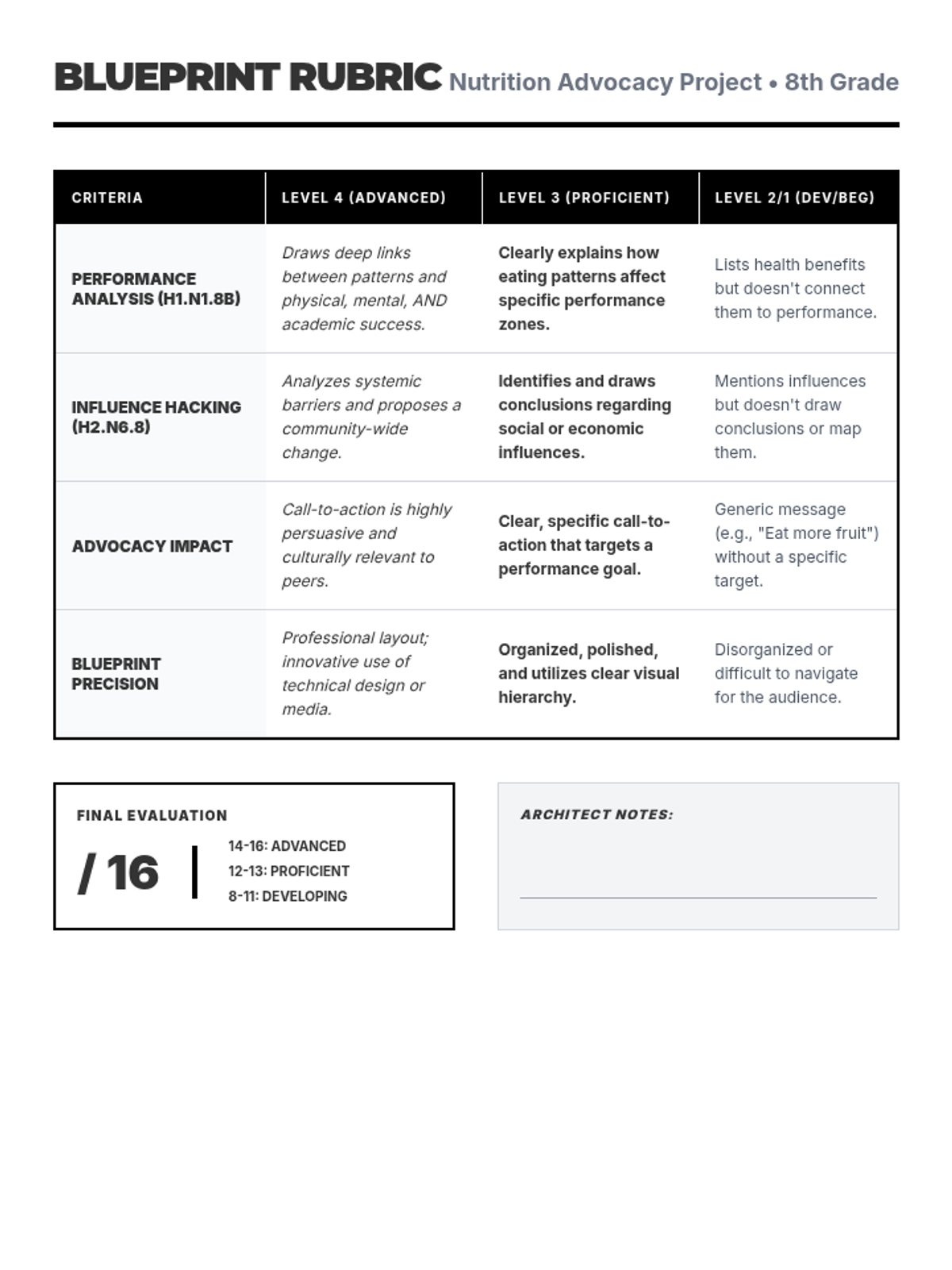
In this project, students take on the role of culinary nutritionists to design a three-snack menu for elementary students, focusing on MyPlate balance, safety, and detailed preparation steps.
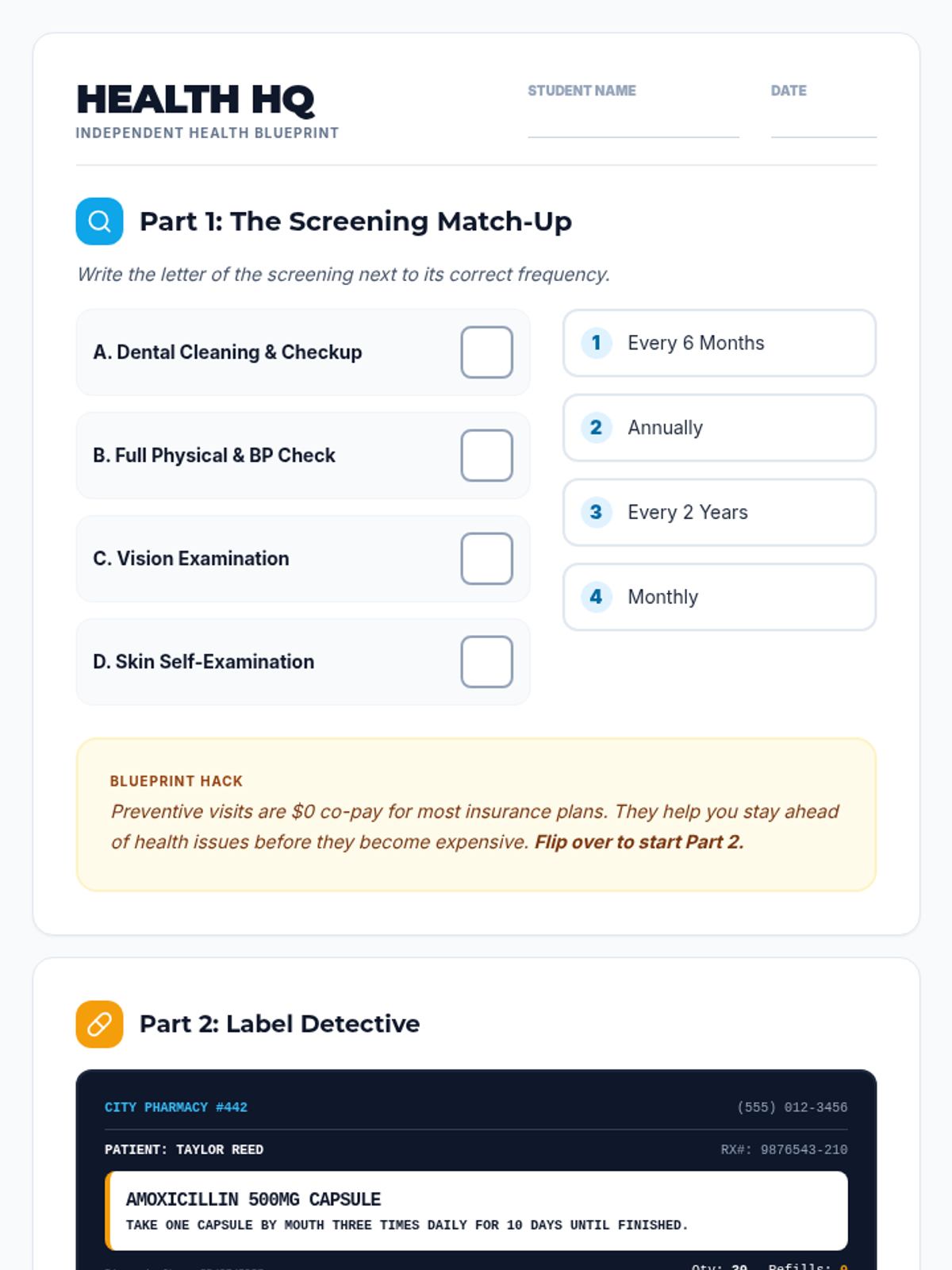
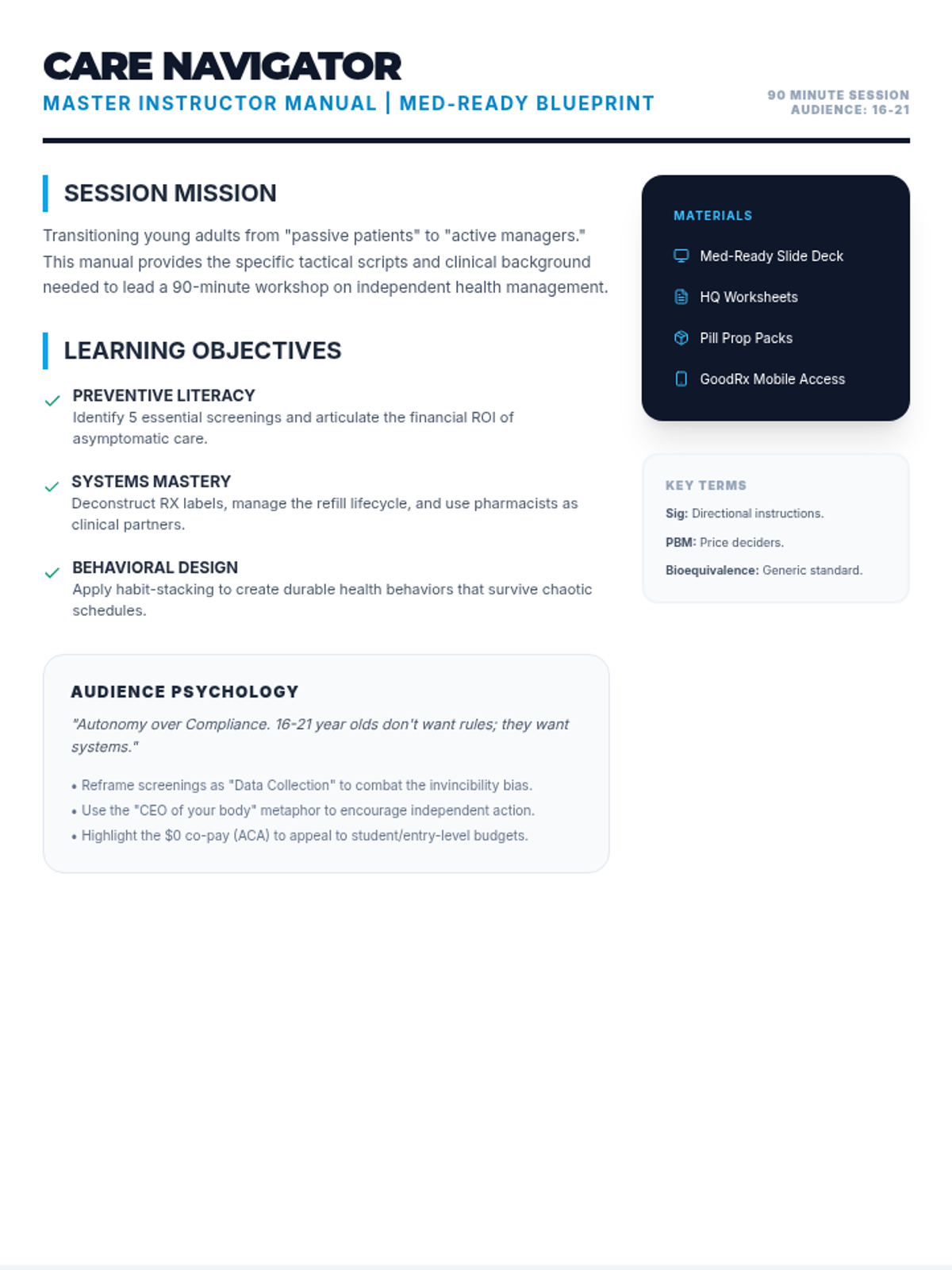
A comprehensive 90-minute session designed for young adults transitioning to independent health management, covering preventive screenings, vaccinations, pharmacy navigation, and medication adherence.
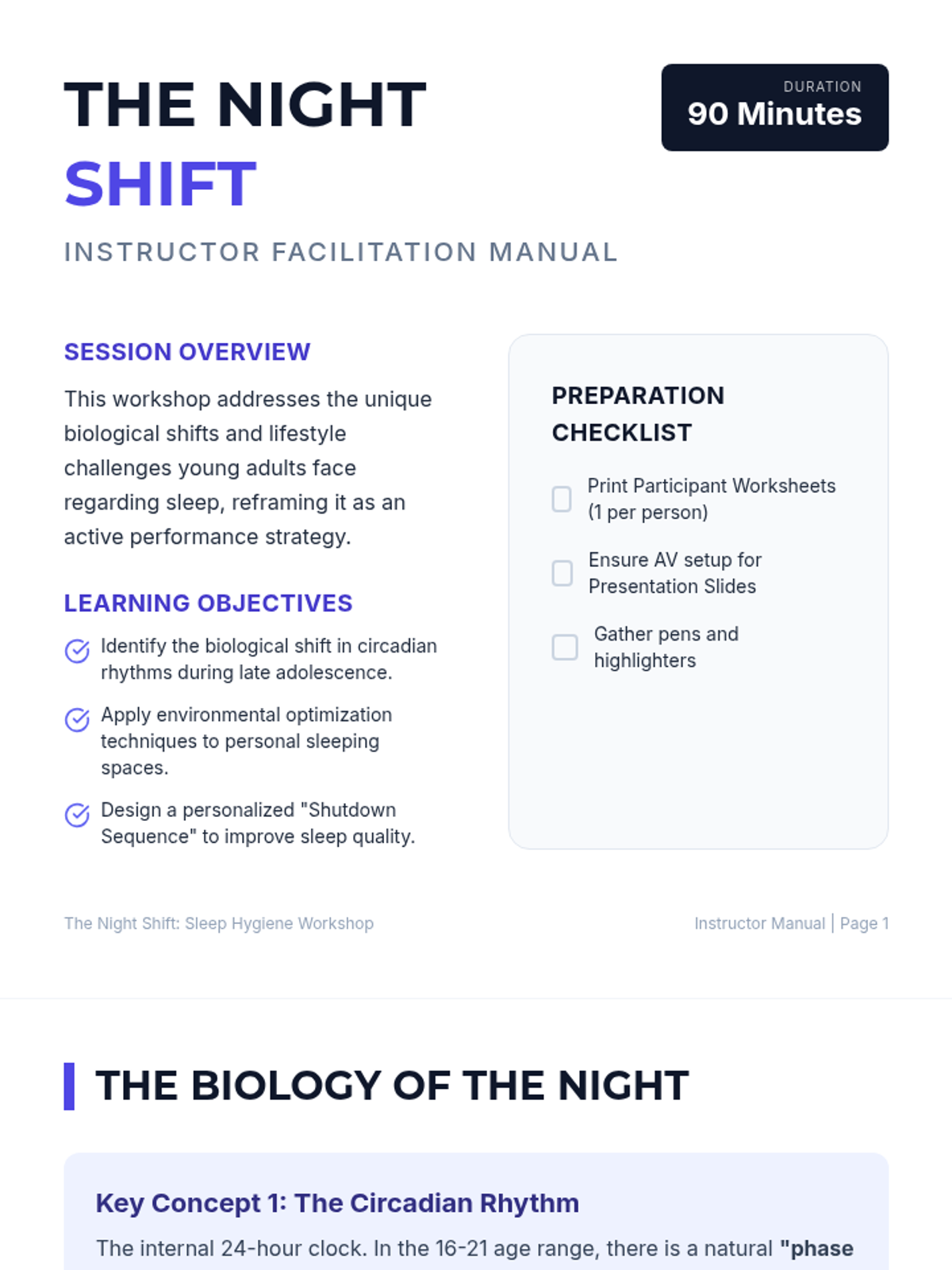
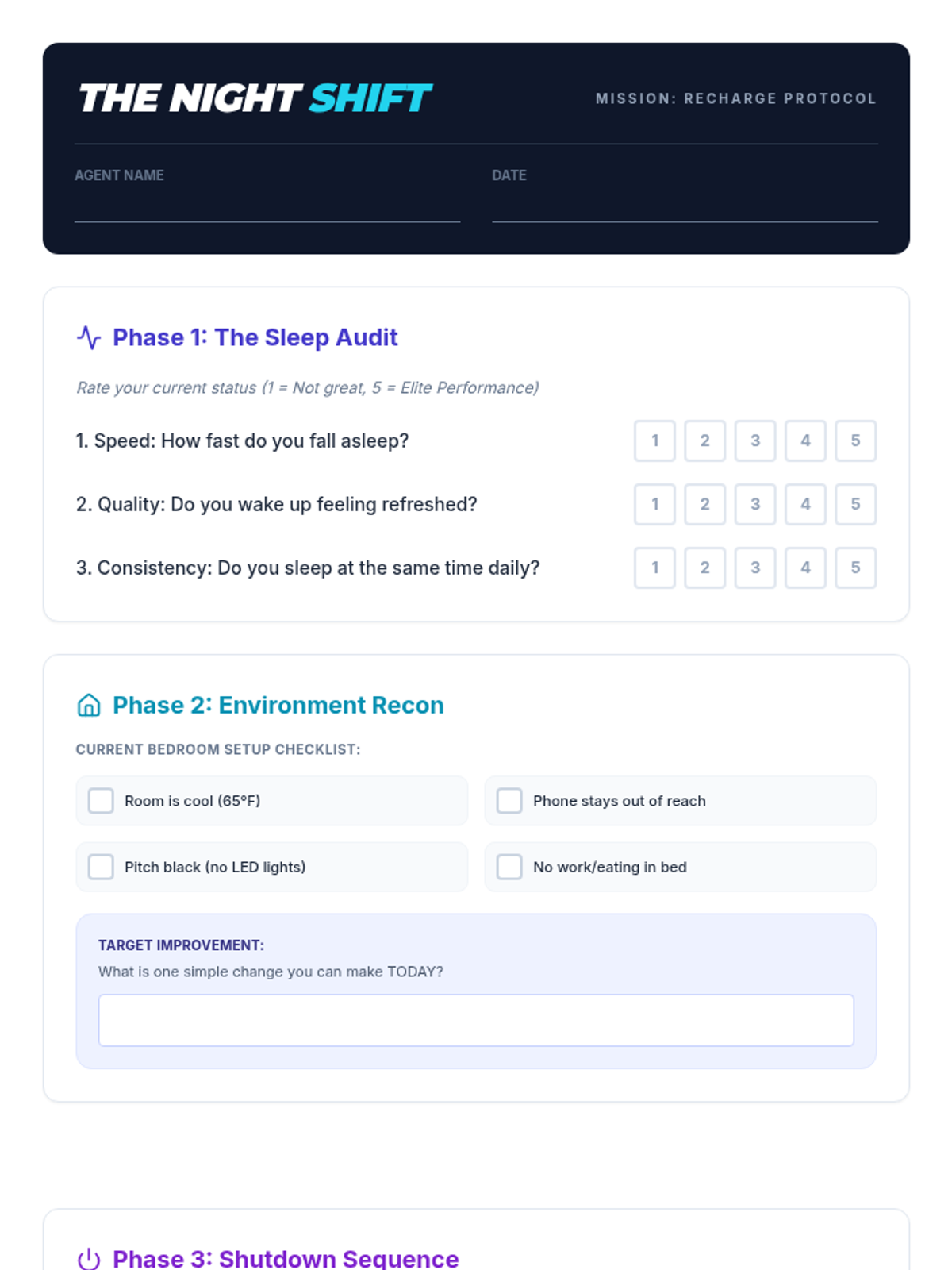
A comprehensive 90-minute workshop for young adults aged 16-21, focusing on the biological and behavioral aspects of sleep hygiene, environmental optimization, and mental relaxation strategies.
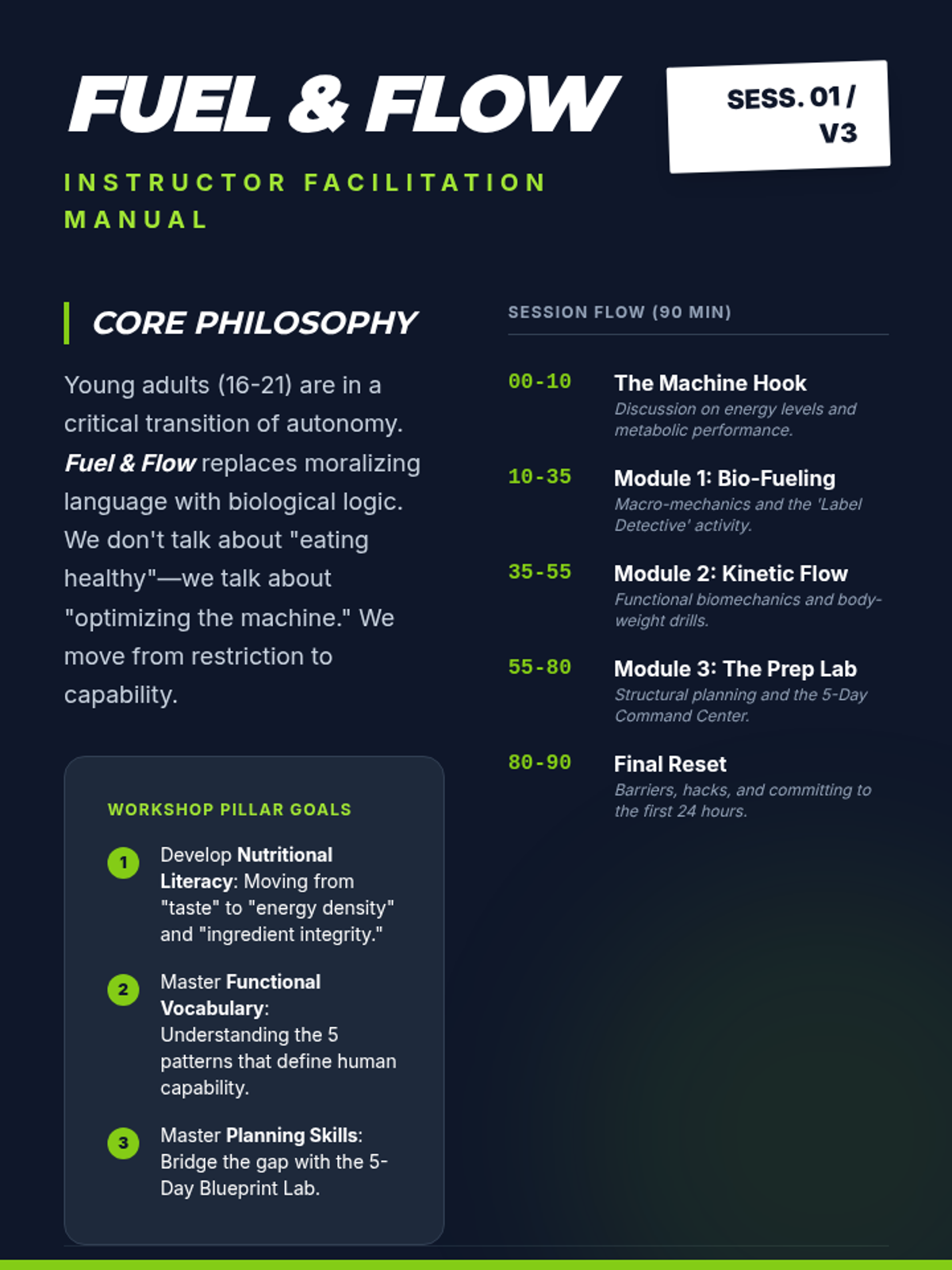
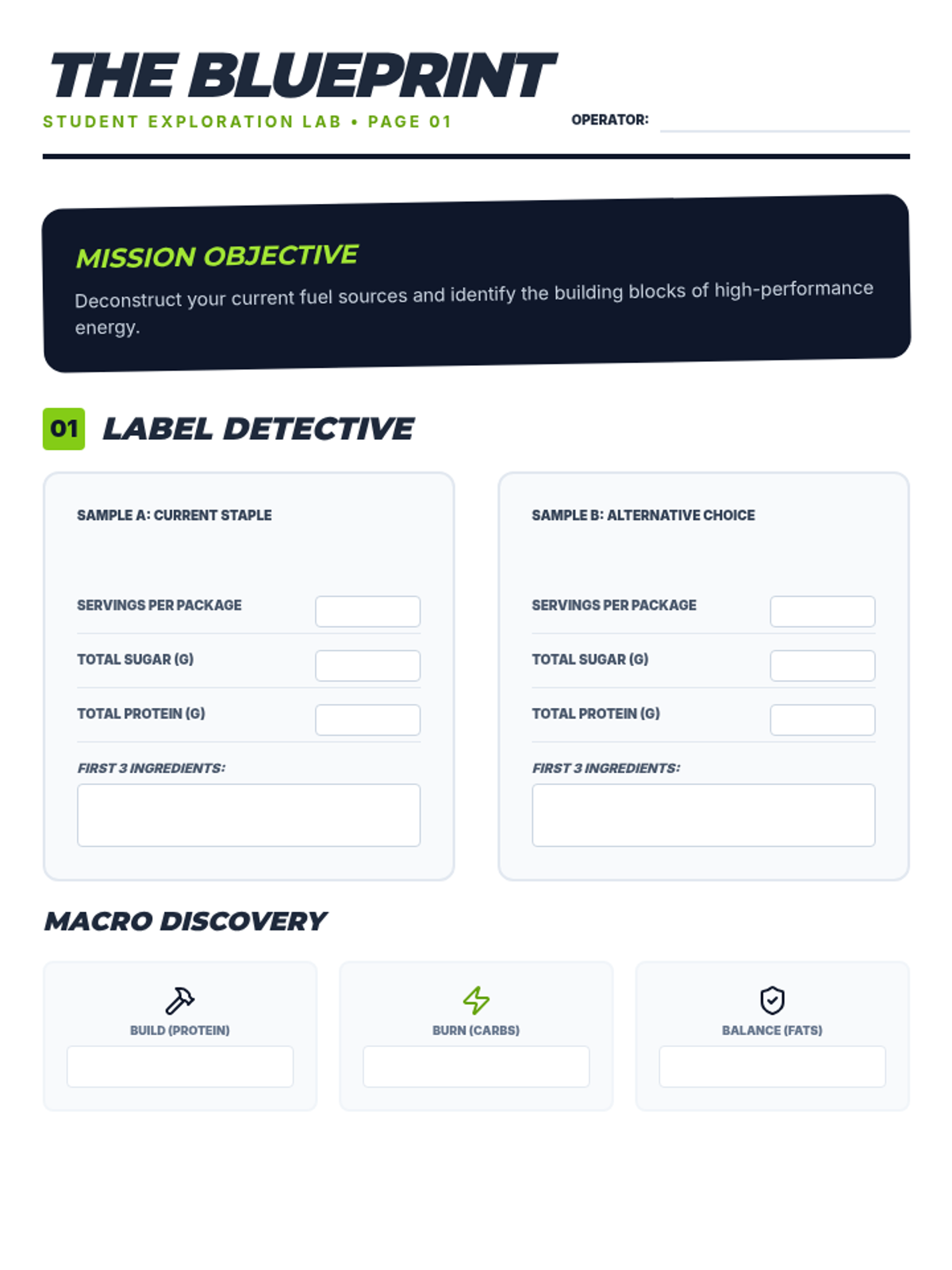
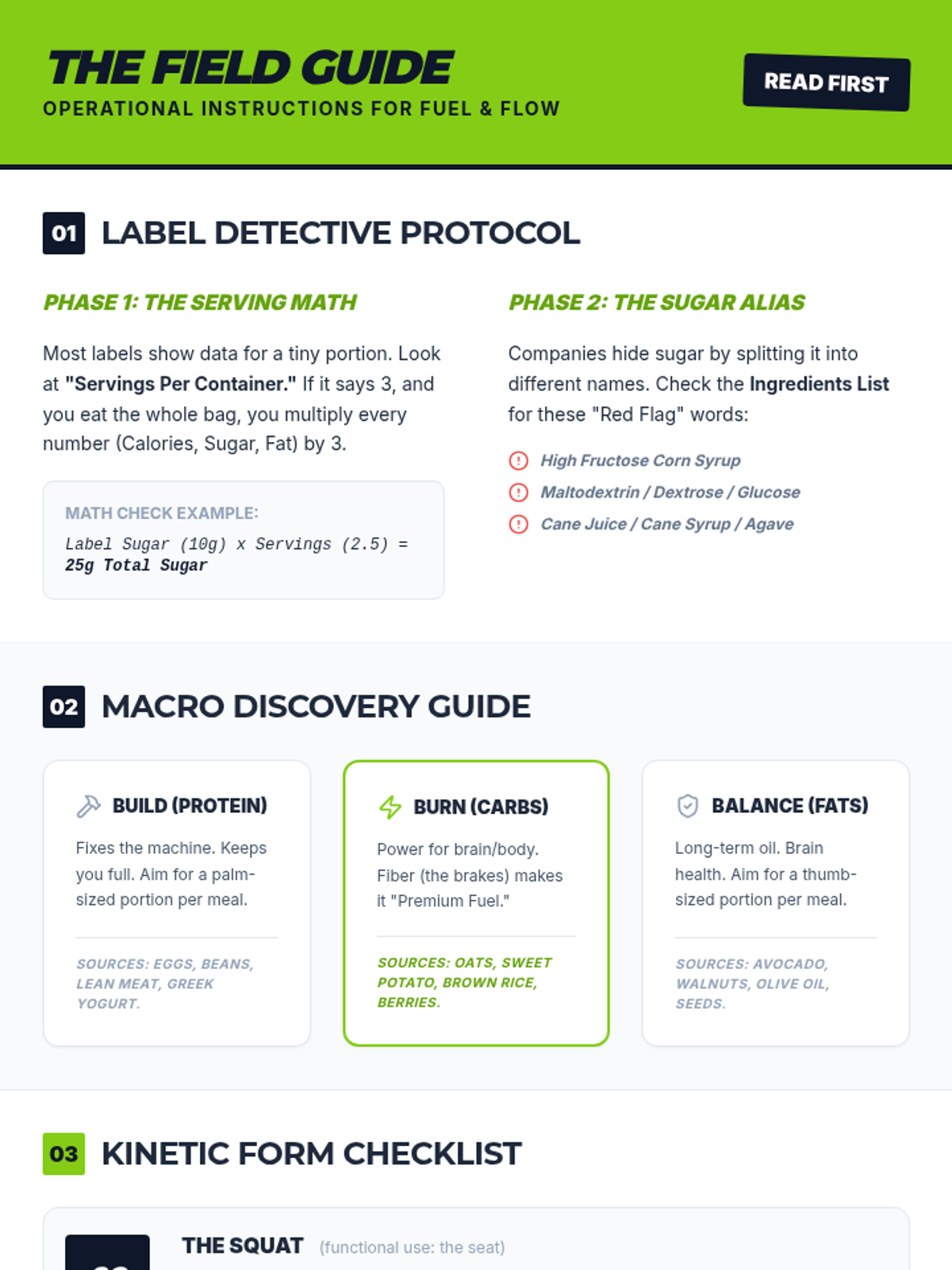
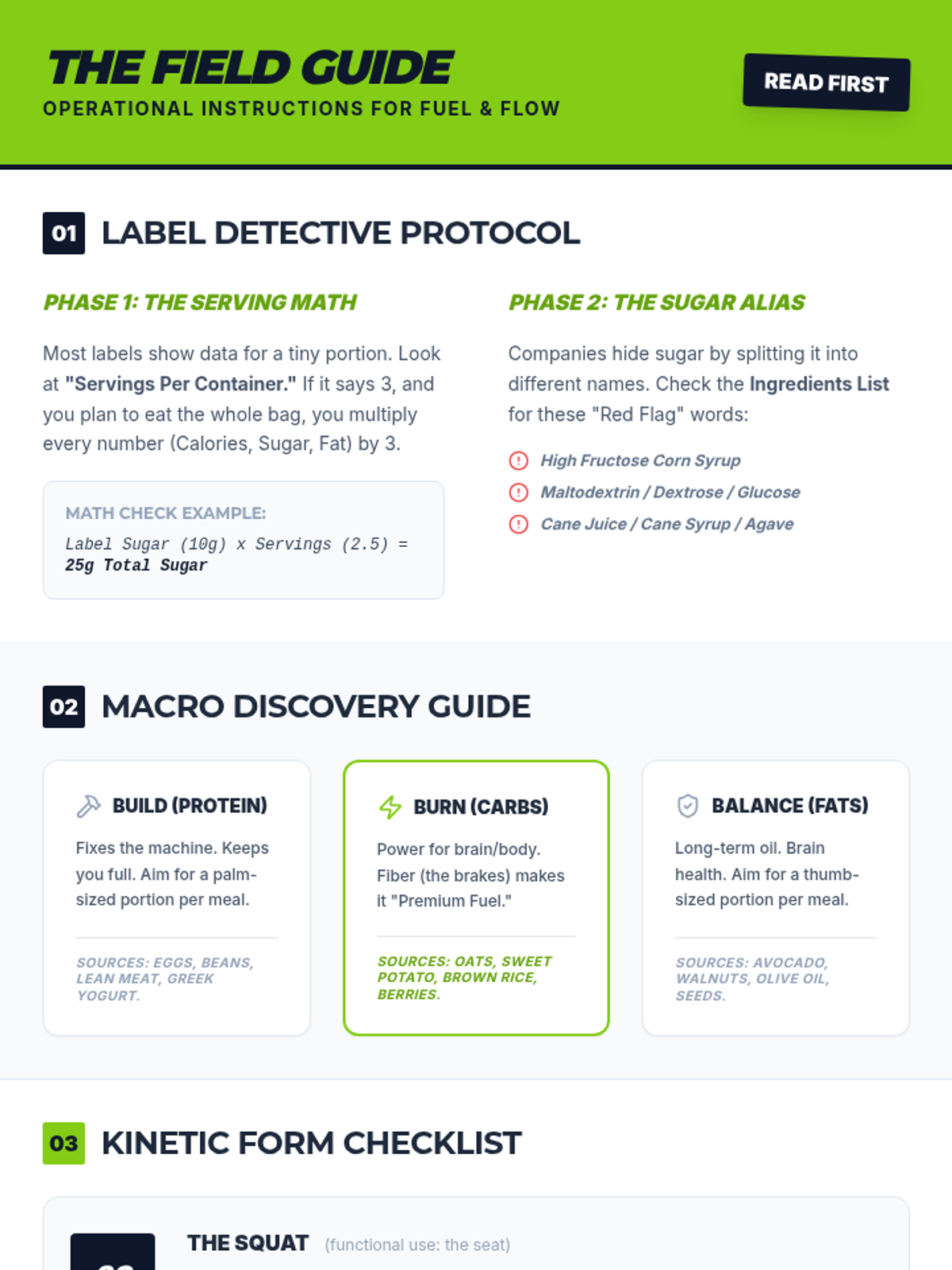
A 90-minute intensive session for young adults (16-21) focused on the intersection of nutrition and functional movement. Students learn to read labels, plan balanced meals, and understand the foundational movement patterns needed for a healthy, active life.
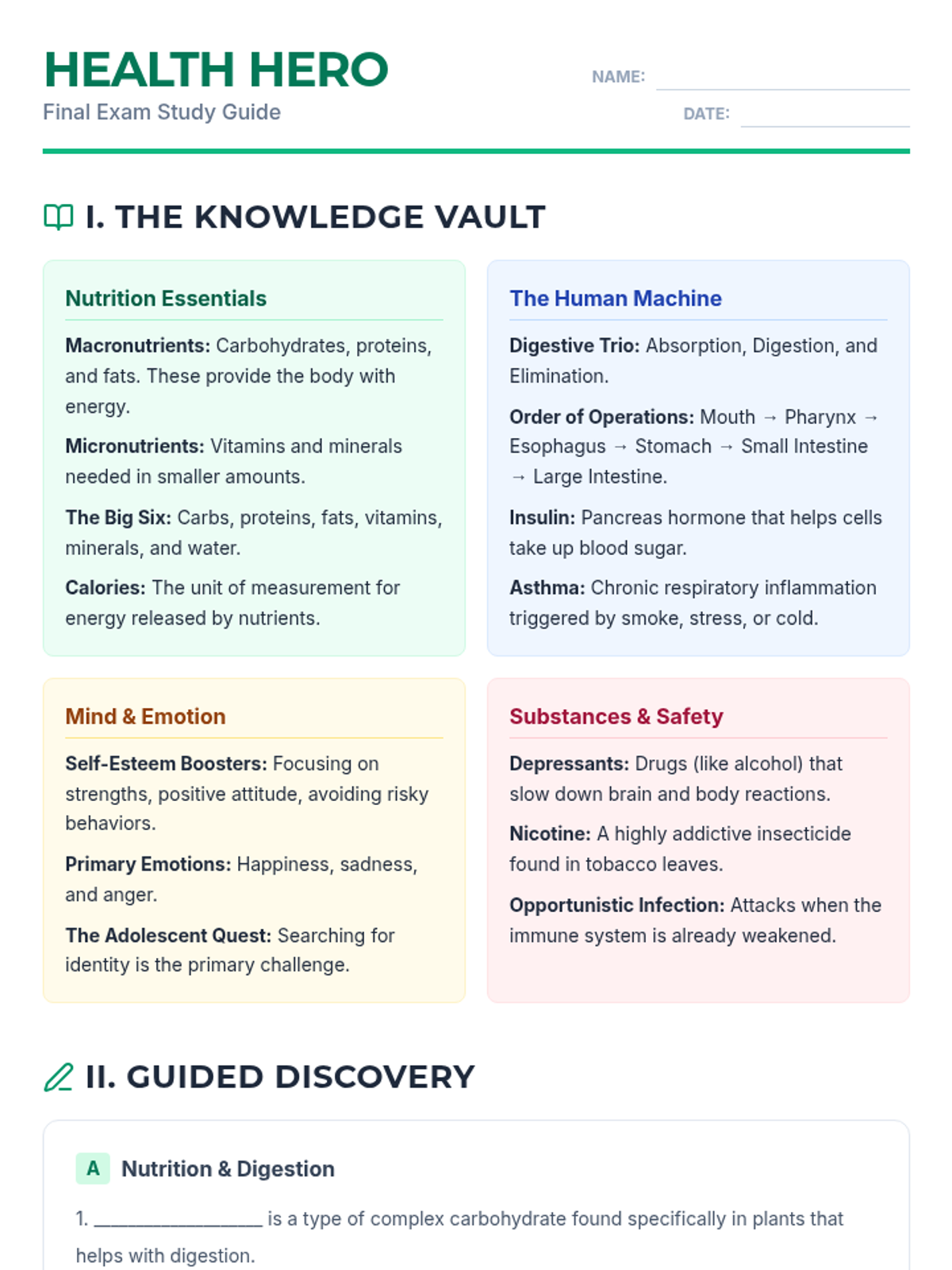
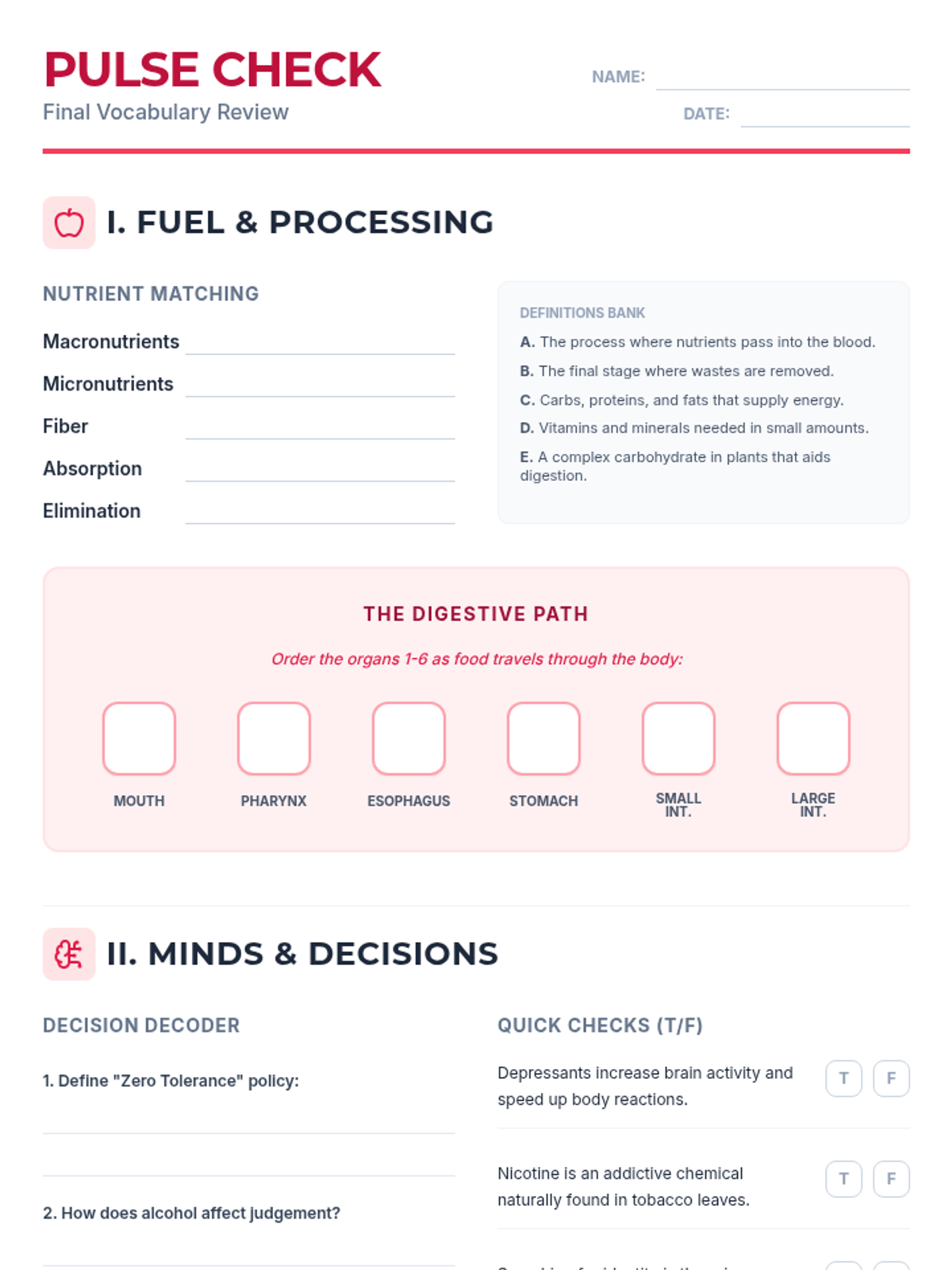
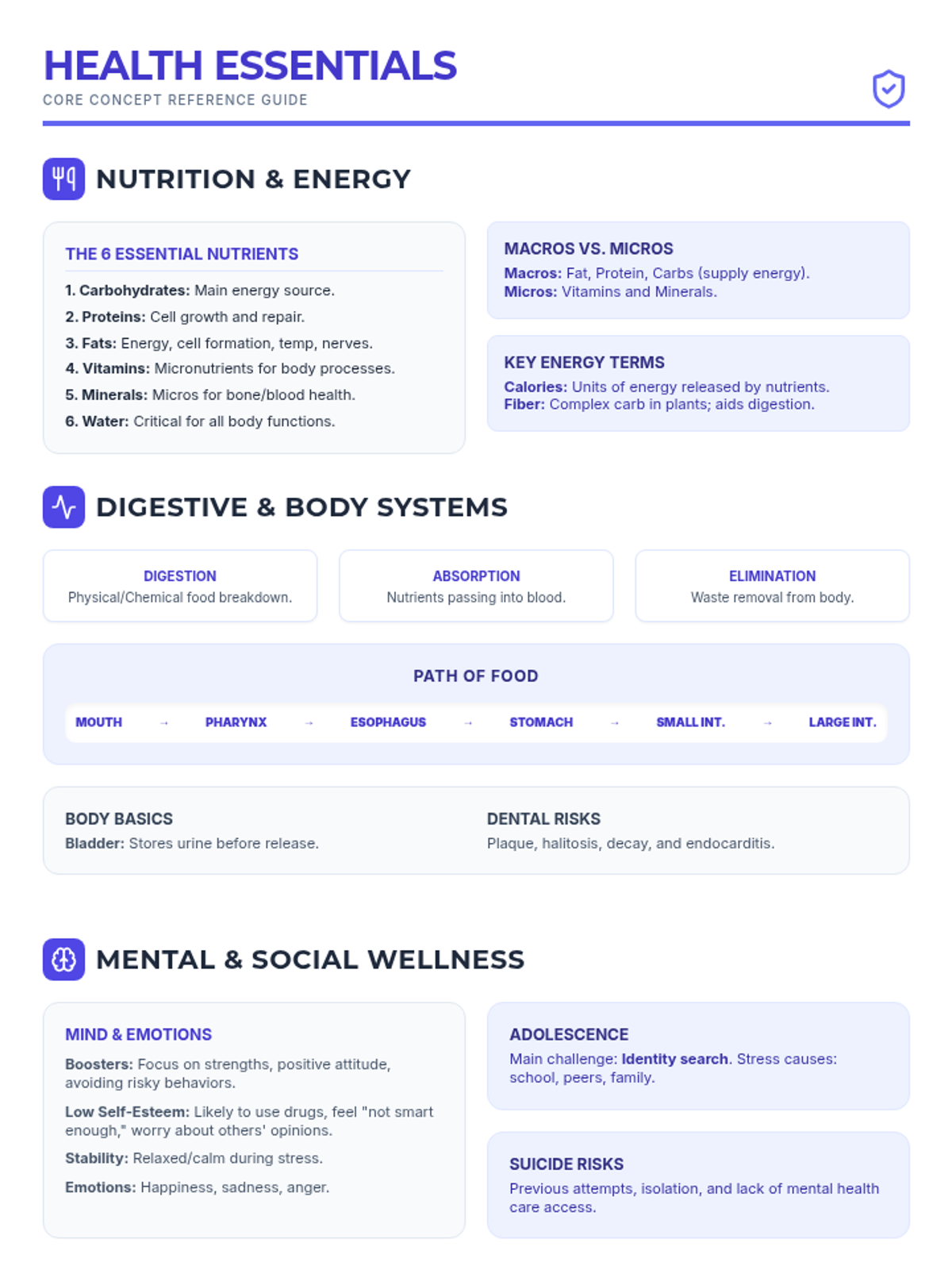
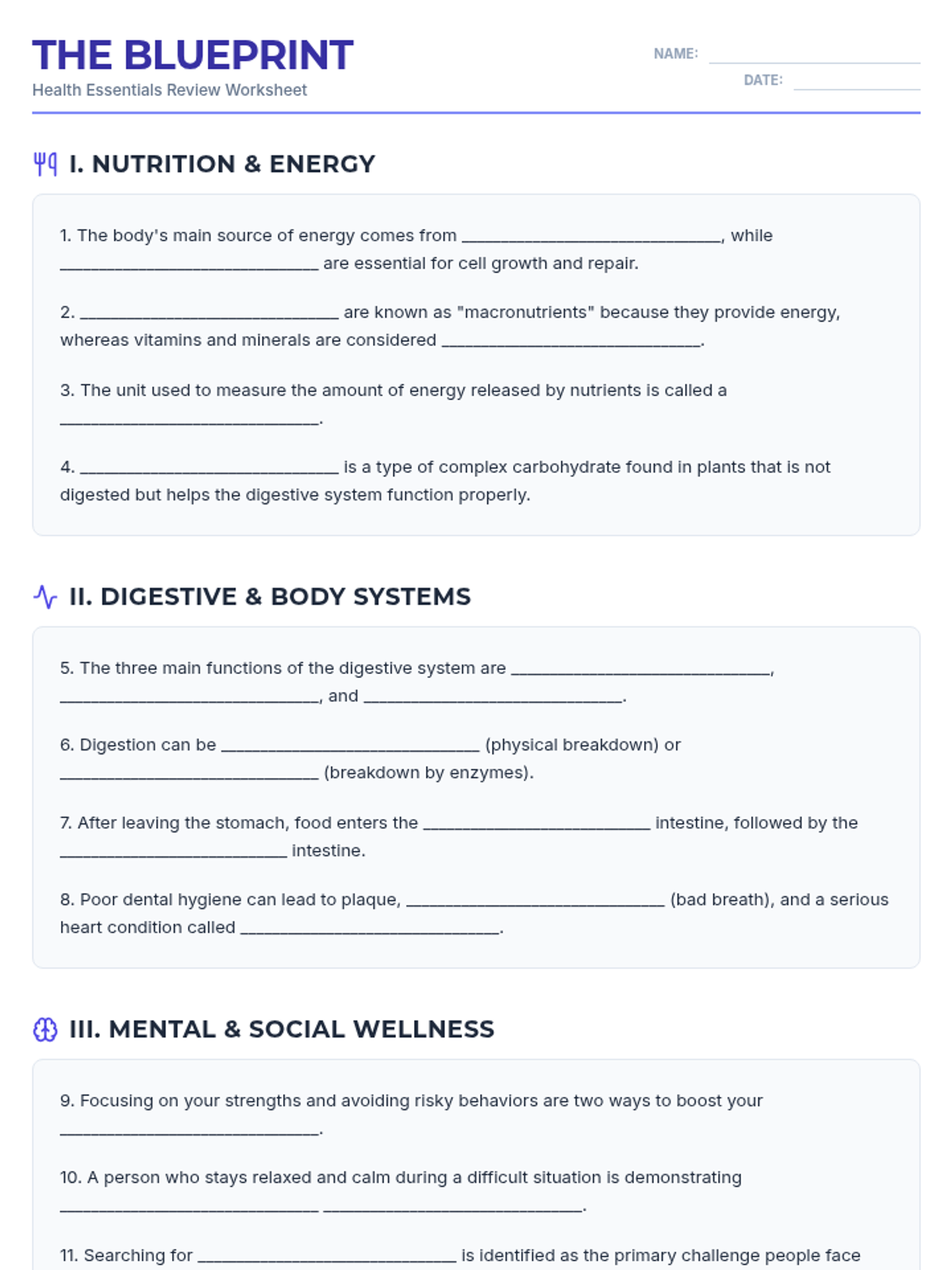
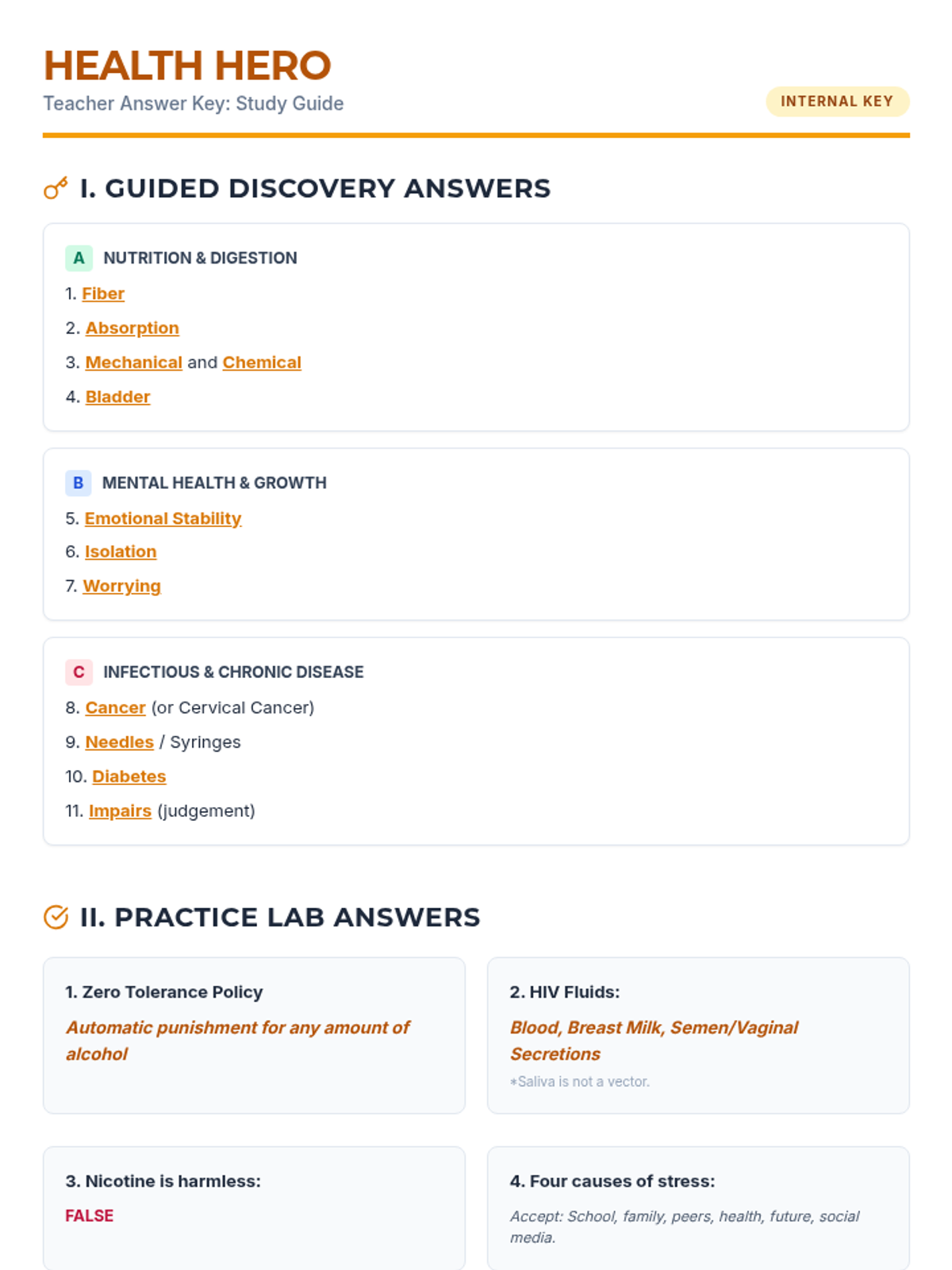
A comprehensive study guide covering nutrition, body systems, mental health, and disease prevention based on the Health Final Exam.
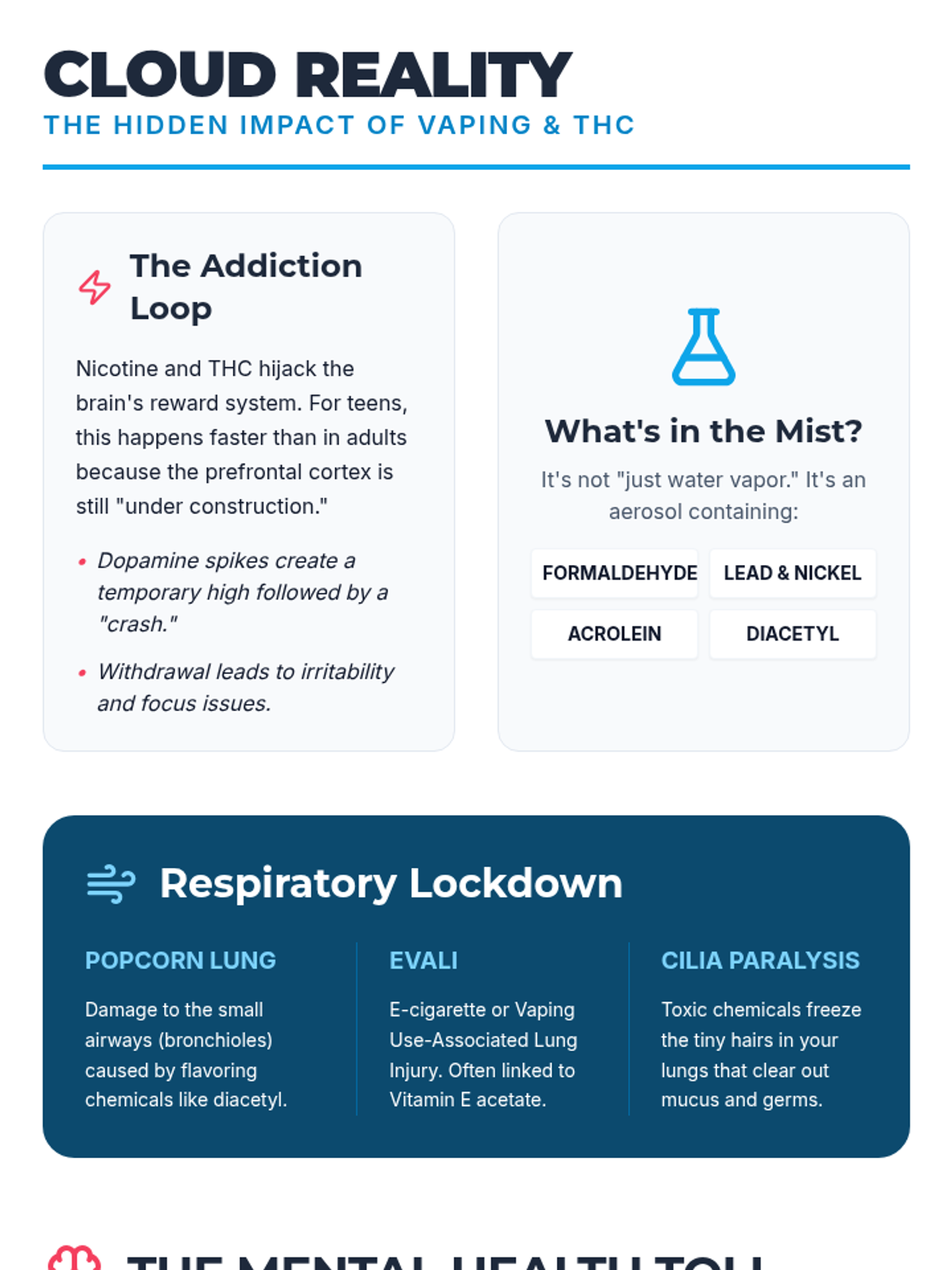
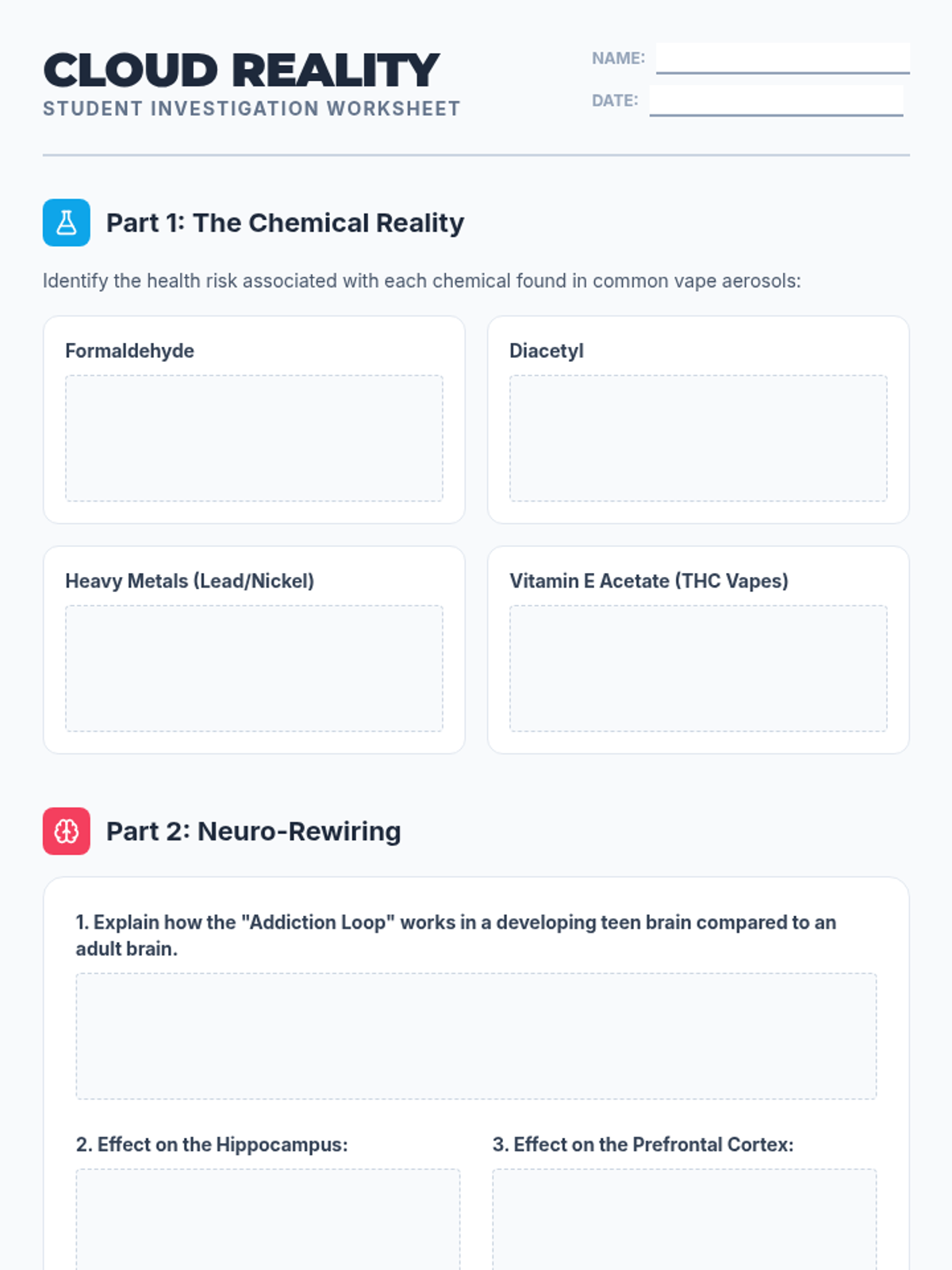
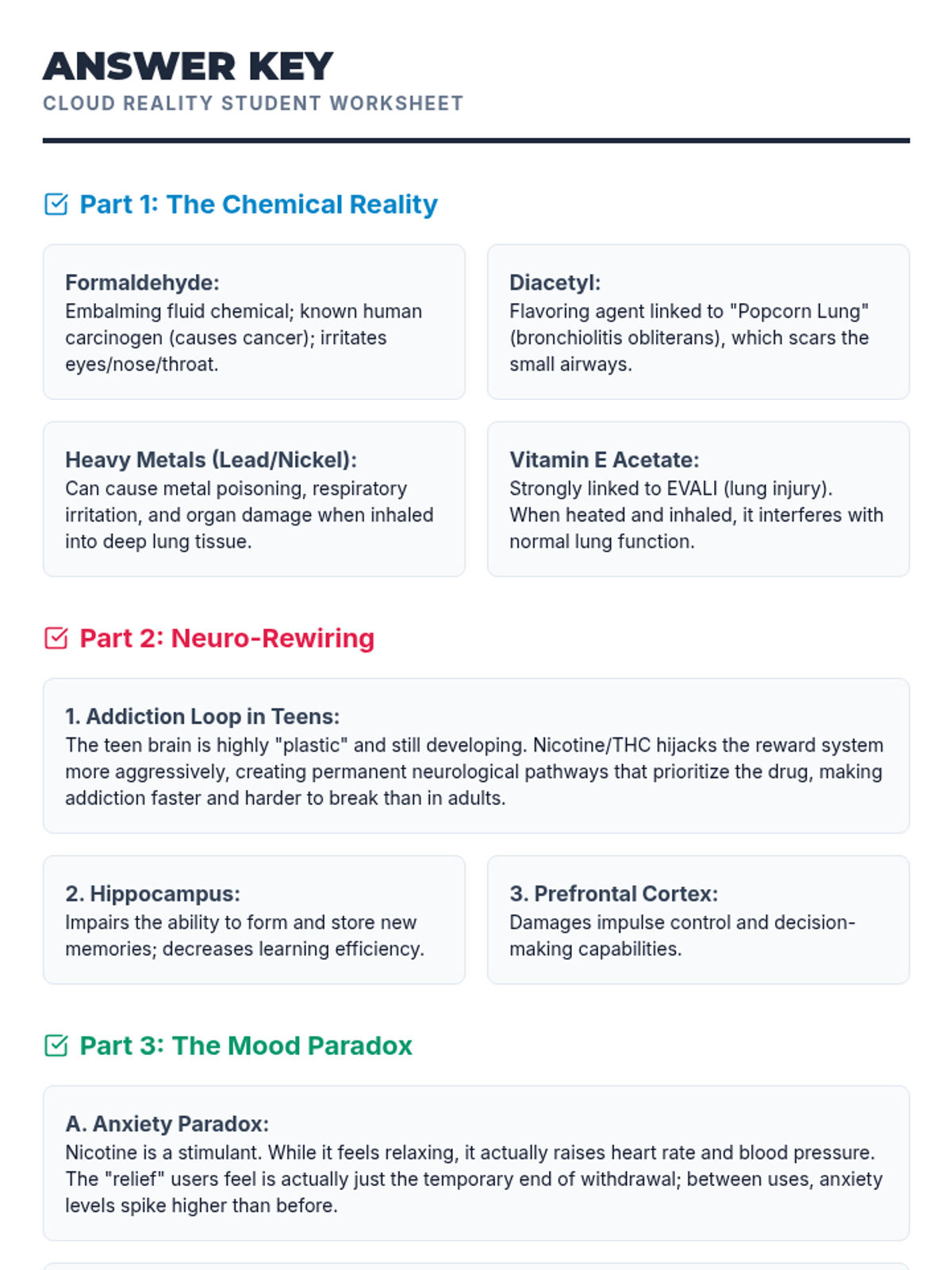
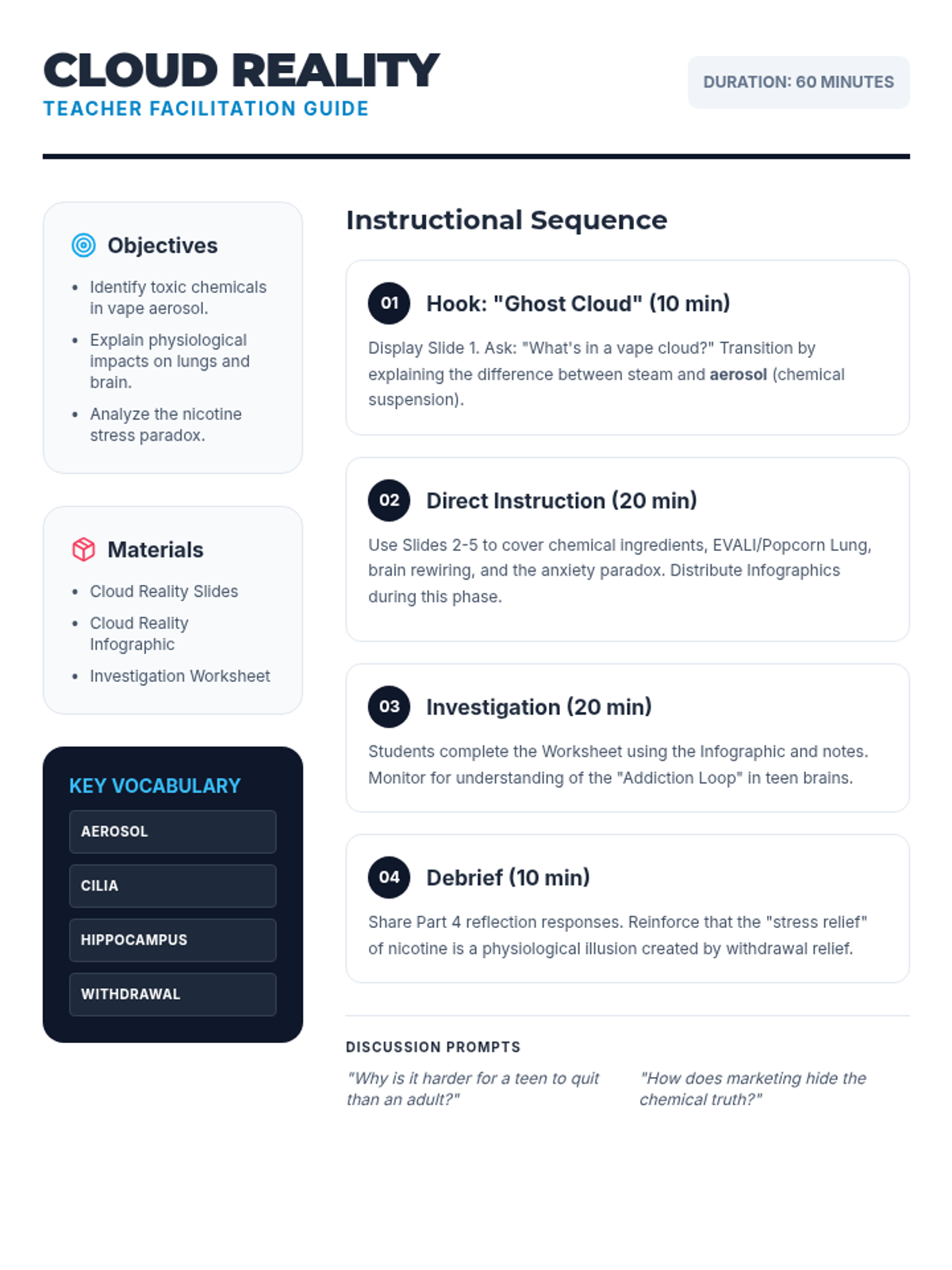
An exploration of the physical and mental health impacts of vaping and THC, focusing on respiratory health, brain development, and the cycle of addiction.
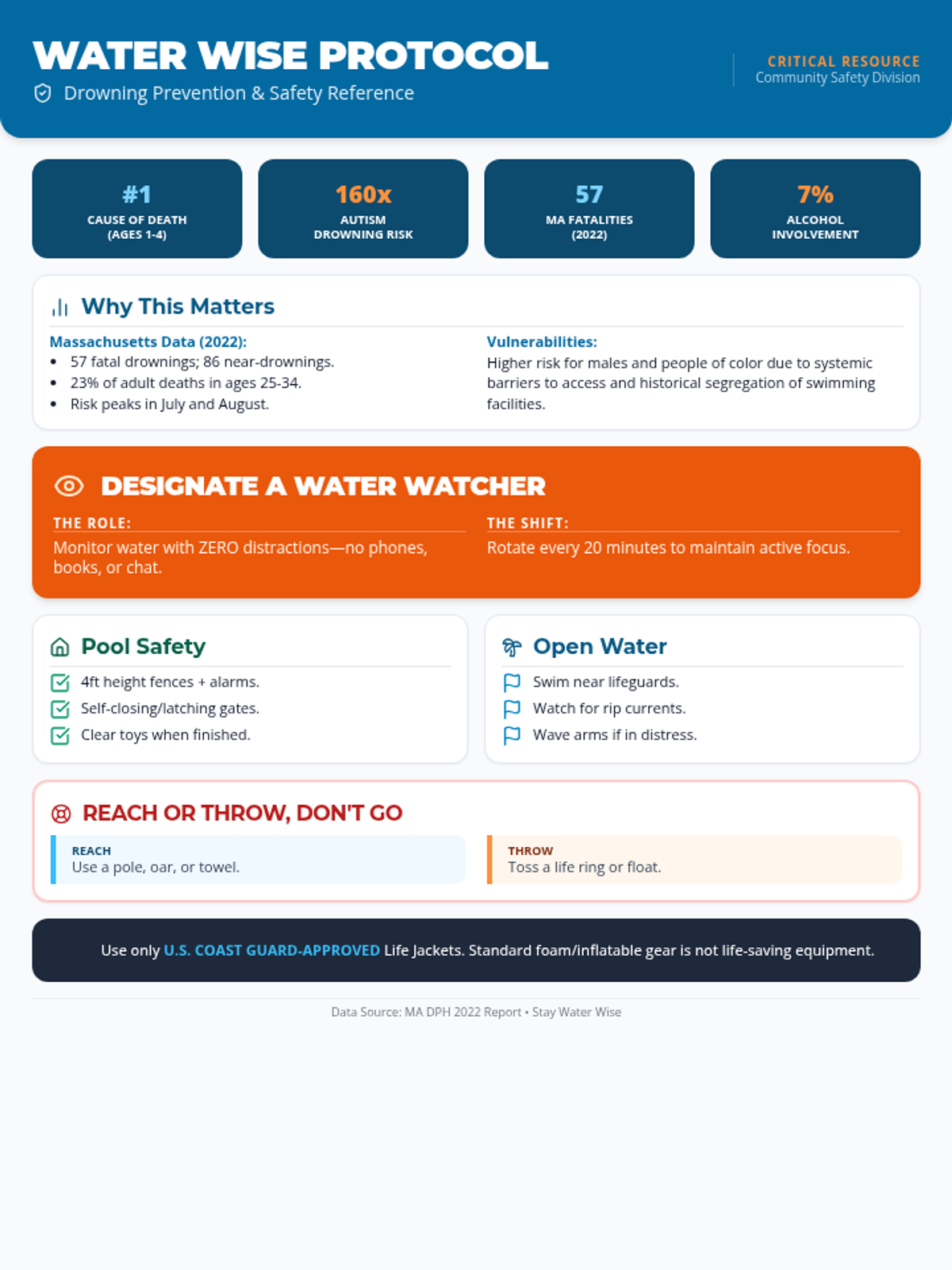
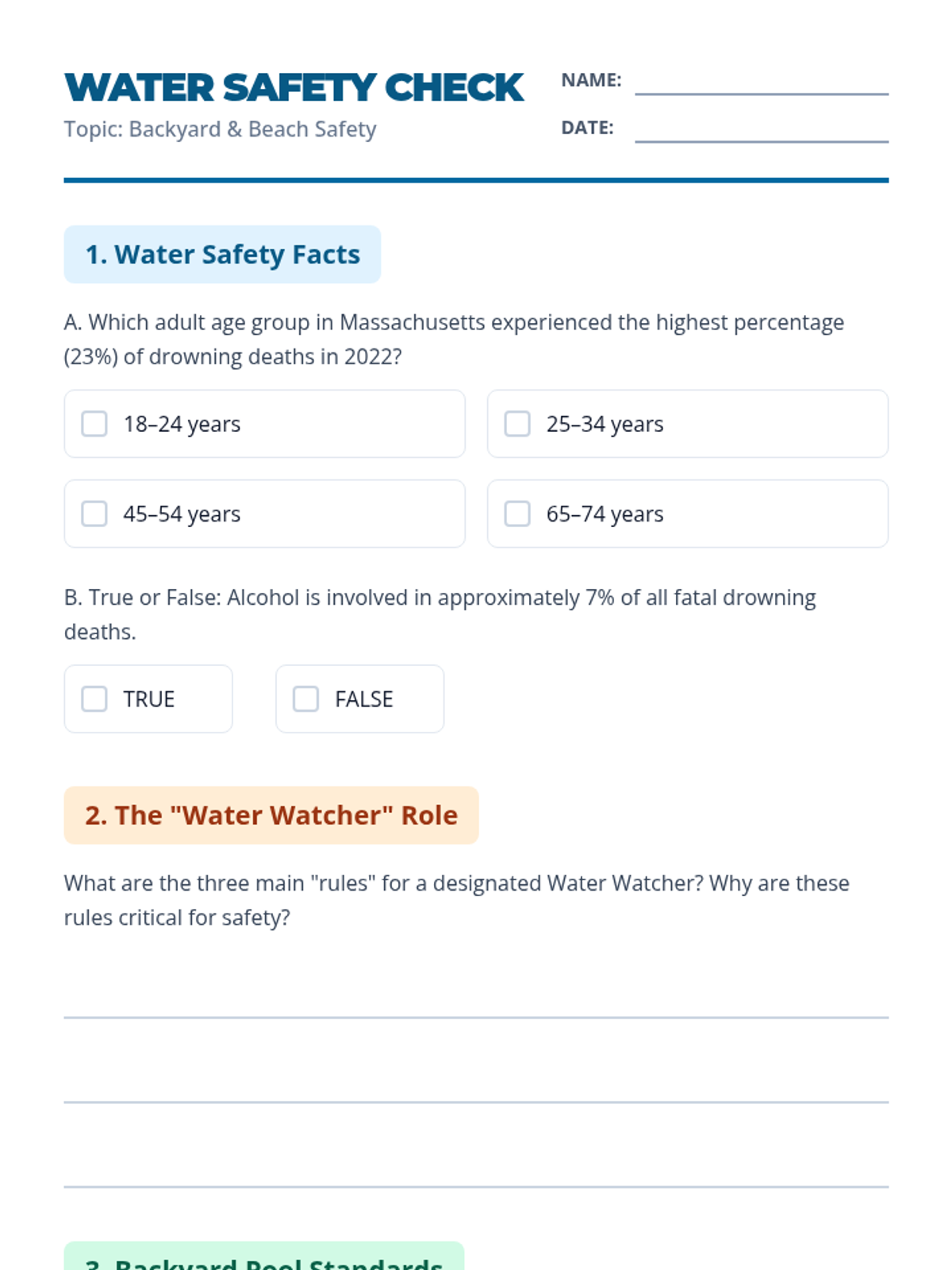
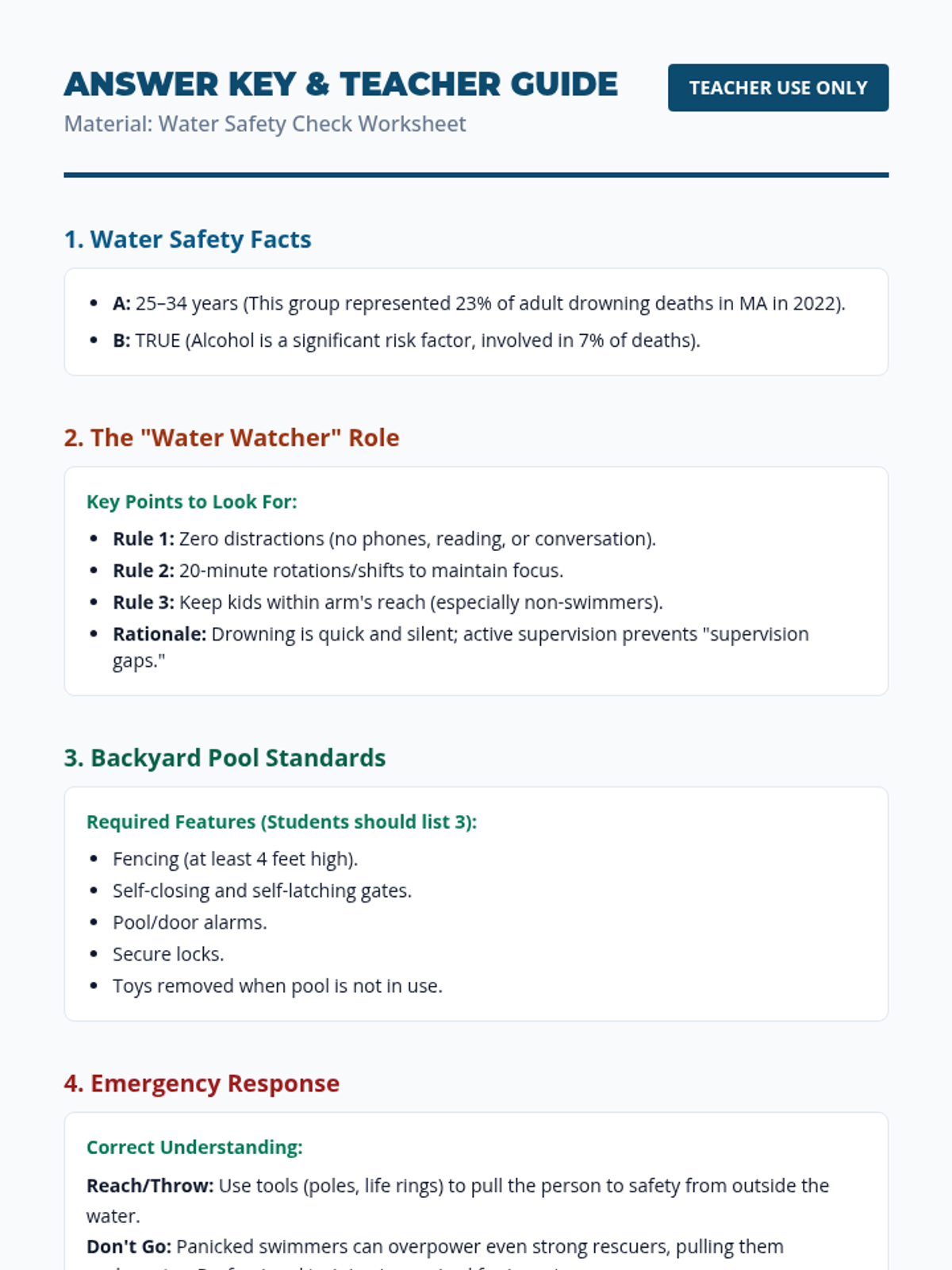
An informational lesson focused on drowning prevention and water safety protocols for backyard pools and open water environments.
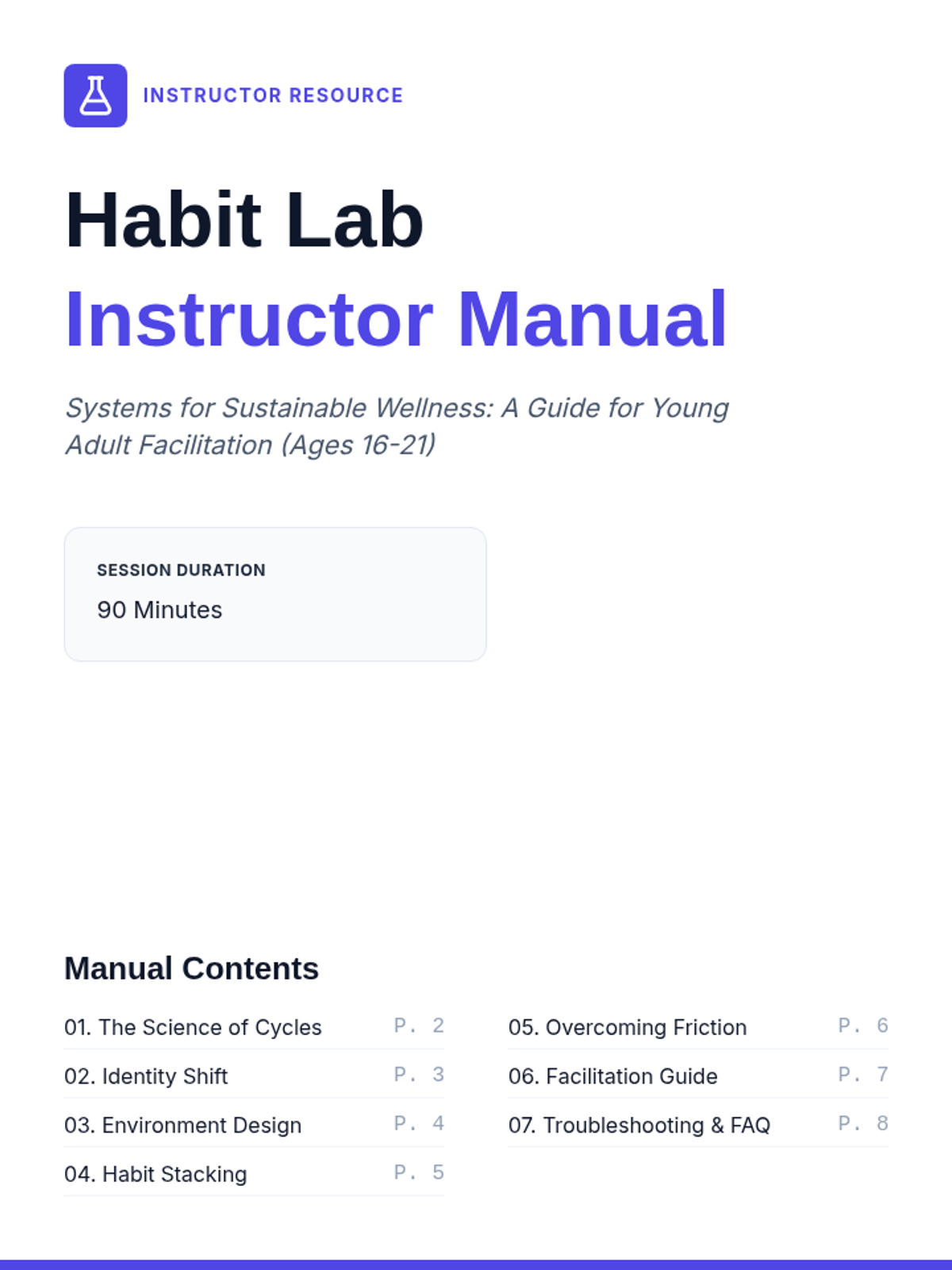
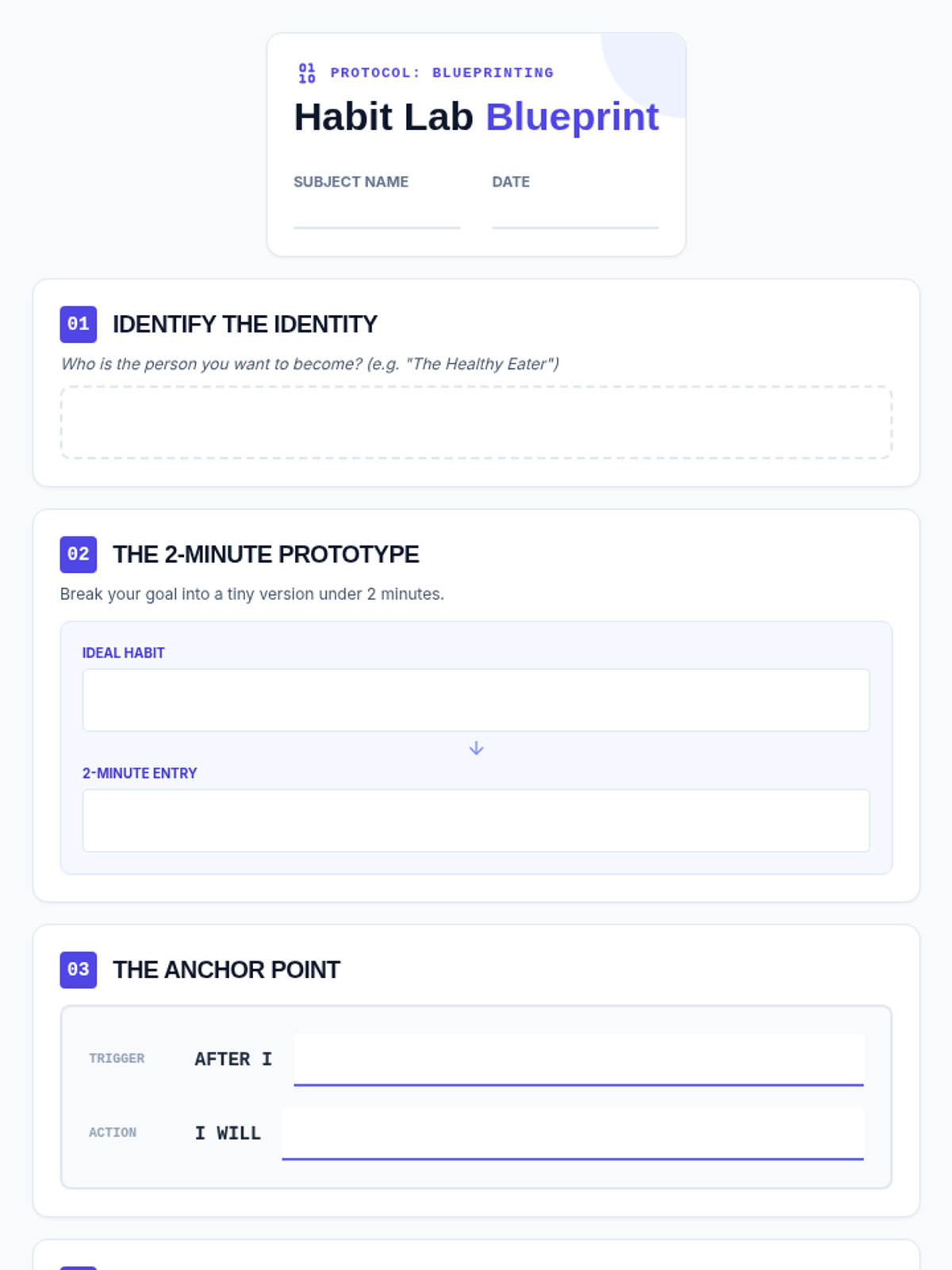
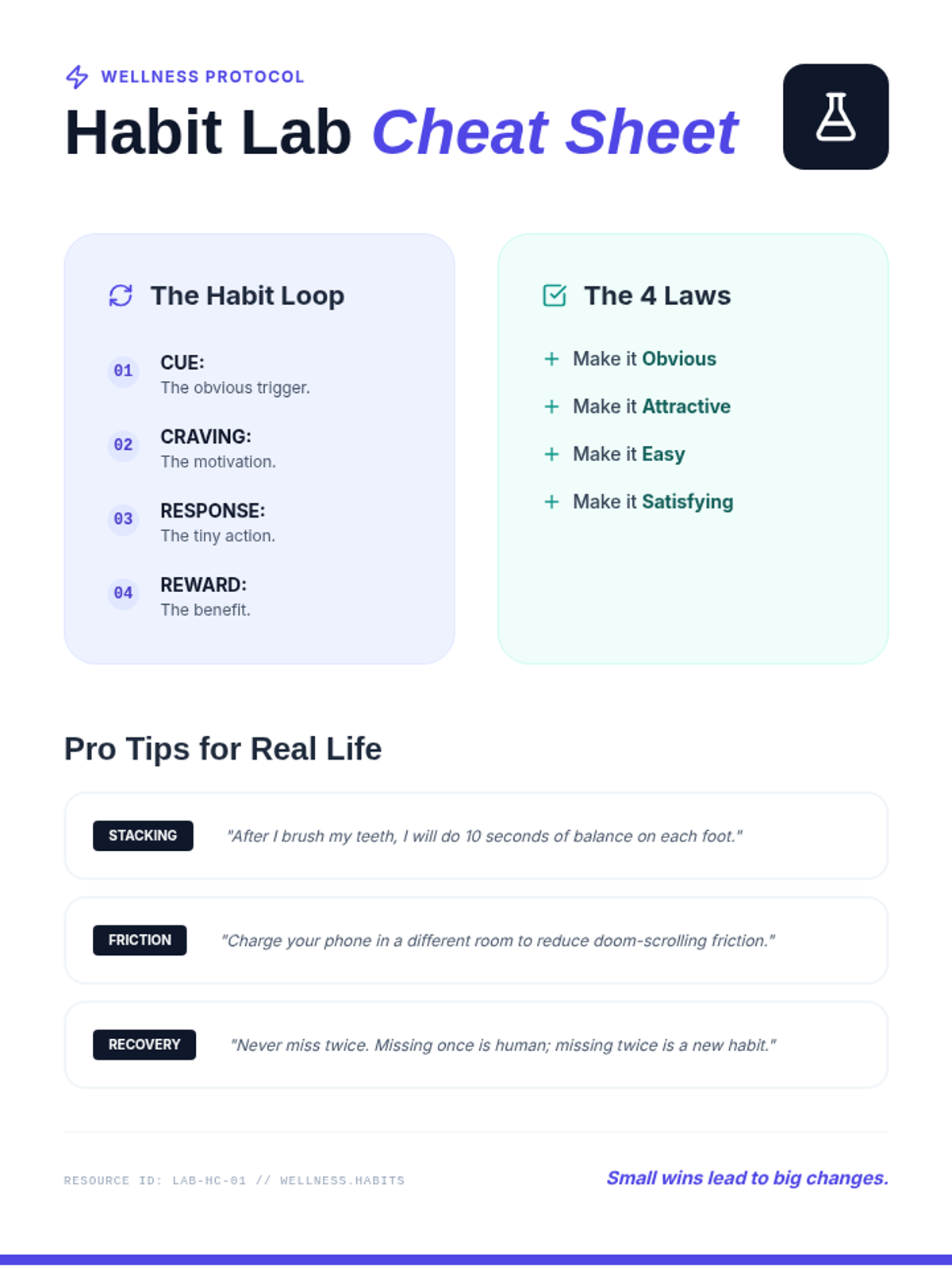
A comprehensive session for young adults on the science and practice of habit formation for long-term wellness. This lesson equips participants with practical tools to design systems that support their health, mental clarity, and productivity.
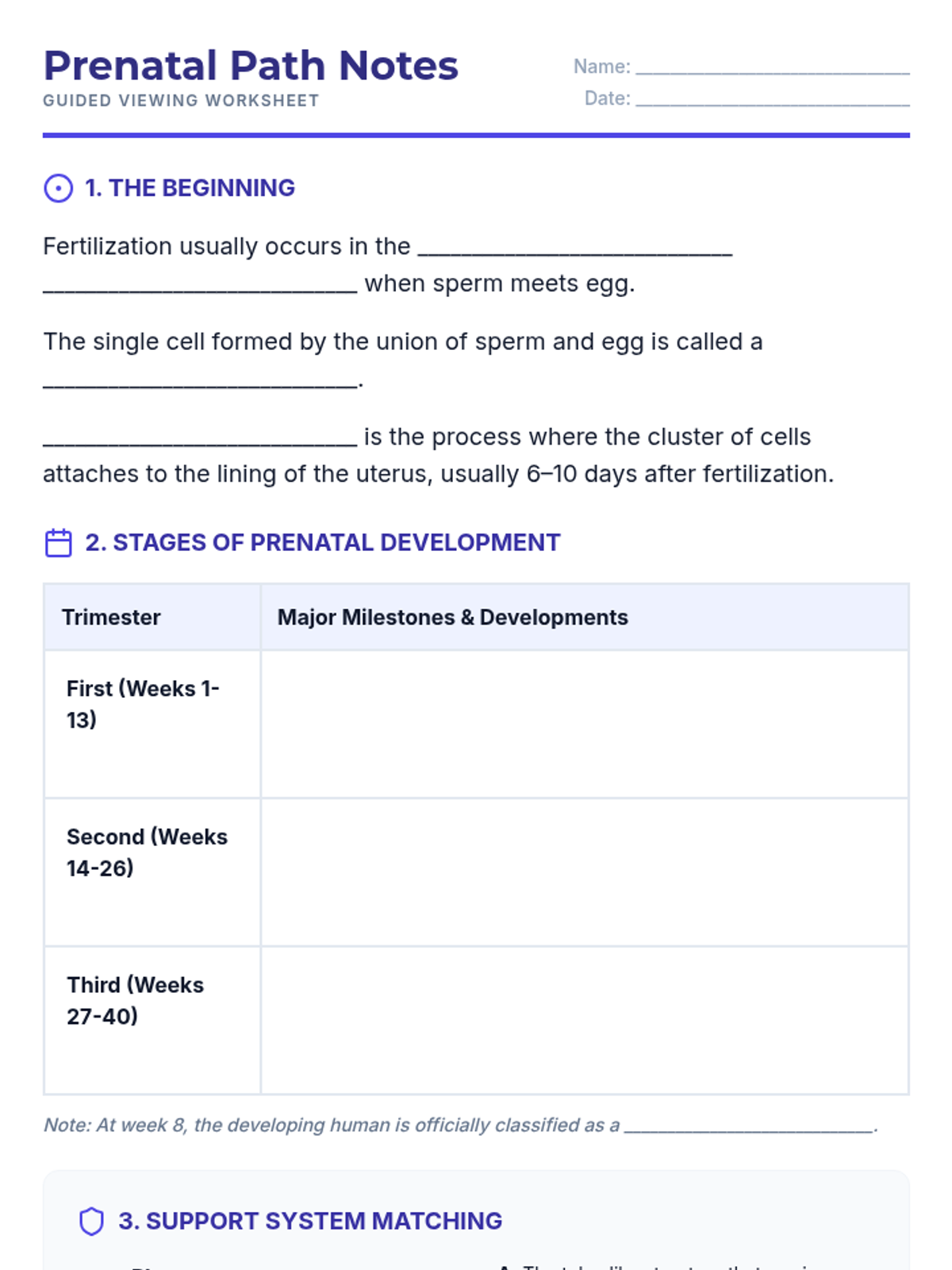
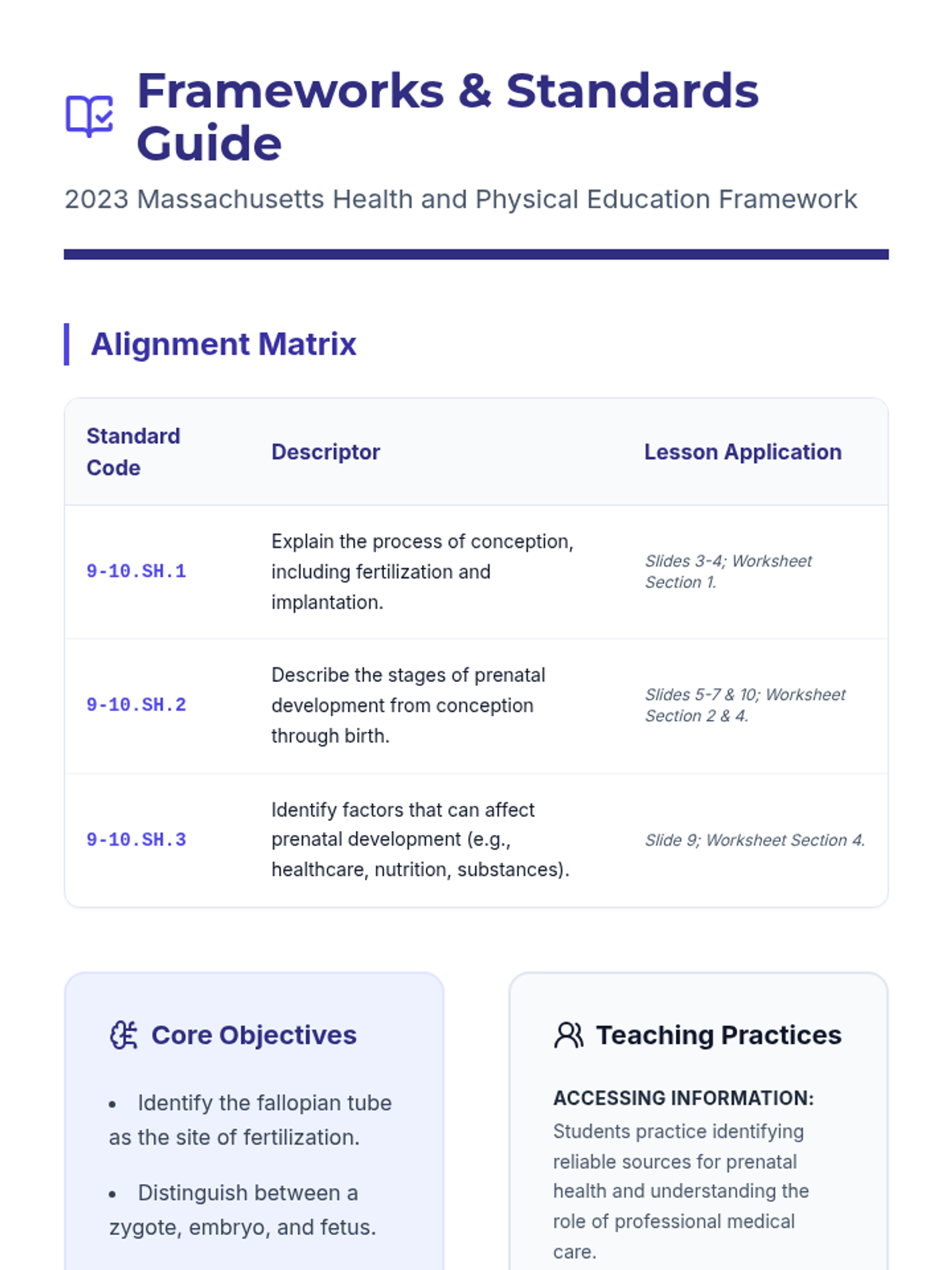
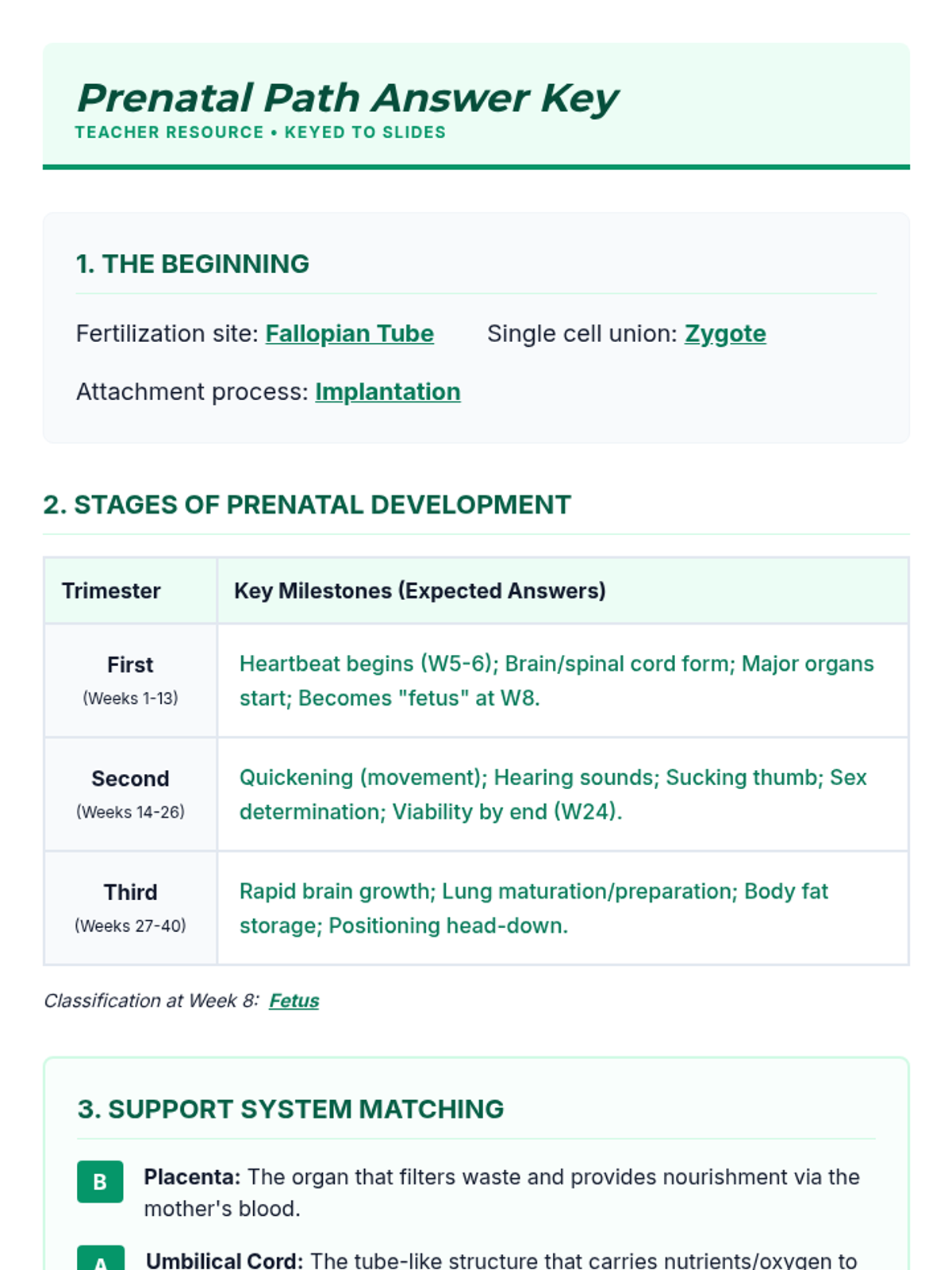
A comprehensive lesson on the biological journey from conception to birth, aligned with the 2023 Massachusetts Health and PE Frameworks. Students will explore fertilization, the three trimesters of prenatal development, and the stages of childbirth.
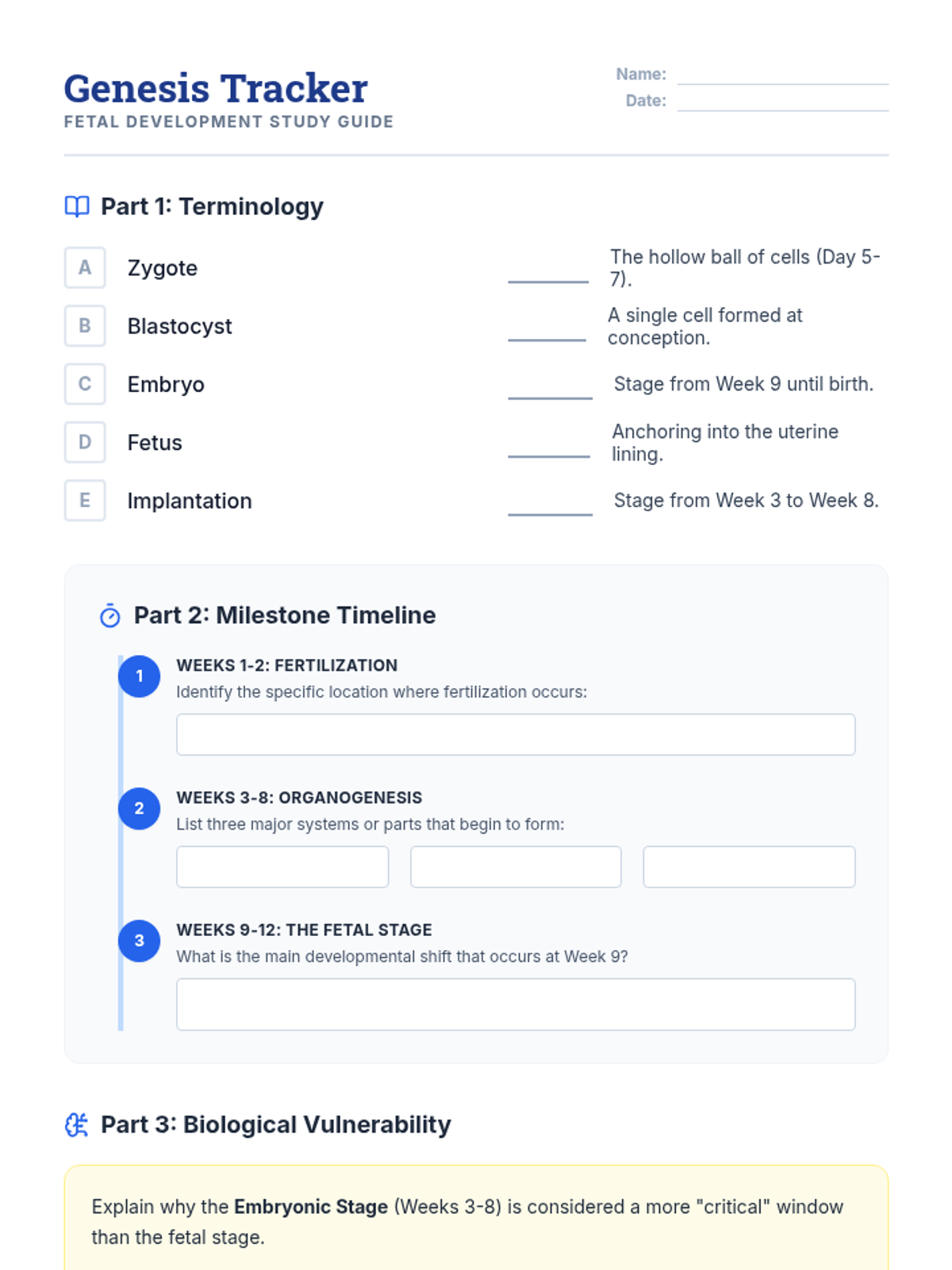
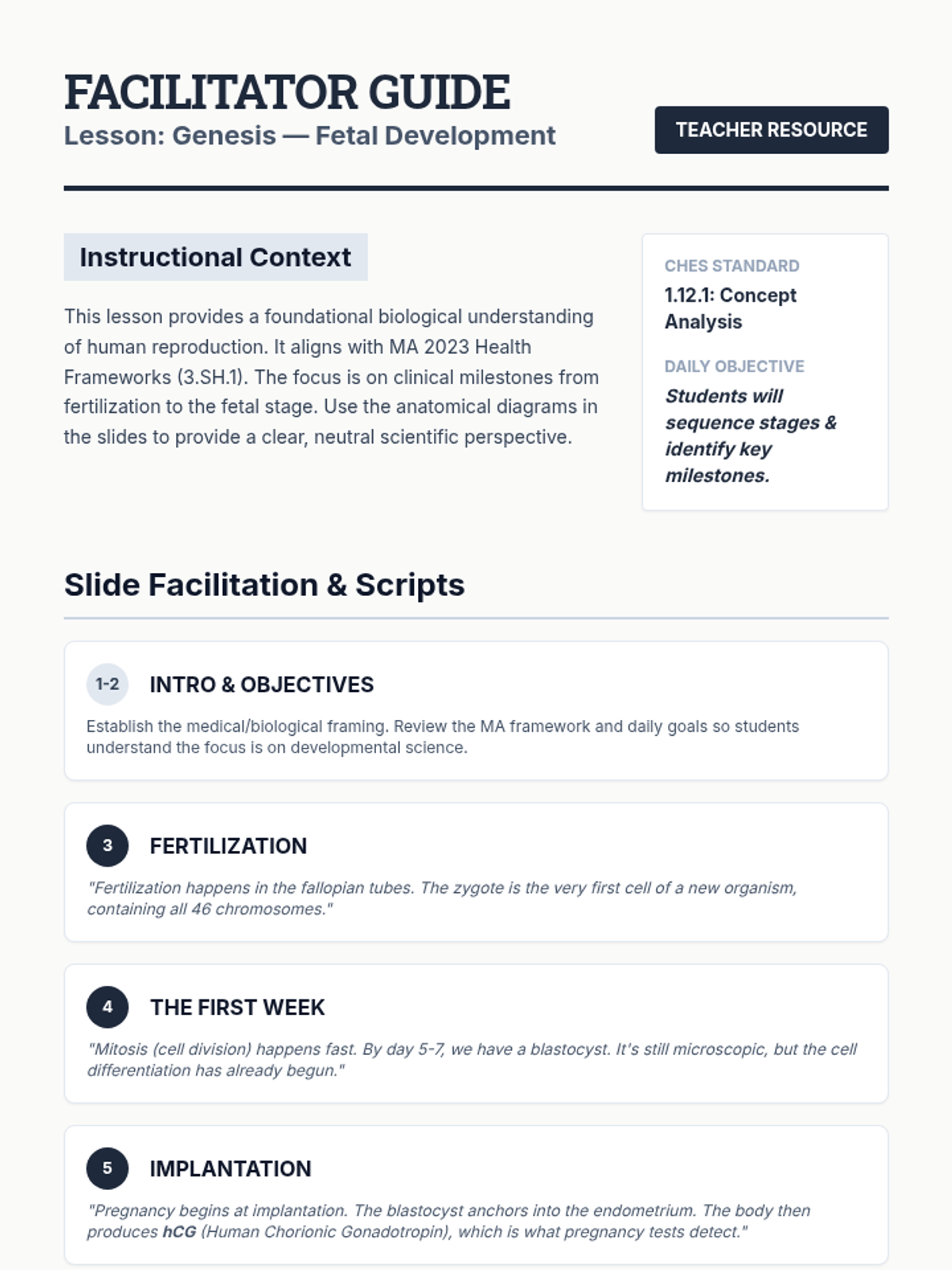
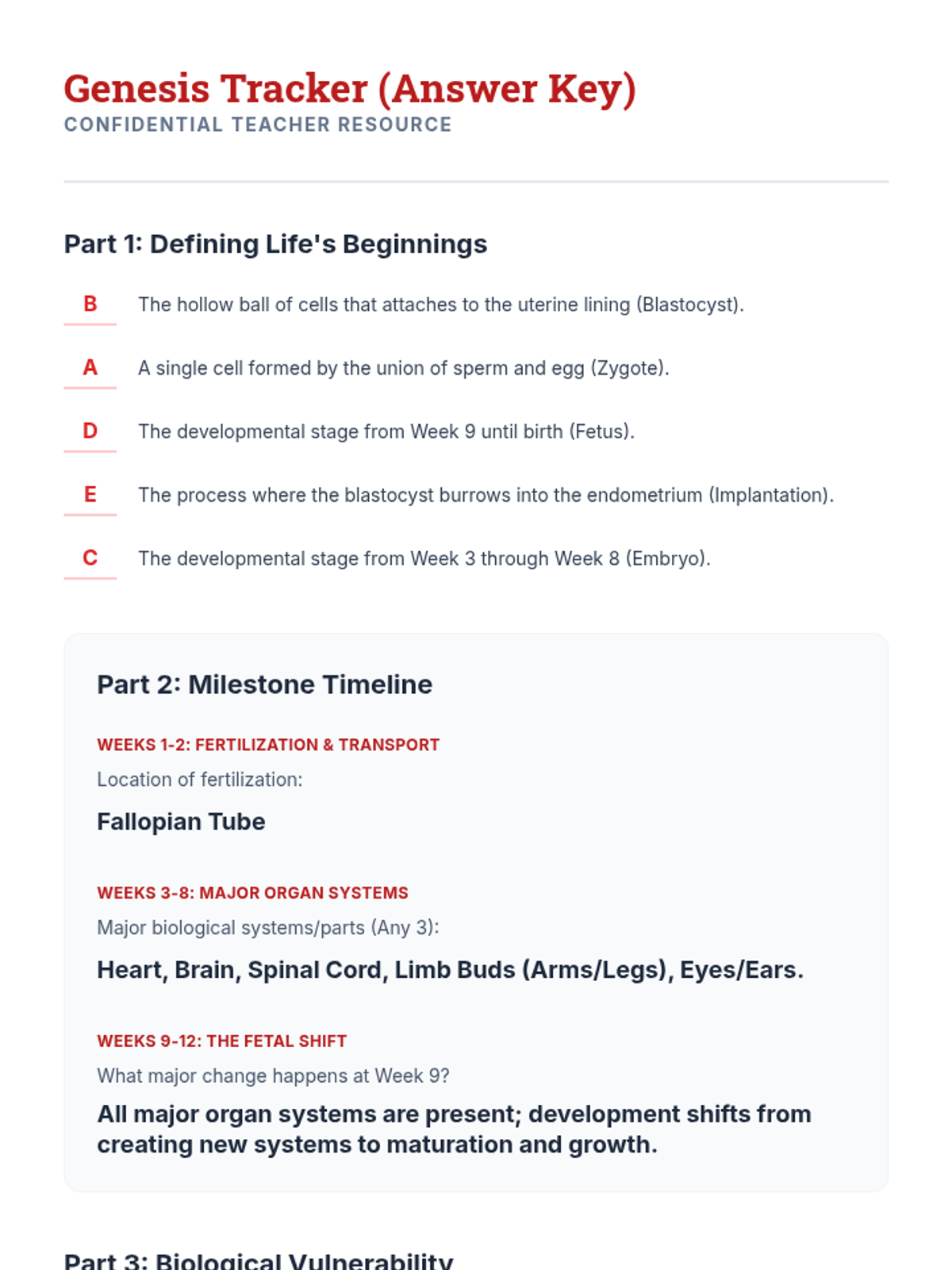
A comprehensive look at the biological journey from fertilization to the fetal stage, aligned with MA 2023 Health Frameworks and CHES standards for grade 9.
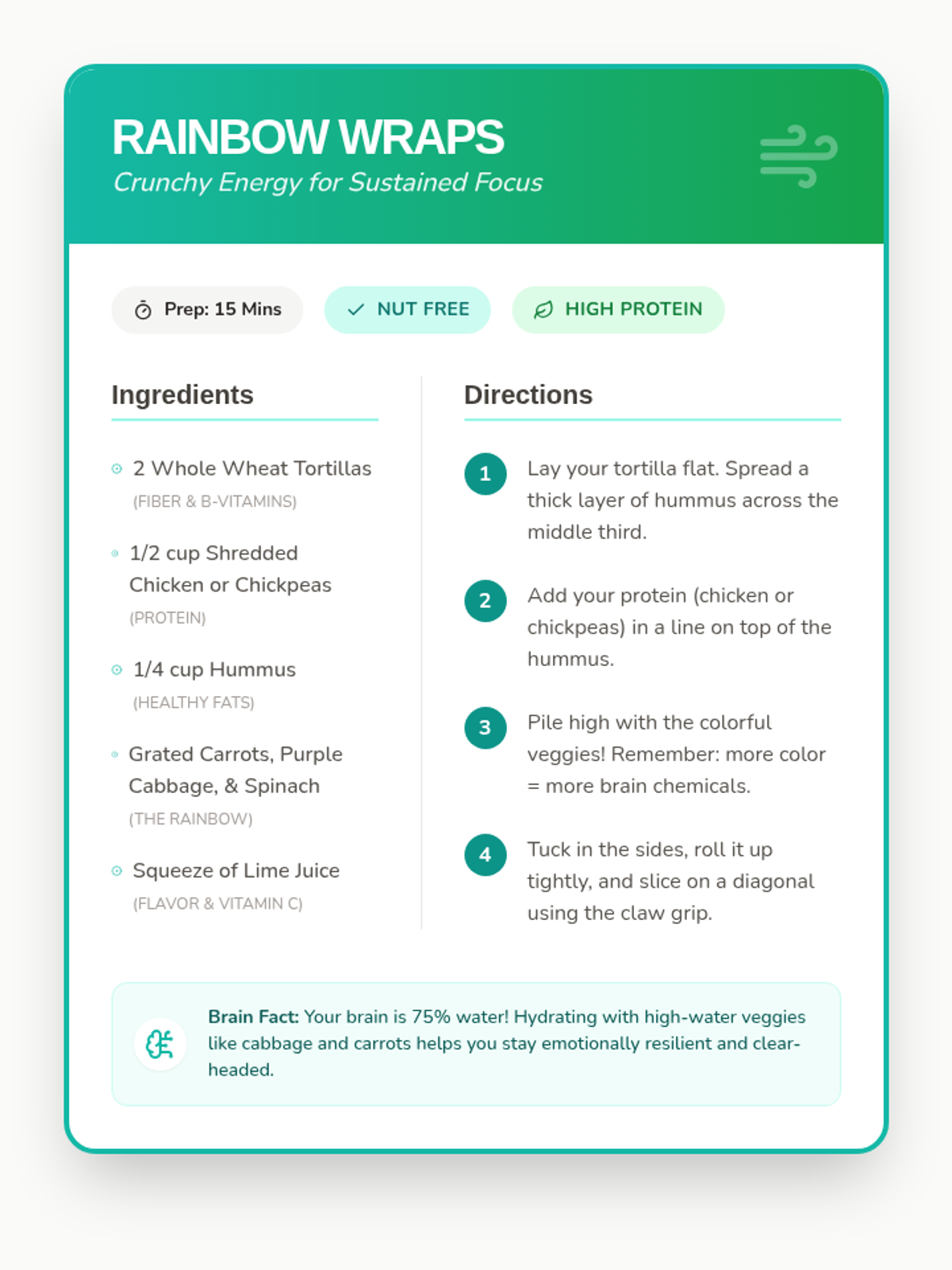
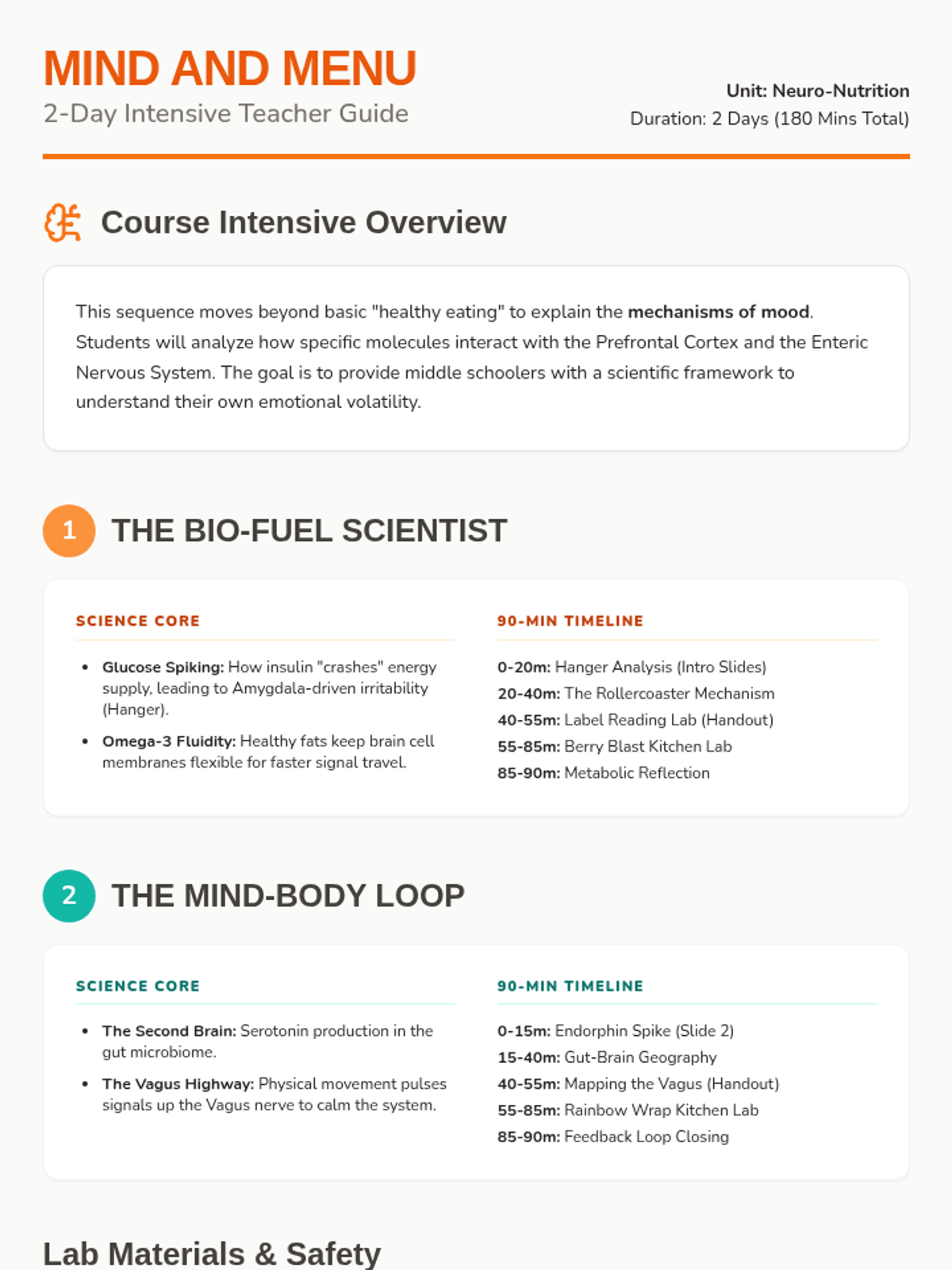
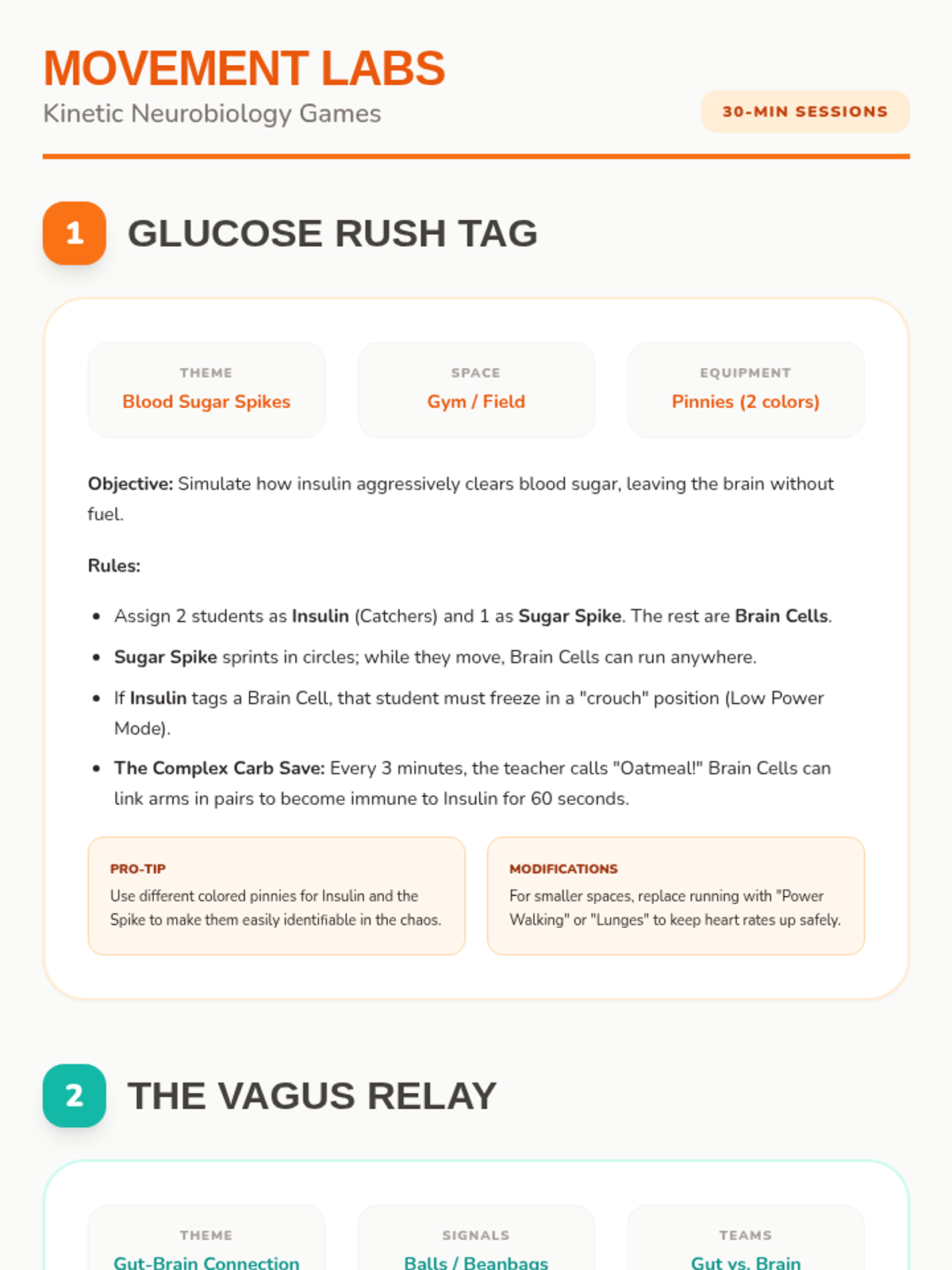
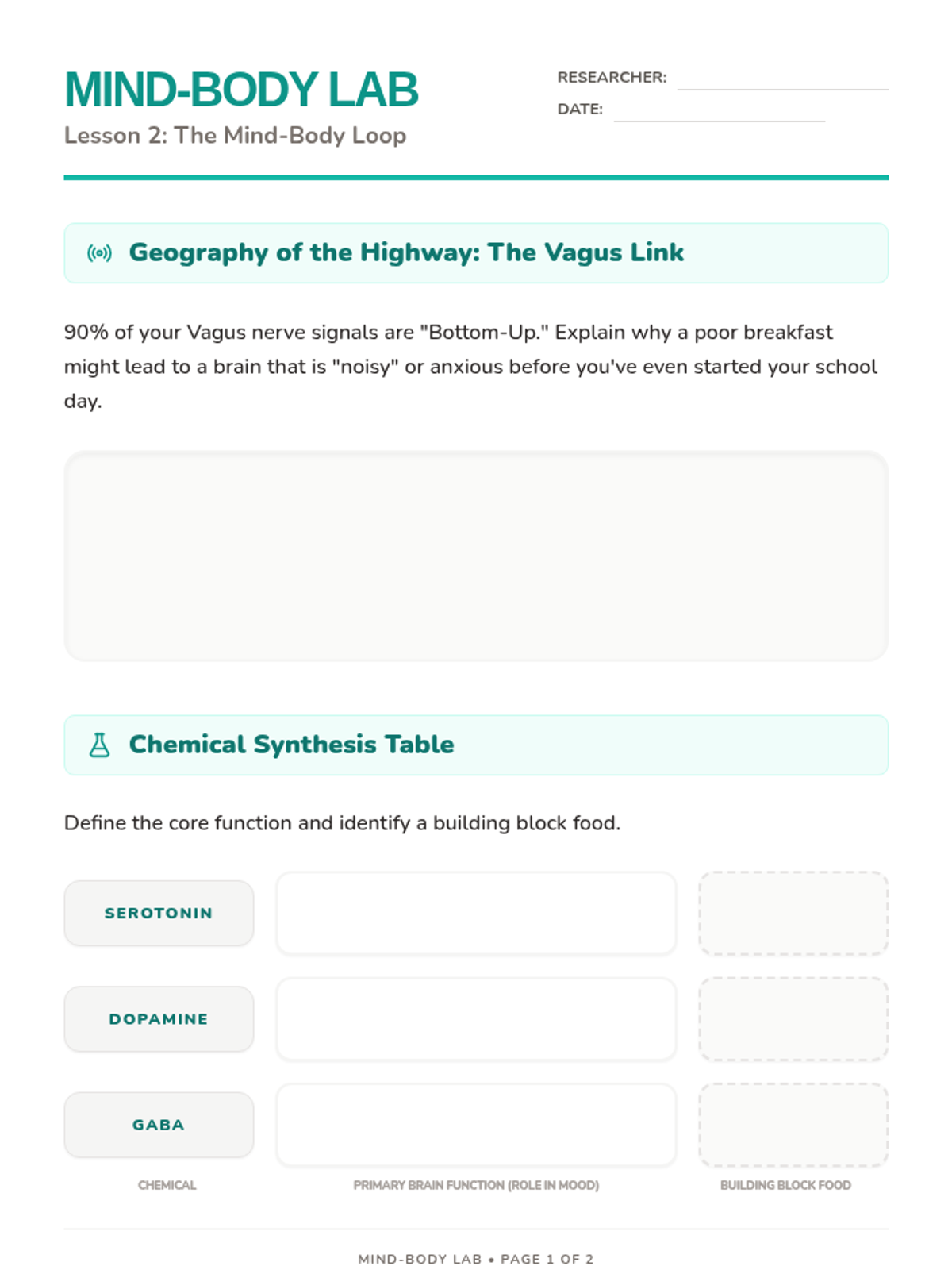
An intensive look at the 'Second Brain' in the gut, the role of the Vagus nerve, and how movement synthesizes neurotransmitters for emotional stability.
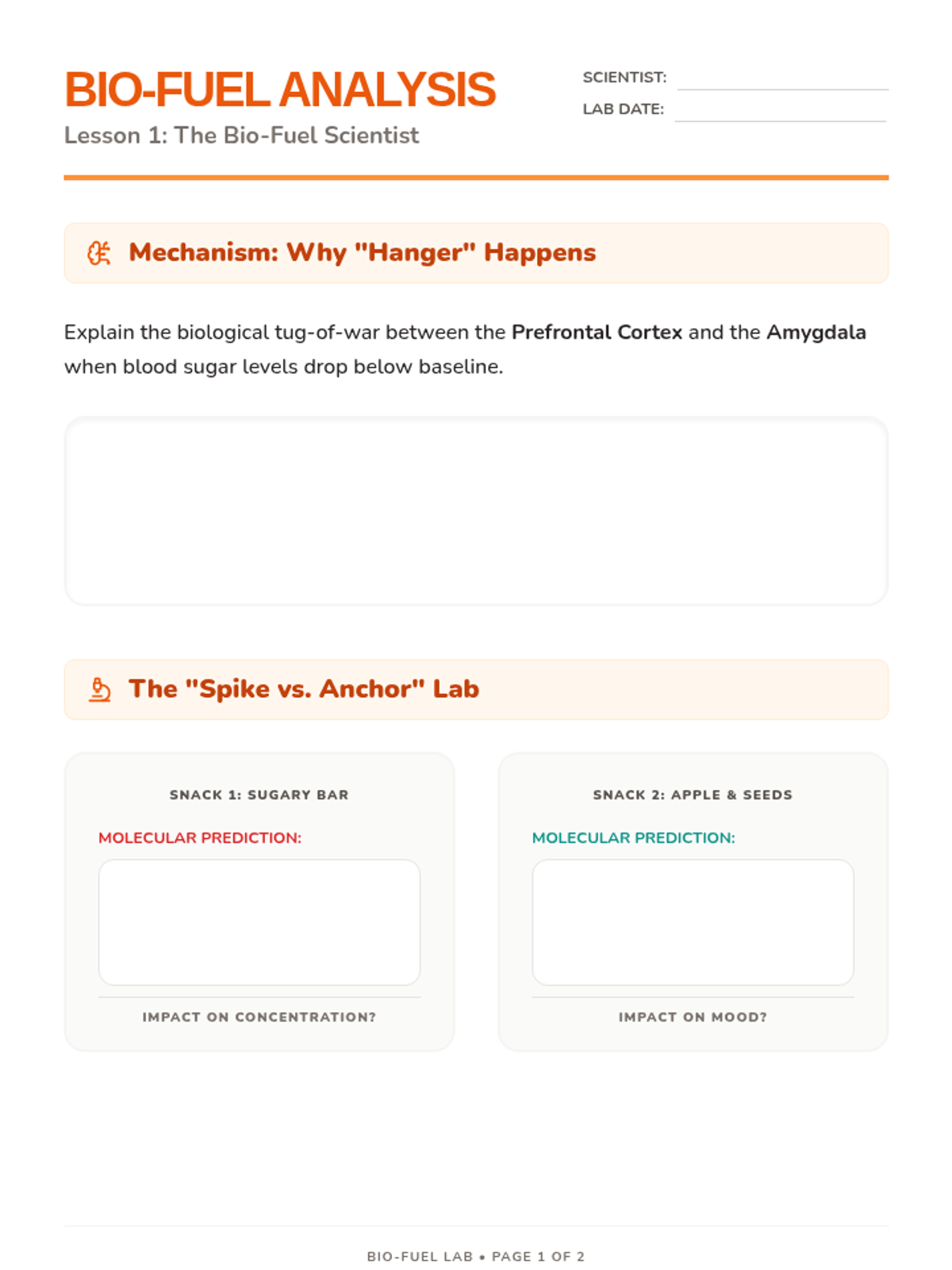
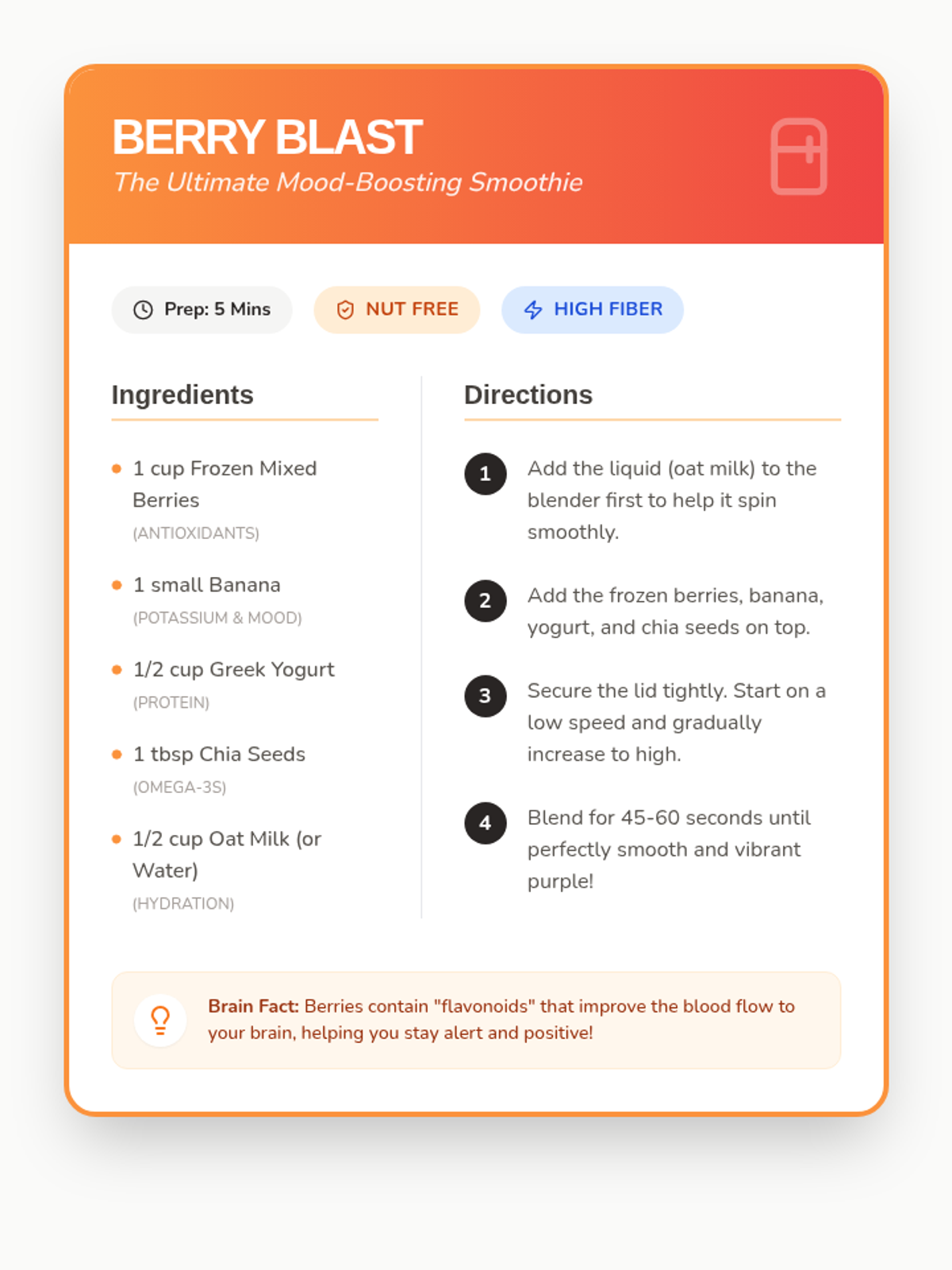
A deep dive into the glucose-insulin response, the chemistry of 'hanger,' and how micronutrients like Omega-3s build the physical architecture of the brain.
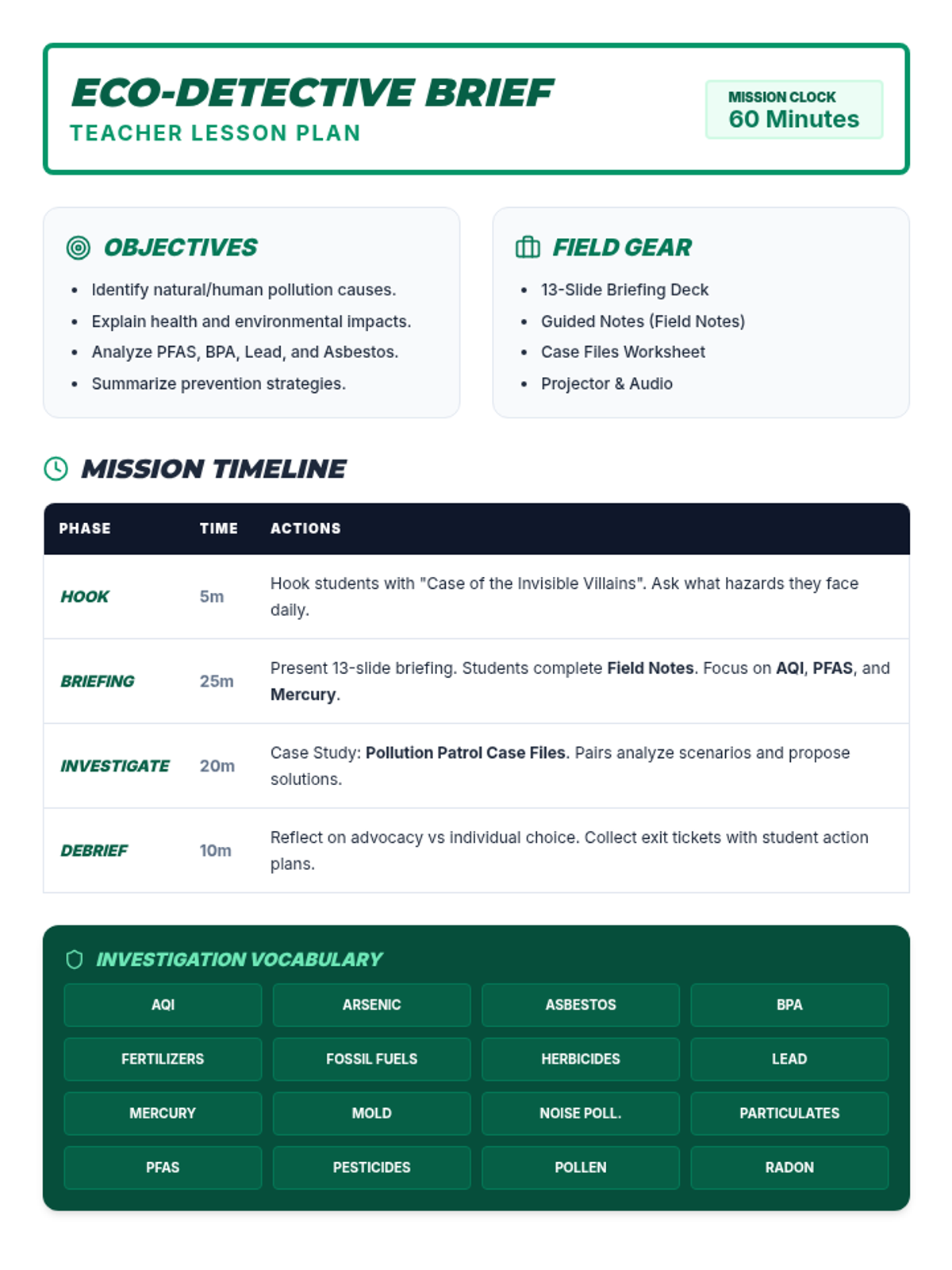
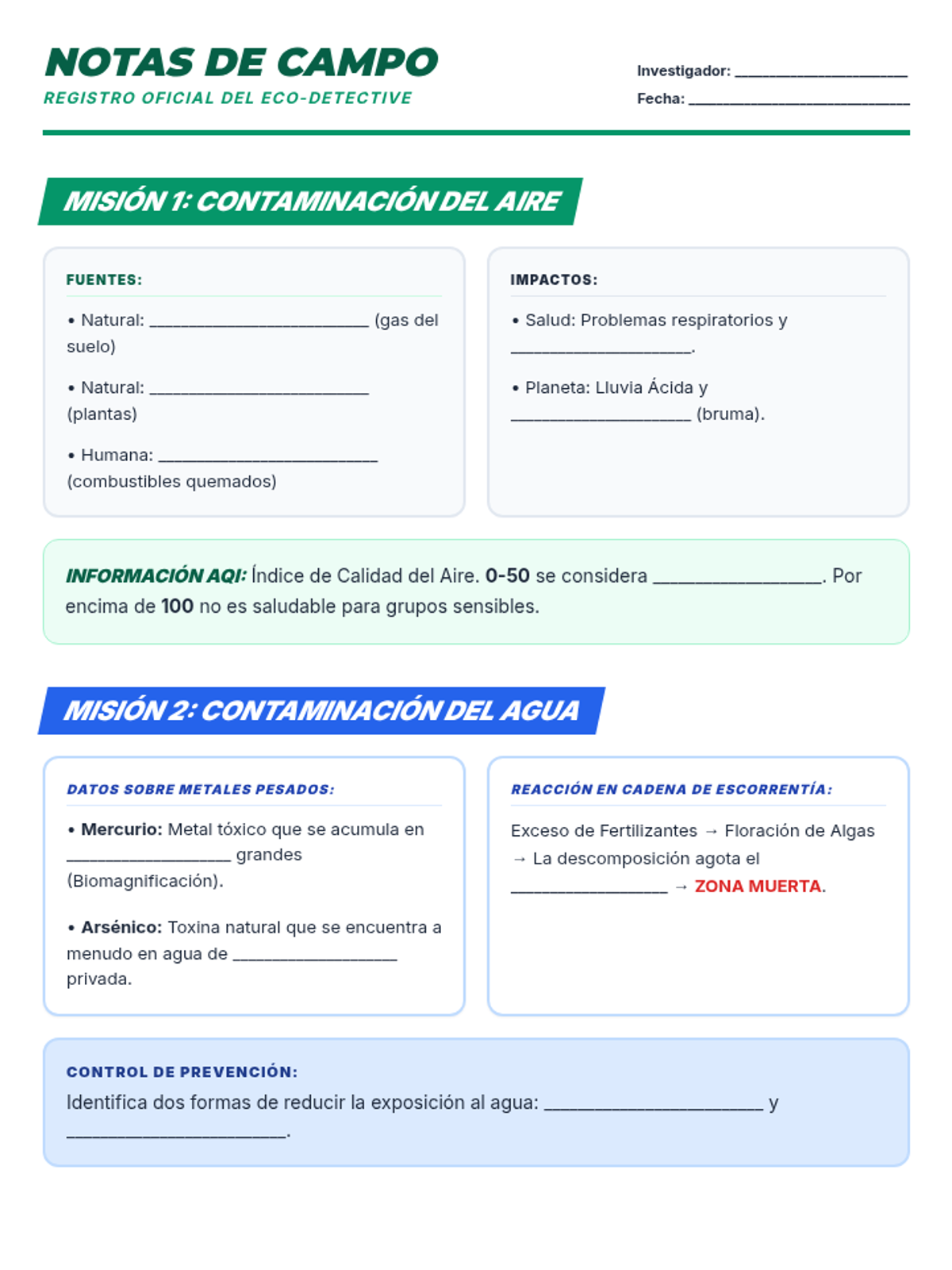
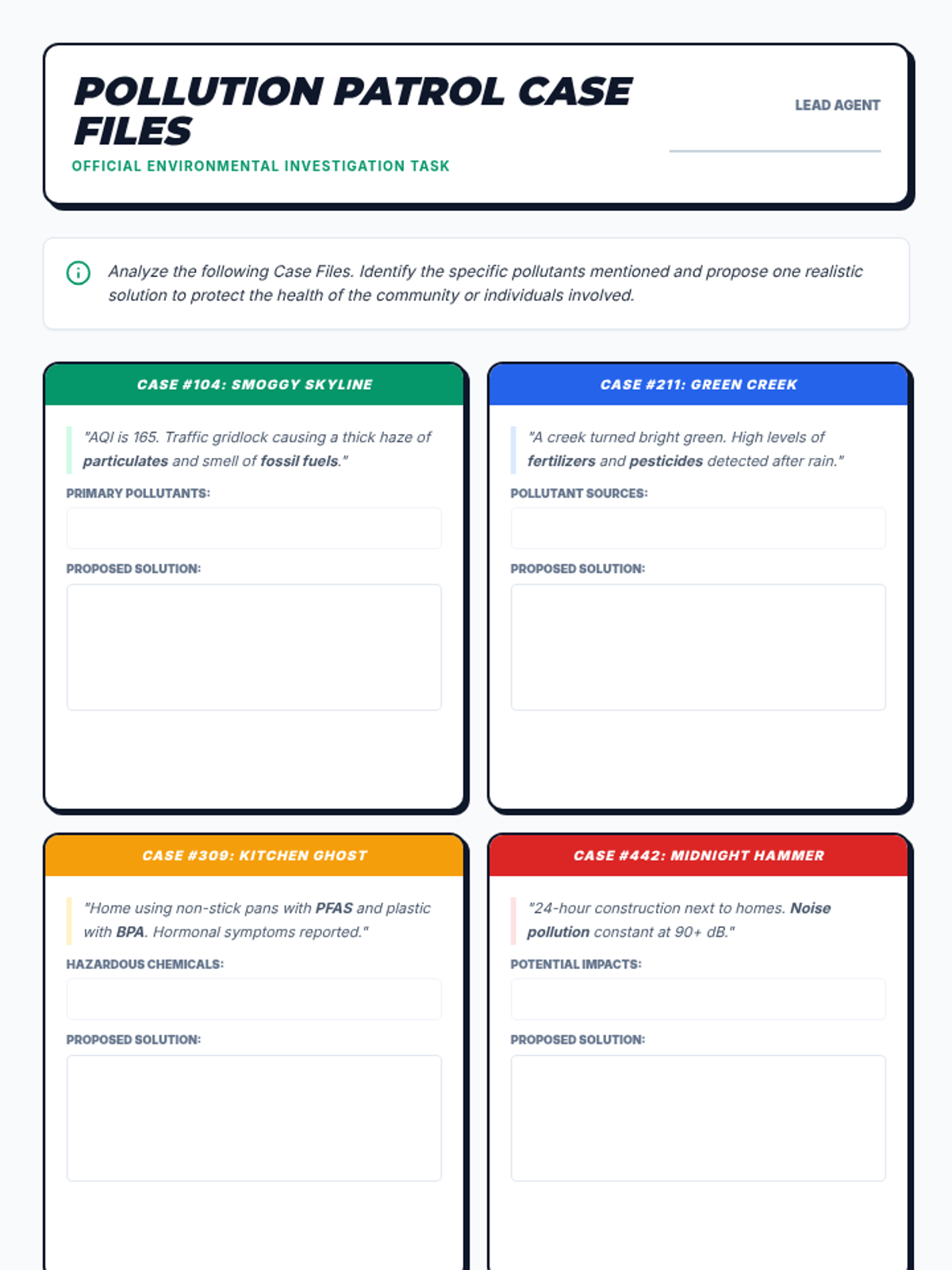
An investigative overview of environmental health hazards including air, water, chemical, and noise pollution. Students act as environmental detectives to identify causes, impacts, and solutions for various pollutants.
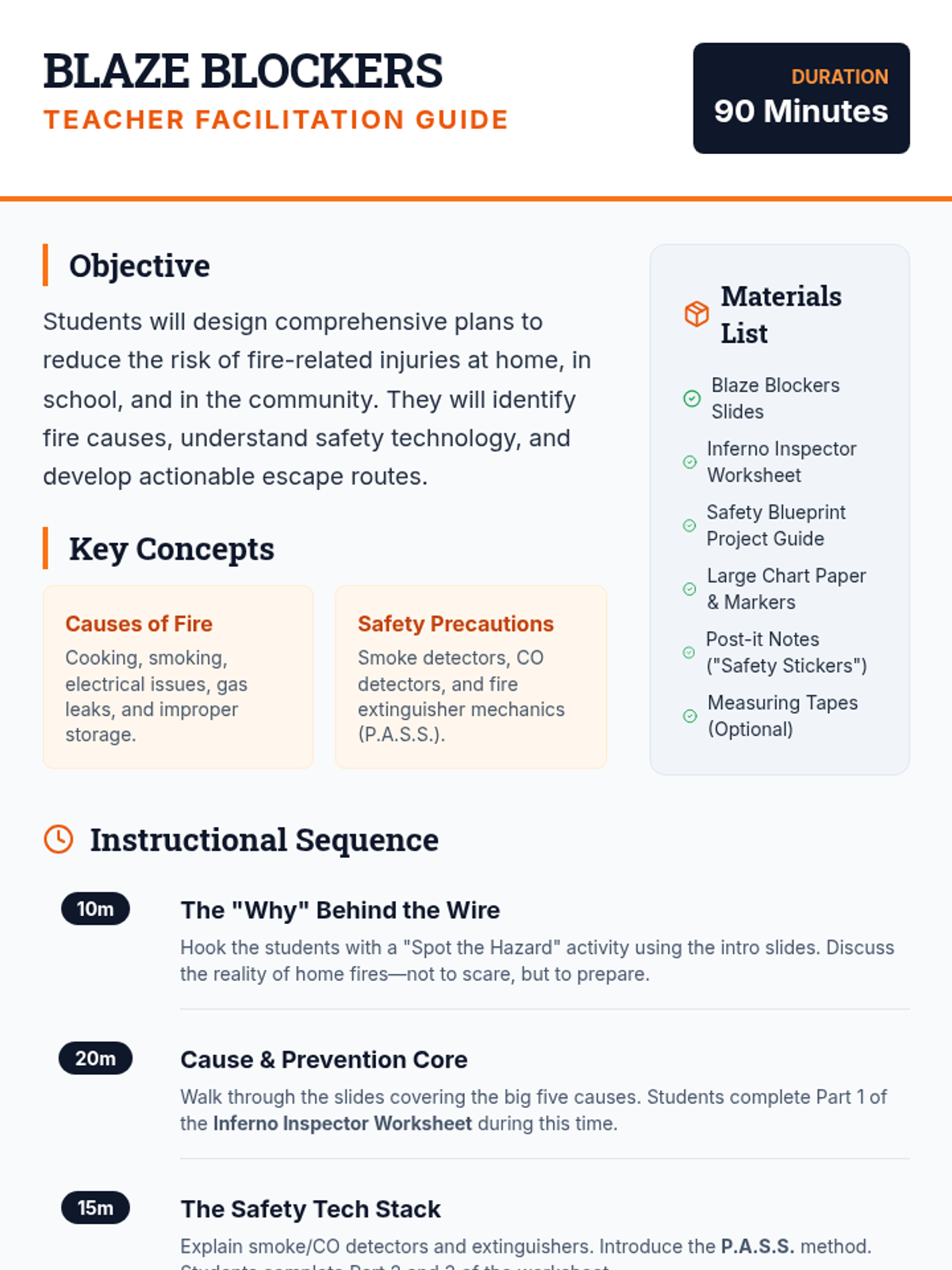
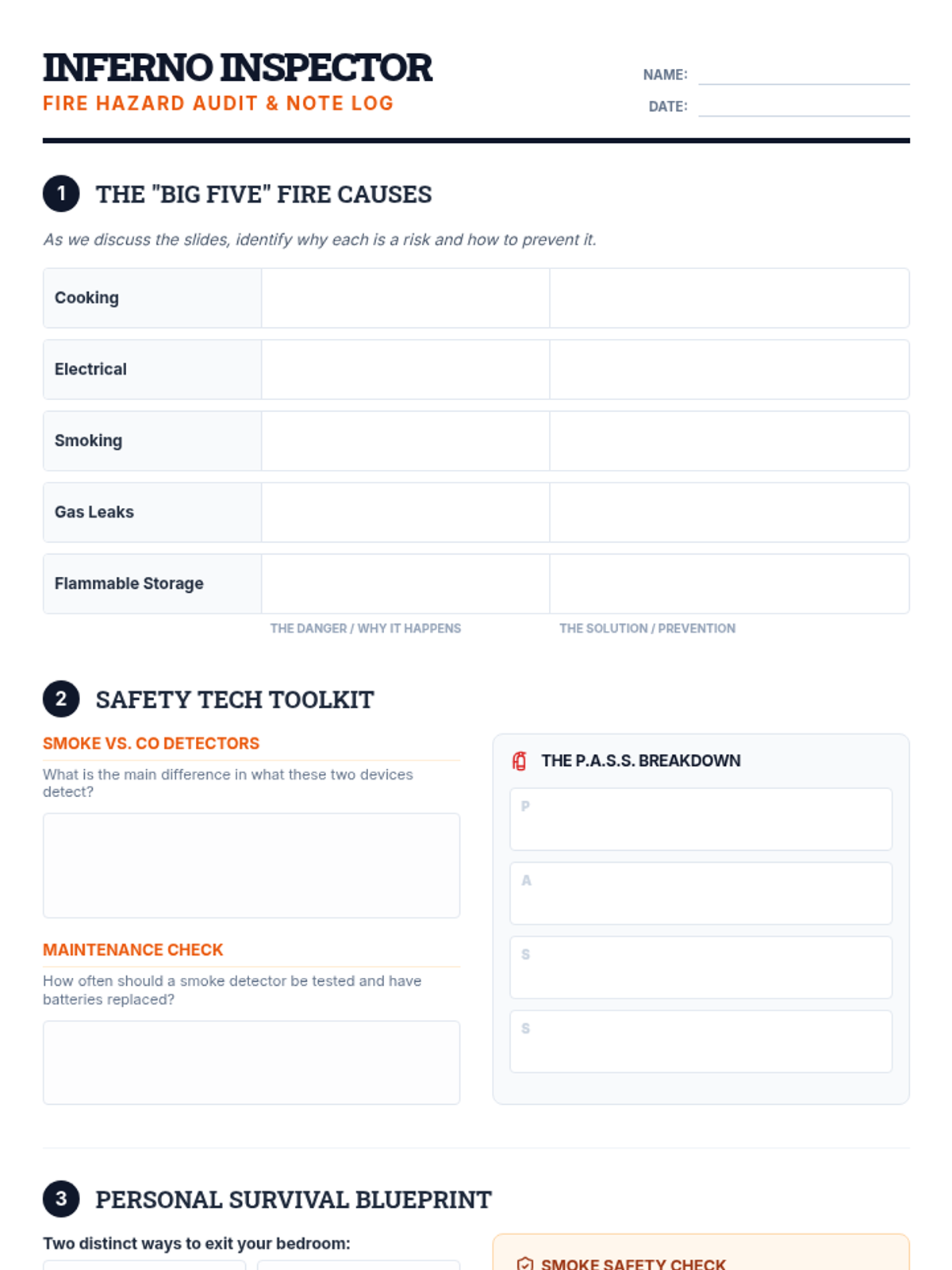
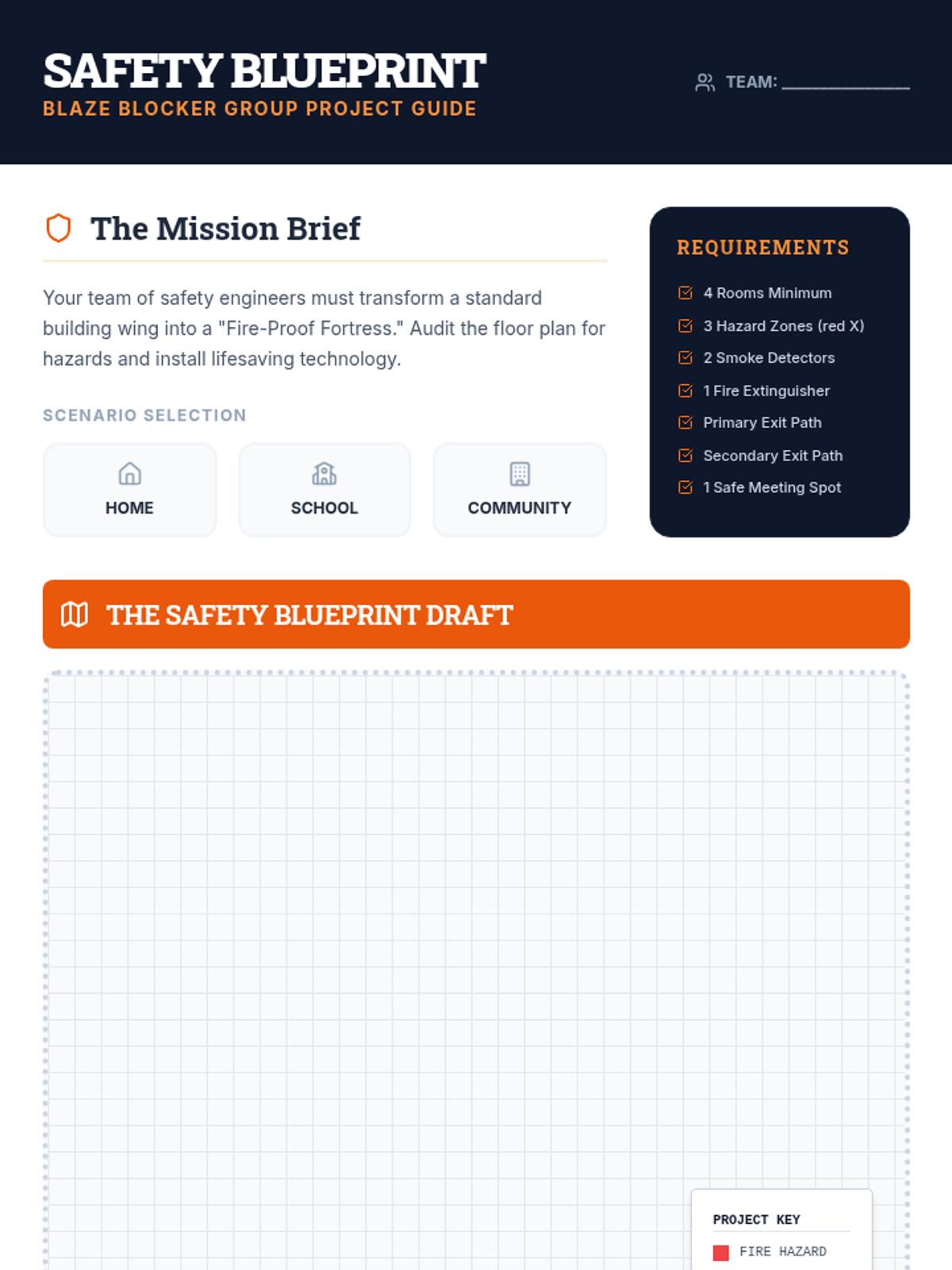
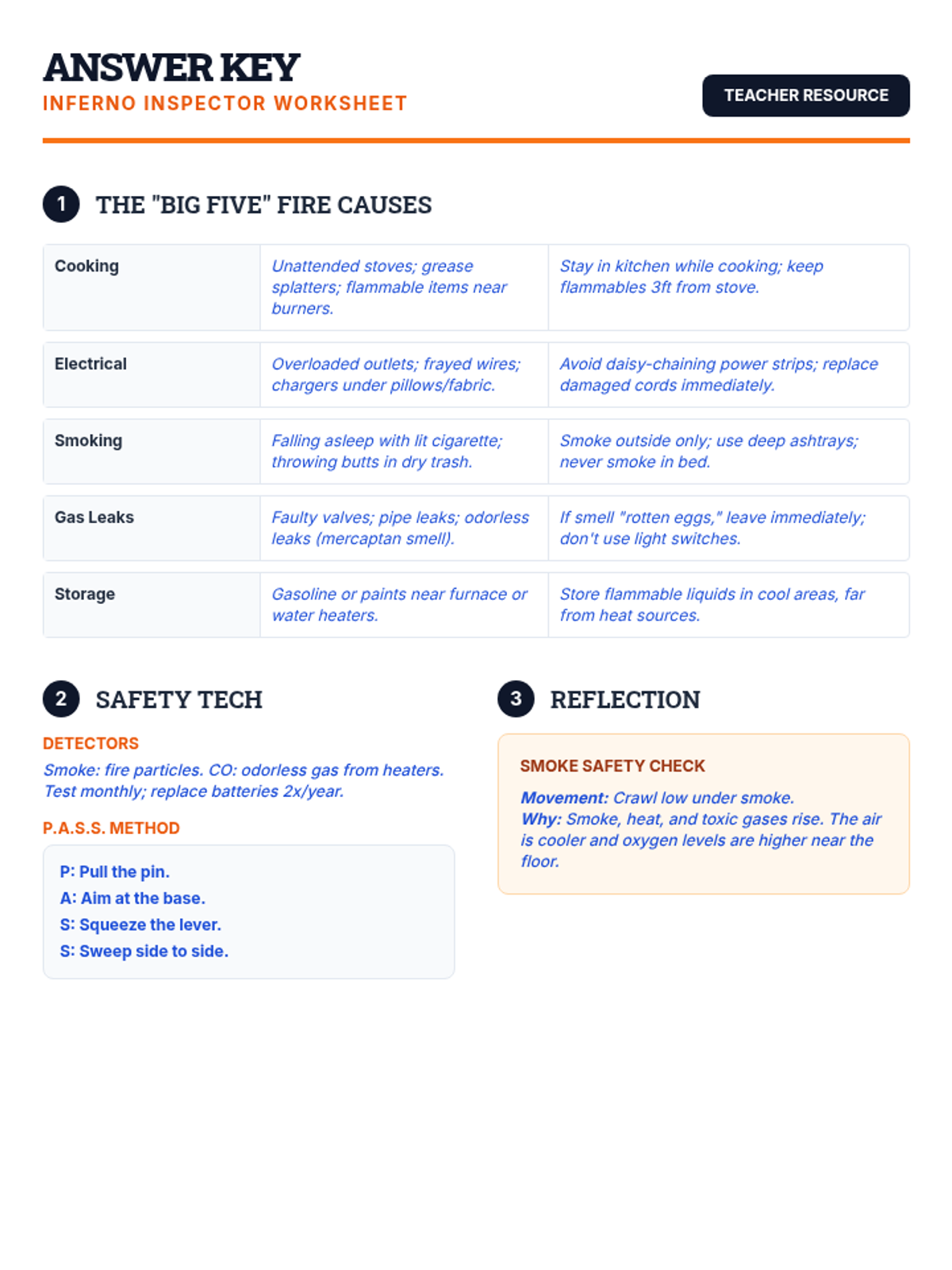
A comprehensive 90-minute lesson where students analyze fire causes, learn safety precautions, and design detailed fire safety plans for home, school, and the community.
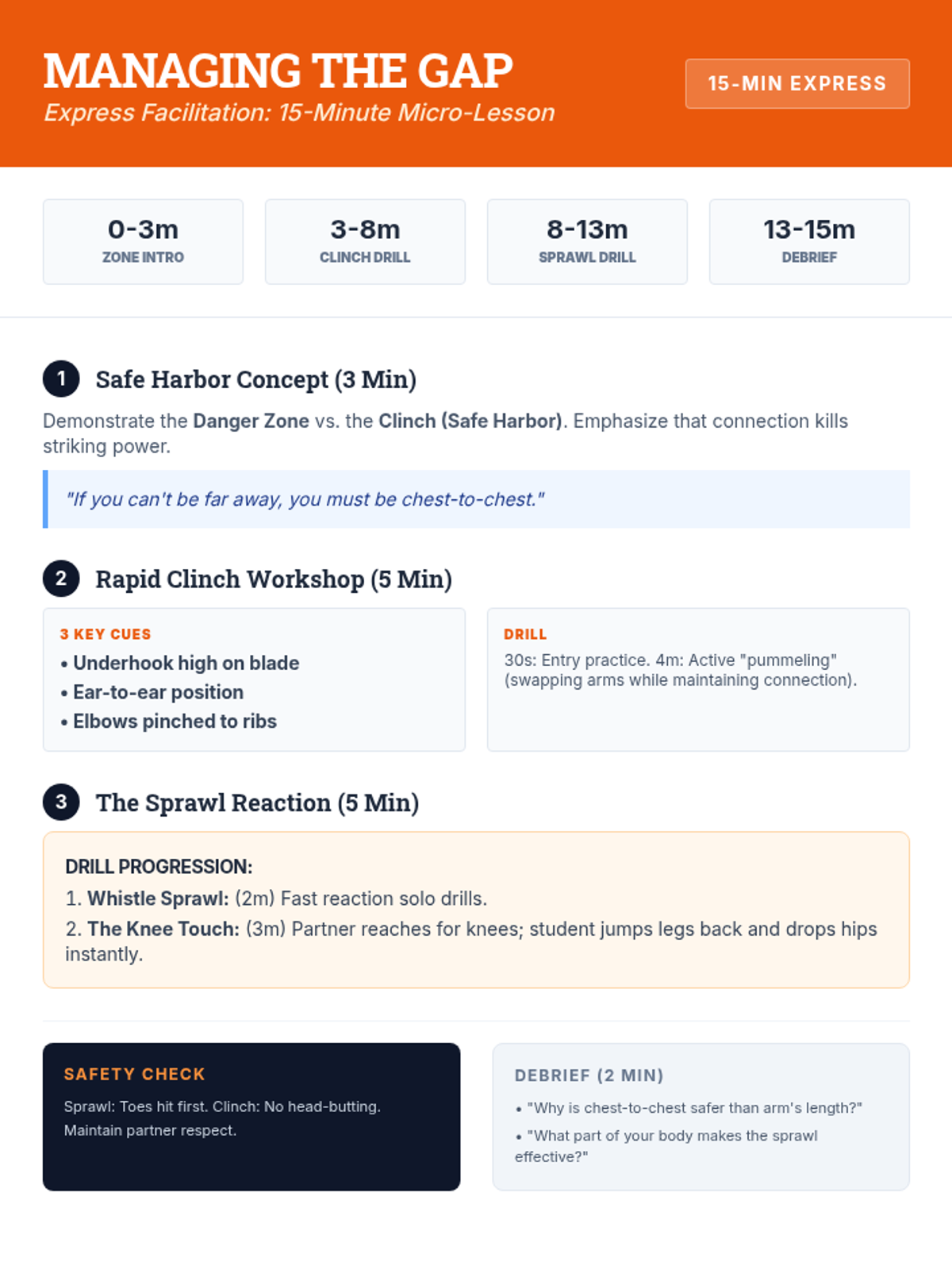
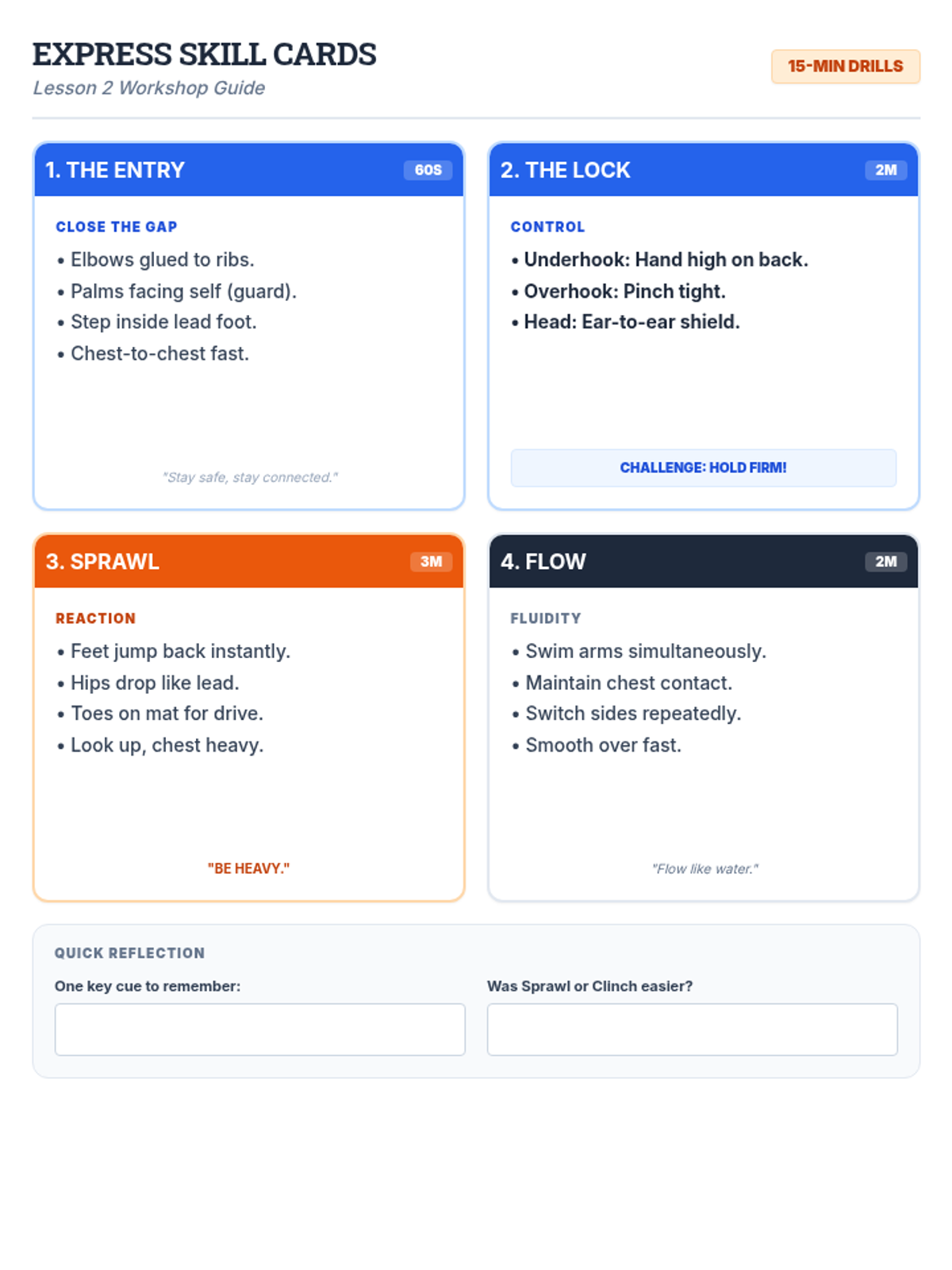
An intensive 15-minute 'Express' session focused on the core mechanics of the clinch and sprawl. Students learn to close the distance safely and defend against leg tackles with maximum efficiency.
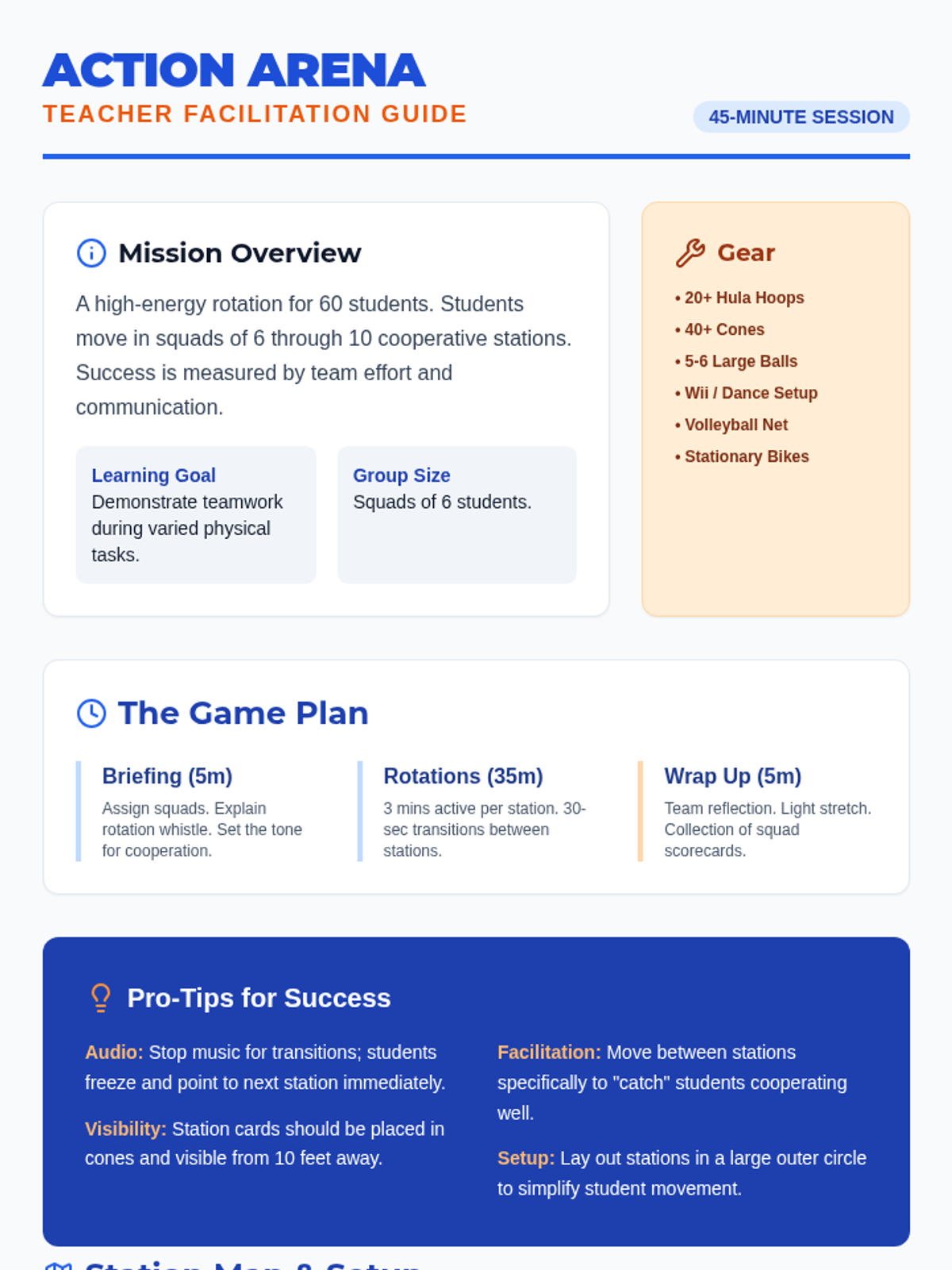
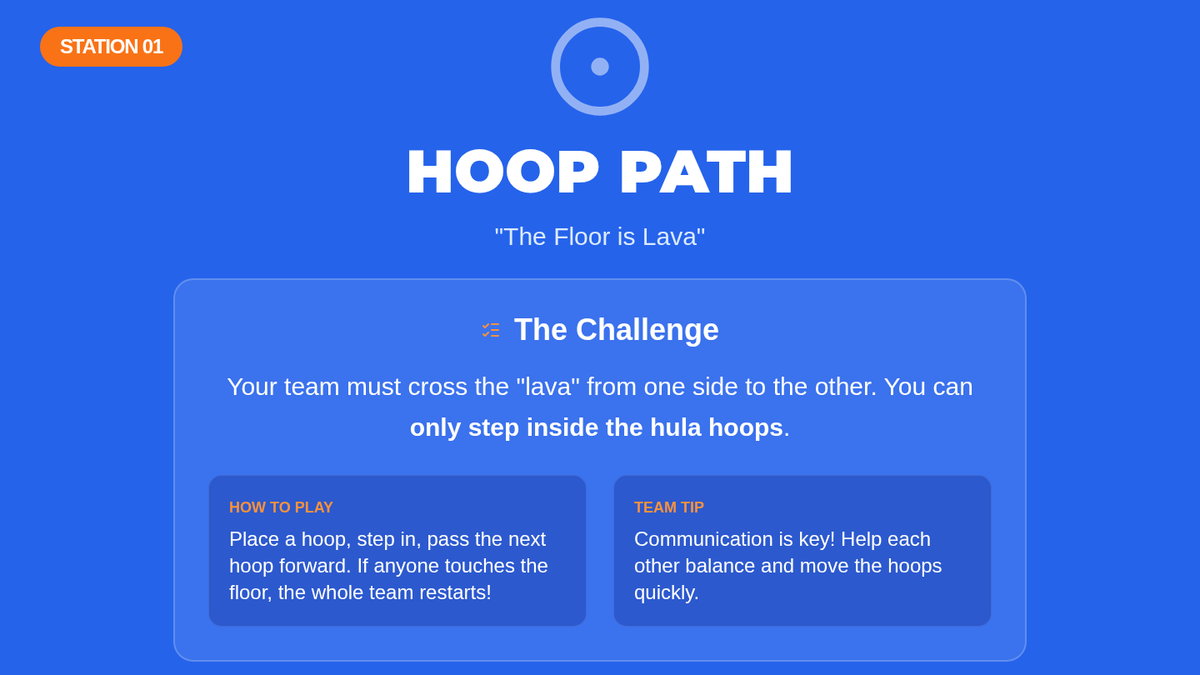
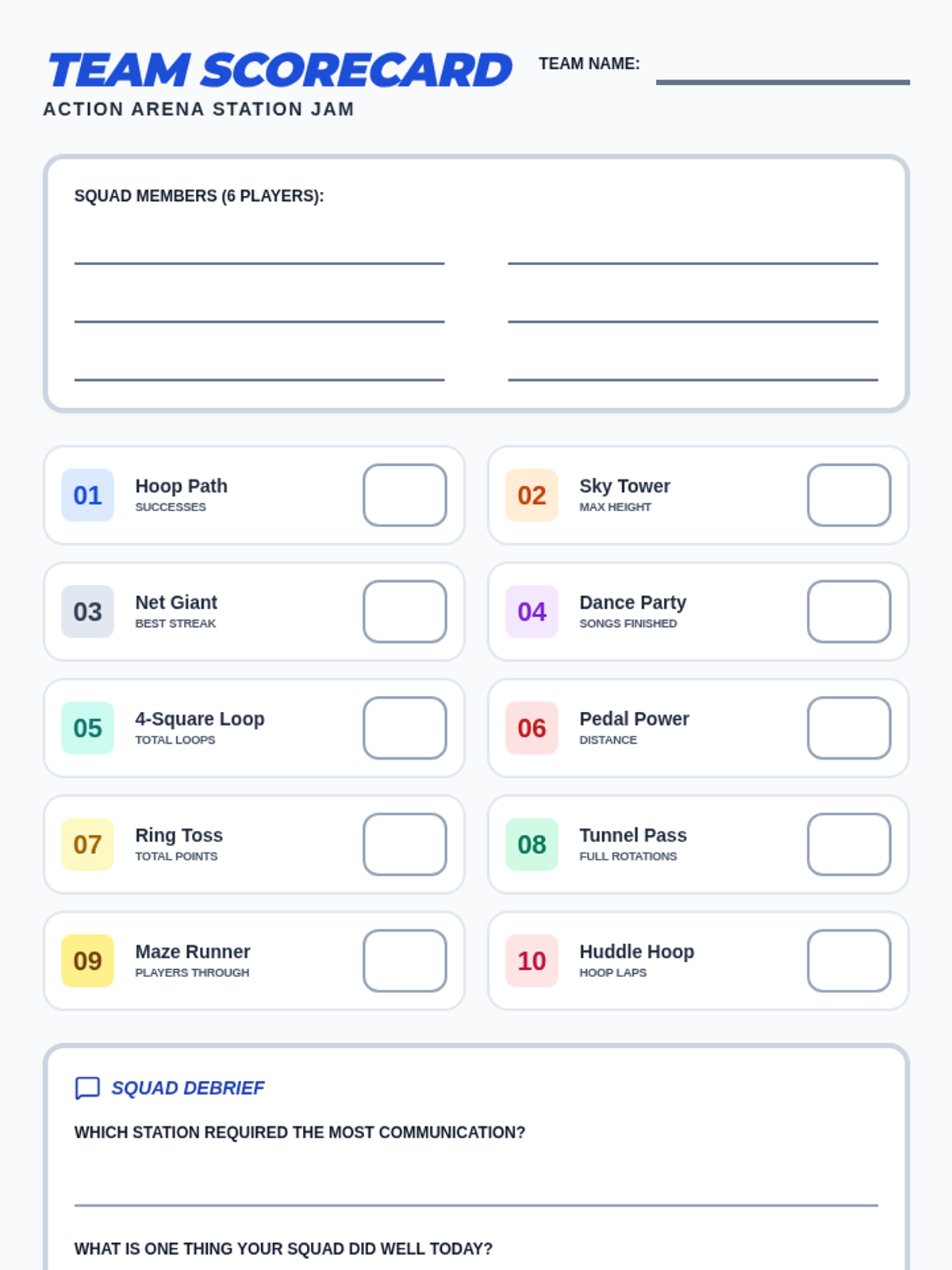
A high-energy, 45-minute PE lesson featuring 10 active stations designed for large groups. Students rotate through teamwork-based challenges using hoops, balls, cones, and technology to build cooperation and fitness.
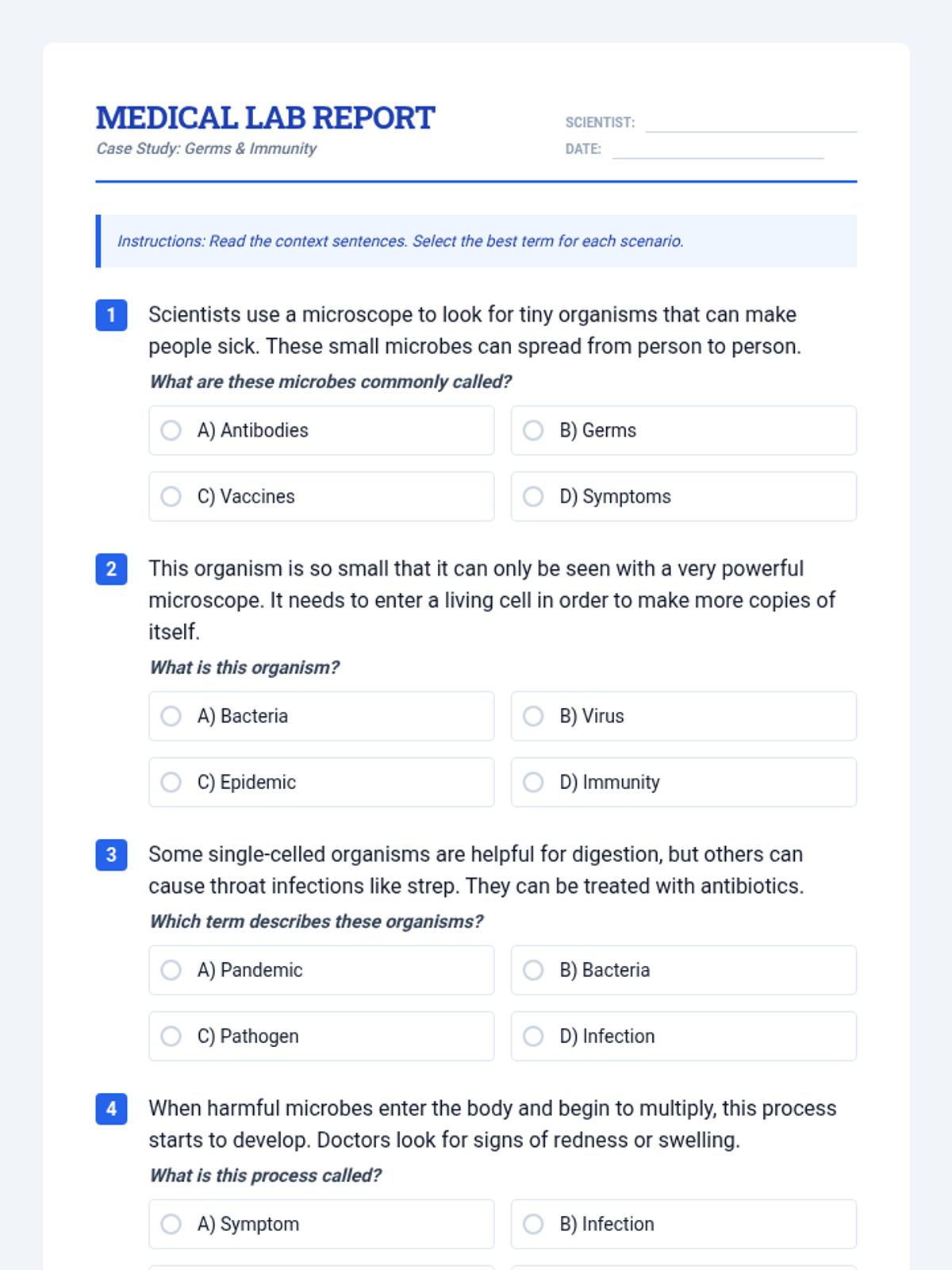
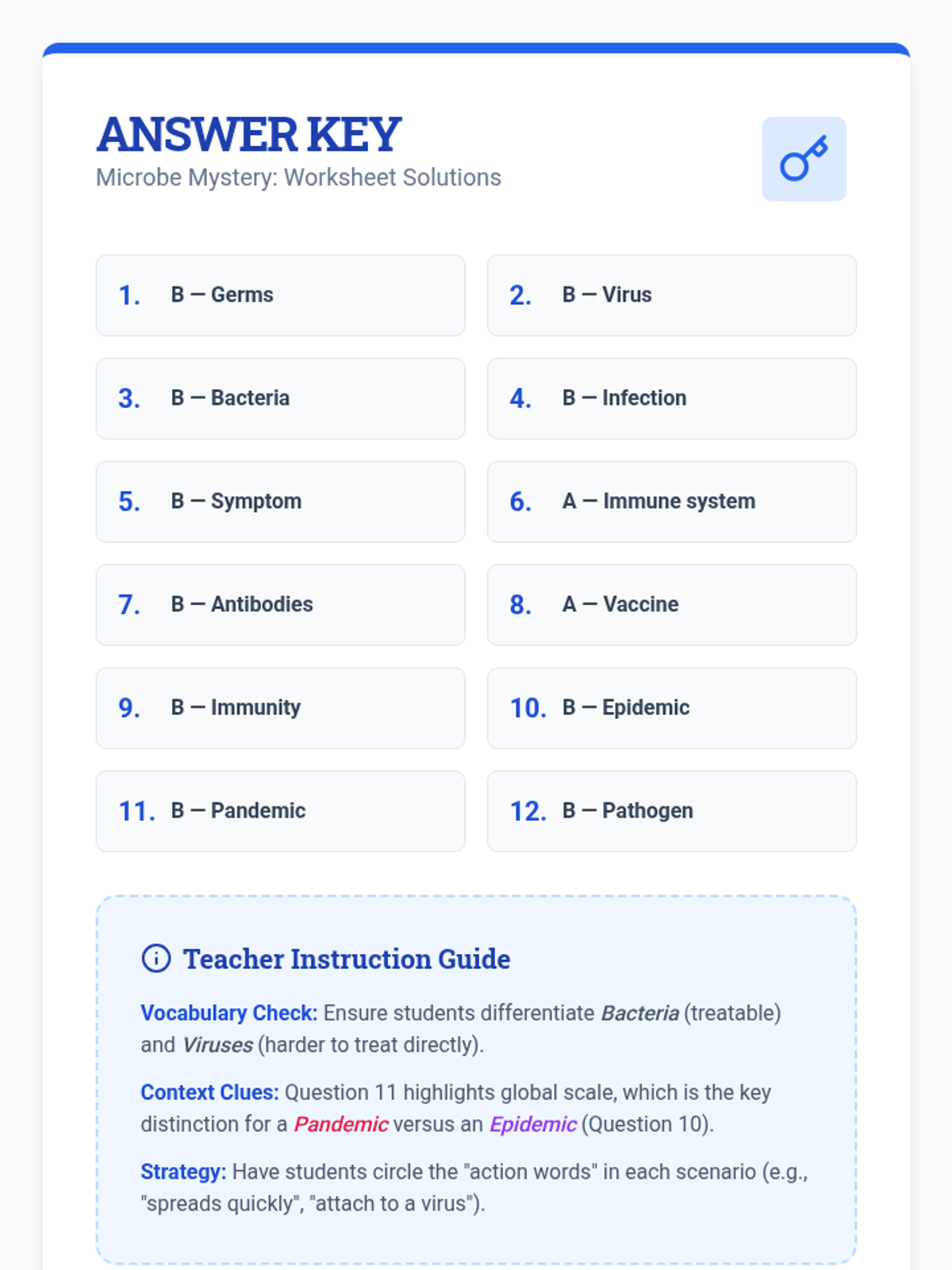
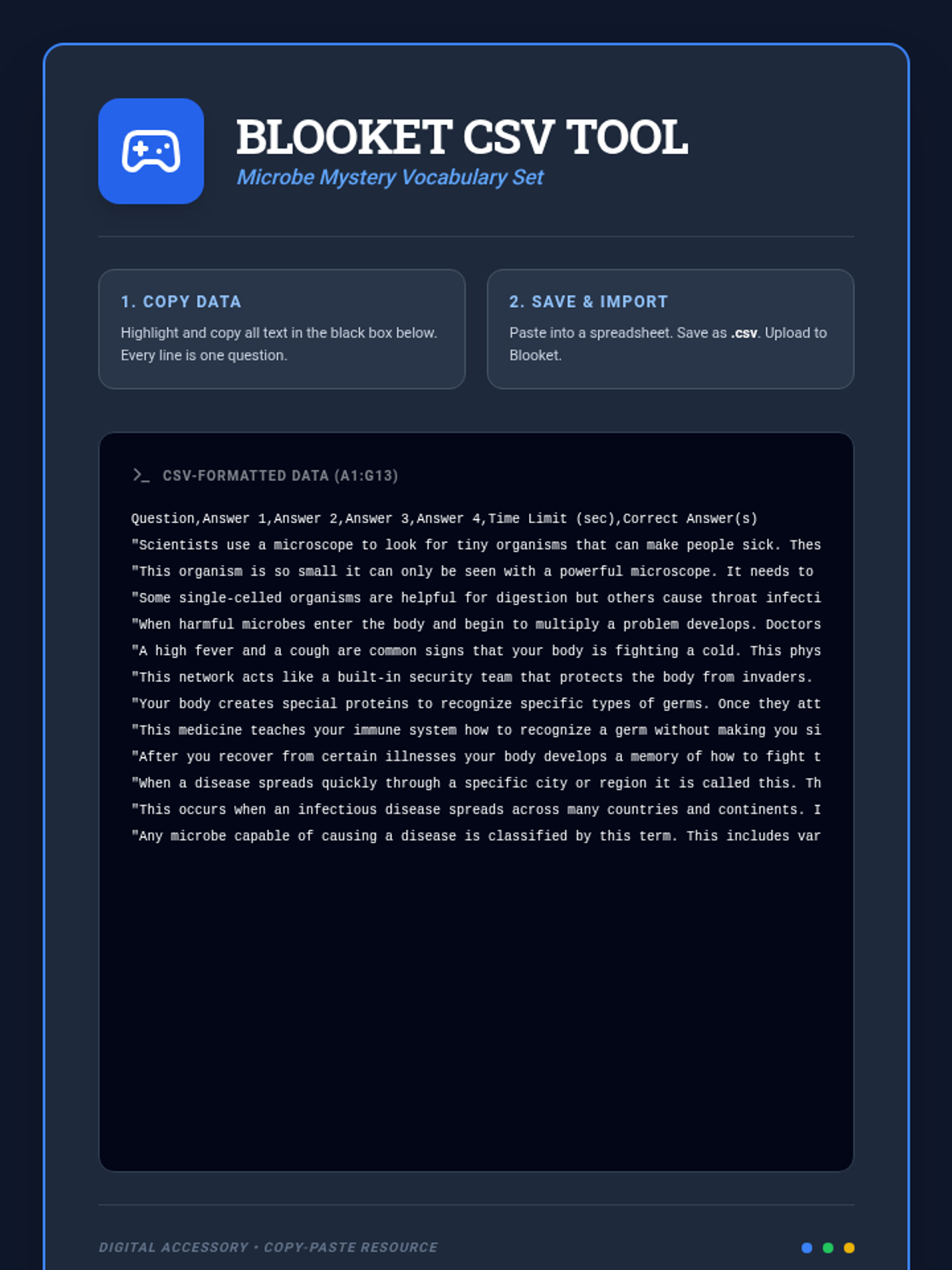
A comprehensive lesson on medical vocabulary related to germs and the immune system, designed for WIDA level 4 students. Includes visual aids and comprehension-based assessments.
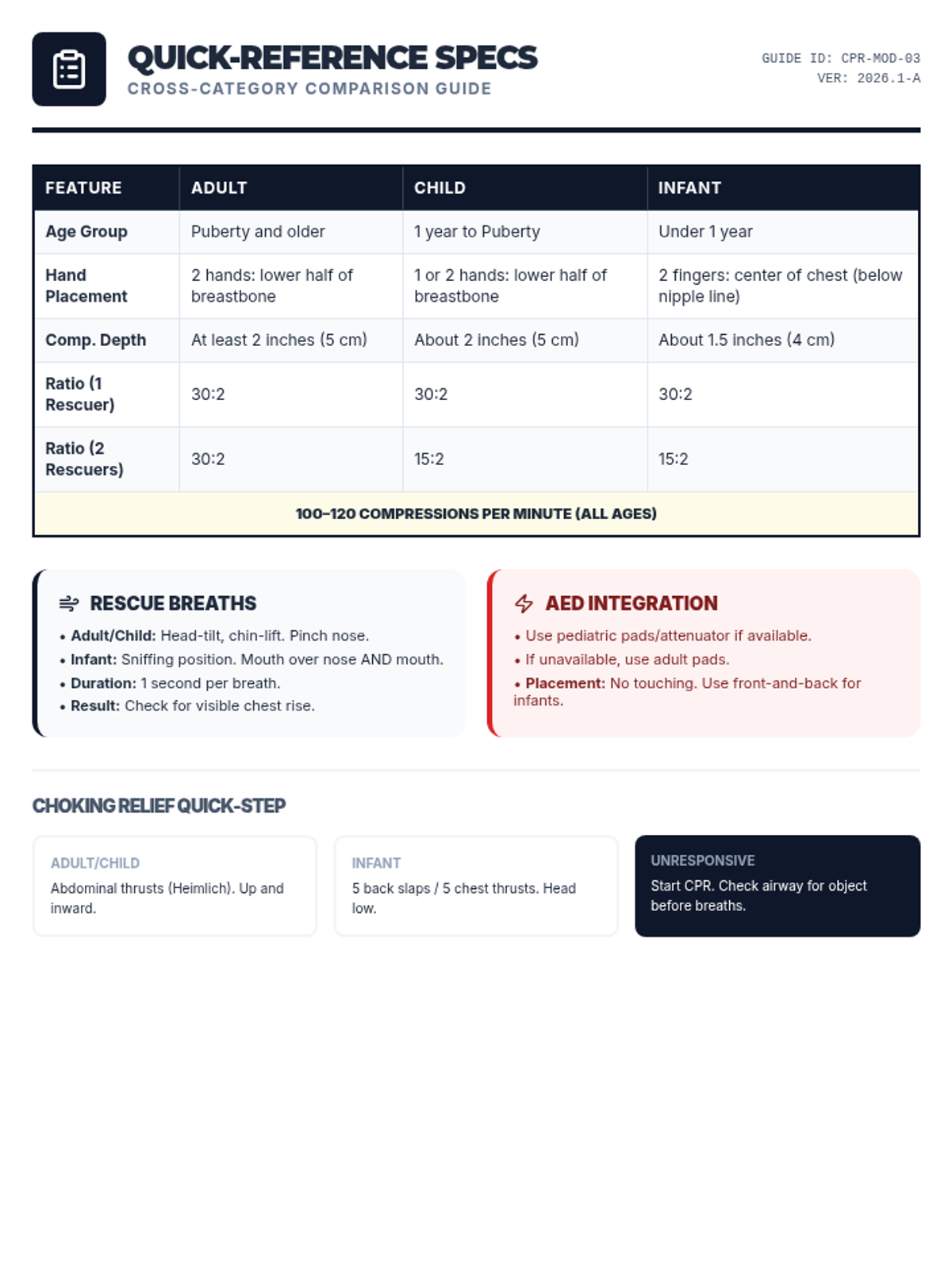
Adapts CPR and choking relief techniques for the unique physiological needs of infants and children.
Focuses on the critical integration of Automated External Defibrillators (AEDs) and managing foreign body airway obstructions in adults.
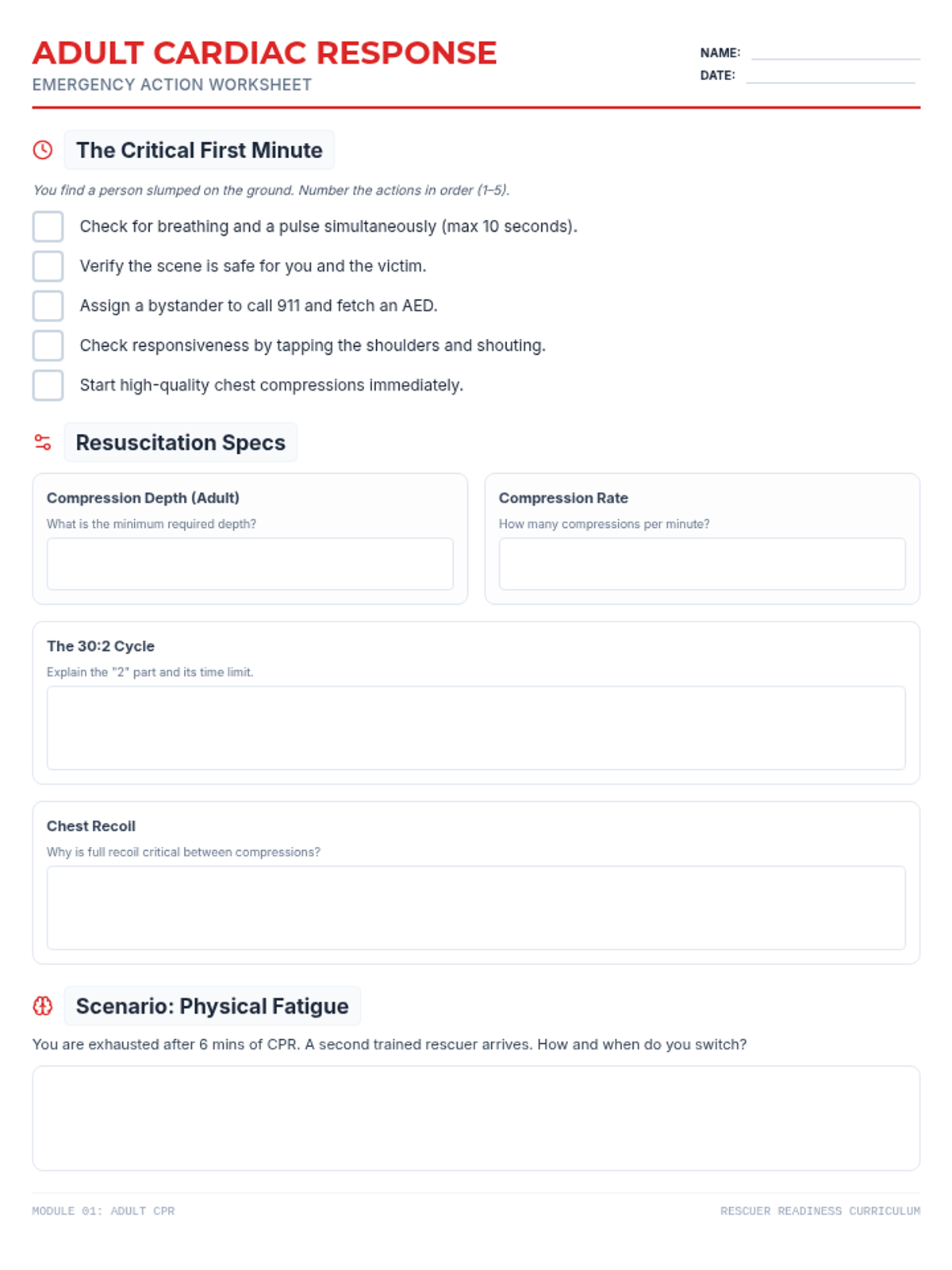
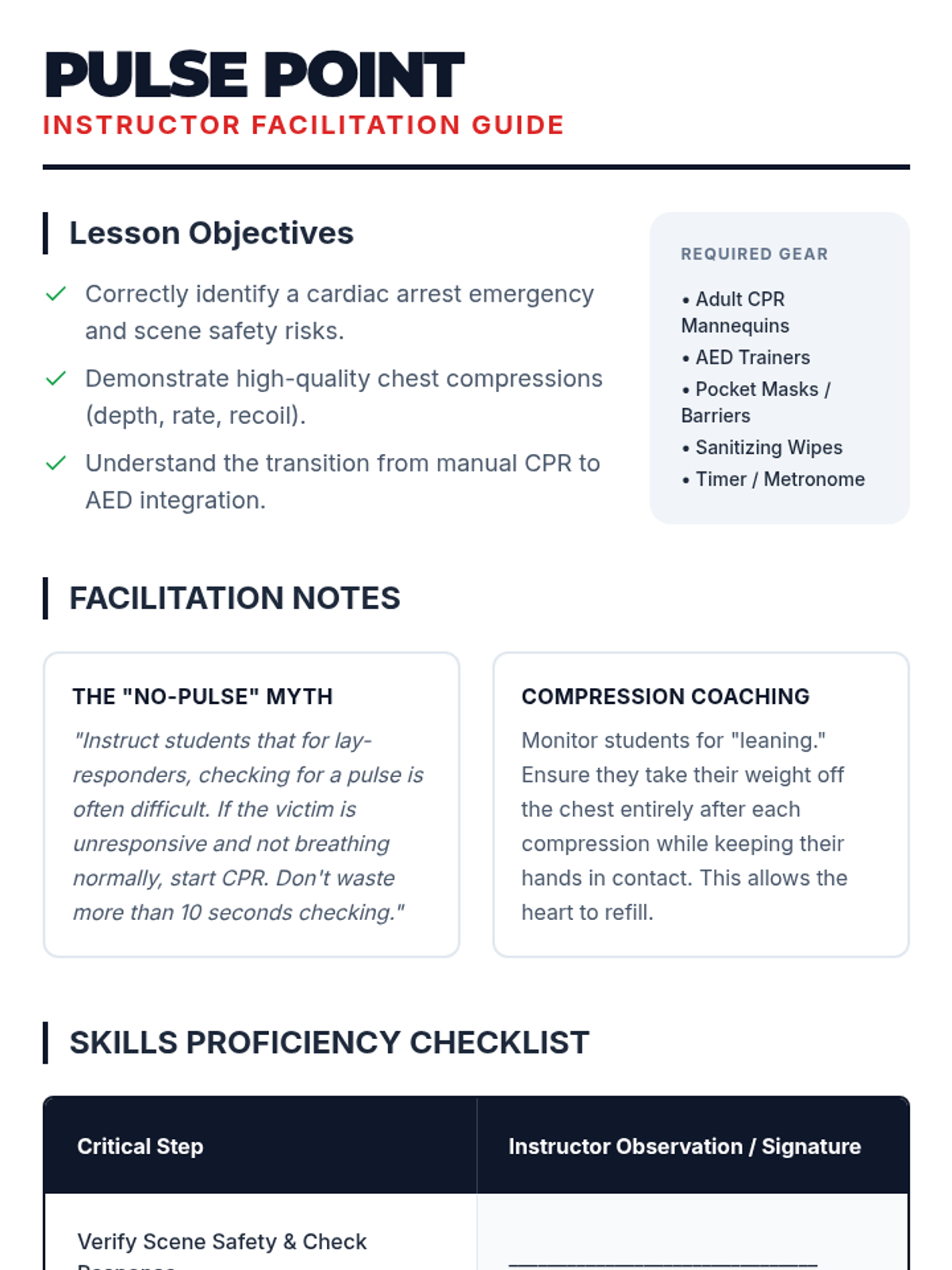
Covers the initial steps of emergency response, scene safety, and the technical execution of high-quality compressions and breaths for adults.
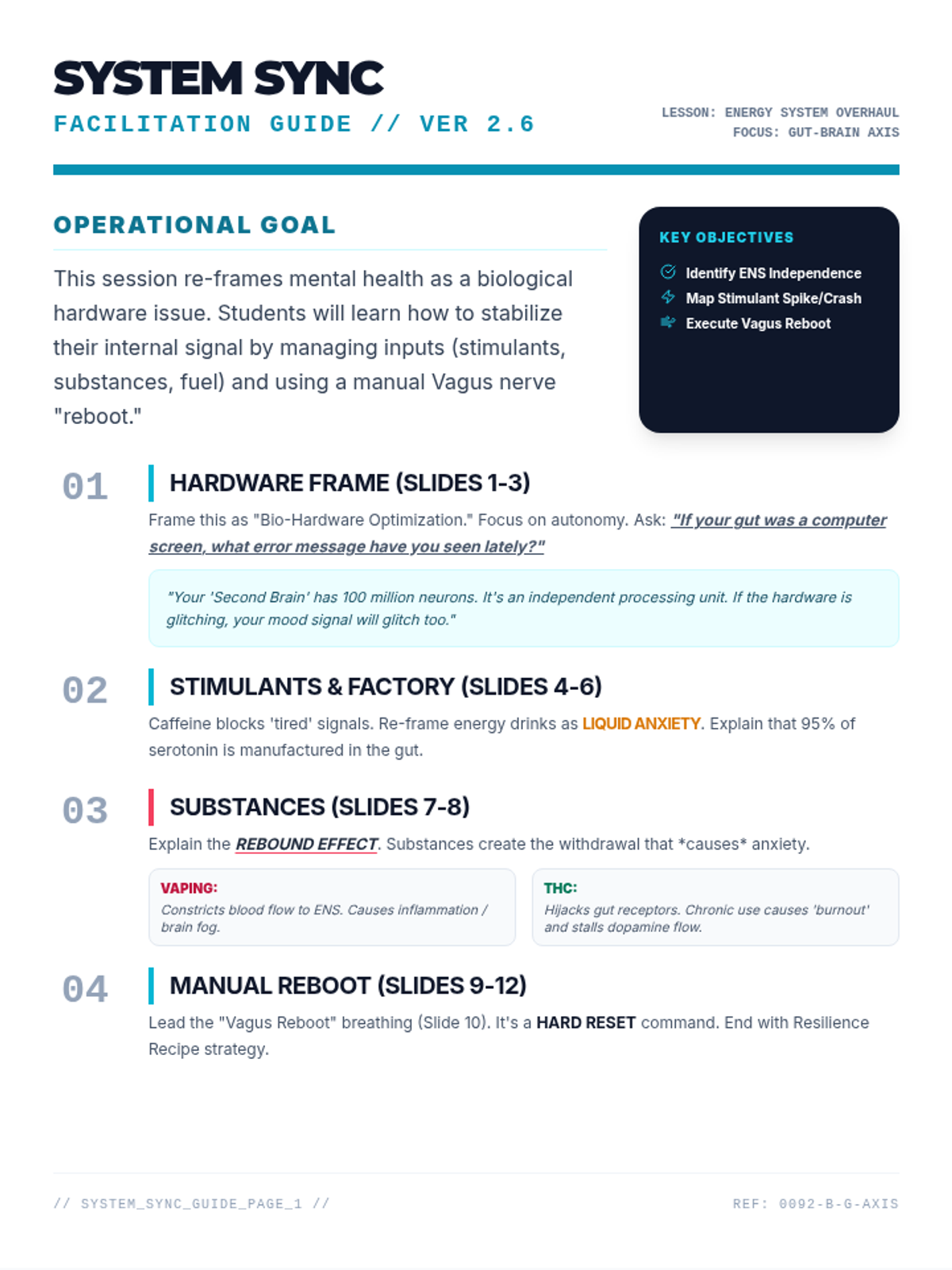
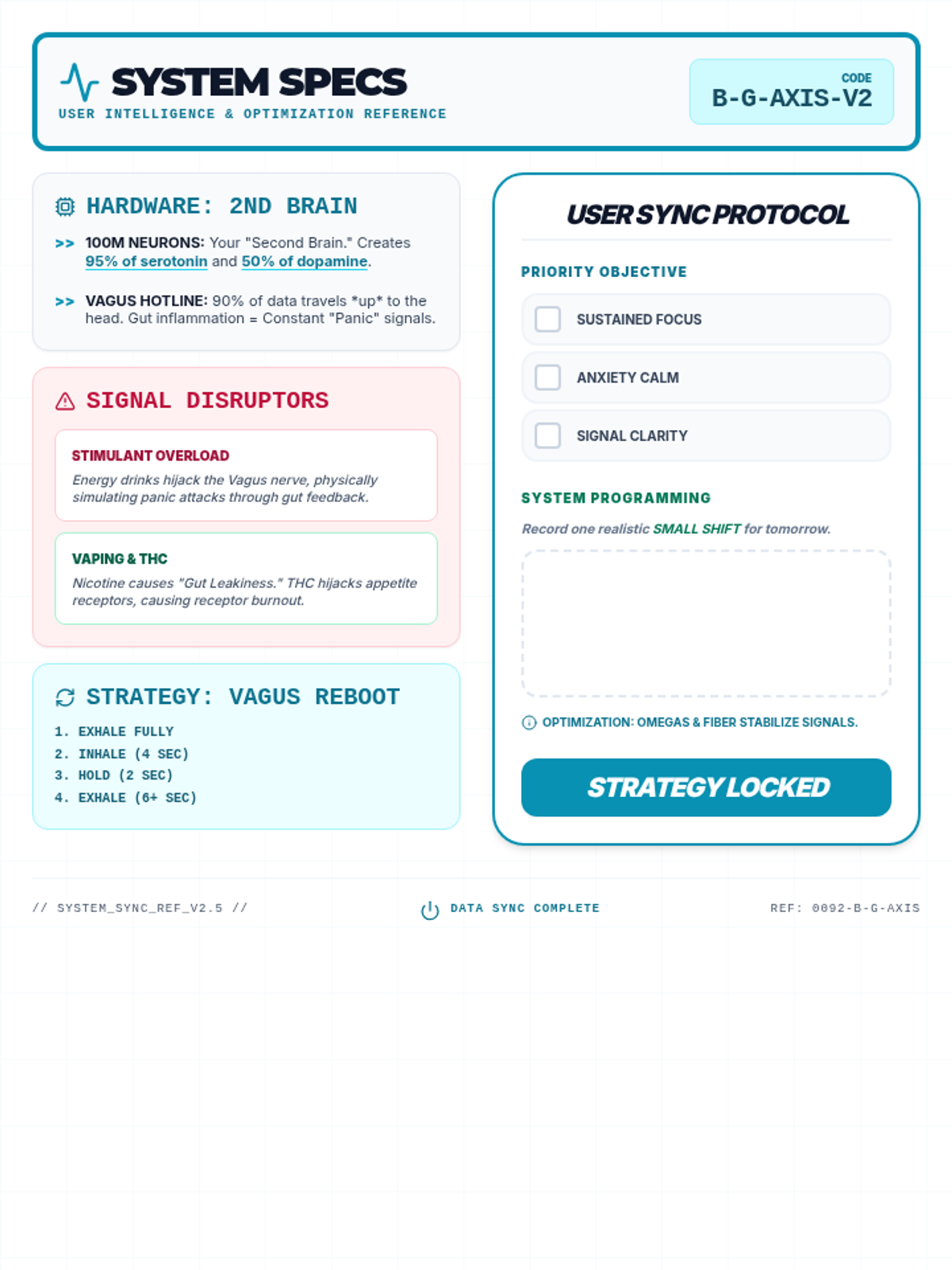
A comprehensive lesson exploring the bi-directional relationship between gut health and mental well-being, specifically tailored for high schoolers in therapeutic settings. The lesson covers the enteric nervous system, the impact of nutrition, hydration, and substances on mood, energy, and cognitive function.
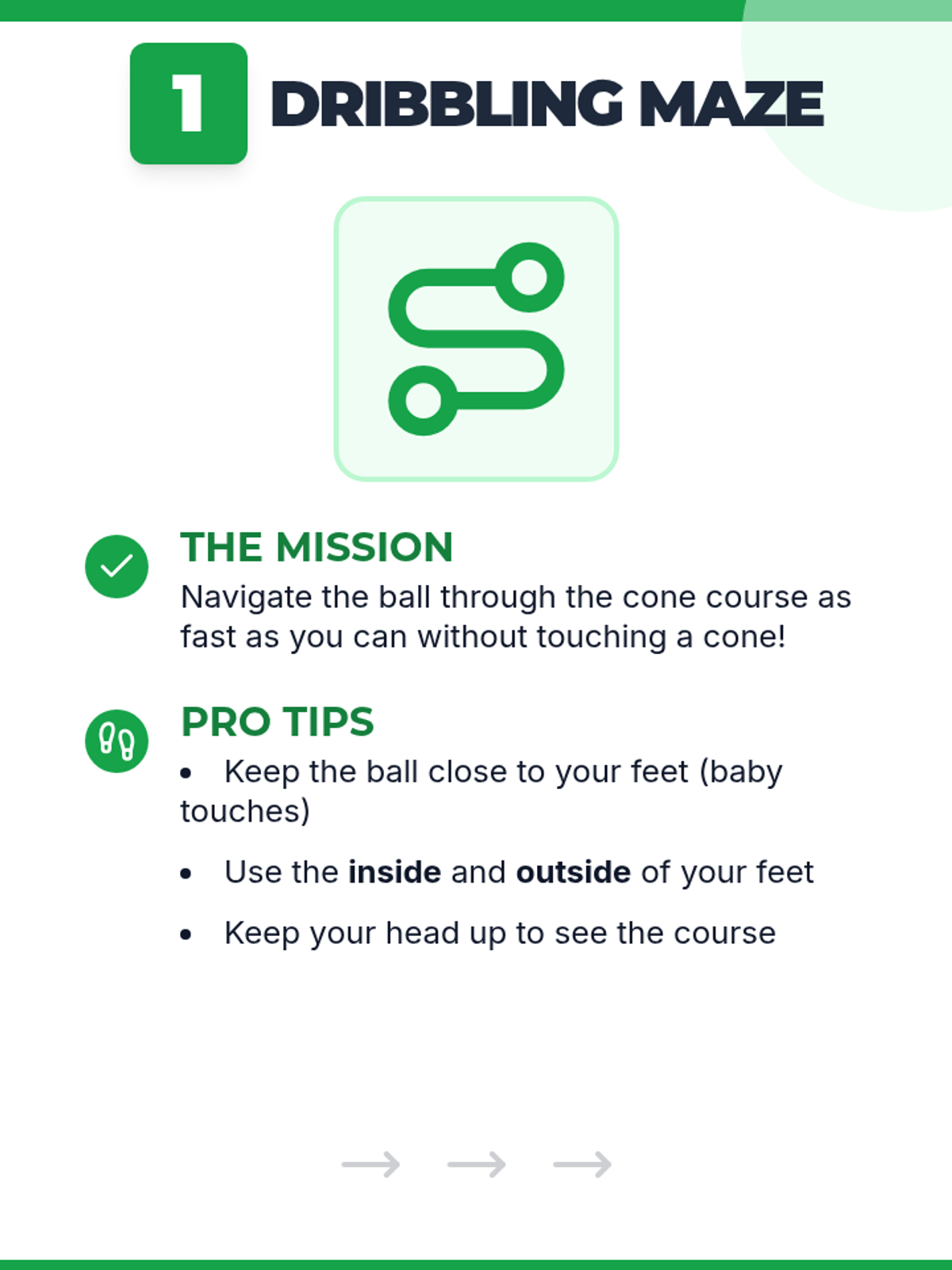
A set of high-energy station signs for a soccer skills circuit, focusing on dribbling, passing, accuracy, distance, and ball control.
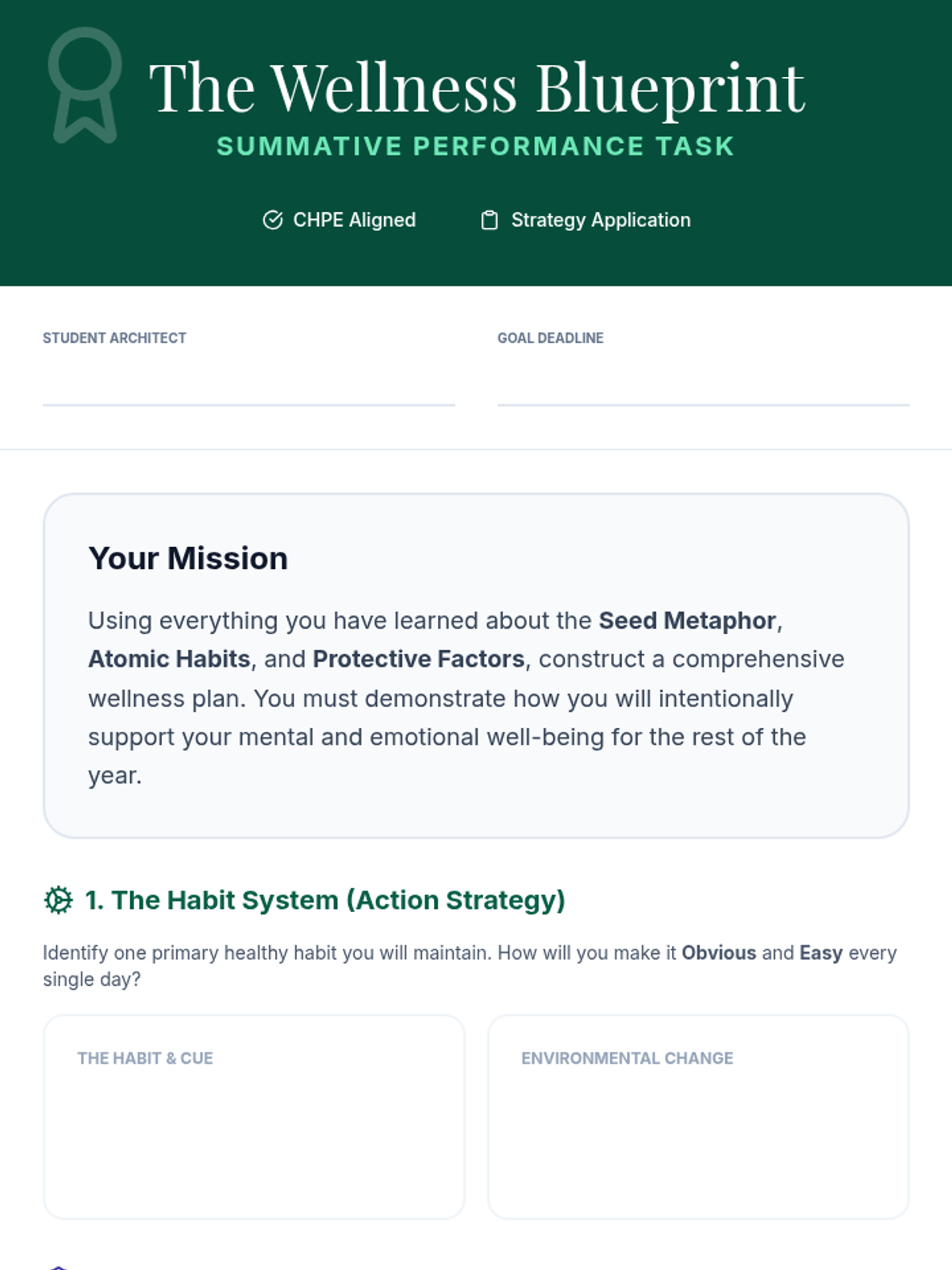
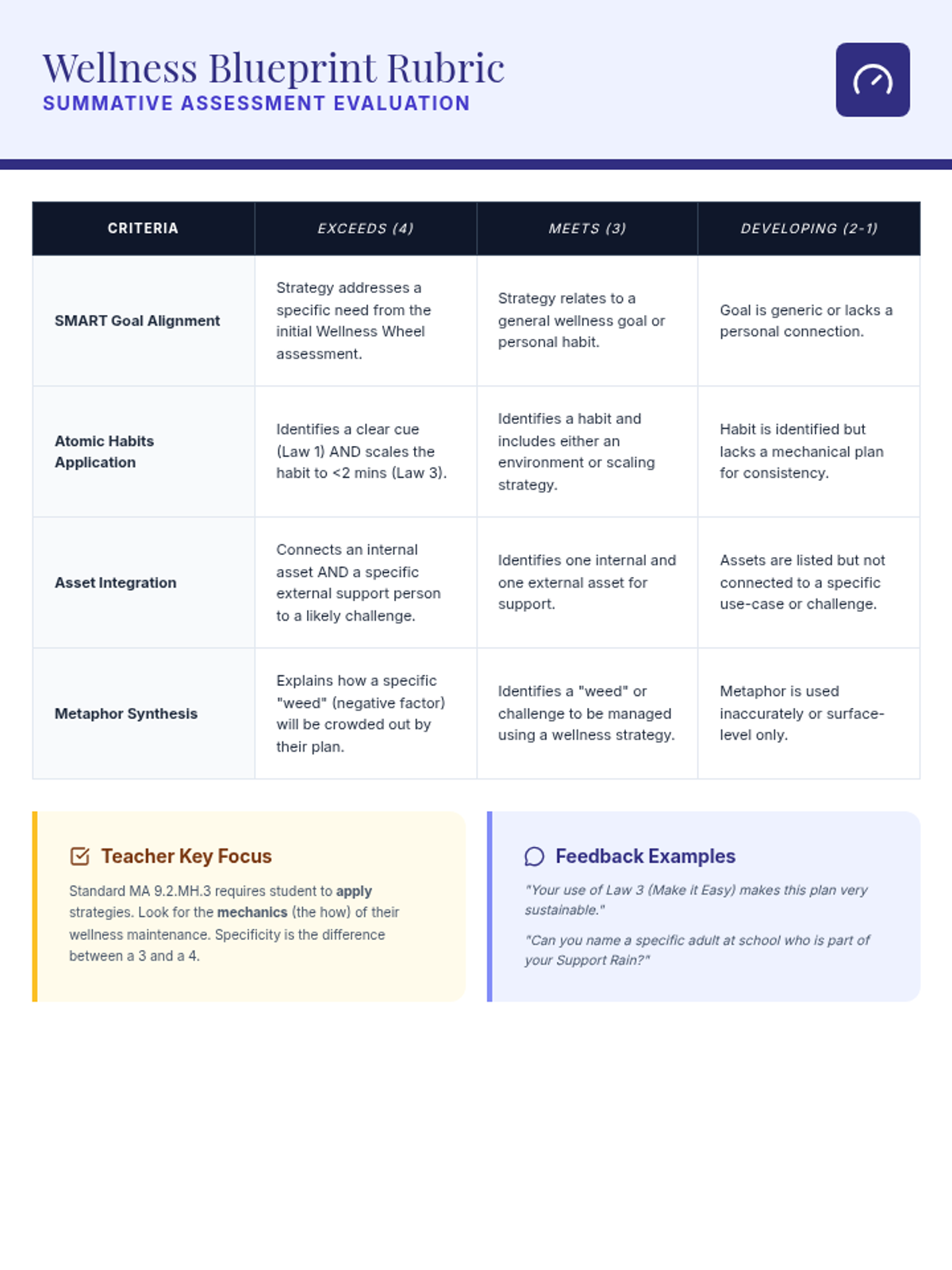
A summative assessment where students apply strategies and protective factors to create a comprehensive plan for positive mental and emotional well-being.
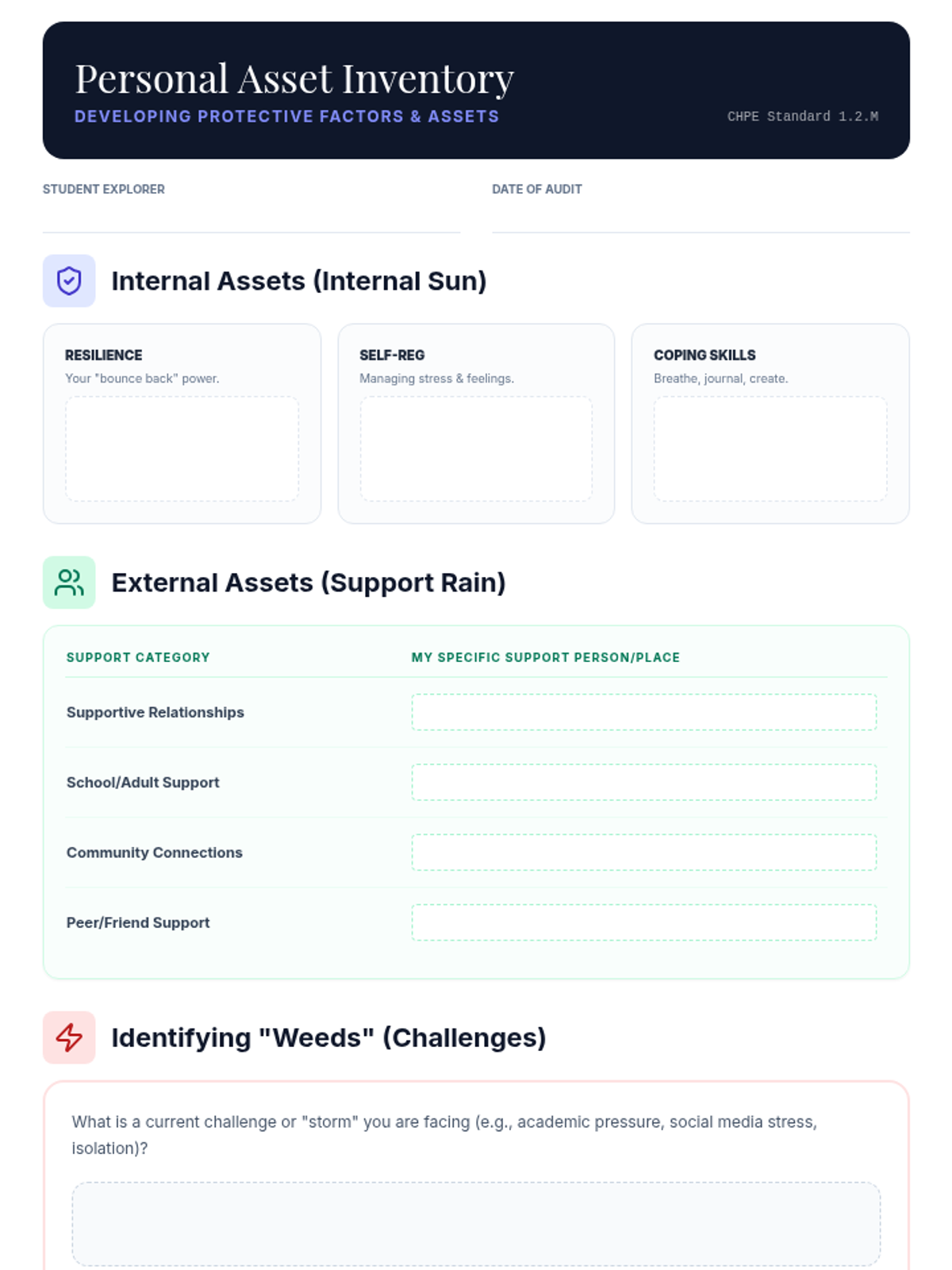
Identifying internal and external protective factors and personal assets that support mental well-being and resilience.
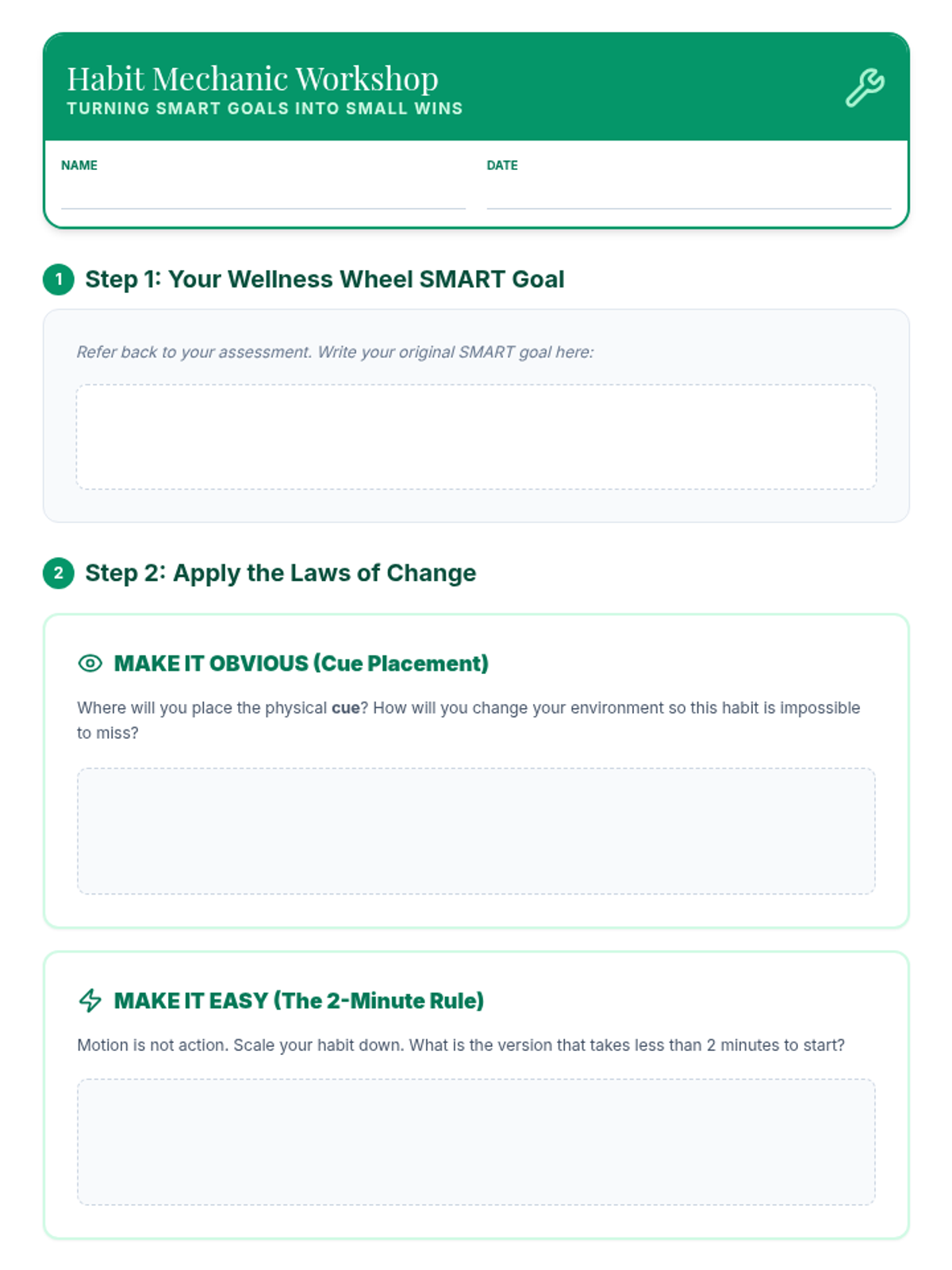
Applying the Laws of Habit Change from Atomic Habits to mental health goals, focusing on making healthy choices obvious and easy while crowding out negative behaviors.
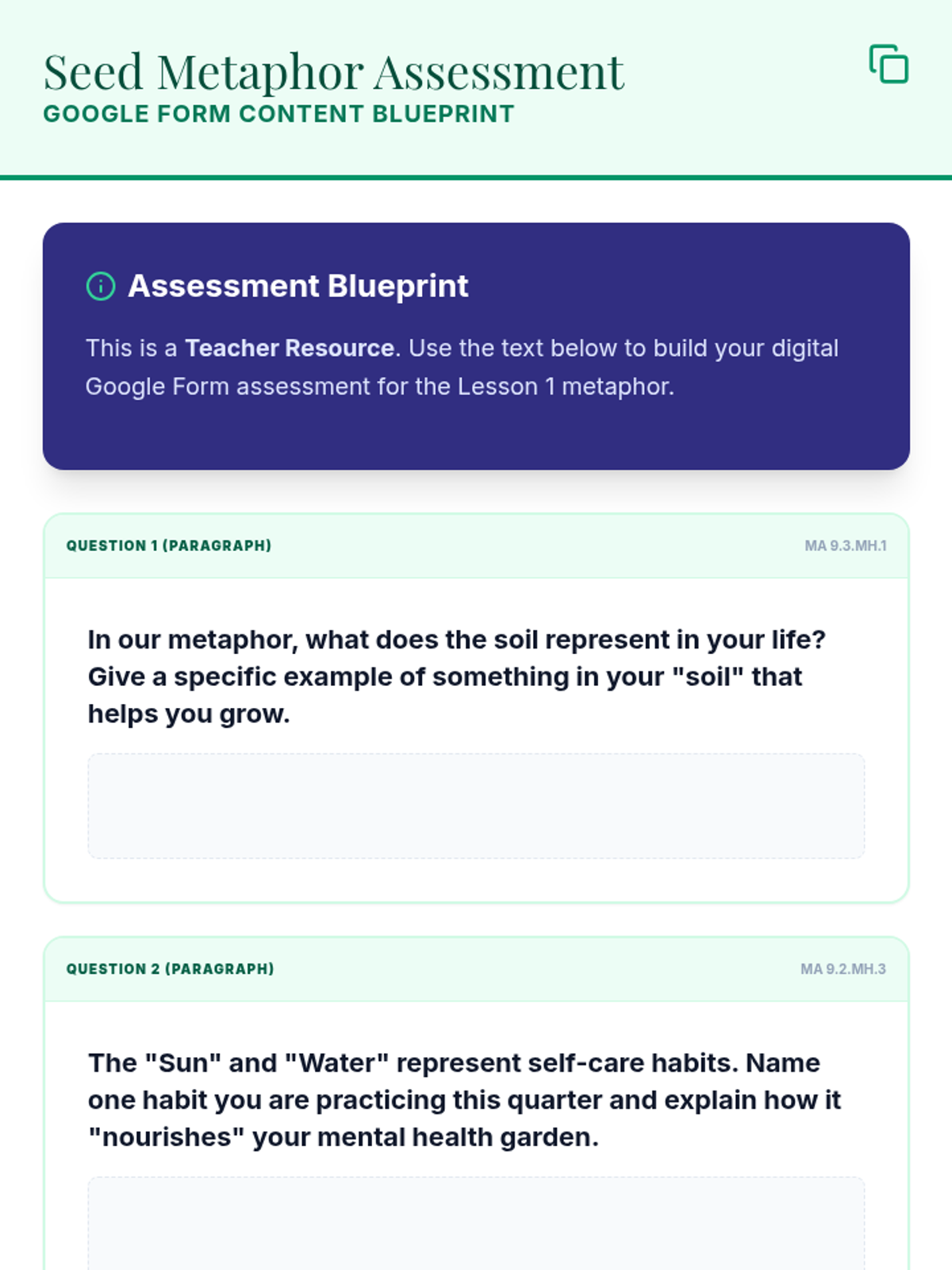
Students explore the seed metaphor for mental health by planting a physical seed and identifying how environmental factors and self-care mirror the needs of a growing plant.
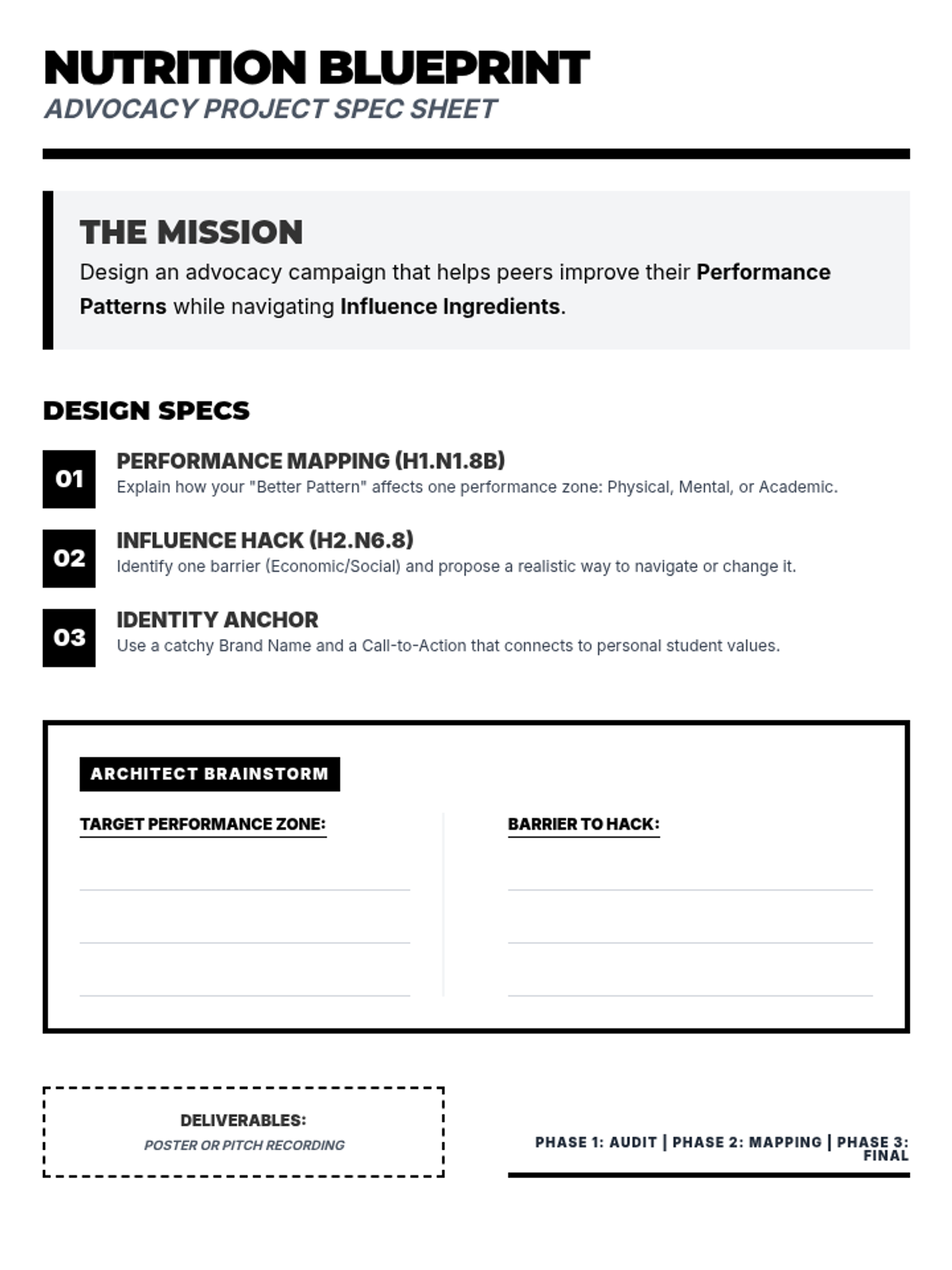
Culminating advocacy project where students design a nutrition intervention or awareness campaign.