A comprehensive look at the biological journey from fertilization to the fetal stage, aligned with MA 2023 Health Frameworks and CHES standards for grade 9.
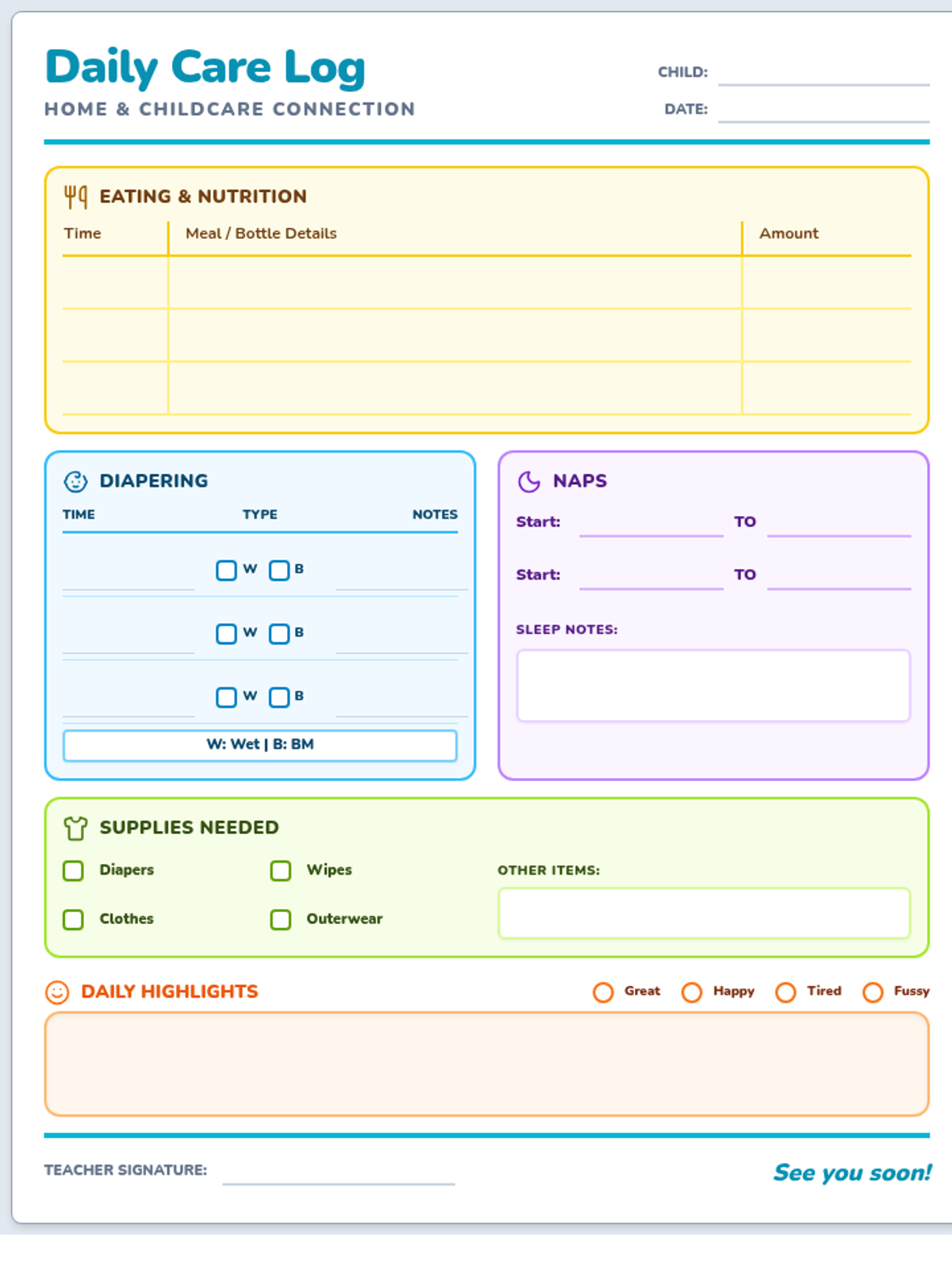
A collection of resources to bridge the gap between home and childcare, ensuring consistent communication about a child's daily needs and routines.
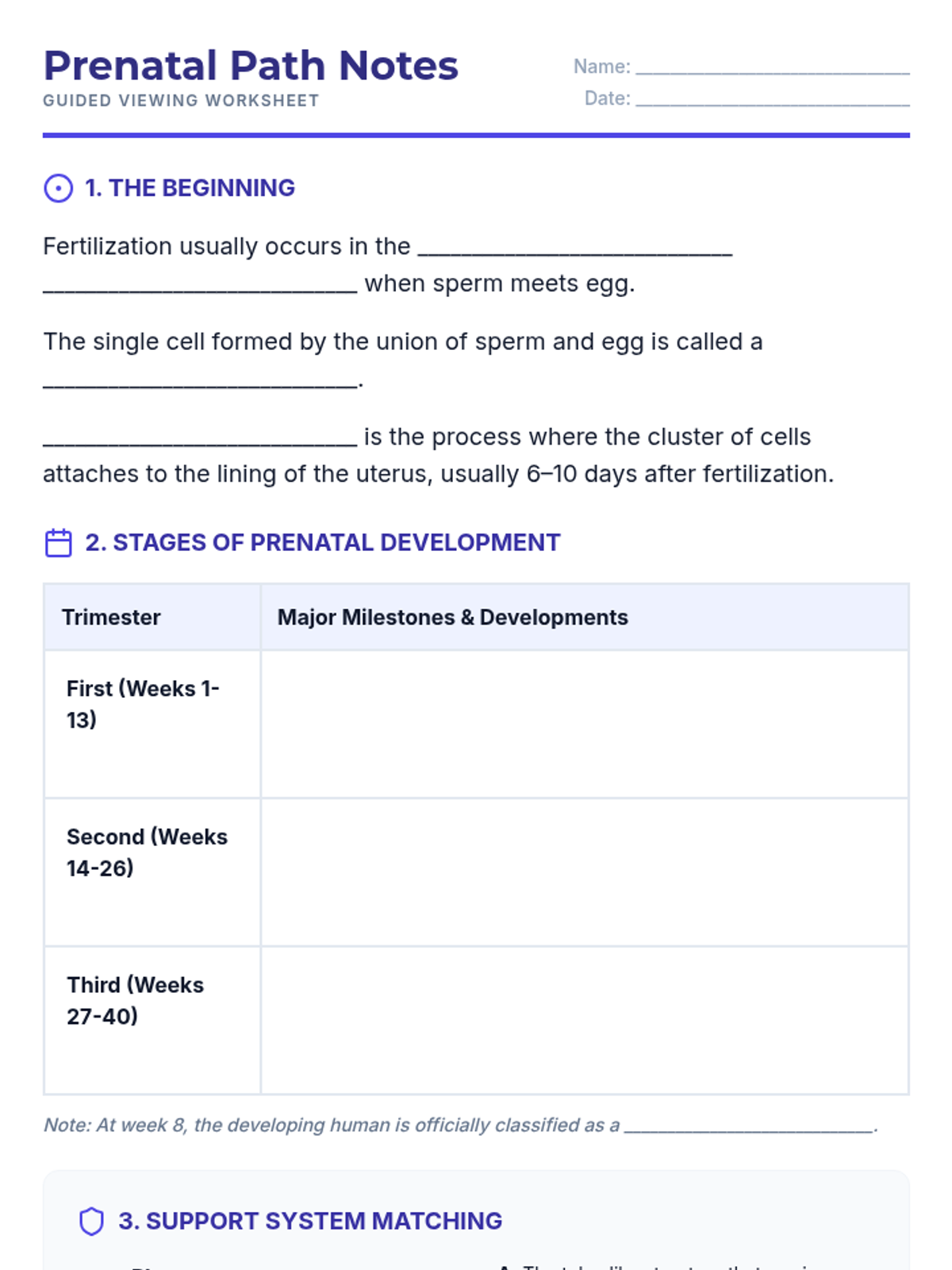
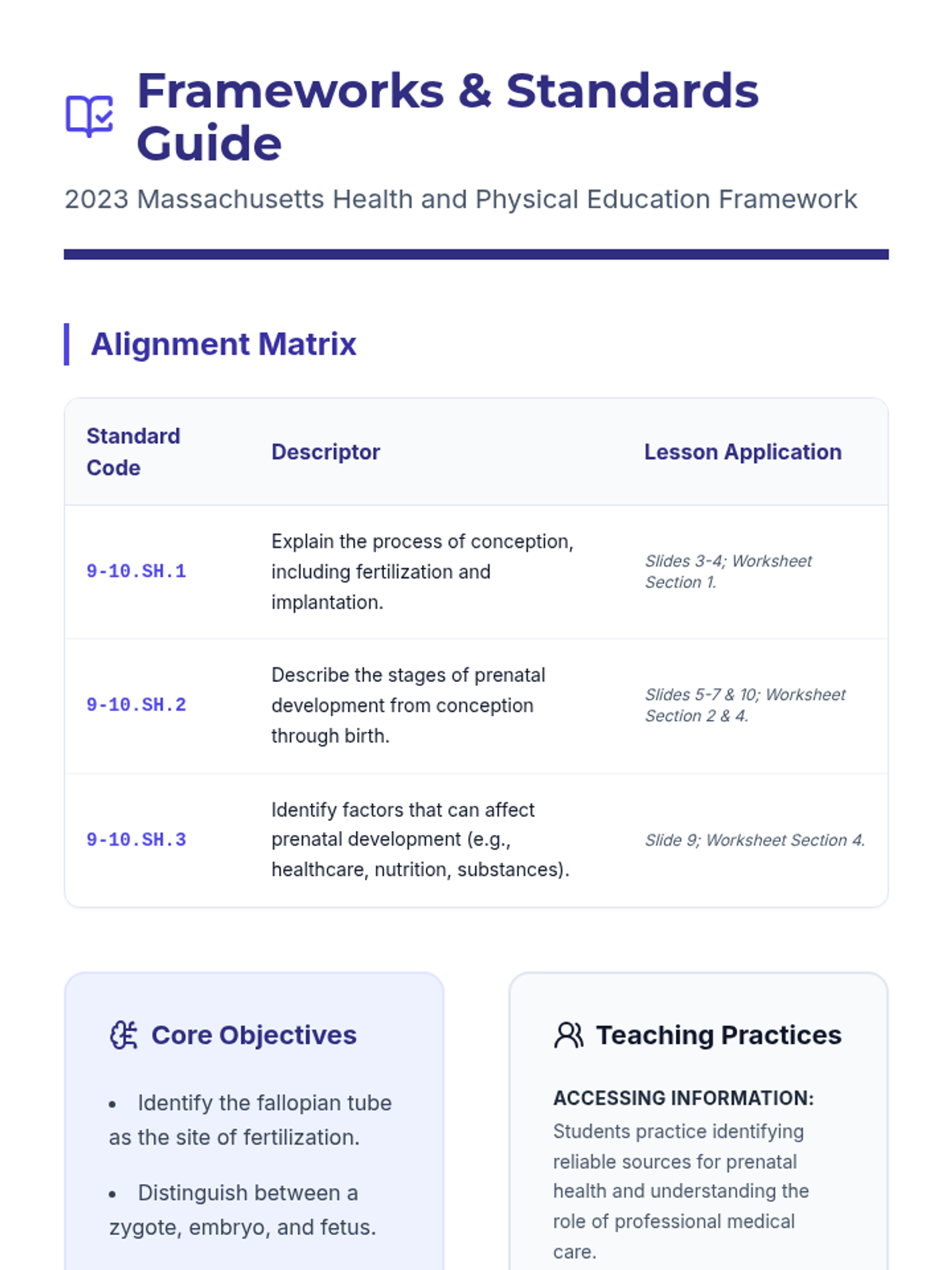
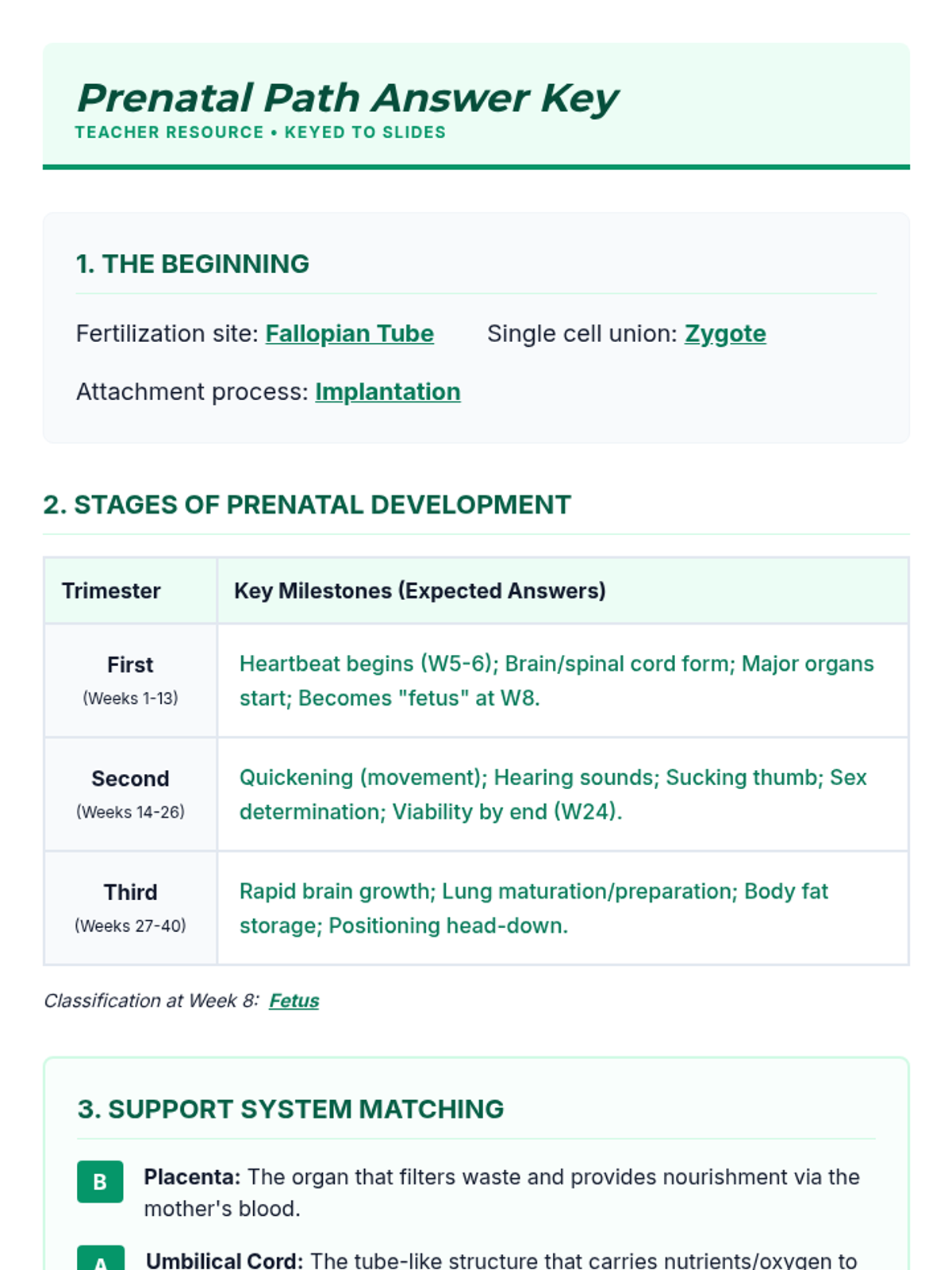
A comprehensive lesson on the biological journey from conception to birth, aligned with the 2023 Massachusetts Health and PE Frameworks. Students will explore fertilization, the three trimesters of prenatal development, and the stages of childbirth.
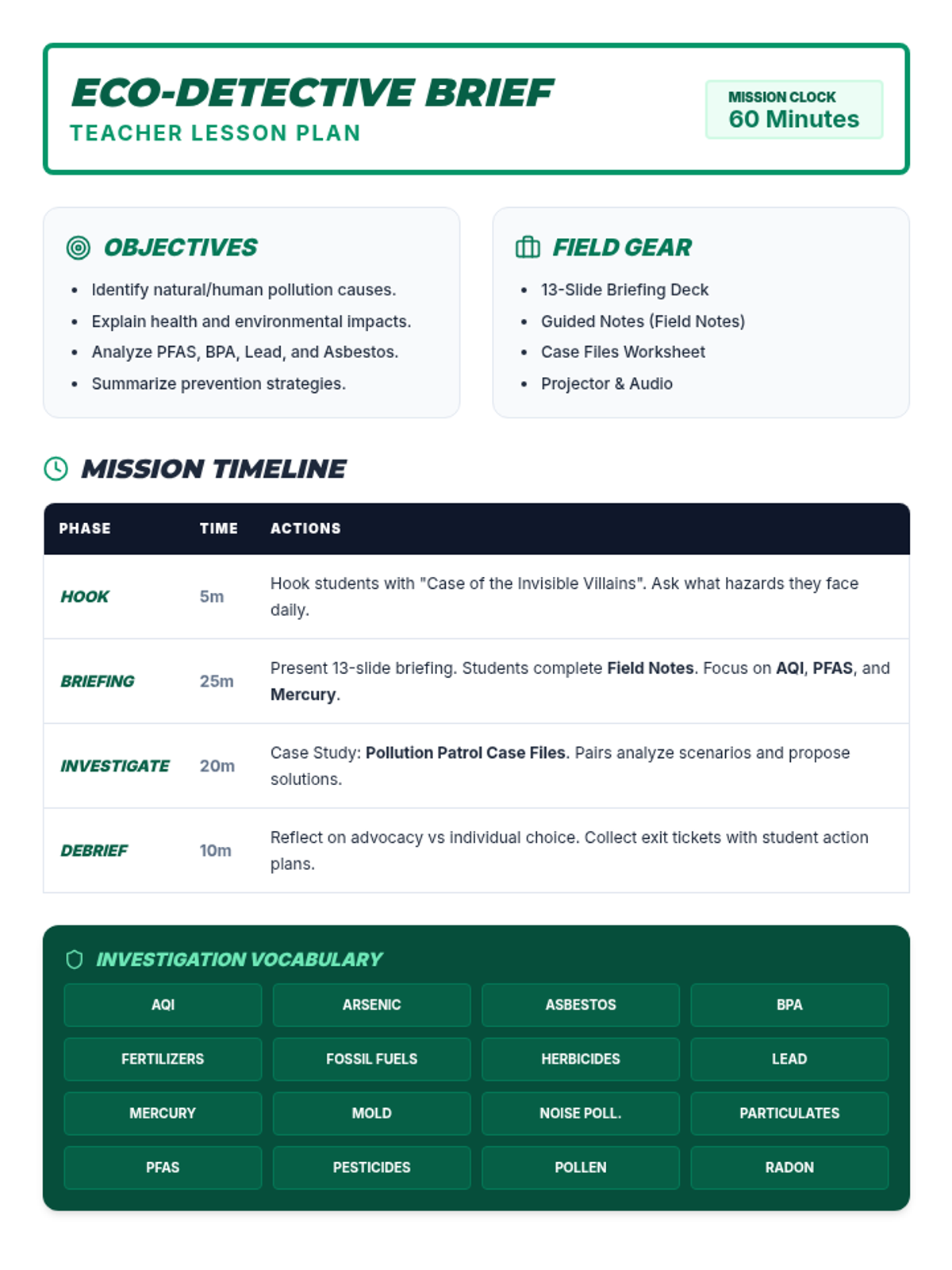
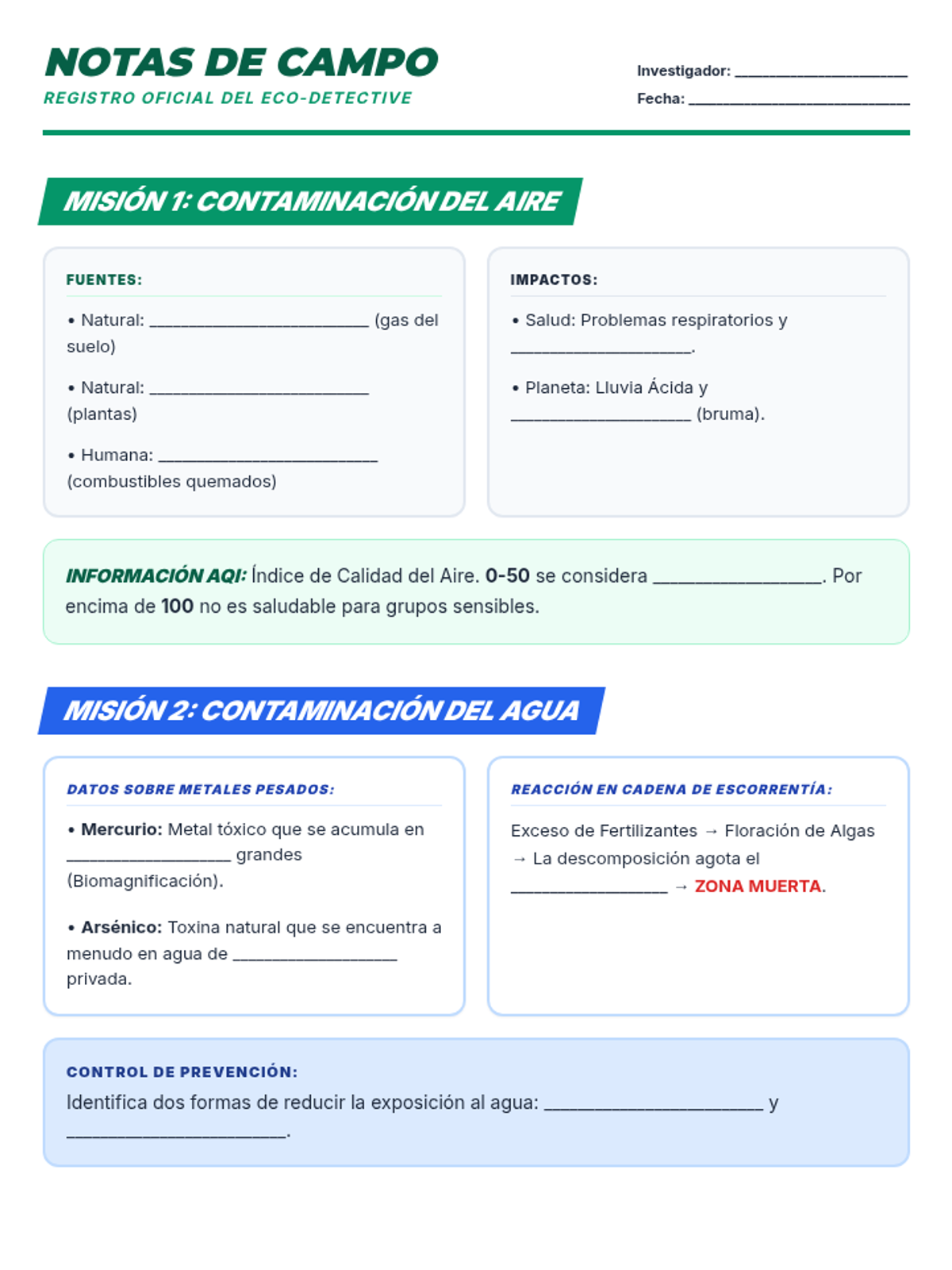
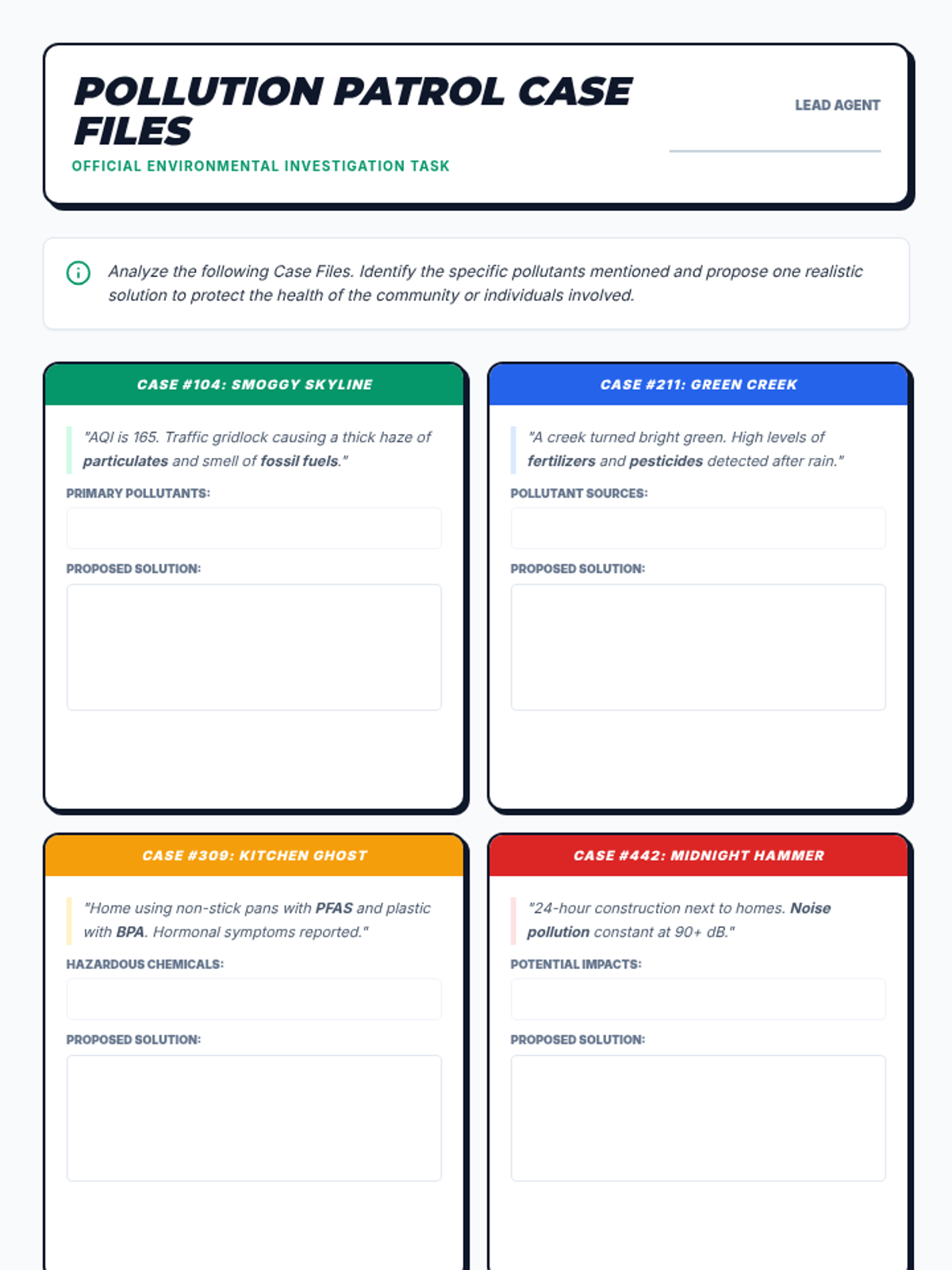
An investigative overview of environmental health hazards including air, water, chemical, and noise pollution. Students act as environmental detectives to identify causes, impacts, and solutions for various pollutants.
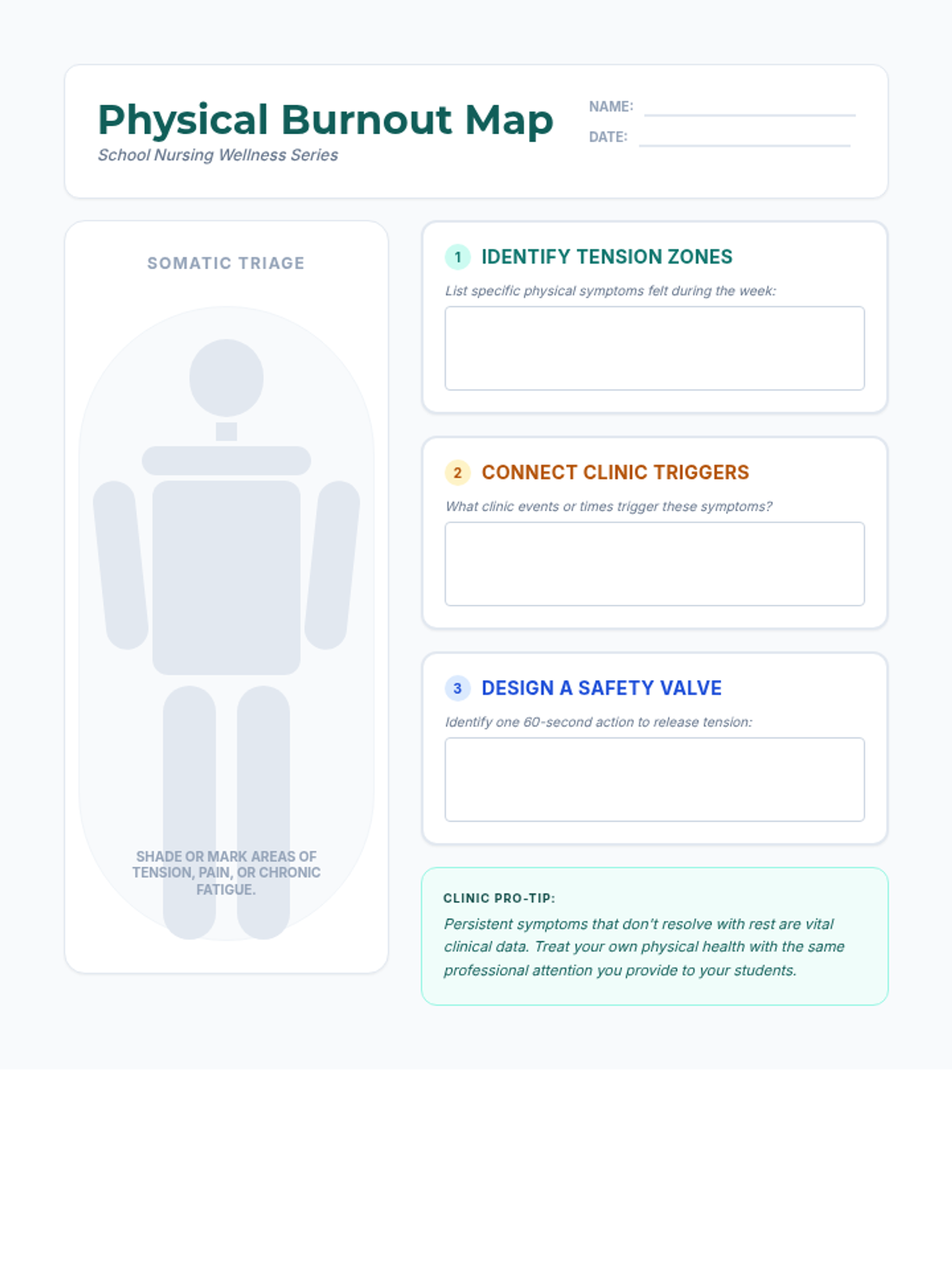
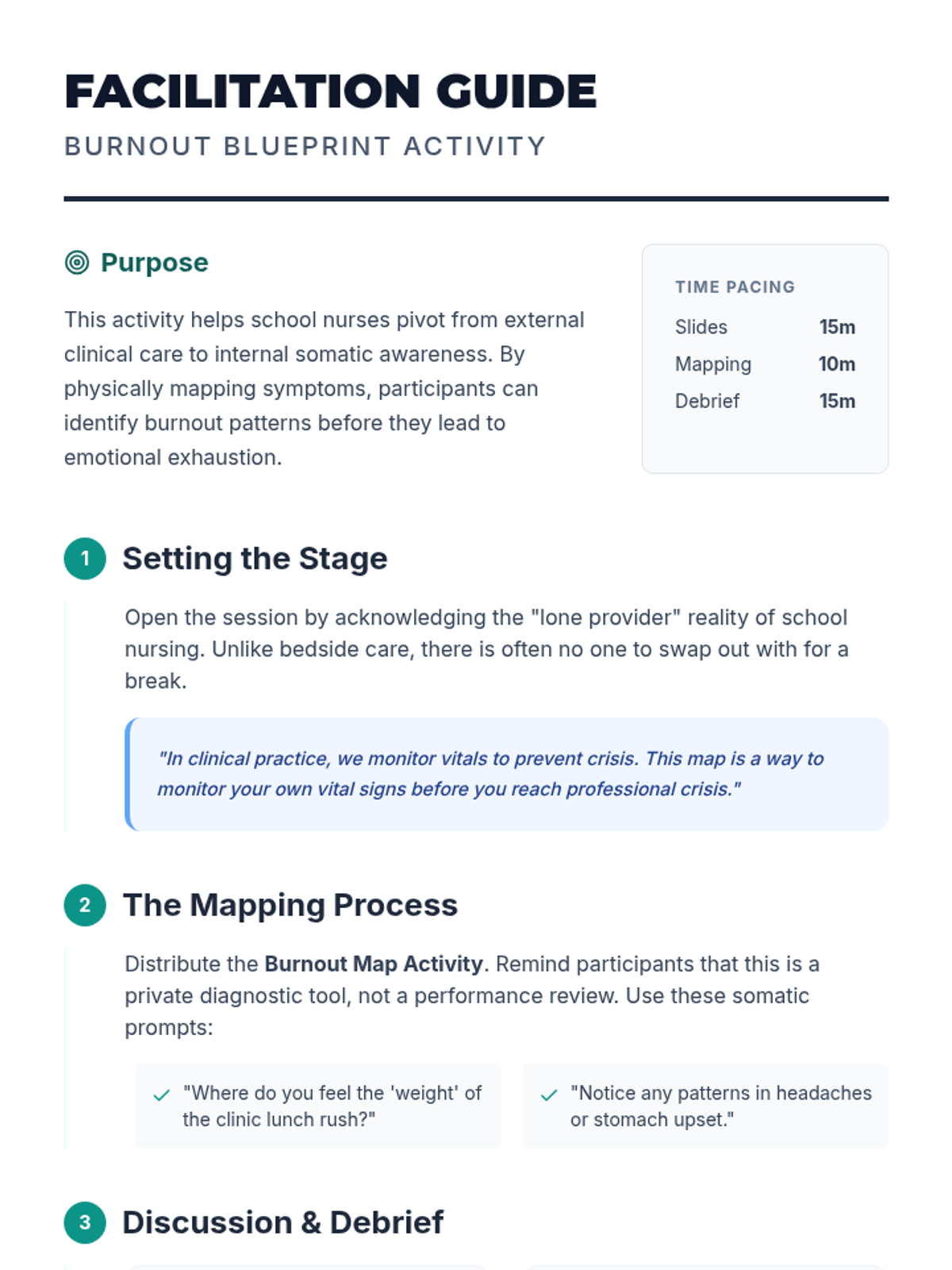
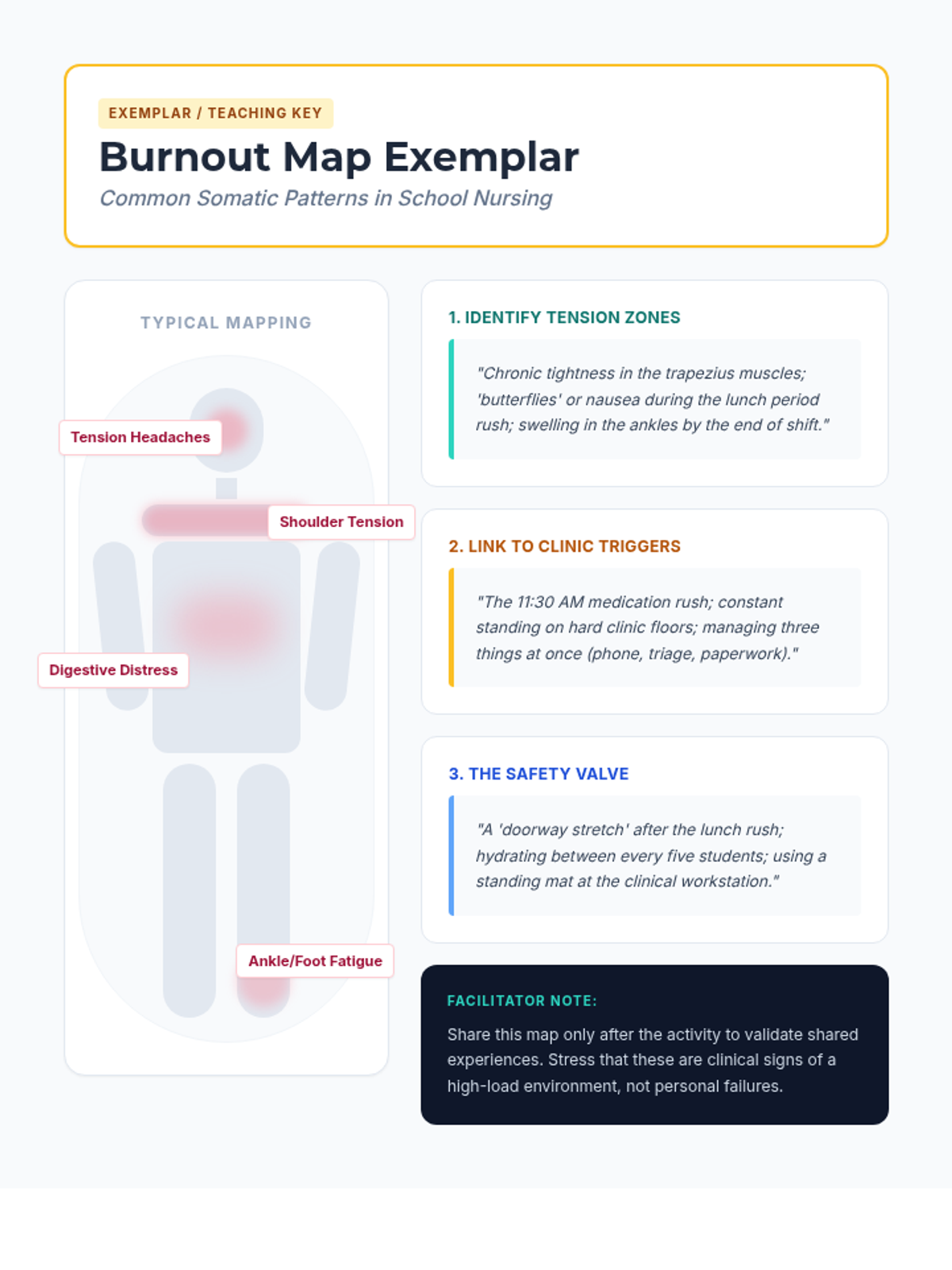
A focused lesson for school nursing staff or students to identify, map, and address the physical manifestations of burnout within the unique environment of a school clinic.
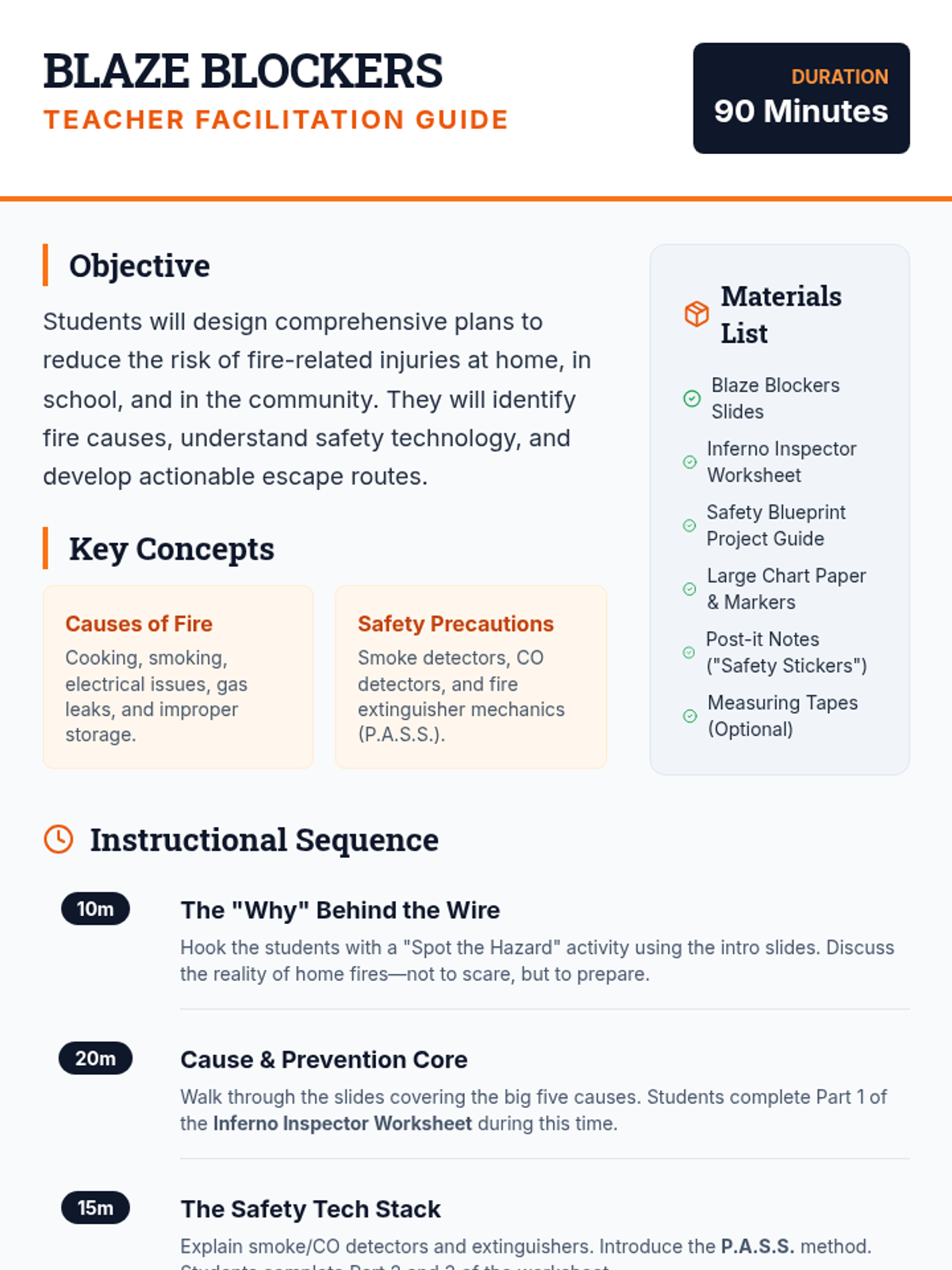
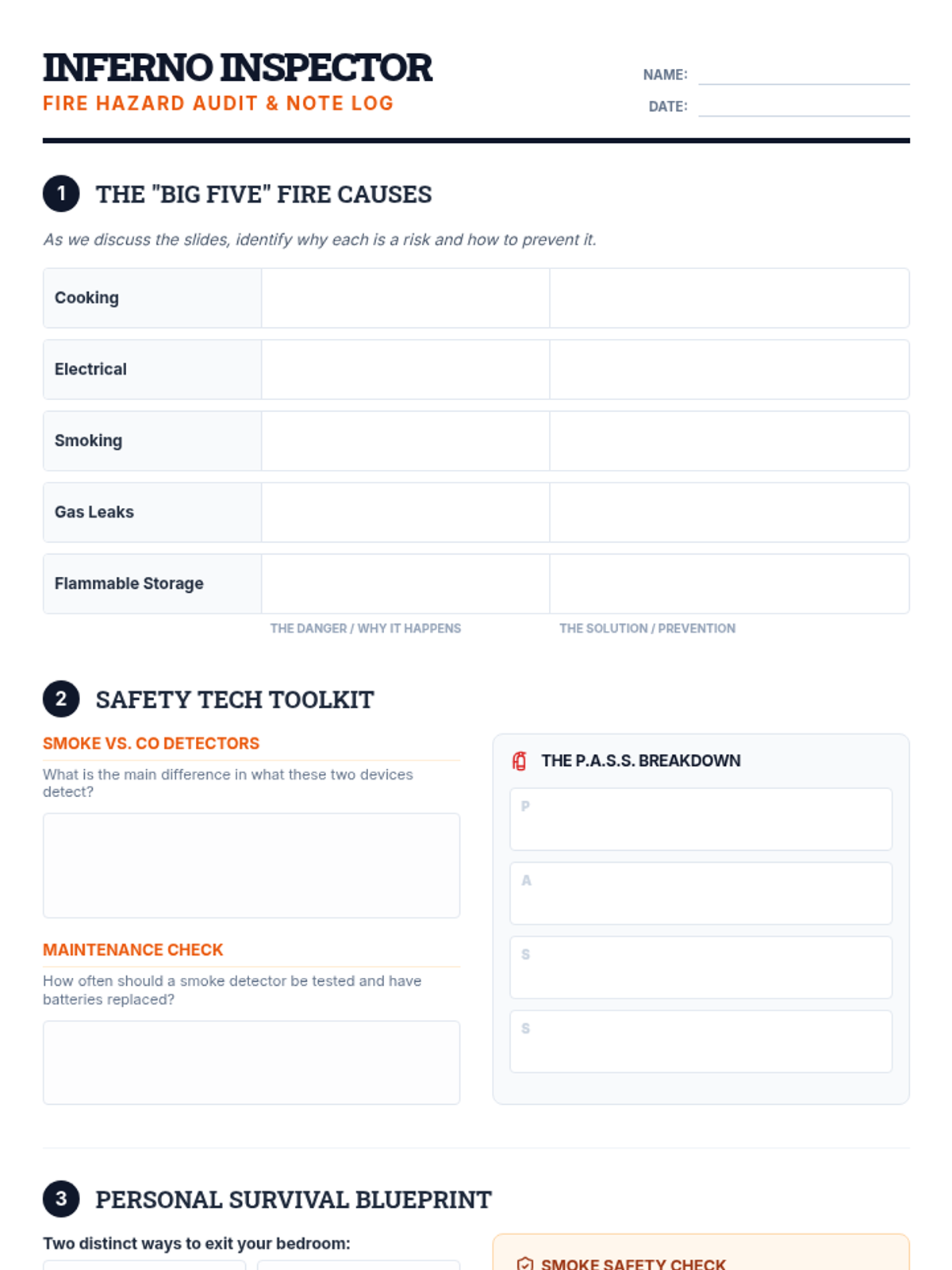
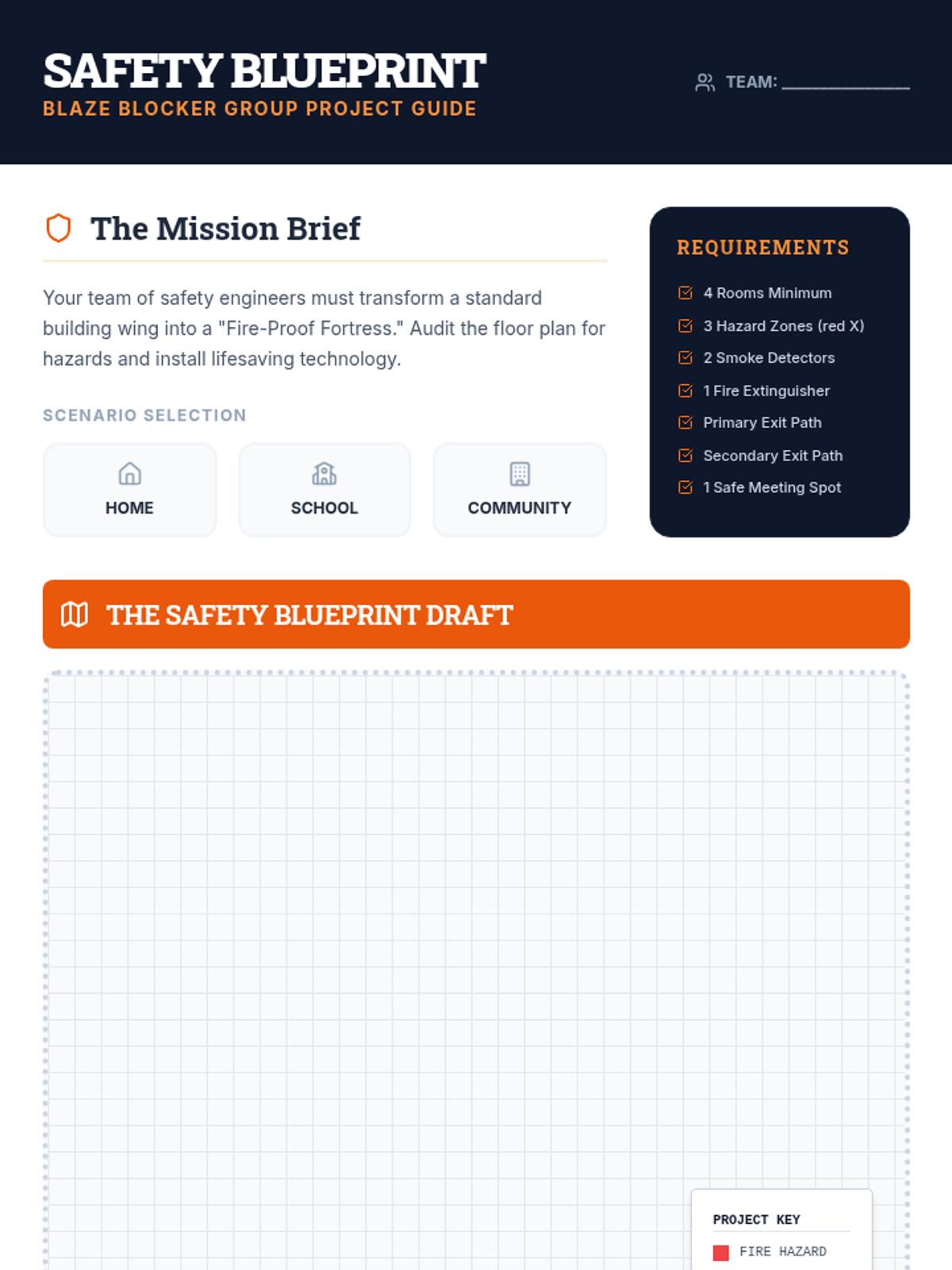
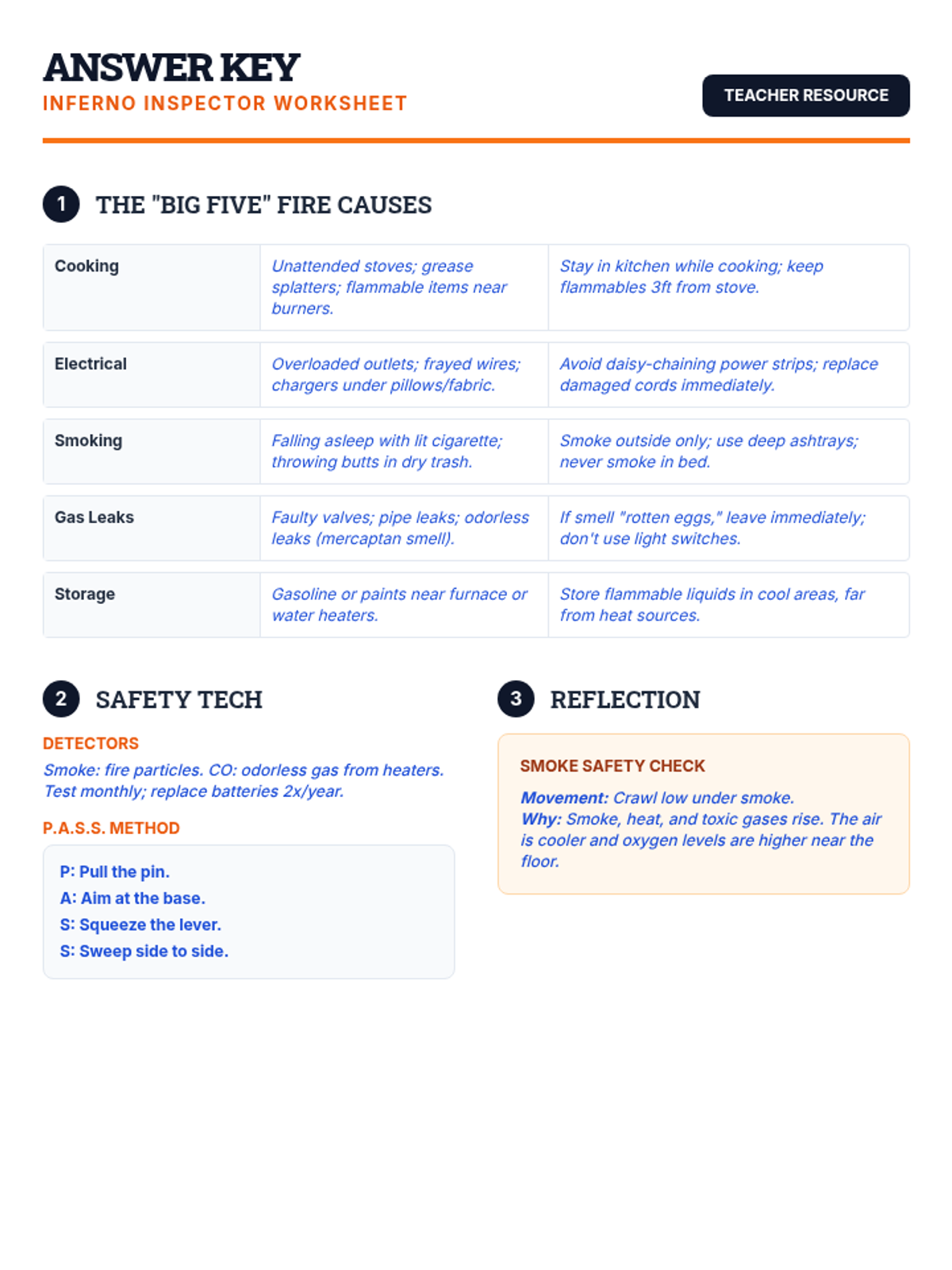
A comprehensive 90-minute lesson where students analyze fire causes, learn safety precautions, and design detailed fire safety plans for home, school, and the community.
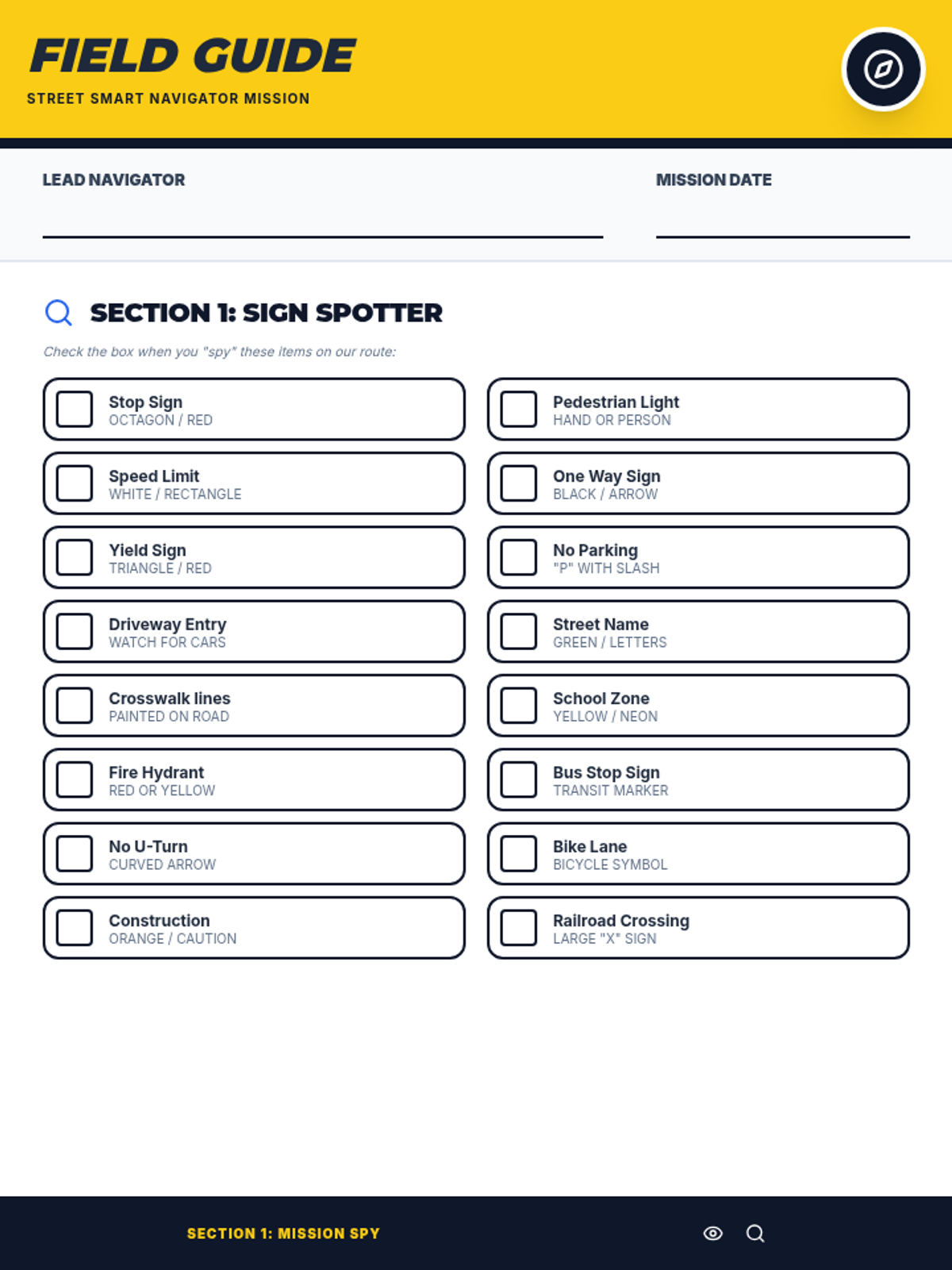
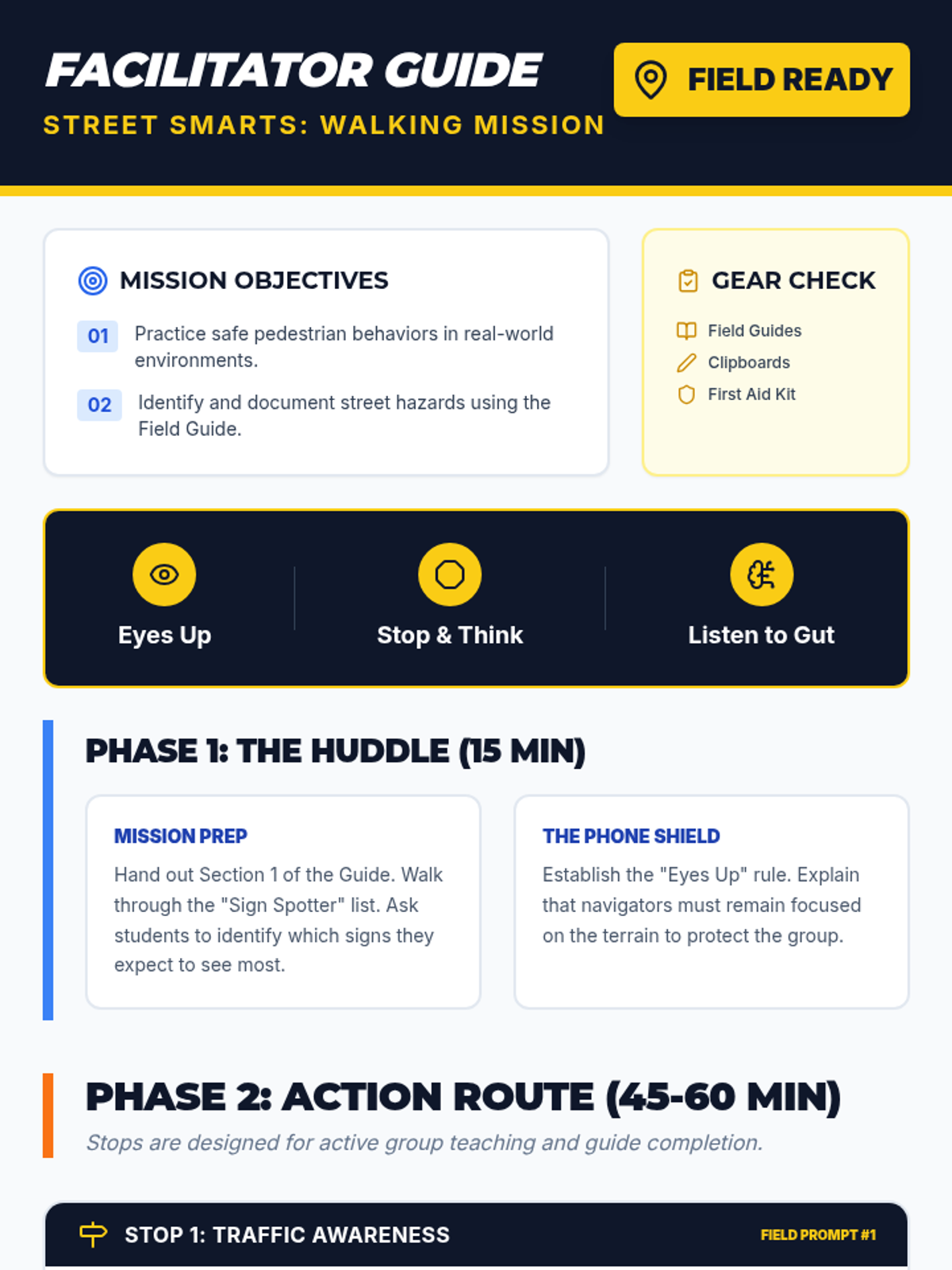
A comprehensive community-based instruction lesson focused on developing pedestrian safety, situational awareness, and real-world decision-making skills during a guided walking tour.
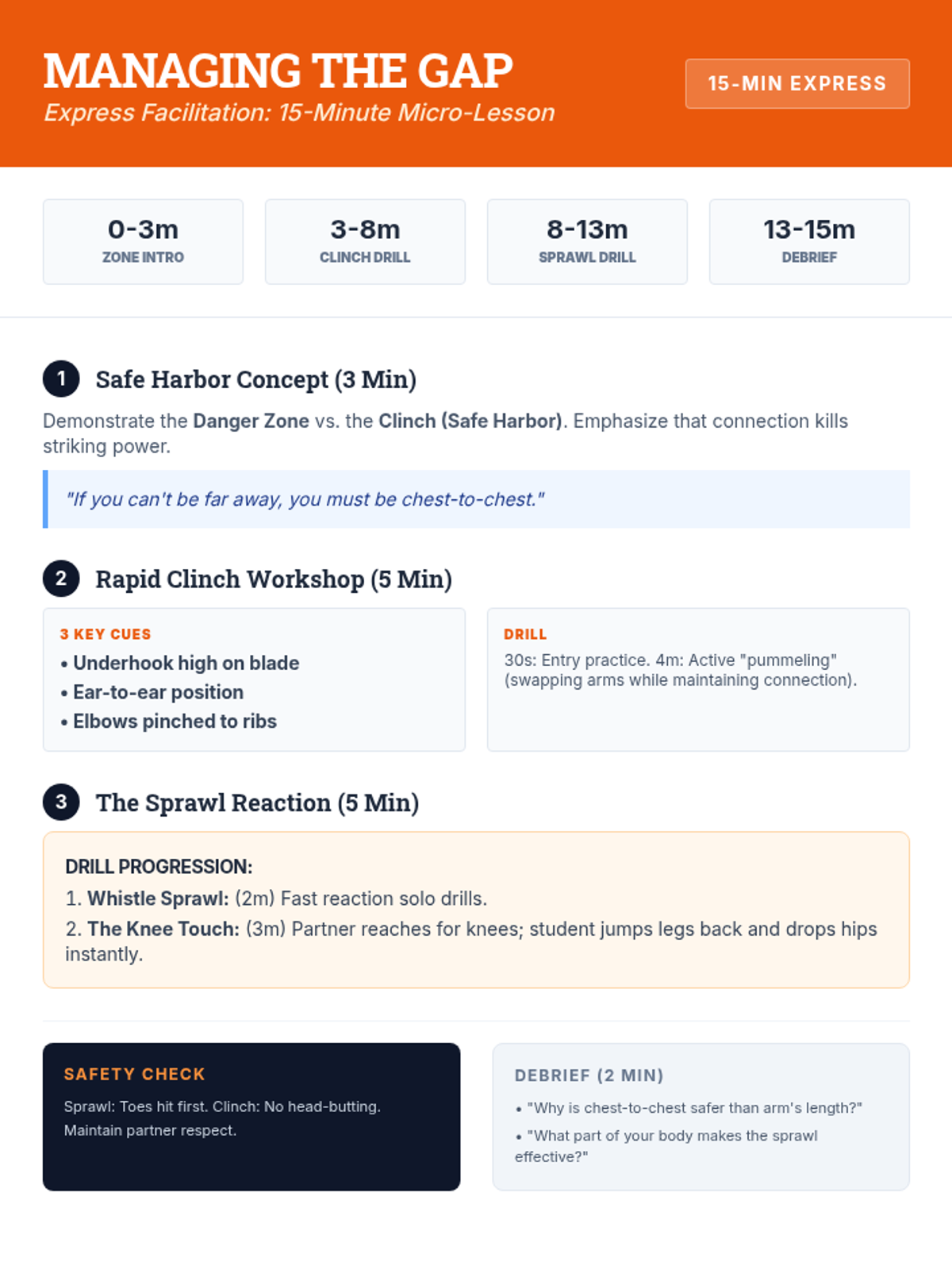
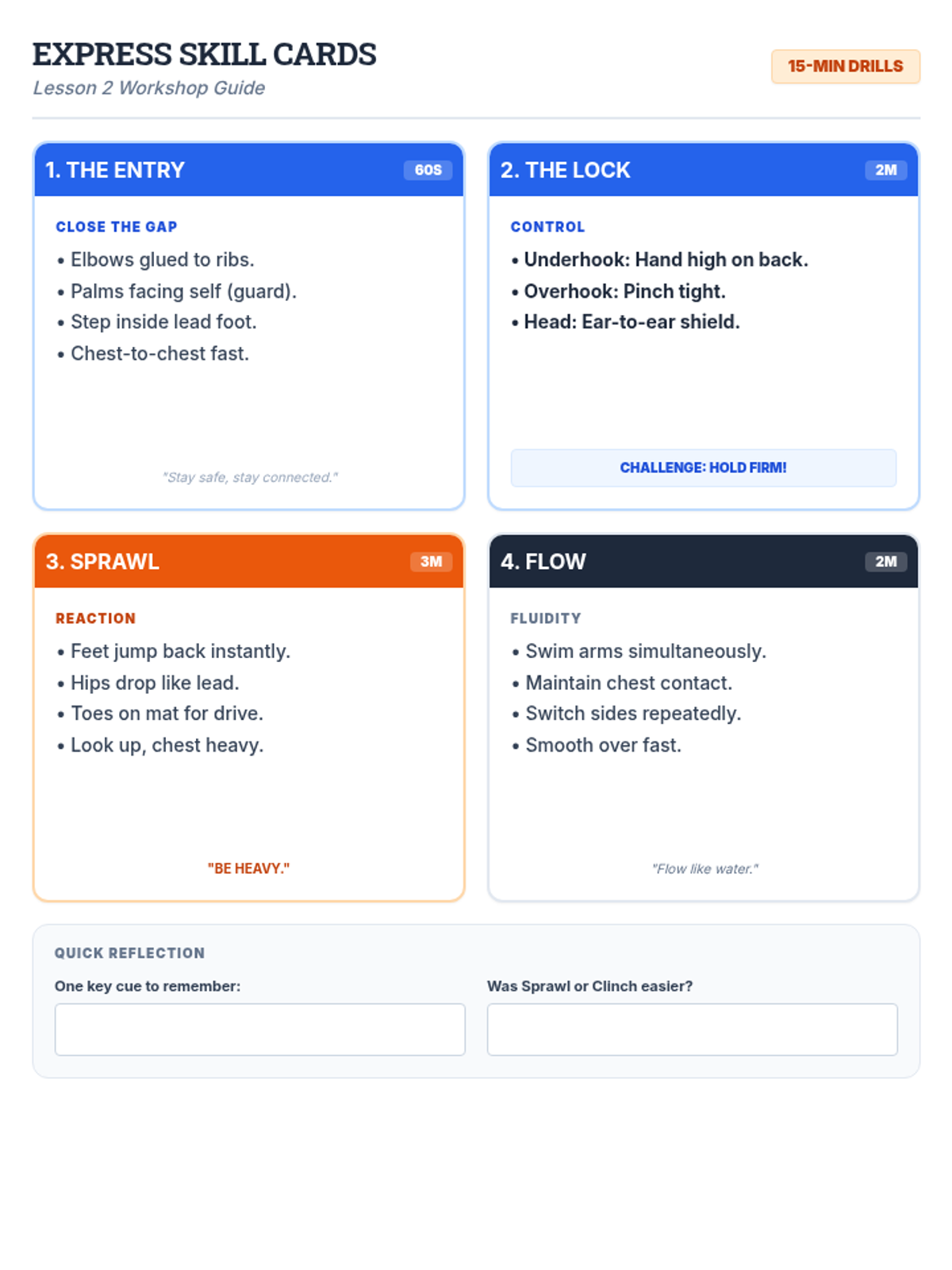
An intensive 15-minute 'Express' session focused on the core mechanics of the clinch and sprawl. Students learn to close the distance safely and defend against leg tackles with maximum efficiency.
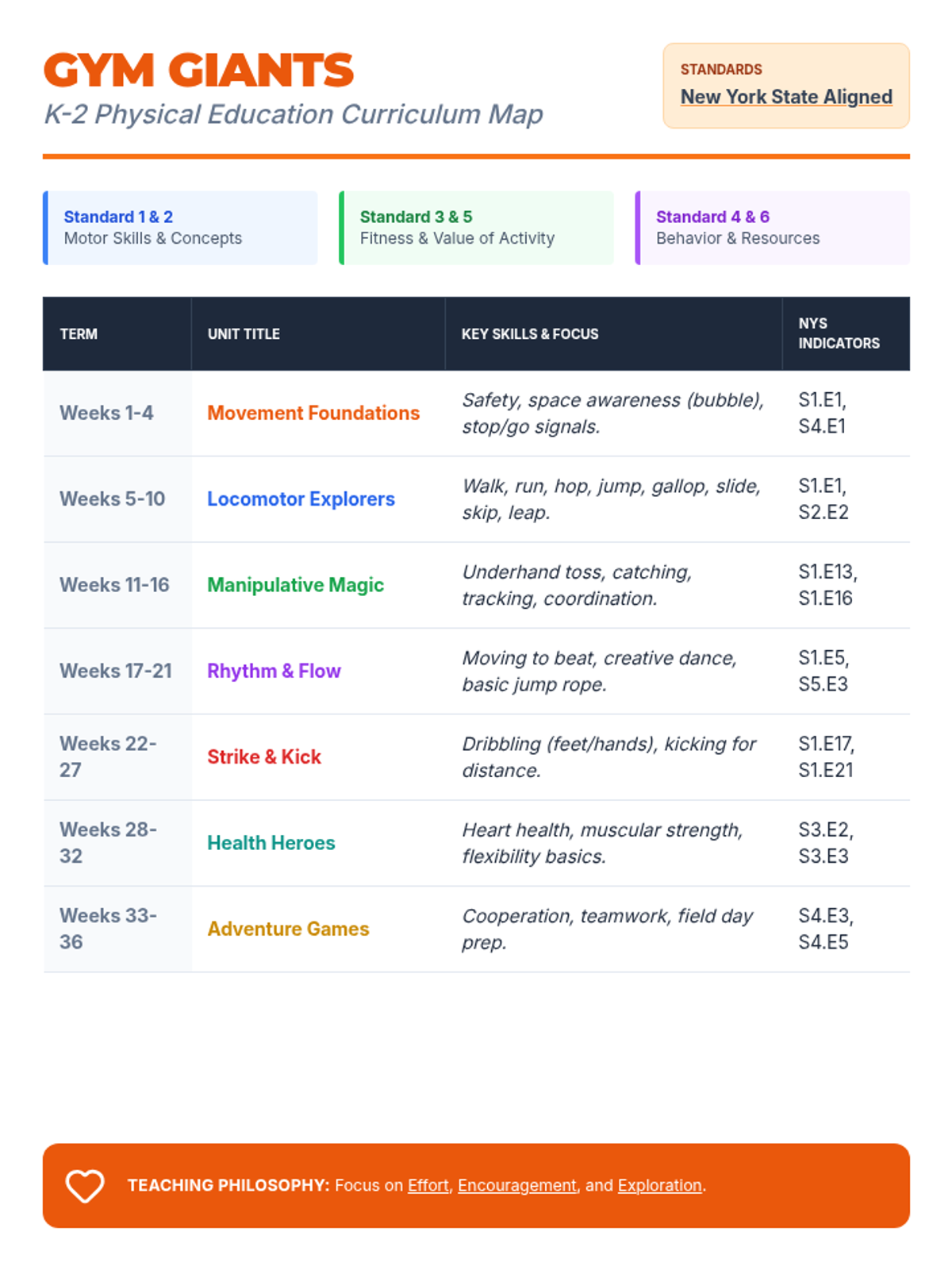
Understanding how the body works, the importance of physical activity, and developing basic fitness concepts through fun, high-energy challenges.
Exploring rhythm, beat, and creative movement through dance, jump rope basics, and musical games to enhance coordination and self-expression.
Introduction to underhand and overhand throwing, catching, and tracking objects using various equipment like beanbags and soft balls.
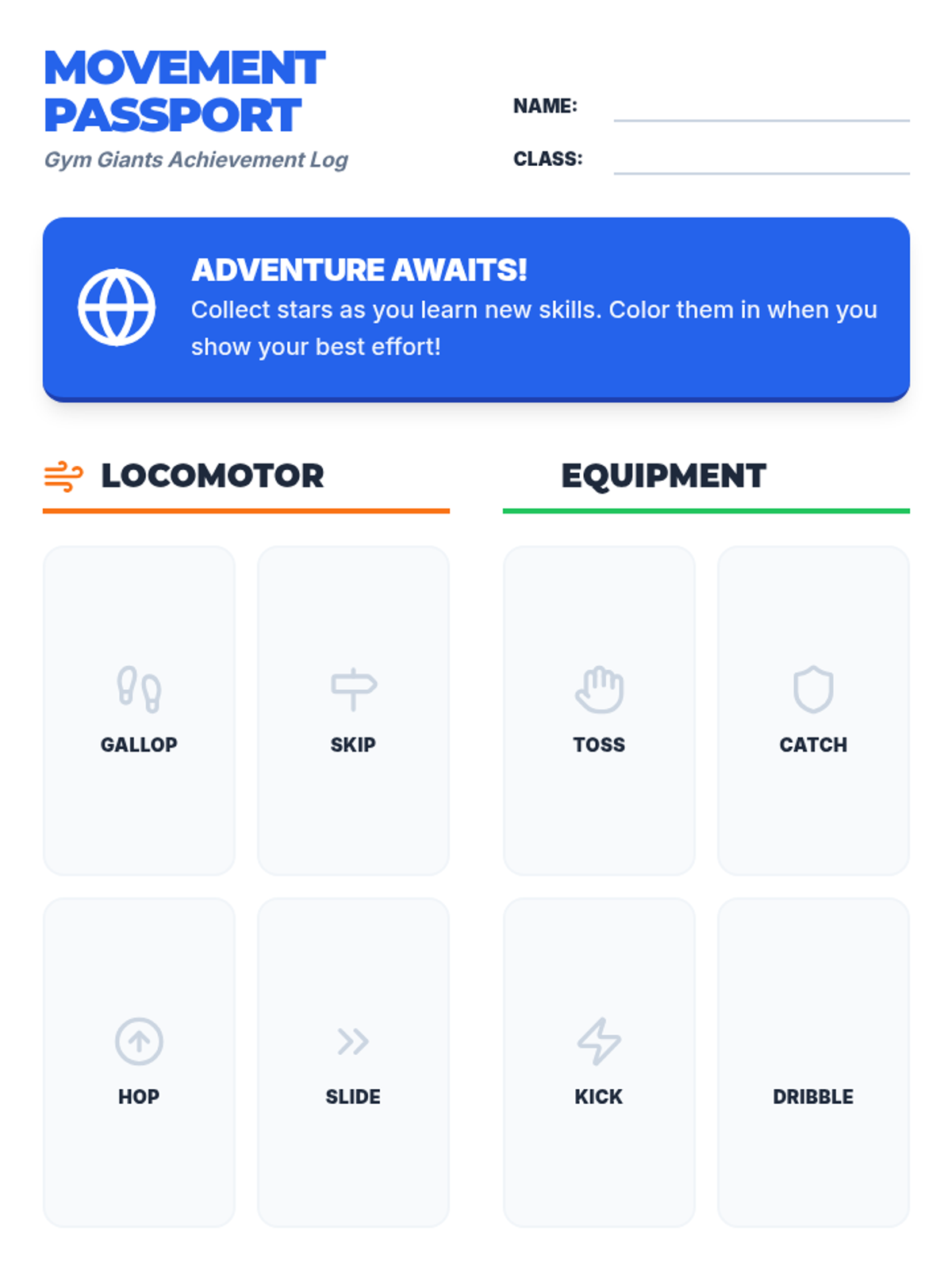
Development of fundamental locomotor skills including walking, running, hopping, jumping, leaping, galloping, sliding, and skipping through adventure-themed activities.
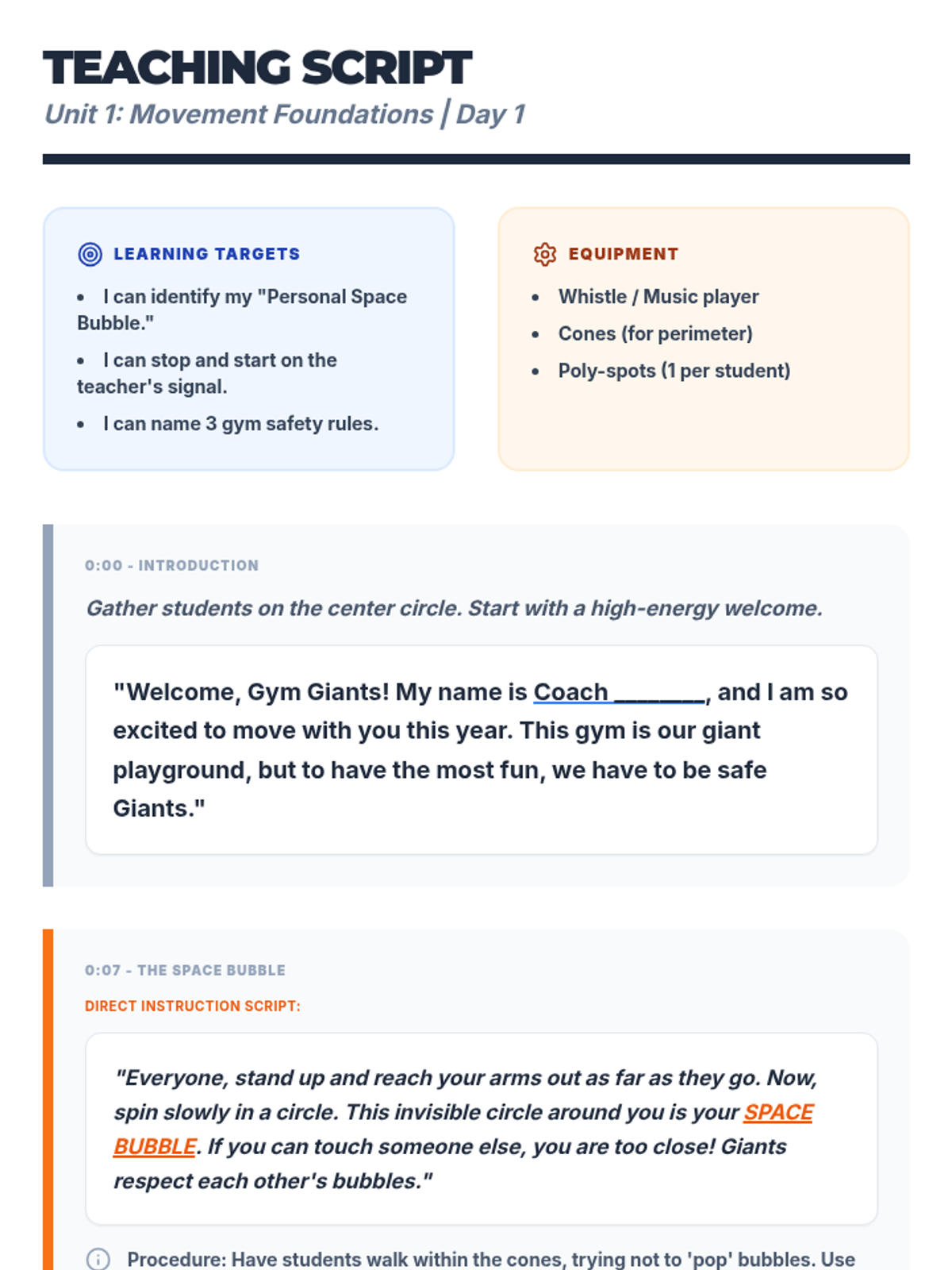
Focuses on establishing gym rules, safety procedures, personal vs. general space, and initial movement concepts to create a positive learning environment.
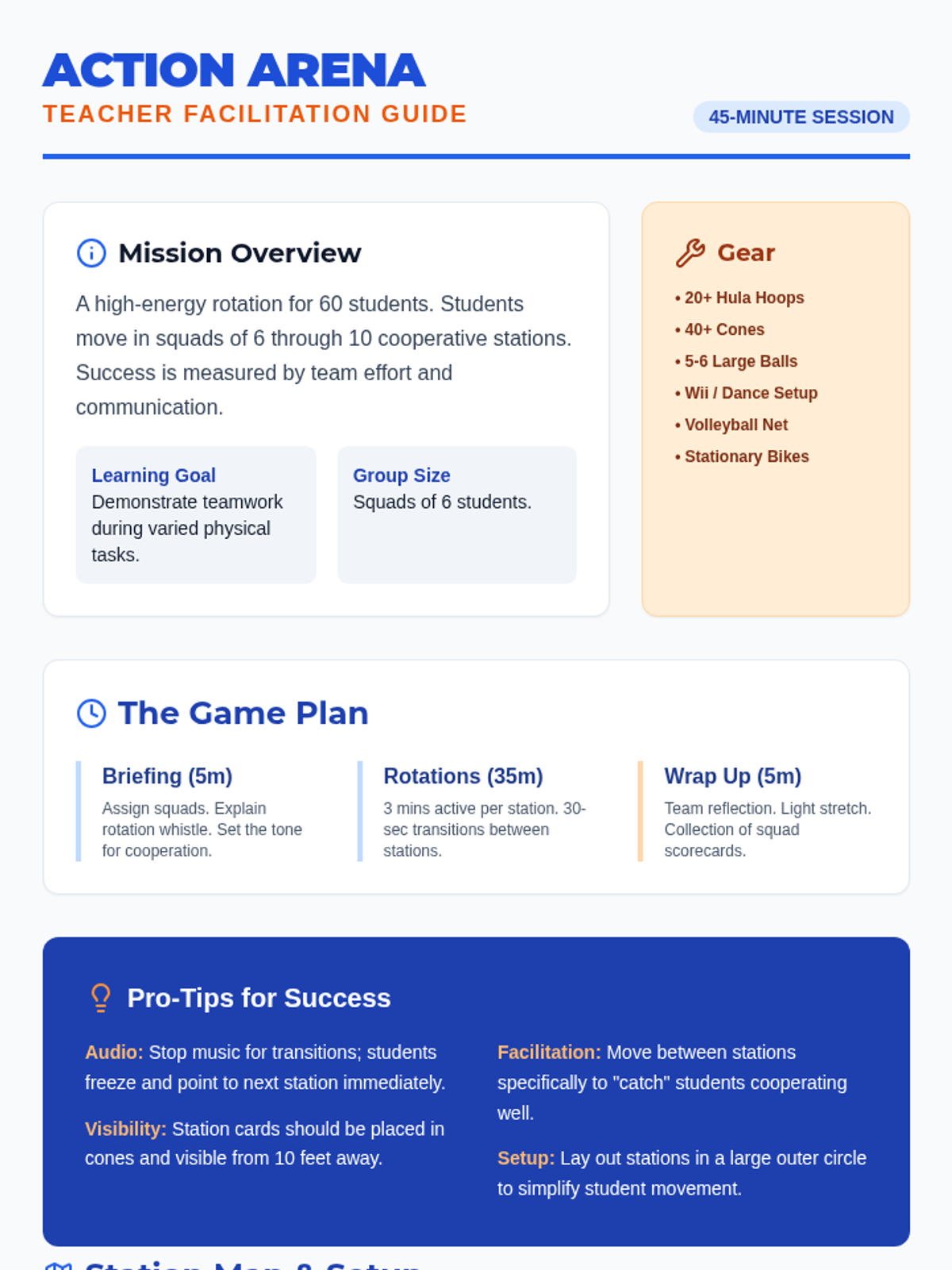
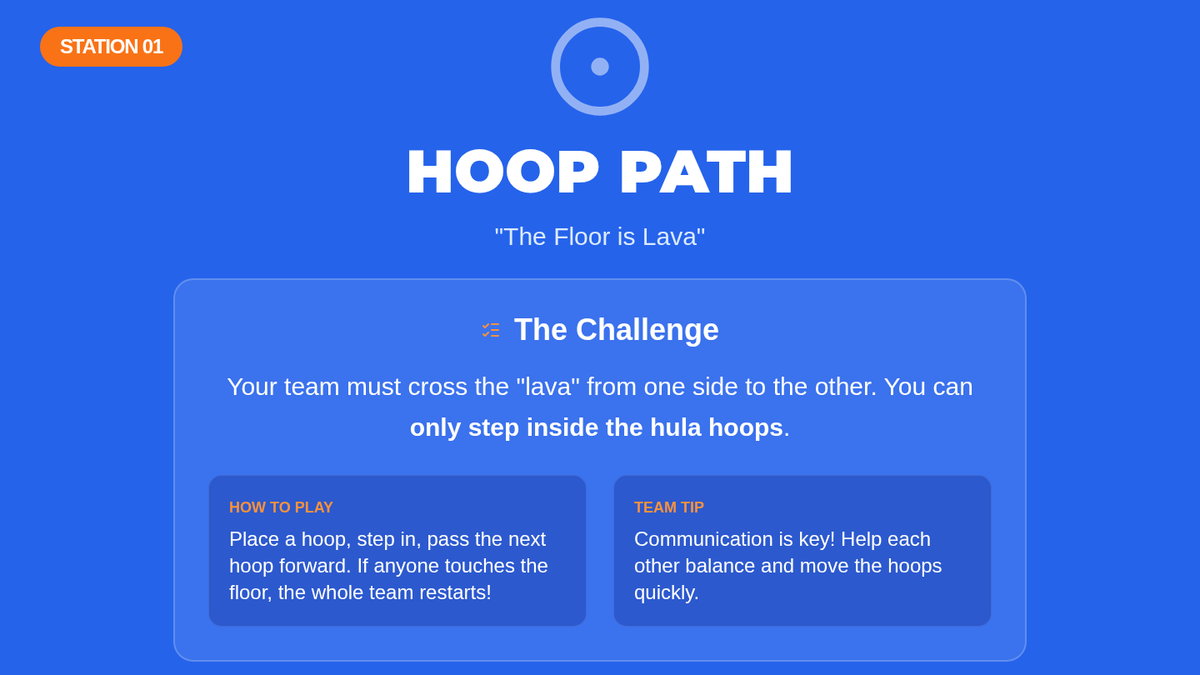
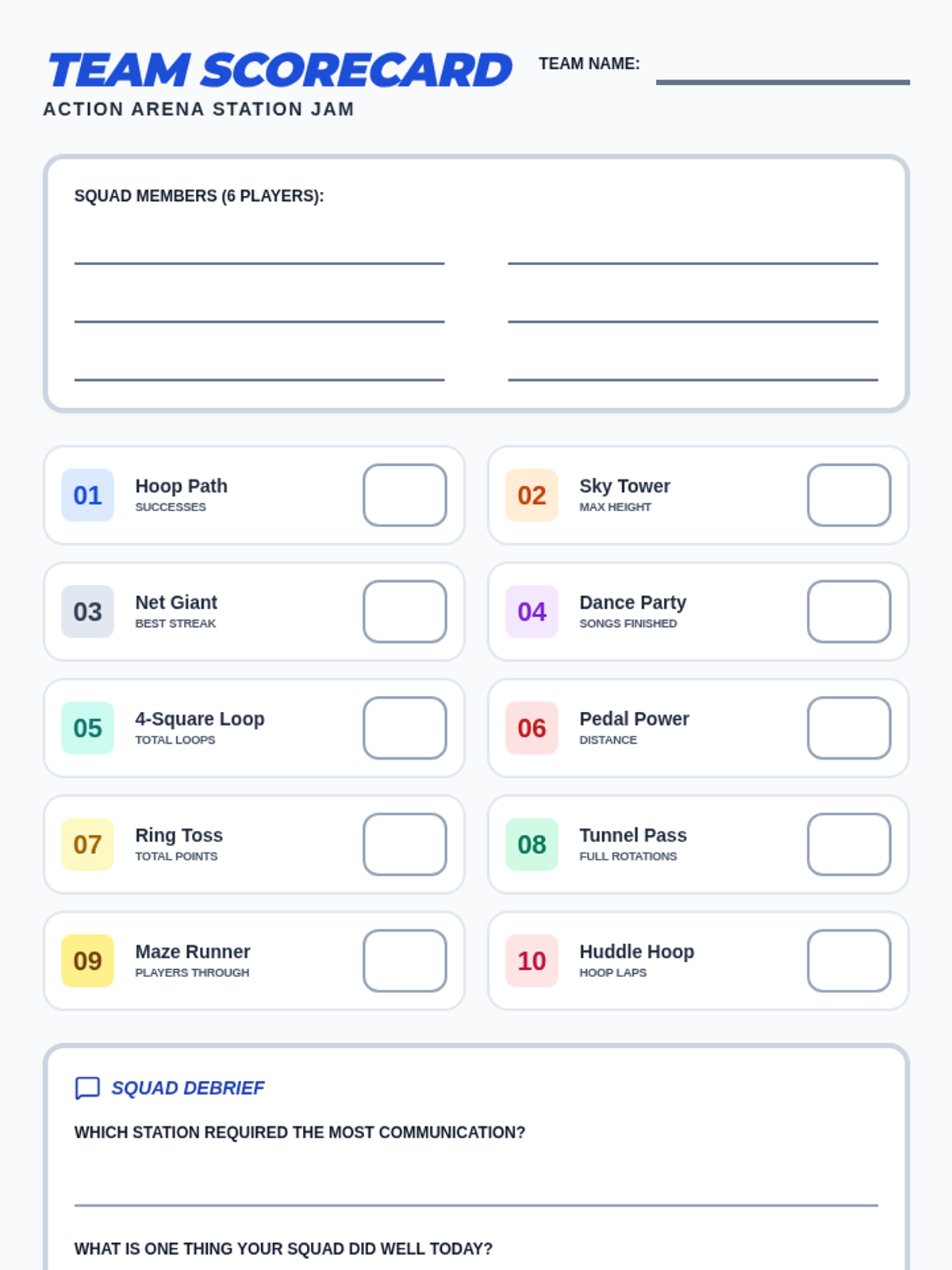
A high-energy, 45-minute PE lesson featuring 10 active stations designed for large groups. Students rotate through teamwork-based challenges using hoops, balls, cones, and technology to build cooperation and fitness.
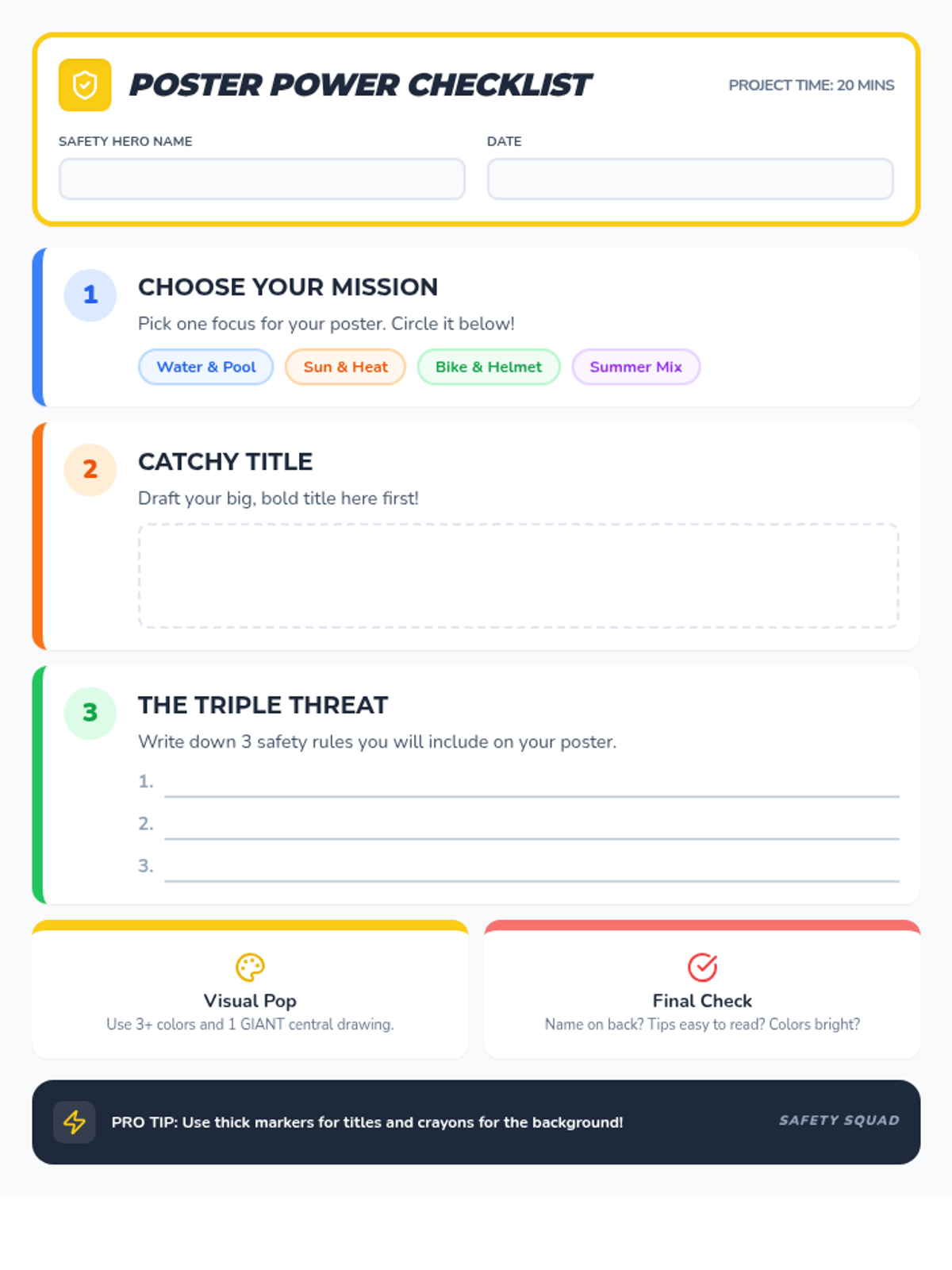
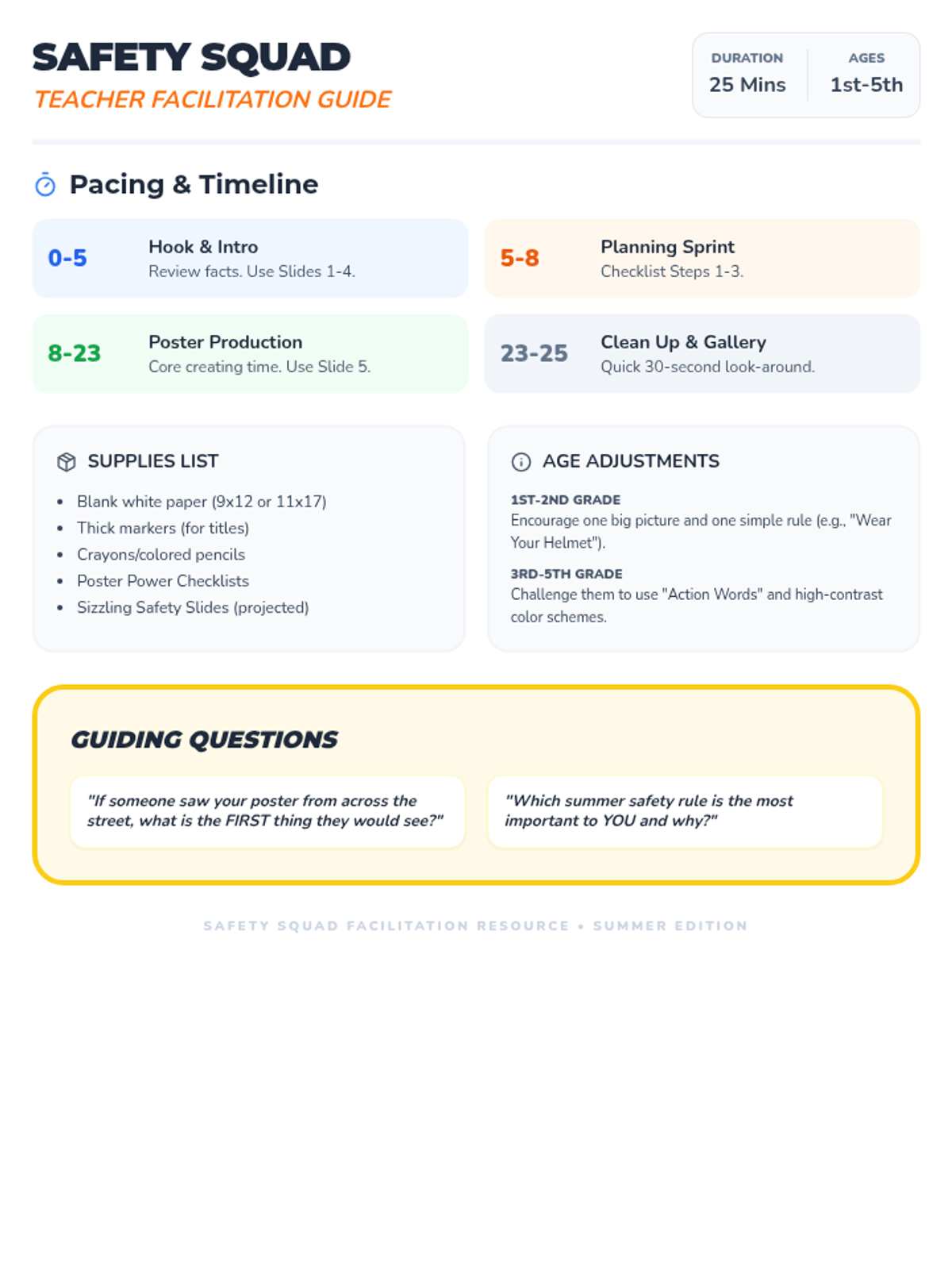
A fast-paced, creative project where students design safety posters covering water, sun, bike, and general summer safety tips in a 25-minute sprint.
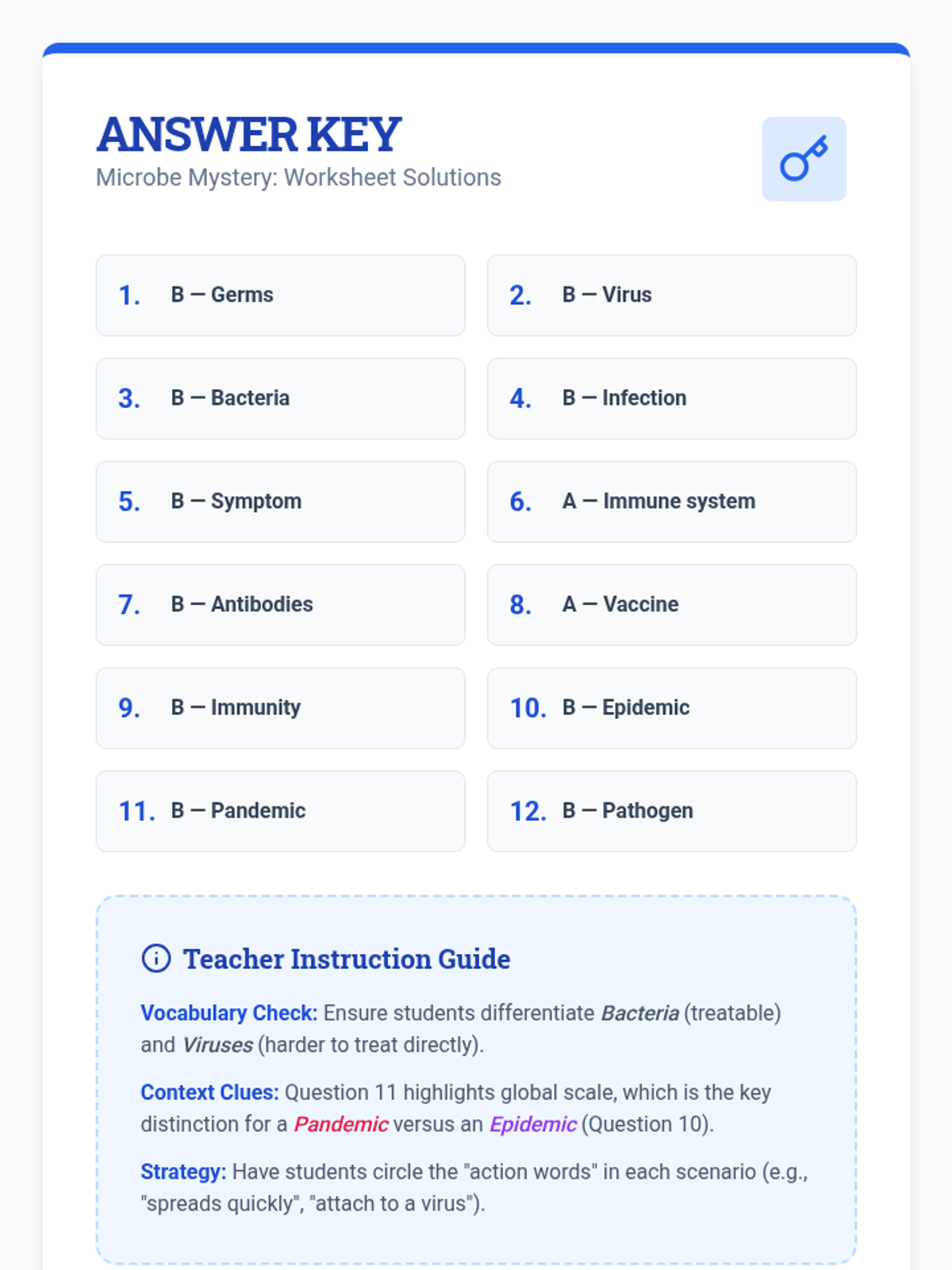
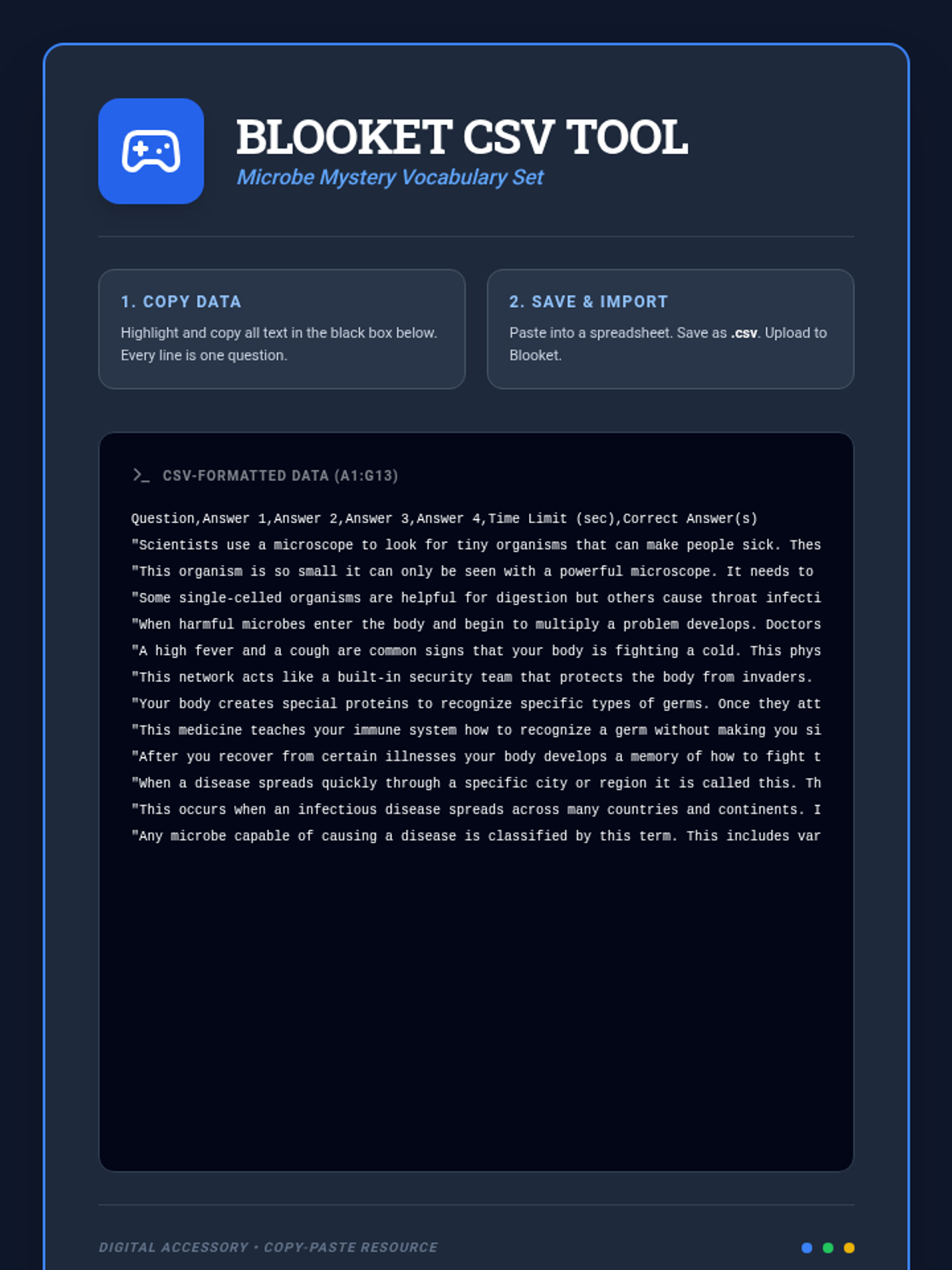
A comprehensive lesson on medical vocabulary related to germs and the immune system, designed for WIDA level 4 students. Includes visual aids and comprehension-based assessments.
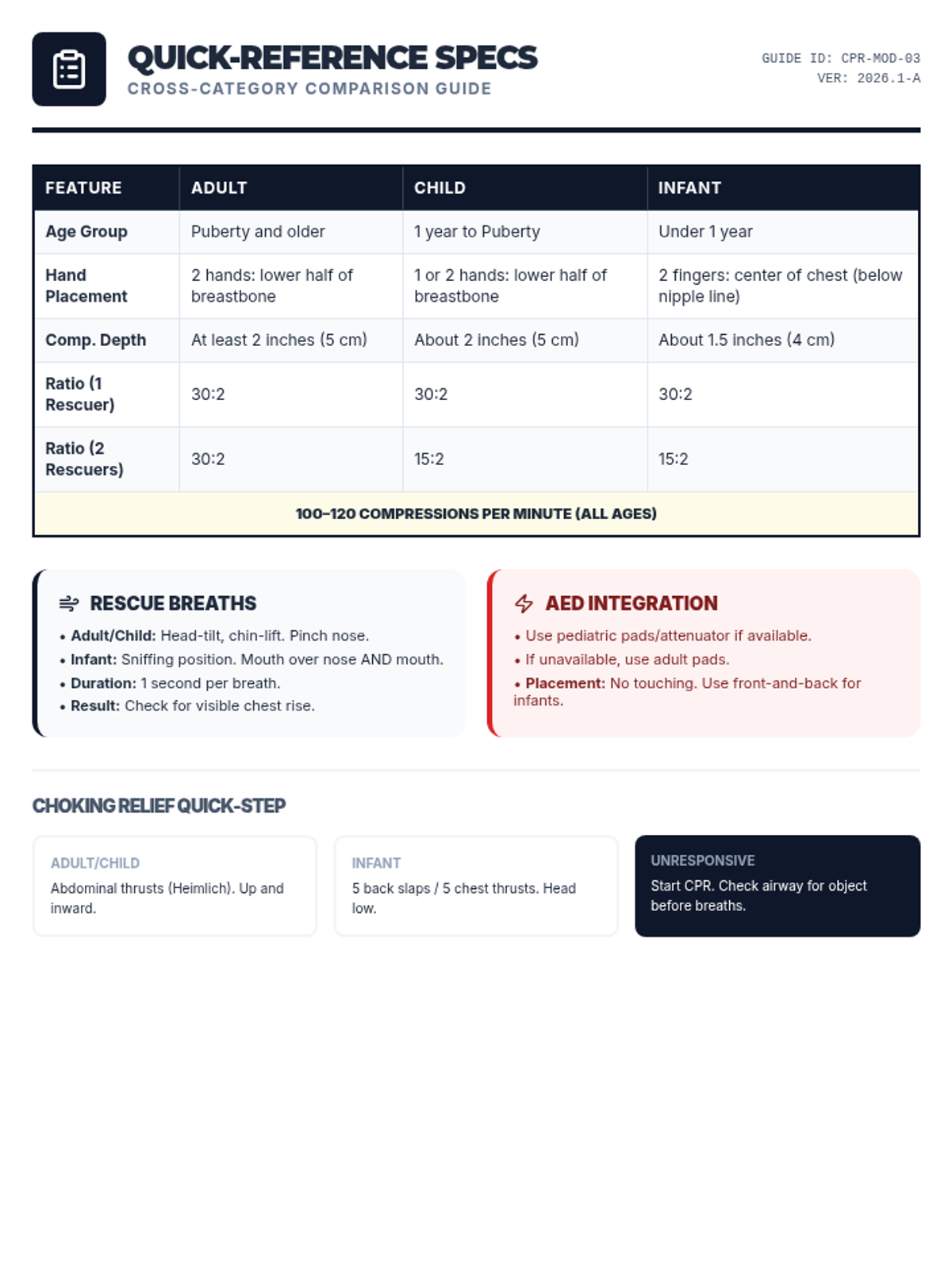
Adapts CPR and choking relief techniques for the unique physiological needs of infants and children.
Focuses on the critical integration of Automated External Defibrillators (AEDs) and managing foreign body airway obstructions in adults.
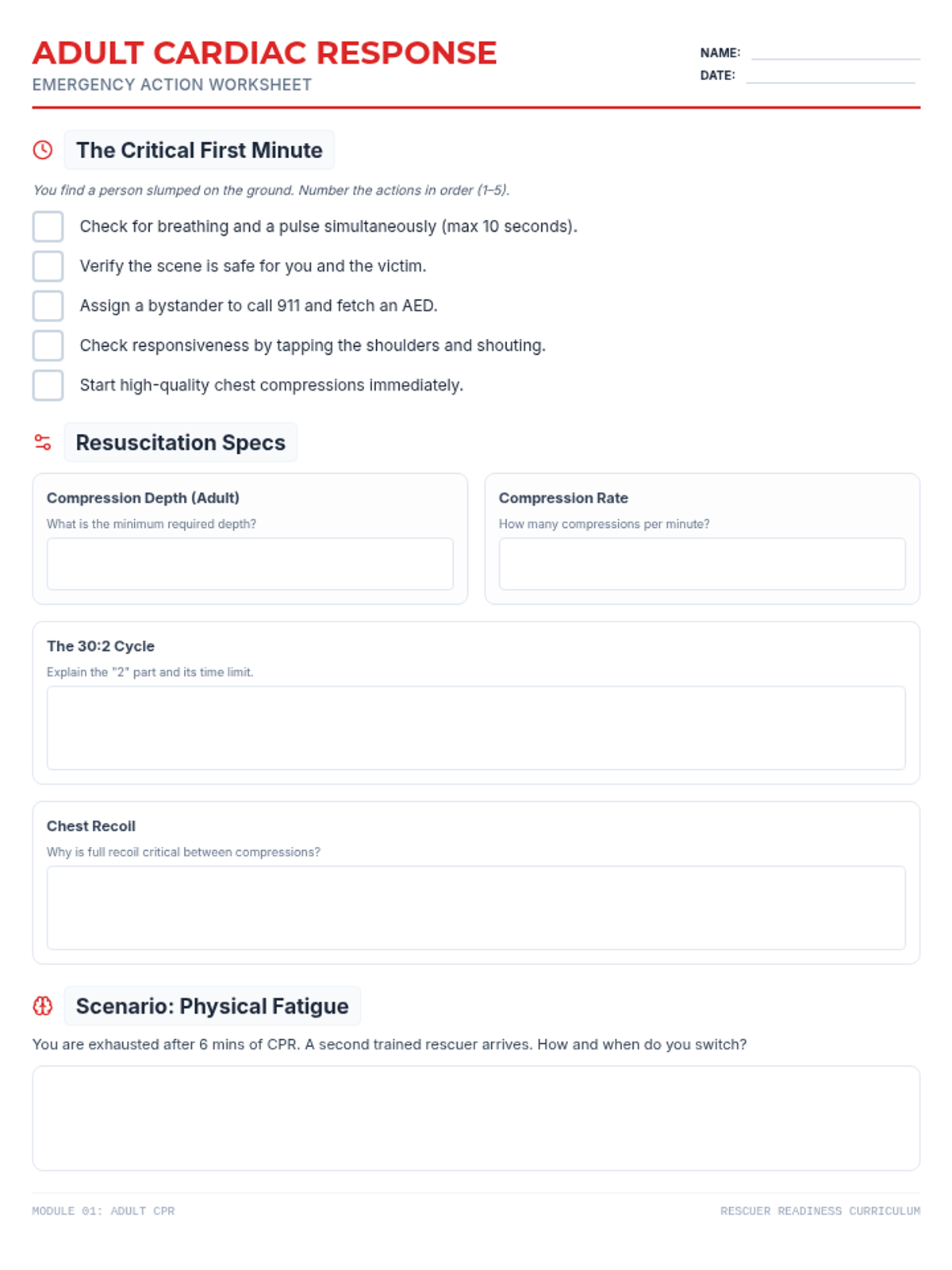
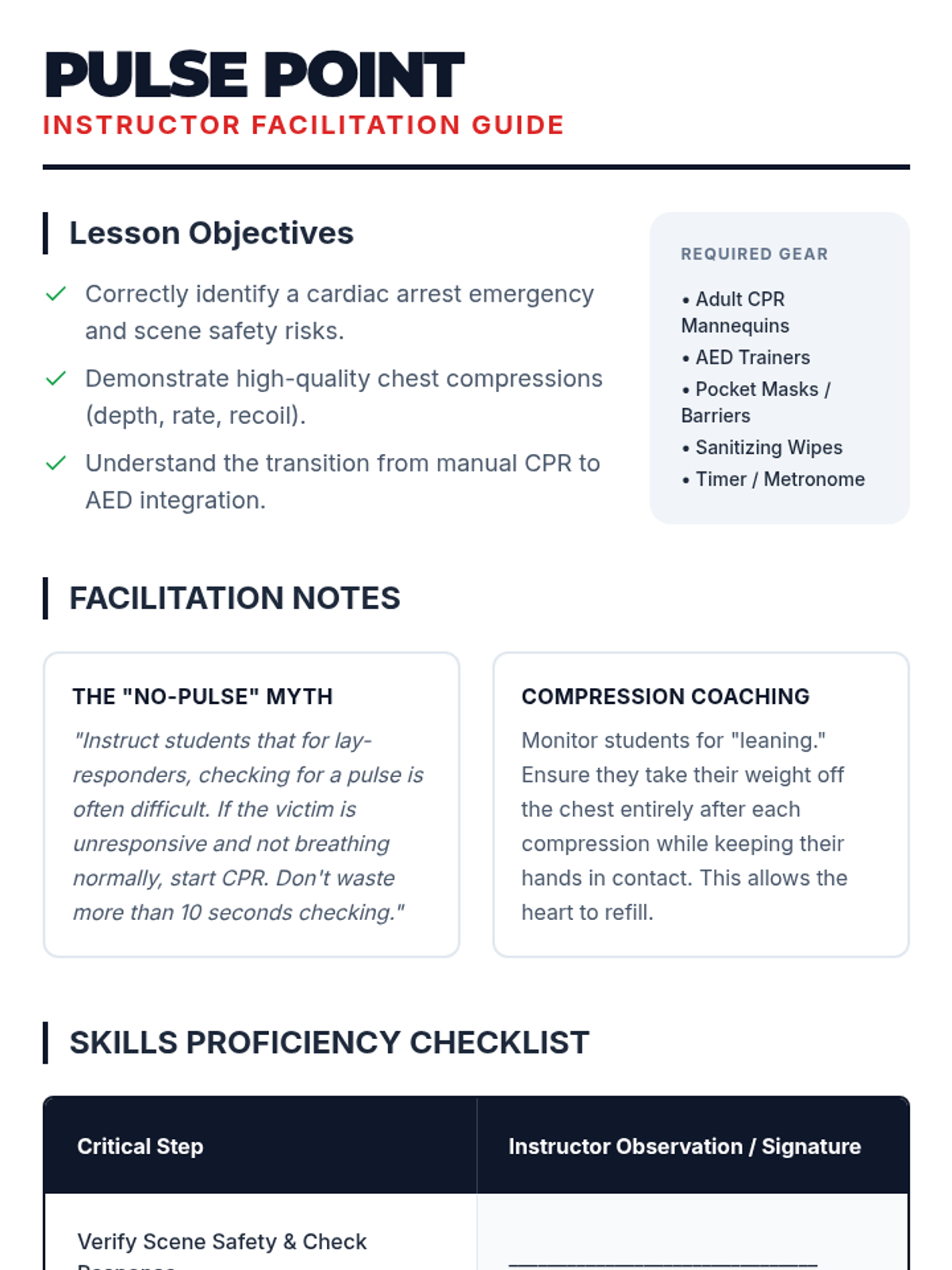
Covers the initial steps of emergency response, scene safety, and the technical execution of high-quality compressions and breaths for adults.
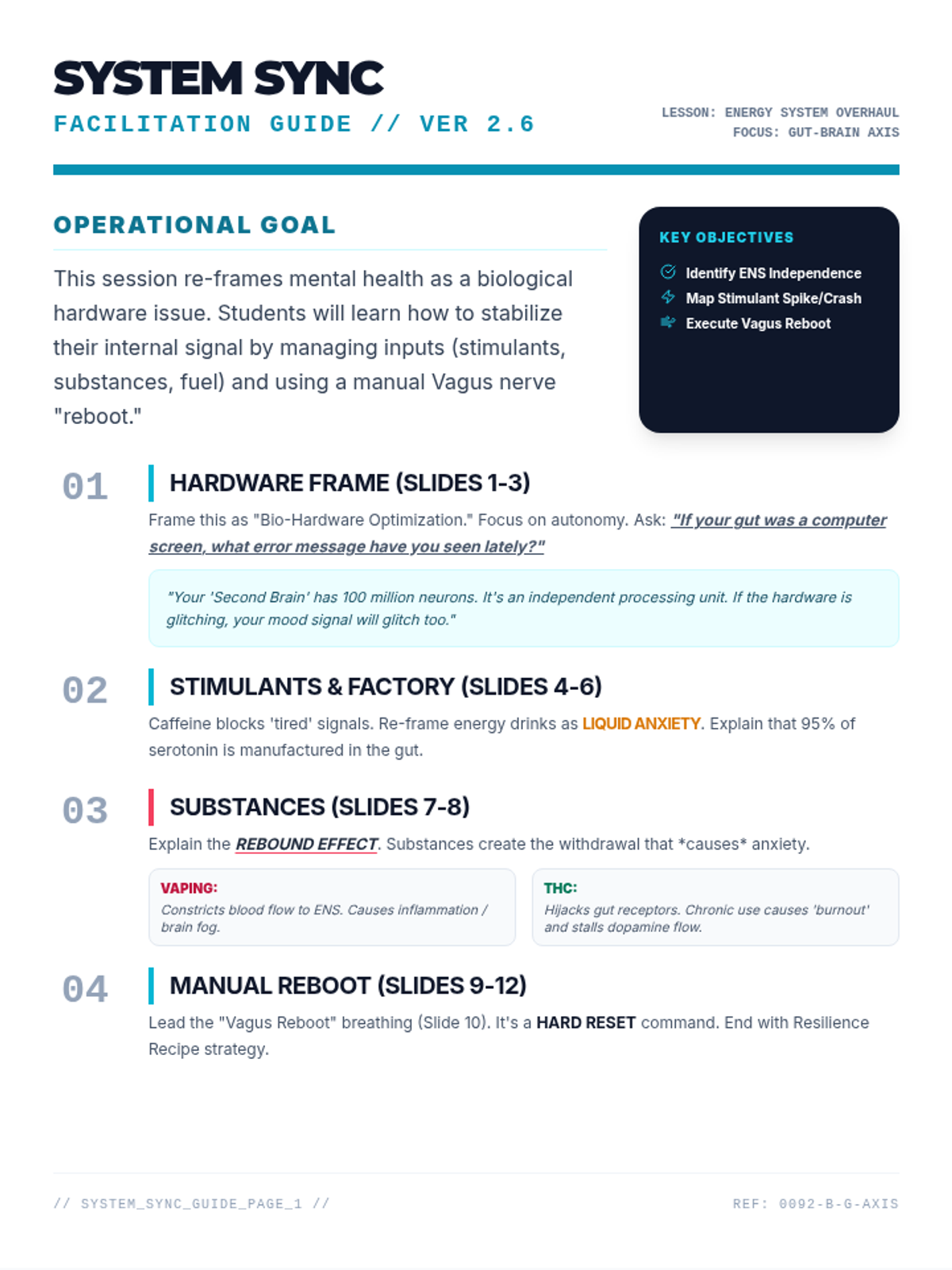
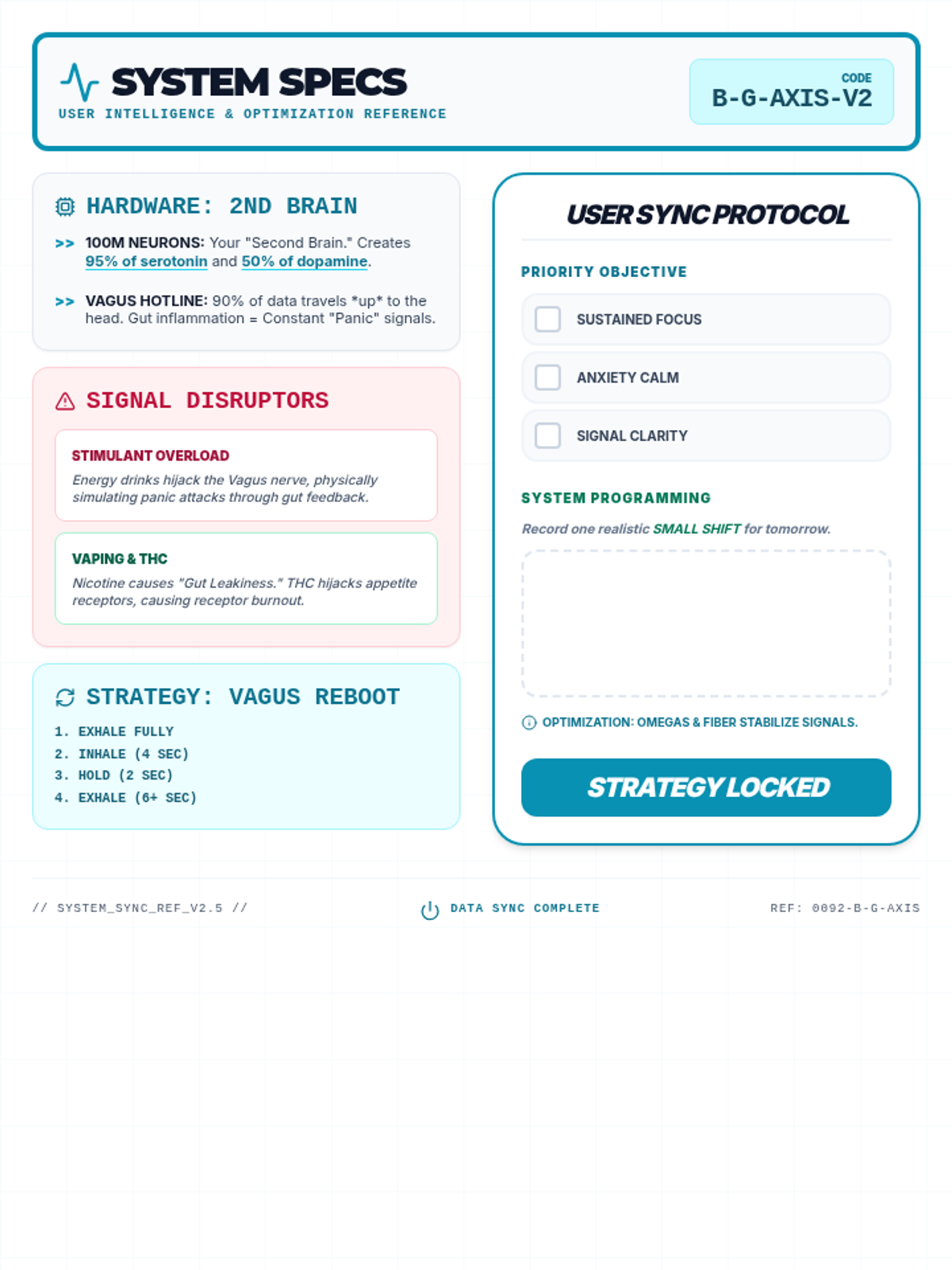
A comprehensive lesson exploring the bi-directional relationship between gut health and mental well-being, specifically tailored for high schoolers in therapeutic settings. The lesson covers the enteric nervous system, the impact of nutrition, hydration, and substances on mood, energy, and cognitive function.
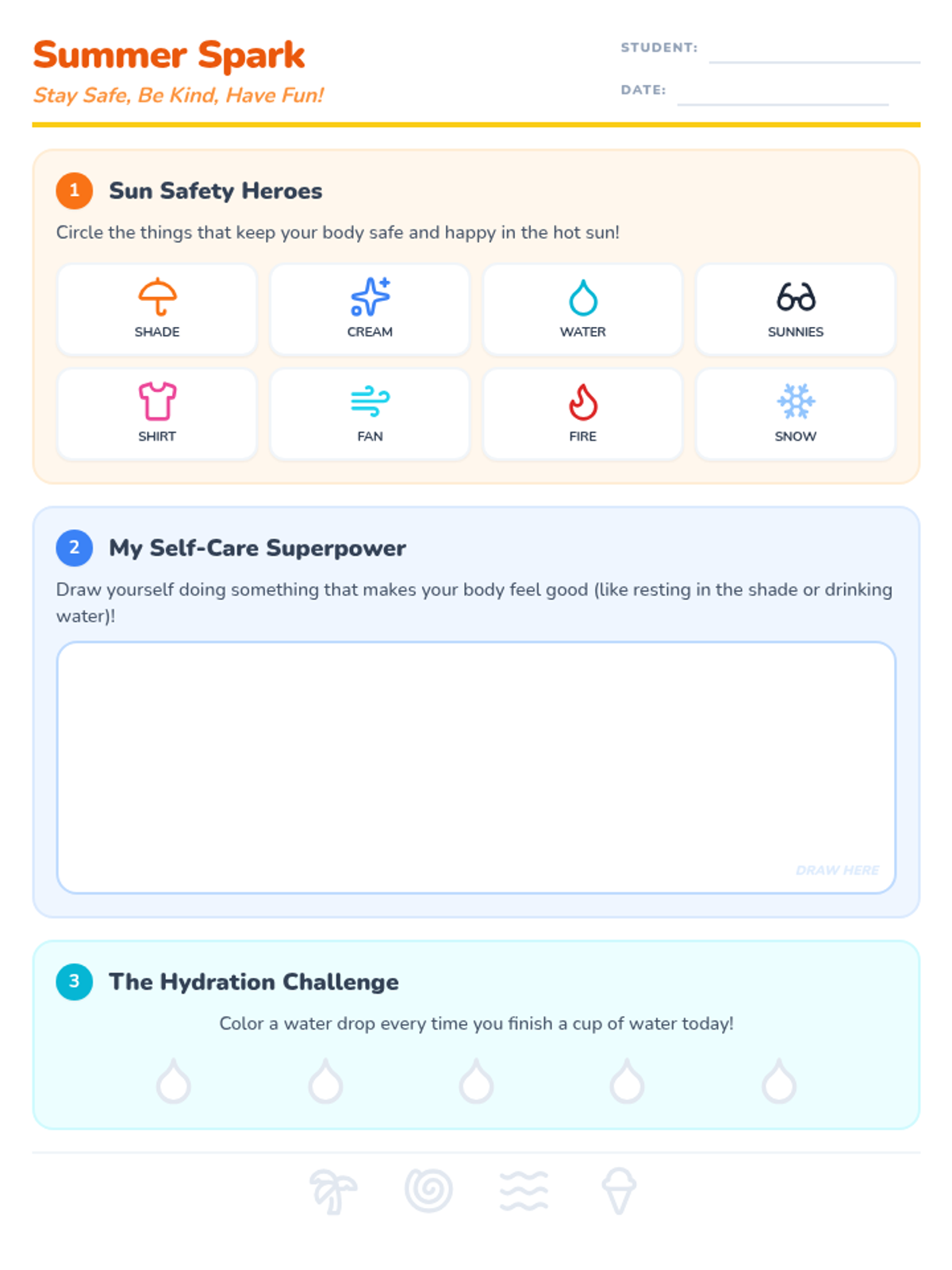
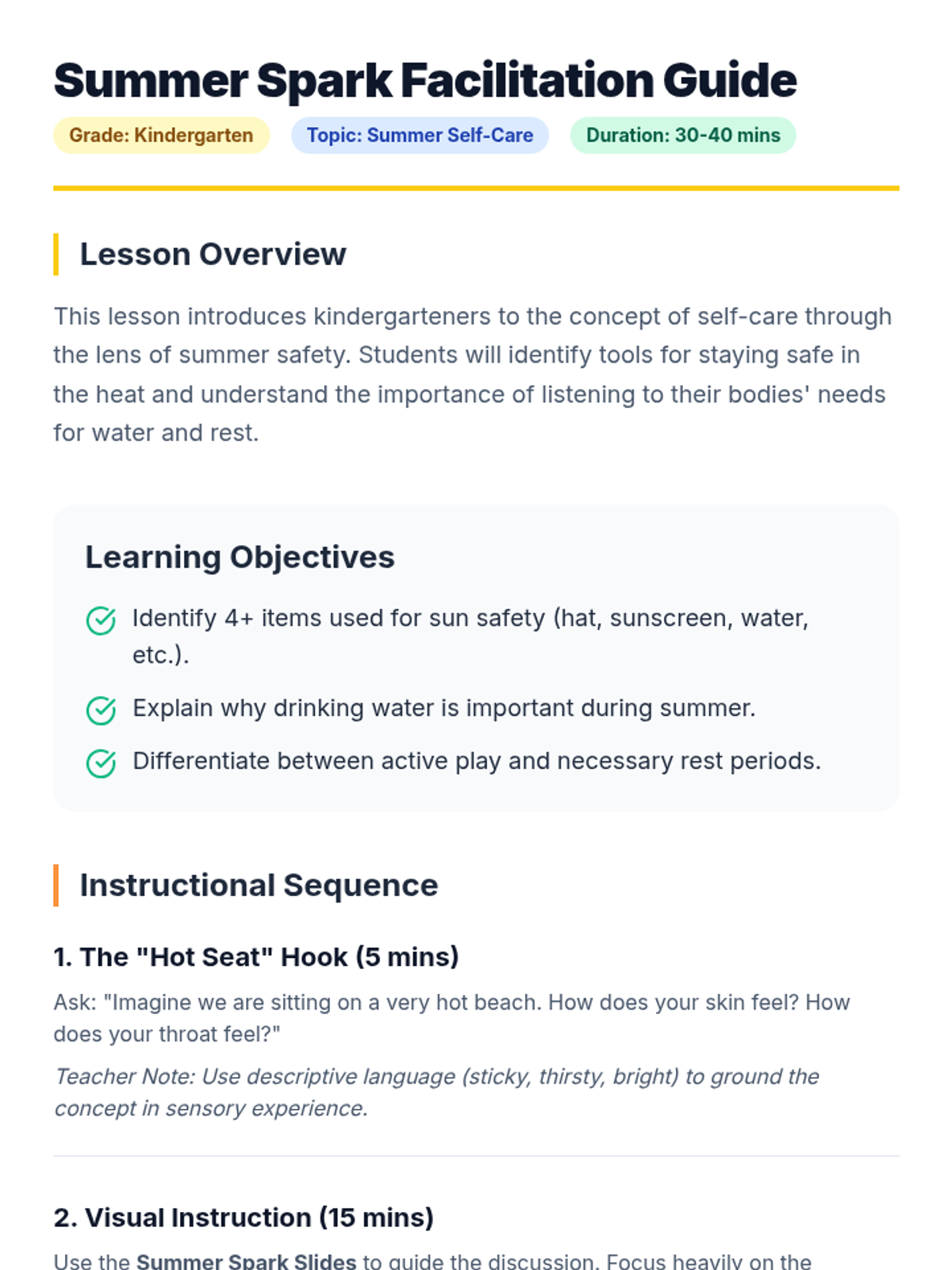
A kindergarten lesson focused on self-care, safety, and productivity during the summer break. Students will learn about sun safety, hydration, and balancing activity with rest.
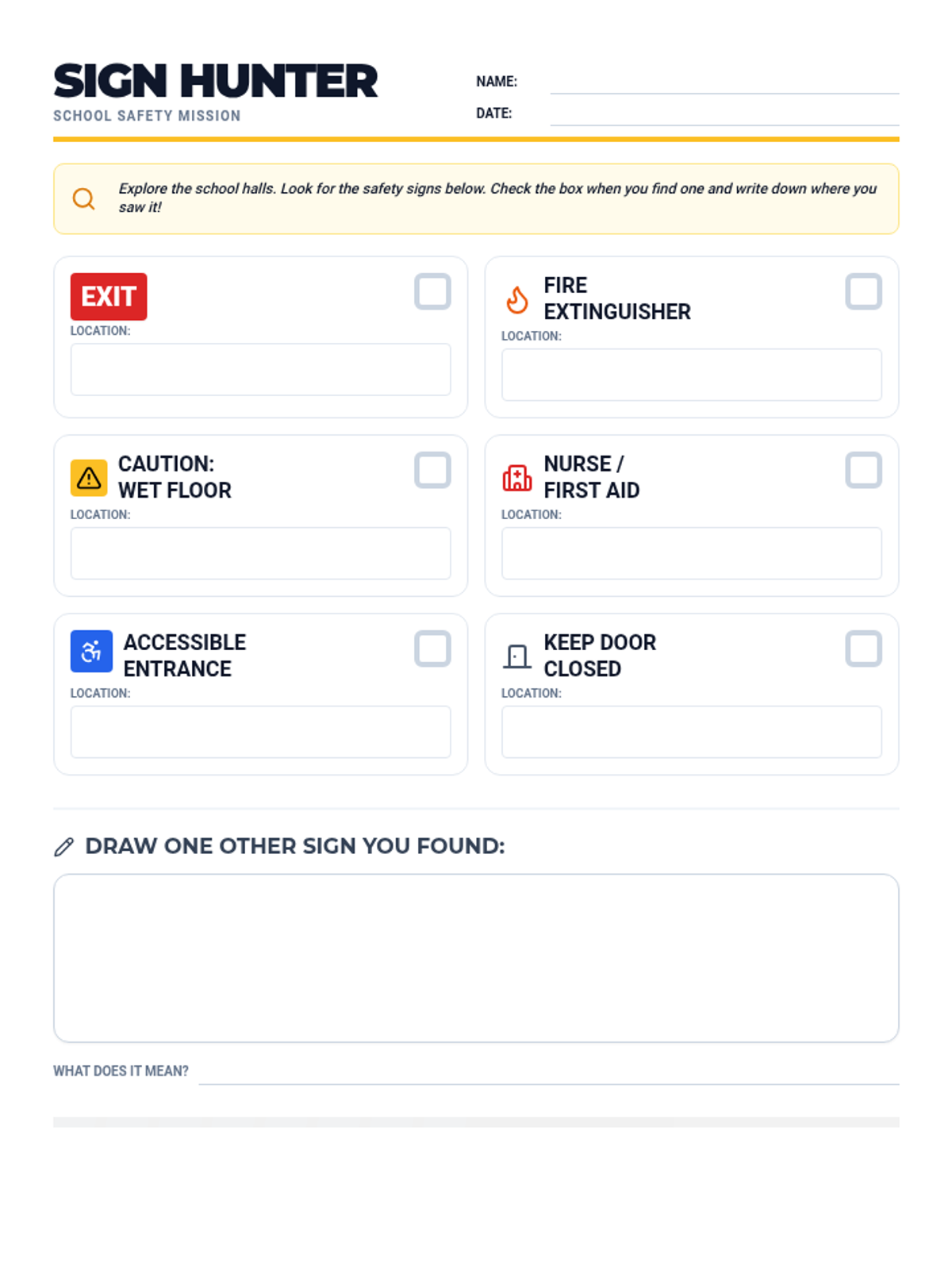
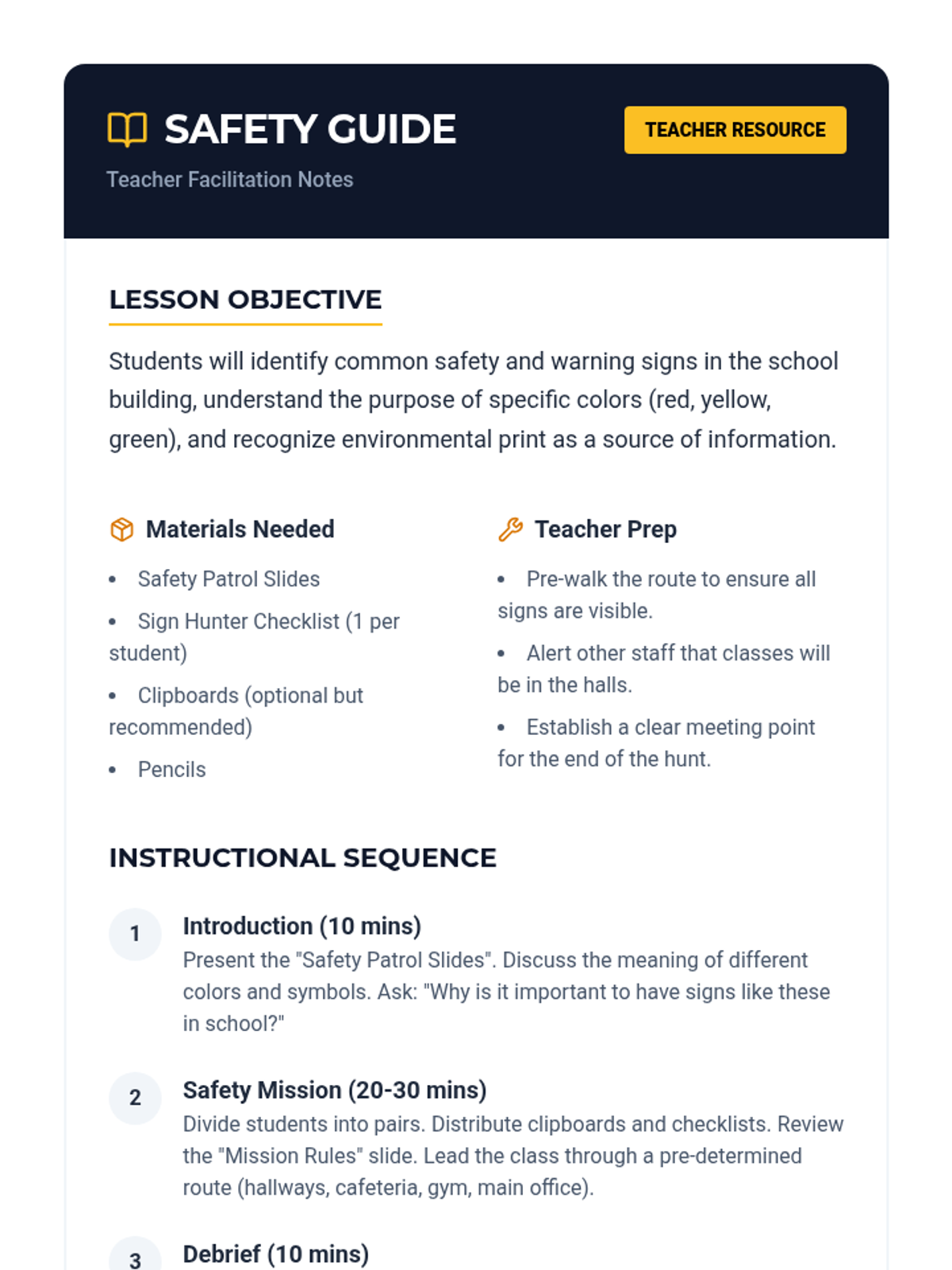
A lesson focused on identifying and understanding safety and warning signs found within the school building through a hands-on scavenger hunt.
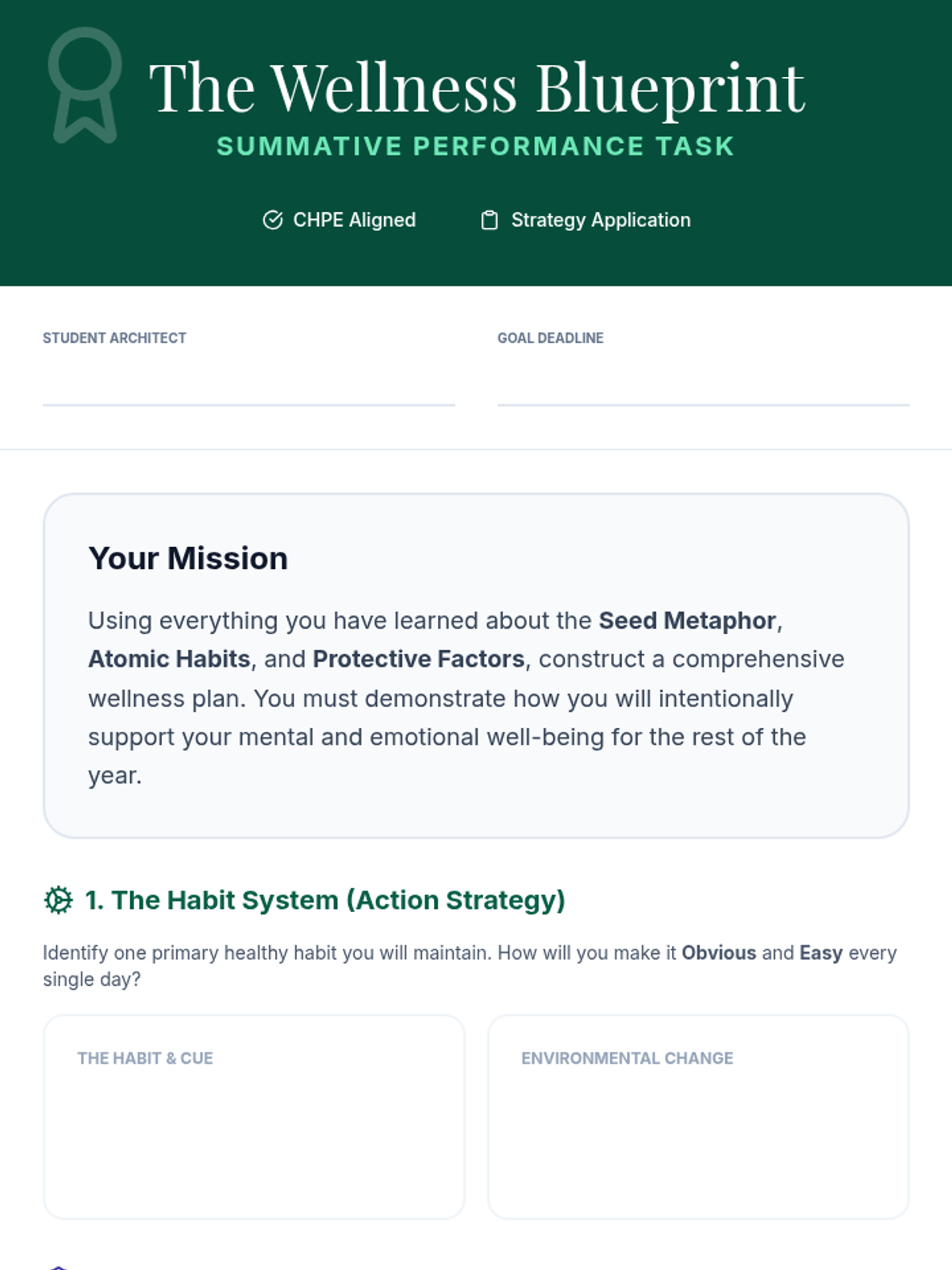
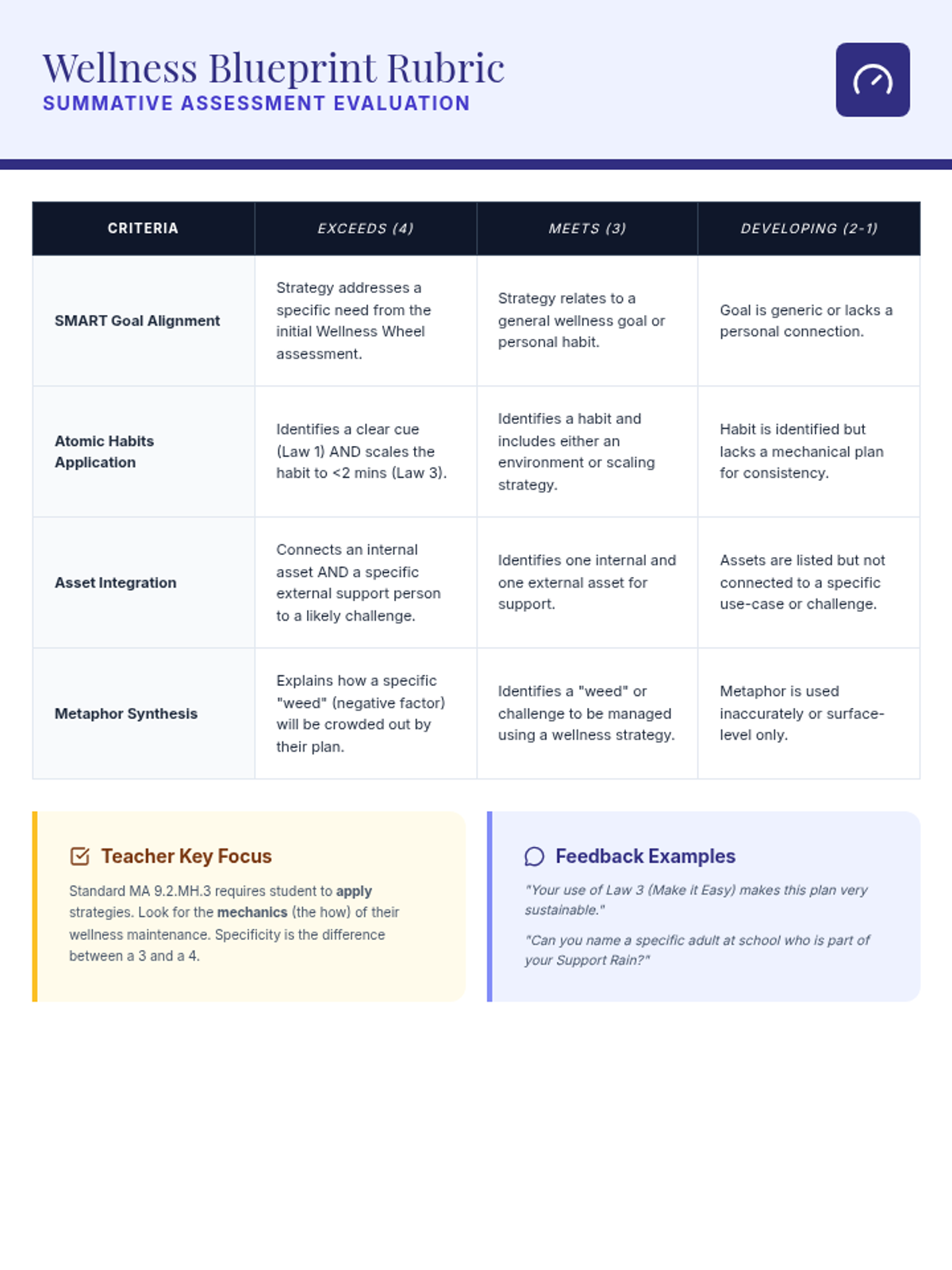
A summative assessment where students apply strategies and protective factors to create a comprehensive plan for positive mental and emotional well-being.
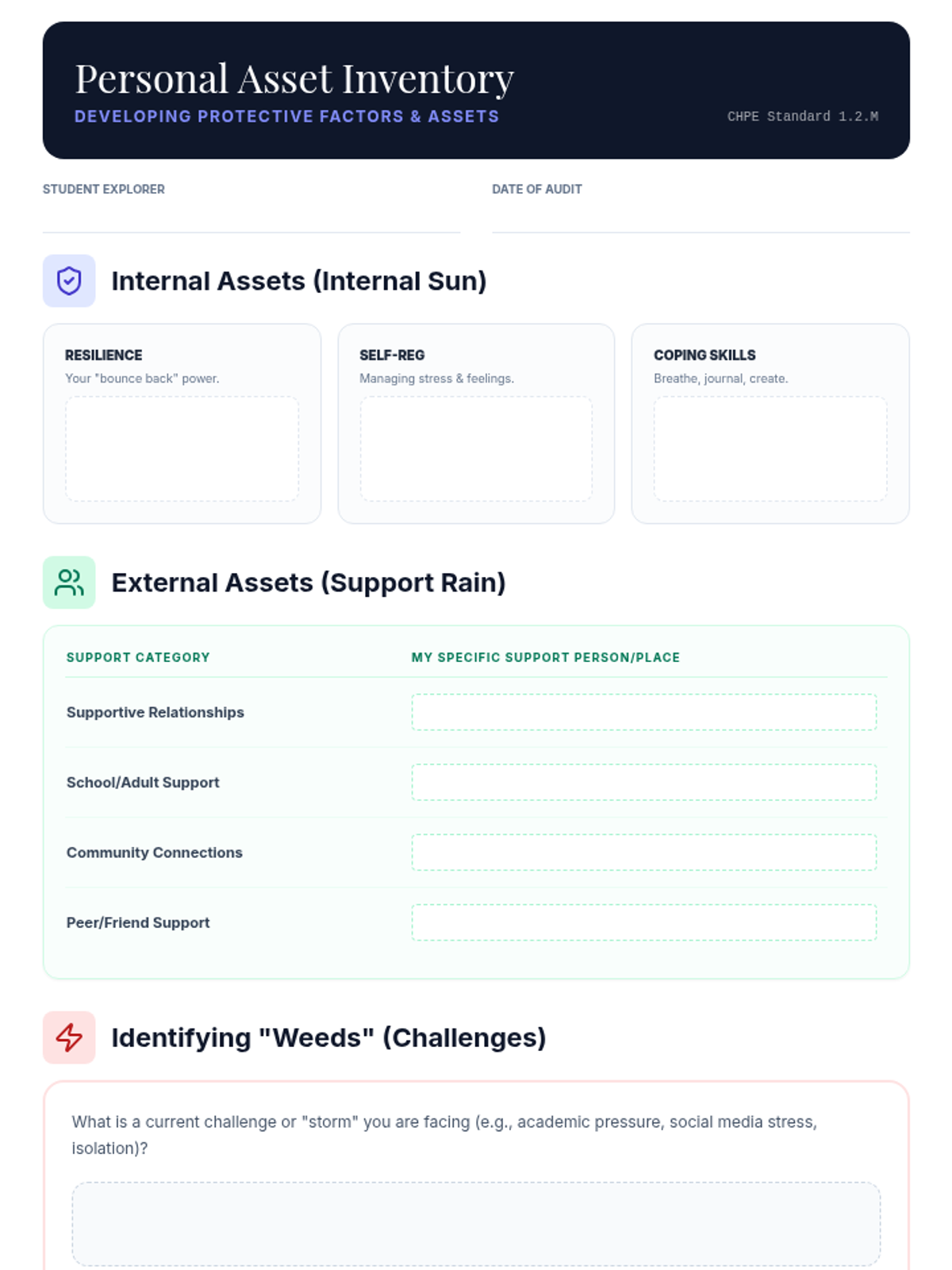
Identifying internal and external protective factors and personal assets that support mental well-being and resilience.
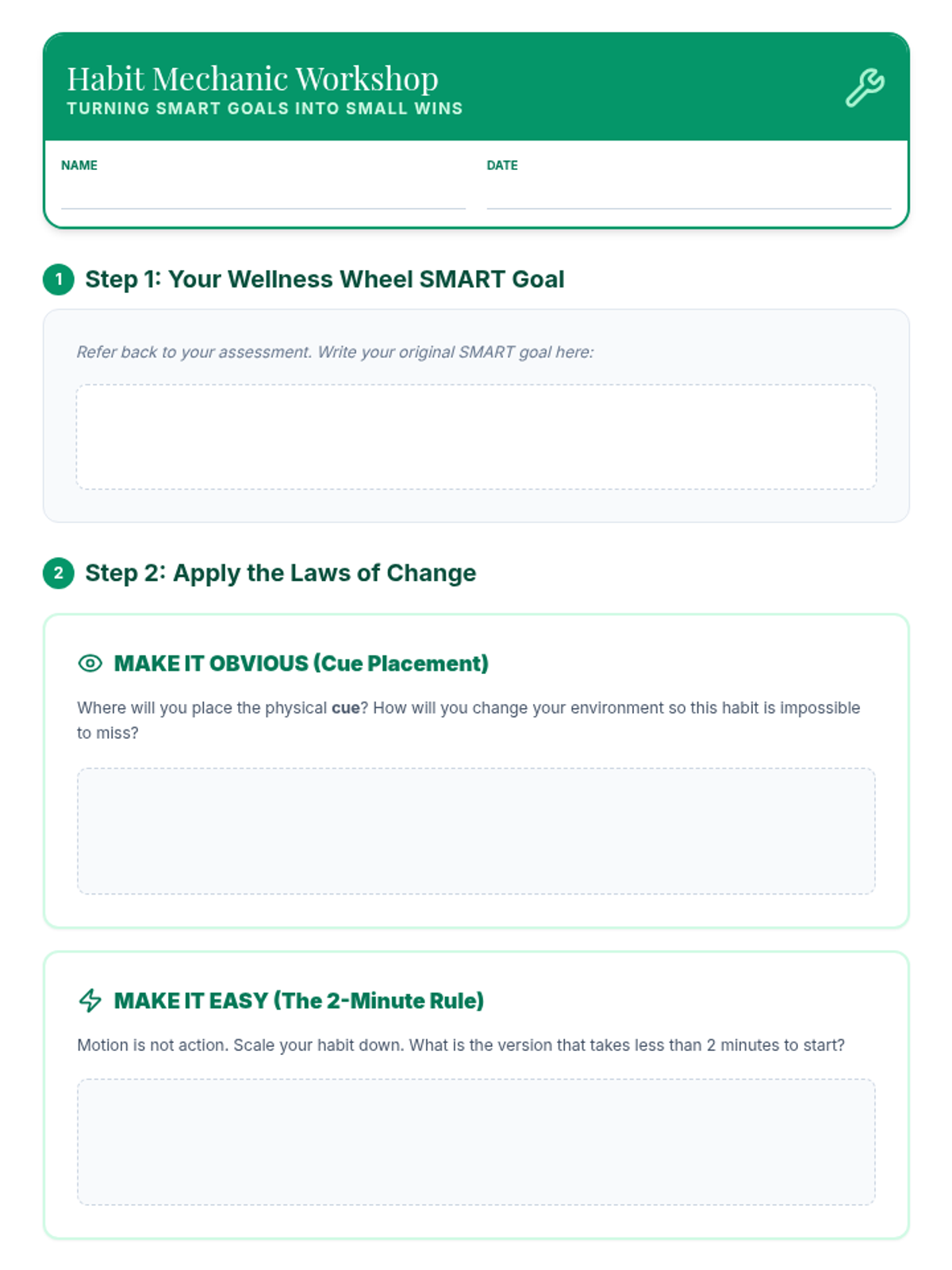
Applying the Laws of Habit Change from Atomic Habits to mental health goals, focusing on making healthy choices obvious and easy while crowding out negative behaviors.
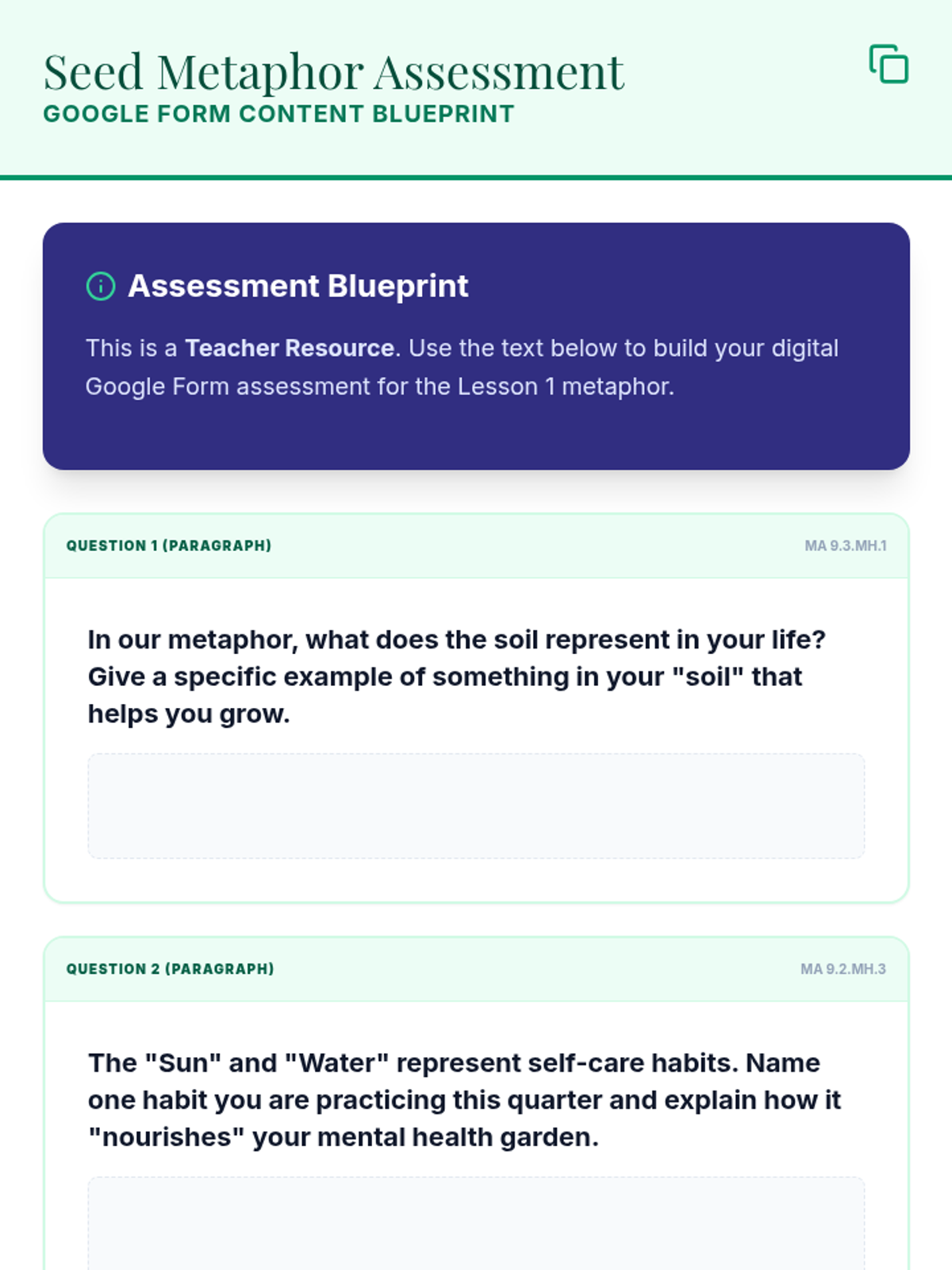
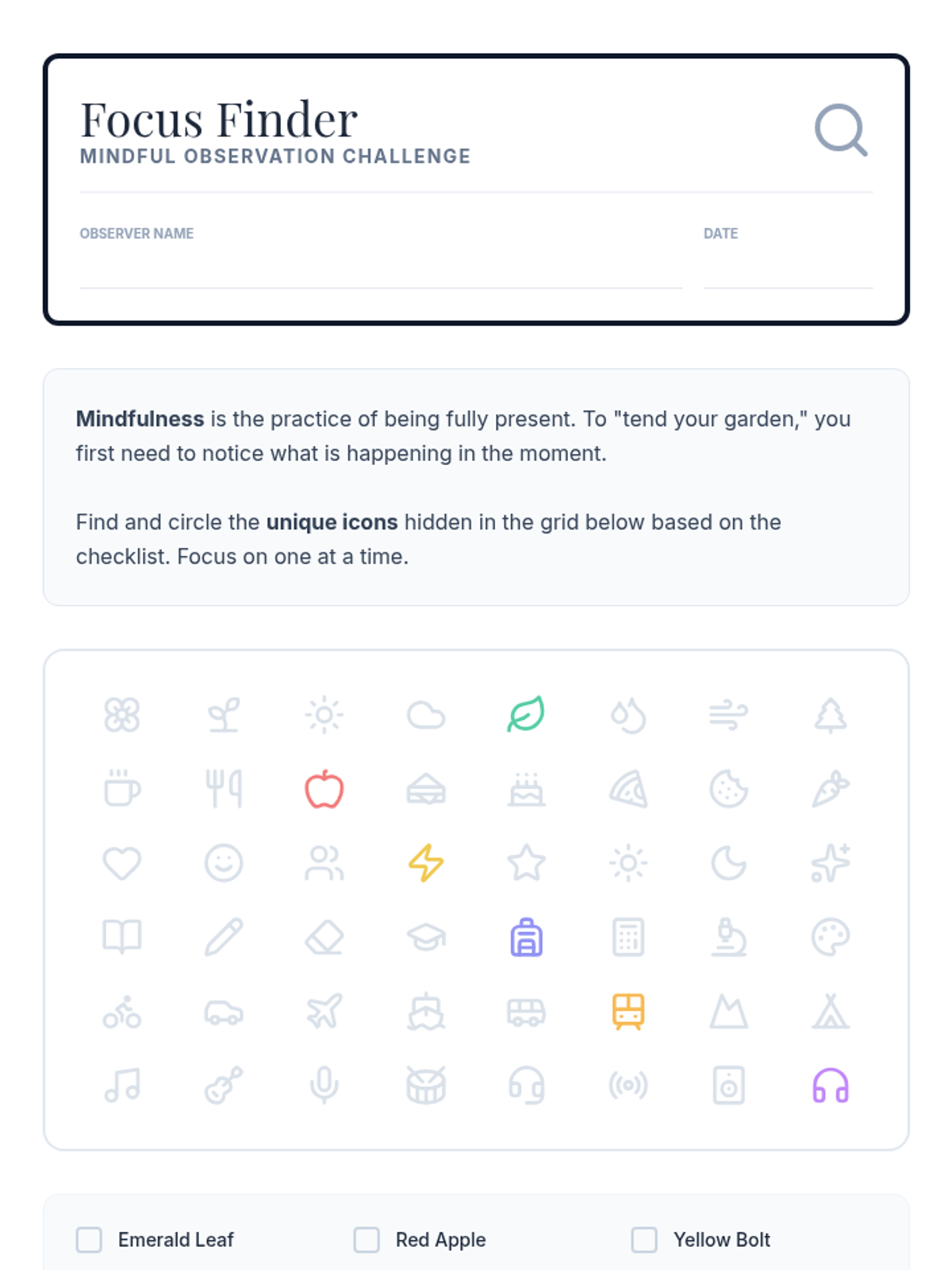
Students explore the seed metaphor for mental health by planting a physical seed and identifying how environmental factors and self-care mirror the needs of a growing plant.