A comprehensive safety training lesson for high school seniors focusing on campus security protocols, the risks associated with unauthorized food deliveries, and intruder prevention strategies.
This lesson covers the physiological effects of caffeine on the body and provides clear, evidence-based guidelines for safe consumption across different age groups based on FDA and NIH standards.
Students research and categorize the various physiological and psychological benefits of regular physical activity, focusing on three key pillars: mental health, cardiovascular health, and muscular fitness.
A comprehensive 10th-grade health lesson exploring the physiological effects of sports and energy drinks. Students analyze ingredients, caffeine, and sugar content to make informed decisions about performance fueling and health.
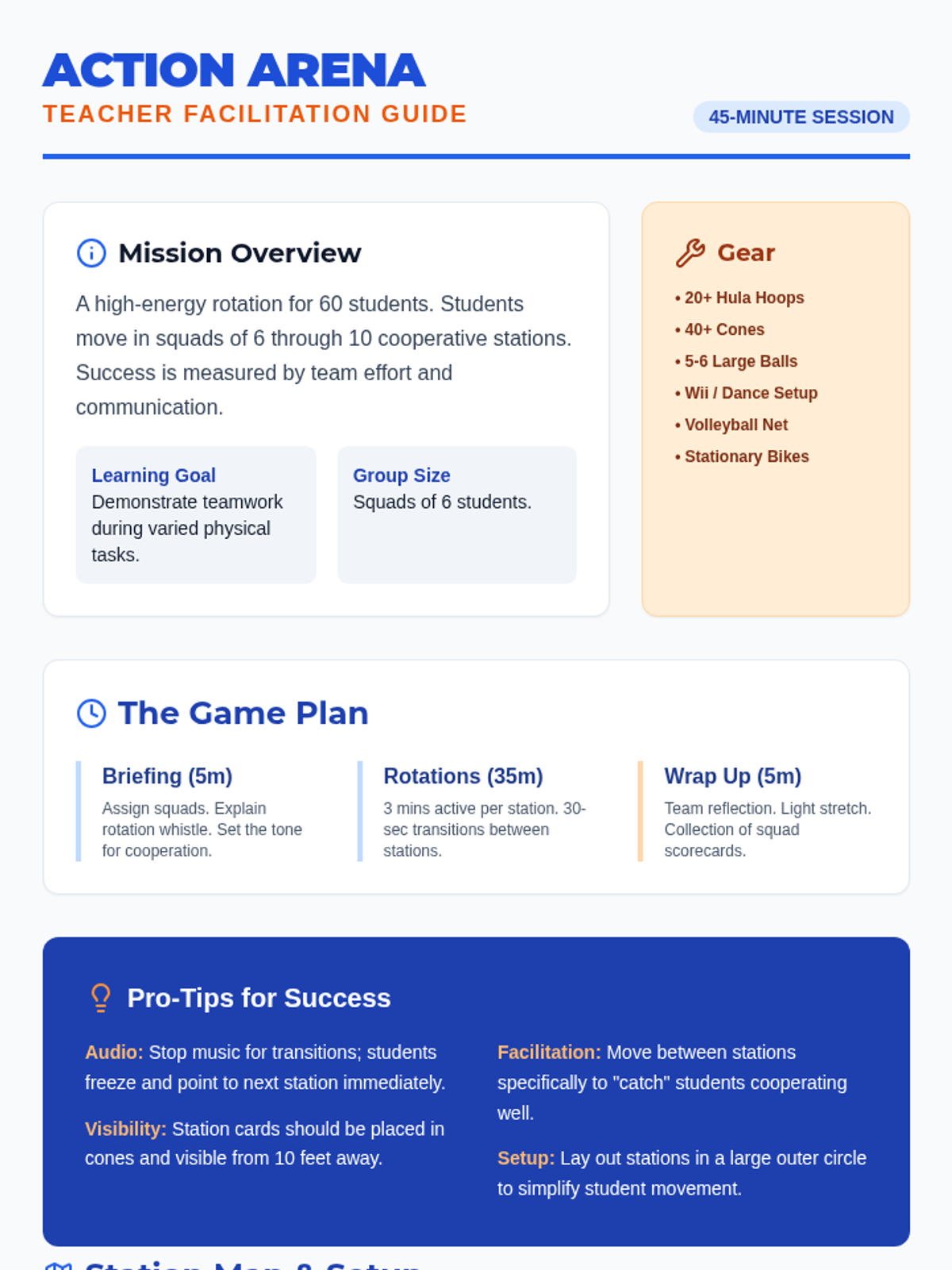
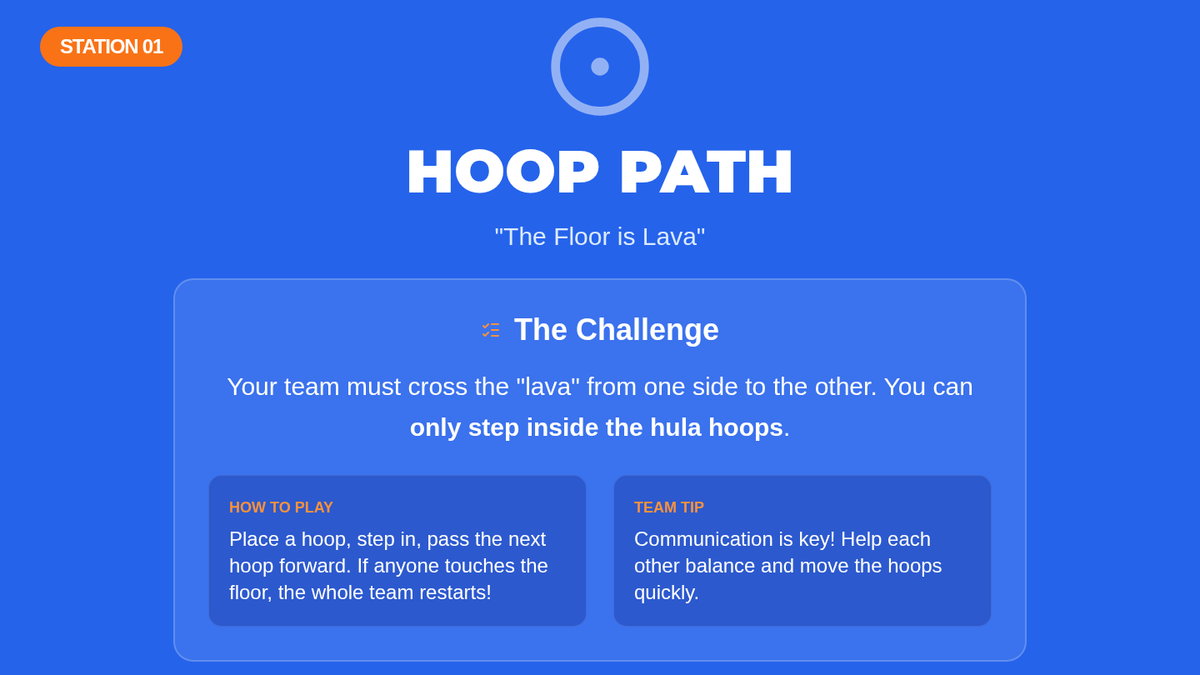
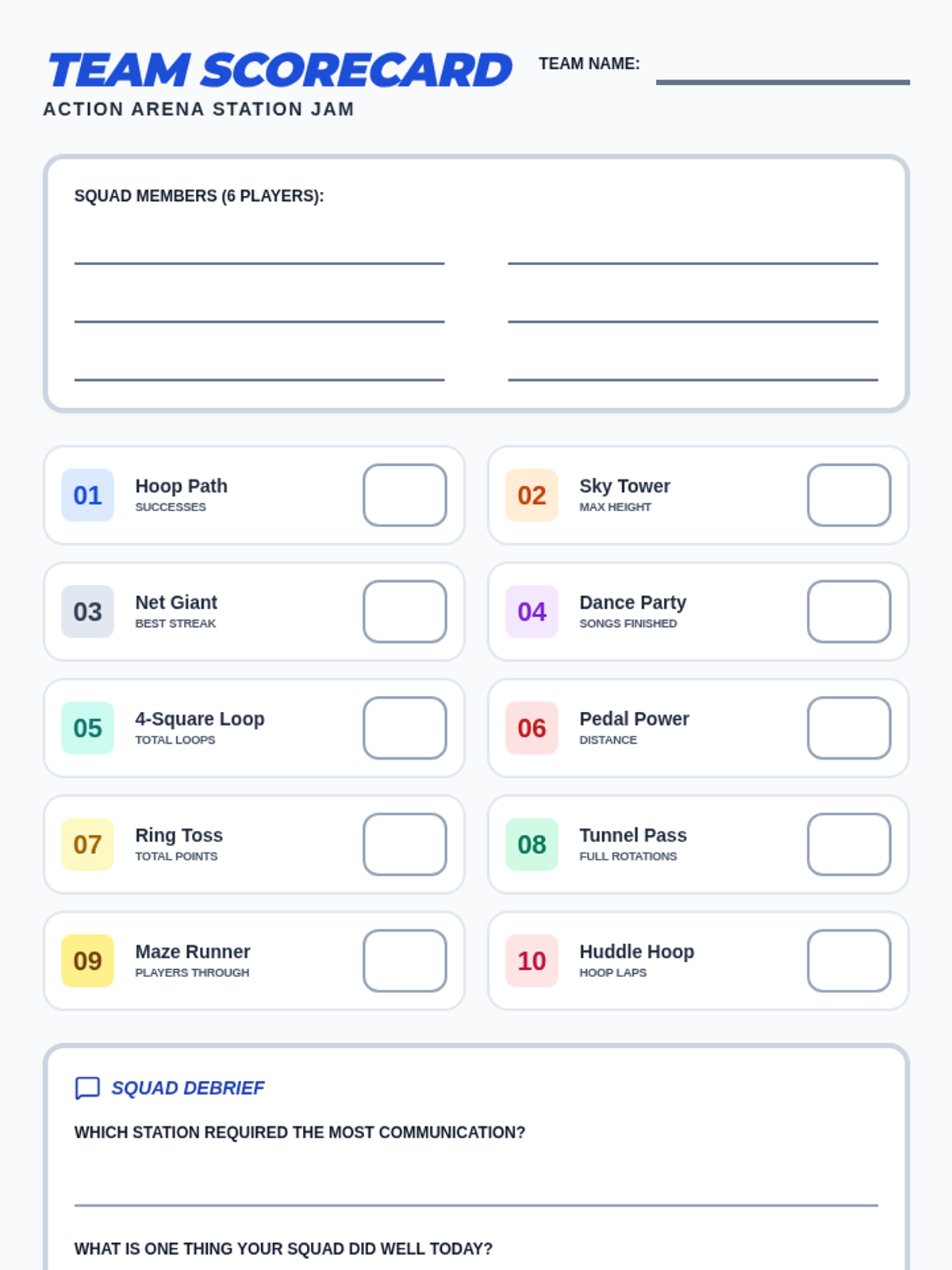
A high-energy, 20-minute session designed for 80 students on a football field, focusing on teamwork and shared responsibility through large-scale cooperative challenges.
Advances to more complex maneuvers including the canter, arena figures, and introducing the basics of jumping or advanced equitation patterns.
Introduces the foundational elements of riding, including mounting, correct posture, steering, and mastering the walk and trot gaits.
Focuses on the essential first steps of equestrianism: understanding horse behavior, safe handling, grooming techniques, and the names and uses of various tack components.
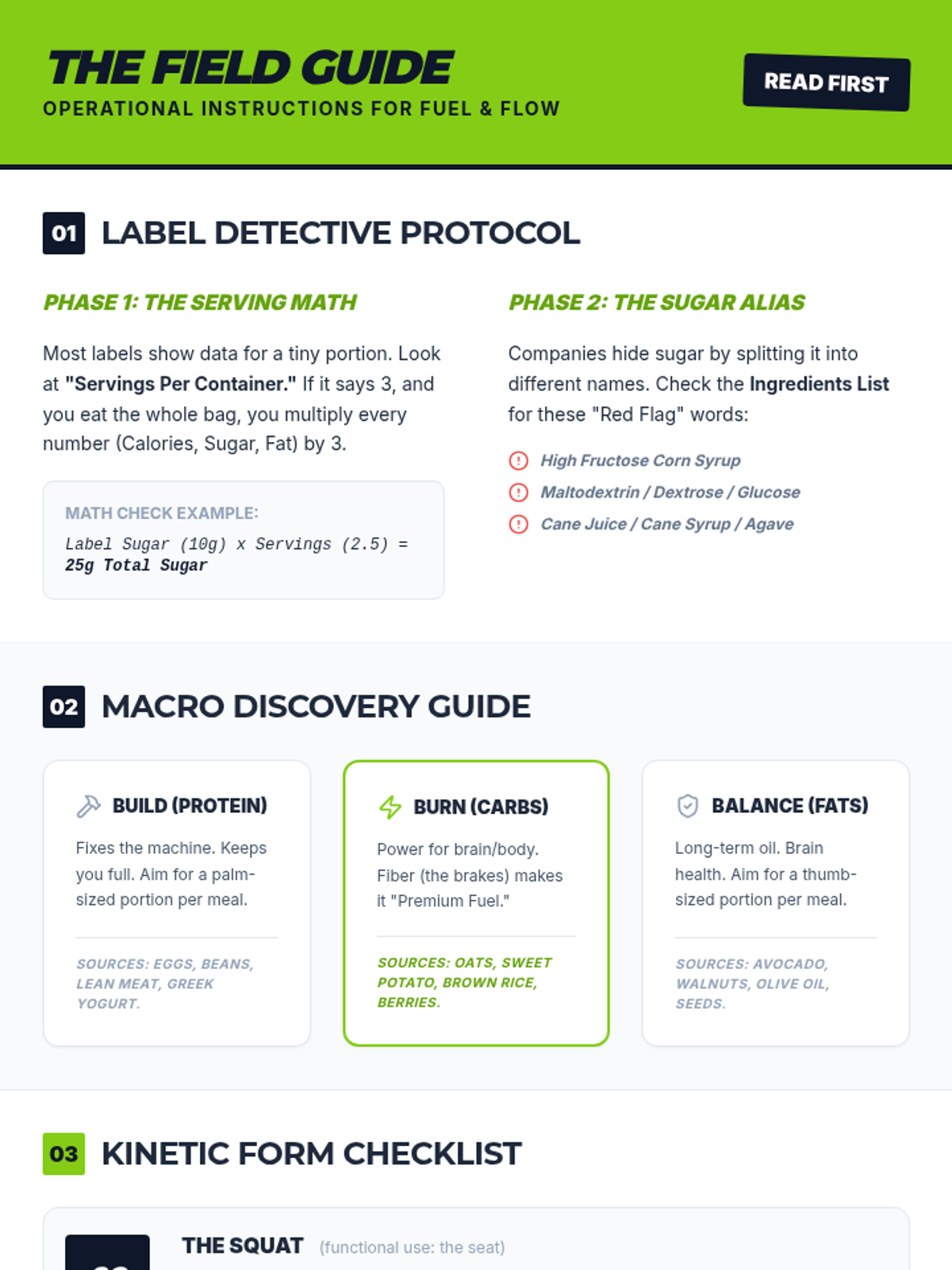
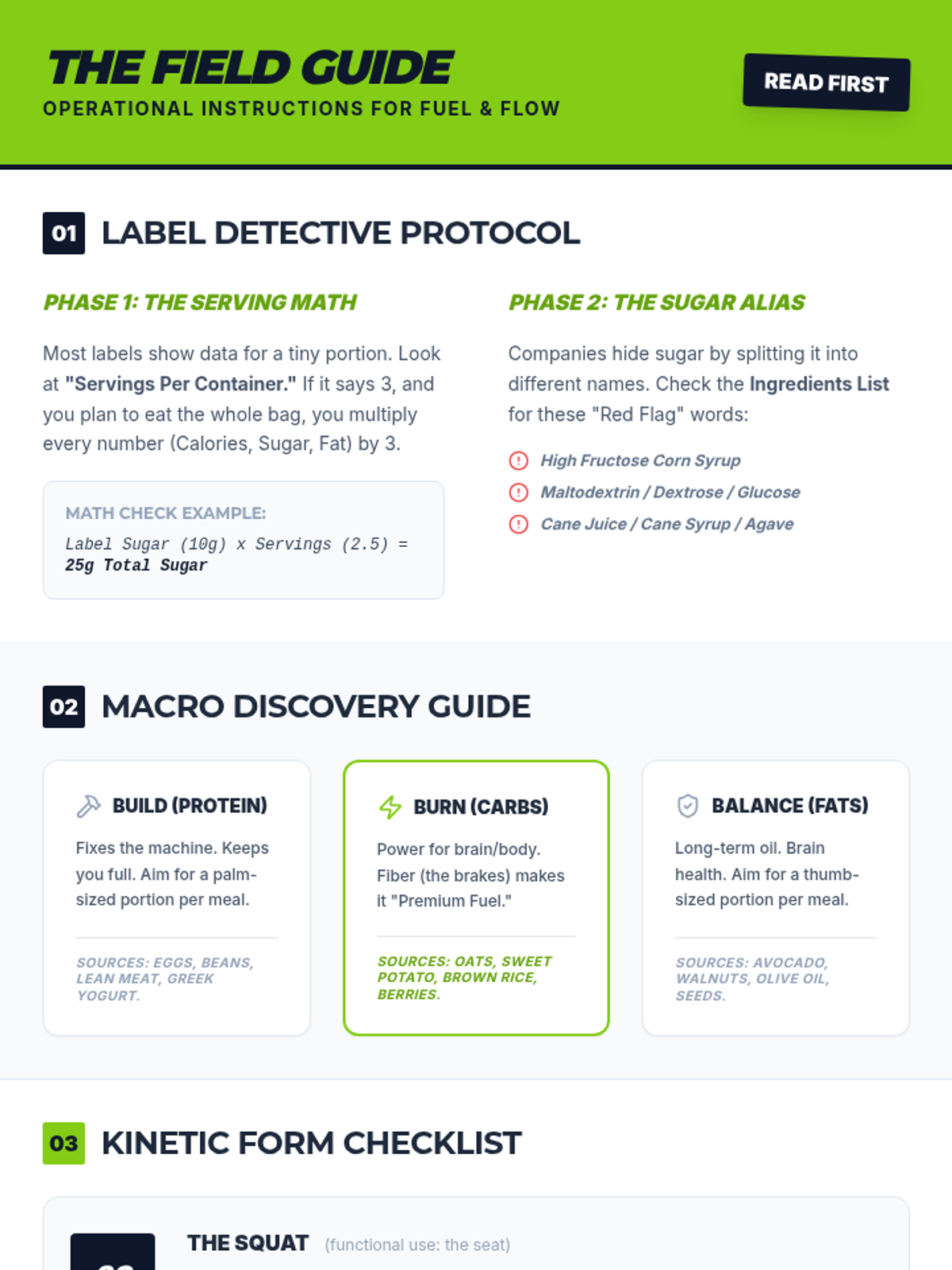
A comprehensive look at the four pillars of a healthy lifestyle: nutrition, physical activity, sleep, and mental well-being. Students analyze their current habits and design a sustainable personal wellness plan.
A comprehensive lesson exploring how physical activity boosts both the physical body and mental well-being of teenagers, featuring interactive slides and reading comprehension.
Students learn to distill complex healthcare research into essential summary points for visual presentations using a medical reporting framework. Includes a basketball injury case study and a universal research checklist.
A hands-on lesson focused on identifying and responding to common kitchen injuries through a complex multi-injury scenario.
A comprehensive, in-depth unit on mental health literacy, identifying system alerts (Anxiety, Depression, Anger), and building a proactive coping toolkit. Includes detailed reading, scenario analysis, and a 10-question final assessment.
A comprehensive lesson for high school students exploring the Kübler-Ross stages of grief, emphasizing the non-linear nature of healing and providing tools for healthy processing.
A 40-minute health lesson for 9th graders focusing on identifying emotional triggers, the impact of substances on emotional regulation, and mastering healthy coping strategies for stress and anger.
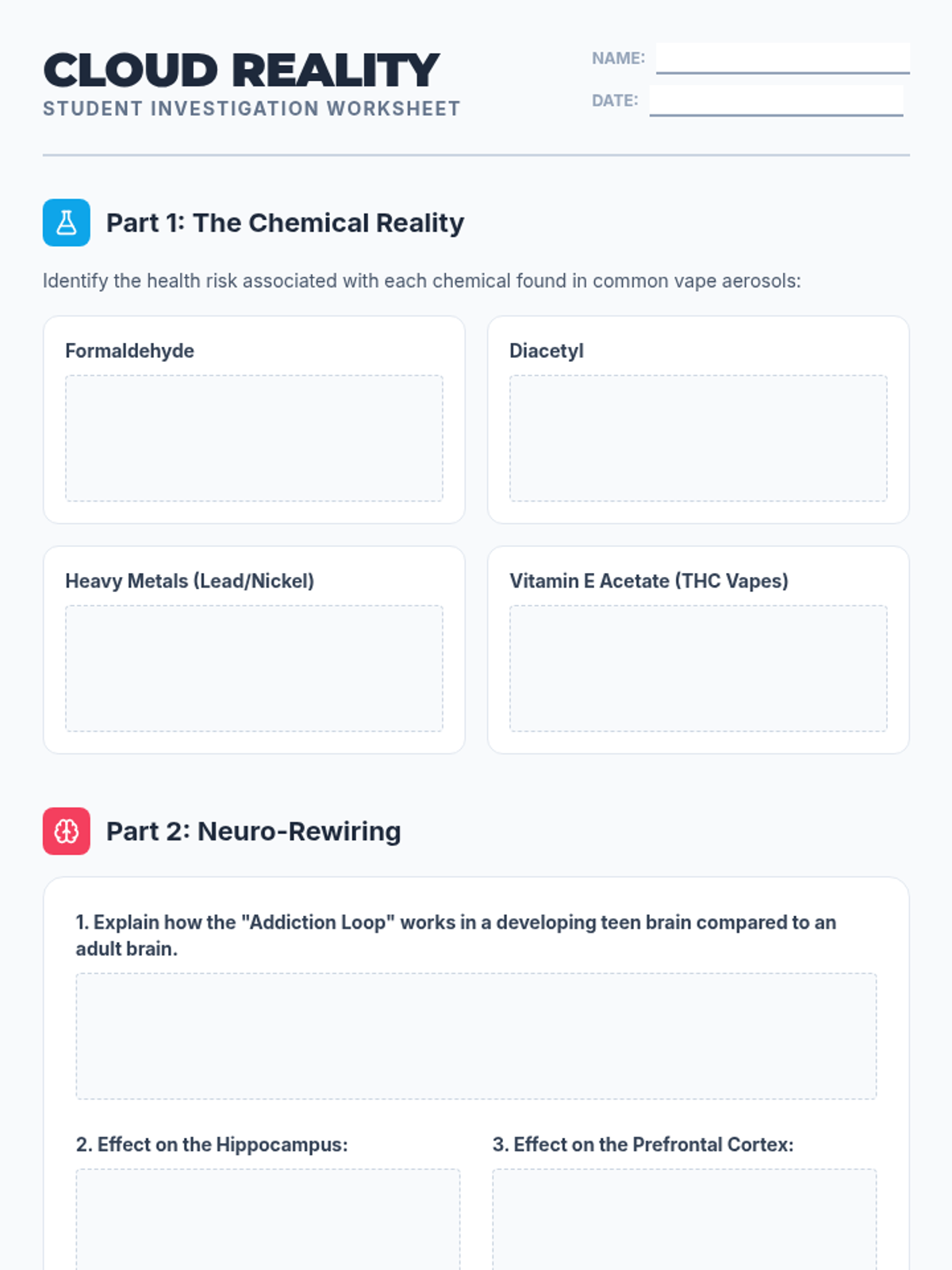
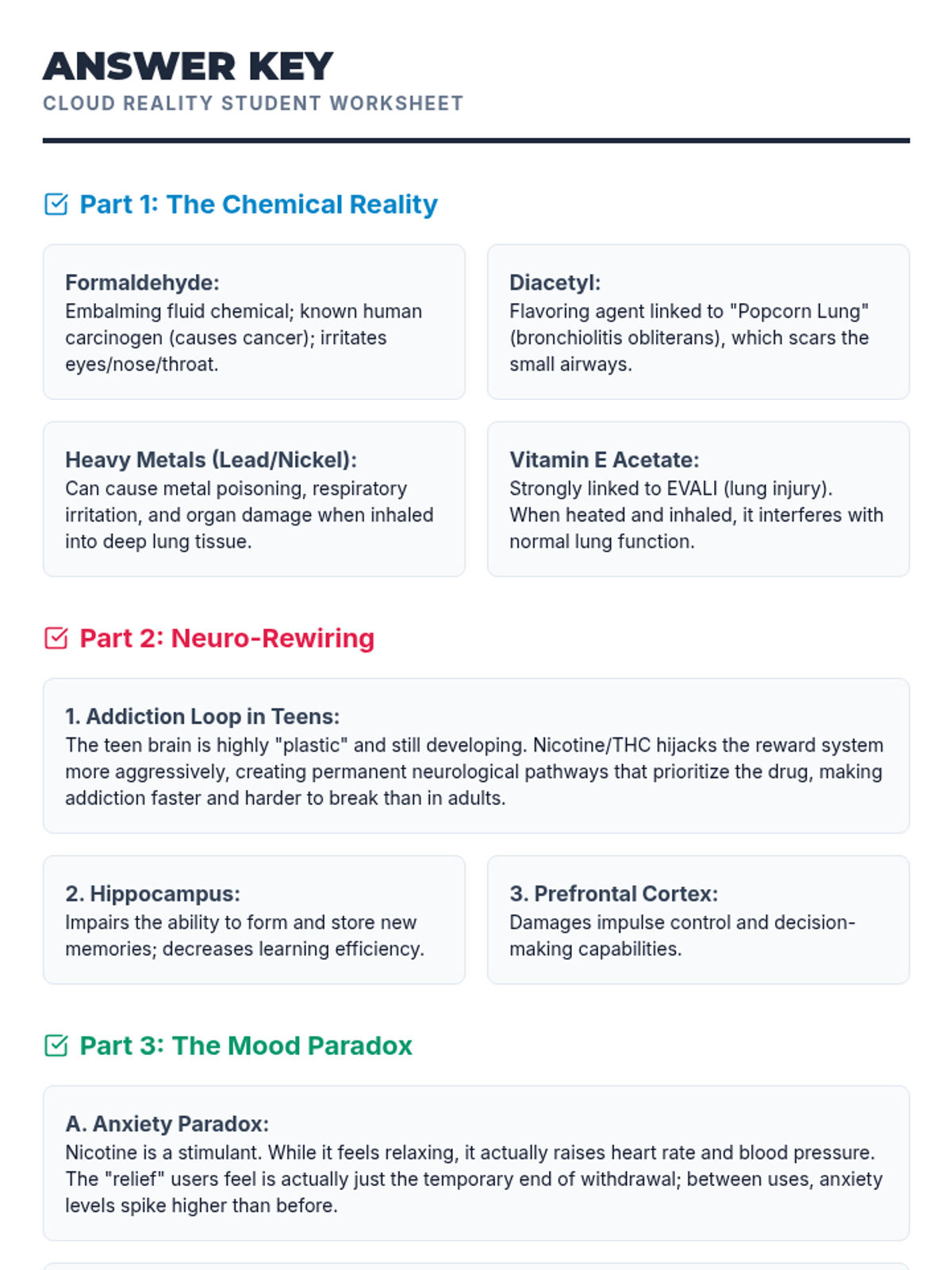
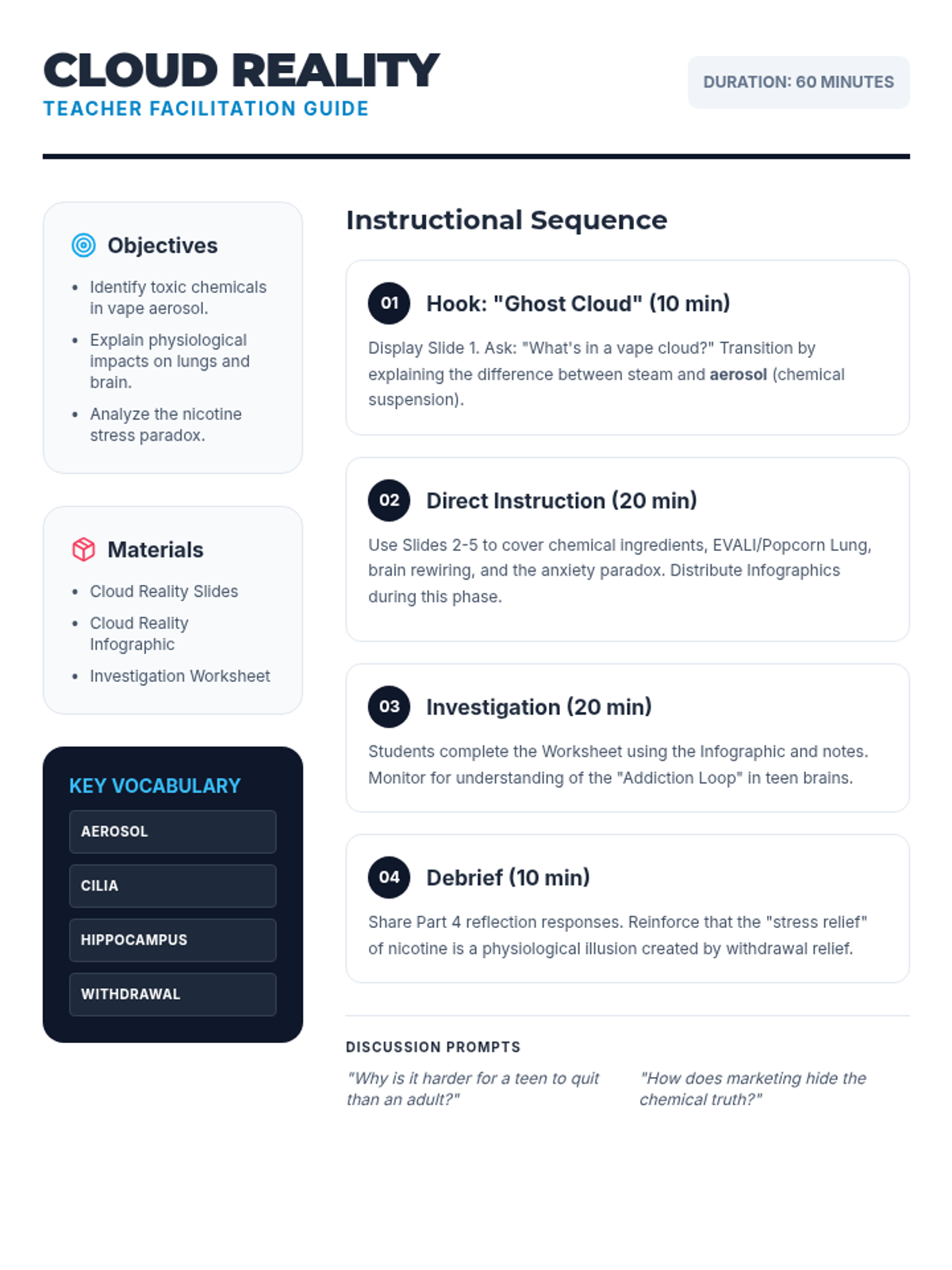
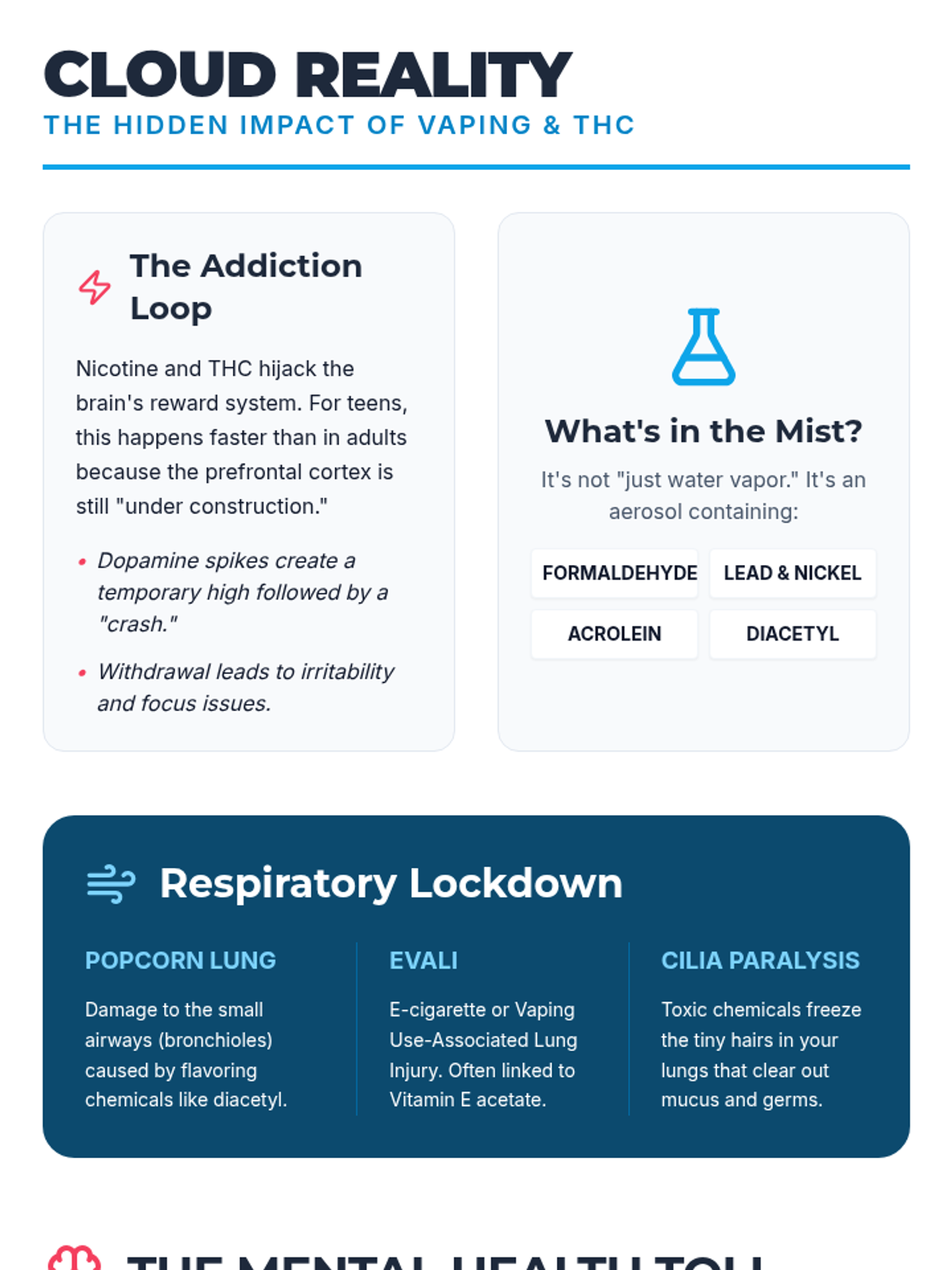
A reflective lesson designed for students to evaluate the health risks of vaping and the social pressures that lead to it, focusing on long-term consequences and personal agency.
A comprehensive 45-minute lesson for high school students focusing on the mental health continuum, supportive communication, and student-led advocacy. Students engage in case studies and role-plays to build practical skills for supporting peers and promoting mental wellness in their community.
A 45-minute evidence-informed lesson for secondary students focusing on substance use awareness, brain development, harm reduction, and decision-making skills through a non-judgmental lens.
A 40-minute lesson for high school students exploring the multi-dimensional nature of wellness, addressing common barriers, and creating a sustainable personal maintenance plan.
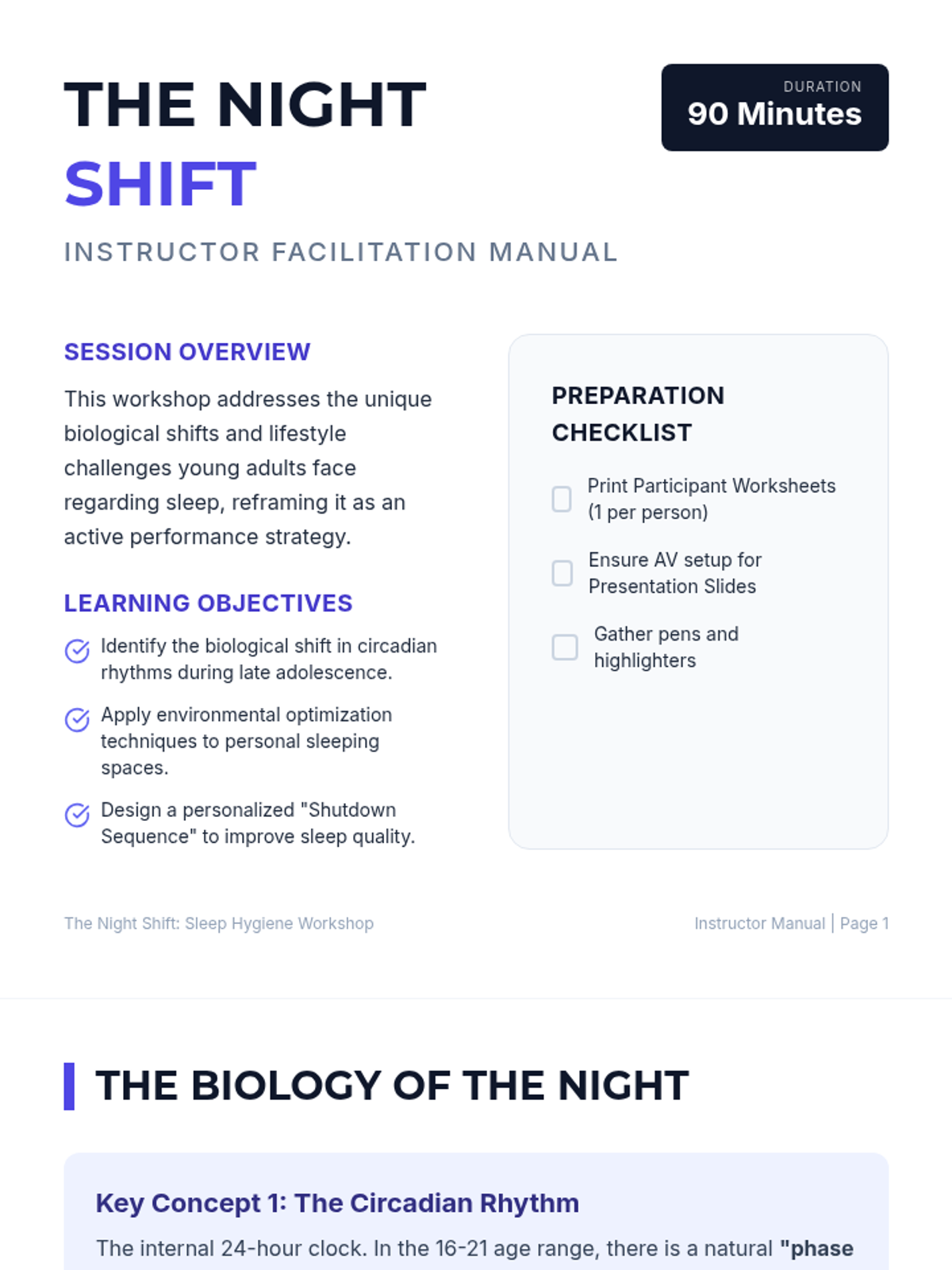
A lesson focused on understanding and implementing stress management techniques to improve sleep quality and hygiene.
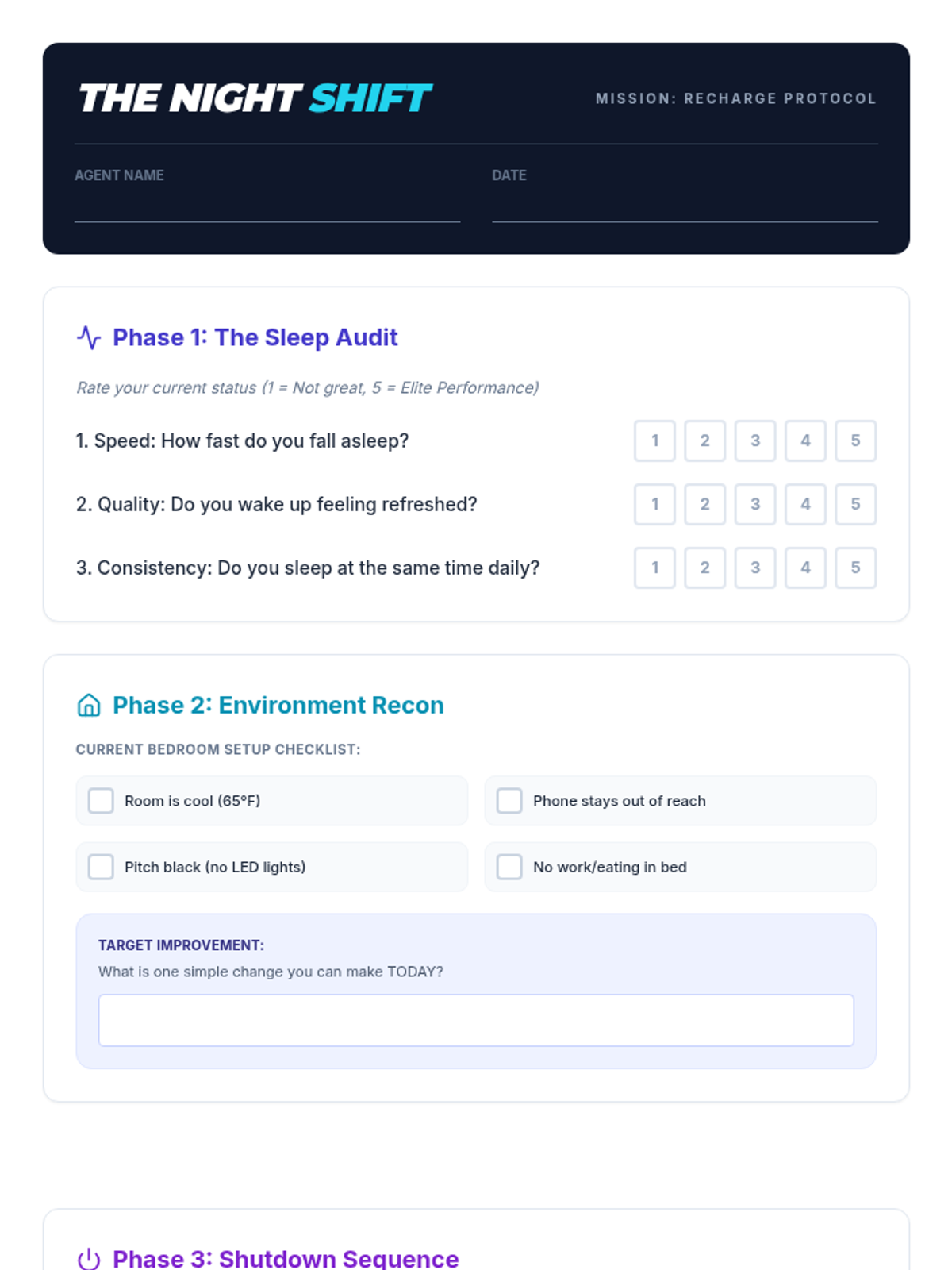
This lesson explores the biological necessity of sleep, the stages of the sleep cycle, and how rest impacts cognitive function and emotional regulation. Students will analyze their own sleep hygiene and develop a 'bedtime blueprint' to improve their quality of rest.
This lesson transforms students into Sleep Scientists to explore the biological necessity of rest. Students will learn about the four stages of sleep, the brain's "cleaning" process during the night, and the direct link between sleep hygiene and emotional/cognitive performance. The lesson culminates in students designing a personalized 'Bedtime Blueprint' to optimize their own recovery.
A comprehensive introduction to the fundamentals of high school cheerleading, covering terminology, motion technique, and safety protocols.
A lesson focused on essential food safety practices, vocabulary, and hazard prevention in a commercial kitchen setting.
A high school nutrition lesson focused on understanding Basal Metabolic Rate (BMR), the factors that influence it, and how to calculate personal energy needs for health and performance.
This lesson introduces 9th-grade health students to the holistic benefits of yoga, focusing on physical fitness, stress management, and emotional regulation. Students will explore how yoga acts as a tool for overall wellness and mental clarity during the high school years.
A multi-day project where students research foodborne illnesses and create a visual safety poster centered around proper heating and cooling temperatures. Students will investigate specific pathogens, master temperature guidelines, and understand the science of the 'Danger Zone.'
A collection of resources to celebrate and thank swim coaches at a winter banquet, including a heartfelt speech, a visual presentation of season highlights, and personalized thank-you cards for athletes to sign.
Teacher-facing resources including answer keys and instructional guides for all three measurement levels.
Challenges students with complex conversions, weight vs. volume concepts, and fractional recipe scaling. Designed for advanced learners mastering culinary math.
Focuses on standard kitchen conversions (teaspoons to tablespoons, cups to pints) and simple recipe doubling. Ideal for students with basic measurement knowledge.
Introduces basic kitchen tools and the difference between dry and liquid measurements for beginners. Focuses on identification and standard units (teaspoon, tablespoon, cup).
A comprehensive health education lesson focused on body boundaries, personal safety, and the 'No-Go-Tell' rule, specifically designed for students with developmental disabilities ages 10-16.