A foundational gymnastics sequence for 1st graders focusing on body tension, rolling mechanics, and static balances. Students progress from simple log rolls to forward rolls and learn to transition into stable balance poses.
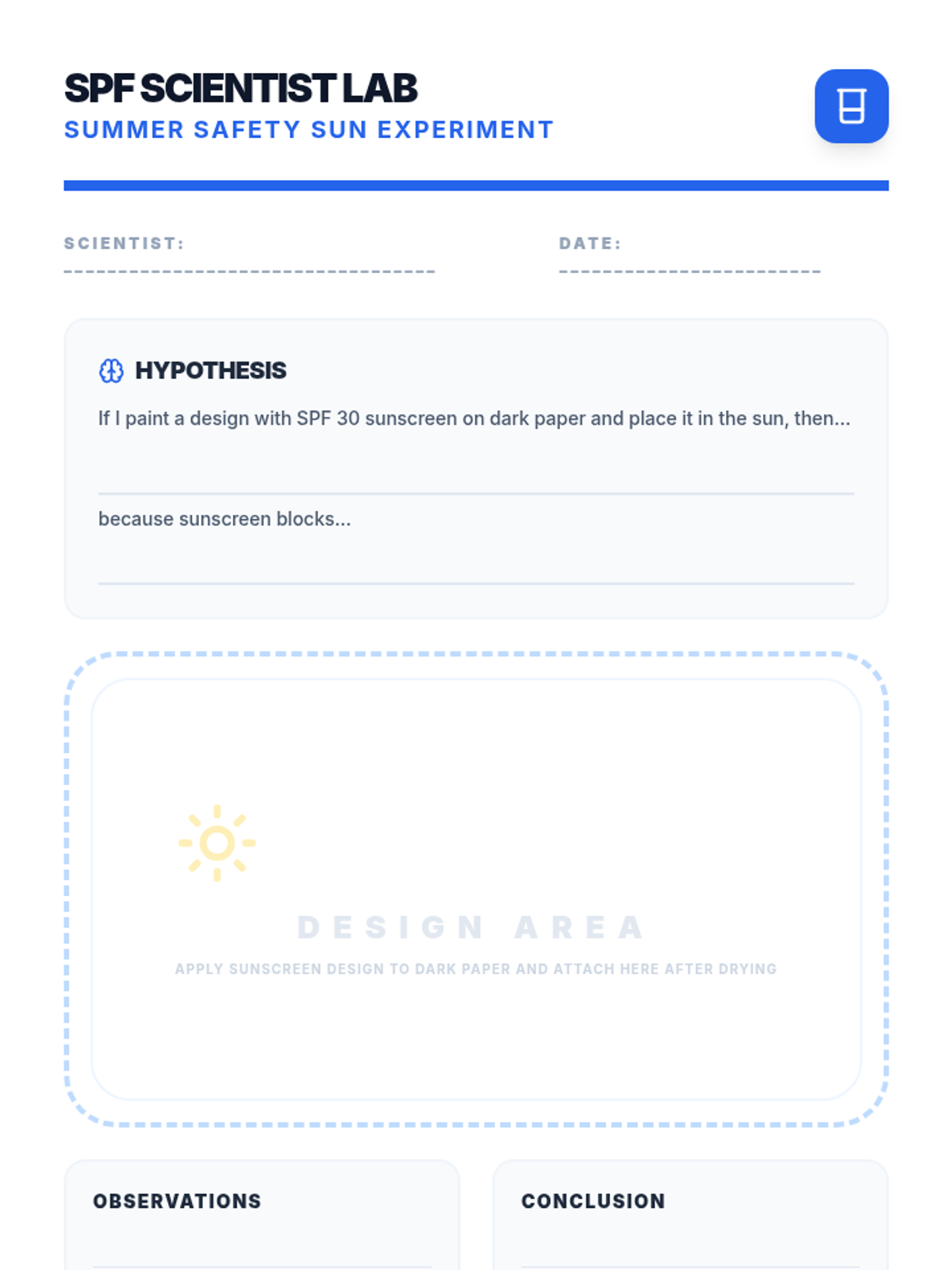
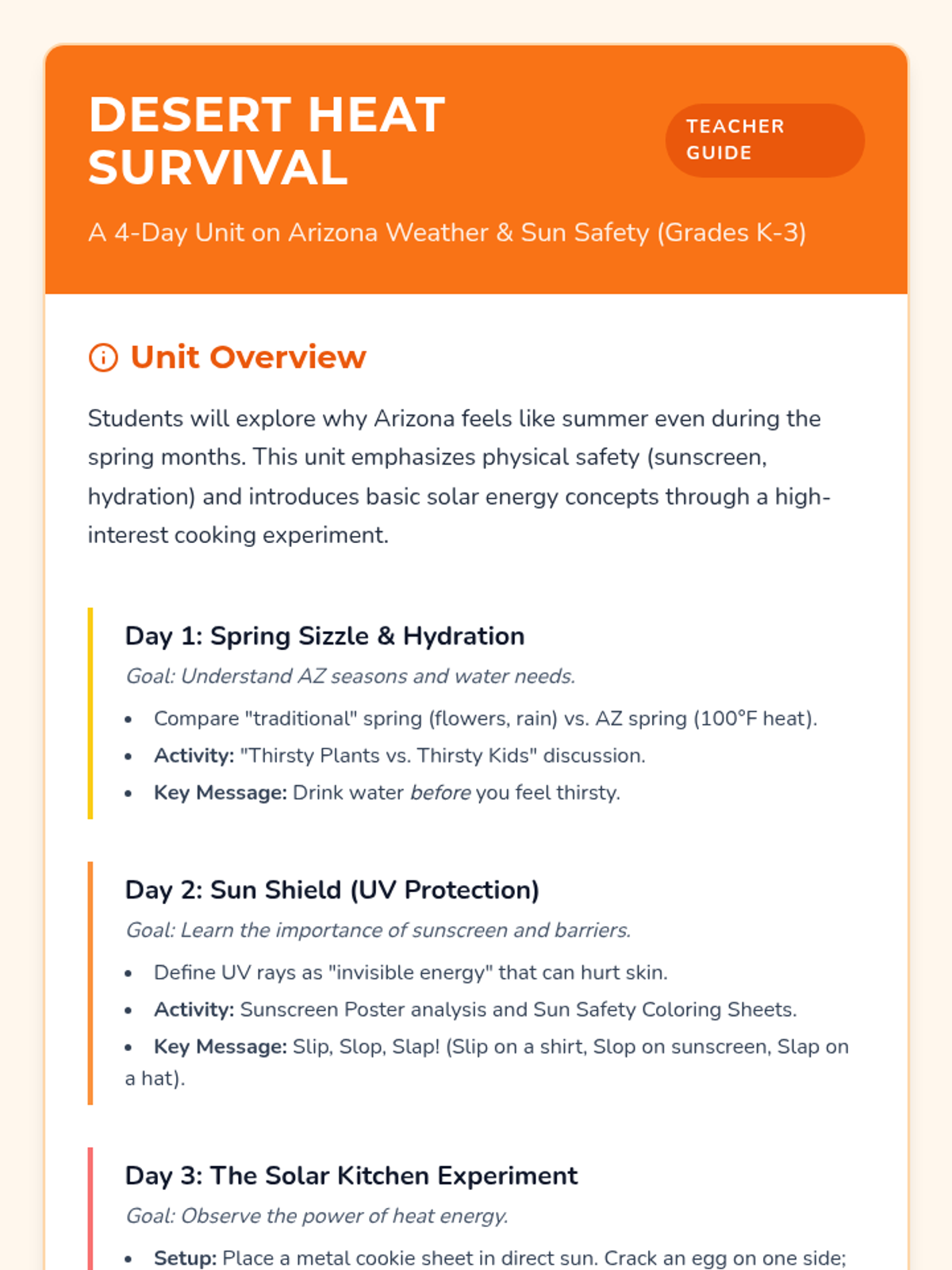
A four-day unit for grades K-3 exploring Arizona's extreme spring heat, sun safety, and the power of solar energy through a cooking experiment.
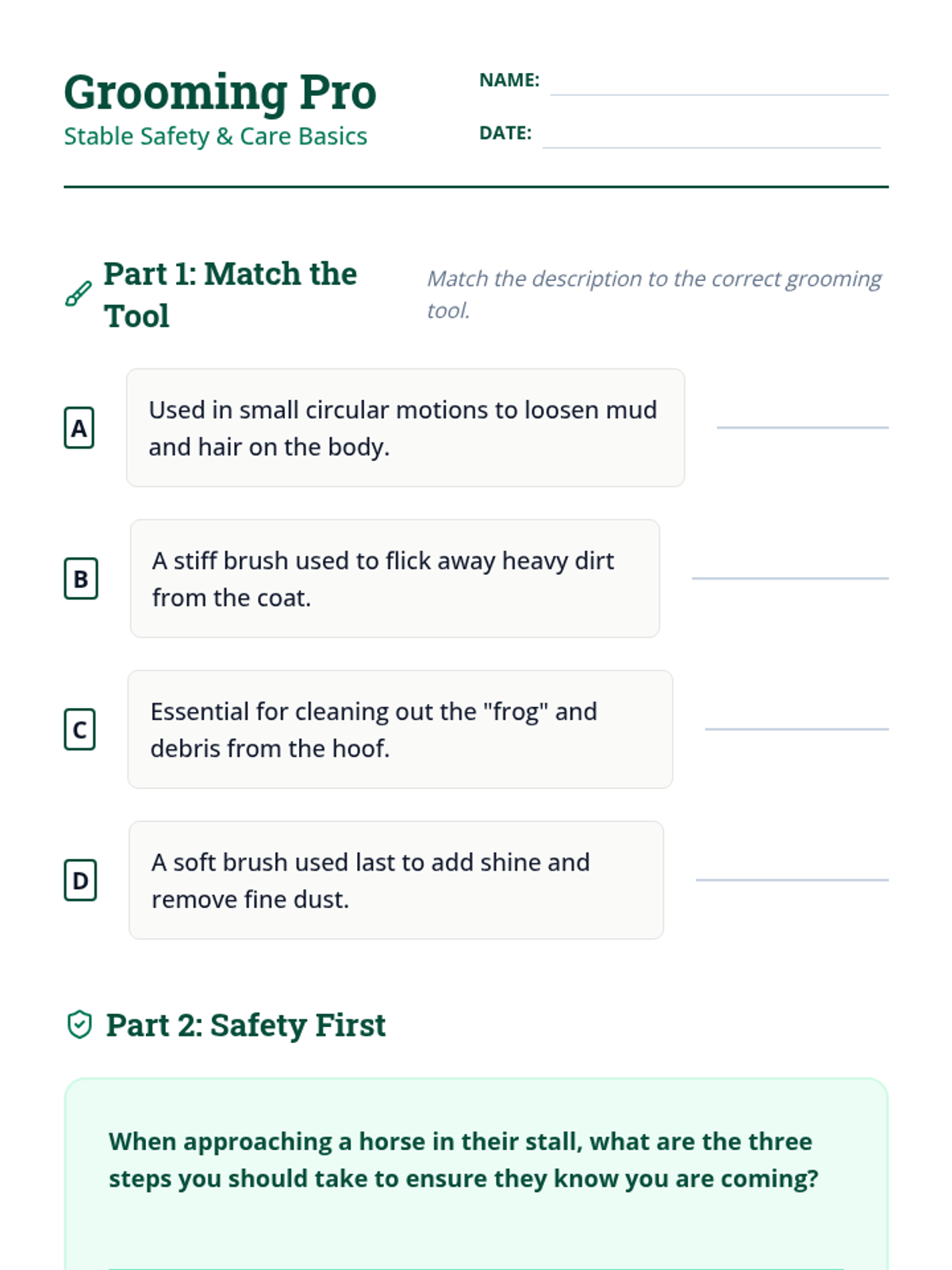
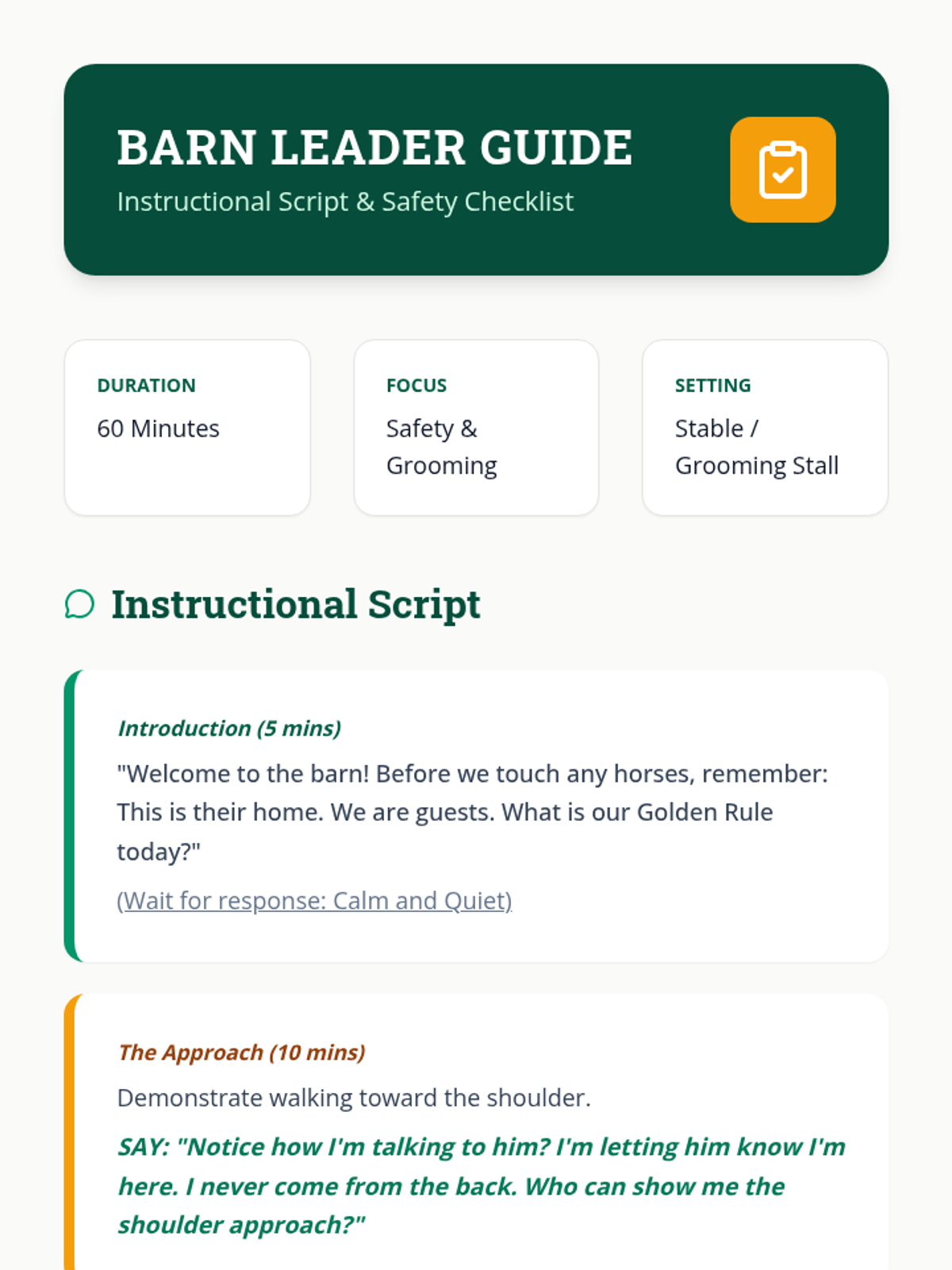
A comprehensive equestrian curriculum designed for students from elementary to high school, covering horse care, riding fundamentals, and advanced arena maneuvers. The program balances ground safety with progressive riding skills.
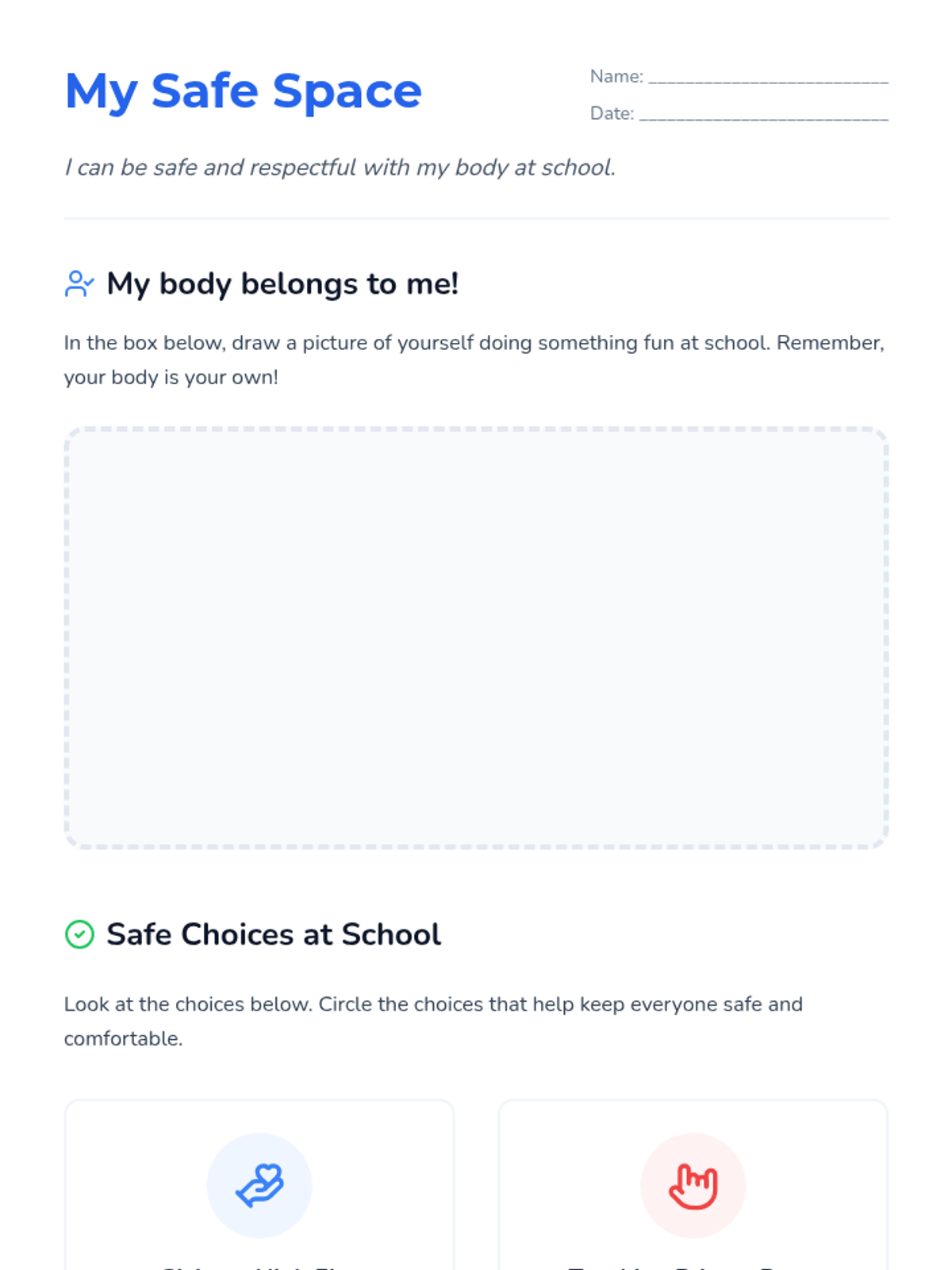
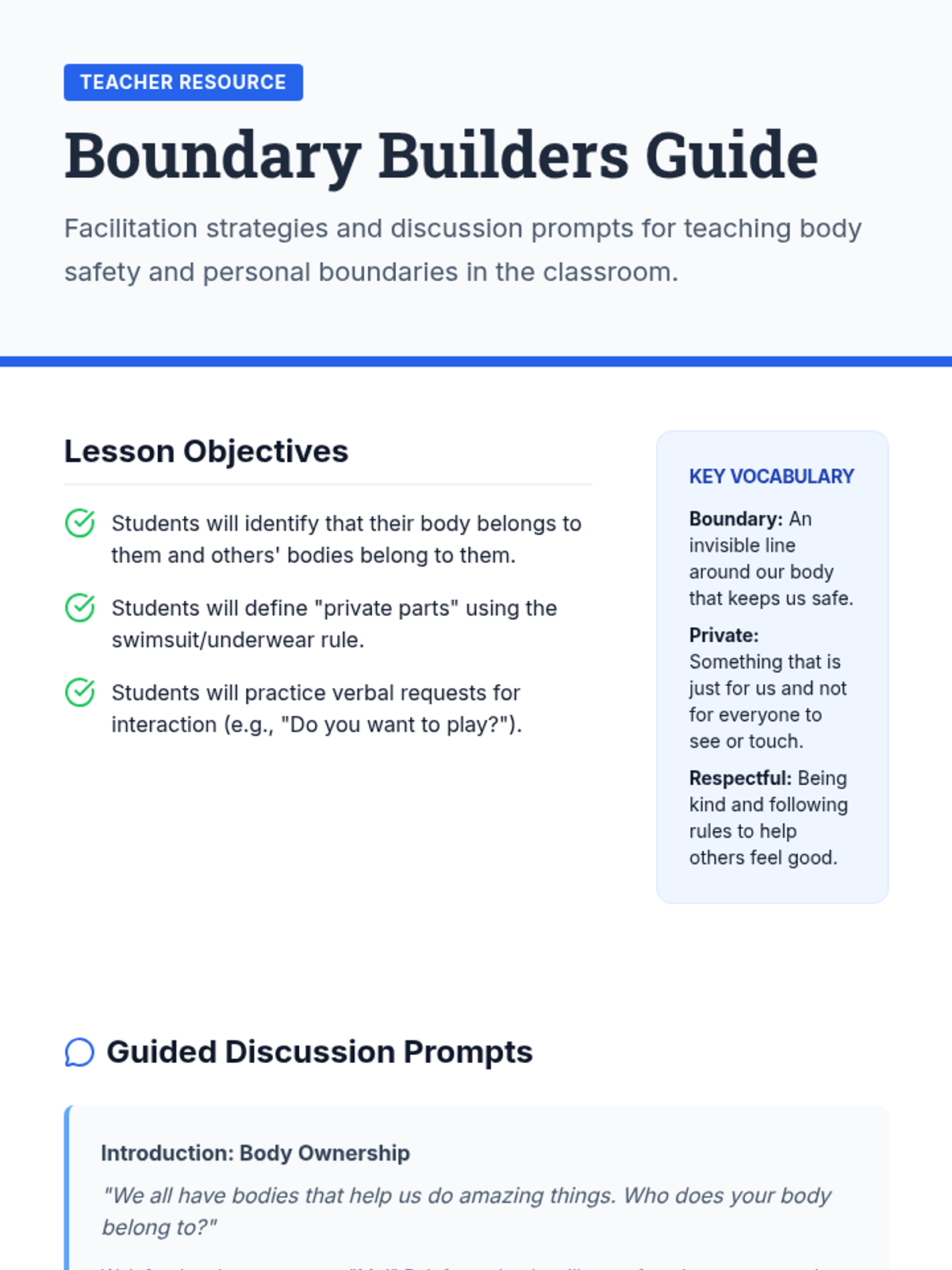
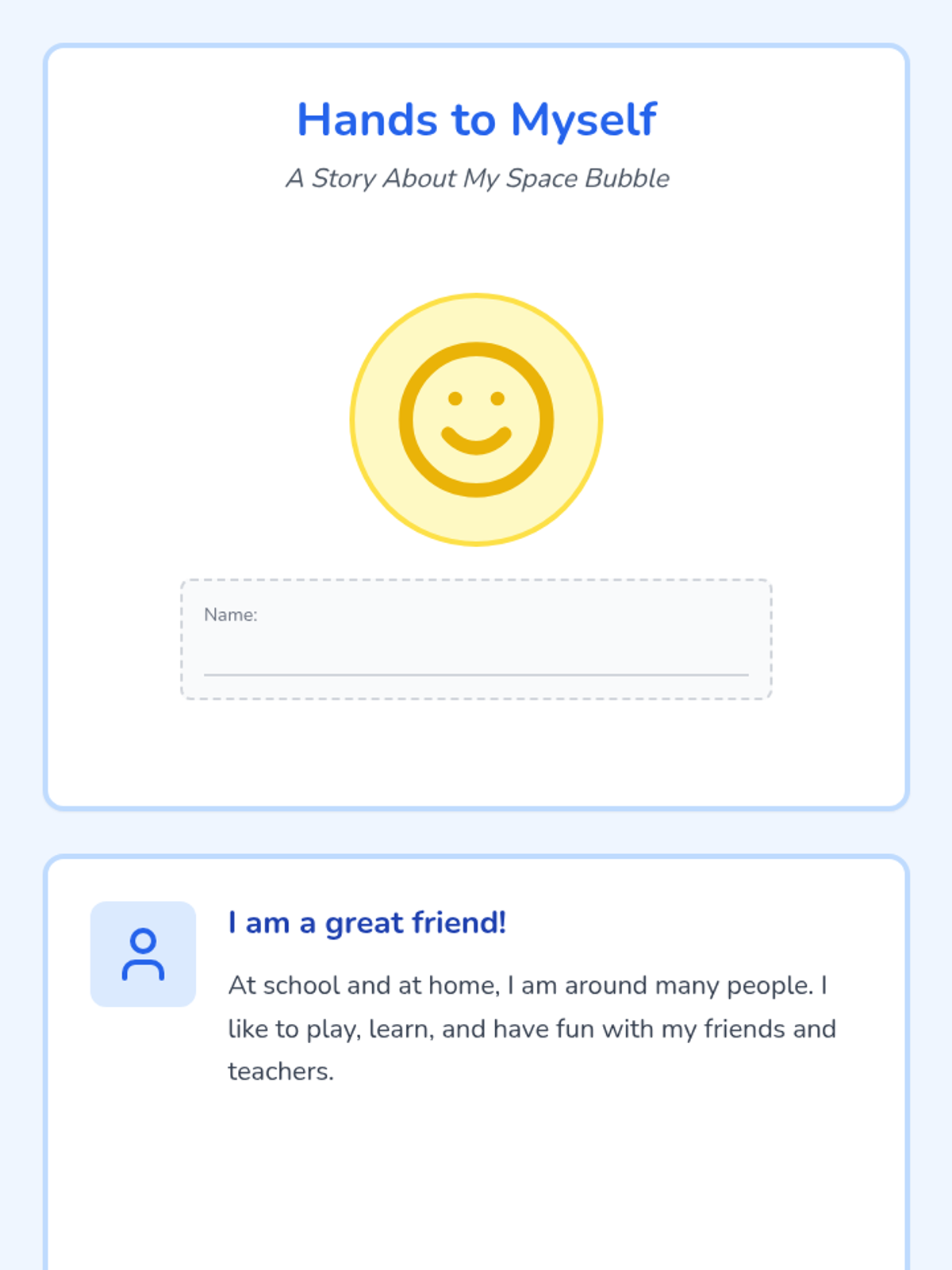
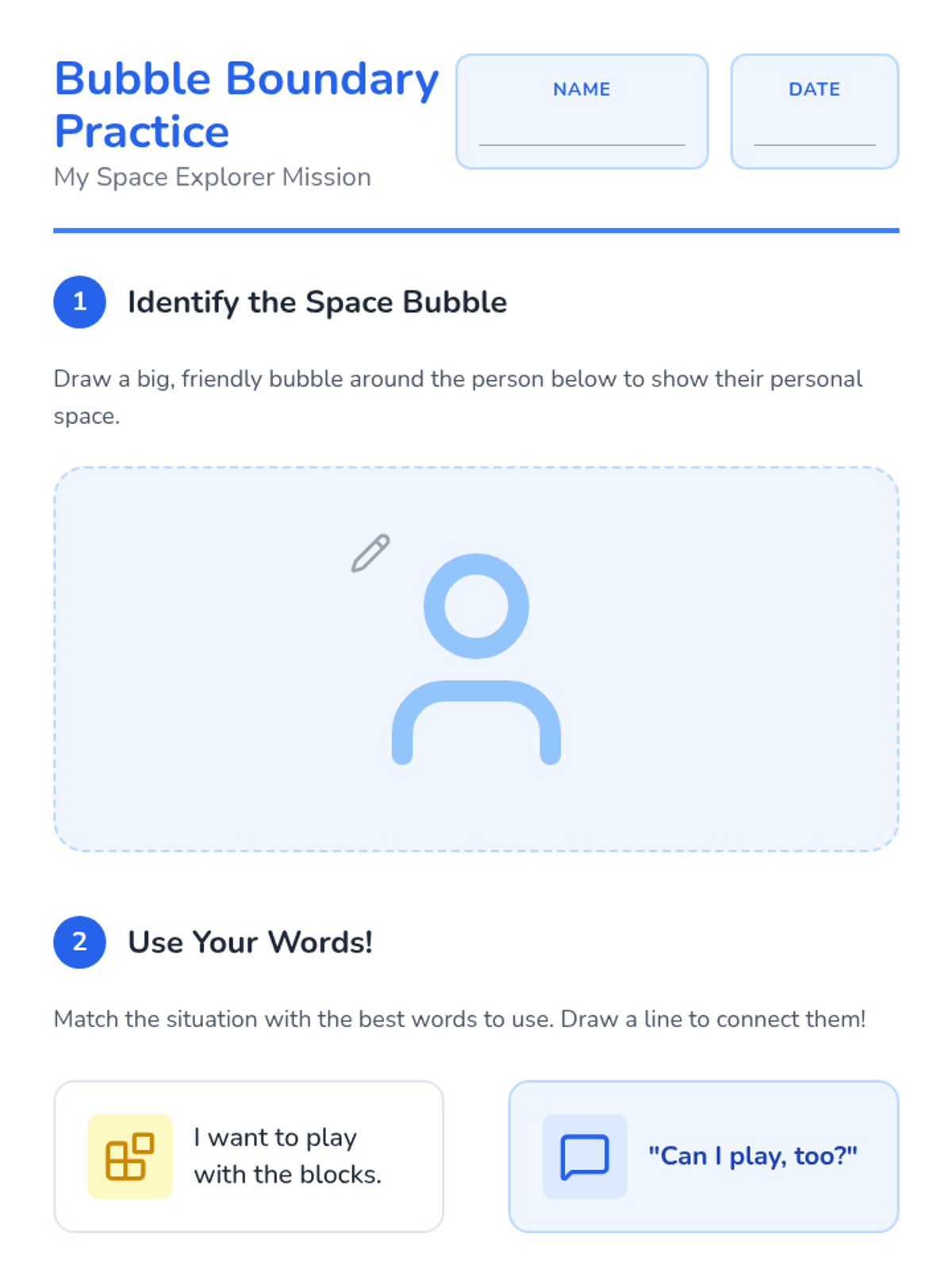
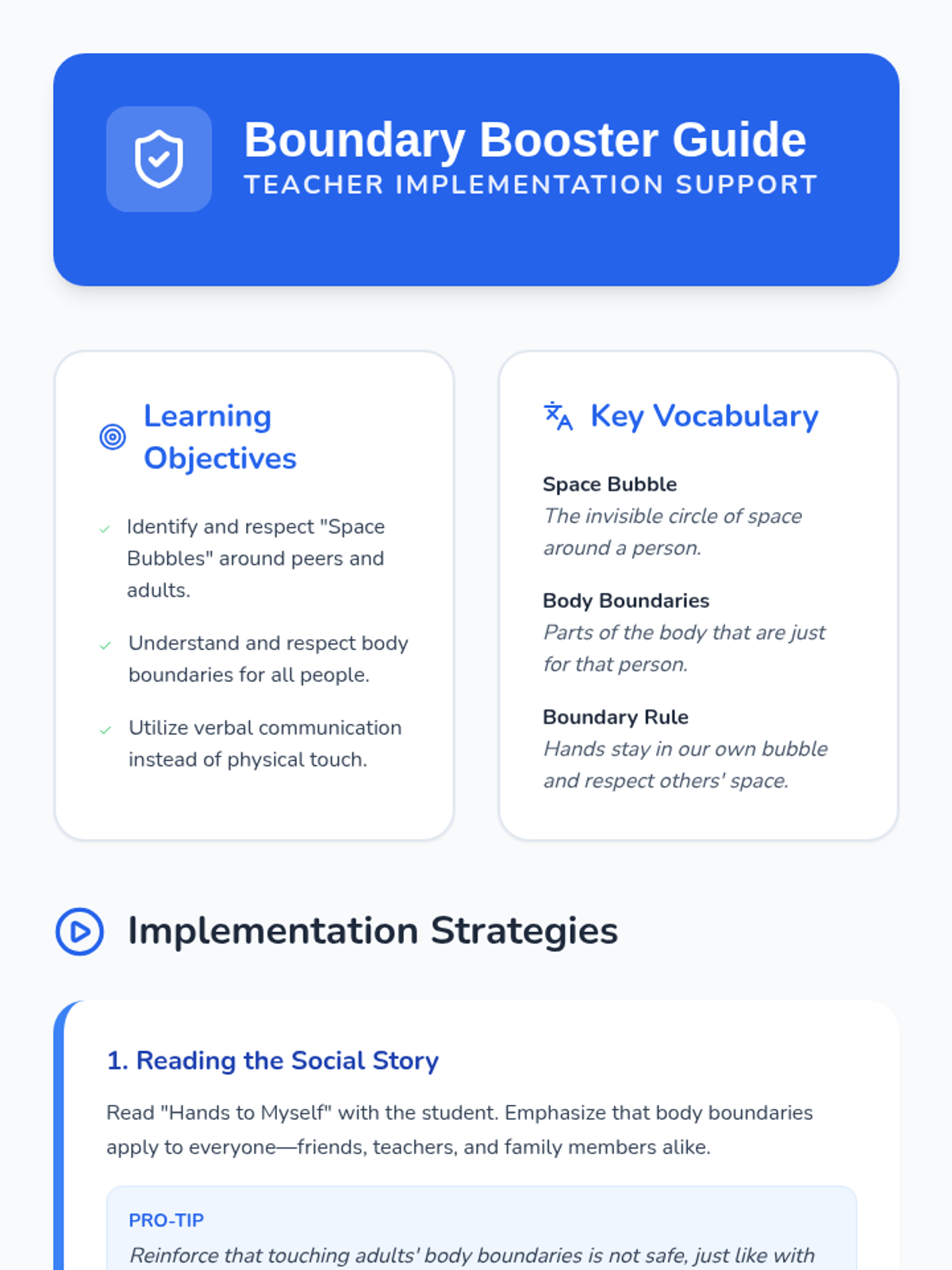
A sequence focused on teaching students about personal boundaries, body safety, and respectful physical interactions in a school environment.
A series of lessons focused on teaching young children about personal boundaries, body autonomy, and appropriate social interactions.
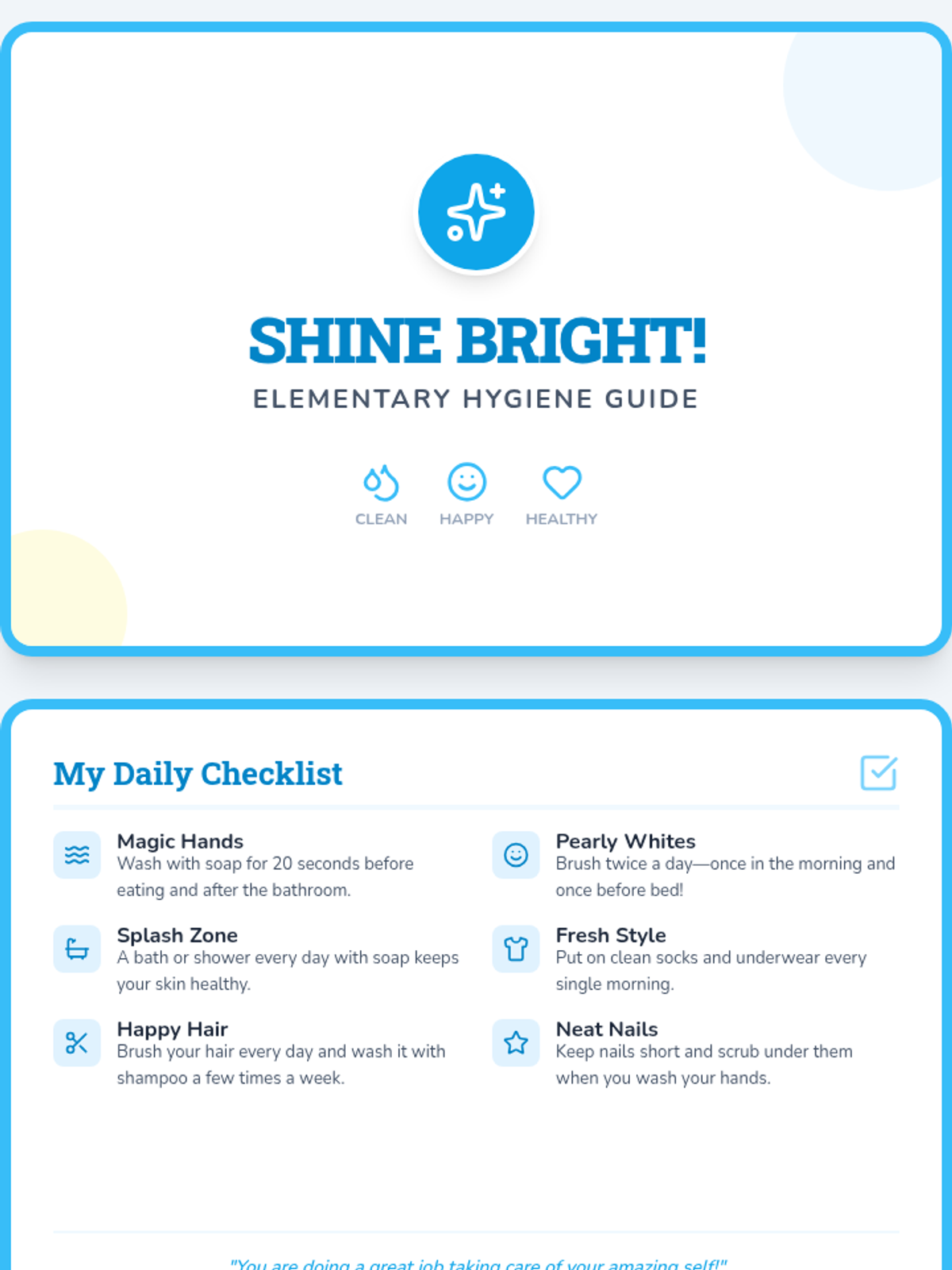
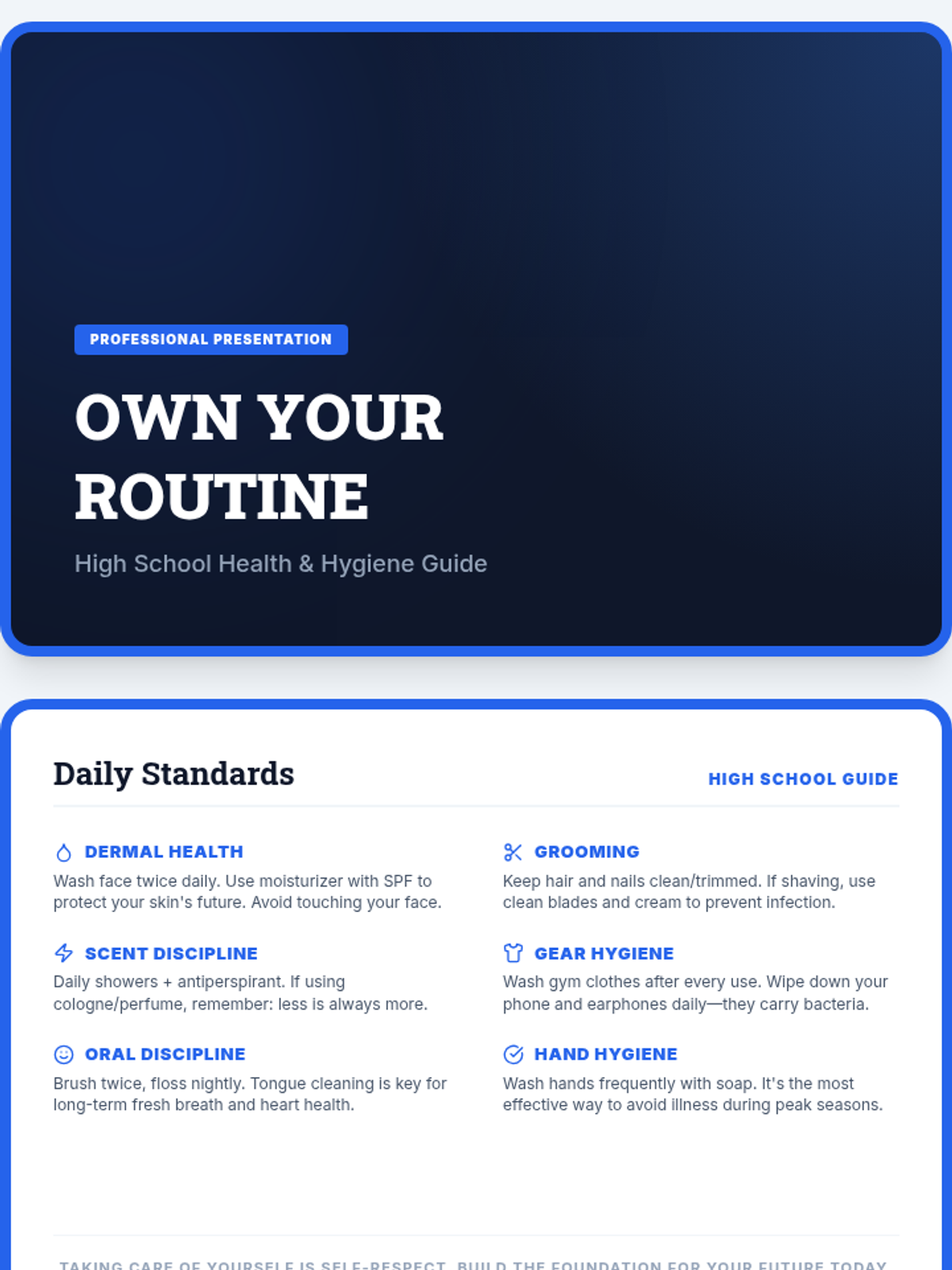
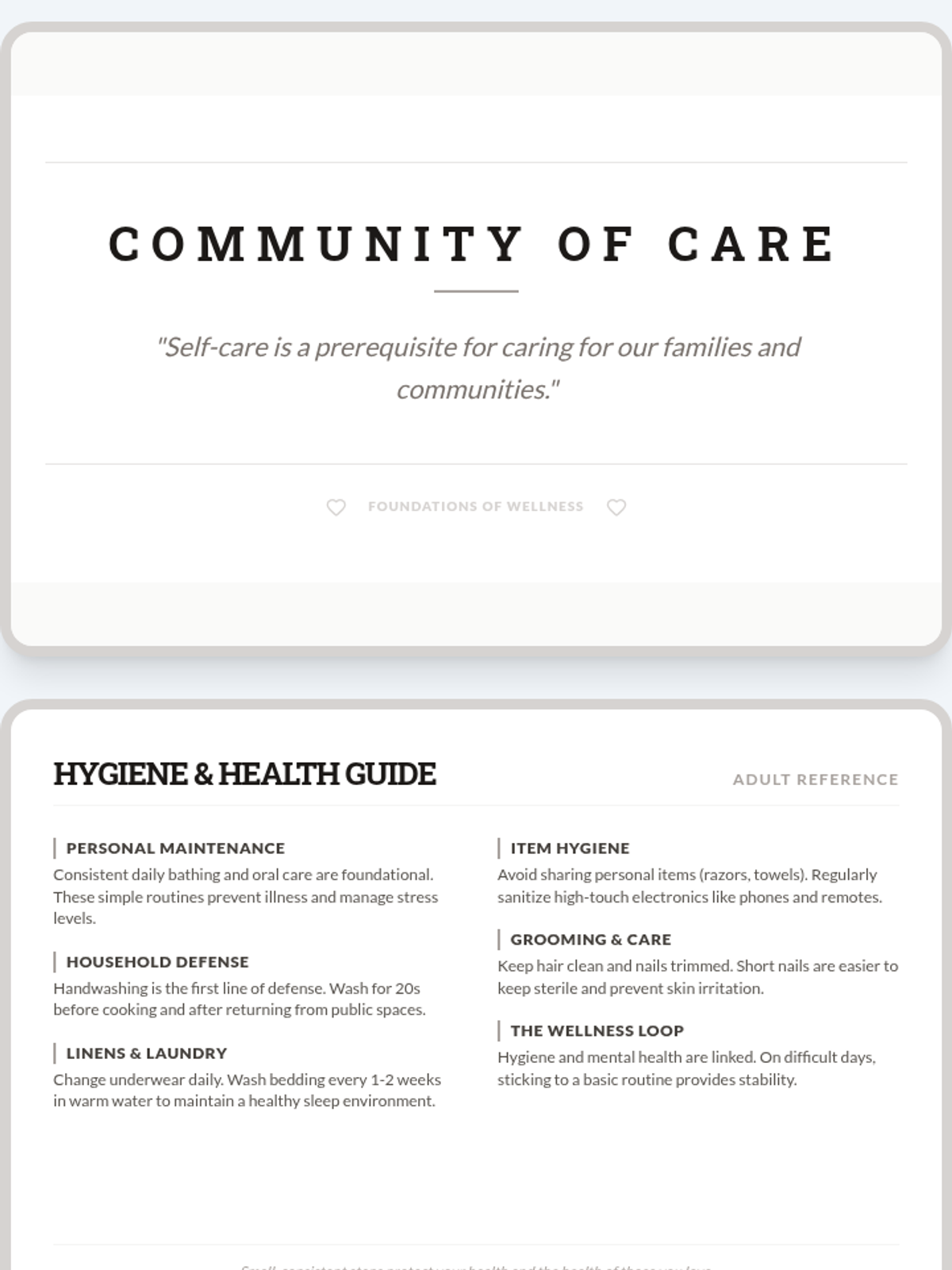
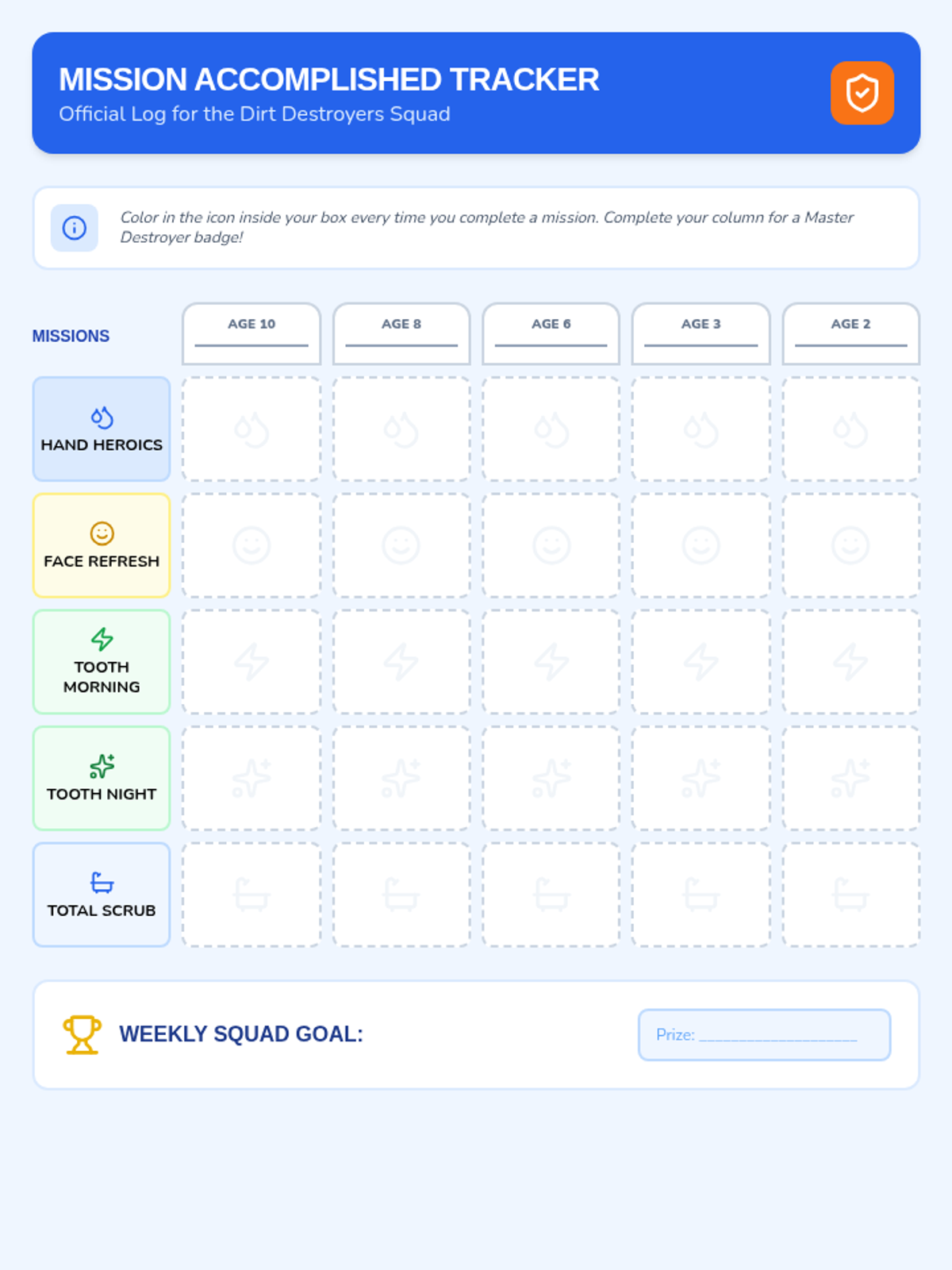
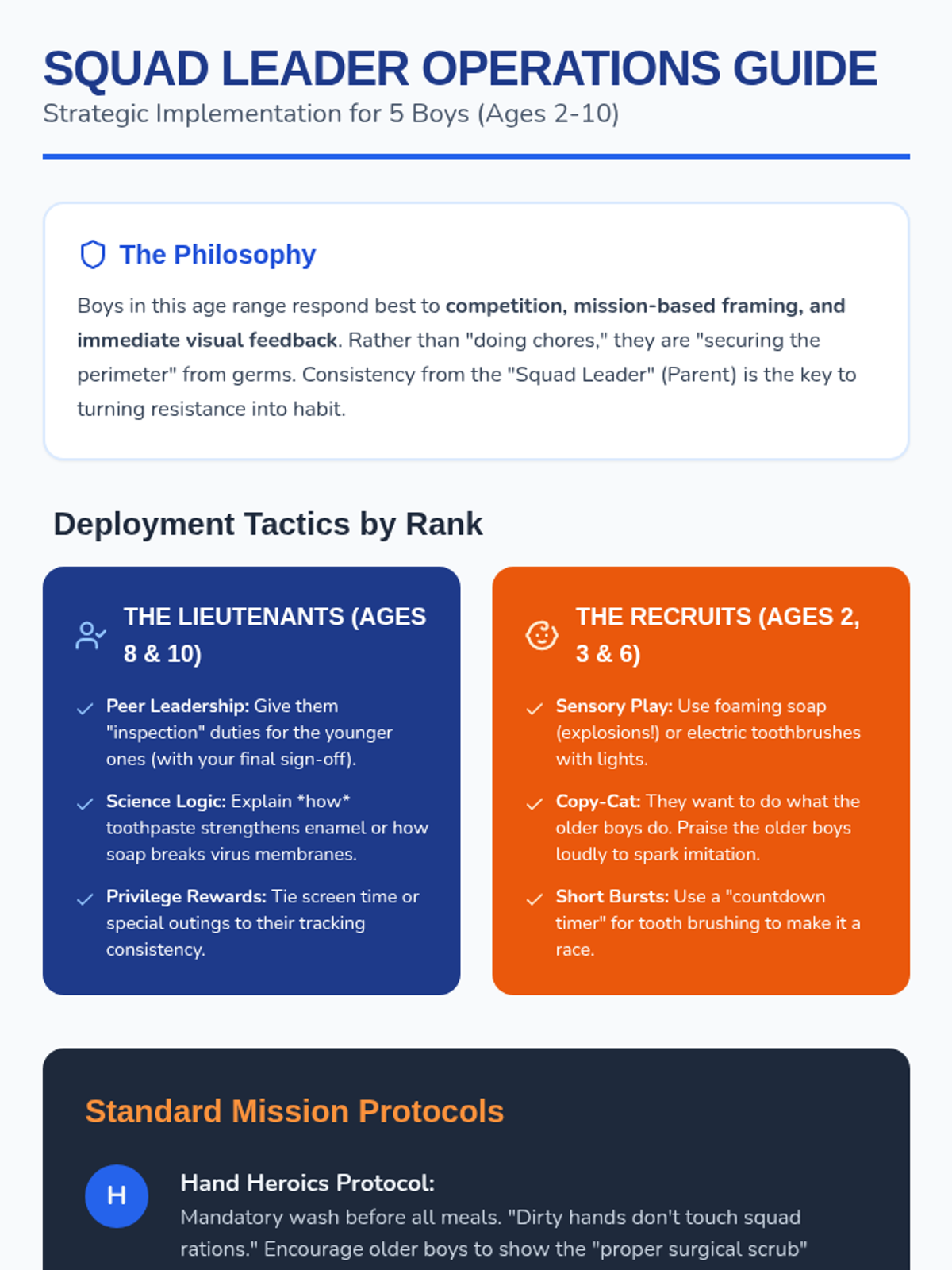
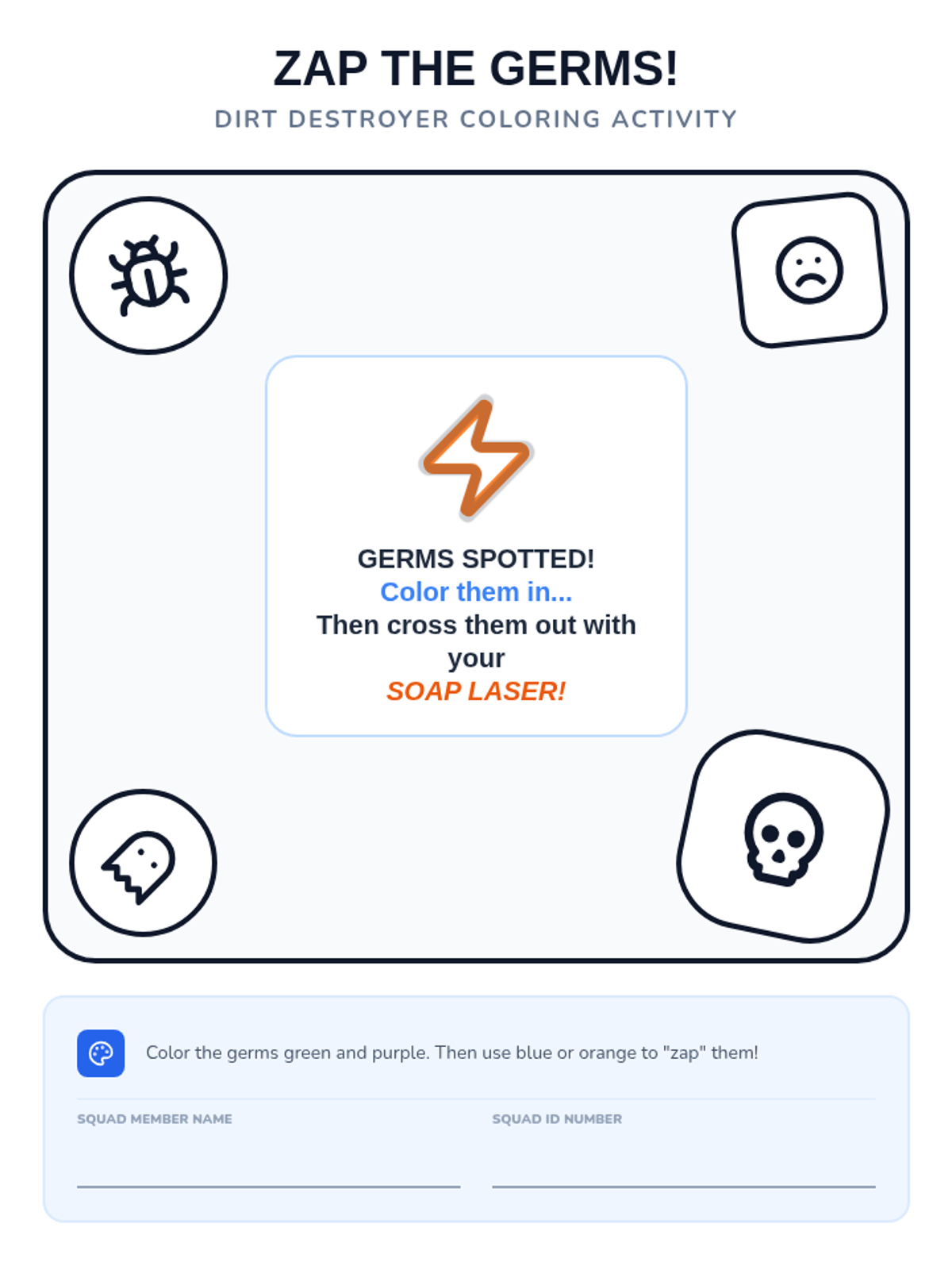
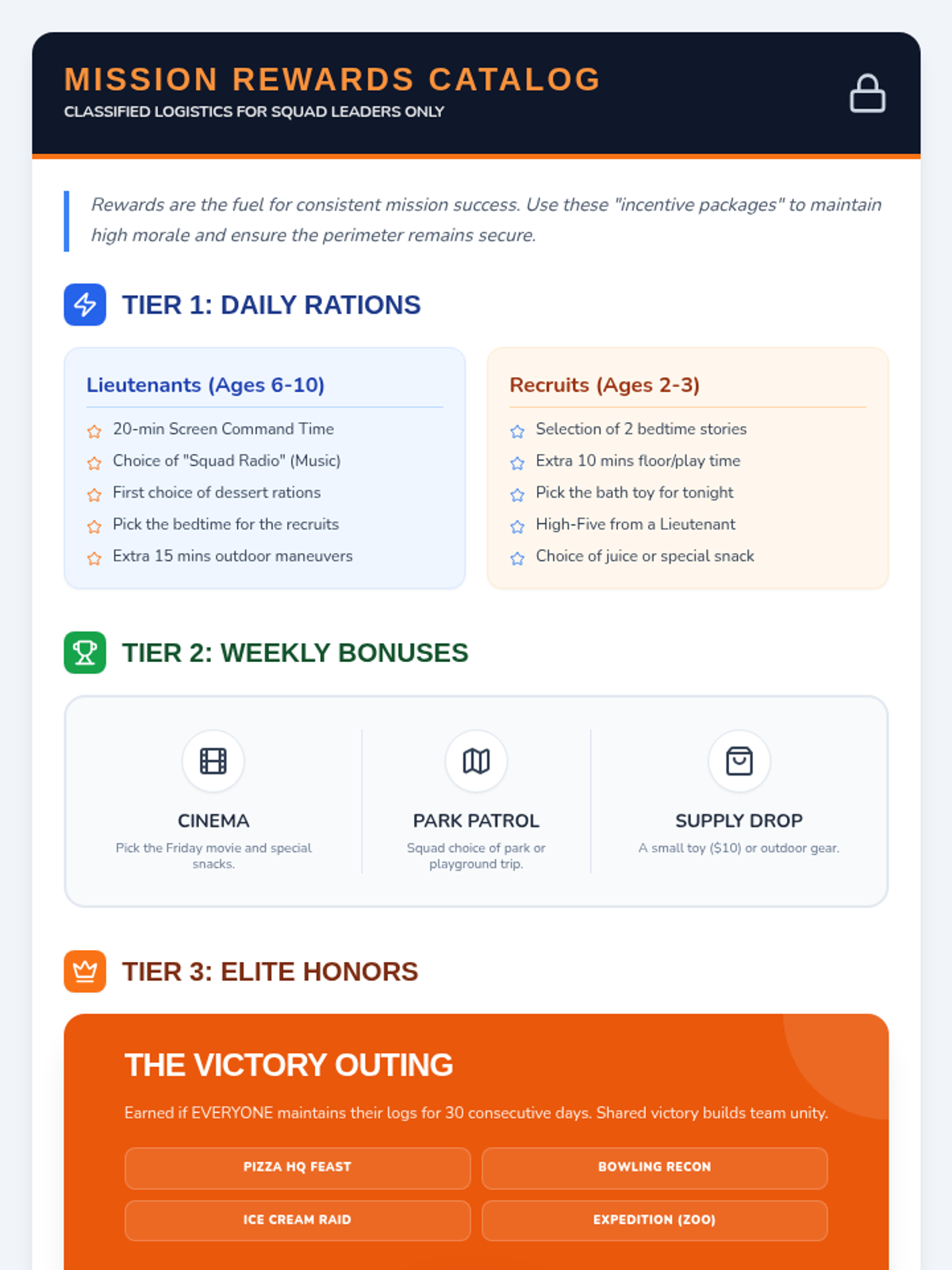
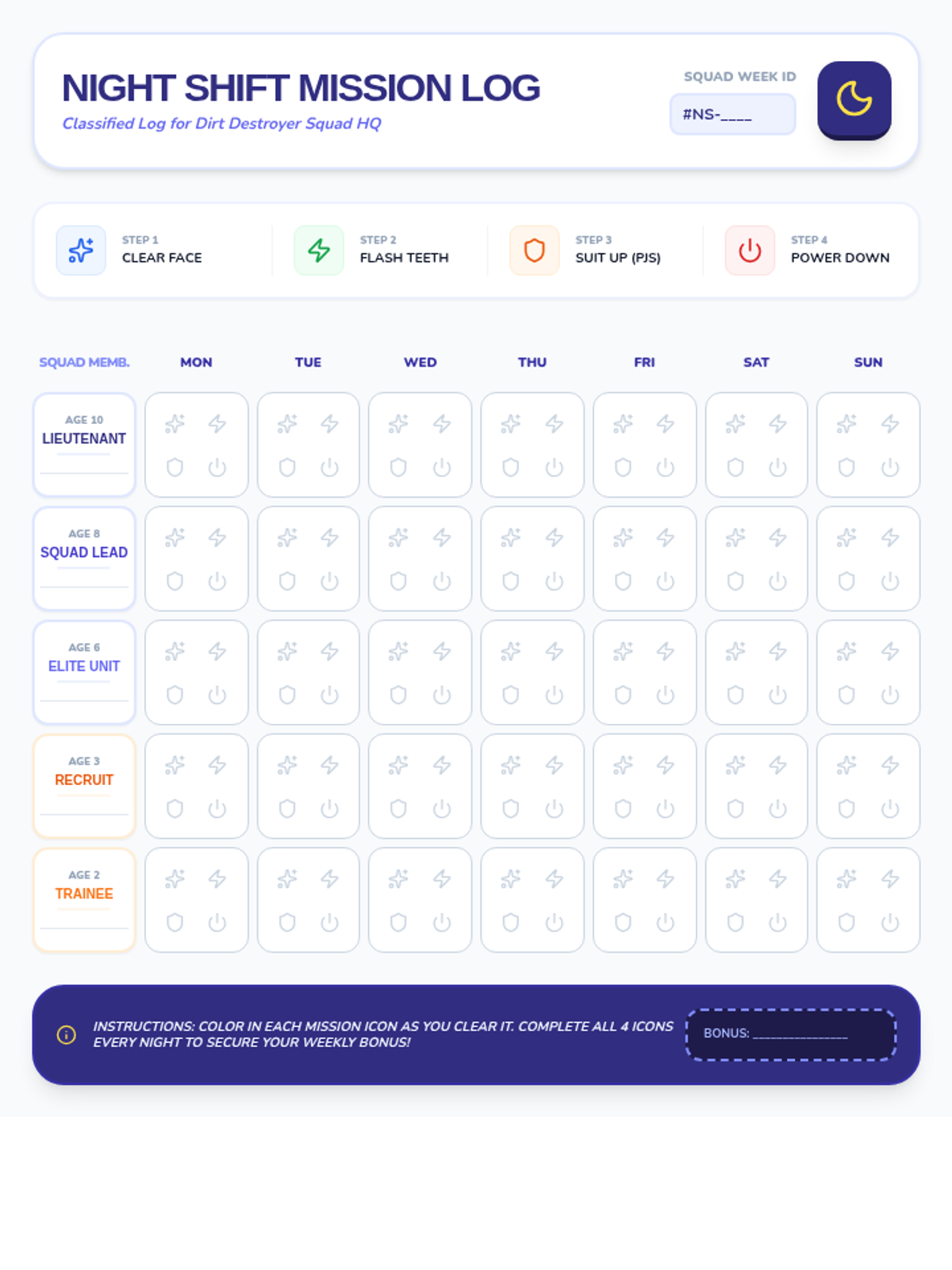
A comprehensive unit on personal hygiene and self-care habits for young learners, focusing on daily routines that keep bodies healthy and strong.
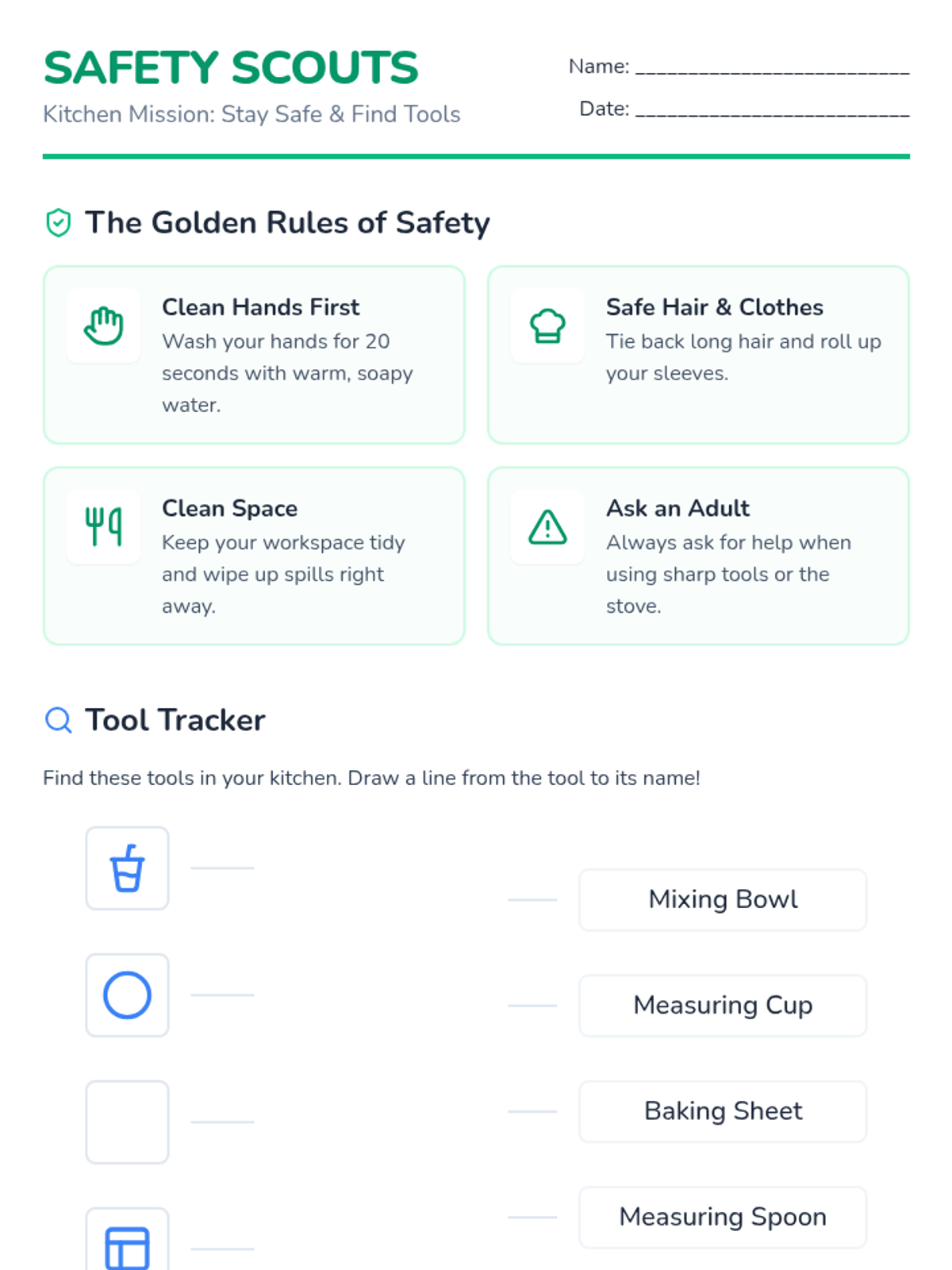
A 2-lesson unit designed to introduce elementary students to kitchen safety, tool identification, and visual recipe following through the creation of no-bake energy bites.
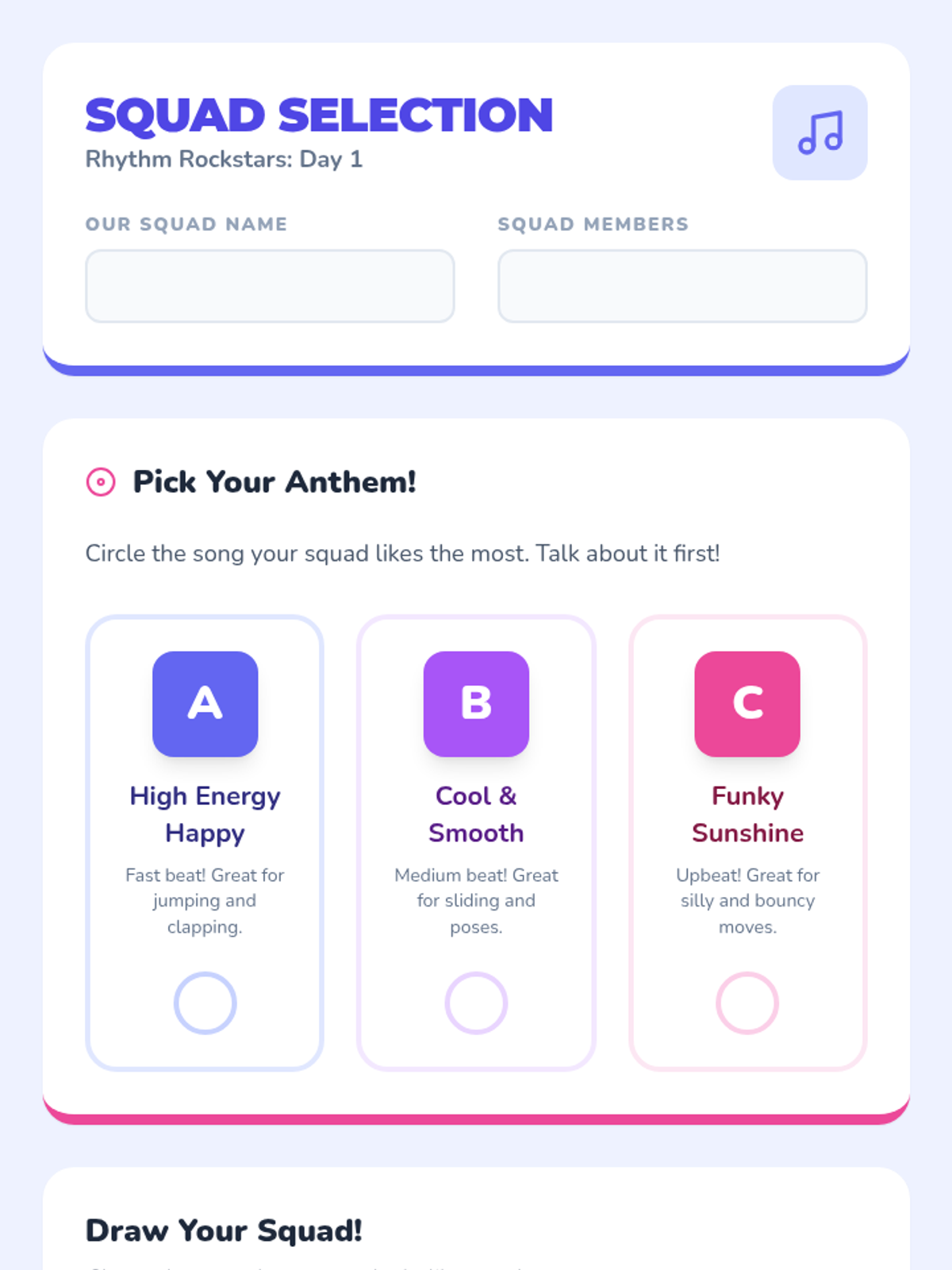
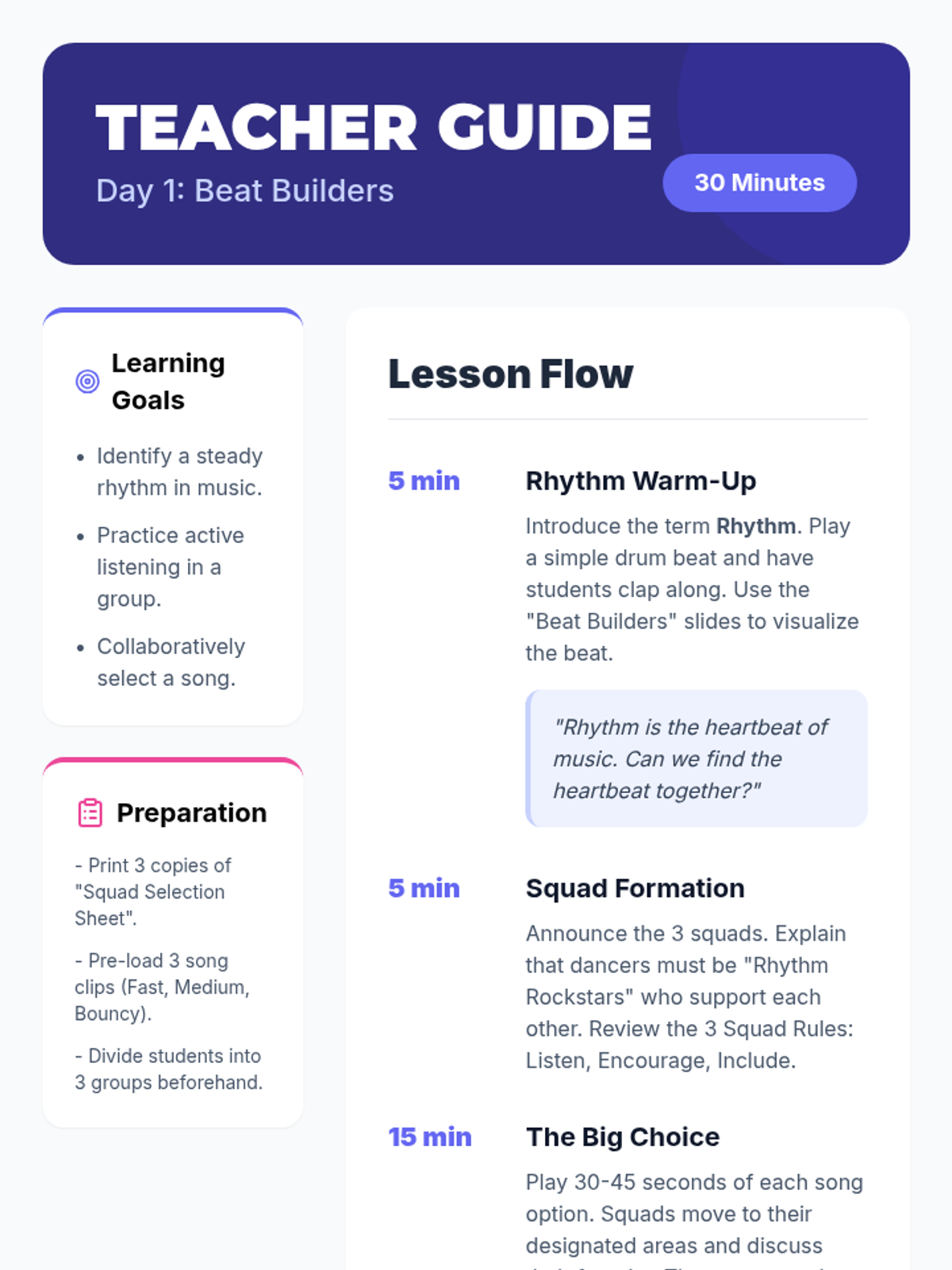
A four-day music and movement unit for K-3 students focused on collaboration, rhythm, and creative choreography. Groups work together to select songs and build original dance routines.
A comprehensive traffic safety program for elementary students, focusing on pedestrian, bike, and car safety through grade-appropriate scenarios and interactive activities.
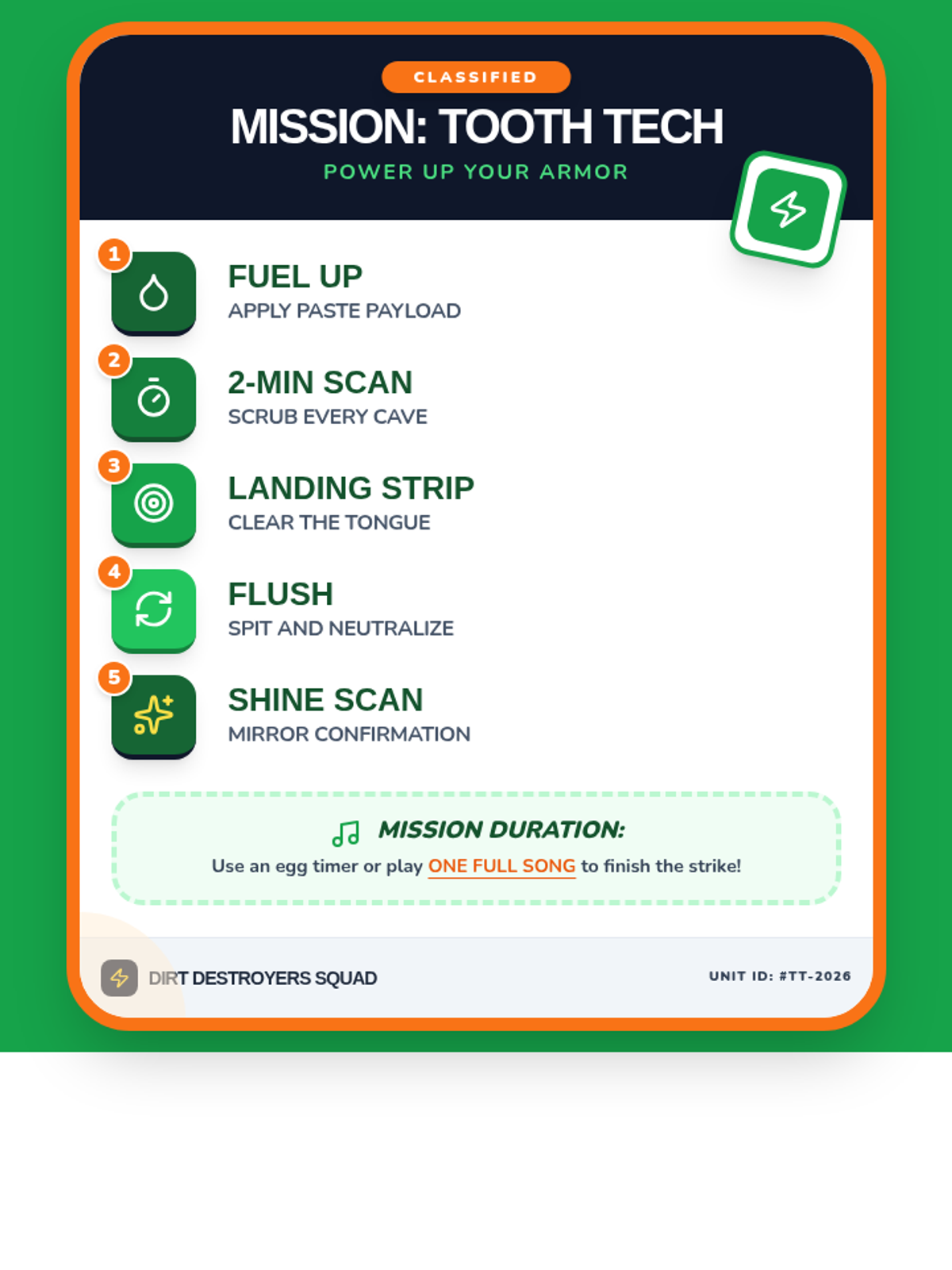
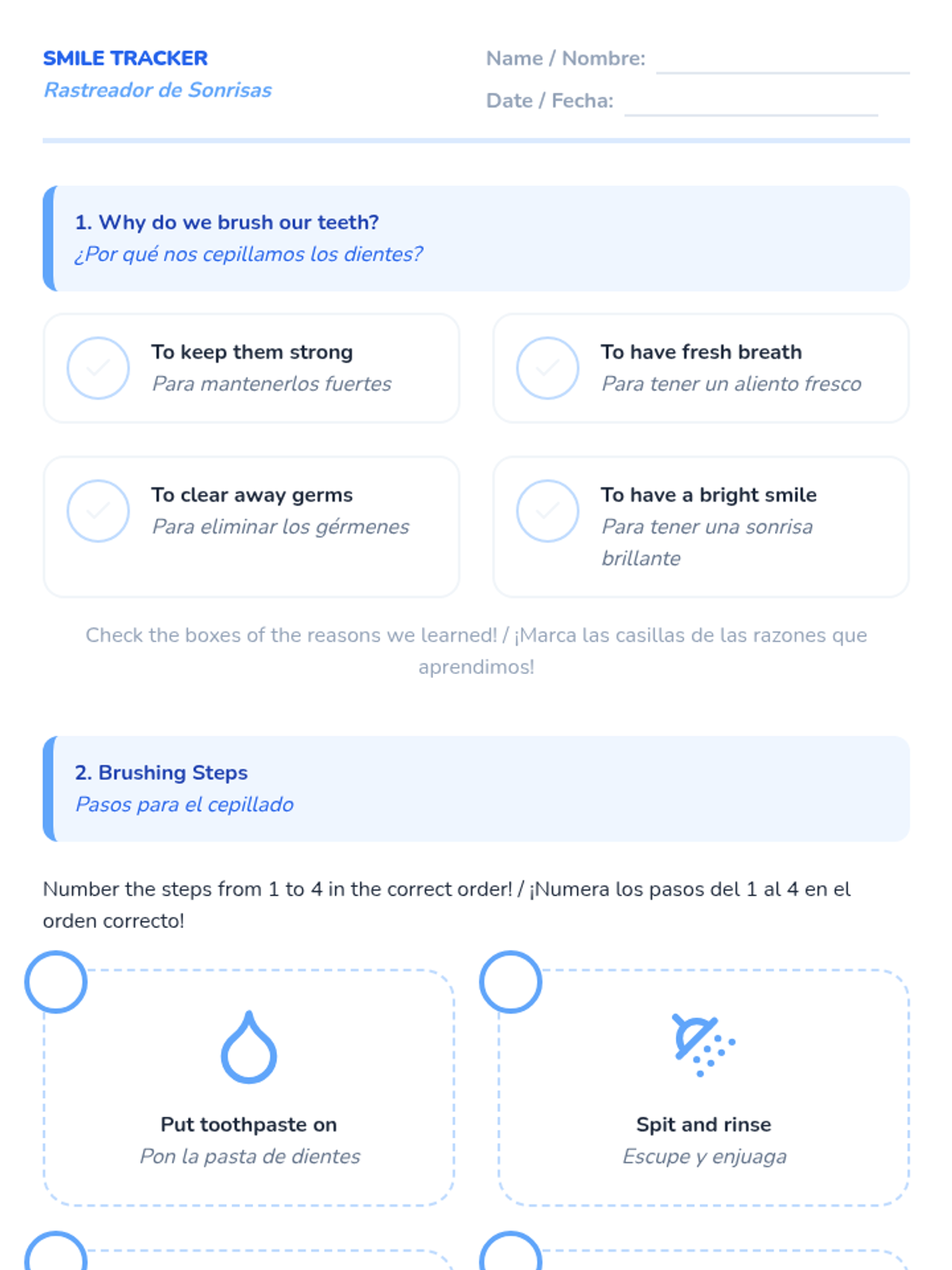
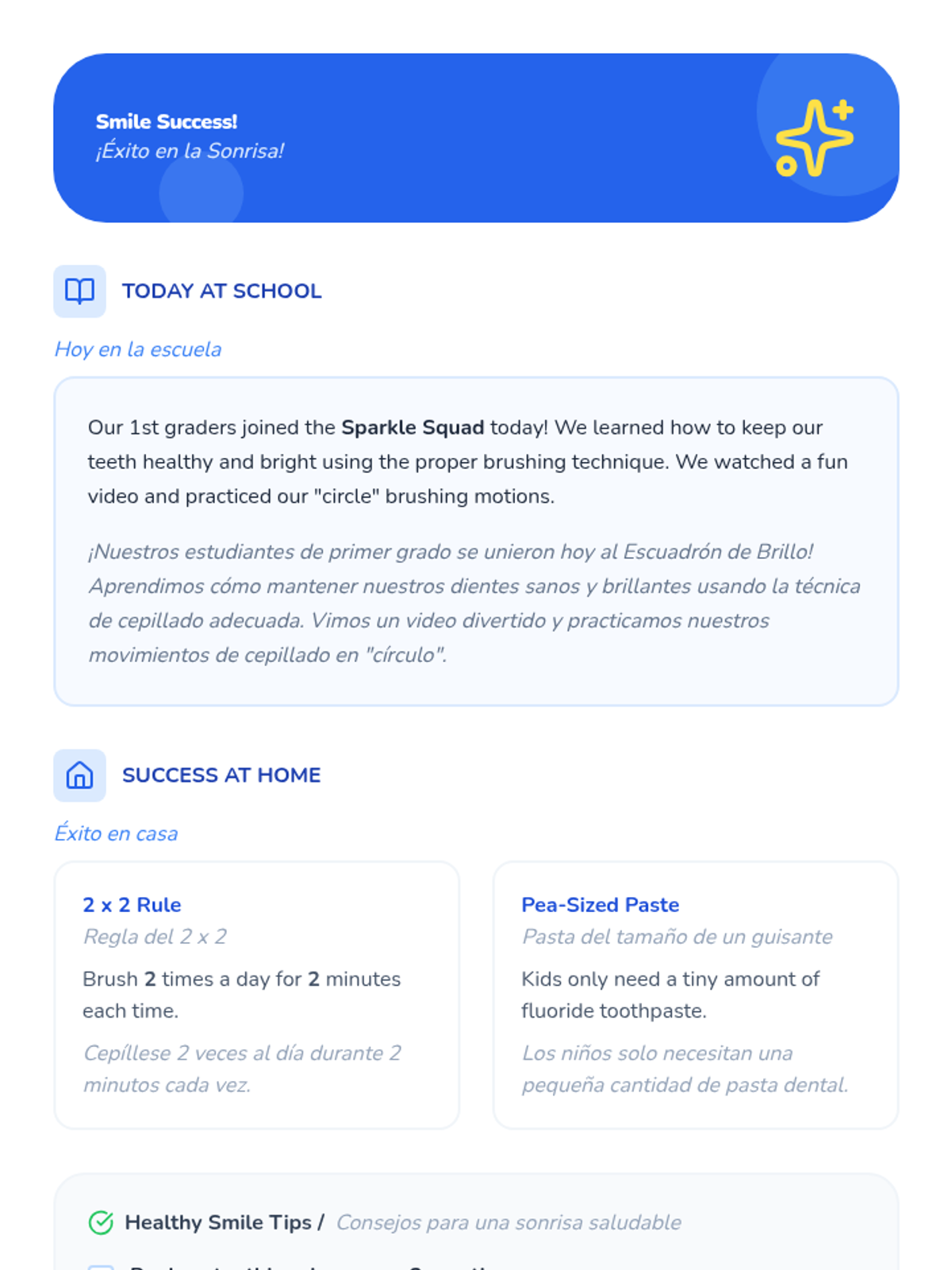
A fun and engaging introduction to oral hygiene for first-grade students, focusing on proper brushing and flossing techniques, healthy habits, and the importance of routine care.
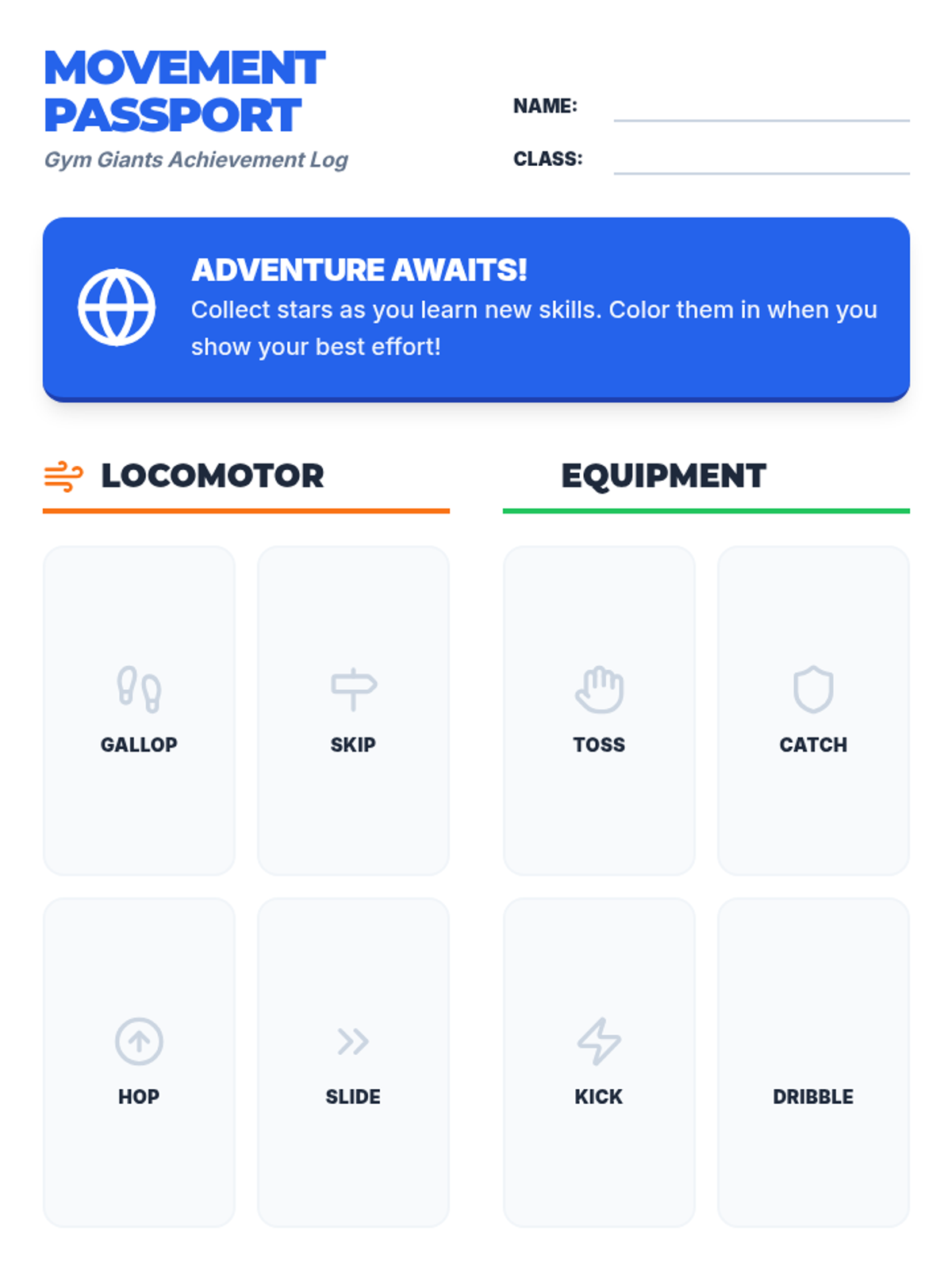
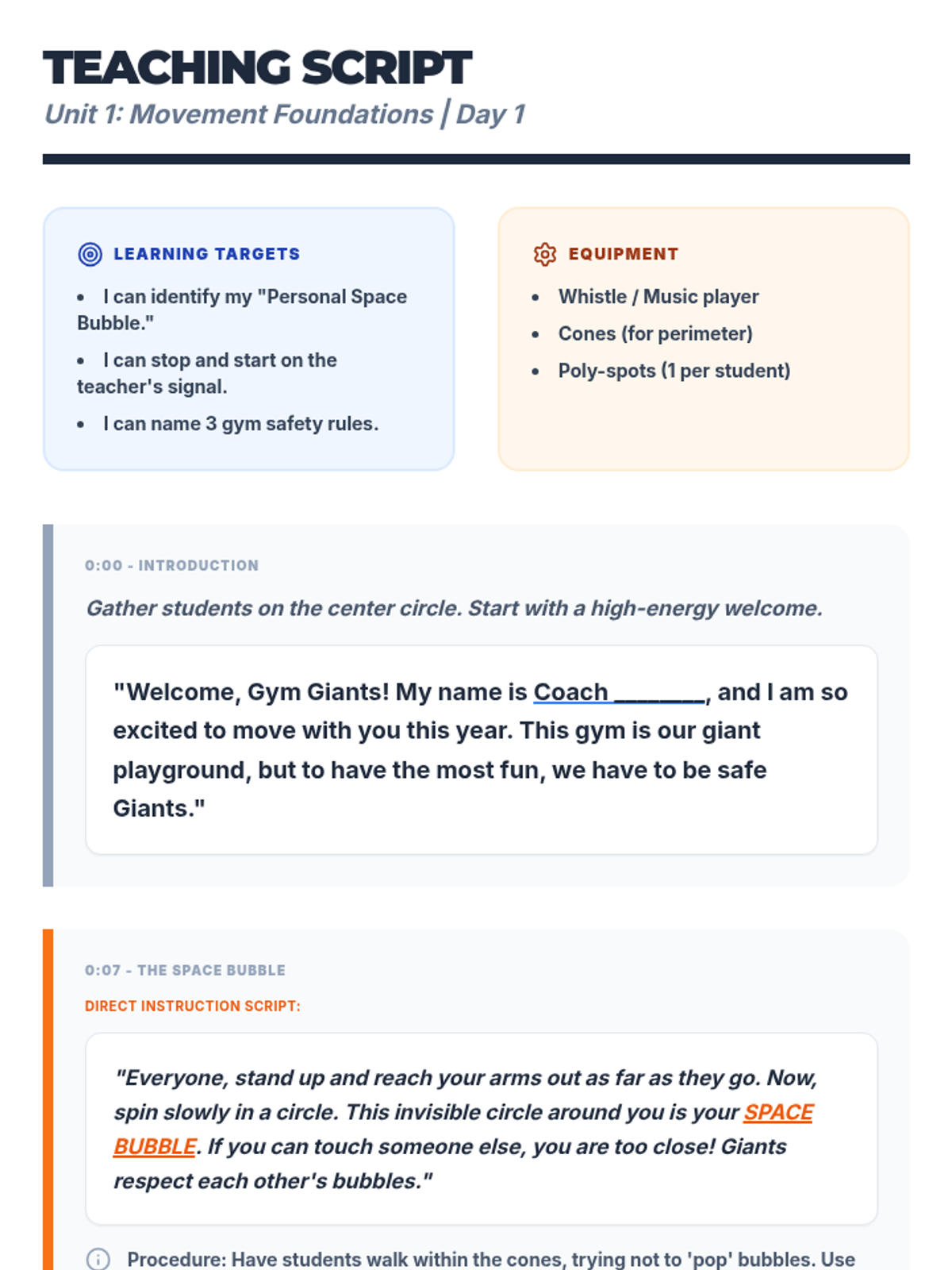
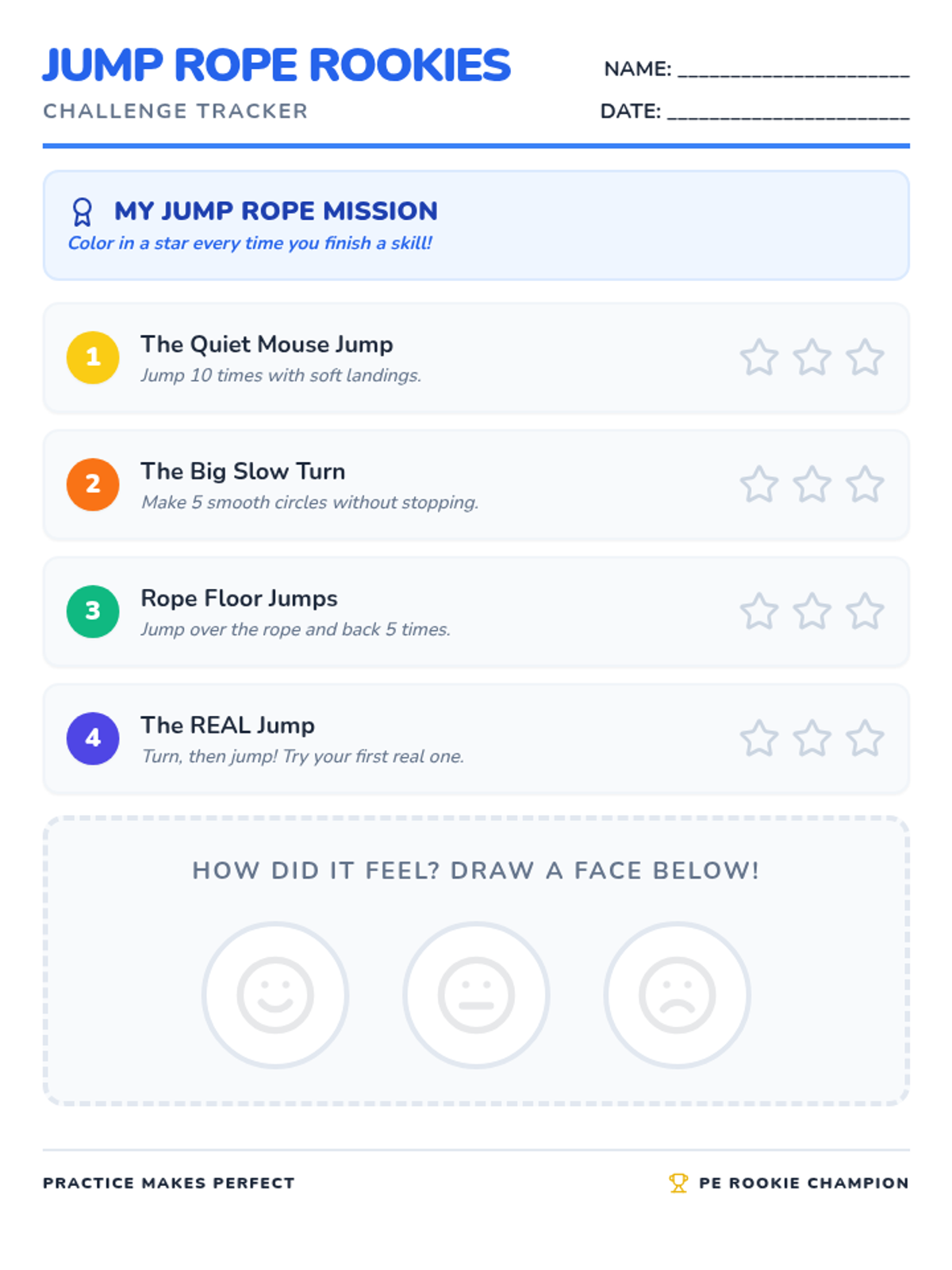
A foundational physical education series focusing on locomotor skills, starting with the mechanics of jumping and landing safely for early elementary students.
A comprehensive health and wellness unit focusing on nutrition, physical activity, and mental well-being to empower students to make informed lifestyle choices.
A comprehensive human biology unit designed for life skills students, focusing on functional anatomy, major body systems, sensory awareness, and daily health habits through visual-heavy instruction and practical activities.
A functional biology curriculum designed for life skills students, focusing on practical knowledge of nutrition, personal hygiene, and environmental stewardship through hands-on activities and visual aids.
A comprehensive internet safety unit for 1st grade students, focusing on personal information, the 'Uh-Oh' feeling, cyberbullying, and safe web practices through a Digital Detectives theme.
A comprehensive unit focused on developing fundamental gross motor skills through engaging, theme-based physical therapy exercises. Students will explore balance, coordination, and strength through a series of 'movement missions'.
A pair of 10-minute assembly lessons focused on friendship, safety, and community respect for K-2 and 3-5 students, addressing physical and verbal behavior.
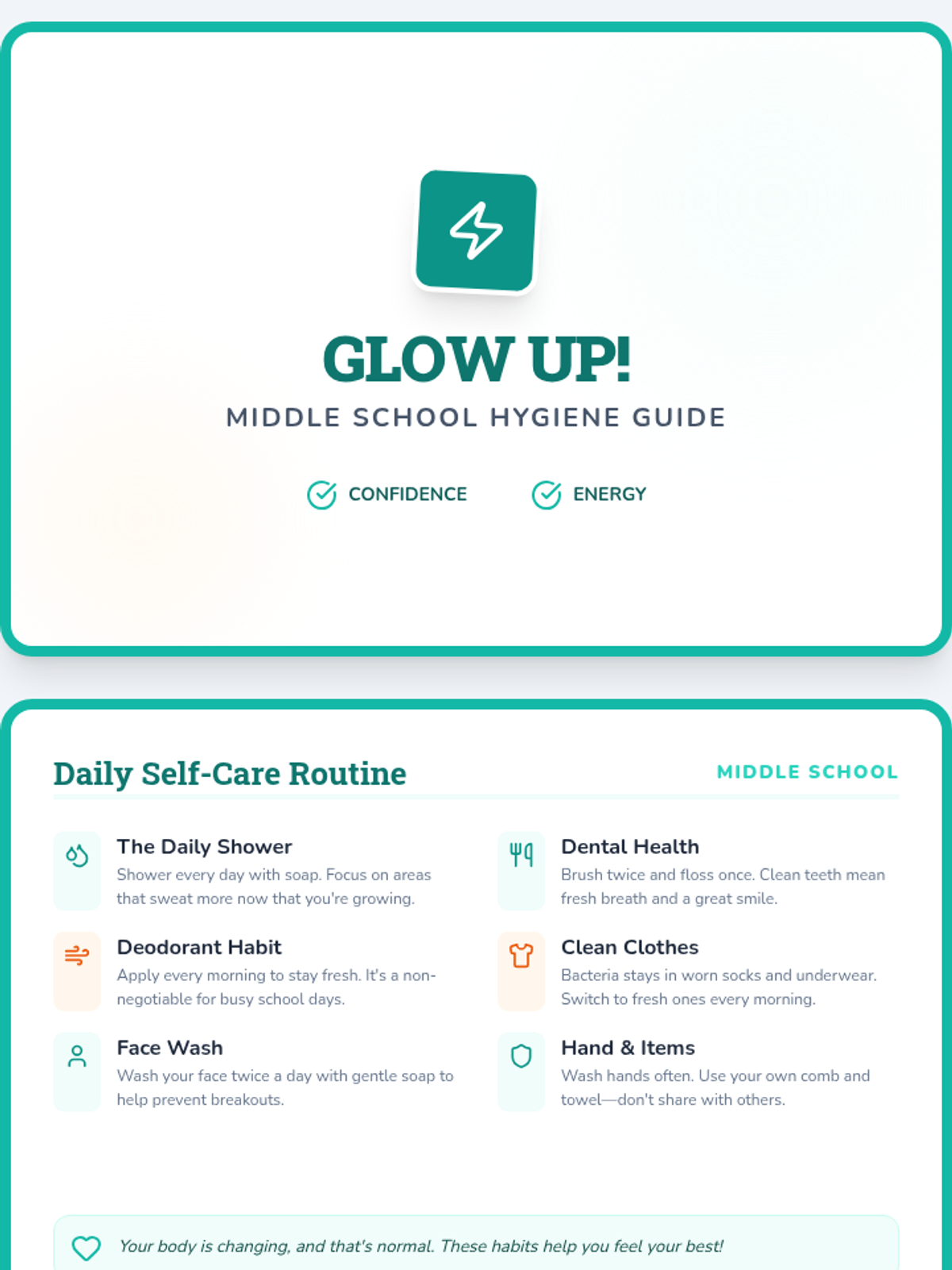
A comprehensive SEL-integrated hygiene curriculum for elementary scholars (K-4), focusing on self-awareness, social impact, and personal responsibility through the lens of a 'Glow Up'.
A series of lessons focused on personal safety, body autonomy, and social-emotional development for young children.
A series of workshops and resources for elementary school parents focusing on common school-related health concerns, starting with head lice management.
An adventure-themed physical education sequence for 1st graders focused on group problem-solving. Students roleplay as explorers navigating environmental hazards like shrinking islands and lava rivers to build collaboration and strategic thinking skills.
A 1st-grade physical education sequence focusing on trust, safety, and peer support through low-risk outdoor adventure activities. Students progress from learning individual safety responsibilities to group-wide trust exercises and reflective appreciation.
This sequence introduces first-grade students to active listening and clear communication in physical activities. Students progress from non-verbal cues to partner-based verbal guiding, culminating in collaborative group problem-solving challenges that rely on effective communication.