A 5-lesson sequence for 4th-grade ESL students to master English idioms through a 'Code Breaker' theme, moving from literal understanding to natural conversational usage.
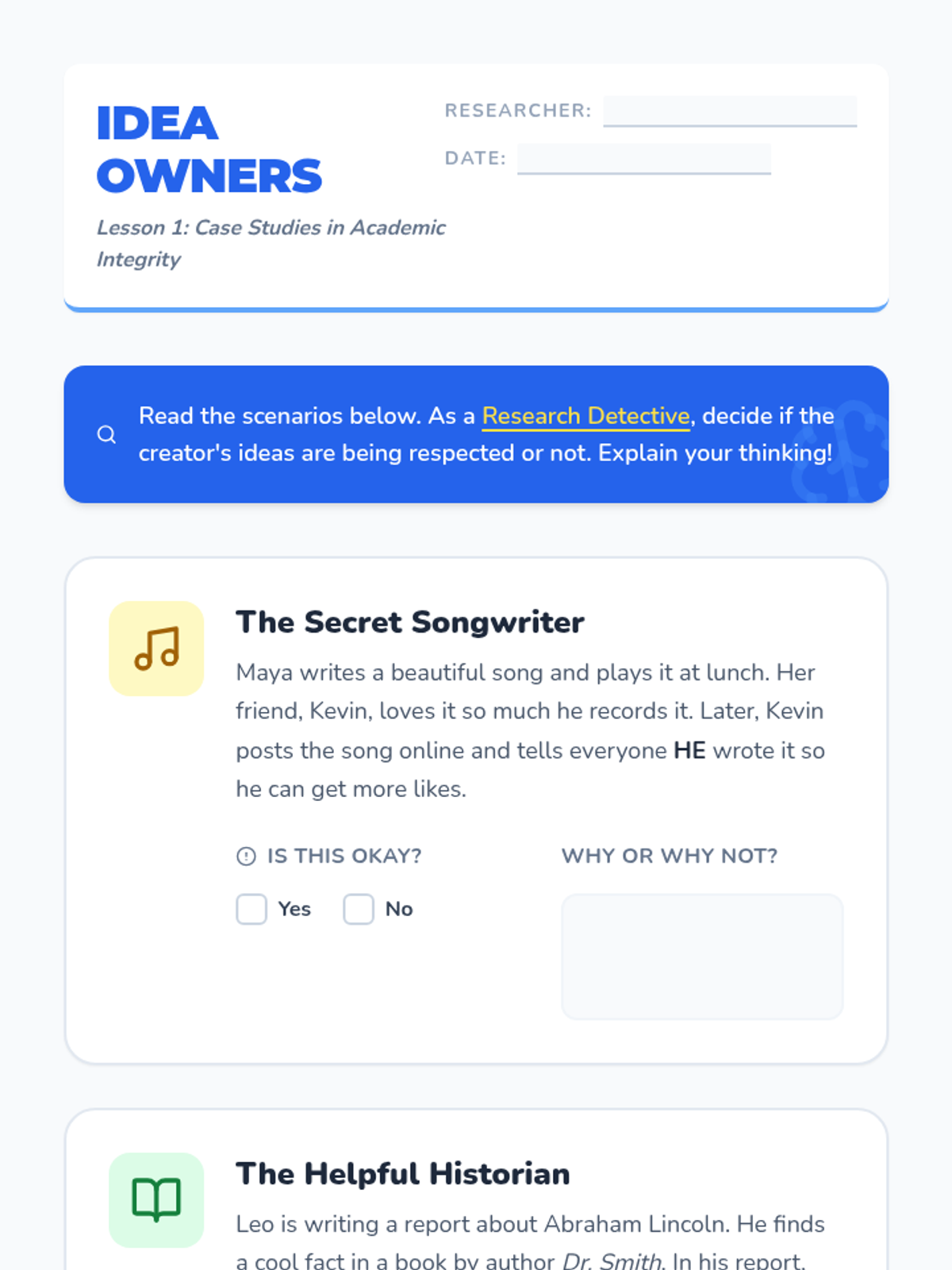
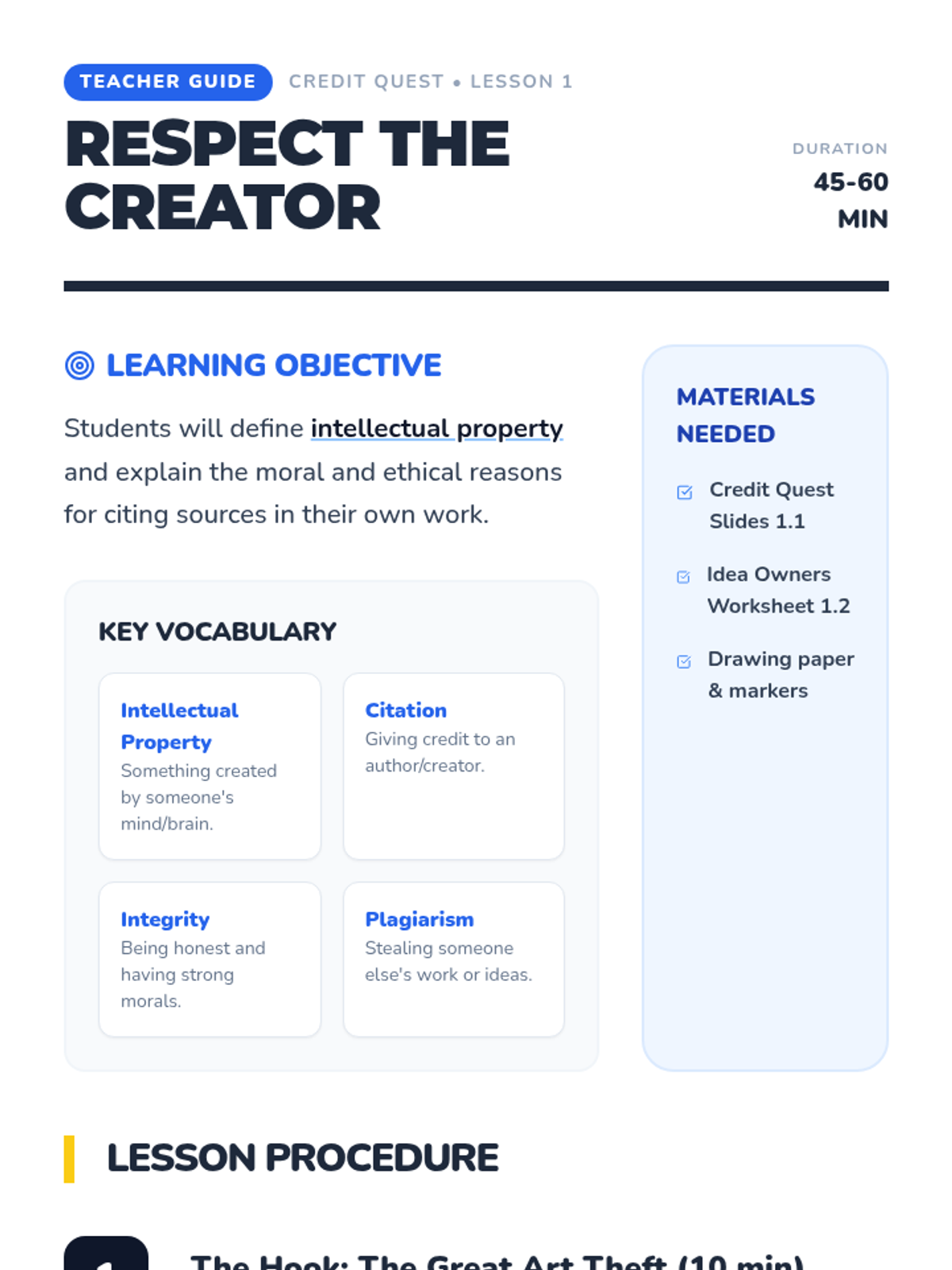
A comprehensive 4th-grade ESL project-based sequence on academic integrity and citation standards. Students transition from understanding the ethics of intellectual property to mastering the technical skills of citing books and websites, culminating in a mini-research project.
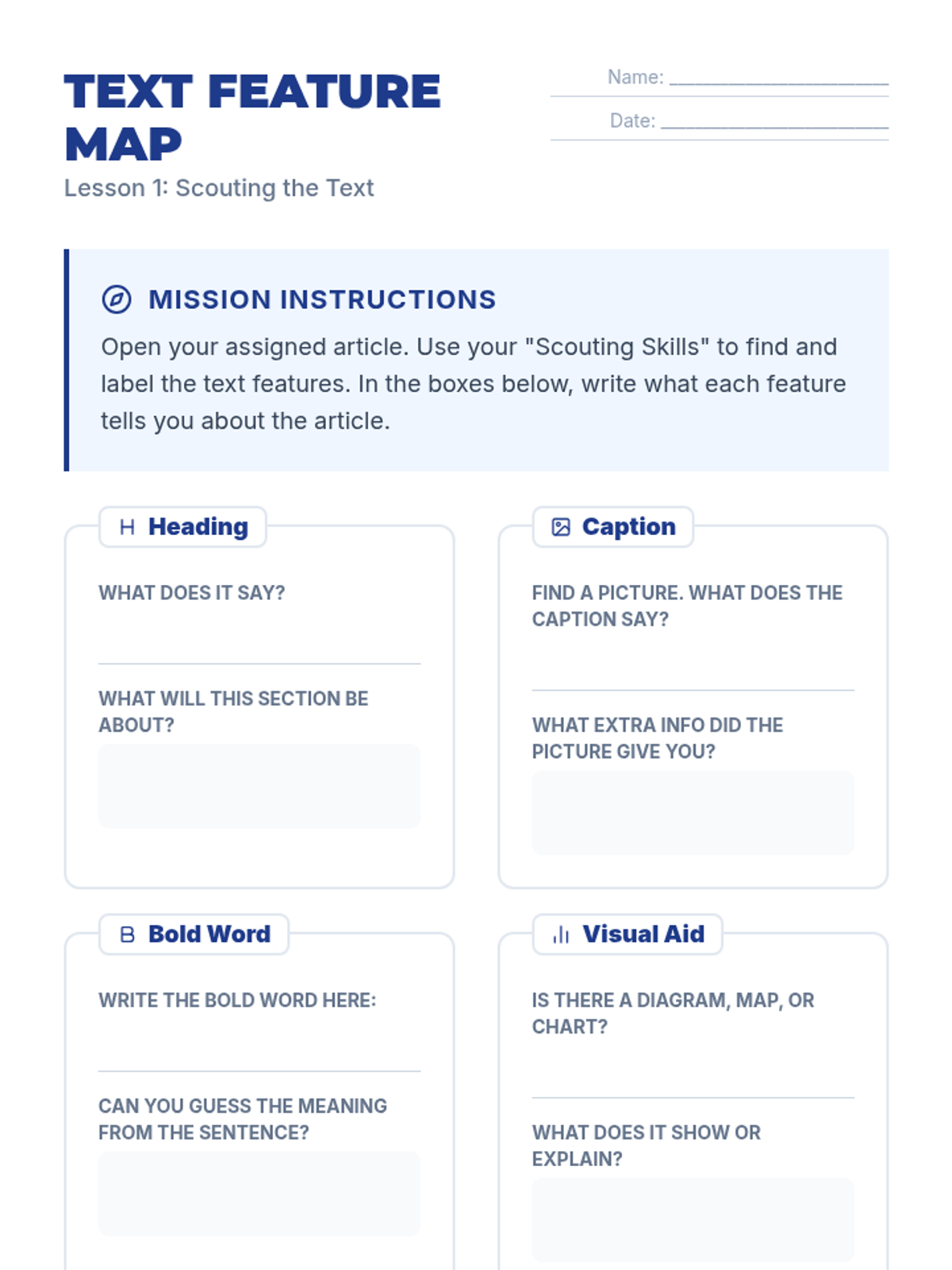
A comprehensive workshop-style sequence for 4th Grade ESL students to master academic research skills. Students progress from navigating text features to note-taking, paraphrasing, summarizing, and ultimately synthesizing information from multiple sources while avoiding plagiarism.
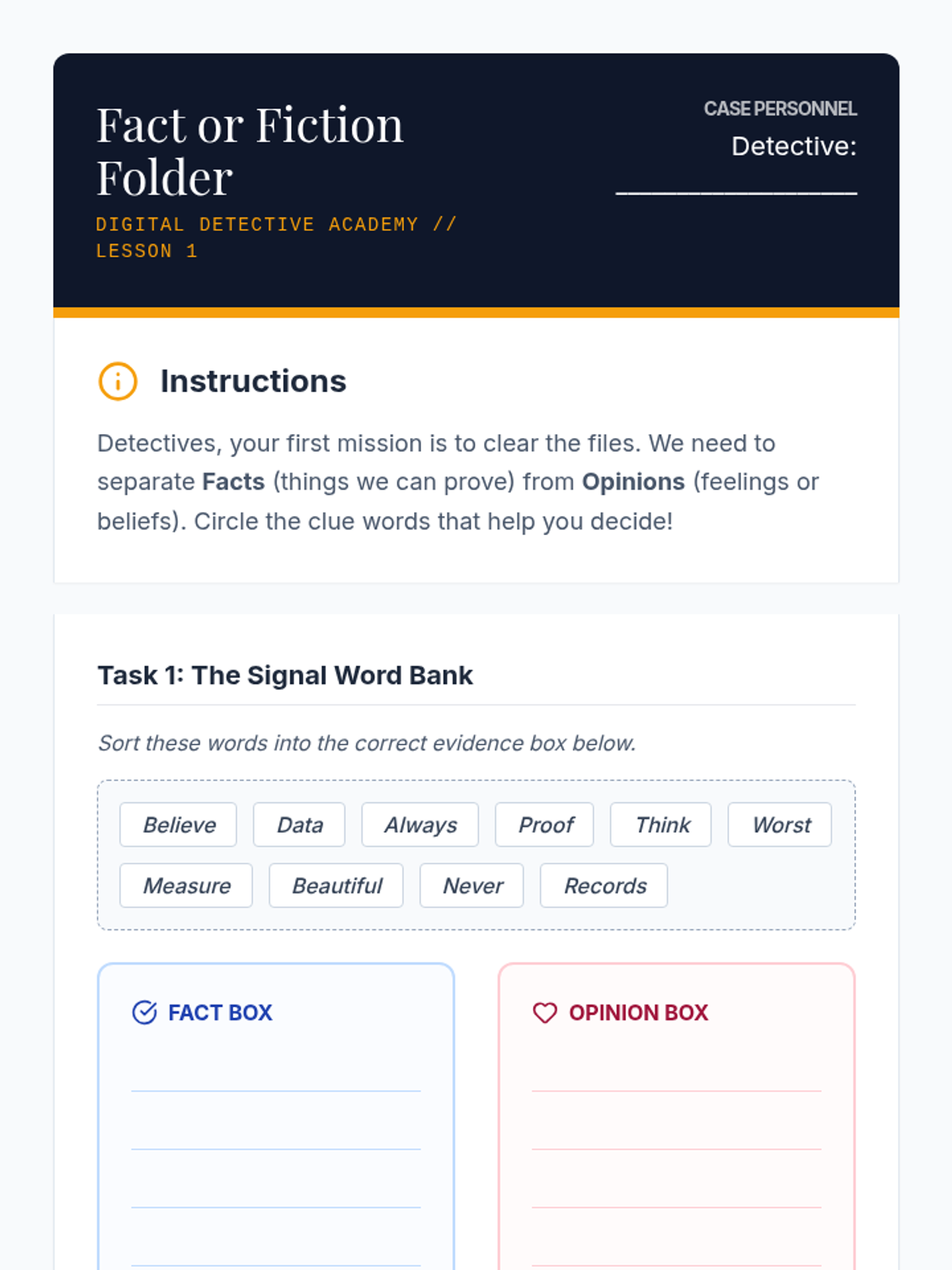
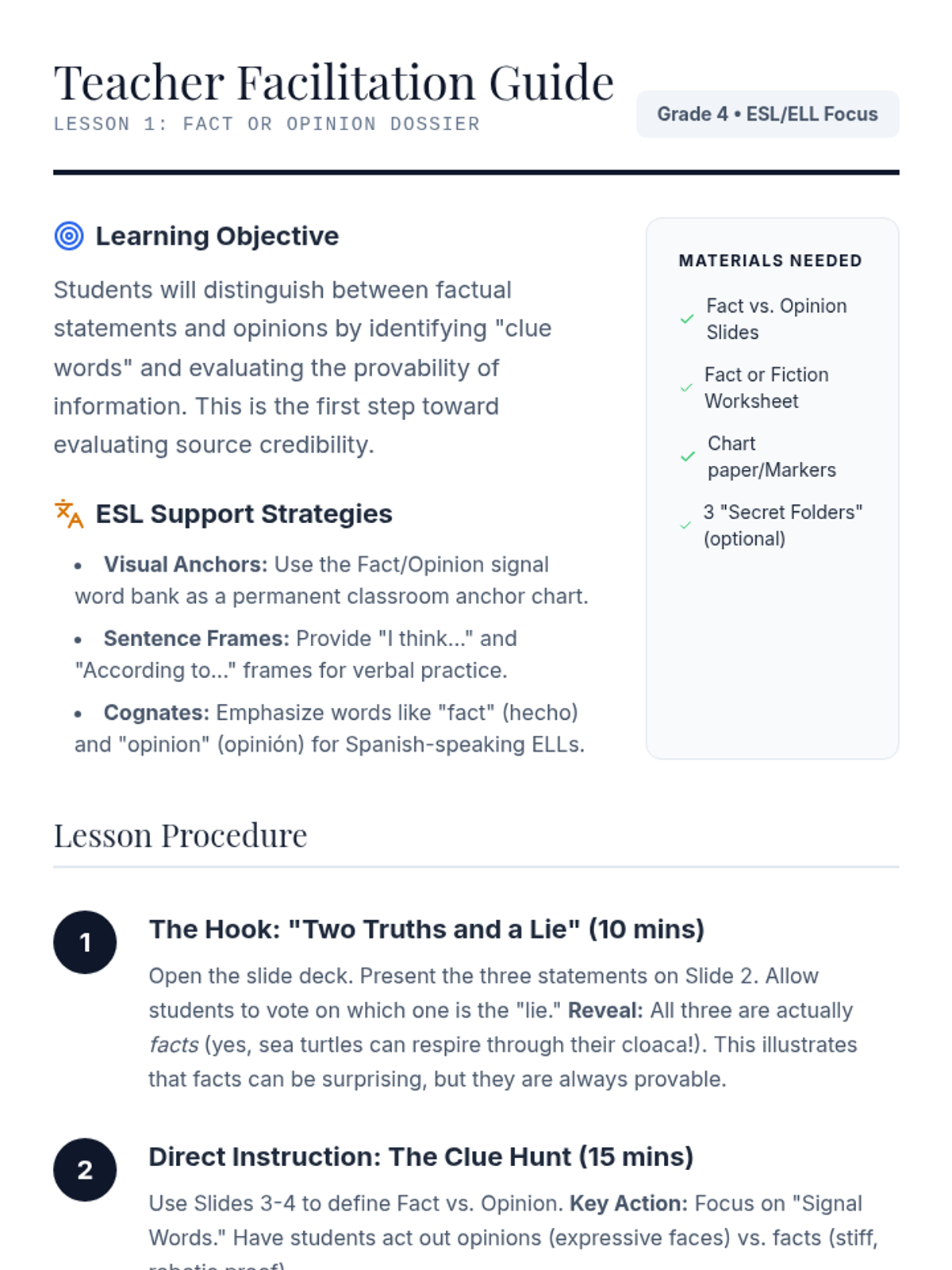
A comprehensive digital literacy unit for 4th Grade ESL students, framing research skills as 'Digital Detective' training. Students learn to distinguish fact from opinion, master keyword searching, evaluate website credibility, and verify information through cross-referencing.
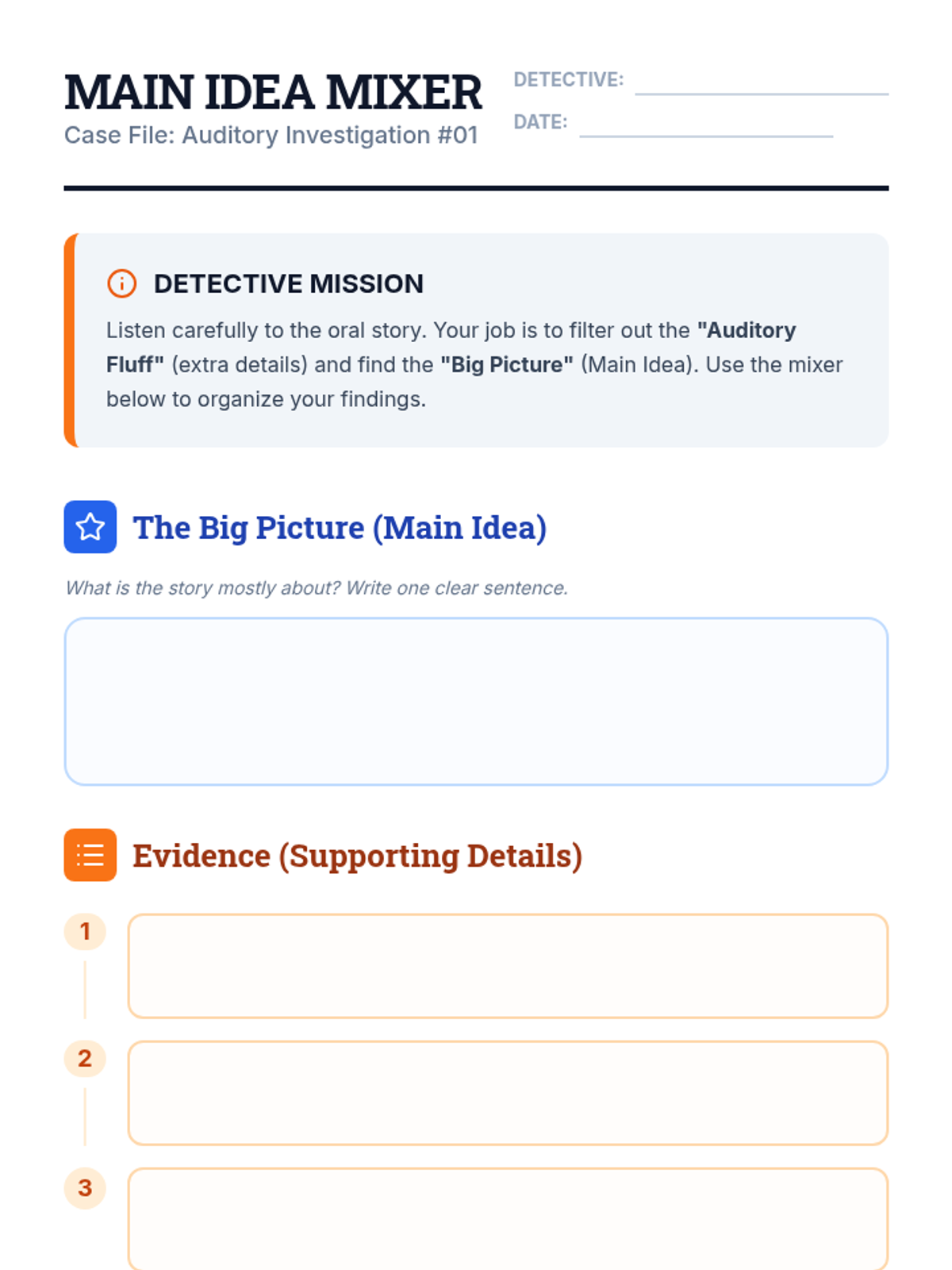
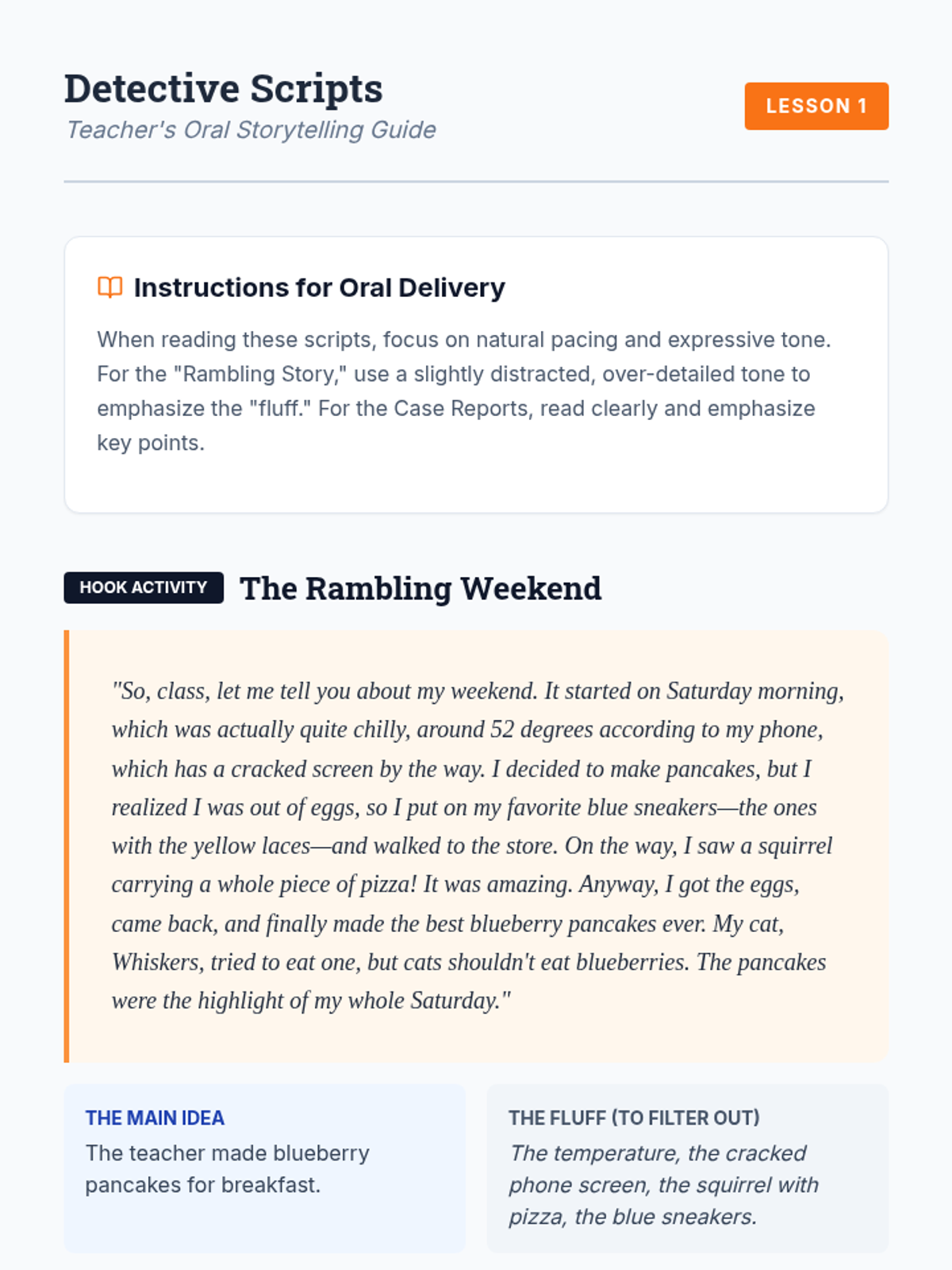
A 4th-grade ESL listening sequence that transforms students into 'Sound Detectives' to master narrative elements. Students learn to filter 'auditory fluff' for main ideas, analyze character traits through vocal cues, track plot sequences using signal words, and predict endings using foreshadowing.
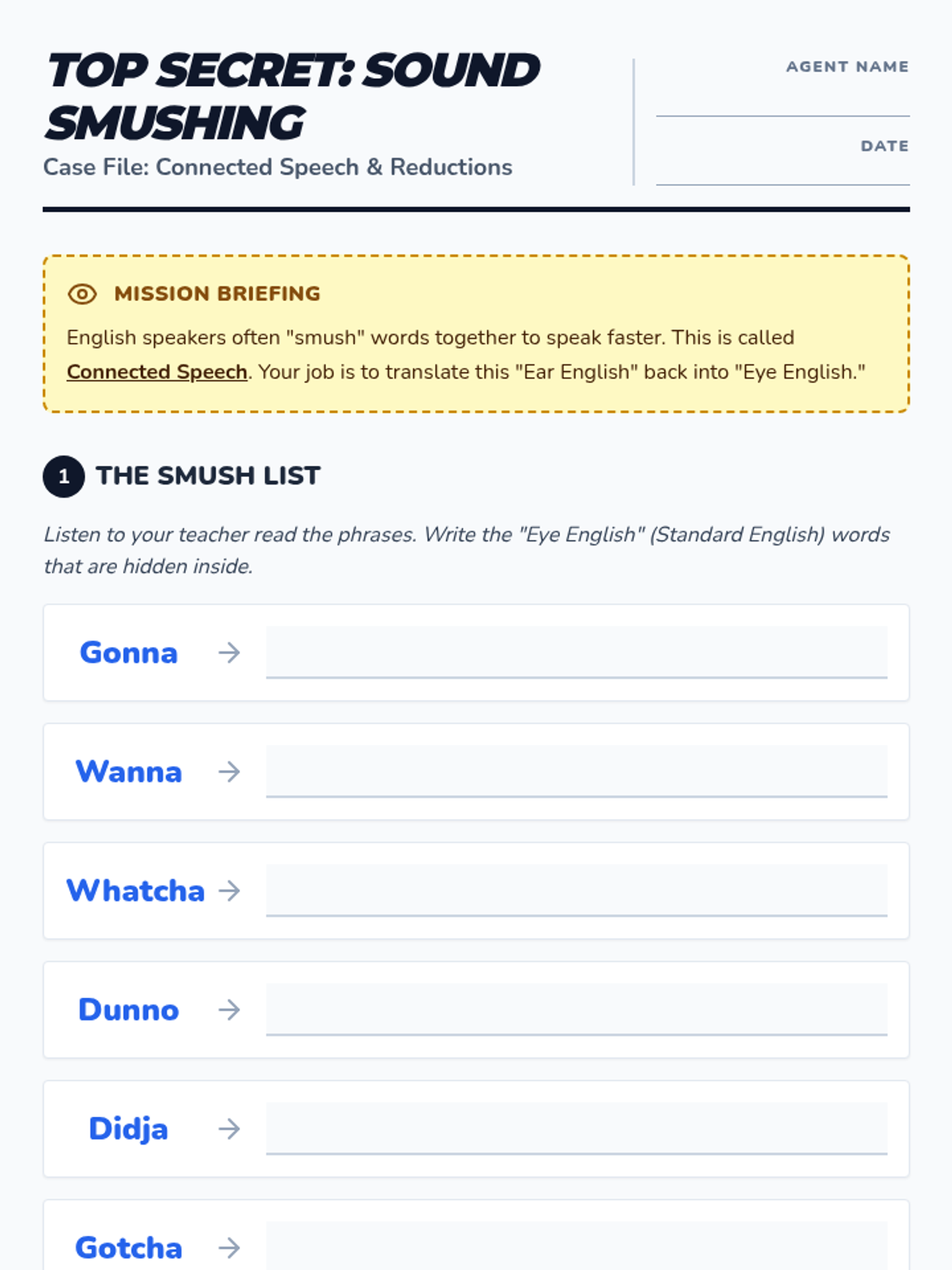
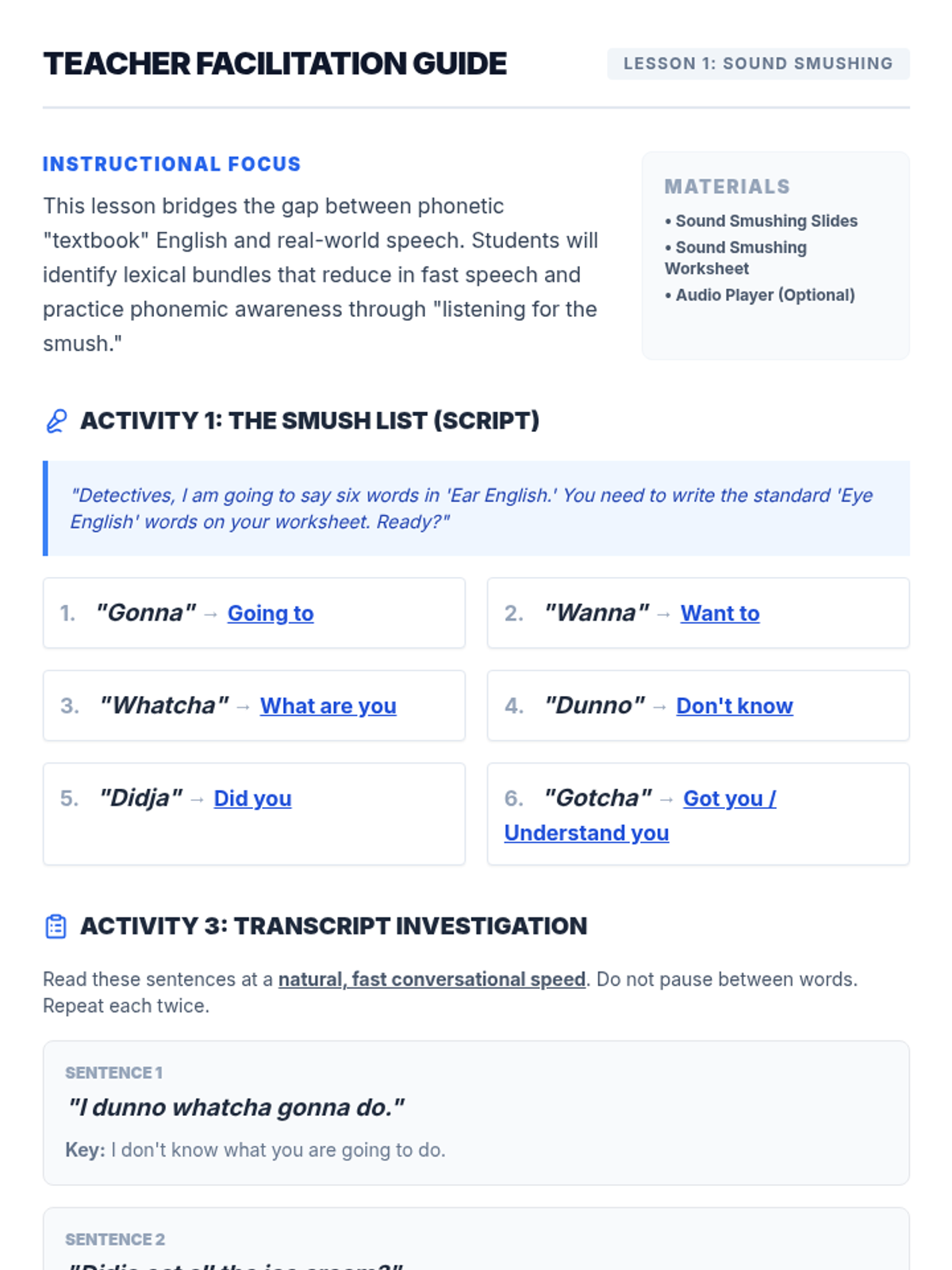
A comprehensive ESL listening sequence for 4th graders focusing on natural speech patterns, emotional tone, idioms, and social registers. Students act as 'Ear Detectives' to decode the hidden meanings in how English is actually spoken vs. how it is written.
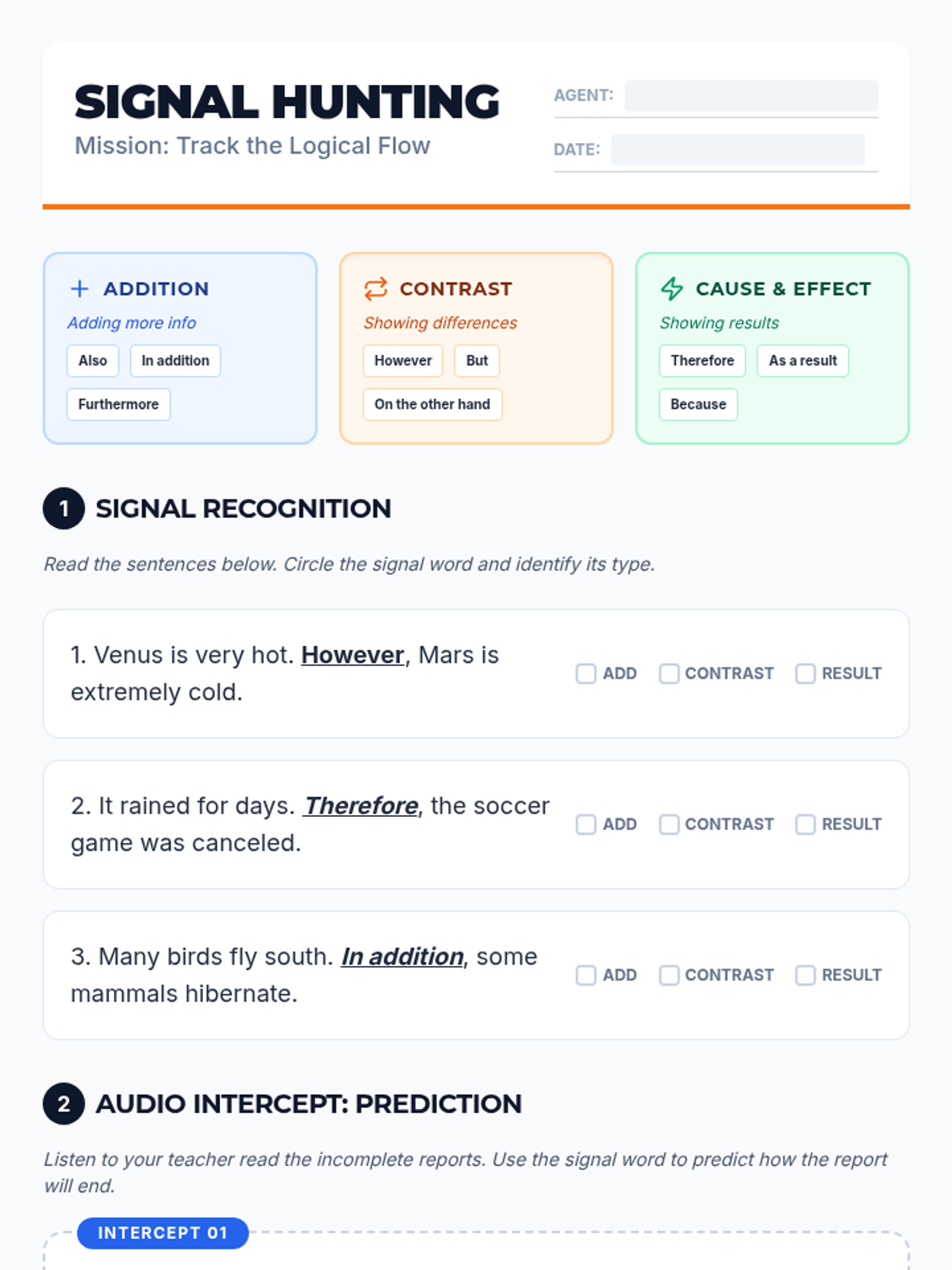
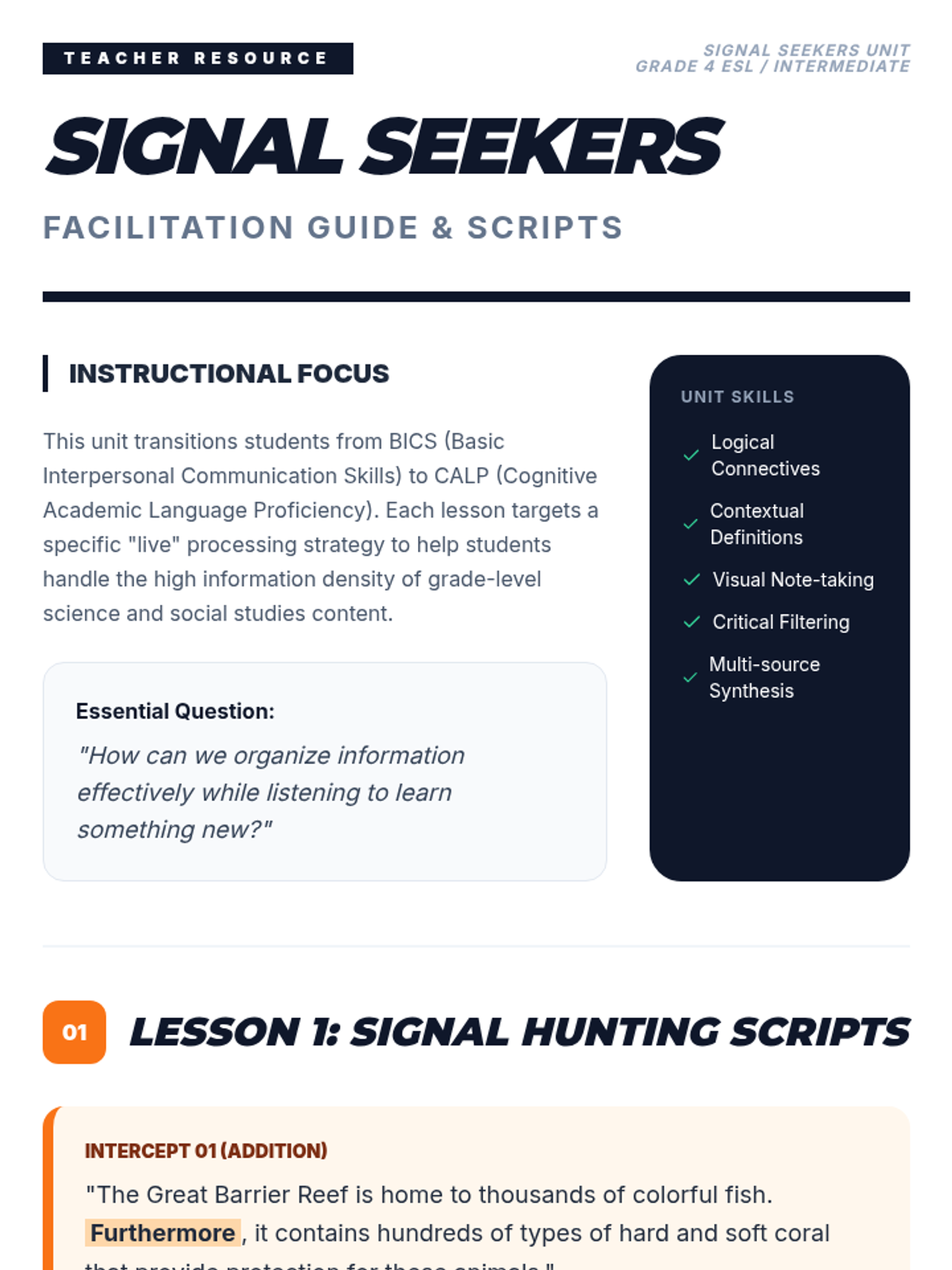
A comprehensive unit for 4th Grade ESL learners to master academic listening. Students transition from social conversation to processing informational texts by identifying signal words, capturing vocabulary definitions in context, using graphic organizers, and distinguishing fact from opinion to synthesize complex information.
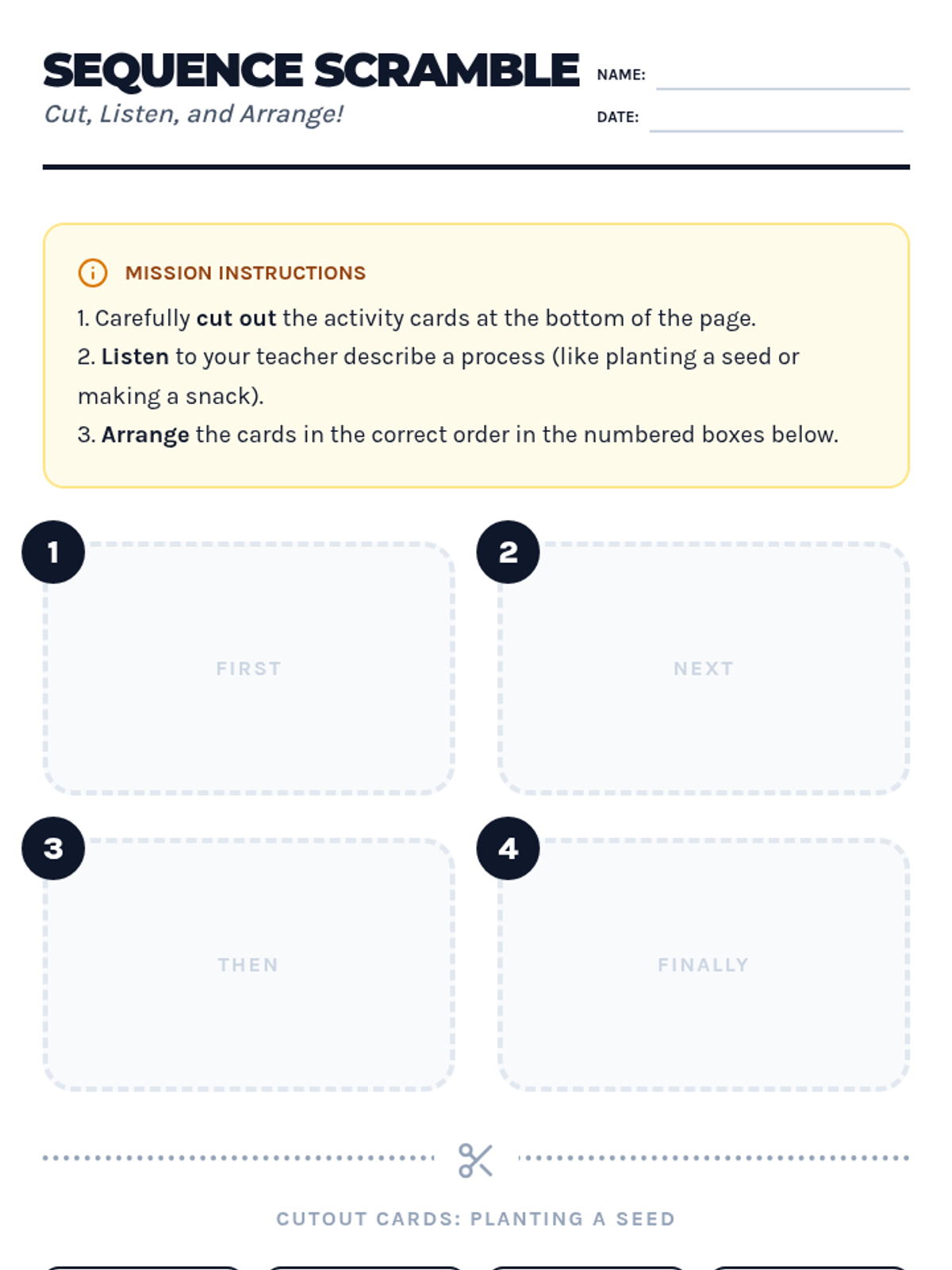
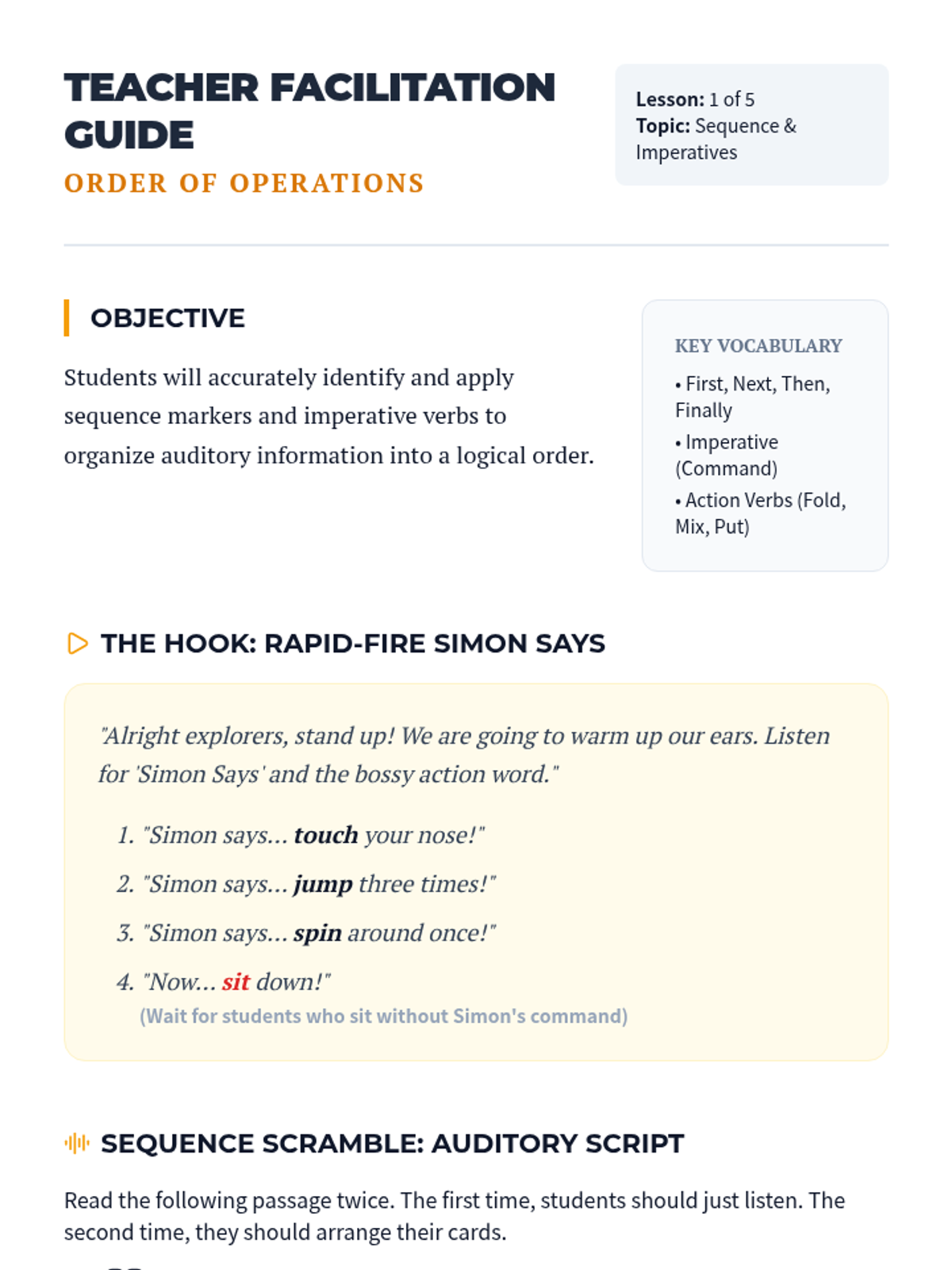
This sequence helps 4th Grade ESL students master listening skills by focusing on multi-step directions, sequence markers, spatial prepositions, and clarification strategies. Students progress from identifying simple transition words to navigating complex maps and completing an auditory scavenger hunt.
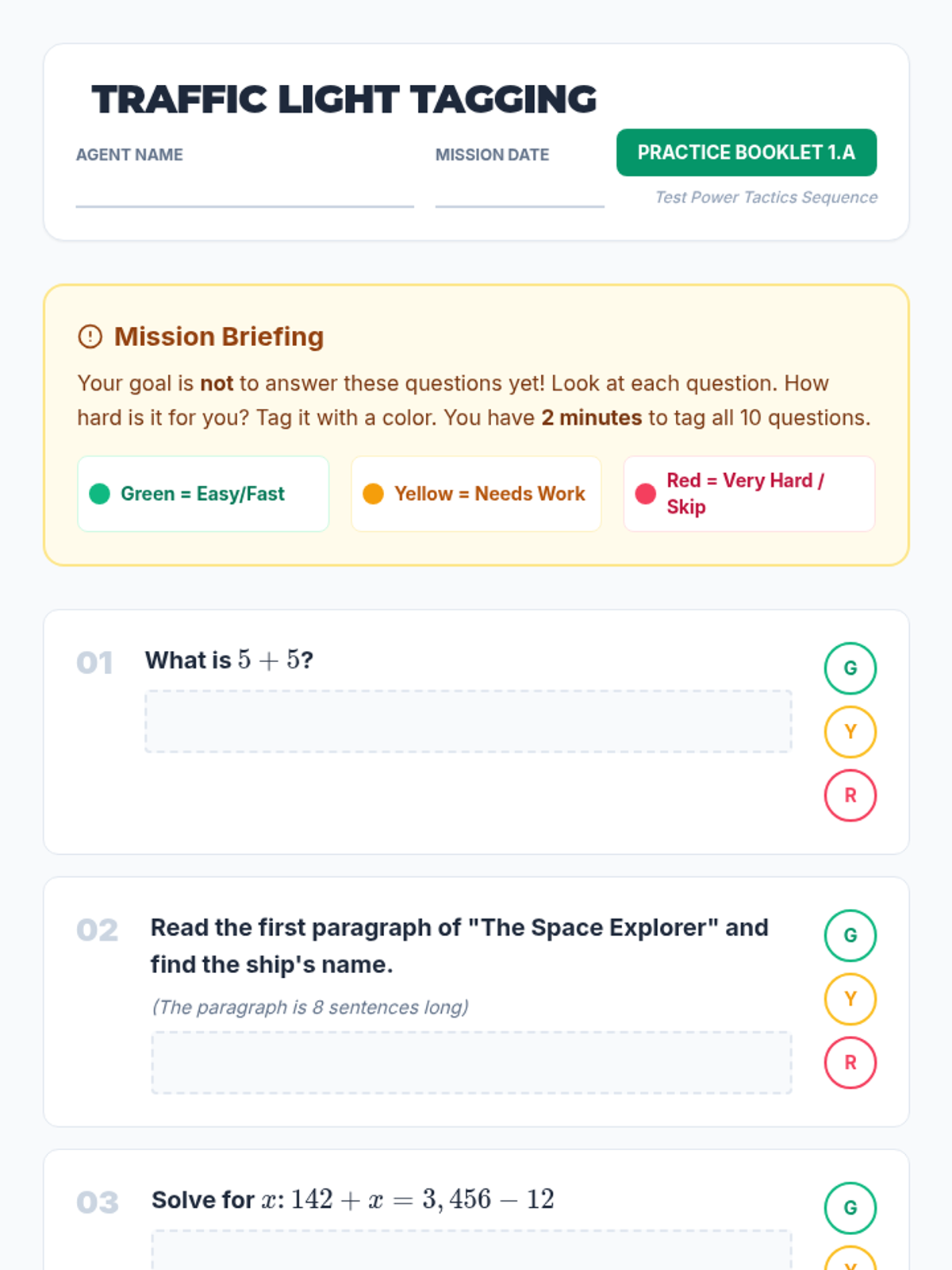
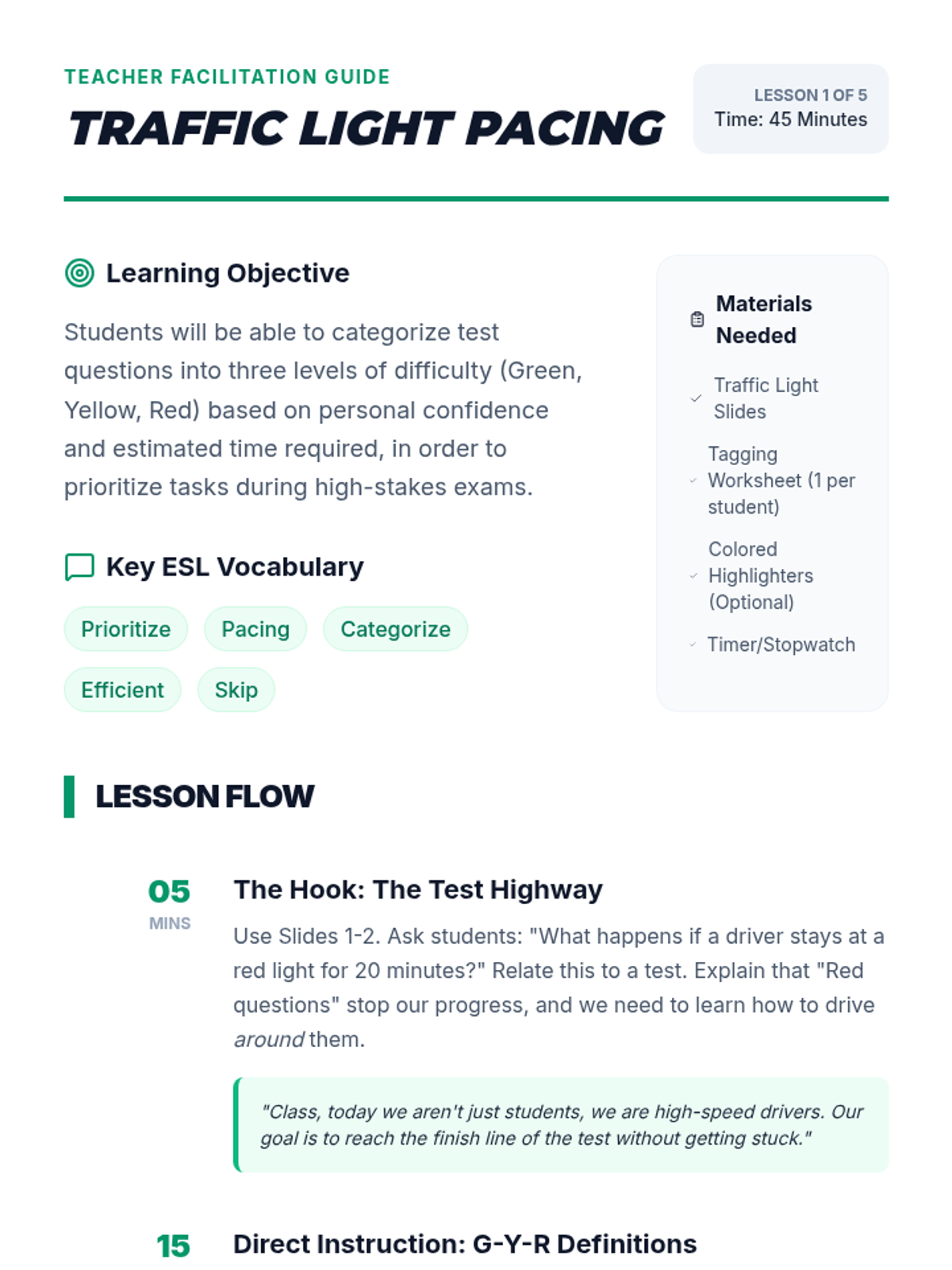
This sequence helps 4th Grade ESL students master test-taking strategies focusing on time management and anxiety regulation. Students learn the 'traffic light' method for prioritization, the 'skip and return' technique for pacing, mindfulness strategies for stress, and mechanics for accurate bubbling.
A 5-lesson unit for 4th Grade ESL students focusing on test-taking strategies for reading comprehension. Students learn to use their 'detective tools' to find evidence, annotate effectively, and navigate passages with a focus on 'proving' their answers rather than guessing.
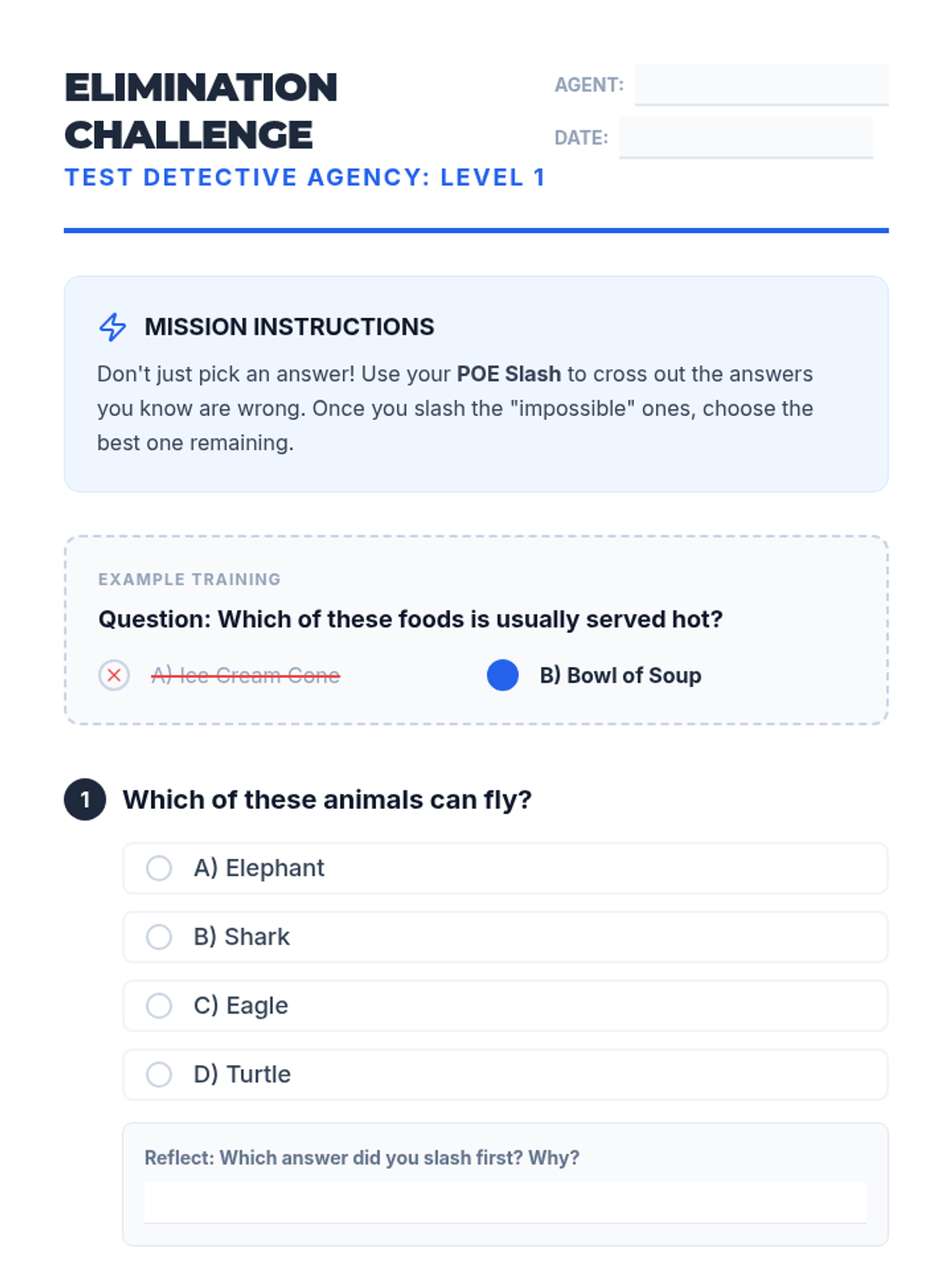
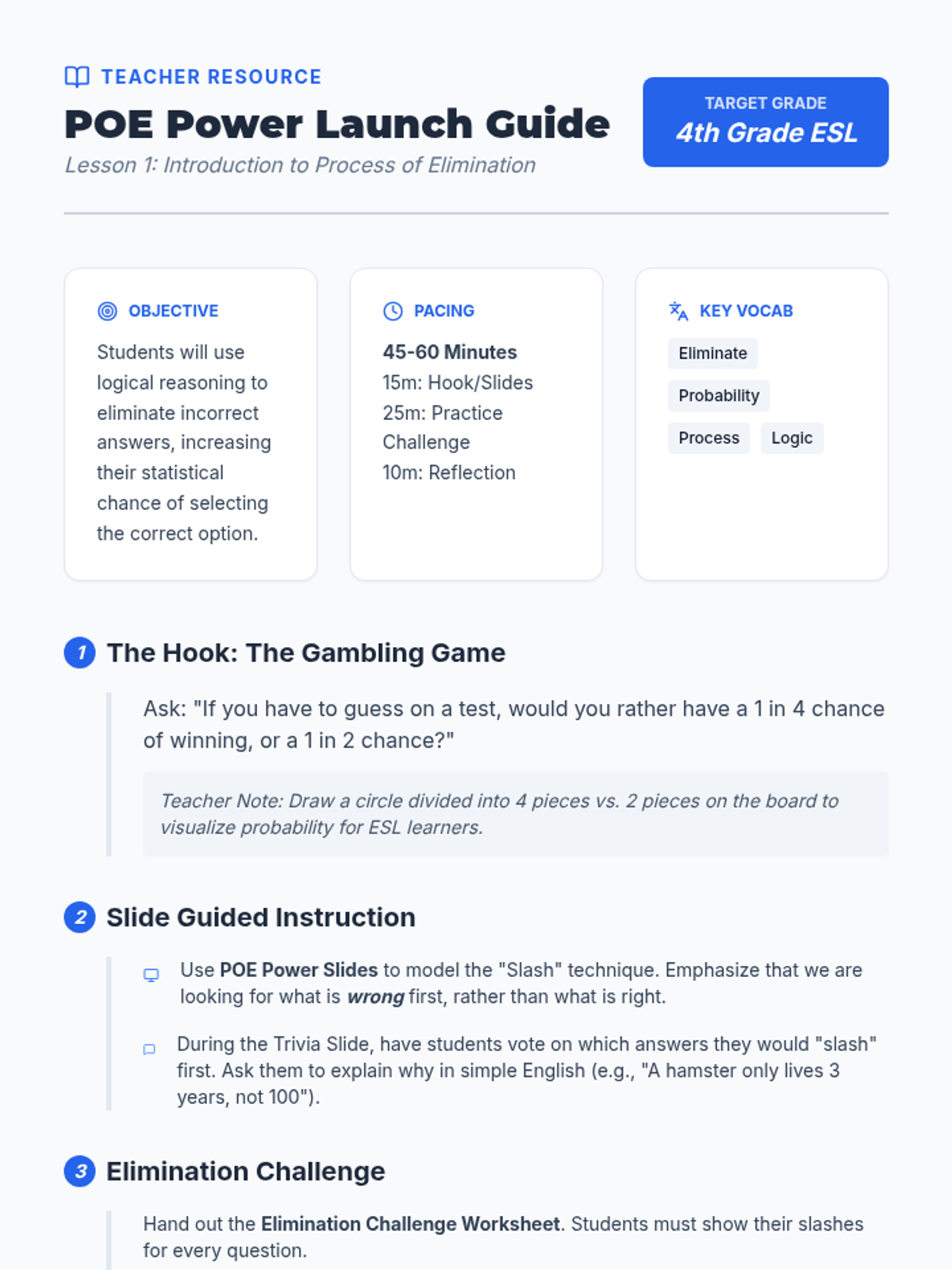
A comprehensive sequence for 4th Grade ESL students to master test-taking logic. Students learn the Process of Elimination (POE), identify extreme language red flags, categorize common distractor types, and evaluate the 'best' vs. 'correct' answers, culminating in a creative workshop where they design their own distractors.
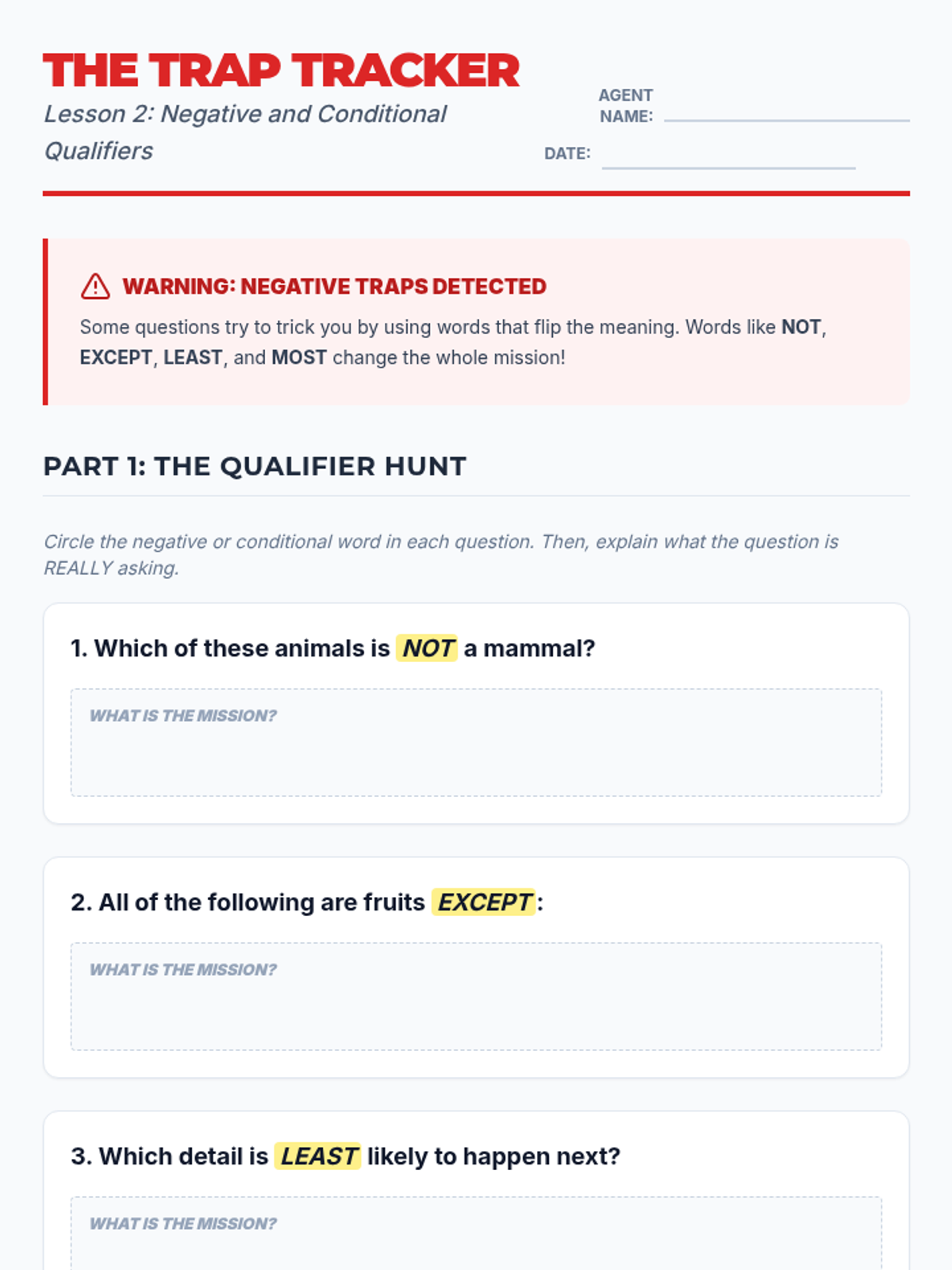
A comprehensive 4th Grade ESL sequence focused on academic English test-taking strategies. Students learn to deconstruct question stems, identify negative qualifiers, isolate keywords, predict answers, and rephrase complex academic prompts into student-friendly language.
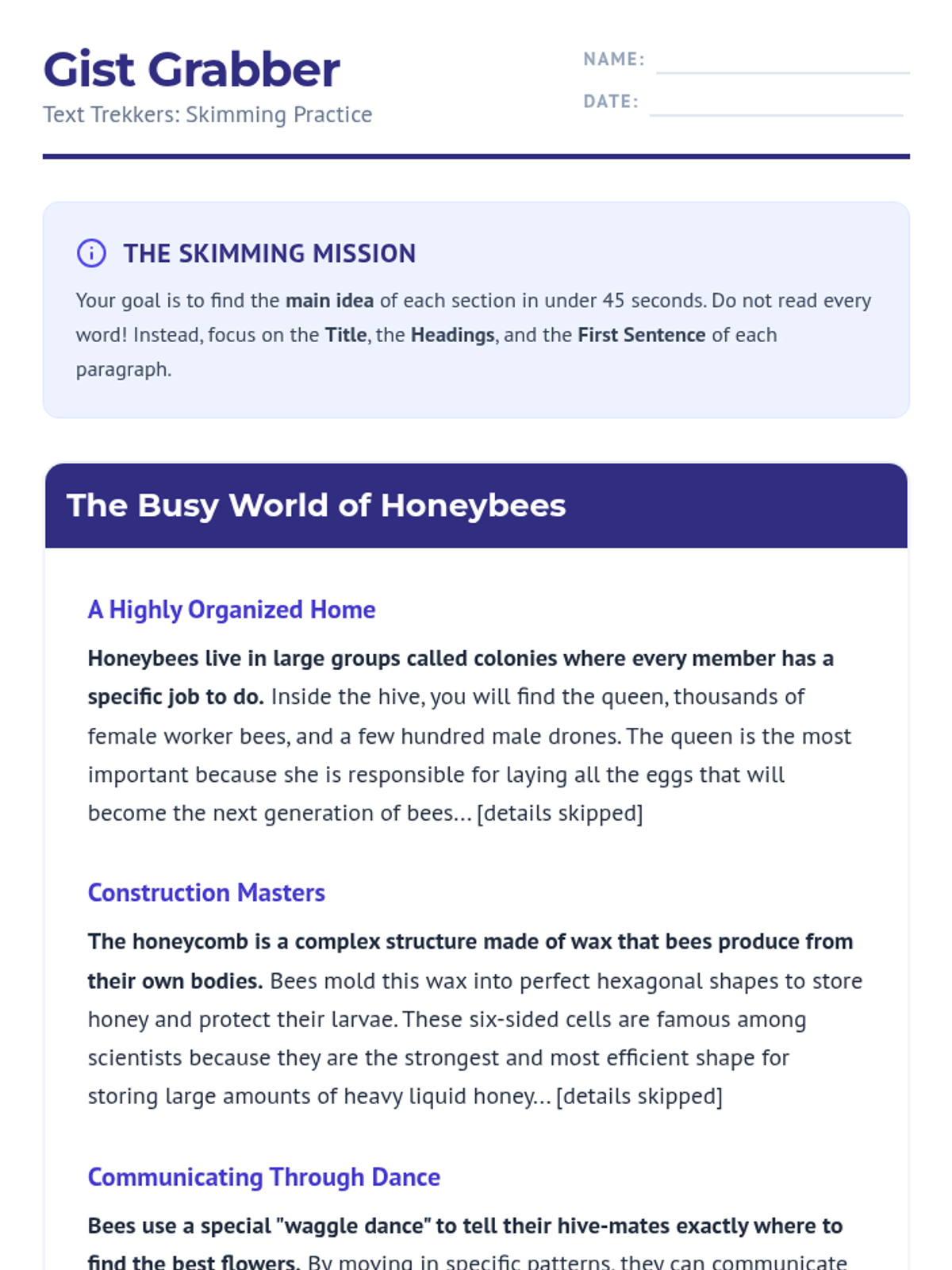
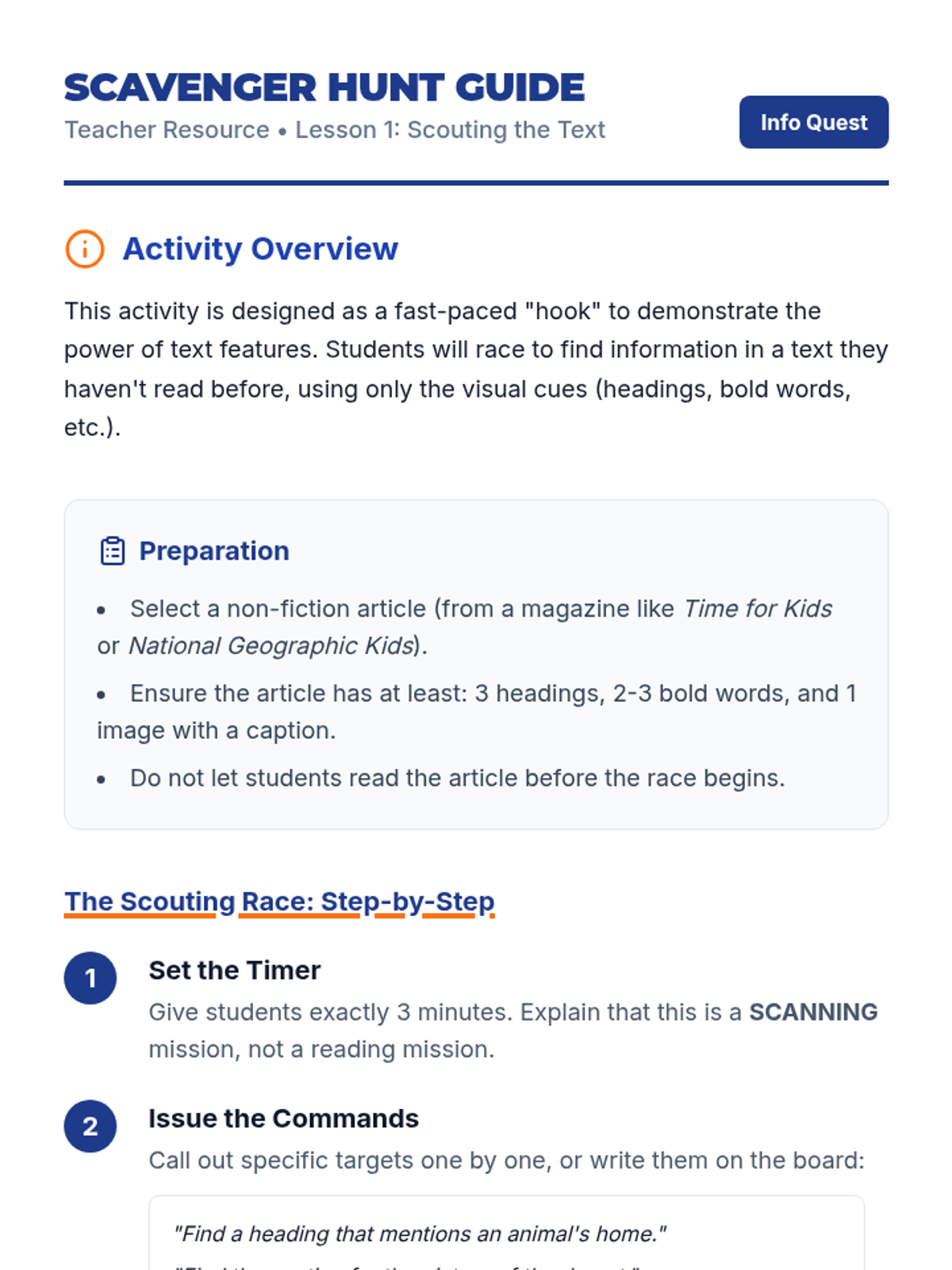
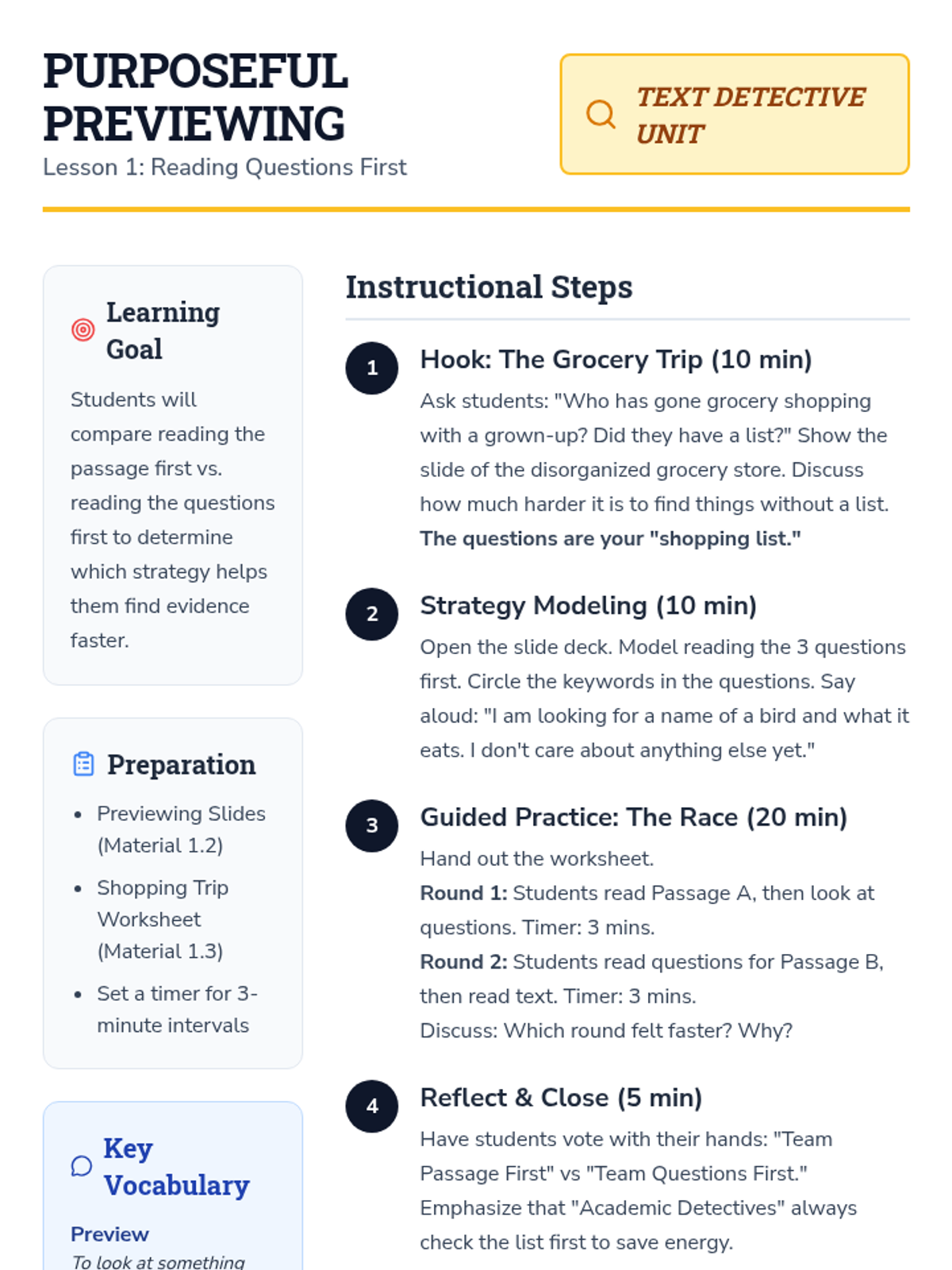
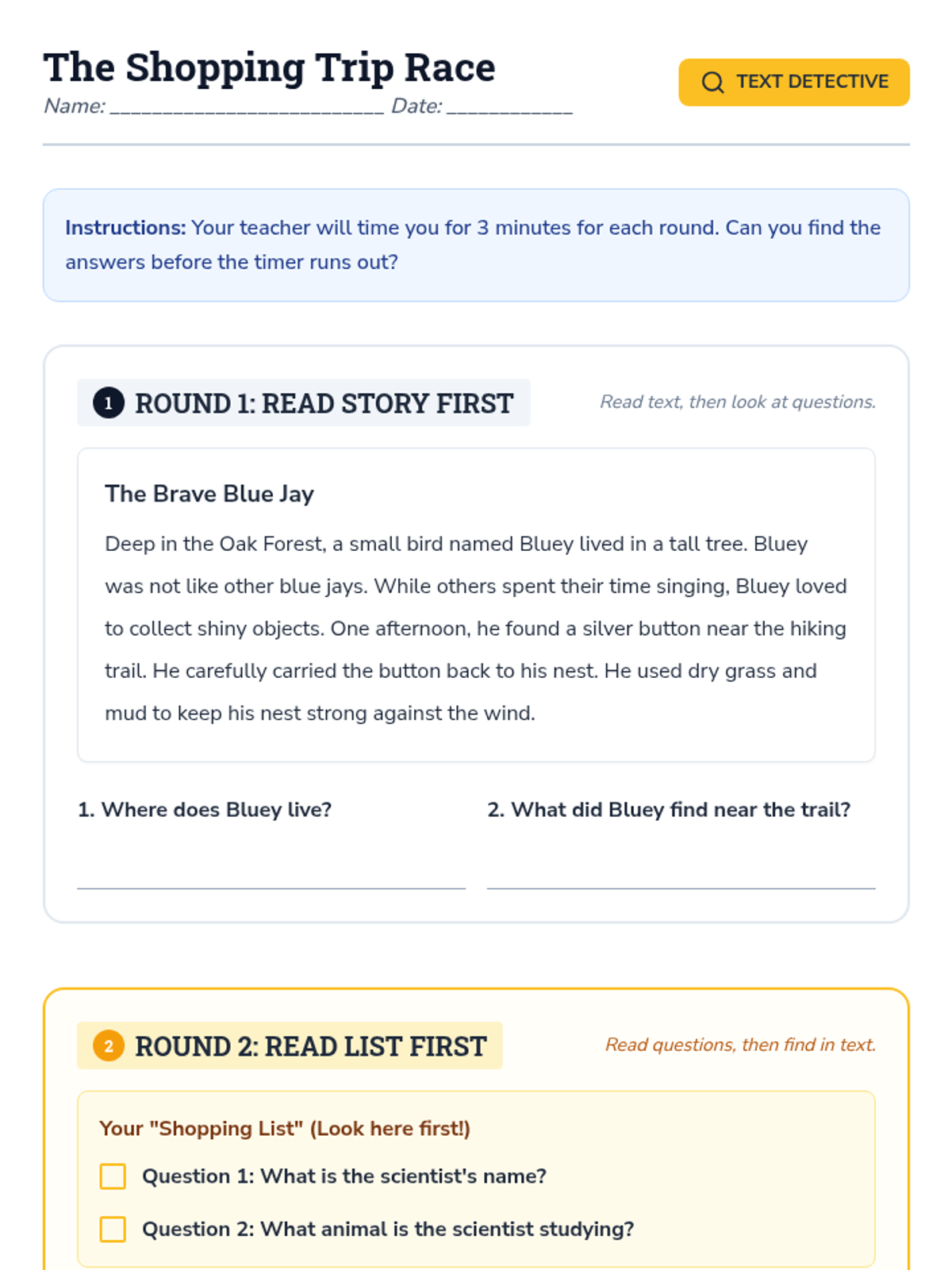
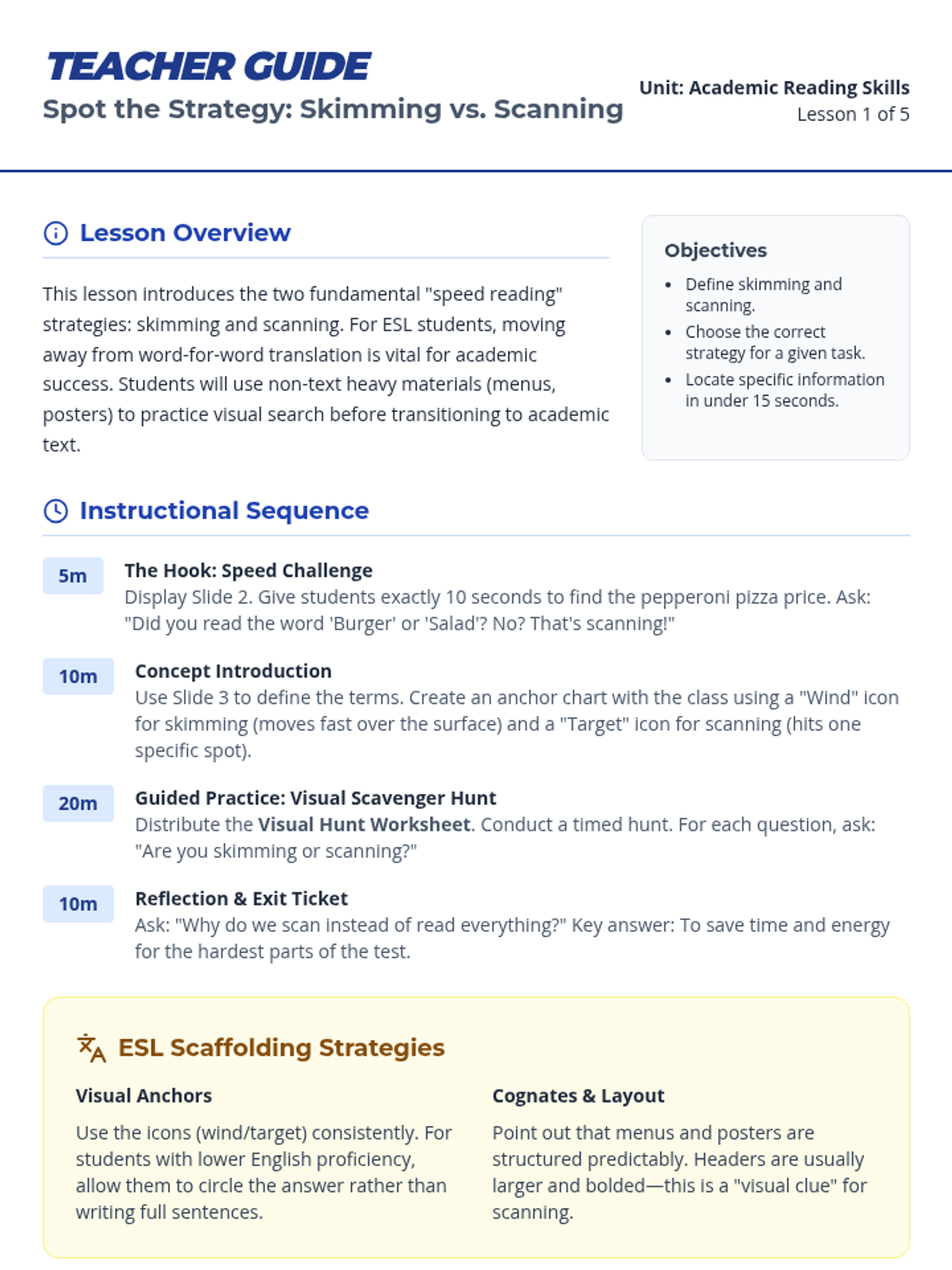
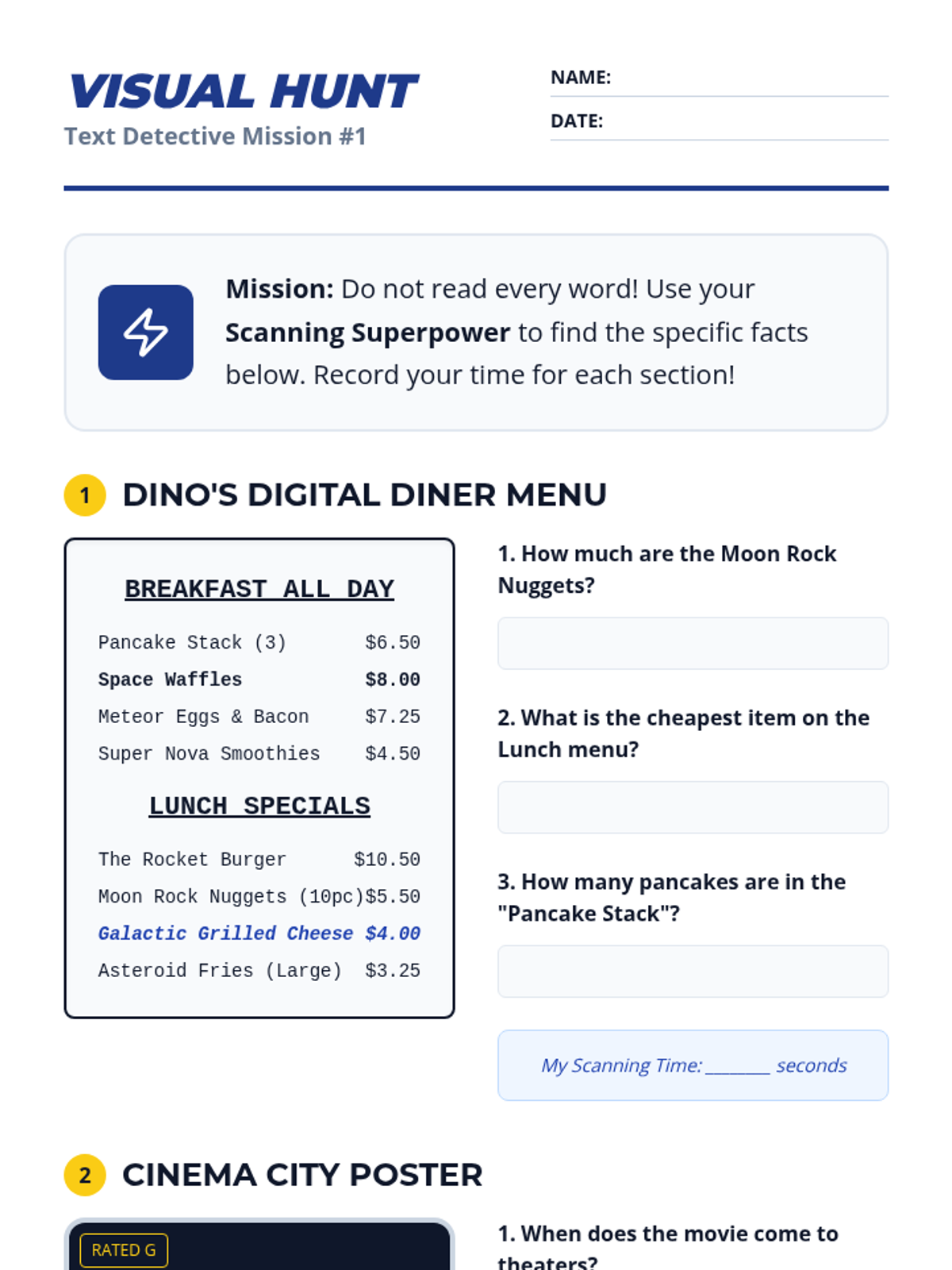
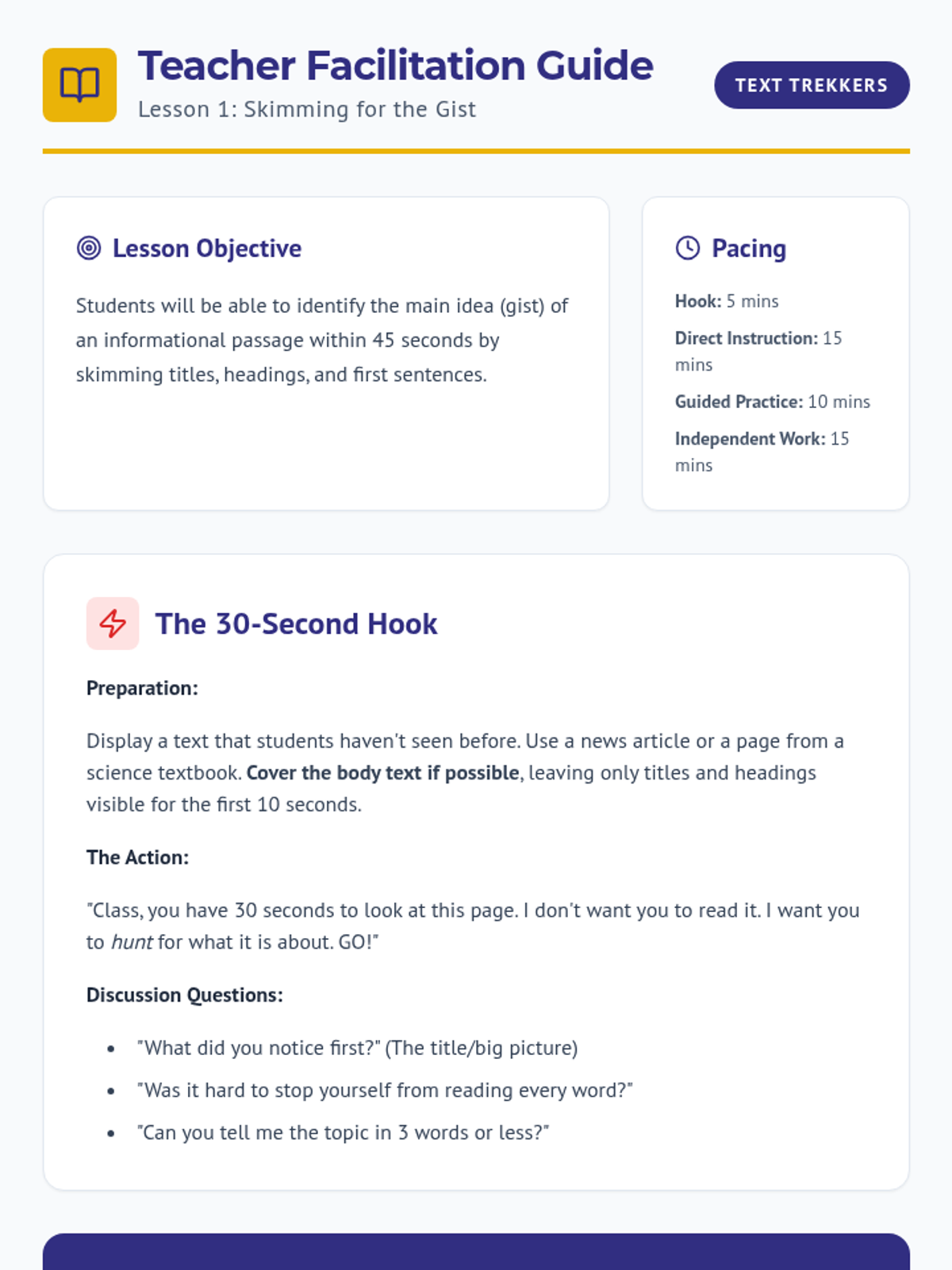
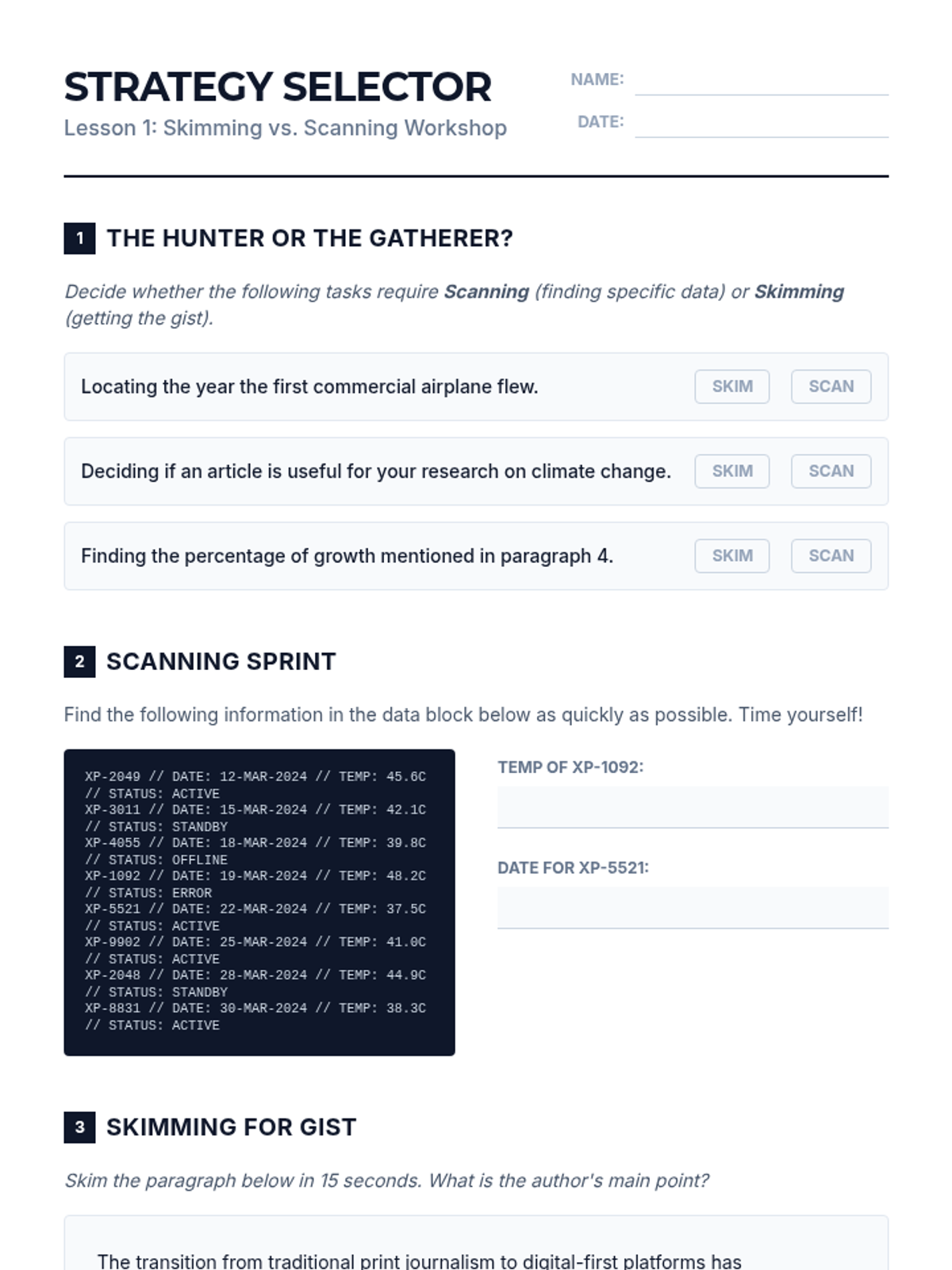
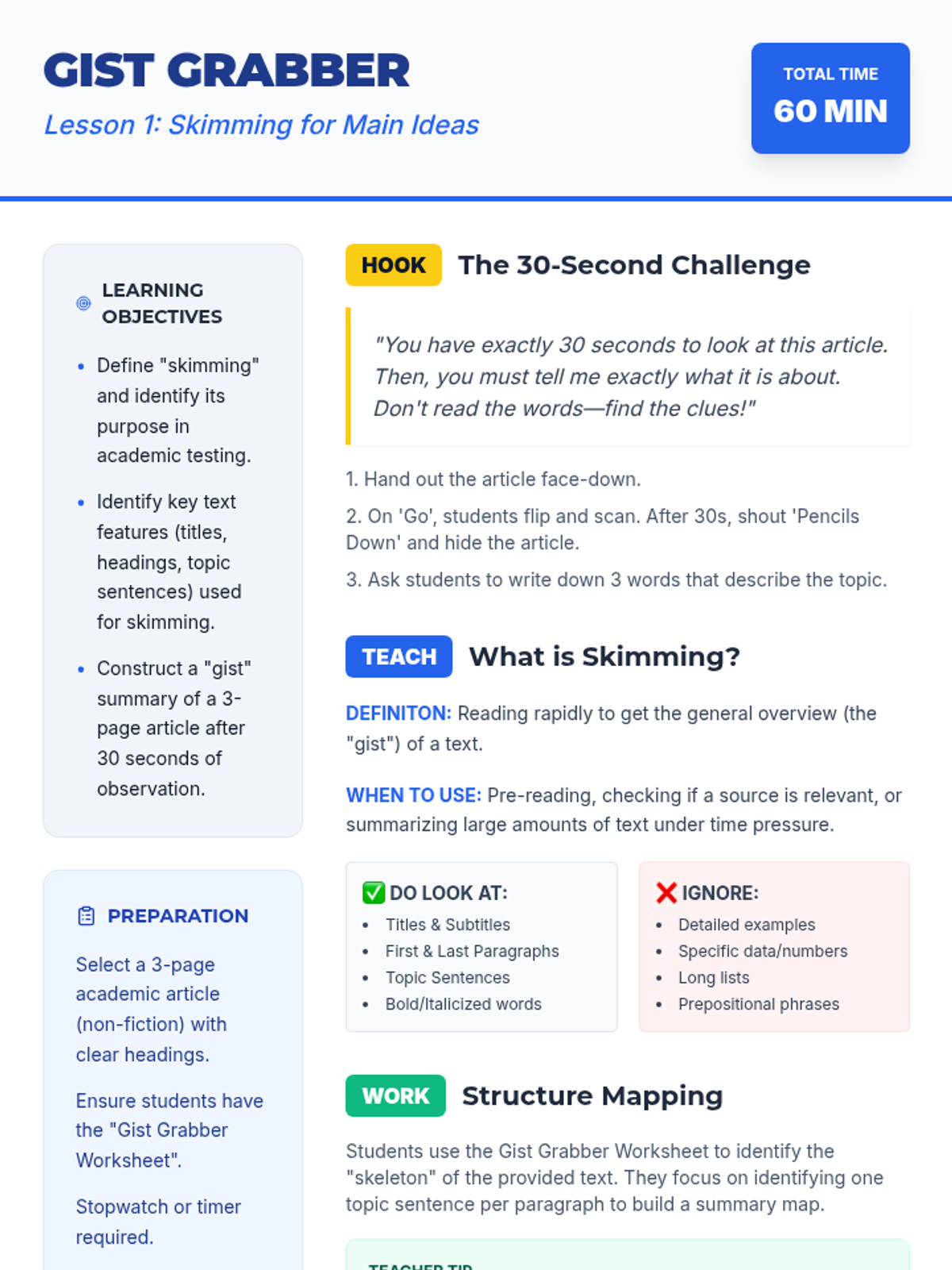
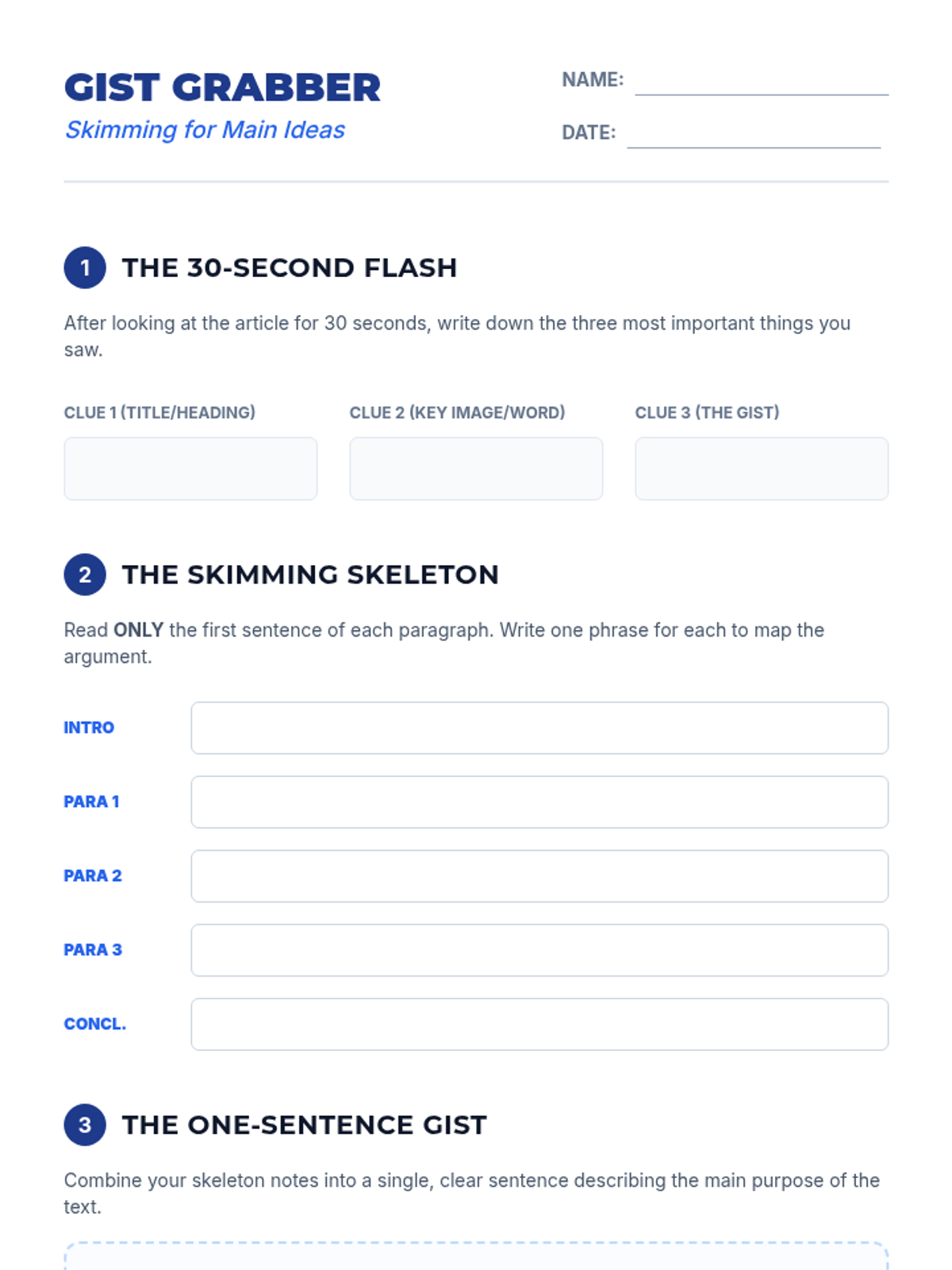
A 4th-grade ESL sequence focusing on academic reading efficiency through skimming for main ideas and scanning for specific details, using a 'Text Detective' theme.
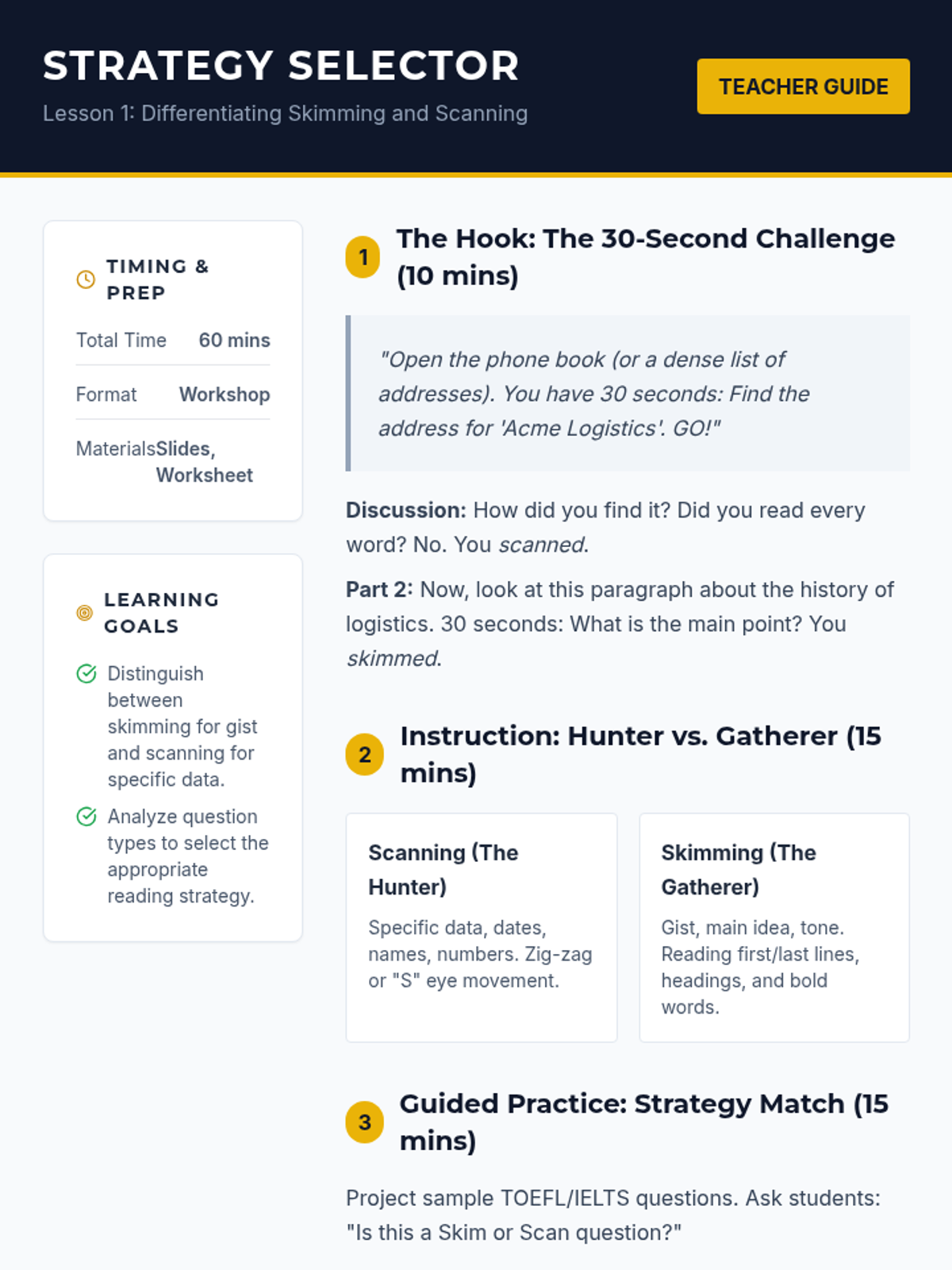
This sequence teaches 5th-grade ESL students how to navigate informational texts efficiently using skimming and scanning strategies. Students will move from understanding the big picture to locating specific keywords and using text features to answer test-style questions under time pressure.

A workshop-style sequence for undergraduate ESL students to master skimming and scanning techniques for high-stakes academic exams. Students move from conceptual understanding to timed application, focusing on efficiency and accuracy in dense academic texts.
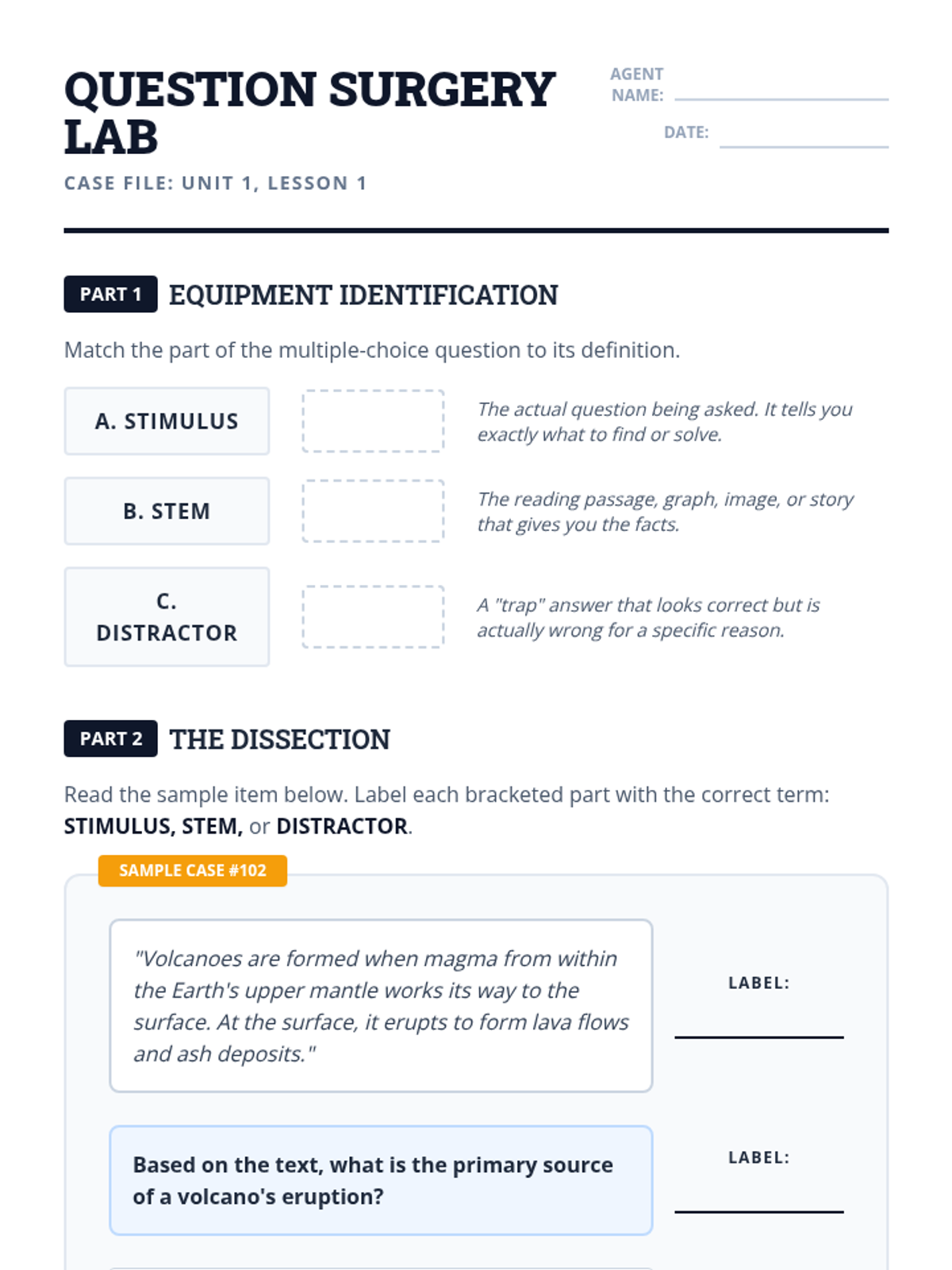
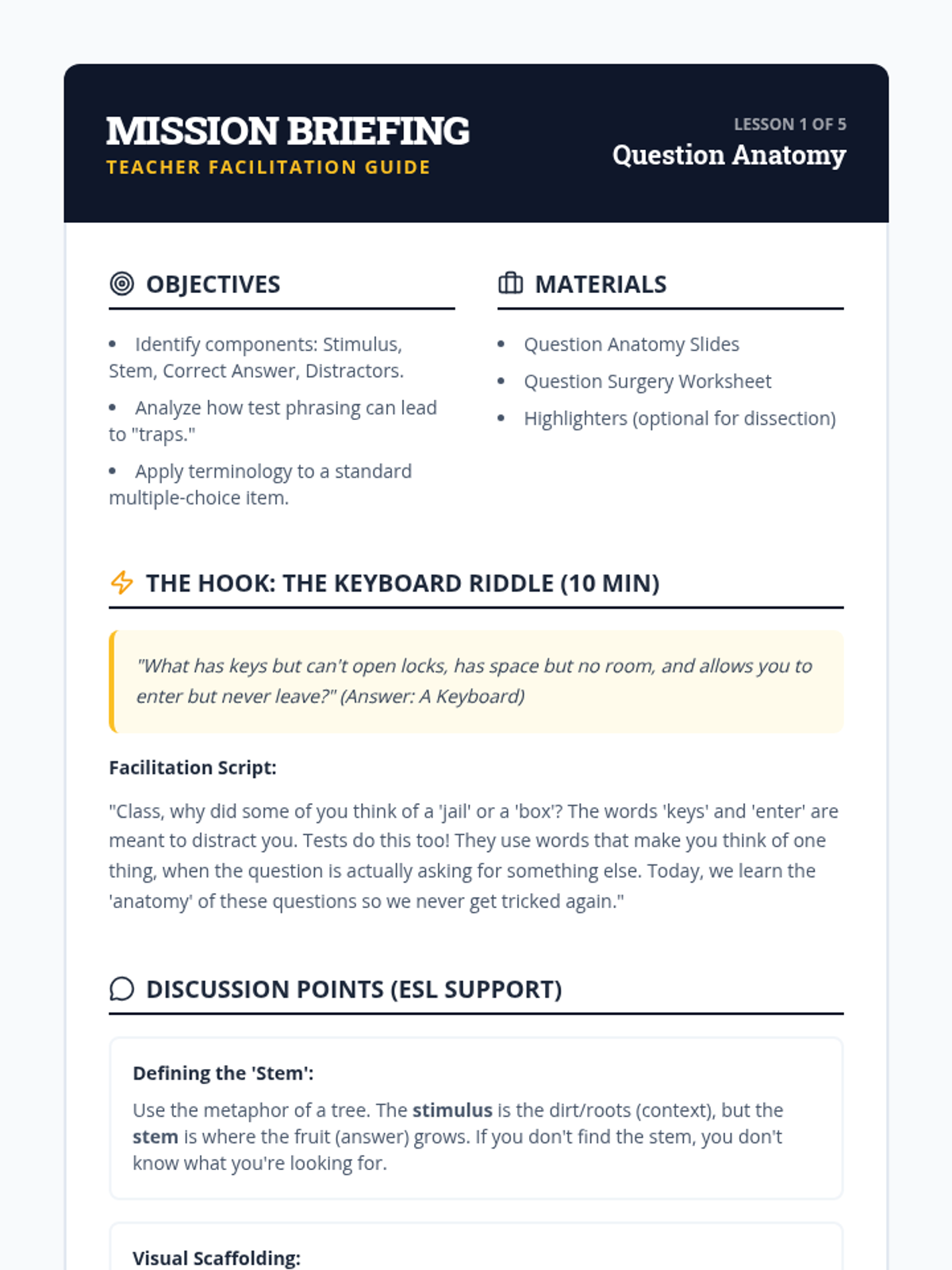
This sequence targets the analytical skills required to dismantle multiple-choice questions for 7th Grade ESL learners. Students move from understanding the anatomy of a question to identifying common logical fallacies and 'trap' answers, utilizing game-based learning and deductive reasoning.
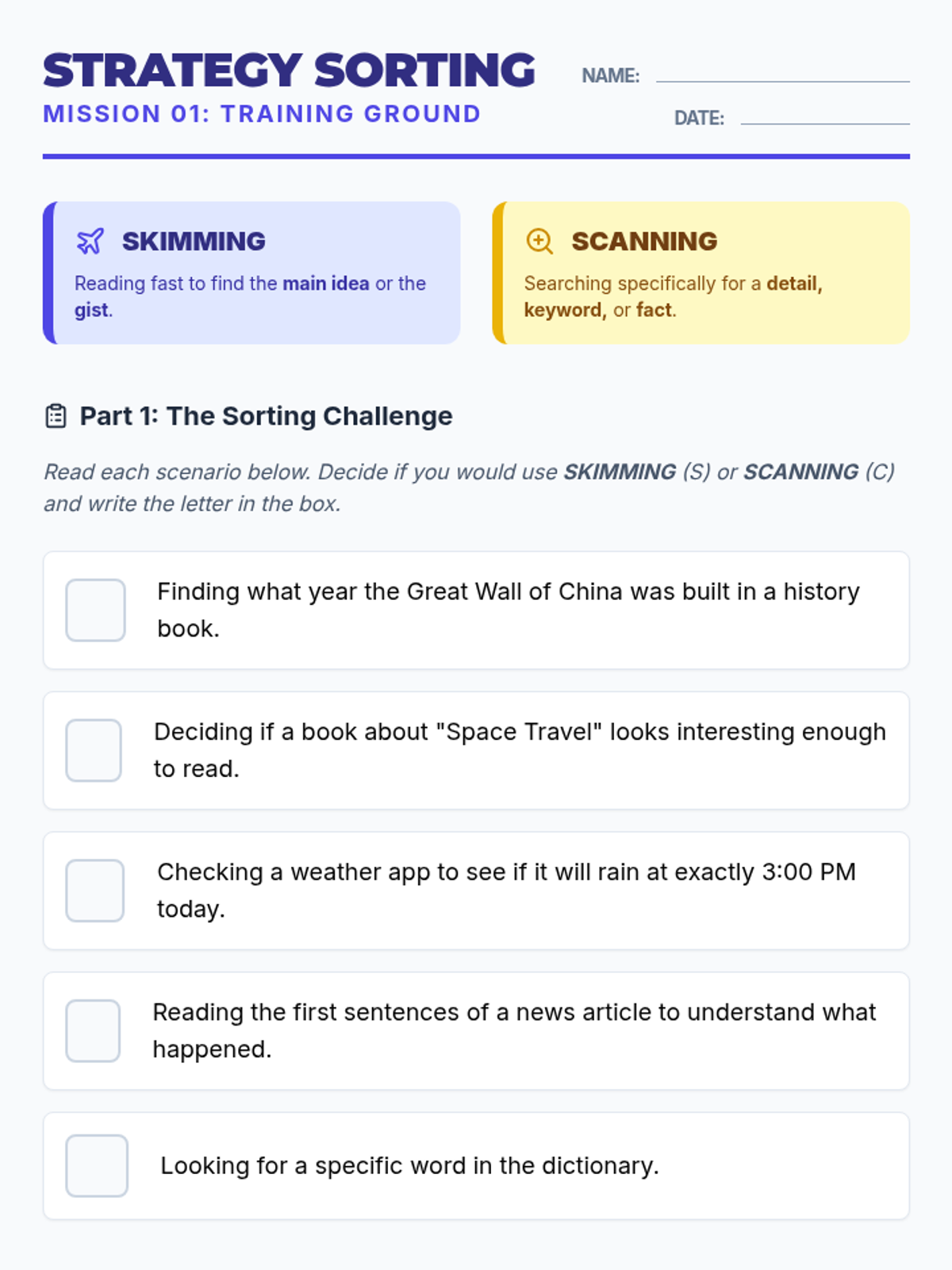
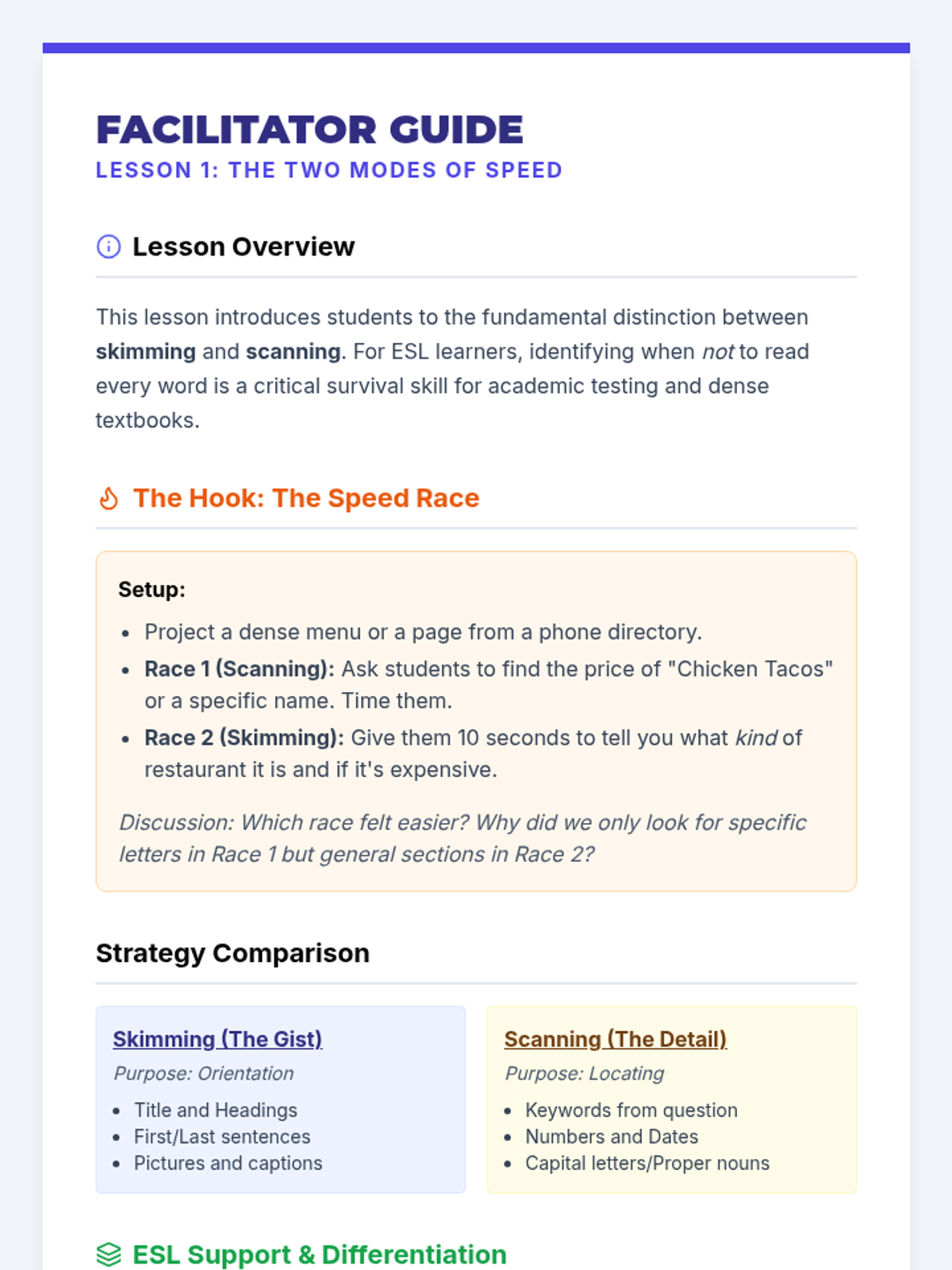
This sequence teaches 6th-grade ESL students the essential test-taking strategies of skimming and scanning. Through a 'Speed Scout' academy theme, students learn to navigate academic texts efficiently, identifying when to look for the 'gist' versus specific details to save time and improve accuracy on standardized tests.
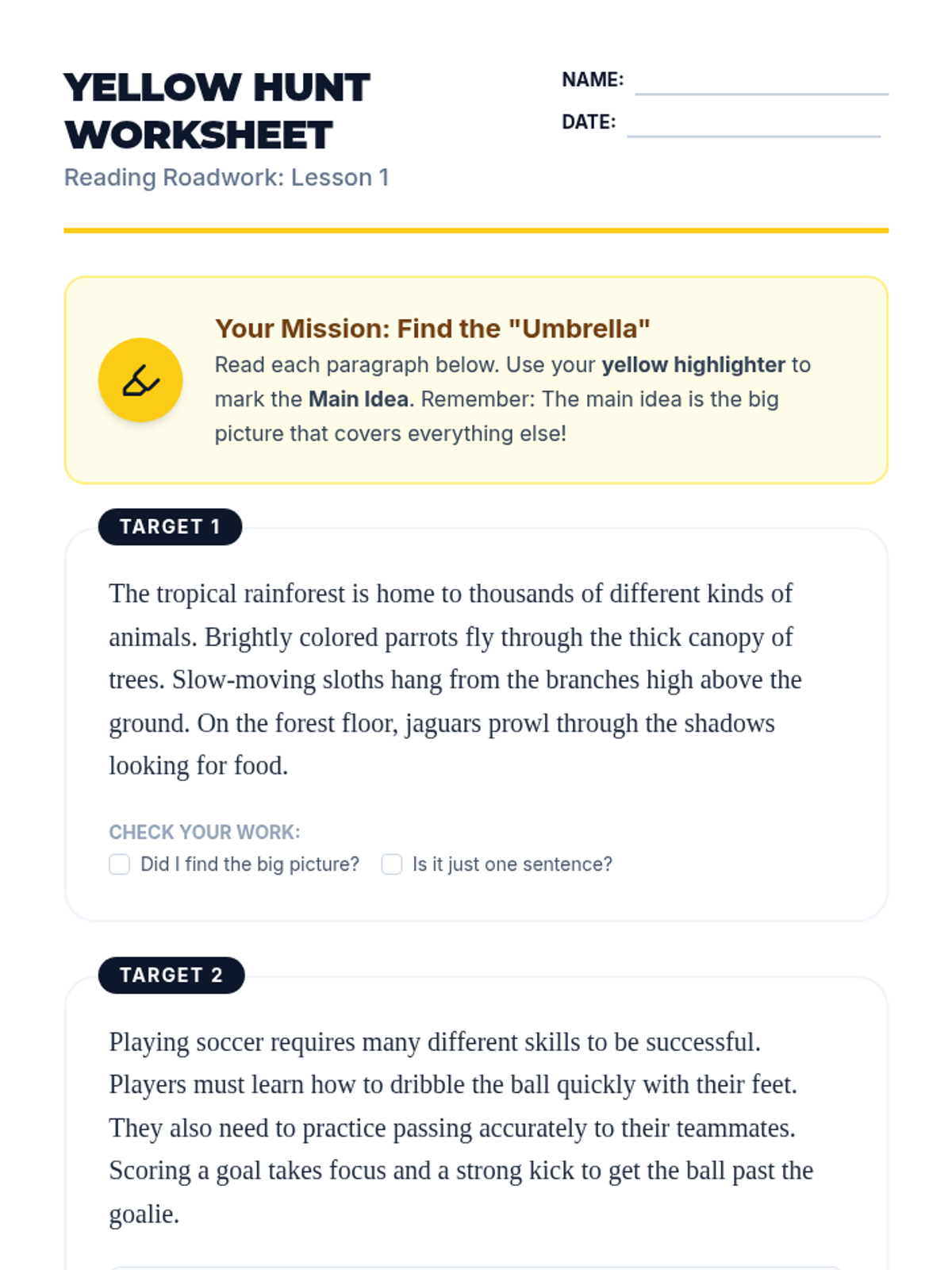
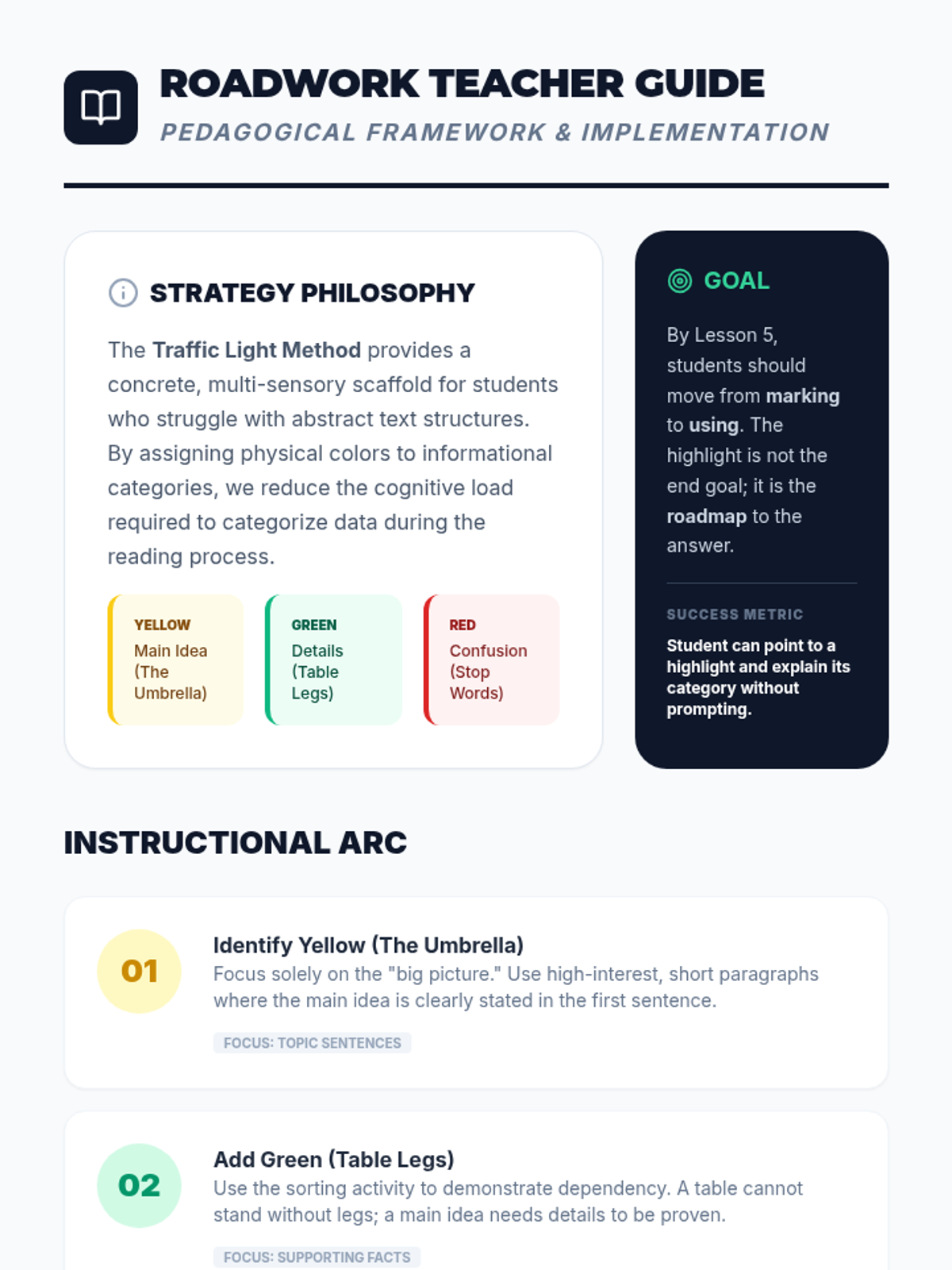
A systematic introduction to the 'Traffic Light' method of text annotation for 4th Grade students. Students learn to use yellow for main ideas, green for details, and red for unknown words to improve comprehension and organization.
This sequence develops critical reading efficiency for 9th-grade ESL students, focusing on skimming for main ideas and scanning for specific details to succeed in timed academic exams. Students progress from grasping the 'gist' using text features to locating specific data points and utilizing signpost words to navigate complex arguments.