A slide deck introducing the verb 'to have' and possessive adjectives (my, your, his, her) with sentence frames for beginner ELL students.
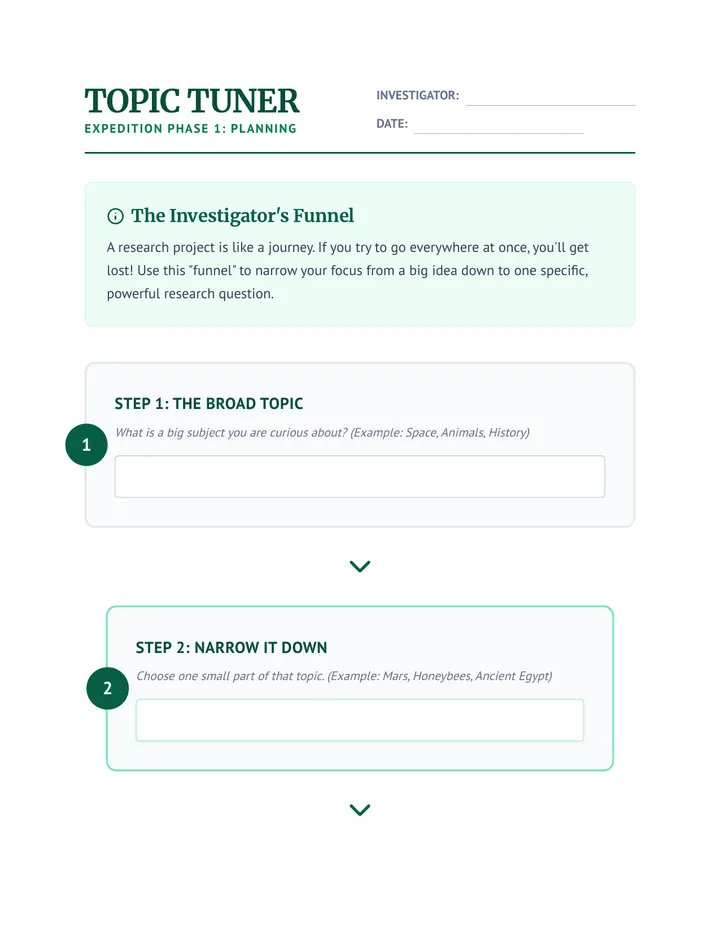
A comprehensive 5-lesson project-based sequence for 5th Grade ESL students to master the research cycle, from questioning to final publication. Students develop academic English skills through searching, evaluating, and synthesizing information on a chosen topic.
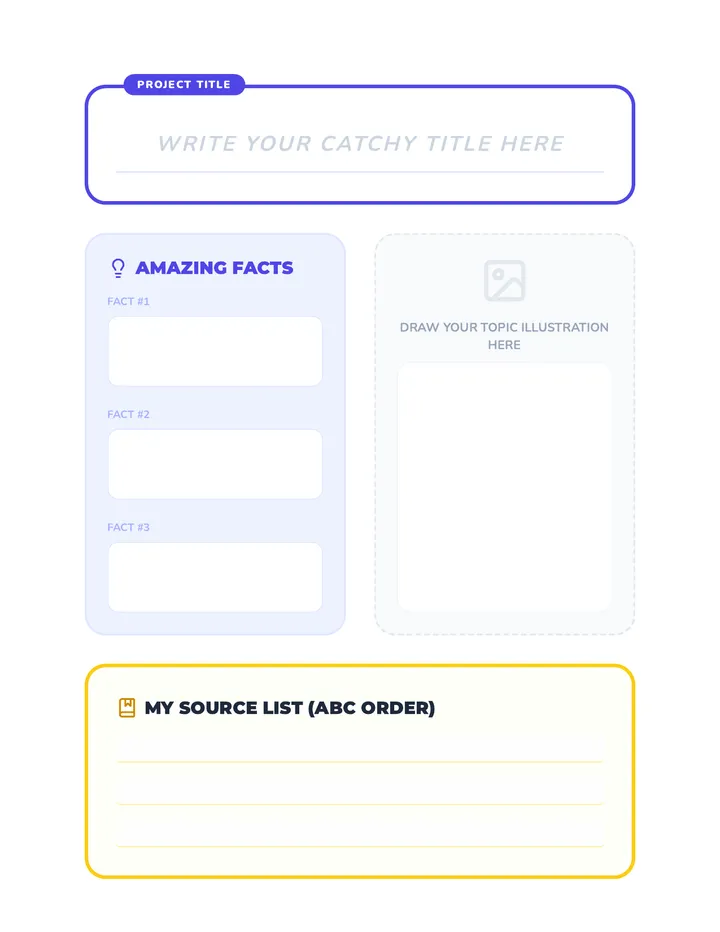
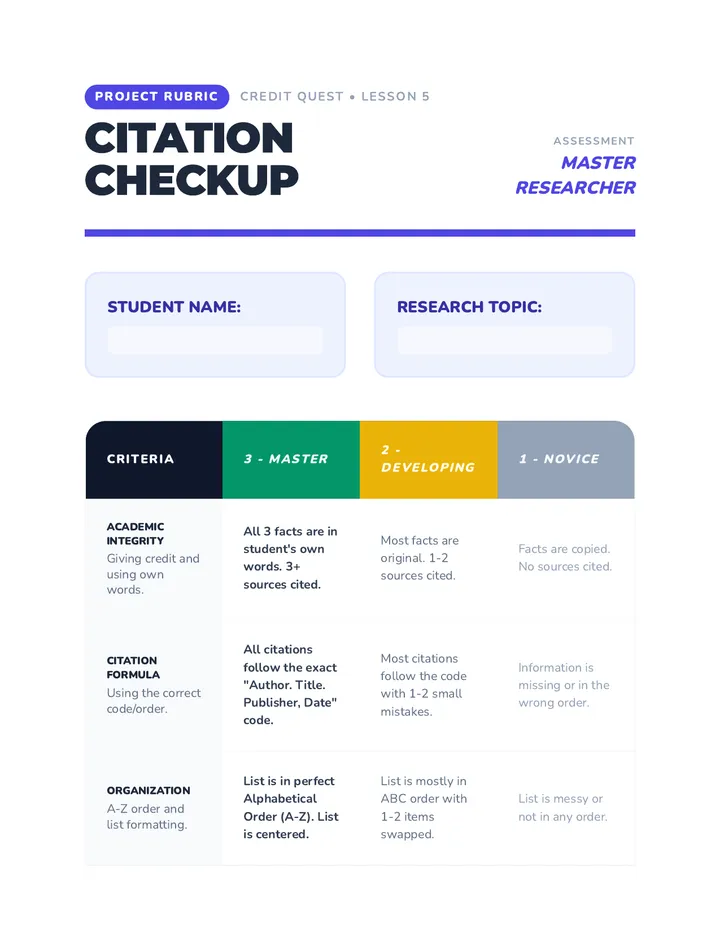
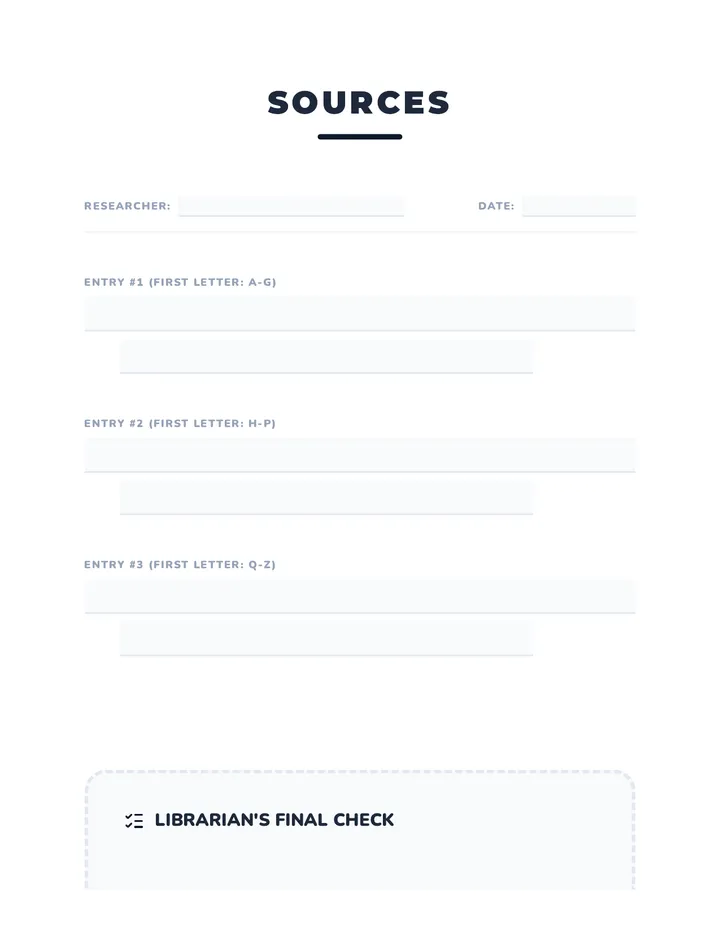
Students create a mini-research poster on a topic of their choice. They apply their knowledge by including three facts and a correctly formatted, alphabetized bibliography with at least three sources. The lesson includes a gallery walk for peer feedback.
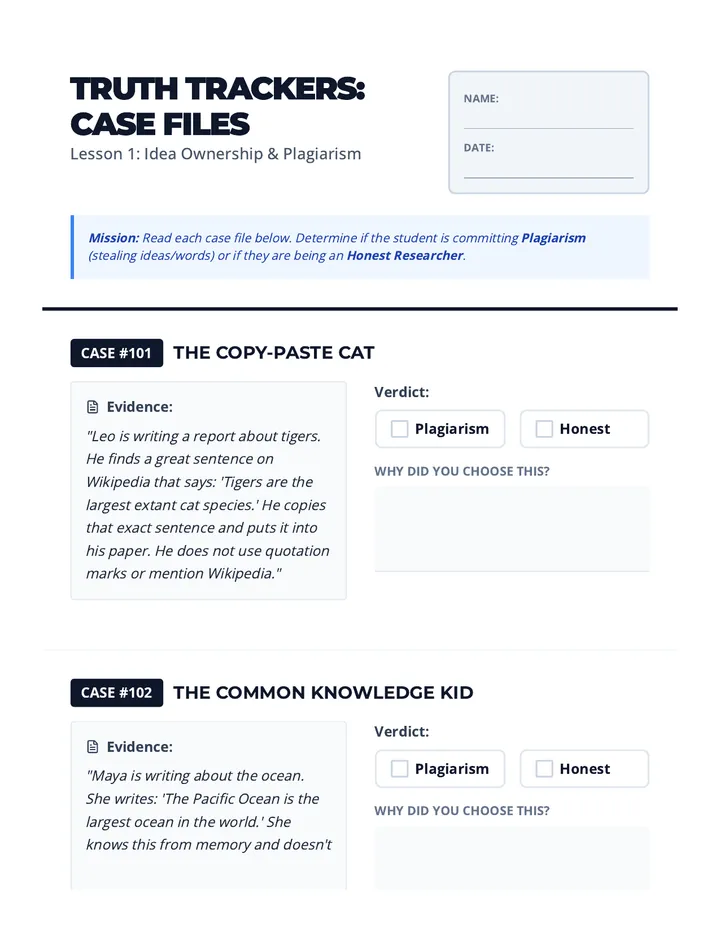
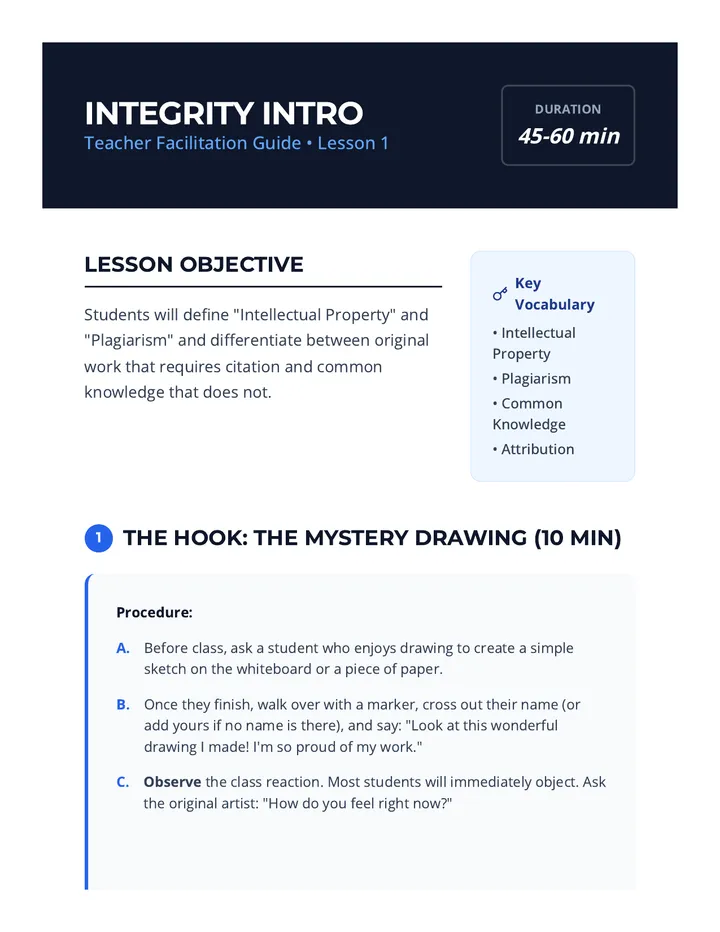
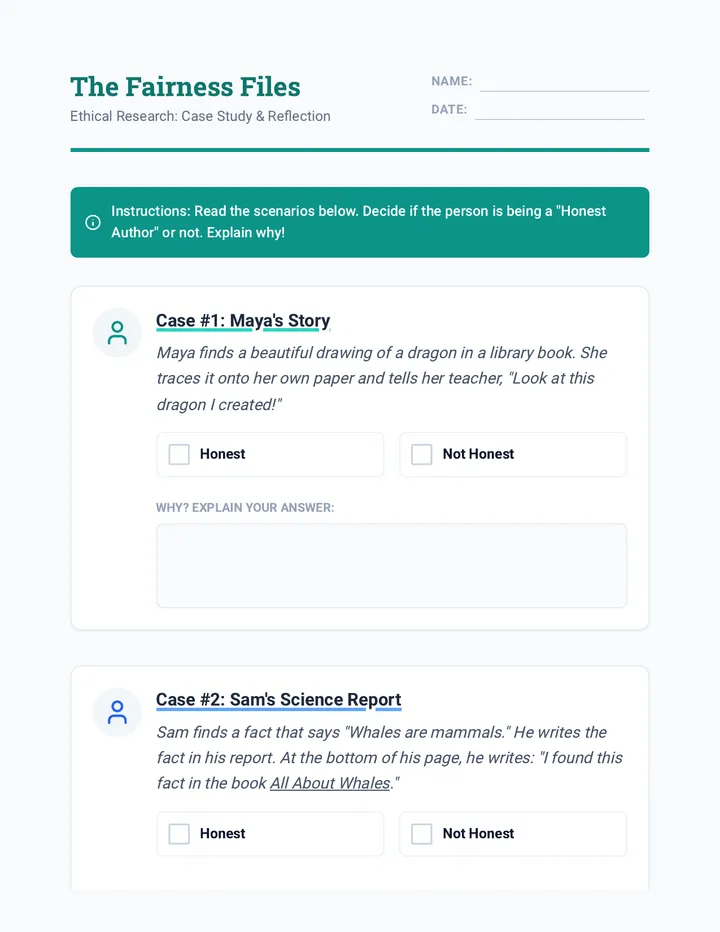
A 5-lesson sequence for 5th-grade ESL students focused on the ethics and mechanics of academic research. Students learn to distinguish between intellectual property and common knowledge, master the art of quoting and paraphrasing, and create simplified citations and bibliographies to maintain academic integrity.
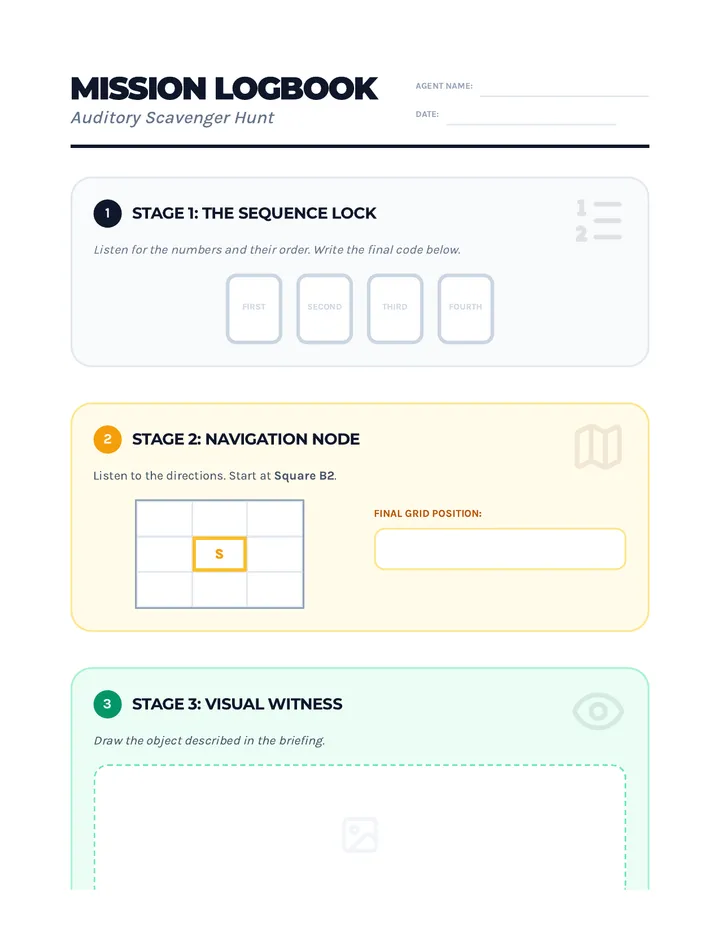
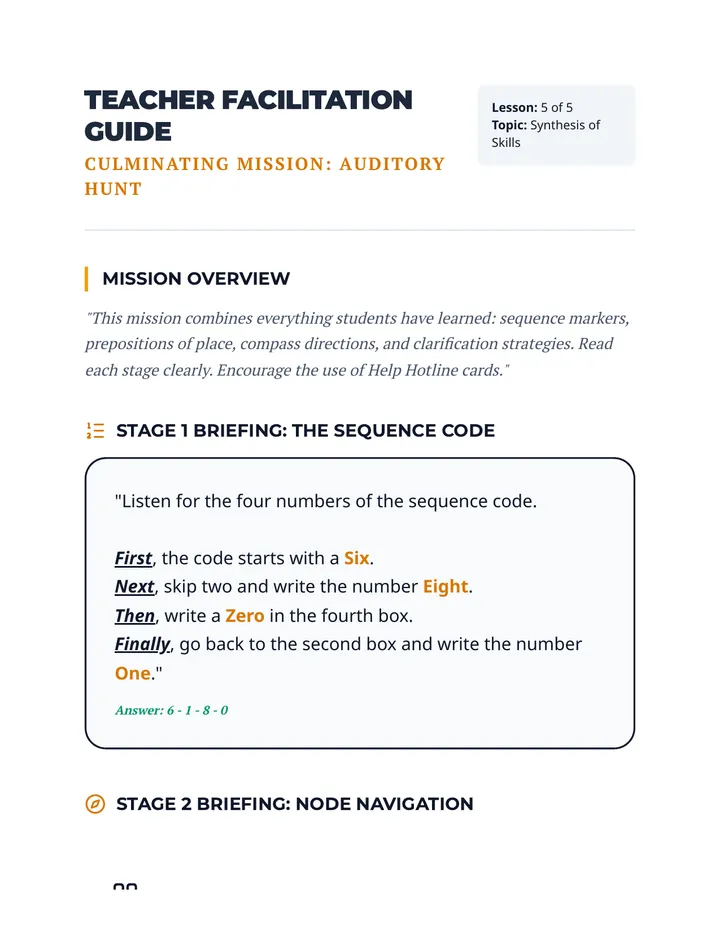
In this culminating activity, students solve a series of puzzles where the clues are delivered via audio recordings. Success depends on synthesizing sequence markers, spatial details, and specific vocabulary.
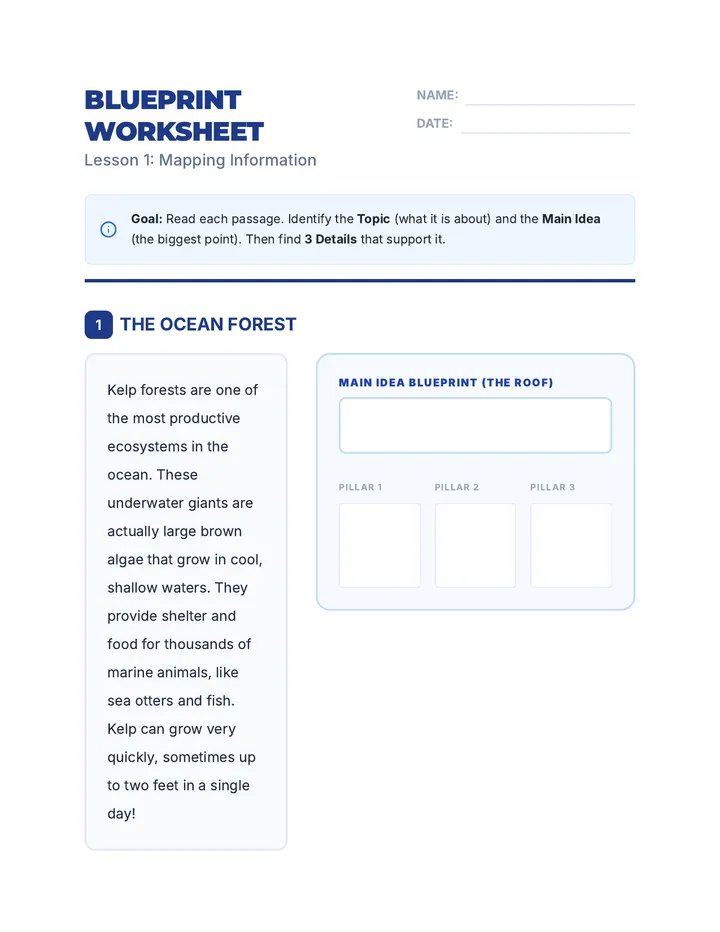
A 5-lesson sequence for 5th Grade ESL students focused on developing academic English skills through paraphrasing and synthesizing information. Students progress from identifying main ideas to drafting complete summary reports using multiple sources and formal attribution.
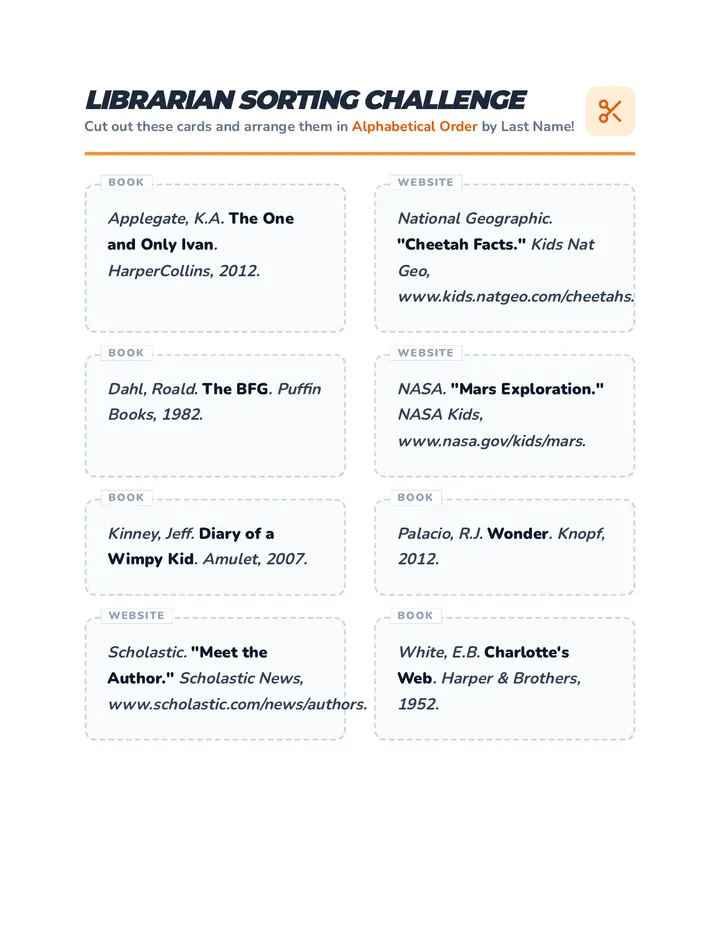
Students learn how to organize individual citations into a list, emphasizing alphabetical order. They practice formatting a simple bibliography page using citations generated in previous lessons. This prepares them for the final structural requirement of research papers.
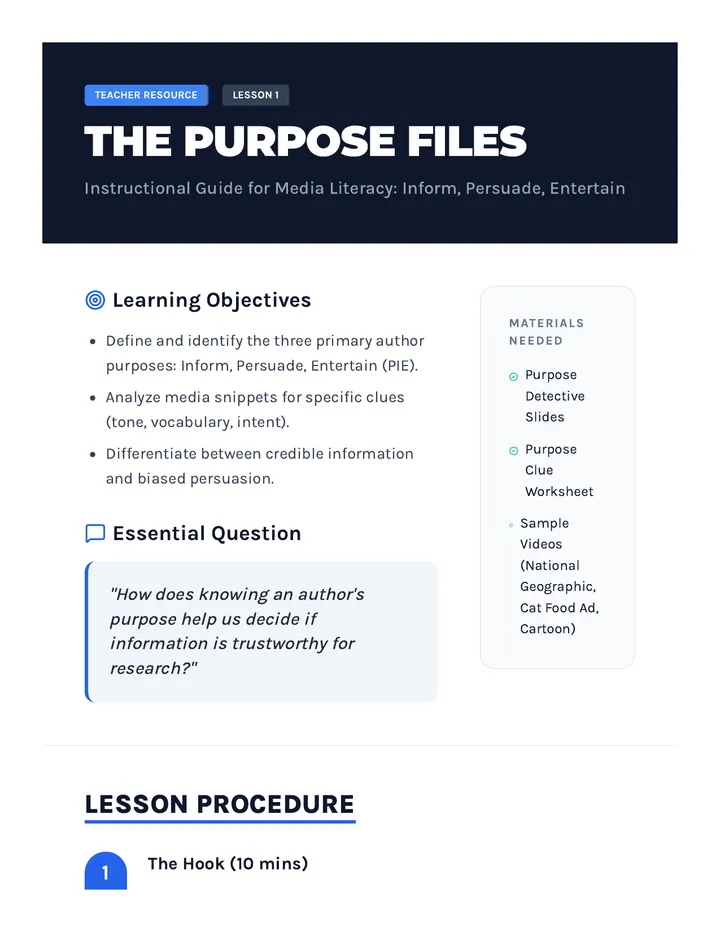
A 5-lesson sequence for 5th-grade ESL students to develop media literacy and research skills. Students learn to distinguish author purpose, evaluate website credibility using the 5 W's, identify bias, and corroborate information across multiple sources.
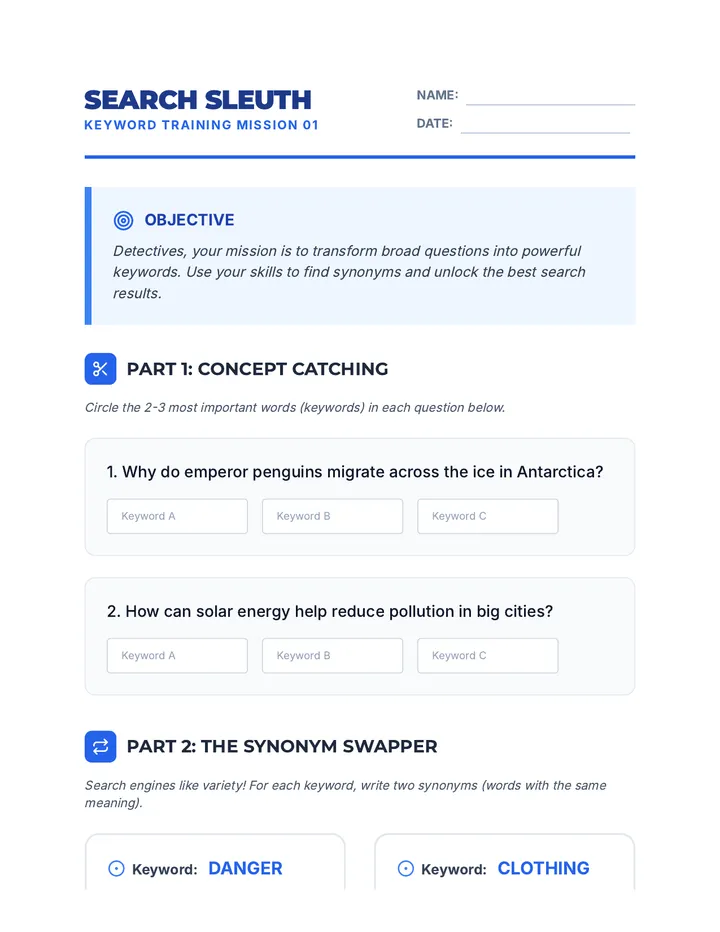
A 5-lesson sequence for 5th Grade ESL students focused on the mechanics of finding information. Students move from basic keyword generation to using Boolean operators, navigating text features, utilizing academic databases, and refining failed searches to become efficient digital researchers.
A 5-lesson unit for 6th-grade ESL students focused on transforming search habits from natural language questions to strategic keyword and Boolean operator techniques. Students move from basic vocabulary brainstorming to navigating academic databases and skimming snippets for relevance.
This 3rd-grade ESL sequence teaches students the foundations of academic integrity, focusing on why and how to give credit to authors. Students learn to locate bibliographic information, format simple citations, and synthesize research notes into a final product with a proper source list.