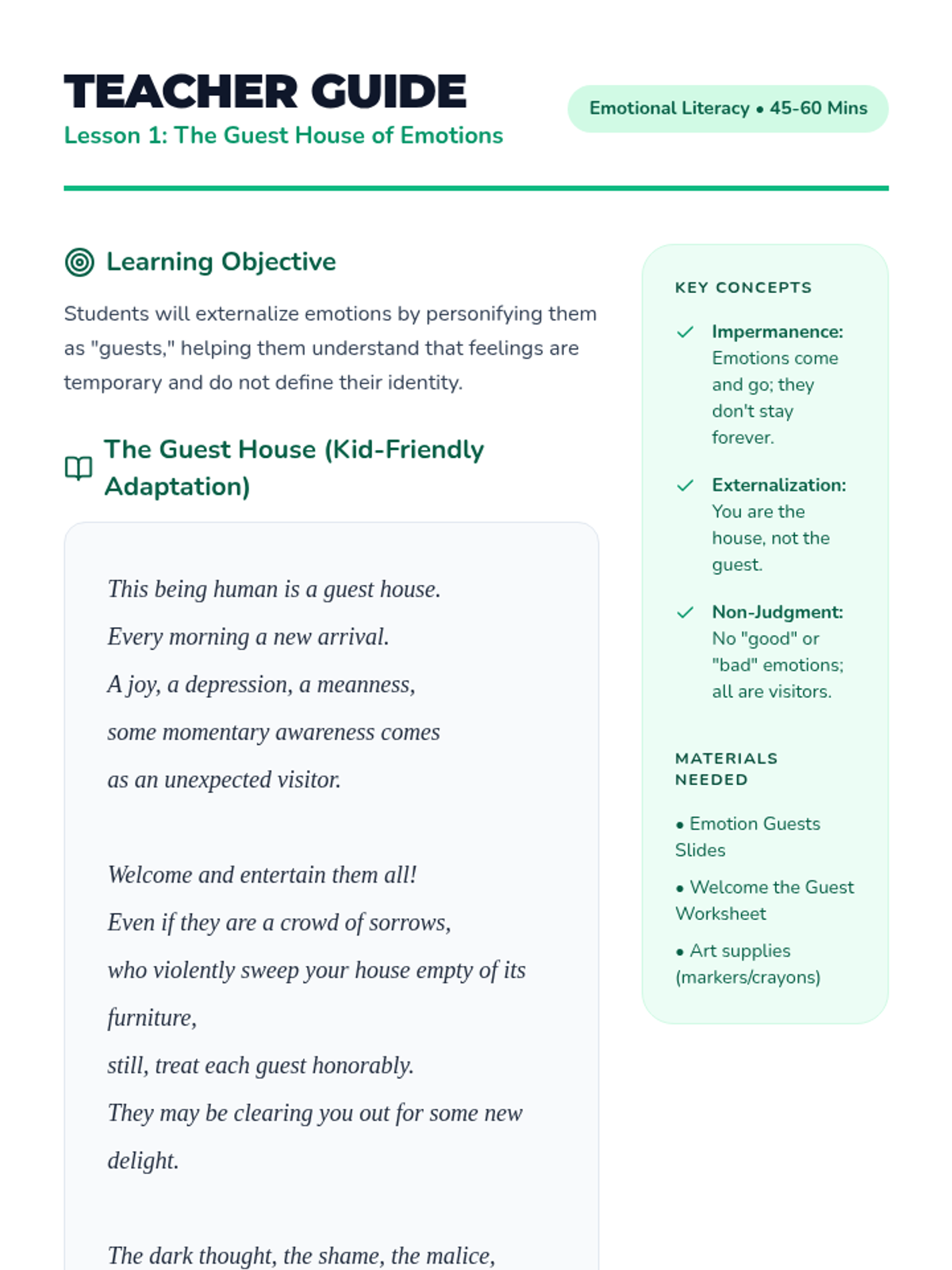
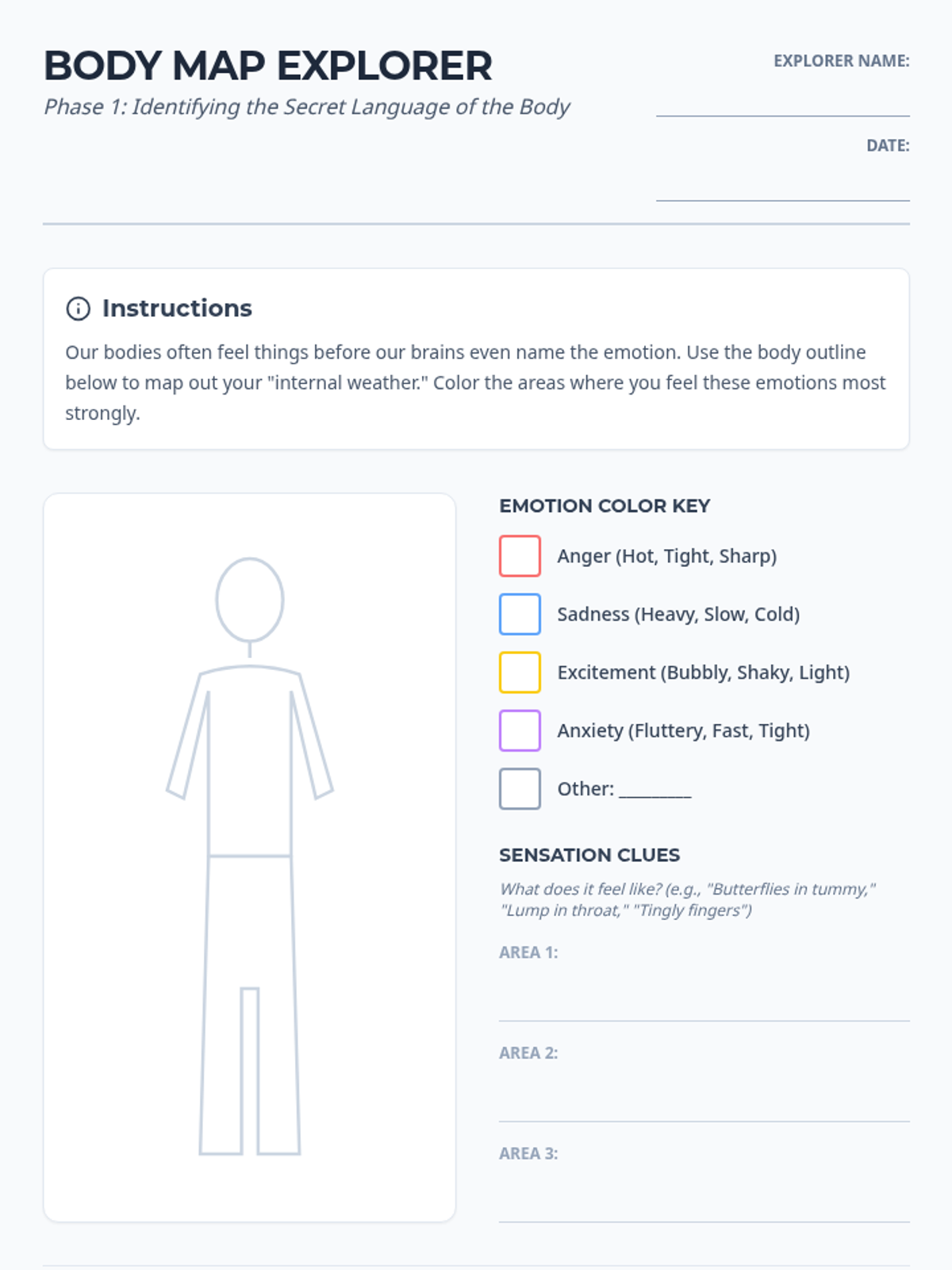
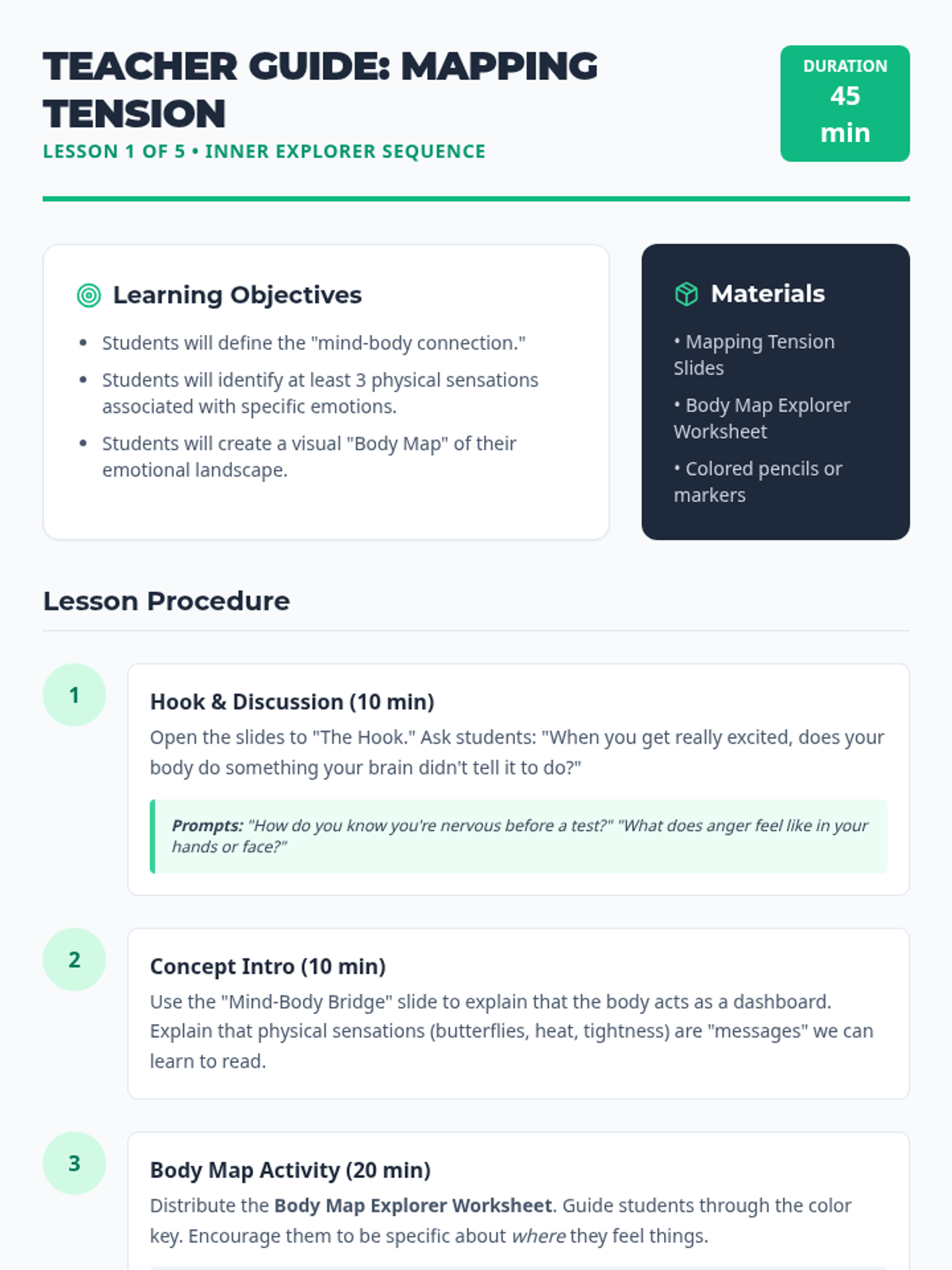
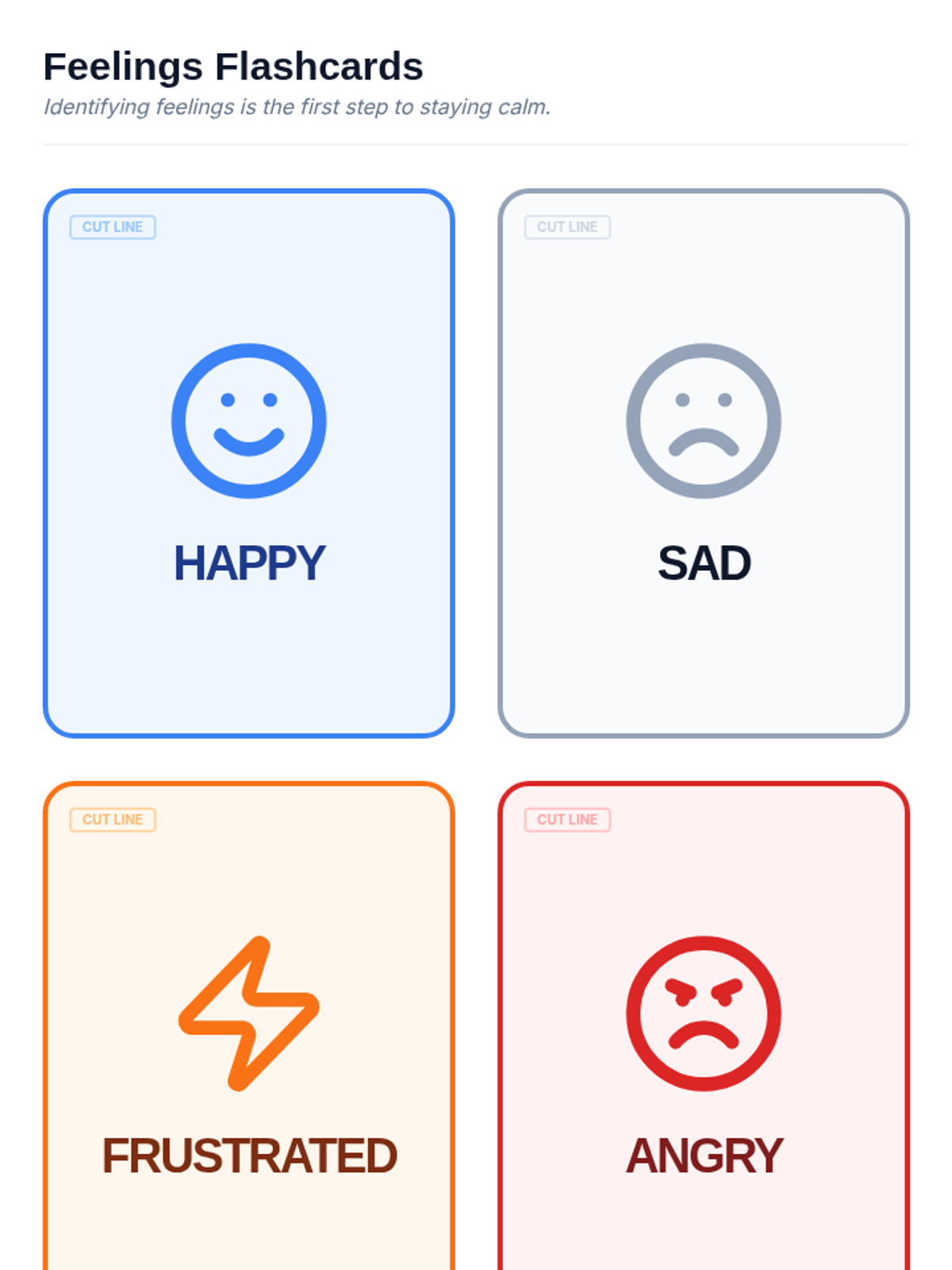
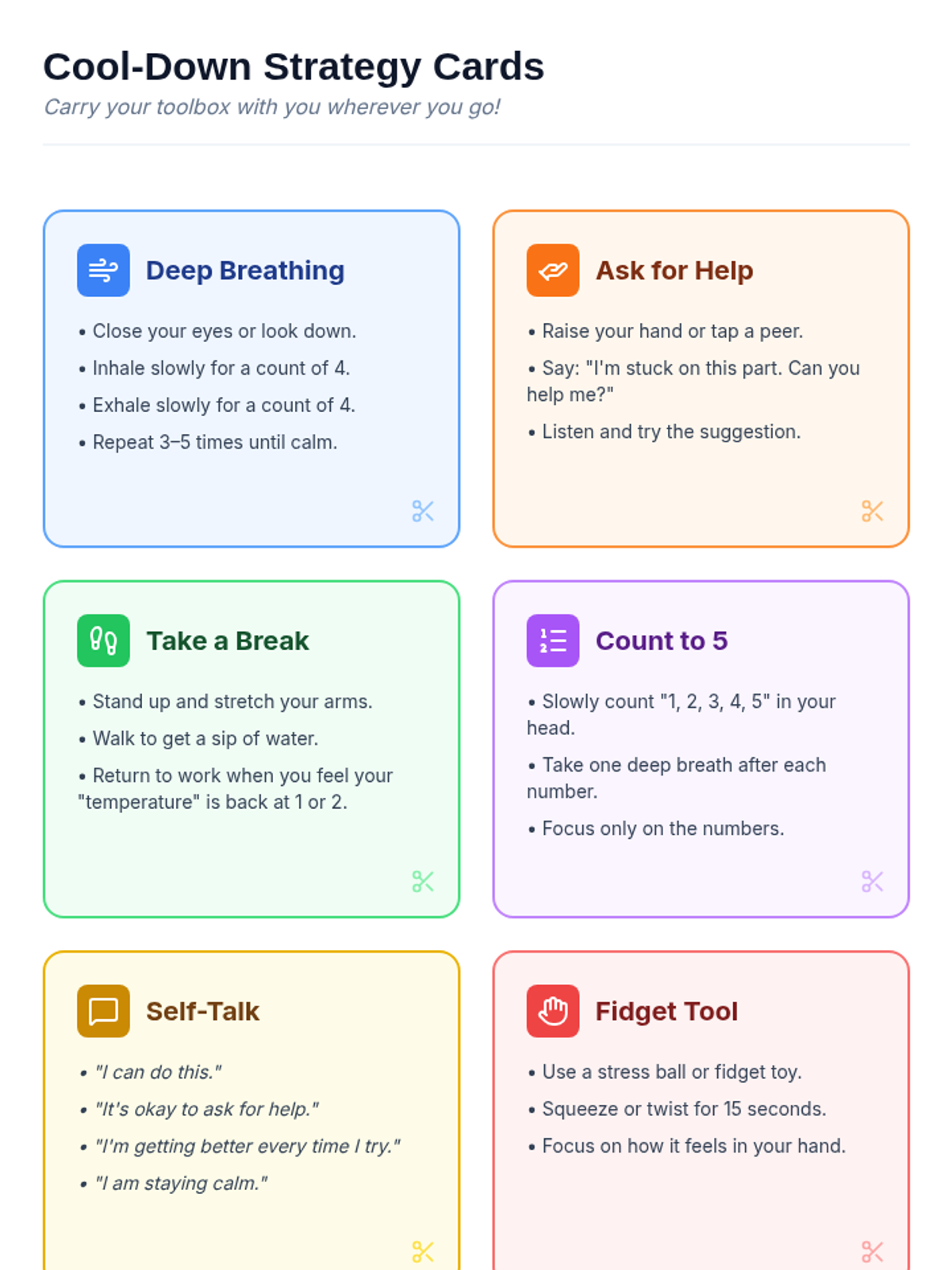
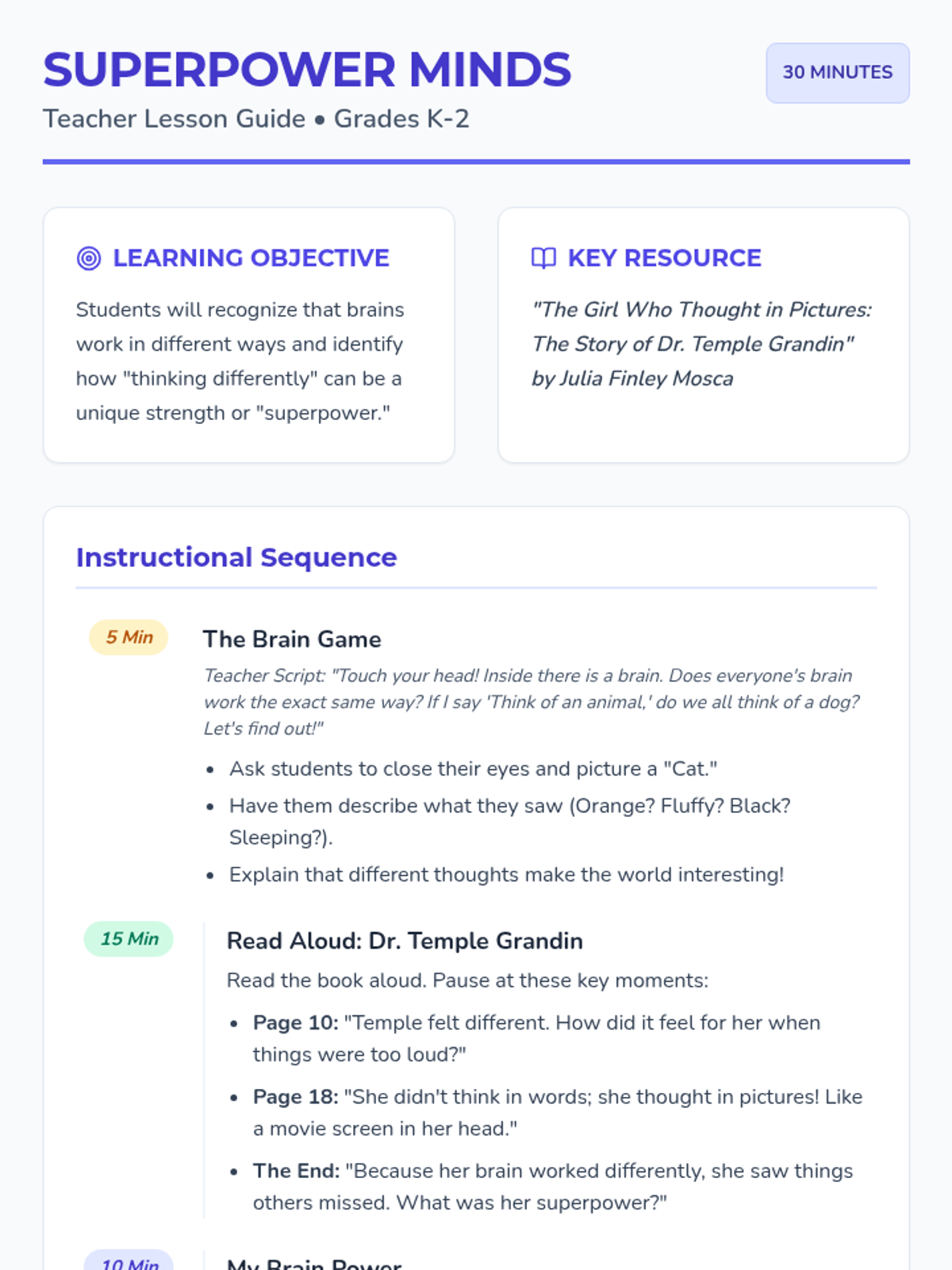
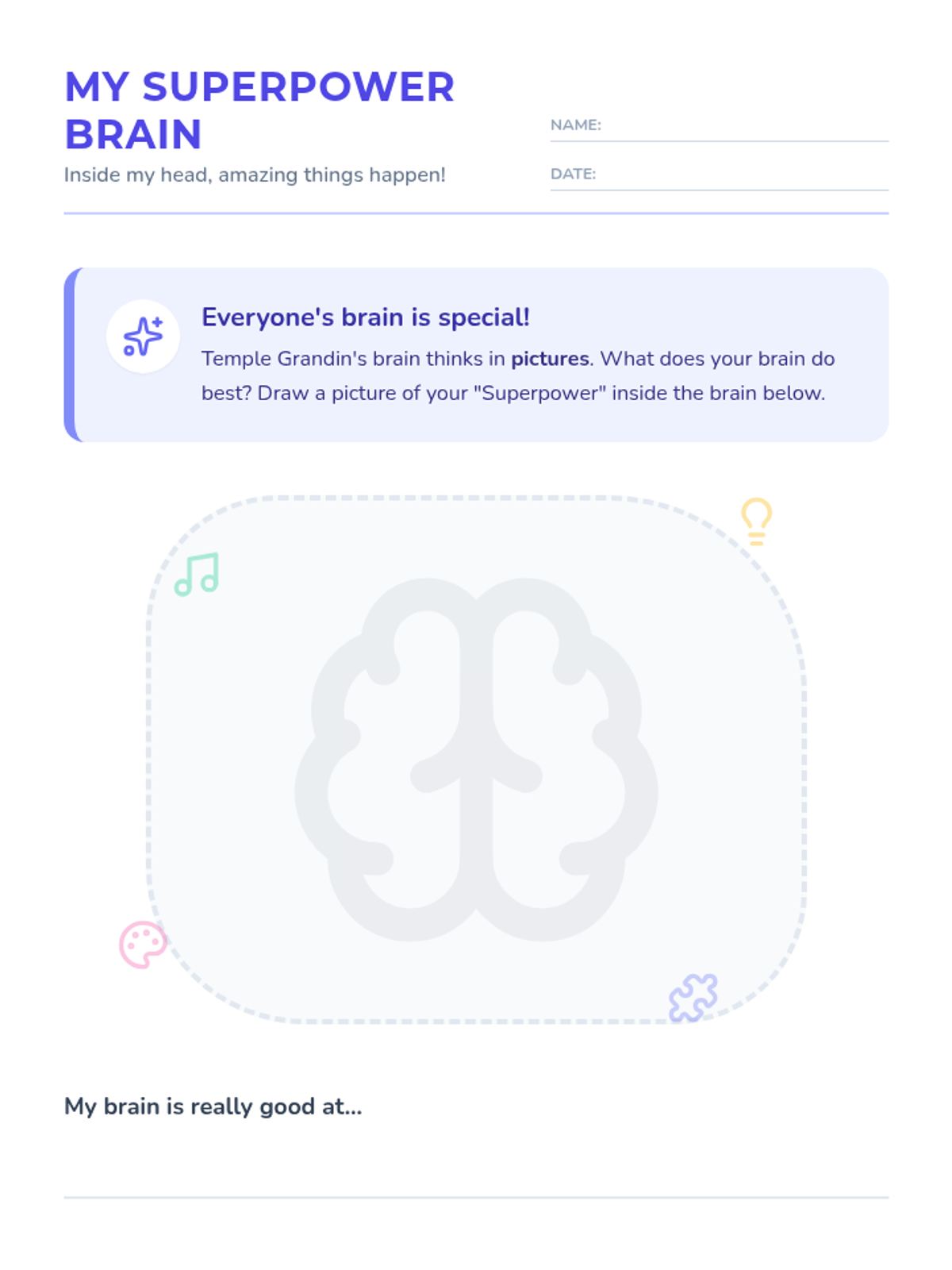
Emotion recognition ranging from basic feelings to complex nuances and mixed states. Strengthens accurate self-assessment through identity exploration, strength identification, and values-based decision making.
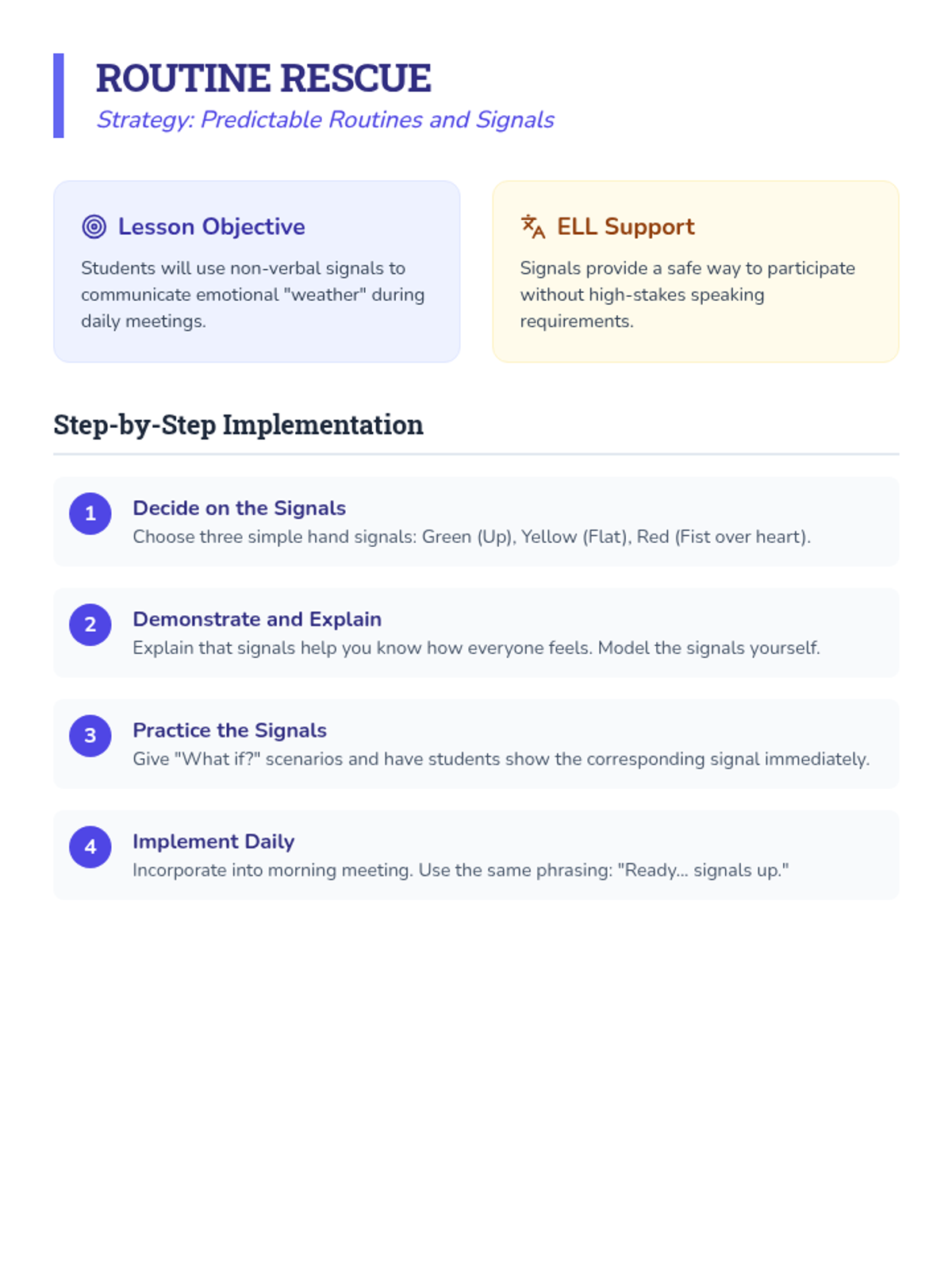
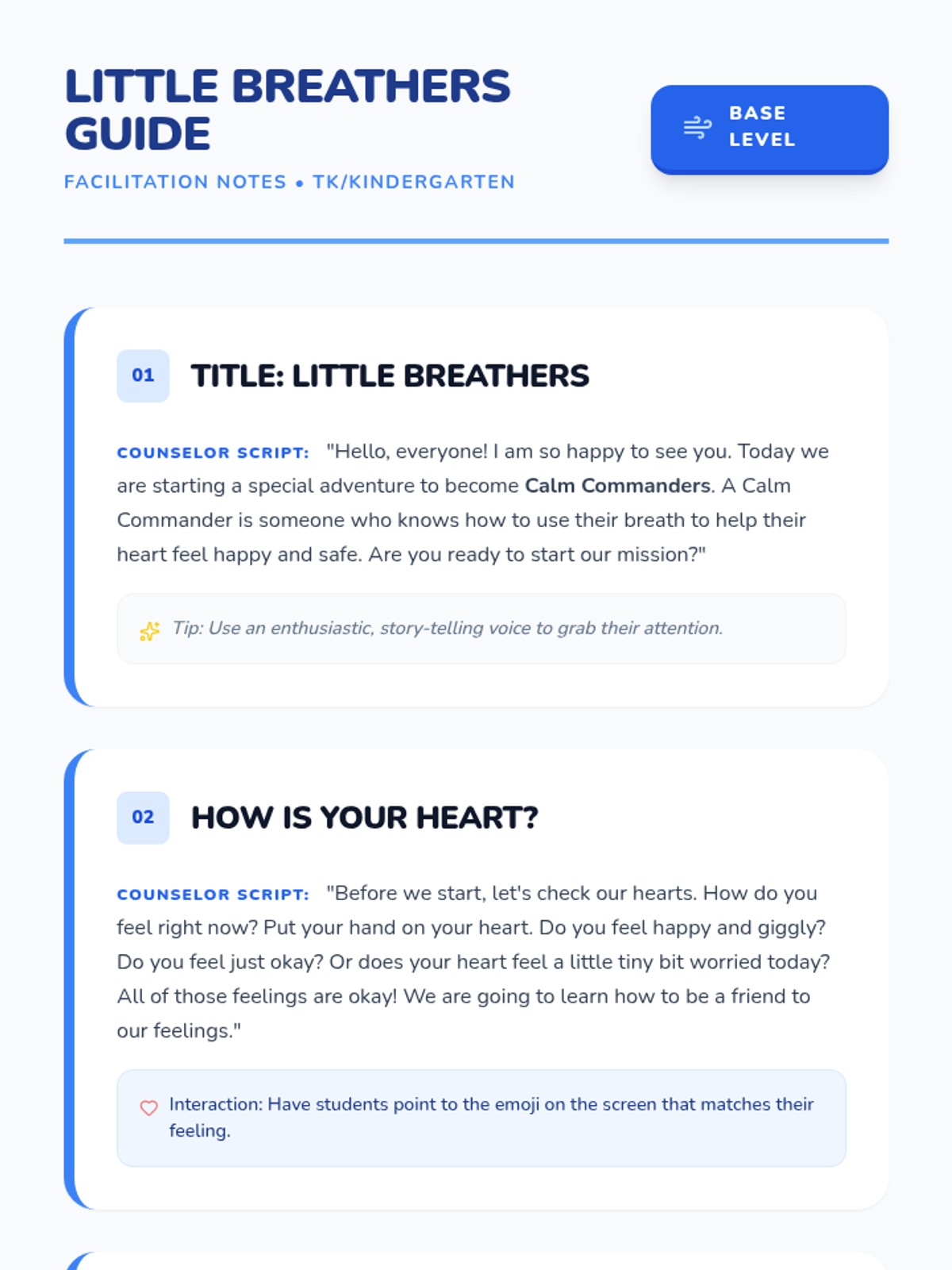
A comprehensive social-emotional learning unit for English Language Learners focused on identifying and managing emotions through four key instructional strategies: predictable routines, modeled talk, visual scaffolding, and word collection.
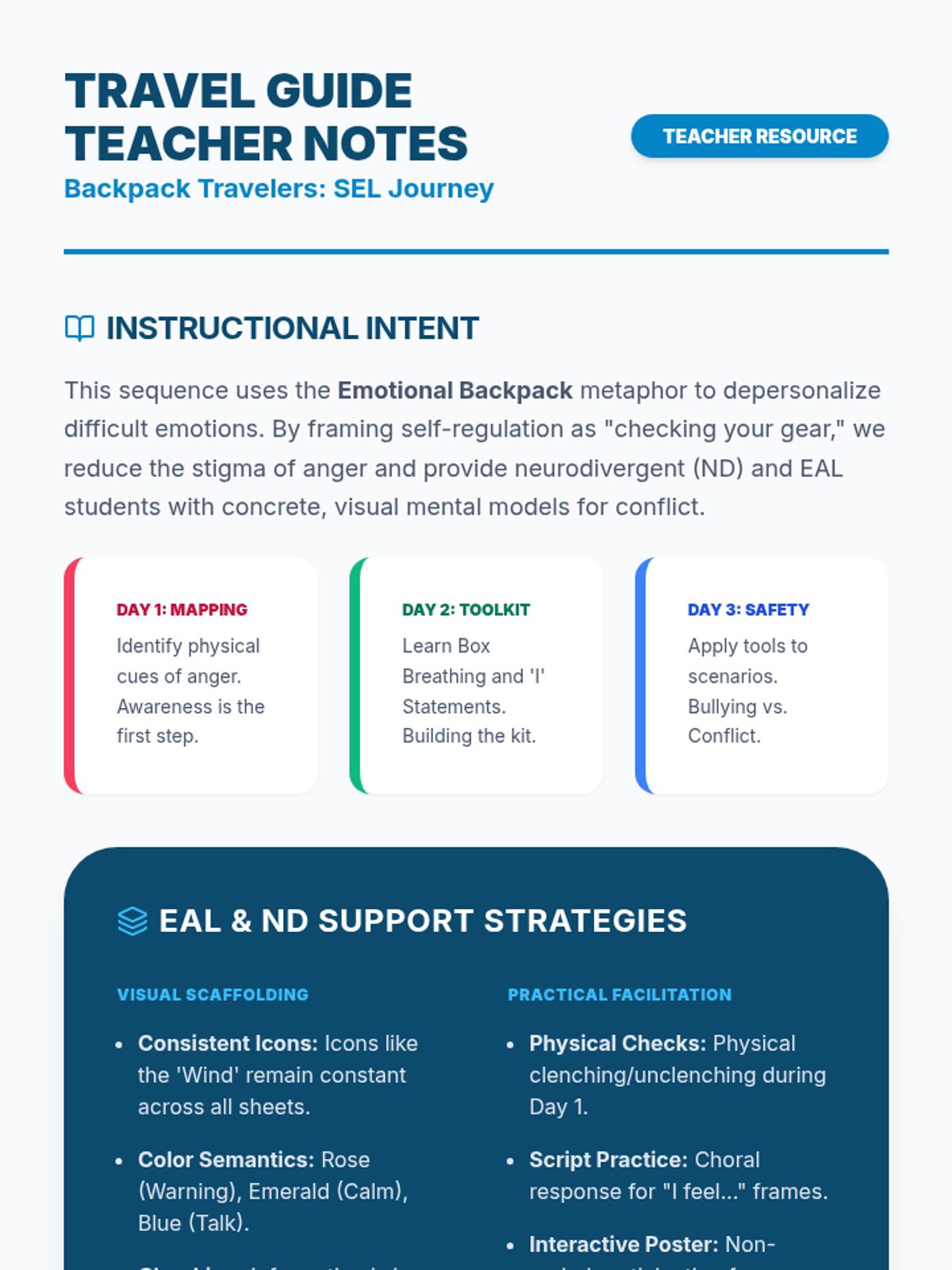
A multi-day social-emotional learning sequence that teaches students how to identify, manage, and communicate difficult emotions like anger and conflict using the metaphor of an 'Emotional Backpack'. Designed with high-visual support for EAL and neurodivergent learners.
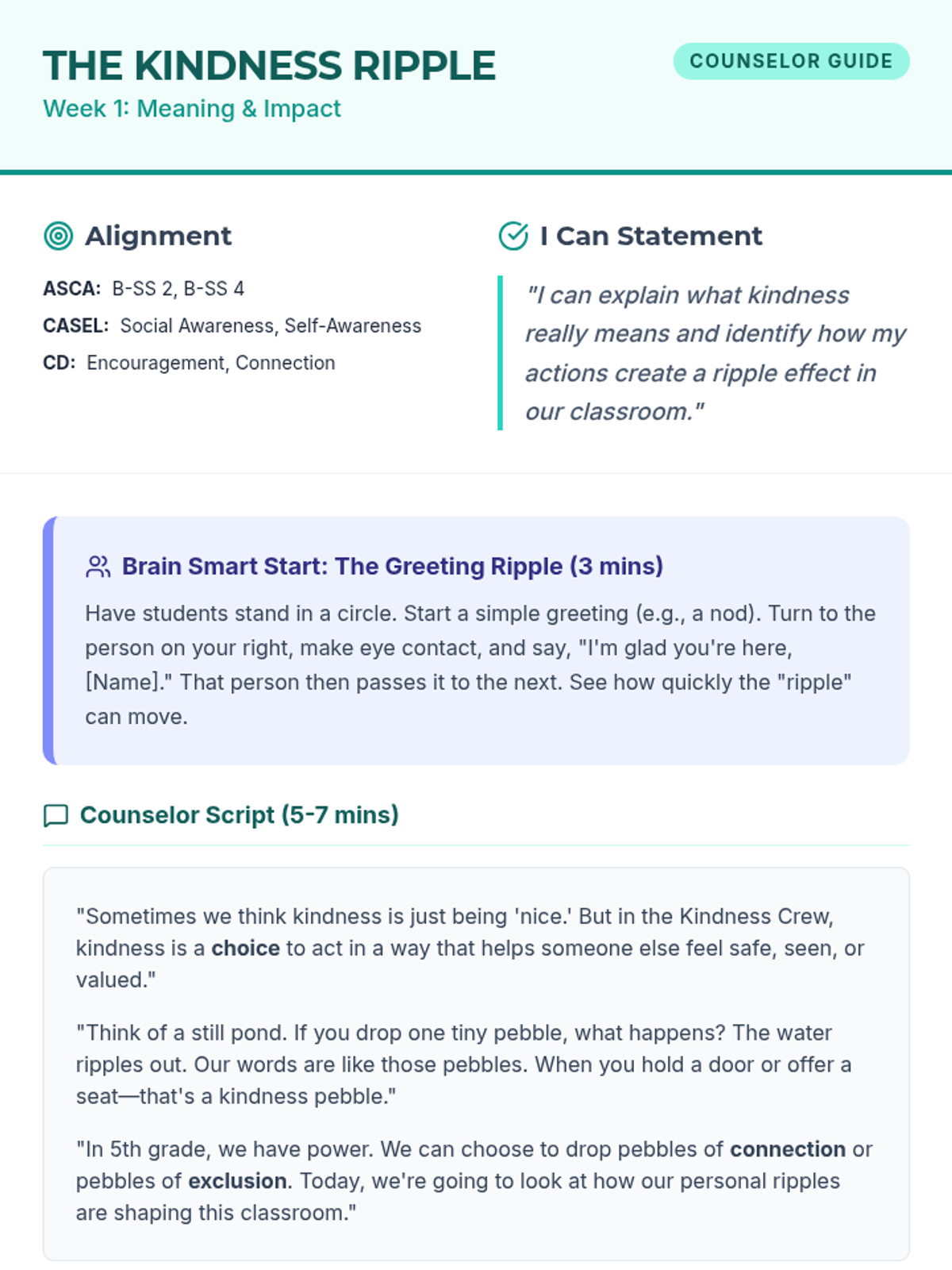
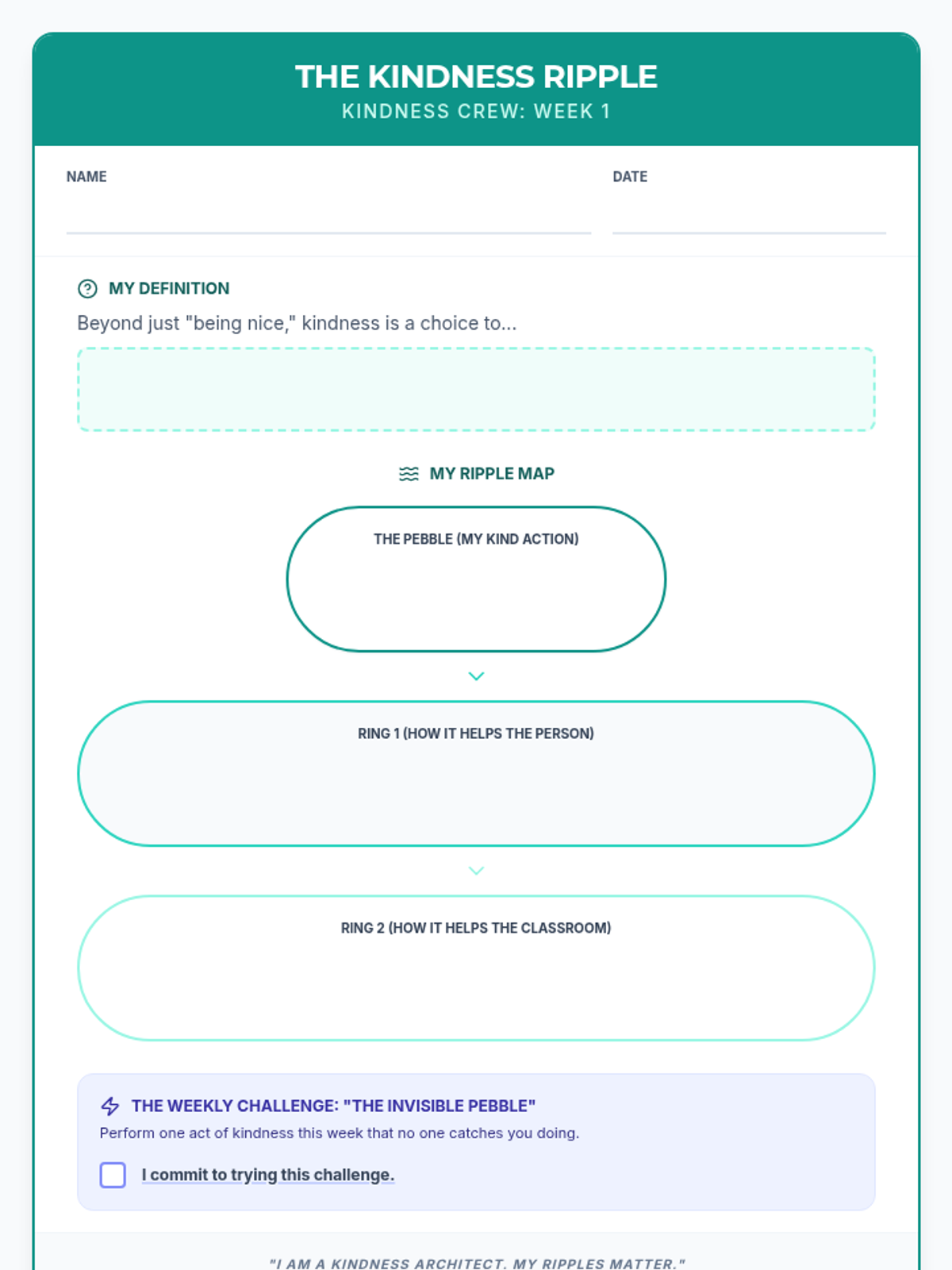
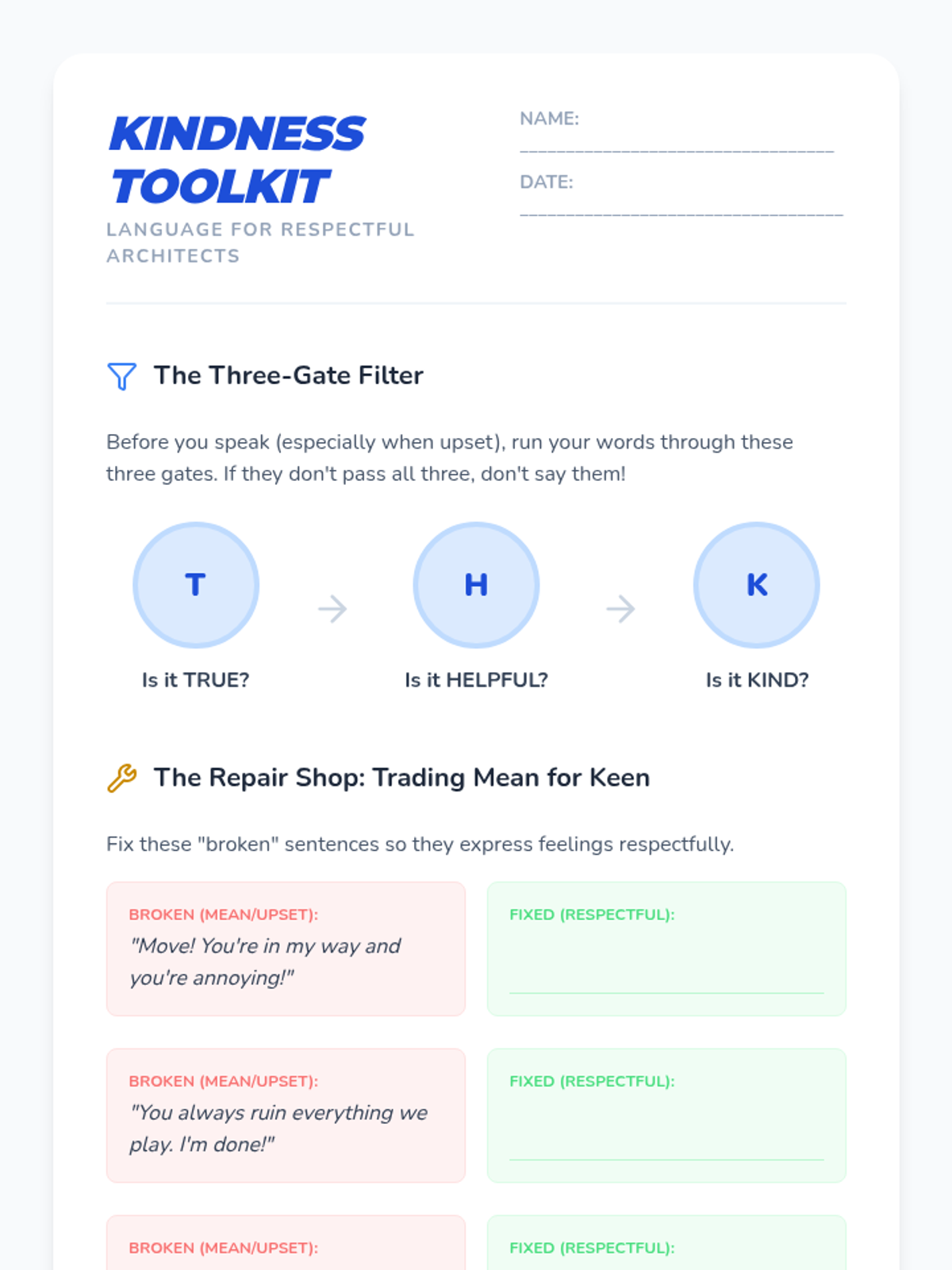
A 6-week Social-Emotional Learning series for fifth graders focused on building empathy, kindness, and assertive communication skills. Rooted in ASCA standards and Conscious Discipline principles, the sequence guides students from understanding self-awareness to creating a classroom culture of inclusion.
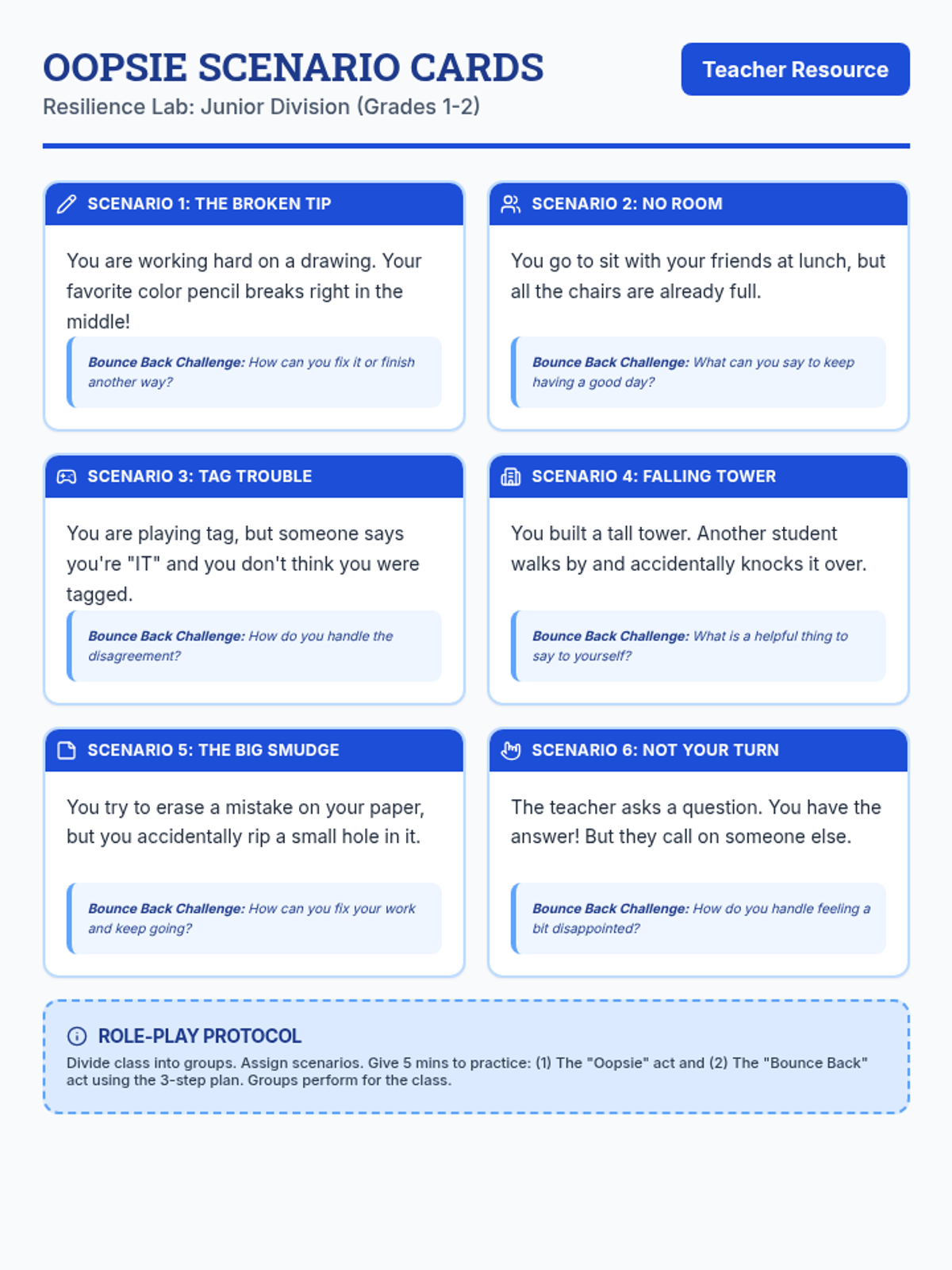
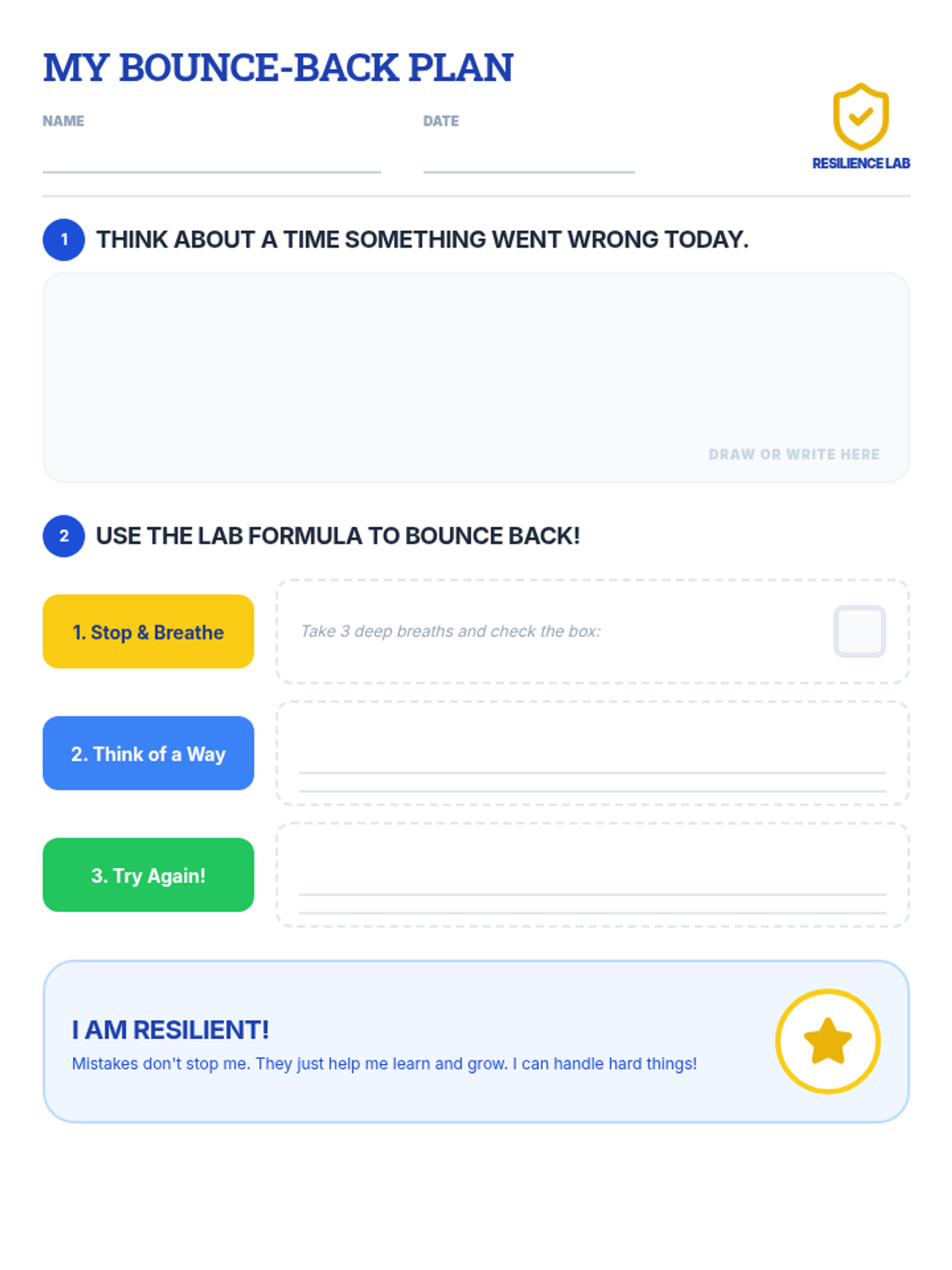
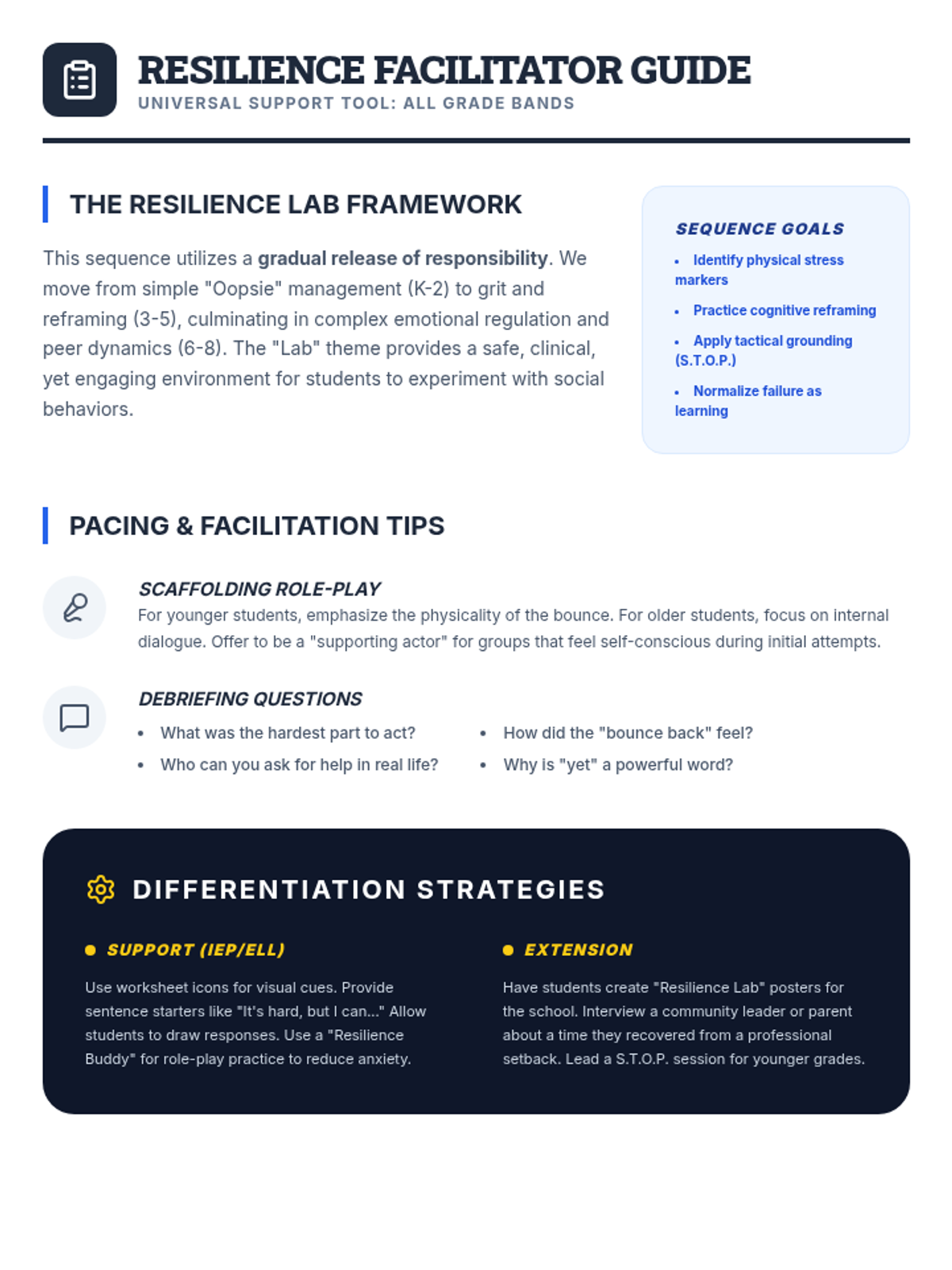
A comprehensive sequence on building resilience across three grade bands (1st-2nd, 3rd-5th, and 6th-8th), using the 'Resilience Lab' theme to teach students how to navigate setbacks and grow through challenges.
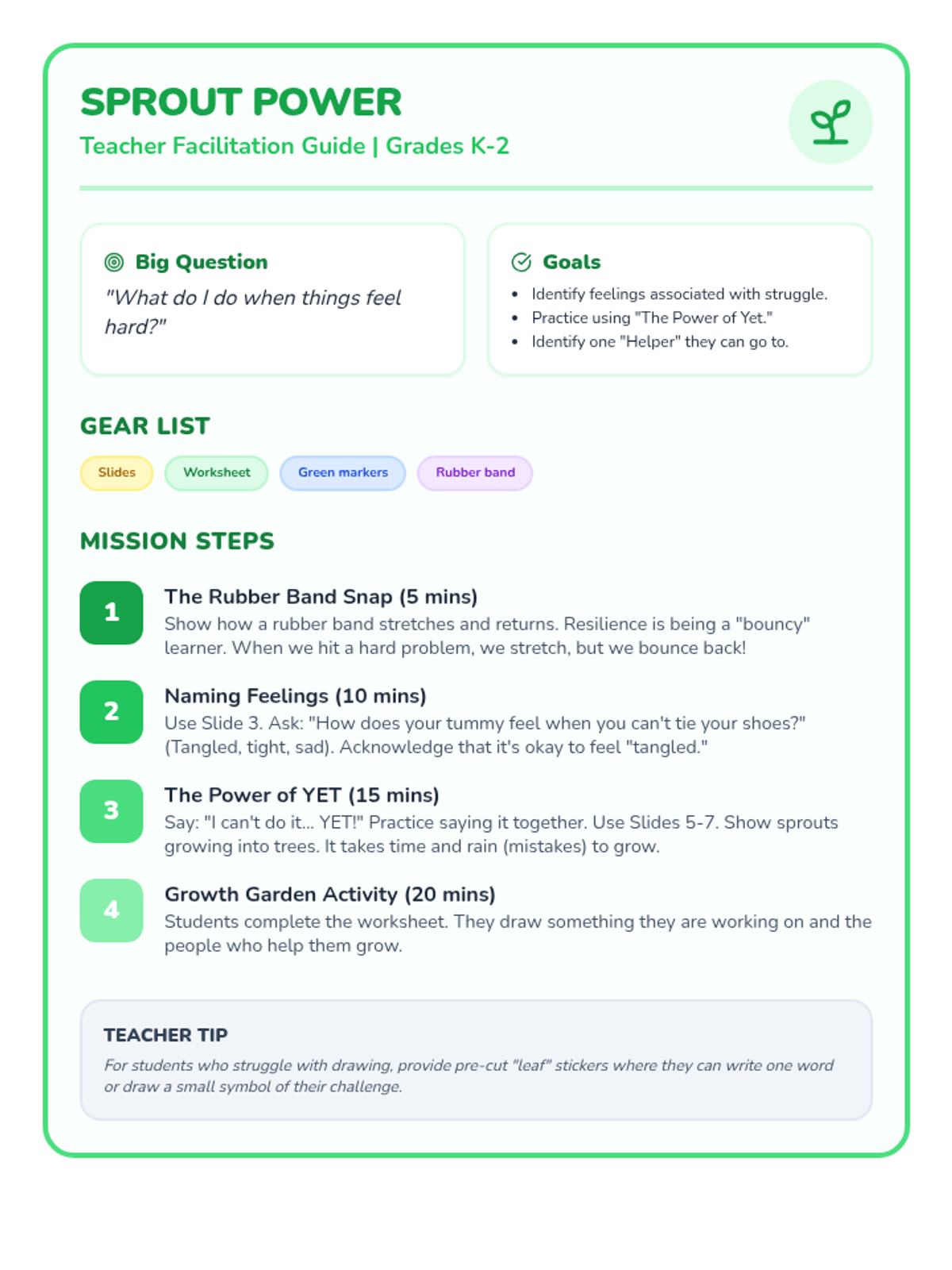
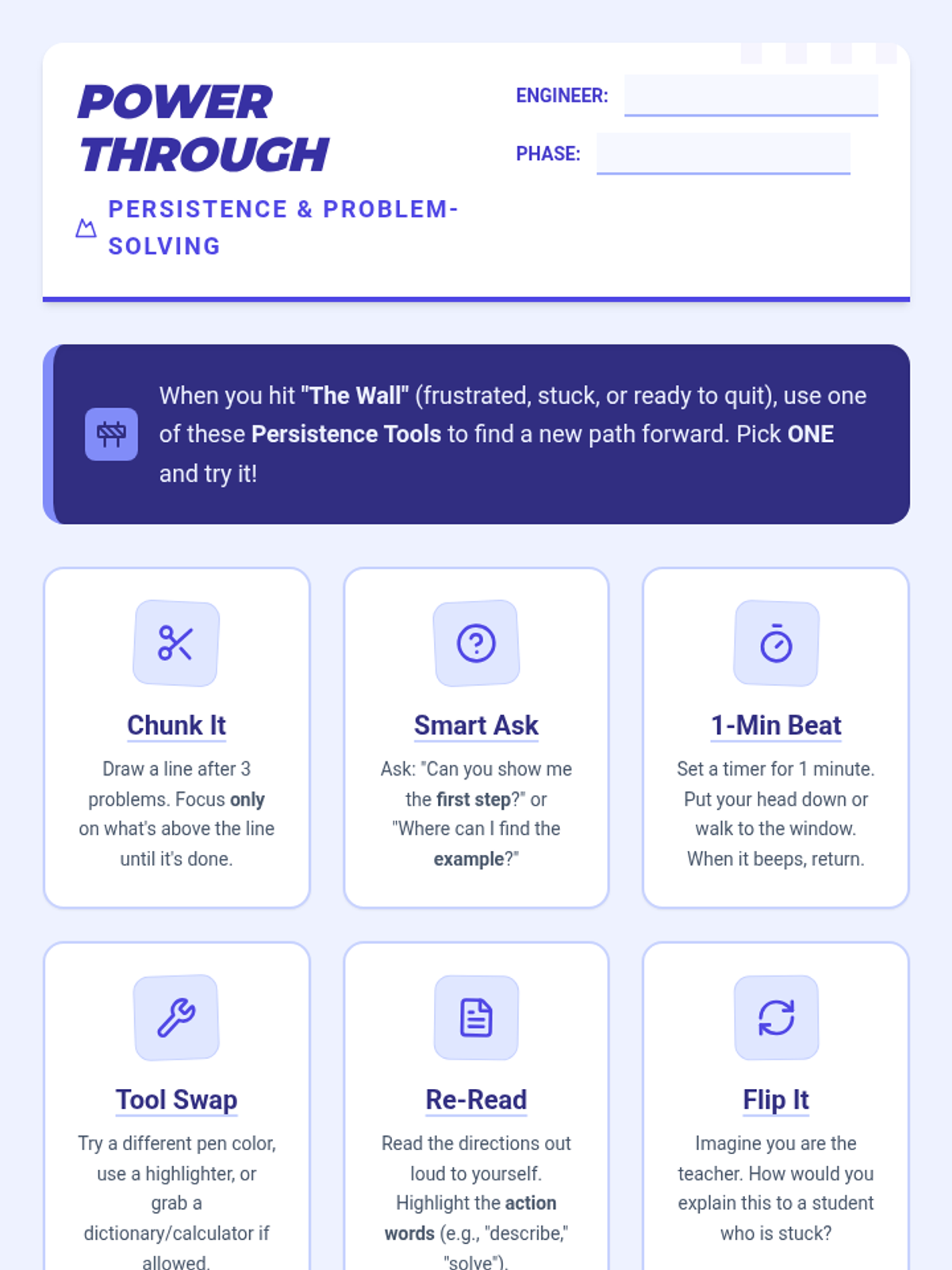
A comprehensive resilience curriculum spanning K-8, focusing on emotional regulation, growth mindset, and stress management through age-appropriate challenges and strategies.
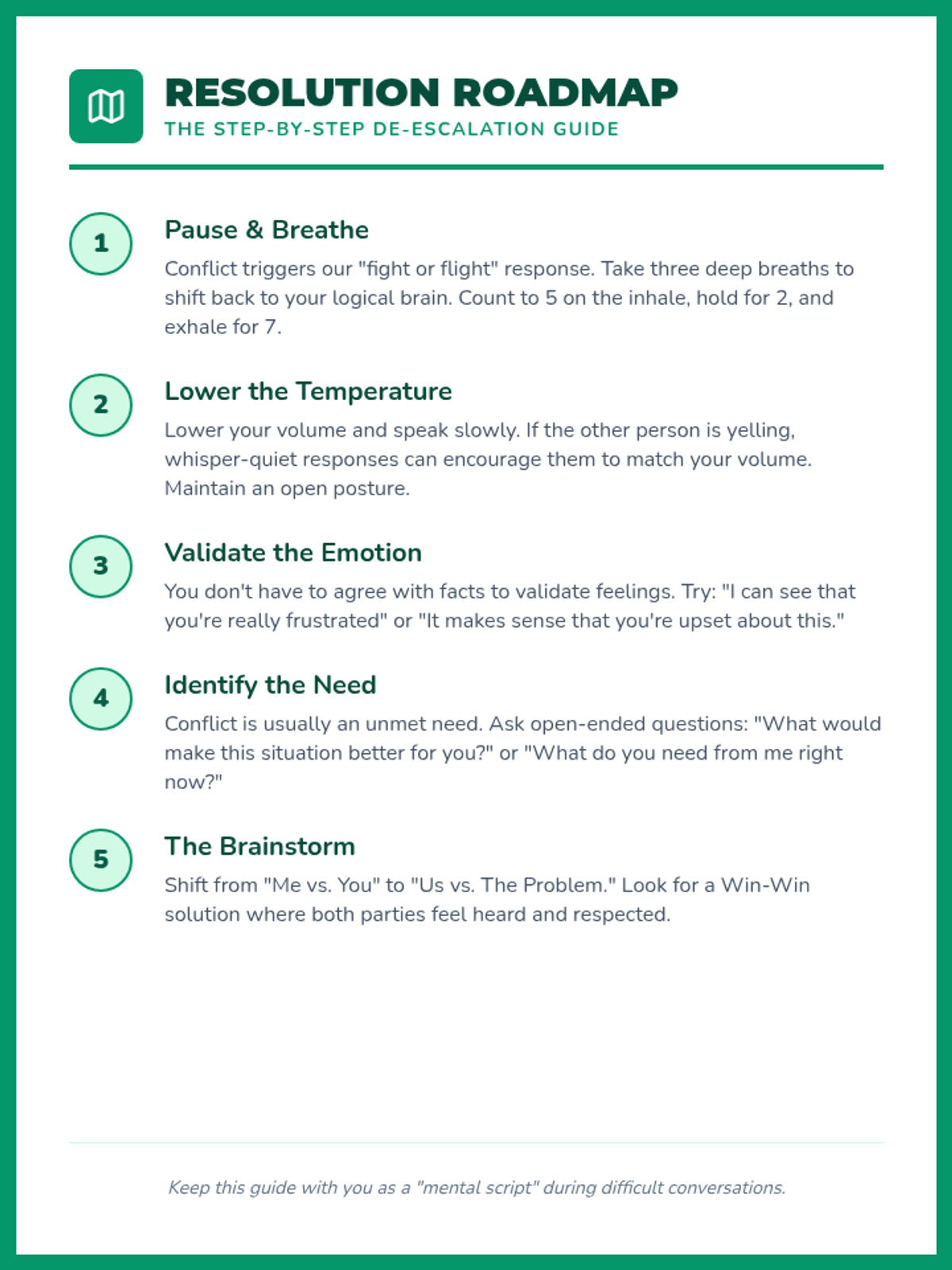
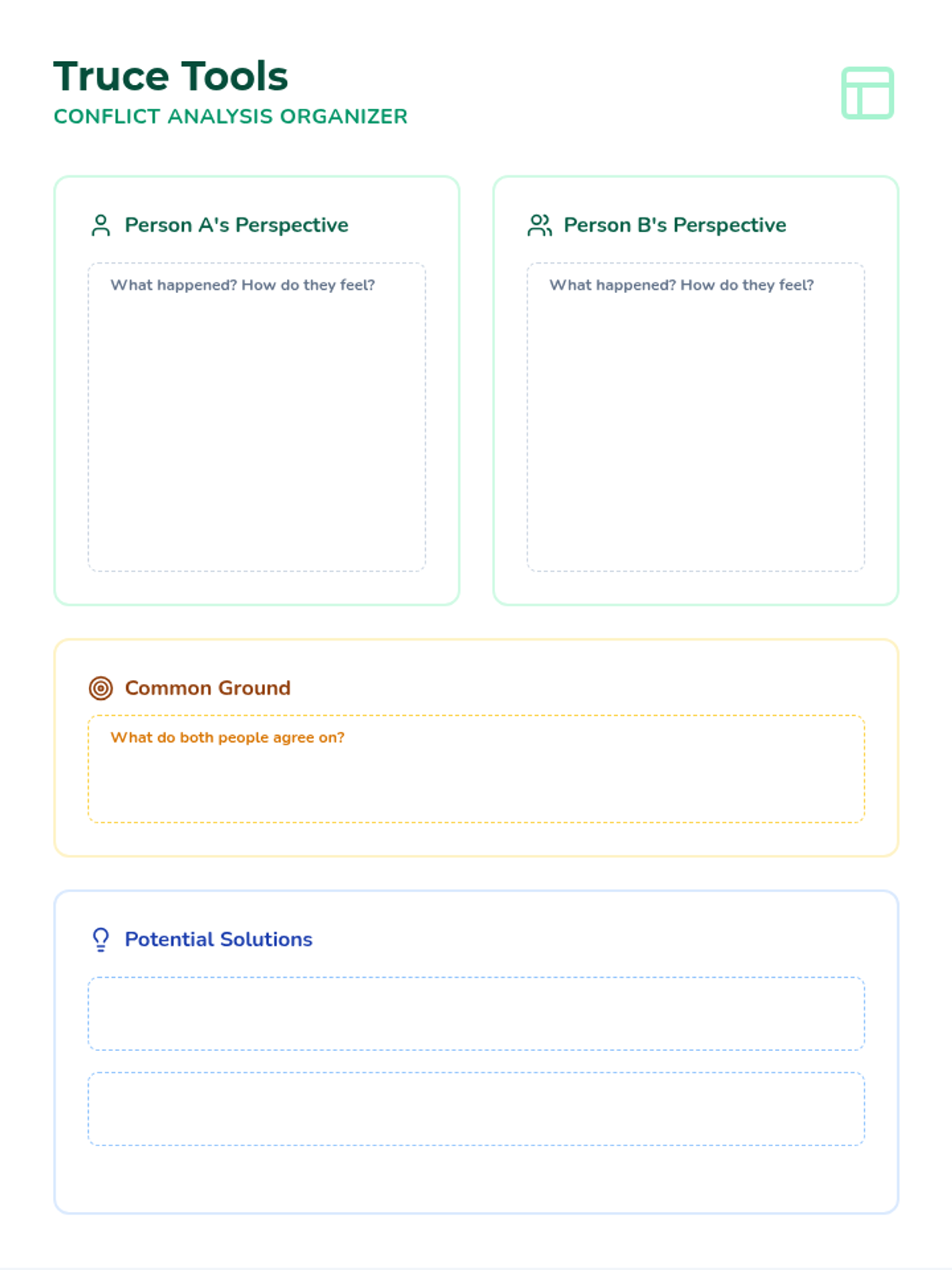
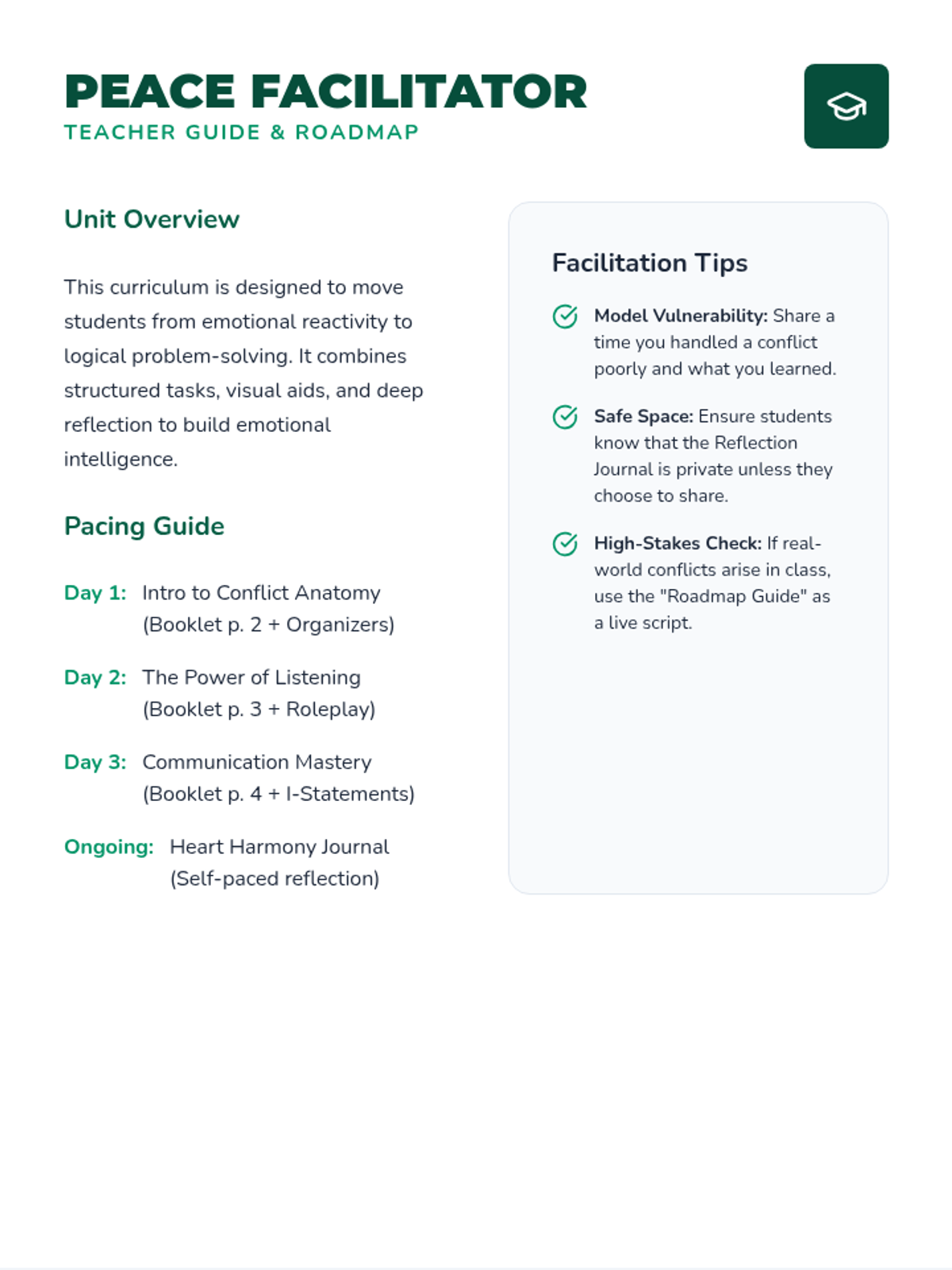
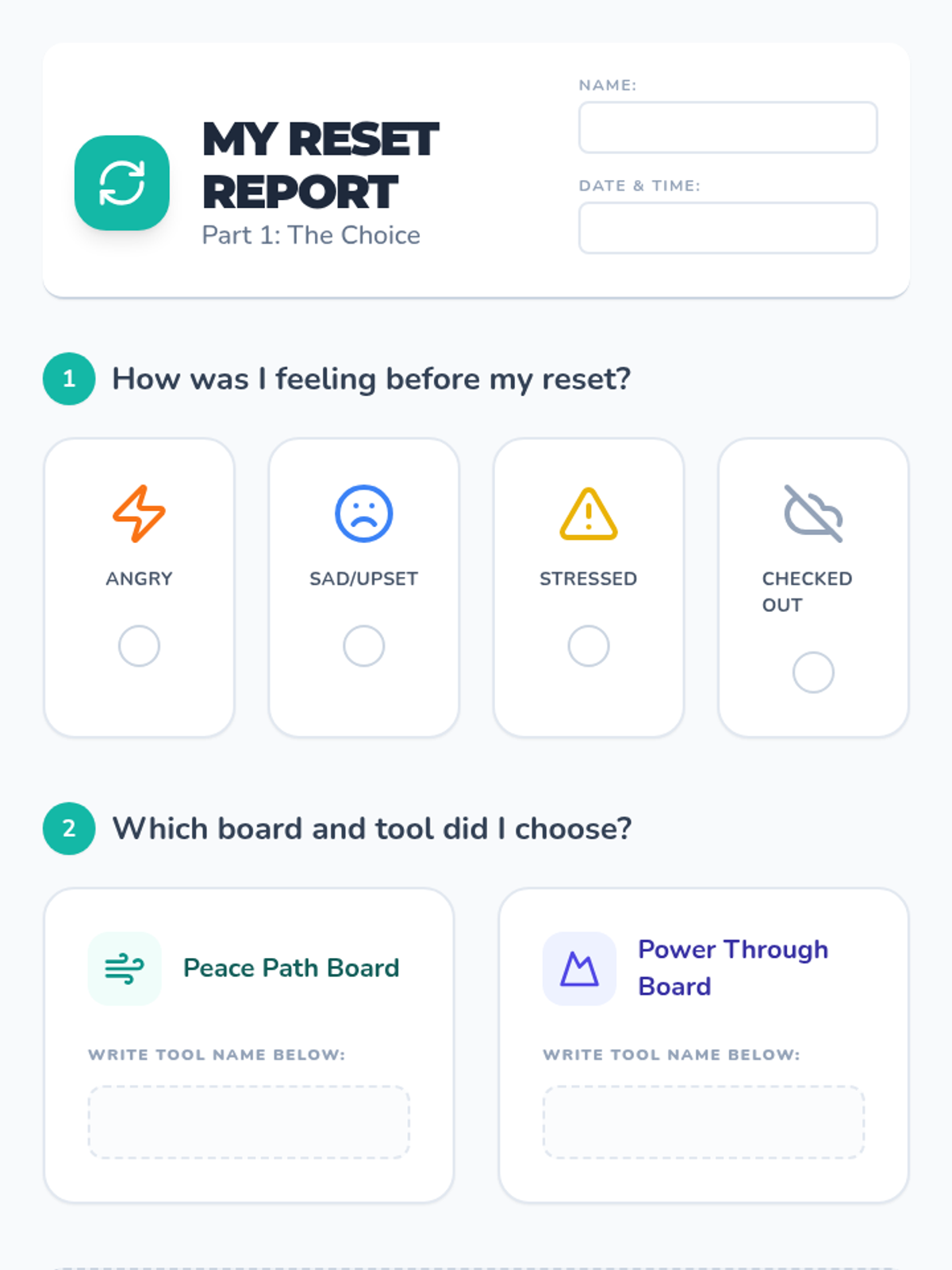
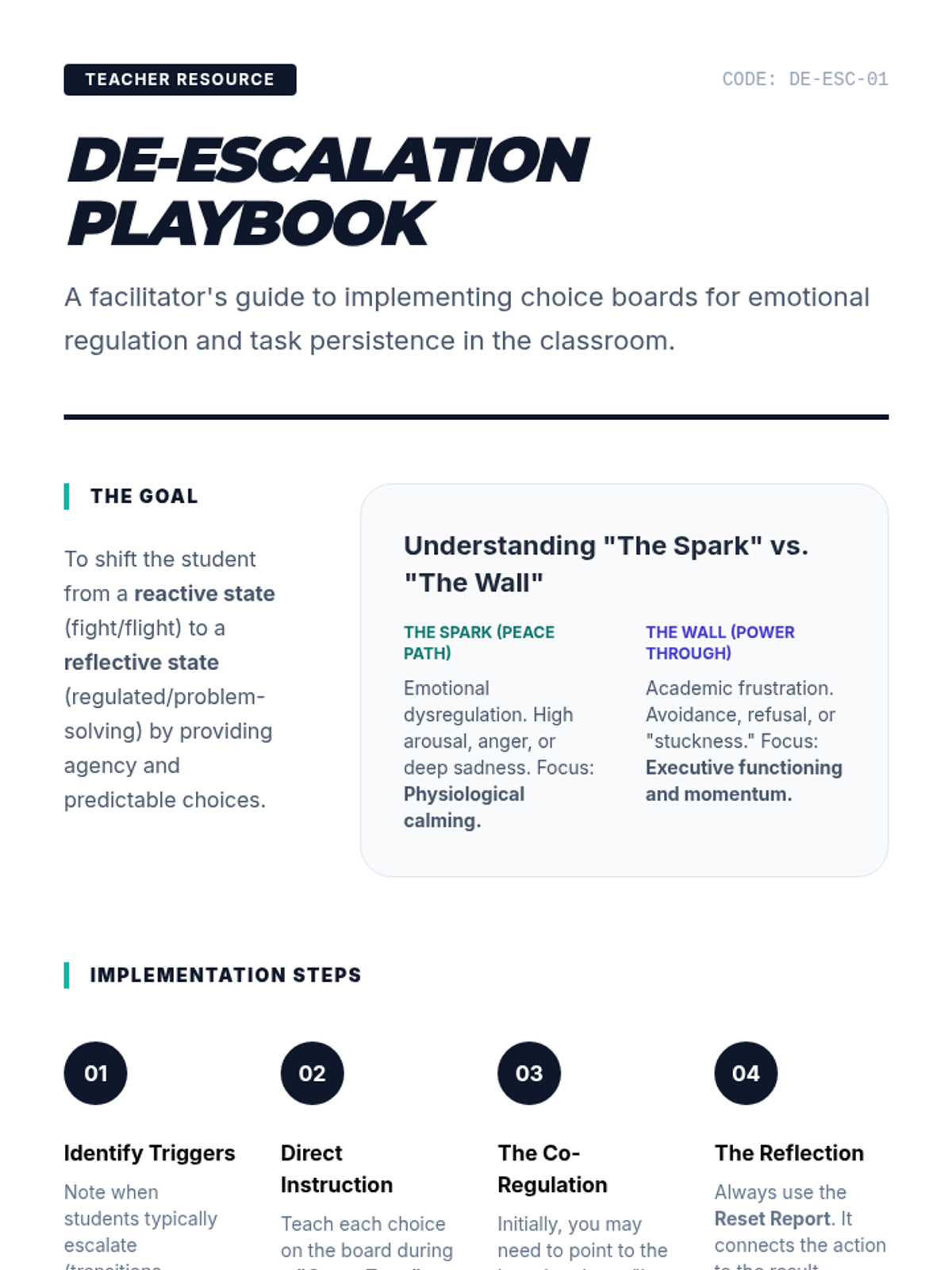
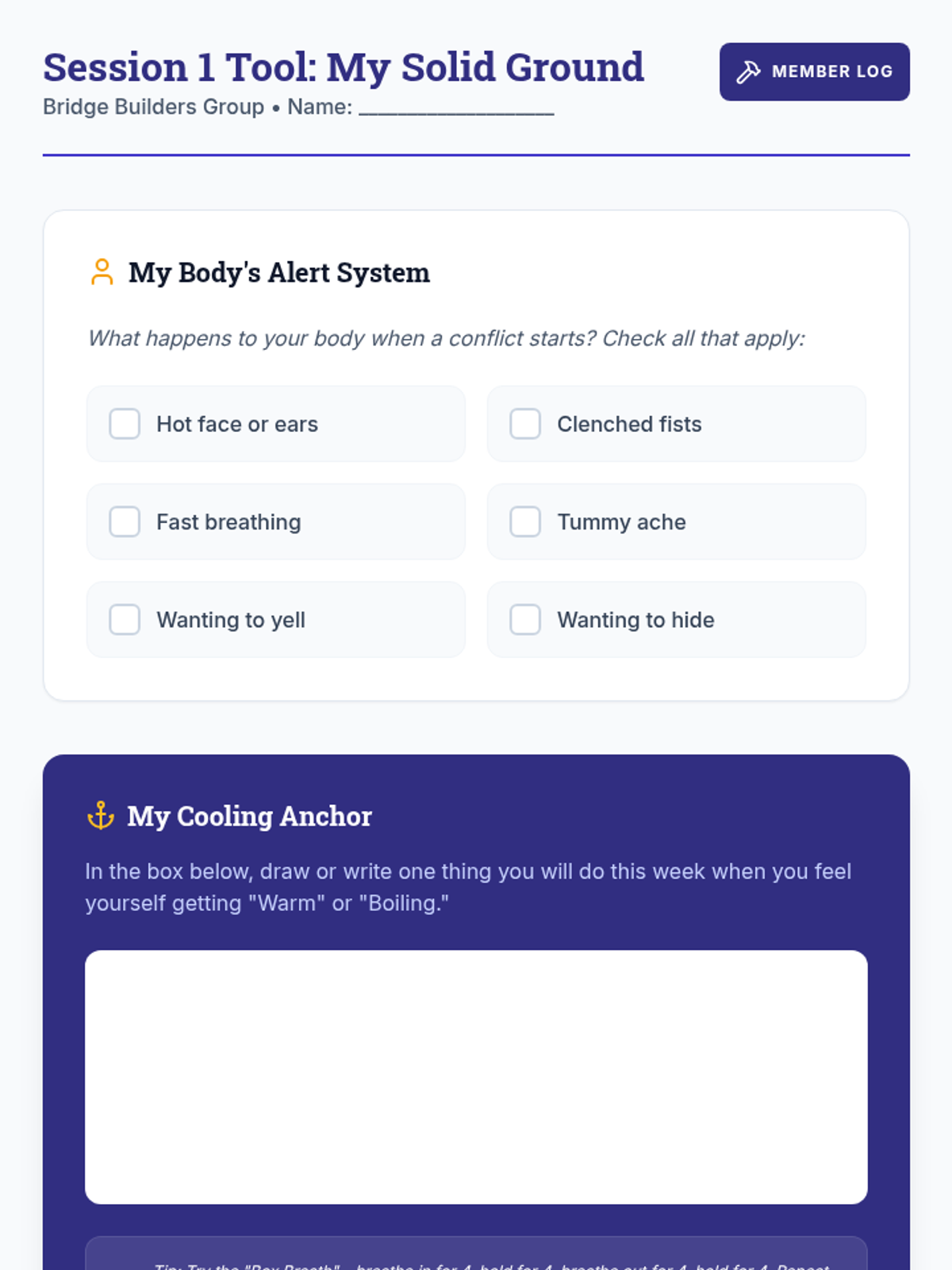
A comprehensive curriculum designed to teach students the essential skills of conflict resolution, de-escalation, and empathetic communication through hands-on tasks and self-reflection.
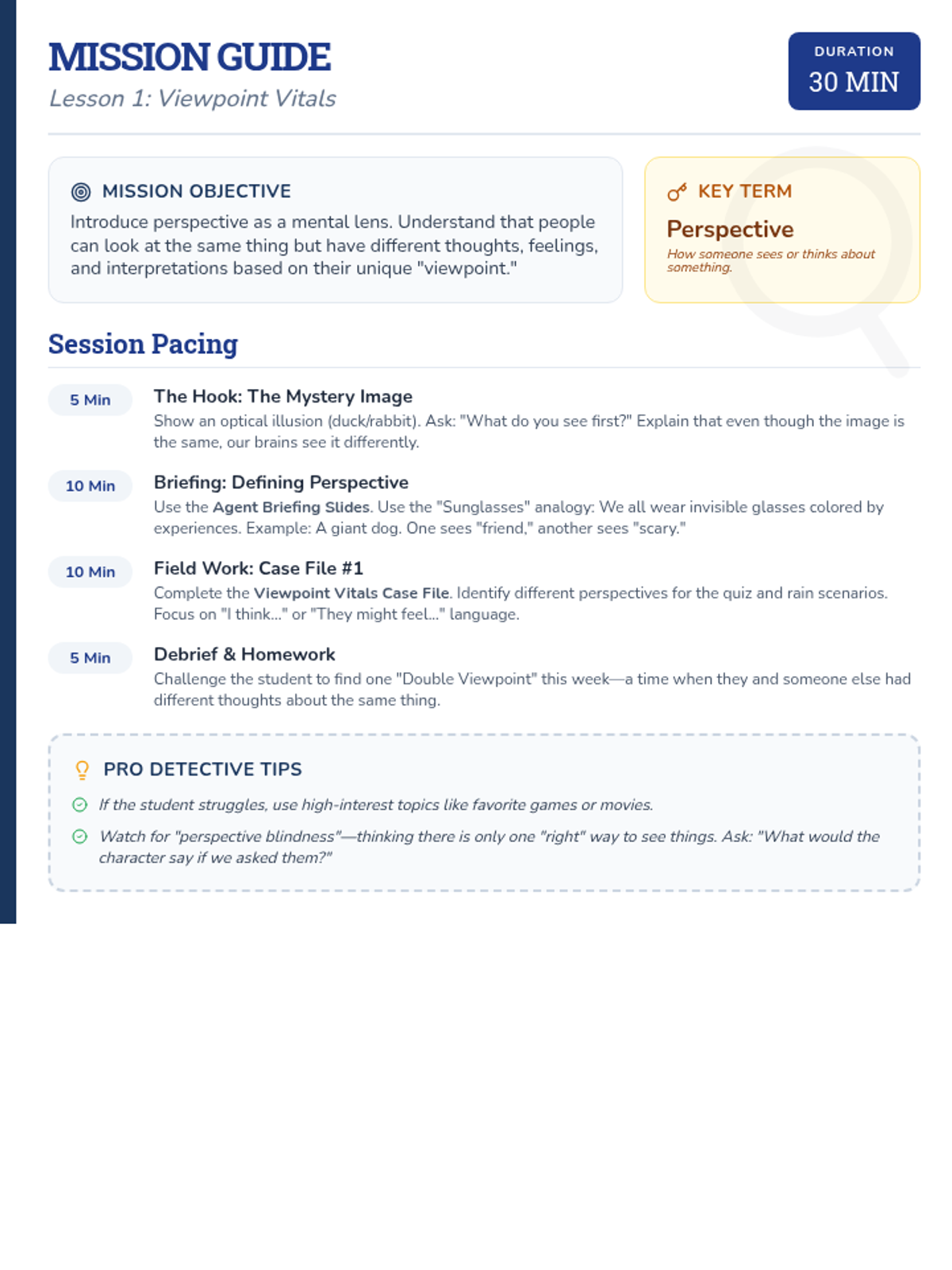
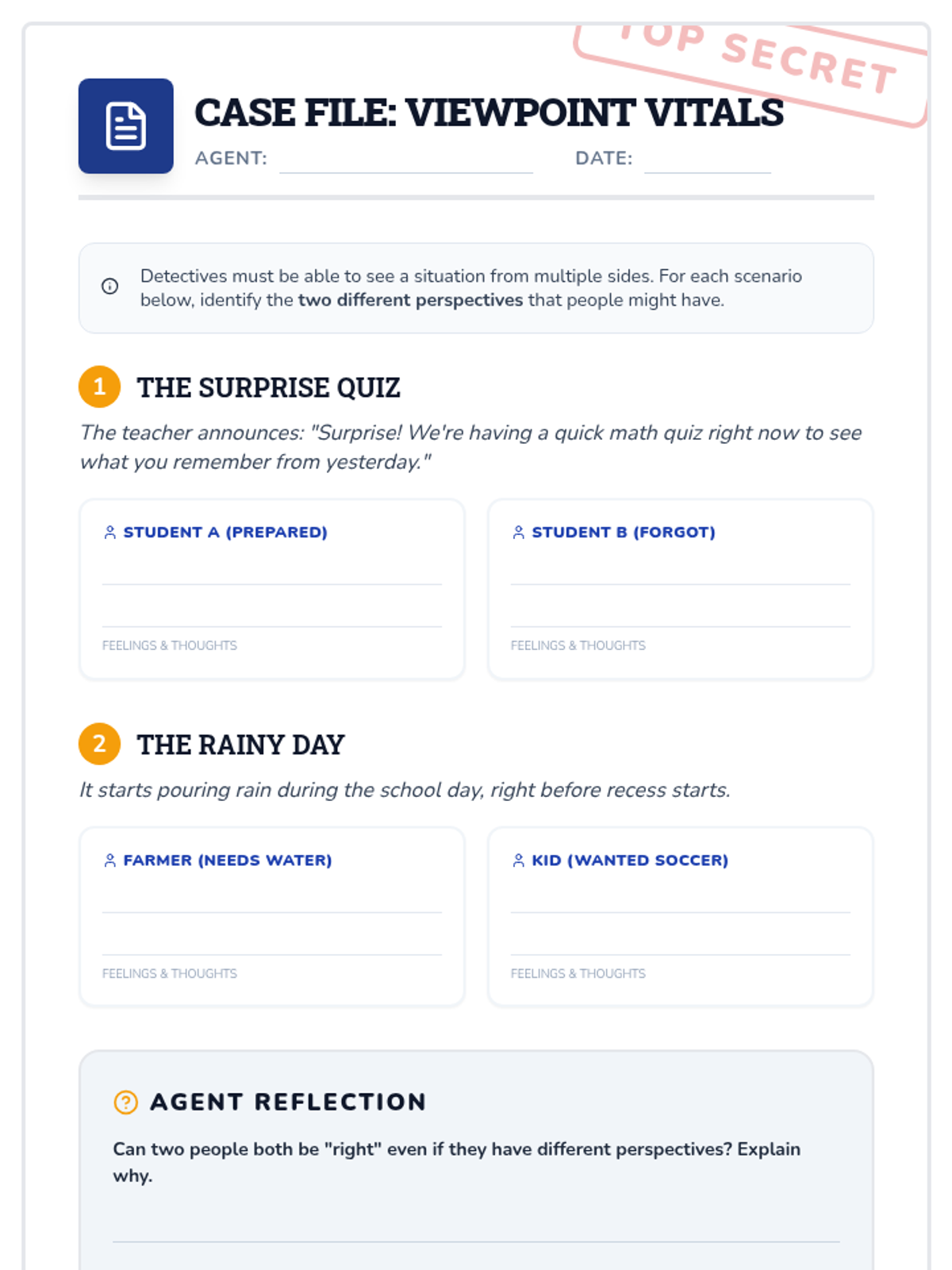
An 8-week social cognition unit focused on perspective-taking for 5th-grade students. Using a "Social Detective" theme, students learn to identify physical viewpoints, emotional states, information gaps, and conflicting motives to better navigate social interactions.
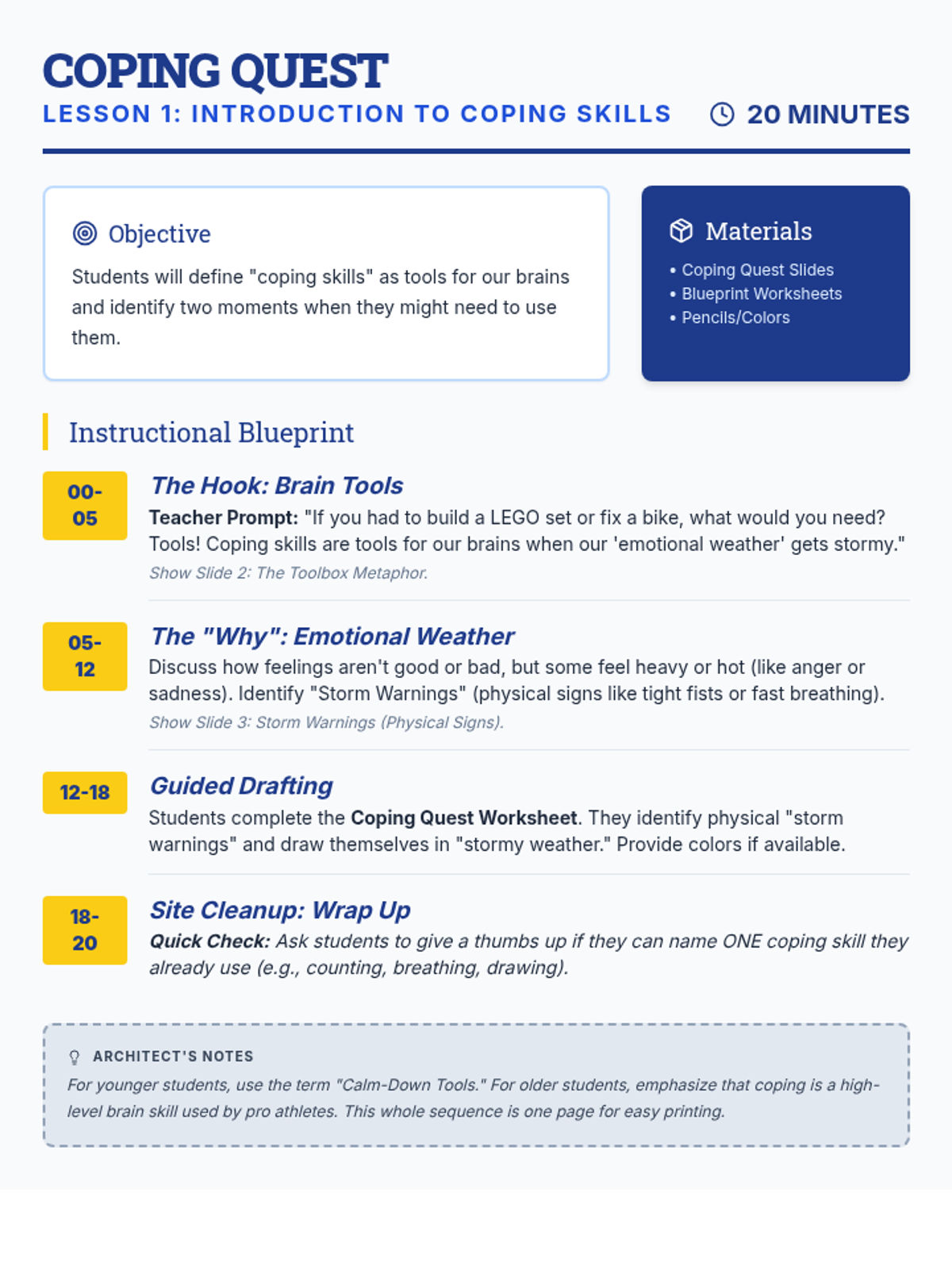
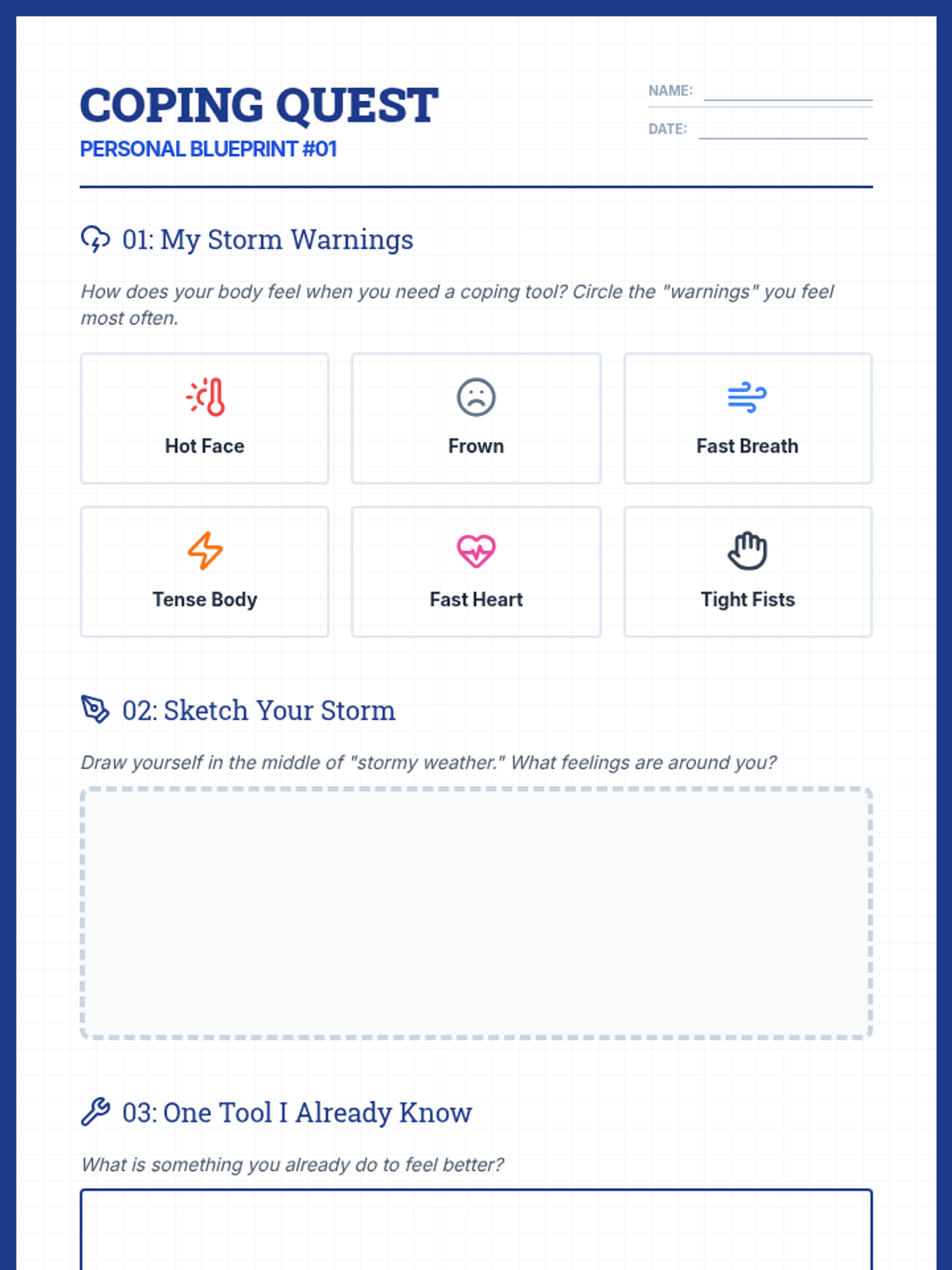
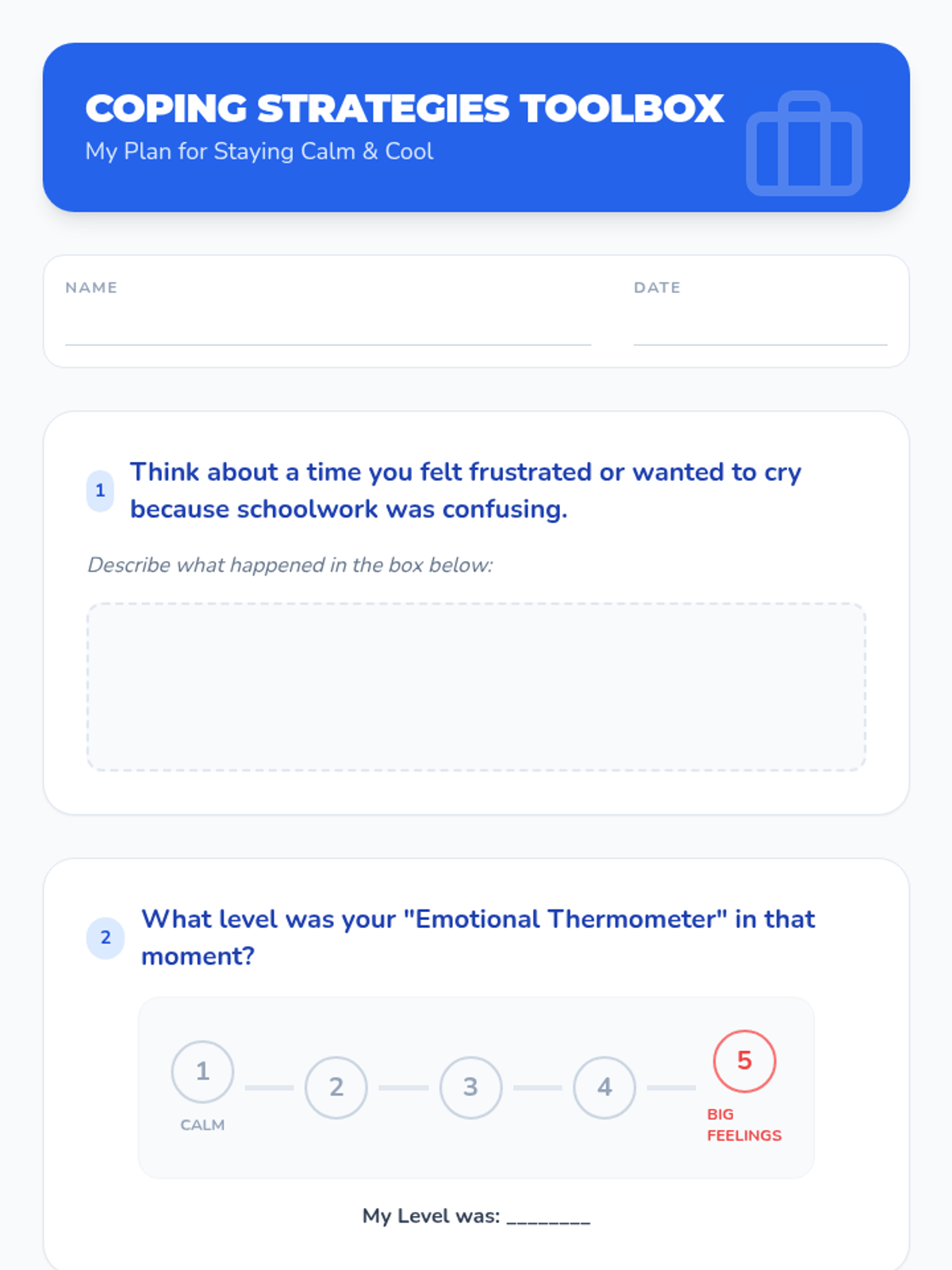
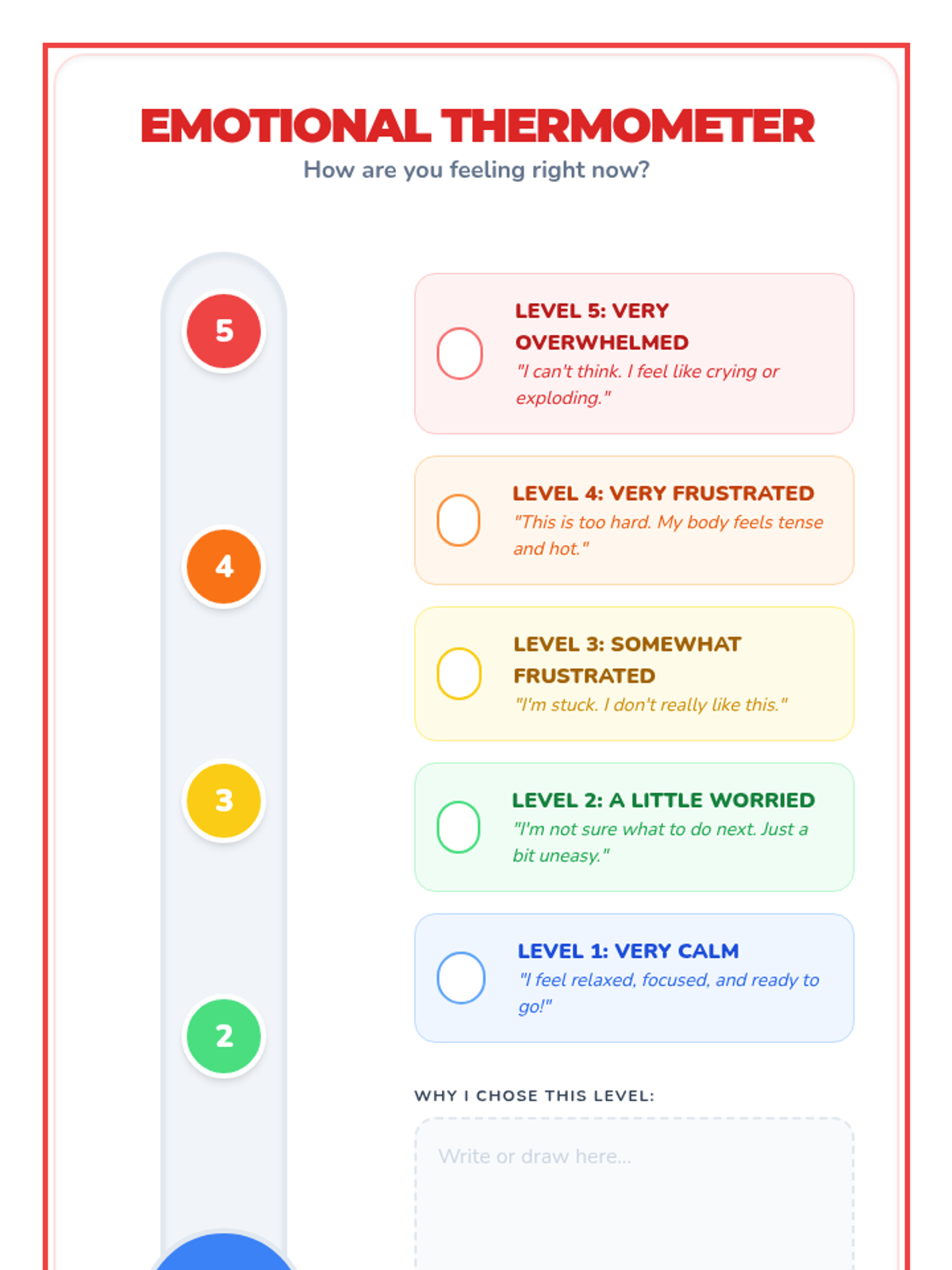
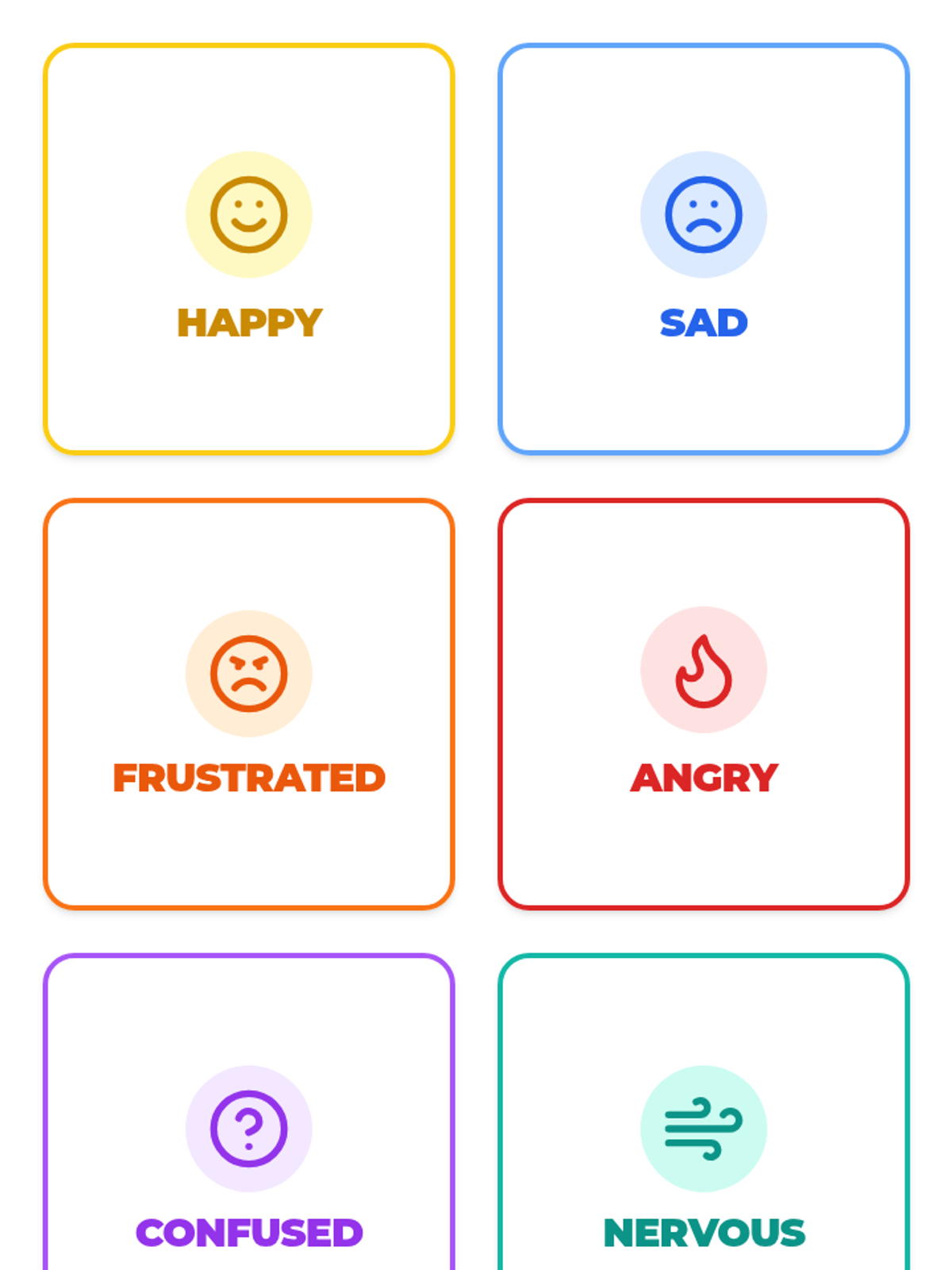
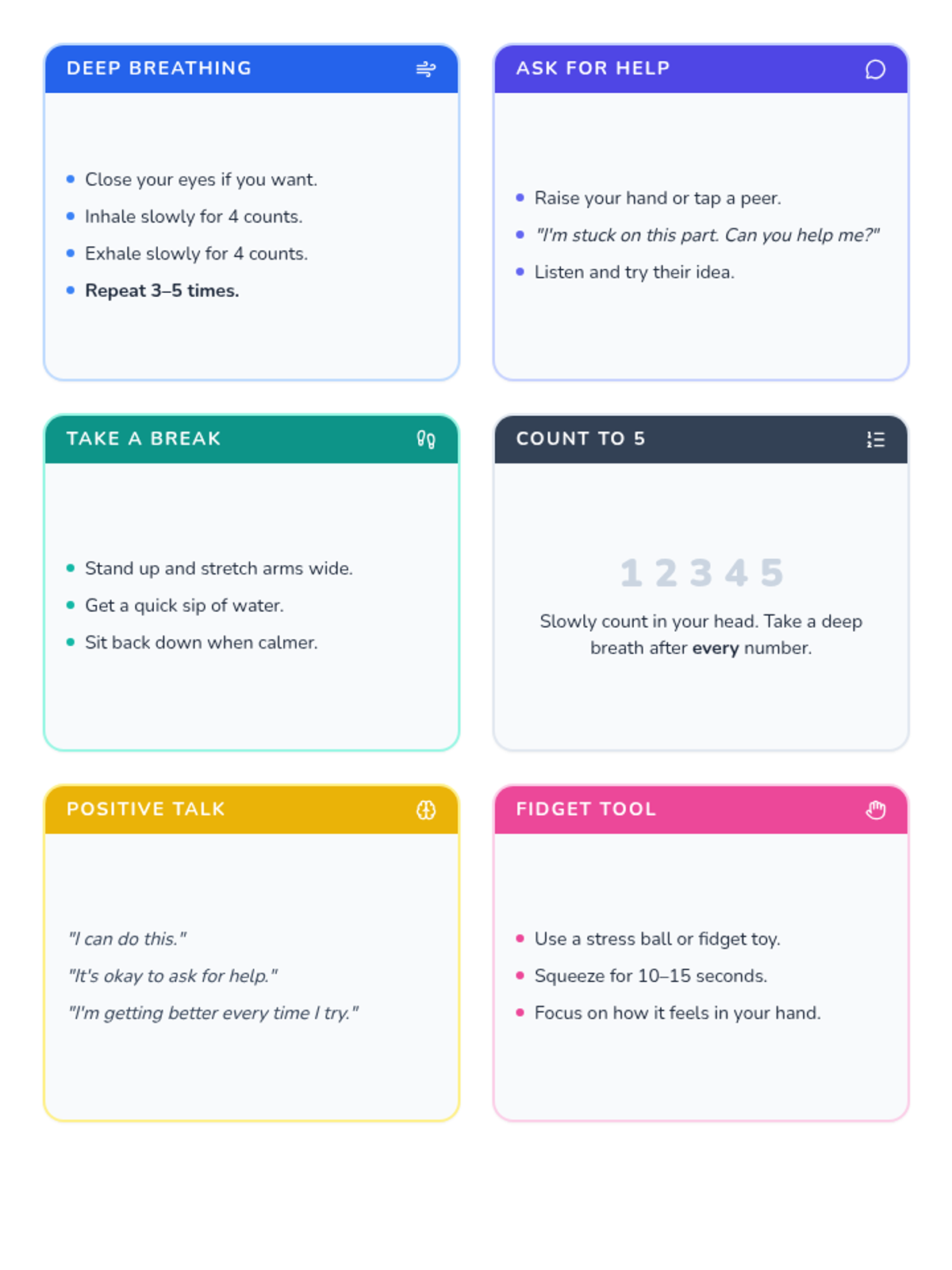
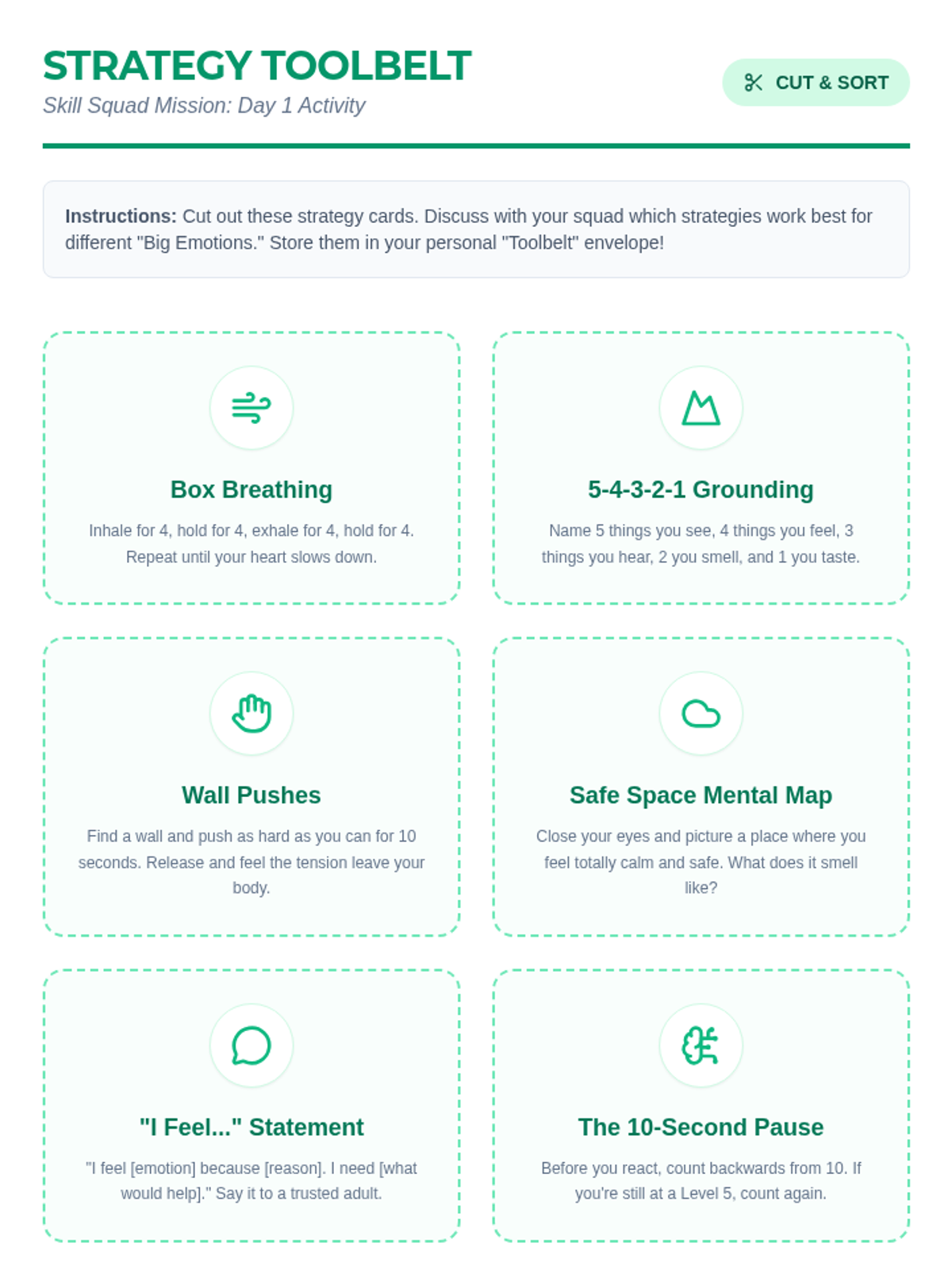
An 8-week social-emotional learning curriculum designed for 20-minute sessions. Students learn to identify, categorize, and apply coping skills through a blueprint-inspired framework of self-regulation.
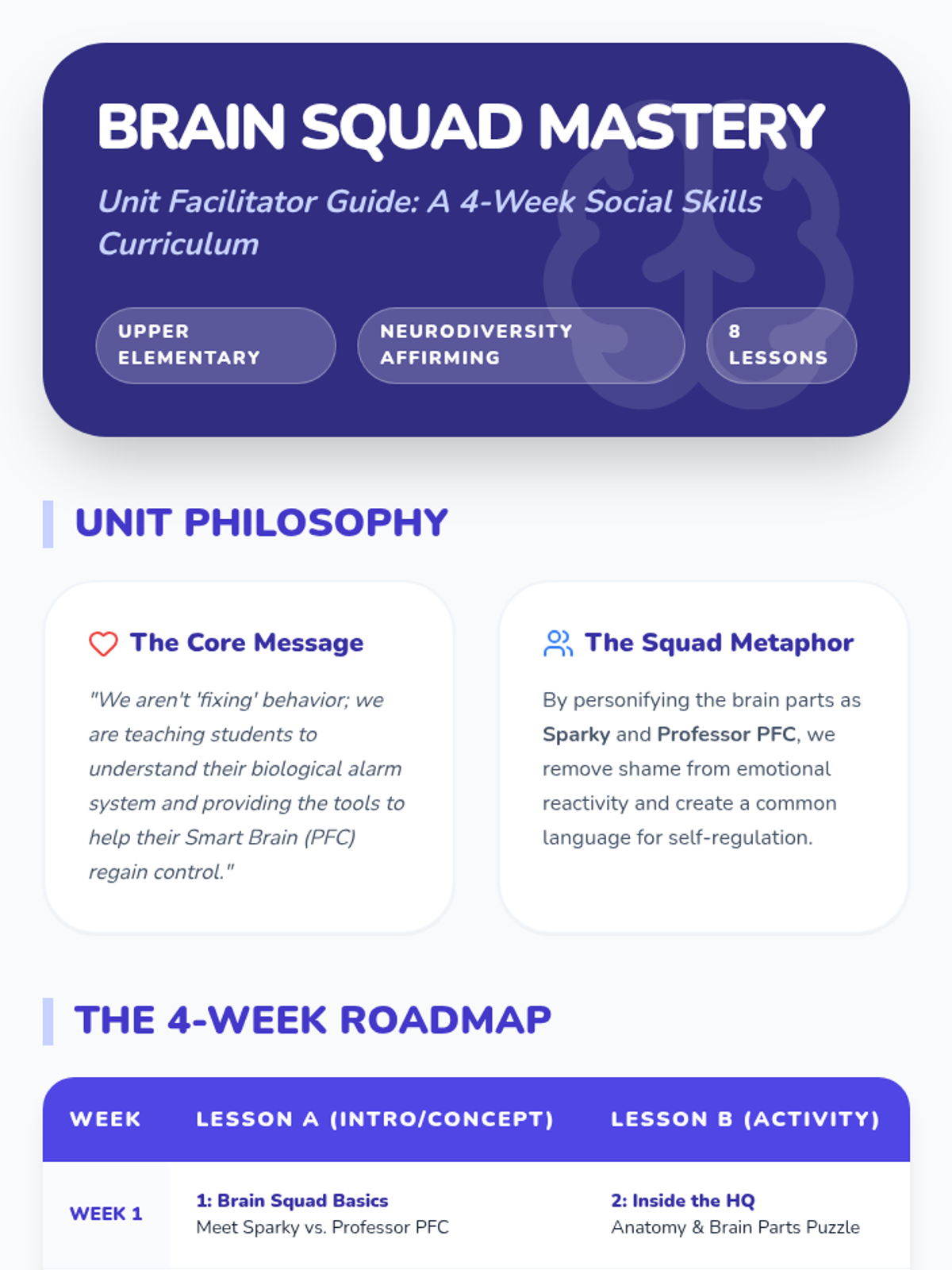
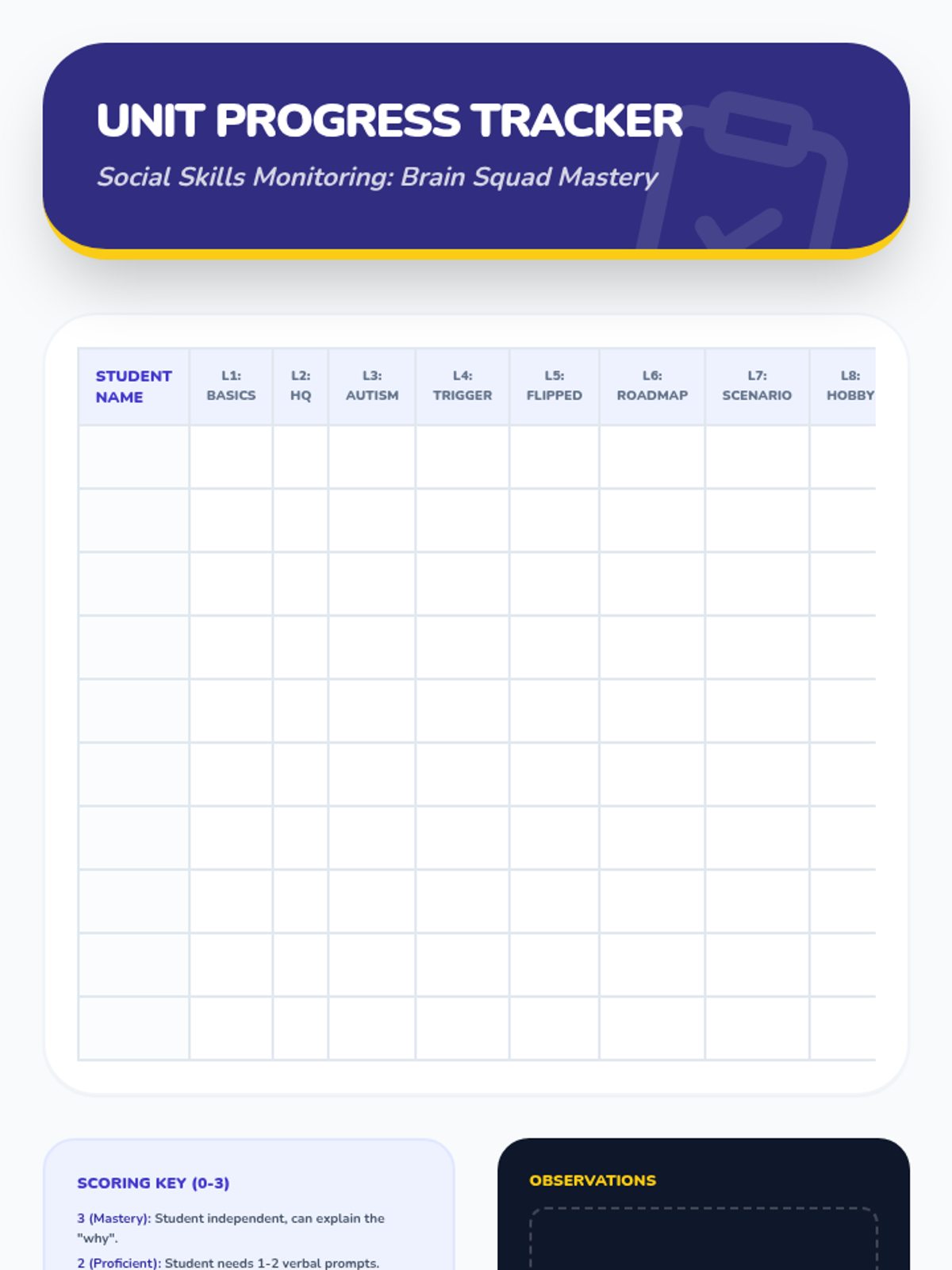
A 4-week social skills unit (8 lessons) teaching students to distinguish between their emotional brain and smart brain, focusing on regulation strategies, autism-specific challenges, and positive outlets.
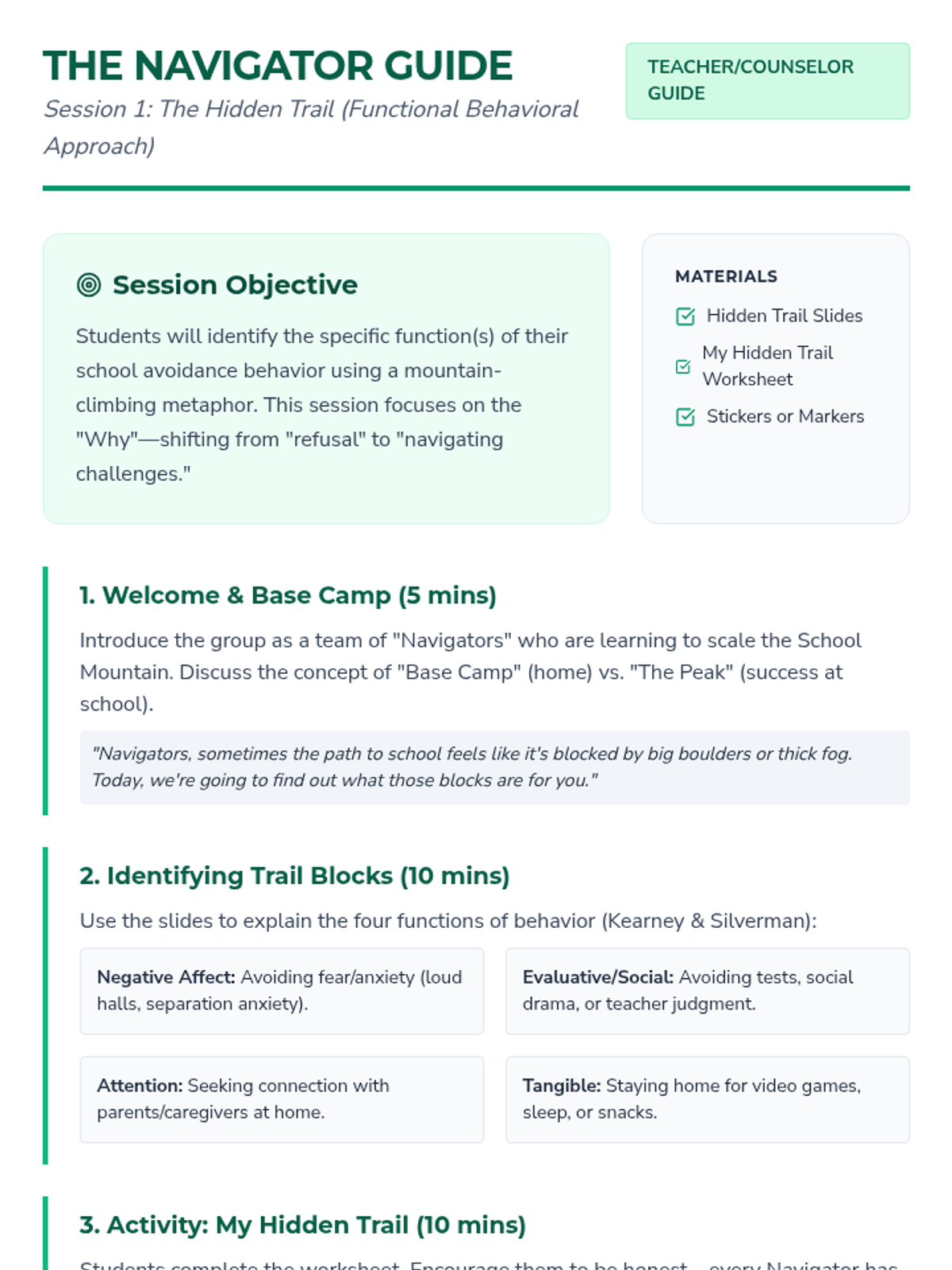
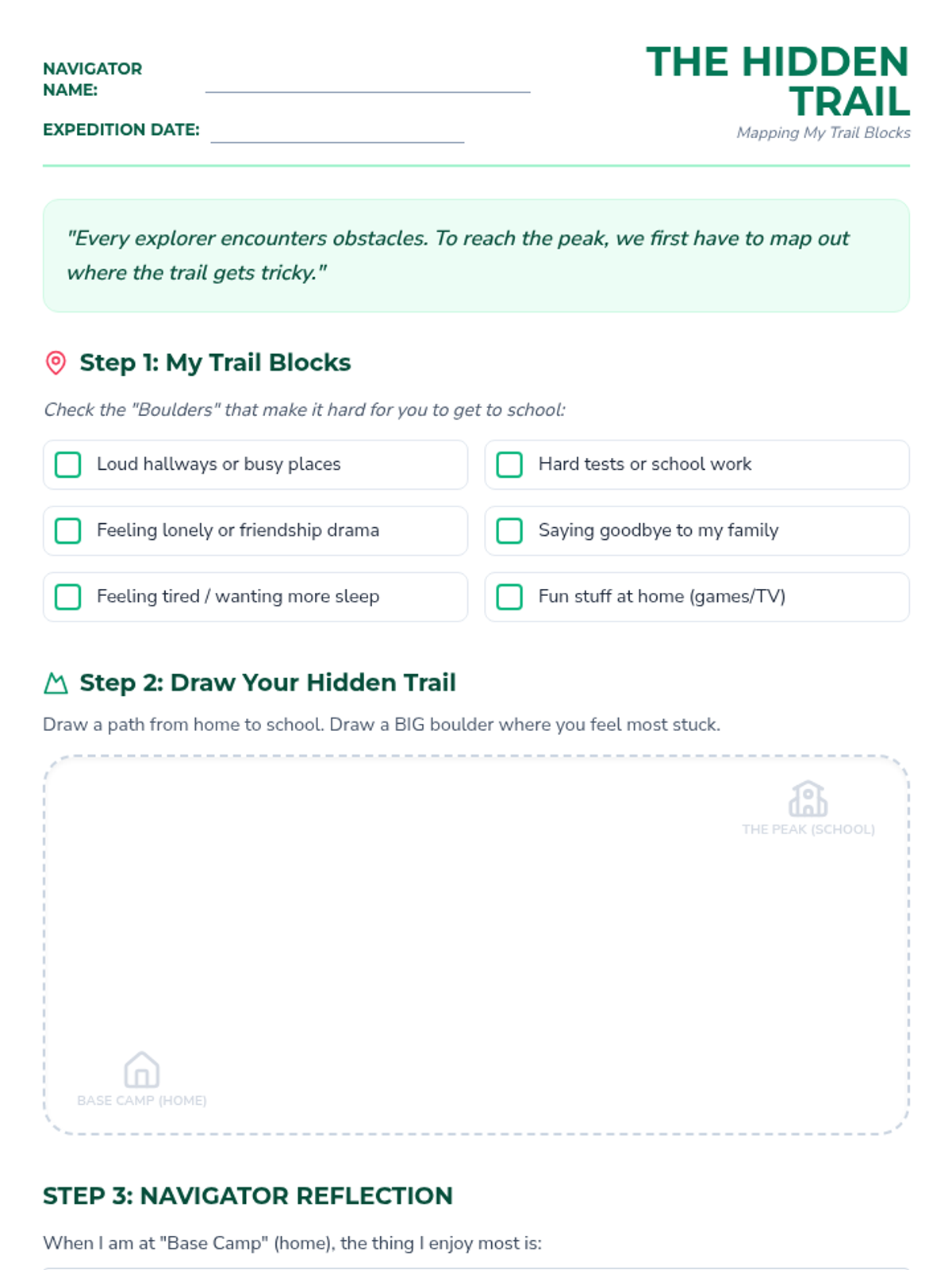
A 4-session small-group counseling program for grades 3-5 focused on identifying functional triggers for school avoidance, building coping strategies, and preparing for a successful fall transition. The program utilizes a mountain-climbing theme to empower students as 'navigators' of their own school journey.
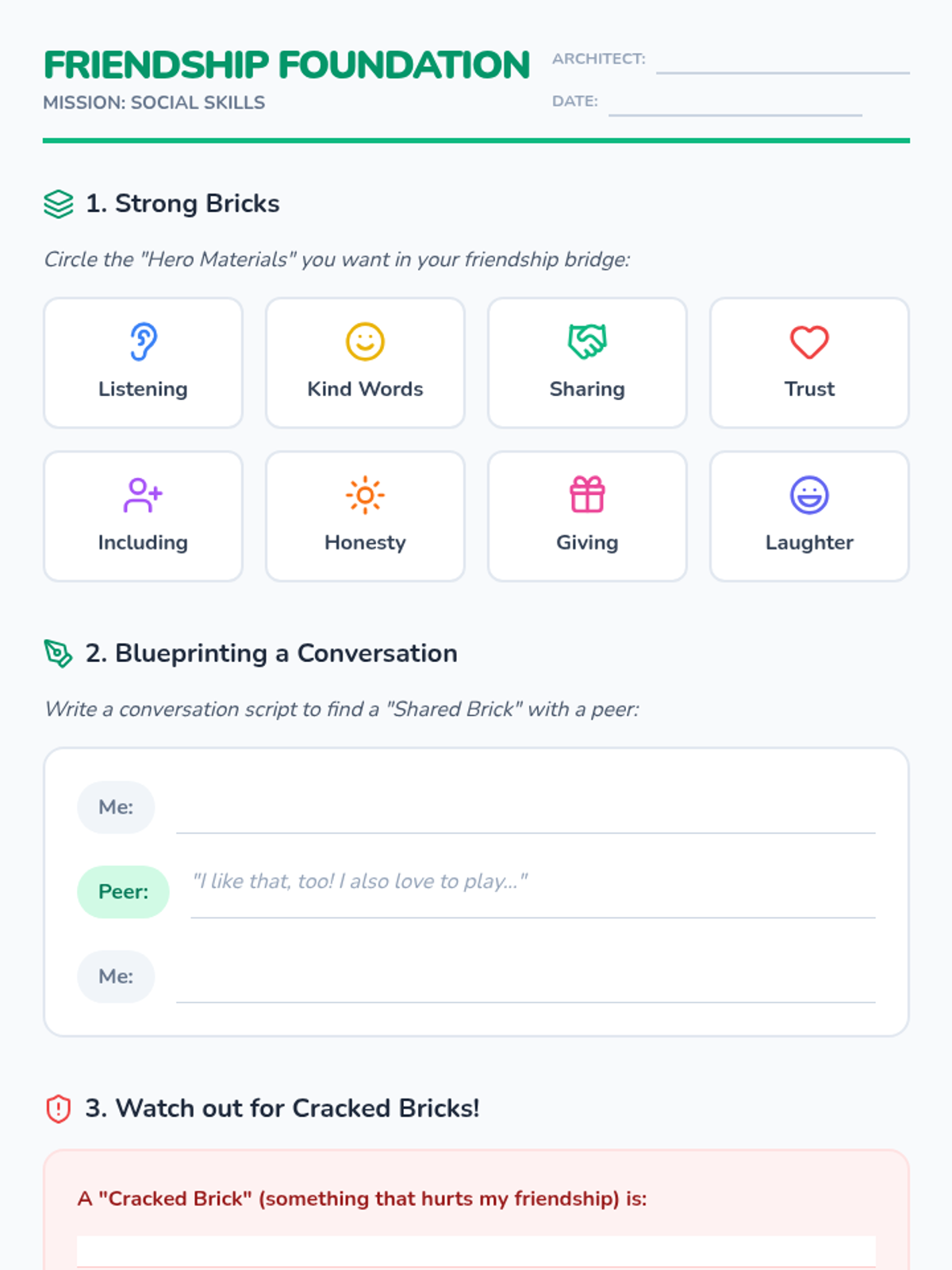
A social-emotional learning series focused on developing core interpersonal skills, moving from individual friendship building to collaborative teamwork and community responsibility.
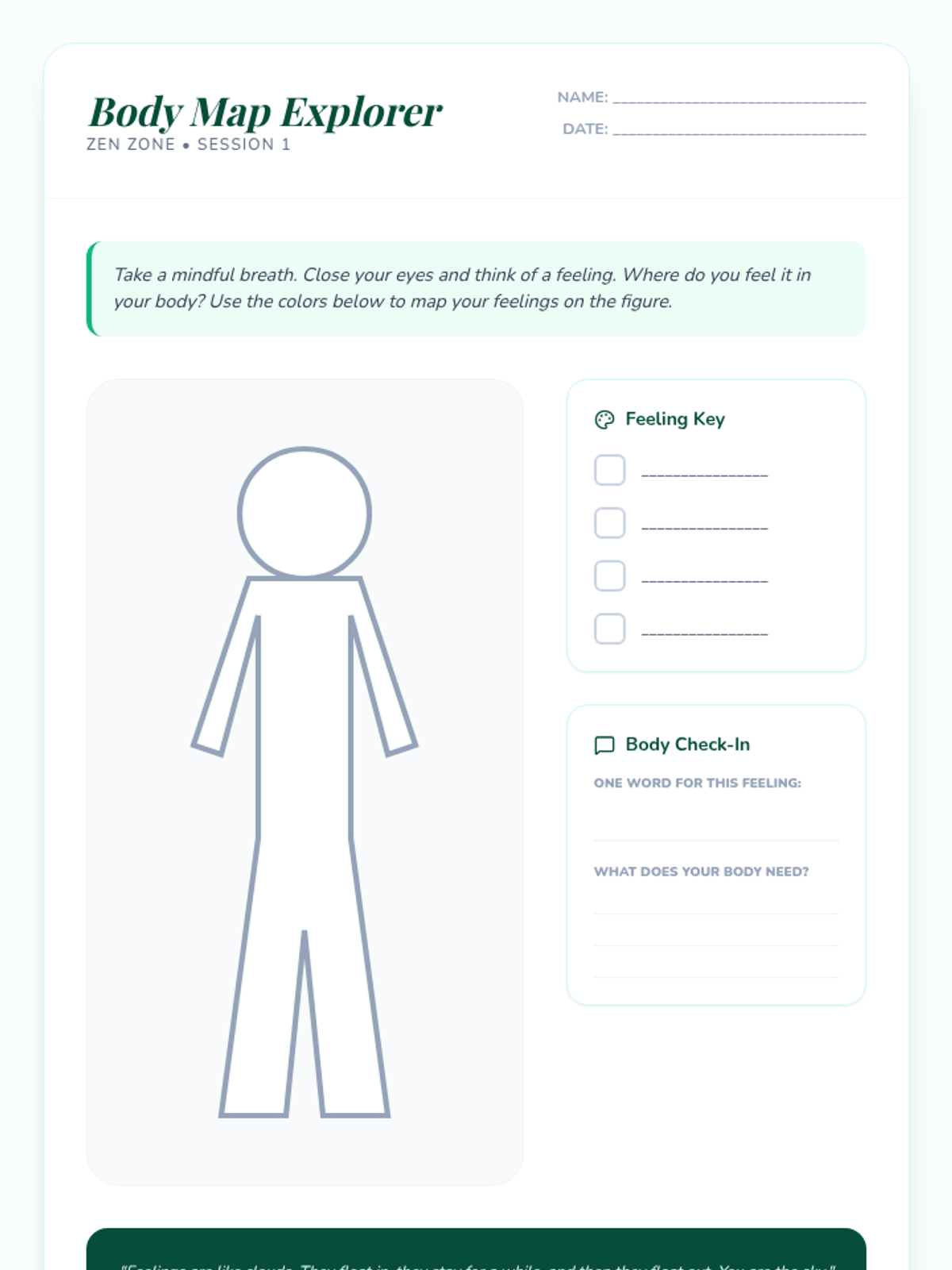
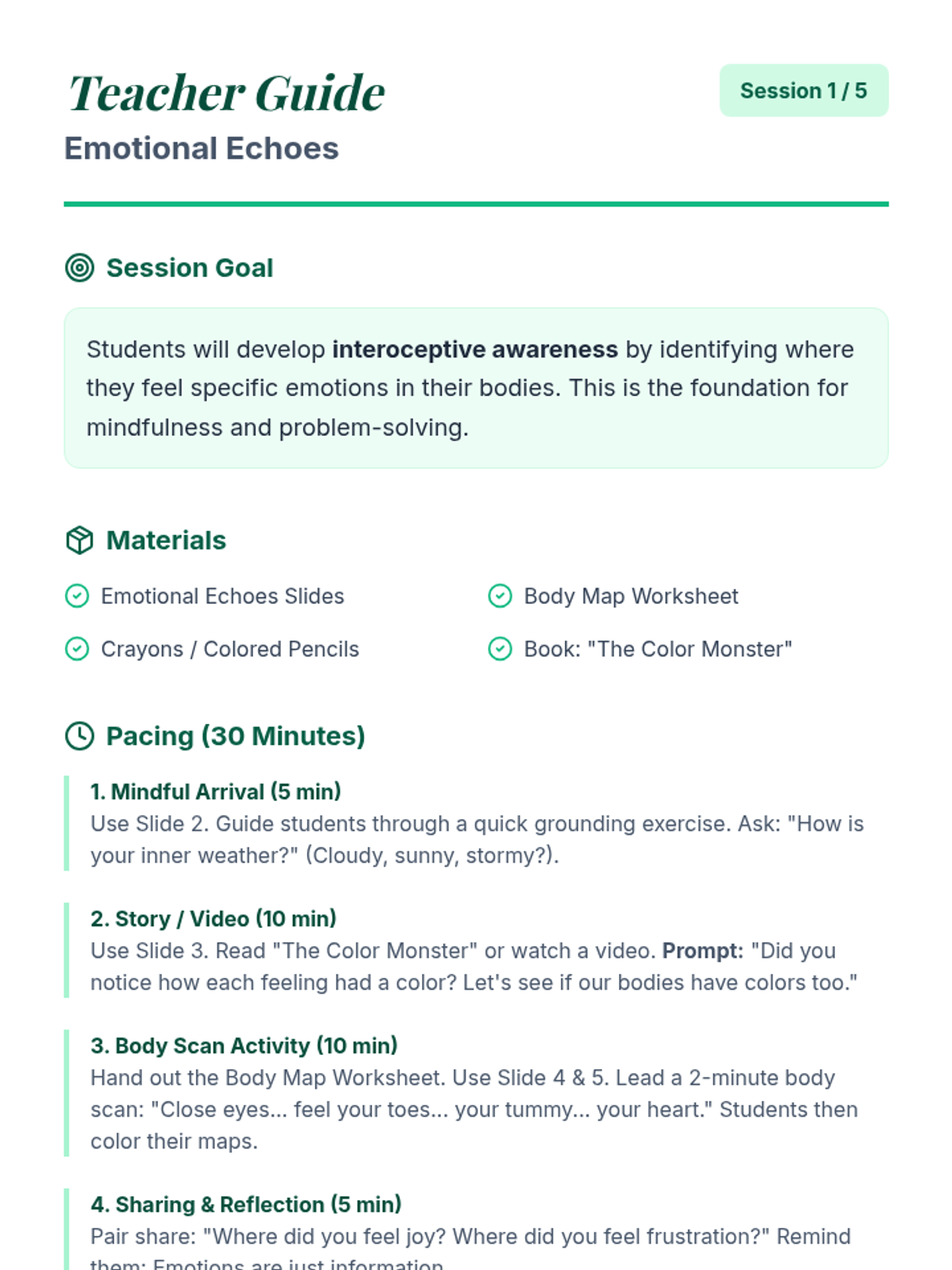
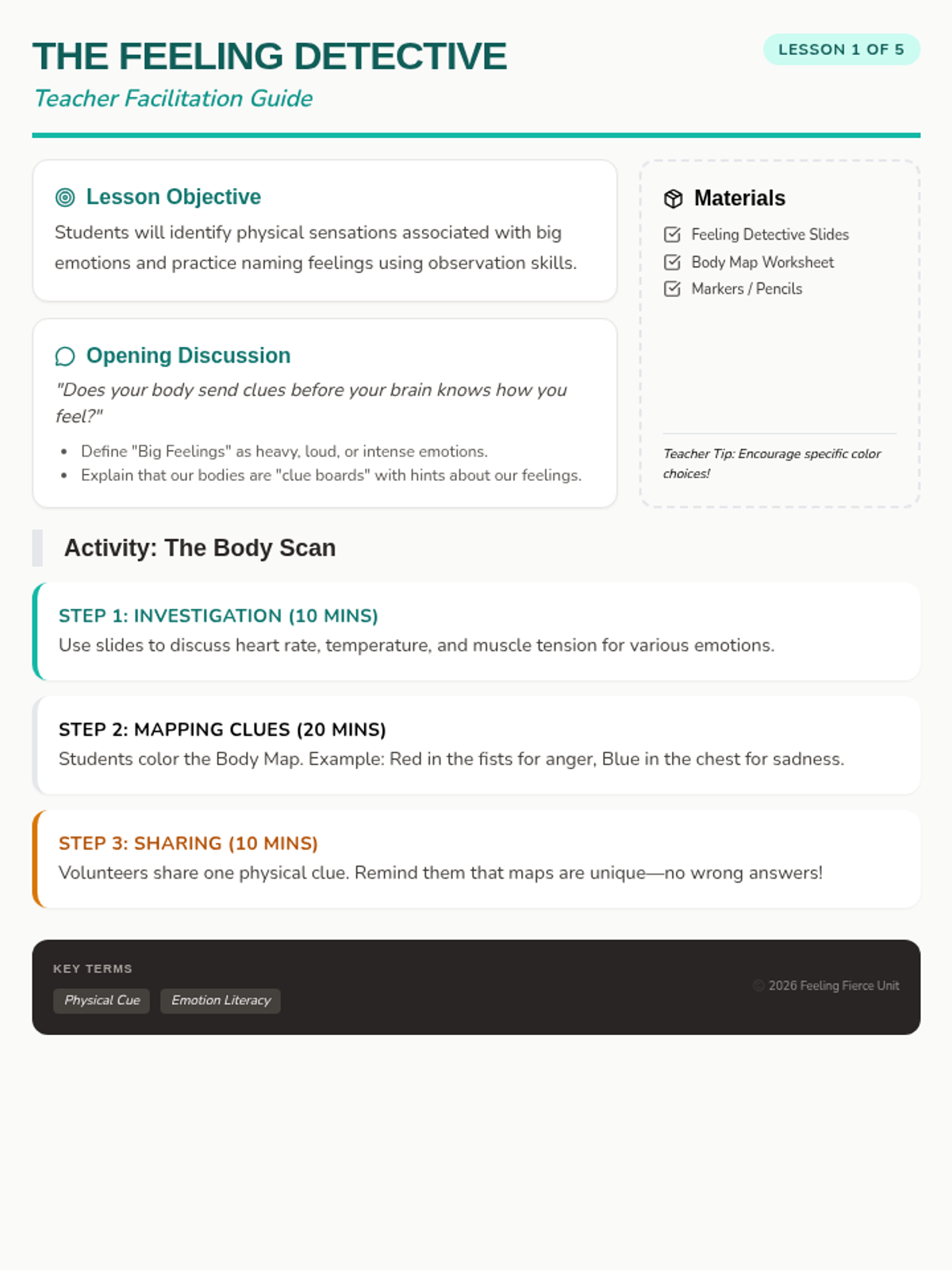
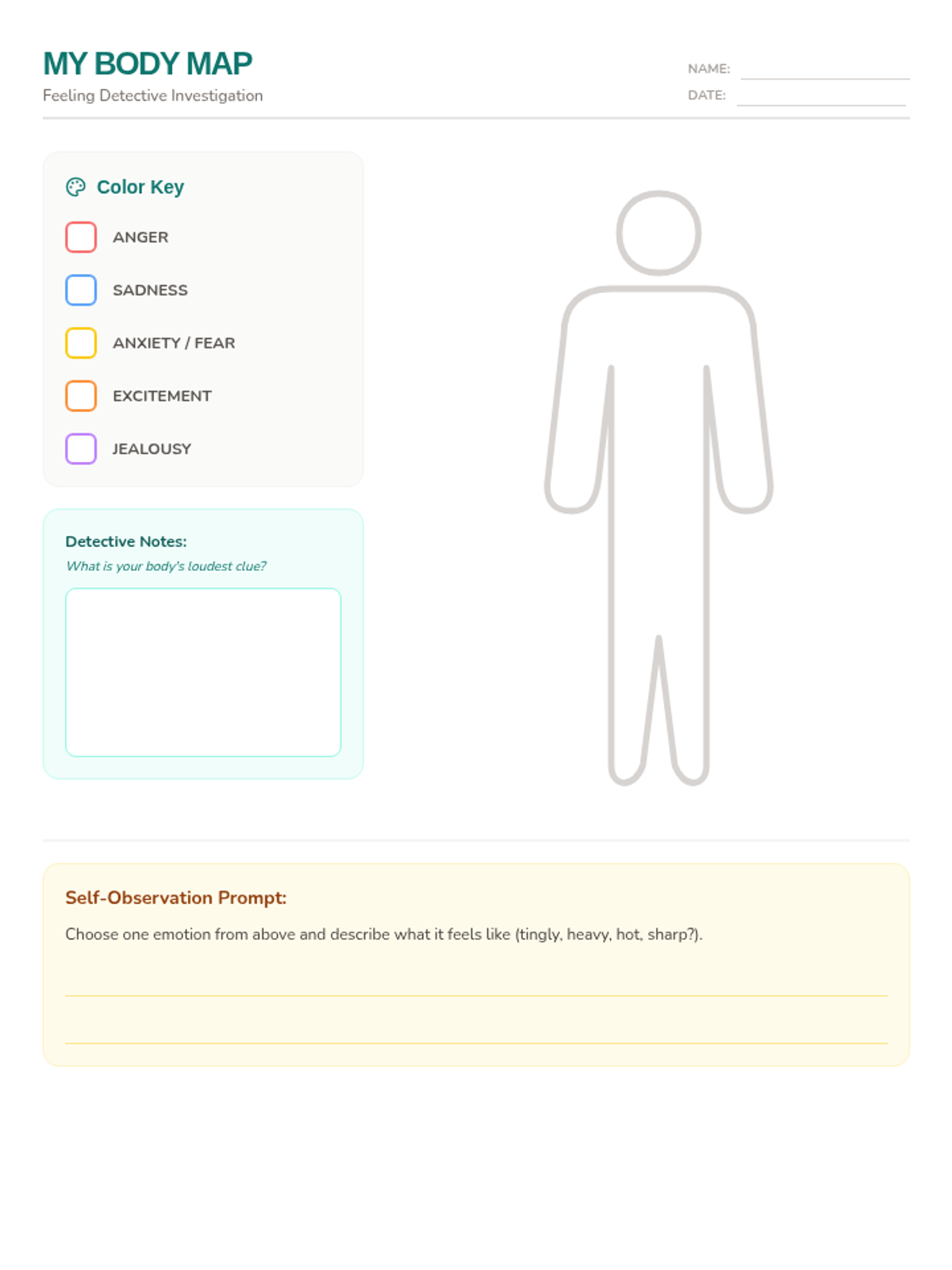
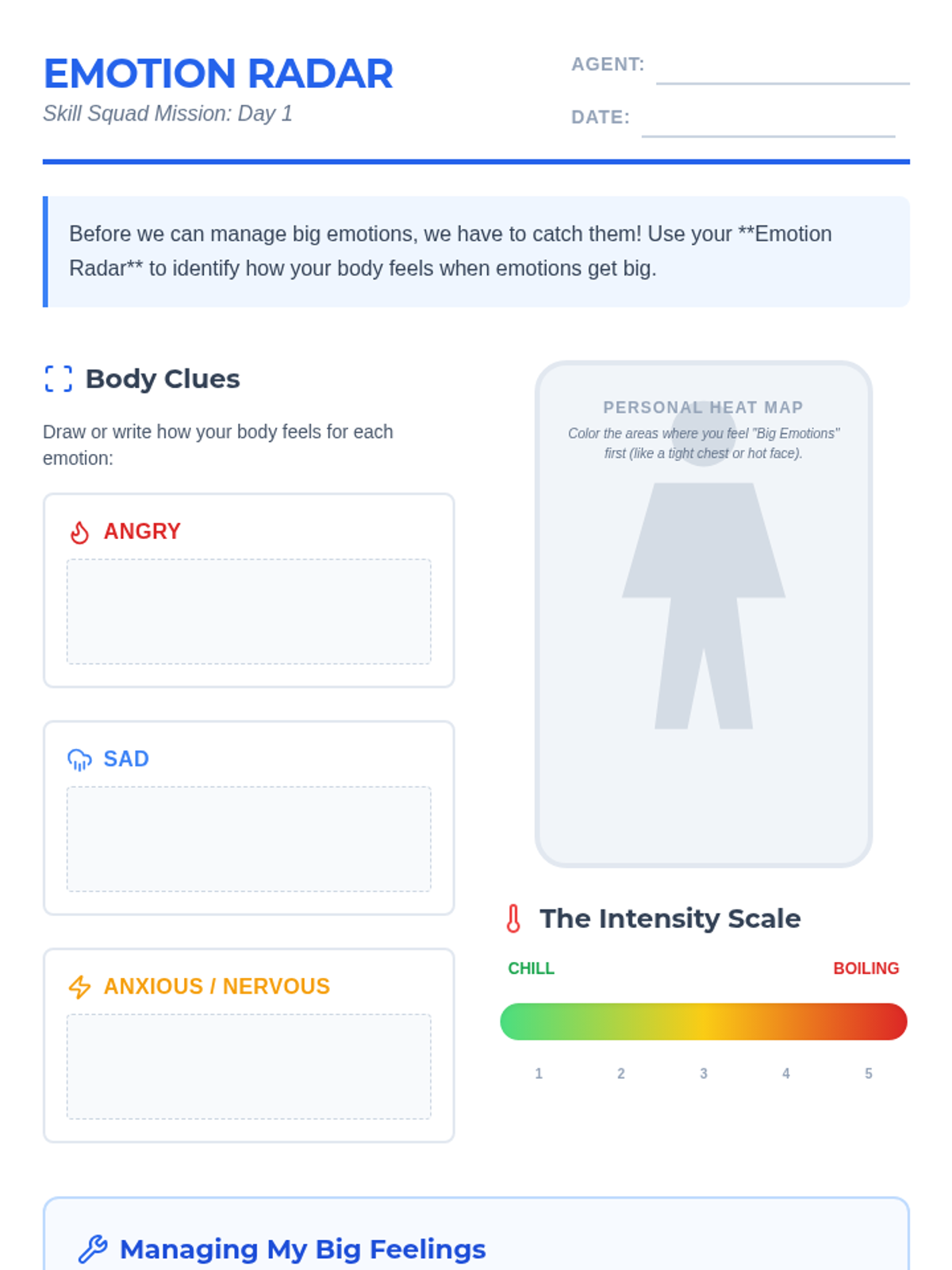
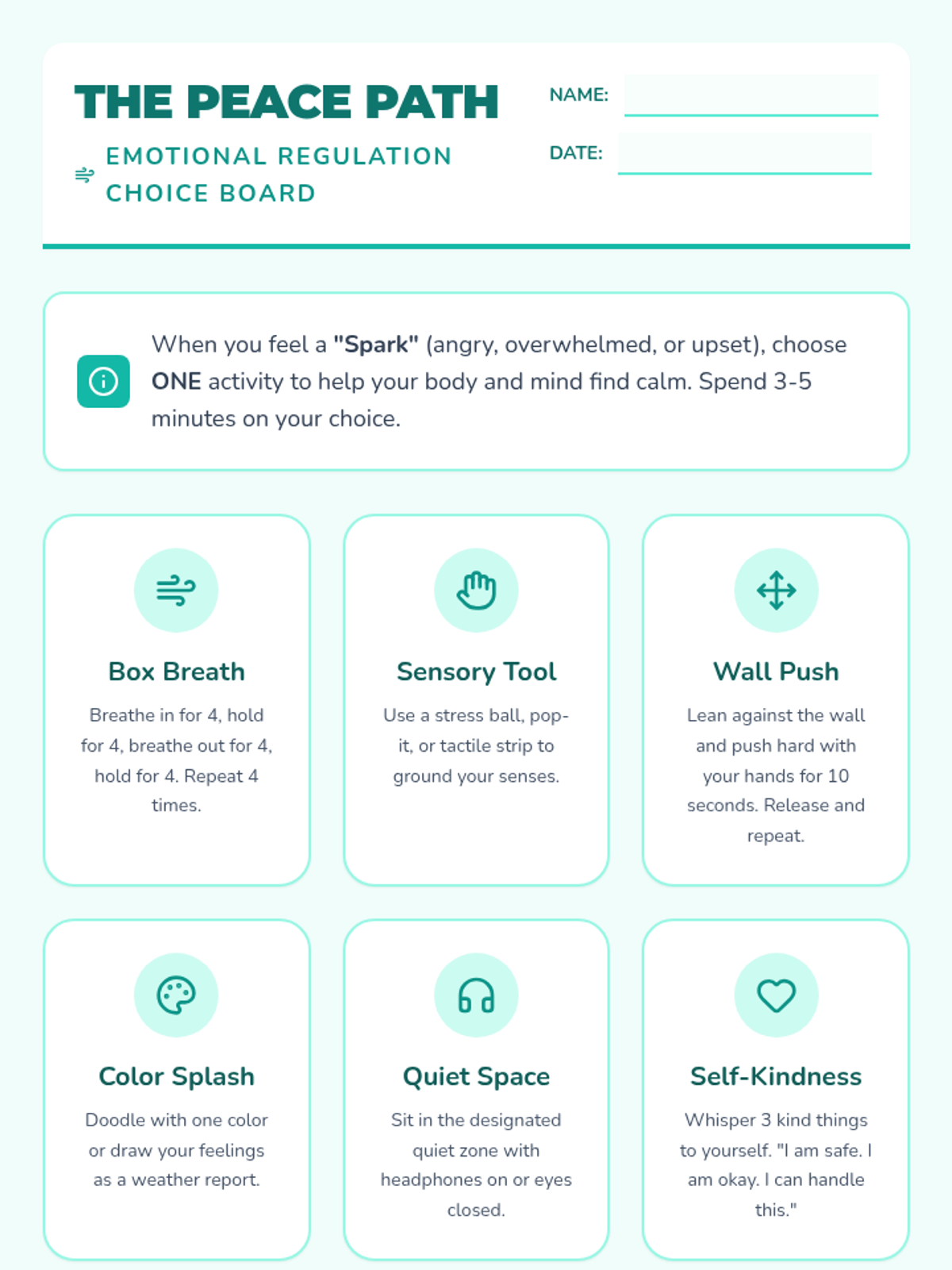
A 5-session mindfulness-based social-emotional learning group for 5th graders. This sequence guides students through identifying emotions in their bodies, categorizing problem sizes, and learning to match their reactions using mindful techniques.
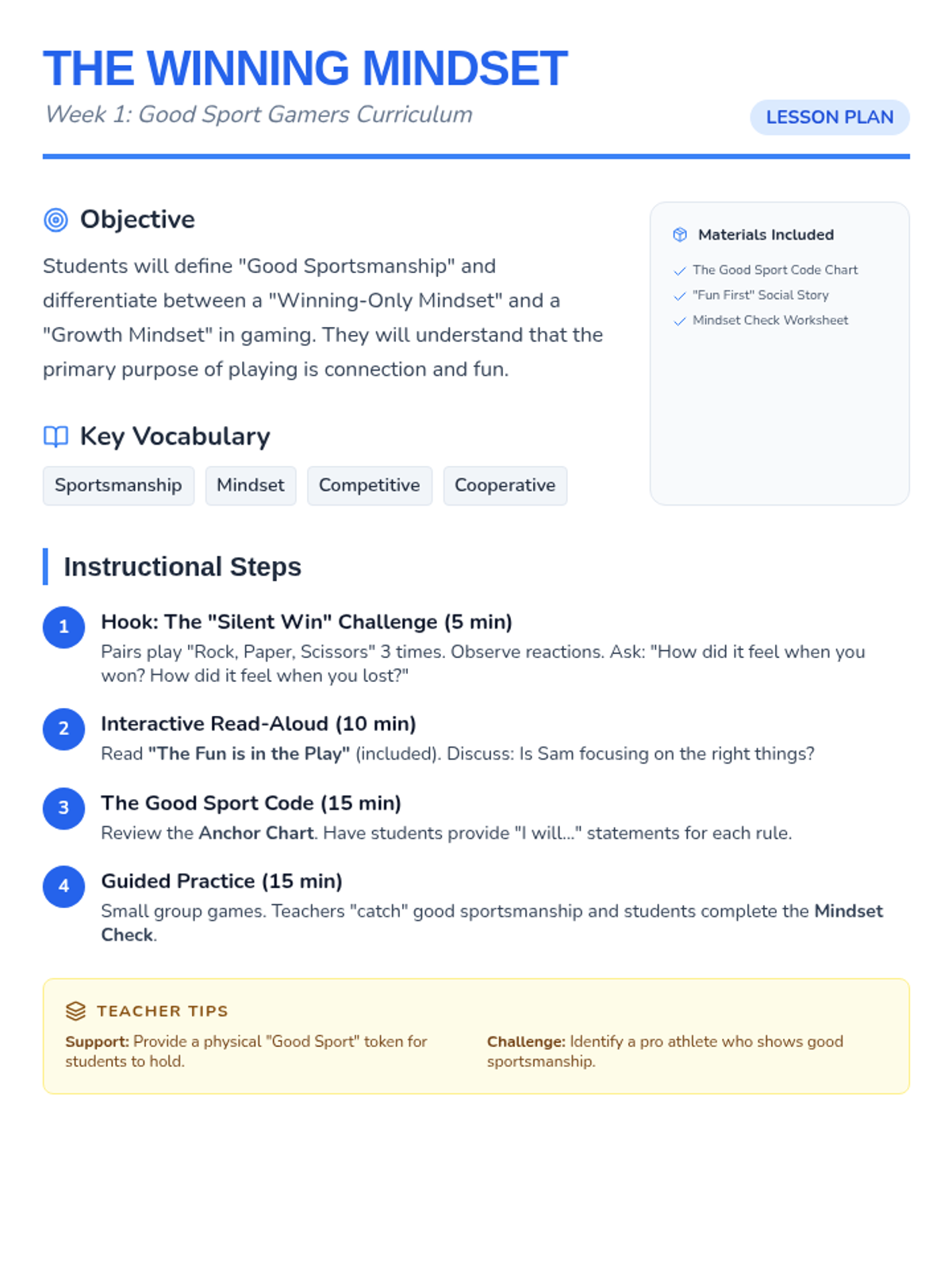
A comprehensive 6-week curriculum designed to help elementary-aged children develop sportsmanship, positive self-talk, and perspective-taking skills to handle losing games with grace and emotional regulation.
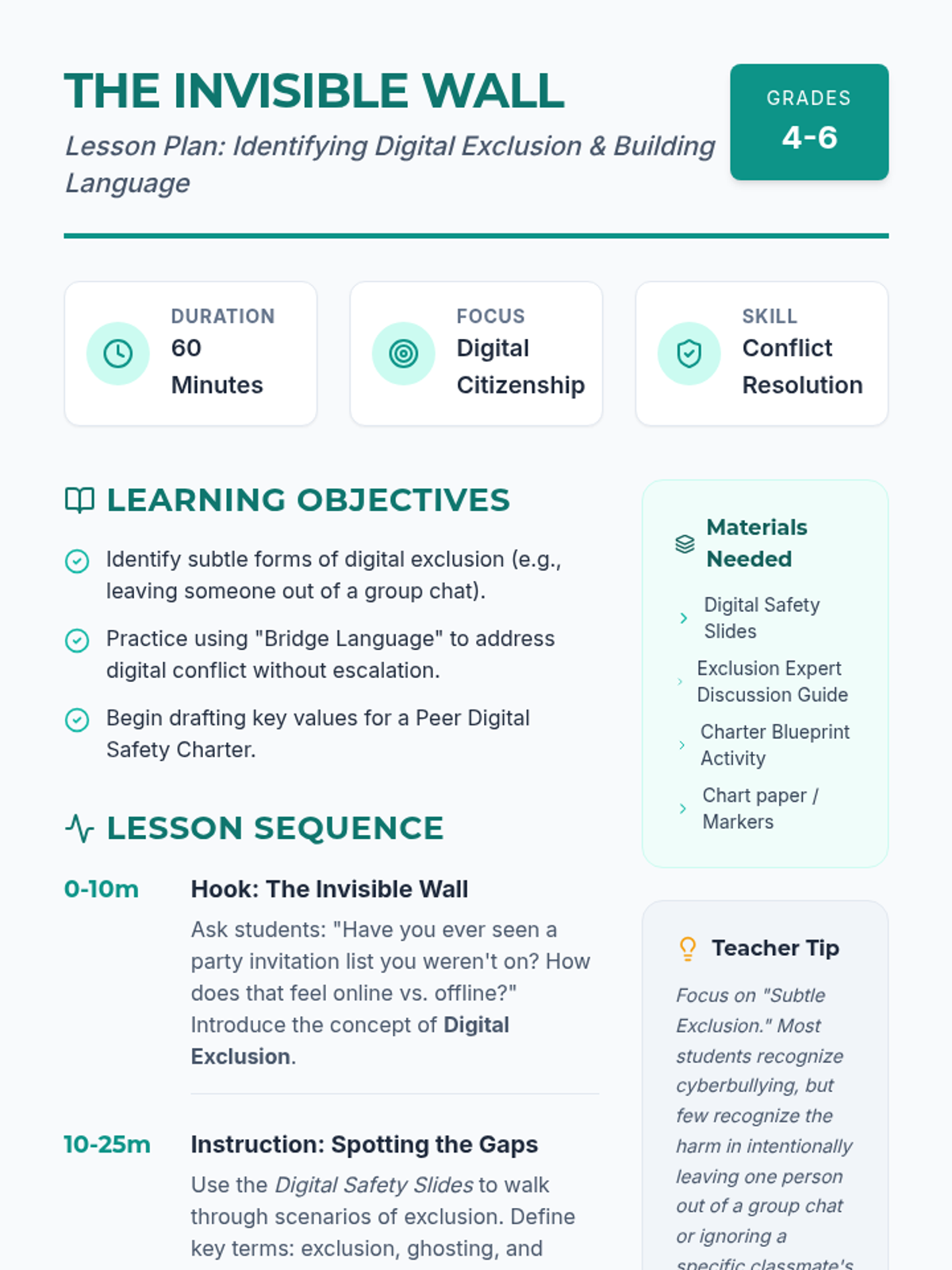
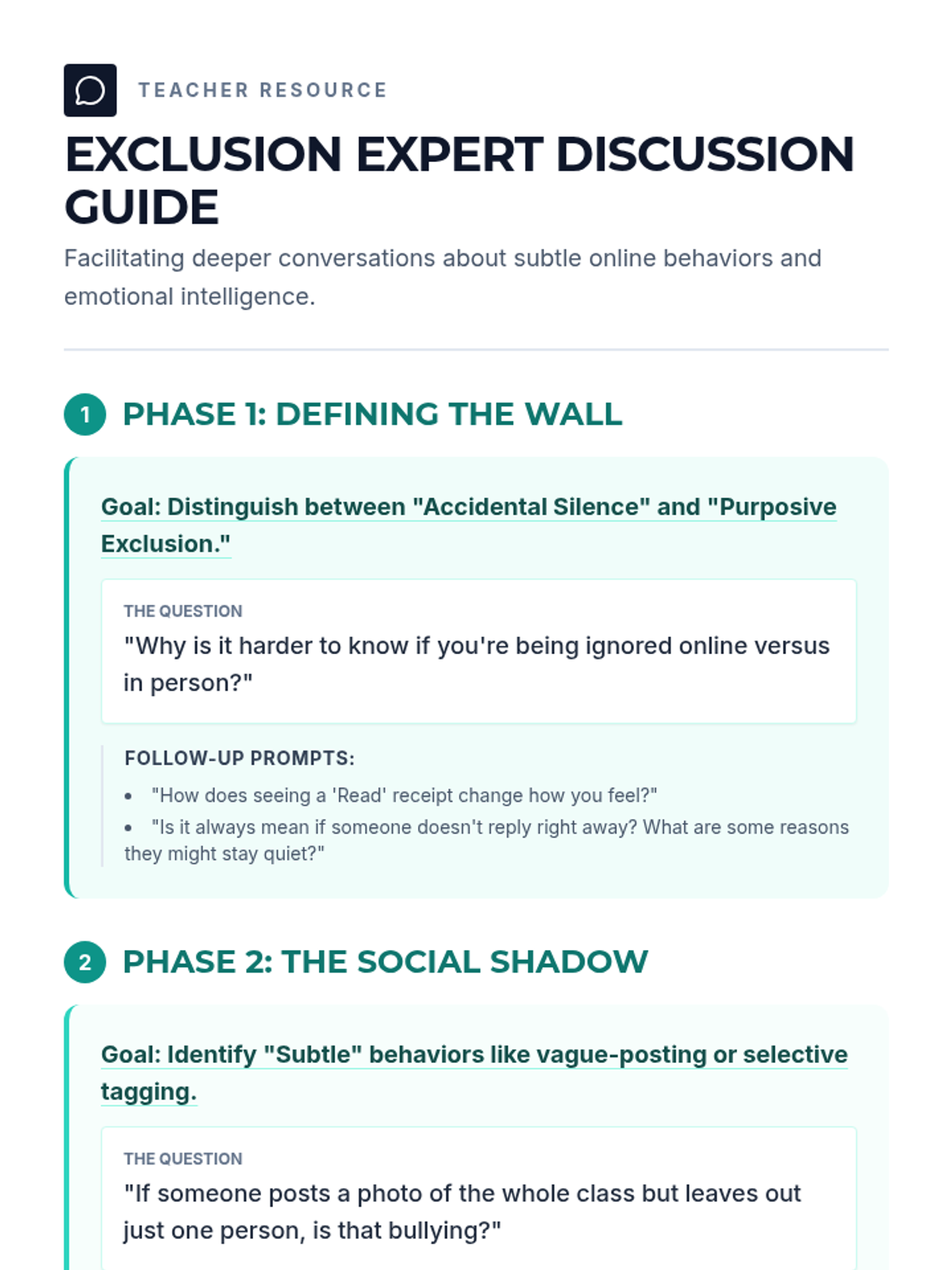
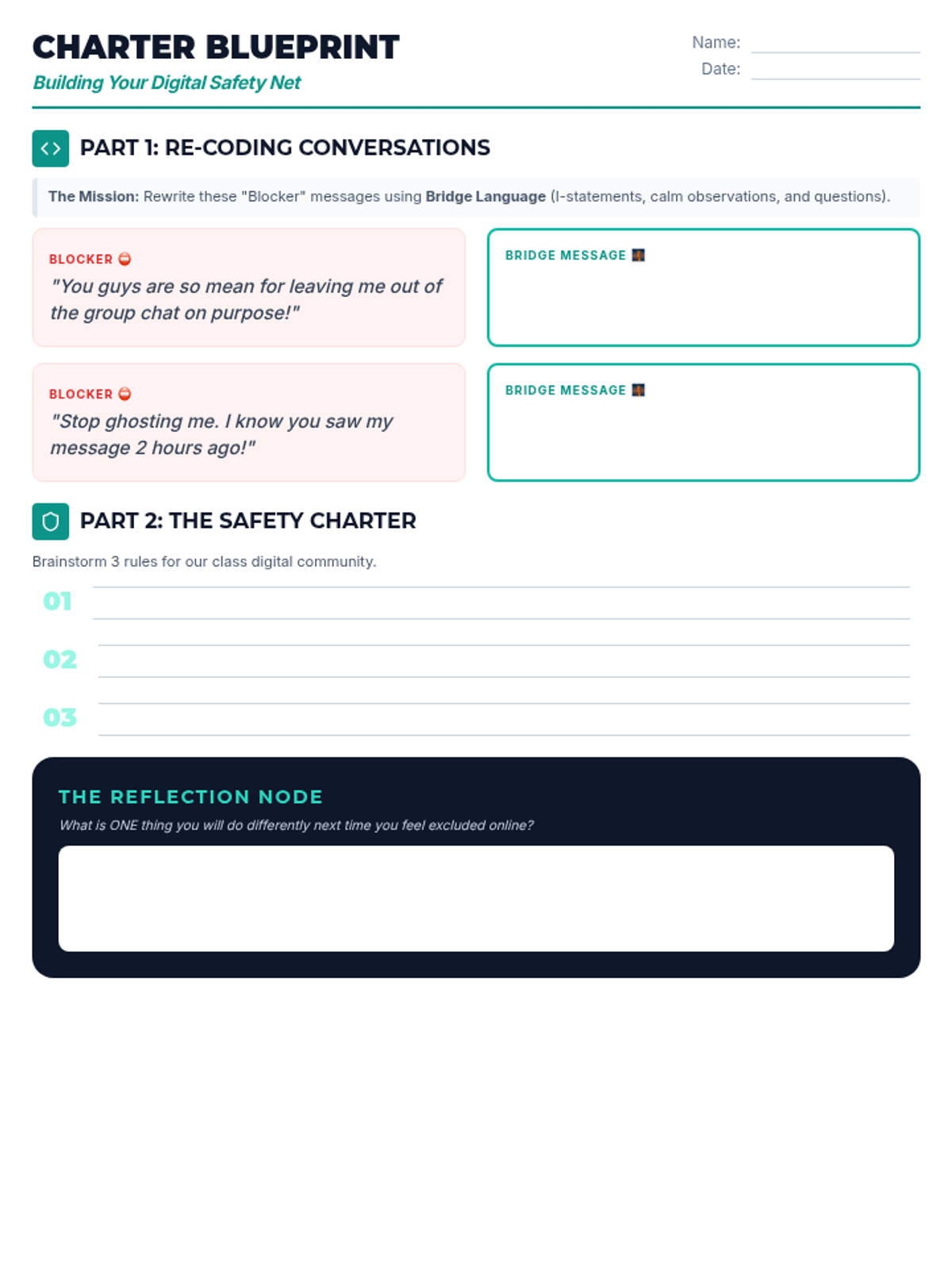
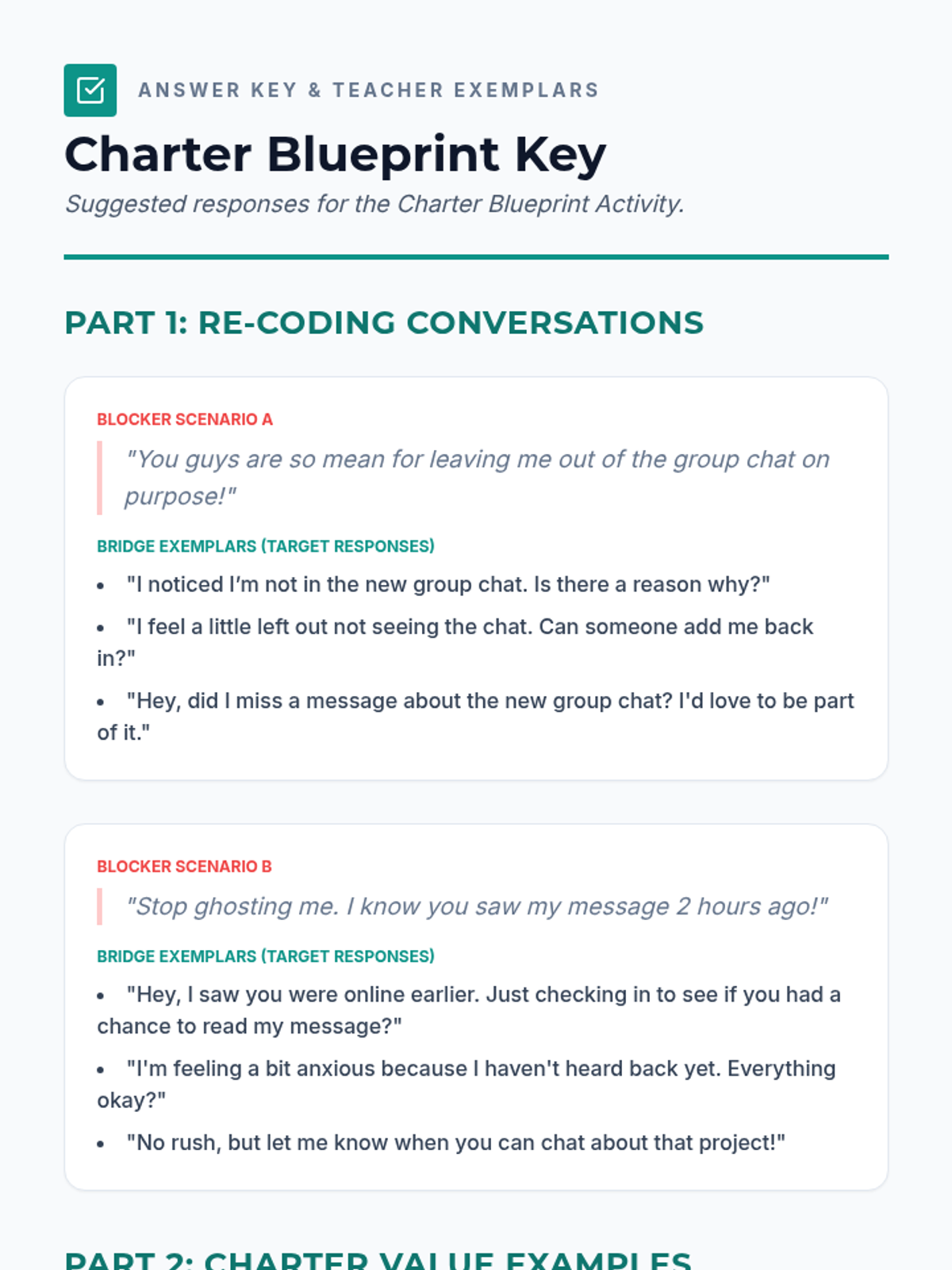
A comprehensive unit for grades 4-6 on responsible digital communication, identifying online exclusion, and developing a peer-led safety charter to manage digital conflicts.
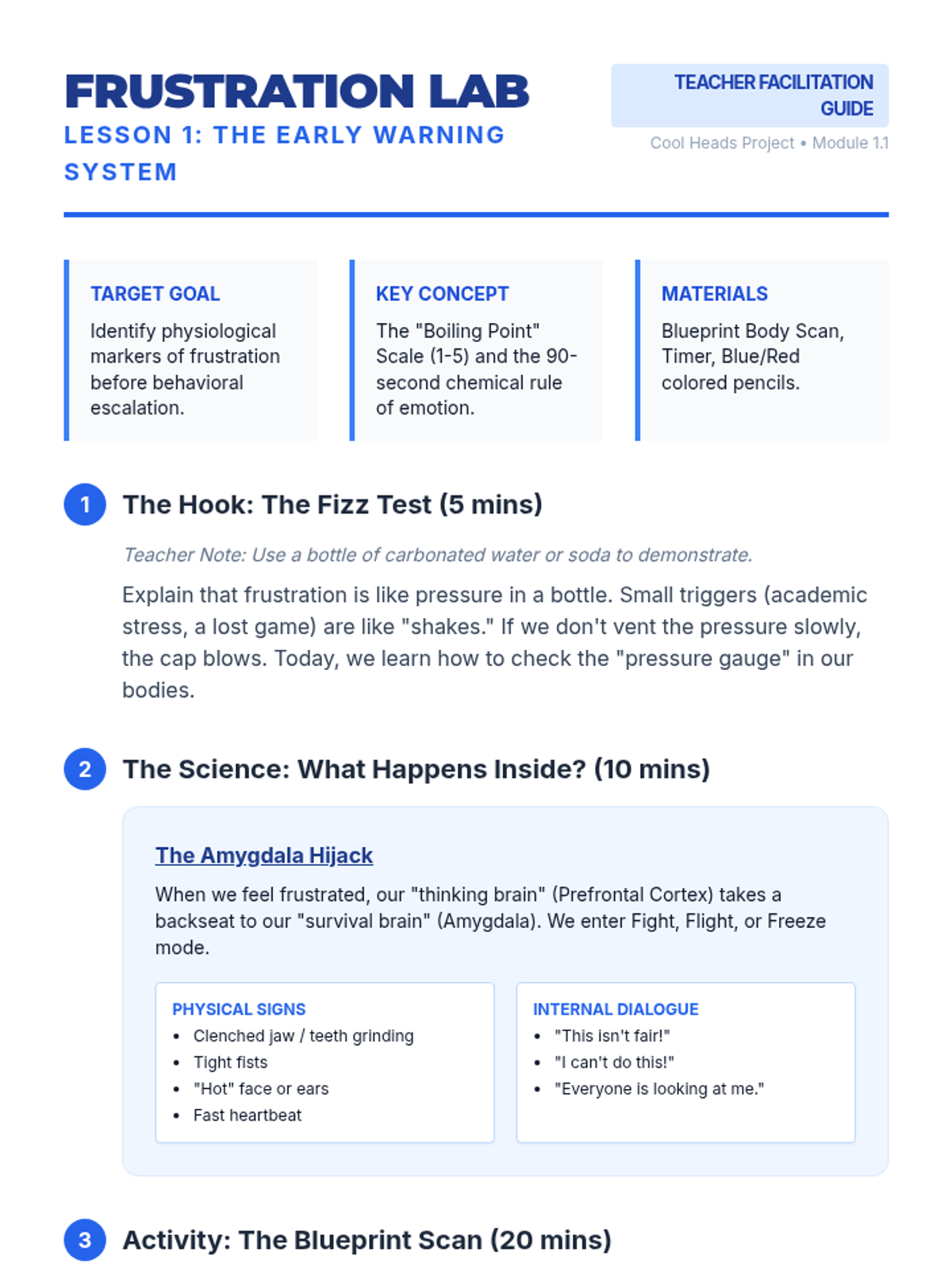
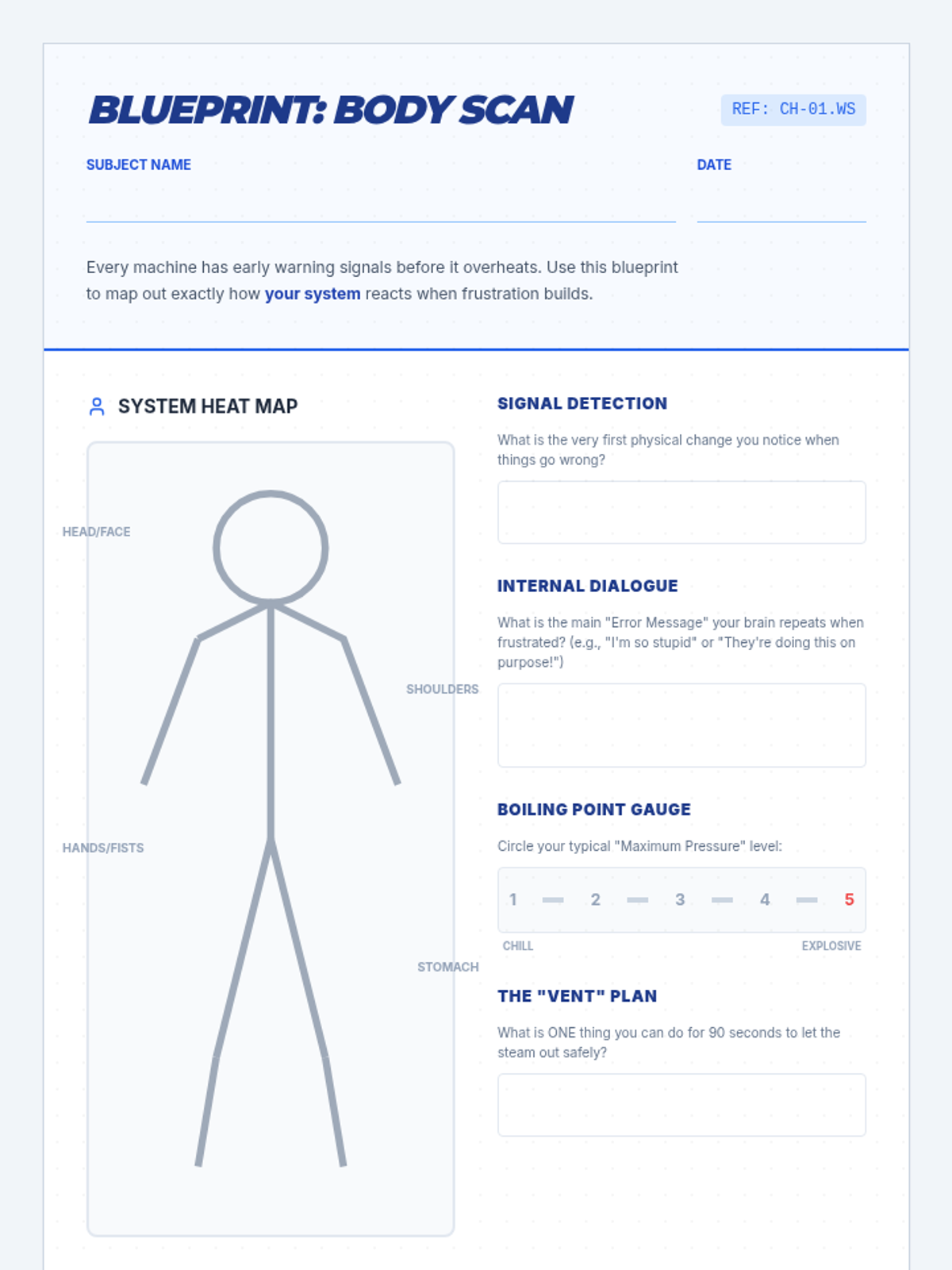
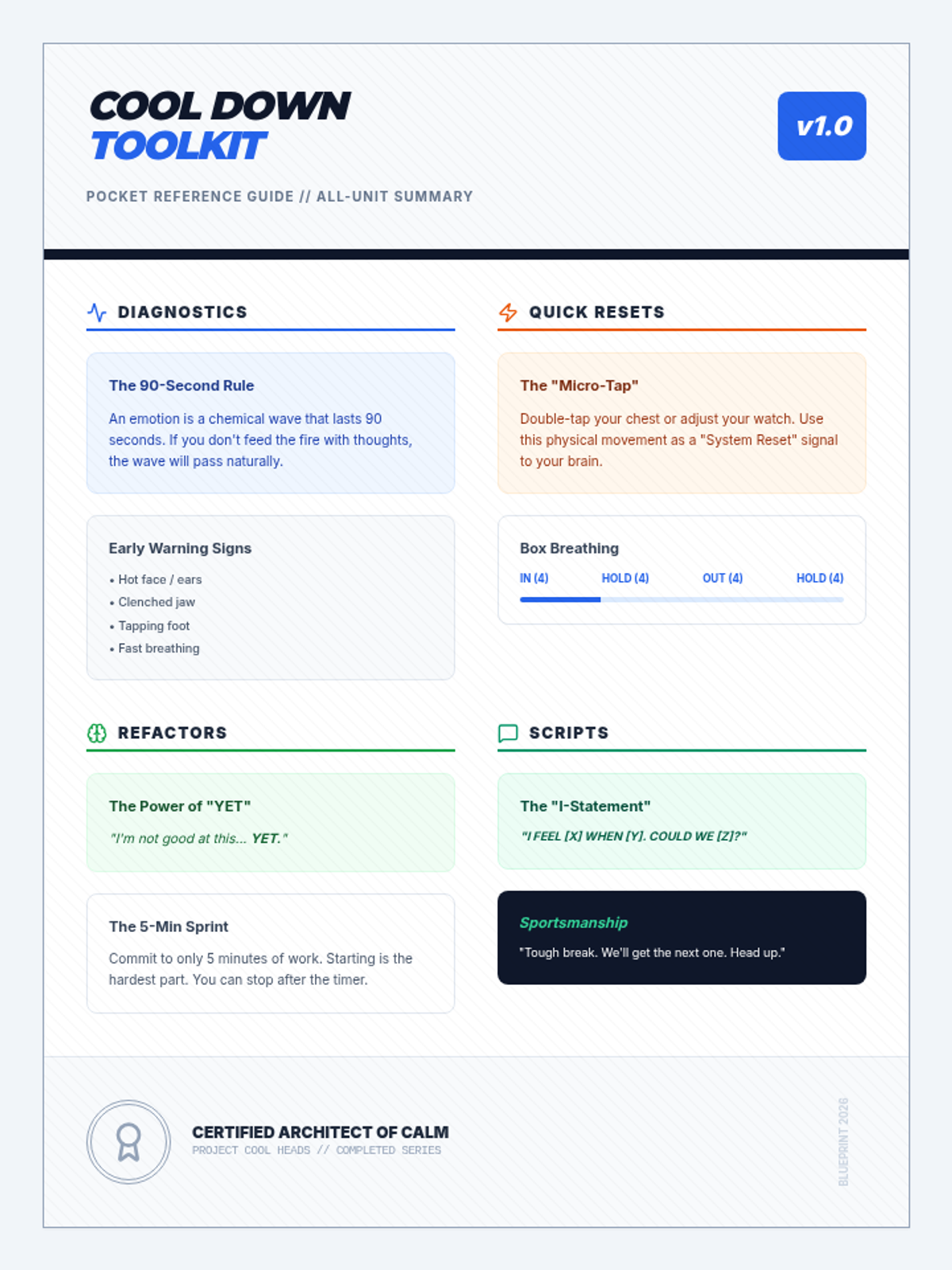
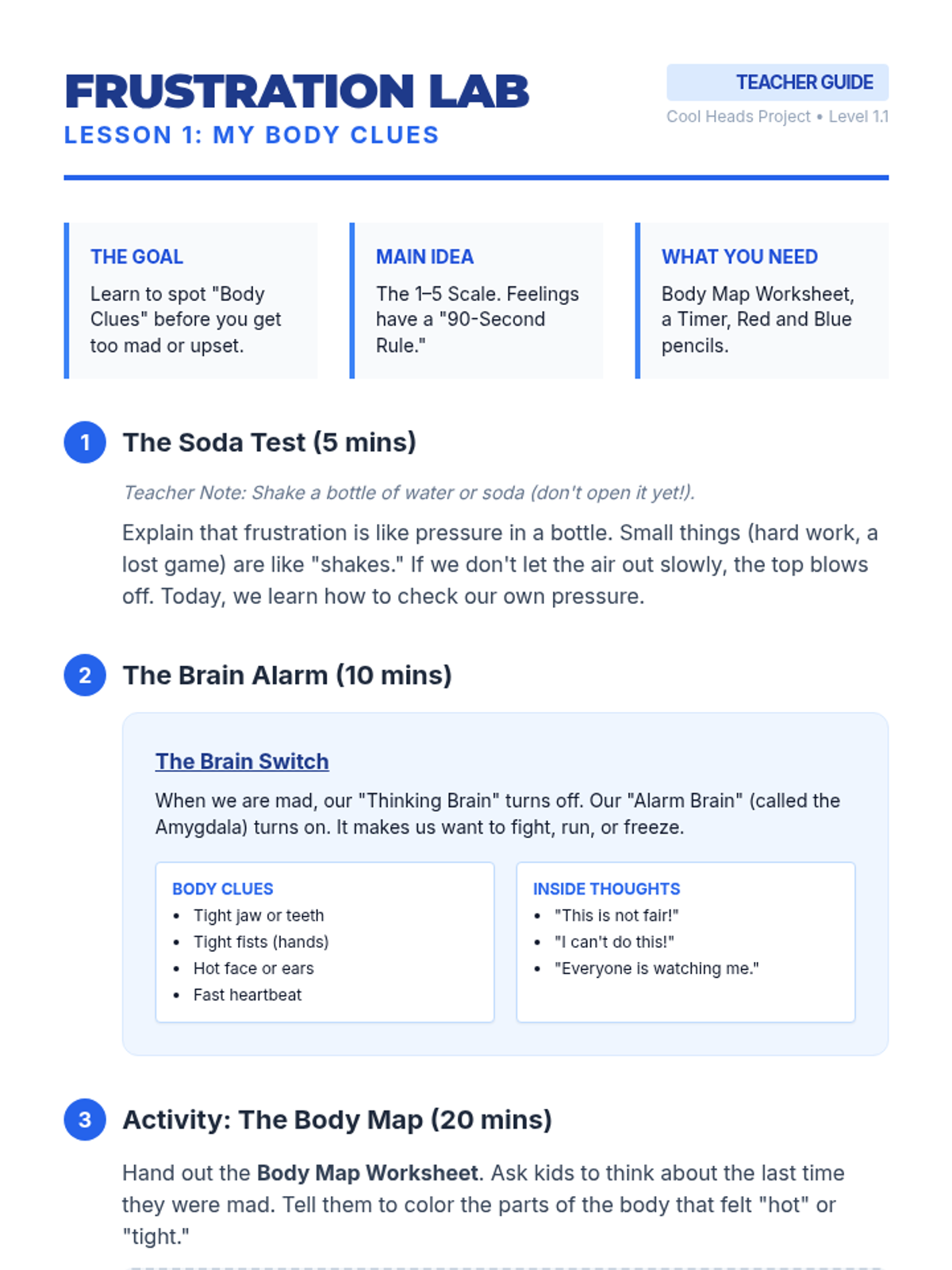
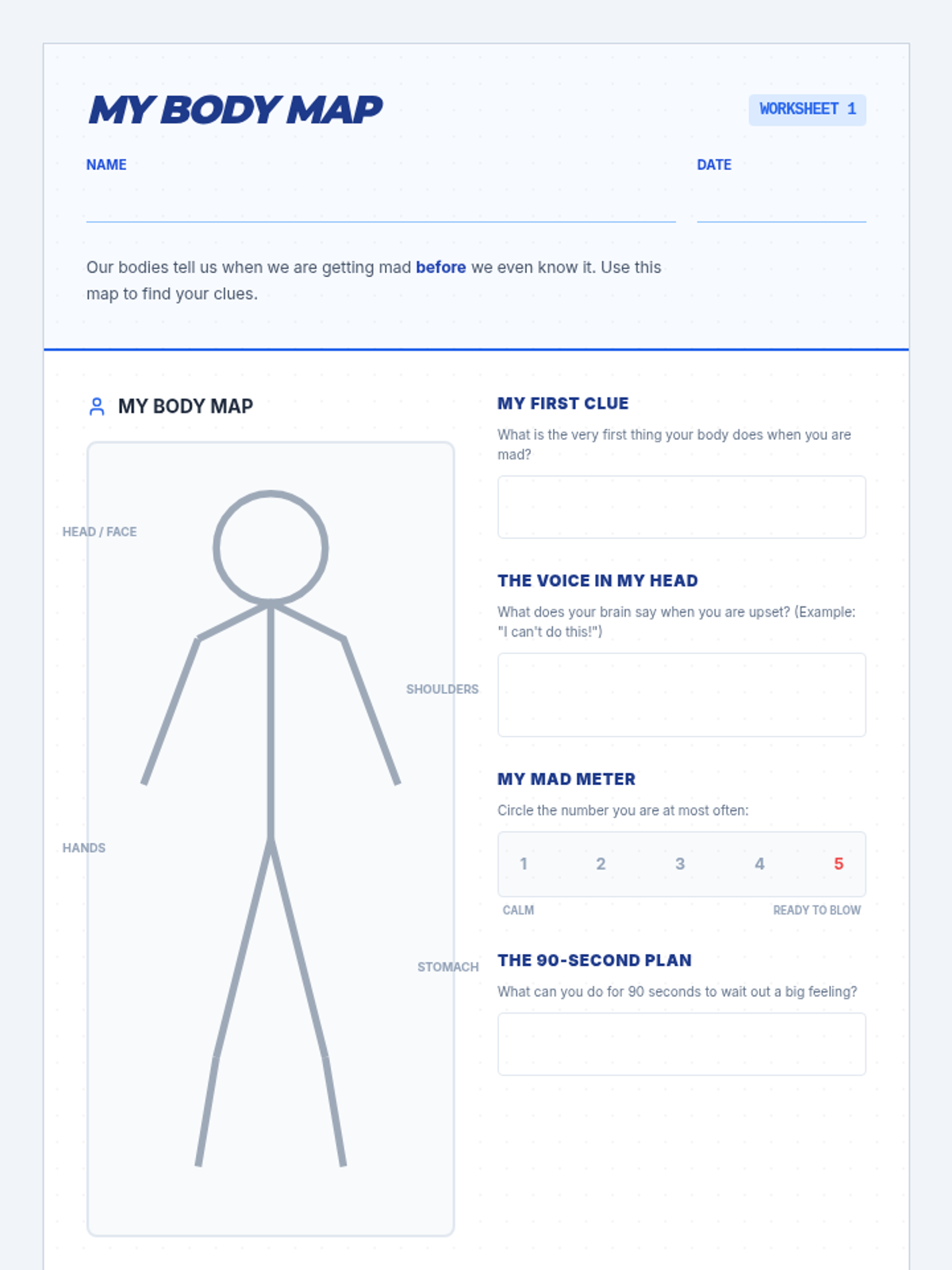
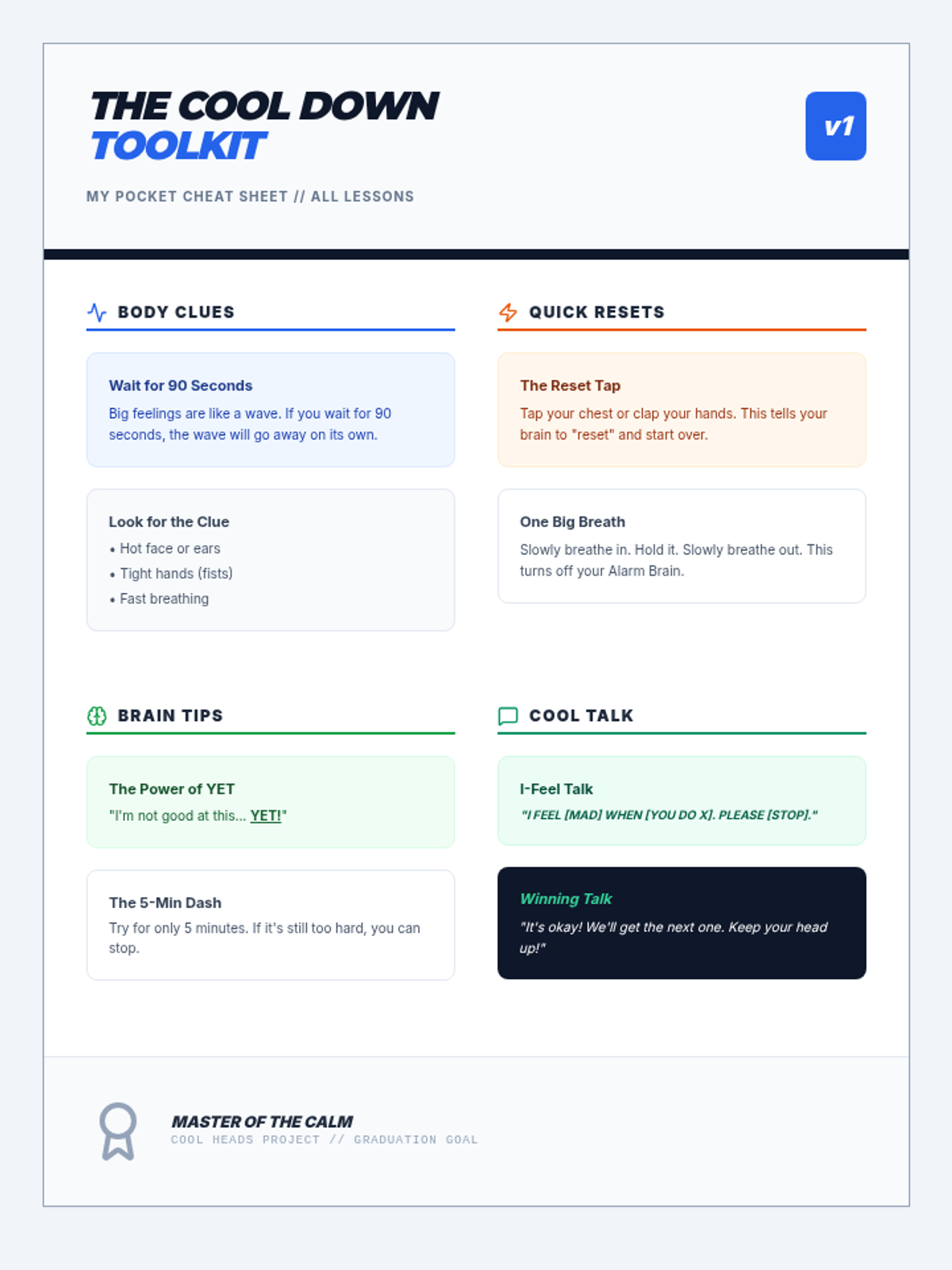
A 4-week small group series for 6th graders focused on identifying frustration triggers and implementing healthy coping strategies for academic, athletic, and home-based stress.
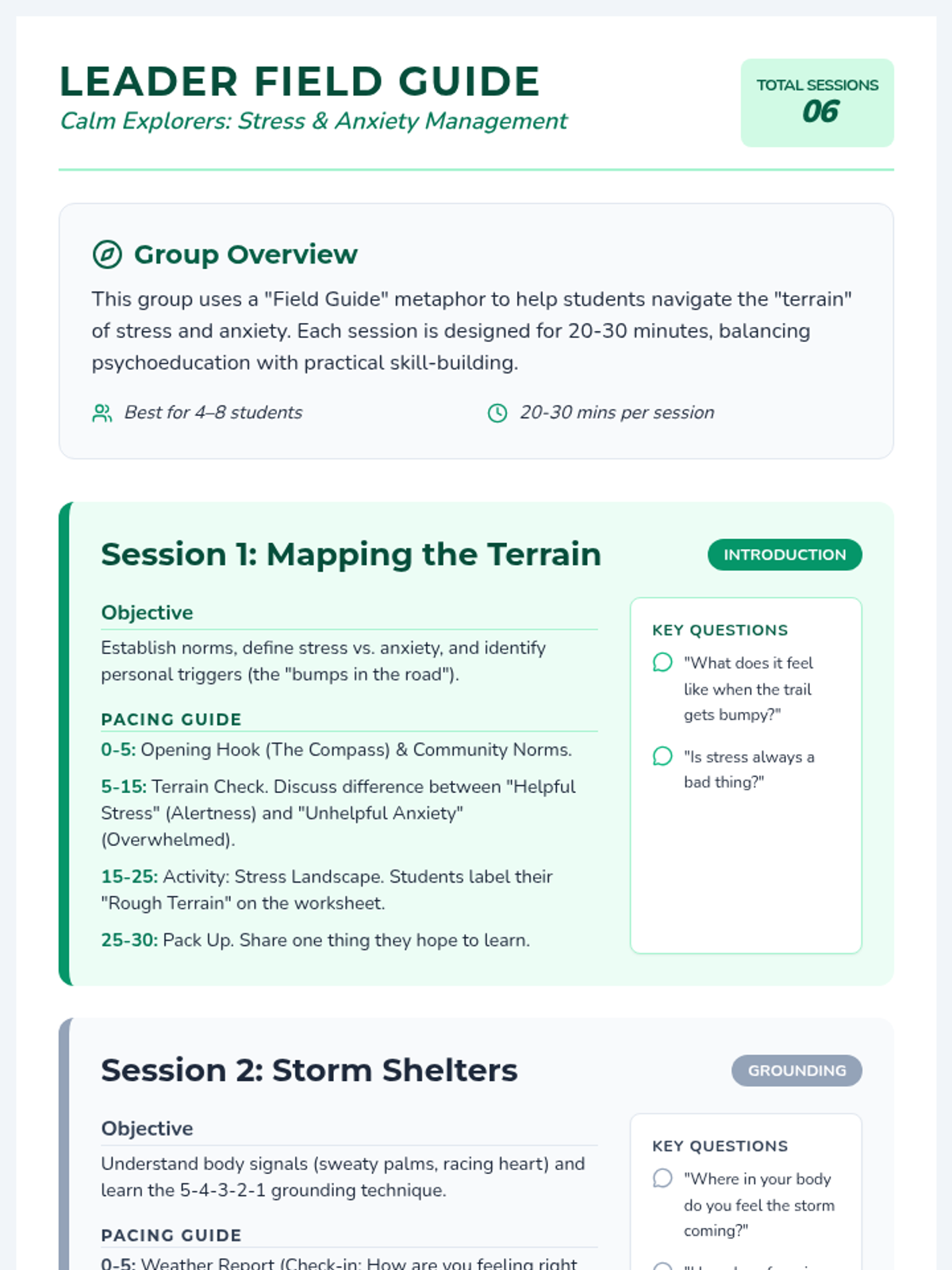
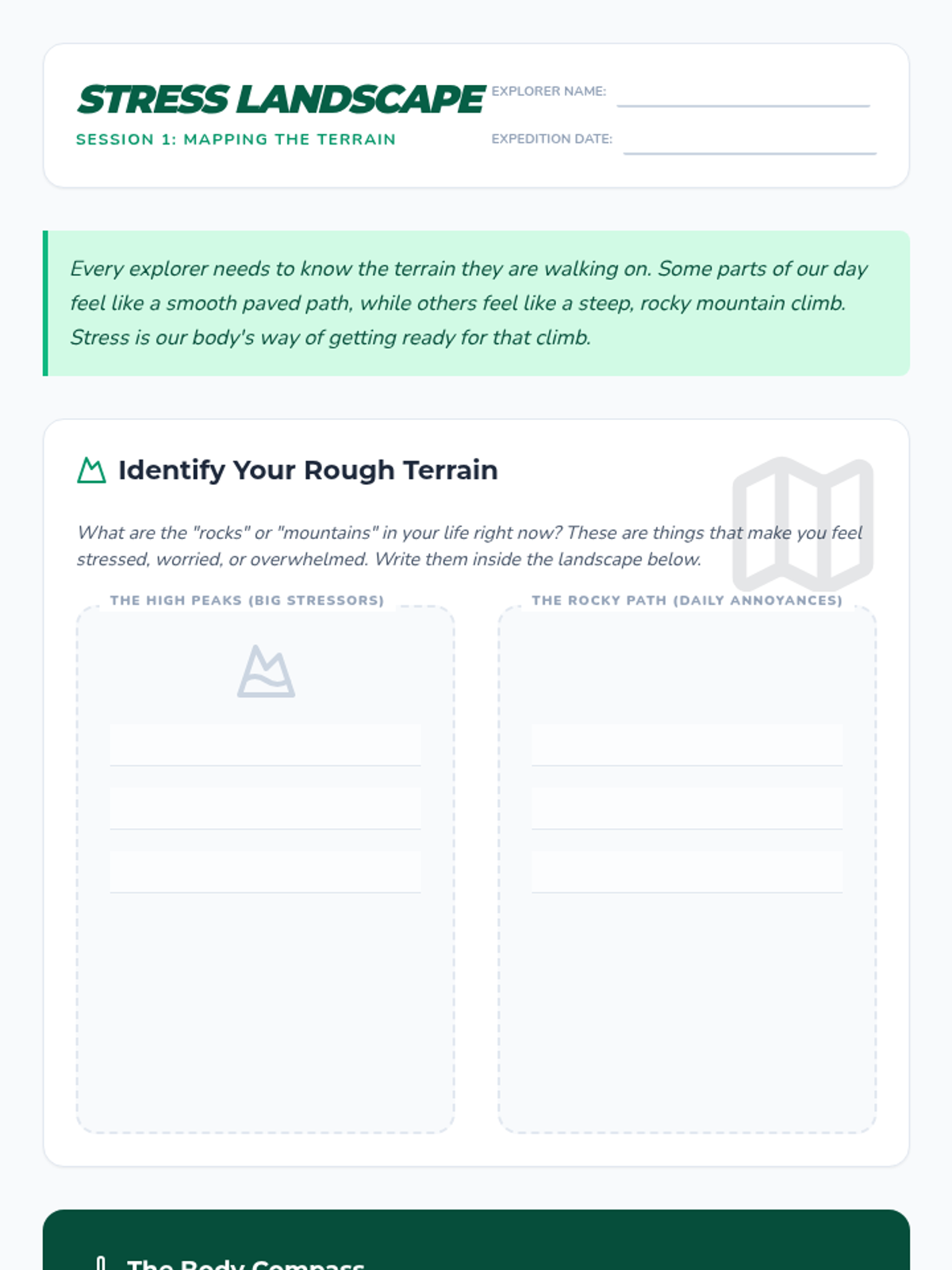
A 6-session counseling group designed to help students identify triggers, understand physical symptoms of anxiety, and build a personalized toolkit of coping strategies through a 'Calm Explorer' theme.
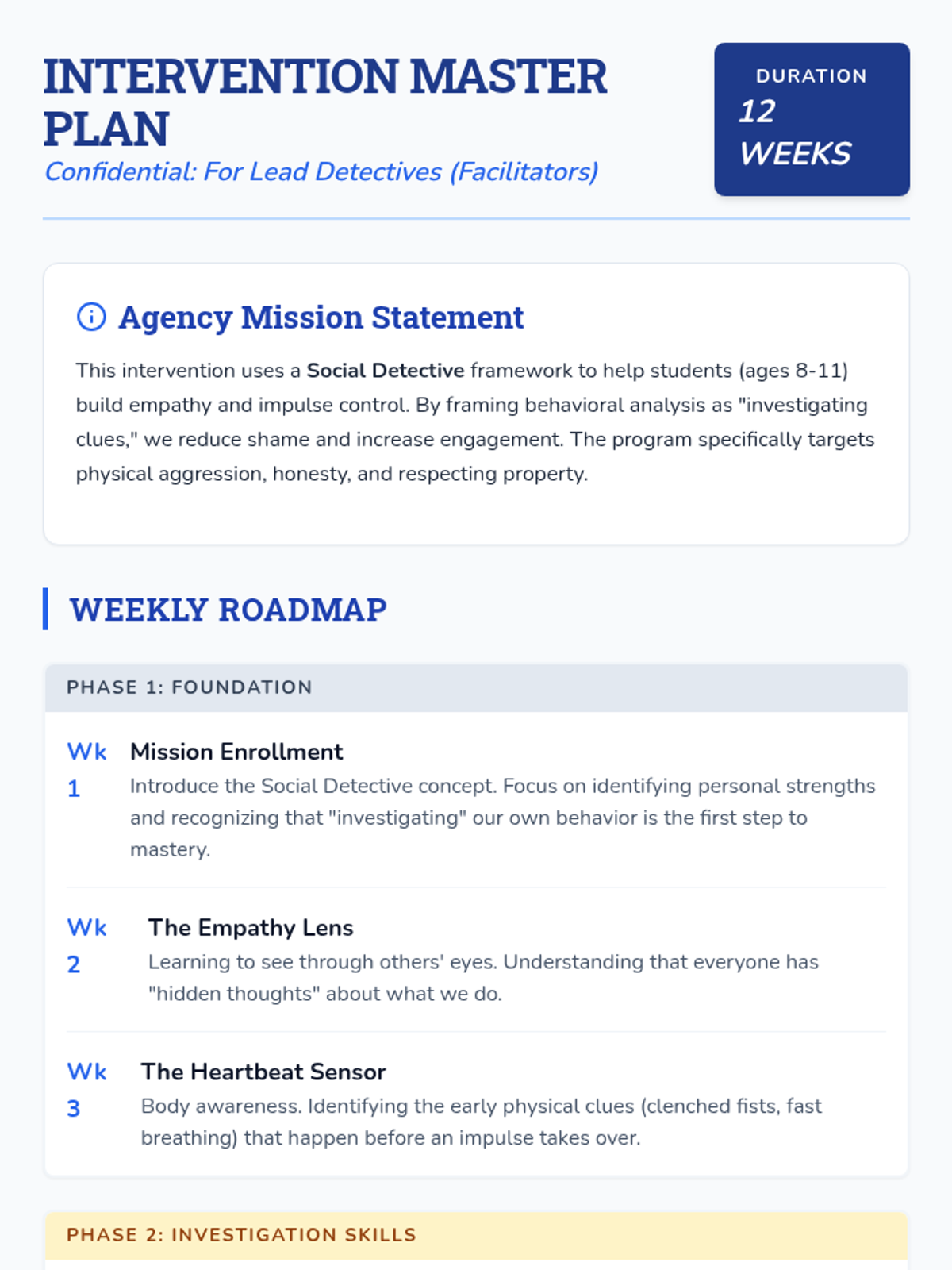
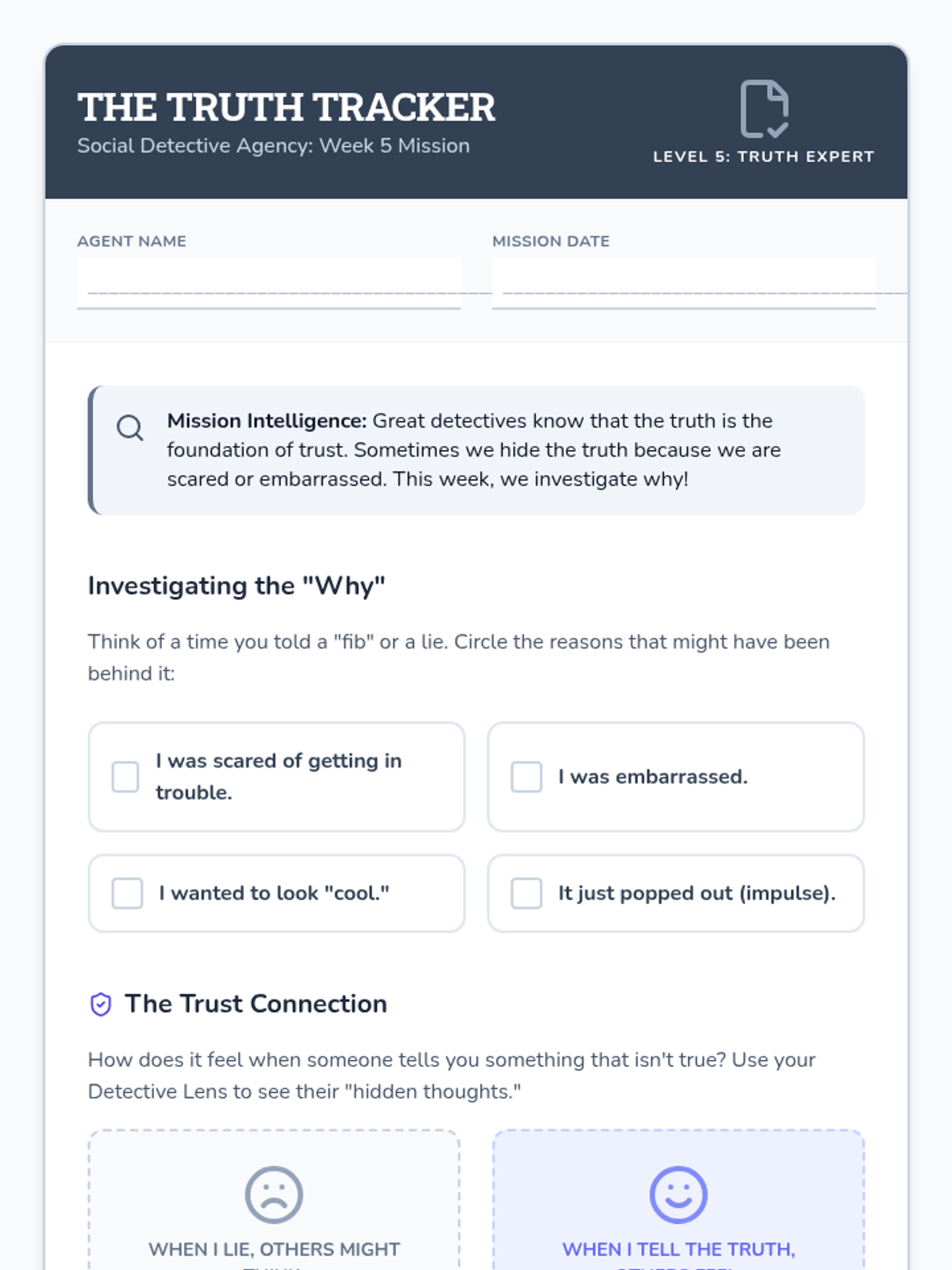
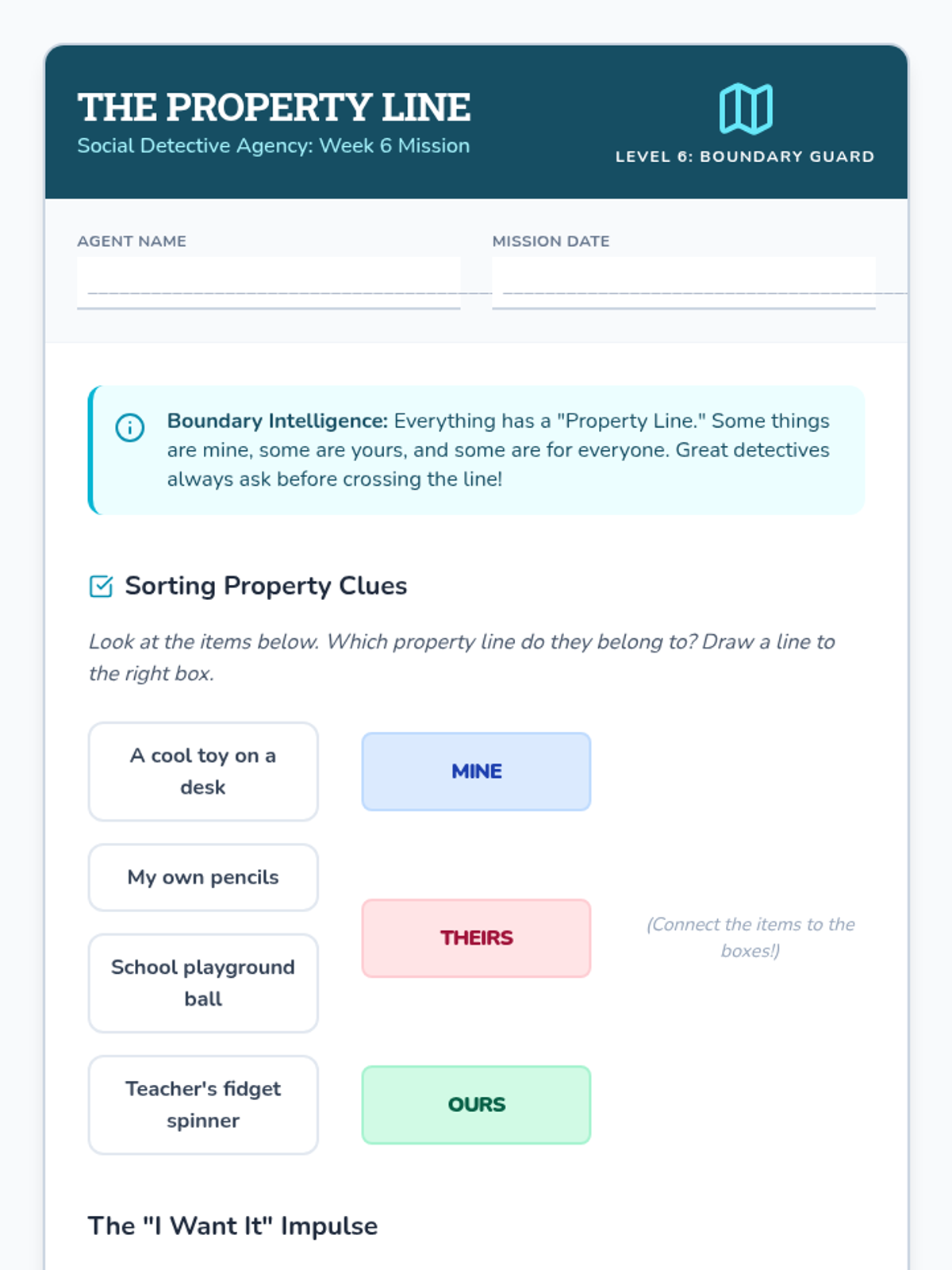
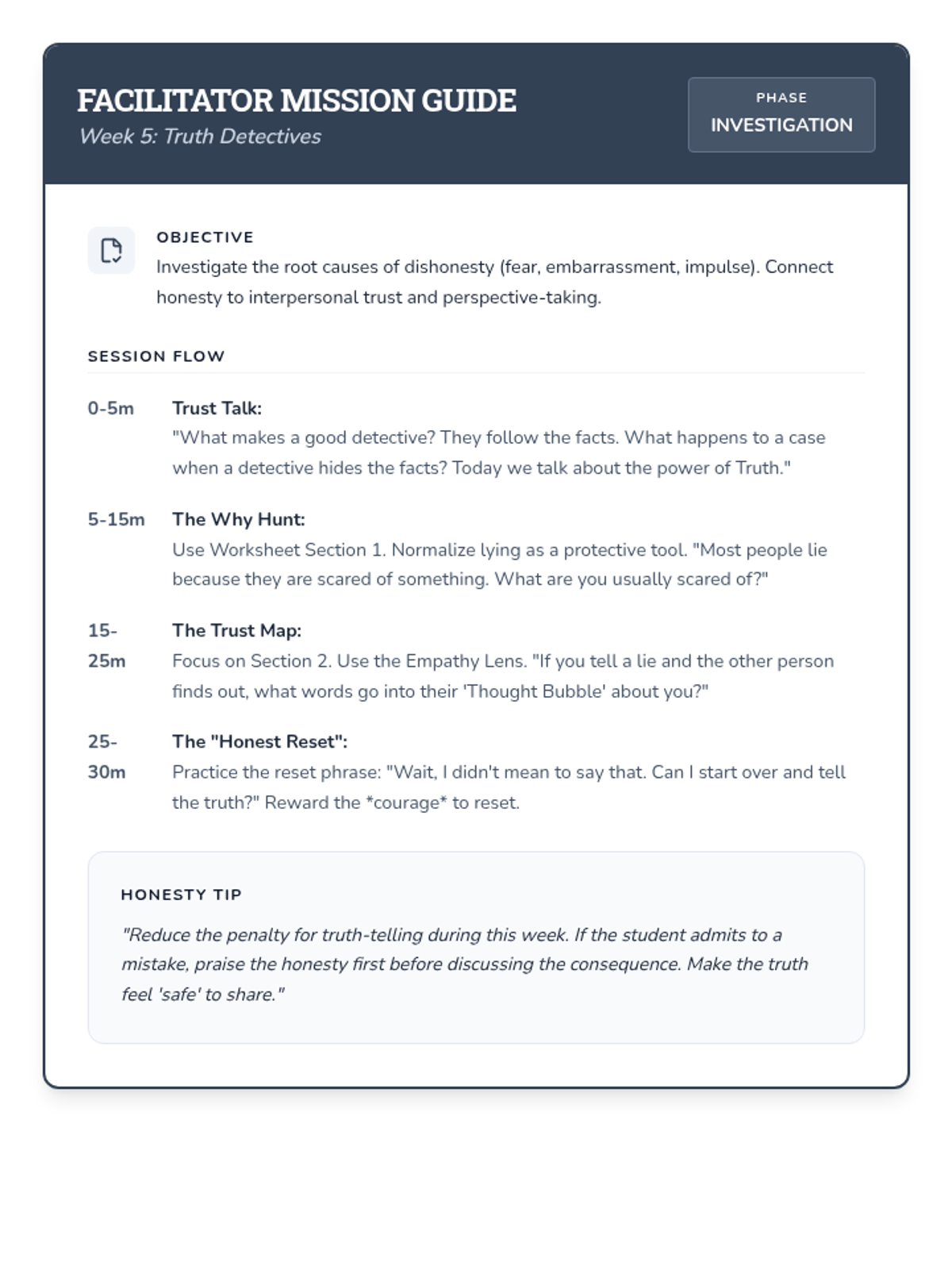
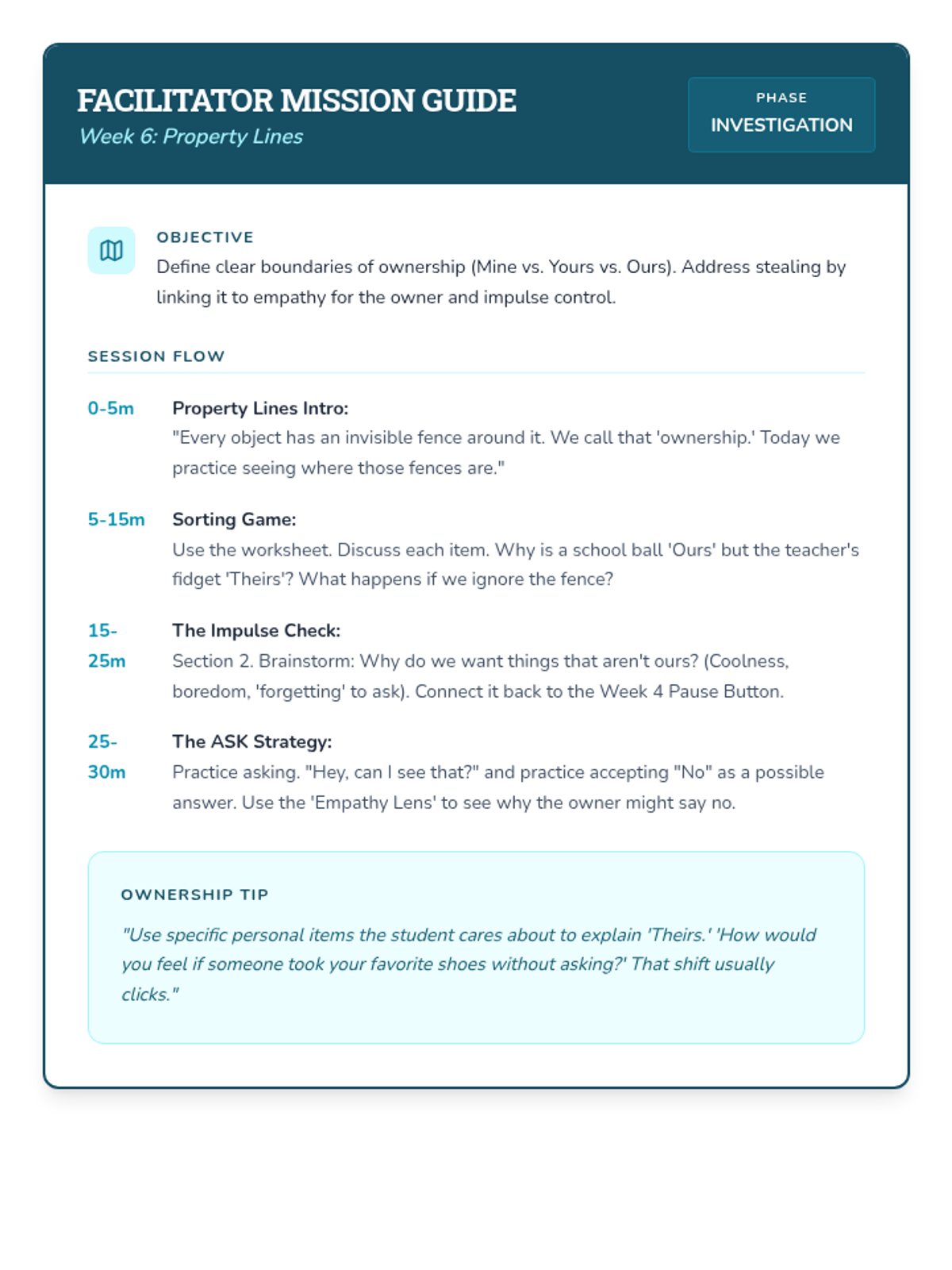
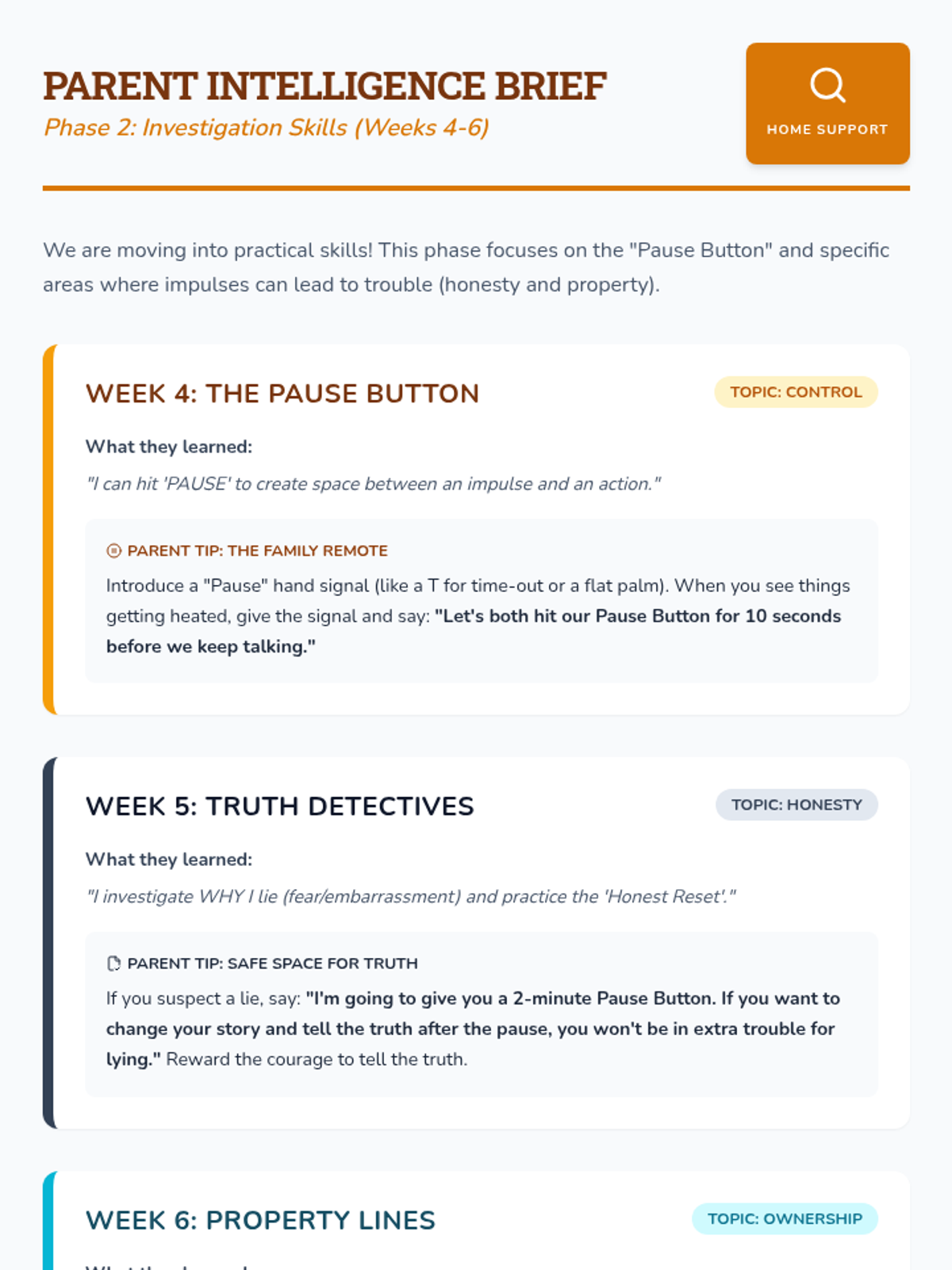
A 12-week comprehensive intervention plan designed for children to improve impulse control and empathy through a "Social Detective" investigative theme.
A comprehensive stress management series for TK-6th grade students, including a specialized 1st/2nd combo lesson. Each lesson focuses on identifying stressors, physical responses, and both proactive and reactive coping strategies through counselor-led presentations and interactive student worksheets.
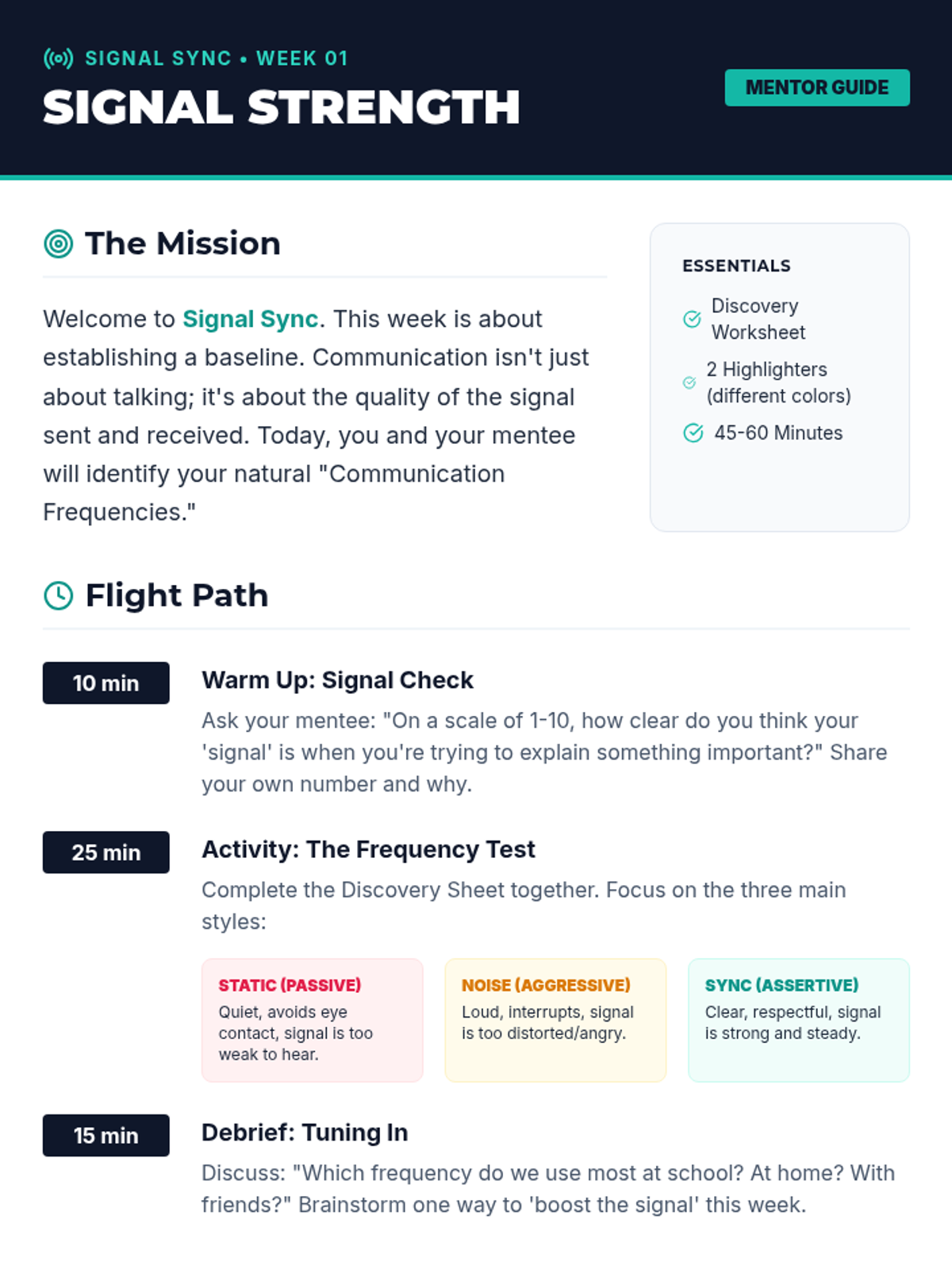
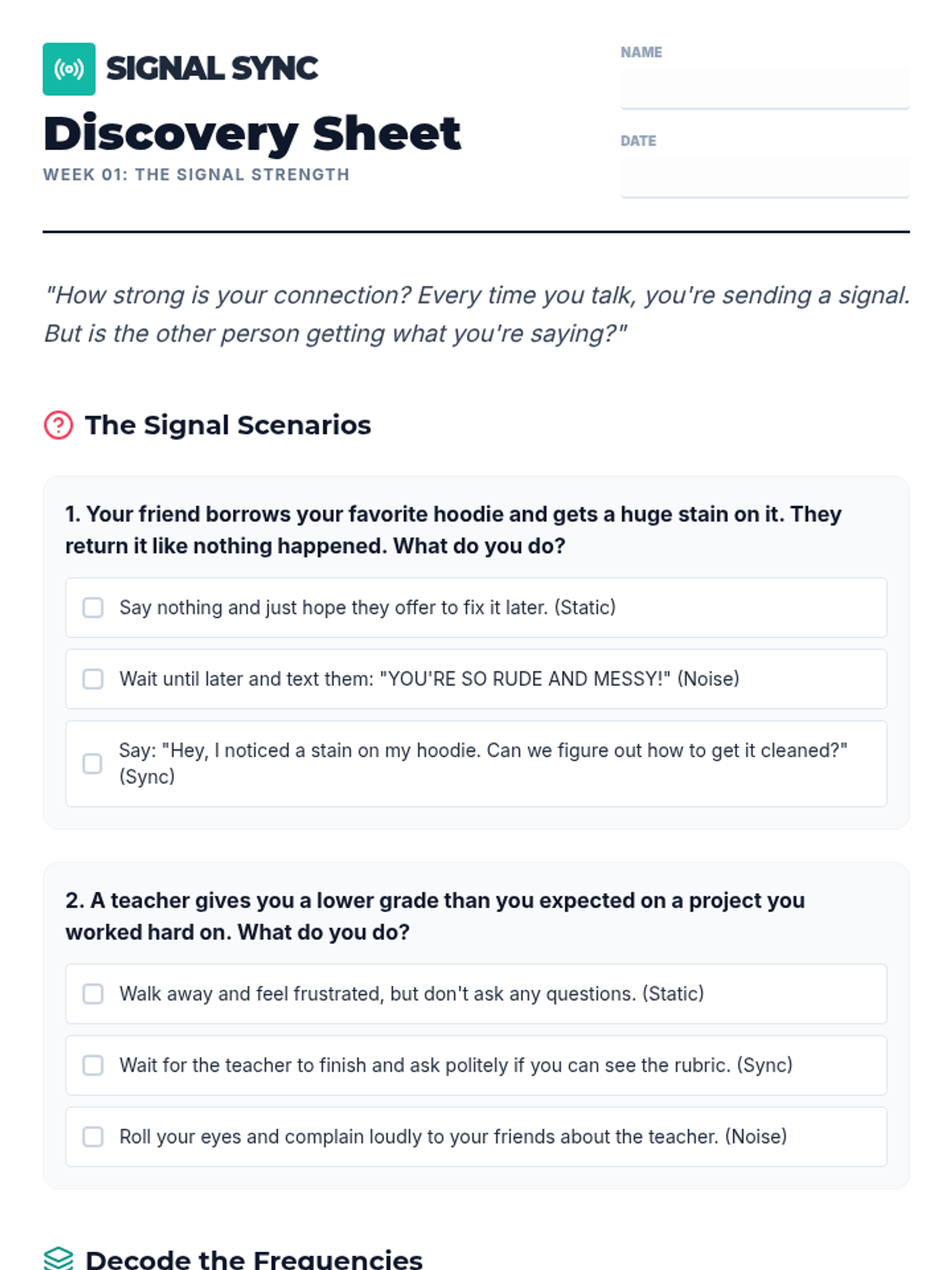
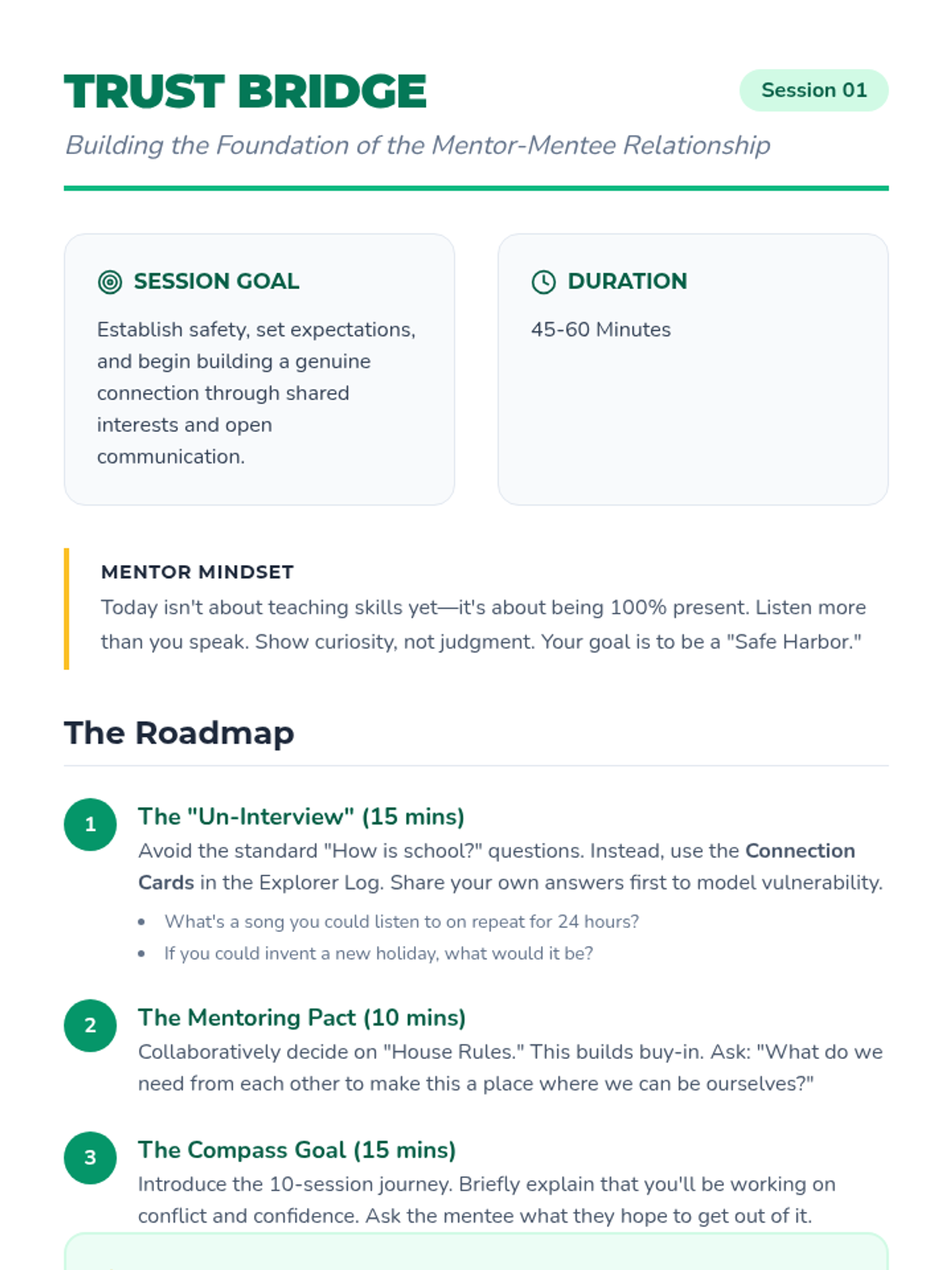
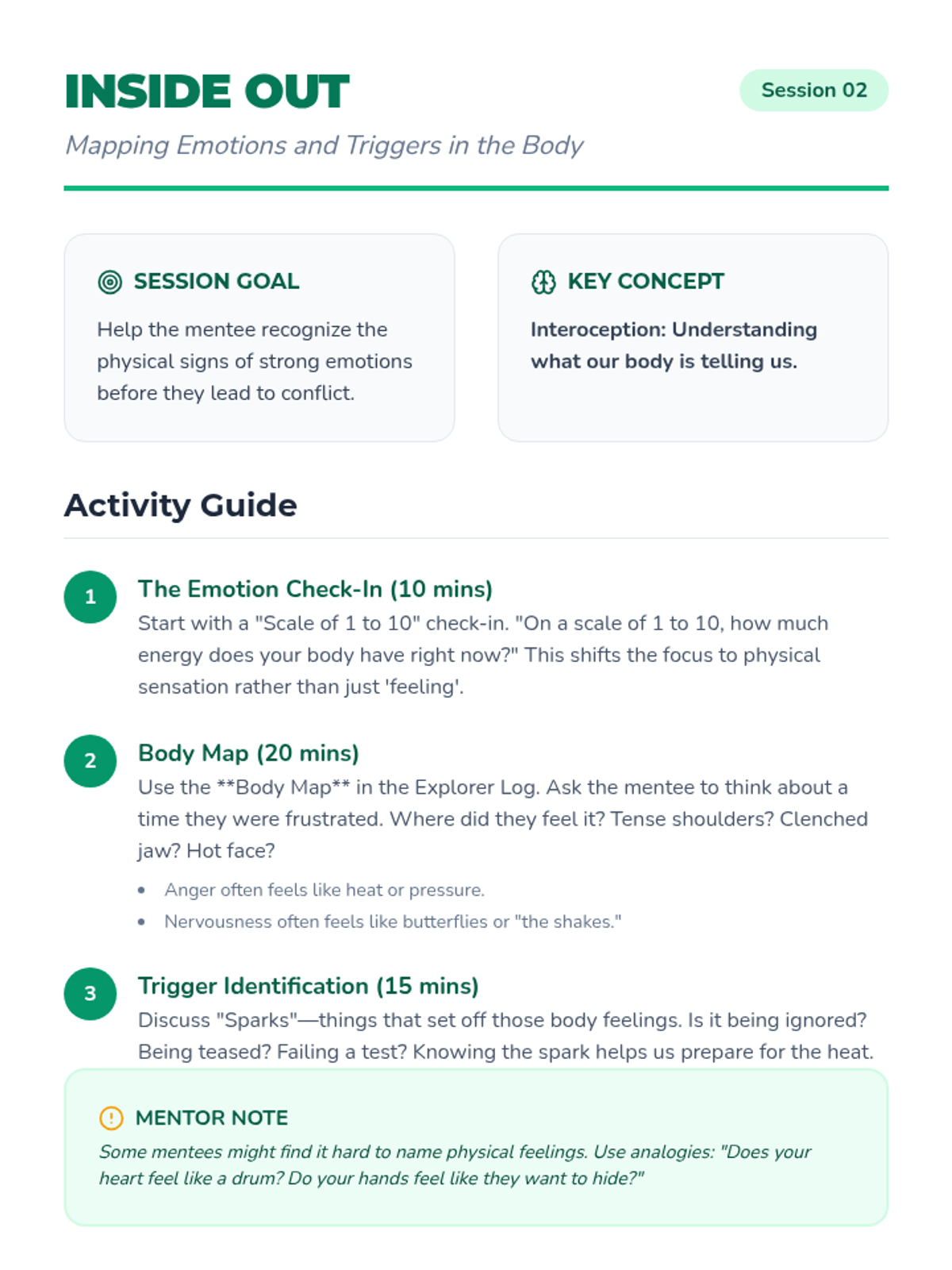
A 10-week comprehensive curriculum for mentors and mentees focusing on building effective communication habits and mastering conflict resolution through the 'Signal Sync' framework.
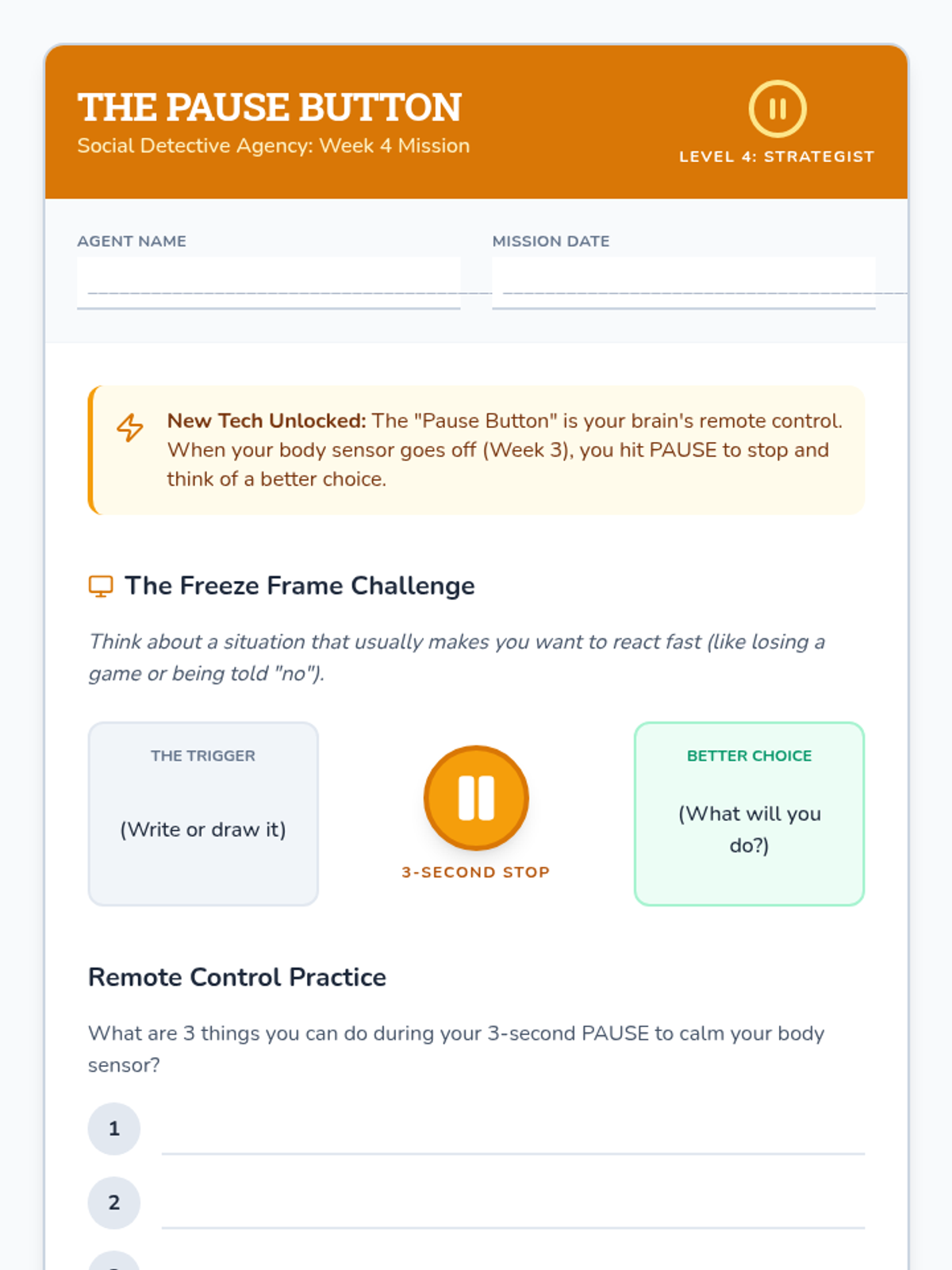
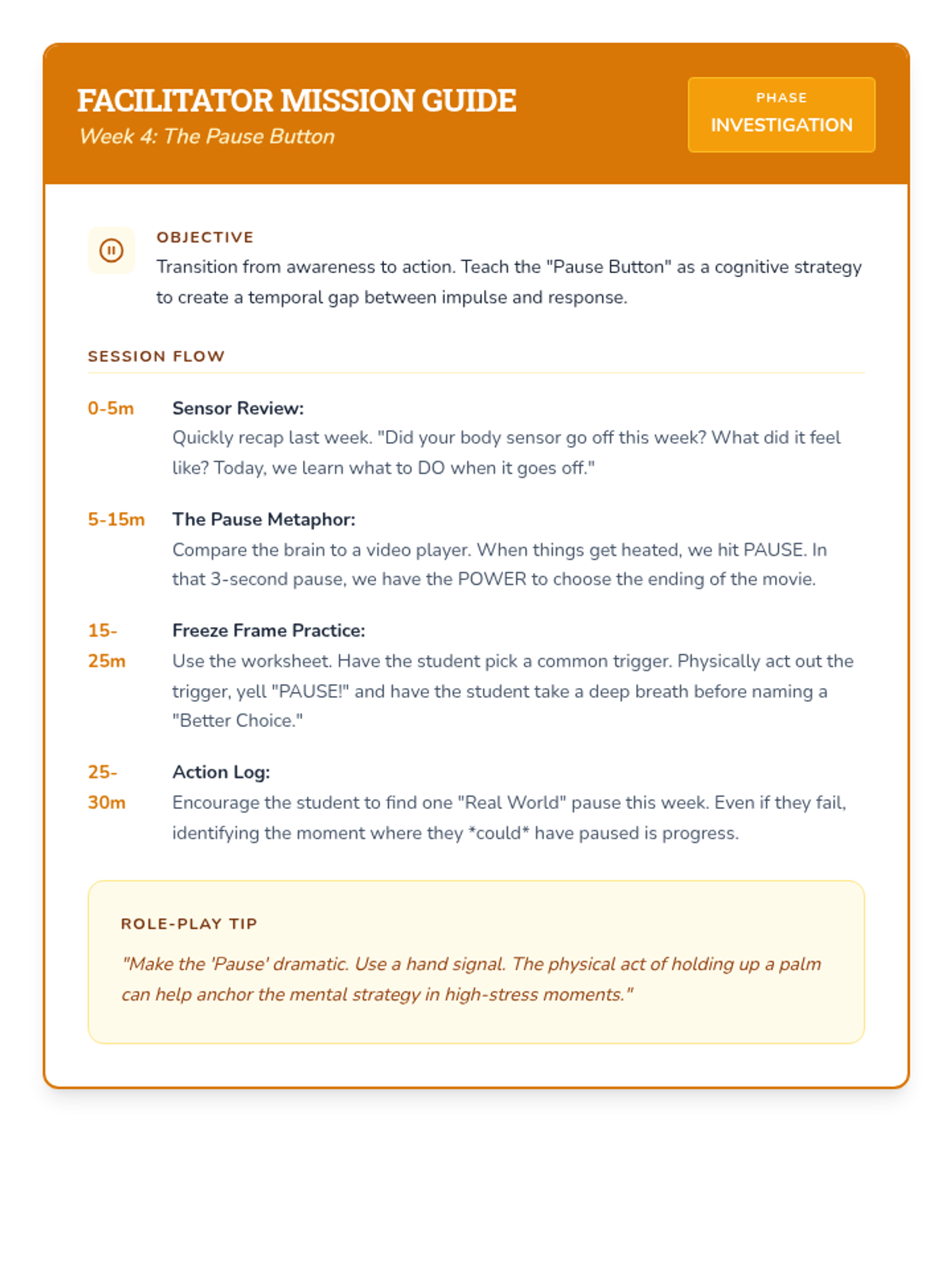
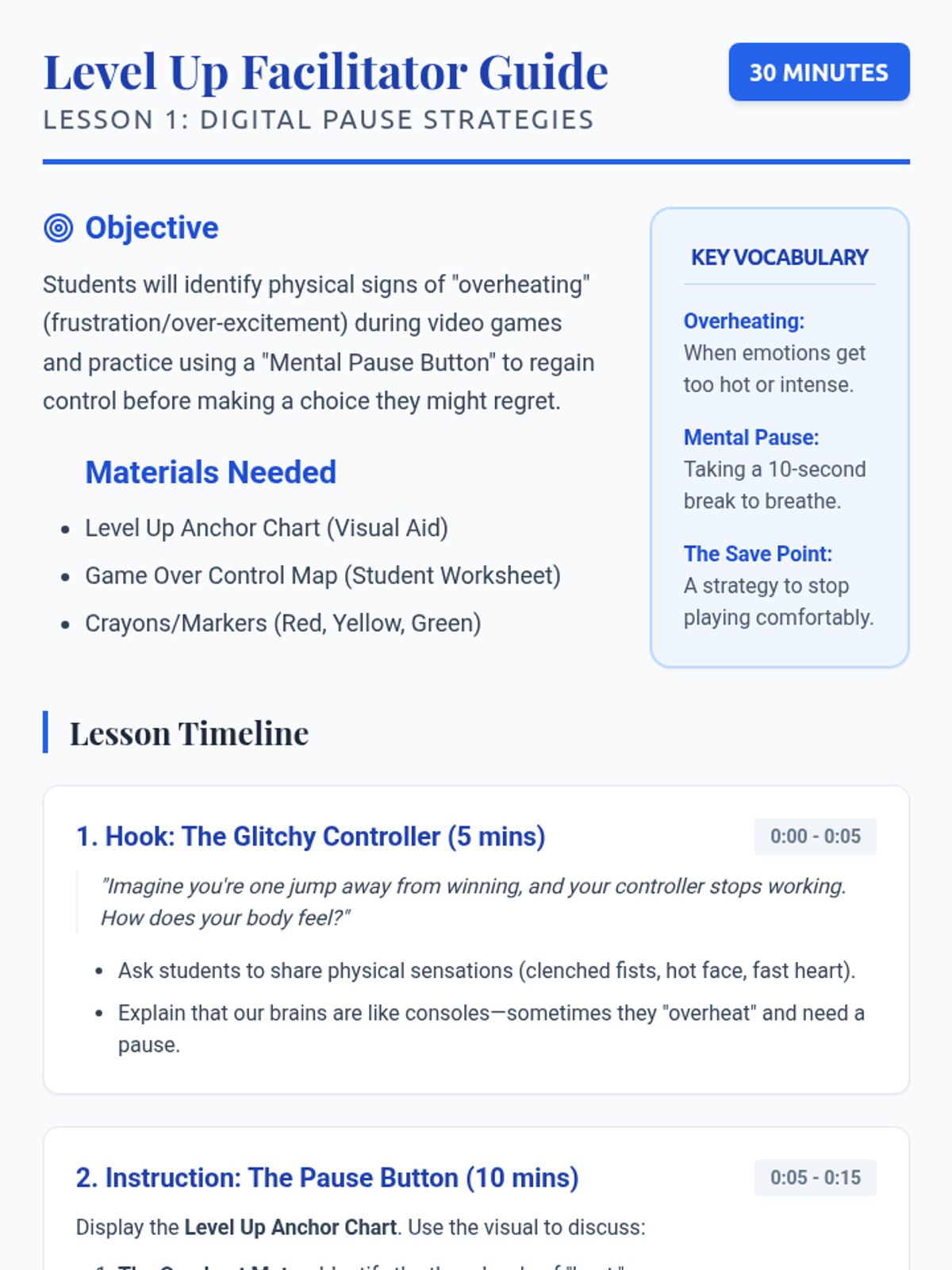
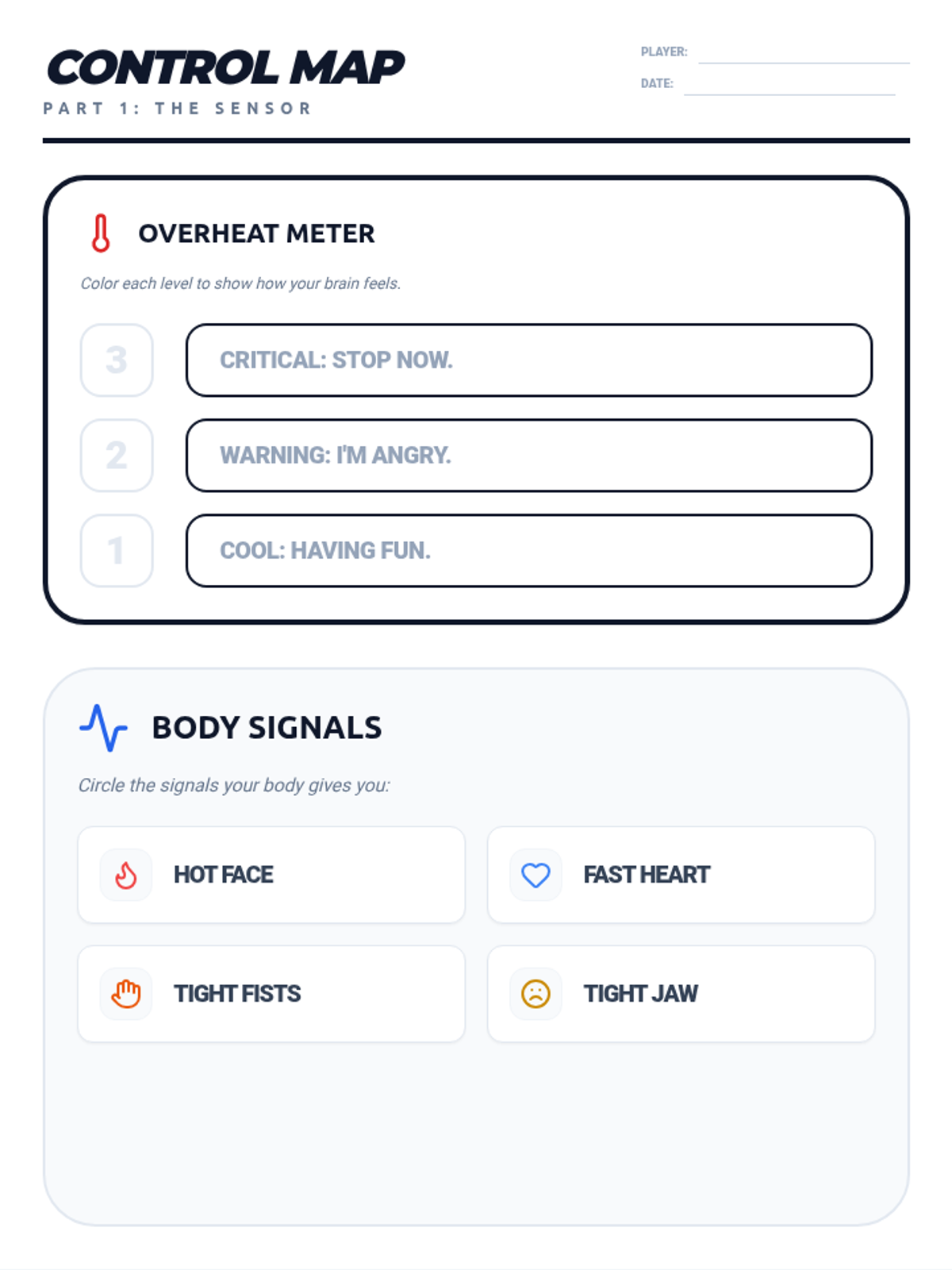
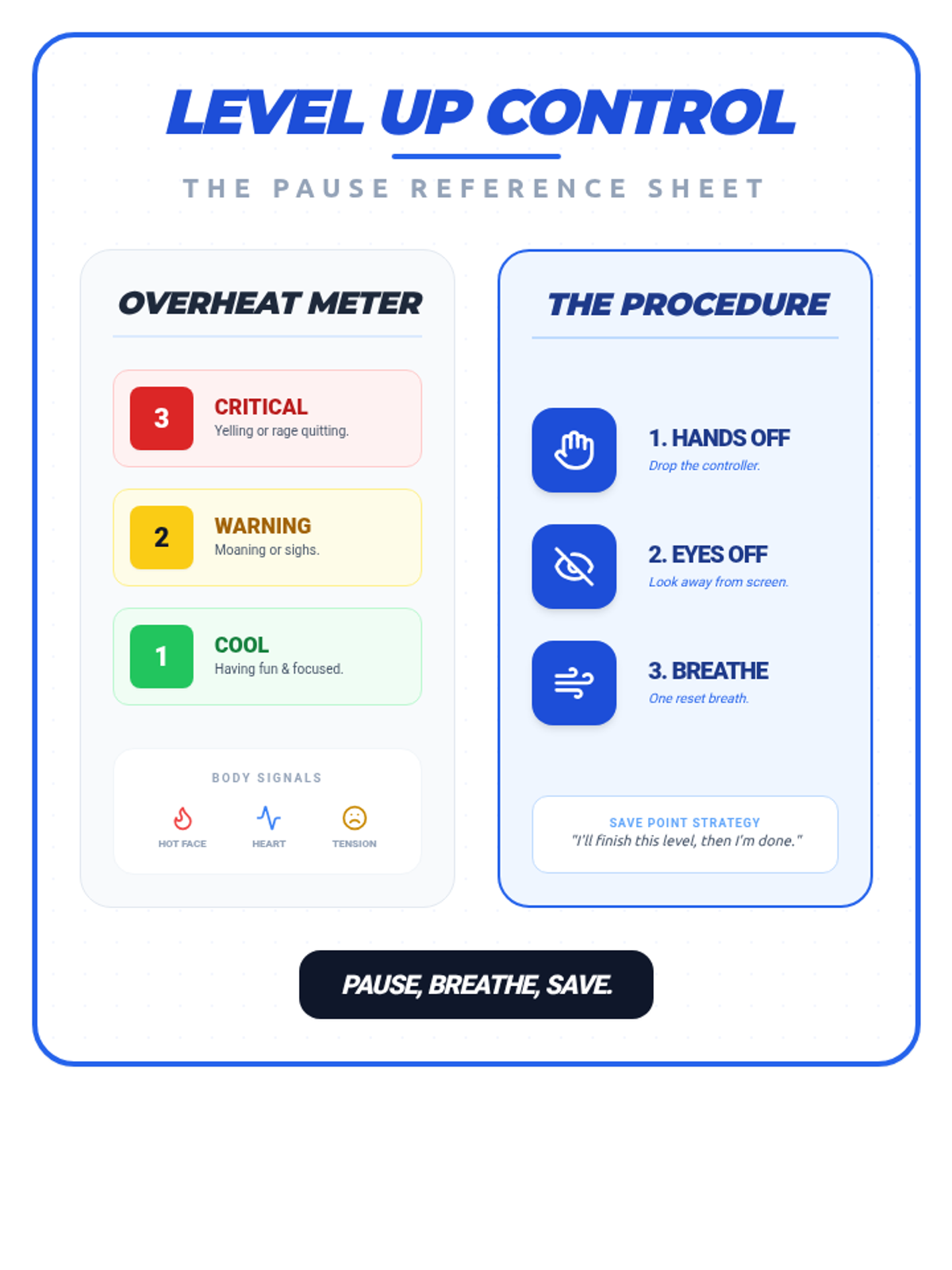
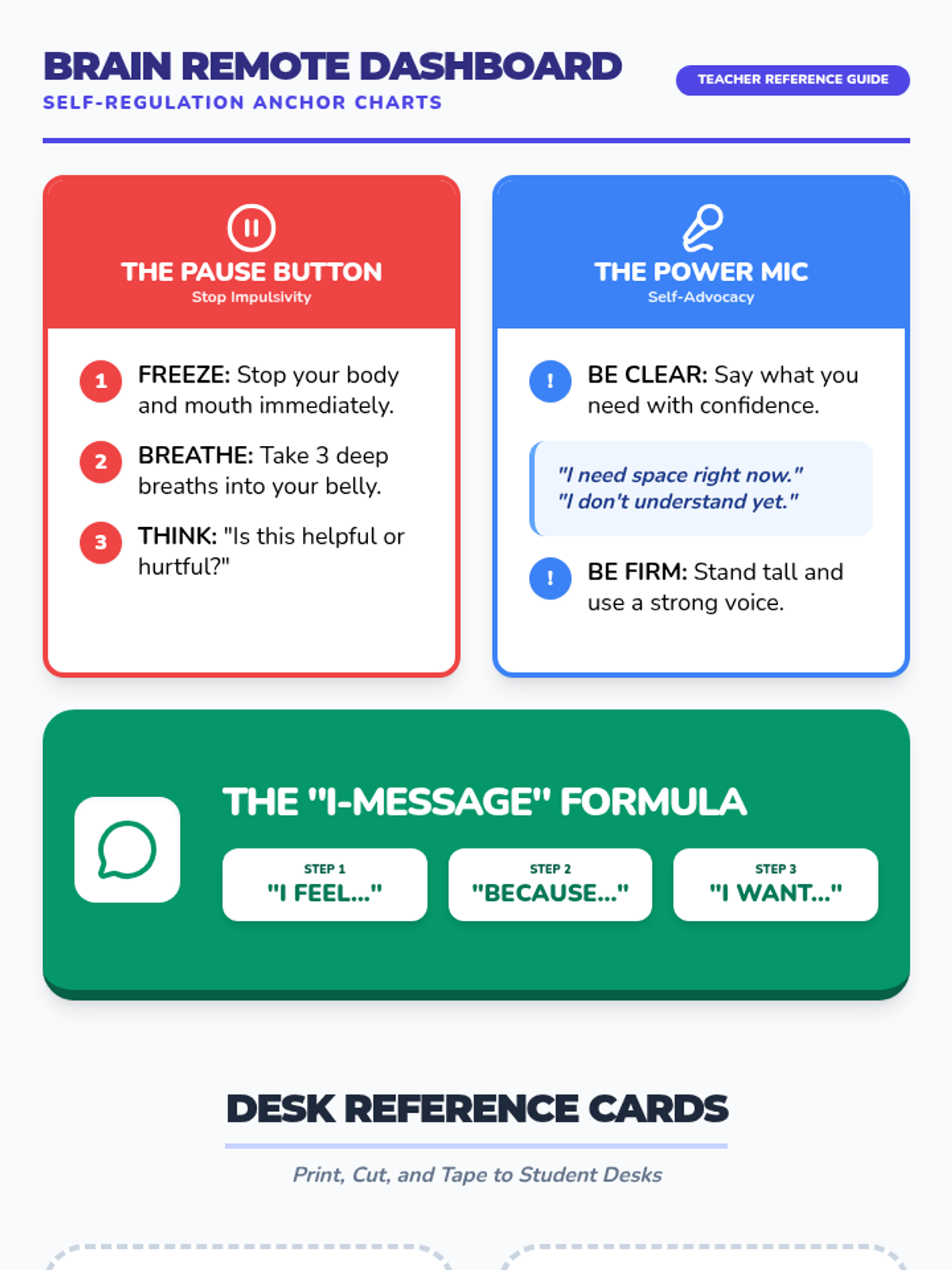
A series of 30-minute lessons focused on self-regulation techniques using the 'Pause' button analogy, themed around video games and building sets to help students manage big emotions and transitions.
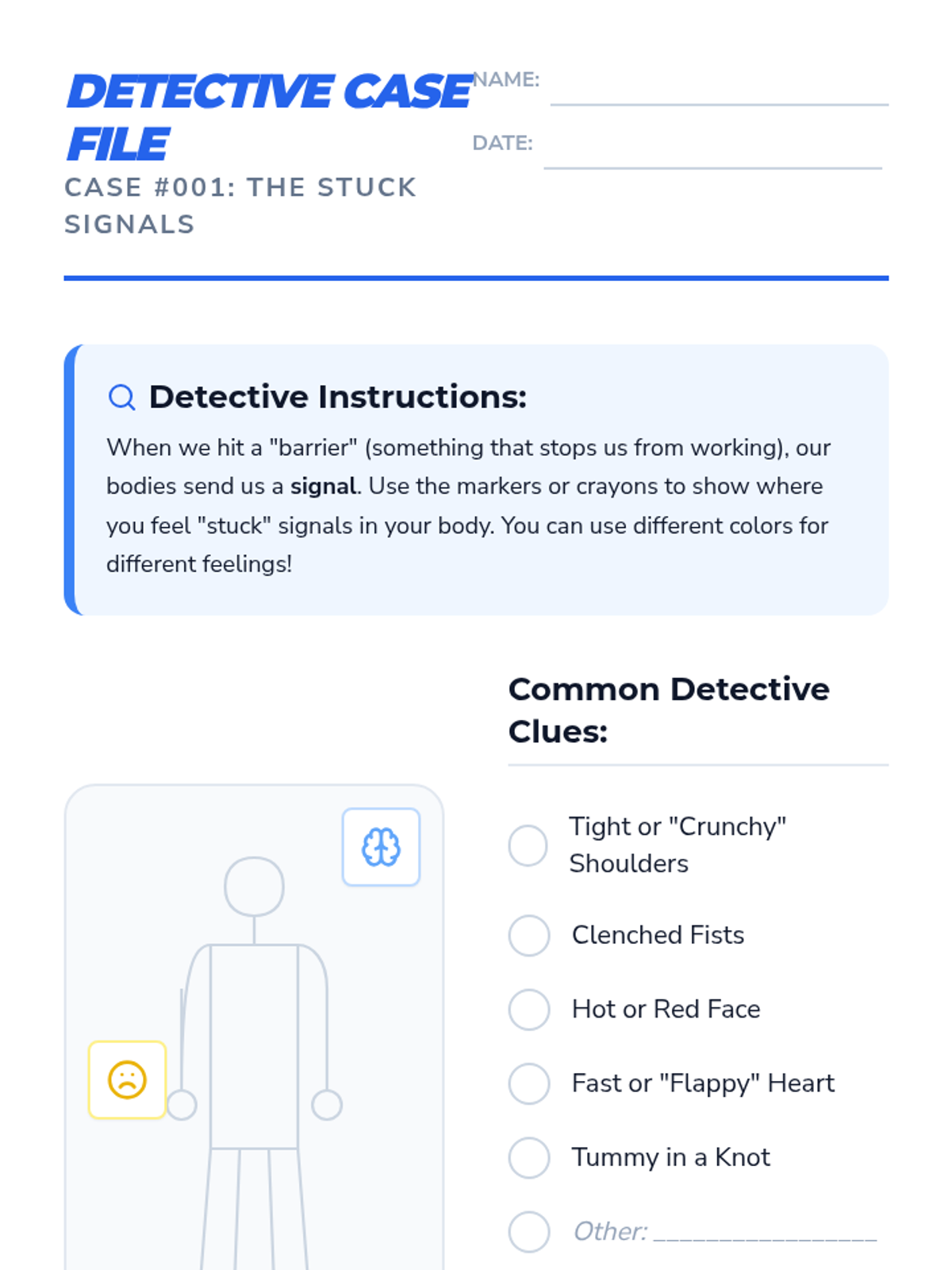
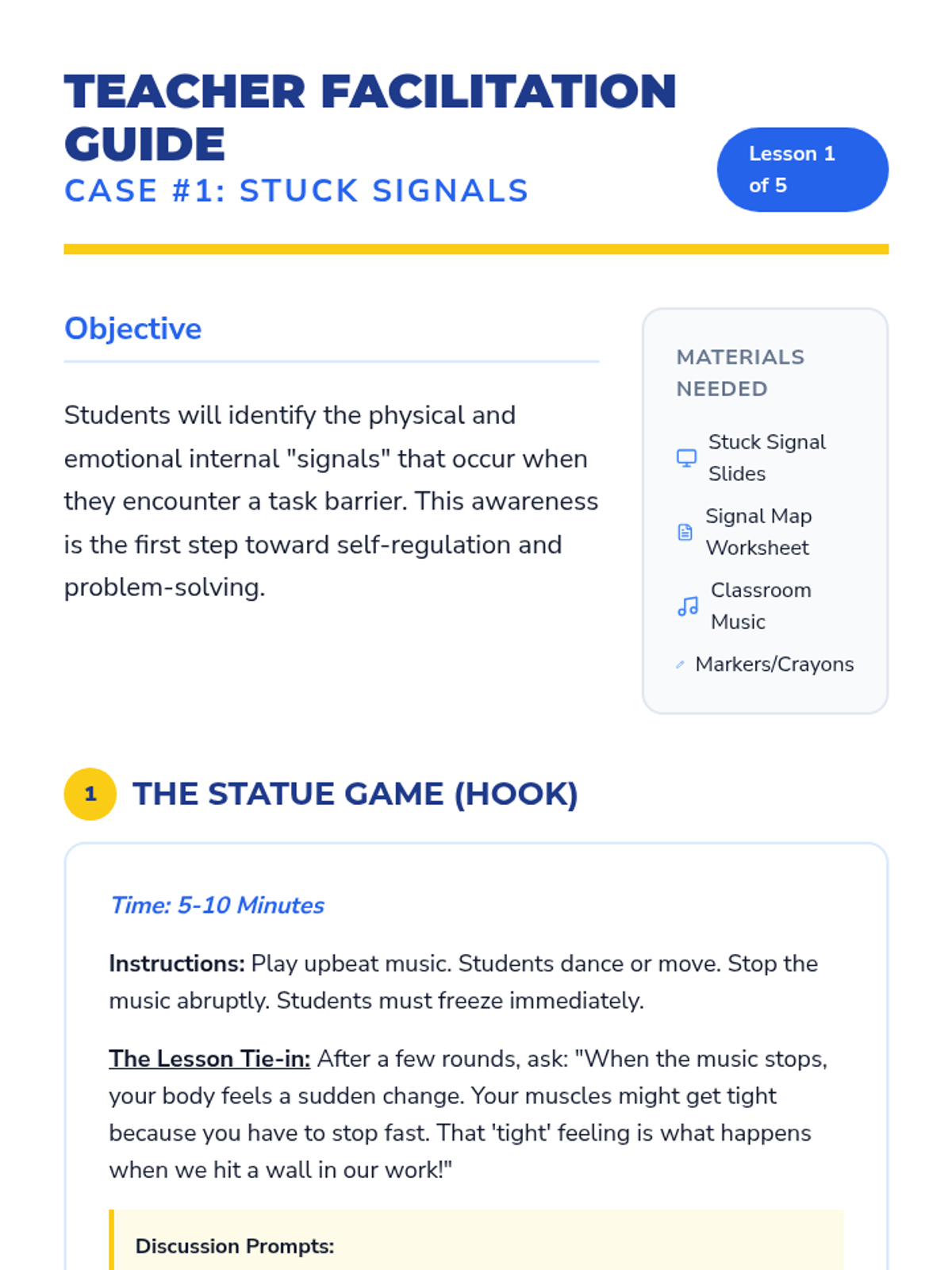
A 5-lesson unit for 3rd-grade students focused on identifying and categorizing obstacles that prevent task completion. Students learn to recognize internal emotional signals and external barriers (physical, informational, and environmental) to build self-advocacy and problem-solving skills.
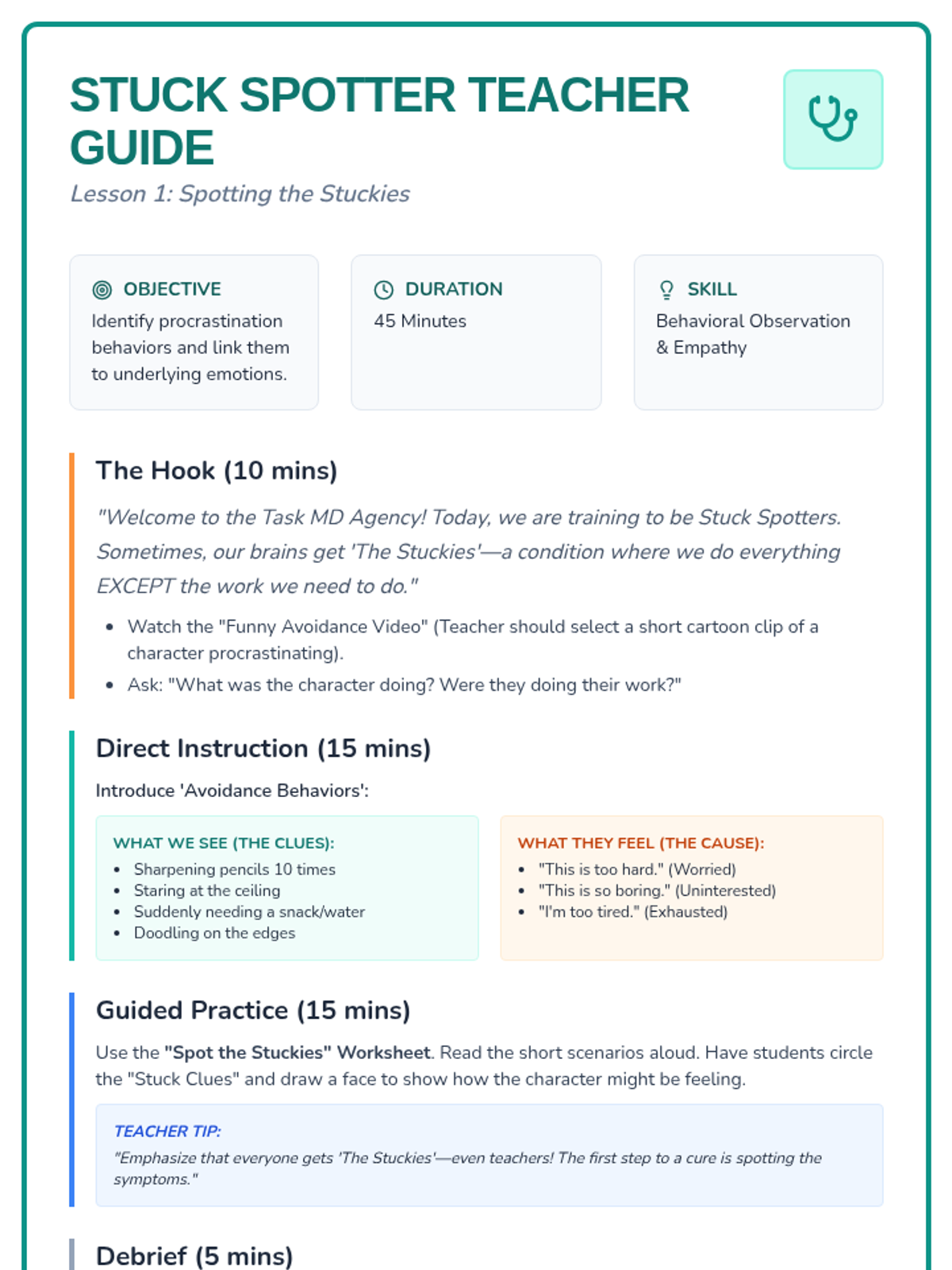
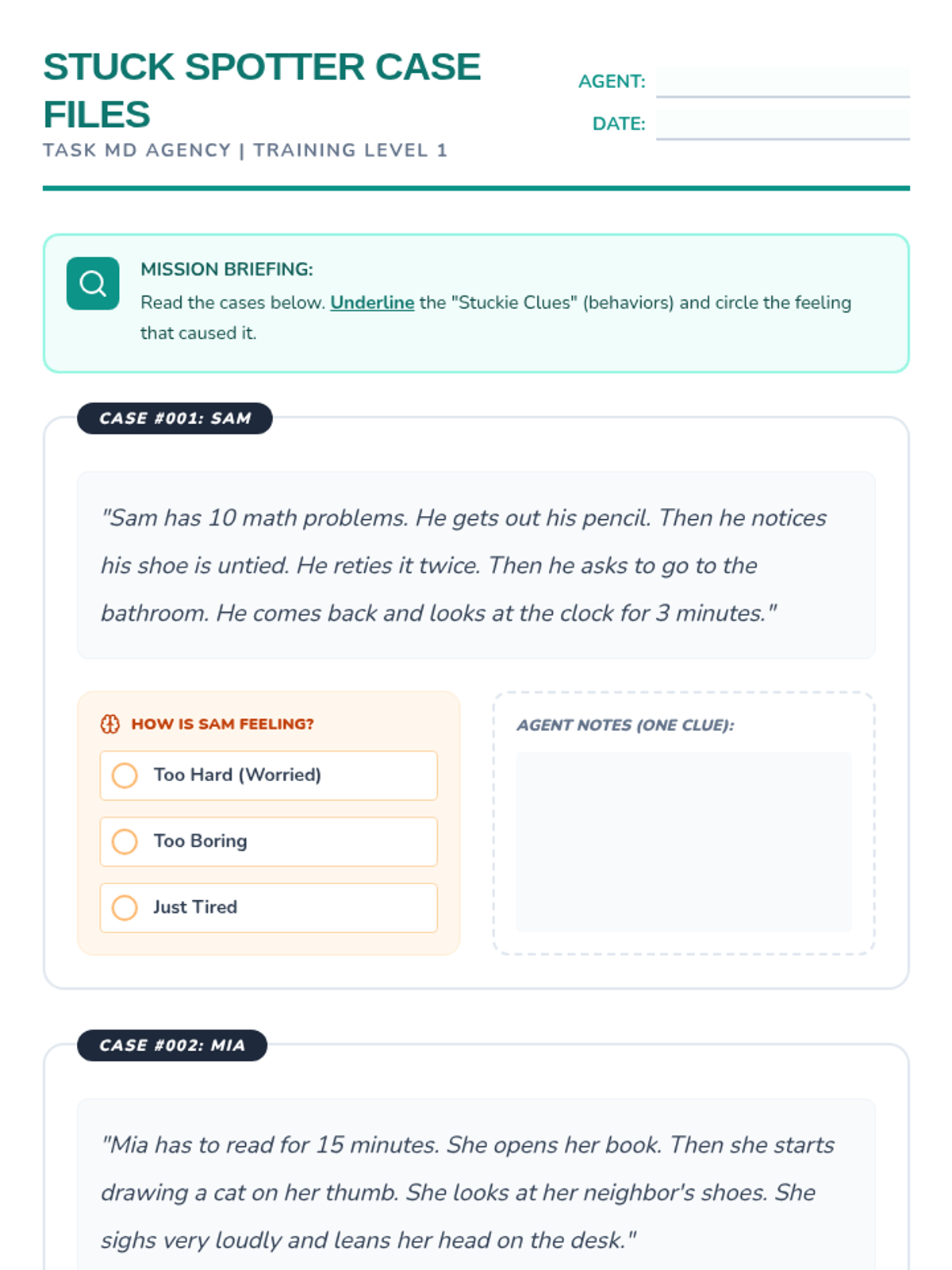
A sequence focused on helping students overcome emotional barriers to task initiation using a 'Task Doctor' theme. Students learn to identify avoidance behaviors, diagnose the root cause of being 'stuck', and prescribe effective self-talk solutions through role-play and reflection.
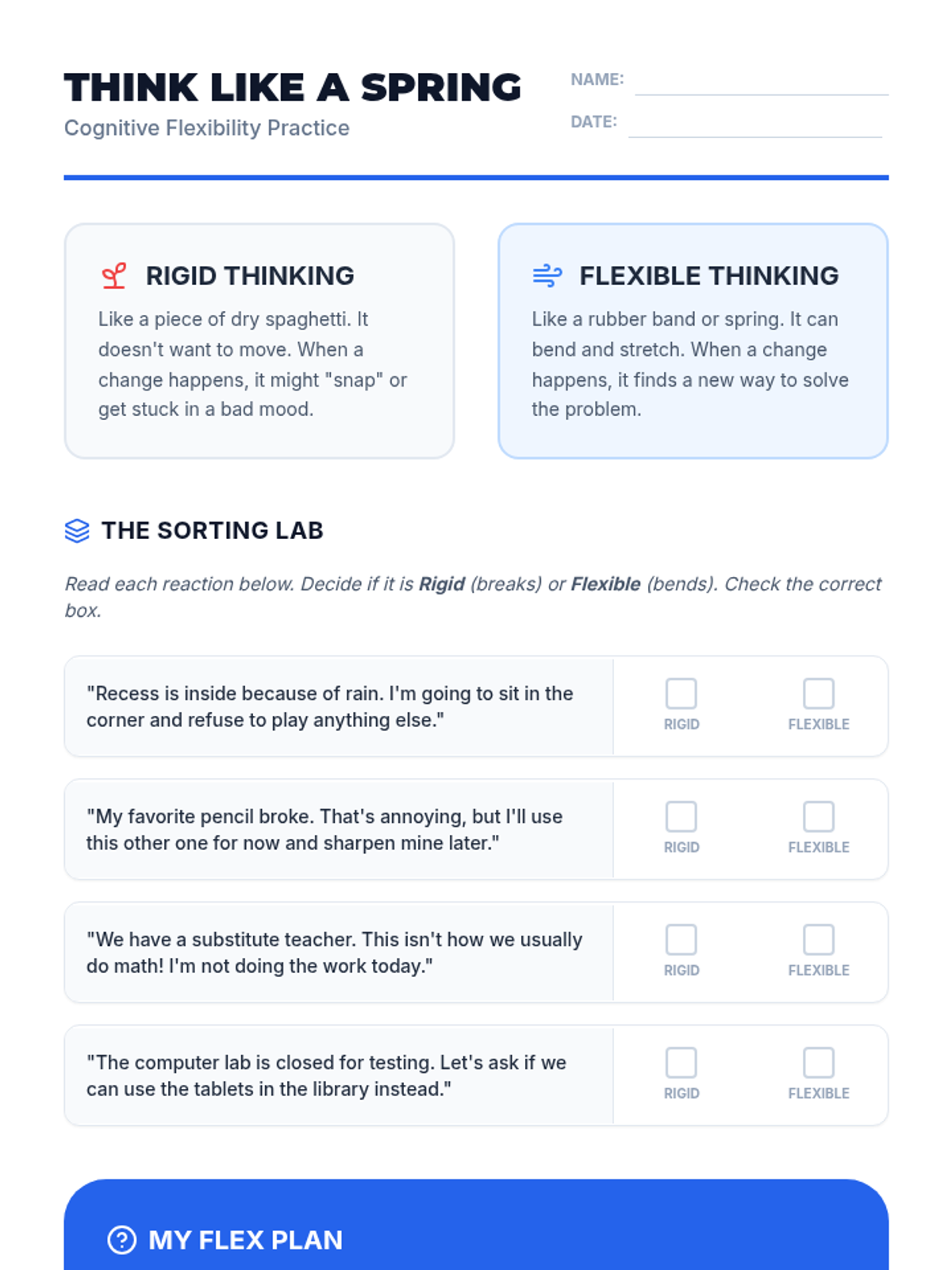
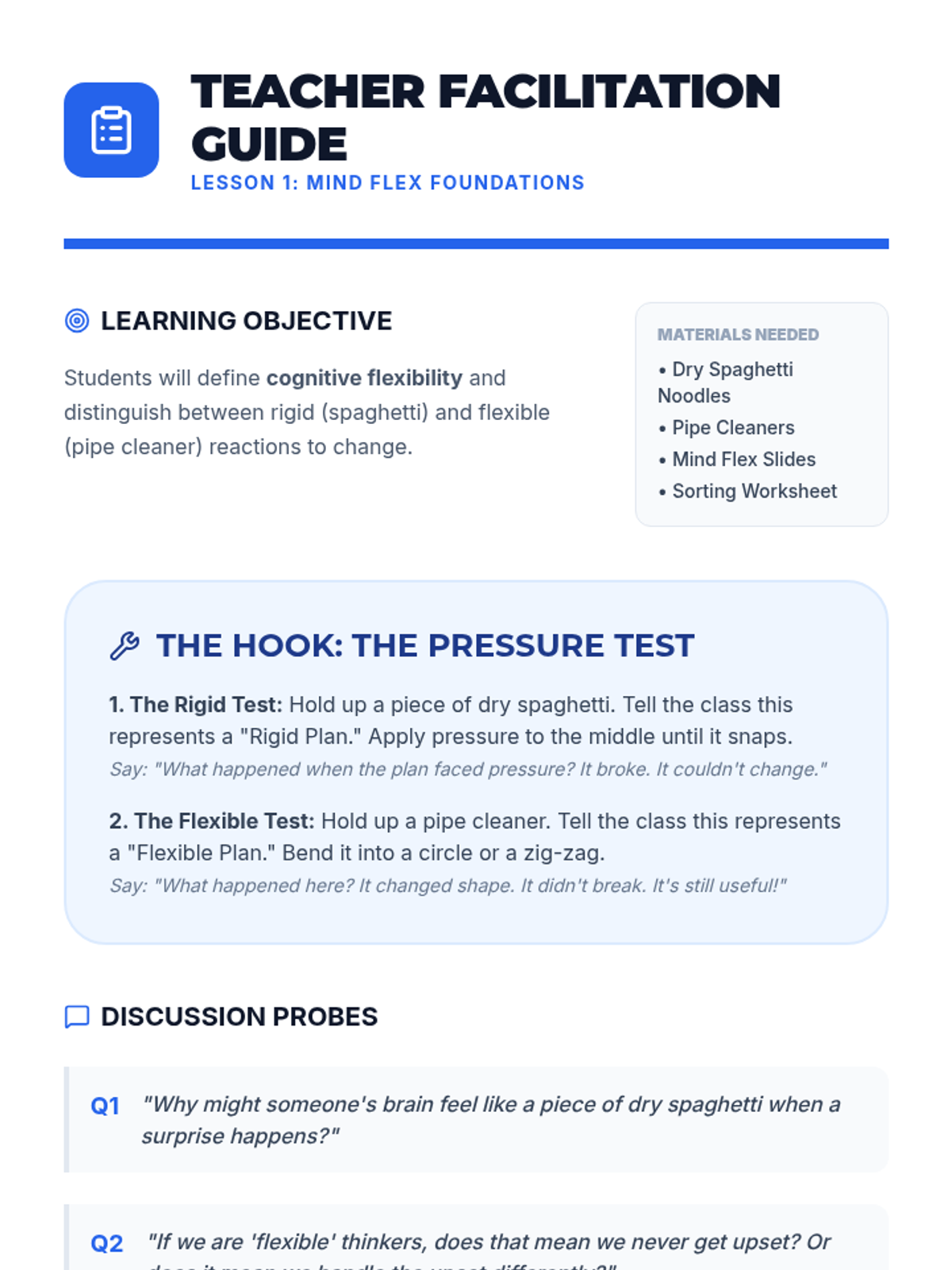
This sequence helps 5th-grade students develop cognitive flexibility and coping strategies for handling unexpected changes. It uses metaphors like 'bending vs. breaking' to teach self-regulation, positive self-talk, and de-escalation techniques.
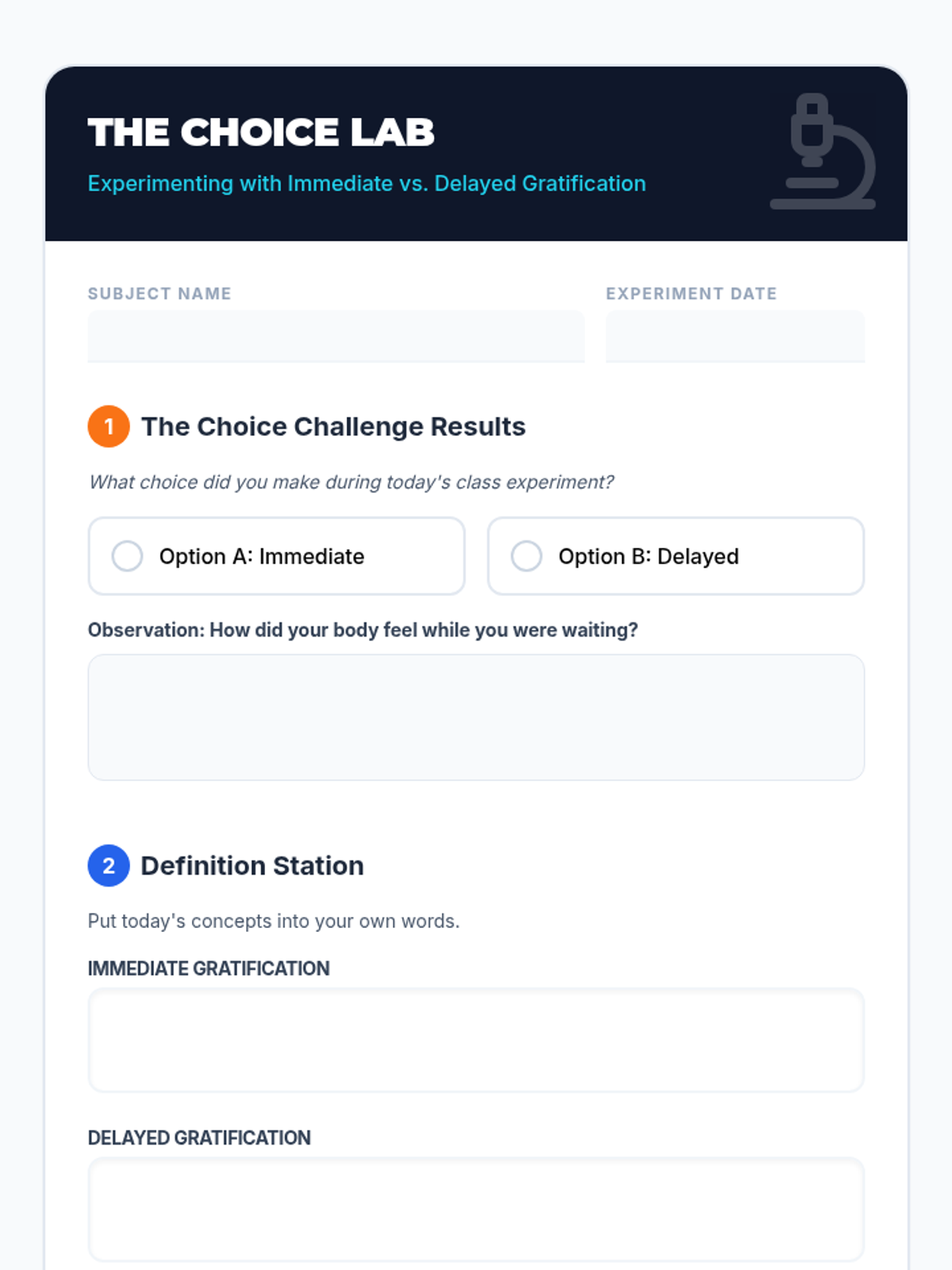
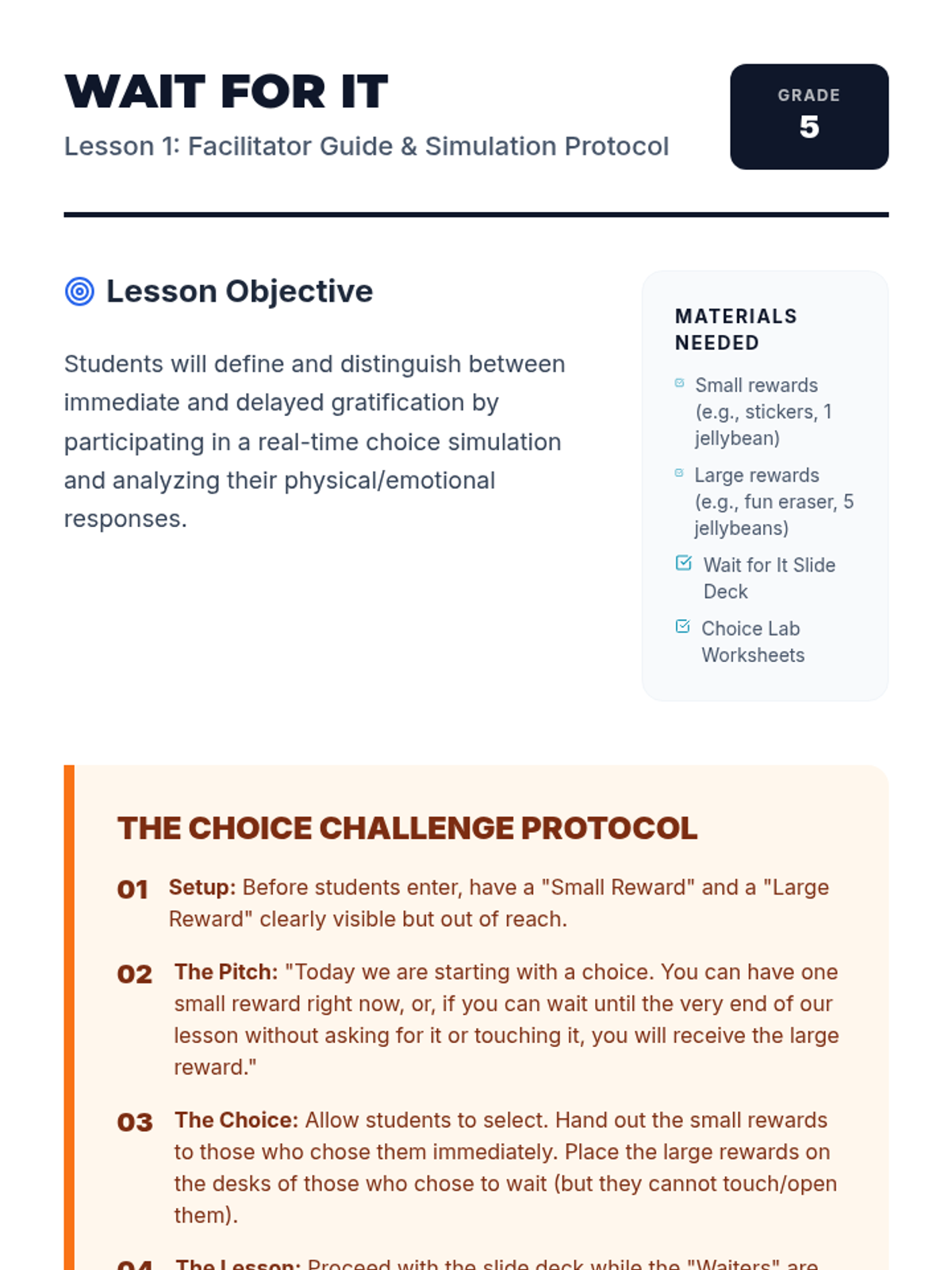
A comprehensive 5-lesson sequence designed to help 5th-grade students understand, identify, and manage impulses through cognitive strategies. Students progress from defining immediate versus delayed gratification to applying advanced distraction and reframing techniques in complex social situations.
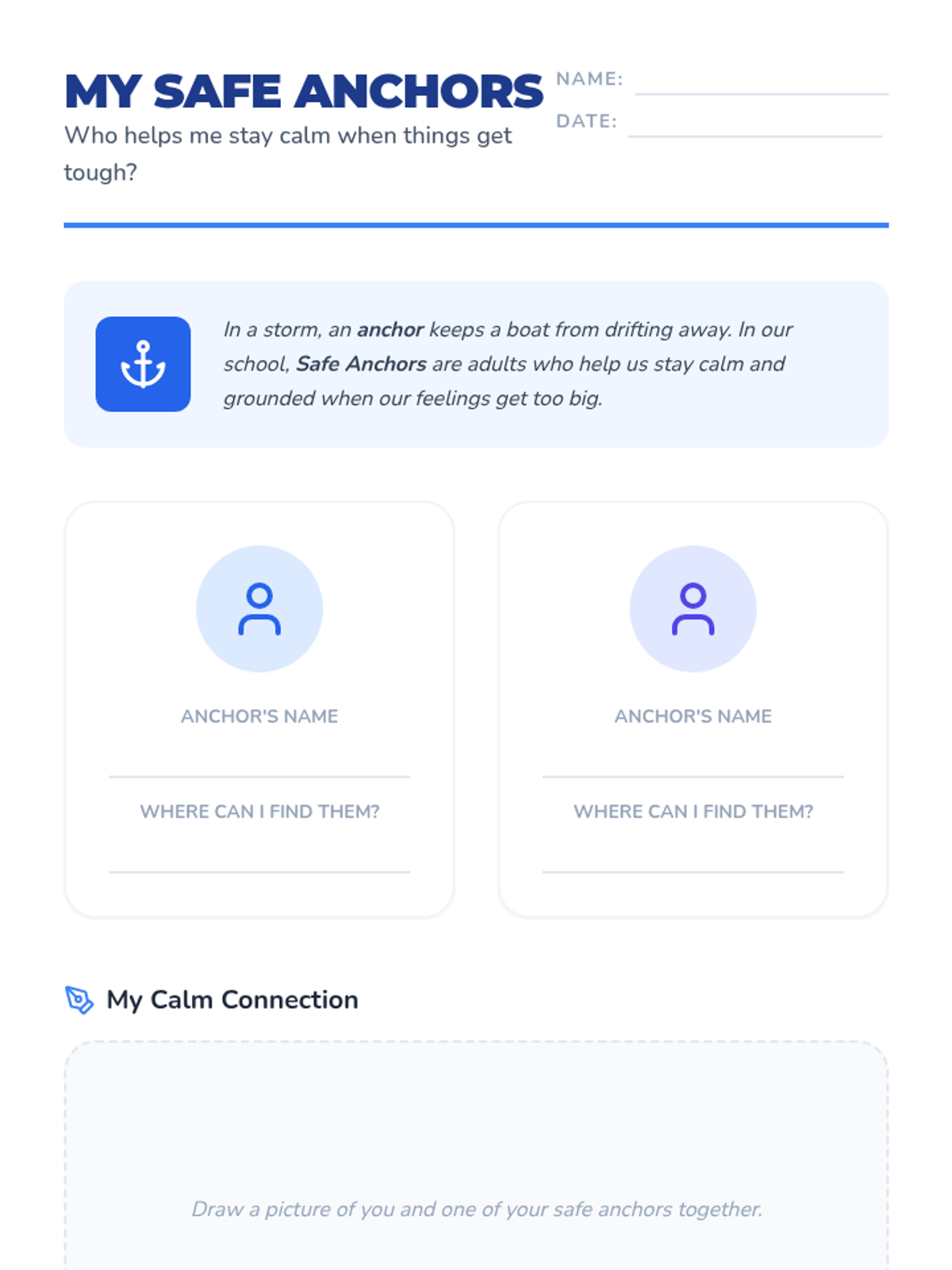
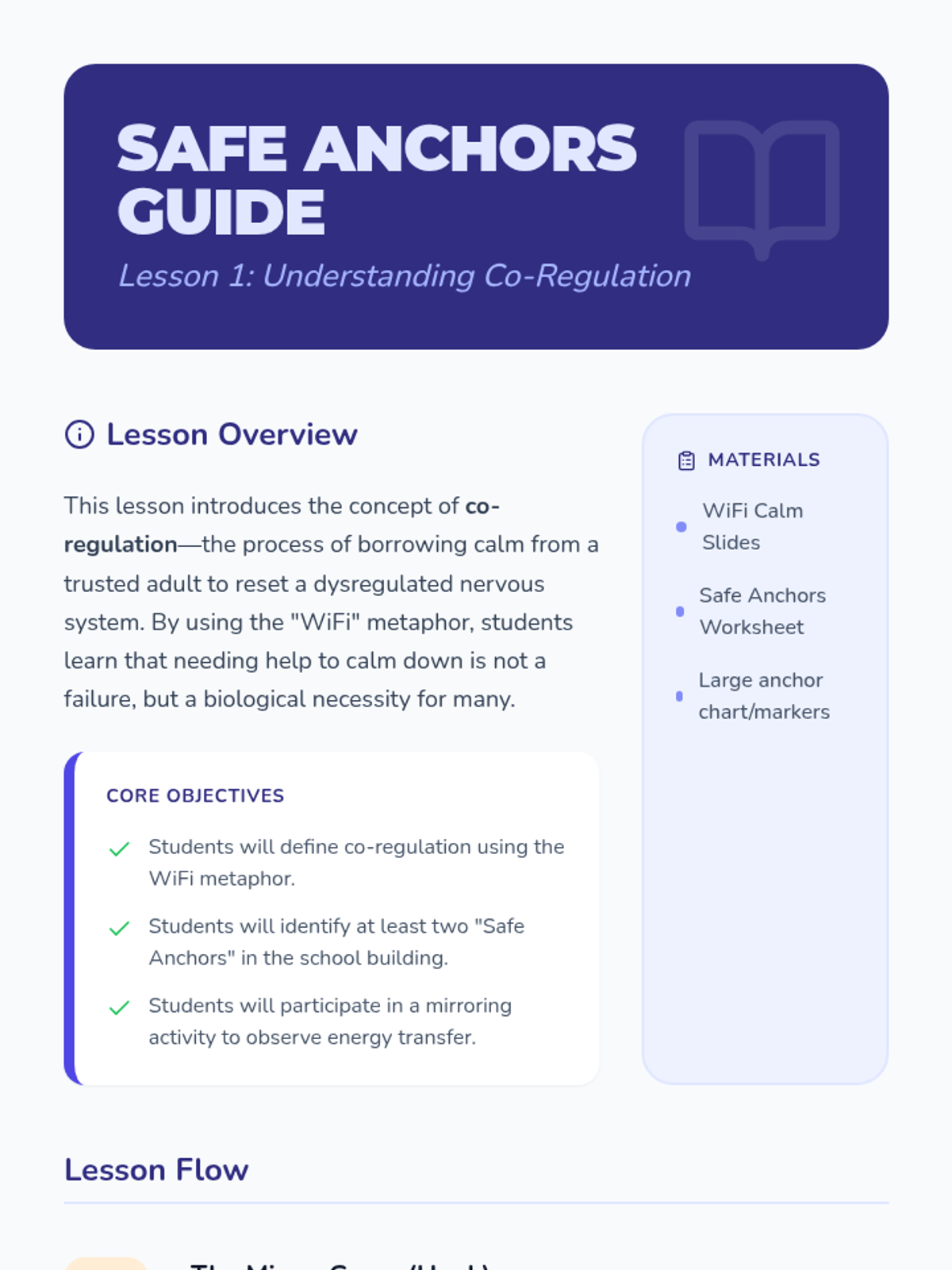
This sequence teaches 3rd-grade students how to communicate their needs for co-regulation during moments of dysregulation. It moves from understanding the concept of borrowing calm to developing non-verbal signals, verbal scripts, and personalized co-regulation plans.
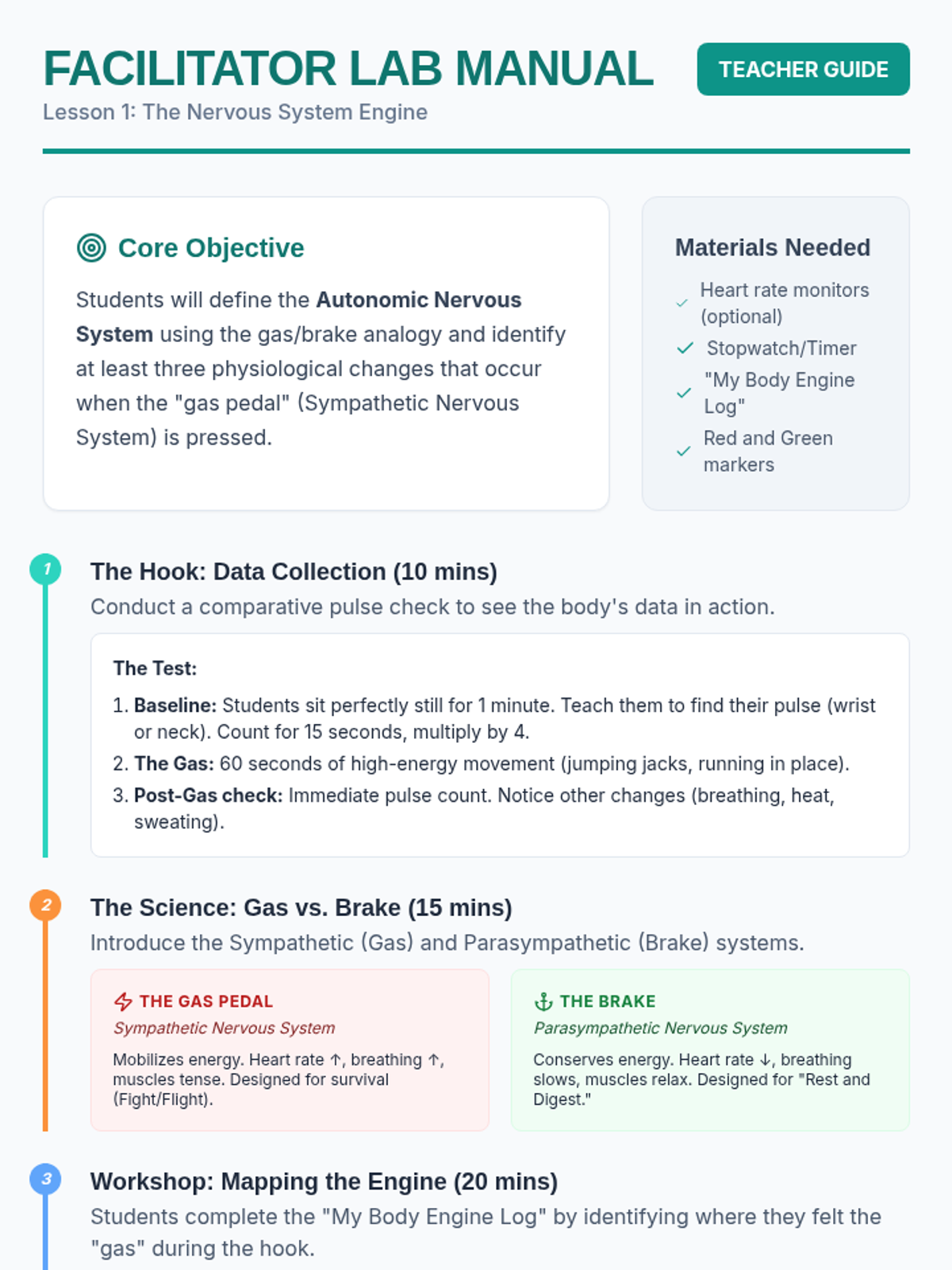
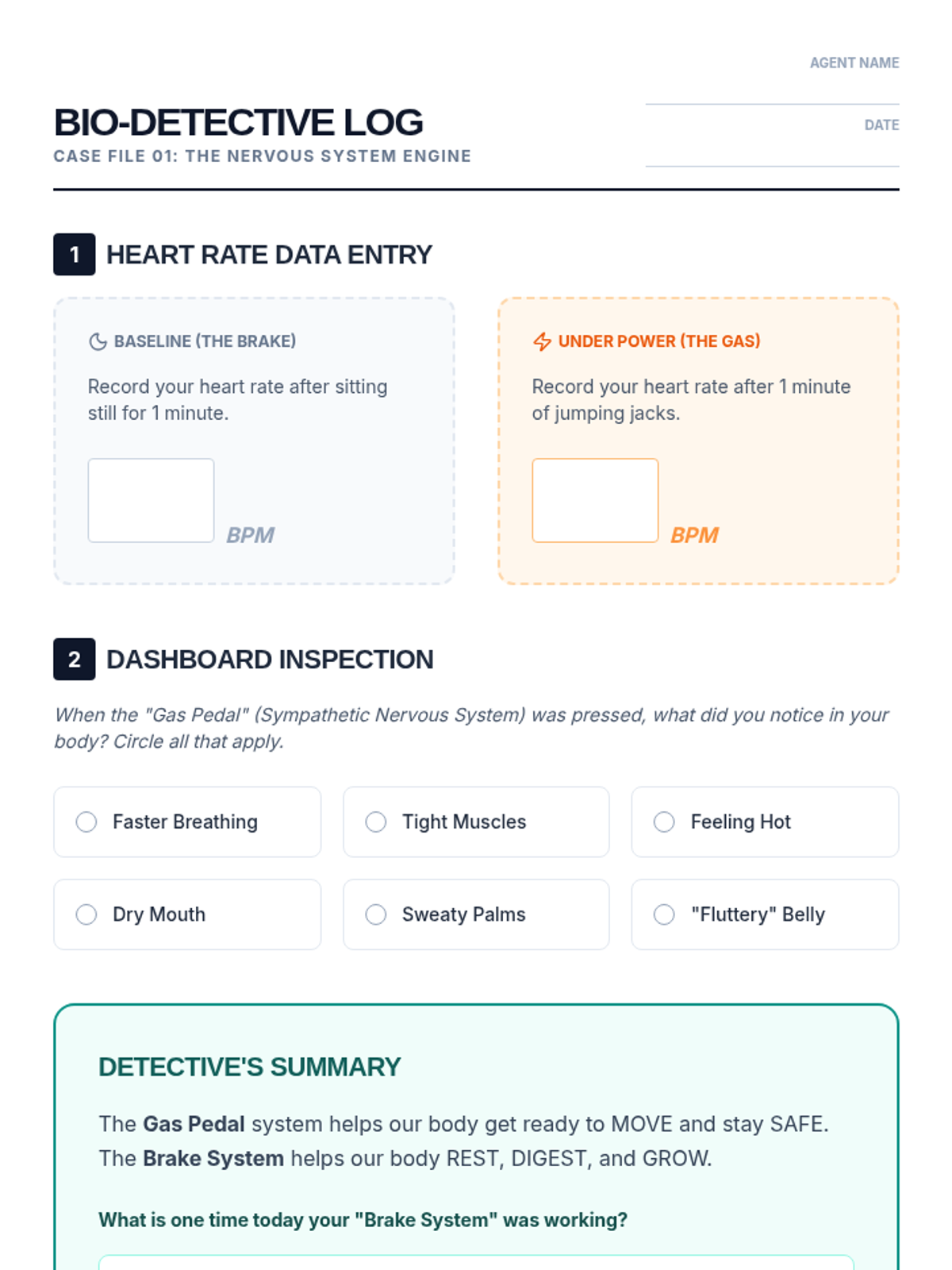
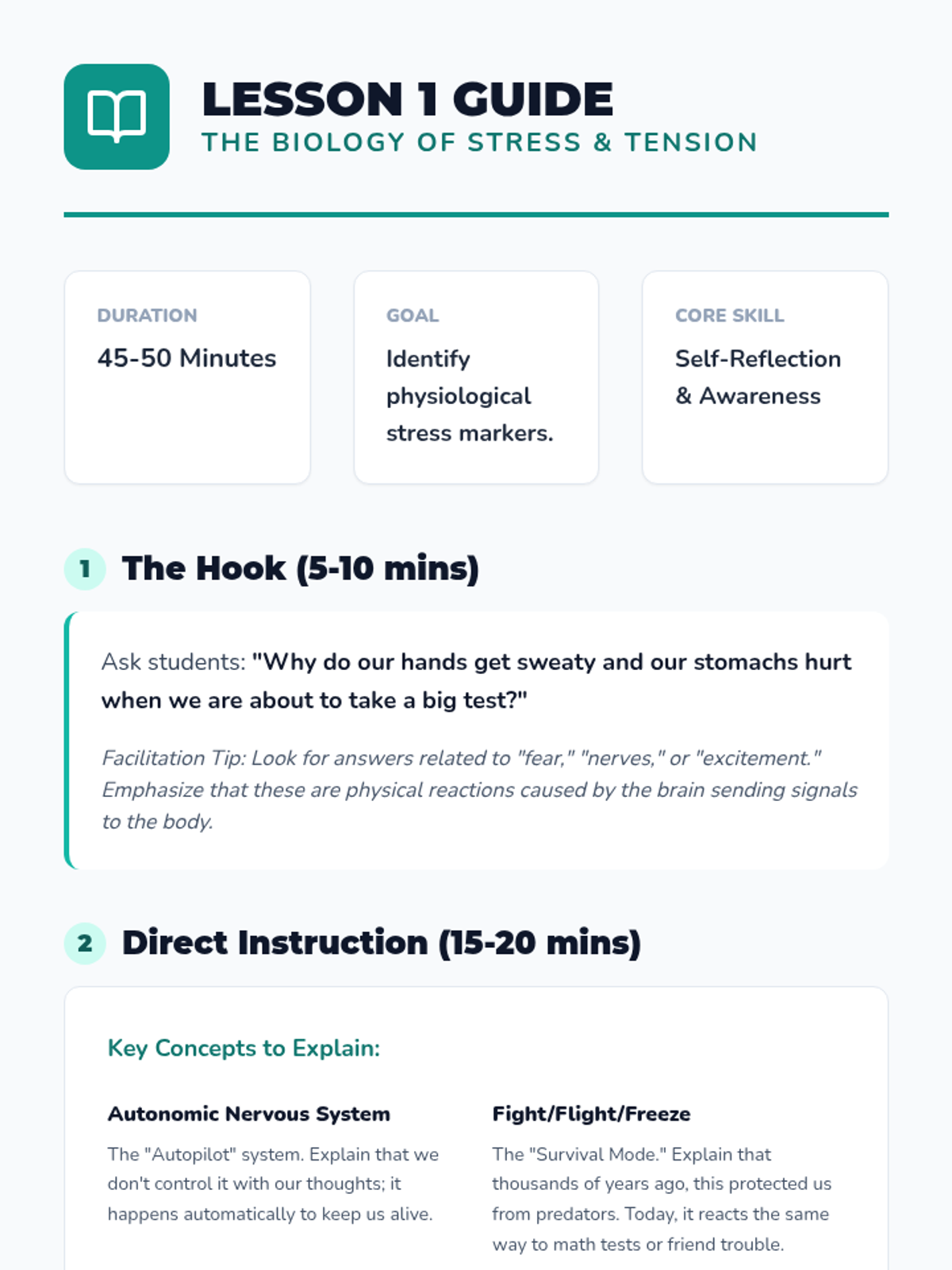
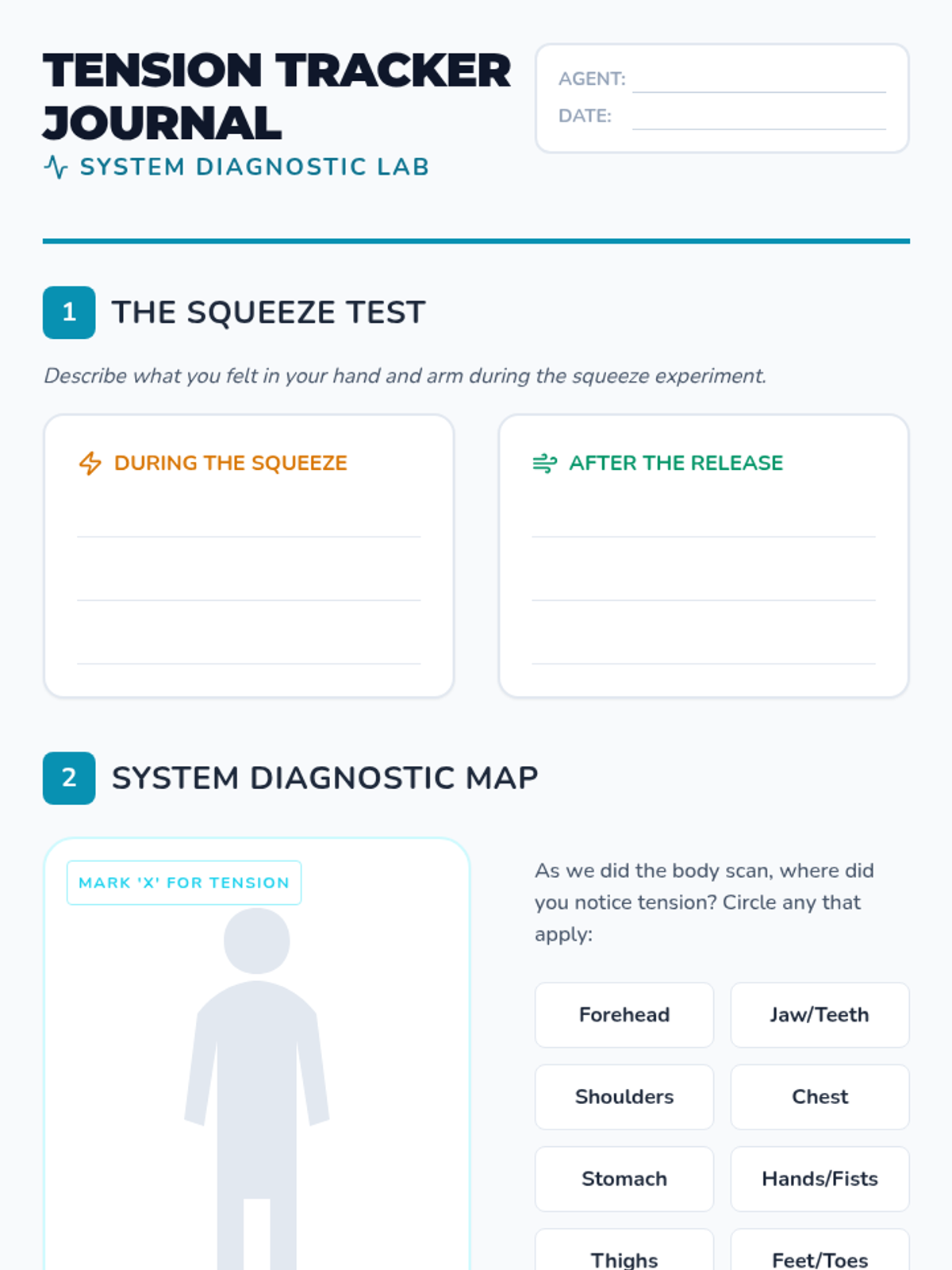
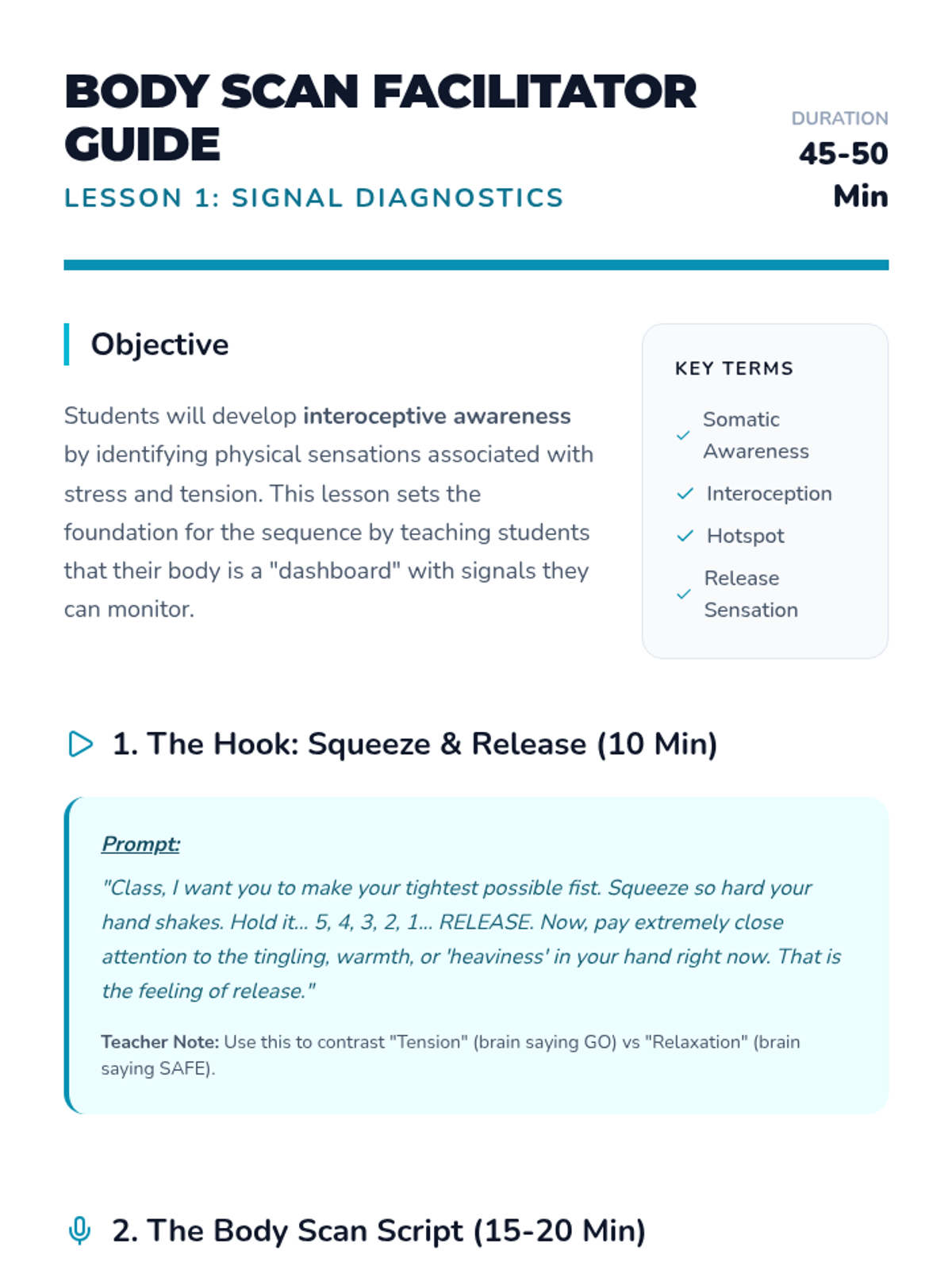
This sequence guides 5th-grade students through identifying physiological signals of dysregulation and the recovery process. Using a 'Bio-Detective' theme, students explore interoception, somatic techniques, and the autonomic nervous system to create a personalized 'Body Manual' for self-regulation.
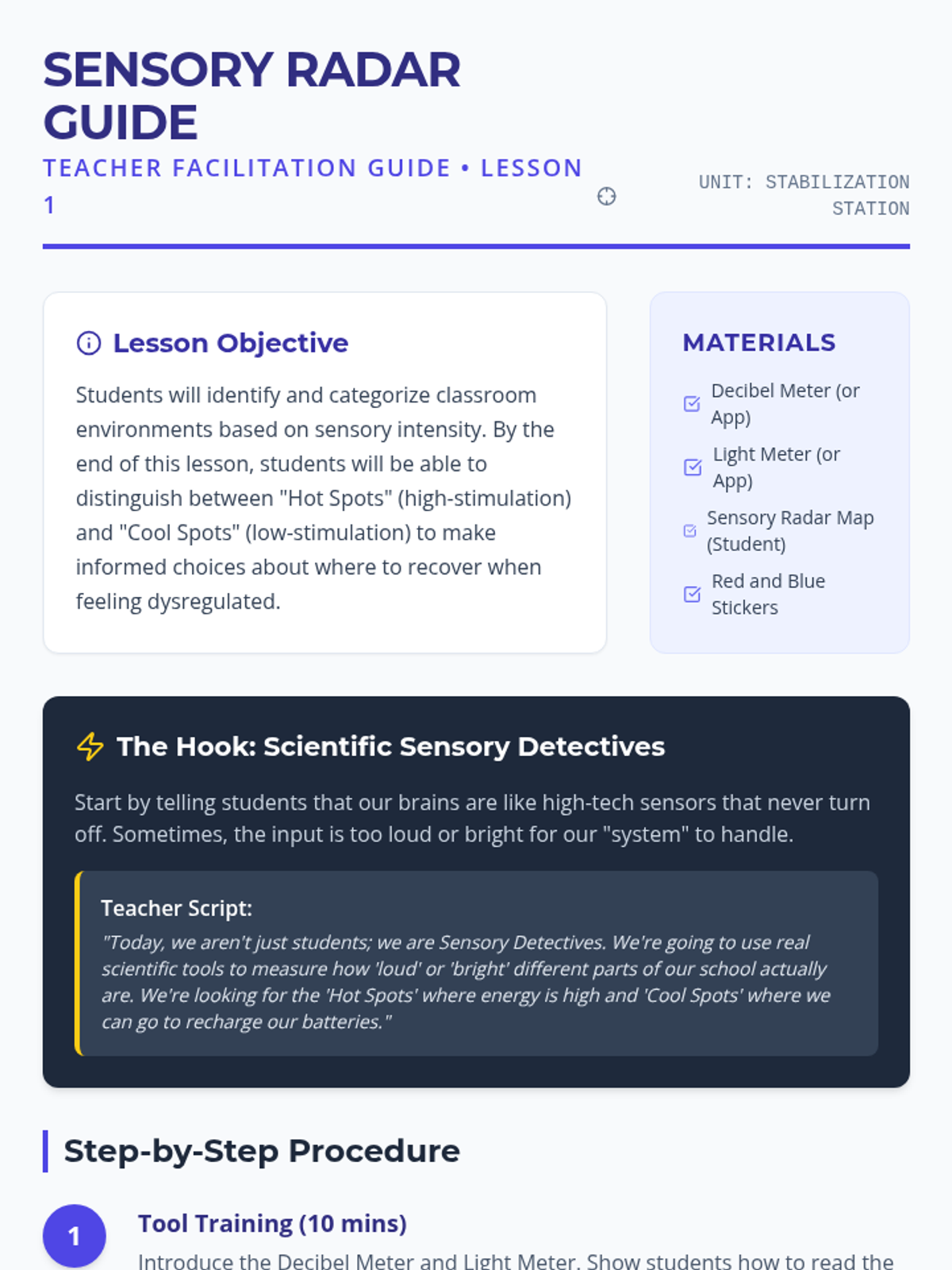
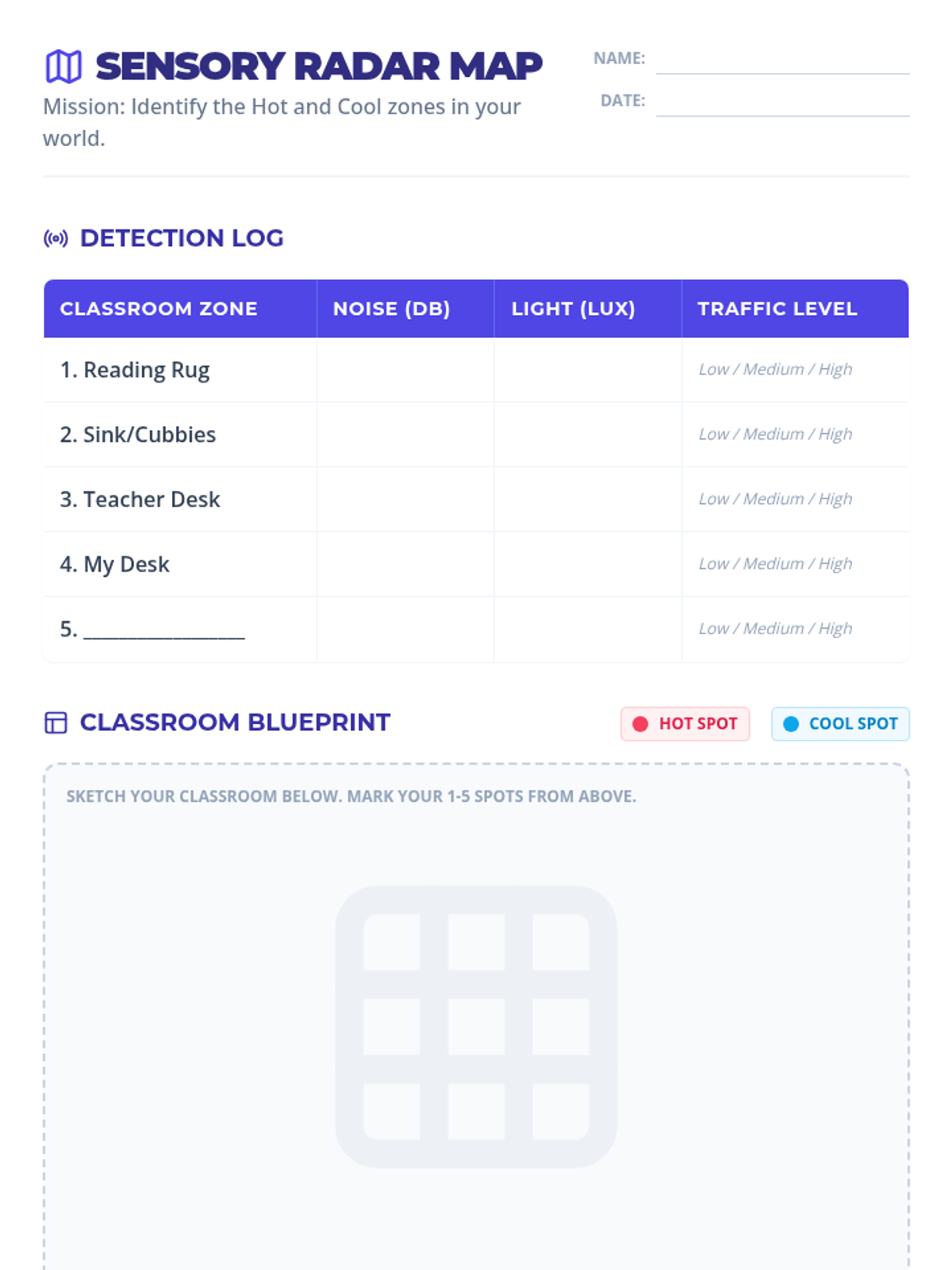
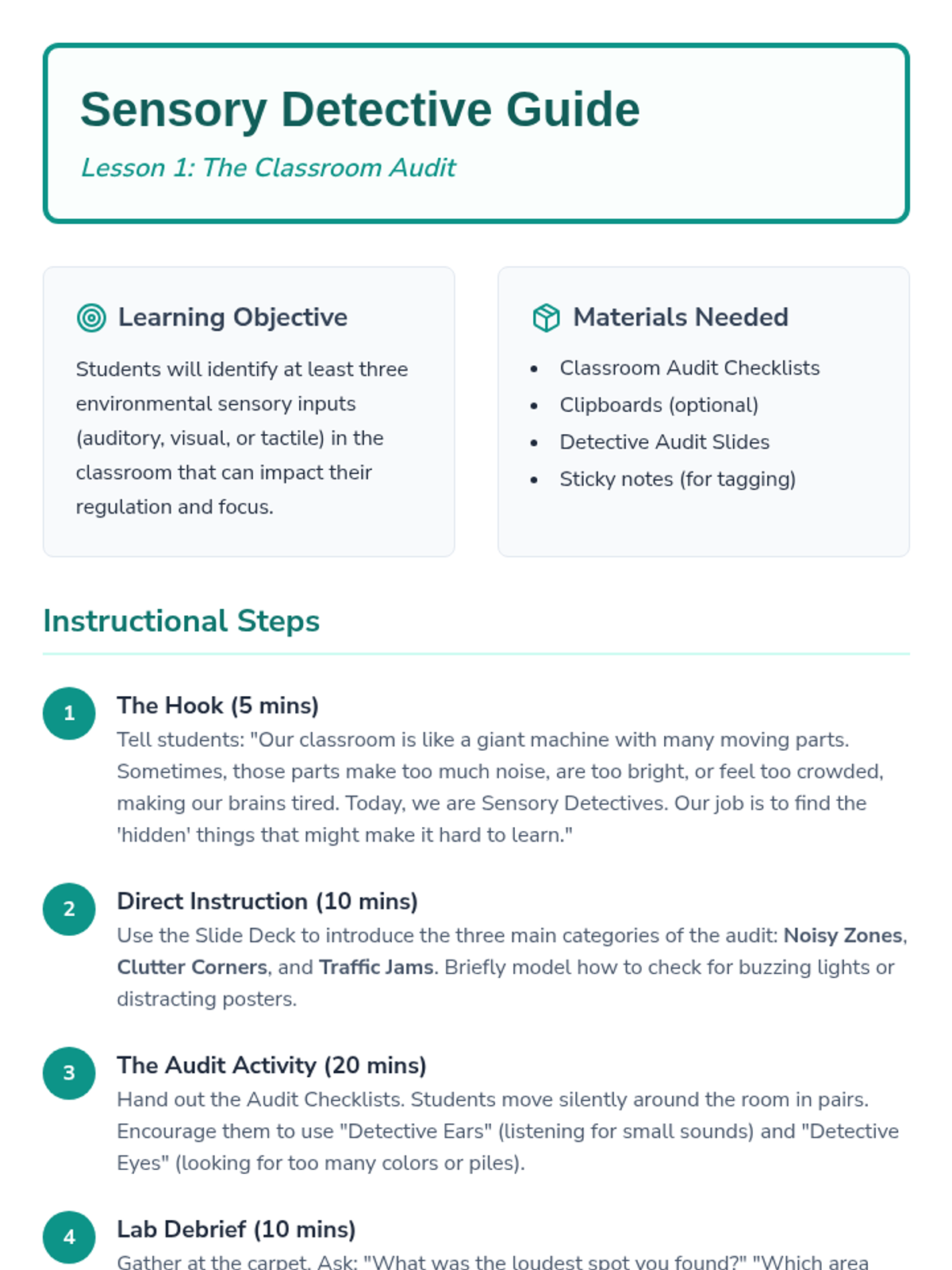
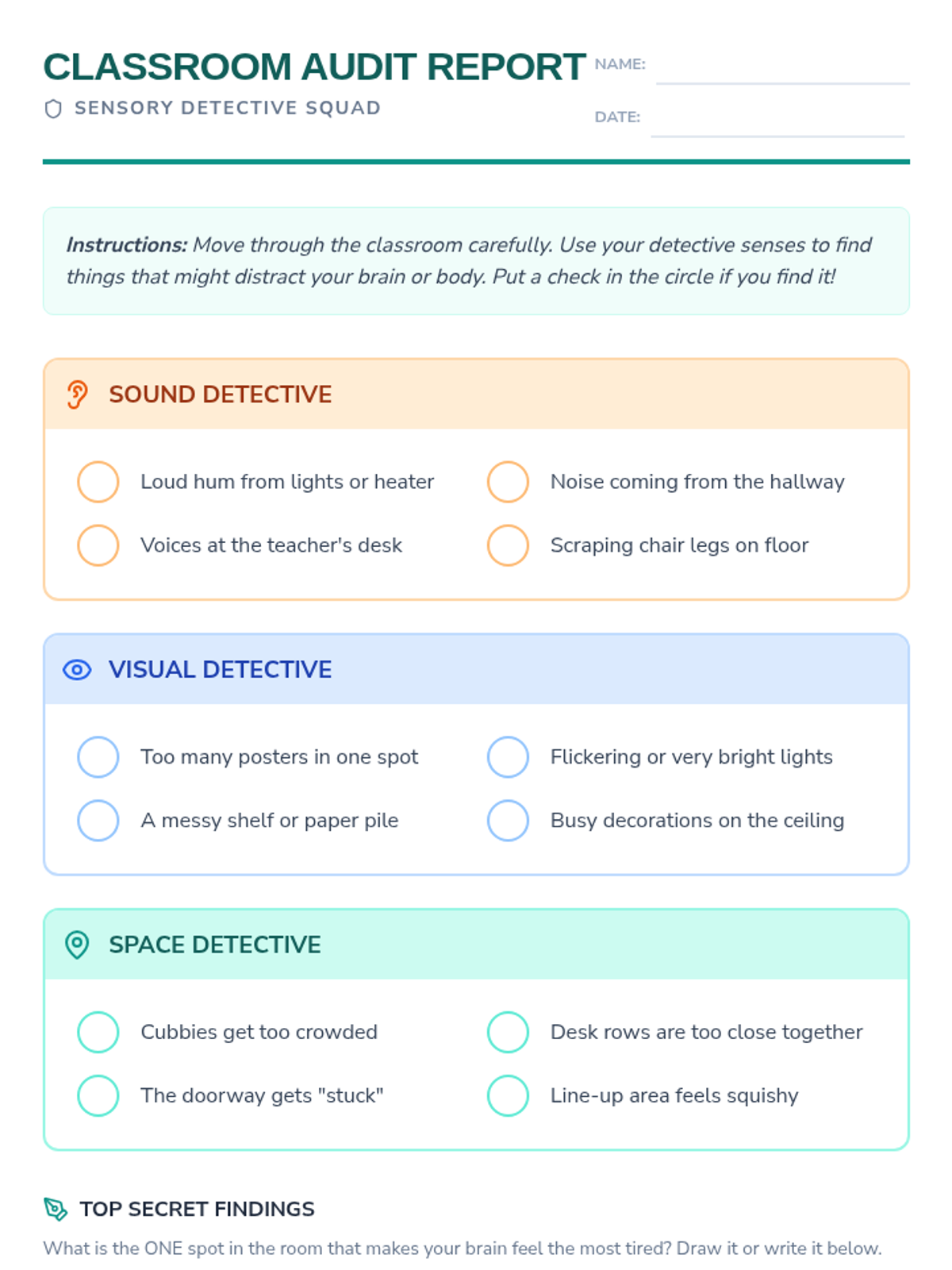
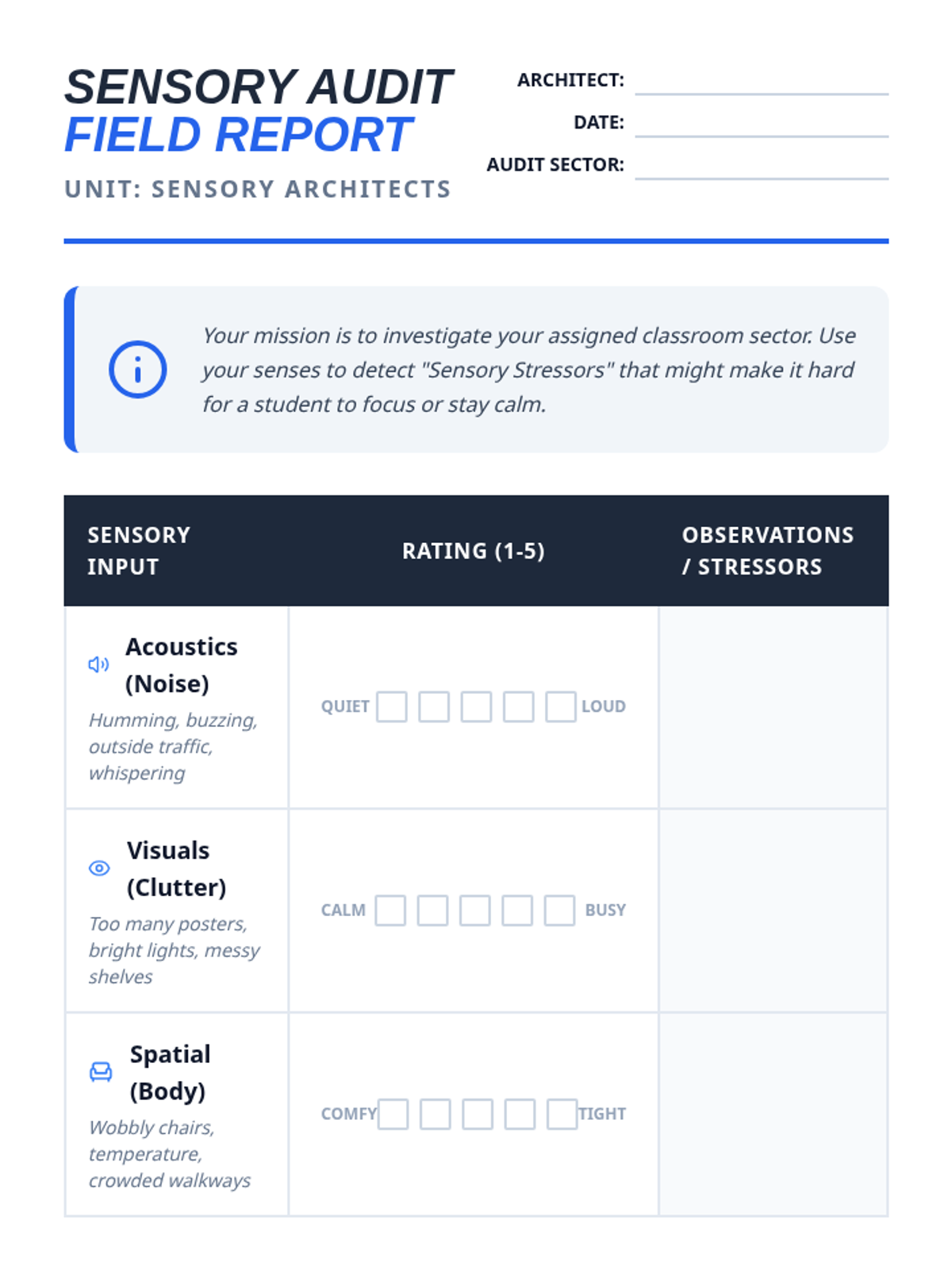
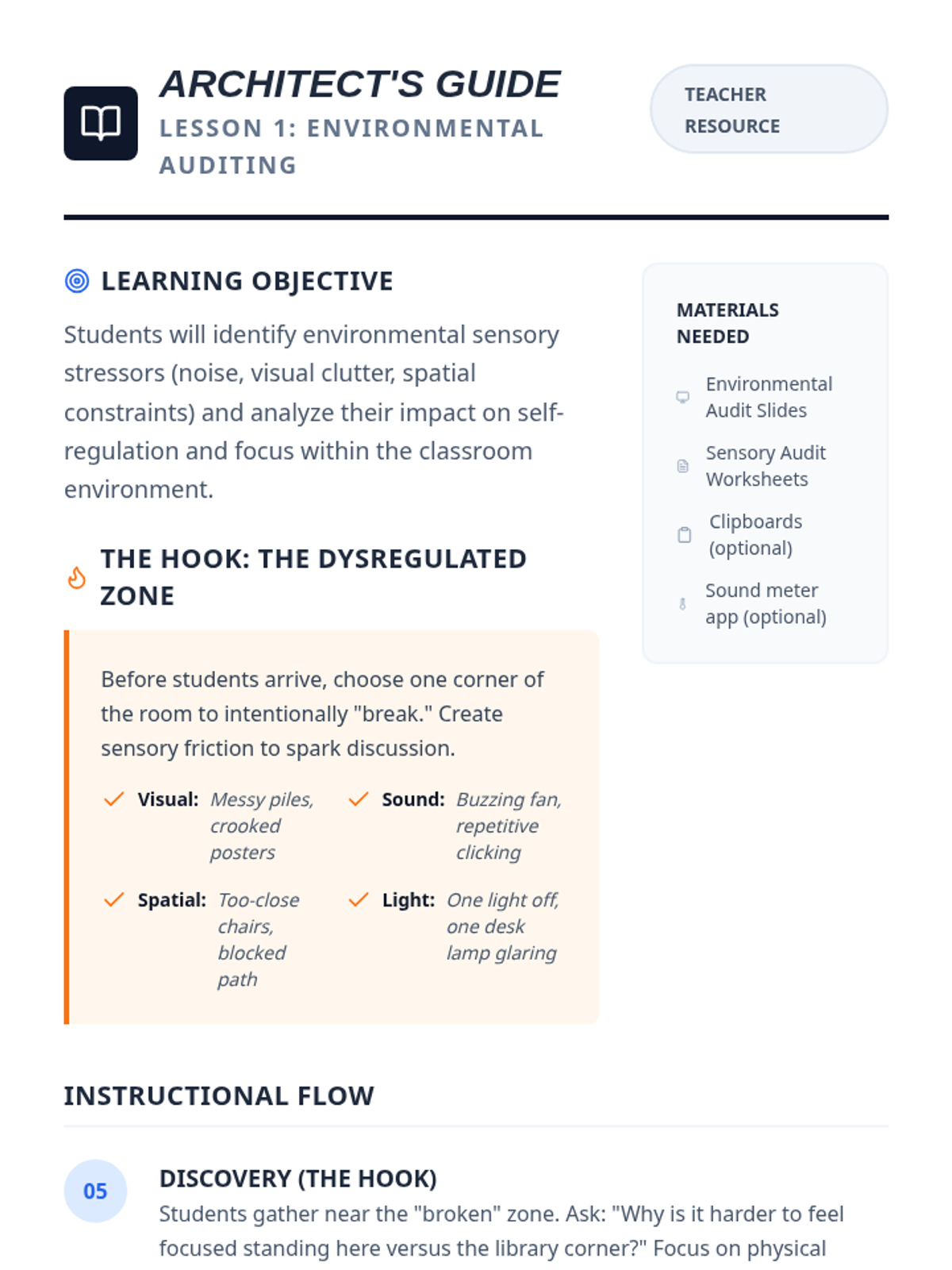
This sequence helps 5th-grade students understand how physical environments impact their emotional regulation. Students learn to conduct sensory audits, establish protocols for calm spaces, create portable sensory barriers, and design ideal recovery environments to support stabilization during and after periods of dysregulation.
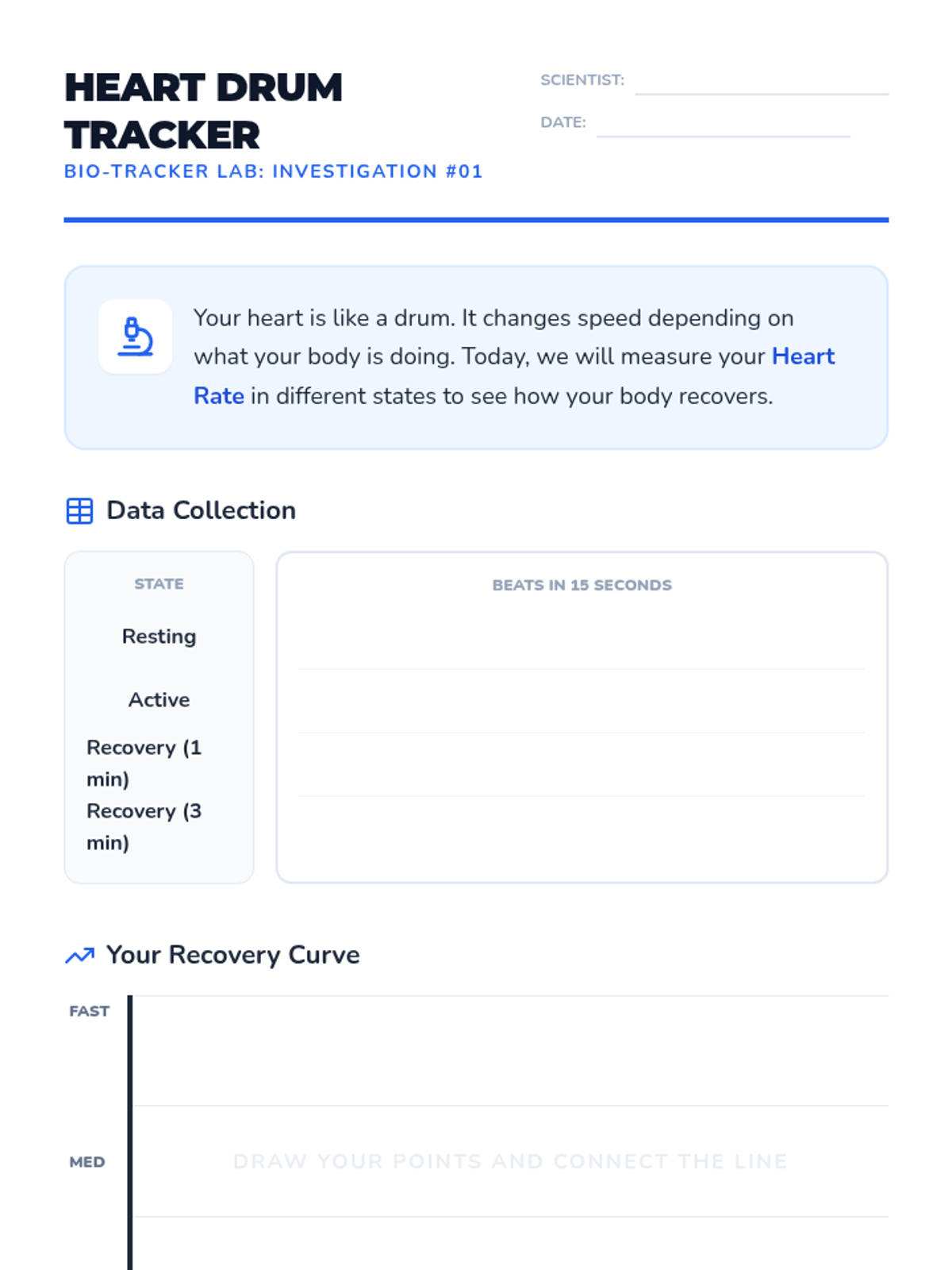
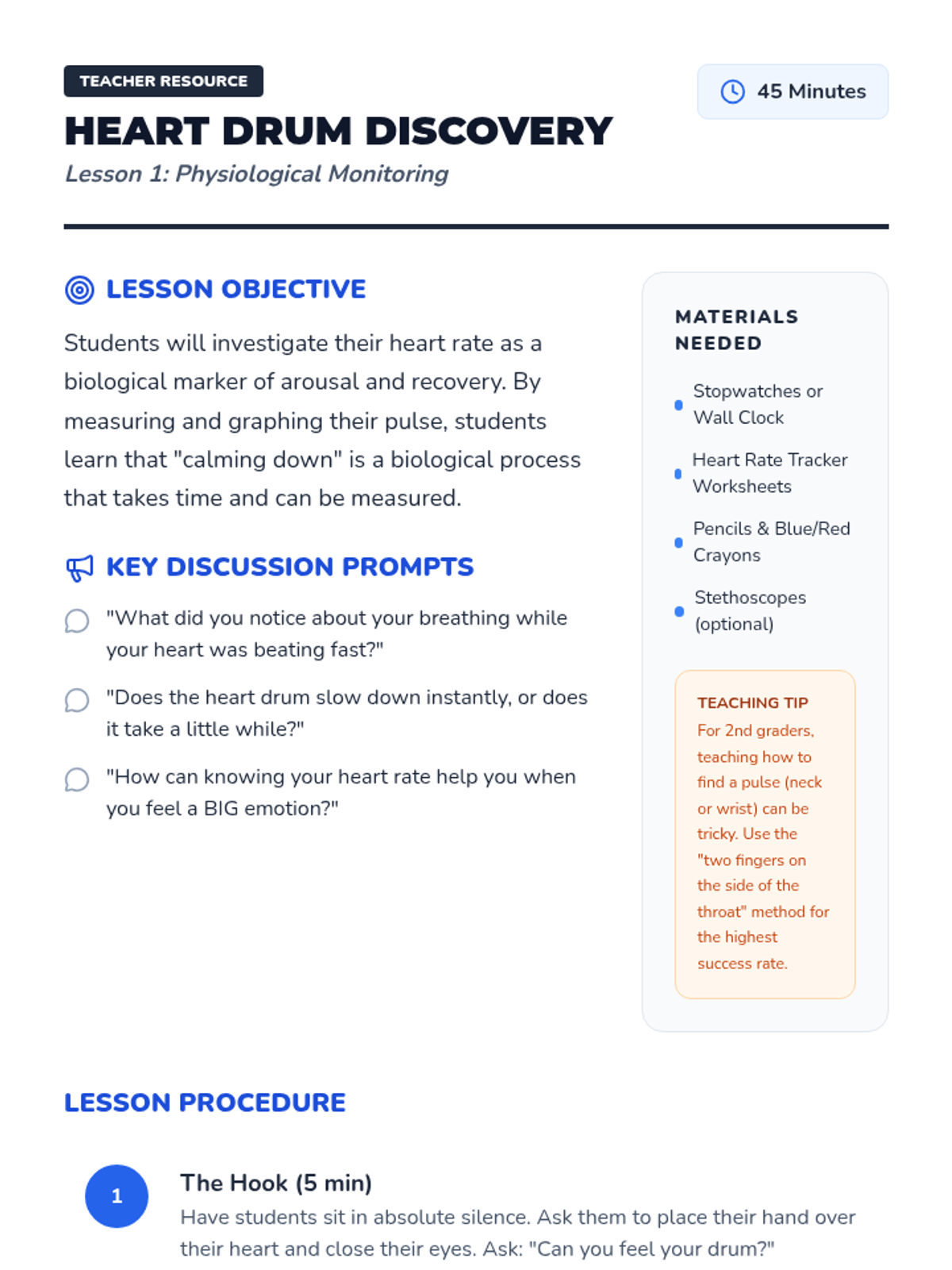
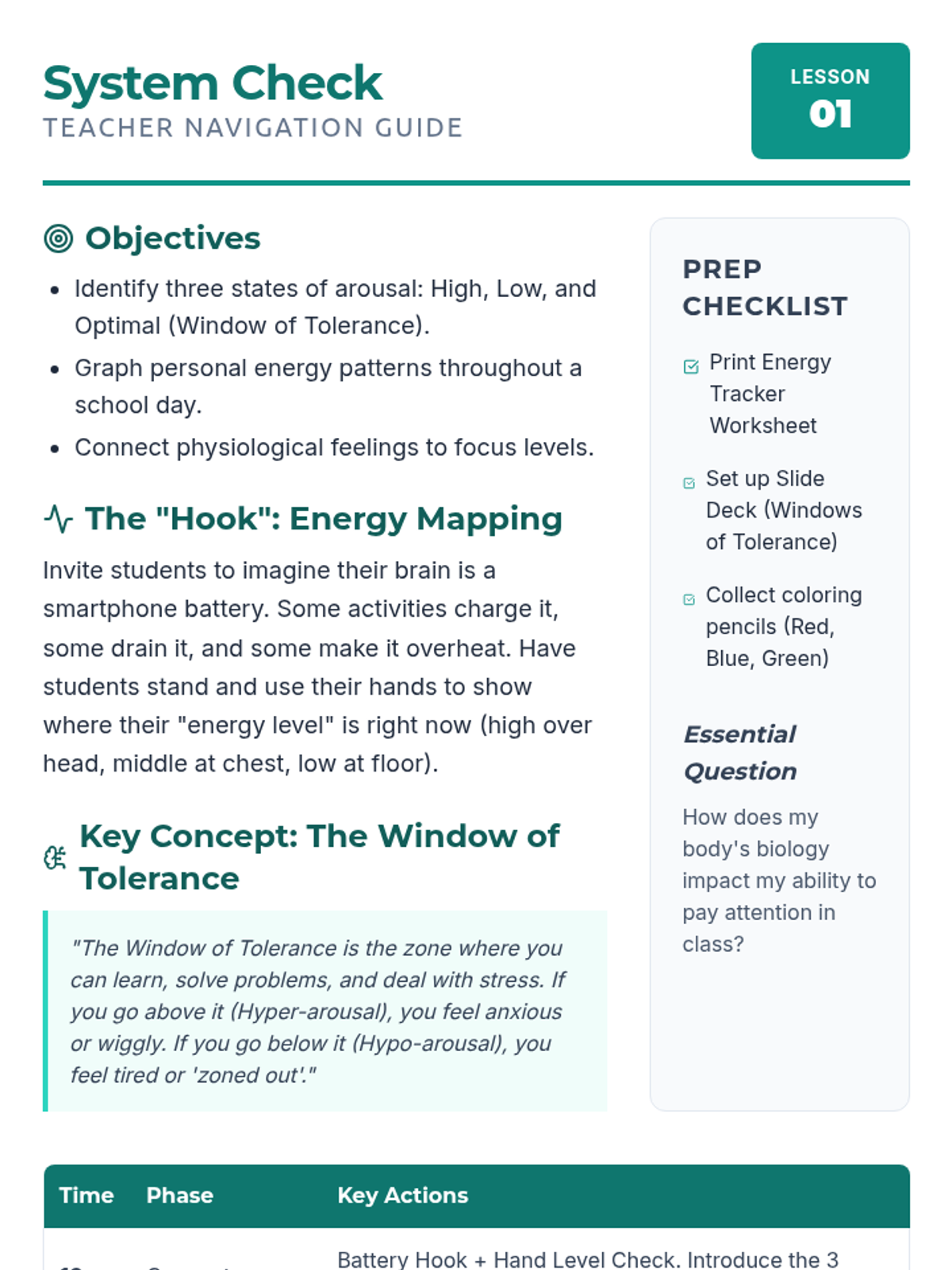
An inquiry-based sequence where students investigate the internal biology of dysregulation and recovery, focusing on heart rate, muscle tension, and breath to identify their physiological baseline.
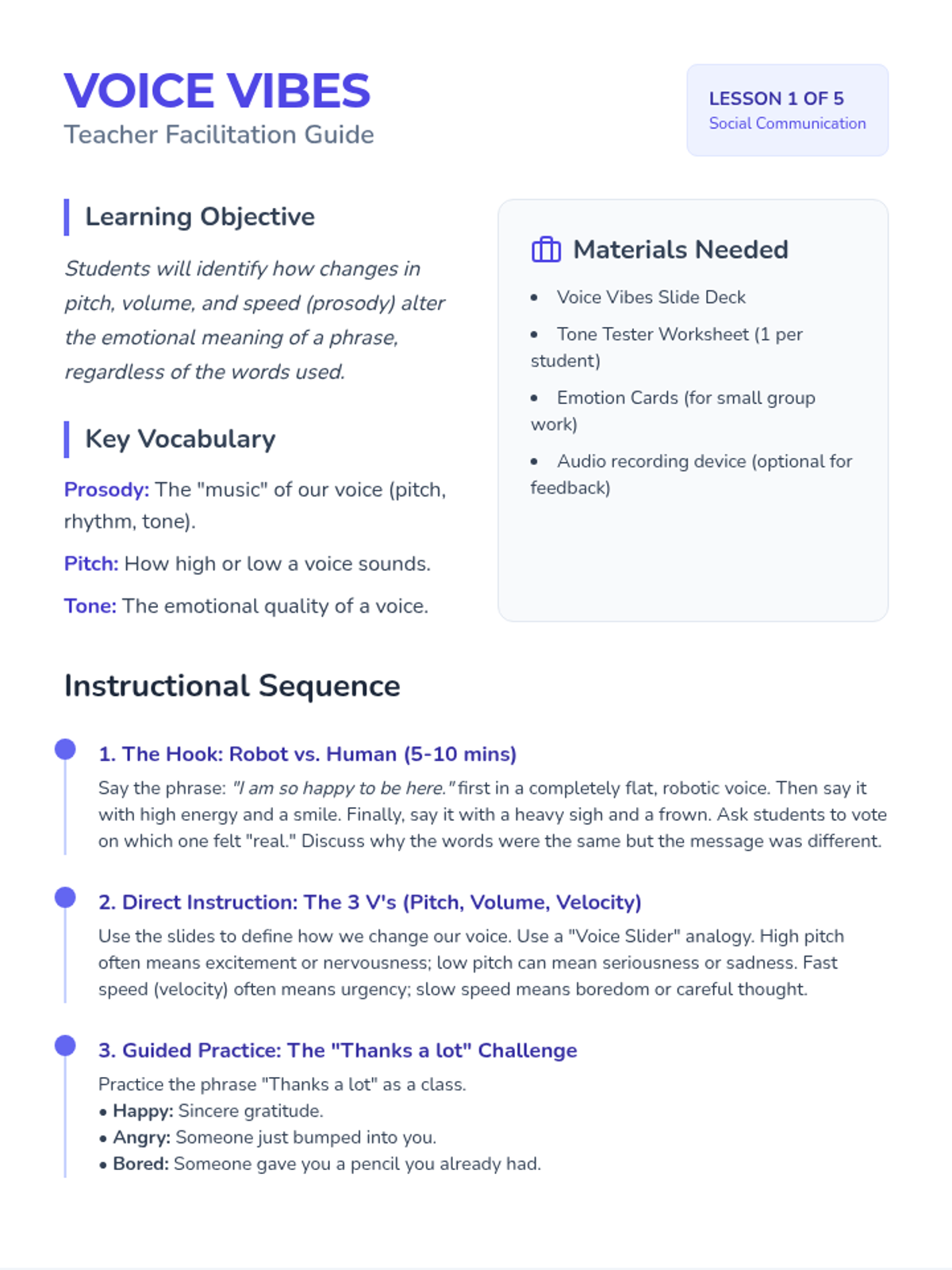
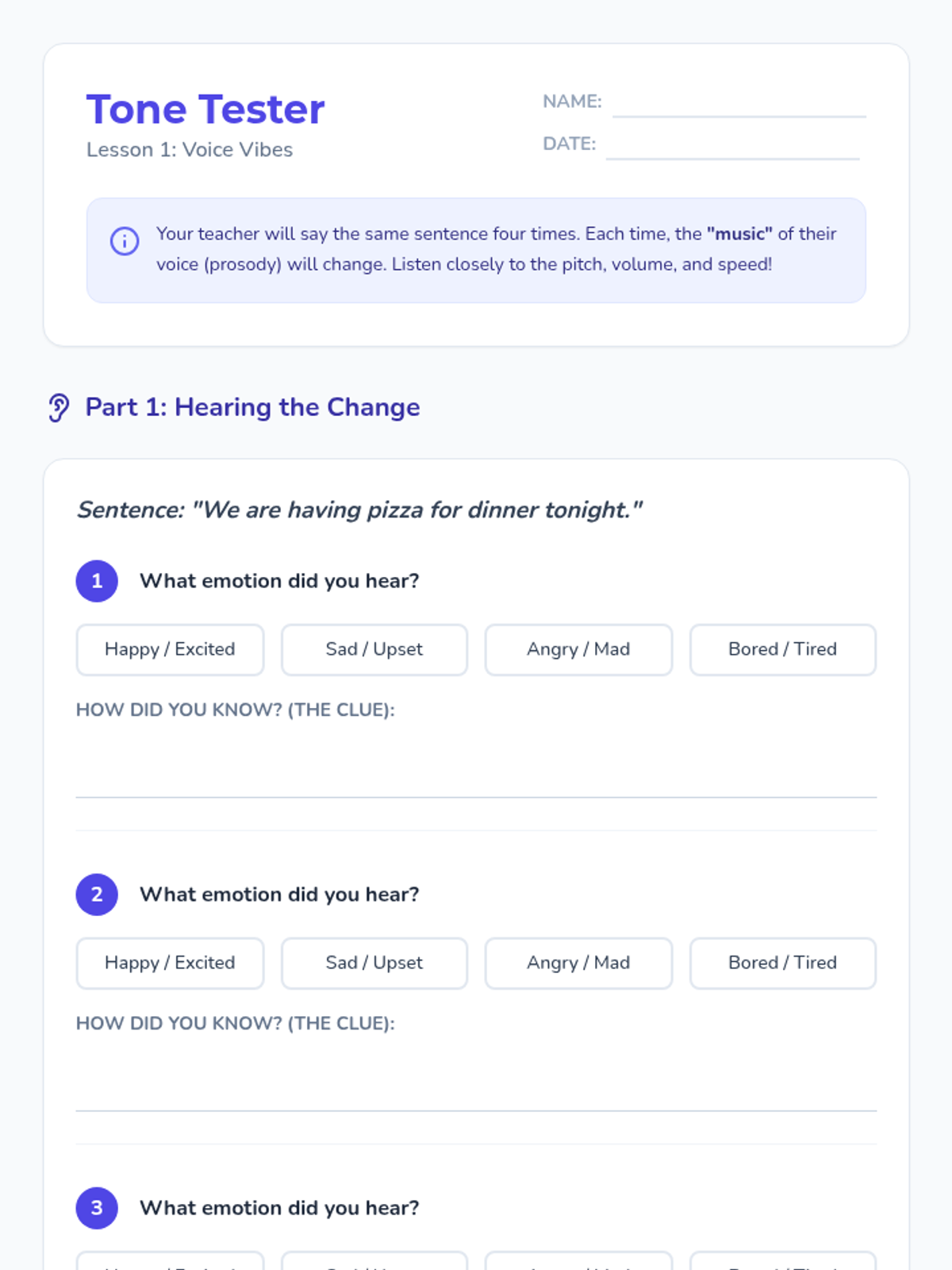
This sequence explores how tone of voice, body language, and context change the meaning of words. Students move from auditory analysis of tone to complex social role-playing, focusing on sarcasm, hyperbole, and social inferencing.
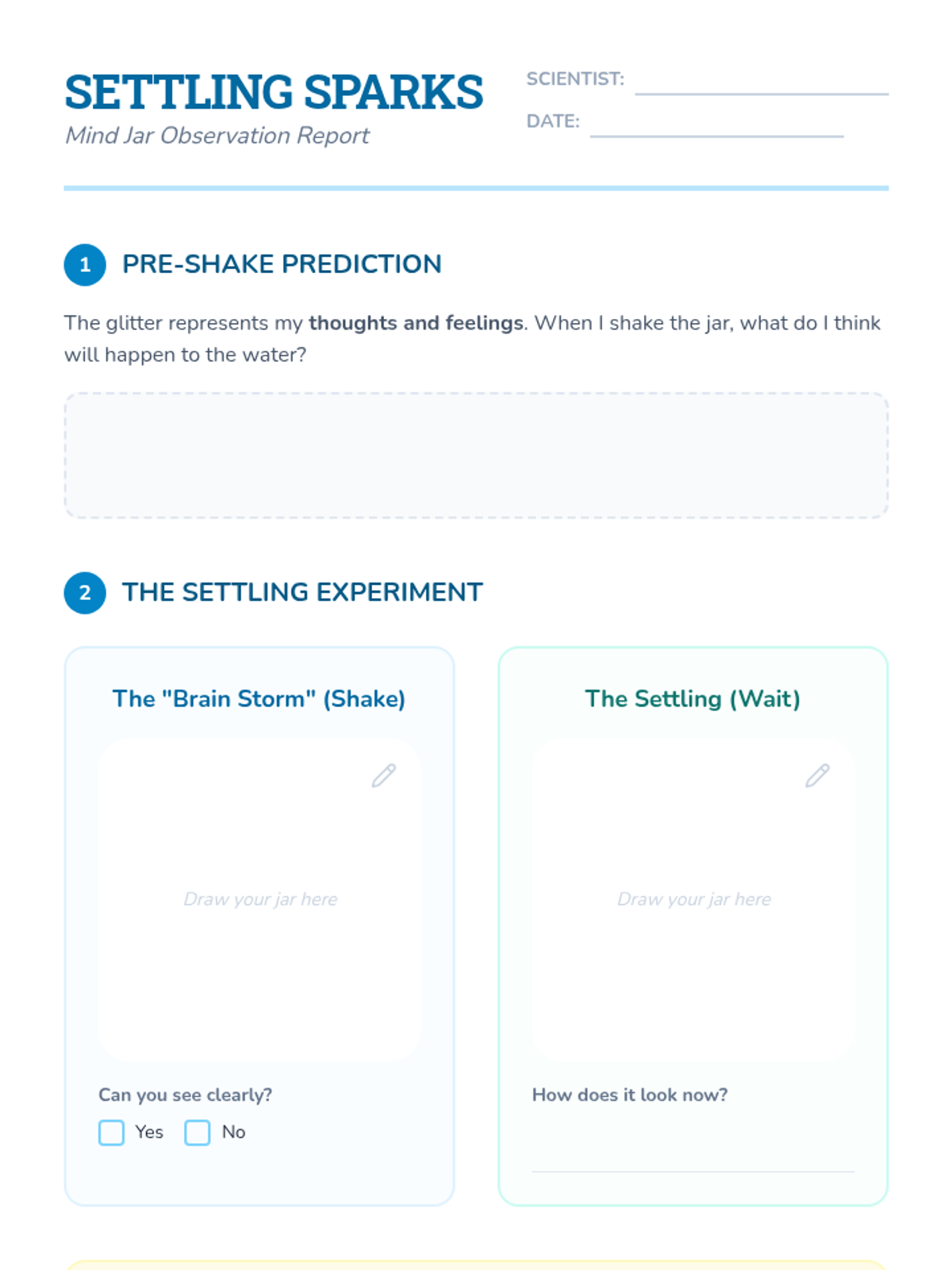
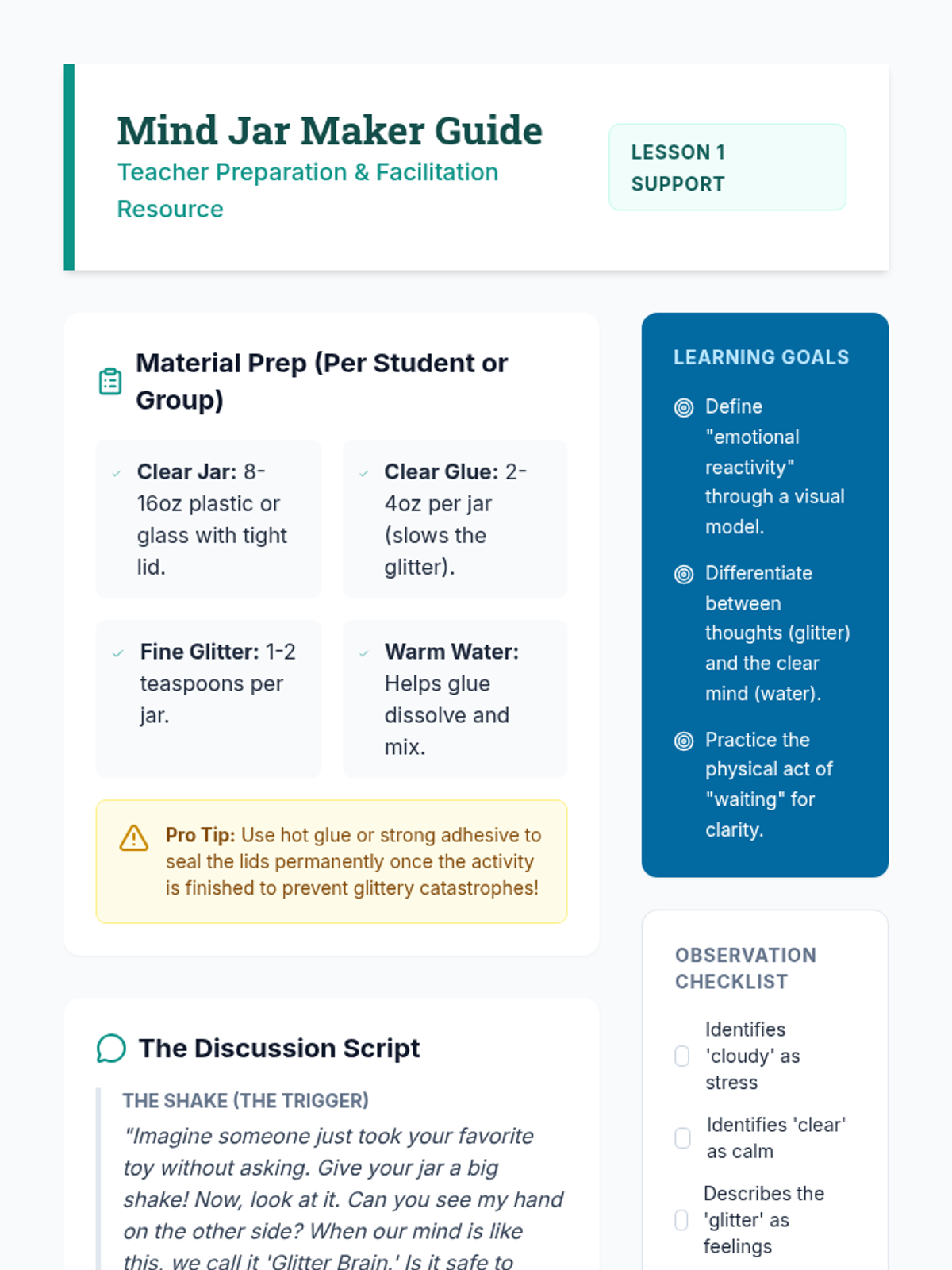
A 3rd-grade mindfulness sequence exploring emotional regulation through metaphors like mind jars, weather reporting, and visualization to help students widen the gap between triggers and reactions.
This sequence focuses on emotional intelligence and self-compassion through a case study approach. Students analyze hypothetical scenarios involving disappointment, anger, or anxiety, and apply mindfulness techniques to navigate them, shifting from reacting impulsively to responding thoughtfully.
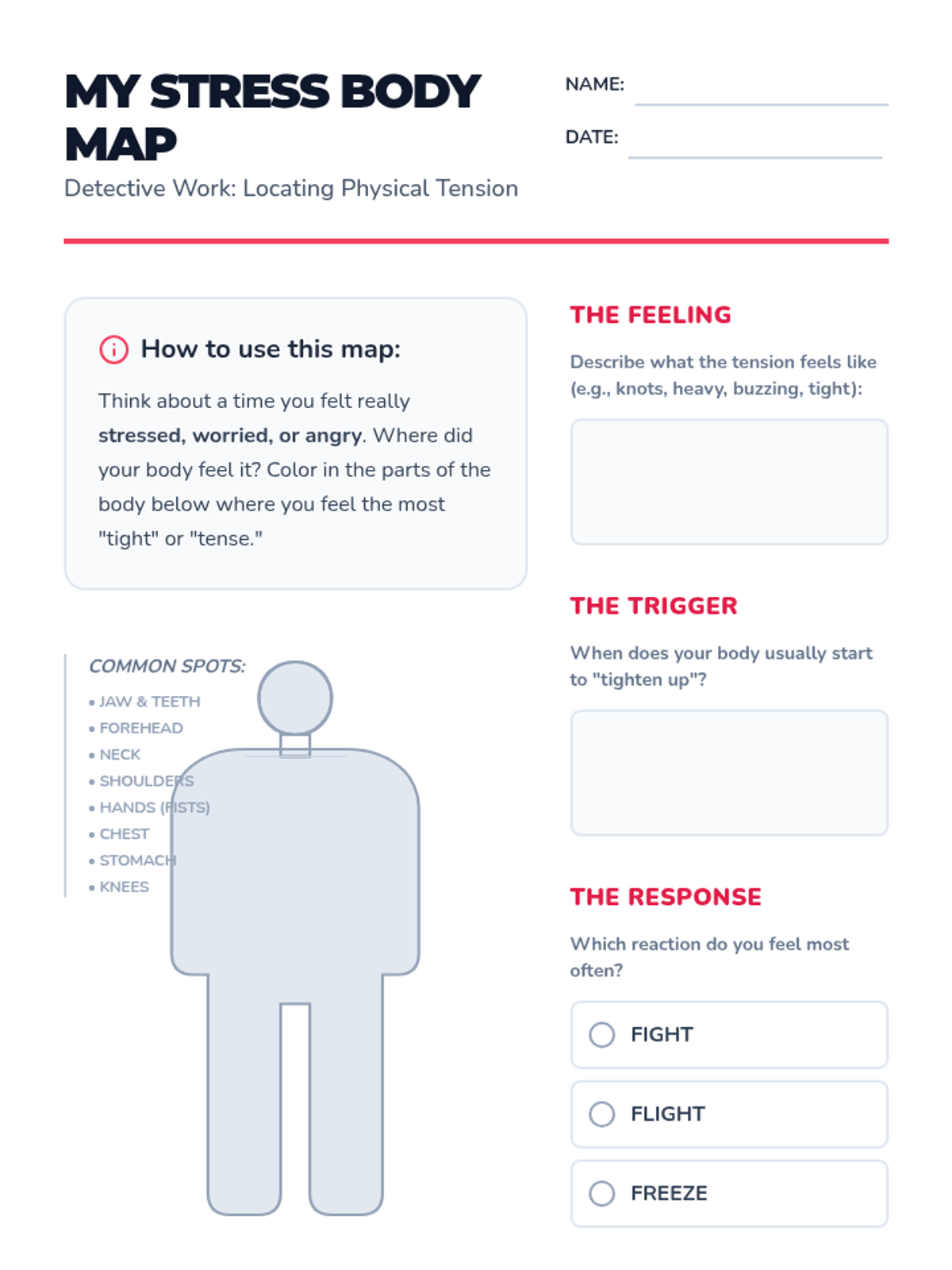
A workshop-style sequence for 5th graders to identify physical tension and learn systematic relaxation techniques. Students move from mapping emotions in the body to guiding their own relaxation sessions.
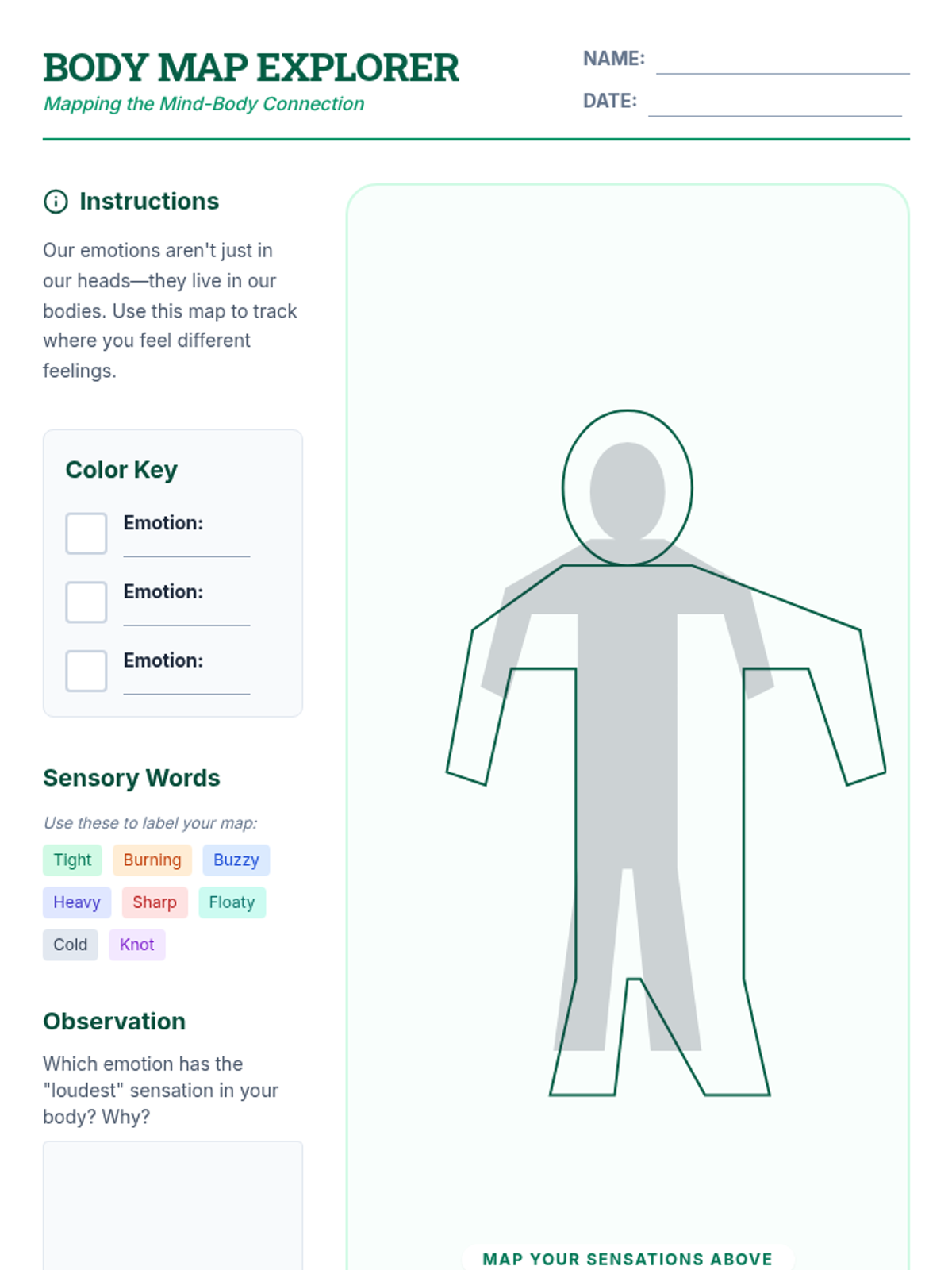
This sequence guides students through somatic awareness and Progressive Muscle Relaxation (PMR). Students learn to map emotions in their bodies, observe sensations without judgment, and use active relaxation techniques to manage stress and improve sleep.
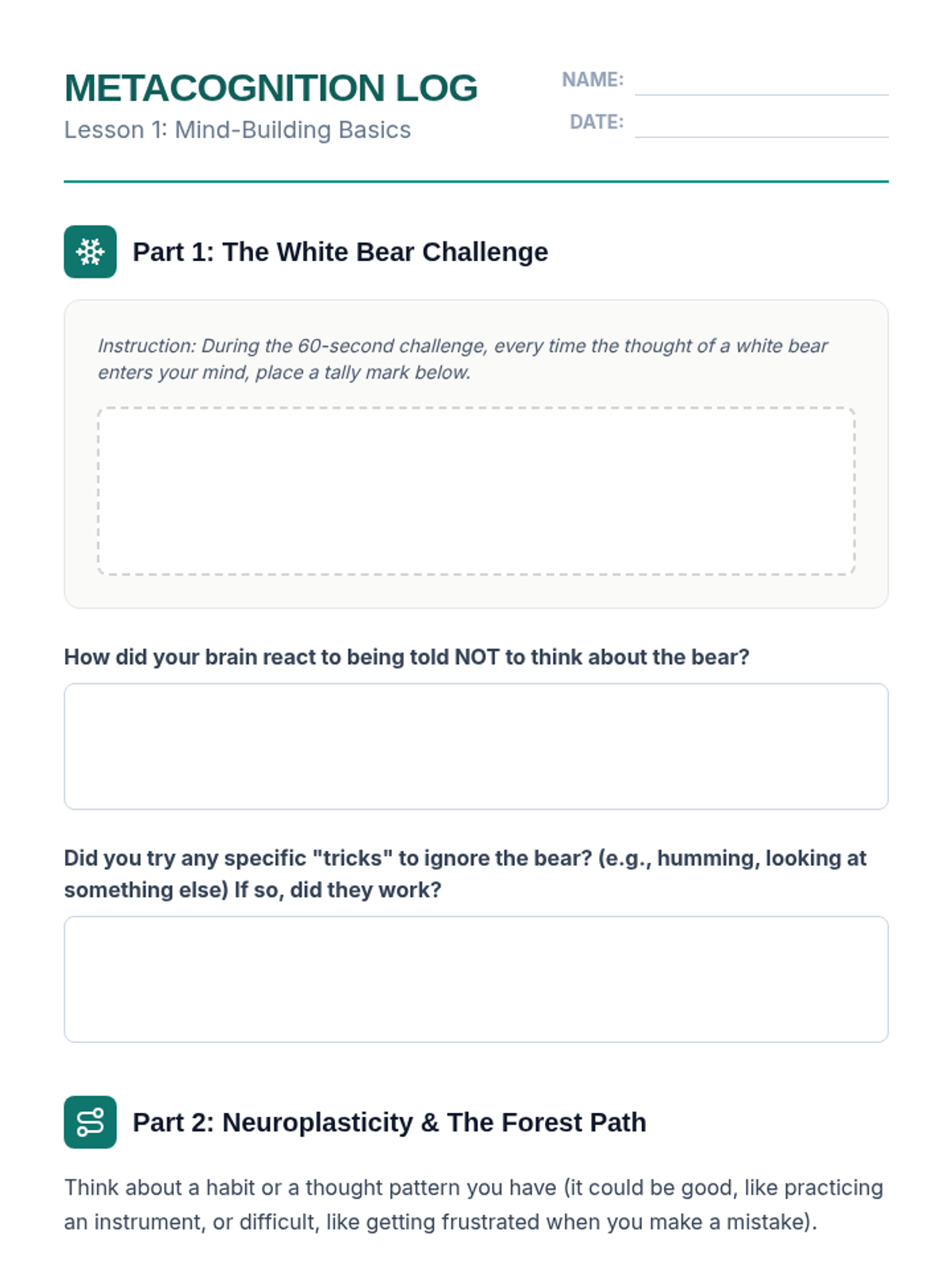
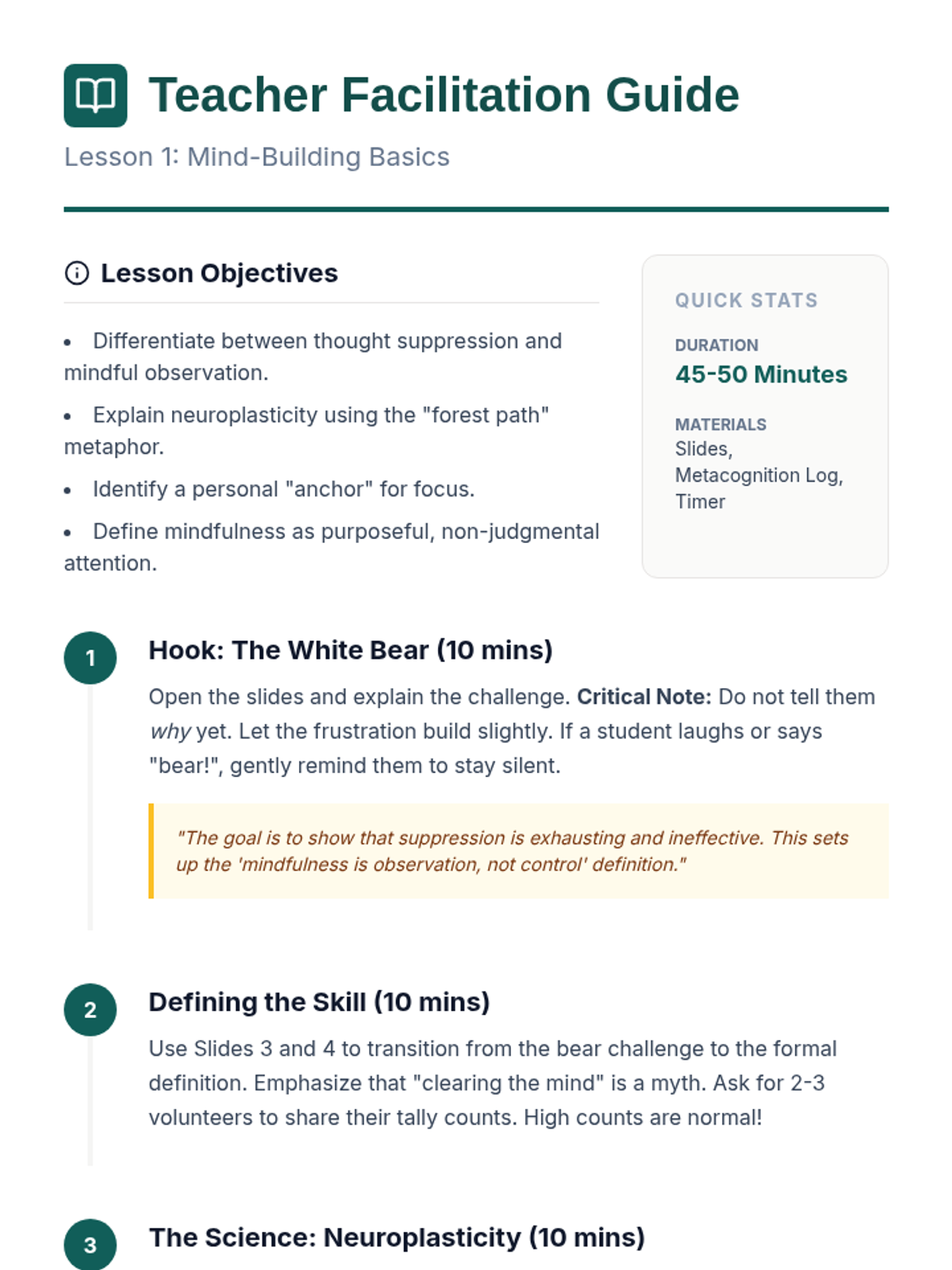
This sequence explores mindfulness as a cognitive skill for emotional regulation and improved attention. Students learn about neuroplasticity, sensory grounding, thought labeling, and the STOP method to build emotional intelligence.
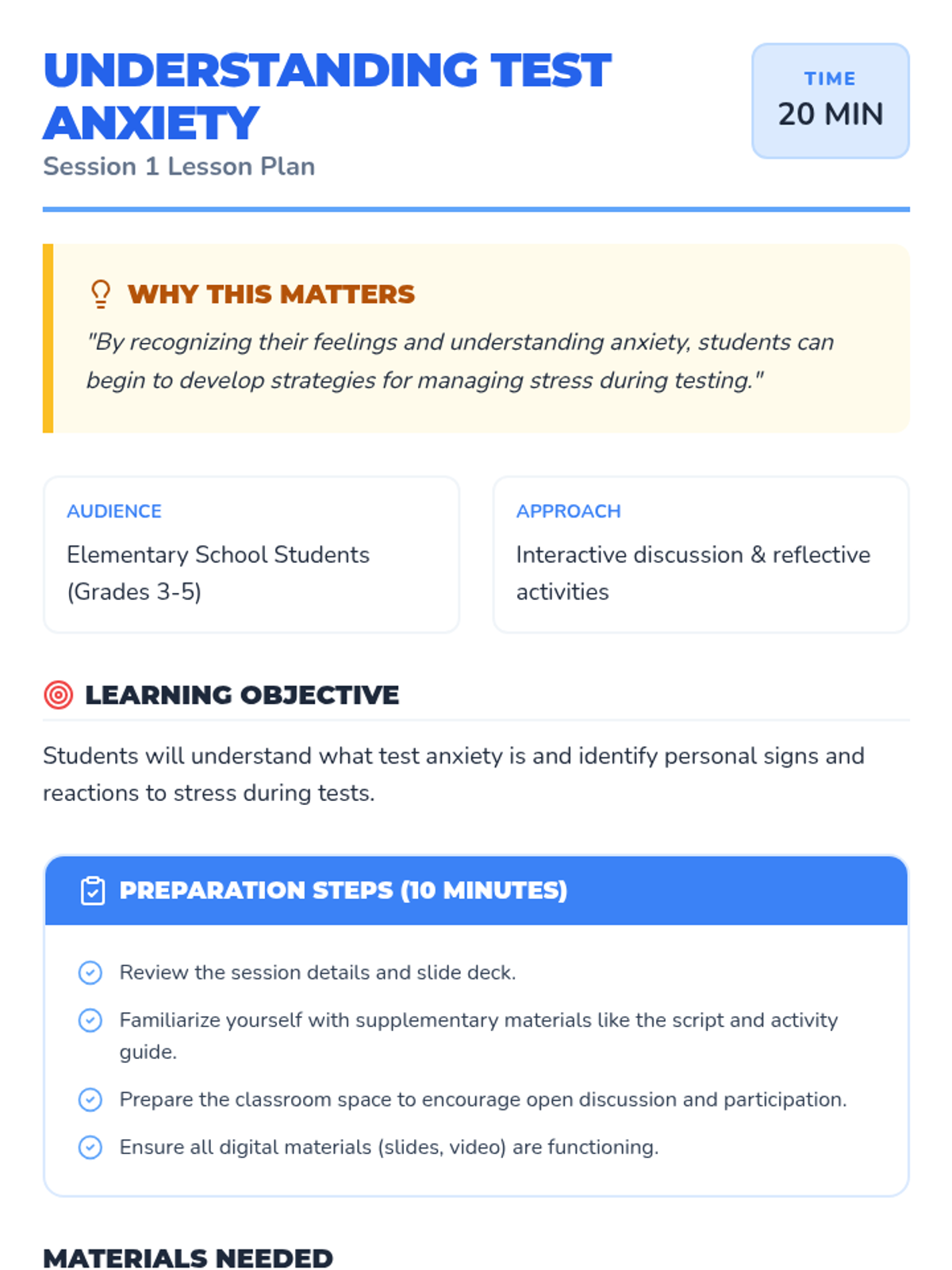
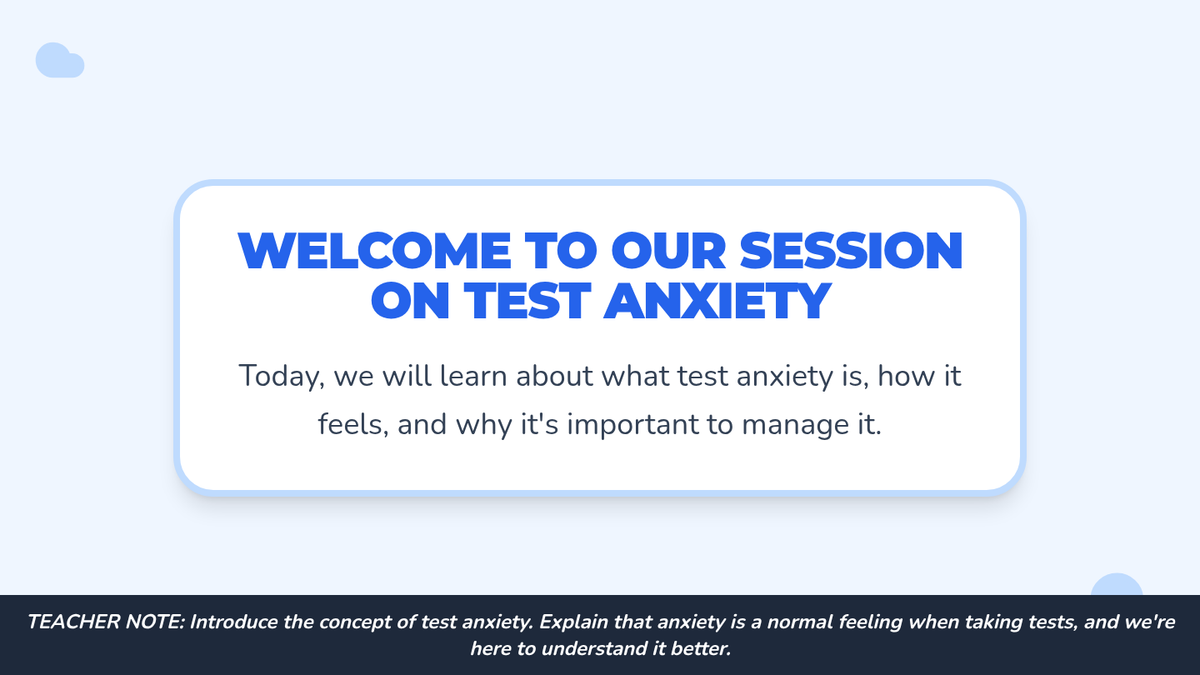
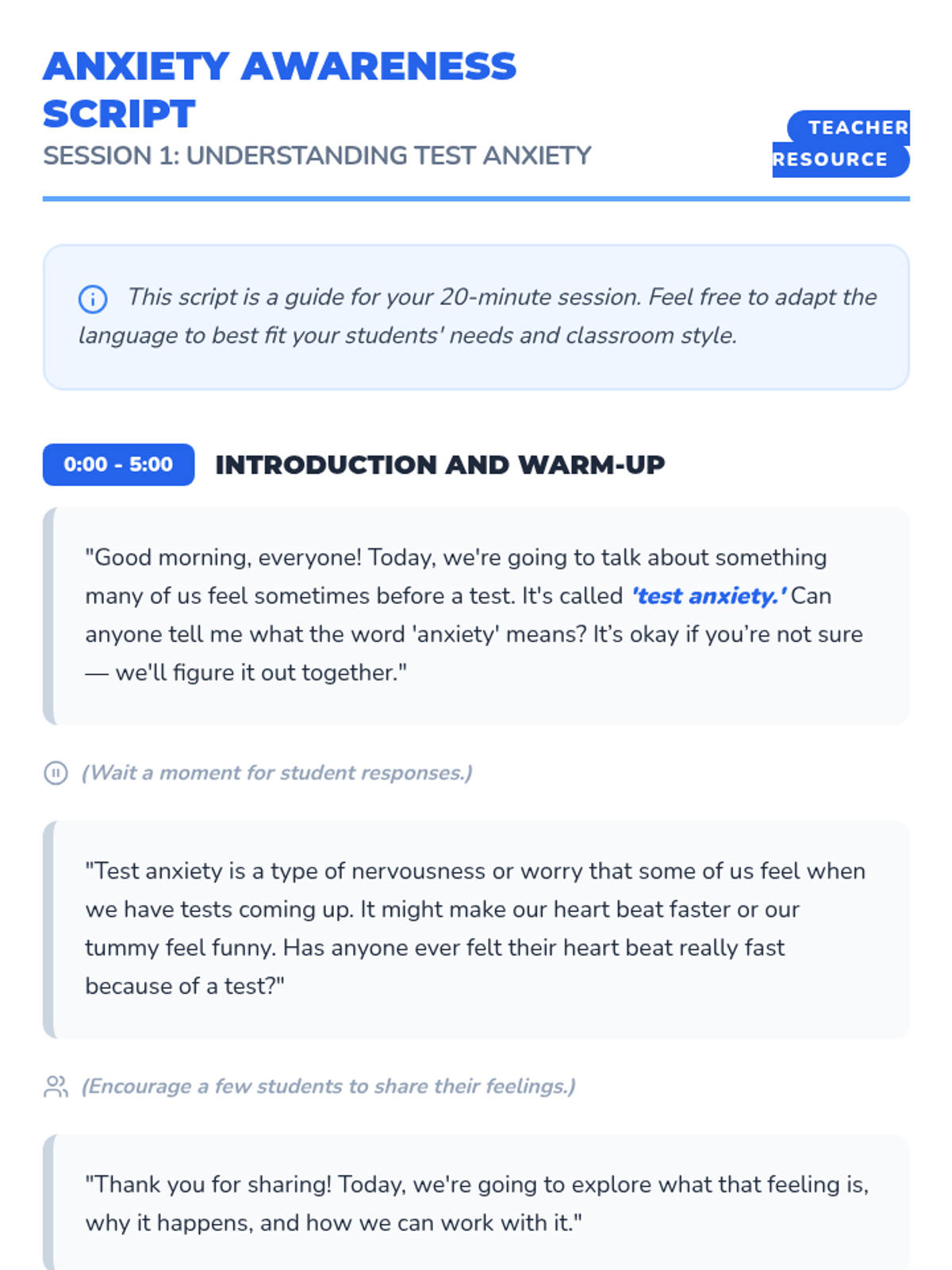
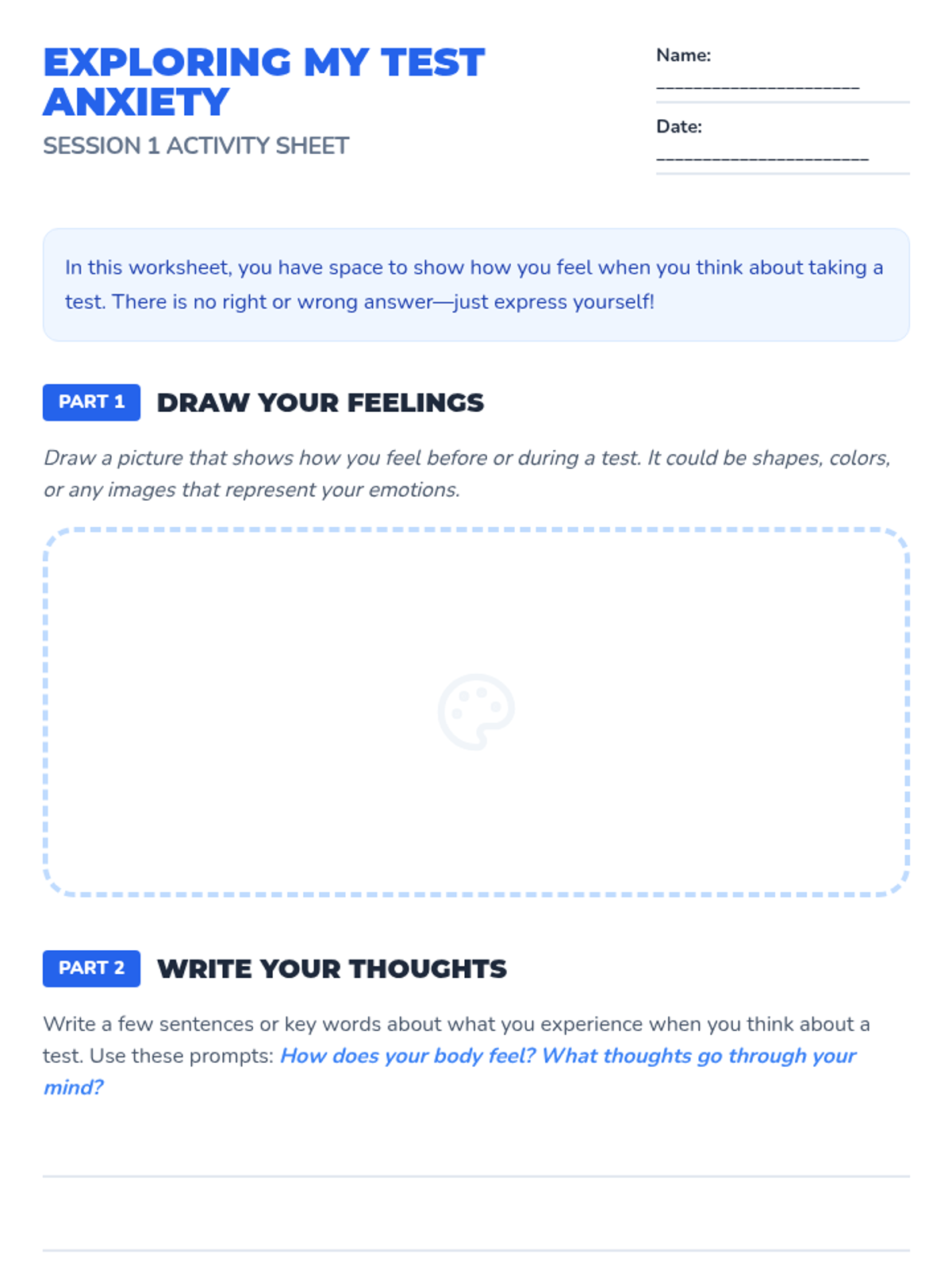
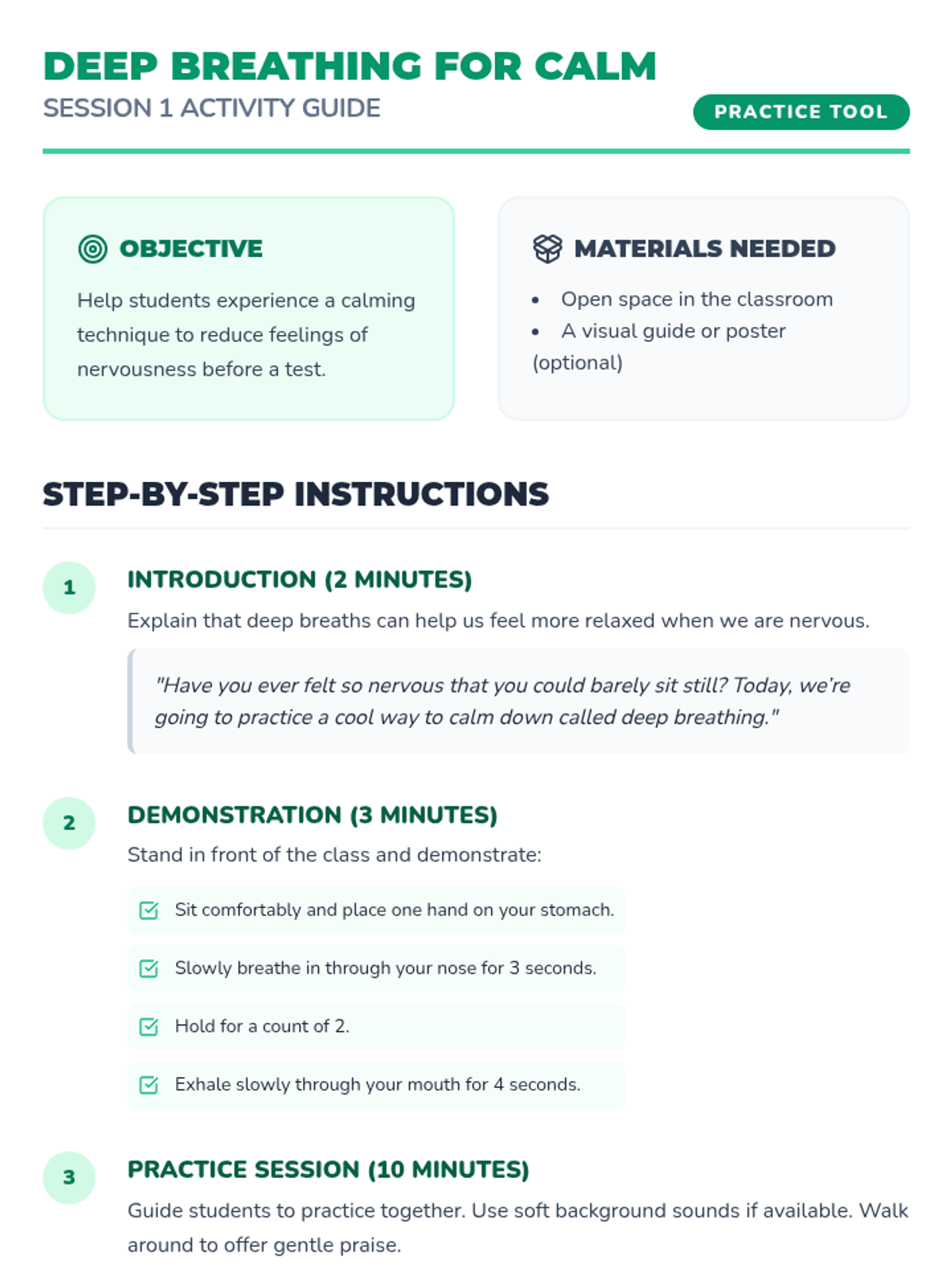
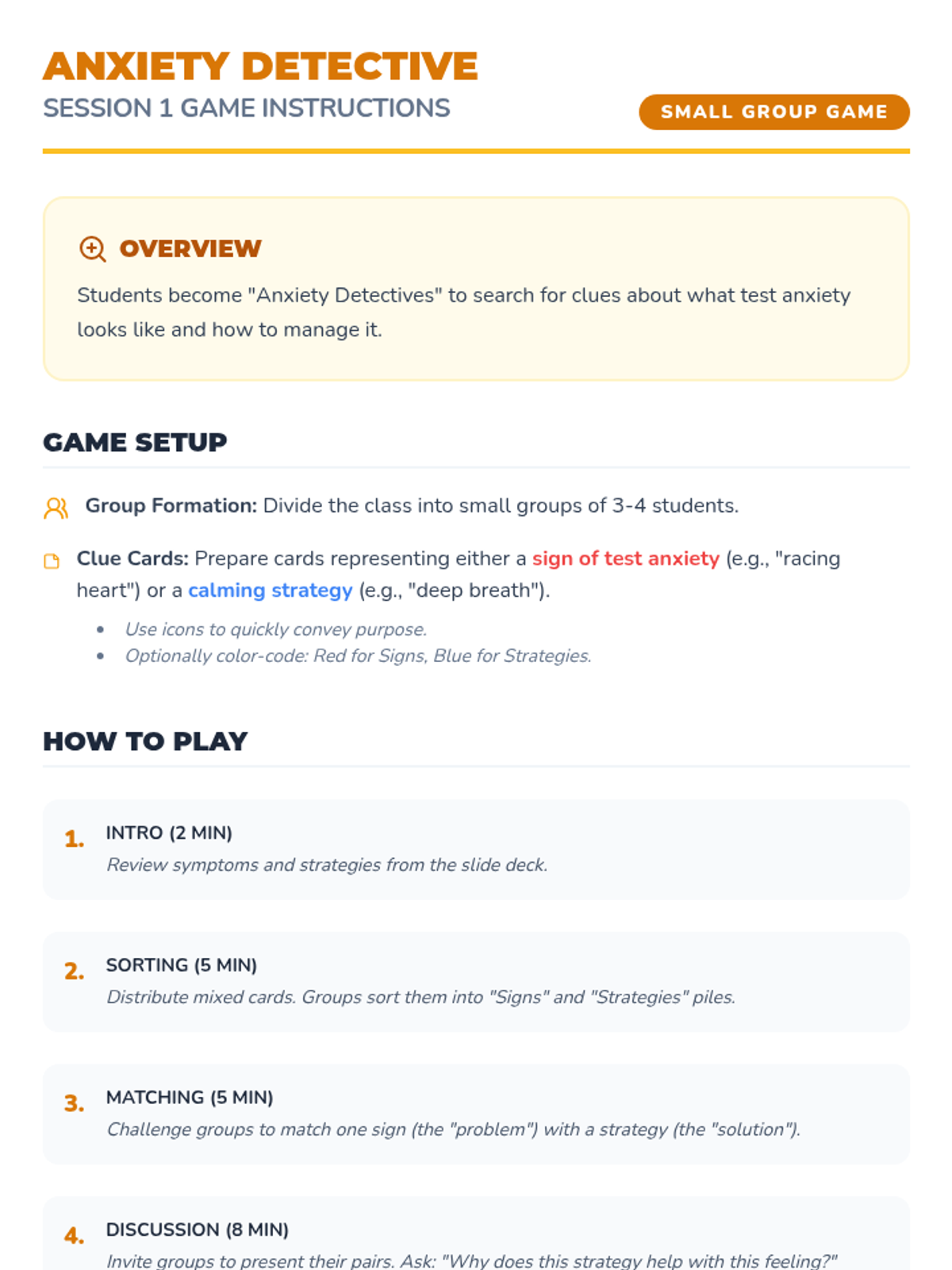
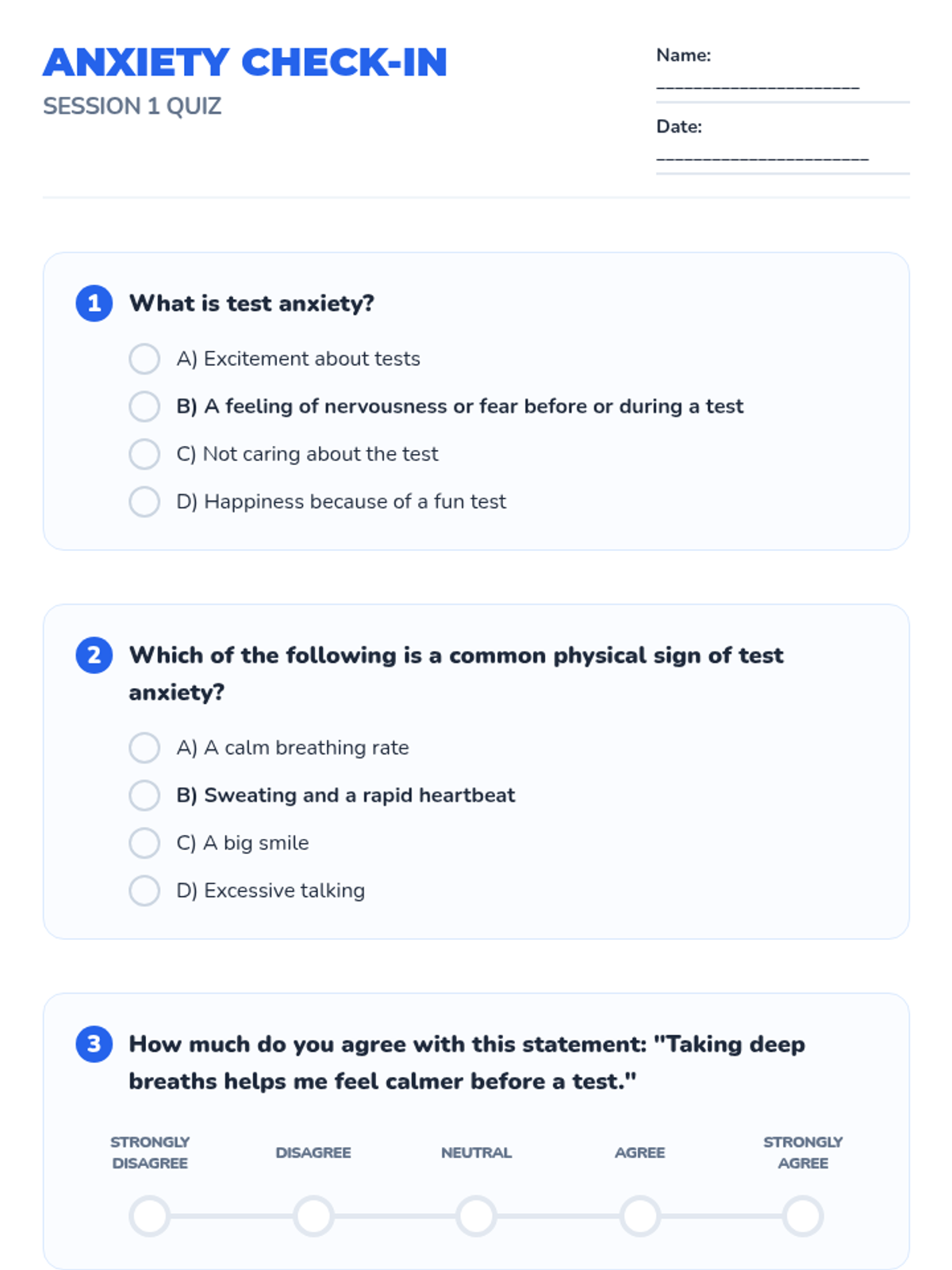
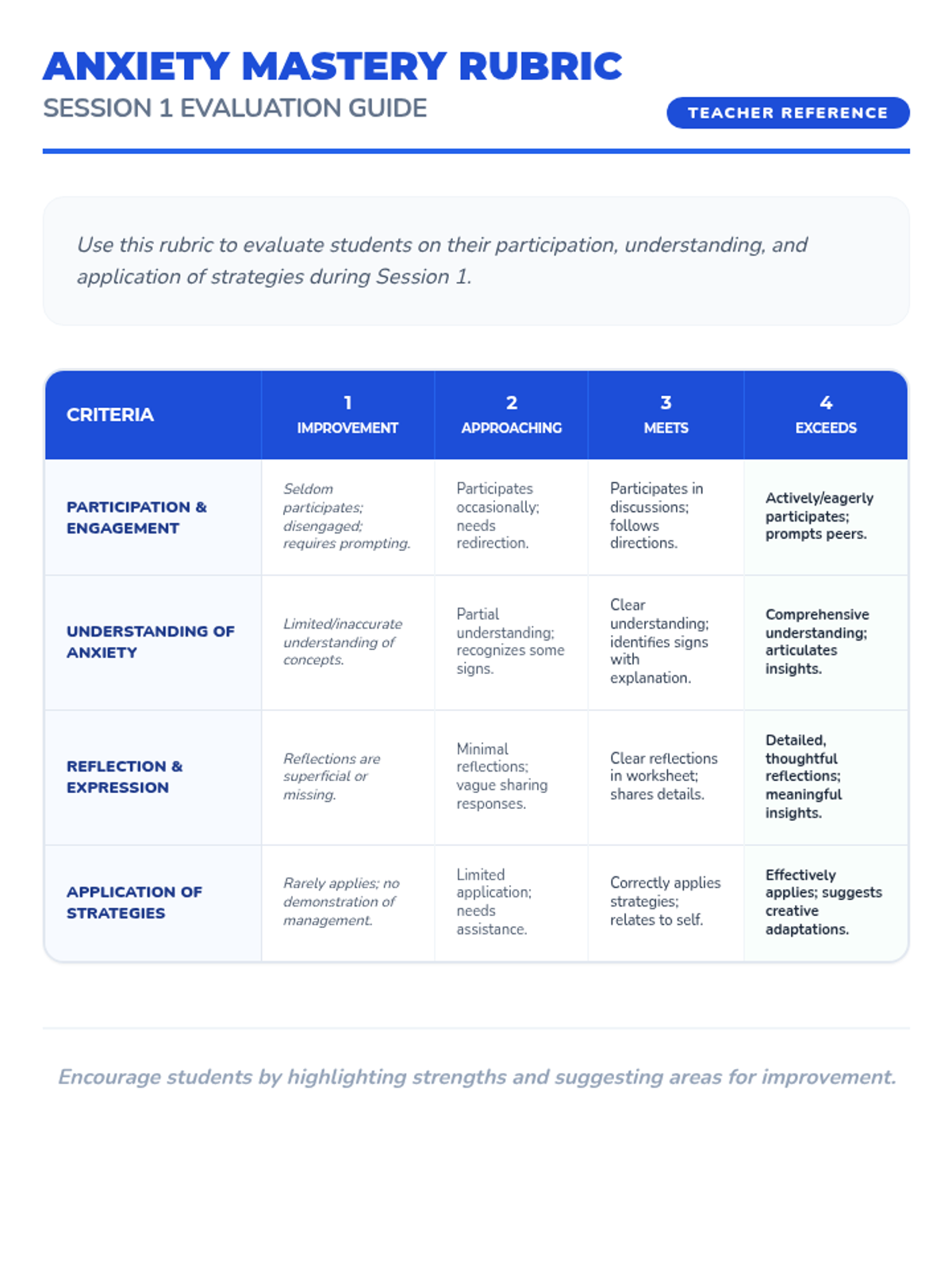
A 4-session sequence for grades 3-5 focused on recognizing signs of test anxiety, developing cognitive and physical coping strategies, and building a personalized confidence toolkit for academic success.
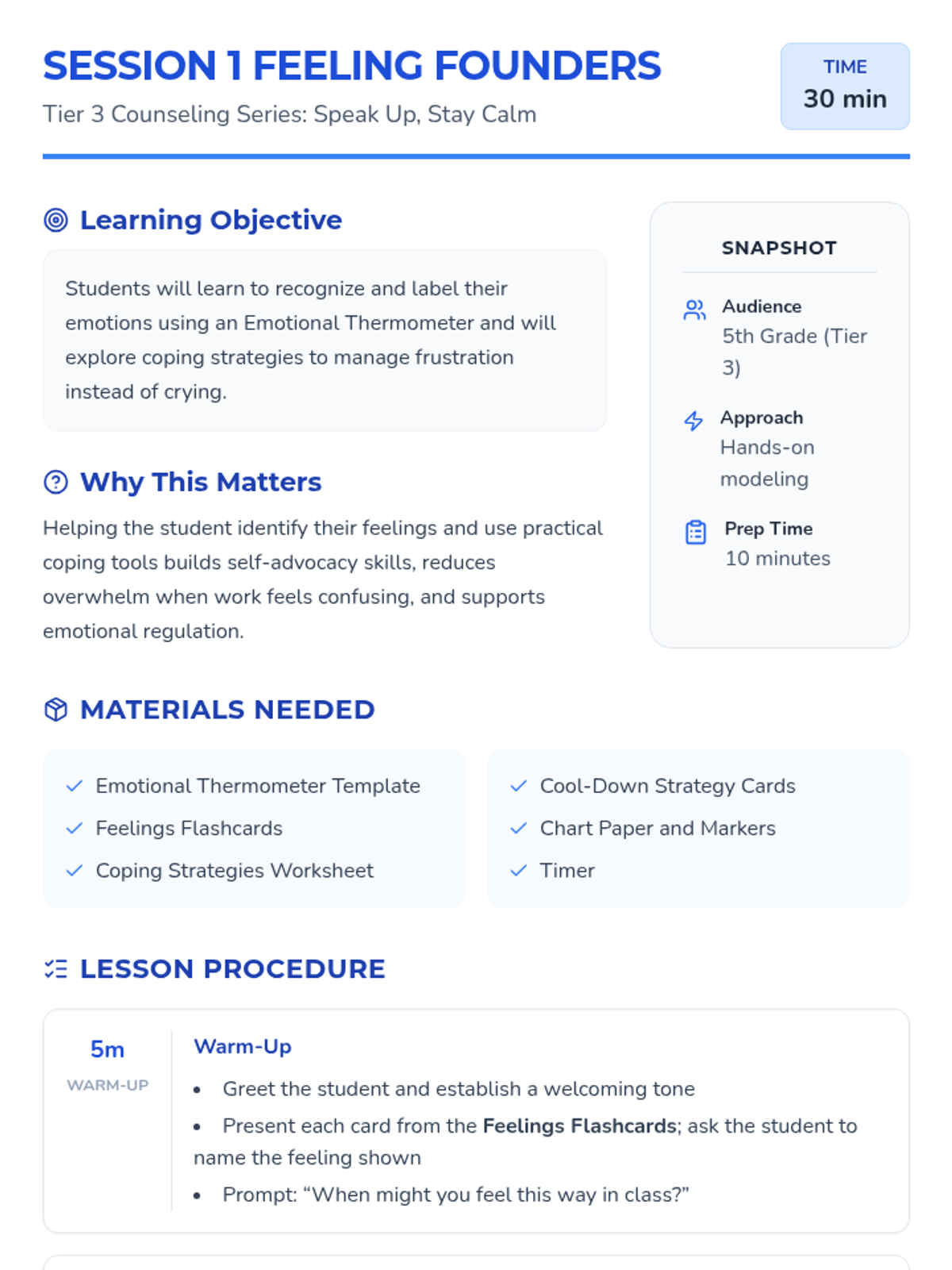
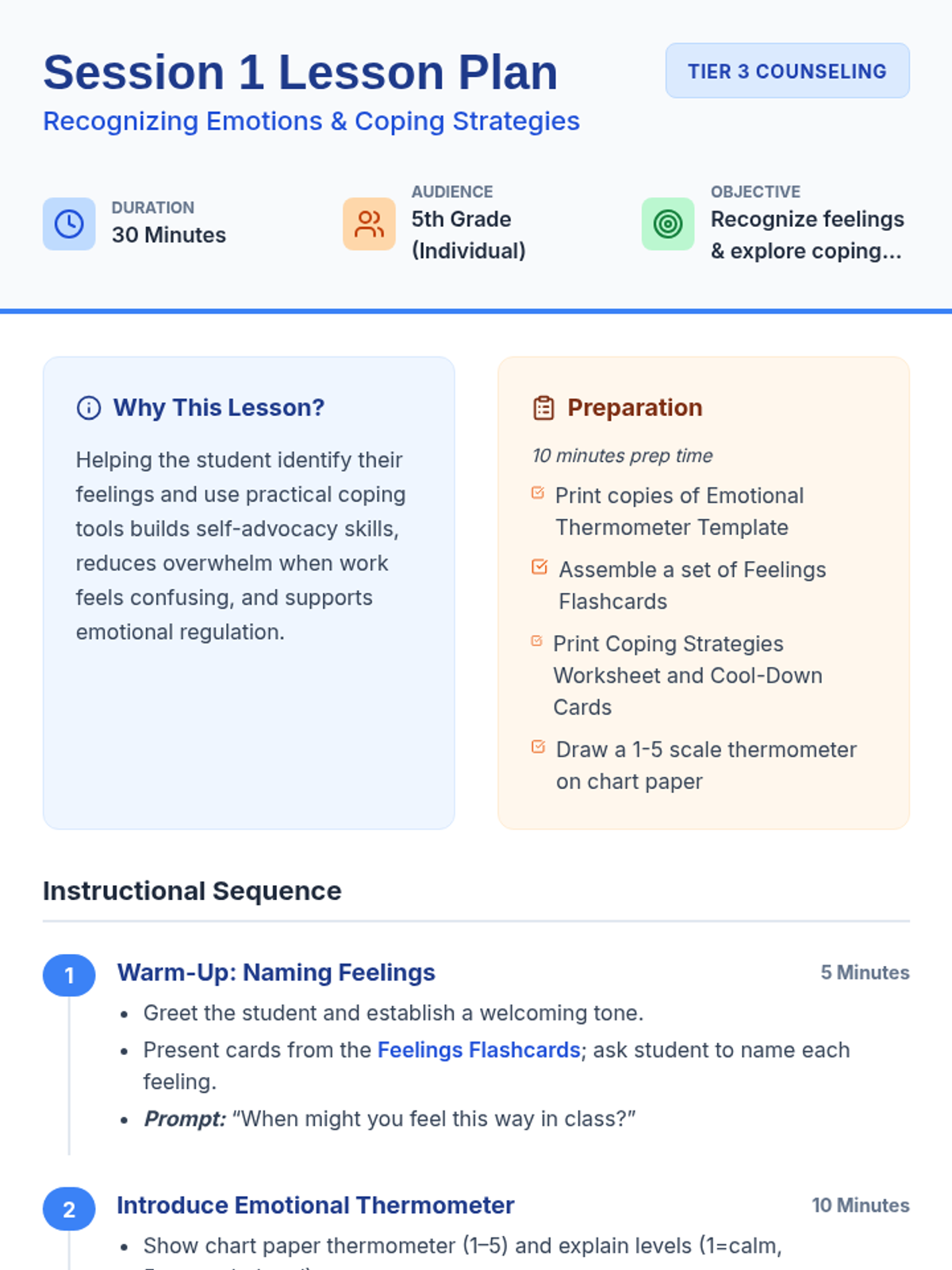
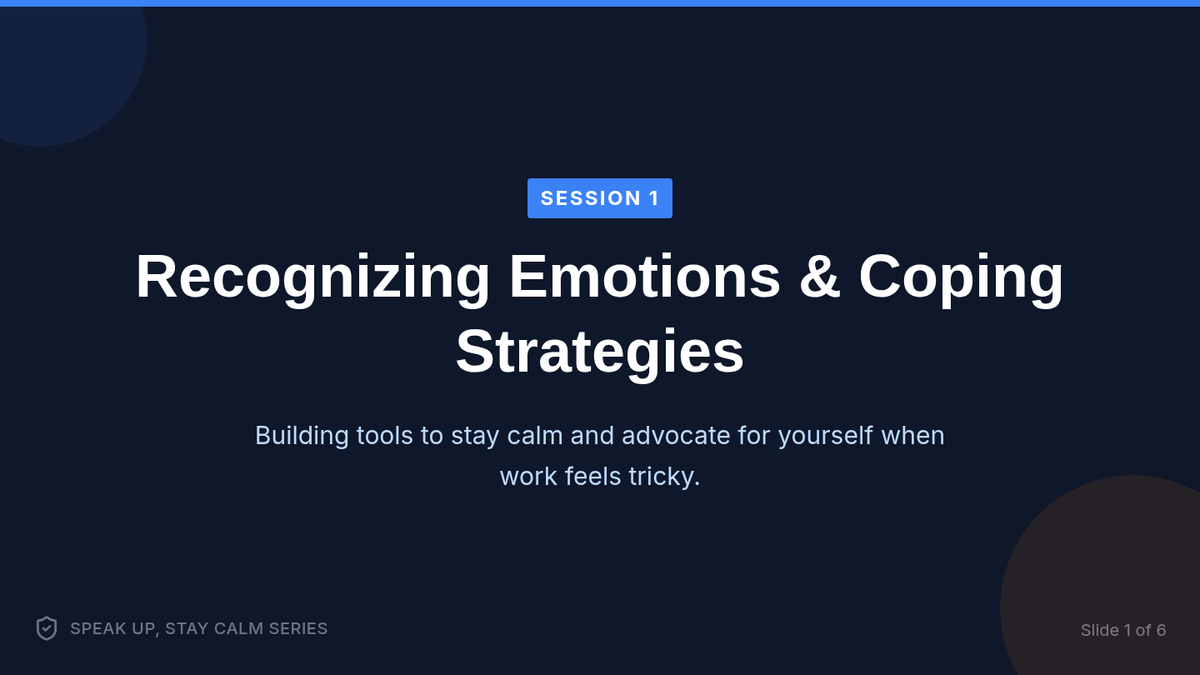
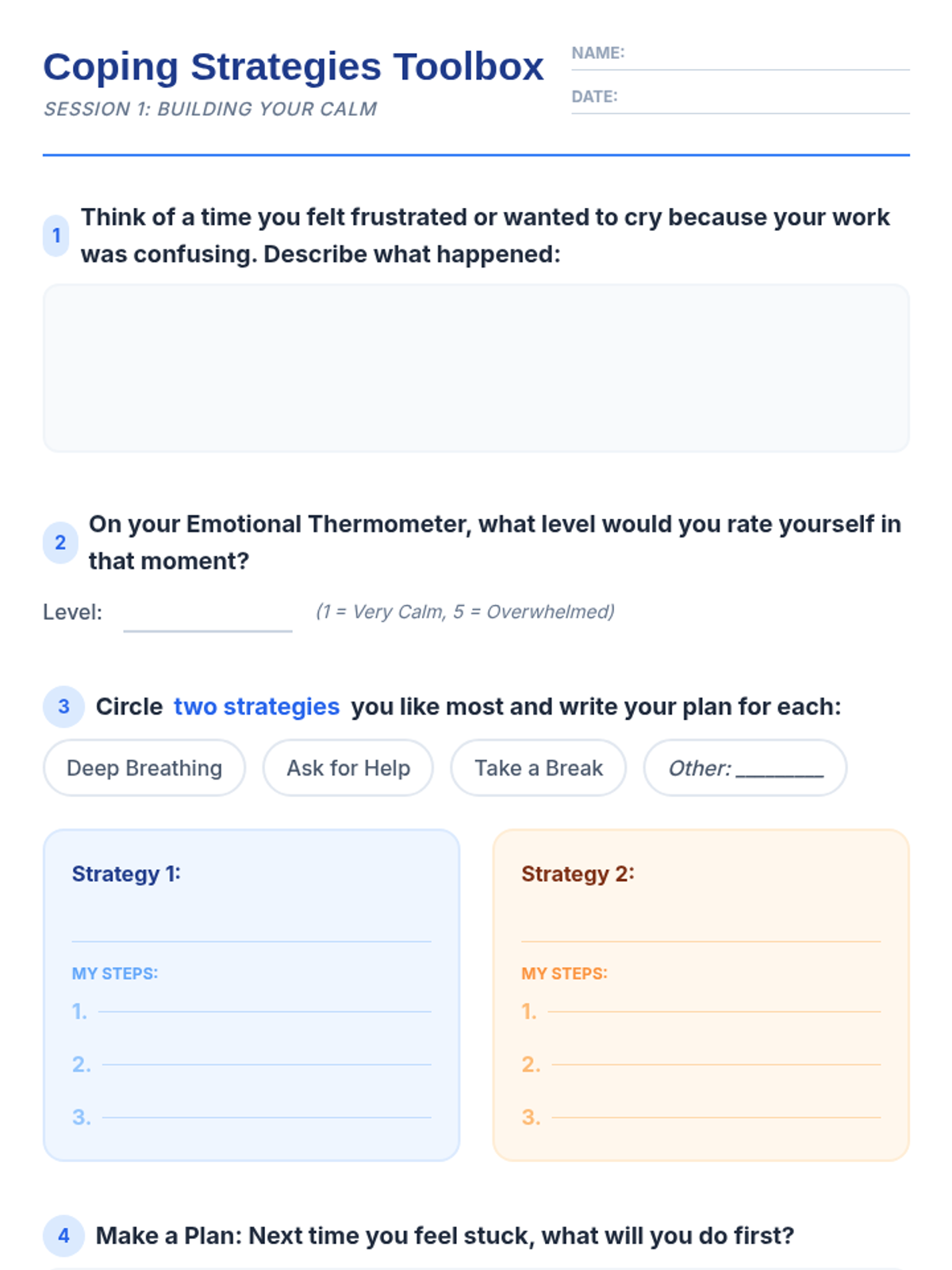
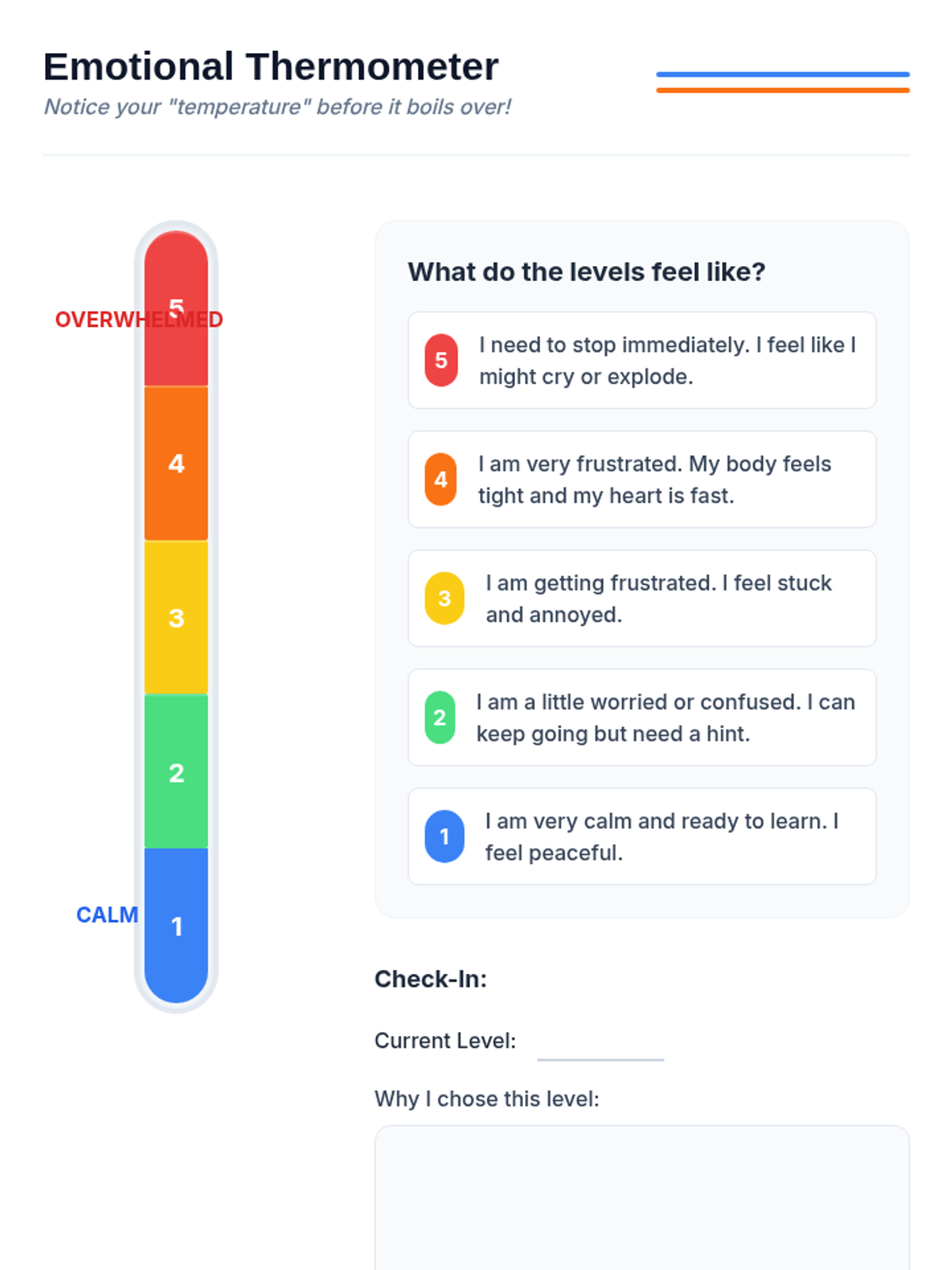
A 4-session Tier 3 counseling series for a 5th grader focused on building self-advocacy skills, managing frustration through coping strategies, and replacing emotional overwhelm with confident communication. Each session includes interactive activities, guided practice, and portable tools for classroom use.
A 4-session Tier 3 counseling series for 5th graders to build self-advocacy skills, manage frustration, and replace emotional overwhelm with confidence. Each session includes interactive activities, guided practice, and portable tools for classroom use.
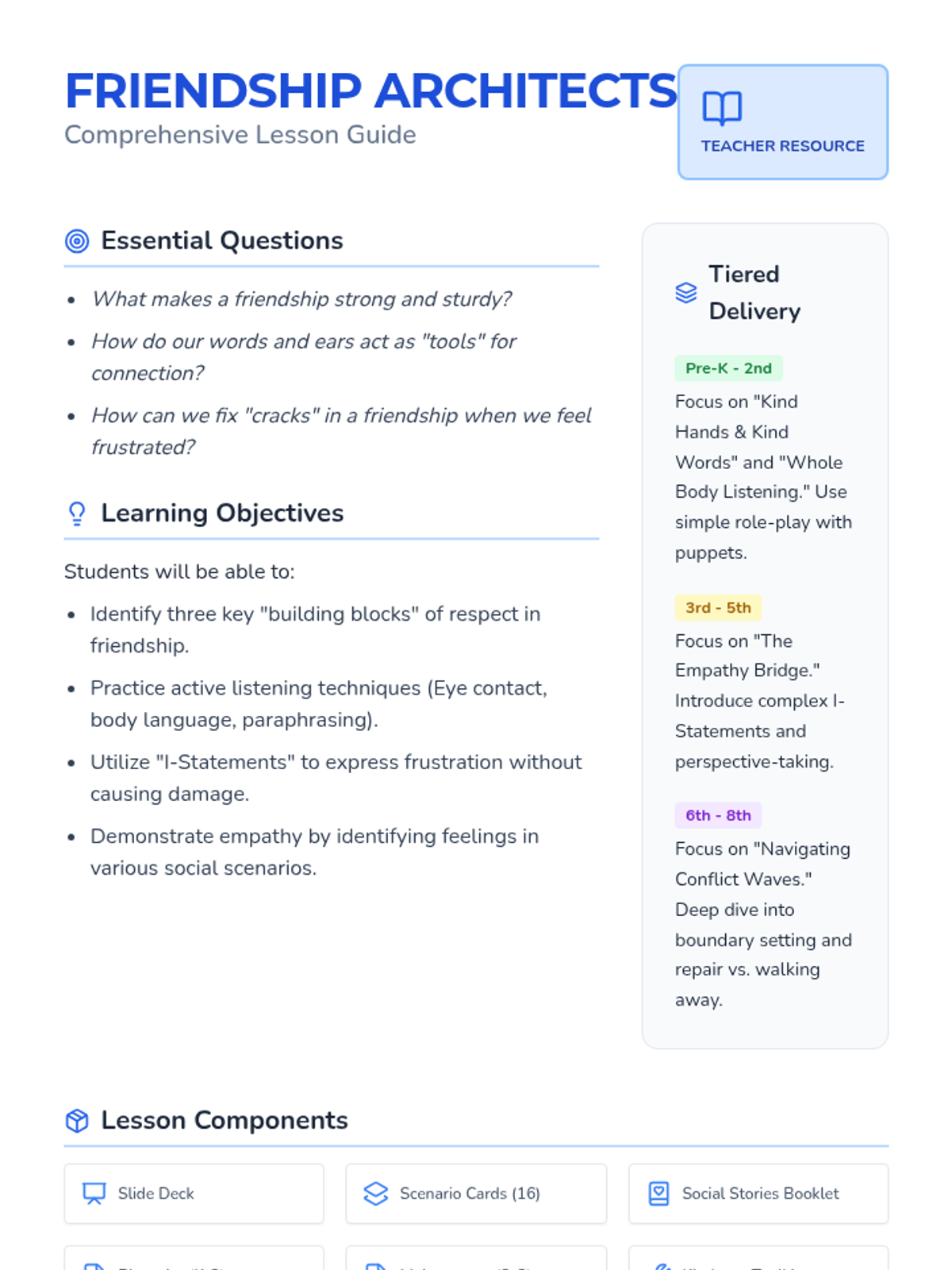
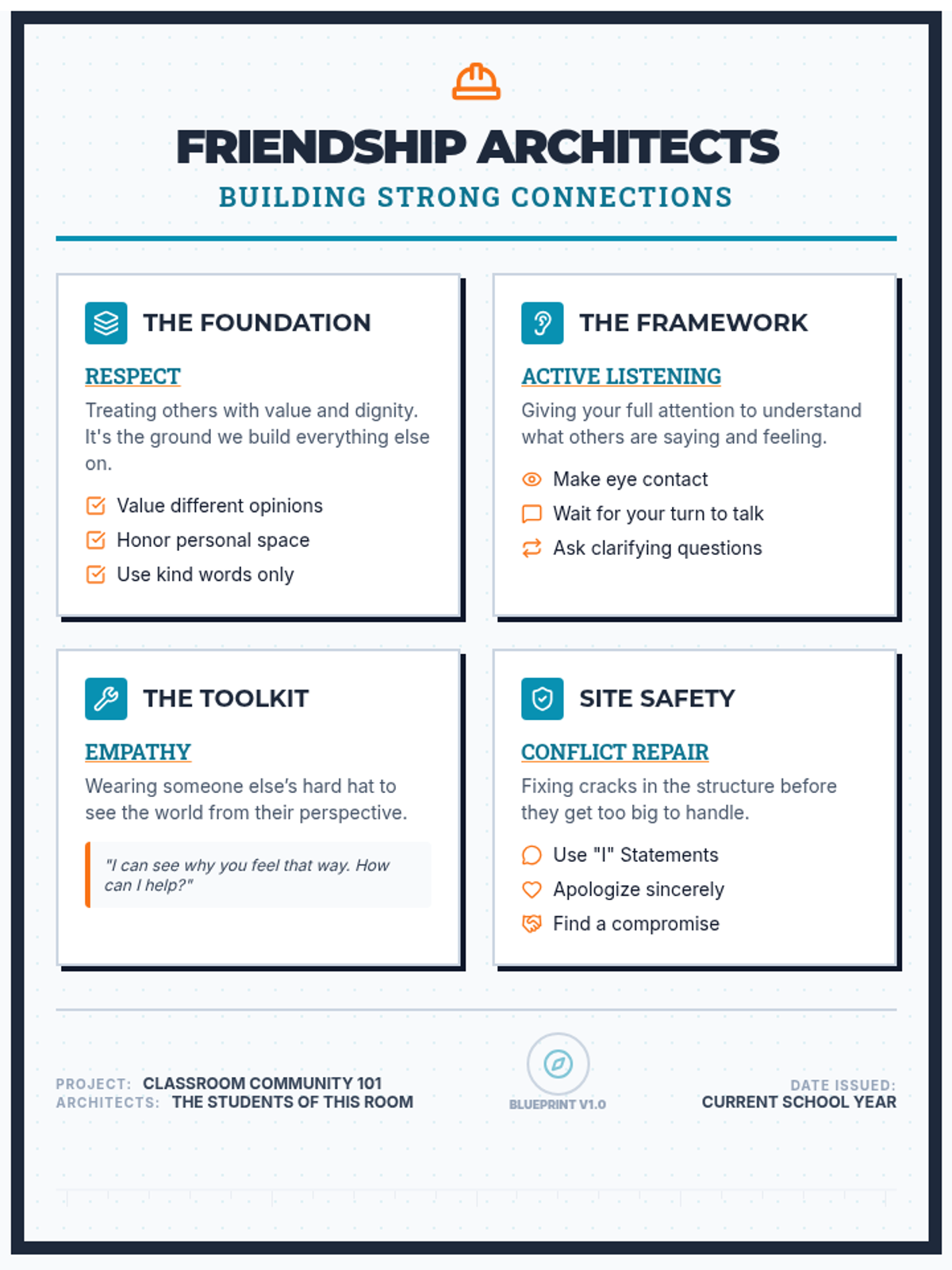
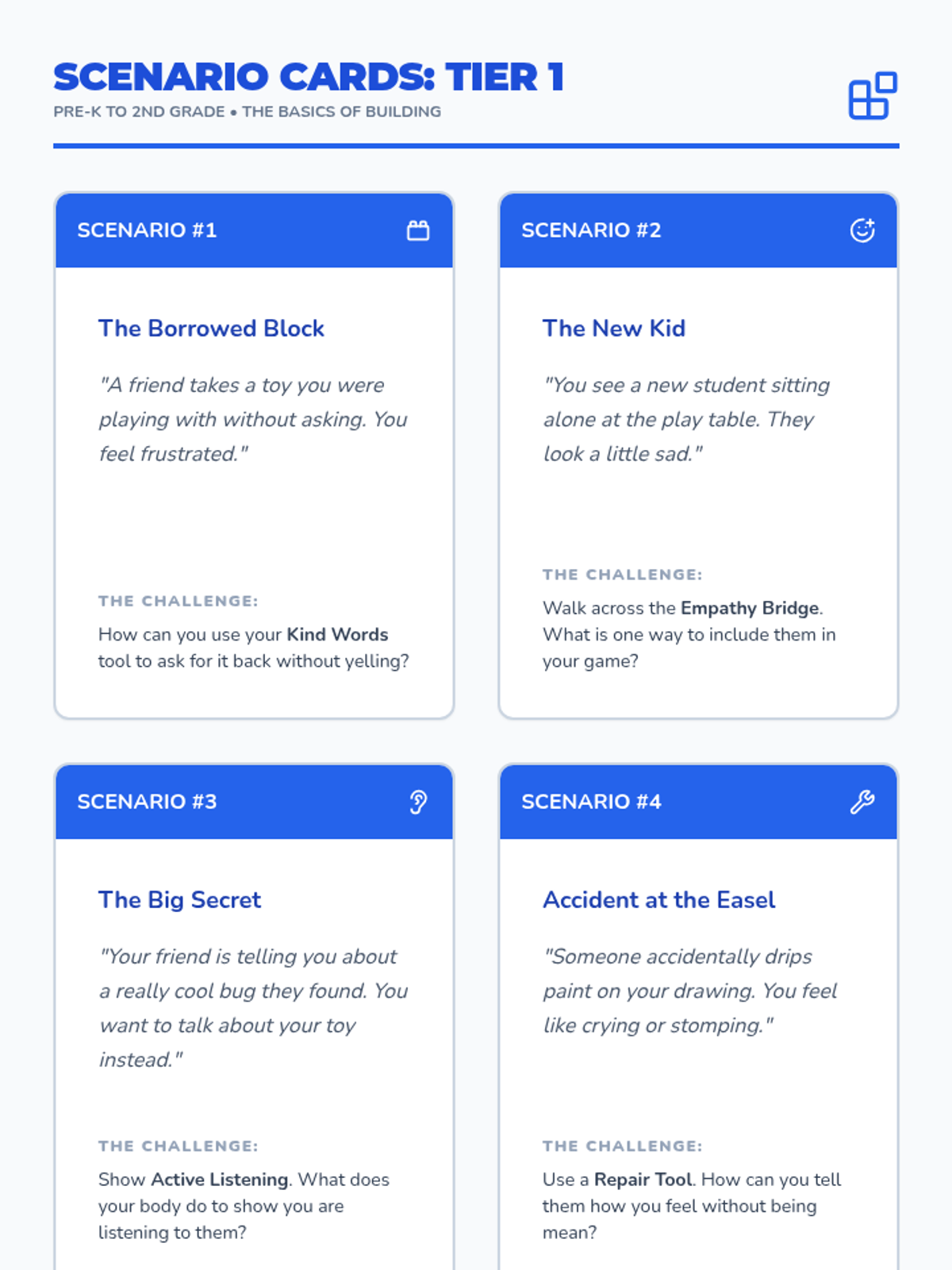
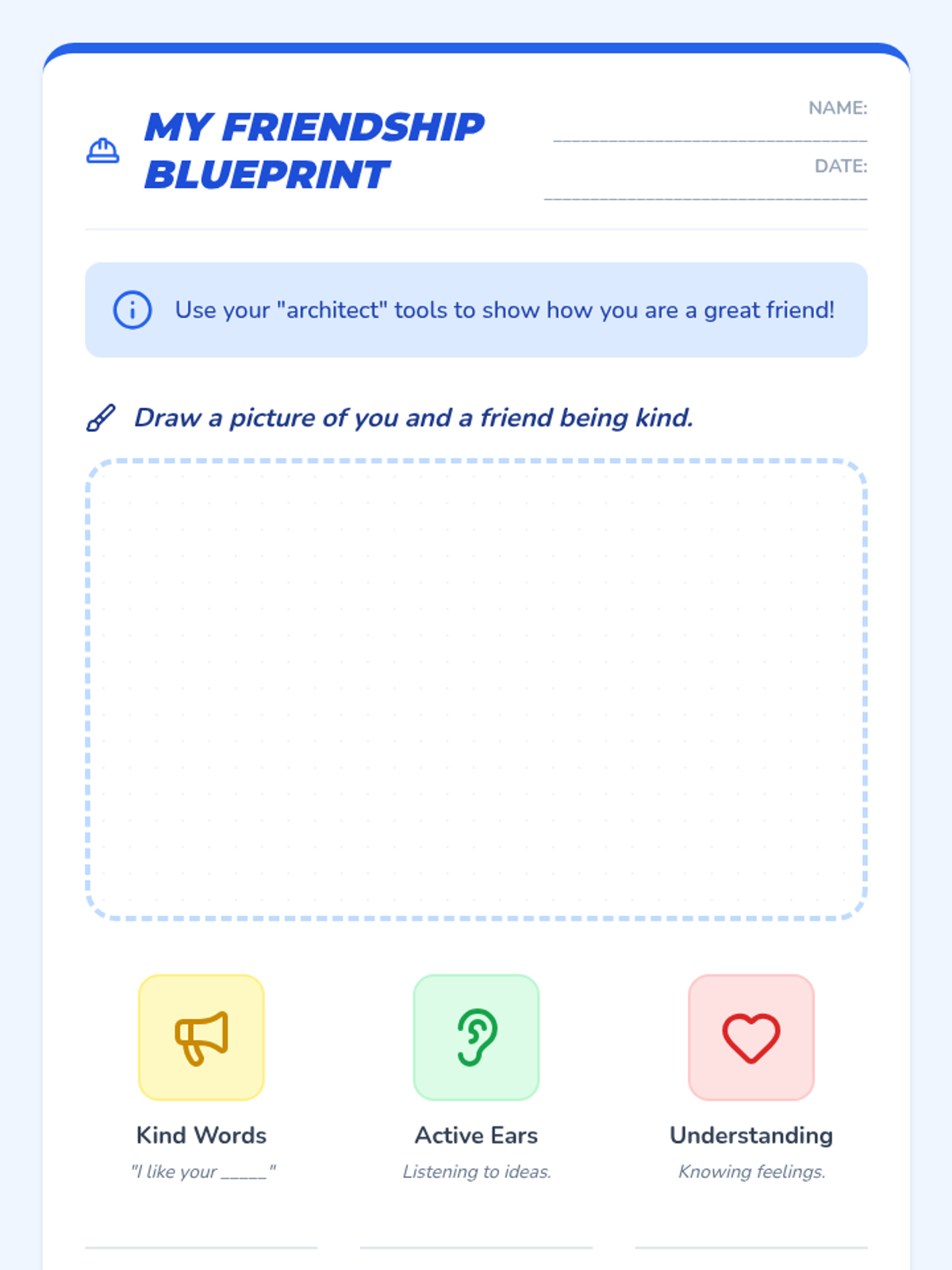
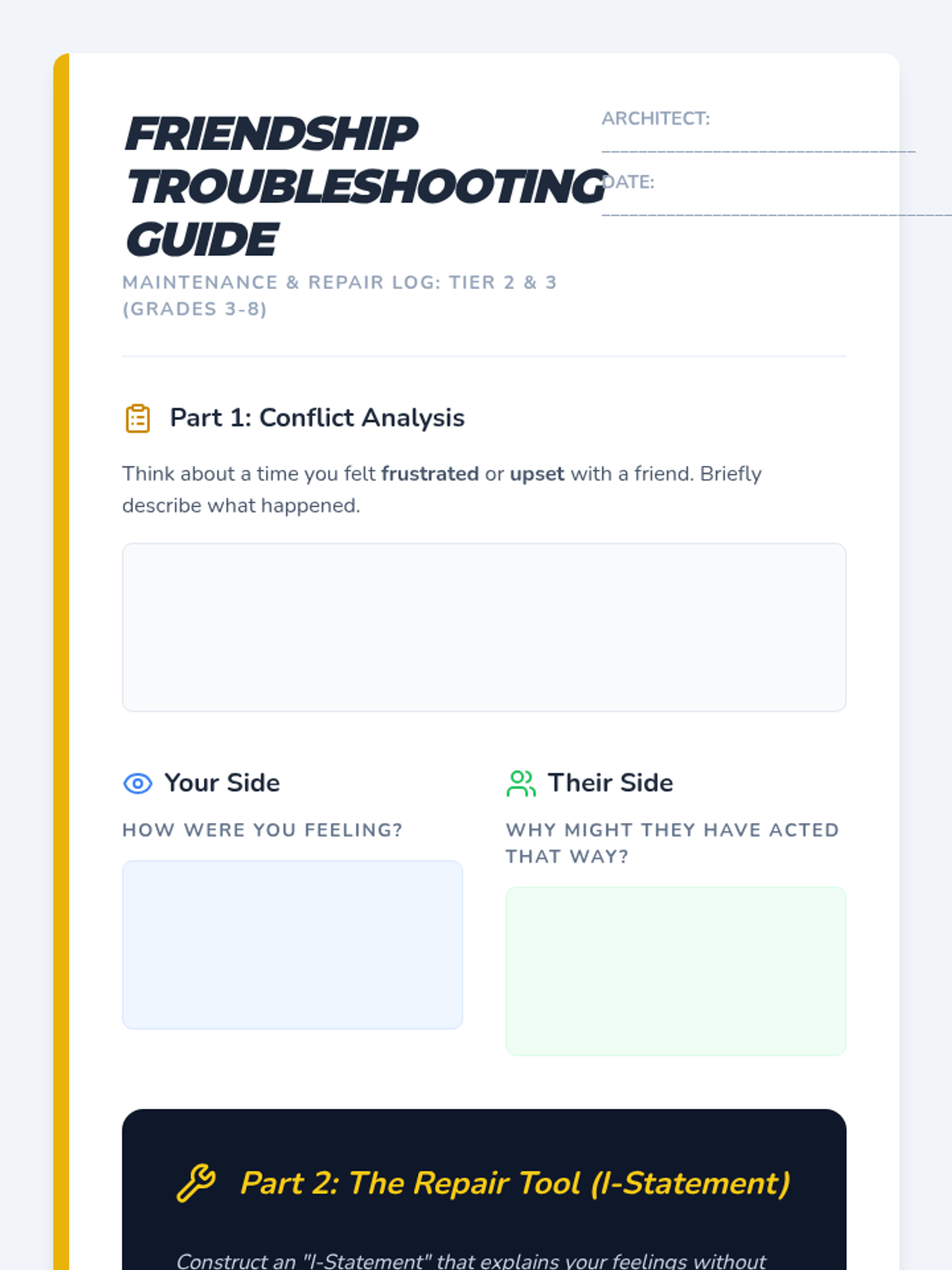
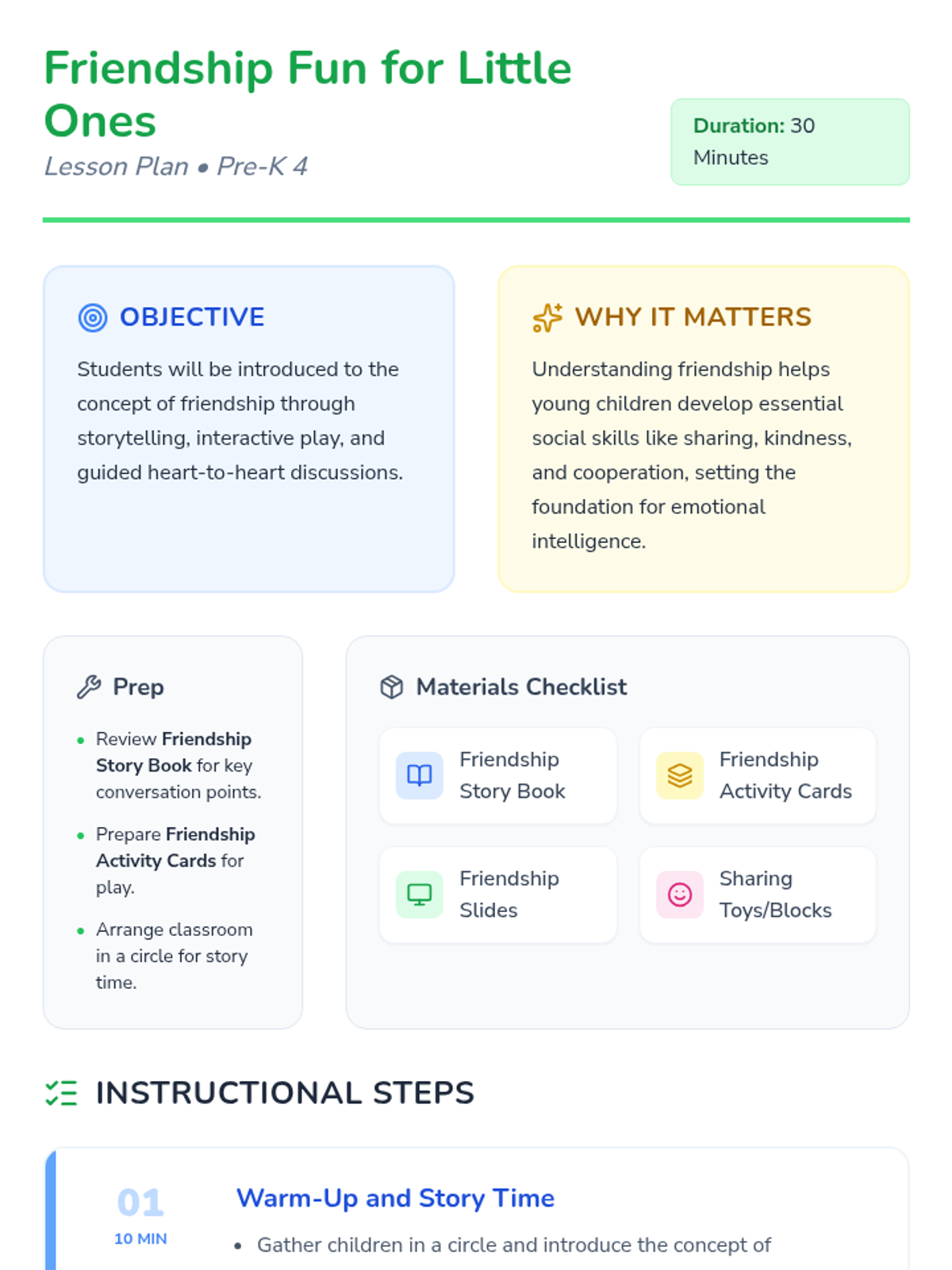
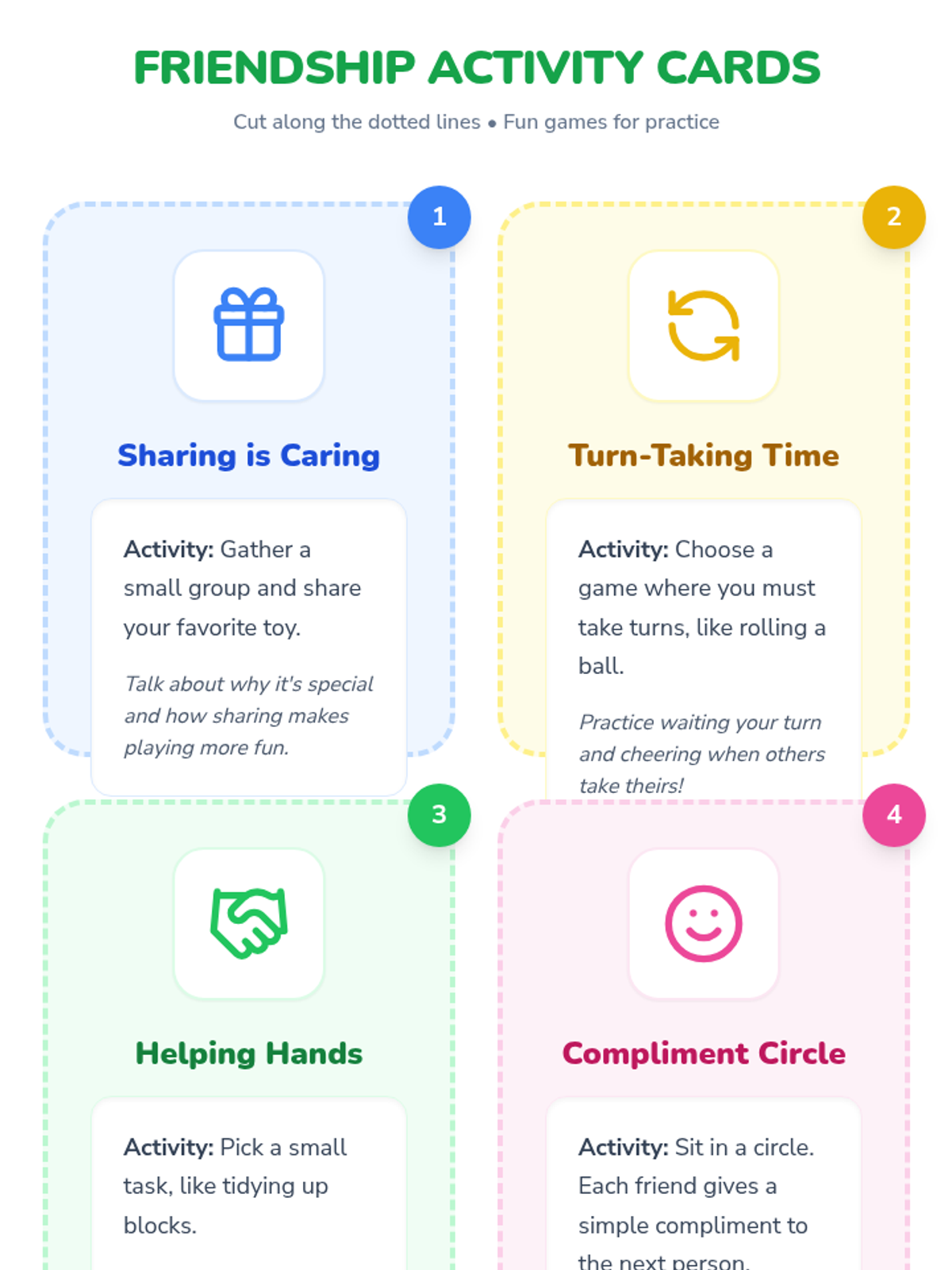
A comprehensive unit on social-emotional learning that covers friendship across developmental stages, from basic sharing in Pre-K to complex empathy and conflict resolution in 5th grade.
A 5th-grade sequence teaching students to use Progressive Muscle Relaxation (PMR) to manage the physiological and emotional impacts of stress. Students explore the mind-body connection, practice targeted relaxation techniques, and create a personalized emotional regulation plan.
A 5th-grade sequence focused on somatic grounding techniques. Students learn to use body mechanics and breath control to regulate their nervous system through physical anchoring, controlled respiration, and muscle relaxation.
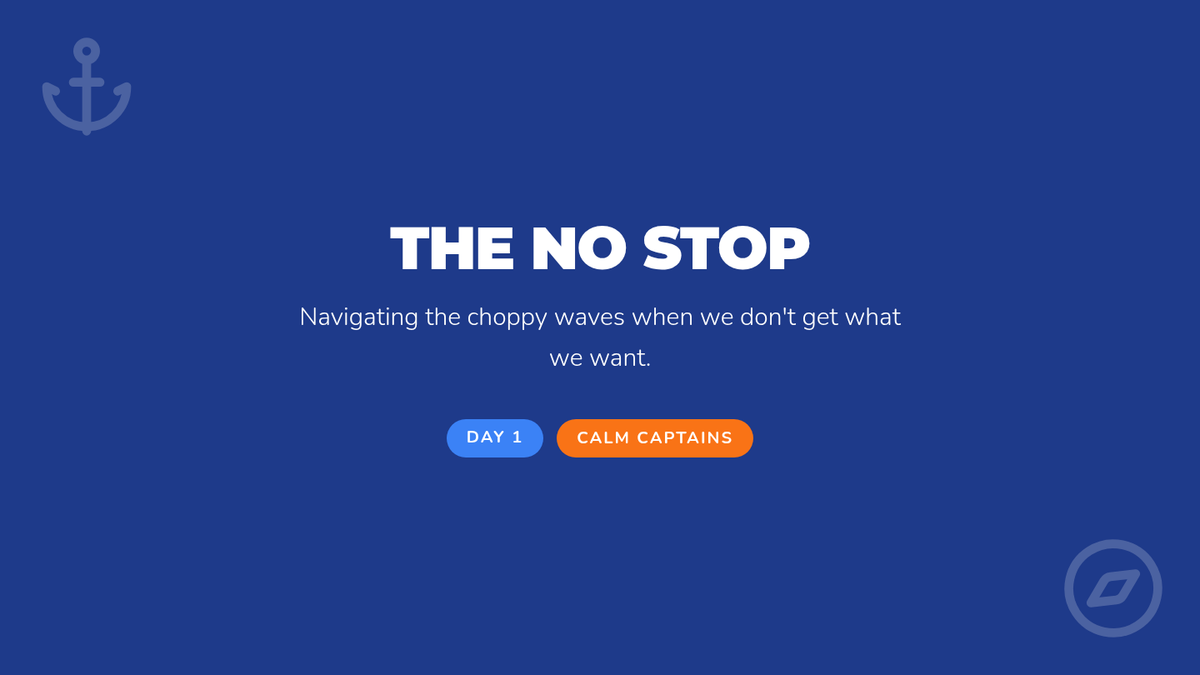
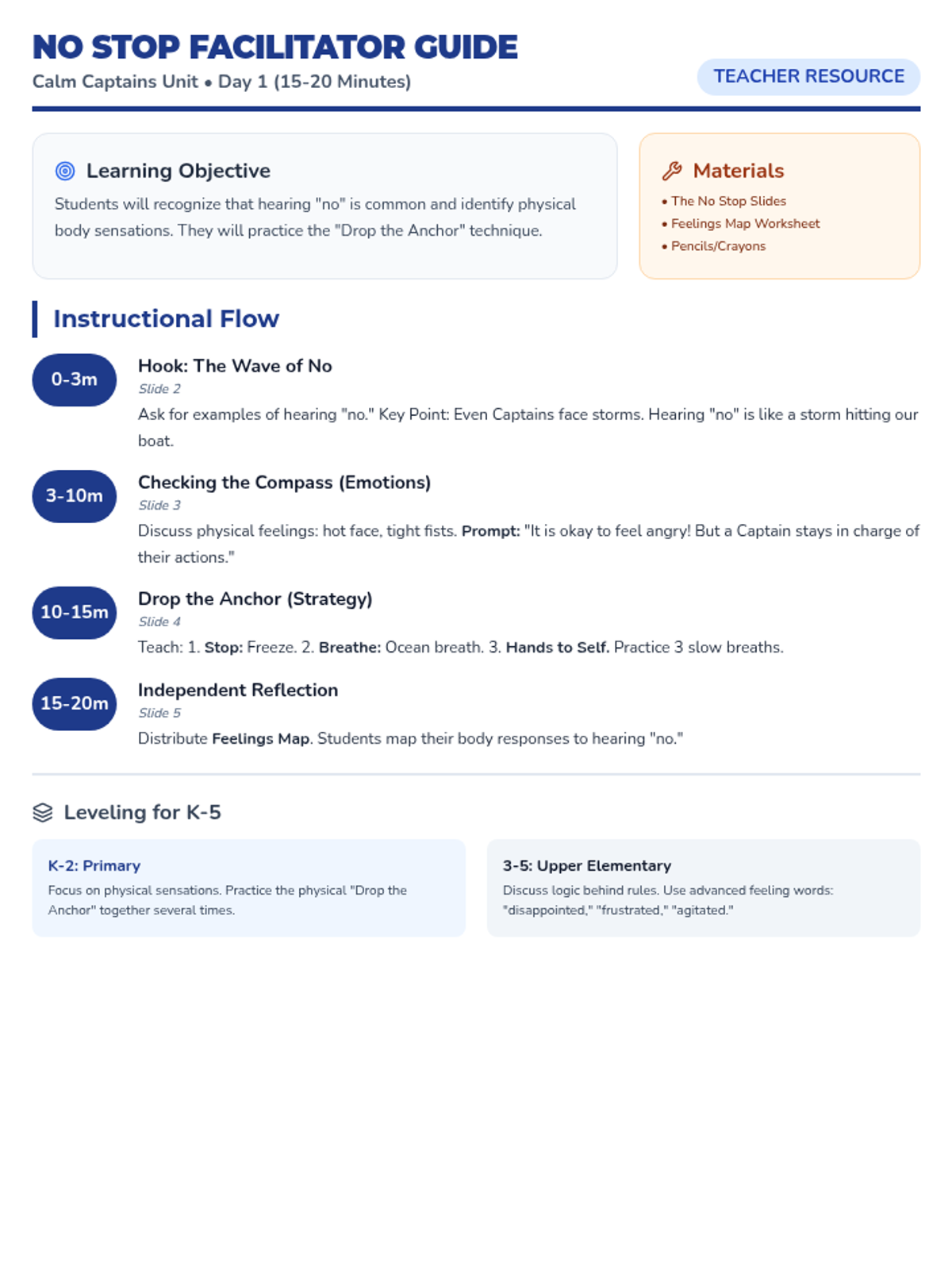
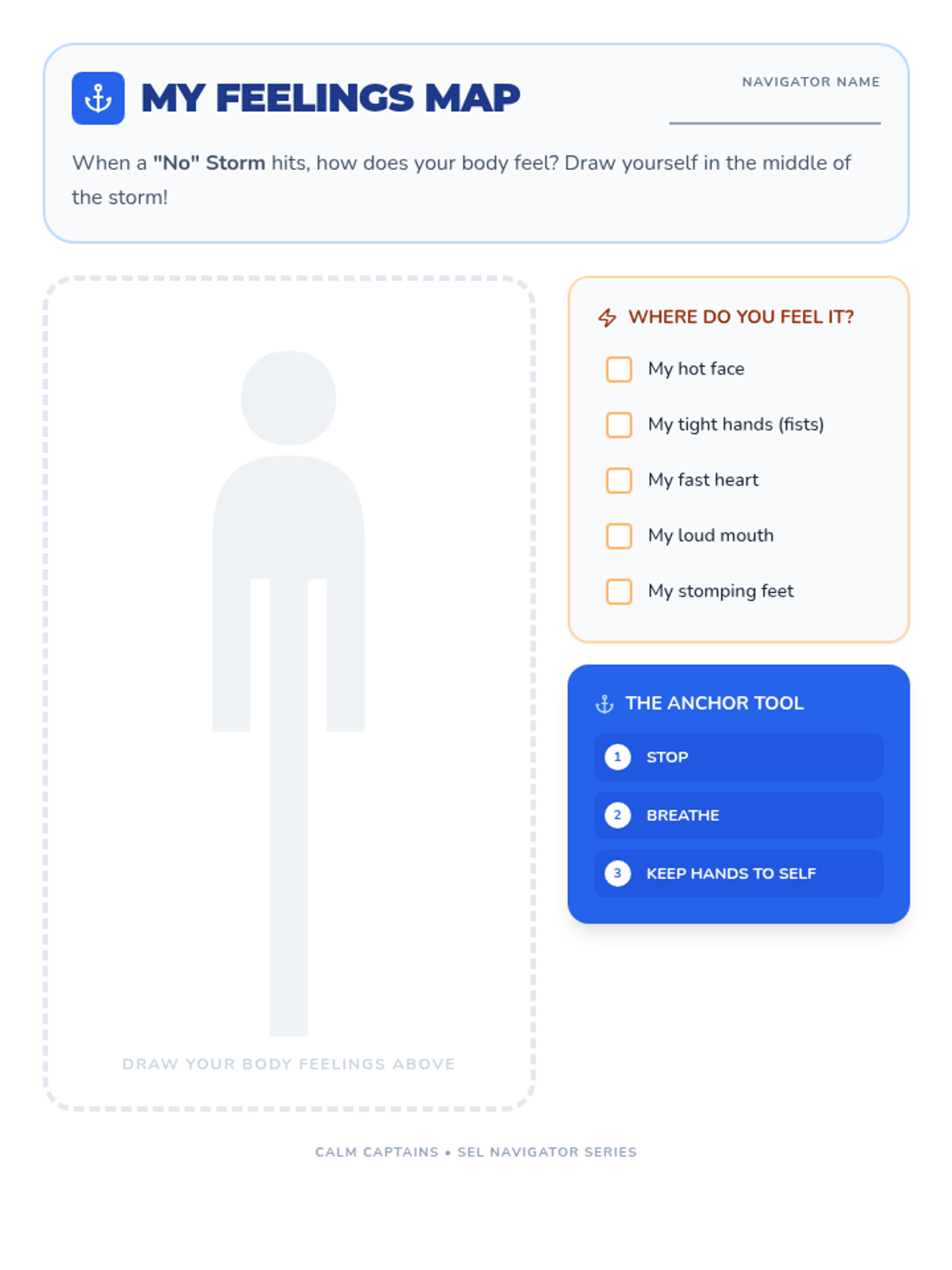
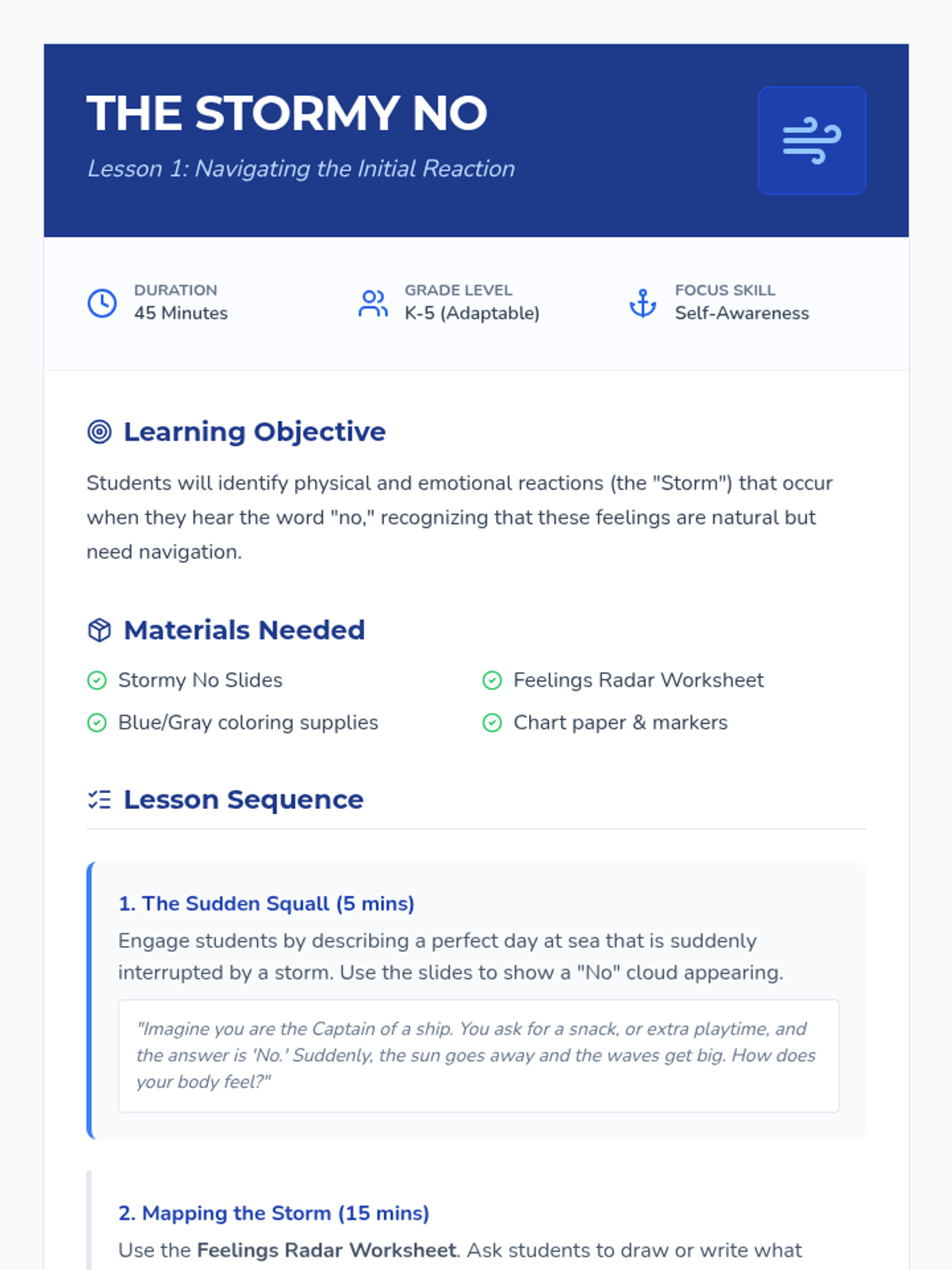
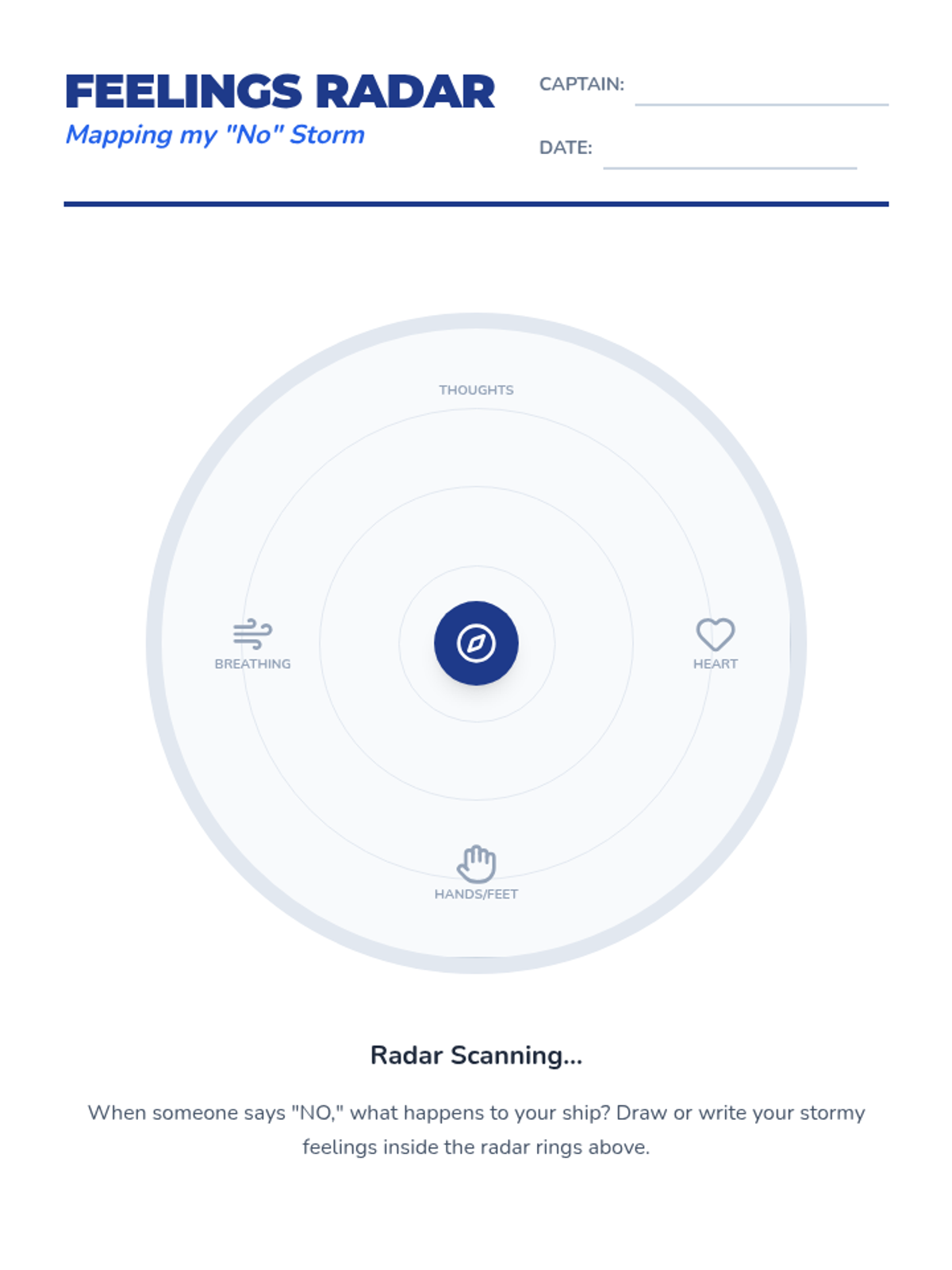
A two-day SEL unit for K-5 students focused on the essential skill of accepting "no" with a calm body and mind. Using a nautical navigation theme, students learn to identify their feelings when hearing "no" and practice specific strategies to navigate back to a positive state.
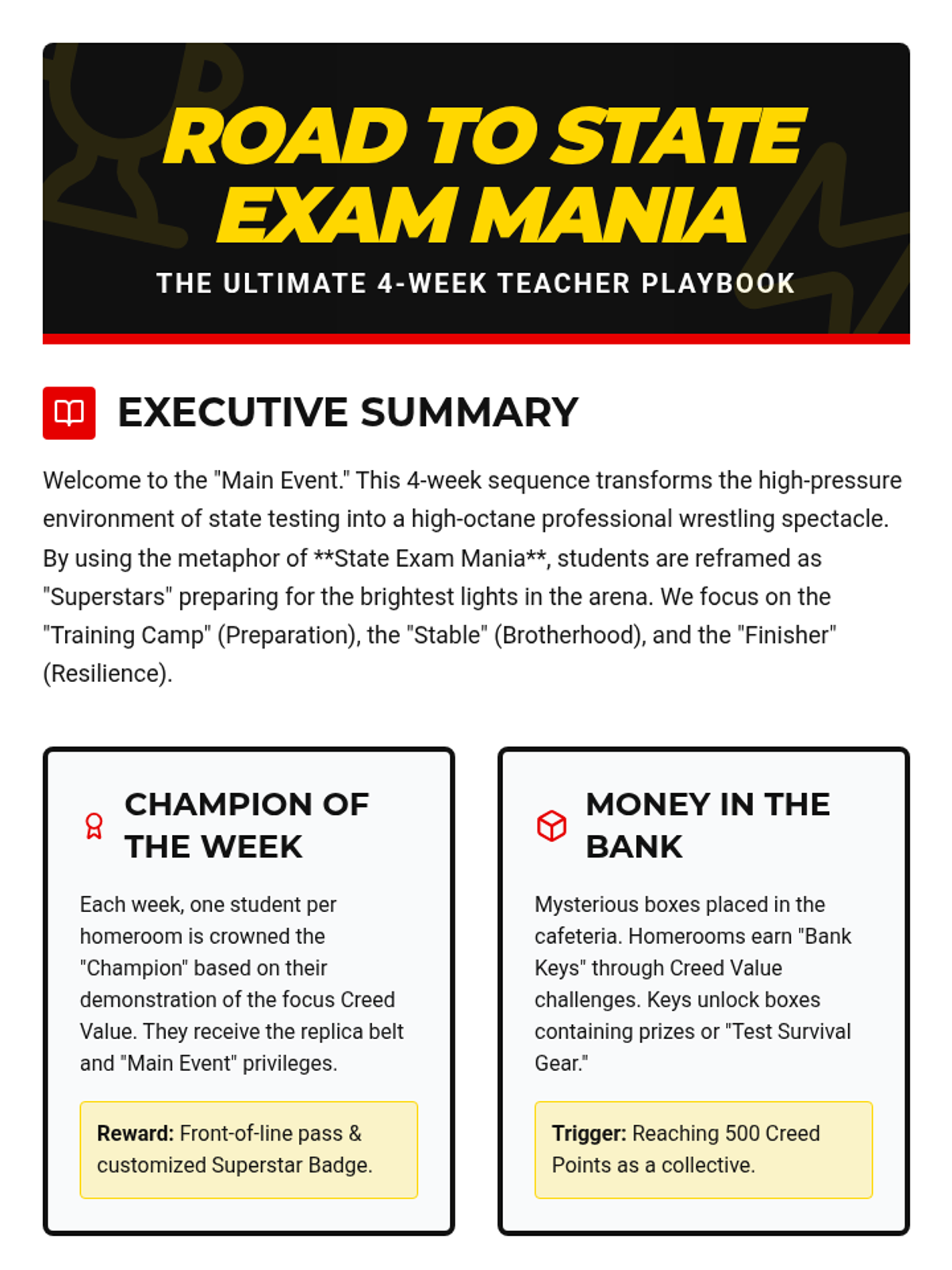
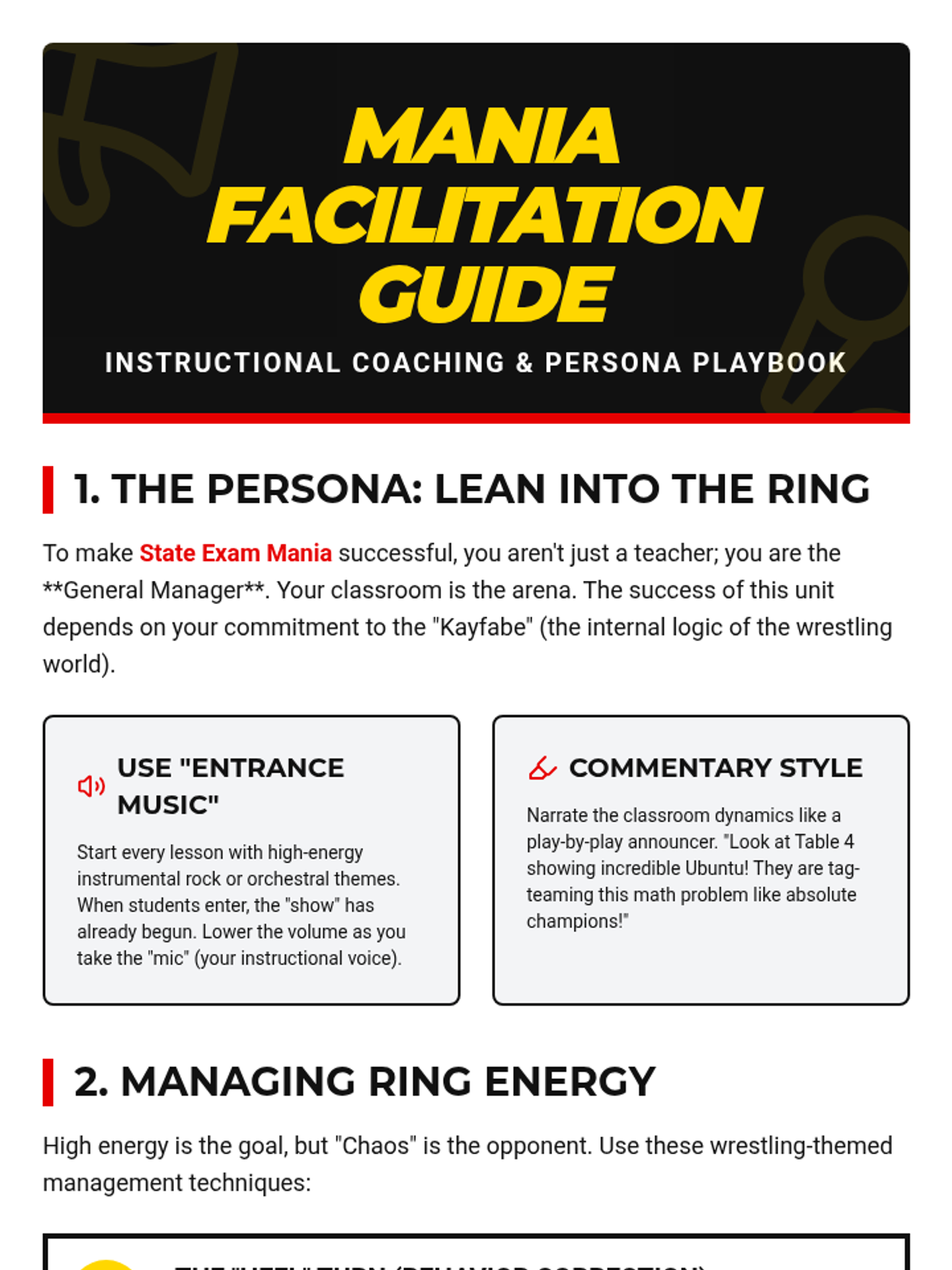
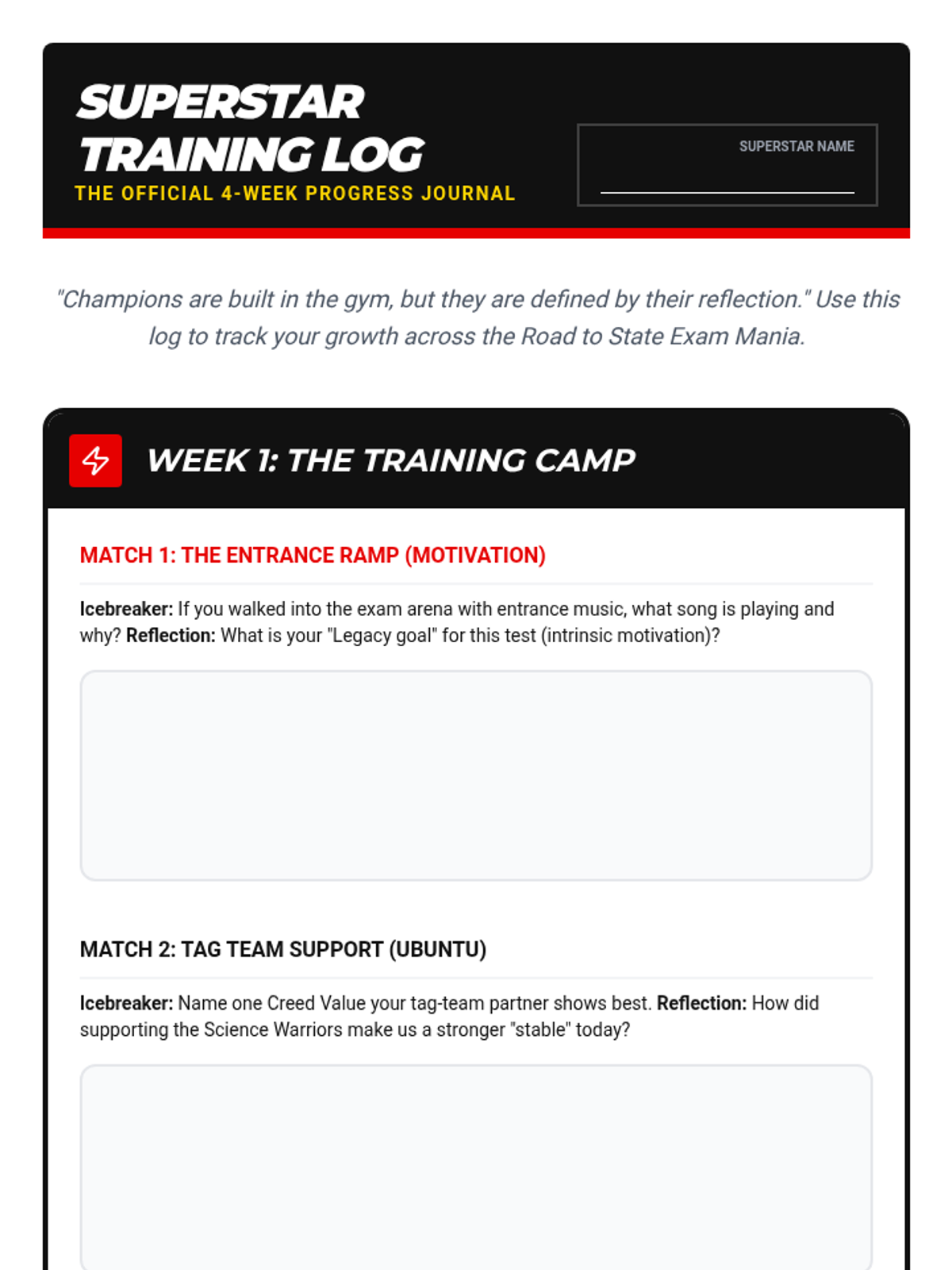
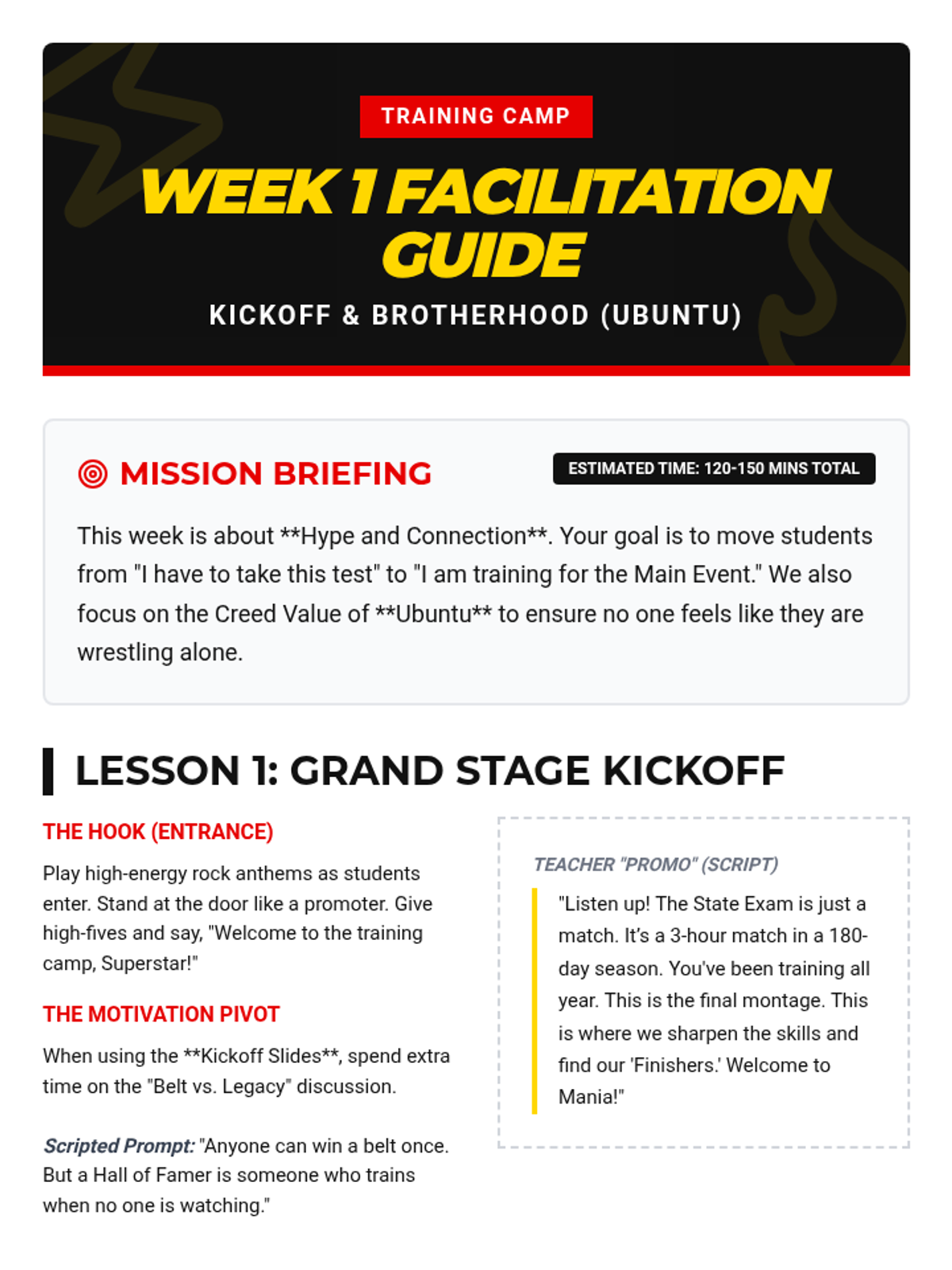
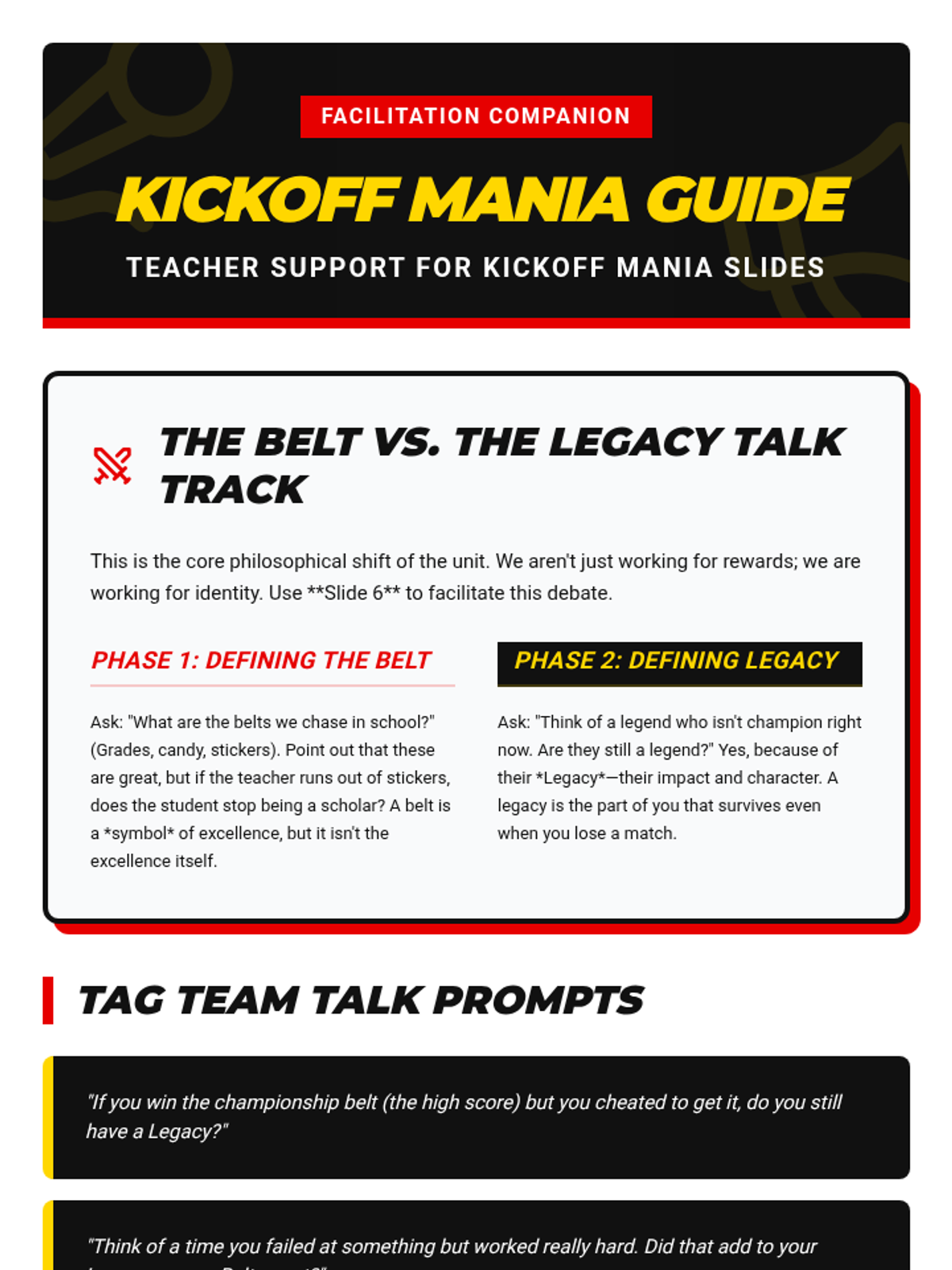
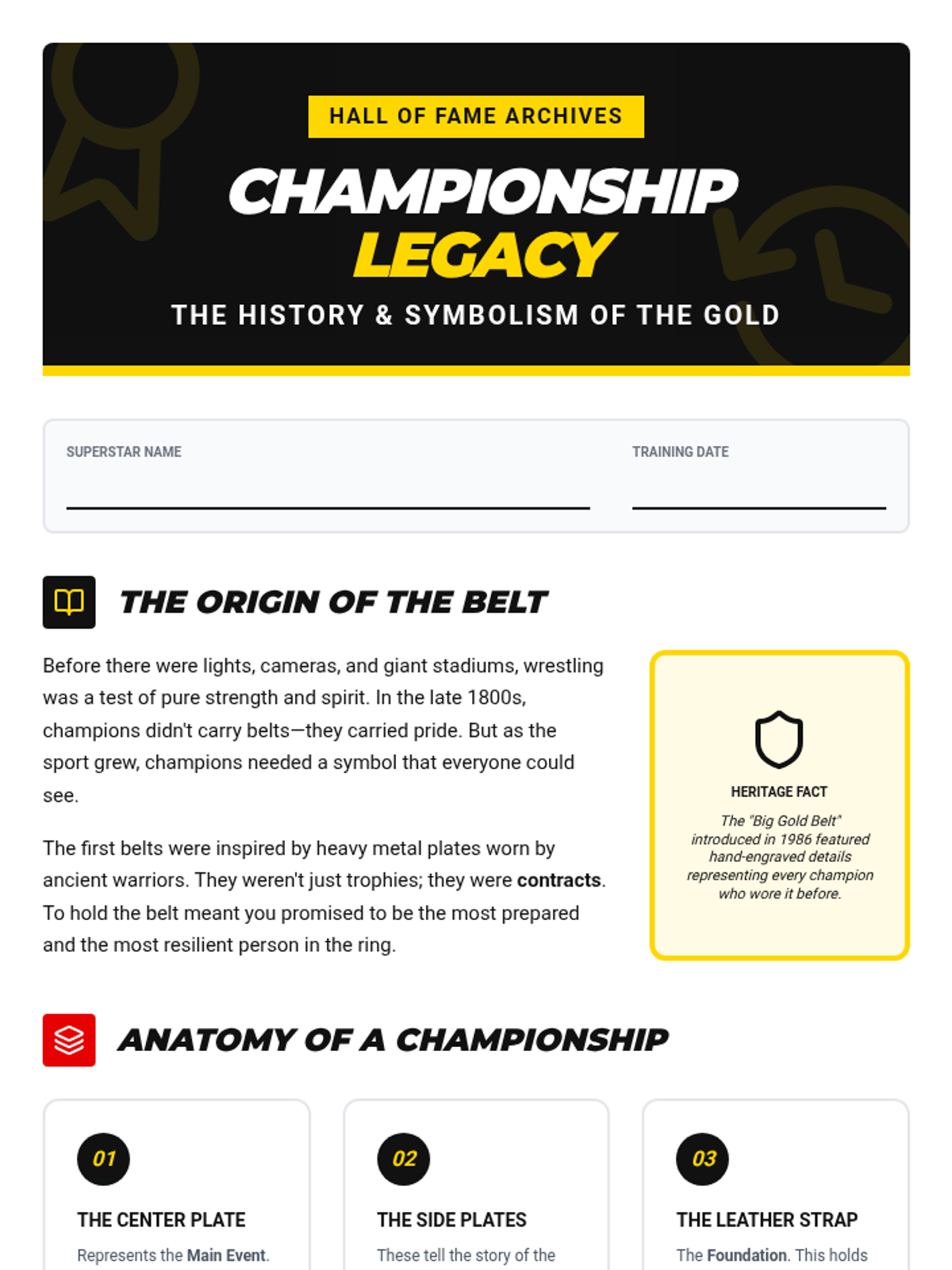
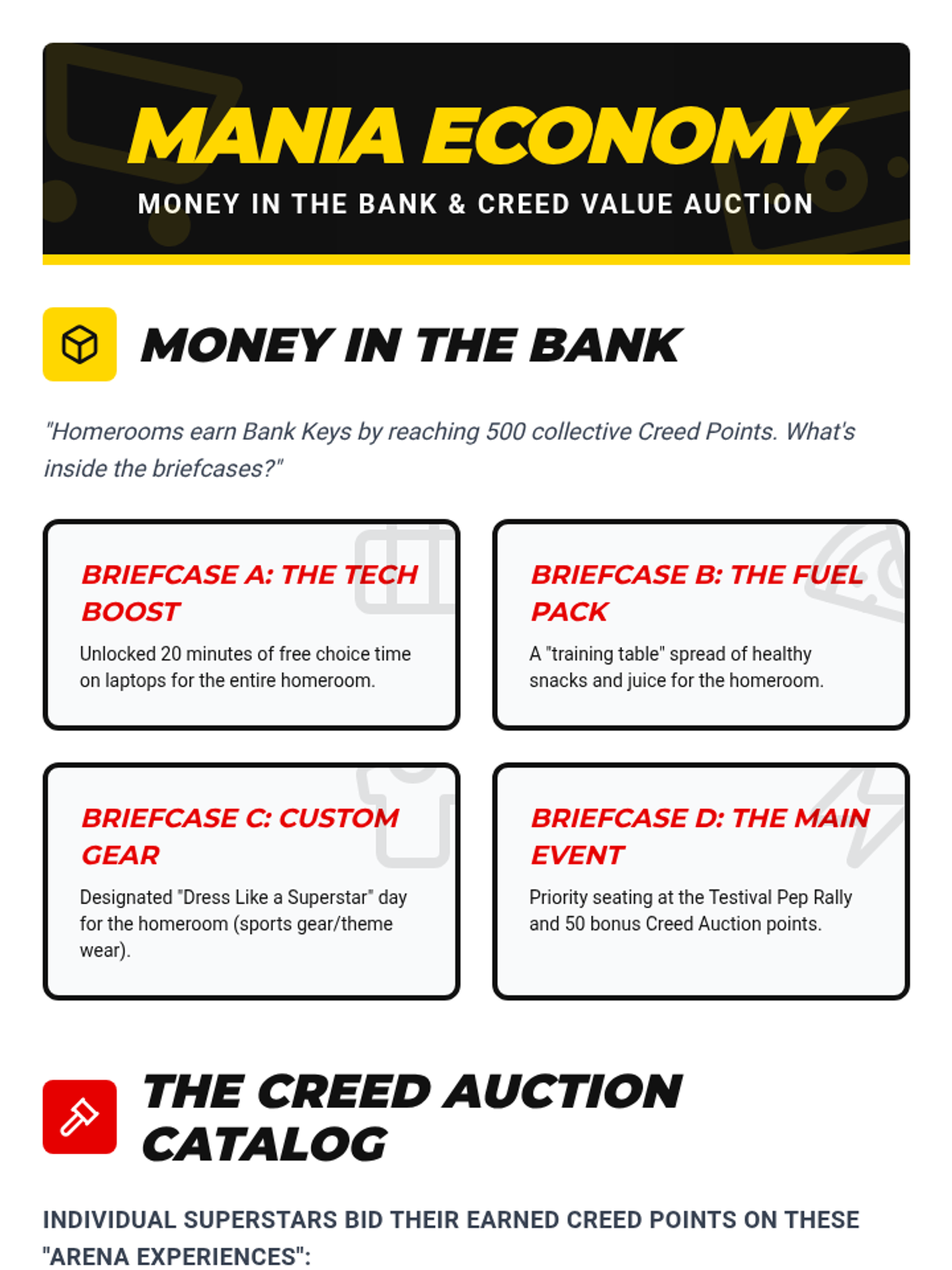
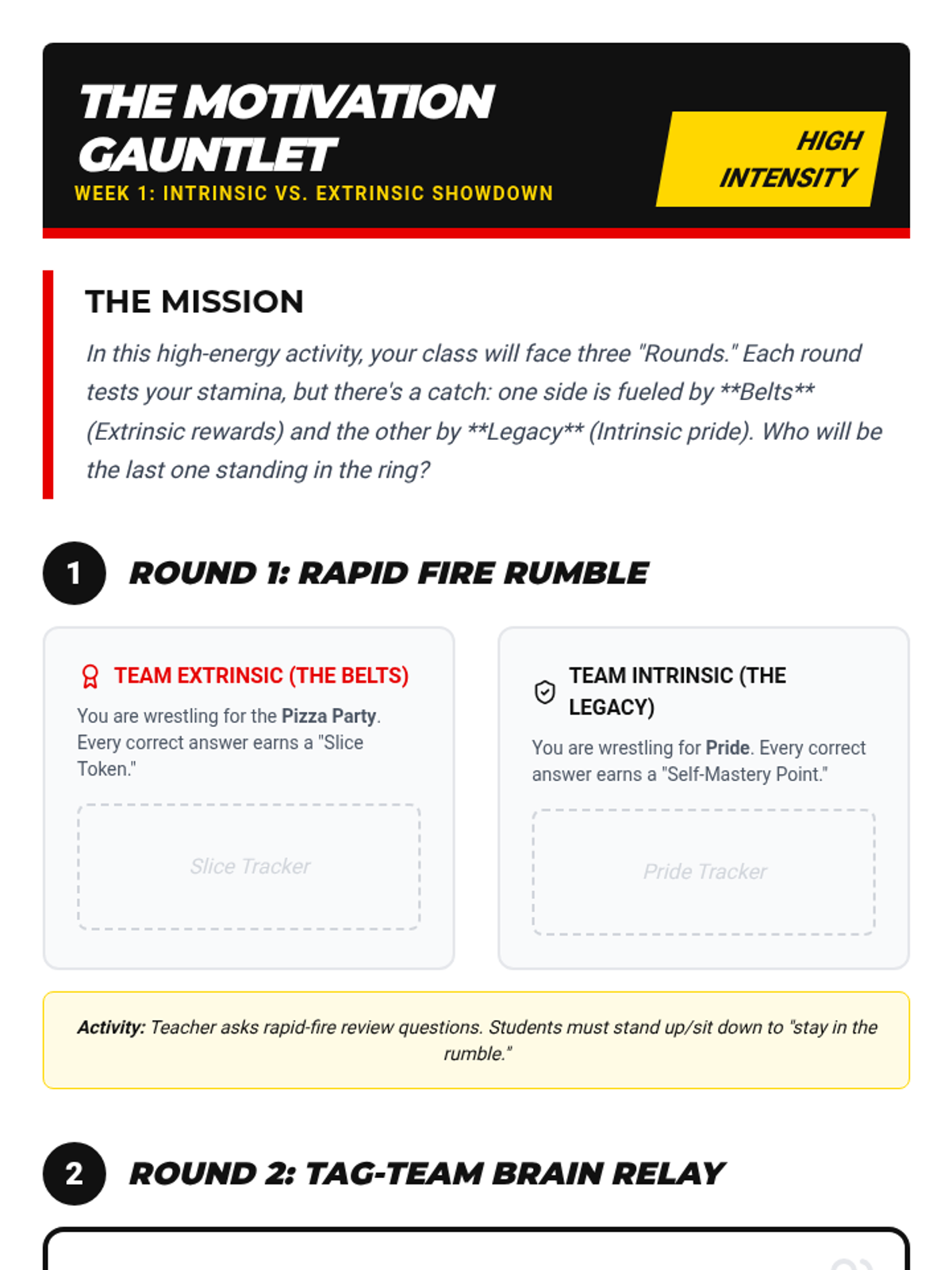
A 4-week socio-emotional learning sequence using professional wrestling as a metaphor for state exam preparation, focusing on motivation, resilience, and brotherhood.
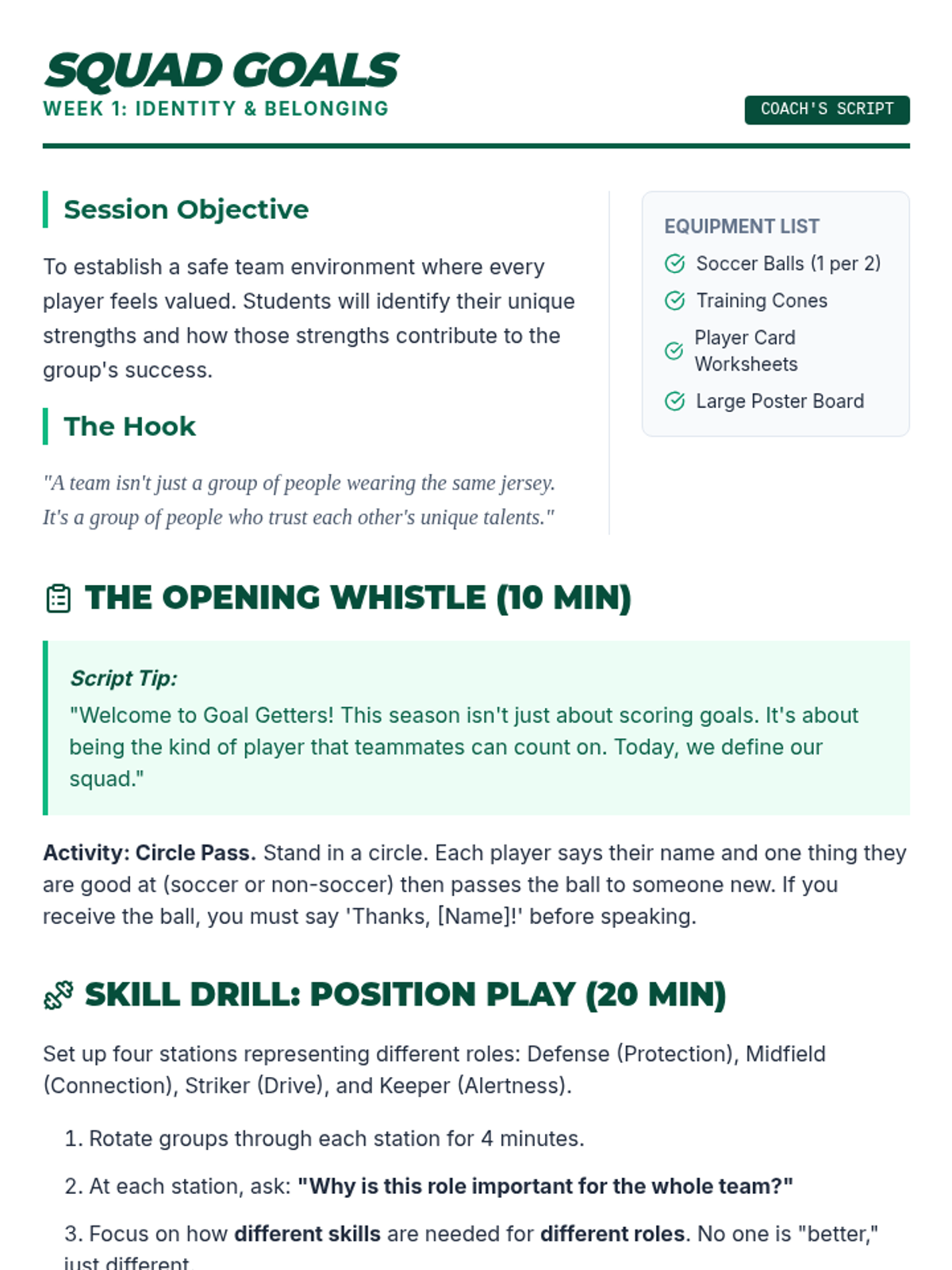
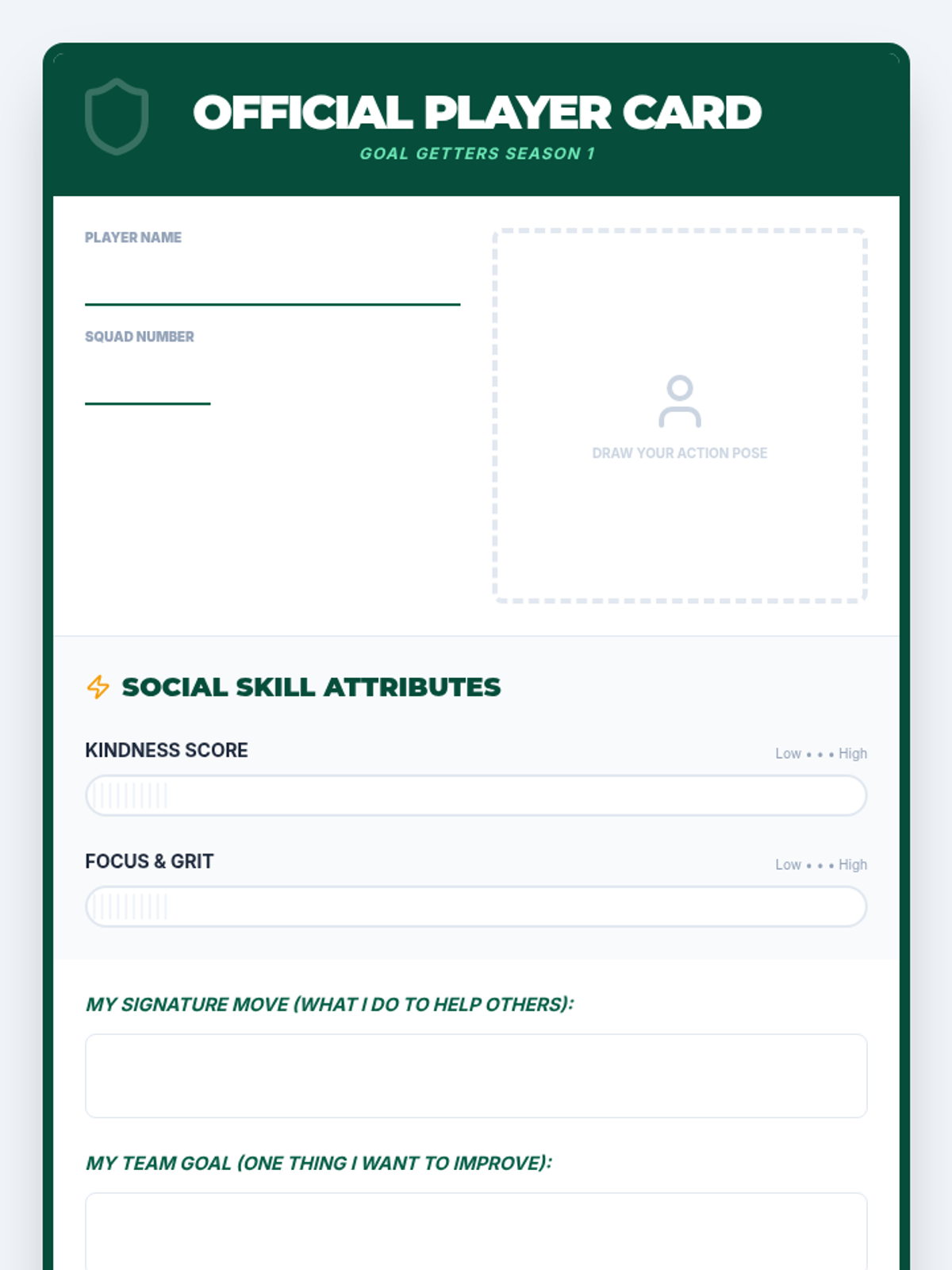
An 8-week soccer-themed social-emotional learning curriculum designed to improve self-esteem, peer relationships, emotional regulation, and conflict resolution through on-field drills and classroom reflection.
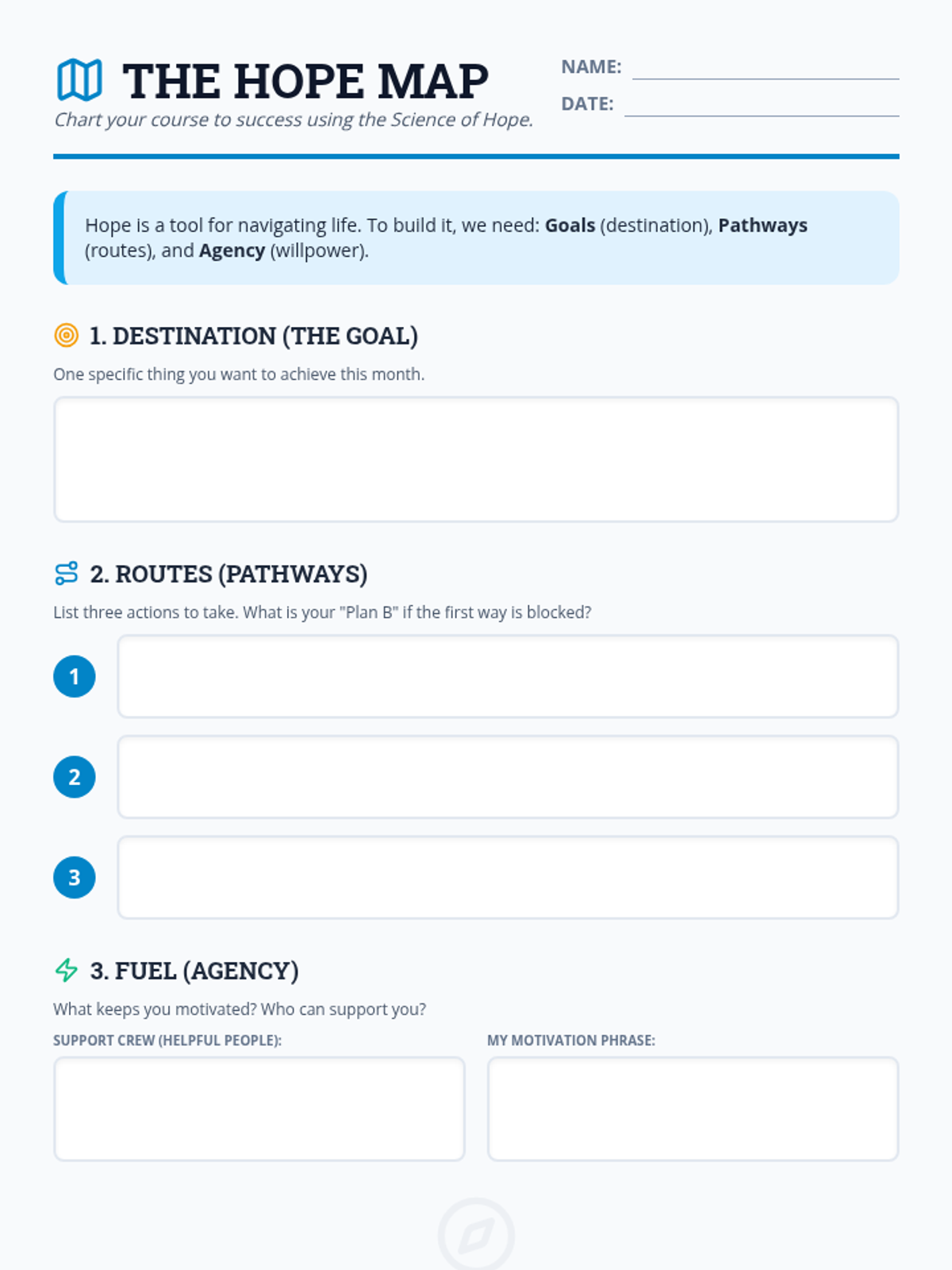
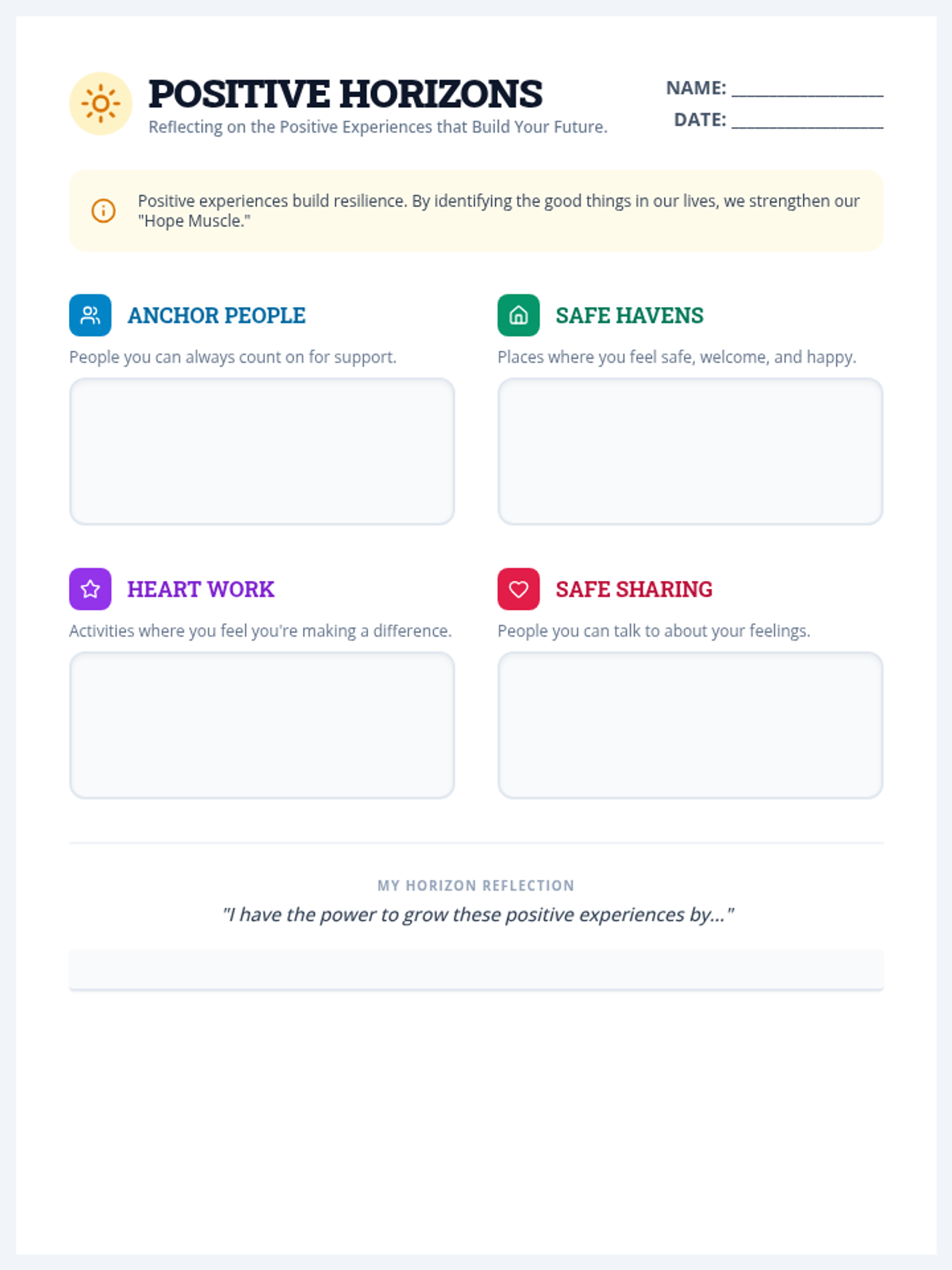
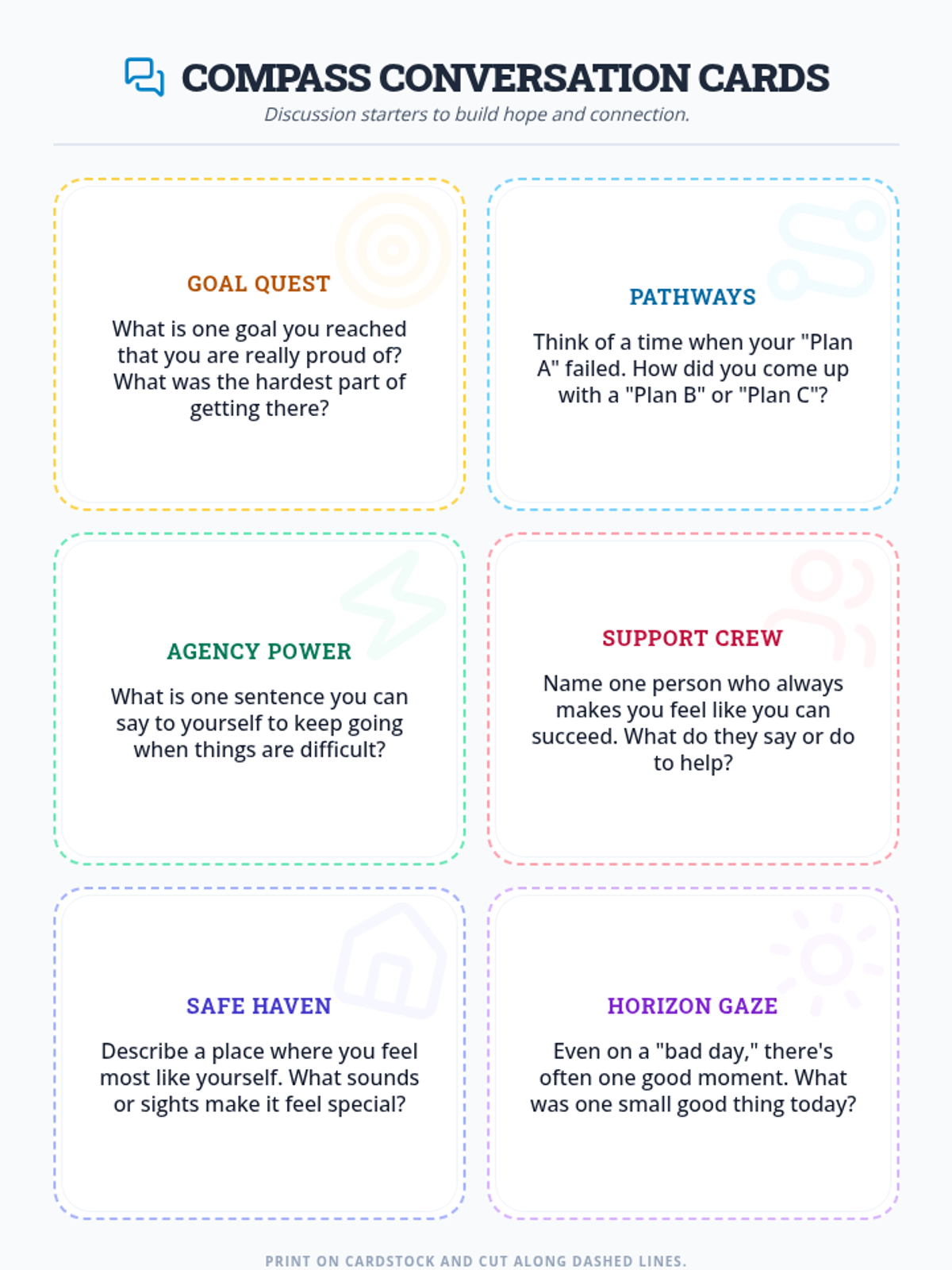
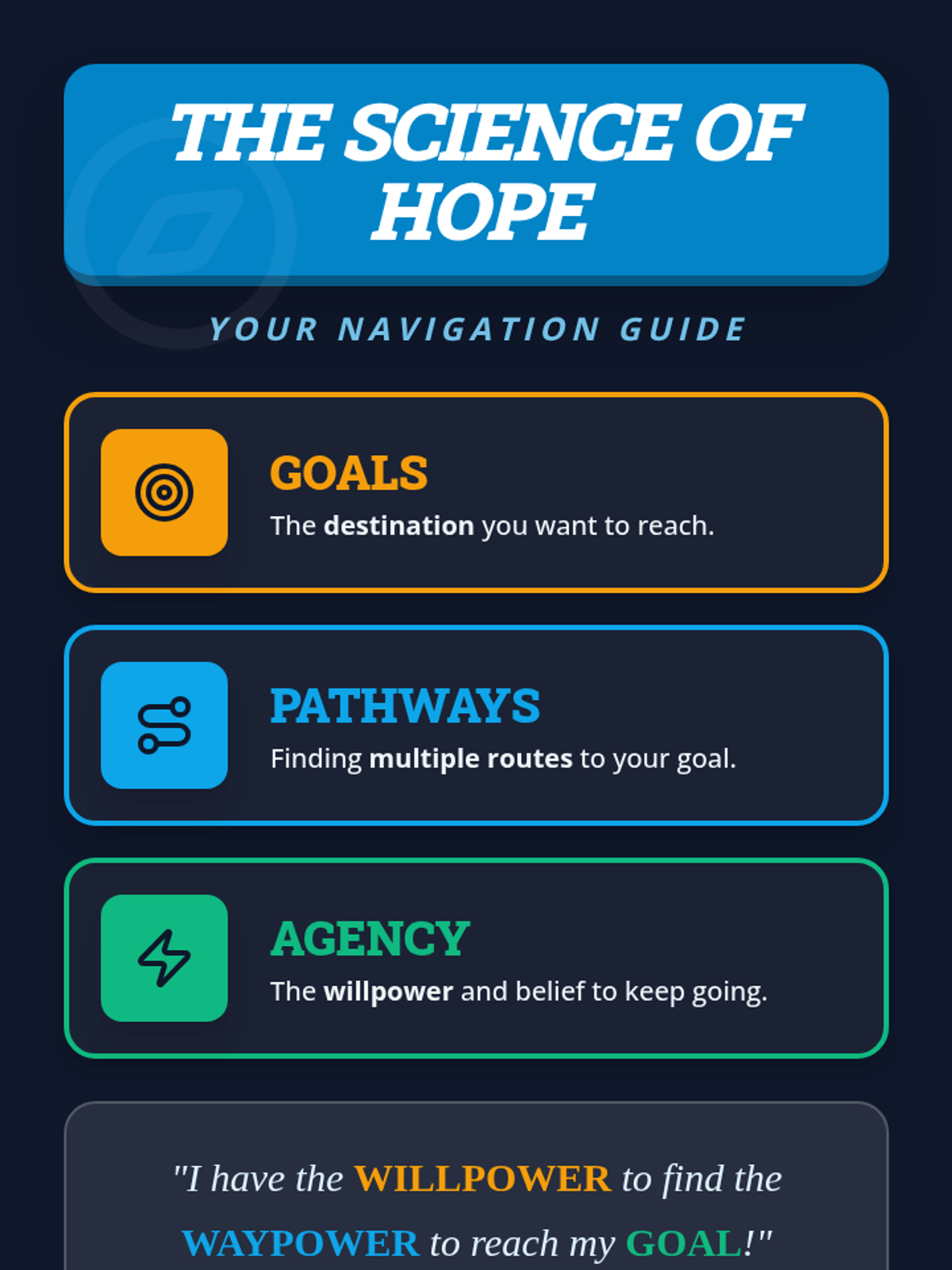
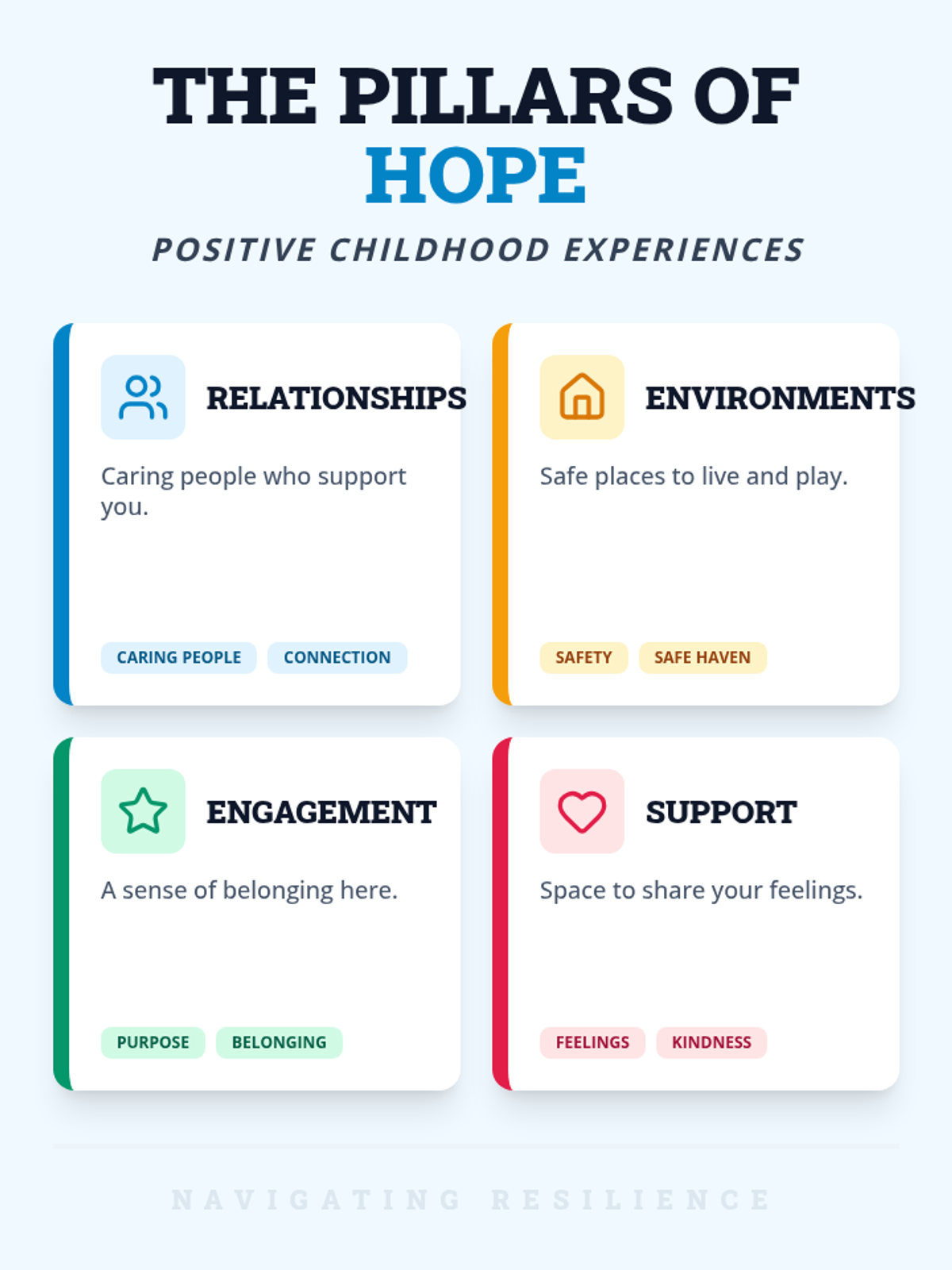
A comprehensive unit focused on building psychological hope through the Science of Hope (Goals, Pathways, Agency) and the HOPE framework (Healthy Outcomes from Positive Experiences). This sequence empowers students to set meaningful goals, identify ways to achieve them, and recognize the positive resources in their lives.
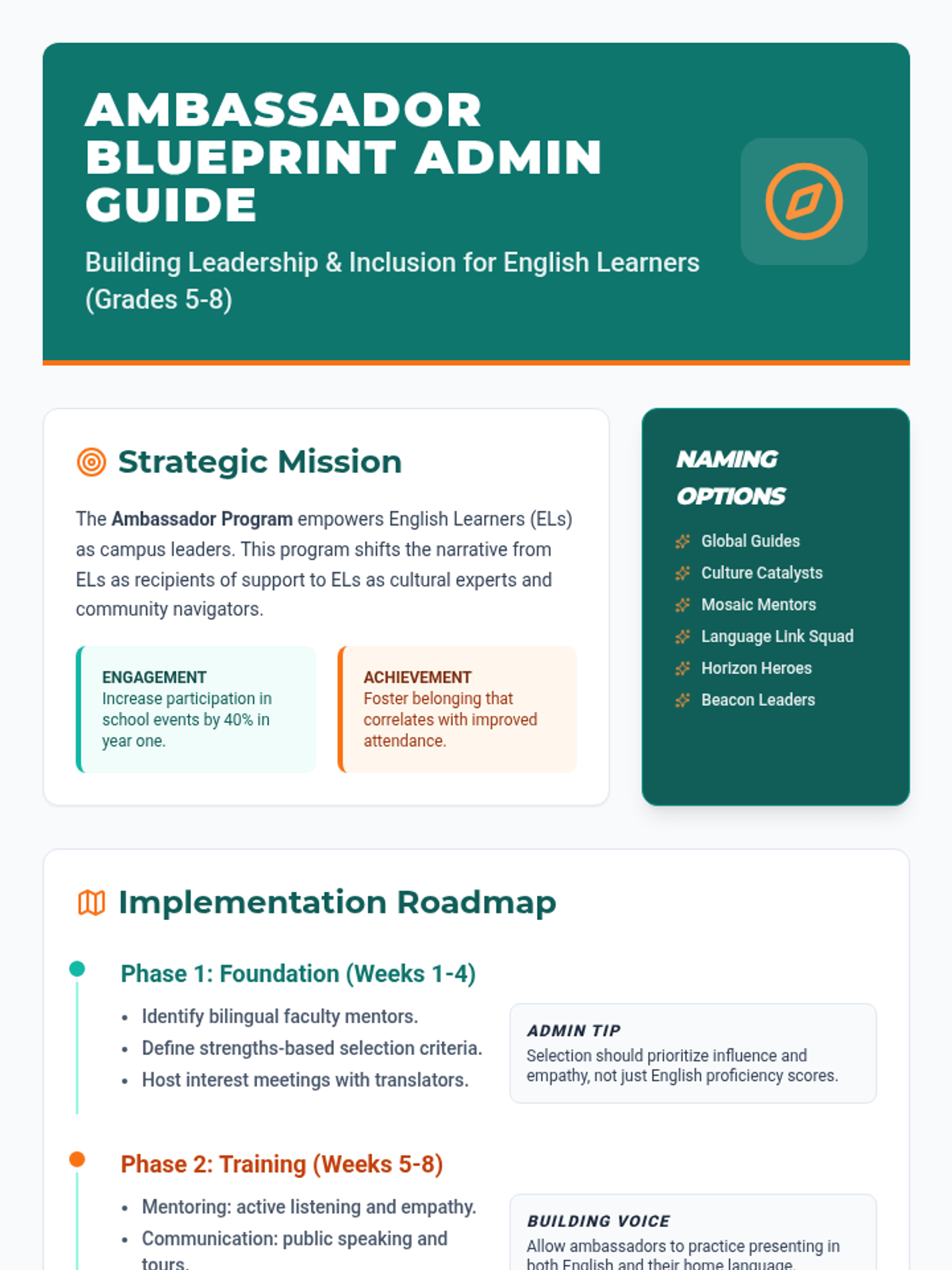
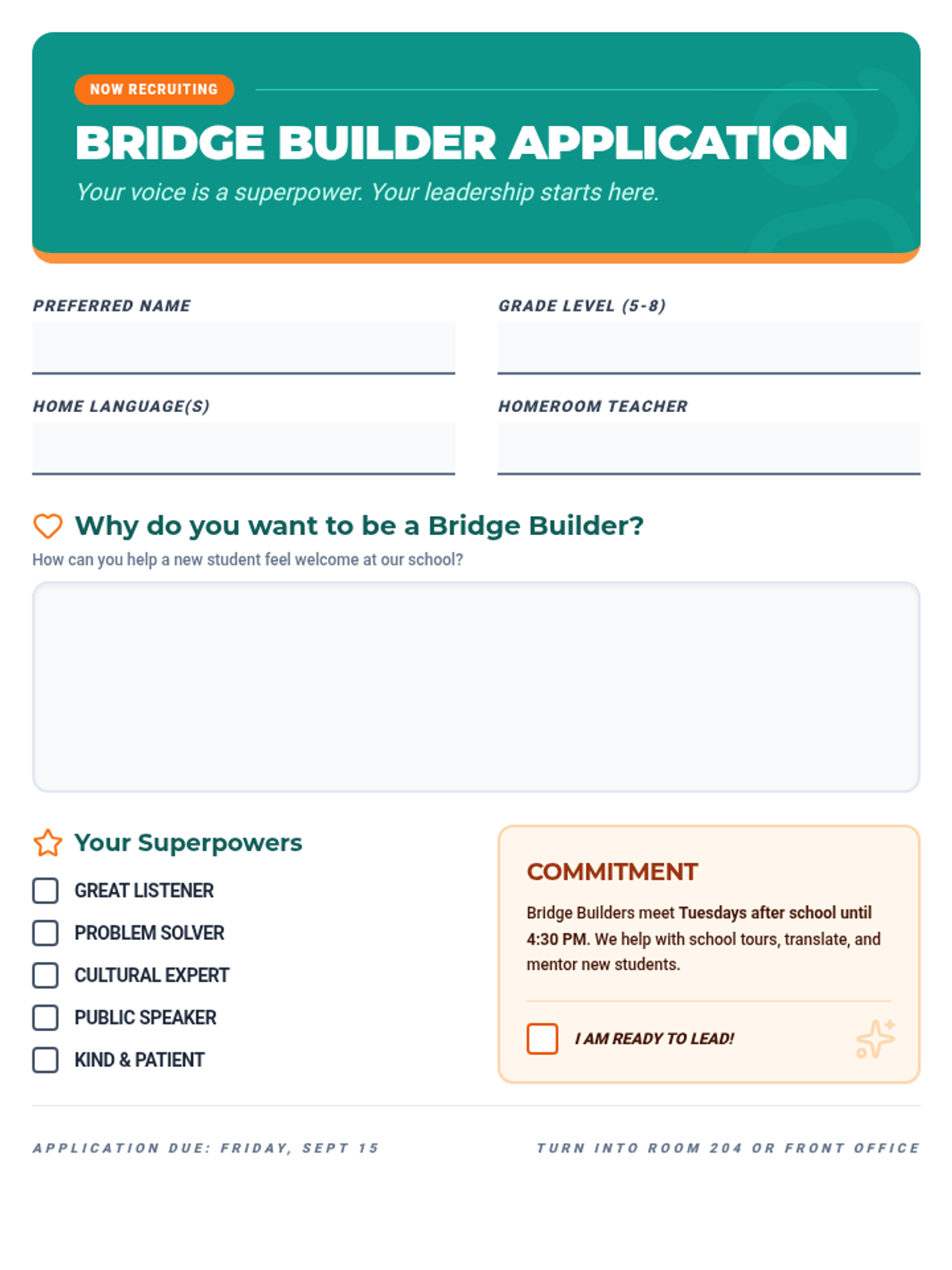
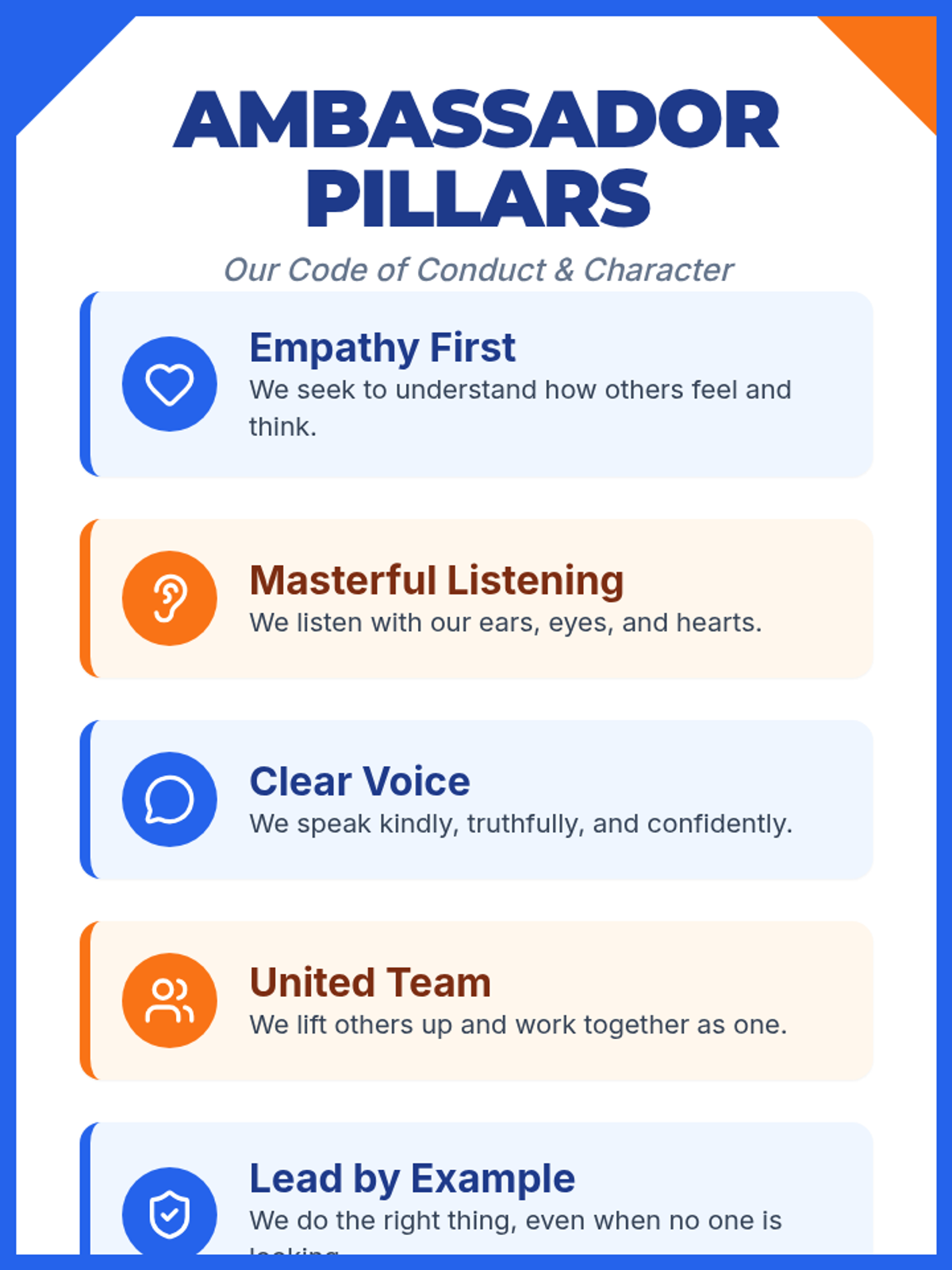
A comprehensive program framework designed to empower English learners in grades 5-8 as school ambassadors, fostering leadership, peer mentoring, and a supportive campus culture.
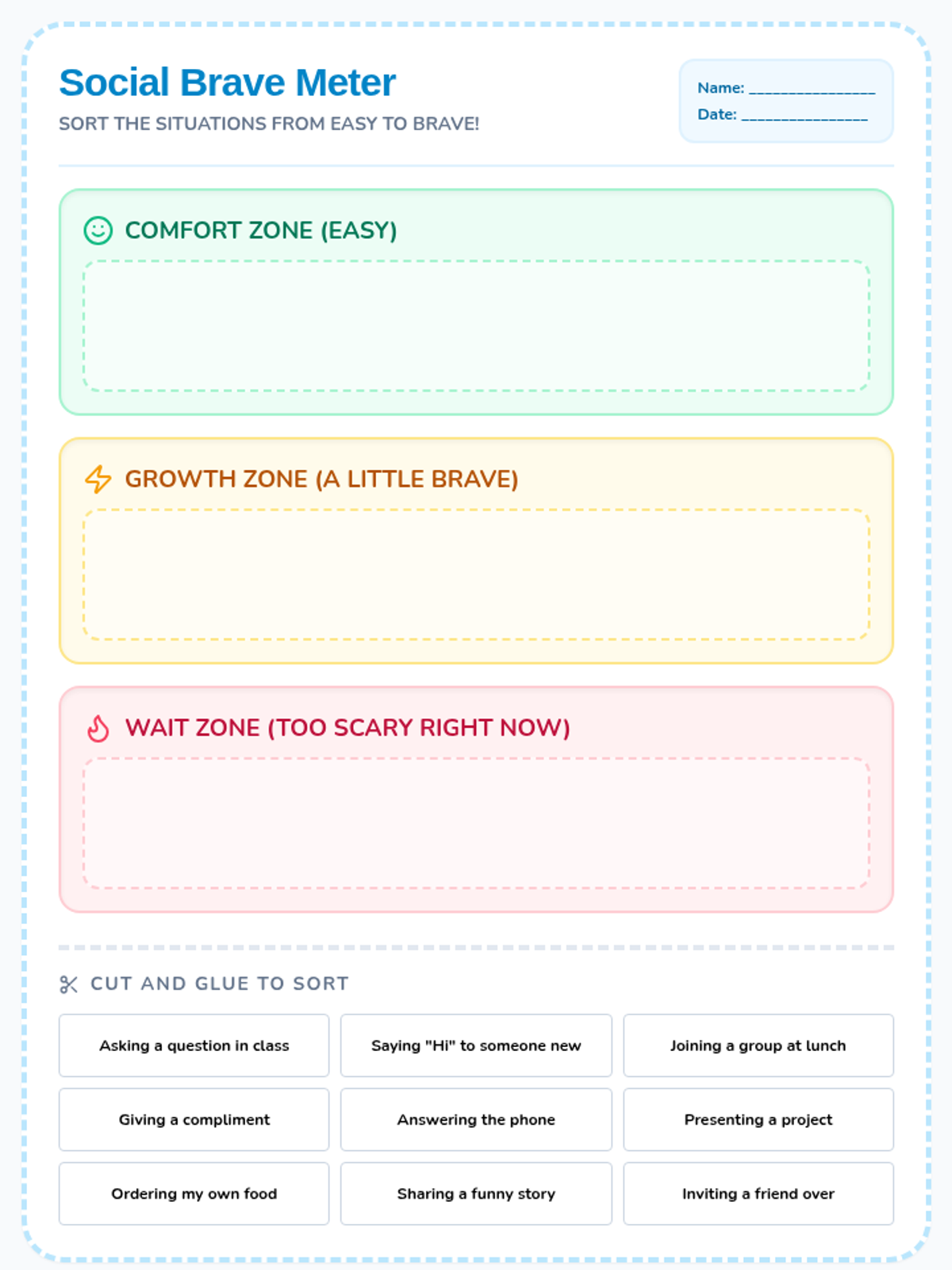
A three-session individual counseling sequence designed for 5th-grade girls to build social confidence and cultivate a positive body image through creative activities and guided reflection.
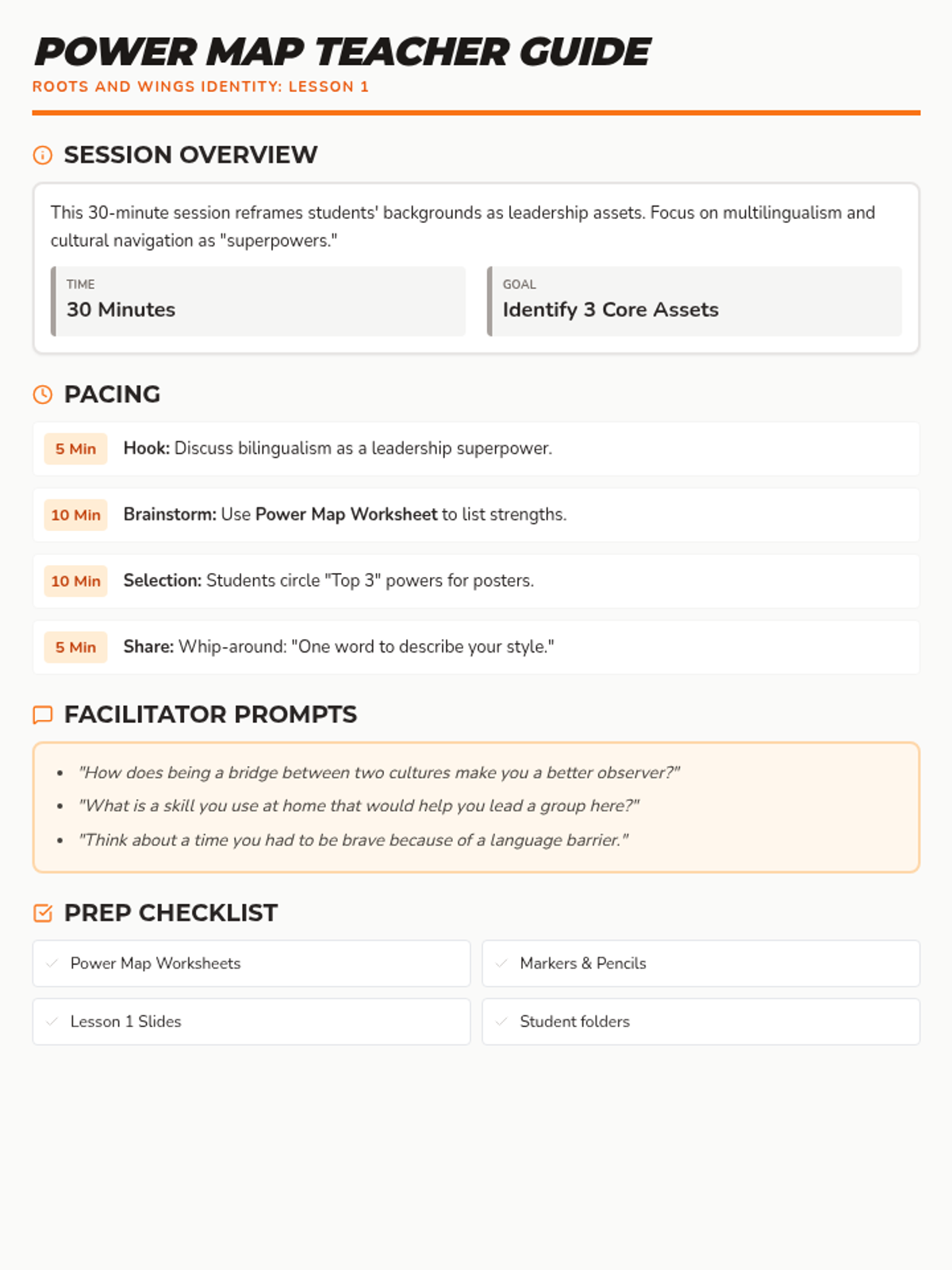
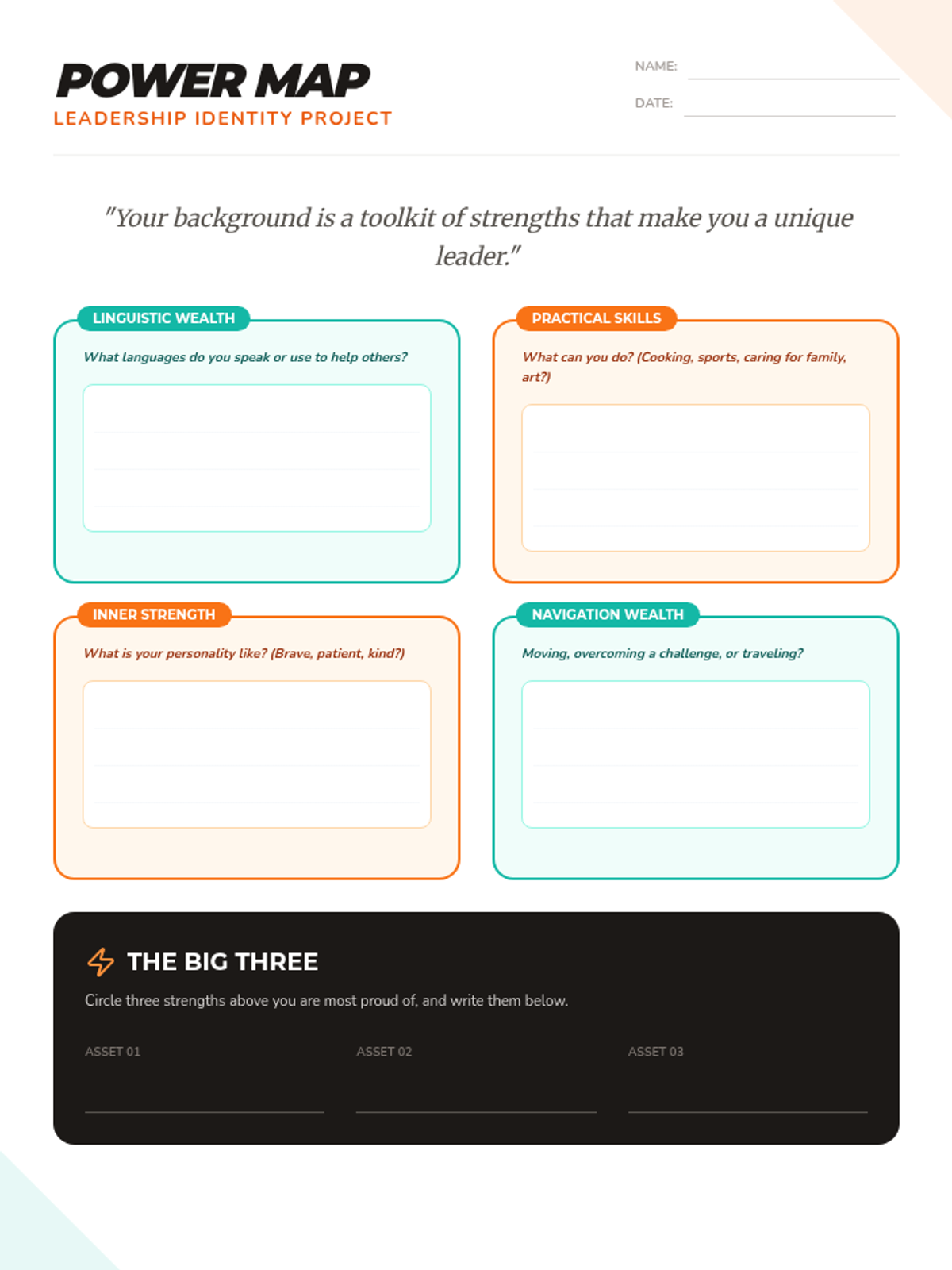
A four-week leadership sequence for English Learners to explore their cultural assets and linguistic strengths, culminating in the creation of personalized visual identity posters. This asset-based program focuses on 'Cultural Wealth' and leadership through a lens of diversity and pride.
A 5-lesson unit for 5th-grade girls focused on identifying big emotions, understanding their intensity, and practicing self-regulation through positive self-talk and healthy expression.
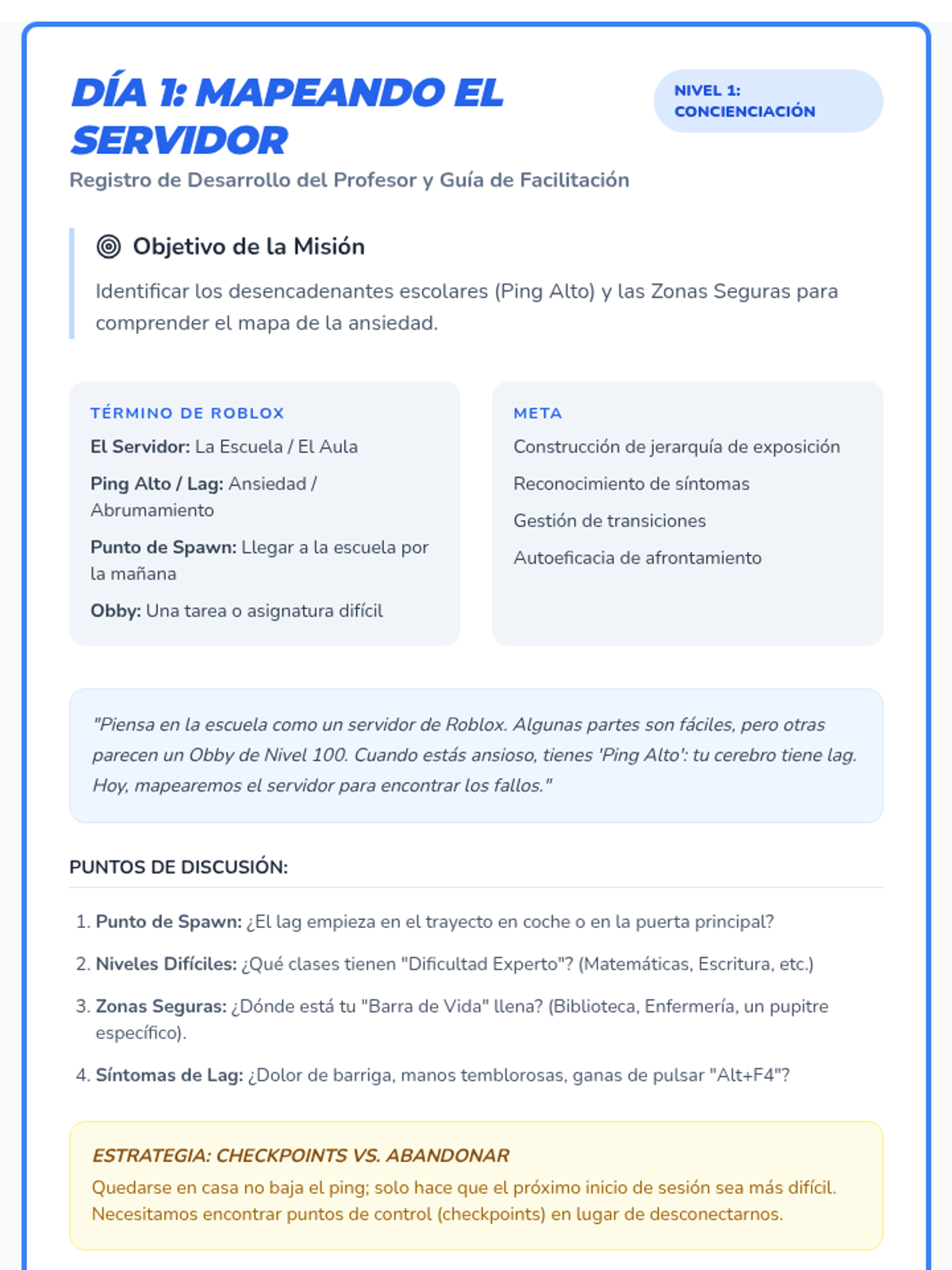
A 5-day intervention program for school-avoidant students, using Roblox-inspired mechanics to address anxiety, perfectionism, and teacher engagement.
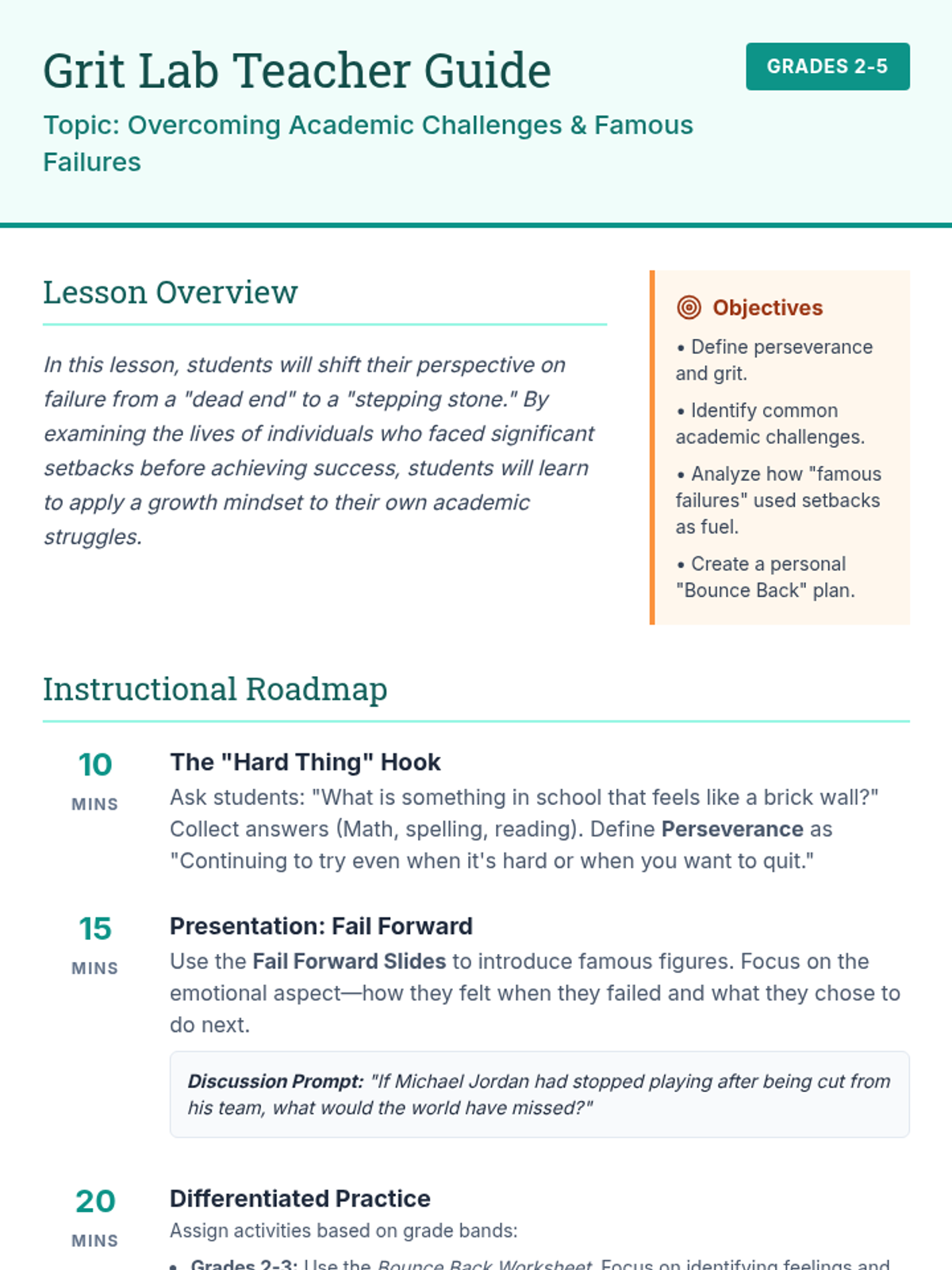
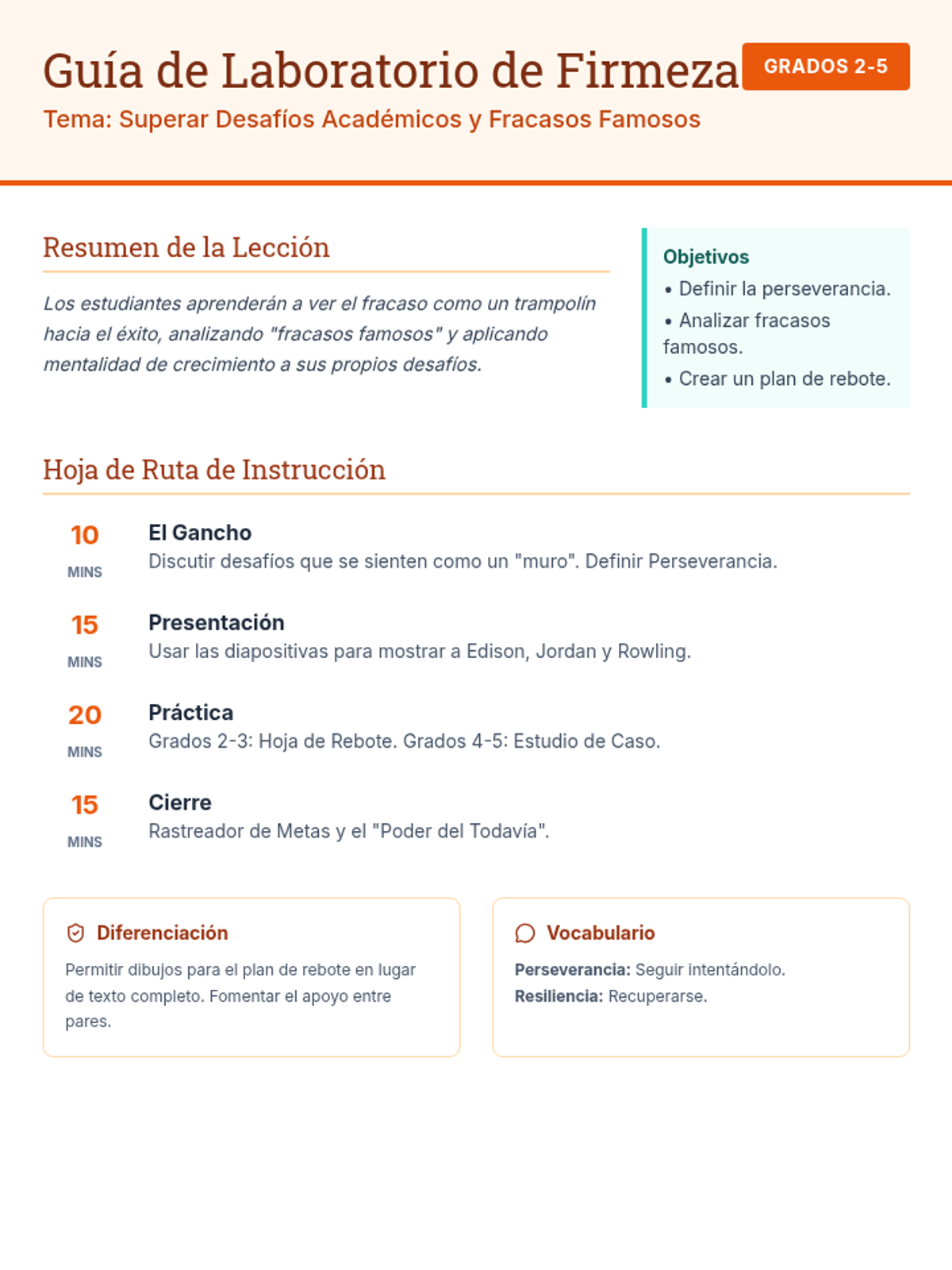
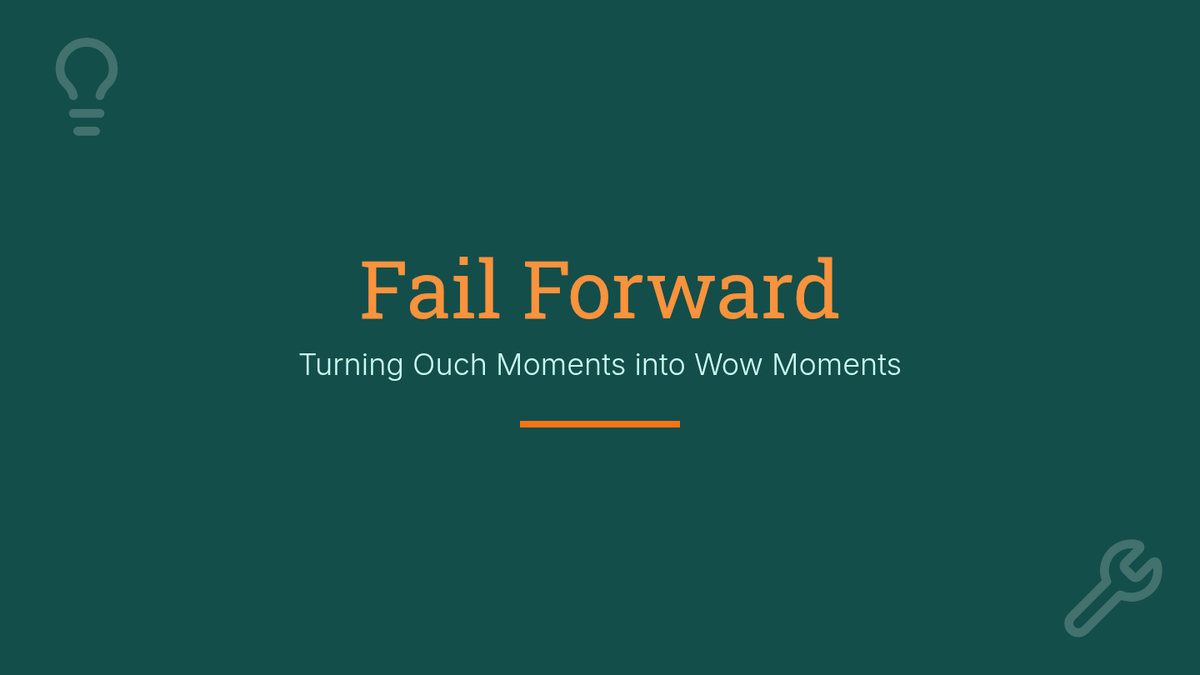
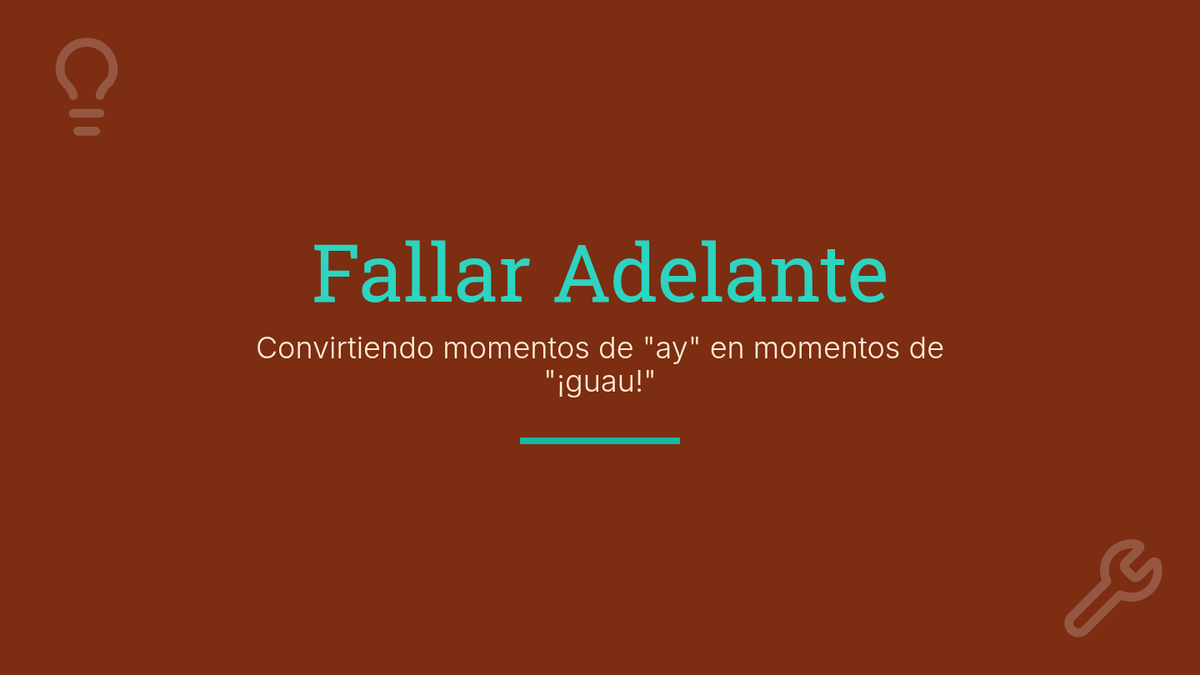
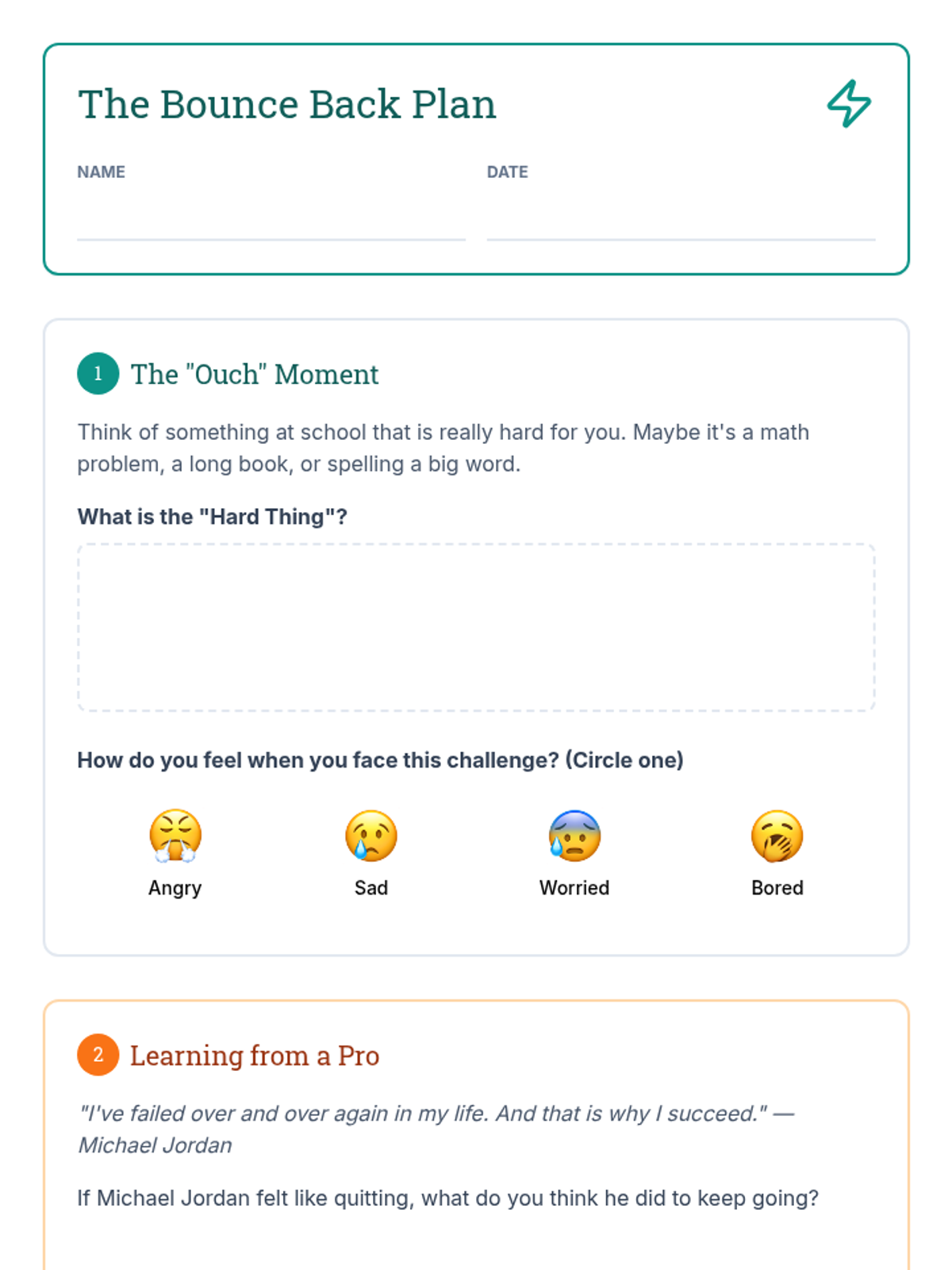
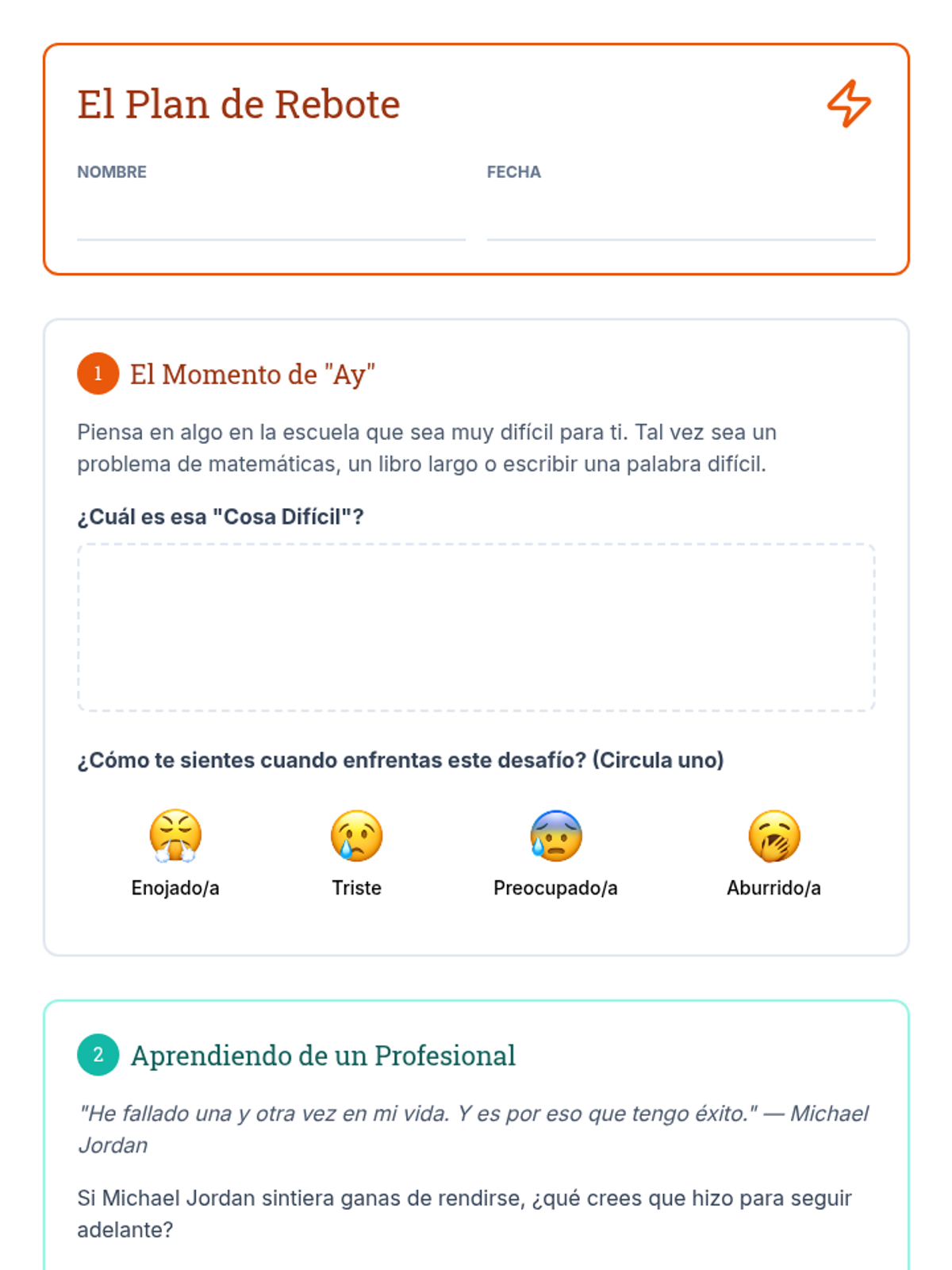
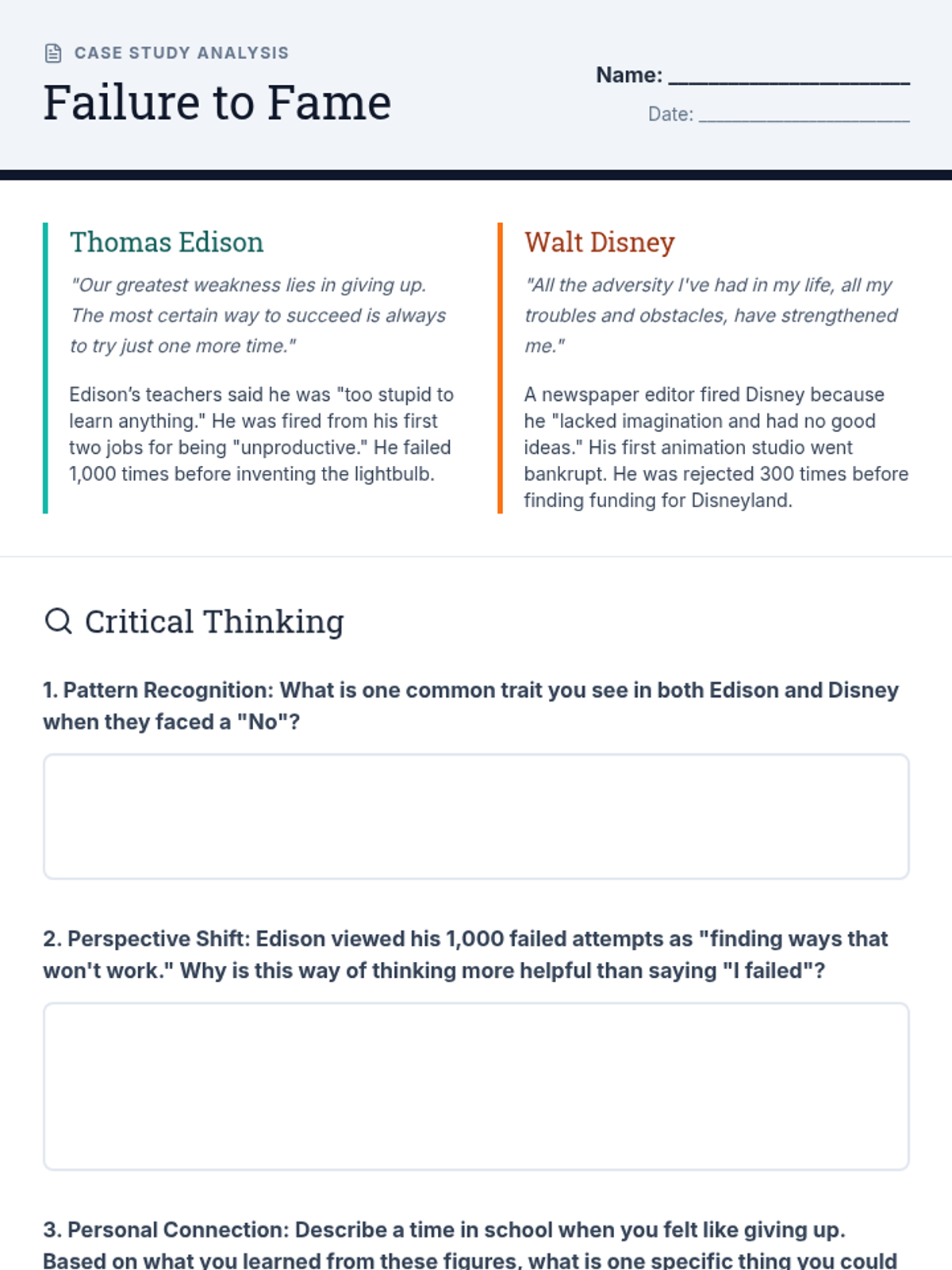
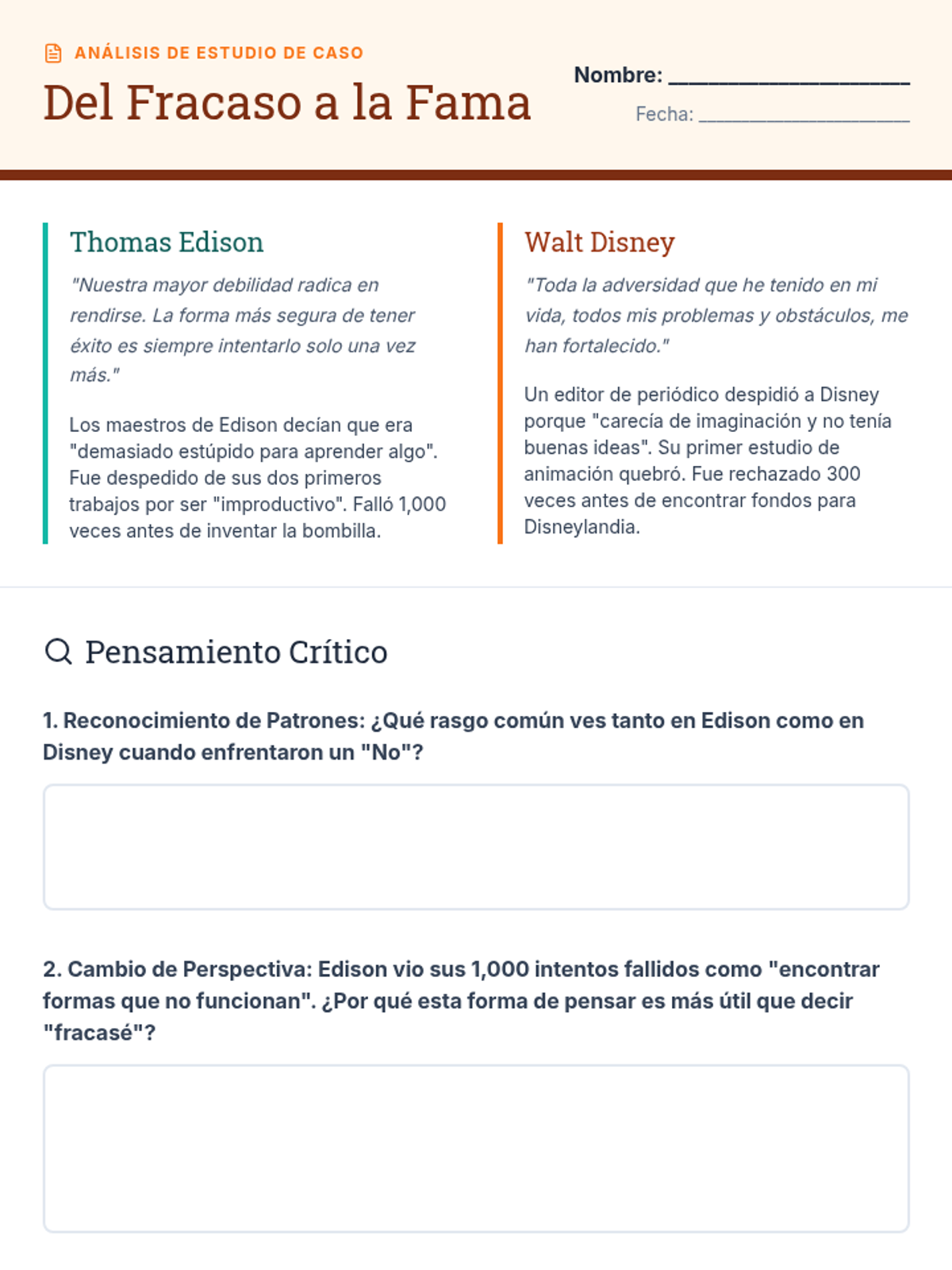
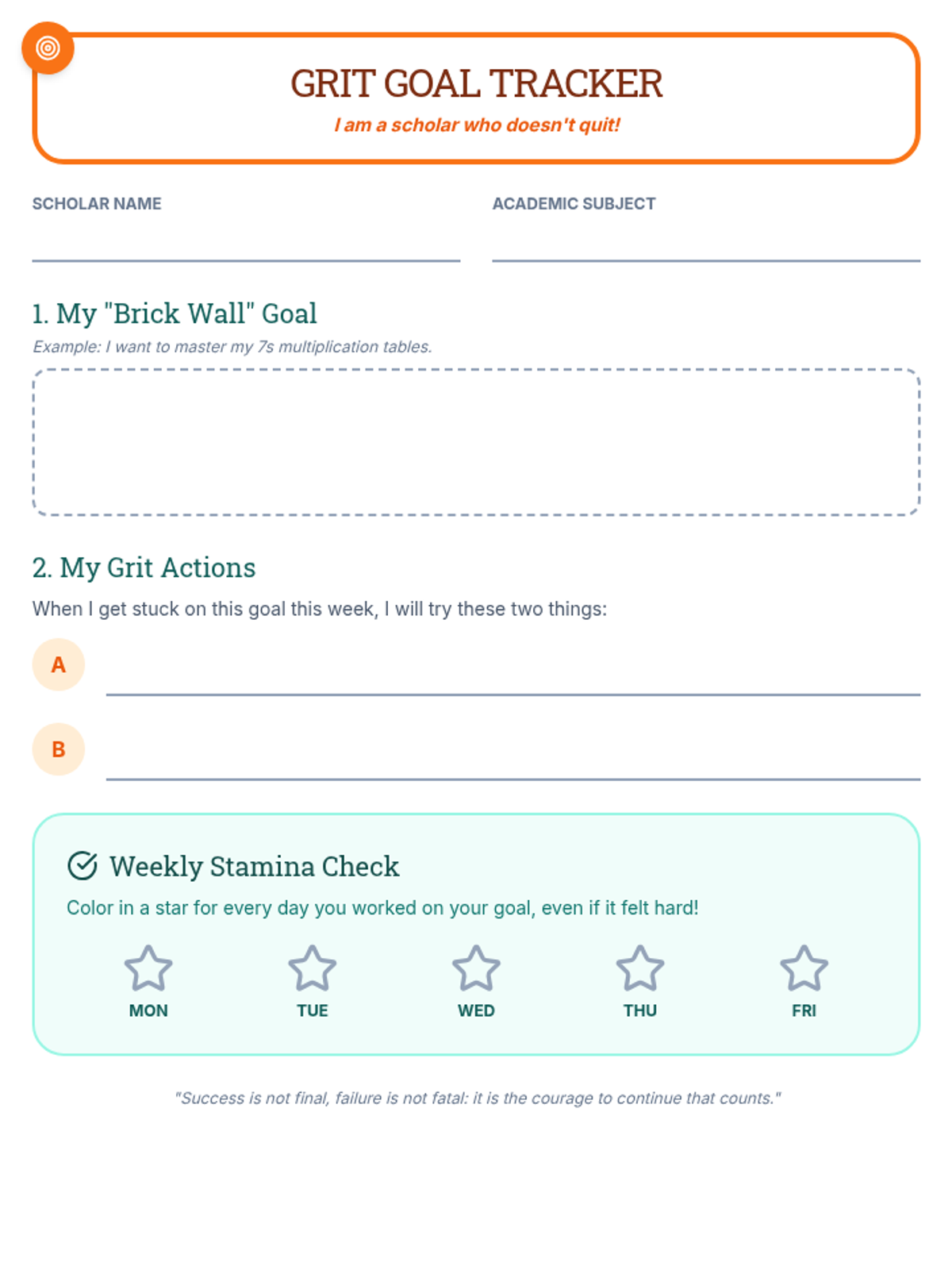
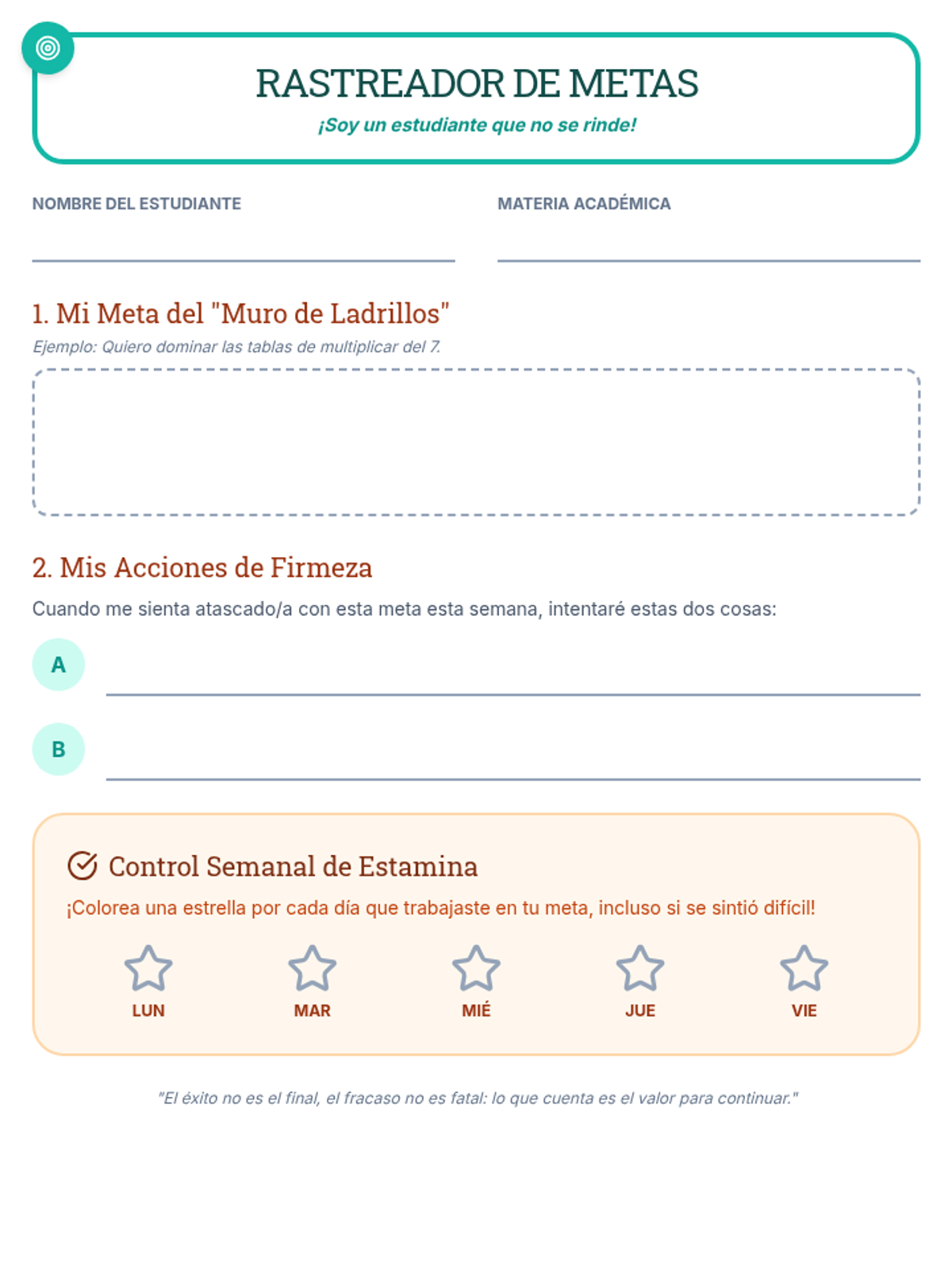
A comprehensive one-day lesson focused on building perseverance through the lens of 'Famous Failures' and overcoming academic challenges, designed for Grades 2-5 in both English and Spanish.
A comprehensive 4-day small group program focusing on essential social-emotional skills including emotional regulation, active listening, friendship building, and conflict resolution.
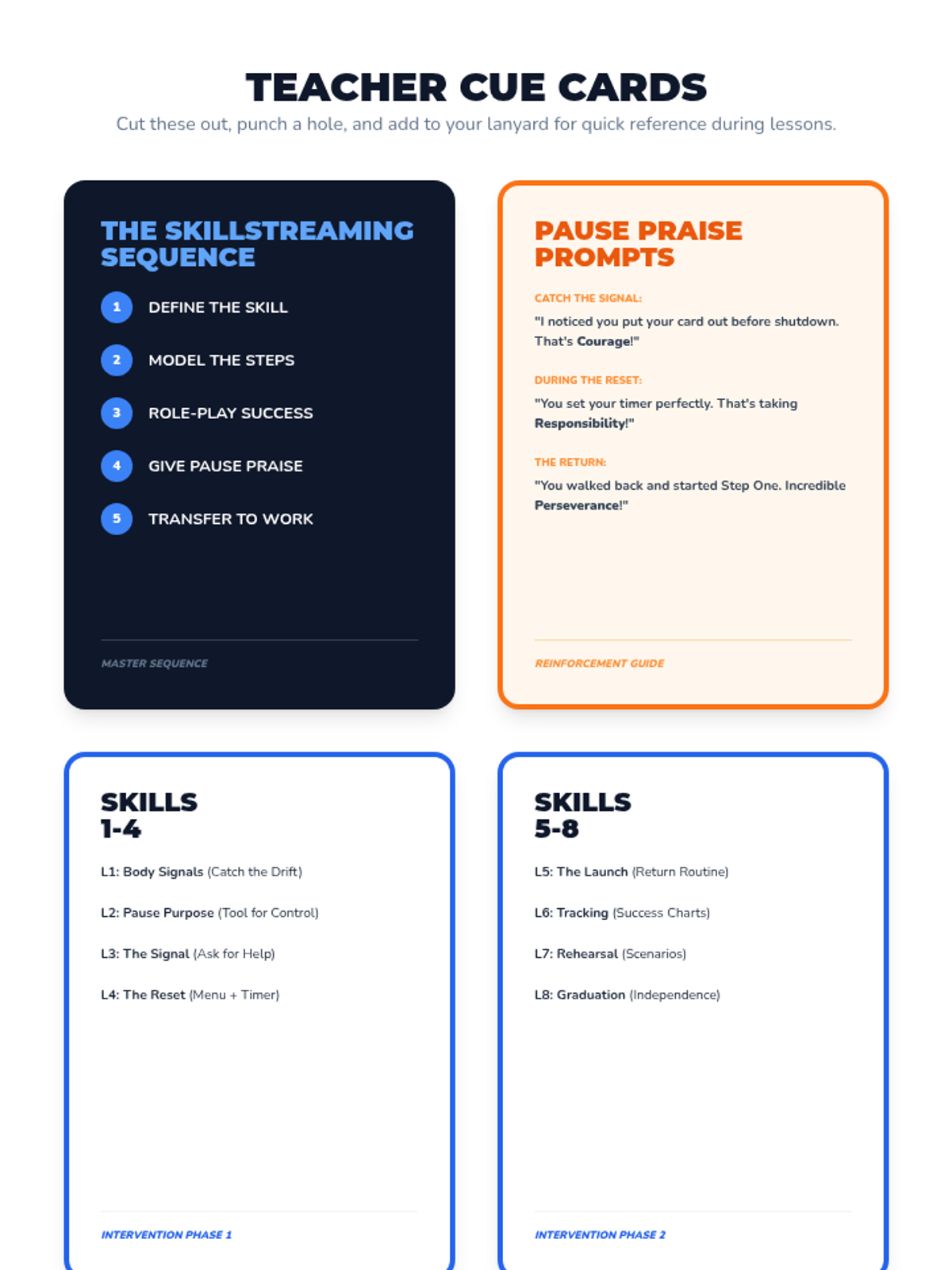
A comprehensive small group counseling and character education series designed to build emotional intelligence, social skills, and conflict resolution through a 'Hero Training' lens.
A comprehensive social-emotional learning series focused on self-regulation, task persistence, and foundational character building for elementary students.
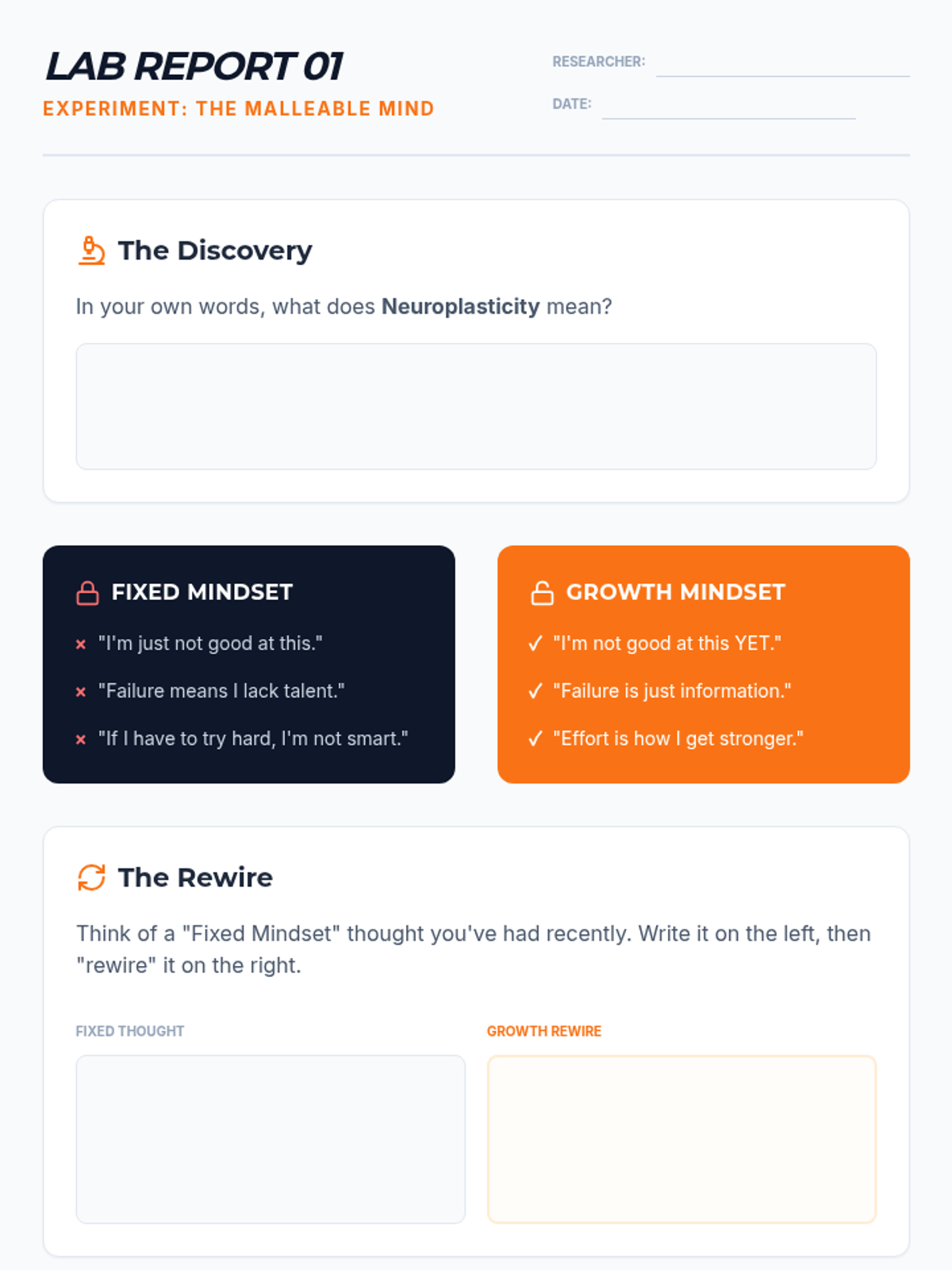
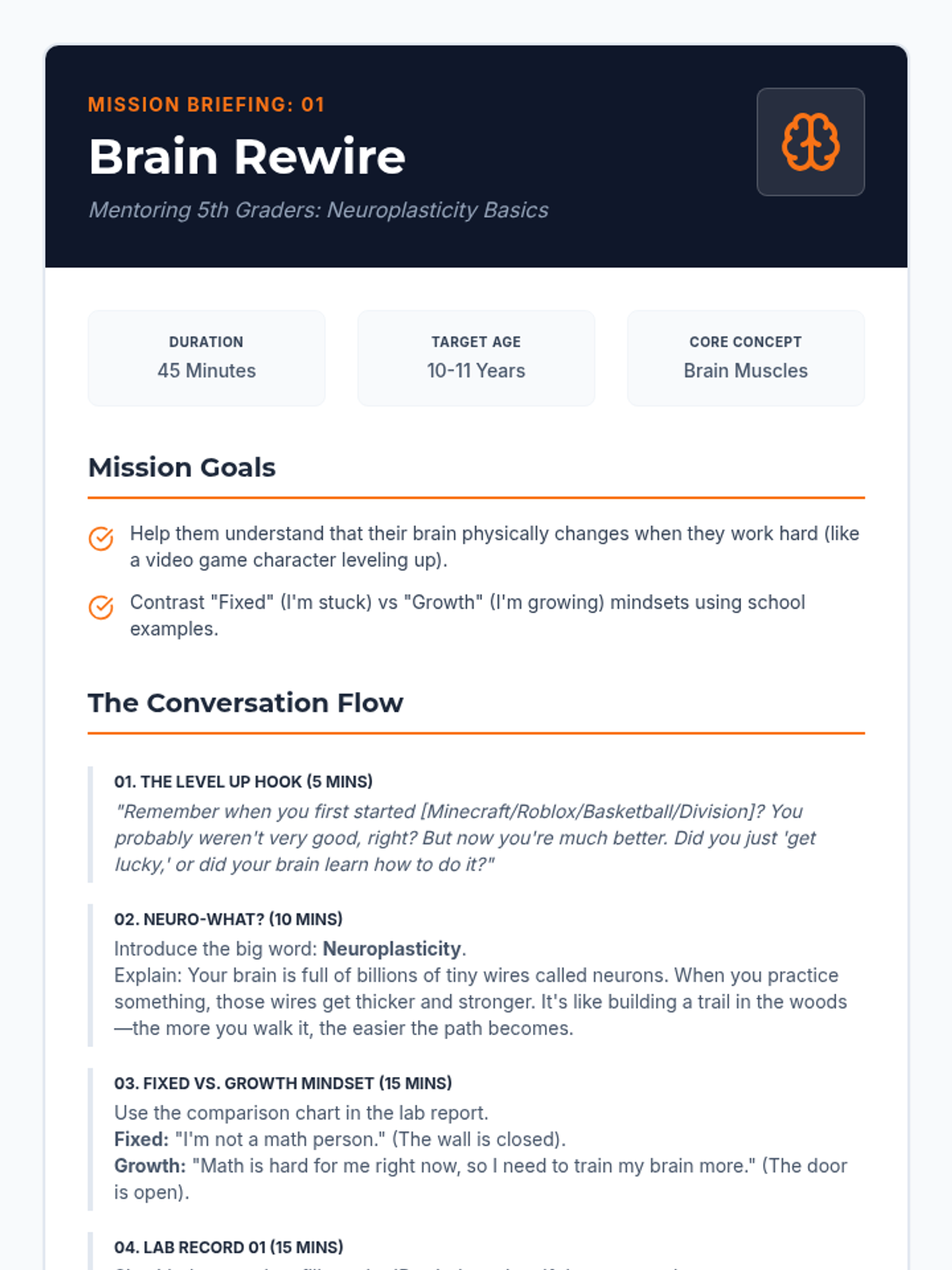
A 10-week mentorship curriculum focused on building growth mindset, resilience, and personal excellence through a "laboratory" theme where students experiment with their own potential.
A 10-session mentoring program focused on conflict resolution, coping strategies (breathing, self-talk), and building confidence through a mentor-mentee relationship.
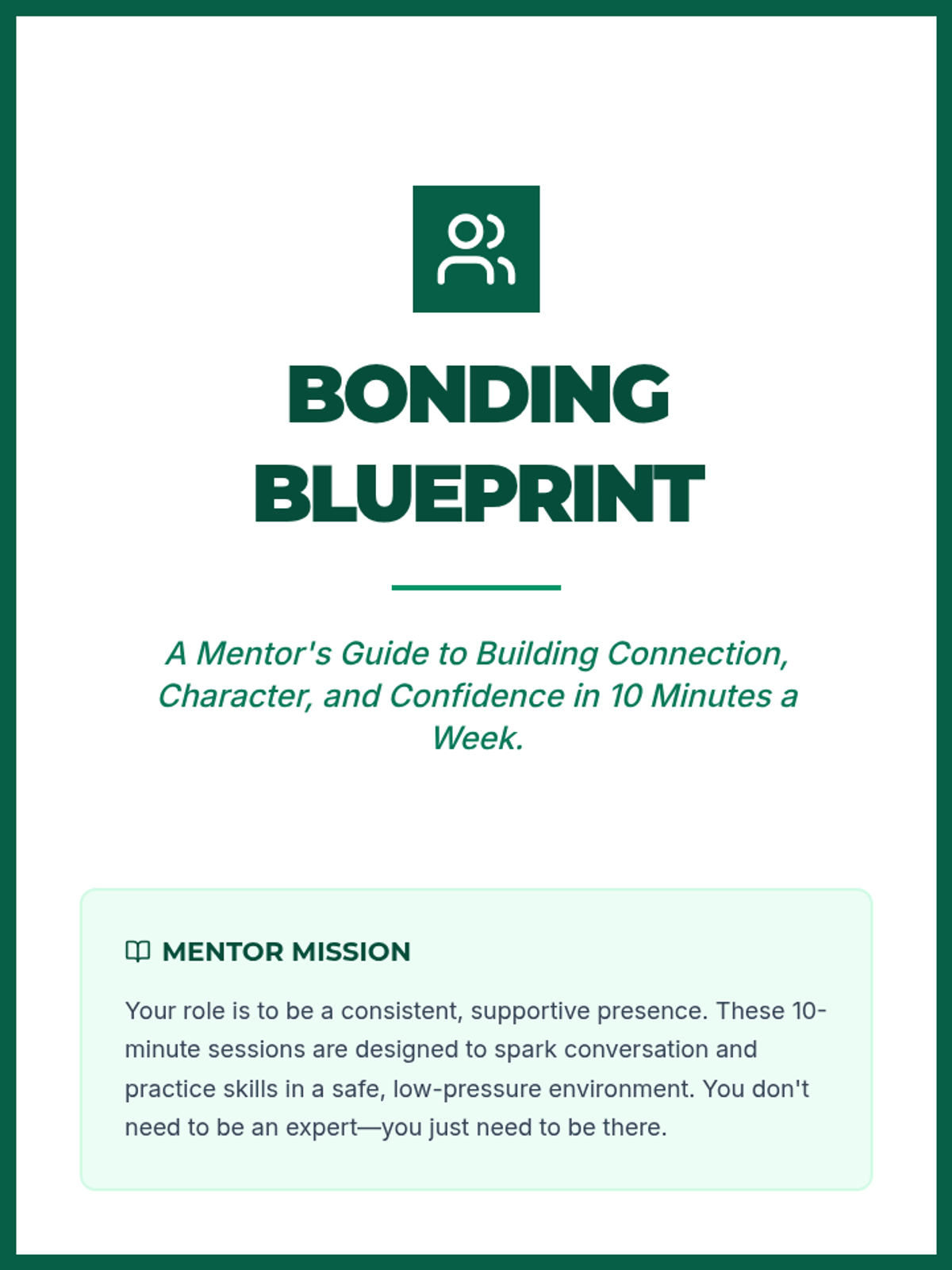
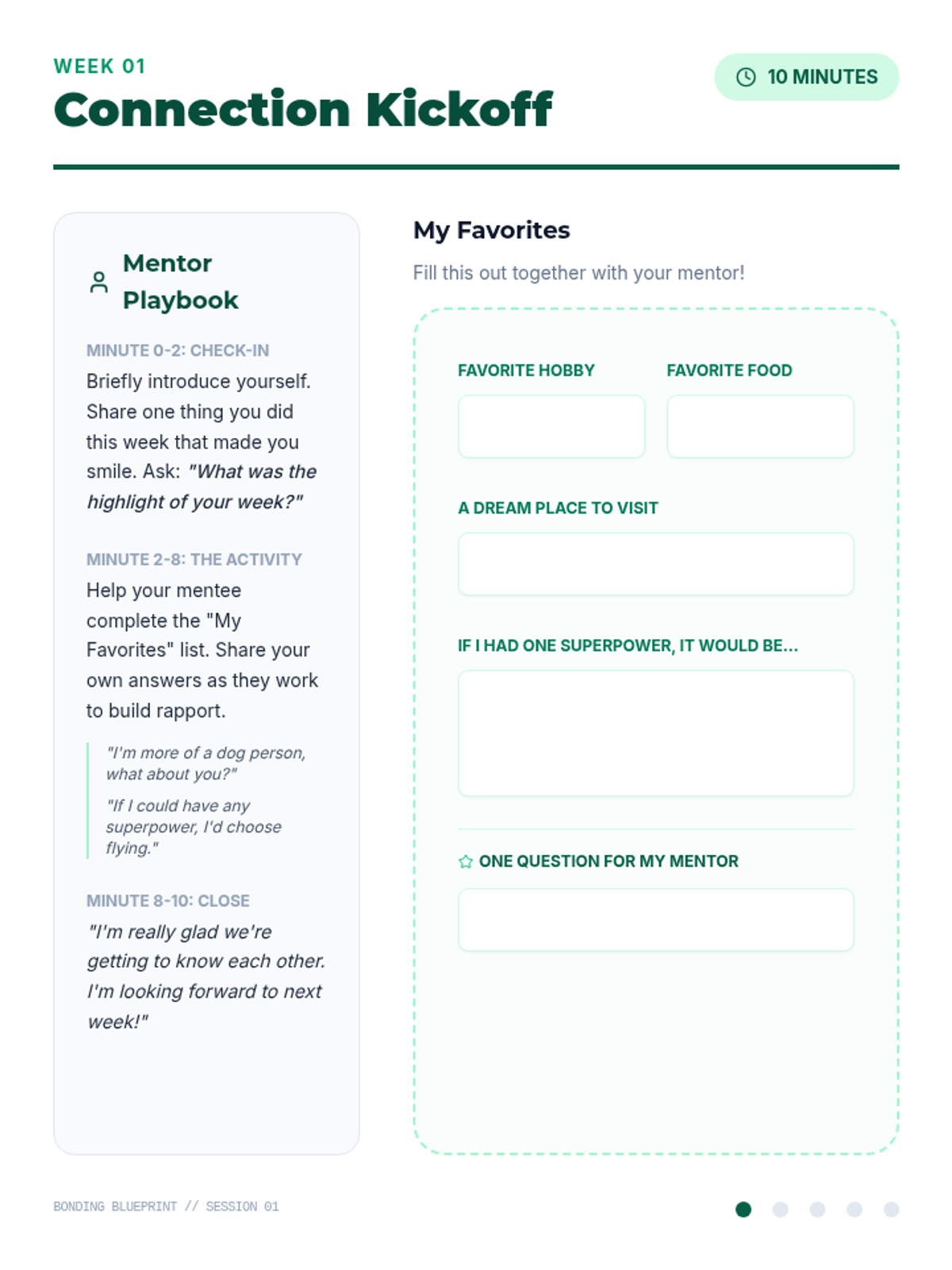
A 10-week mentorship program designed for short, 10-minute sessions focusing on friendship, conflict resolution, and coping skills. The sequence provides structured but flexible activities to build a strong mentor-mentee relationship while developing essential social-emotional skills.
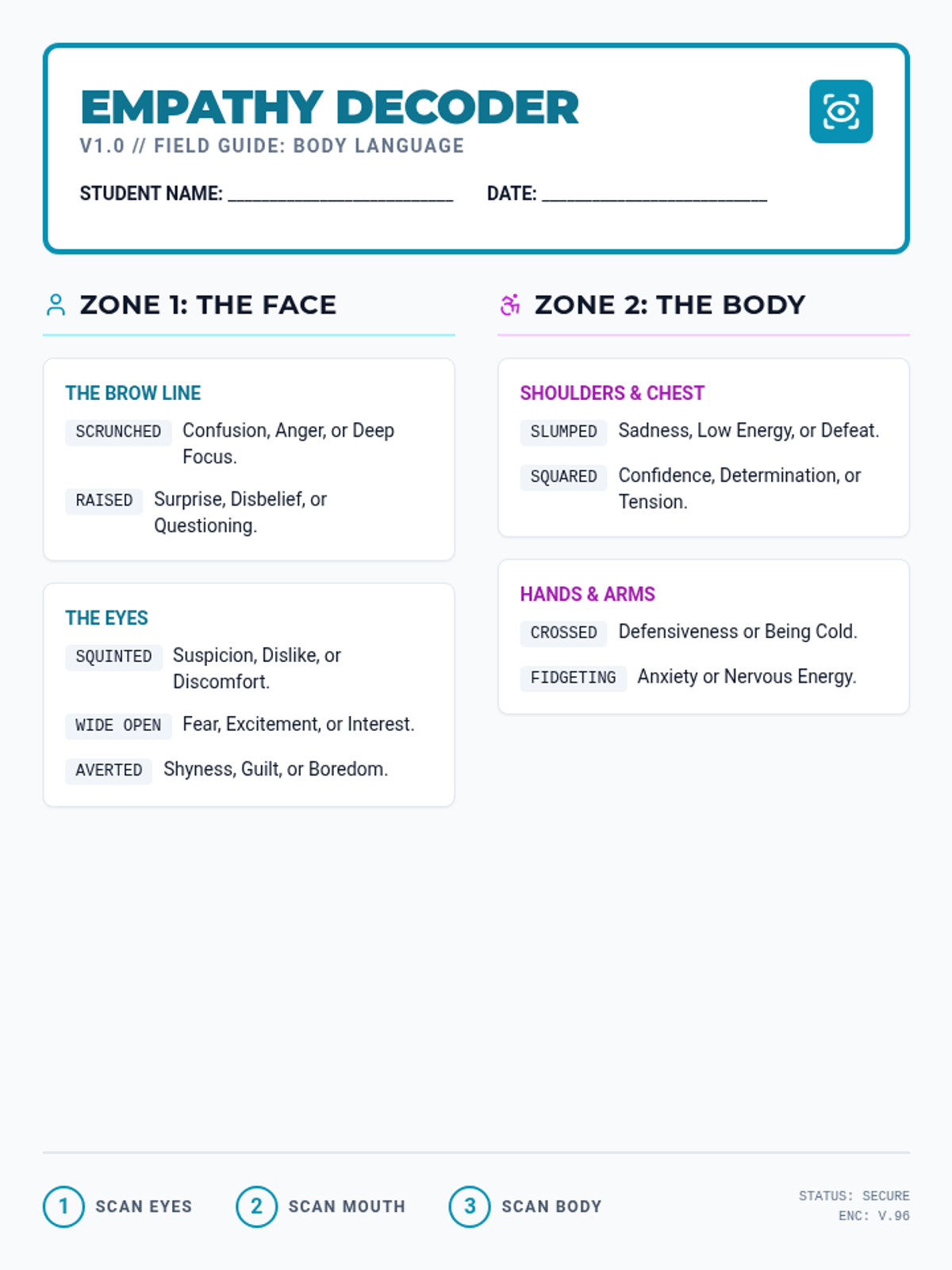
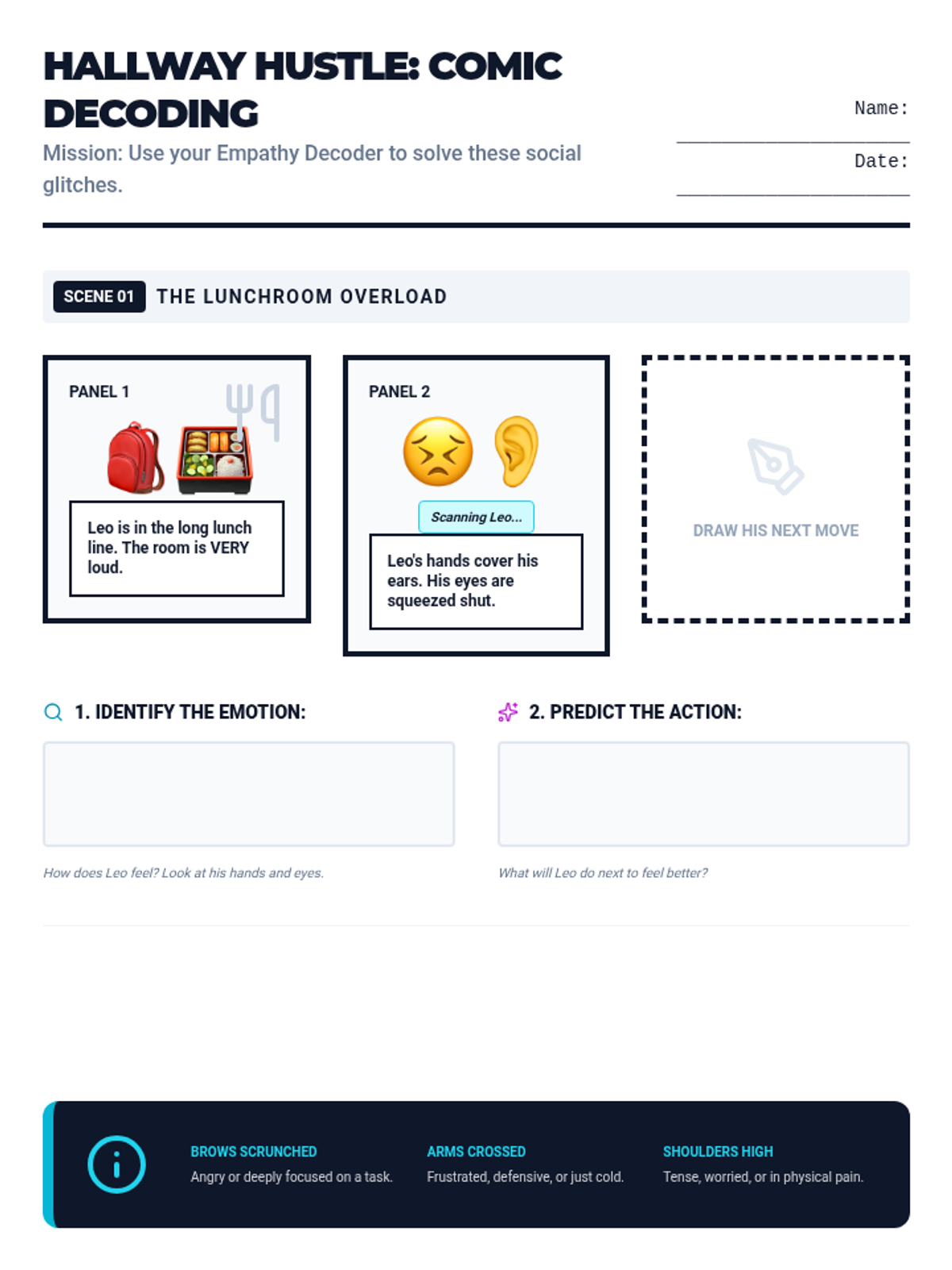
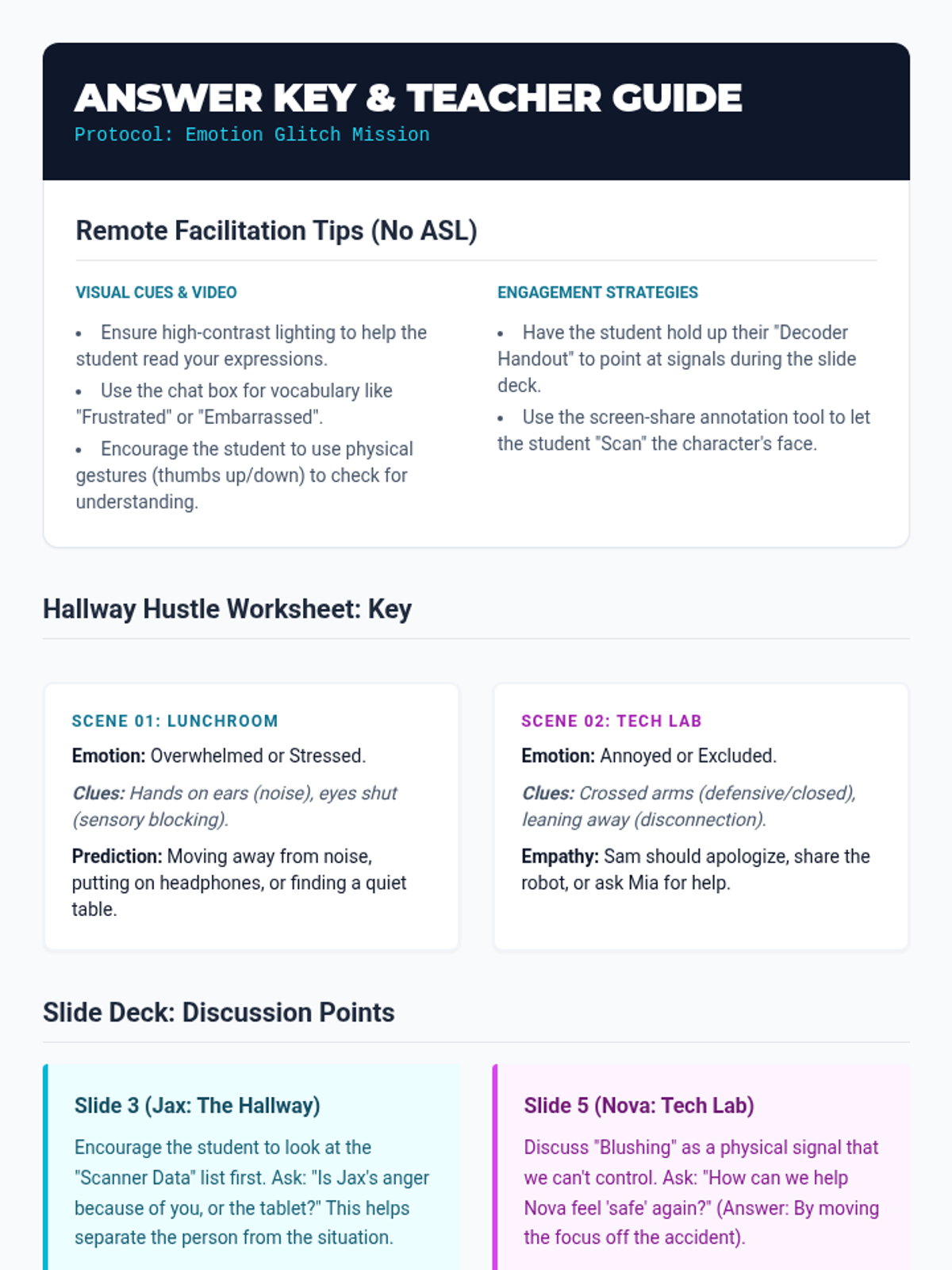
A narrative-driven social work unit for DHH students focusing on non-verbal communication and emotion recognition. Set in a futuristic 'cyber-school' environment to mirror the interactive style of Deafverse.
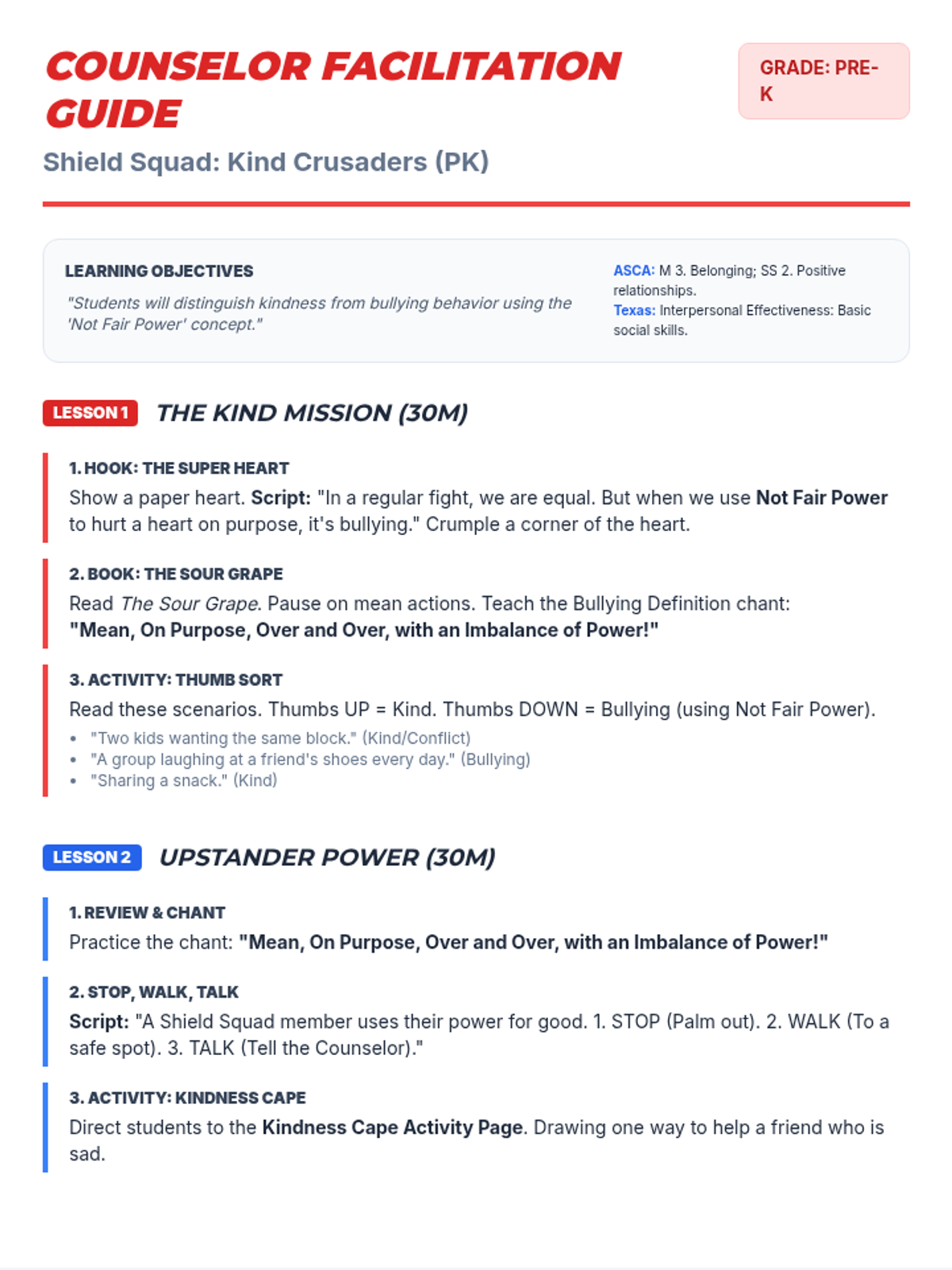
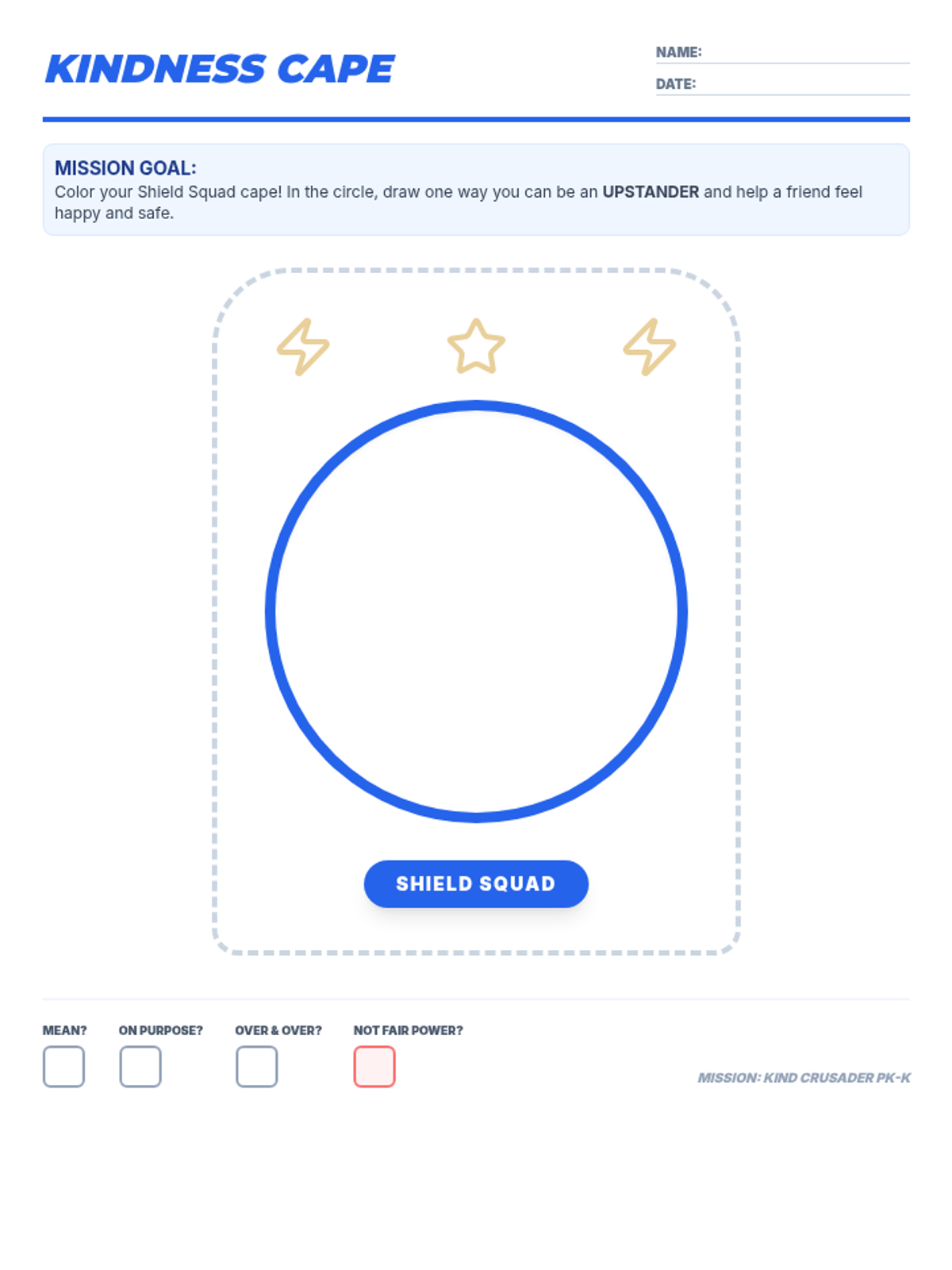
A comprehensive bullying prevention curriculum for PK-6 students, featuring two distinct 30-minute sessions for every individual grade level. The program uses mentor texts by Kathryn Otoshi, Trudy Ludwig, Julia Cook, and others to scaffold concepts of power imbalance, upstander strategies, and school culture change.
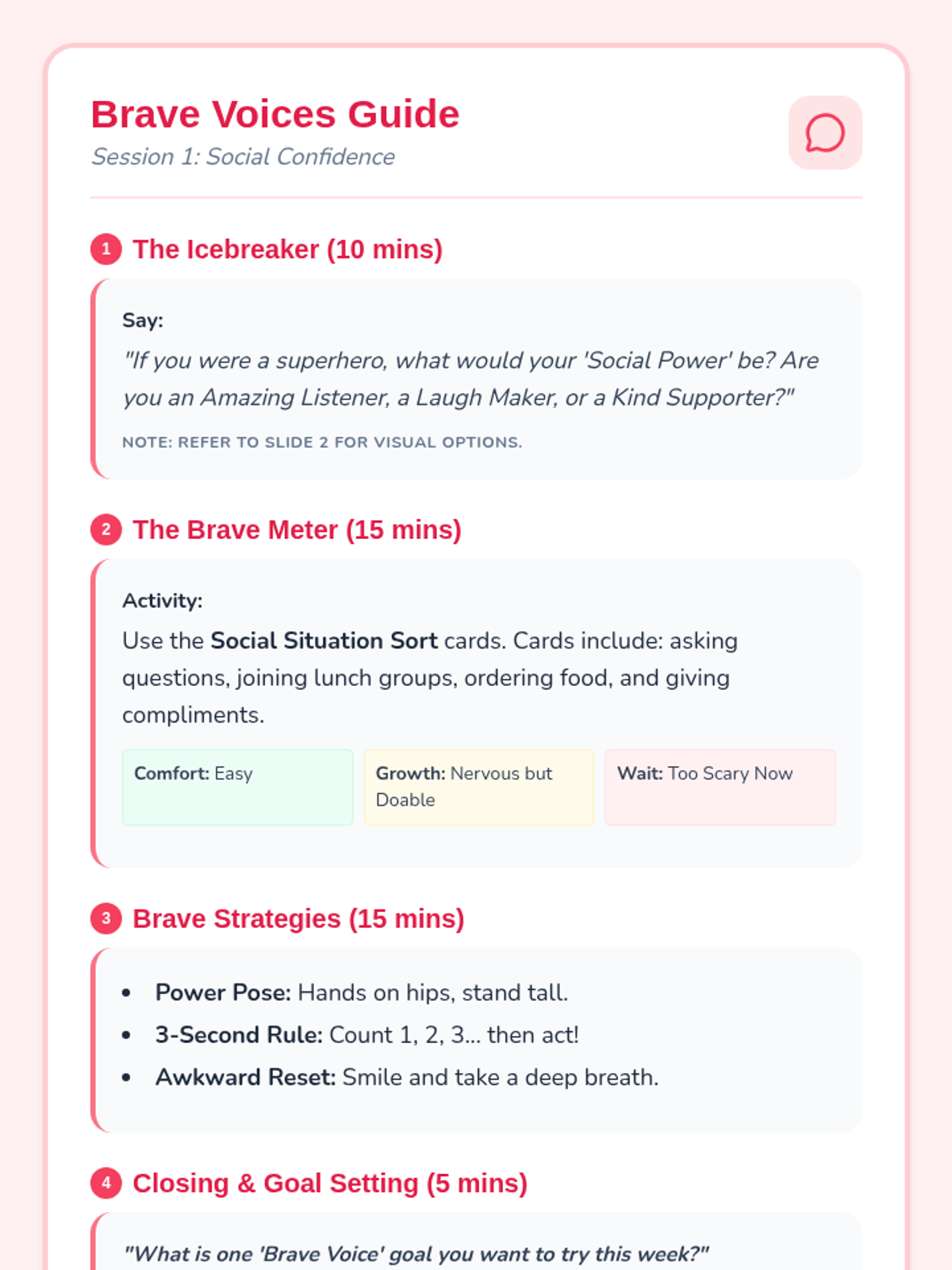
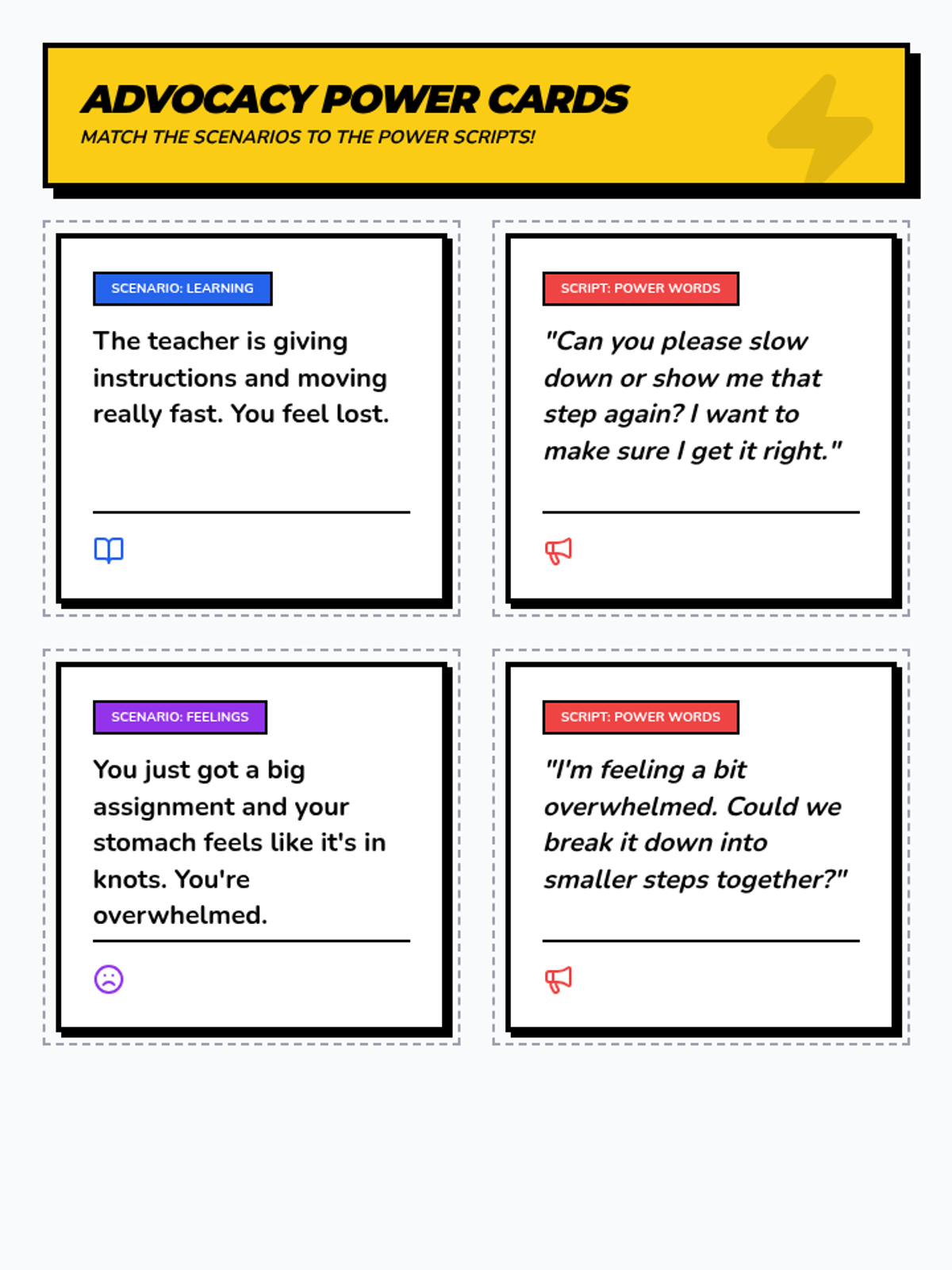
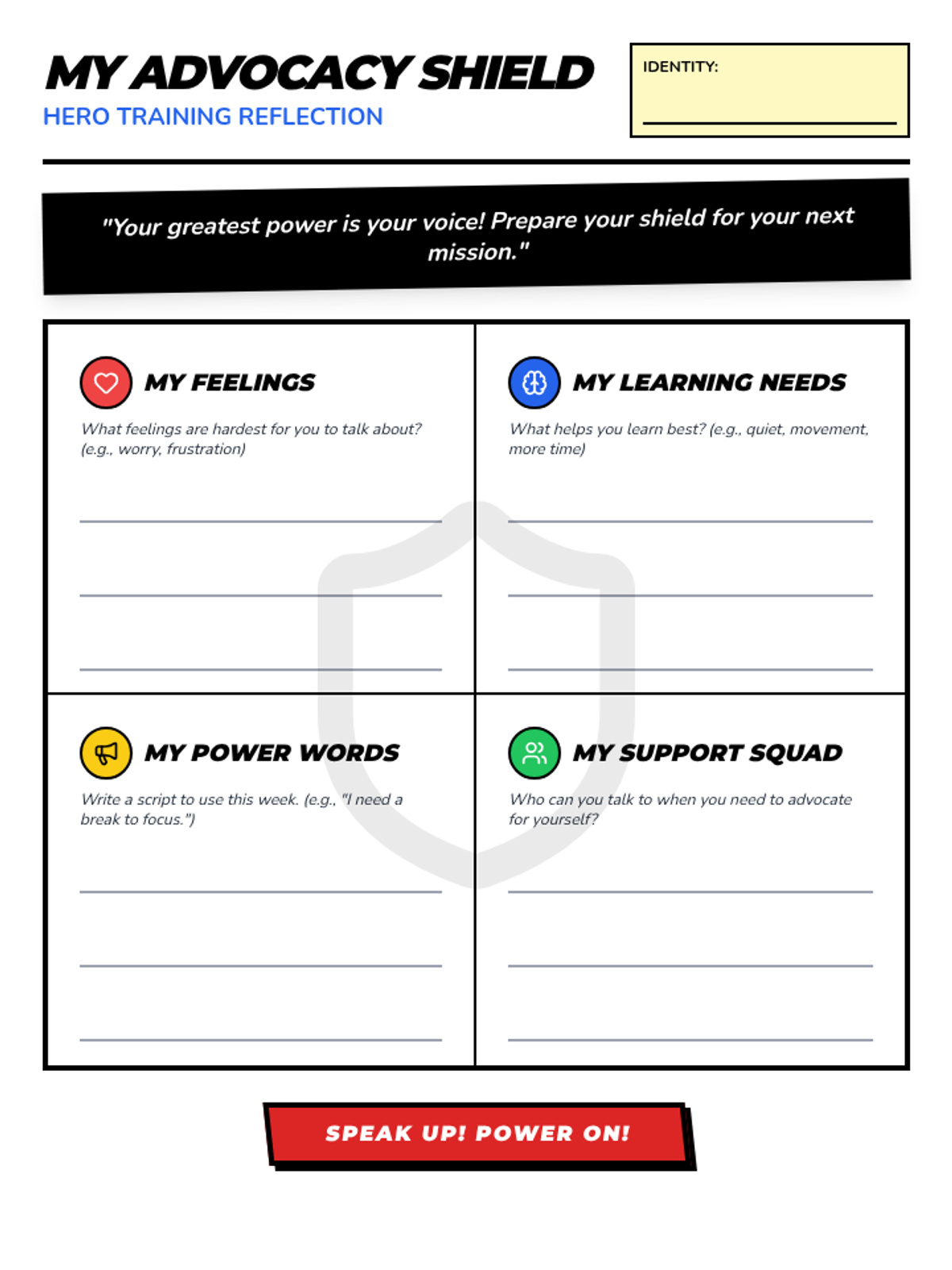
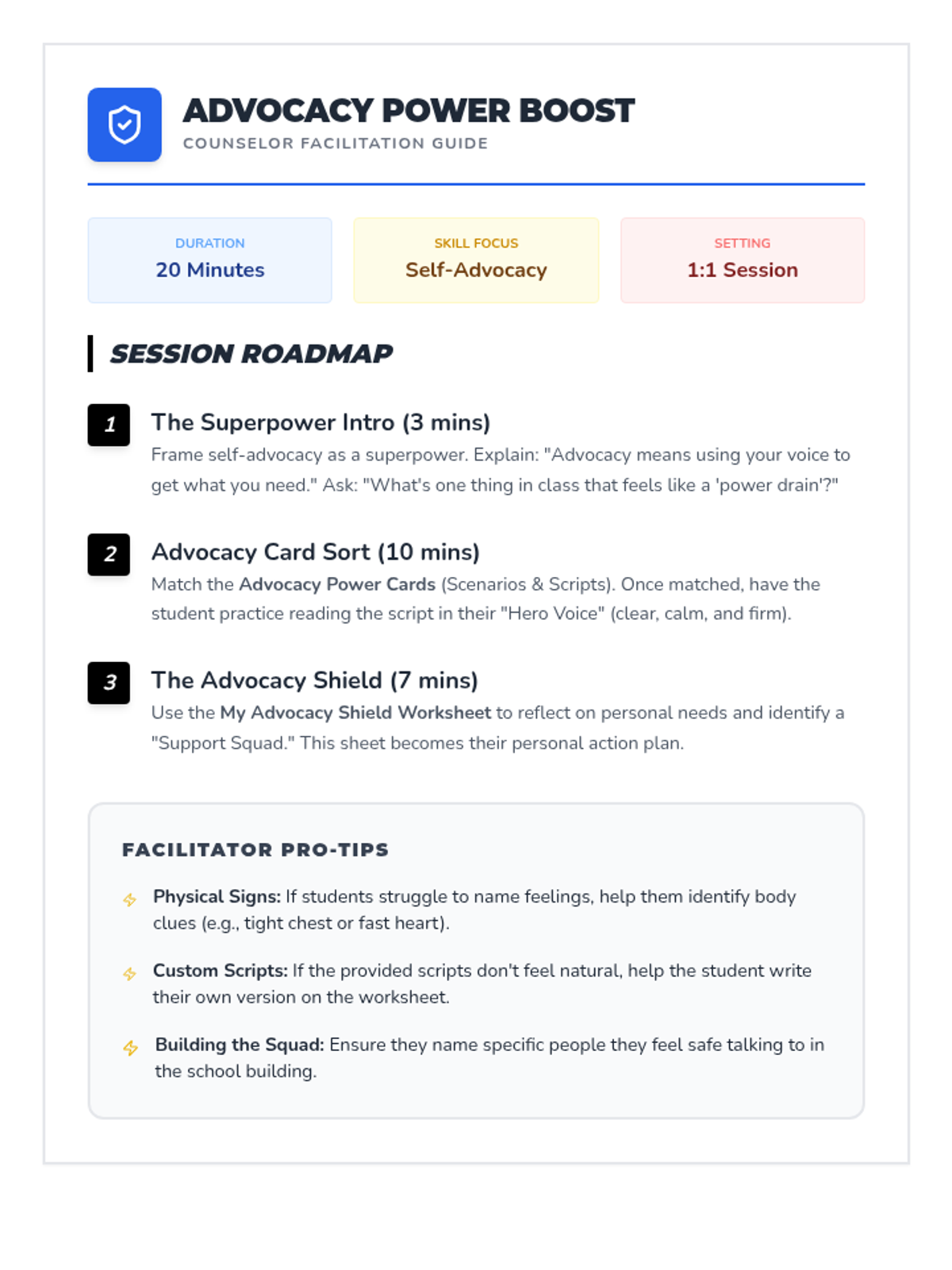
A social-emotional learning series focused on self-advocacy and communication skills, using a superhero theme to empower students to find their voice and express their needs.
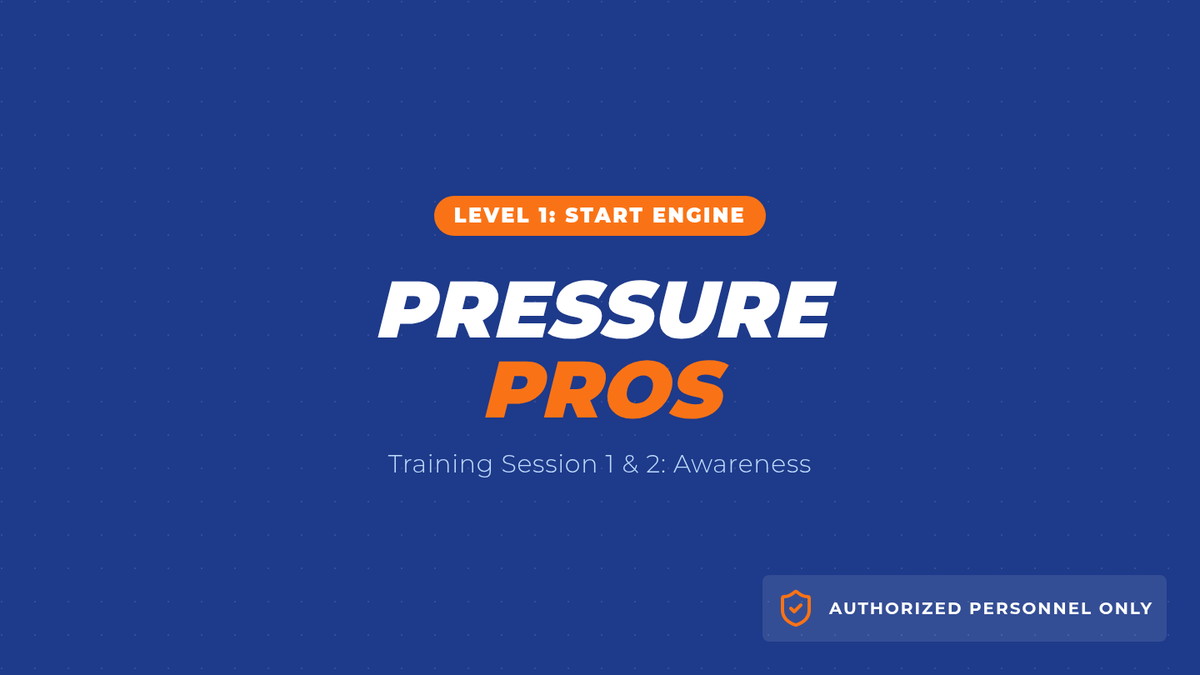
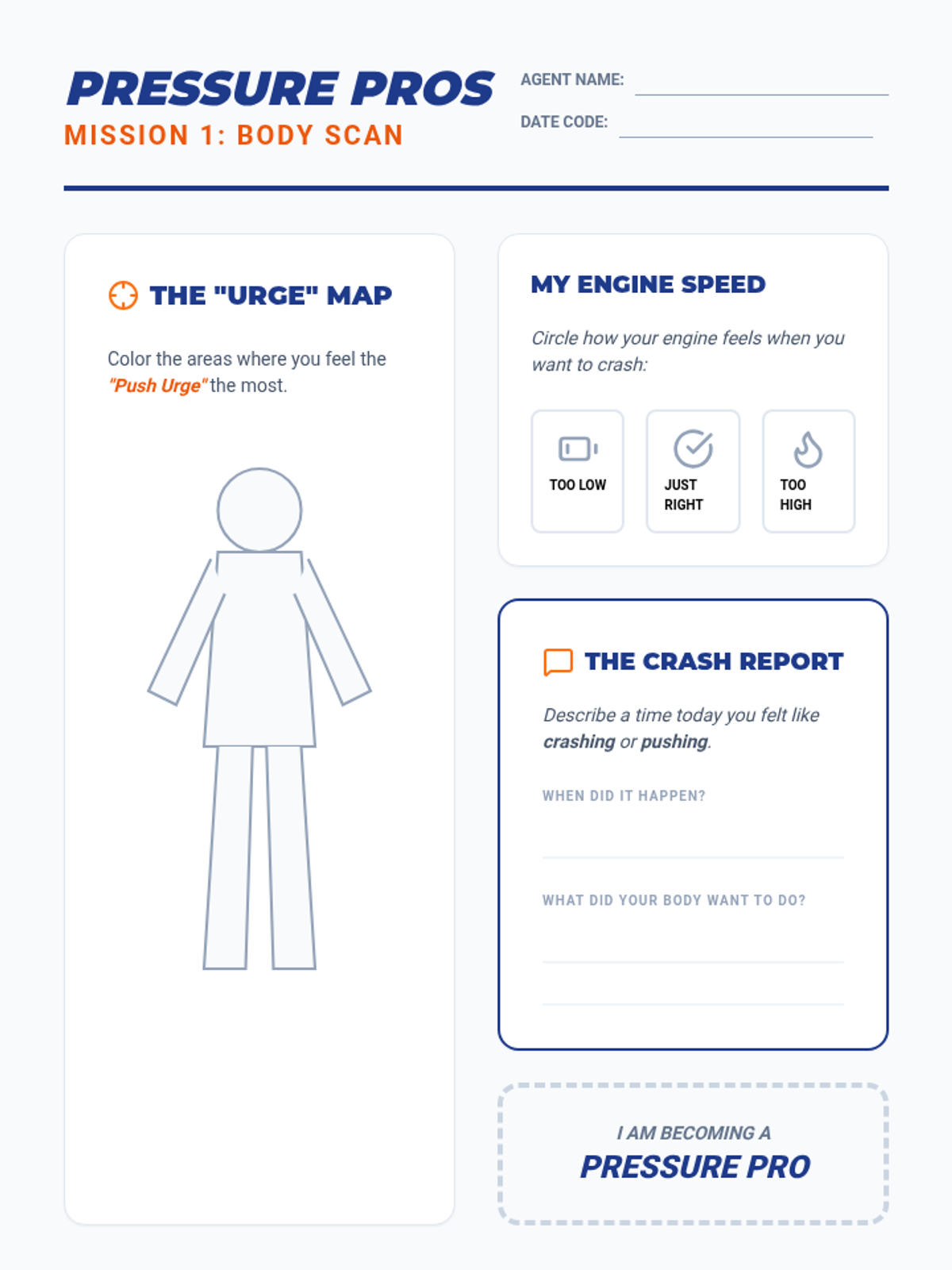
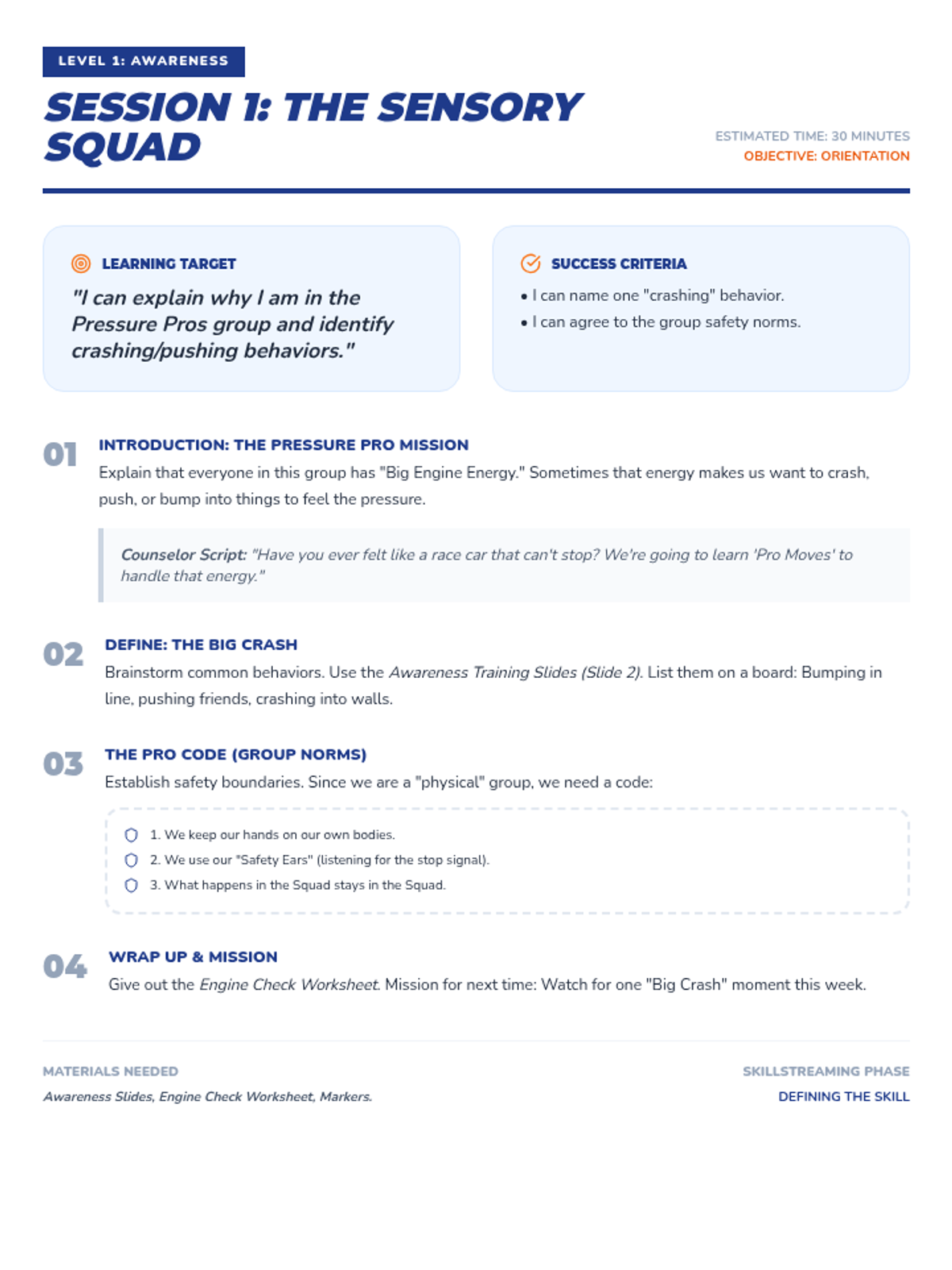
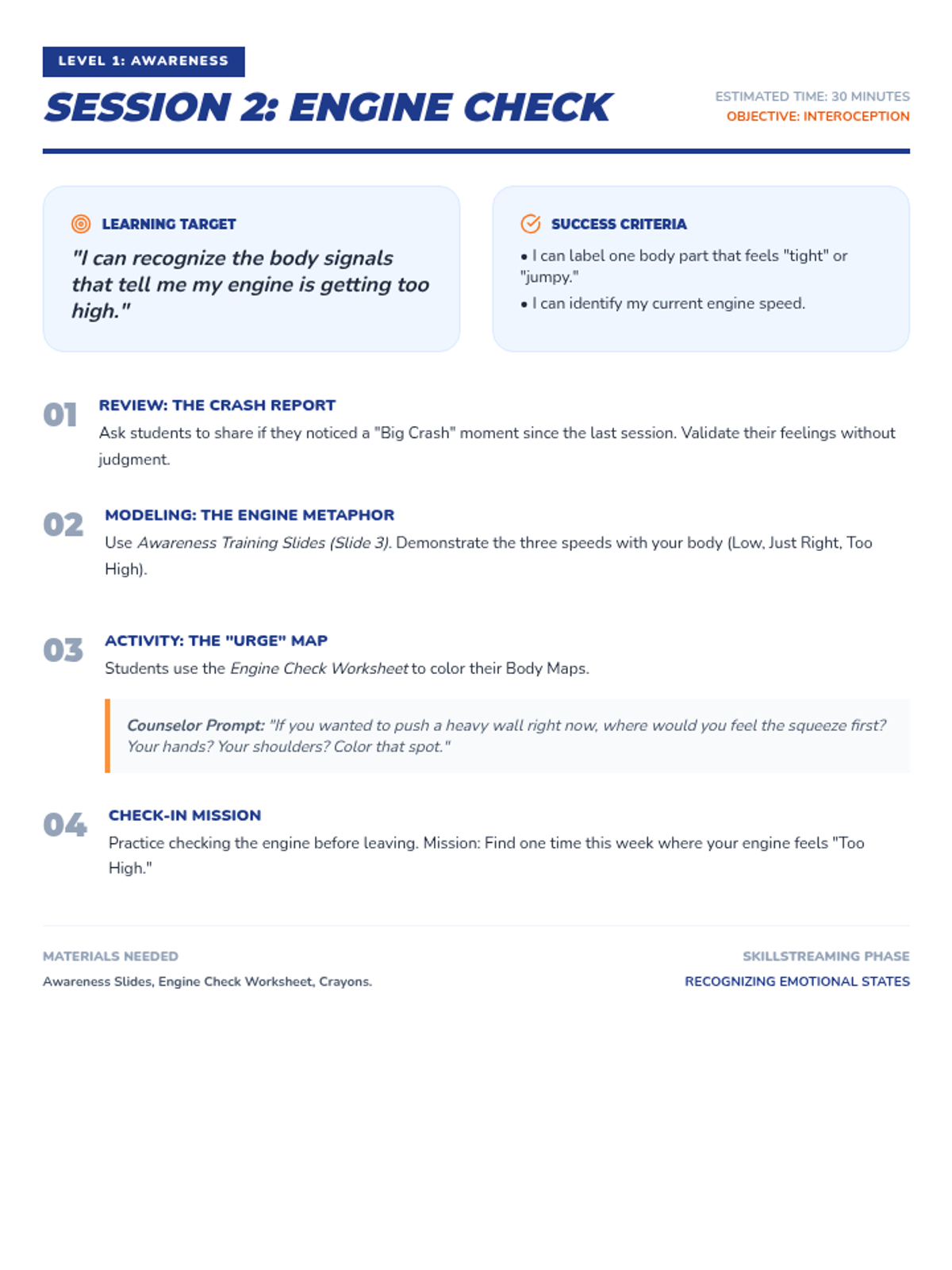
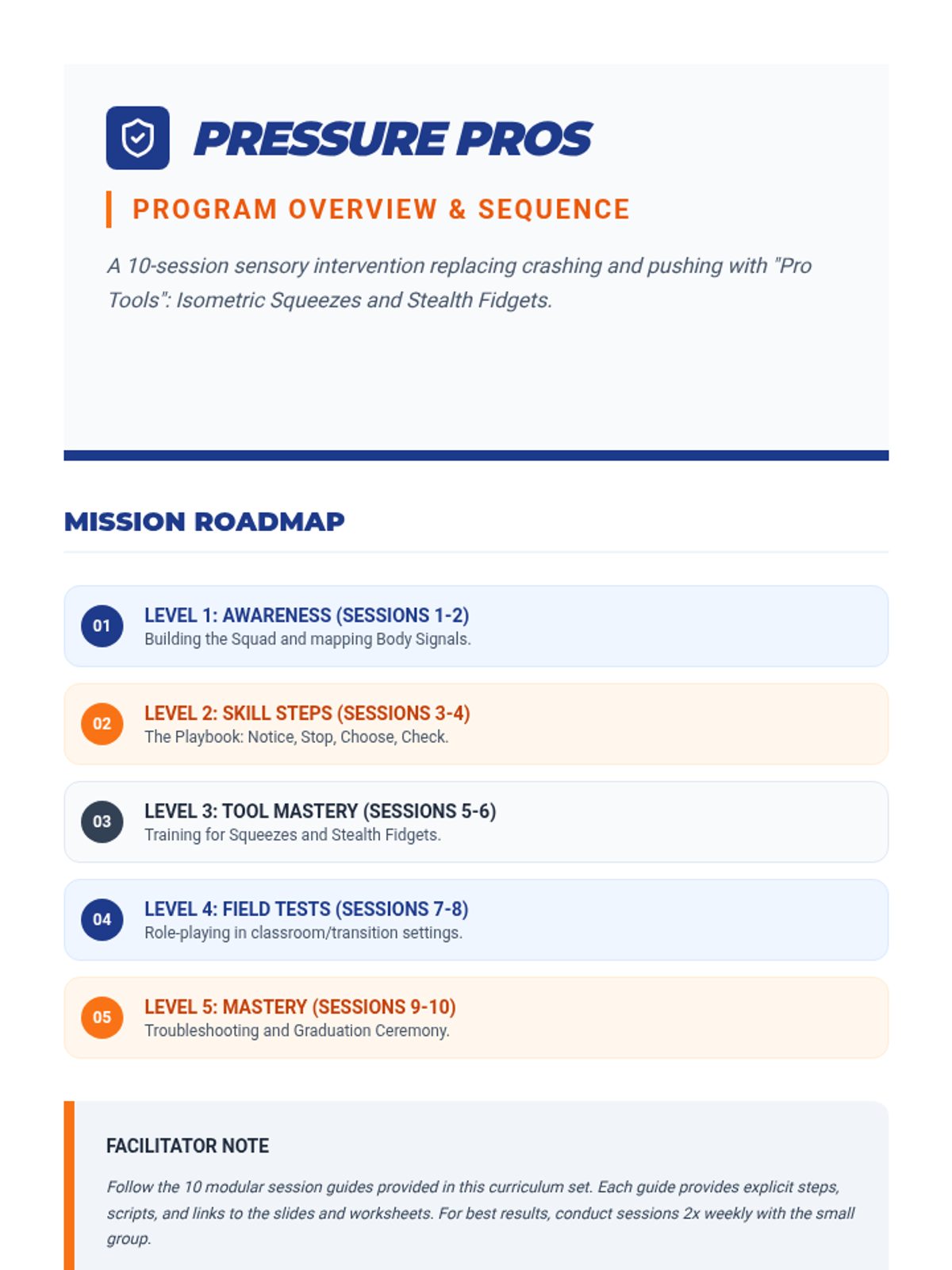
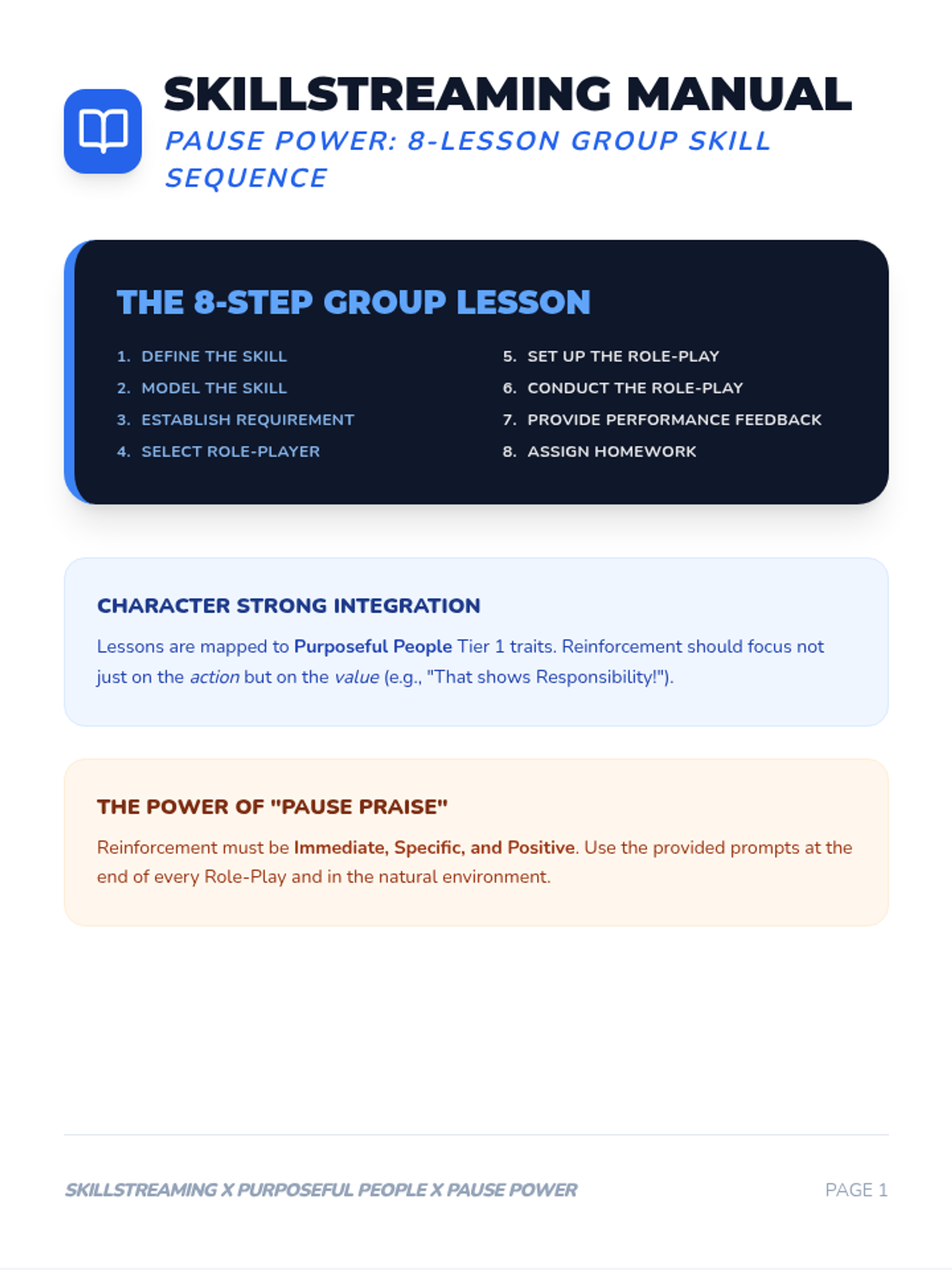
A 10-session sensory regulation intervention for small groups, utilizing SkillStreaming techniques to replace crashing and pushing behaviors with isometric squeezes and fidget use. The program, titled 'Pressure Pros', provides explicit steps for counselors to guide students through awareness, skill acquisition, and real-world application.
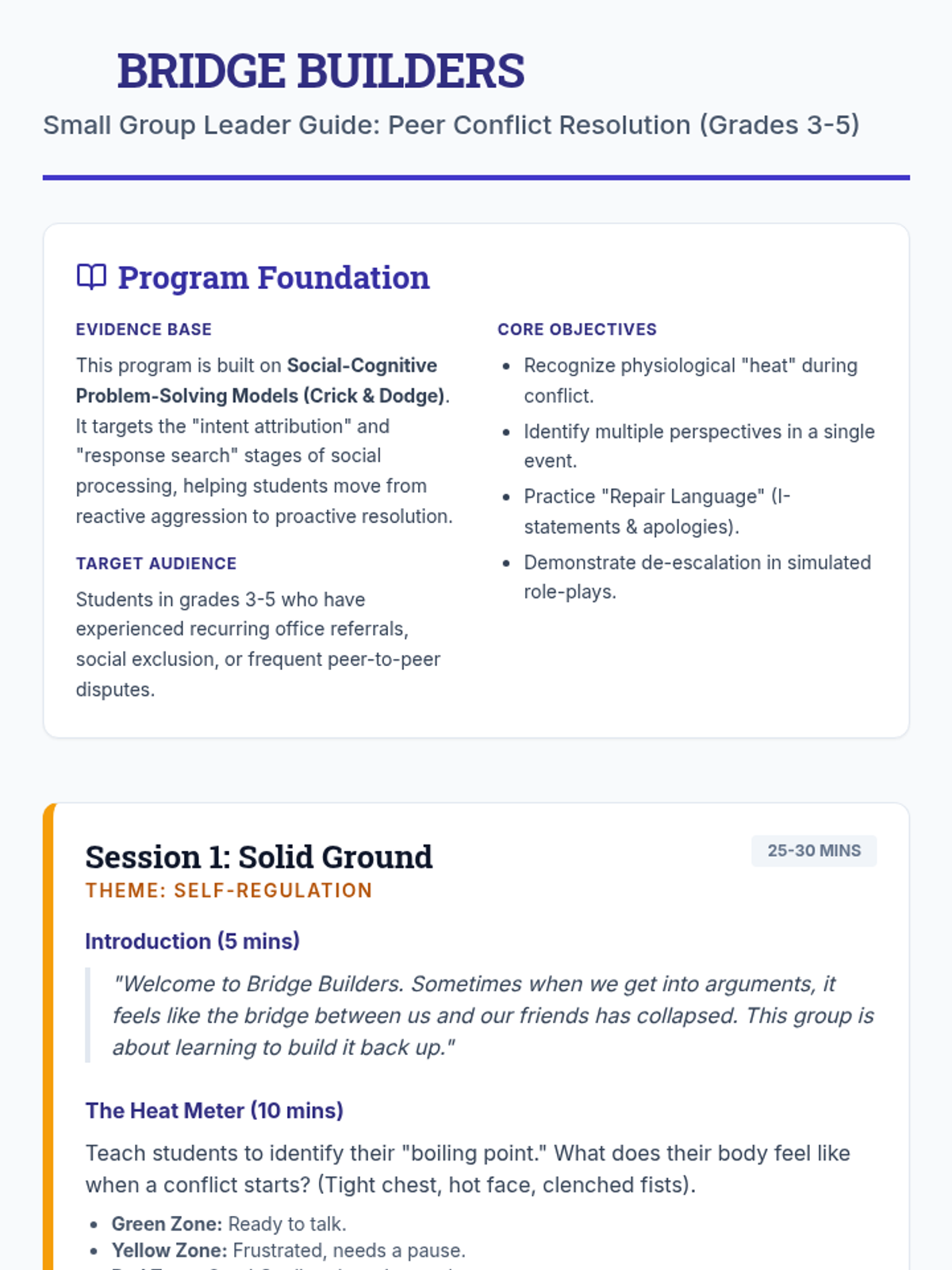
A 4-session small-group counseling program for grades 3-5 focusing on self-regulation, perspective-taking, and repair language for students with recurring social challenges.
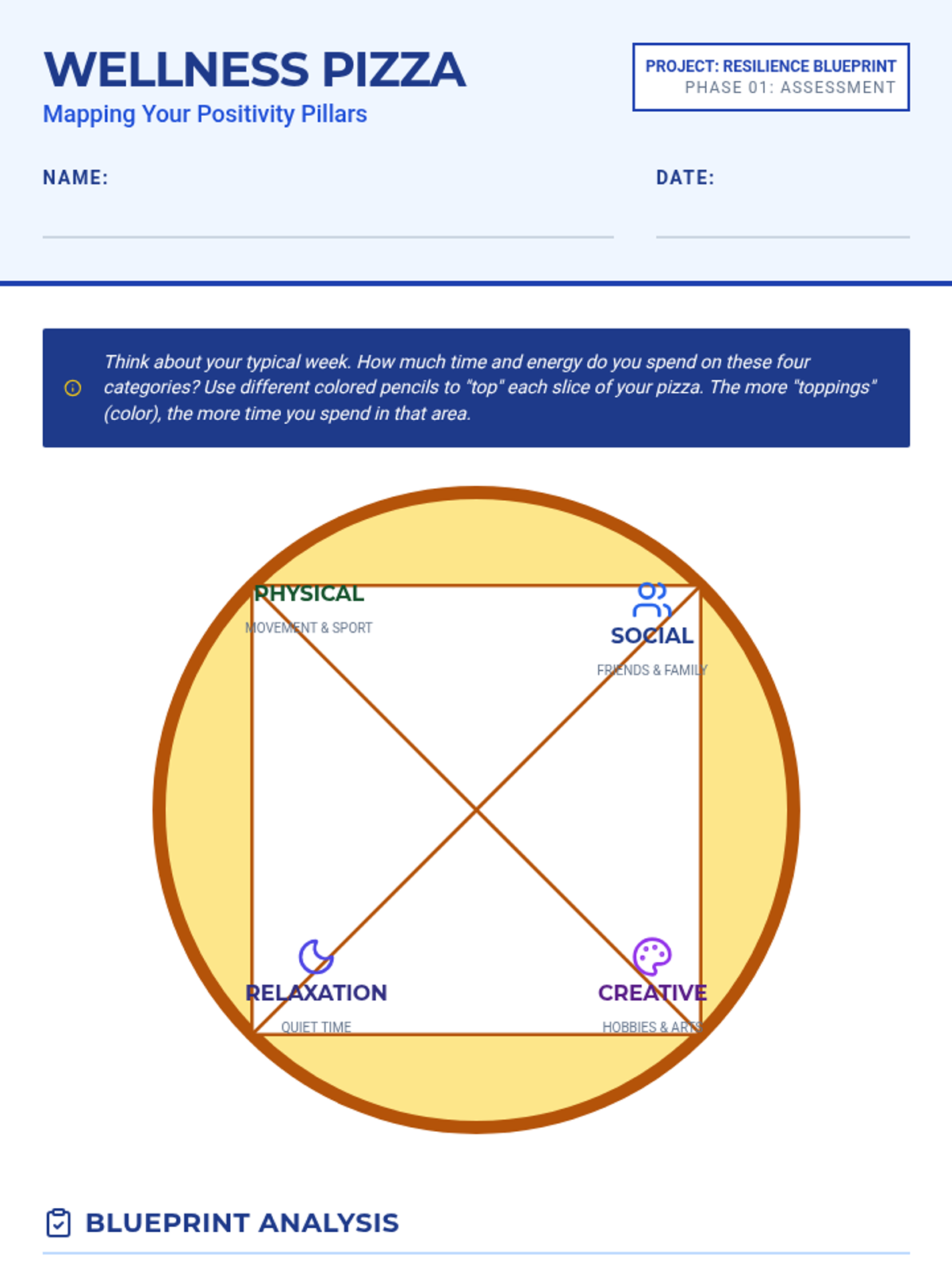
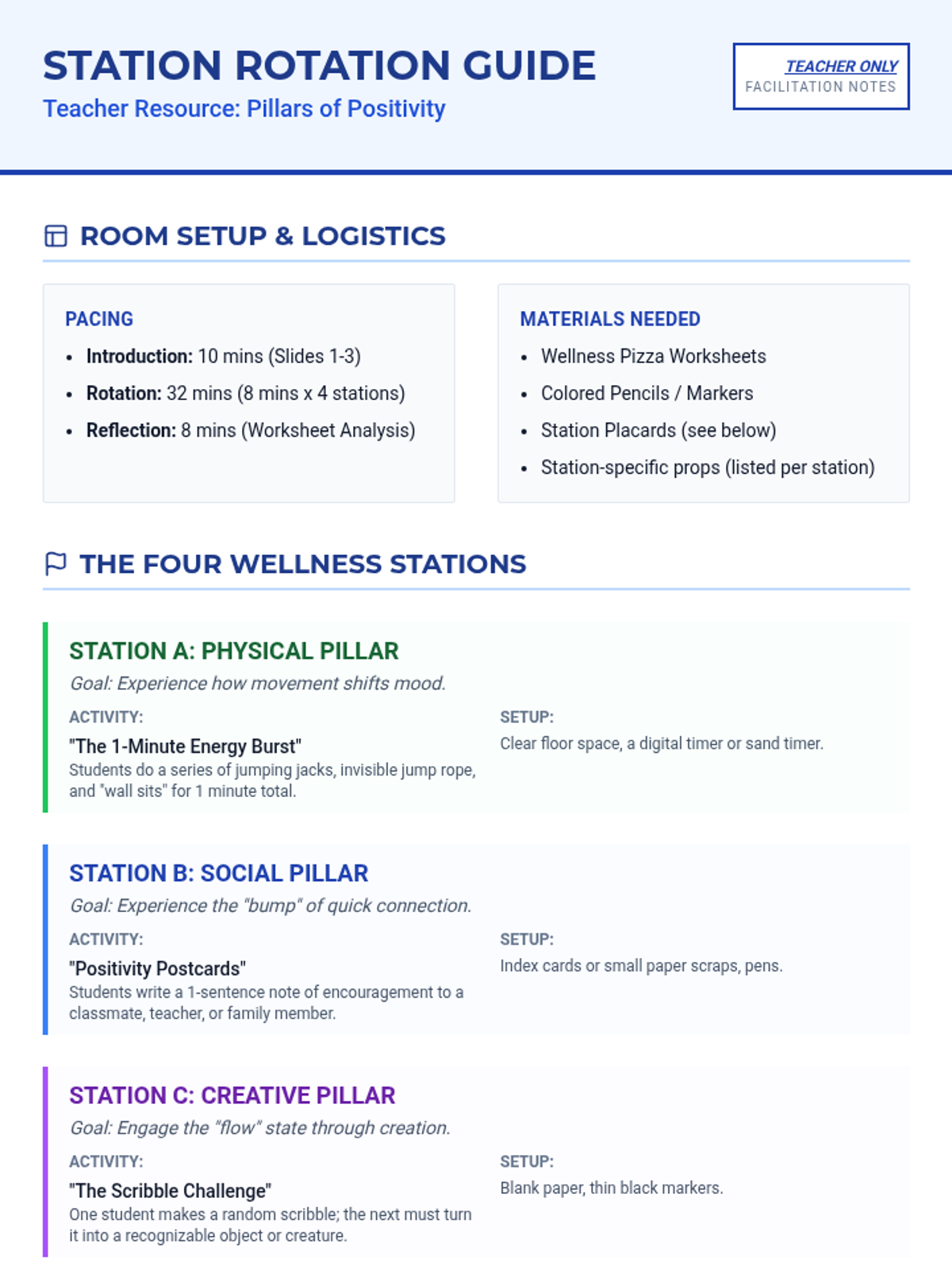
A 5-lesson project-based sequence for 5th graders focusing on building positive experiences through routine design and habit formation. Students learn to categorize wellness activities, overcome barriers like inertia, use habit-stacking techniques, and create a sustainable weekly wellness schedule to build emotional resilience.
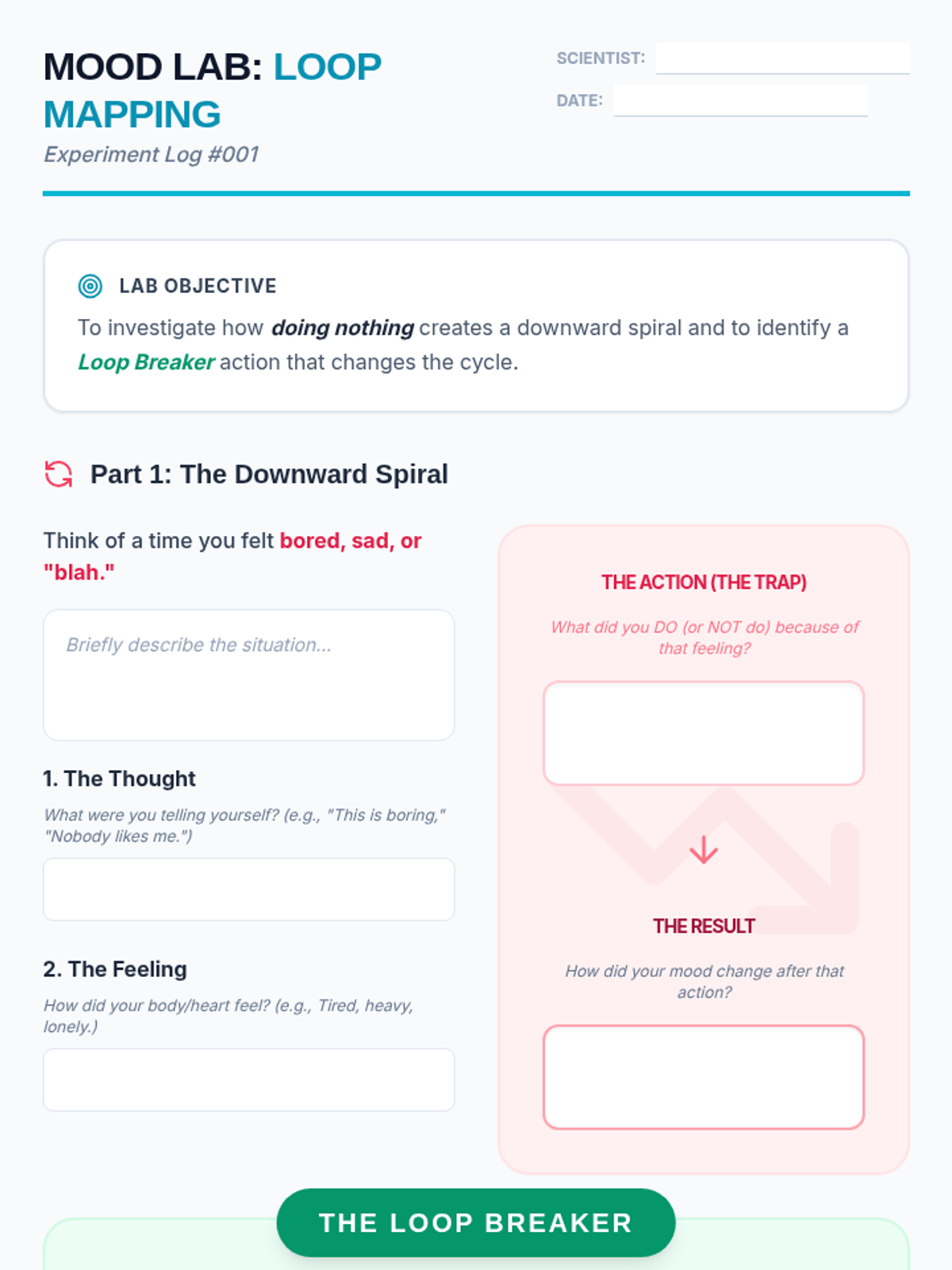
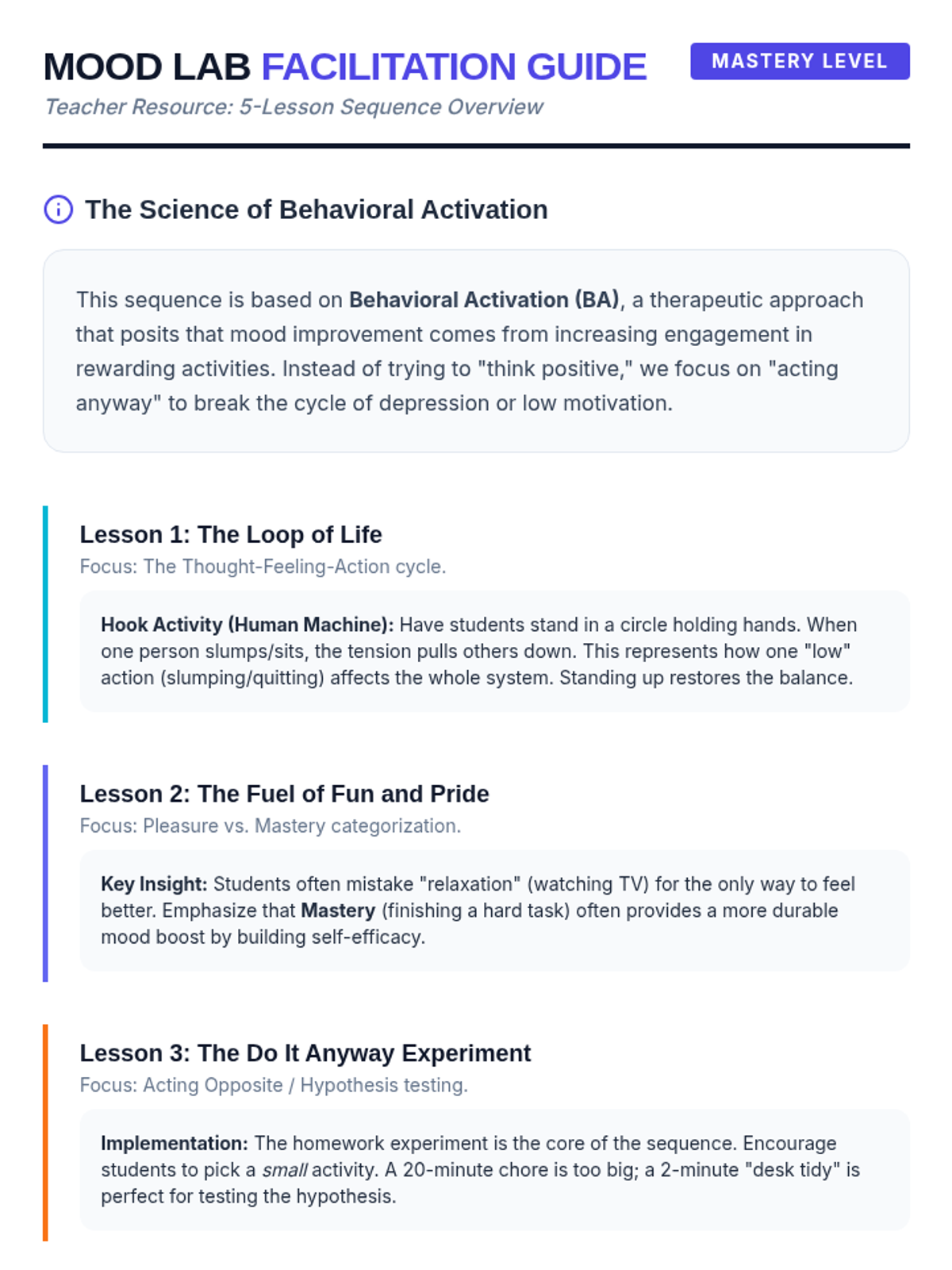
In this inquiry-driven sequence, students explore behavioral activation, investigating how their actions influence their emotions. They learn to distinguish between pleasure and mastery activities, conduct personal experiments to track mood changes, and create a personalized evidence-based plan for mood regulation.
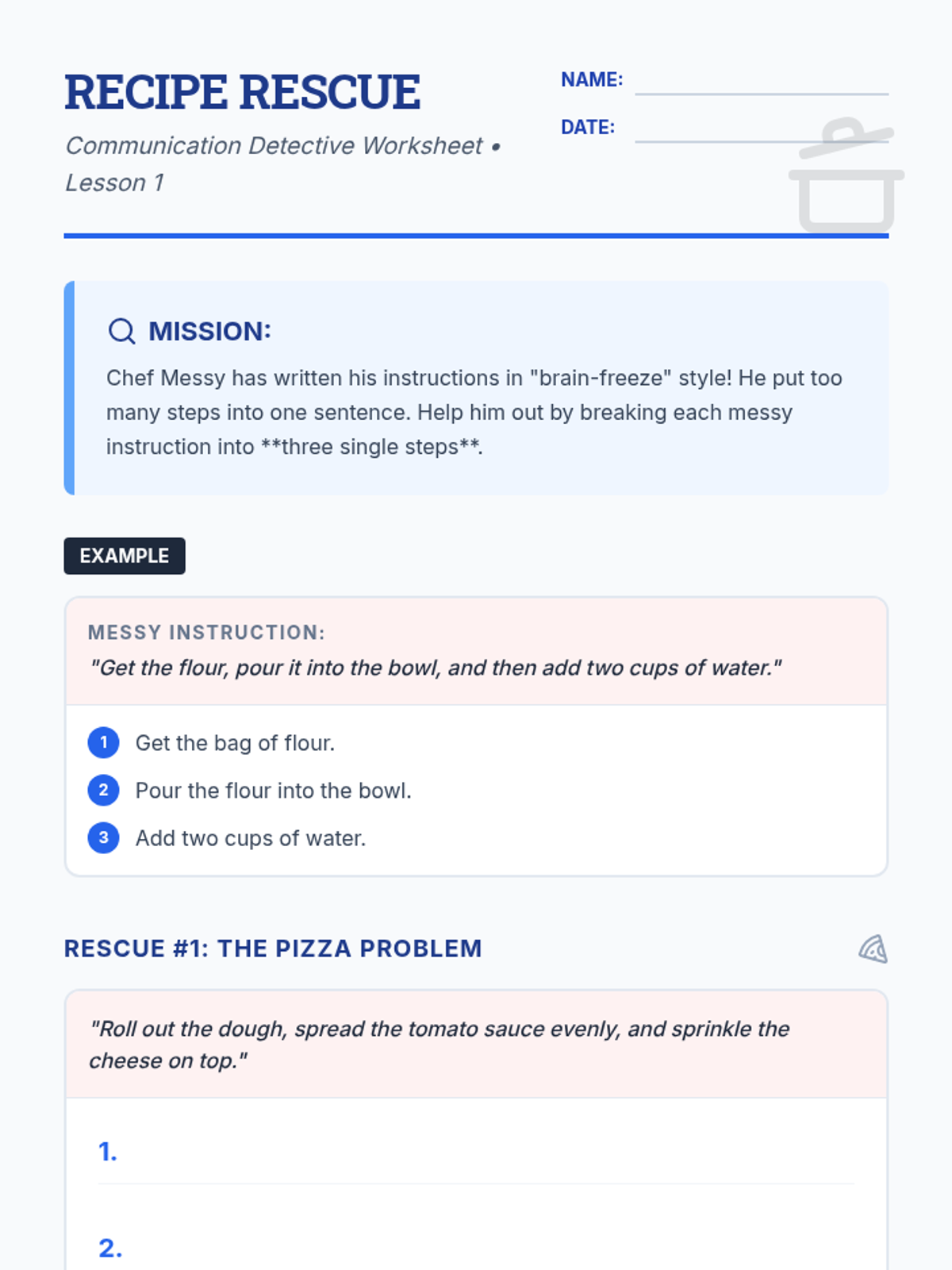
A 5-lesson sequence for 5th-grade students focused on working memory and the importance of single-step directions. Students learn to analyze, reconstruct, and advocate for clear communication through case studies, games, and collaborative challenges.
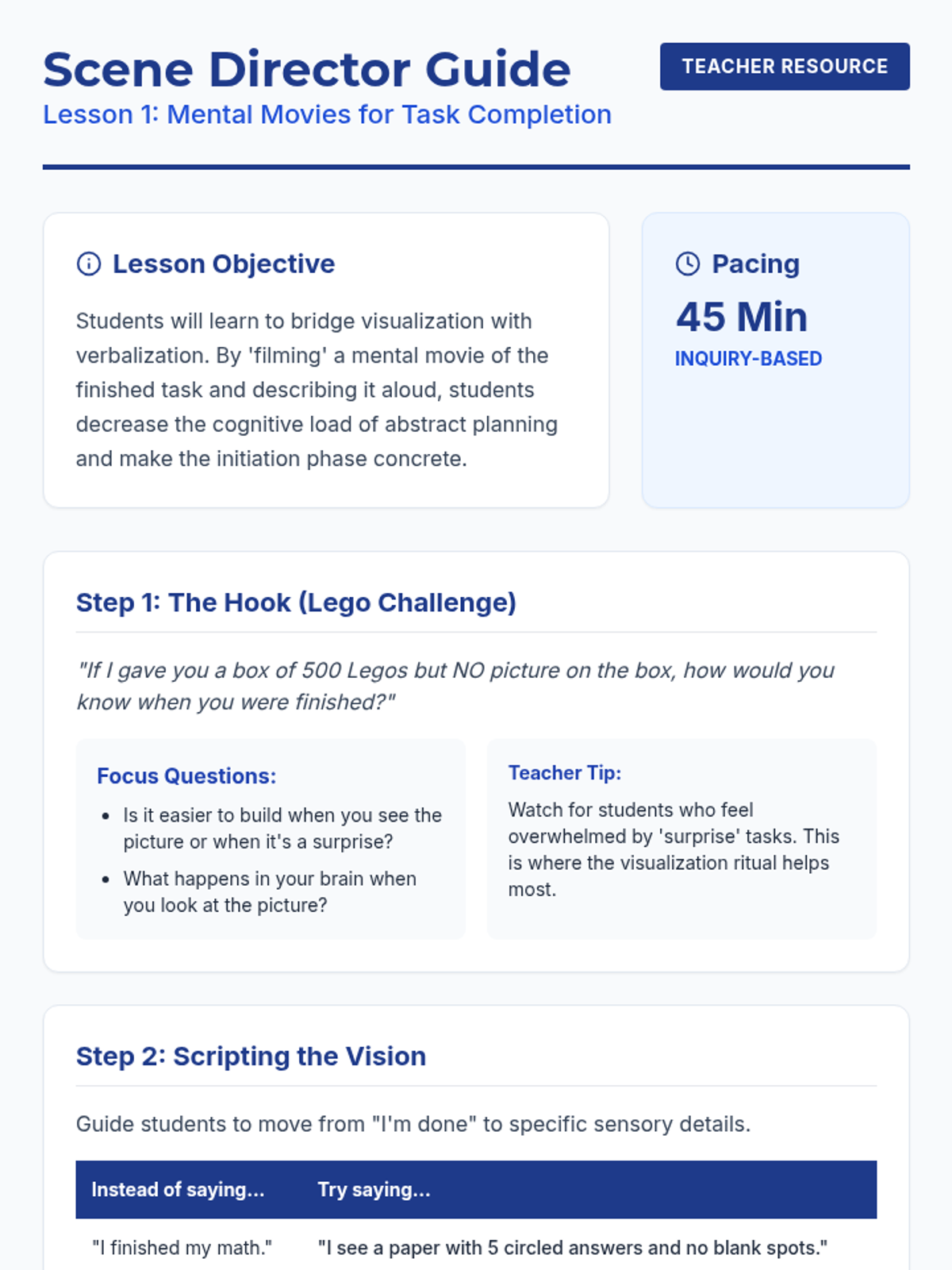
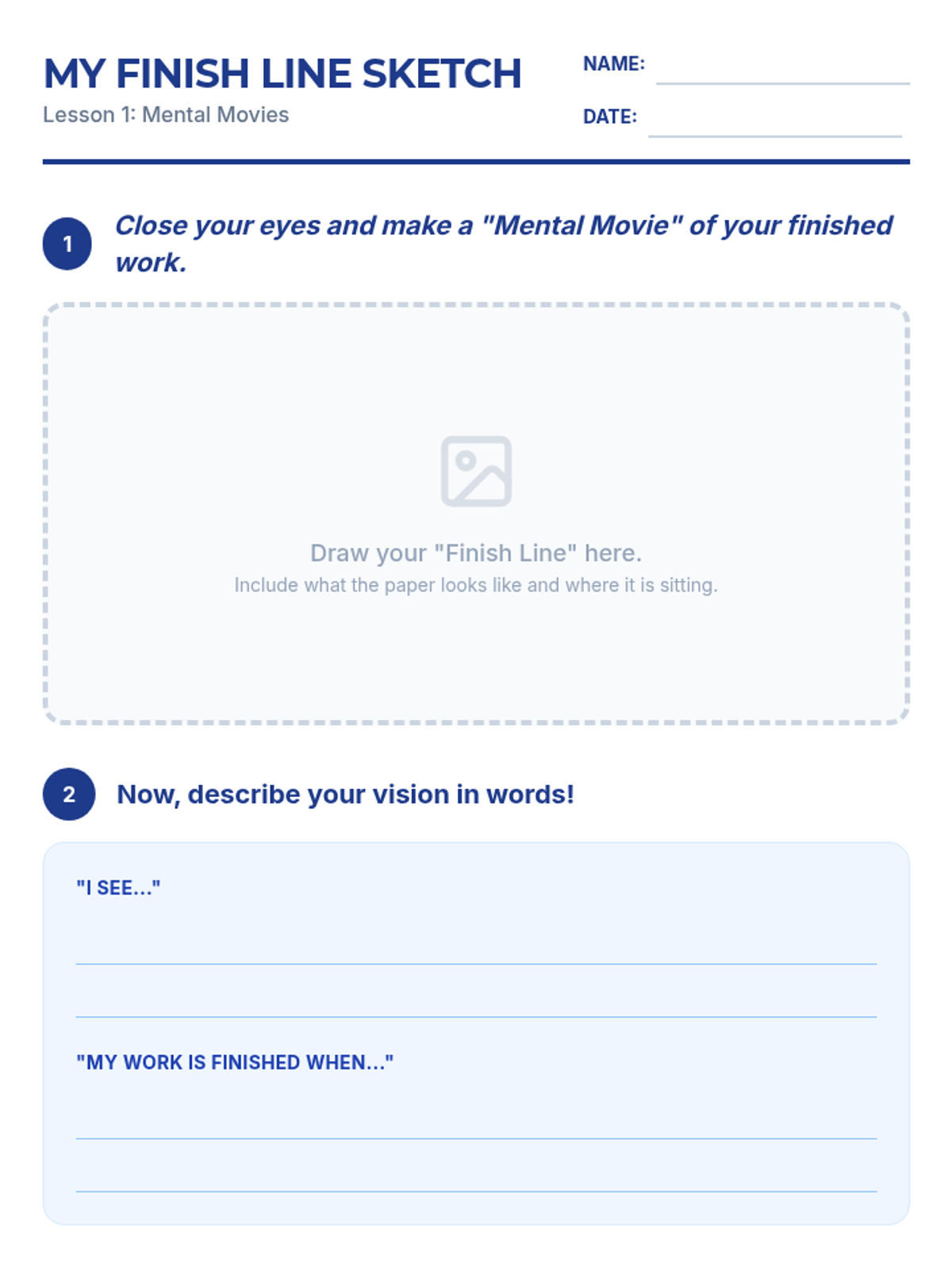
This sequence helps students overcome task initiation hurdles by combining visualization and verbal self-talk. Students learn to 'see' the finished product, reverse engineer the steps, estimate time accurately, and use micro-goals to take the first step.
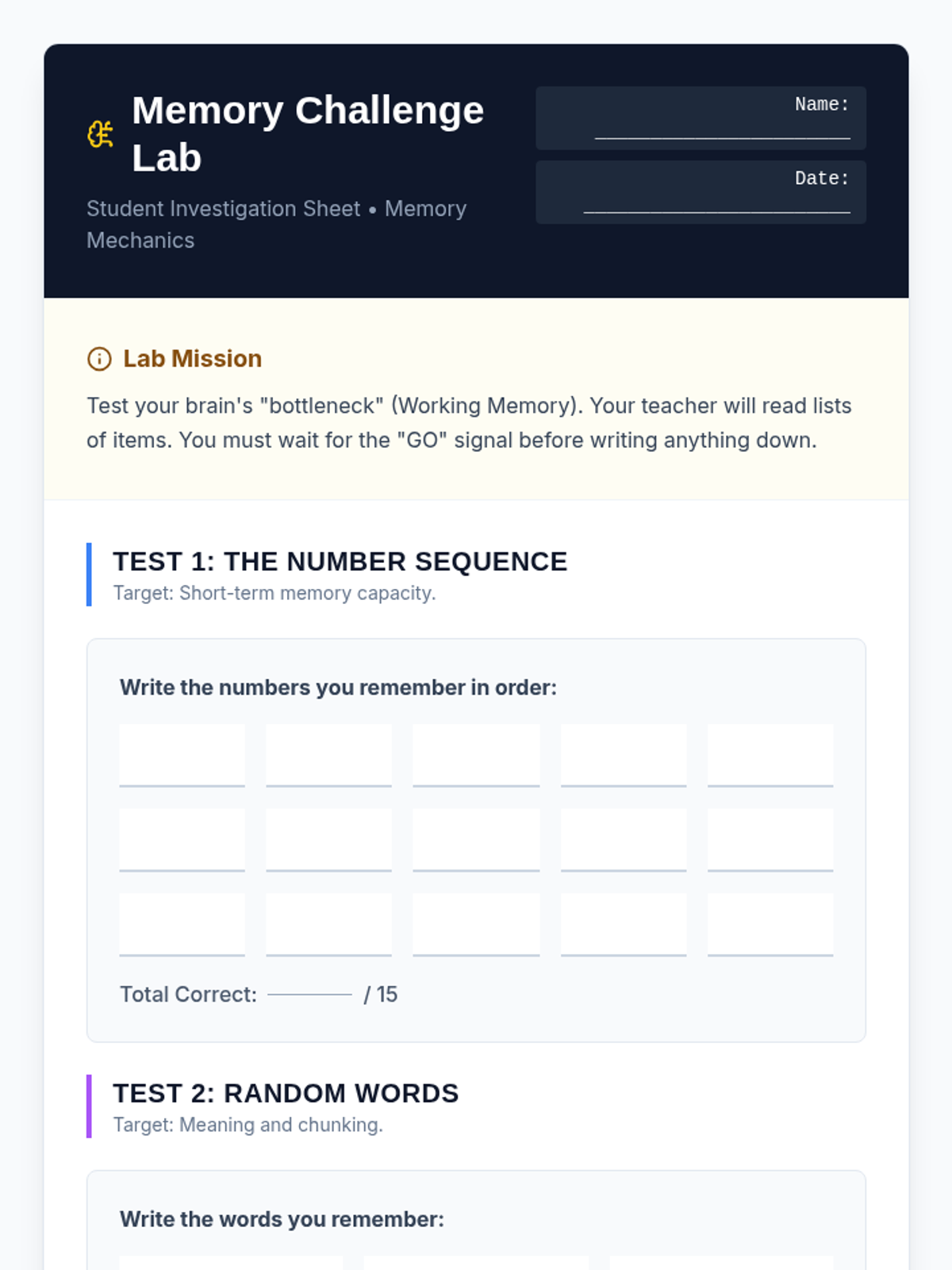
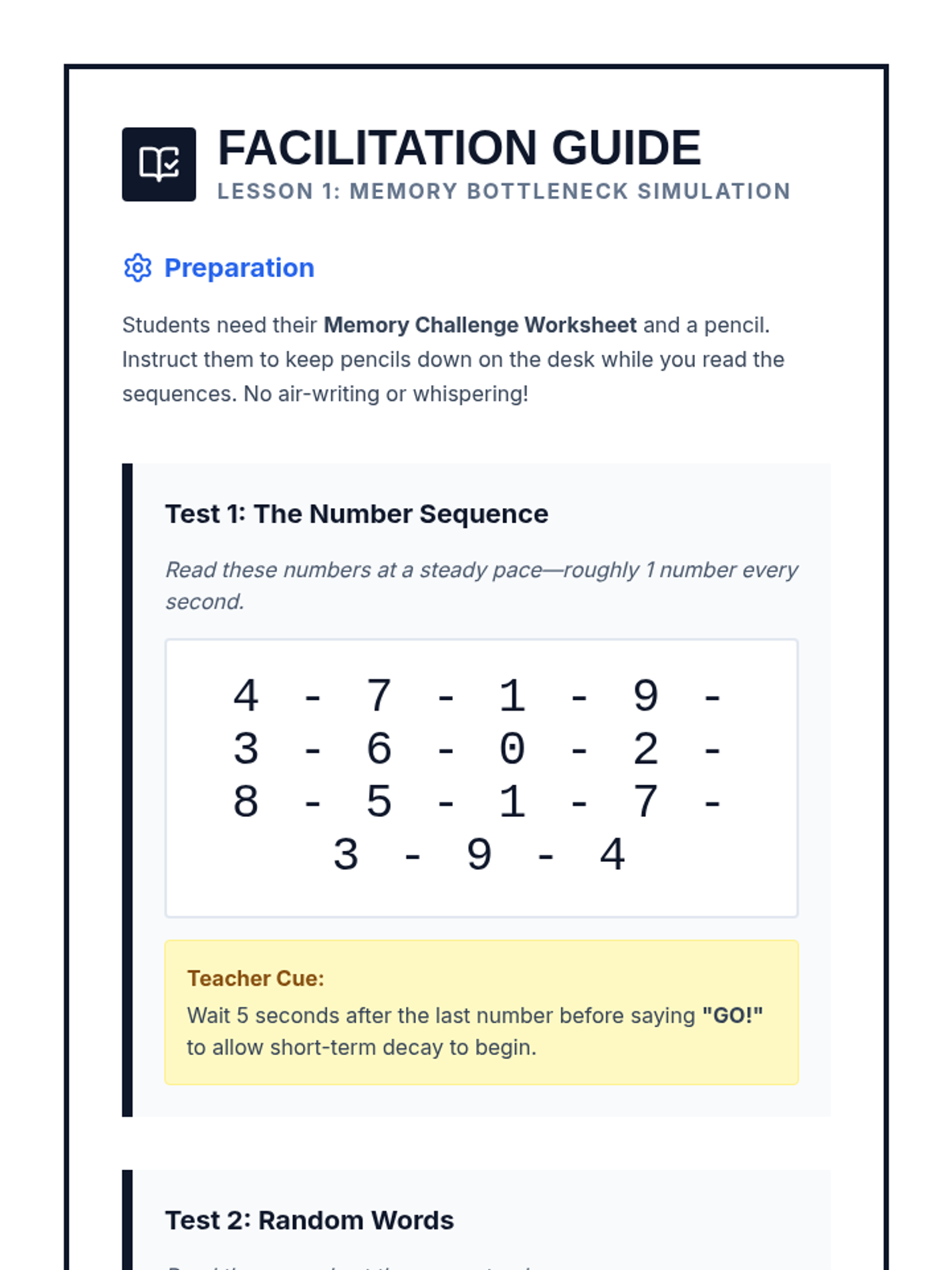
A sequence for 6th-grade students on memory mechanics, the forgetting curve, and the power of spaced repetition to improve retention. Students explore how their brains store information through hands-on simulations, data tracking, and strategic planning.
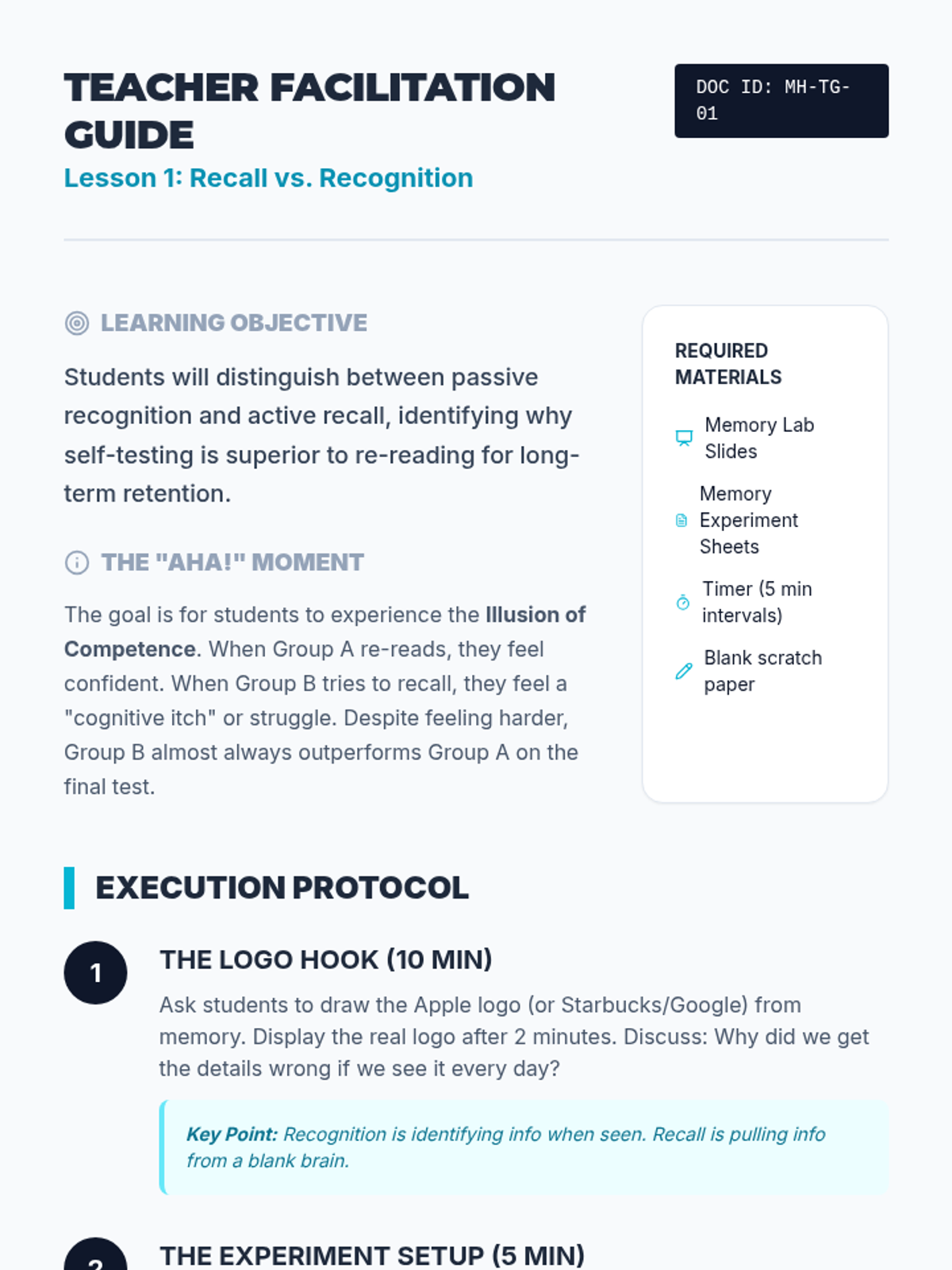
This sequence introduces 5th-grade students to the science of memory, the forgetting curve, and the power of spaced repetition to improve long-term learning and retention.
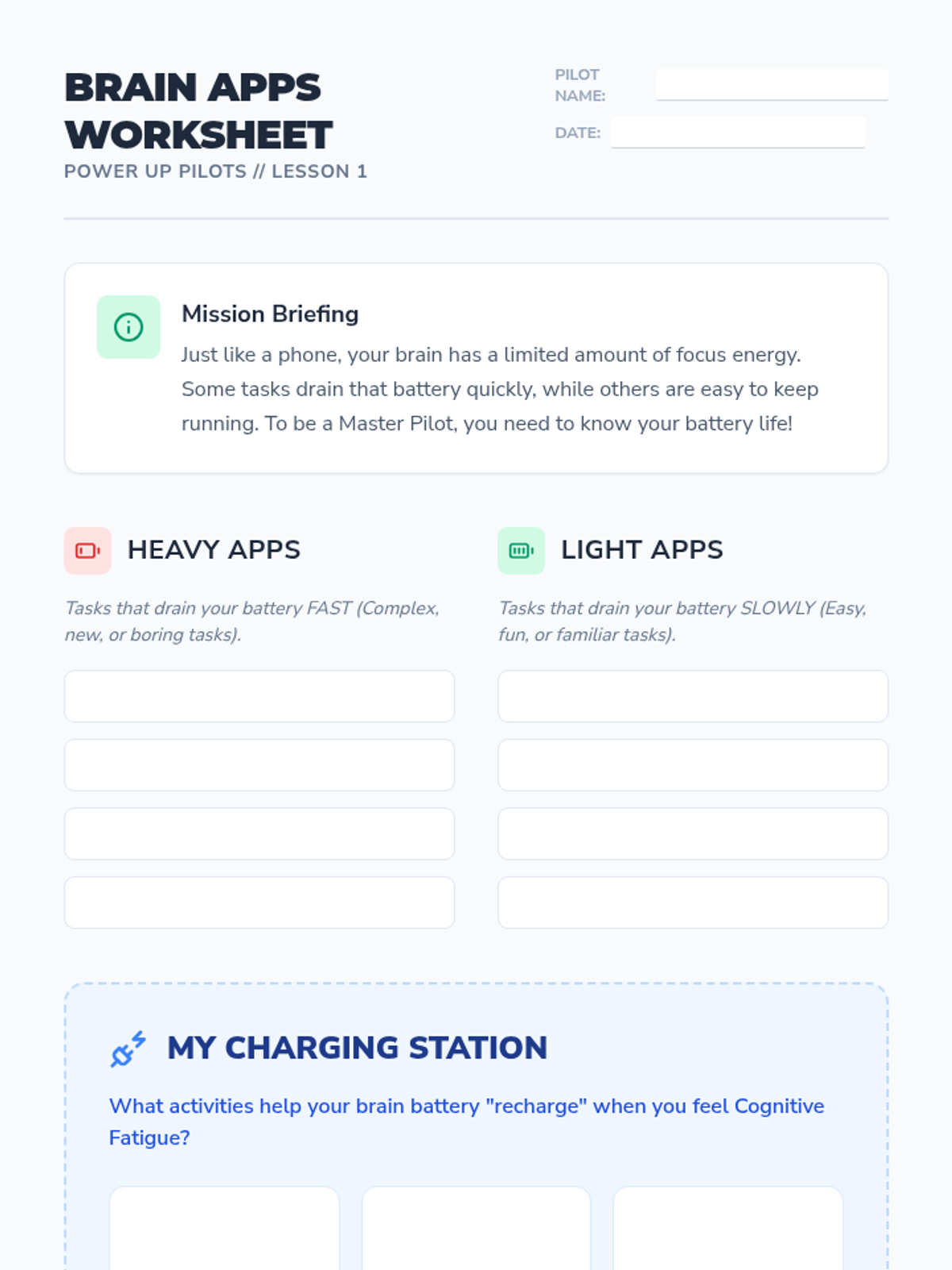
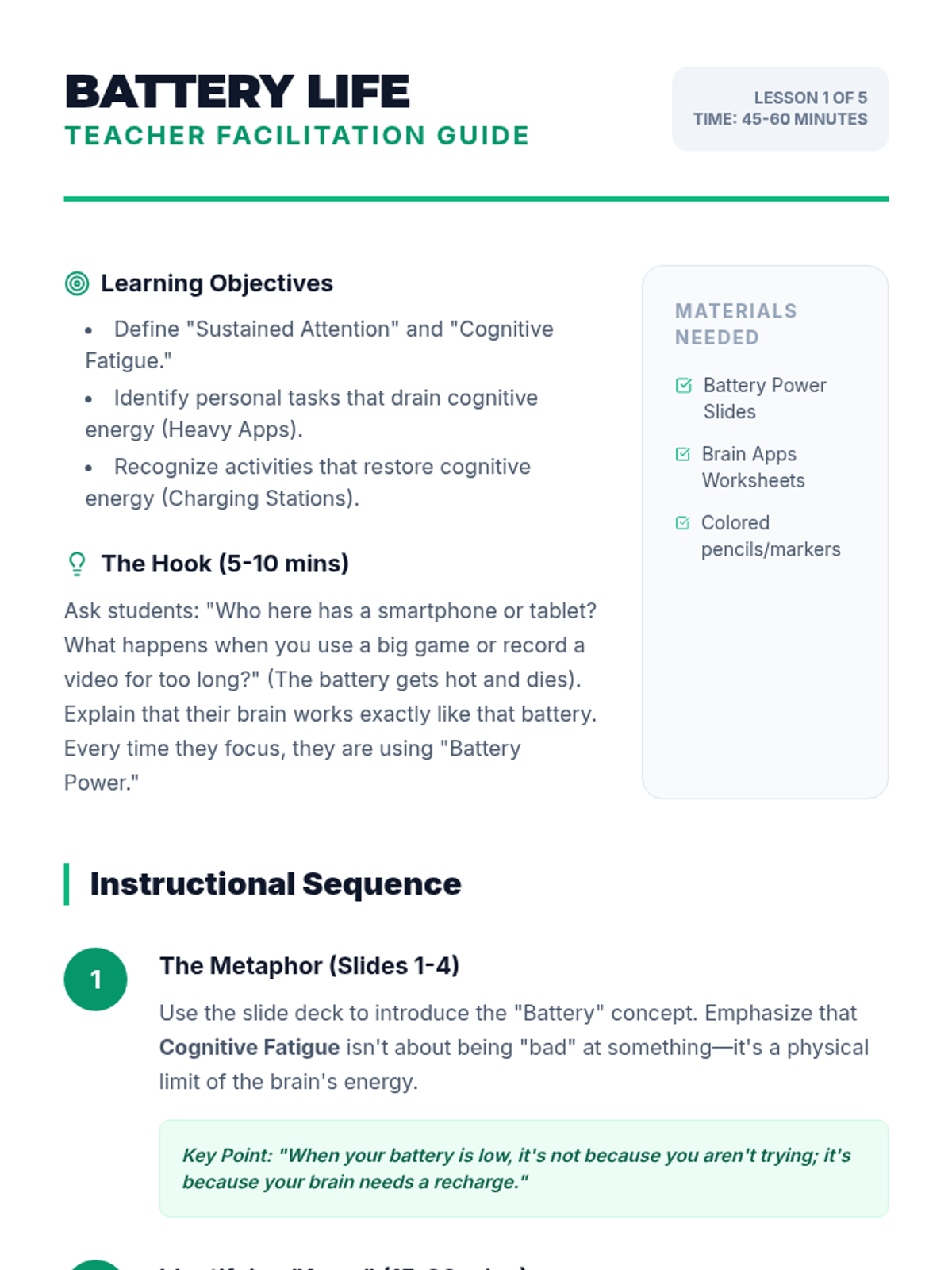
A 5-lesson unit designed to help 5th-grade students develop metacognitive awareness of their attention. Students learn to monitor their cognitive energy using the 'Attention Battery' metaphor, identify internal and external distractions, and apply specific reset strategies and timing techniques to build focus stamina for complex tasks.
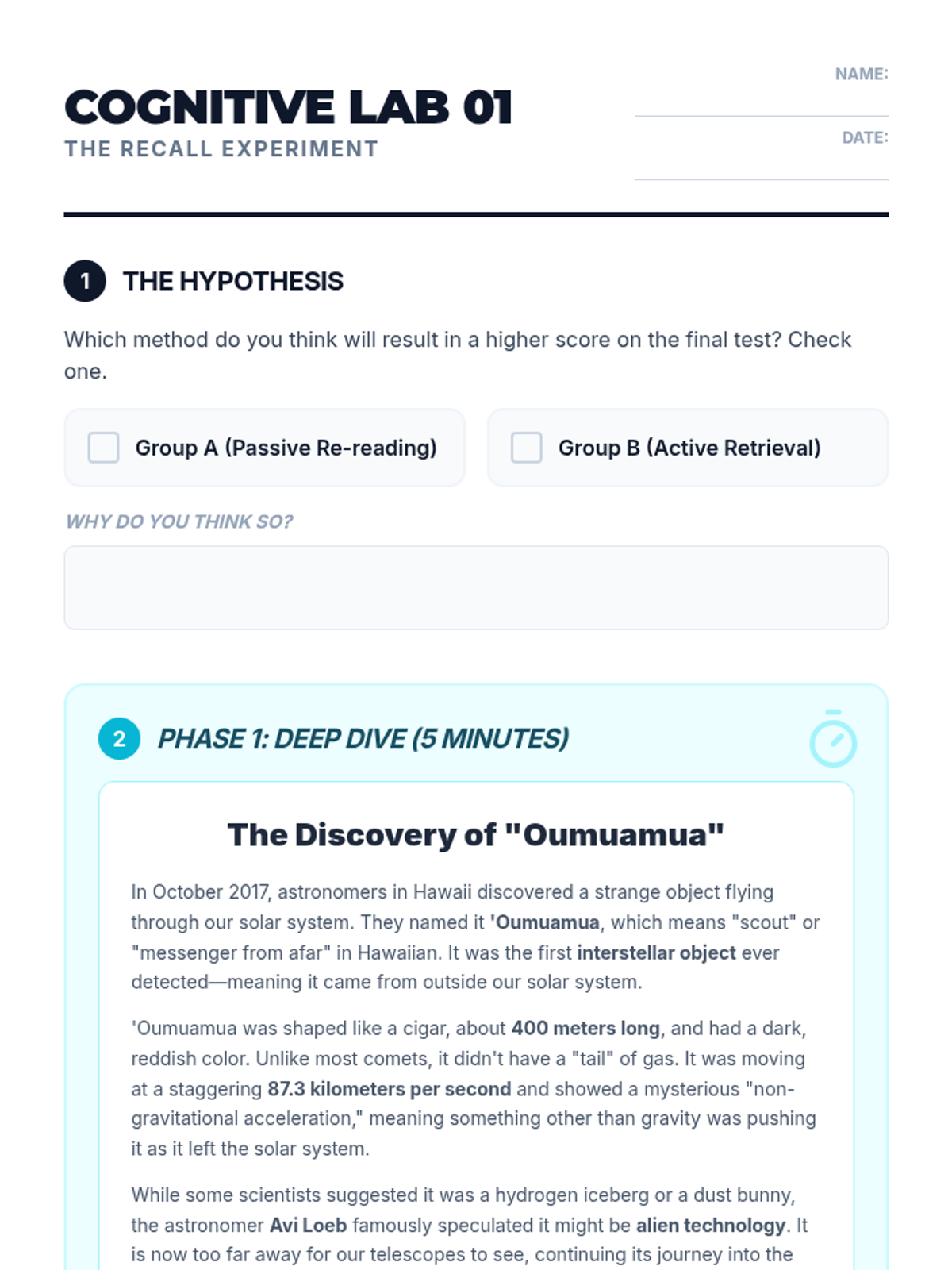
This sequence shifts focus from the design of the study guide to its utility, emphasizing active recall and self-testing strategies to help students distinguish between familiarity and actual mastery of material.
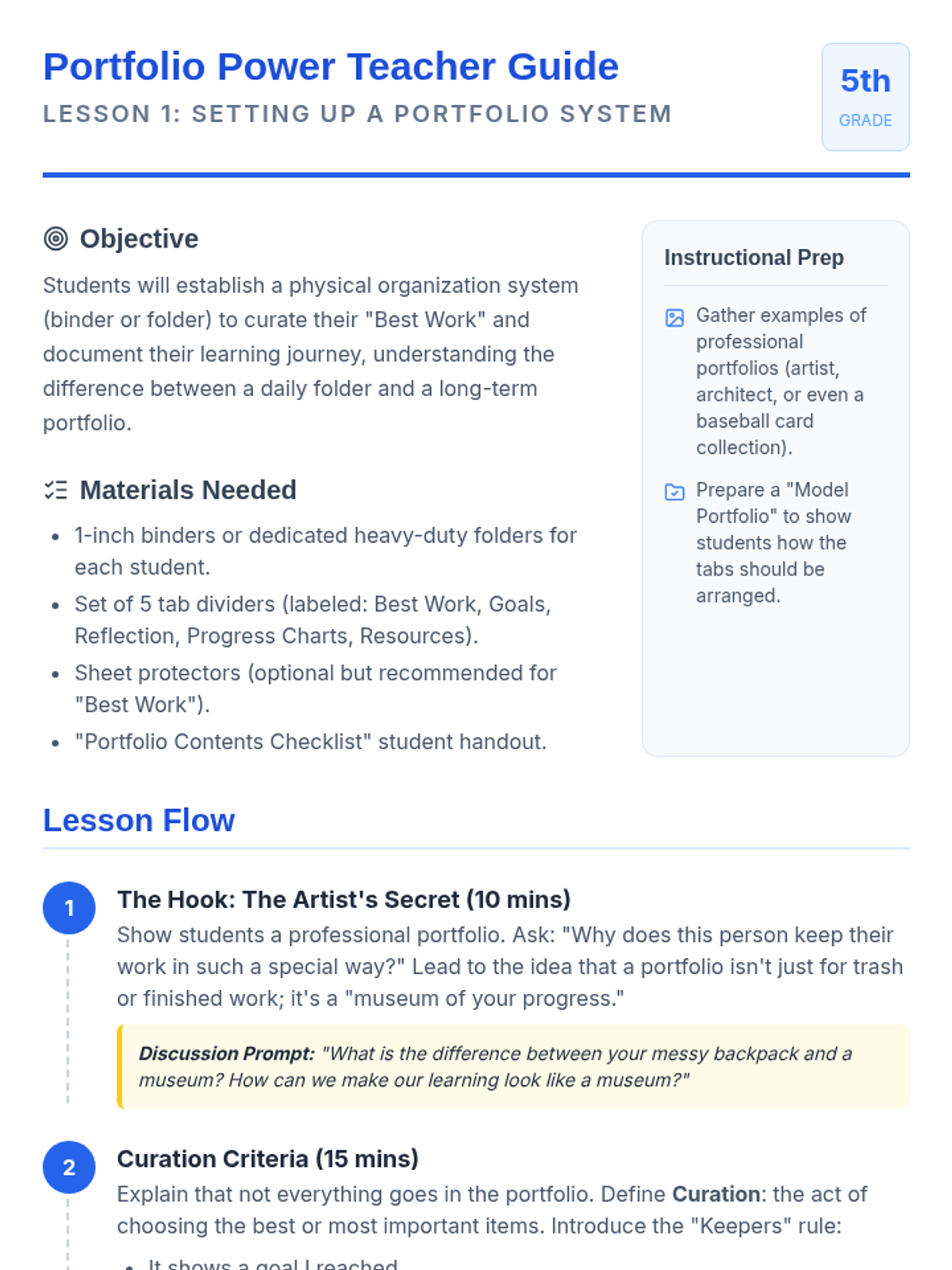
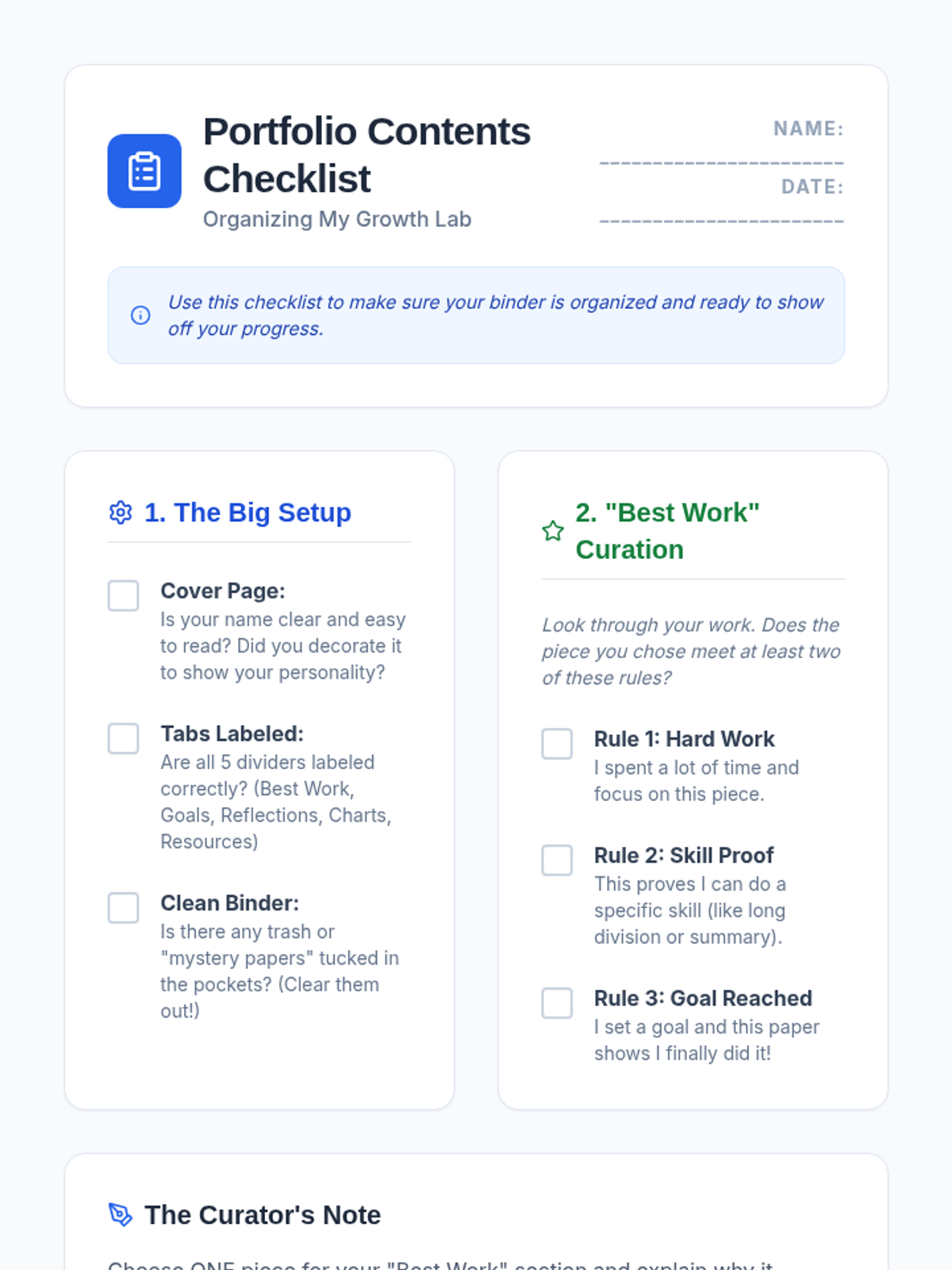
This sequence teaches 5th-grade students how to organize their school 'data'—assignments, goals, and grades—to take active ownership of their learning. Students move from passive learners to organized achievers by building portfolios, tracking tasks, and visualizing their growth.
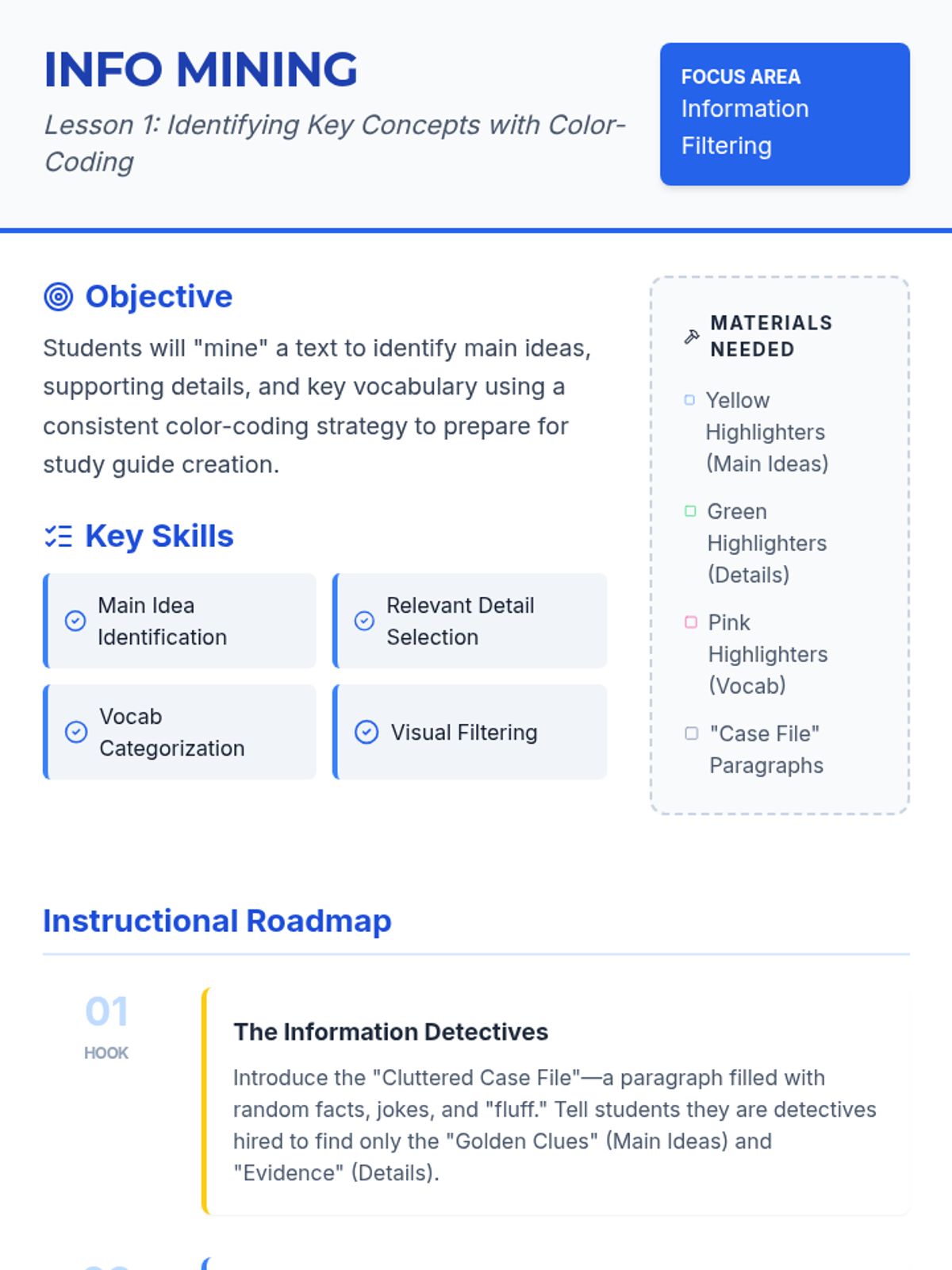
A sequence focused on helping students transform passive reading into active, visual study tools. Students learn color-coding, concept mapping, foldable creation, and comparison charting to organize and retain information.
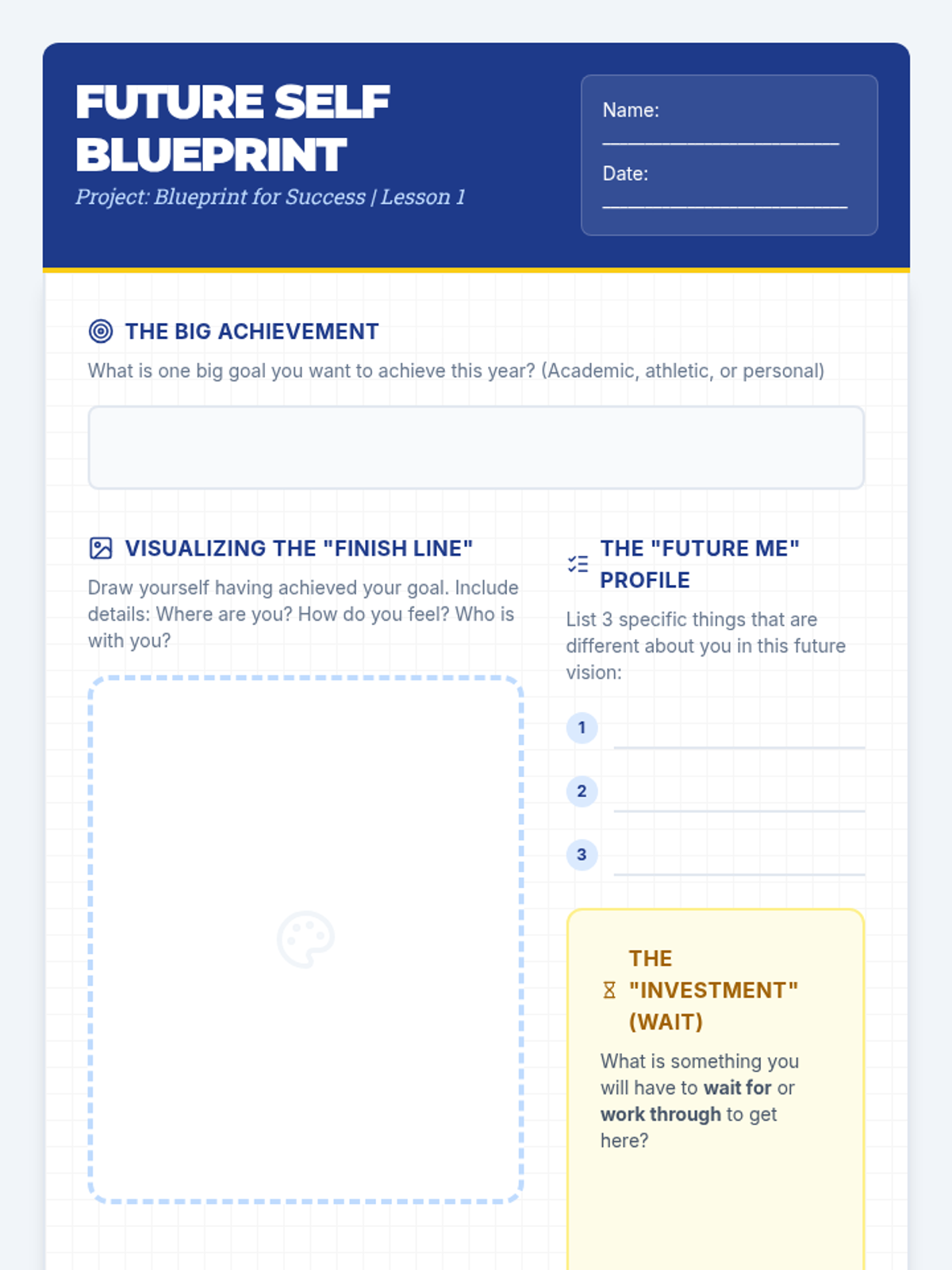
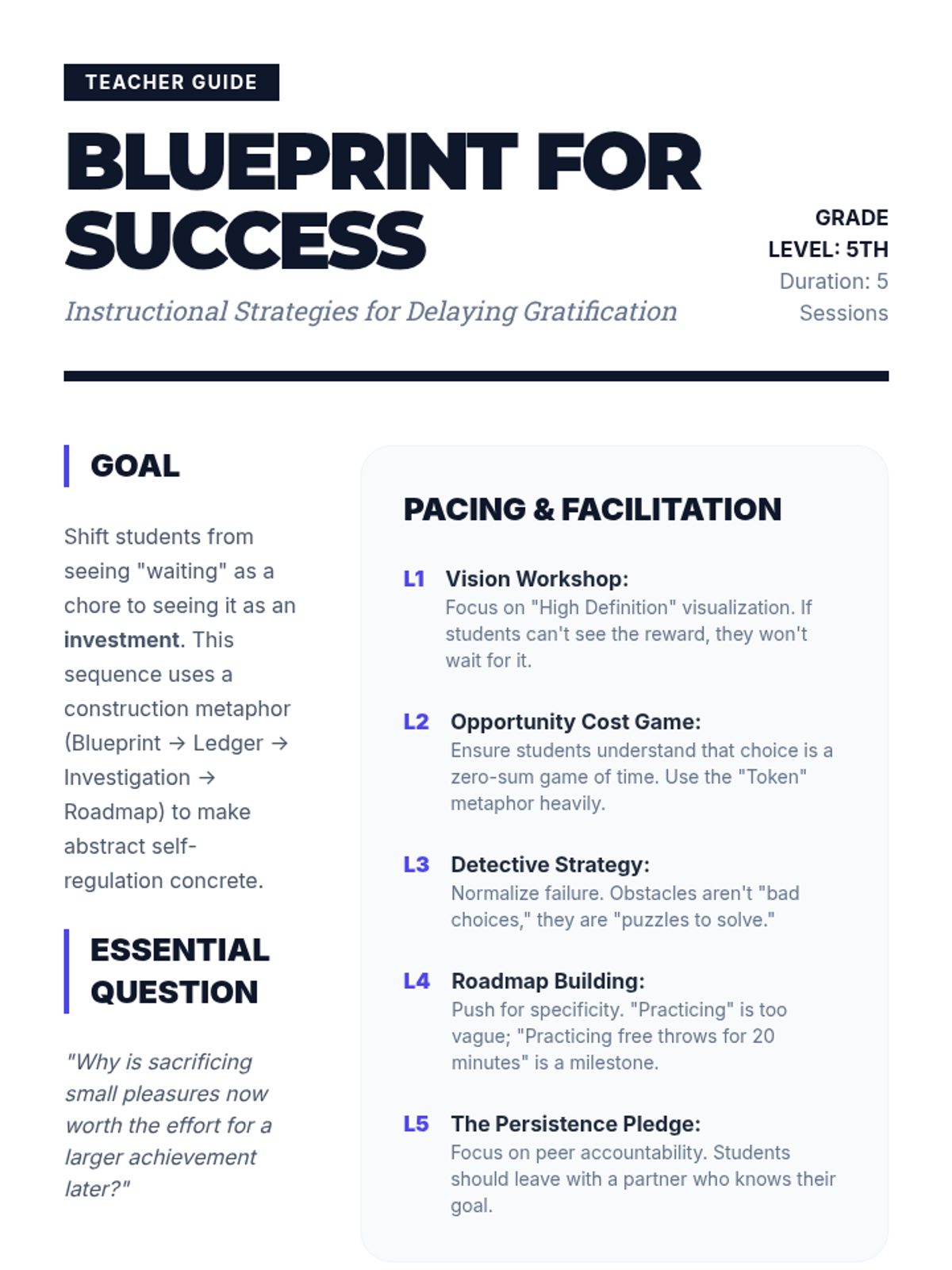
A project-based sequence for 5th graders that teaches delaying gratification through goal setting. Students learn to visualize future success, differentiate between immediate wants and long-term needs, and create a structured roadmap to achievement.
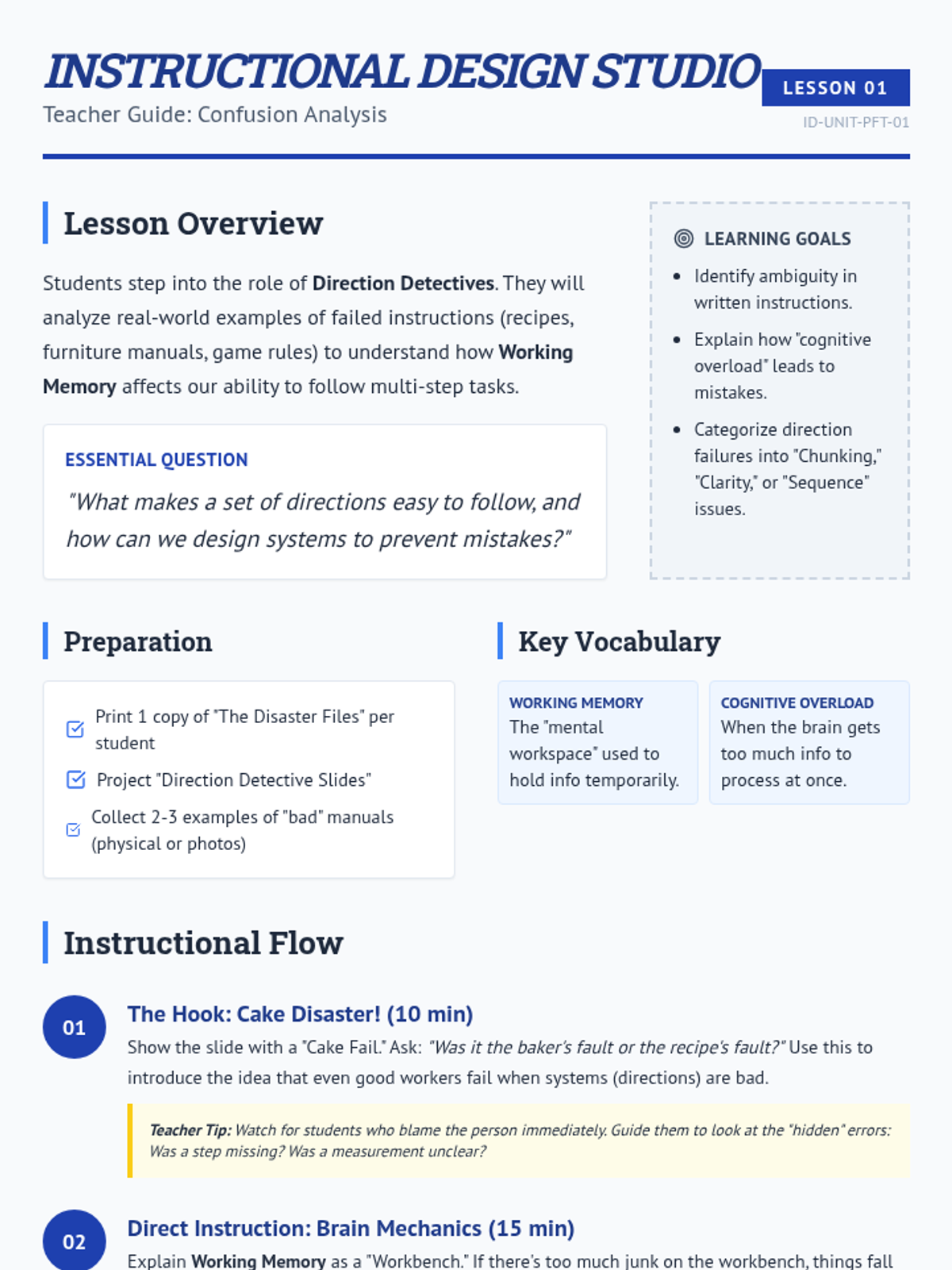
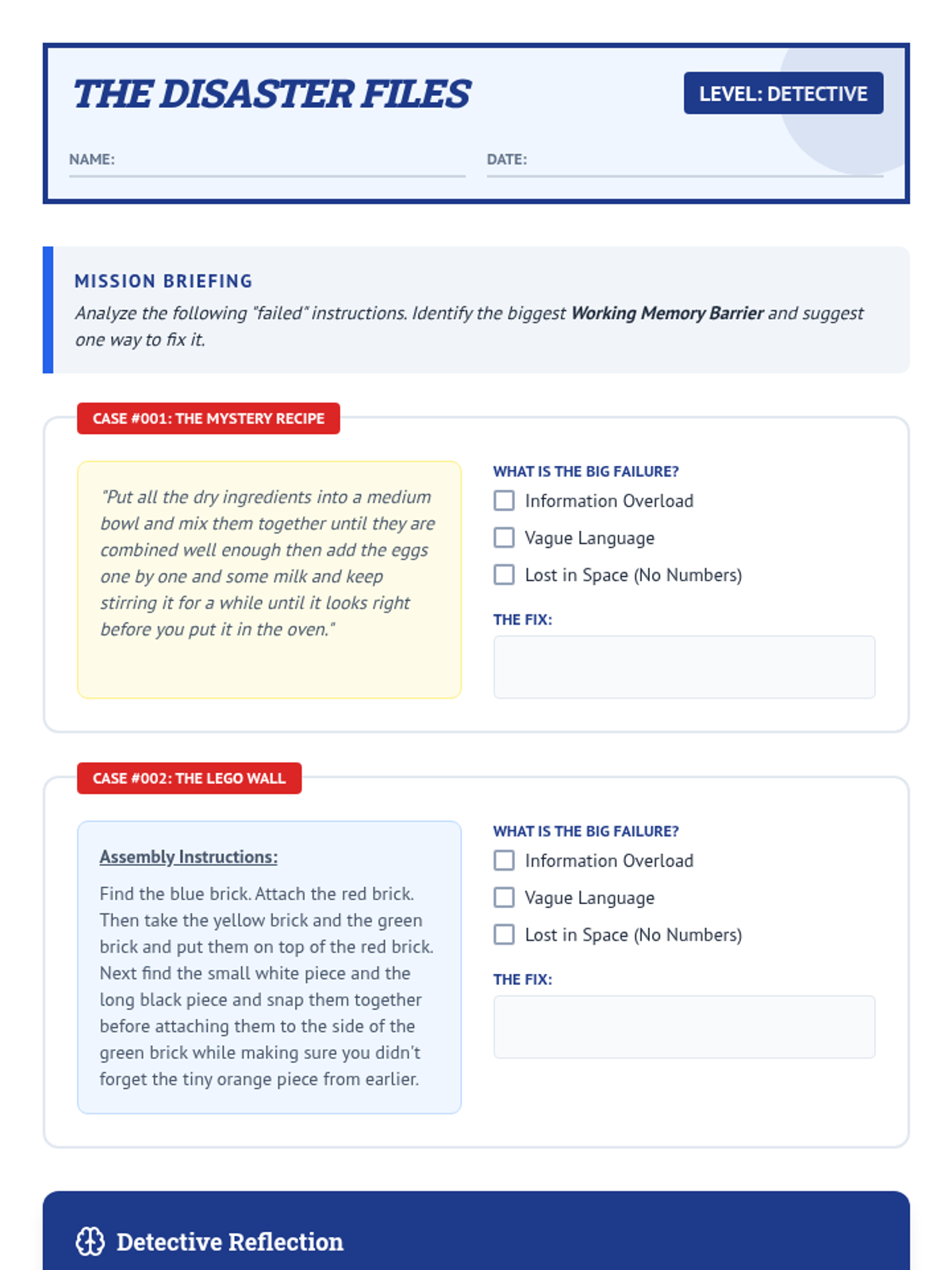
A 5th-grade project-based unit where students act as 'Instructional Designers' to master multi-step direction following. By analyzing bad instructions and designing their own, students build metacognitive awareness of working memory and executive function supports.
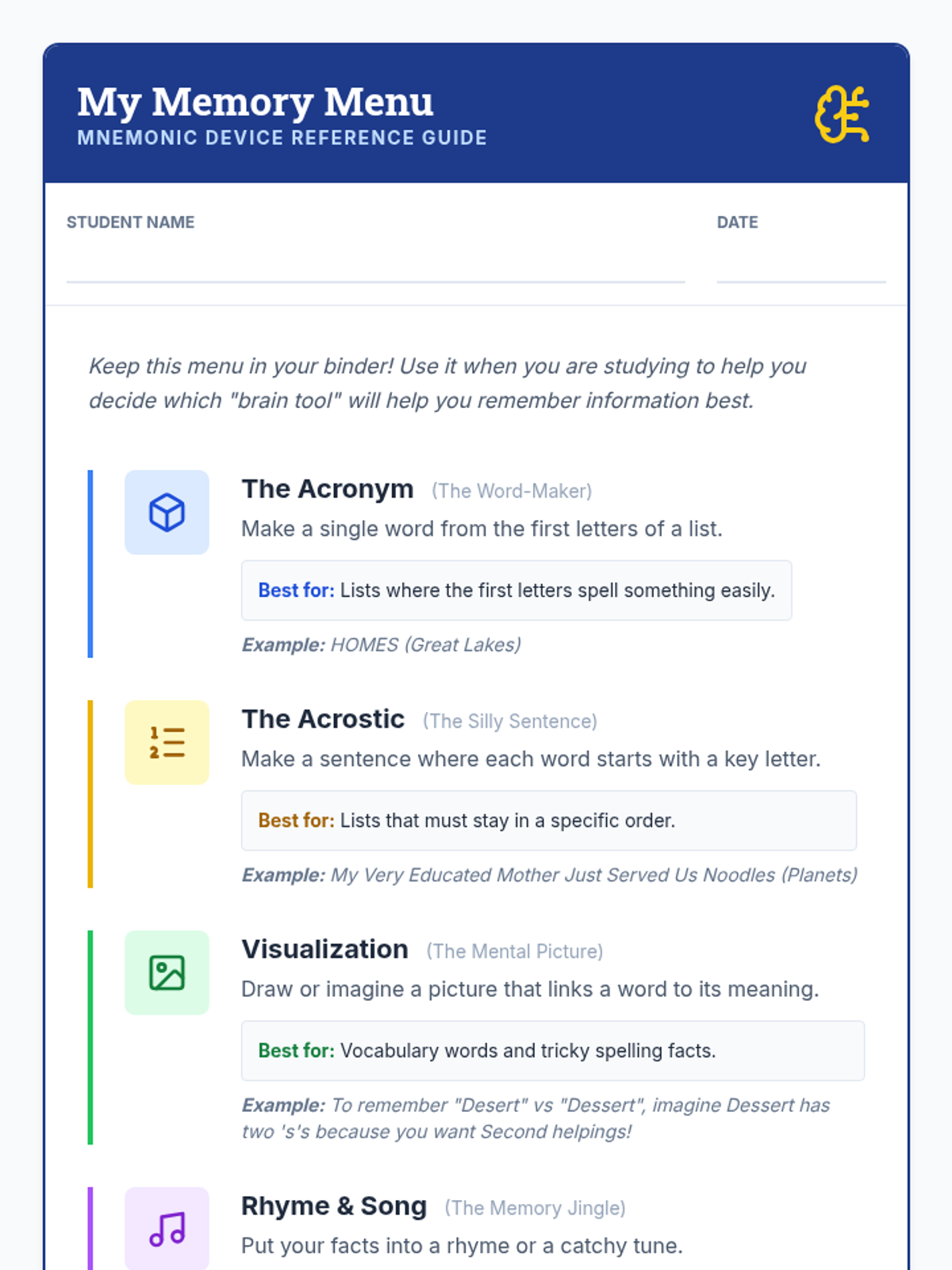
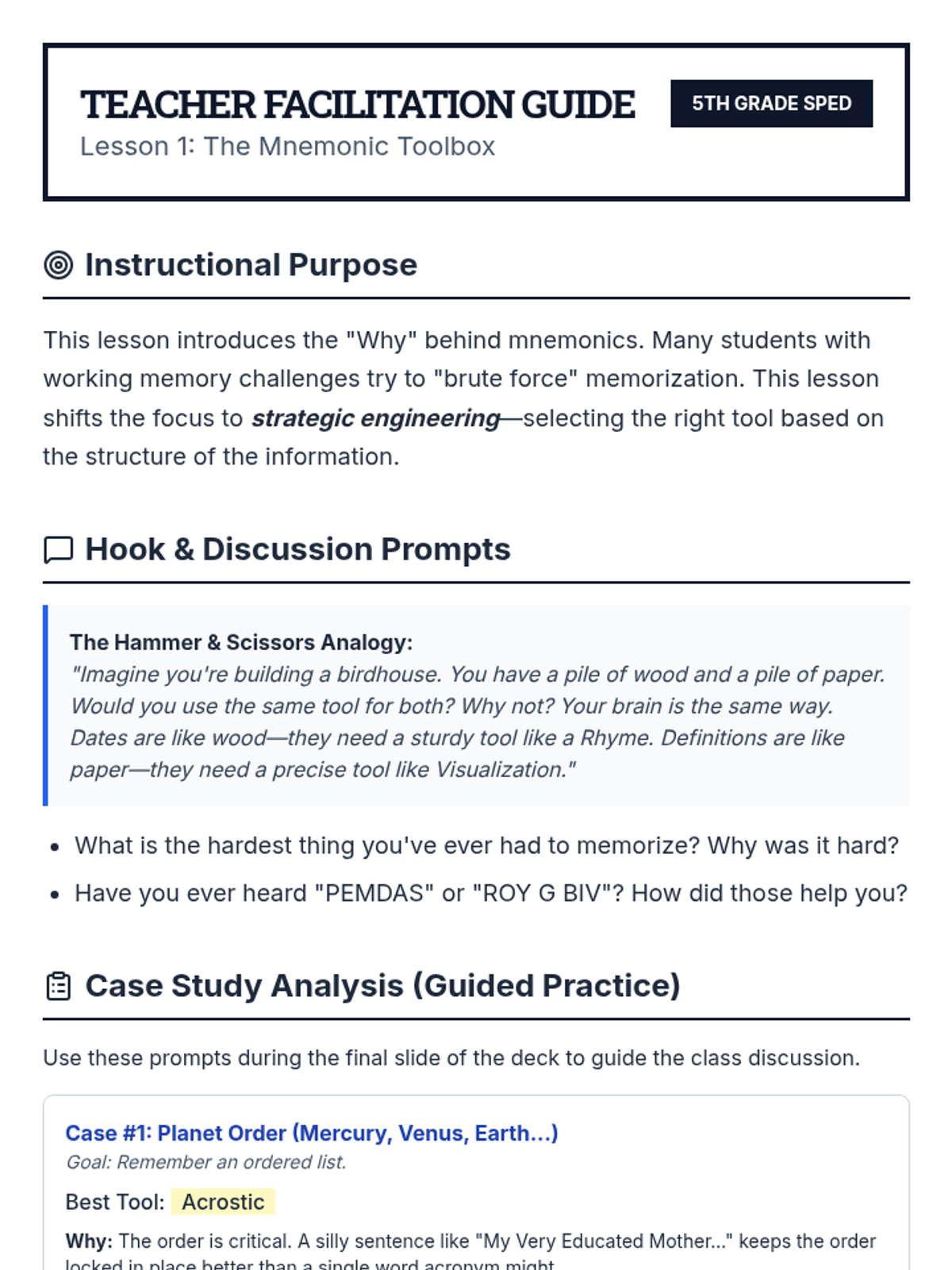
A metacognitive sequence for 5th-grade students to master the selection and application of mnemonic devices for academic success. Students move from identifying memory tools to strategically applying them to real-world study scenarios.
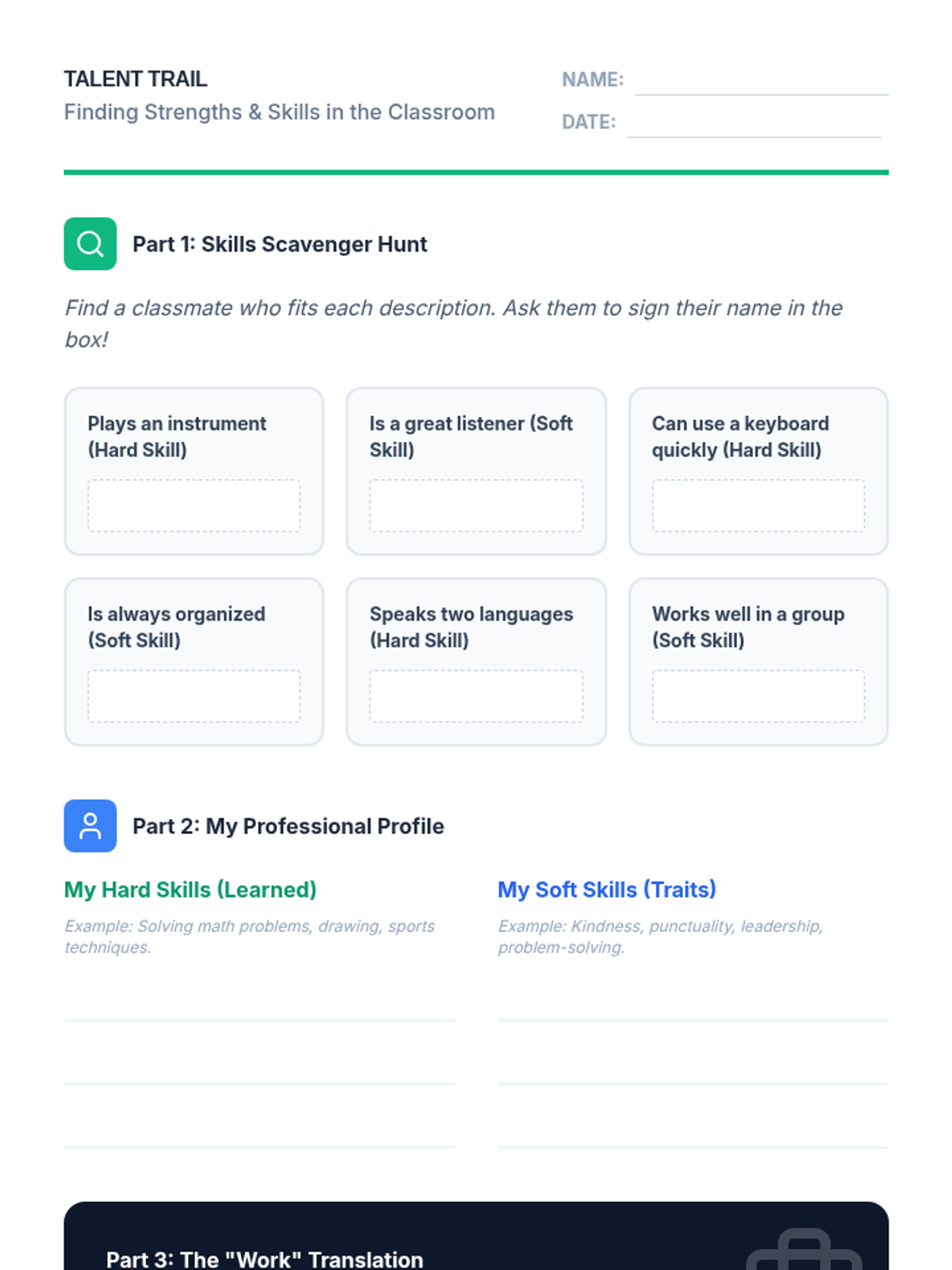
This unit prepares 5th-grade students for the professional world by identifying their unique strengths, crafting their first resumes, and mastering the art of professional communication and interviewing. through hands-on simulations and workshops, students build confidence and learn to articulate their value effectively.
This sequence explores how environmental factors and community interactions impact sensory regulation. Students learn to audit their surroundings, respect diverse sensory needs, practice co-regulation, troubleshoot transitions, and collaboratively create a classroom sensory contract.
A 5th-grade sequence where students act as 'Sensory Architects' to analyze, design, and implement proactive sensory routines in their classroom. Students focus on environmental audits, schedule analysis, and peer-led interventions to support collective focus and regulation.
A comprehensive 5-lesson unit designed to transition 6th-grade students from teacher-directed regulation to independent sensory self-monitoring. Students explore the biology of their nervous system, experiment with diverse sensory inputs, and create personalized proactive break systems.
A social-emotional learning series focused on self-regulation, communication, and standing up for oneself in the classroom environment.
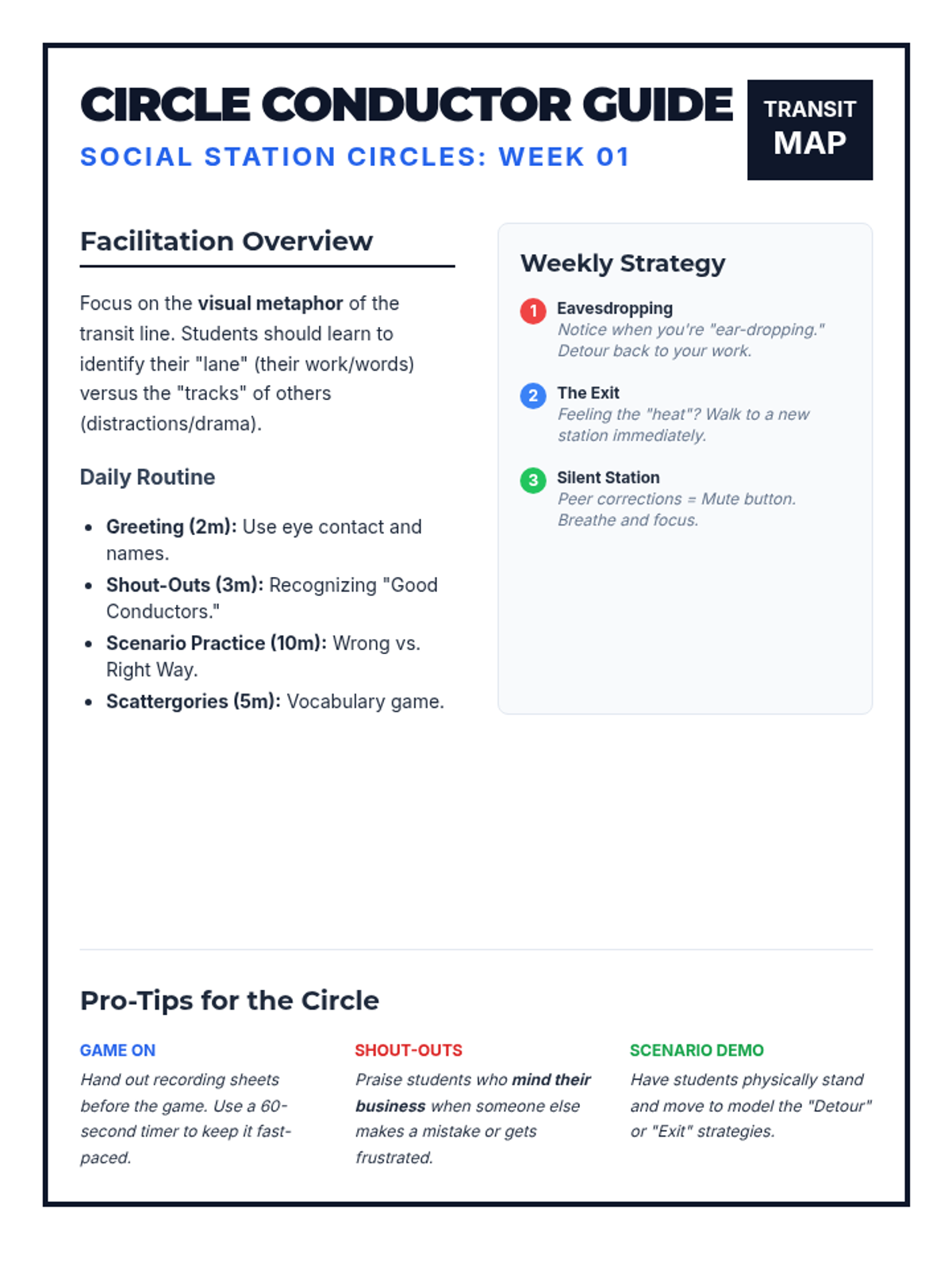
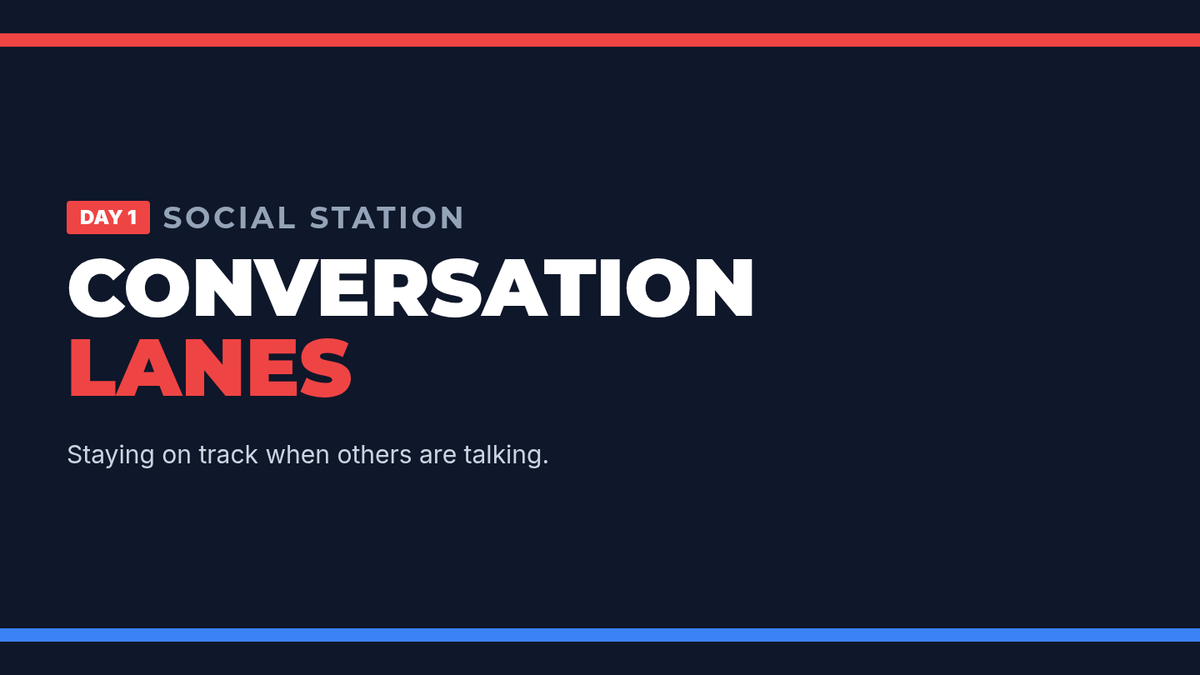
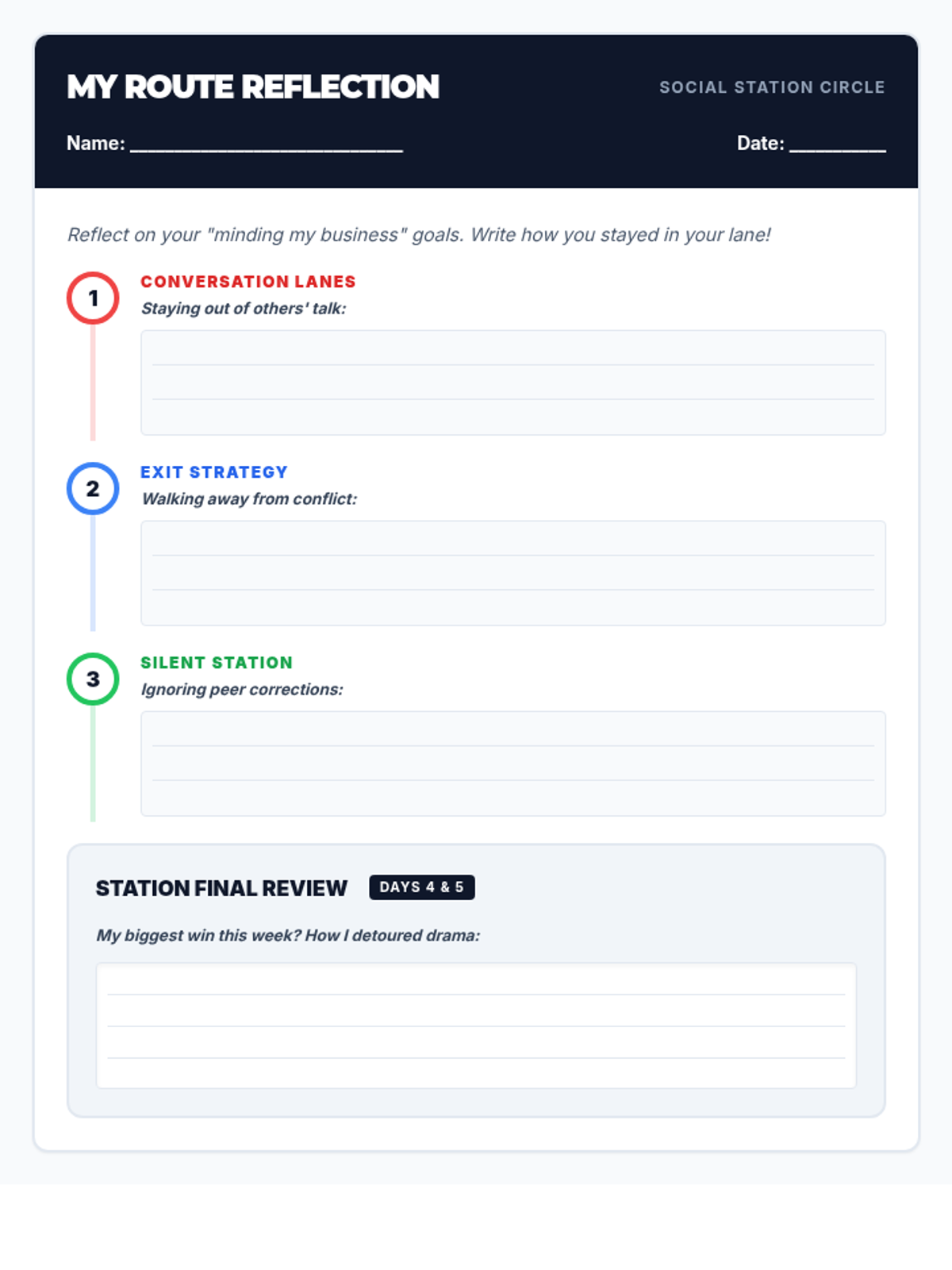
A week-long series of community circle meetings focused on 'minding your business' social skills through transit-themed discussions, scenarios, and school-related Scattergories.
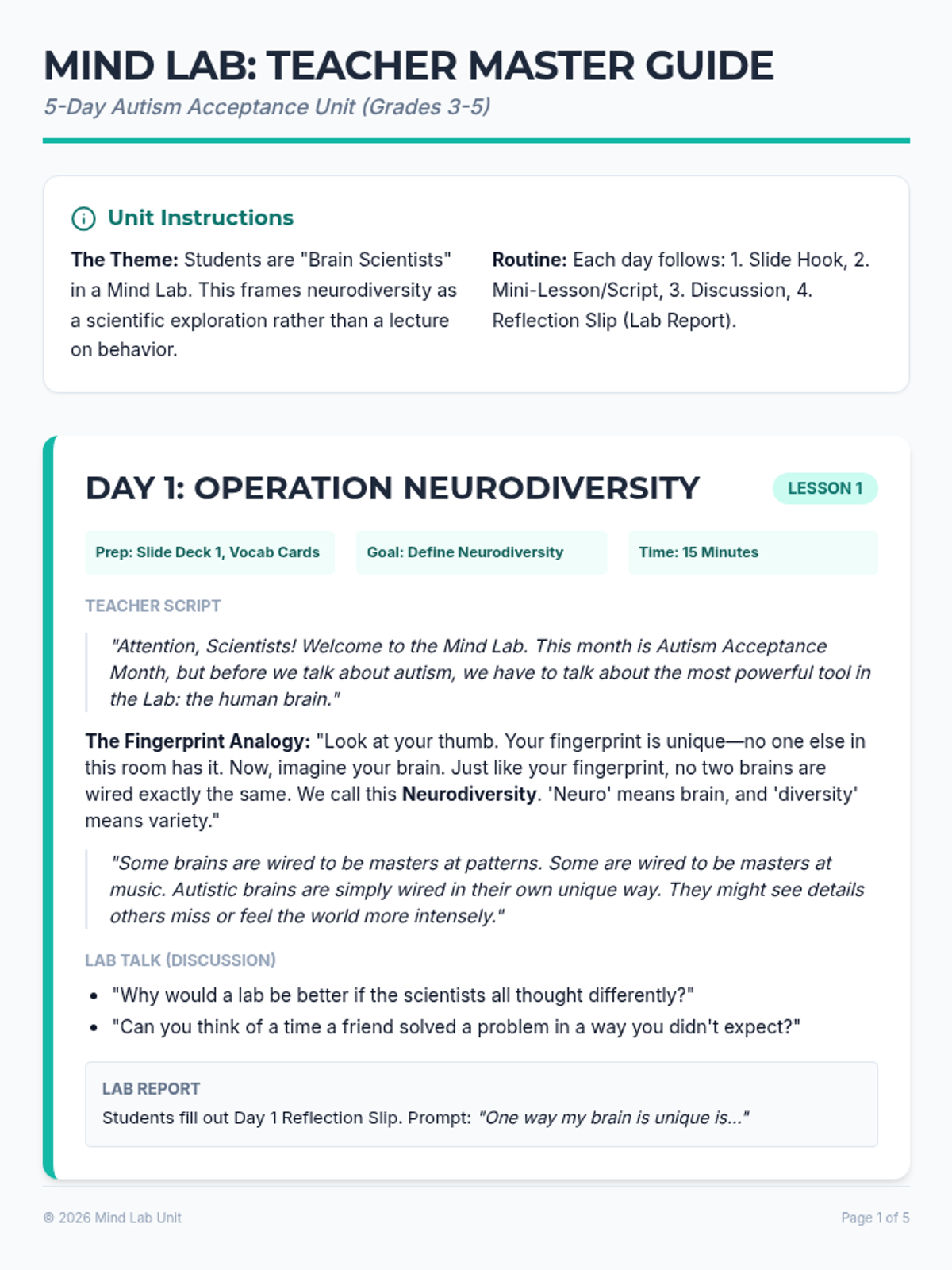
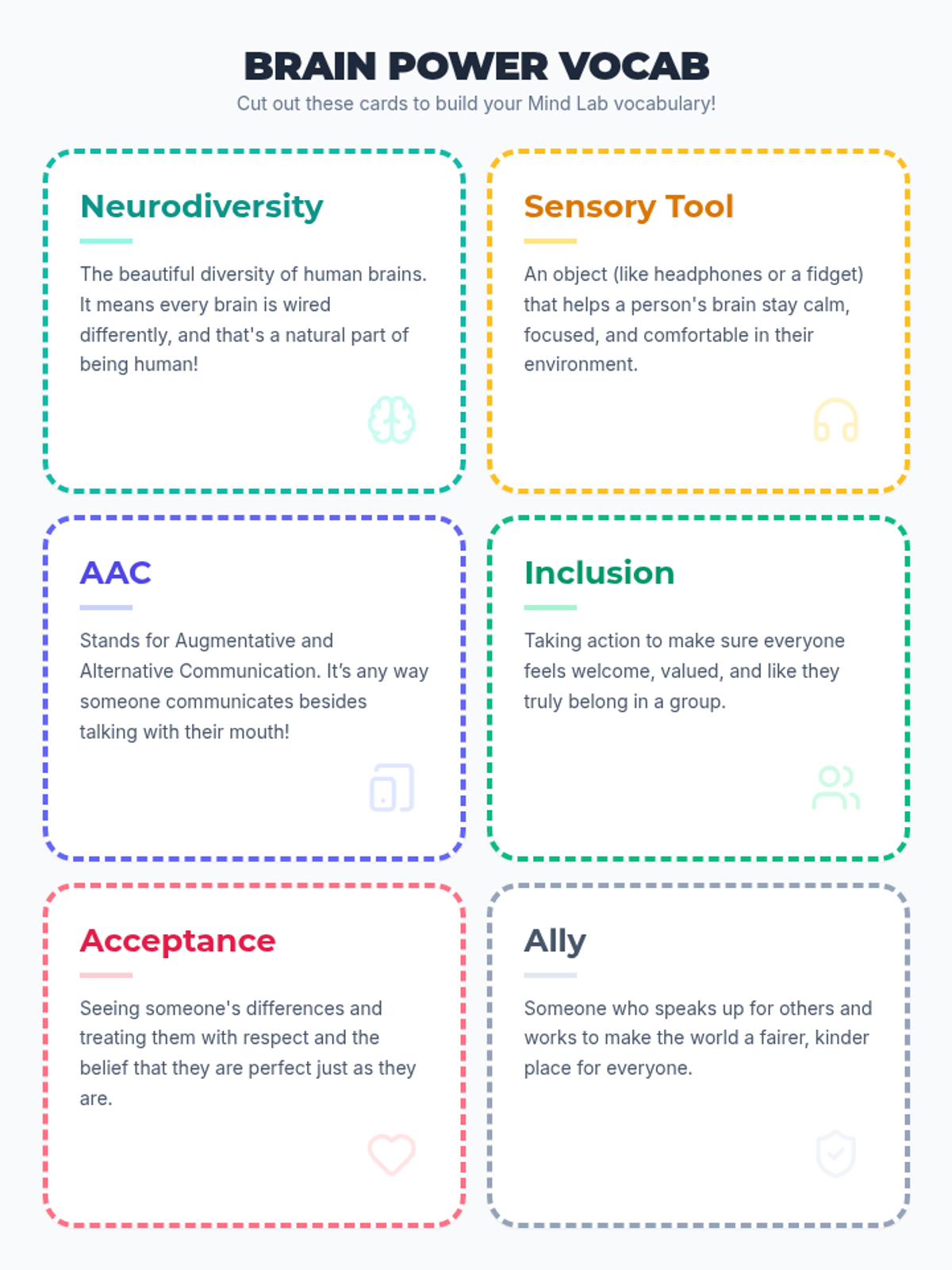
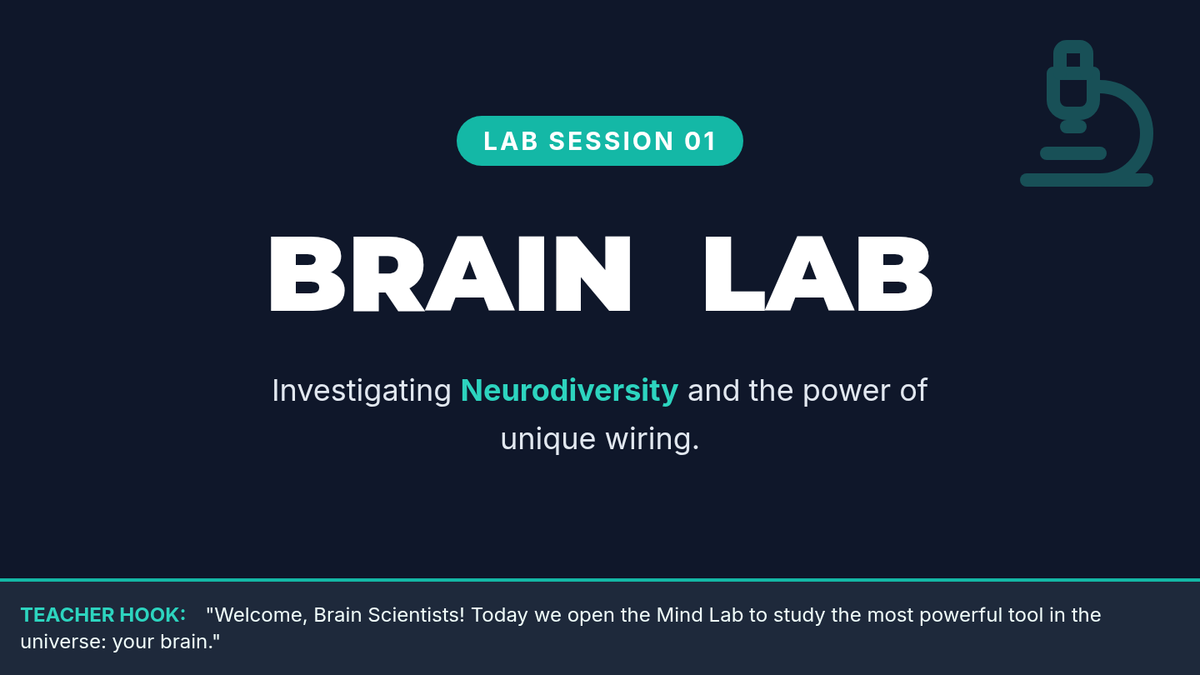
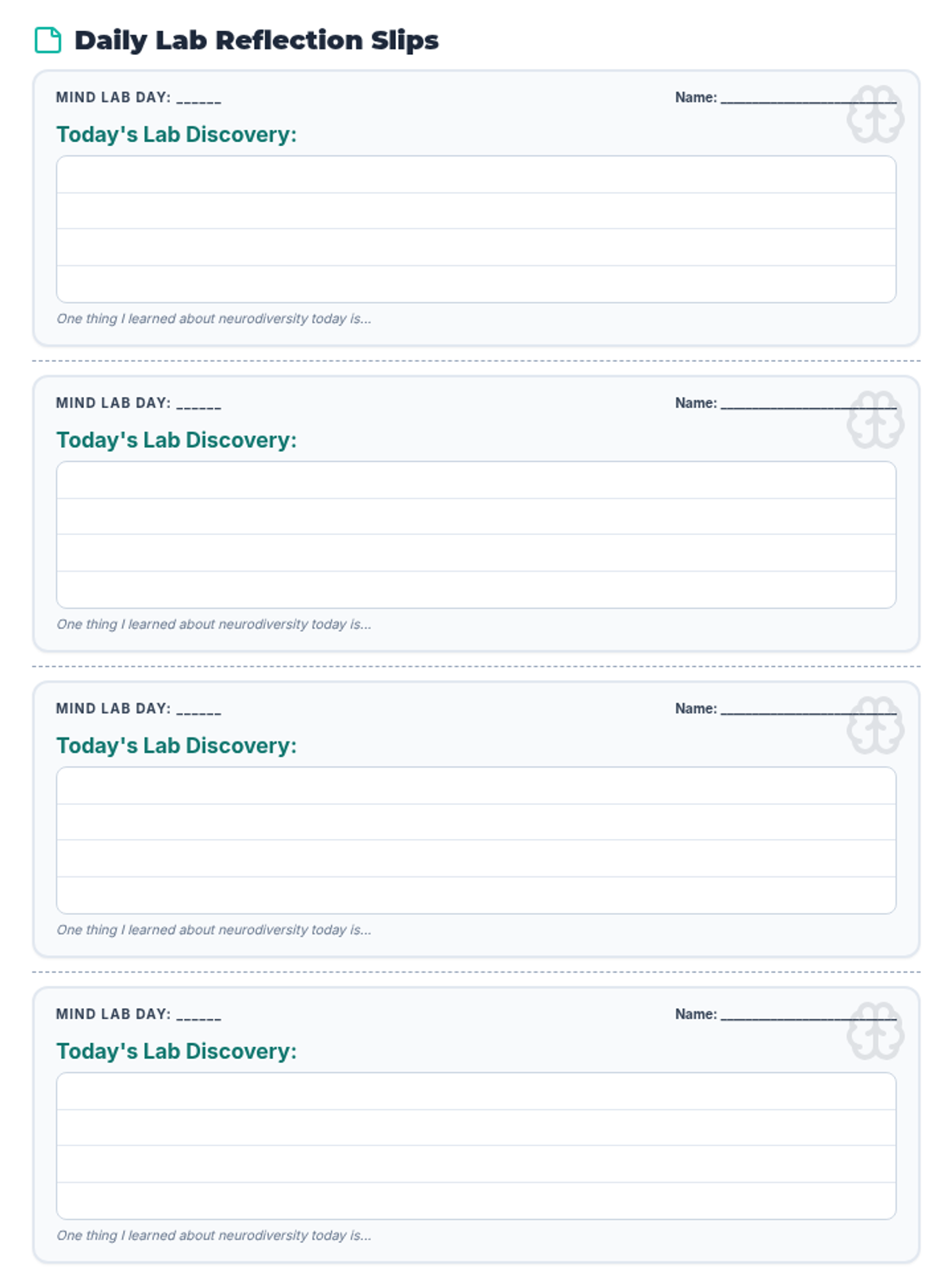
A 5-day introductory series for grades 3-5 celebrating Autism Acceptance Month by focusing on neurodiversity, sensory tools, and inclusion skills. The unit uses a 'Brain Lab' theme to encourage scientific curiosity and empathy.
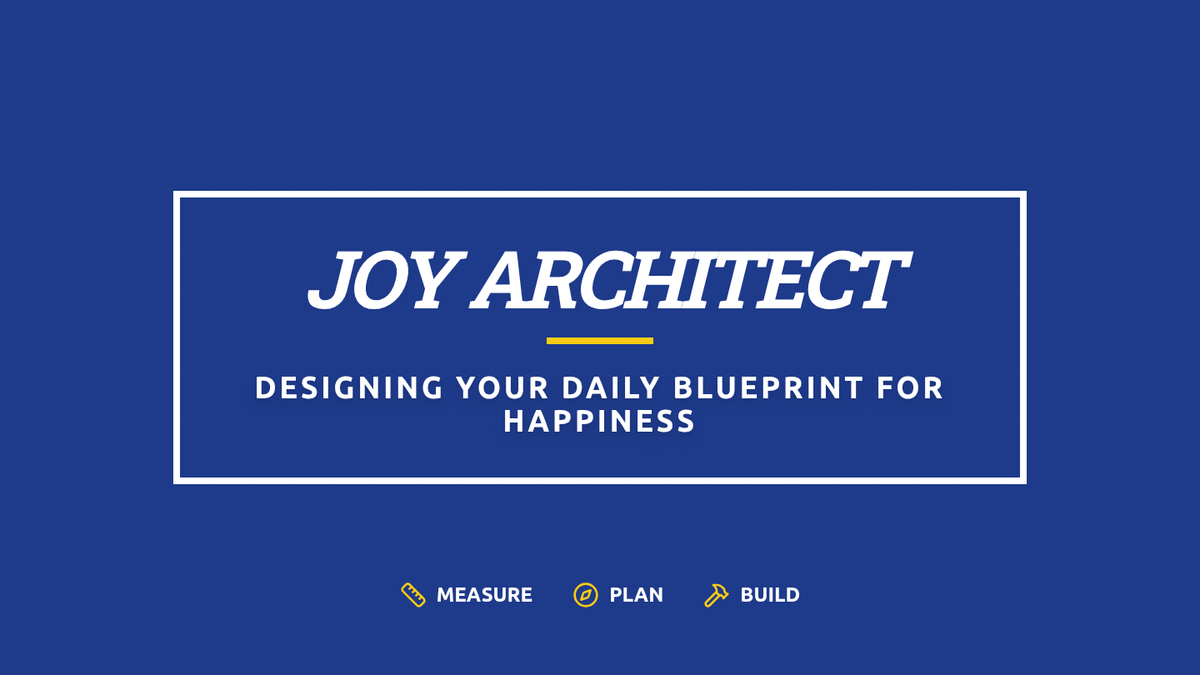
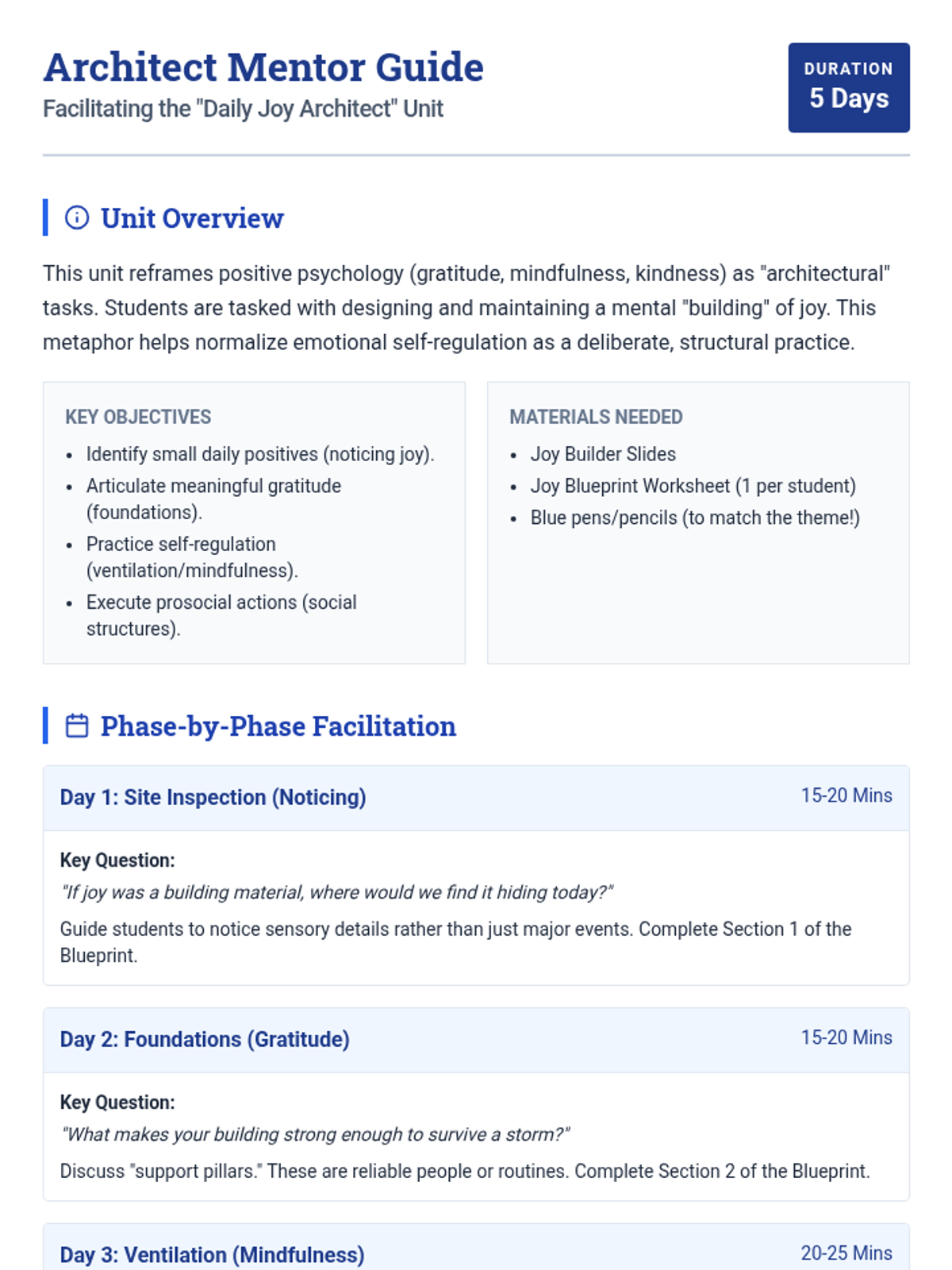
A 5-part journey into building positive mental habits, focusing on gratitude, mindfulness, and kindness through an architectural lens. Students act as 'Joy Architects' to design their own daily well-being routines.
A two-day SEL unit for K-5 students on accepting 'no' gracefully. Using a nautical theme, students learn to identify their 'stormy' feelings and use deep breathing as an 'anchor' to return to calm waters.
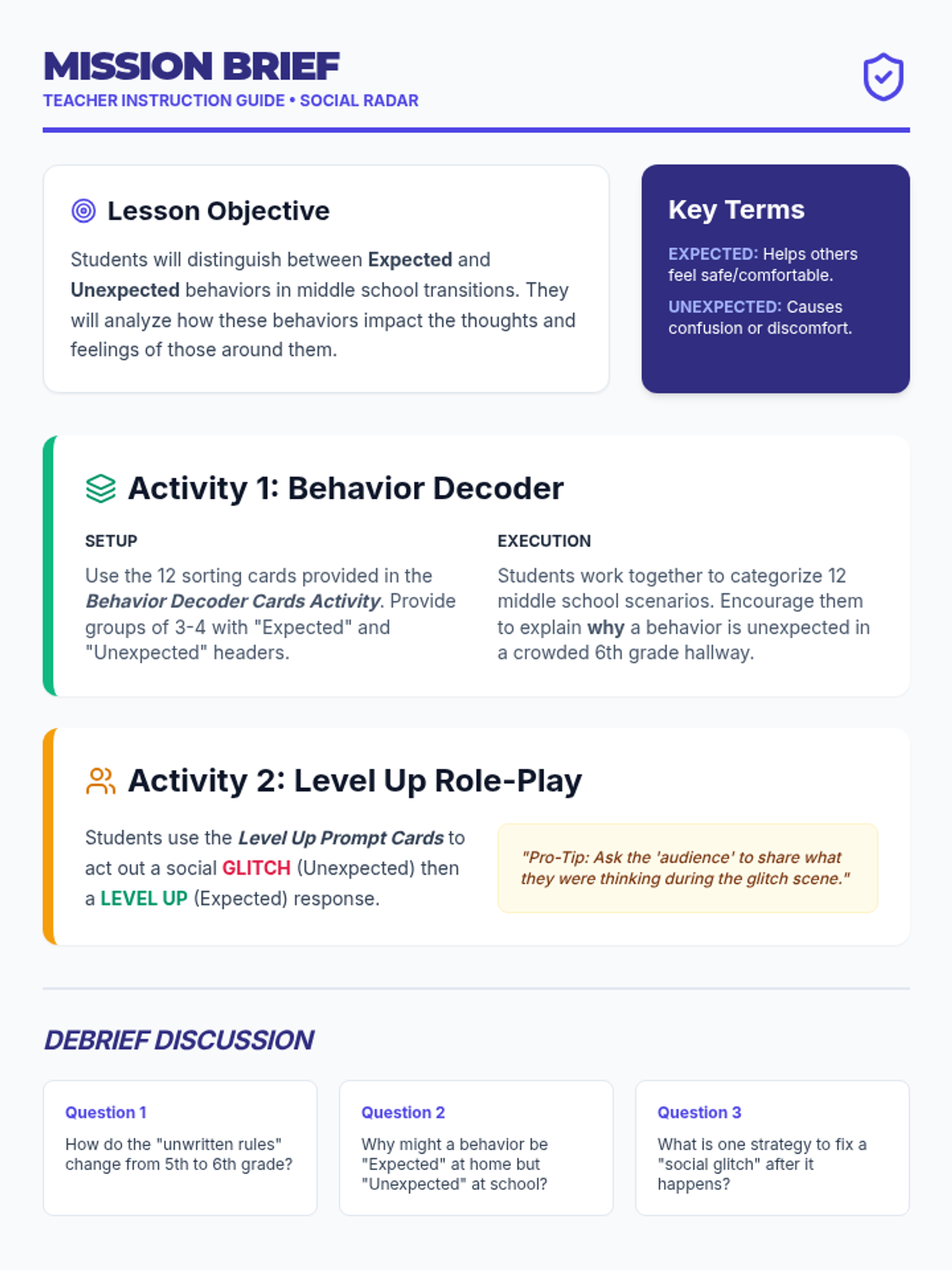
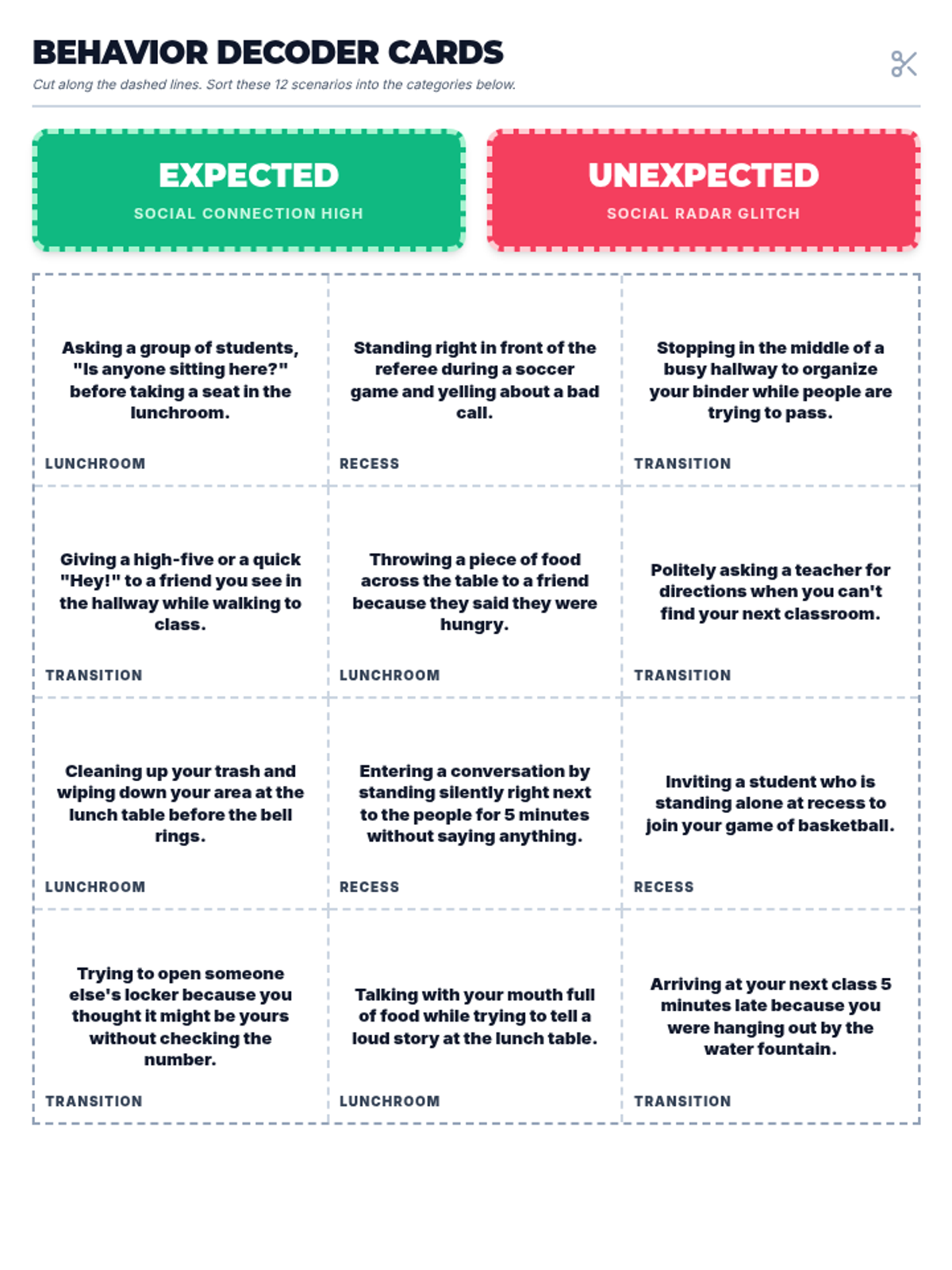
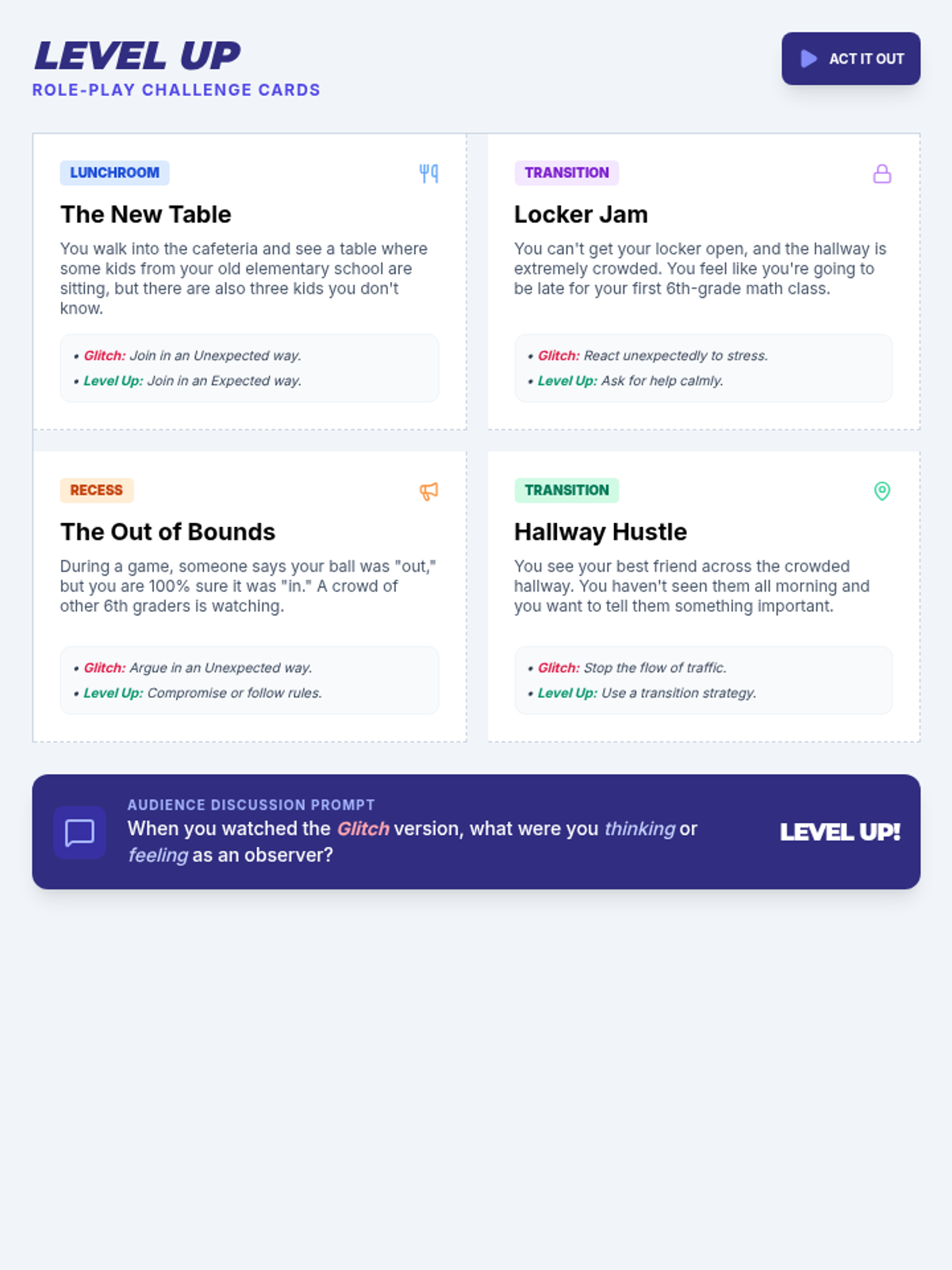
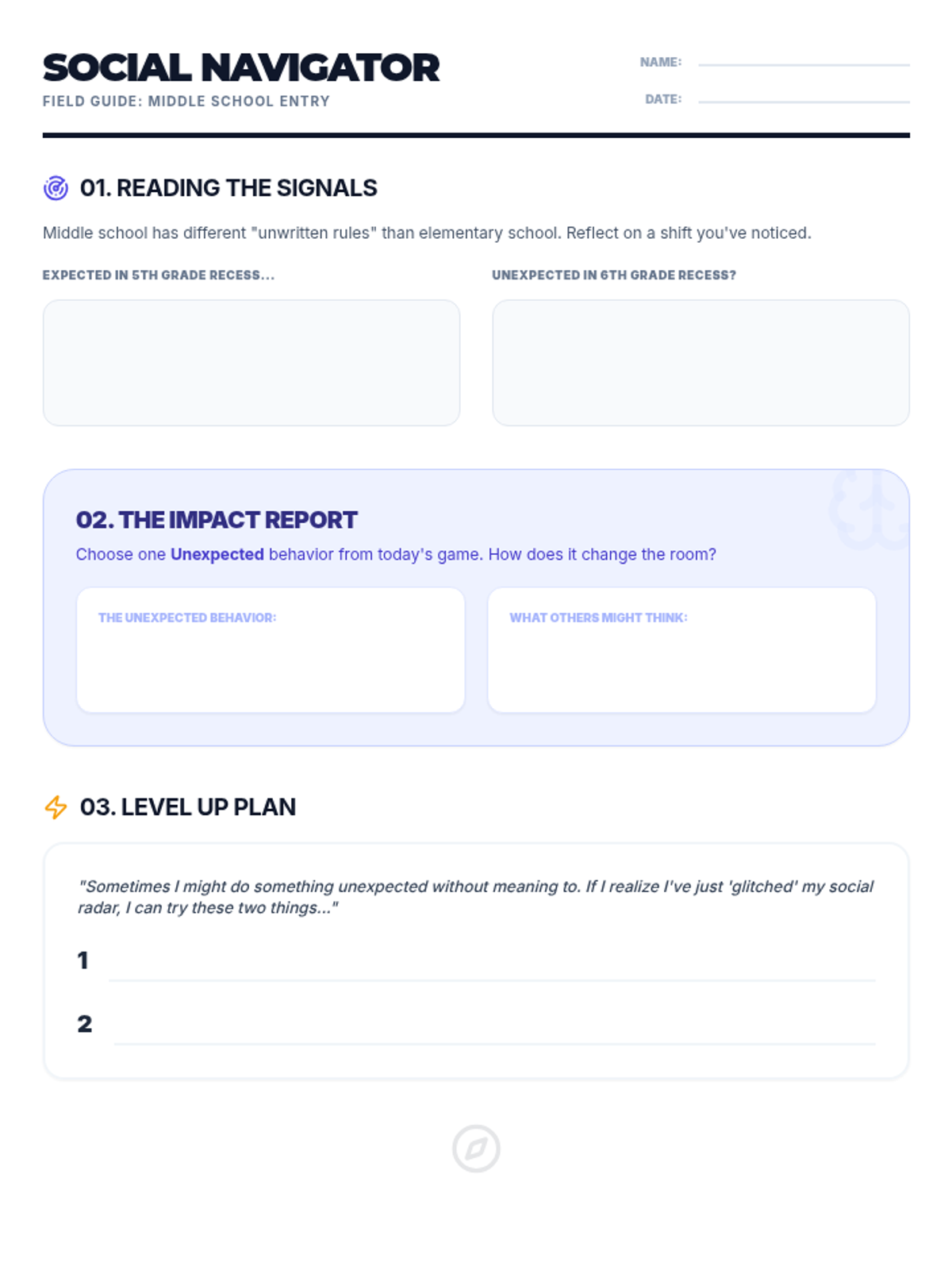
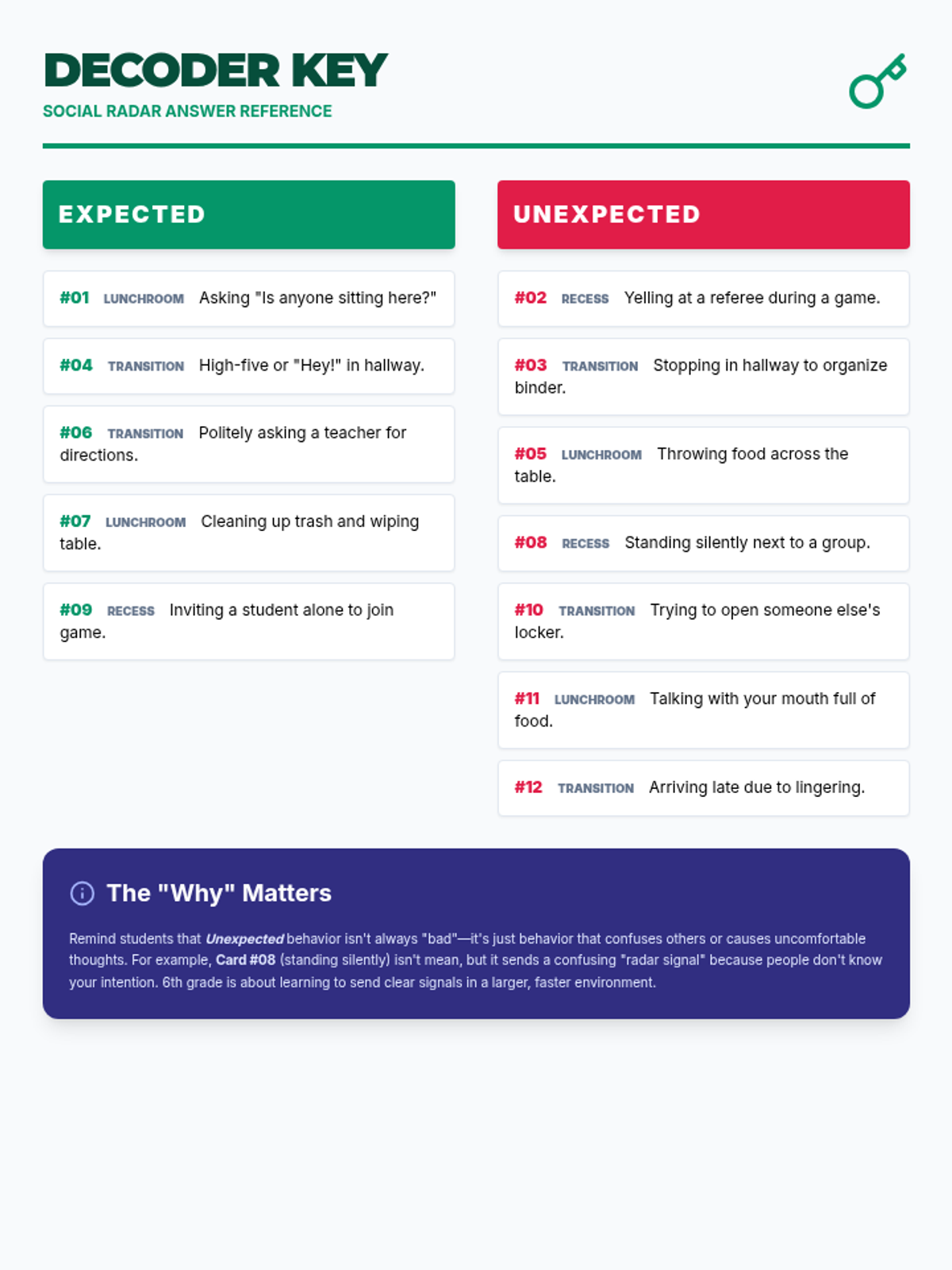
A sequence designed for rising 6th graders to navigate the social complexities of middle school by identifying expected and unexpected behaviors in the lunchroom, at recess, and during the school transition.
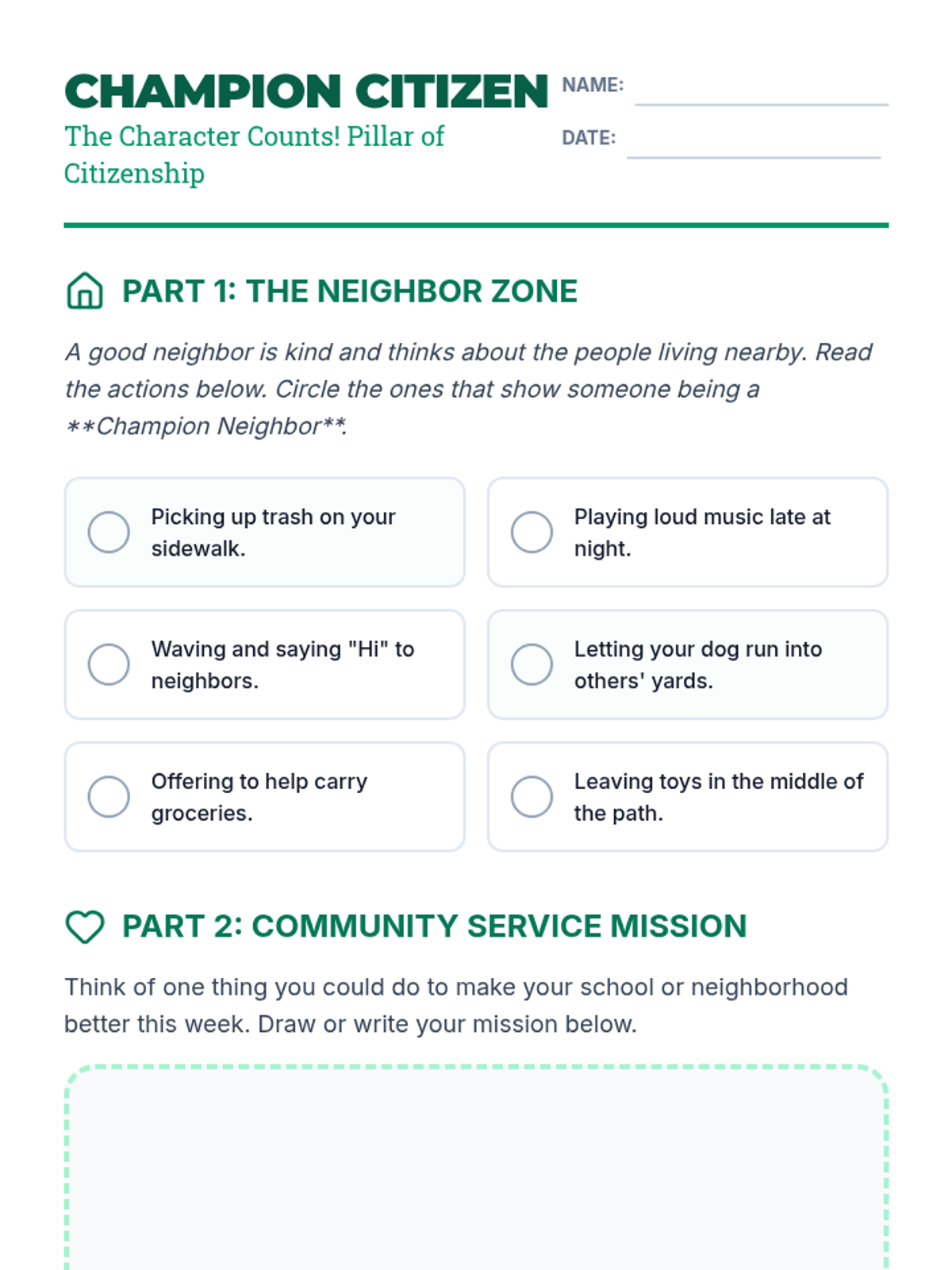
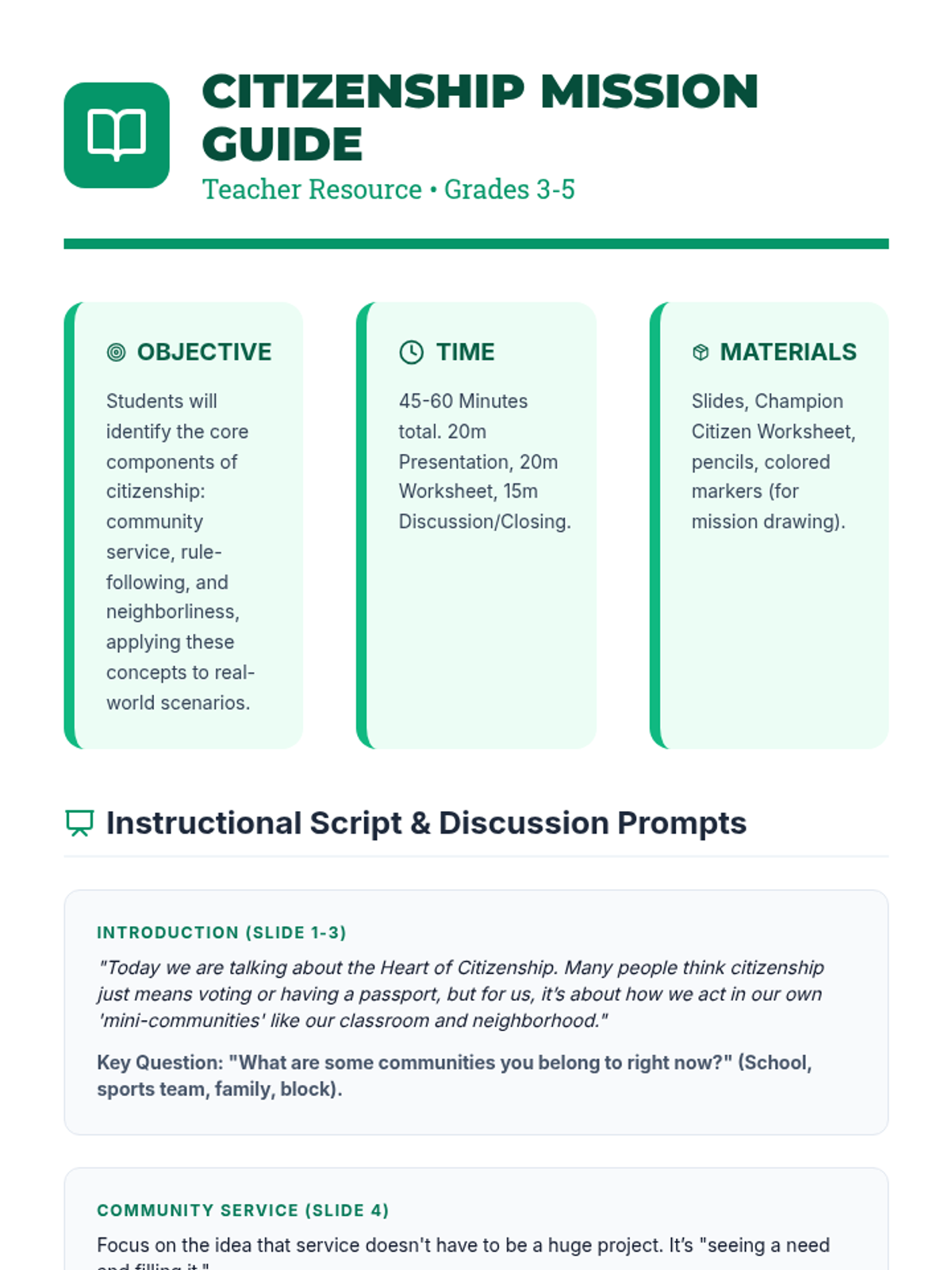
A sequence of lessons focused on the pillars of character, starting with citizenship. Students explore what it means to be a productive and caring member of their community through service and responsibility.
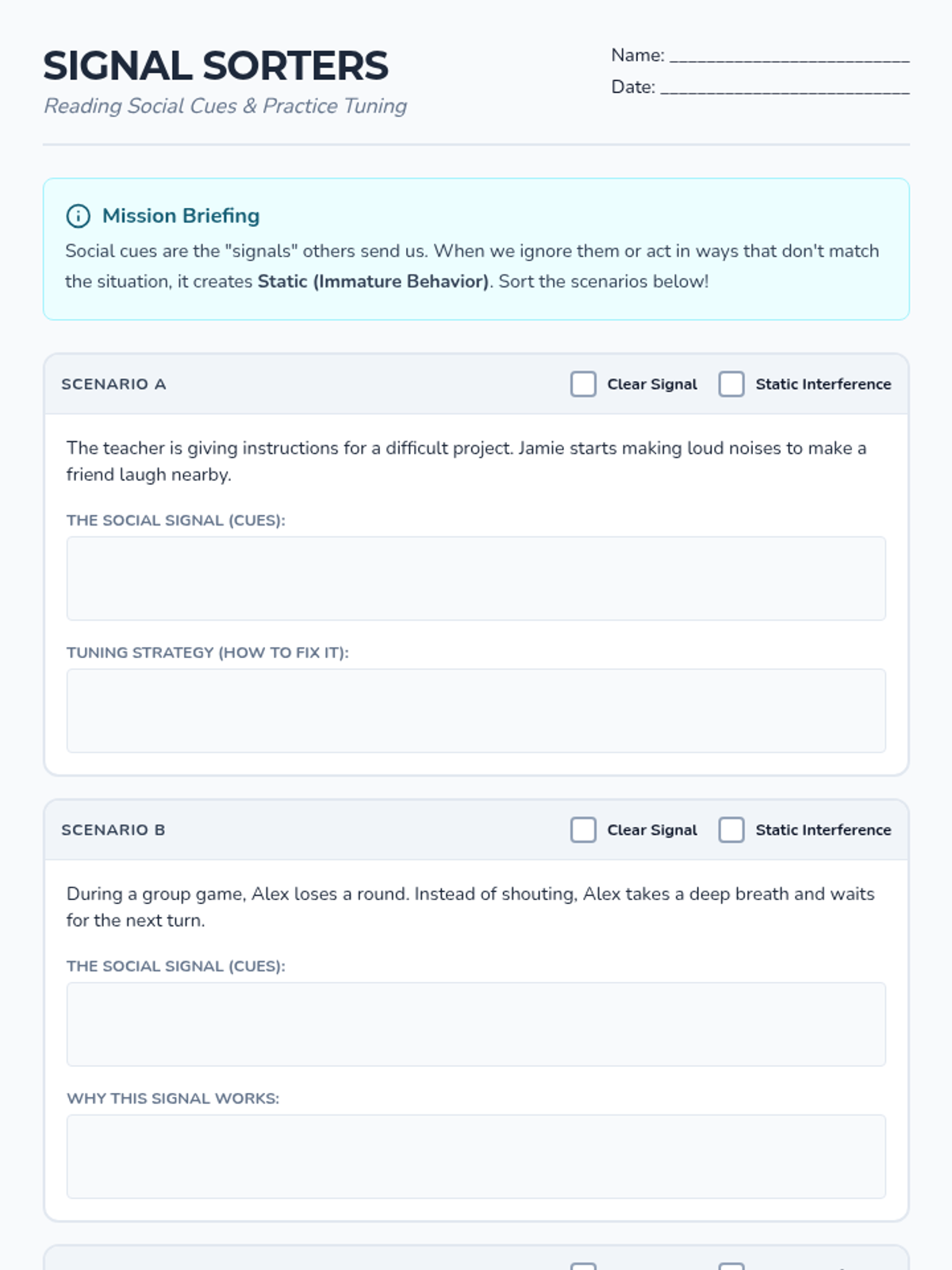
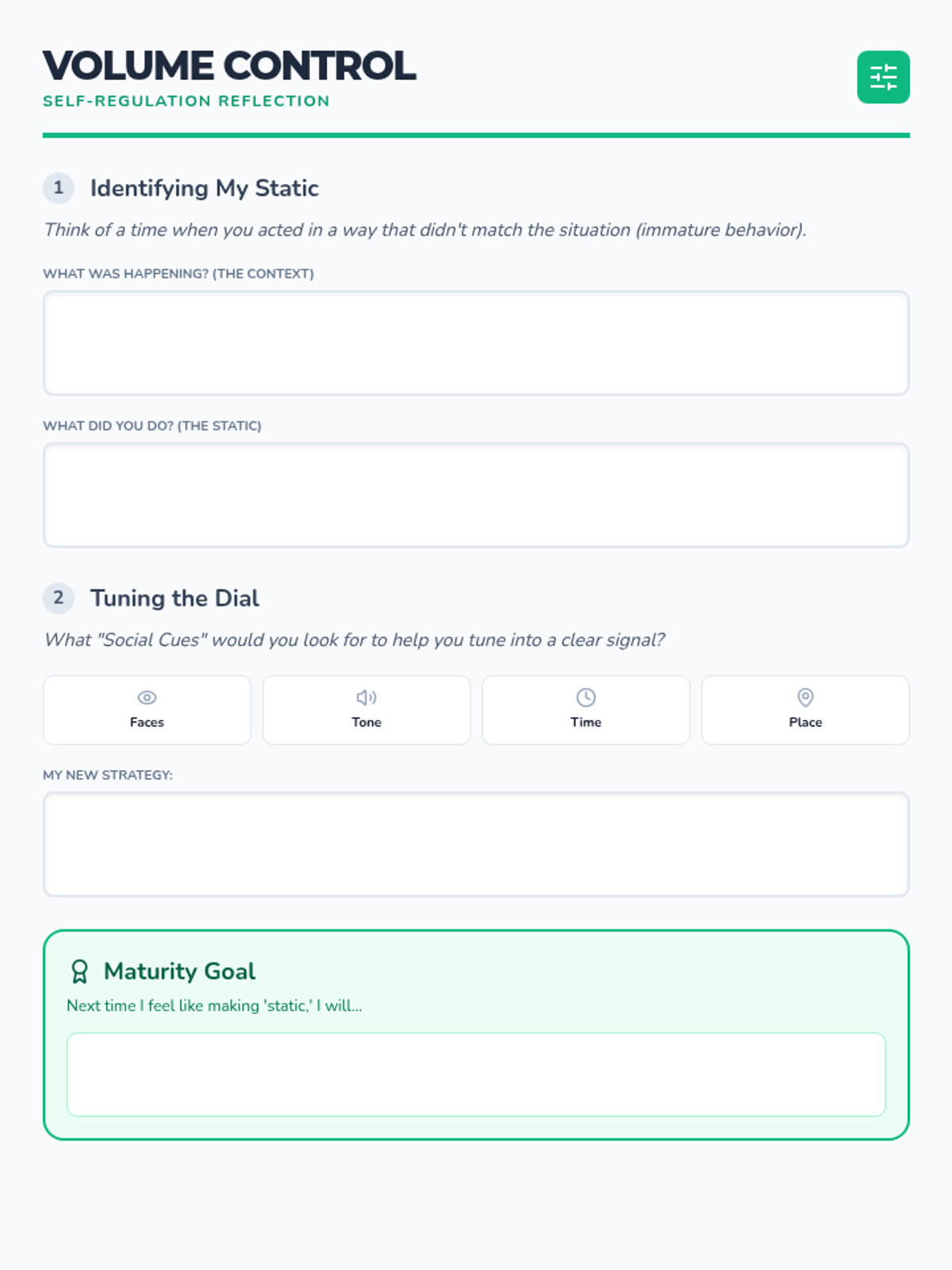
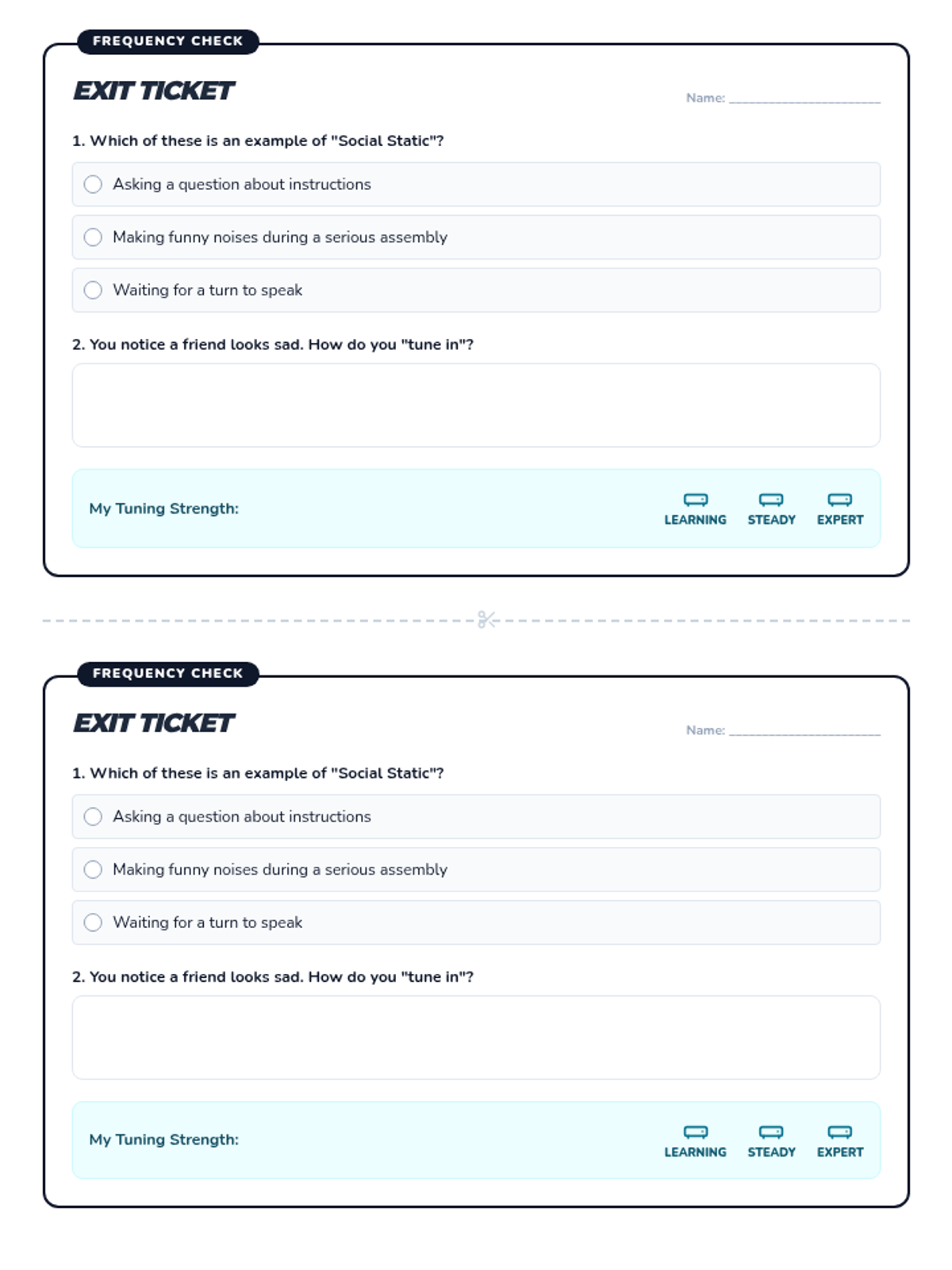
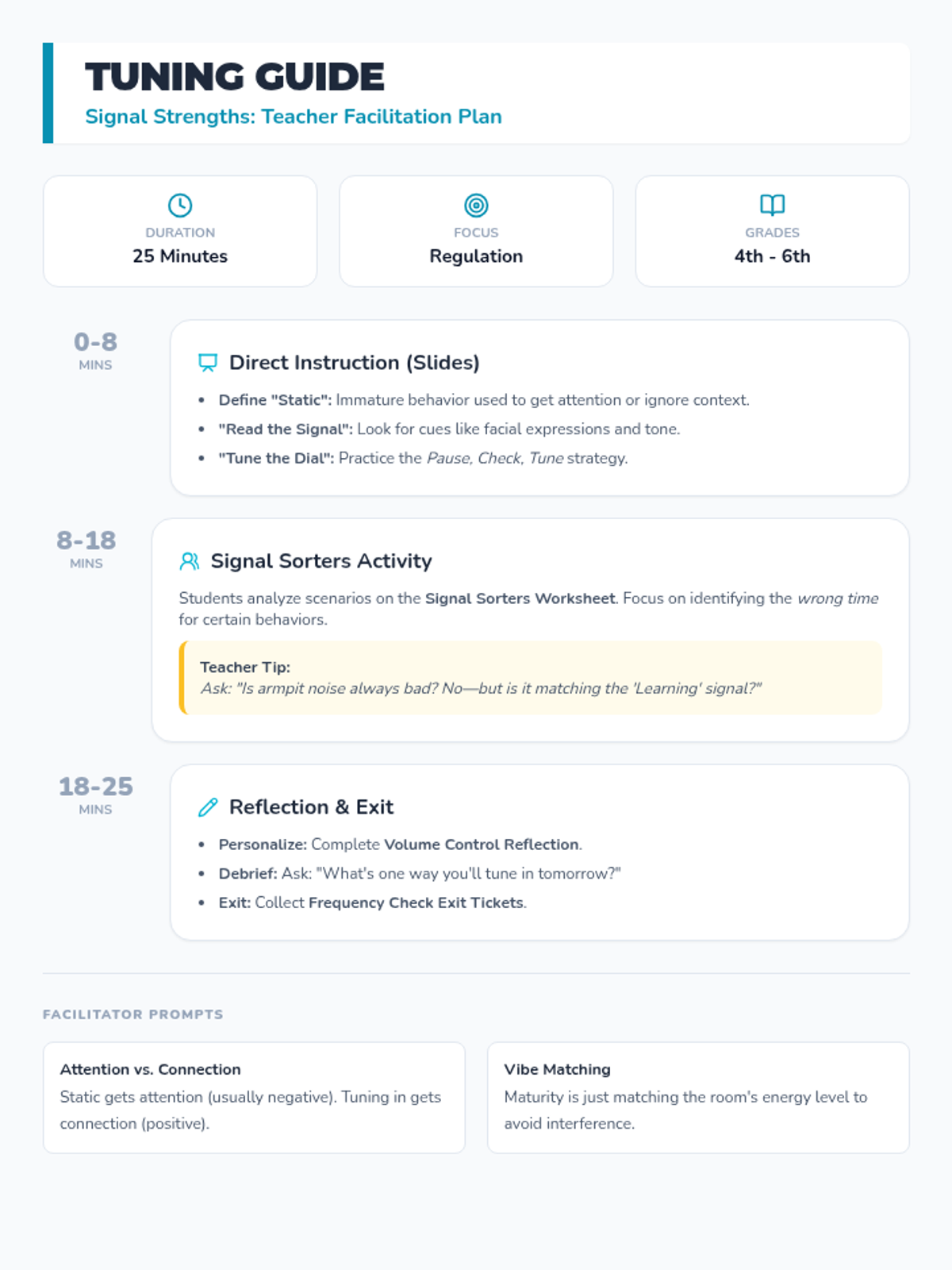
A series of lessons designed to improve social-emotional intelligence through the metaphor of radio signals and frequencies, focusing on social cues and self-regulation.
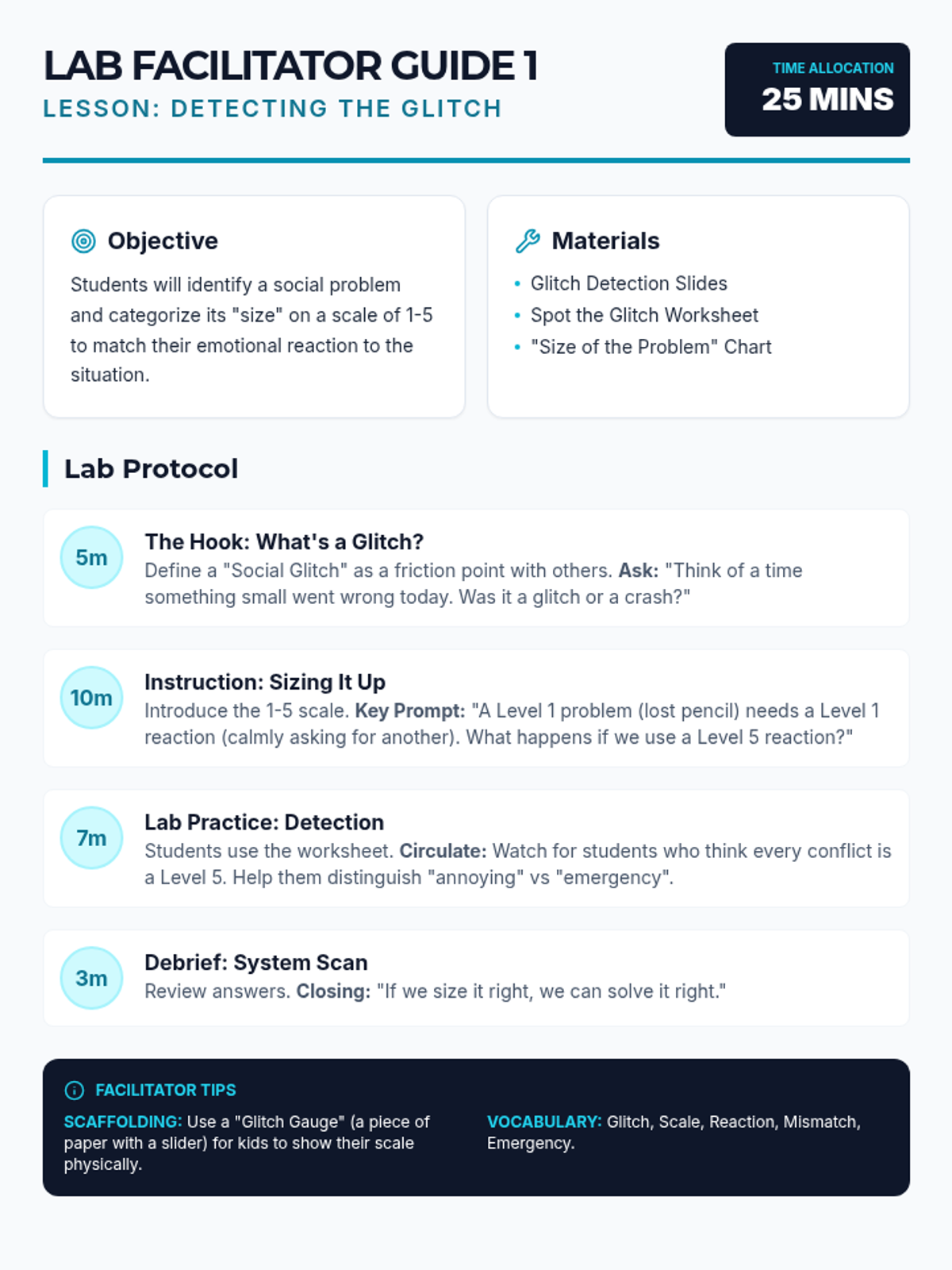
A comprehensive 5-lesson unit for 4th-5th graders to develop social problem-solving skills using a "Social Lab" theme. Students learn to identify problem sizes, brainstorm solutions, evaluate consequences, and consider perspectives.
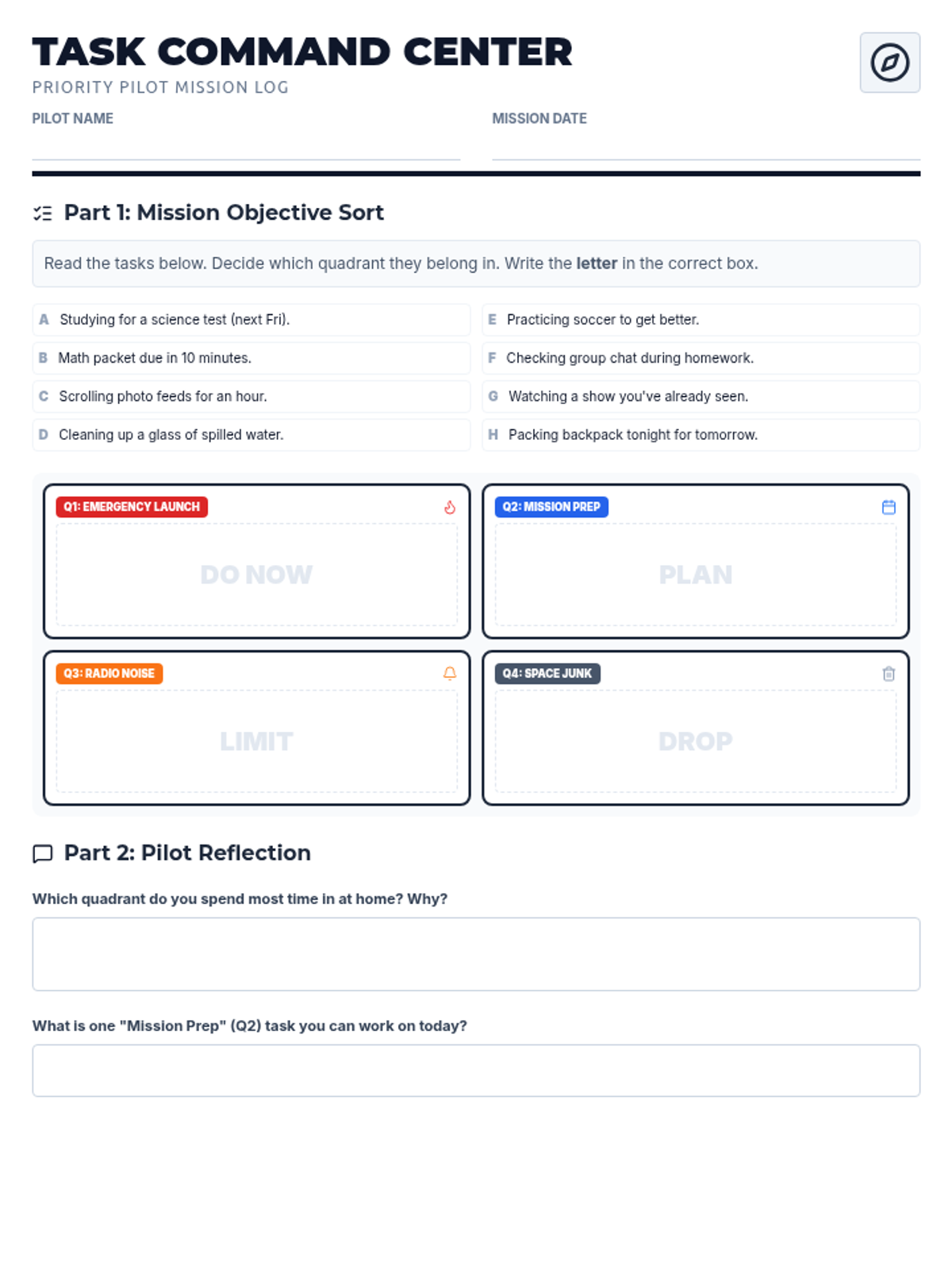
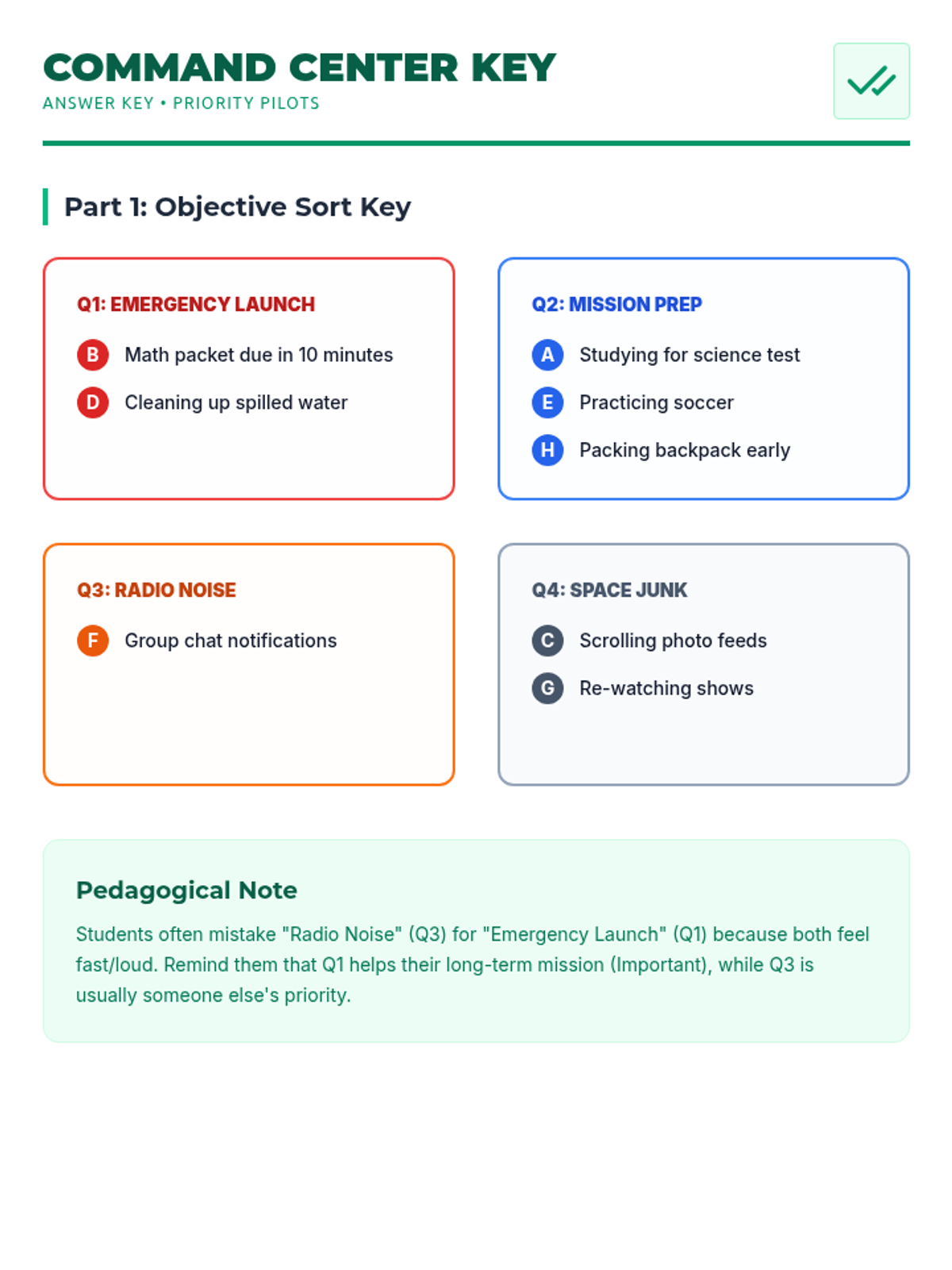
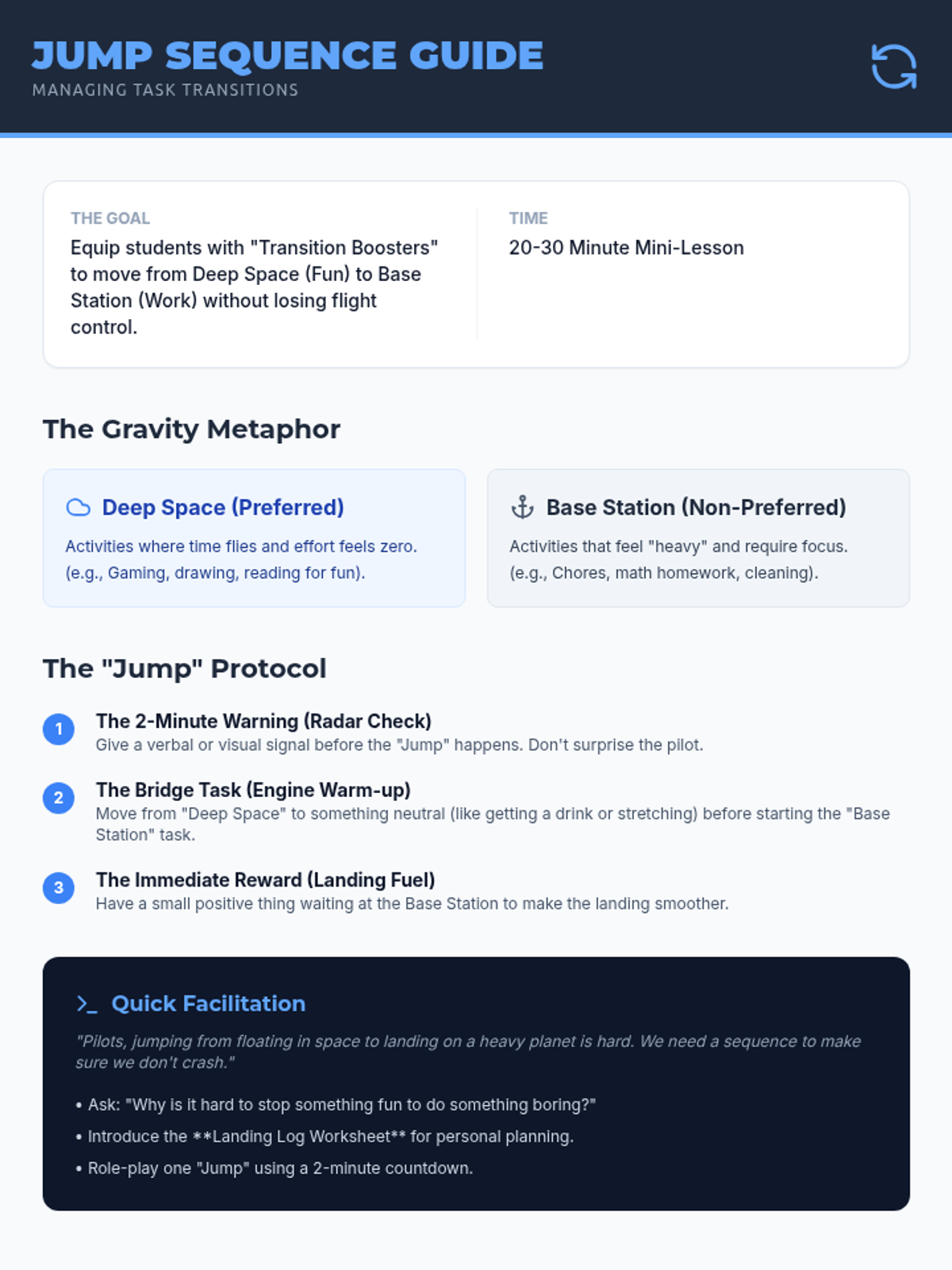
A comprehensive unit for 5th graders teaching executive functioning skills like prioritization and task management through a high-energy space exploration theme.
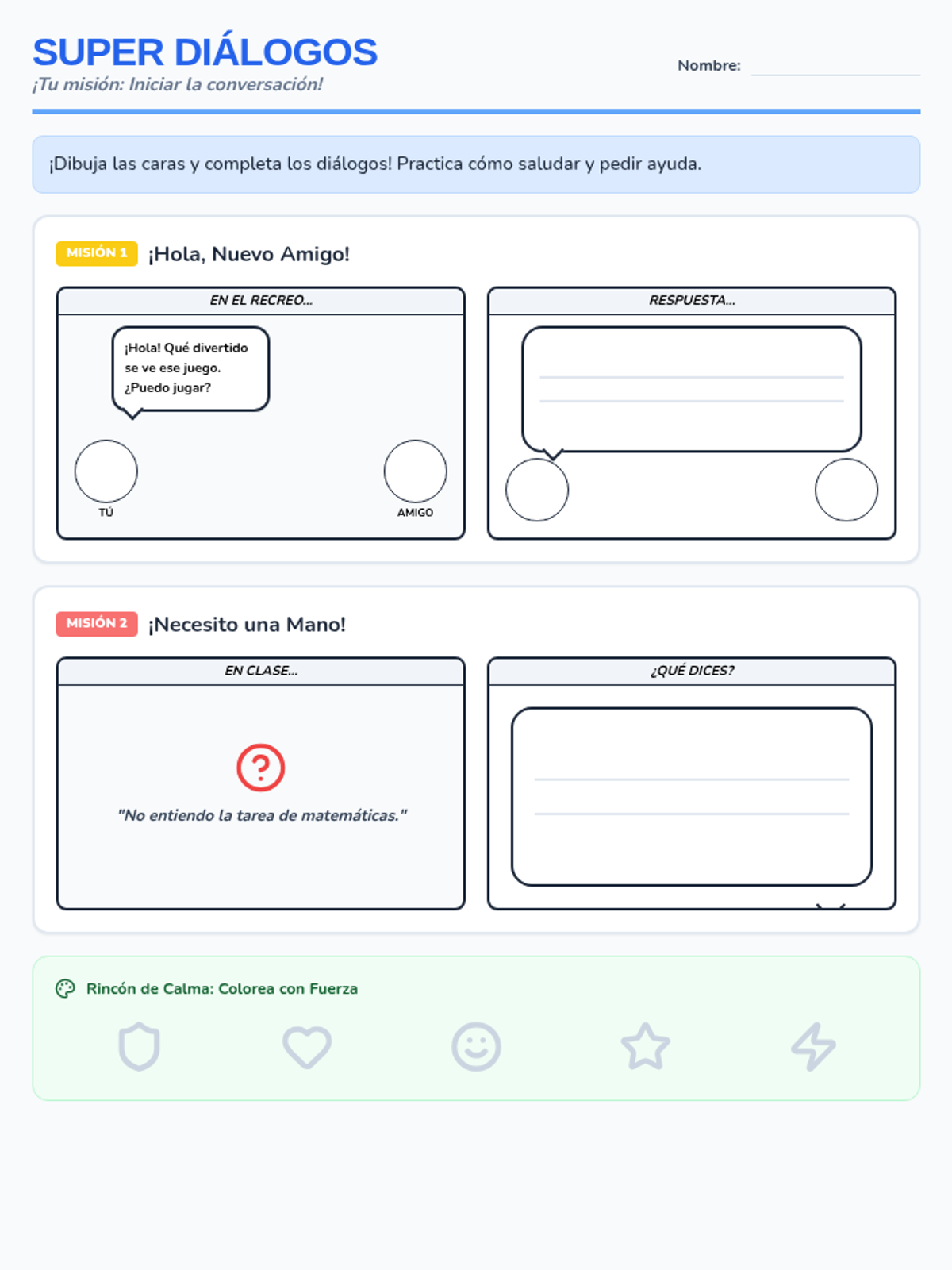
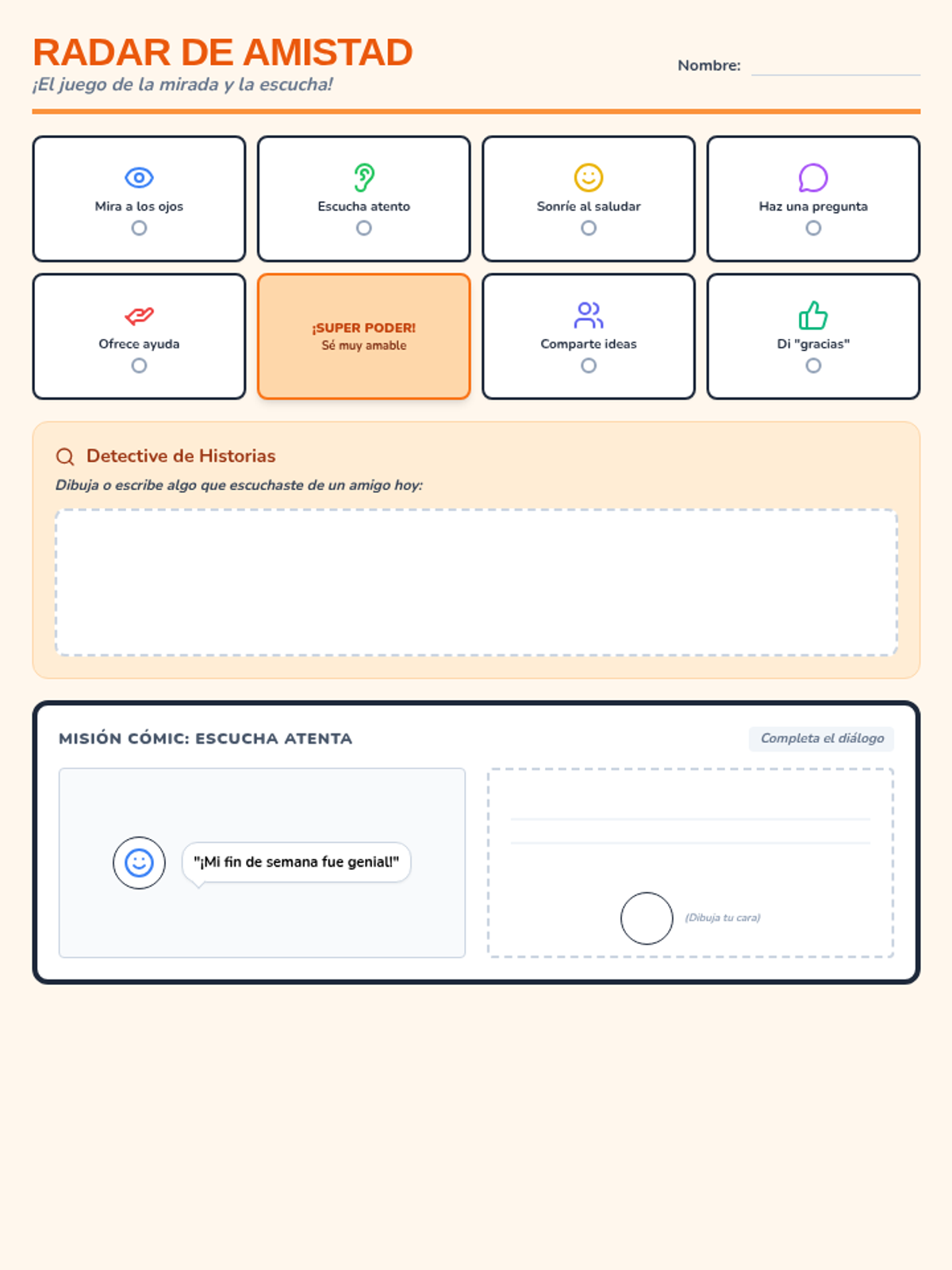
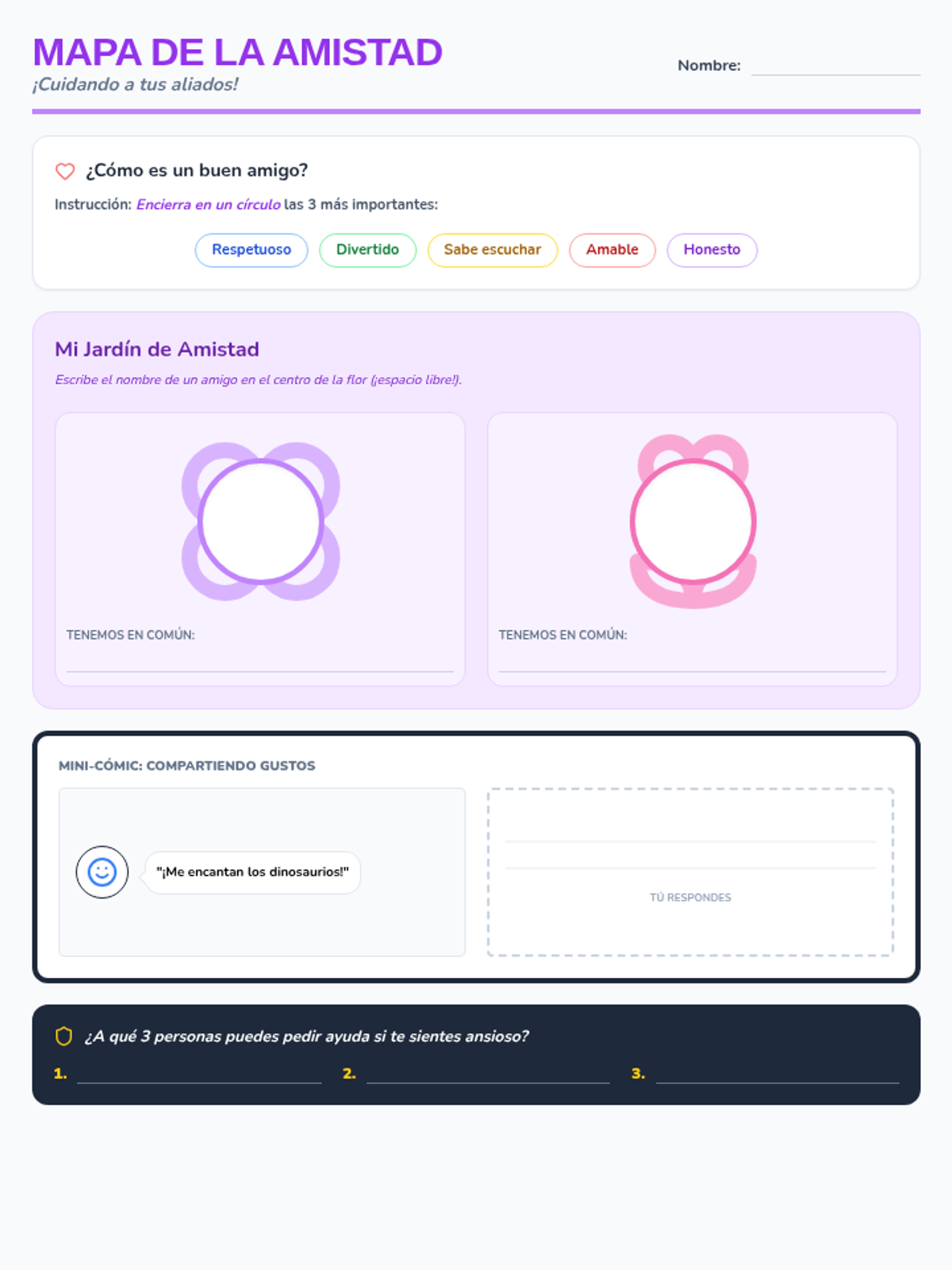
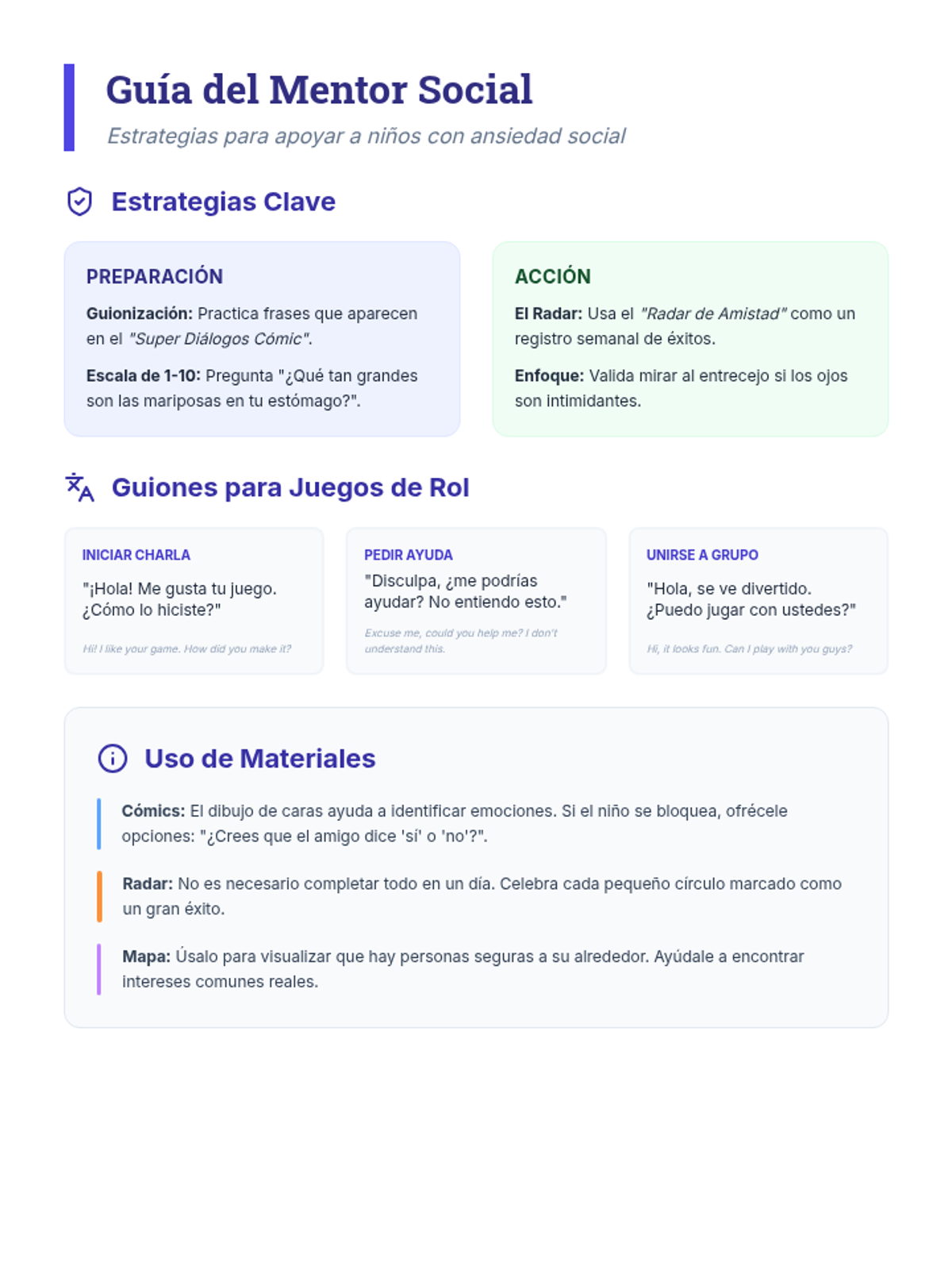
A comprehensive social skills program in both Spanish and English designed for children with social anxiety to build confidence in communication and peer relationships.
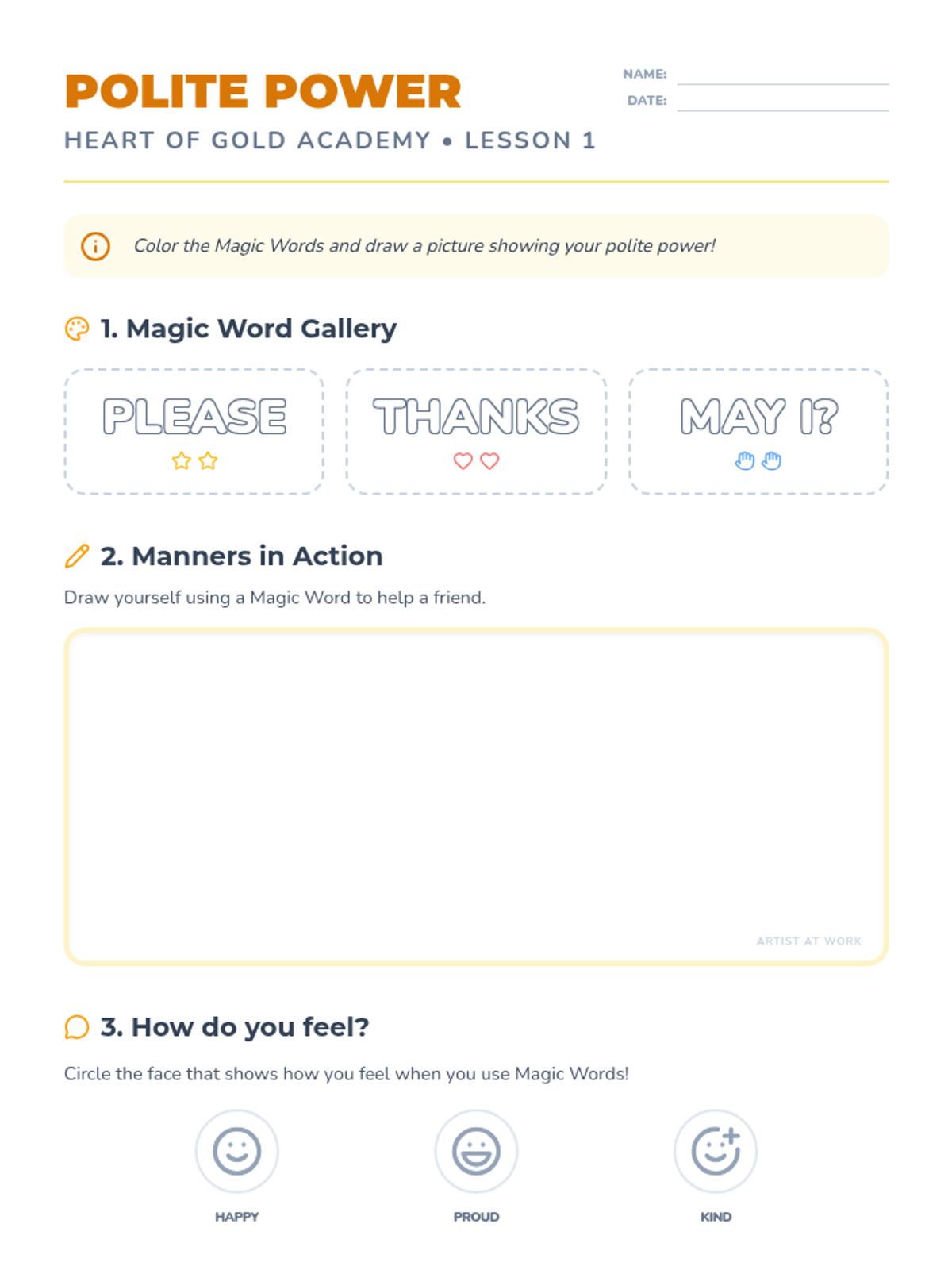
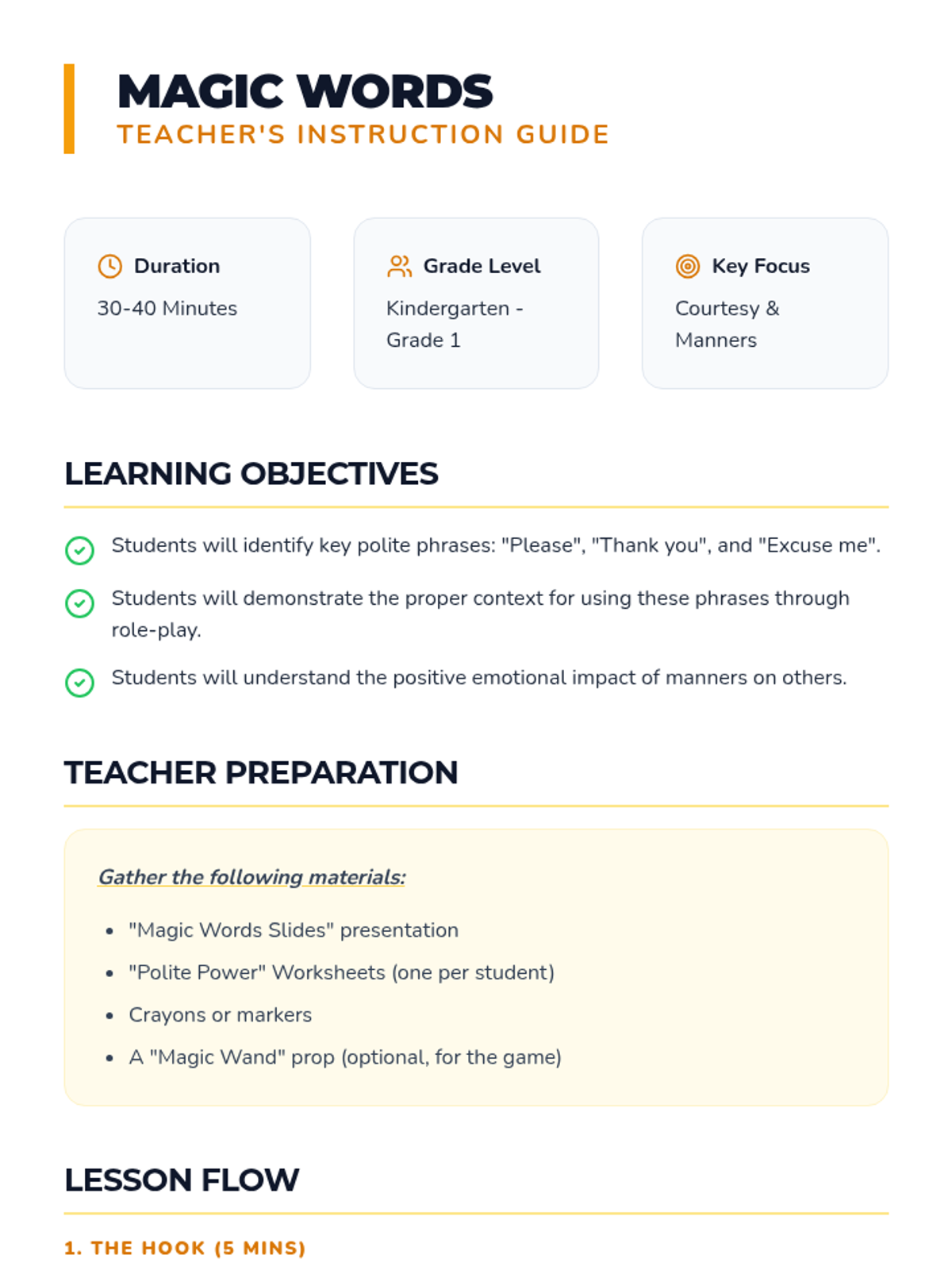
A comprehensive social-emotional learning sequence focused on building a foundation of courtesy, loyalty, manners, and respect across all grade levels. Students progress from basic polite interactions to complex social integrity.
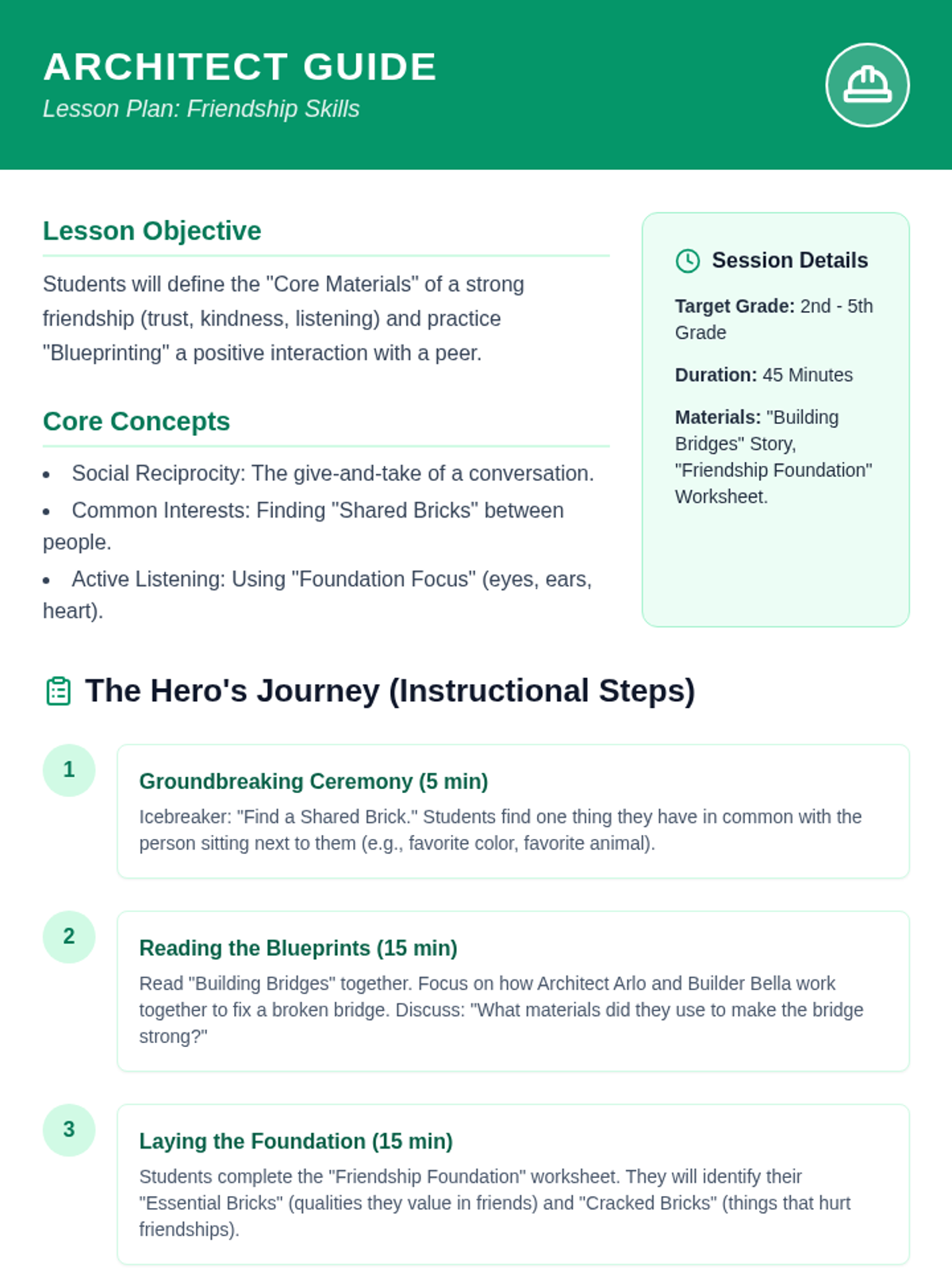
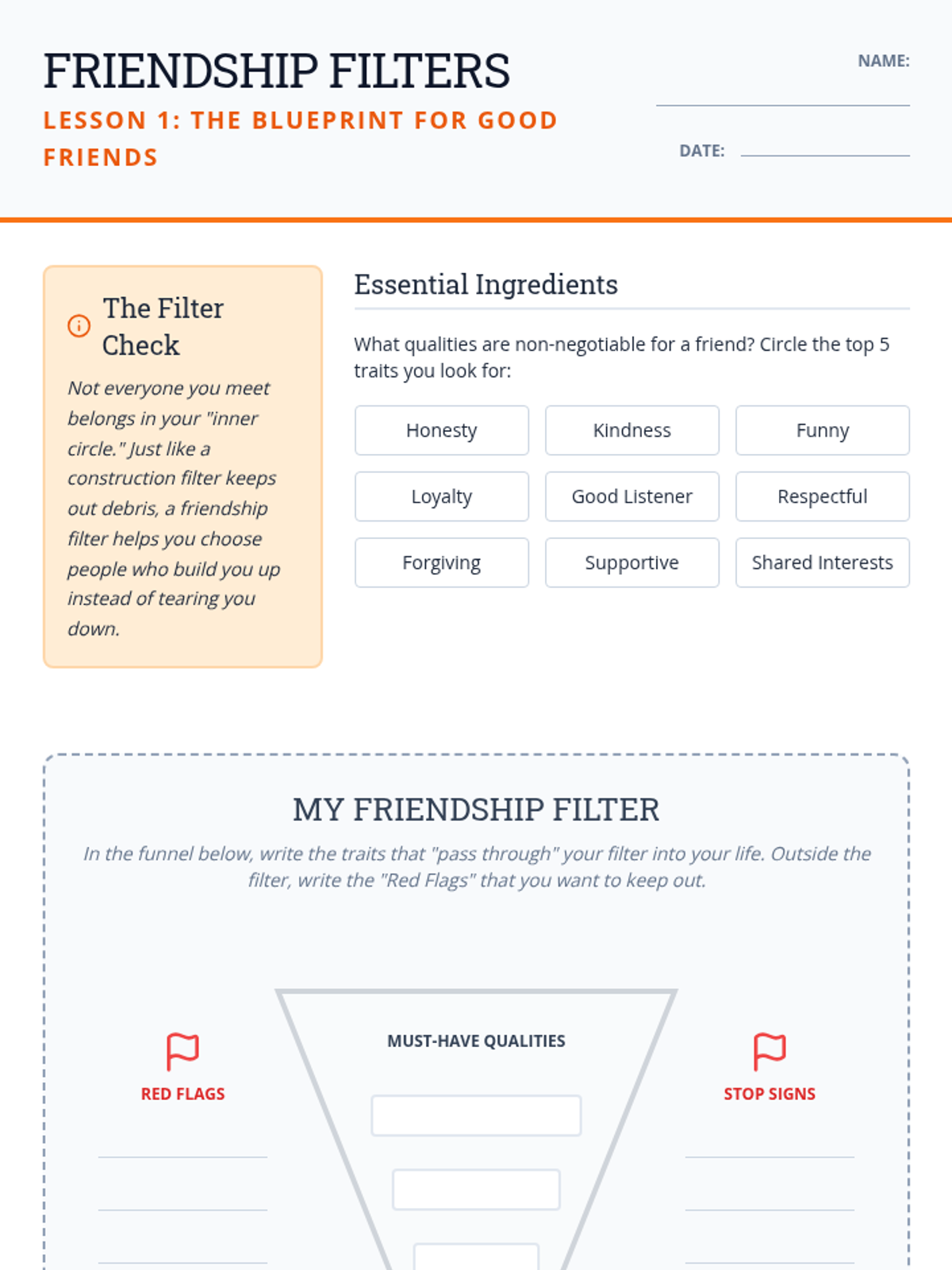
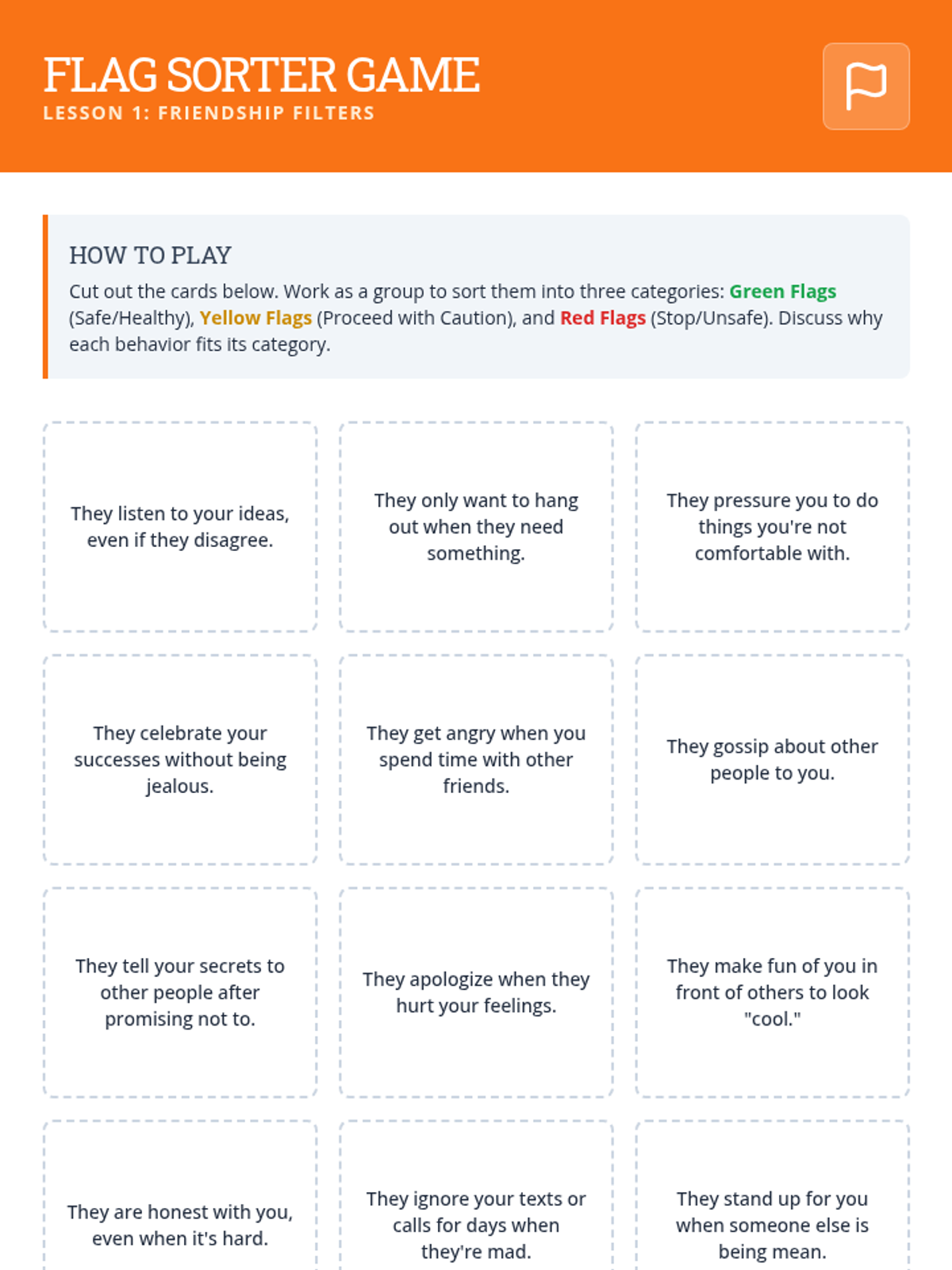
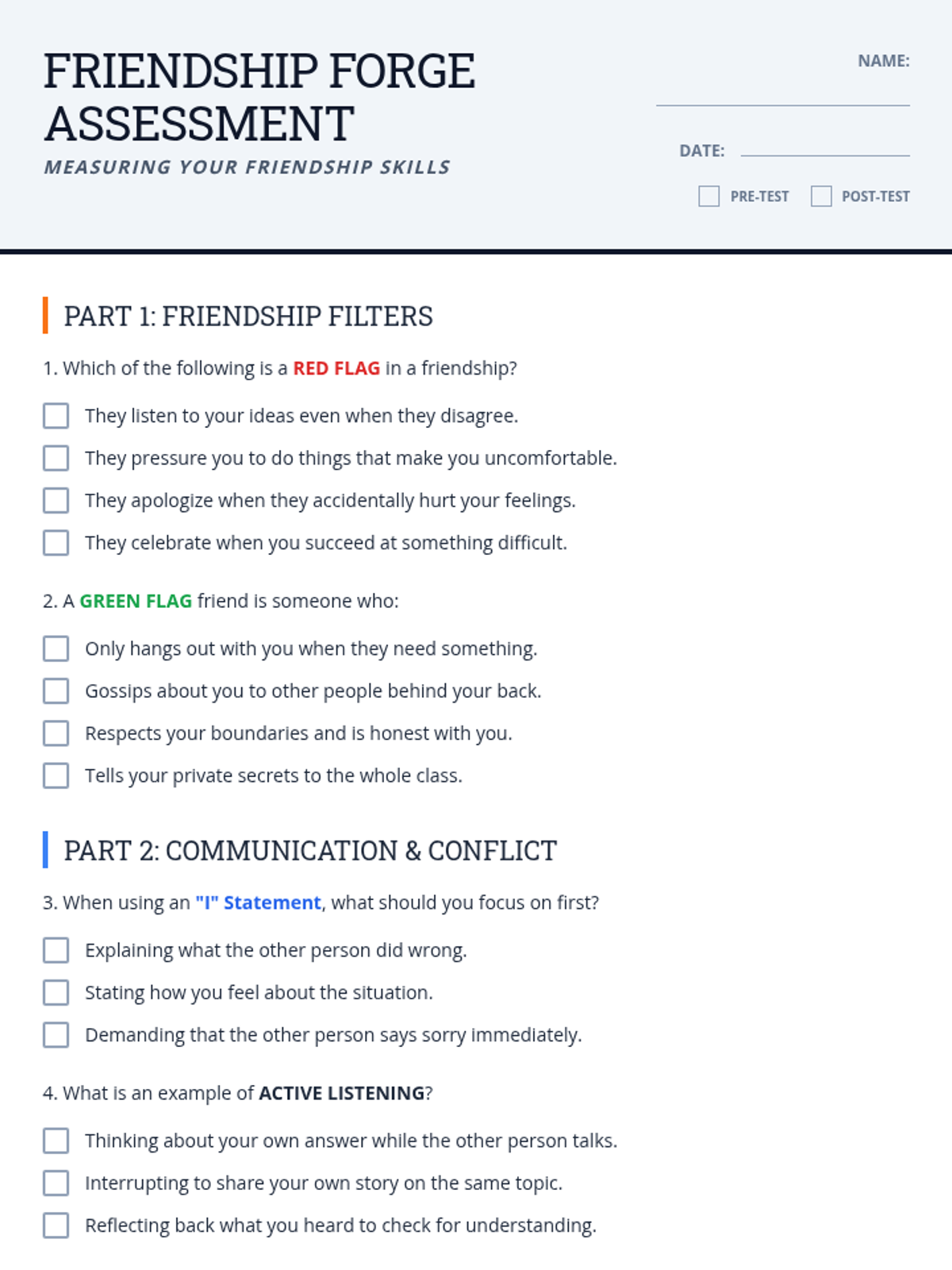
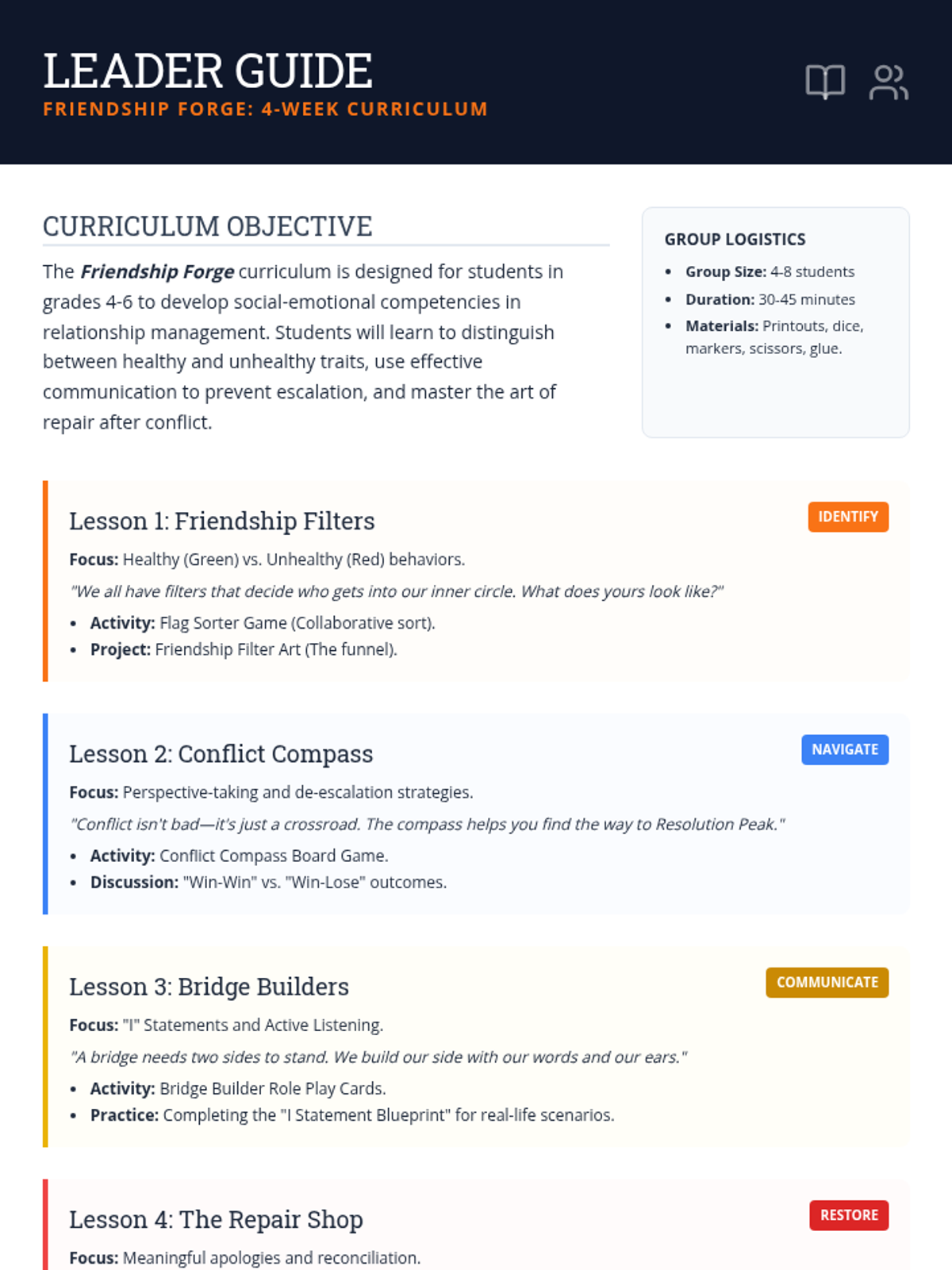
A 4-lesson counseling curriculum for upper elementary students focused on navigating the complexities of friendship, identifying healthy traits, and resolving conflicts with empathy and skill.
A sequence of SEL lessons for 5th grade that explores social dynamics, friendship, and personal values through different instructional lenses.
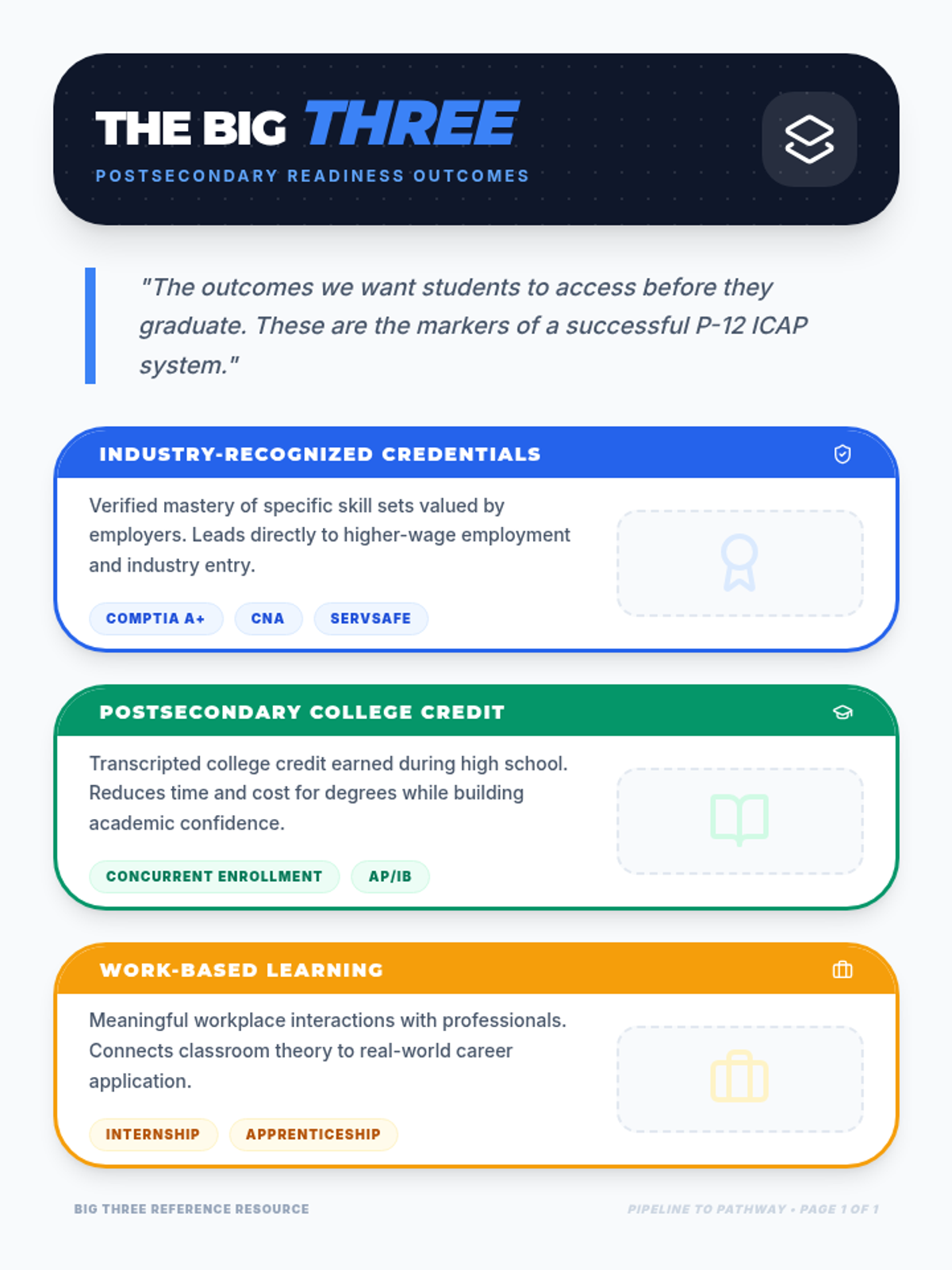
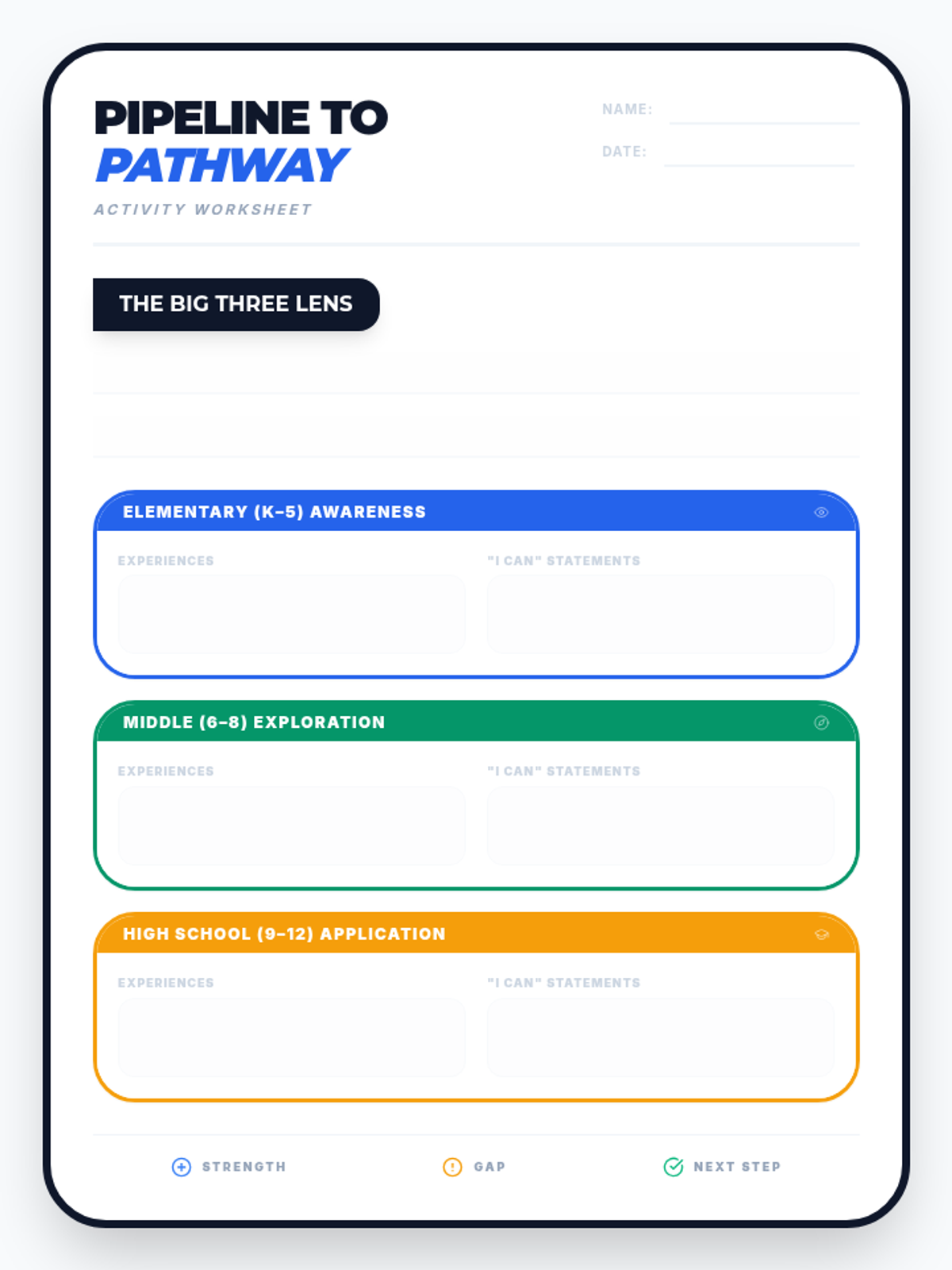
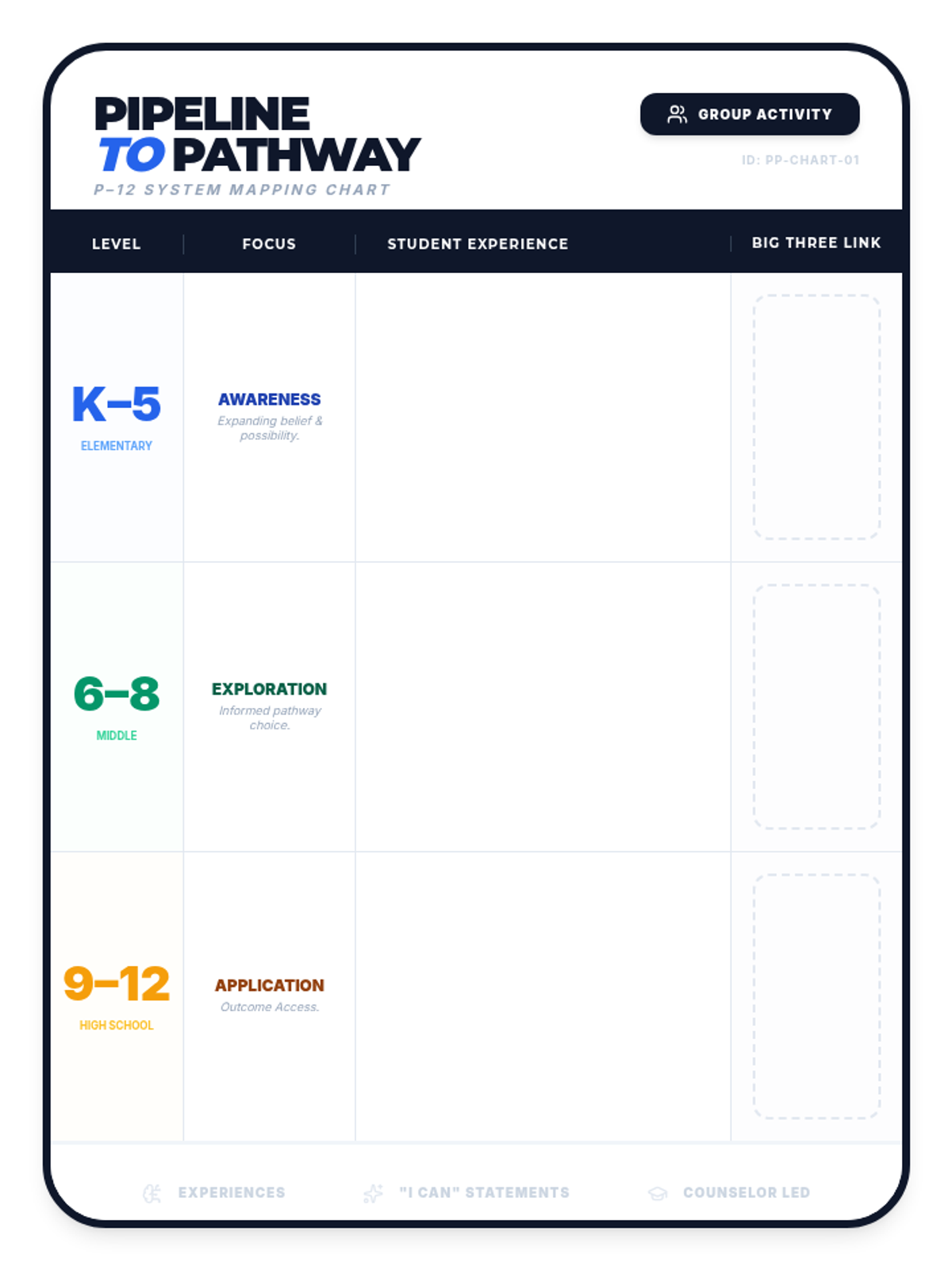
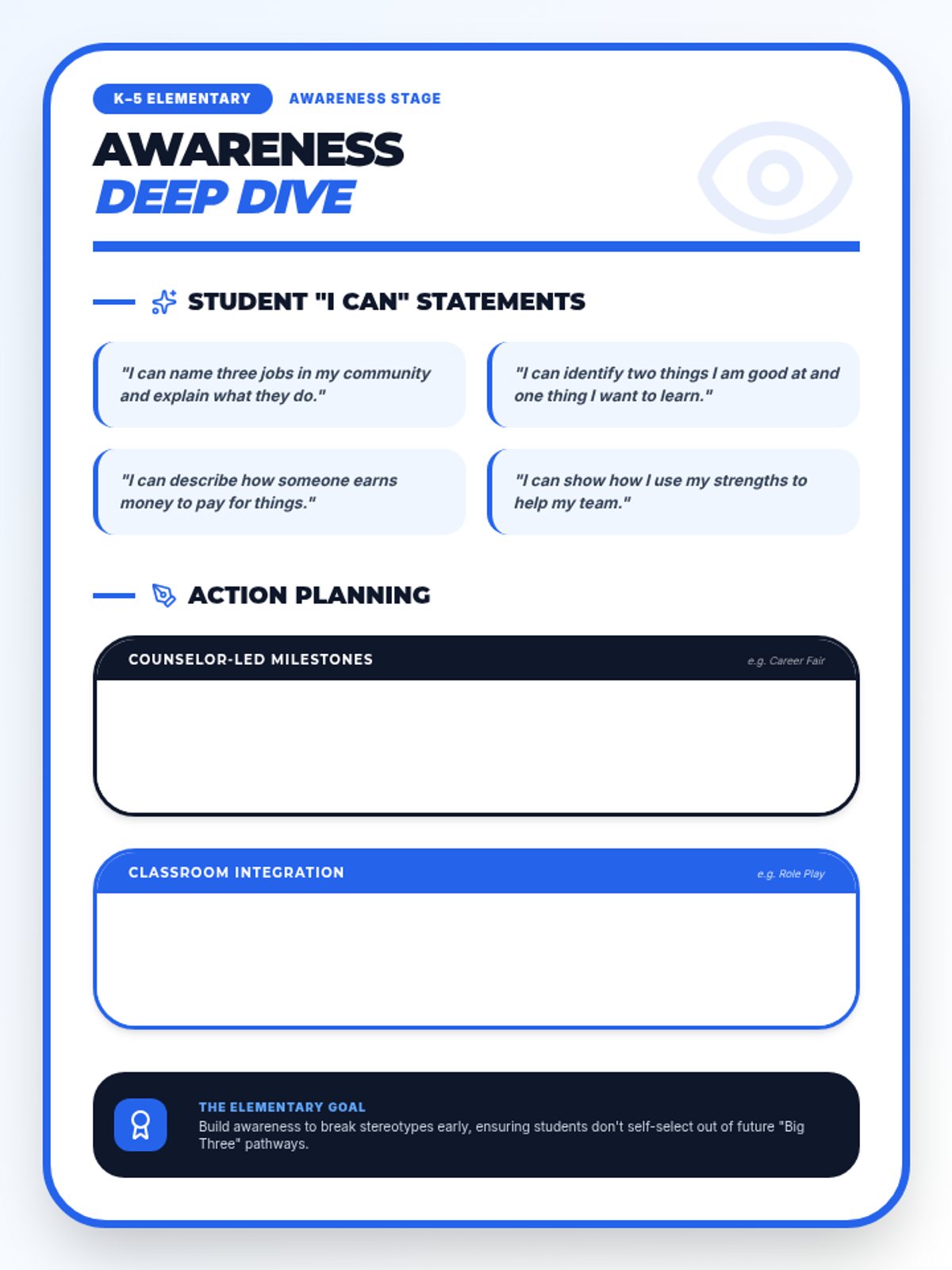
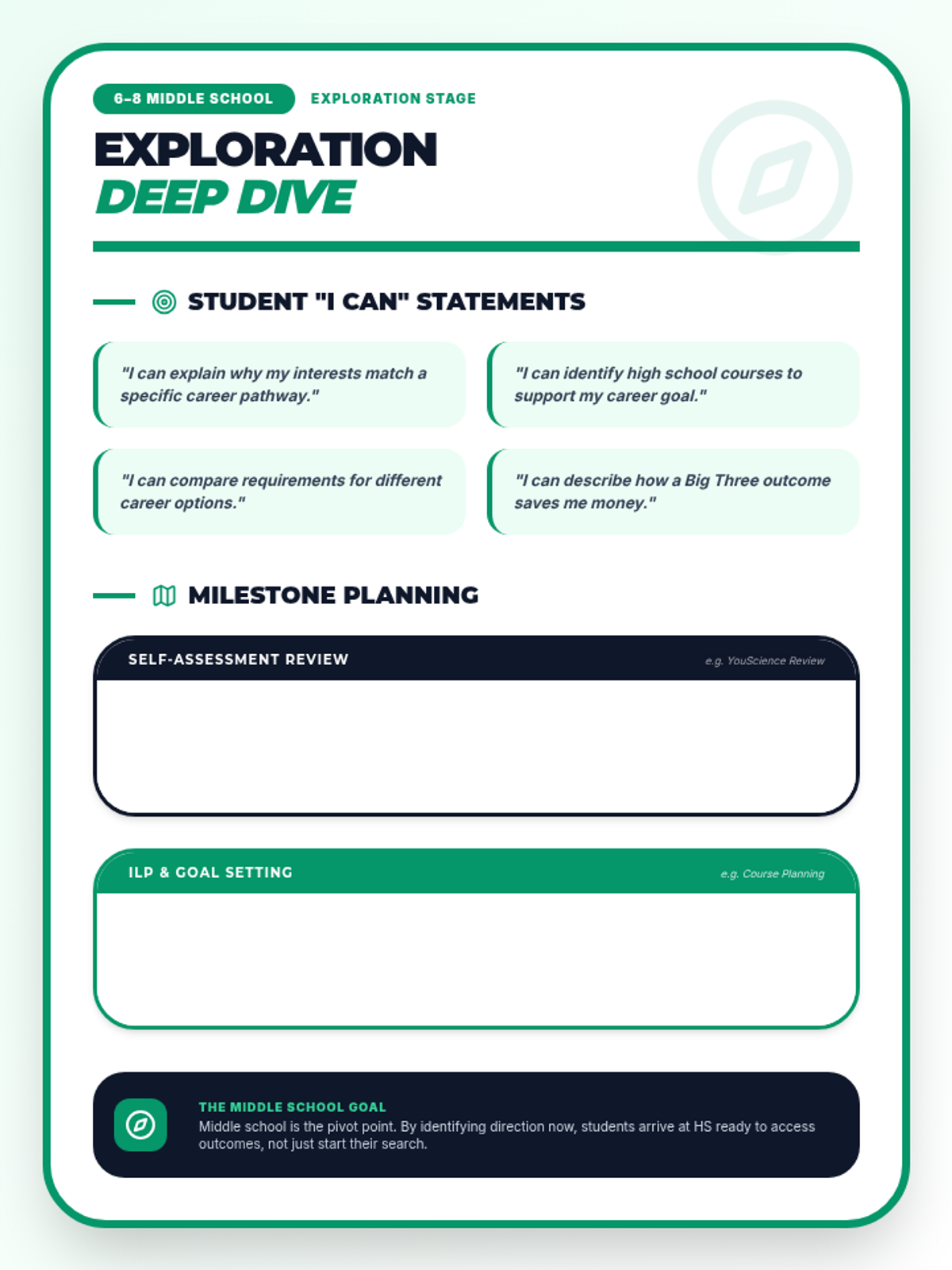
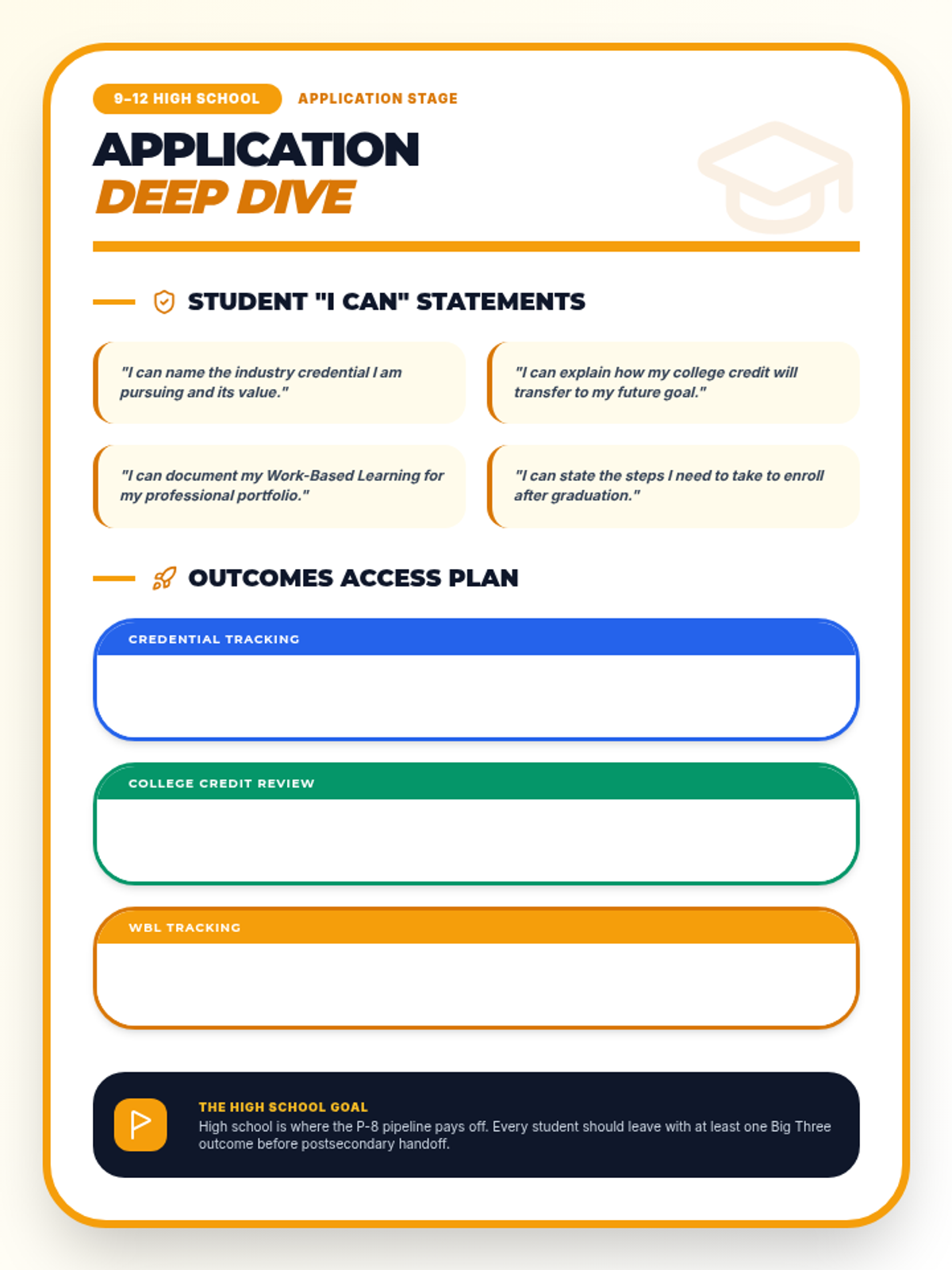
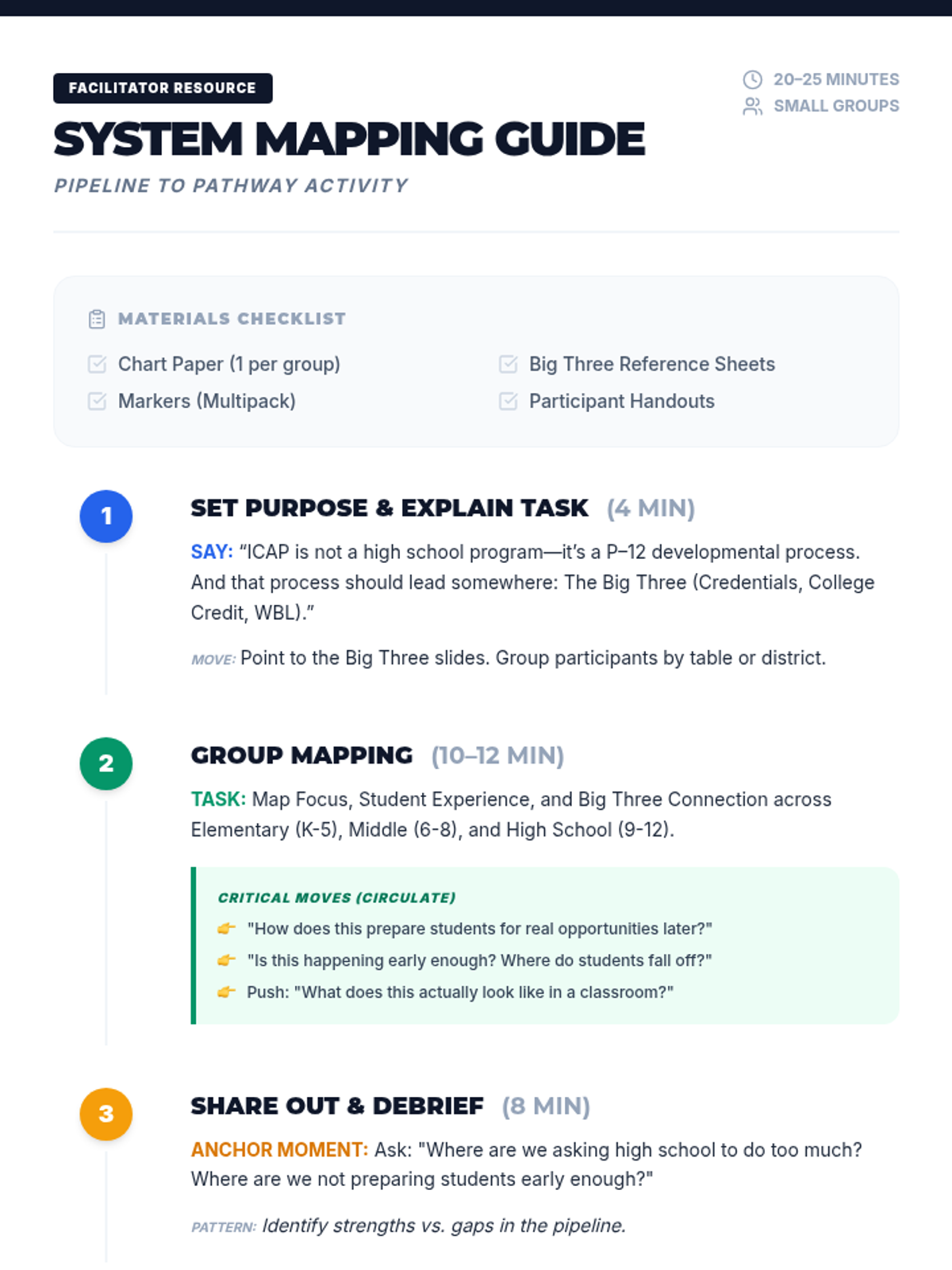
A comprehensive professional development sequence focused on building a P-12 ICAP system that leads to the Big Three outcomes: Industry Credentials, College Credit, and Work-Based Learning.
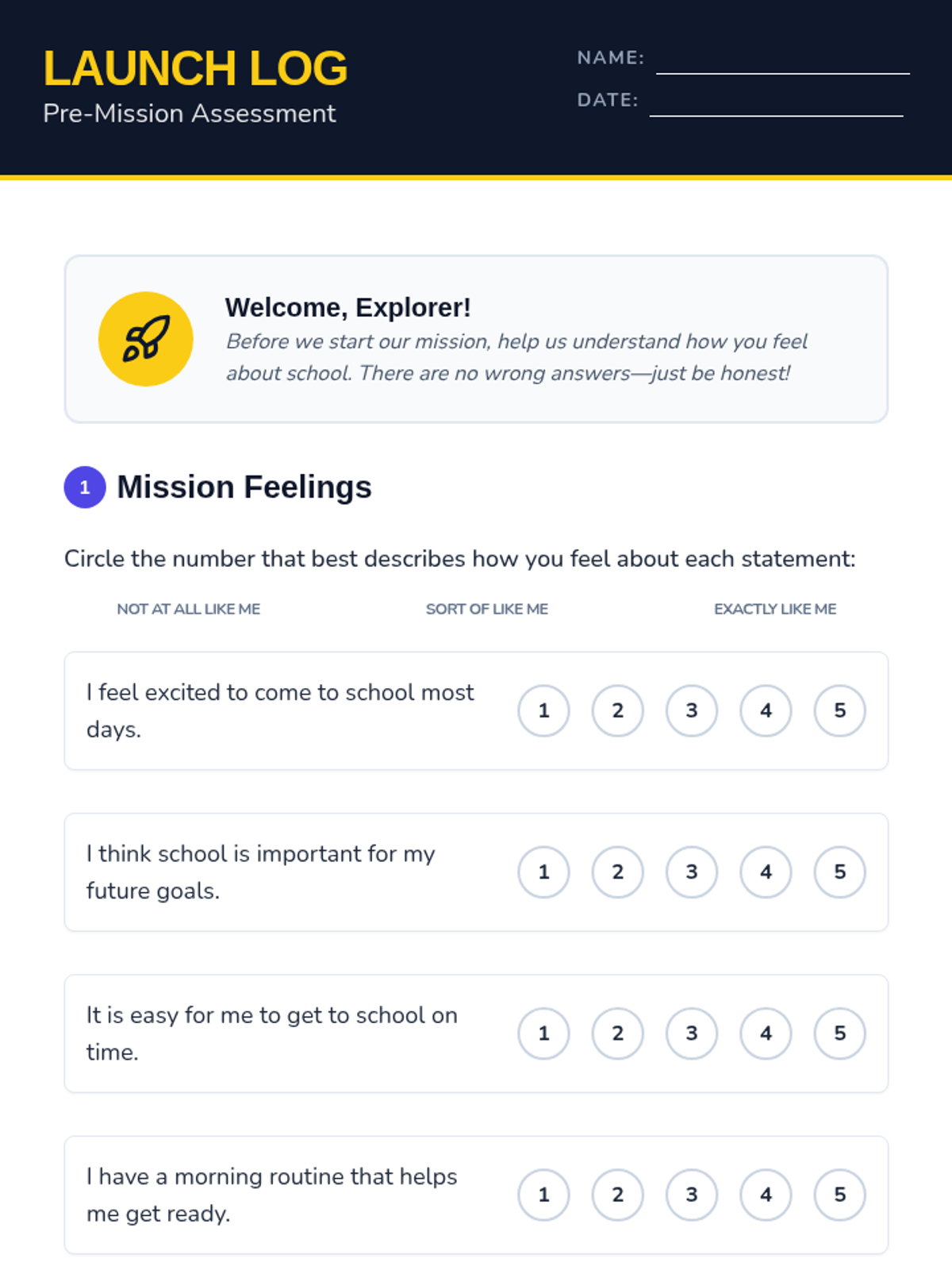
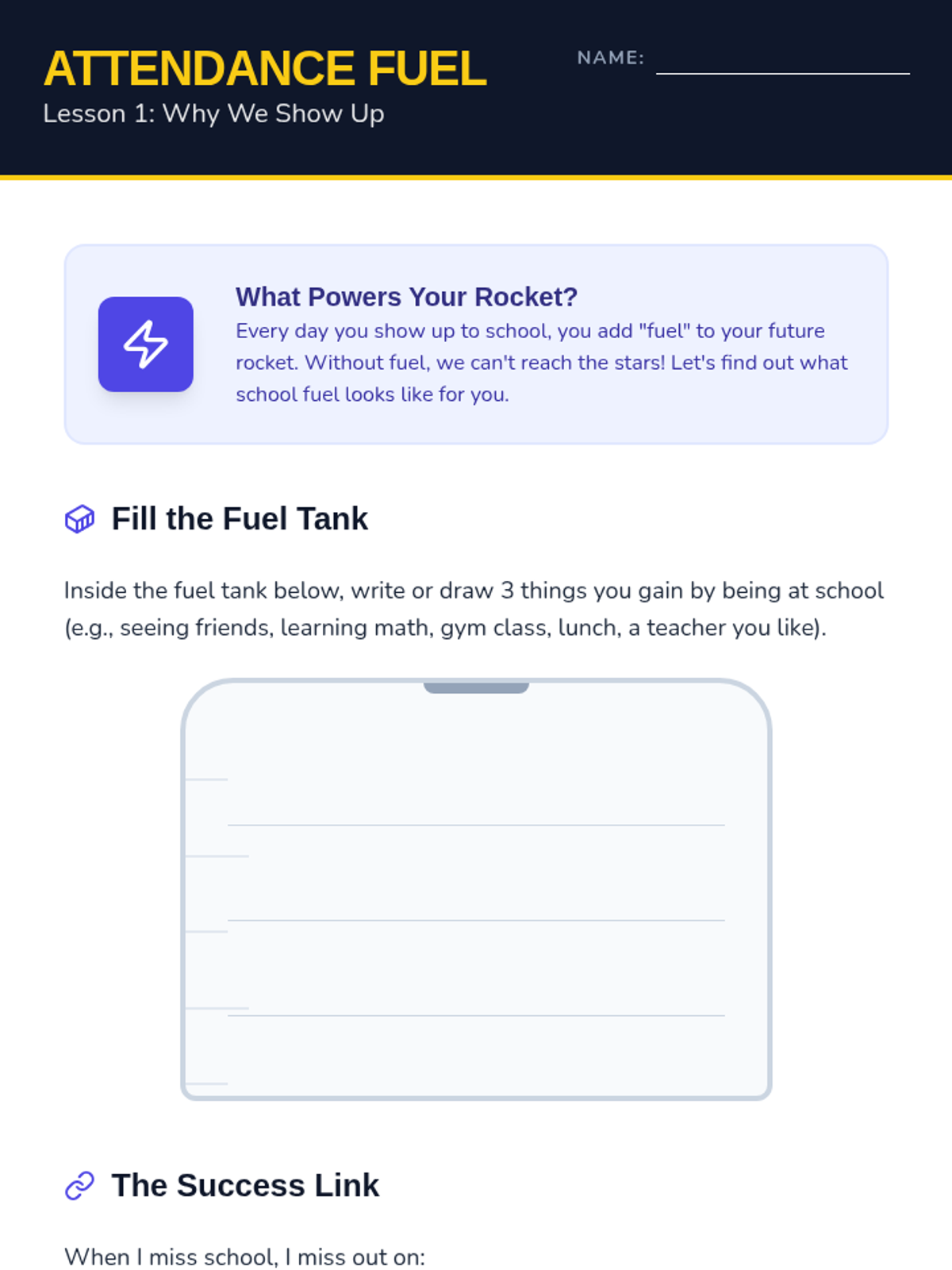
A five-week small group intervention focused on improving school attendance and academic success through habit-building, barrier-identification, and future-oriented goal setting. The program uses a 'Space Launch' theme to engage students in the journey of showing up and shining on.
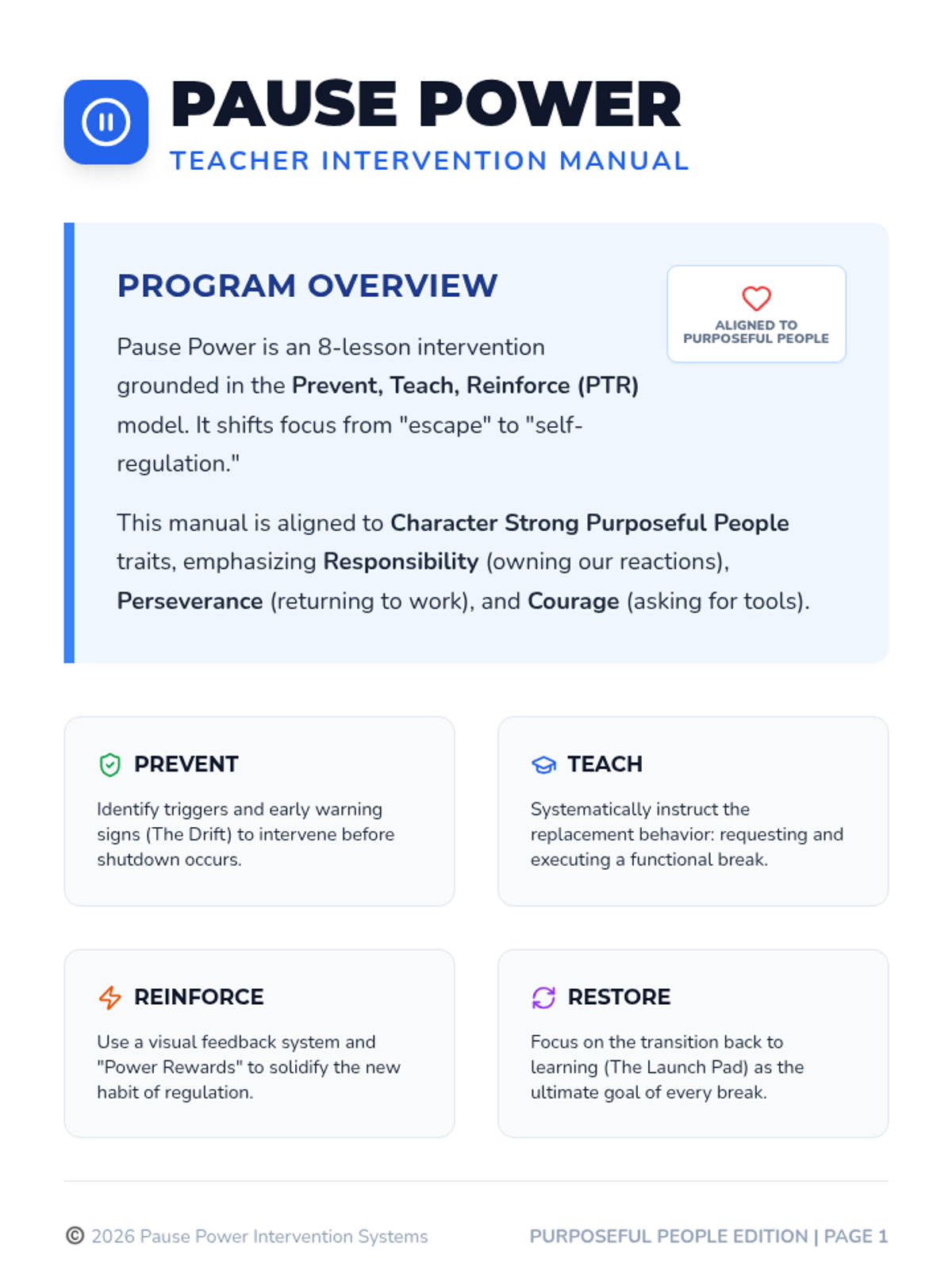
A comprehensive 8-lesson intervention using the Prevent, Teach, Reinforce (PTR) model to help students transition from defiant avoidance to self-regulated break-taking.
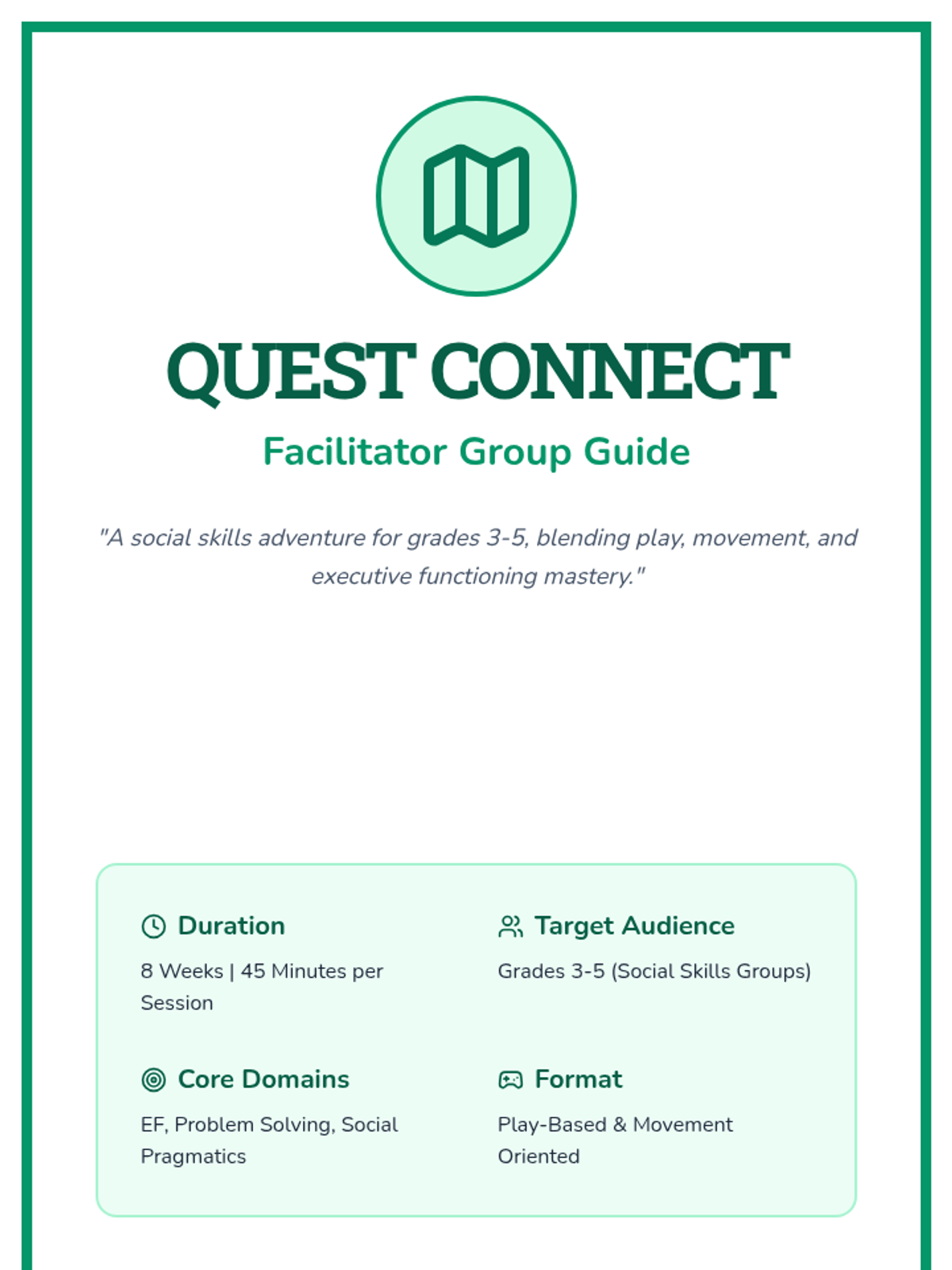
An 8-week play-based social skills program for grades 3-5 focusing on executive functioning, flexible thinking, and social pragmatics through an adventure-quest theme.
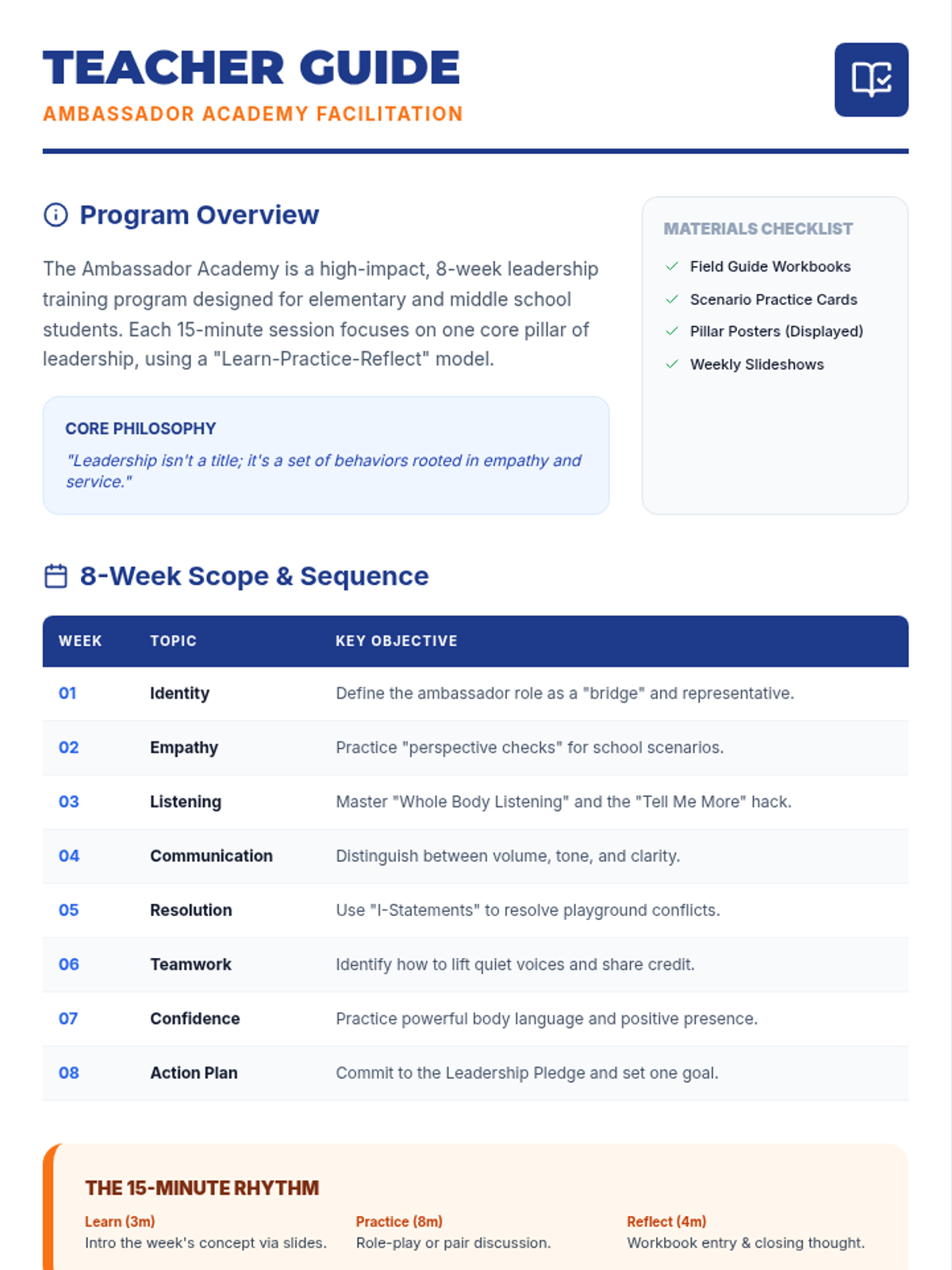
An 8-week leadership training program for school ambassadors, focusing on empathy, communication, and active listening through short, high-impact sessions.
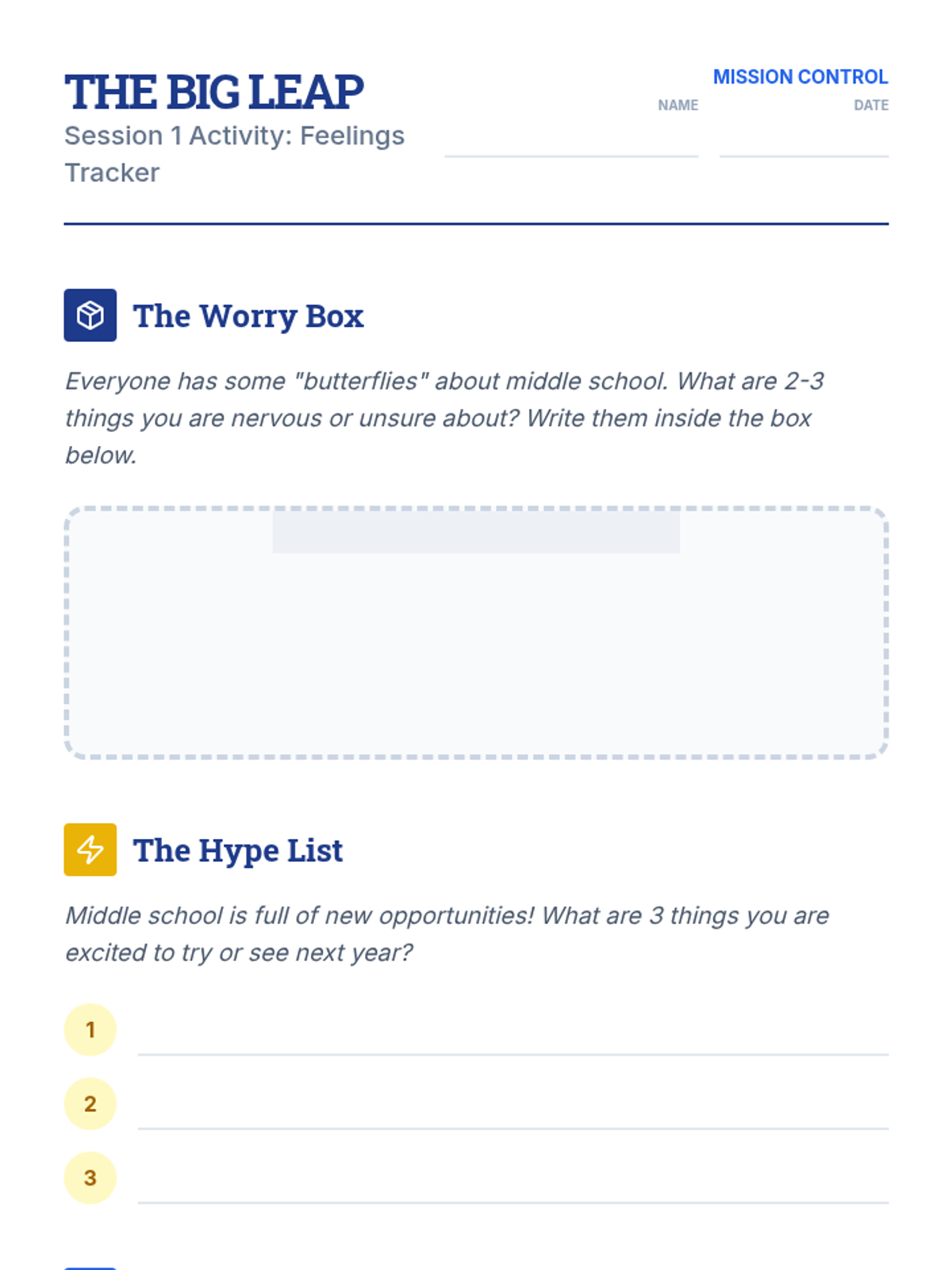
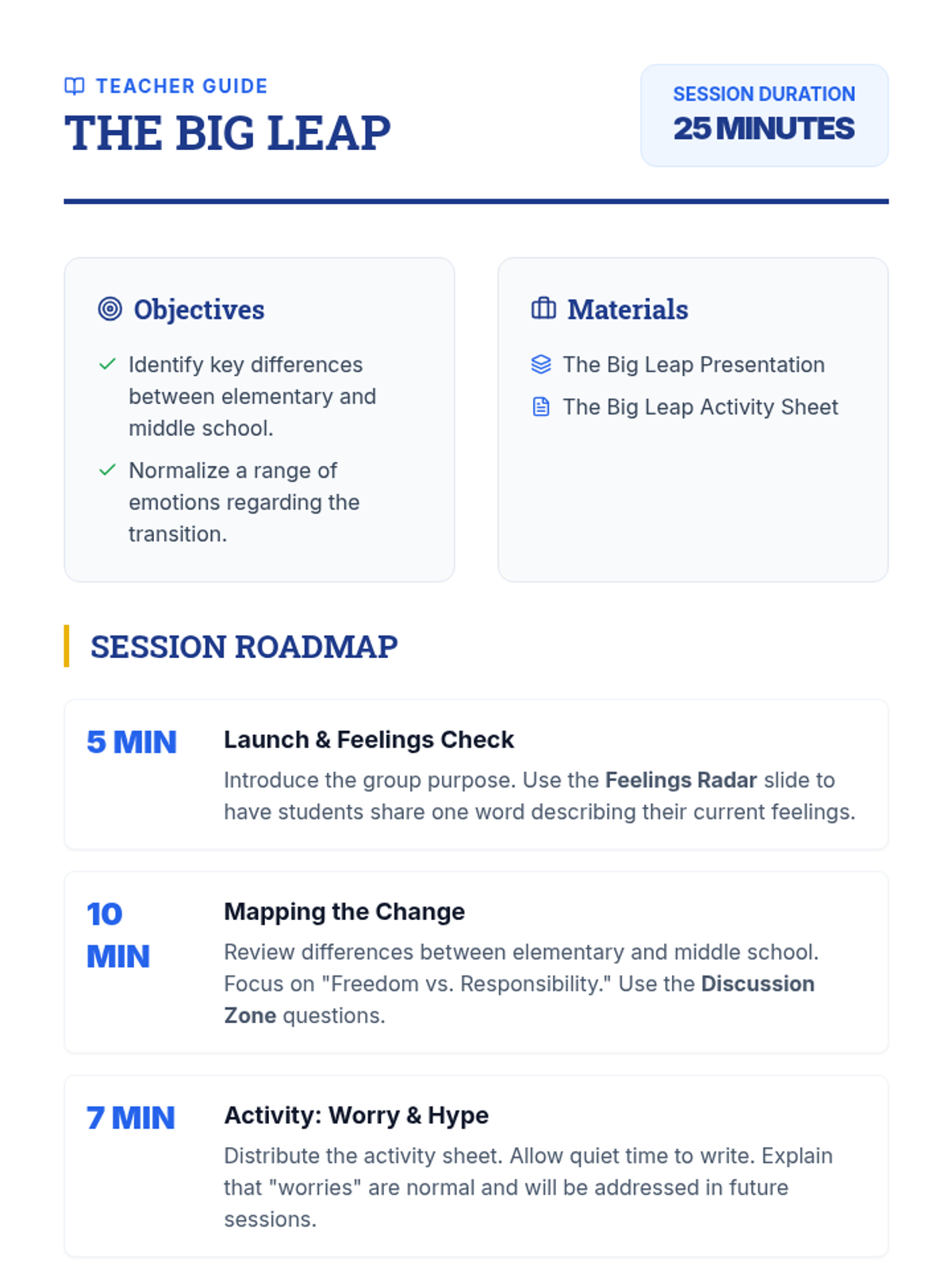
A 6-session small group program designed to help 5th graders navigate the transition to middle school, focusing on organization, social dynamics, and resisting peer pressure.
A comprehensive DBT skills training sequence for elementary schools, split into K-2 and 3-5 curricula. This program covers Mindfulness, Distress Tolerance, Emotion Regulation, and Interpersonal Effectiveness using age-appropriate activities and narratives.
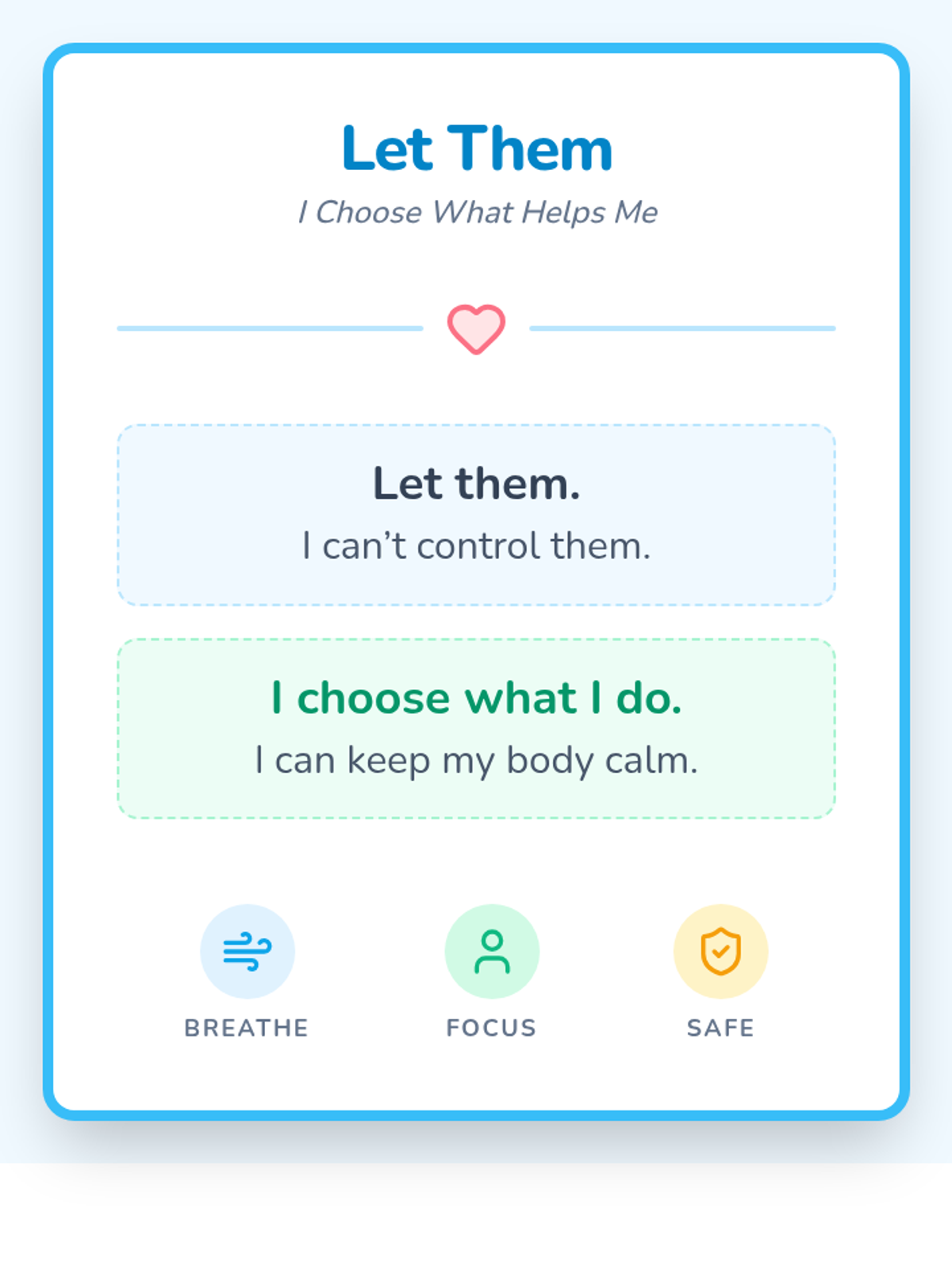
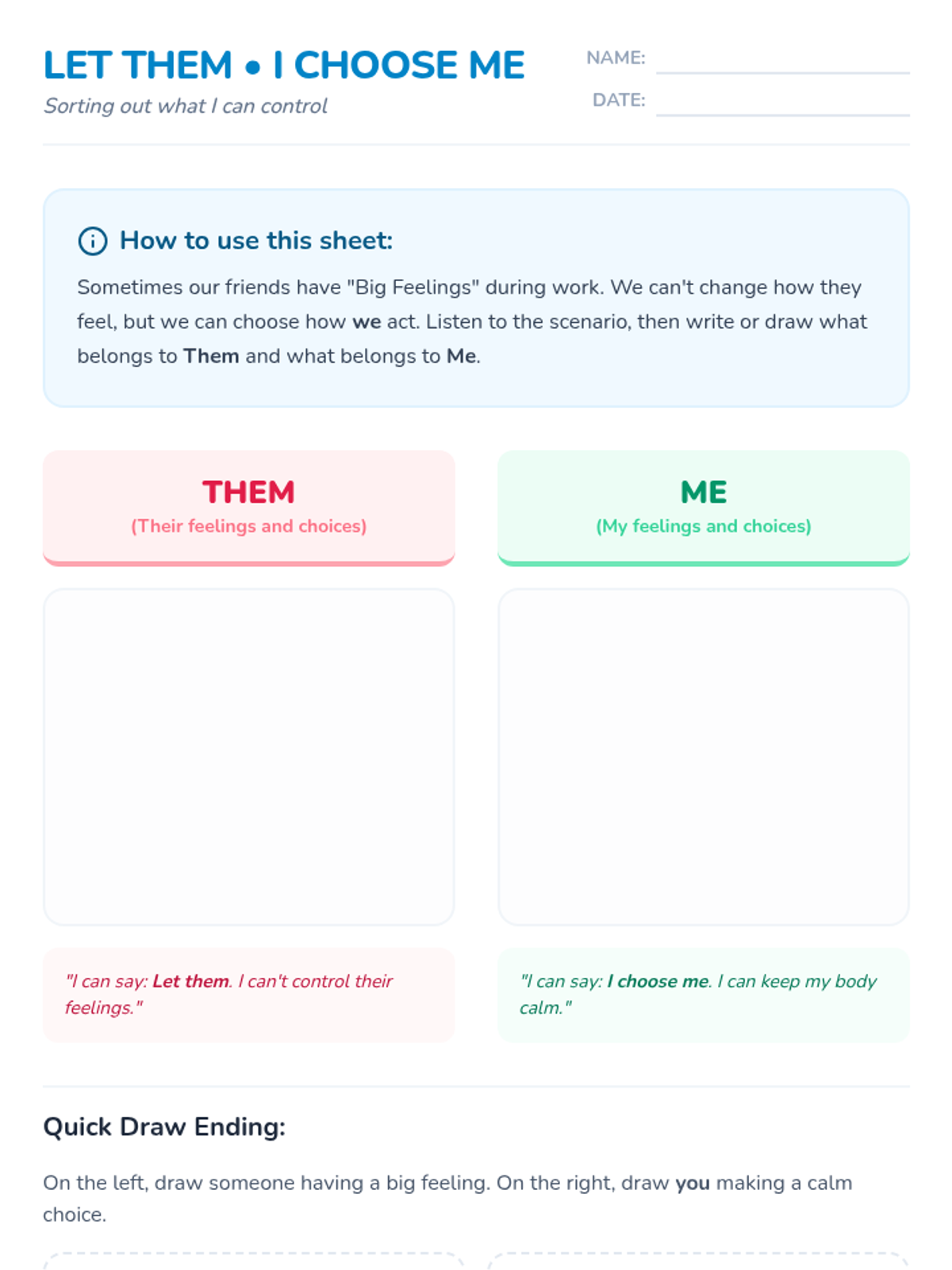
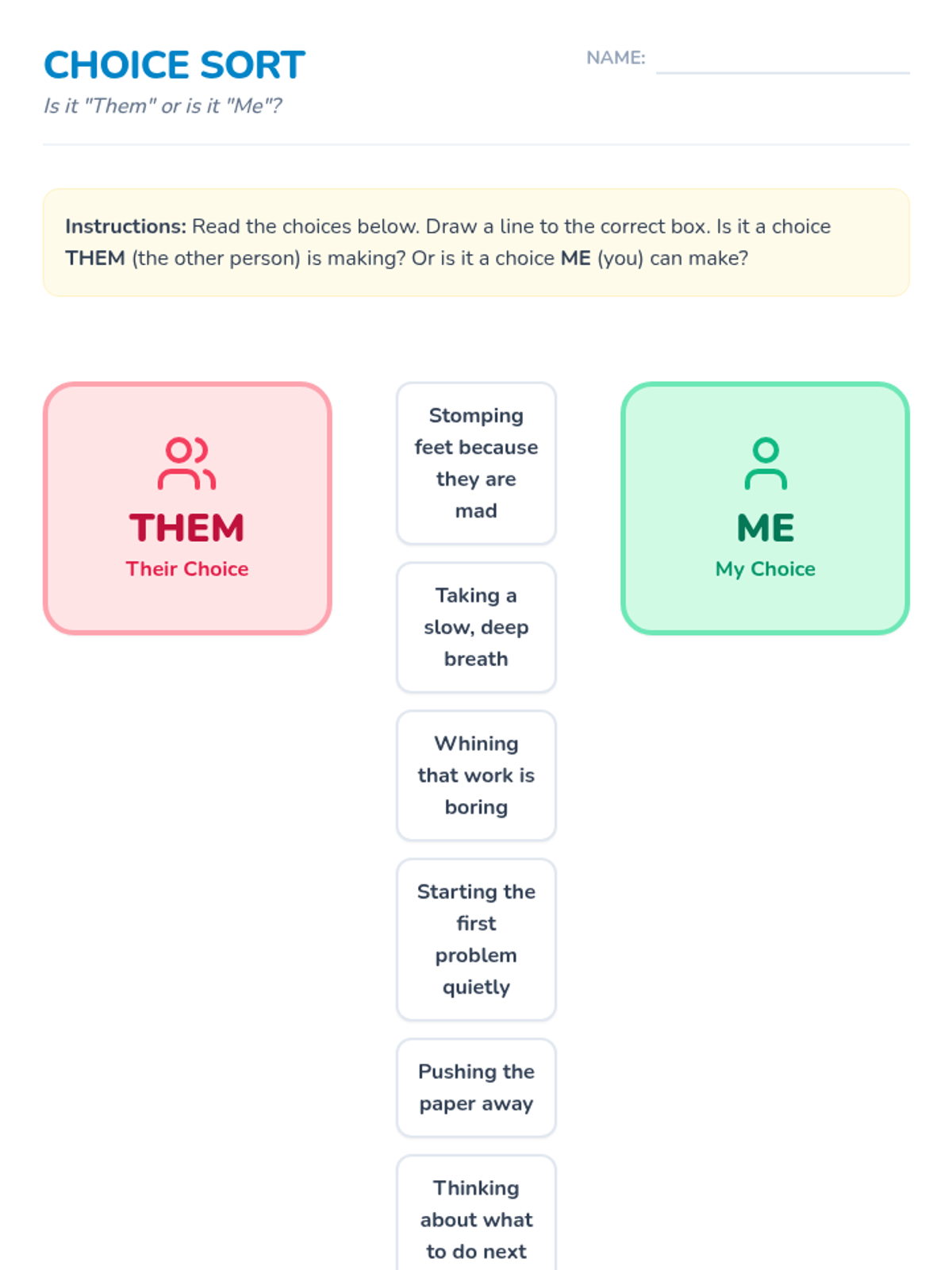
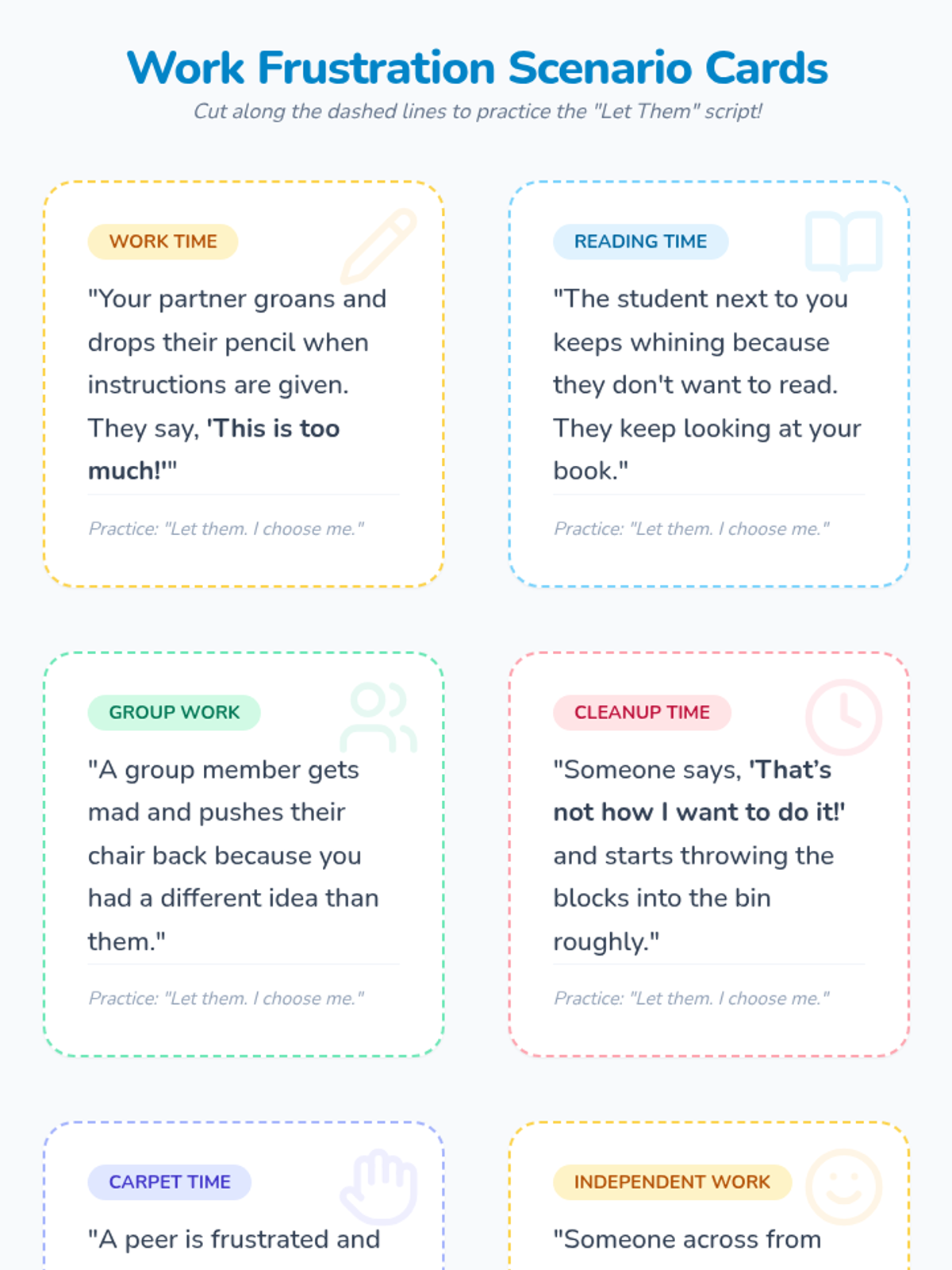
A social-emotional learning sequence focused on self-regulation and healthy boundaries when others are experiencing big emotions or making unexpected choices.
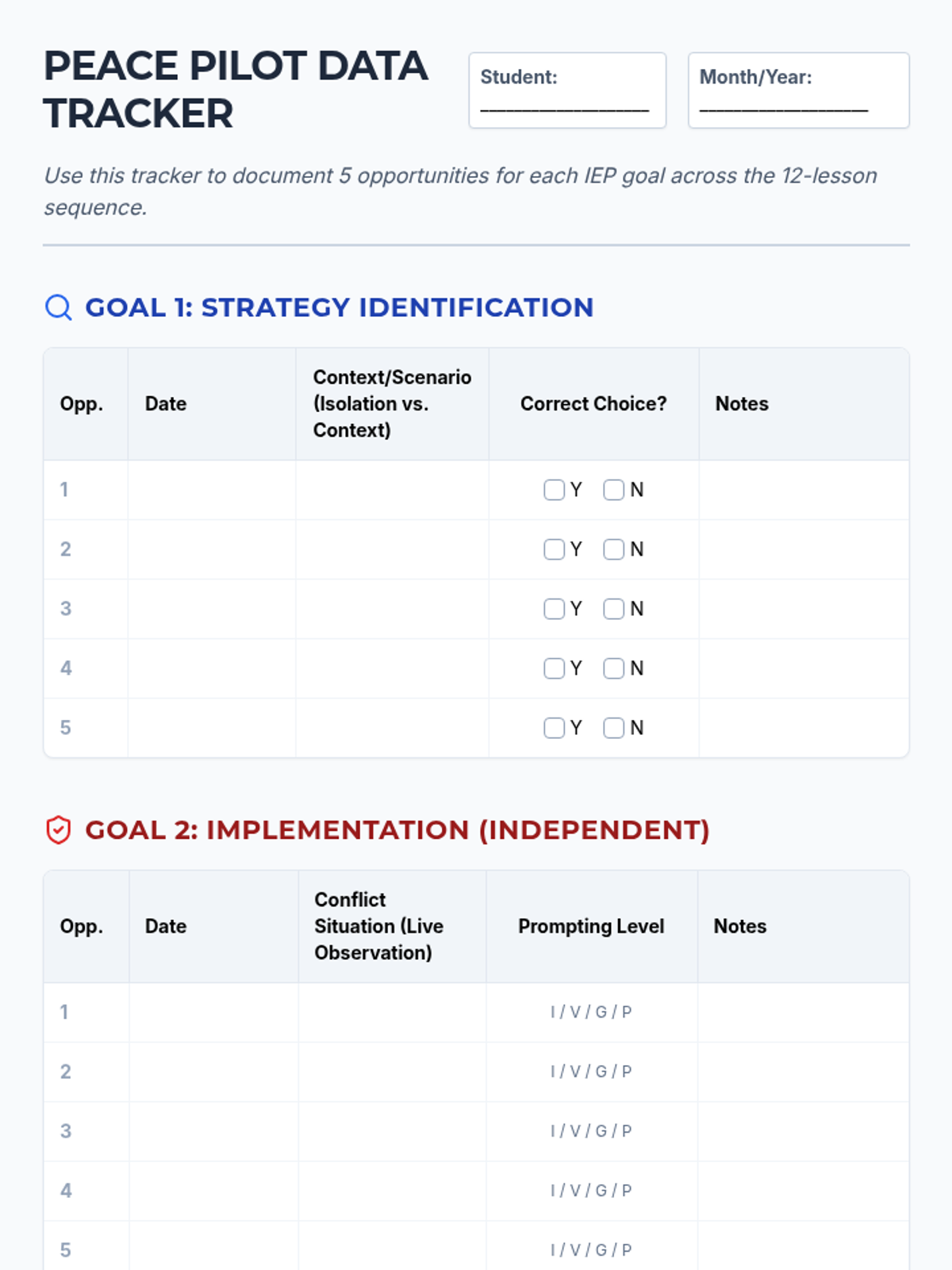
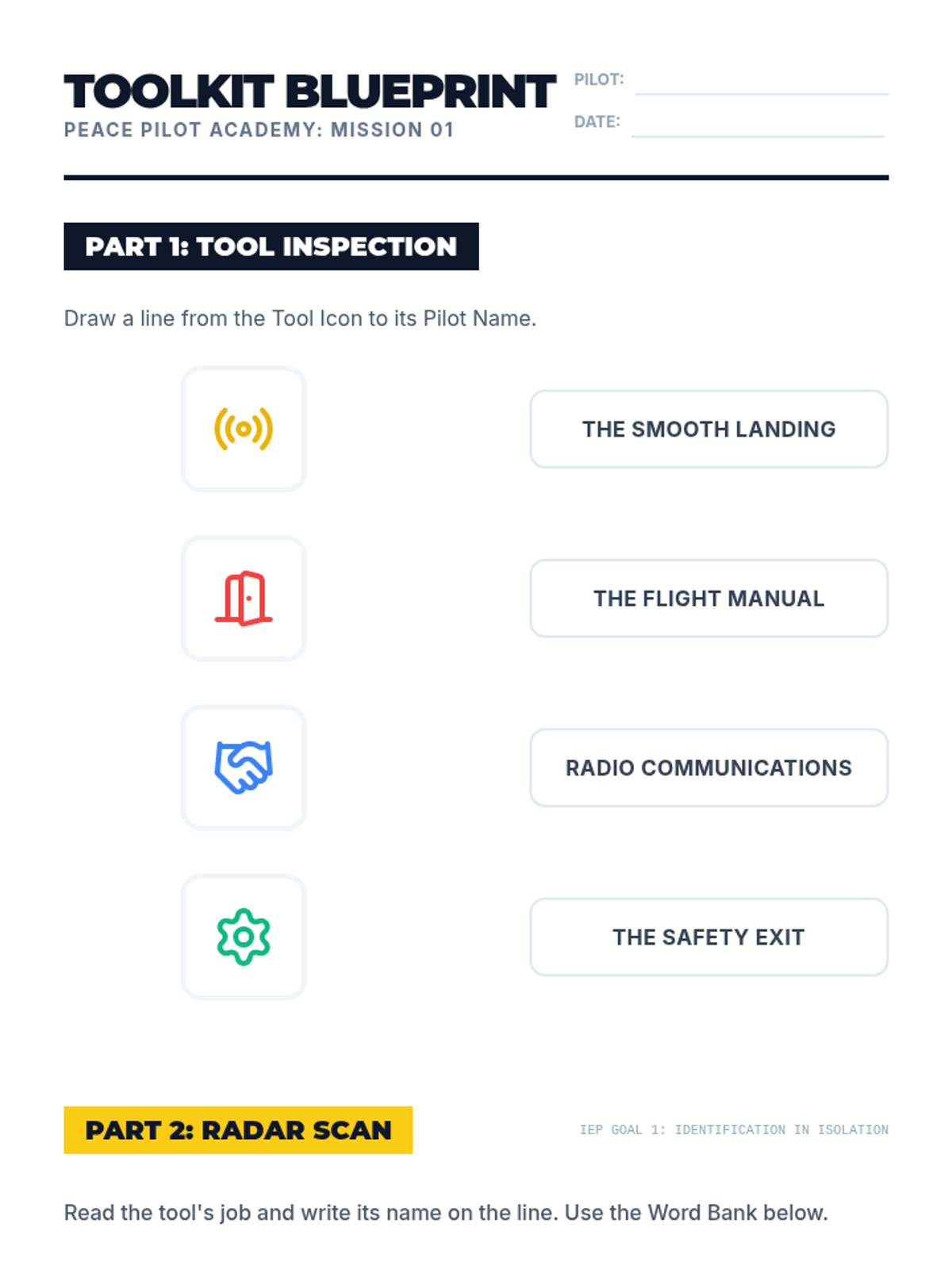
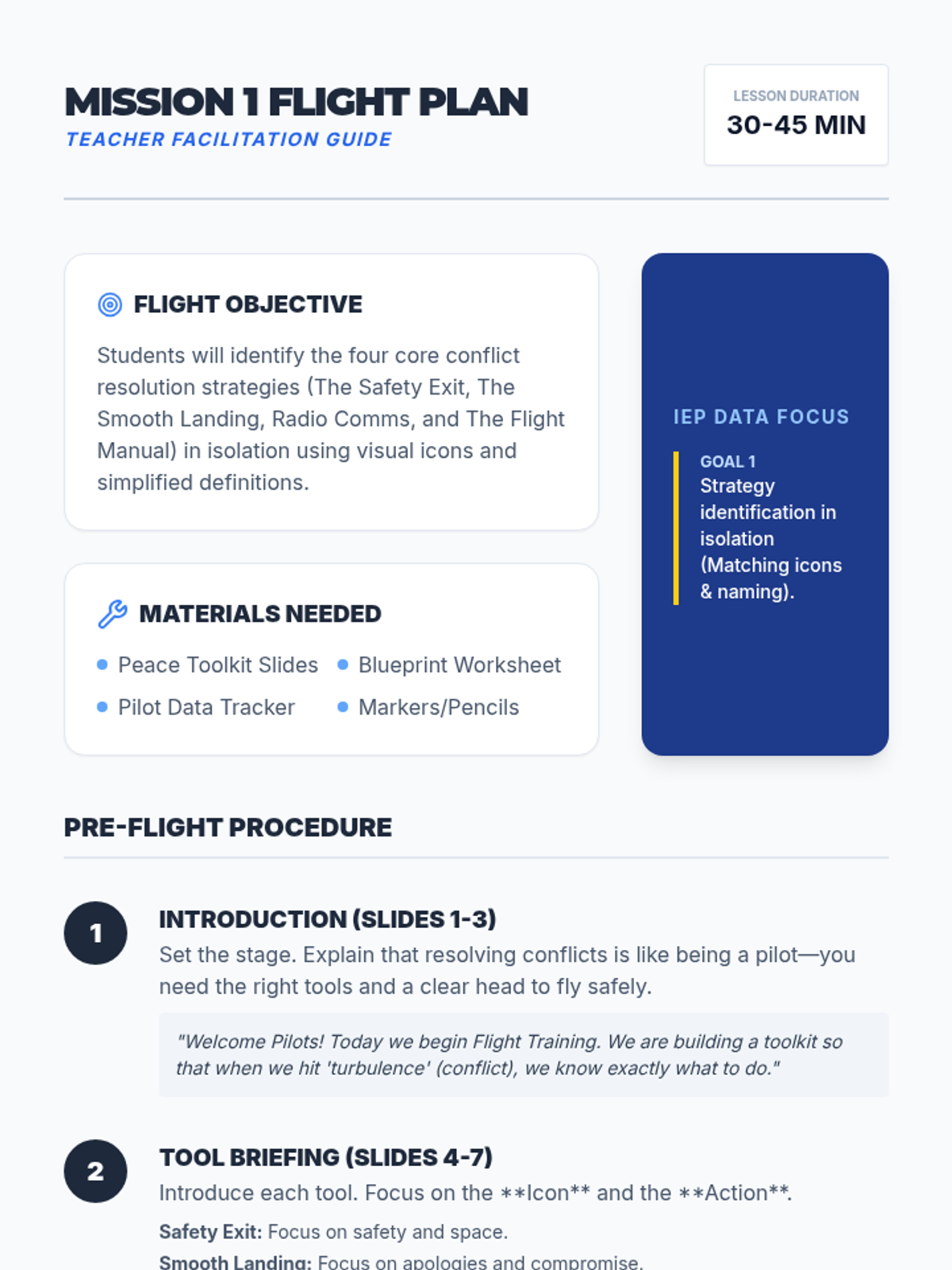
A 12-lesson social-emotional learning unit designed to help students identify, implement, and reflect on conflict resolution strategies. Each lesson provides specific opportunities for data collection against IEP goals.
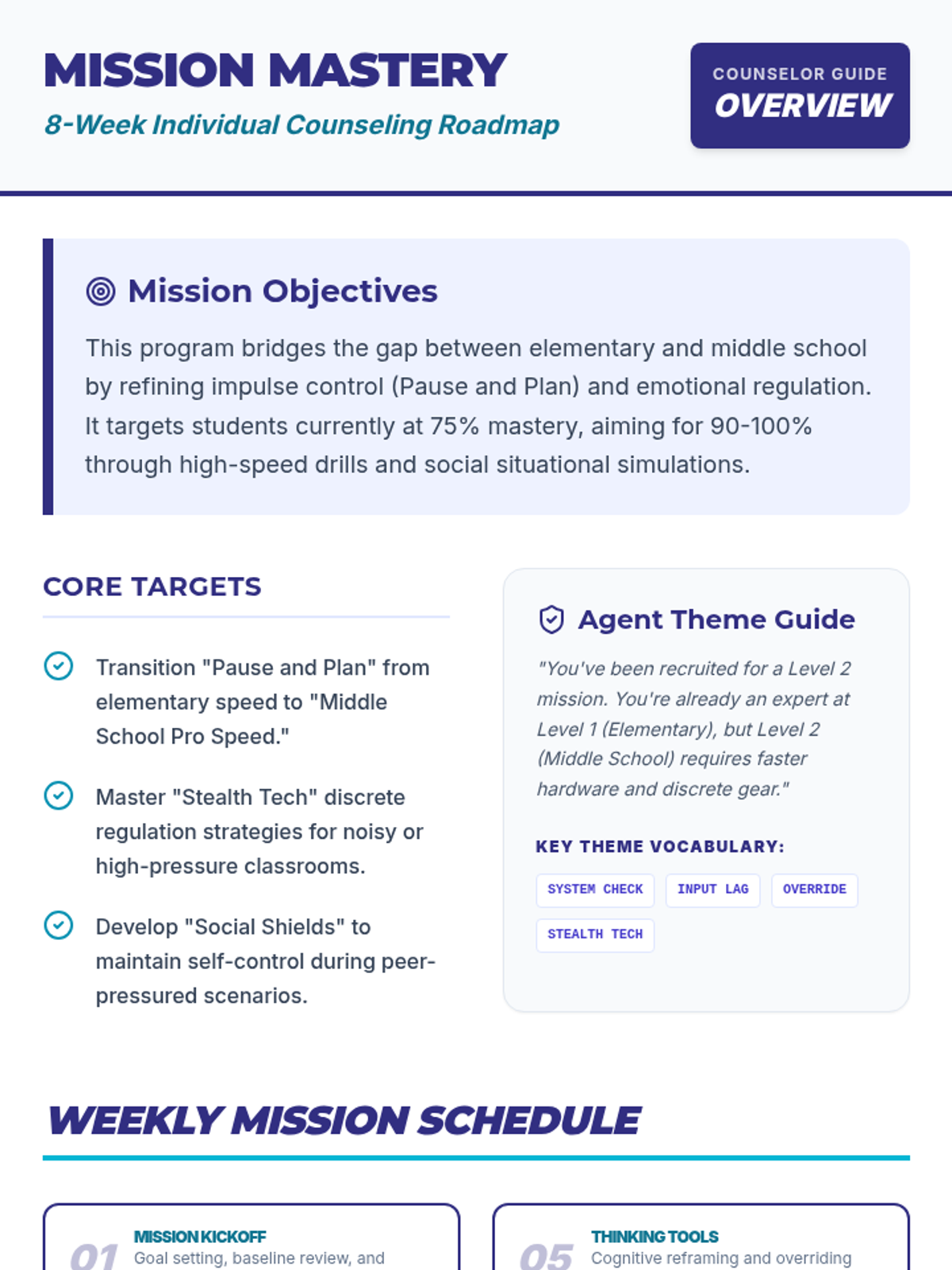
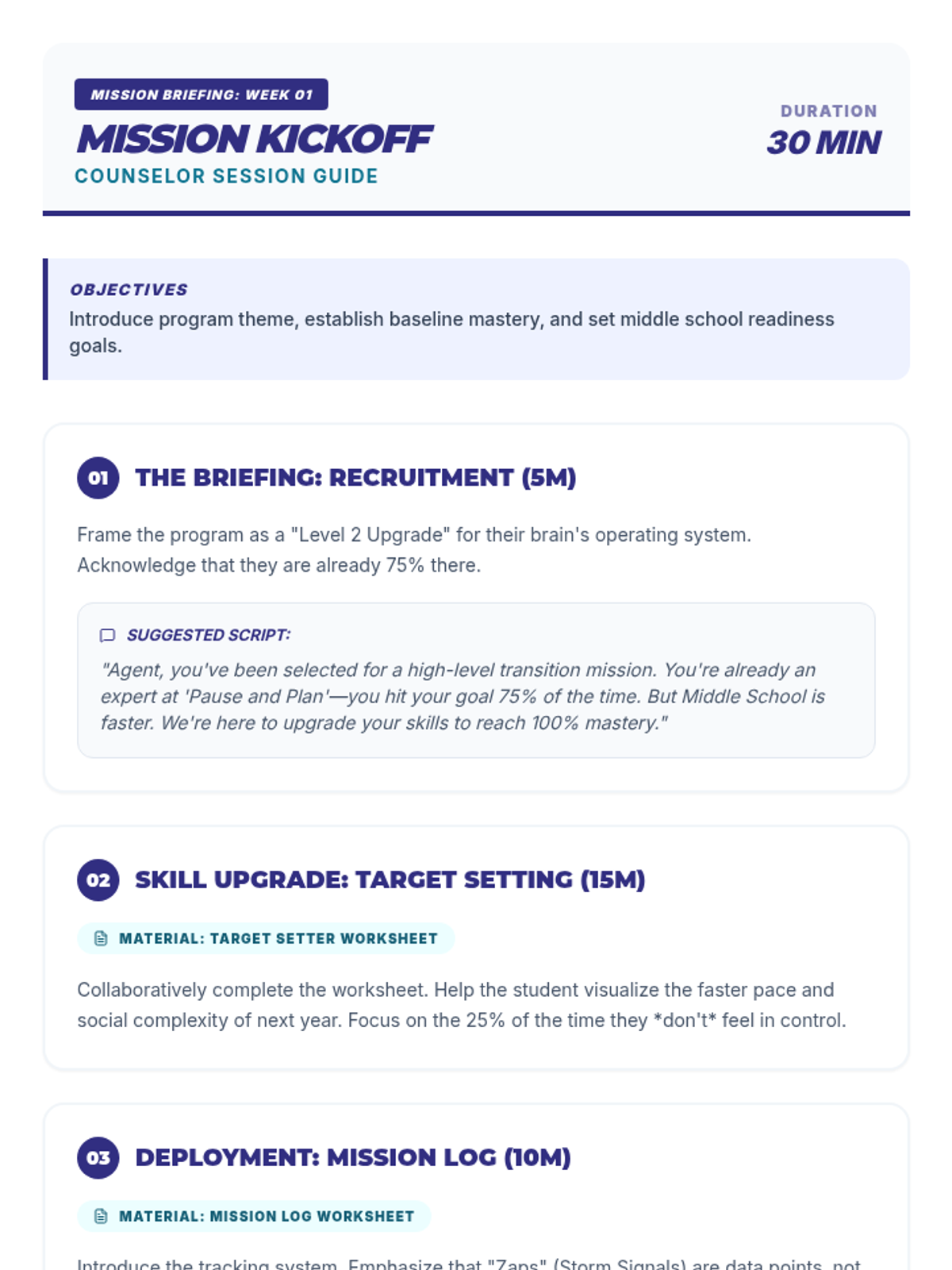
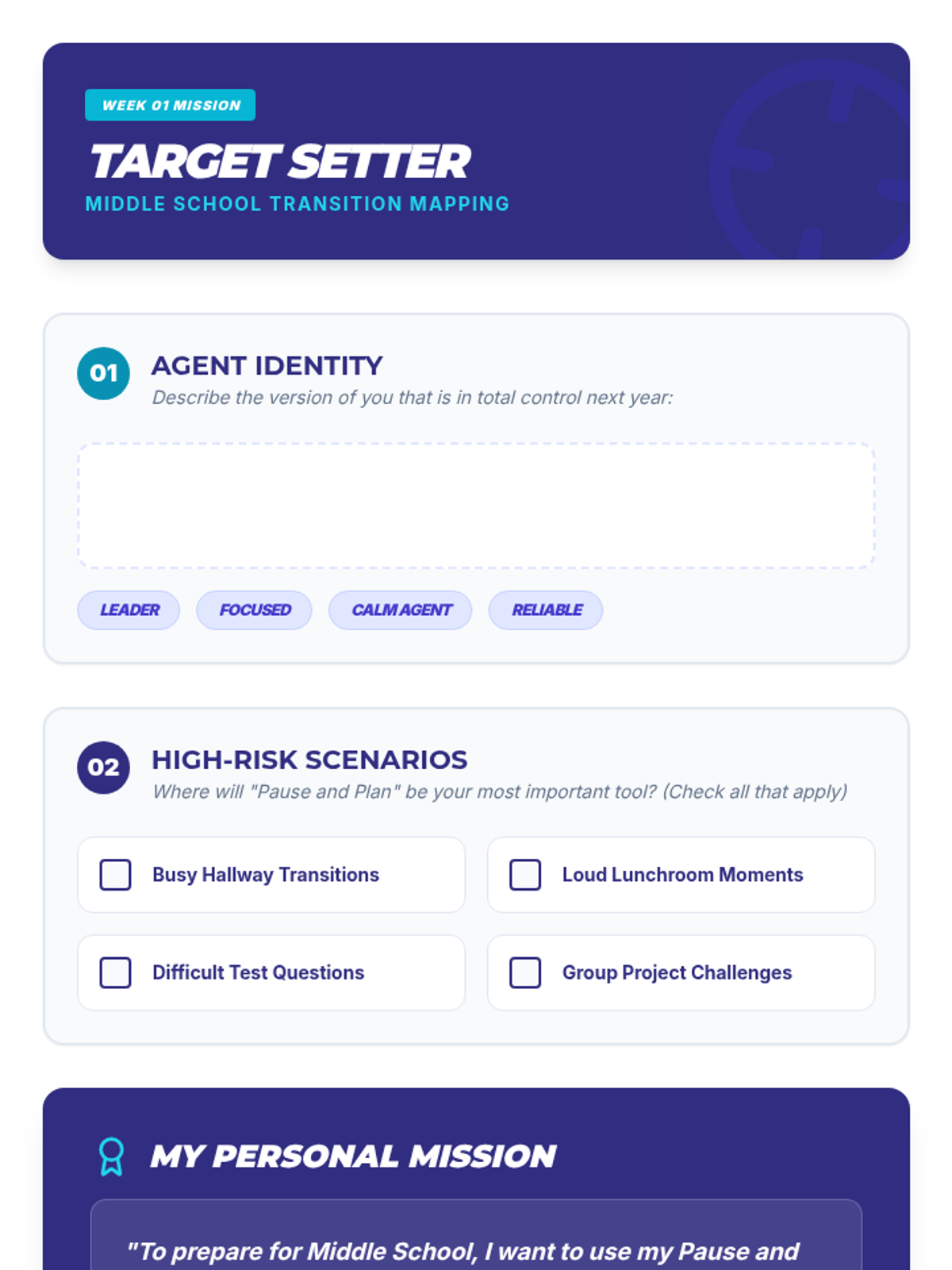
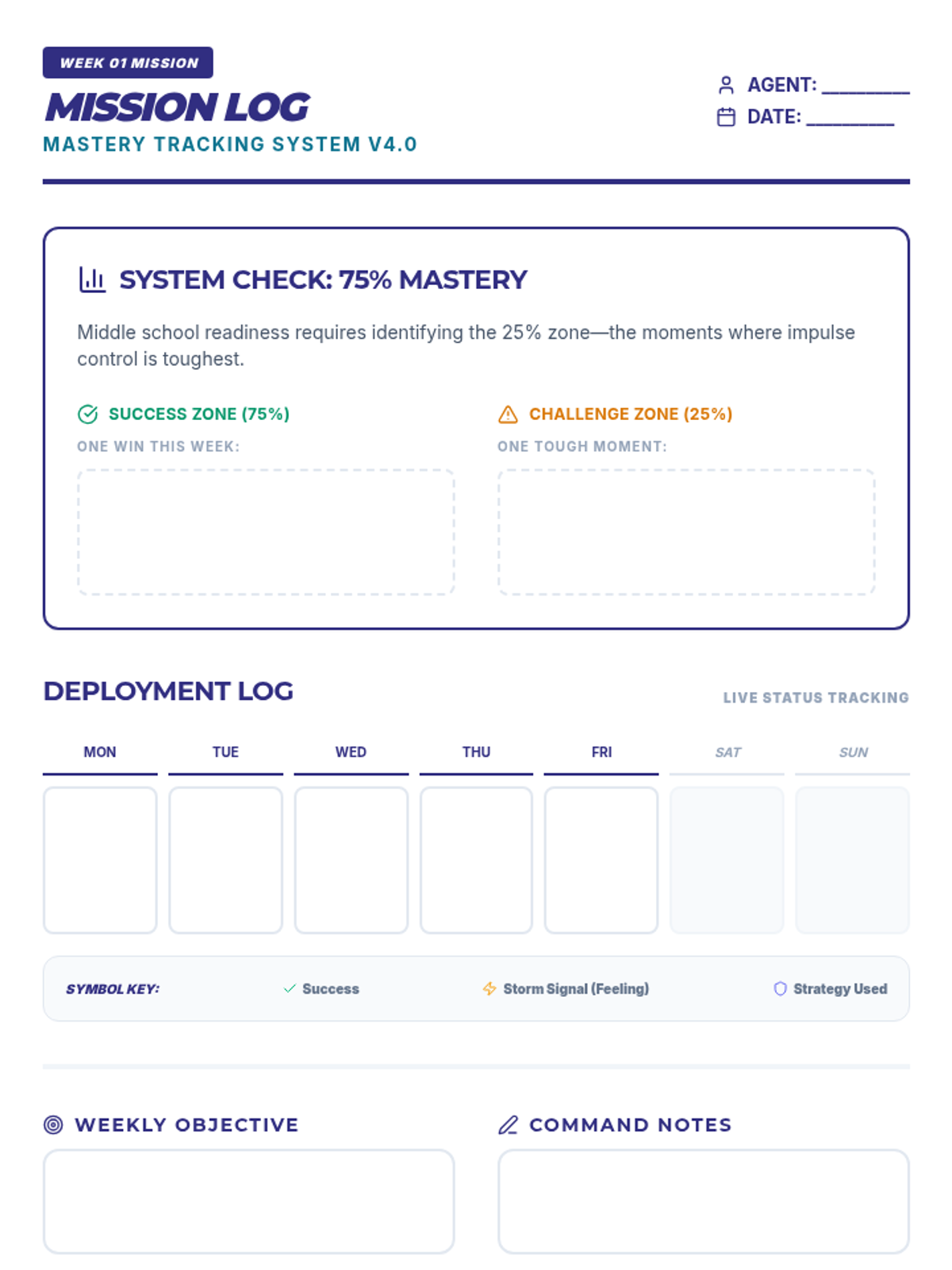
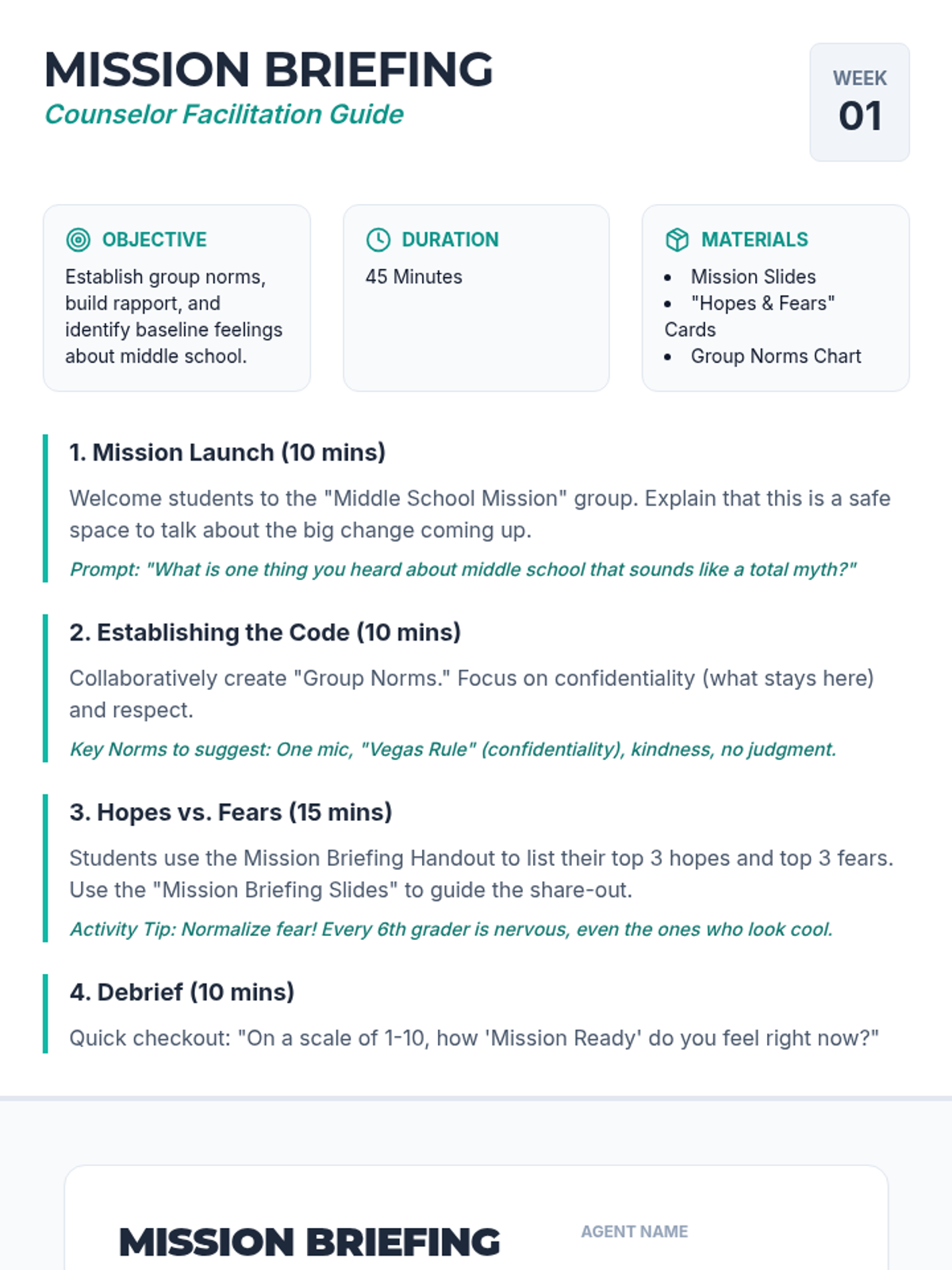
An 8-week individual counseling program for 4th graders transitioning to middle school, focusing on refining impulse control and emotional regulation strategies. The program uses a mission-based theme to engage students in mastering self-control and frustration management.
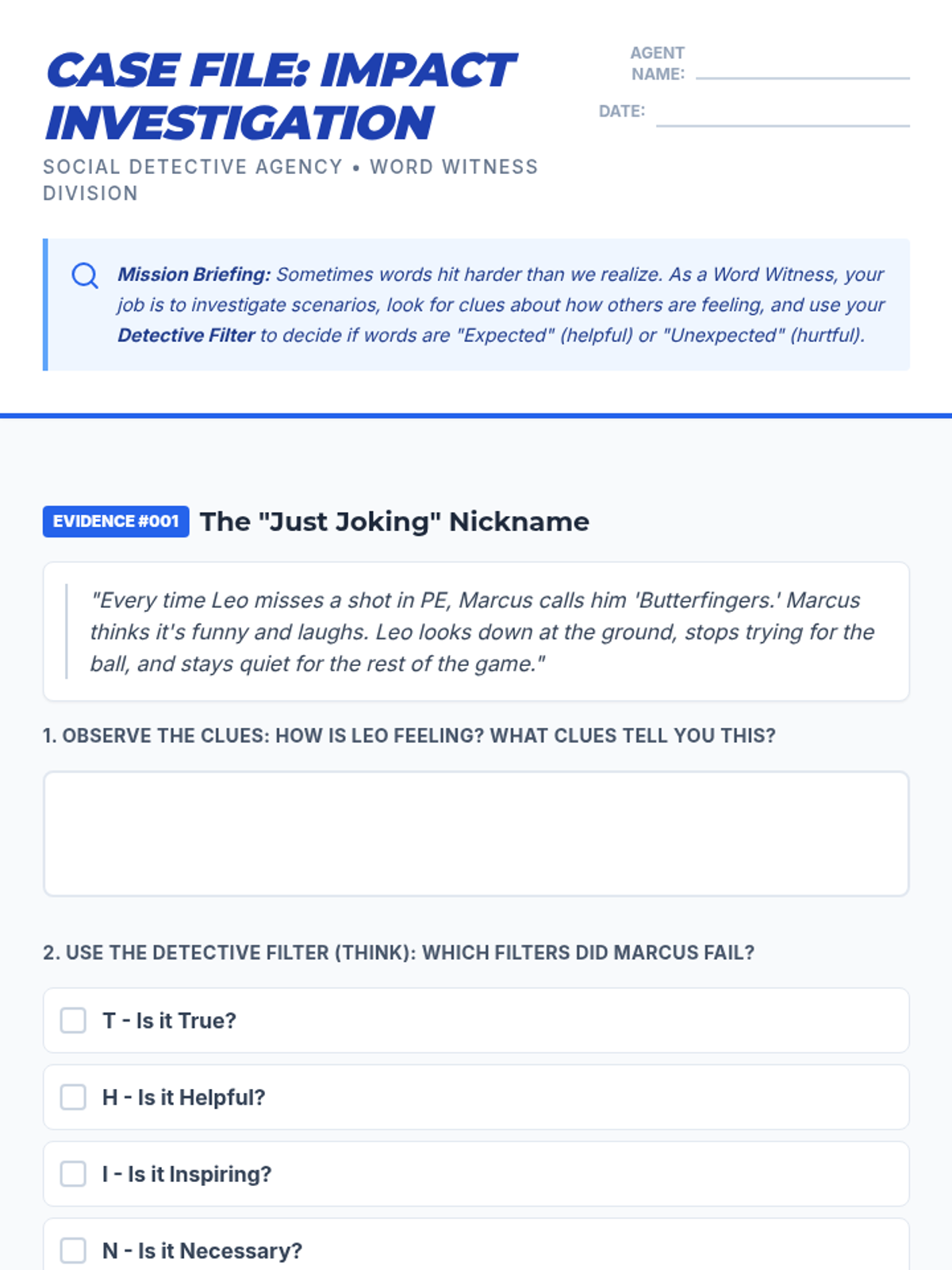
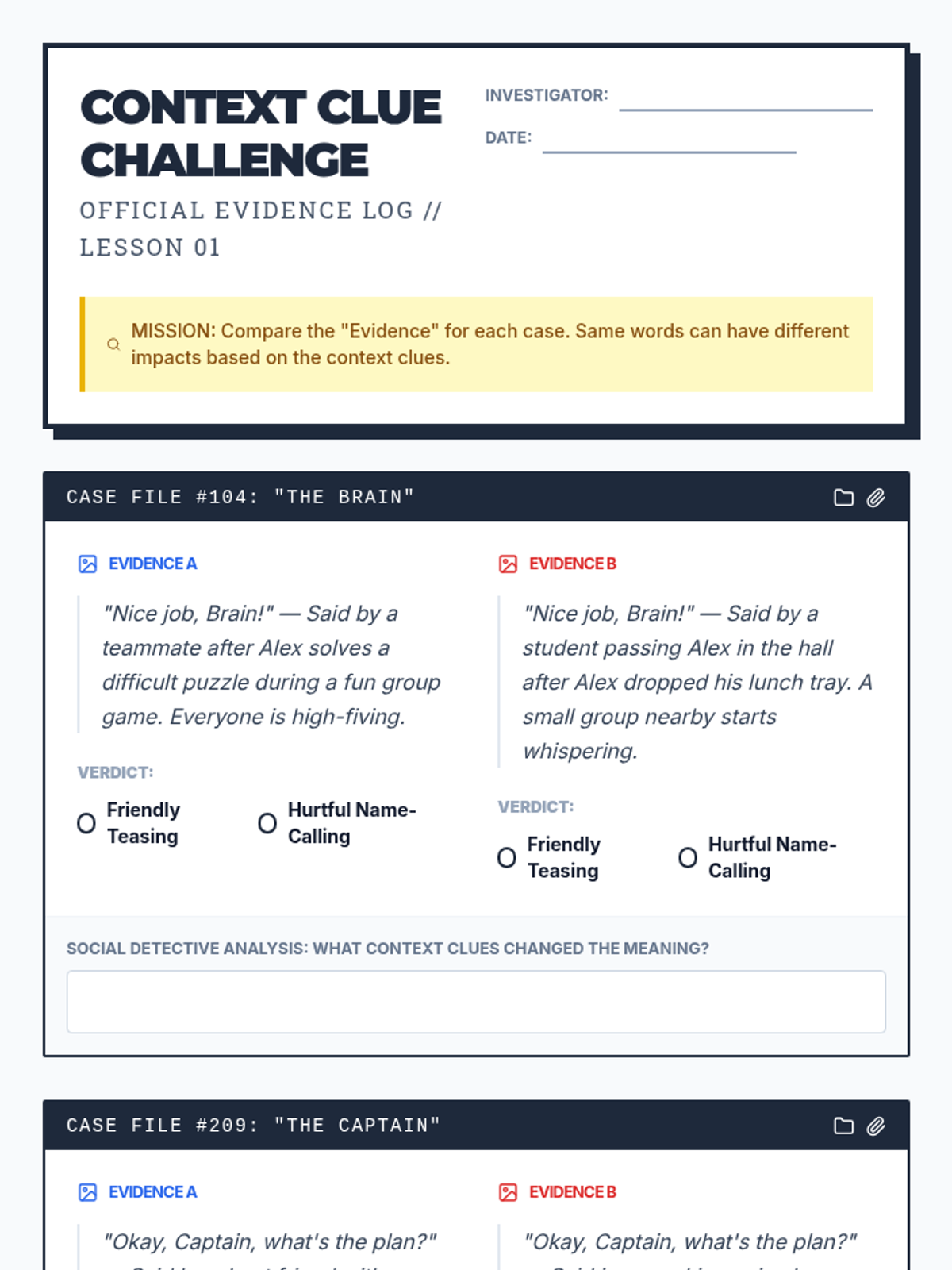
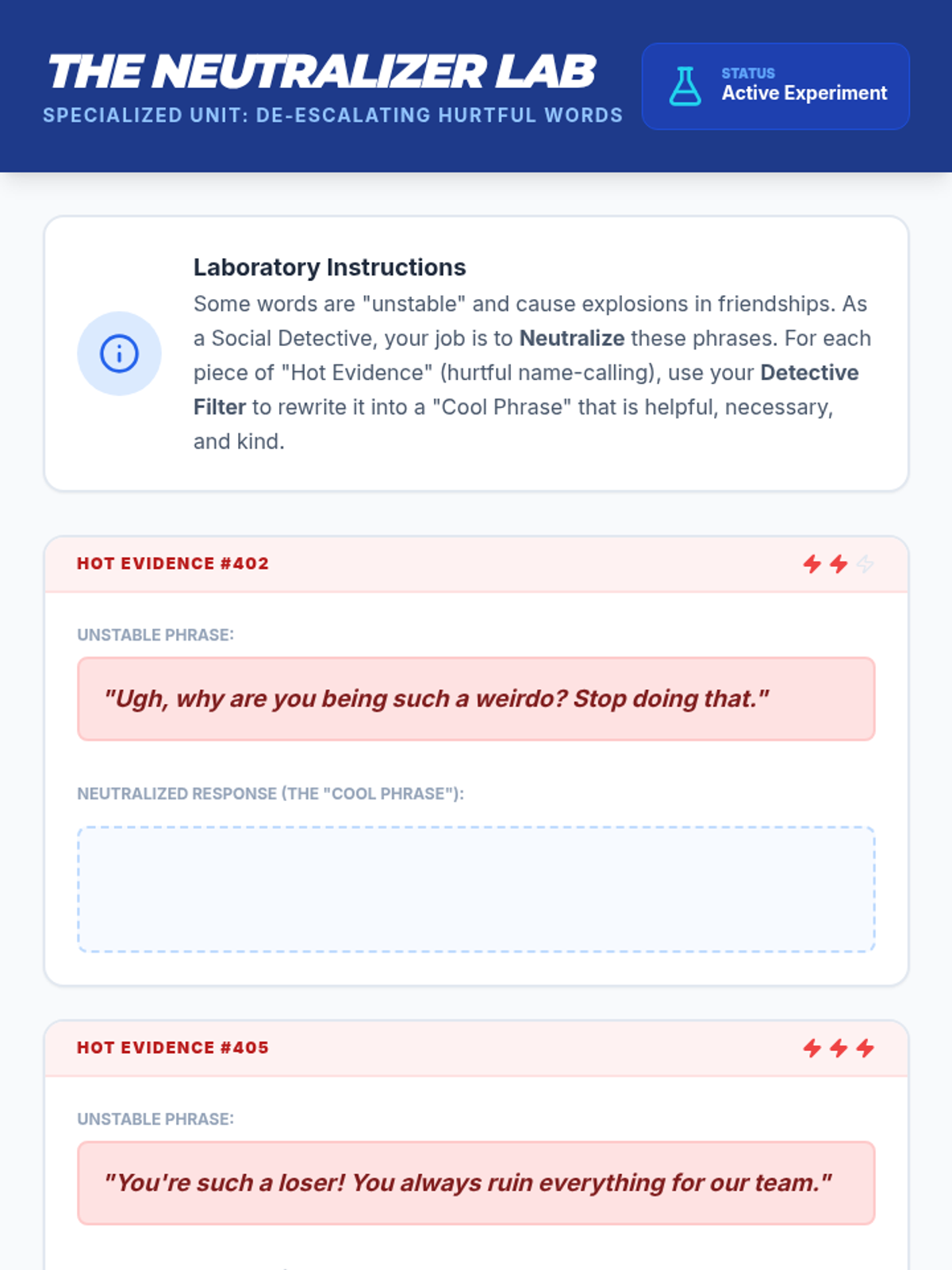
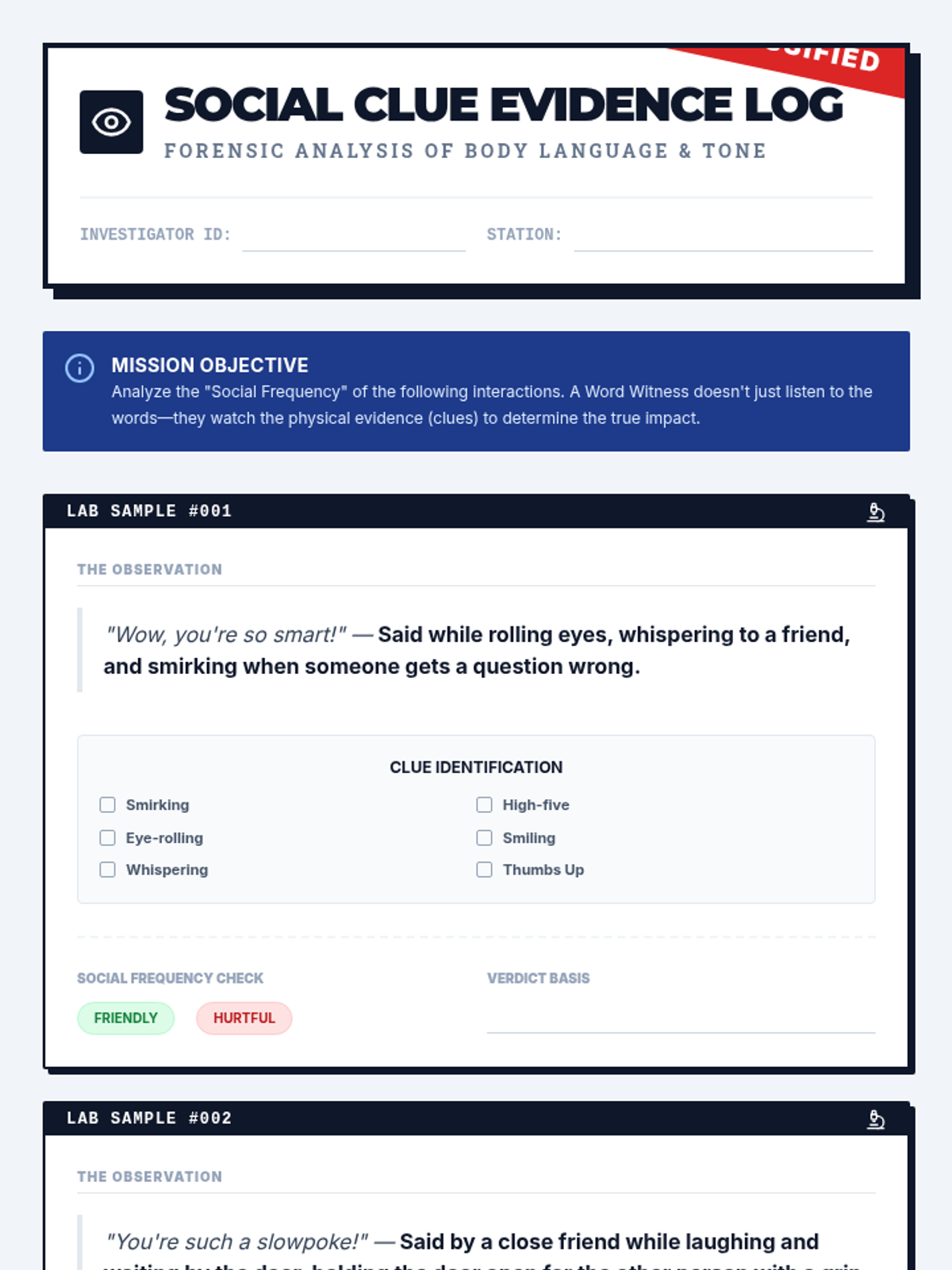
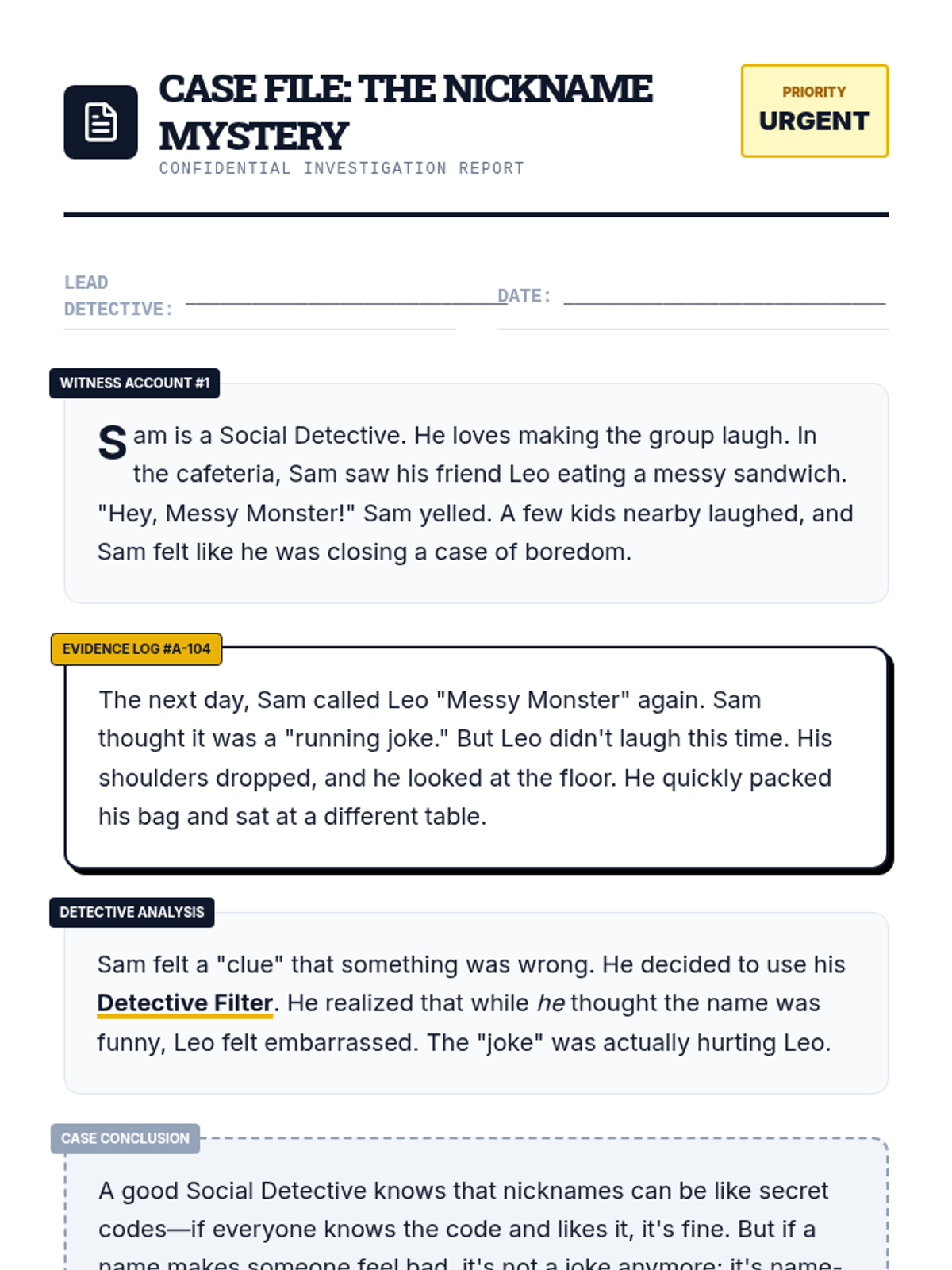
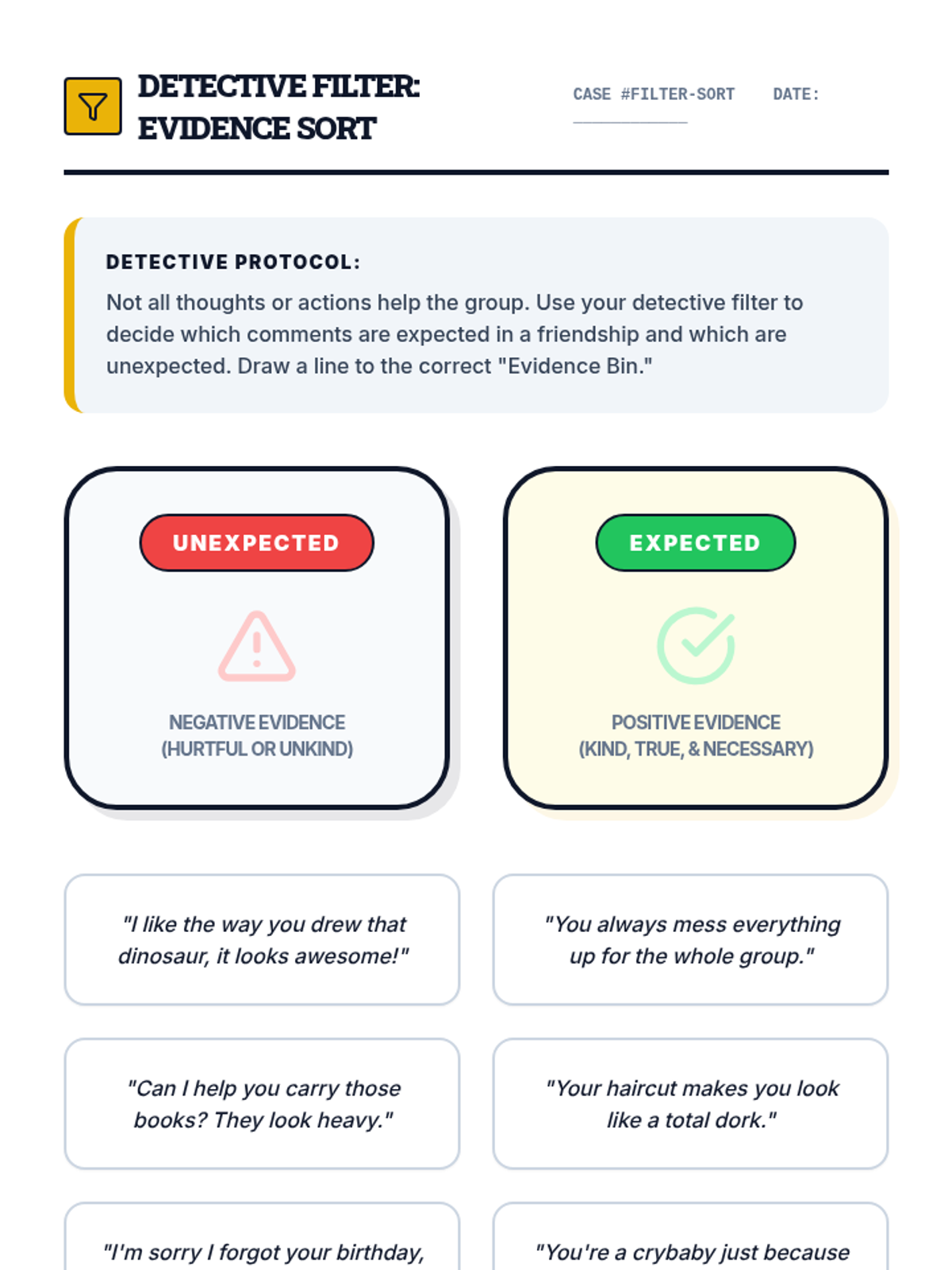
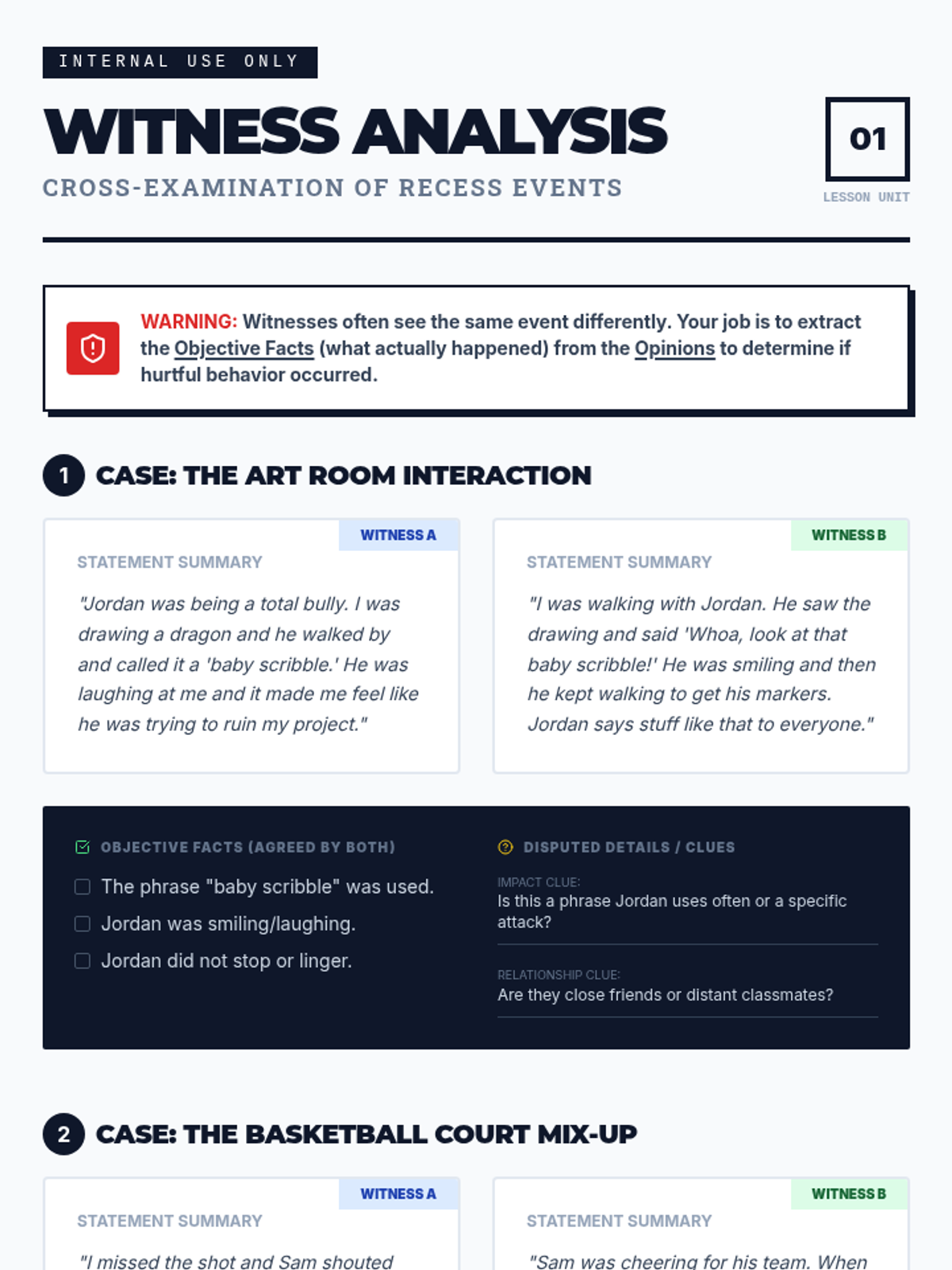
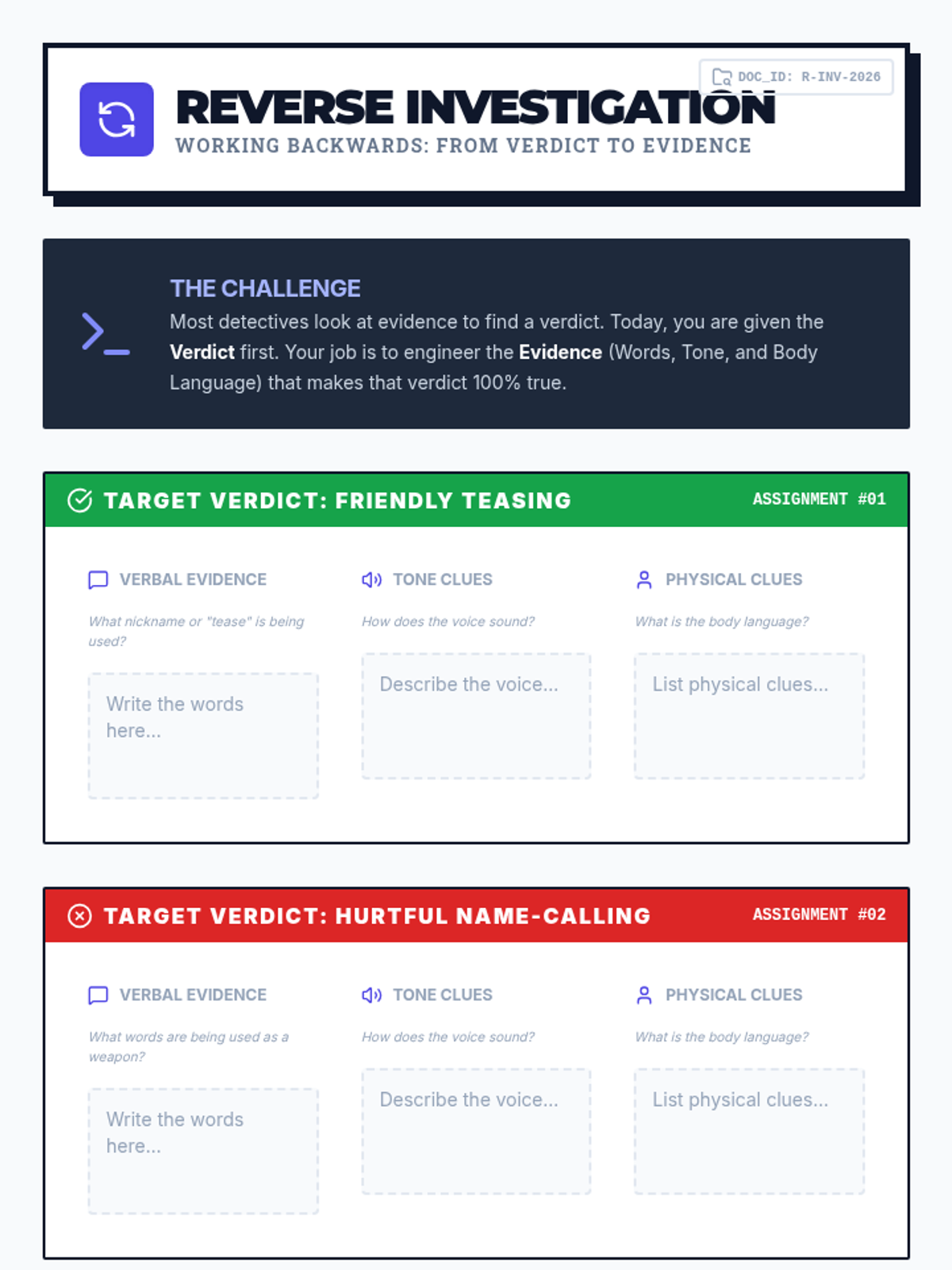
A comprehensive social skills unit designed for 5th graders to improve social understanding, focusing on reducing name-calling, managing competitiveness, and building healthy group behaviors using a 'Social Detective' investigation theme.
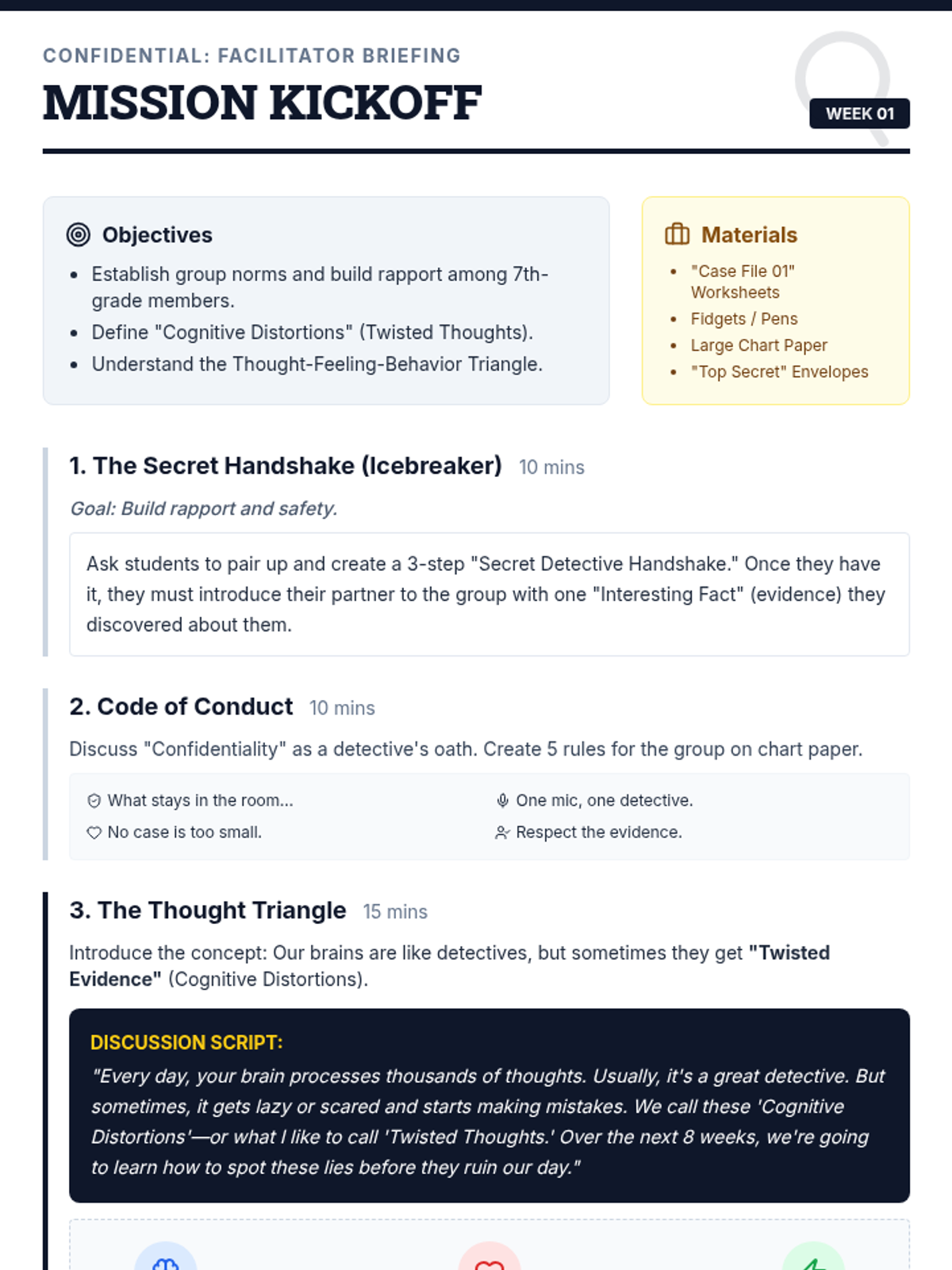
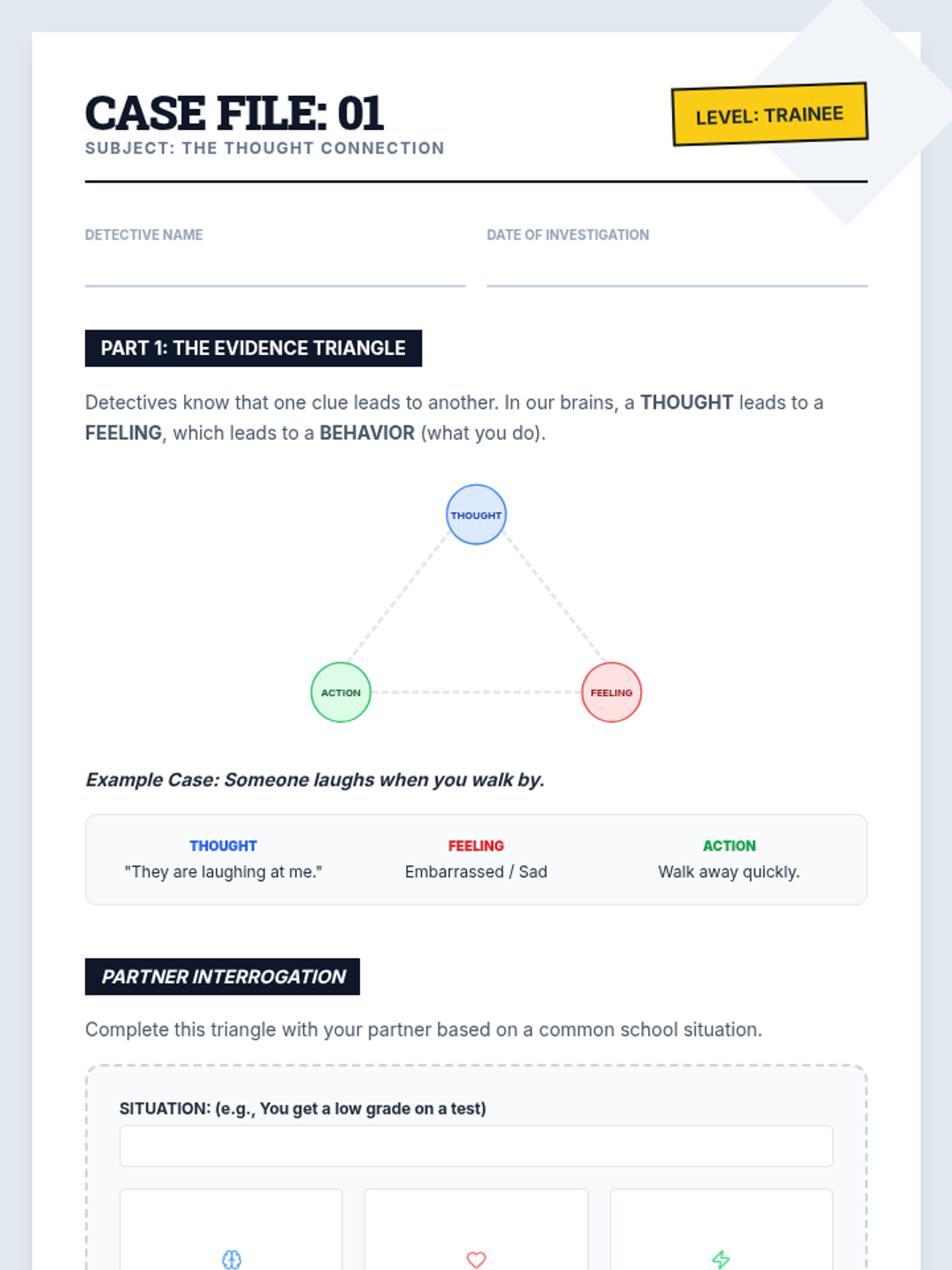
An 8-week cognitive behavioral therapy (CBT) based small group curriculum for 5th graders, focused on identifying and challenging cognitive distortions using a fun detective theme.
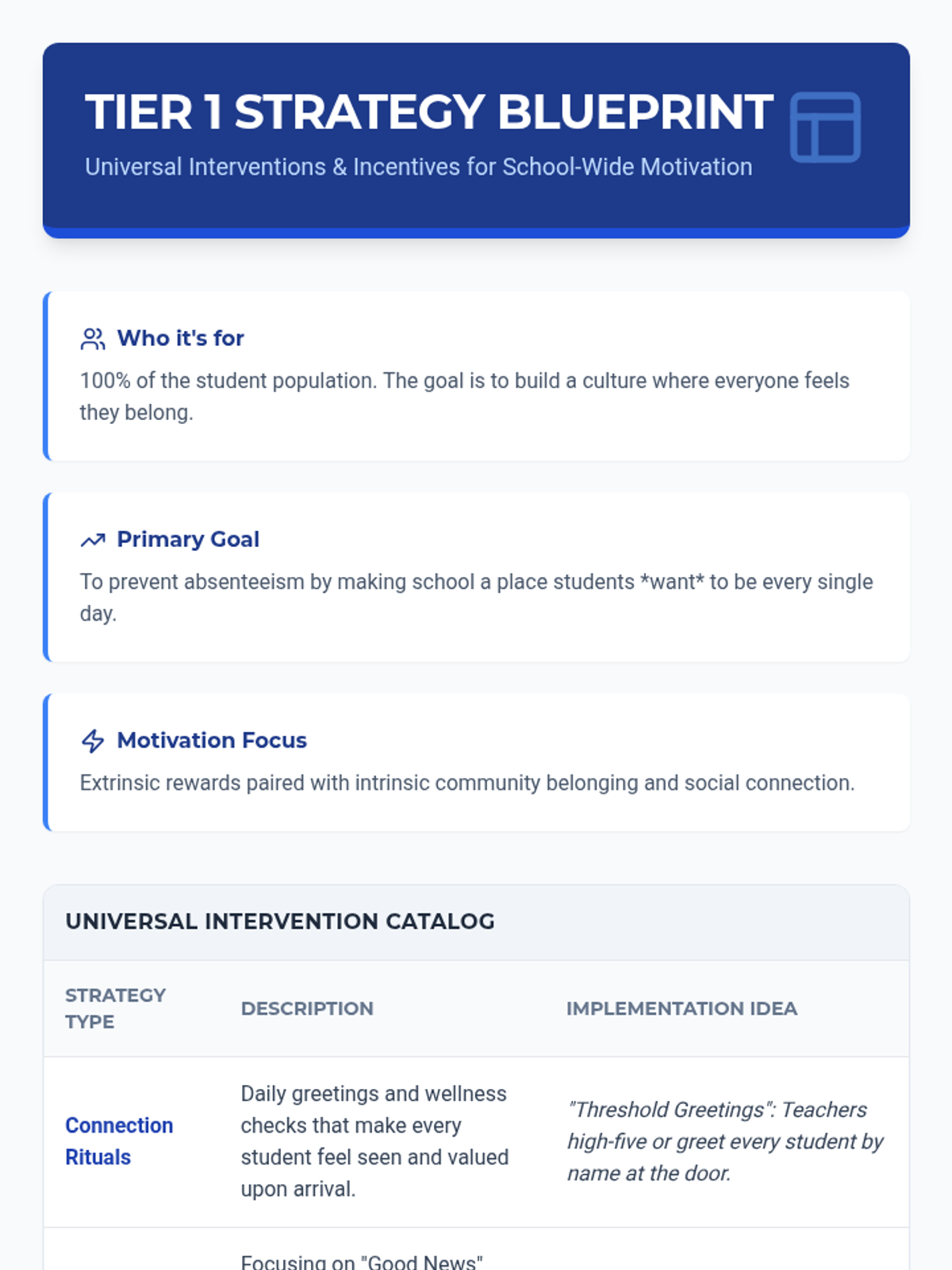
A comprehensive set of attendance interventions and motivation strategies spanning universal, targeted, and intensive support levels to improve student motivation and school connection.
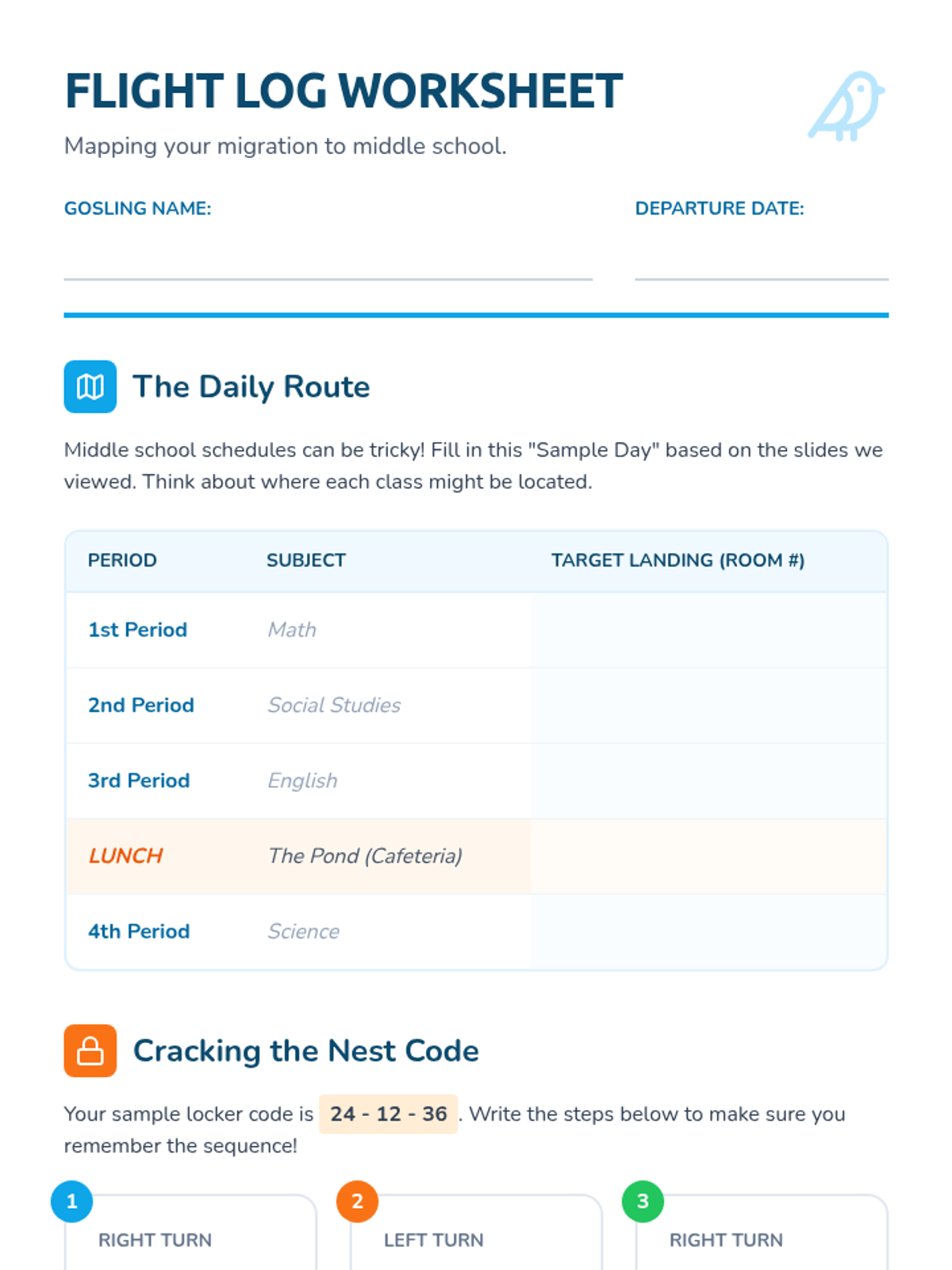
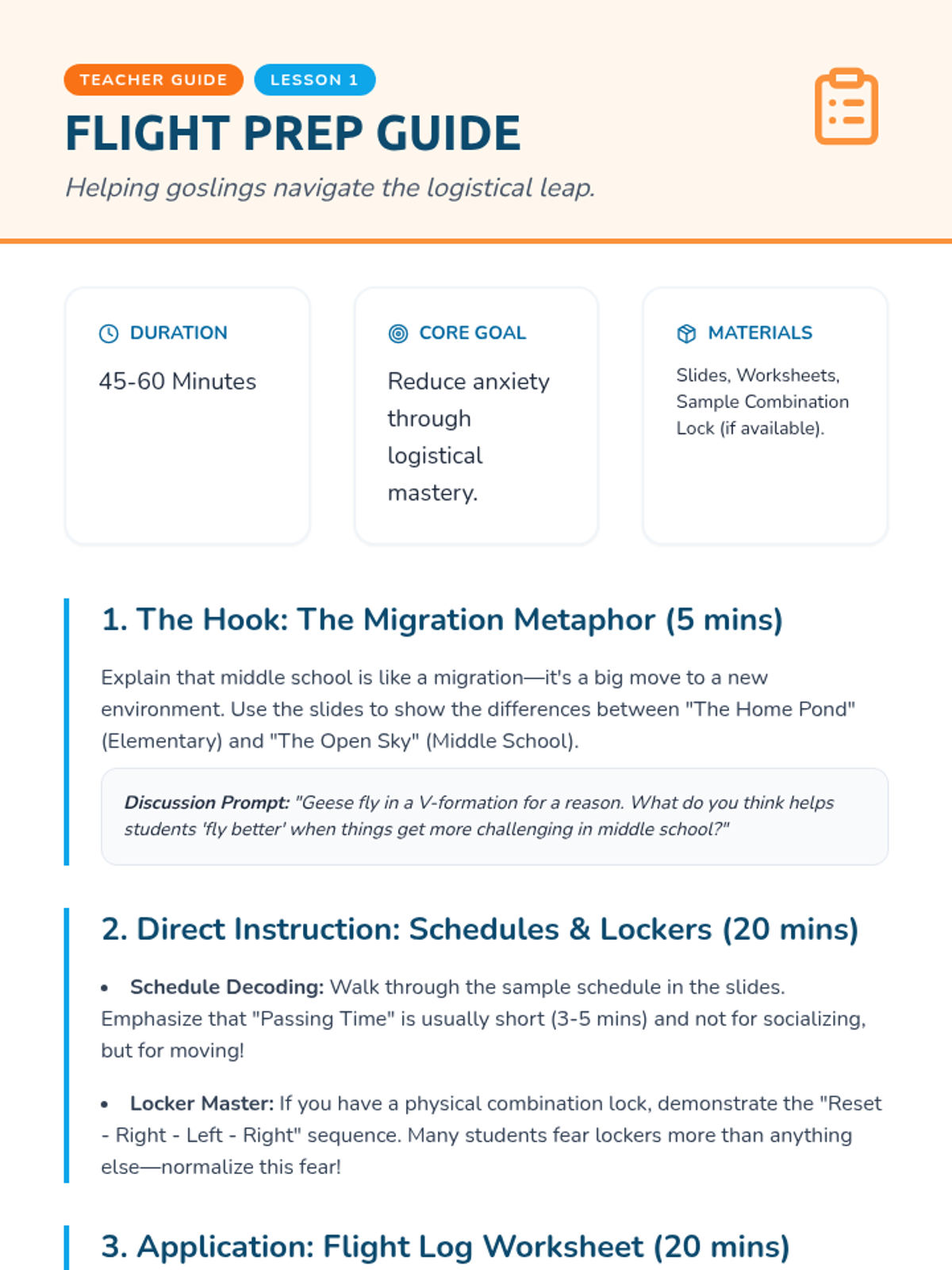
A 3-lesson series designed to help 5th graders prepare for the transition to middle school, using a fun and relatable duck-themed metaphor for 'migrating' to a new environment.
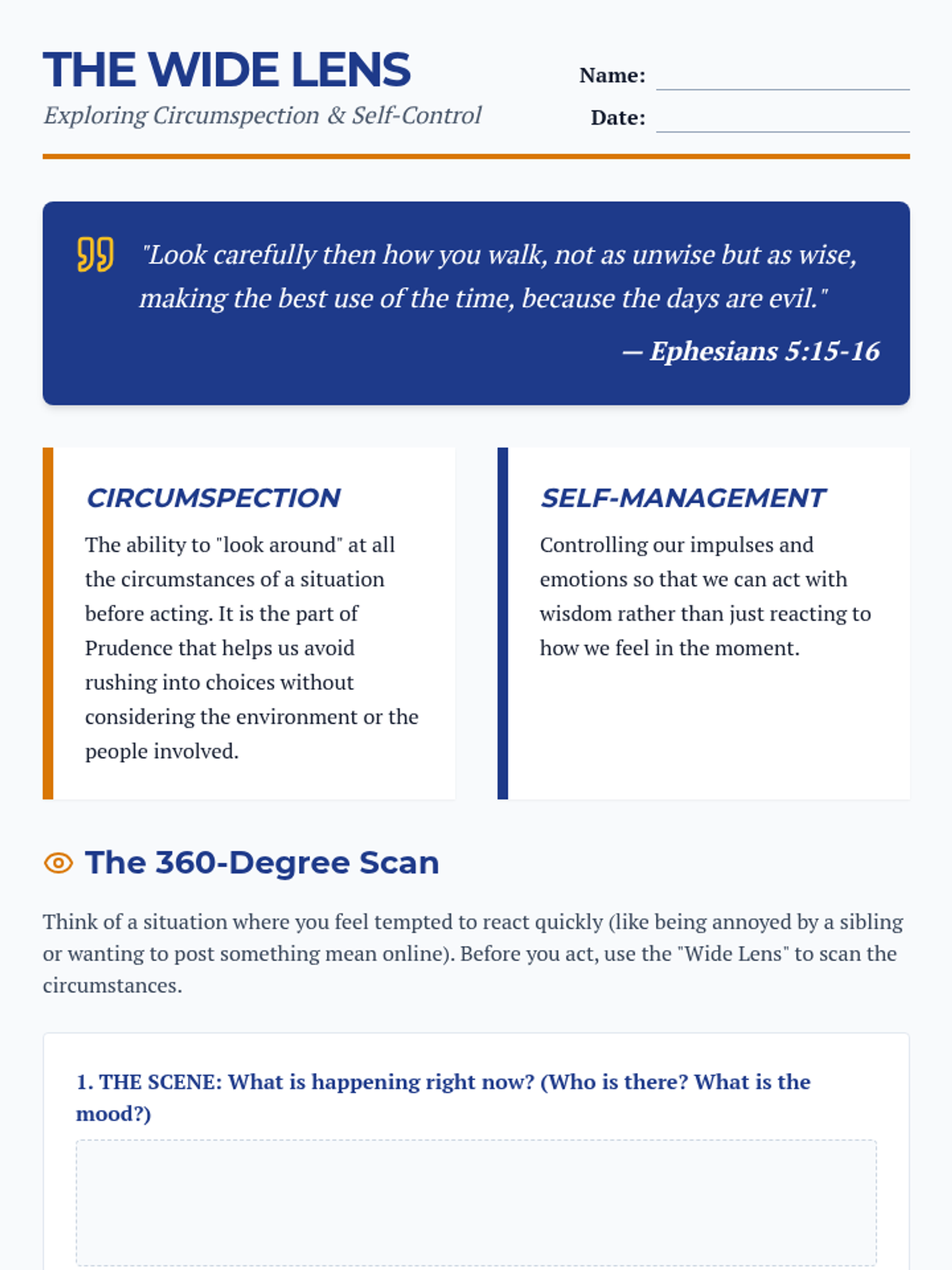
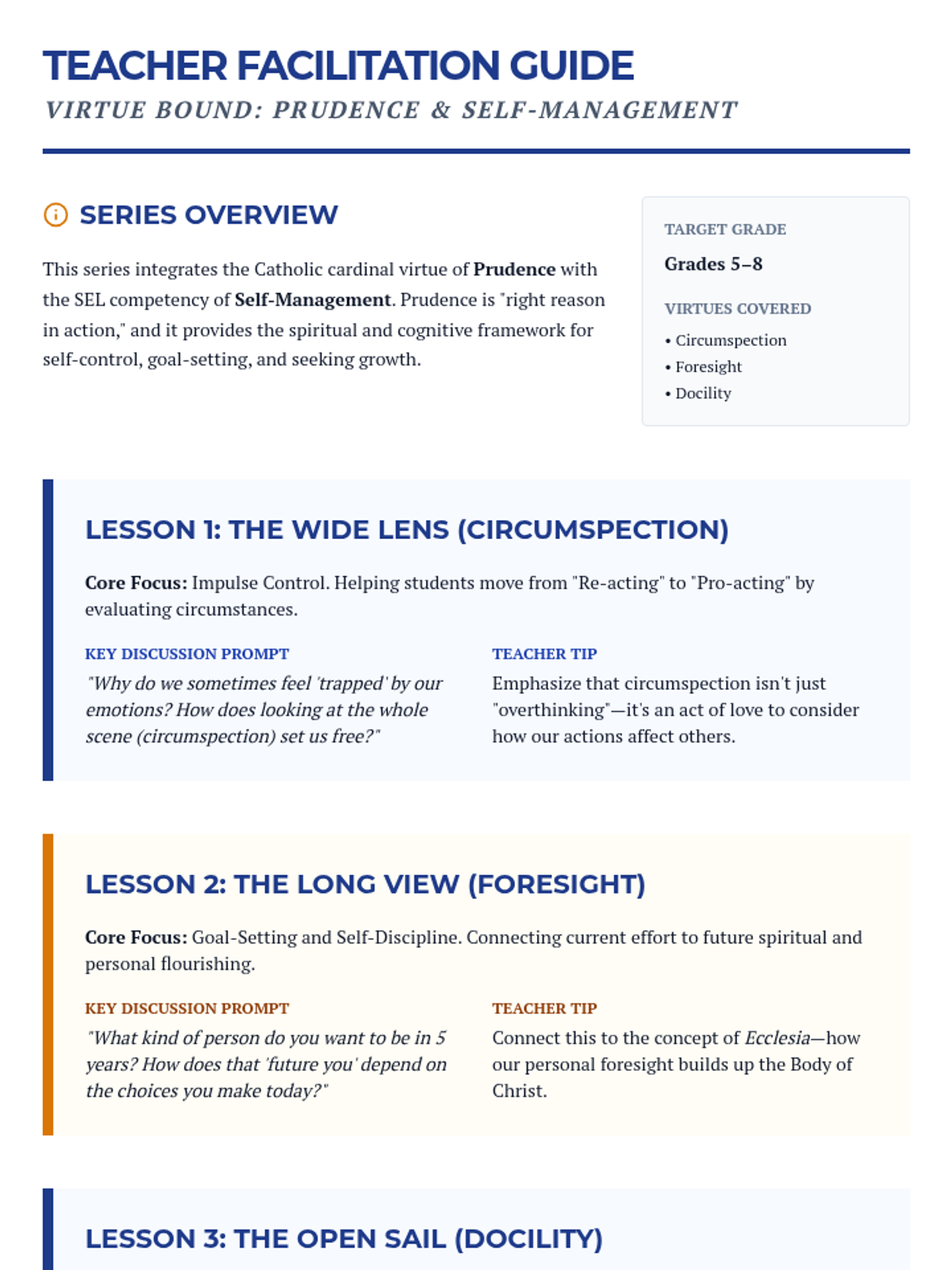
A three-part SEL sequence for upper elementary and middle school students that explores the virtue of Prudence (circumspection, foresight, and docility) through the lens of self-management. Students learn to evaluate their circumstances, anticipate consequences, and seek wise counsel to navigate life's challenges with faith and wisdom.
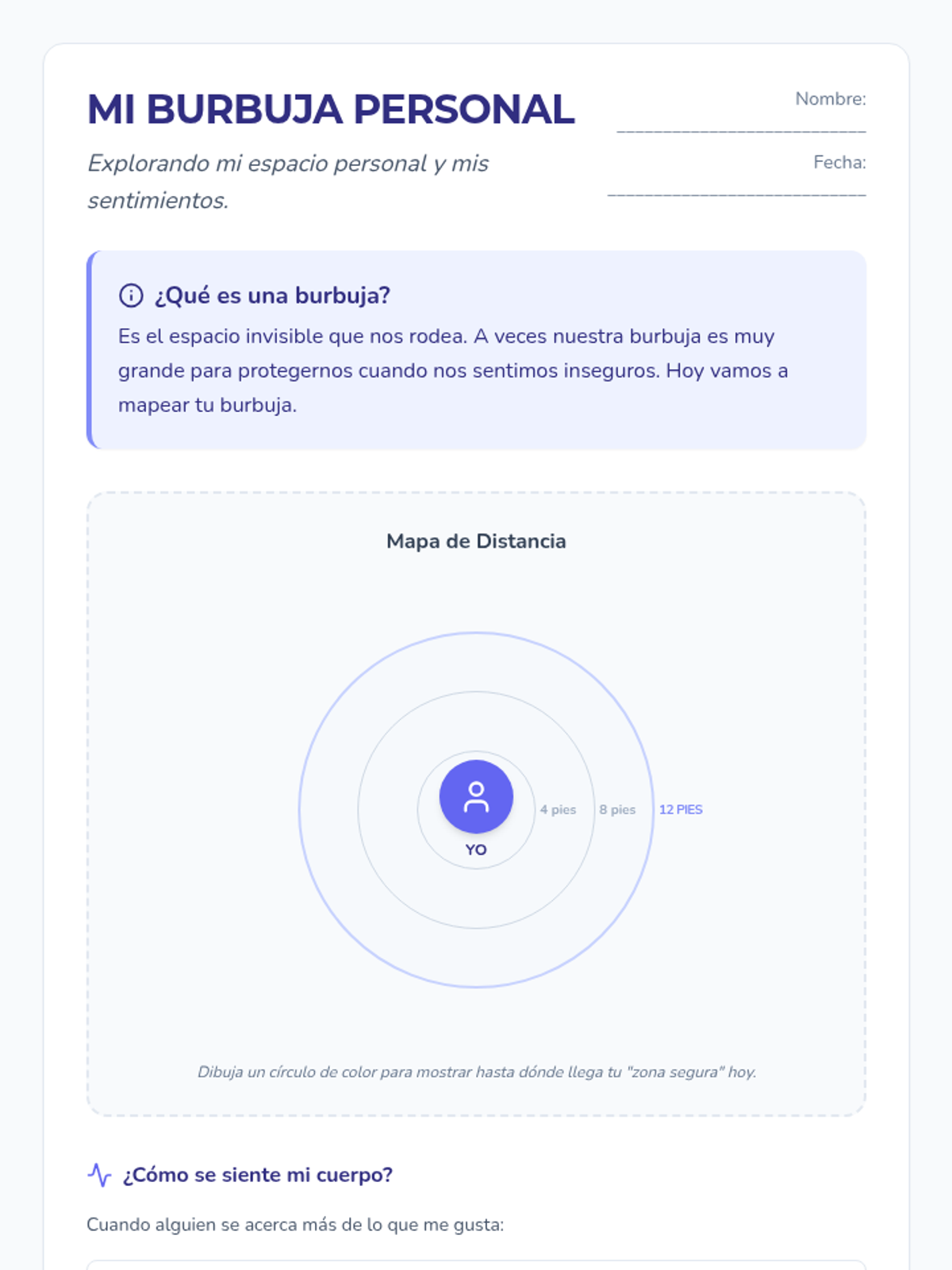
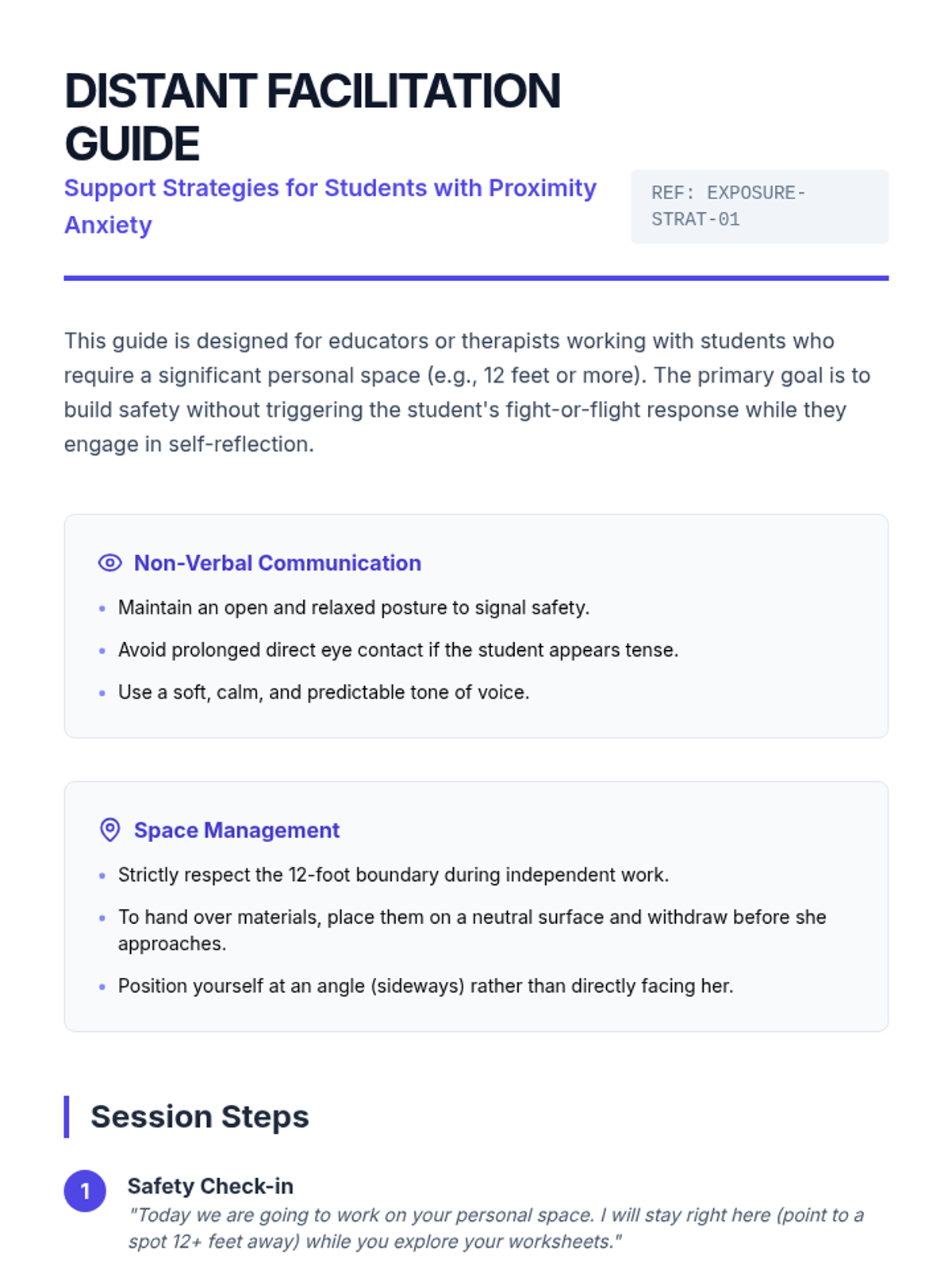
Una serie de actividades independientes diseñadas para una estudiante de 11 años que trabaja en la terapia de exposición para permitir que las personas se acerquen a ella. Los materiales están en español y se centran en la autorreflexión, el desafío de pensamientos y la creación de una jerarquía de exposición.
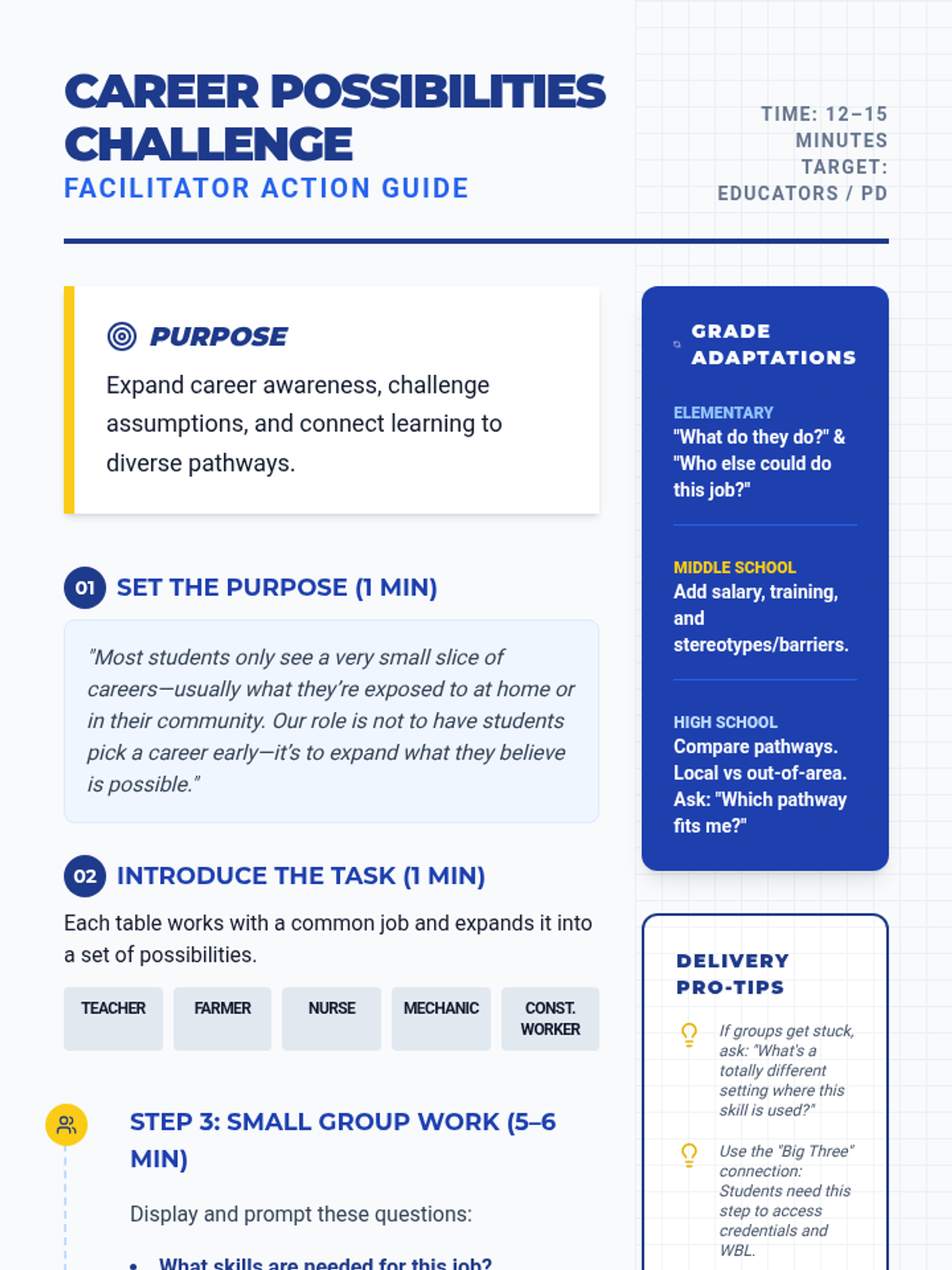
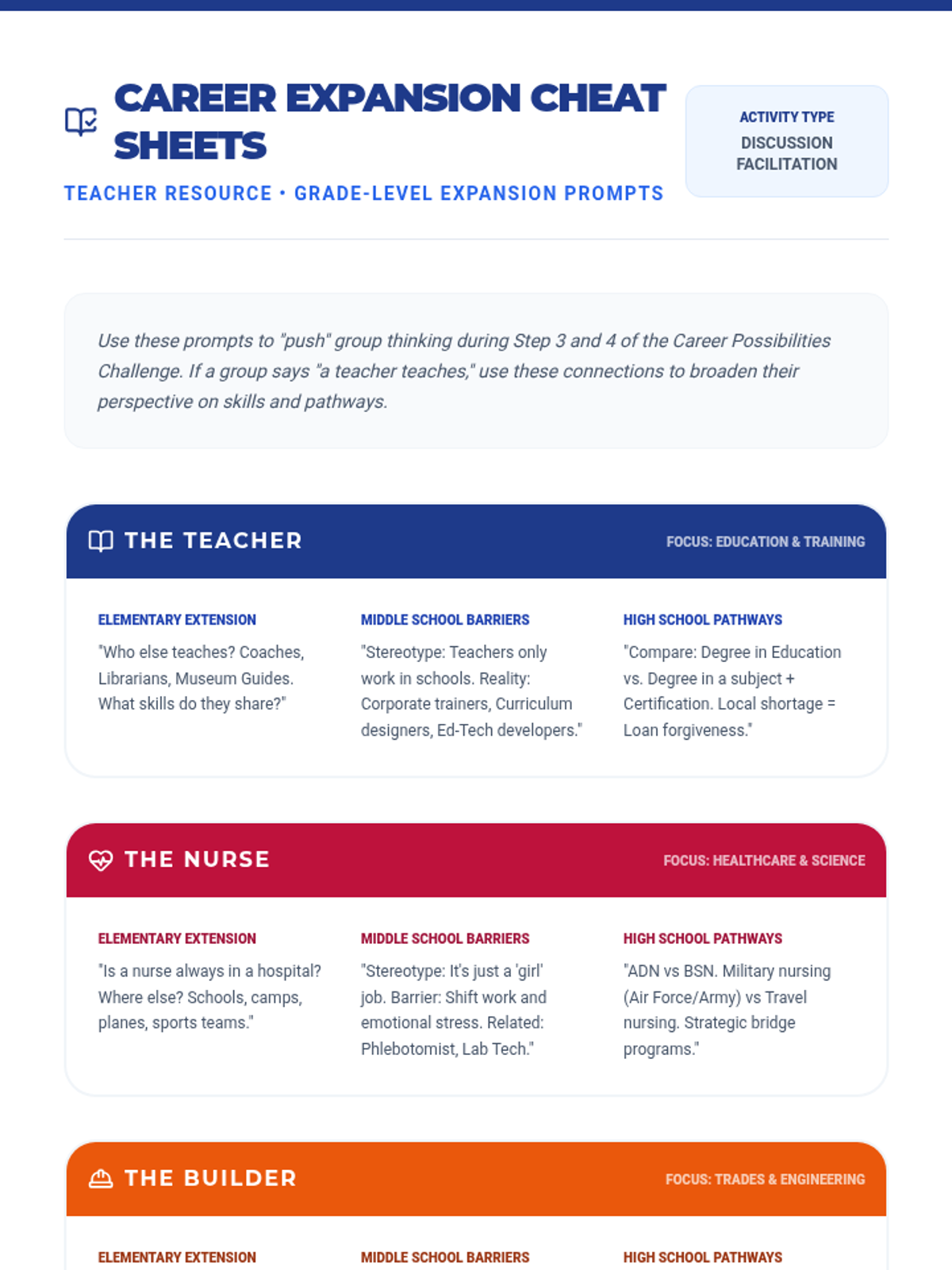
A comprehensive professional development and classroom activity suite designed to expand career awareness across K-12. Educators learn to facilitate the 'Career Possibilities Challenge,' while students engage in grade-appropriate tasks to map skills, pathways, and overcome stereotypes.
A comprehensive series of 30-minute lessons tailored for different grade levels (K-10) to foster understanding, empathy, and advocacy regarding autism and neurodiversity. Each lesson uses age-appropriate literature to ground the conversation.
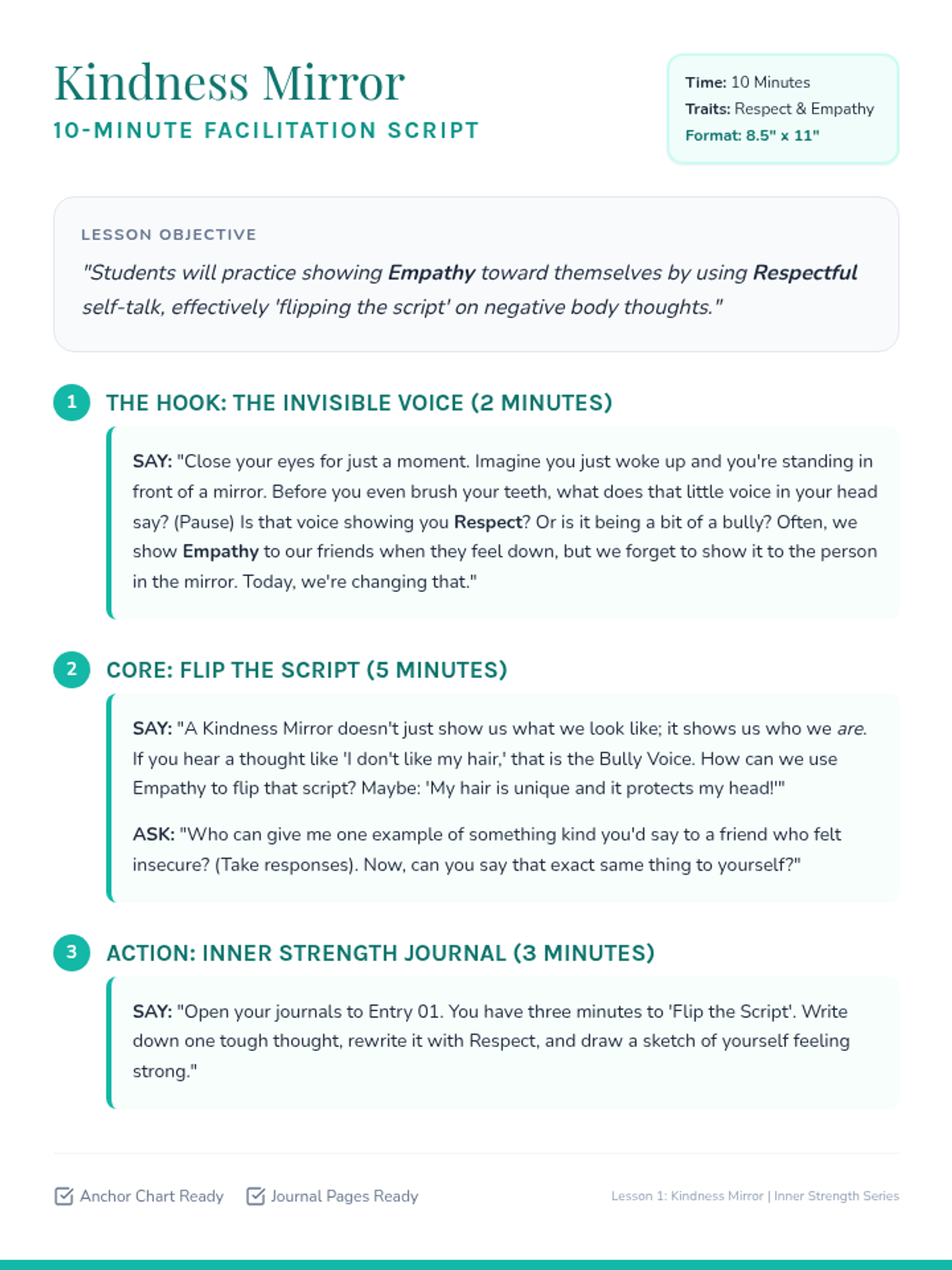
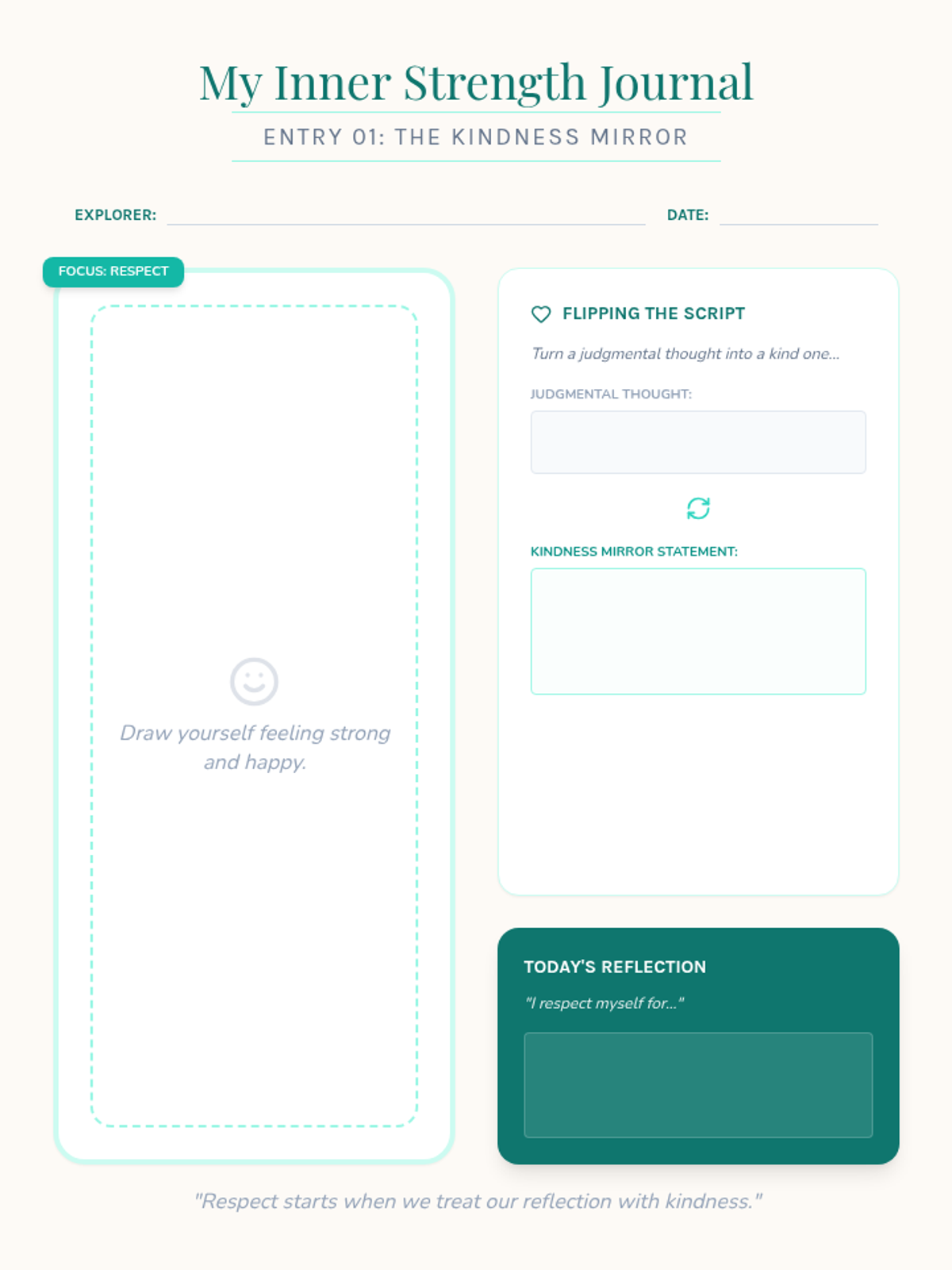
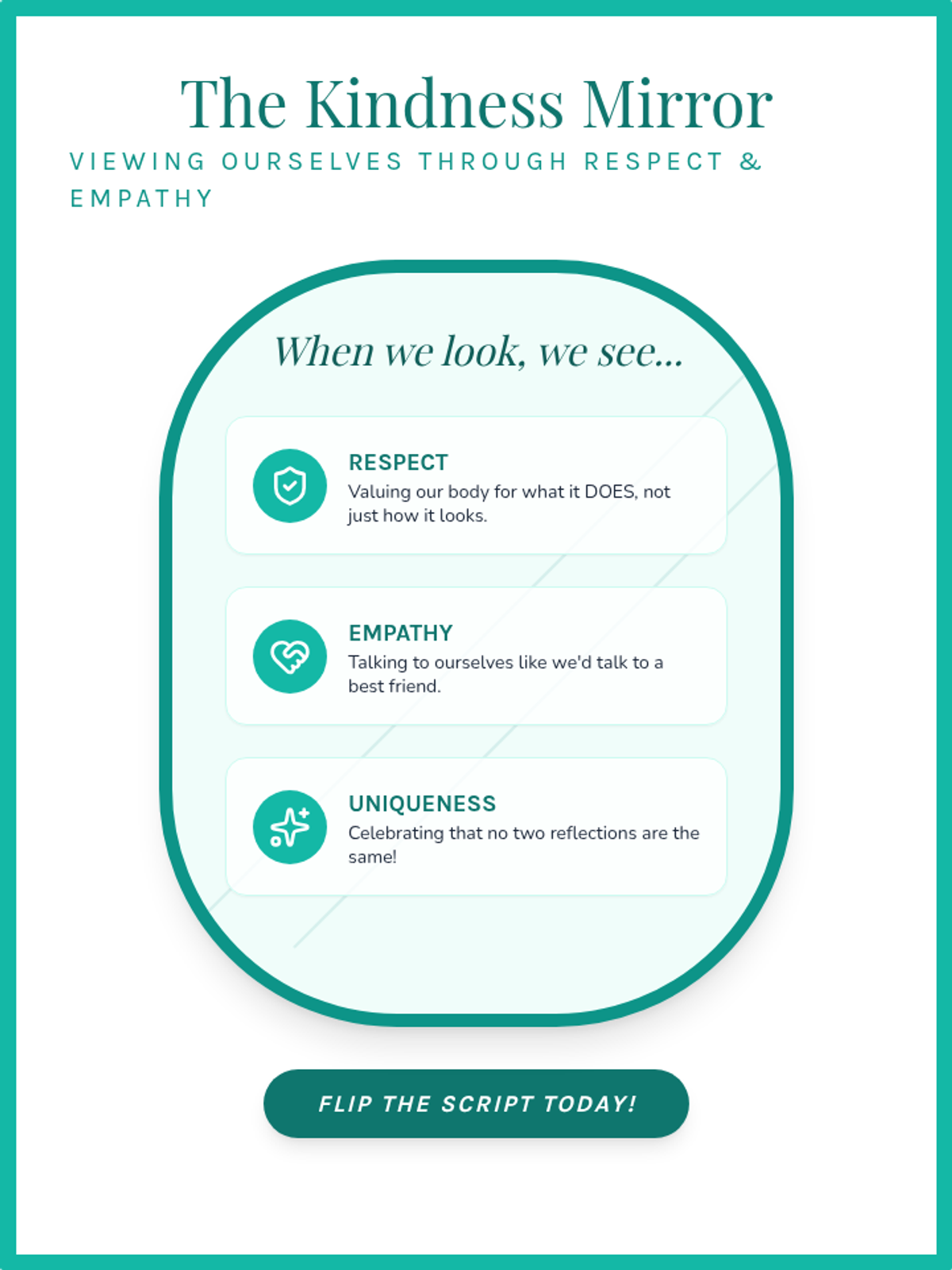
A series of three 10-minute micro-lessons for 5th graders focused on building positive body image through the CharacterStrong traits of Respect, Empathy, Courage, and Perseverance. These lessons help students shift focus from appearance to internal strengths and functional capabilities.
A 6-week small group counseling curriculum designed to help 6th graders transition smoothly to middle school, covering logistics, organization, social dynamics, and stress management.
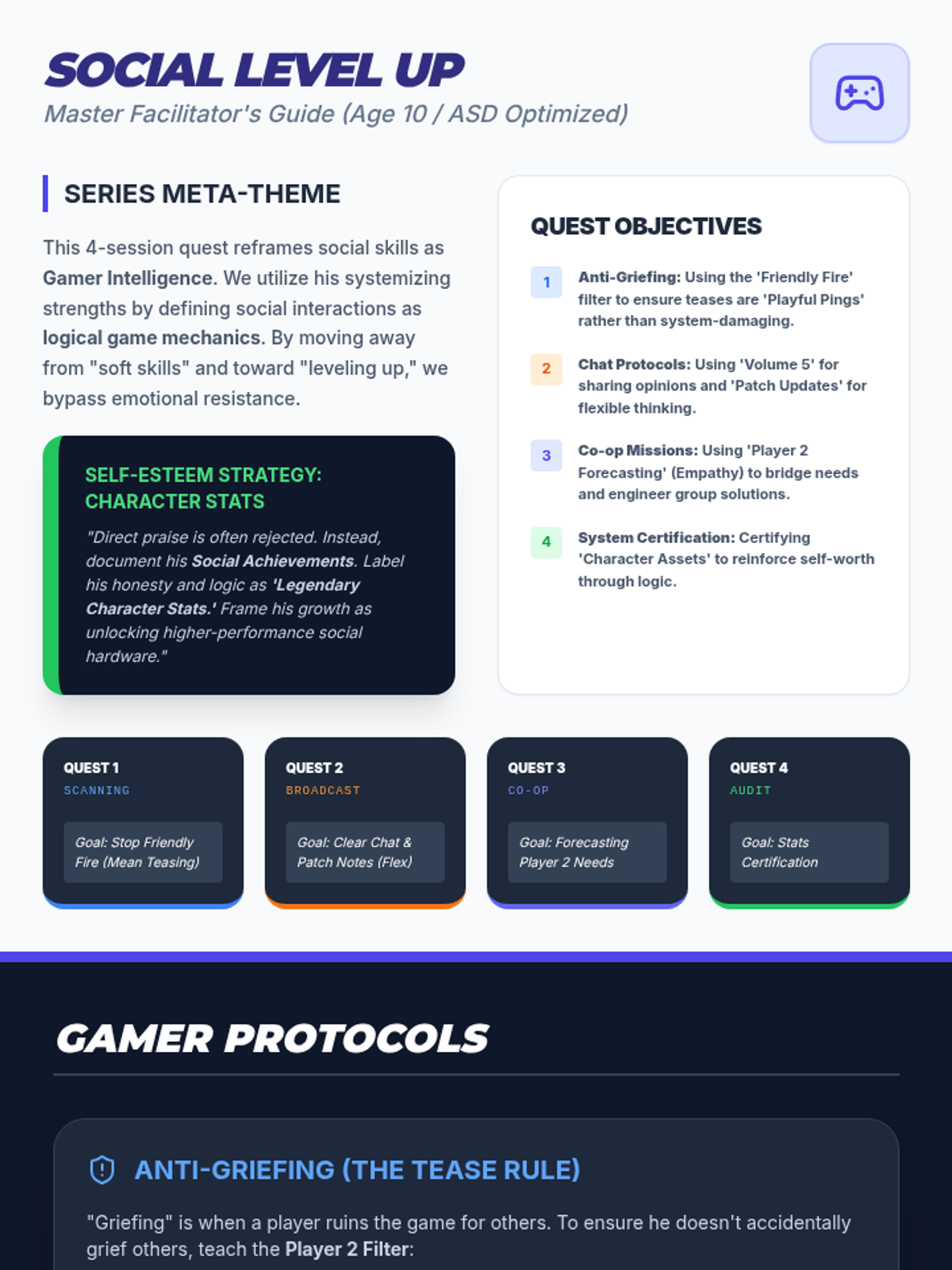
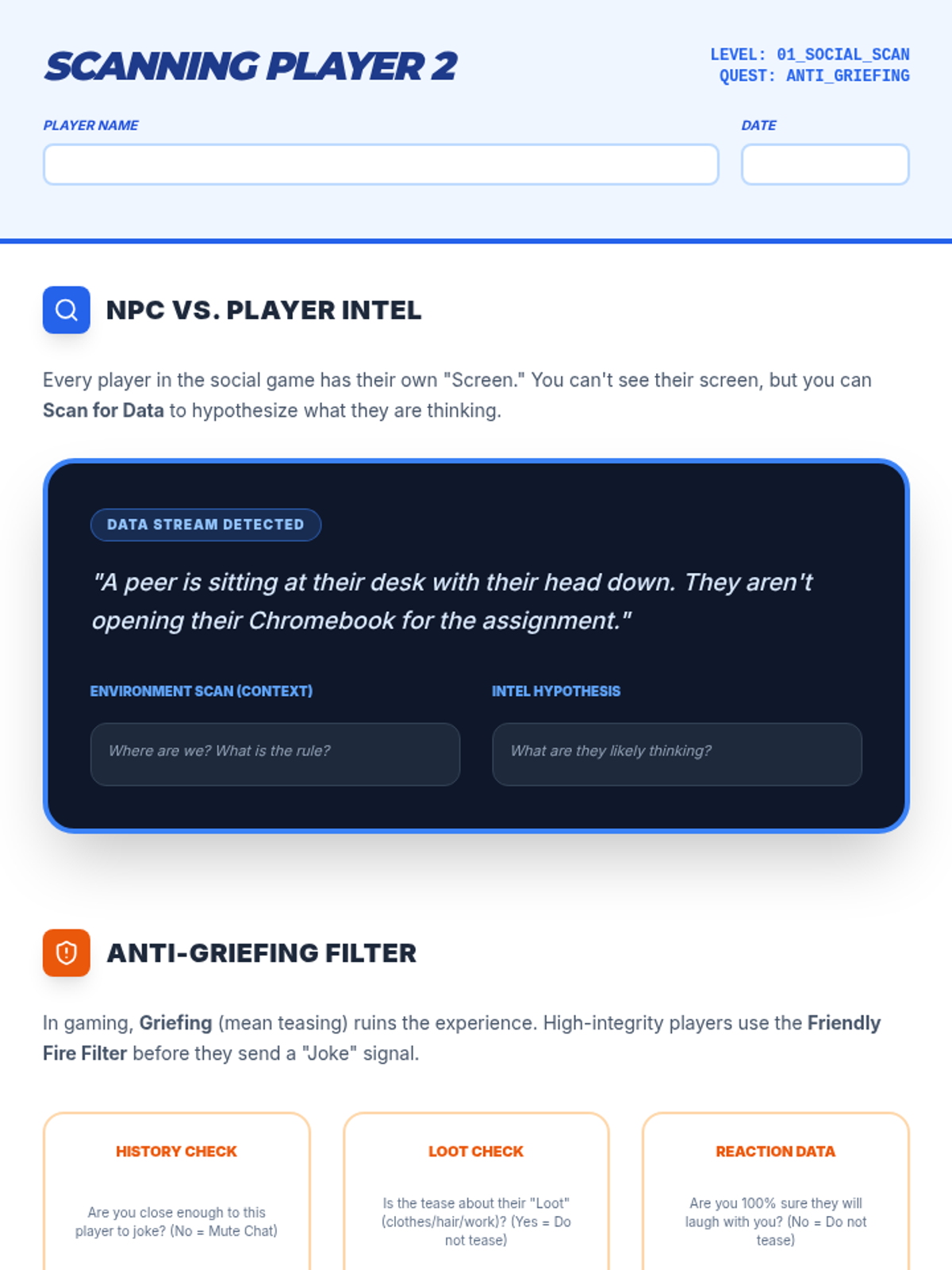
A four-session counseling series for 10-year-old students resistant to traditional self-esteem work. It uses a 'Social Level Up' video game metaphor to master salient social skills: anti-griefing (preventing mean teasing), chat protocols (opinions/flexibility), and co-op forecasting (empathy/solutions).
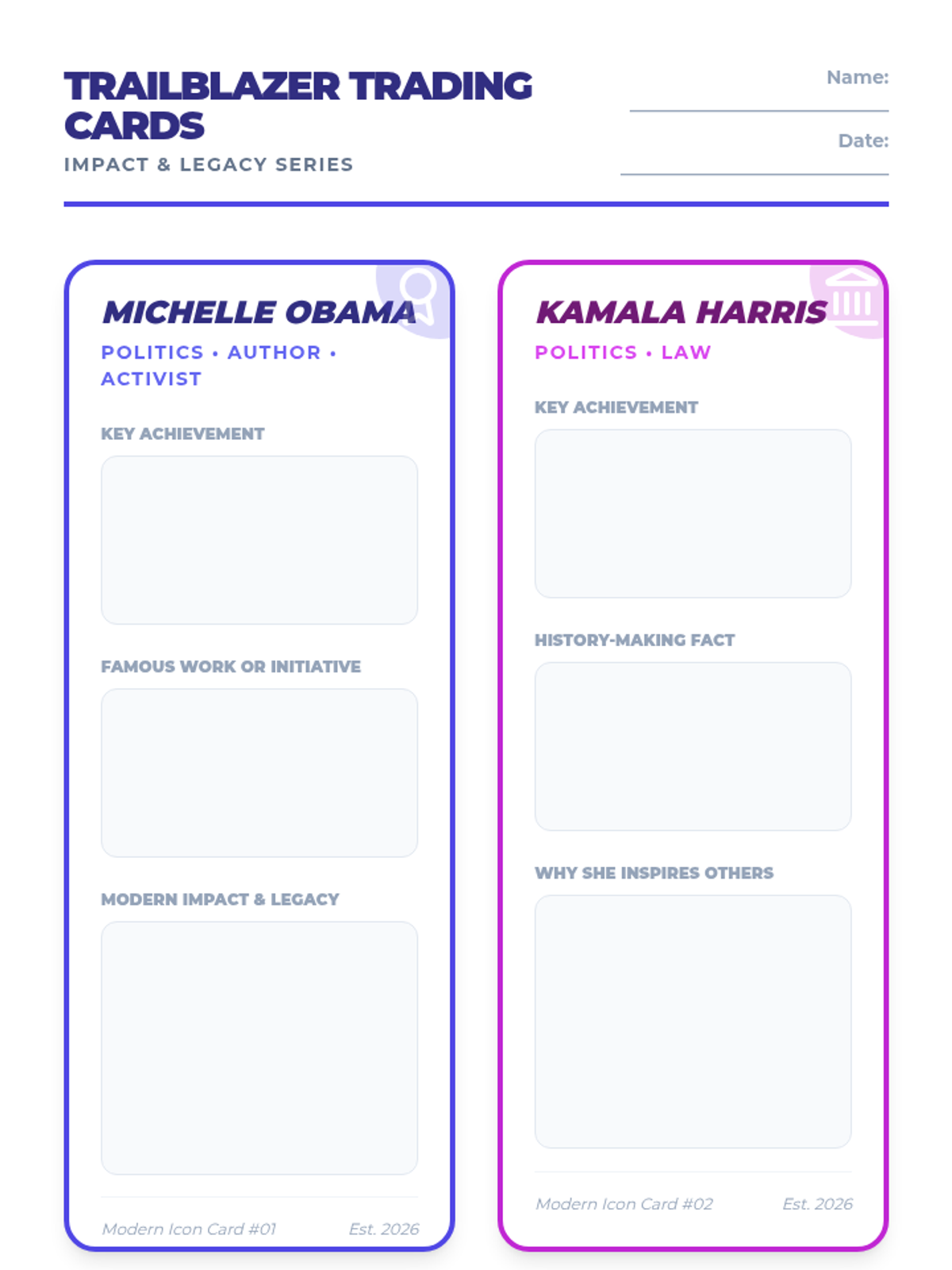
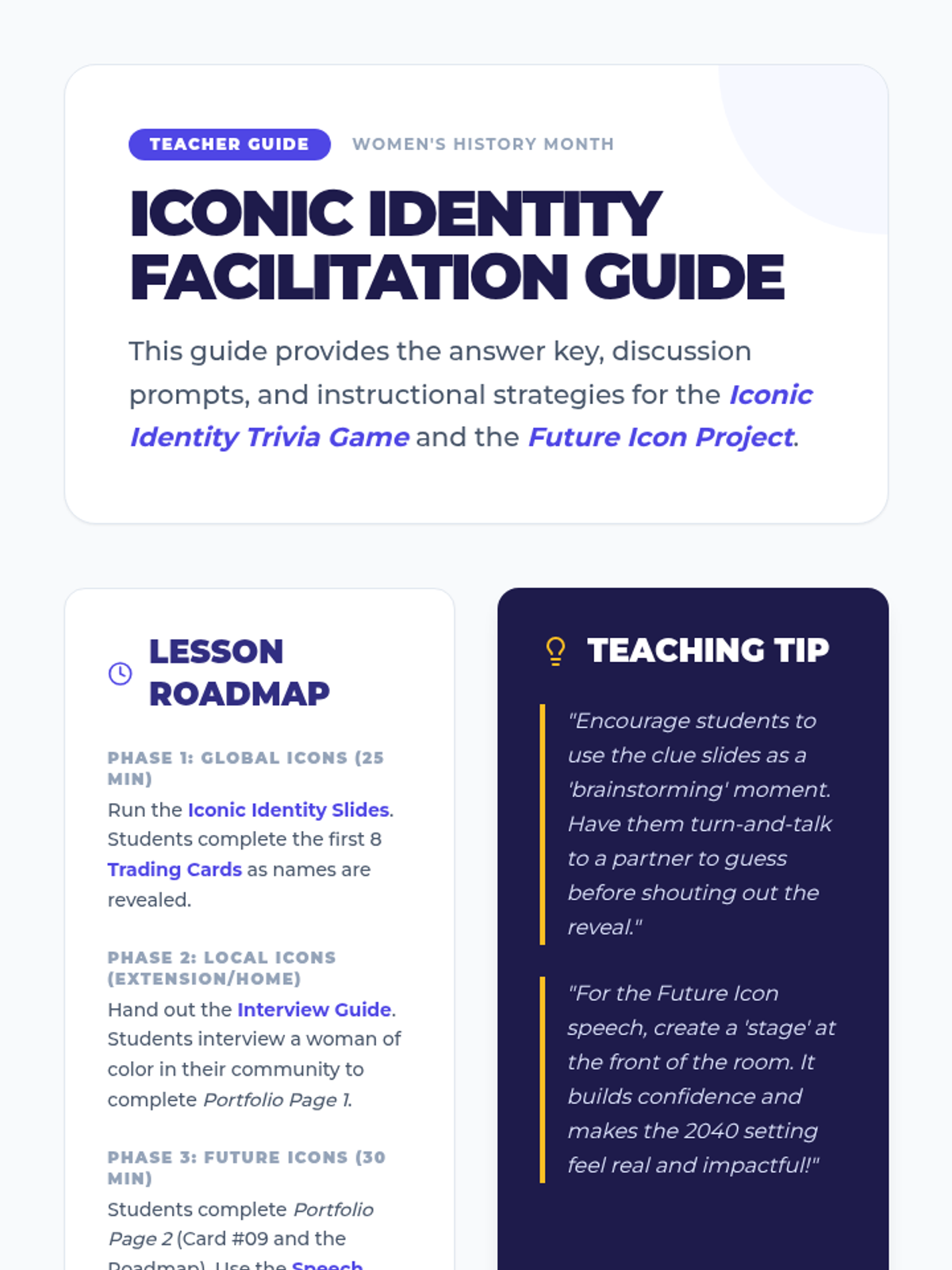
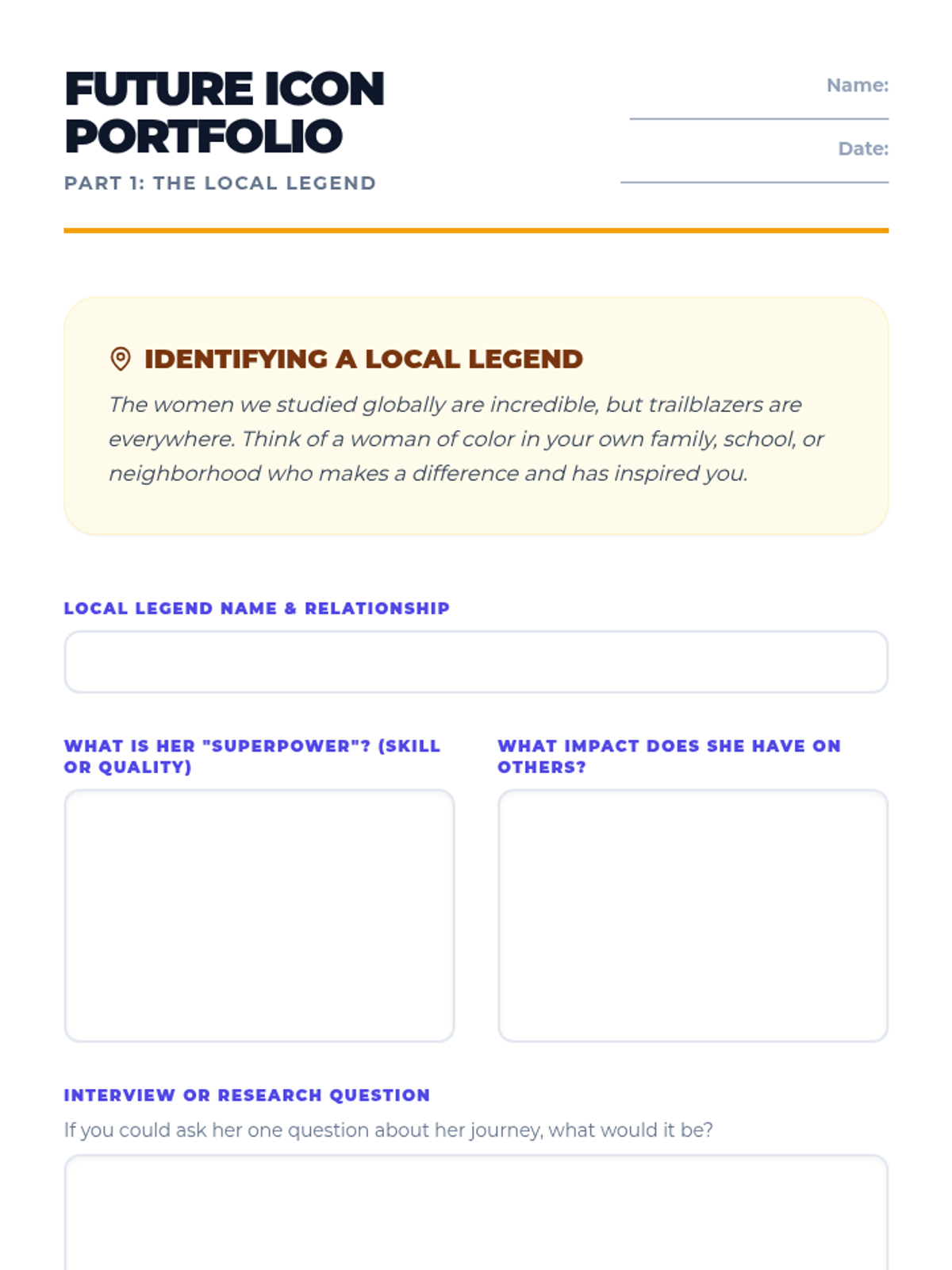
A tribute to influential women of color, exploring the modern achievements of contemporary leaders and the enduring legacy of historical trailblazers like Harriet Tubman. Students engage with biographies through a trivia-style game and creative research activities.
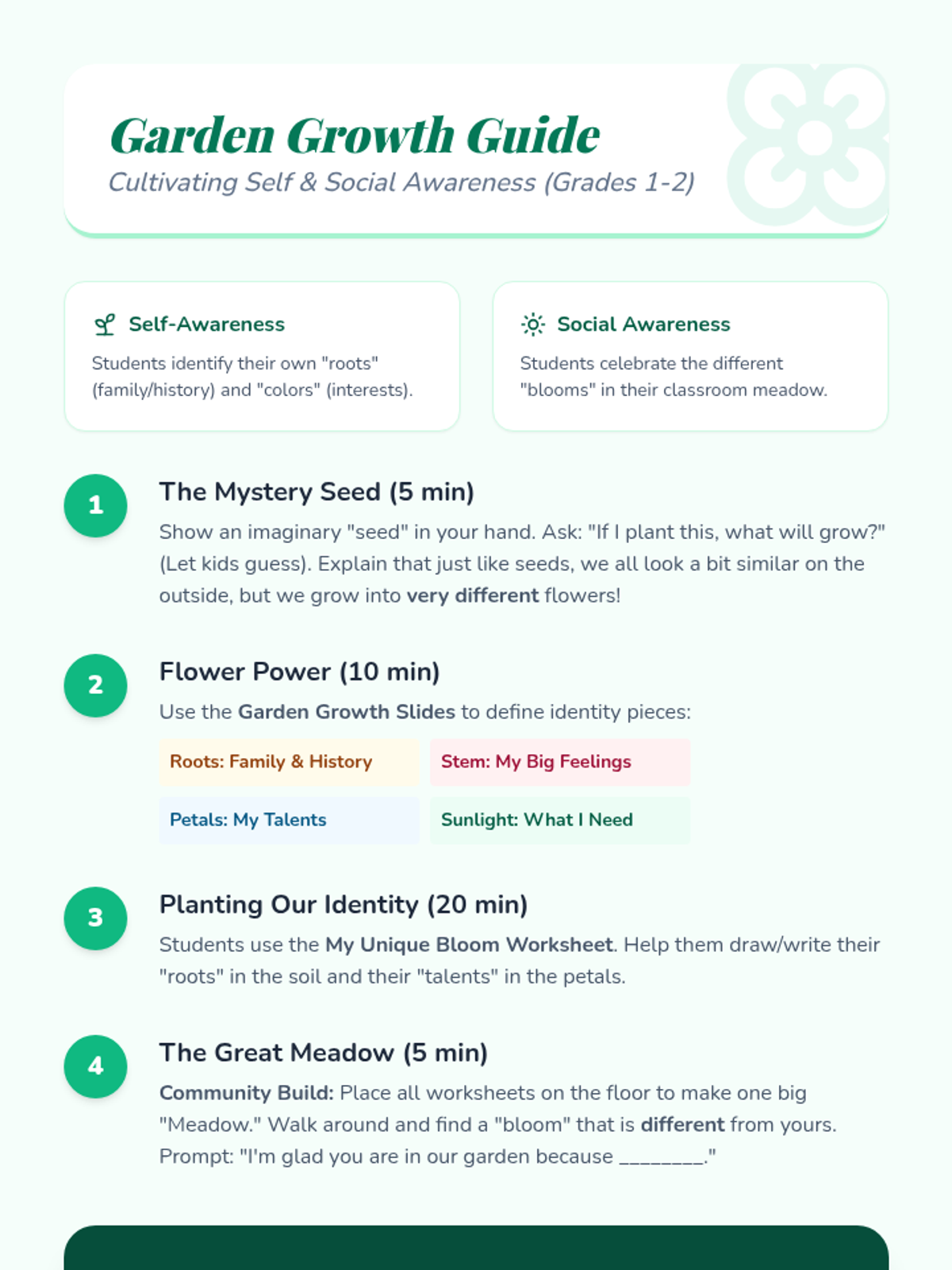
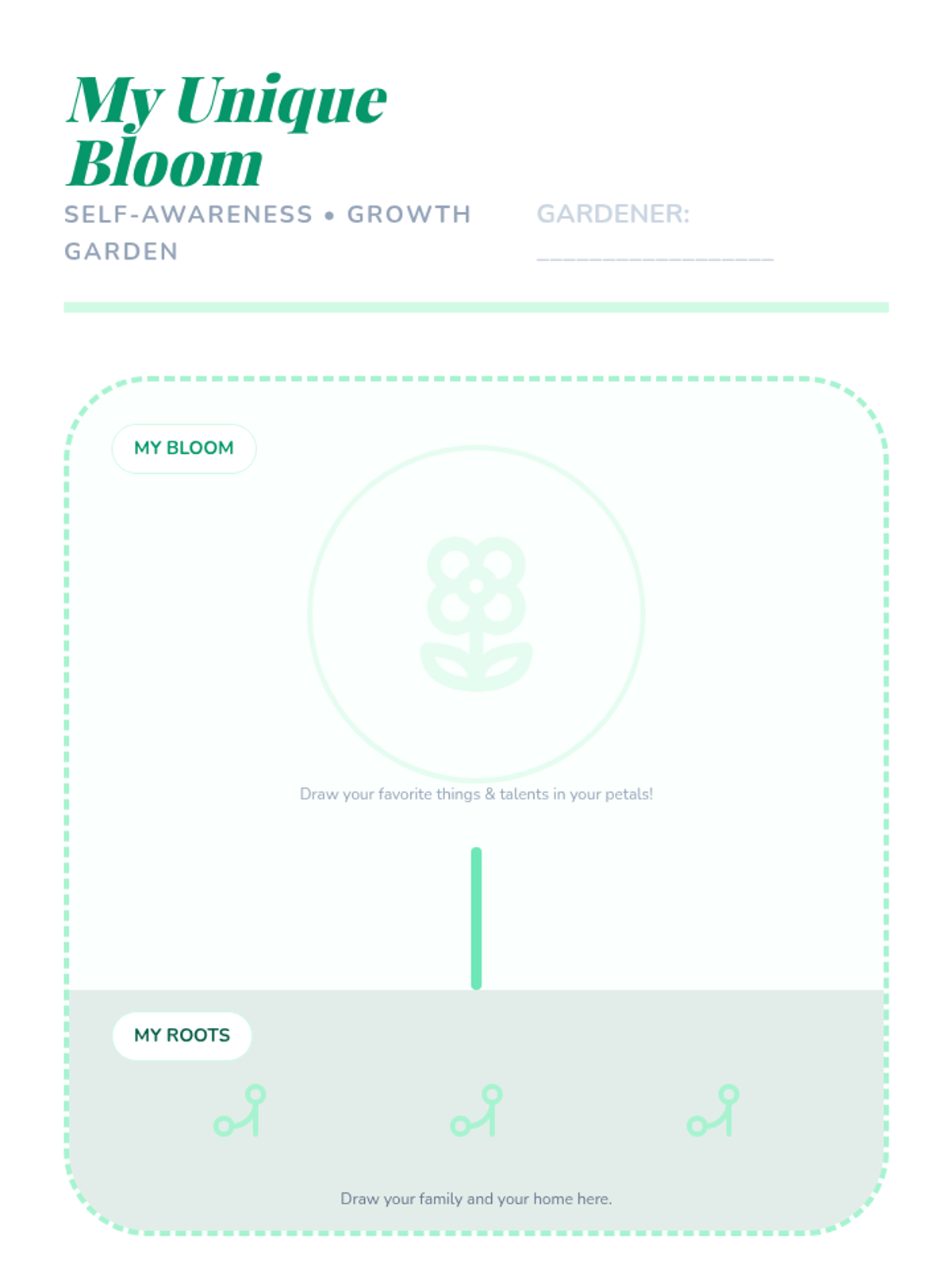
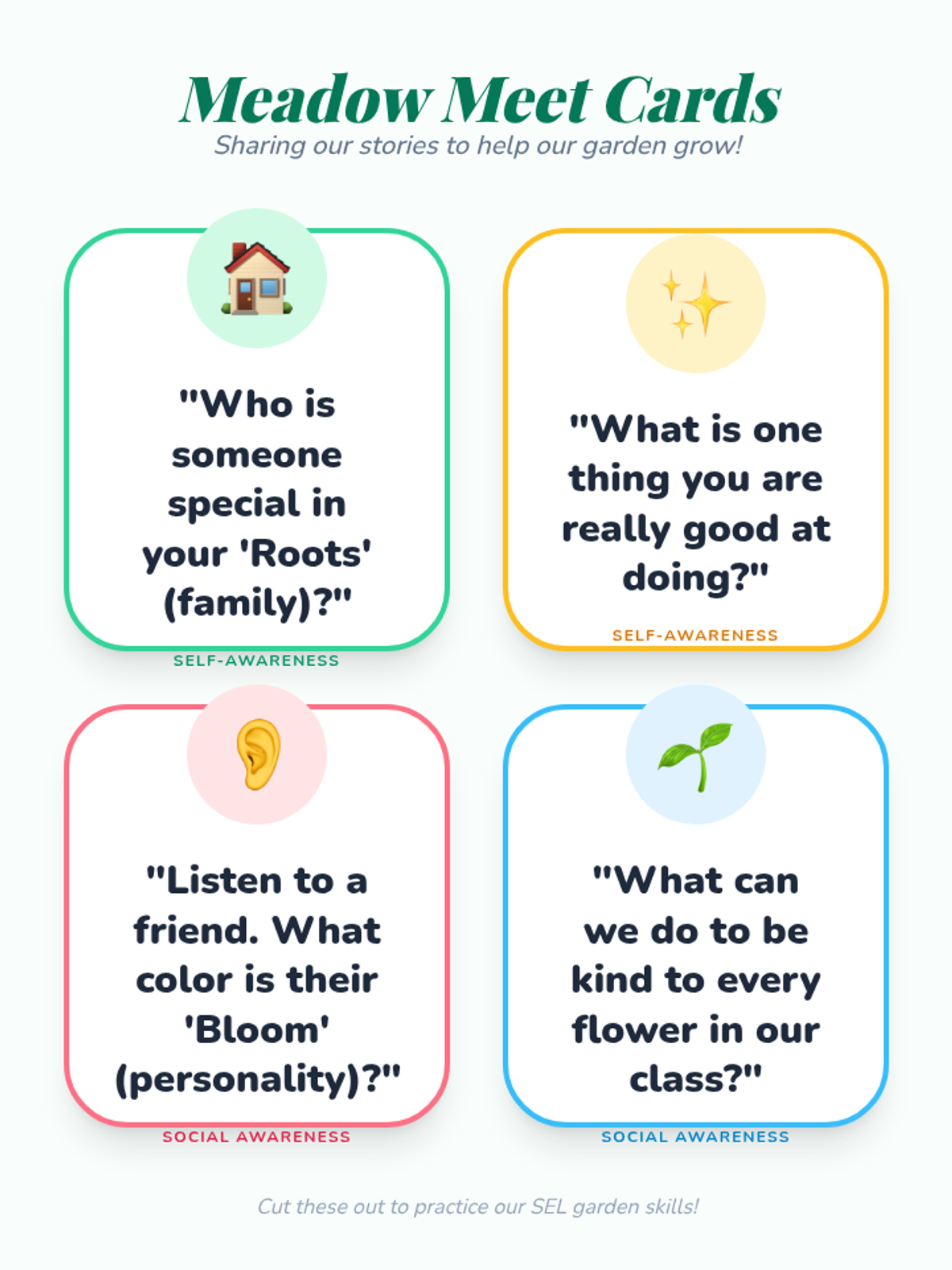
A comprehensive SEL sequence exploring identity and community across different developmental stages. Using age-appropriate metaphors—gardens for younger students and architecture for older ones—the sequence fosters self-awareness and social awareness.
A 4-session counseling series designed for a 5th-grade boy to build self-esteem, manage emotions, and develop assertive communication strategies for handling teasing related to father loss.