Stop-and-think strategies, impulse management, and SMART goal setting for personal growth. Develops internal motivation, stress reduction techniques, and resilience through proactive planning and monitoring.
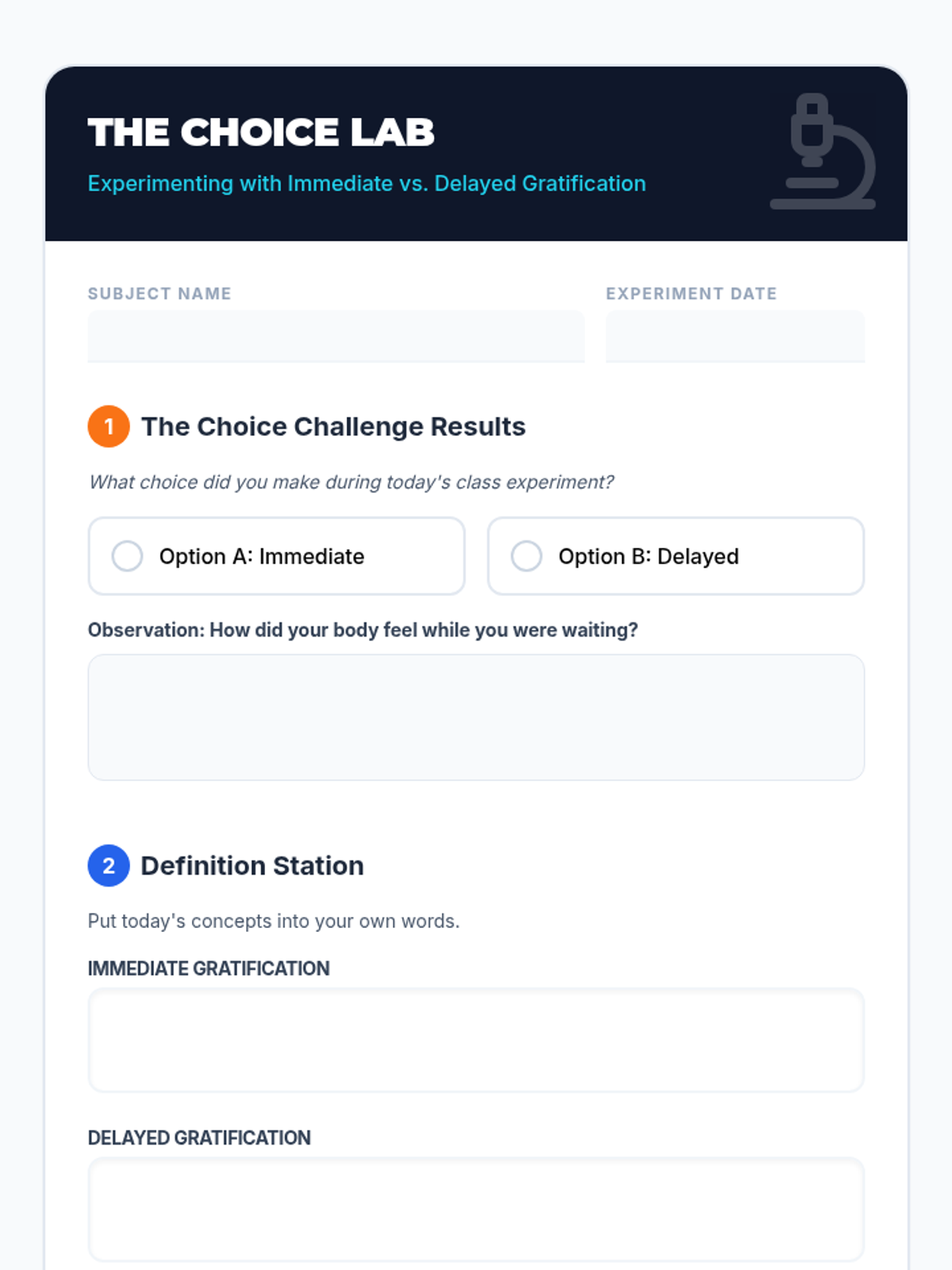
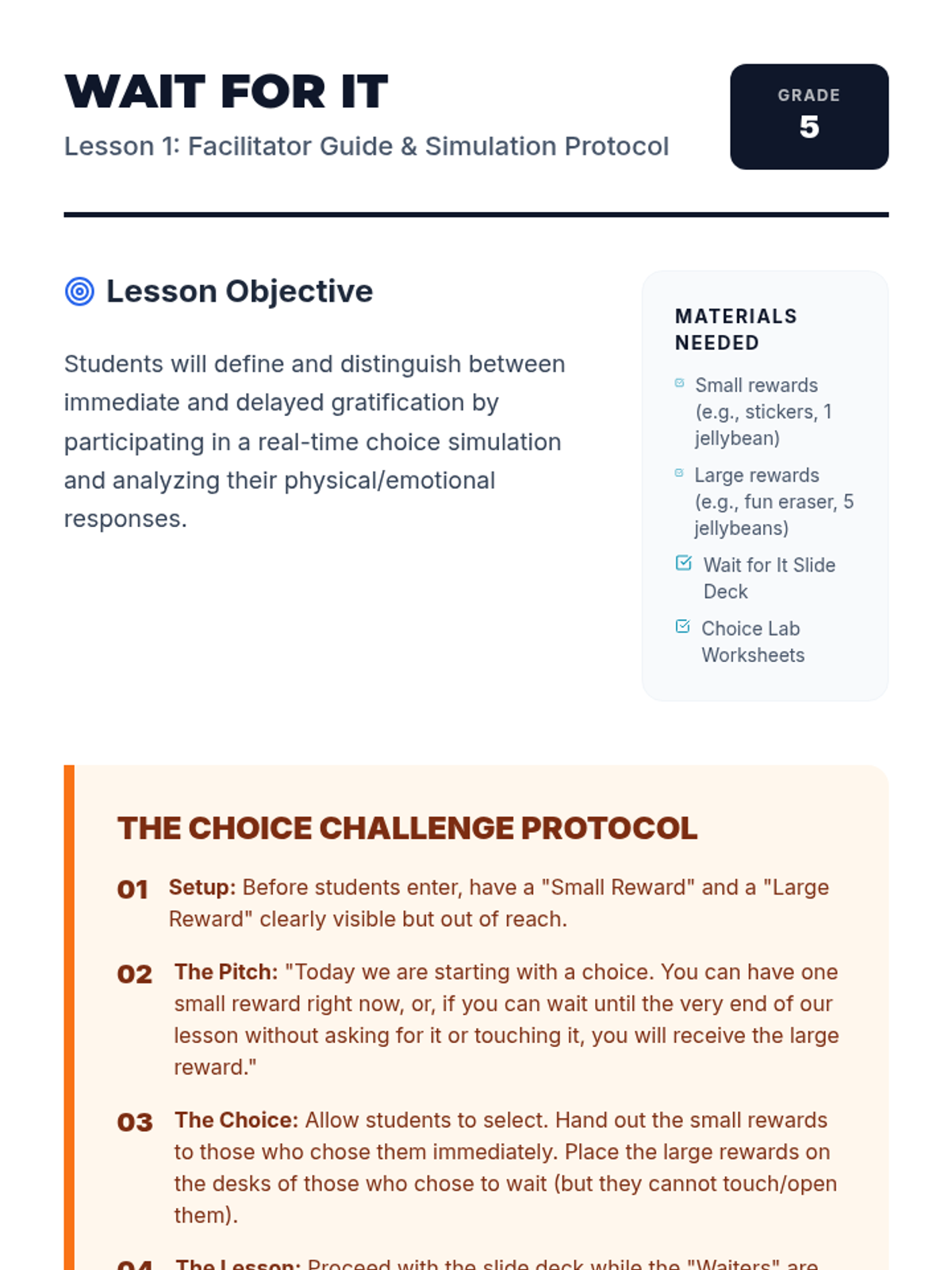
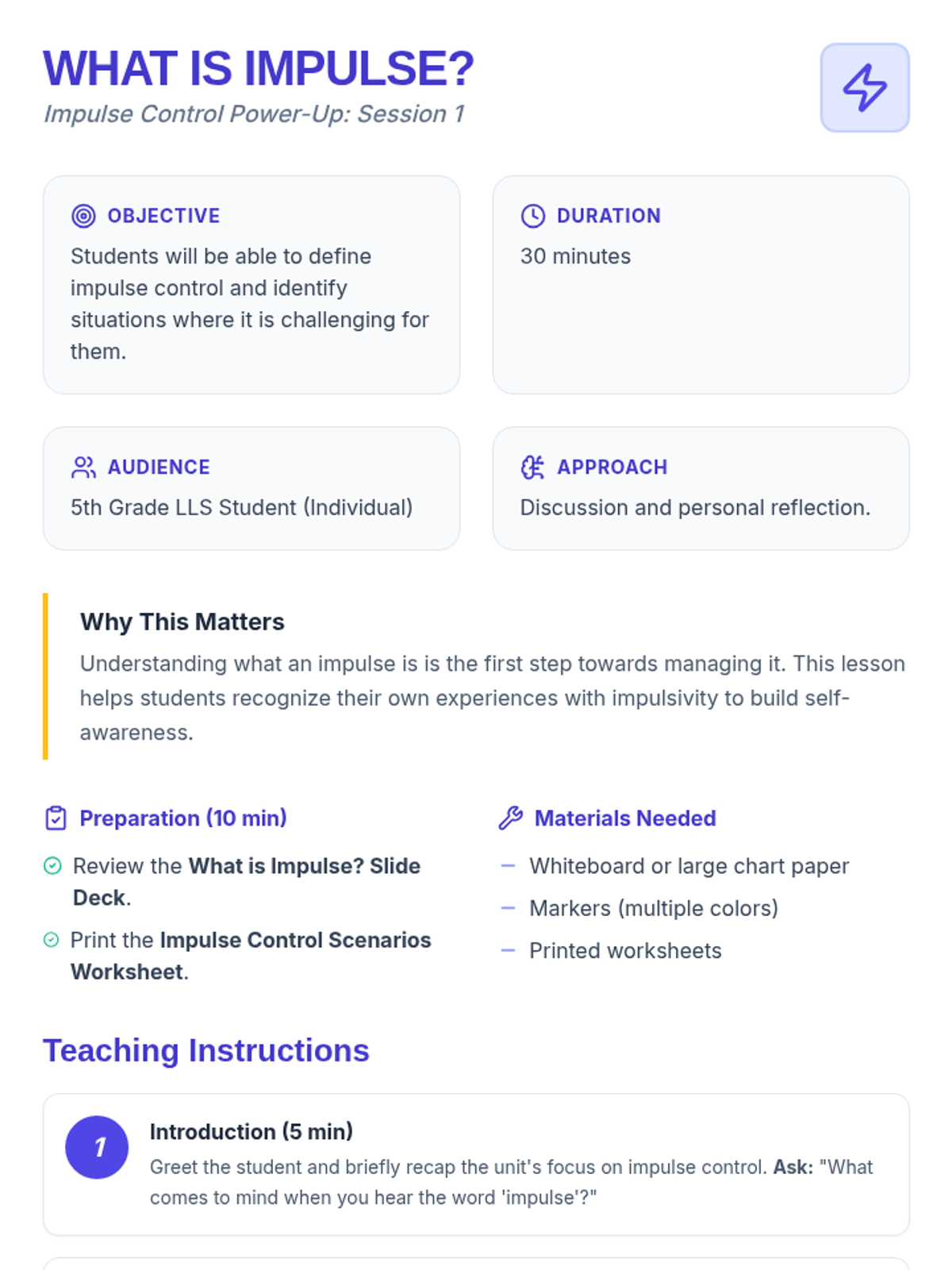
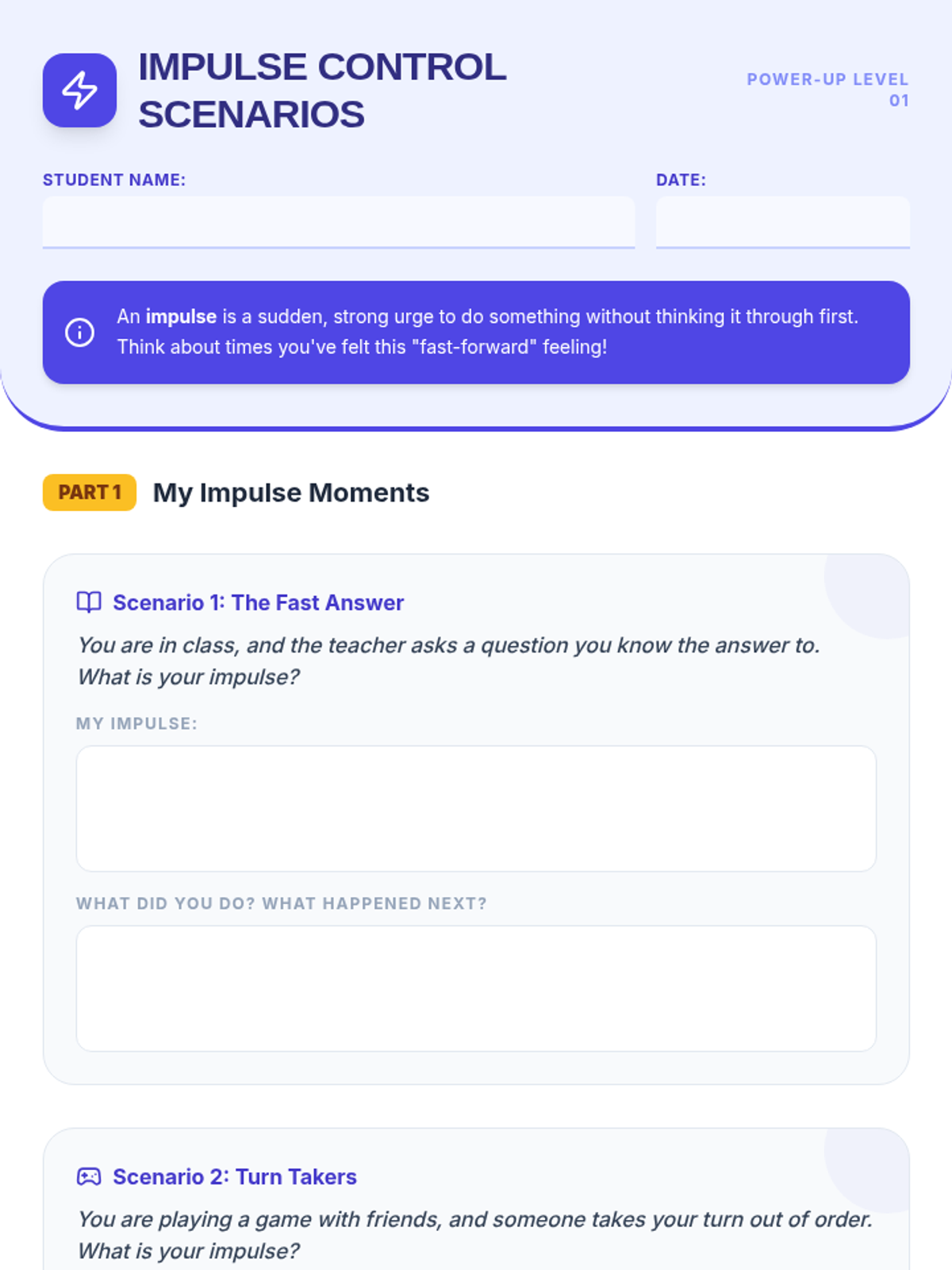
A comprehensive 5-lesson sequence designed to help 5th-grade students understand, identify, and manage impulses through cognitive strategies. Students progress from defining immediate versus delayed gratification to applying advanced distraction and reframing techniques in complex social situations.
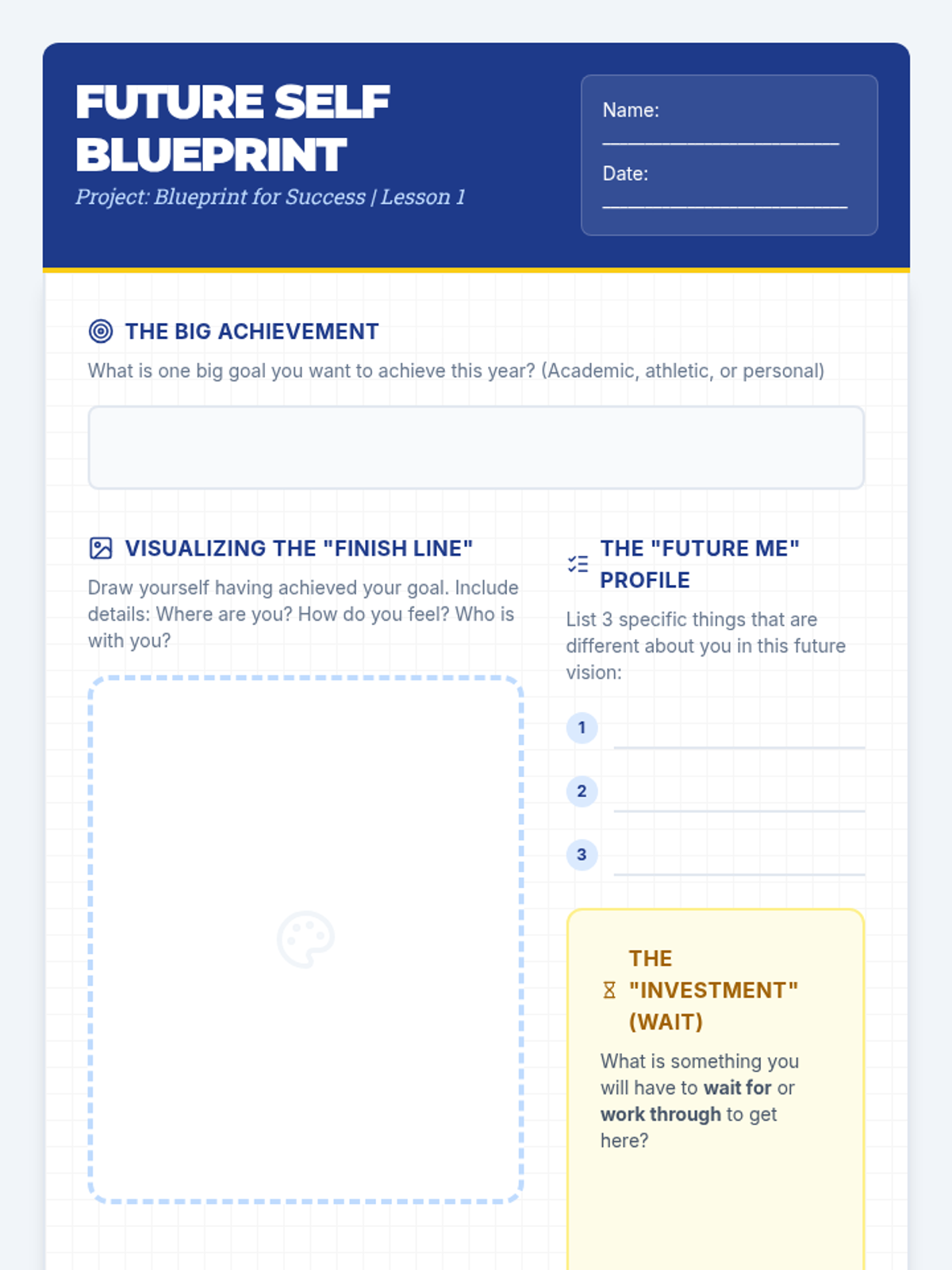
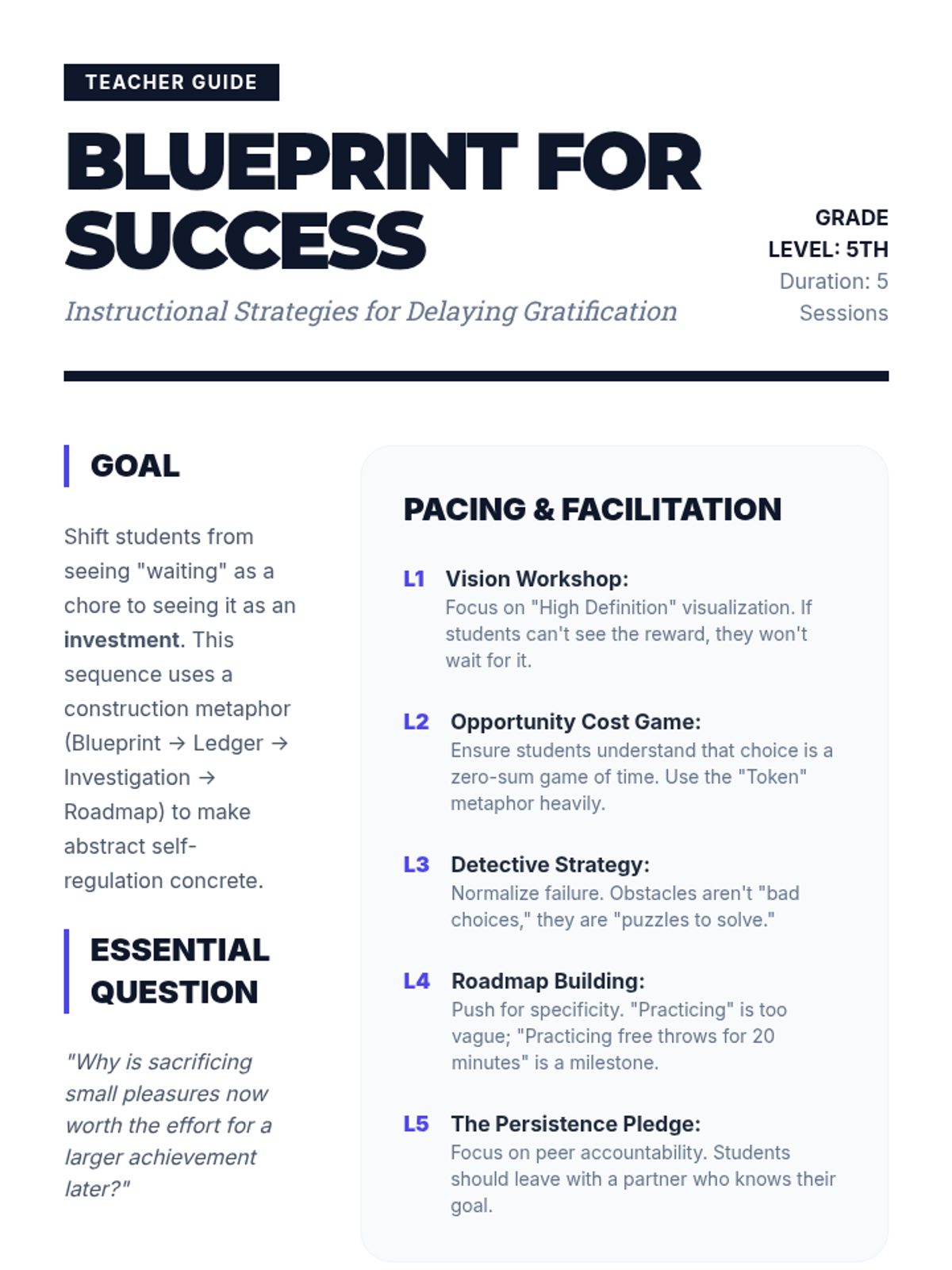
A project-based sequence for 5th graders that teaches delaying gratification through goal setting. Students learn to visualize future success, differentiate between immediate wants and long-term needs, and create a structured roadmap to achievement.
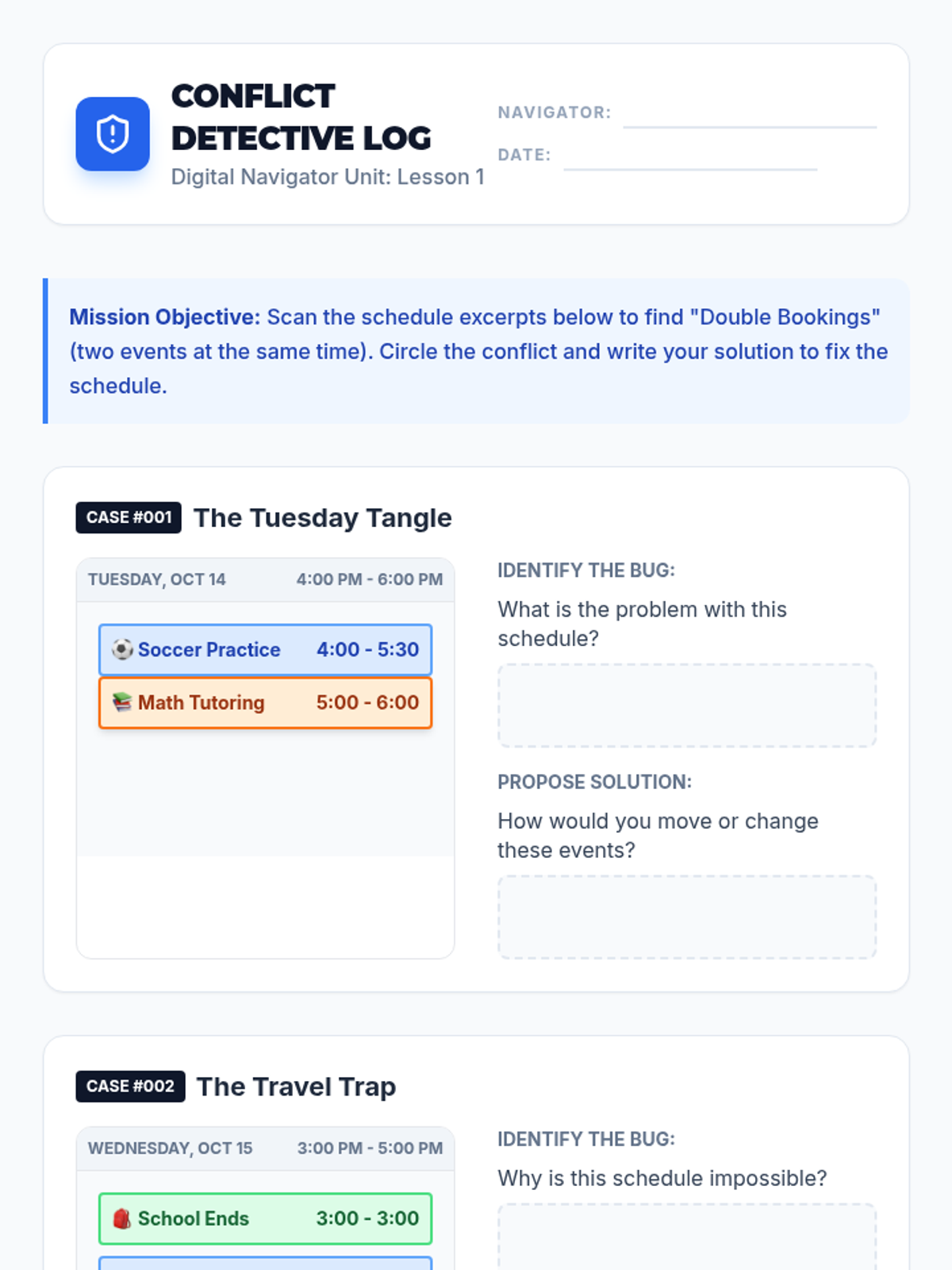
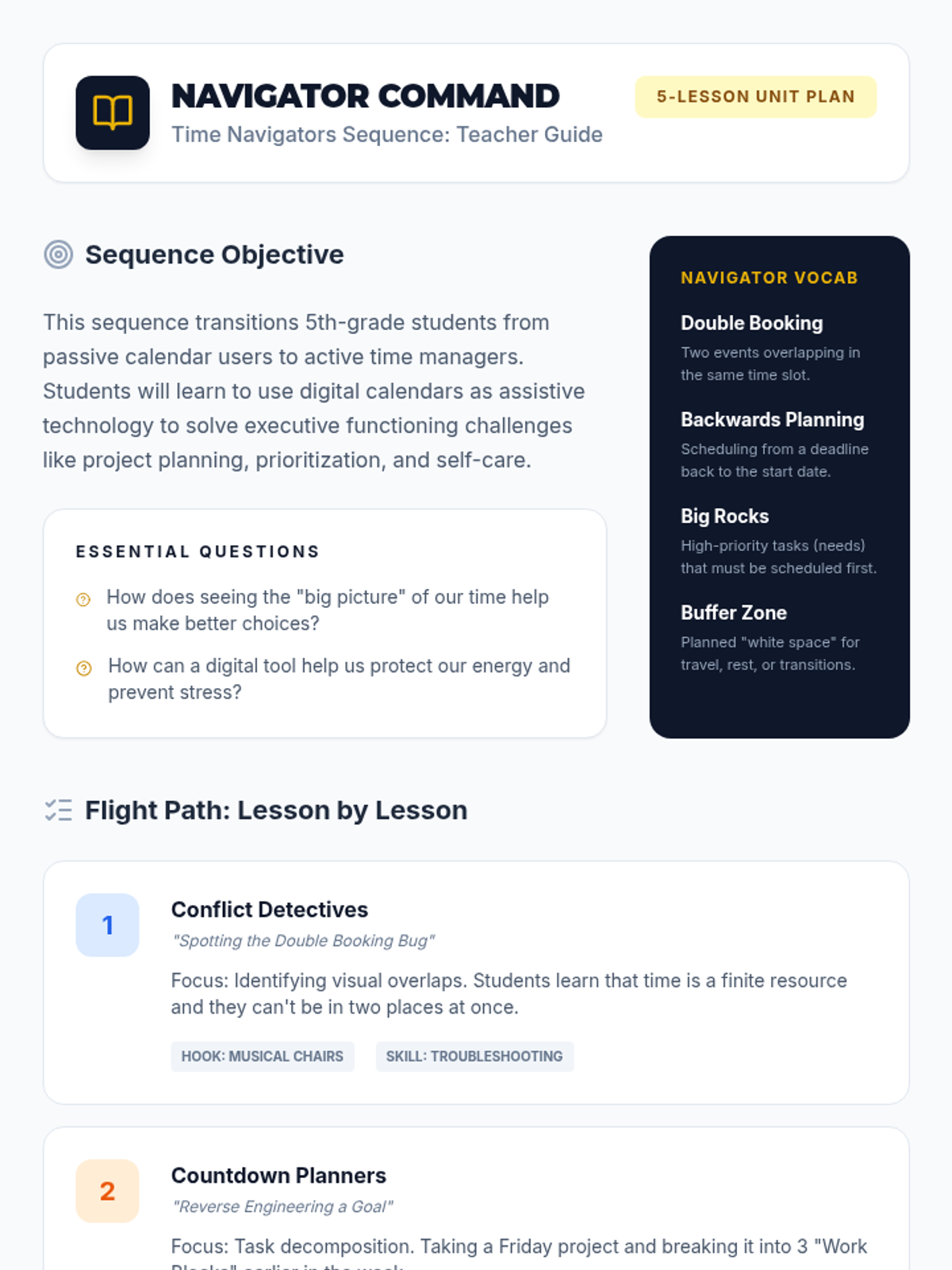
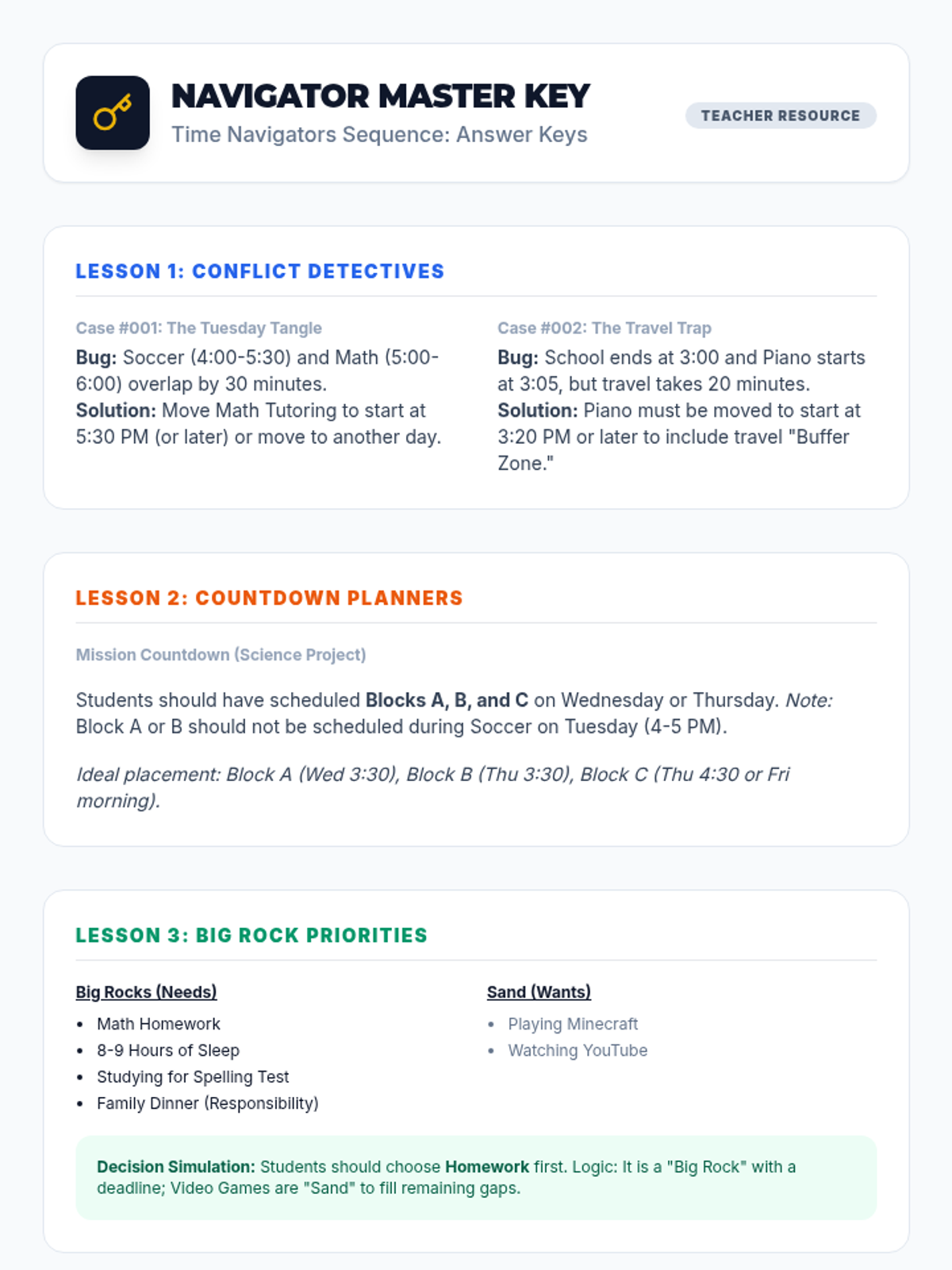
A 5th-grade sequence focusing on using digital calendars for independent planning, conflict resolution, and task prioritization. Students transition from passive scheduling to active time management, preparing them for the organizational demands of middle school.
A specialized sequence designed for 6th-grade students to master long-term memory techniques. Students move from understanding why we forget to implementing advanced study systems like the Leitner Box and spaced repetition scheduling.
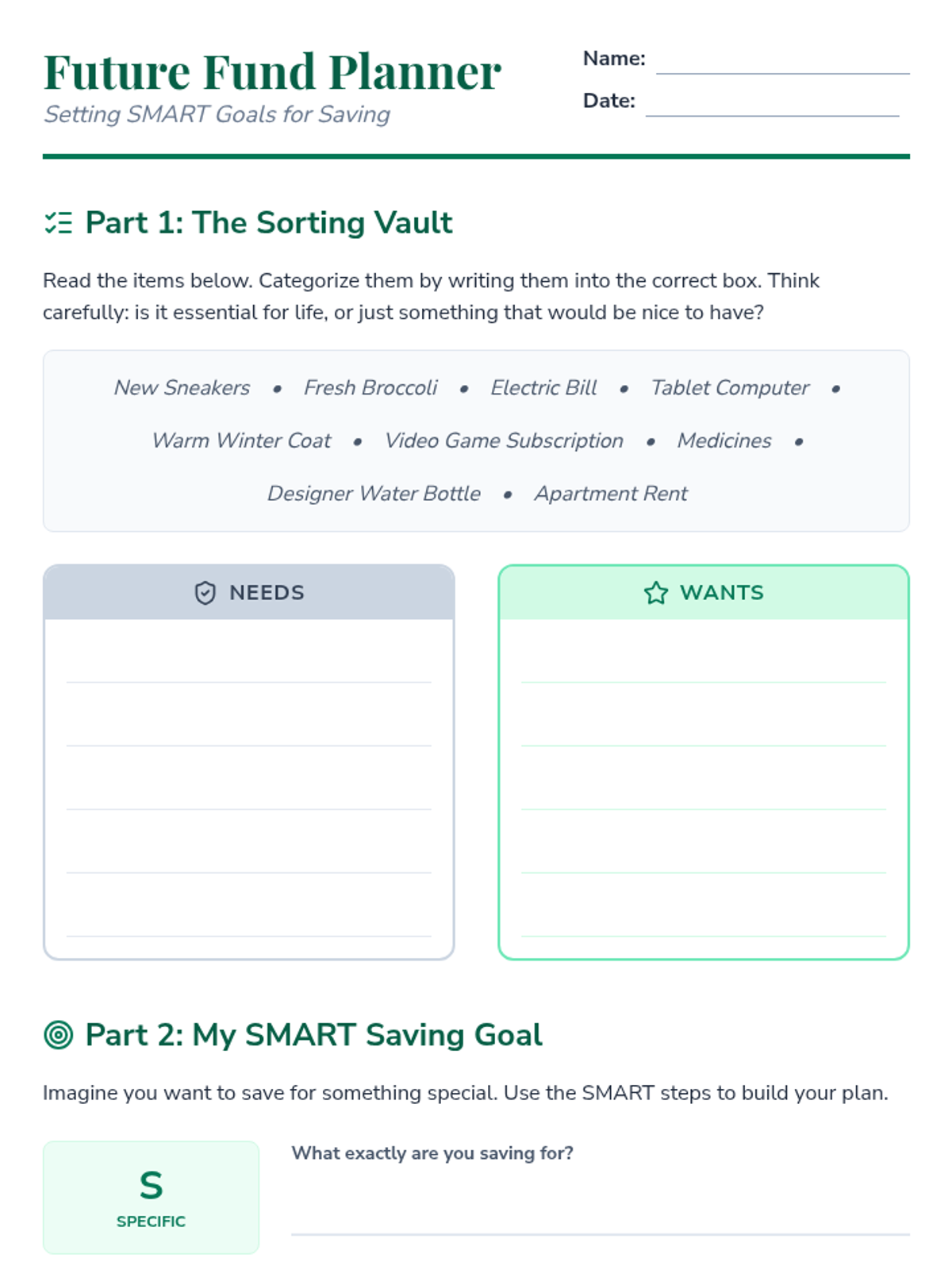
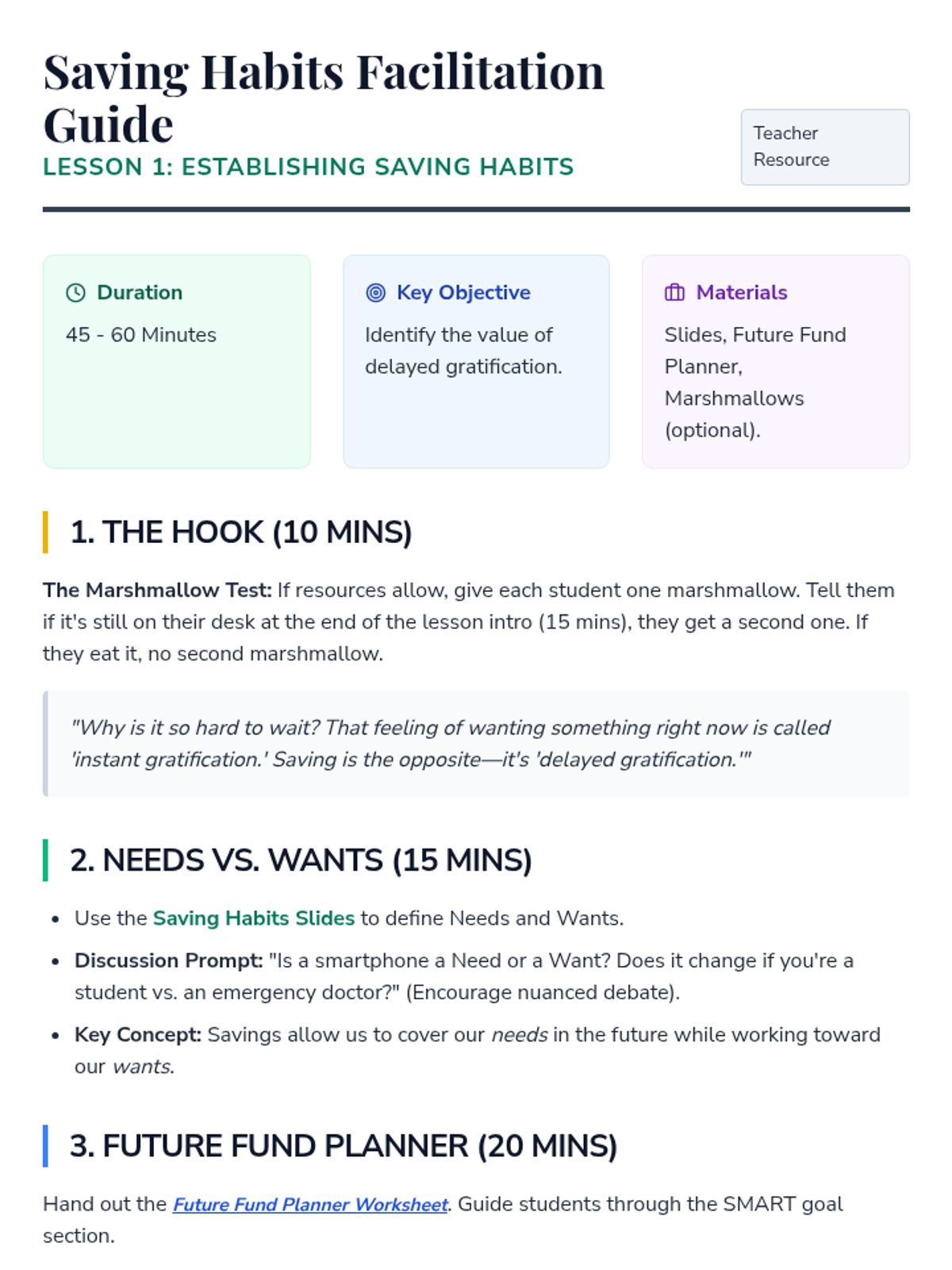
A 5th-grade financial literacy sequence that teaches students the power of saving, the mechanics of interest, and the exponential growth of compound interest through hands-on simulations and mathematical reasoning.
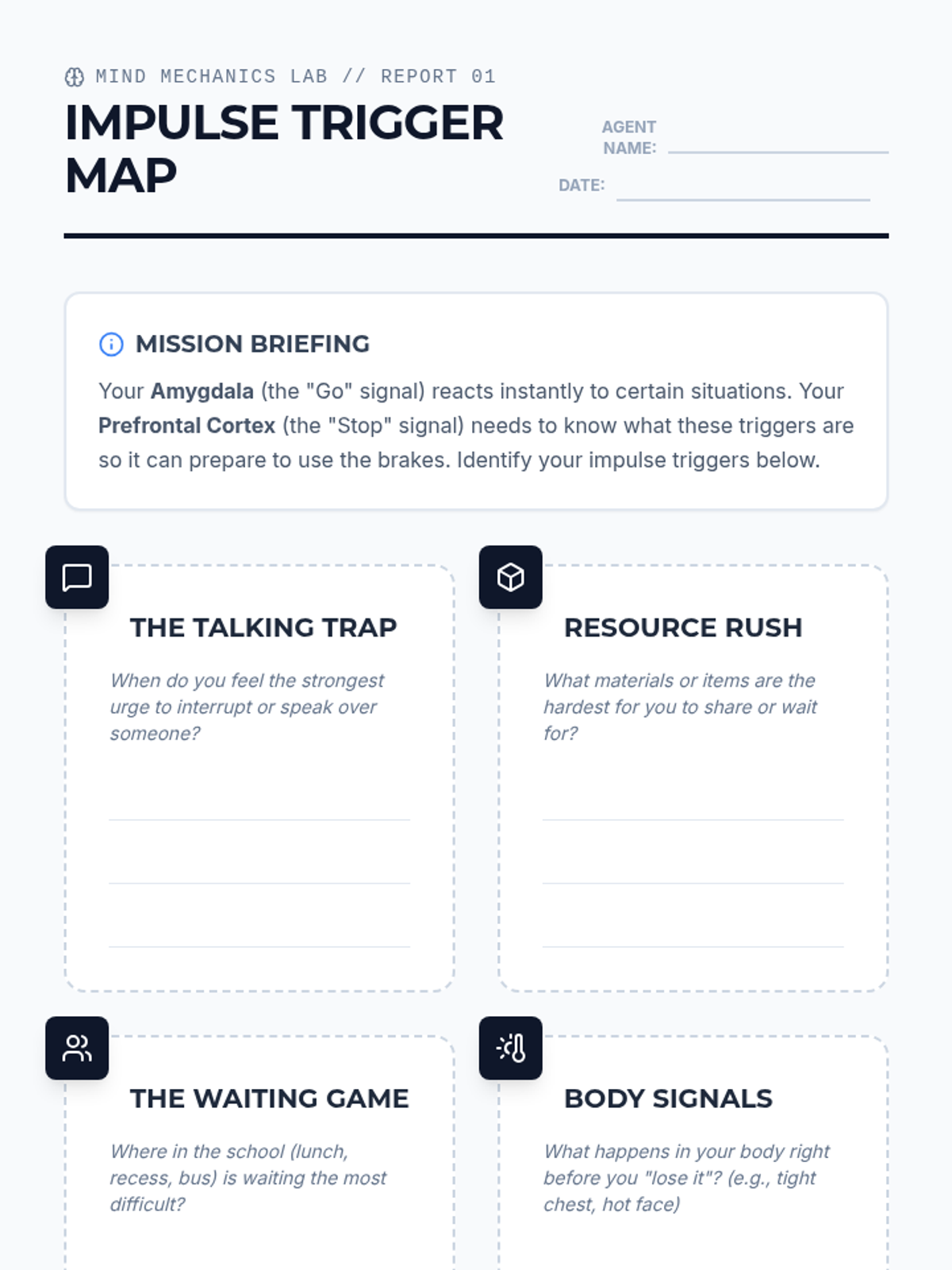
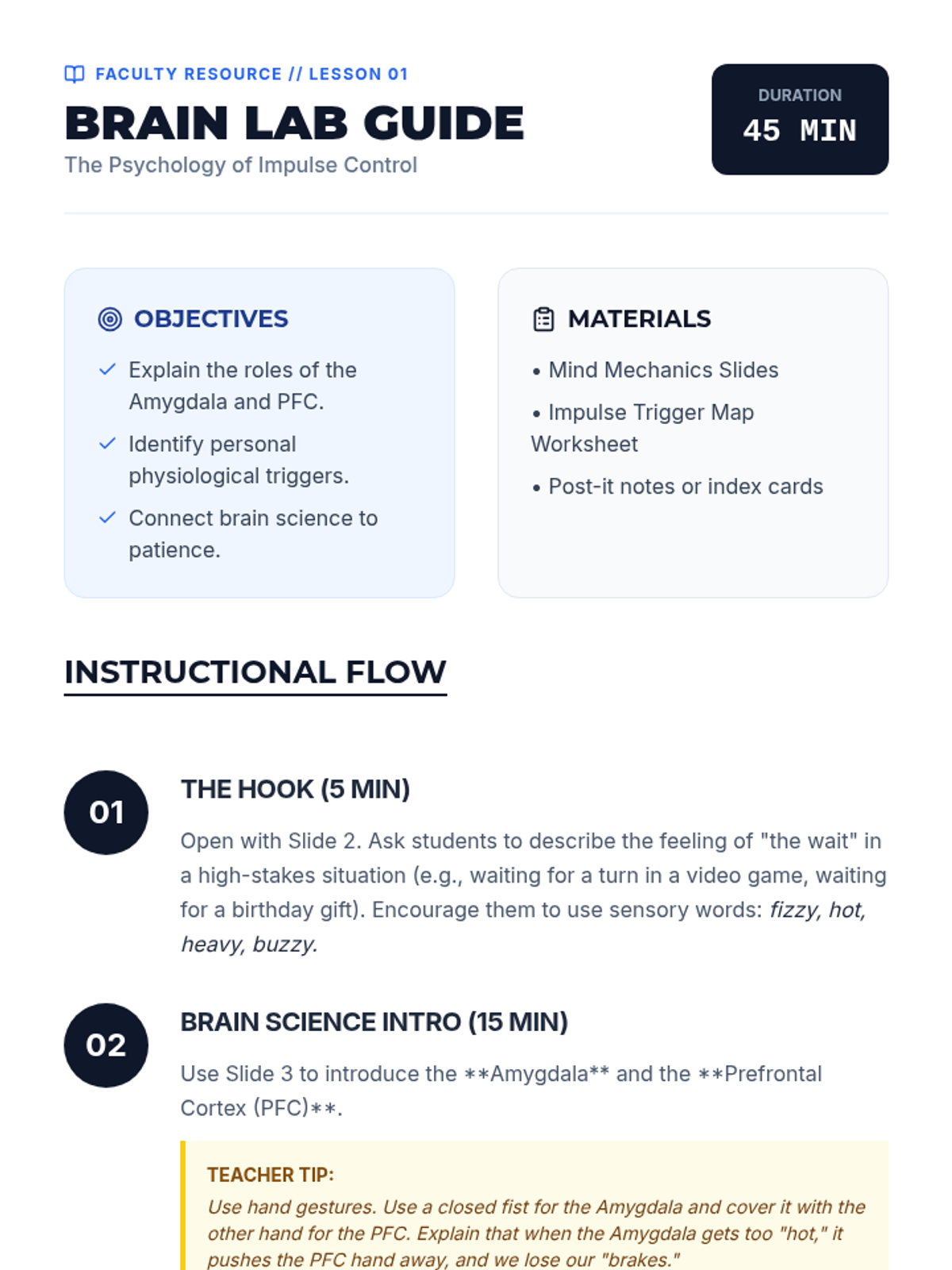
This sequence explores the psychology of impulse control and fairness, teaching 5th grade students how to manage their impatience and navigate social sharing through brain science and restorative communication.
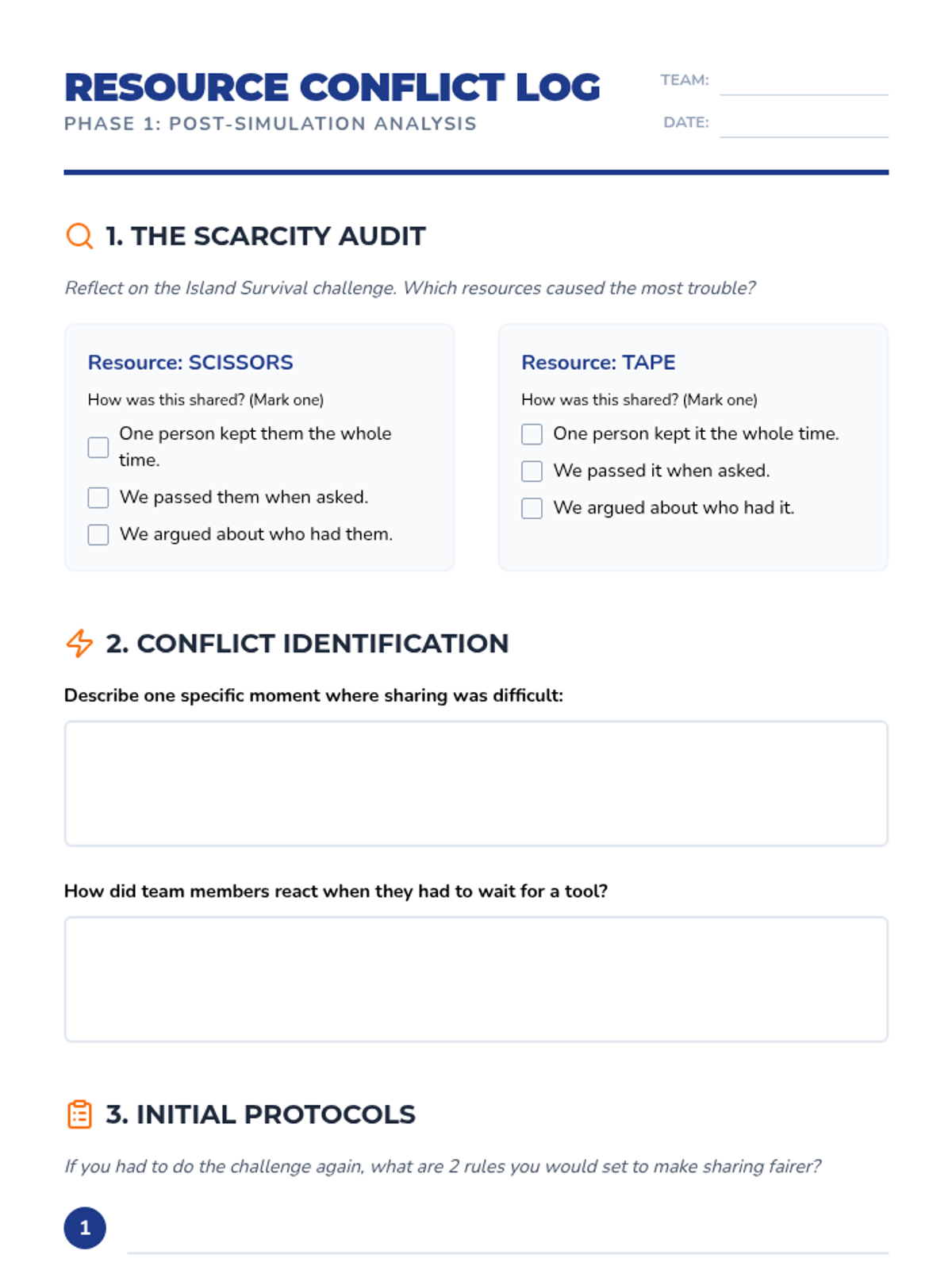
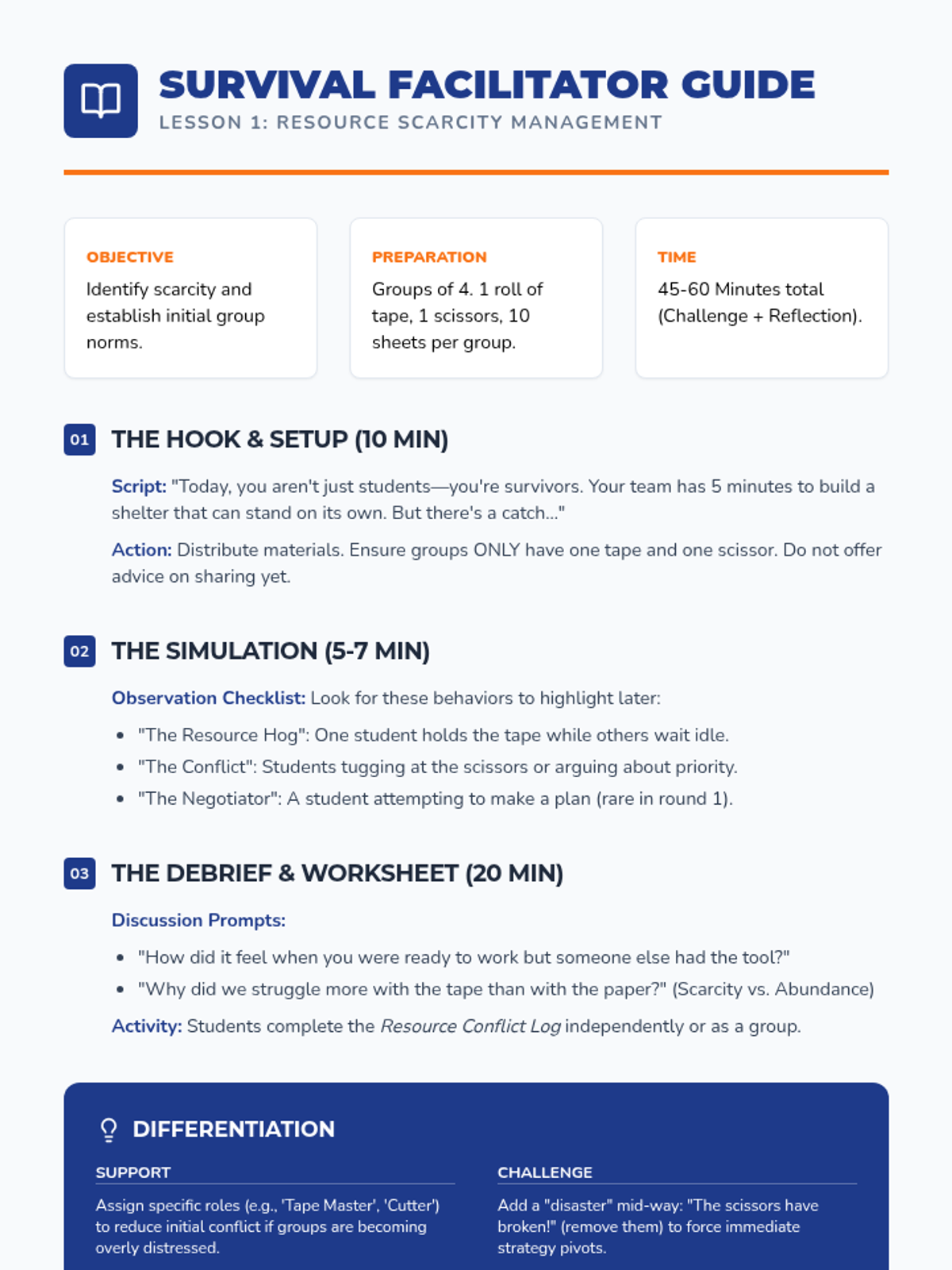
A game-based sequence where 5th-grade students explore the mechanics of fair resource distribution, strategic turn-taking, and collaborative negotiation through simulations and hands-on challenges.
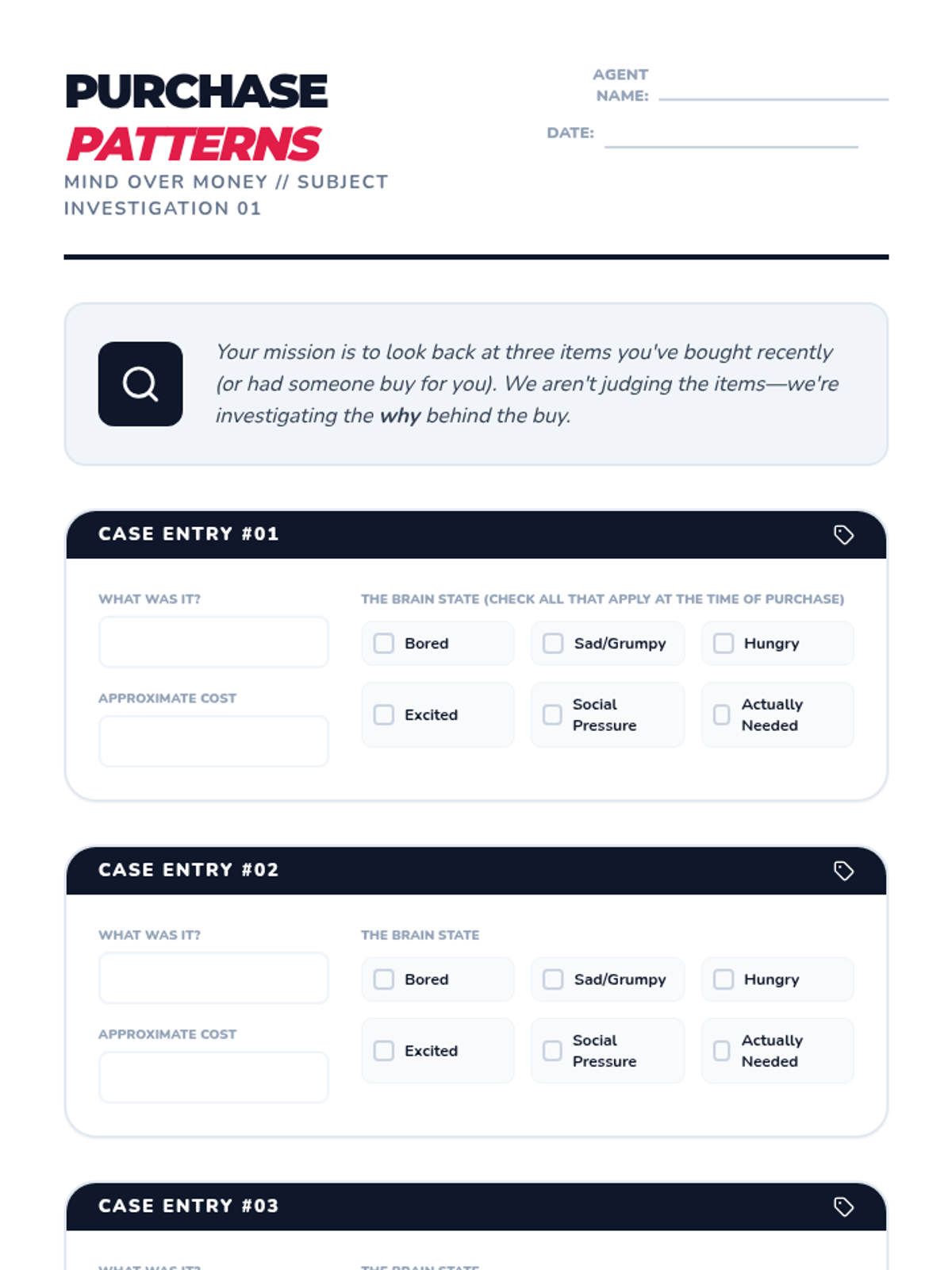
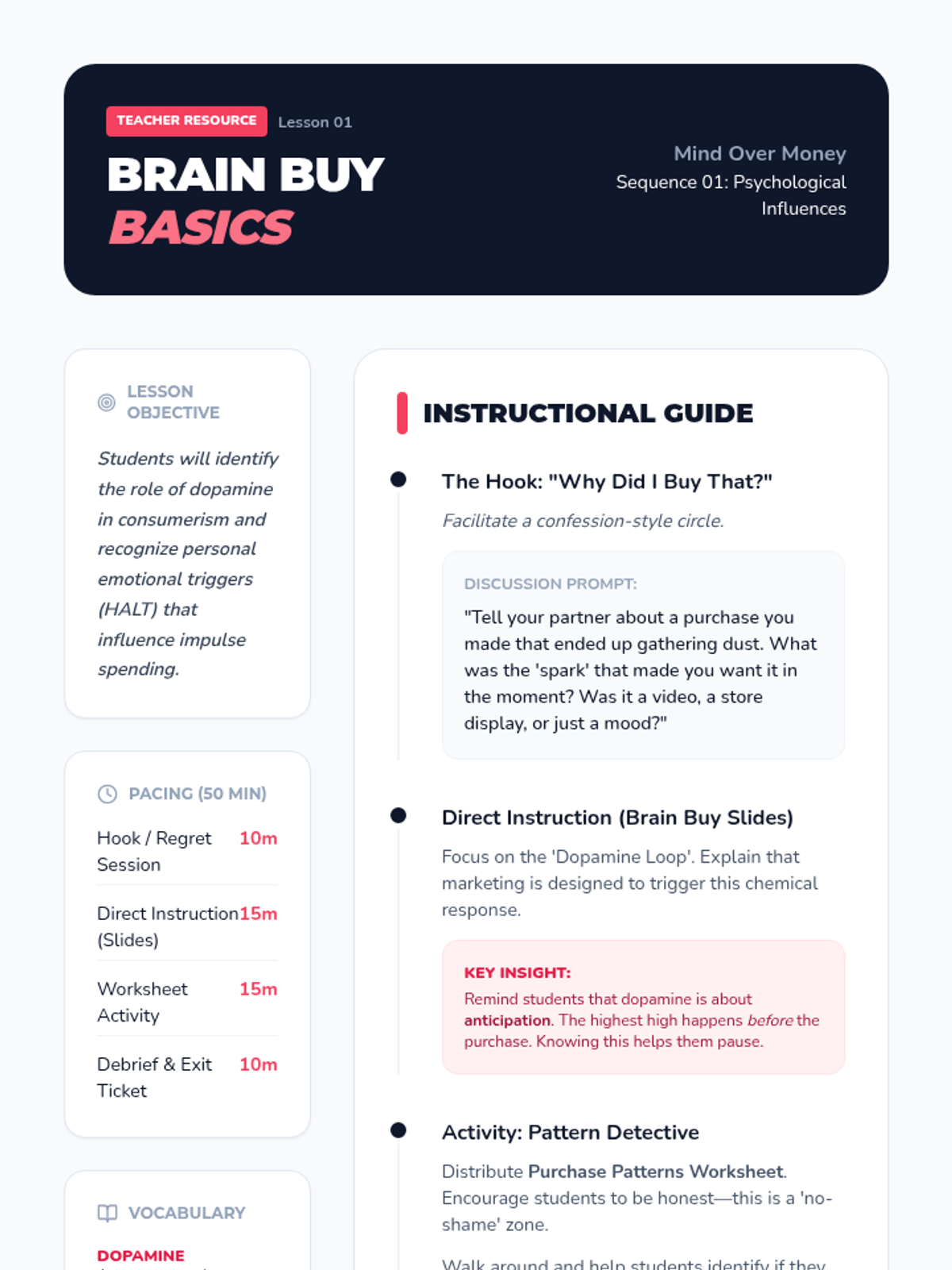
A comprehensive workshop-style sequence exploring the psychology behind consumer habits, focusing on emotional triggers, peer pressure, branding, and environmental impact to help 6th graders develop healthy spending habits.
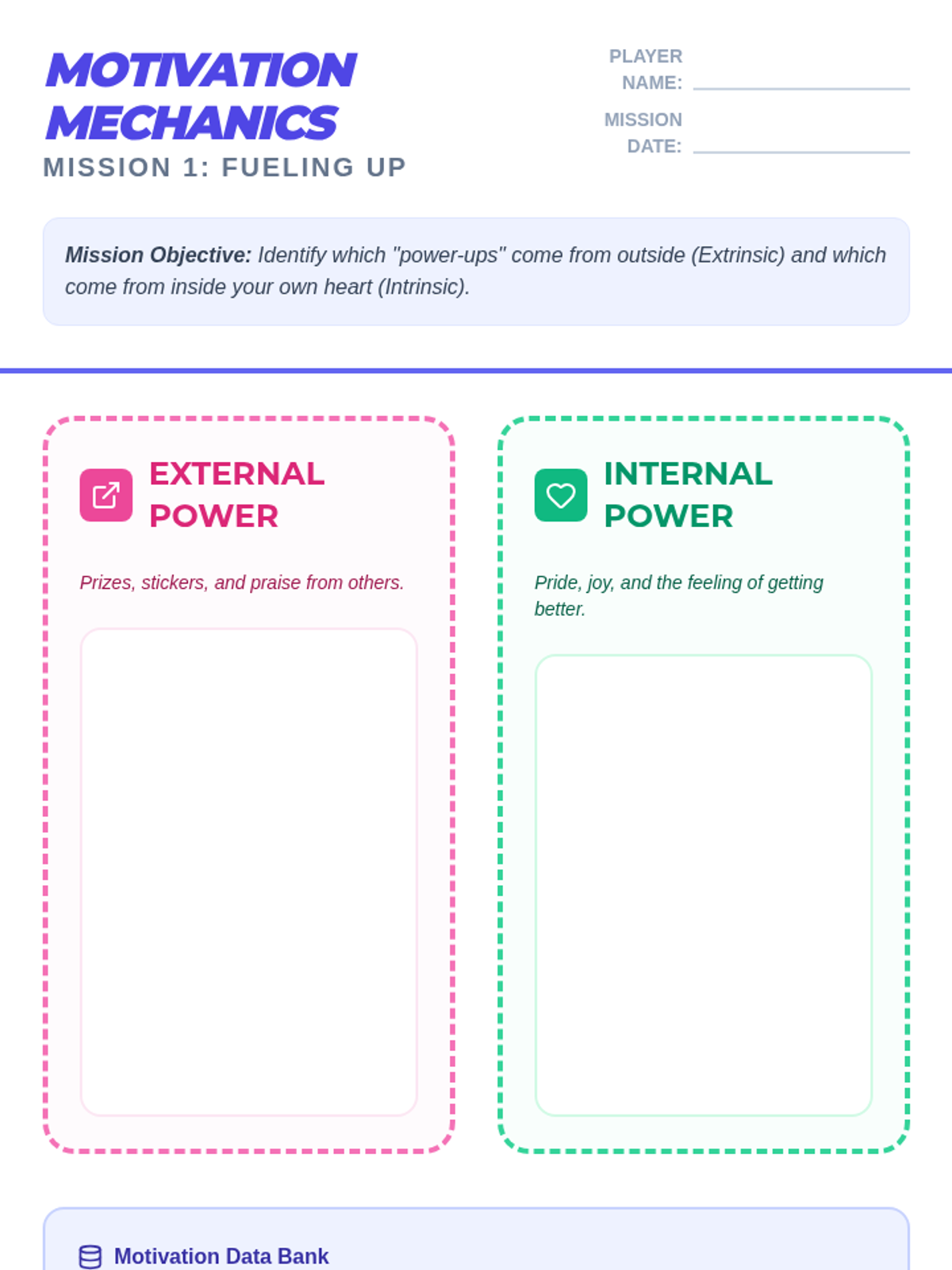
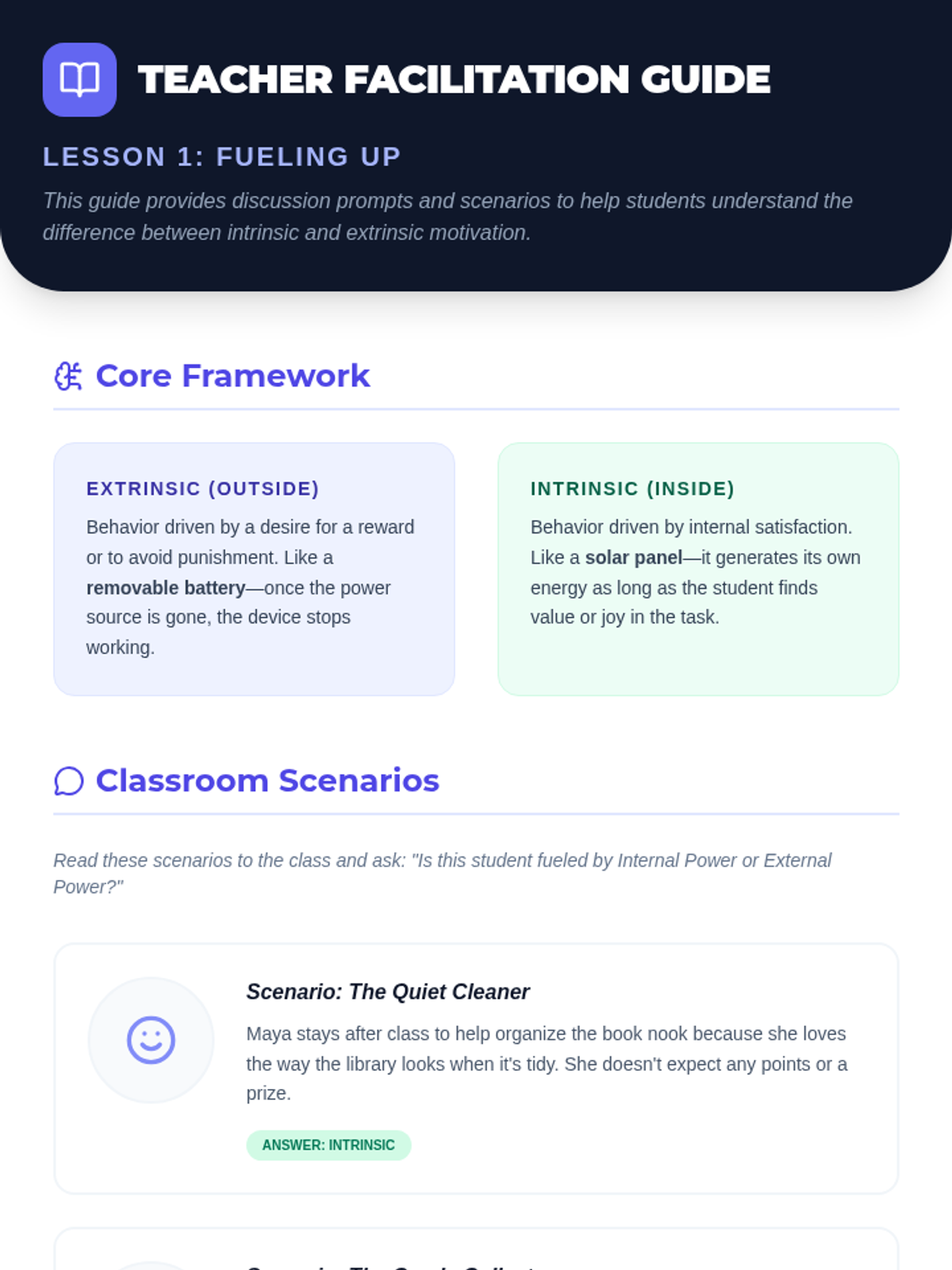
This sequence explores the psychology of motivation and reward systems. Students learn to distinguish between internal and external rewards, design meaningful reinforcement menus, and plan for long-term growth and independence.
An 8-session Tier 3 intervention unit for 5th-grade students to develop impulse control and self-regulation skills through the S.T.O.P. strategy, identifying feelings, and positive self-talk.
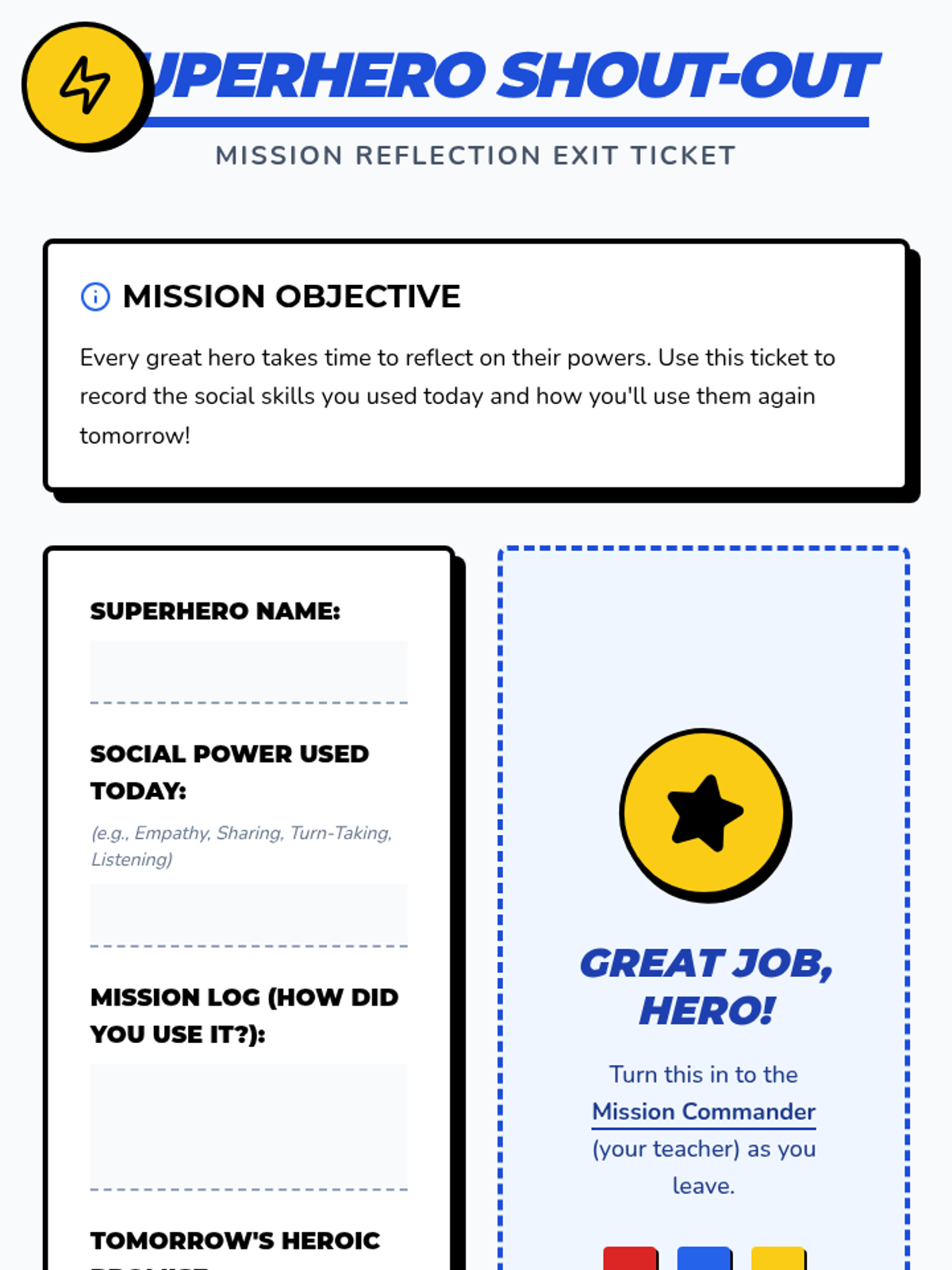
An 11-session Tier 2 social skills intervention for elementary students, focusing on friendship, empathy, patience, and conflict resolution through a superhero-themed creative curriculum.
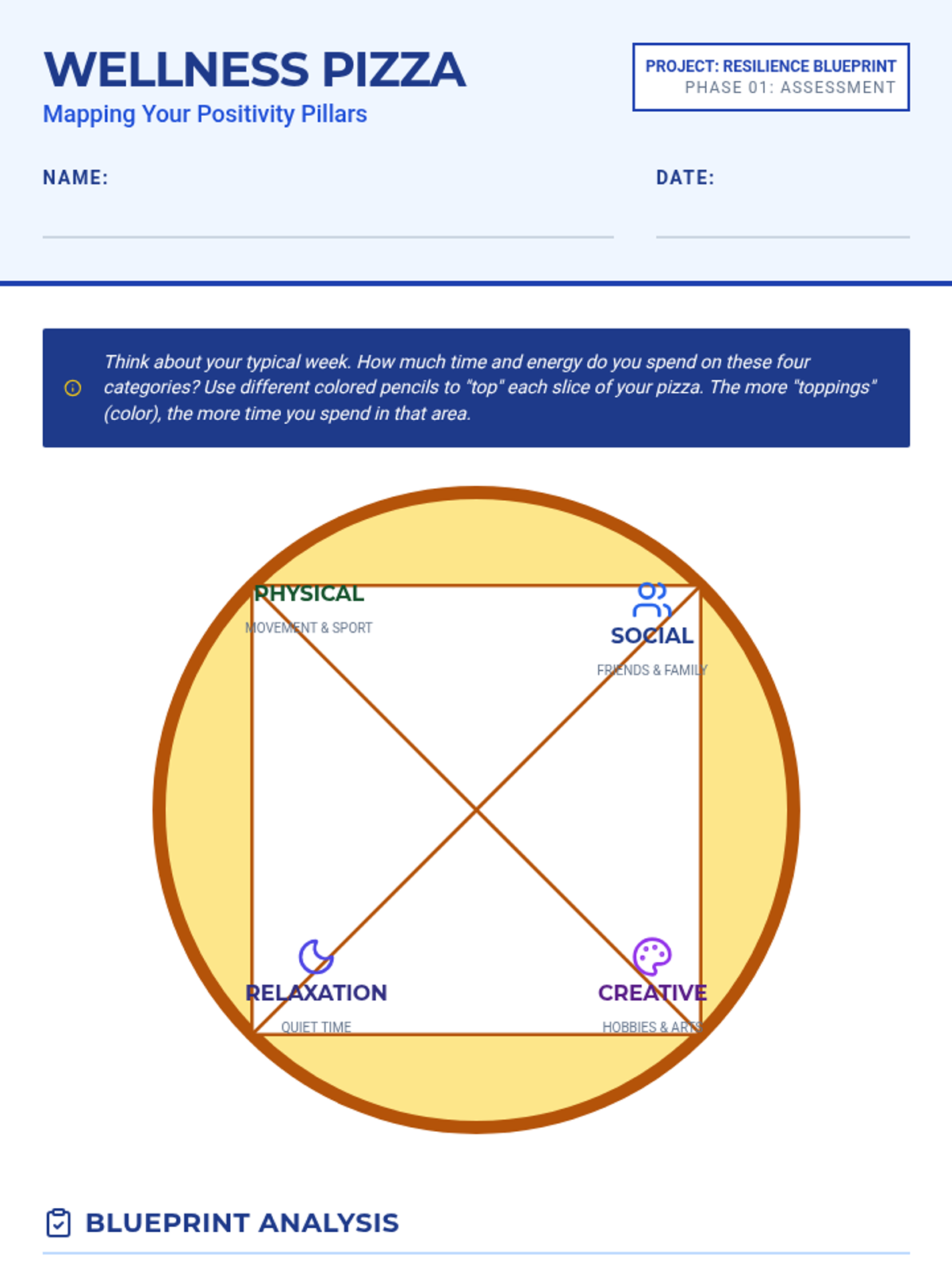
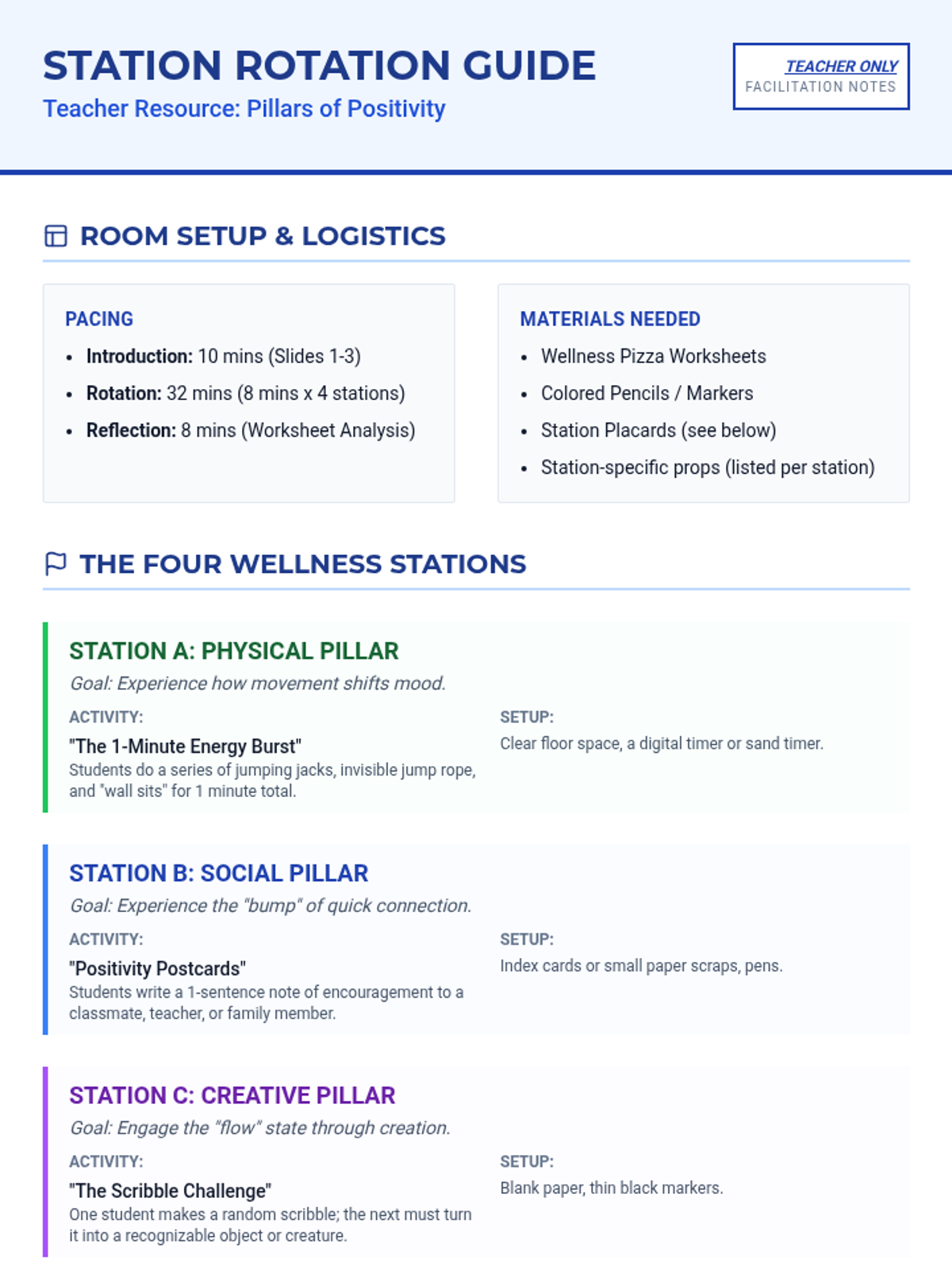
A 5-lesson project-based sequence for 5th graders focusing on building positive experiences through routine design and habit formation. Students learn to categorize wellness activities, overcome barriers like inertia, use habit-stacking techniques, and create a sustainable weekly wellness schedule to build emotional resilience.
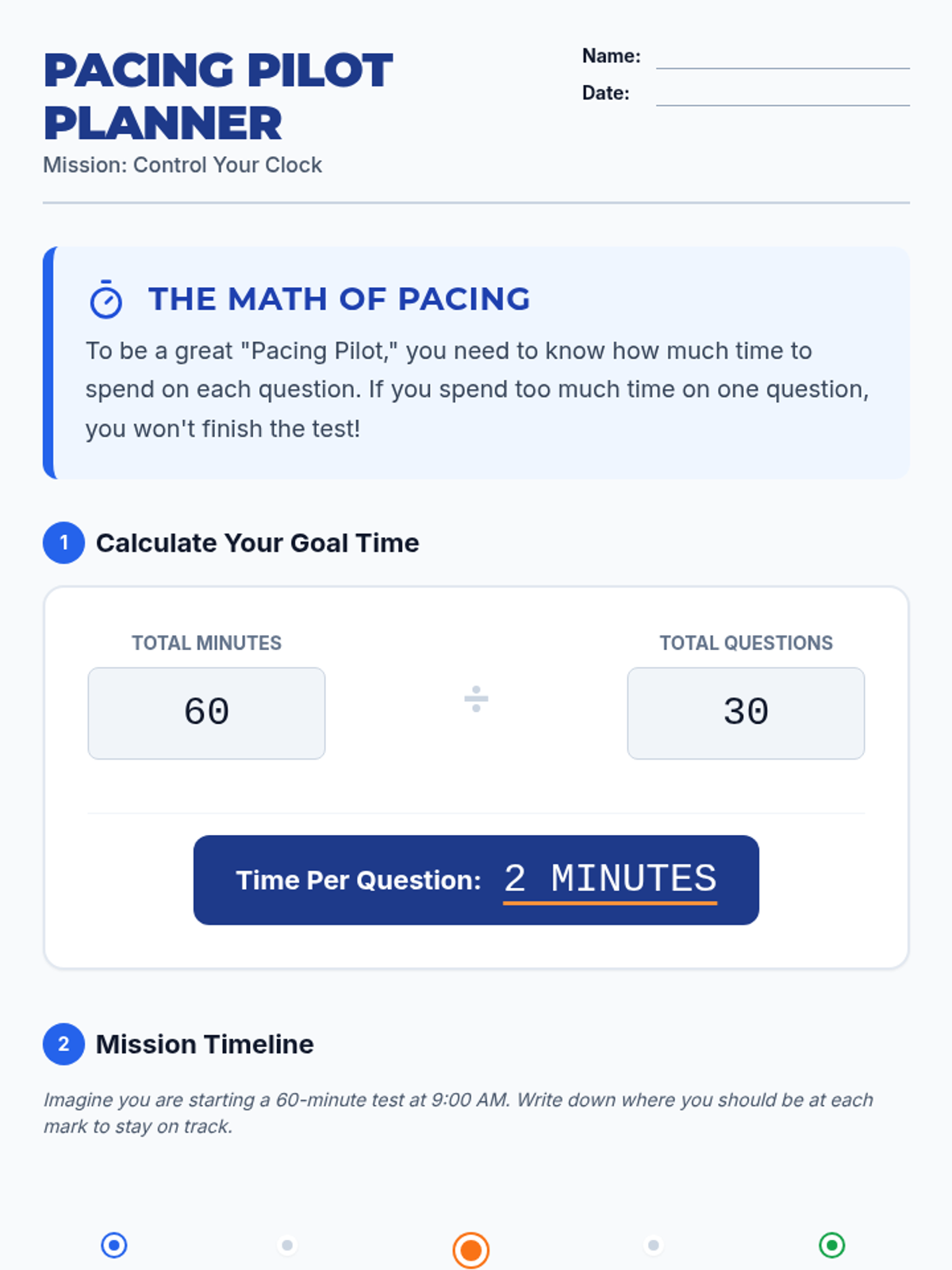
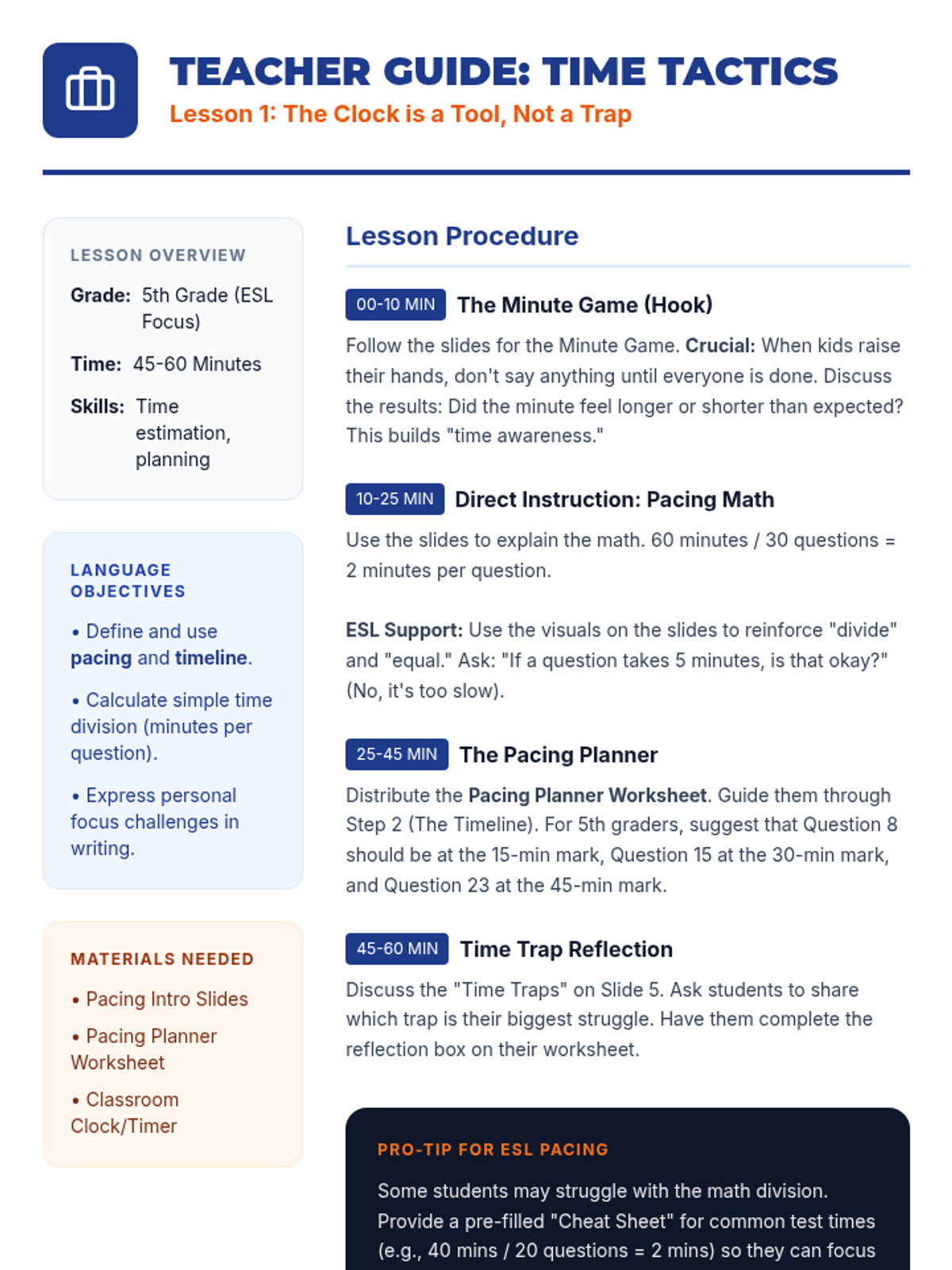
This sequence helps students master time management and prioritization during exams. Through hands-on activities and simulations, students learn to estimate pacing, use the 'skip and return' strategy, navigate long passages efficiently, and manage test anxiety.
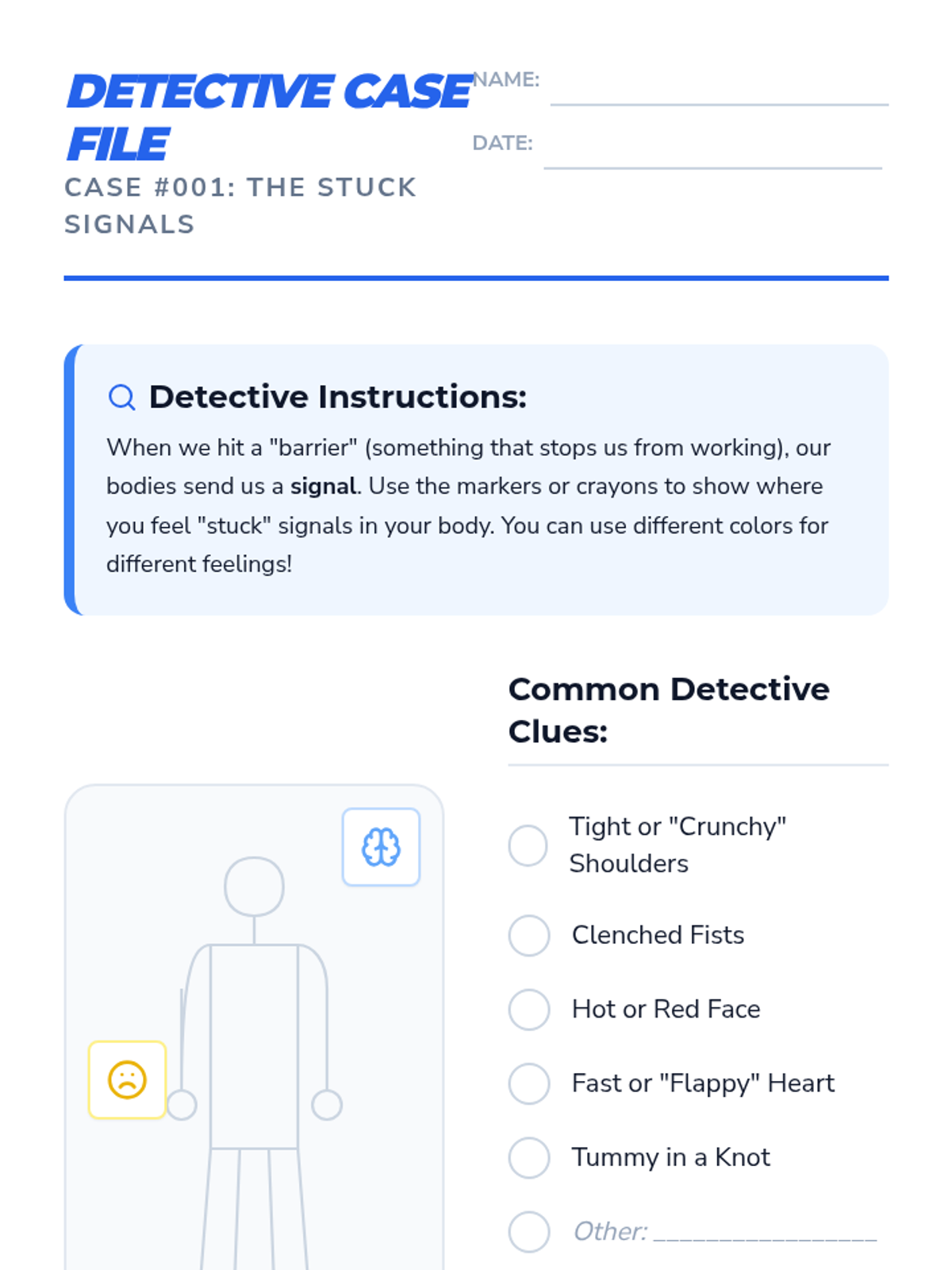
A 5-lesson unit for 3rd-grade students focused on identifying and categorizing obstacles that prevent task completion. Students learn to recognize internal emotional signals and external barriers (physical, informational, and environmental) to build self-advocacy and problem-solving skills.
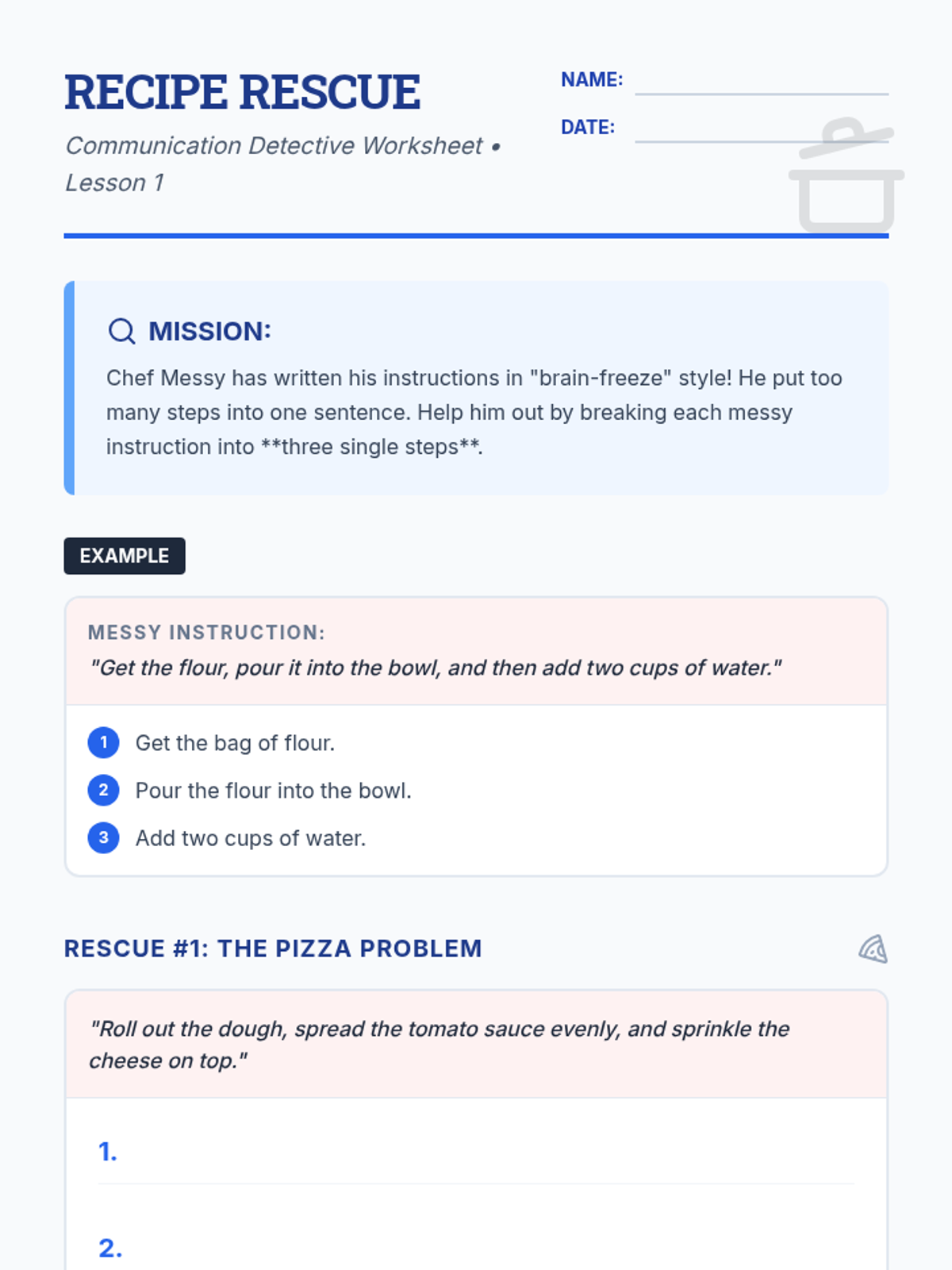
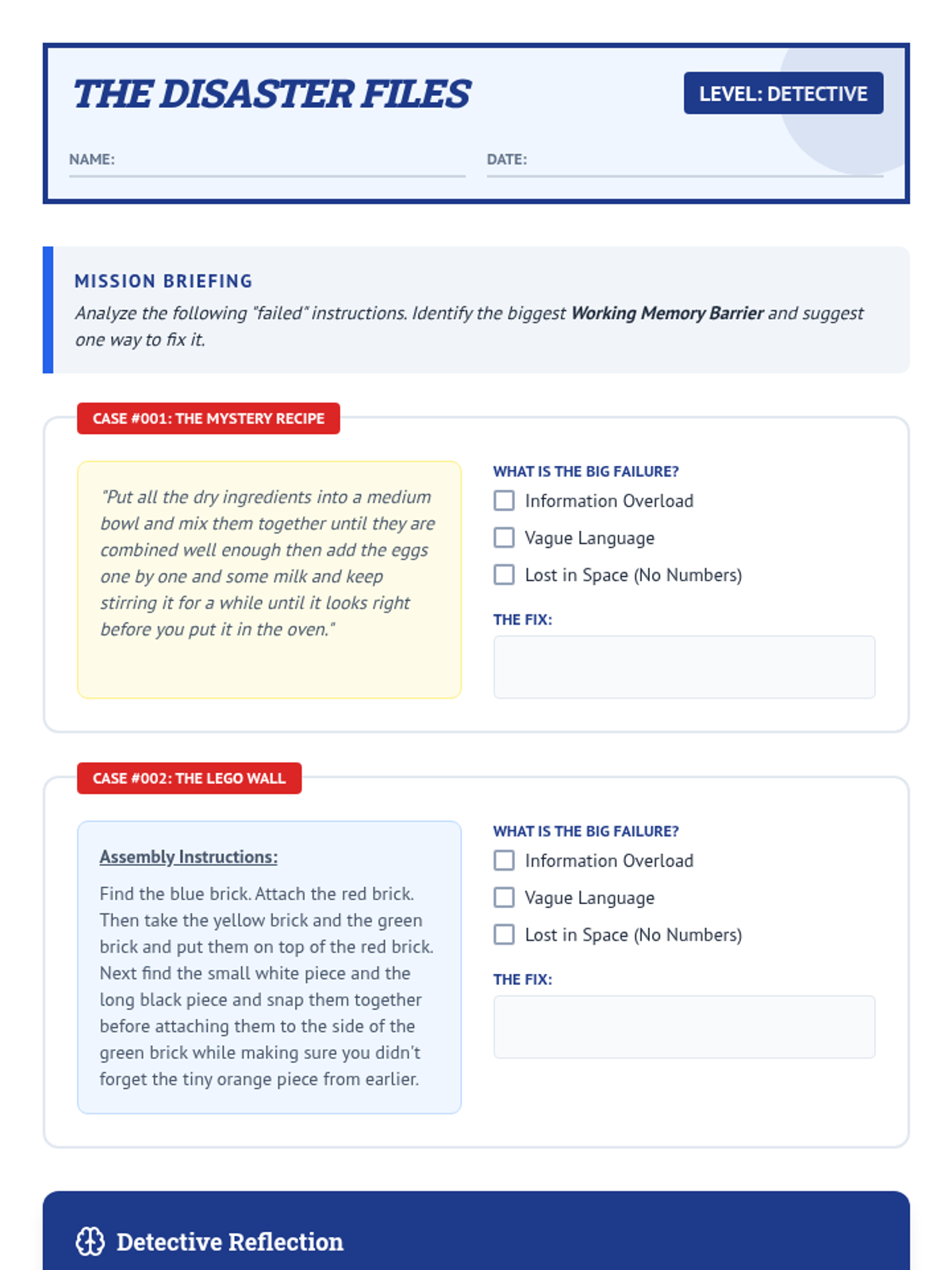
A 5-lesson sequence for 5th-grade students focused on working memory and the importance of single-step directions. Students learn to analyze, reconstruct, and advocate for clear communication through case studies, games, and collaborative challenges.
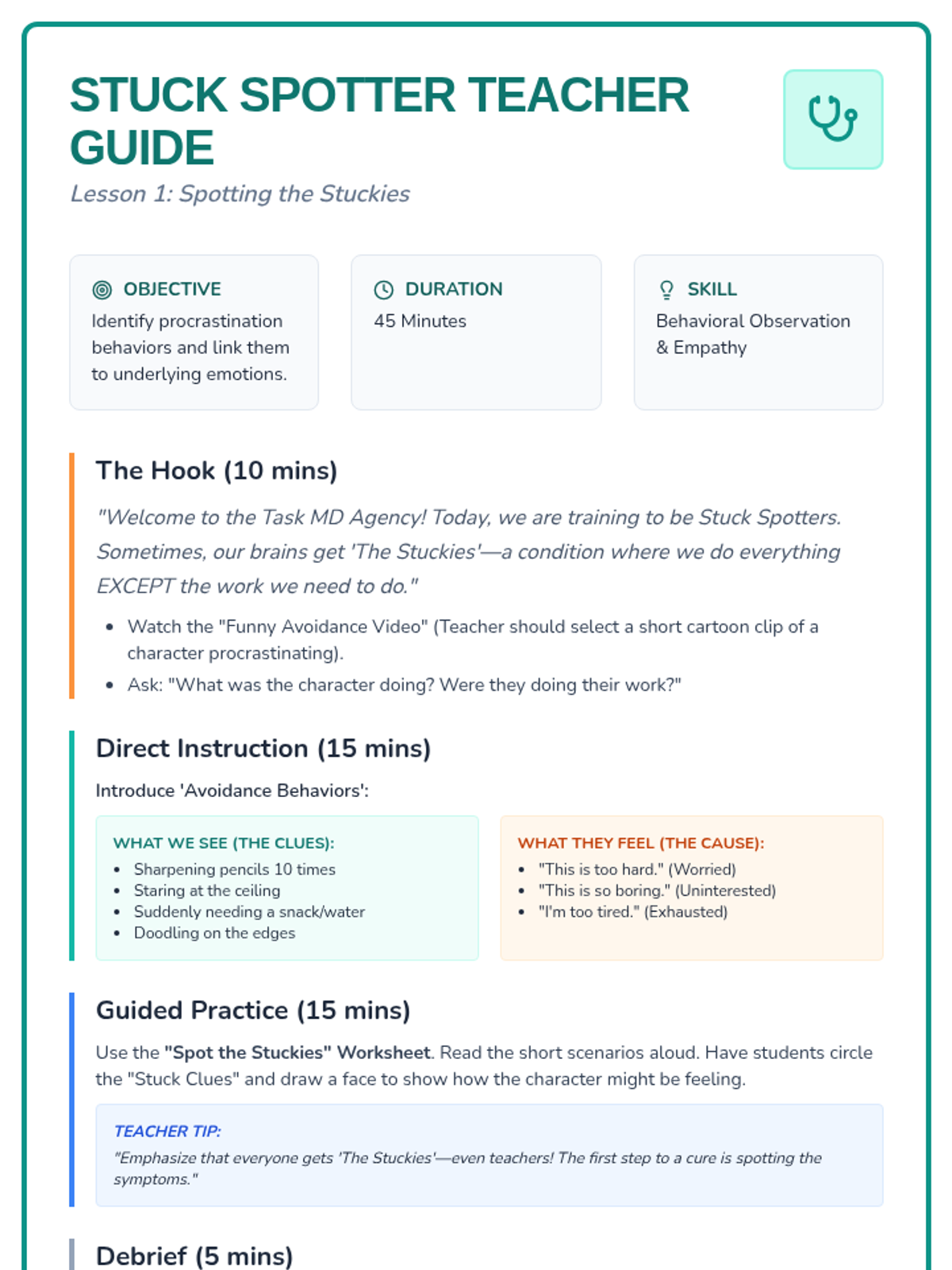
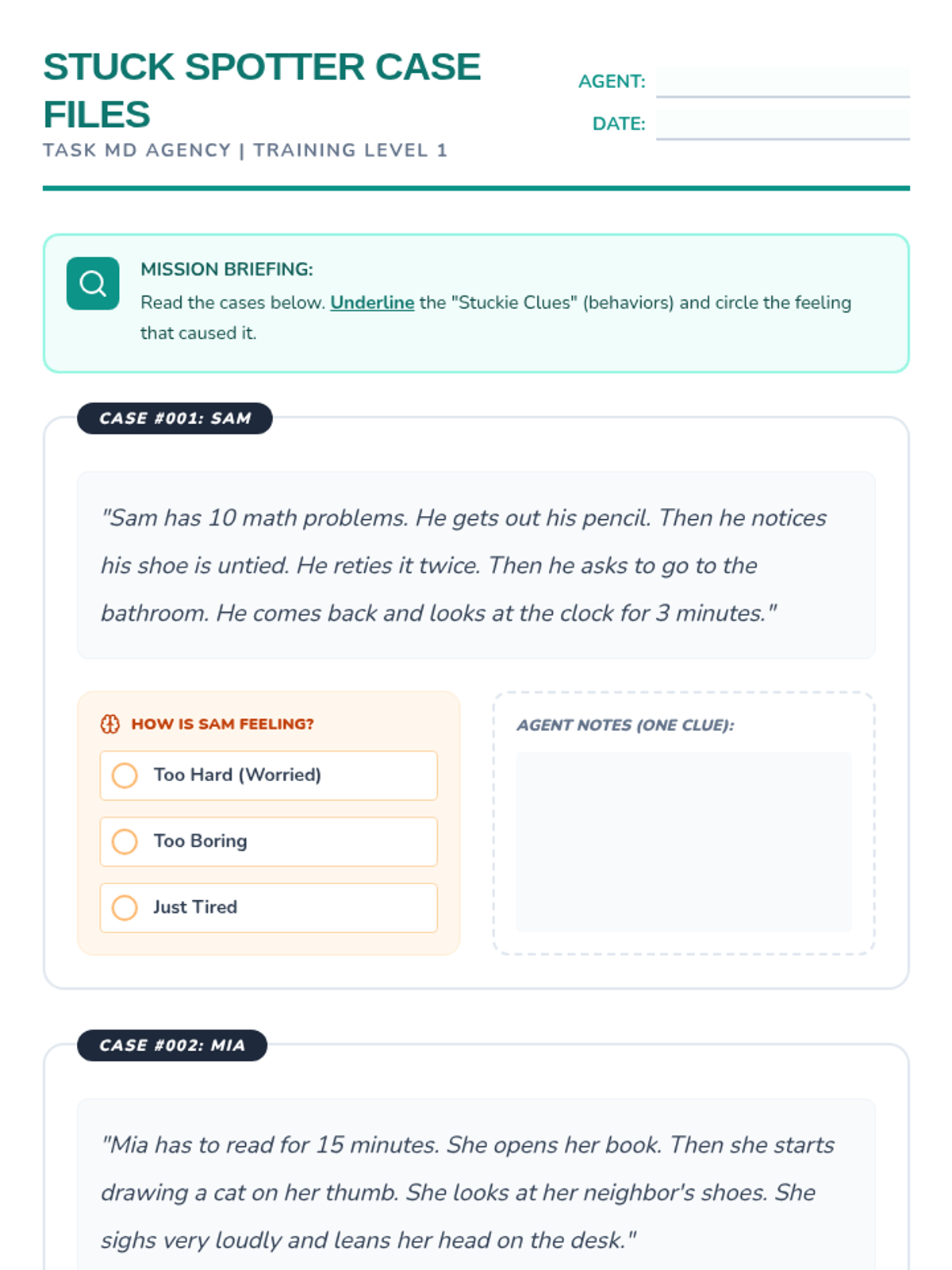
A sequence focused on helping students overcome emotional barriers to task initiation using a 'Task Doctor' theme. Students learn to identify avoidance behaviors, diagnose the root cause of being 'stuck', and prescribe effective self-talk solutions through role-play and reflection.
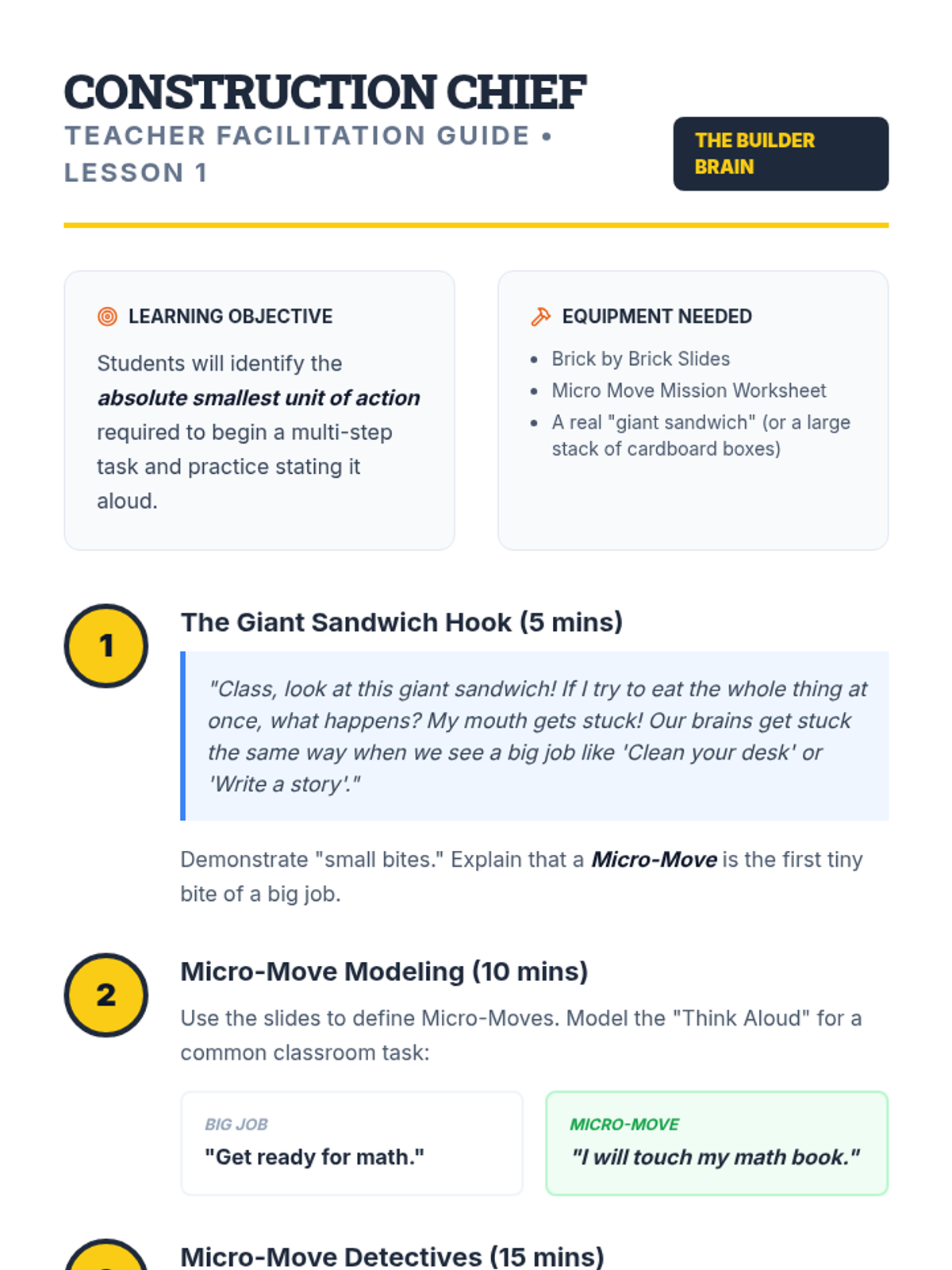
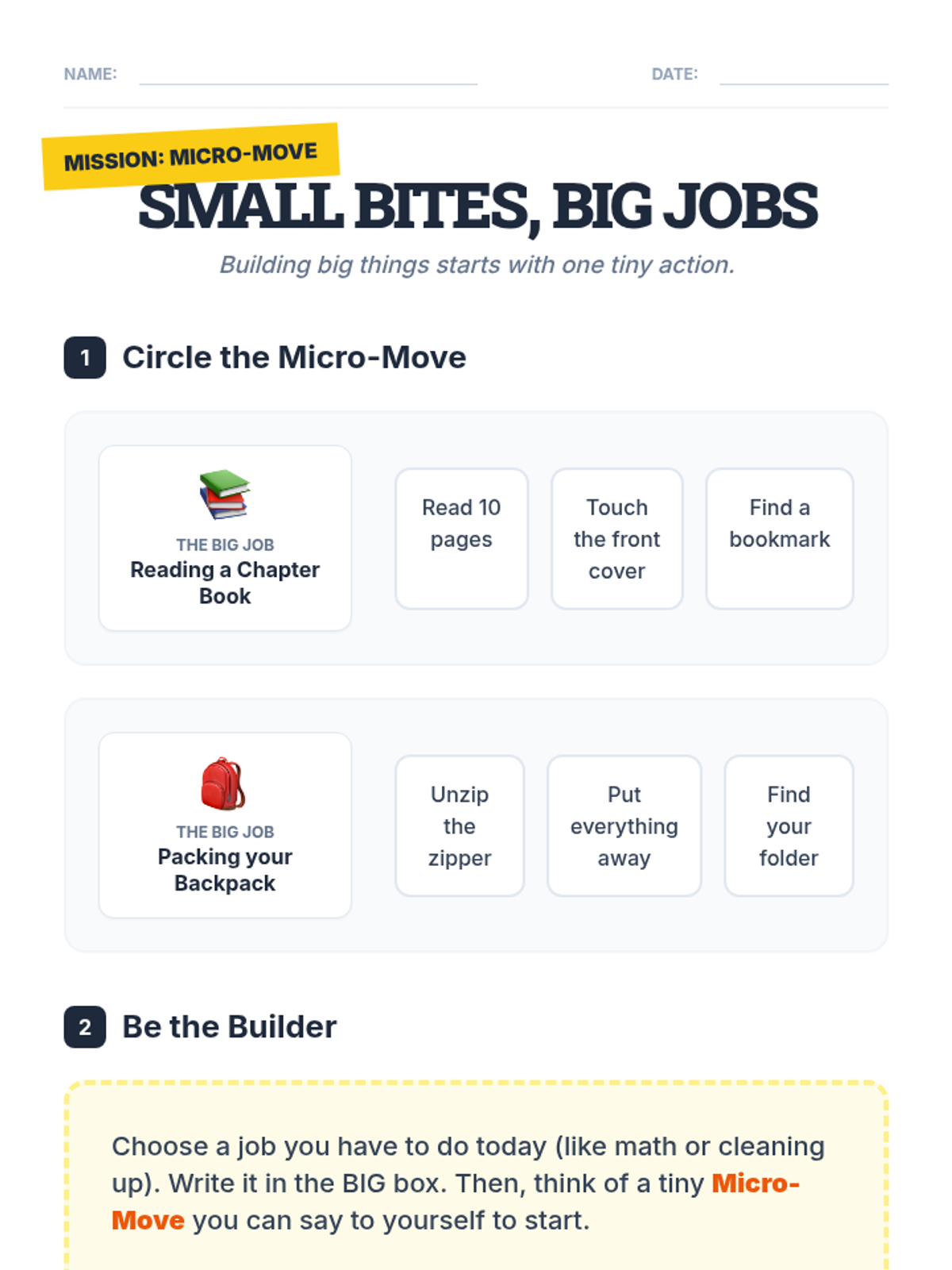
Students learn to use verbal prompts to break complex tasks down into manageable actions. The sequence moves from identifying the immediate first step to narrating a sequence of actions and troubleshooting challenges.
This sequence helps students overcome task initiation hurdles by combining visualization and verbal self-talk. Students learn to 'see' the finished product, reverse engineer the steps, estimate time accurately, and use micro-goals to take the first step.
A 5-lesson sequence for 6th graders focusing on the aftermath of conflict: restoration, genuine apologies, sustainable agreements, and rebuilding trust. Students move beyond just 'stopping a fight' to actively repairing relationships and creating long-term peace.
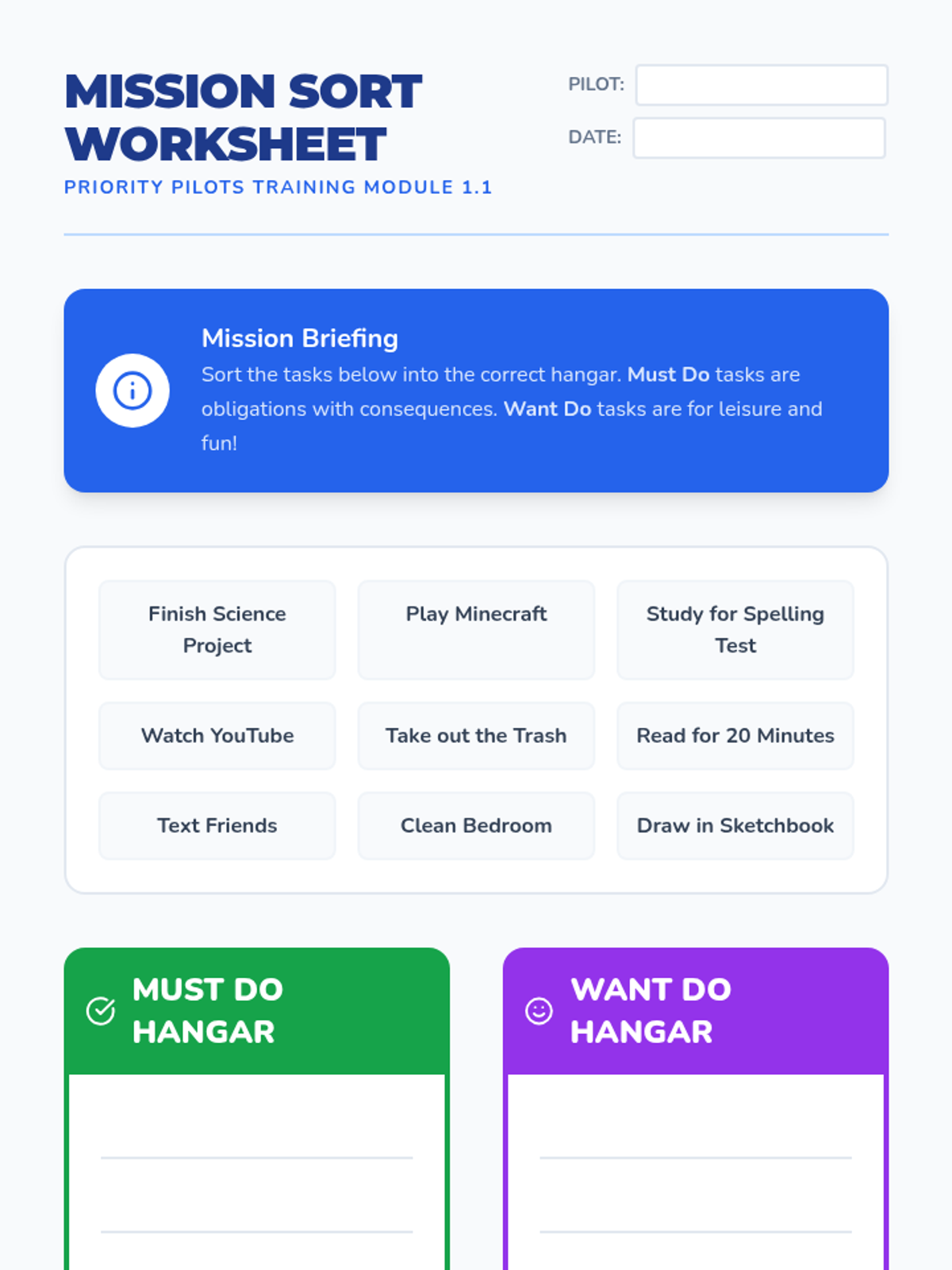
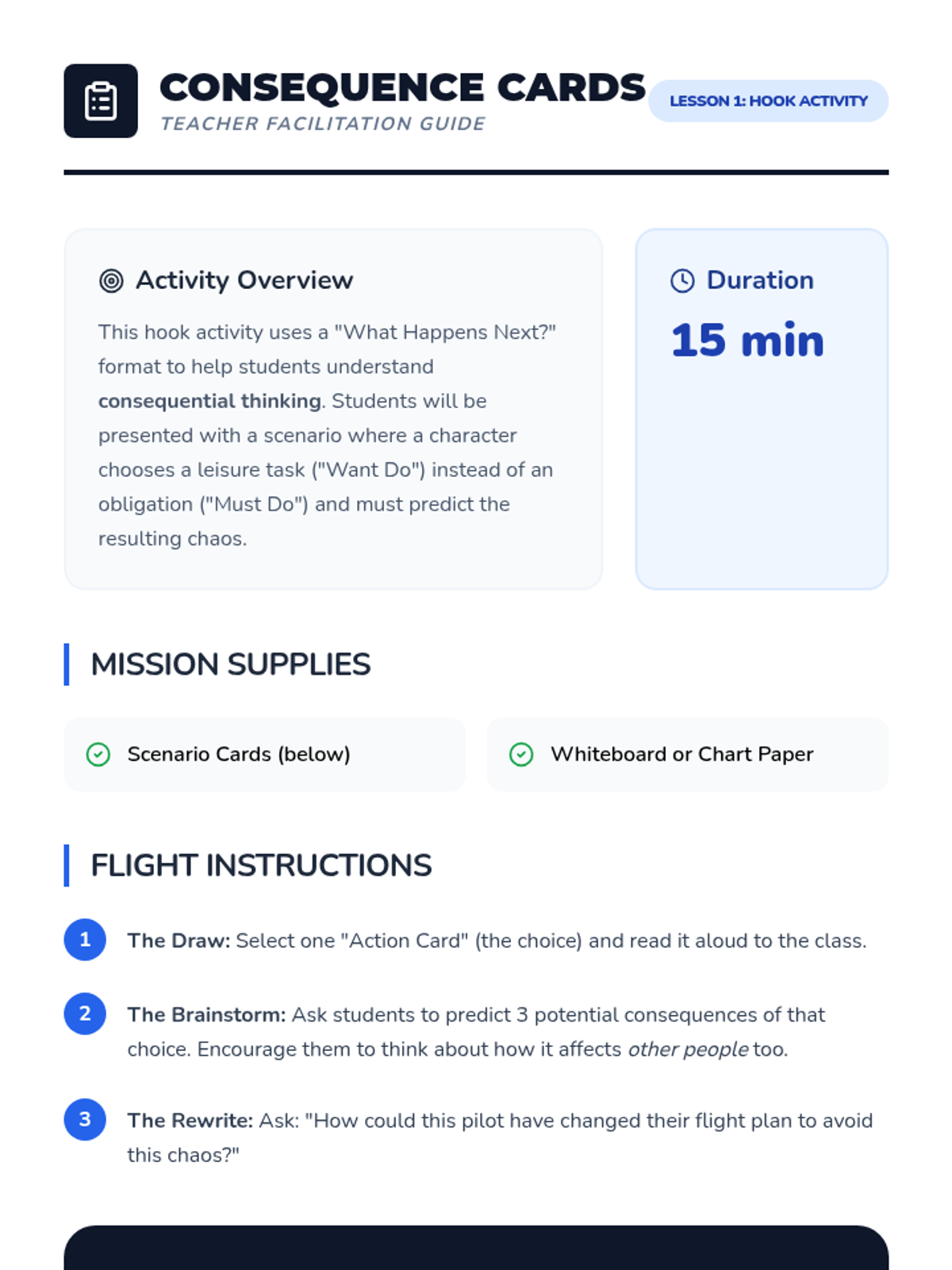
This sequence teaches 5th-grade students essential executive functioning skills for task prioritization. Students learn to distinguish between obligations and leisure, use a traffic light system for urgency, estimate time and effort, sequence multi-step projects, and create their own weekly plans using an aviation-inspired theme.
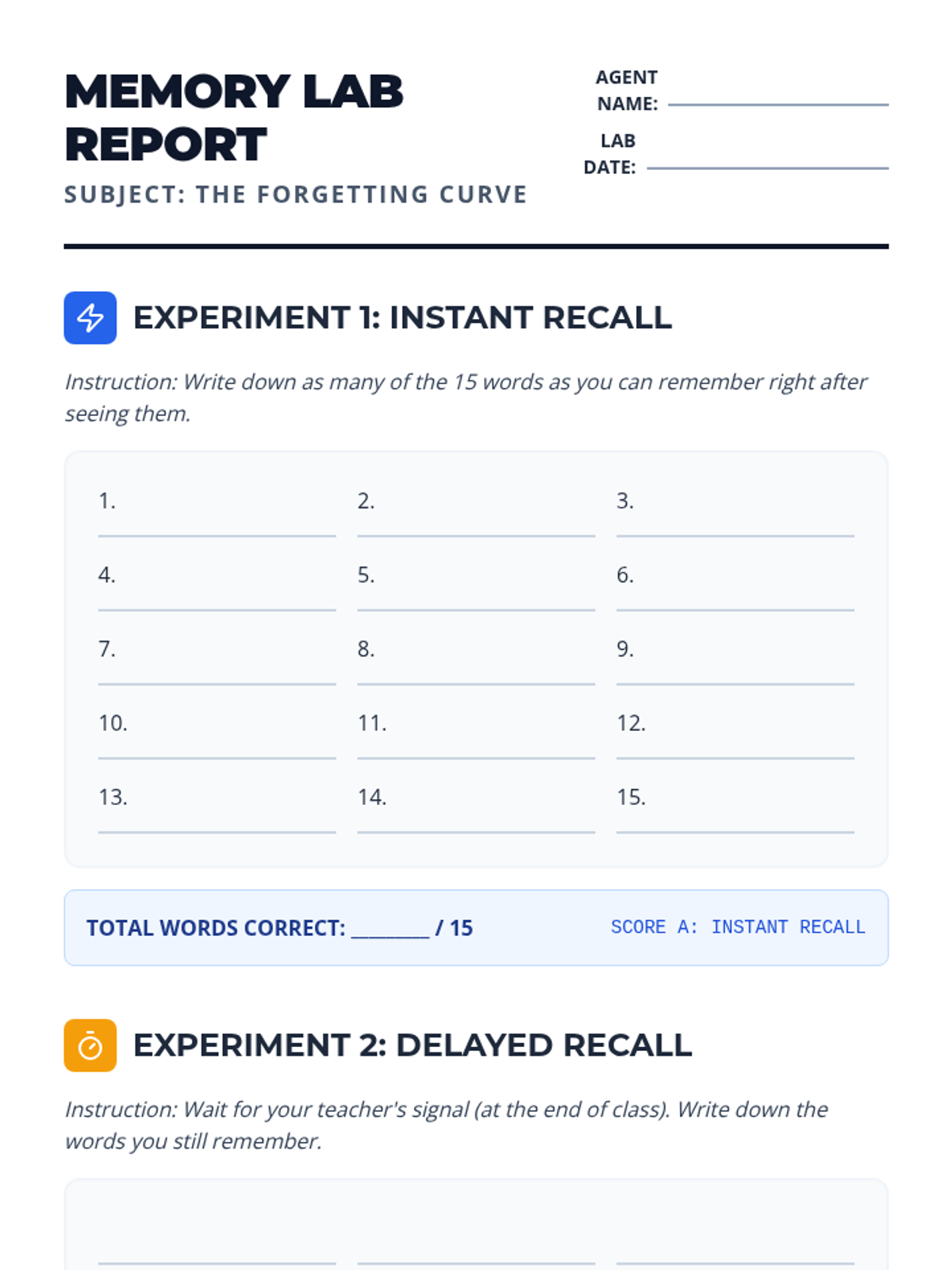
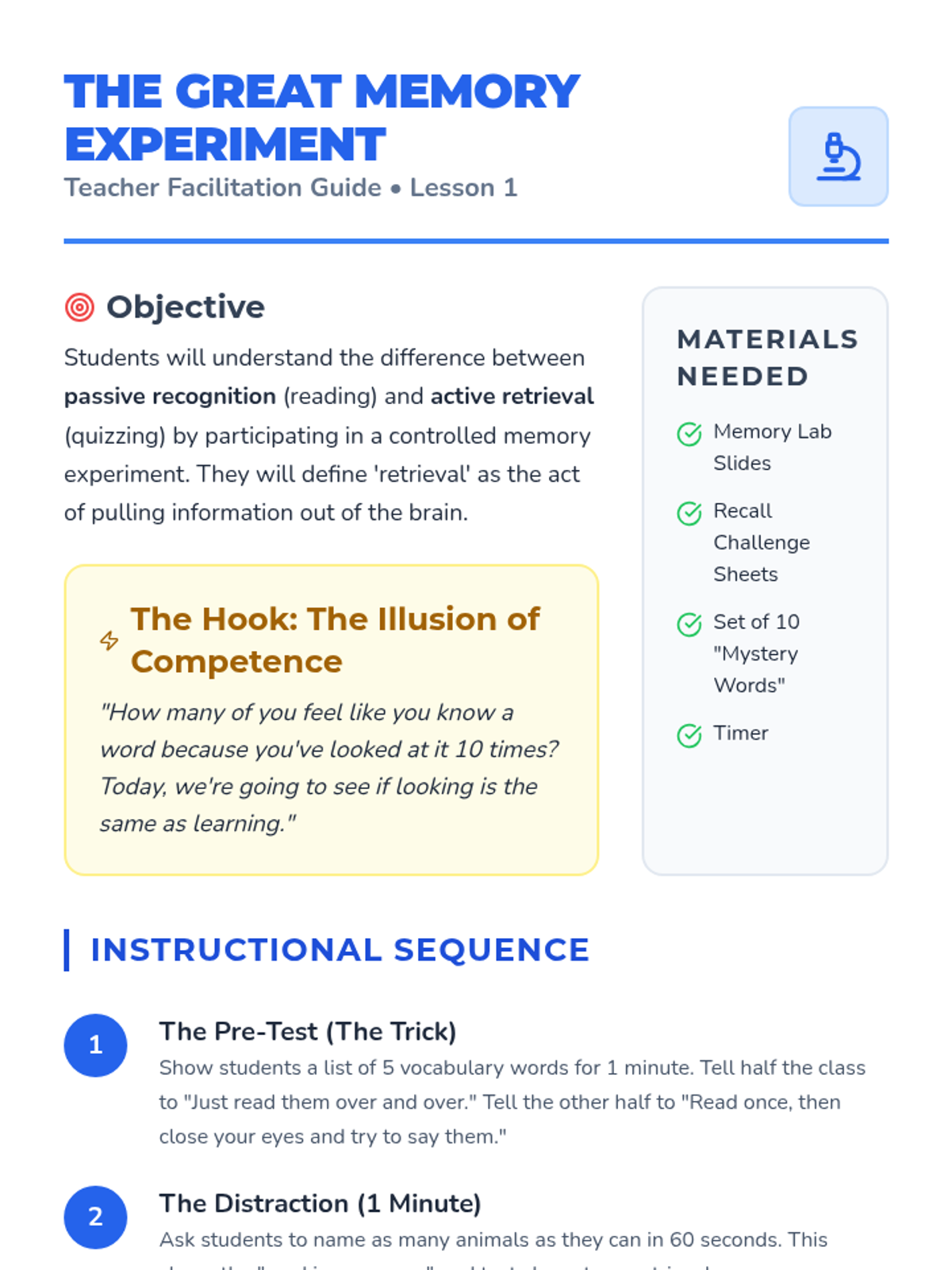
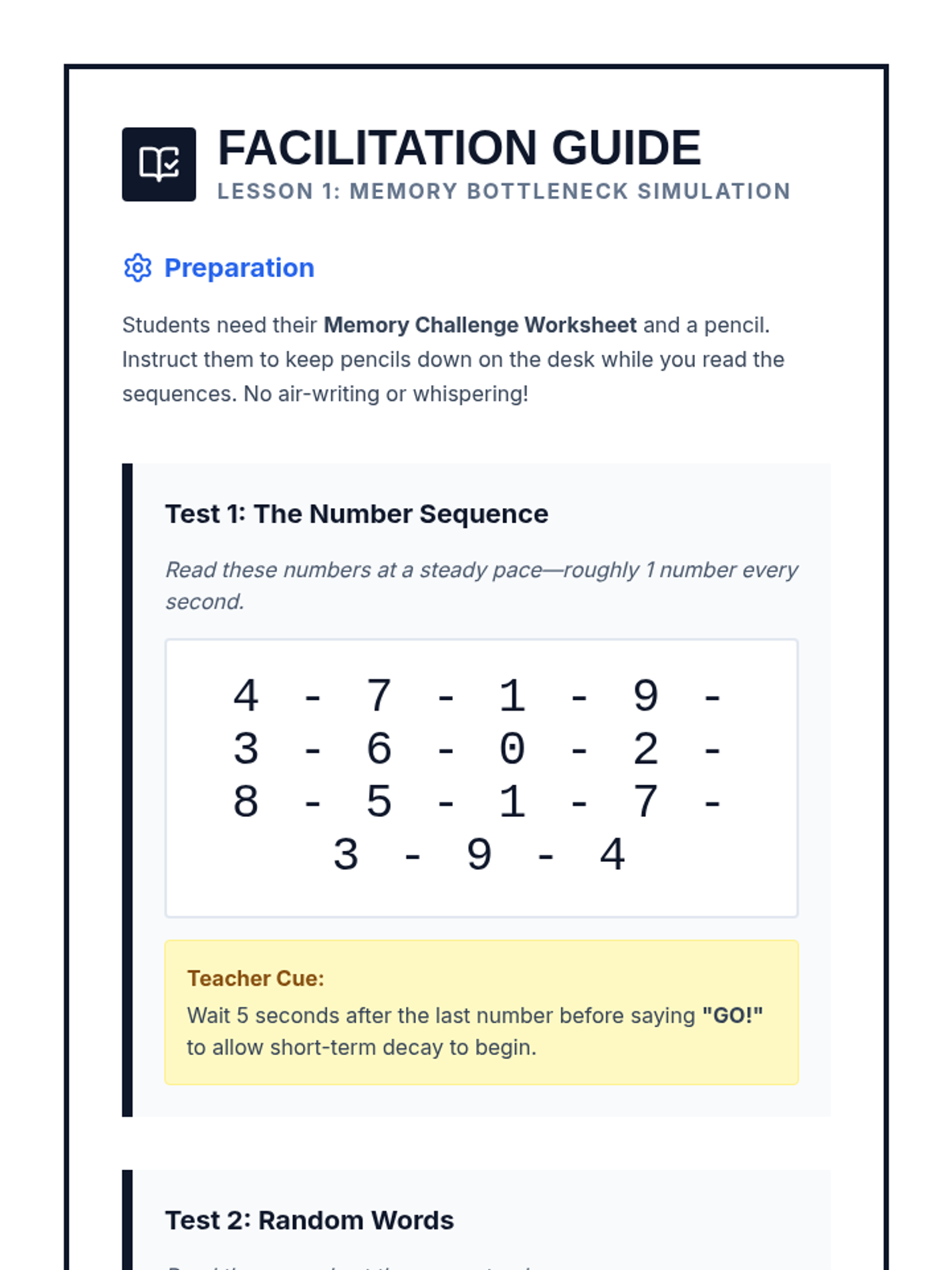
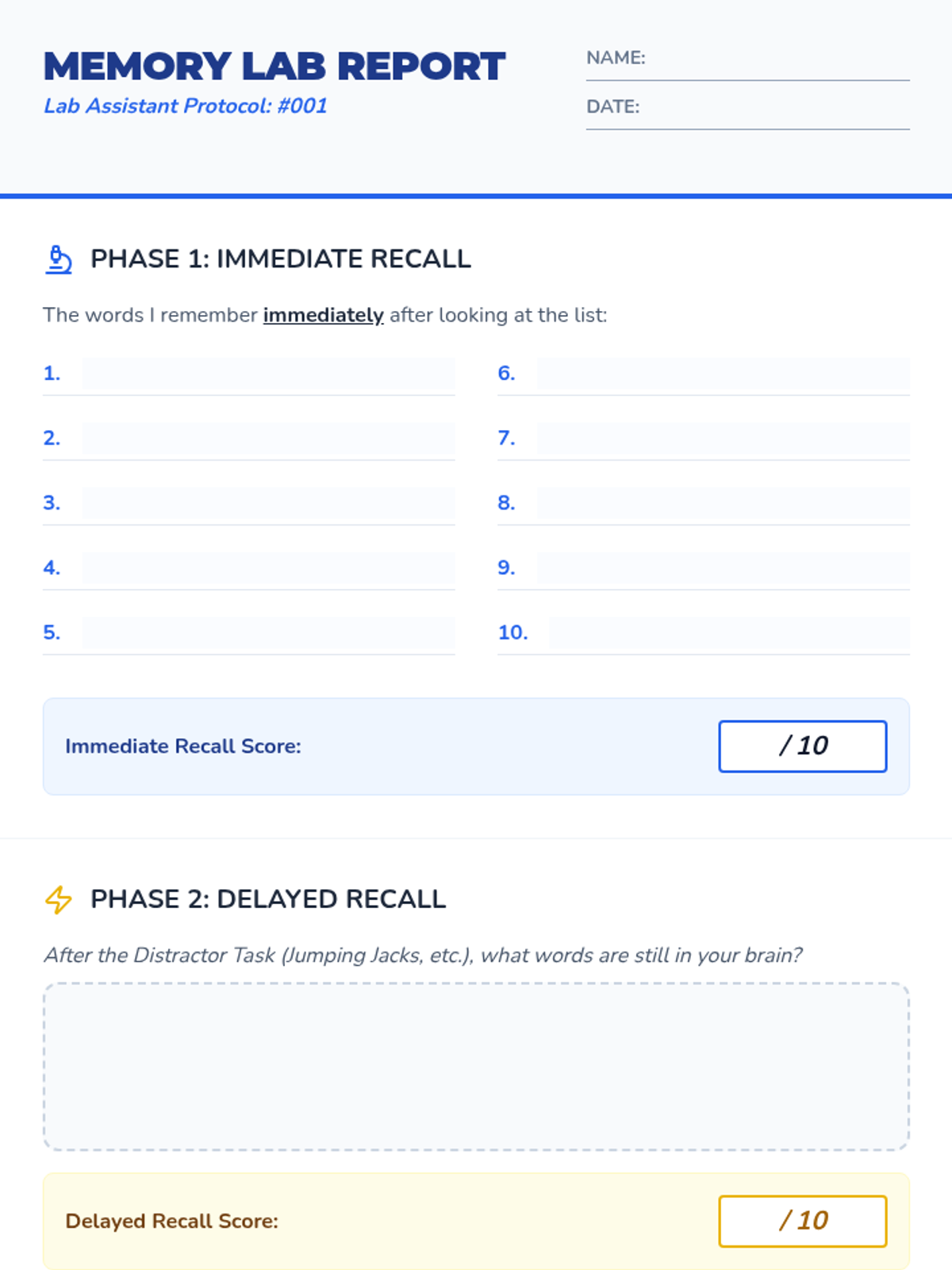
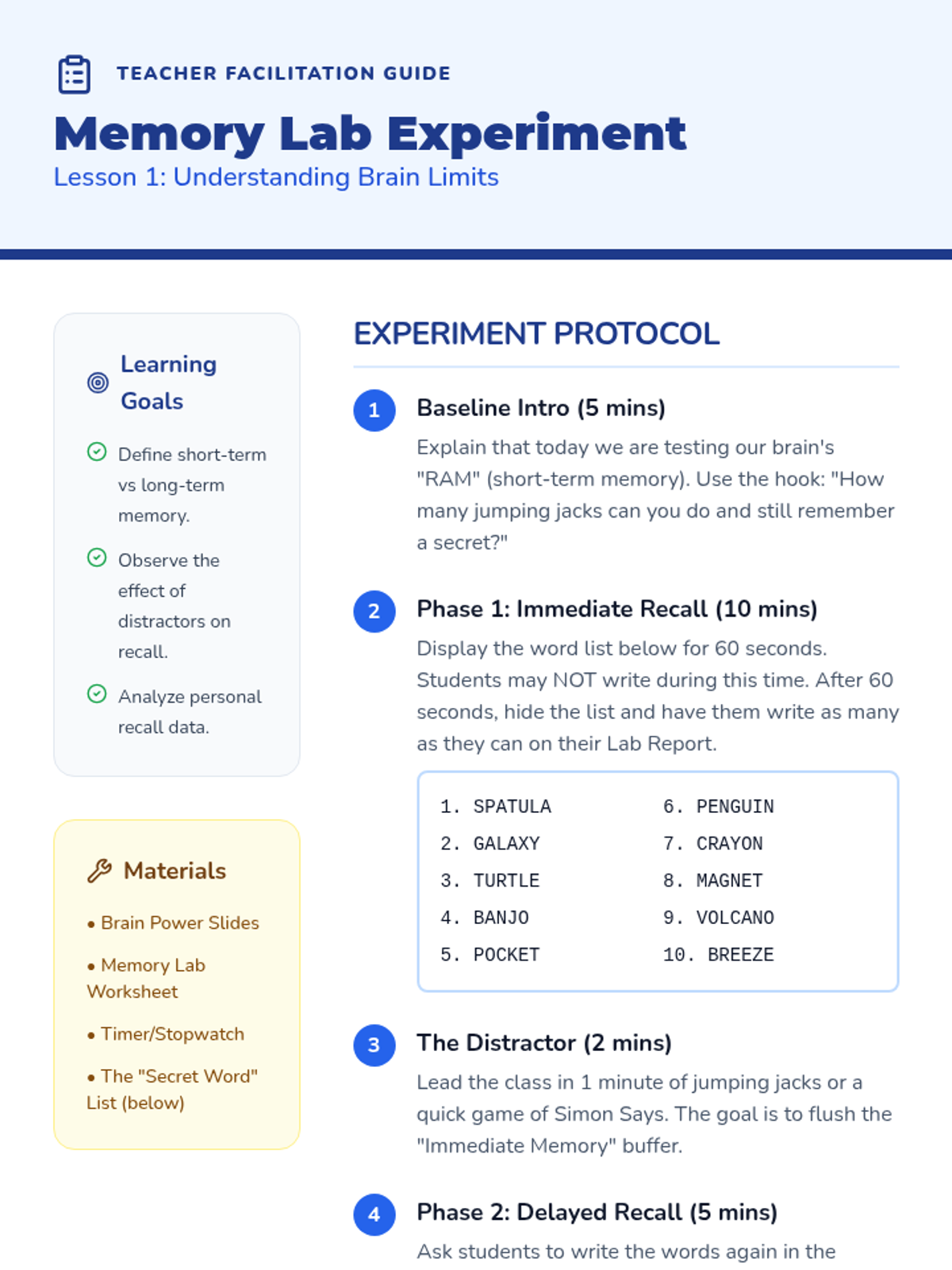
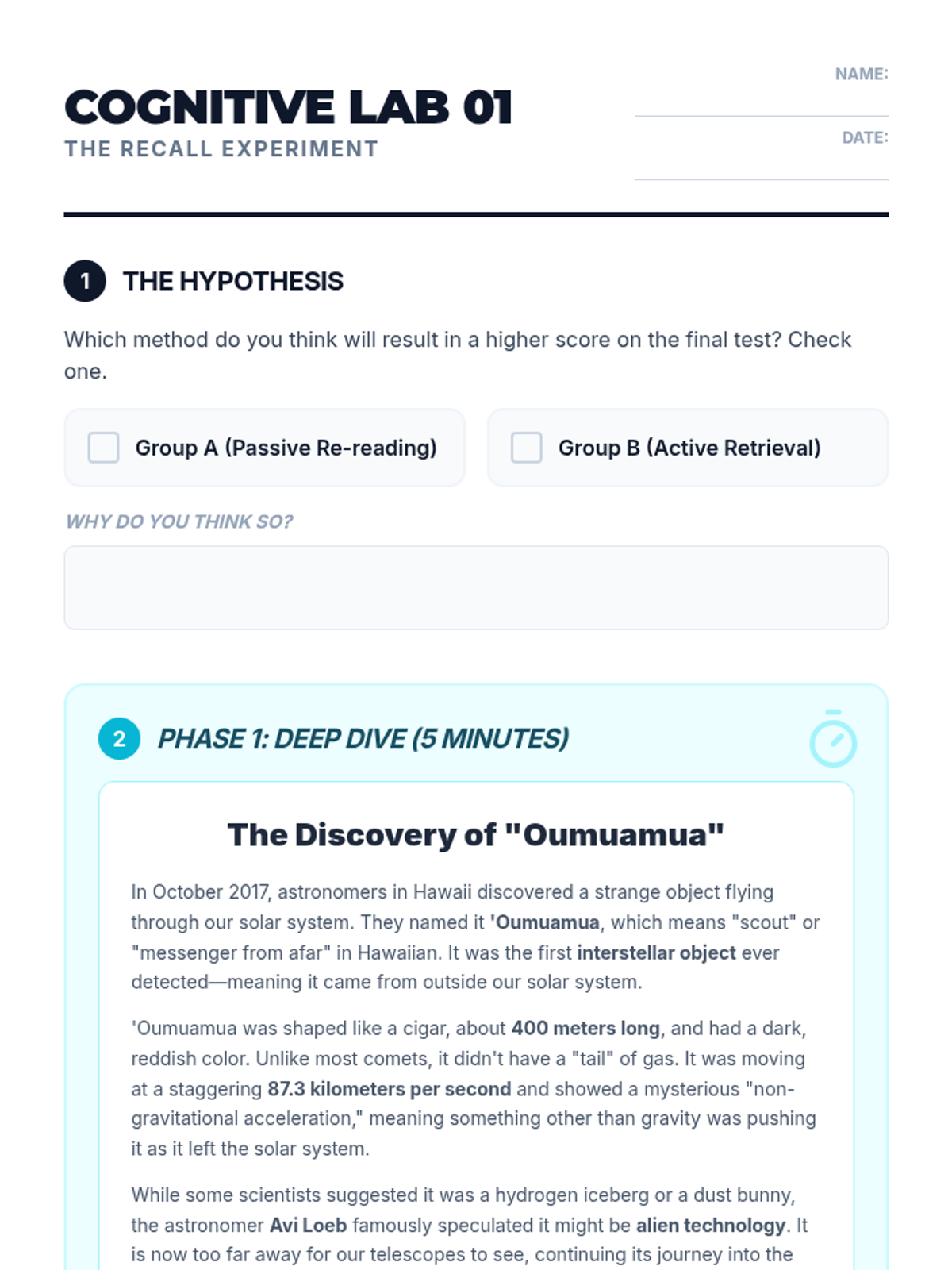
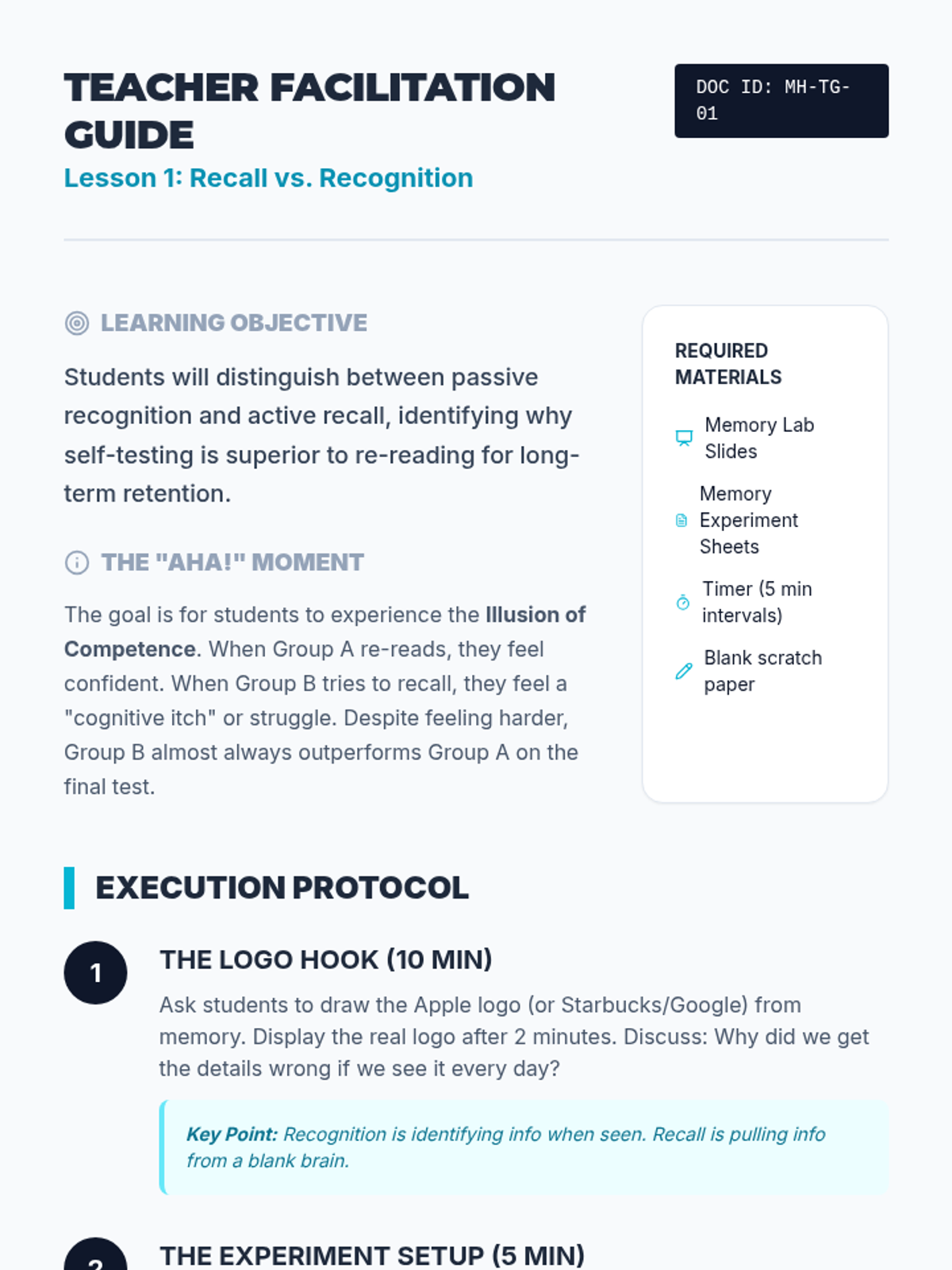
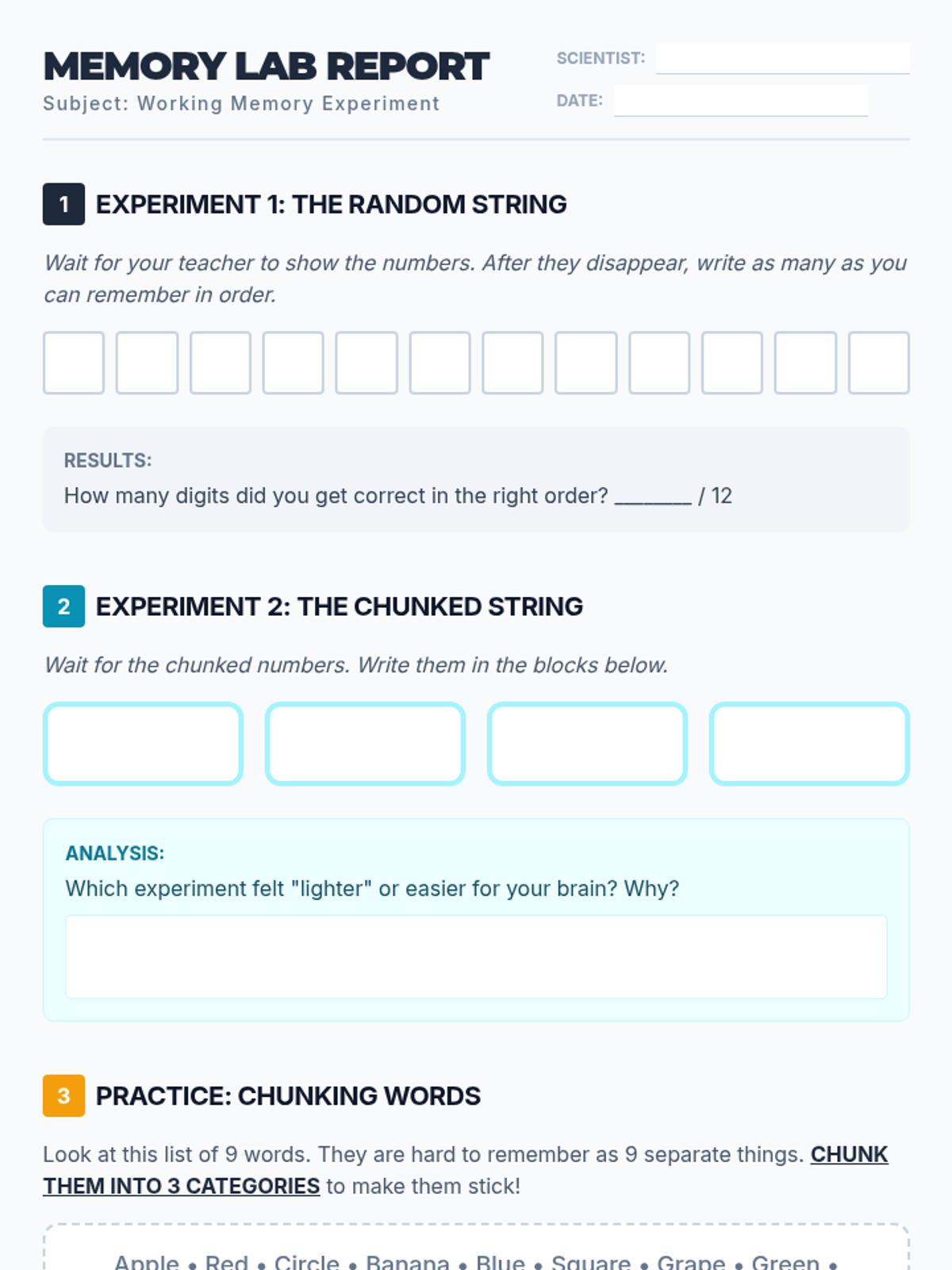
This sequence introduces 3rd-grade students to active recall and spaced repetition strategies for vocabulary. Through a 'Memory Lab' theme, students move from understanding the 'illusion of competence' to building a toolkit of retrieval practices like flashcards and the Cover-Copy-Compare method.
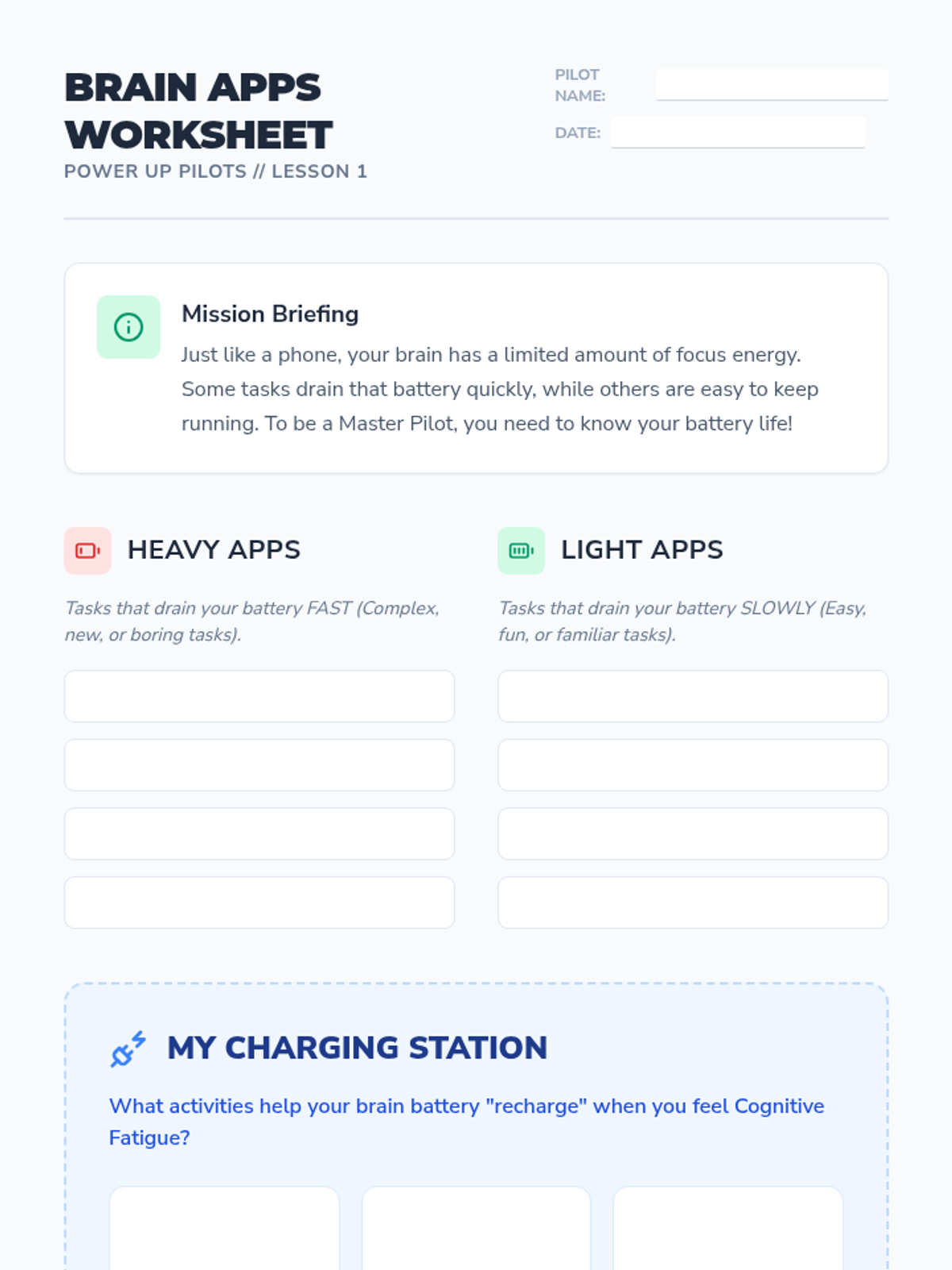
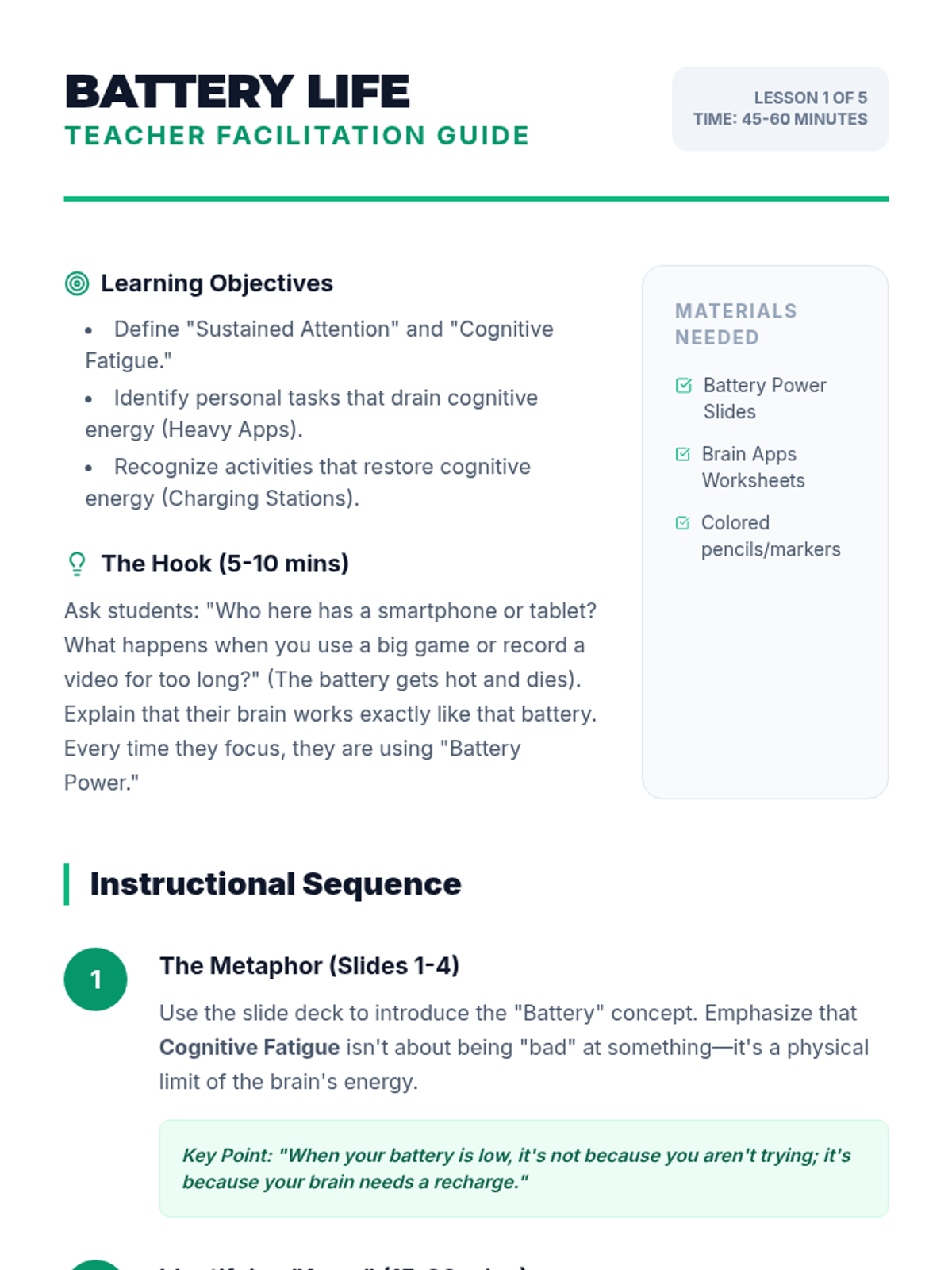
A 5-lesson unit designed to help 5th-grade students develop metacognitive awareness of their attention. Students learn to monitor their cognitive energy using the 'Attention Battery' metaphor, identify internal and external distractions, and apply specific reset strategies and timing techniques to build focus stamina for complex tasks.
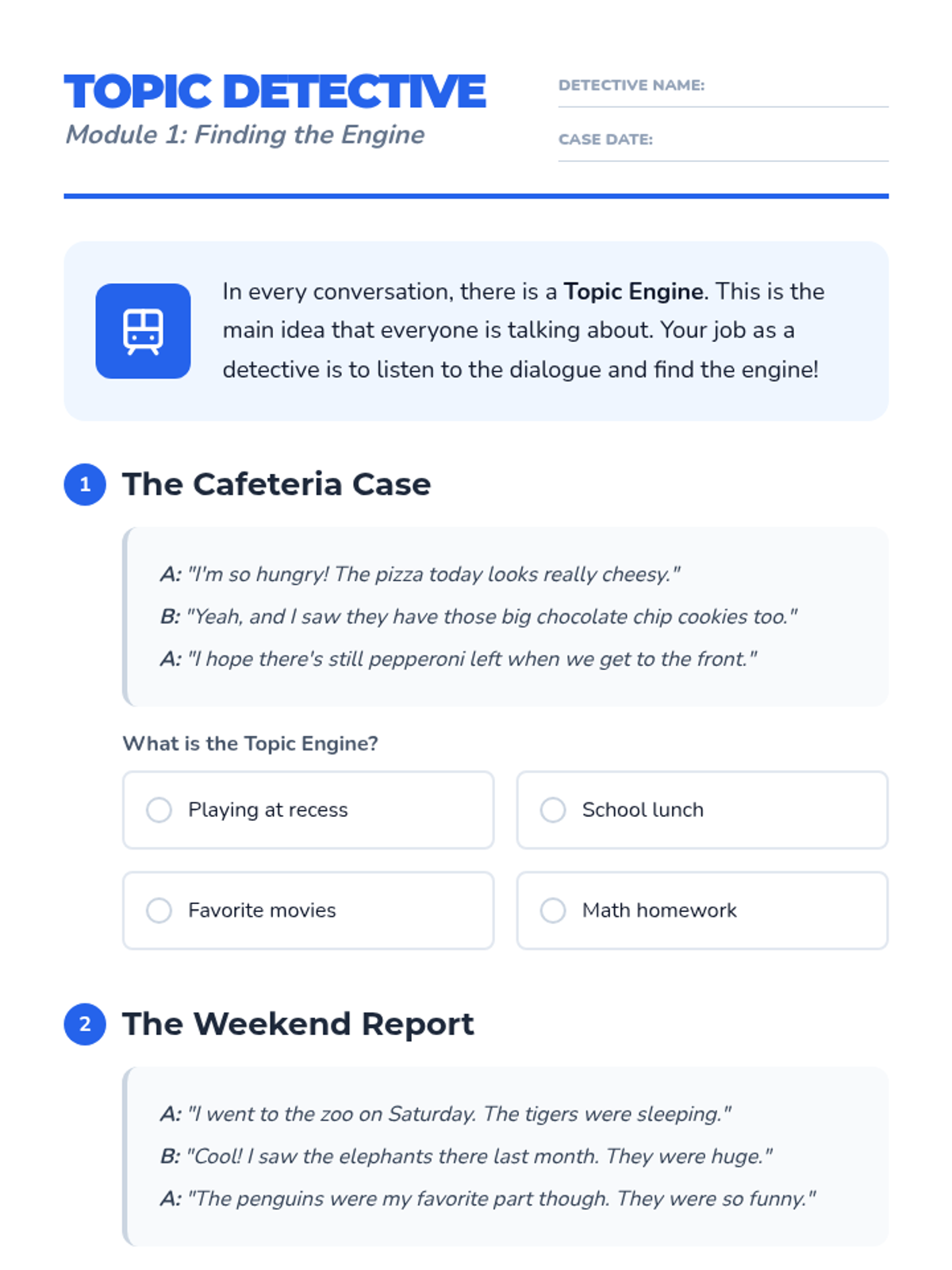
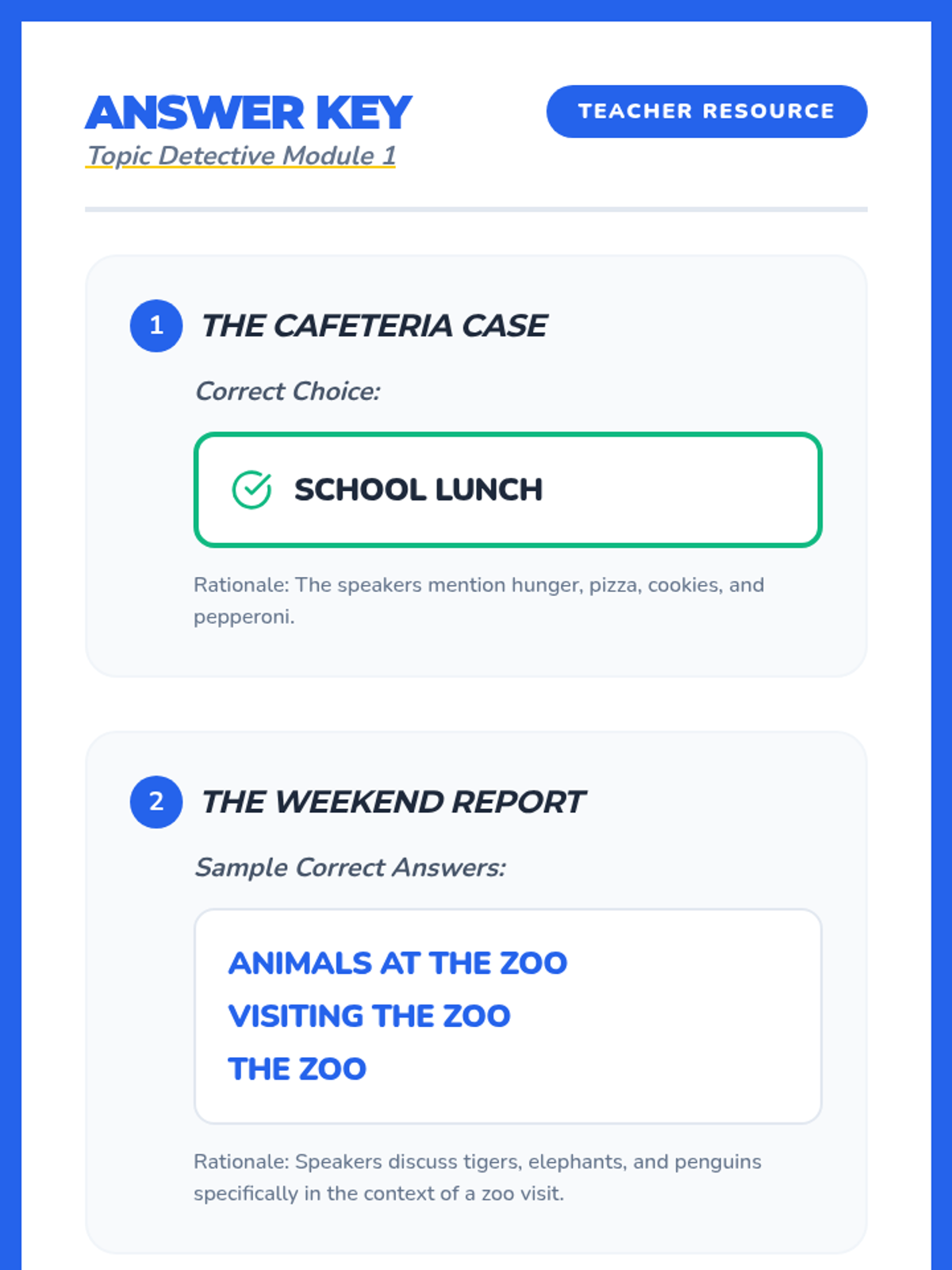
A game-based sequence focused on topic maintenance, using the 'Conversation Train' metaphor to help students visualize linear coherence, filter relevance, and utilize smooth transitions in discussion.
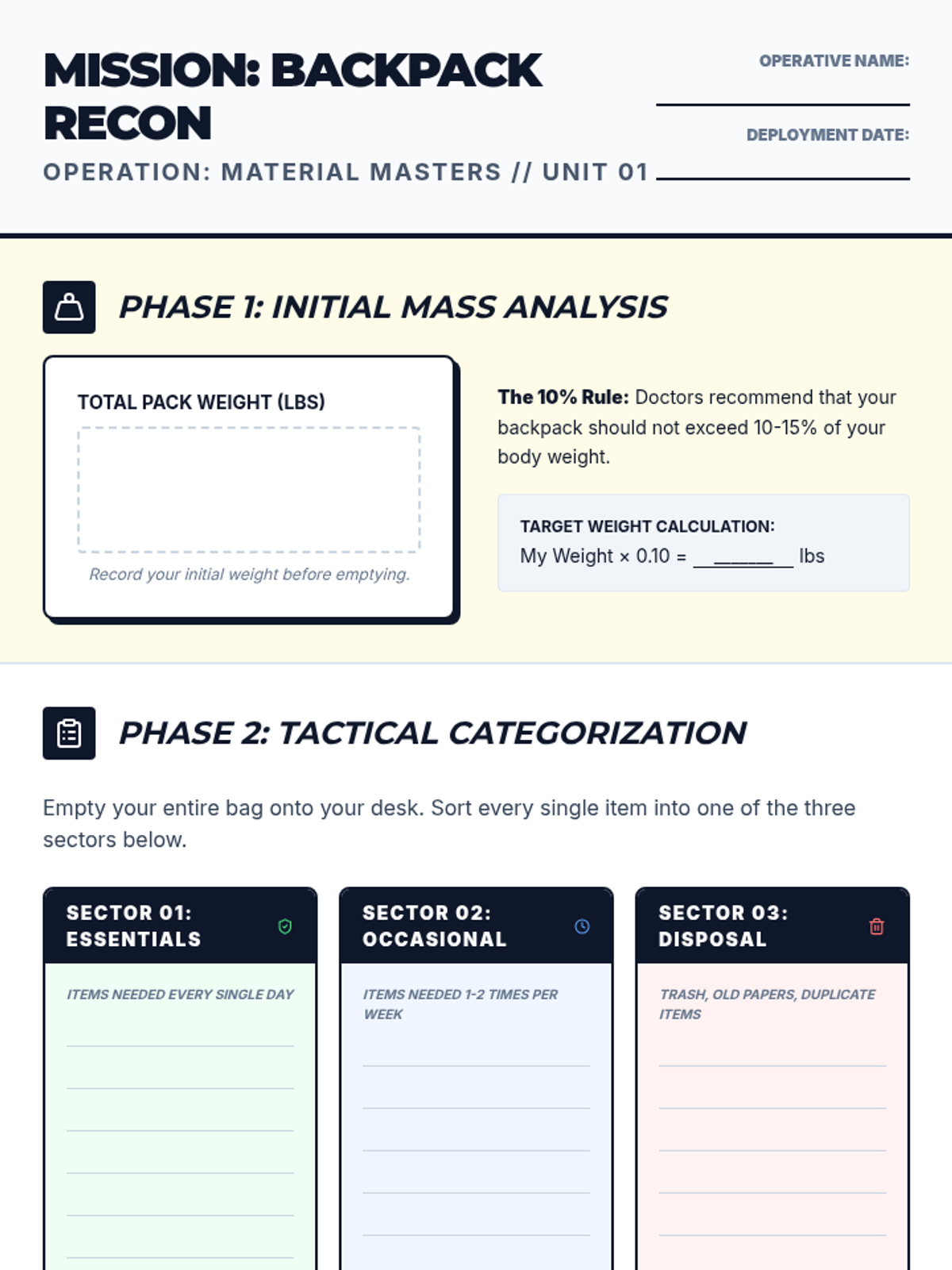
This sequence focuses on the fundamental skills of organizing personal academic materials, specifically backpacks and binder systems. Students begin by auditing their current organizational state, identifying pain points, and move through color-coding, binder architecture, labeling, and establishing daily routines.
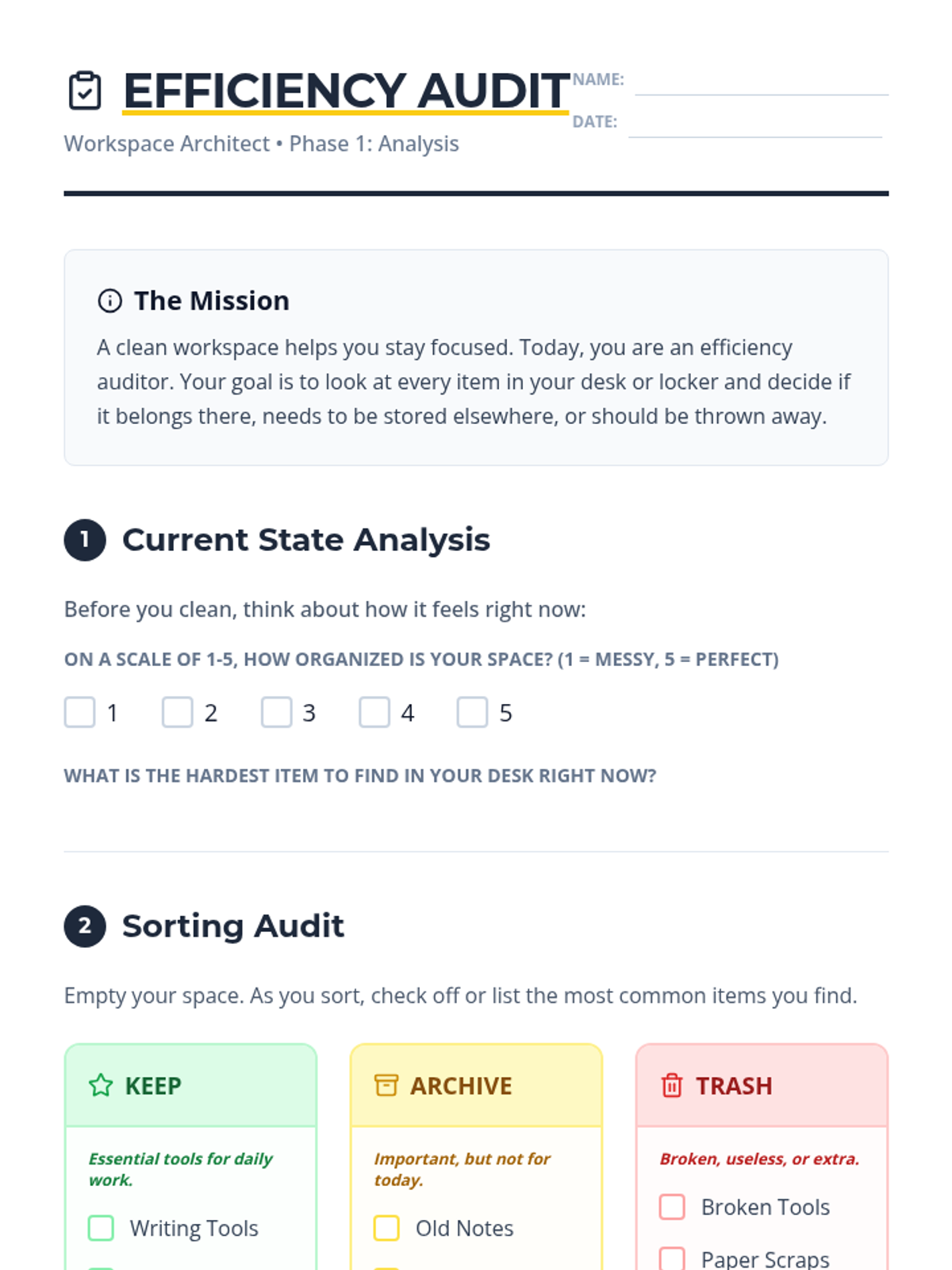
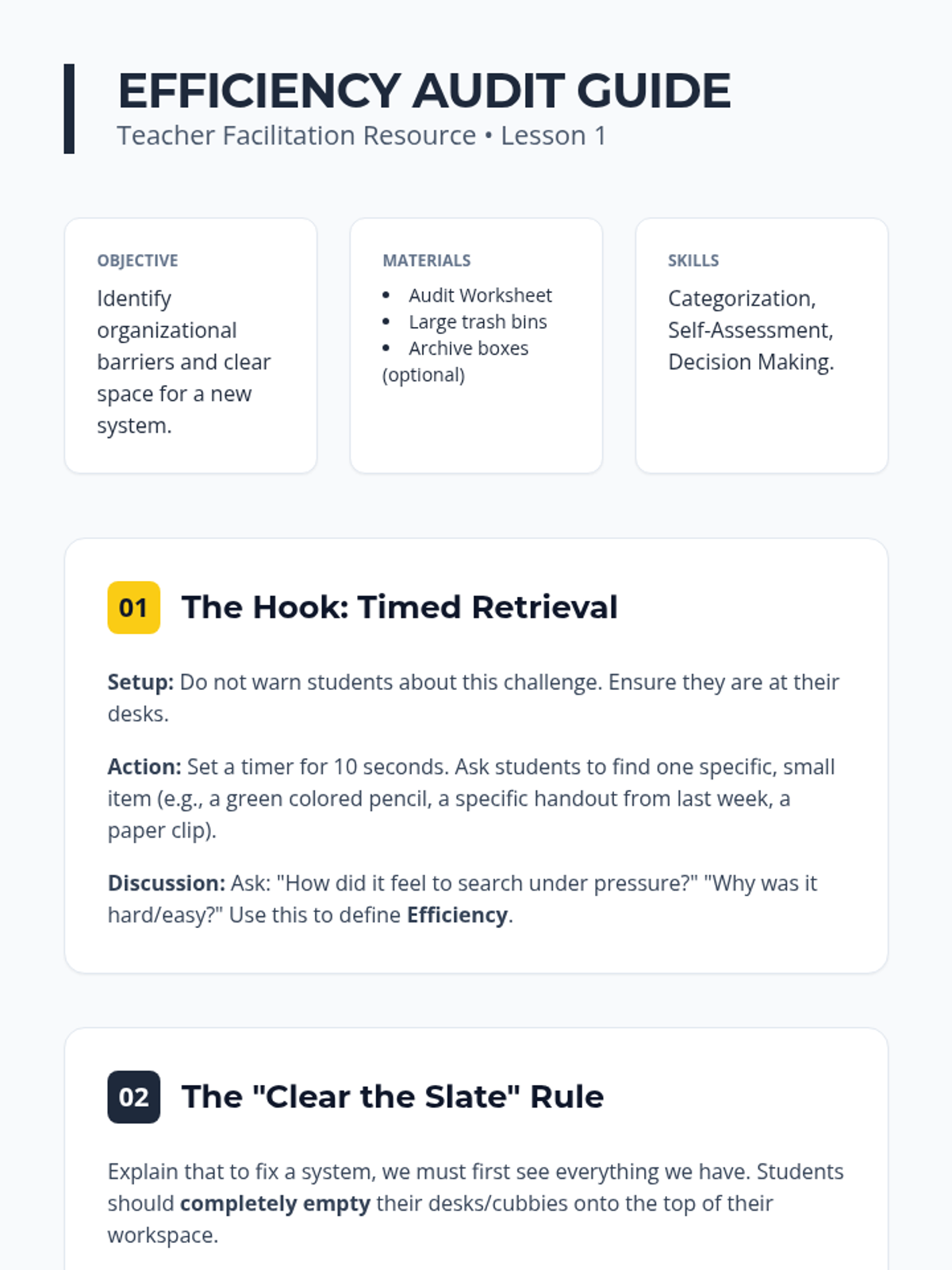
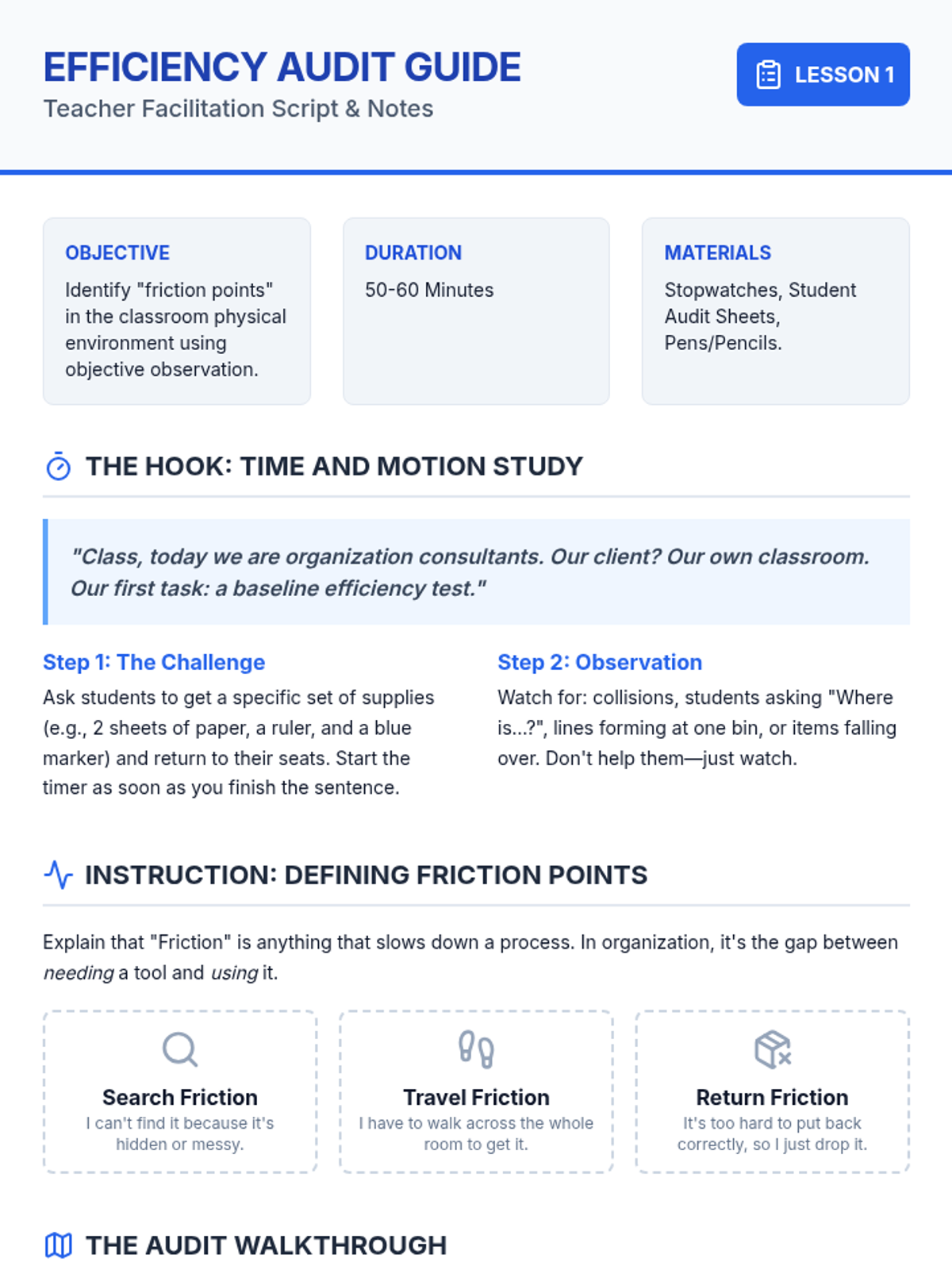
A 5-lesson series designed for 5th-grade students to master physical organization. Students learn to audit their space, create functional 'zones', label for efficiency, and develop daily maintenance routines to sustain an organized workspace.
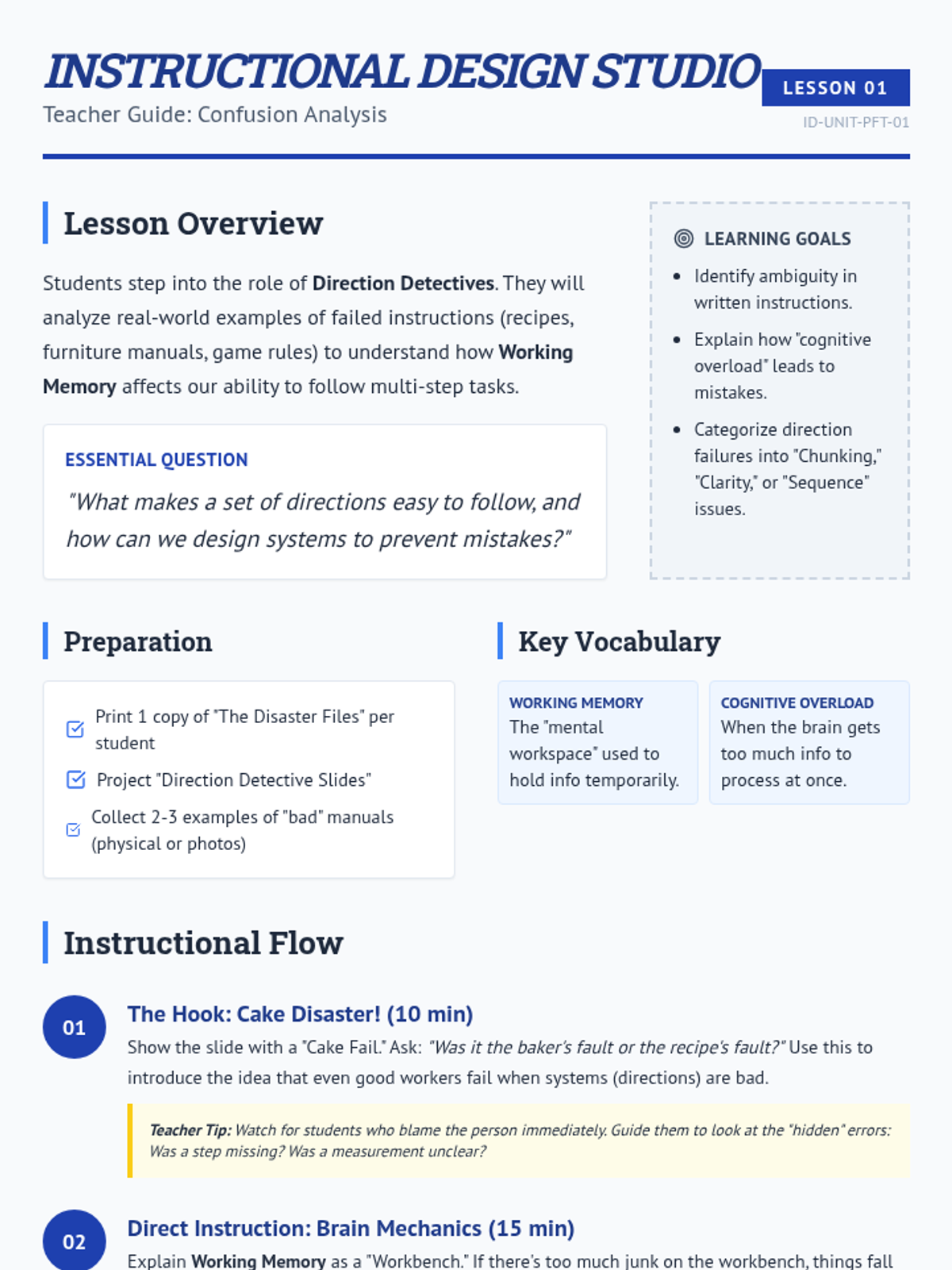
A 5th-grade project-based unit where students act as 'Instructional Designers' to master multi-step direction following. By analyzing bad instructions and designing their own, students build metacognitive awareness of working memory and executive function supports.
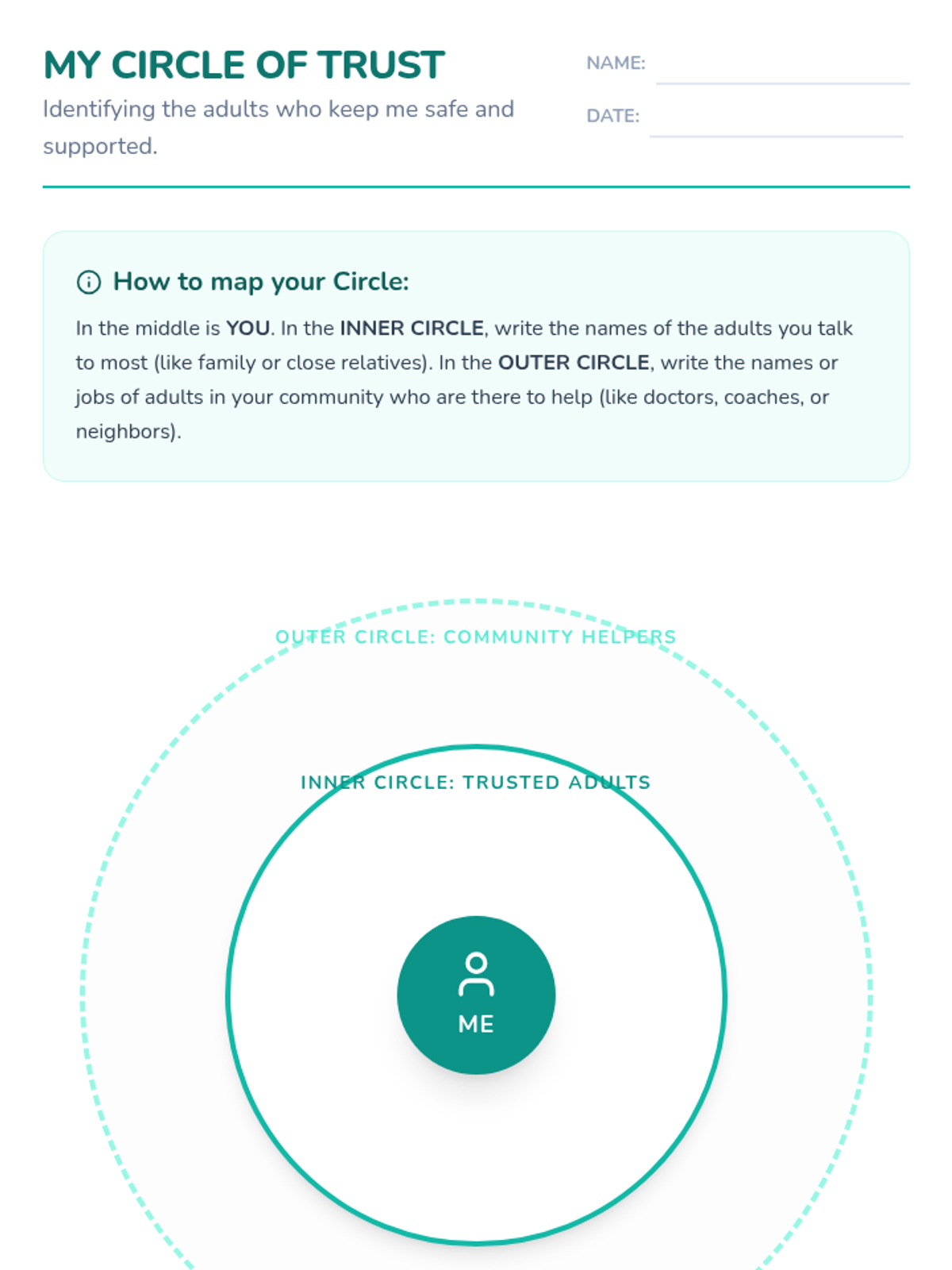
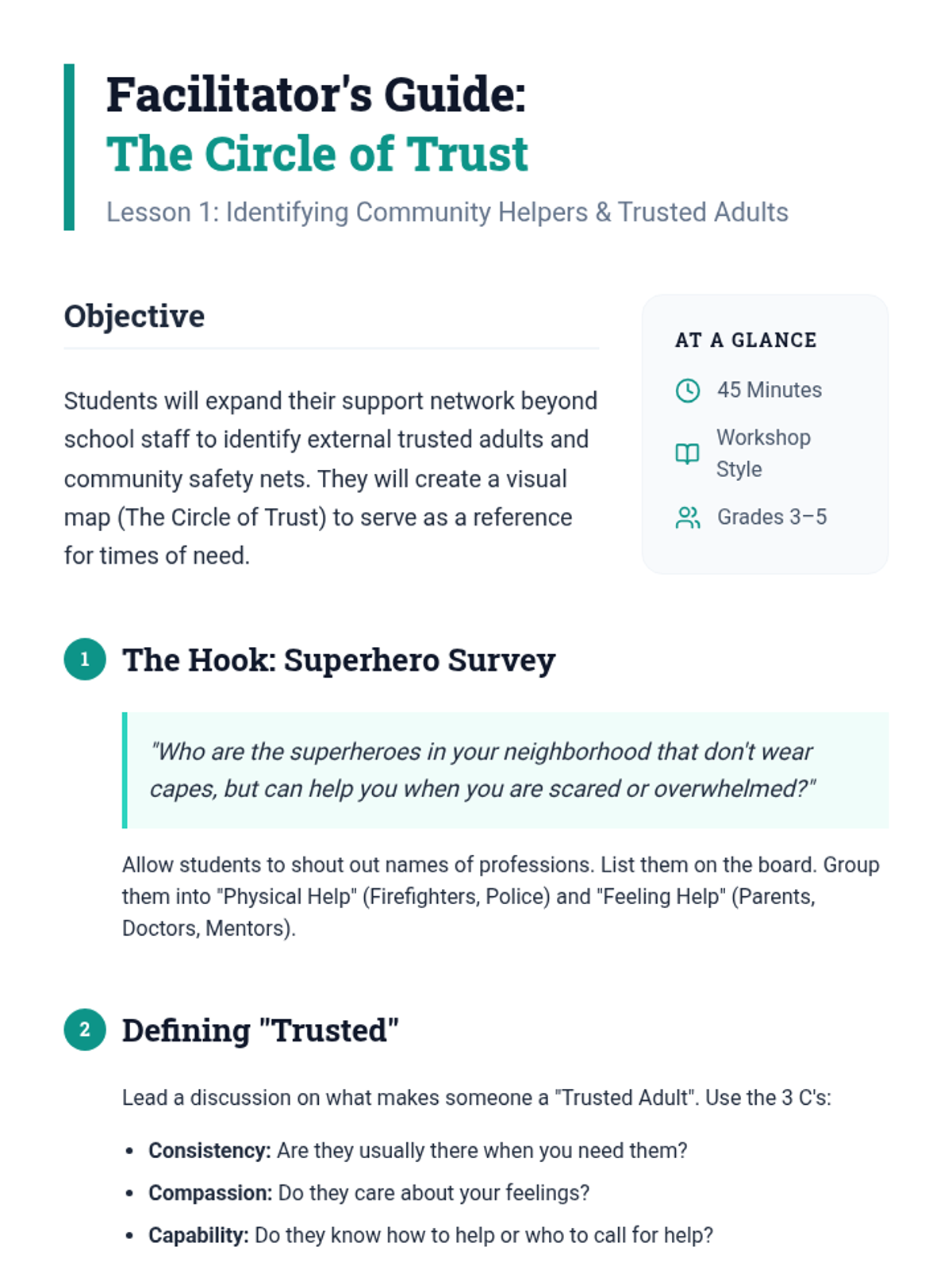
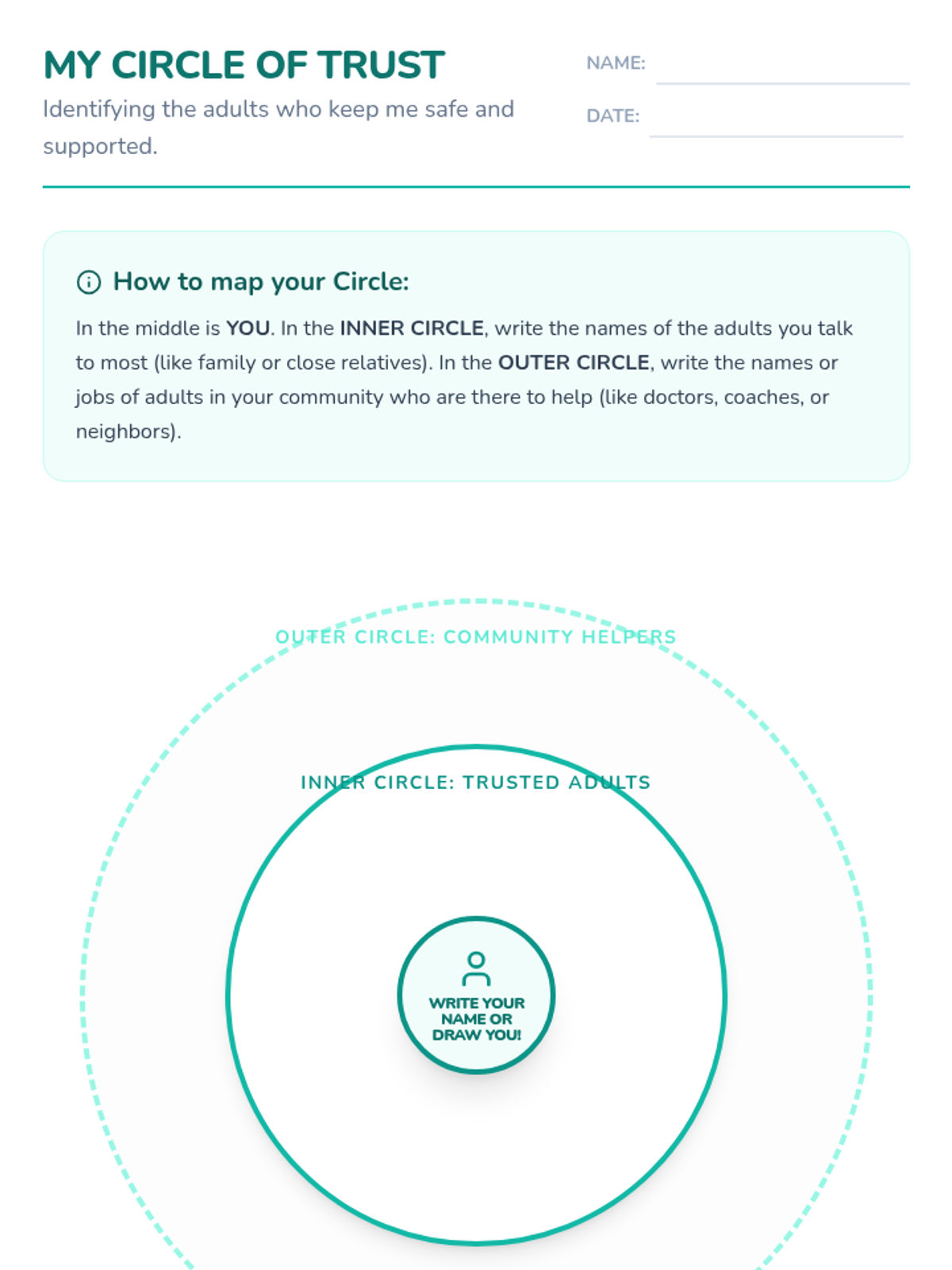
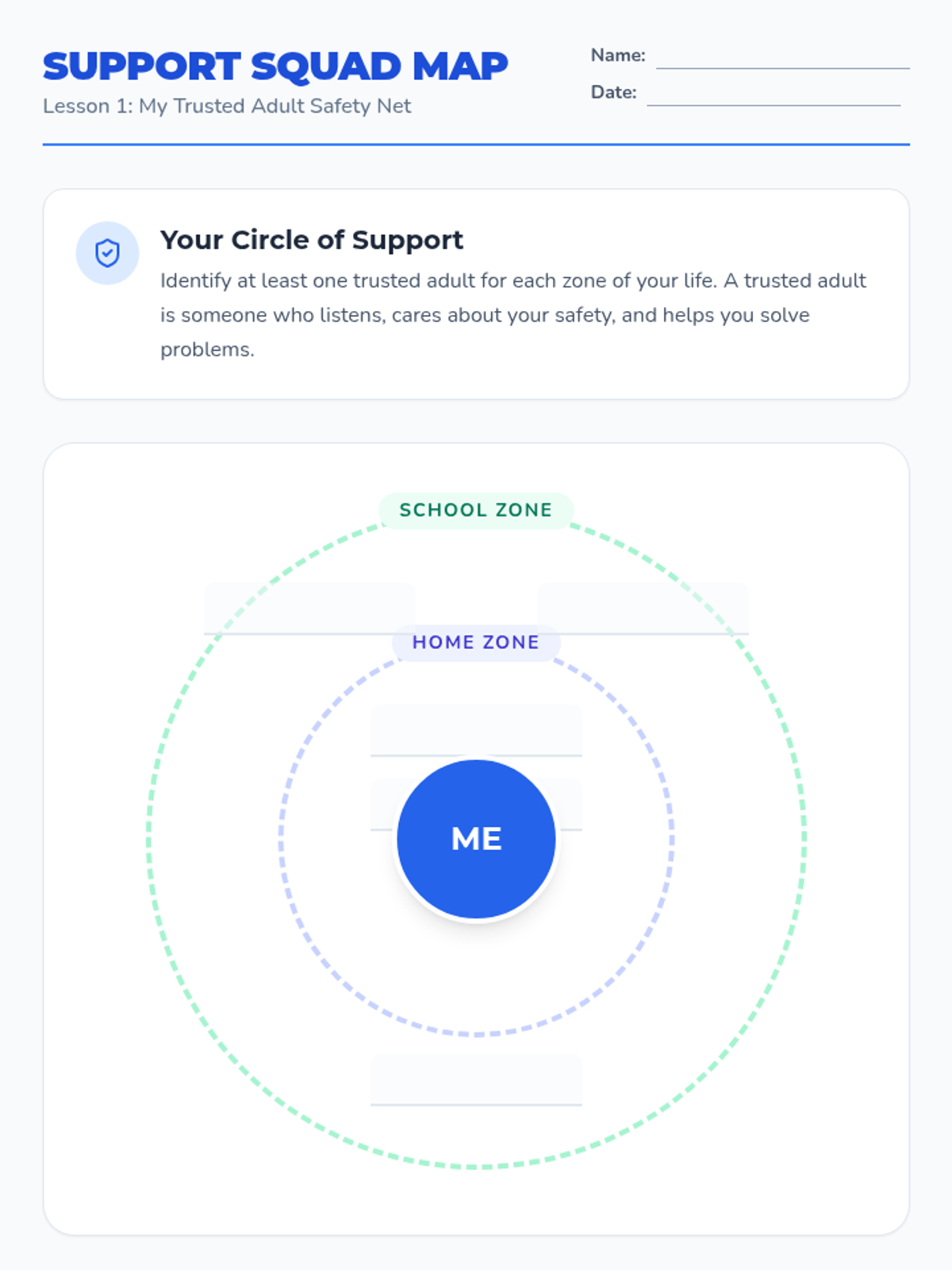
This sequence teaches 4th-grade students how to identify and access external mental health resources and emergency protocols. It covers trusted community adults, the 988 Suicide & Crisis Lifeline, emergency communication skills, and distinguishing between types of crises, culminating in a personal safety plan.
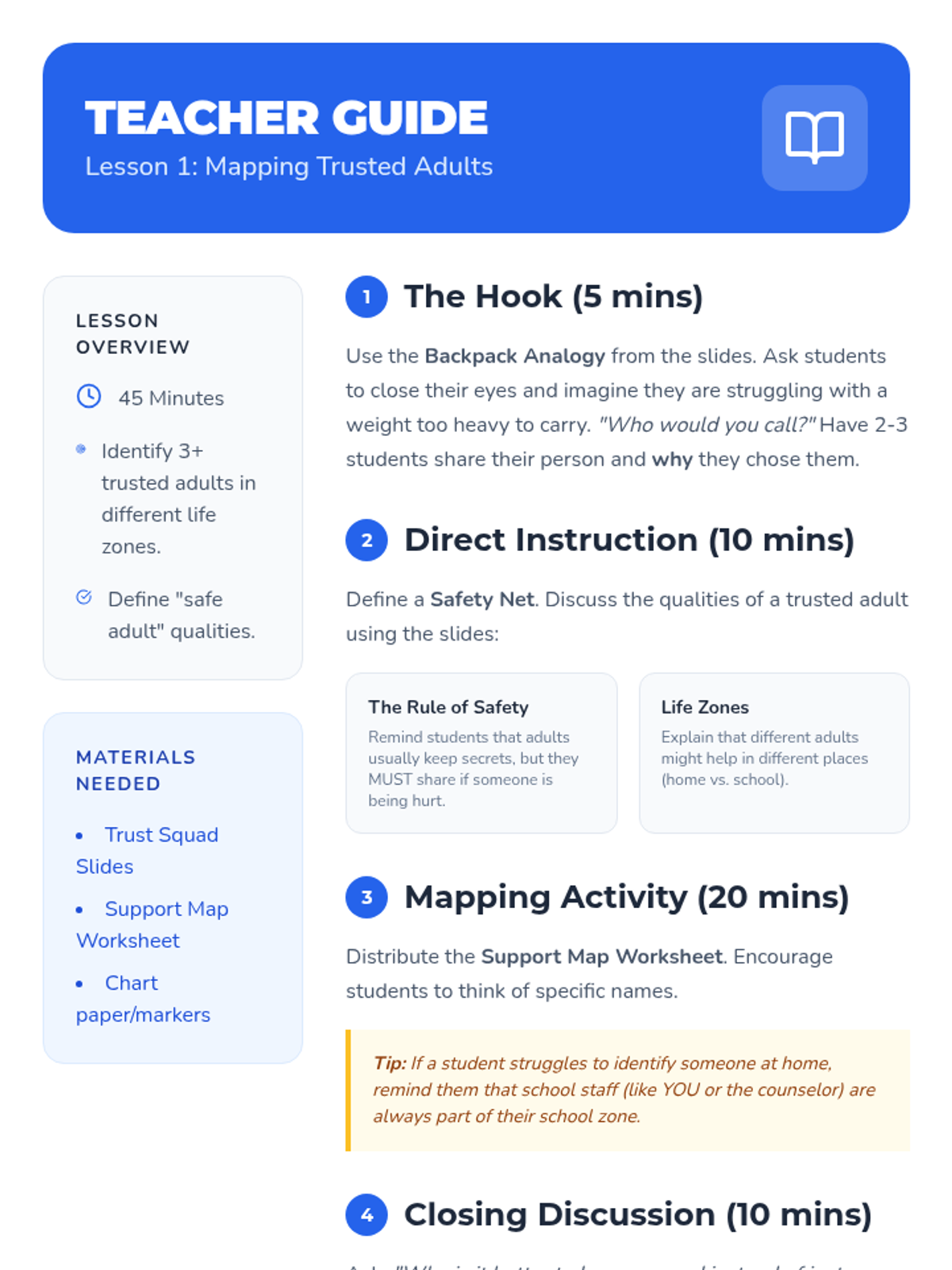
This sequence helps 5th-grade students build a personal support system by identifying trusted adults, understanding the school counselor's role, and learning how to articulate a need for help. Through interactive mapping and role-play, students gain the confidence and tools to access mental health resources.
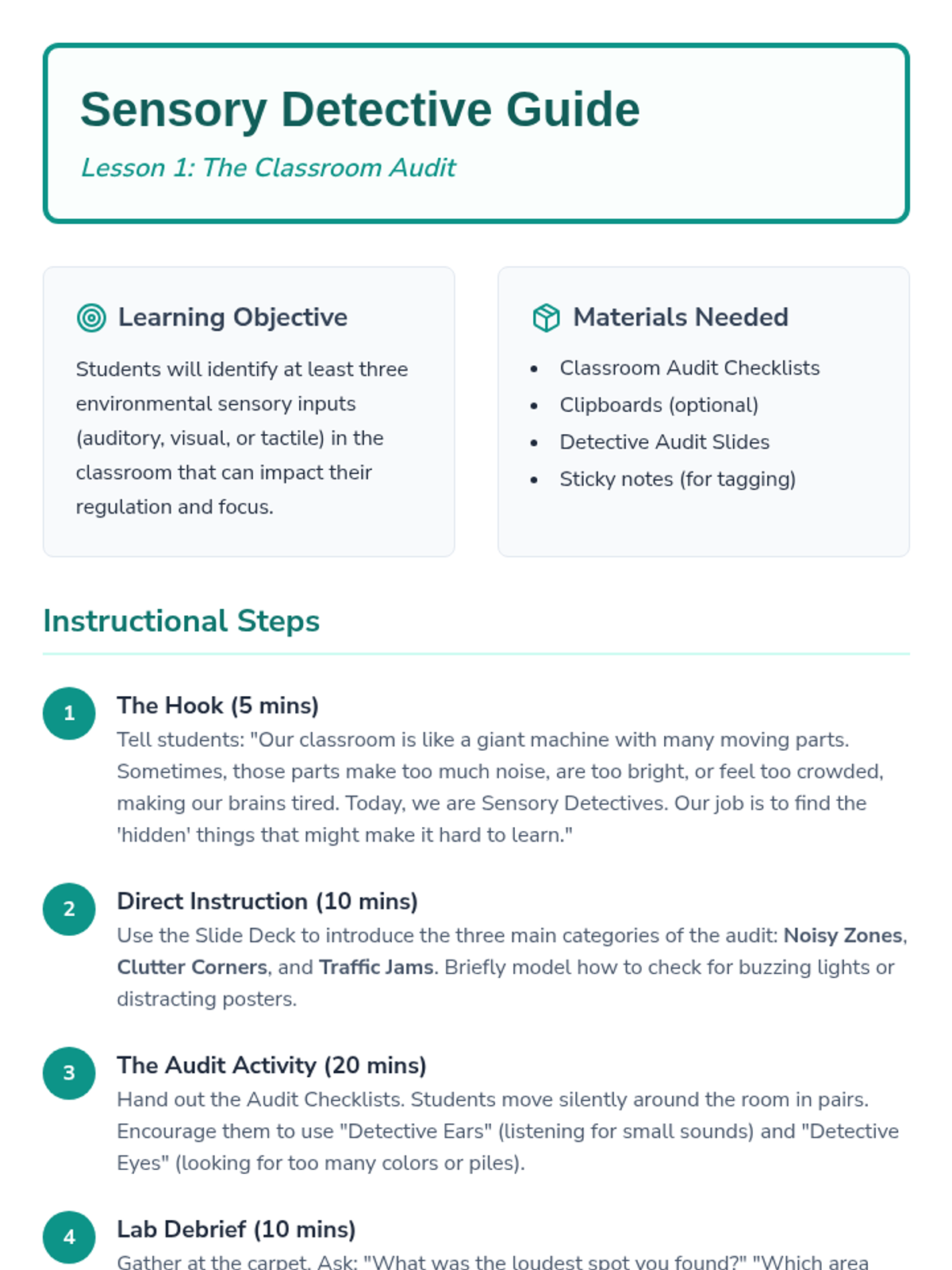
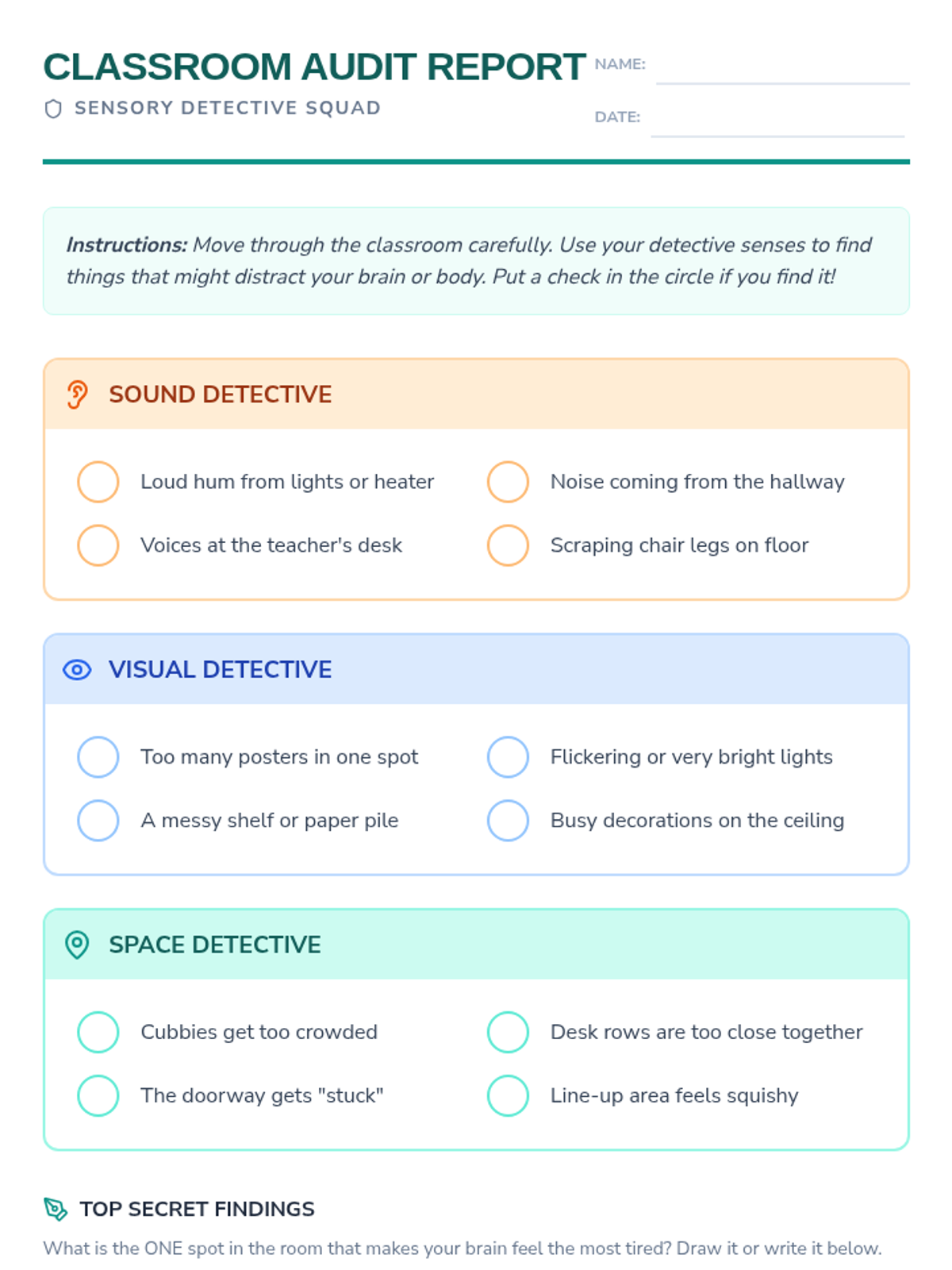
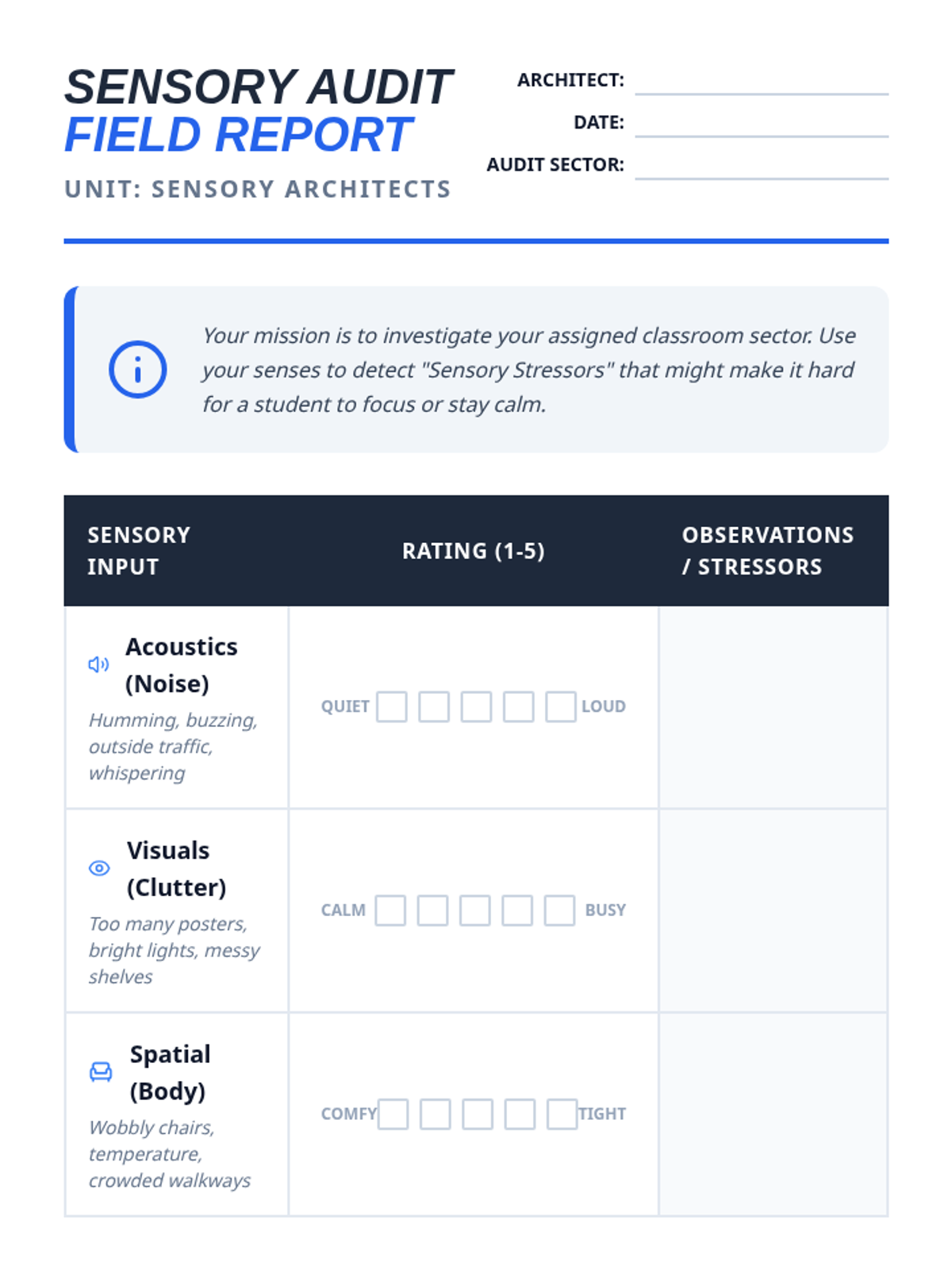
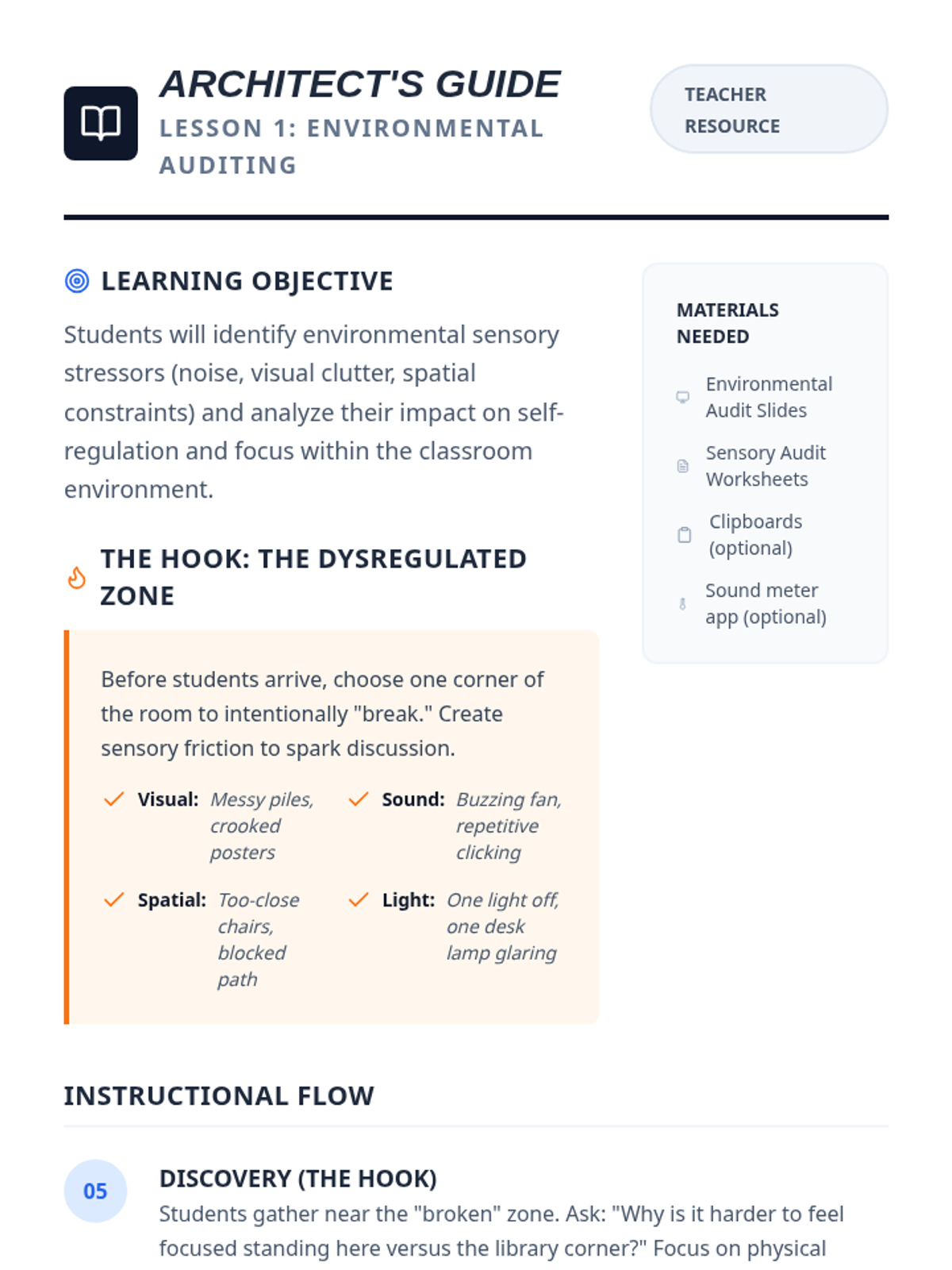
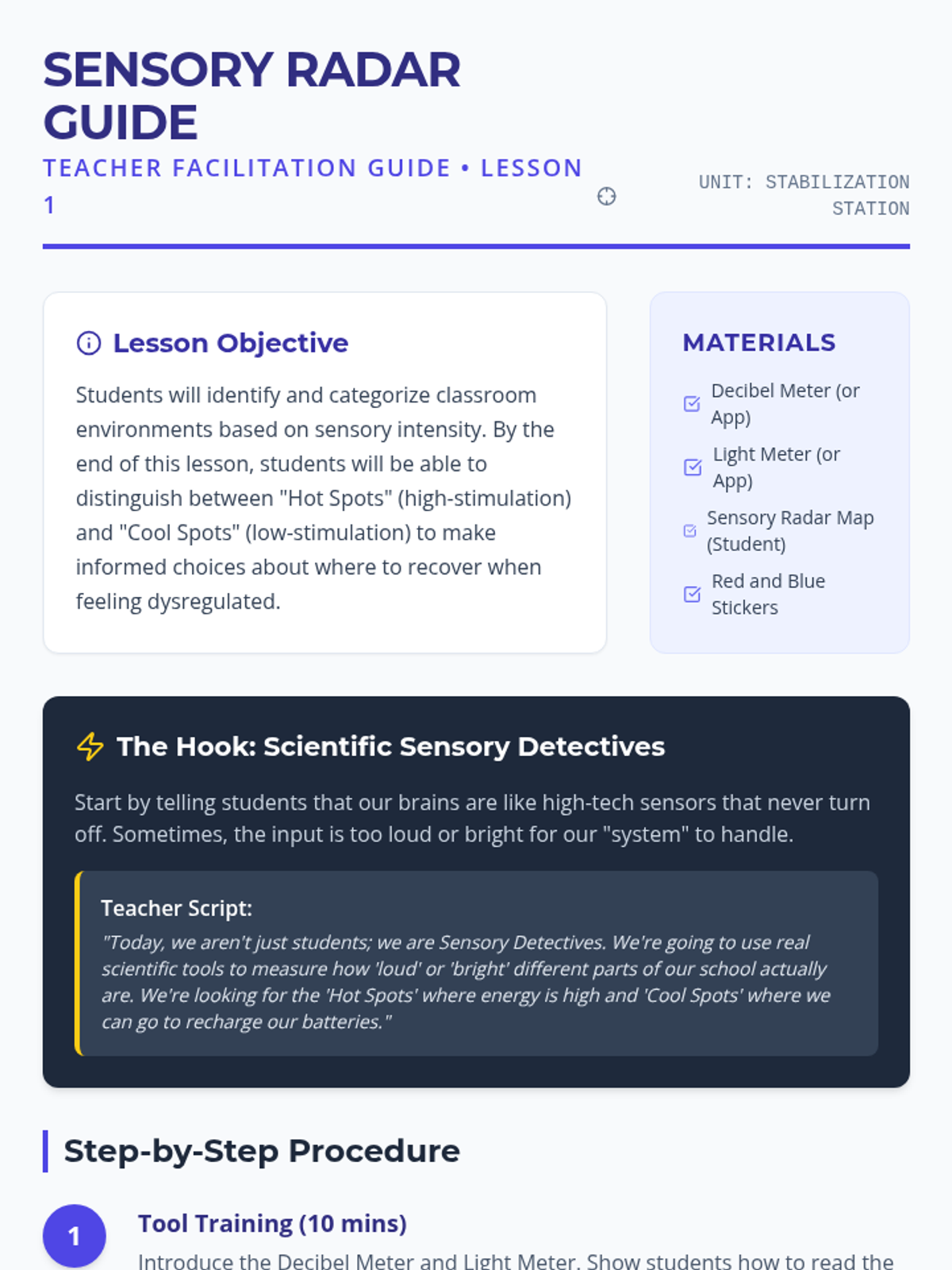
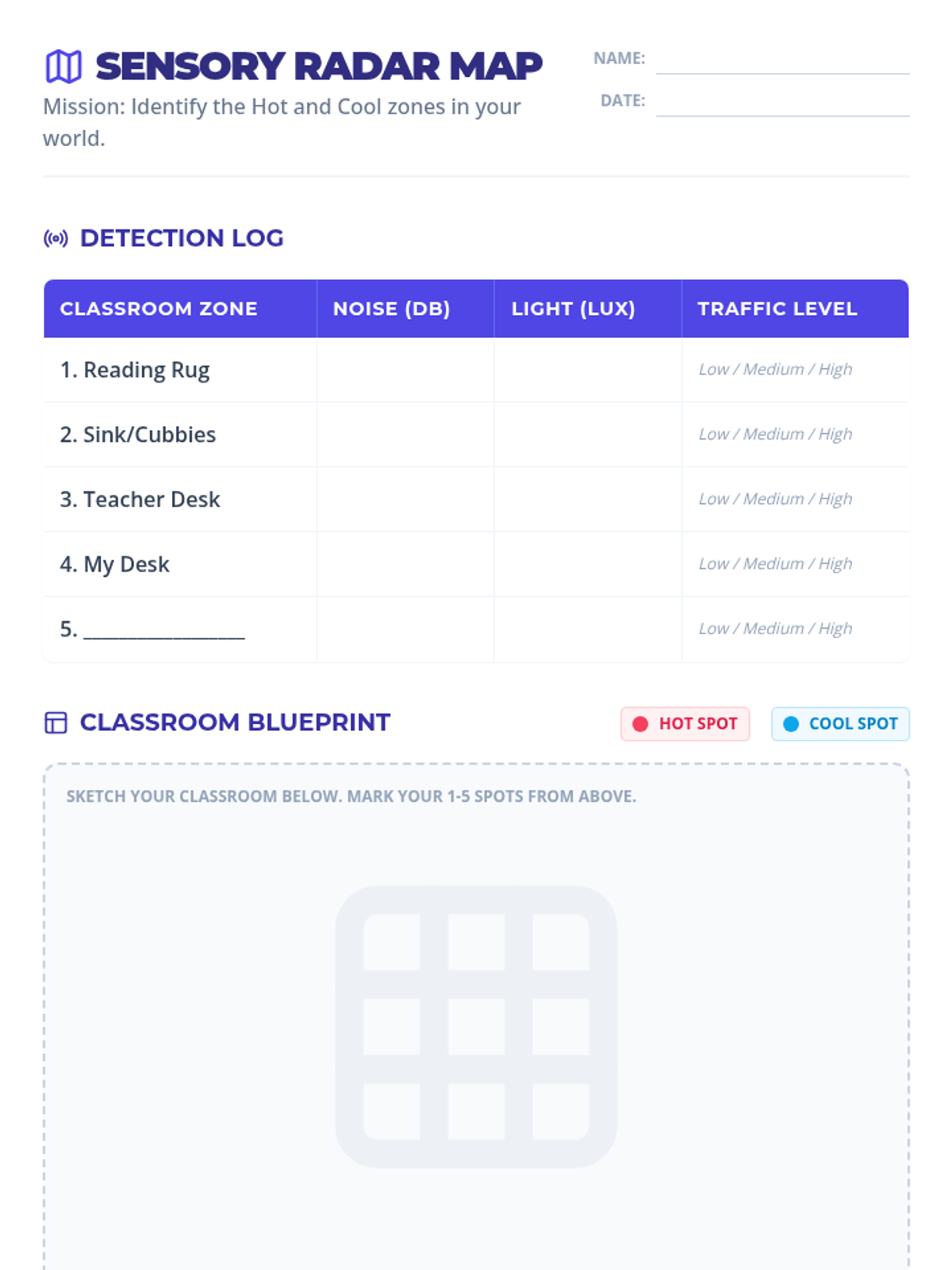
This sequence explores how environmental factors and community interactions impact sensory regulation. Students learn to audit their surroundings, respect diverse sensory needs, practice co-regulation, troubleshoot transitions, and collaboratively create a classroom sensory contract.
A 5th-grade sequence where students act as 'Sensory Architects' to analyze, design, and implement proactive sensory routines in their classroom. Students focus on environmental audits, schedule analysis, and peer-led interventions to support collective focus and regulation.
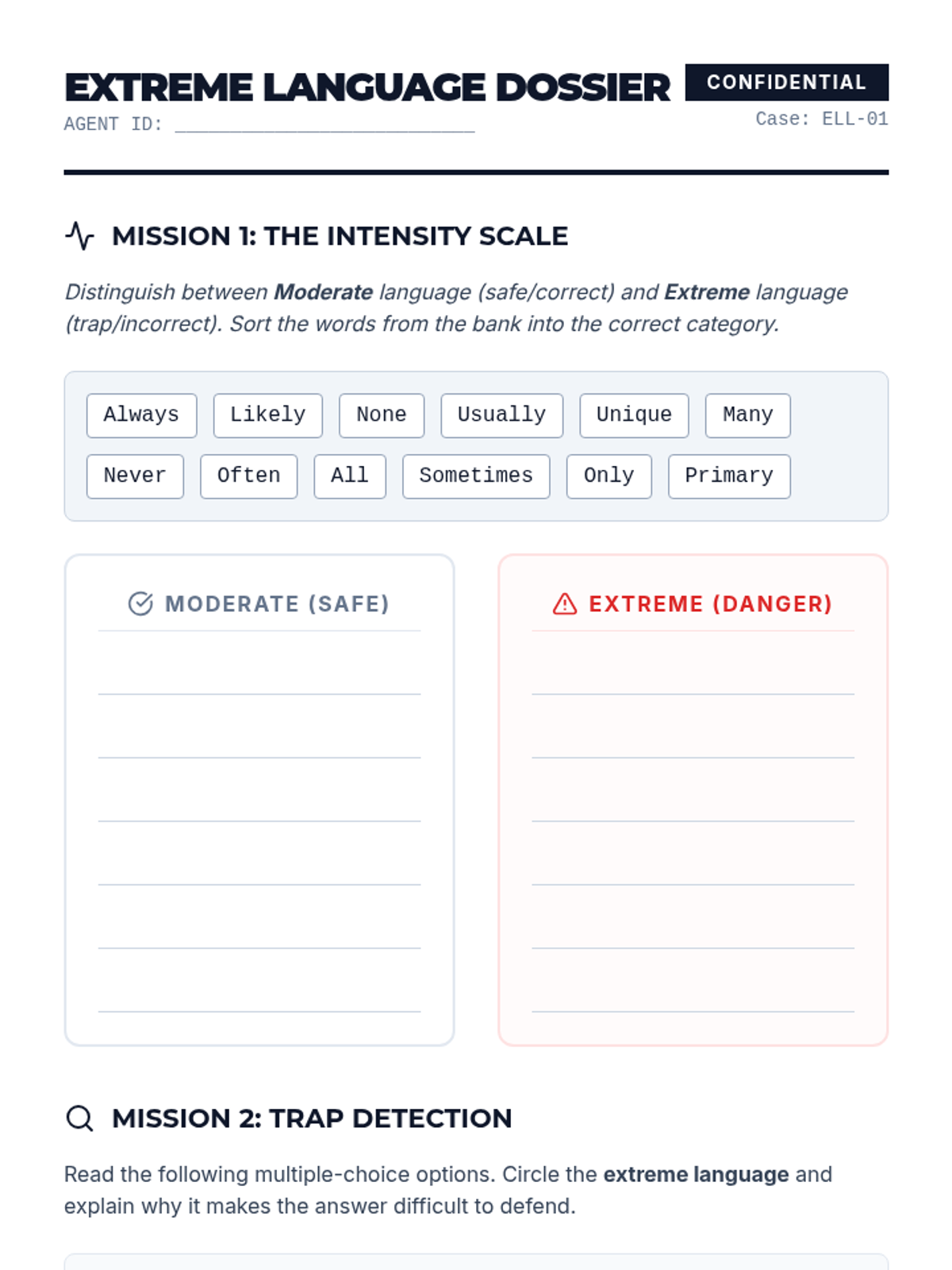
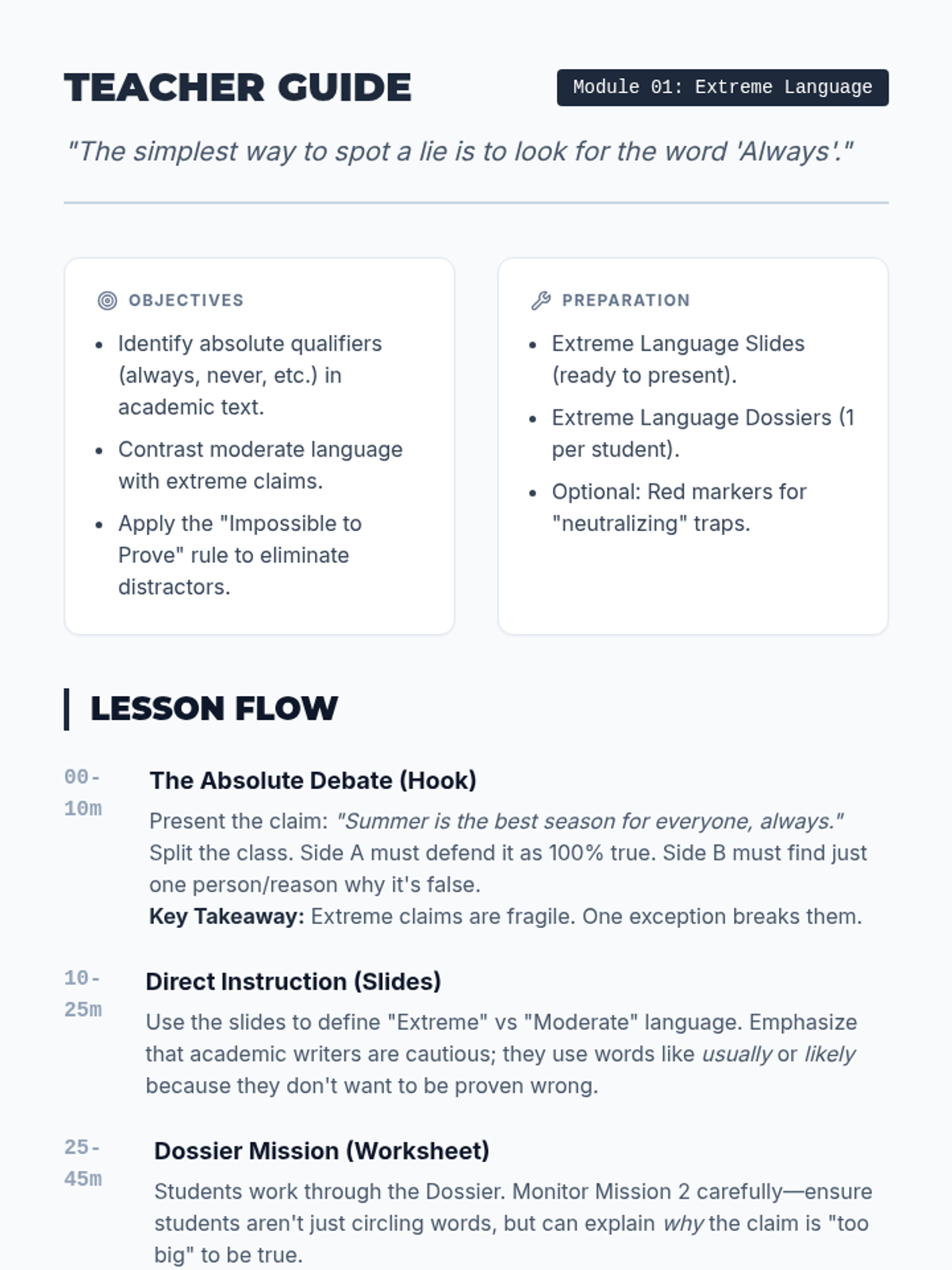
This sequence transforms students into 'Trap Detectives' who can identify and eliminate common distractors in academic tests. Students learn to spot extreme language, half-right traps, and out-of-scope answers through gamified lessons and role-reversal activities.
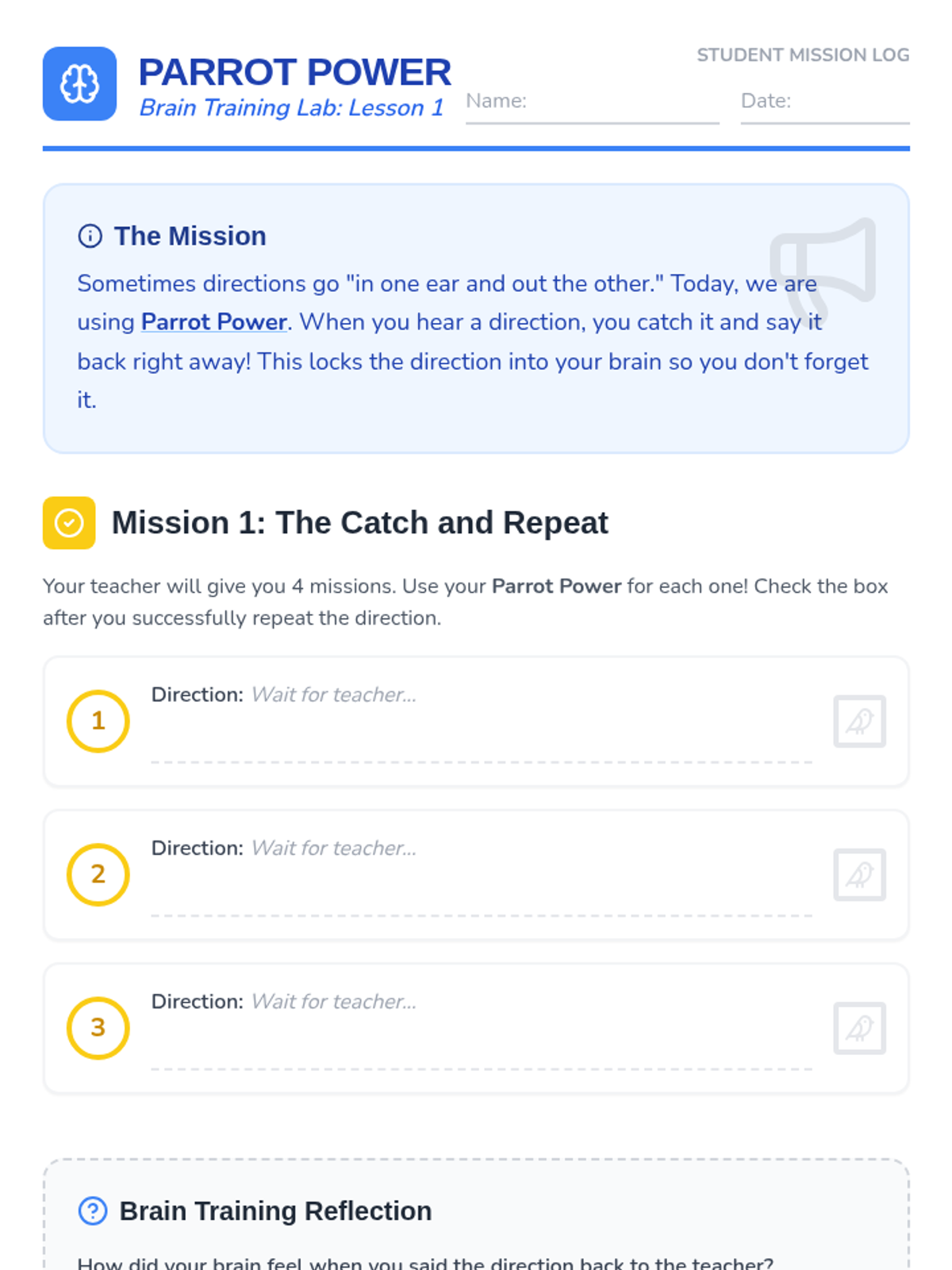
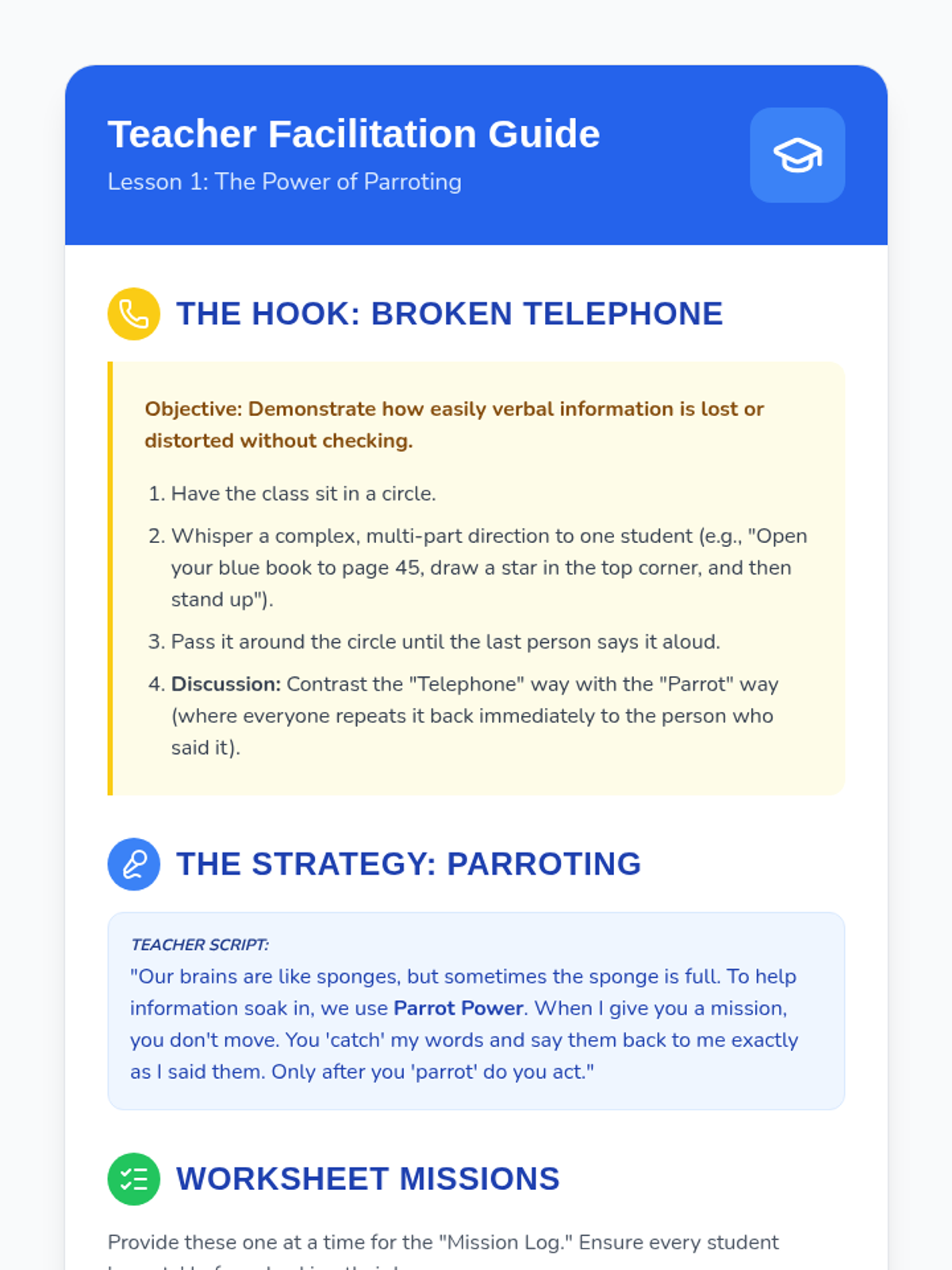
This sequence focuses on auditory processing and the cognitive strategy of verbal rehearsal (self-talk) to hold information in working memory. Students learn to 'catch' a verbal instruction, repeat it to themselves or a peer, and then execute it.
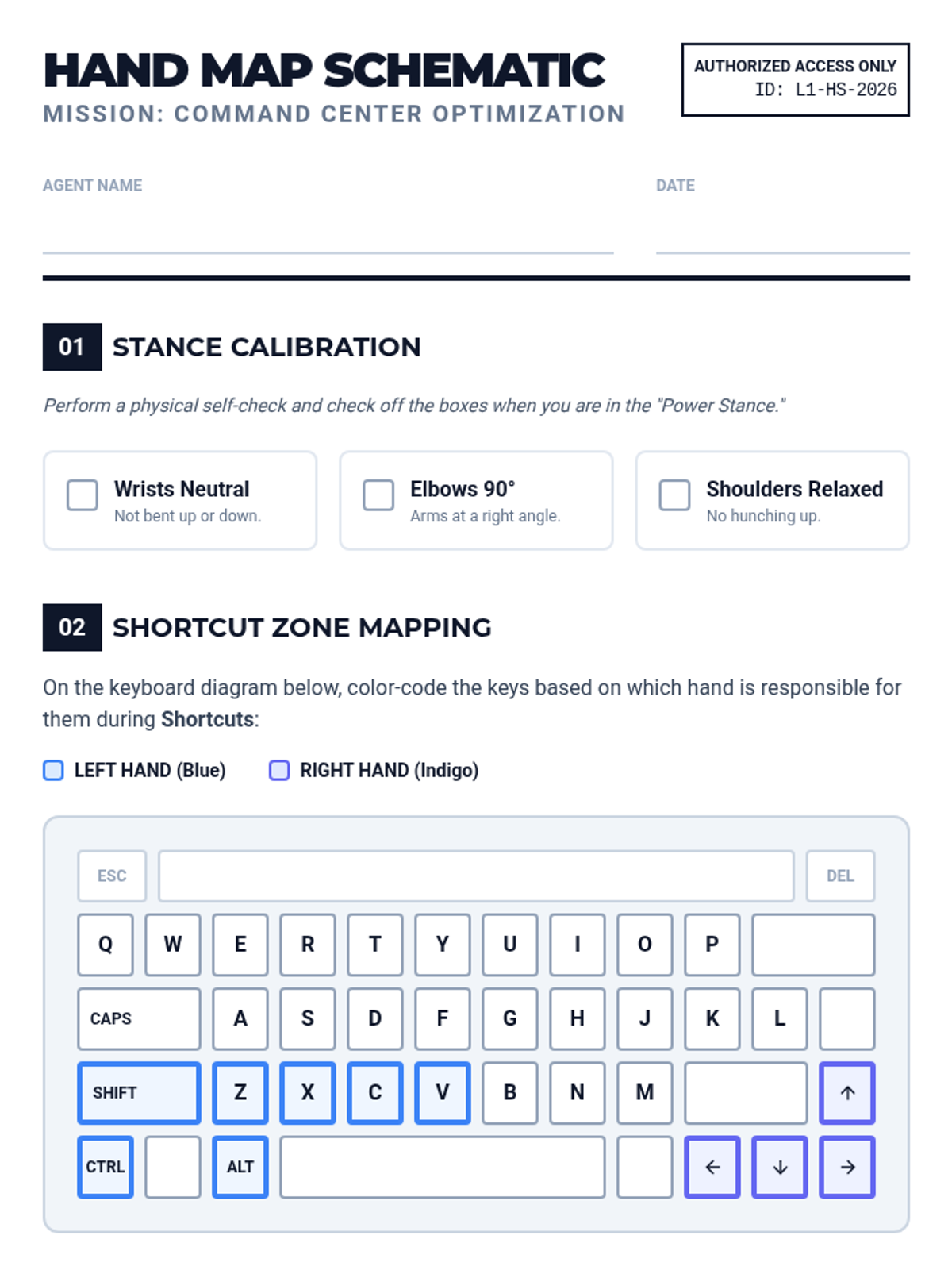
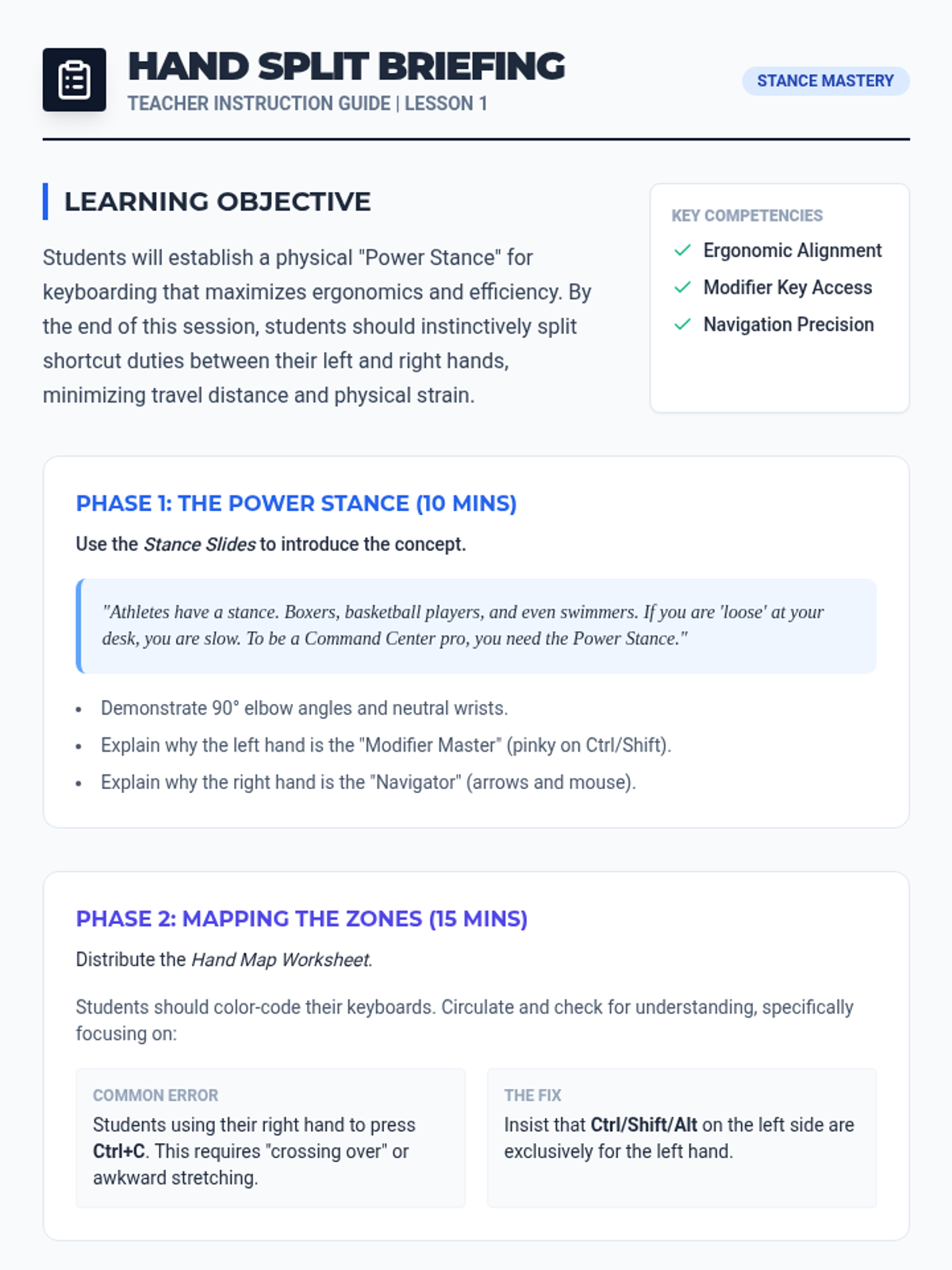
A gamified mastery sequence for 5th-grade students focusing on keyboard shortcuts and assistive technology. Students build muscle memory through drills, games, and troubleshooting simulations to achieve digital efficiency.
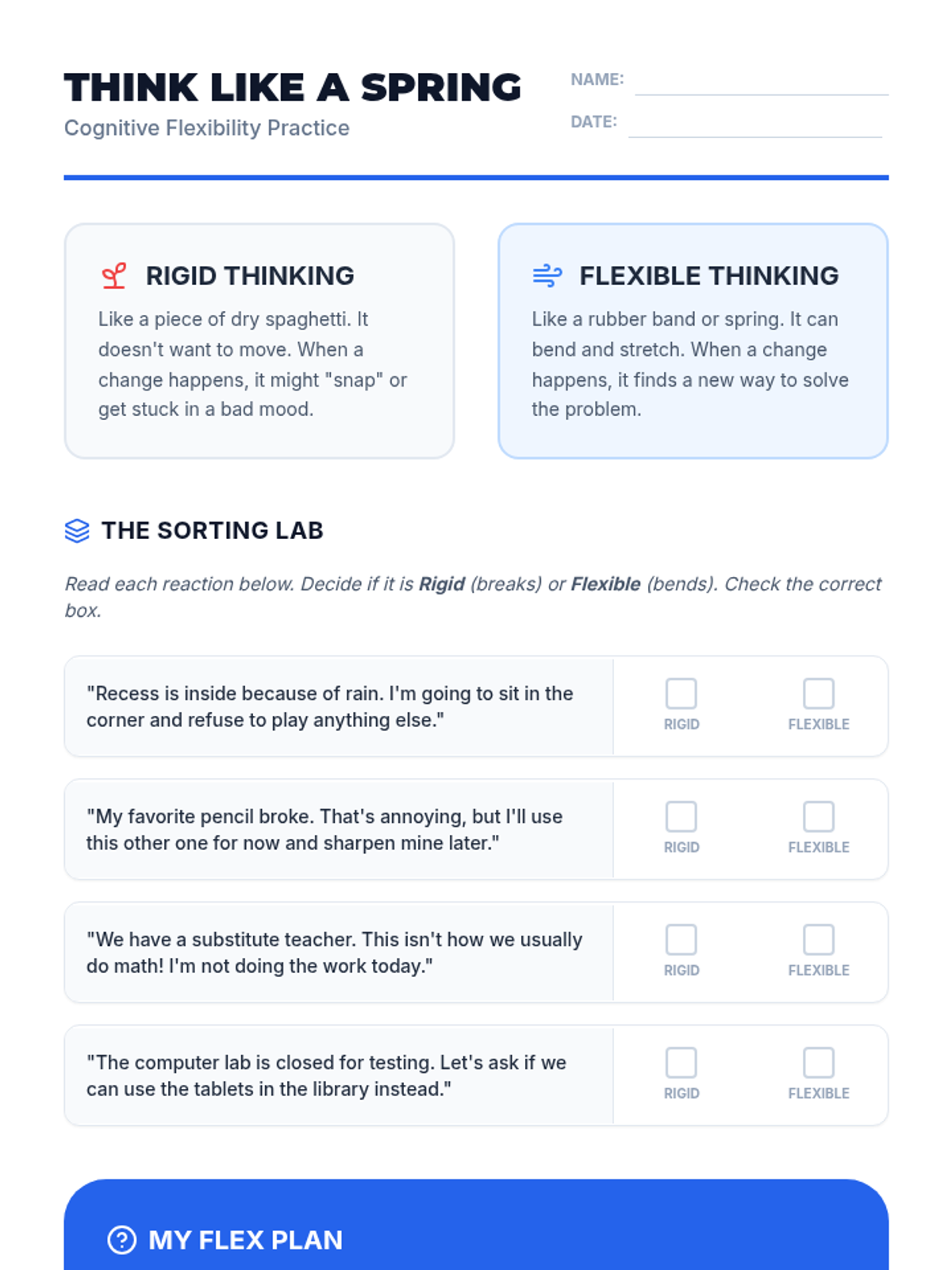
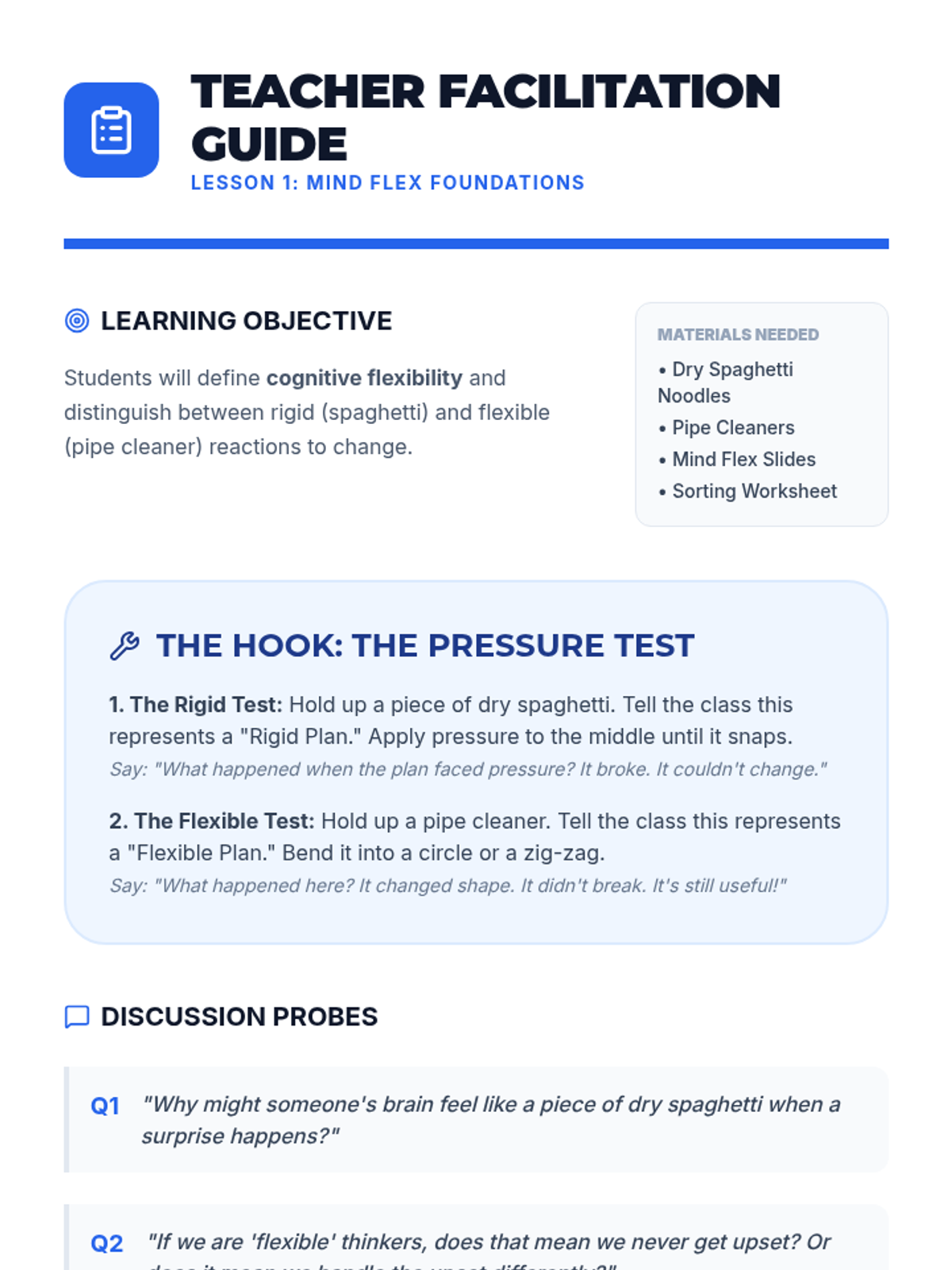
This sequence helps 5th-grade students develop cognitive flexibility and coping strategies for handling unexpected changes. It uses metaphors like 'bending vs. breaking' to teach self-regulation, positive self-talk, and de-escalation techniques.
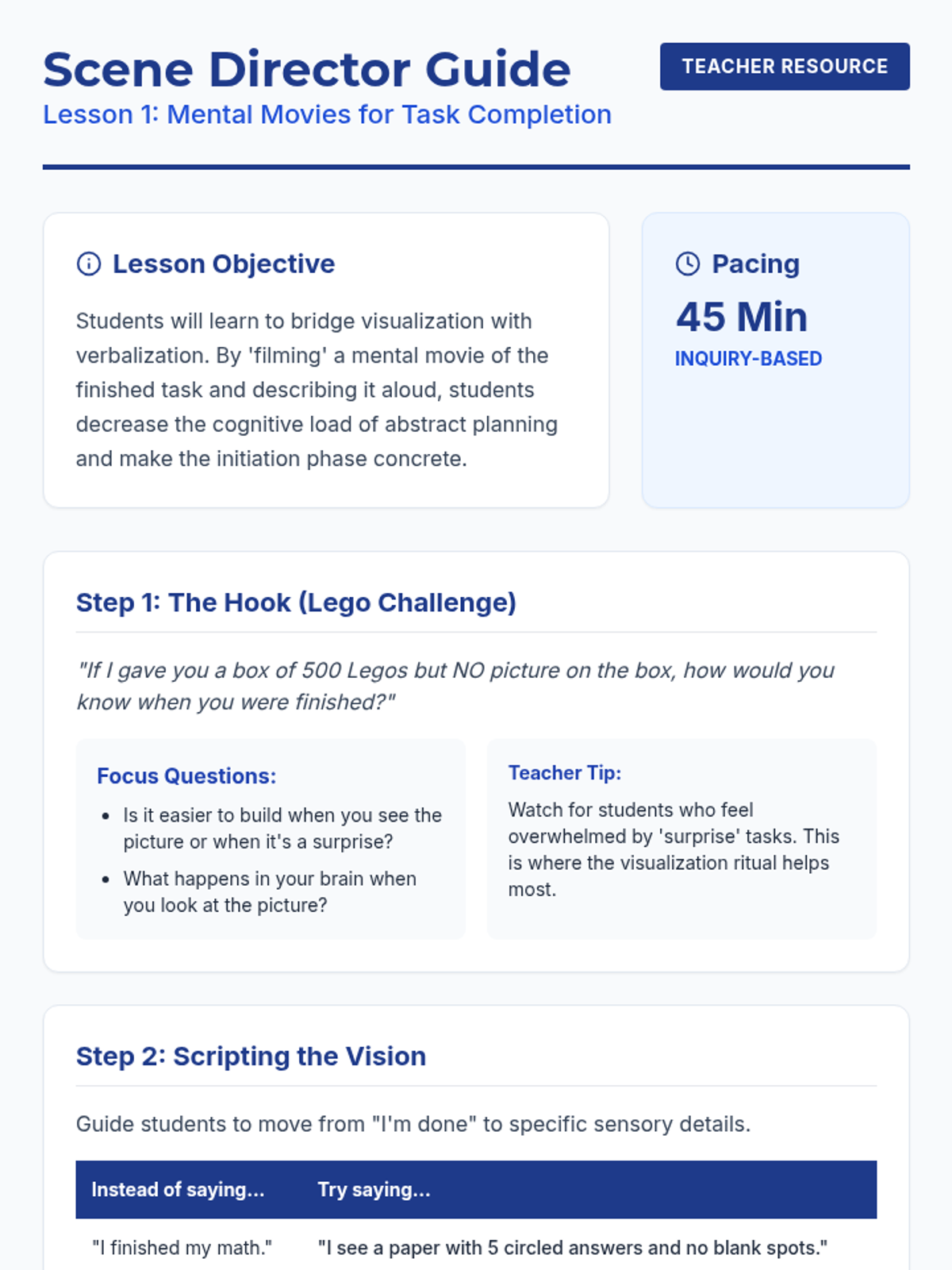
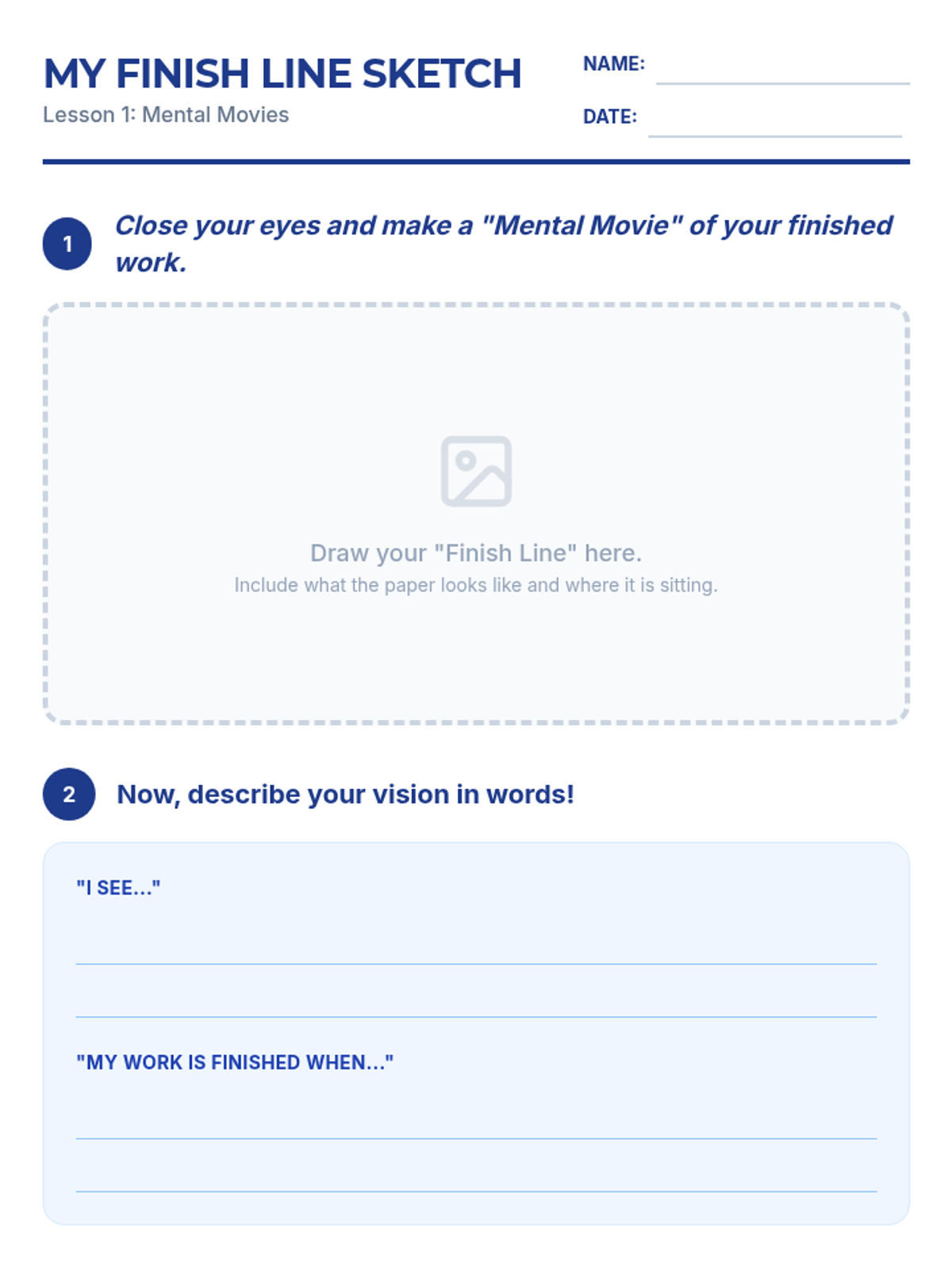
This sequence teaches 5th-grade students to use the 'Mental Movie' visualization strategy to improve their auditory working memory and ability to follow multi-step directions. Students progress from simple drawings to complex academic tasks by learning to convert spoken instructions into mental imagery and rapid sketches.
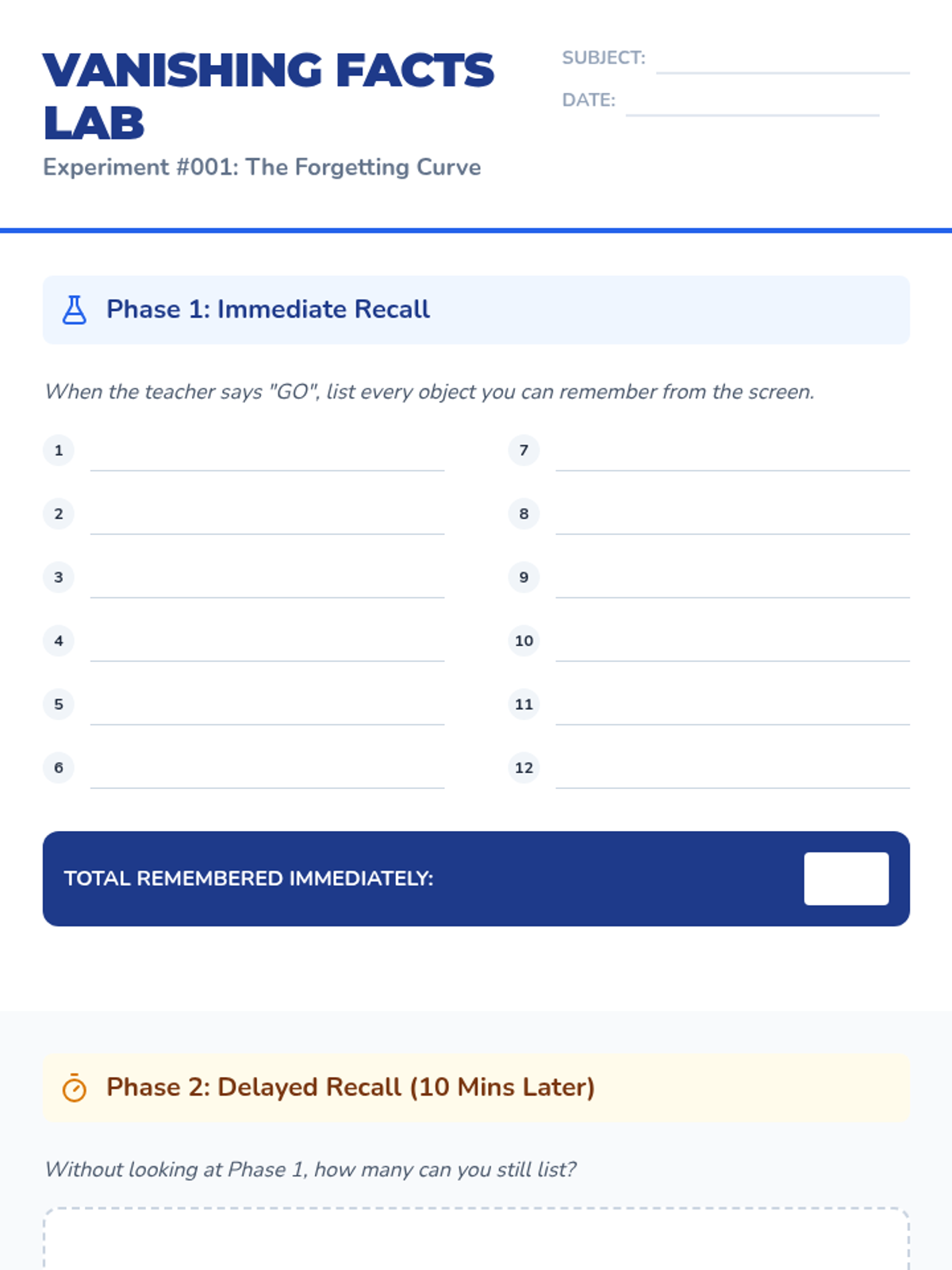
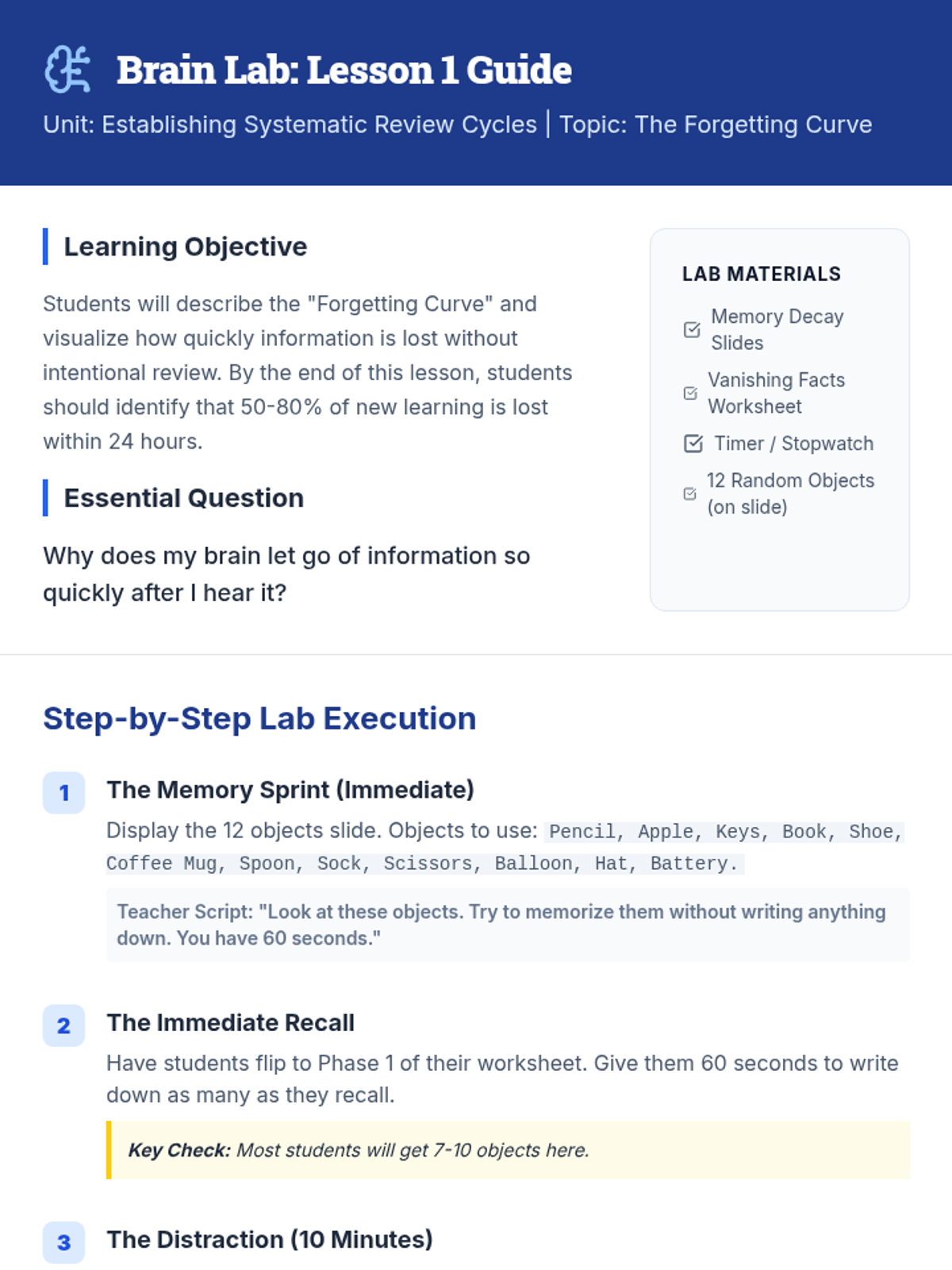
A sequence for 6th-grade students on memory mechanics, the forgetting curve, and the power of spaced repetition to improve retention. Students explore how their brains store information through hands-on simulations, data tracking, and strategic planning.
This sequence introduces 5th-grade students to the science of memory, the forgetting curve, and the power of spaced repetition to improve long-term learning and retention.
This sequence shifts focus from the design of the study guide to its utility, emphasizing active recall and self-testing strategies to help students distinguish between familiarity and actual mastery of material.
A project-based unit where students act as organization consultants to evaluate, redesign, and implement efficient physical systems in their classroom. Students learn systems thinking, visual communication, and the psychology of environmental design to create a more functional learning space.
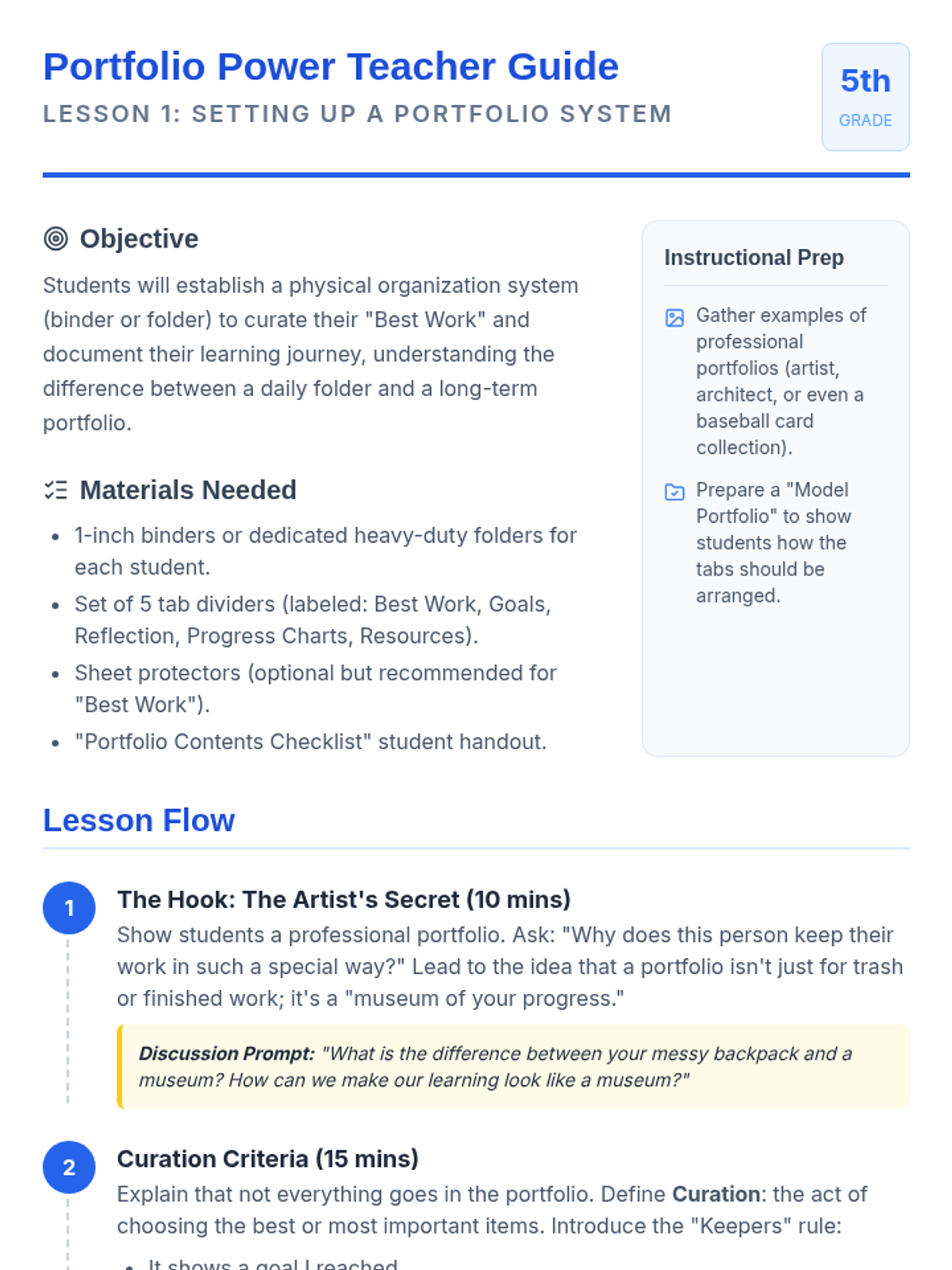
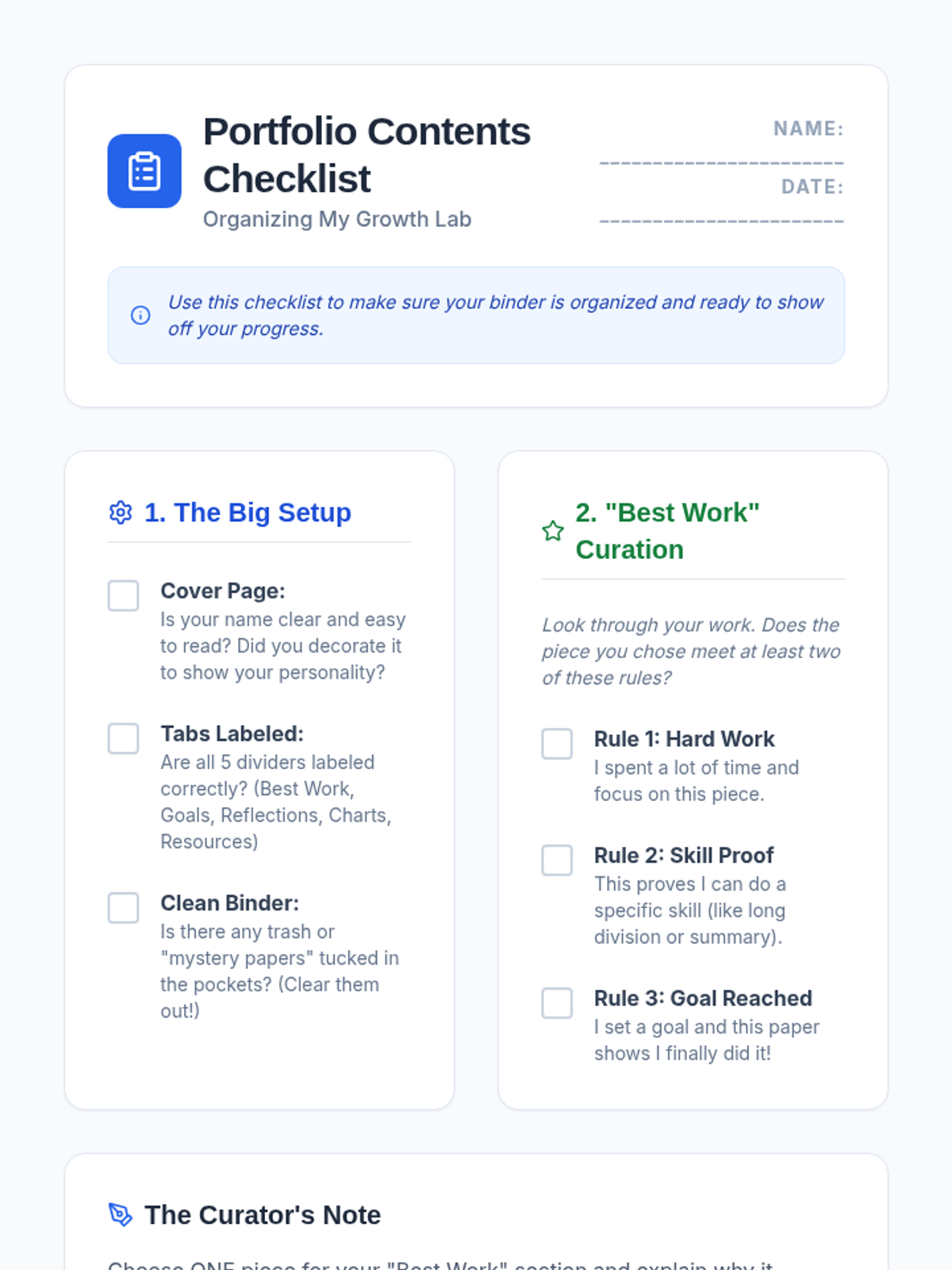
This sequence teaches 5th-grade students how to organize their school 'data'—assignments, goals, and grades—to take active ownership of their learning. Students move from passive learners to organized achievers by building portfolios, tracking tasks, and visualizing their growth.
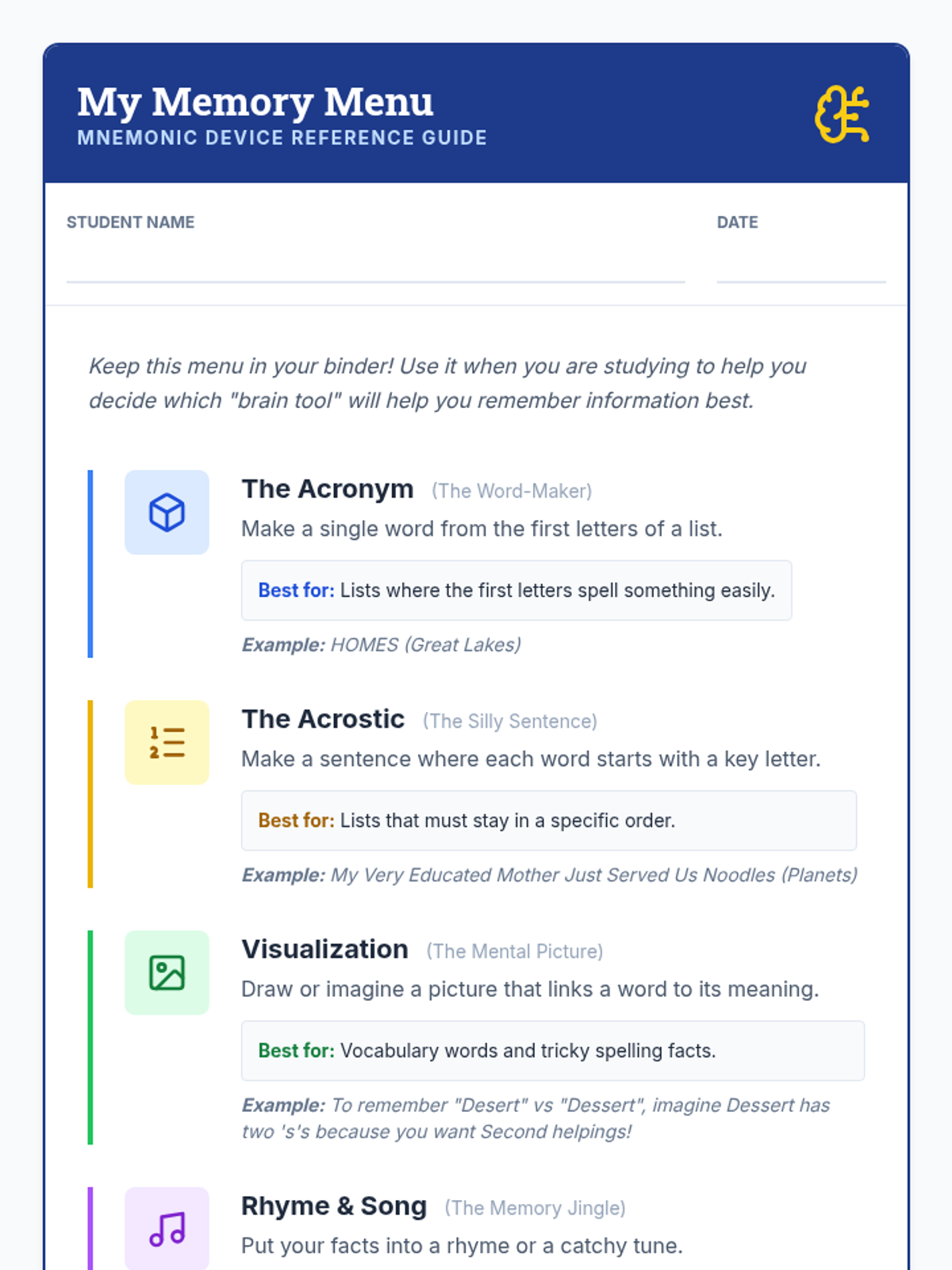
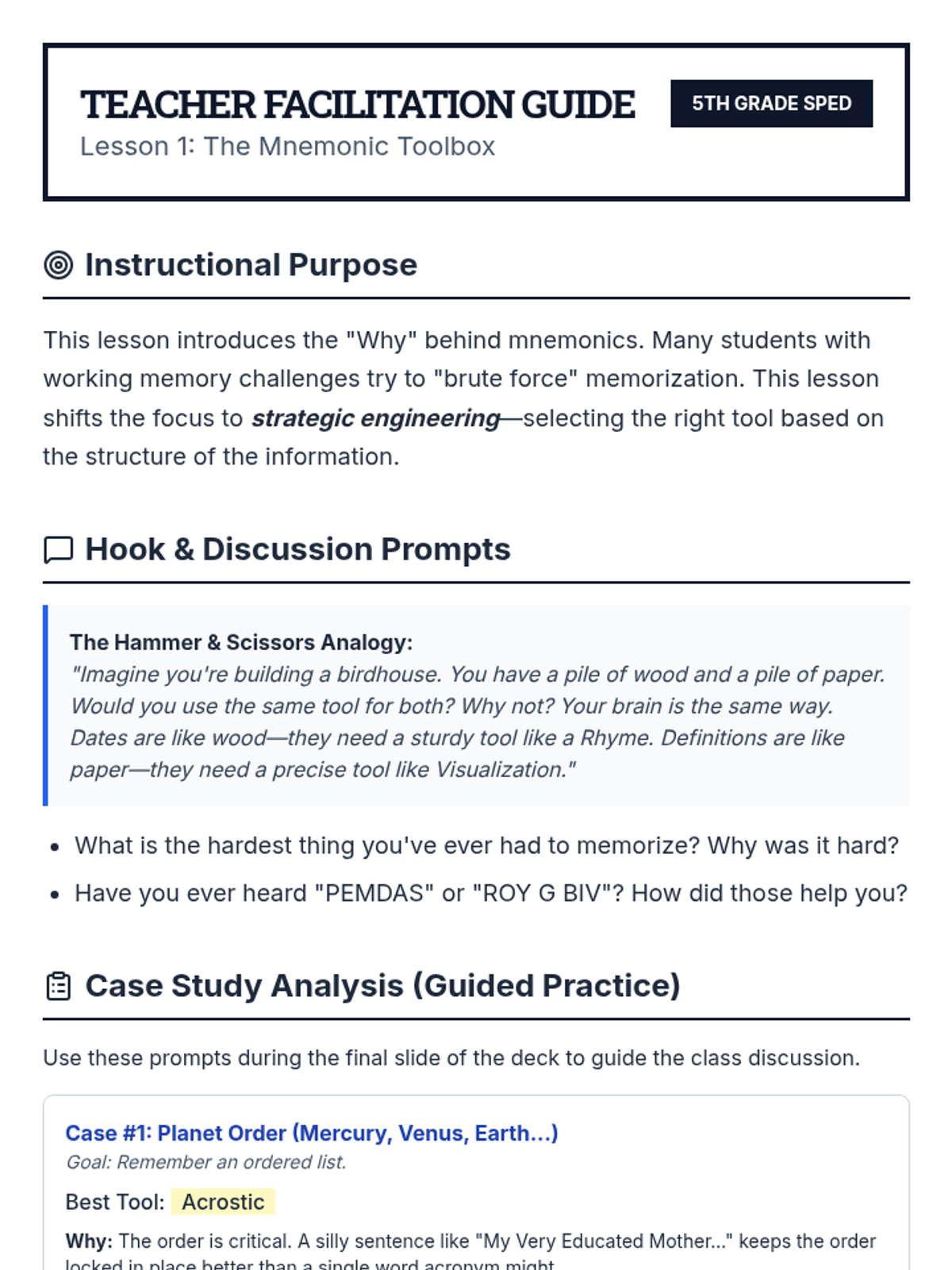
A metacognitive sequence for 5th-grade students to master the selection and application of mnemonic devices for academic success. Students move from identifying memory tools to strategically applying them to real-world study scenarios.
A 5th-grade sequence focused on building cognitive resilience through chunking strategies. Students move from understanding basic working memory limits to applying sophisticated visual, semantic, and procedural segmentation to academic tasks.
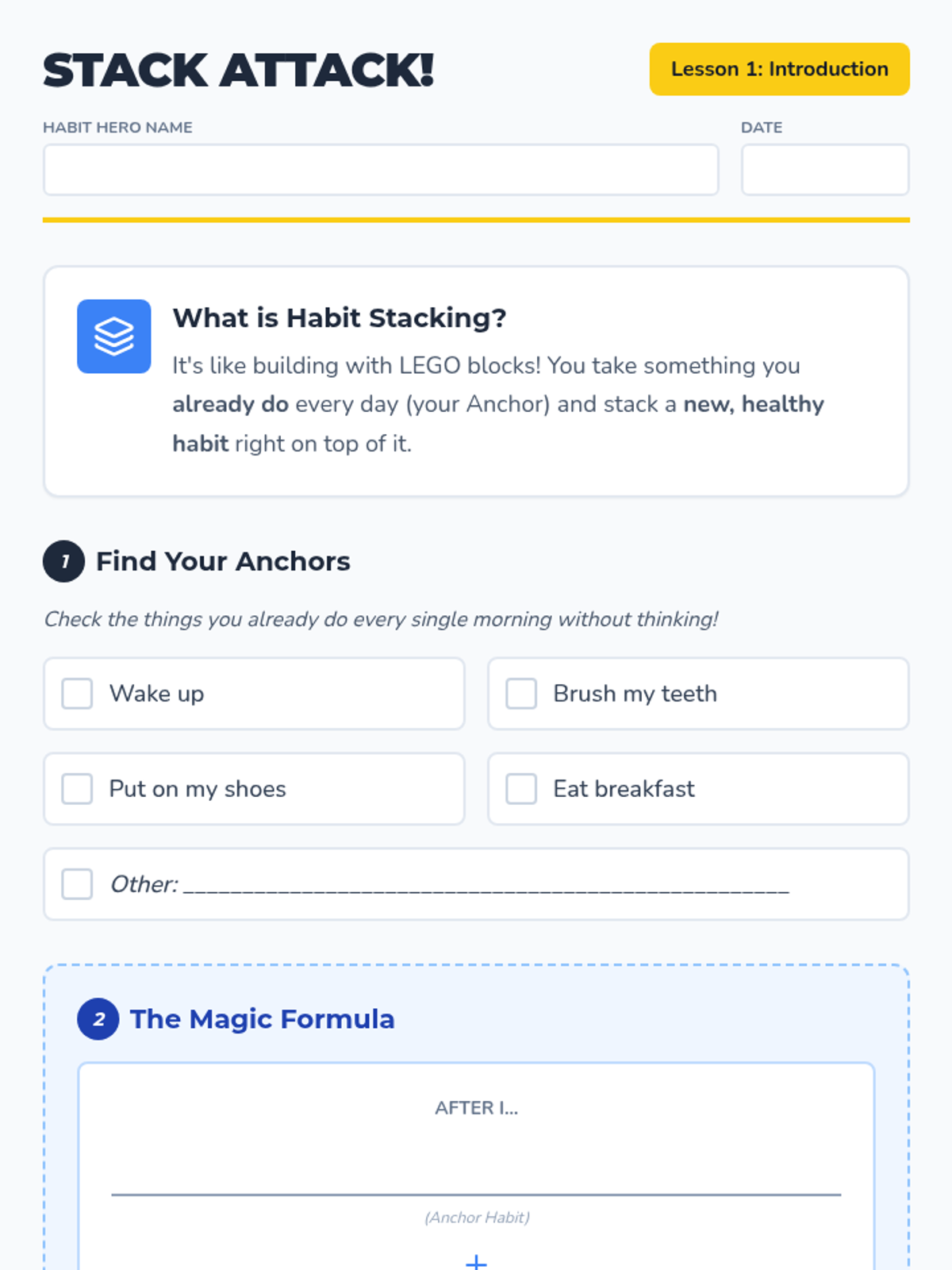
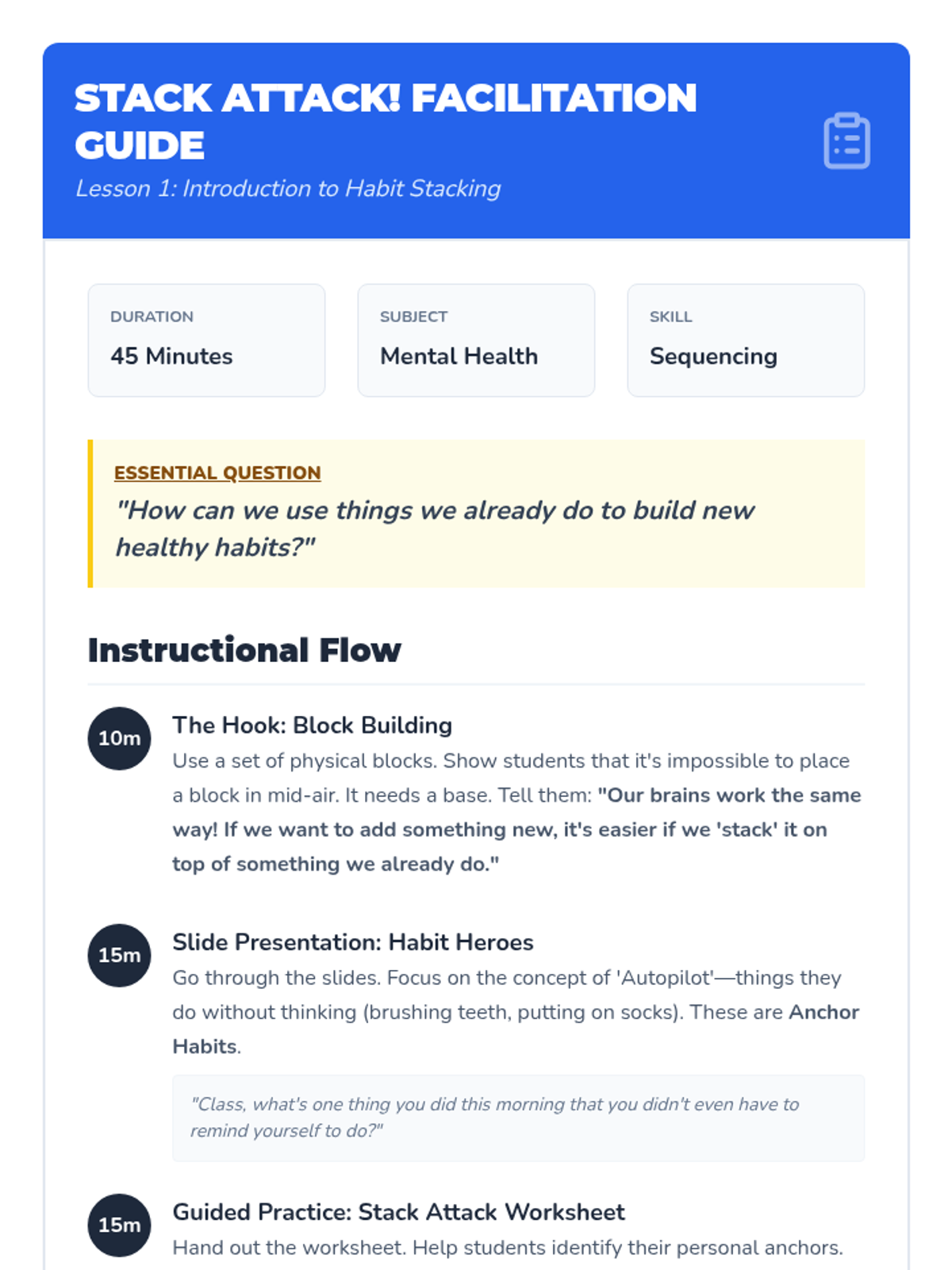
This synthesis sequence focuses on the mechanics of habit formation, specifically 'habit stacking' to build morning routines that support mental health. Students move from understanding individual healthy choices to organizing them into a coherent flow using simple tracking tools and reflection.
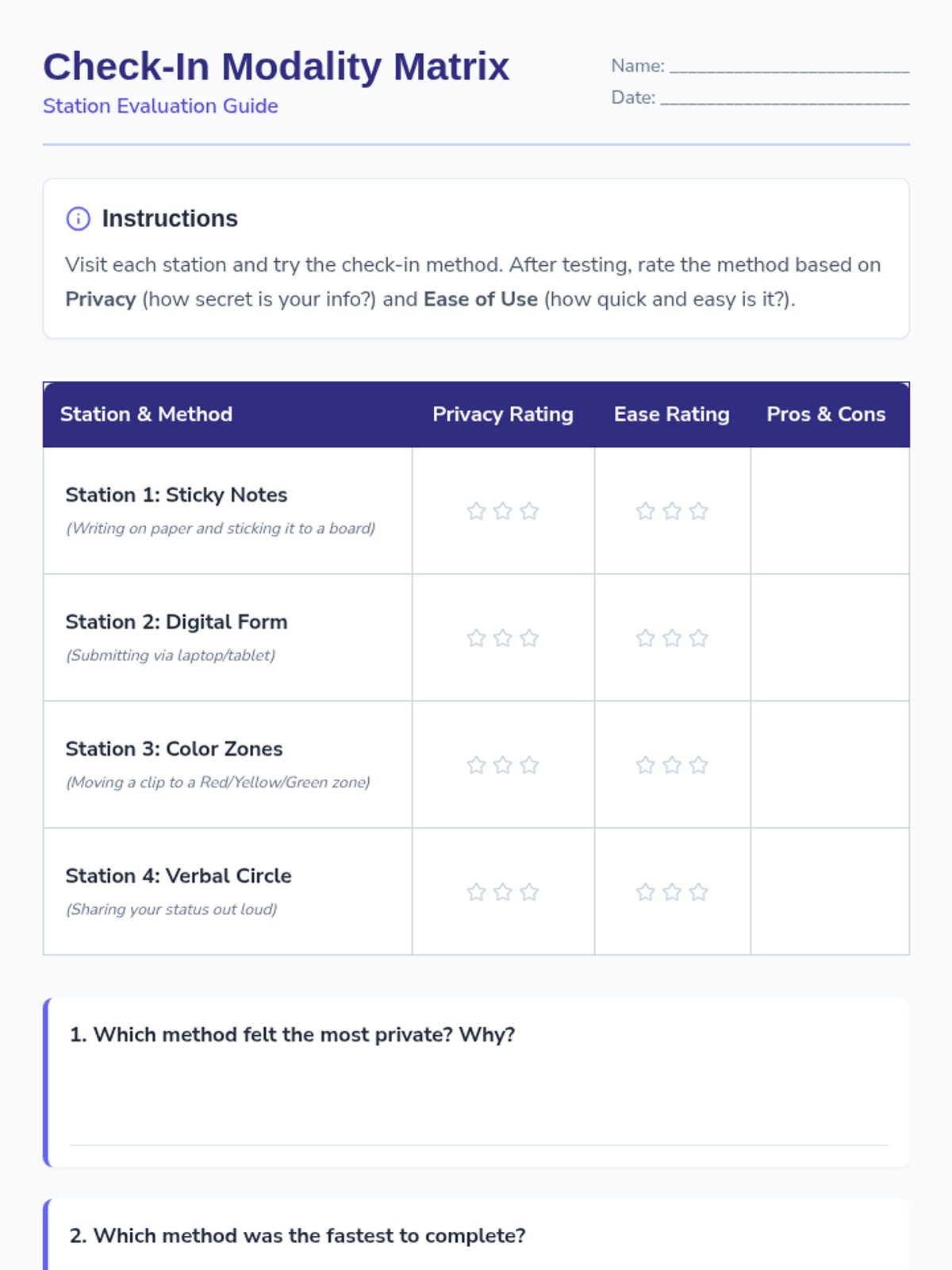
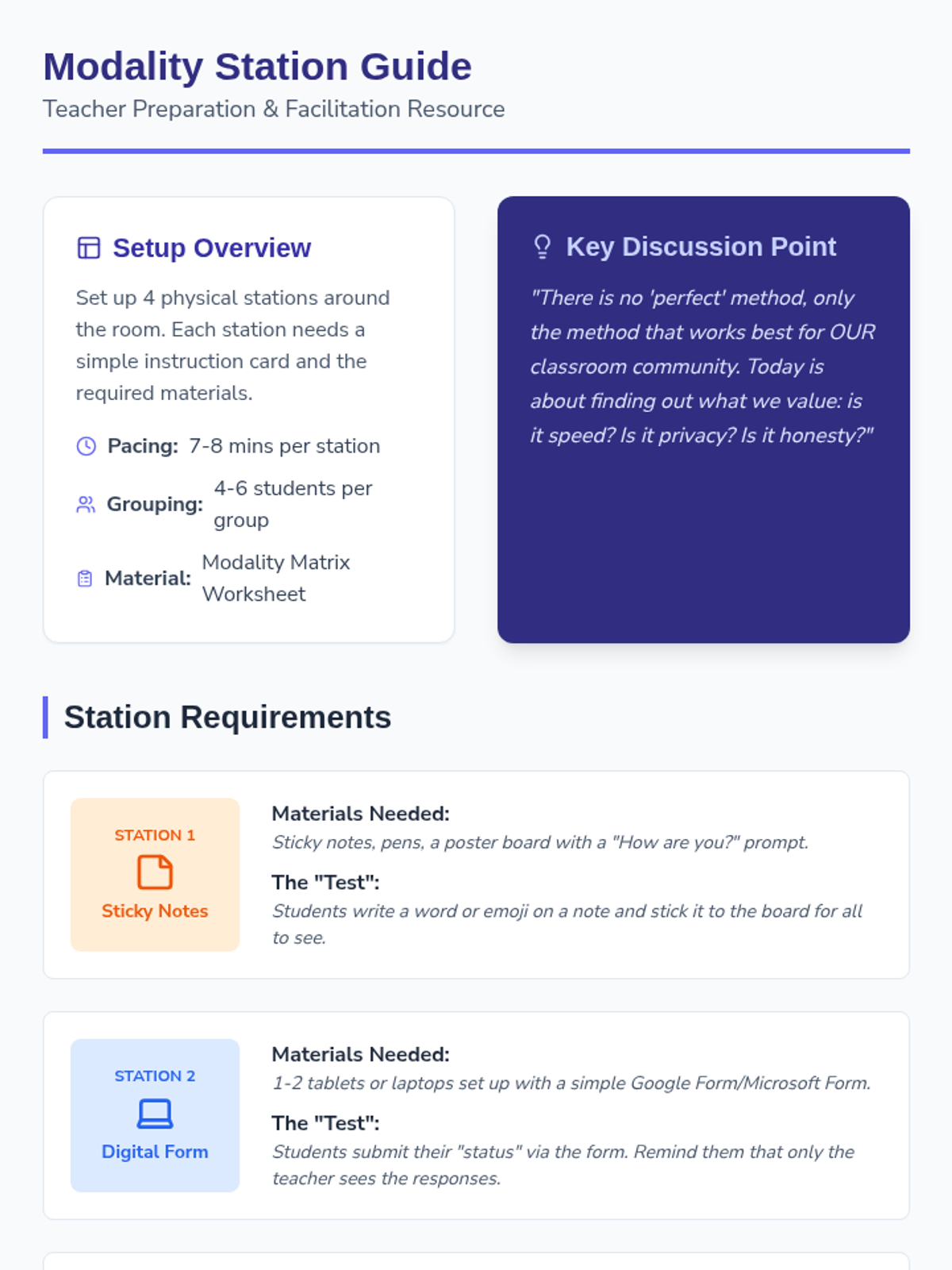
A project-based unit where 5th-grade students analyze, design, and implement a daily classroom check-in system. Students explore different modalities, evaluate privacy needs, and collaborate to create a supportive routine that fosters emotional awareness and psychological safety.
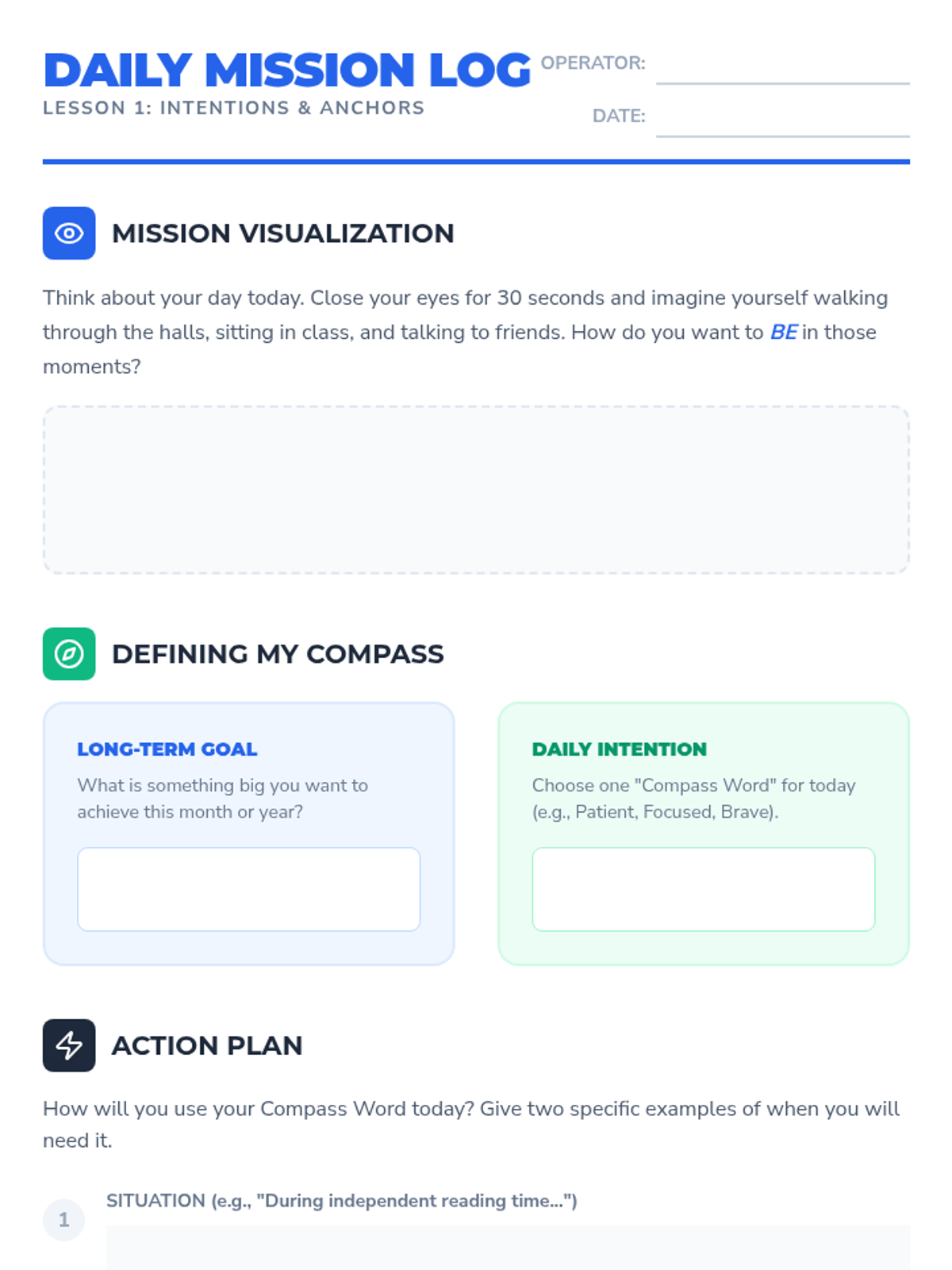
A 5-lesson sequence for 5th graders focused on linking emotional check-ins to daily goal setting and behavior management. Students learn to set intentions, align goals with energy levels, and reflect on their progress using the SMART framework and proactive obstacle planning.
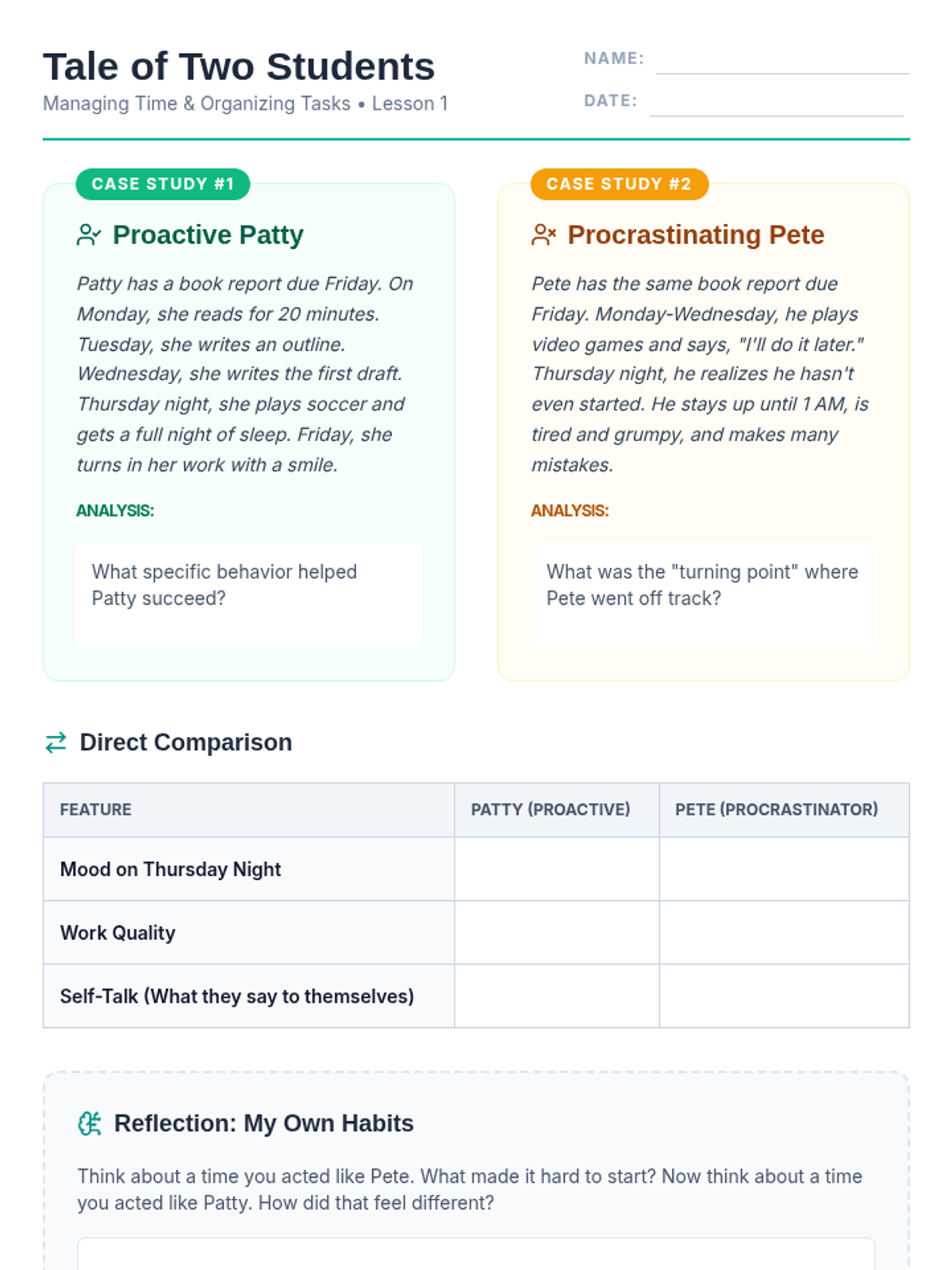
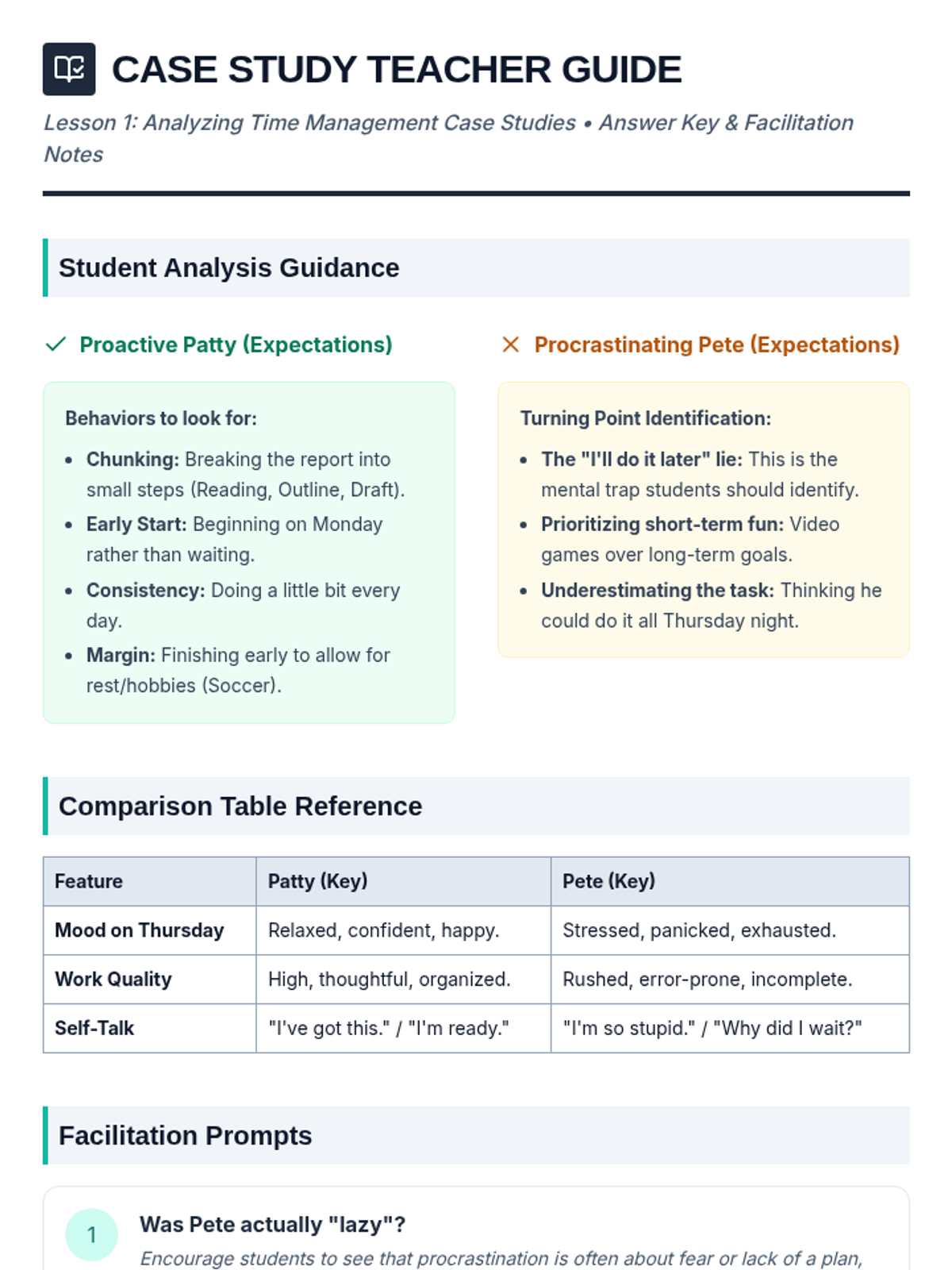
A comprehensive sequence for 5th-grade students focusing on executive function skills, time management, and task organization. Students move from analyzing case studies to creating their own actionable weekly schedules.
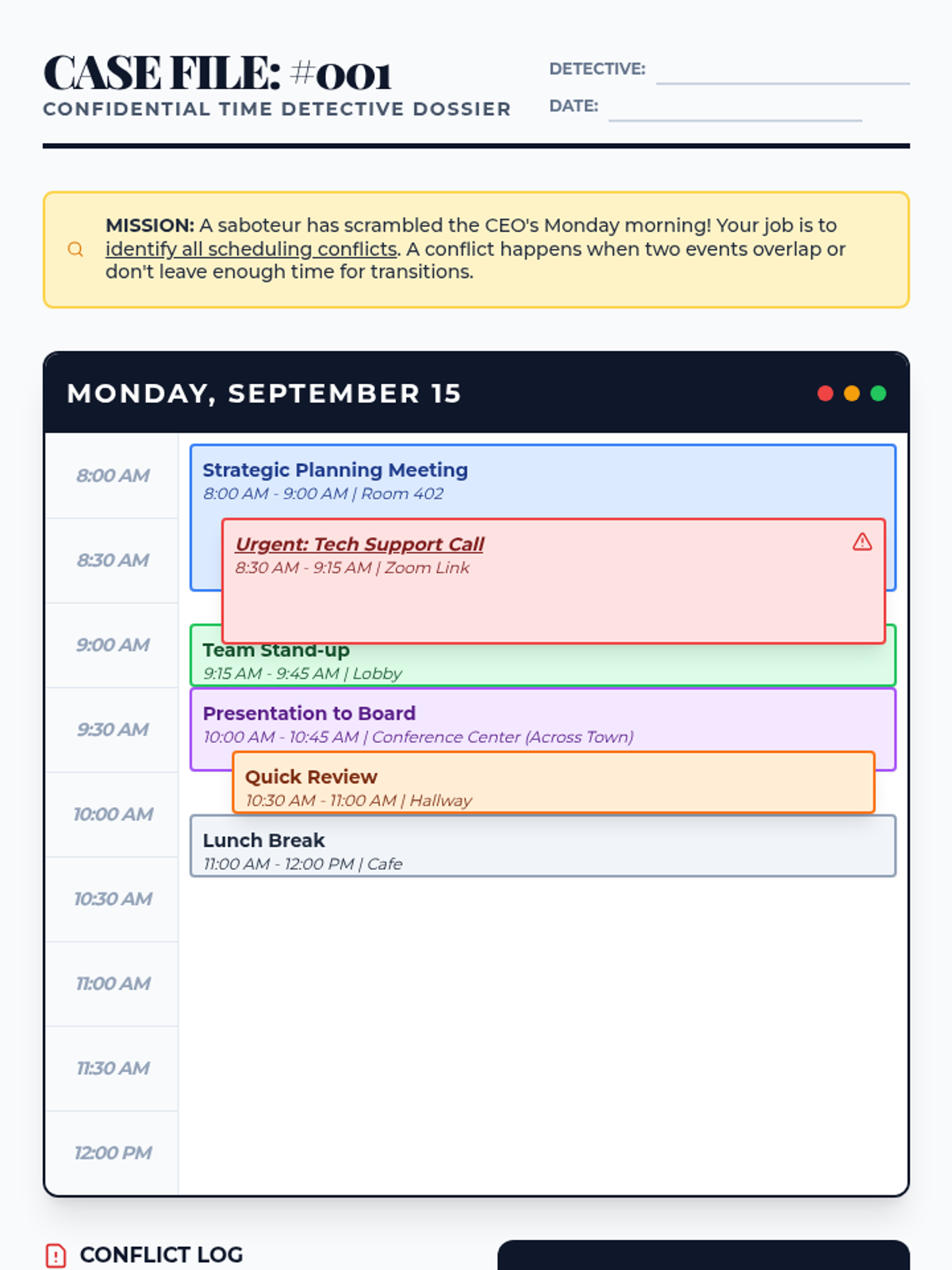
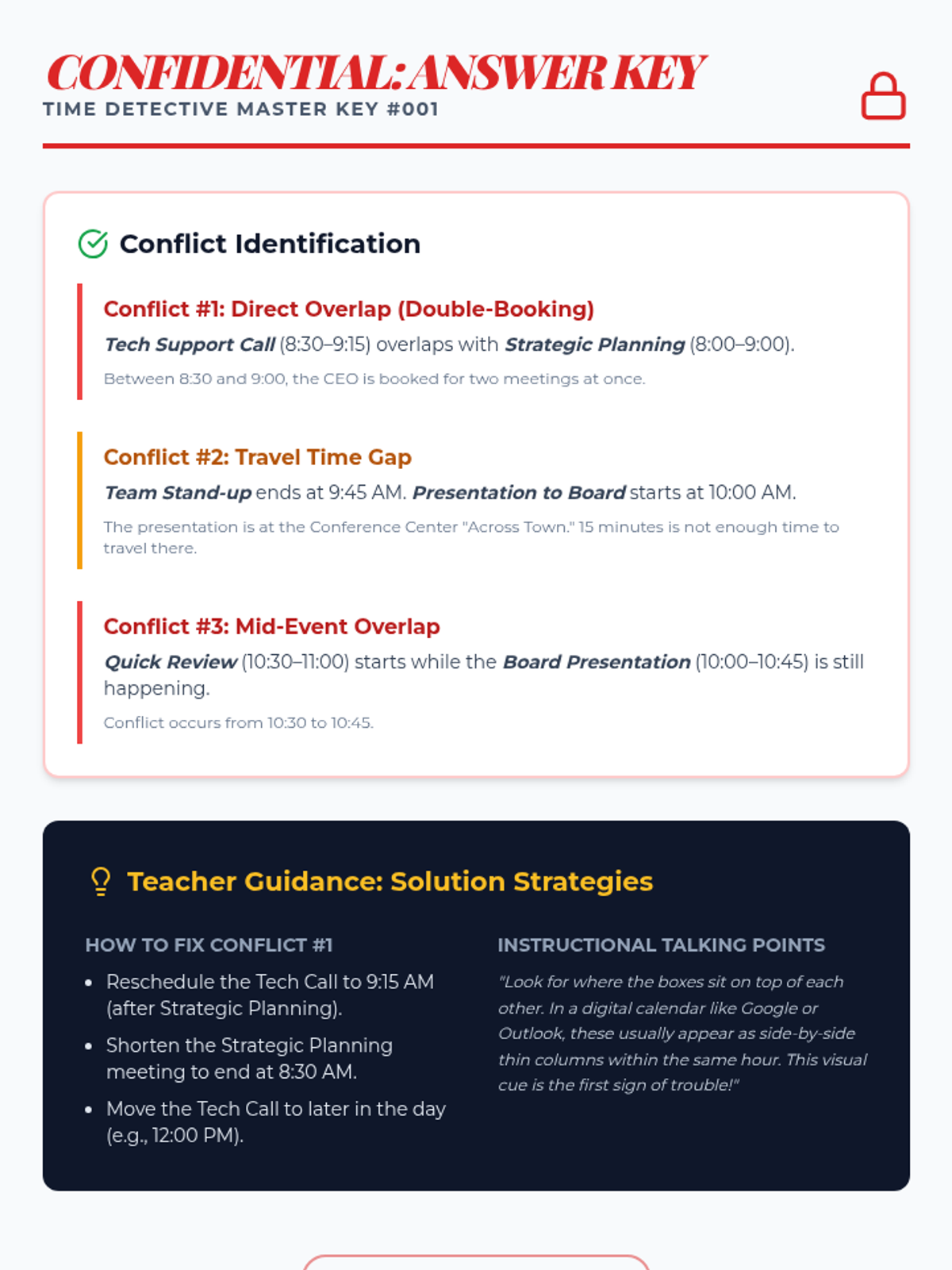
A game-based sequence where students act as 'Time Detectives' to master digital calendar skills. Through five interactive challenges, students learn to identify conflicts, adjust durations, manage locations, fix recurring patterns, and synthesize their skills into a master schedule.
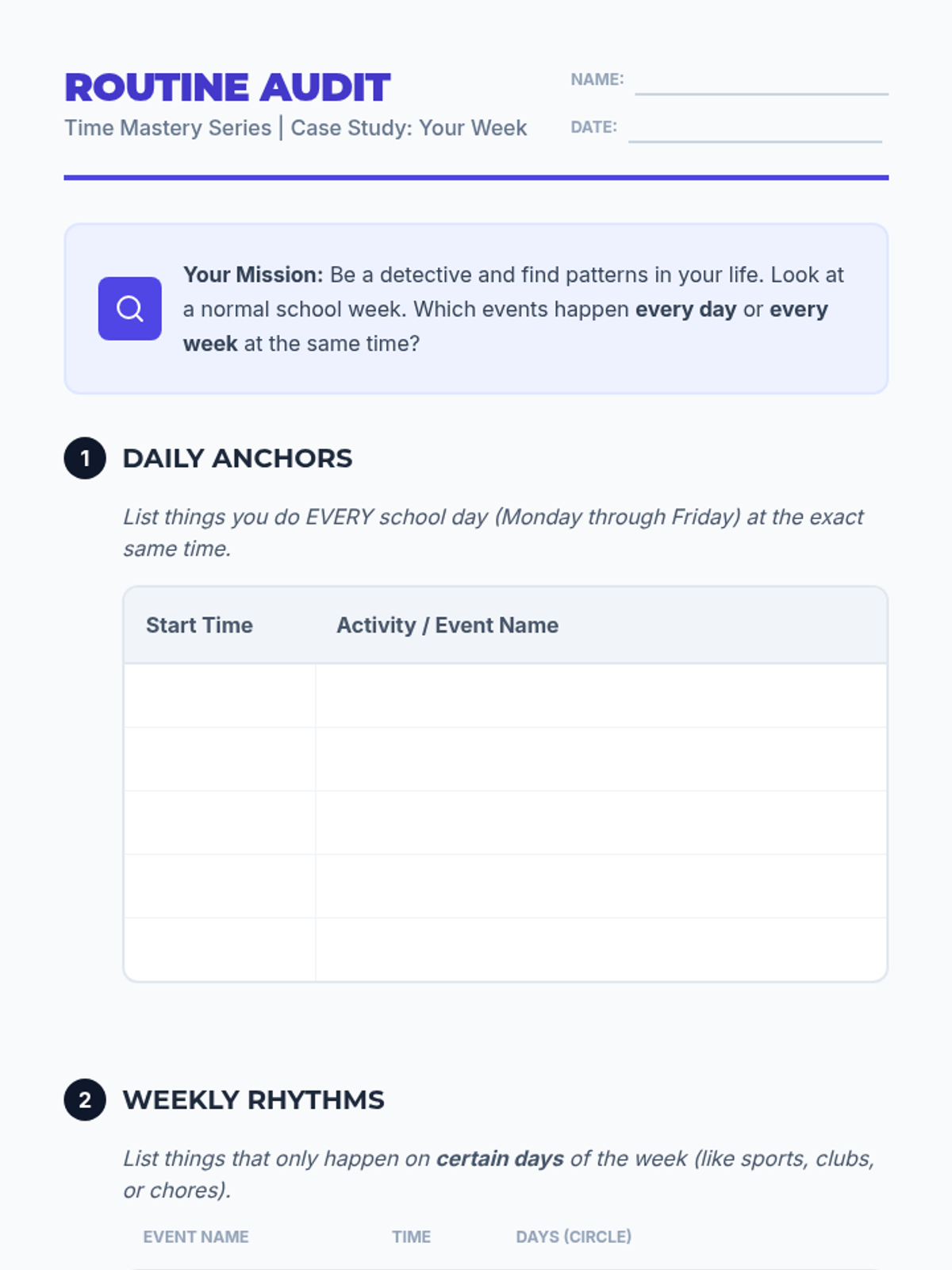
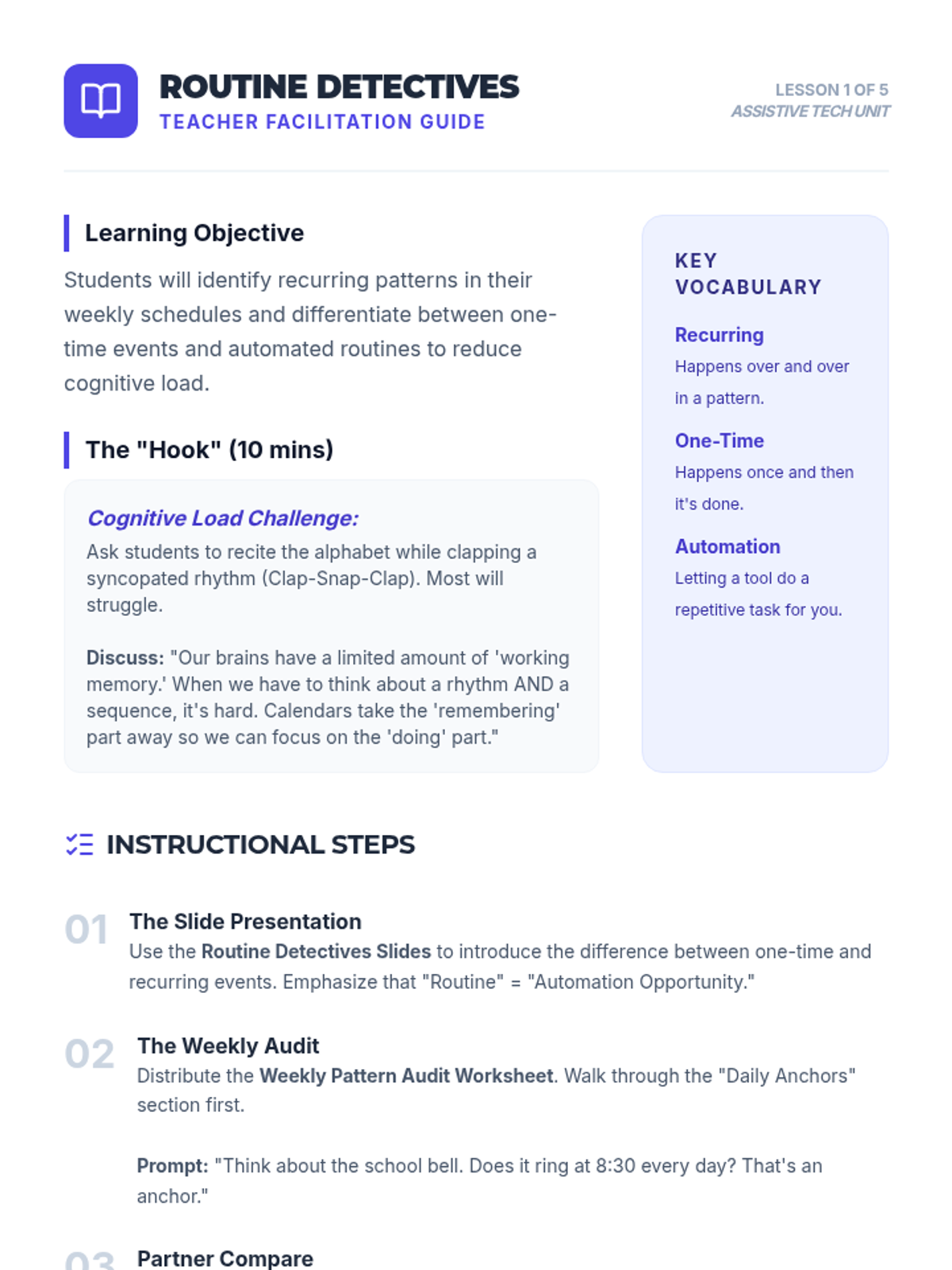
A comprehensive sequence for 5th-grade students focusing on digital calendar automation. Students learn to identify routines, set daily and weekly recurrences, and manage exceptions to build a foundational 'skeleton schedule' that supports executive function and working memory.
A 5th-grade sequence focused on building long-term memory through systematic review cycles, spaced repetition, and interleaving strategies. Students shift from passive note-taking to active note-interacting to overcome the forgetting curve.
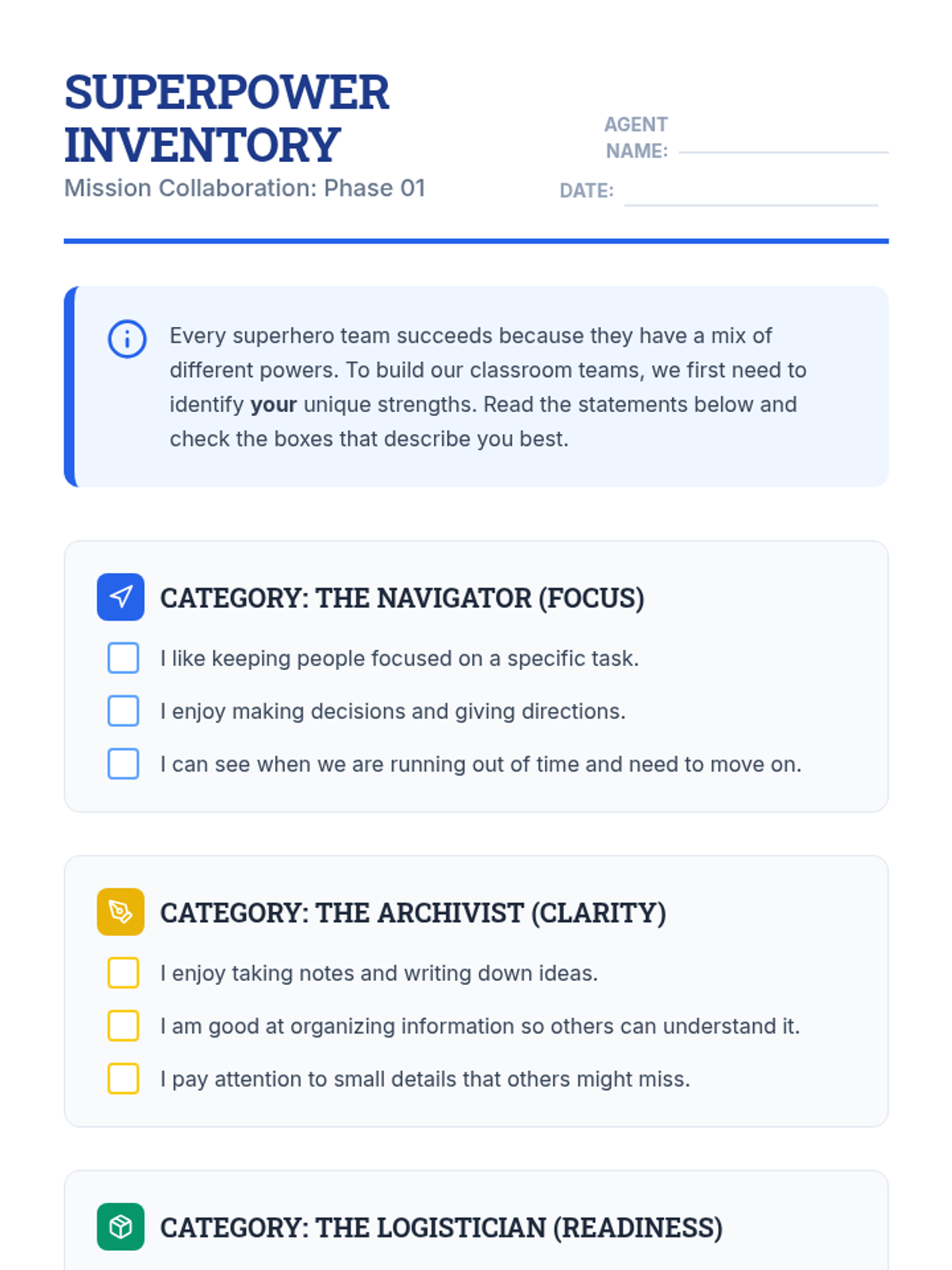
A 5-lesson sequence for 5th graders focusing on the structural elements of teamwork: goal setting, role assignment, and accountability through a project-based approach.
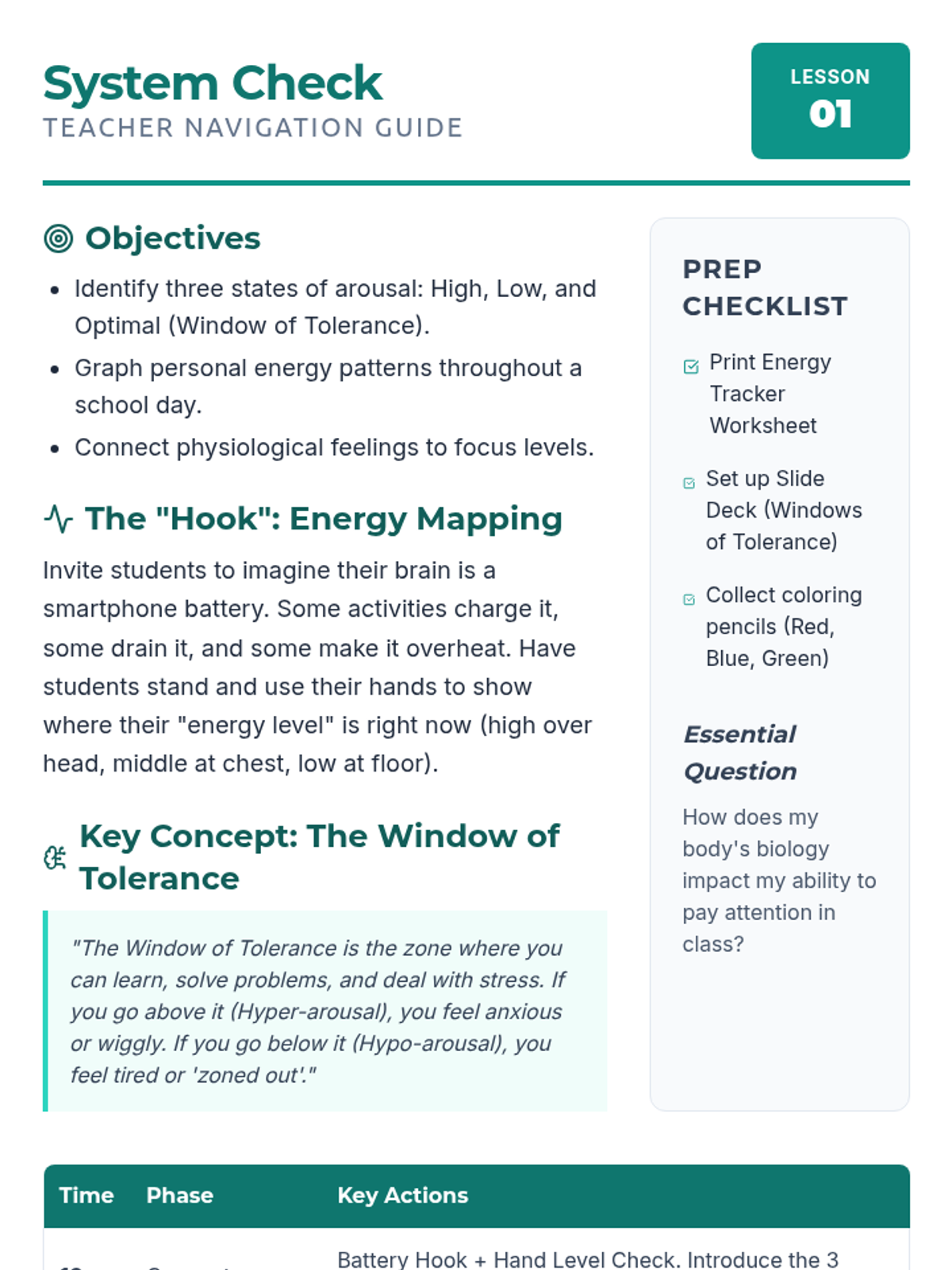
A comprehensive 5-lesson unit designed to transition 6th-grade students from teacher-directed regulation to independent sensory self-monitoring. Students explore the biology of their nervous system, experiment with diverse sensory inputs, and create personalized proactive break systems.
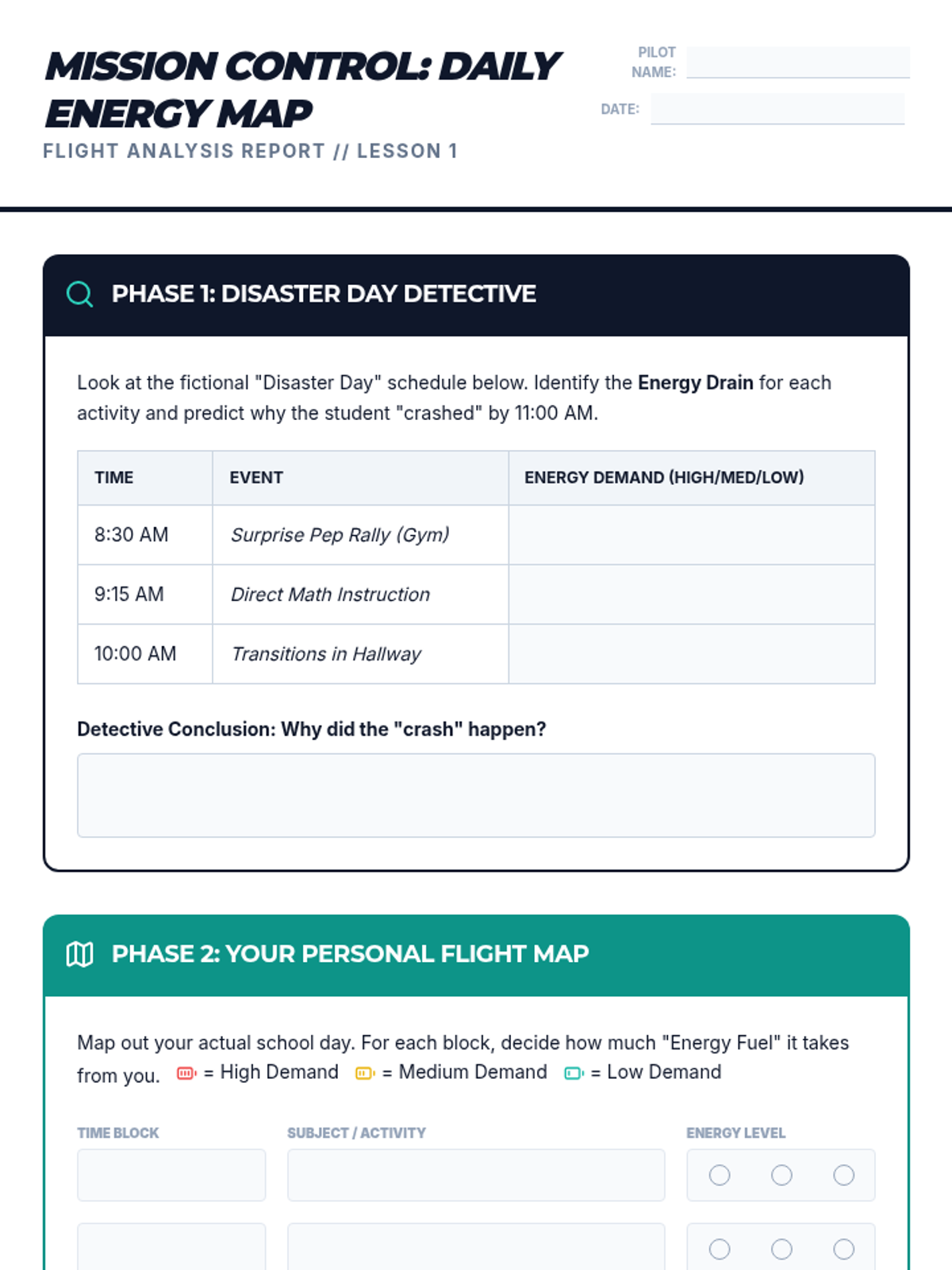
A 5-lesson unit for 5th graders to design, schedule, and advocate for their own sensory regulation plans using a 'Mission Control' theme. Students move from analyzing their day to creating a customized 'sensory diet' and learning how to communicate their needs to teachers.
This sequence teaches 3rd-grade students how to communicate their needs for co-regulation during moments of dysregulation. It moves from understanding the concept of borrowing calm to developing non-verbal signals, verbal scripts, and personalized co-regulation plans.
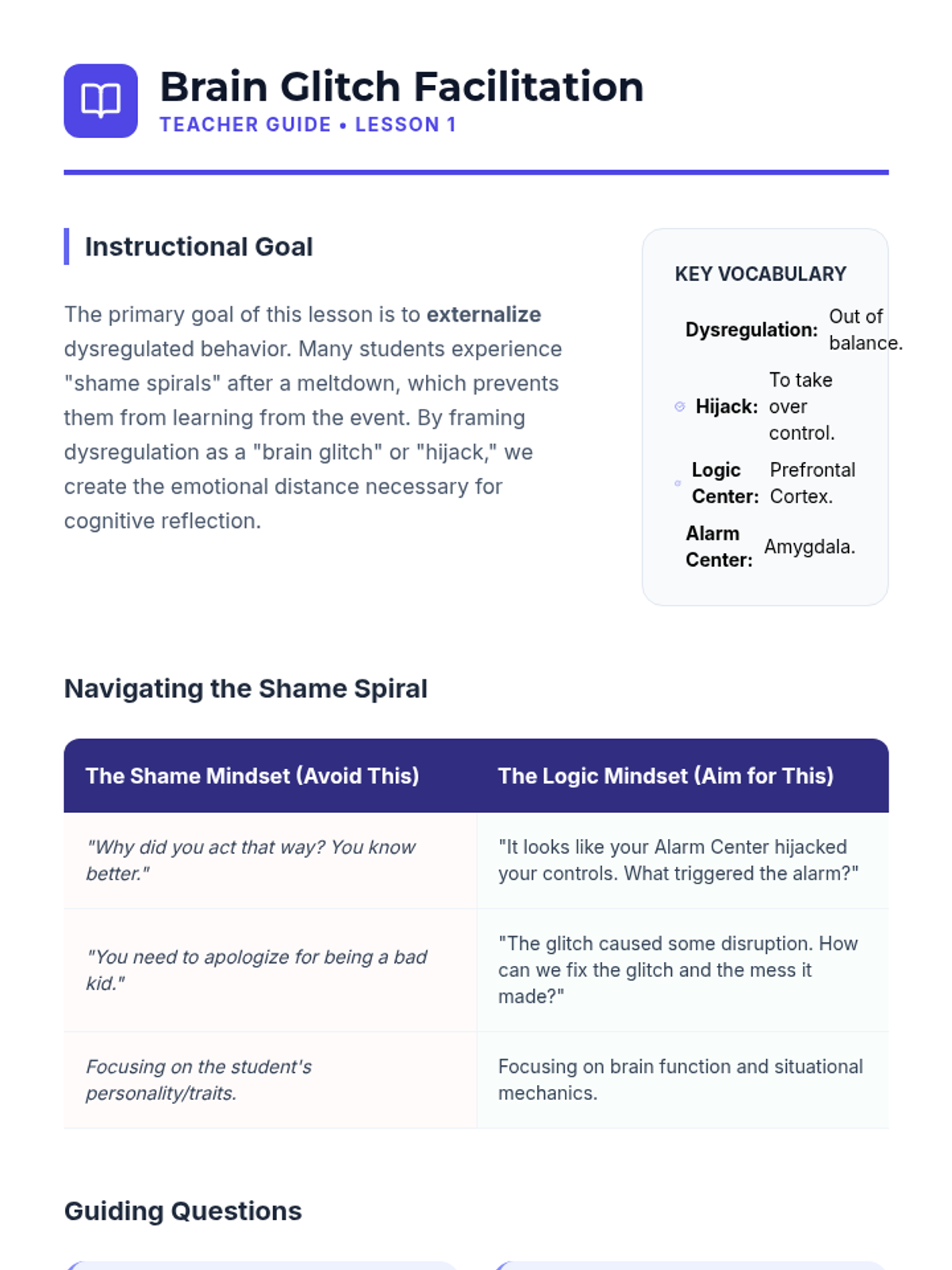
A 5-lesson sequence for 5th-grade students focused on post-dysregulation recovery. This series helps students move from shame to logic by externalizing behaviors, analyzing event timelines, practicing restorative apologies, and planning for future success.
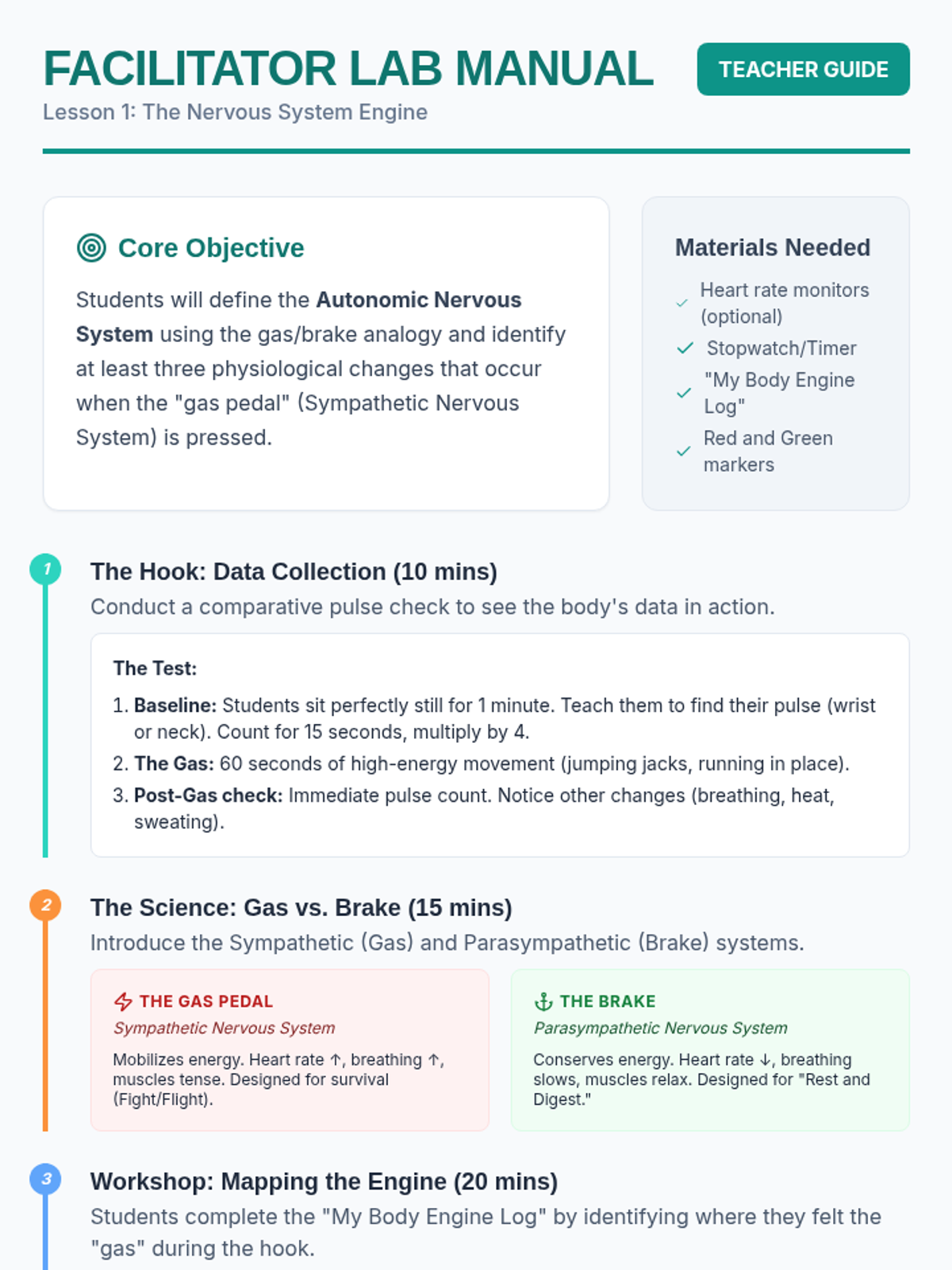
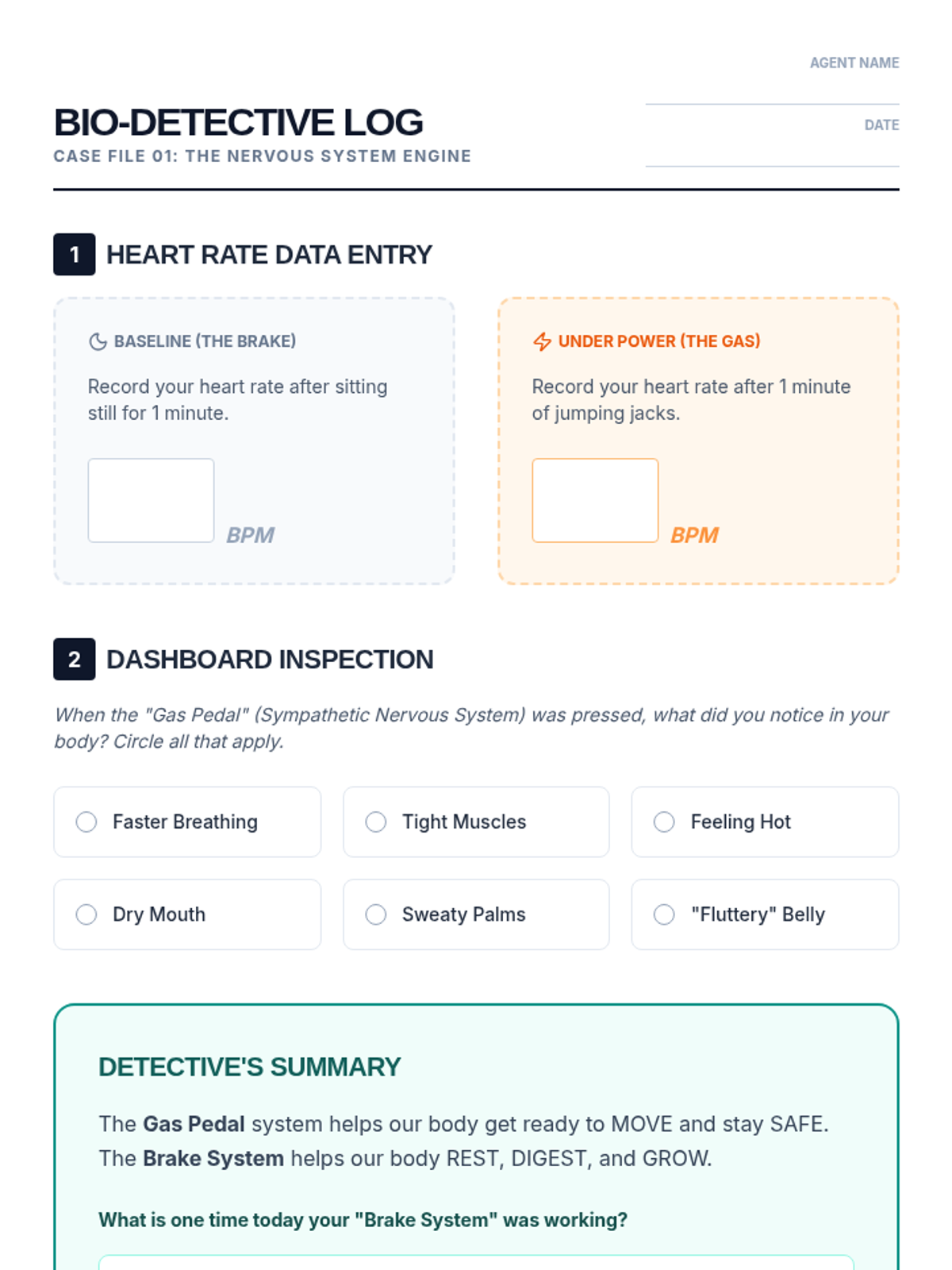
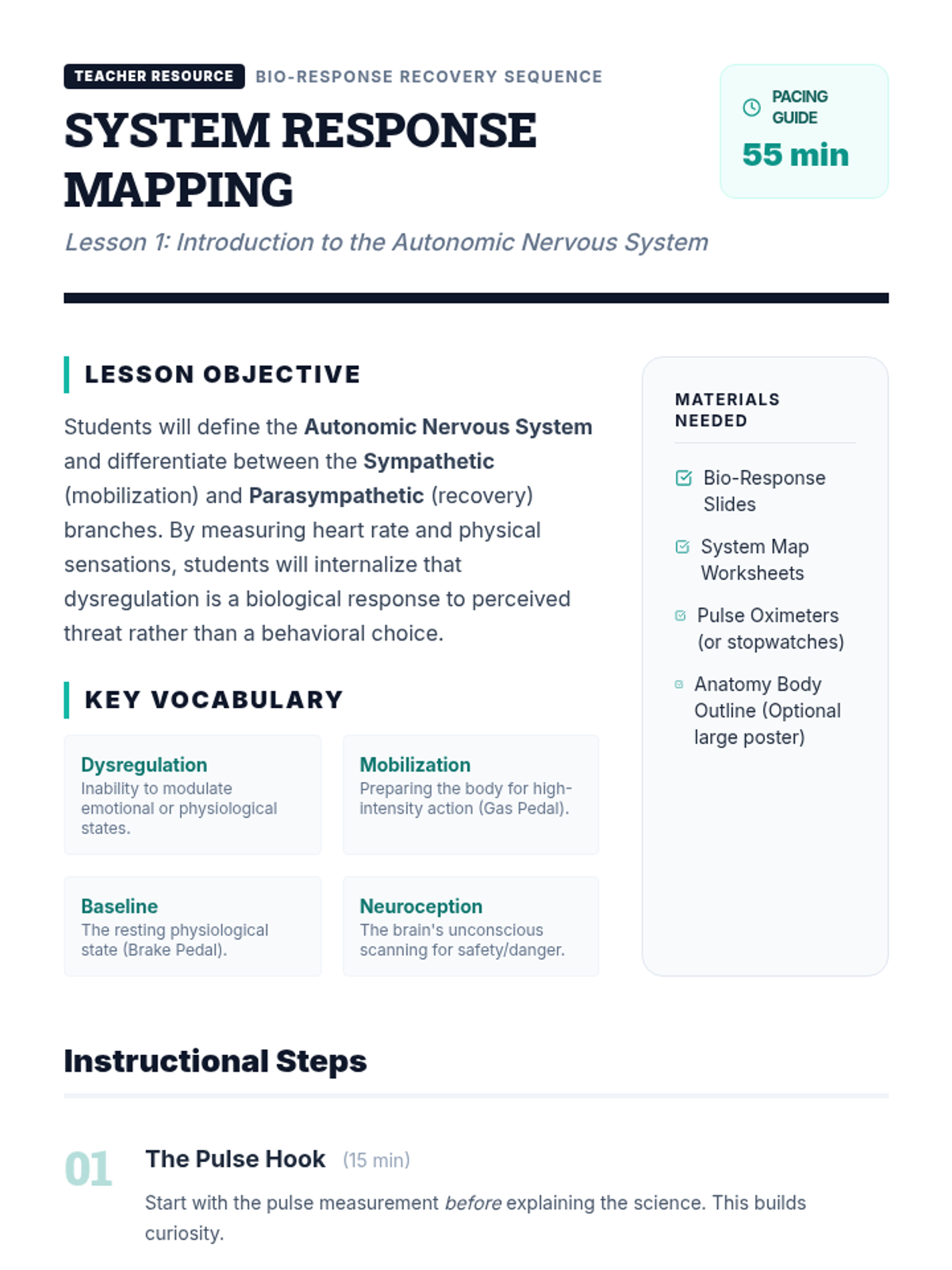
This sequence guides 5th-grade students through identifying physiological signals of dysregulation and the recovery process. Using a 'Bio-Detective' theme, students explore interoception, somatic techniques, and the autonomic nervous system to create a personalized 'Body Manual' for self-regulation.
This sequence helps 5th-grade students understand how physical environments impact their emotional regulation. Students learn to conduct sensory audits, establish protocols for calm spaces, create portable sensory barriers, and design ideal recovery environments to support stabilization during and after periods of dysregulation.
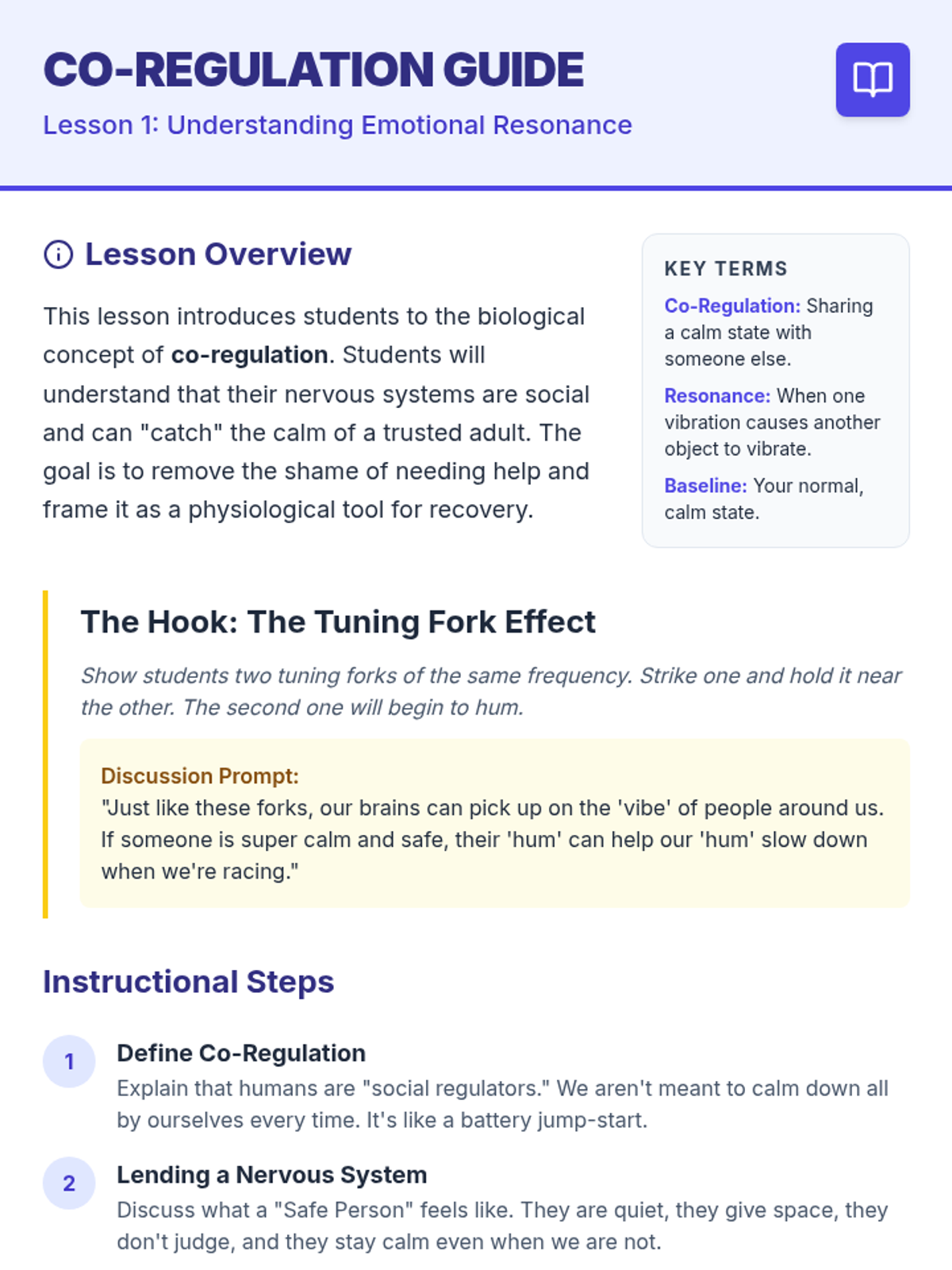
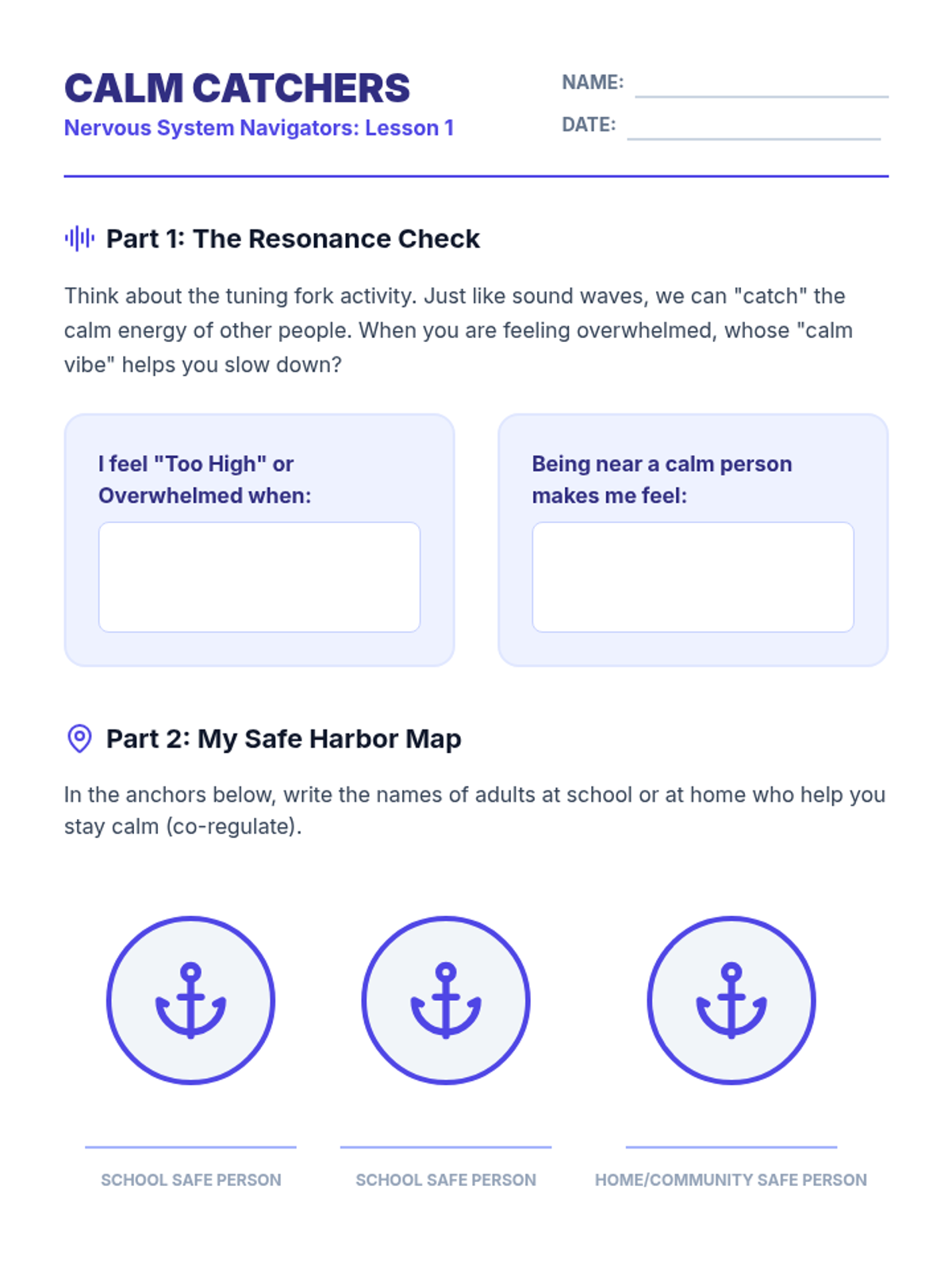
A 5-lesson sequence for 5th-grade students focused on co-regulation, non-verbal communication, and self-advocacy during dysregulation recovery. Students learn to leverage adult support to return to an emotional baseline.
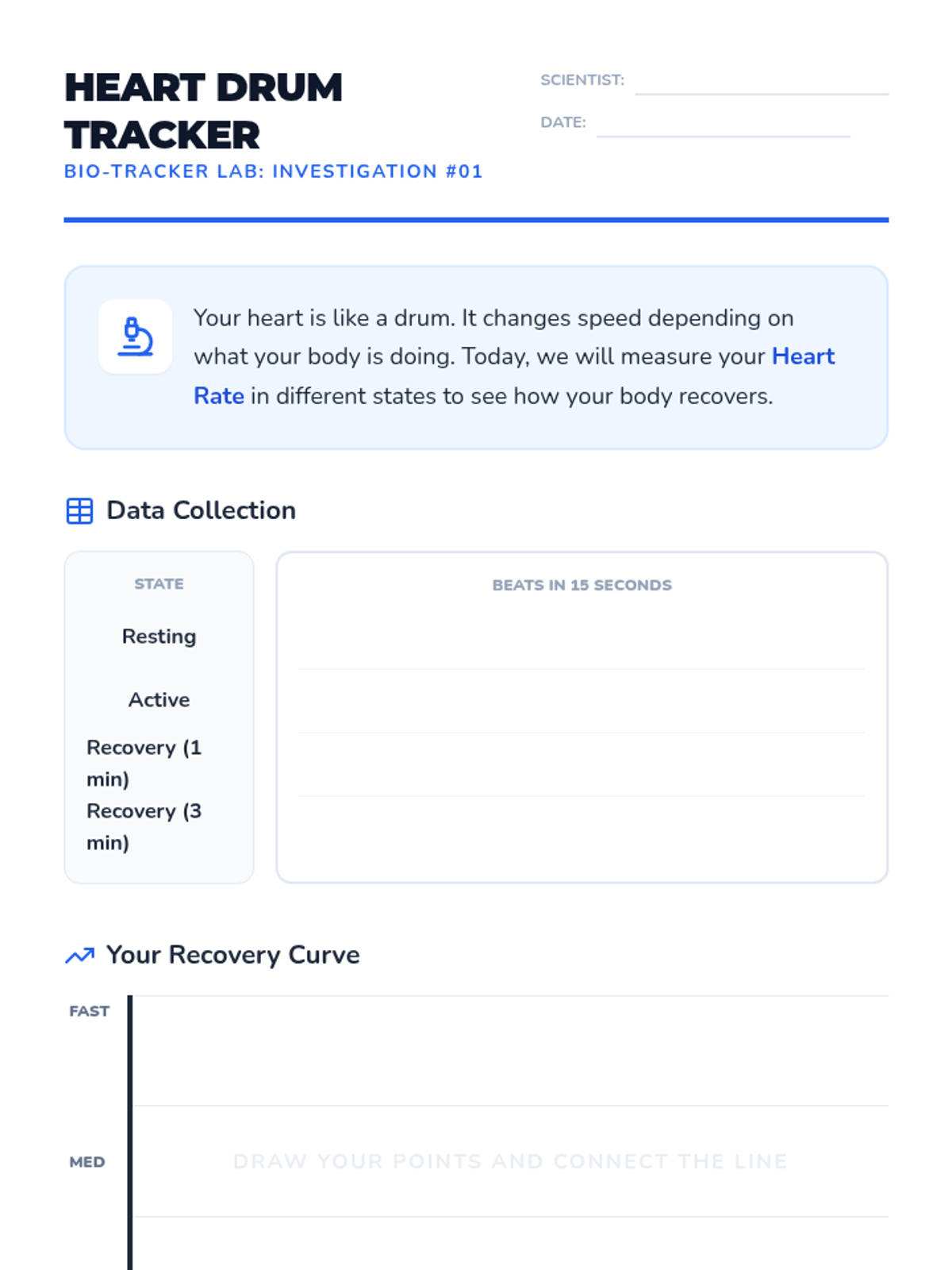
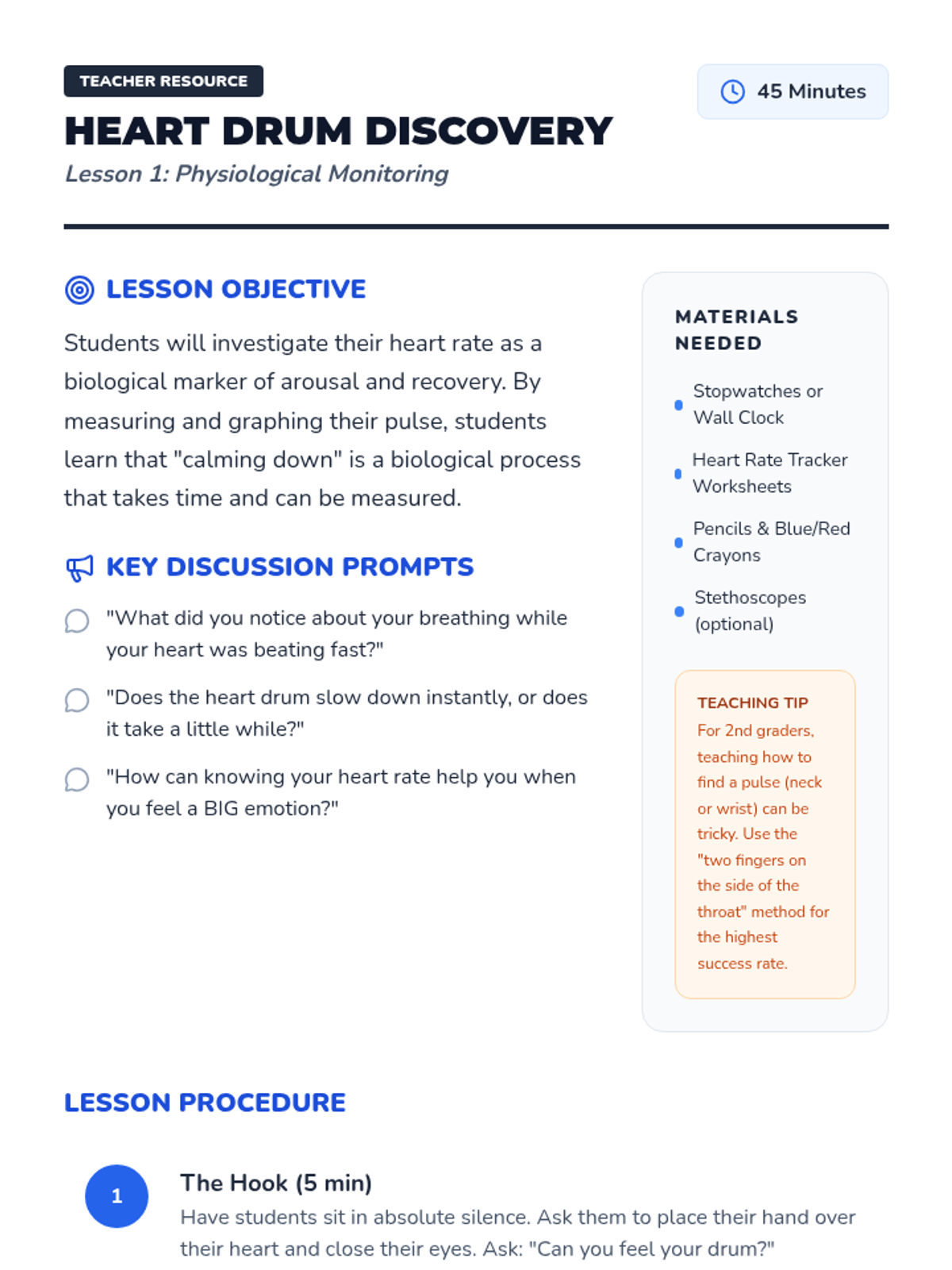
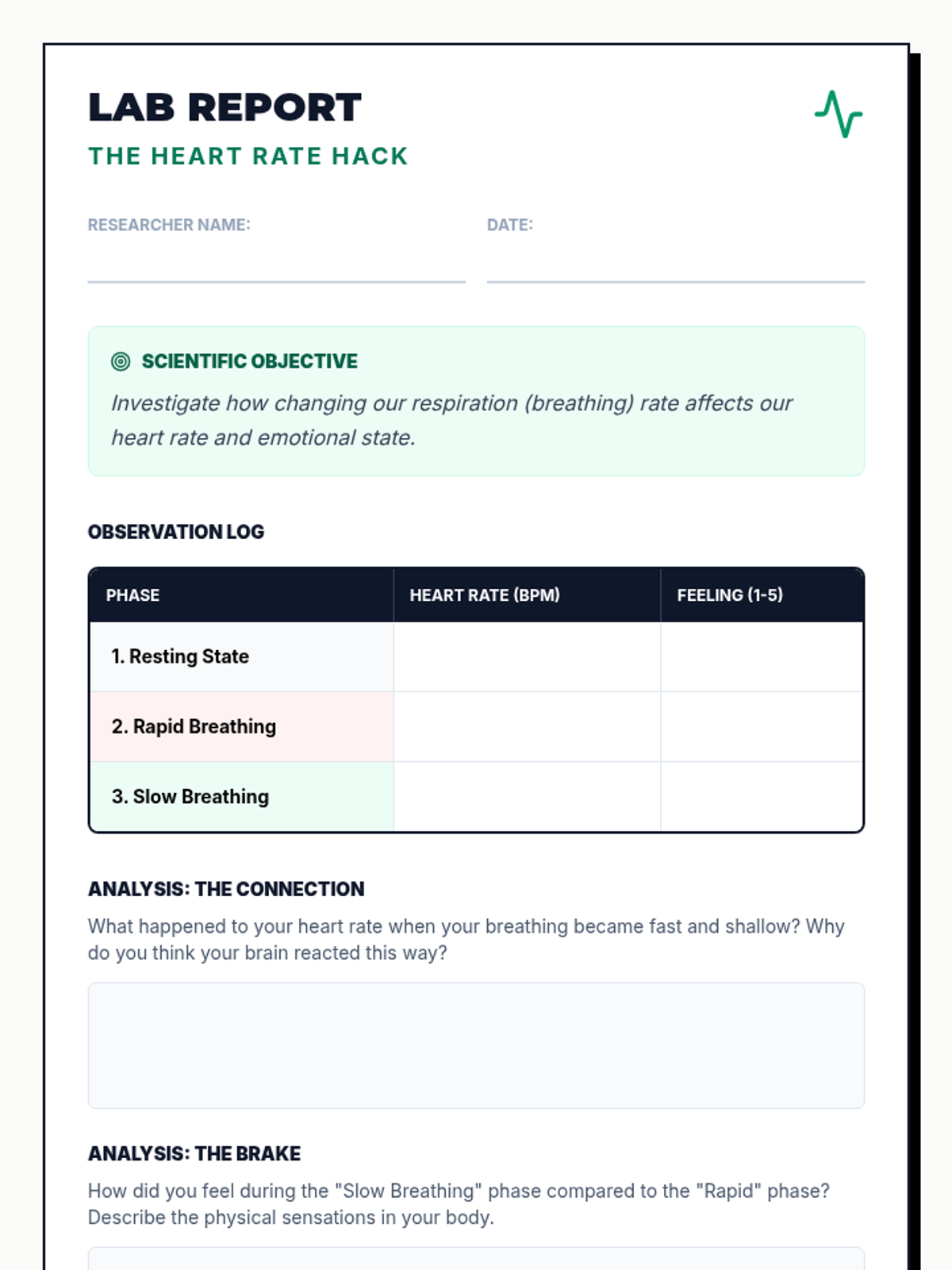
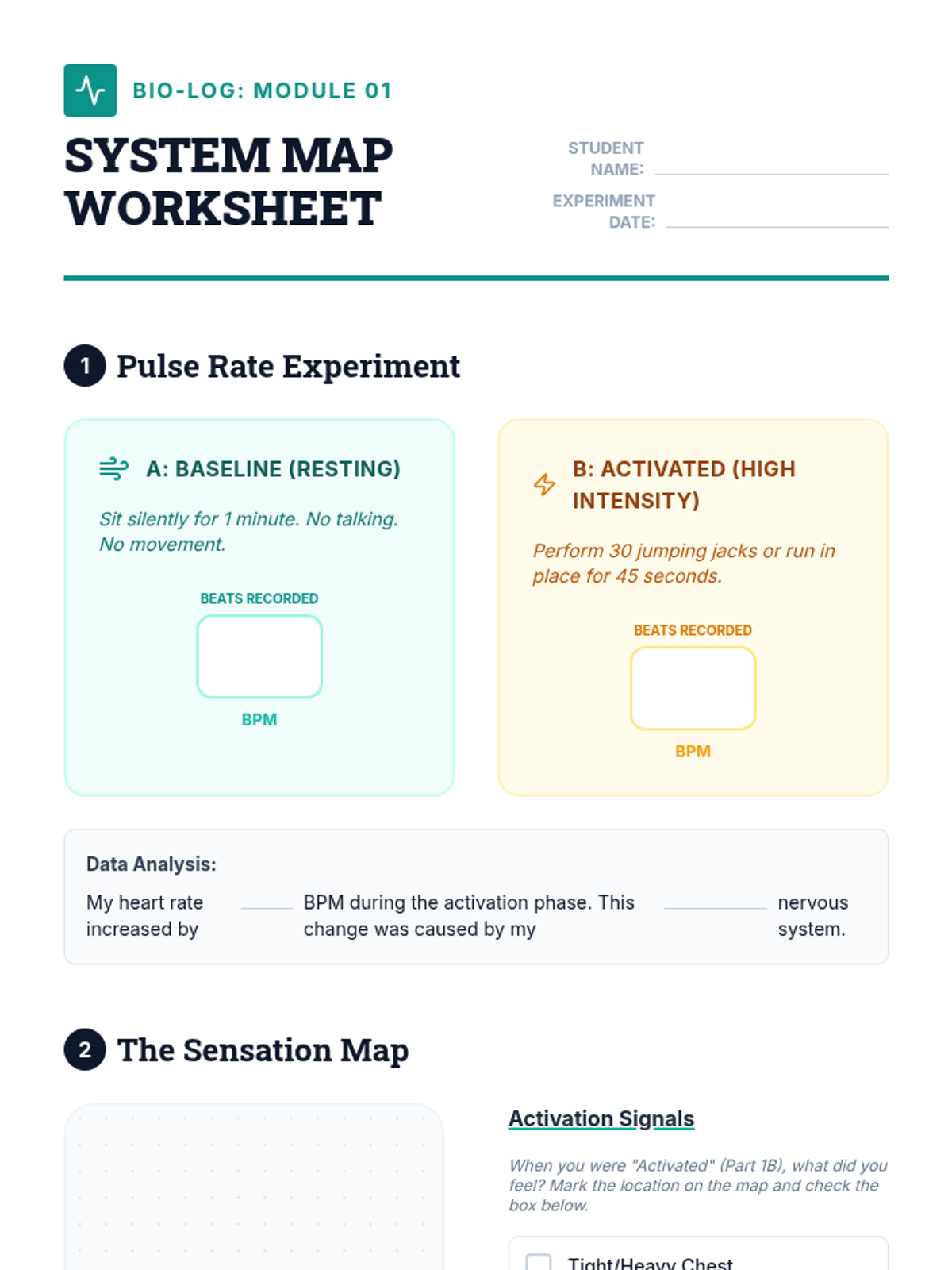
An inquiry-based sequence where students investigate the internal biology of dysregulation and recovery, focusing on heart rate, muscle tension, and breath to identify their physiological baseline.
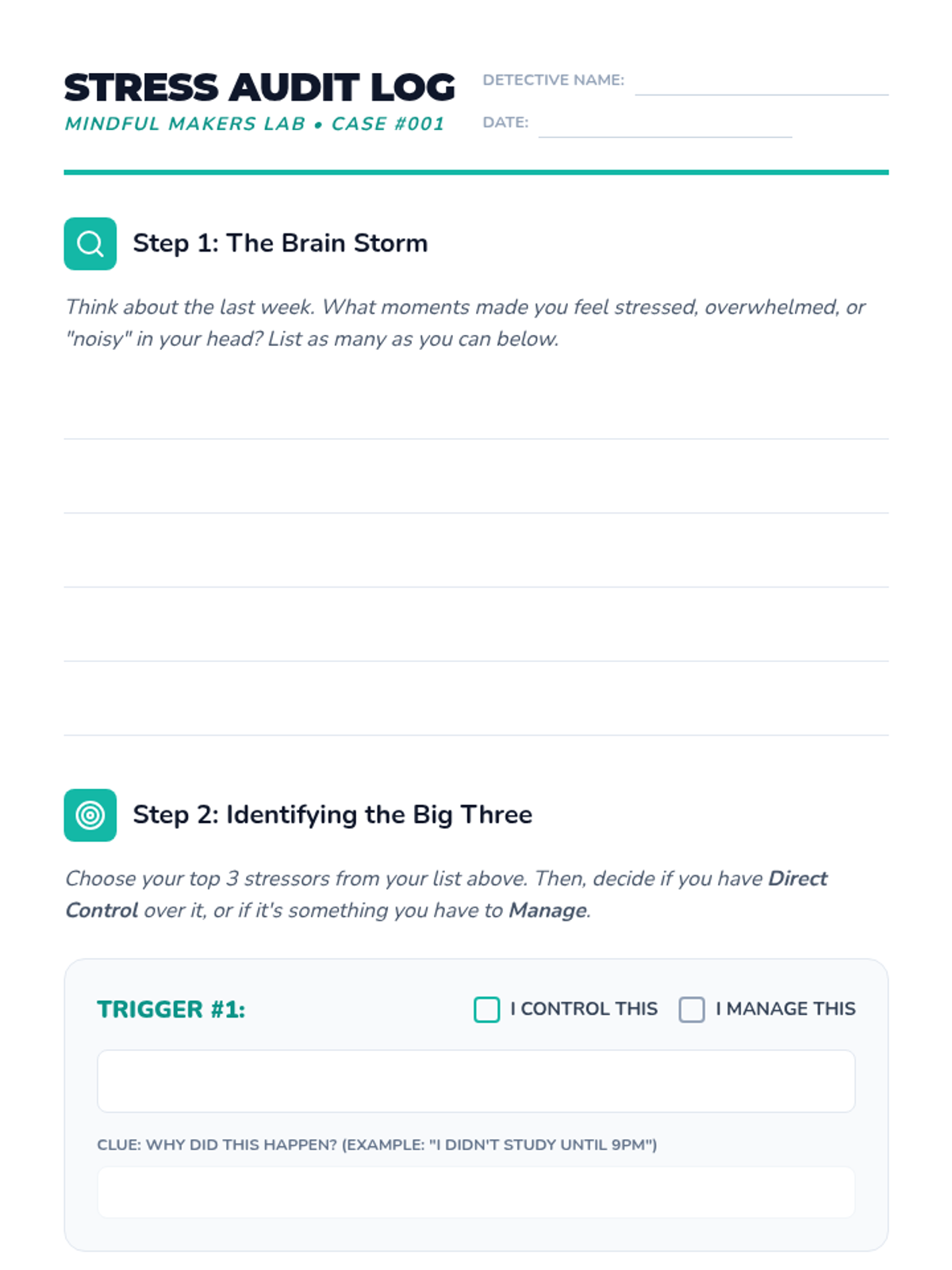
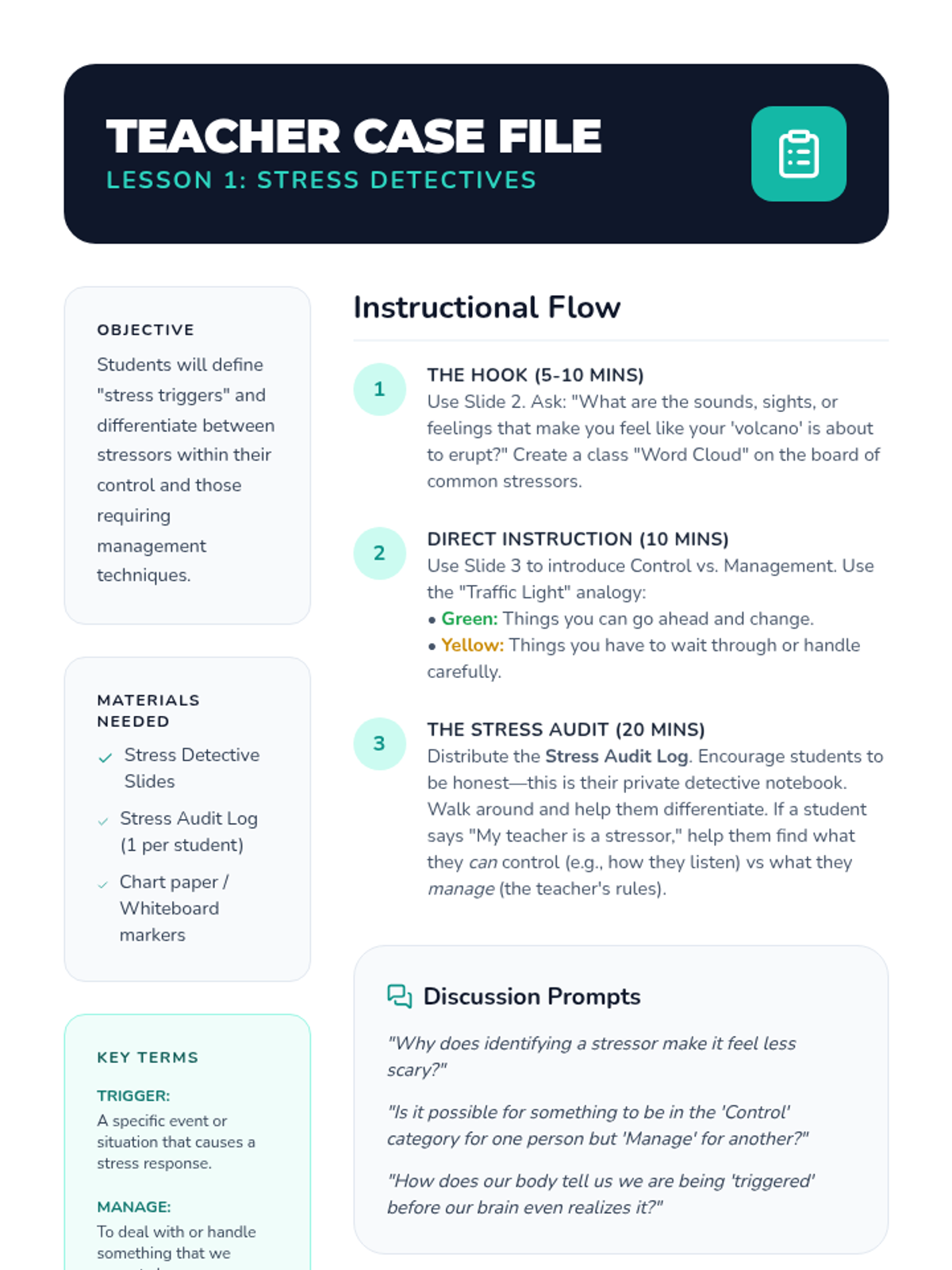
A 5-lesson sequence for 5th graders to design their own meditation practice. Students progress from identifying stressors to testing tools, designing a calm environment, and creating a personalized 'Mindful Menu' to build lasting mental health habits.
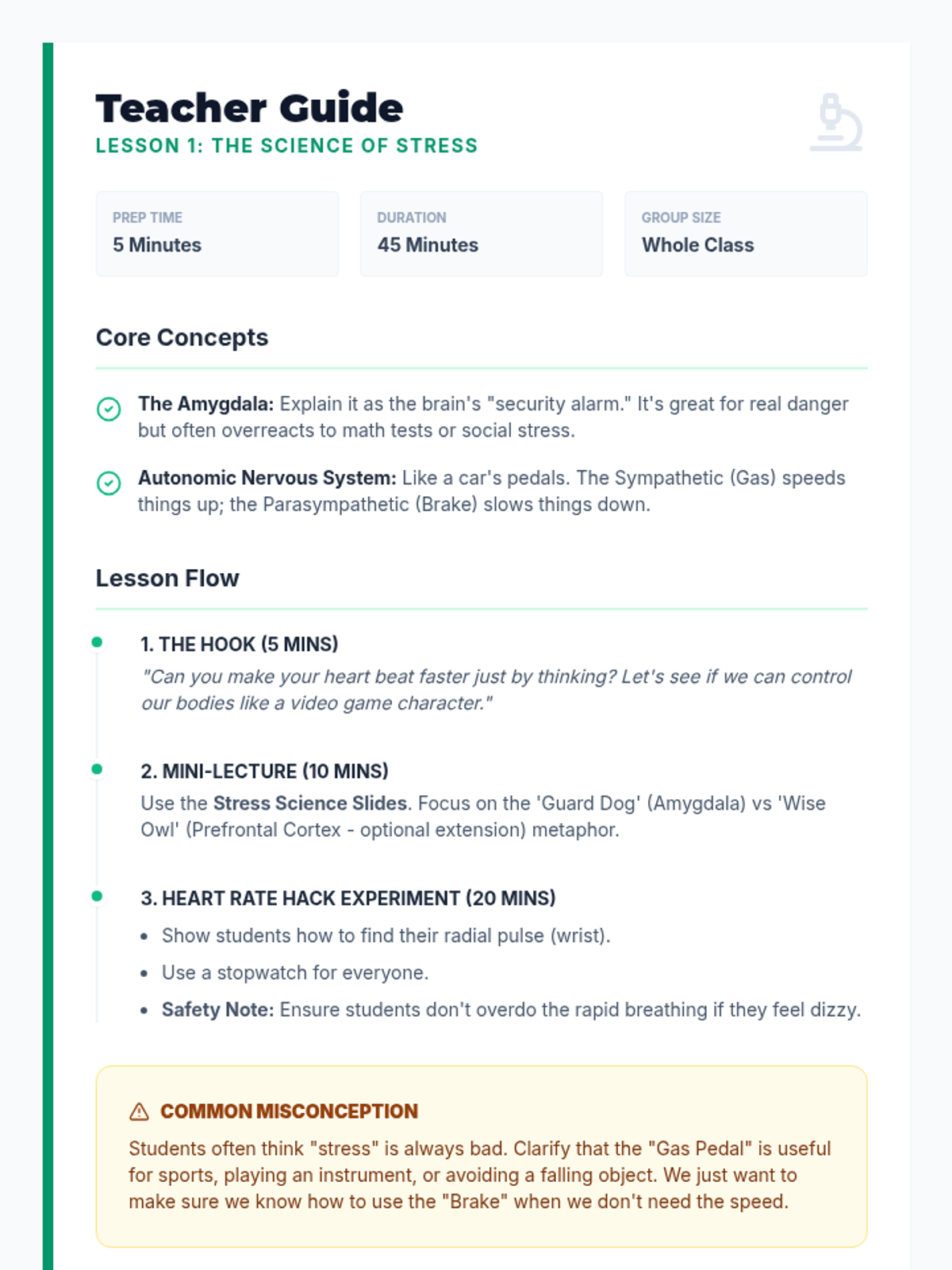
A 5-lesson sequence for 5th graders exploring the physiological connection between breath and stress. Students learn the science of the nervous system, master specific breathing techniques (diaphragmatic, box breathing, and anchoring), and create a personal '3-Breath Reset' toolkit for real-world stress management.
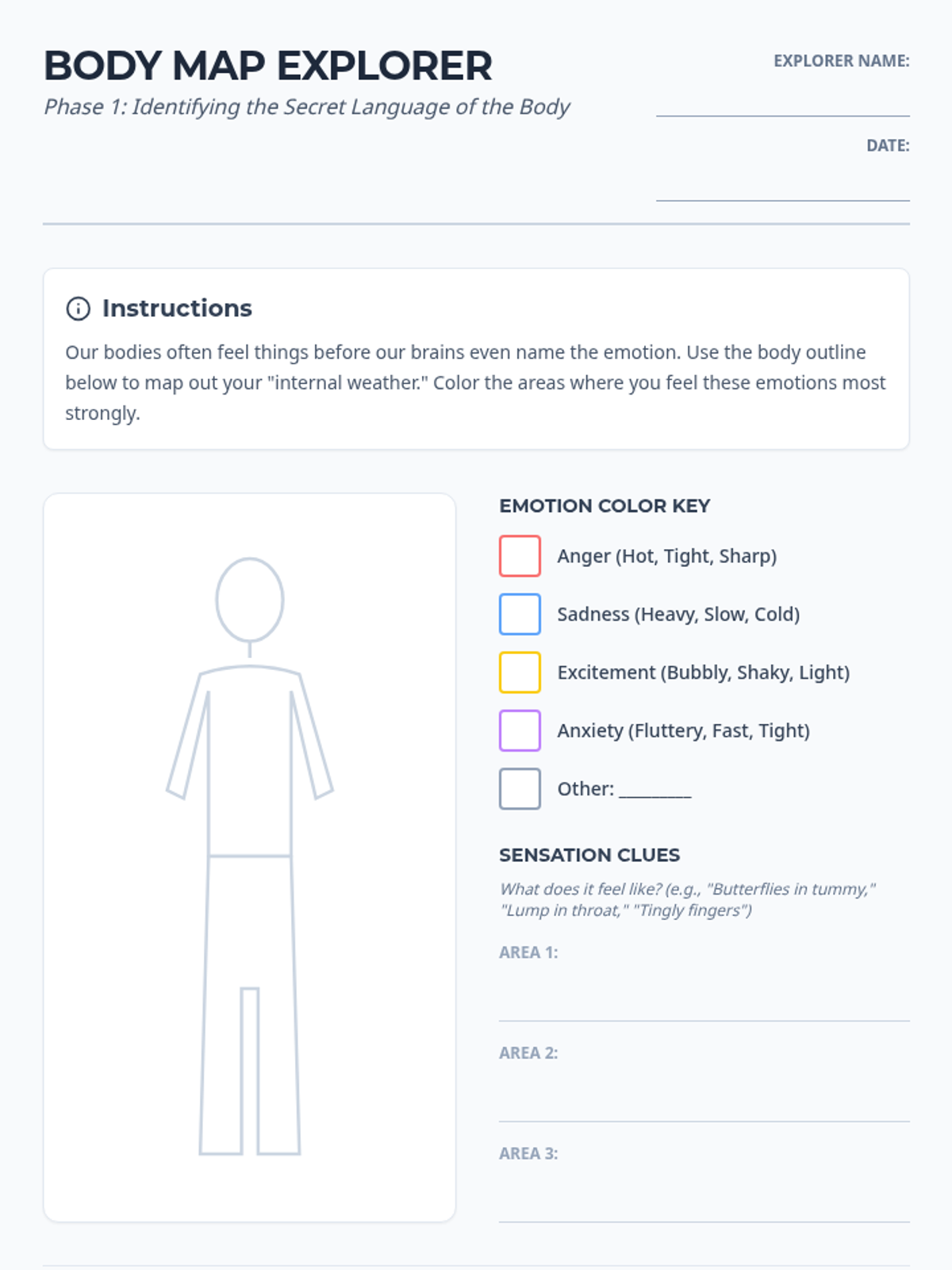
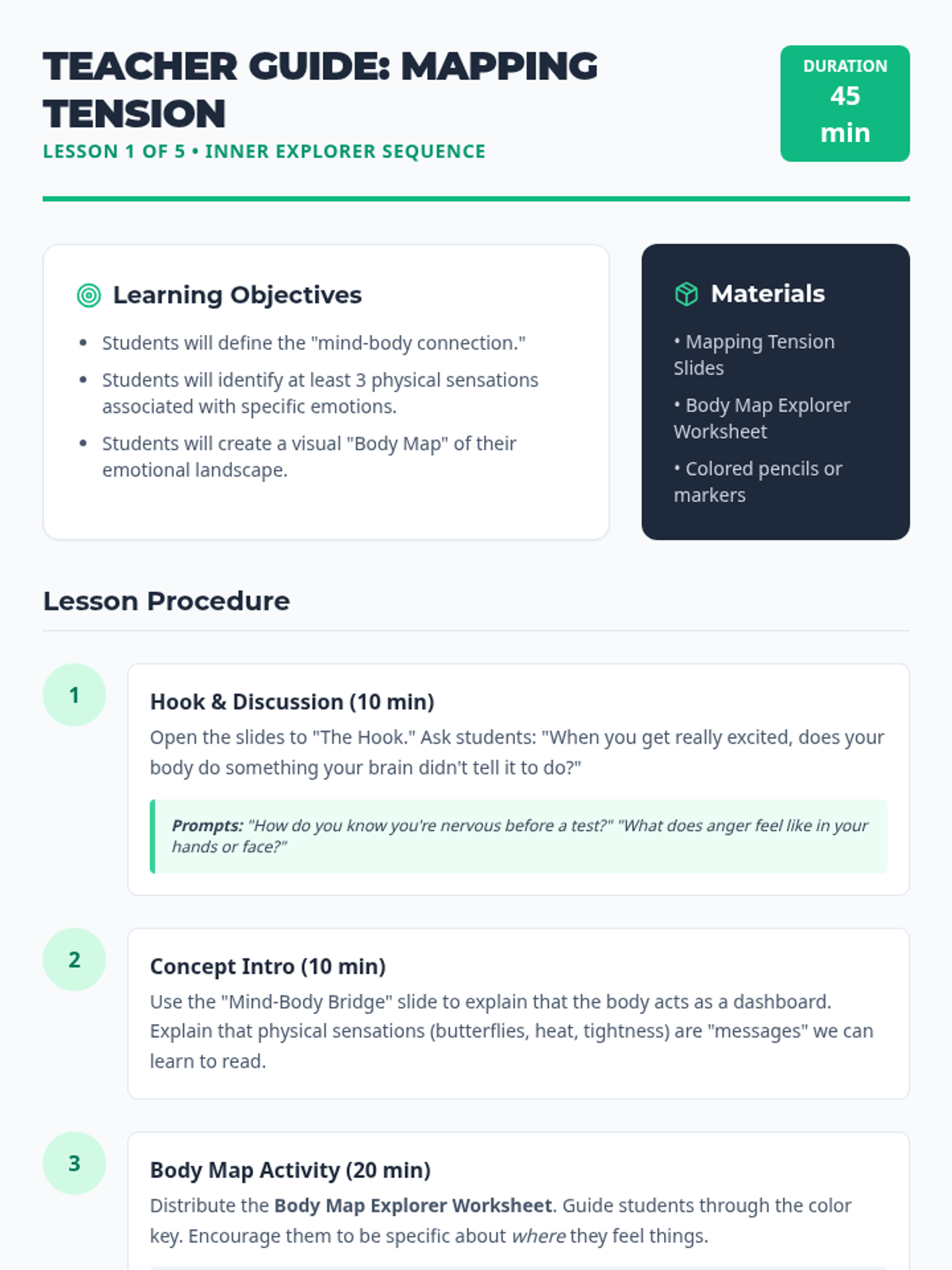
A workshop-style sequence for 5th graders to identify physical tension and learn systematic relaxation techniques. Students move from mapping emotions in the body to guiding their own relaxation sessions.
This sequence explores the biological mechanisms behind dysregulation and the specific sensory inputs required to return to a physiological baseline. Students will investigate the autonomic nervous system to understand the 'fight, flight, or freeze' response and experiment with various sensory modalities to identify which ones effectively lower their heart rate and reduce tension.
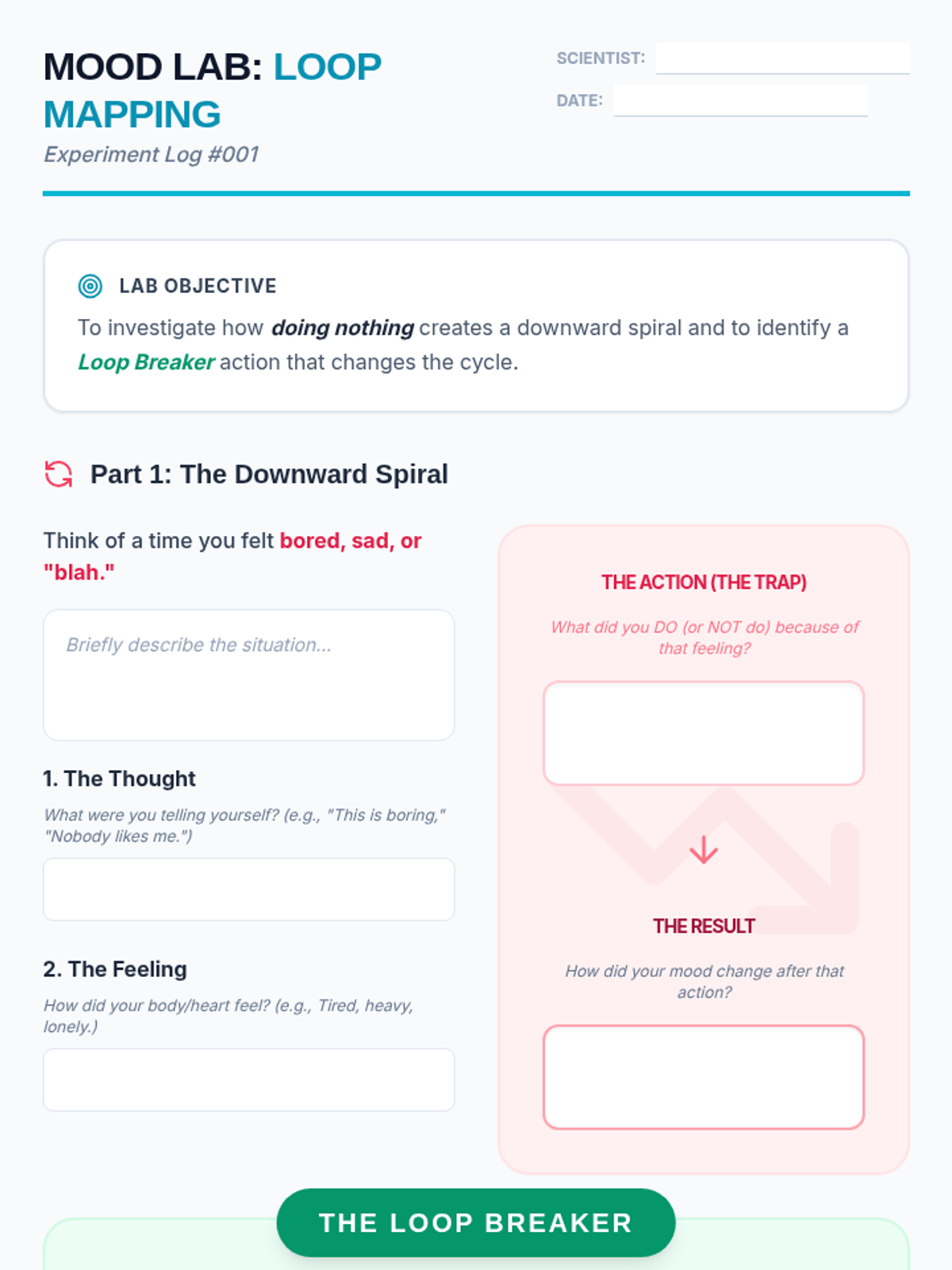
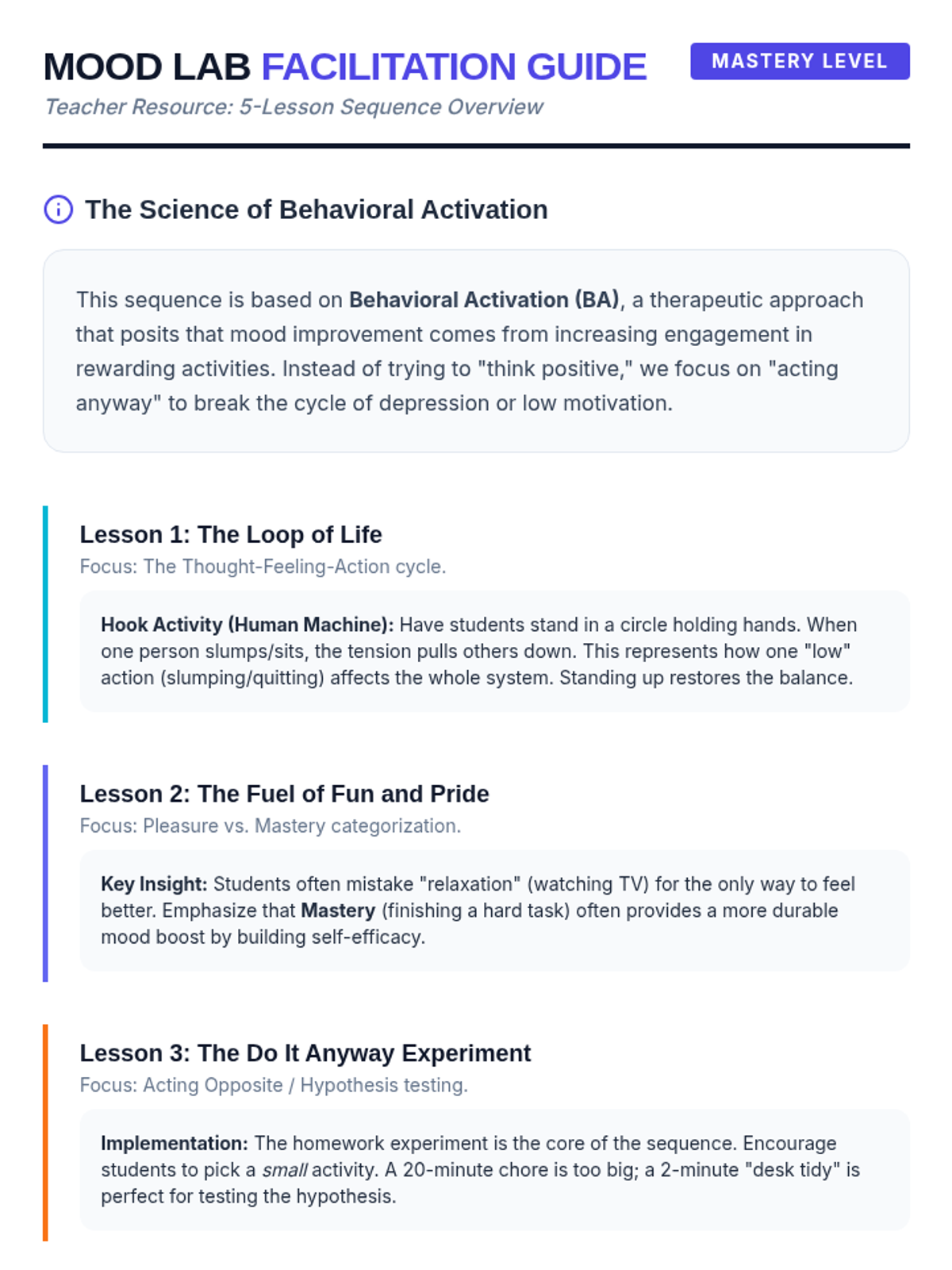
In this inquiry-driven sequence, students explore behavioral activation, investigating how their actions influence their emotions. They learn to distinguish between pleasure and mastery activities, conduct personal experiments to track mood changes, and create a personalized evidence-based plan for mood regulation.
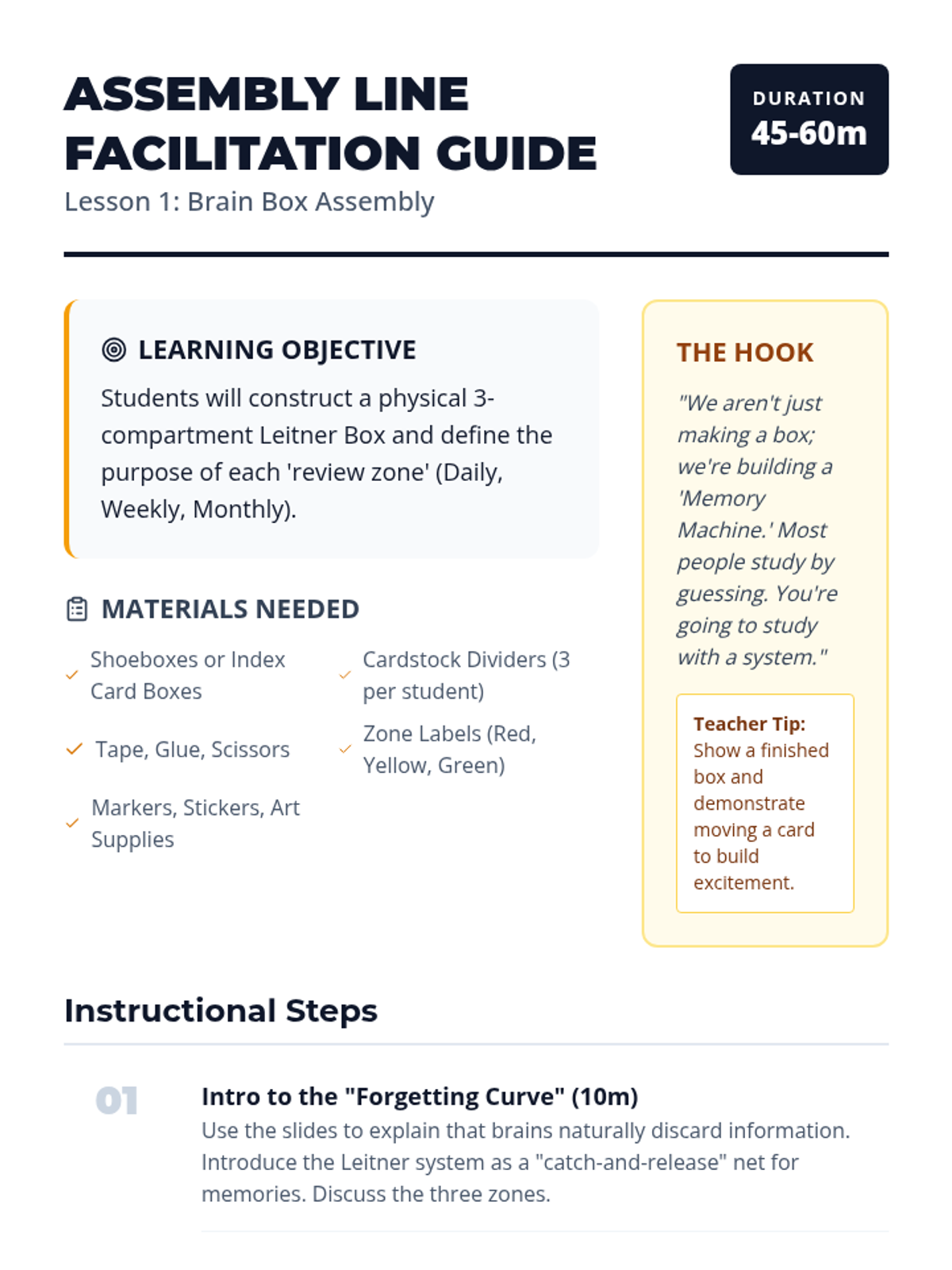
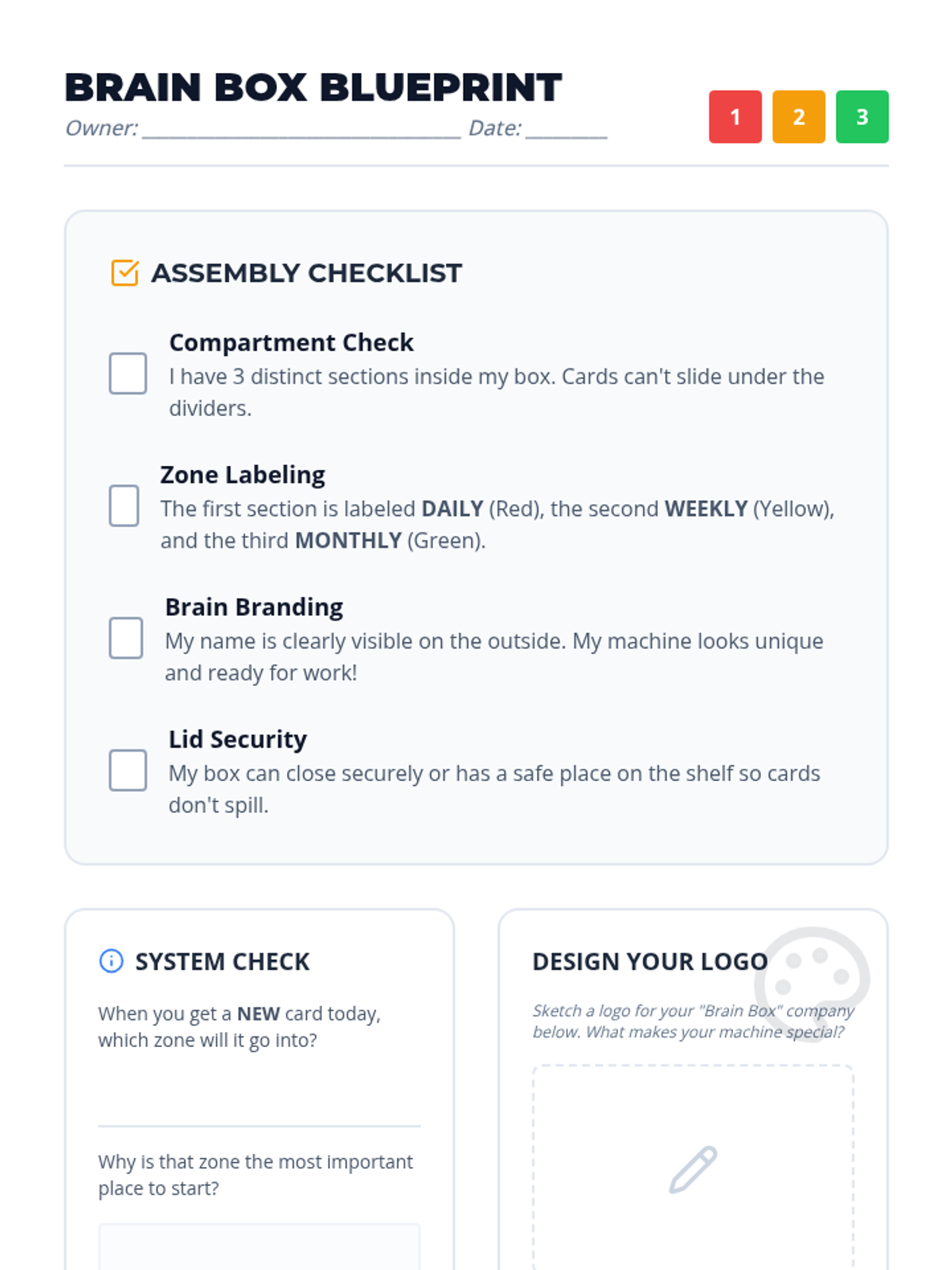
A hands-on workshop sequence where 5th-grade students build and use a physical Leitner Box system to master vocabulary and core facts through spaced repetition. Students move from construction to strategy, establishing a sustainable study habit.
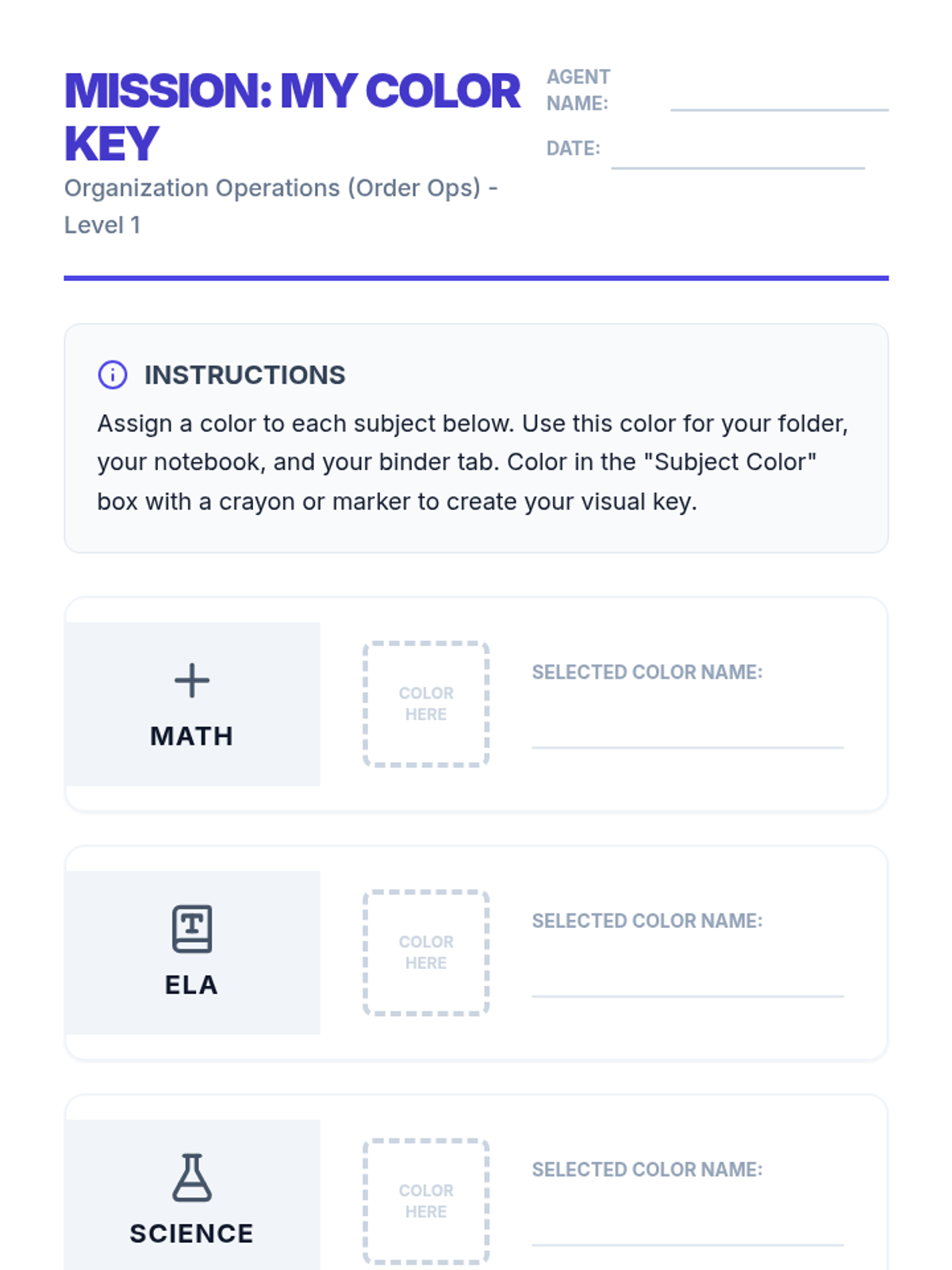
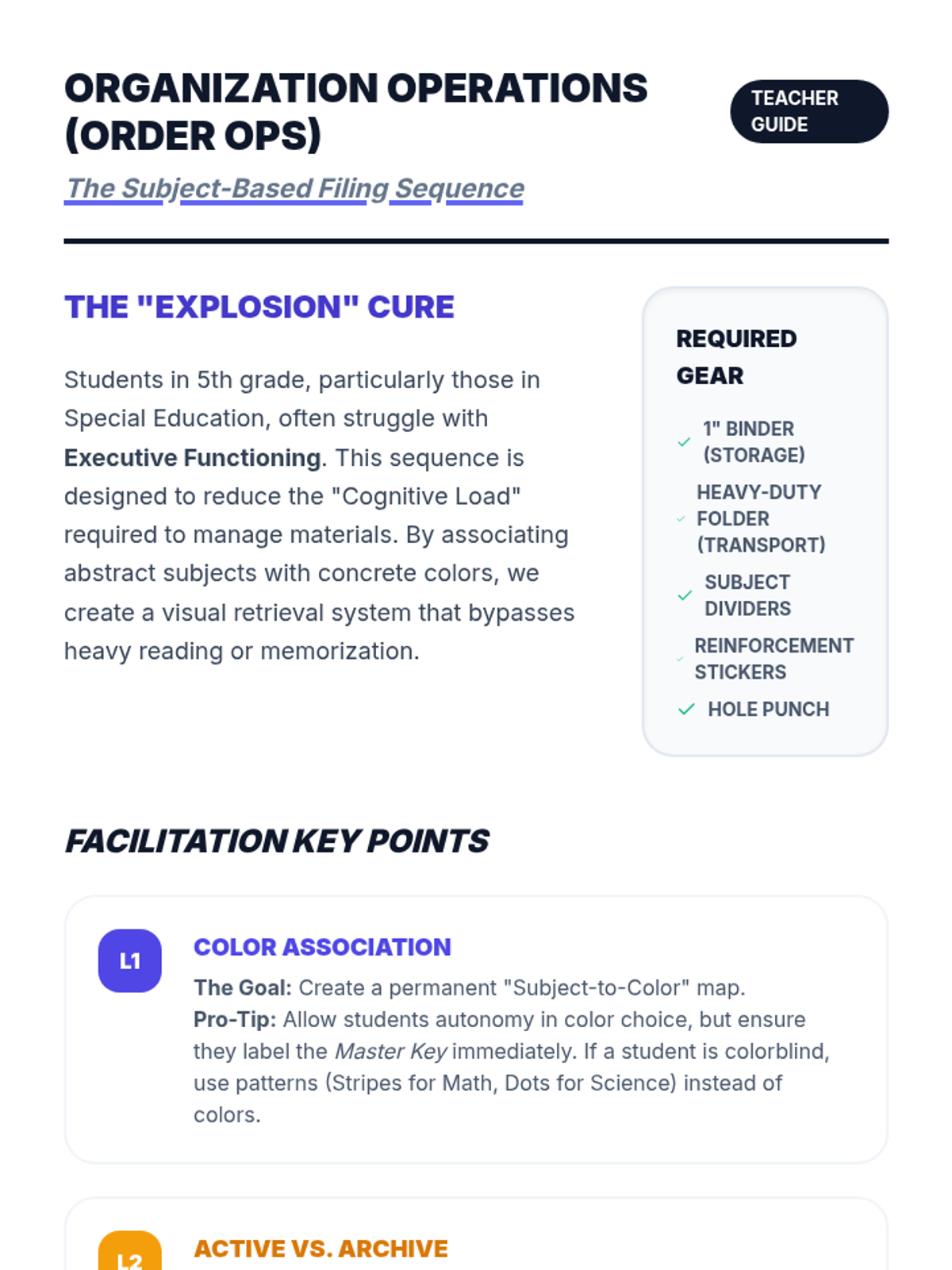
A comprehensive 5-lesson sequence designed for 5th-grade students to master physical and digital organization through color-coding, document lifecycle management, and routine maintenance. Students transition from 'backpack explosion' to systematic filing using the Order Ops framework.
A 5th-grade sequence focusing on cognitive strategies and mnemonic devices to enhance memory retention, moving from simple acronyms to complex narrative chains.
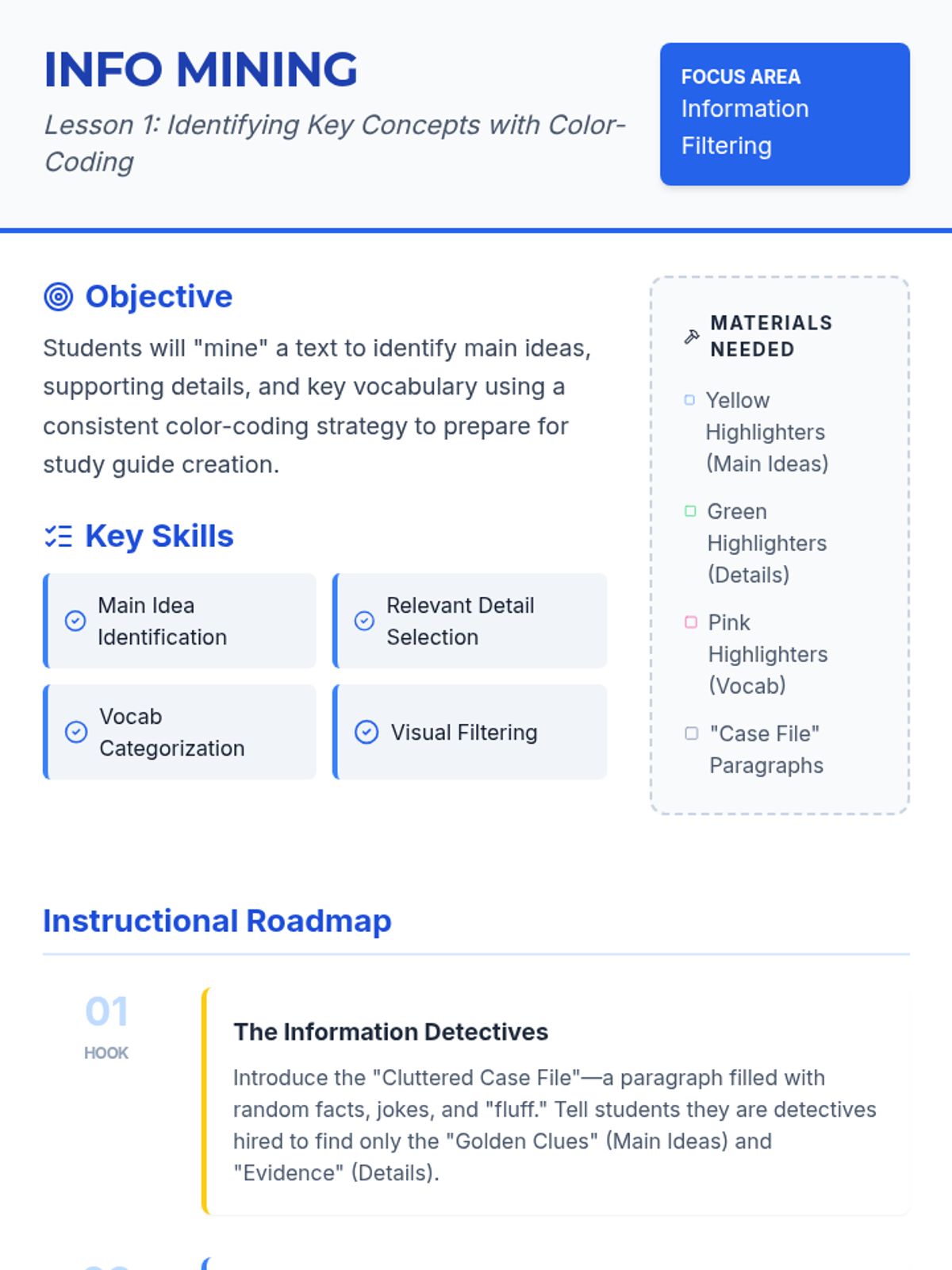
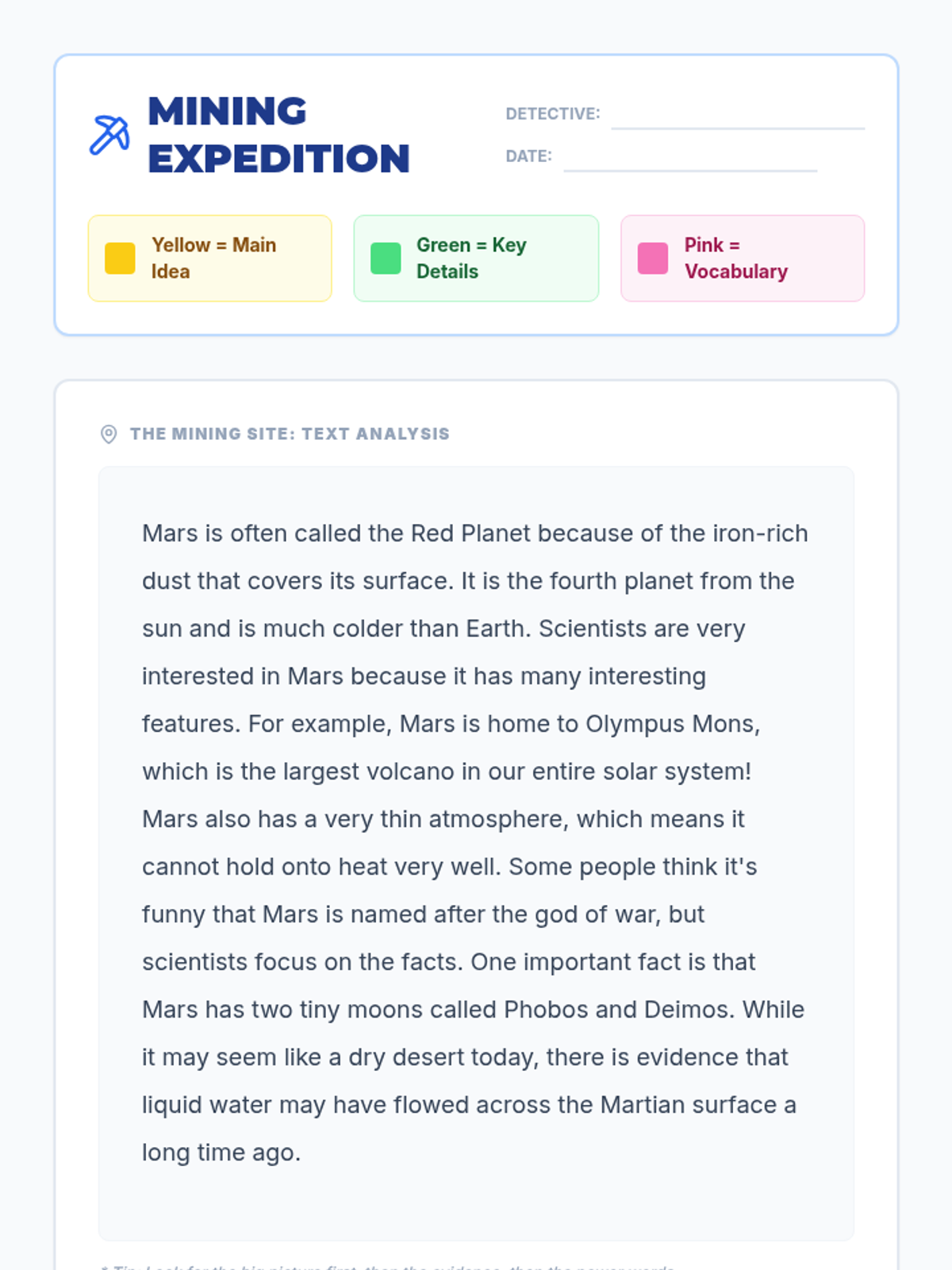
A sequence focused on helping students transform passive reading into active, visual study tools. Students learn color-coding, concept mapping, foldable creation, and comparison charting to organize and retain information.
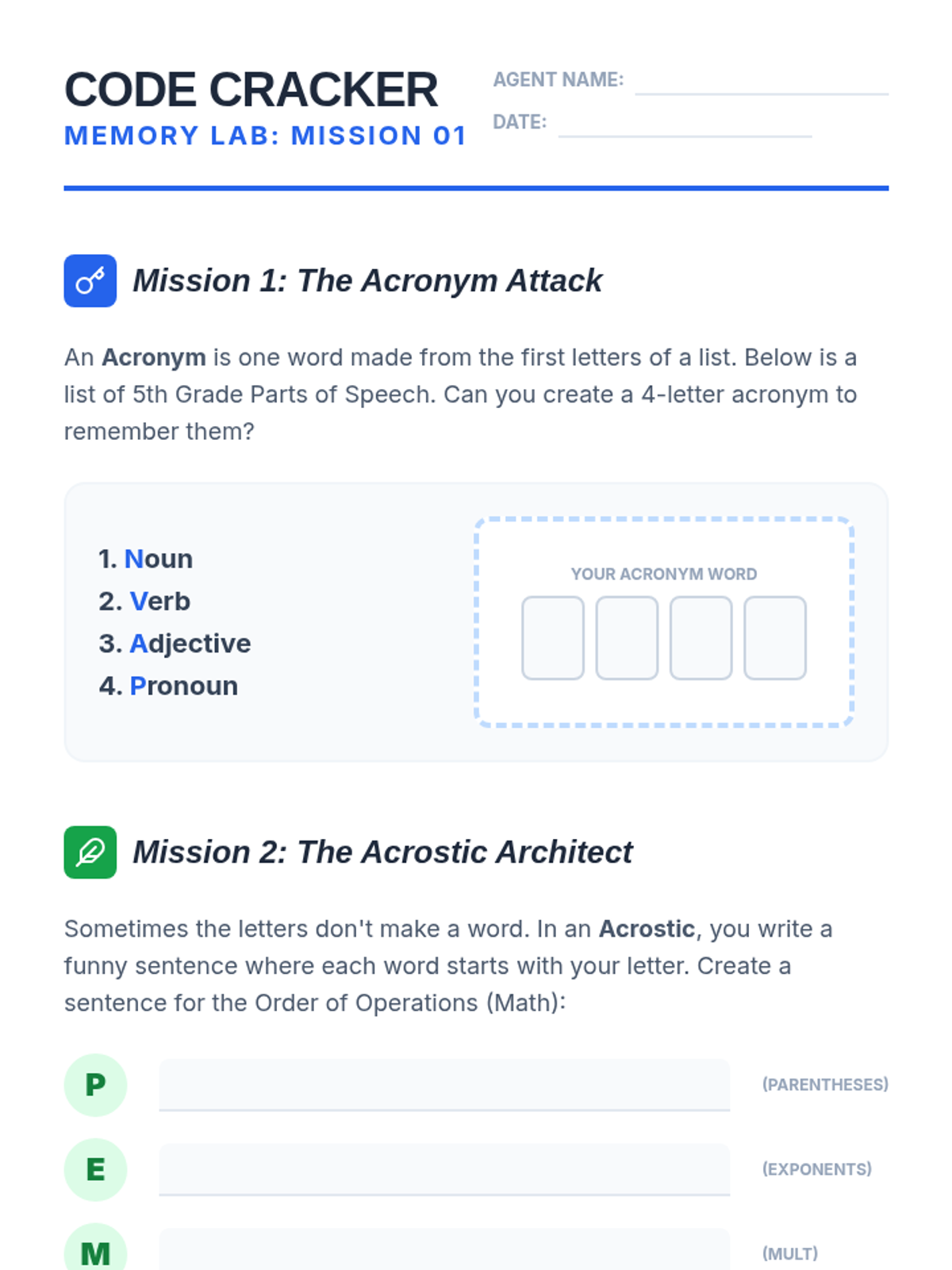
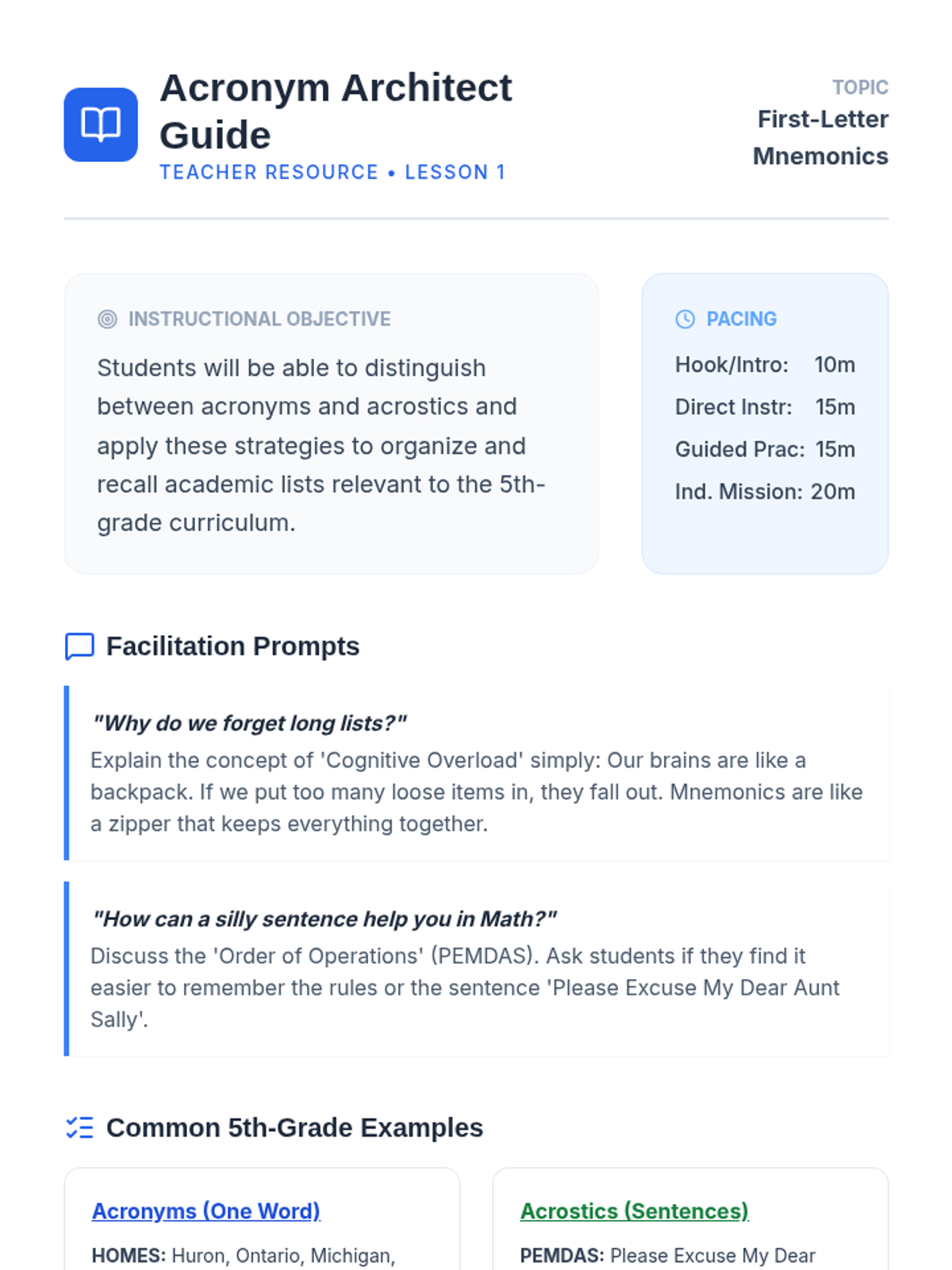
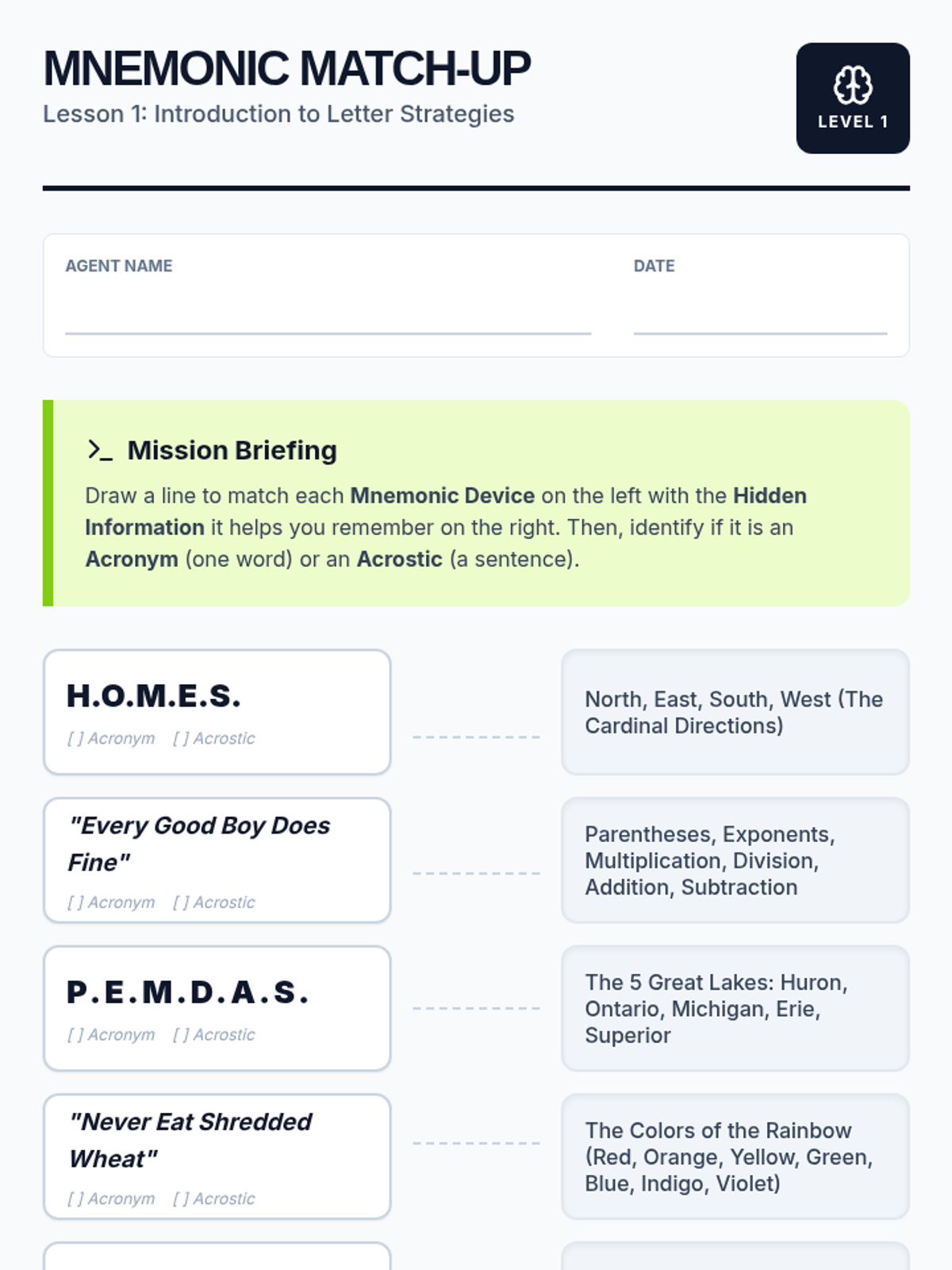
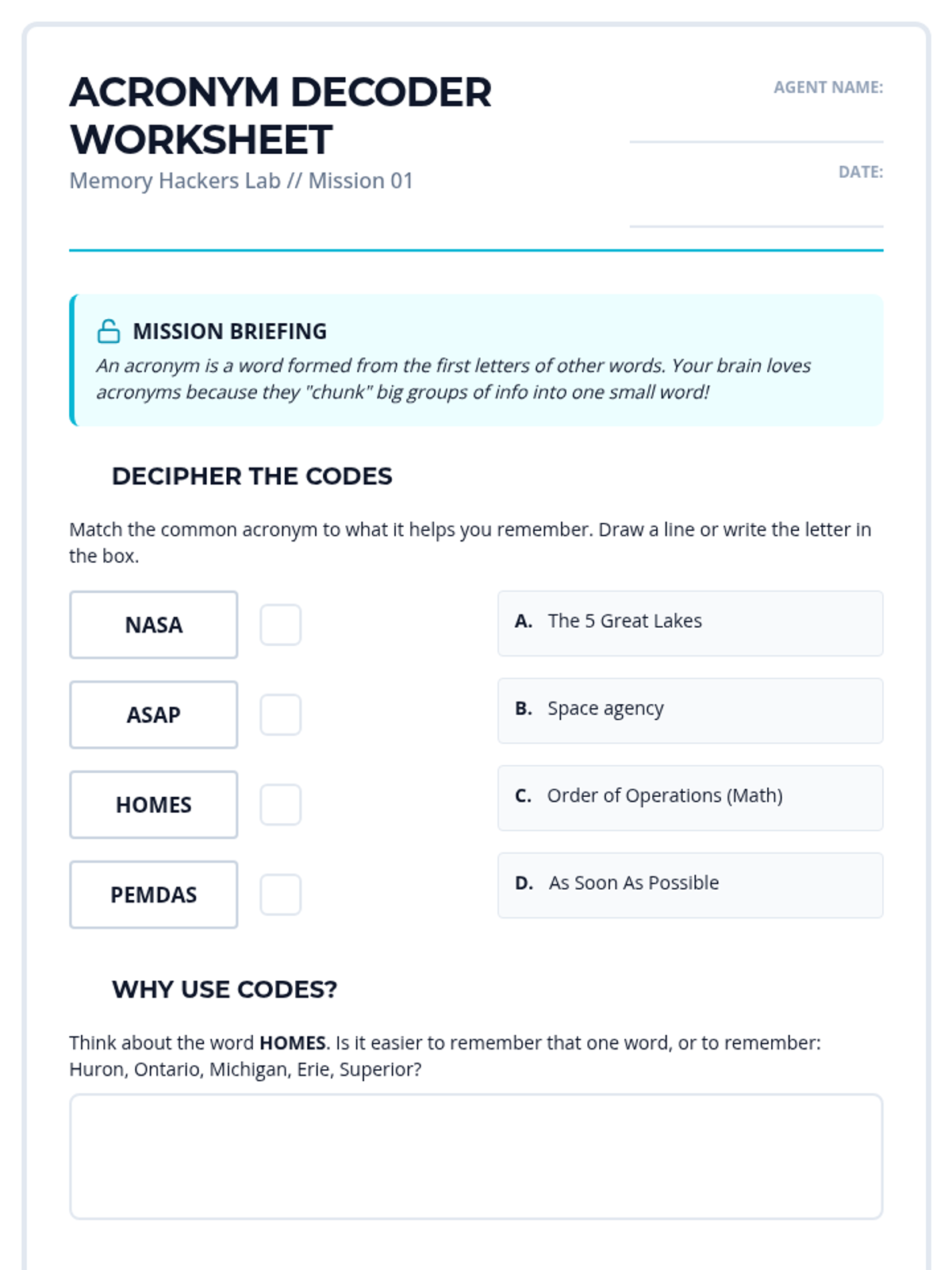
A comprehensive 5-lesson sequence for 5th-grade students to master acronyms and acrostics as mnemonic strategies. Students progress from recognition to independent creation, applying these memory tools to real-world academic content like science and social studies.
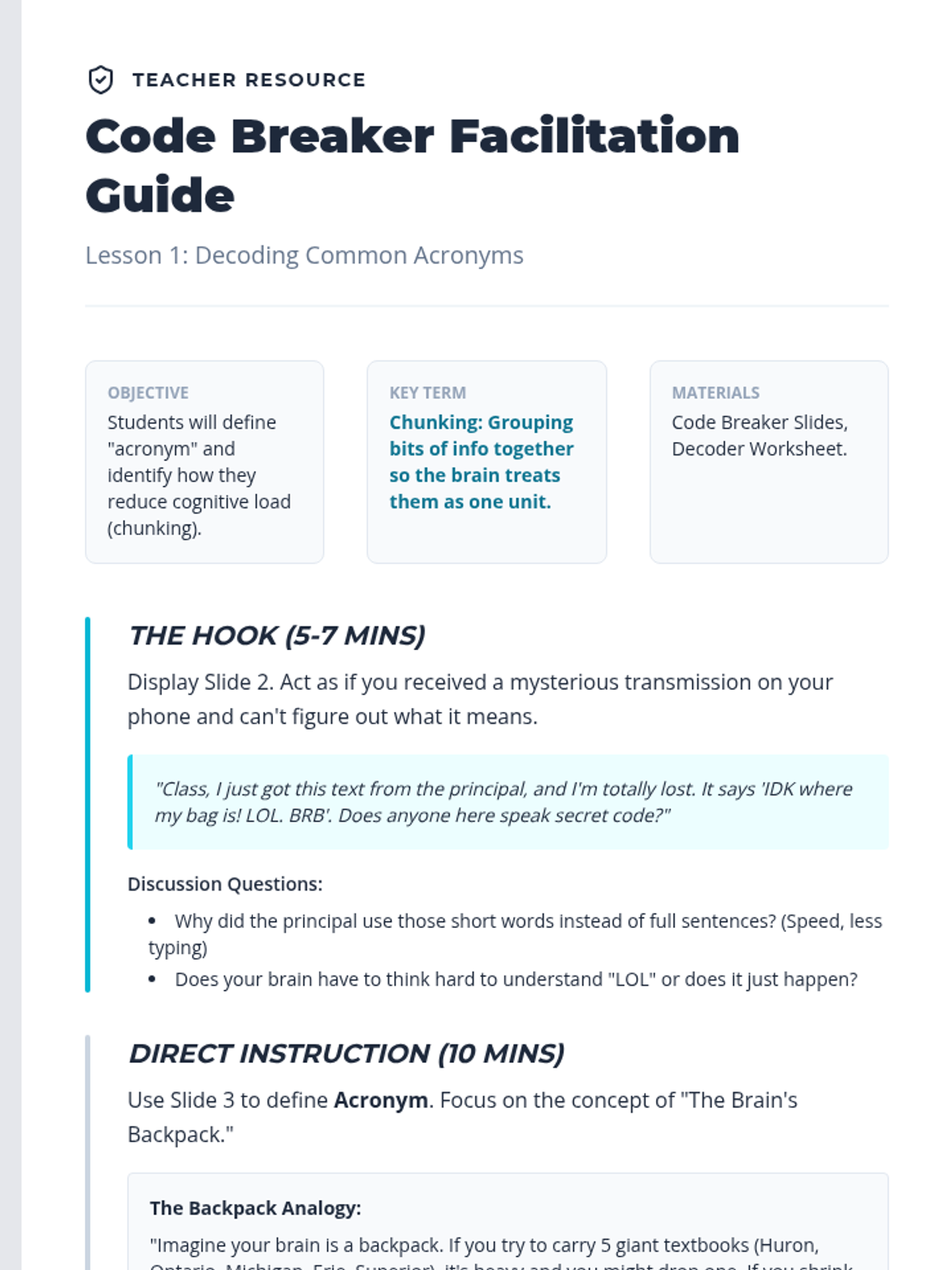
Students master the art of creating and using mnemonic acronyms to reduce cognitive load and improve concept retrieval. The sequence progresses from decoding common acronyms to engineering personal and academic ones, culminating in a mastery arcade.
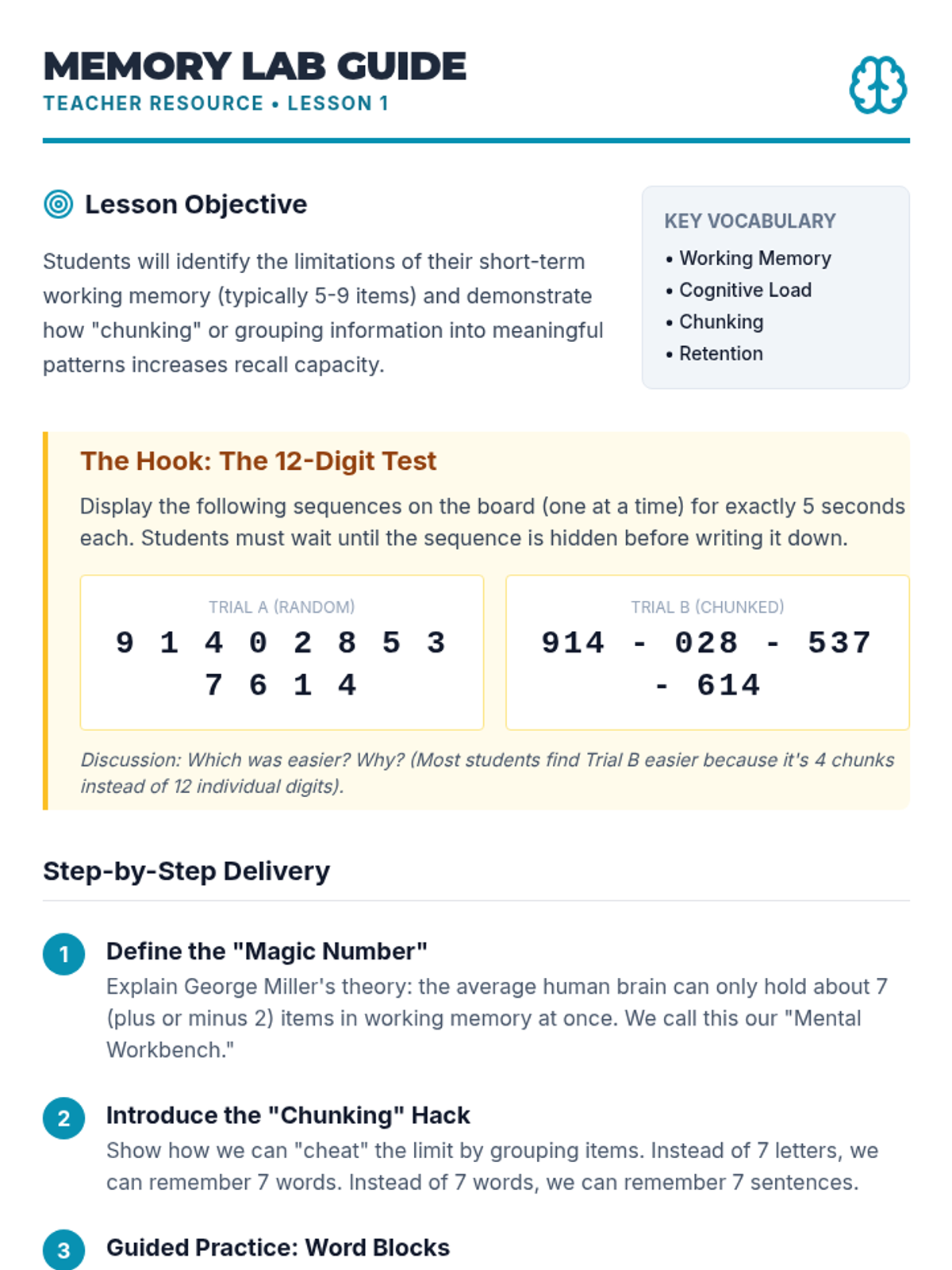
This sequence helps students understand and apply chunking and association strategies to overcome working memory limitations. Through a series of game-based lessons, students will learn to organize data into manageable patterns to increase their cognitive processing capacity.
This sequence transforms note-taking from a passive task into an active working memory support system. Students explore cognitive load, implement structured layouts like the Cornell method, utilize color-coding for categorization, and schedule review using spaced repetition.
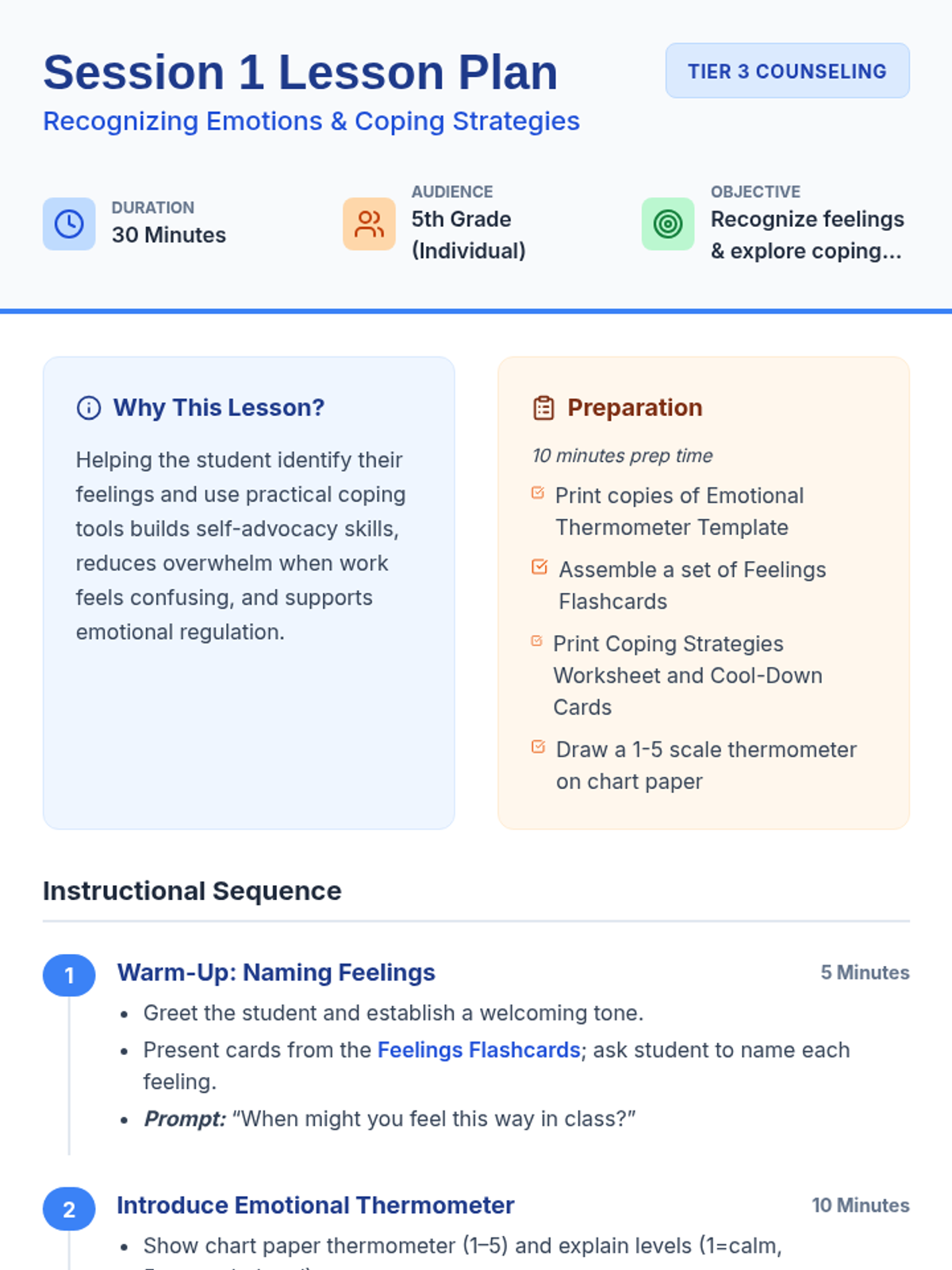
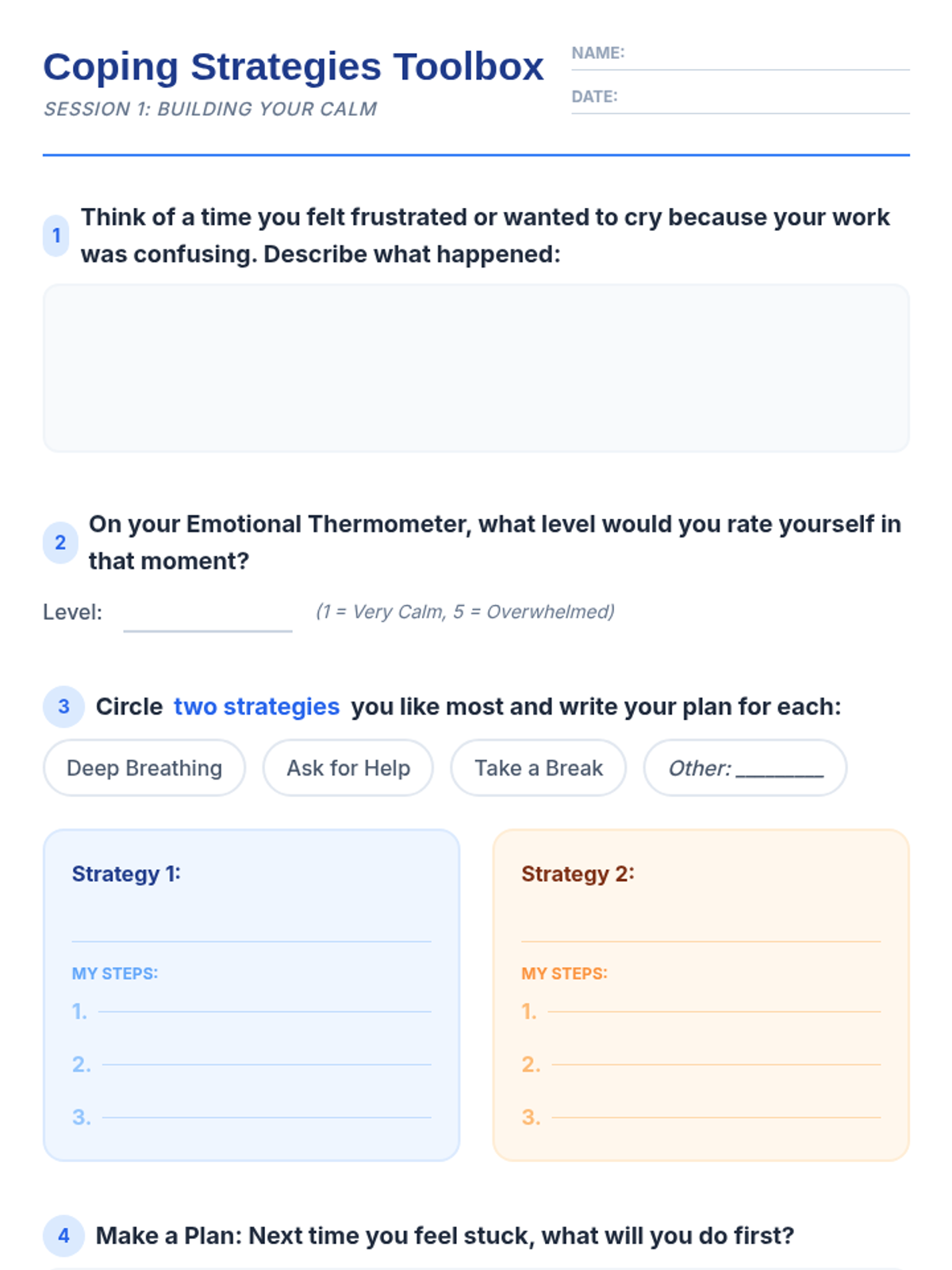
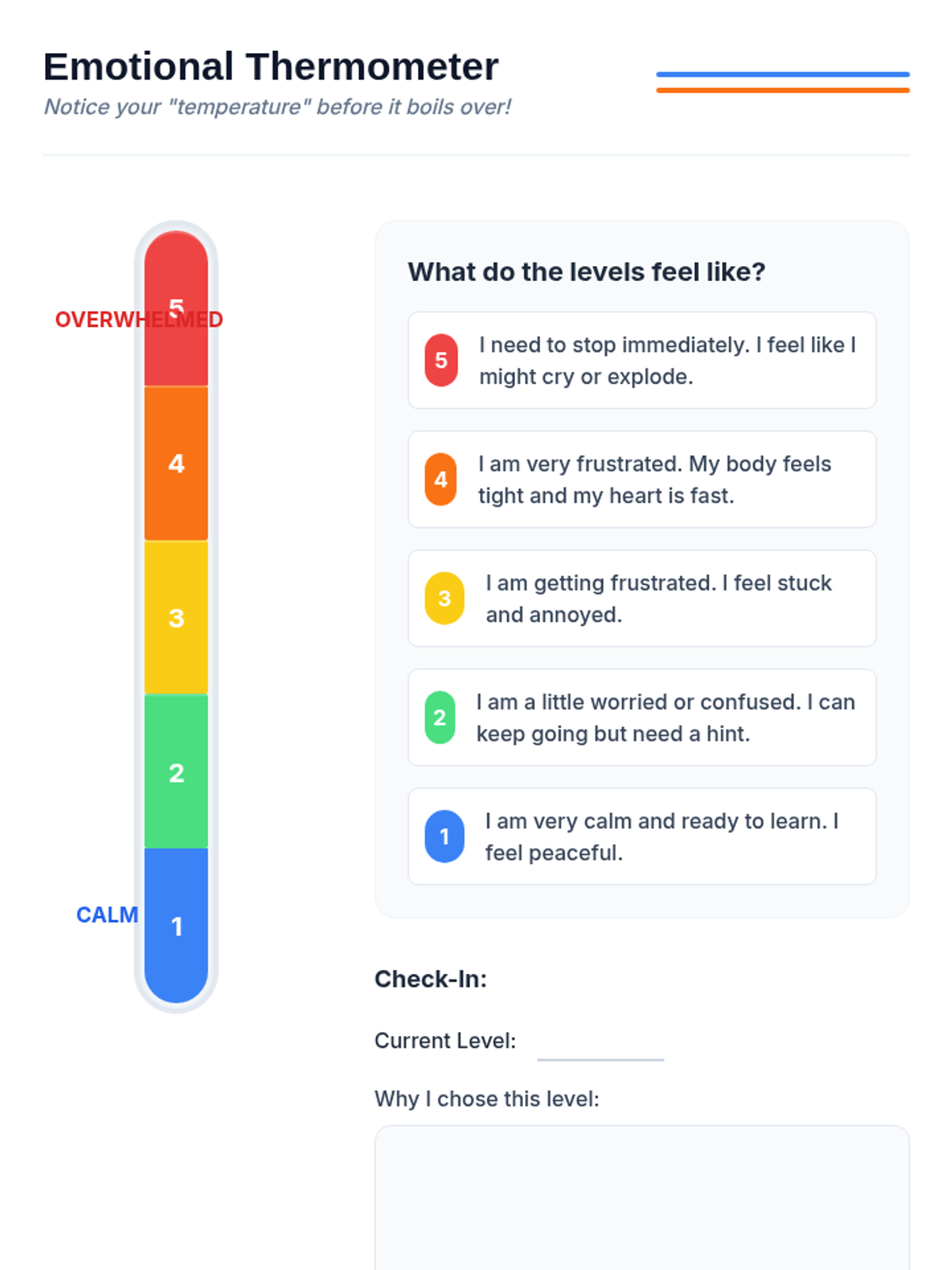
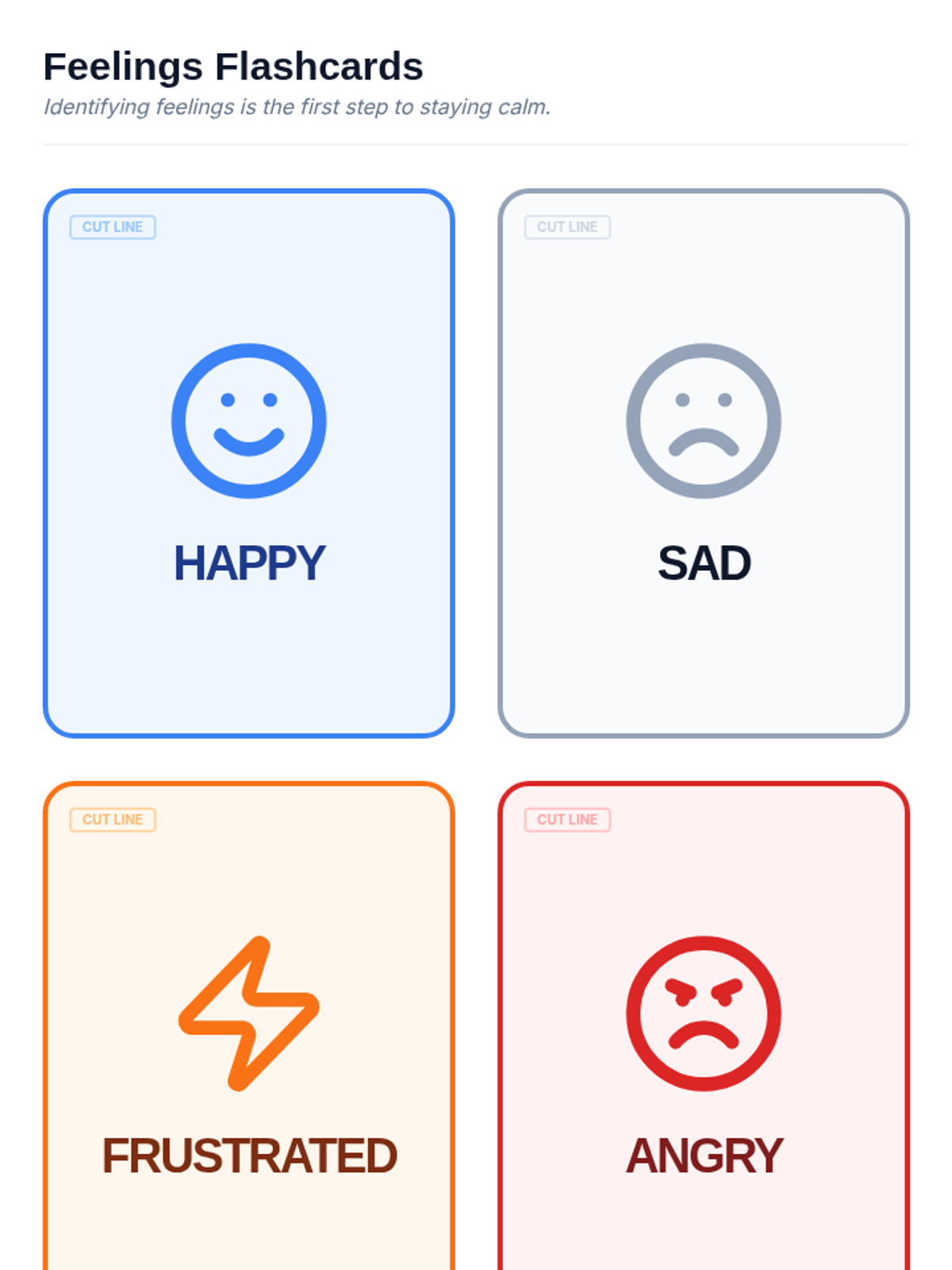
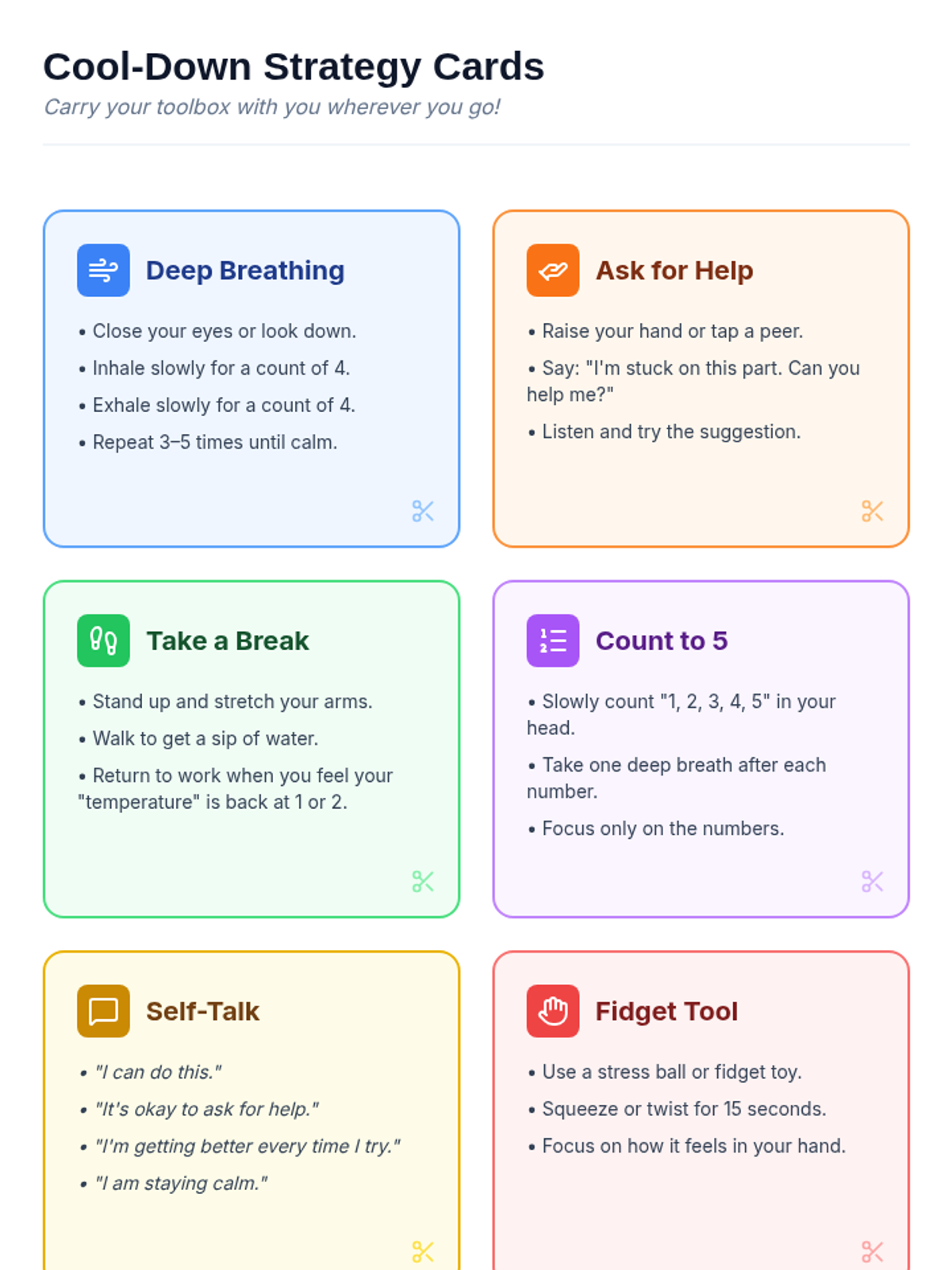
A 4-session Tier 3 counseling series for 5th graders to build self-advocacy skills, manage frustration, and replace emotional overwhelm with confidence. Each session includes interactive activities, guided practice, and portable tools for classroom use.
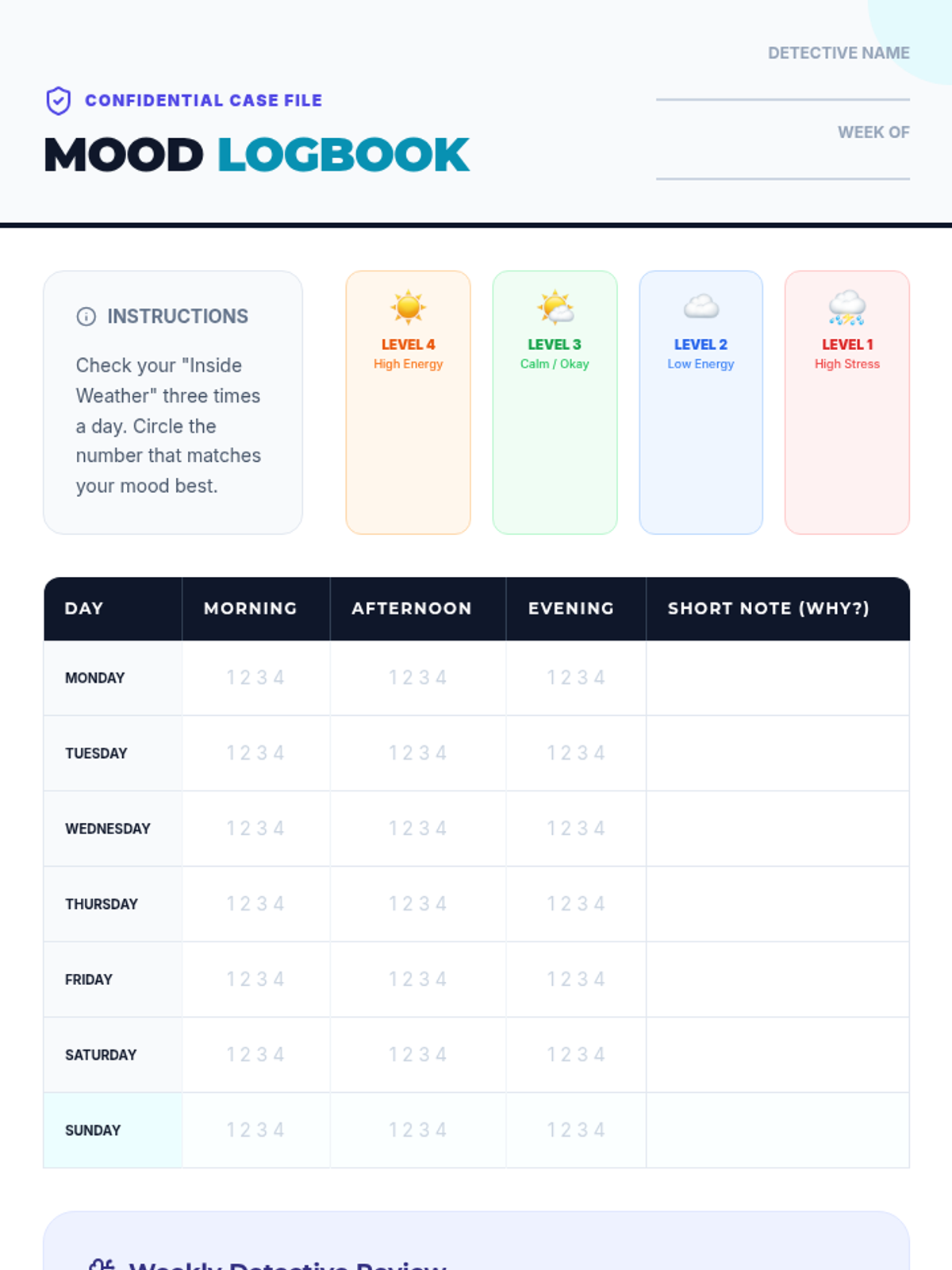
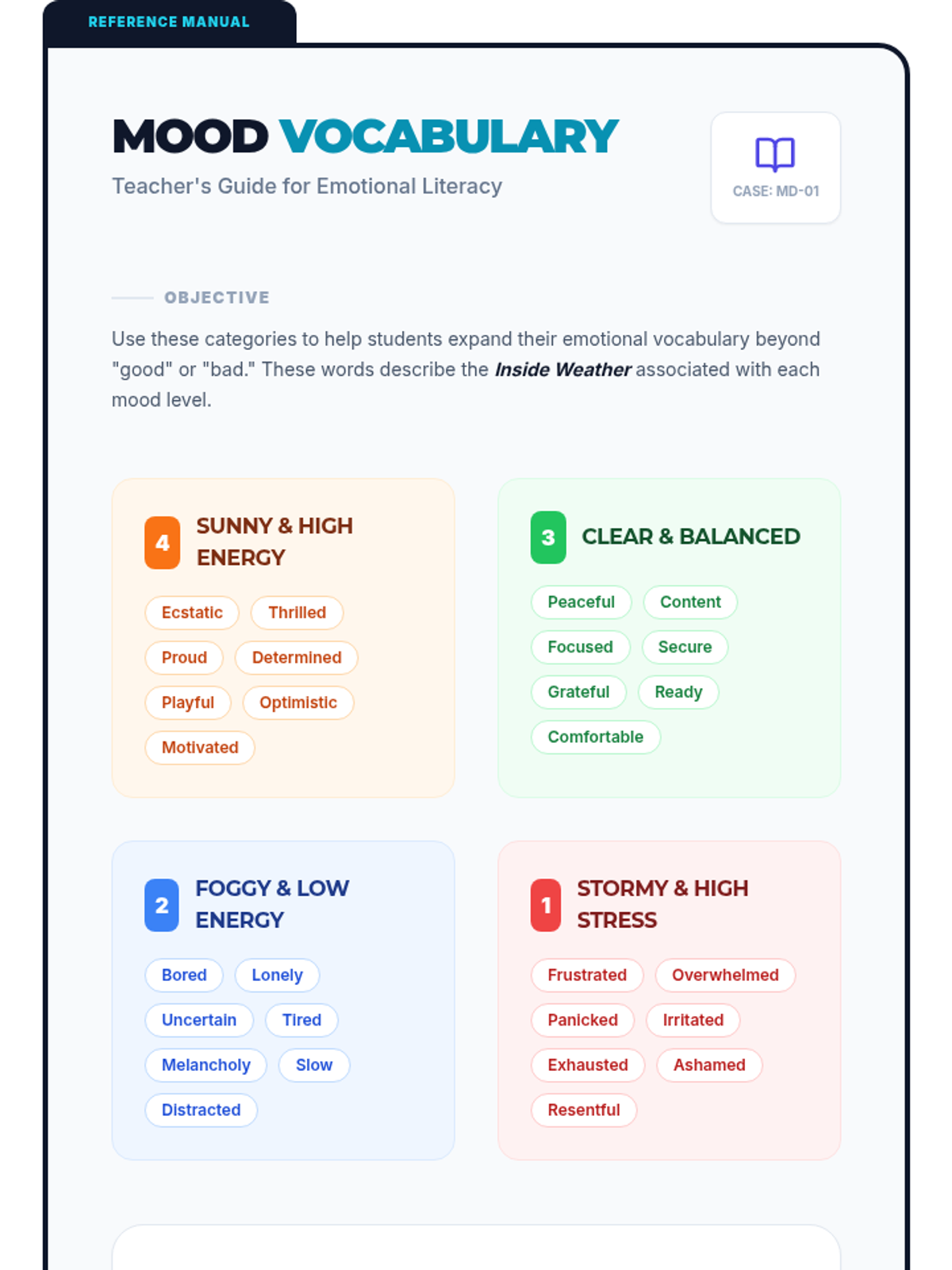
Students become 'Mood Detectives' to track daily habits and emotions, uncovering patterns to manage their mental health. The sequence culminates in a personalized 'Mood Toolbox' and Wellness Dashboard.
This mastery-based sequence teaches students to view check-ins not just as a morning event, but as a continuous cycle of self-monitoring and reflection. Students learn to track their emotional patterns over time, identifying triggers and successful interventions to develop long-term metacognitive habits.
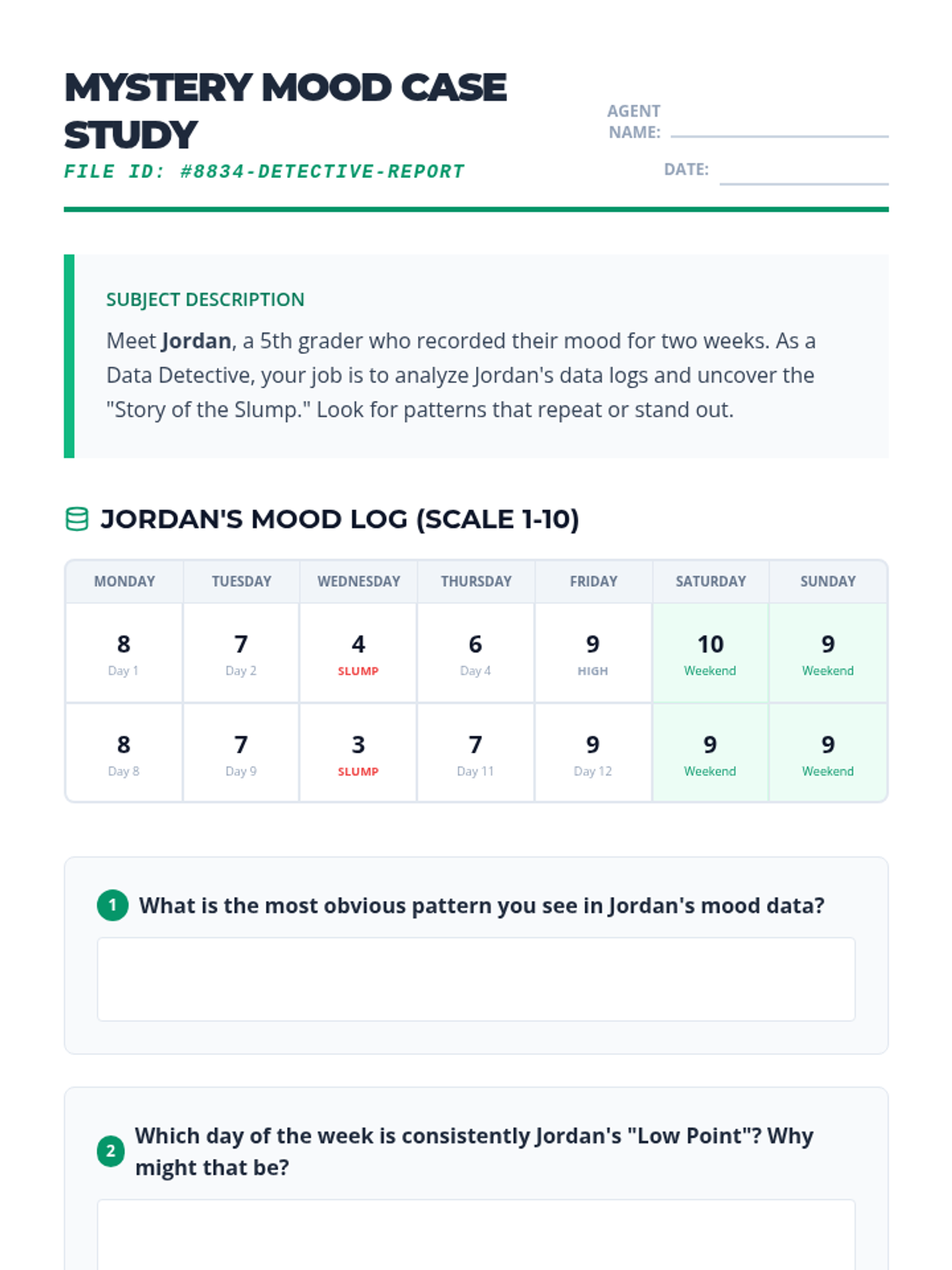
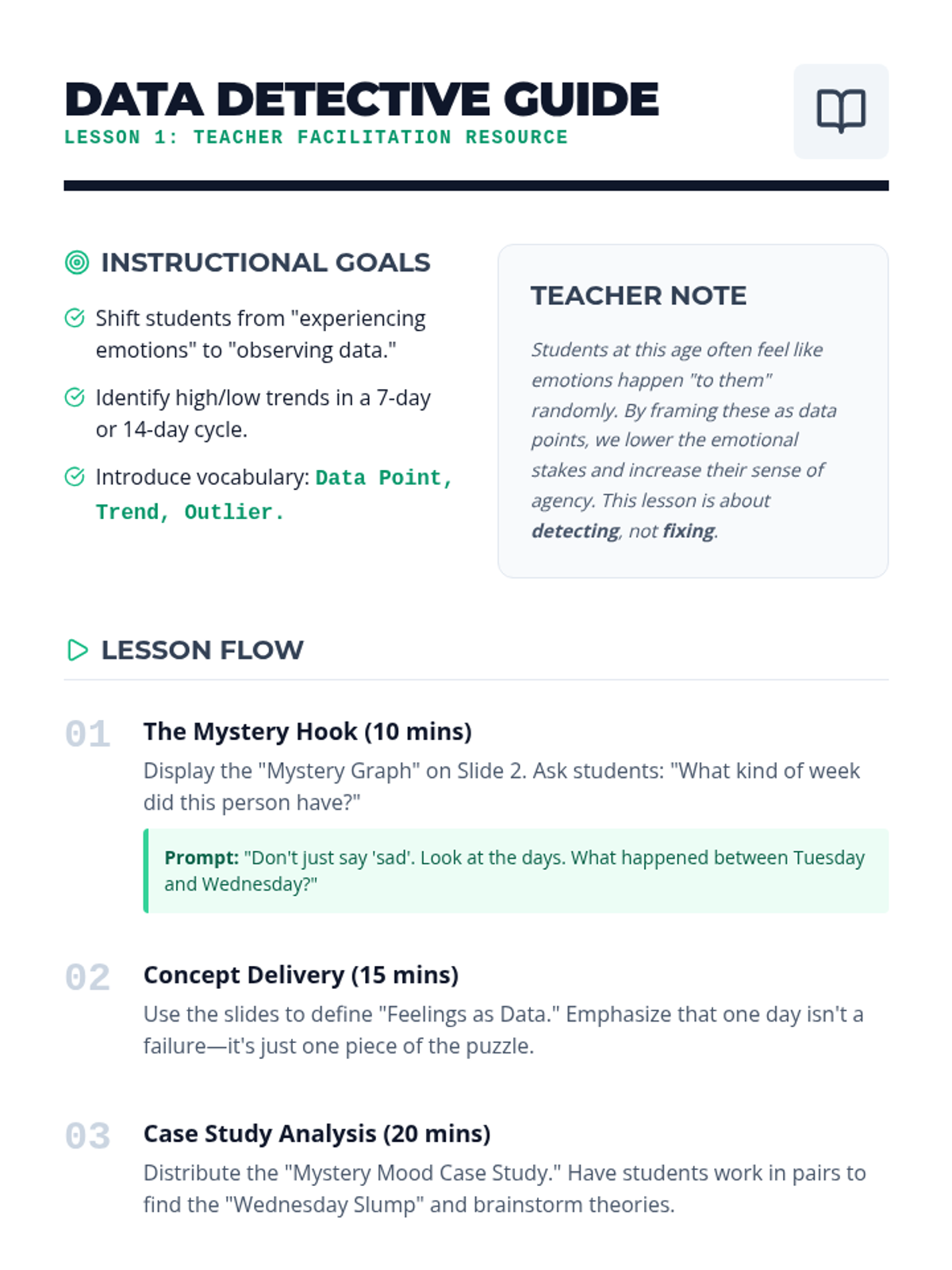
A 5th-grade inquiry-based sequence that teaches students to analyze their daily check-in responses as data. Students learn to identify trends, correlate triggers, and develop proactive self-regulation strategies based on longitudinal behavioral patterns.
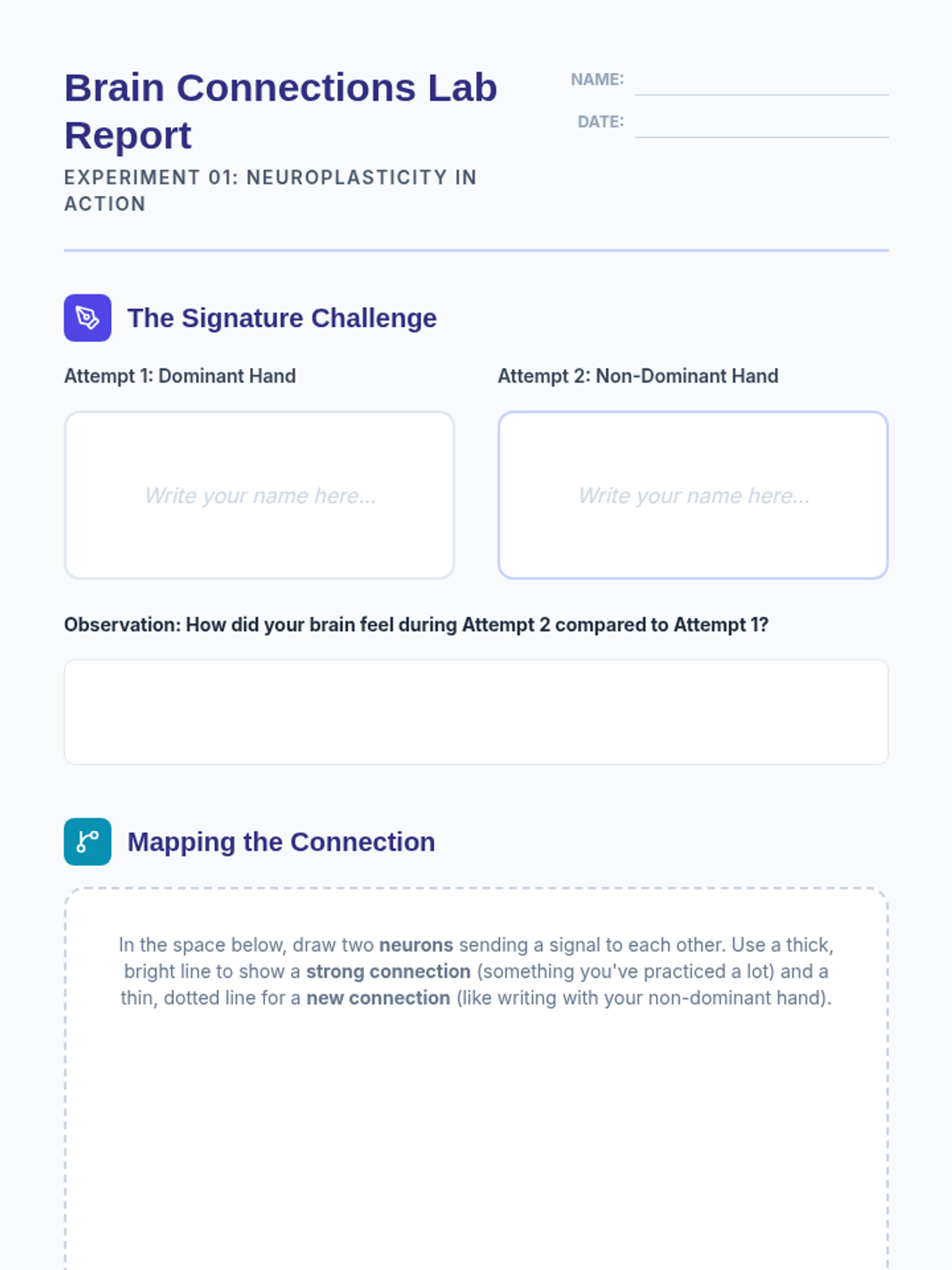
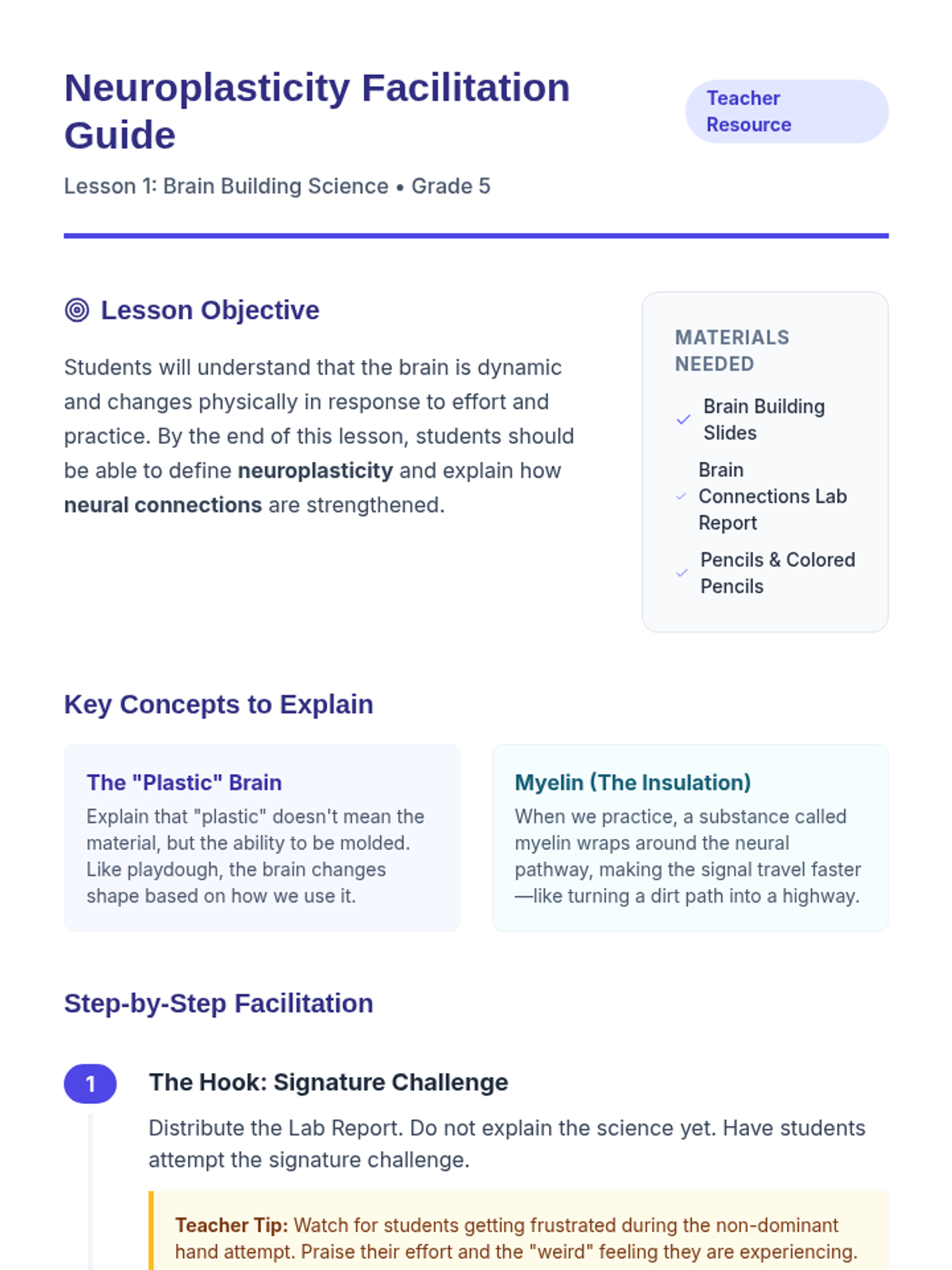
A psychological exploration of growth mindset for 5th graders, focusing on brain plasticity, resilience, and goal-setting to shape their future identity.
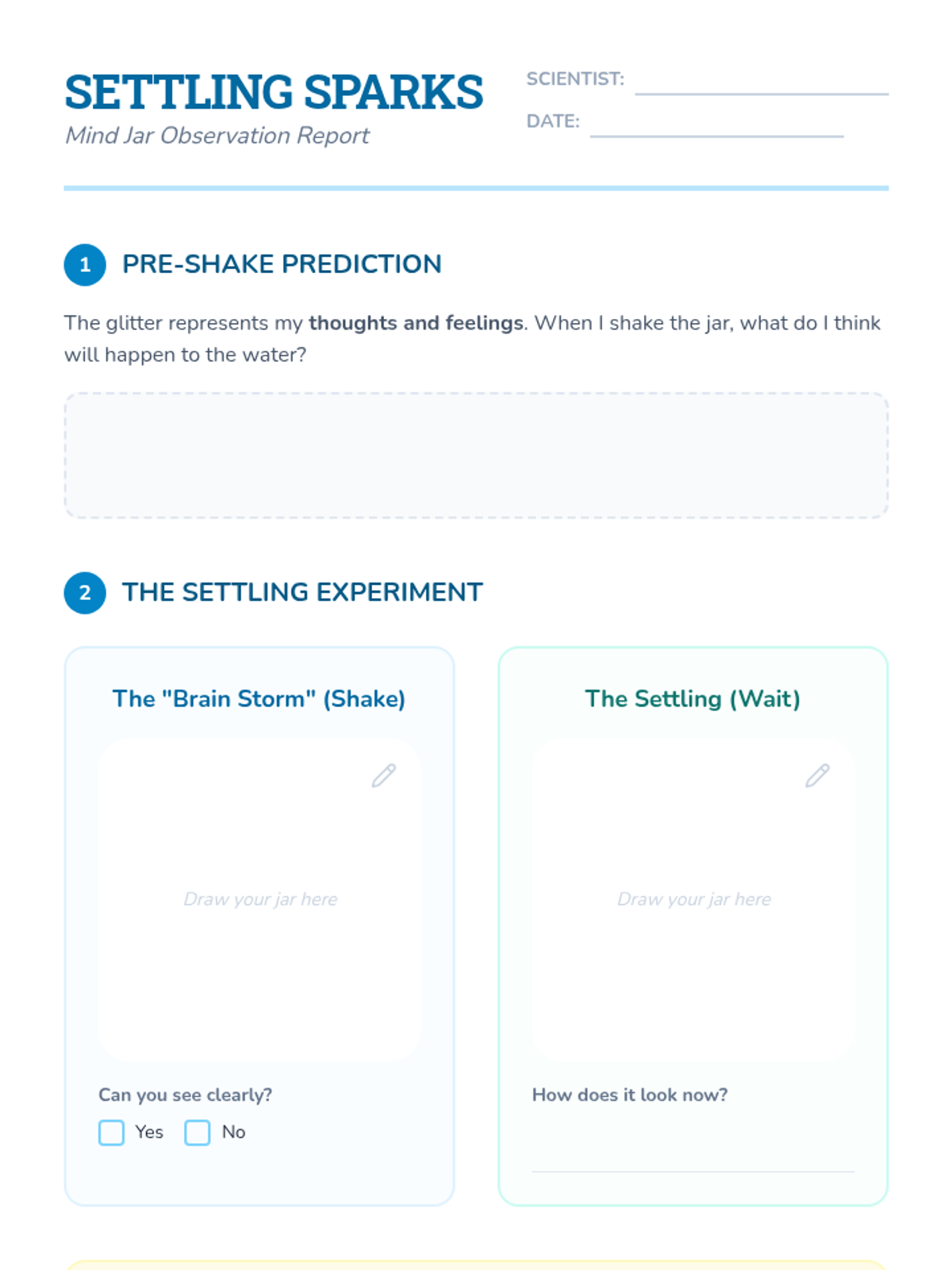
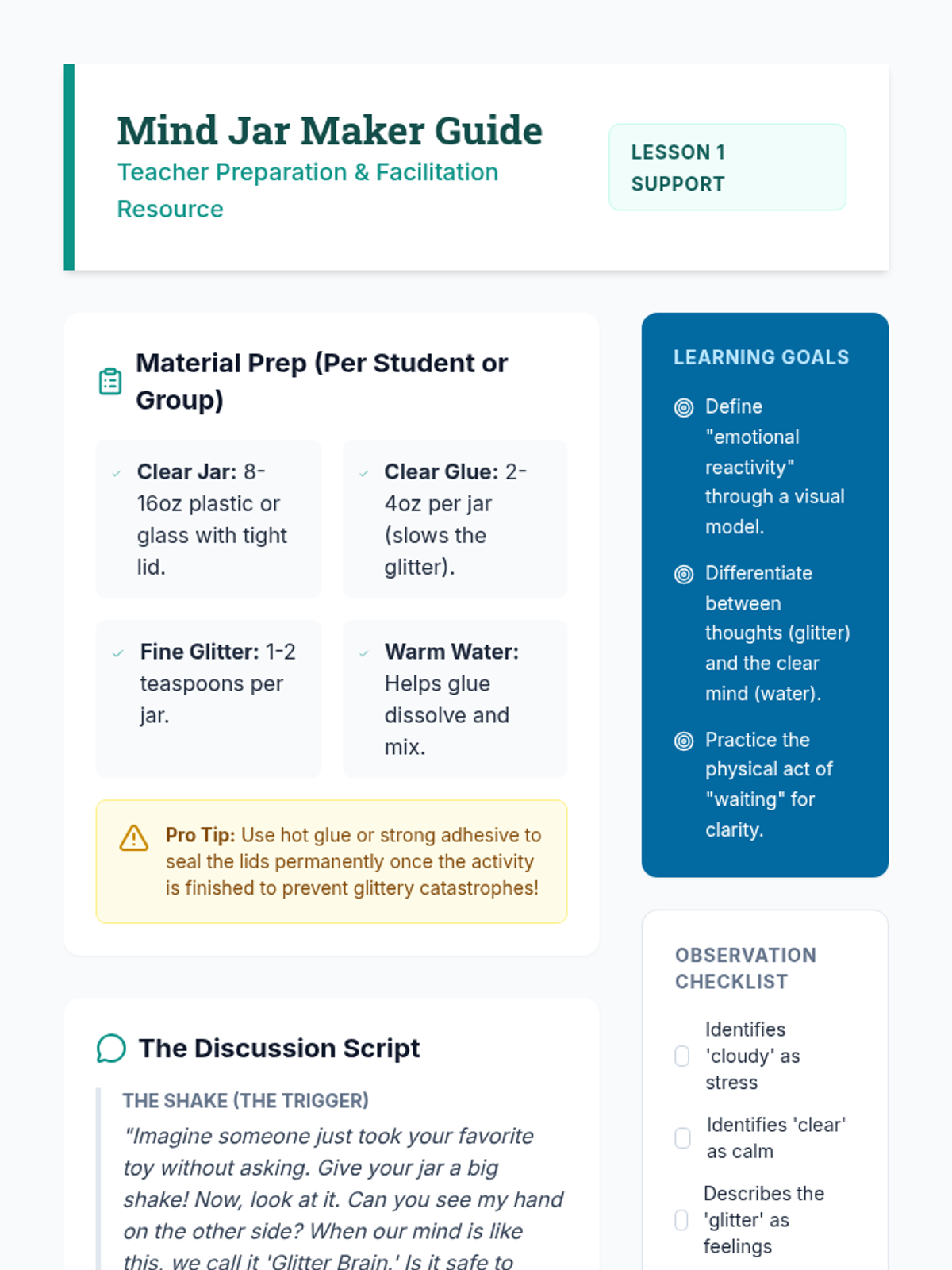
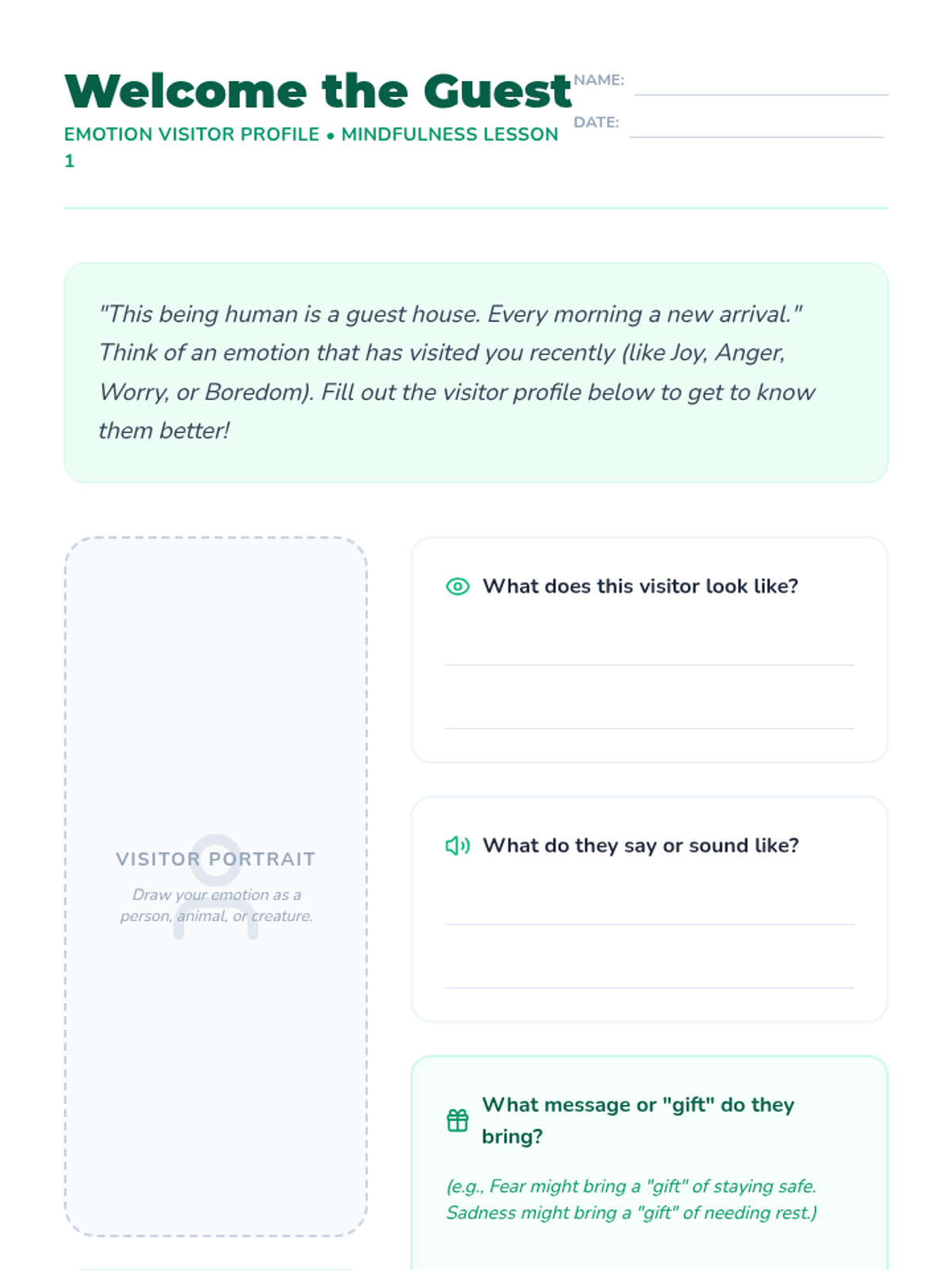
A 3rd-grade mindfulness sequence exploring emotional regulation through metaphors like mind jars, weather reporting, and visualization to help students widen the gap between triggers and reactions.
This sequence focuses on emotional intelligence and self-compassion through a case study approach. Students analyze hypothetical scenarios involving disappointment, anger, or anxiety, and apply mindfulness techniques to navigate them, shifting from reacting impulsively to responding thoughtfully.
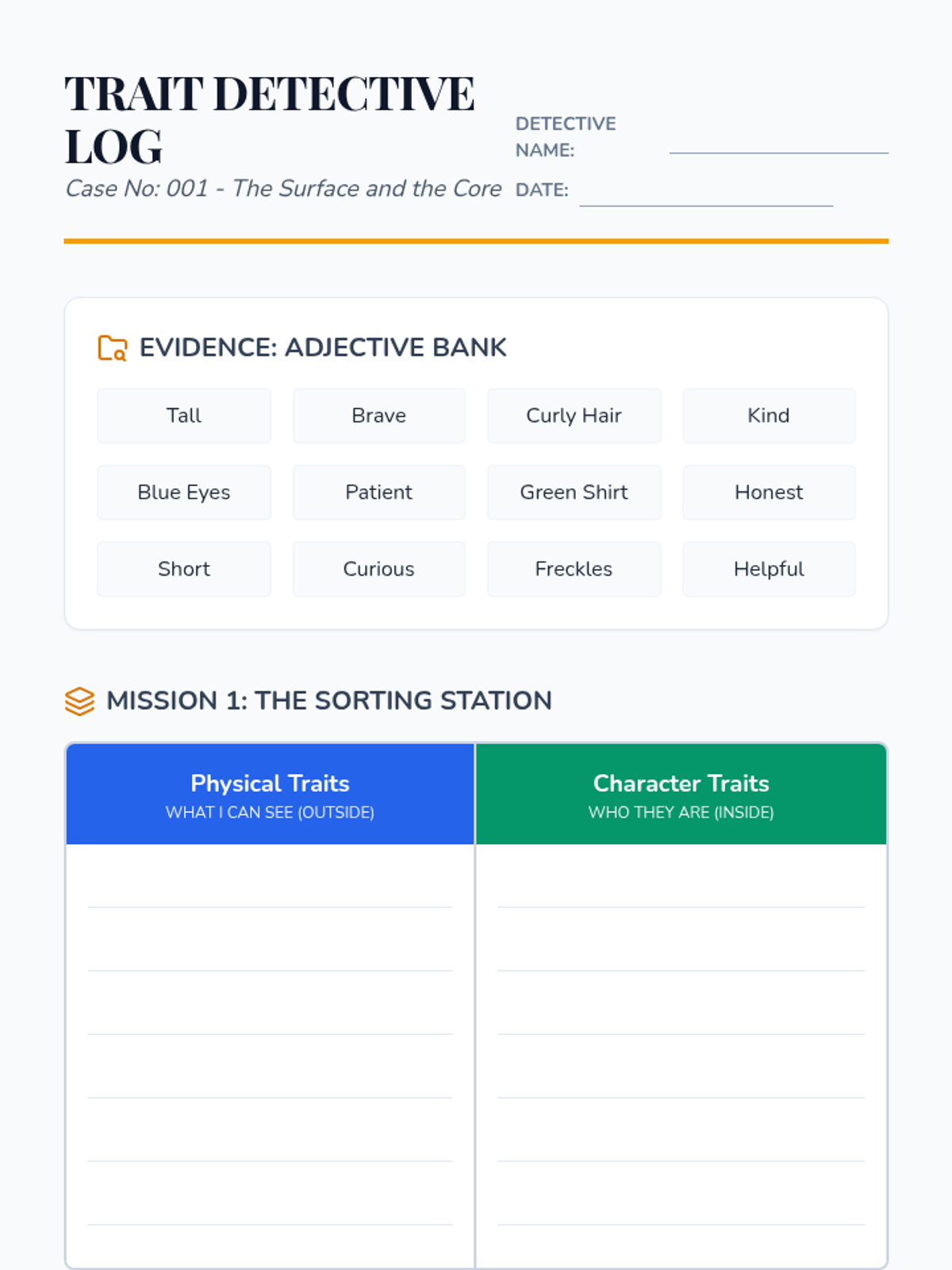
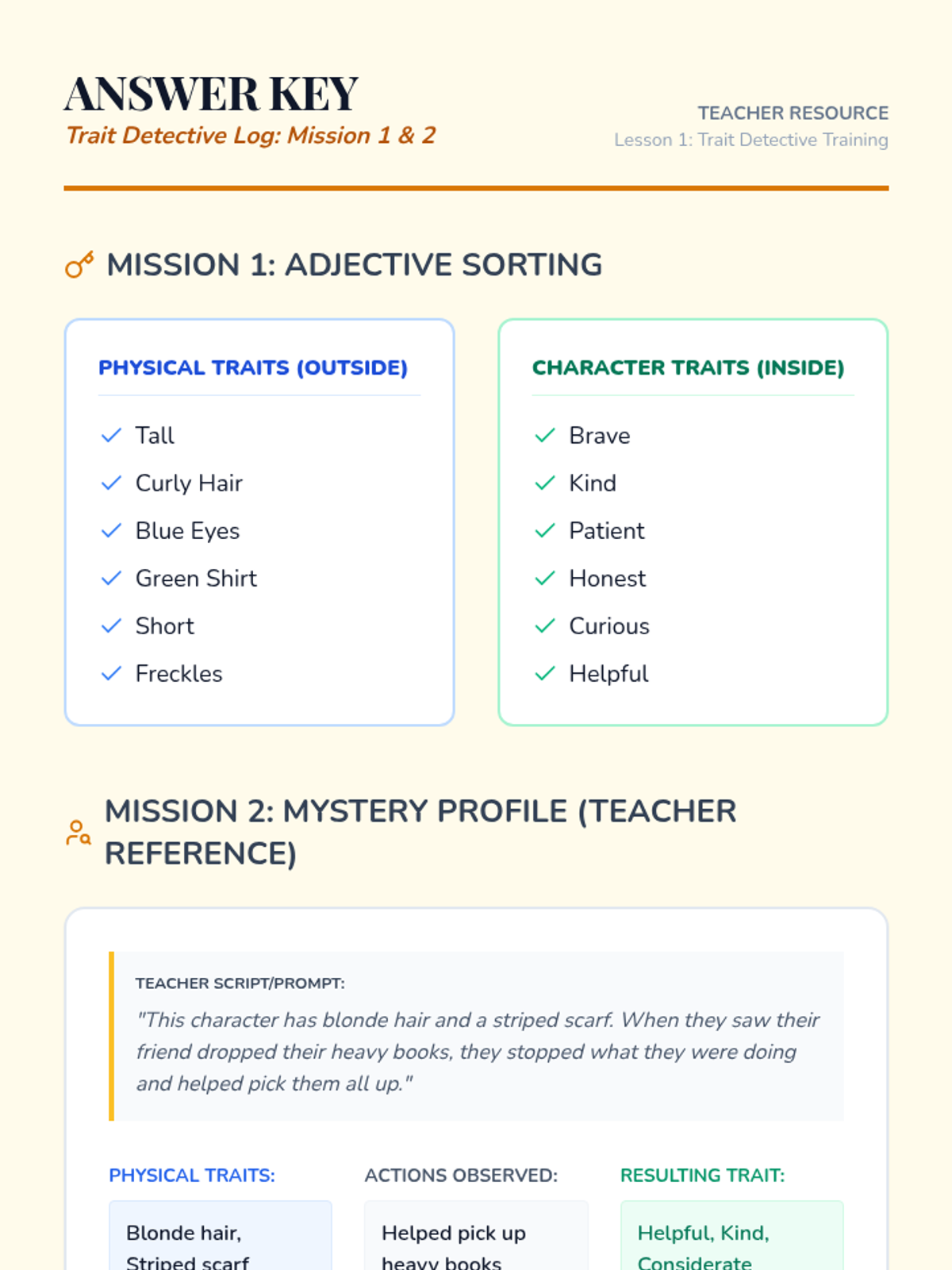
This sequence introduces students to the concept of personal identity by distinguishing between physical attributes and internal character traits. Students explore their own strengths, recognize how actions reflect identity, and learn to view growth areas through a growth mindset, culminating in a symbolic self-portrait.
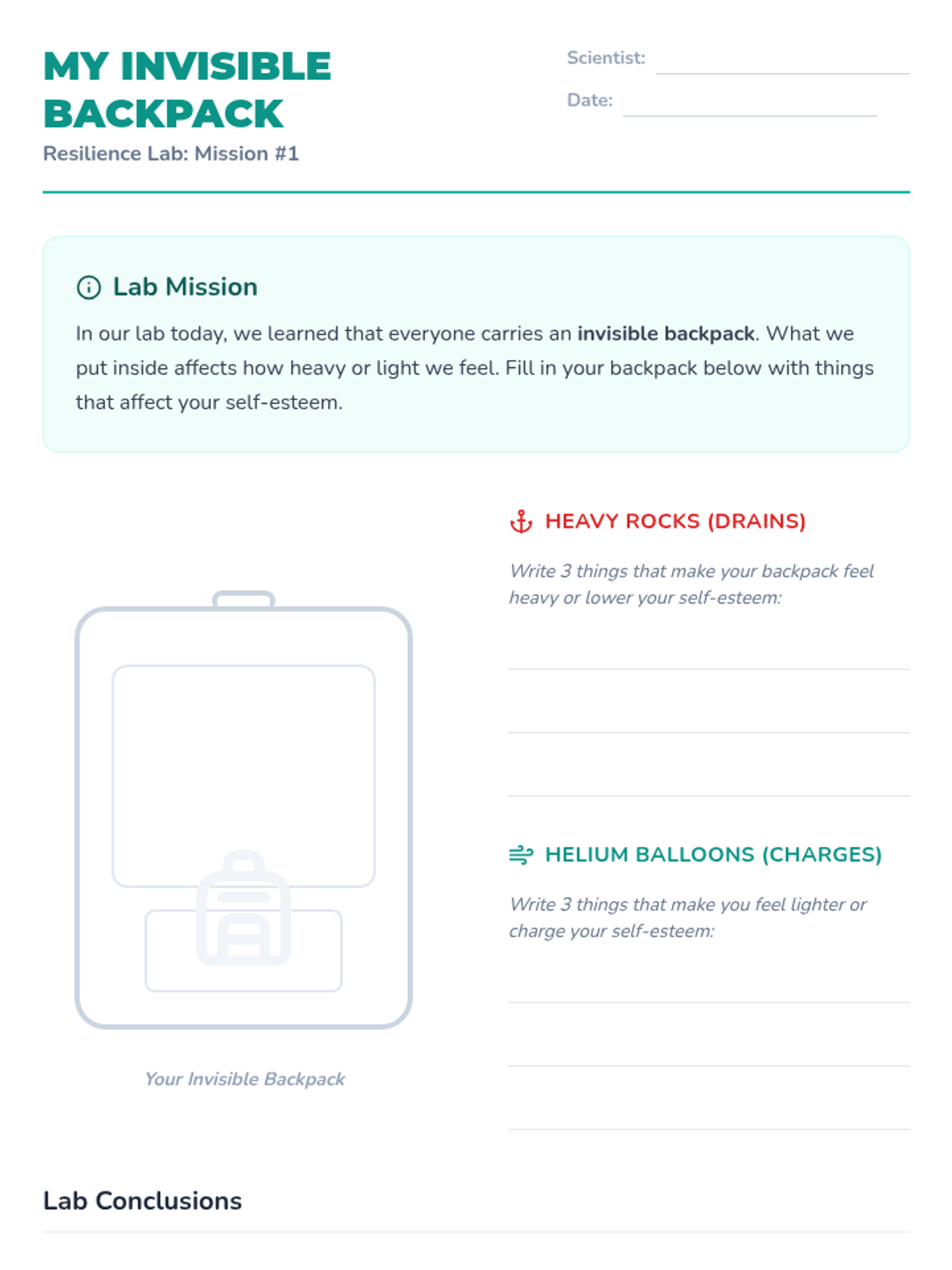
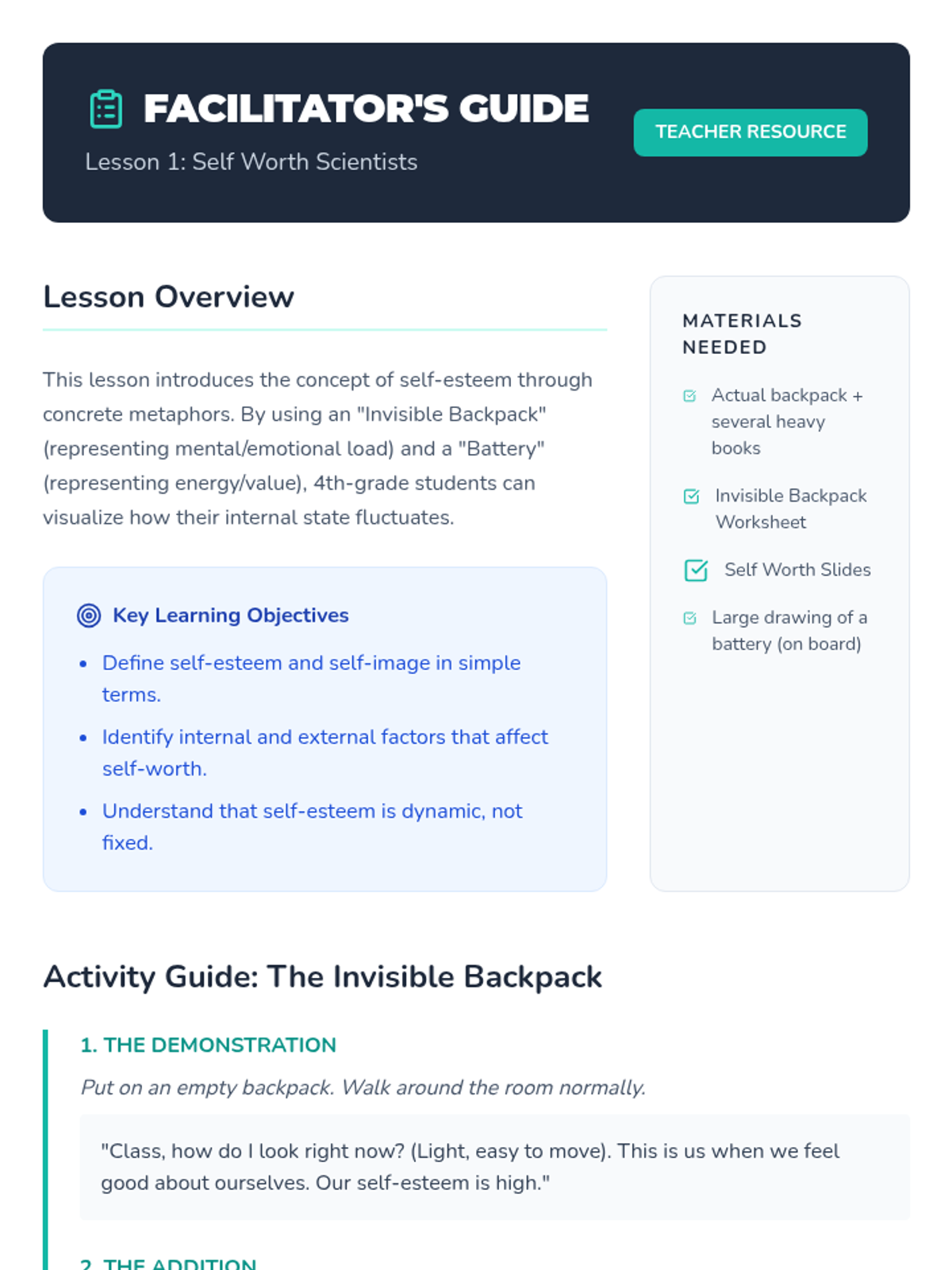
This sequence utilizes inquiry and case studies to examine the formation of self-esteem and the impact of external feedback. Students analyze sources of self-worth, critique media messages, and develop a personal toolkit of resilience strategies.
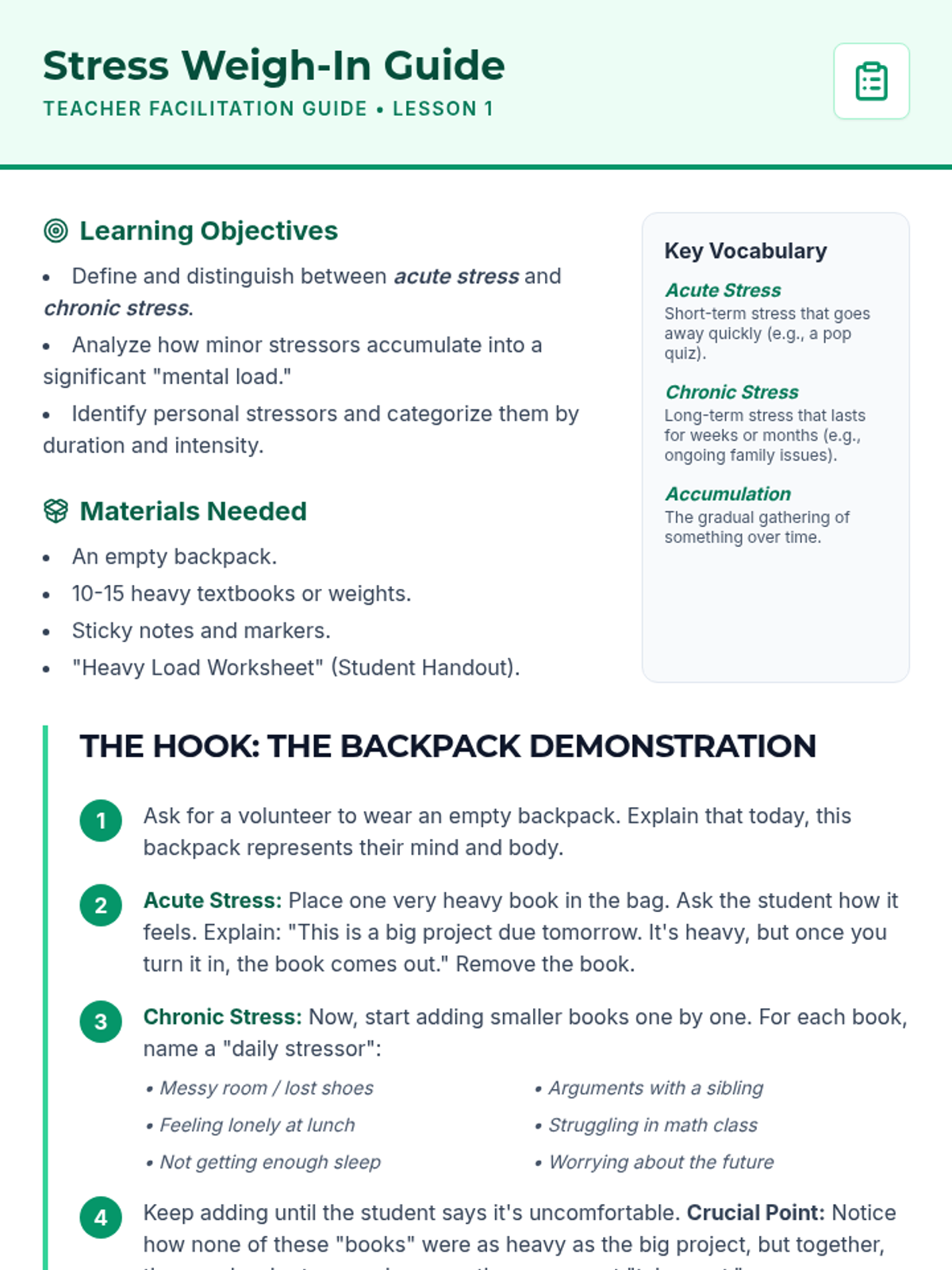
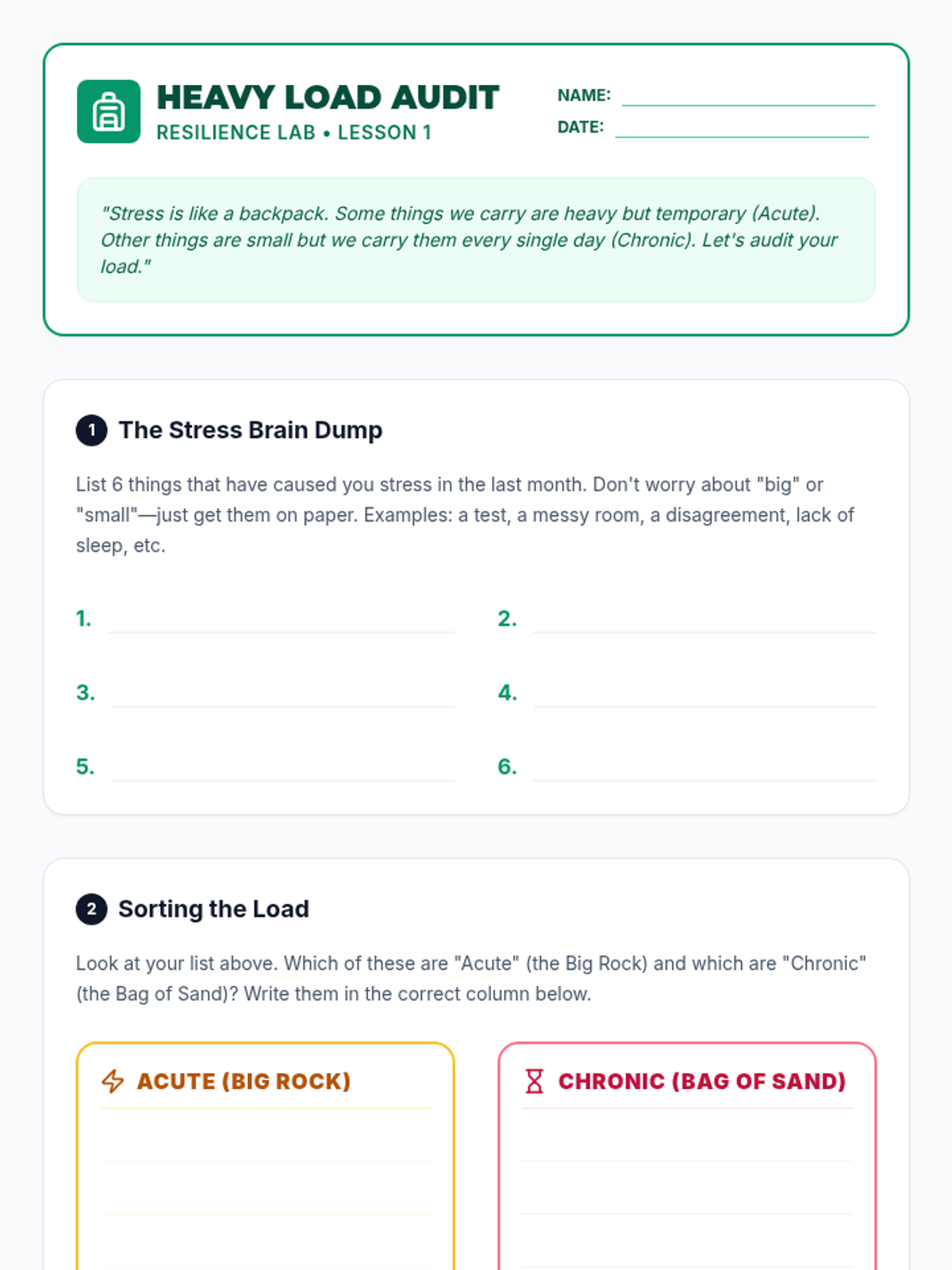
This sequence explores the differences between acute and chronic stress, examines the impact of lifestyle habits on resilience, and culminates in students designing sustainable coping strategies for a balanced life.