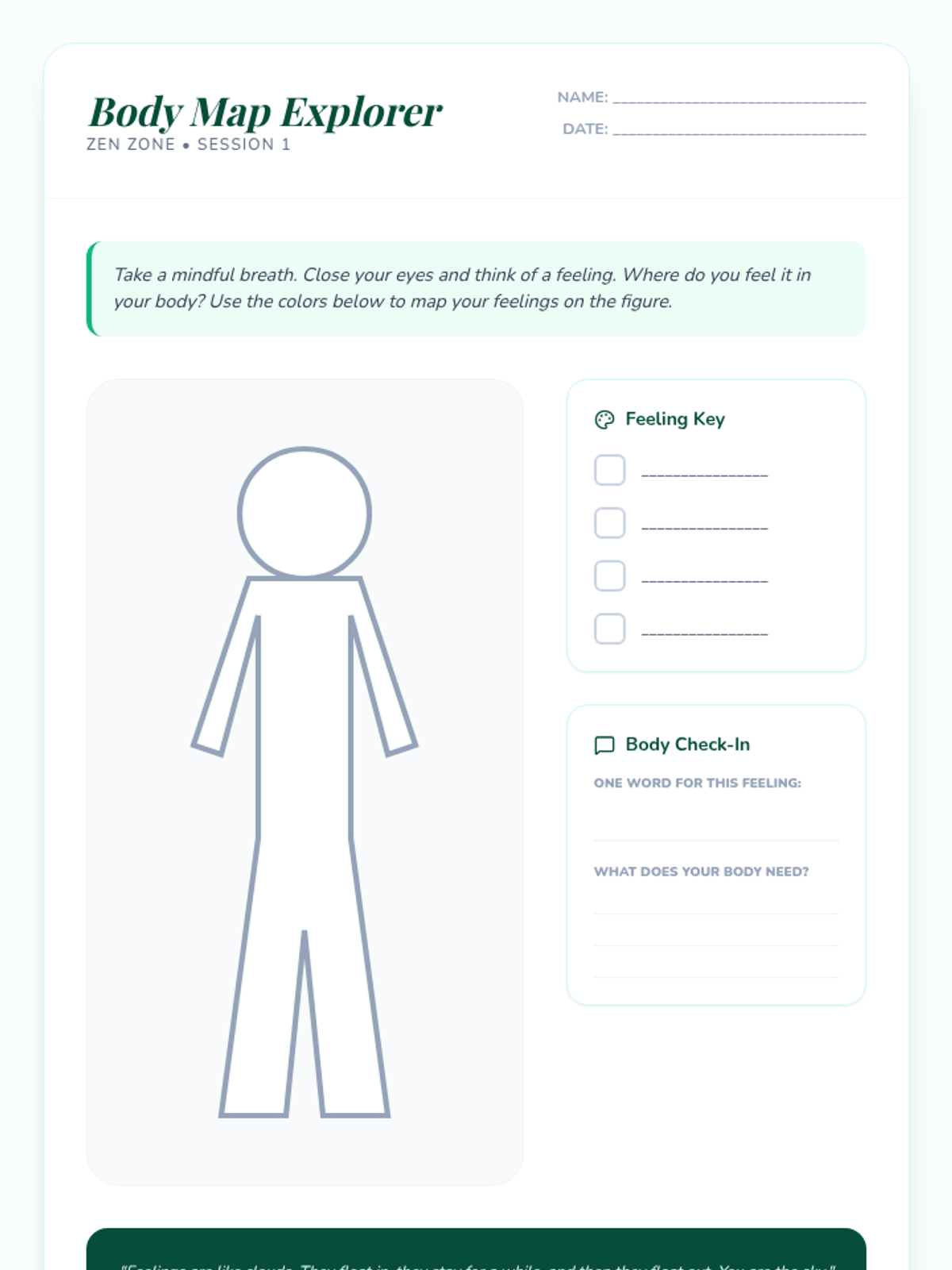
Mindful breathing and body scan meditation techniques integrated with daily self-care routines. Develops strategies for balancing life demands and advocating for personal wellness needs.
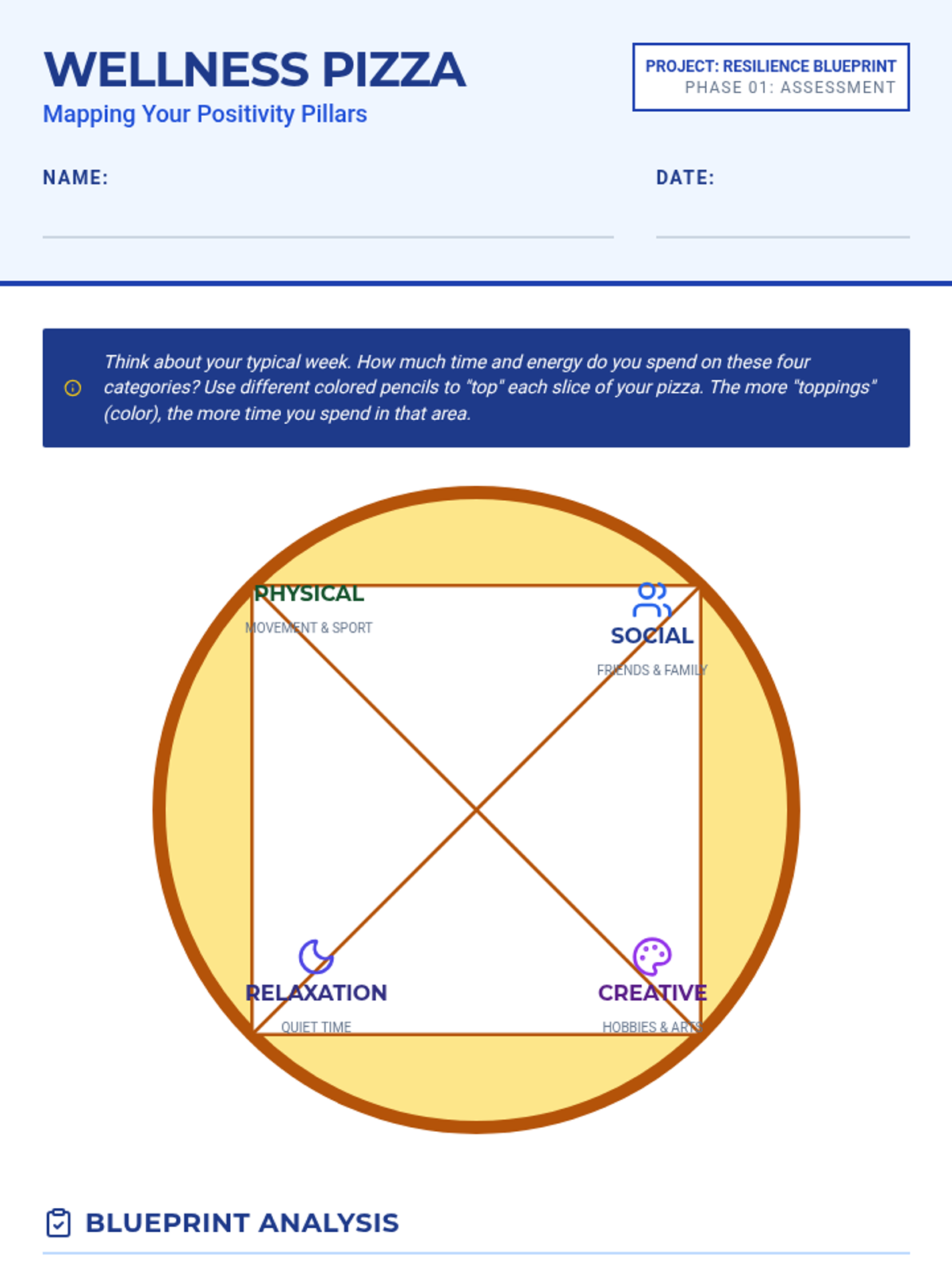
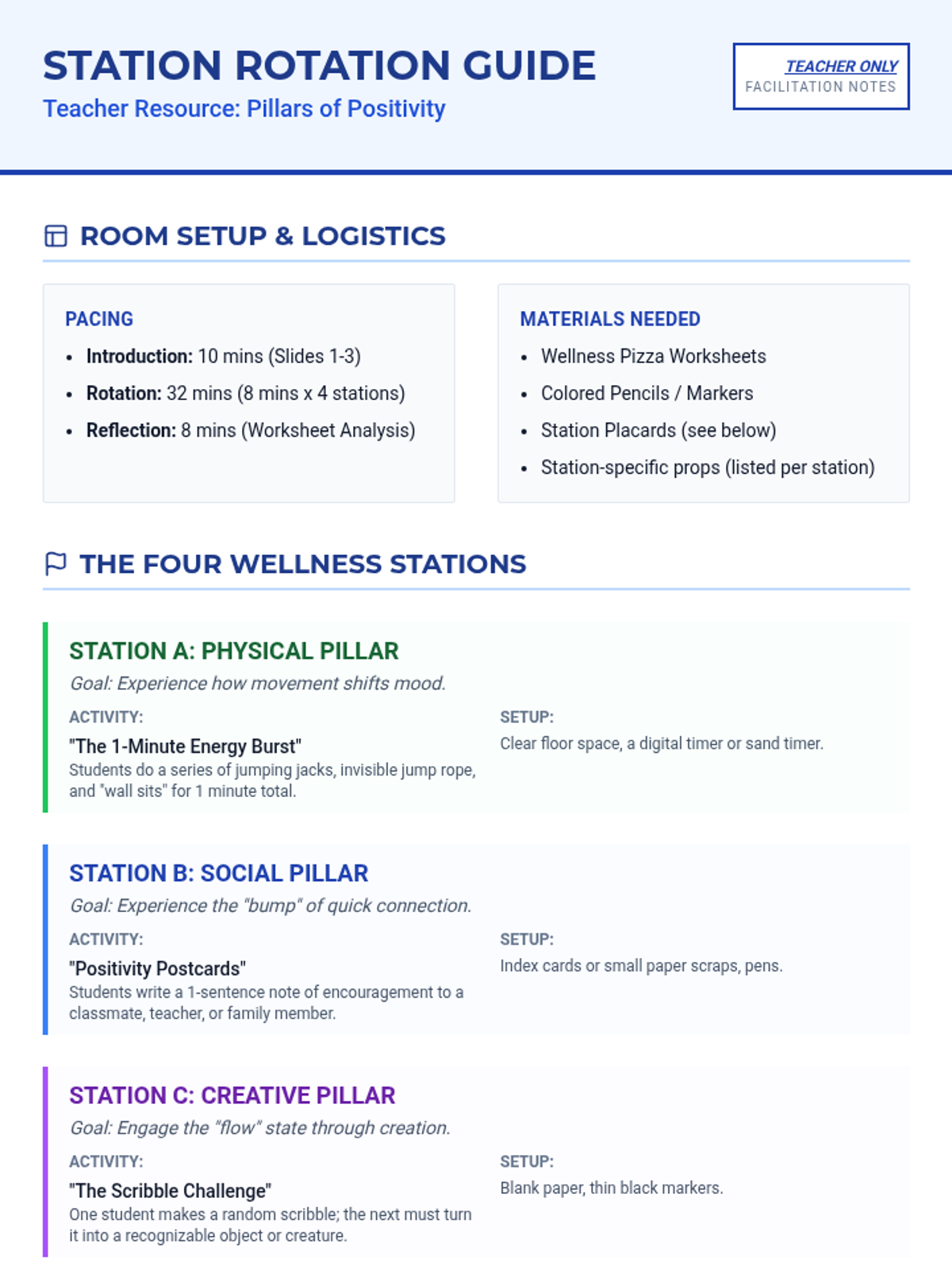
A 5-lesson project-based sequence for 5th graders focusing on building positive experiences through routine design and habit formation. Students learn to categorize wellness activities, overcome barriers like inertia, use habit-stacking techniques, and create a sustainable weekly wellness schedule to build emotional resilience.
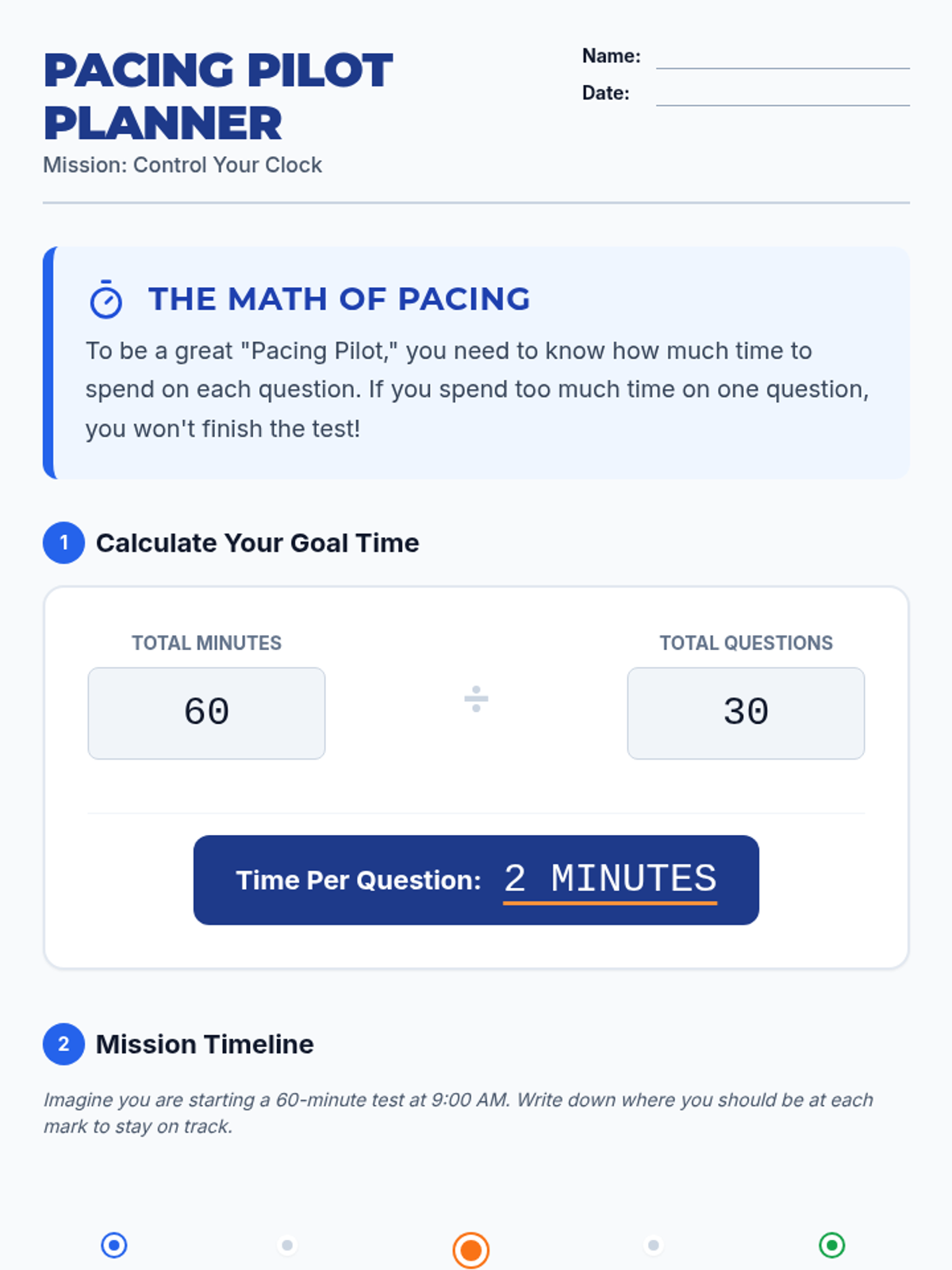
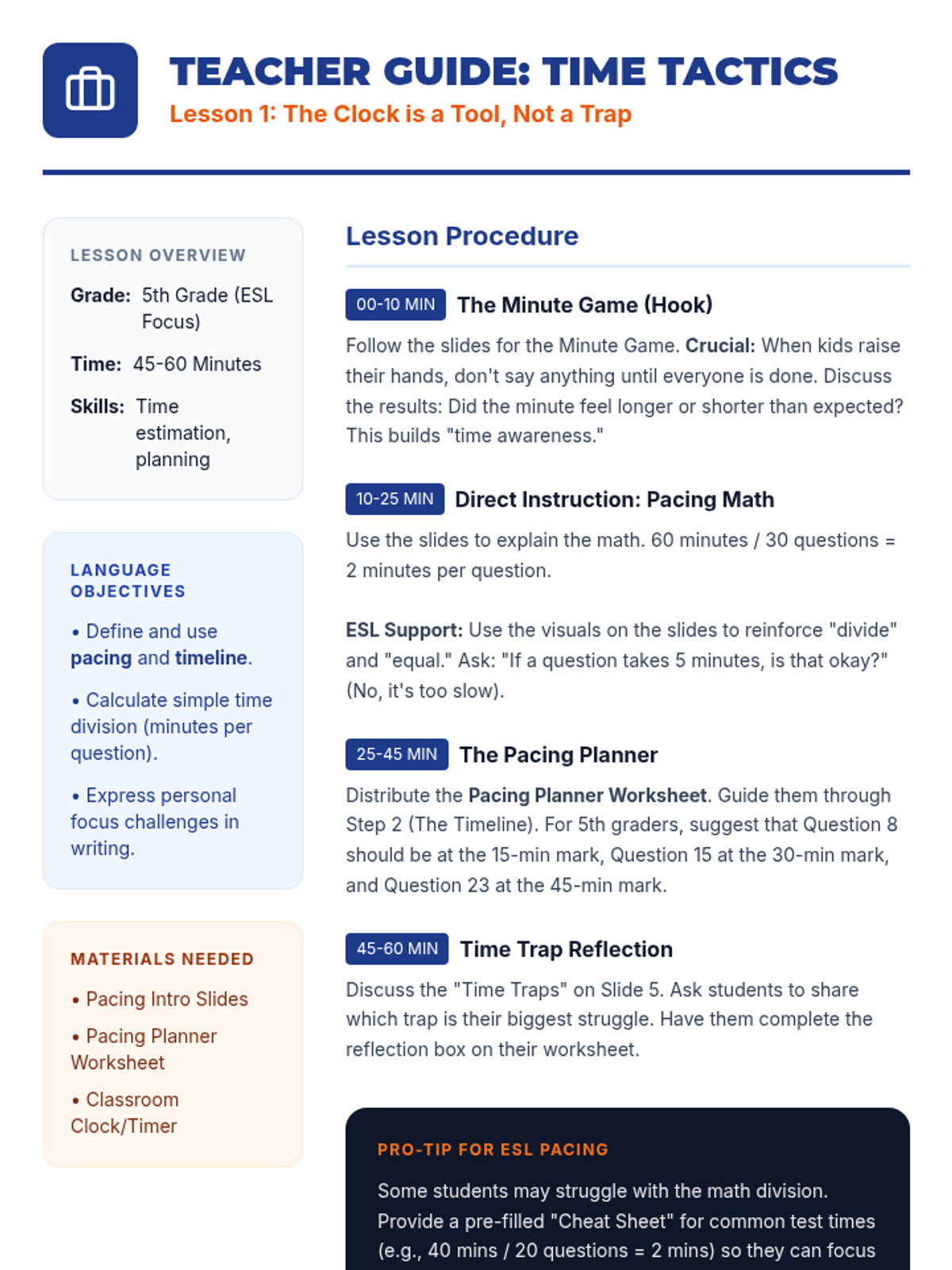
This sequence helps students master time management and prioritization during exams. Through hands-on activities and simulations, students learn to estimate pacing, use the 'skip and return' strategy, navigate long passages efficiently, and manage test anxiety.
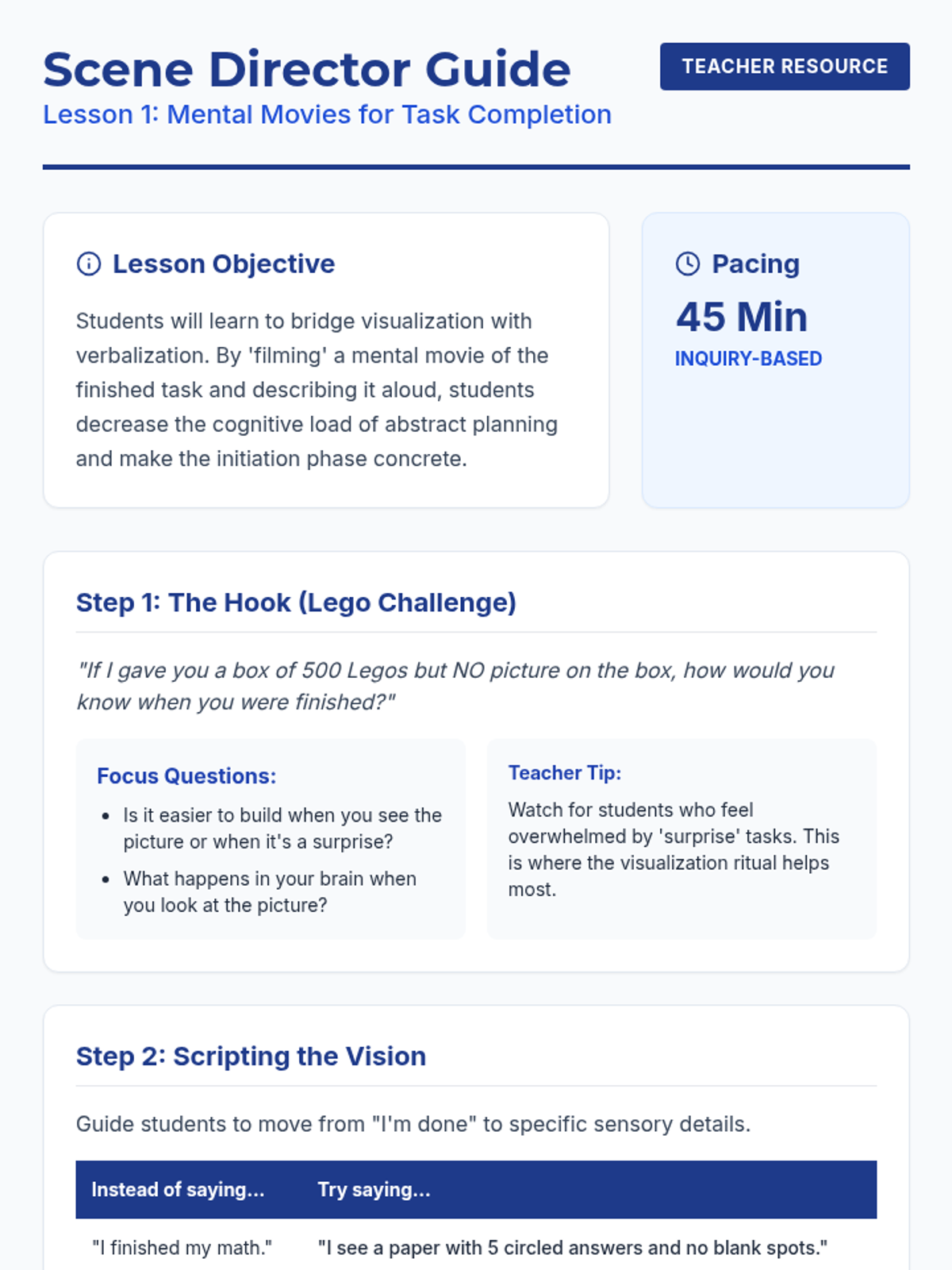
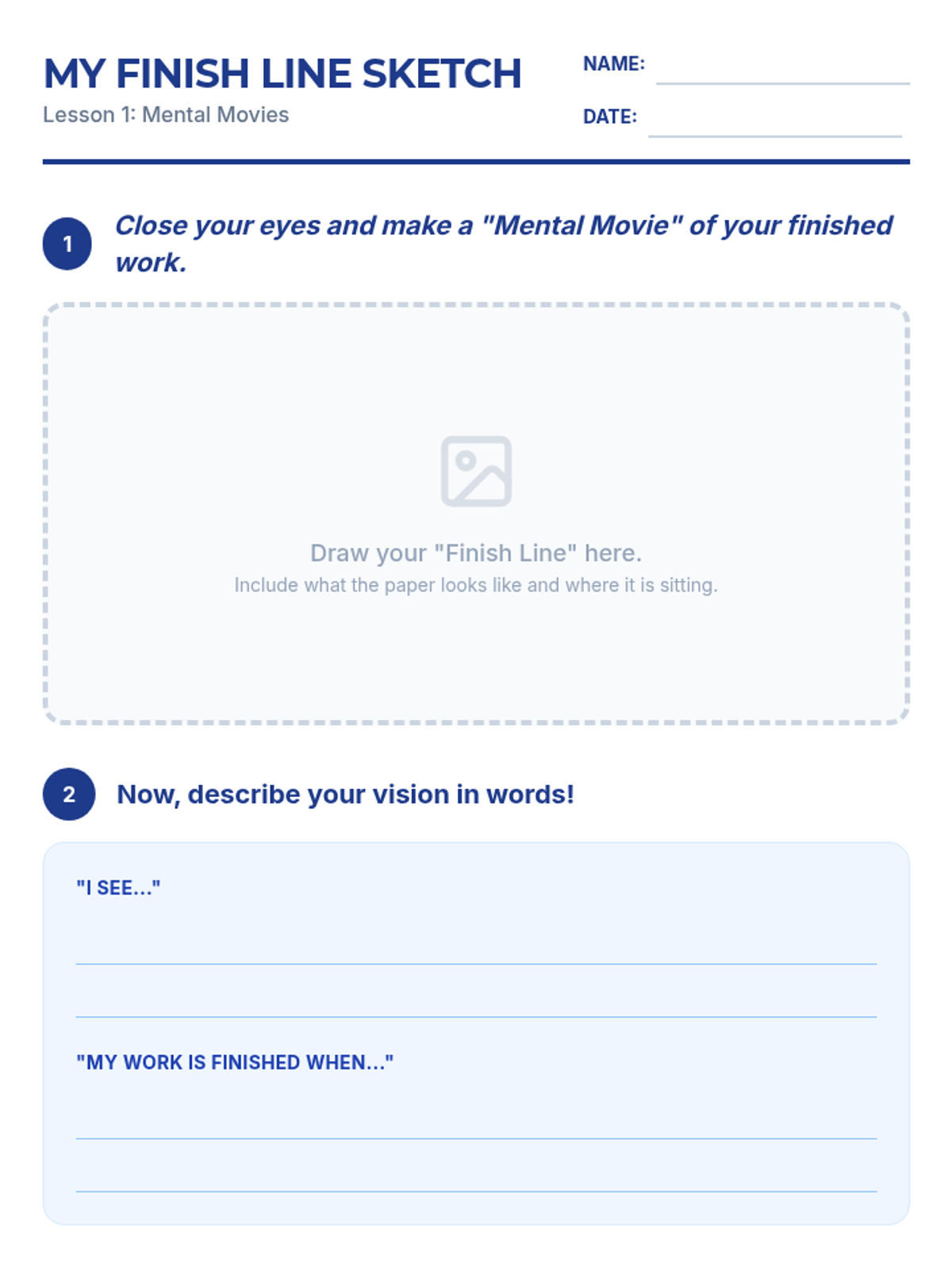
This sequence helps students overcome task initiation hurdles by combining visualization and verbal self-talk. Students learn to 'see' the finished product, reverse engineer the steps, estimate time accurately, and use micro-goals to take the first step.
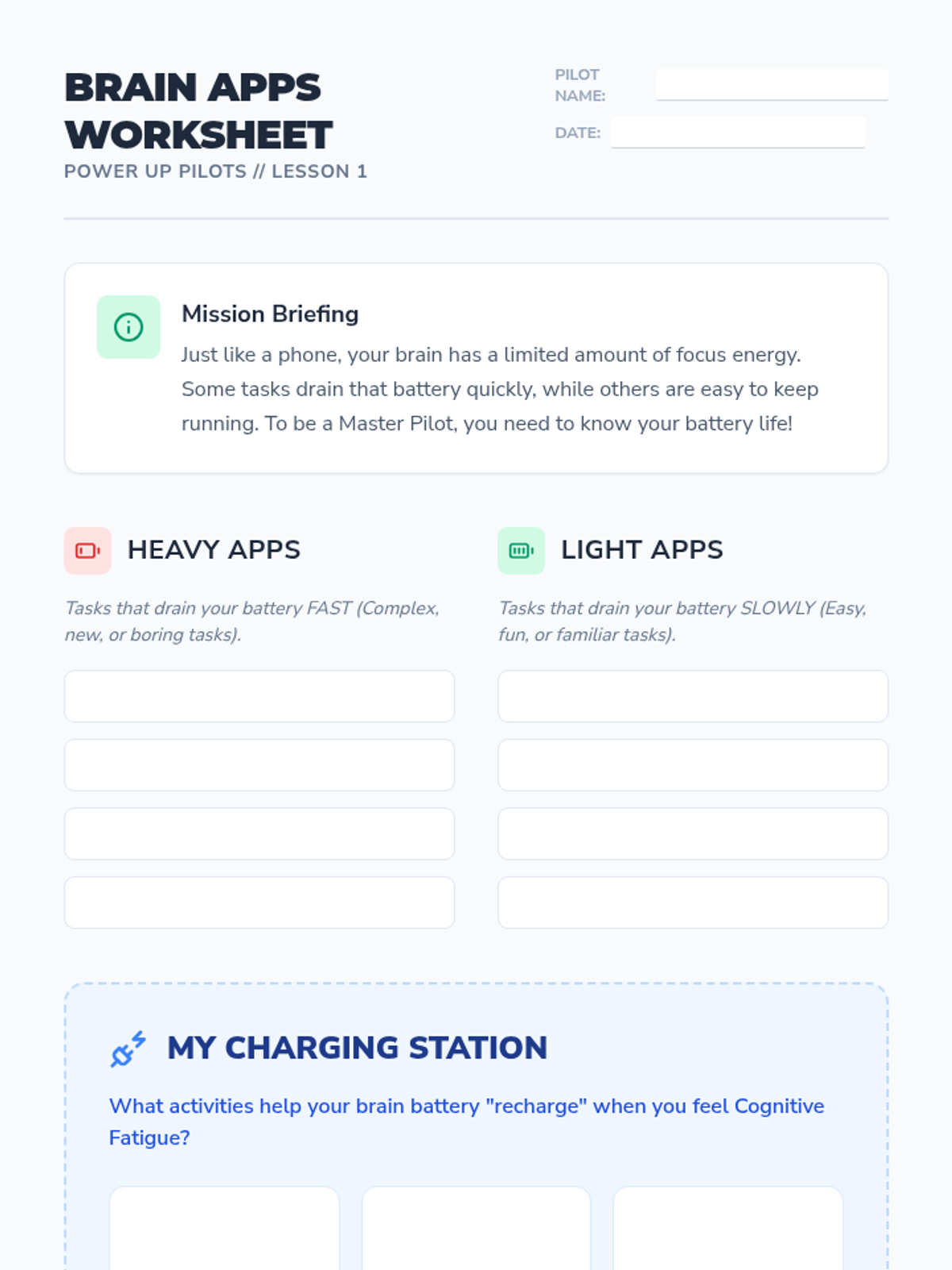
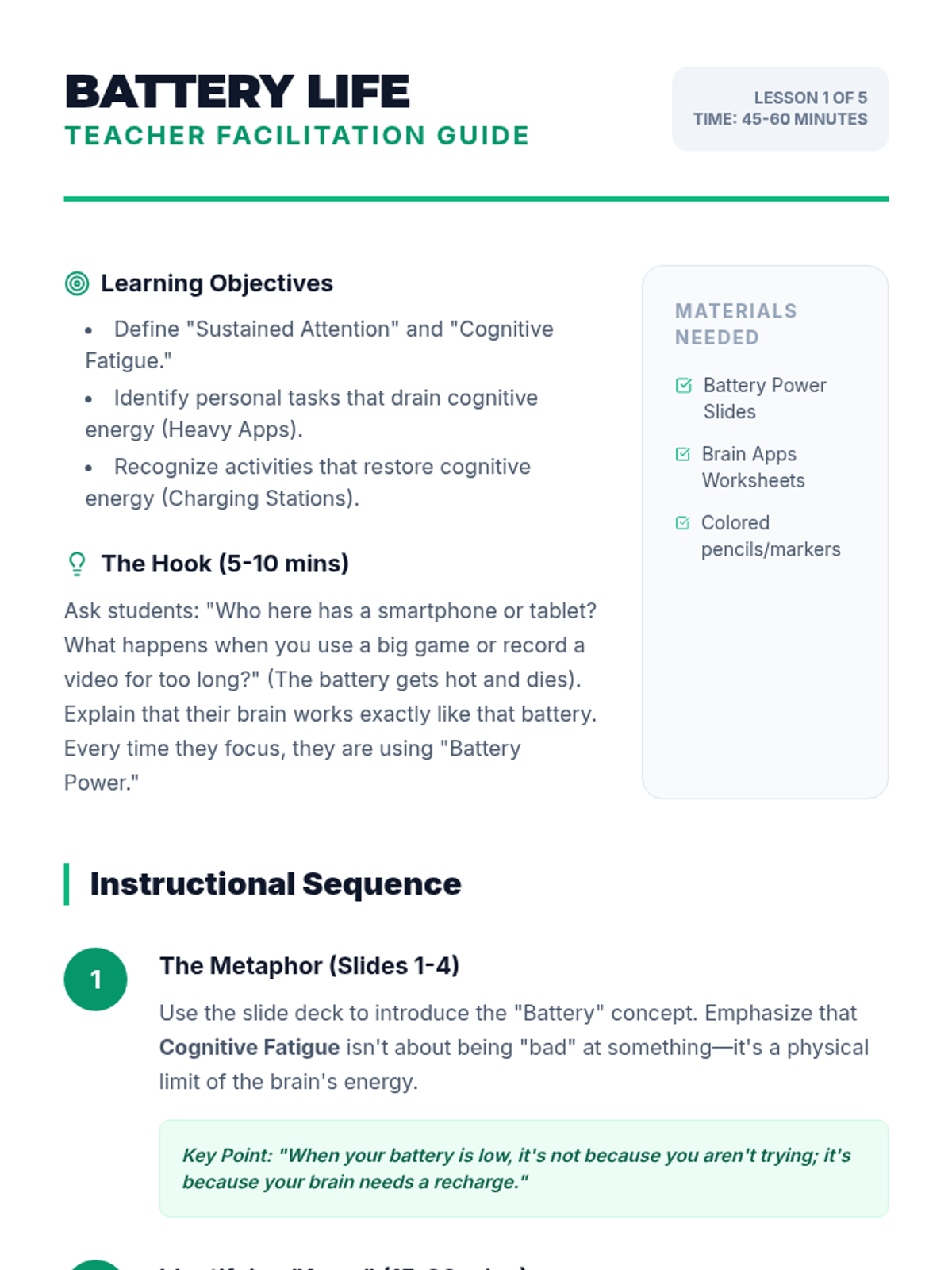
A 5-lesson unit designed to help 5th-grade students develop metacognitive awareness of their attention. Students learn to monitor their cognitive energy using the 'Attention Battery' metaphor, identify internal and external distractions, and apply specific reset strategies and timing techniques to build focus stamina for complex tasks.
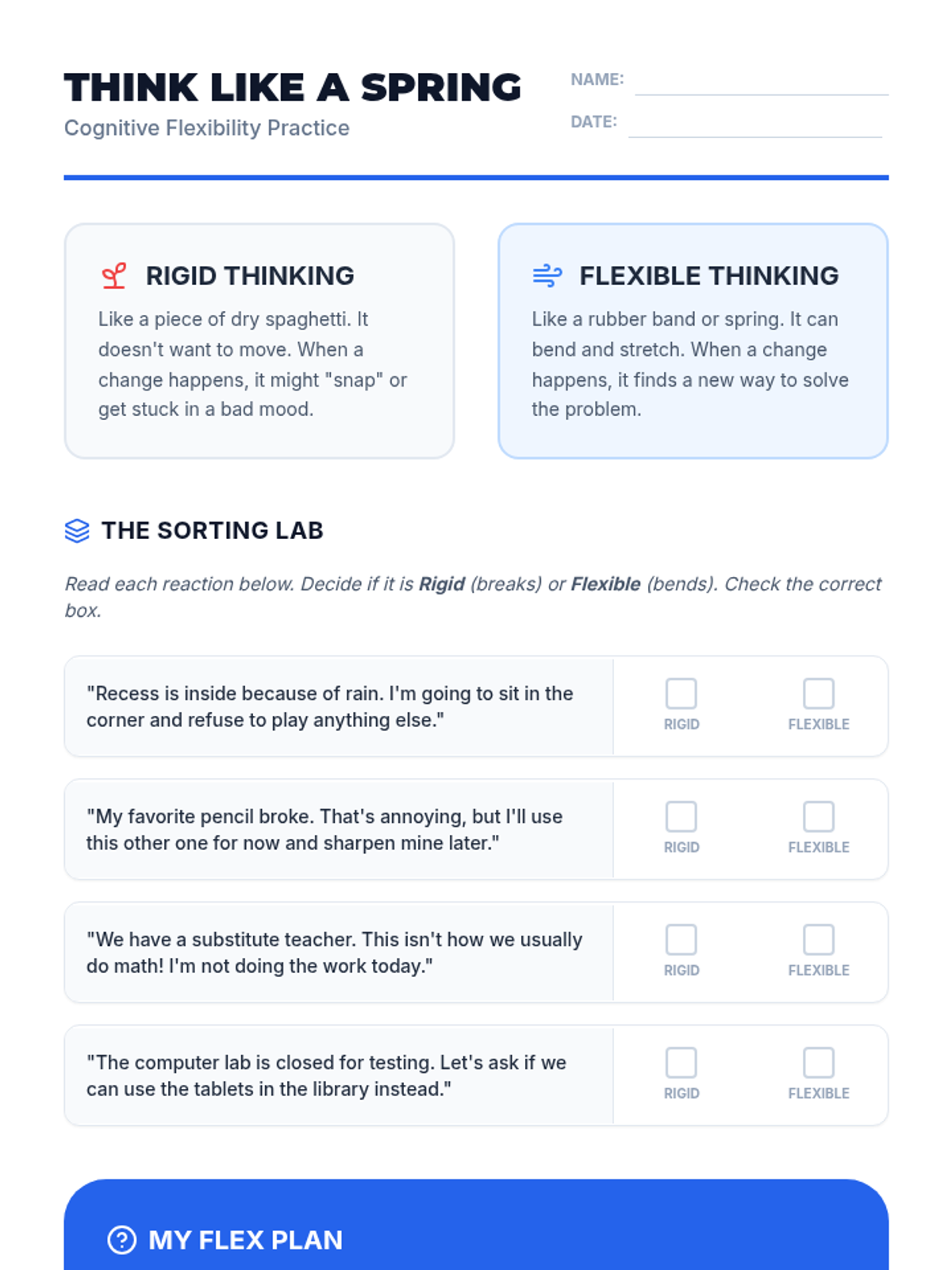
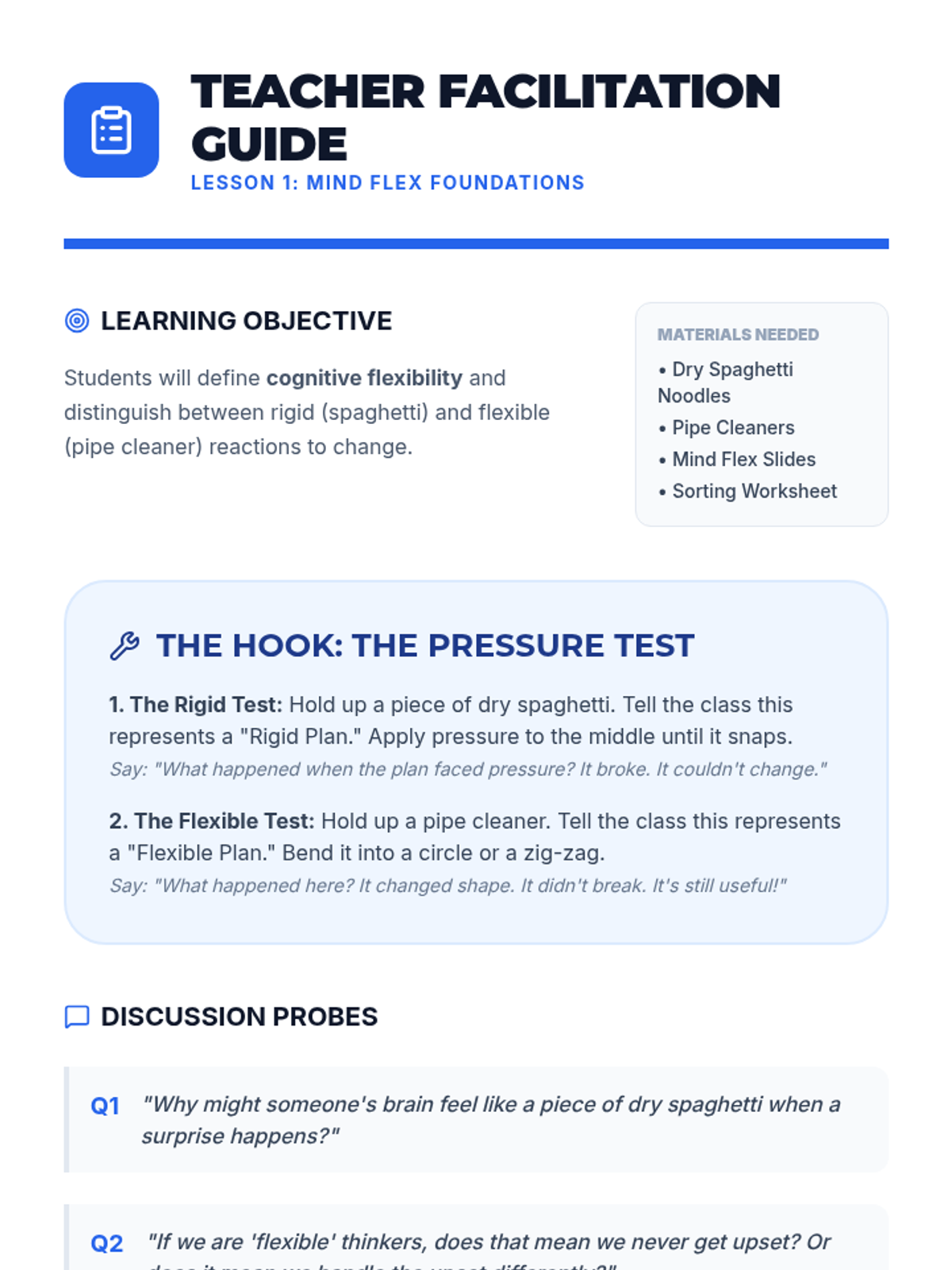
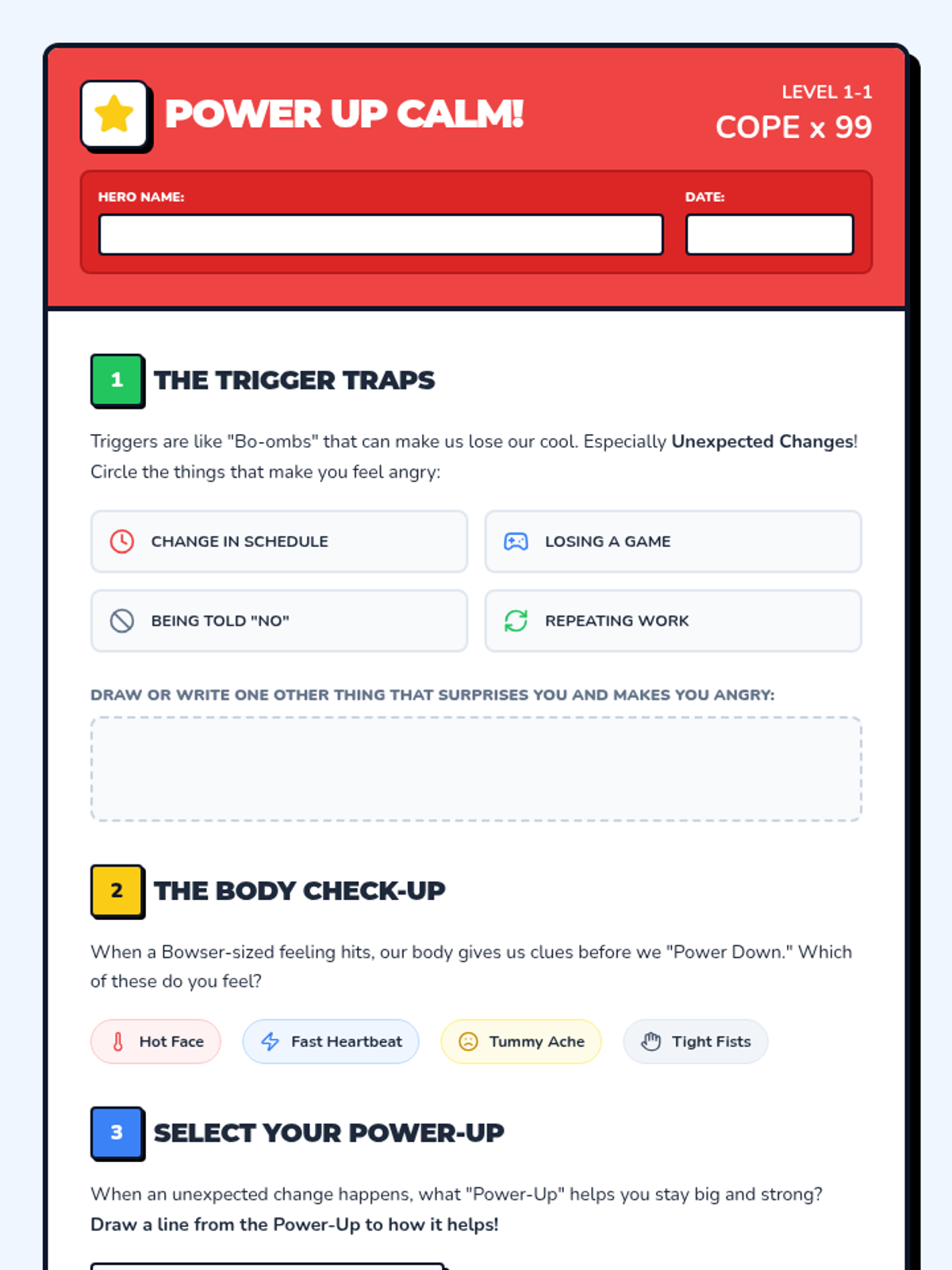
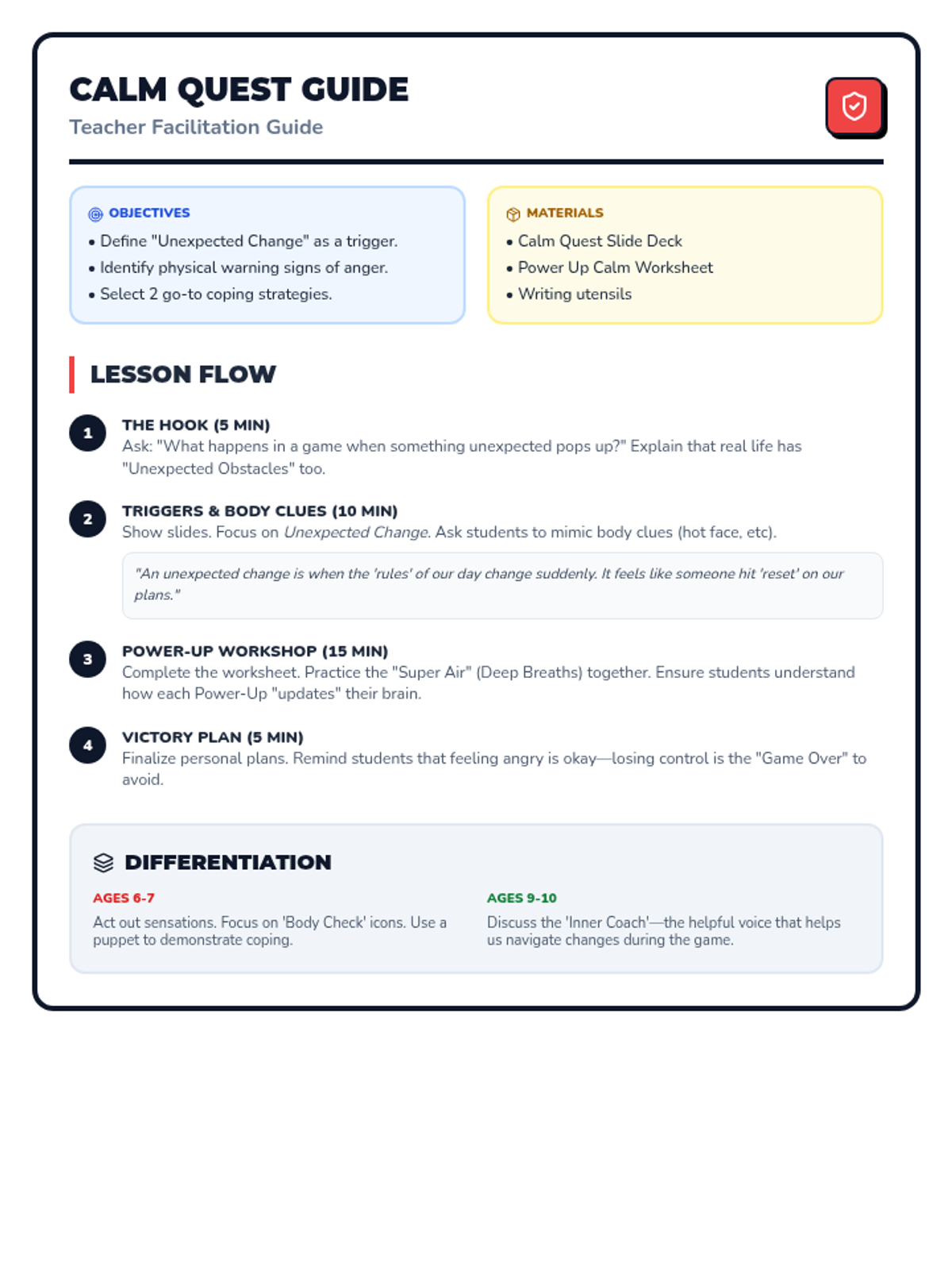
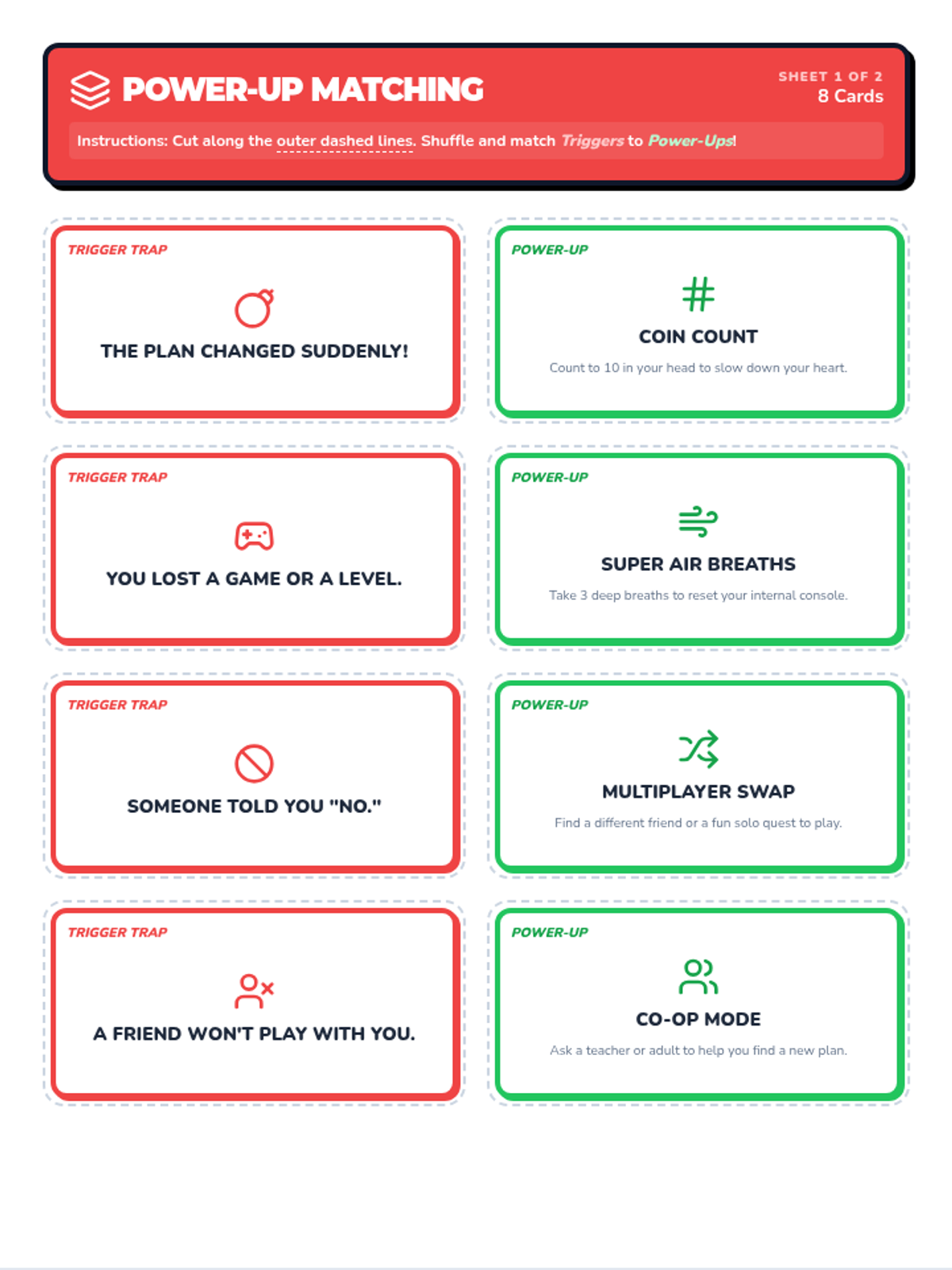
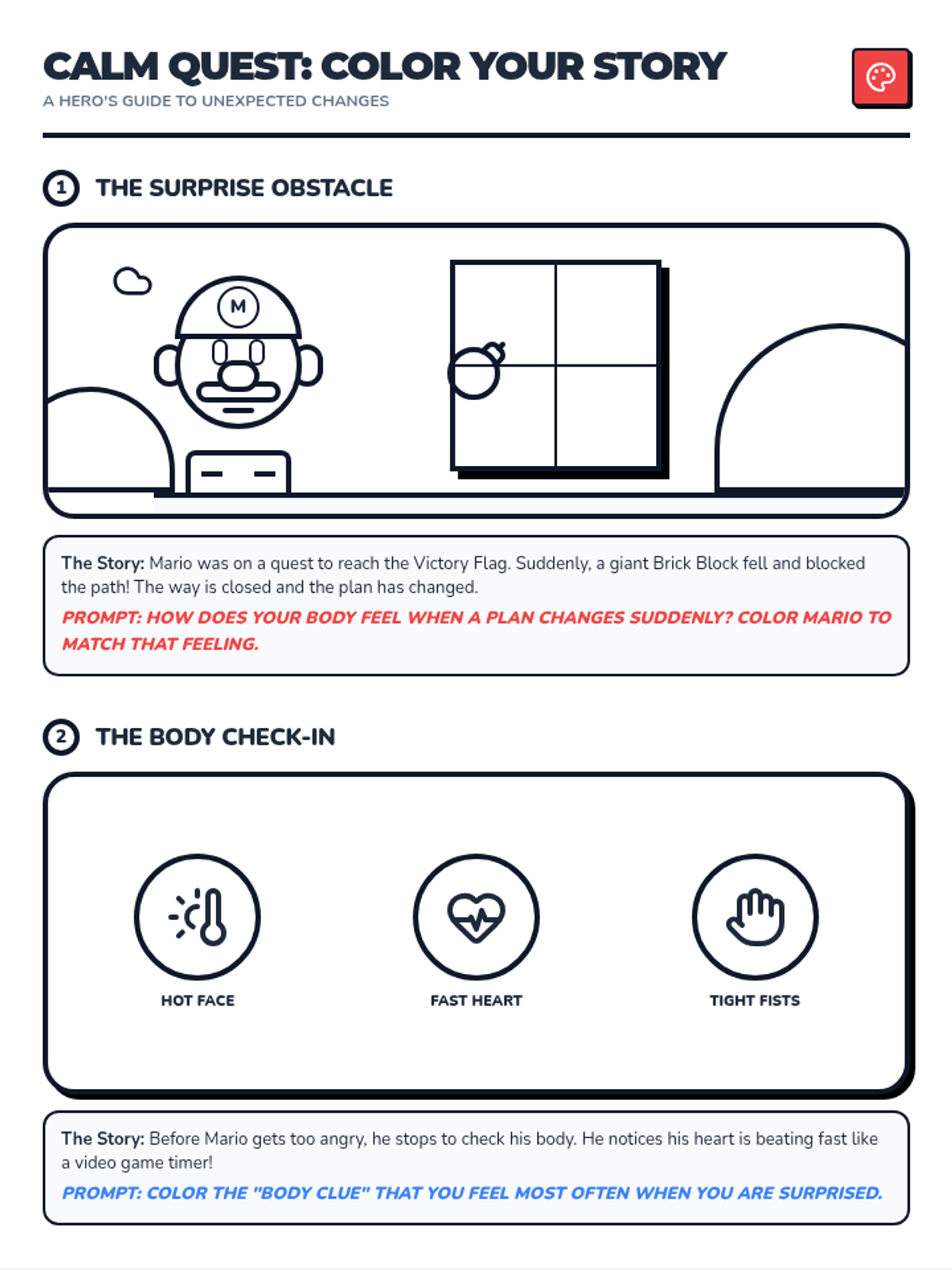
This sequence helps 5th-grade students develop cognitive flexibility and coping strategies for handling unexpected changes. It uses metaphors like 'bending vs. breaking' to teach self-regulation, positive self-talk, and de-escalation techniques.
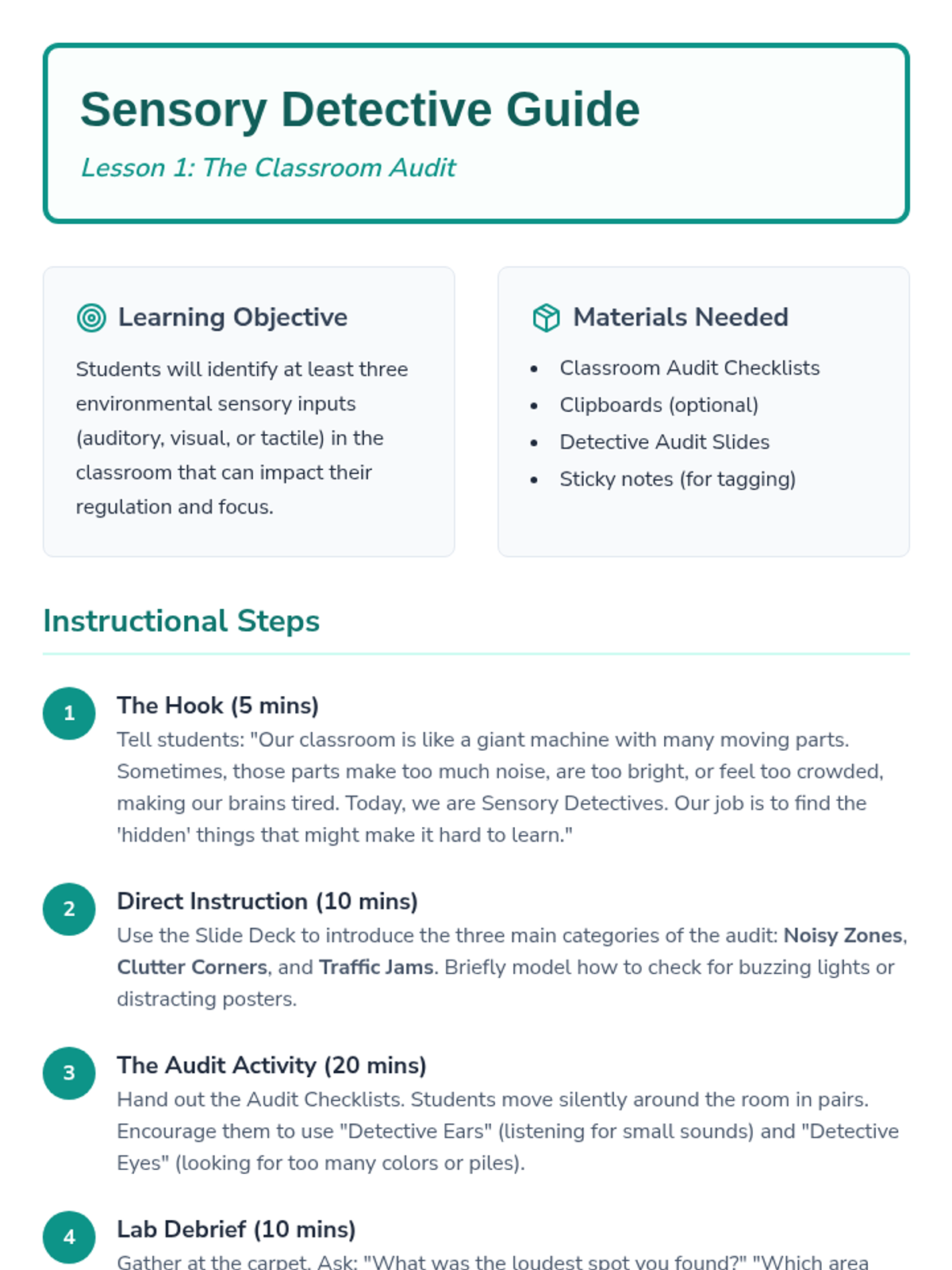
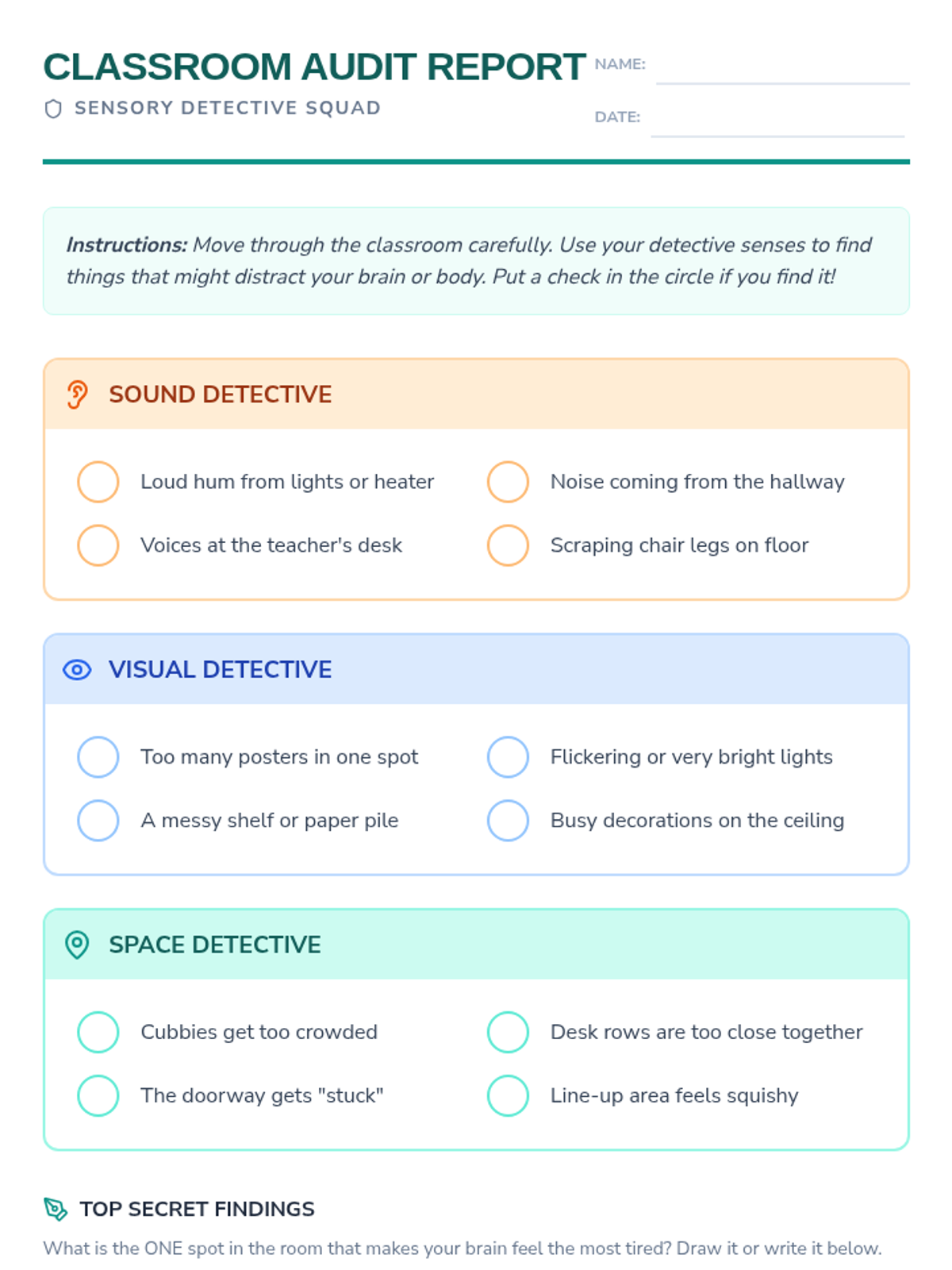
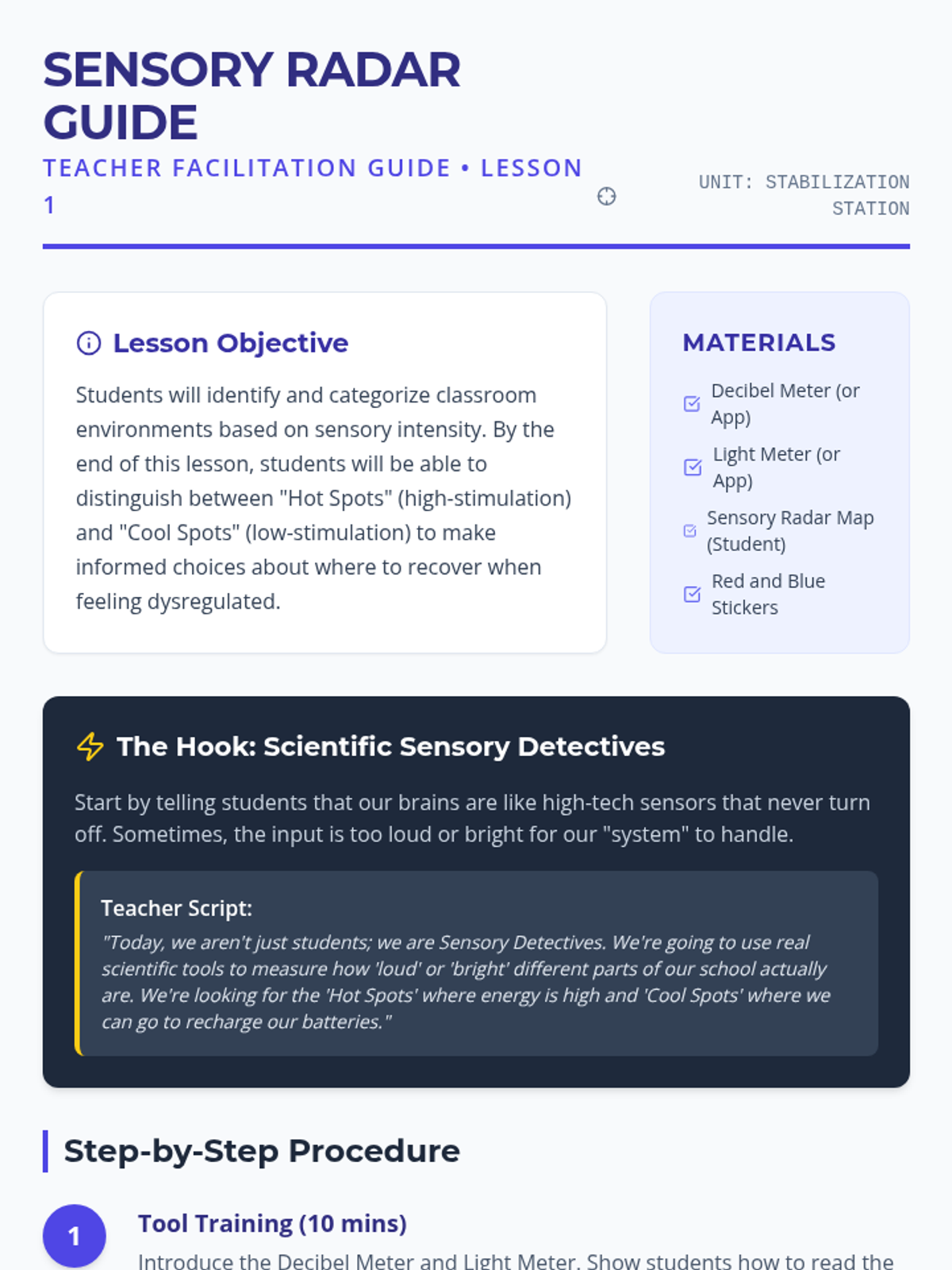
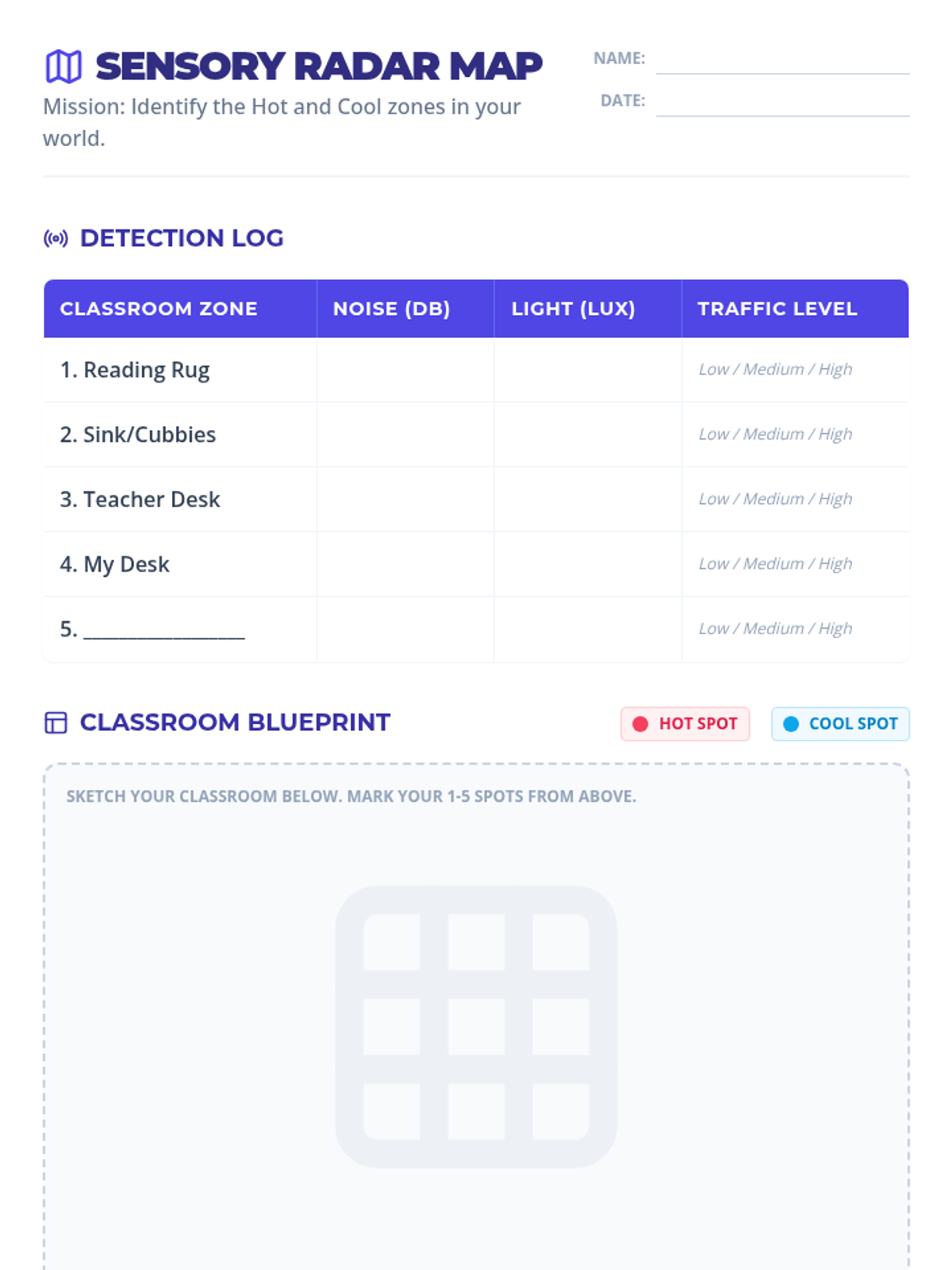
This sequence explores how environmental factors and community interactions impact sensory regulation. Students learn to audit their surroundings, respect diverse sensory needs, practice co-regulation, troubleshoot transitions, and collaboratively create a classroom sensory contract.
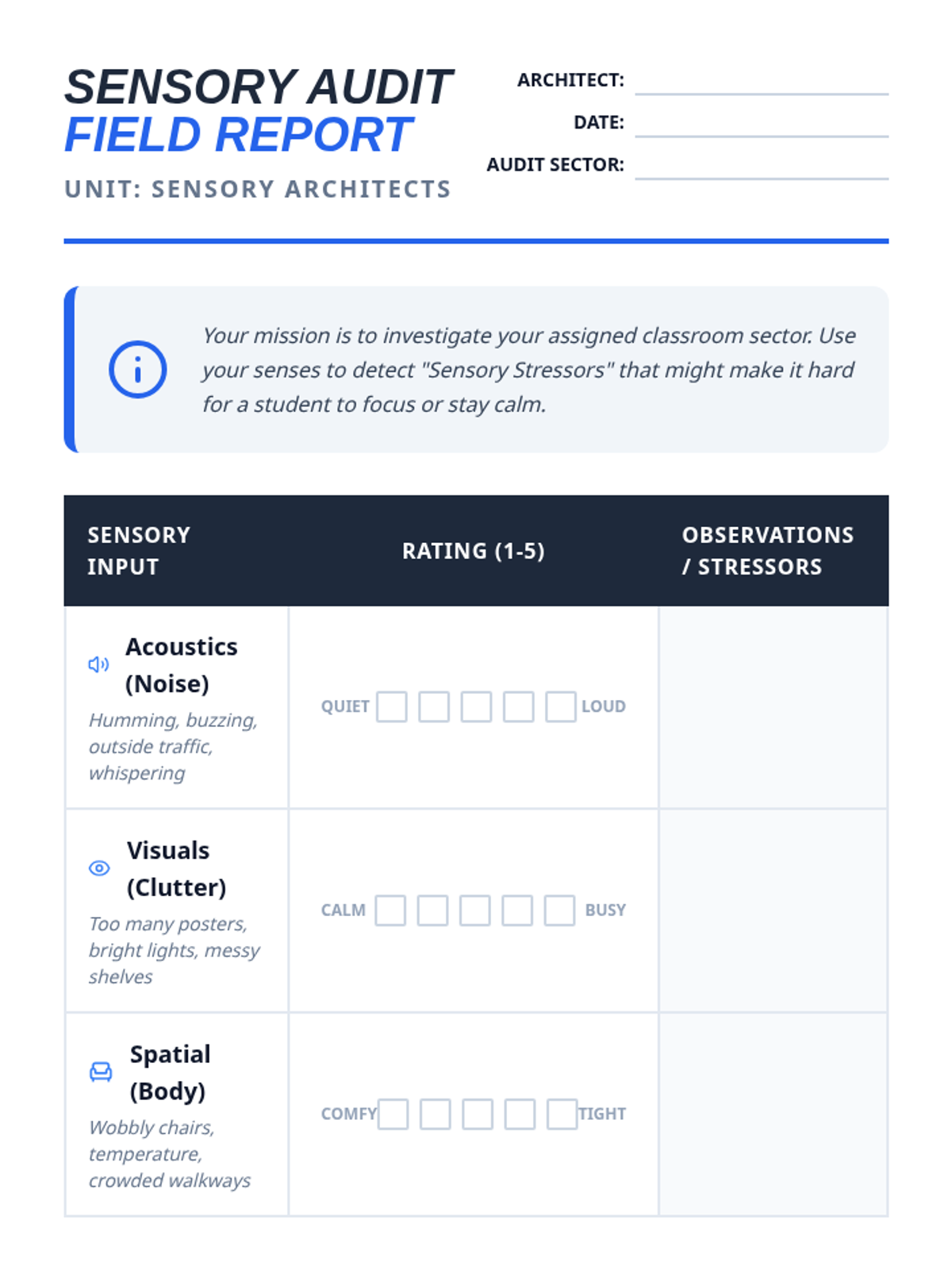
A 5th-grade sequence where students act as 'Sensory Architects' to analyze, design, and implement proactive sensory routines in their classroom. Students focus on environmental audits, schedule analysis, and peer-led interventions to support collective focus and regulation.
A comprehensive 5-lesson unit designed to transition 6th-grade students from teacher-directed regulation to independent sensory self-monitoring. Students explore the biology of their nervous system, experiment with diverse sensory inputs, and create personalized proactive break systems.
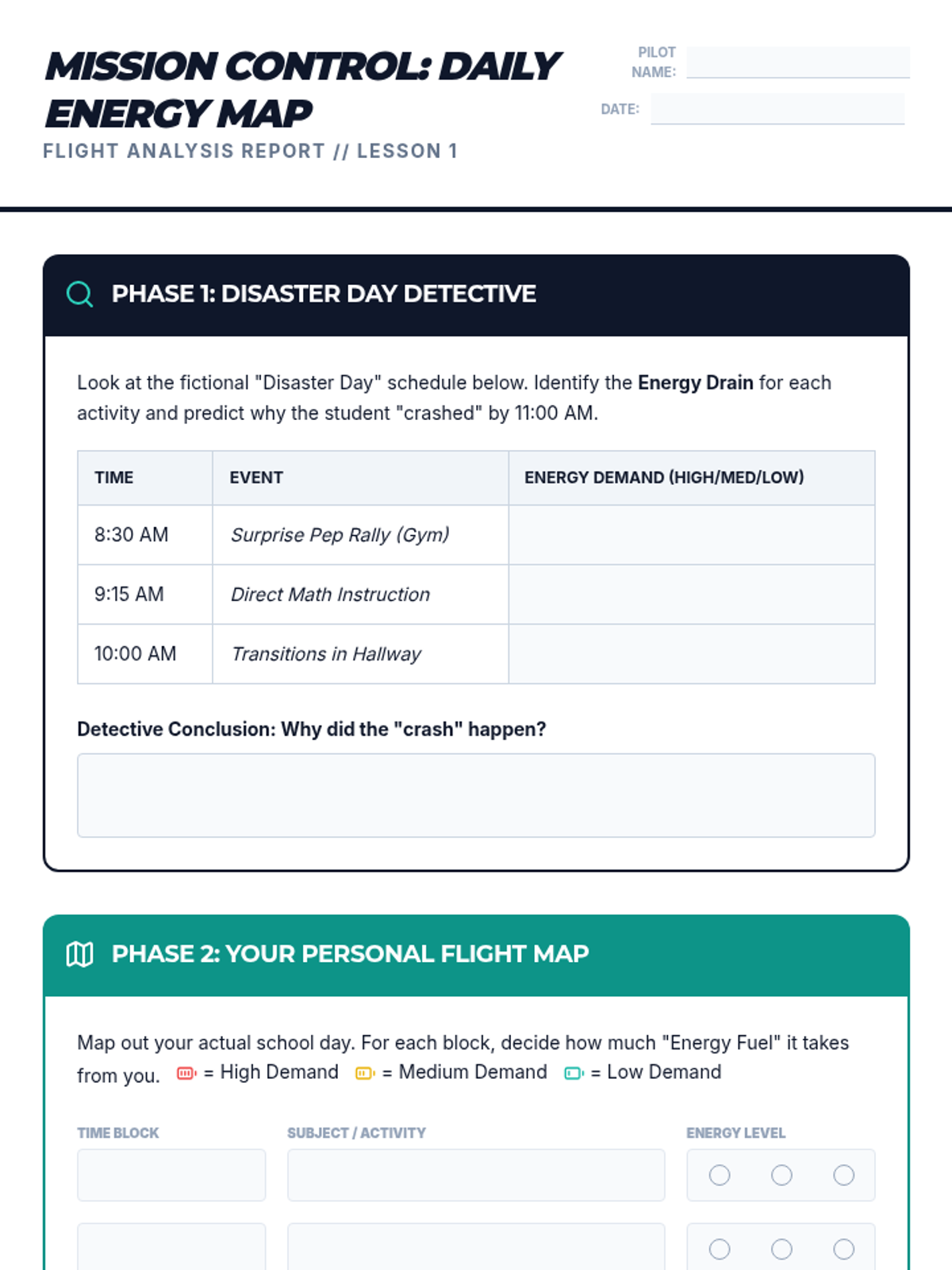
A 5-lesson unit for 5th graders to design, schedule, and advocate for their own sensory regulation plans using a 'Mission Control' theme. Students move from analyzing their day to creating a customized 'sensory diet' and learning how to communicate their needs to teachers.
Students move from reactive emotional responses to proactive negotiation. They learn de-escalation, empathy through perspective-taking, and a structured 4-step 'Peace Path' to resolve playground and classroom conflicts independently.
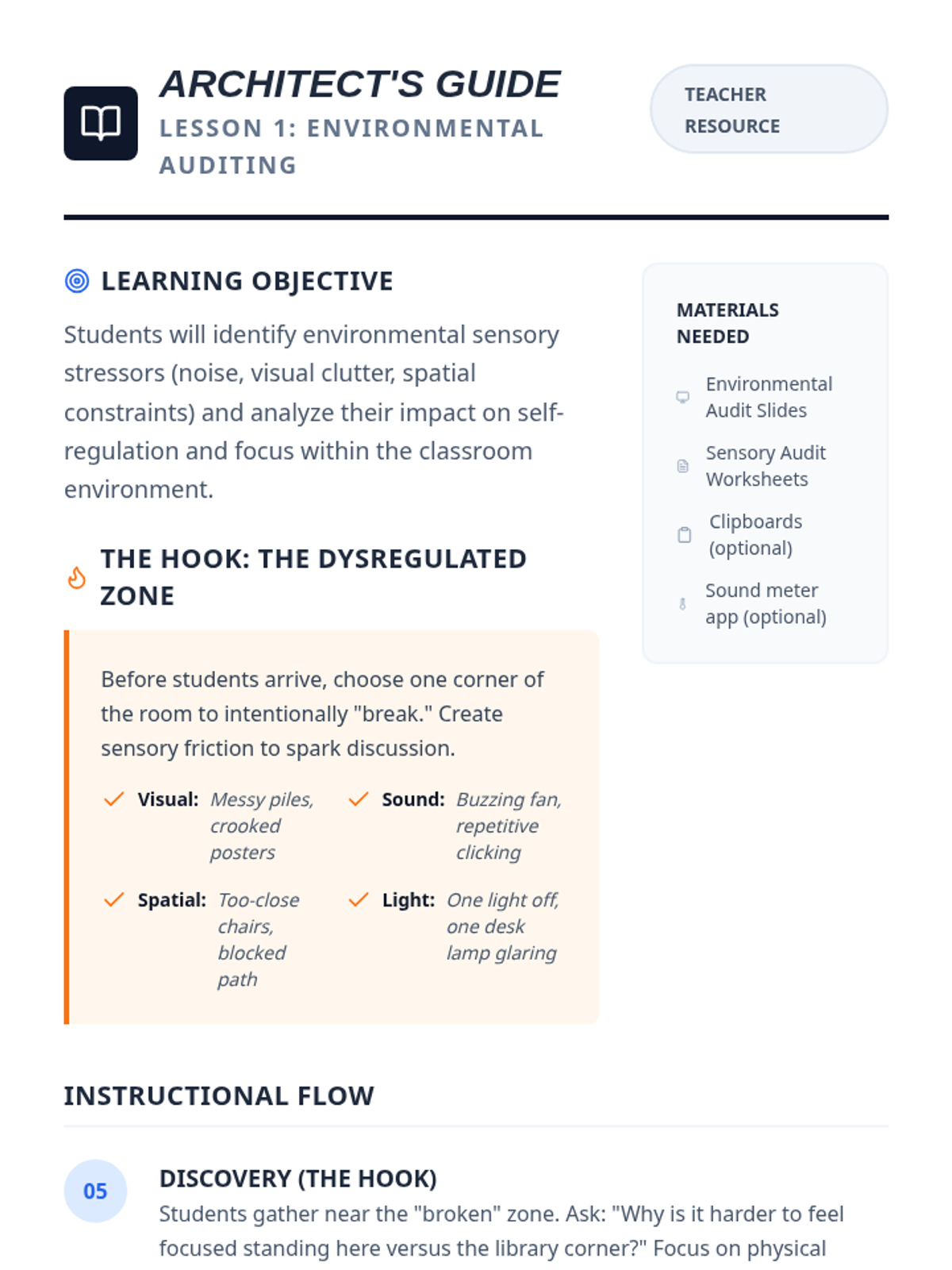
This sequence helps 5th-grade students understand how physical environments impact their emotional regulation. Students learn to conduct sensory audits, establish protocols for calm spaces, create portable sensory barriers, and design ideal recovery environments to support stabilization during and after periods of dysregulation.
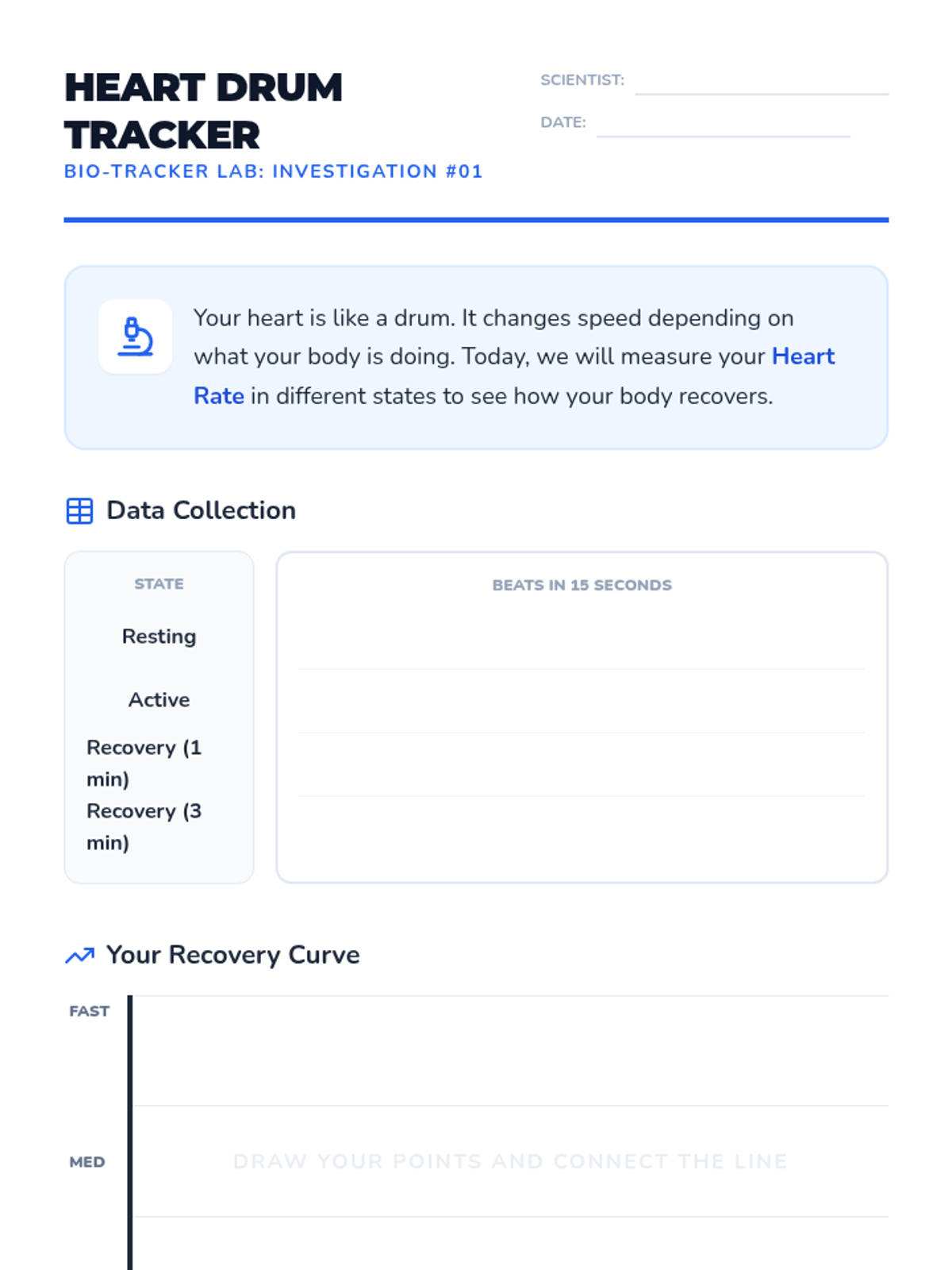
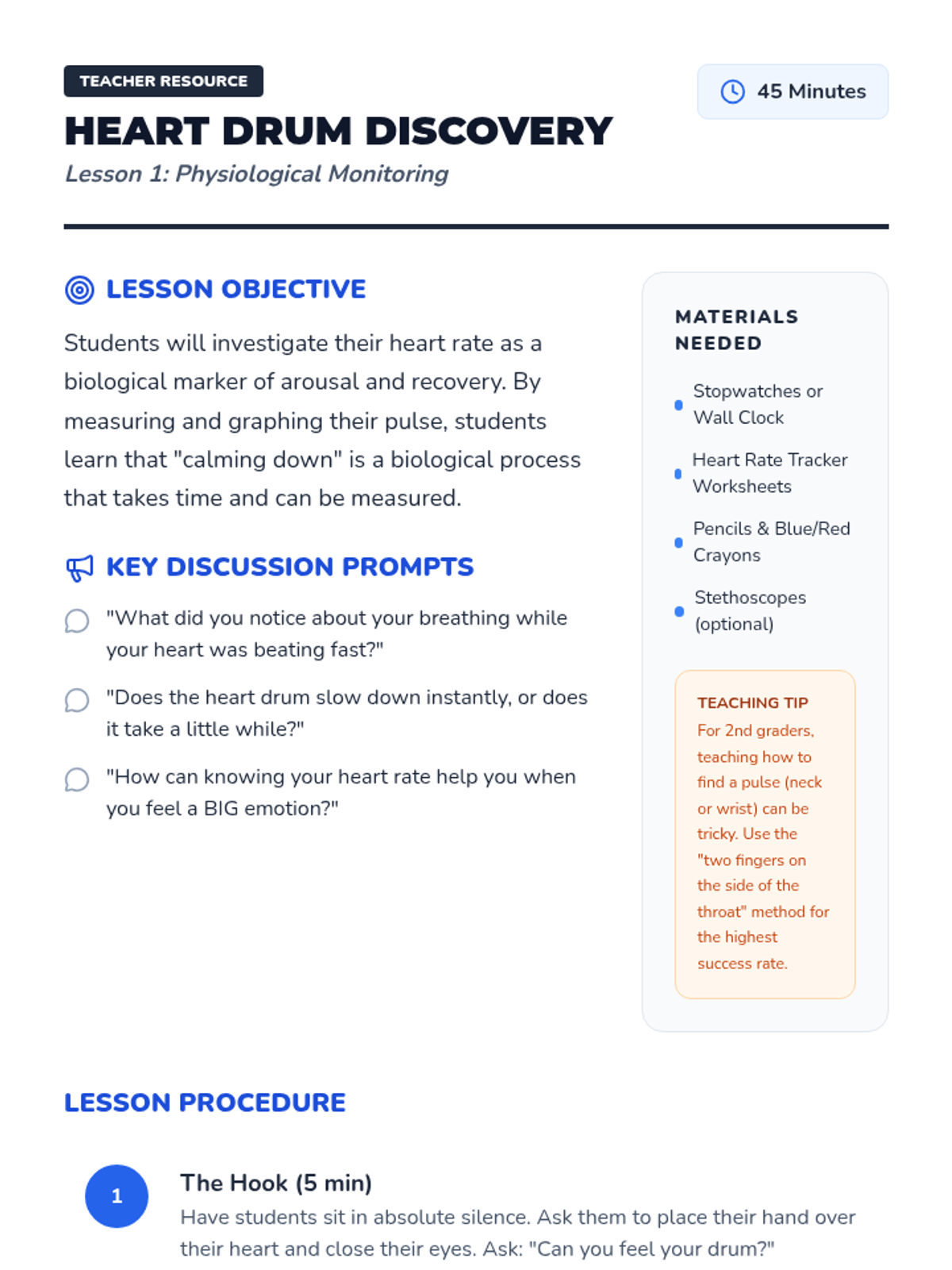
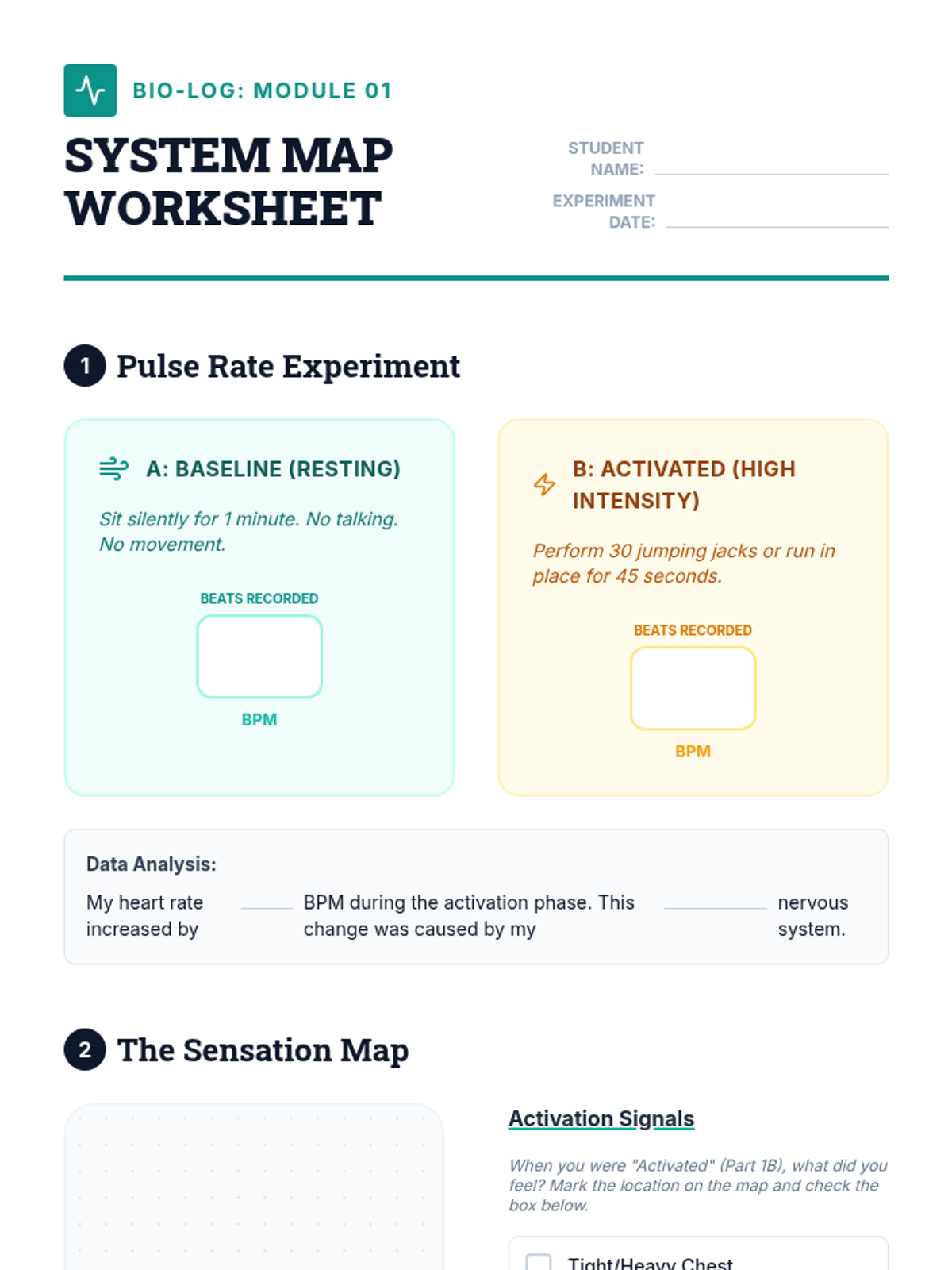
An inquiry-based sequence where students investigate the internal biology of dysregulation and recovery, focusing on heart rate, muscle tension, and breath to identify their physiological baseline.
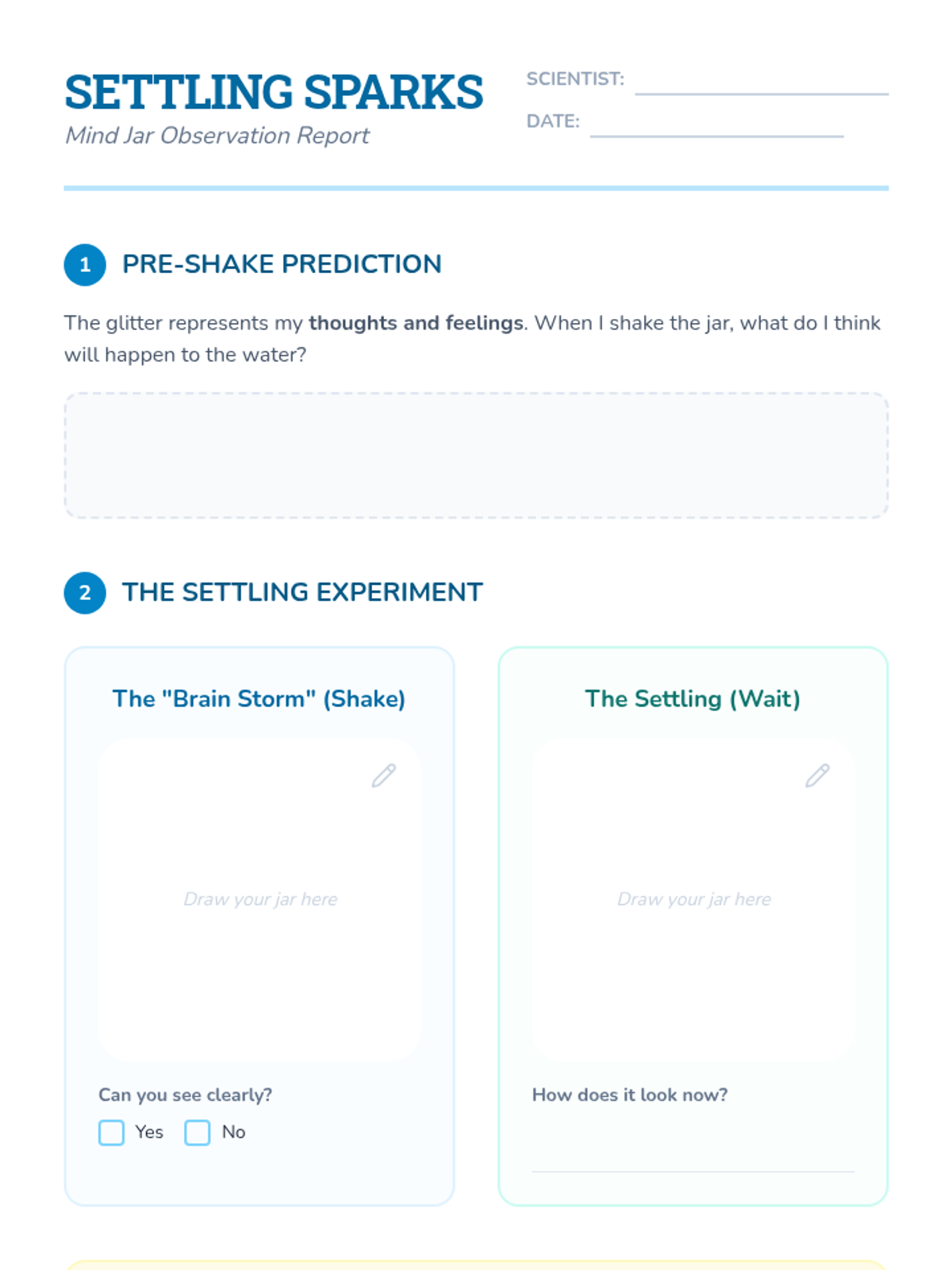
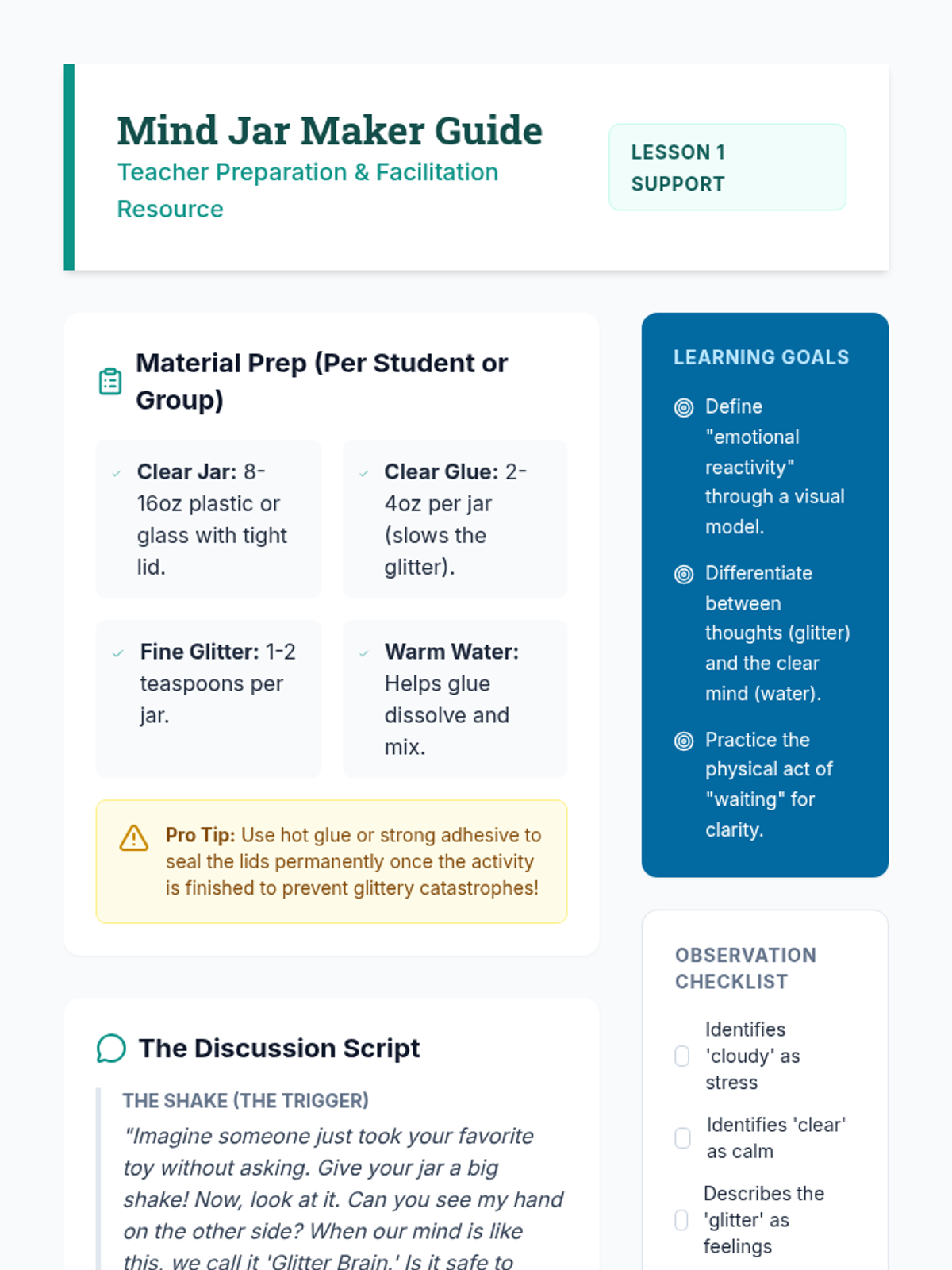
A 3rd-grade mindfulness sequence exploring emotional regulation through metaphors like mind jars, weather reporting, and visualization to help students widen the gap between triggers and reactions.
This sequence focuses on emotional intelligence and self-compassion through a case study approach. Students analyze hypothetical scenarios involving disappointment, anger, or anxiety, and apply mindfulness techniques to navigate them, shifting from reacting impulsively to responding thoughtfully.
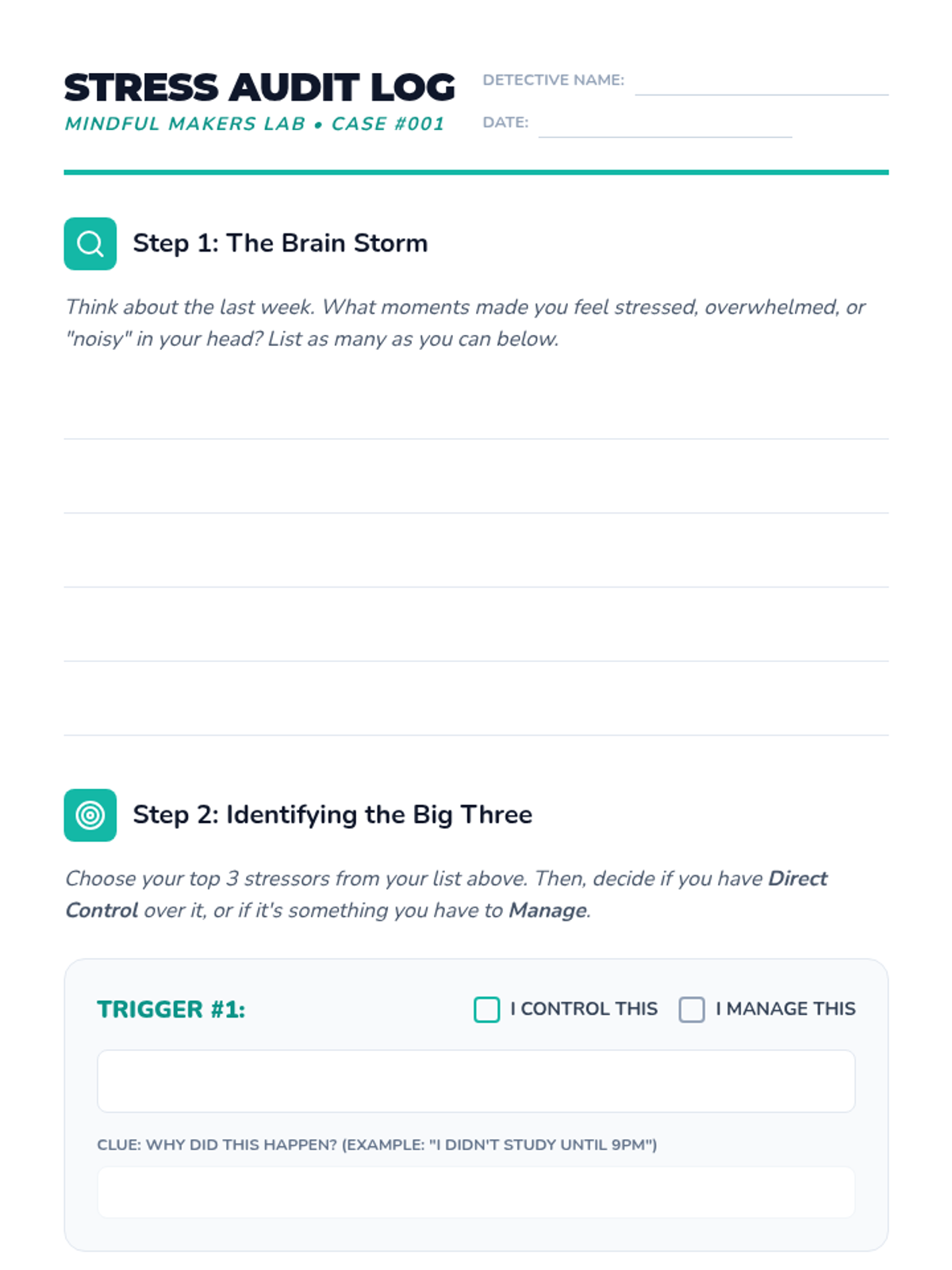
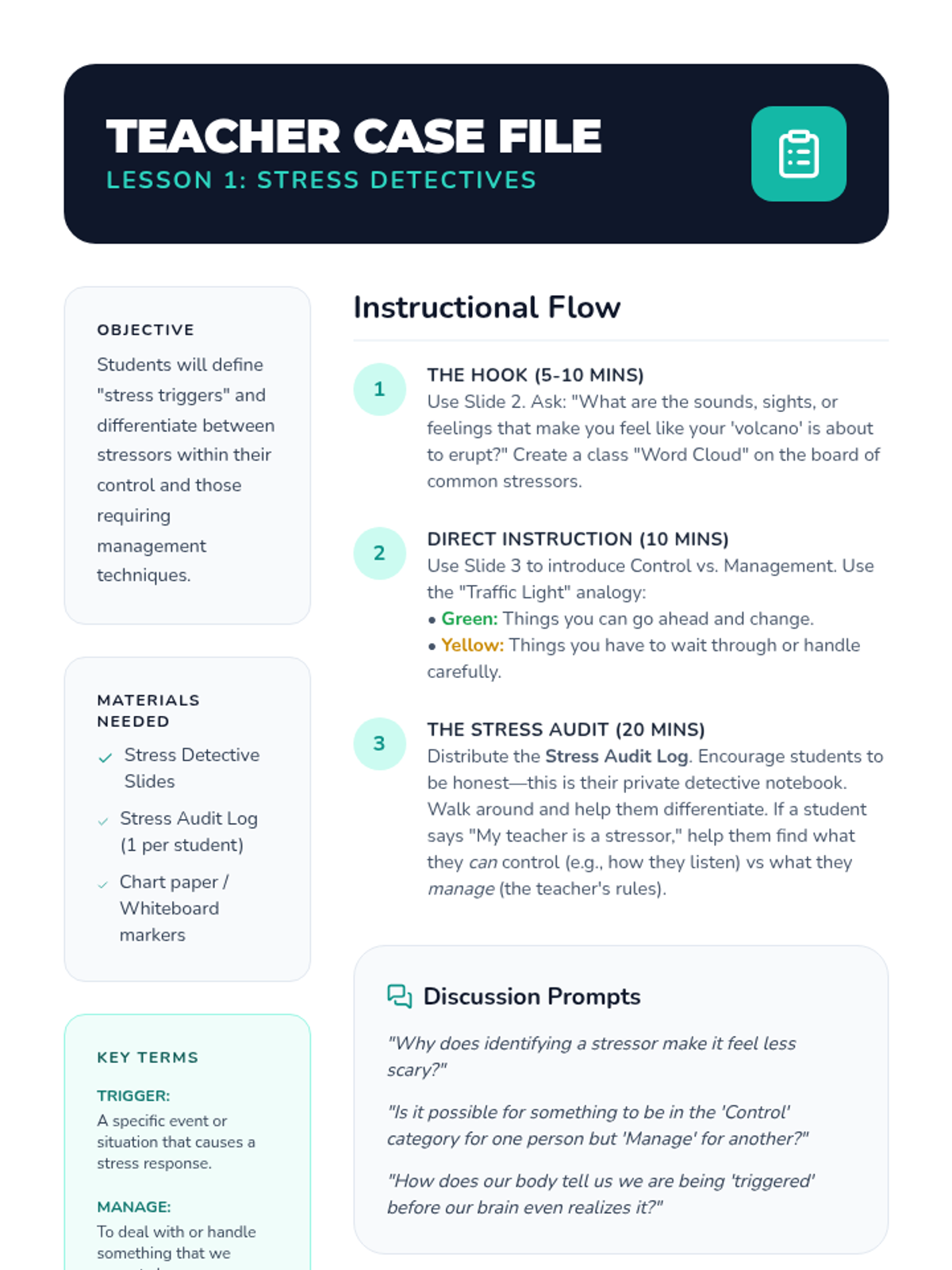
A 5-lesson sequence for 5th graders to design their own meditation practice. Students progress from identifying stressors to testing tools, designing a calm environment, and creating a personalized 'Mindful Menu' to build lasting mental health habits.
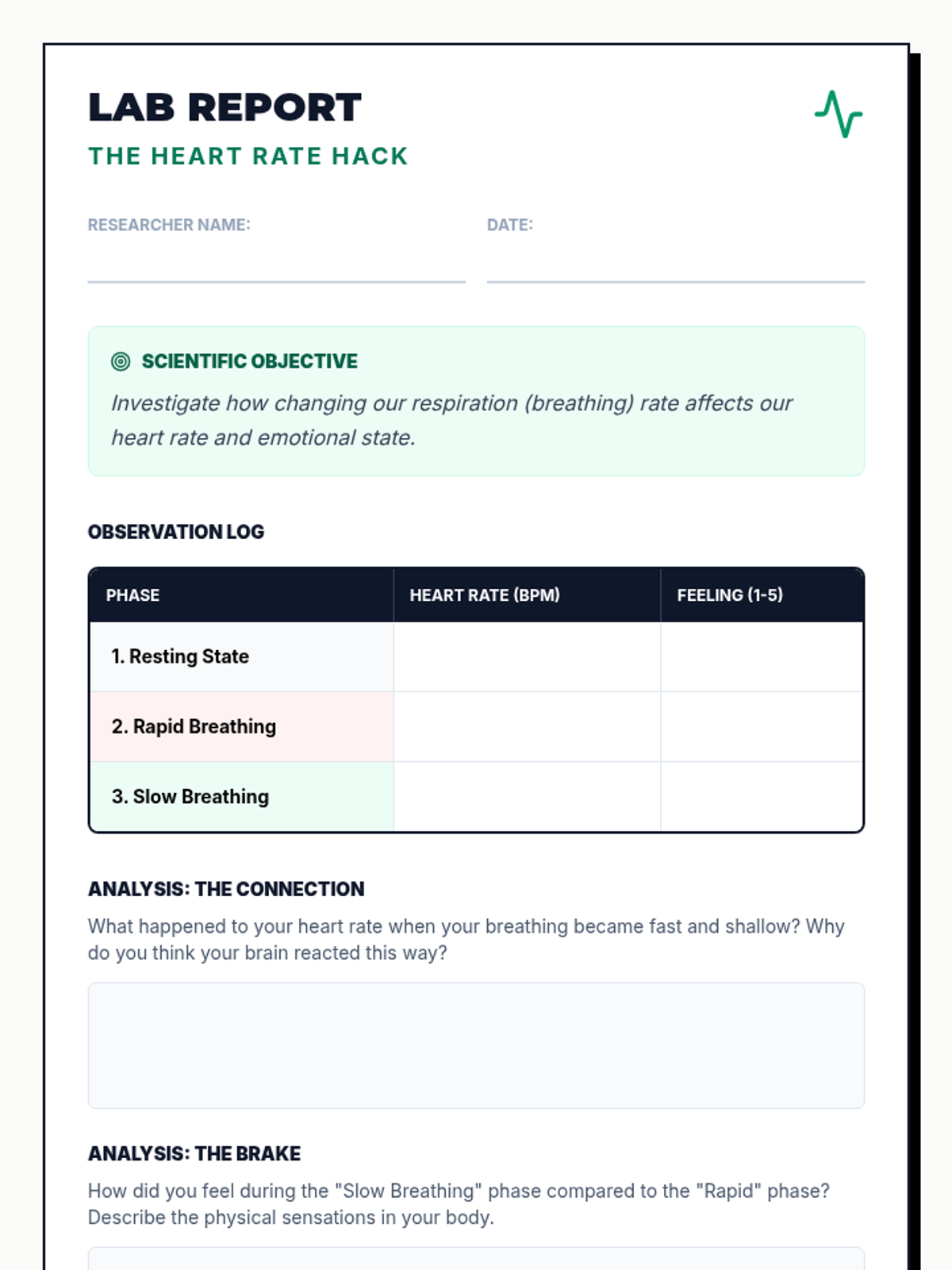
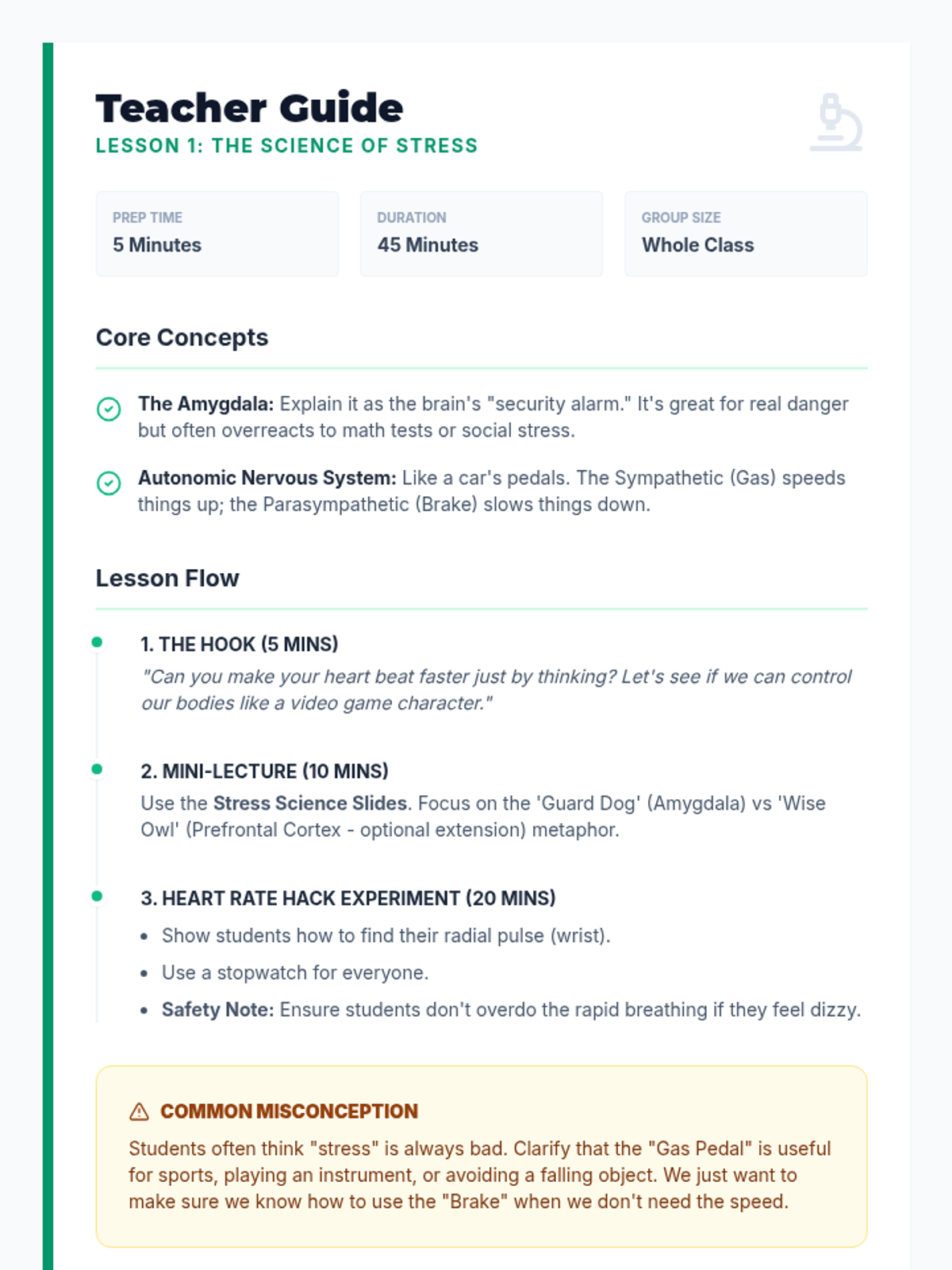
A 5-lesson sequence for 5th graders exploring the physiological connection between breath and stress. Students learn the science of the nervous system, master specific breathing techniques (diaphragmatic, box breathing, and anchoring), and create a personal '3-Breath Reset' toolkit for real-world stress management.
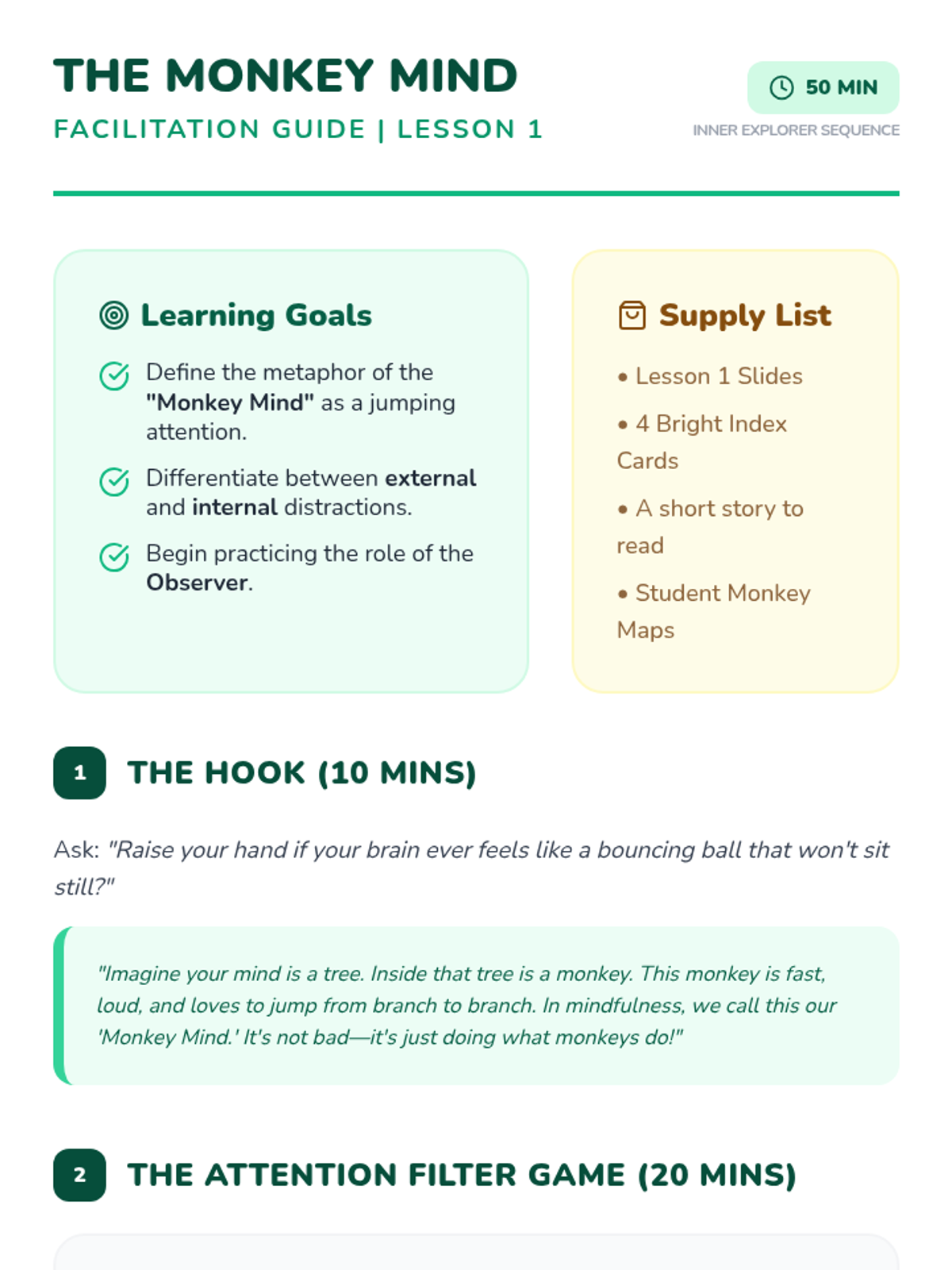
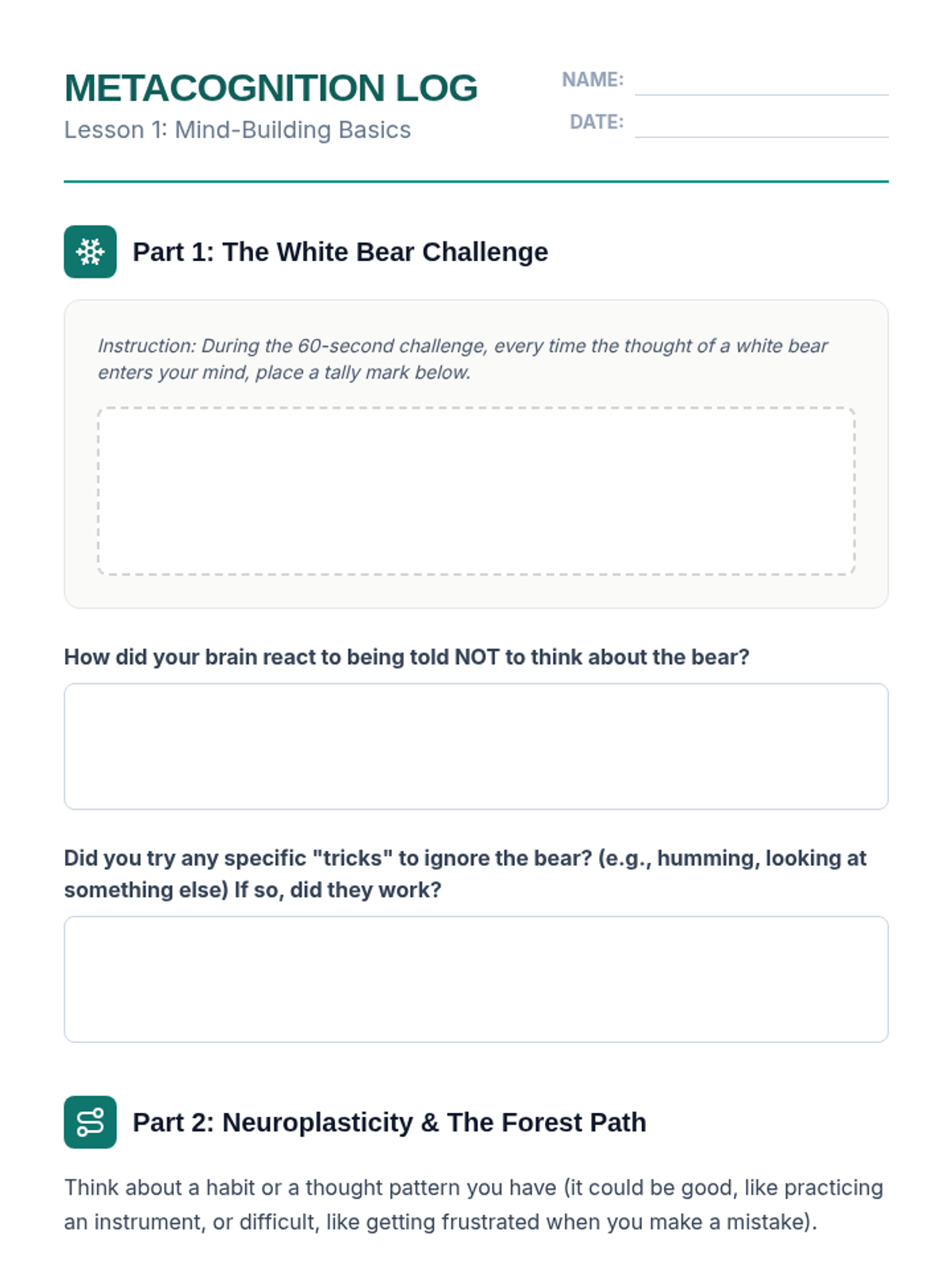
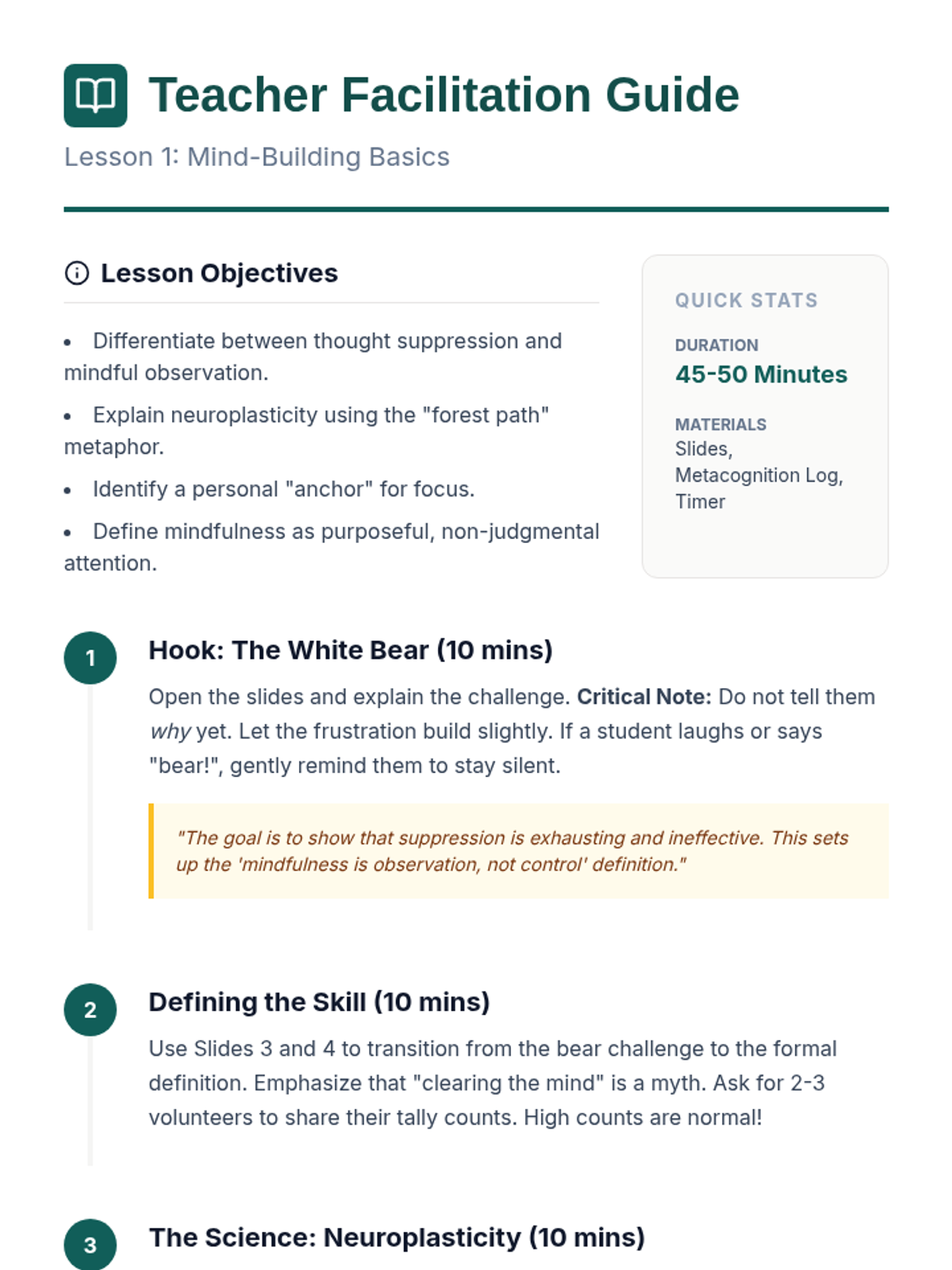
This sequence introduces 5th-grade students to the basics of mindfulness and meditation, focusing on the cognitive skills of observing thoughts without judgment and grounding oneself in the present moment to improve concentration and reduce anxiety.
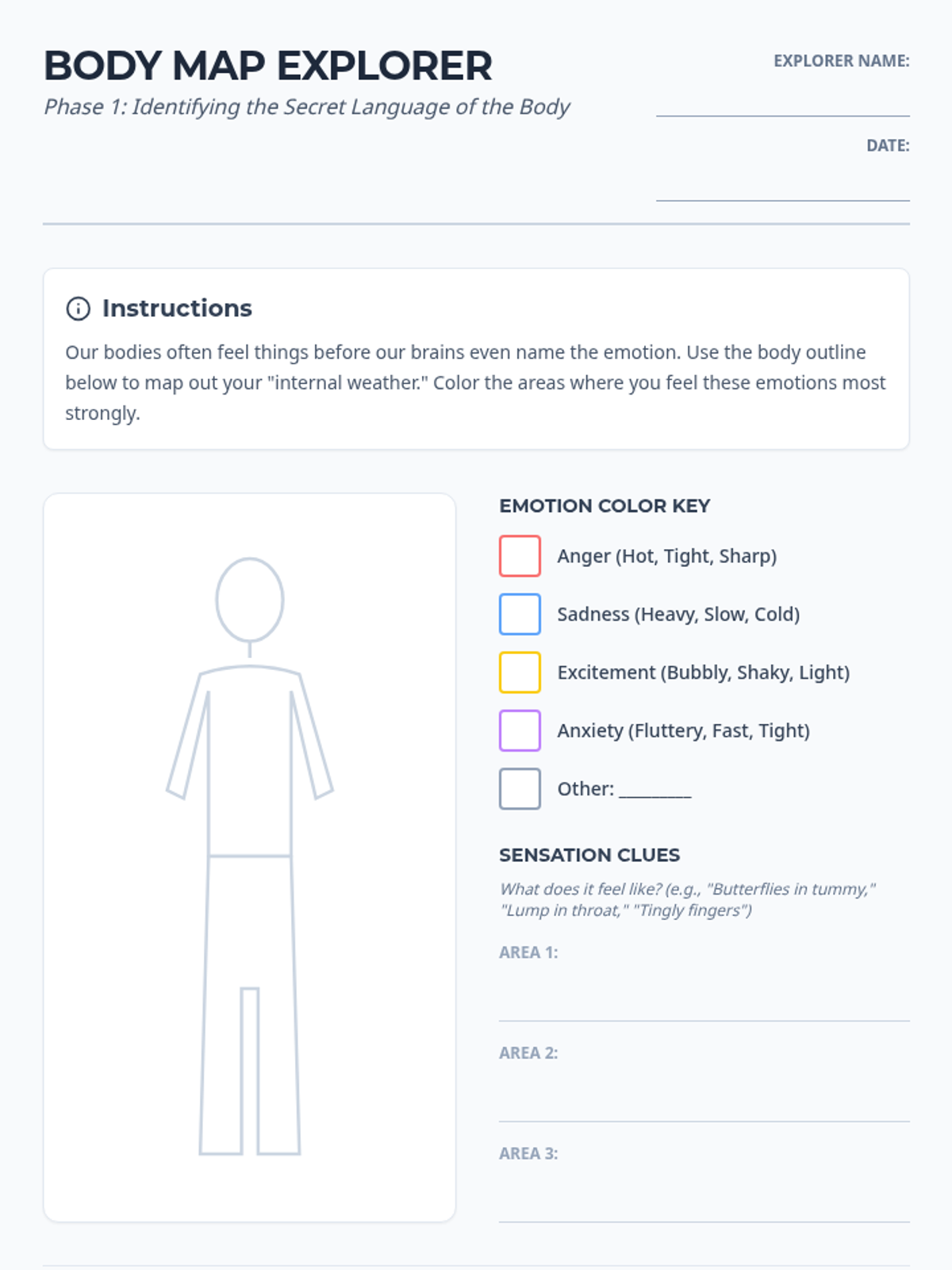
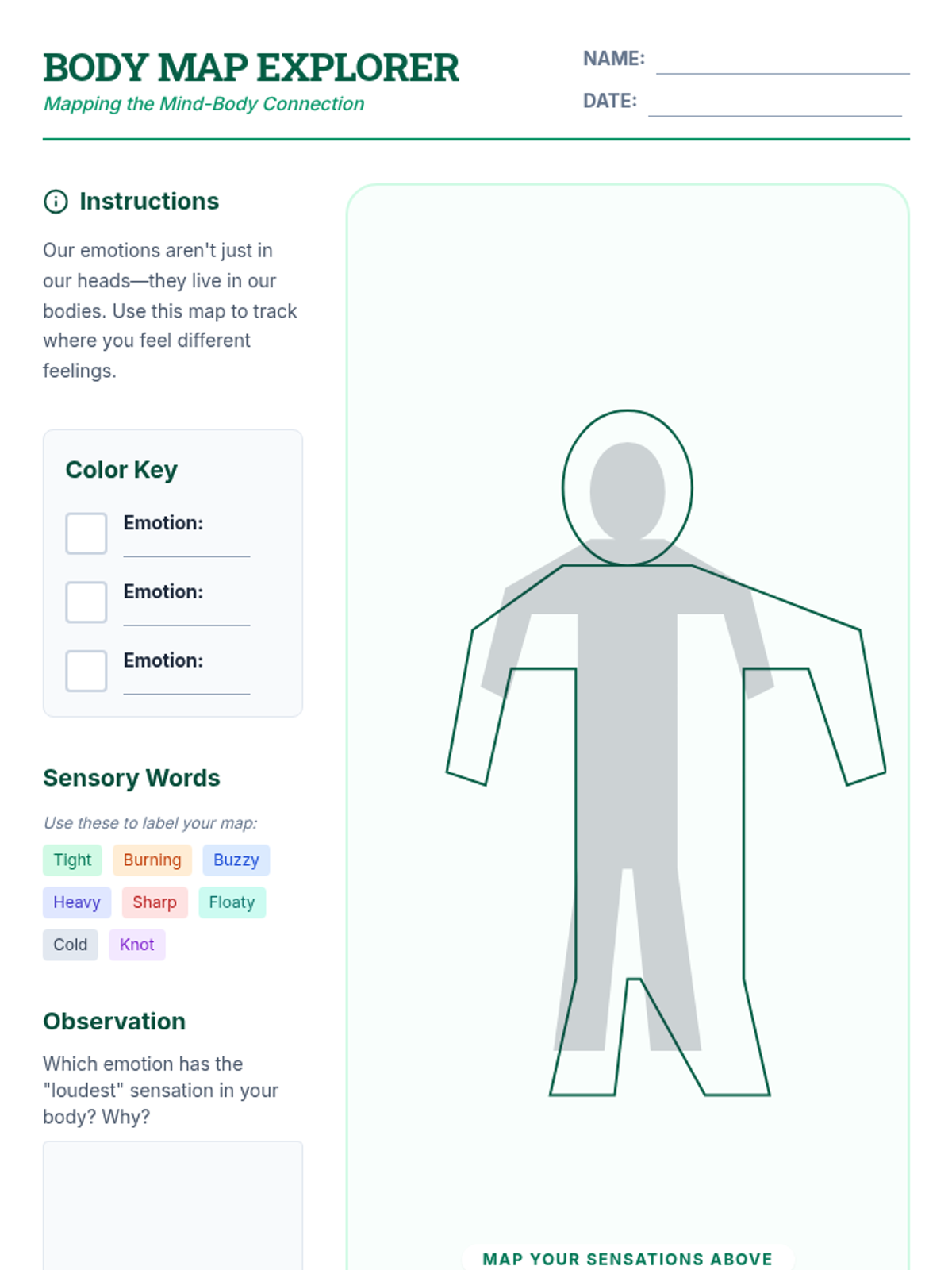
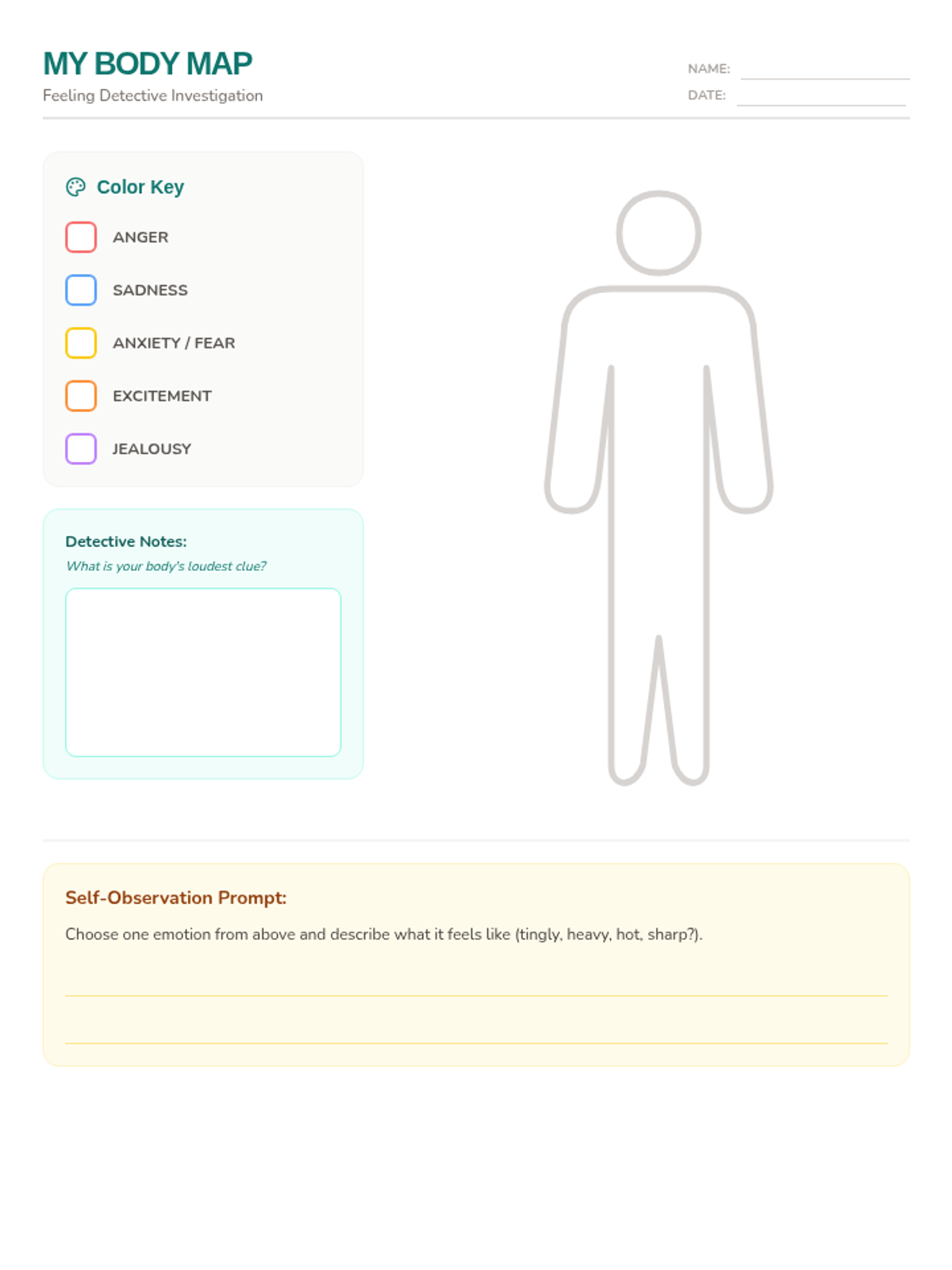
A workshop-style sequence for 5th graders to identify physical tension and learn systematic relaxation techniques. Students move from mapping emotions in the body to guiding their own relaxation sessions.
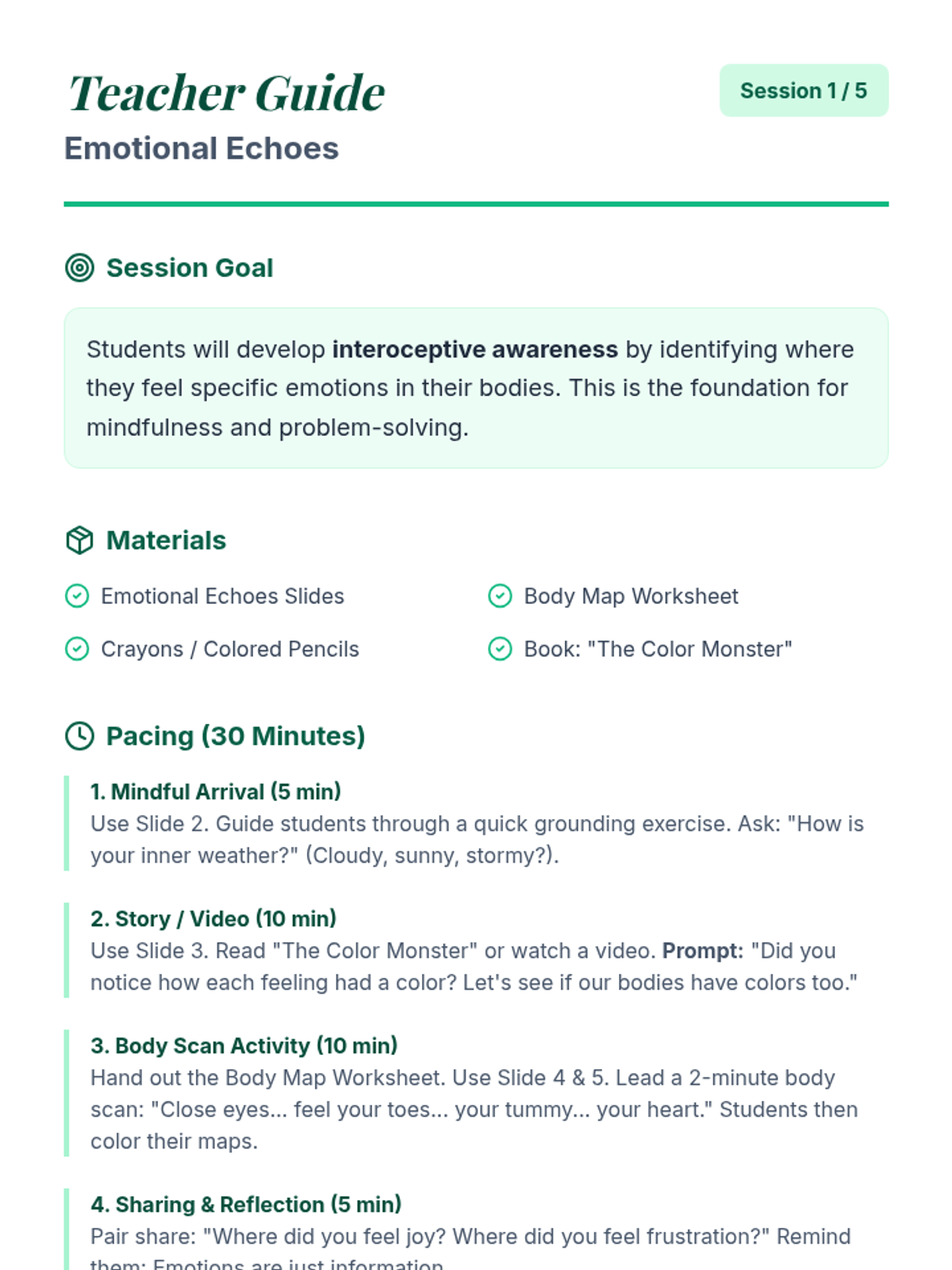
This sequence guides students through somatic awareness and Progressive Muscle Relaxation (PMR). Students learn to map emotions in their bodies, observe sensations without judgment, and use active relaxation techniques to manage stress and improve sleep.
This sequence explores mindfulness as a cognitive skill for emotional regulation and improved attention. Students learn about neuroplasticity, sensory grounding, thought labeling, and the STOP method to build emotional intelligence.
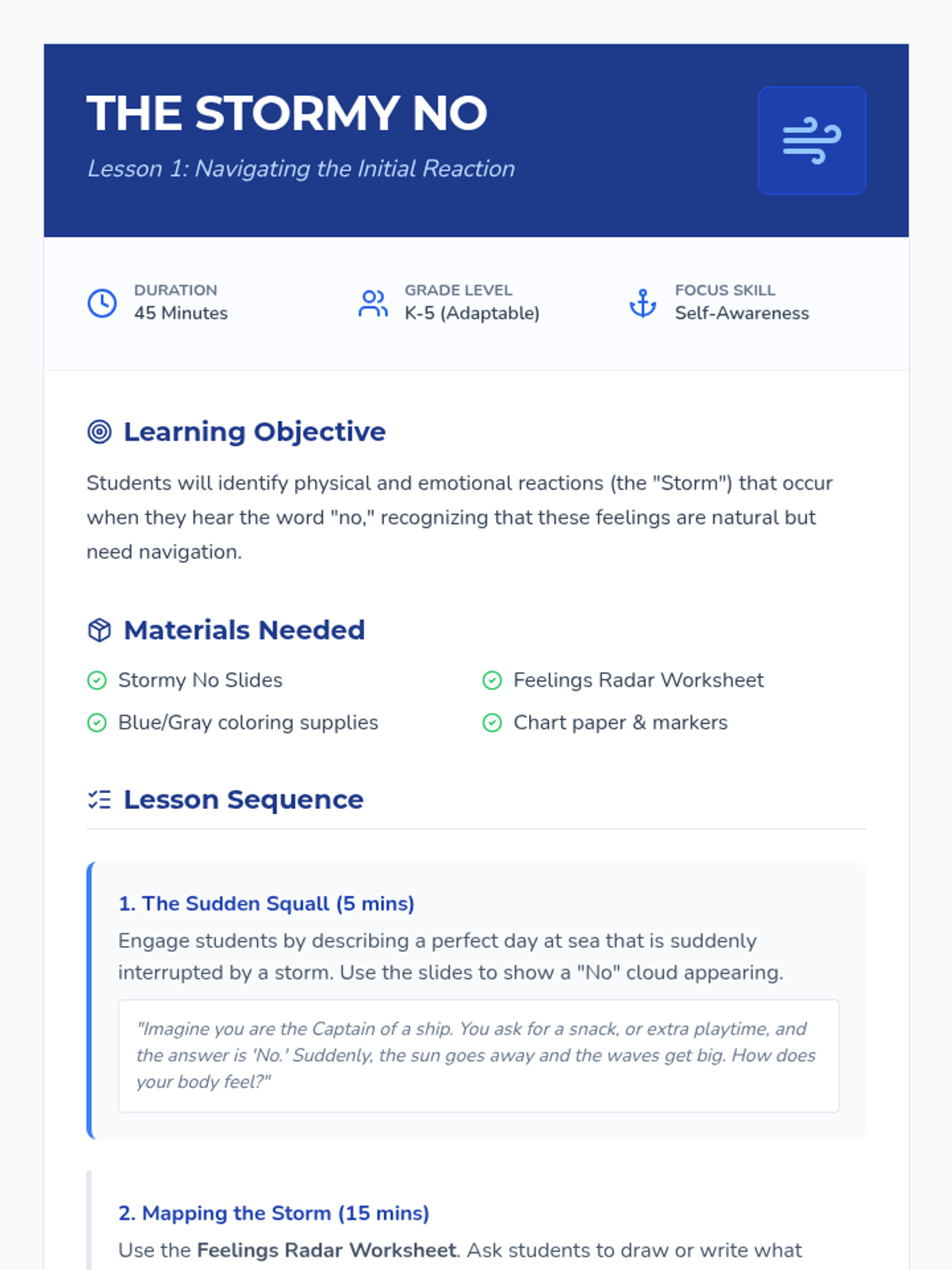
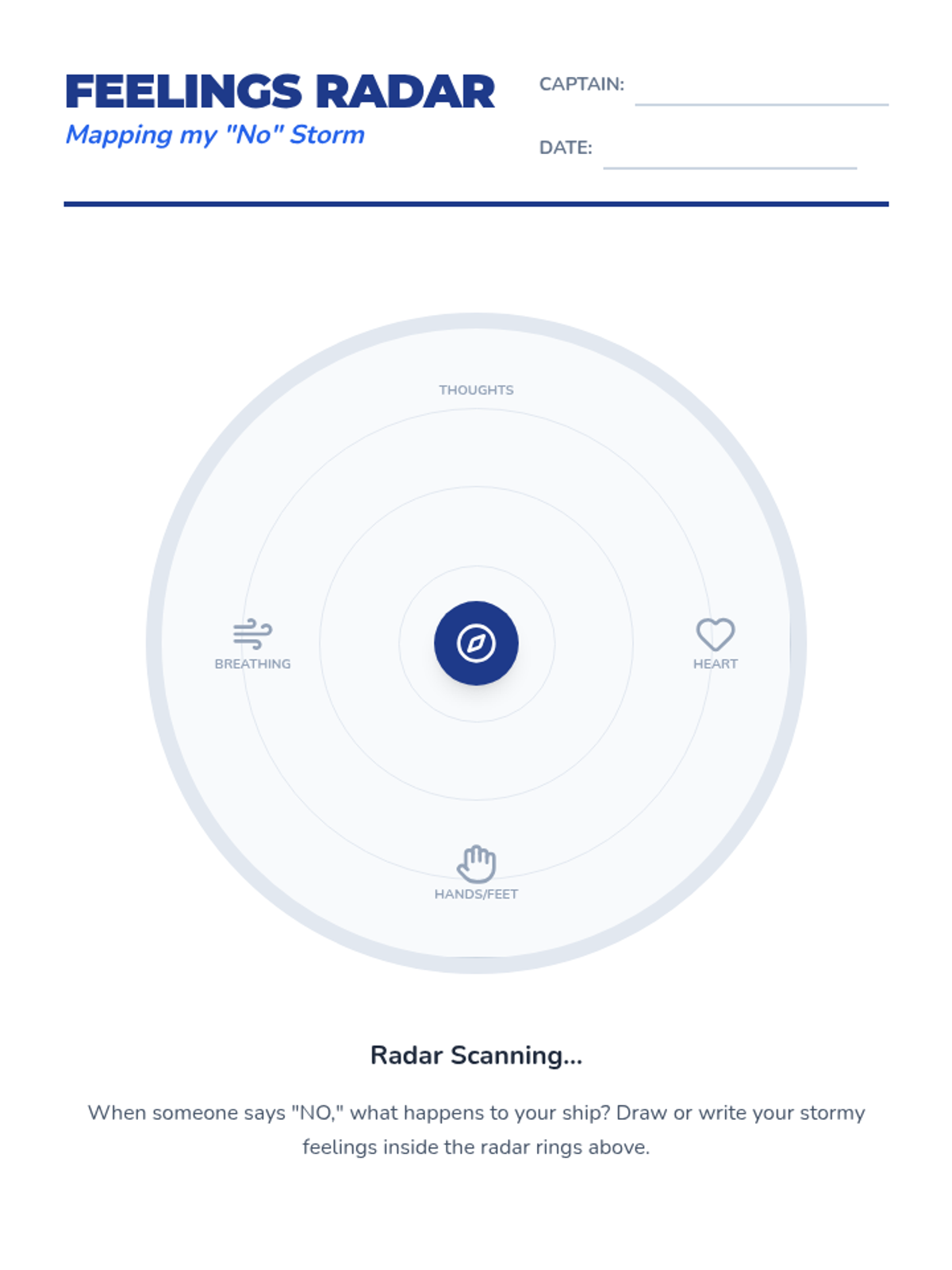
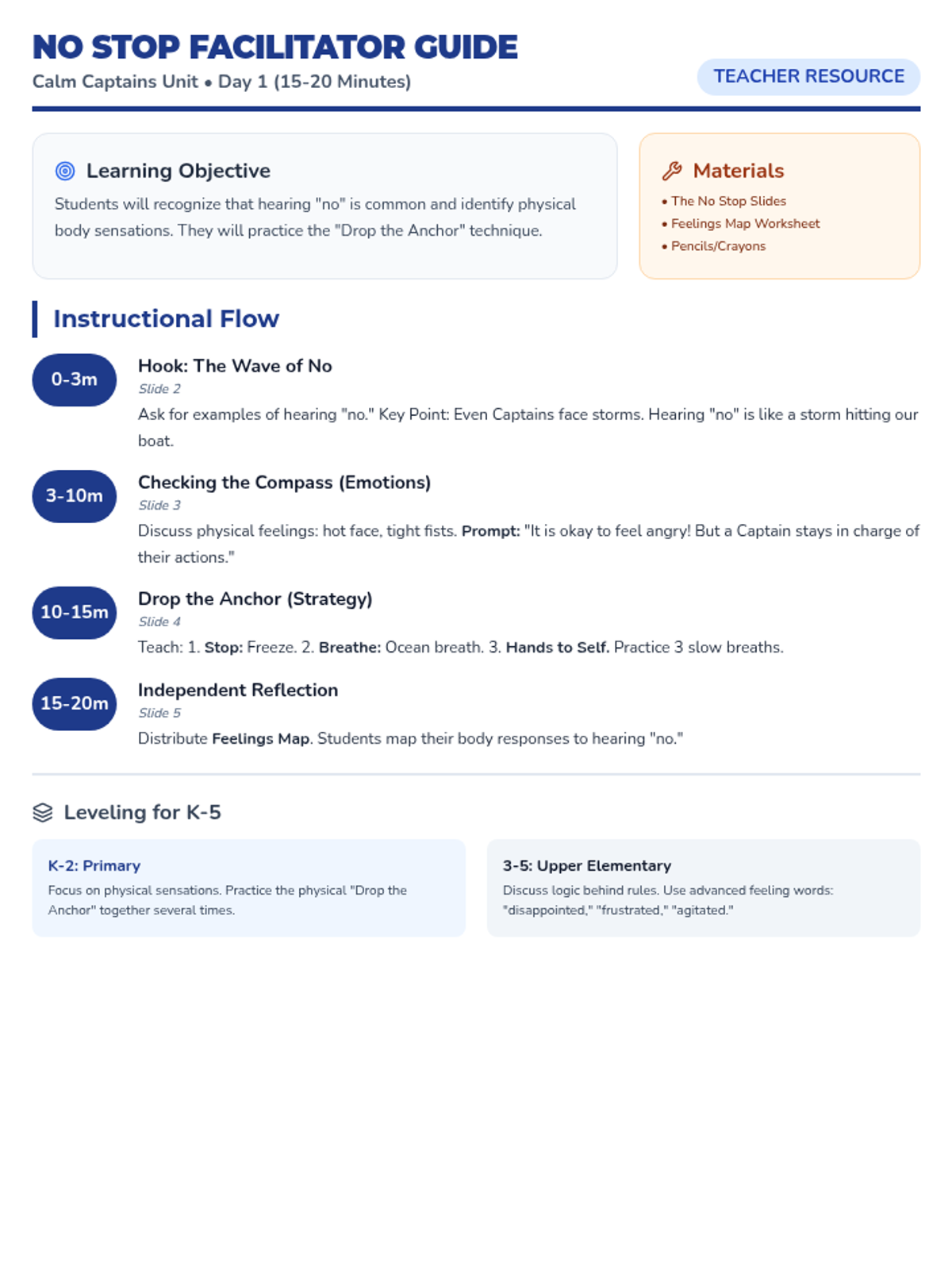
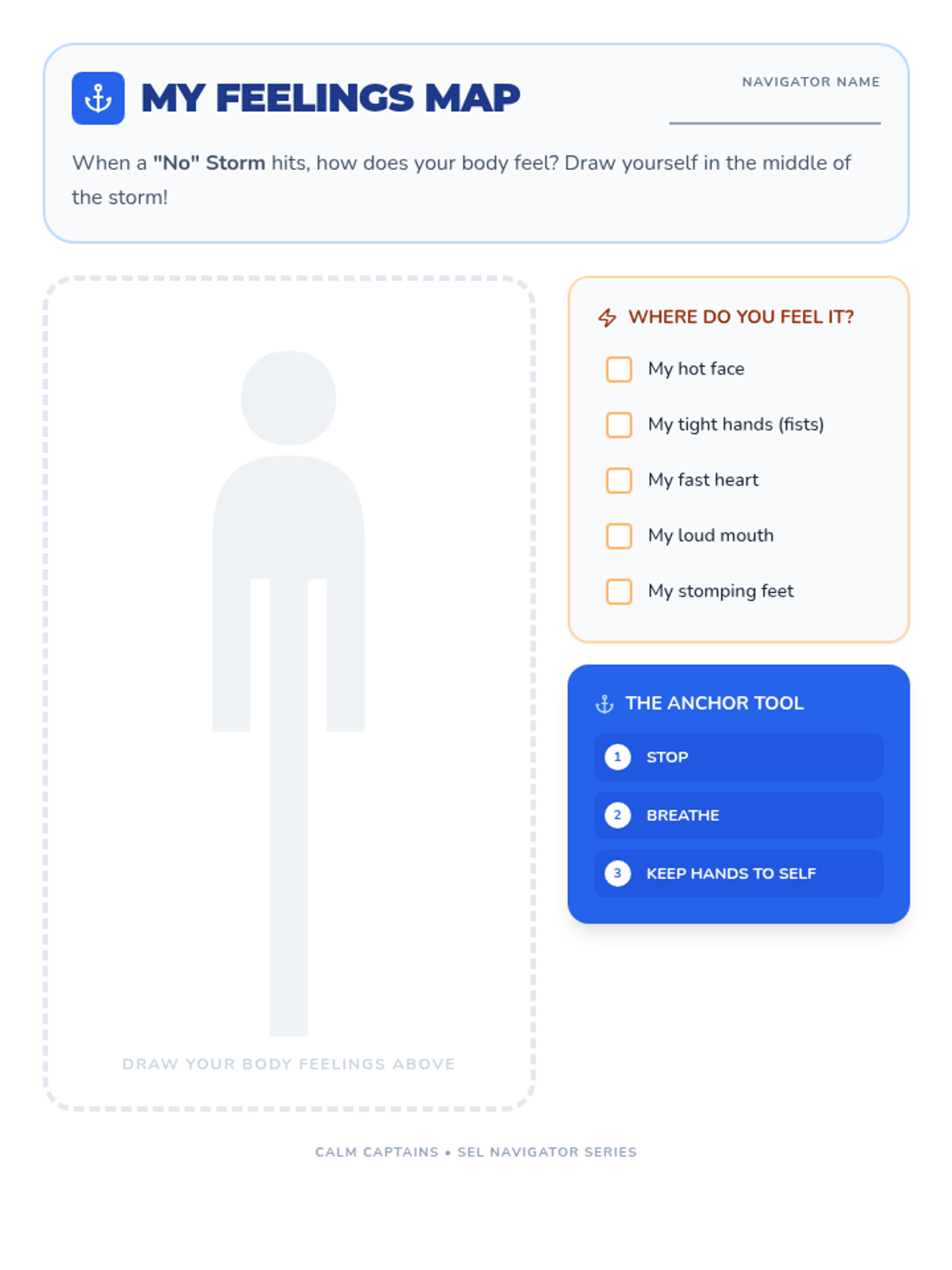
A two-day SEL unit for K-5 students on accepting 'no' gracefully. Using a nautical theme, students learn to identify their 'stormy' feelings and use deep breathing as an 'anchor' to return to calm waters.
A two-day SEL unit for K-5 students focused on the essential skill of accepting "no" with a calm body and mind. Using a nautical navigation theme, students learn to identify their feelings when hearing "no" and practice specific strategies to navigate back to a positive state.
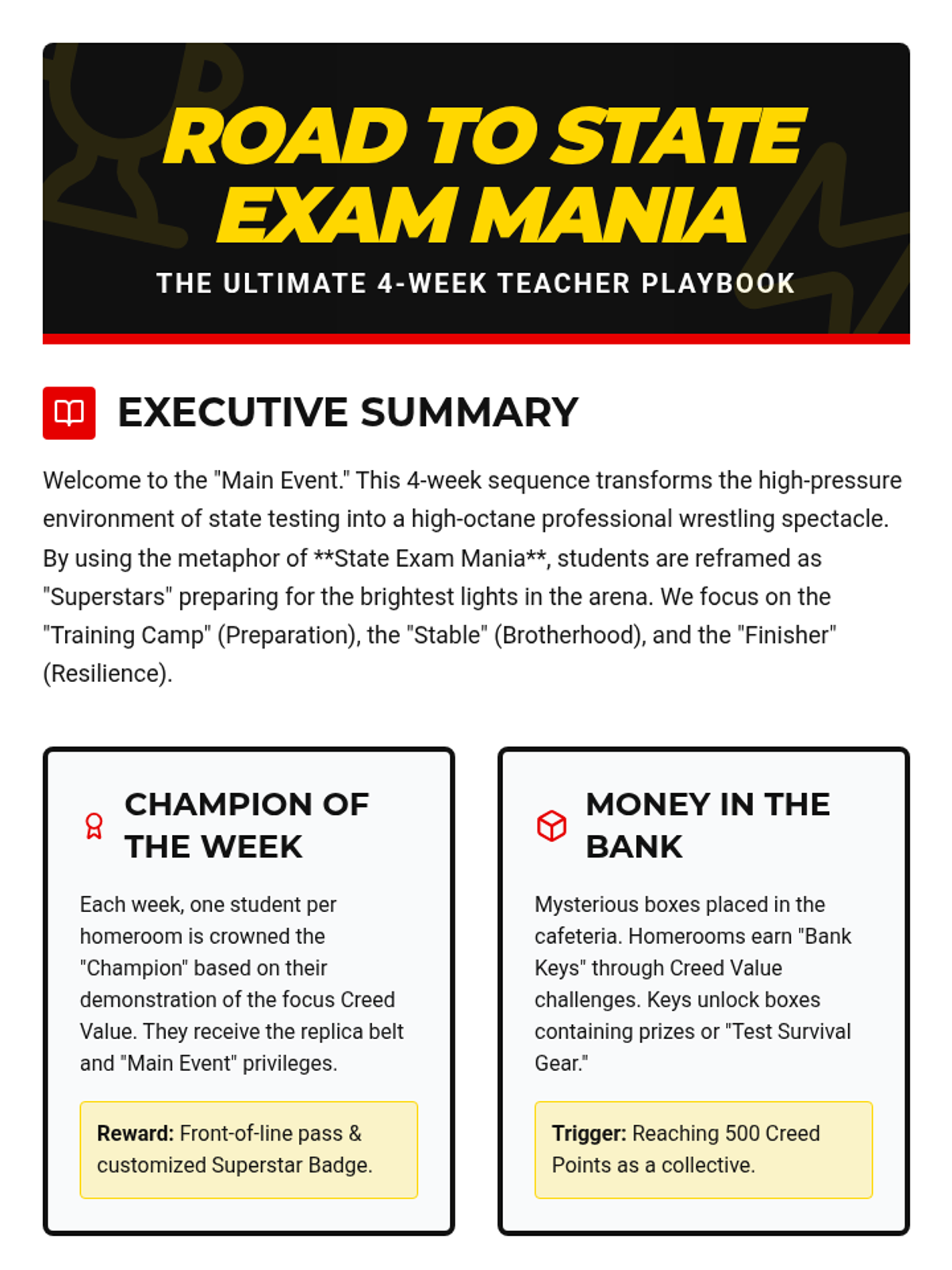
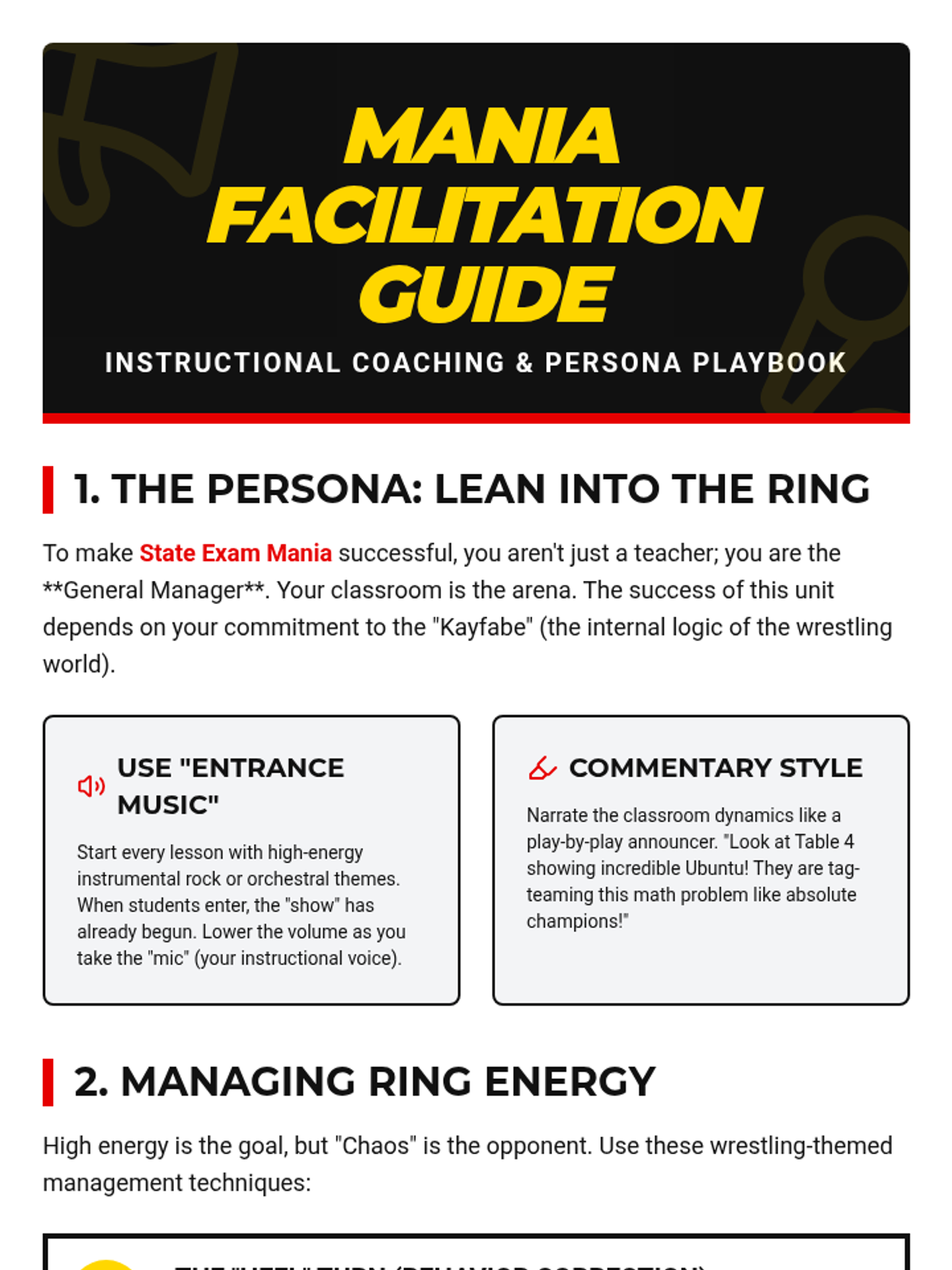
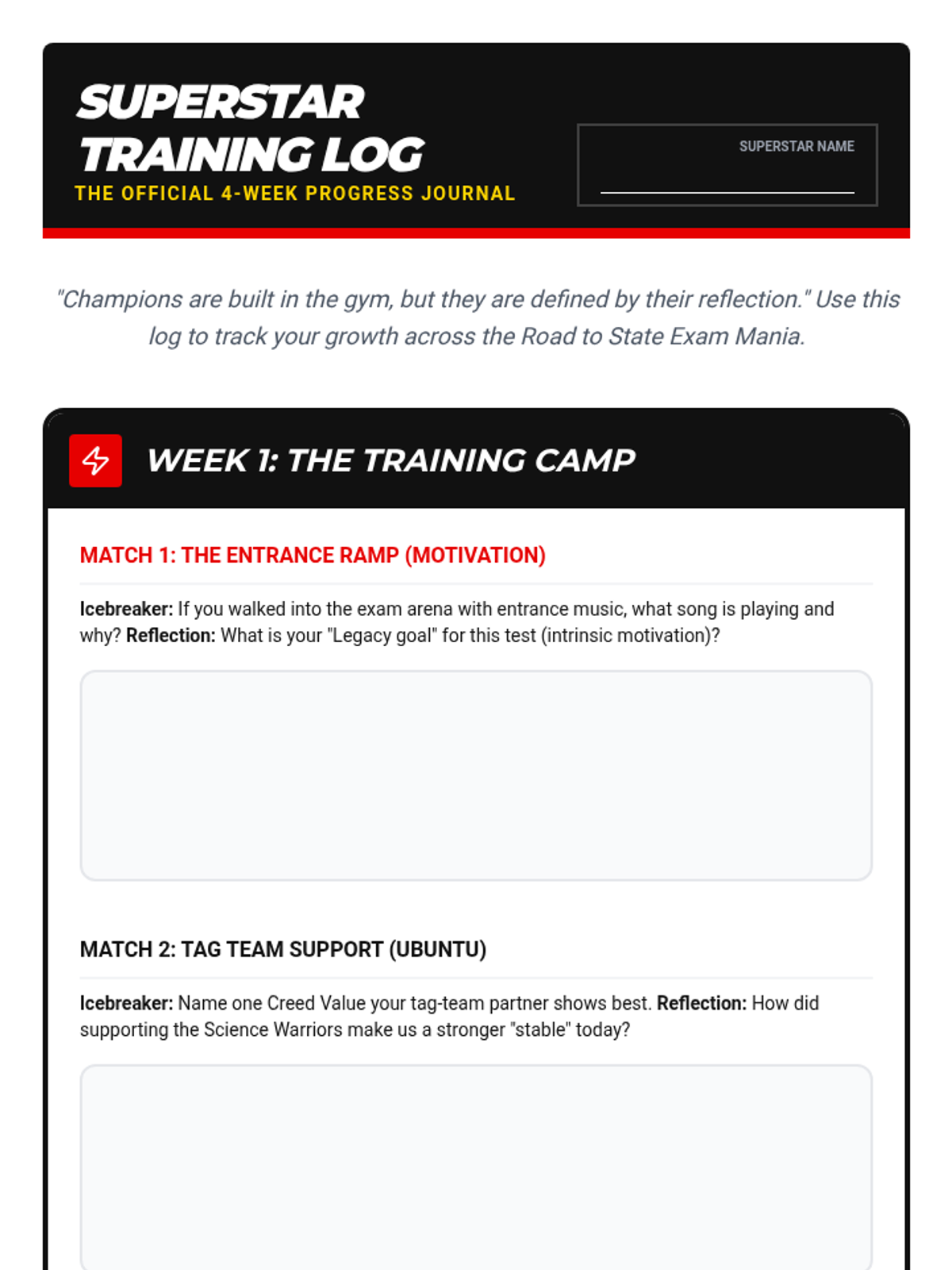
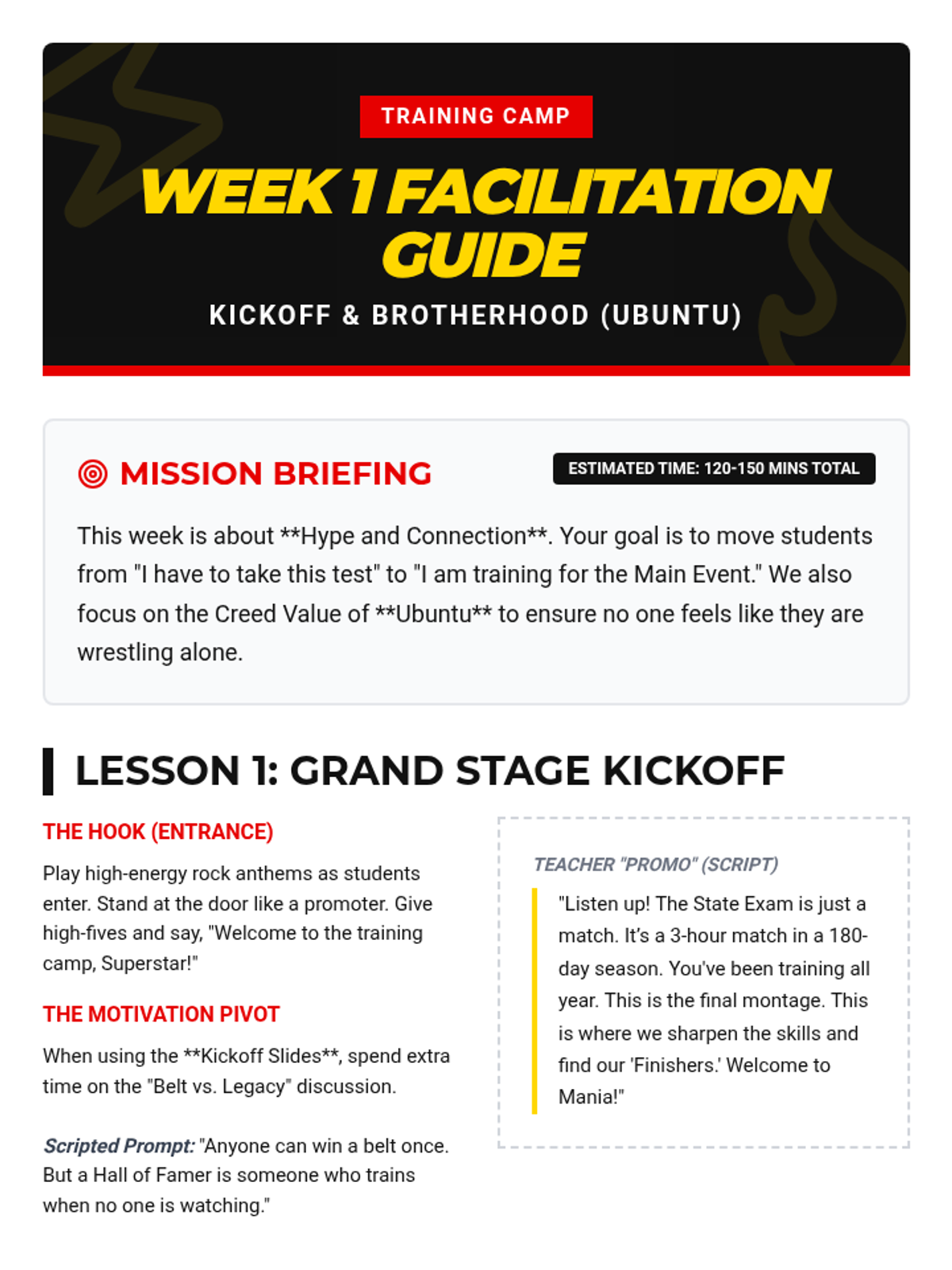
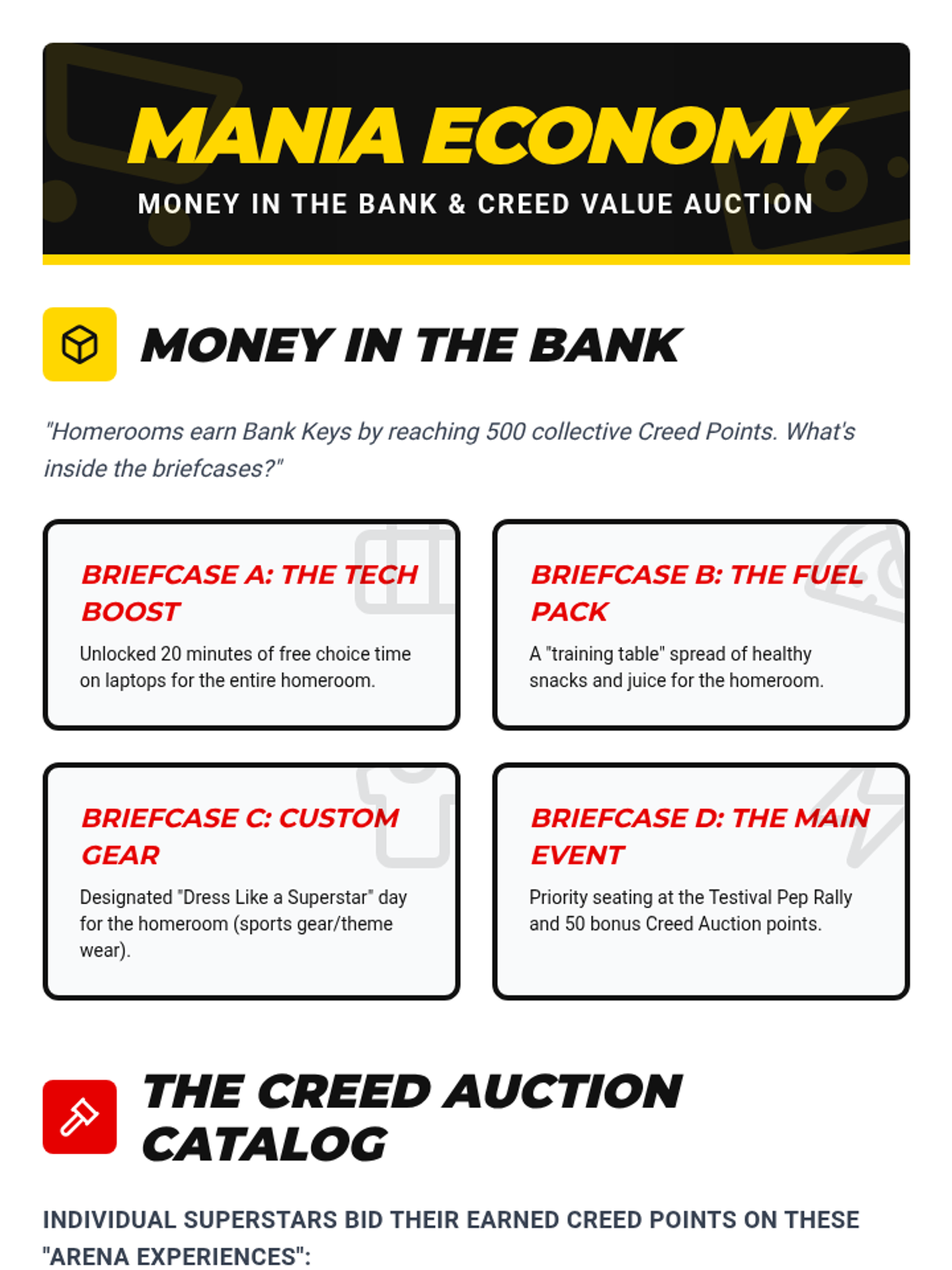
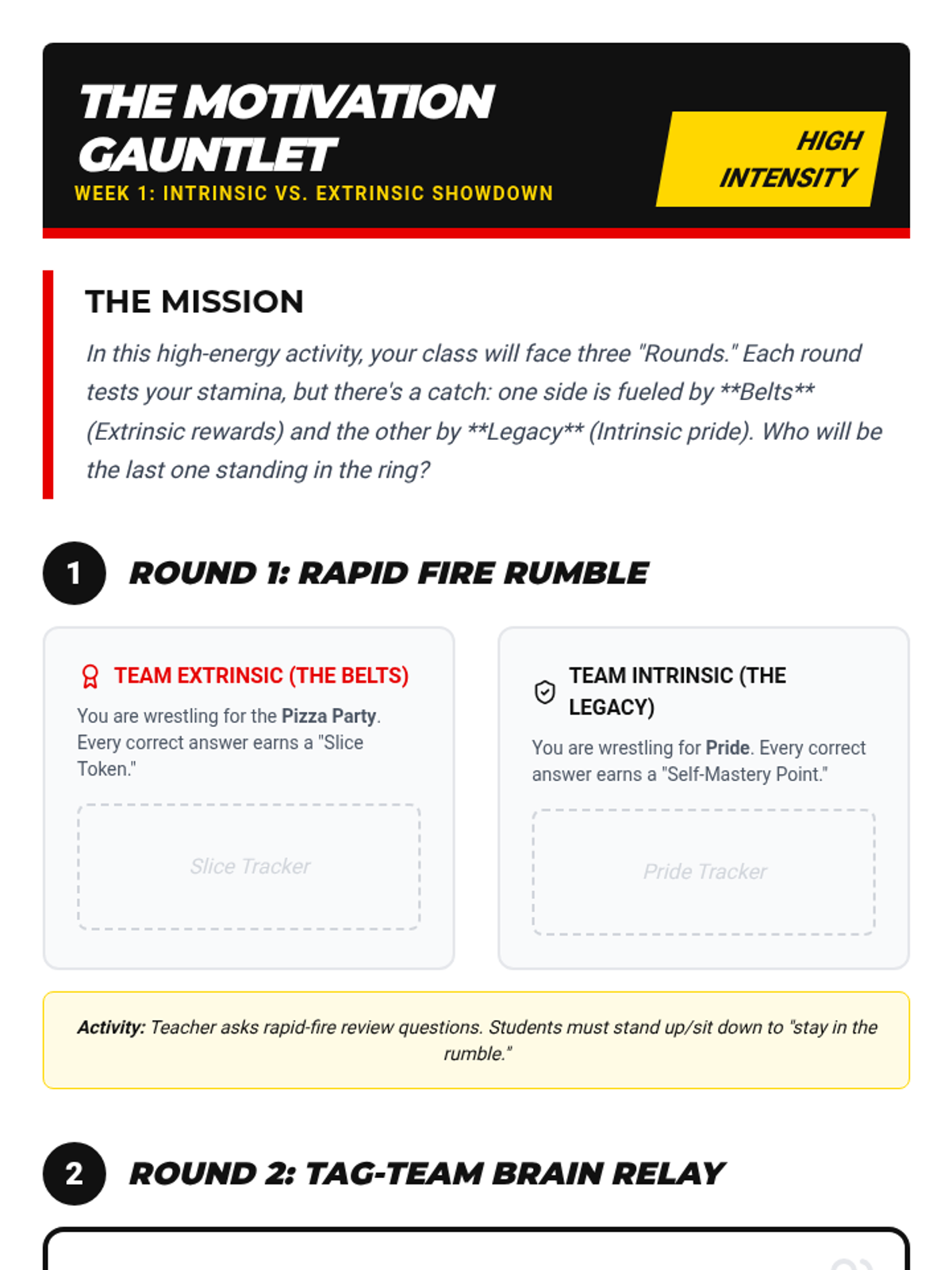
A 4-week socio-emotional learning sequence using professional wrestling as a metaphor for state exam preparation, focusing on motivation, resilience, and brotherhood.
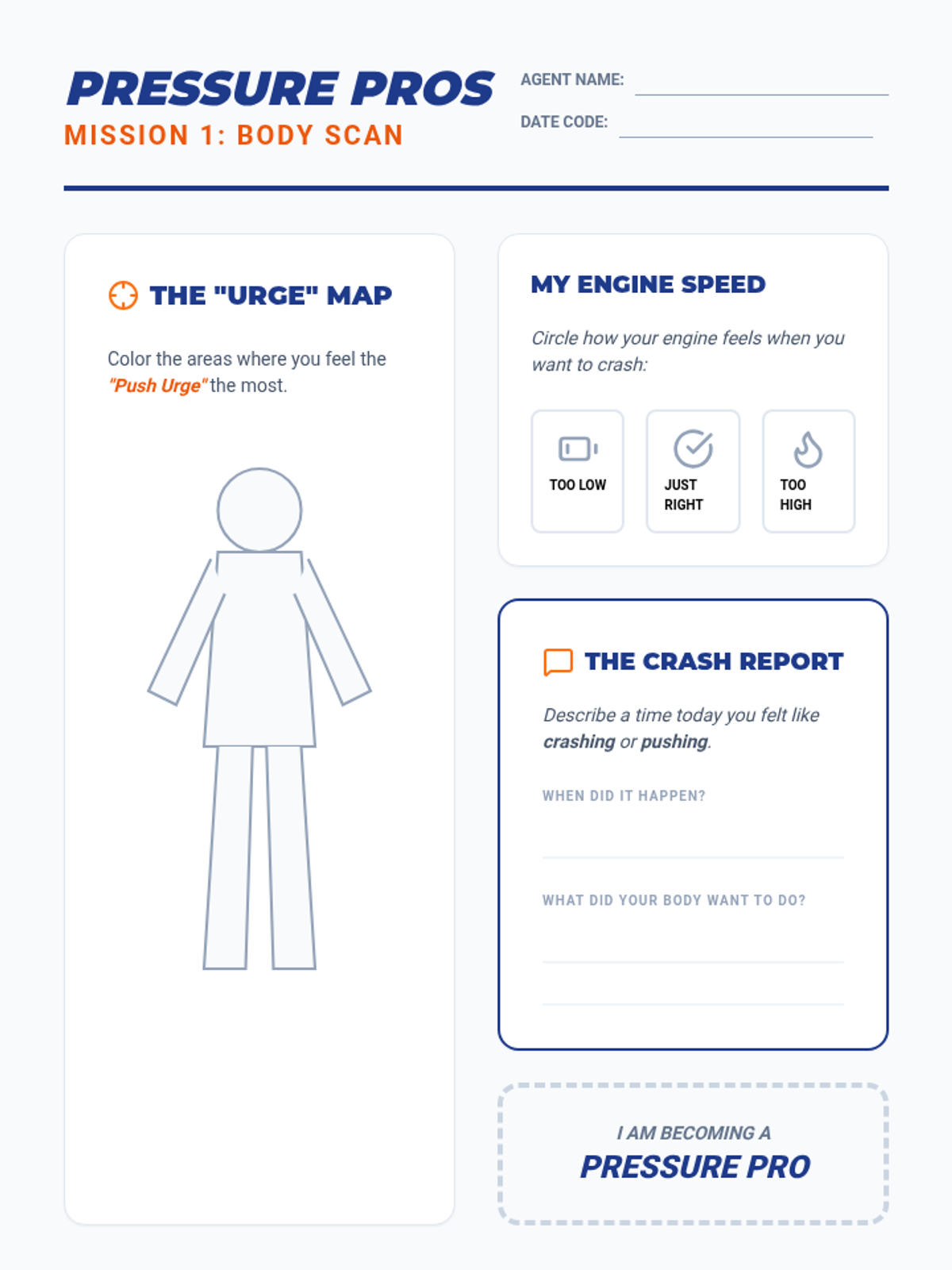
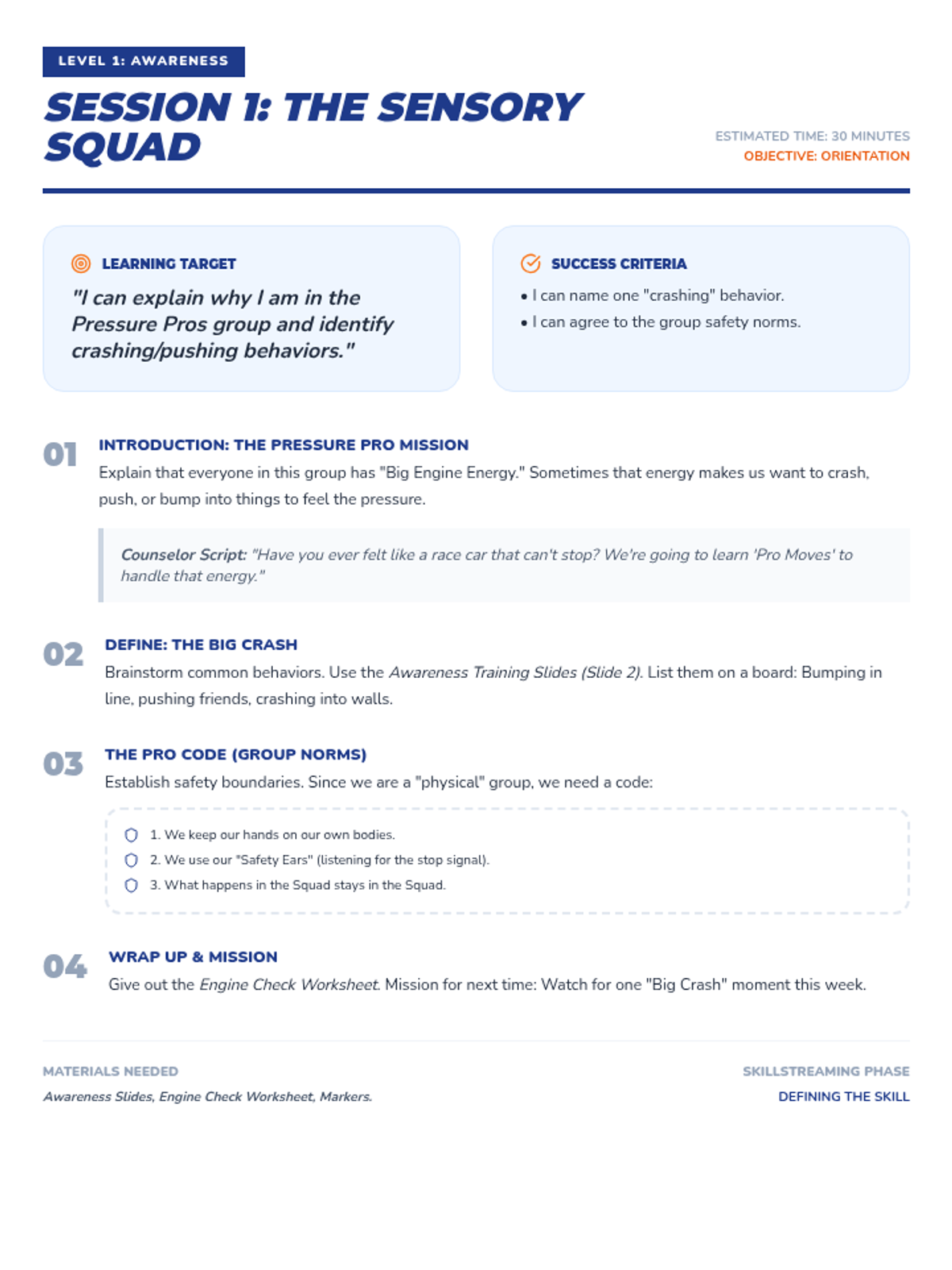
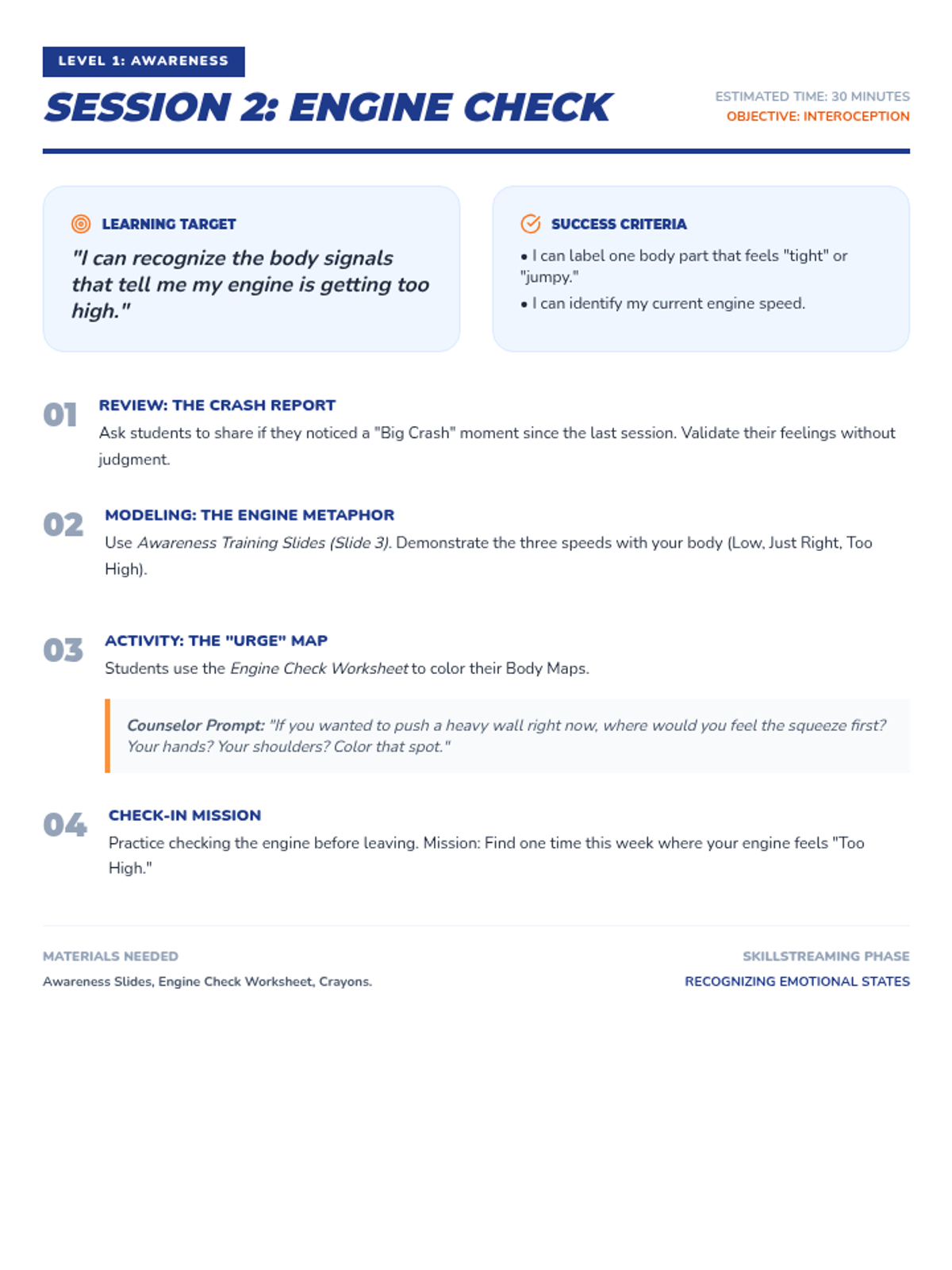
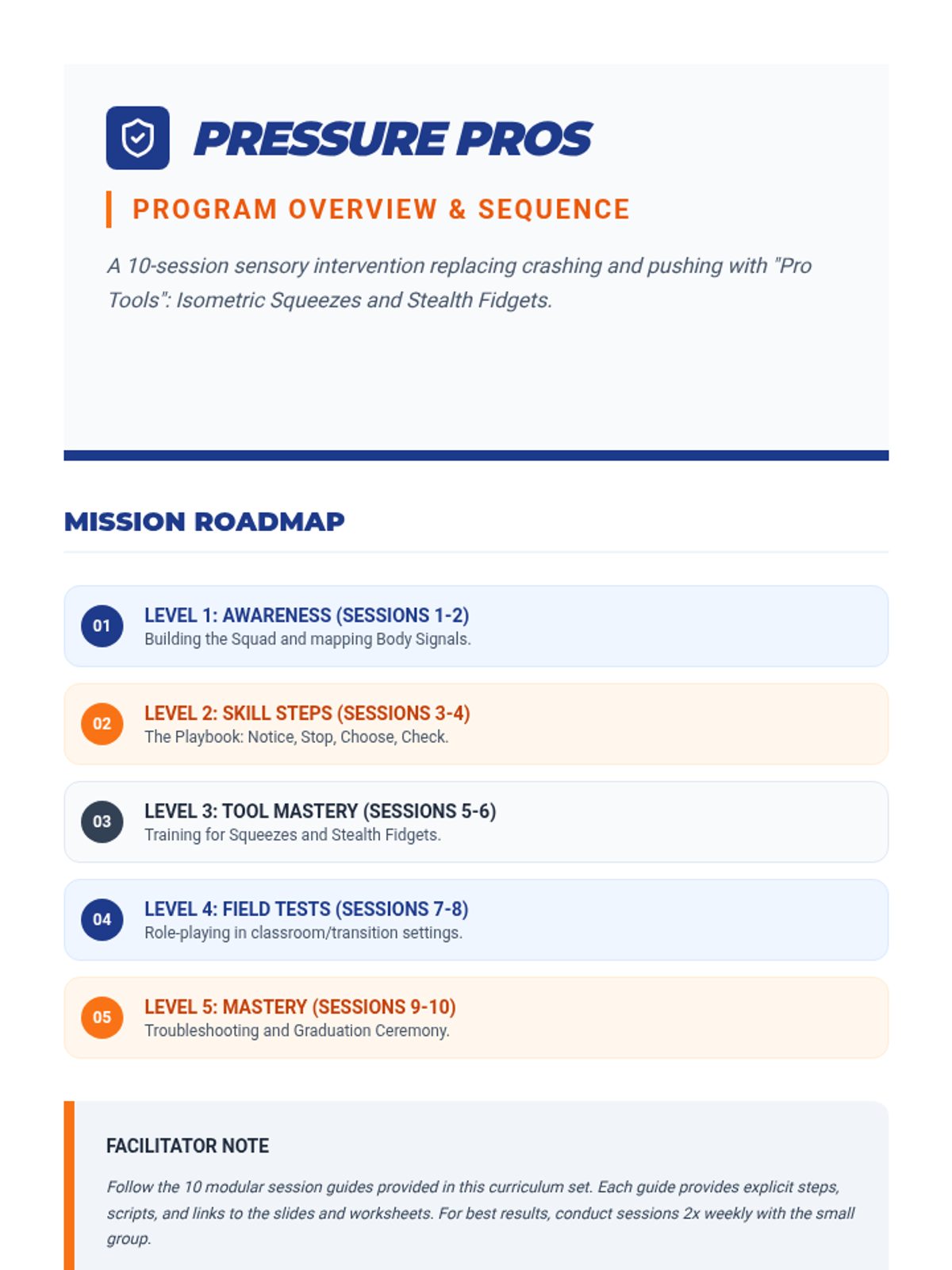
A 10-session sensory regulation intervention for small groups, utilizing SkillStreaming techniques to replace crashing and pushing behaviors with isometric squeezes and fidget use. The program, titled 'Pressure Pros', provides explicit steps for counselors to guide students through awareness, skill acquisition, and real-world application.
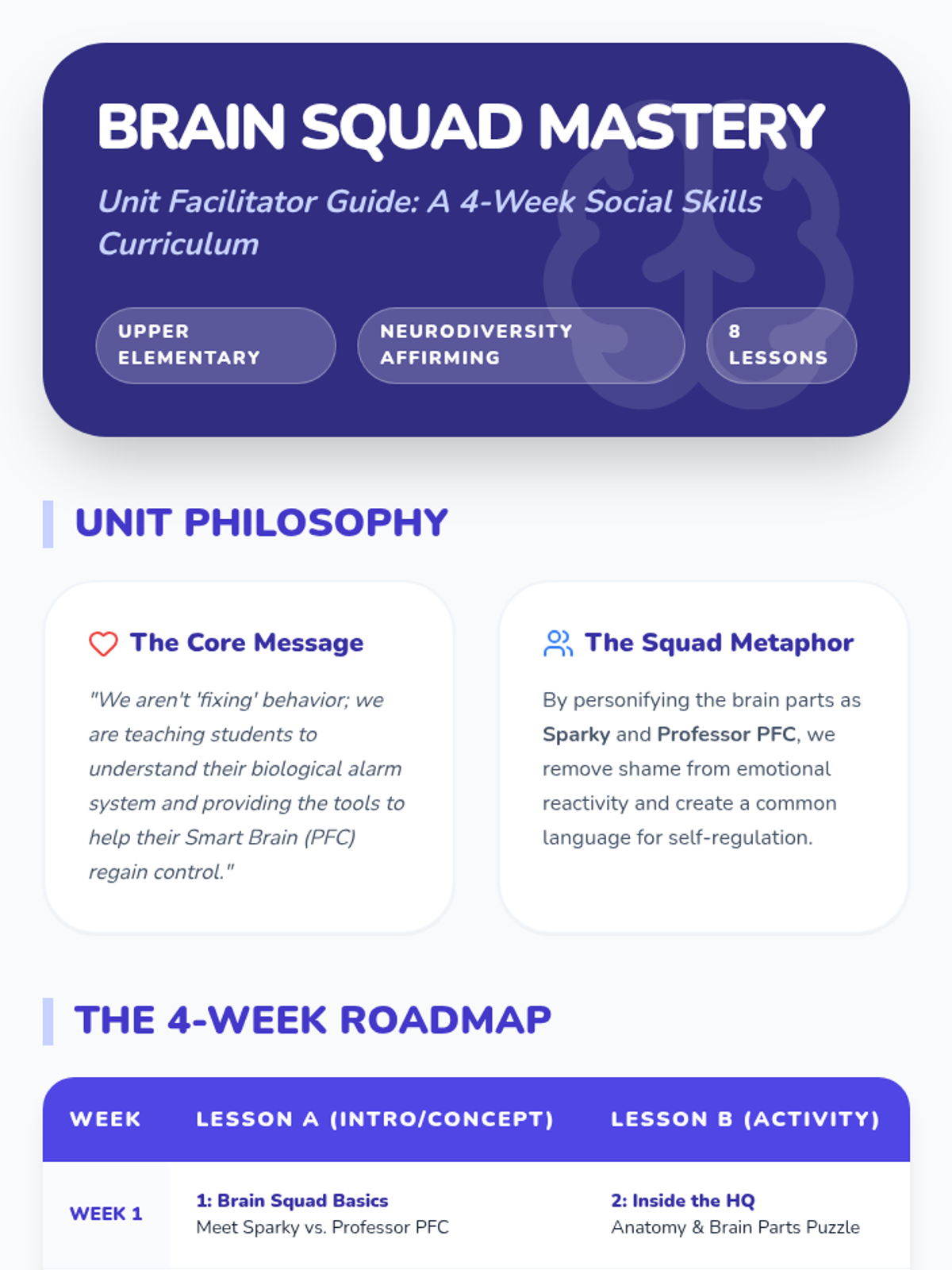
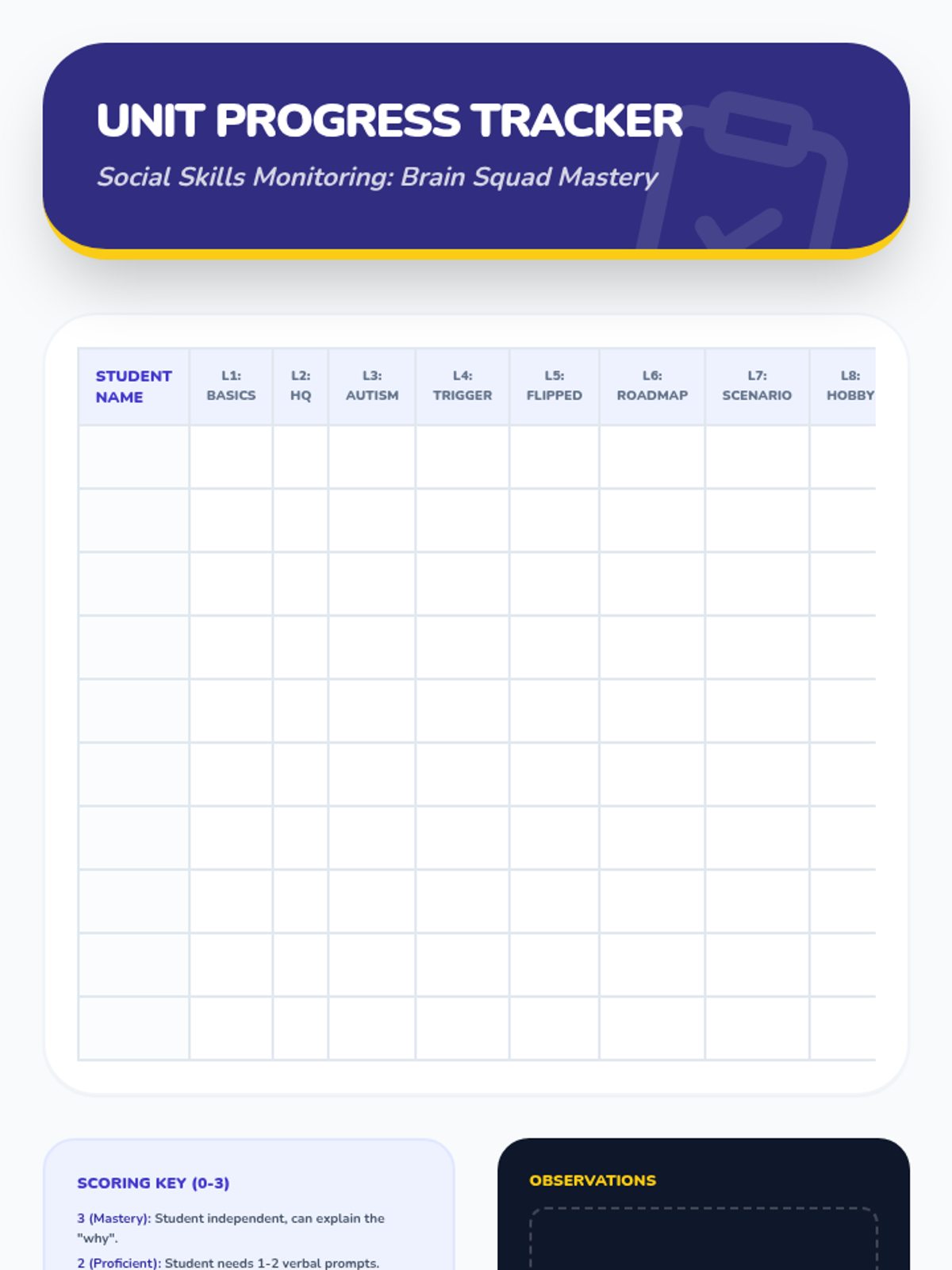
A 4-week social skills unit (8 lessons) teaching students to distinguish between their emotional brain and smart brain, focusing on regulation strategies, autism-specific challenges, and positive outlets.
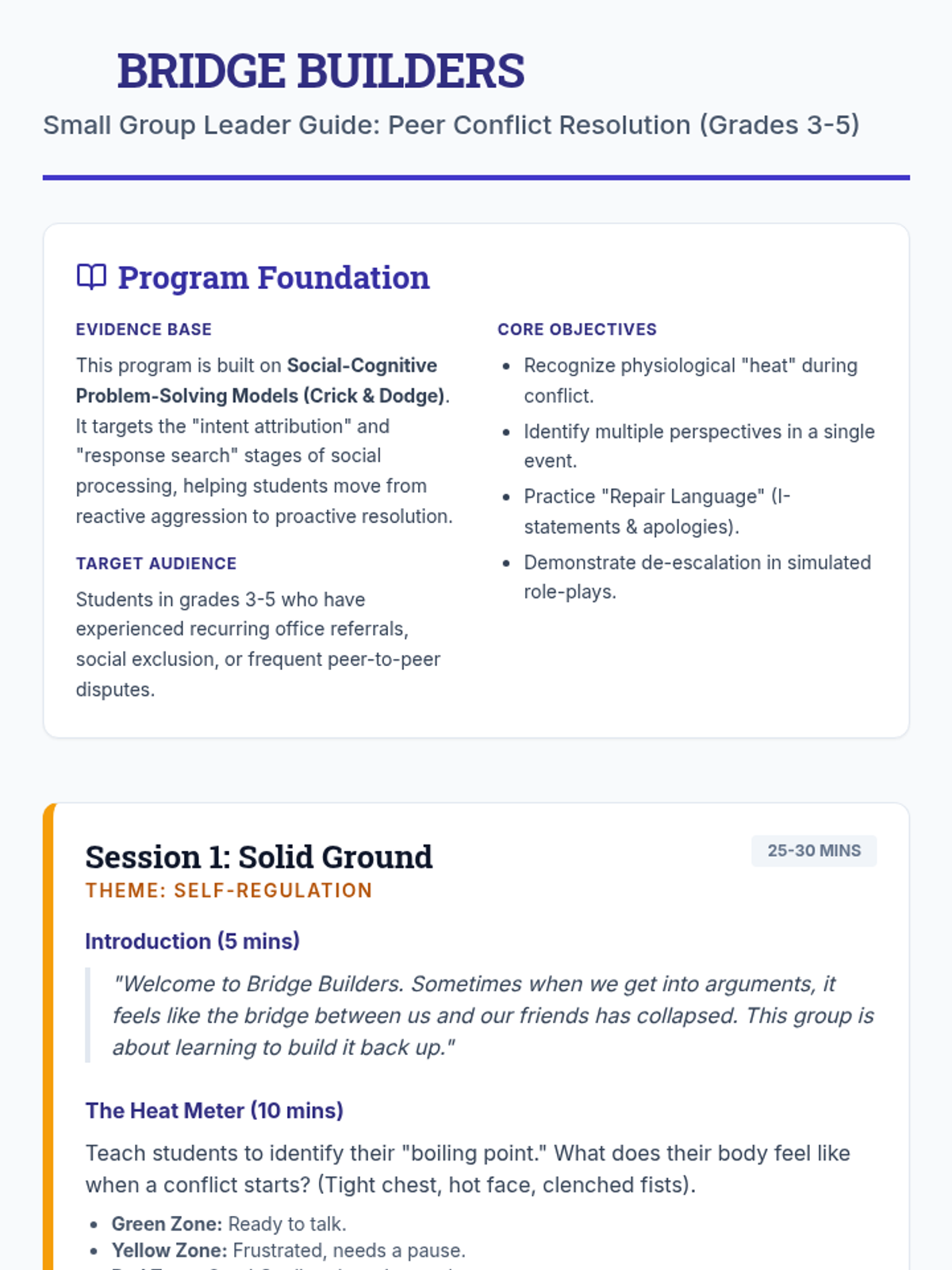
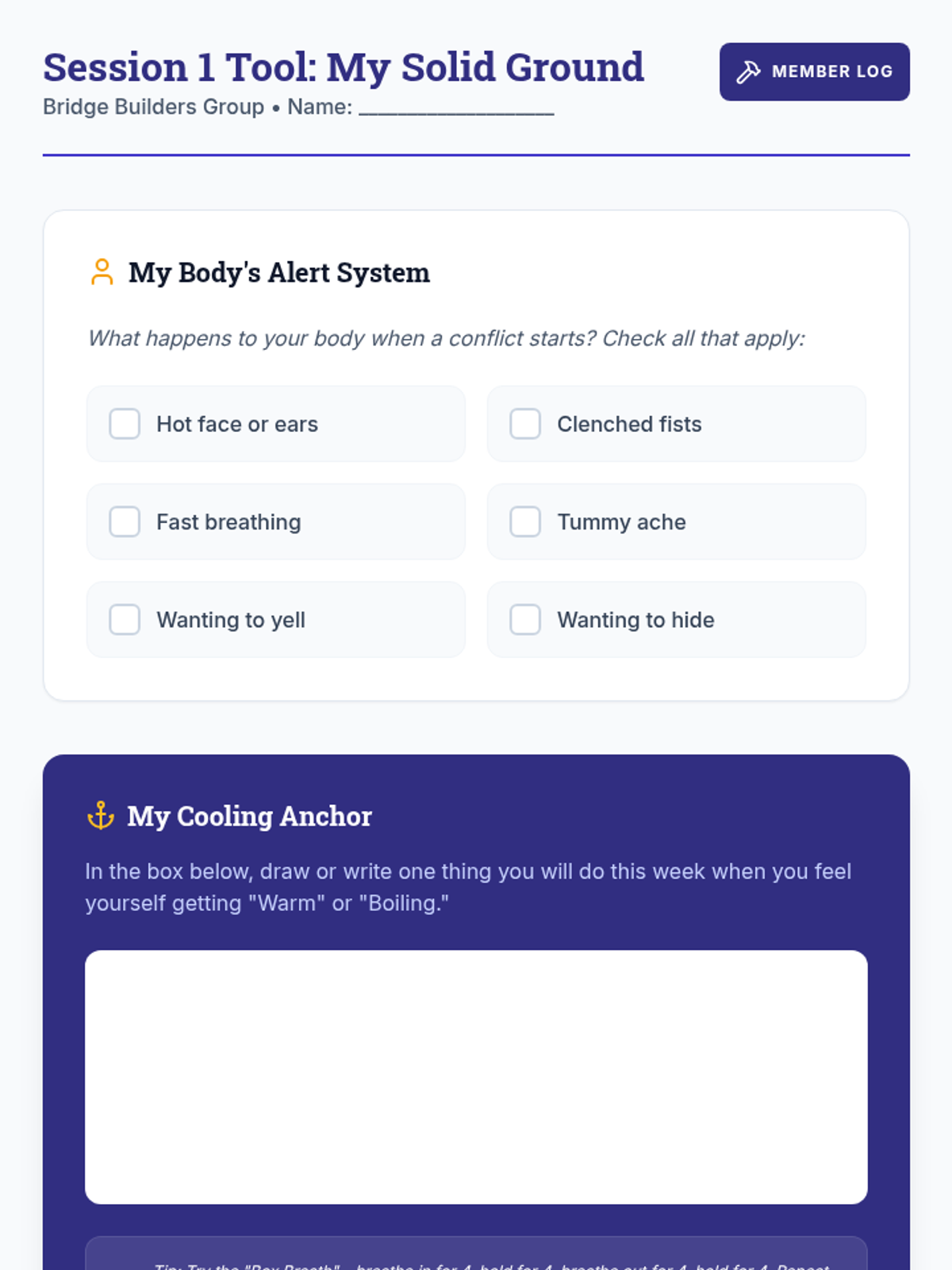
A 4-session small-group counseling program for grades 3-5 focusing on self-regulation, perspective-taking, and repair language for students with recurring social challenges.
A 5-lesson unit for 5th-grade girls focused on identifying big emotions, understanding their intensity, and practicing self-regulation through positive self-talk and healthy expression.
A 5-session mindfulness-based social-emotional learning group for 5th graders. This sequence guides students through identifying emotions in their bodies, categorizing problem sizes, and learning to match their reactions using mindful techniques.
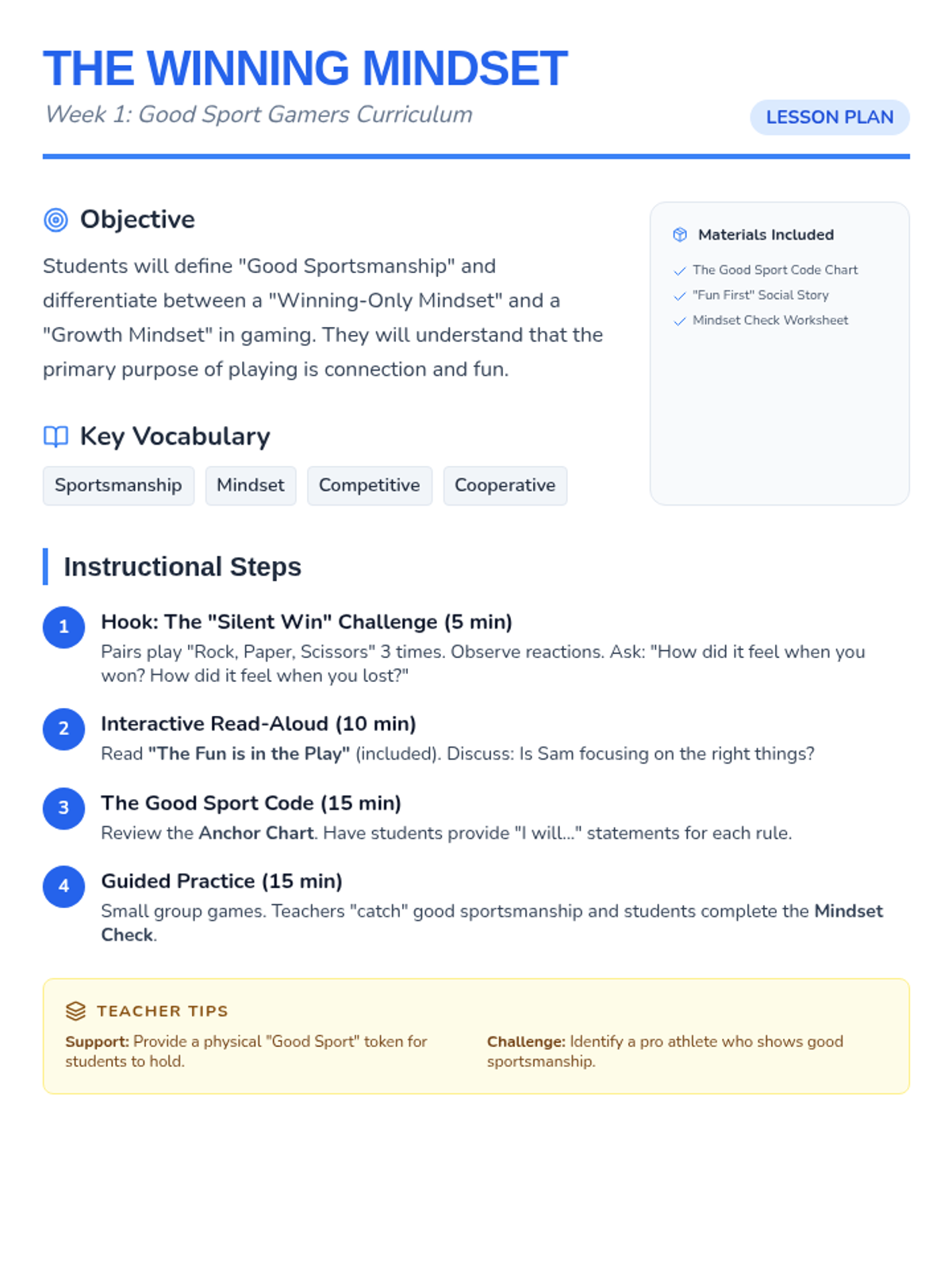
A comprehensive 6-week curriculum designed to help elementary-aged children develop sportsmanship, positive self-talk, and perspective-taking skills to handle losing games with grace and emotional regulation.
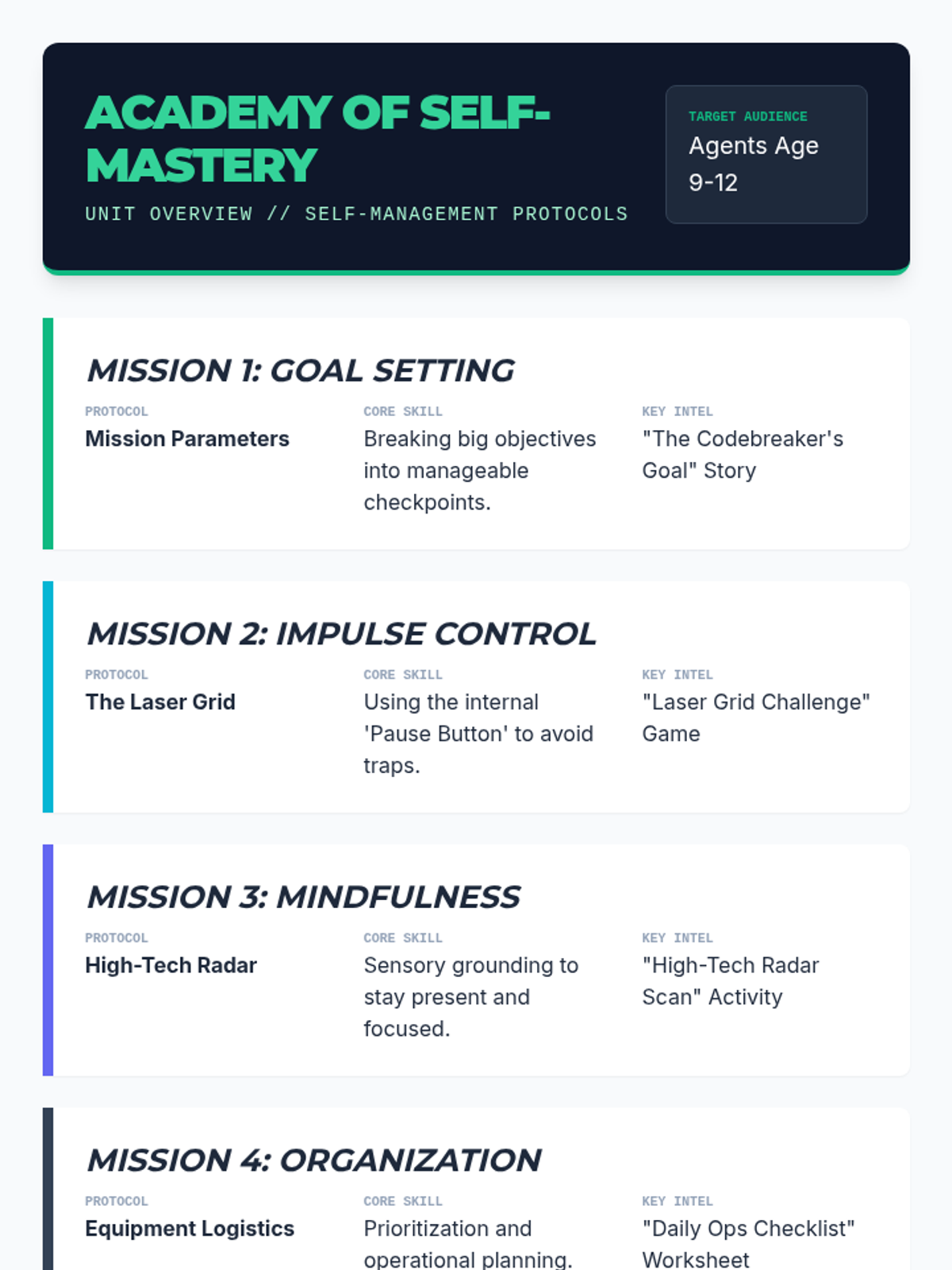
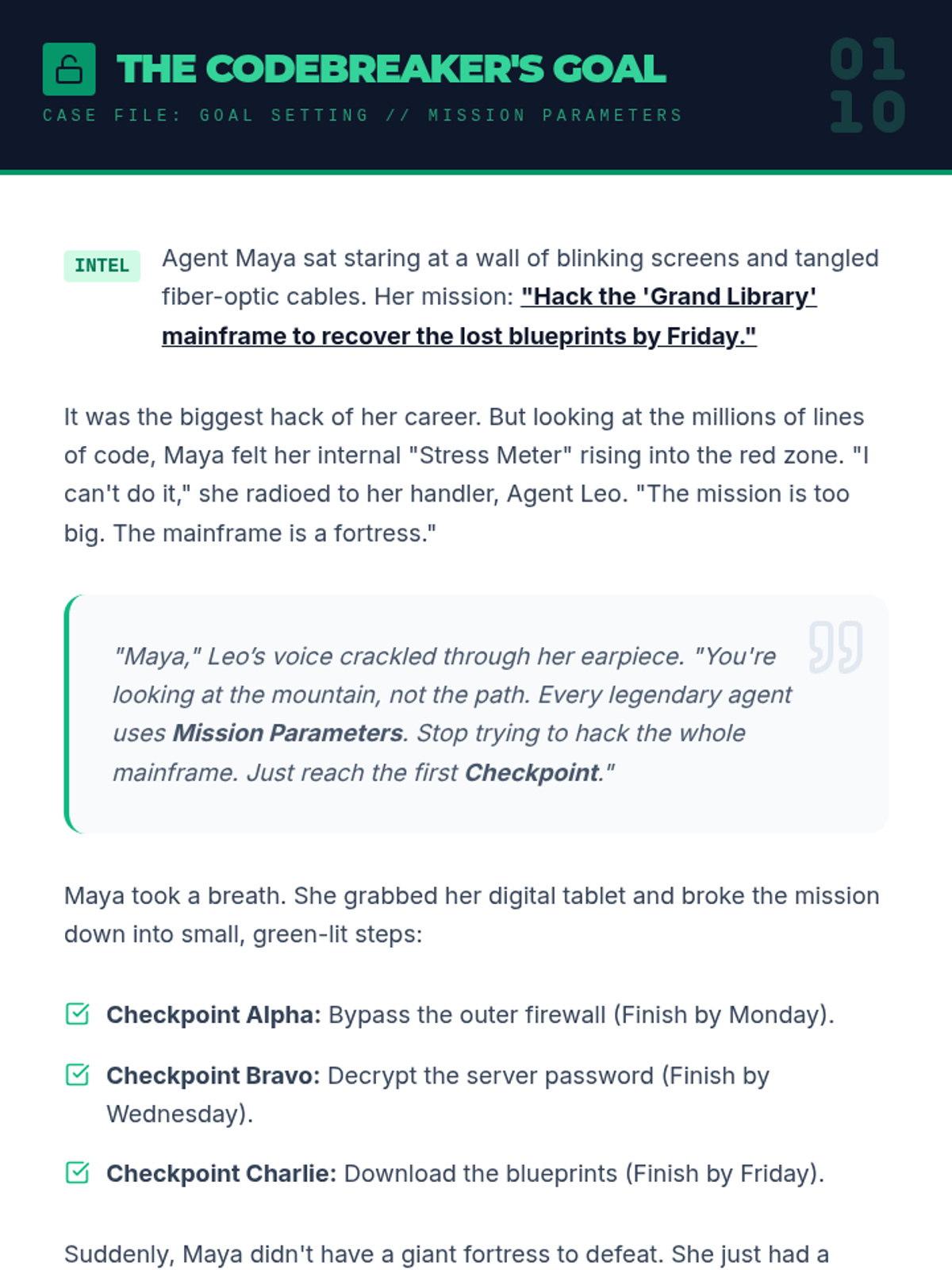
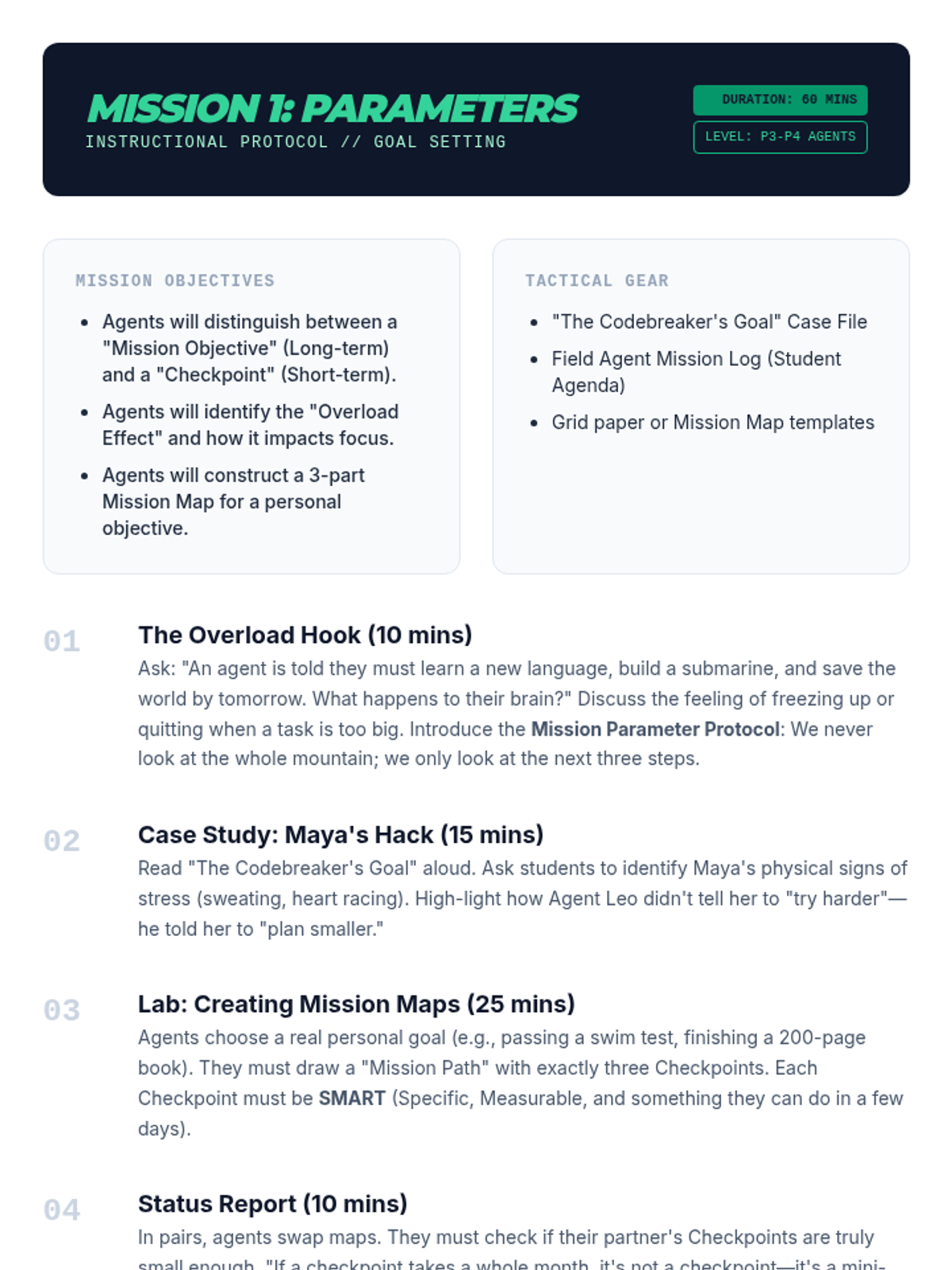
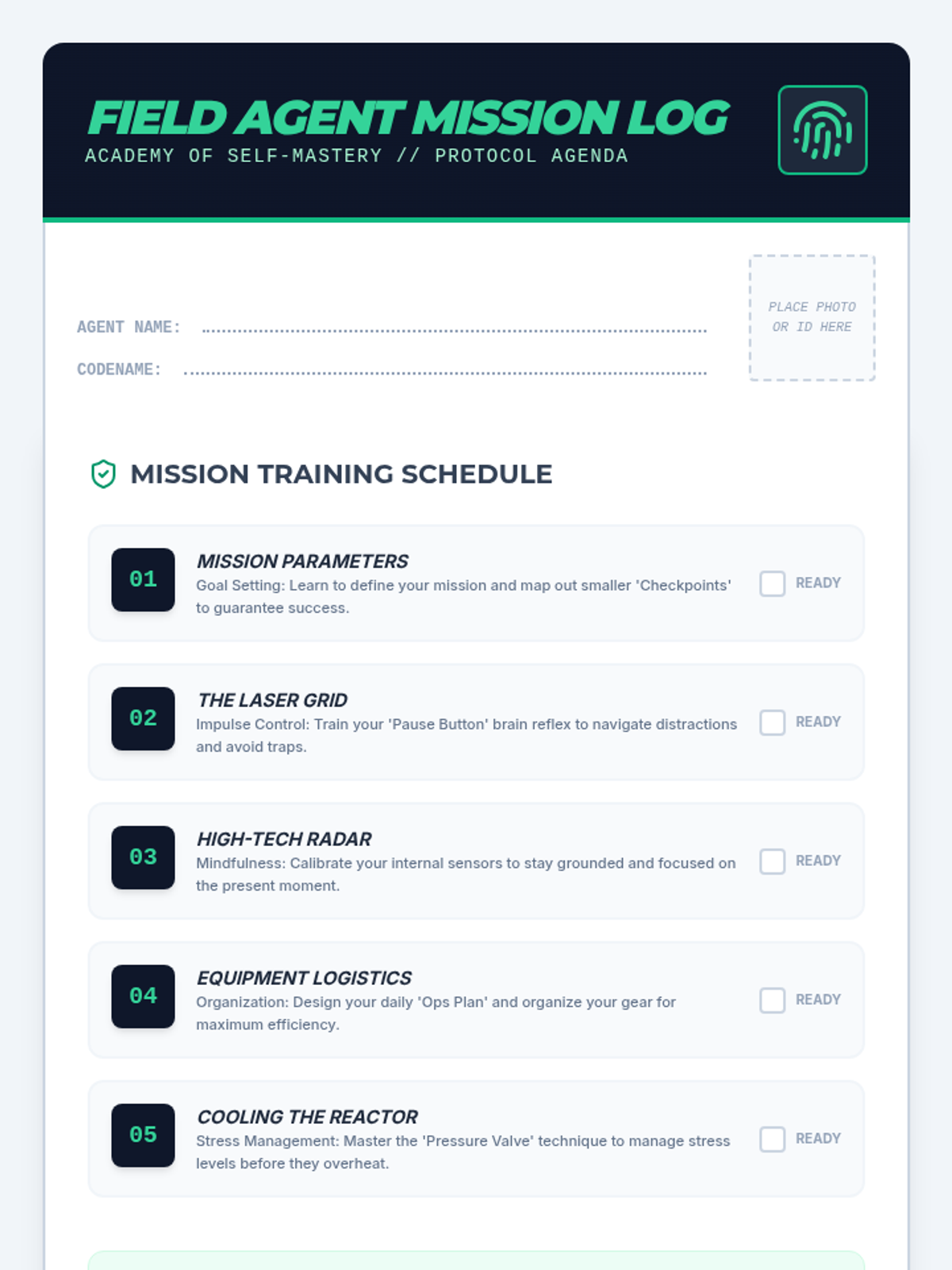
A 5-day SEL unit for primary students focused on Self-Management, themed as 'Secret Agent Training' to teach goal setting, impulse control, mindfulness, organization, and stress management.
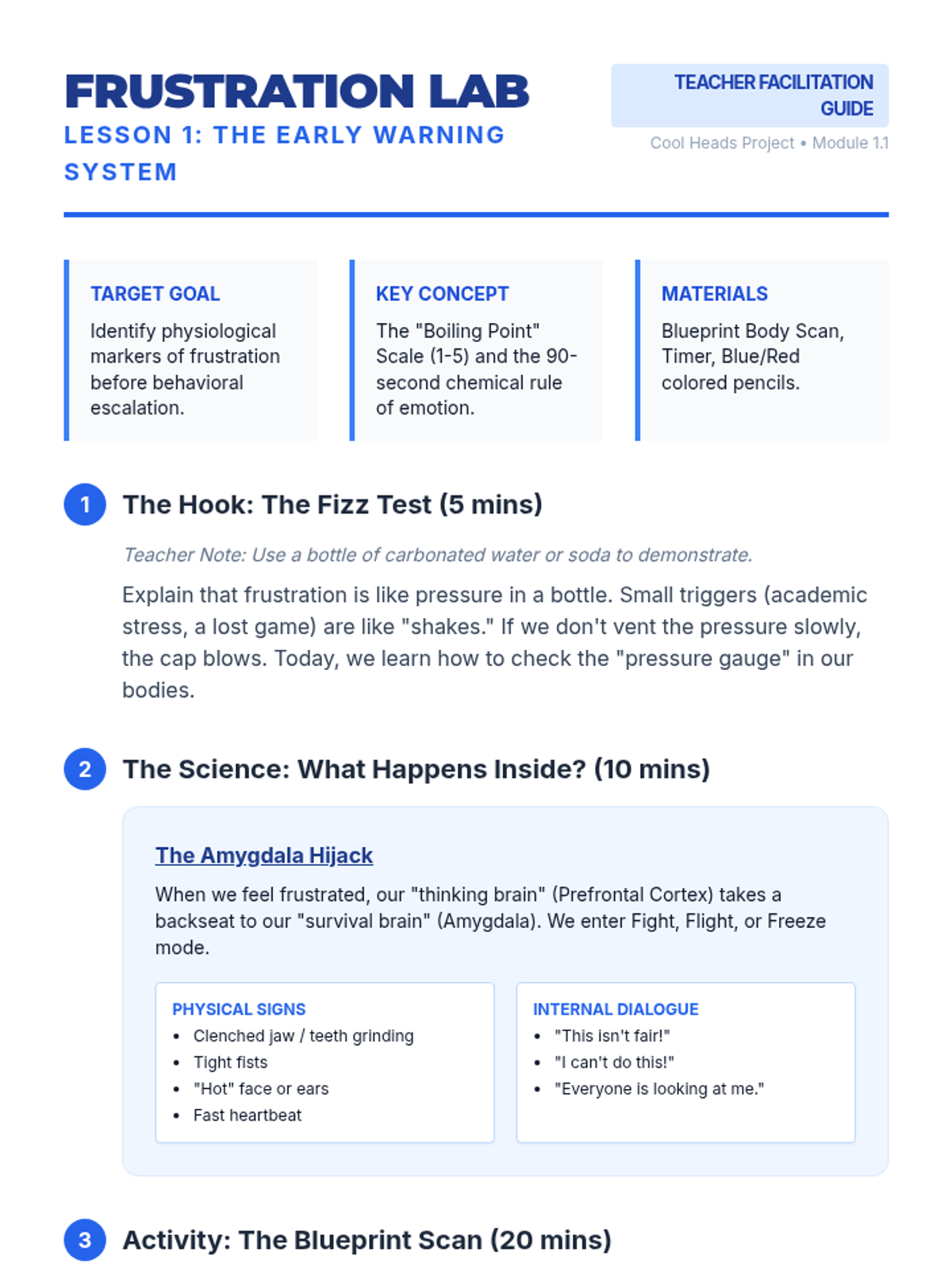
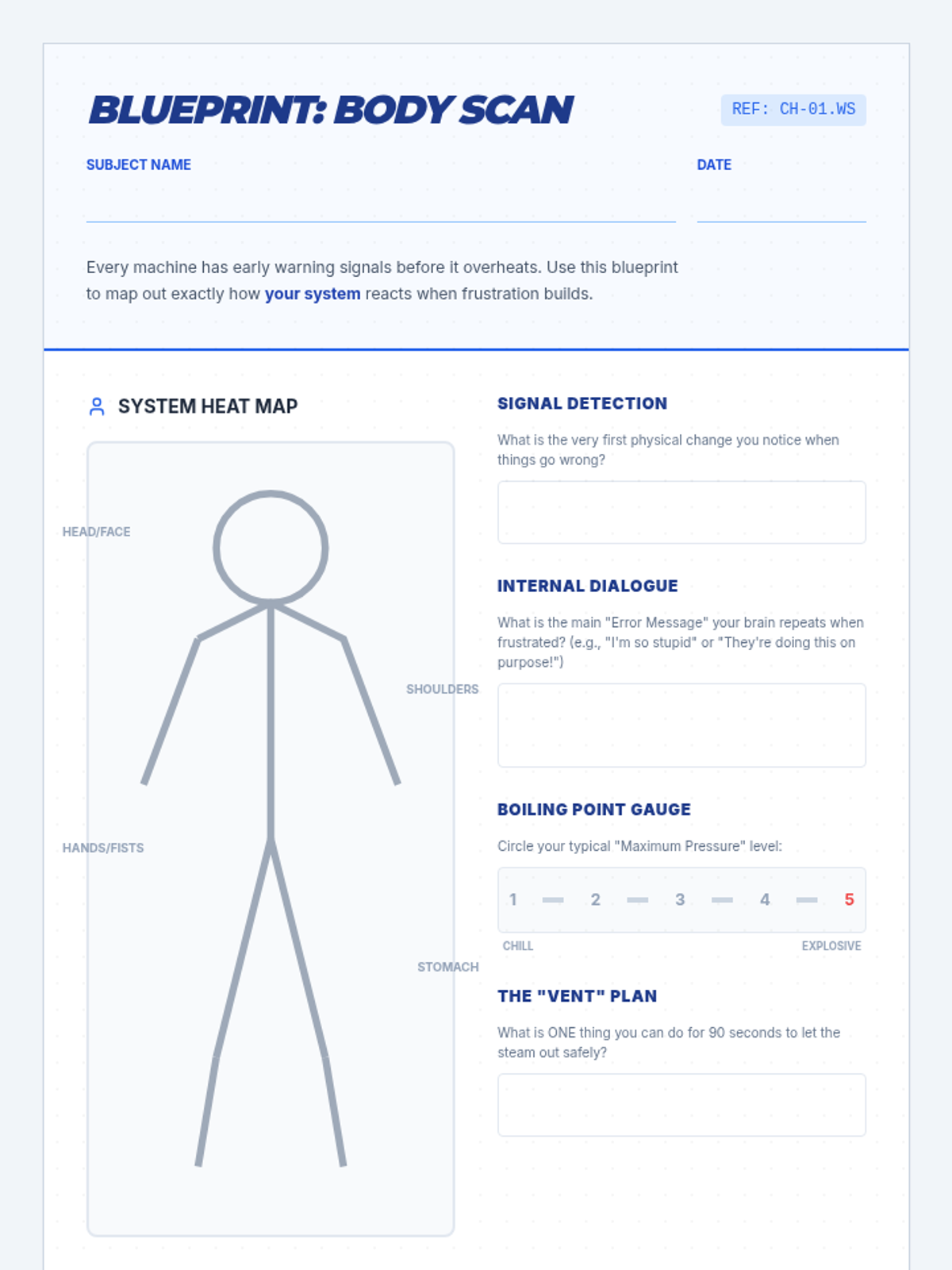
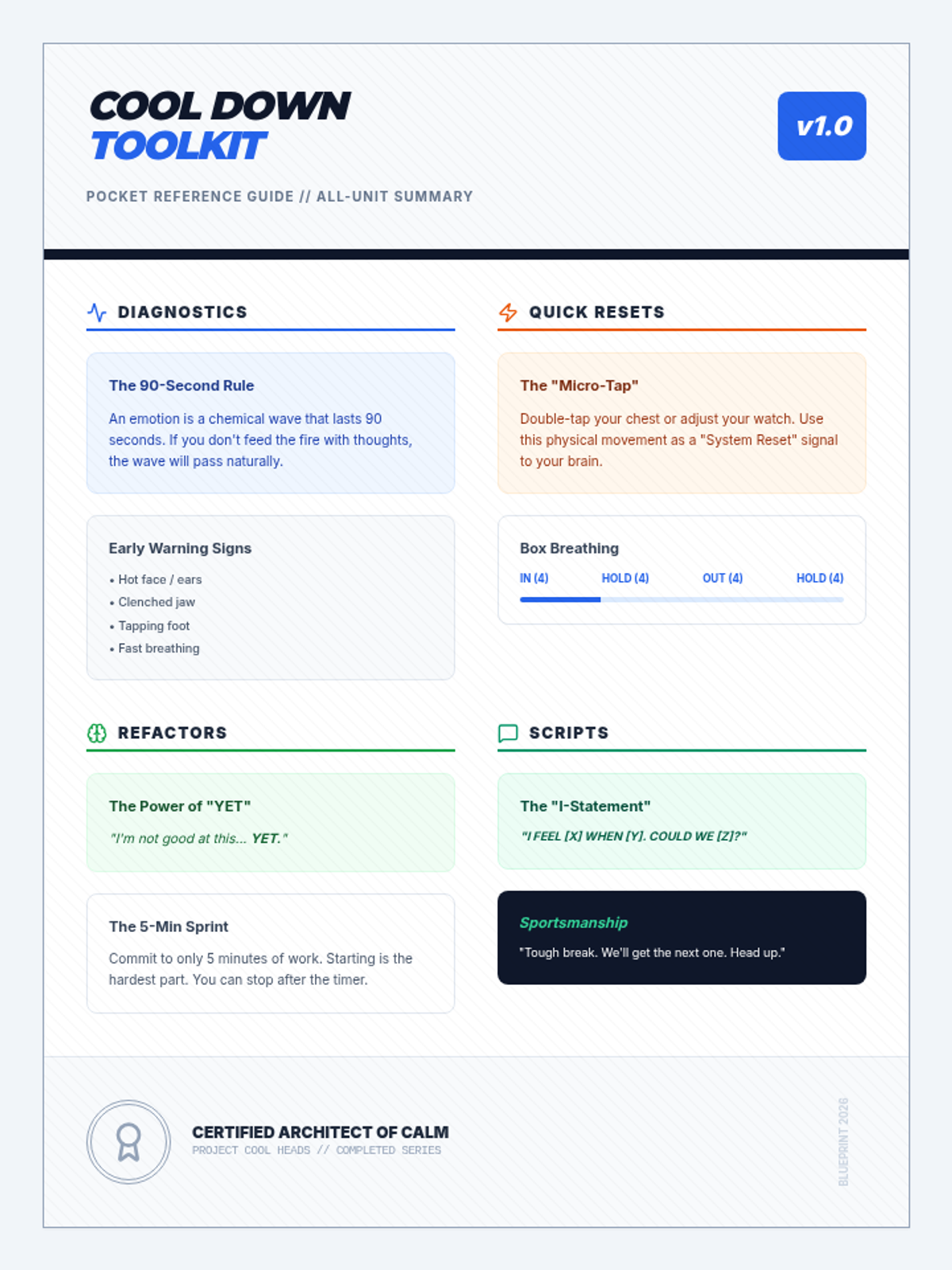
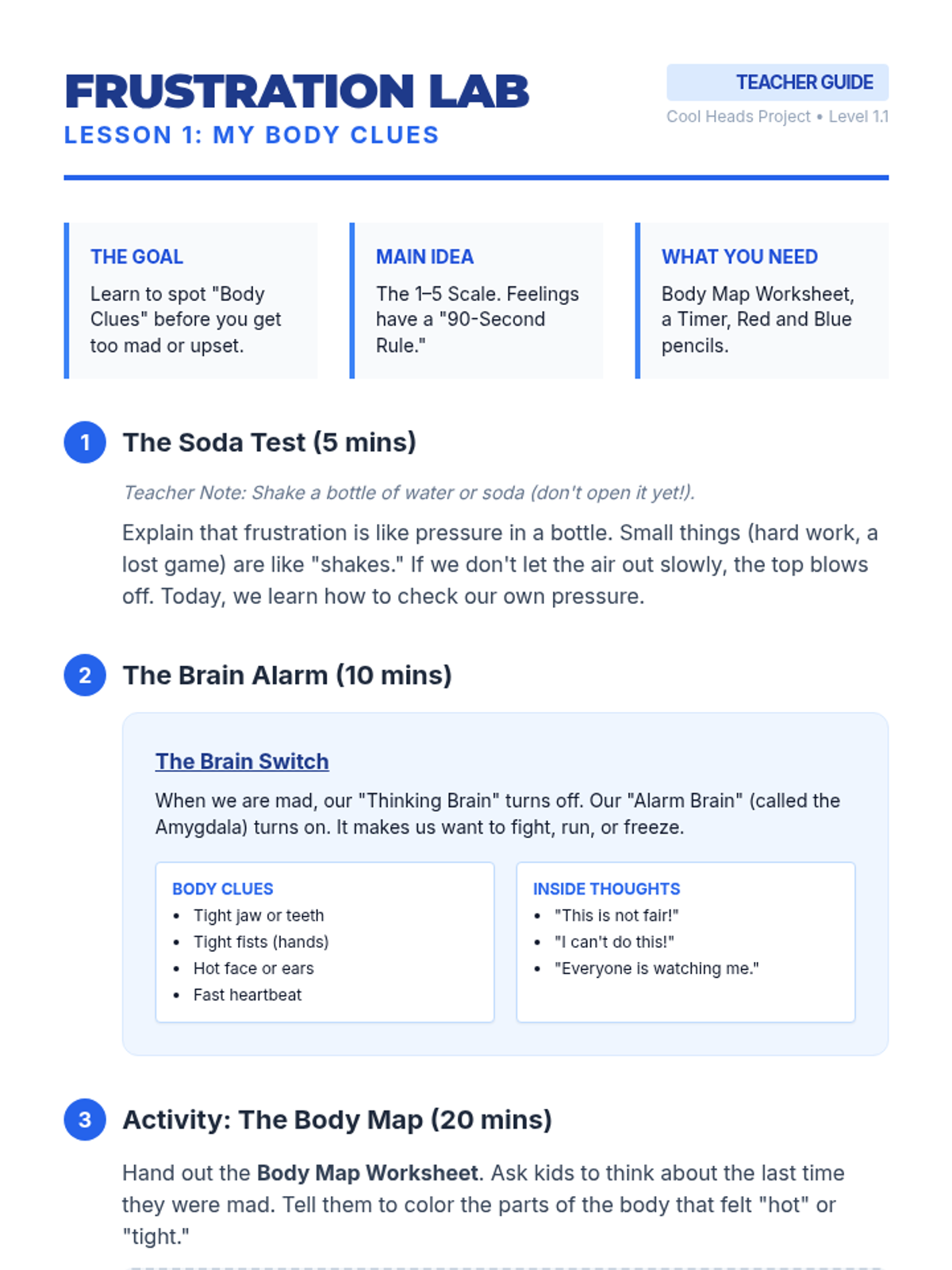
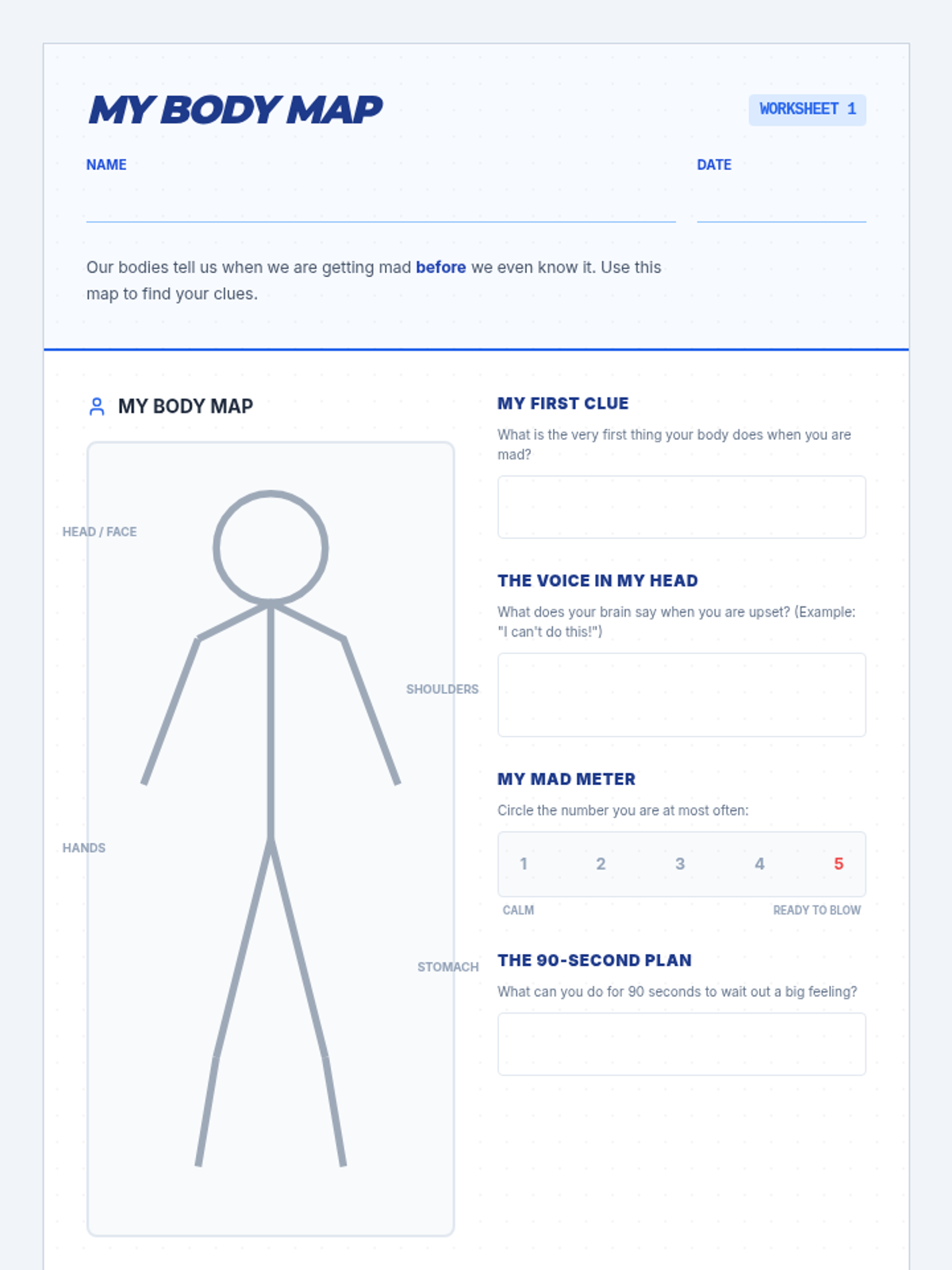
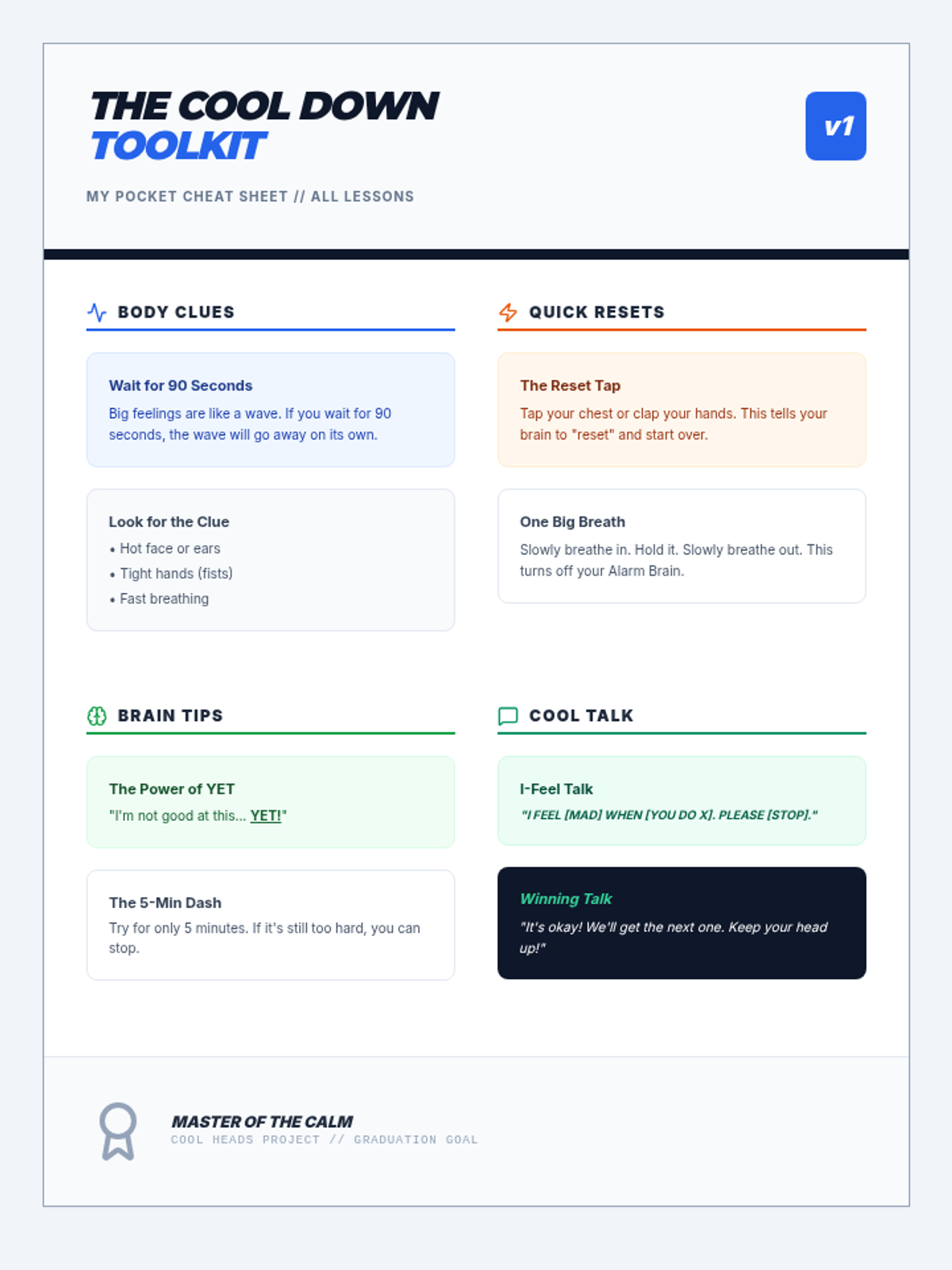
A 4-week small group series for 6th graders focused on identifying frustration triggers and implementing healthy coping strategies for academic, athletic, and home-based stress.
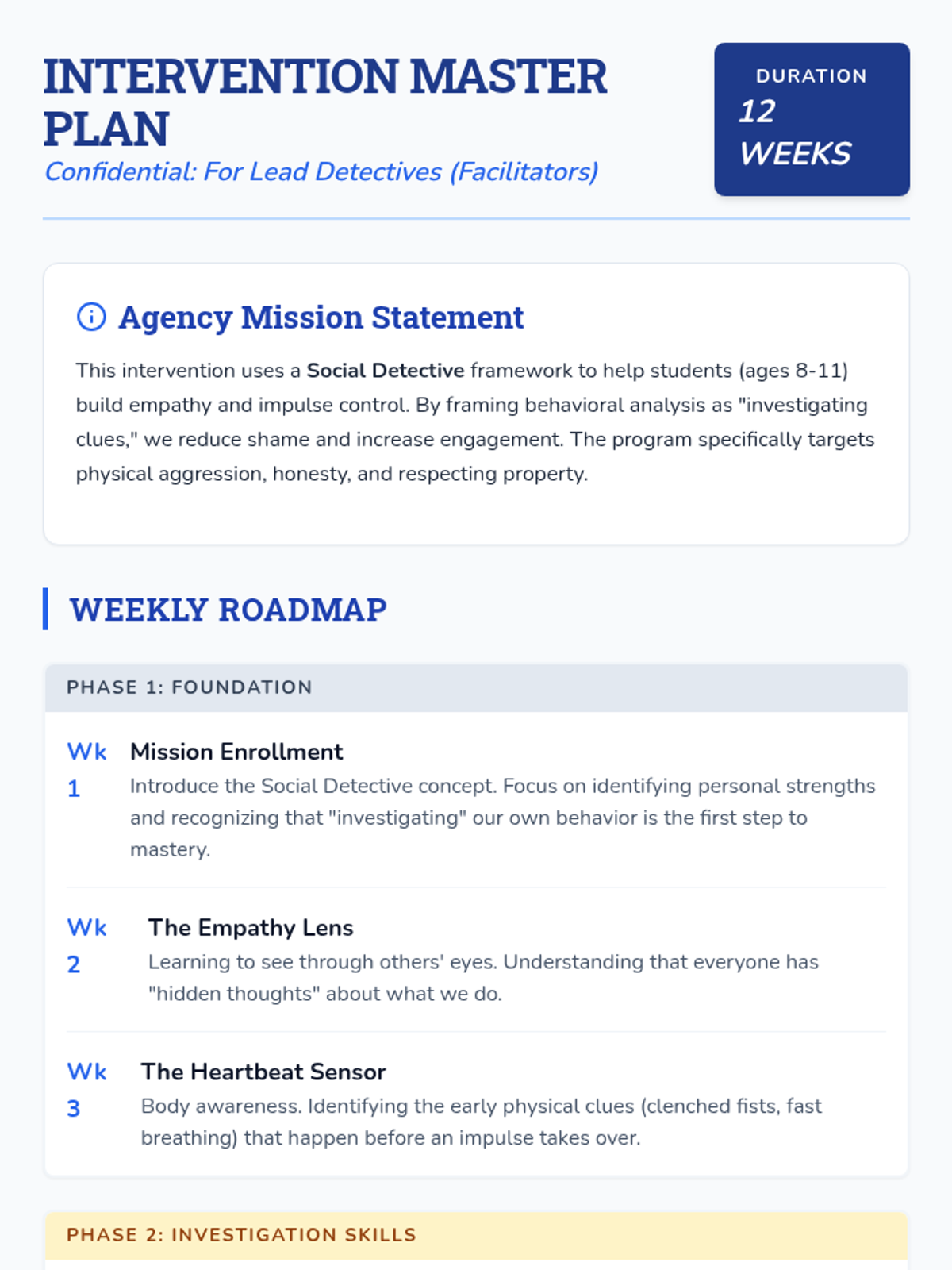
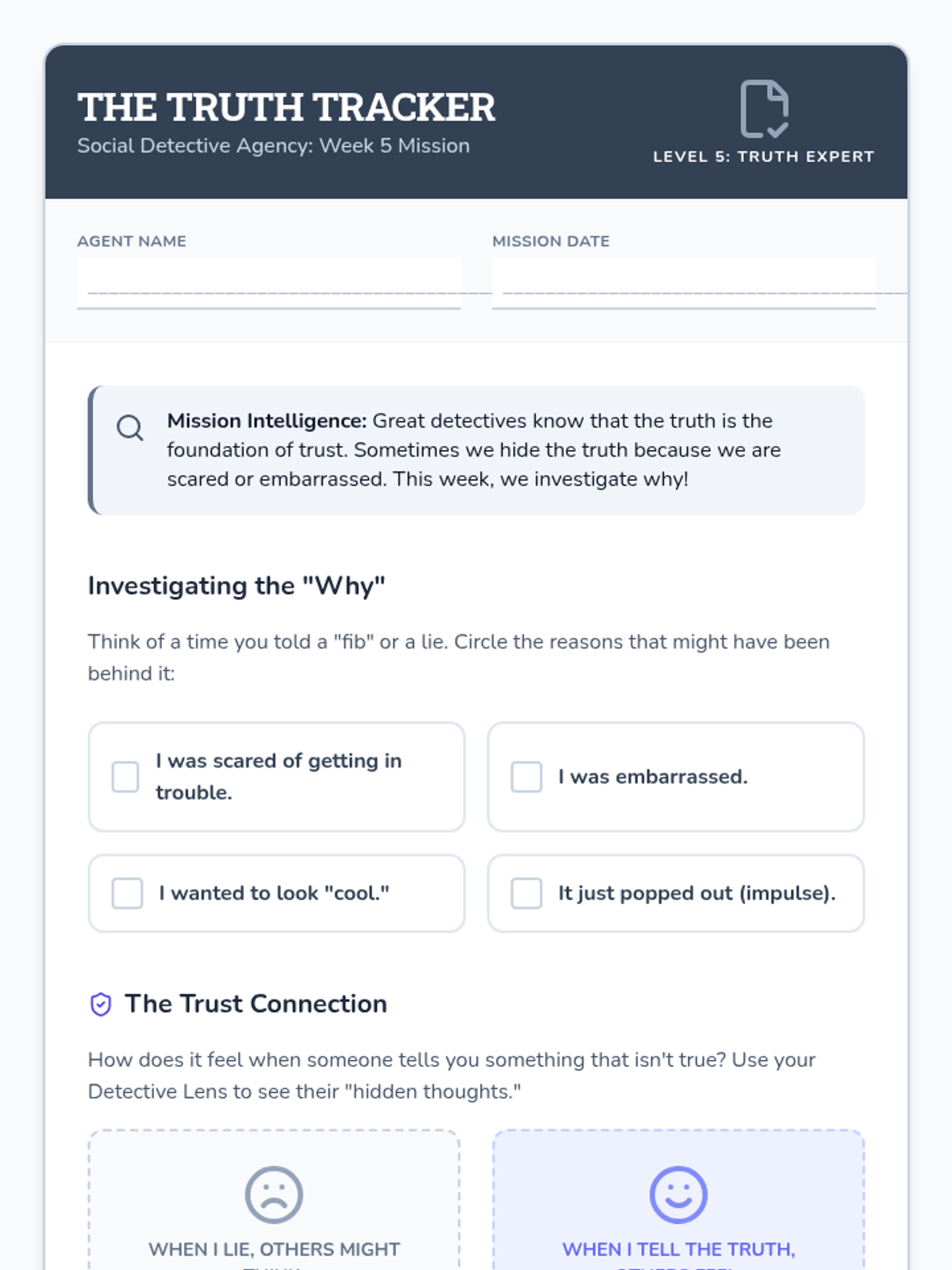
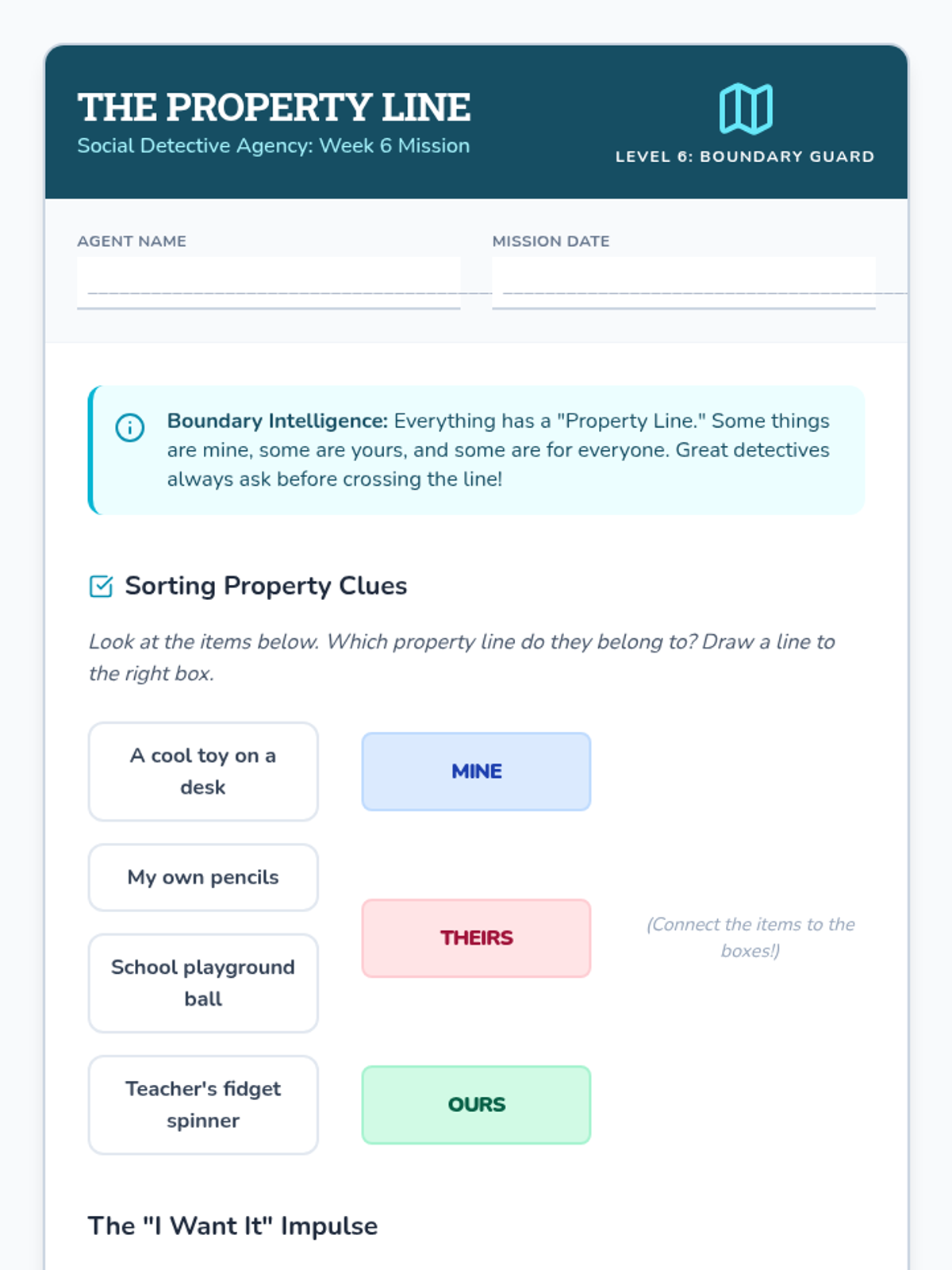
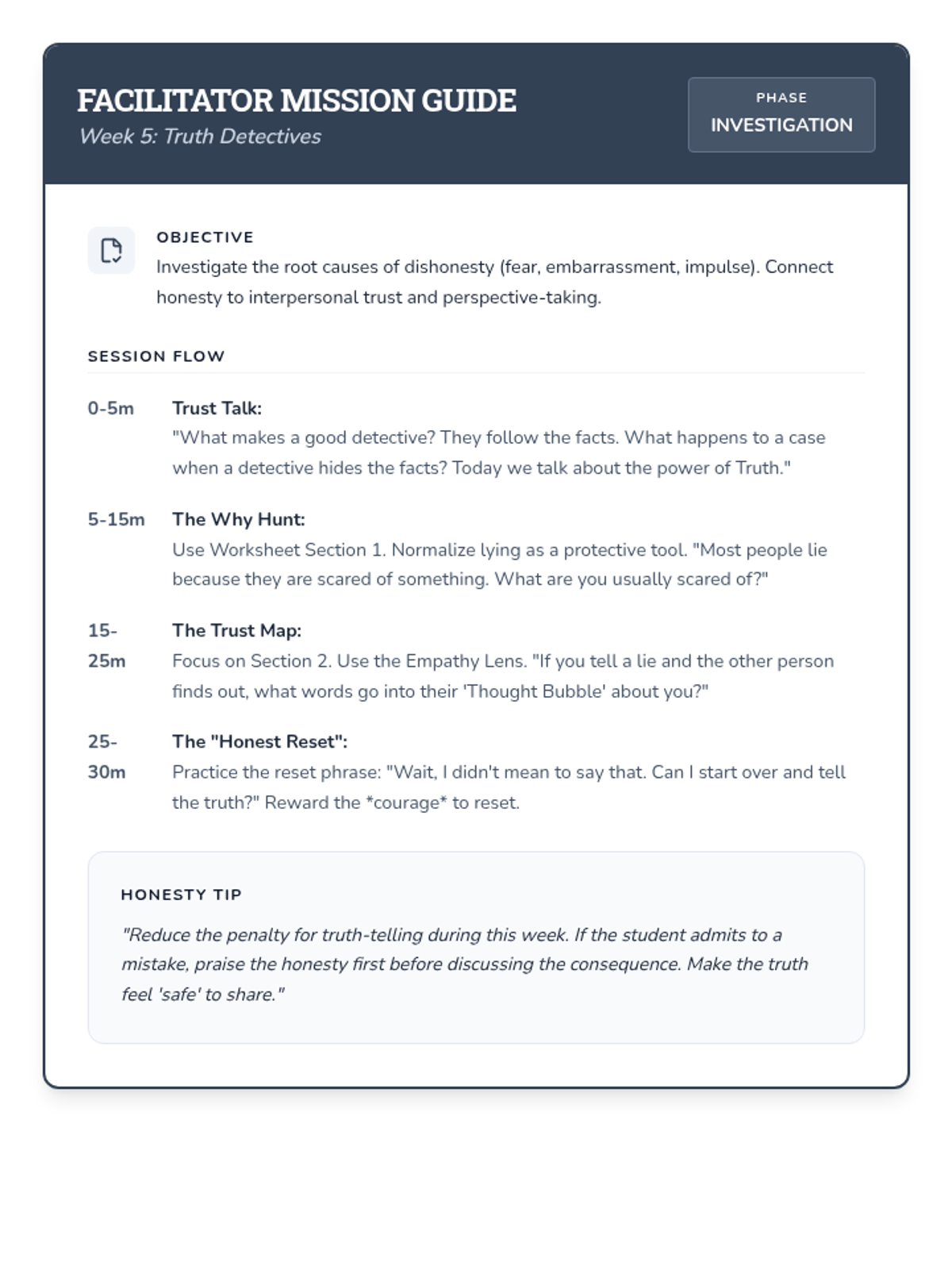
A 12-week comprehensive intervention plan designed for children to improve impulse control and empathy through a "Social Detective" investigative theme.
A comprehensive stress management series for TK-6th grade students, including a specialized 1st/2nd combo lesson. Each lesson focuses on identifying stressors, physical responses, and both proactive and reactive coping strategies through counselor-led presentations and interactive student worksheets.
A comprehensive 4-day small group program focusing on essential social-emotional skills including emotional regulation, active listening, friendship building, and conflict resolution.
A comprehensive small group counseling and character education series designed to build emotional intelligence, social skills, and conflict resolution through a 'Hero Training' lens.
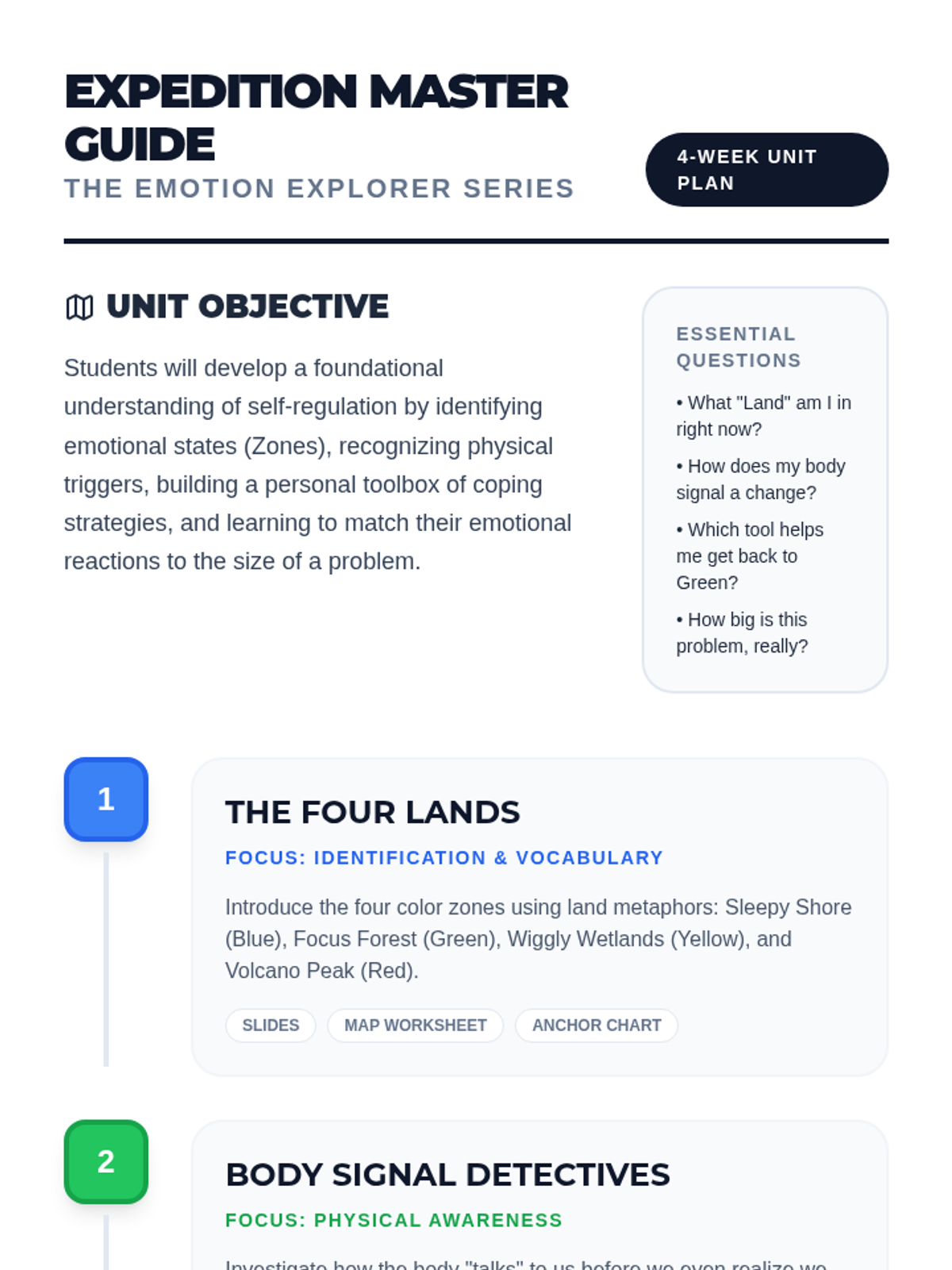
A comprehensive four-lesson series designed to help students identify their emotions, recognize physical triggers, build a coping toolbox, and align their reactions with the size of their problems.
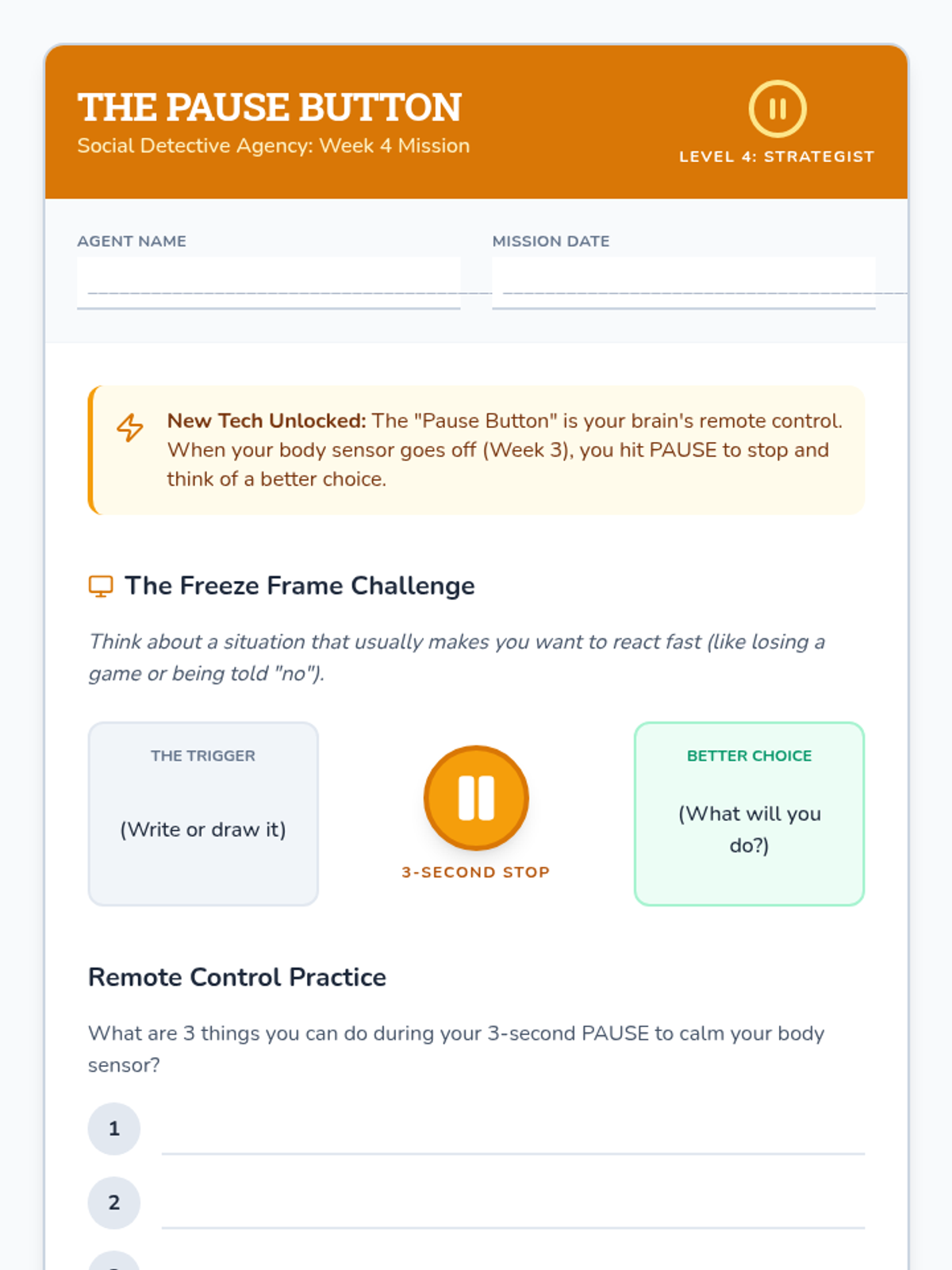
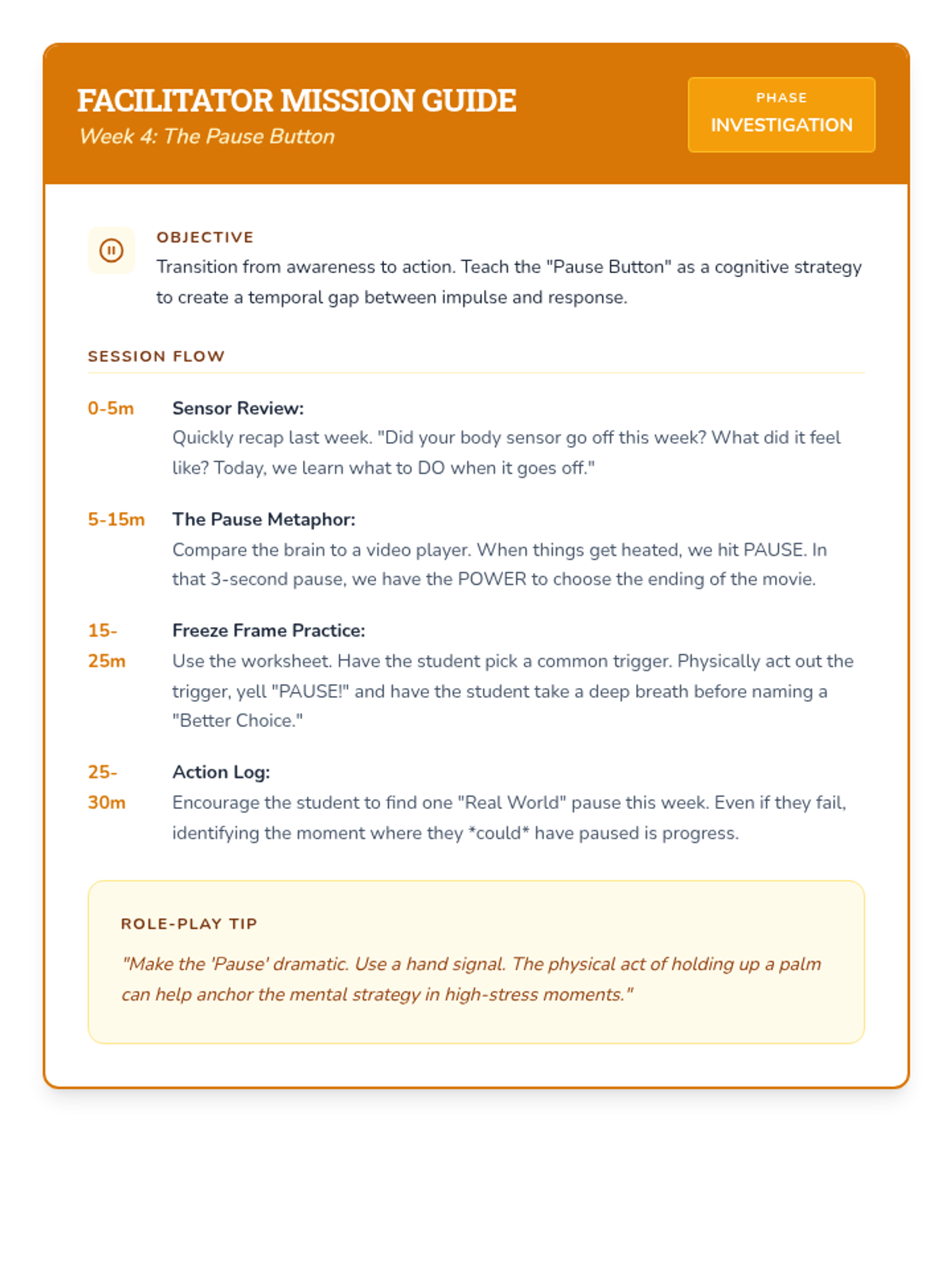
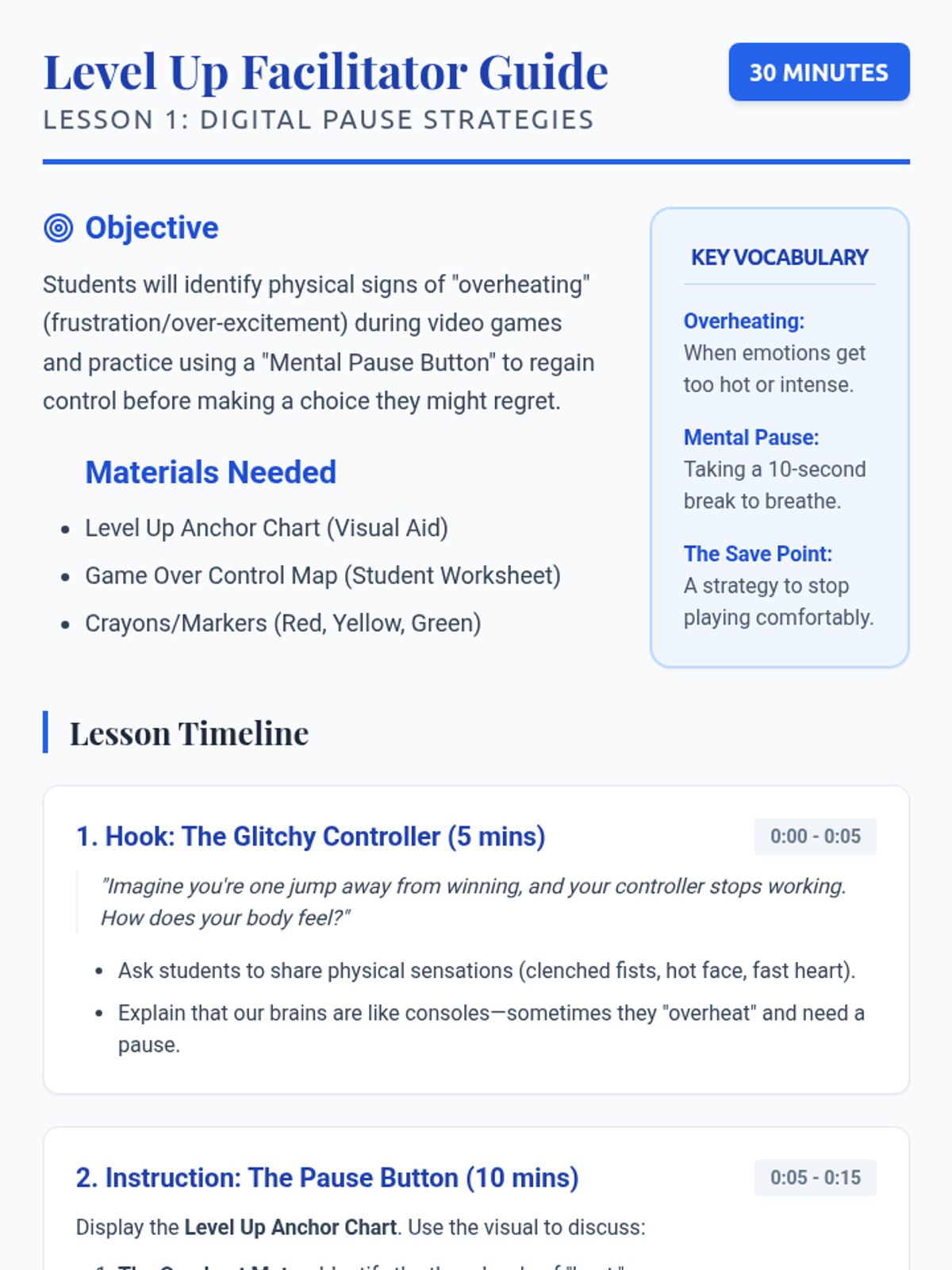
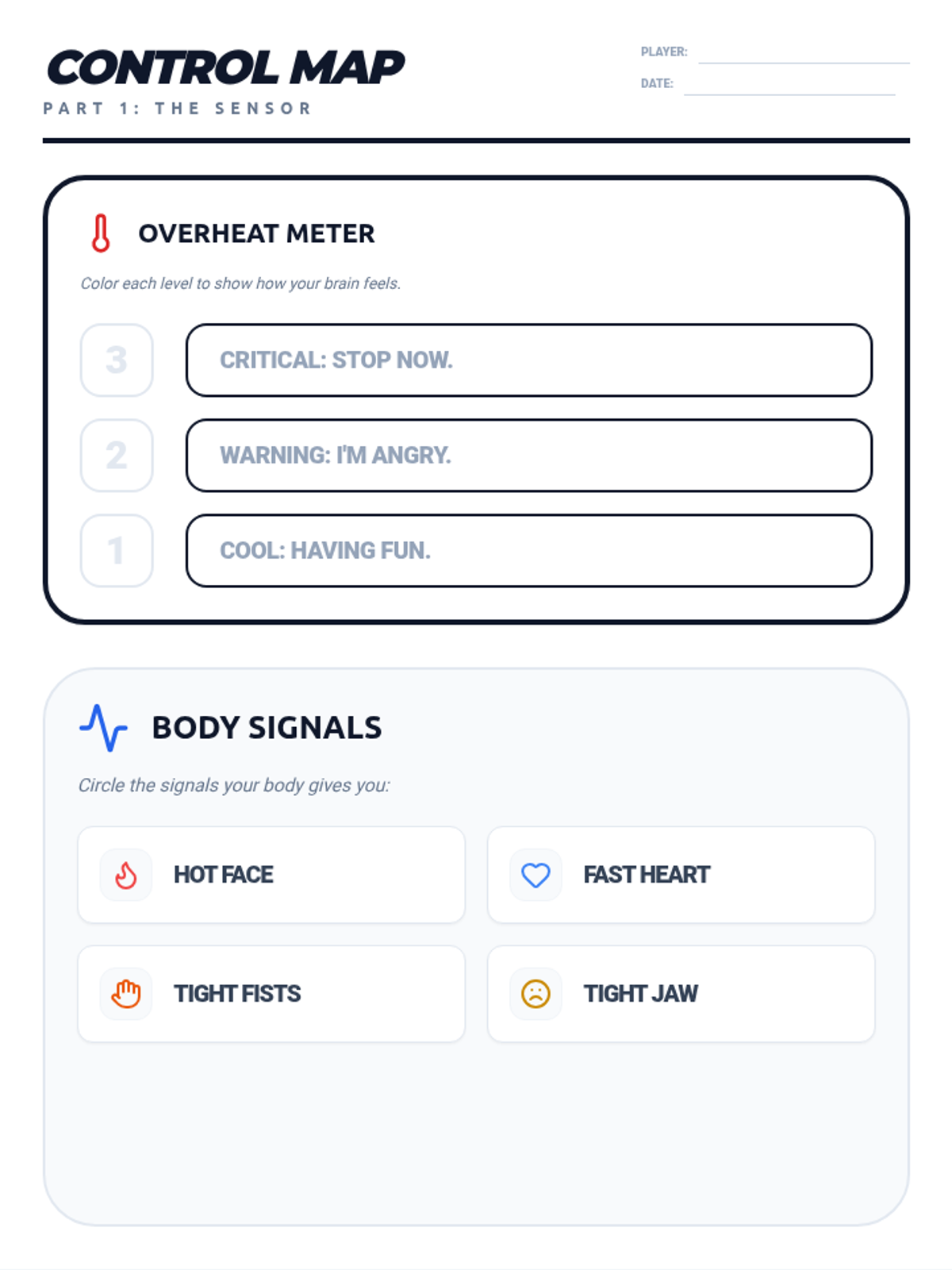
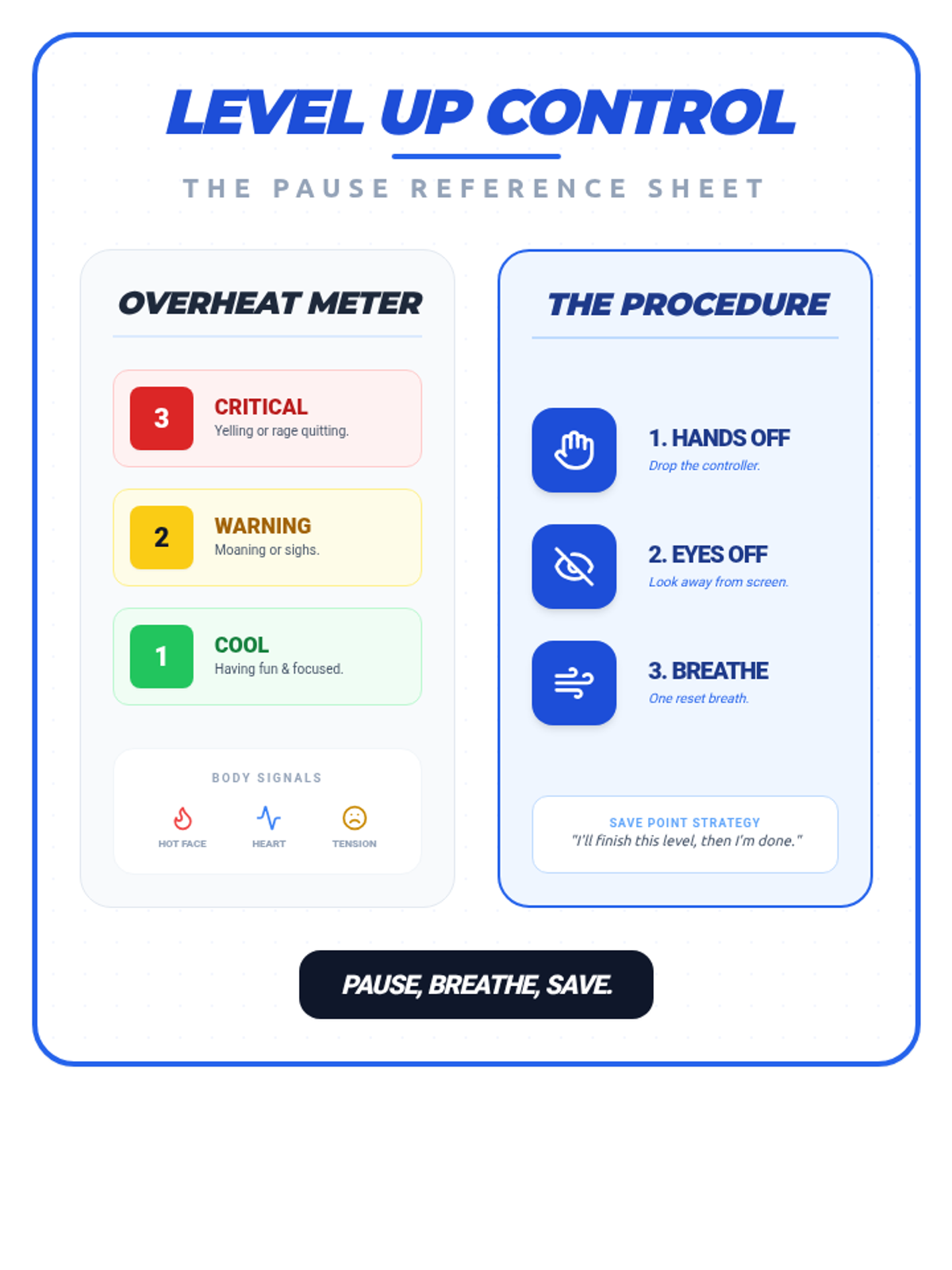
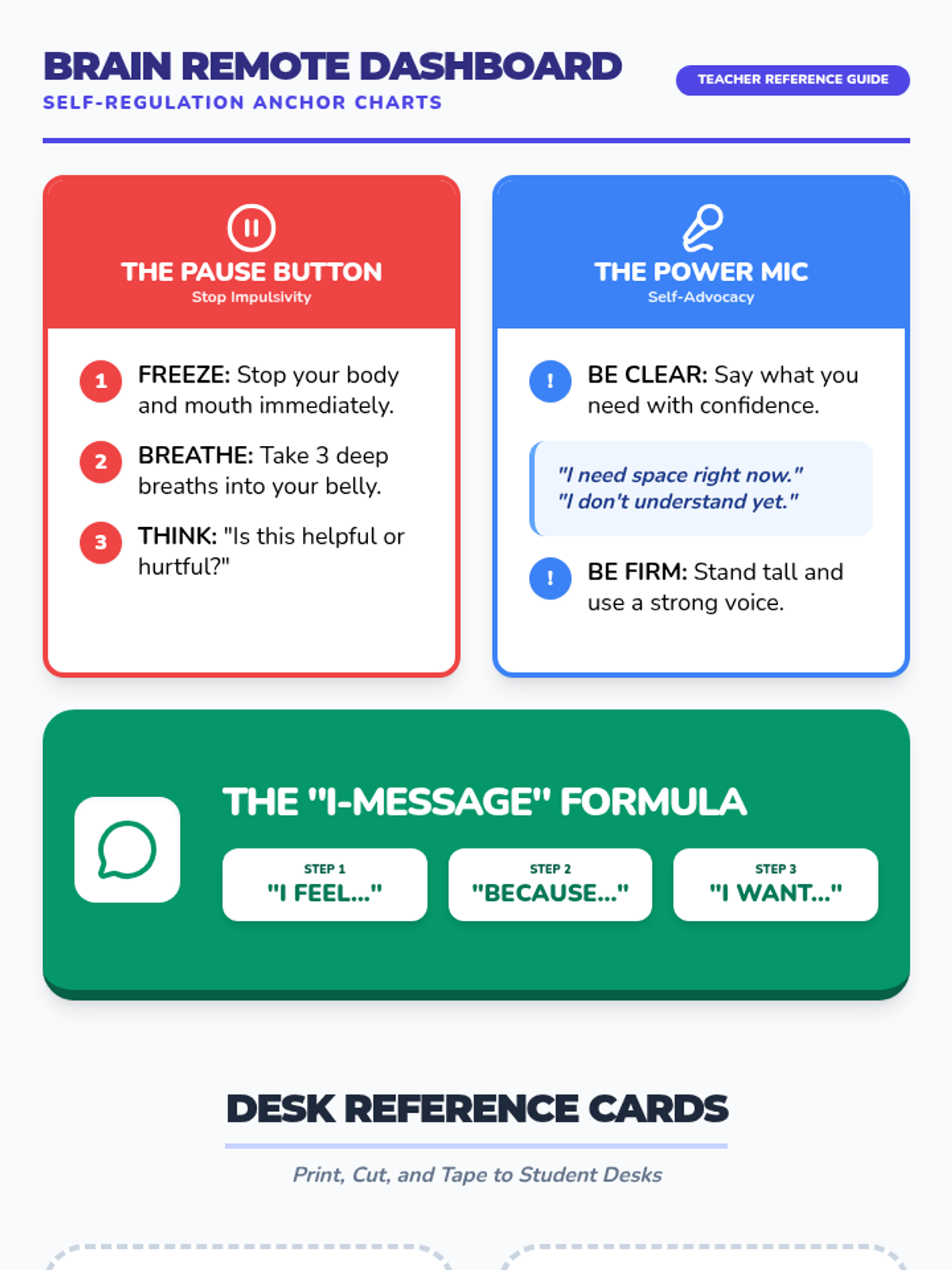
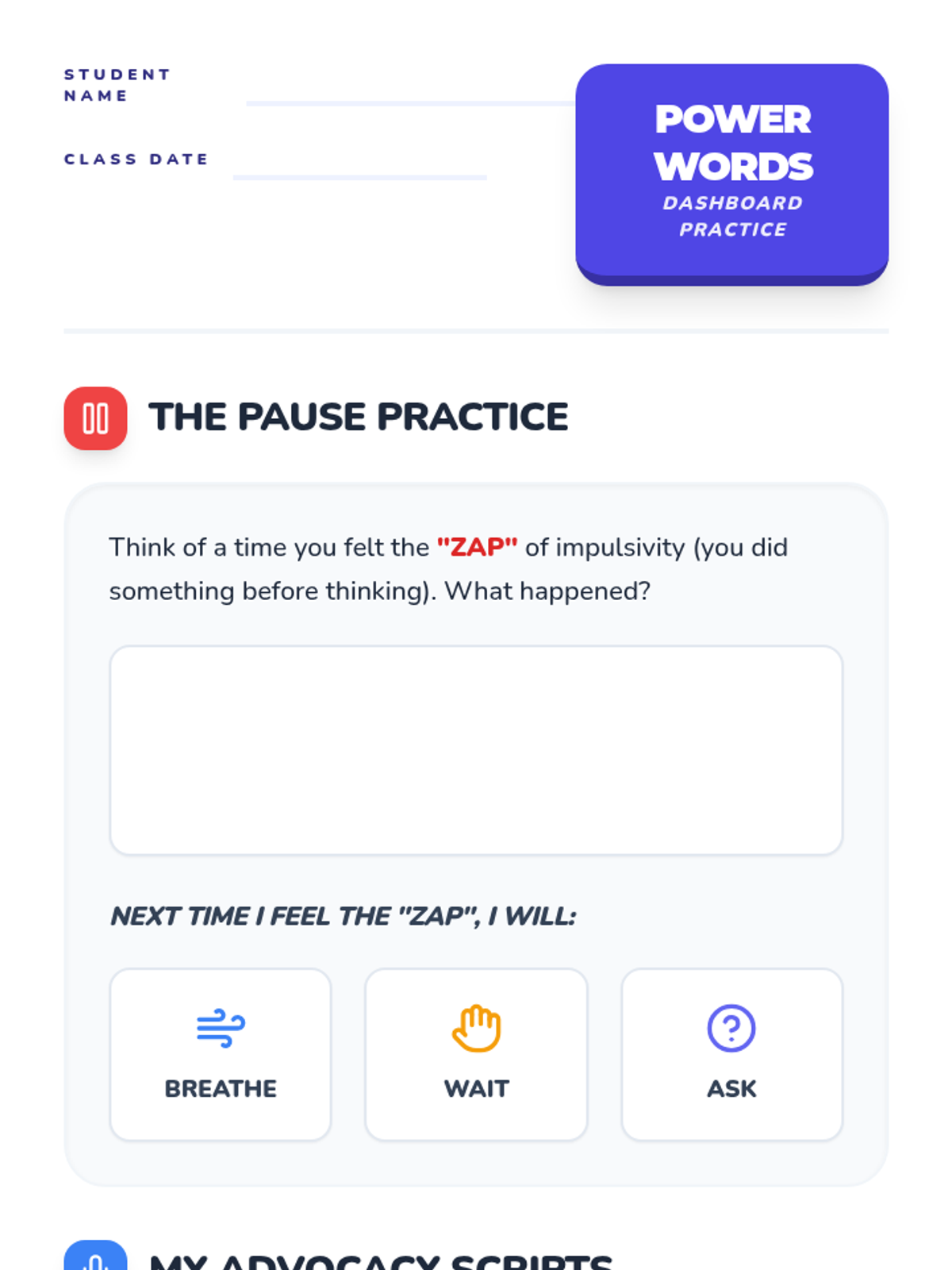
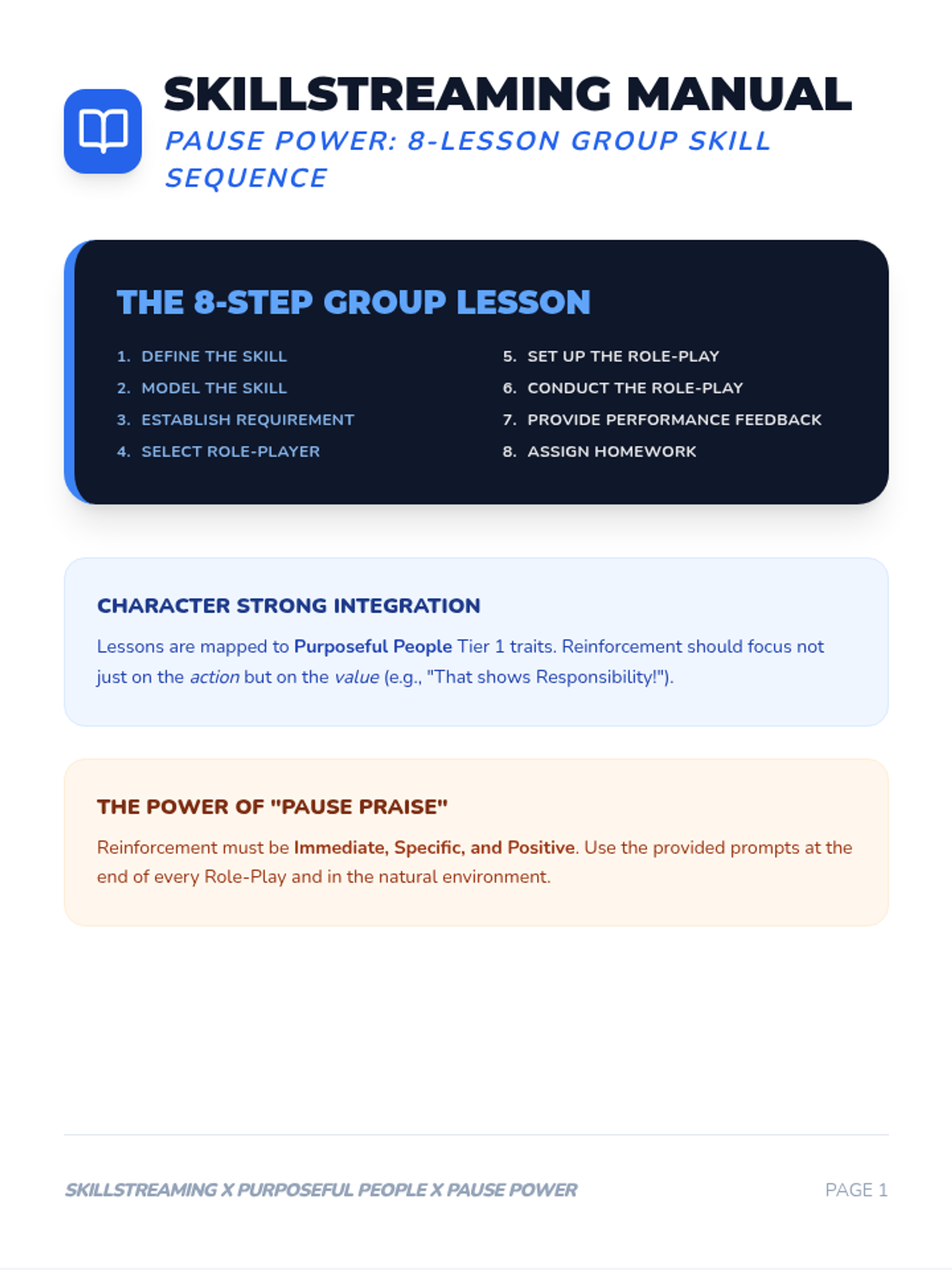
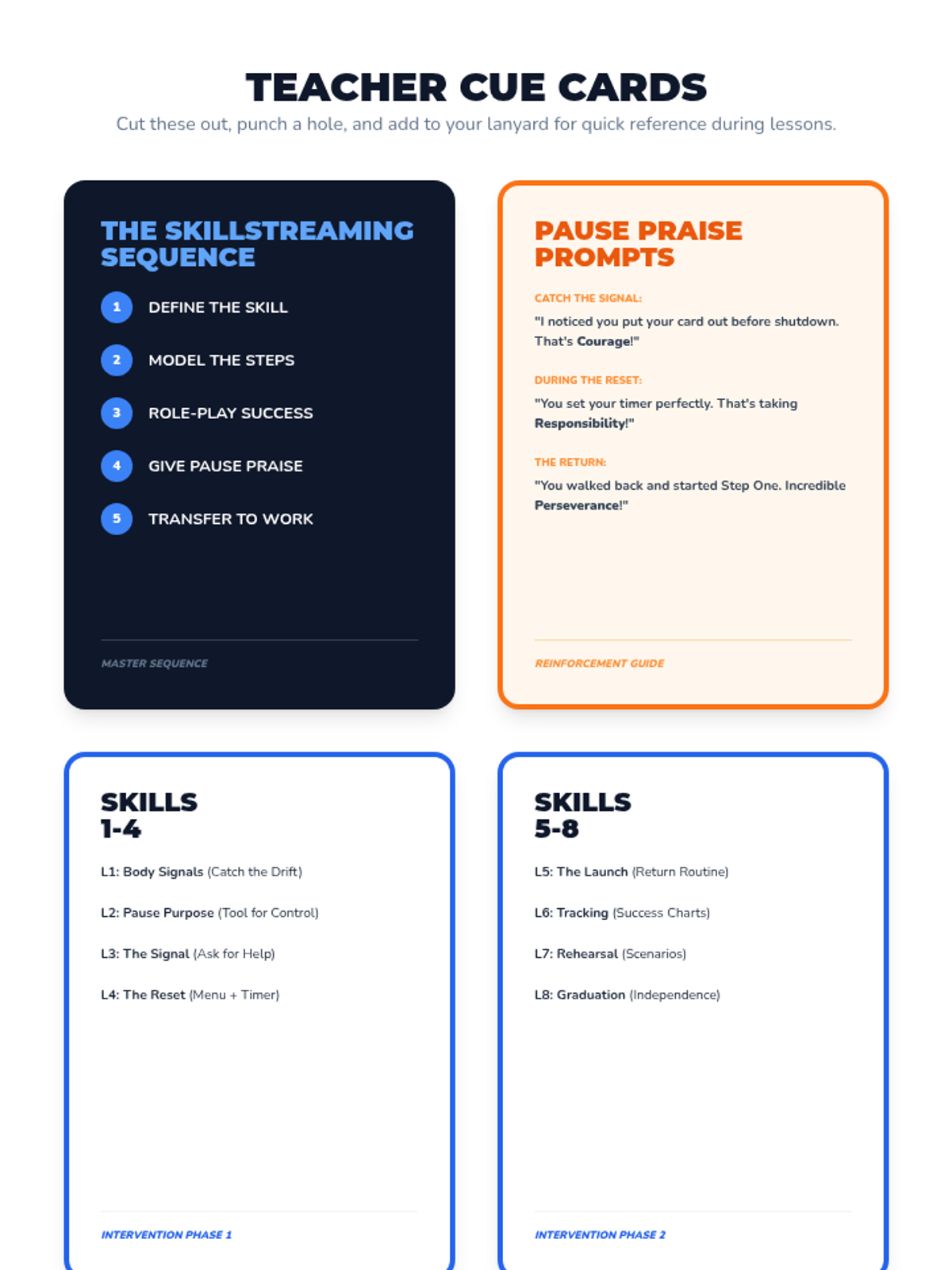
A series of 30-minute lessons focused on self-regulation techniques using the 'Pause' button analogy, themed around video games and building sets to help students manage big emotions and transitions.
A collection of different thematic approaches to teaching test-taking strategies and anxiety management, allowing teachers to choose the style that best fits their classroom dynamic.
A comprehensive DBT skills training sequence for elementary schools, split into K-2 and 3-5 curricula. This program covers Mindfulness, Distress Tolerance, Emotion Regulation, and Interpersonal Effectiveness using age-appropriate activities and narratives.
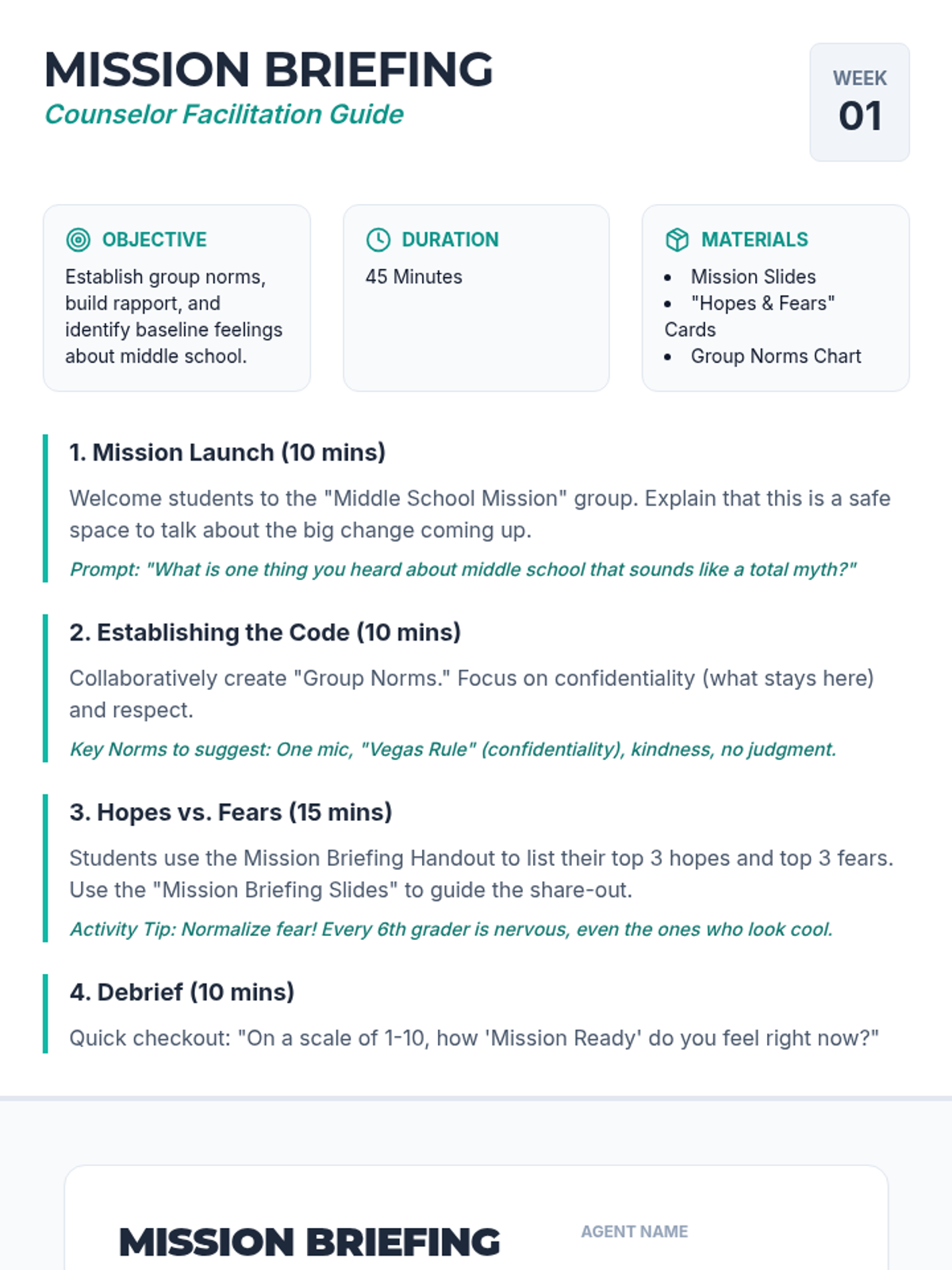
A 6-week small group counseling curriculum designed to help 6th graders transition smoothly to middle school, covering logistics, organization, social dynamics, and stress management.
A social-emotional learning series focused on self-regulation, communication, and standing up for oneself in the classroom environment.
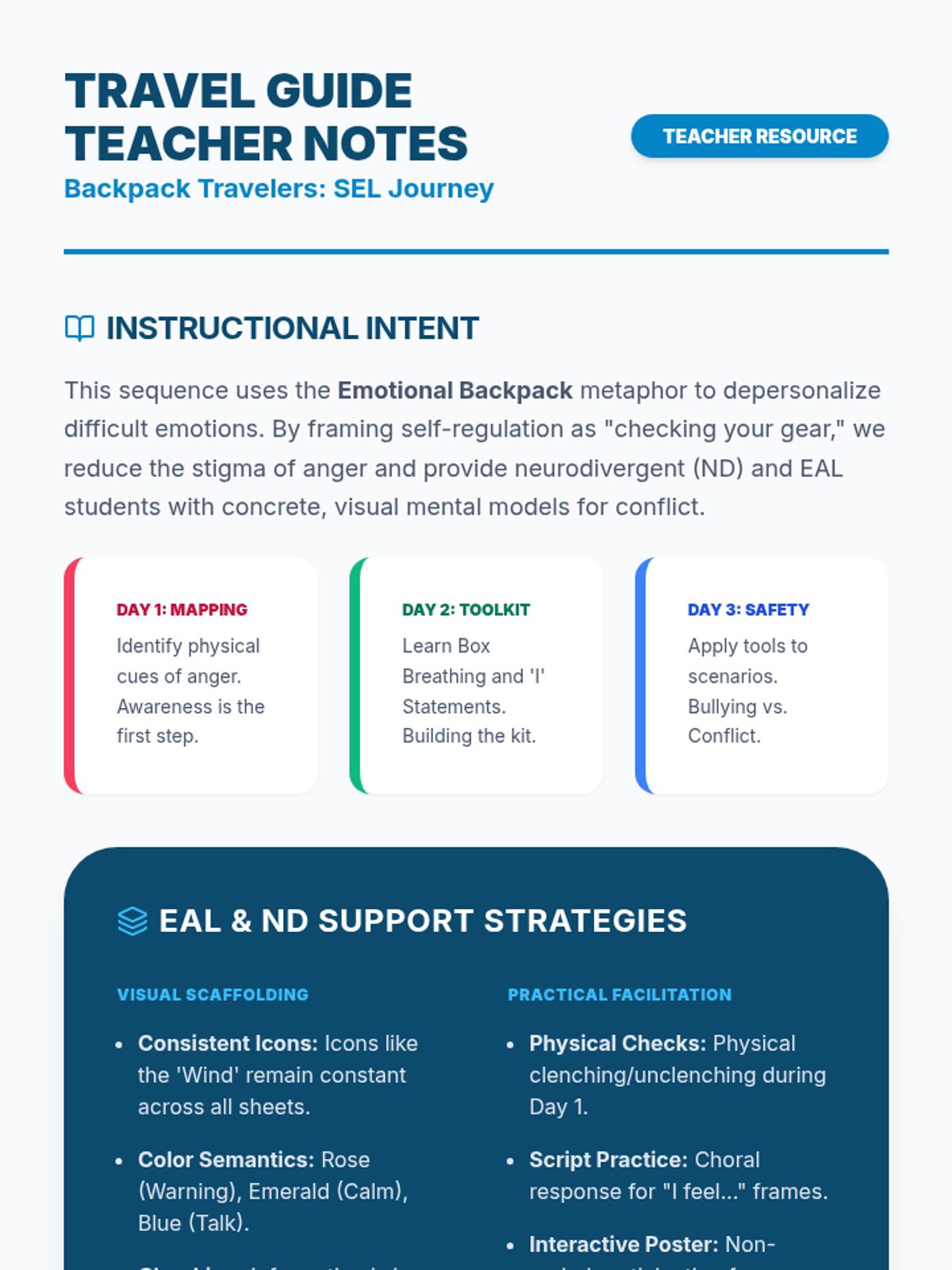
A multi-day social-emotional learning sequence that teaches students how to identify, manage, and communicate difficult emotions like anger and conflict using the metaphor of an 'Emotional Backpack'. Designed with high-visual support for EAL and neurodivergent learners.
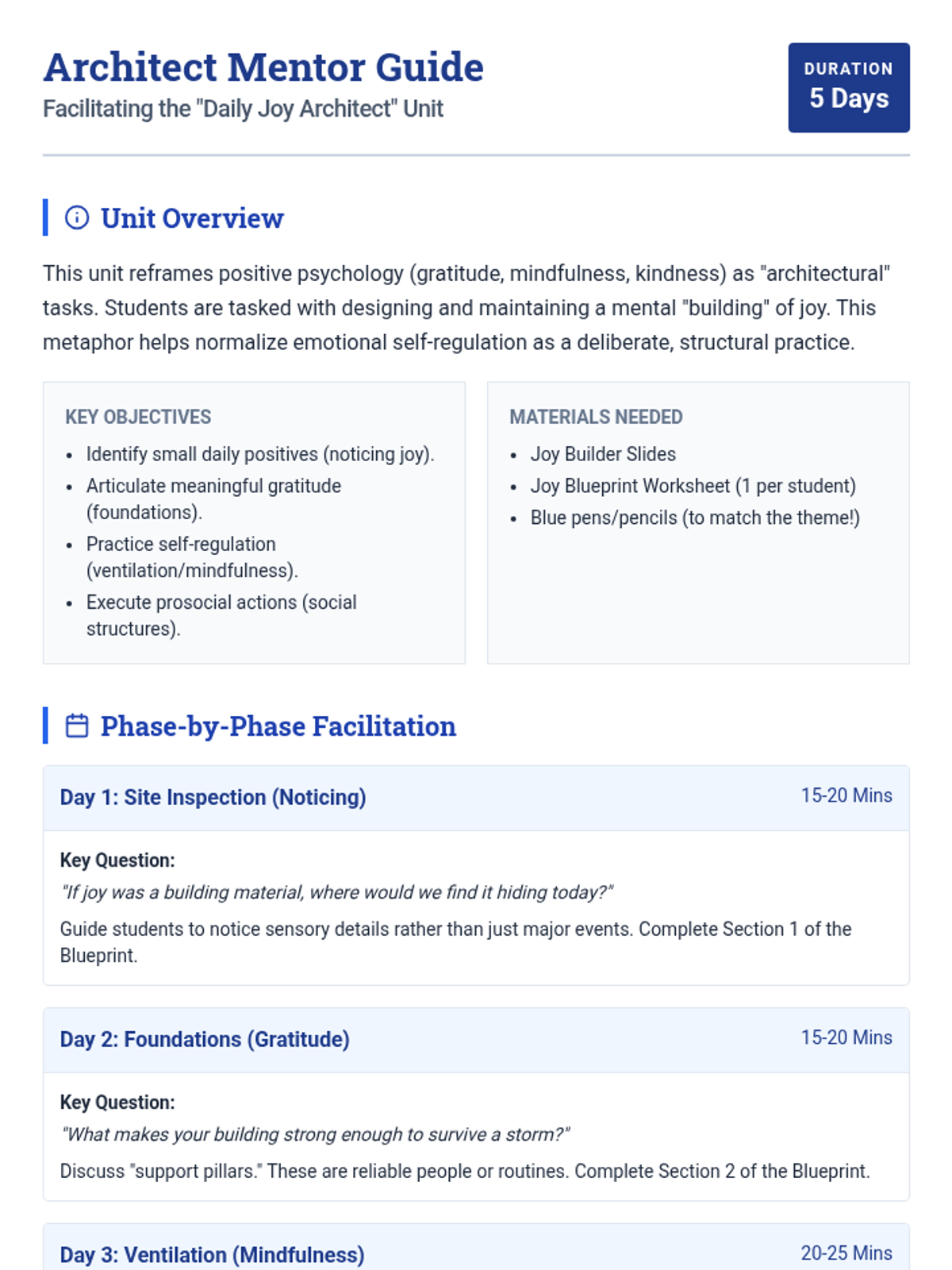
A 5-part journey into building positive mental habits, focusing on gratitude, mindfulness, and kindness through an architectural lens. Students act as 'Joy Architects' to design their own daily well-being routines.
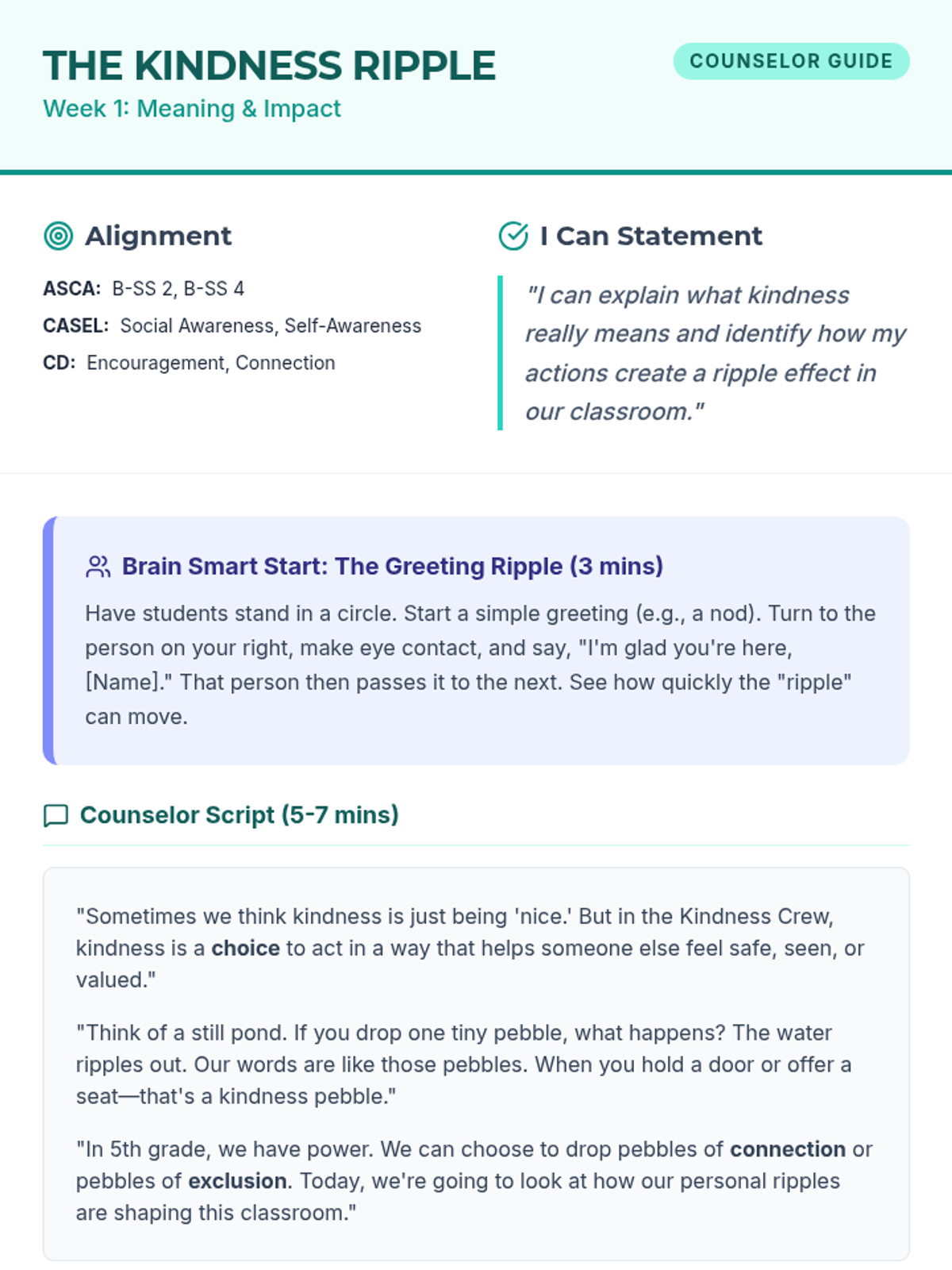
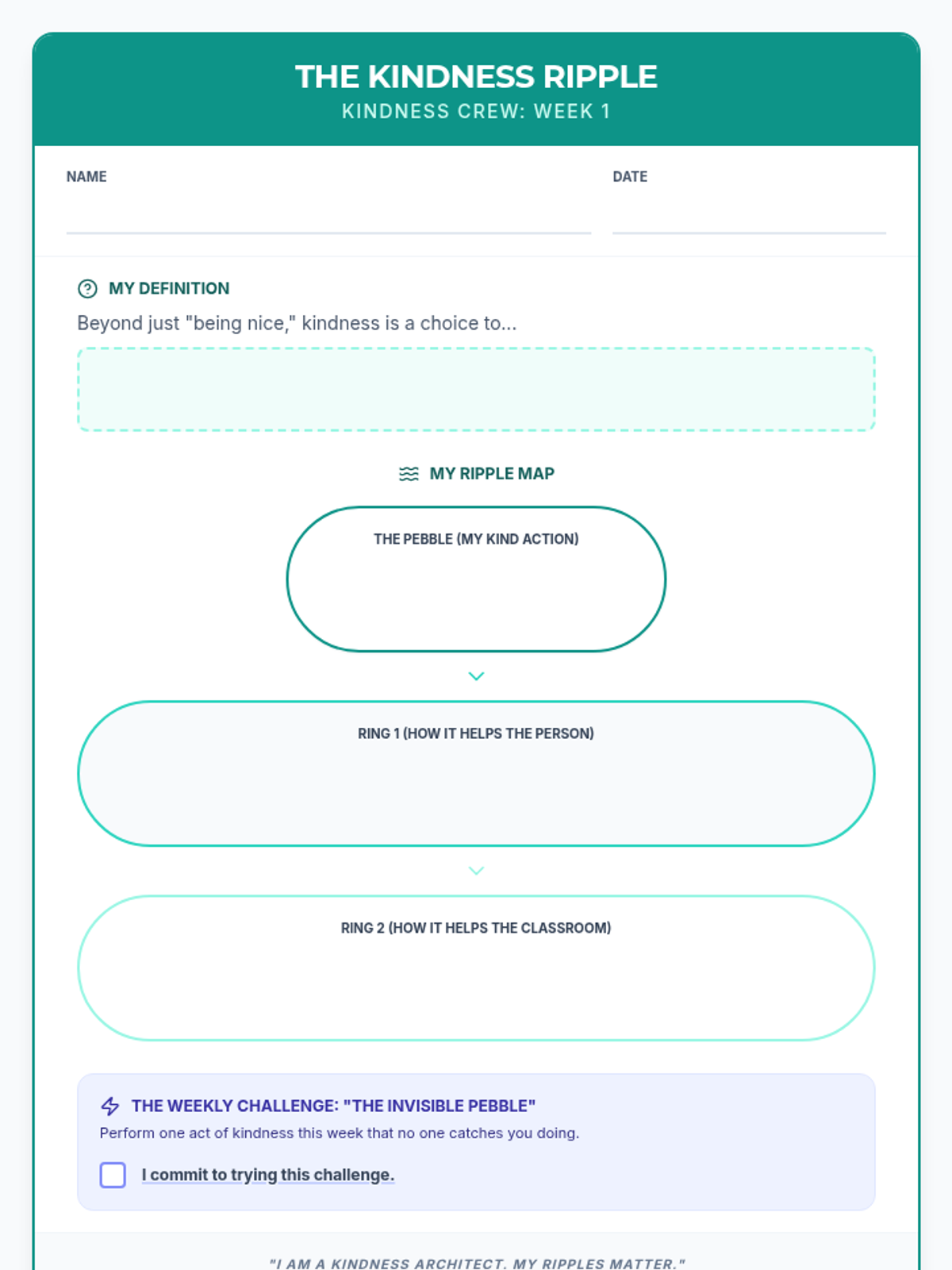
A 6-week Social-Emotional Learning series for fifth graders focused on building empathy, kindness, and assertive communication skills. Rooted in ASCA standards and Conscious Discipline principles, the sequence guides students from understanding self-awareness to creating a classroom culture of inclusion.
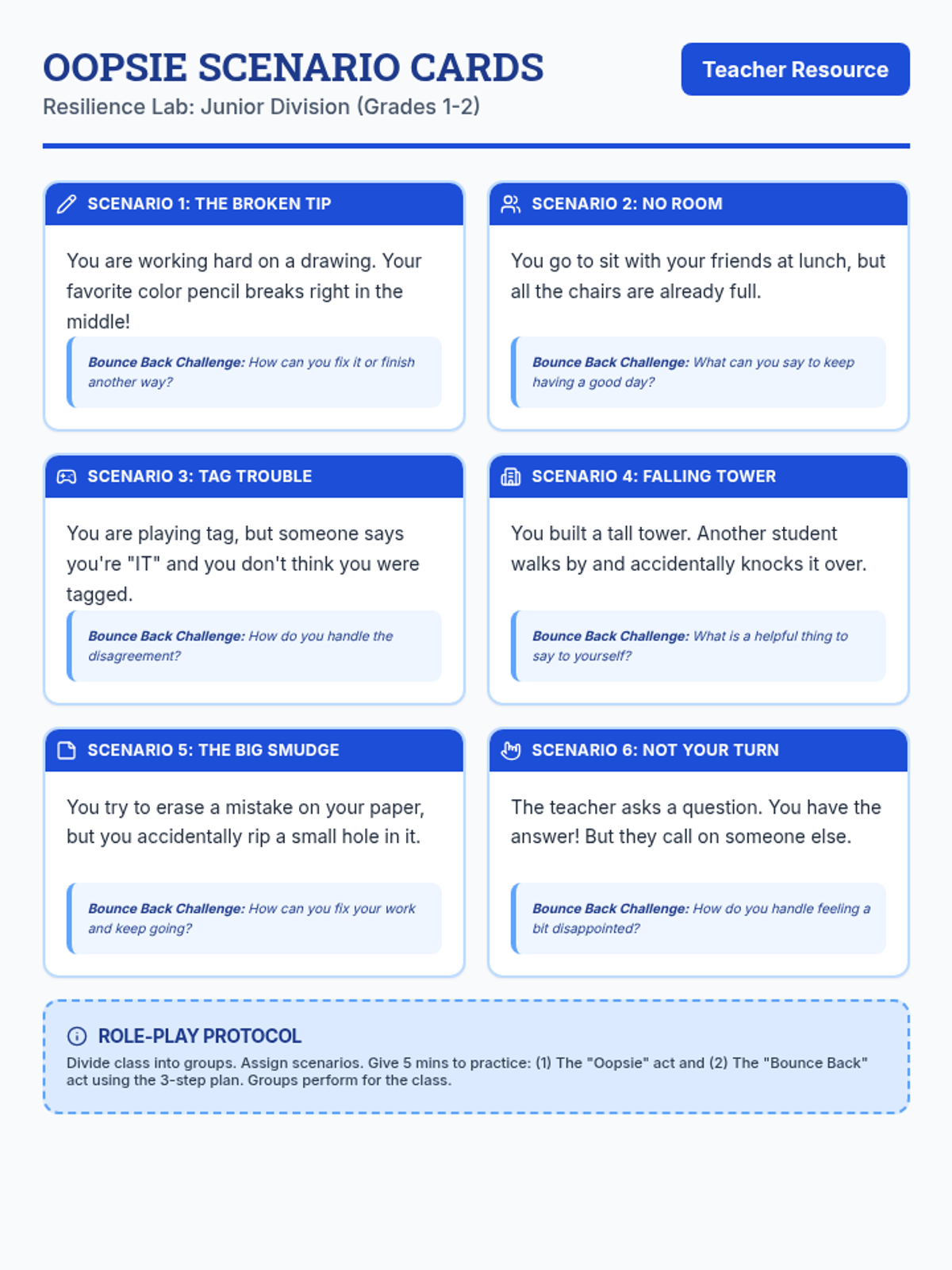
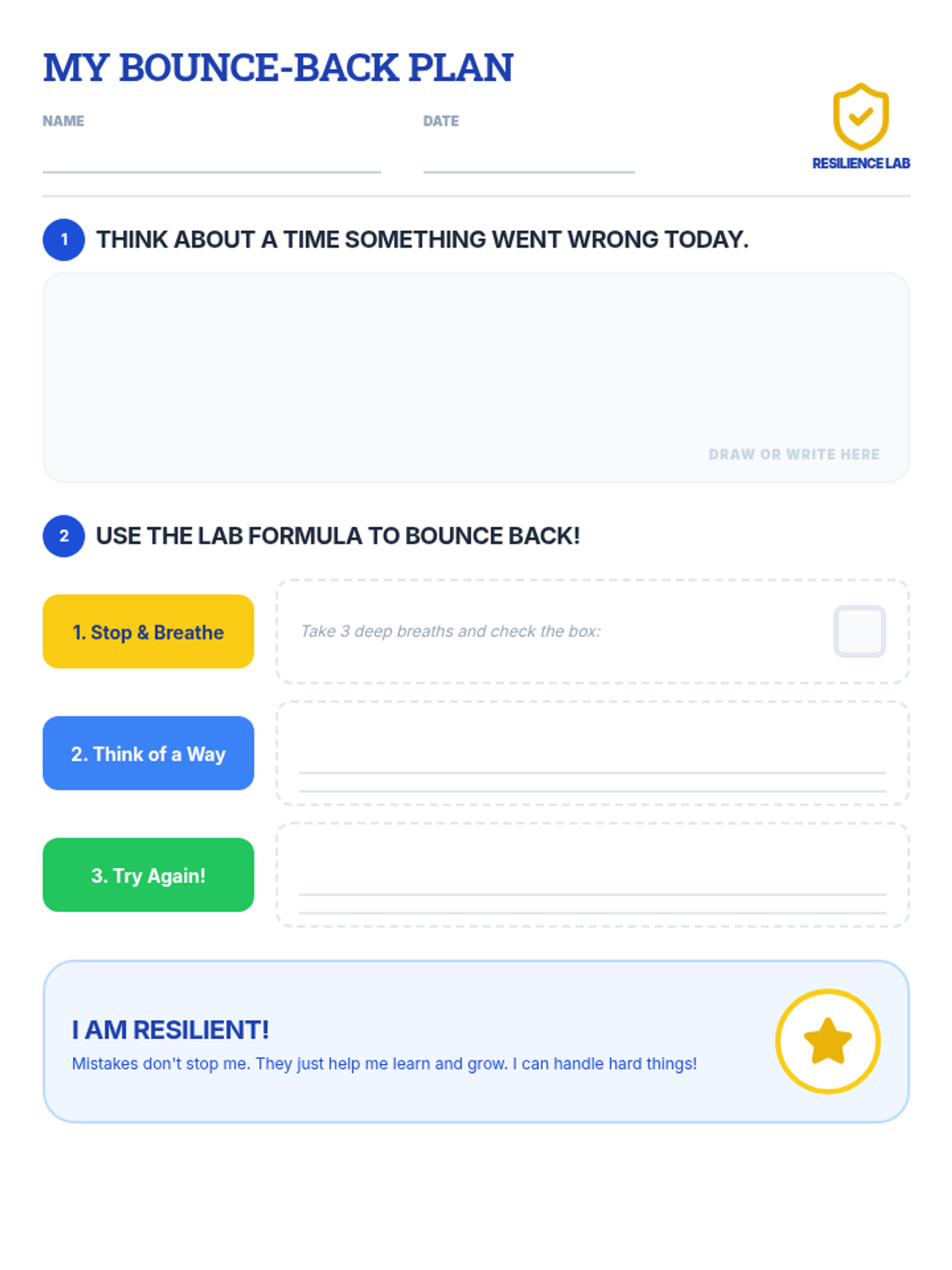
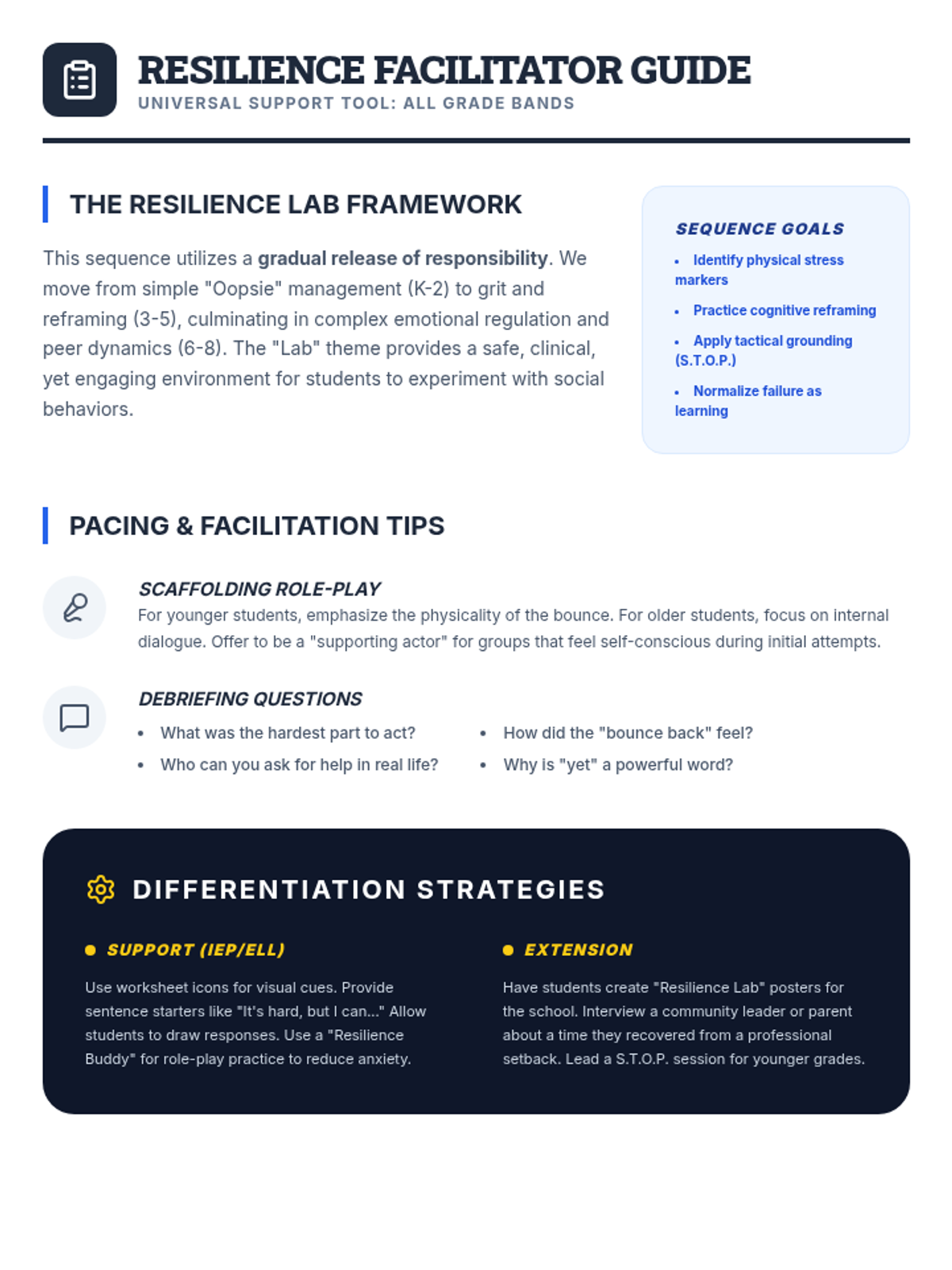
A comprehensive sequence on building resilience across three grade bands (1st-2nd, 3rd-5th, and 6th-8th), using the 'Resilience Lab' theme to teach students how to navigate setbacks and grow through challenges.
A comprehensive resilience curriculum spanning K-8, focusing on emotional regulation, growth mindset, and stress management through age-appropriate challenges and strategies.
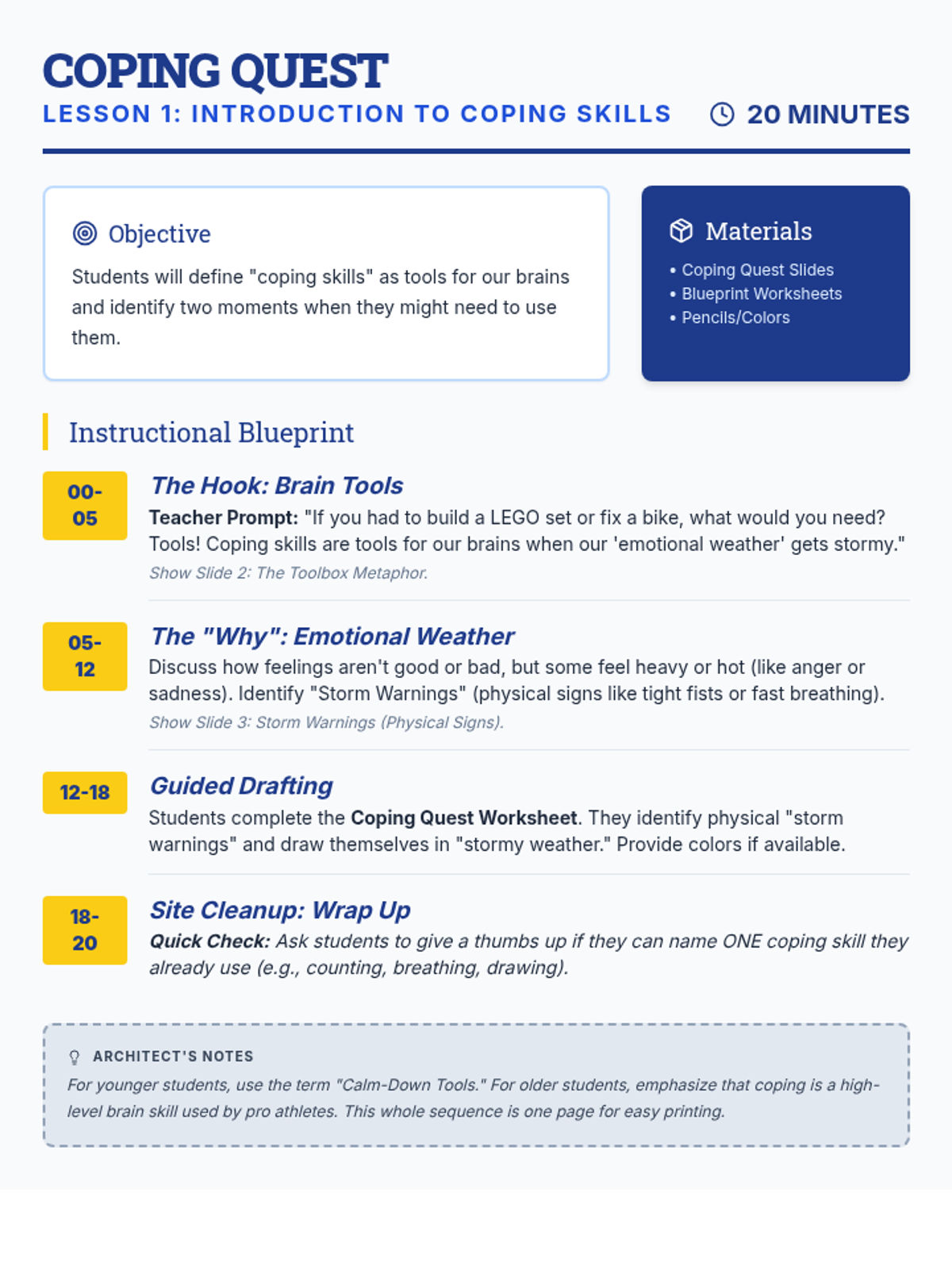
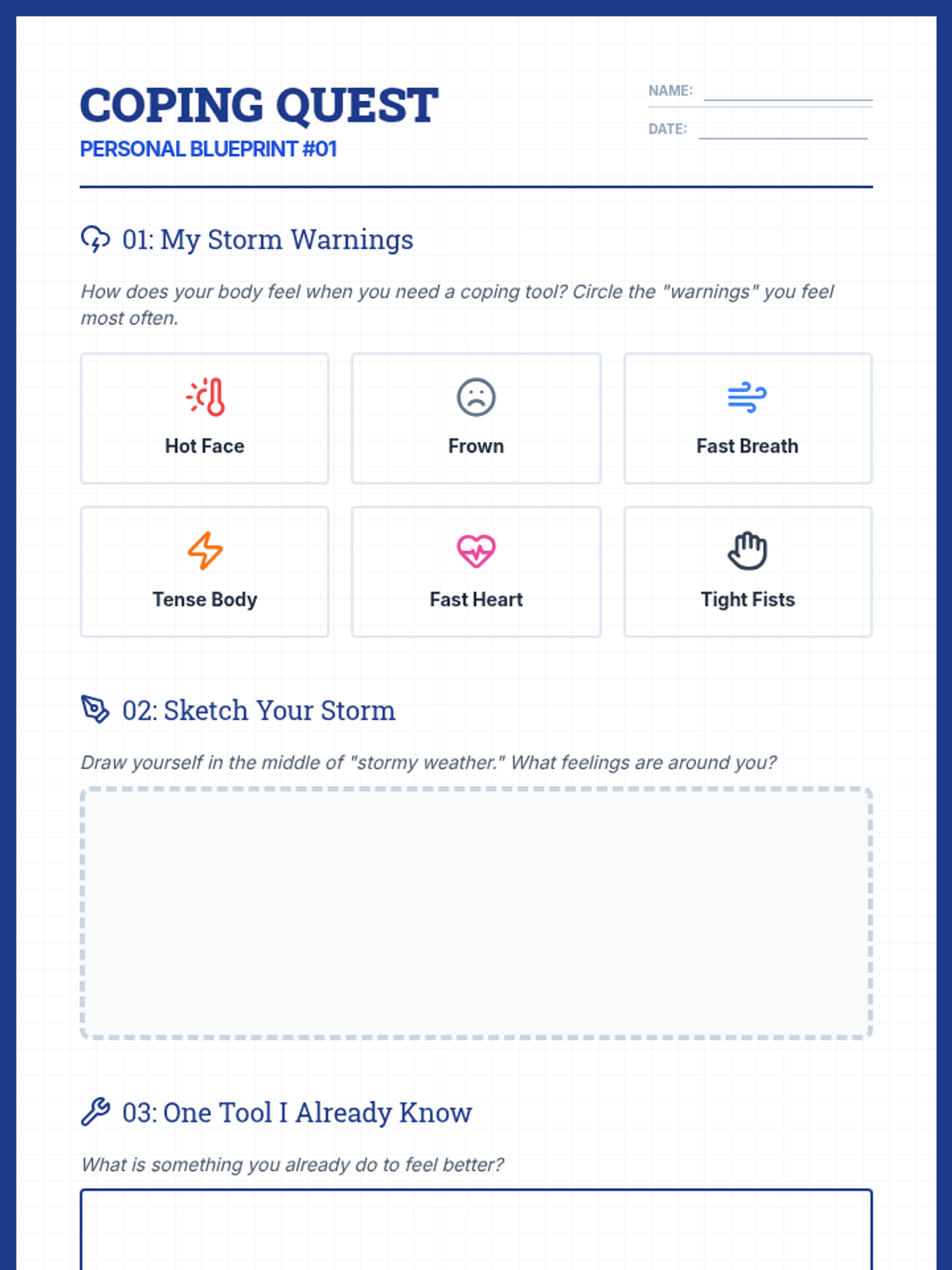
An 8-week social-emotional learning curriculum designed for 20-minute sessions. Students learn to identify, categorize, and apply coping skills through a blueprint-inspired framework of self-regulation.
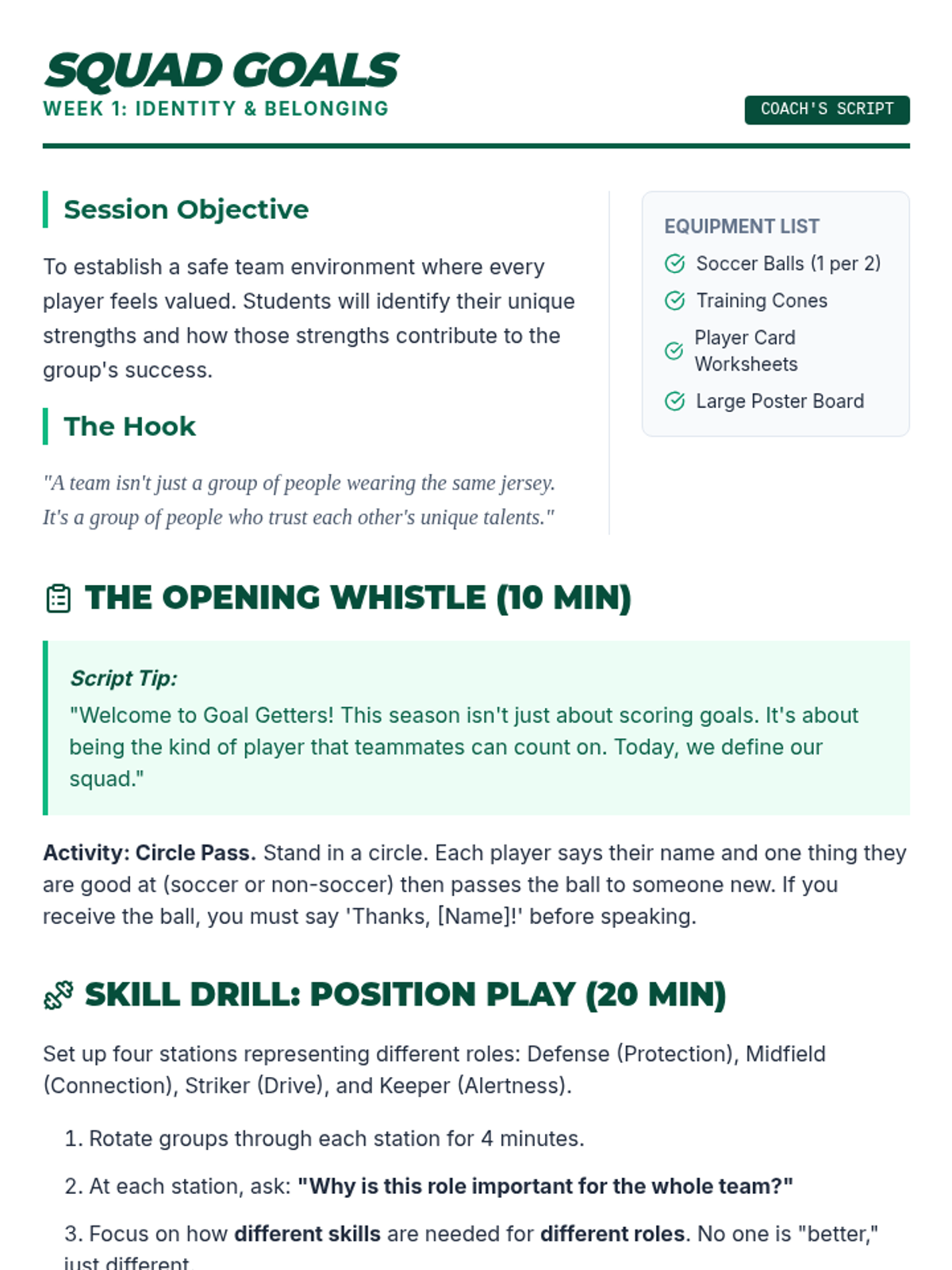
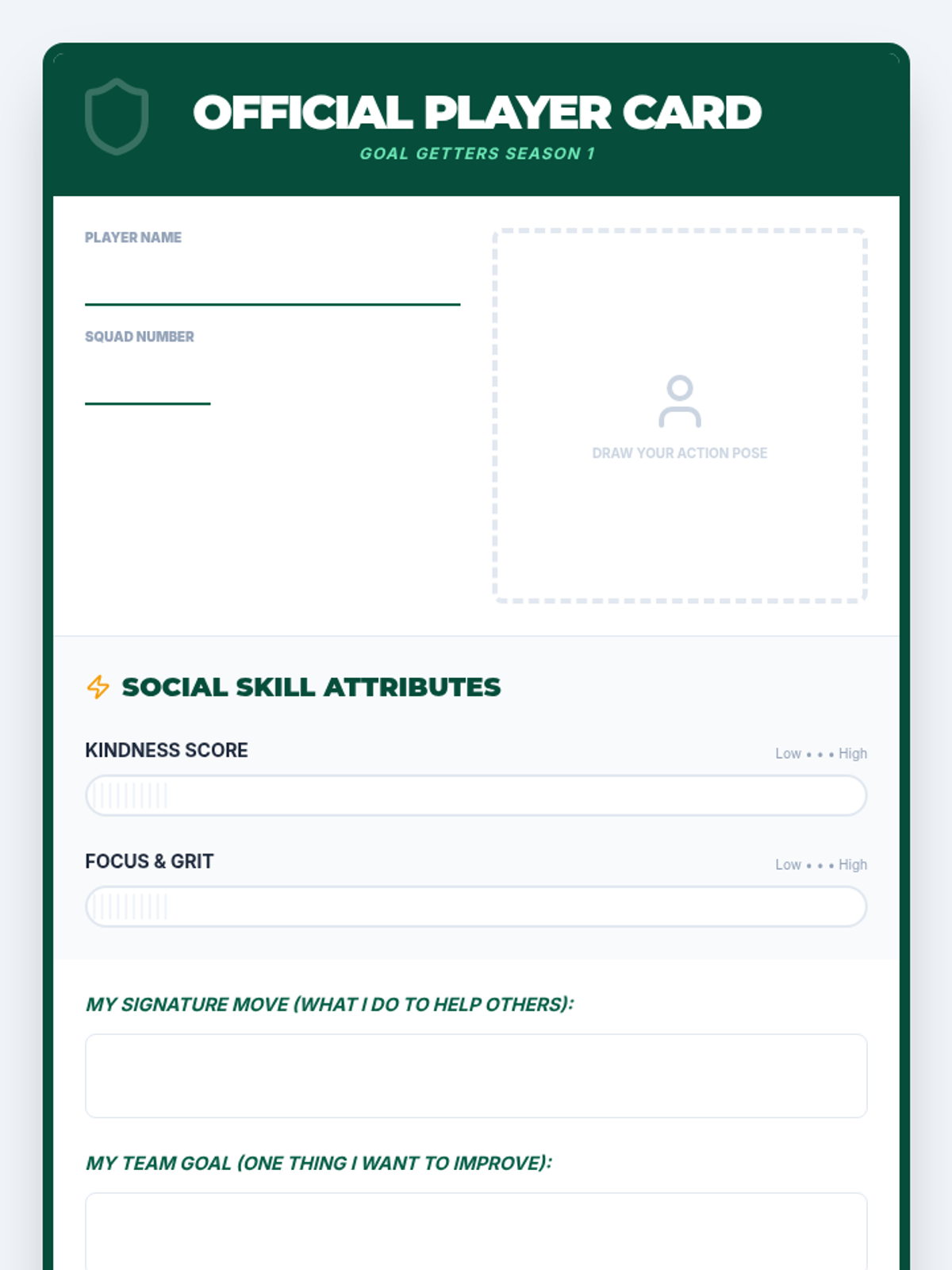
An 8-week soccer-themed social-emotional learning curriculum designed to improve self-esteem, peer relationships, emotional regulation, and conflict resolution through on-field drills and classroom reflection.
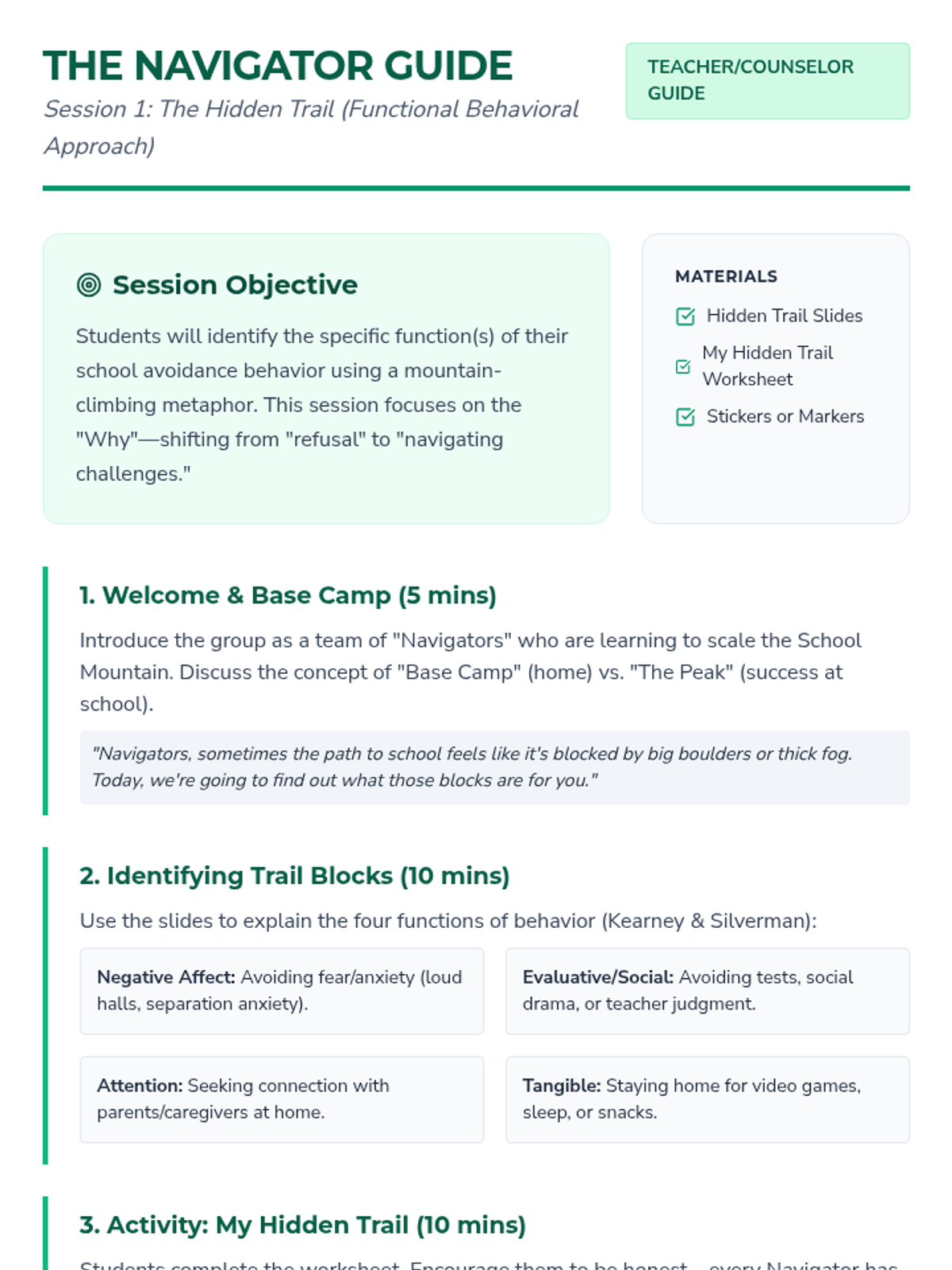
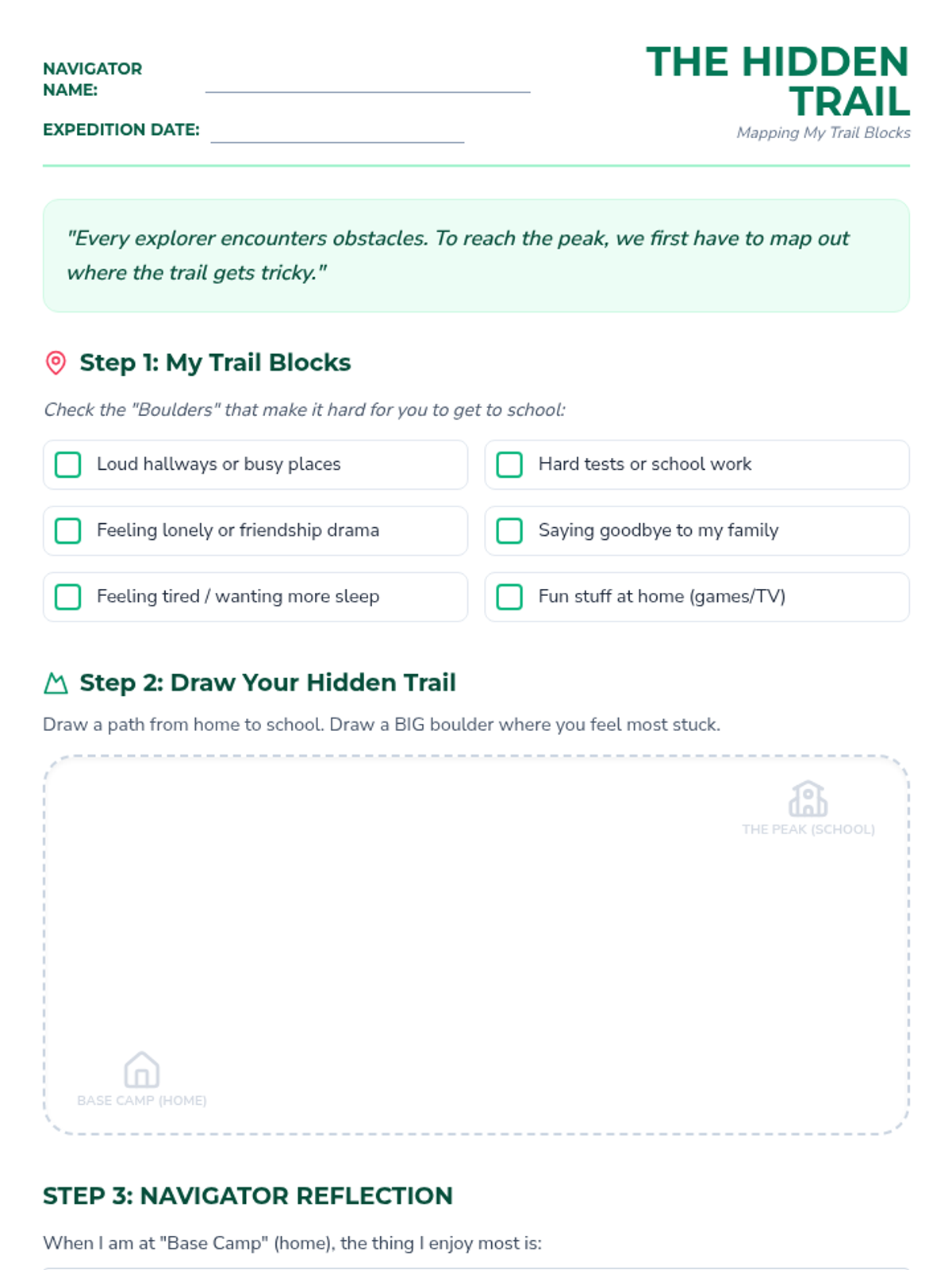
A 4-session small-group counseling program for grades 3-5 focused on identifying functional triggers for school avoidance, building coping strategies, and preparing for a successful fall transition. The program utilizes a mountain-climbing theme to empower students as 'navigators' of their own school journey.
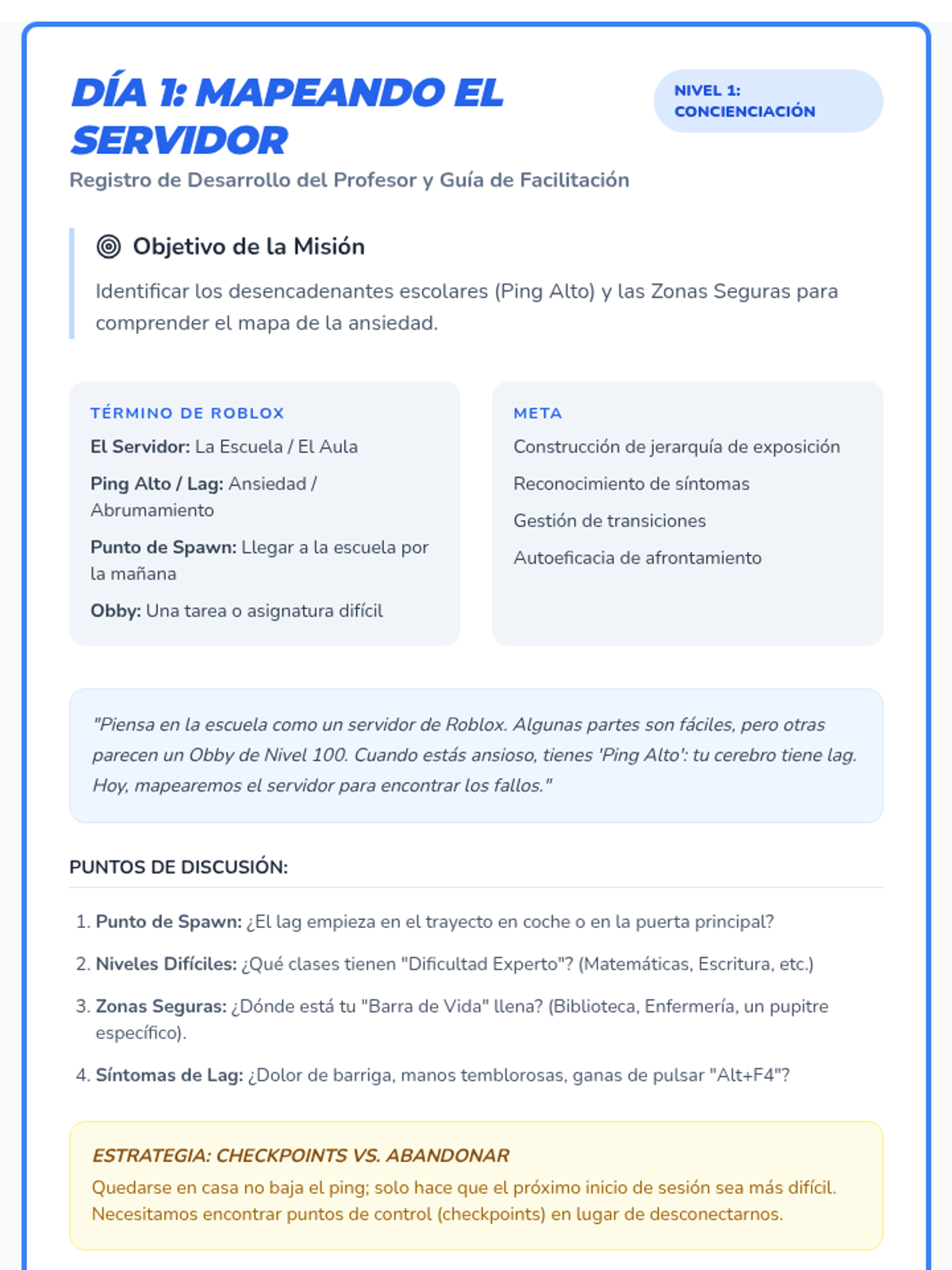
A 5-day intervention program for school-avoidant students, using Roblox-inspired mechanics to address anxiety, perfectionism, and teacher engagement.
A comprehensive social-emotional learning sequence themed around 'Quests' to help students navigate big emotions like anger and anxiety. Each lesson provides gamified strategies for self-regulation, courage, and flexible thinking.
A comprehensive social-emotional learning sequence designed as a 'Superhero Training' academy. Lessons cover growth mindset, executive functioning, self-regulation, empathy, and conflict resolution through engaging comic-themed slides, posters, and activities.
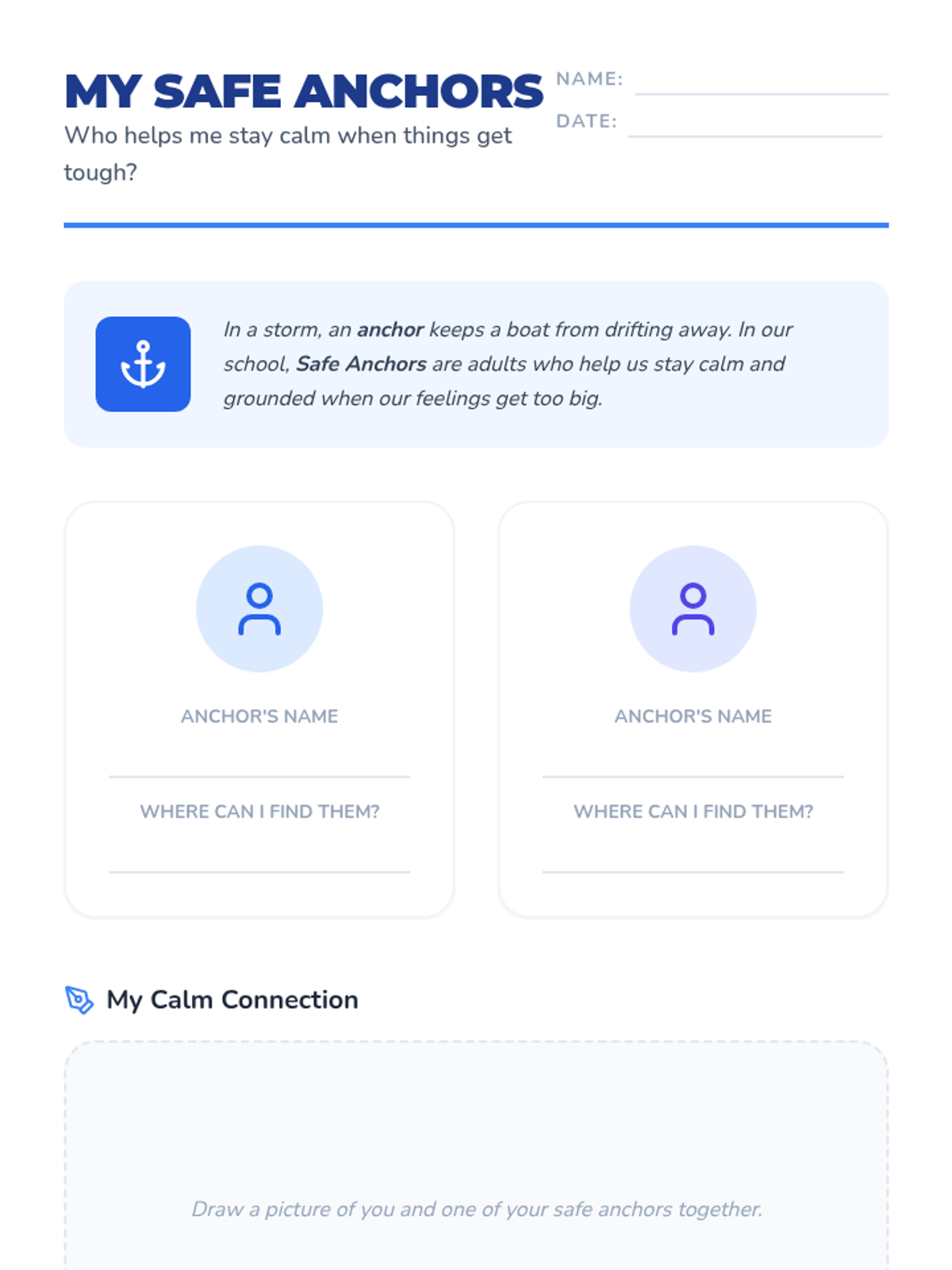
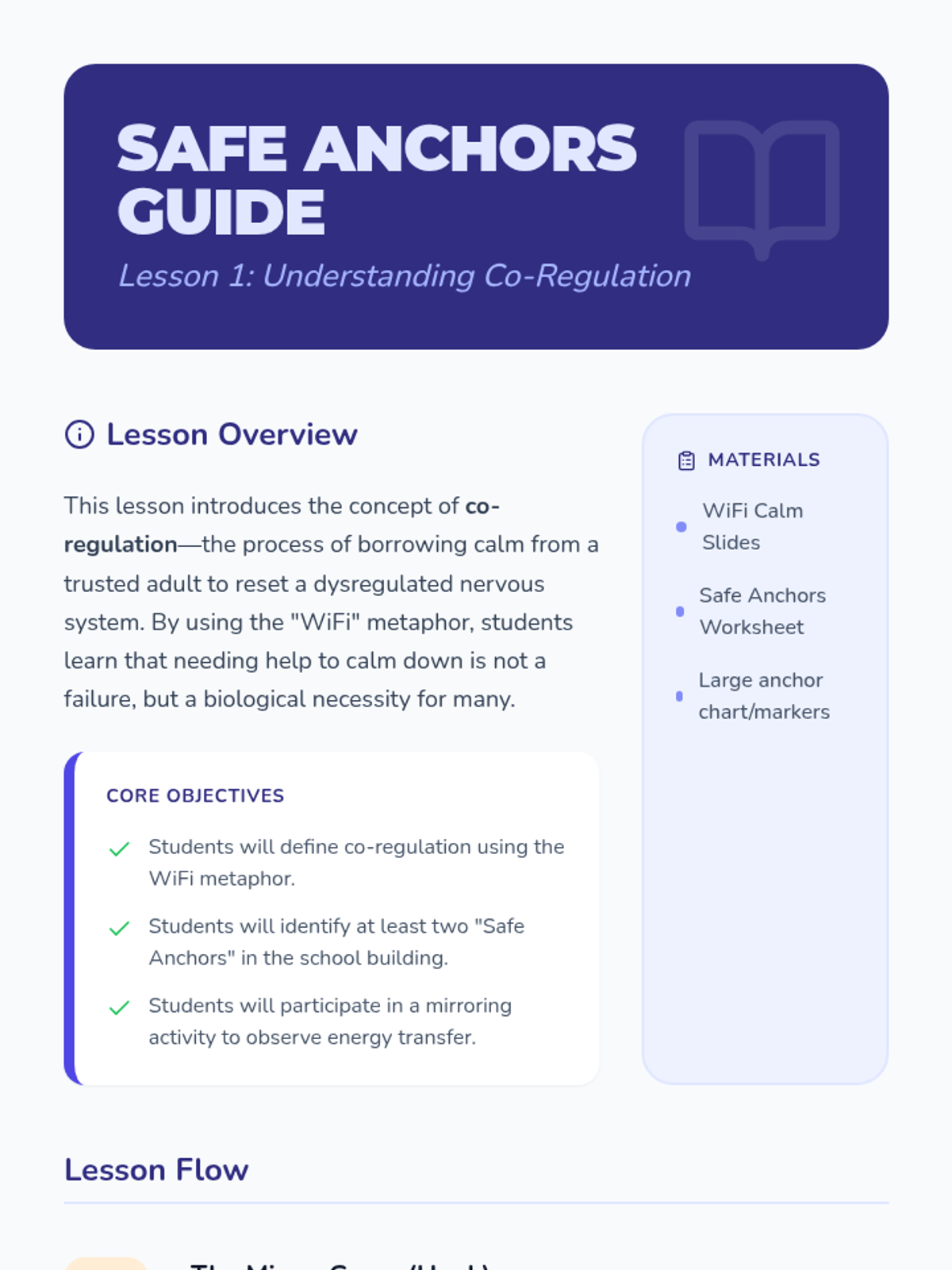
This sequence teaches 3rd-grade students how to communicate their needs for co-regulation during moments of dysregulation. It moves from understanding the concept of borrowing calm to developing non-verbal signals, verbal scripts, and personalized co-regulation plans.
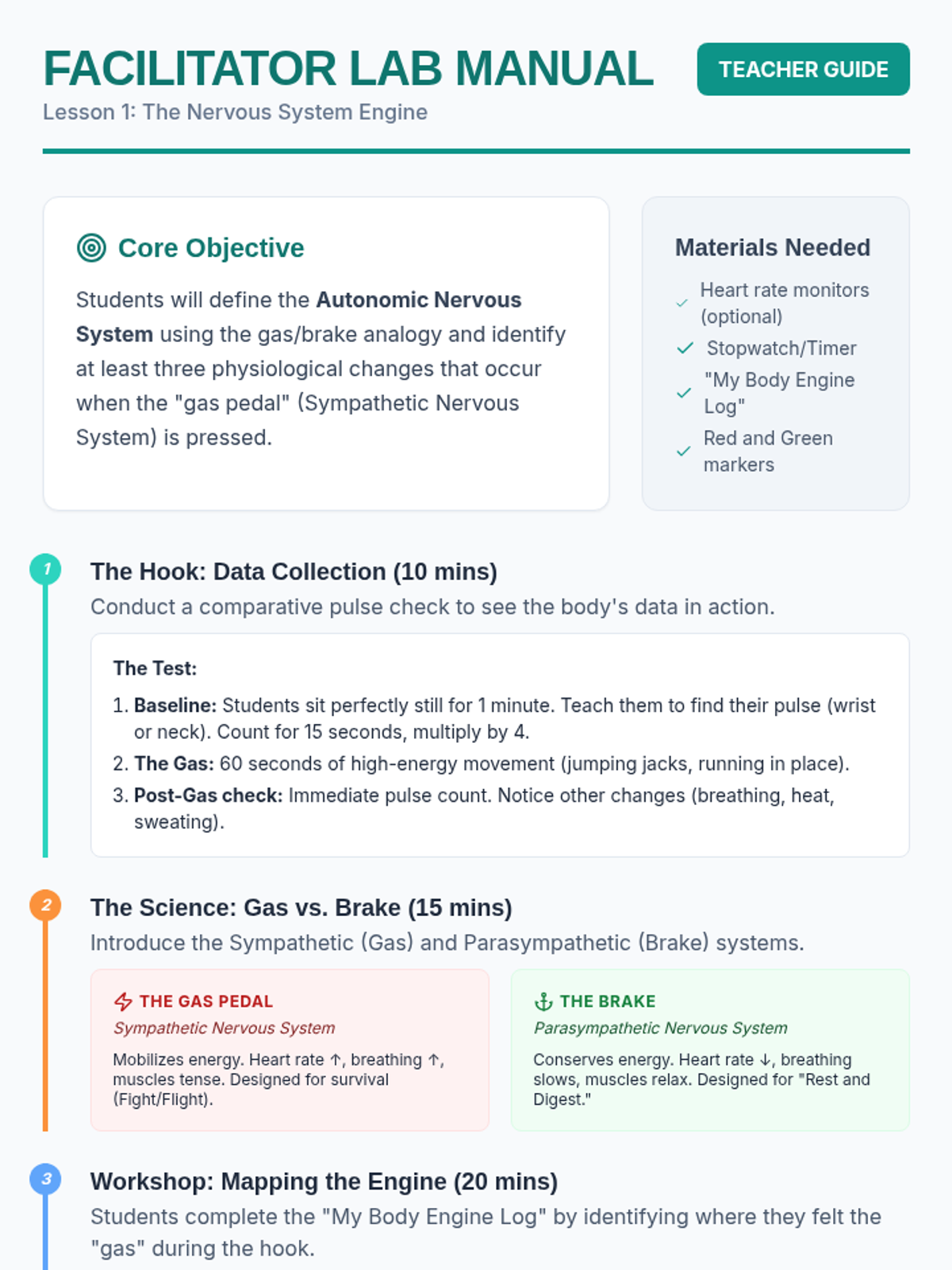
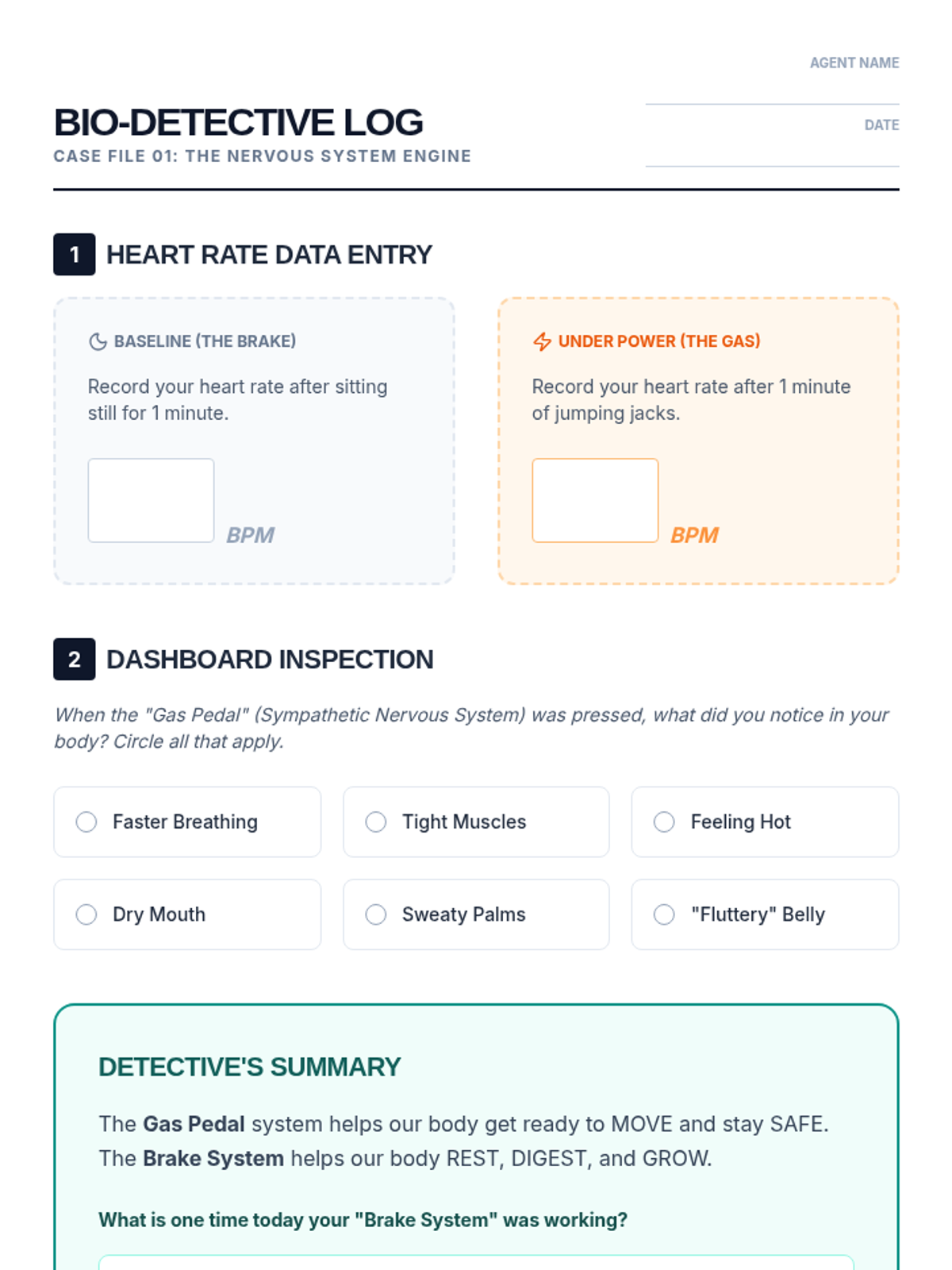
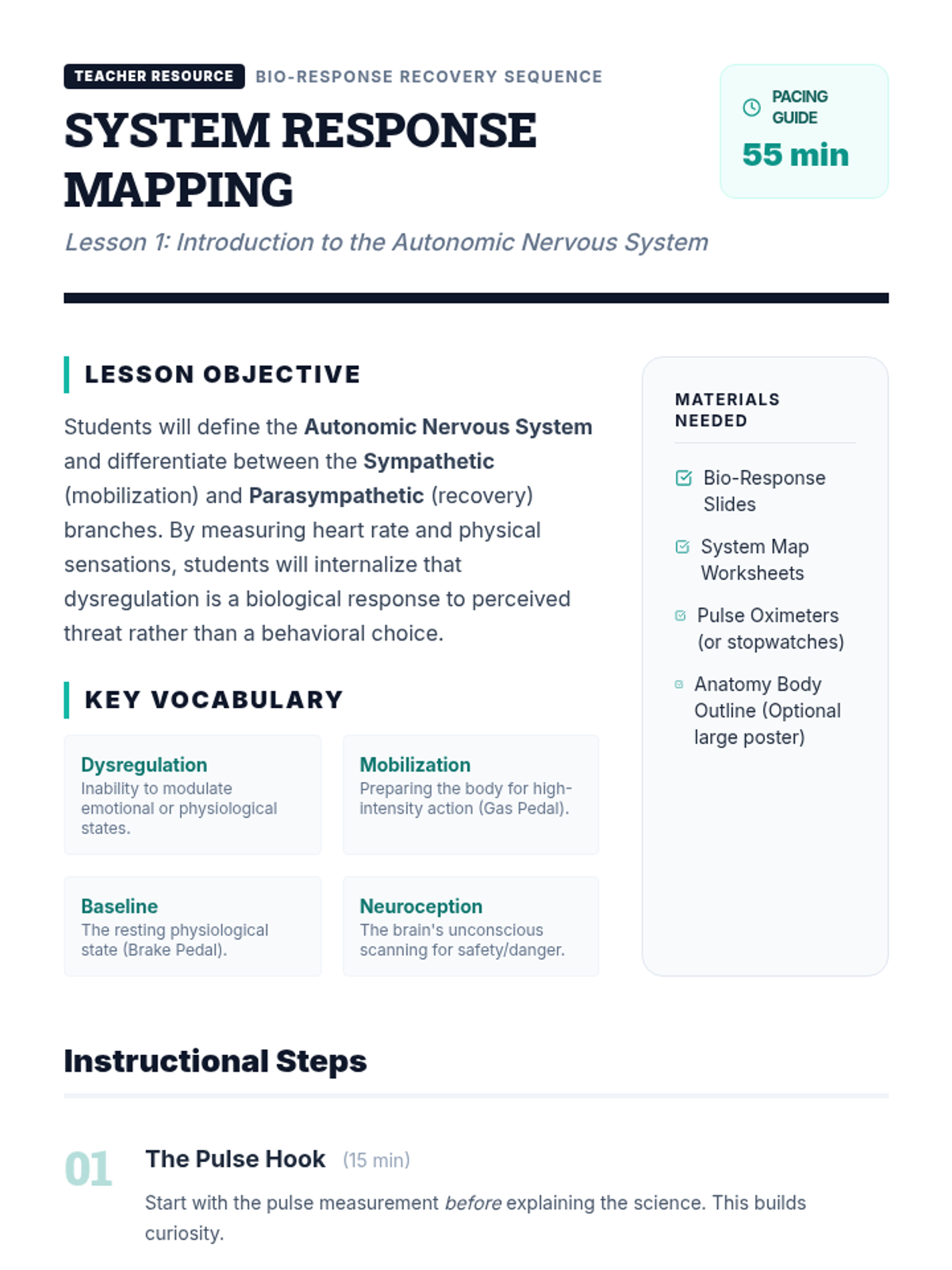
This sequence guides 5th-grade students through identifying physiological signals of dysregulation and the recovery process. Using a 'Bio-Detective' theme, students explore interoception, somatic techniques, and the autonomic nervous system to create a personalized 'Body Manual' for self-regulation.
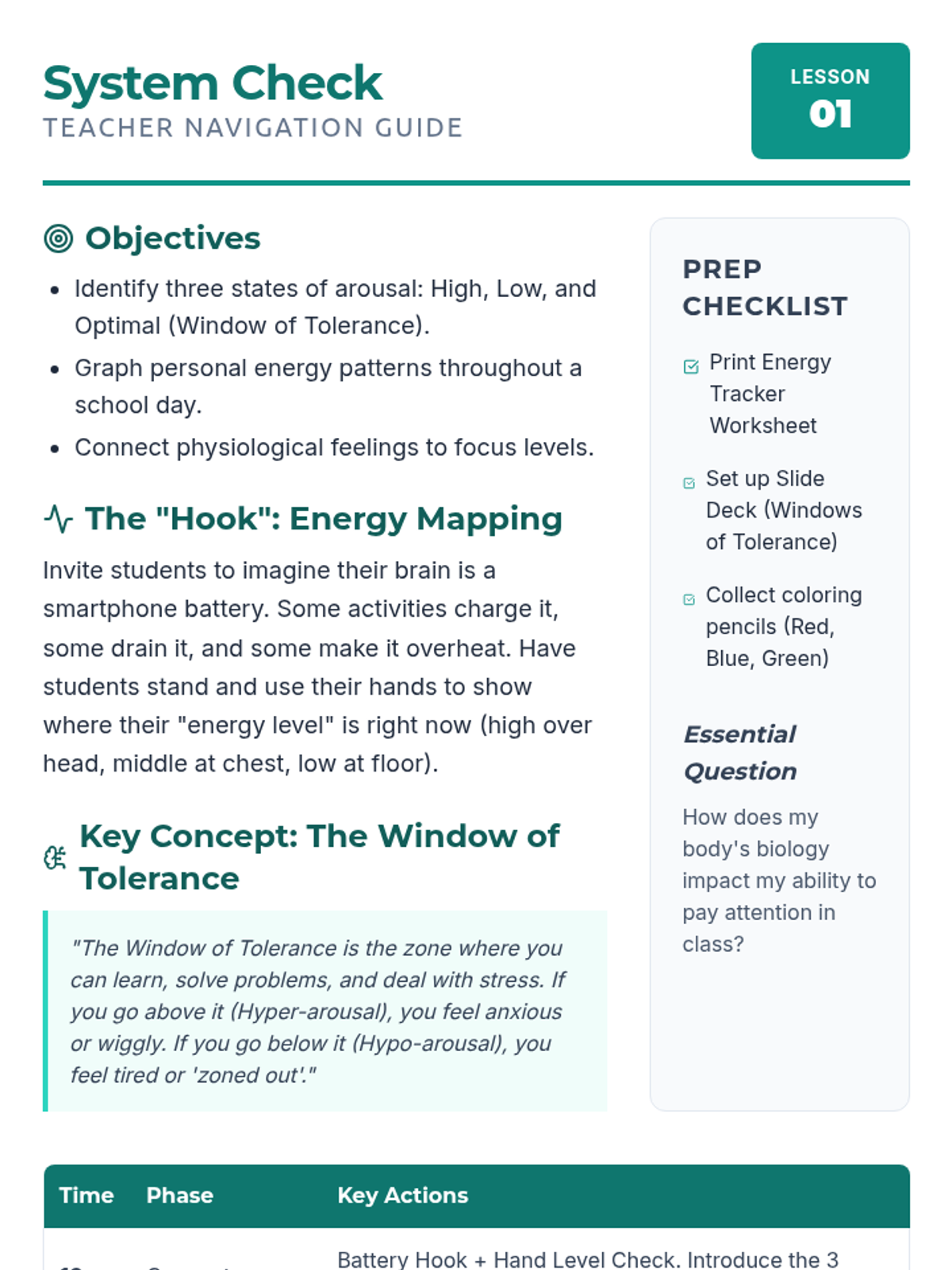
This sequence explores the biological mechanisms behind dysregulation and the specific sensory inputs required to return to a physiological baseline. Students will investigate the autonomic nervous system to understand the 'fight, flight, or freeze' response and experiment with various sensory modalities to identify which ones effectively lower their heart rate and reduce tension.
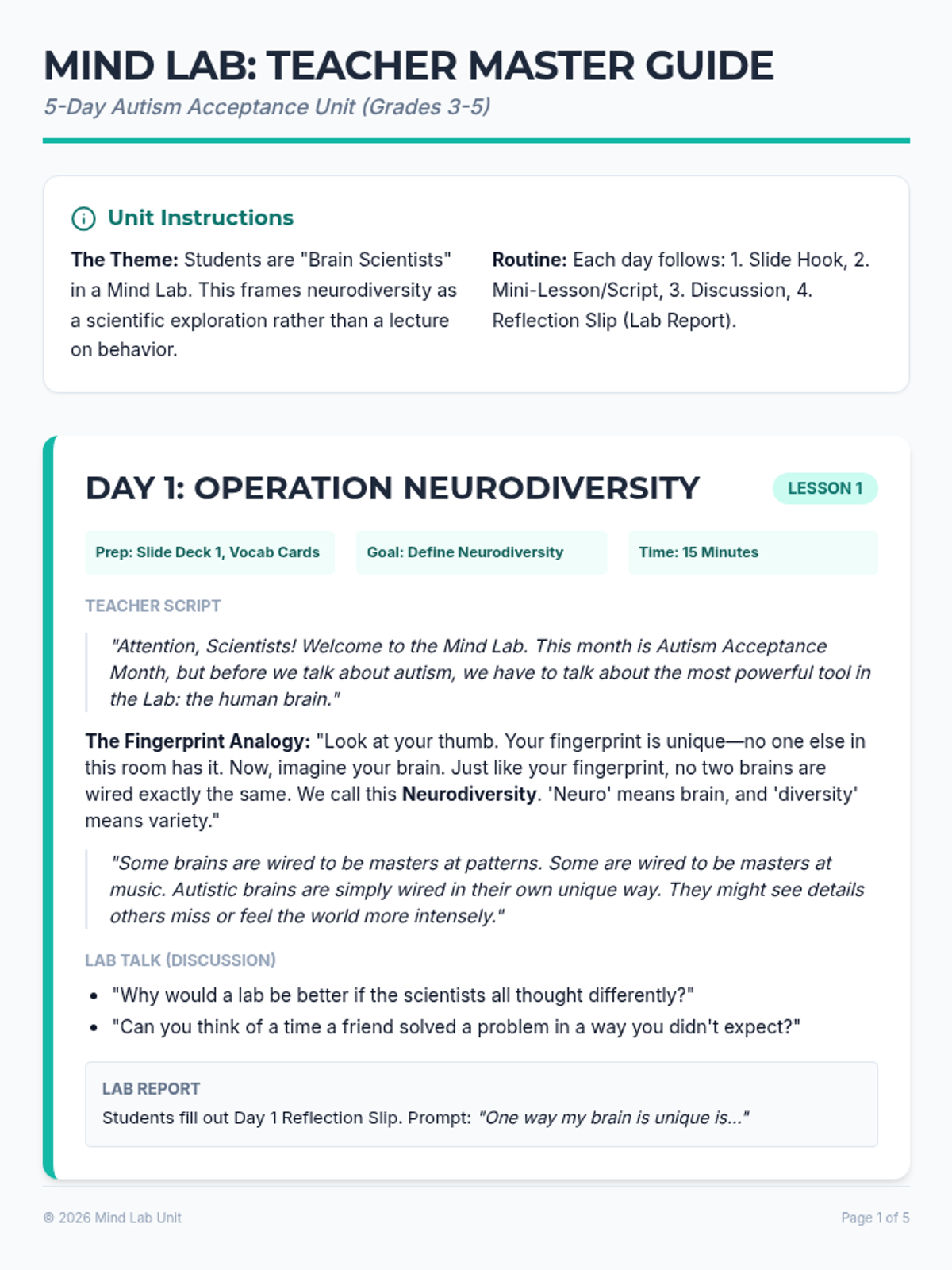
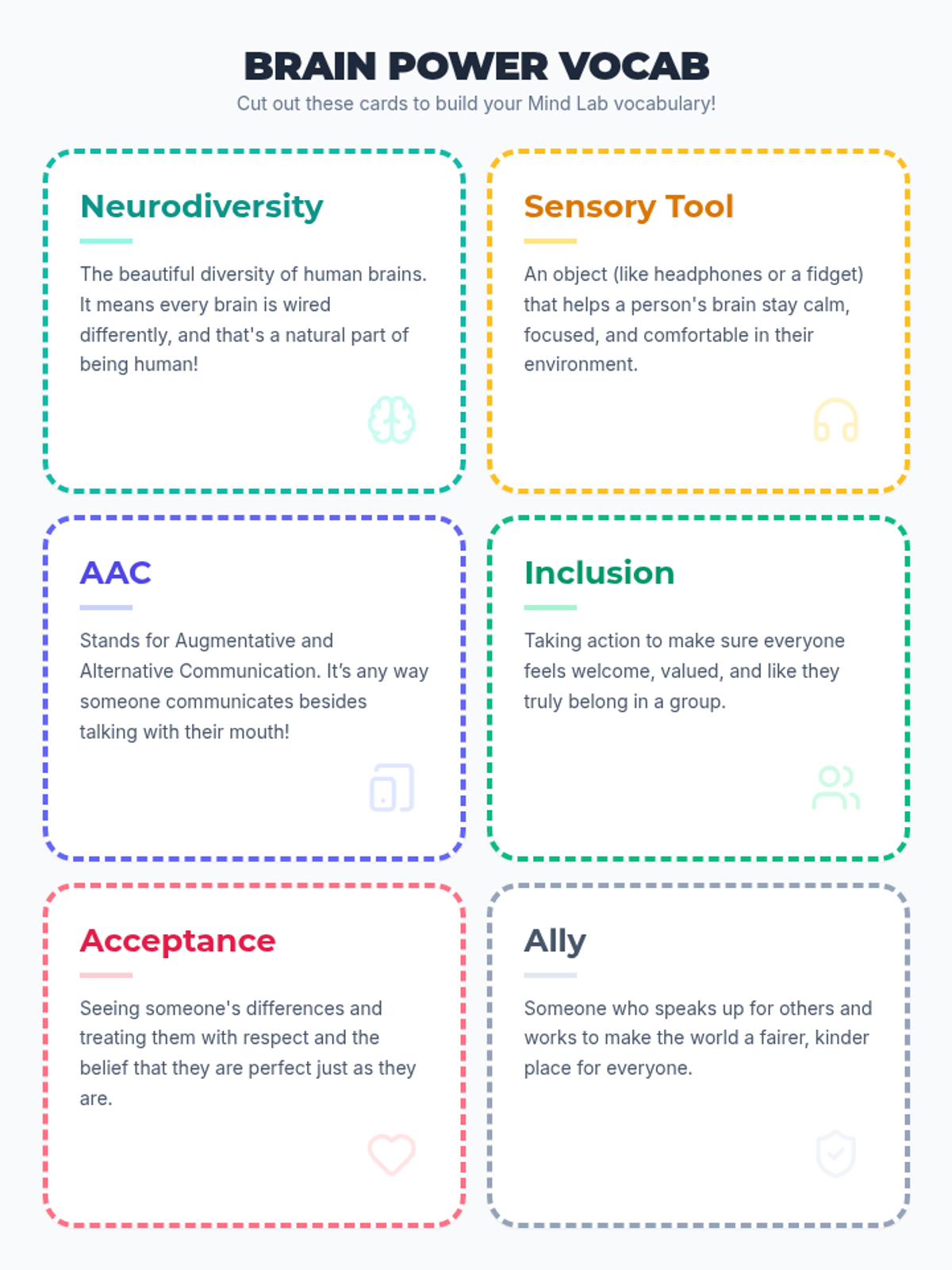
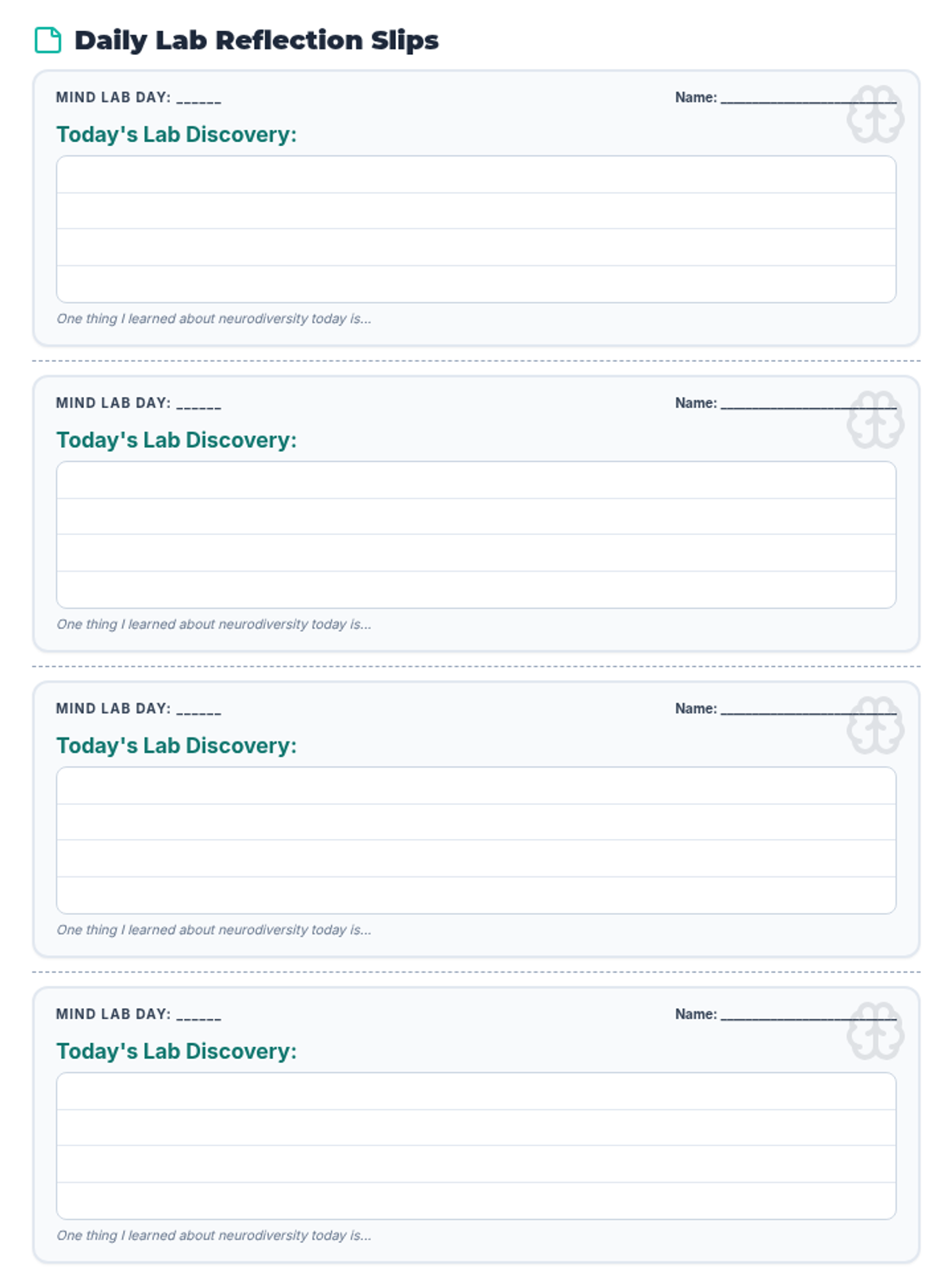
A 5-day introductory series for grades 3-5 celebrating Autism Acceptance Month by focusing on neurodiversity, sensory tools, and inclusion skills. The unit uses a 'Brain Lab' theme to encourage scientific curiosity and empathy.
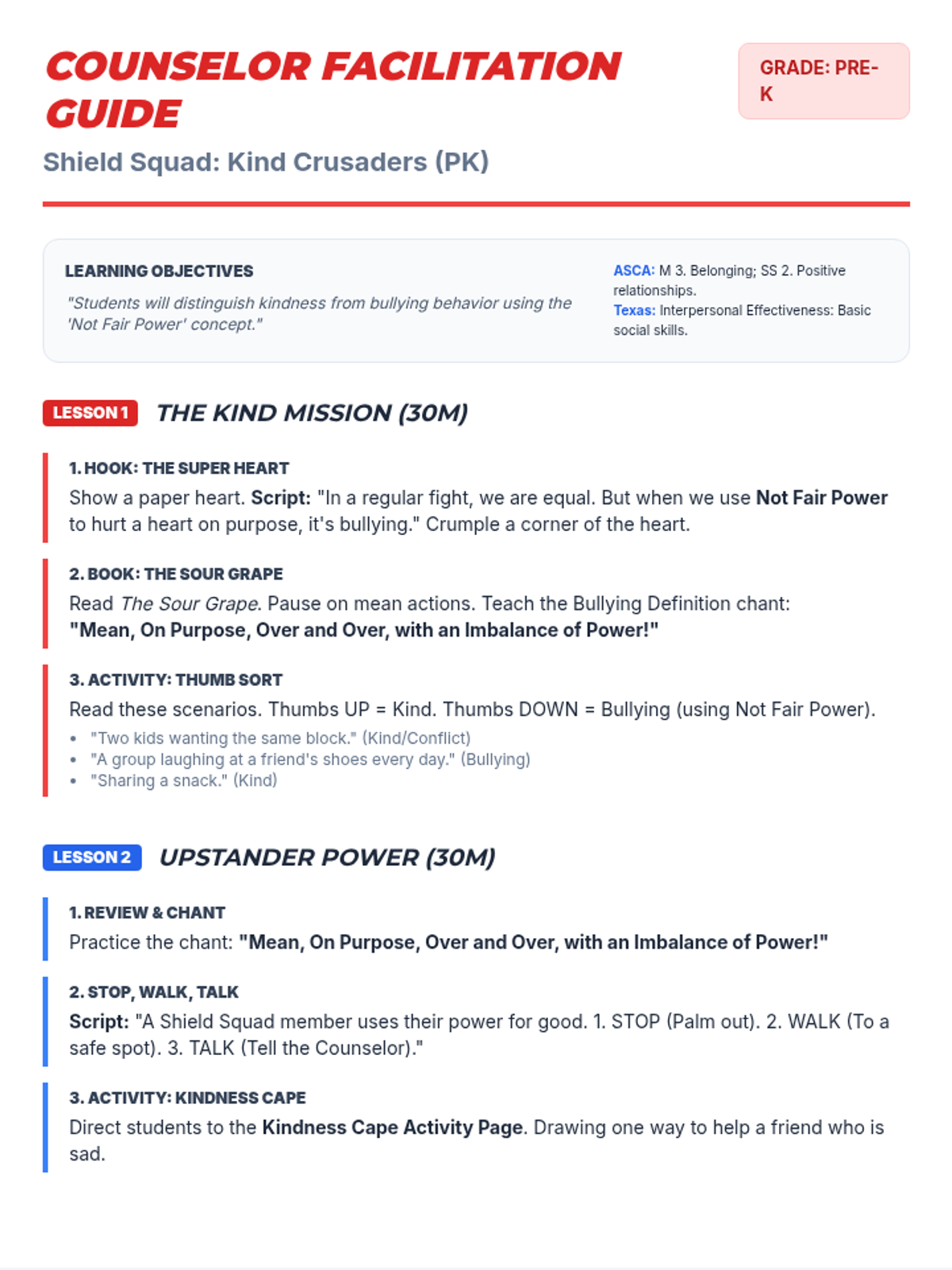
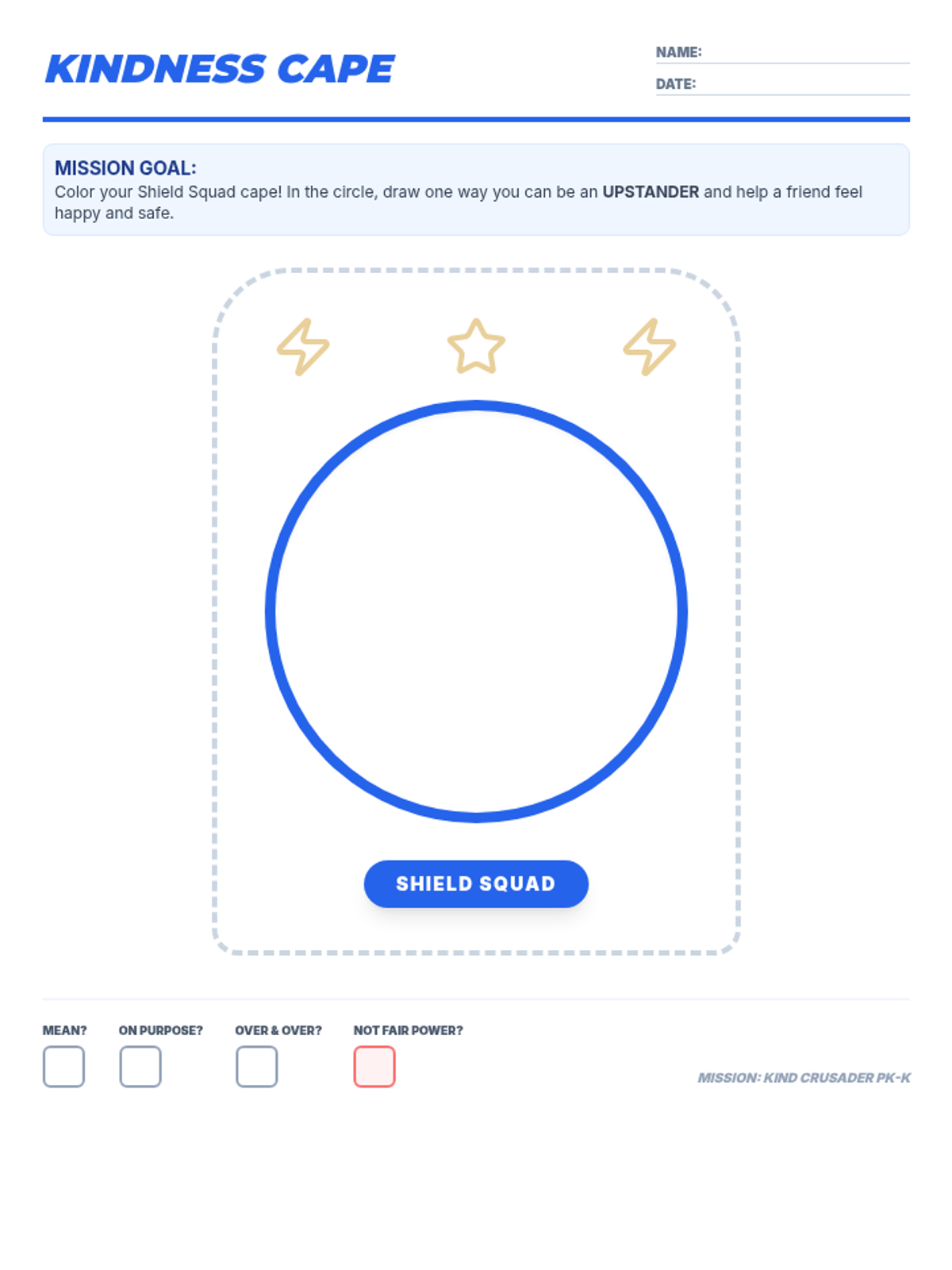
A comprehensive bullying prevention curriculum for PK-6 students, featuring two distinct 30-minute sessions for every individual grade level. The program uses mentor texts by Kathryn Otoshi, Trudy Ludwig, Julia Cook, and others to scaffold concepts of power imbalance, upstander strategies, and school culture change.
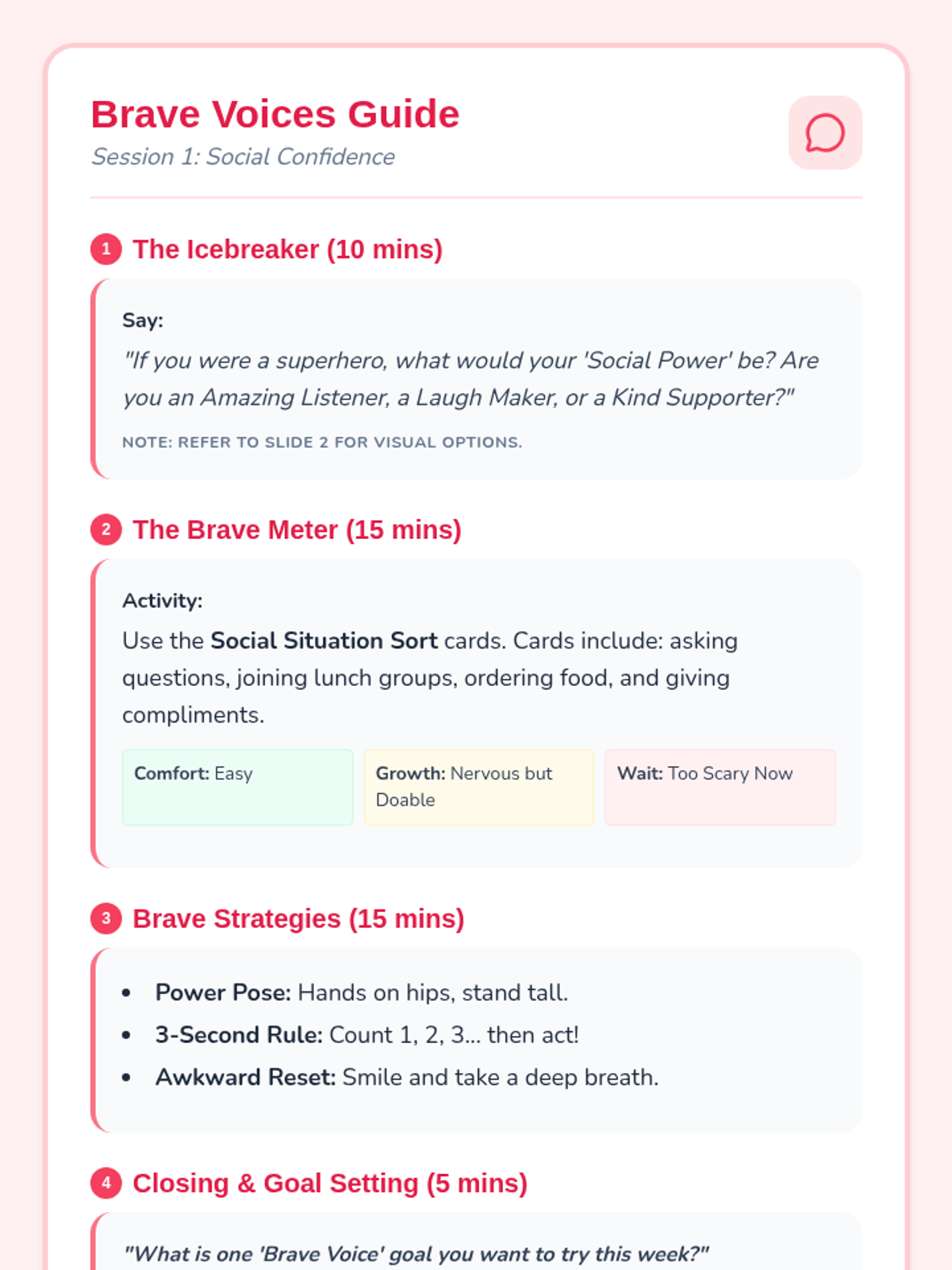
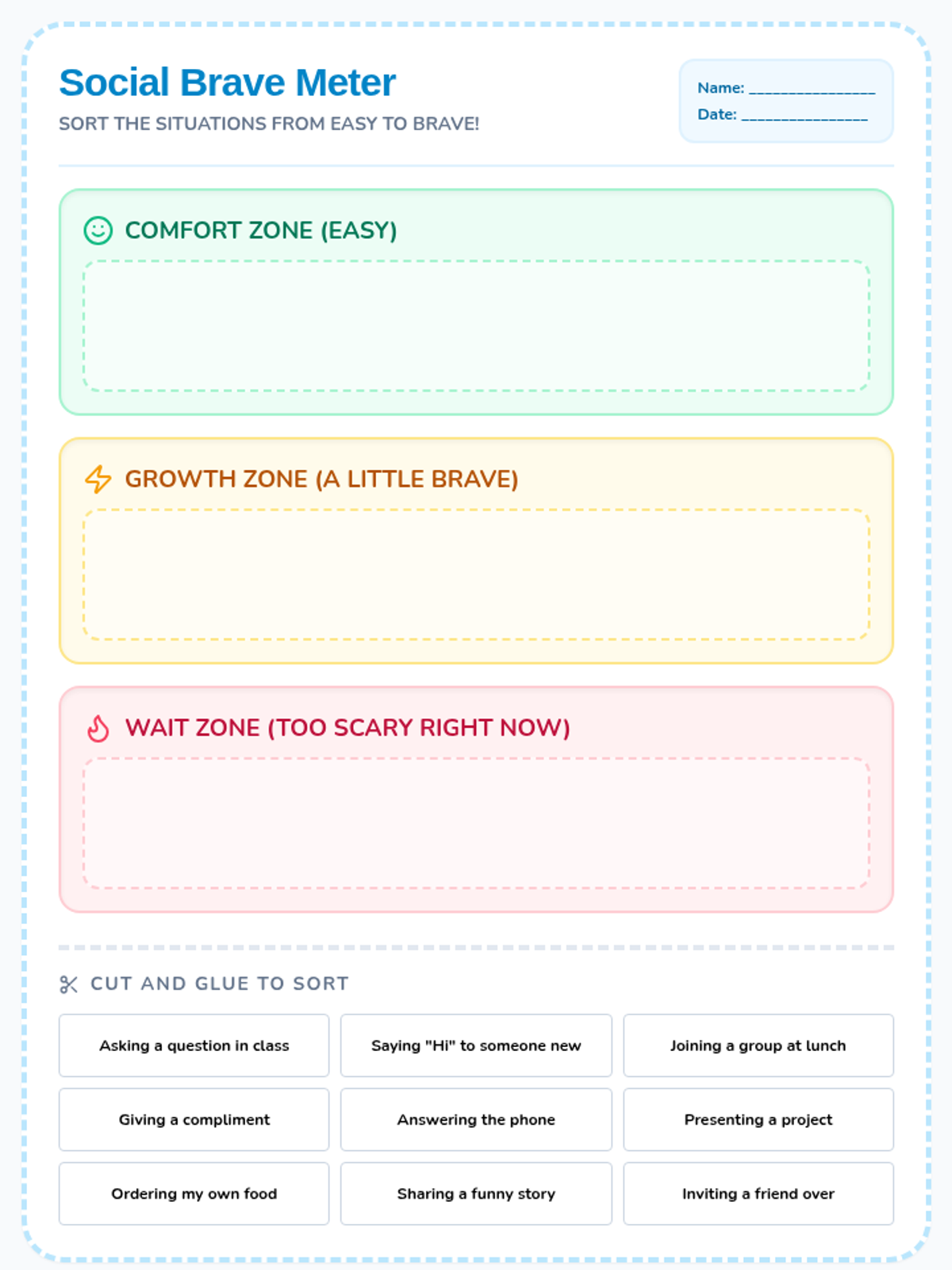
A three-session individual counseling sequence designed for 5th-grade girls to build social confidence and cultivate a positive body image through creative activities and guided reflection.
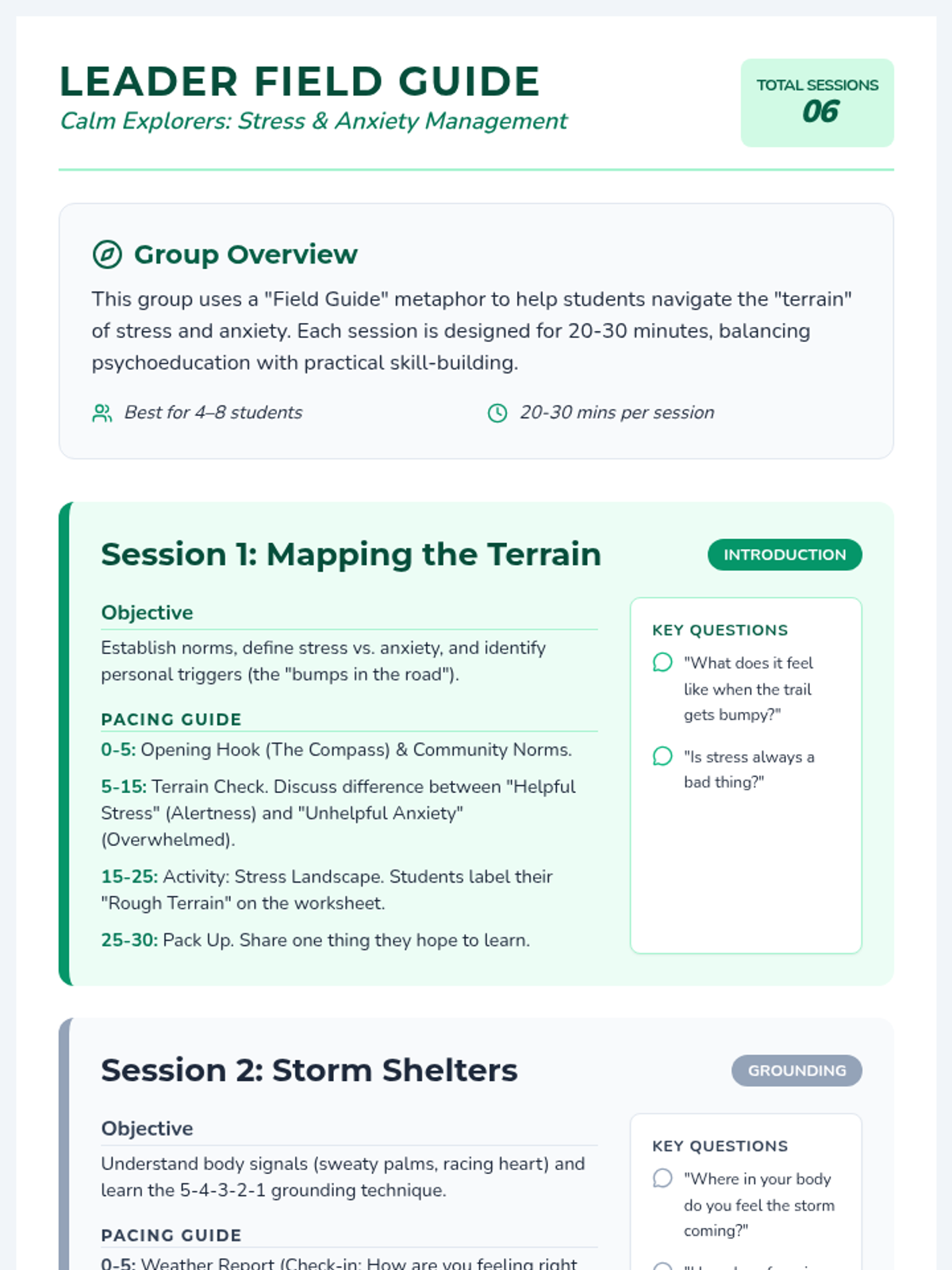
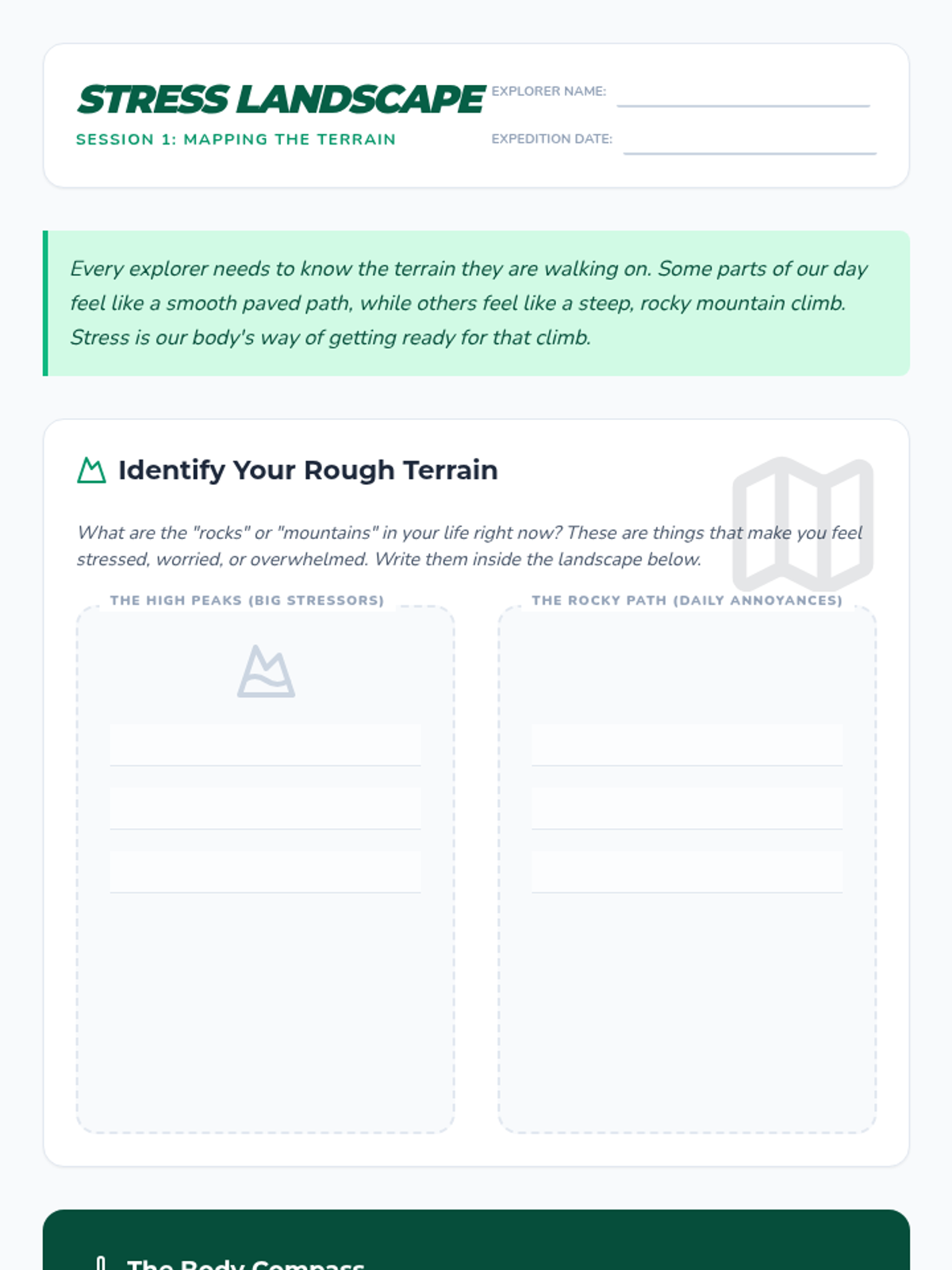
A 6-session counseling group designed to help students identify triggers, understand physical symptoms of anxiety, and build a personalized toolkit of coping strategies through a 'Calm Explorer' theme.
A comprehensive unit on emotional self-regulation, covering the identification of internal states and the application of effective regulation strategies to maintain focus and well-being.
A series of social-emotional learning modules focused on cognitive and emotional mastery for small group settings.
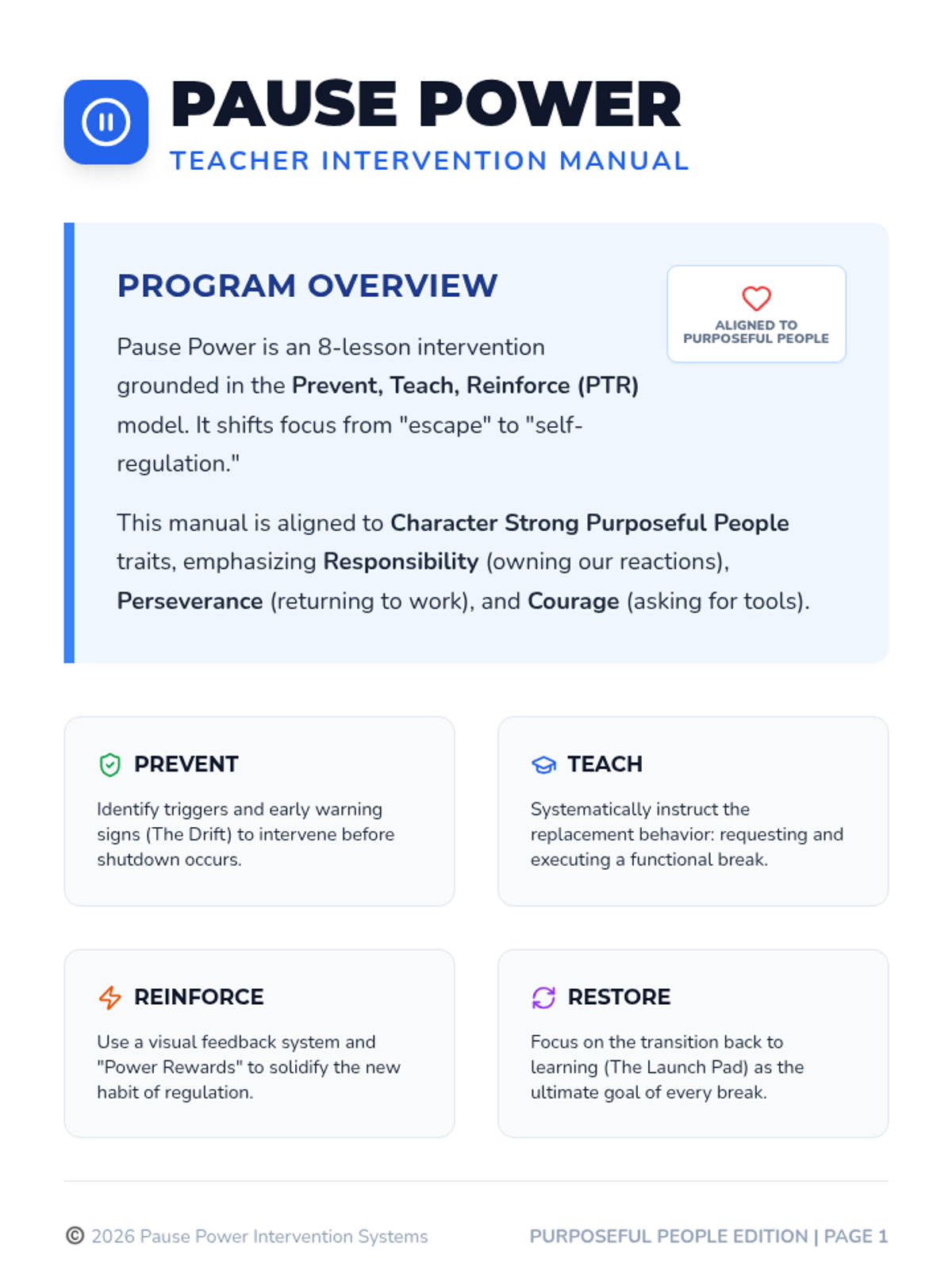
A comprehensive 8-lesson intervention using the Prevent, Teach, Reinforce (PTR) model to help students transition from defiant avoidance to self-regulated break-taking.
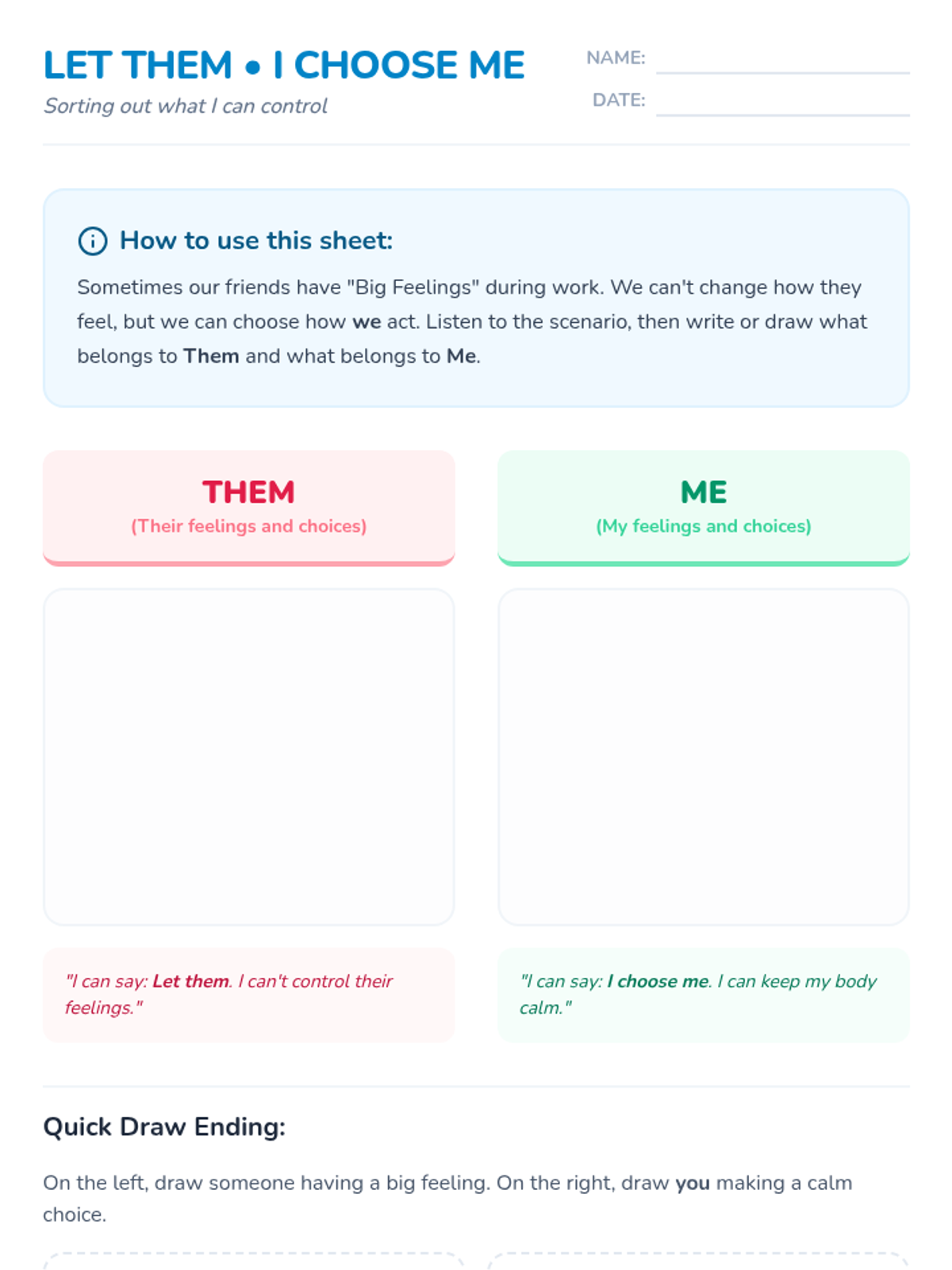
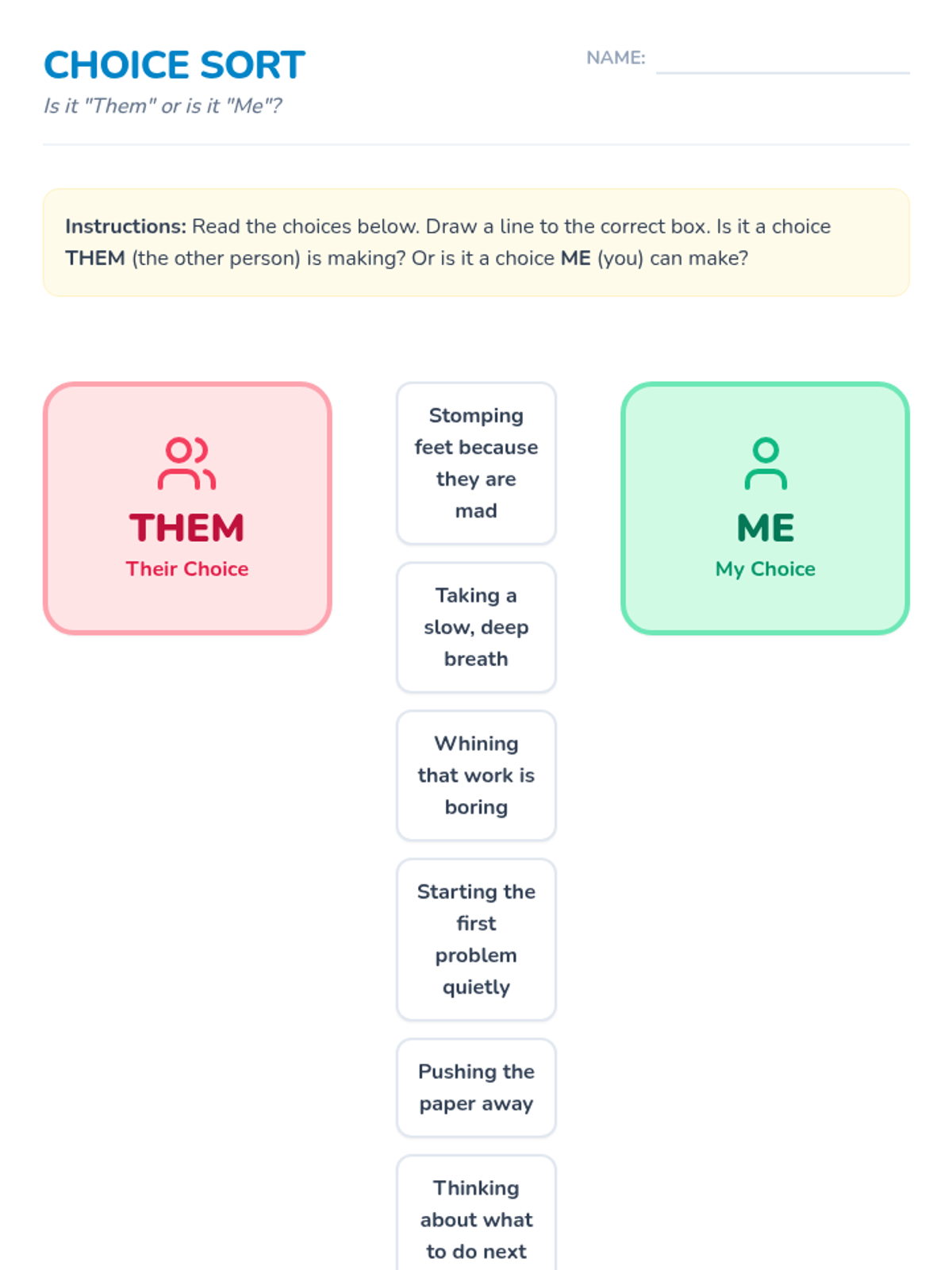
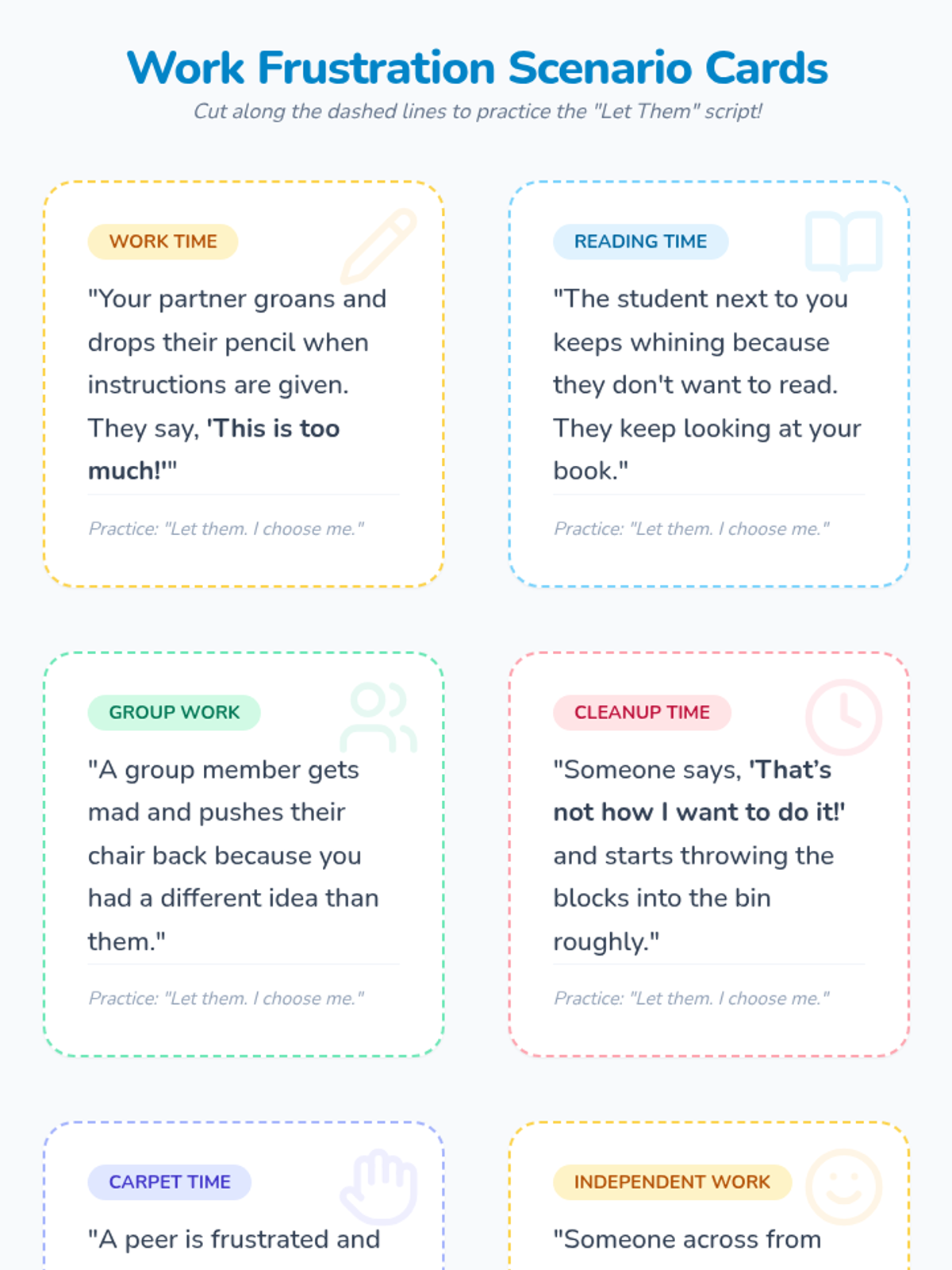
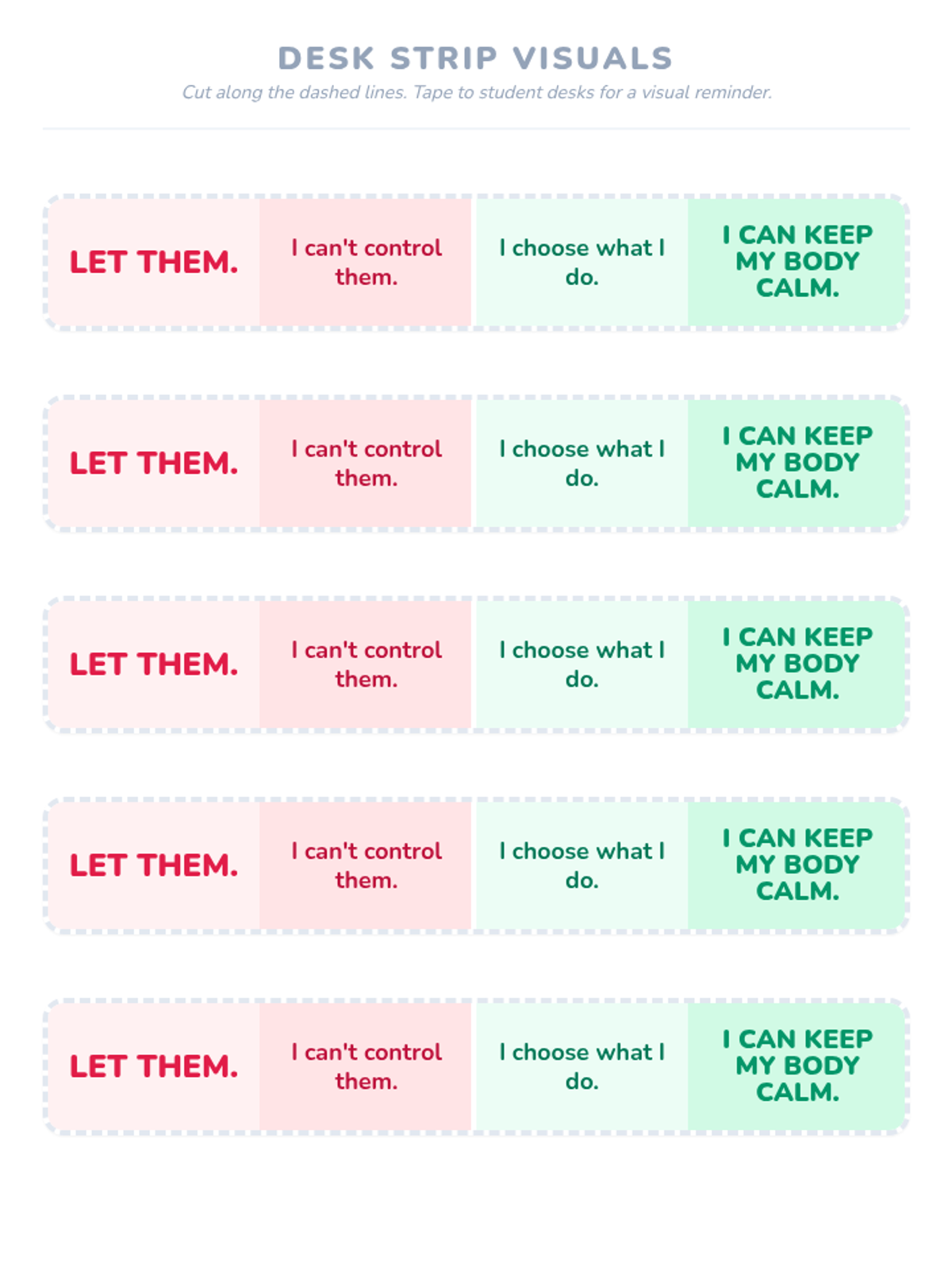
A social-emotional learning sequence focused on self-regulation and healthy boundaries when others are experiencing big emotions or making unexpected choices.