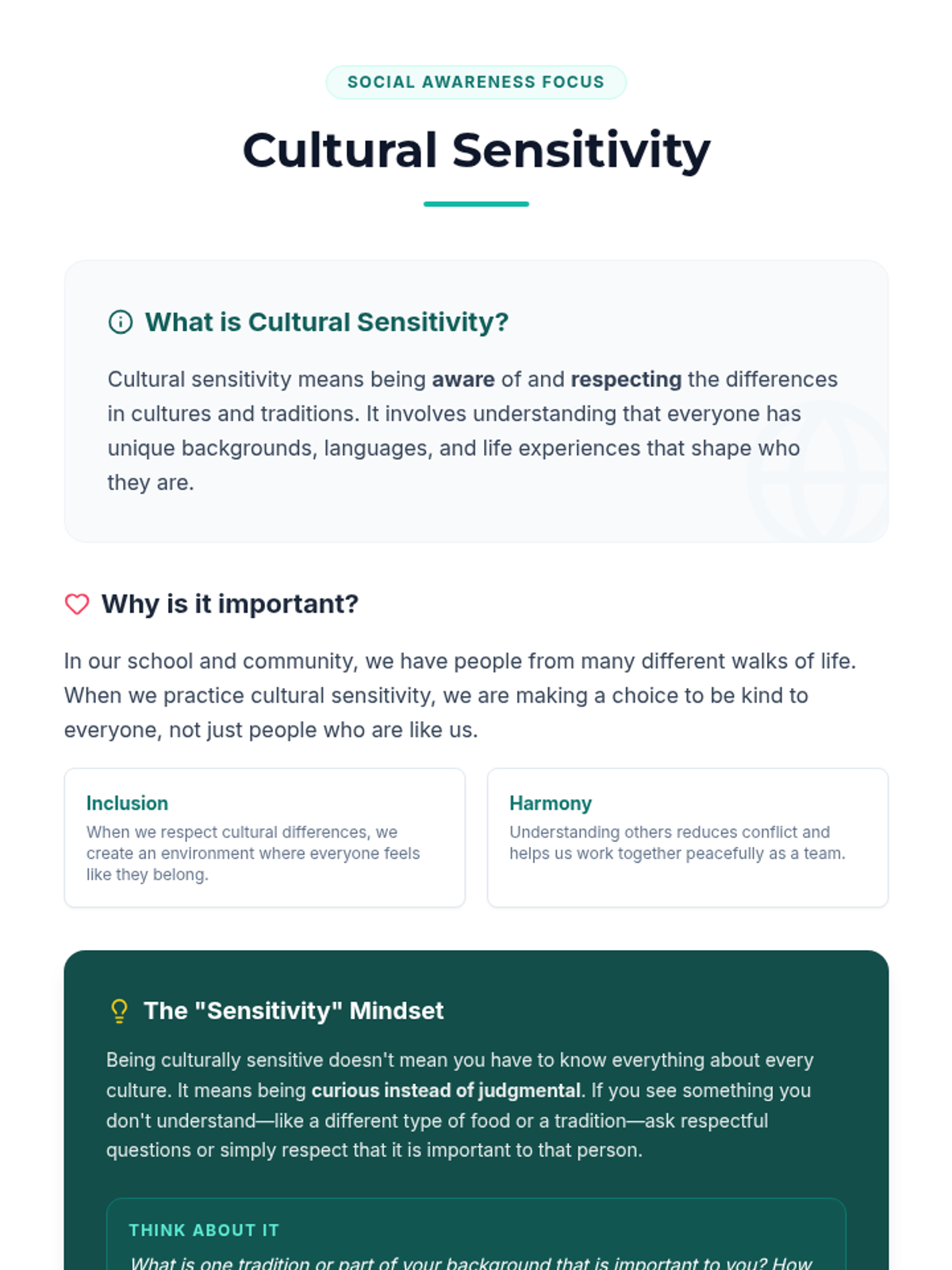
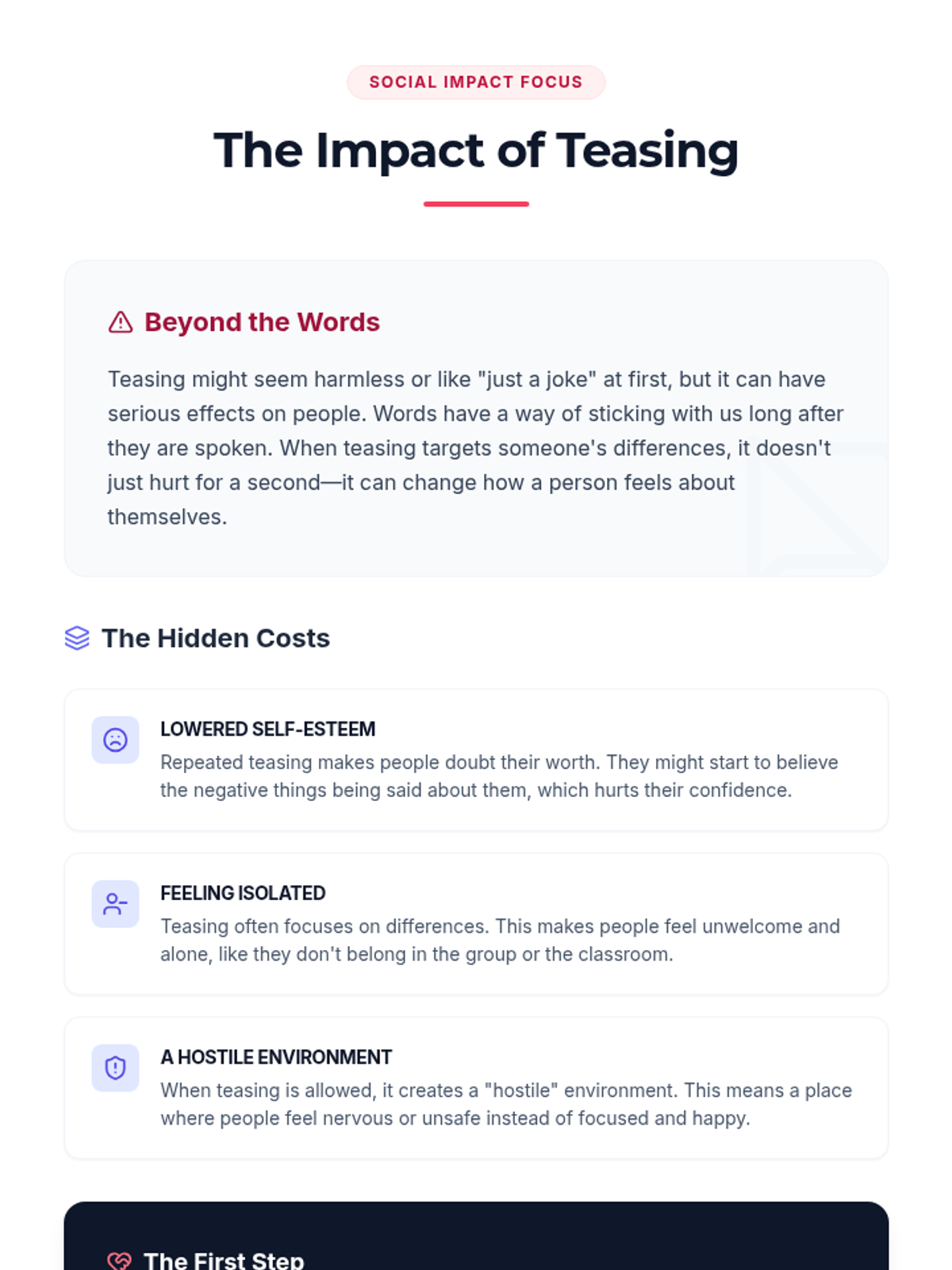
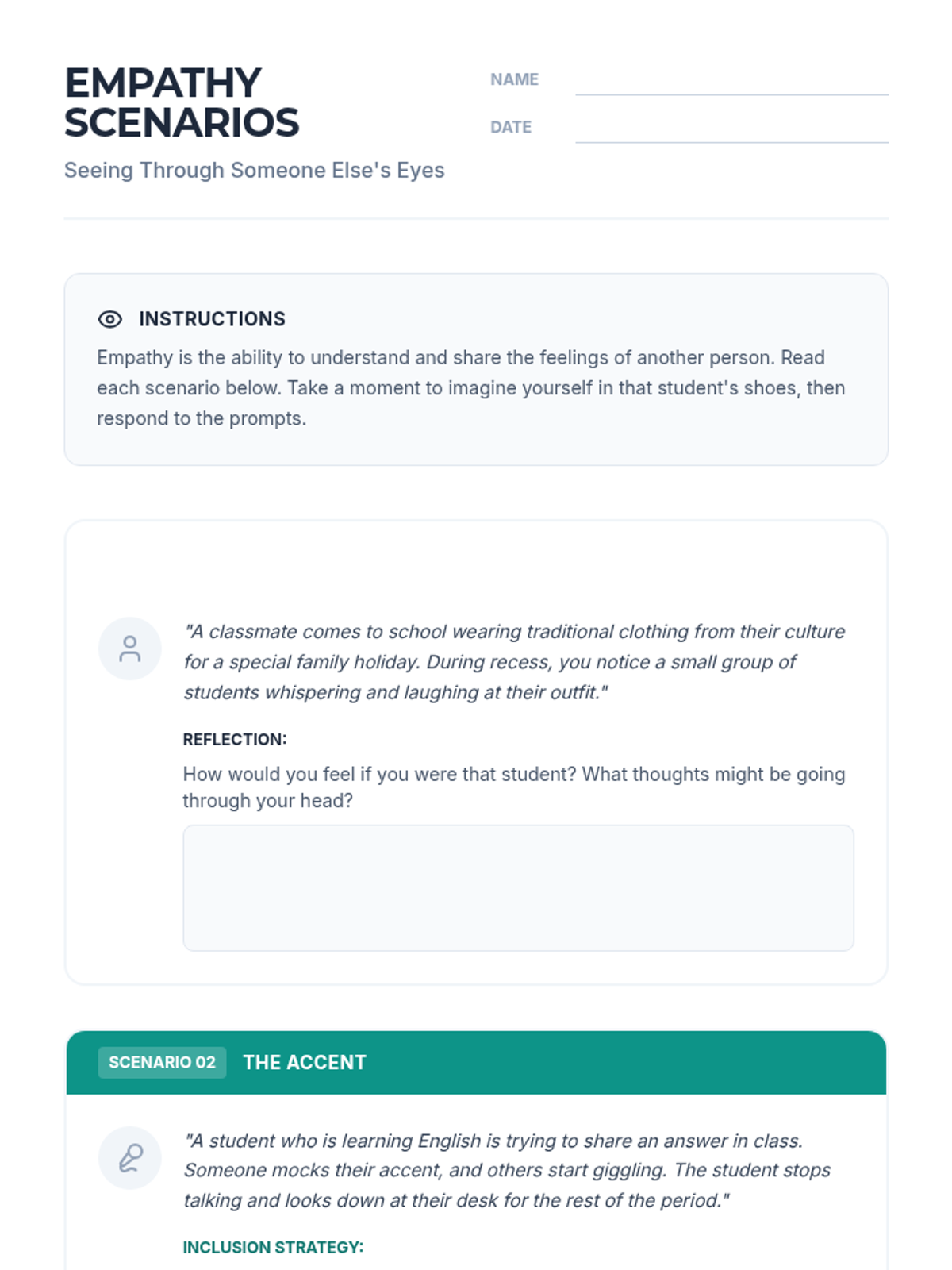
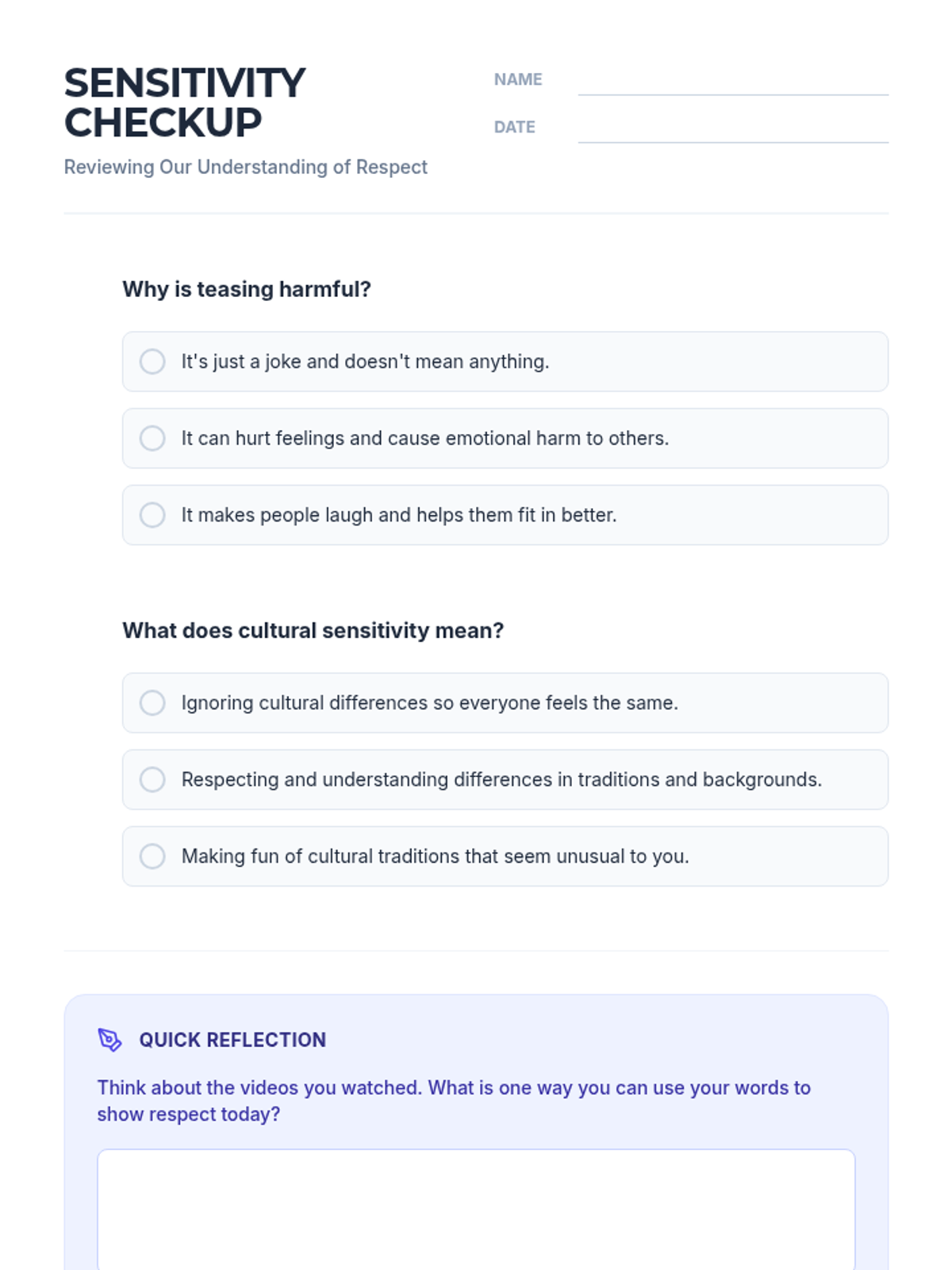
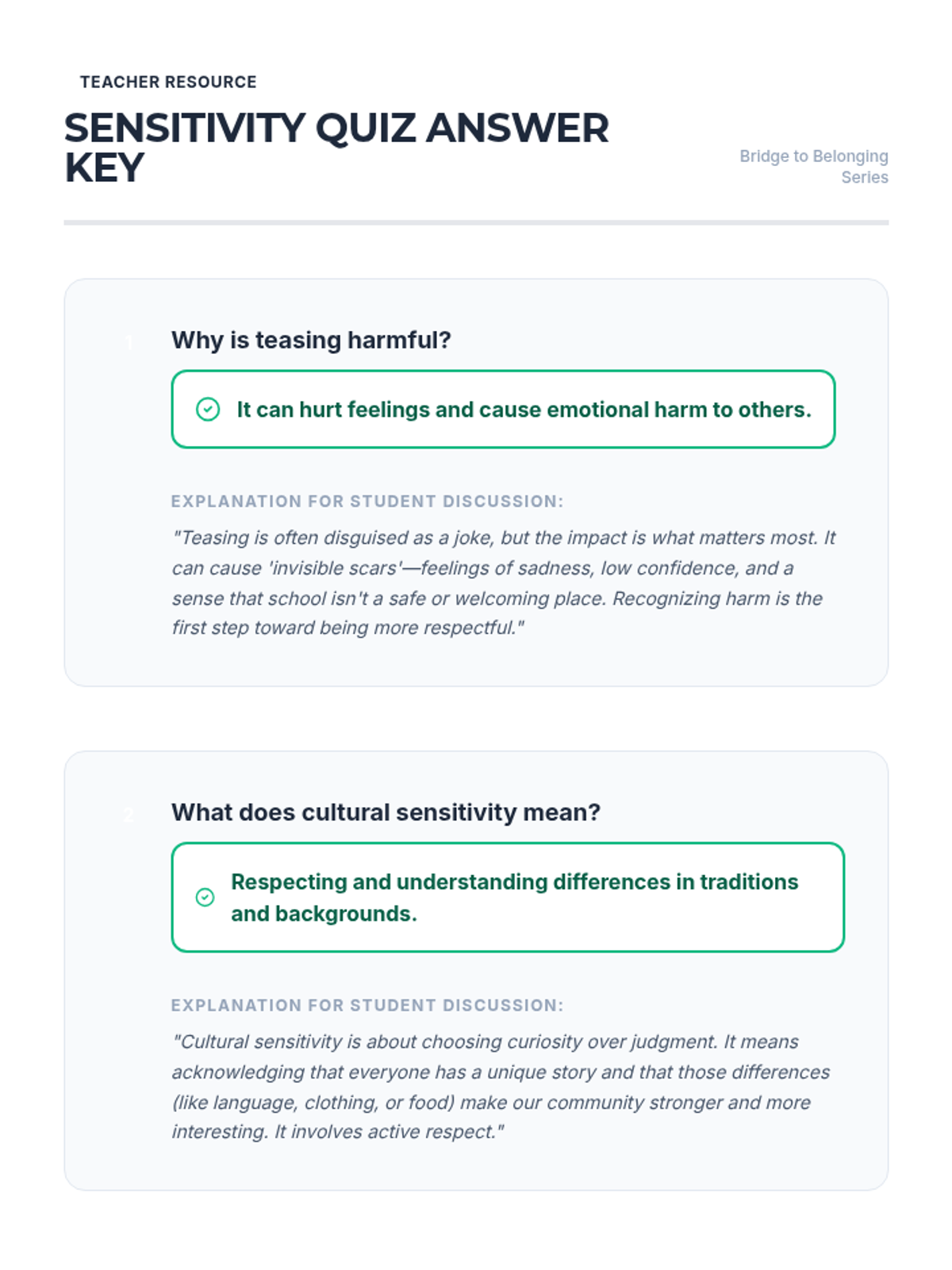
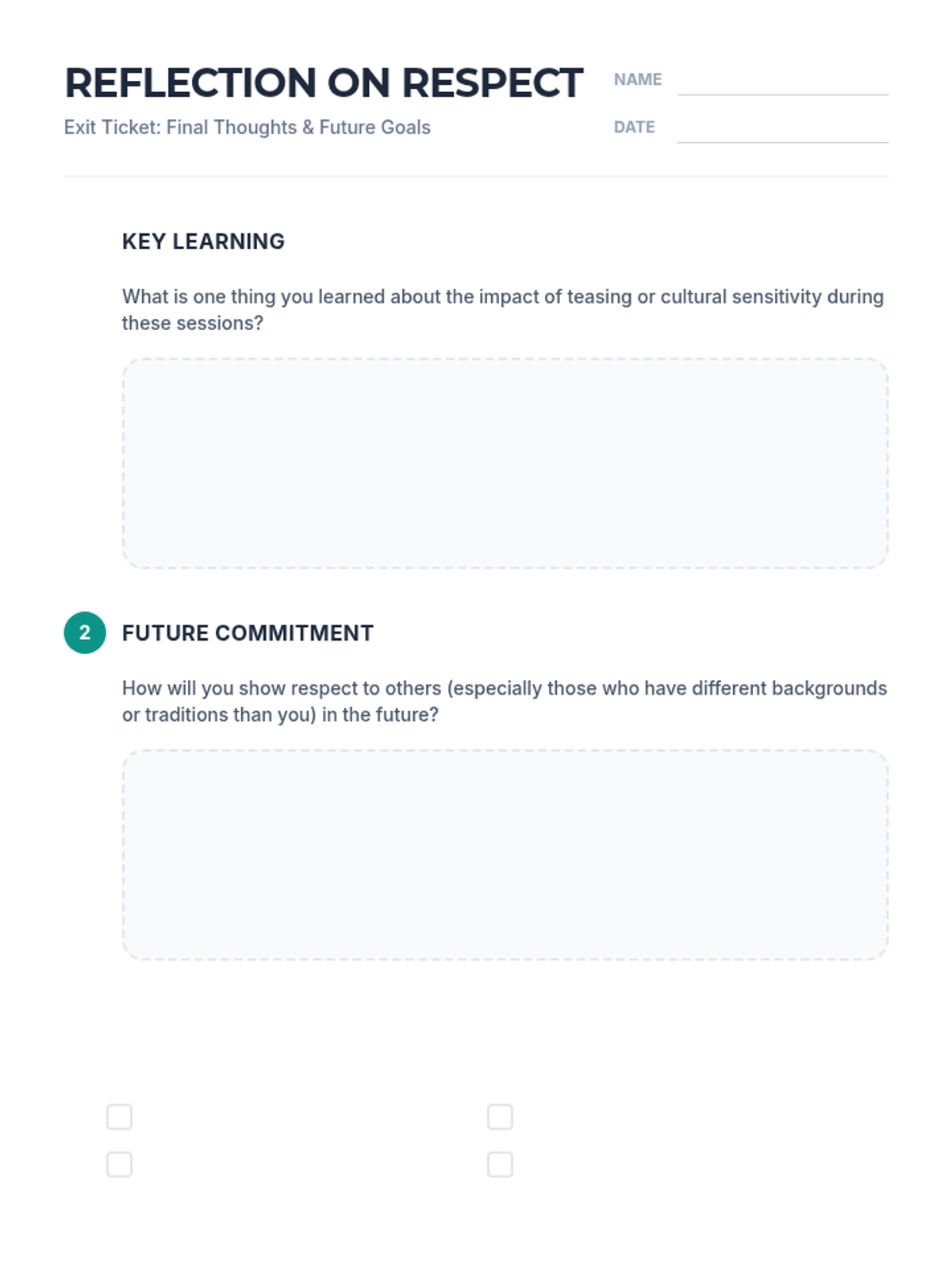
Empathetic skill development through emotion recognition, cultural diversity appreciation, and bias confrontation. Targets multi-perspective analysis to support respectful interactions and complex social responses.
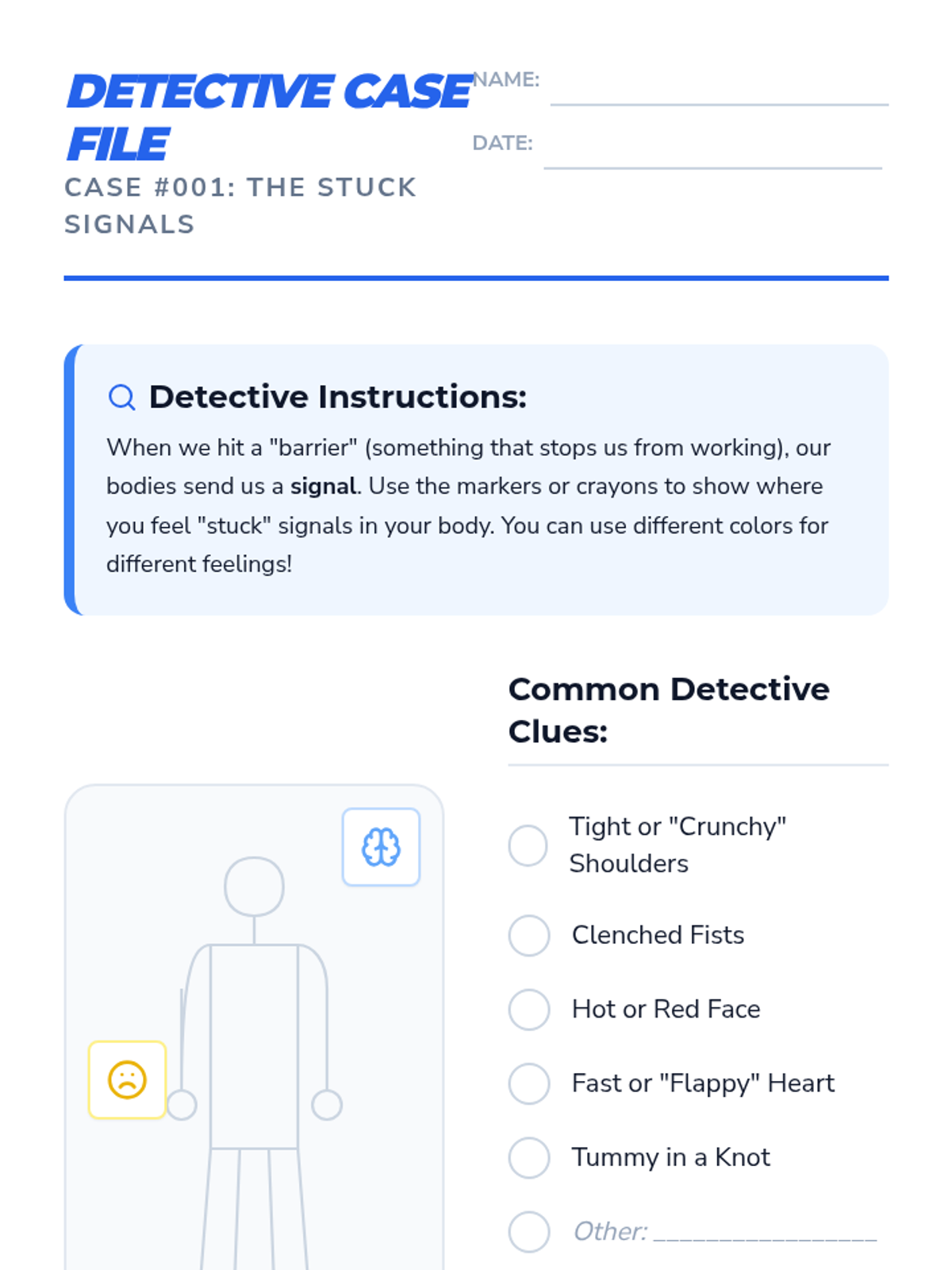
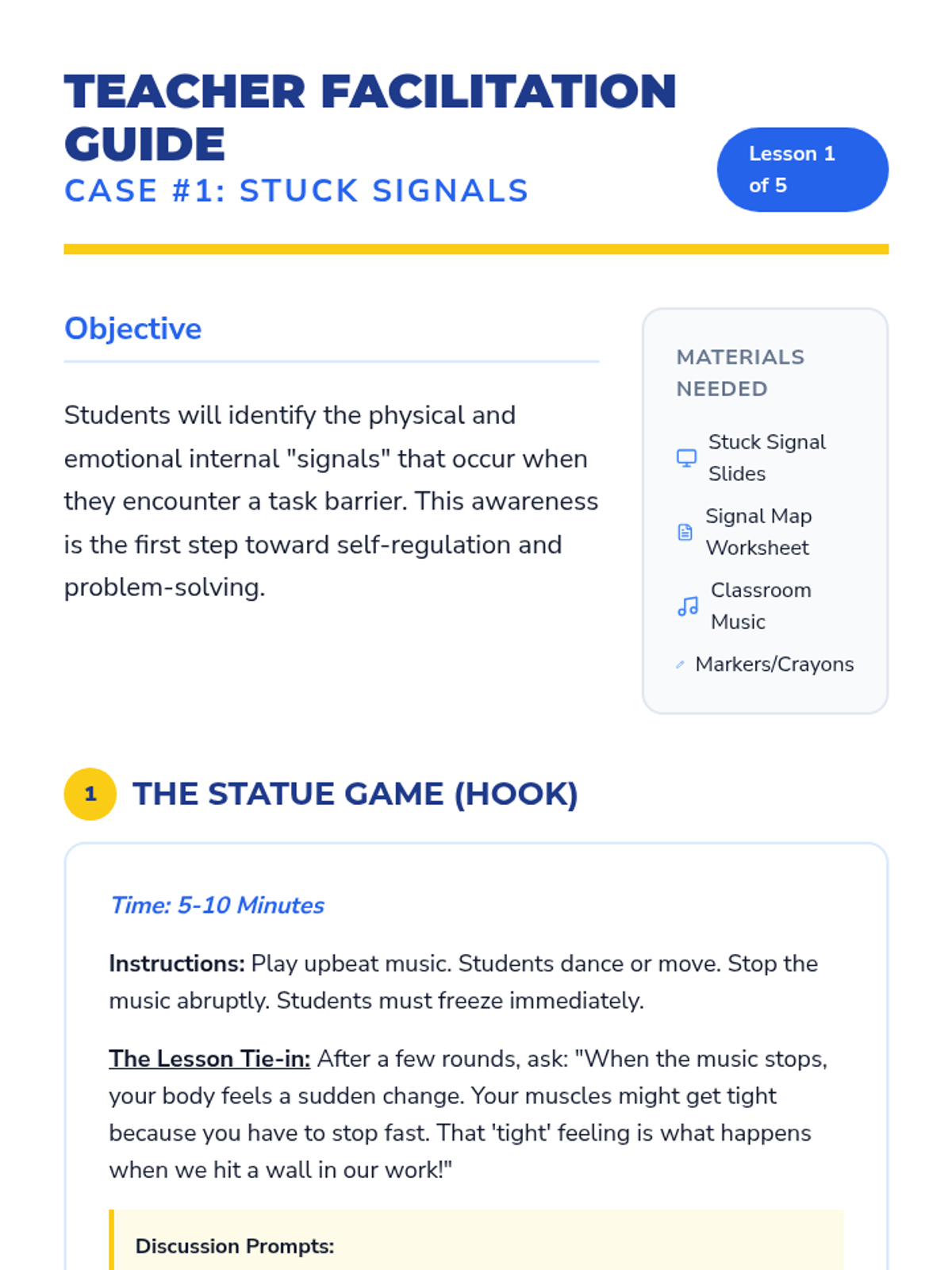
A 5-lesson unit for 3rd-grade students focused on identifying and categorizing obstacles that prevent task completion. Students learn to recognize internal emotional signals and external barriers (physical, informational, and environmental) to build self-advocacy and problem-solving skills.
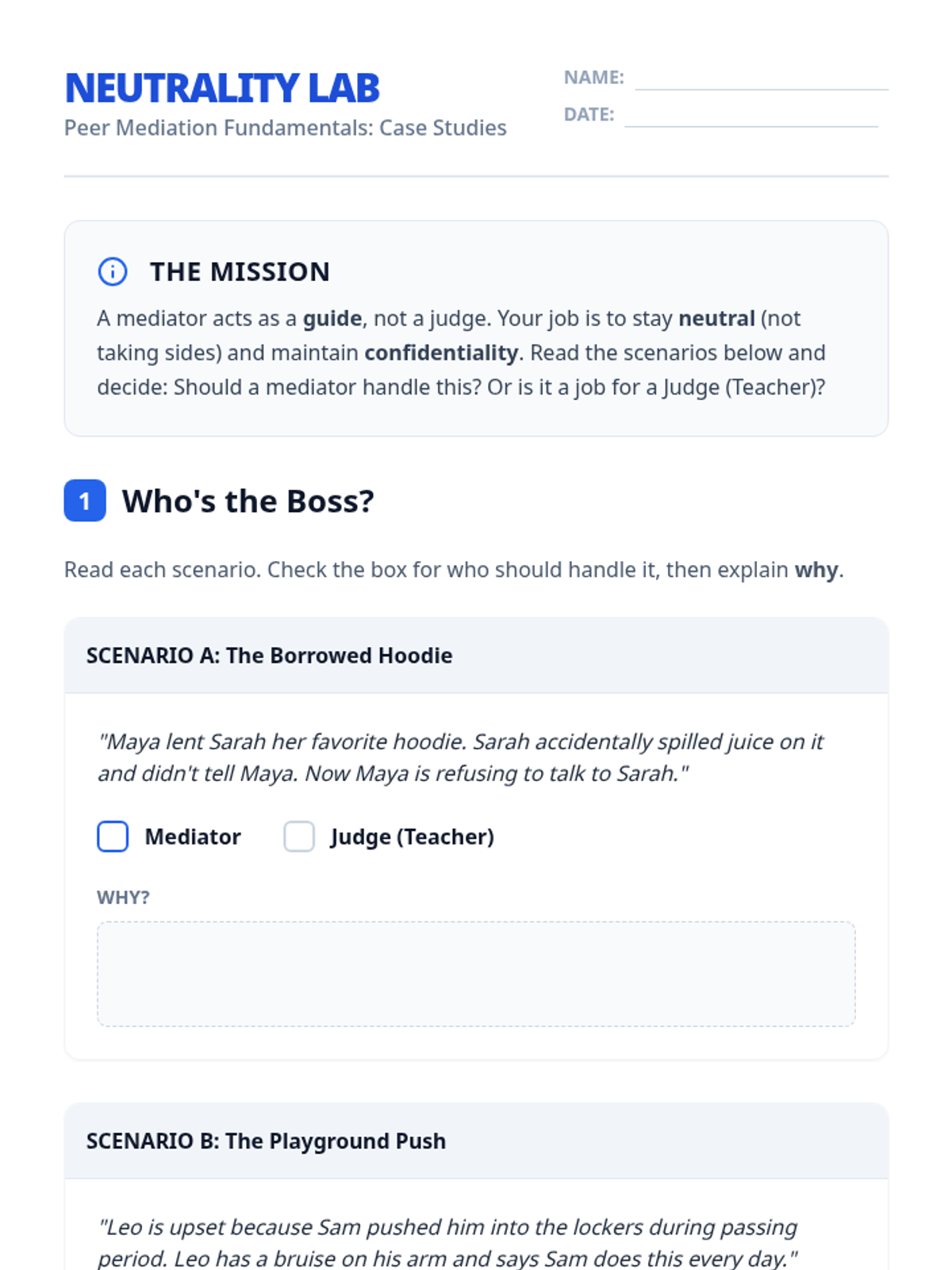
This sequence empowers students to act as third-party neutrals, introducing the specific structure and skills of Peer Mediation. Students learn the distinct phases of a mediation session, the importance of neutrality, and how to facilitate dialogue without taking sides.
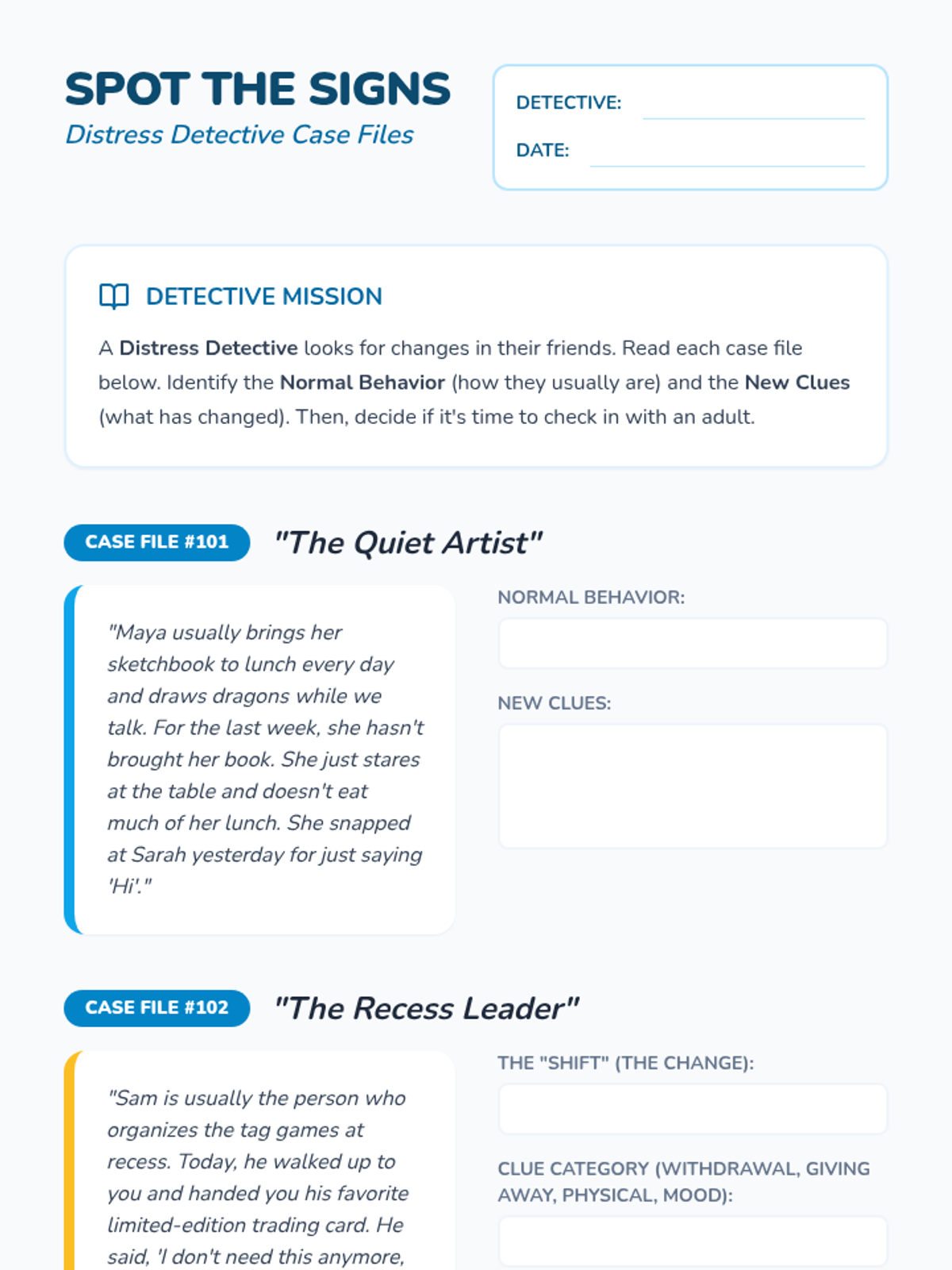
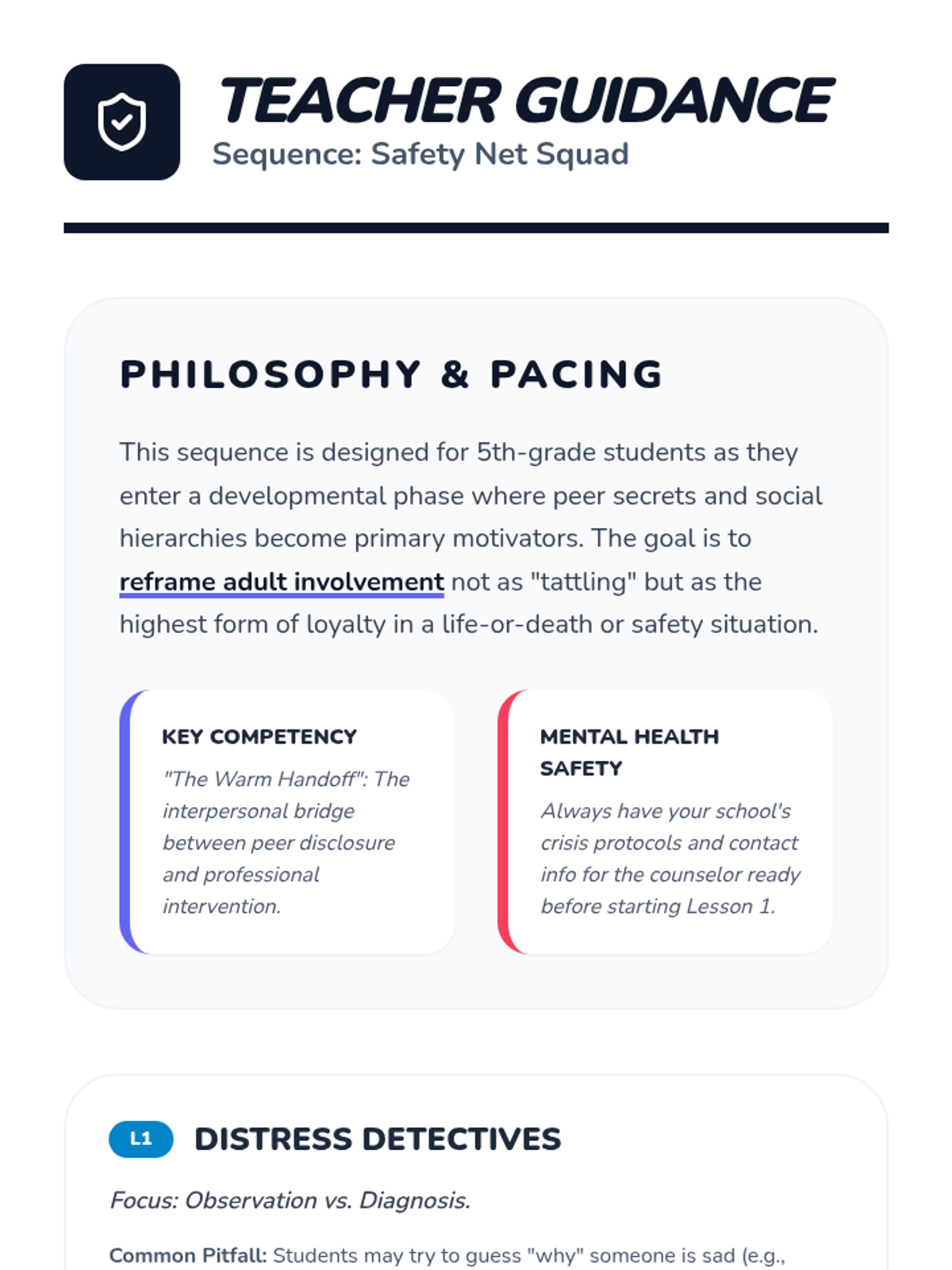
A 5-lesson sequence designed for 5th-grade students to learn how to recognize signs of distress in peers, understand the ethical boundaries of friendship secrets, practice active listening, and safely connect friends to trusted adults through 'warm handoffs.' Students conclude by creating a school-wide advocacy campaign to promote mental health resources.
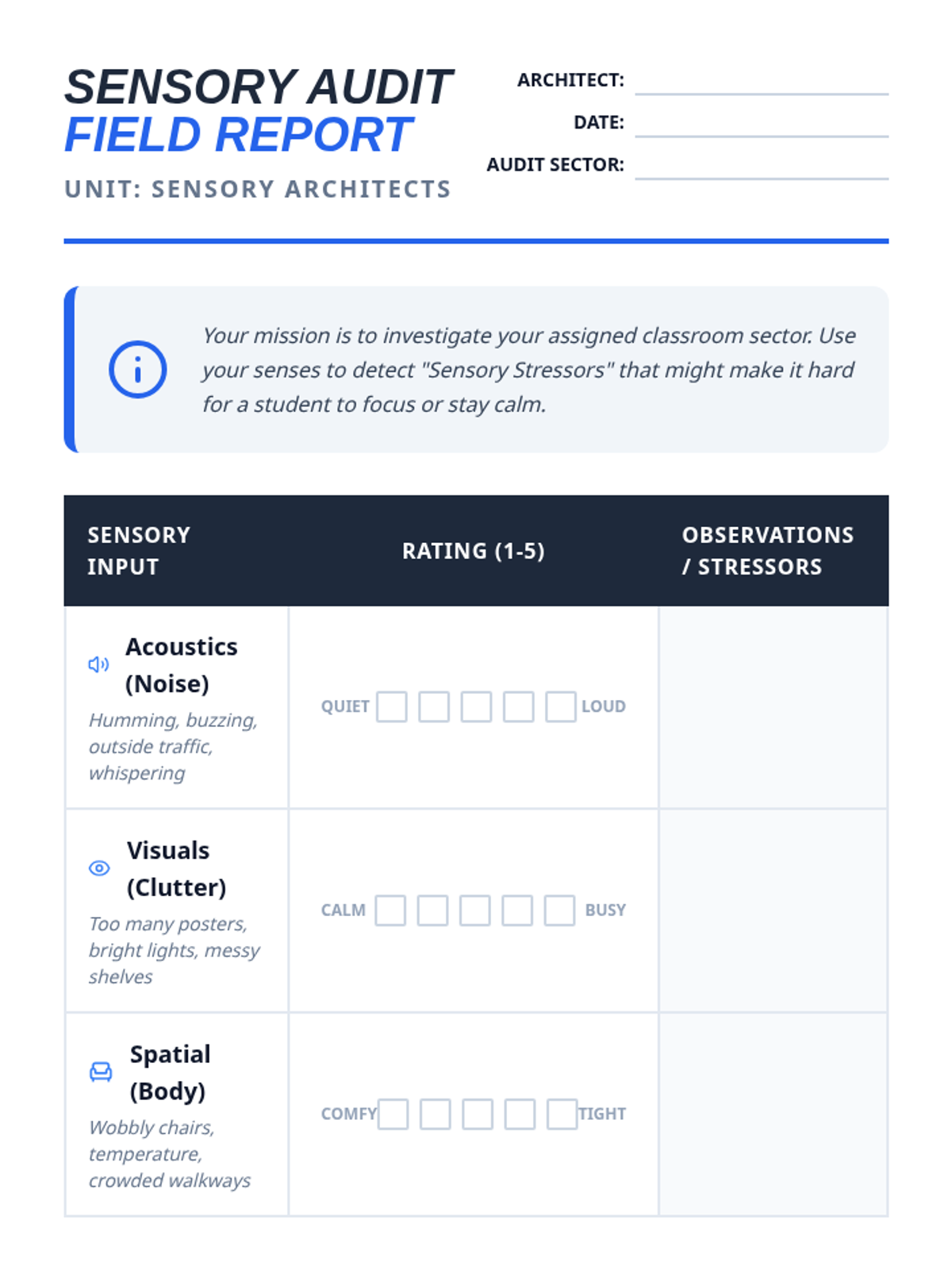
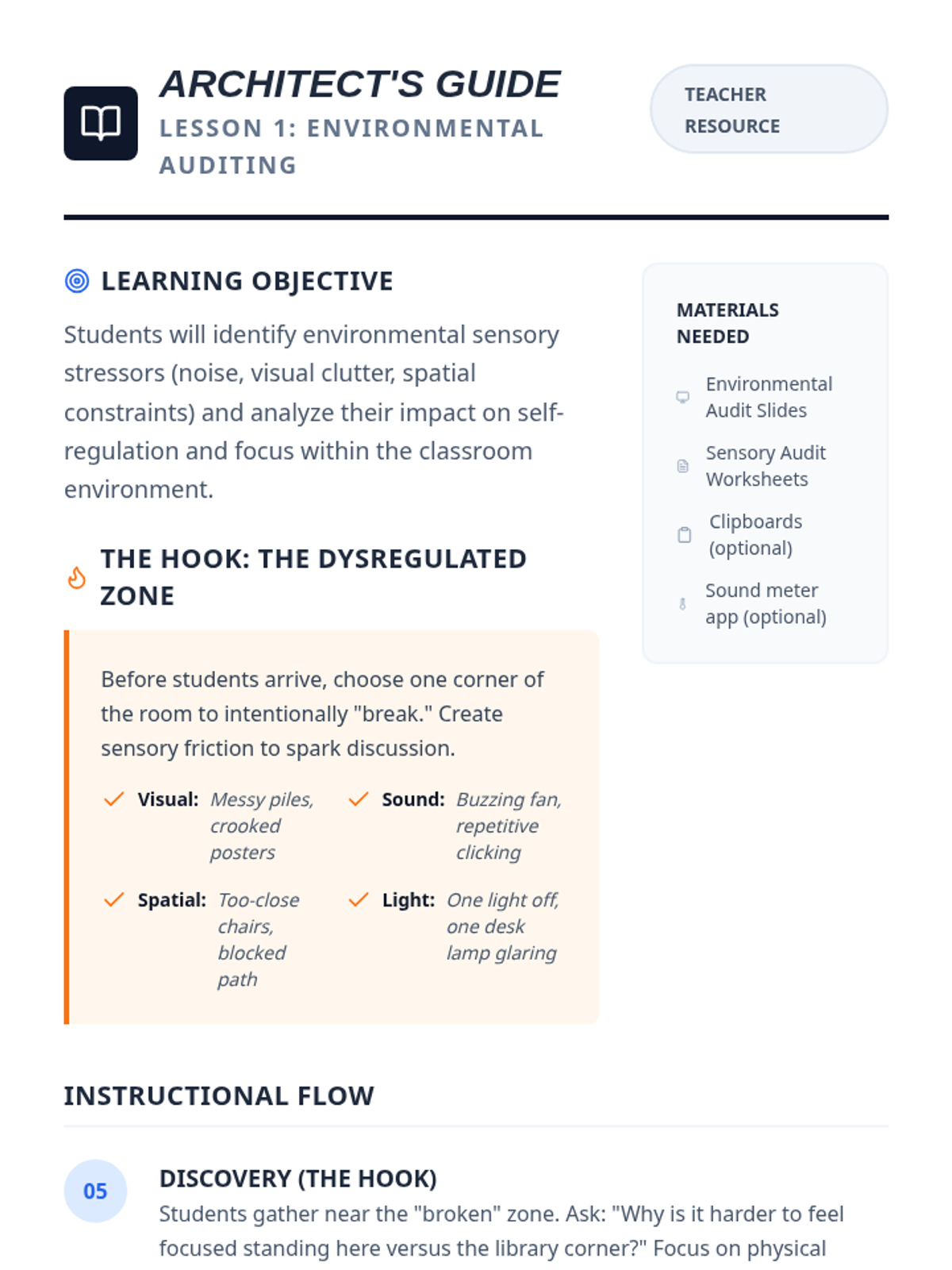
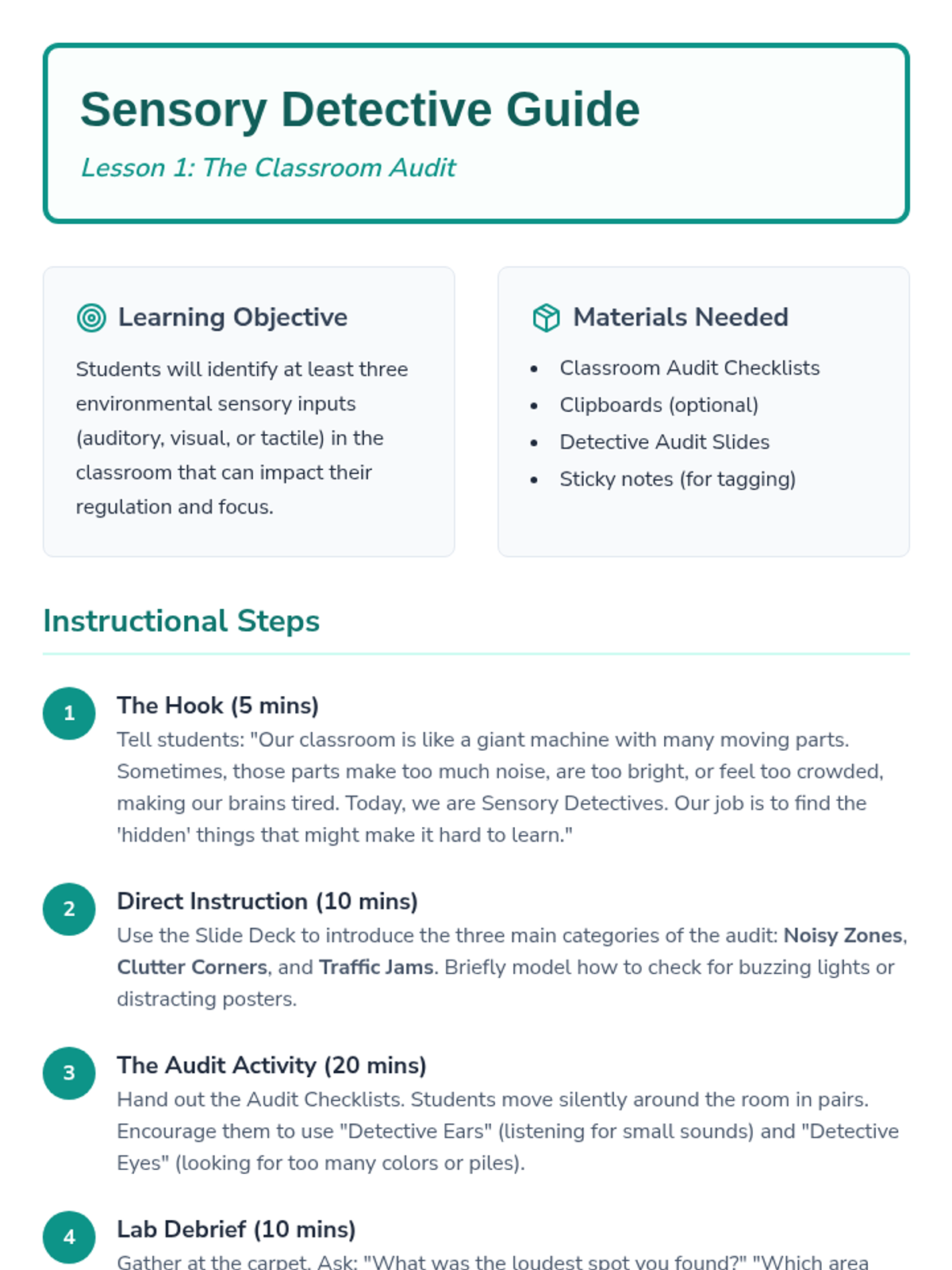
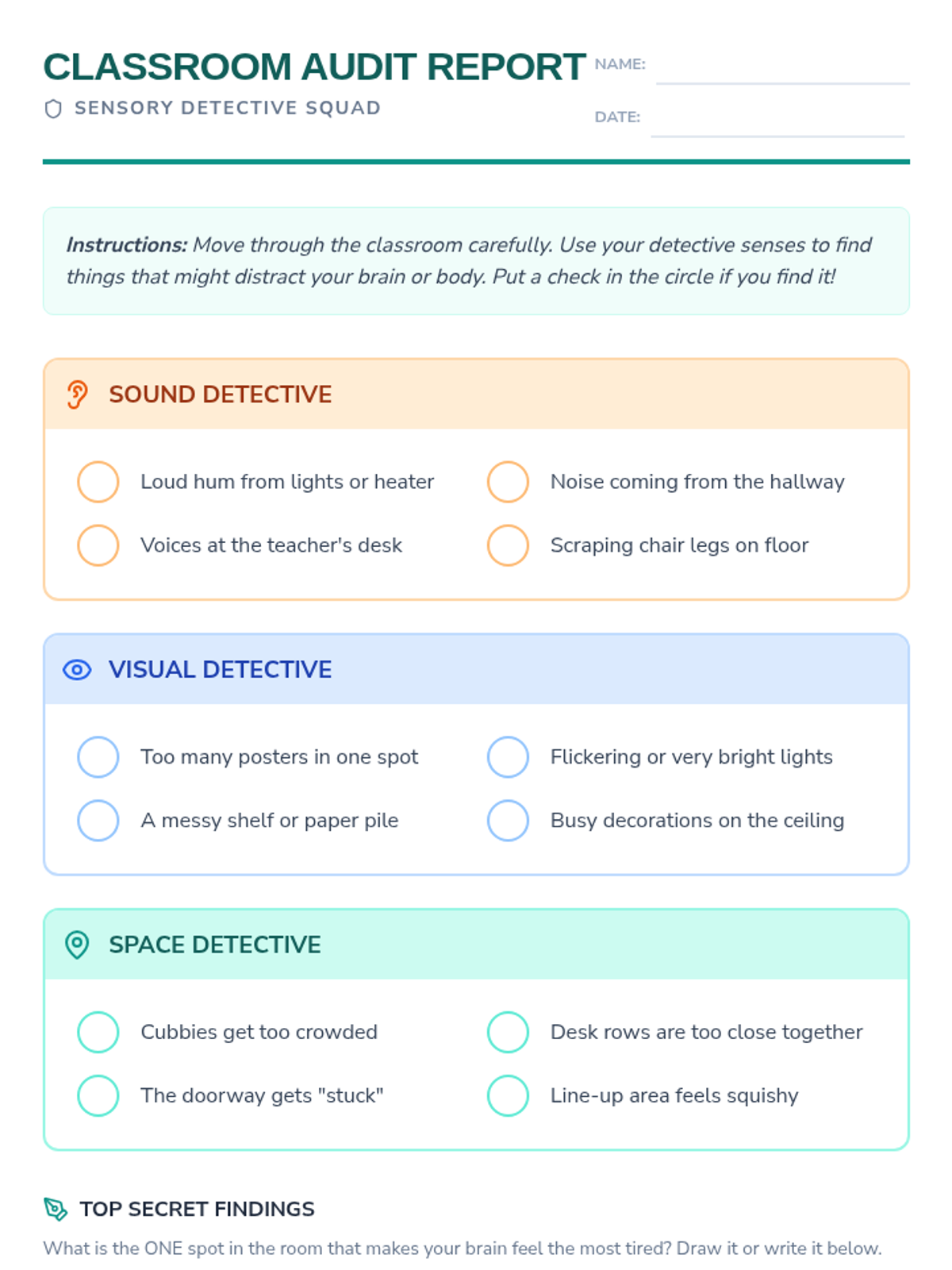
A 5th-grade sequence where students act as 'Sensory Architects' to analyze, design, and implement proactive sensory routines in their classroom. Students focus on environmental audits, schedule analysis, and peer-led interventions to support collective focus and regulation.
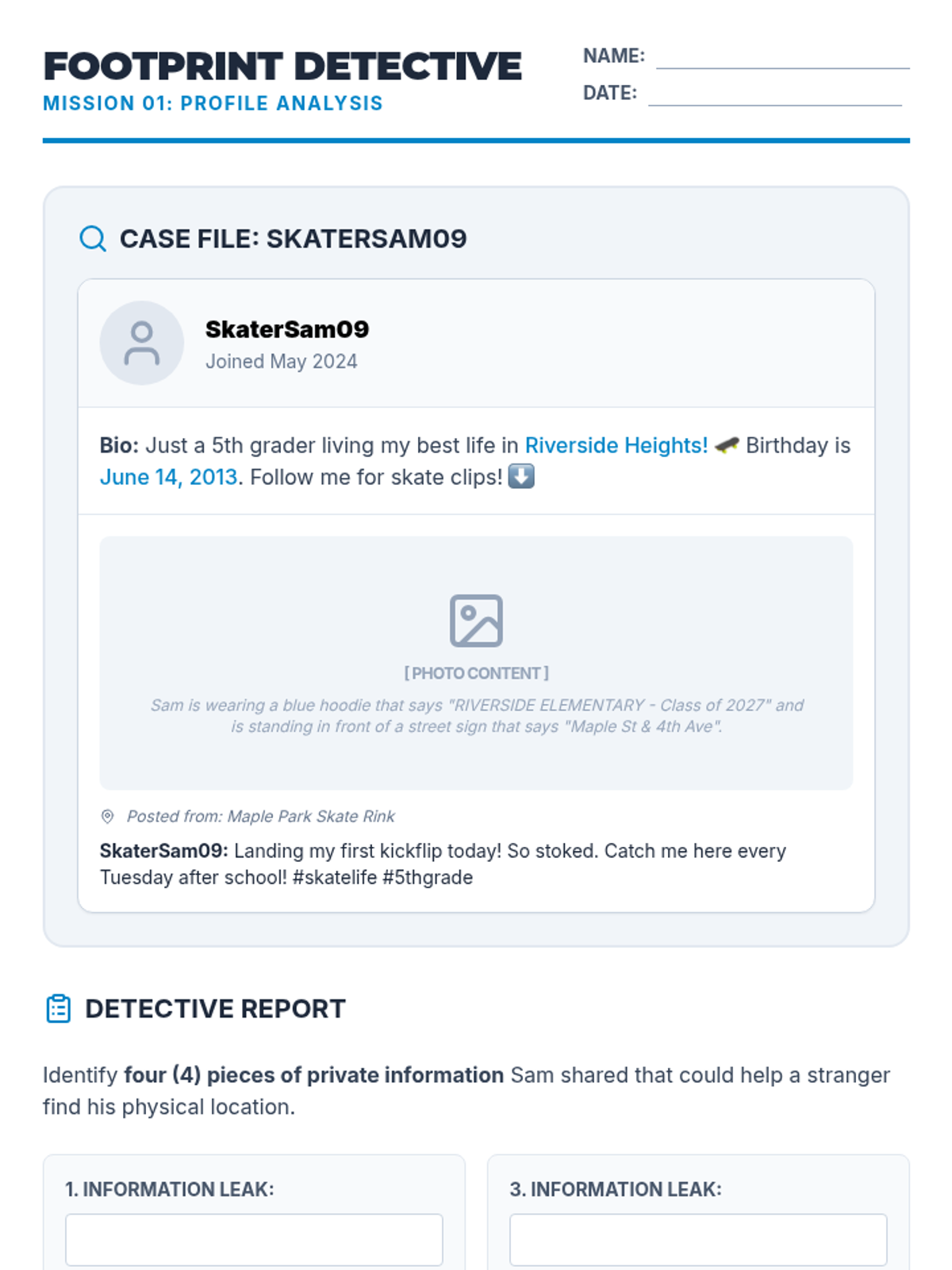
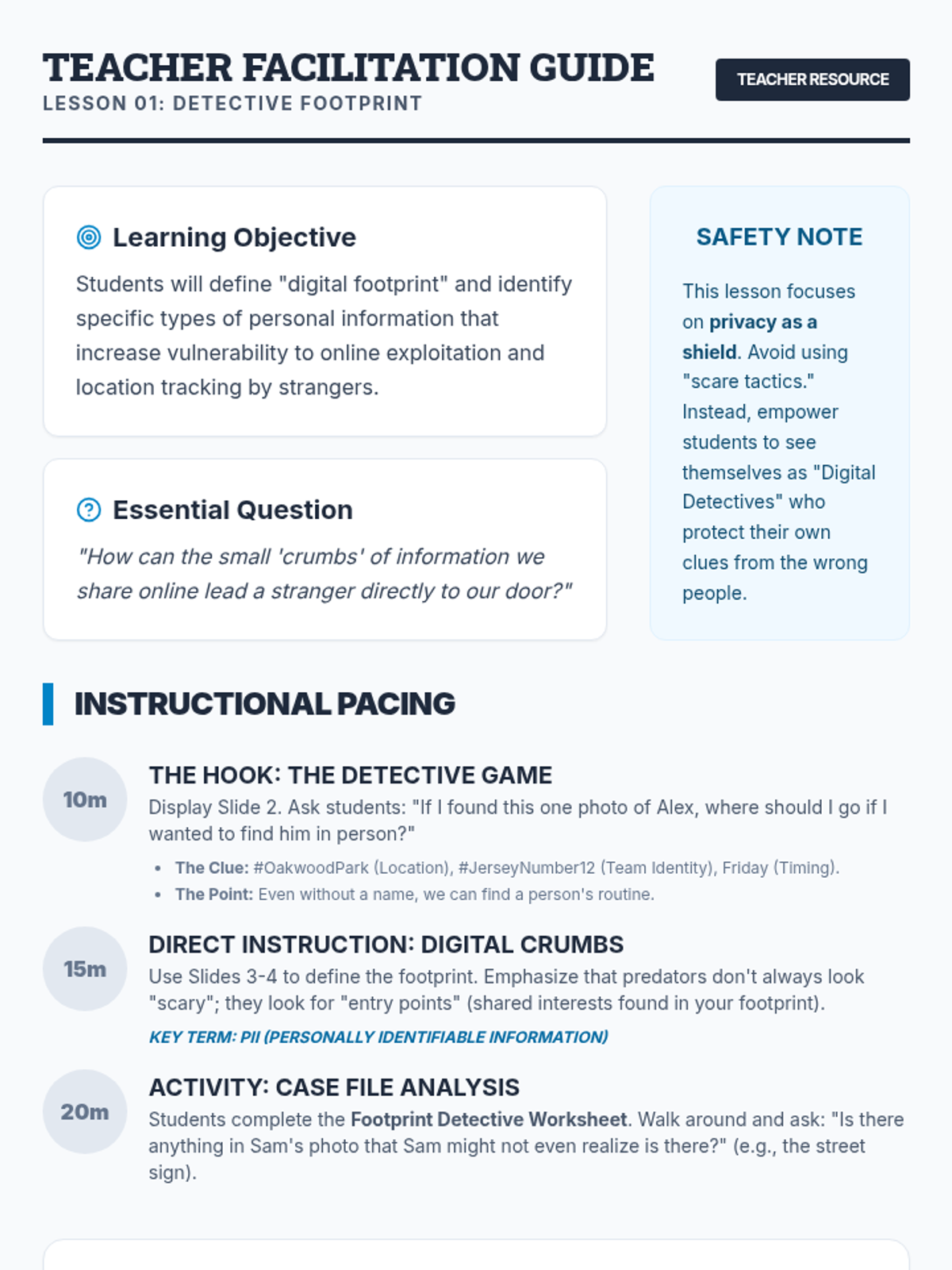
A comprehensive 5-lesson sequence for 5th graders focusing on digital safety, recognizing grooming tactics, and identifying recruitment behaviors online to prevent child trafficking. students learn to protect their digital footprints, identify fake profiles, and use reporting tools effectively.
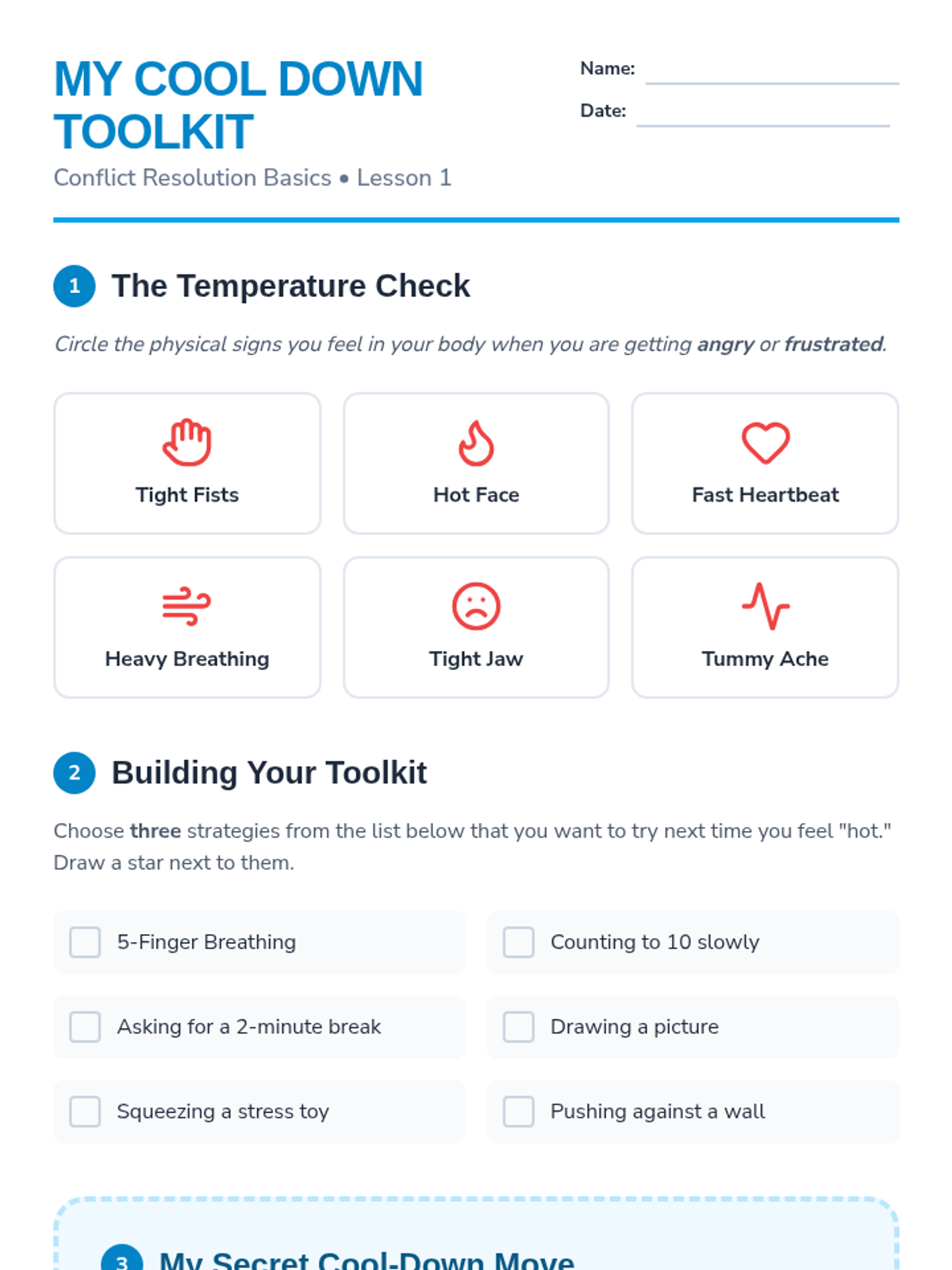
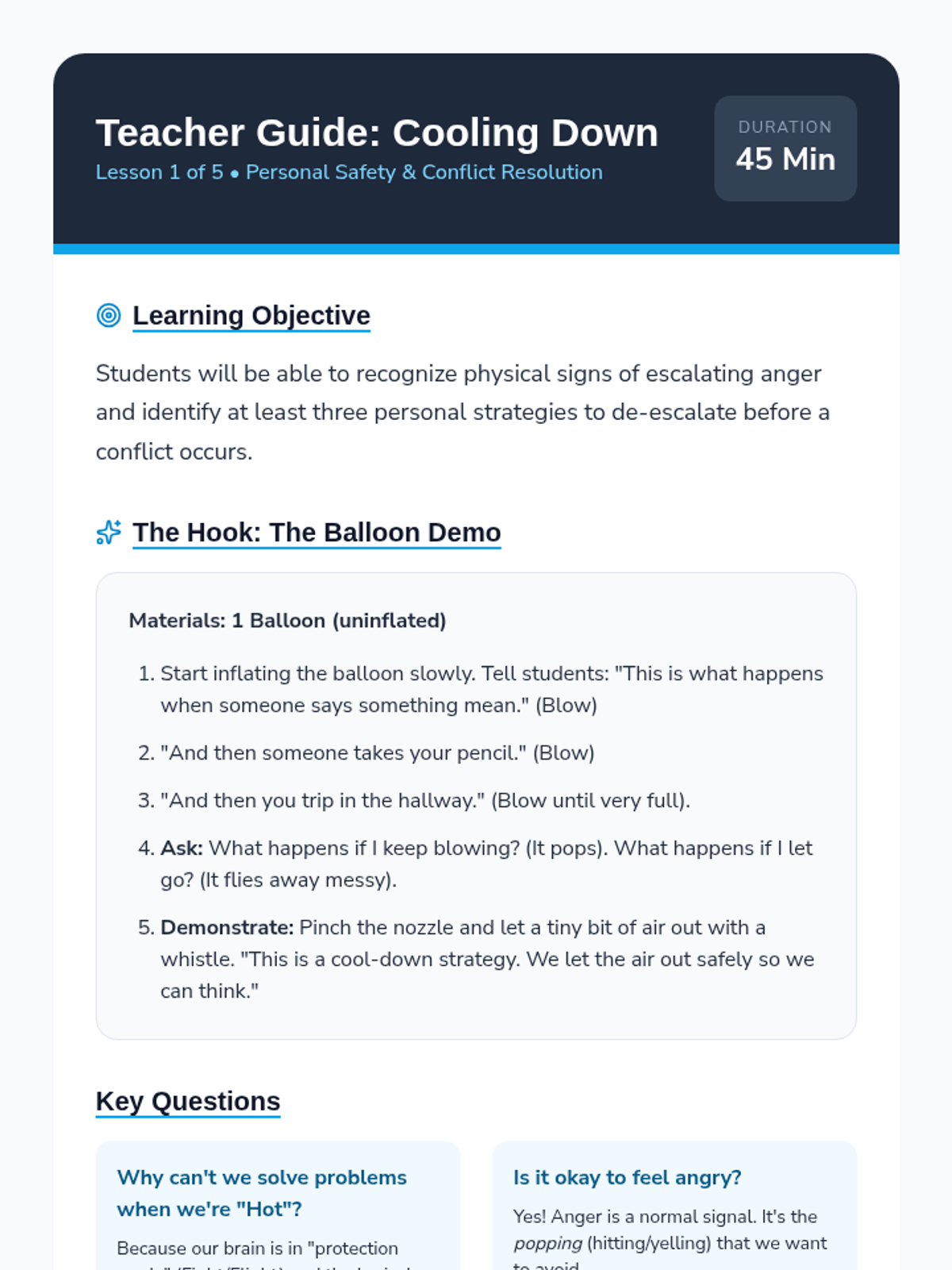
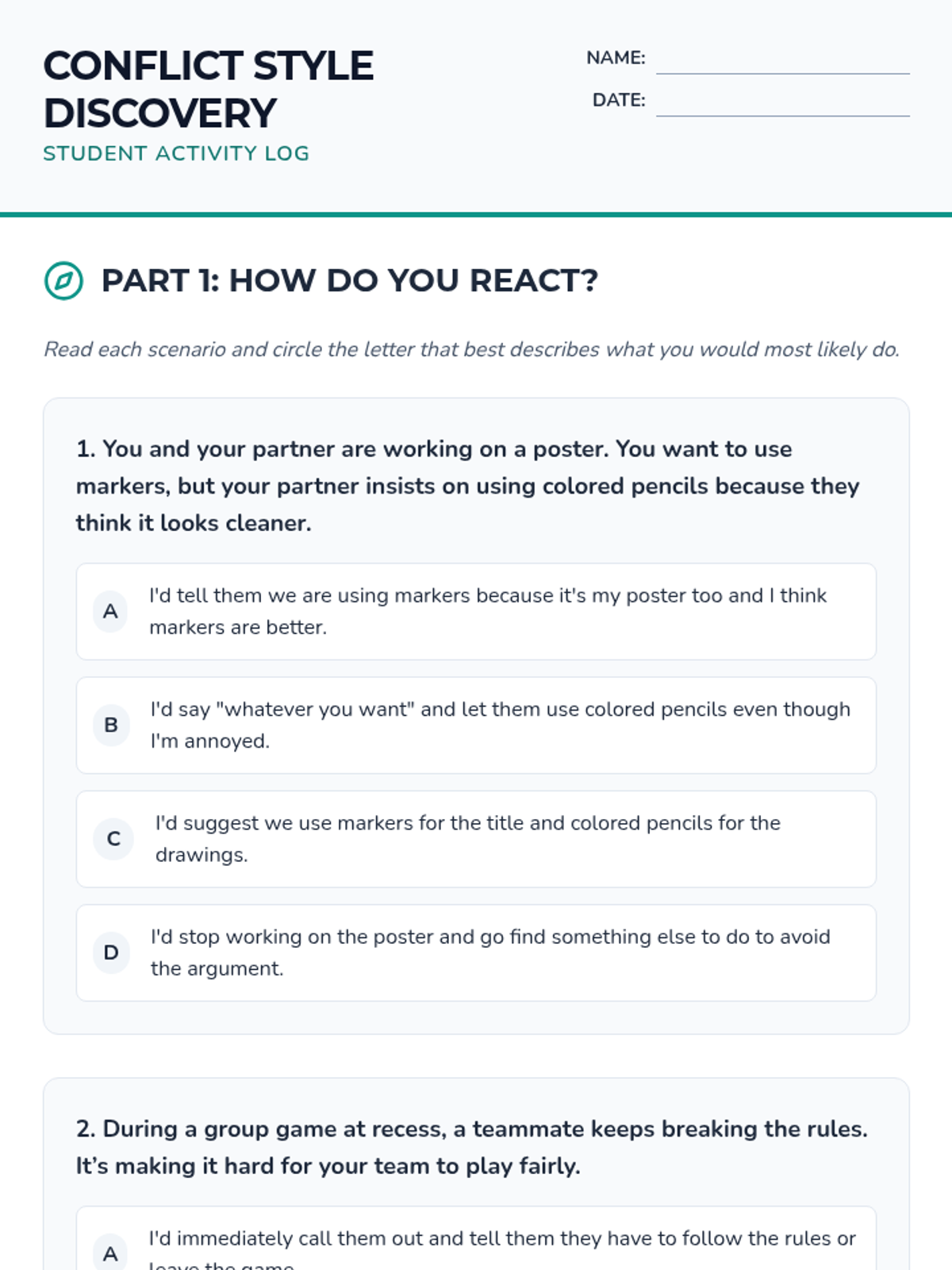
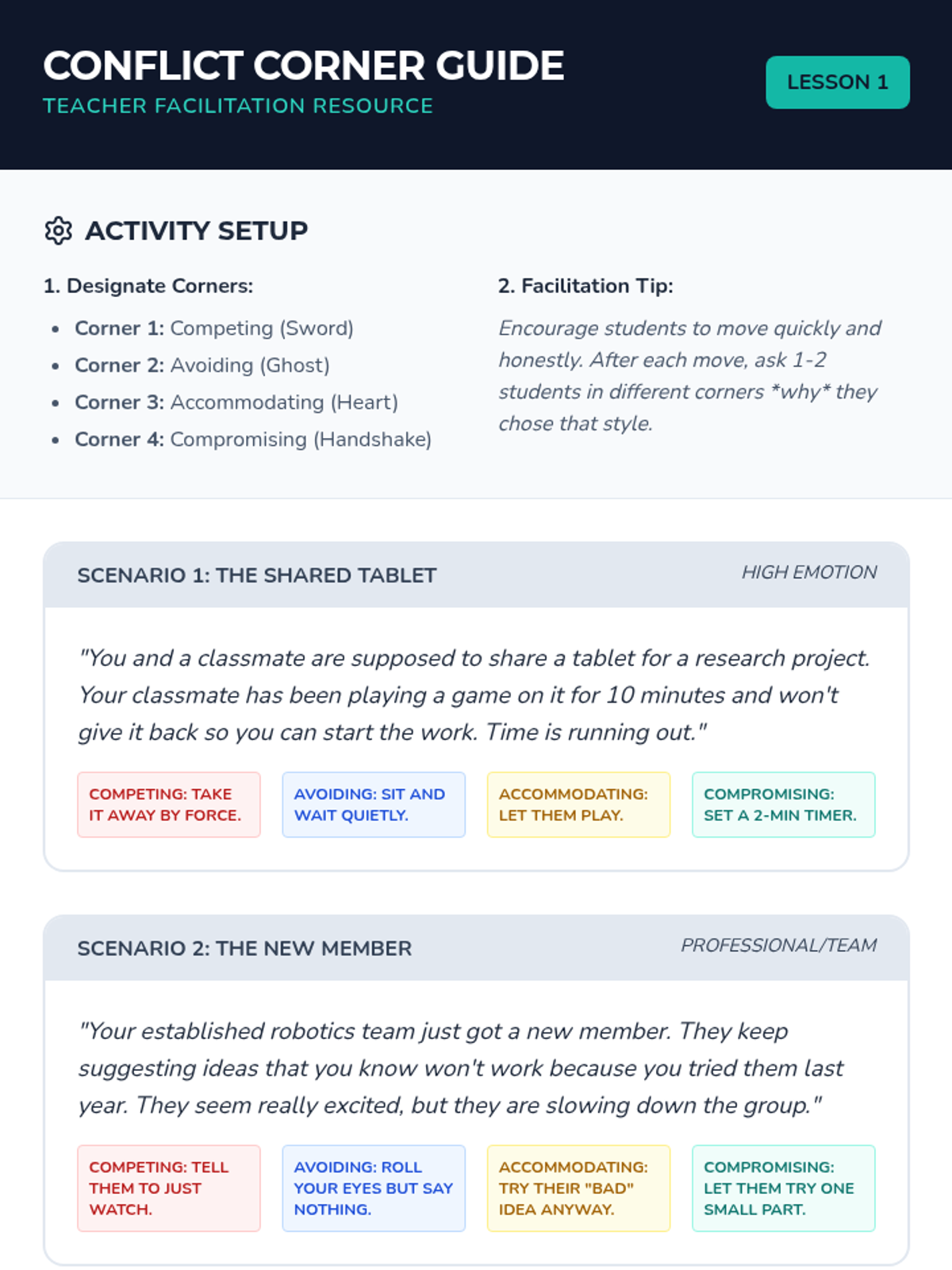
Students move from reactive emotional responses to proactive negotiation. They learn de-escalation, empathy through perspective-taking, and a structured 4-step 'Peace Path' to resolve playground and classroom conflicts independently.
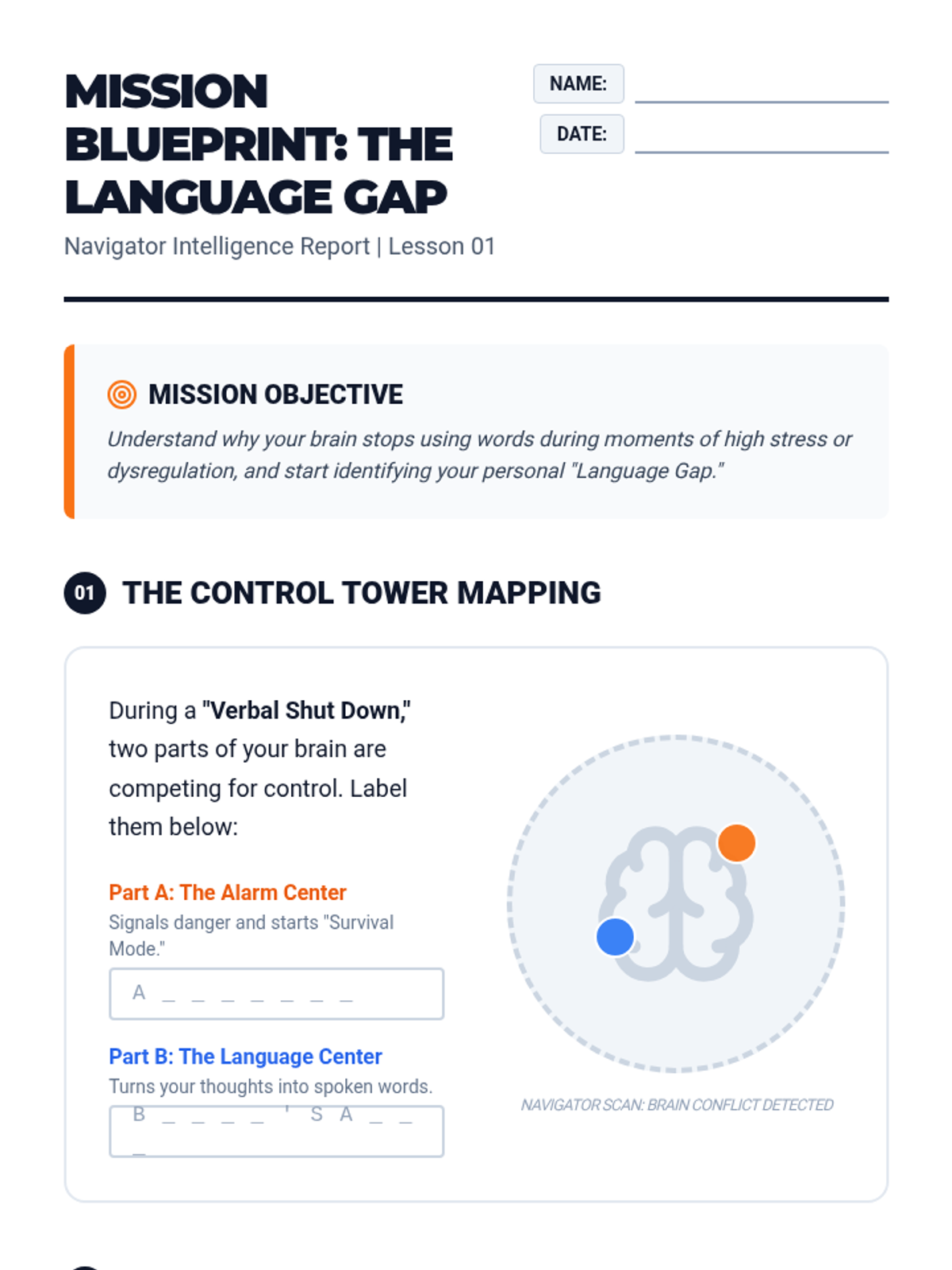
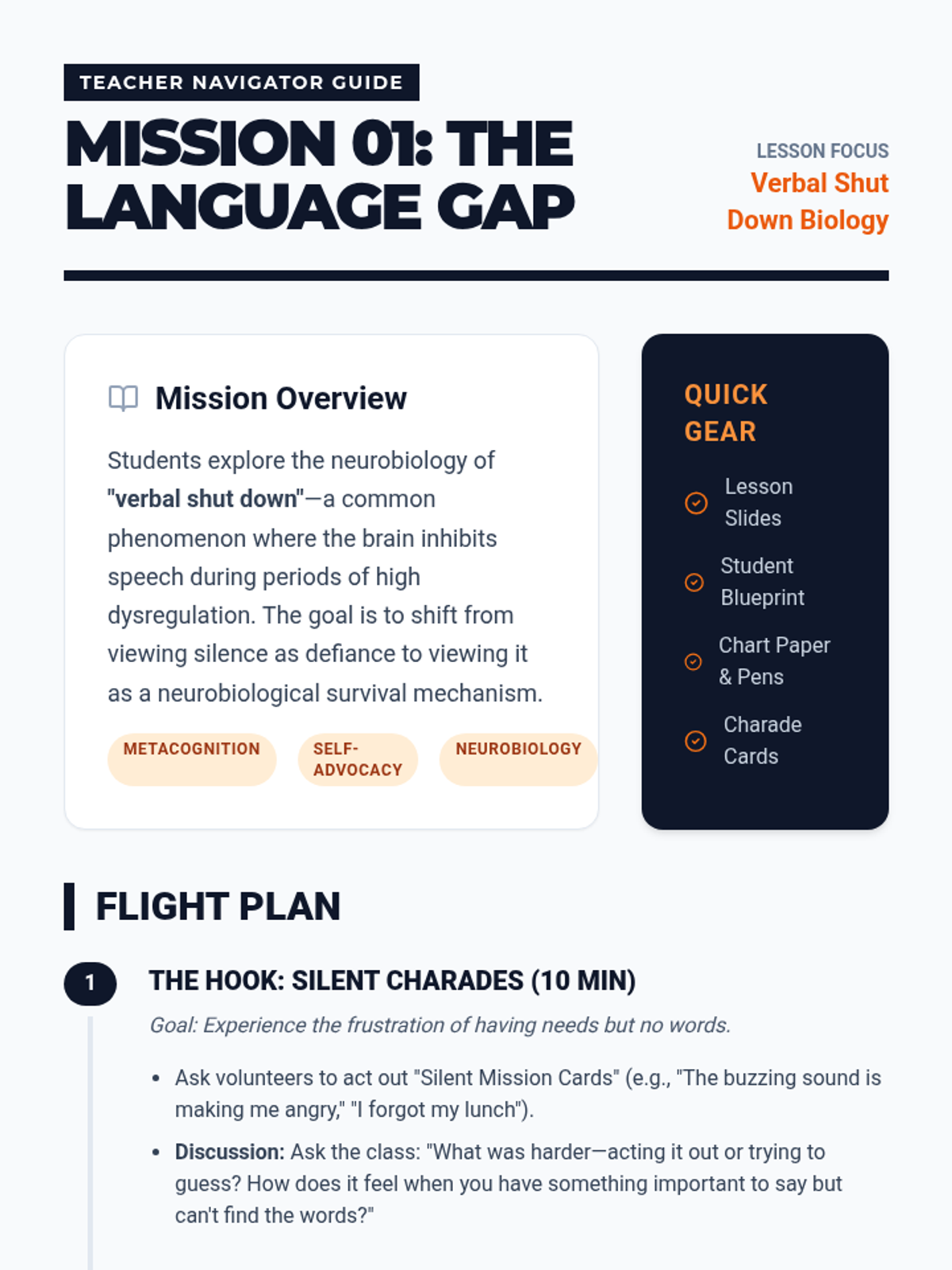
A 5-lesson sequence for 6th-grade students focusing on neurobiological awareness of dysregulation, non-verbal communication systems, co-regulation techniques, and restorative practices for re-entering social environments. Students develop a 'Navigator' mindset to manage emotional turbulence and maintain relationships.
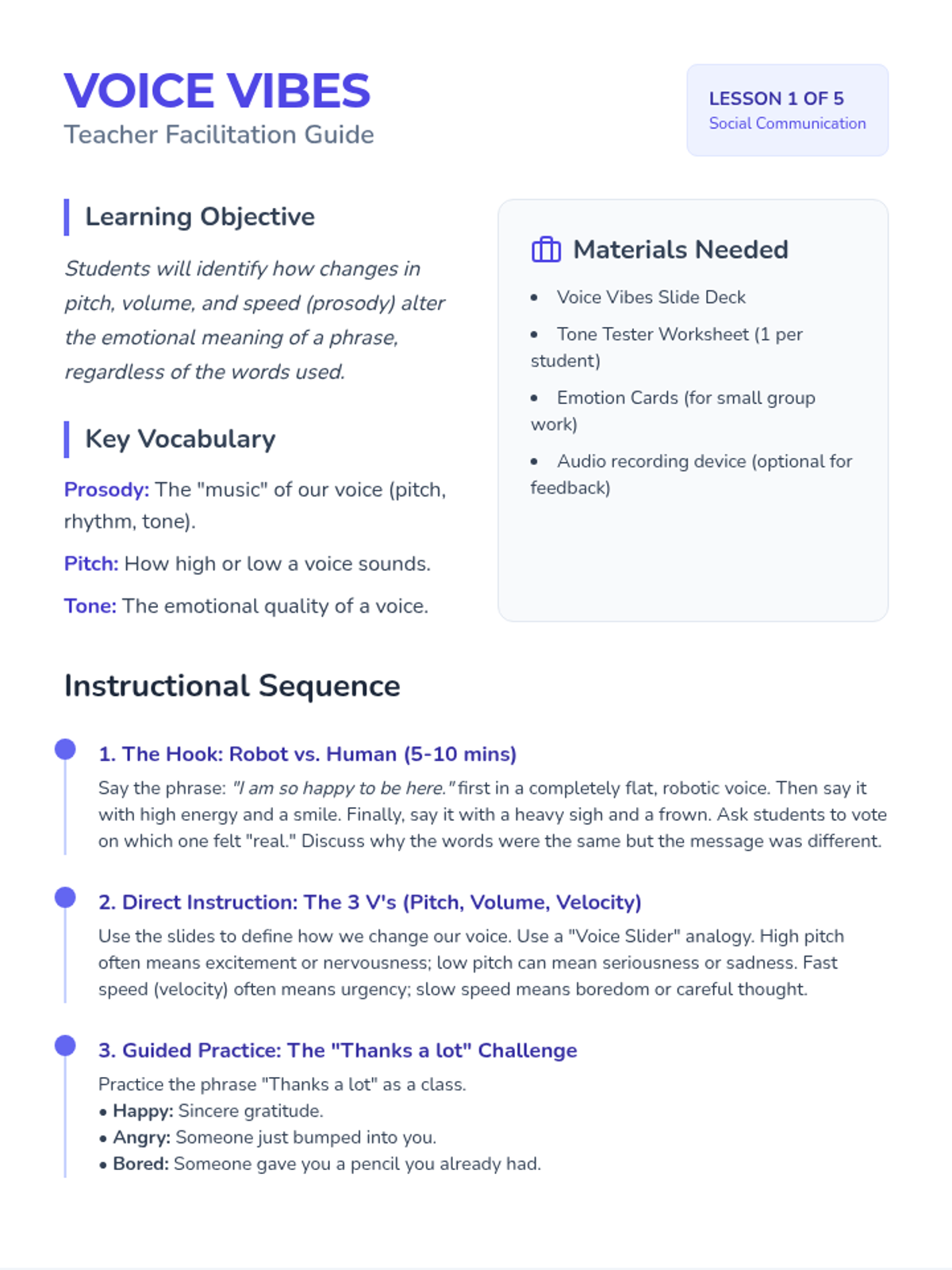
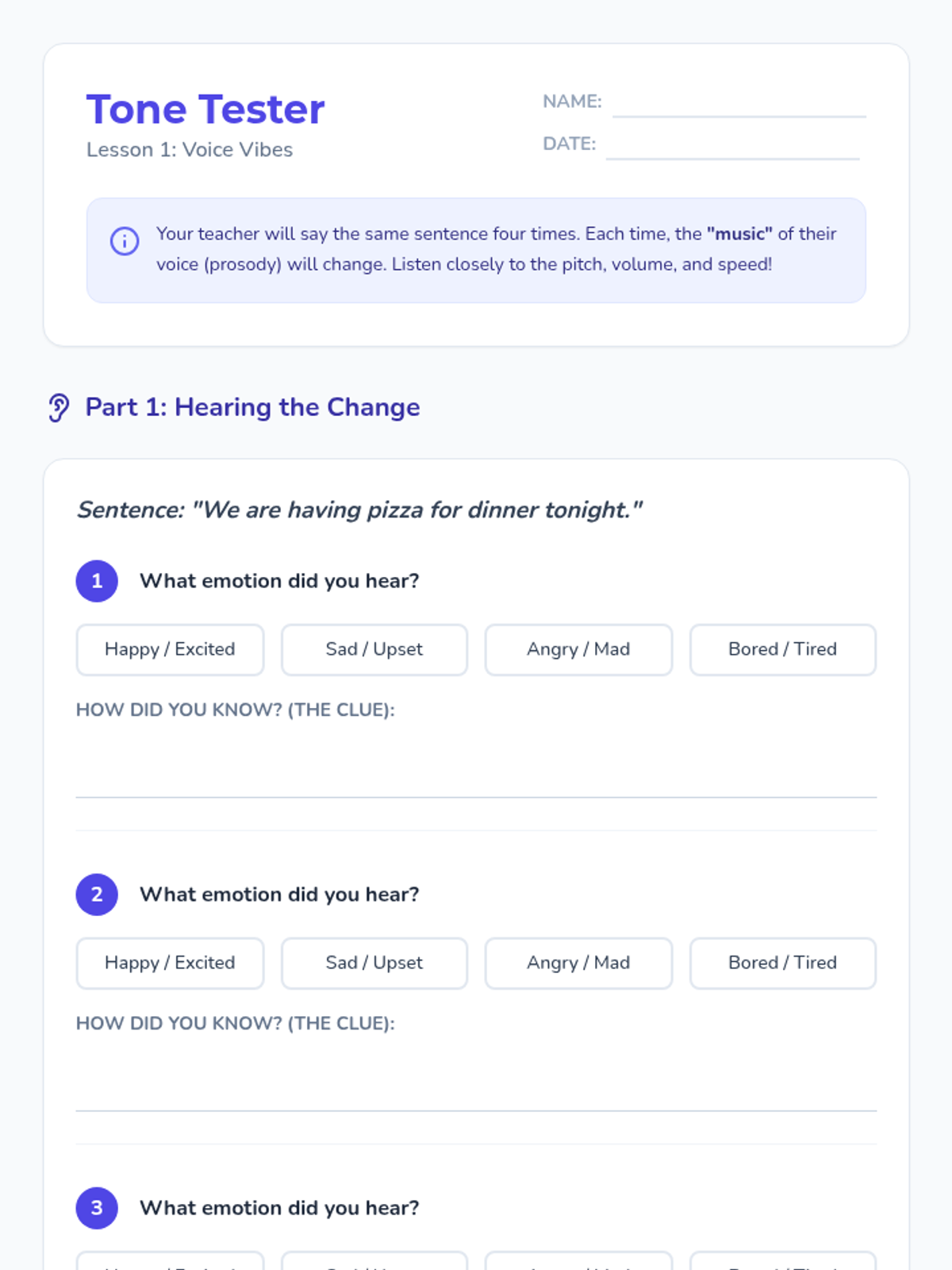
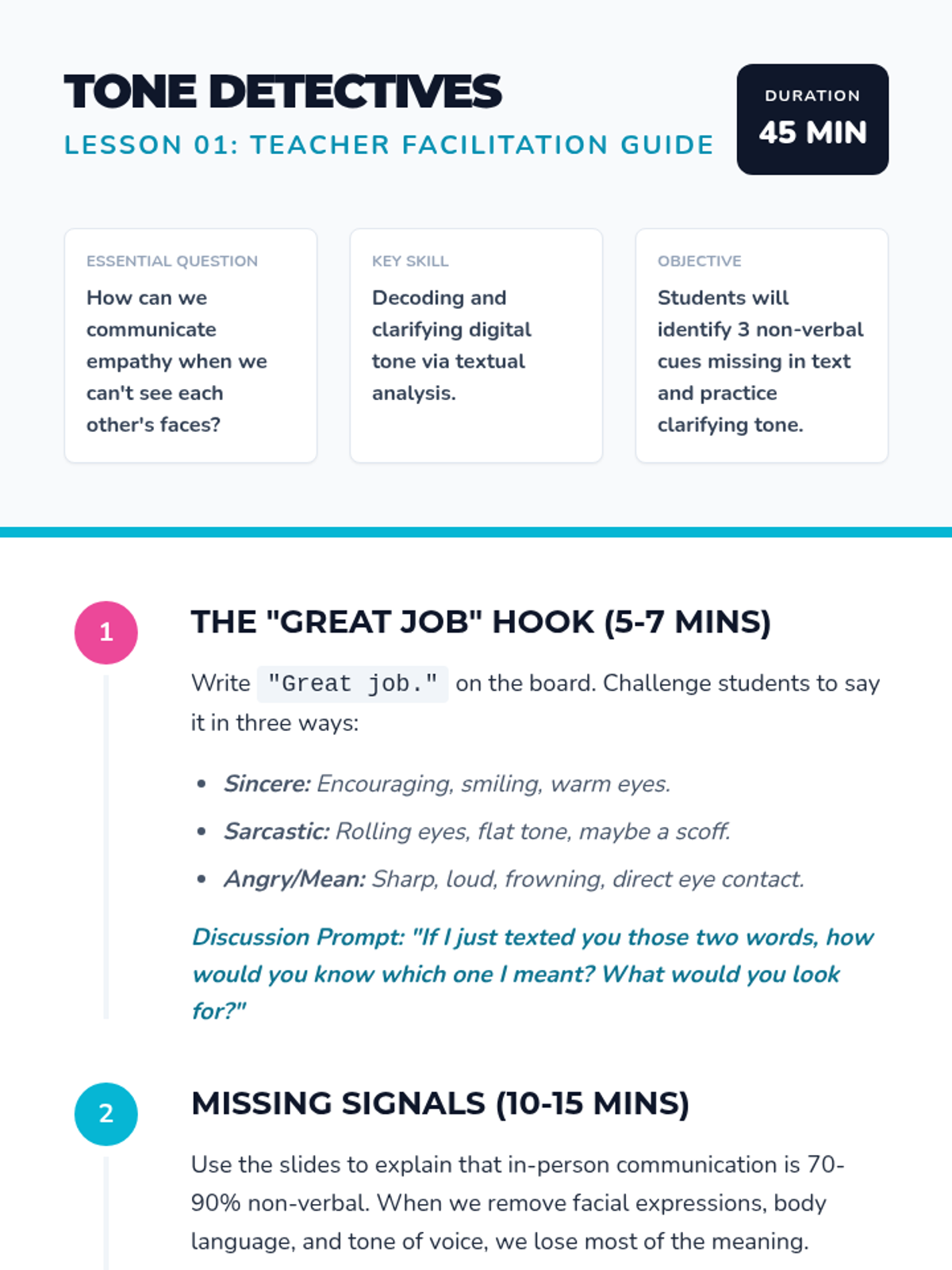
This sequence explores how tone of voice, body language, and context change the meaning of words. Students move from auditory analysis of tone to complex social role-playing, focusing on sarcasm, hyperbole, and social inferencing.
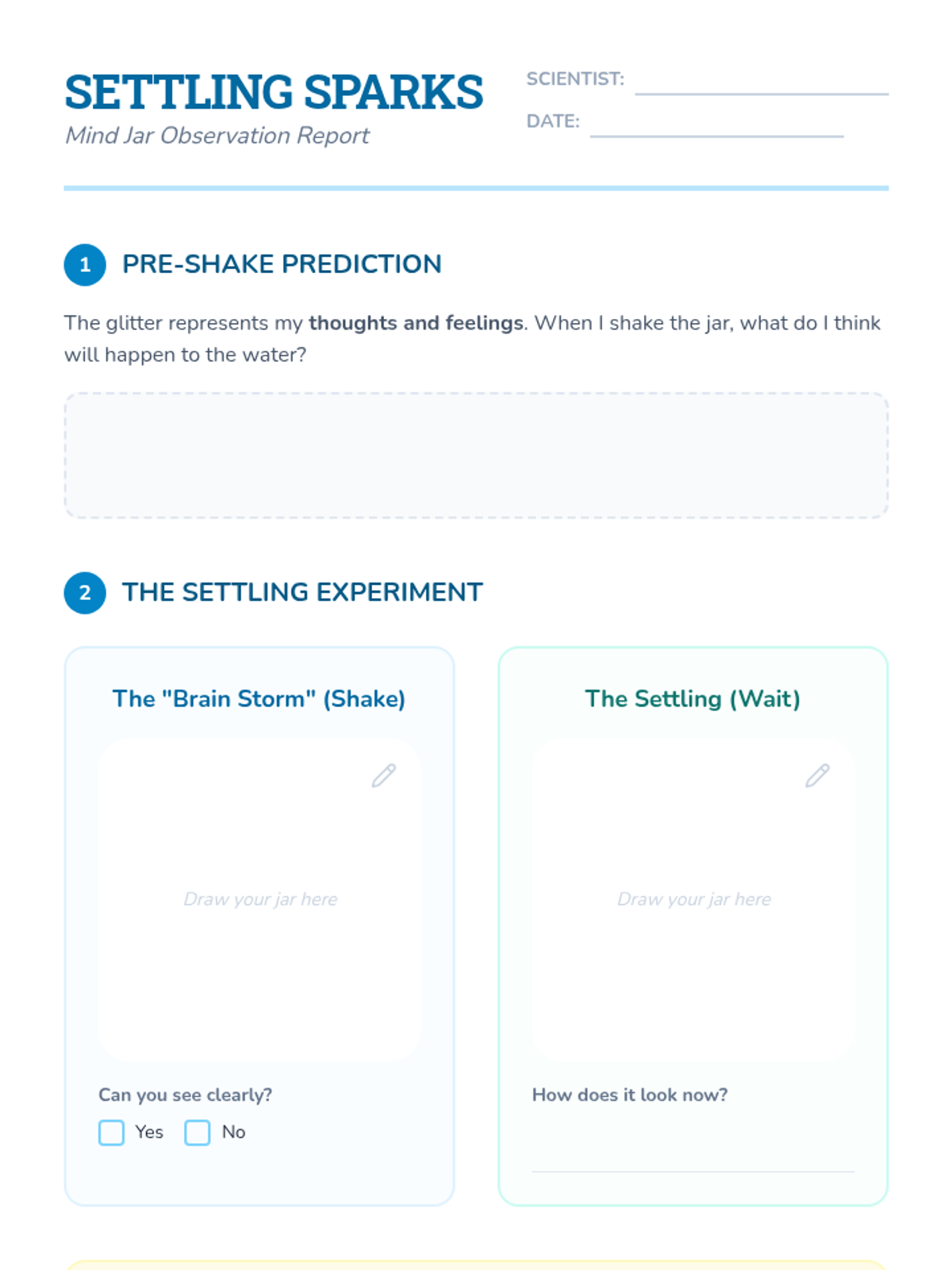
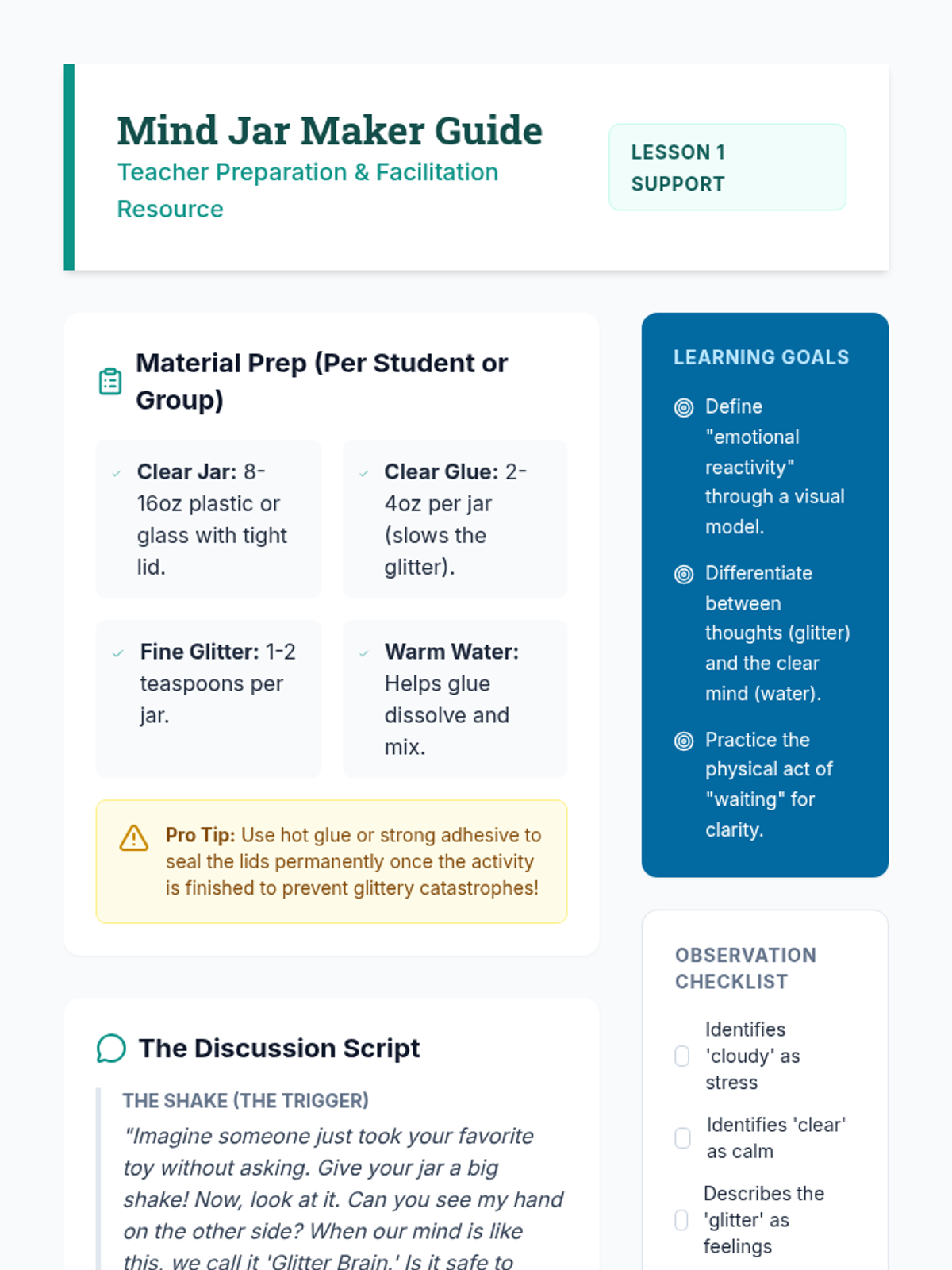
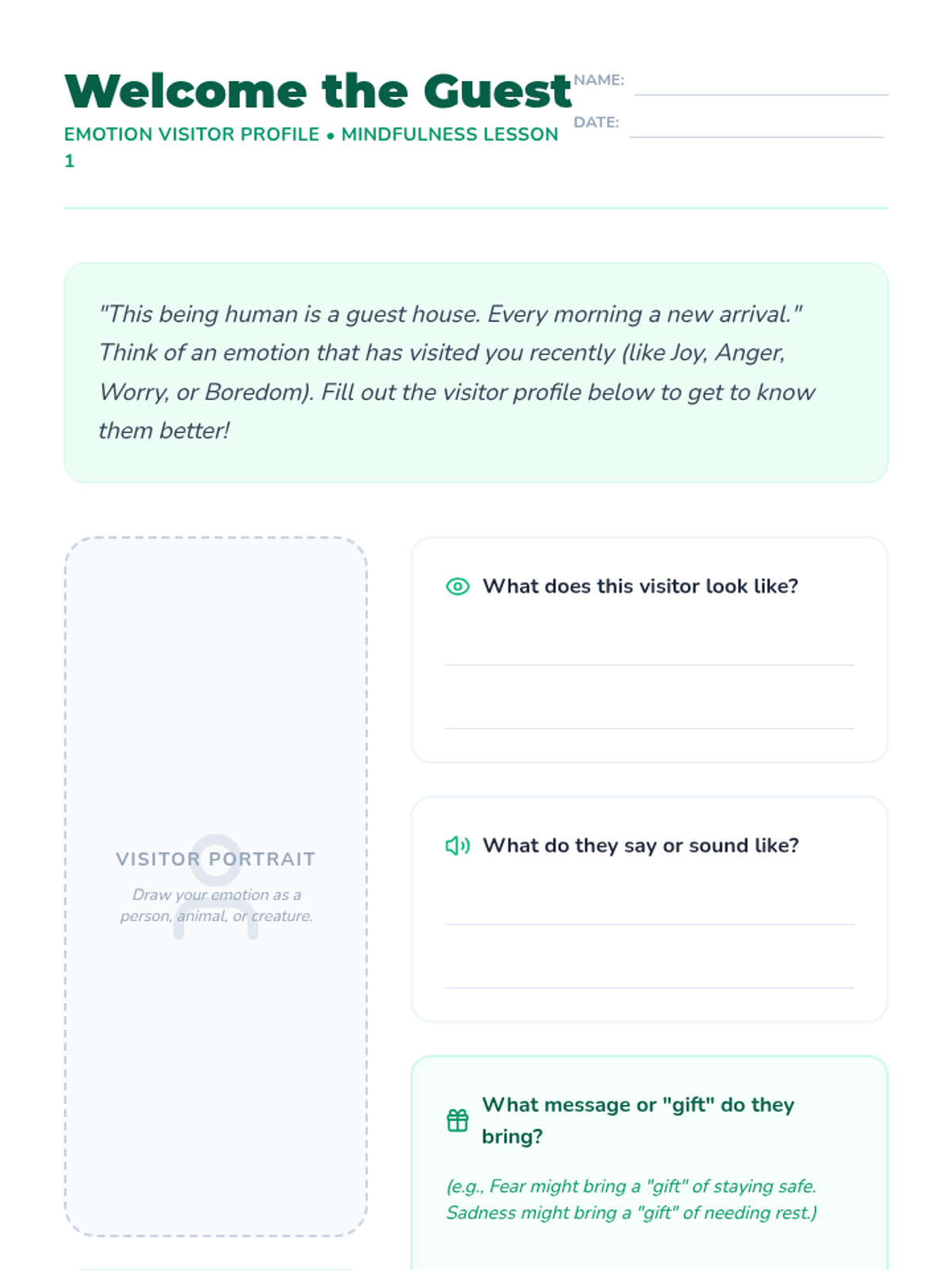
A 3rd-grade mindfulness sequence exploring emotional regulation through metaphors like mind jars, weather reporting, and visualization to help students widen the gap between triggers and reactions.
This sequence focuses on emotional intelligence and self-compassion through a case study approach. Students analyze hypothetical scenarios involving disappointment, anger, or anxiety, and apply mindfulness techniques to navigate them, shifting from reacting impulsively to responding thoughtfully.
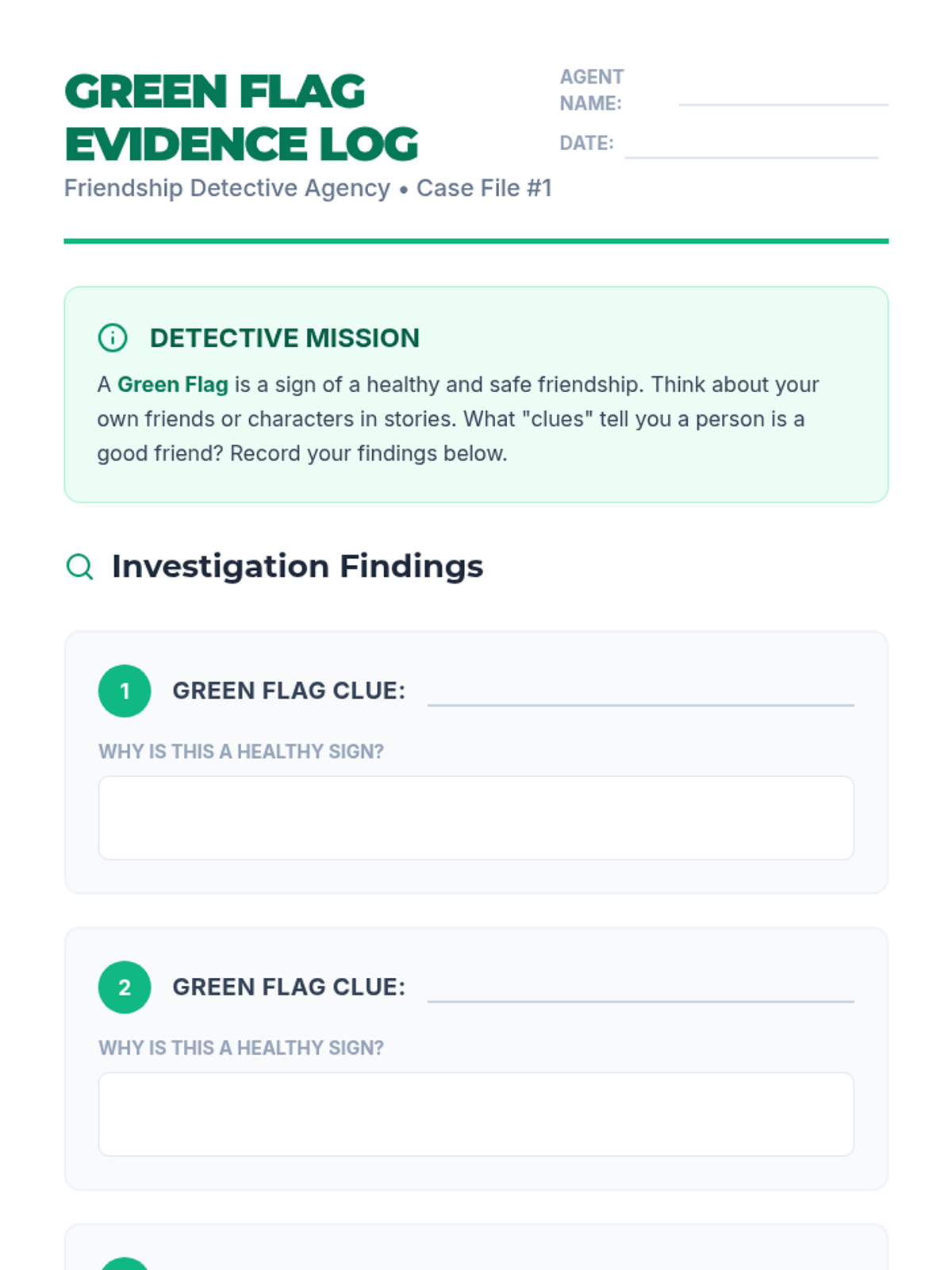
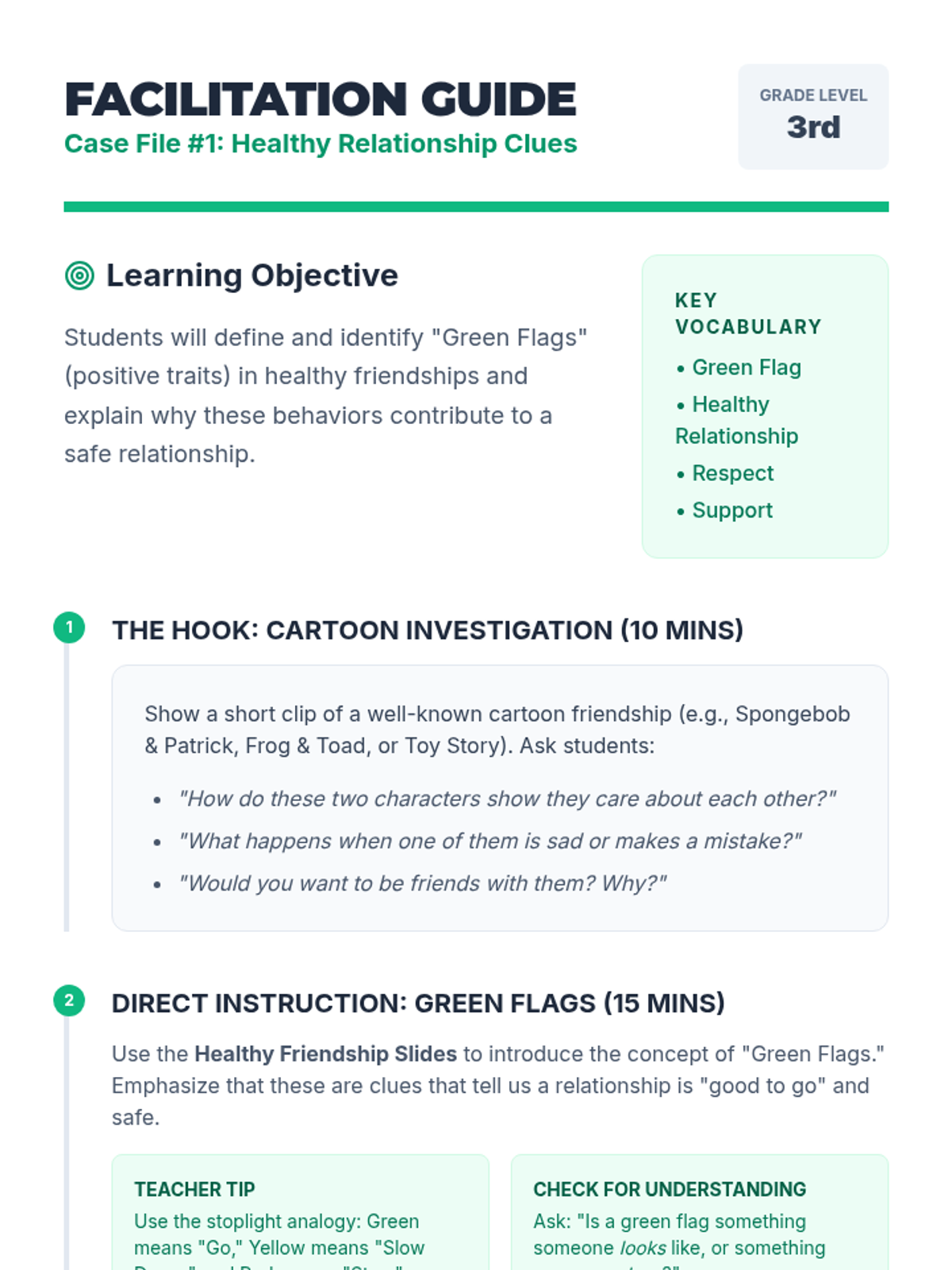
A 5-lesson unit where students become 'Friendship Detectives' to identify healthy and unhealthy relationship dynamics. Using case studies, sorting games, and creative projects, students learn to recognize green and red flags, distinguish between teasing and bullying, and resolve conflicts safely.
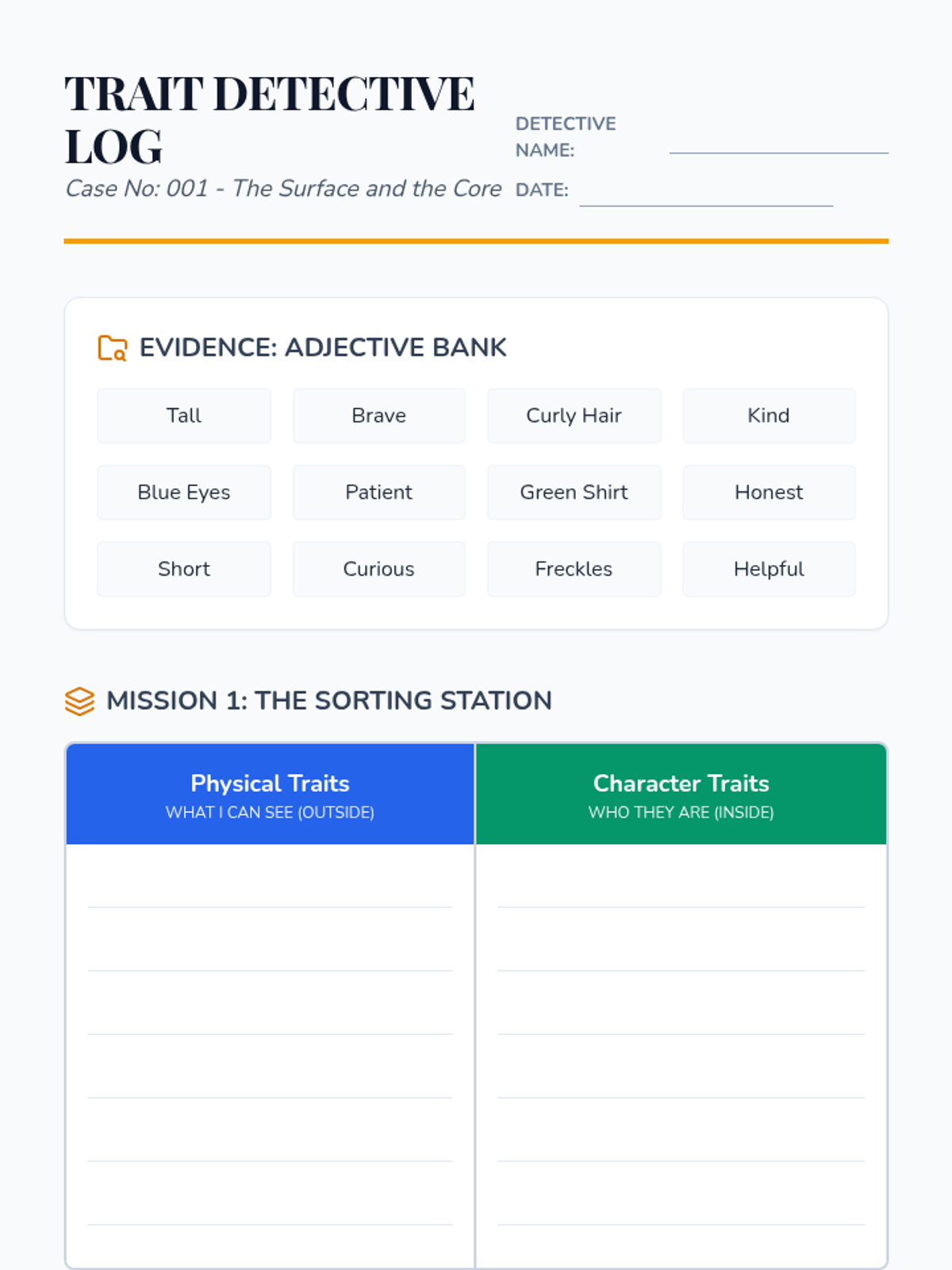
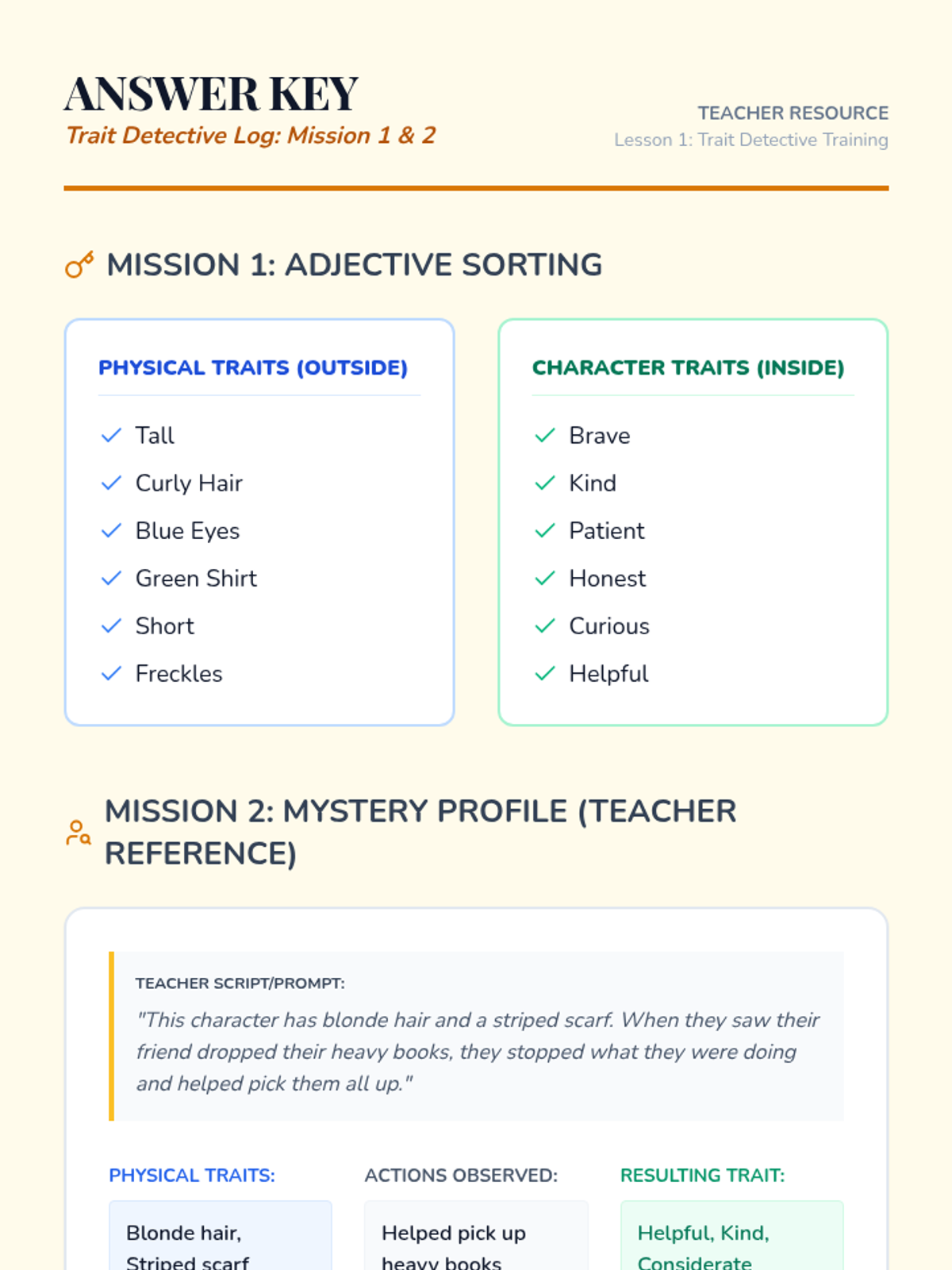
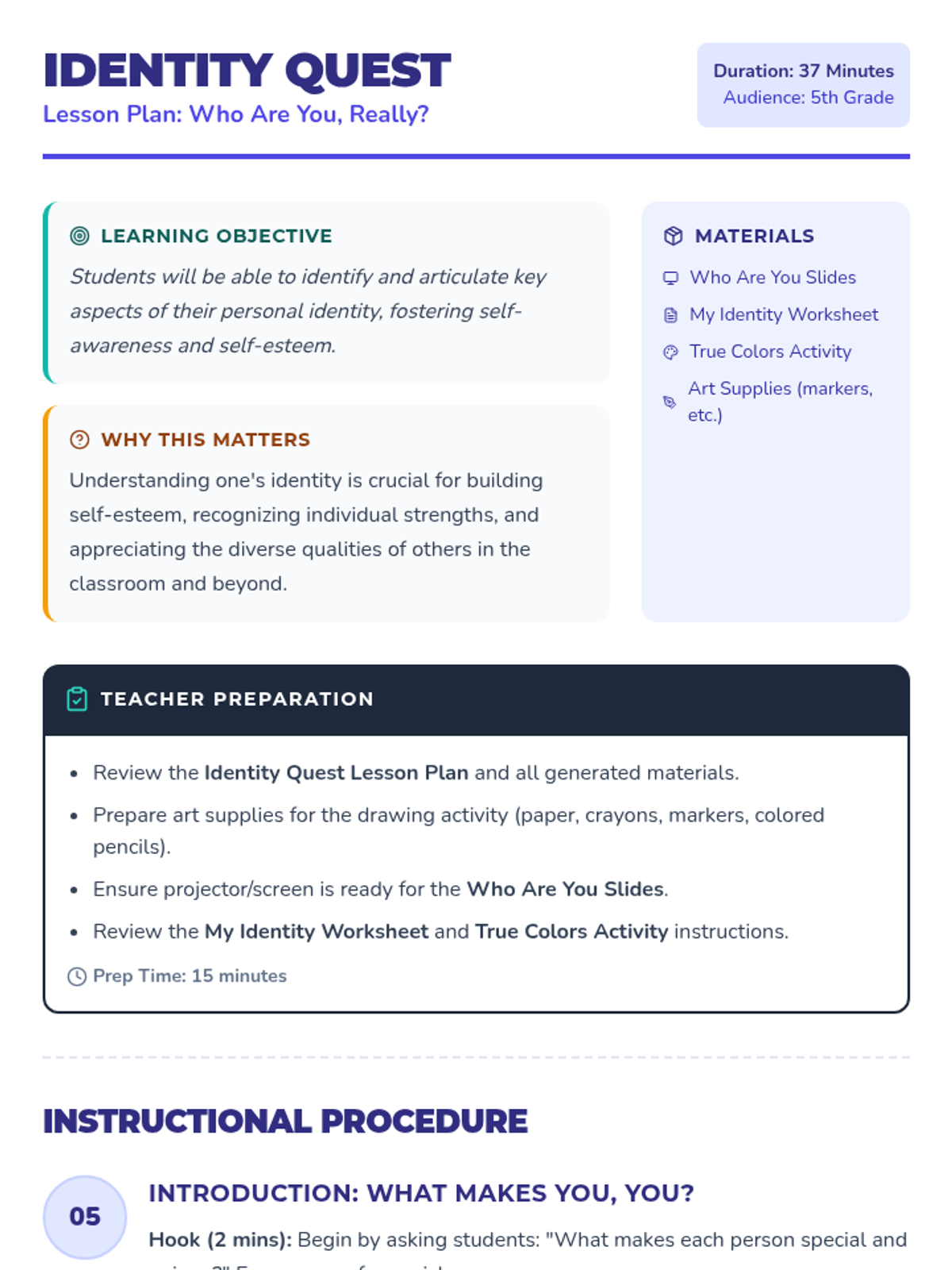
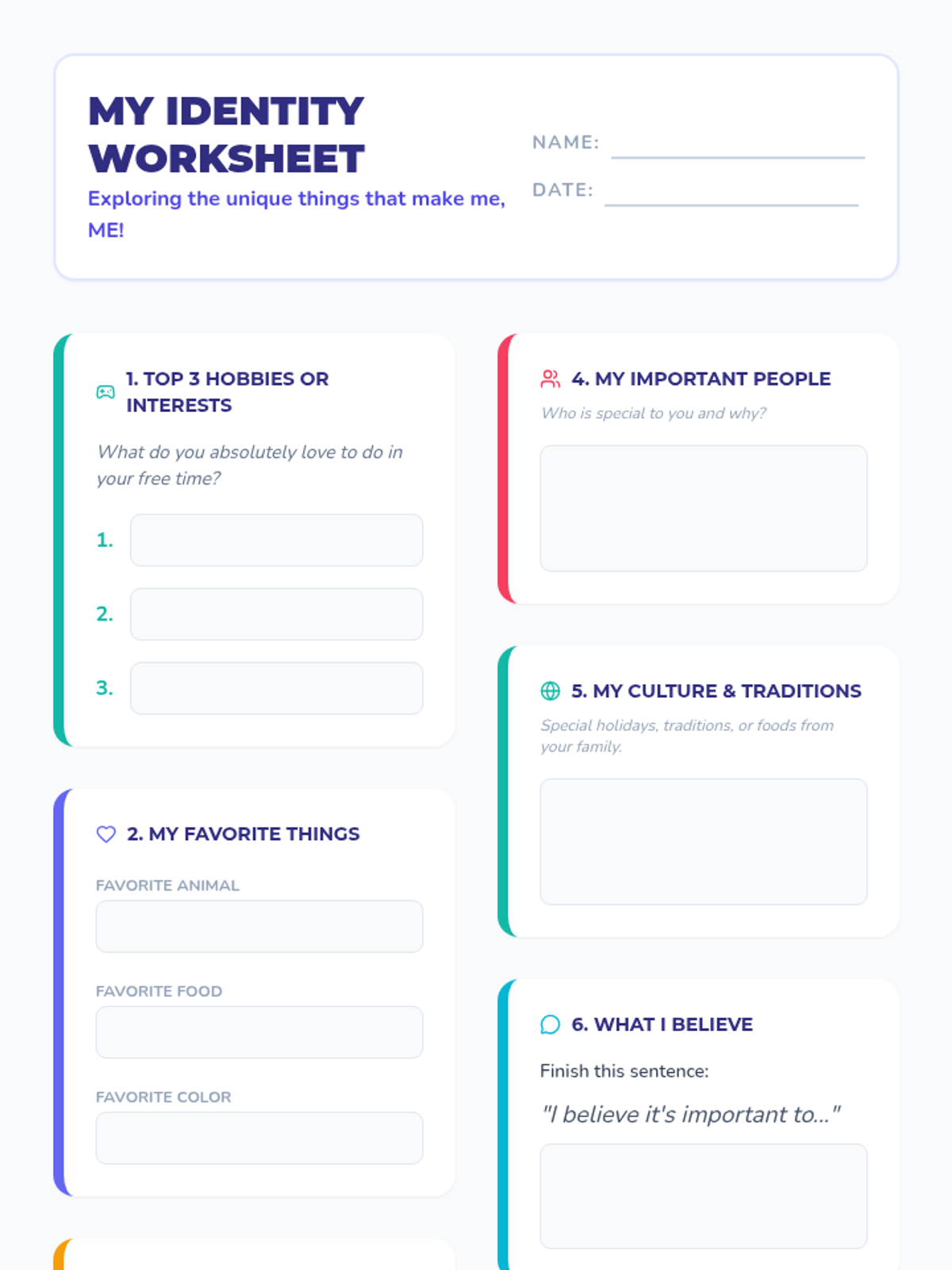
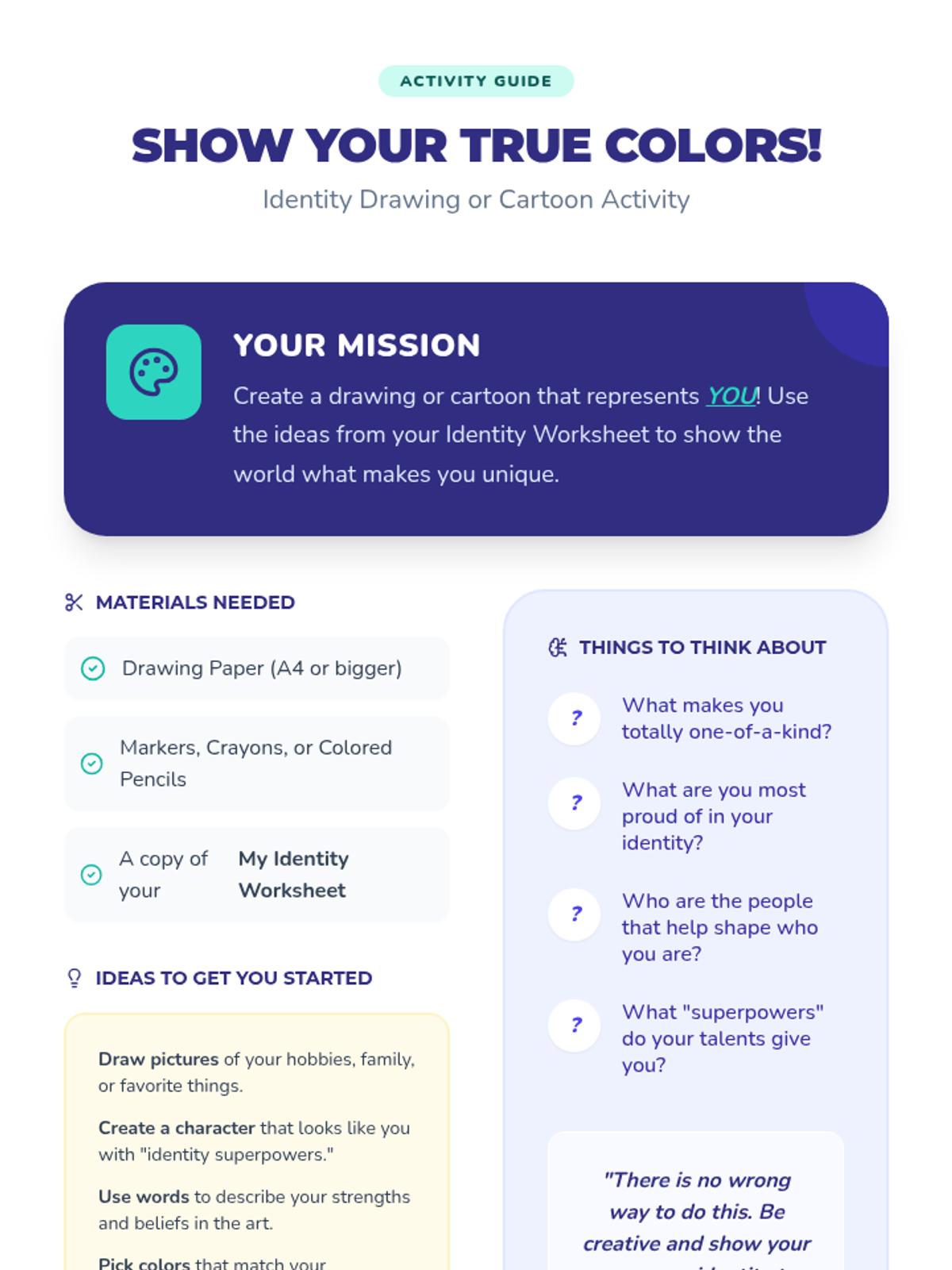
This sequence introduces students to the concept of personal identity by distinguishing between physical attributes and internal character traits. Students explore their own strengths, recognize how actions reflect identity, and learn to view growth areas through a growth mindset, culminating in a symbolic self-portrait.
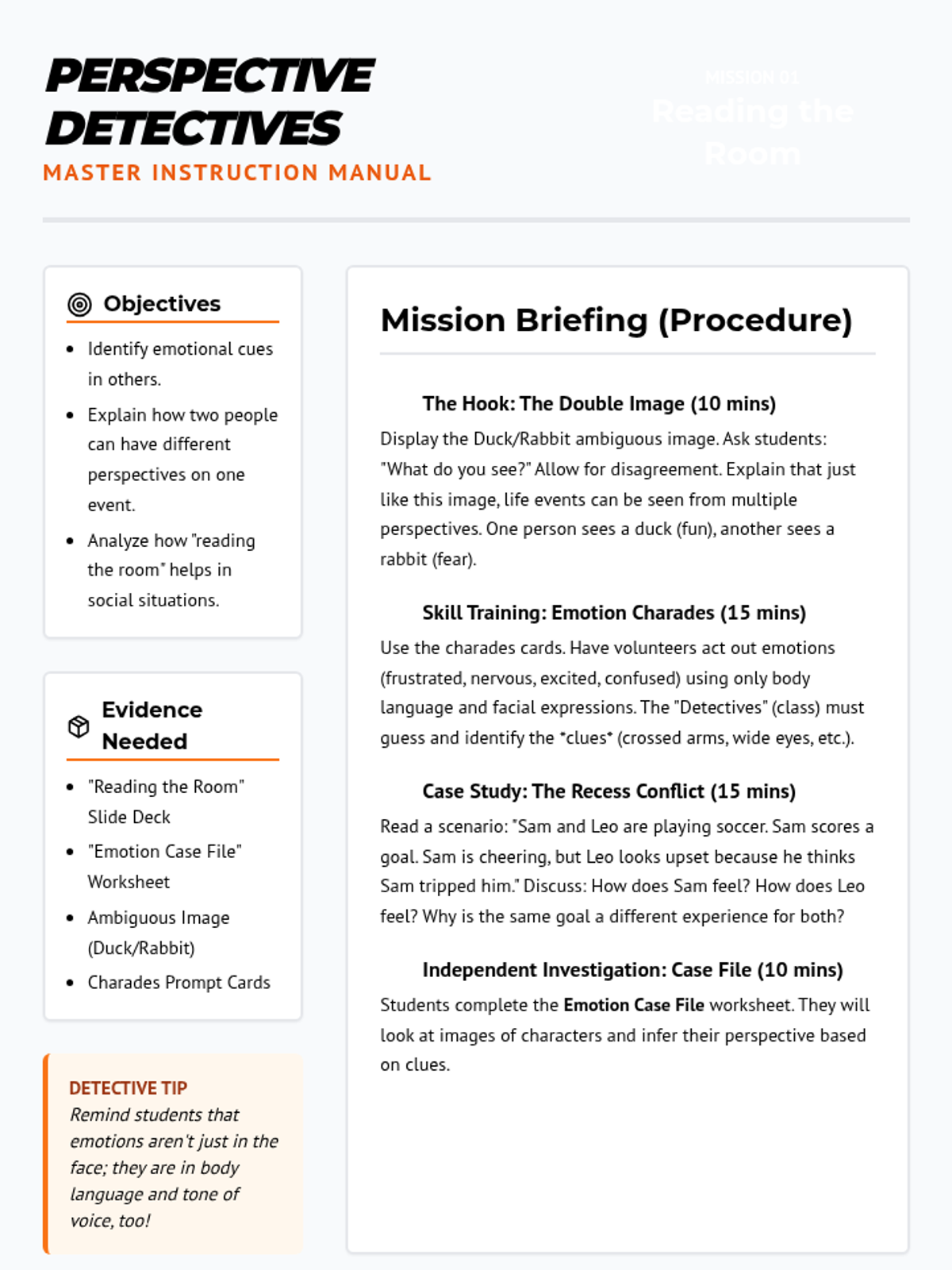
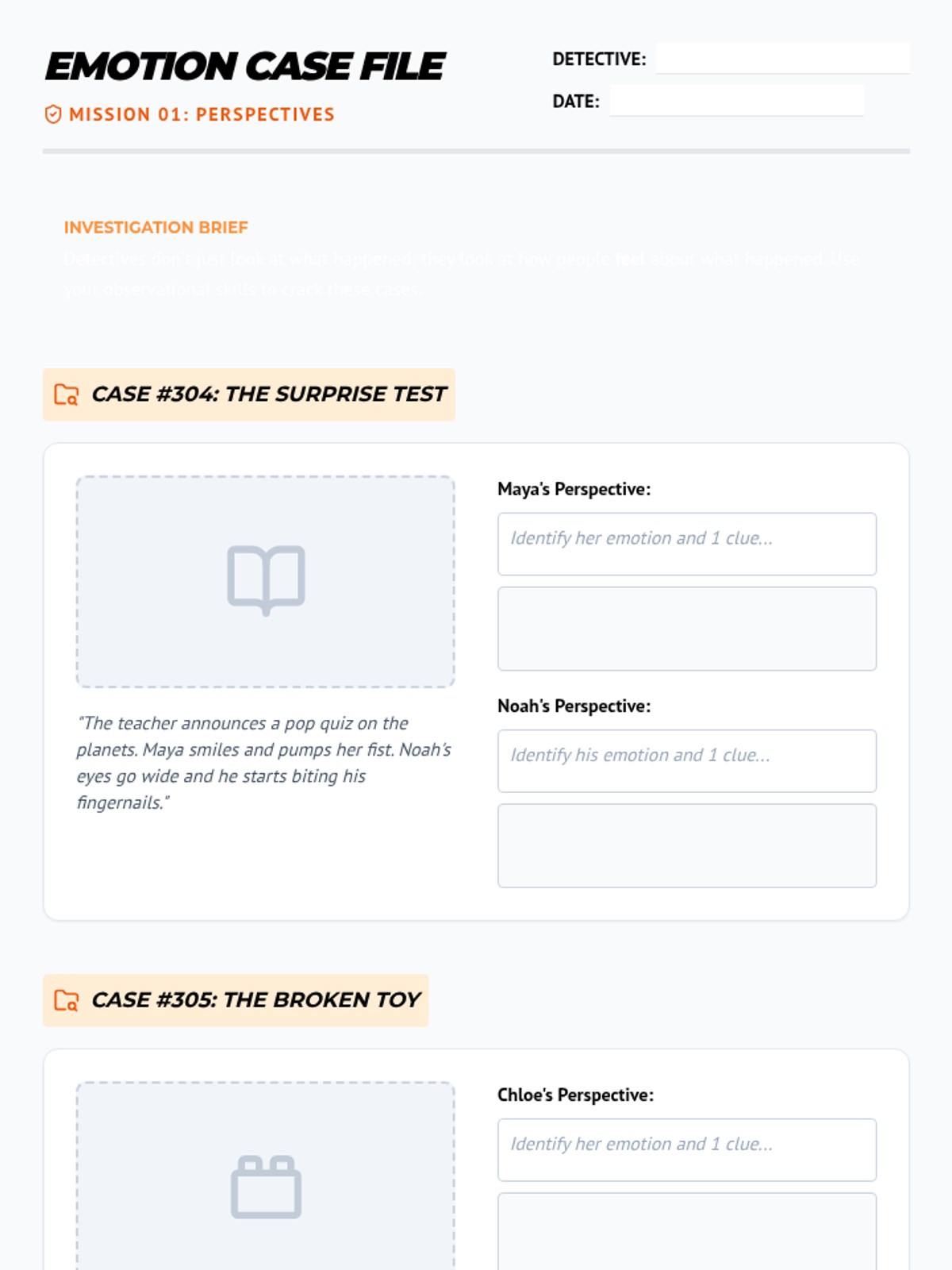
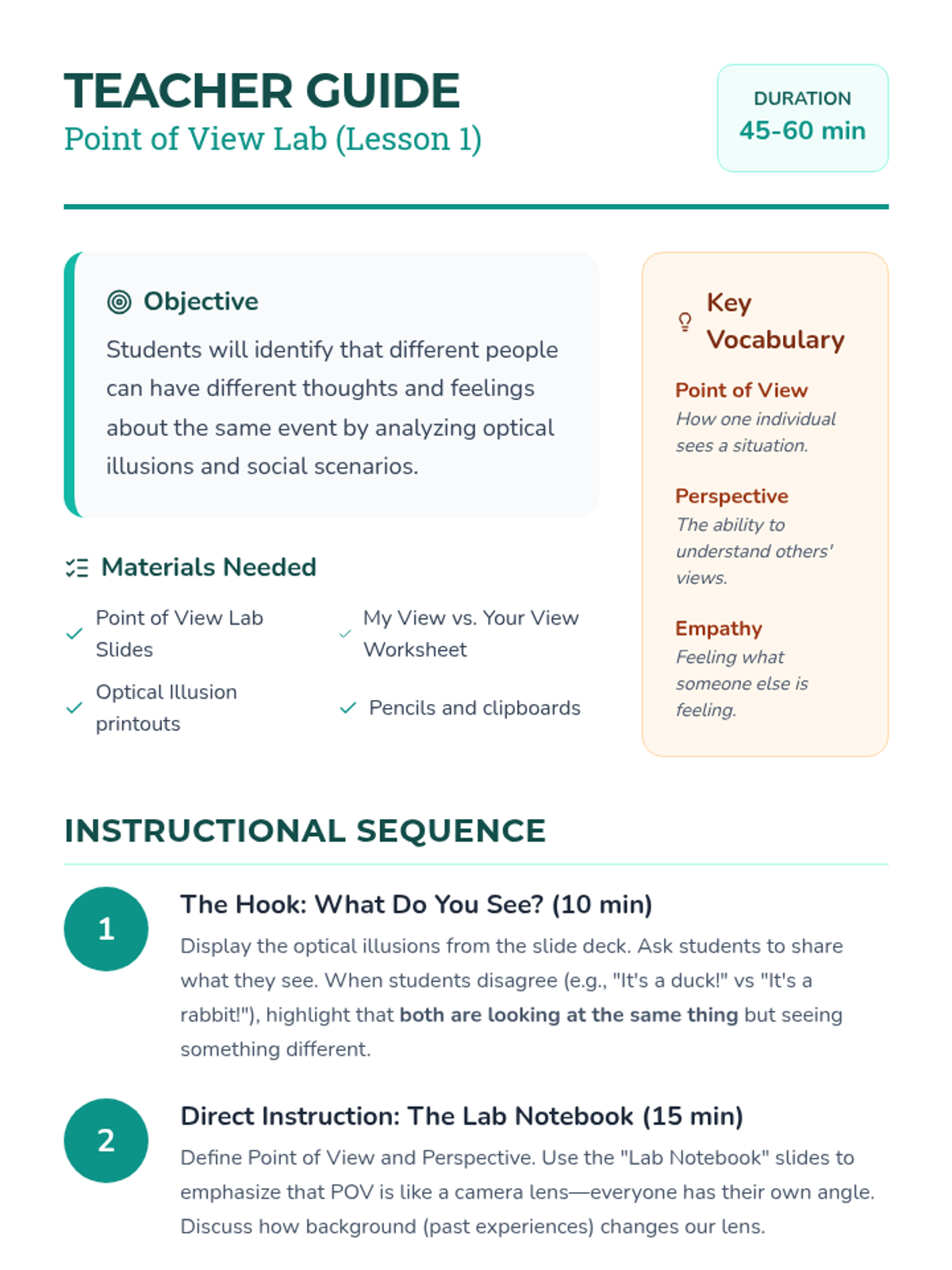
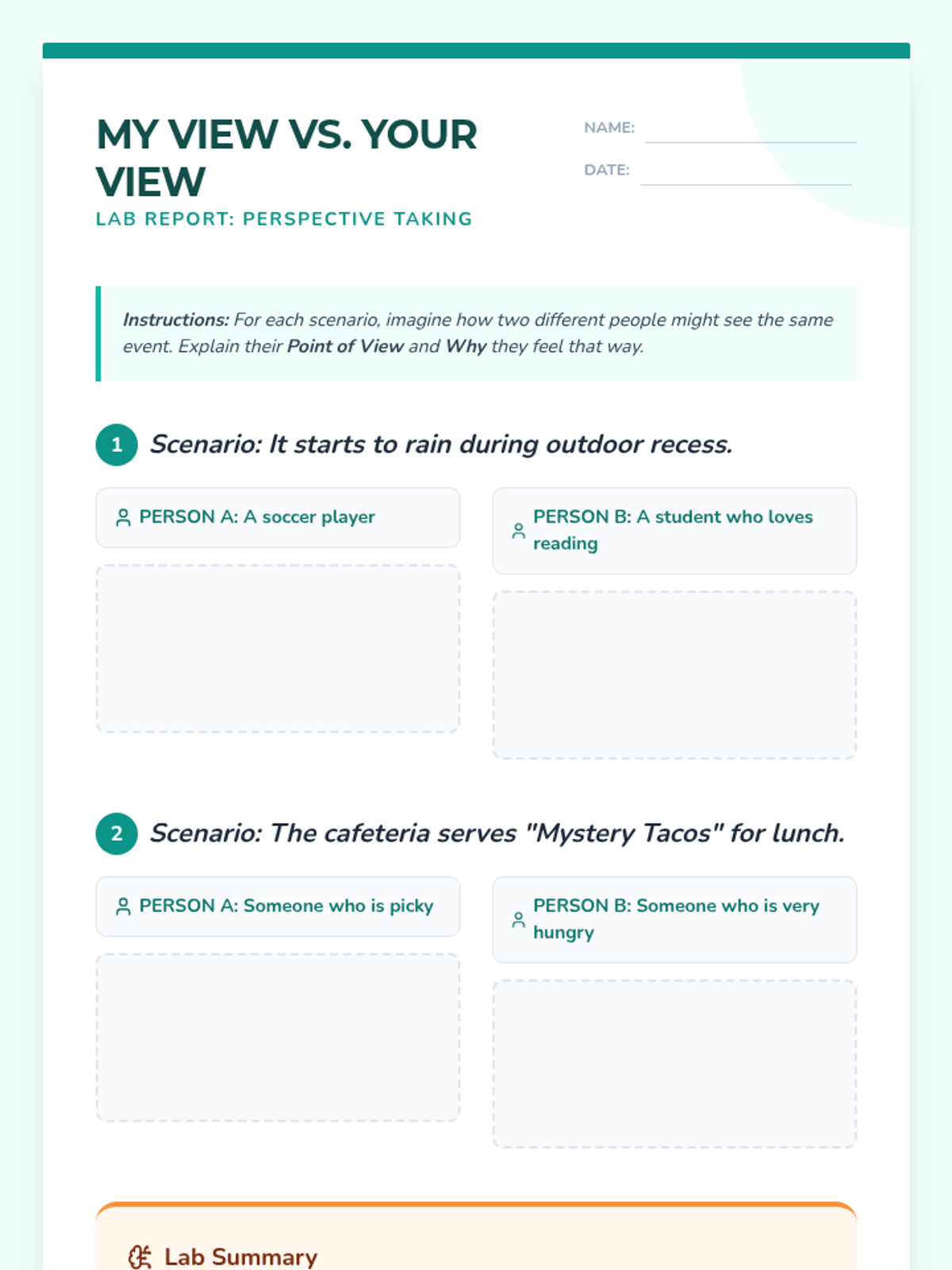
A sequence focused on developing empathy, emotional intelligence, and perspective-taking through a 'Perspective Detectives' theme. Students engage in games, simulations, and skill-building activities to understand the complexity of identities and challenge biases.
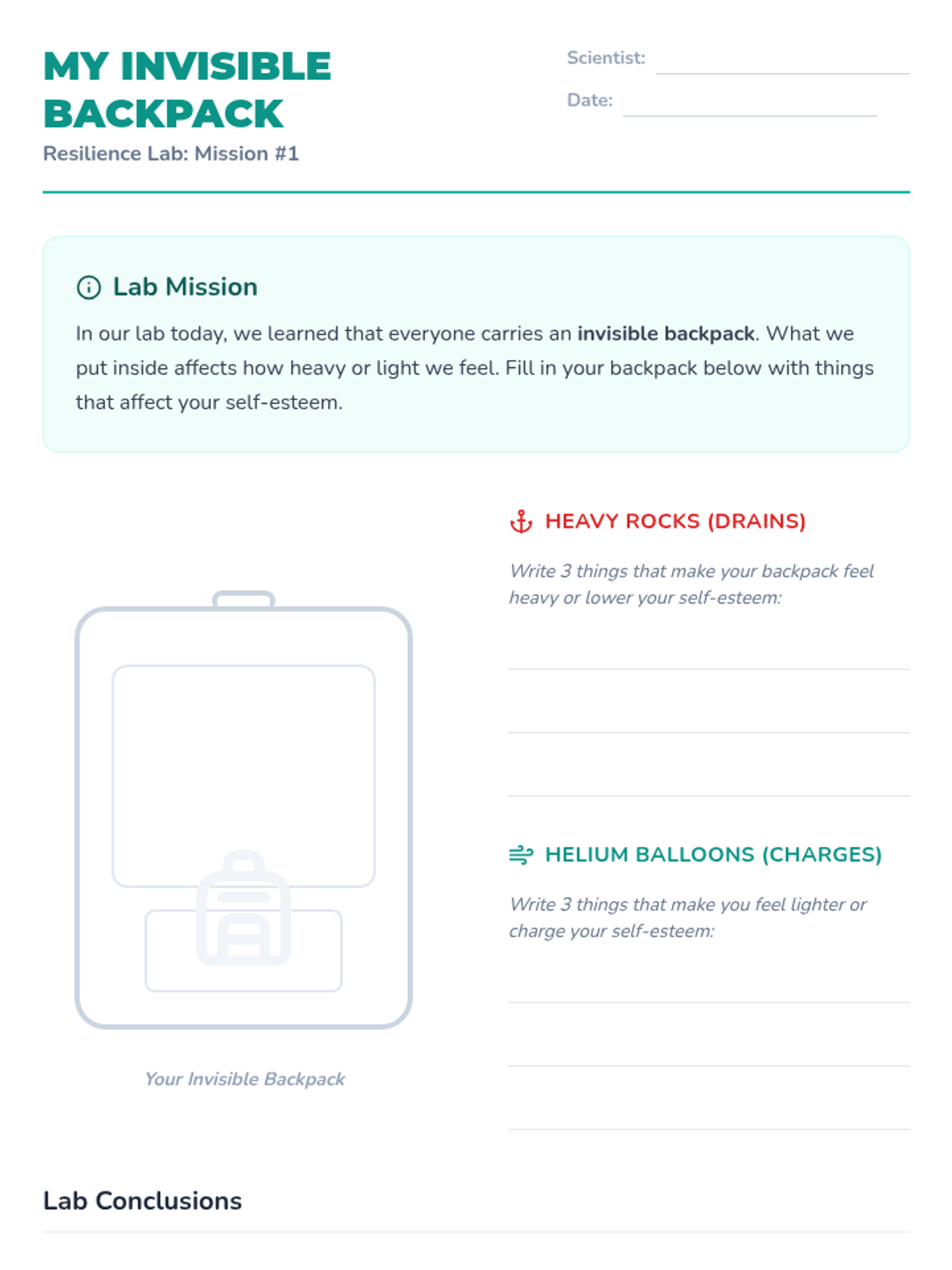
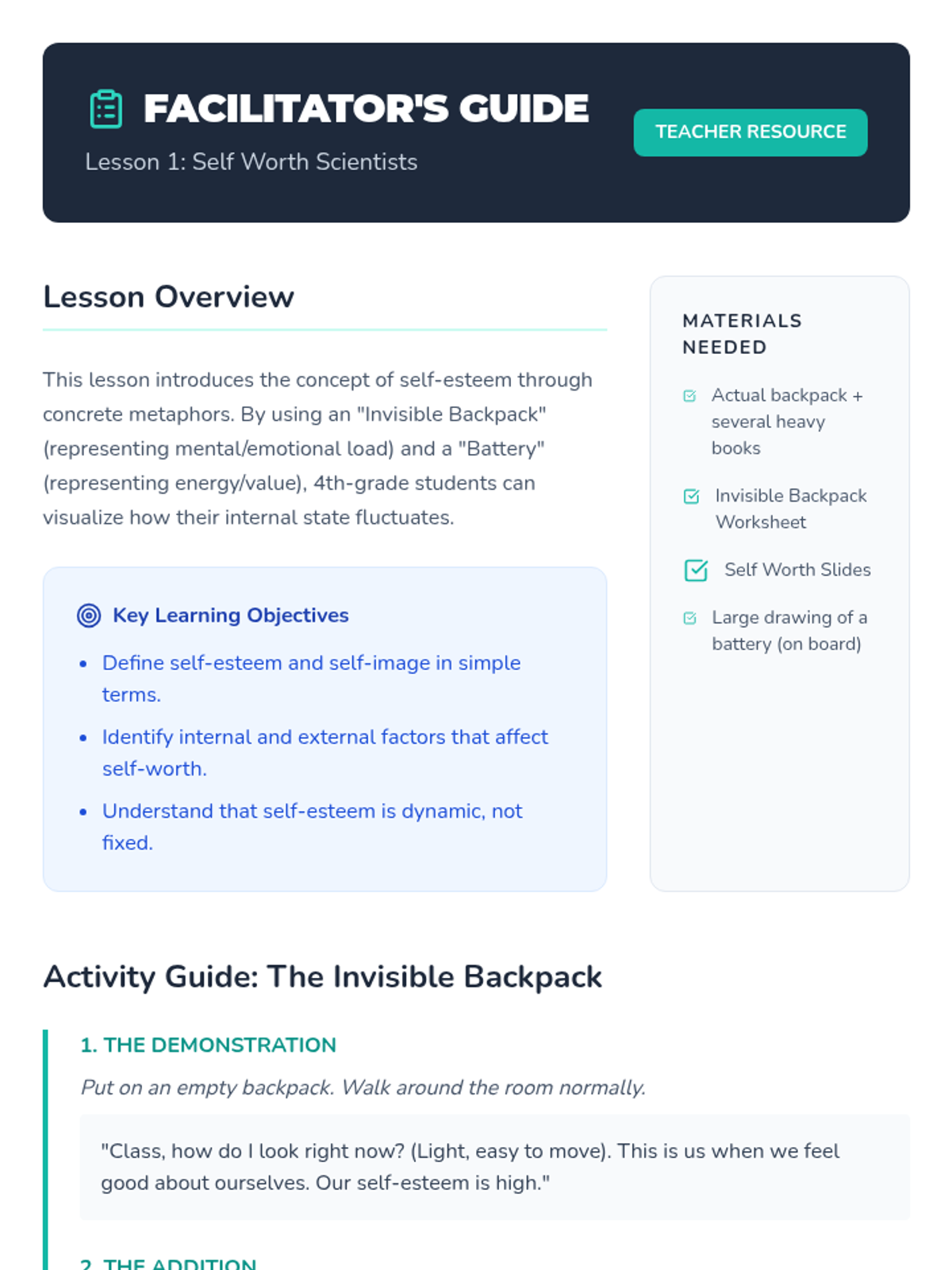
This sequence utilizes inquiry and case studies to examine the formation of self-esteem and the impact of external feedback. Students analyze sources of self-worth, critique media messages, and develop a personal toolkit of resilience strategies.
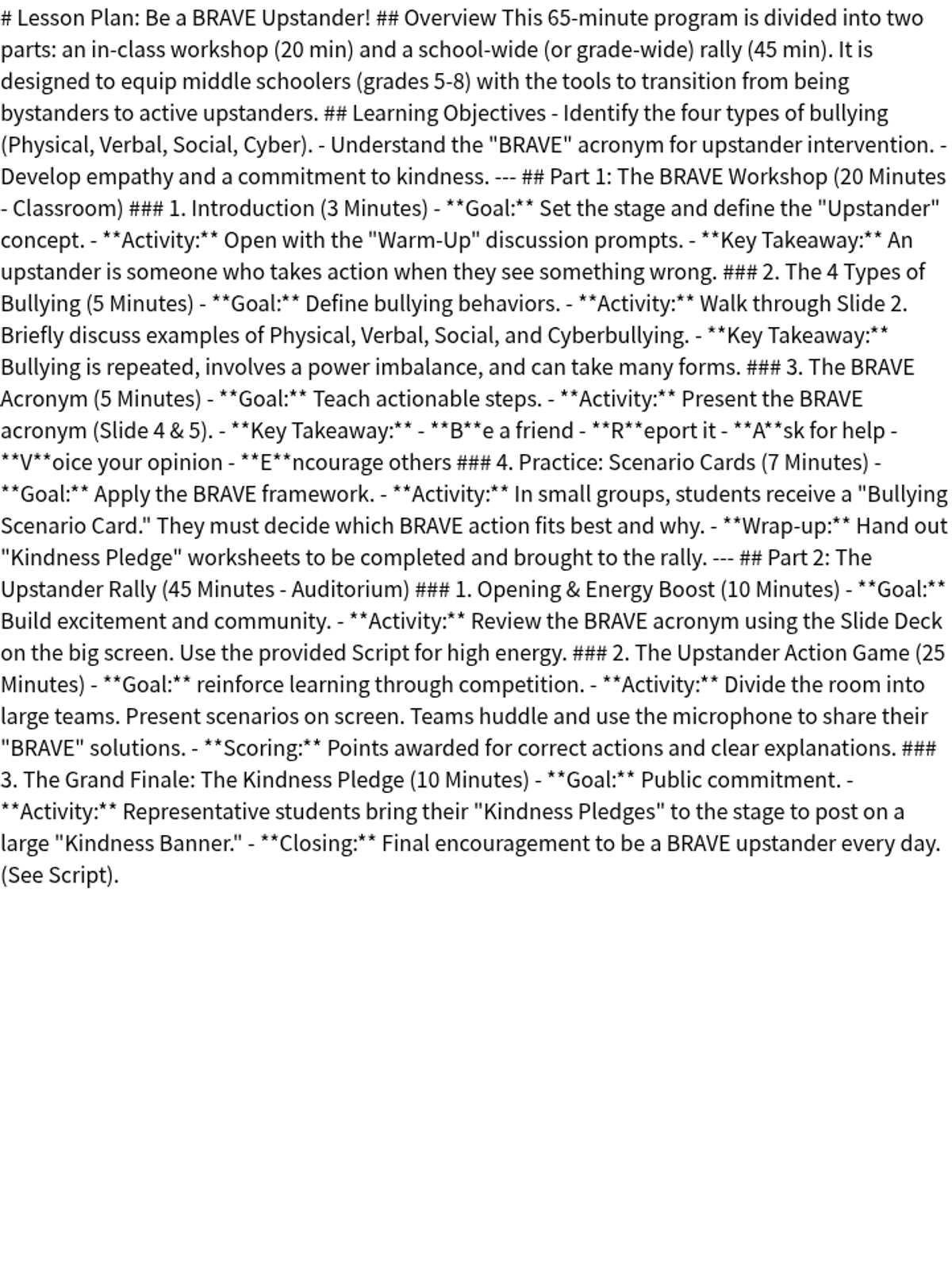
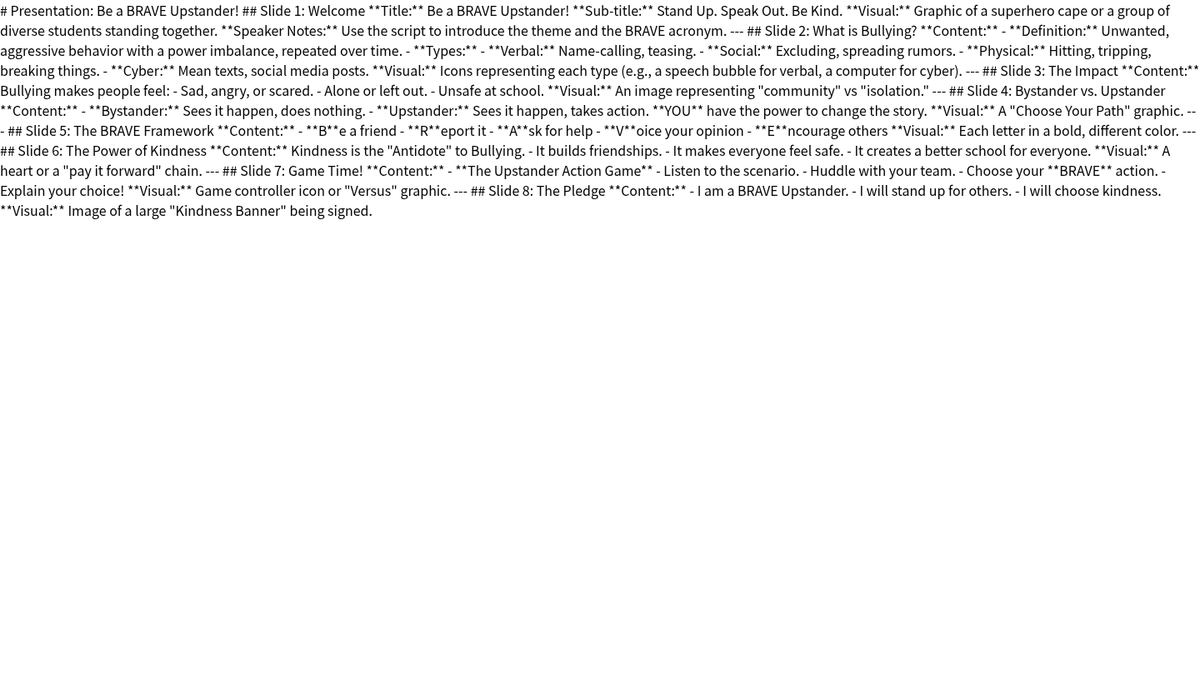
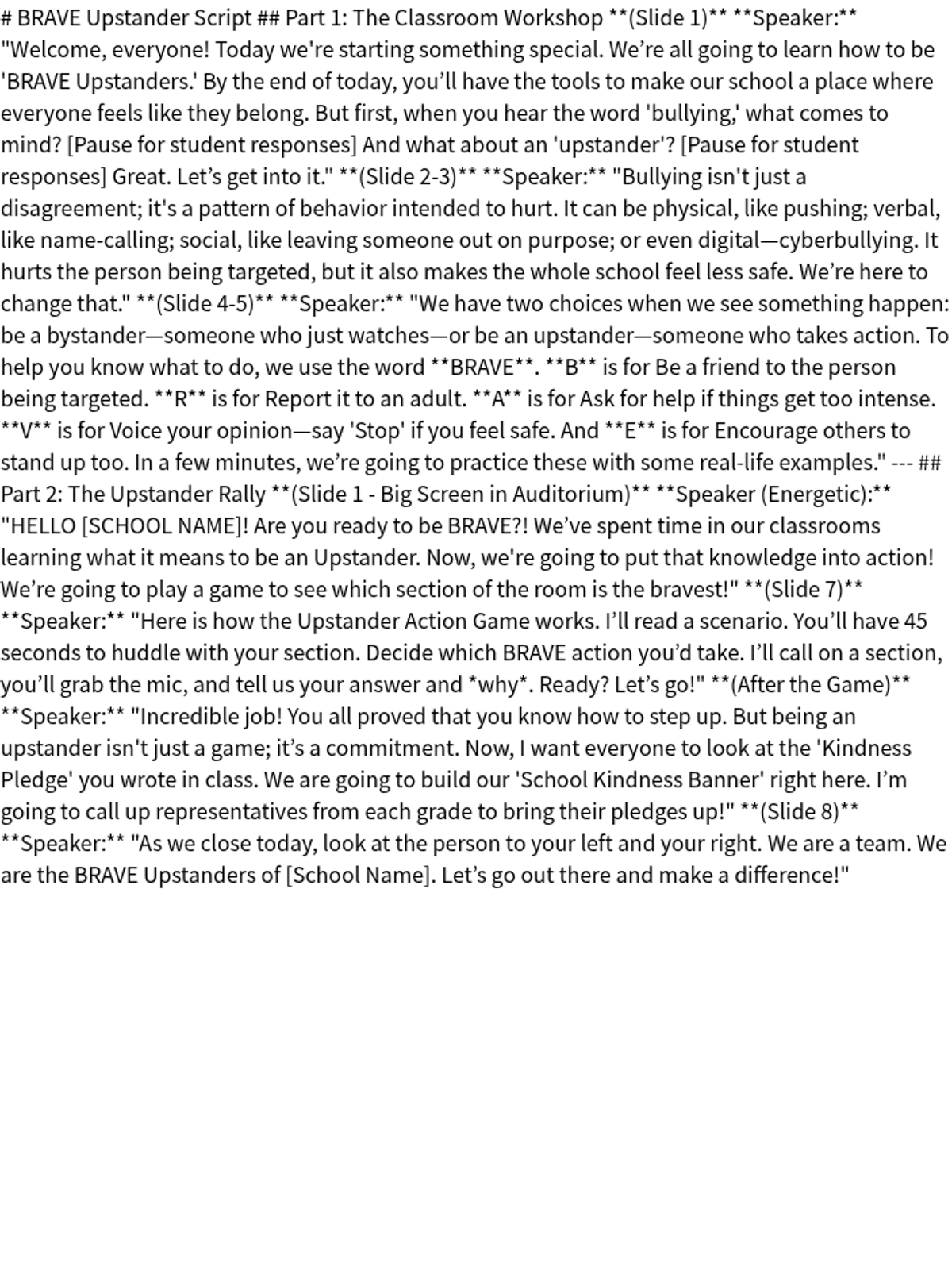
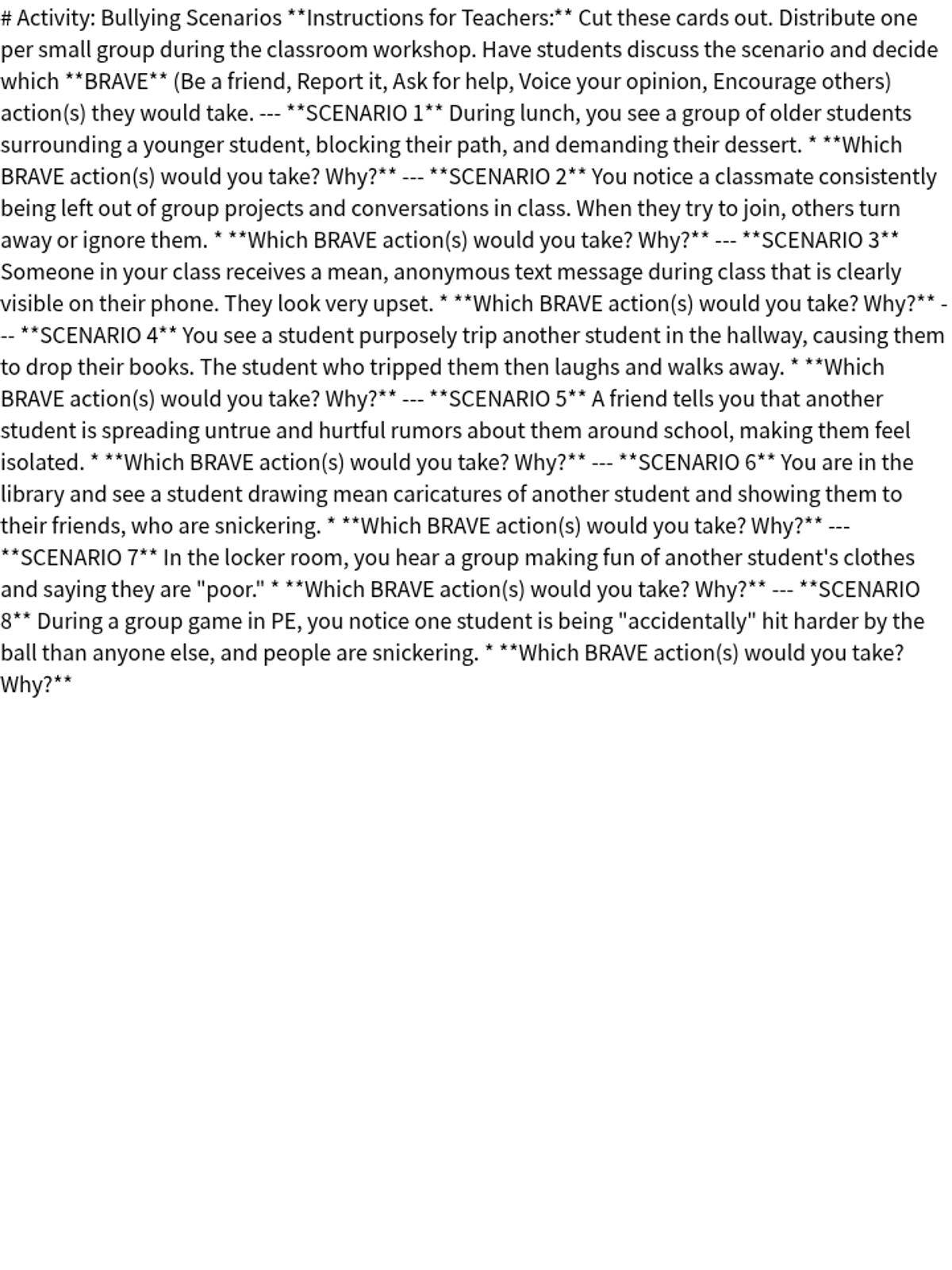
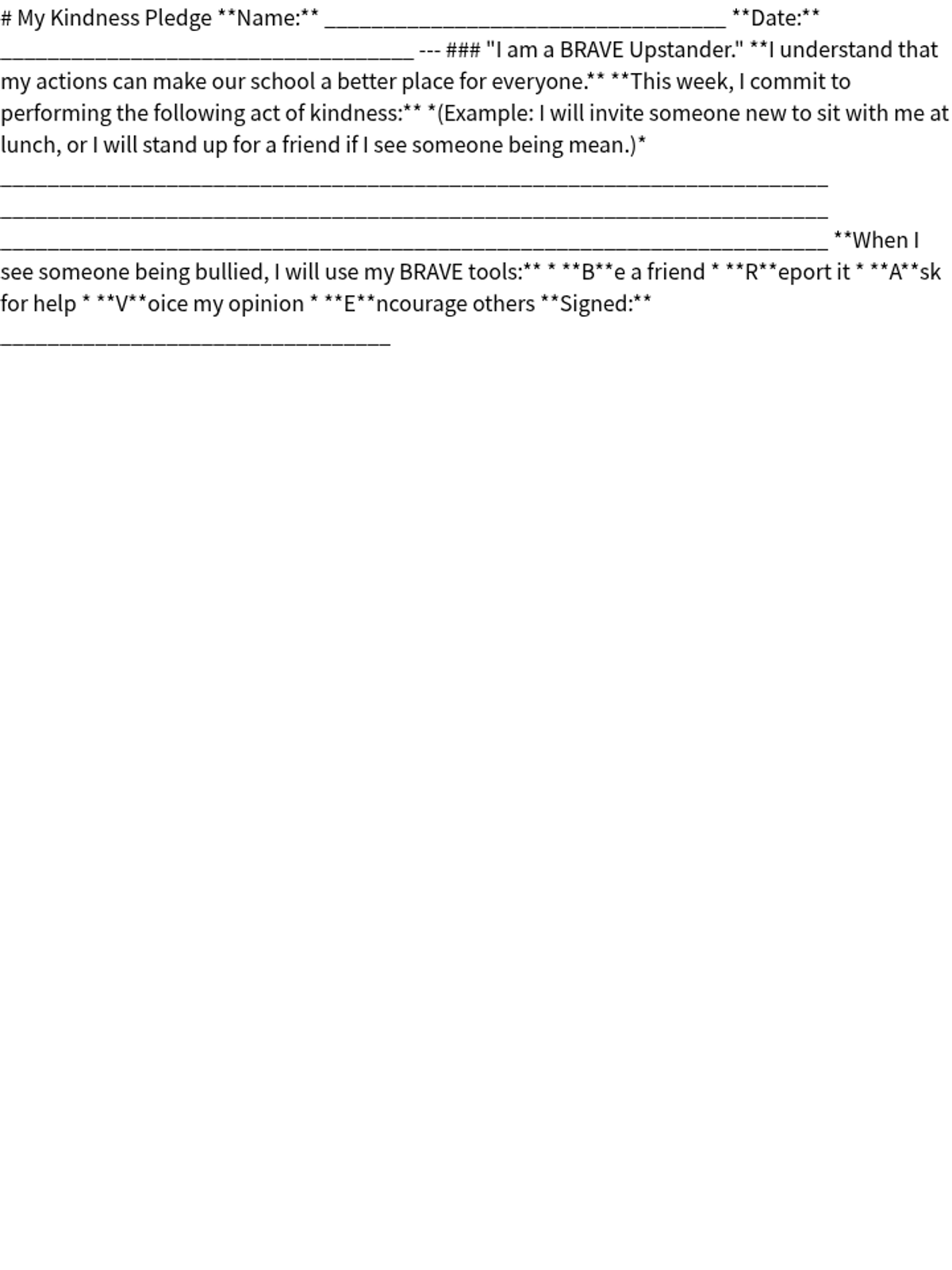
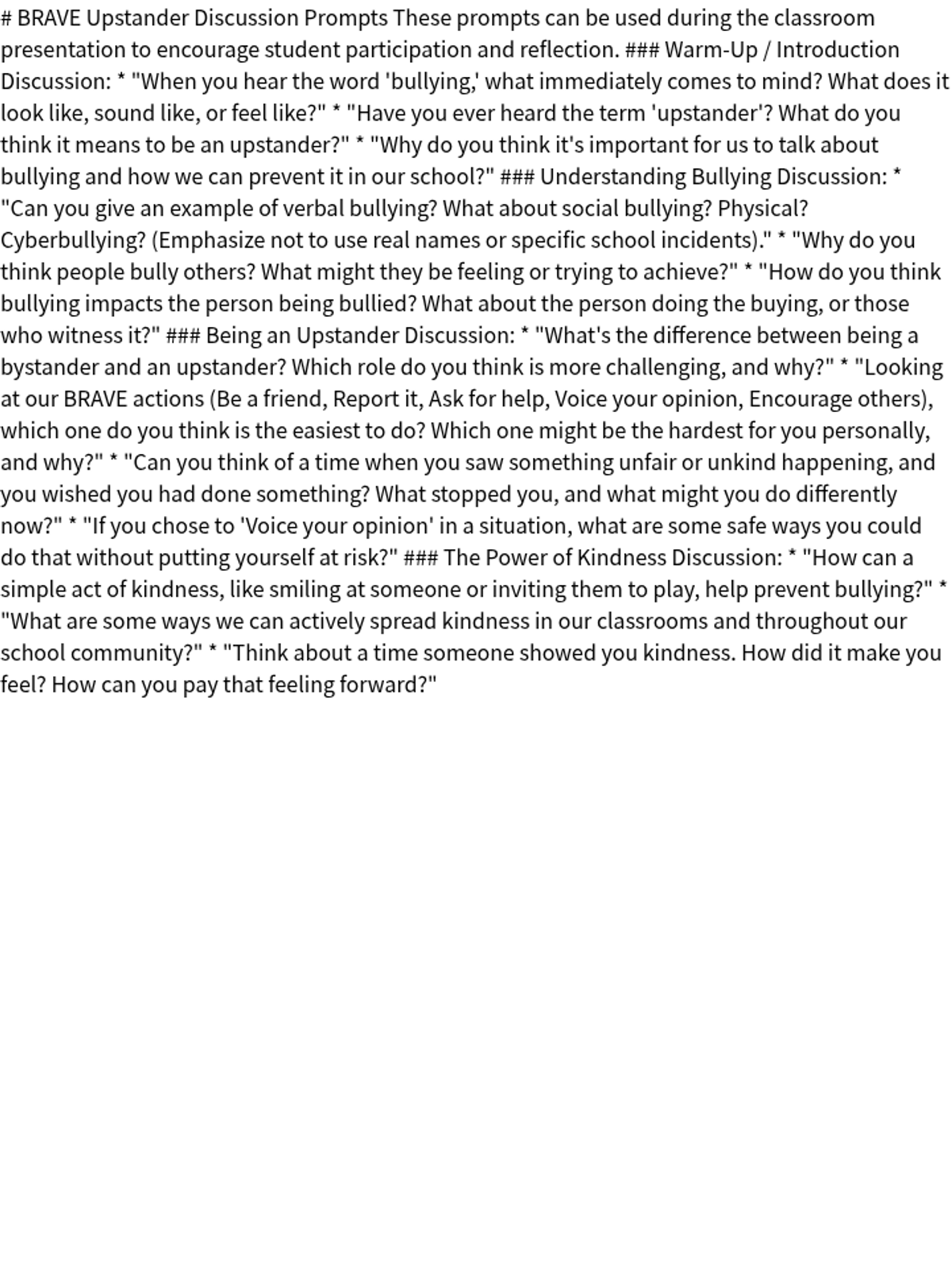
A comprehensive 65-minute educational experience for middle schoolers (grades 5-8). It consists of two parts: a 20-minute classroom presentation/workshop and a 45-minute "Upstander Rally" in an auditorium setting. The program teaches students how to recognize bullying and empowers them to intervene using the BRAVE framework (Be a friend, Report it, Ask for help, Voice your opinion, Encourage others).
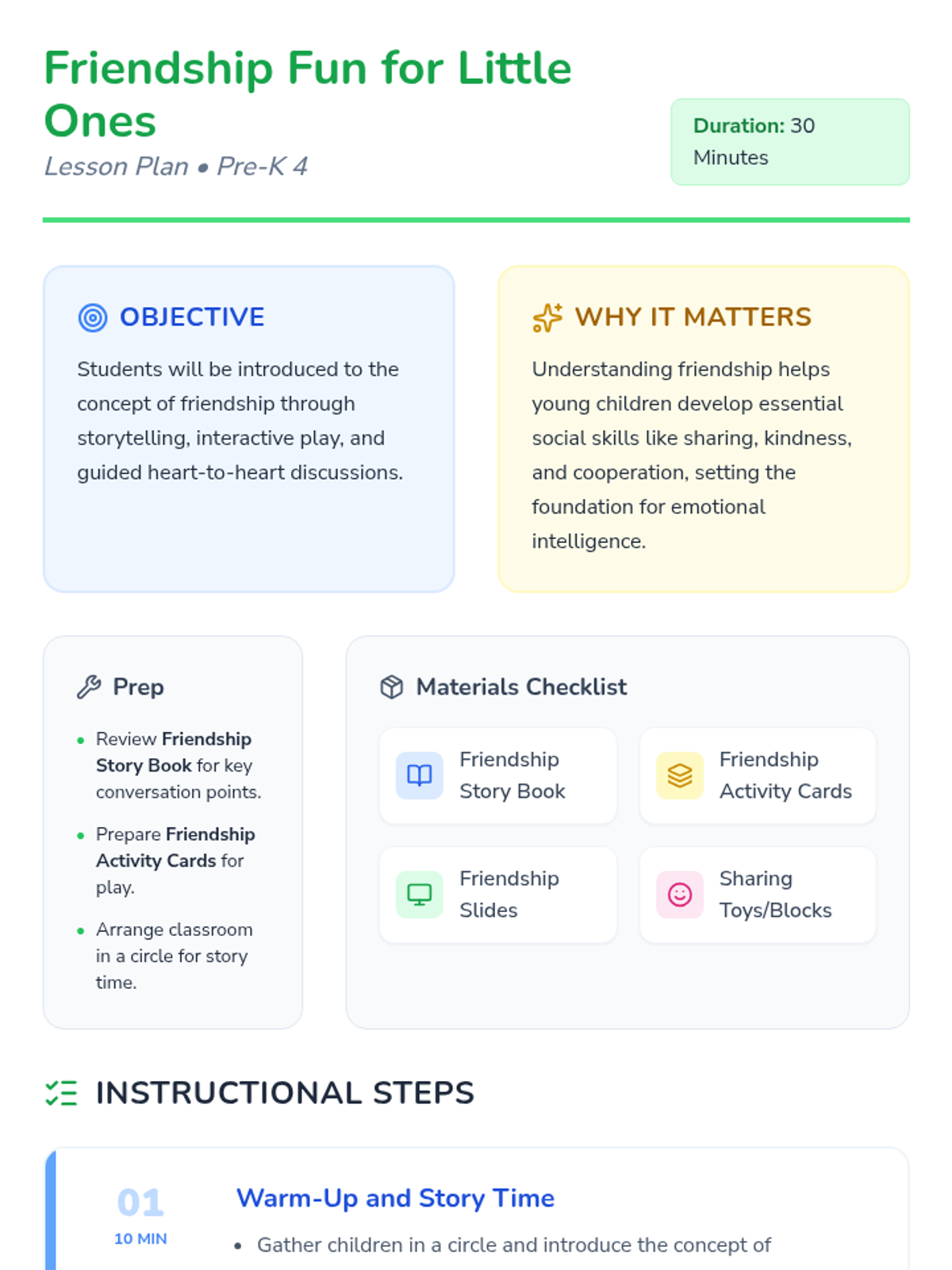
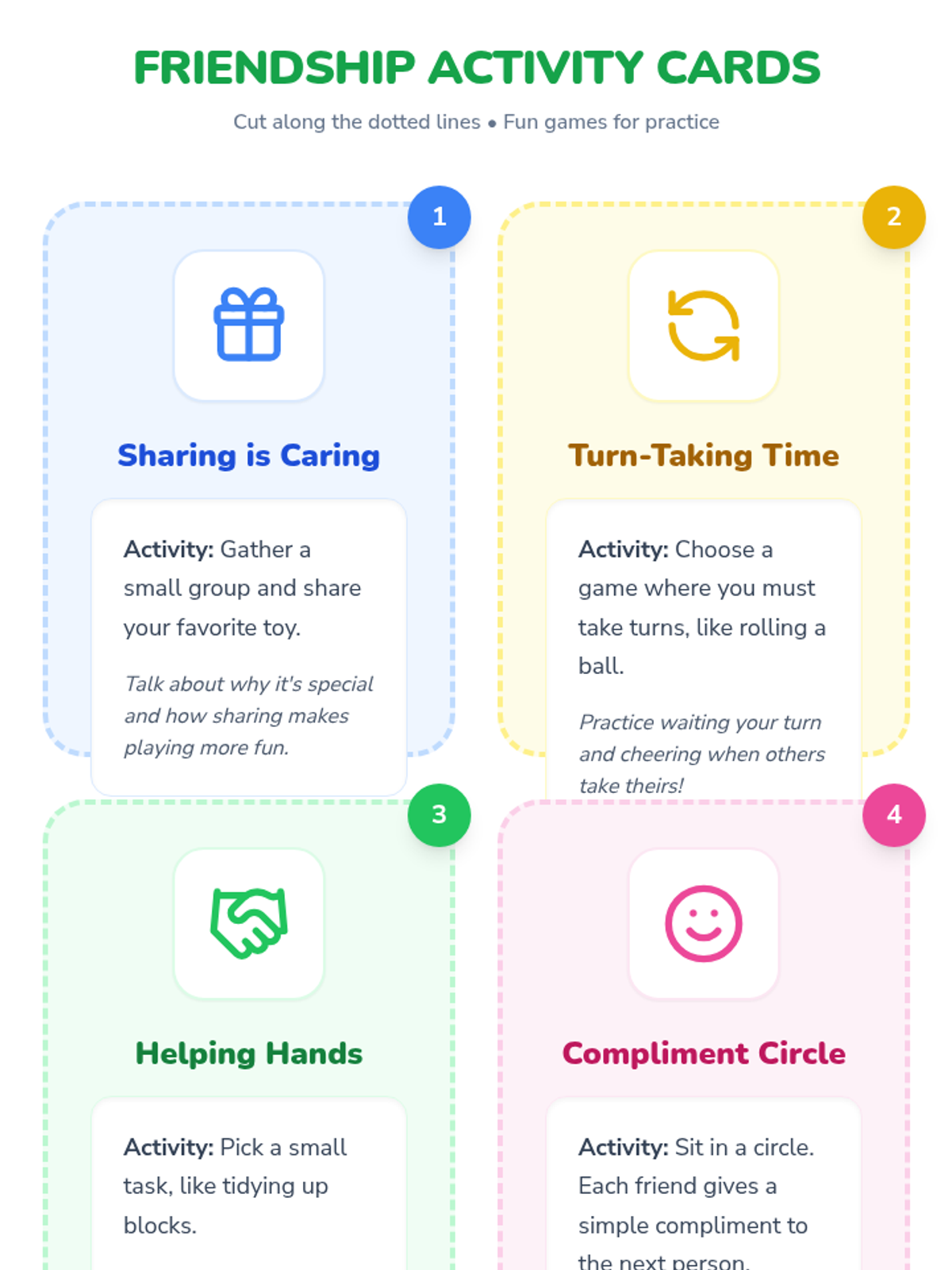
A comprehensive unit on social-emotional learning that covers friendship across developmental stages, from basic sharing in Pre-K to complex empathy and conflict resolution in 5th grade.
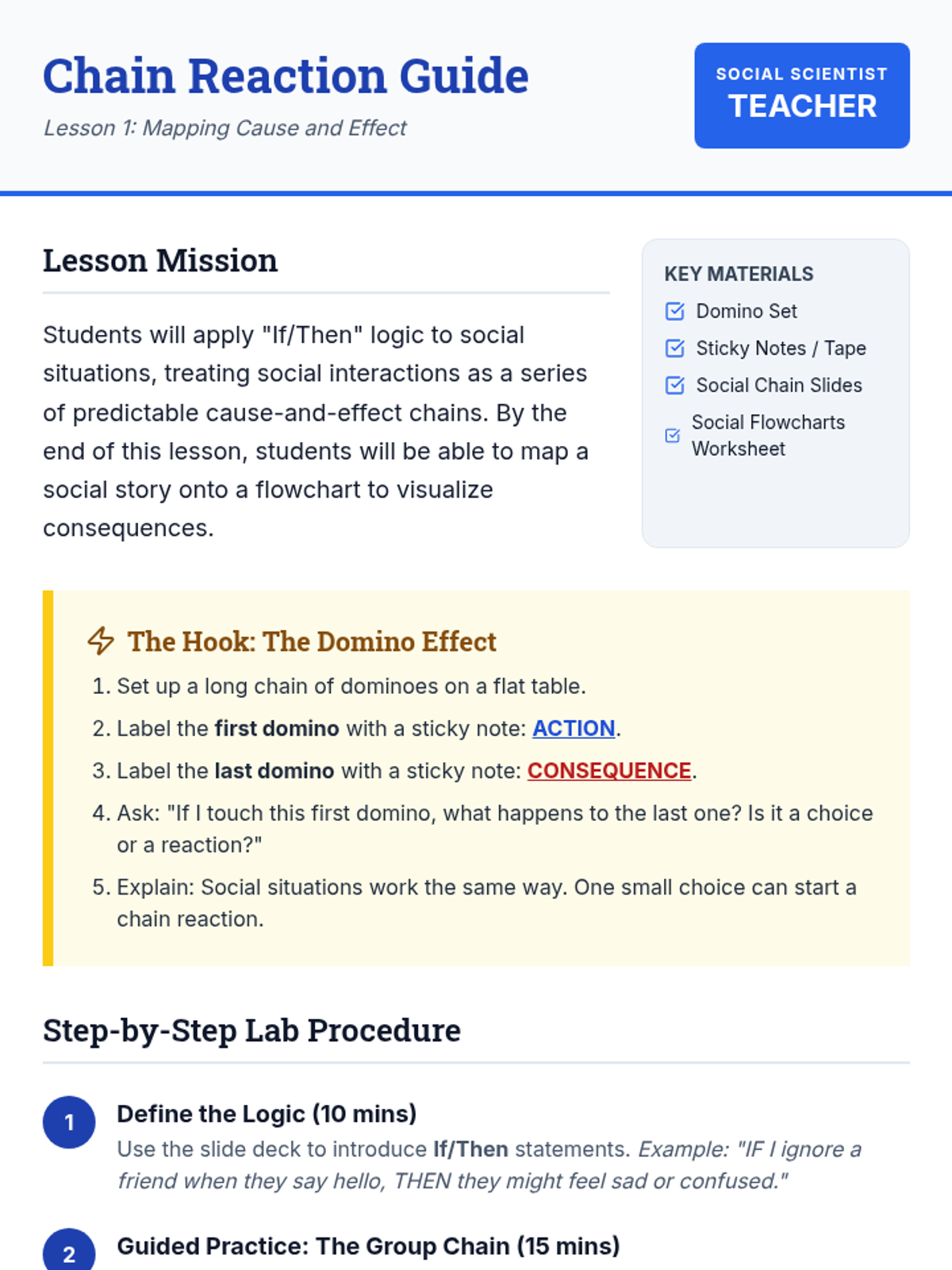
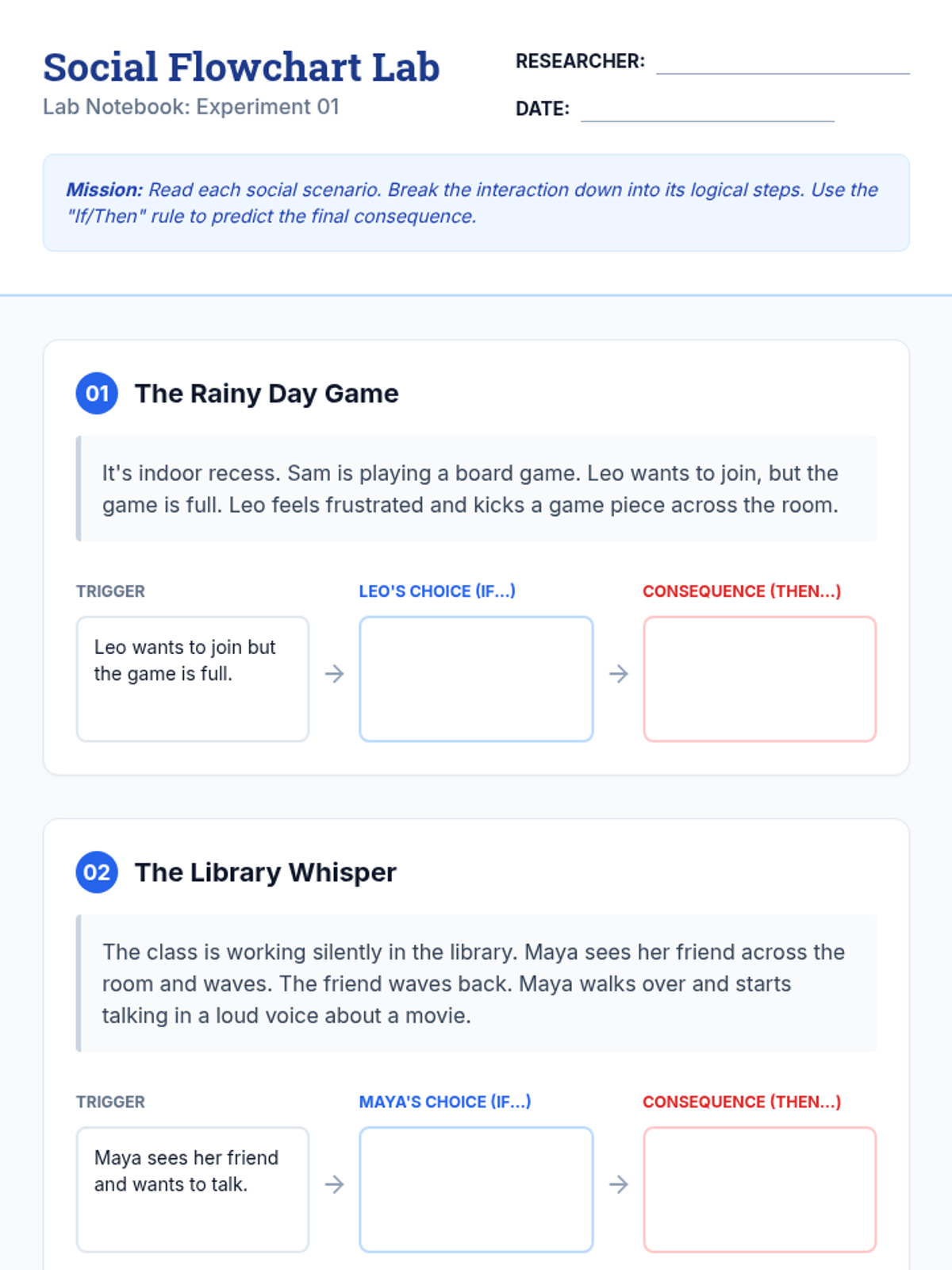
A 5th-grade social science approach to understanding social interactions. Students act as 'Social Scientists' to map cause-and-effect, analyze non-verbal cues, and predict outcomes using the logical framework of social stories.
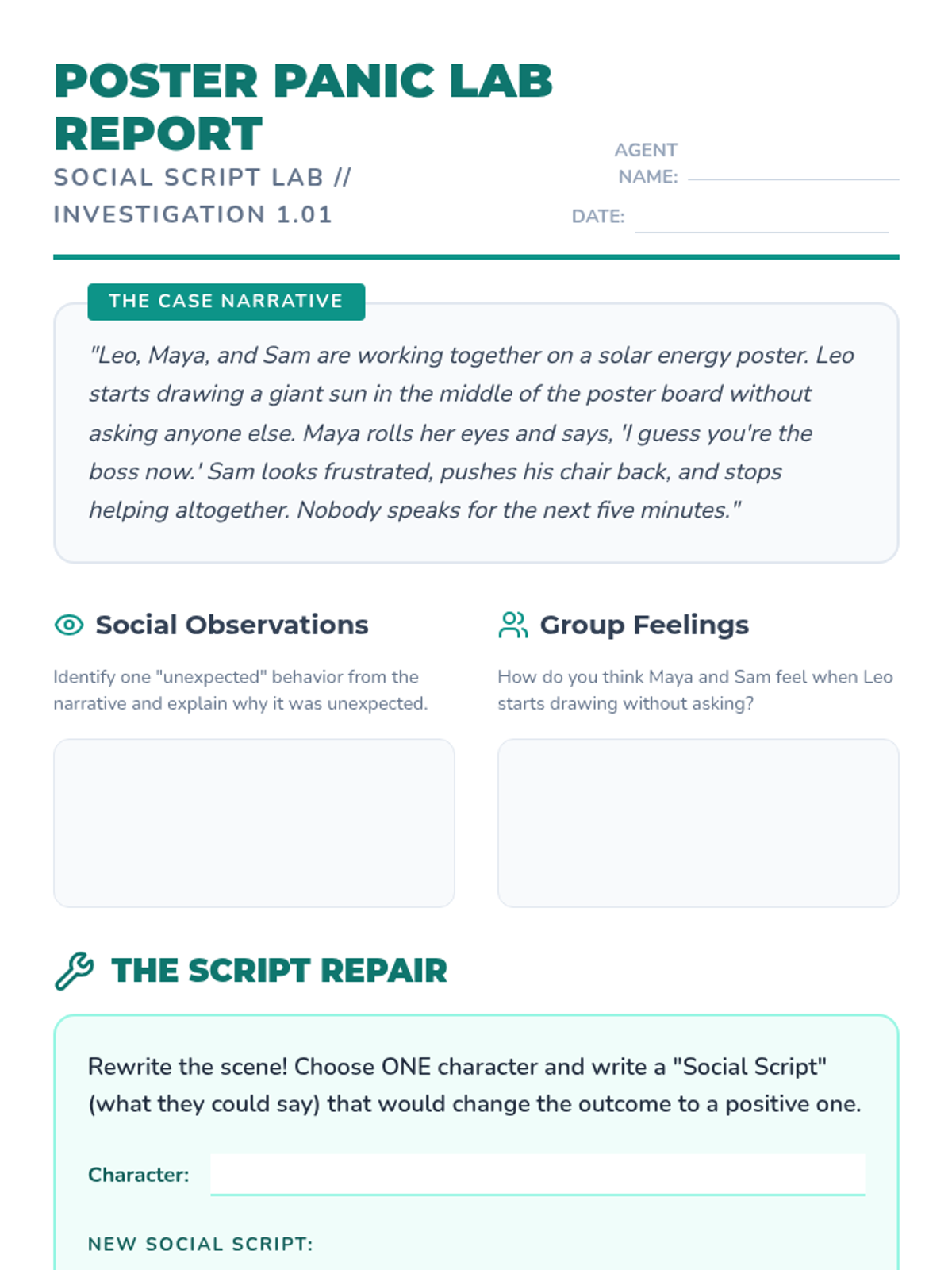
A 5th-grade social-emotional learning sequence focused on using social narratives to navigate complex peer interactions and resolve conflicts through role-play and simulation.
A workshop-style sequence for 5th graders to build personalized self-regulation strategies through purposeful movement breaks. Students progress from identifying triggers to mastering discreet desk-based techniques and creating a final personal toolkit.
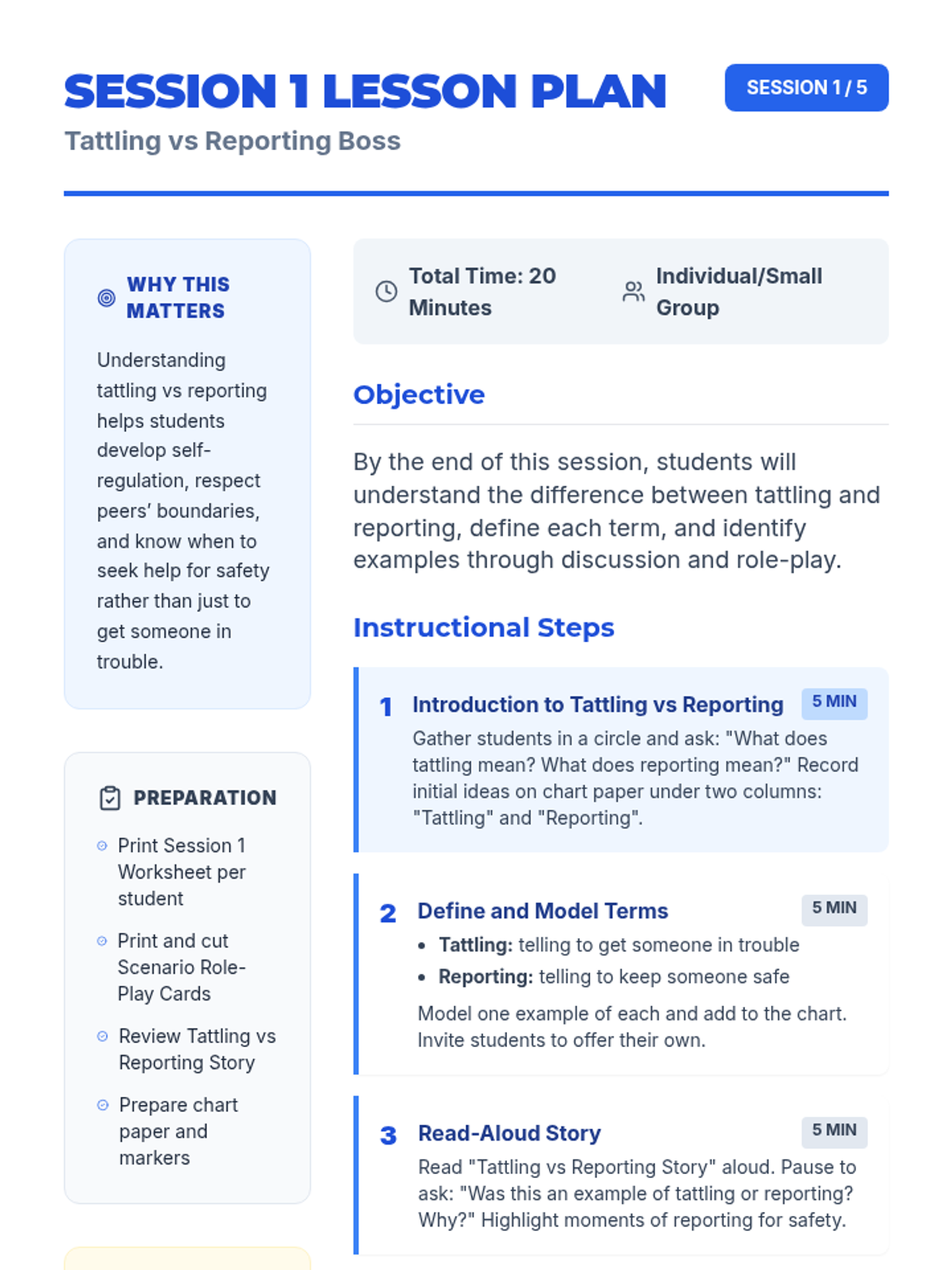
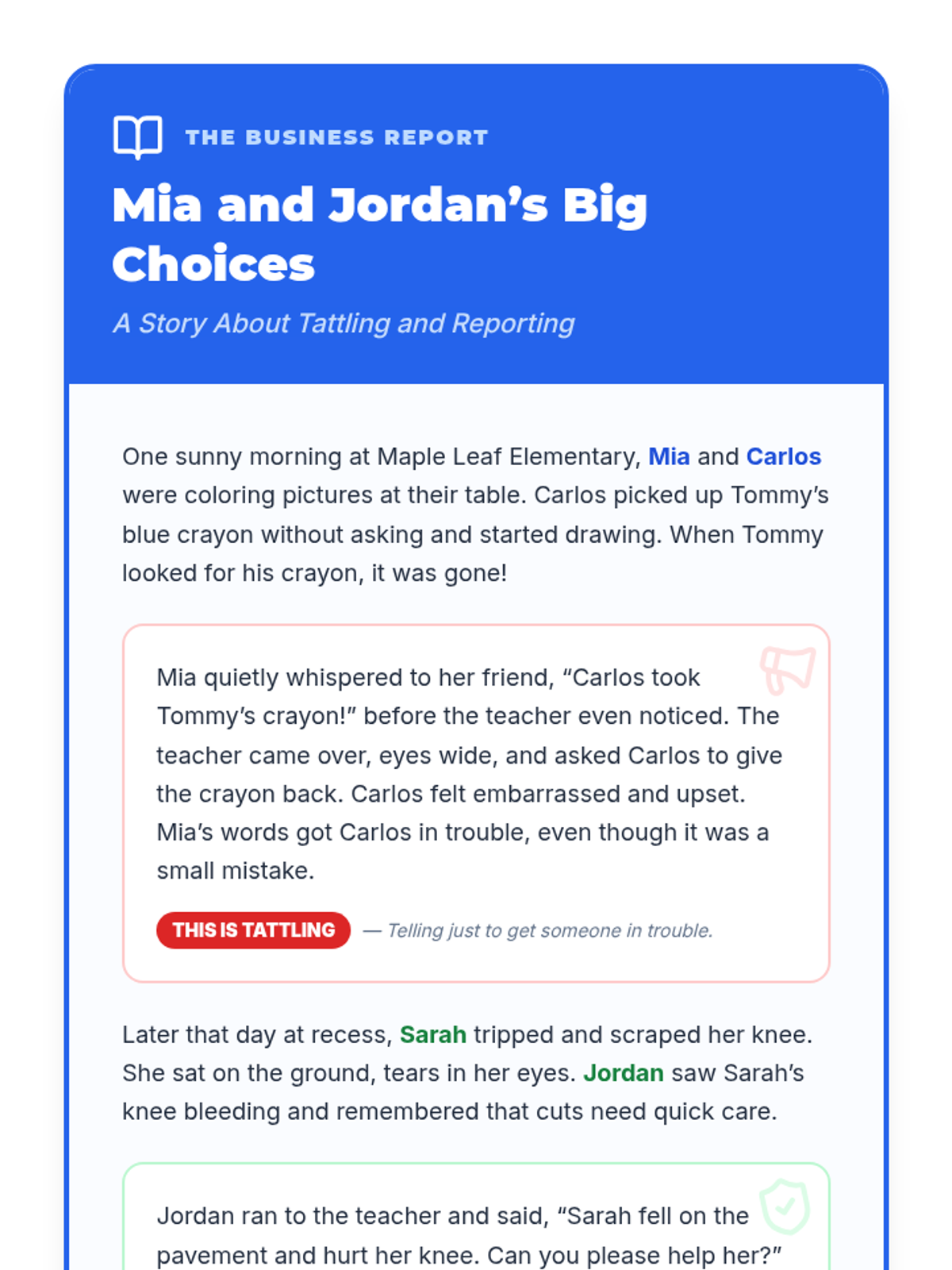
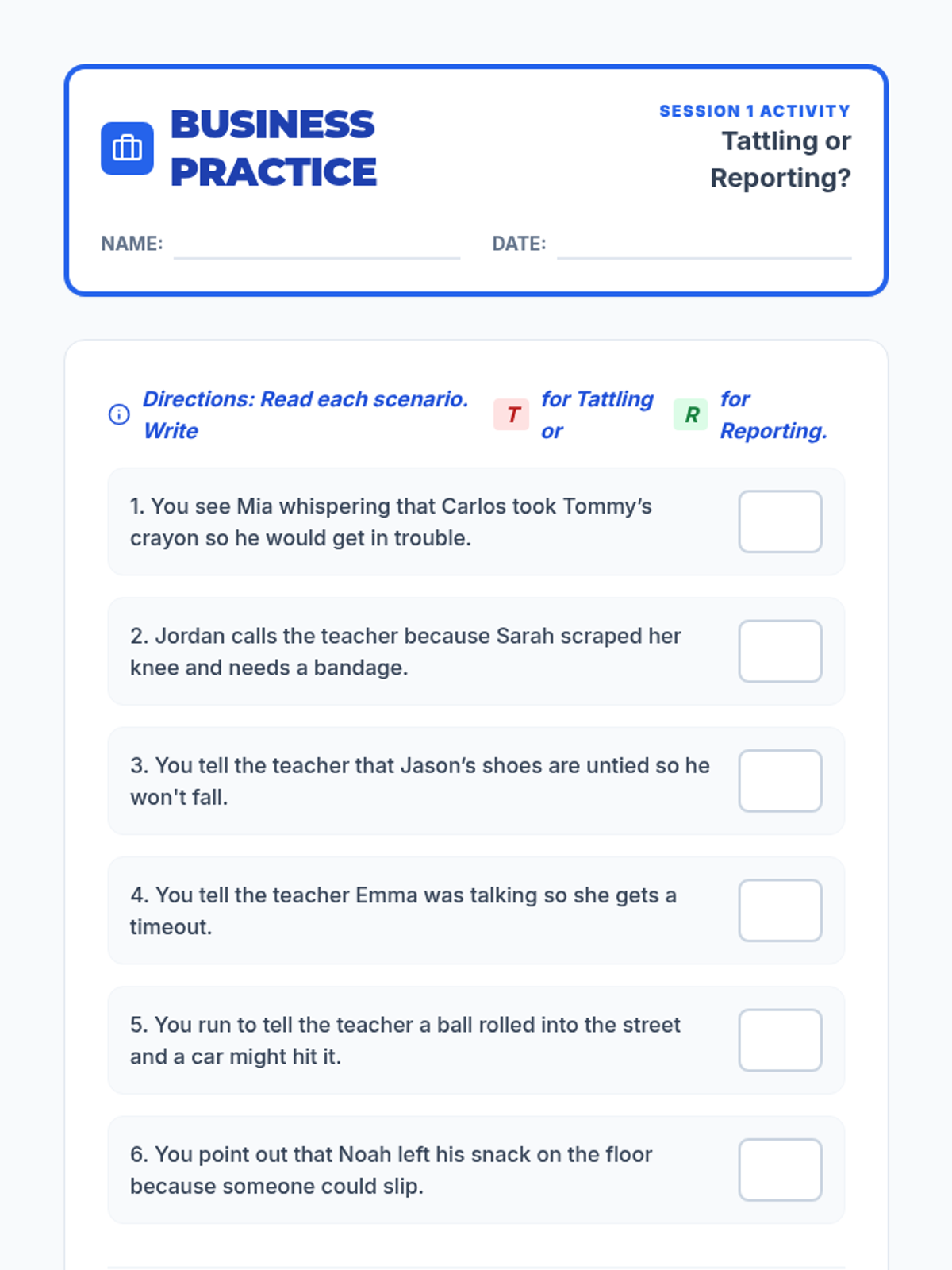
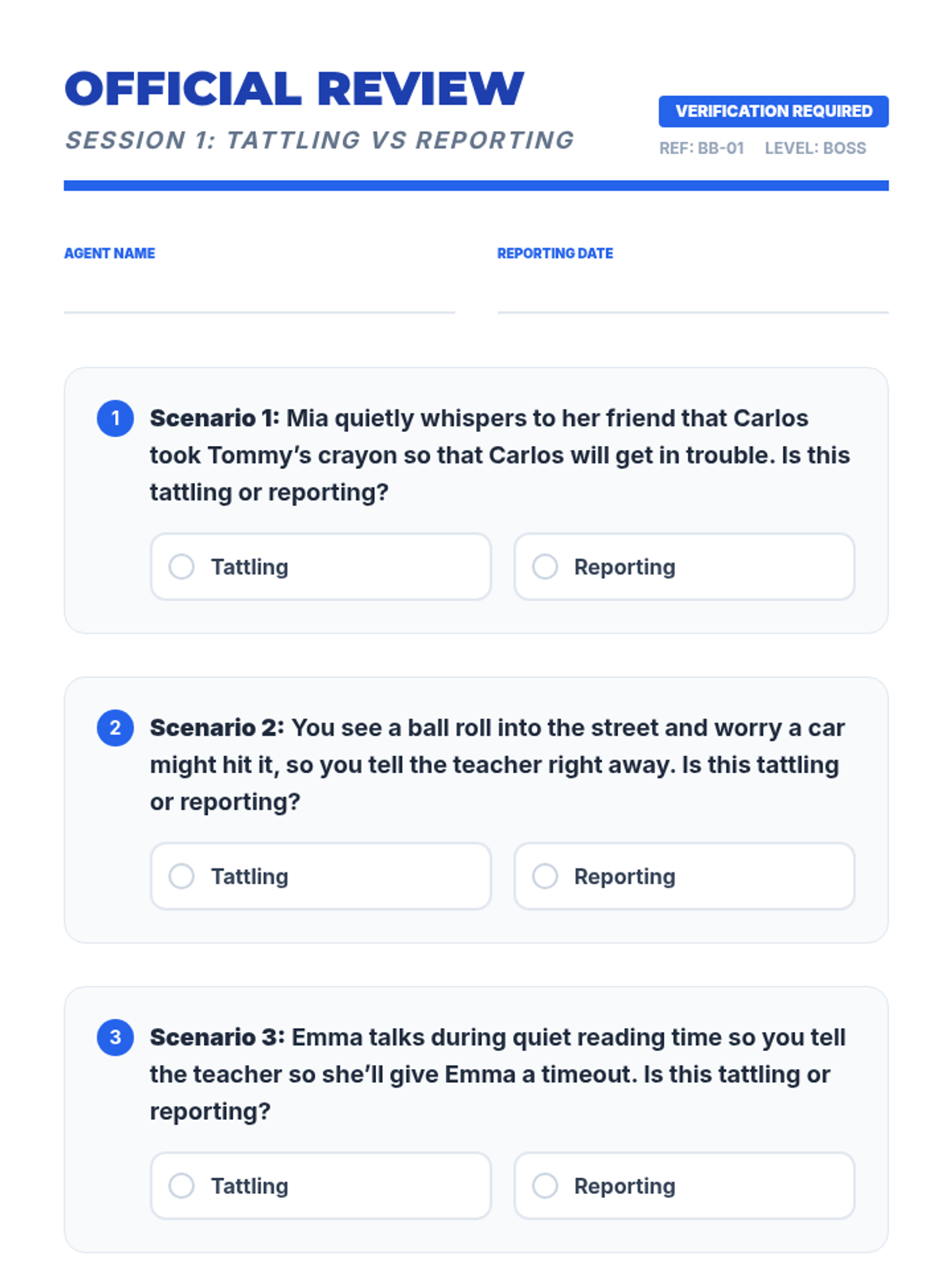
A 5-session individual intervention designed for students to develop self-regulation, distinguish between tattling and reporting, and respect peer boundaries. Students learn to 'mind their own business' through interactive stories, role-plays, and self-regulation tools.
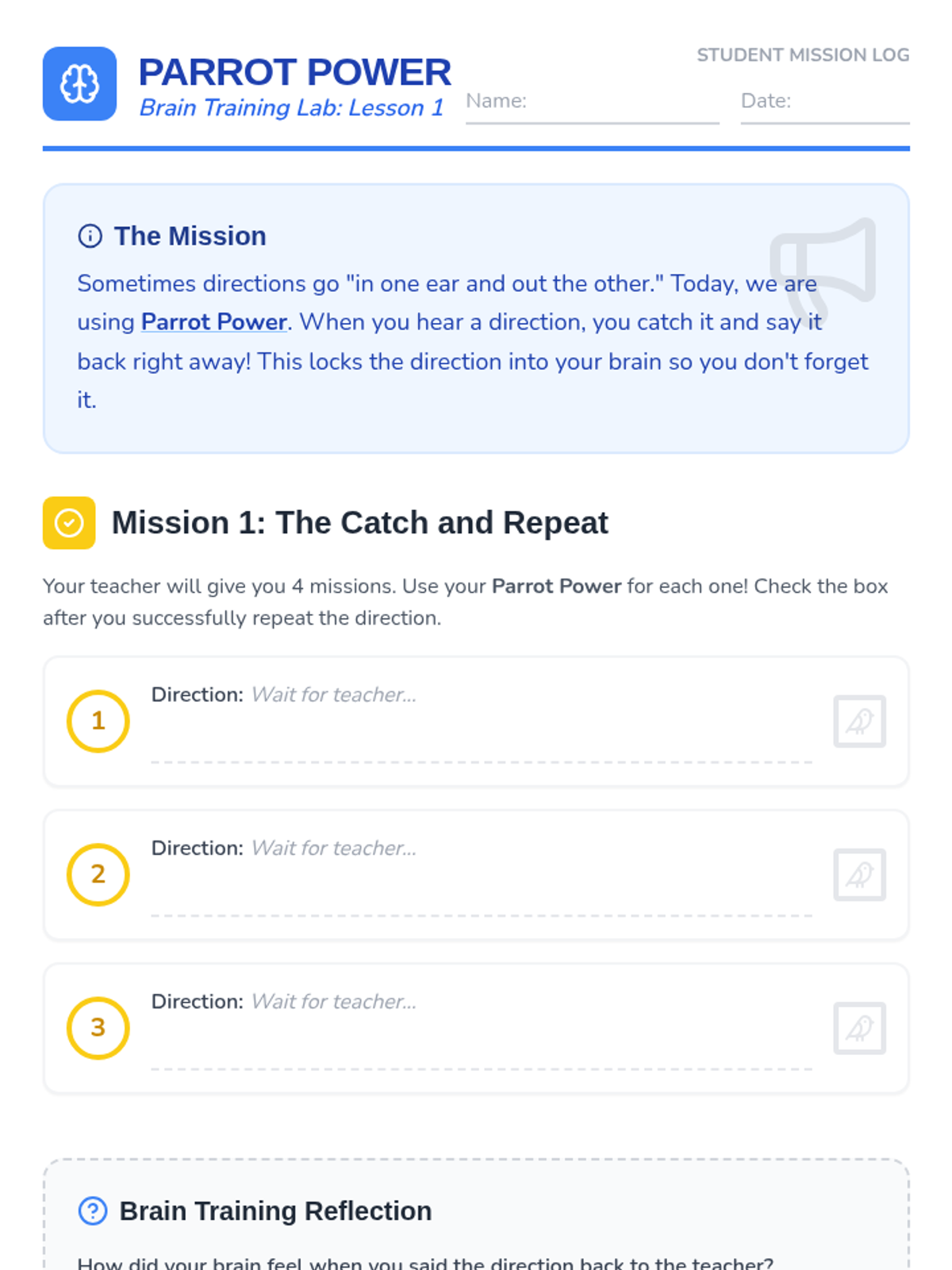
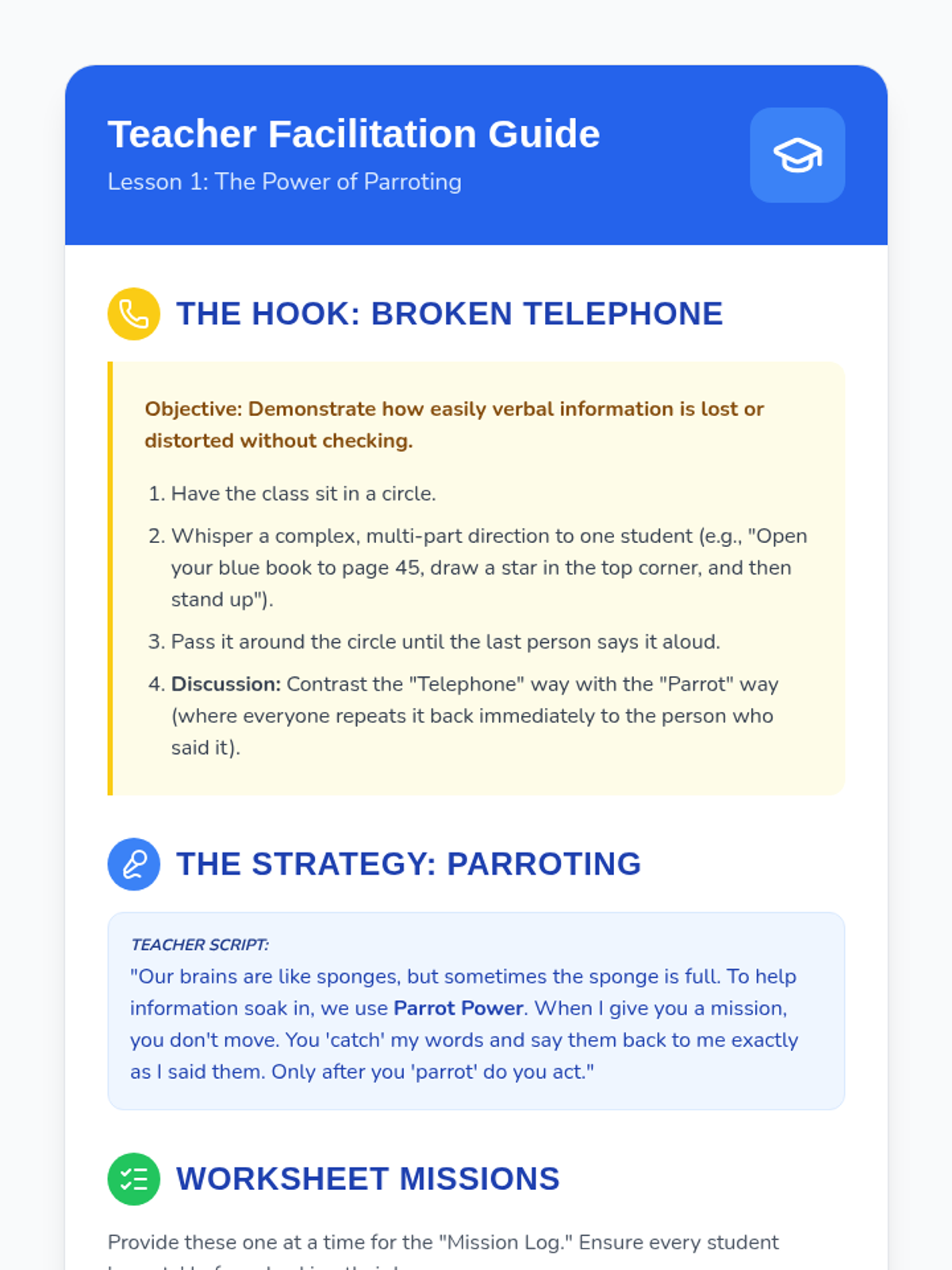
This sequence focuses on auditory processing and the cognitive strategy of verbal rehearsal (self-talk) to hold information in working memory. Students learn to 'catch' a verbal instruction, repeat it to themselves or a peer, and then execute it.
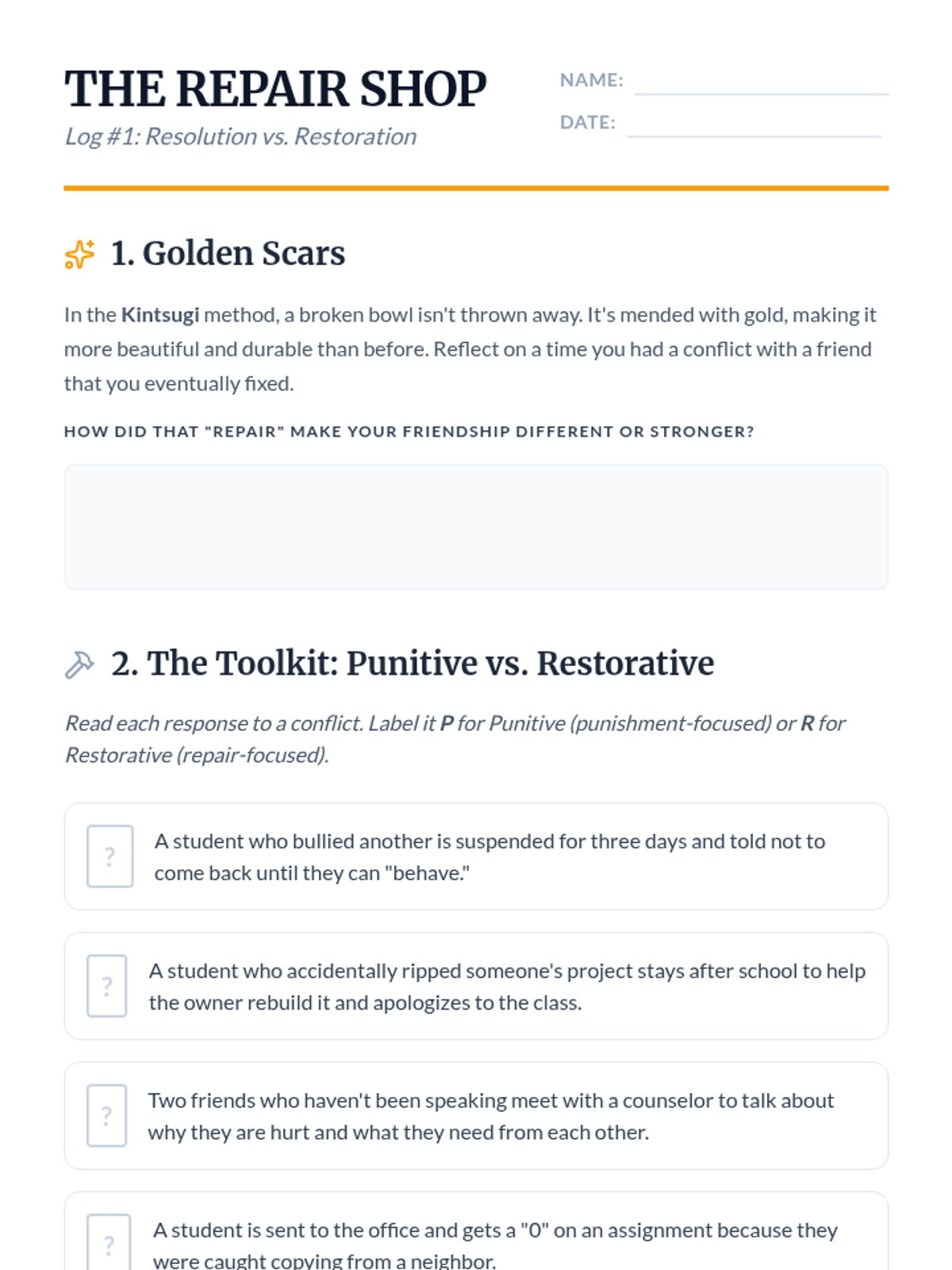
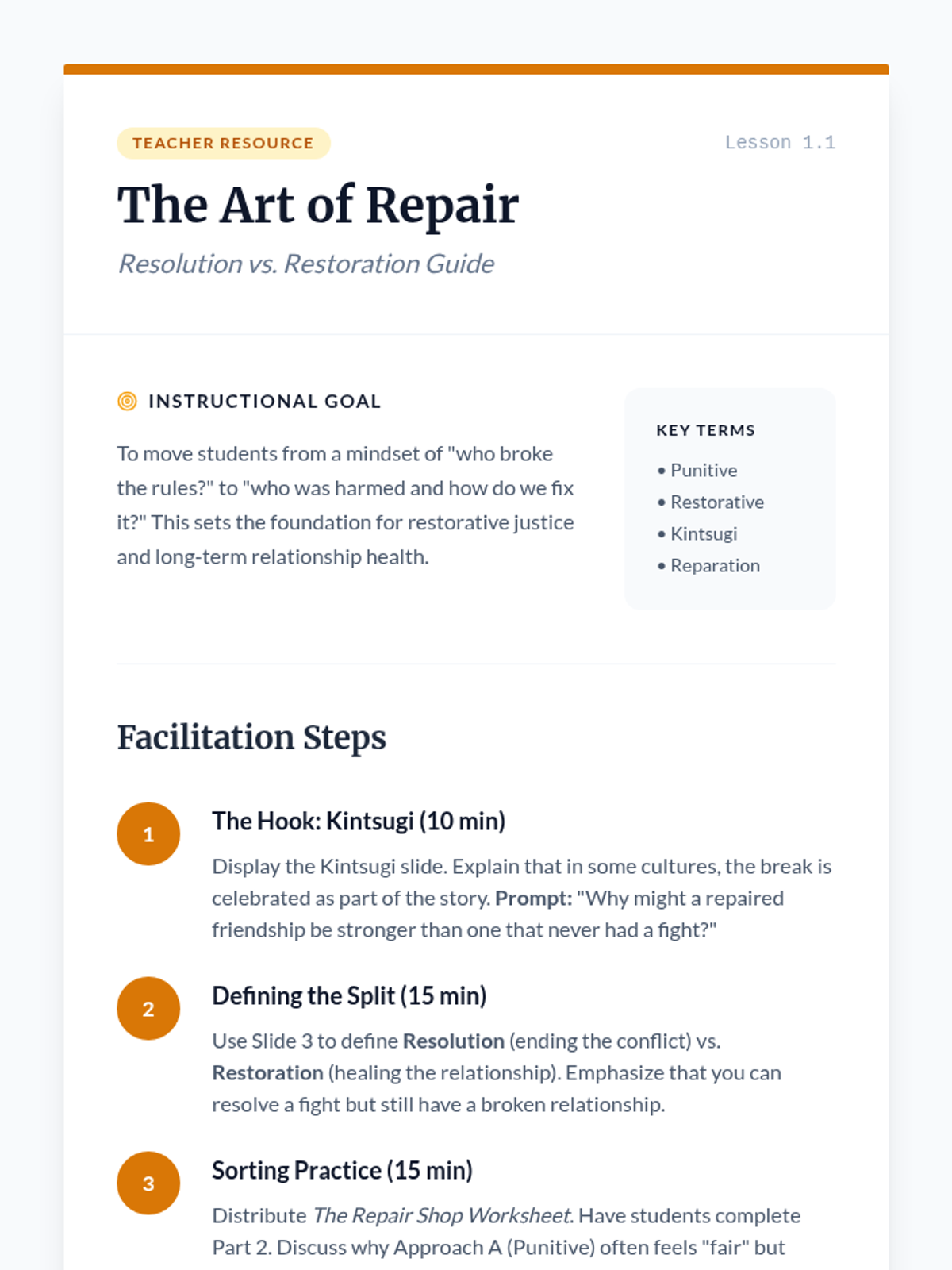
A 5-lesson sequence for 6th graders focusing on the aftermath of conflict: restoration, genuine apologies, sustainable agreements, and rebuilding trust. Students move beyond just 'stopping a fight' to actively repairing relationships and creating long-term peace.
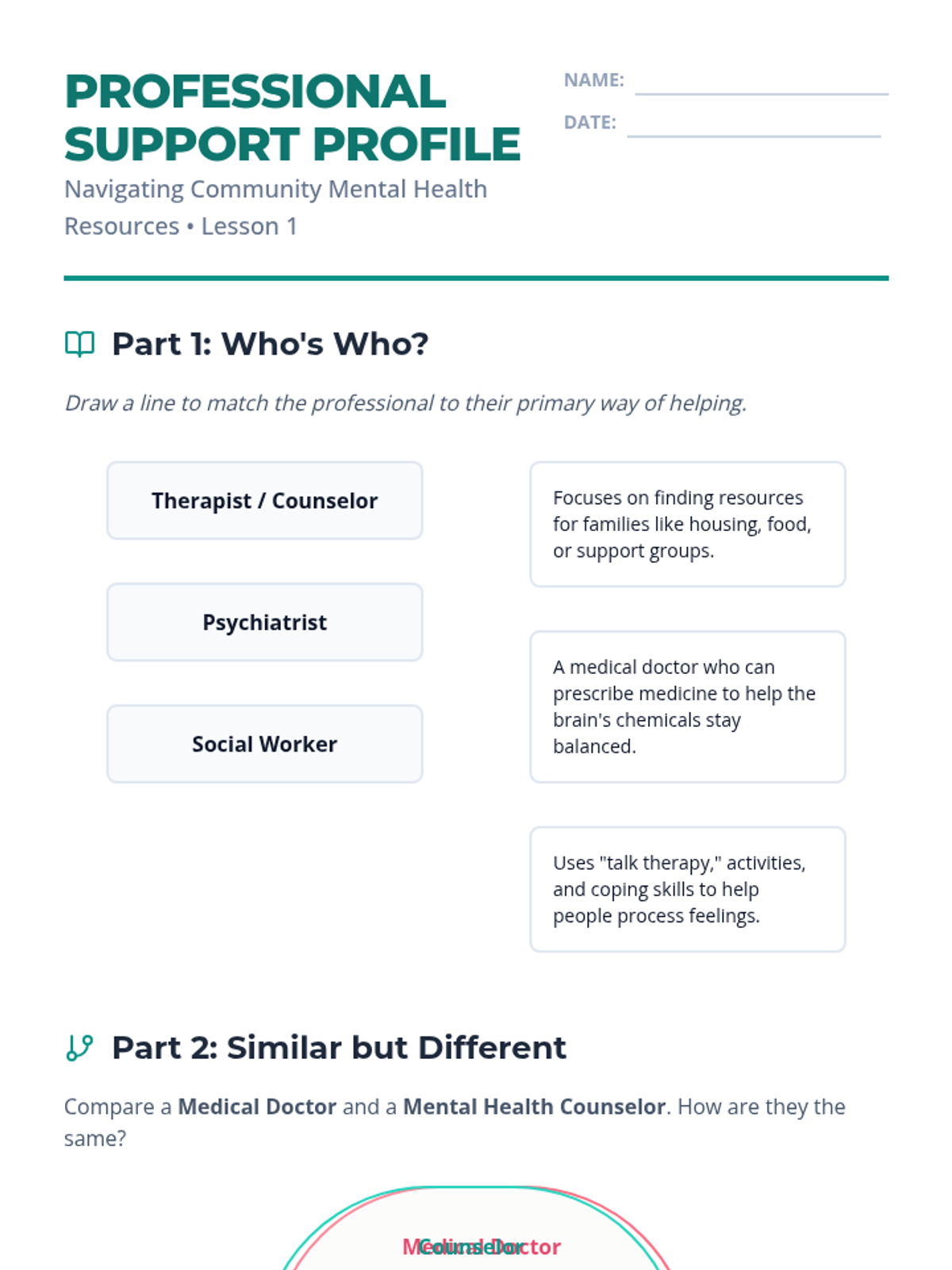
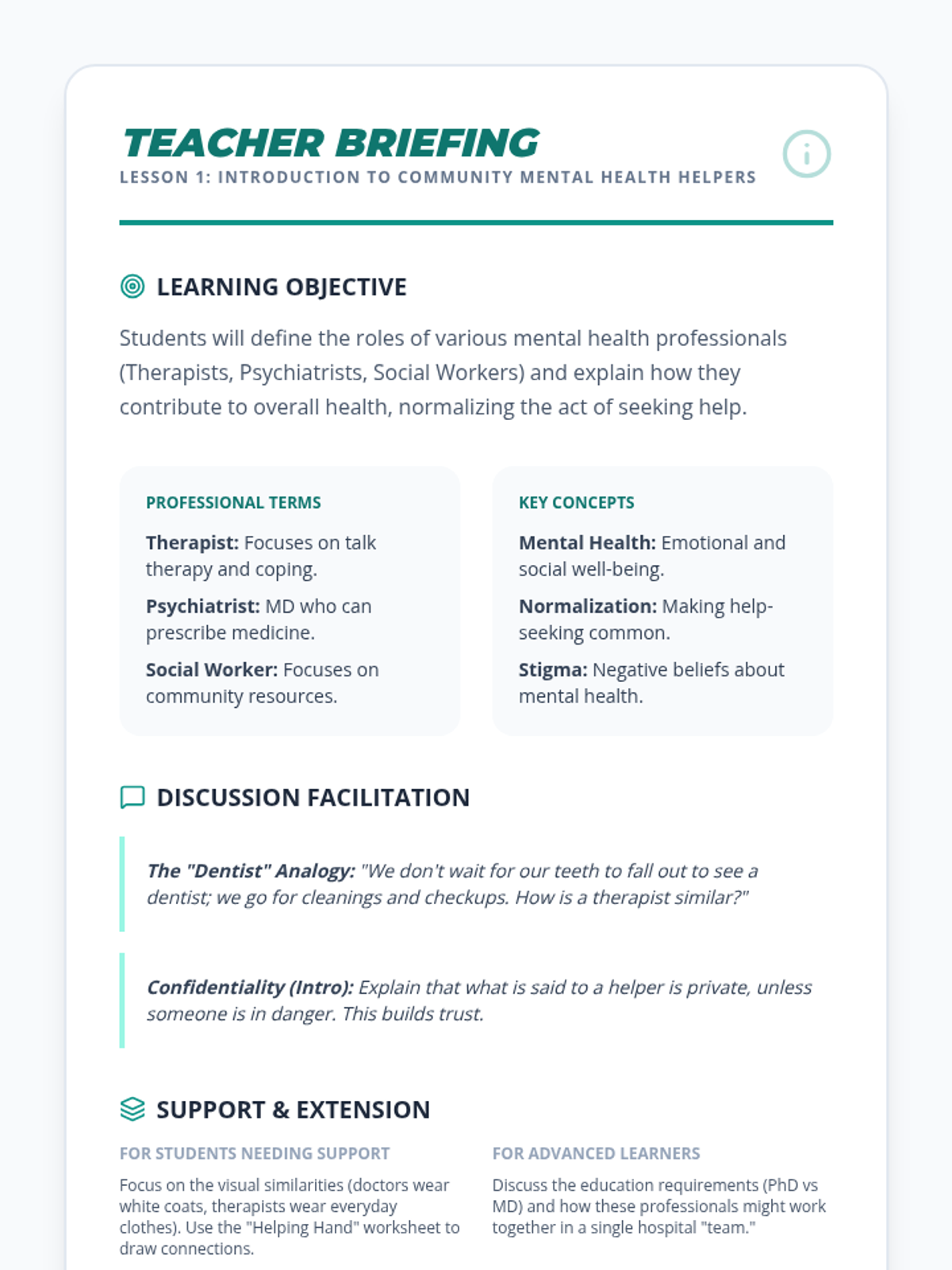
This sequence introduces 5th-grade students to community mental health resources, crisis hotlines like 988, and the different types of professionals available for support. Students learn to distinguish between emergency and non-emergency needs and practice navigating barriers to care.
This sequence explores how environmental factors and community interactions impact sensory regulation. Students learn to audit their surroundings, respect diverse sensory needs, practice co-regulation, troubleshoot transitions, and collaboratively create a classroom sensory contract.
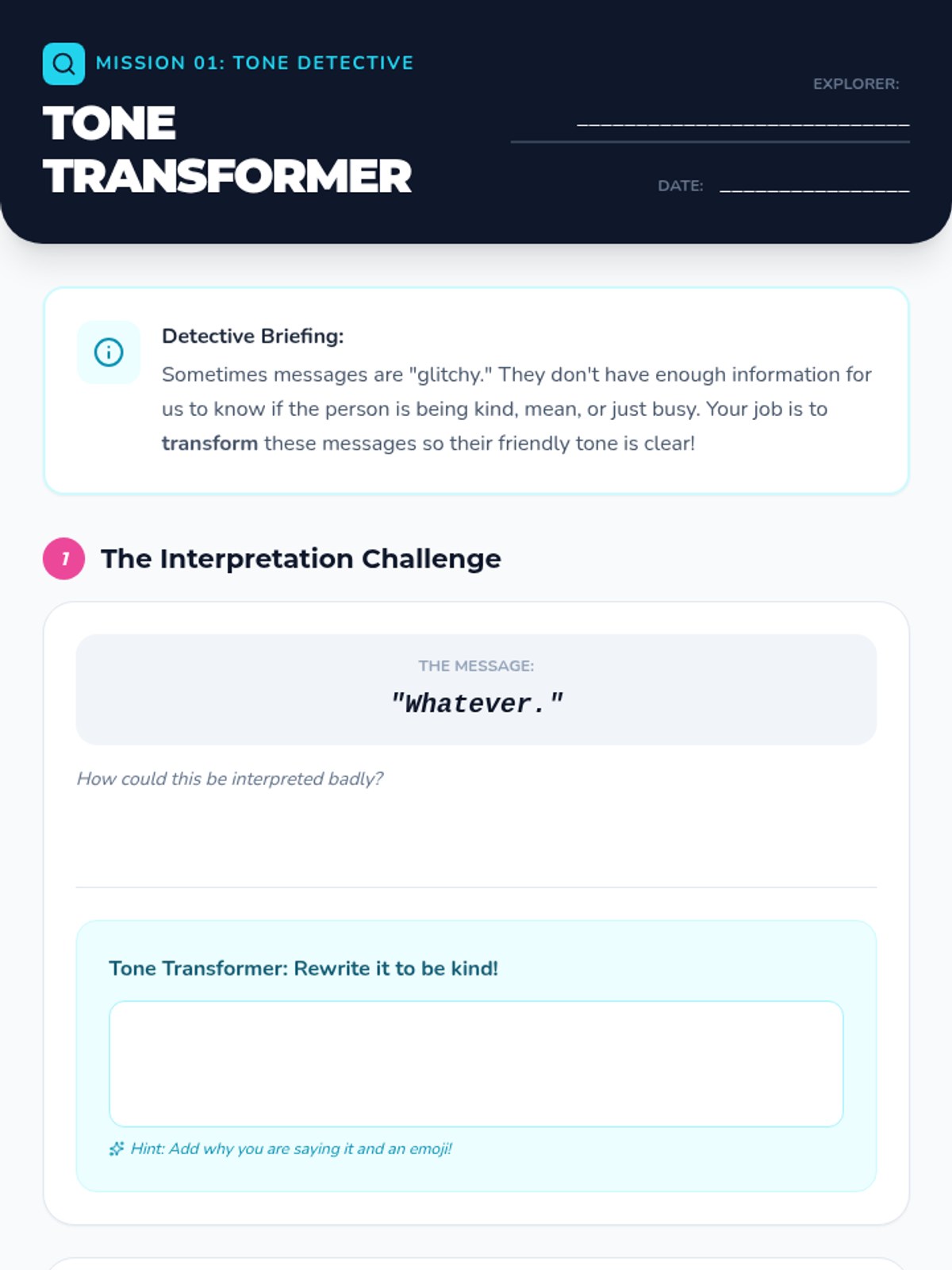
A comprehensive 5-lesson series for 4th graders focused on emotional intelligence in digital spaces. Students learn to interpret text tone, identify cyberbullying vs. conflict, understand the impact of anonymity, practice upstander strategies, and co-create a class digital civility code.
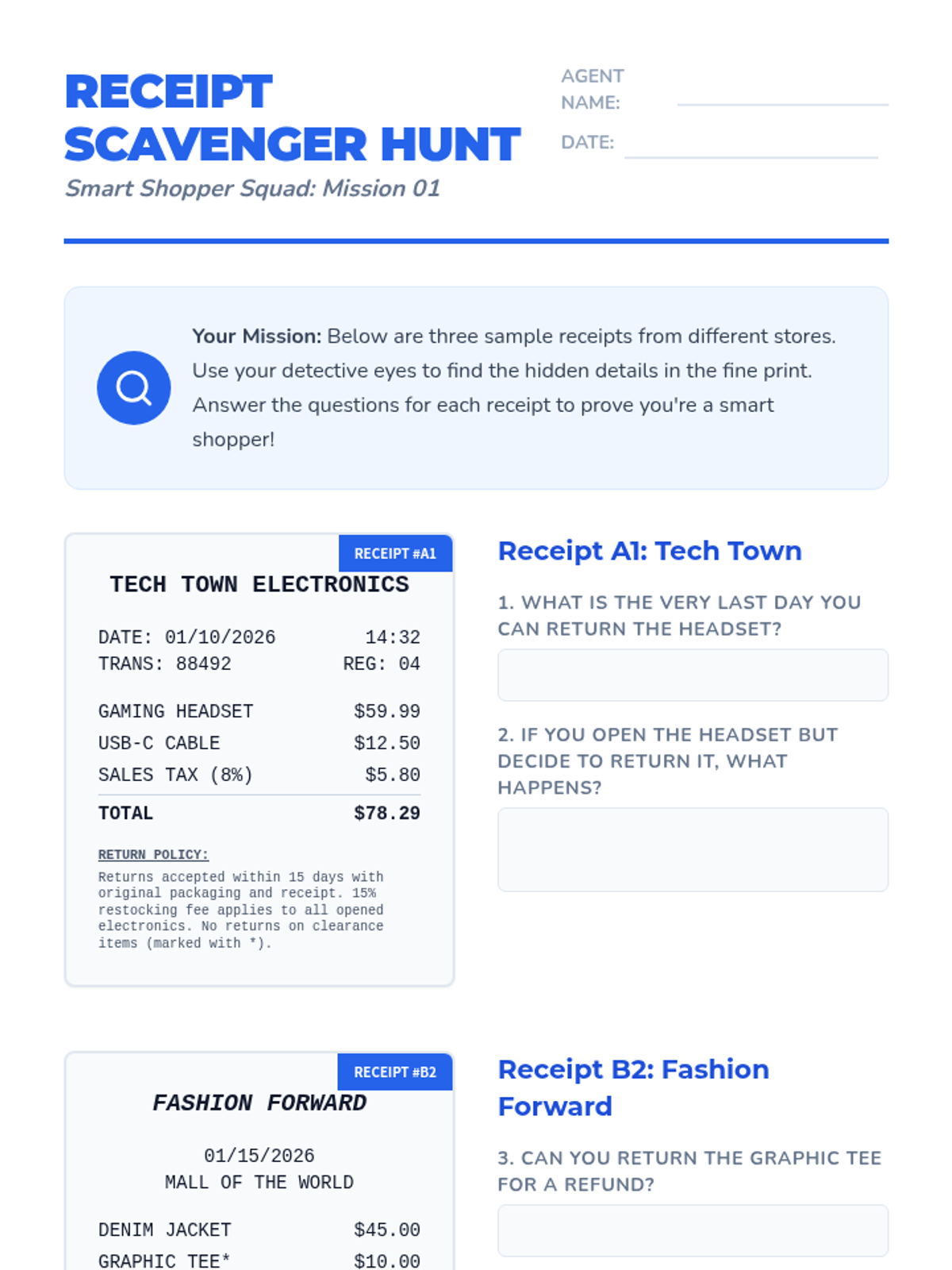
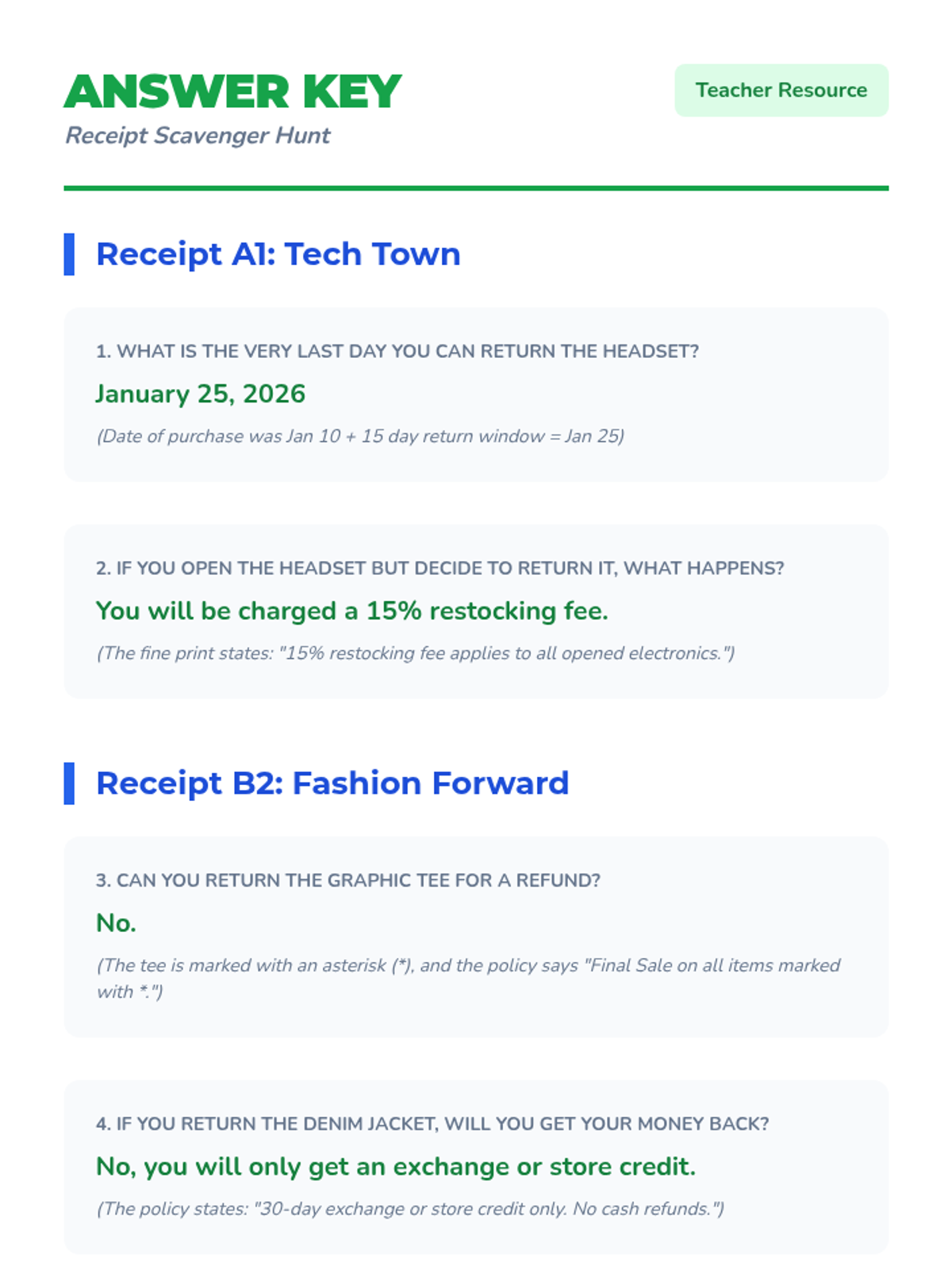
This sequence teaches 5th-grade students about their rights and responsibilities as consumers after a purchase. Students learn to navigate return policies, understand warranties, practice assertive communication, and explore the ethical impact of their spending choices.
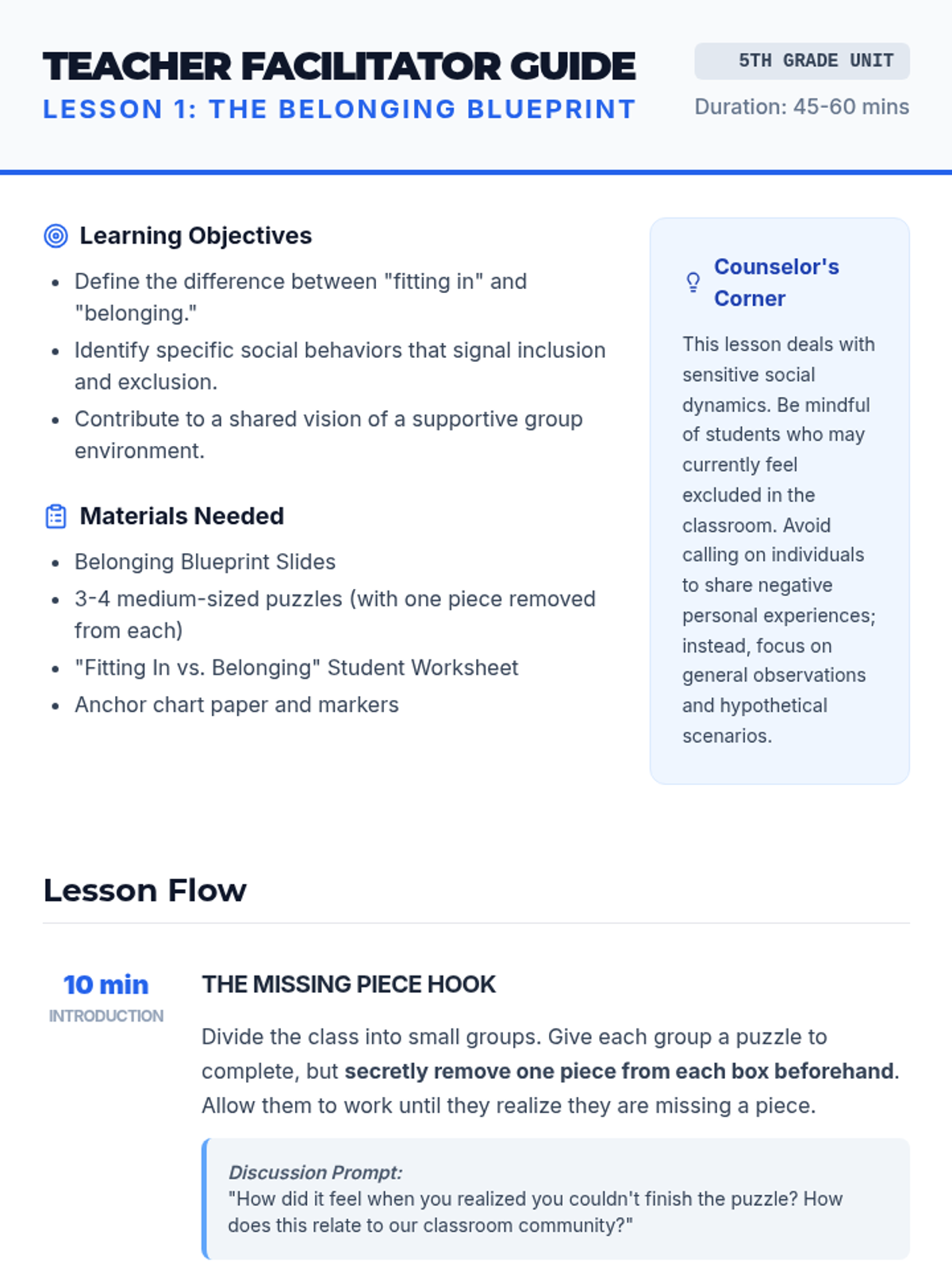
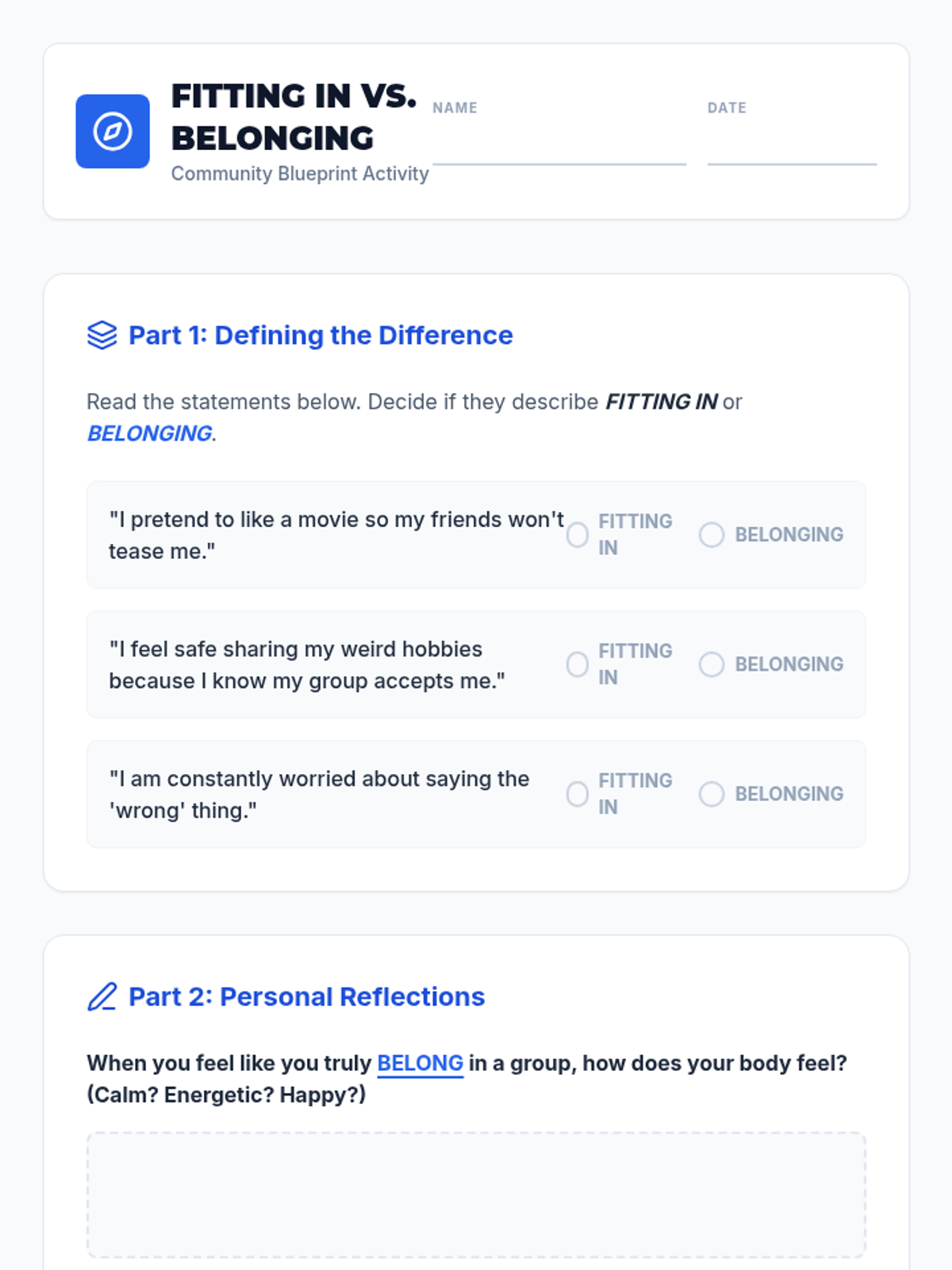
A 5-lesson unit for 5th graders focused on building a supportive and inclusive group environment. Students move from understanding belonging to designing their own physical and social space, culminating in a shared 'Group Charter'.
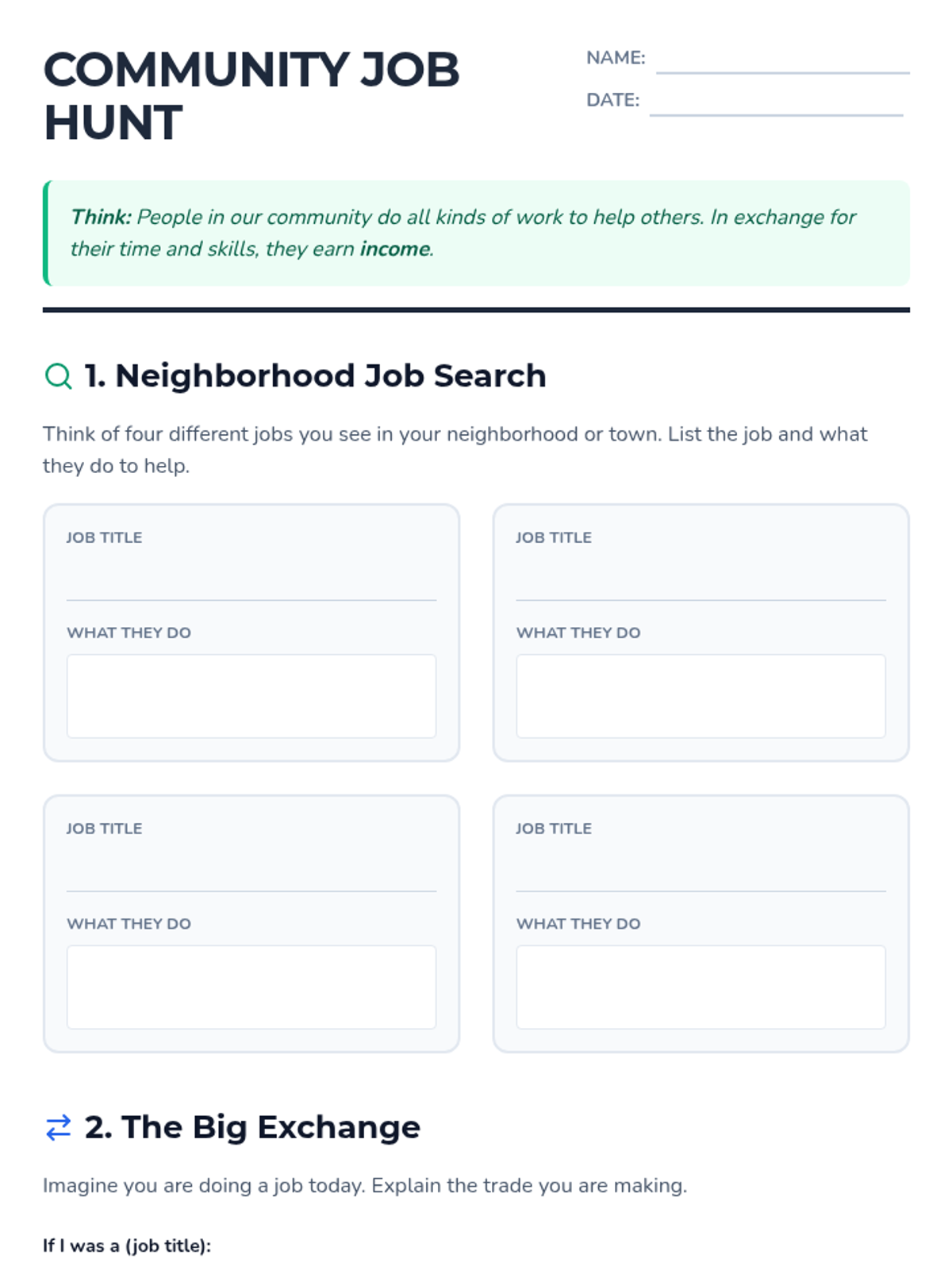
This sequence explores the relationship between education, jobs, and income. Students learn about budgeting, the impact of unexpected expenses, and the intrinsic value of all community work, addressing economic inequality through practical simulations and reflection.
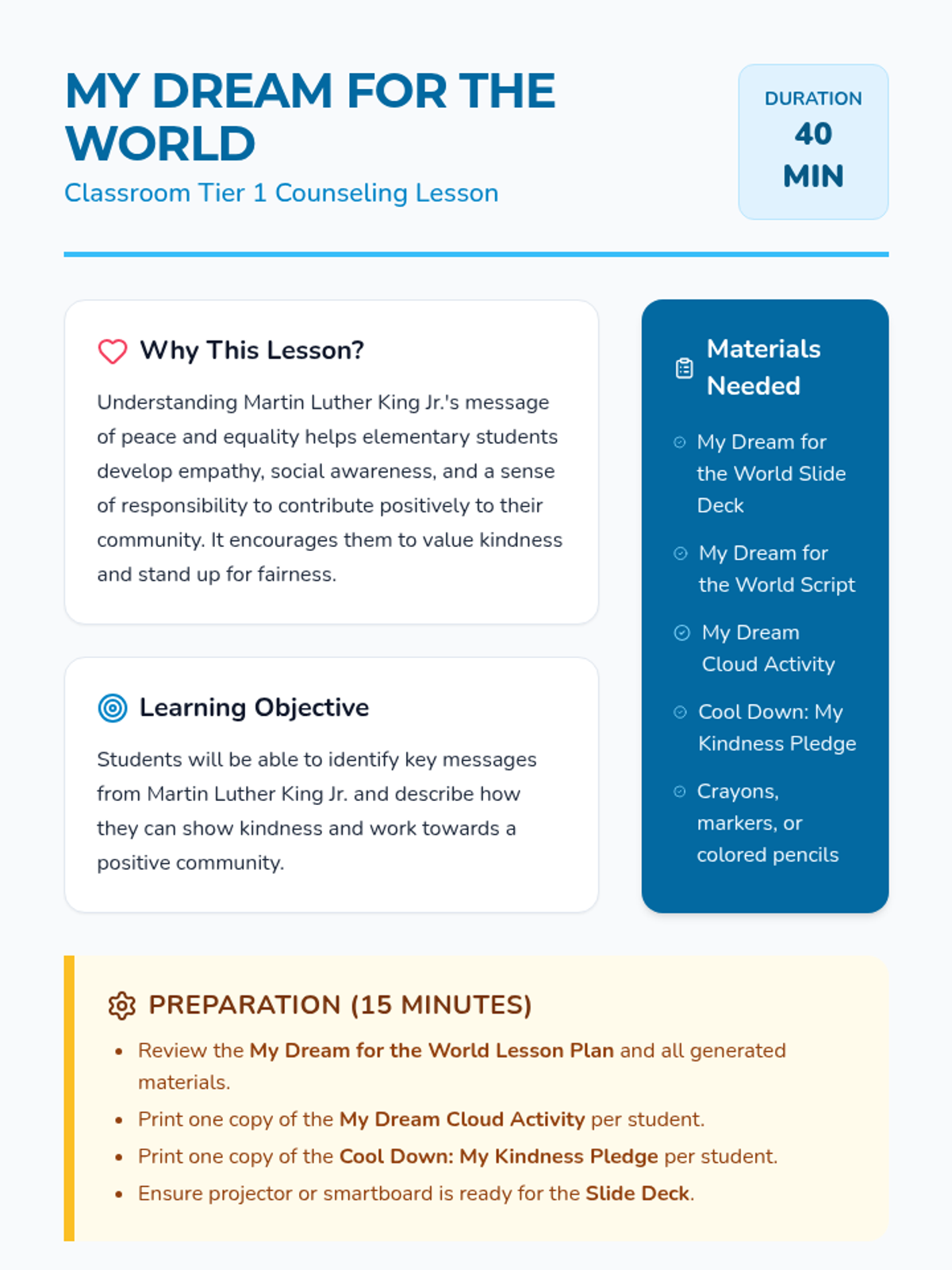
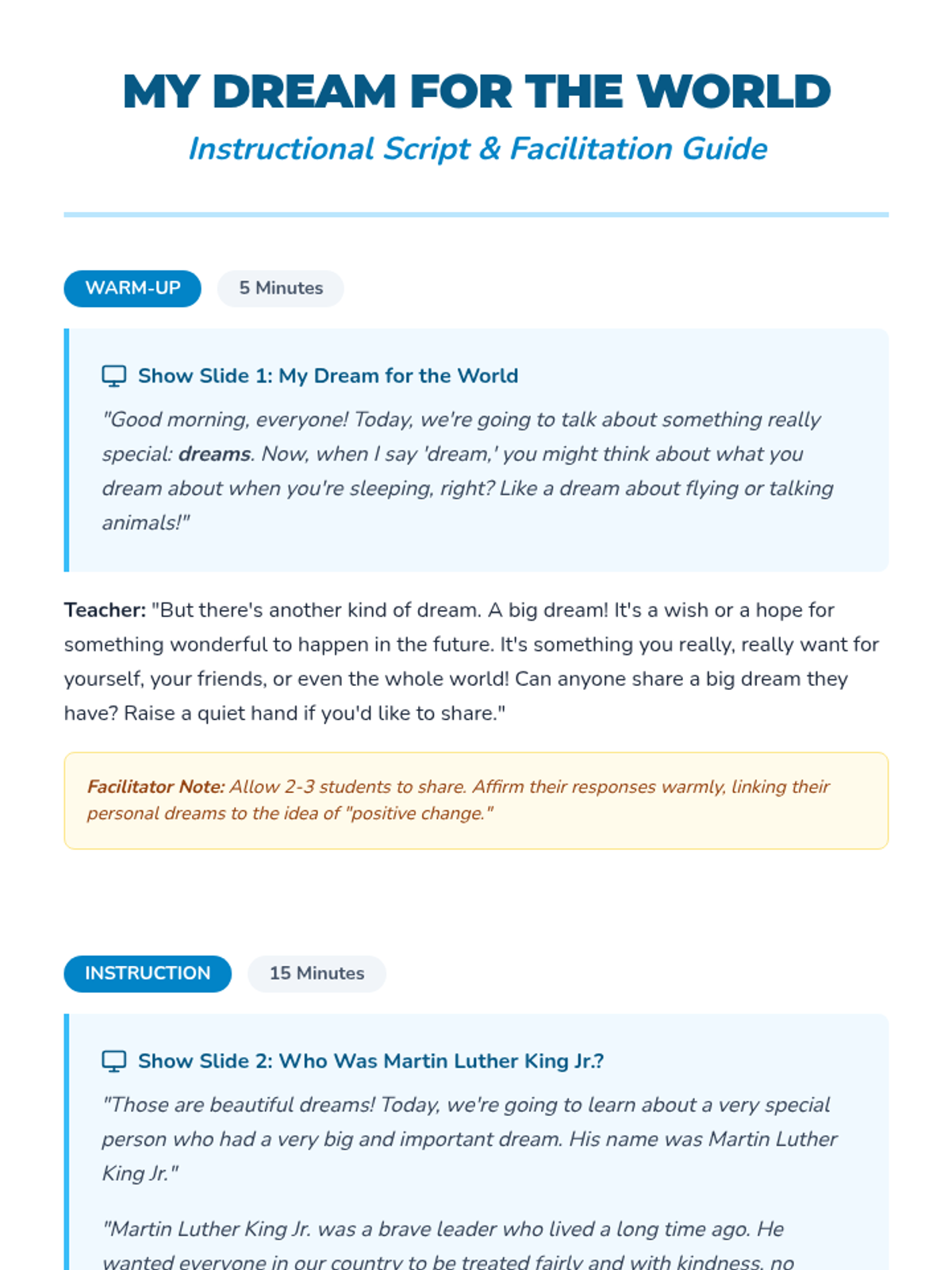
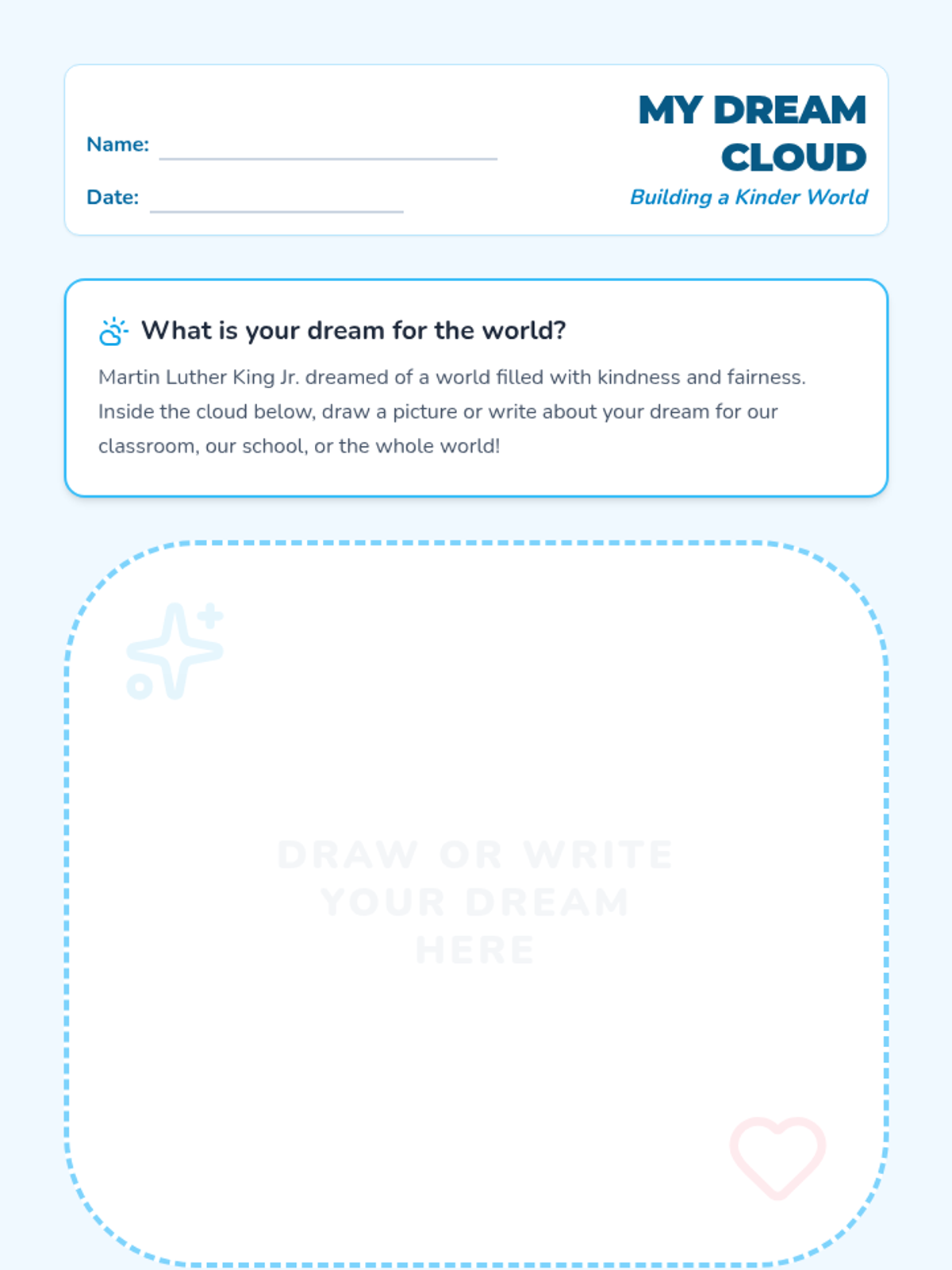
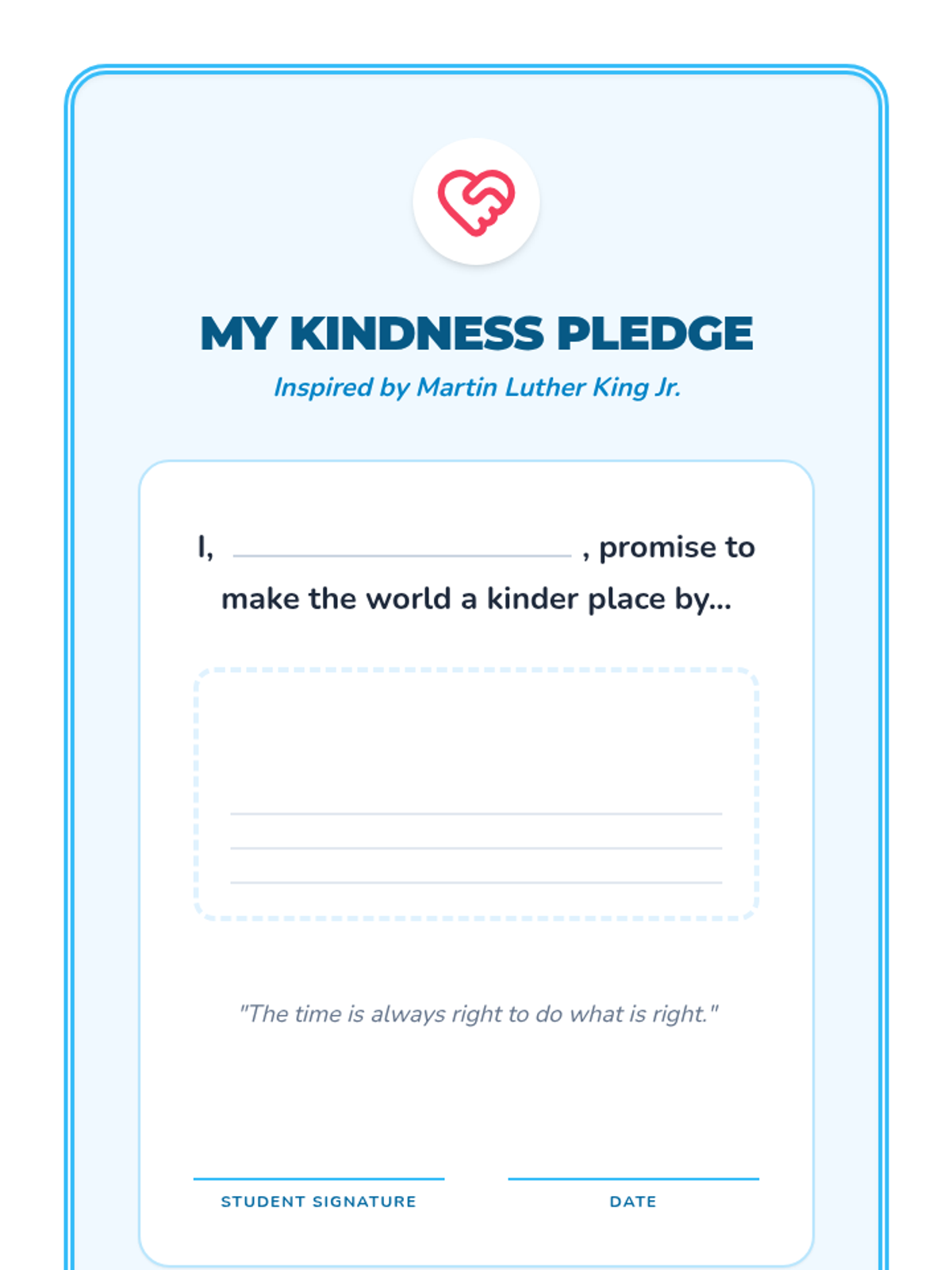
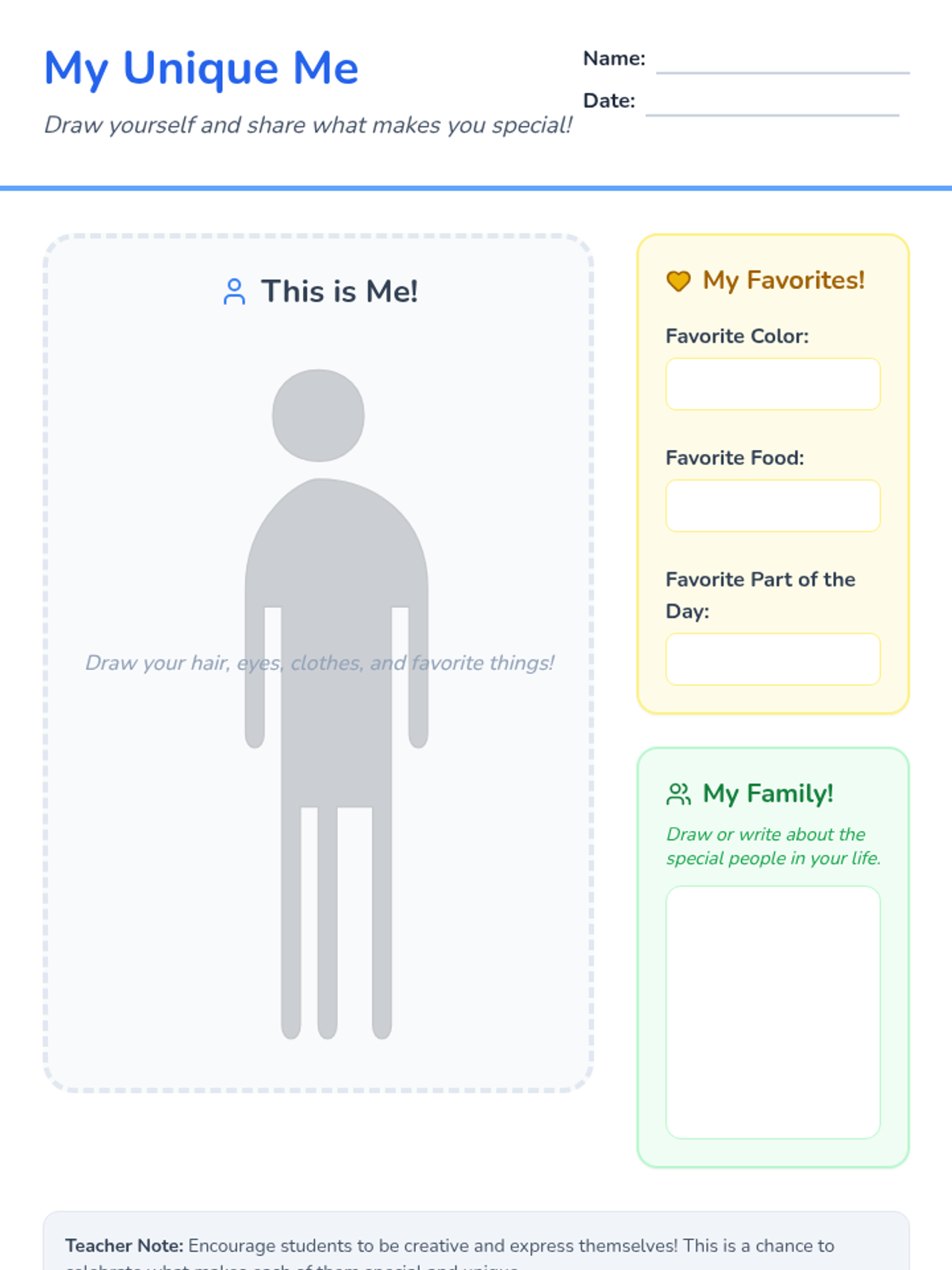
A social-emotional learning sequence for elementary students focused on empathy, community, and self-worth. It includes a lesson on Martin Luther King Jr.'s message of peace and equality, followed by a lesson on recognizing and celebrating personal pride and accomplishments.
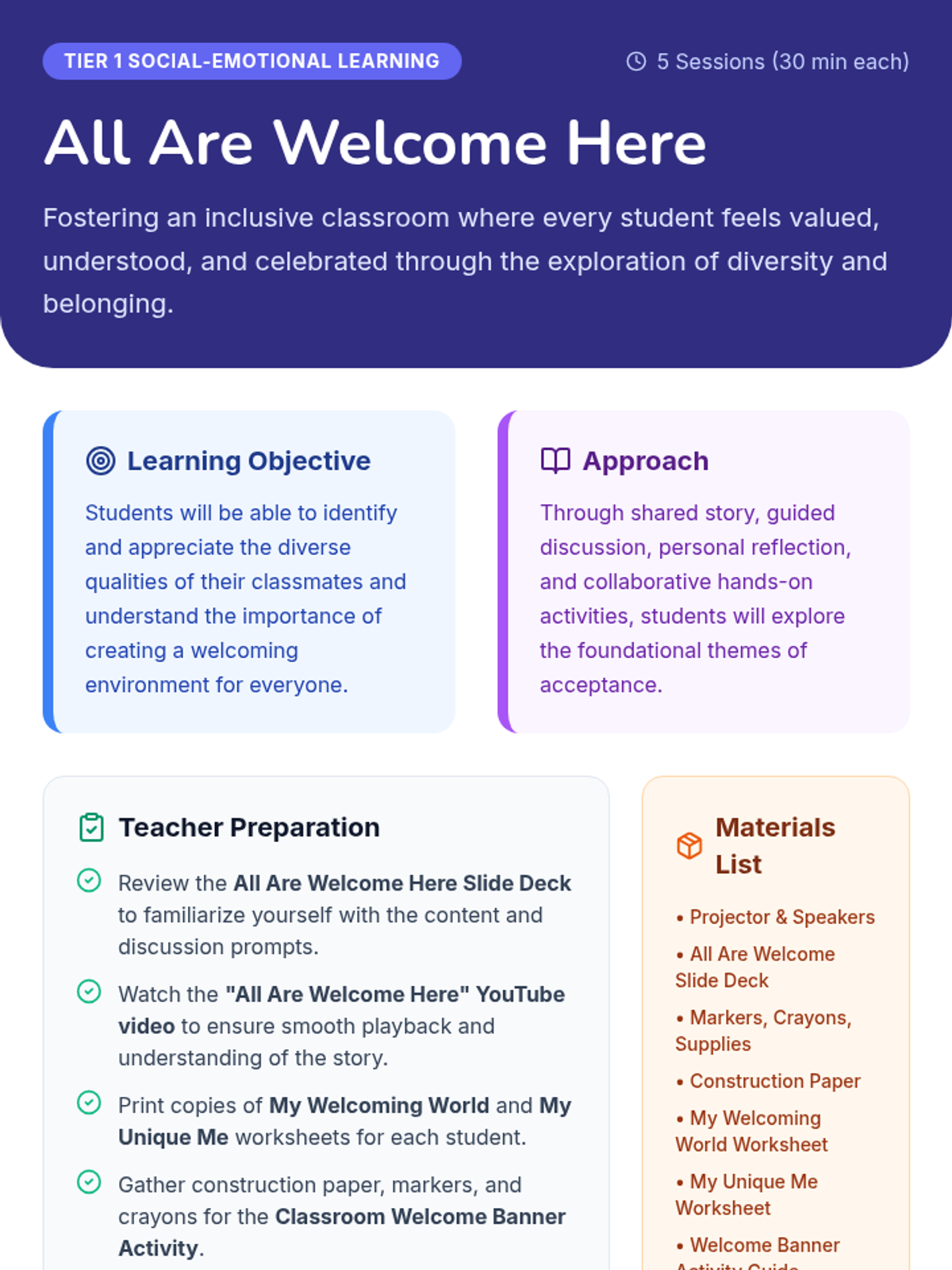
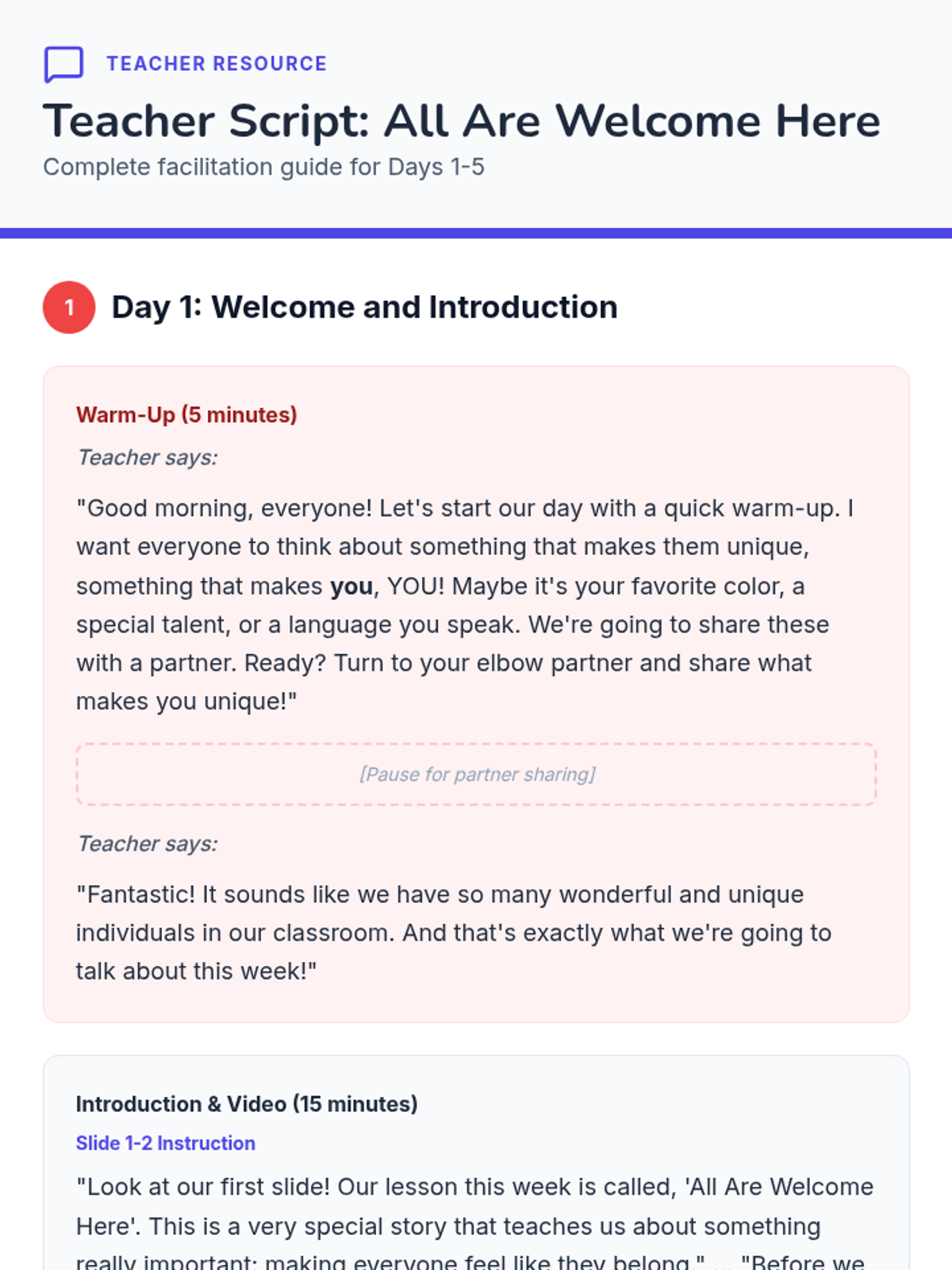
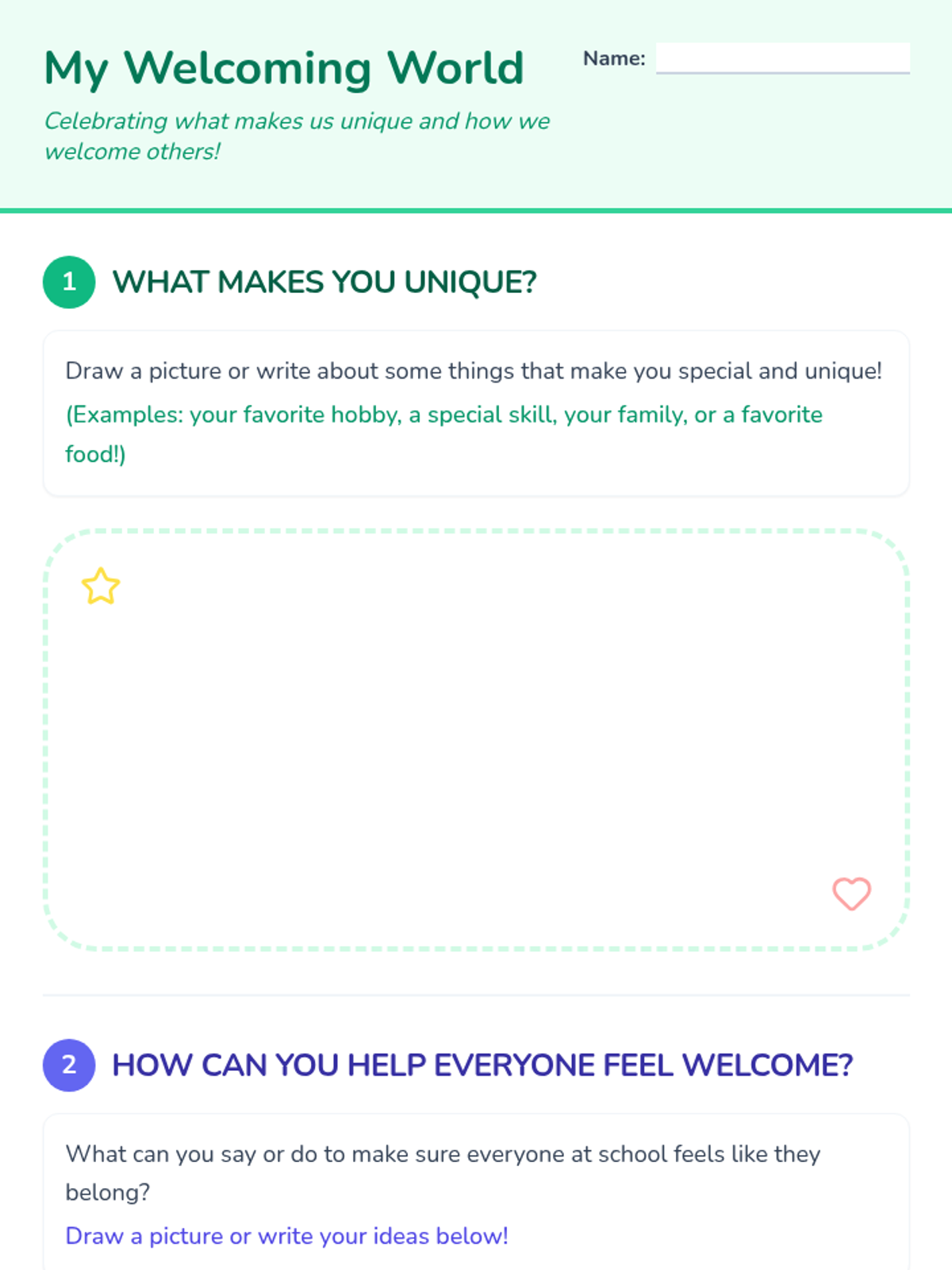
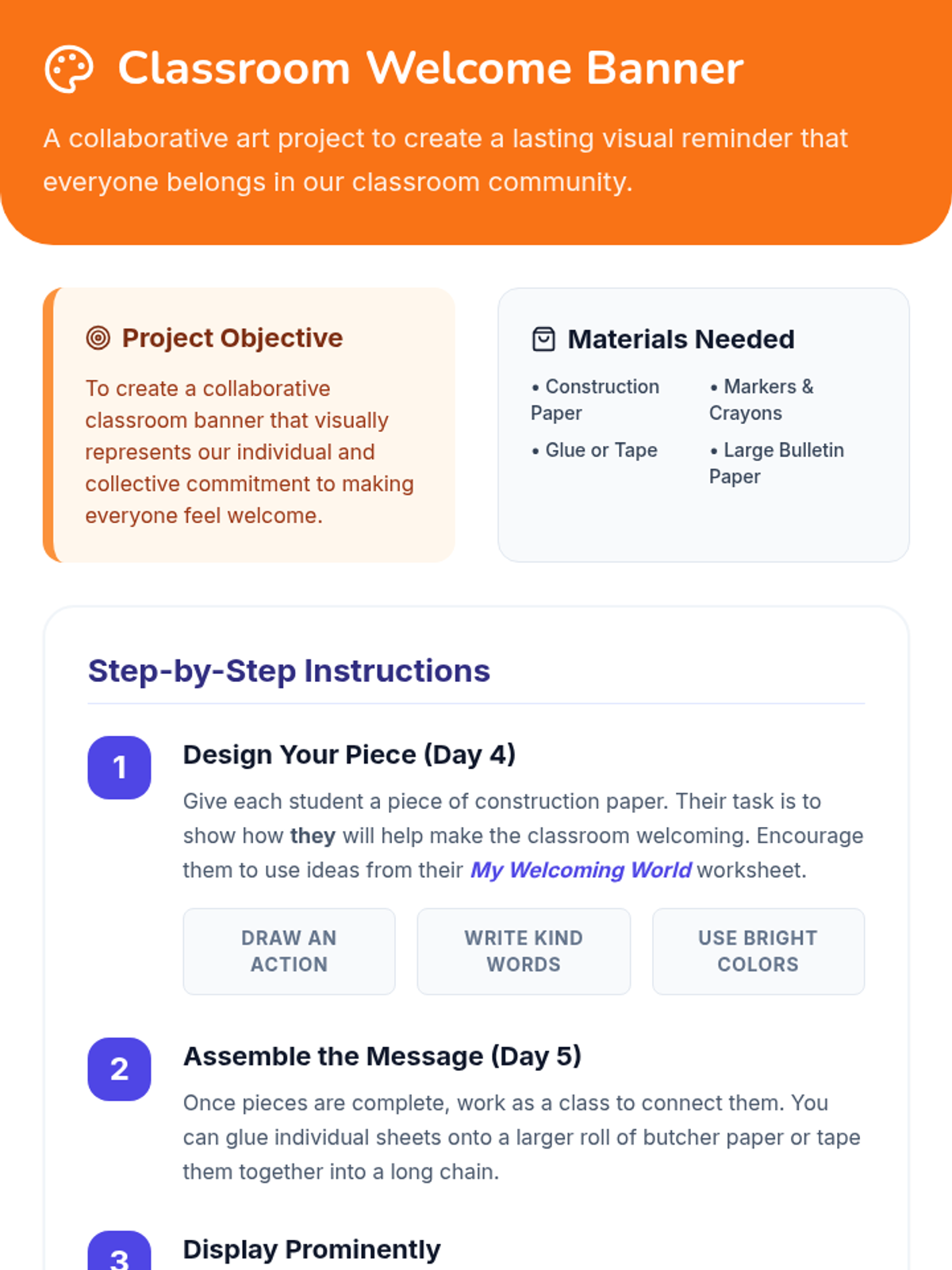
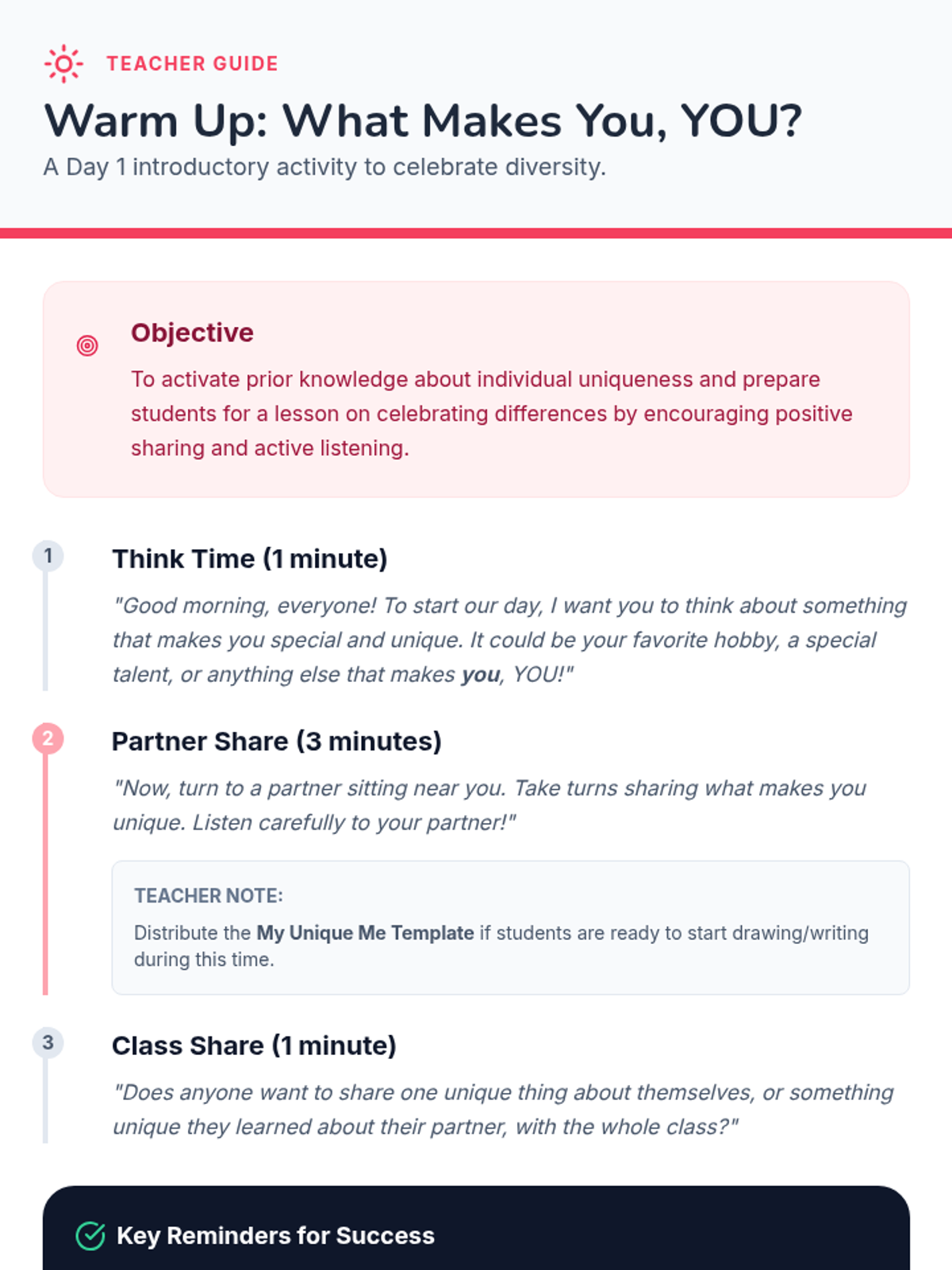
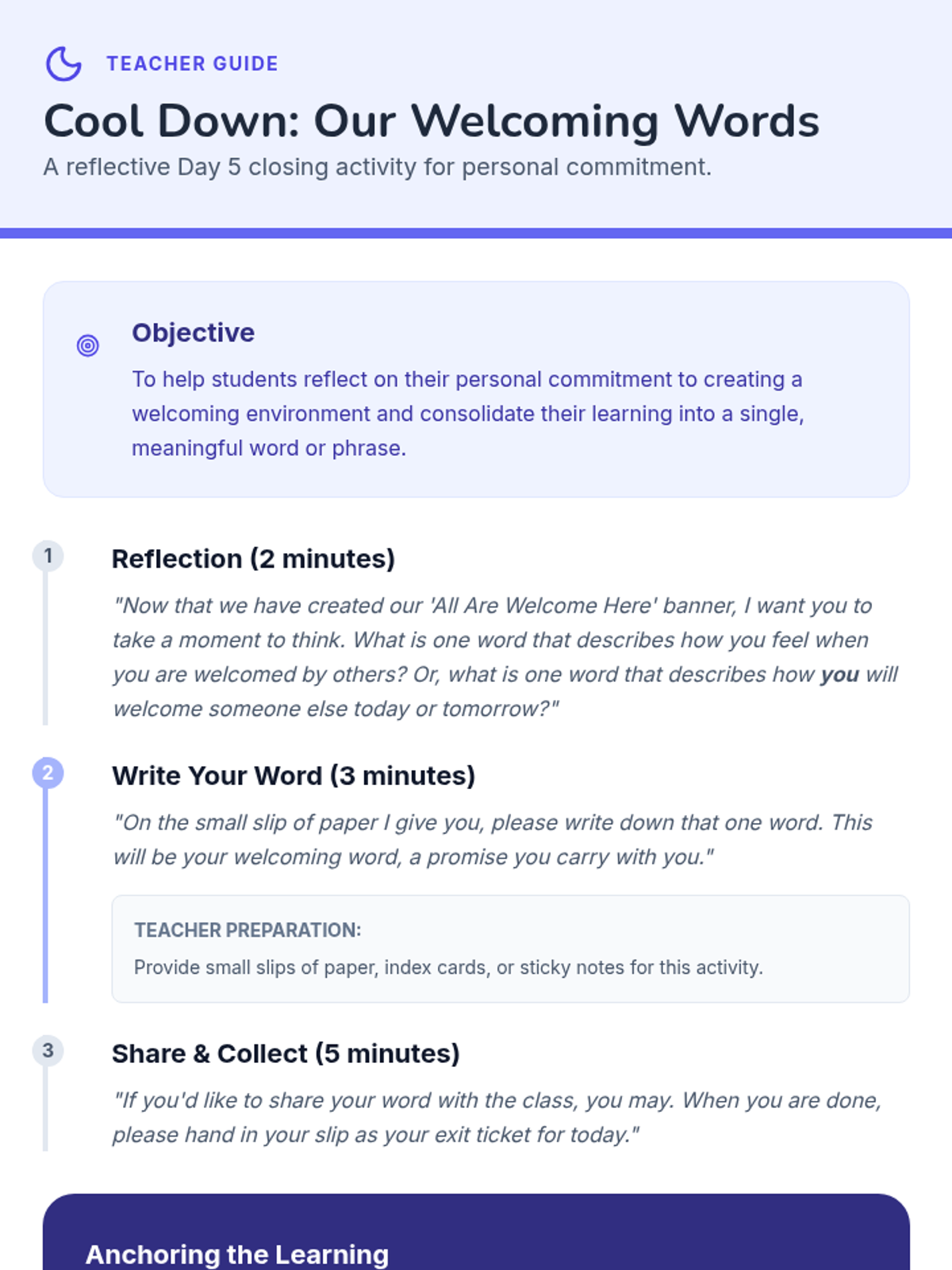
A five-day social-emotional learning sequence for elementary students exploring acceptance, diversity, and belonging through the story 'All Are Welcome Here'. Students build empathy and celebrate classroom community through discussion, reflection, and collaborative art.
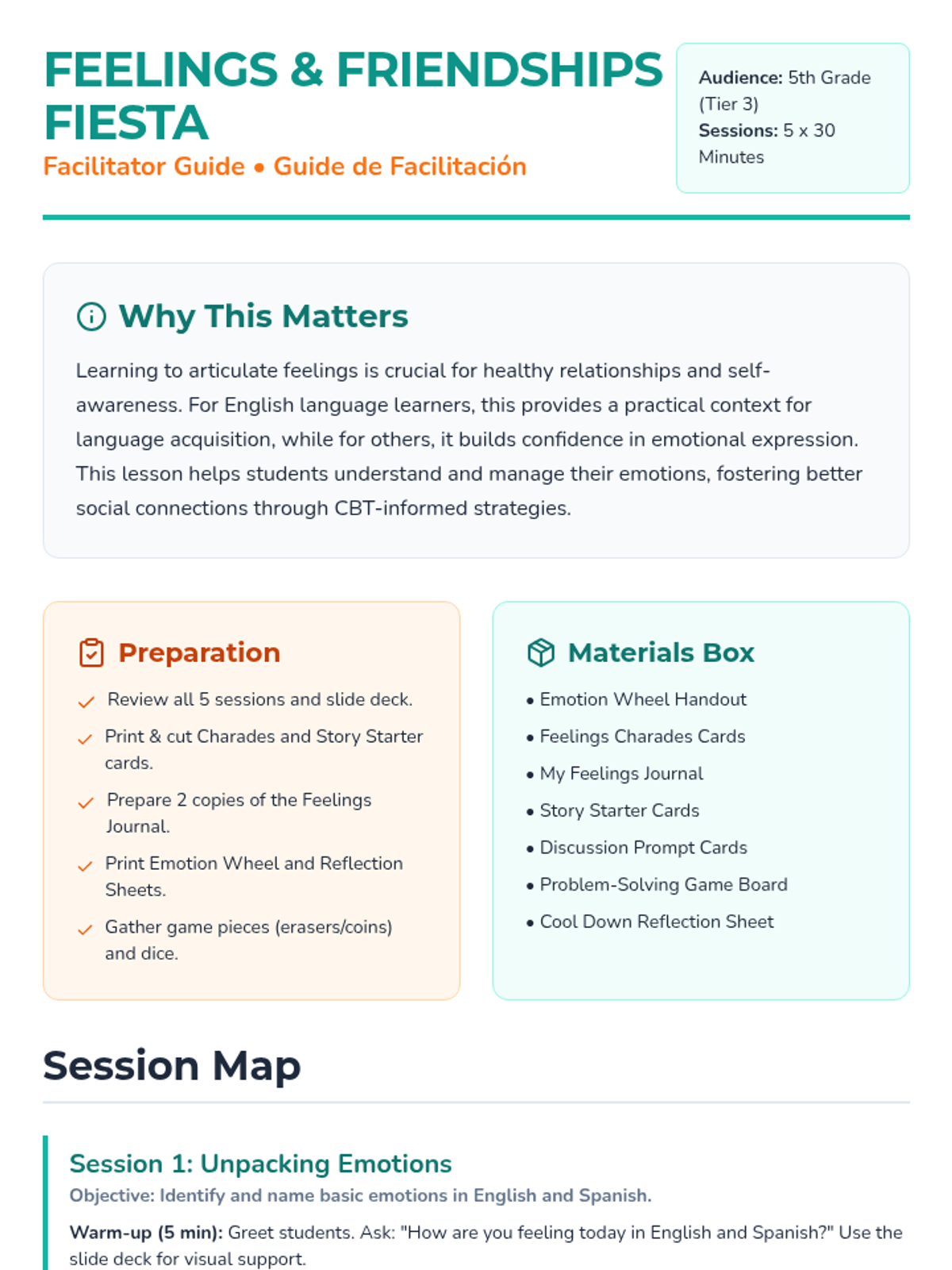
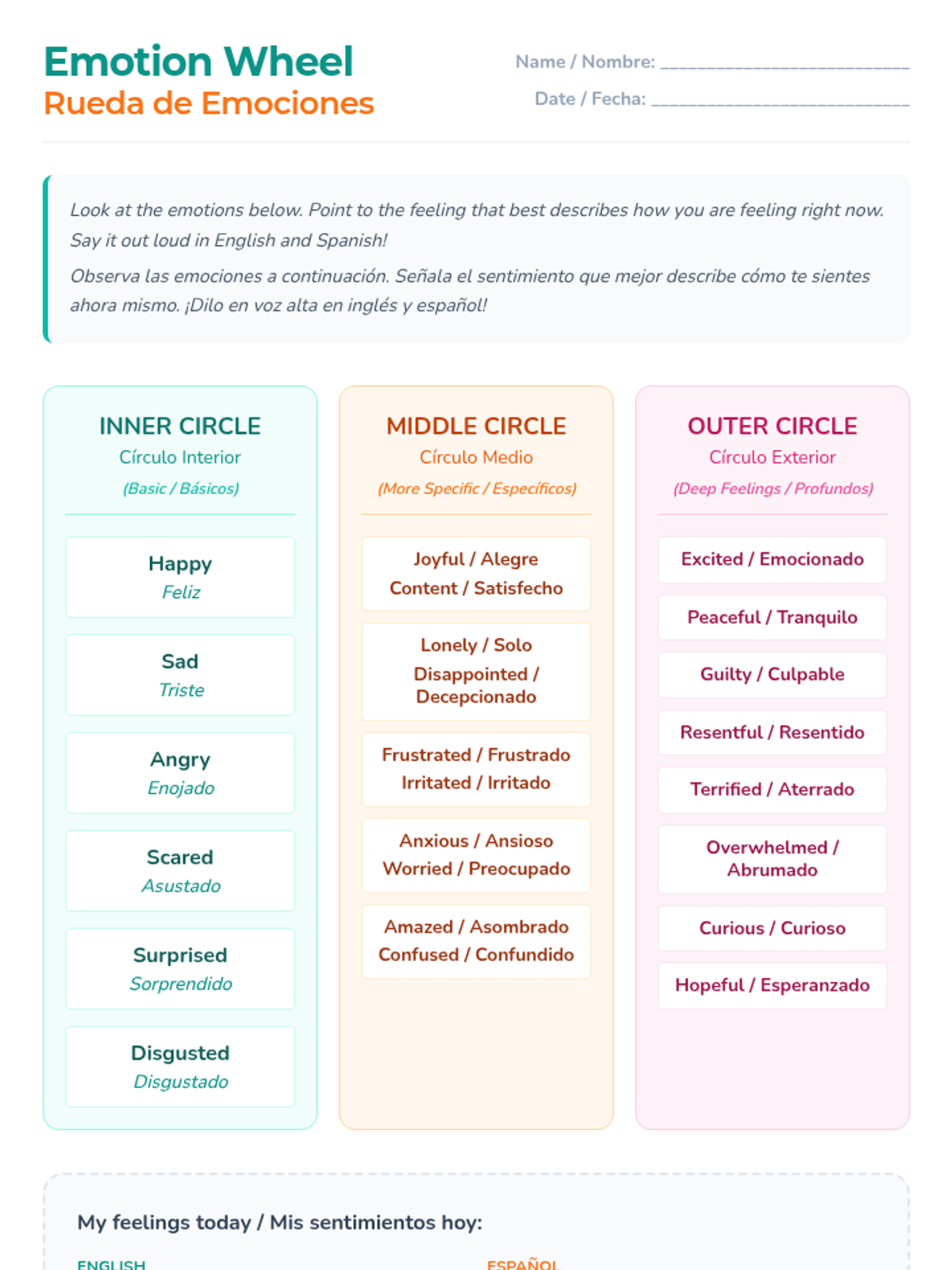
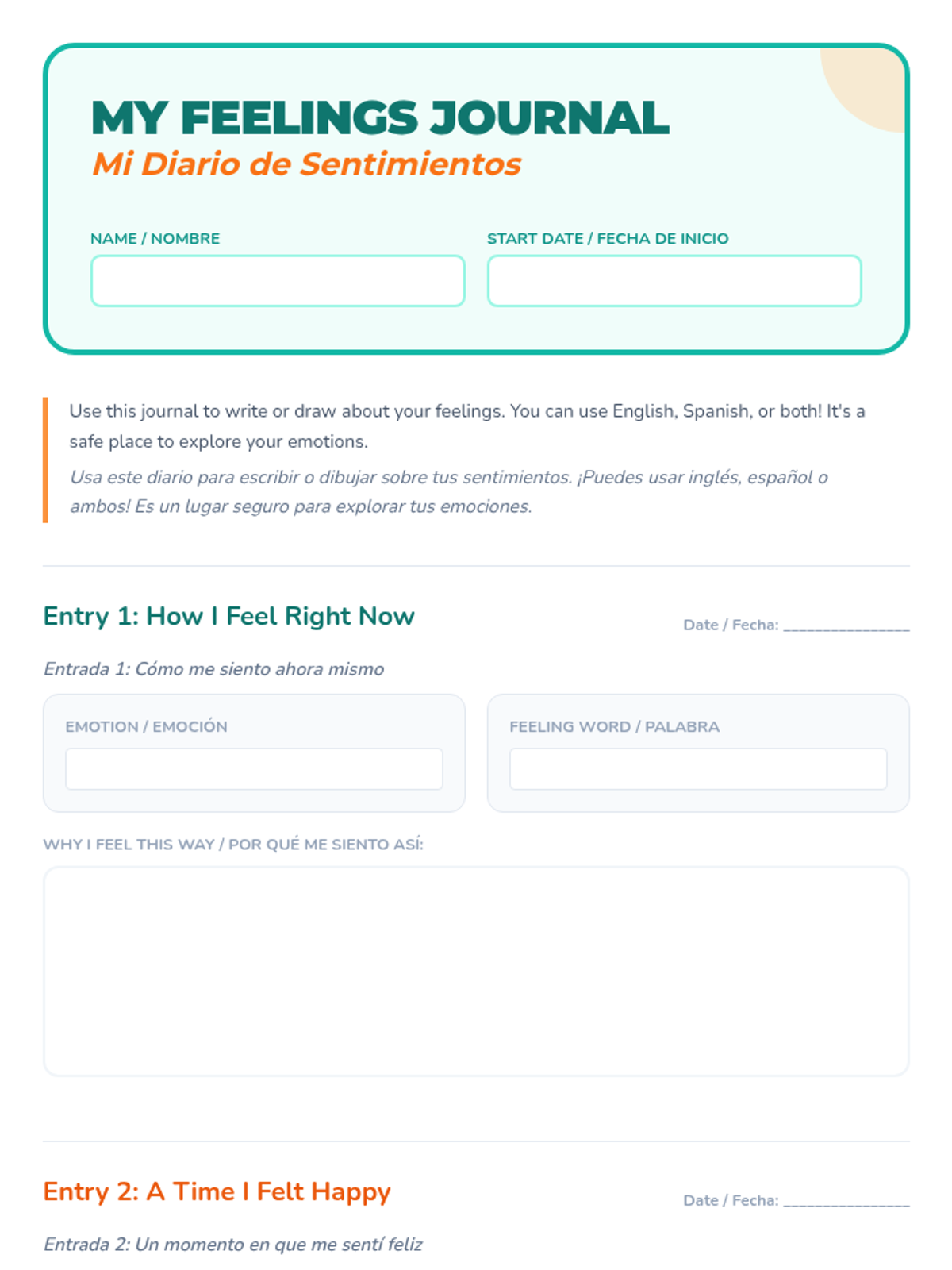
A 5-session individualized social-emotional sequence for 5th graders to build emotional literacy and friendship skills through CBT techniques and bilingual (English/Spanish) support.
A two-part sequence for 5th-grade students to explore their personal identity, recognize their unique strengths, and understand why self-awareness is vital for confidence and community.
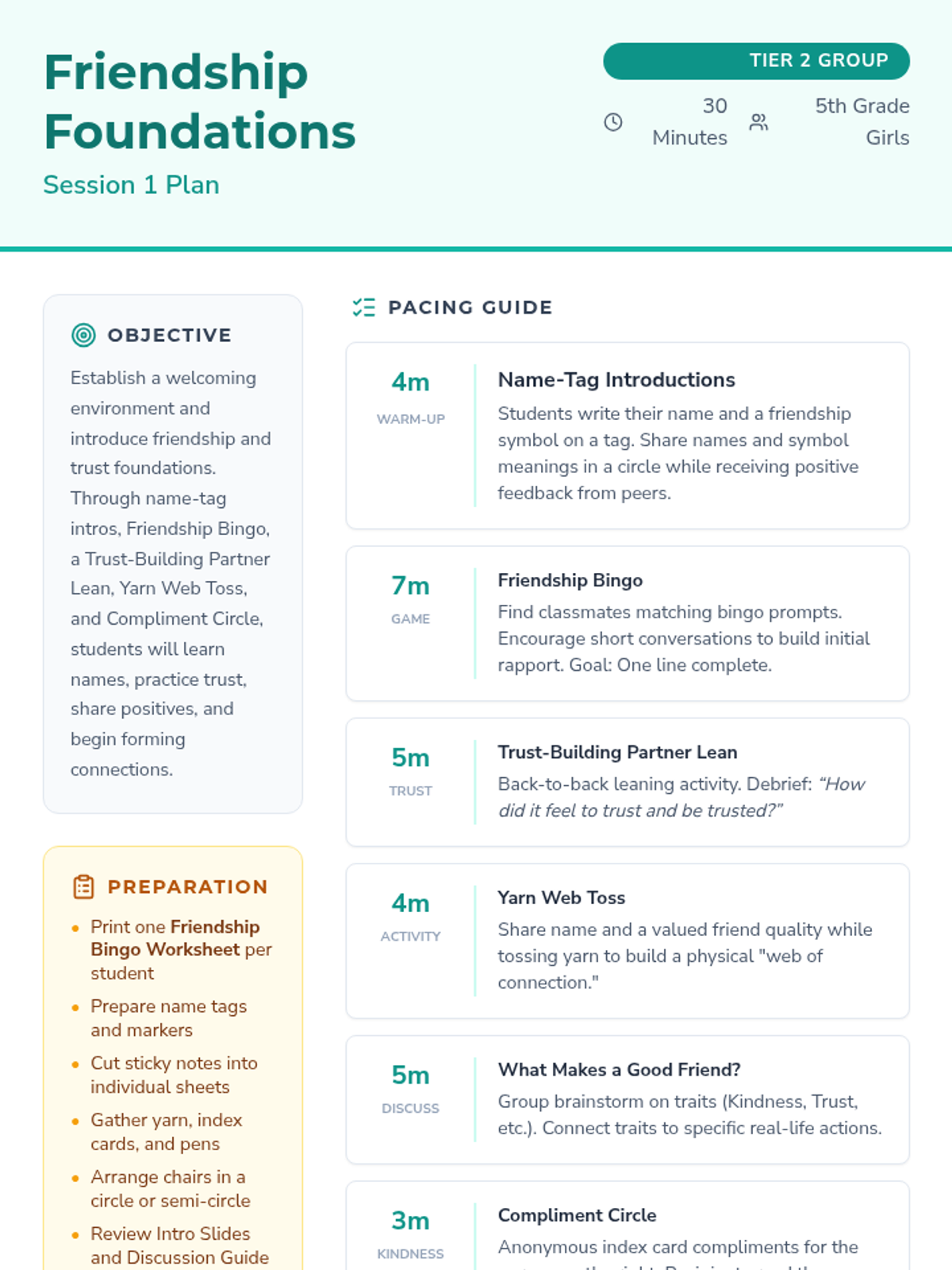
A six-session Tier 2 intervention sequence designed for 5th-grade girls to improve peer relationships, communication, and empathy. The program uses interactive activities and reflective discussions to build a supportive community.
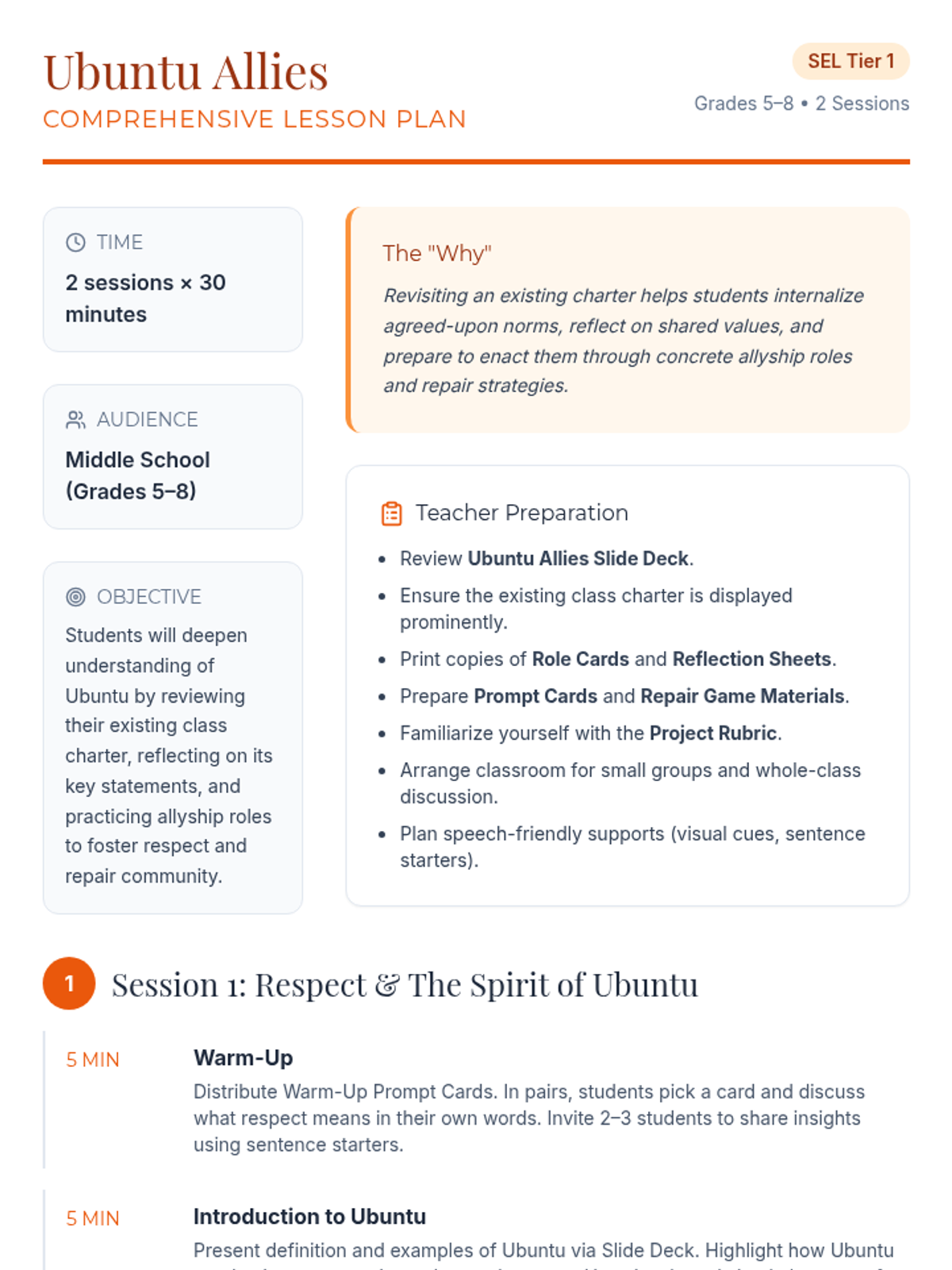
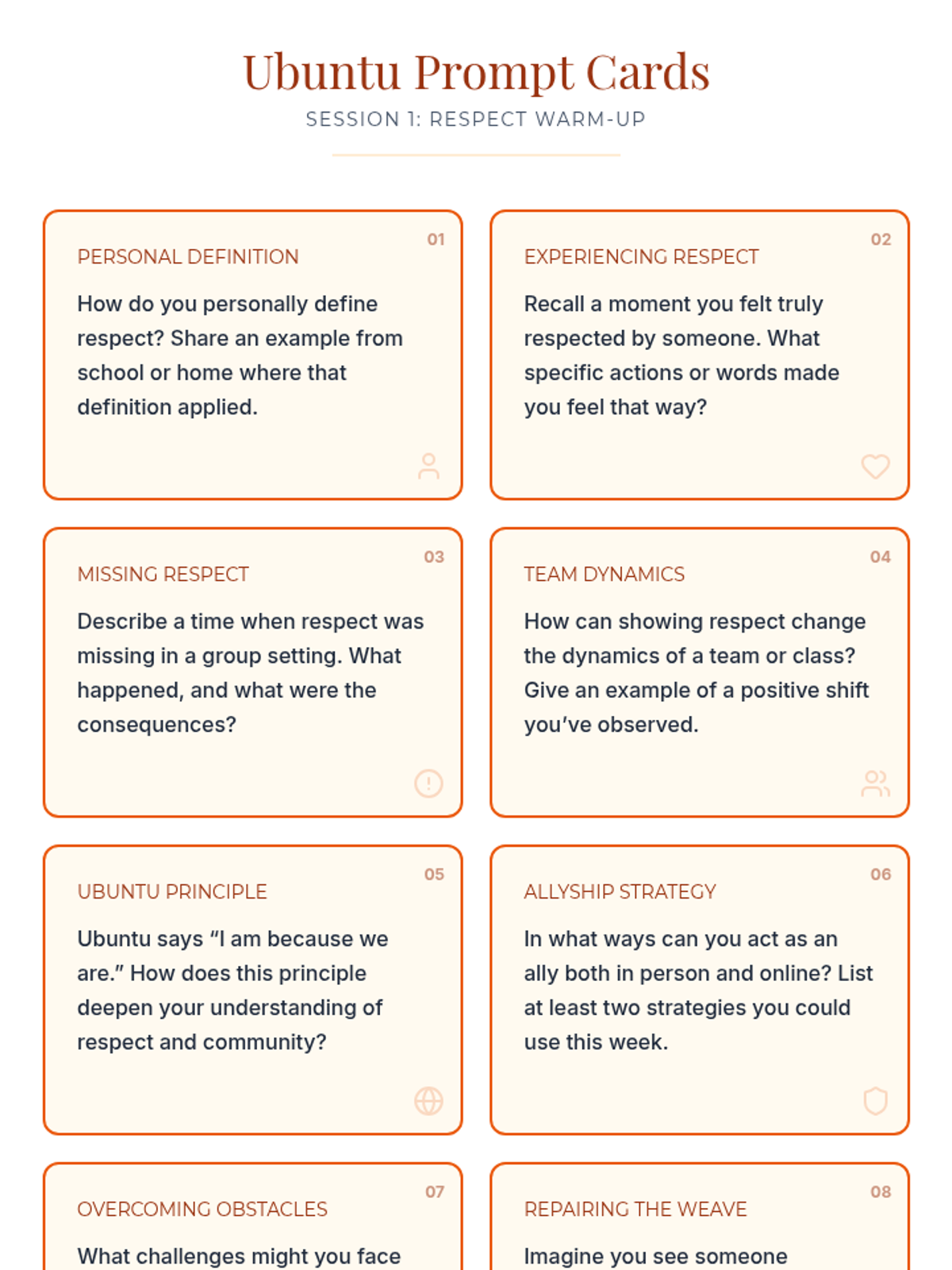
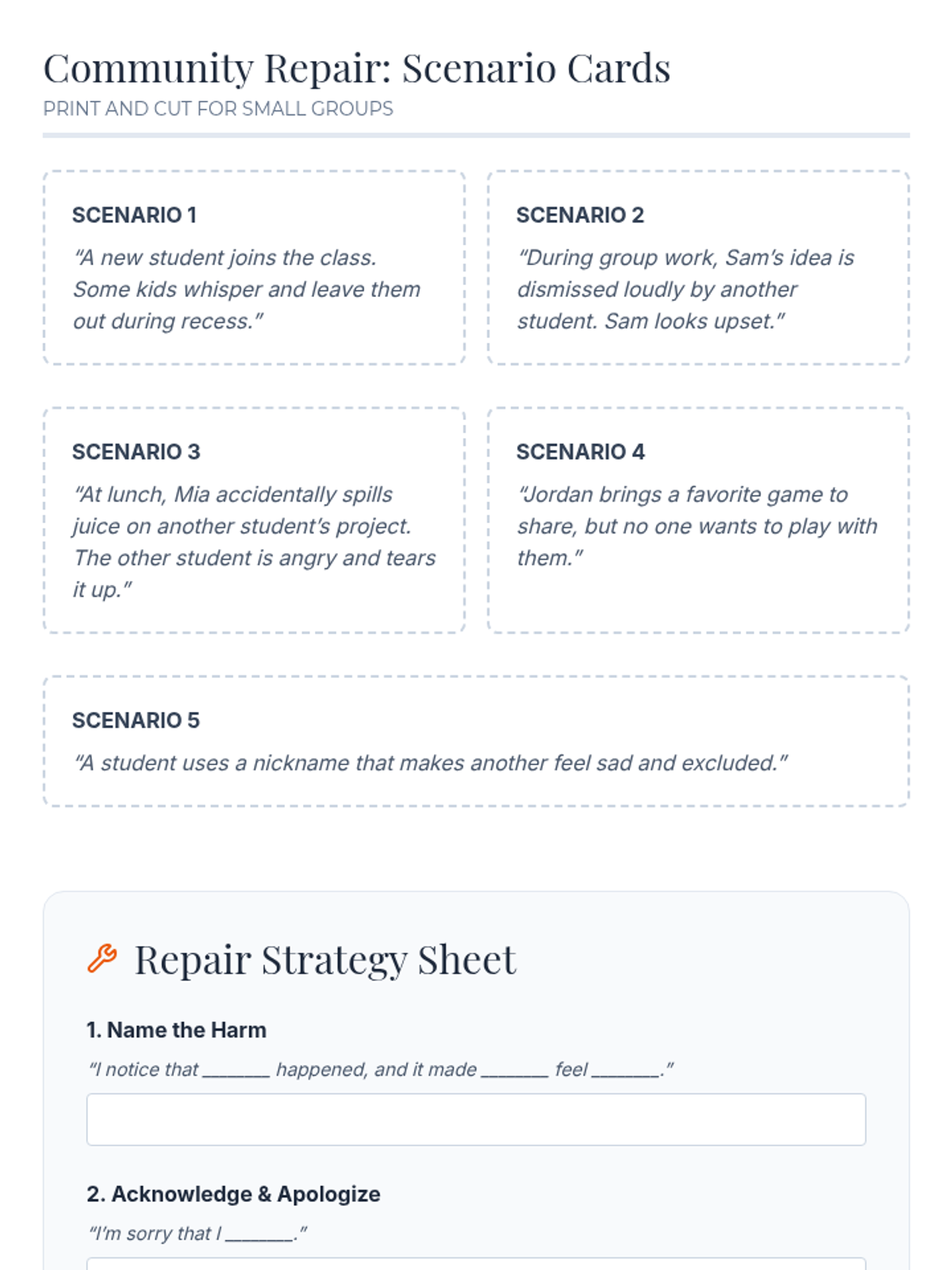
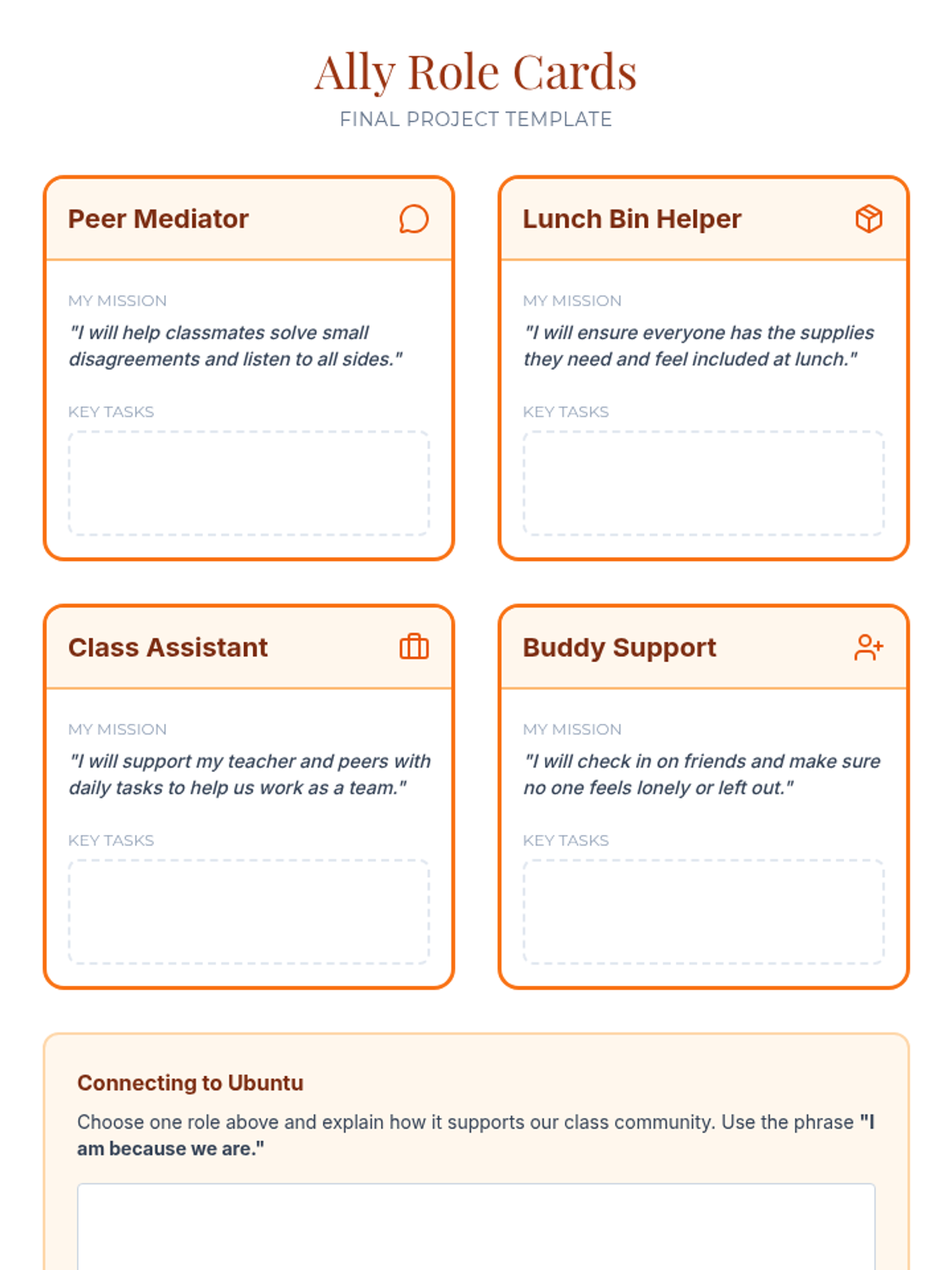
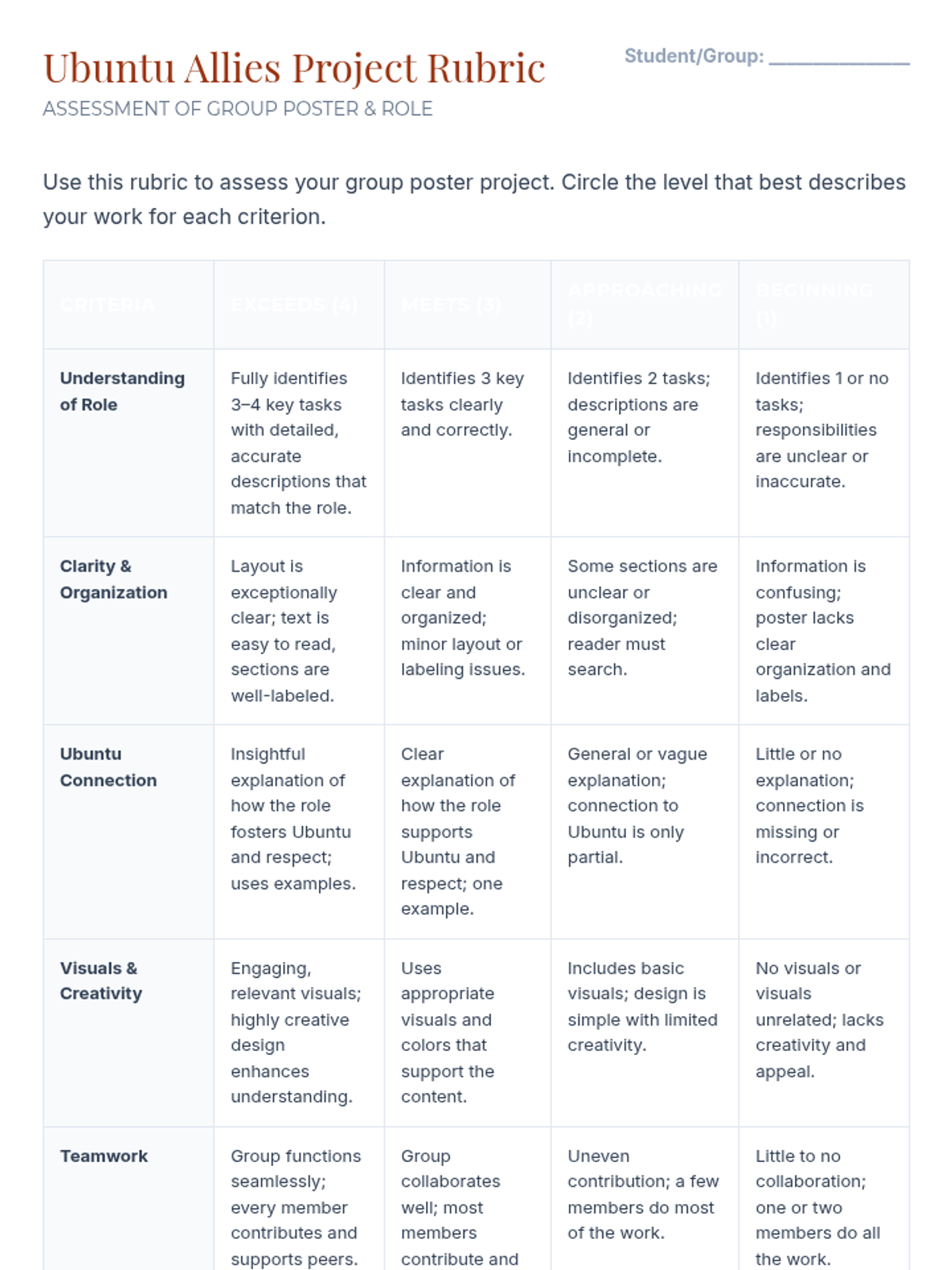
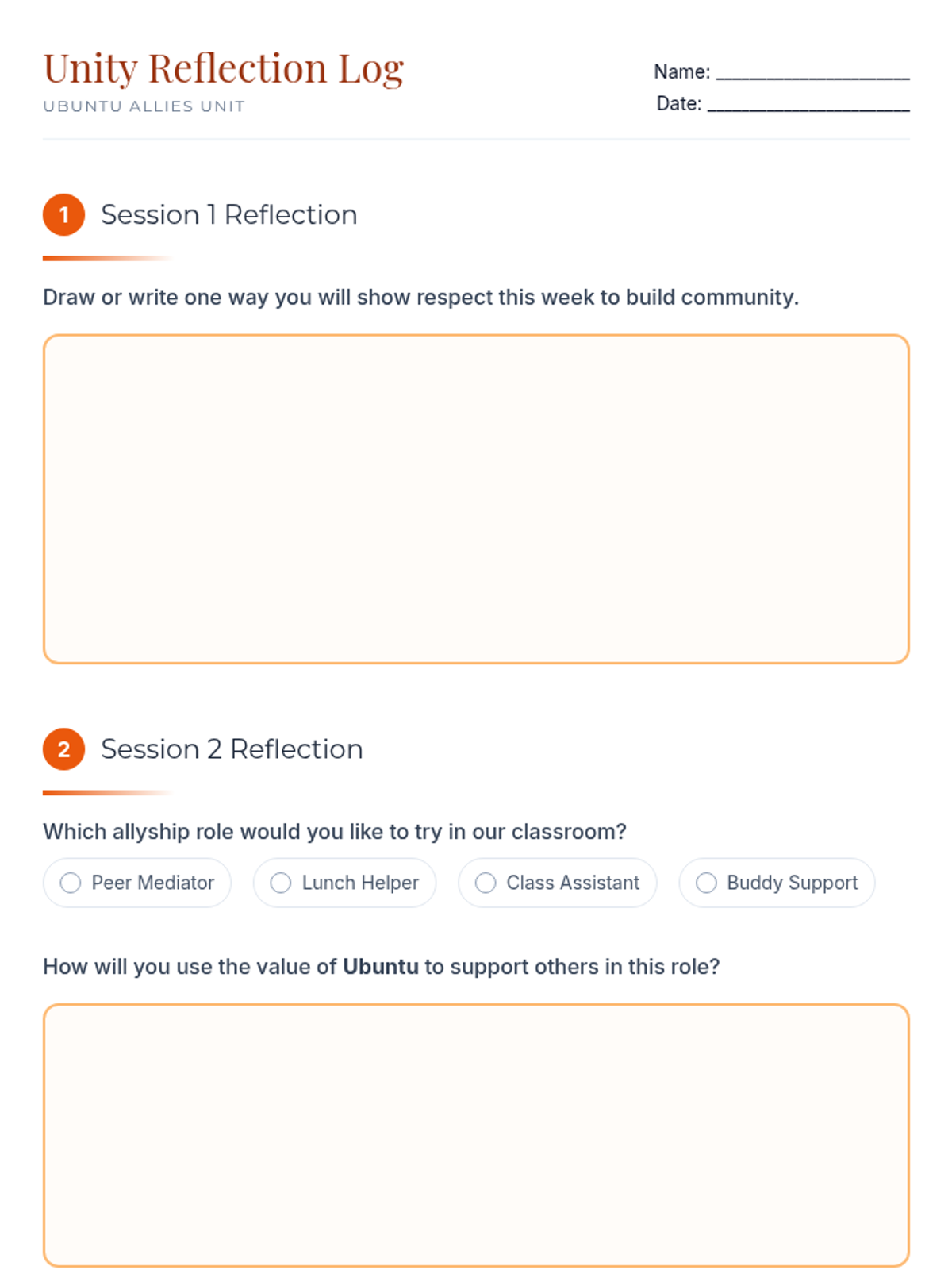
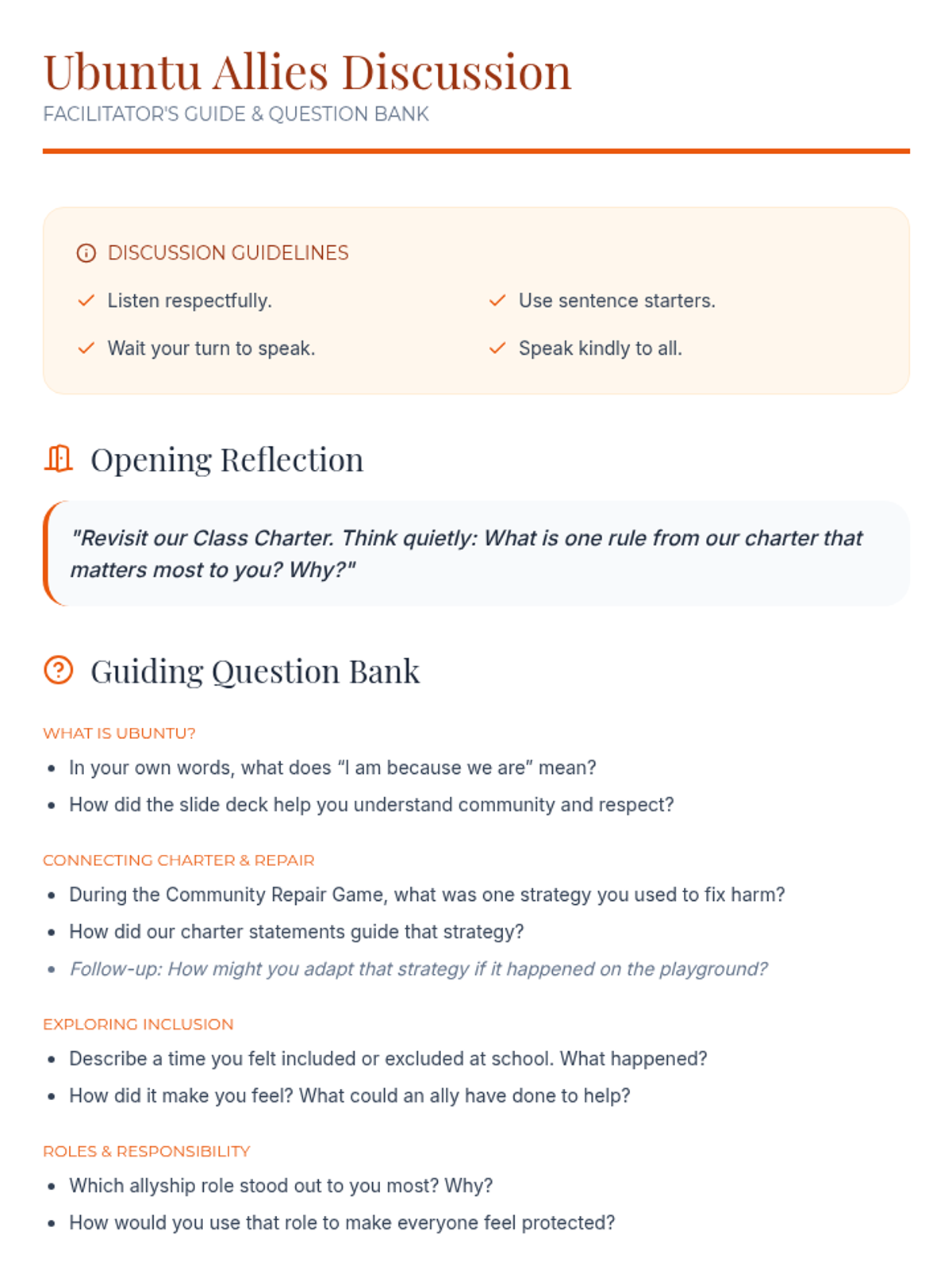
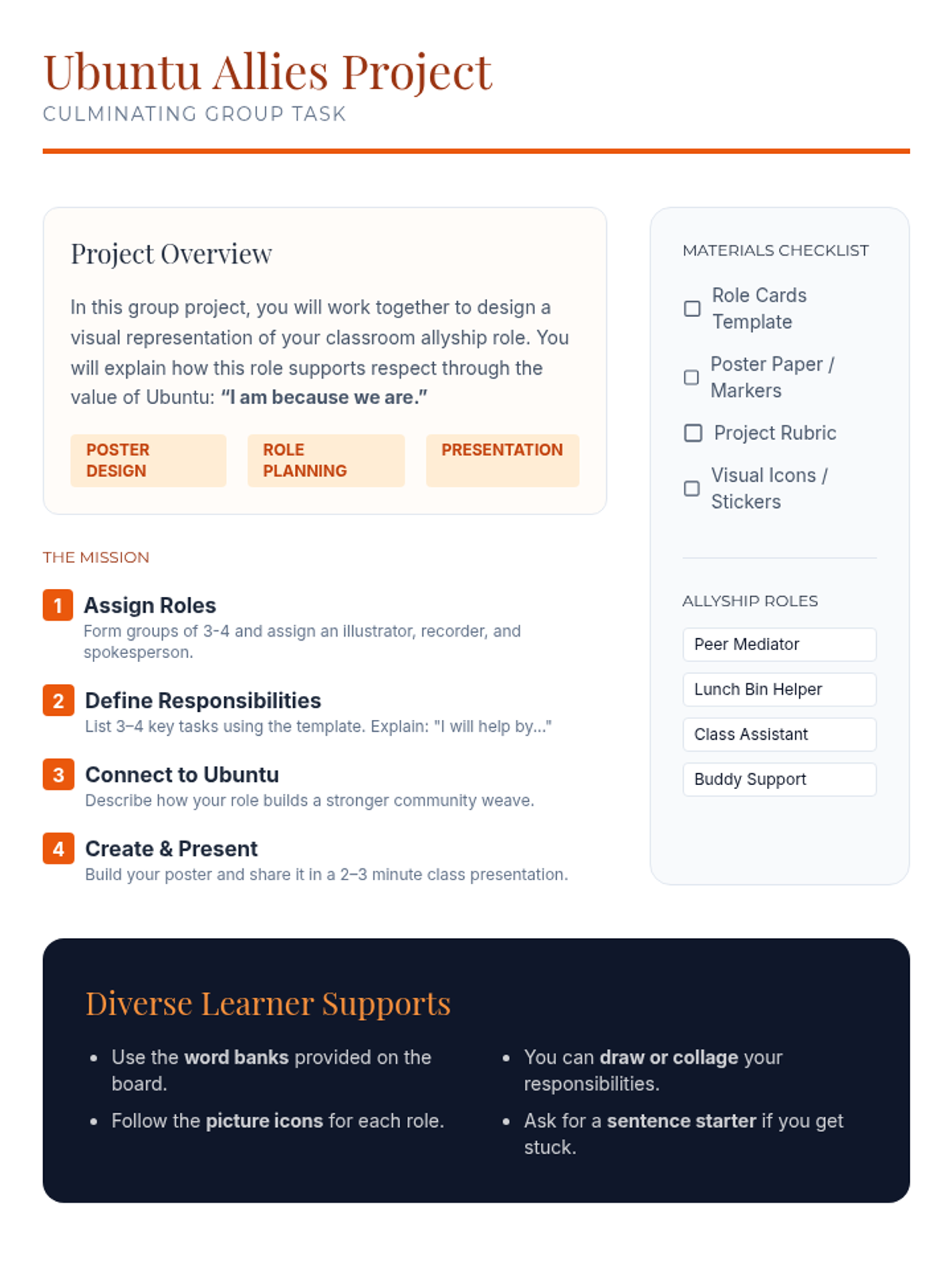
A two-session unit for middle school students exploring the African value of Ubuntu. Students build community, practice respect through a class charter, and learn to repair harm using specific allyship roles.
In this three-session 5th grade unit, students build connections by sharing personal stories, interests, and backgrounds. Through interactive sharing, heritage mapping, and goal-setting, students foster a welcoming classroom community and learn about each other’s identities.
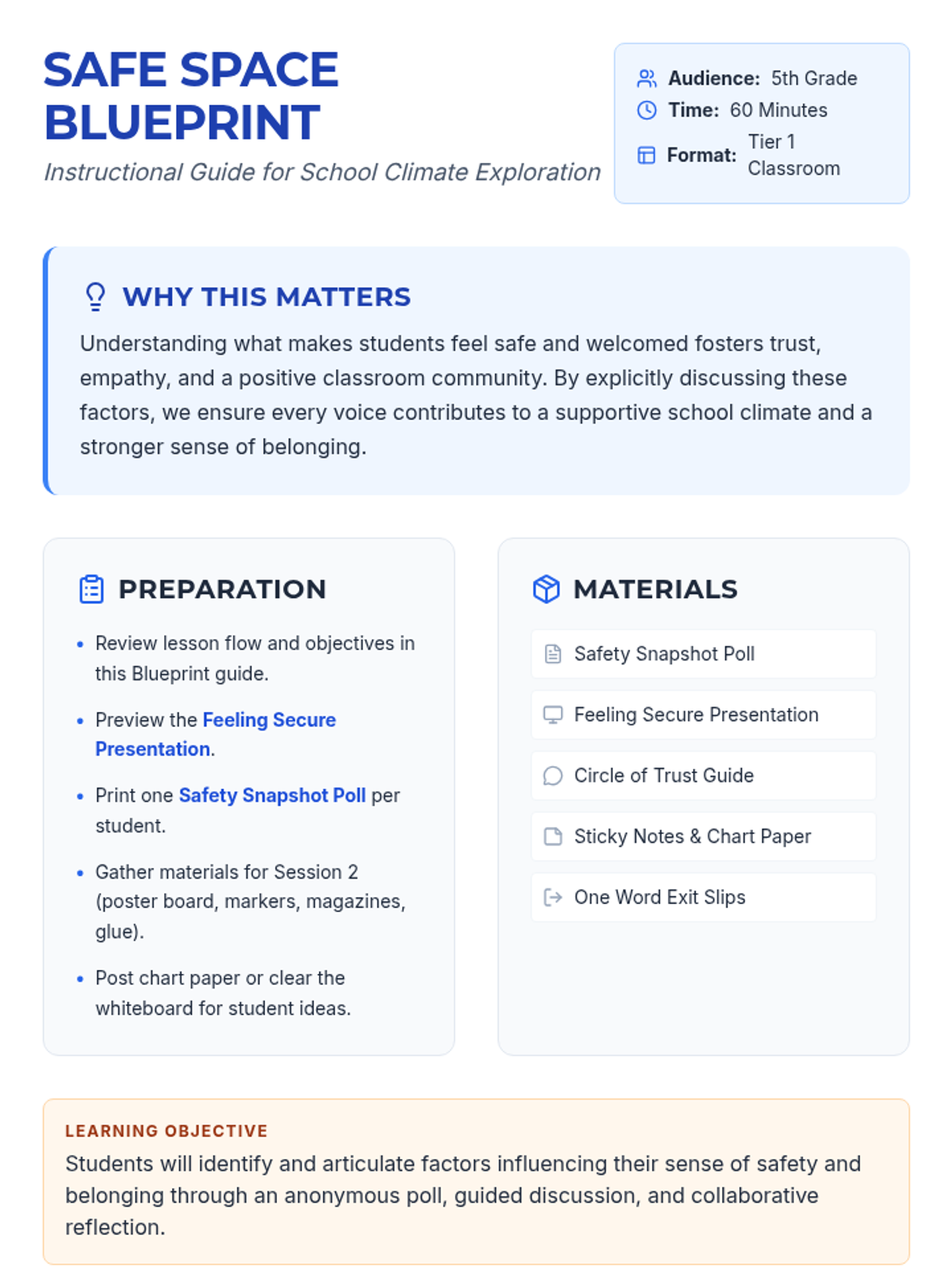
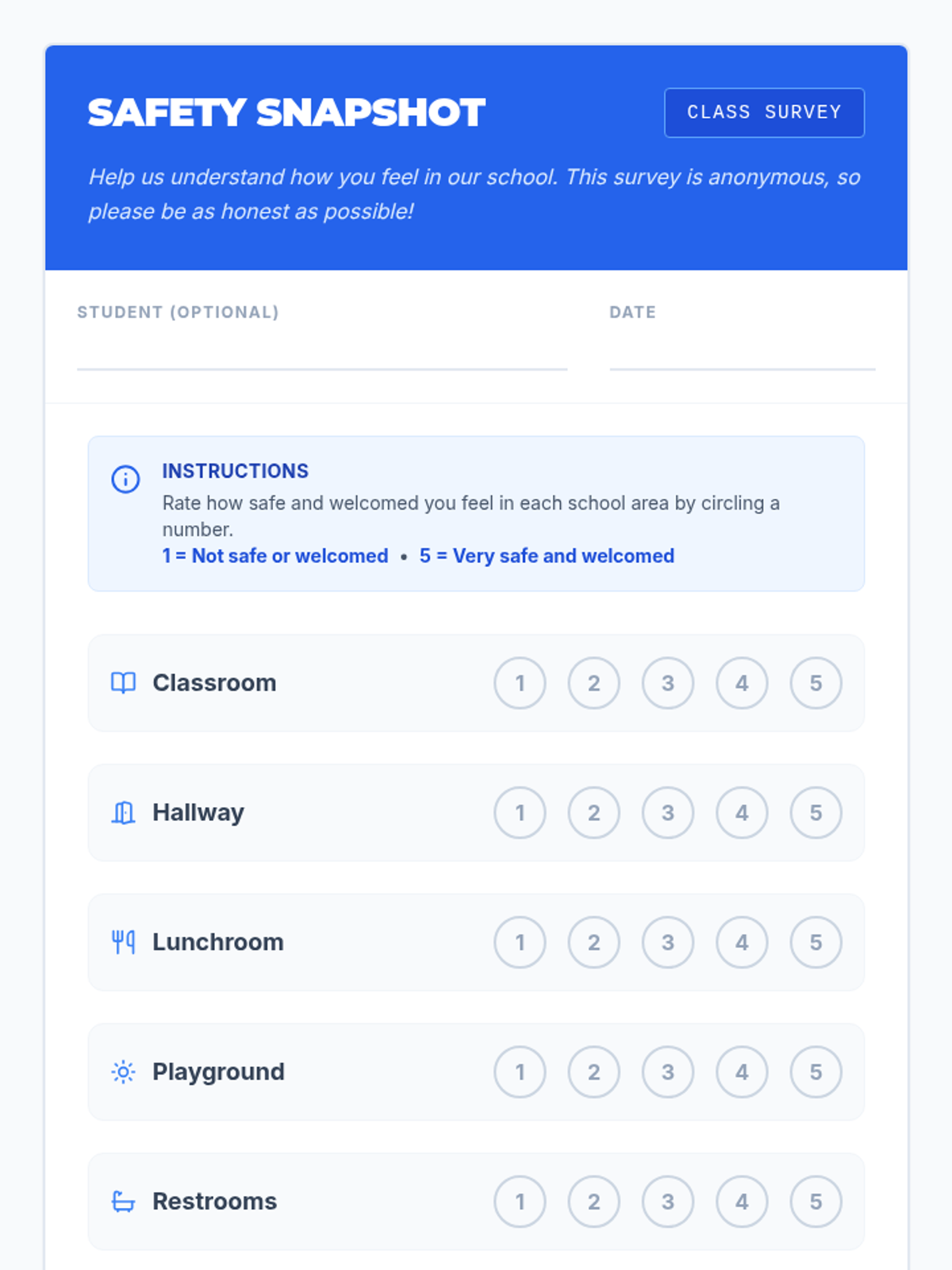
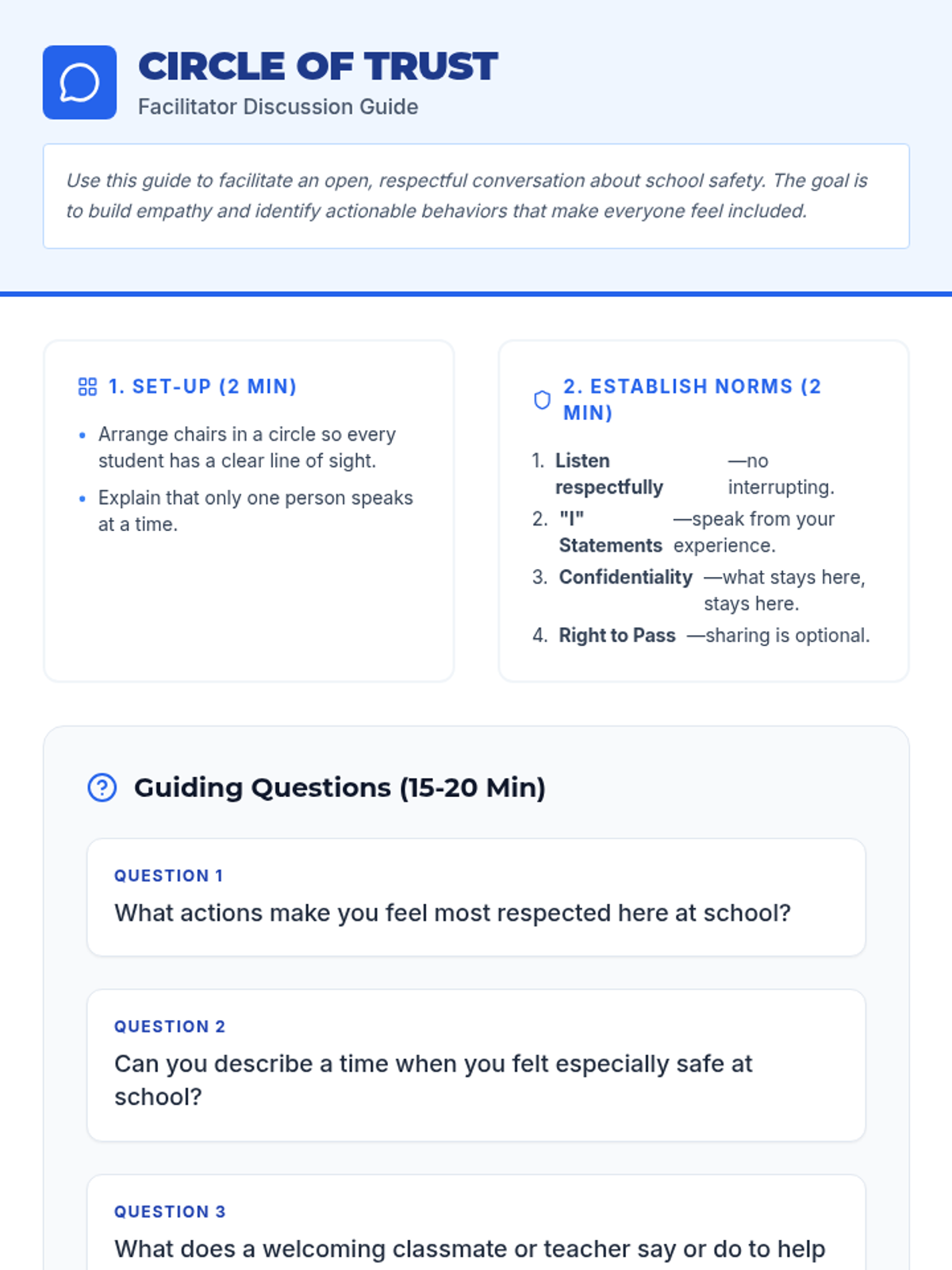
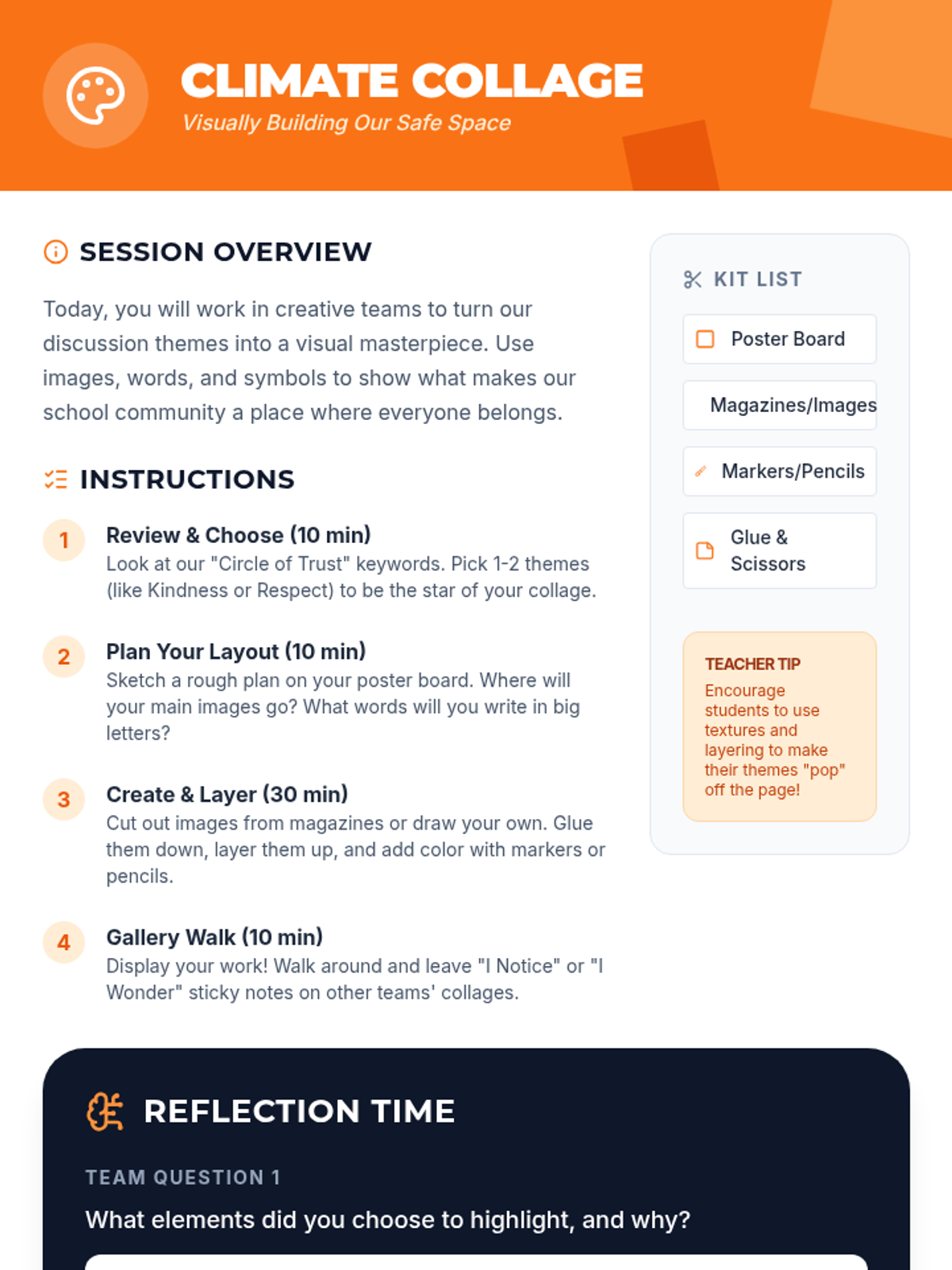
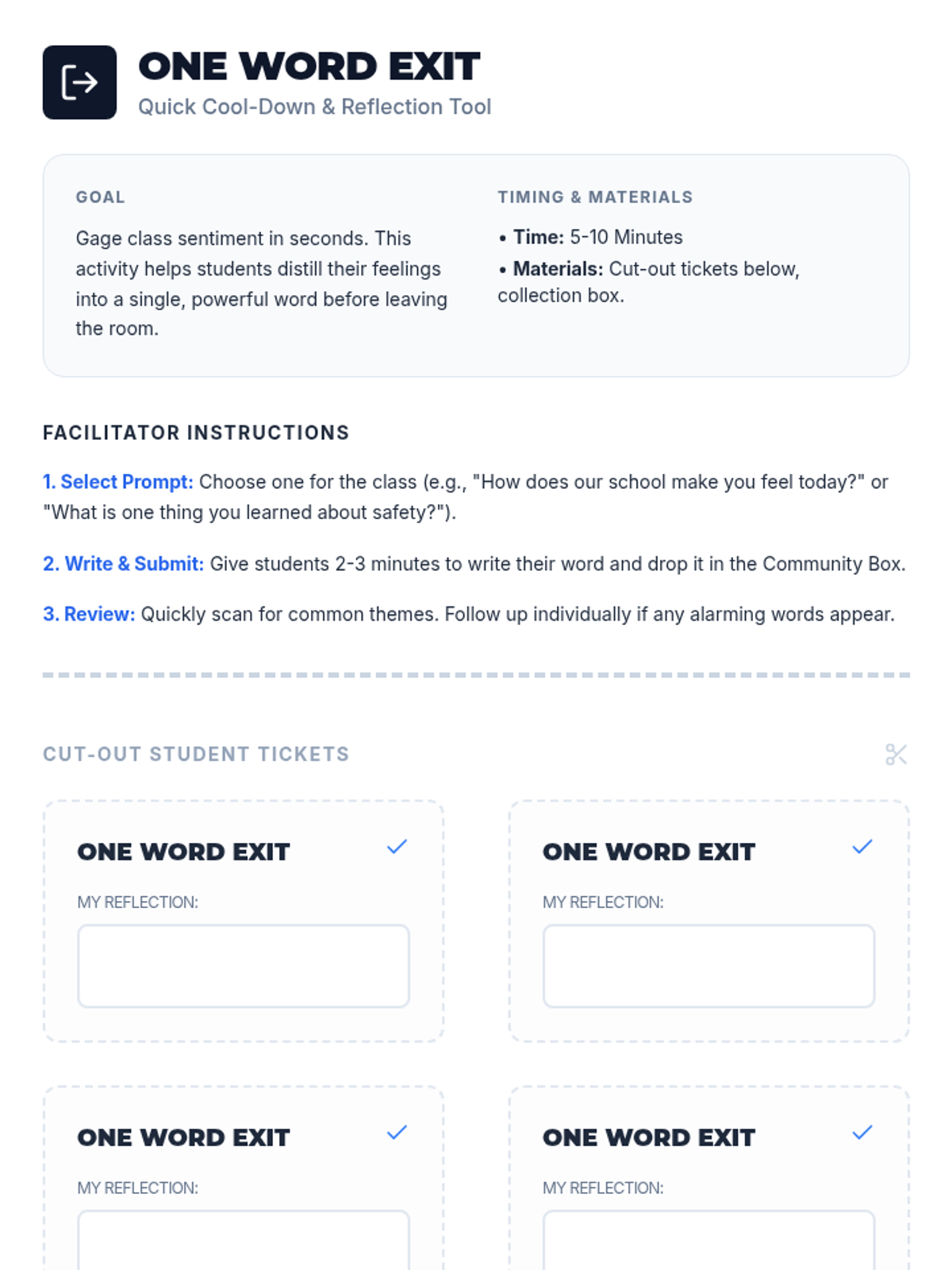
A two-session exploration for 5th graders to identify factors that create a safe, welcoming, and supportive school environment through polls, discussions, and creative collaboration.
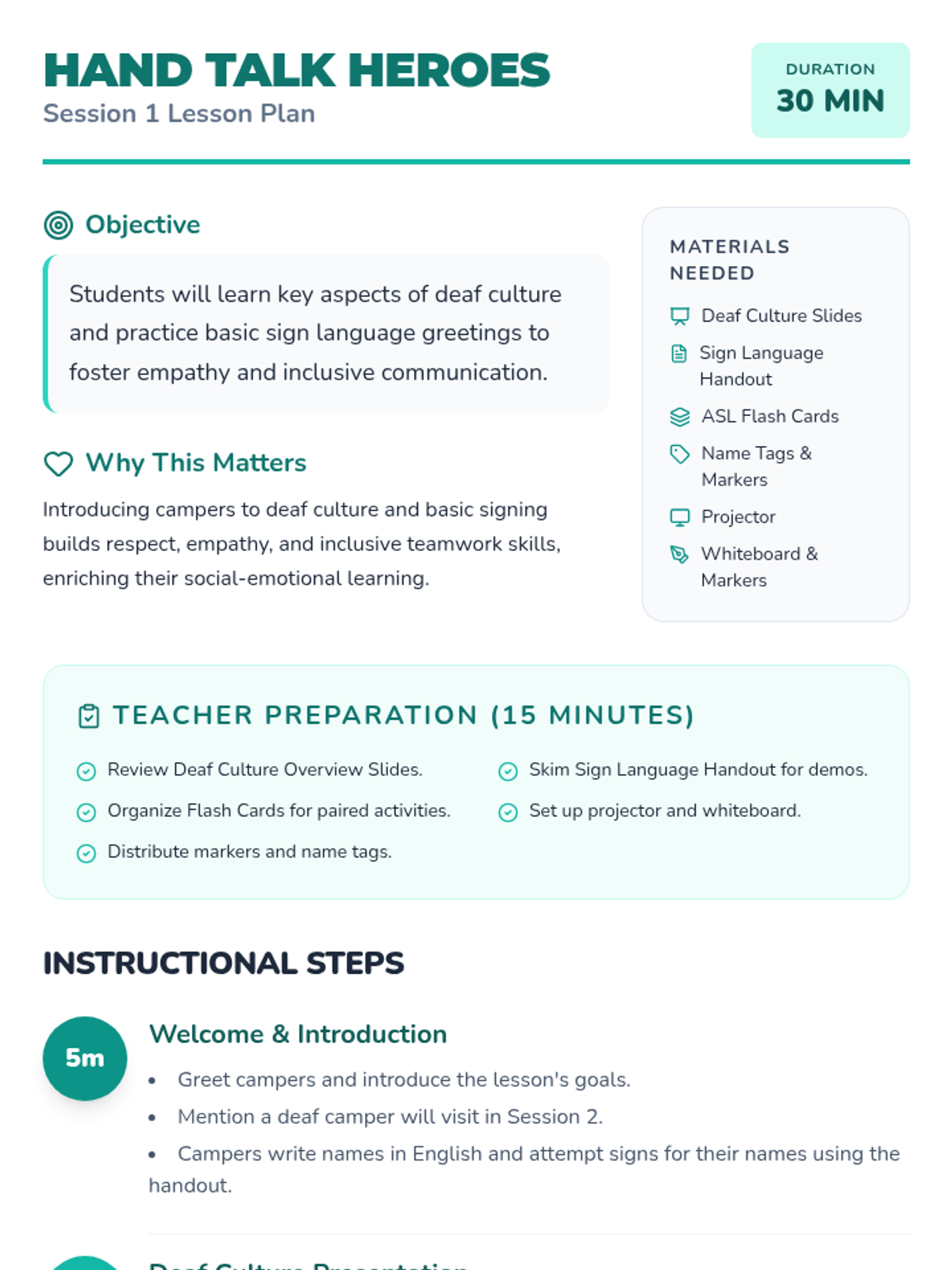
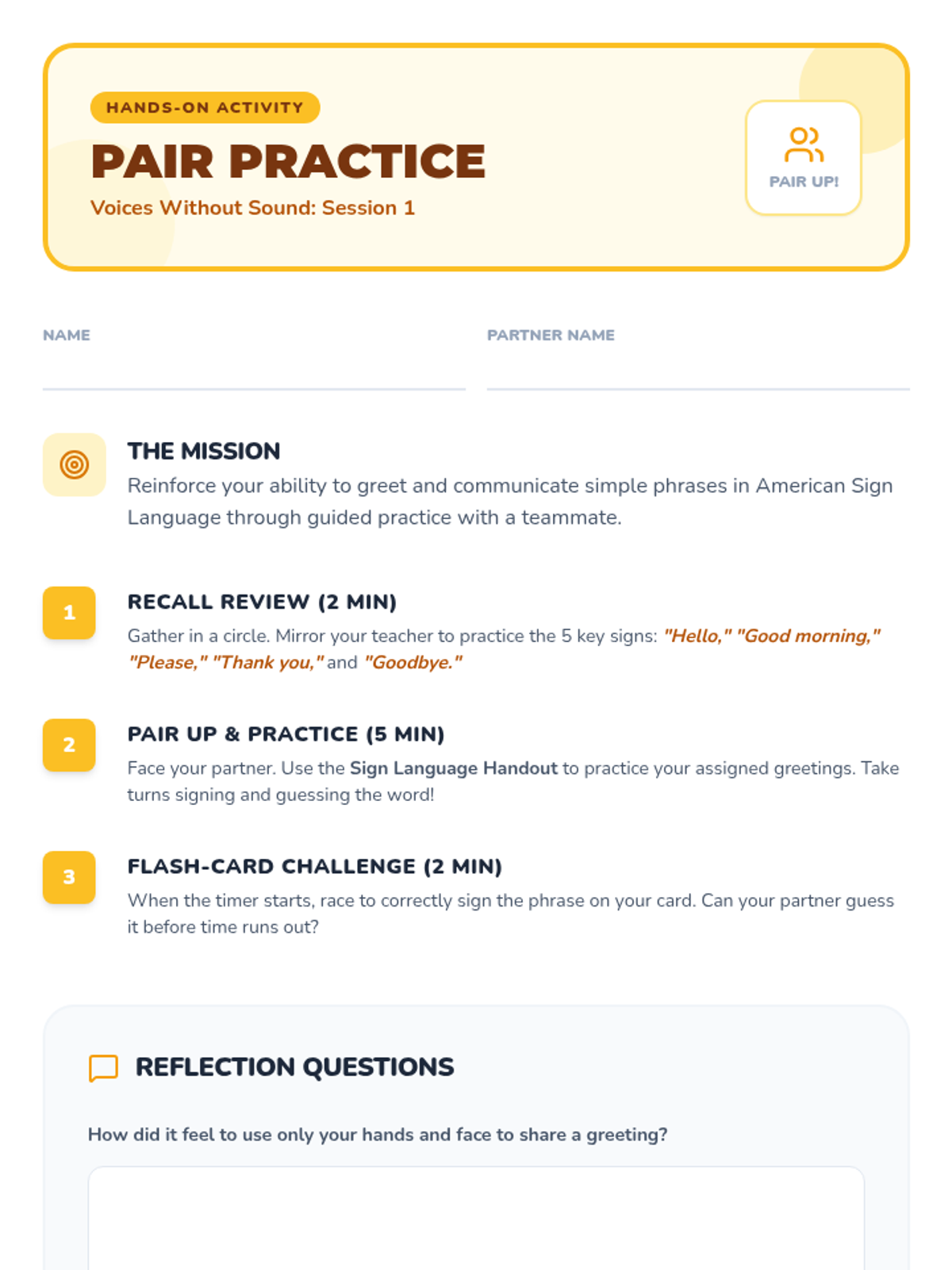
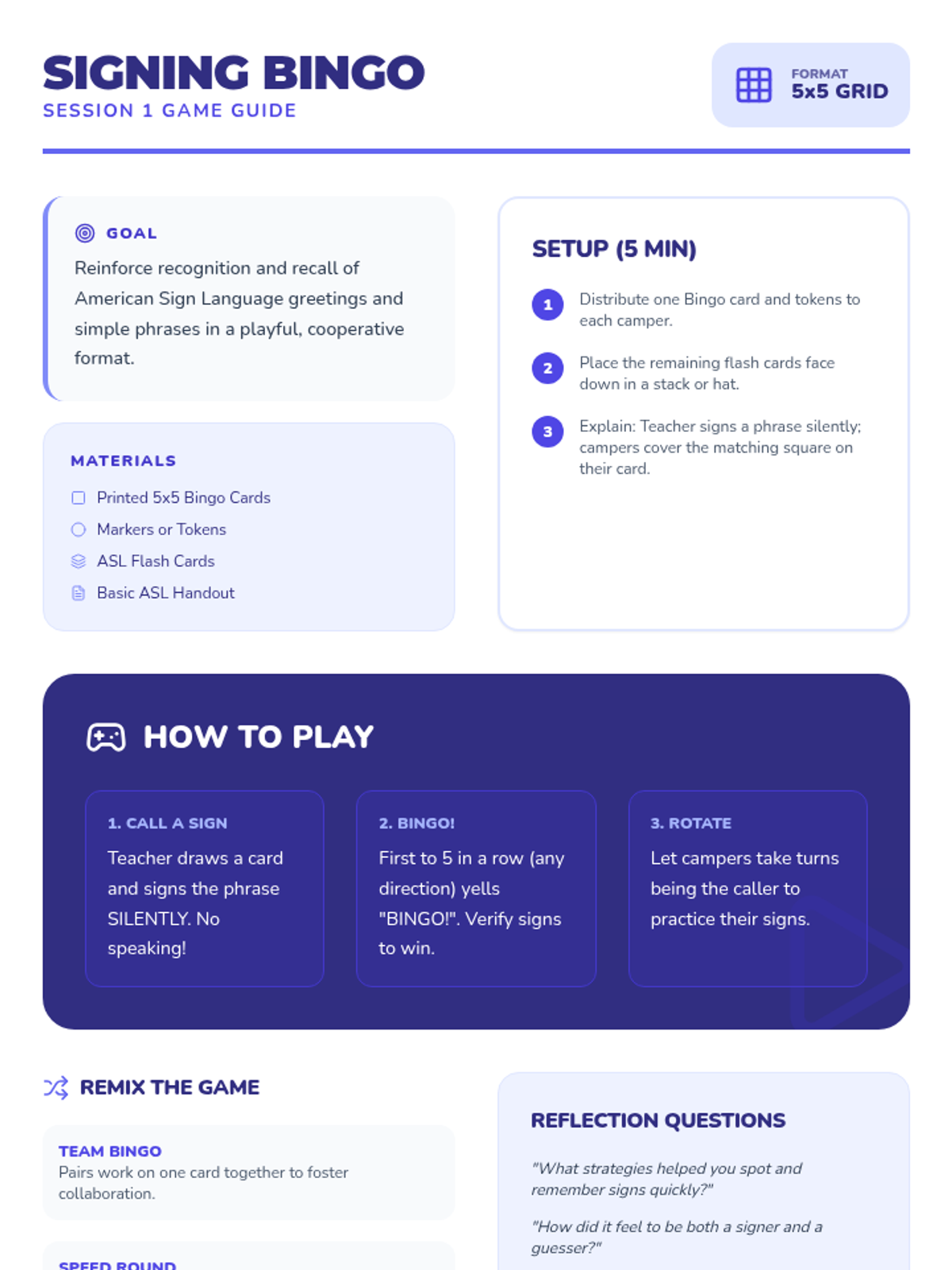
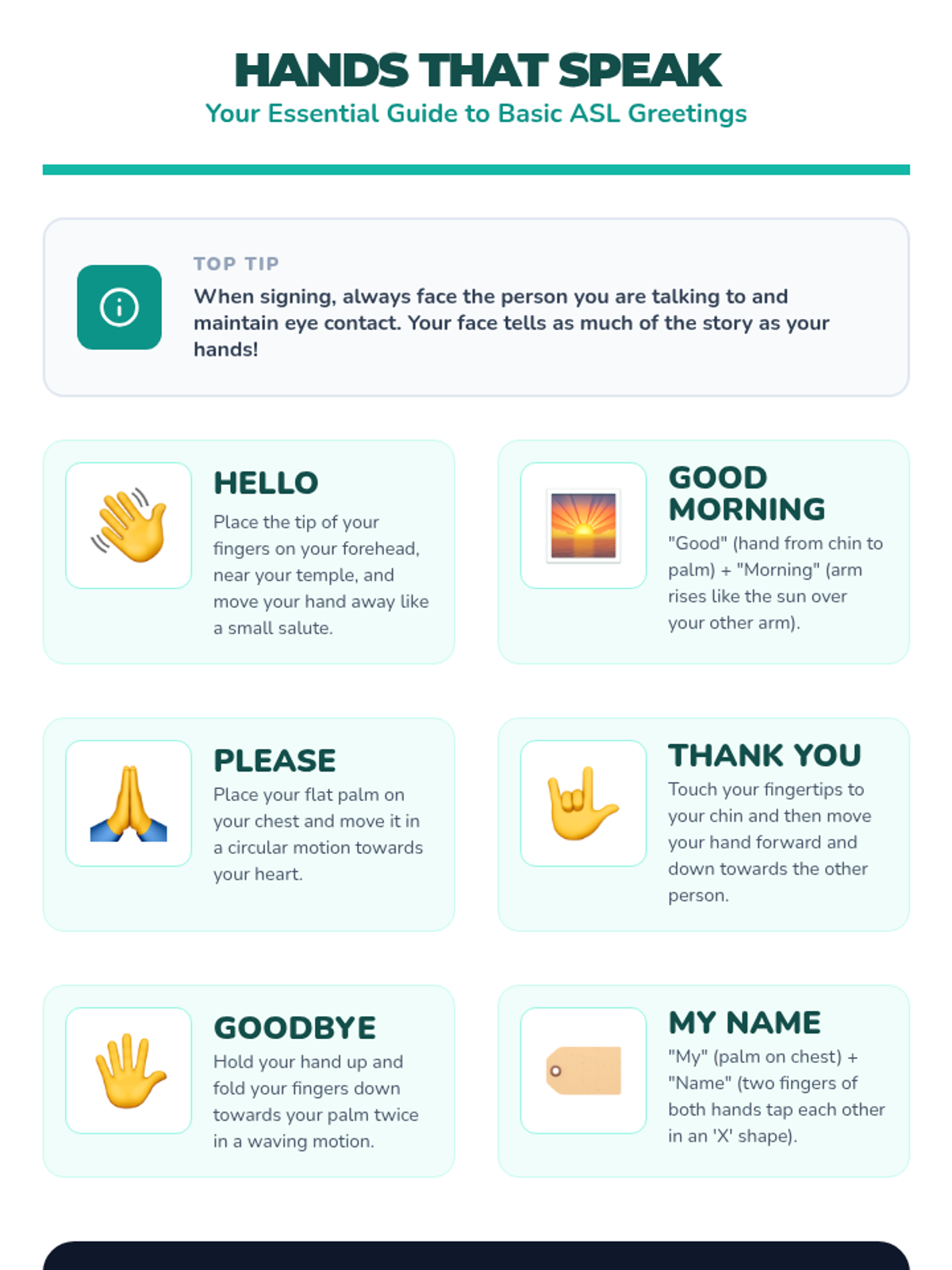
A two-session experience for 5th grade campers to foster empathy and collaboration by learning American Sign Language and inclusive communication strategies directly from a Deaf peer.
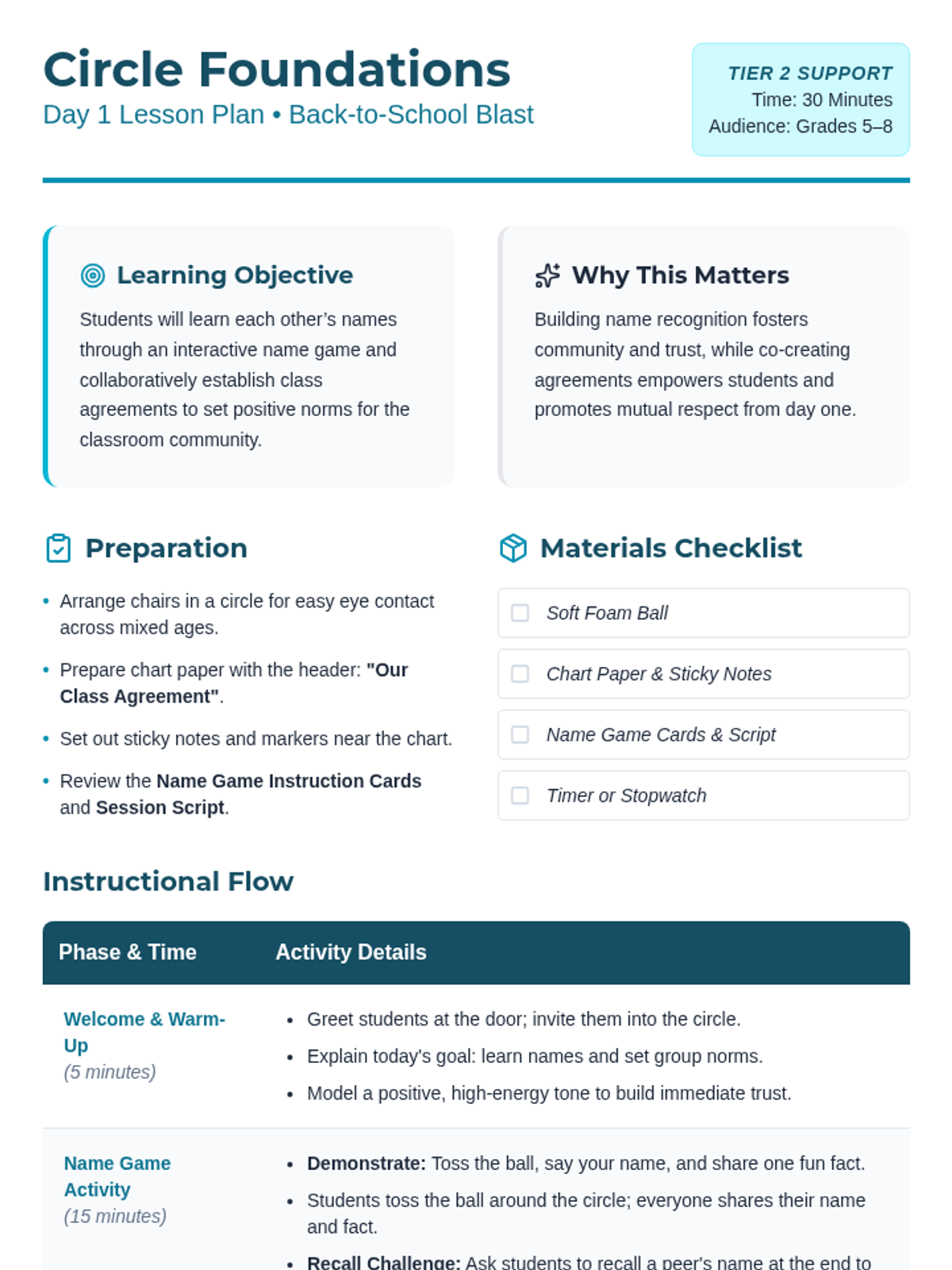
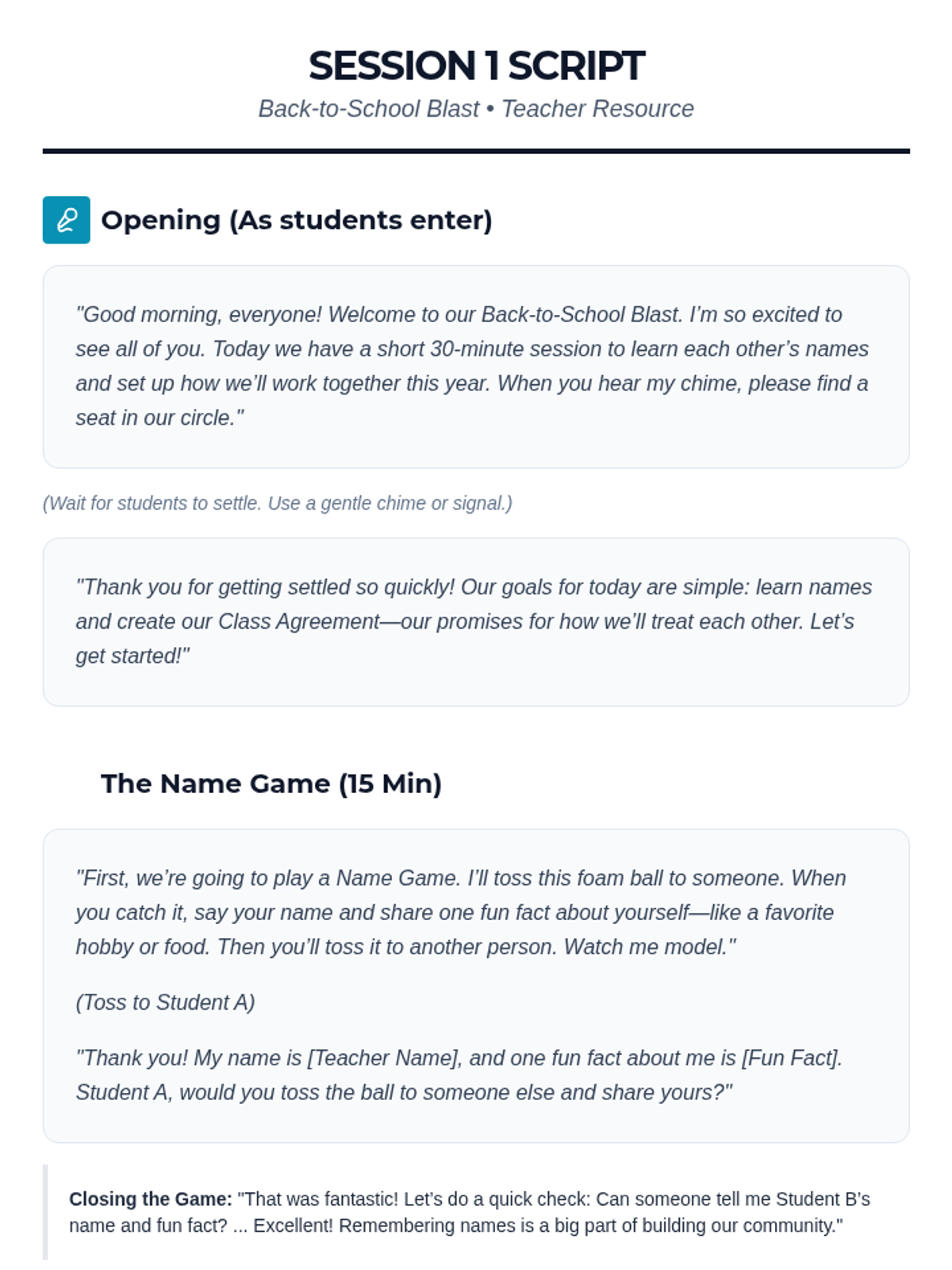
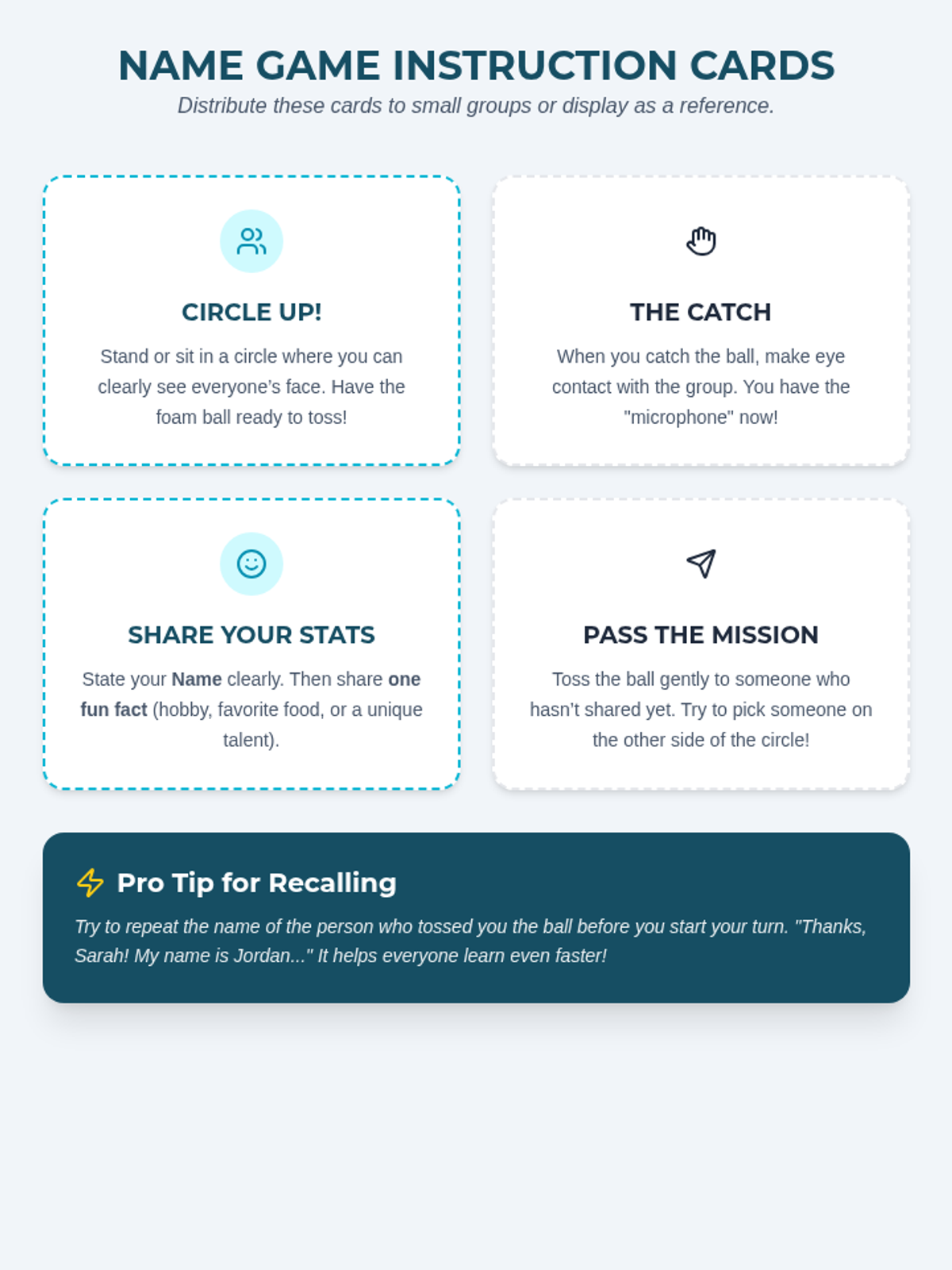
A 5-day series of 30-minute icebreaker sessions for middle schoolers to build rapport, communication, and a positive classroom atmosphere through Tier 2 group supports.
A six-session course designed to help students new to the U.S.A. smoothly assimilate and confidently navigate the U.S. school system through practical skill-building and social-emotional support.
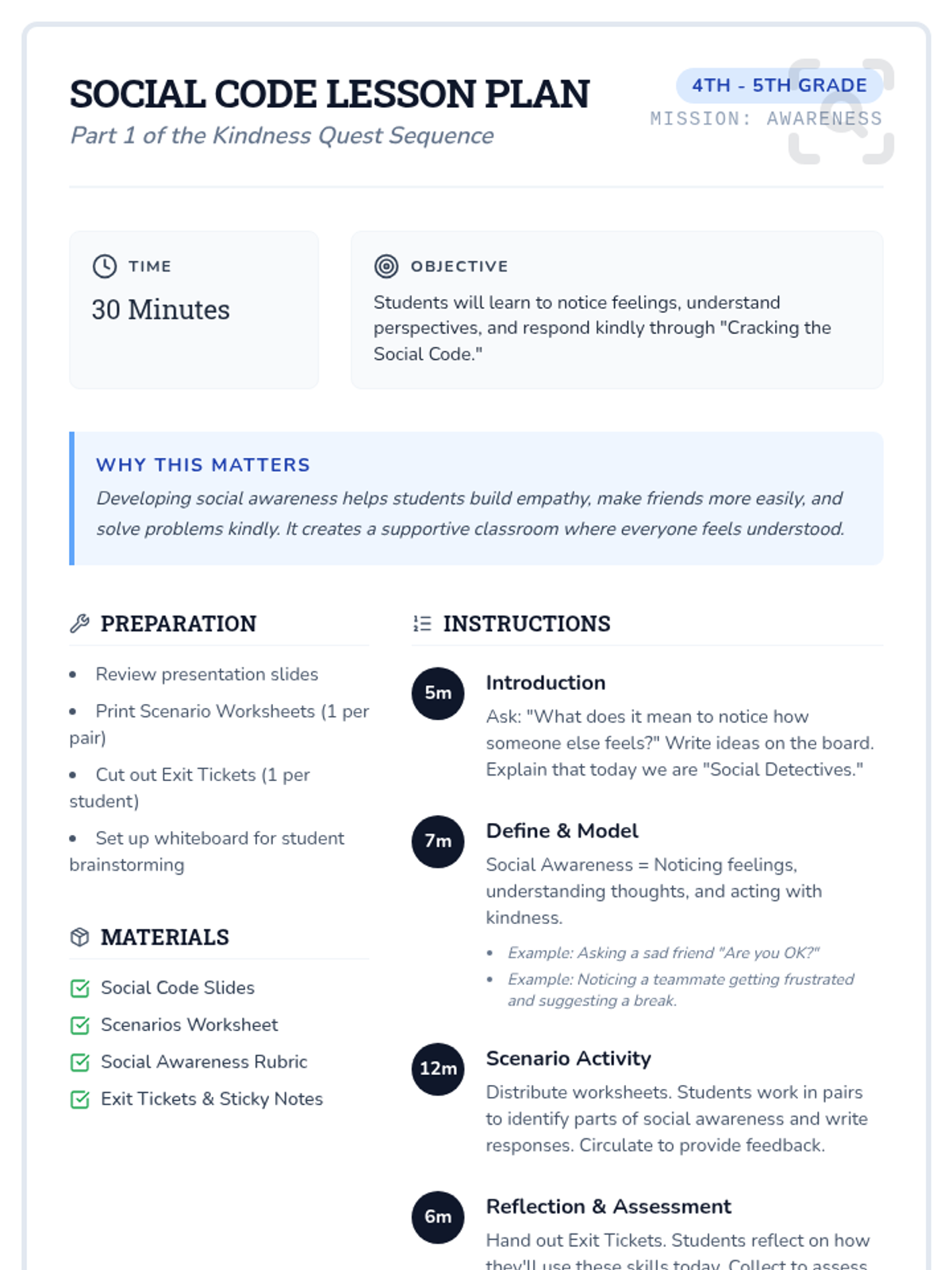
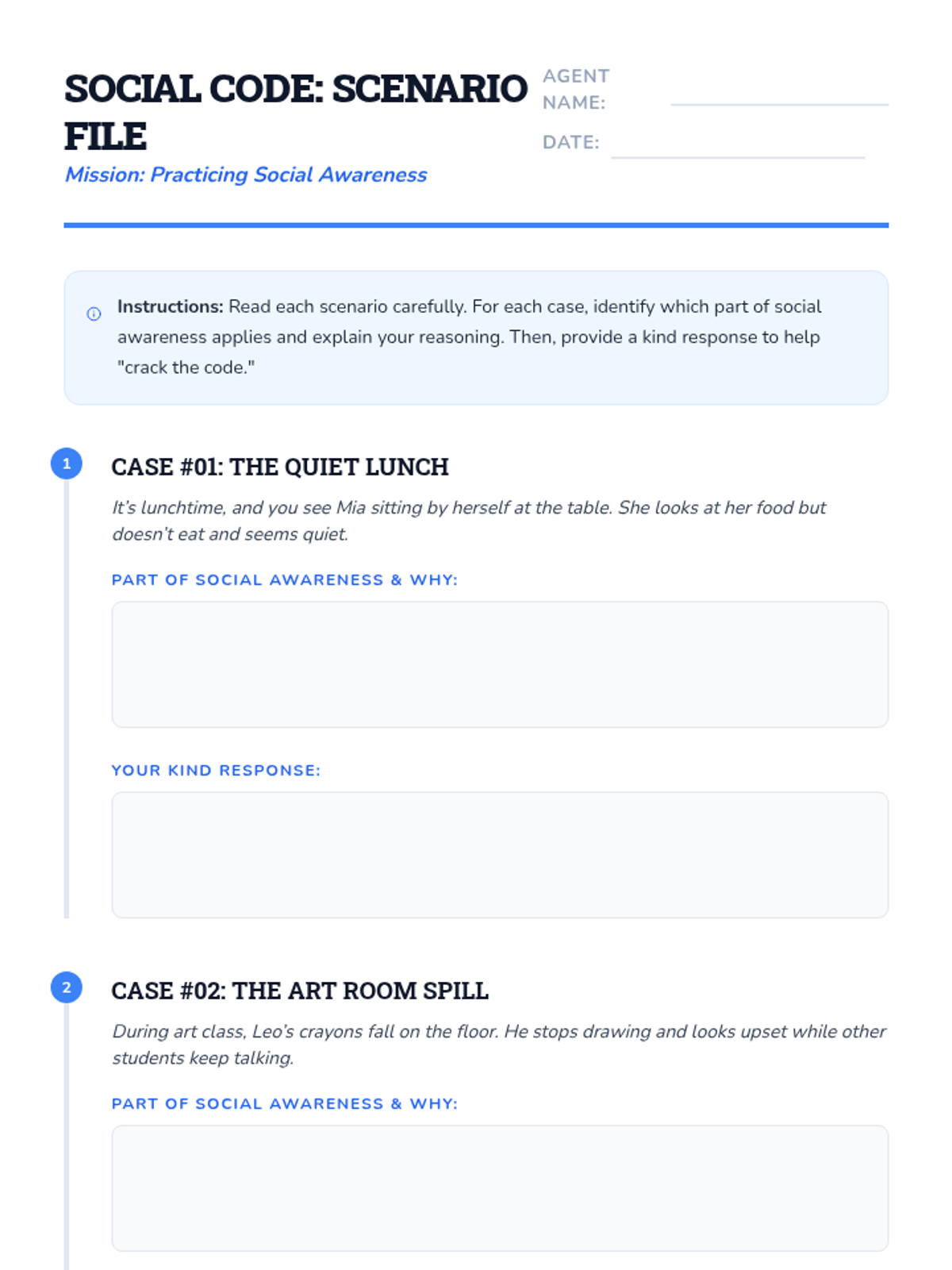
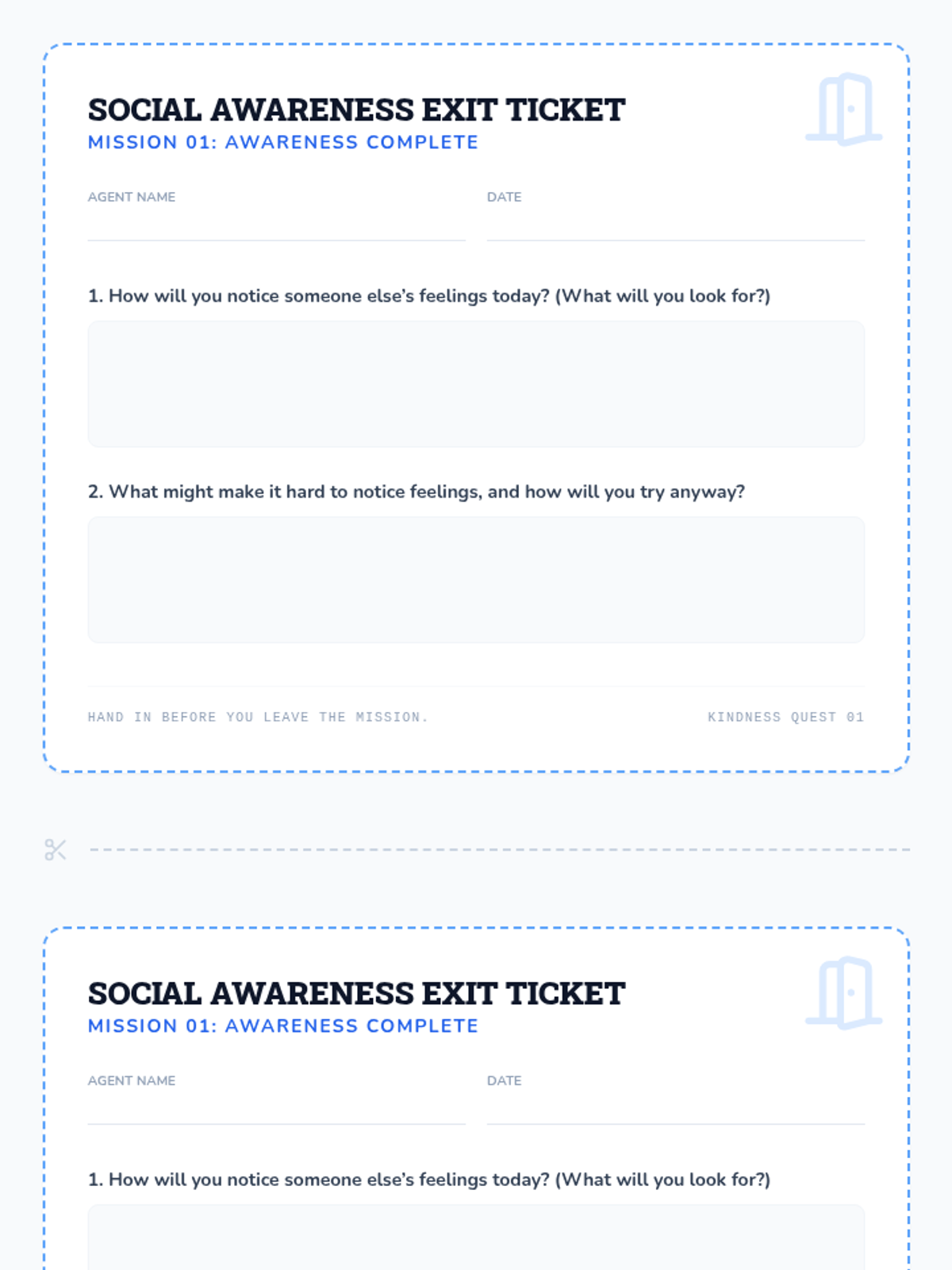
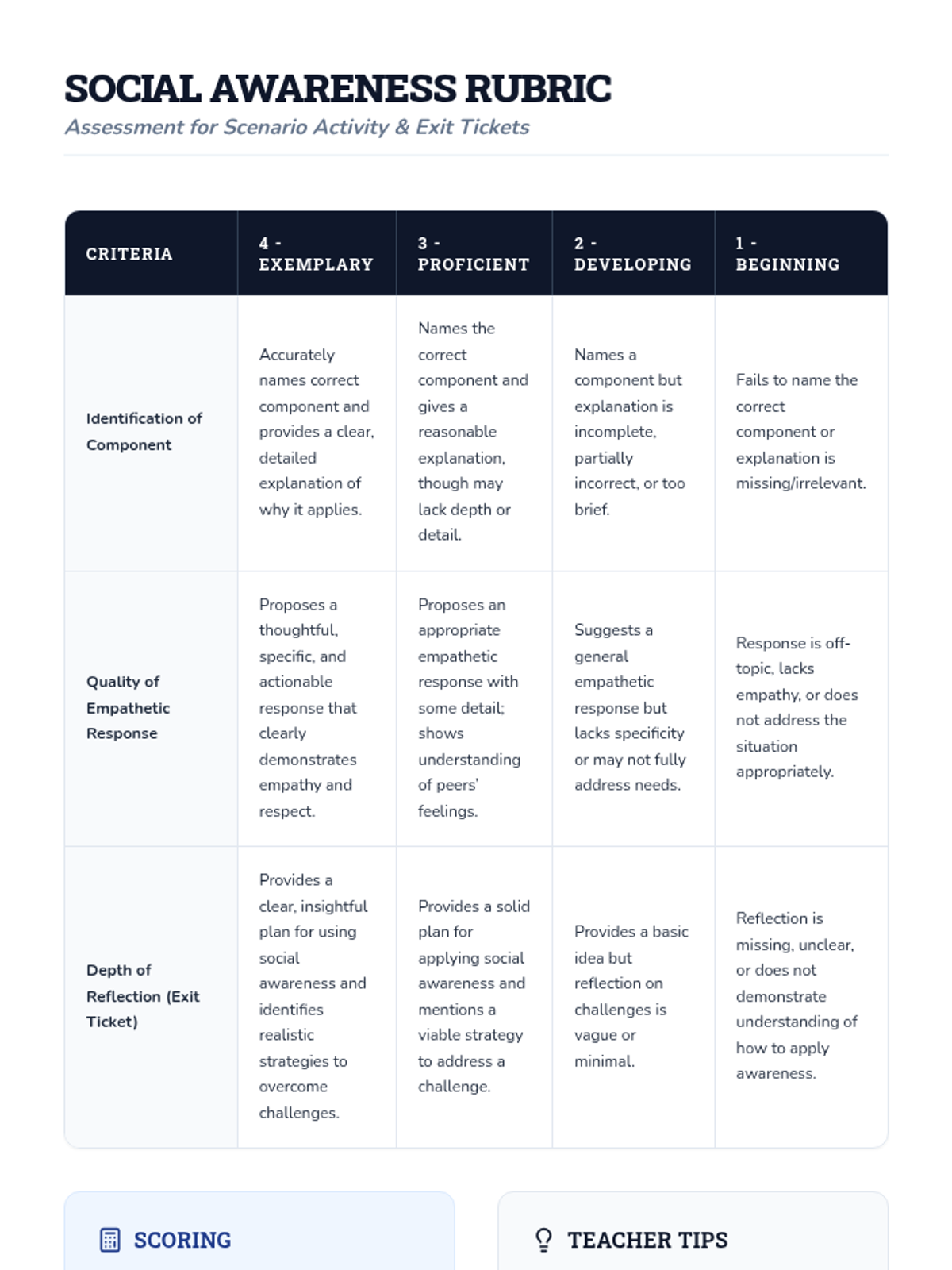
A 2-part Social-Emotional Learning sequence for 4th and 5th graders focused on building empathy and respect. Students learn to 'crack the code' of social awareness and become 'trailblazers' of tolerance in their classroom community.
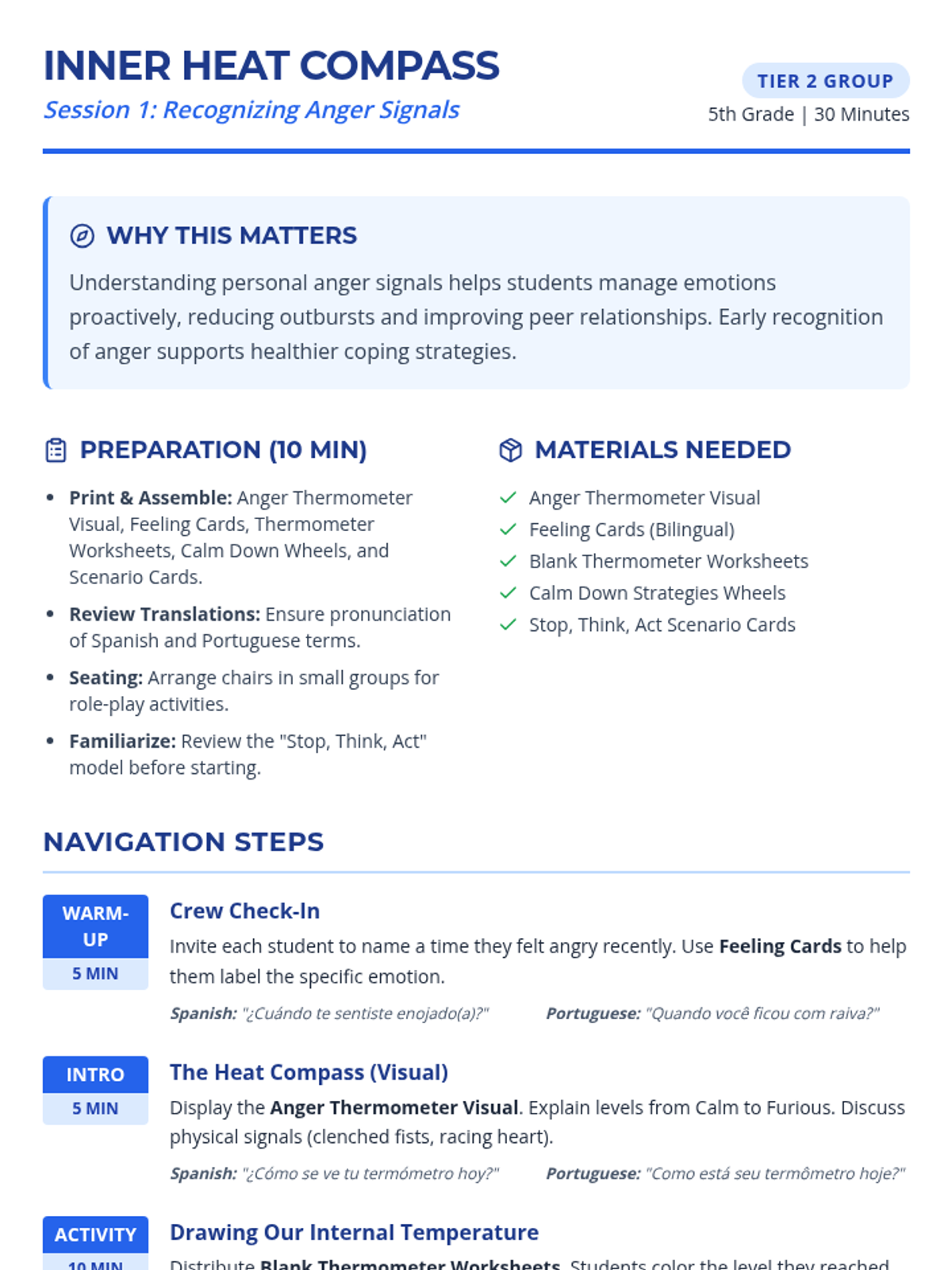
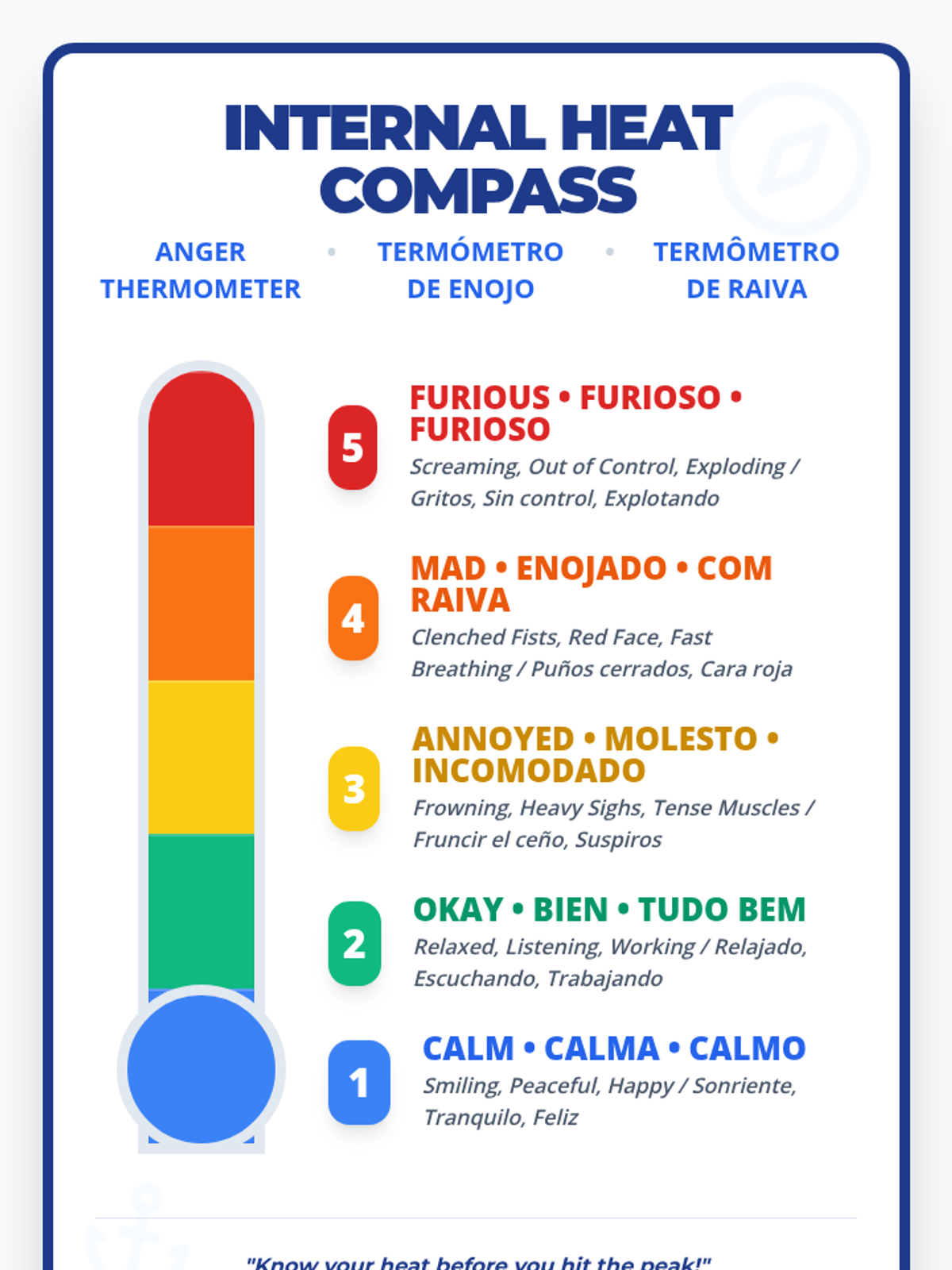
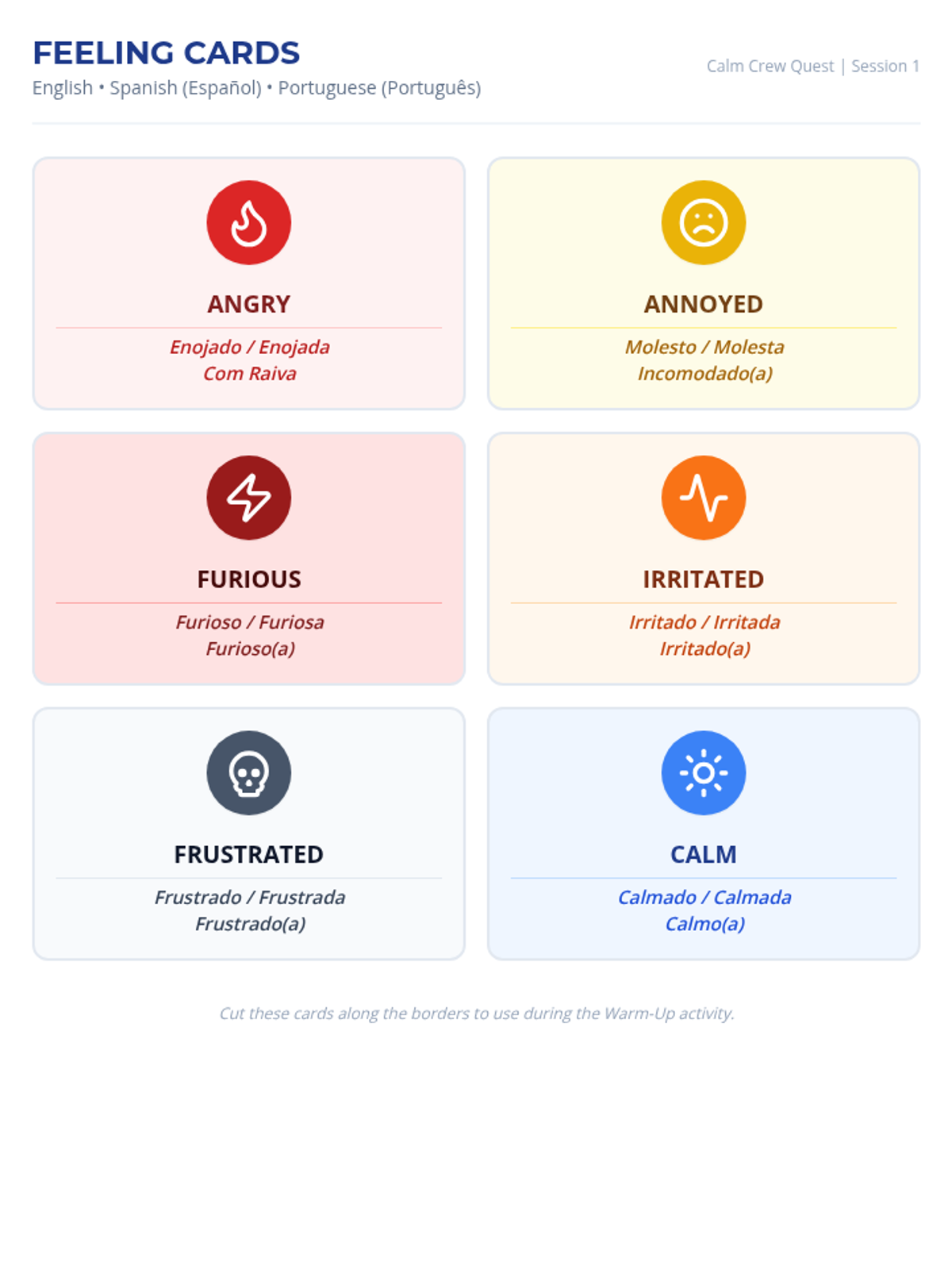
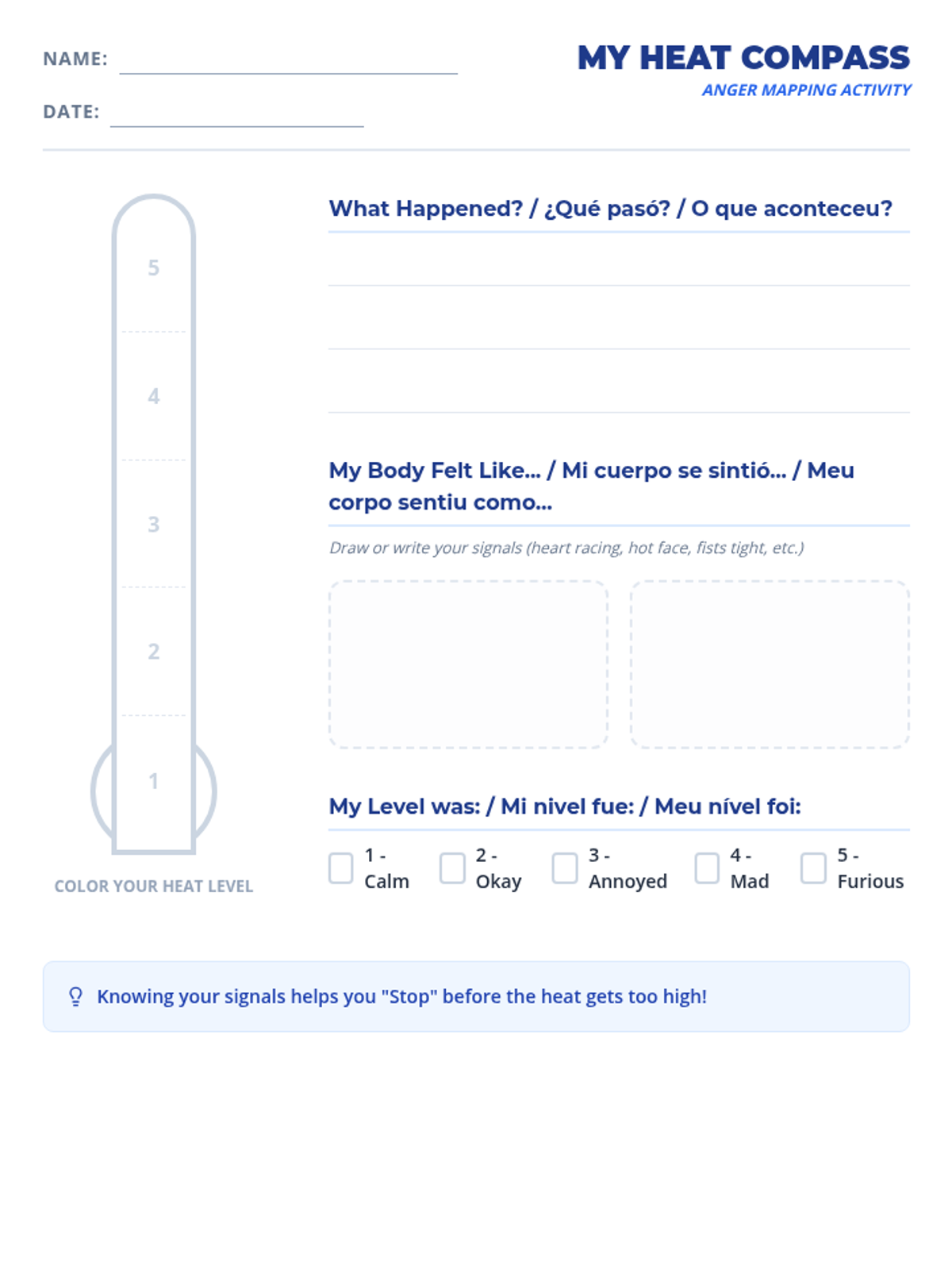
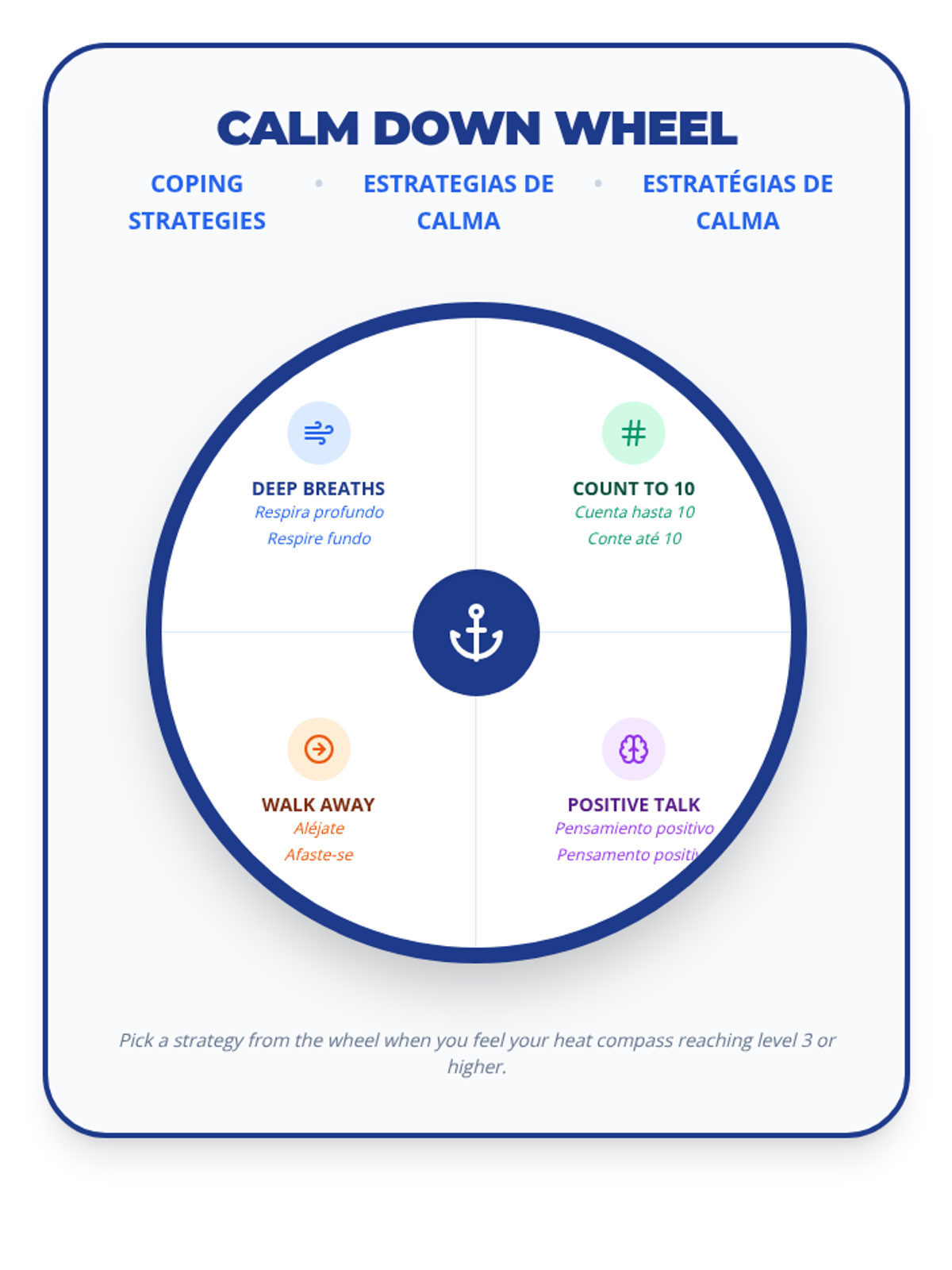
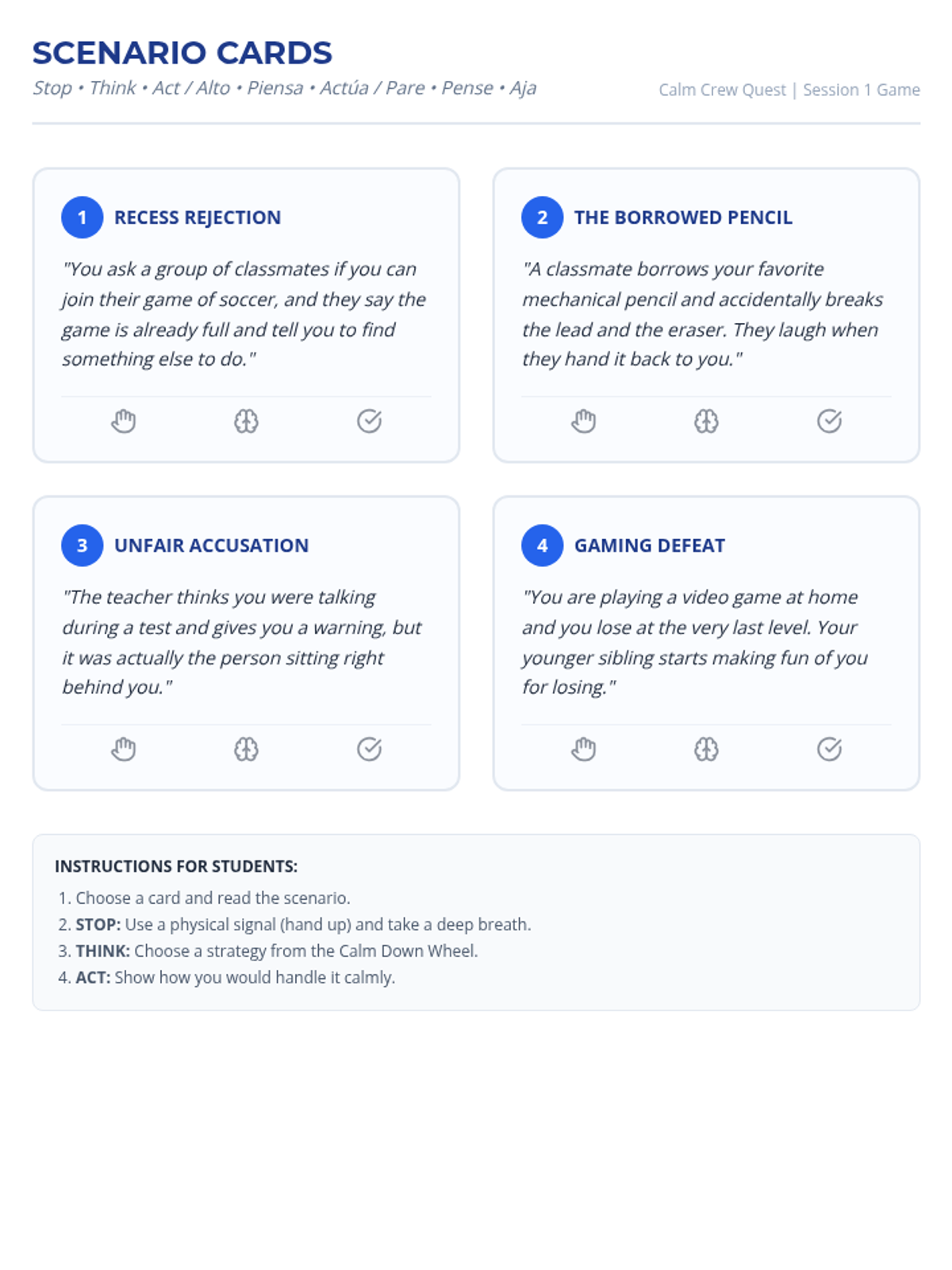
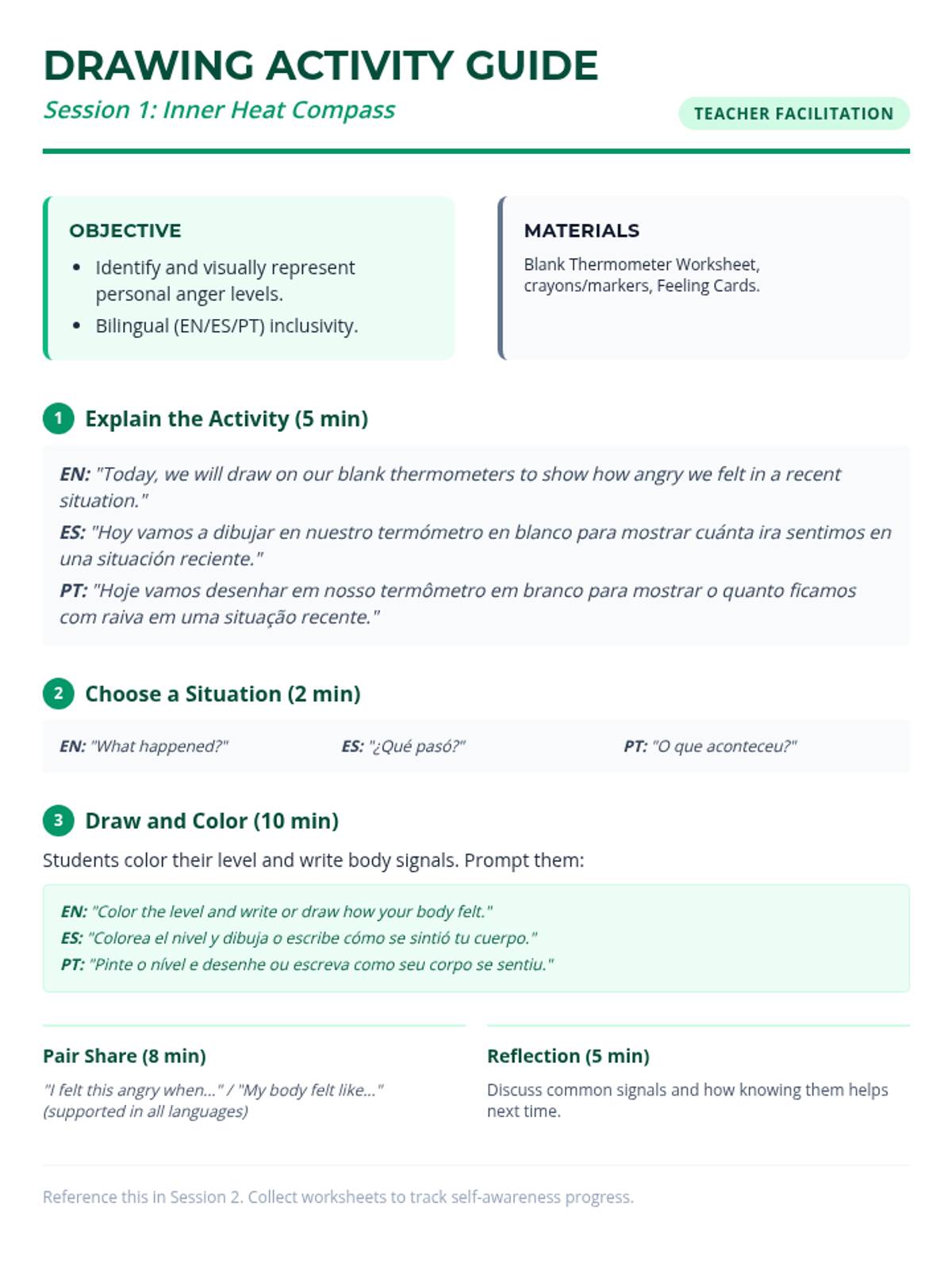
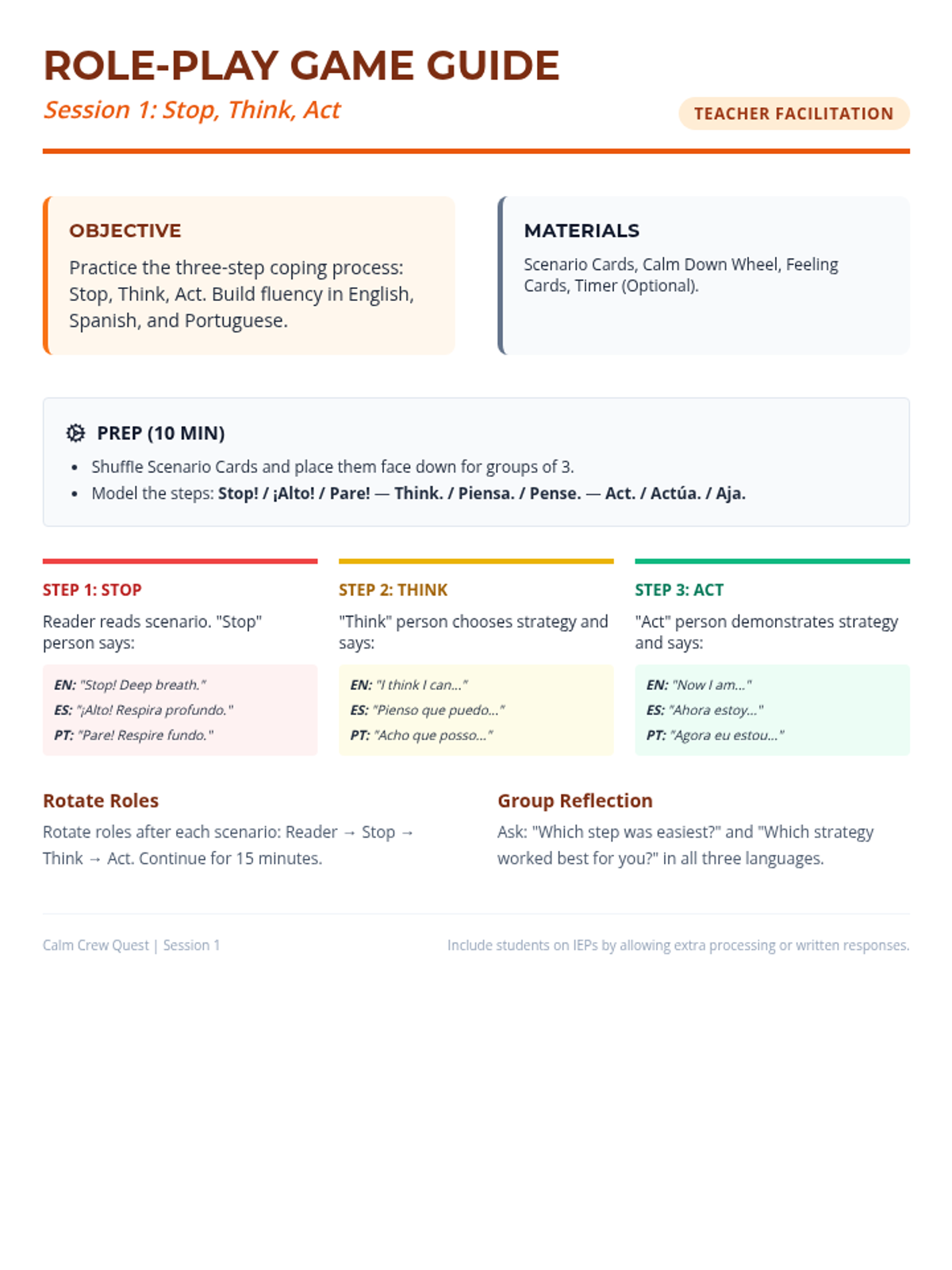
A 6-session Tier 2 small-group program designed for 5th graders to master anger management. Through a 'quest' theme, students learn to recognize triggers, use coping strategies, and communicate effectively, with multilingual support in English, Spanish, and Portuguese.
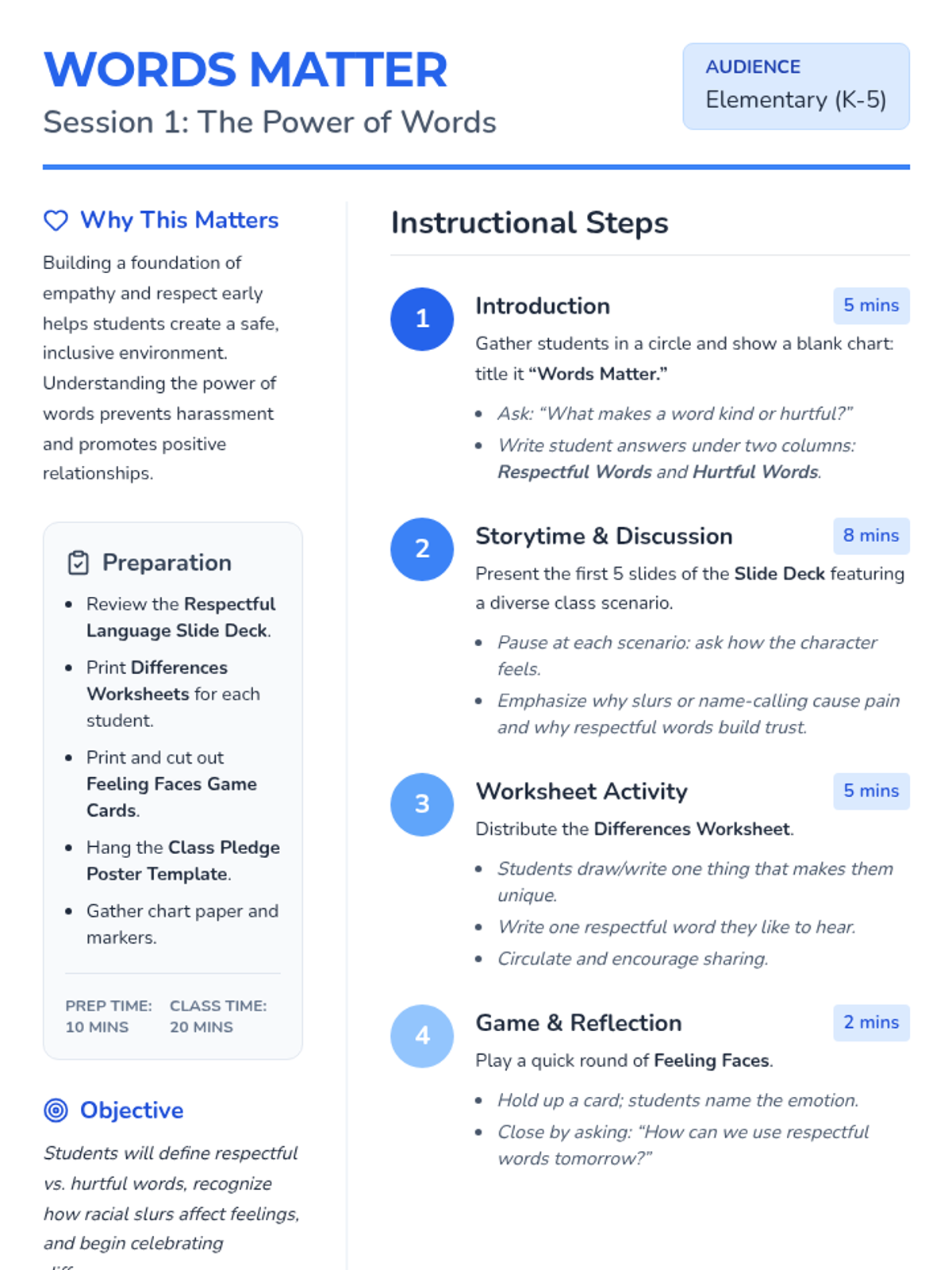
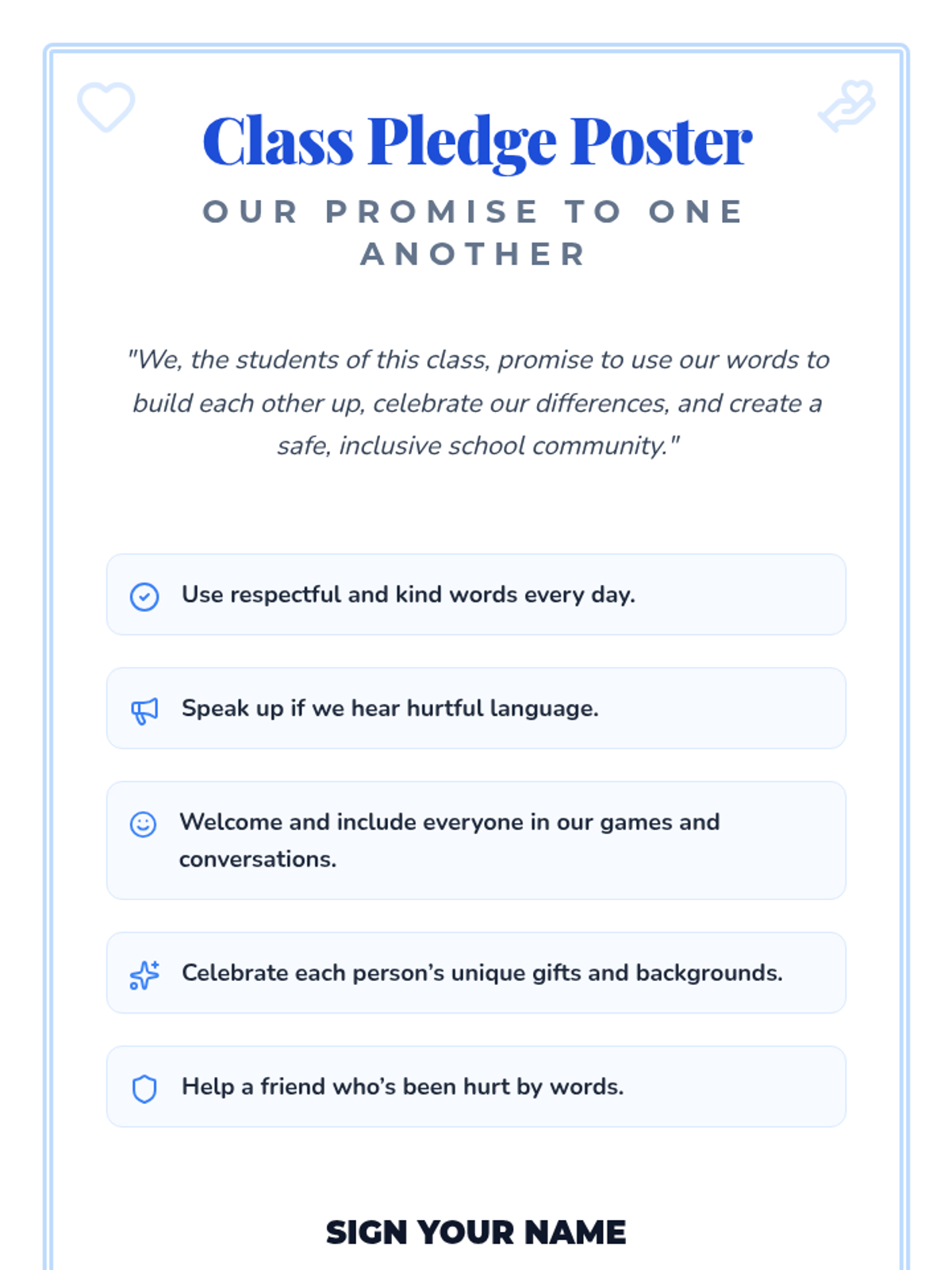
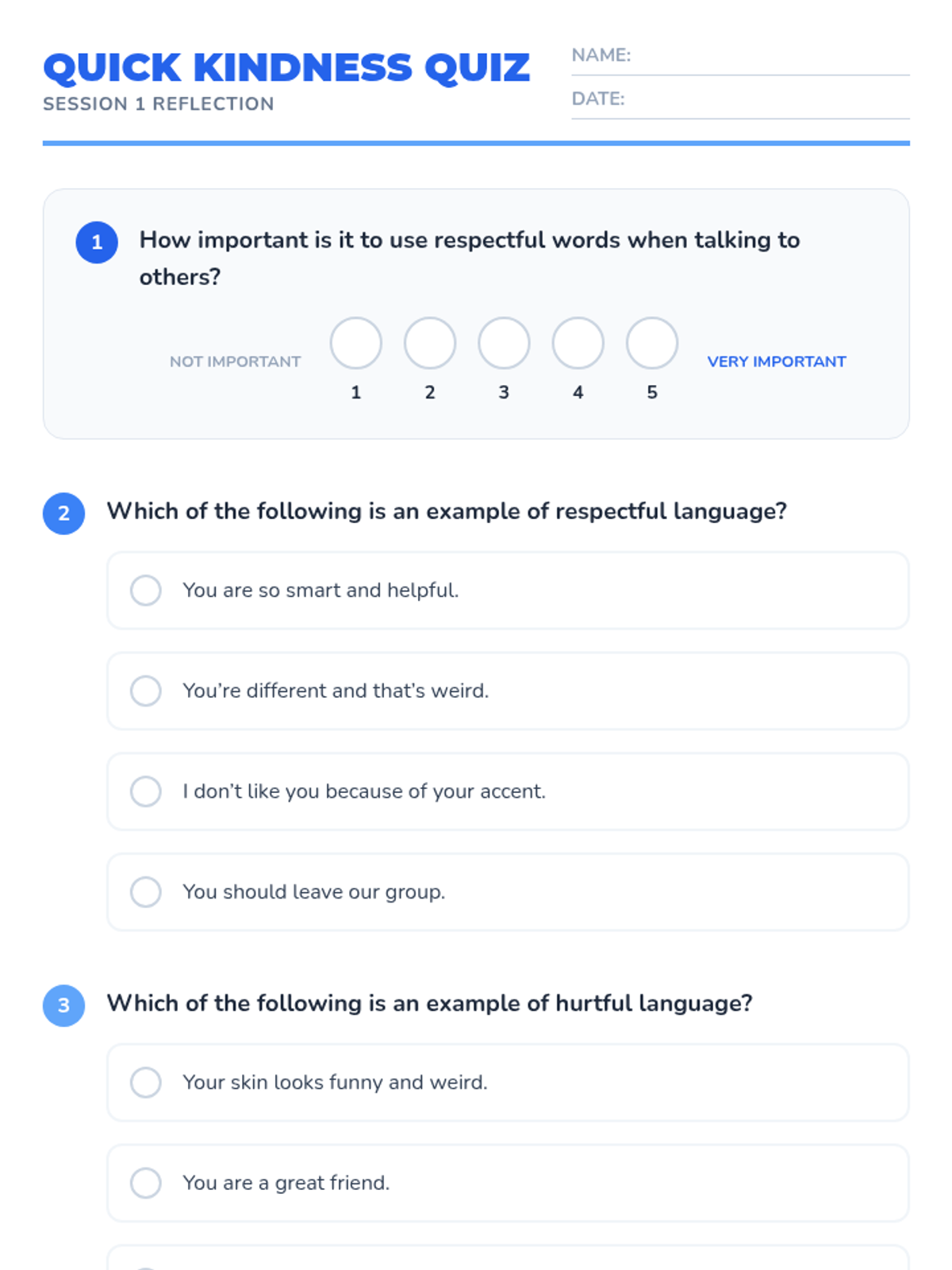
A 4-session Tier 1 sequence for K-5 students focused on racial slur prevention, respectful language, and celebrating diversity. Students learn empathy through role-play, sharing traditions, and creating a collective class pledge.
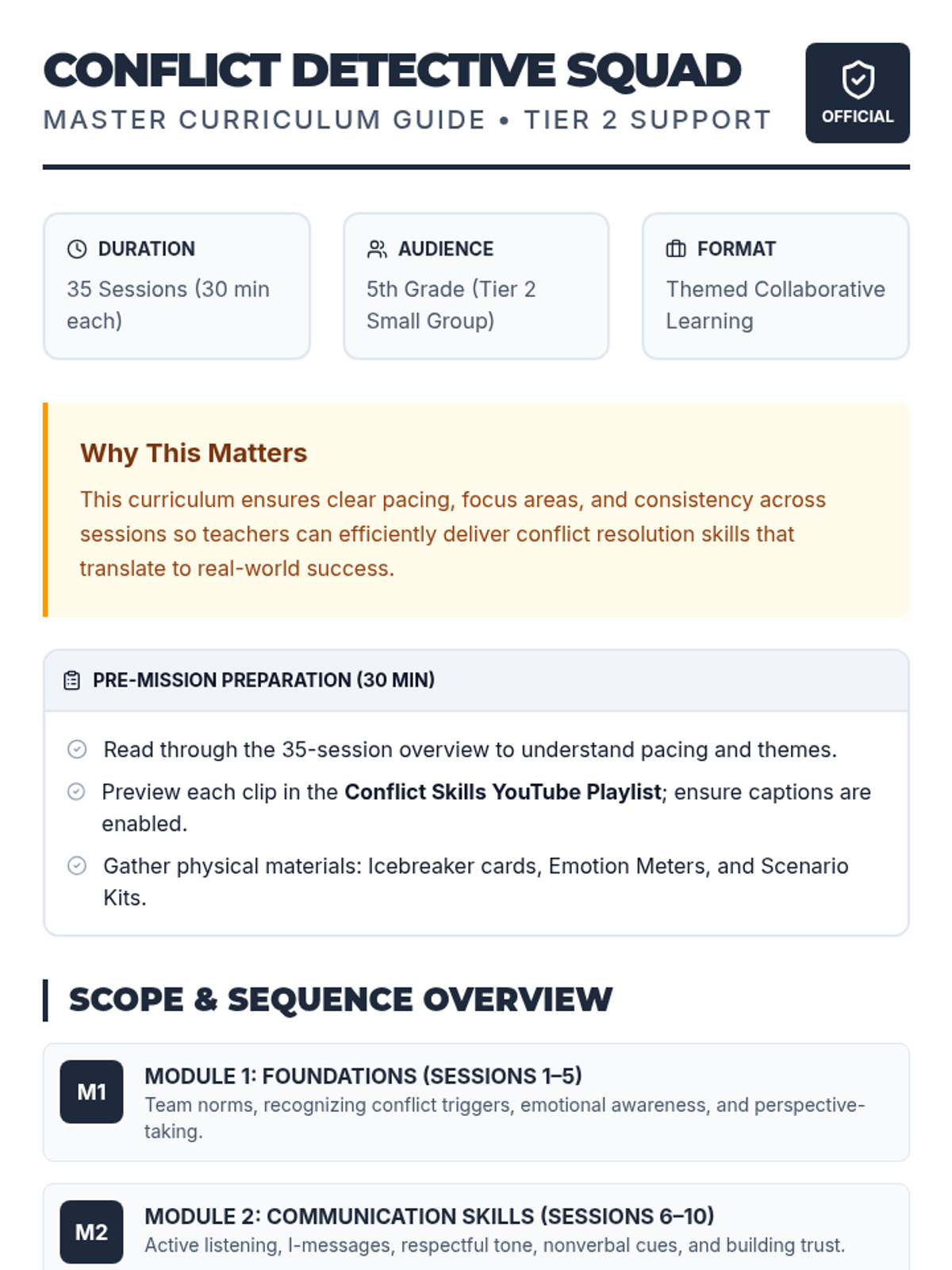
A comprehensive 35-session Tier 2 social-emotional curriculum designed for 5th graders and 2nd-3rd graders, focusing on conflict resolution, communication, and emotional regulation through a themed 'Detective' and 'Explorer' lens.
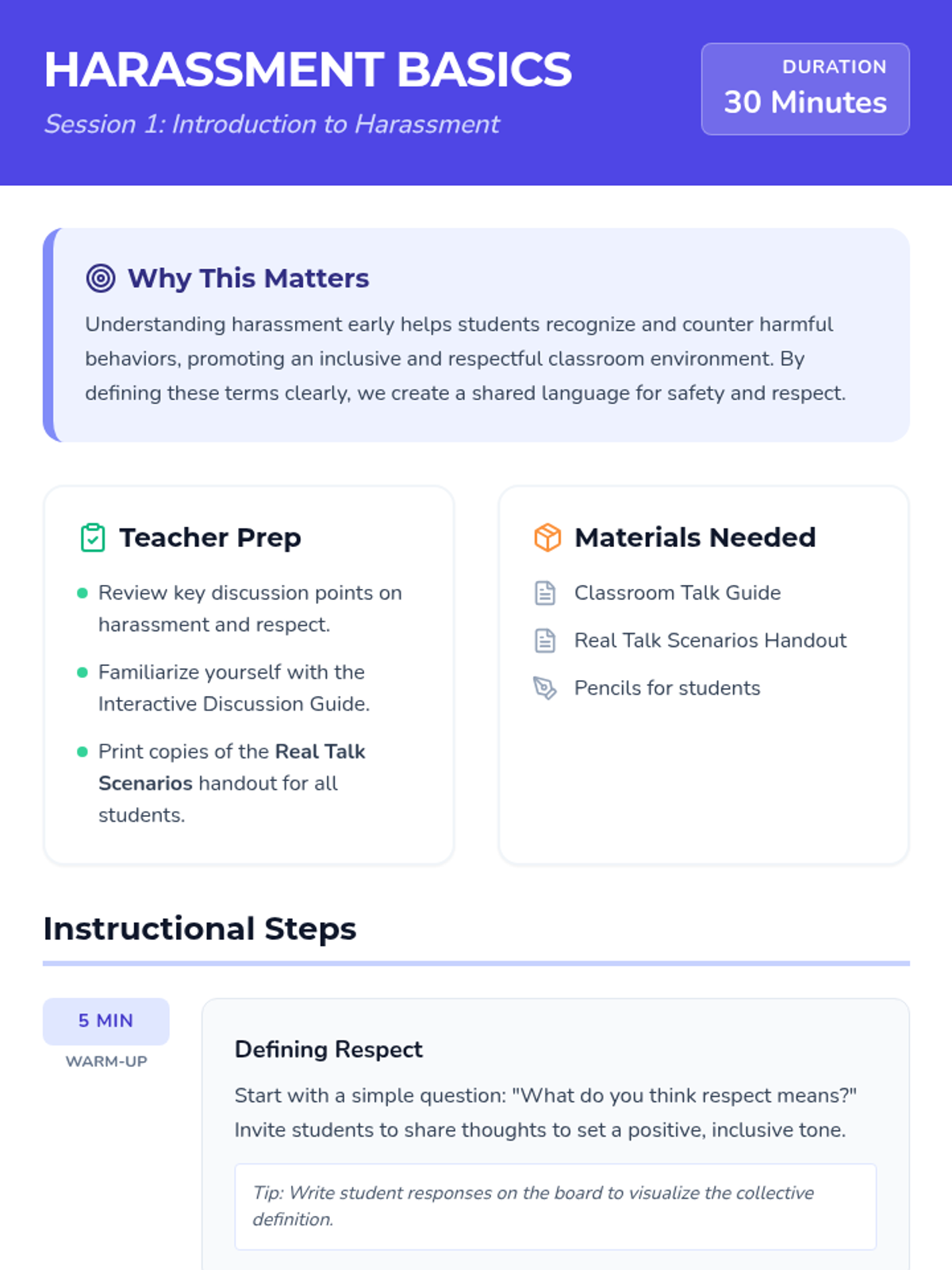
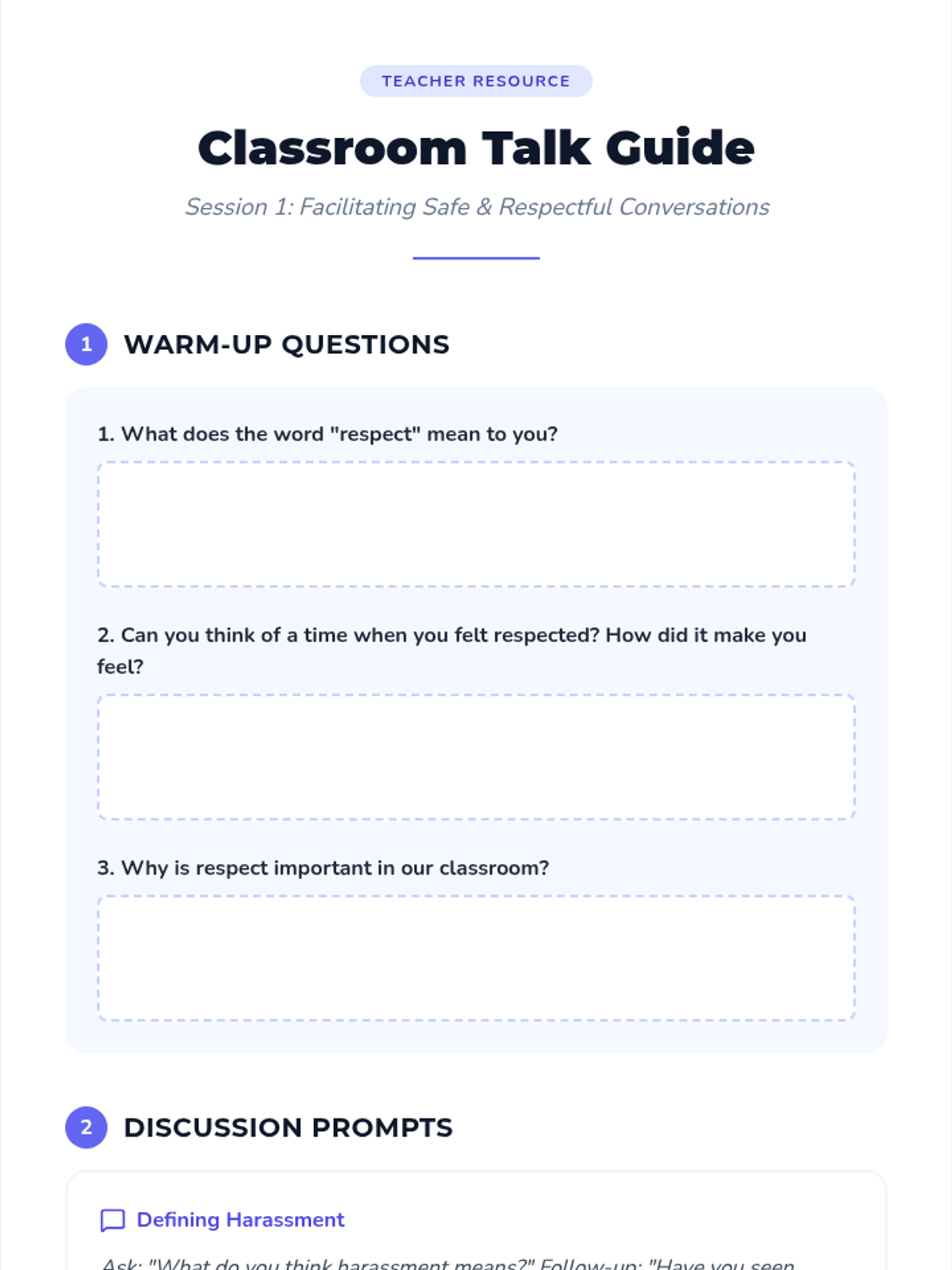
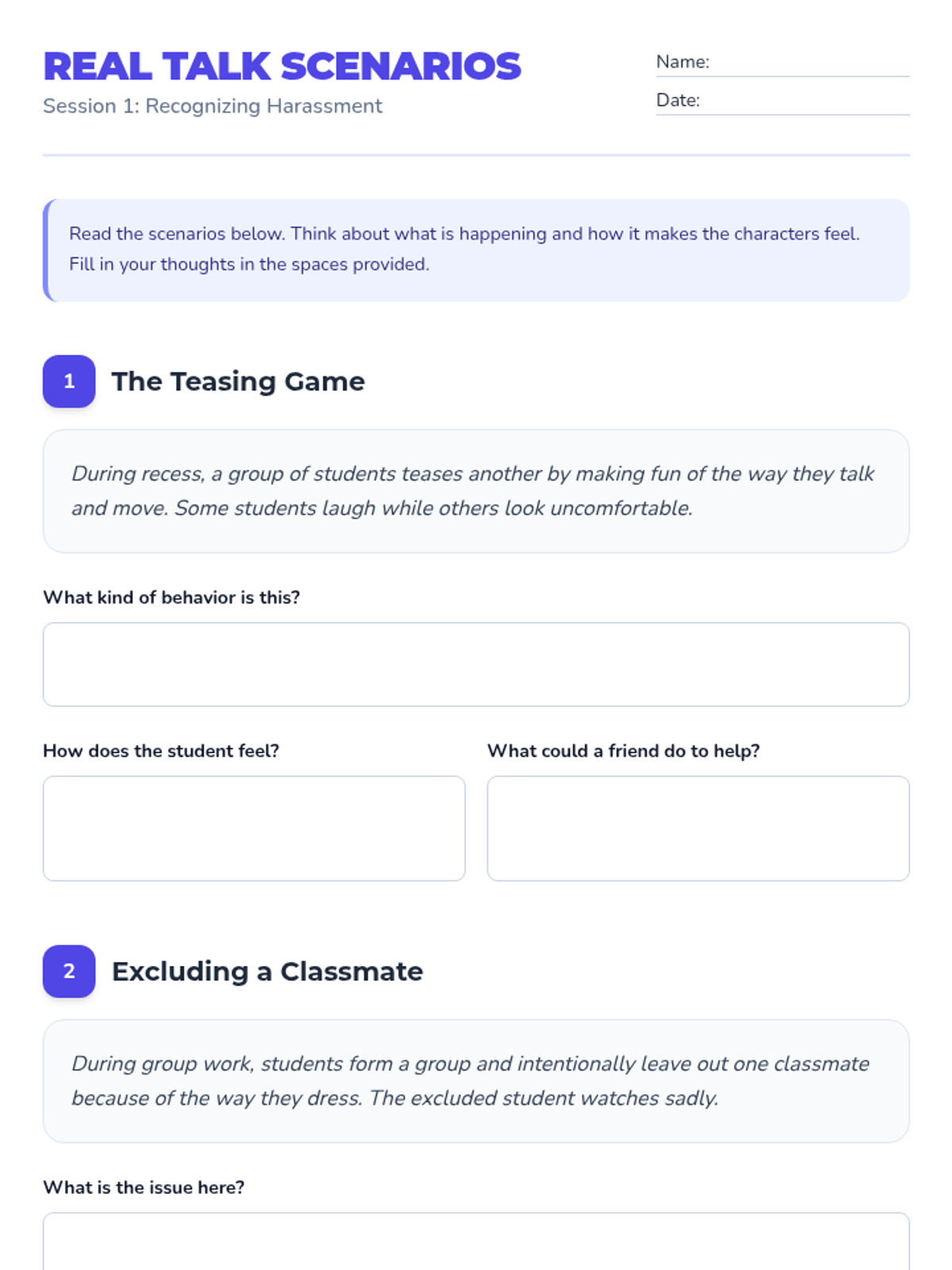
A comprehensive 4-session sequence for 5th-grade students focused on recognizing harassment, understanding protected identities, and fostering a culture of empathy and inclusion. Students move from basic definitions to active allyship and community commitment.
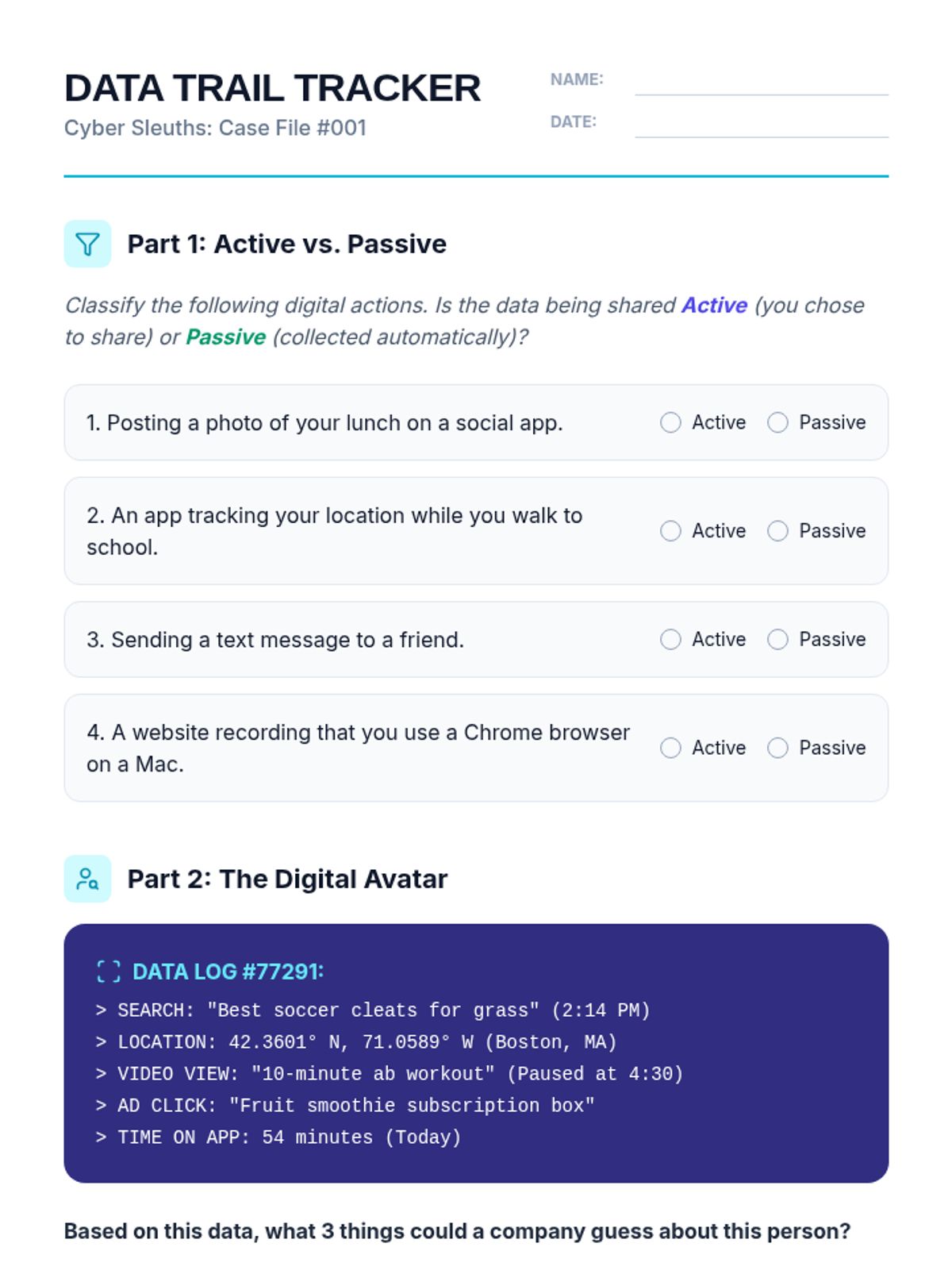
A comprehensive 5-lesson sequence for 5th graders focused on digital ethics, privacy, and critical evaluation of emerging technologies like algorithms and AI. Students move from understanding their data footprints to debating smart technology and creating an ethical tech pledge.
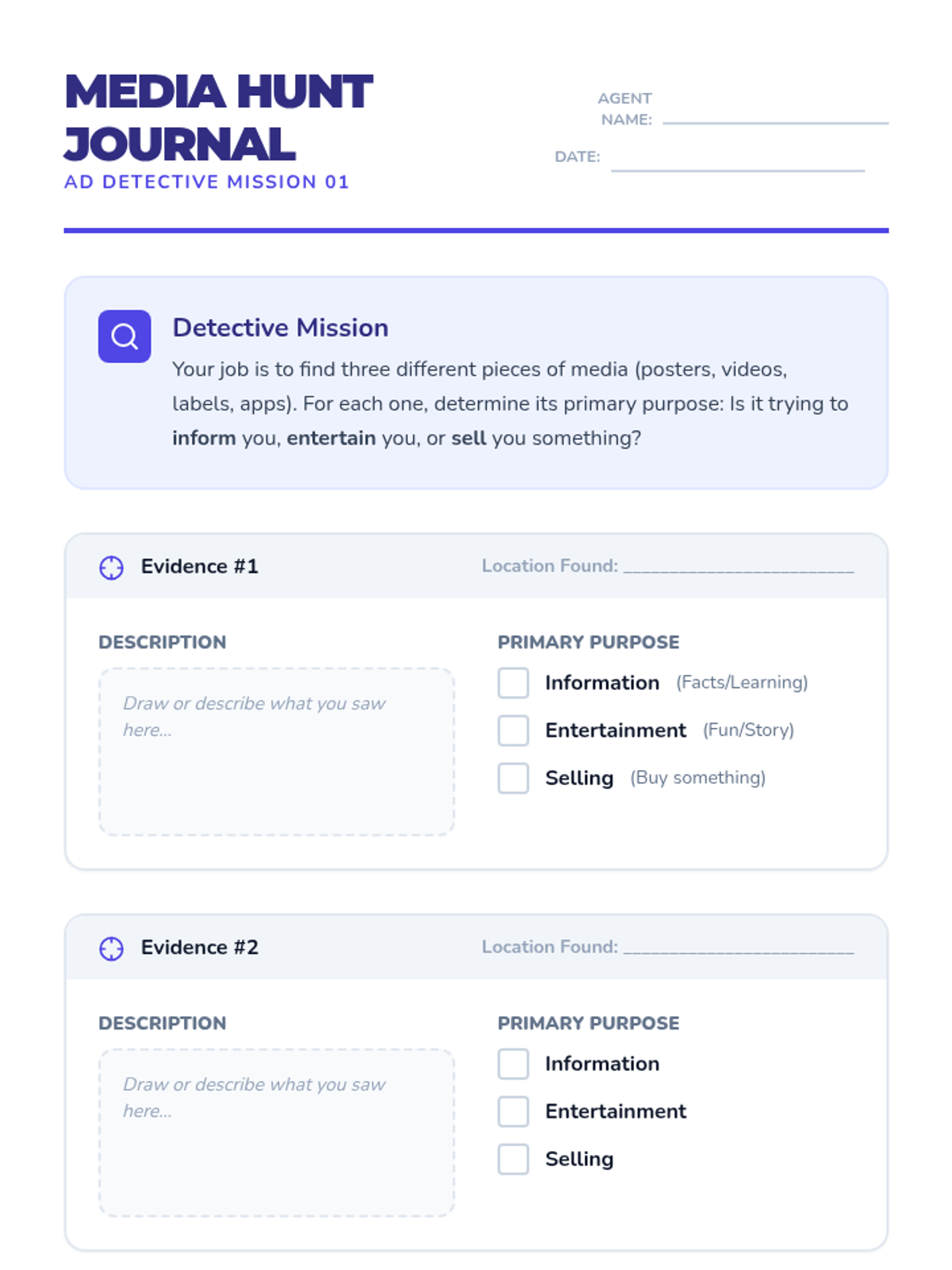
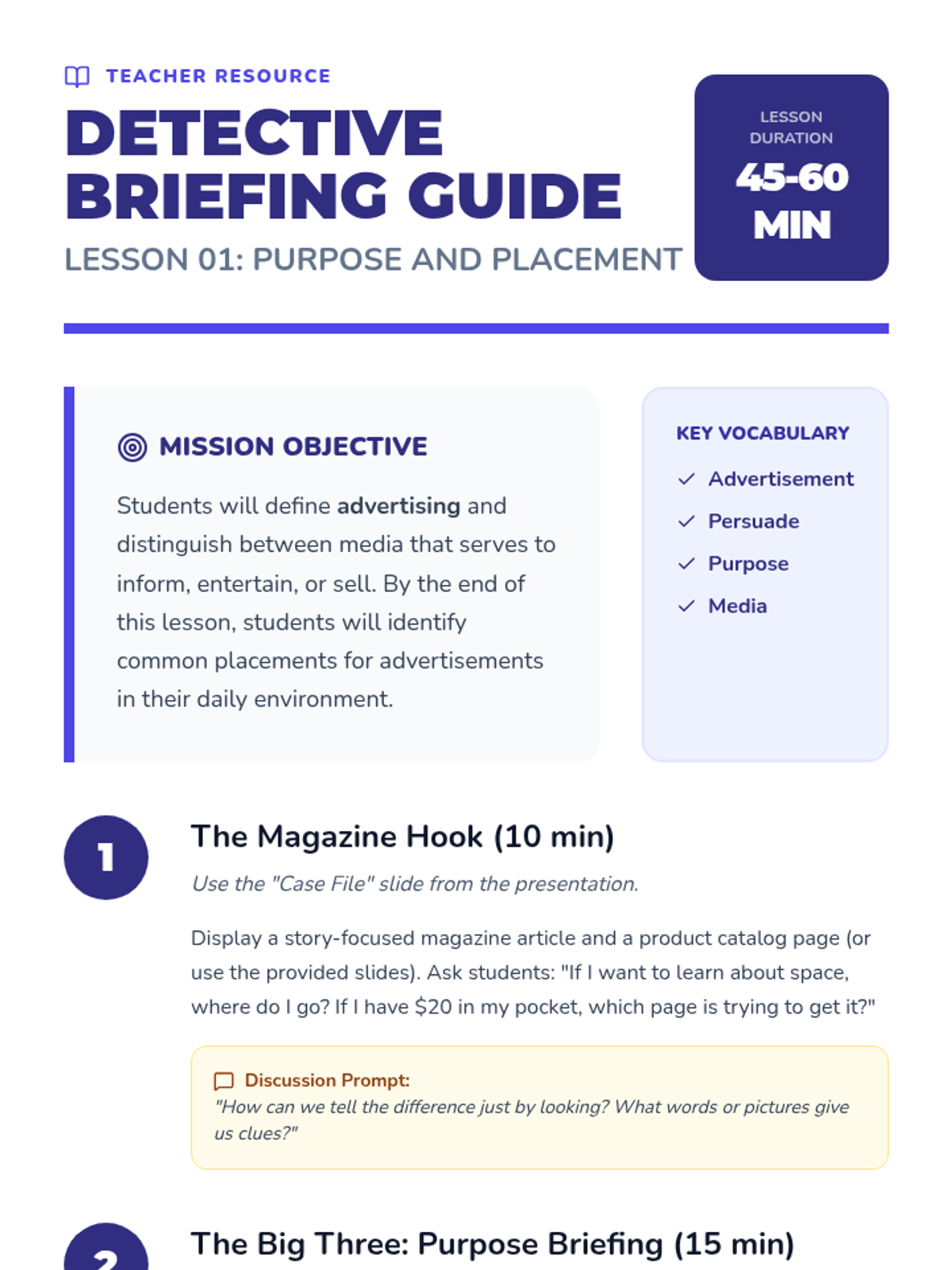
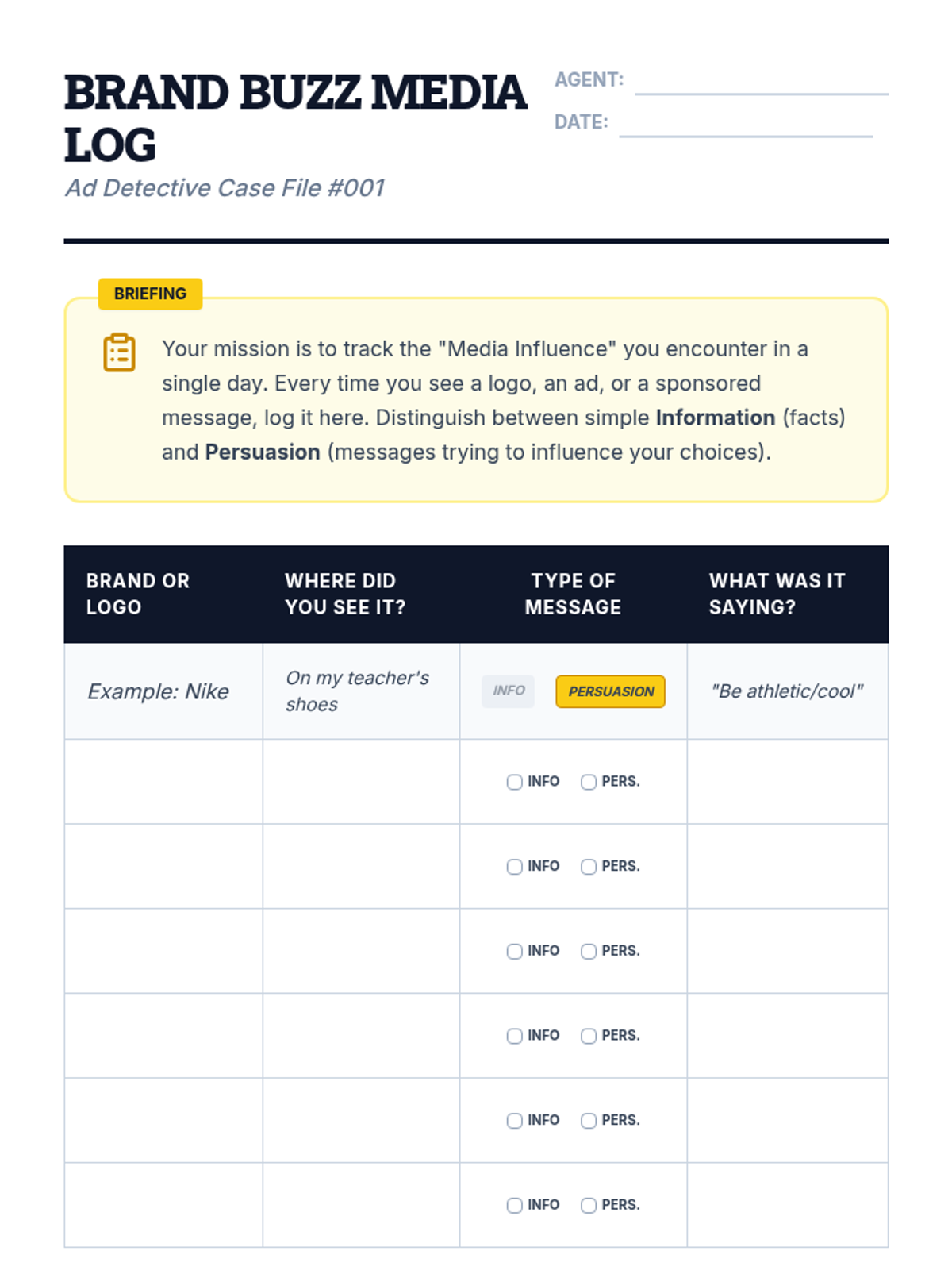
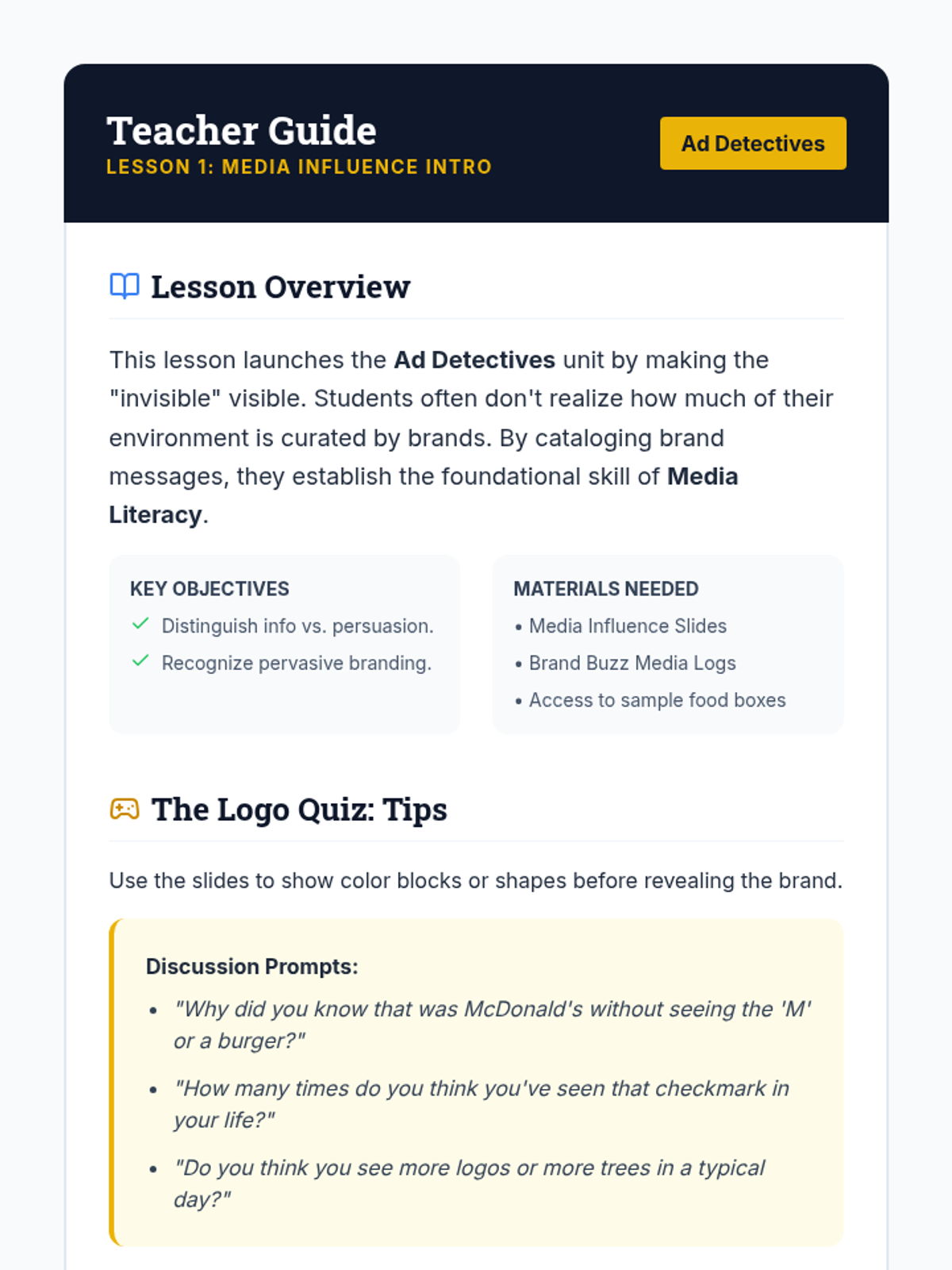
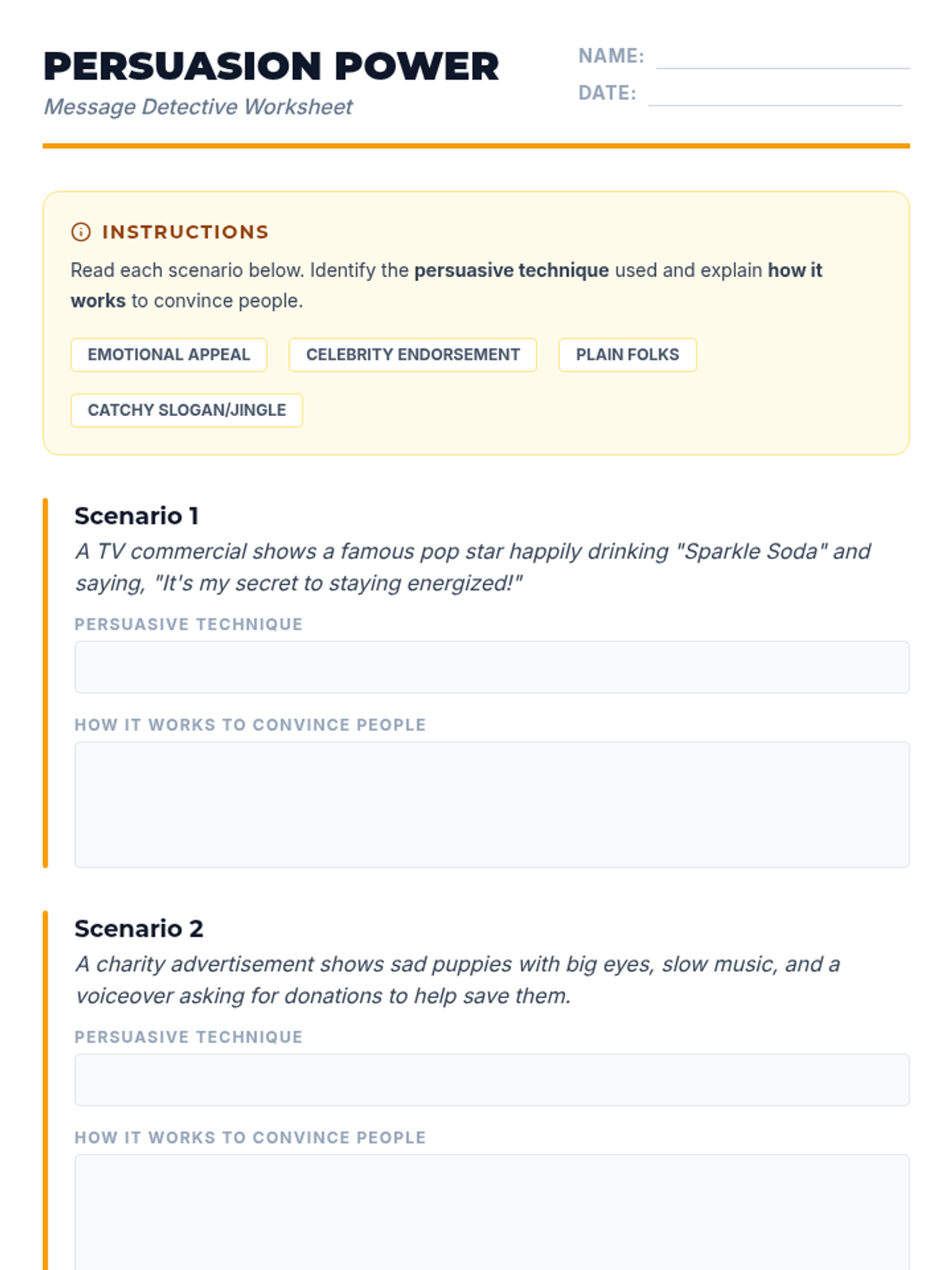
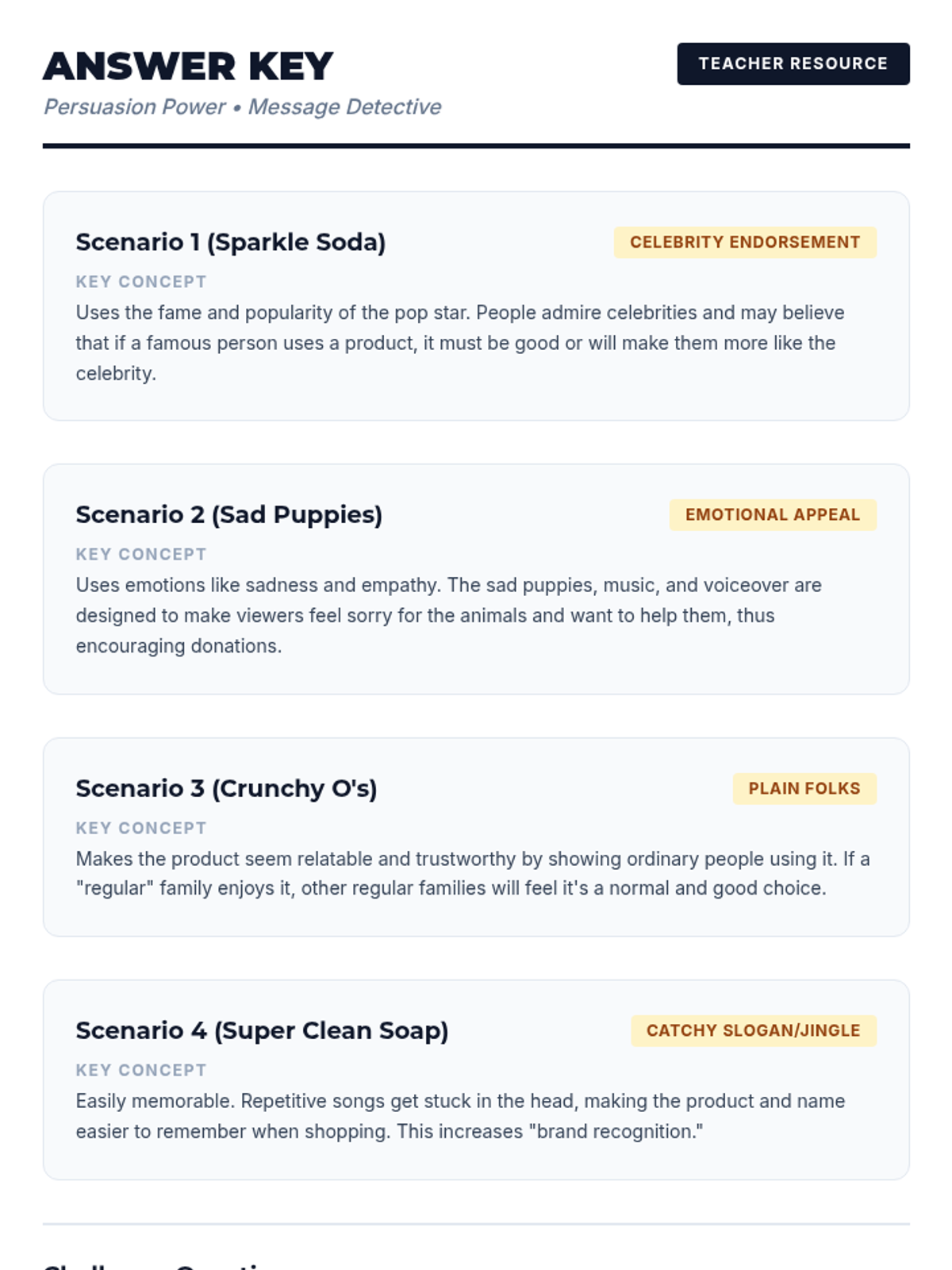
Students investigate the persuasive strategies used in commercials and print advertisements to understand how marketers influence consumer choices. The sequence covers advertising purpose, visual/auditory techniques, branding through logos and slogans, target audiences, and ethical advertising.
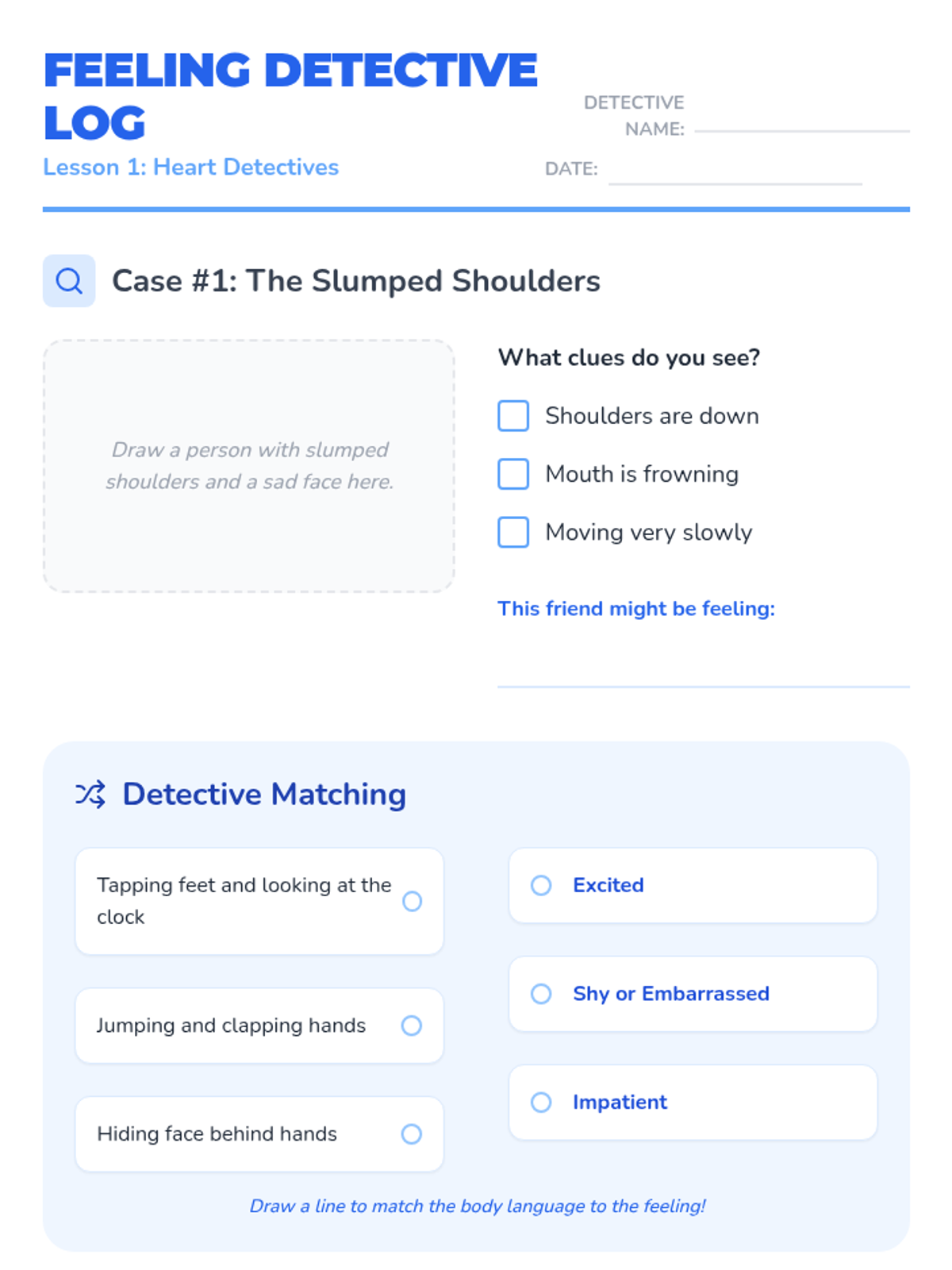
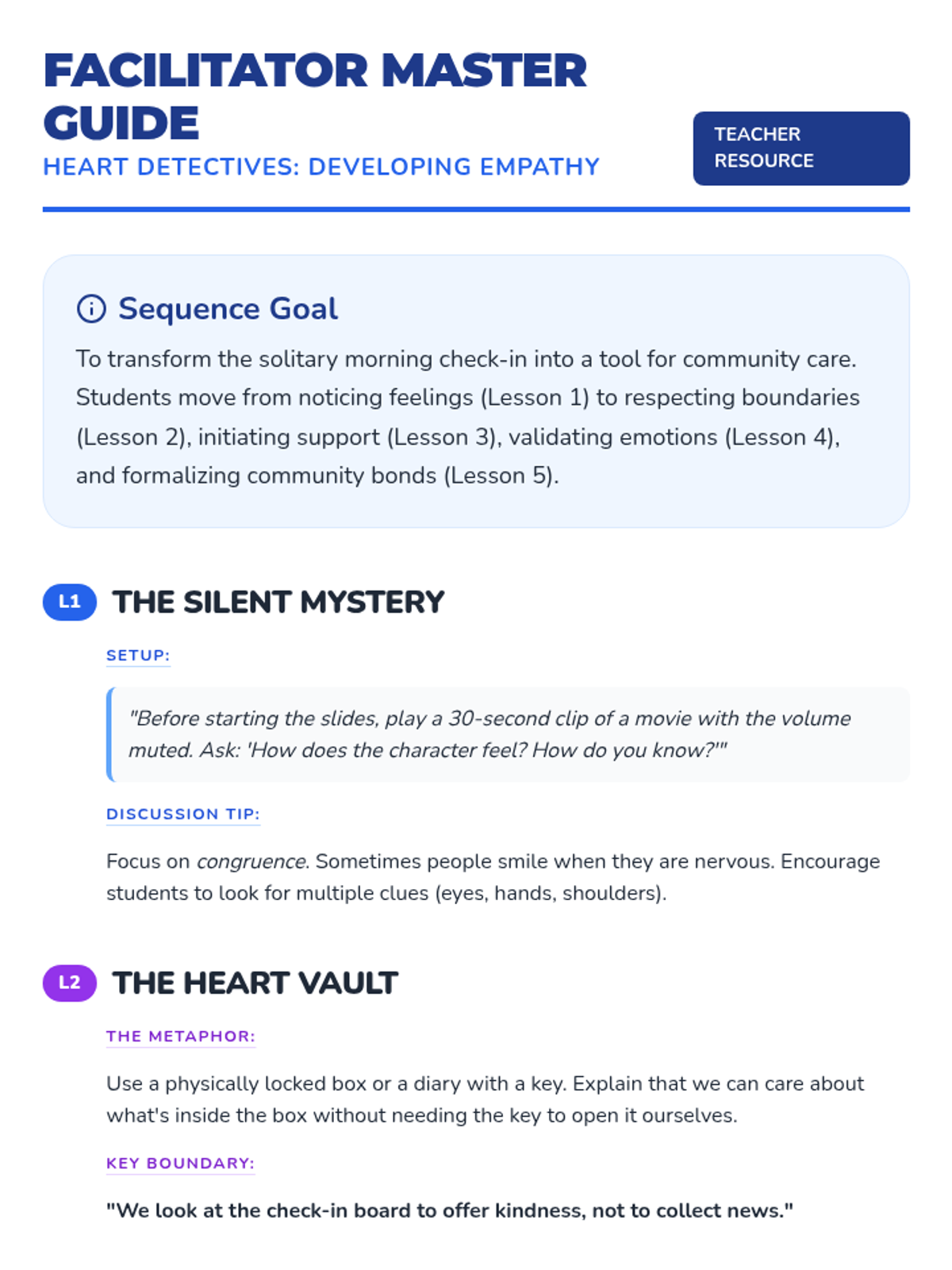
Students learn to observe non-verbal cues, respect privacy, offer support, and practice active listening to transform daily check-ins into a community-building tool. This sequence fosters empathy and a supportive classroom culture through practical social-emotional skills.
A 5-lesson sequence for 5th graders focusing on conflict resolution, assertive communication through 'I' statements, giving and receiving constructive feedback, and peer mediation. Students learn to view disagreements as growth opportunities.
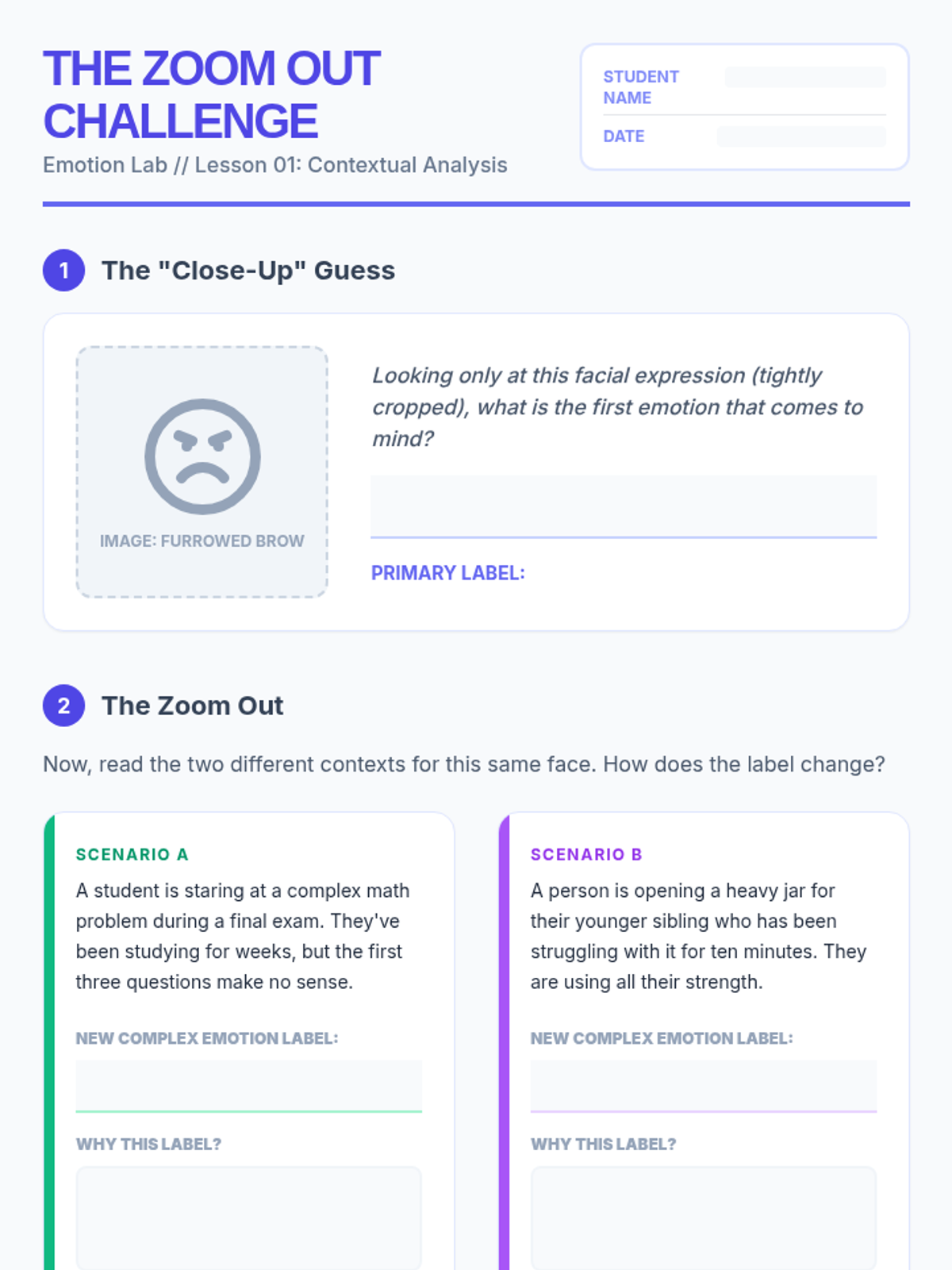
A project-based unit exploring how context and digital platforms influence emotional expression and interpretation. Students learn to label complex emotions in media and online interactions, culminating in a peer-to-peer digital empathy guide.
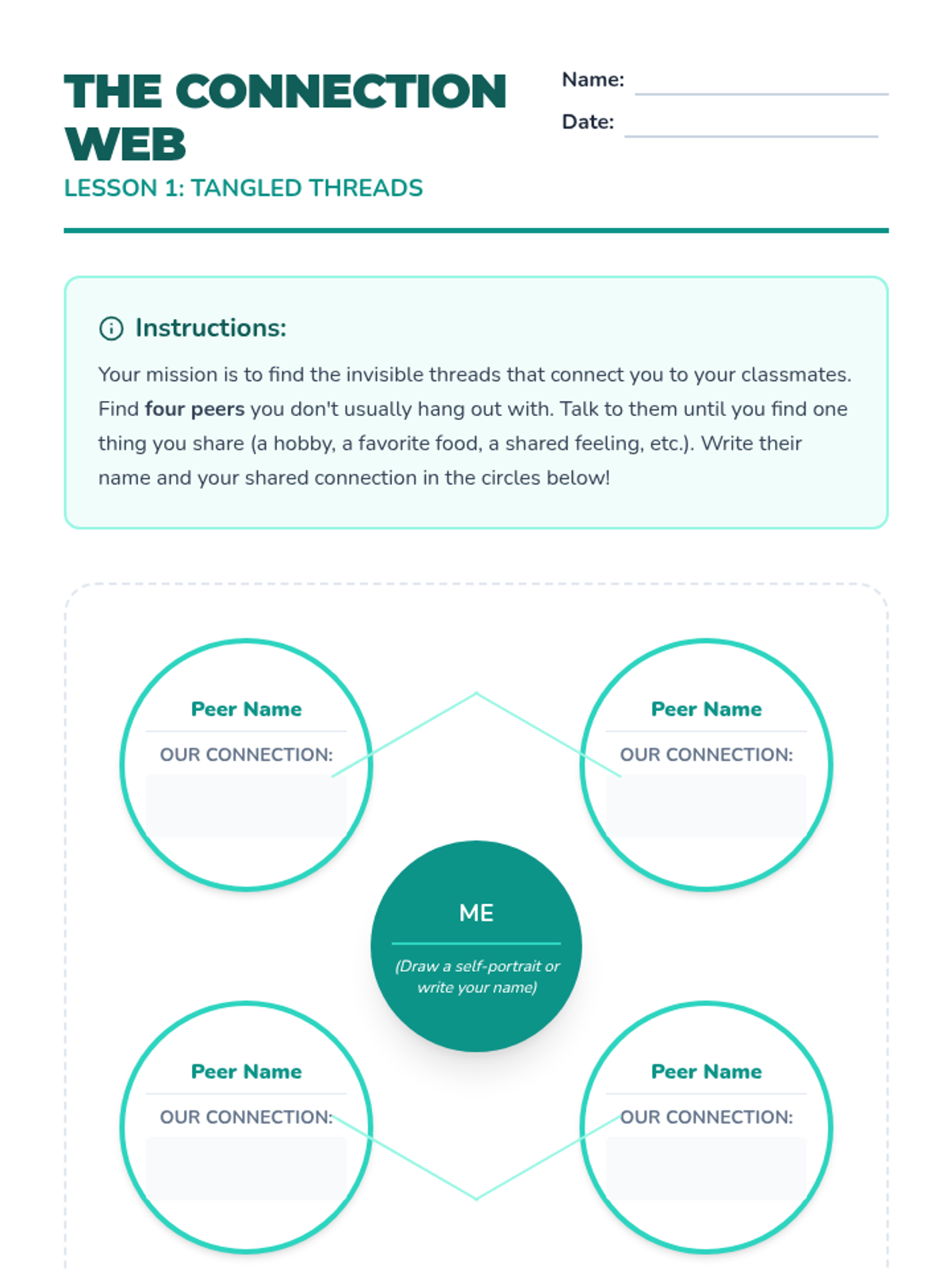
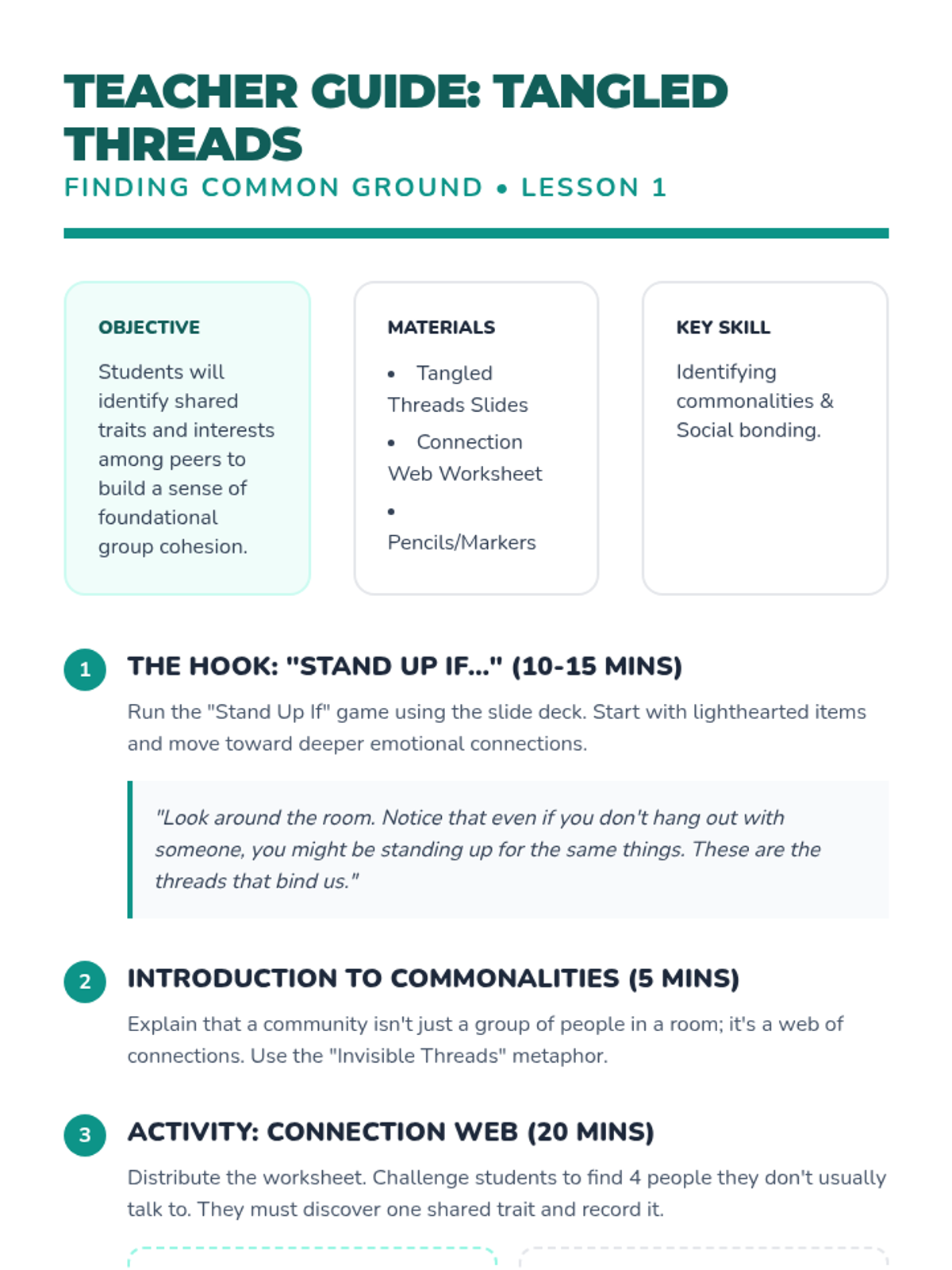
A 5th-grade counseling sequence focused on building a collective group identity. Students explore commonalities, individual strengths, and shared values to co-create a binding Class Charter that fosters a sense of belonging and mutual respect.
This sequence focuses on interpersonal skills to establish trust and psychological safety. Students master active listening, non-verbal cues, empathy, and conflict resolution, culminating in a community circle.
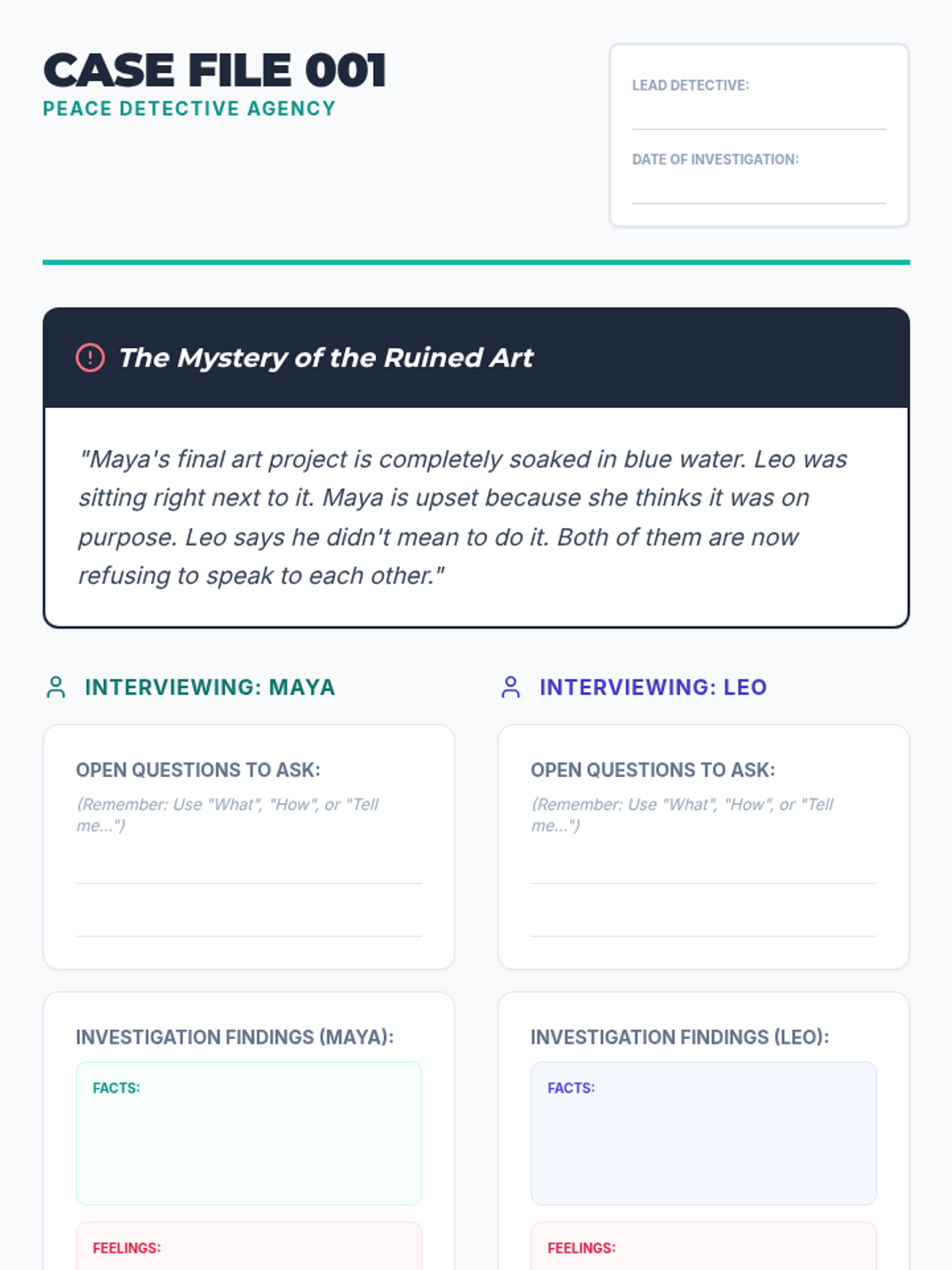
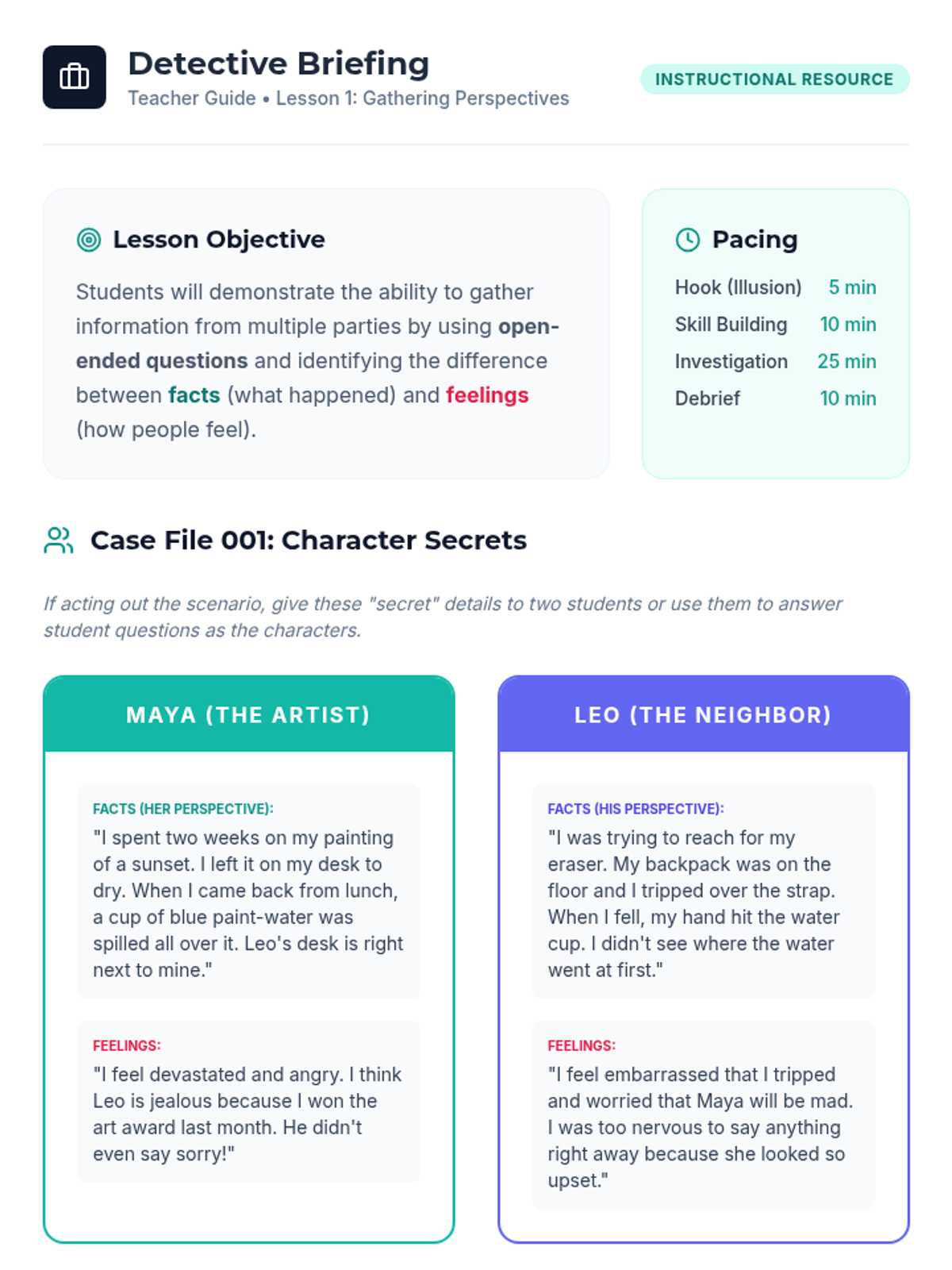
A 5th-grade social communication sequence focusing on peer mediation and negotiation. Students progress from gathering perspectives to managing complex simulations, ending with the creation of a mediation guide for others.
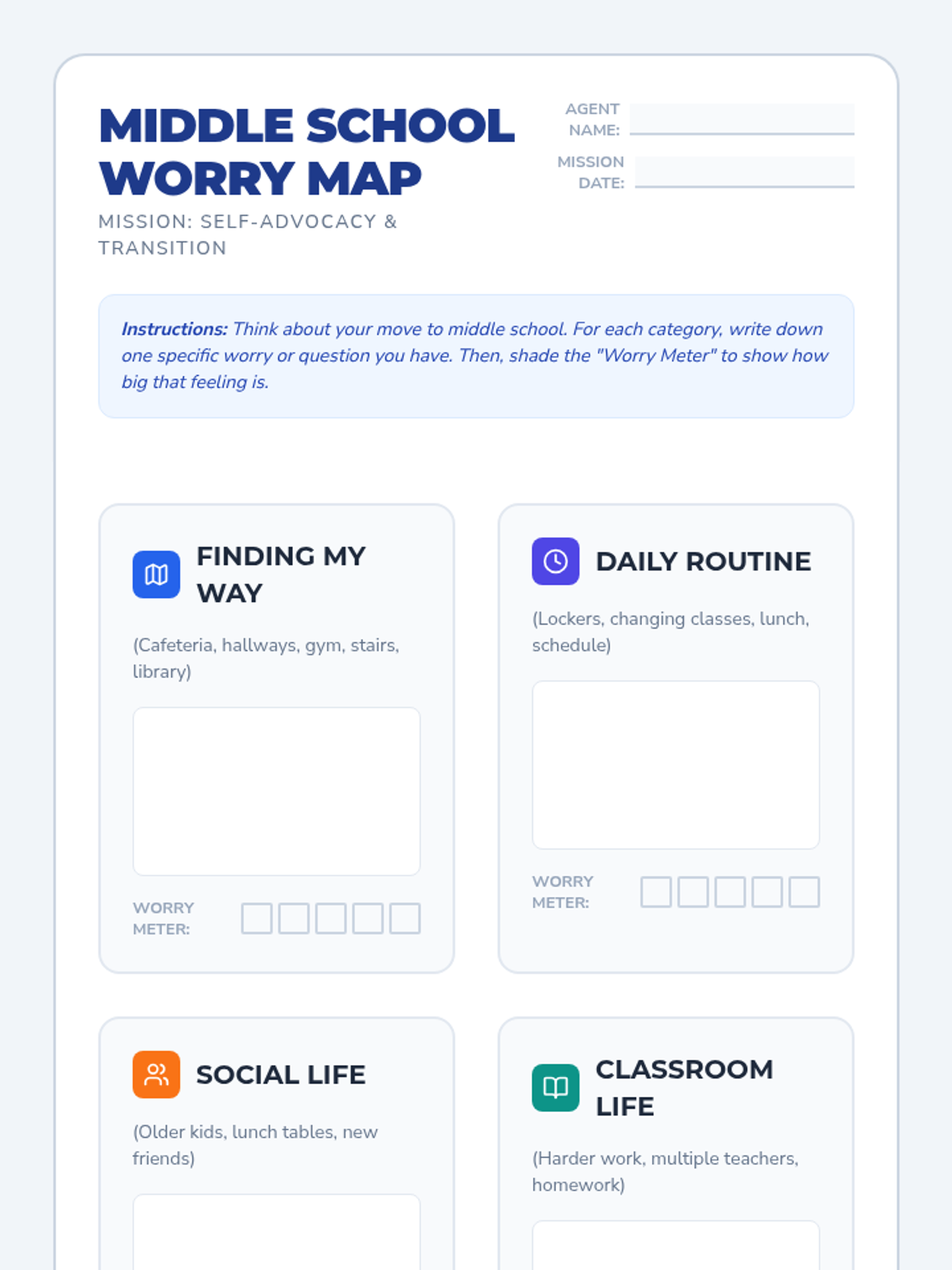
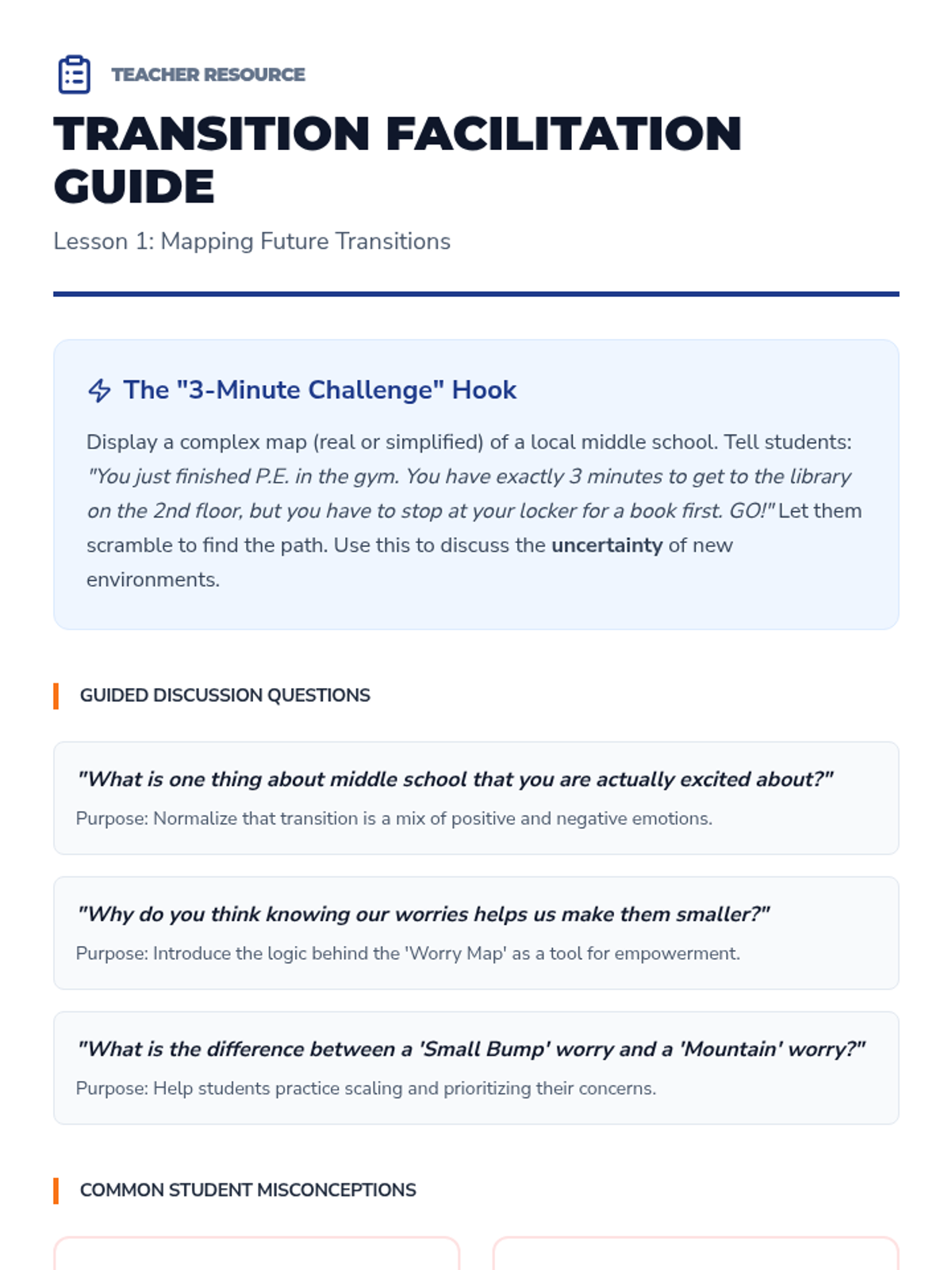
A 5-lesson sequence designed to help 5th-grade students prepare for middle school through self-advocacy and the creation of a 'User's Guide to Me.' Students identify stressors, define triggers, and draft assertive communication scripts to build confidence for their transition.
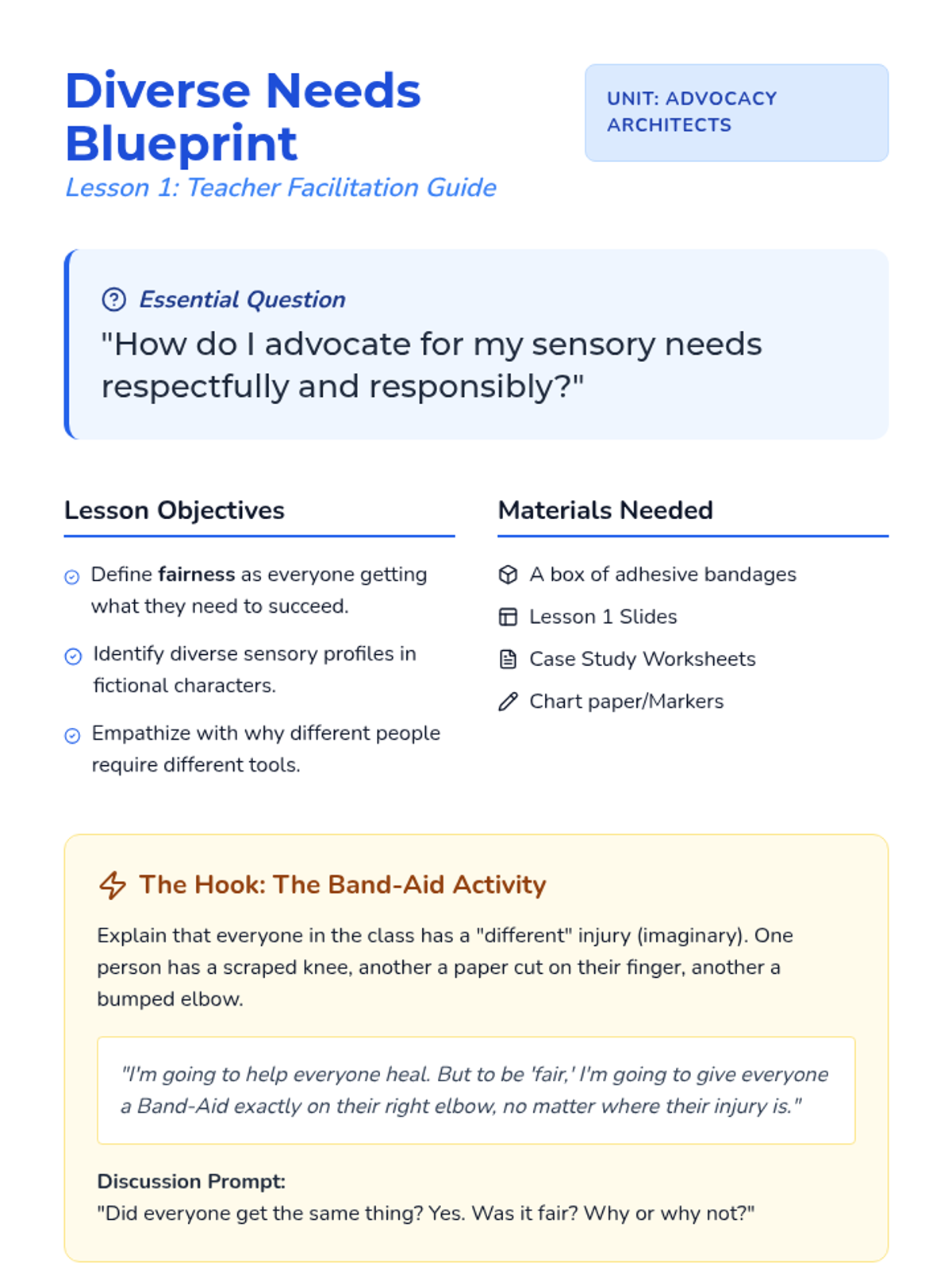
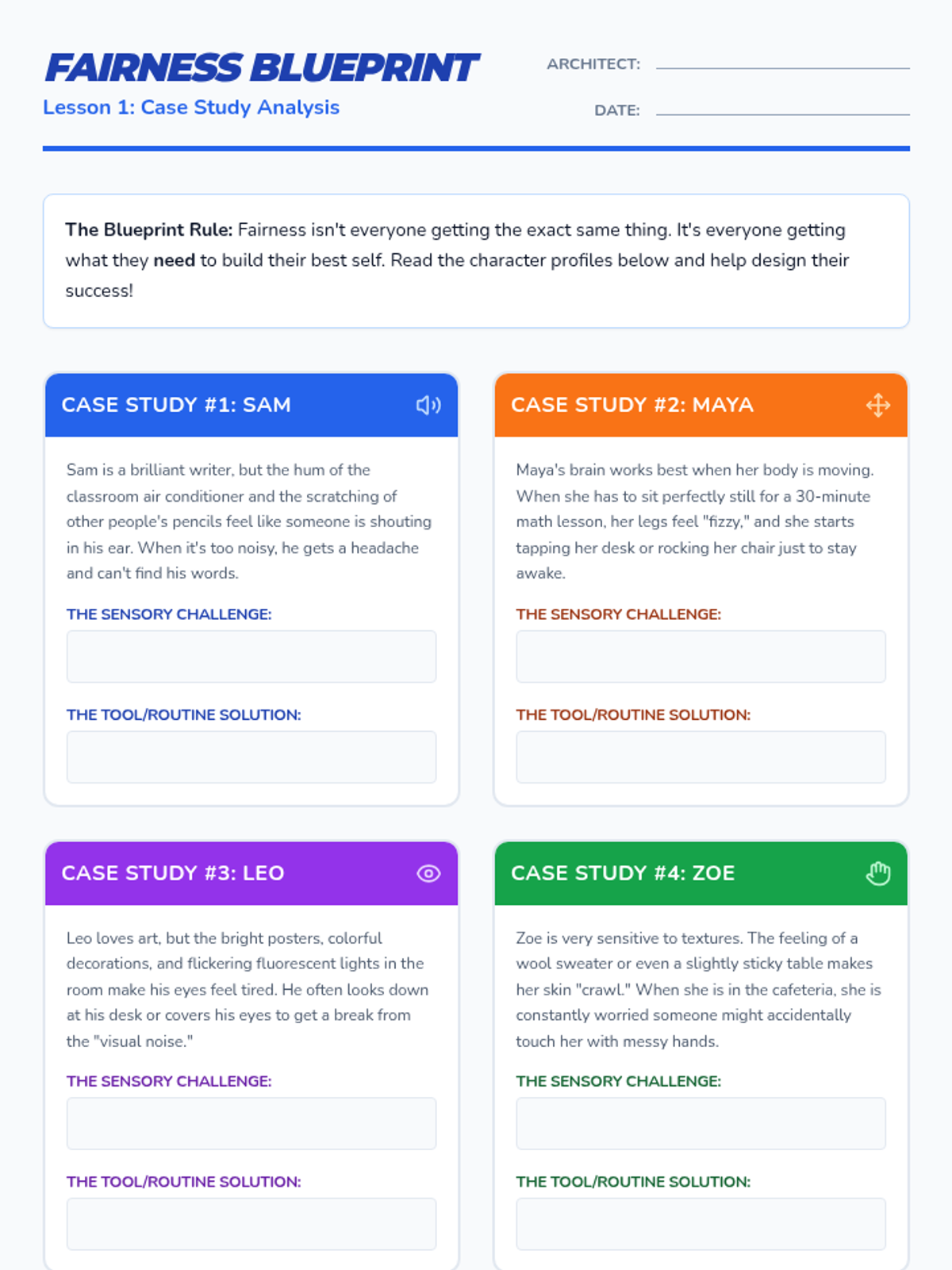
A 5-lesson sequence for 5th graders focused on applying sensory regulation strategies and practicing self-advocacy within a community. Students move from understanding diverse needs to mastering respectful communication and adapting their routines to real-world scenarios.
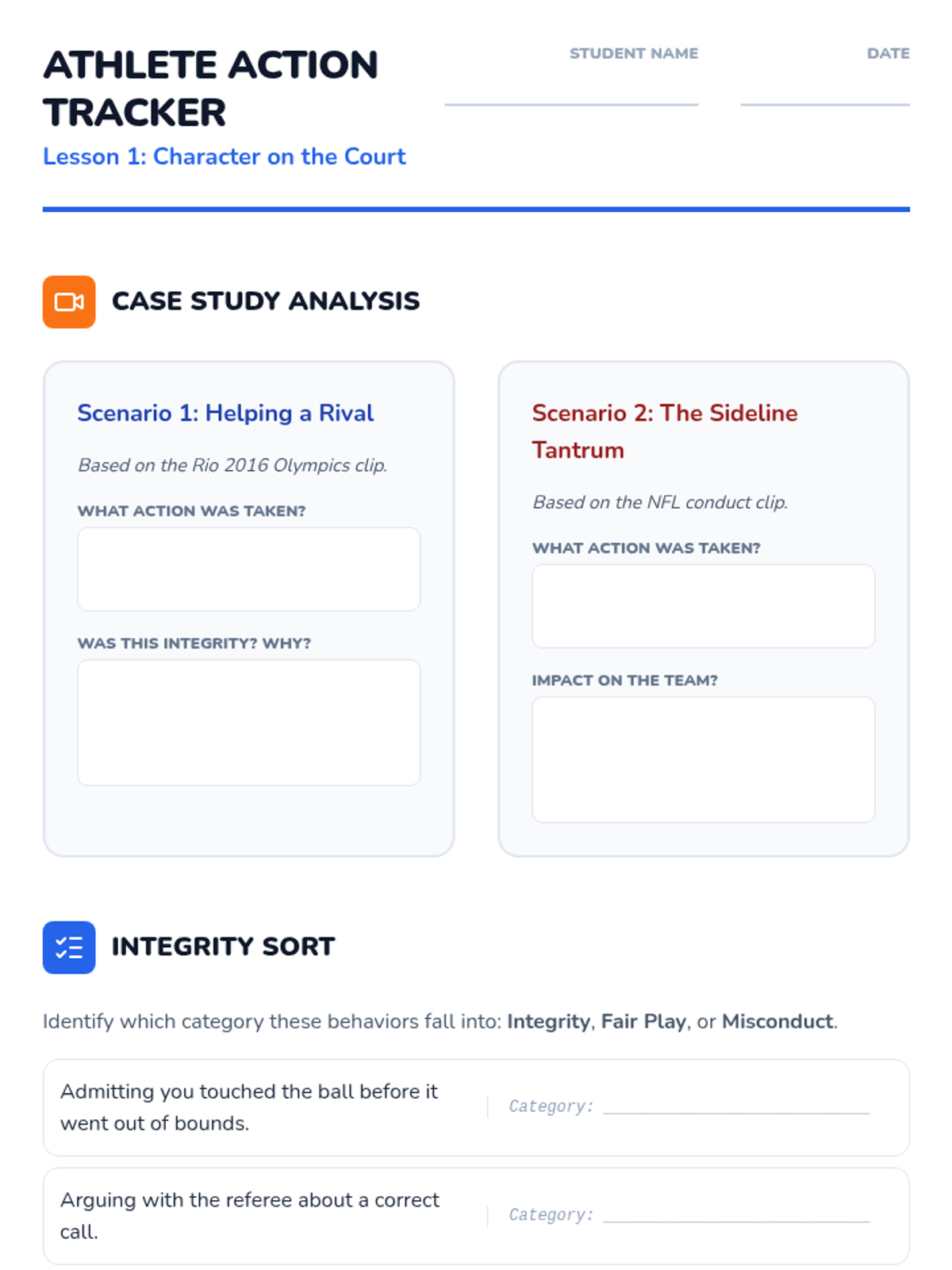
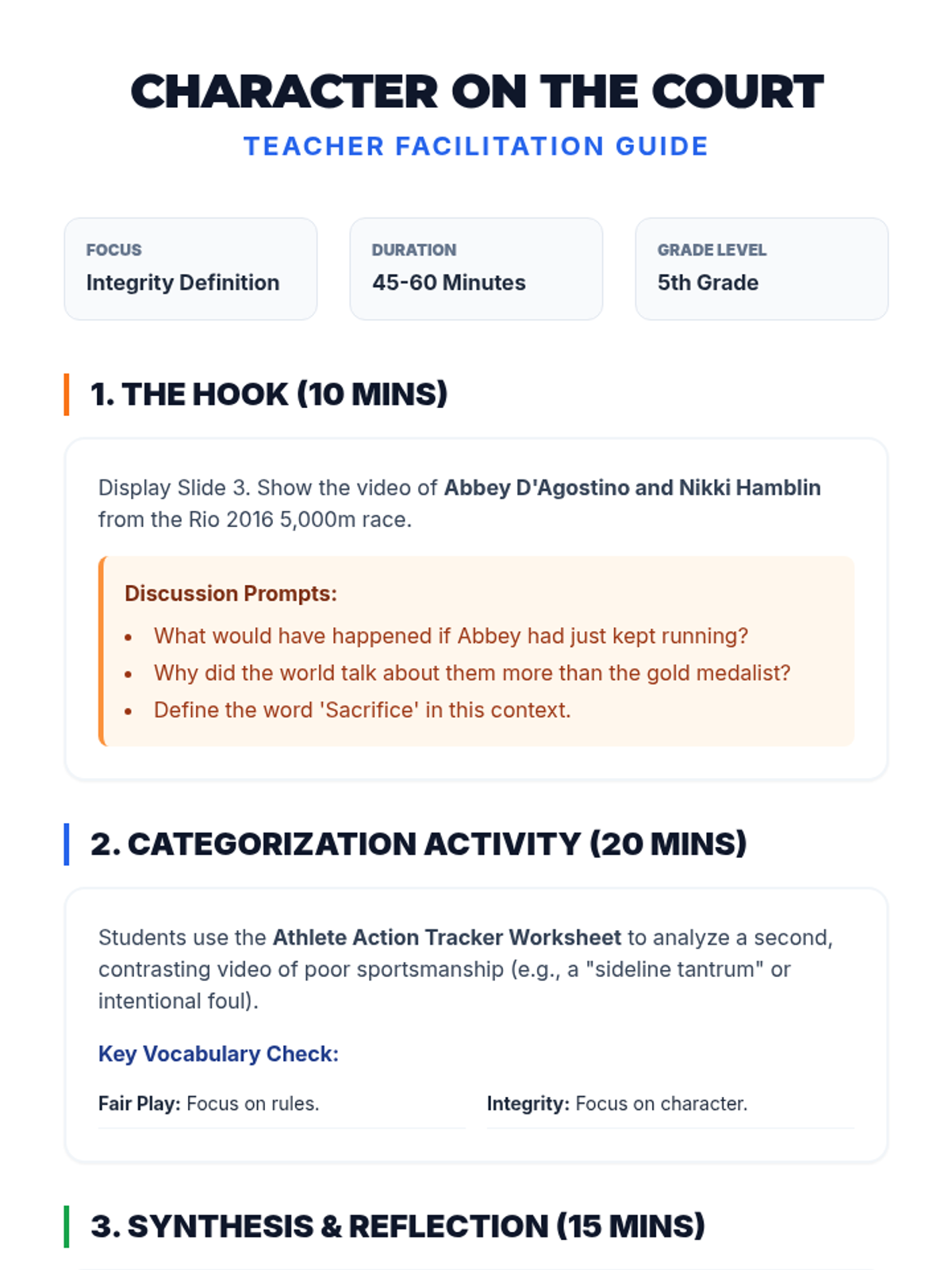
A 5-lesson unit for 5th graders exploring sportsmanship, integrity, and fair play through real-world case studies, debates, and personal reflection. Students move from defining basic ethical behavior to navigating complex grey areas and developing their own athlete's credo.
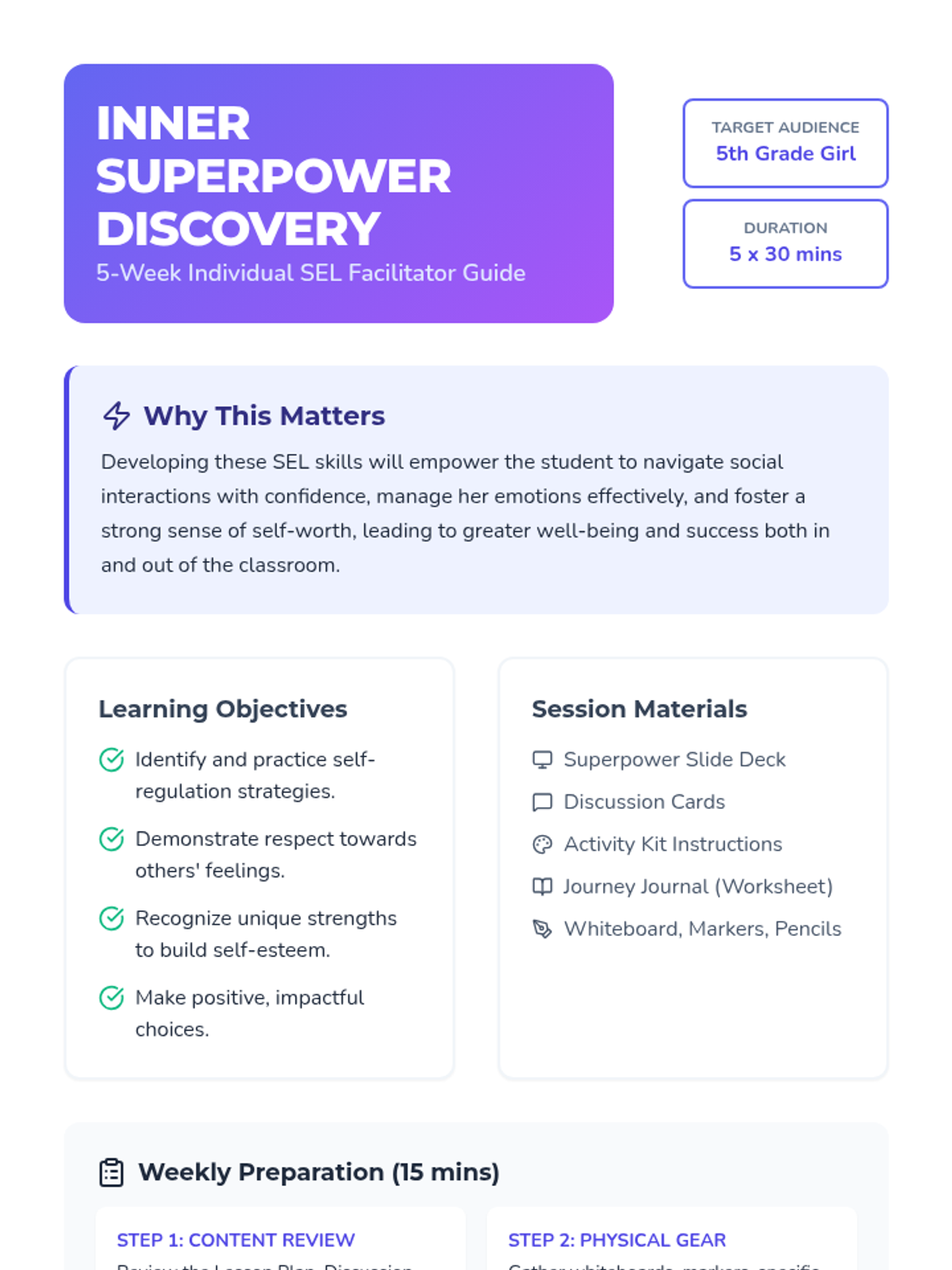
A 5-week individual SEL program for a 5th-grade girl, focusing on self-regulation, respect, self-esteem, and positive decision-making through the lens of 'Inner Superpowers'.
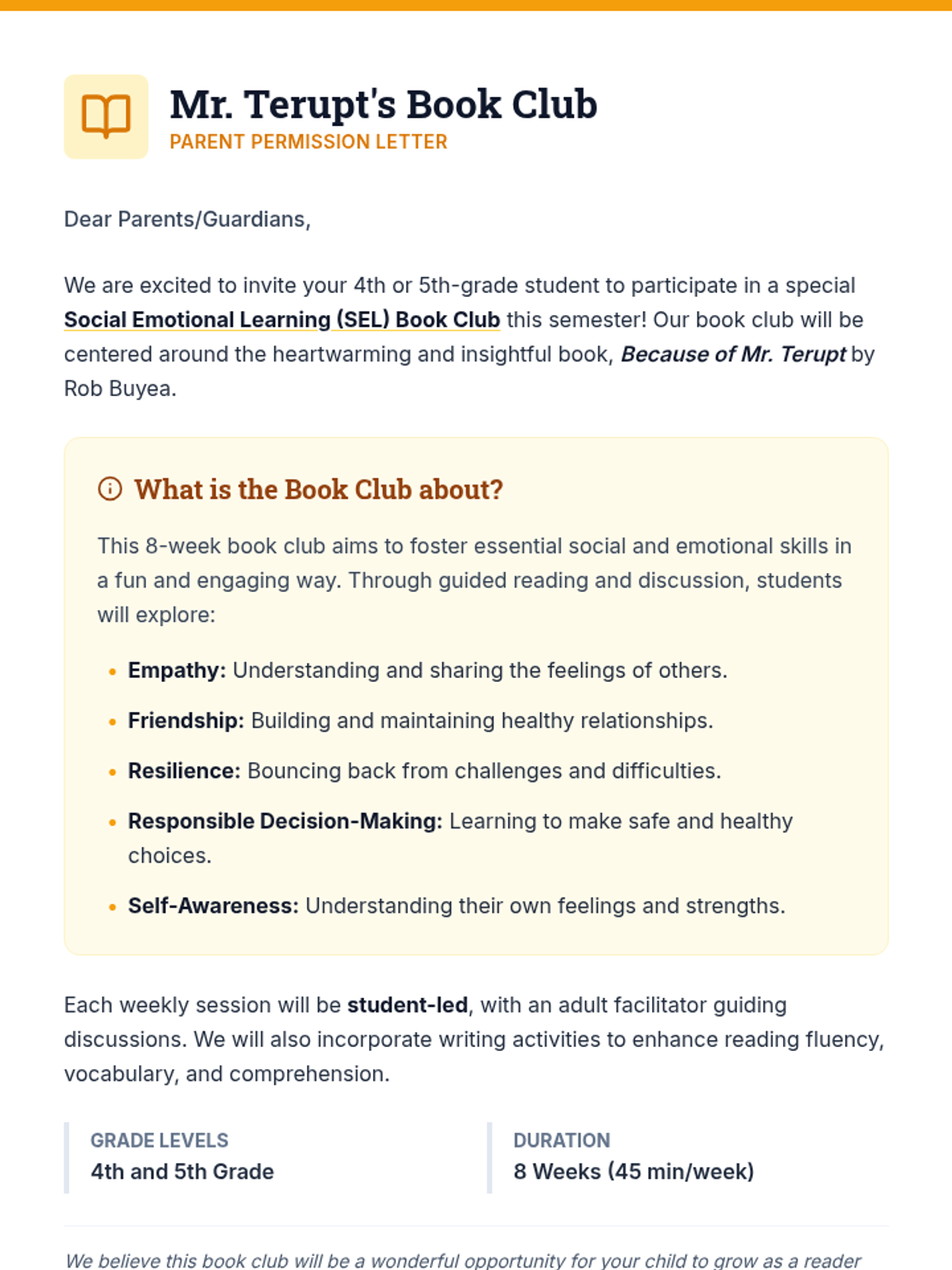
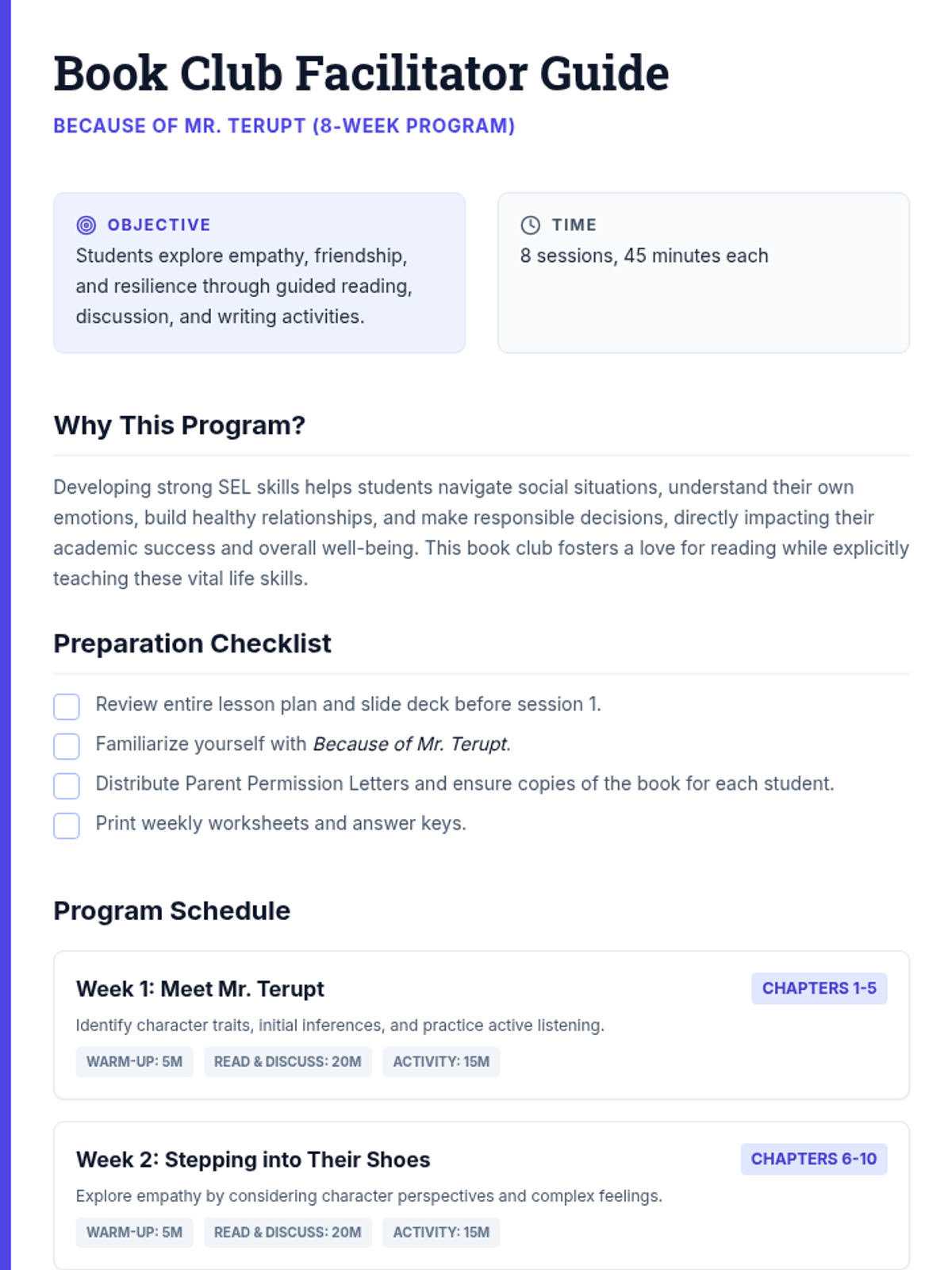
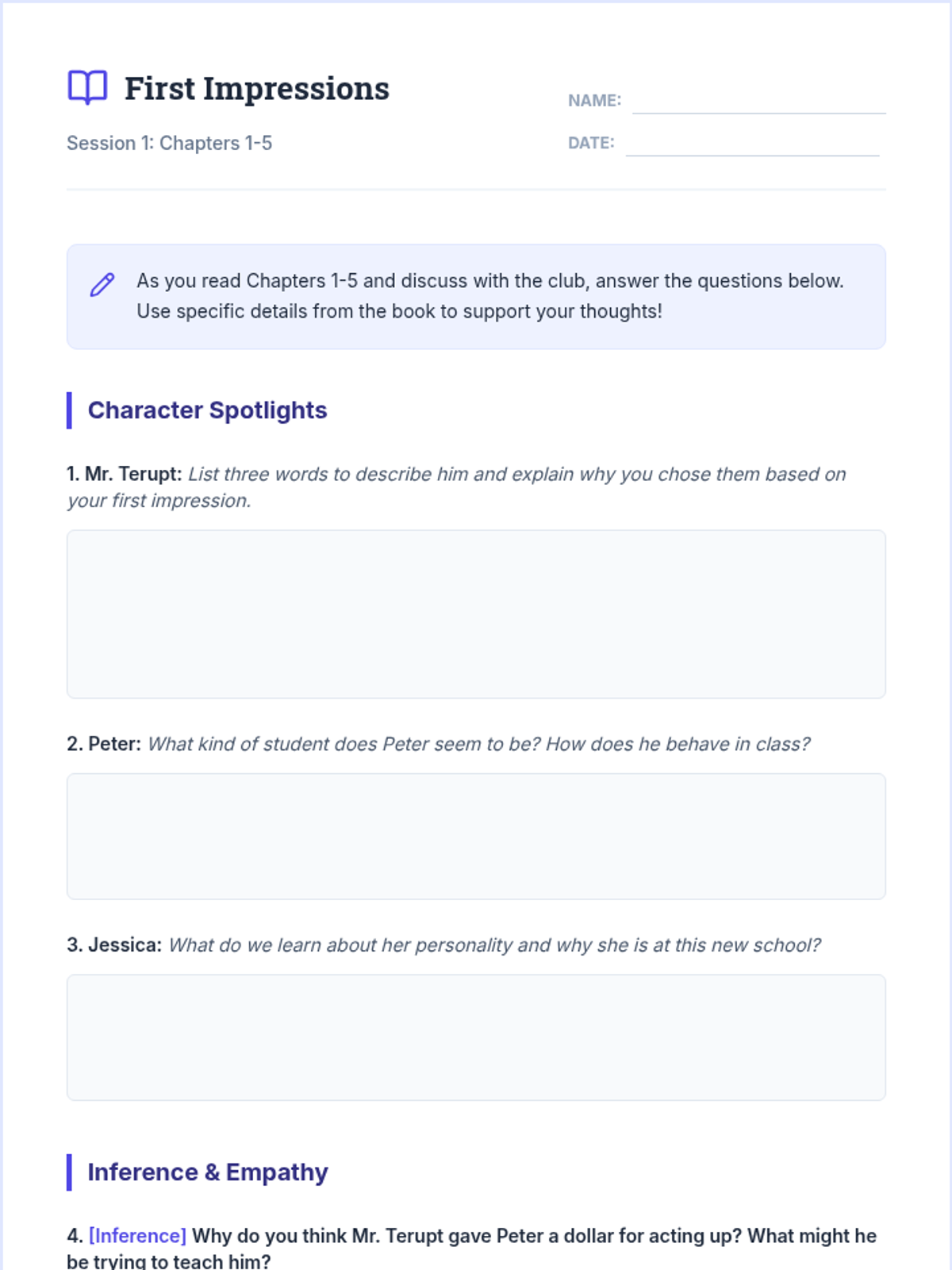
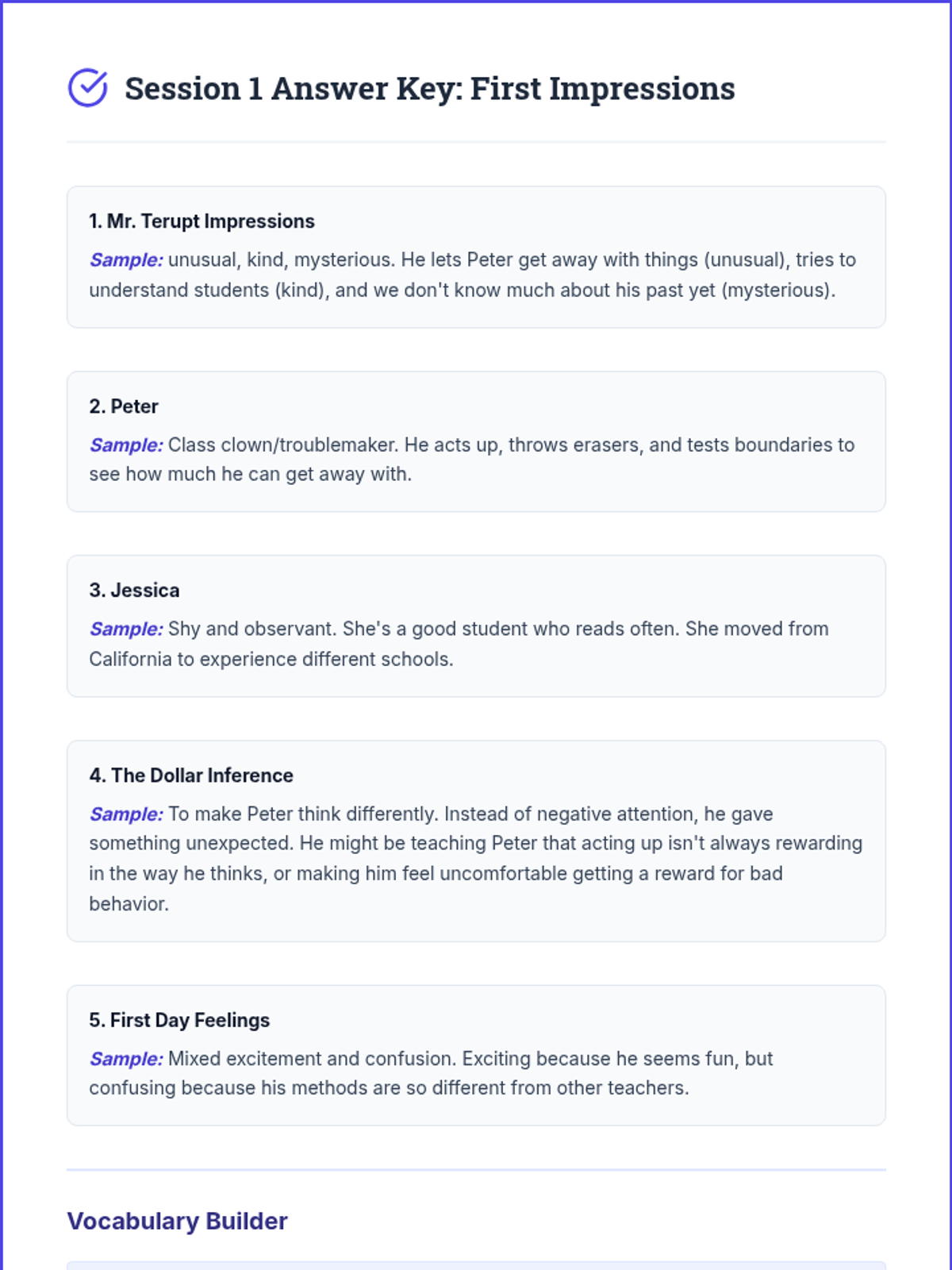
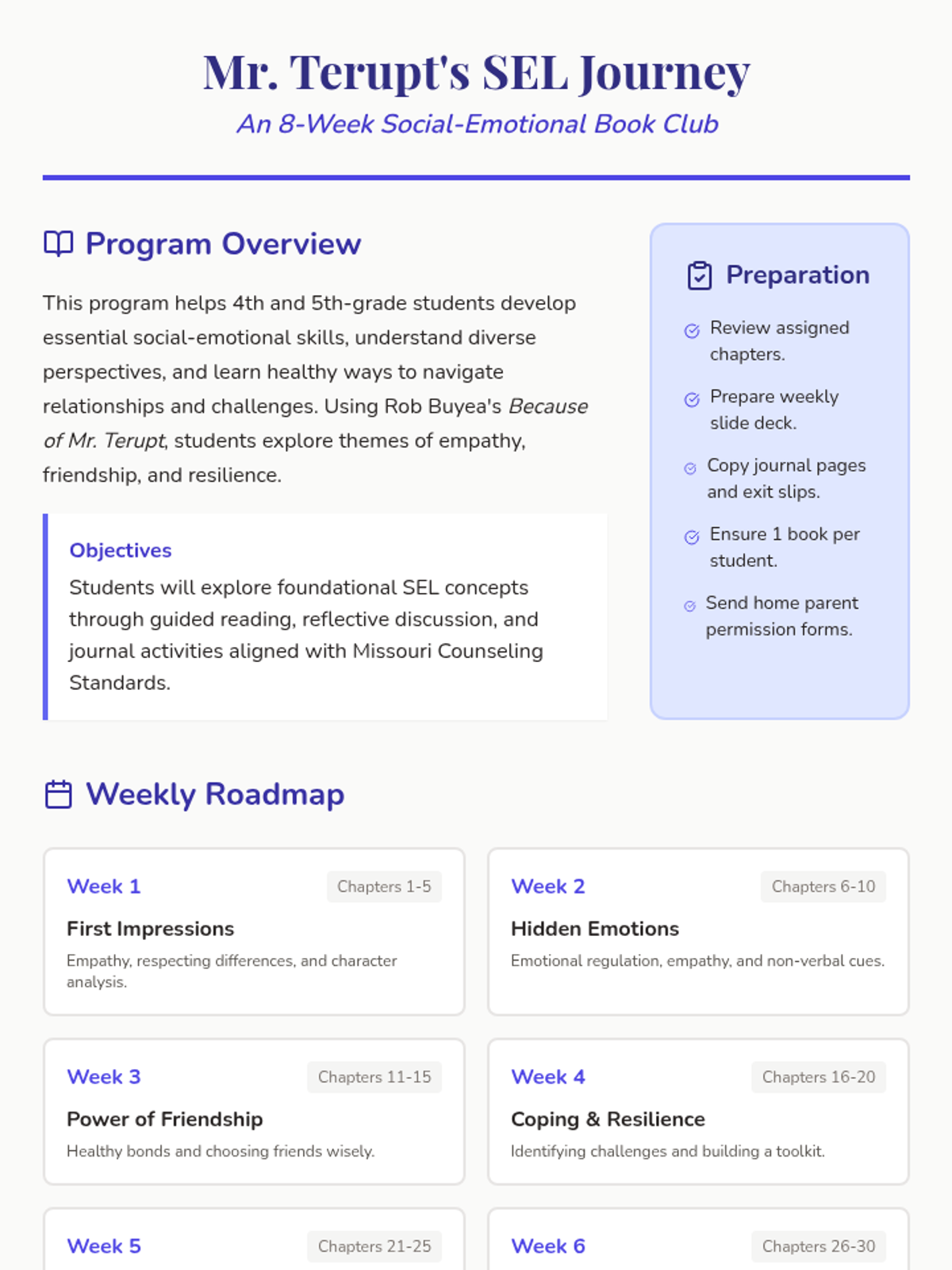
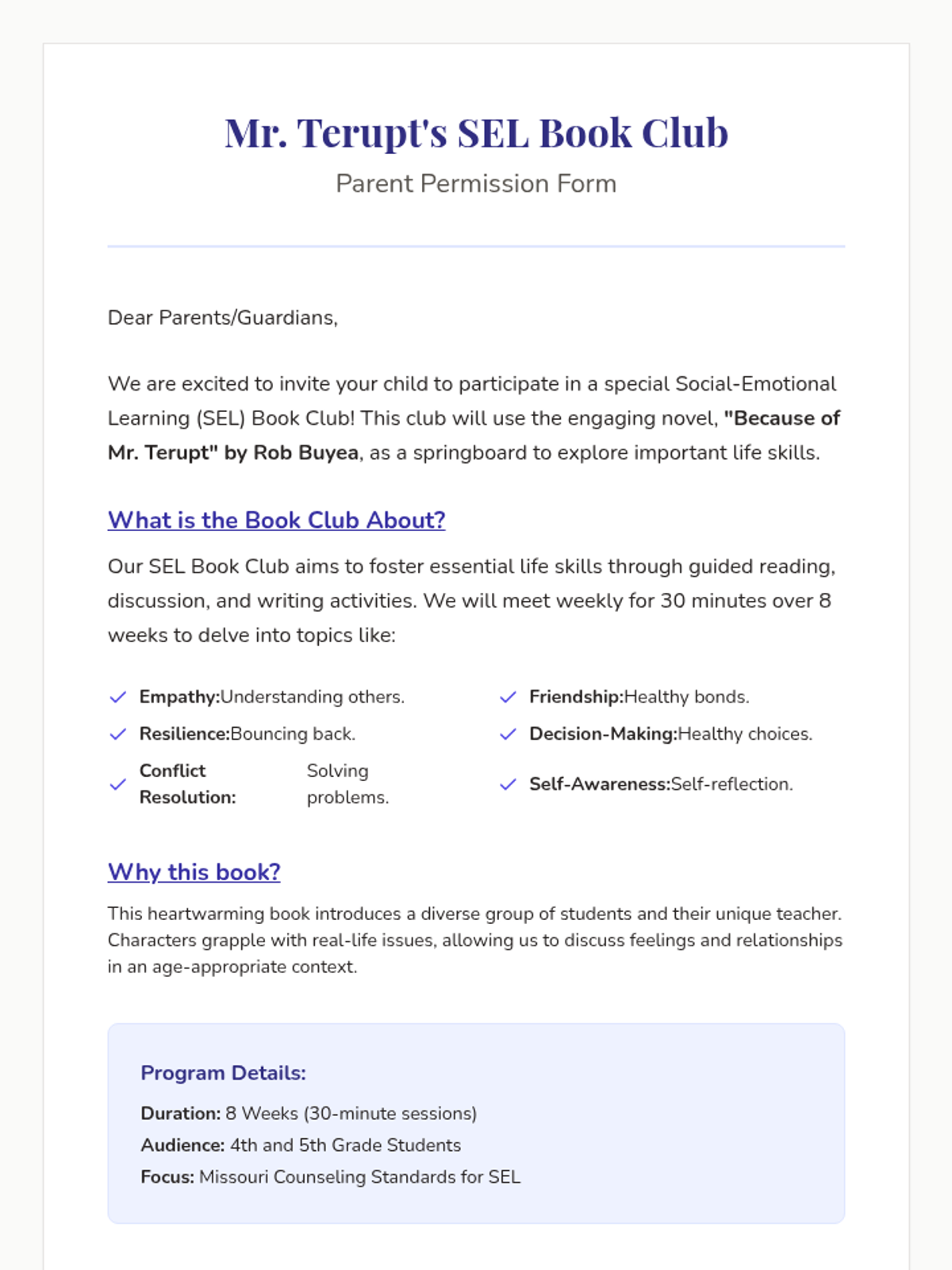
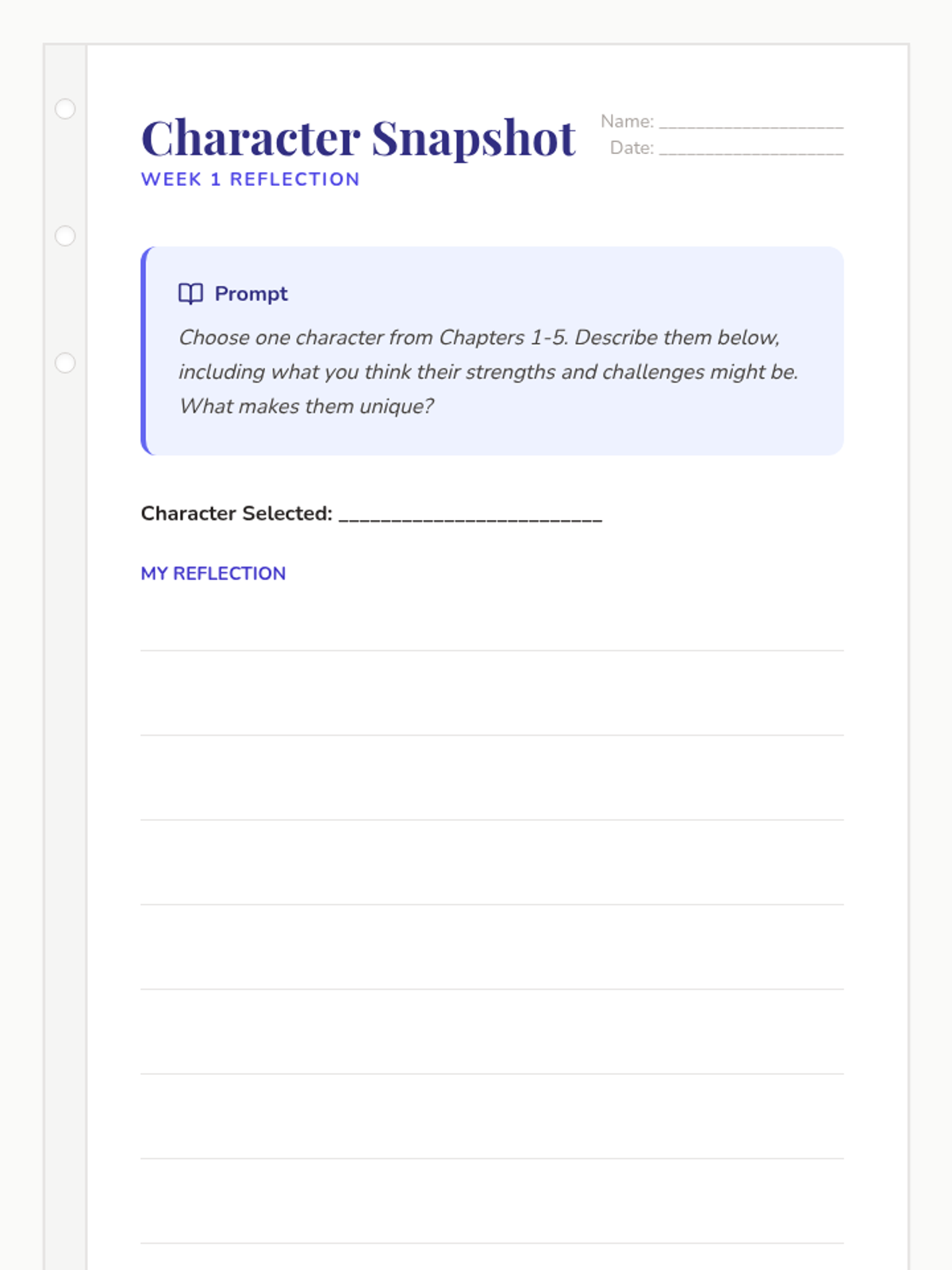
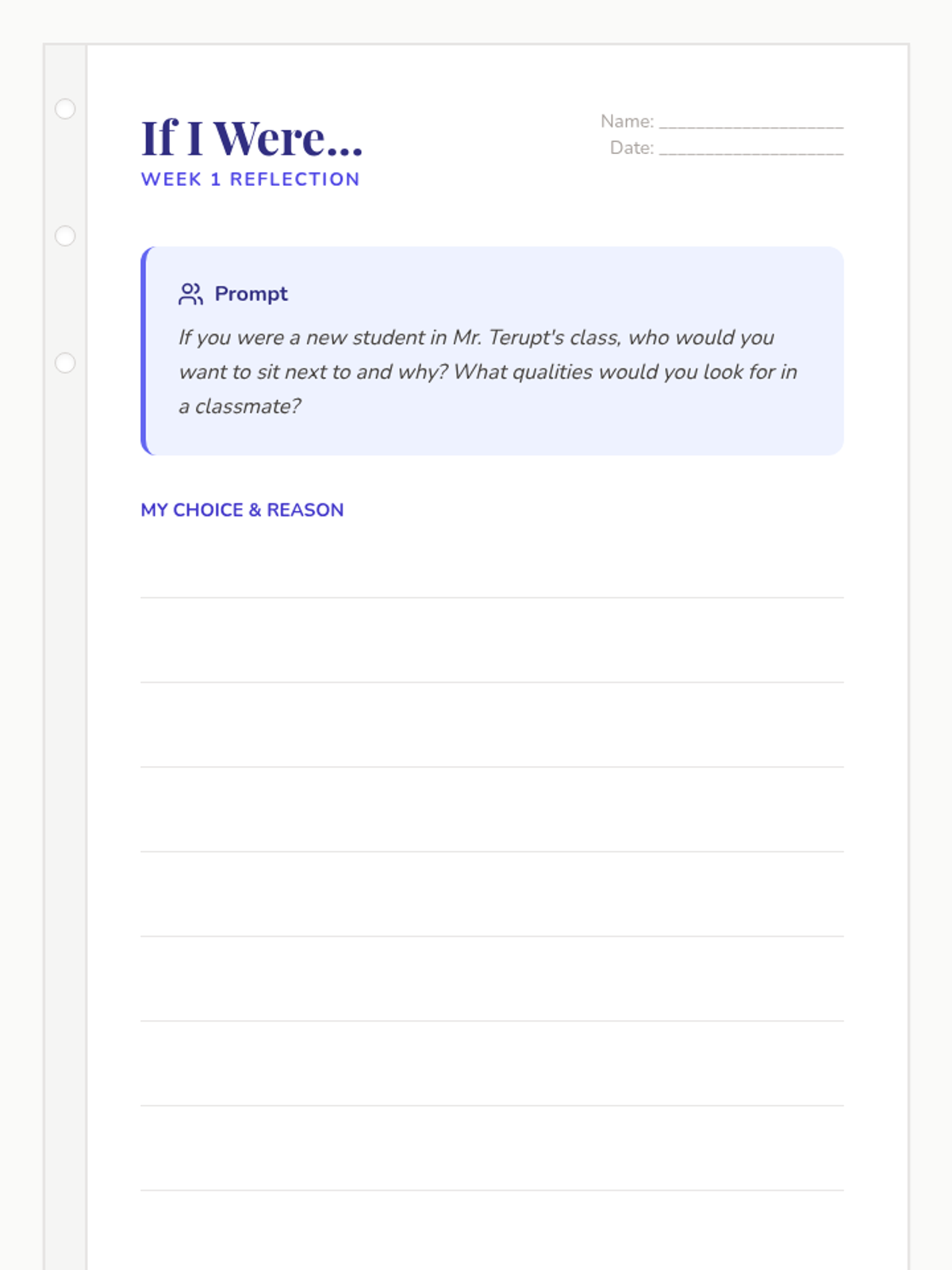
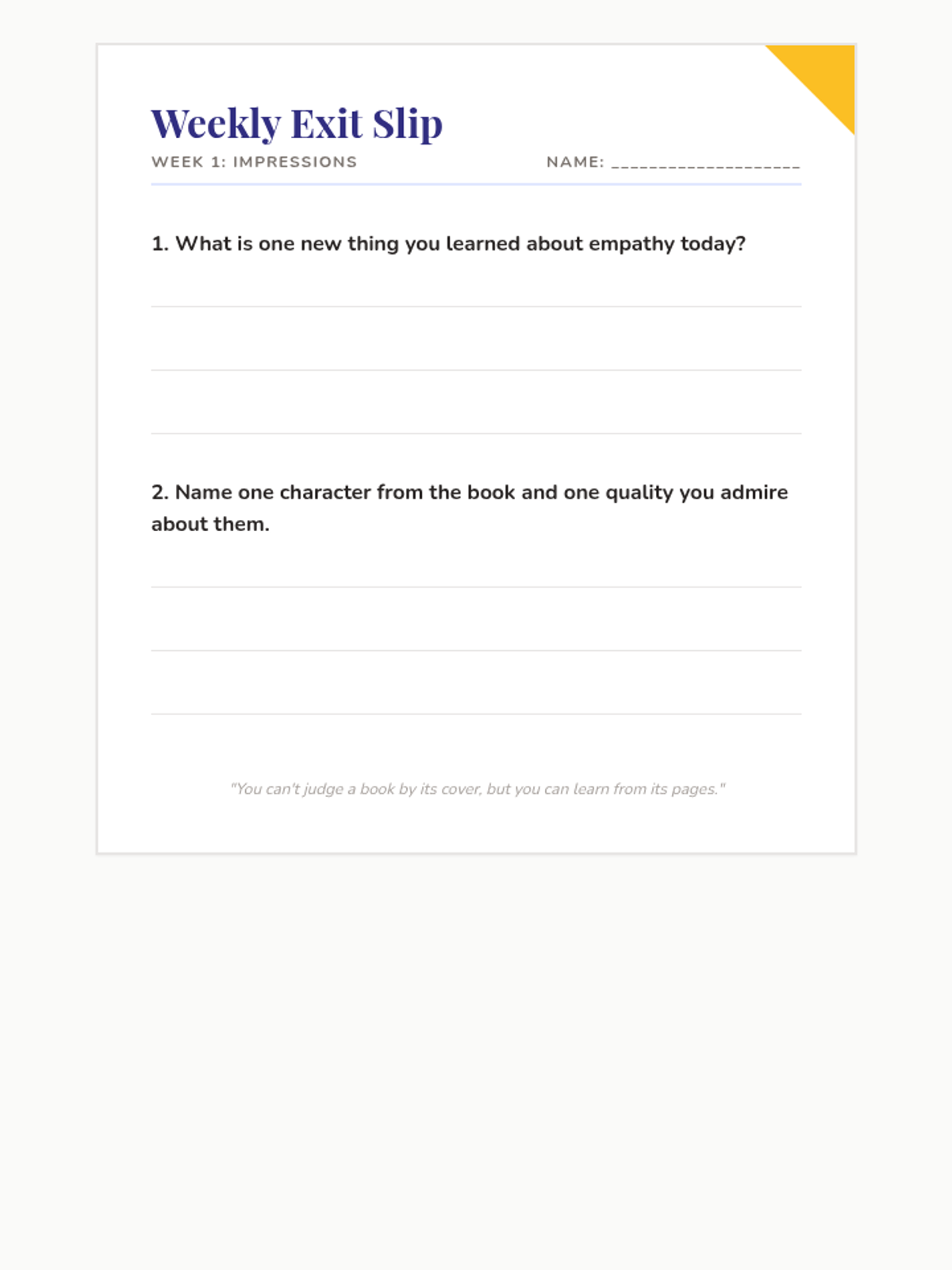
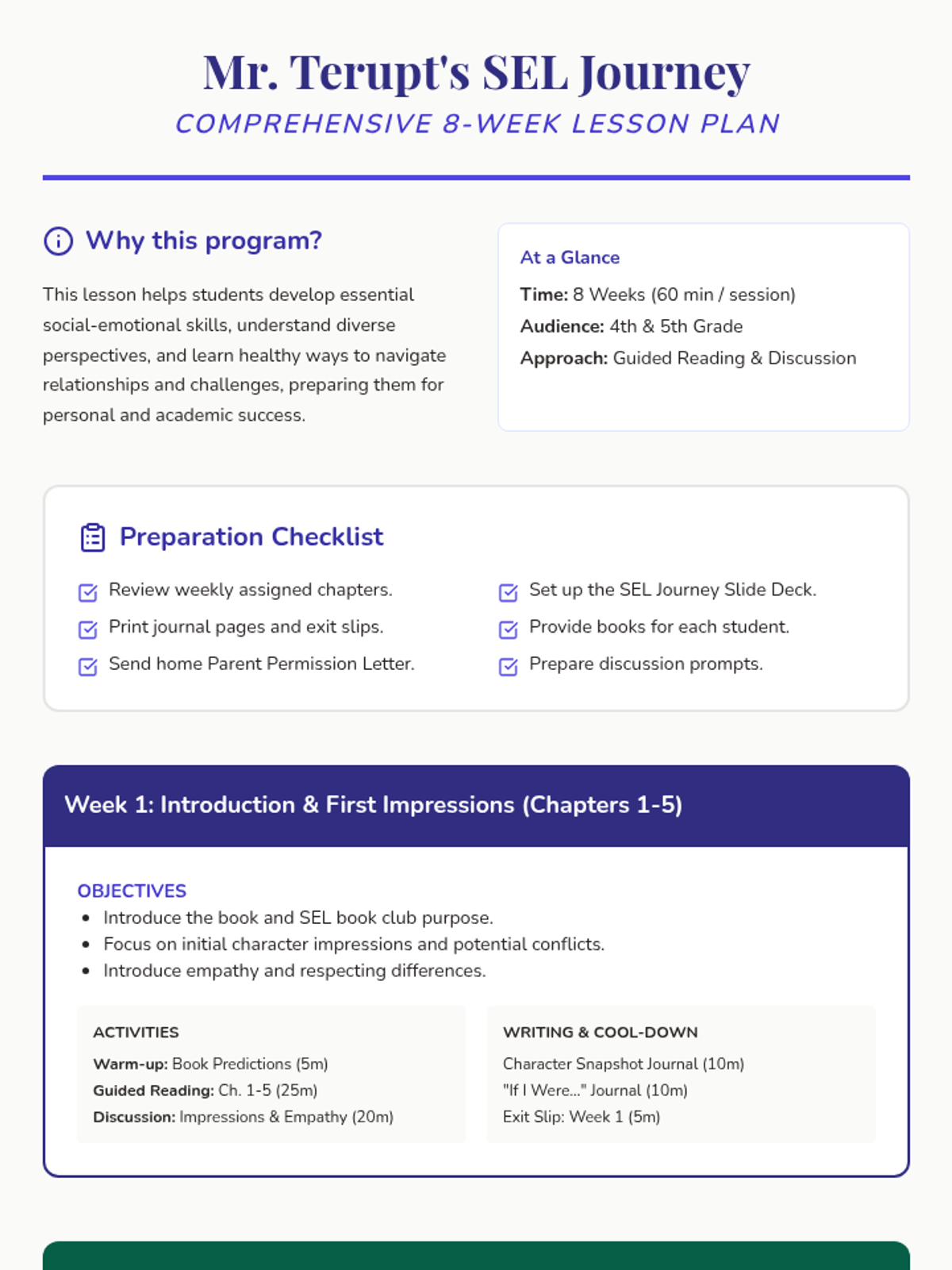
An 8-week student-led book club sequence for 4th and 5th graders centered around 'Because of Mr. Terupt'. Students explore empathy, friendship, and resilience through guided discussion and reflection.
An 8-week social-emotional book club for 4th and 5th graders using Rob Buyea's 'Because of Mr. Terupt' to explore empathy, friendship, and resilience.
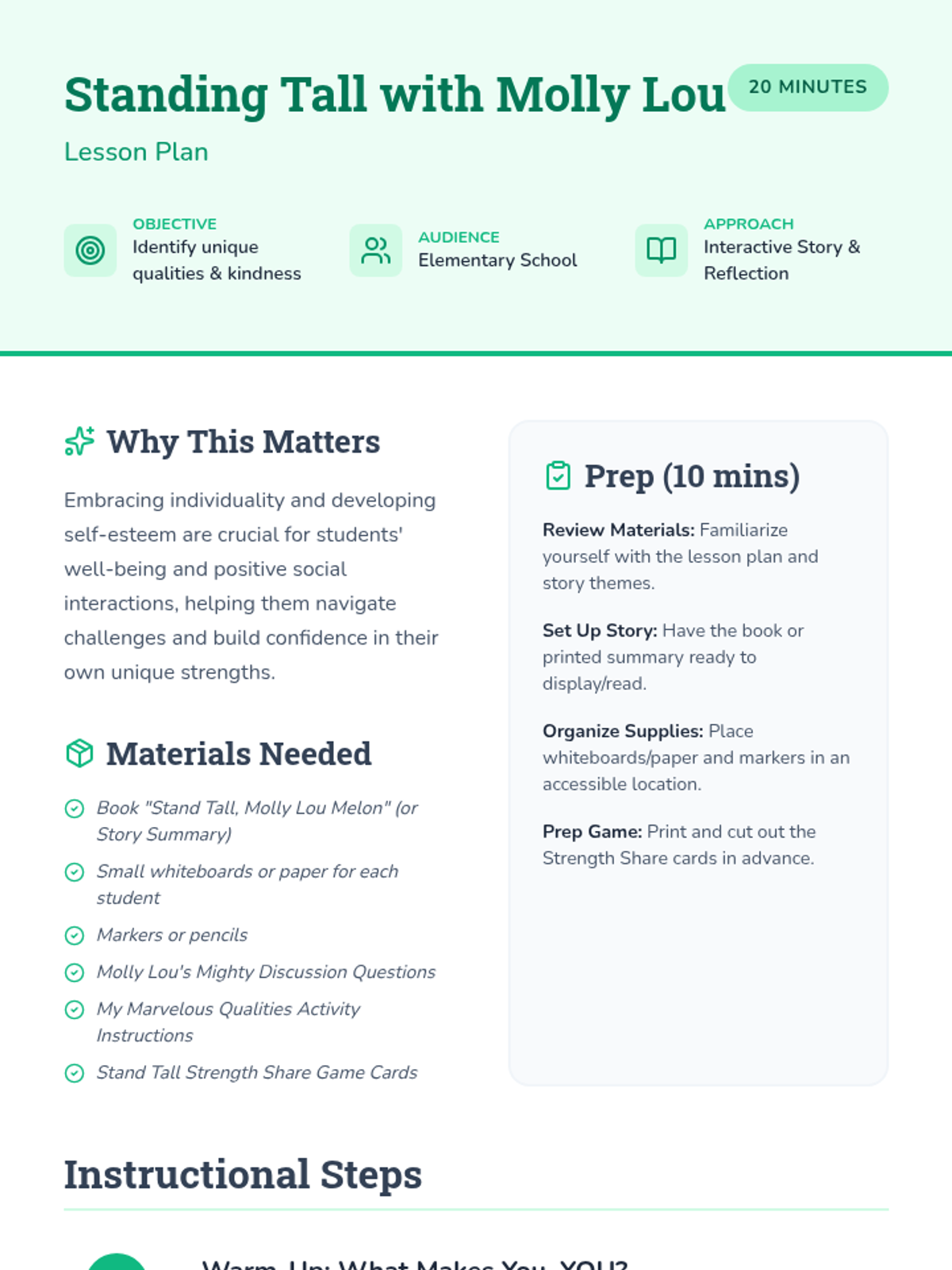
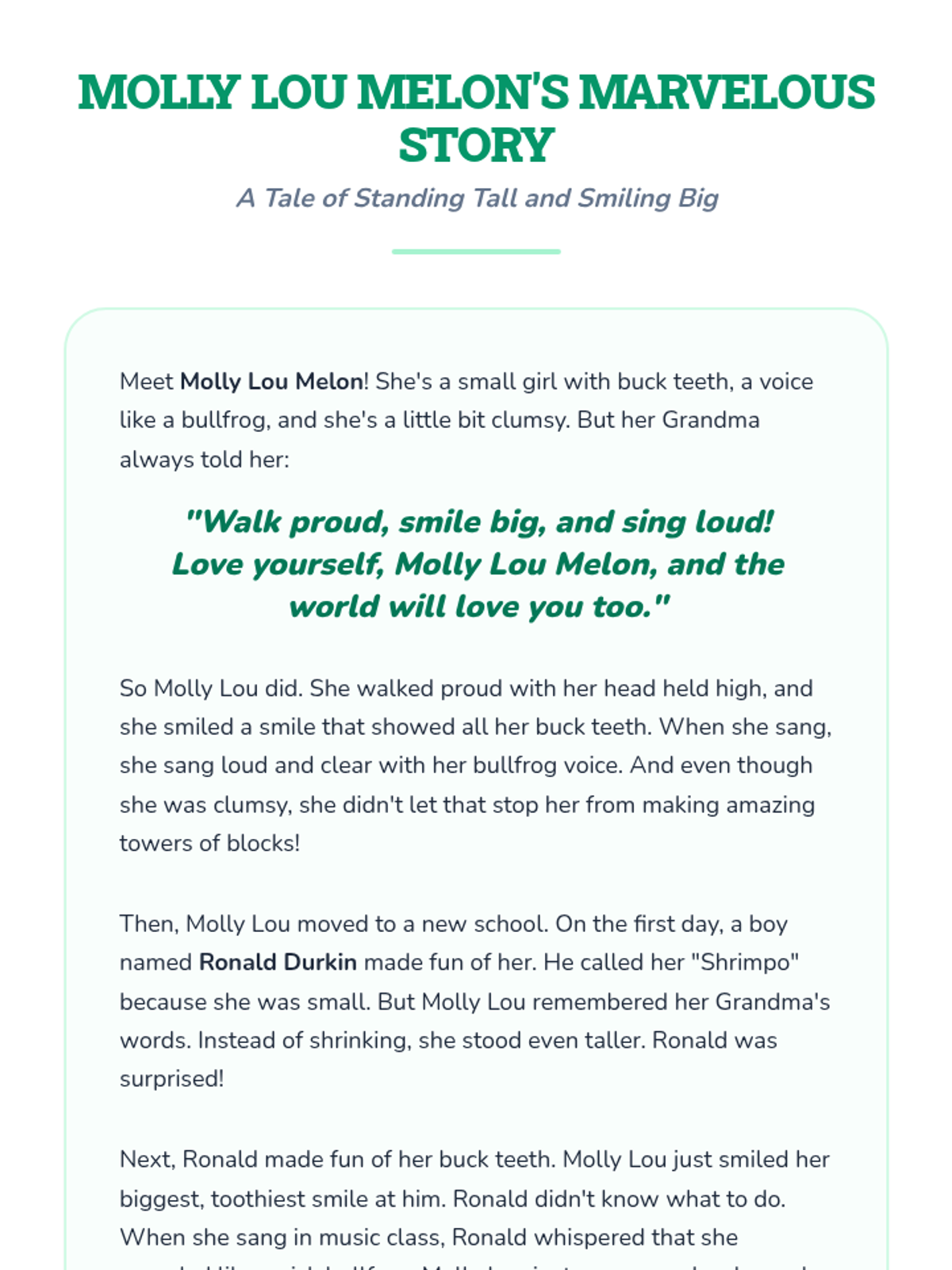
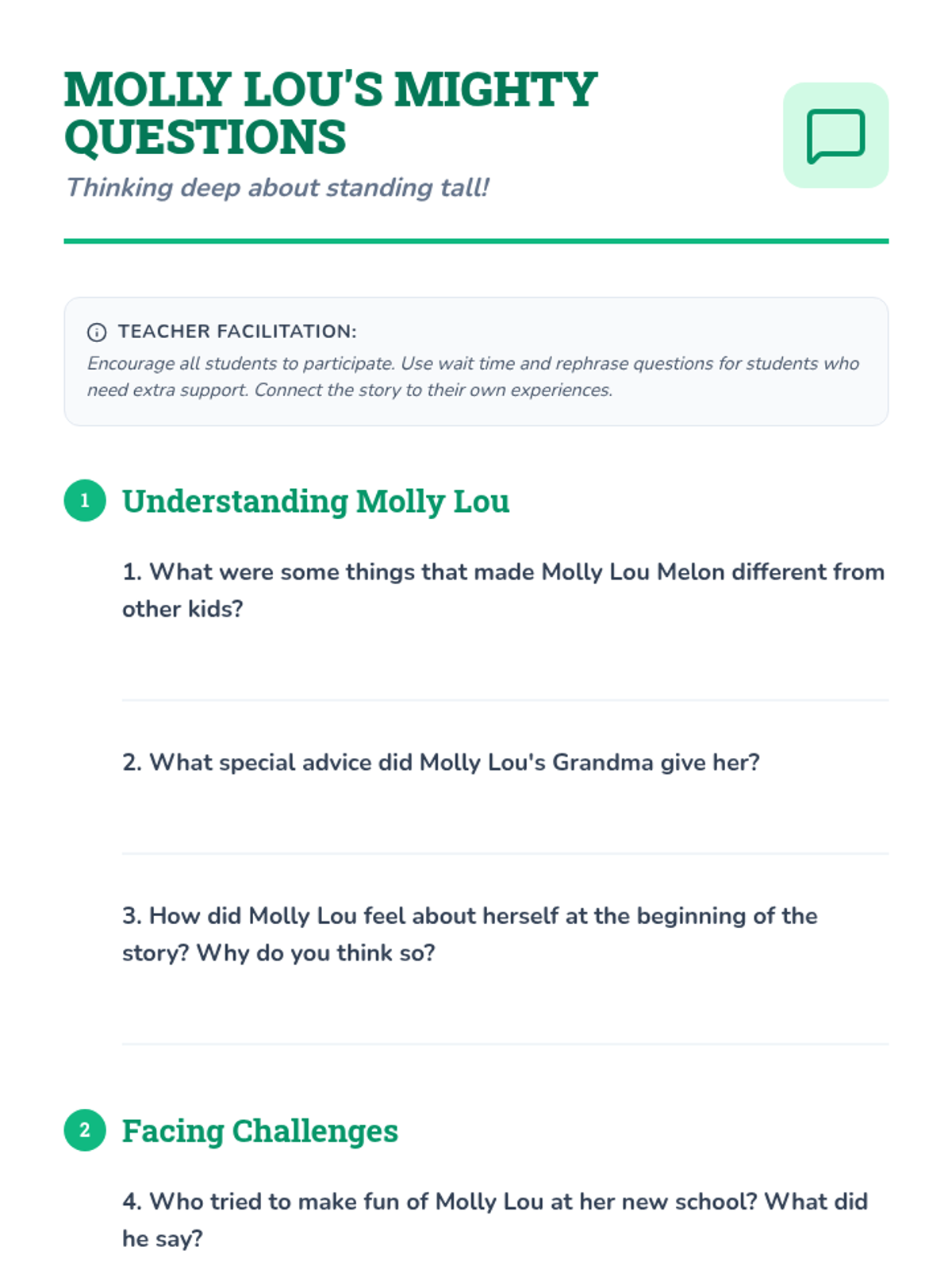
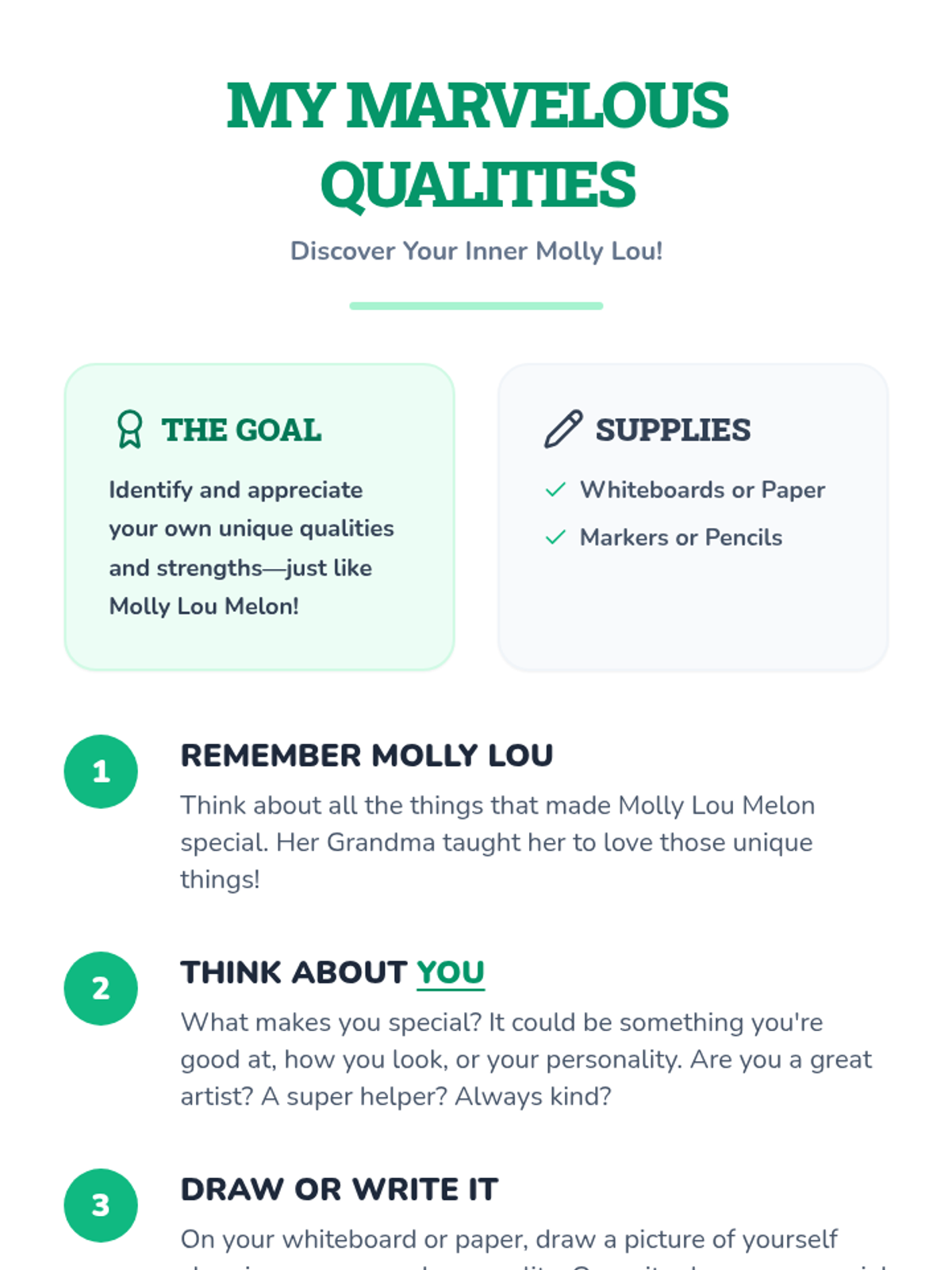
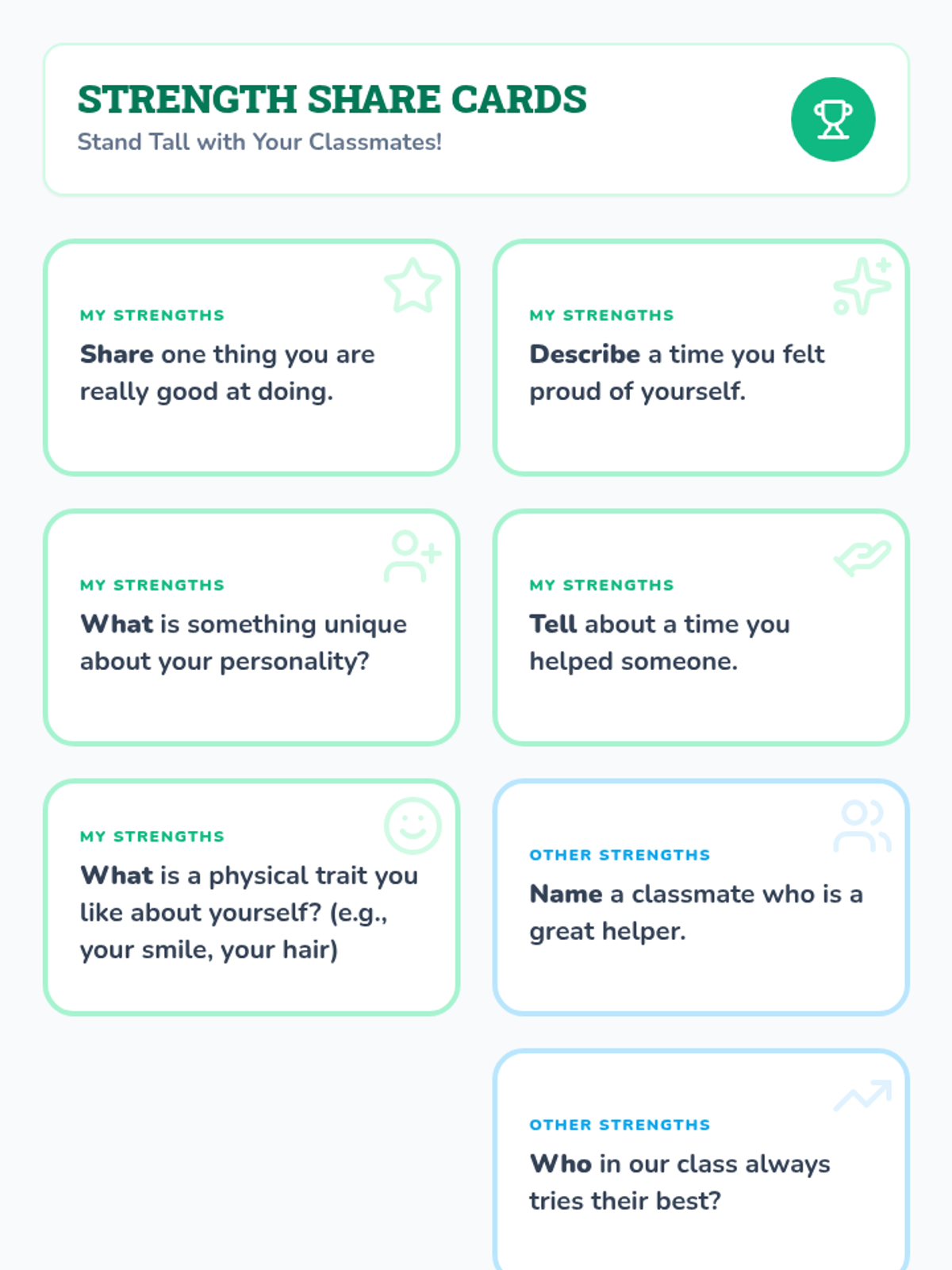
A series of two lessons for elementary students focused on building social-emotional skills through character study and developing reading comprehension through mystery-solving. Students explore self-esteem with Molly Lou Melon and practice identifying key details with the Case of the Missing Cookies.
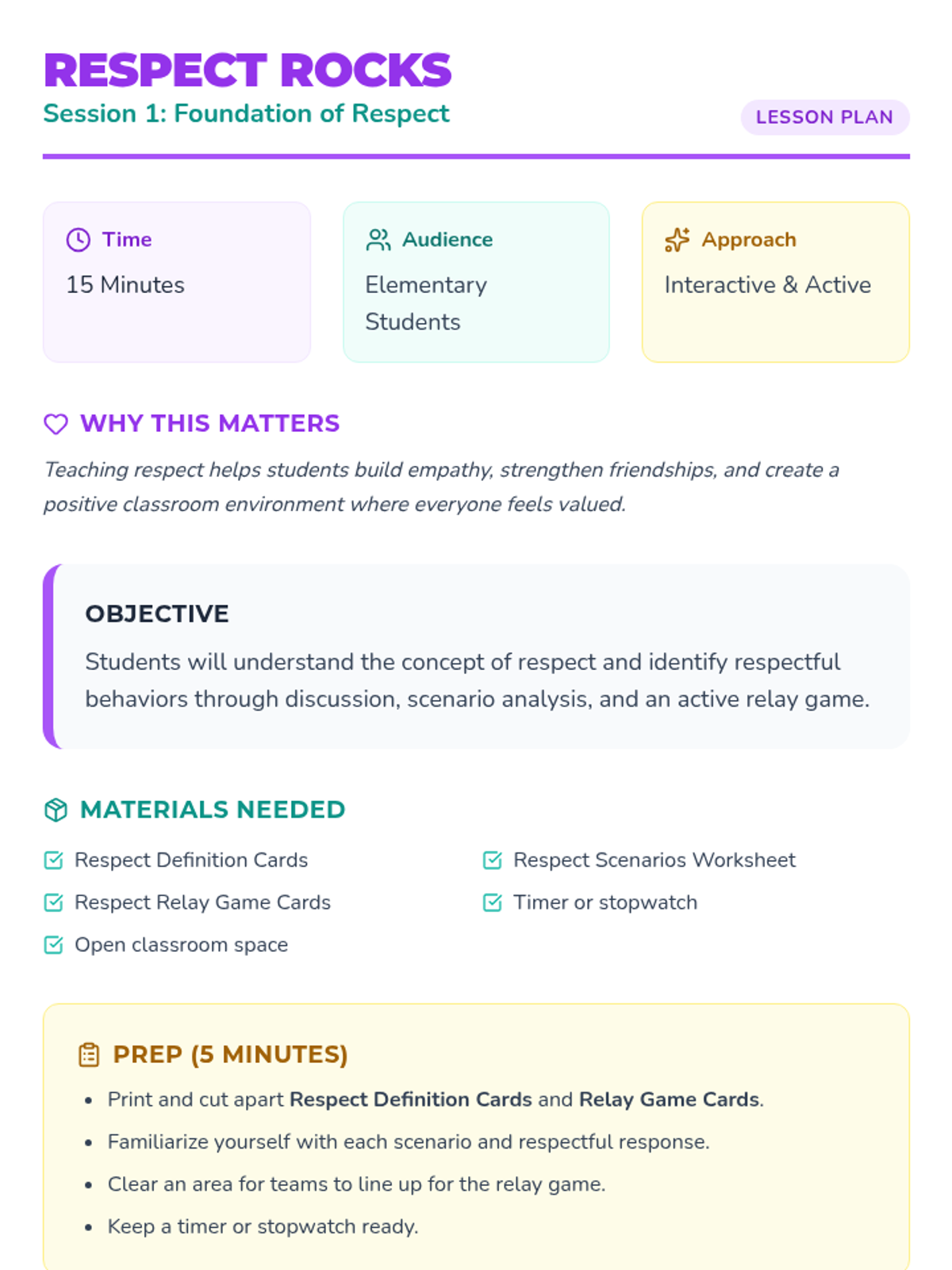
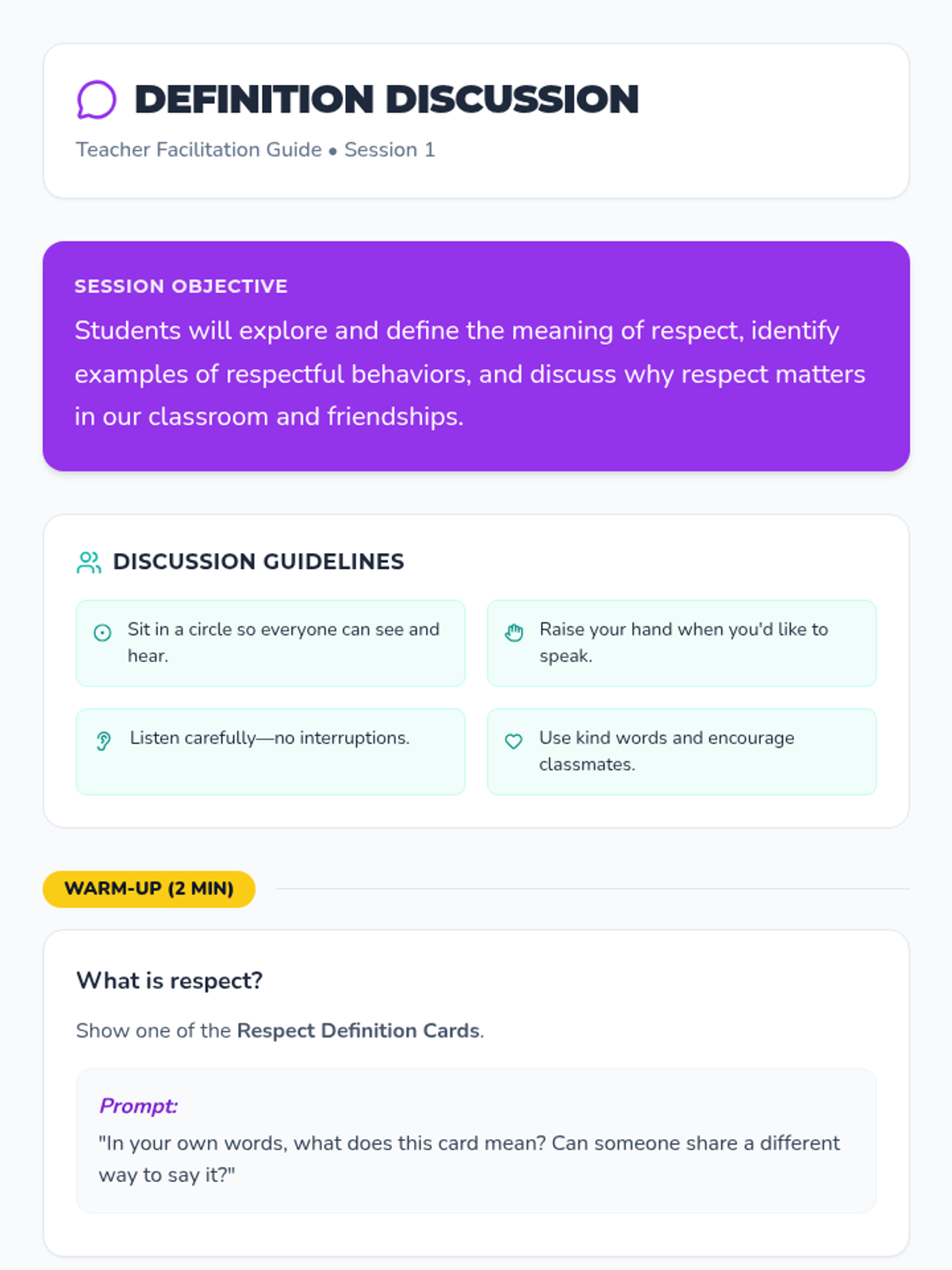
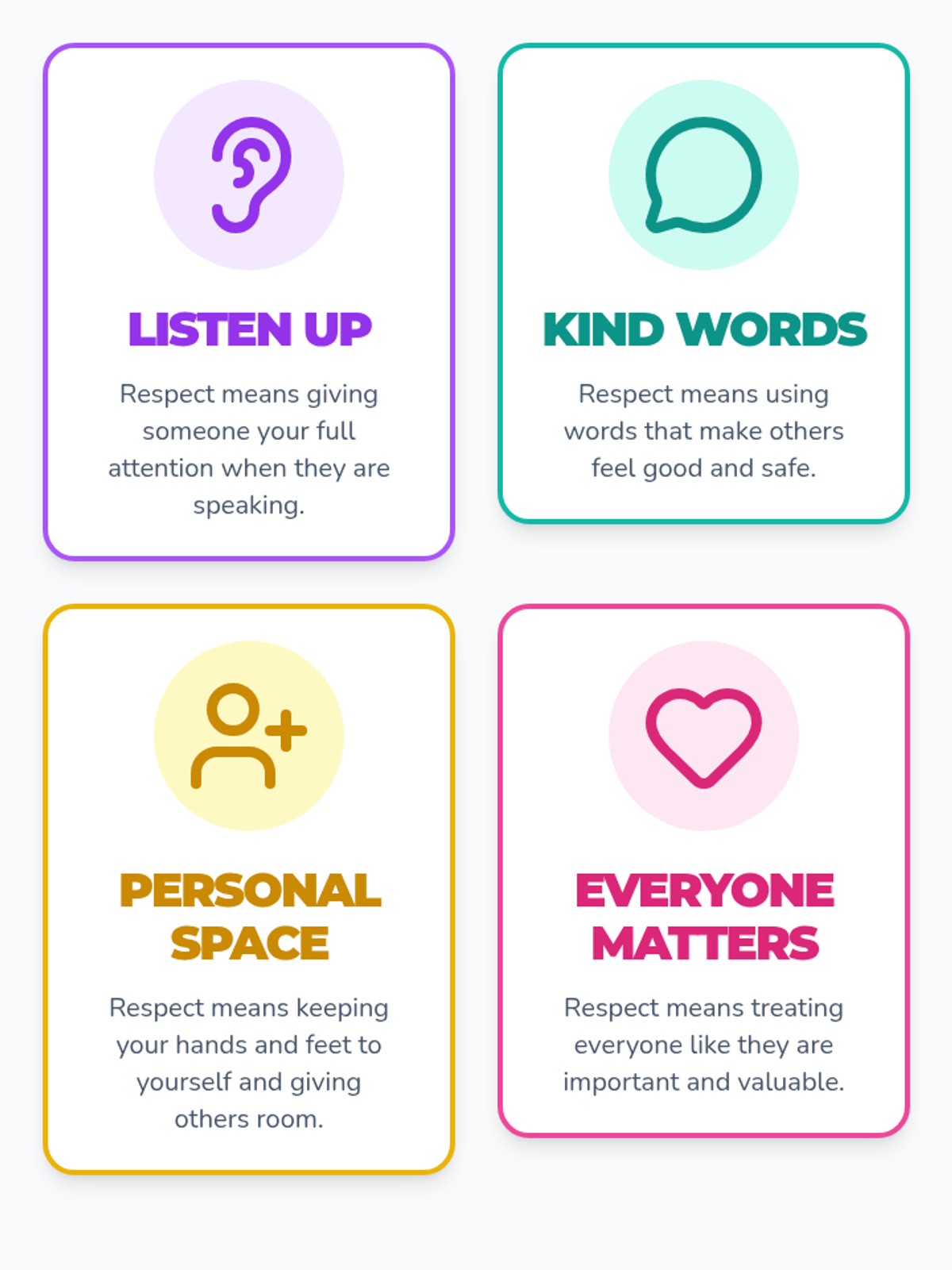
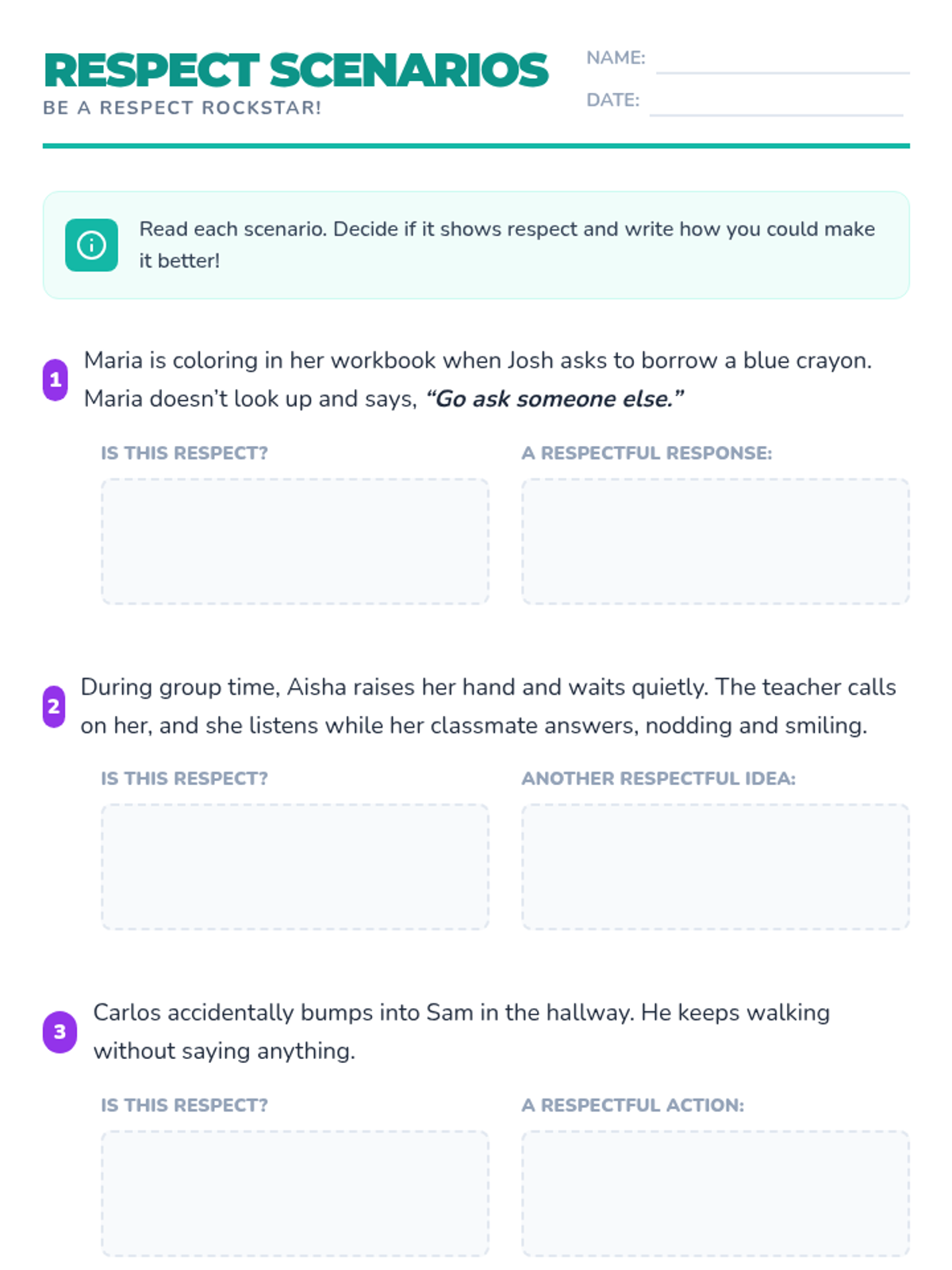
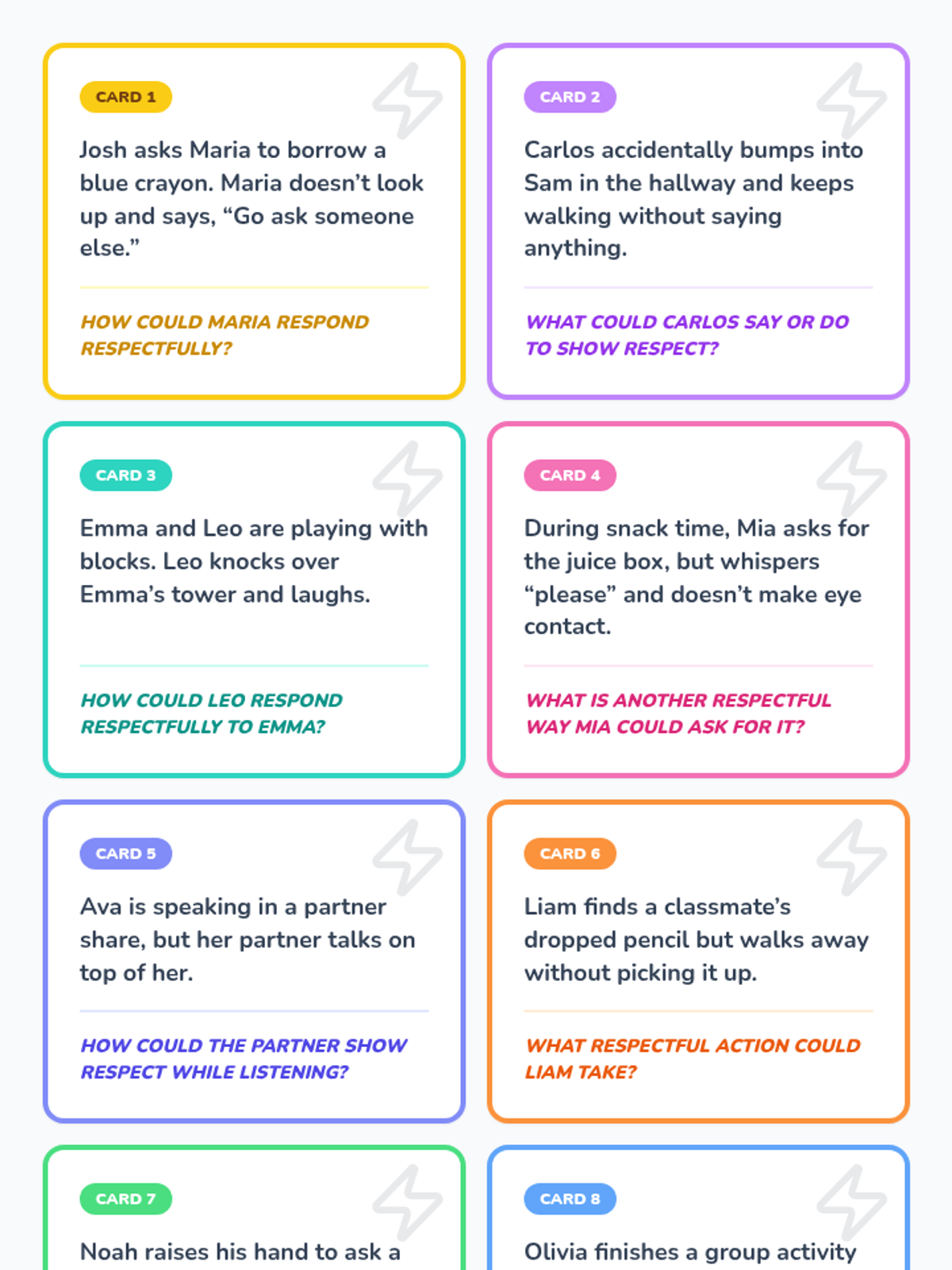
A two-session mini-series for elementary students exploring the concept of respect through discussion, scenarios, and high-energy games. Designed for 15-minute blocks, it builds a foundation for a kinder classroom environment.
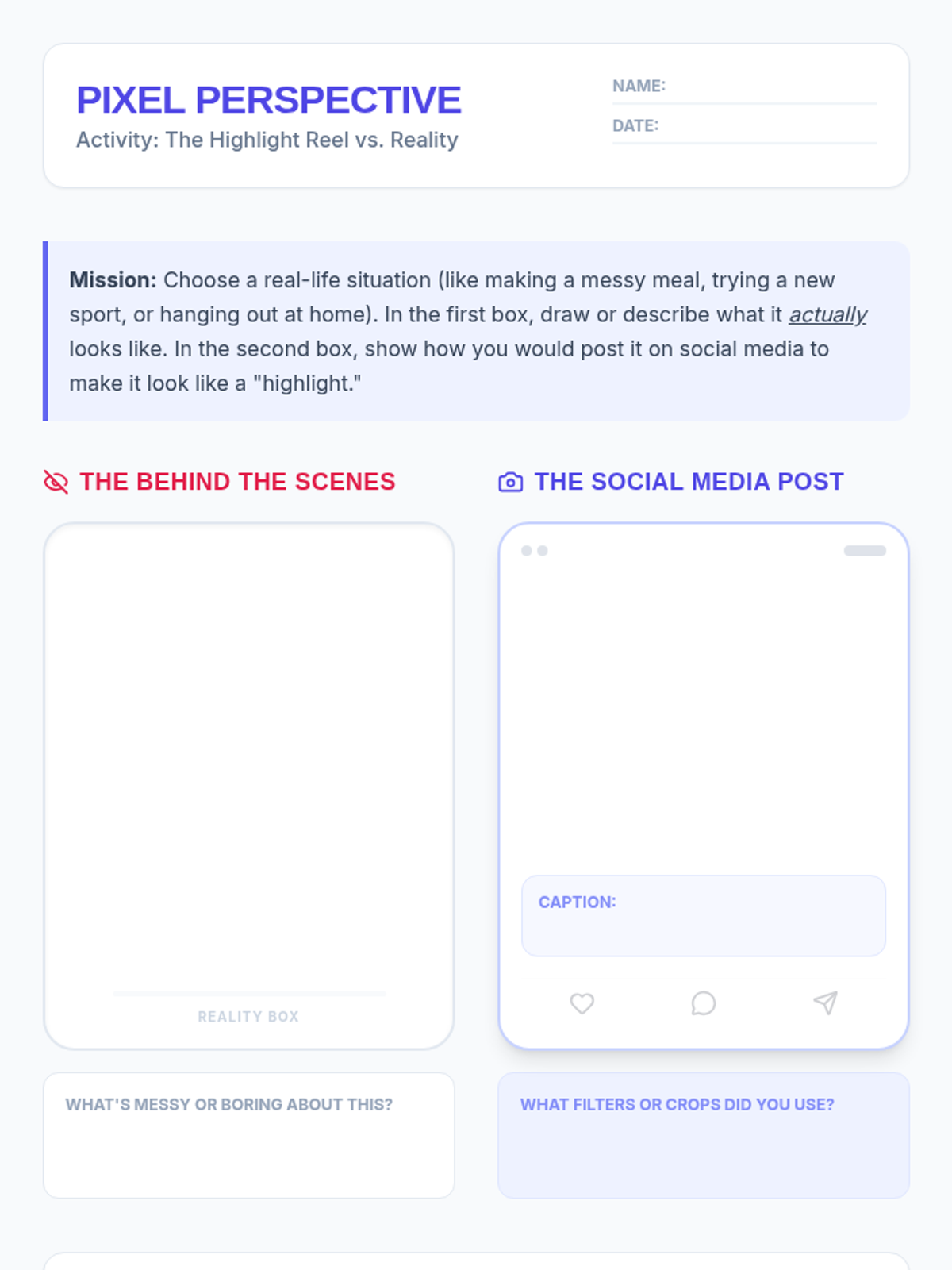
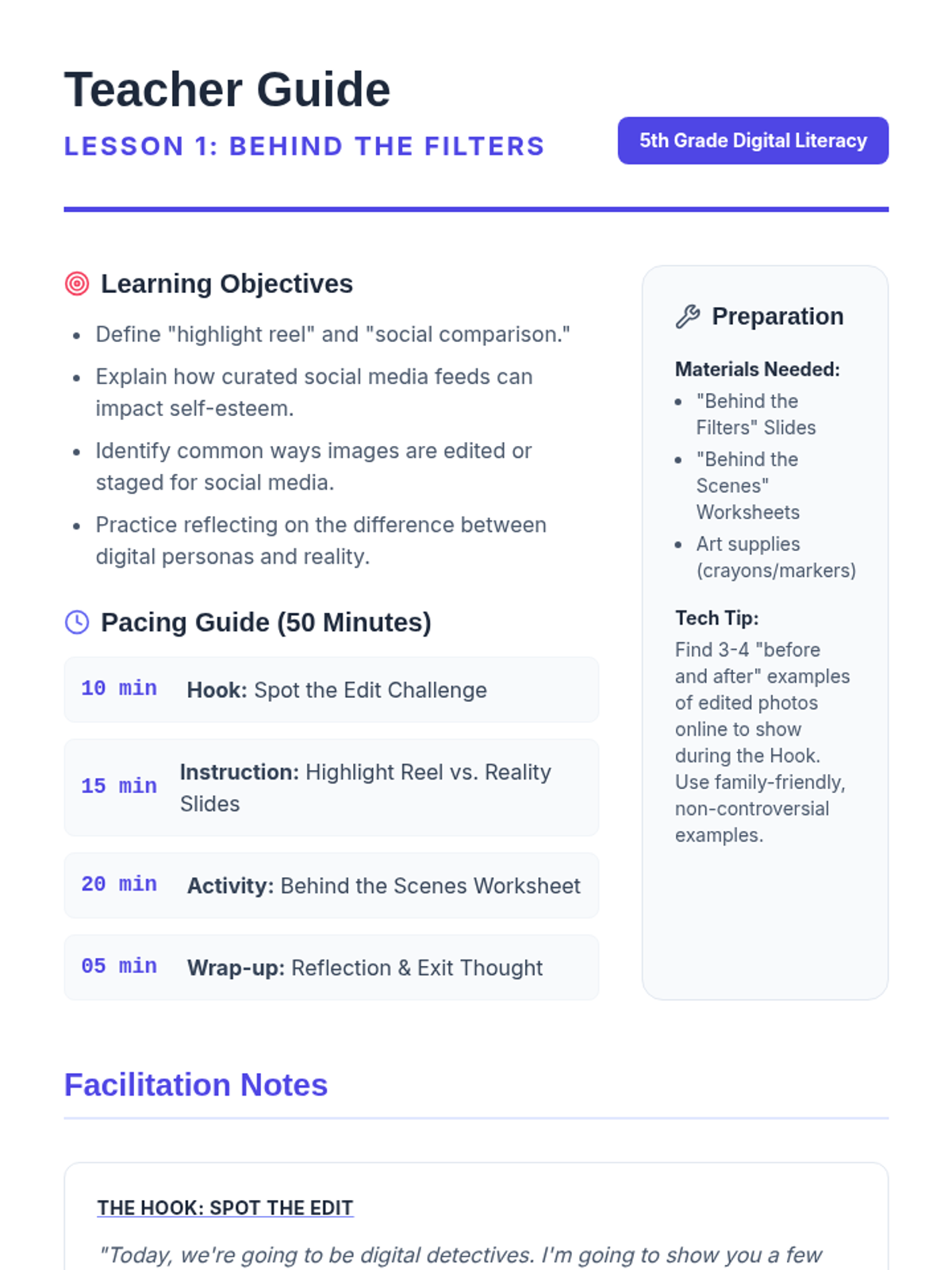
A 5-lesson sequence for 5th graders focused on navigating the social-emotional and critical thinking challenges of social media, covering topics from body image and cyberbullying to misinformation and community building.
Students develop critical media literacy skills by deconstructing advertisements to understand how companies influence consumer behavior. They learn to identify common advertising techniques, understand target demographics, and recognize visual staging tactics used to manipulate consumer perception.
A 5-lesson sequence for 5th-grade students focusing on the cognitive processes of perspective taking and social filtering. Students learn to distinguish between internal thoughts and external speech, understand the impact of their words on others, and practice rephrasing blunt thoughts into socially appropriate comments.
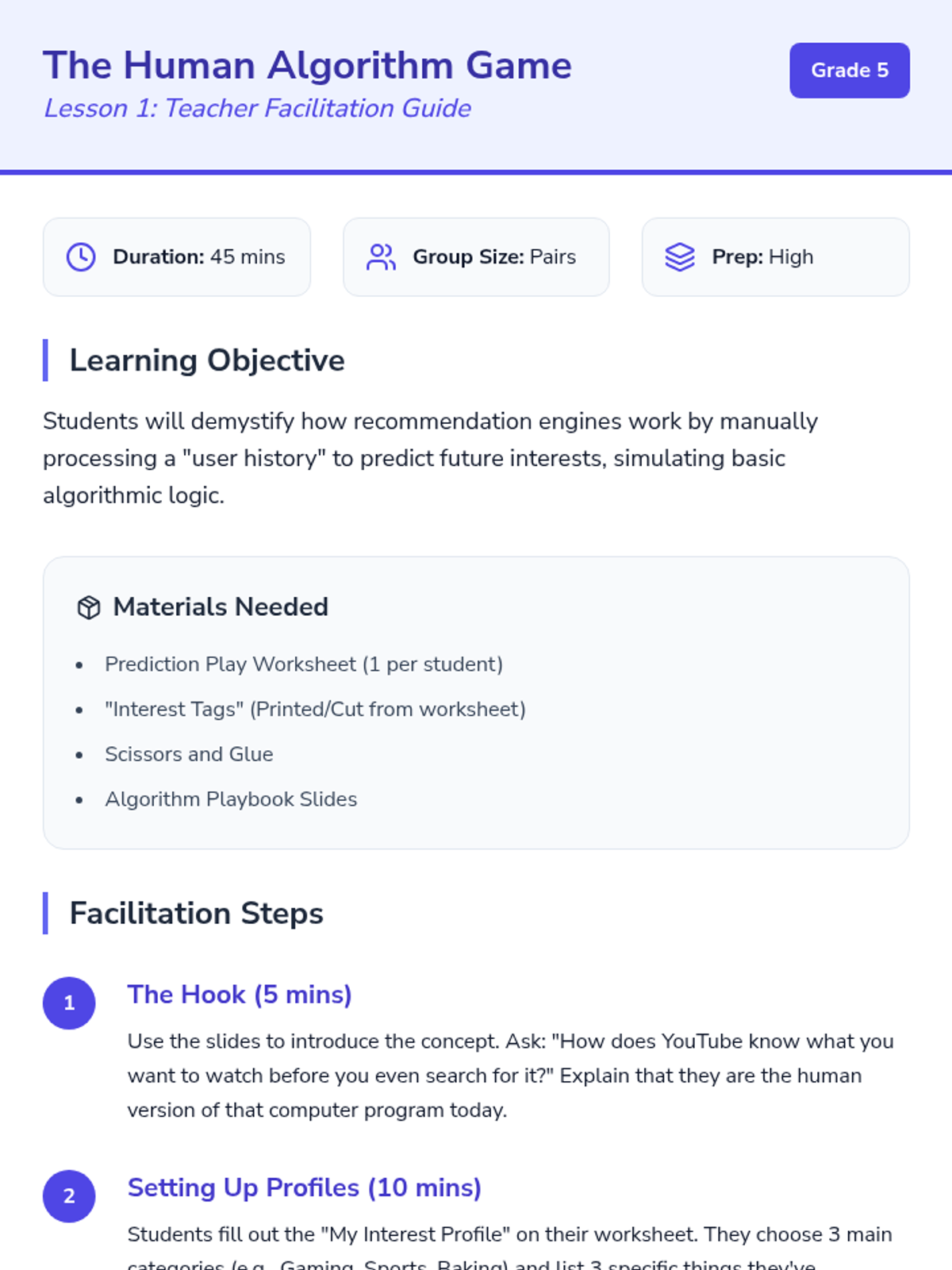
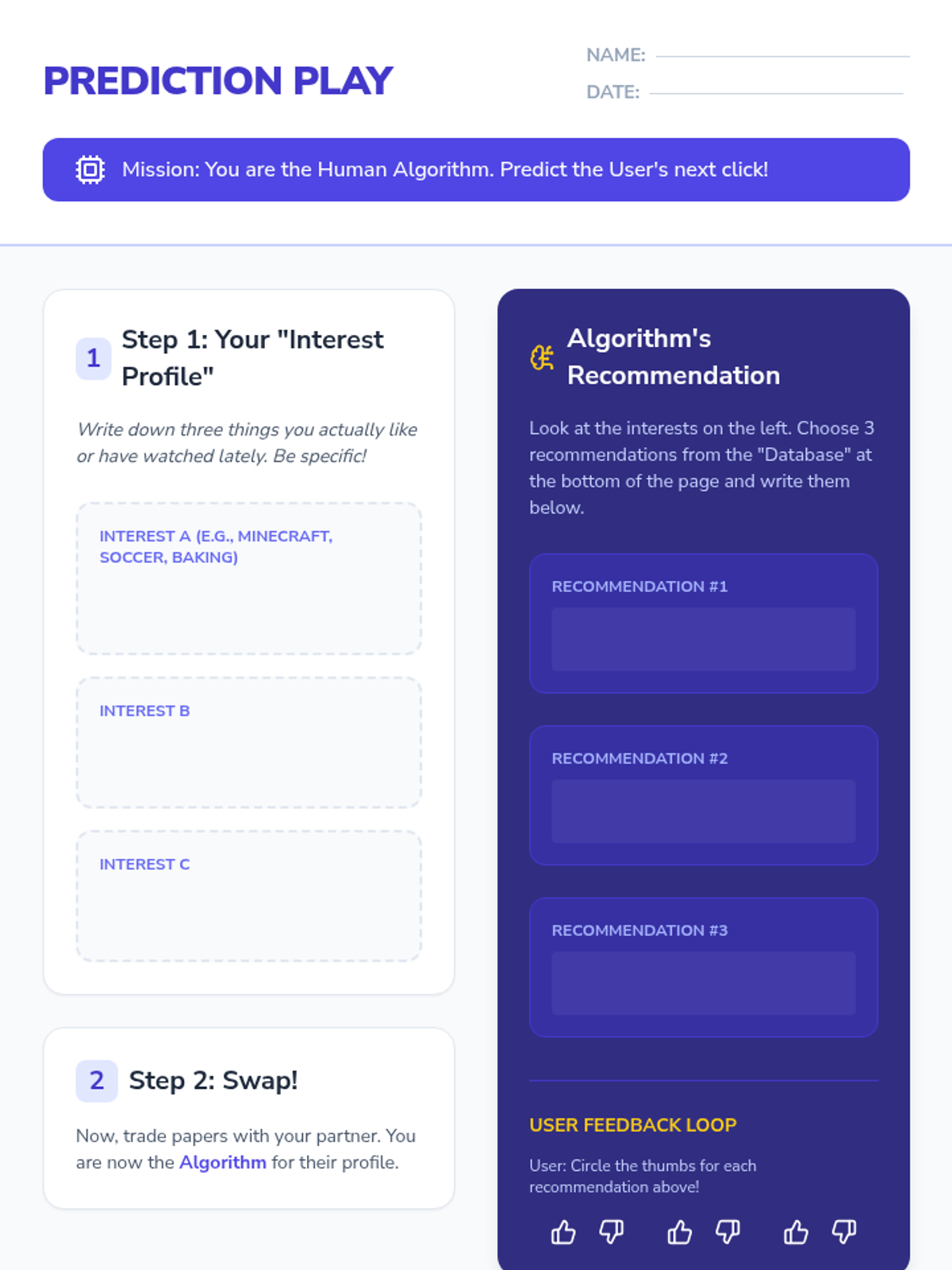
This sequence examines the invisible algorithms that curate content on video platforms and social media. Students investigate the 'attention economy' and how algorithms predict user preferences to keep them engaged. By analyzing their own experiences and simulated feeds, they identify how recommendation engines can create 'filter bubbles.' The learning arc moves from understanding the mechanism of recommendation to evaluating its impact on critical thinking and exposure to new ideas.
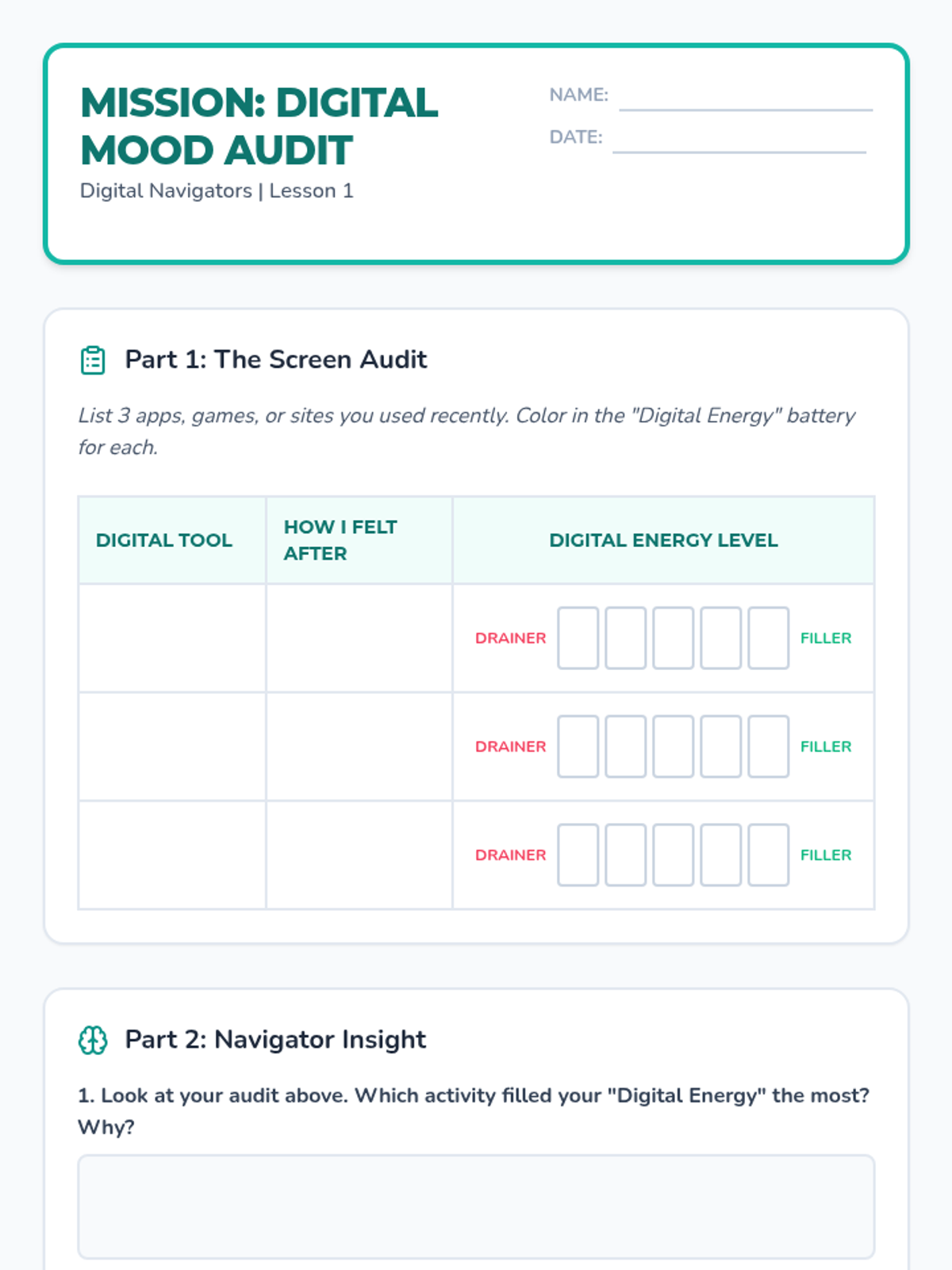
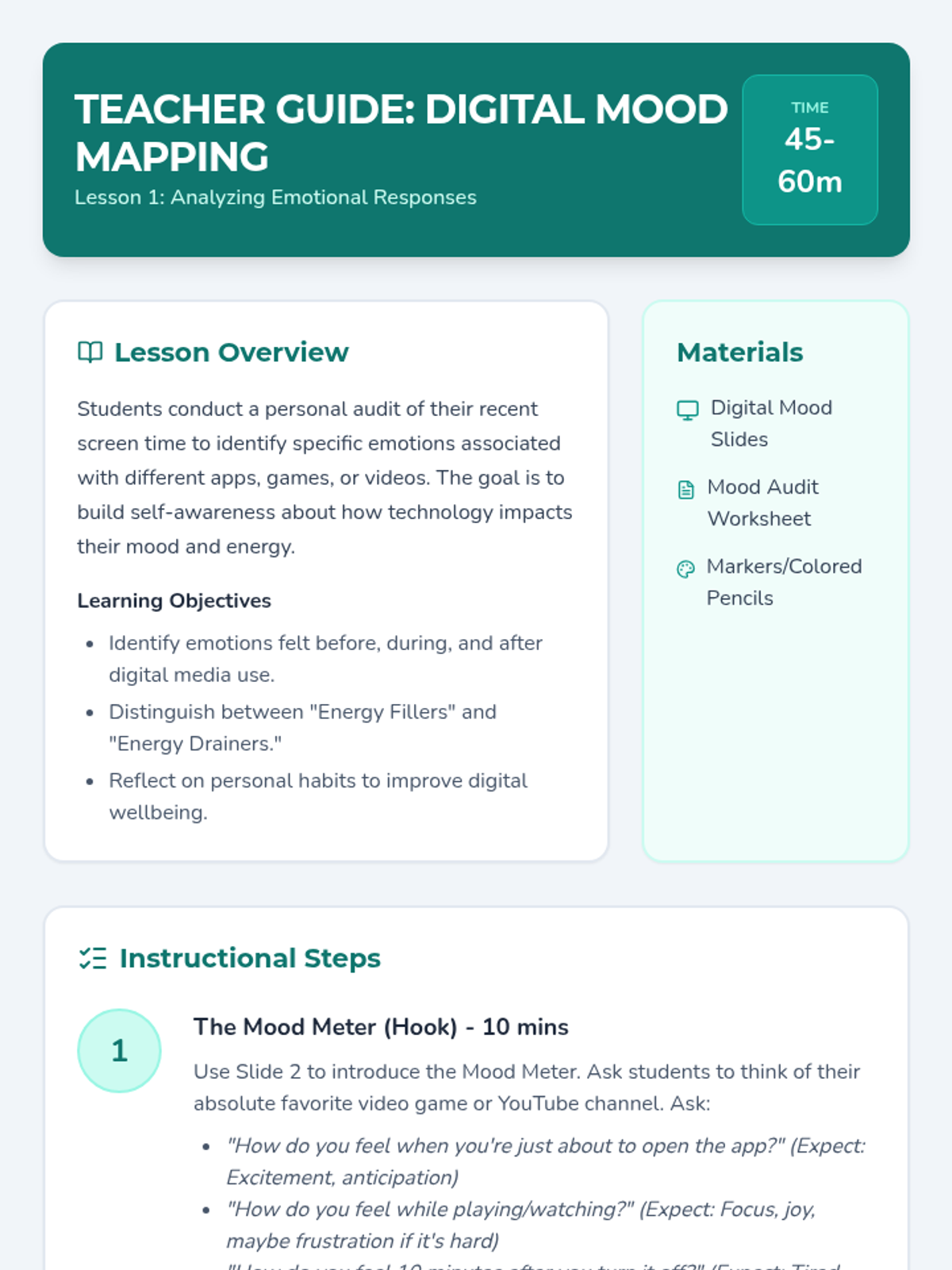
Students investigate the relationship between their digital habits and their emotional well-being through reflection, critical analysis, and practical goal-setting. The sequence covers emotional impacts of screen time, media literacy (curation vs. reality), cyberbullying intervention, physical health boundaries, and the creation of a personal Digital Wellness Pact.
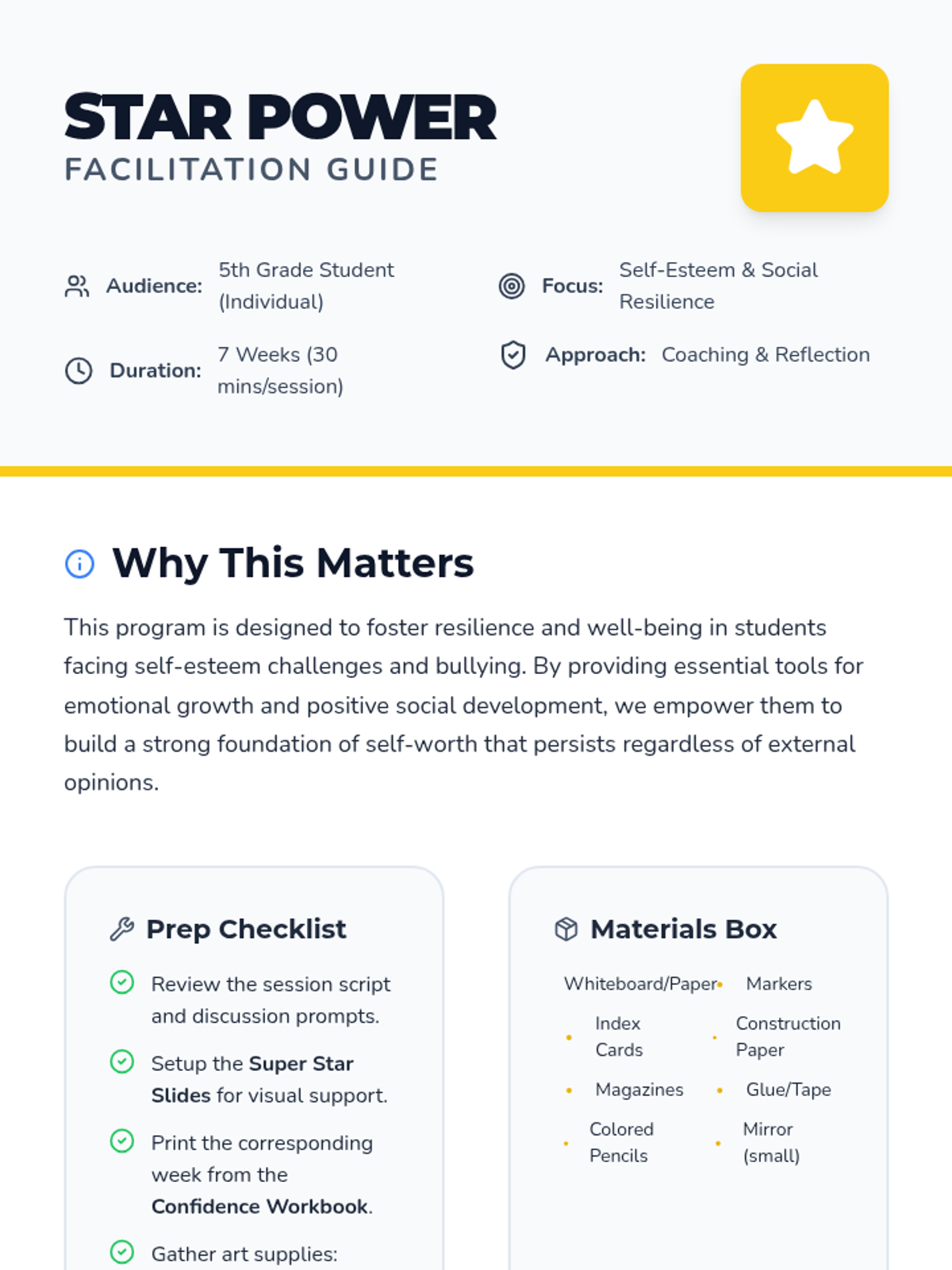
A 7-week individualized coaching sequence for a 5th-grade student to build self-esteem, body positivity, and social resilience in the face of bullying.
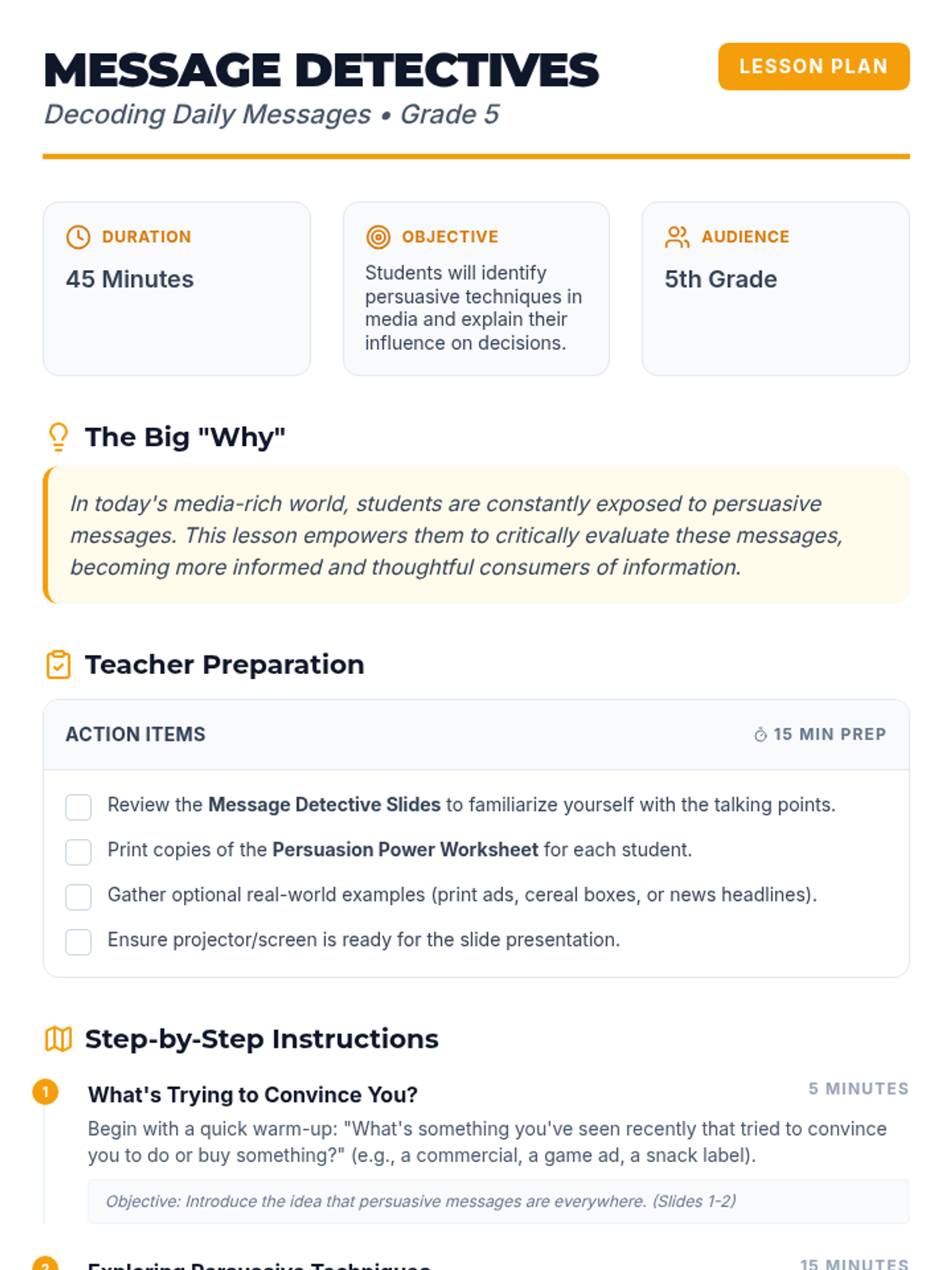
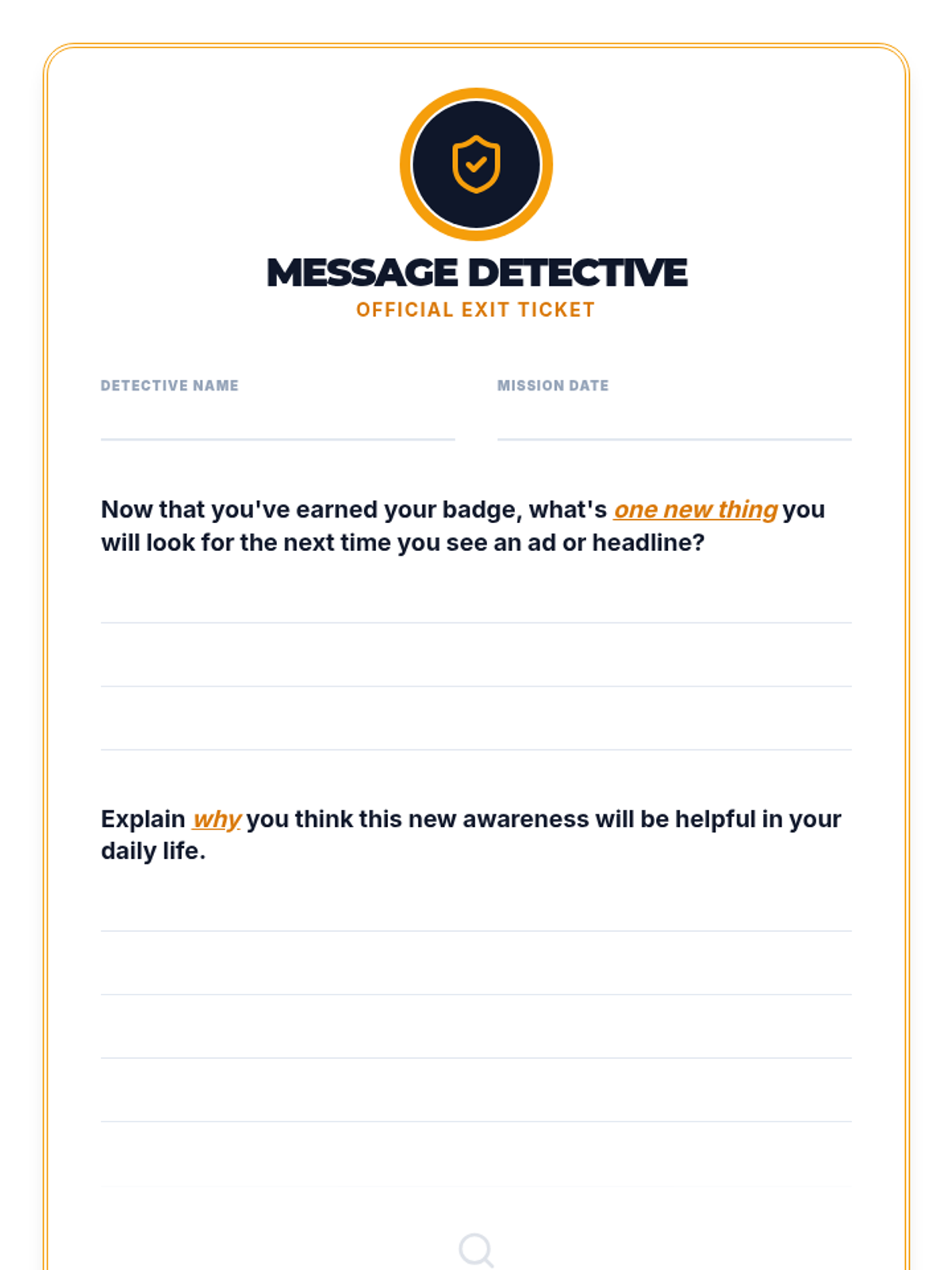
A comprehensive unit focused on media literacy and character building. Students learn to critically analyze persuasive messages in their environment and understand the foundational role of trust in their community.
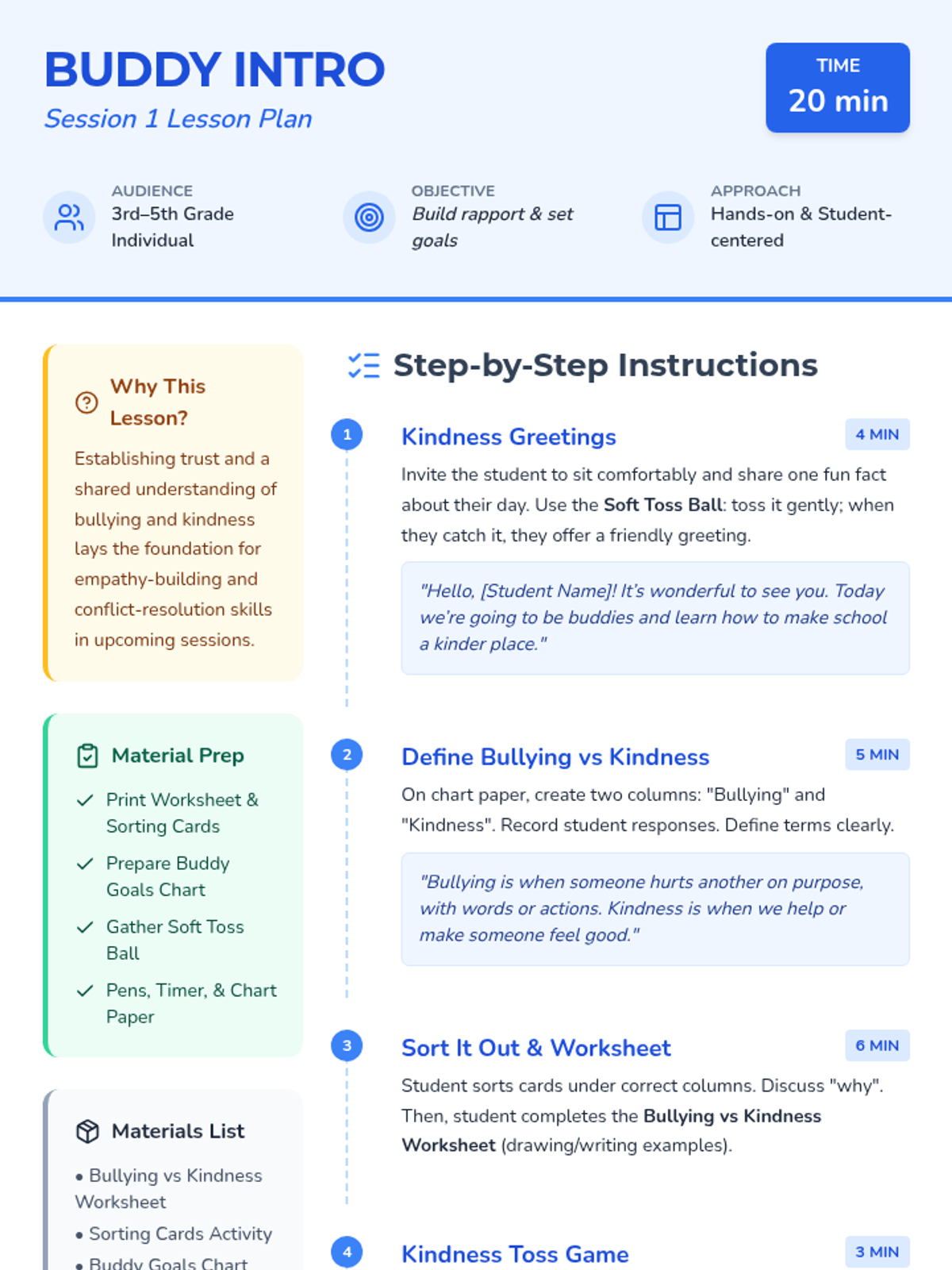
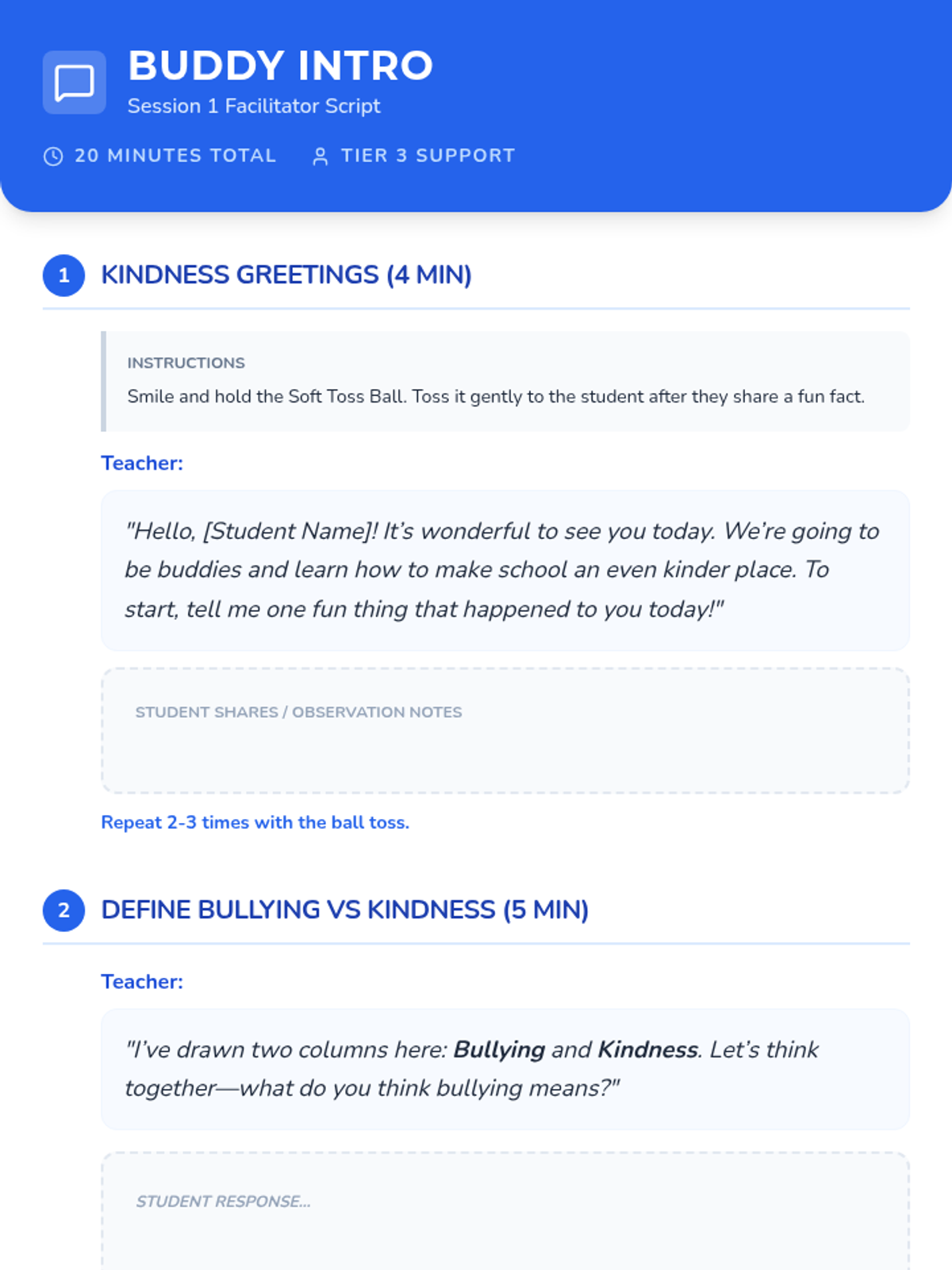
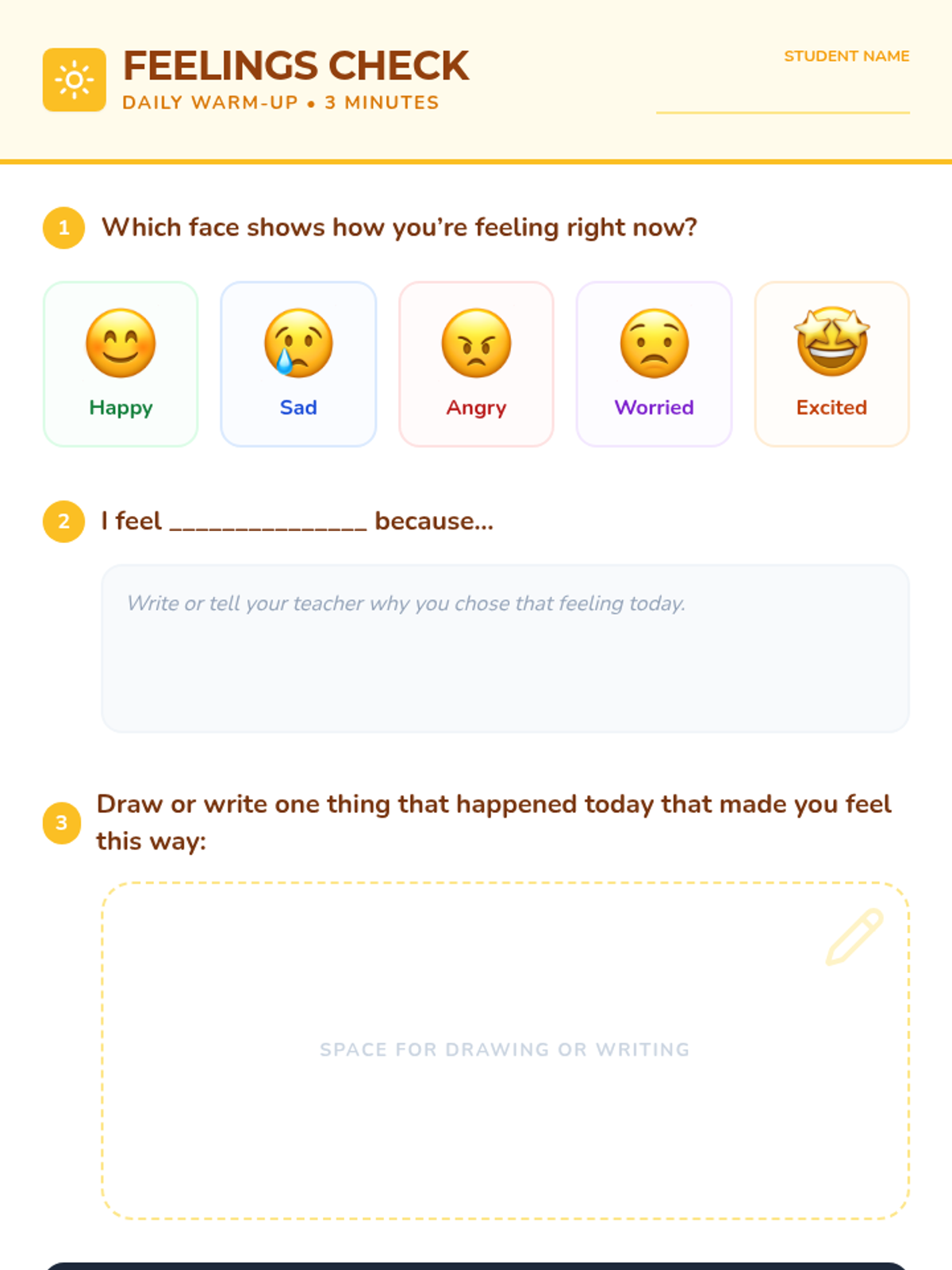
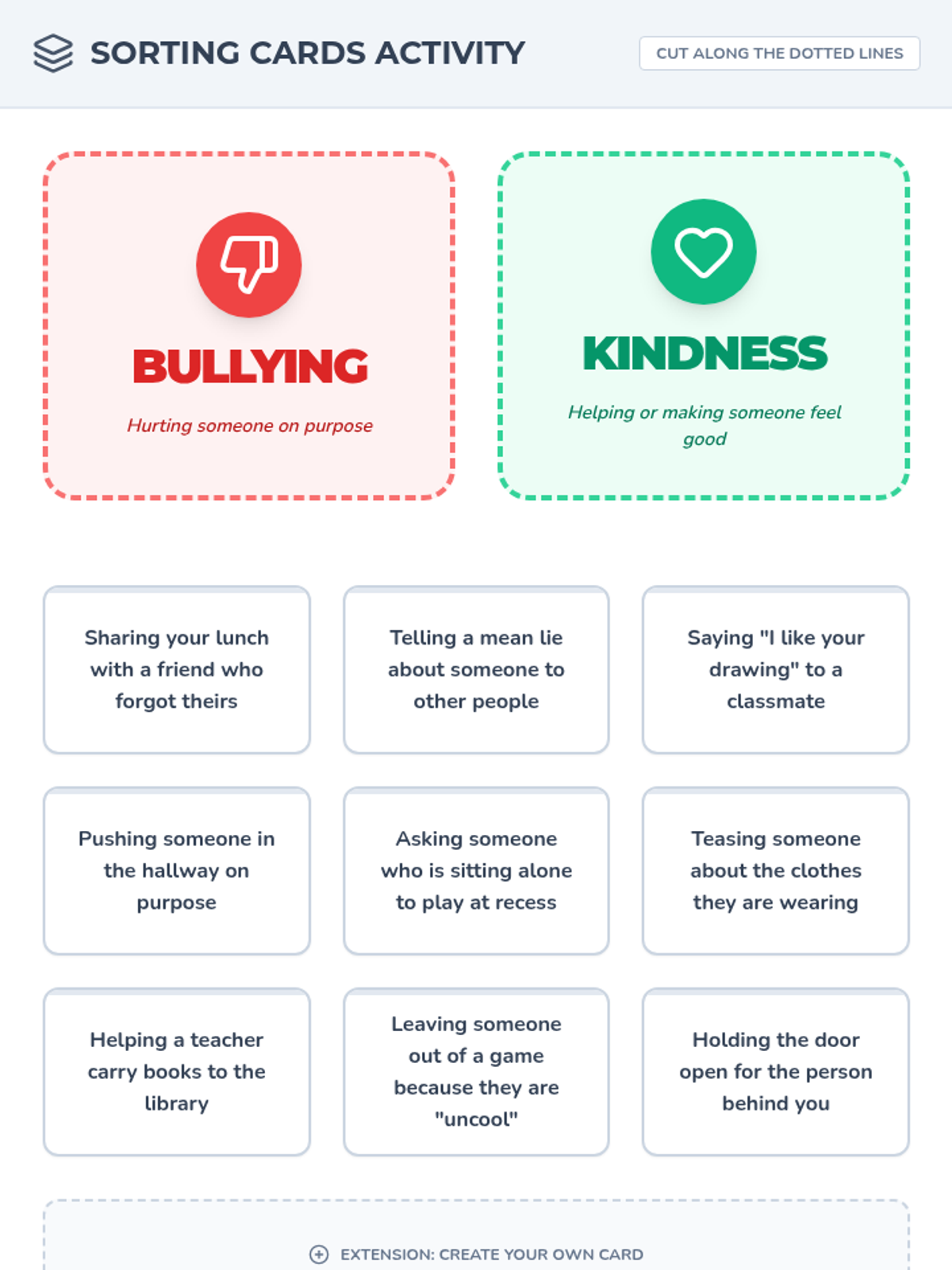
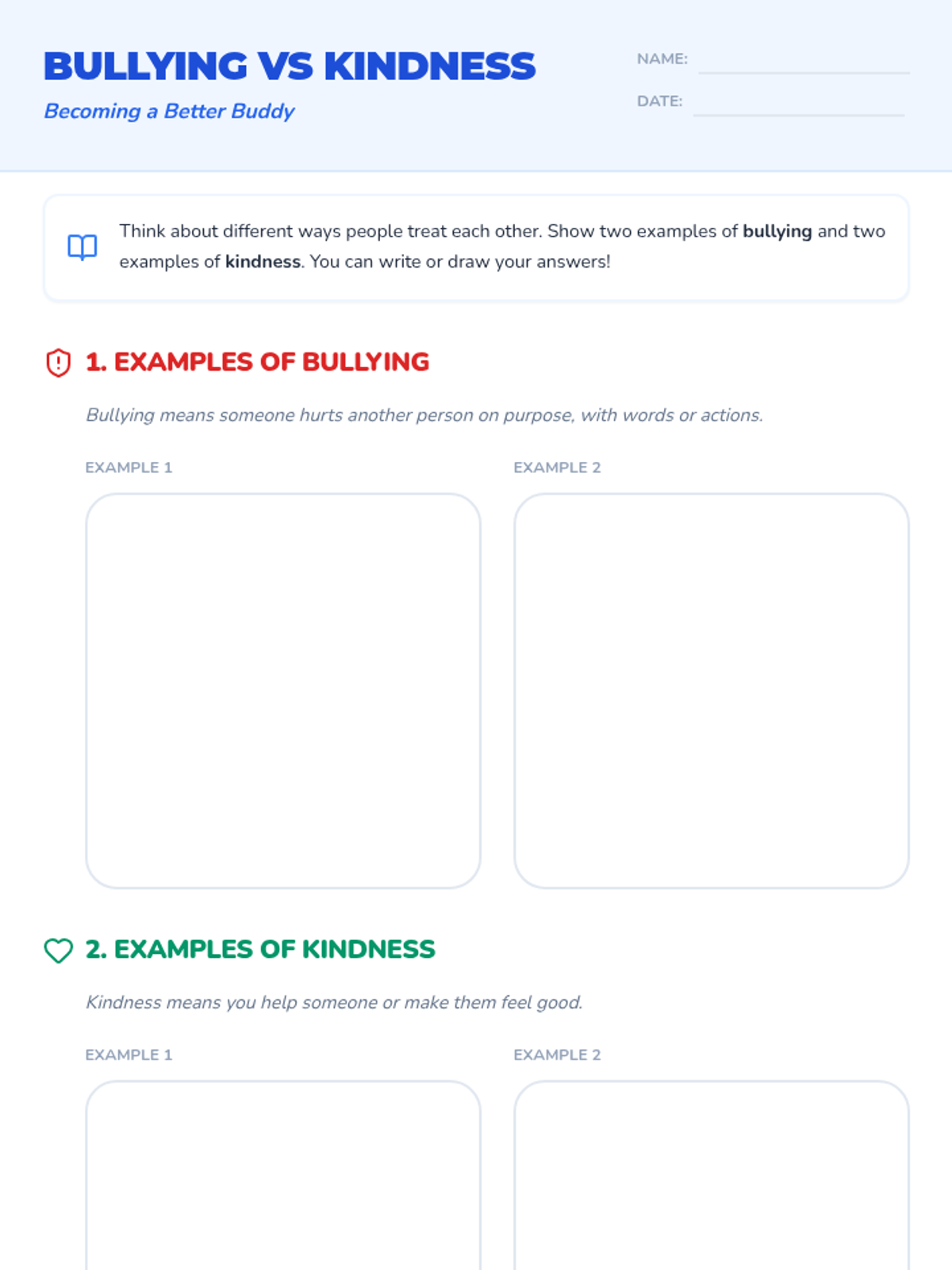
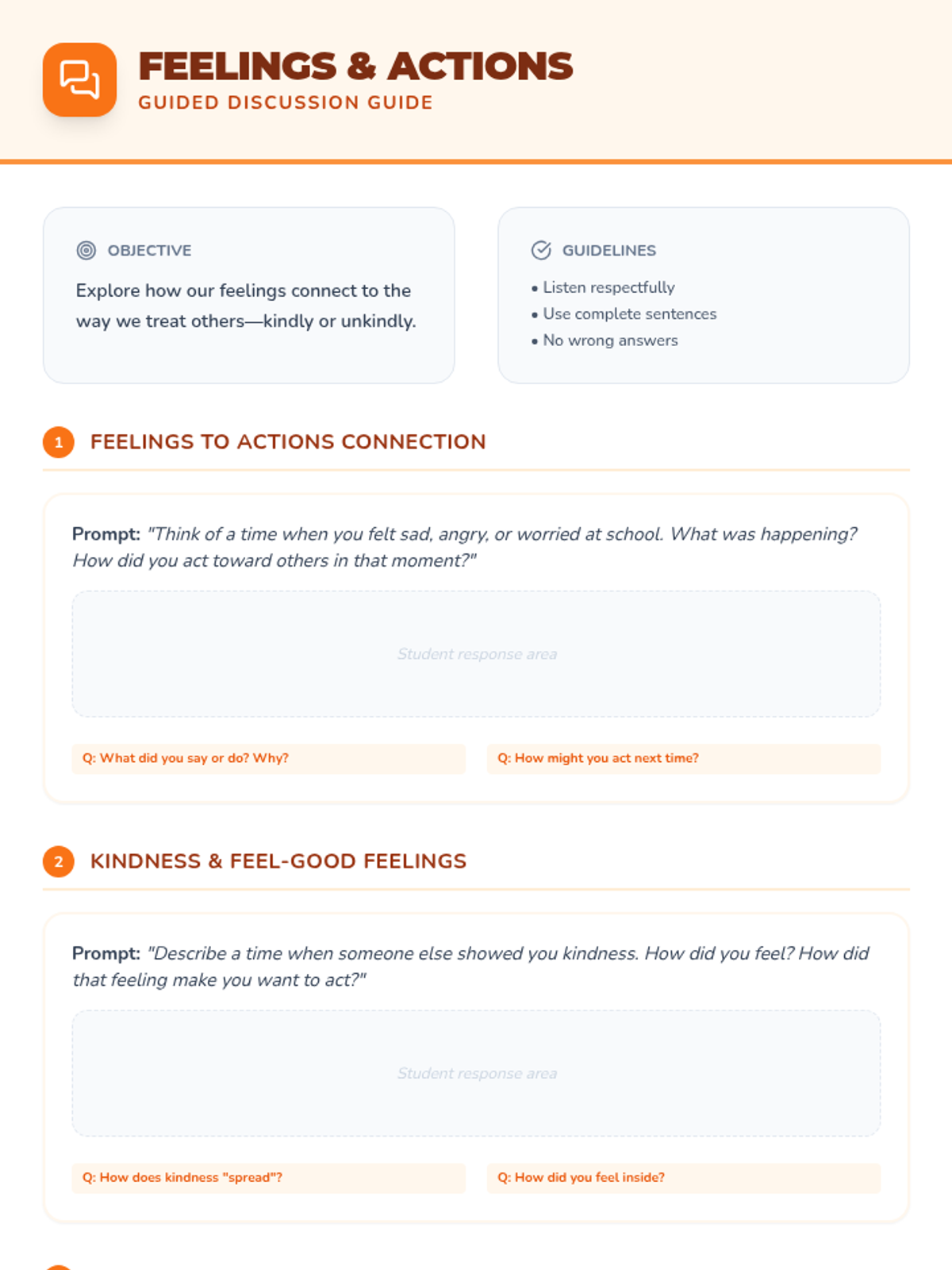
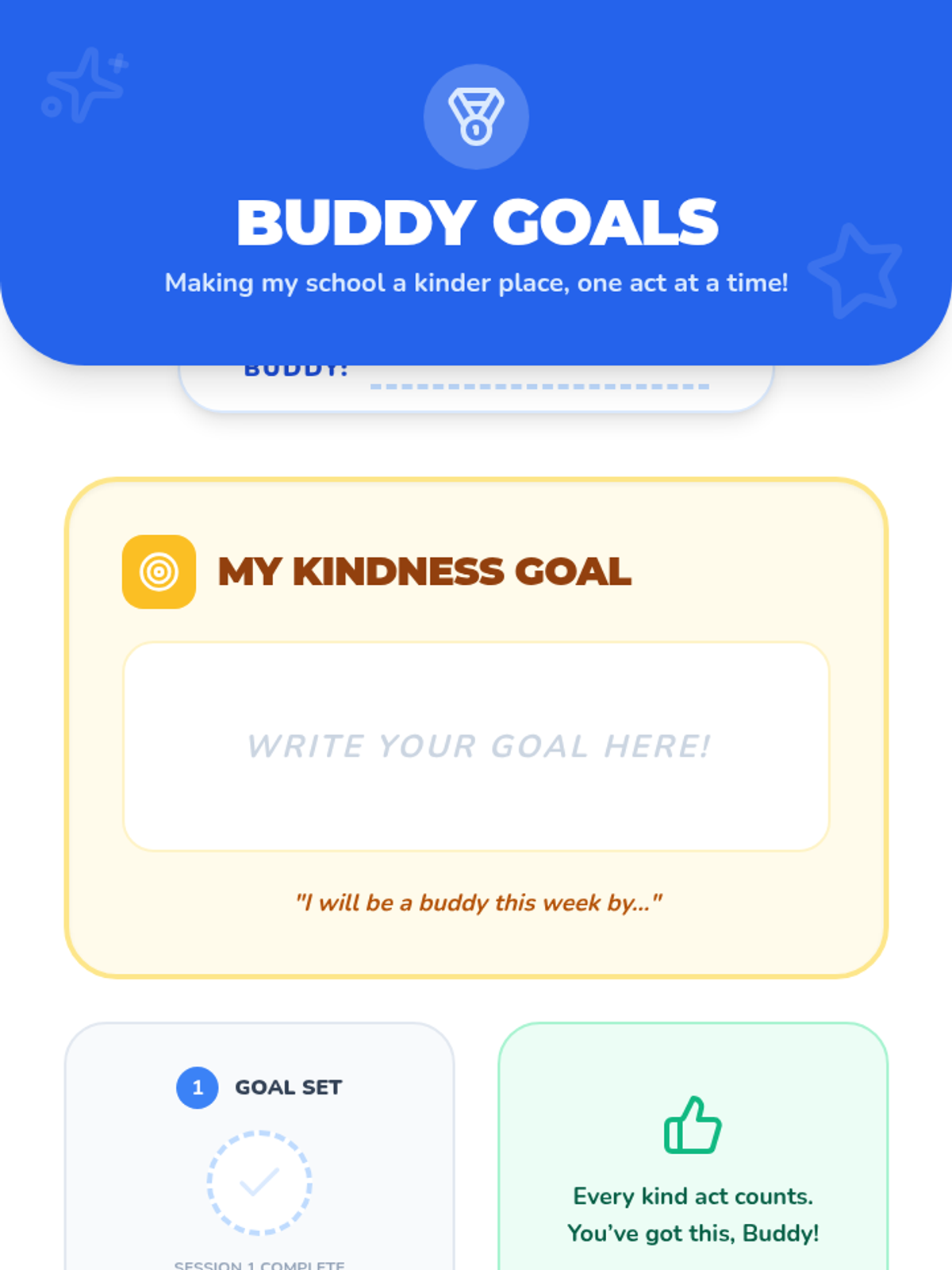
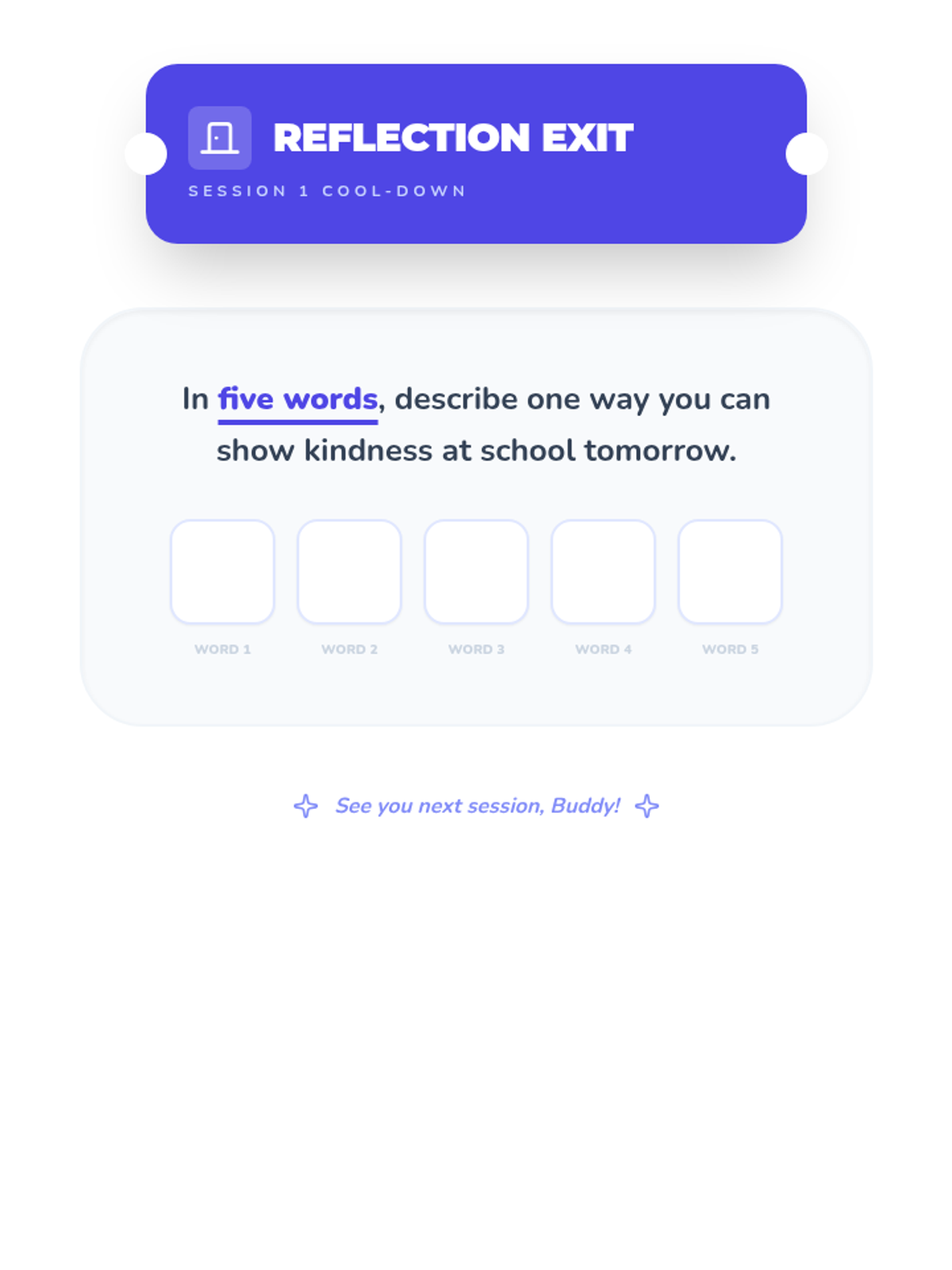
An 8-session individual support series designed for 3rd-5th graders to foster empathy, kindness, and conflict-resolution skills while addressing the impacts of bullying. Each session uses interactive discussions and hands-on activities to build a supportive 'buddy' mindset.
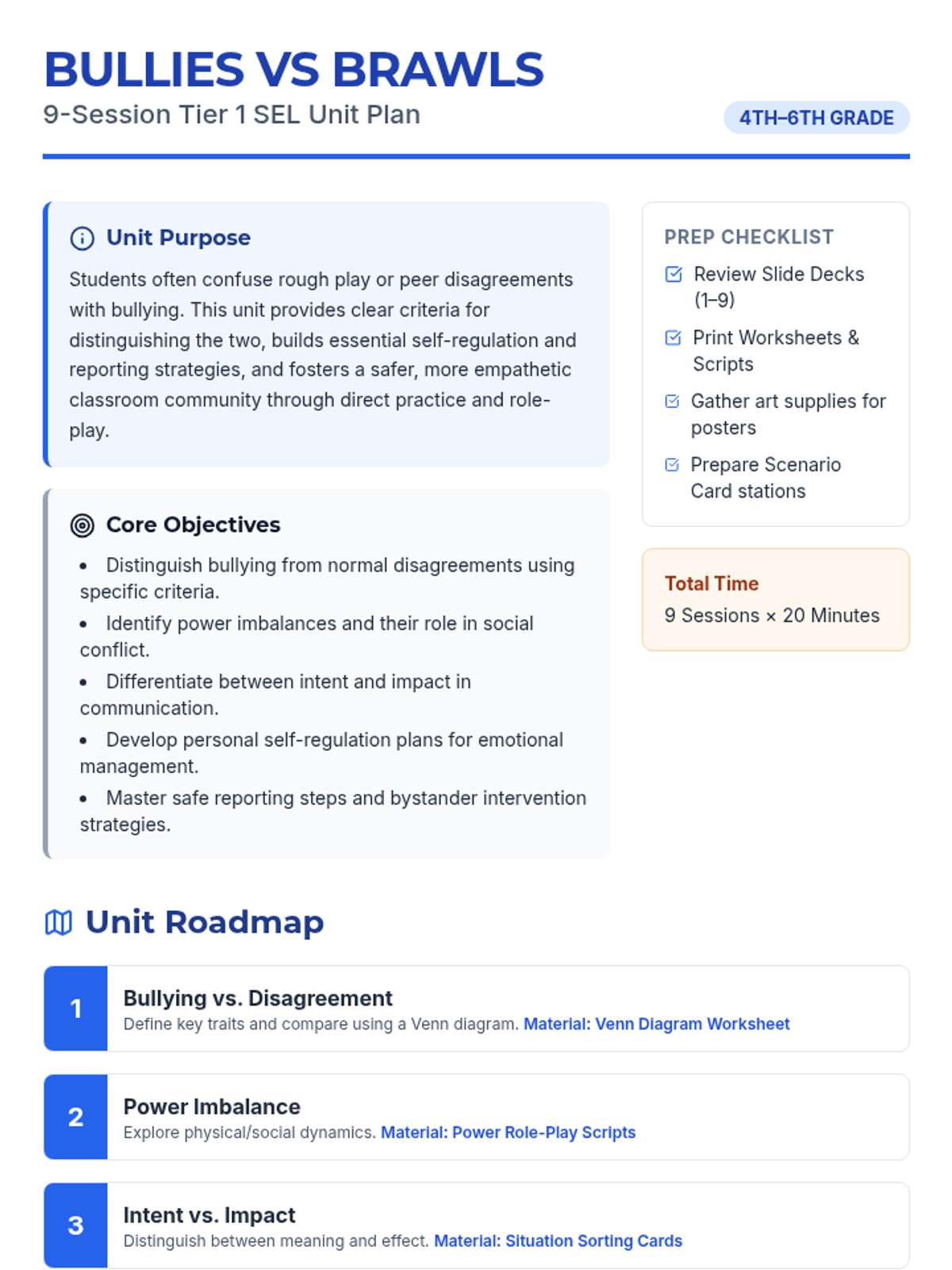
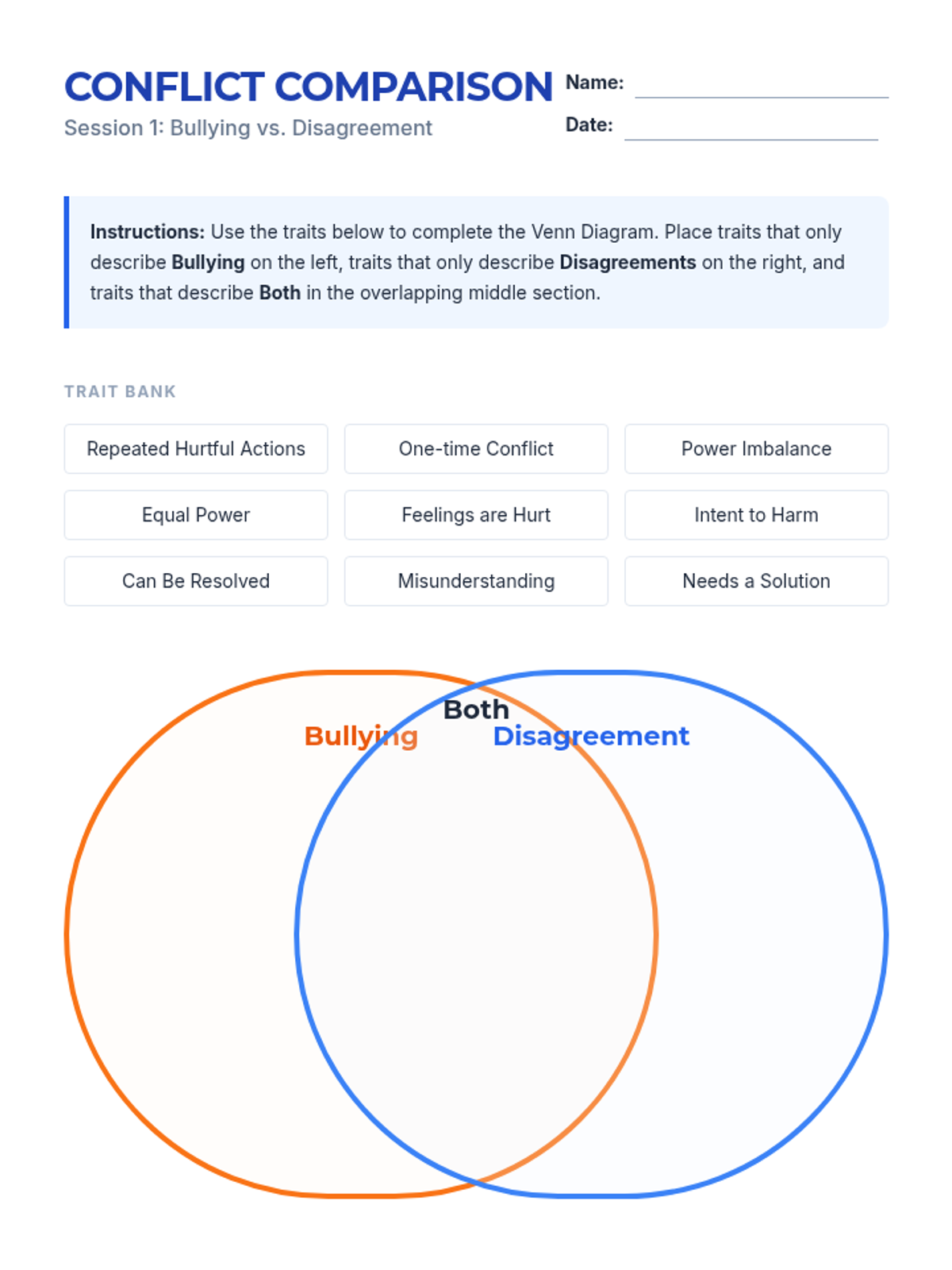
A 9-session Tier 1 SEL unit for 4th–6th graders focused on distinguishing bullying from disagreements, mastering self-regulation, and learning safe reporting and bystander skills.
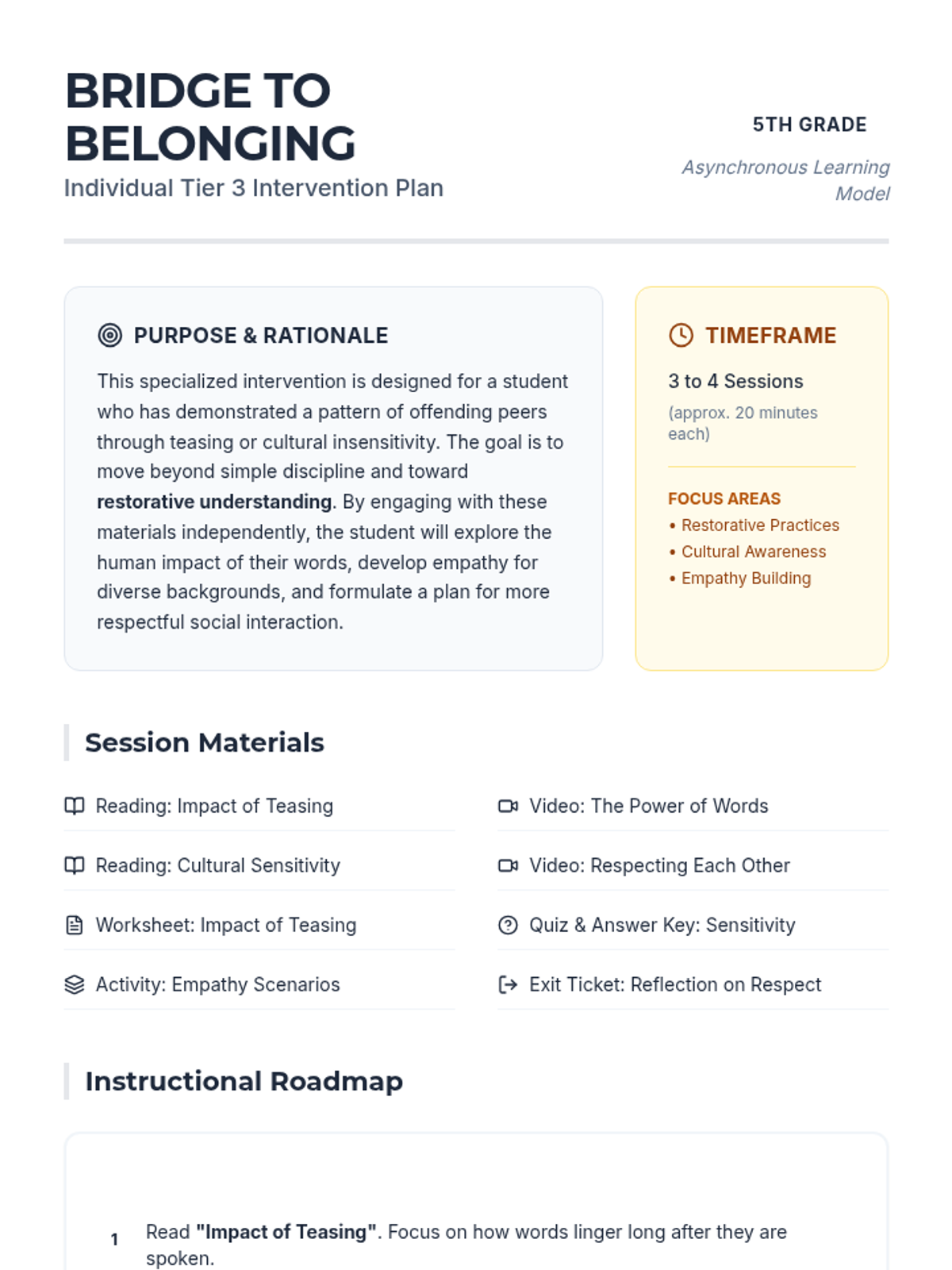
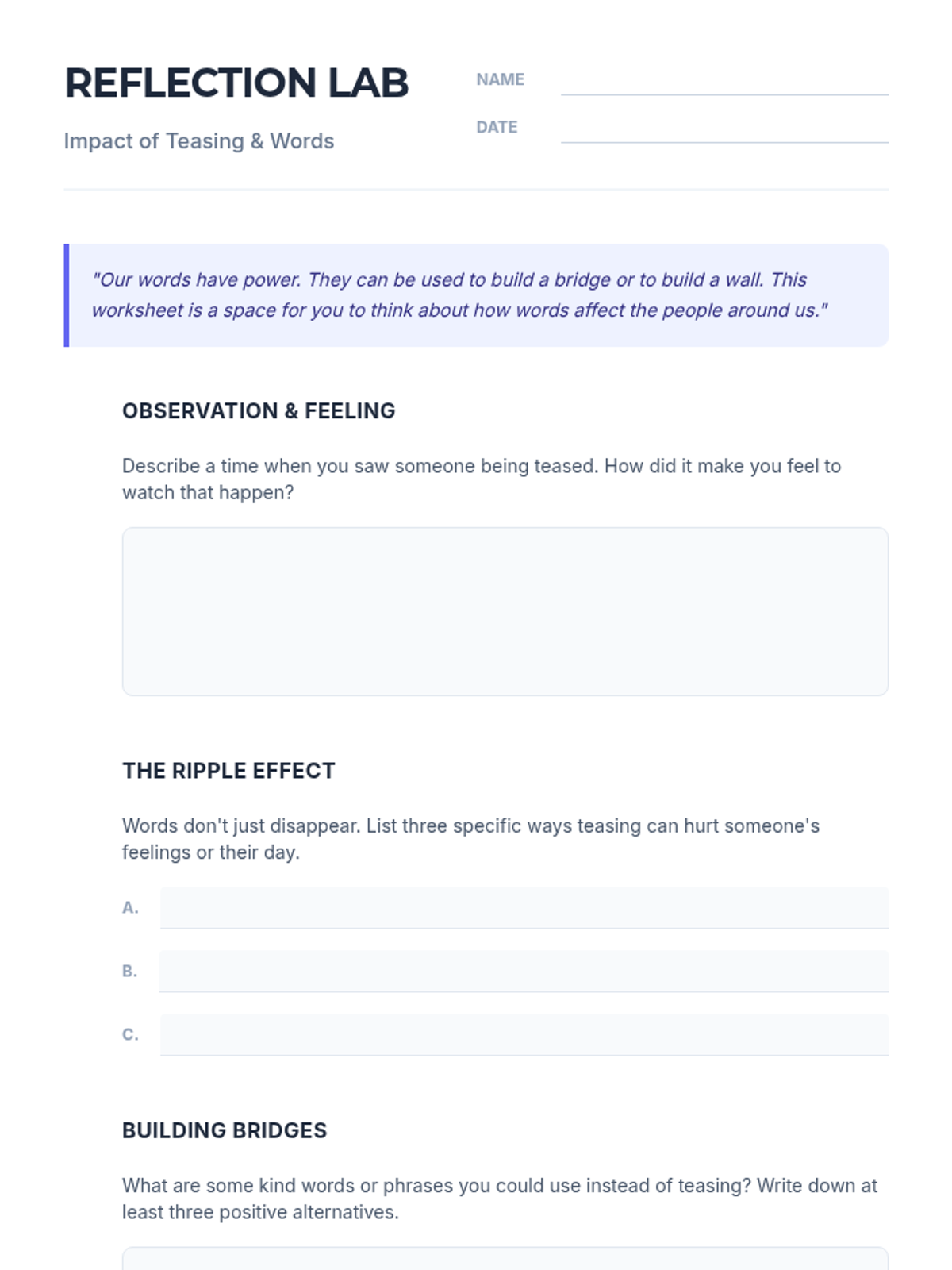
A specialized Tier 3 intervention sequence designed to help students understand social impact, develop empathy, and build cultural awareness after recurring peer conflict. It combines restorative practices with independent reflection to foster a more inclusive school culture.
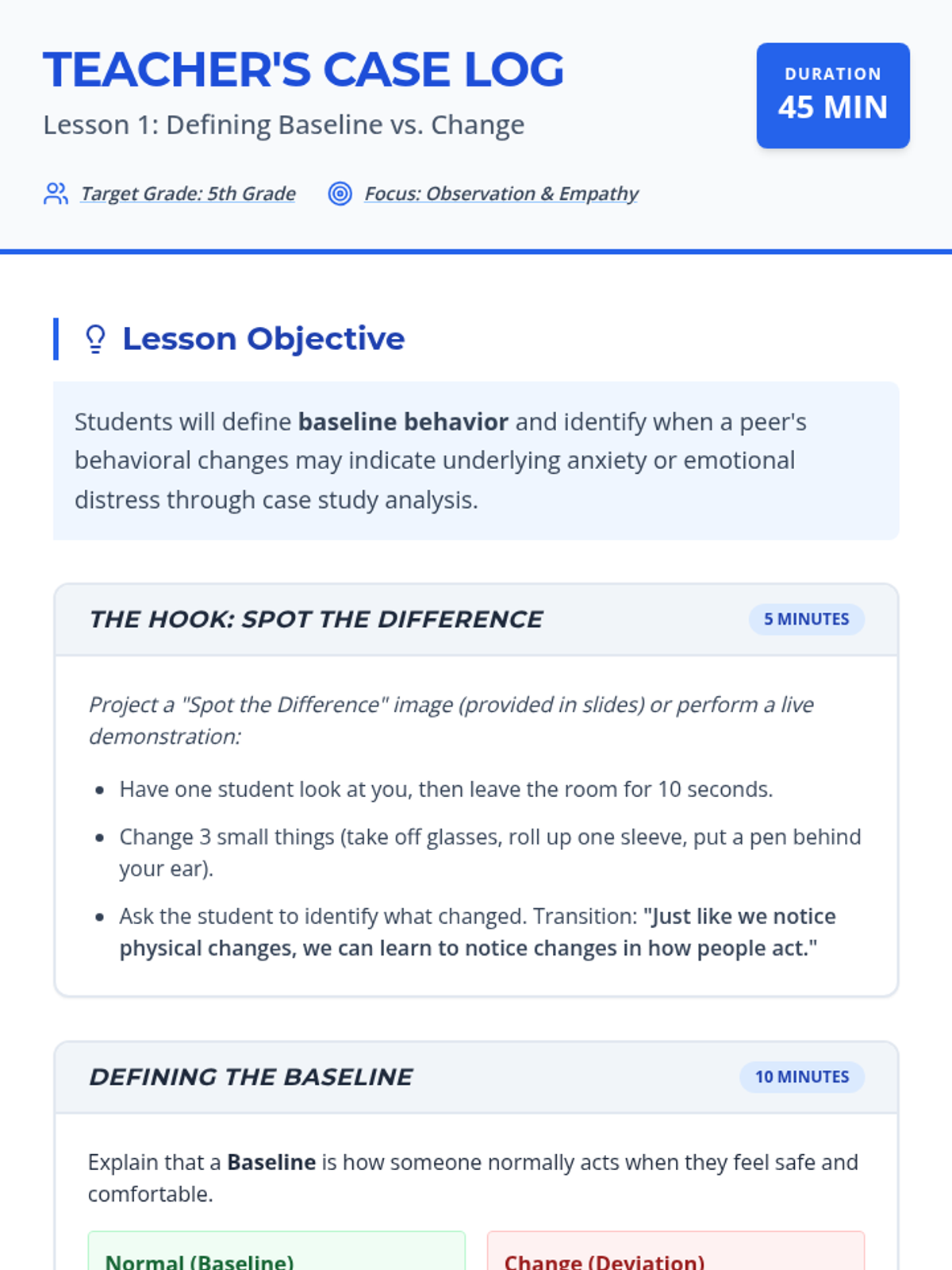
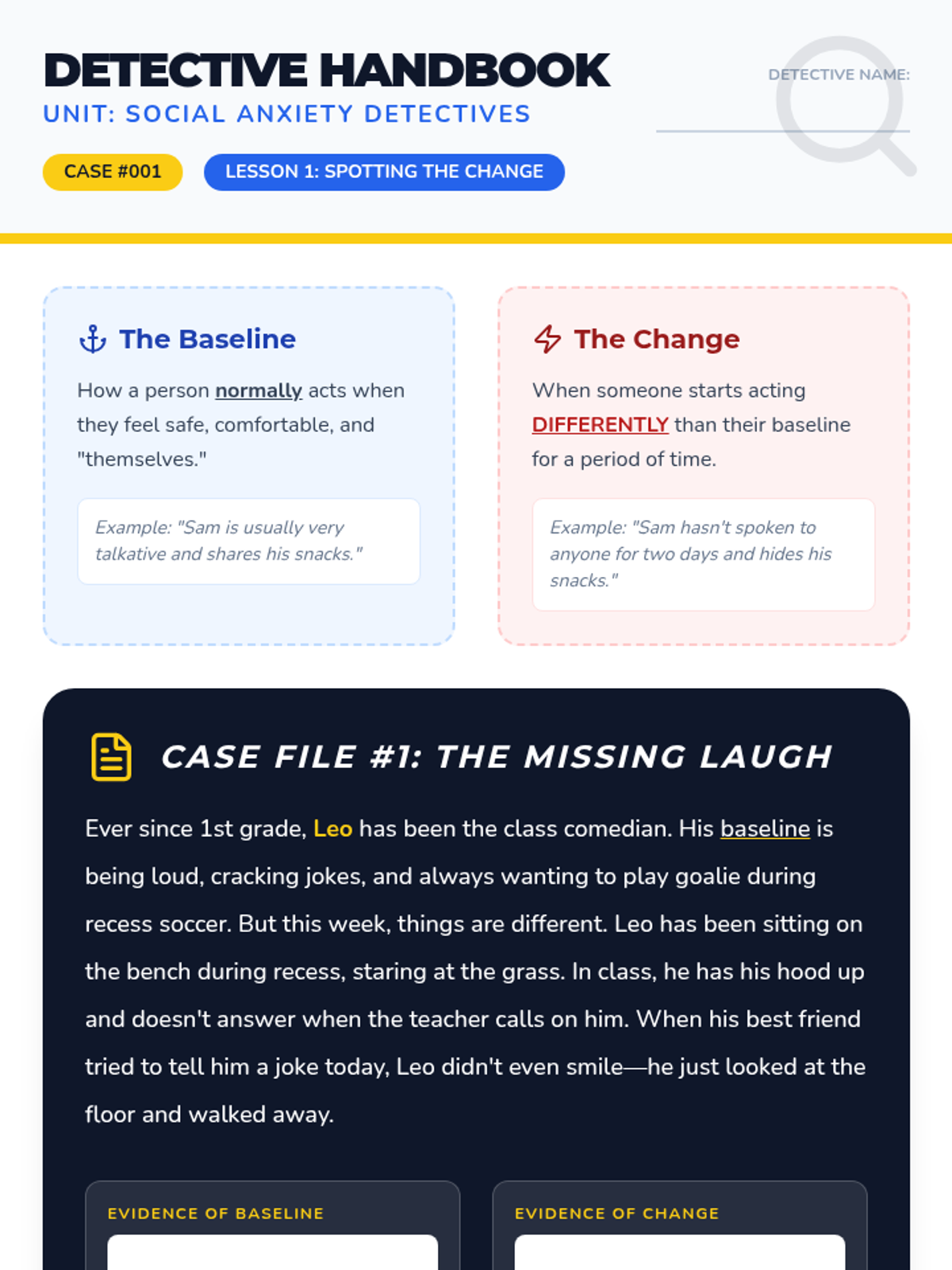
A 5-lesson sequence for 5th graders focused on identifying behavioral signs of anxiety. Students learn to observe changes in behavior as signals of emotional distress using a 'behavior detective' theme, building empathy and practical observation skills.