Root cause analysis and brainstorming techniques for everyday problem-solving. Equips learners with ethical frameworks and risk-benefit evaluation skills to predict consequences and make informed choices.
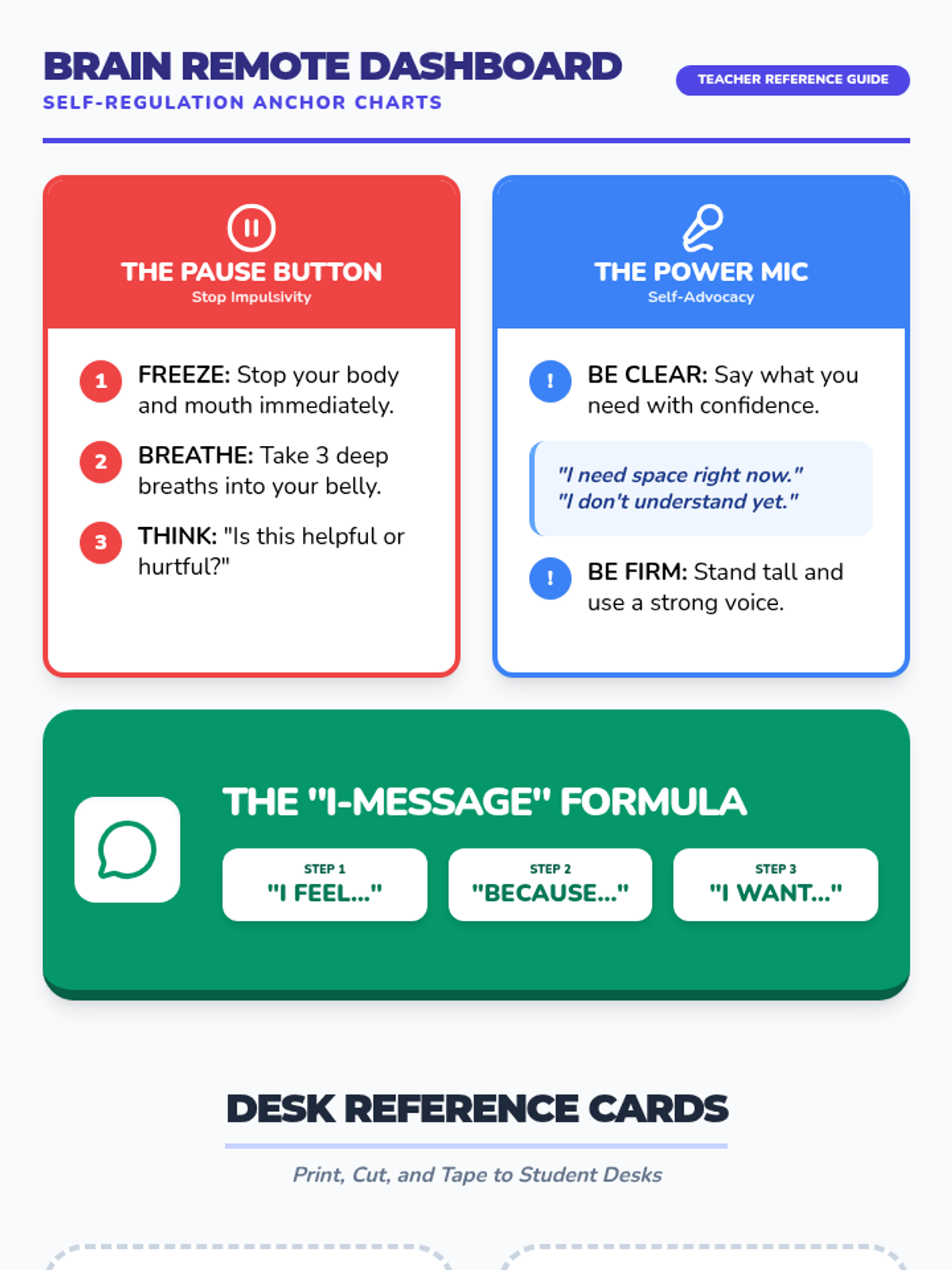
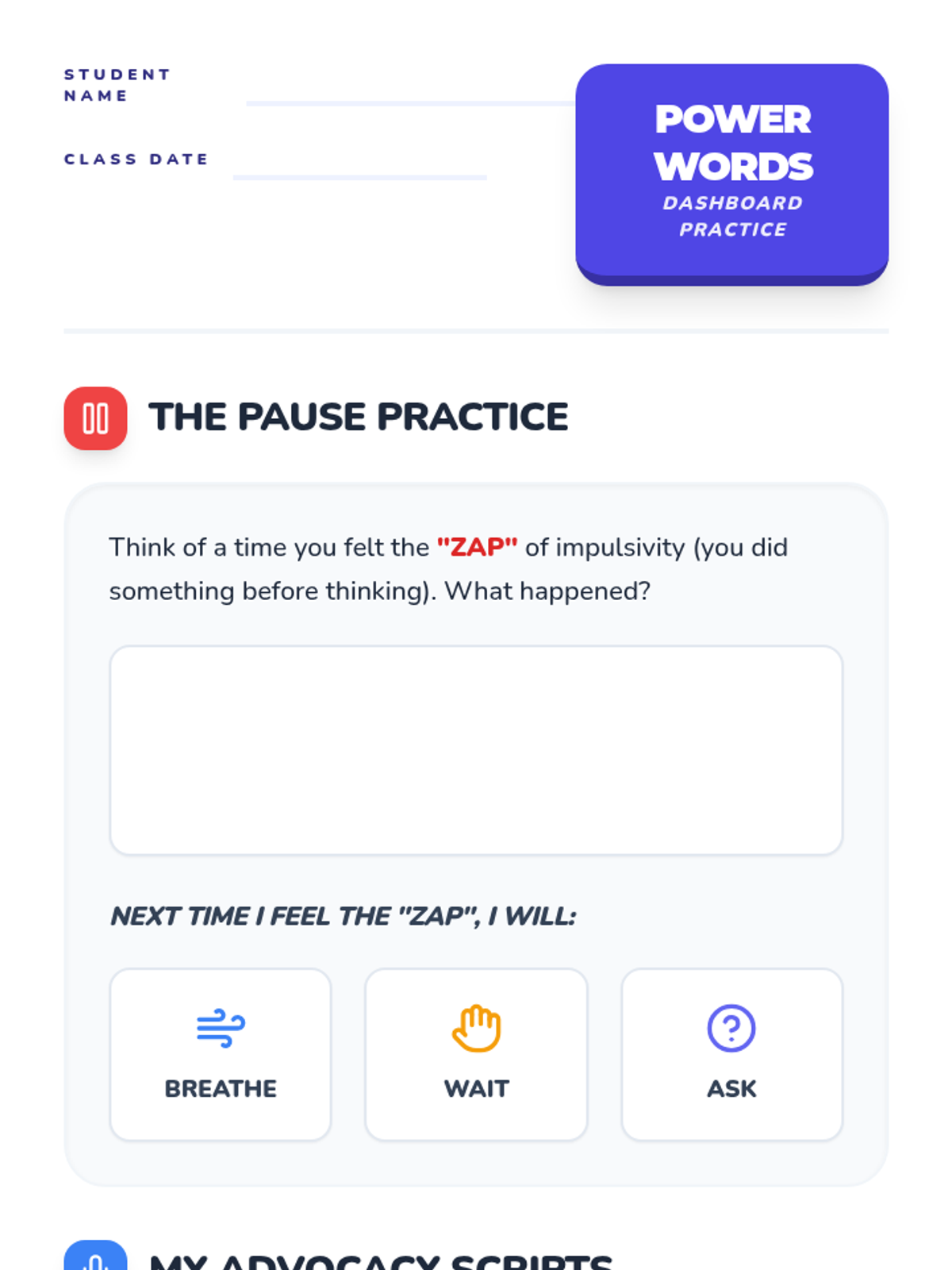
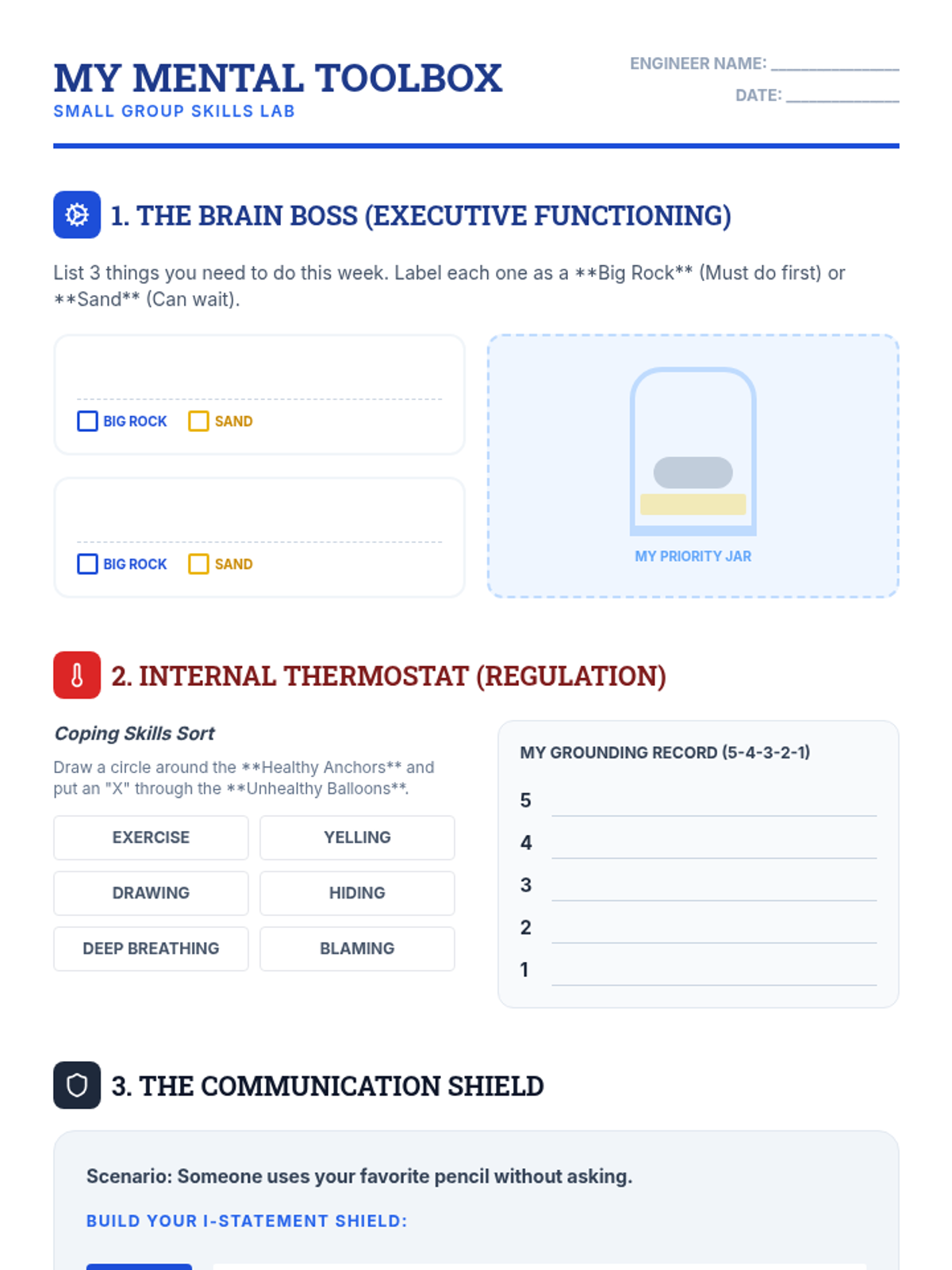
A social-emotional learning series focused on self-regulation, communication, and standing up for oneself in the classroom environment.
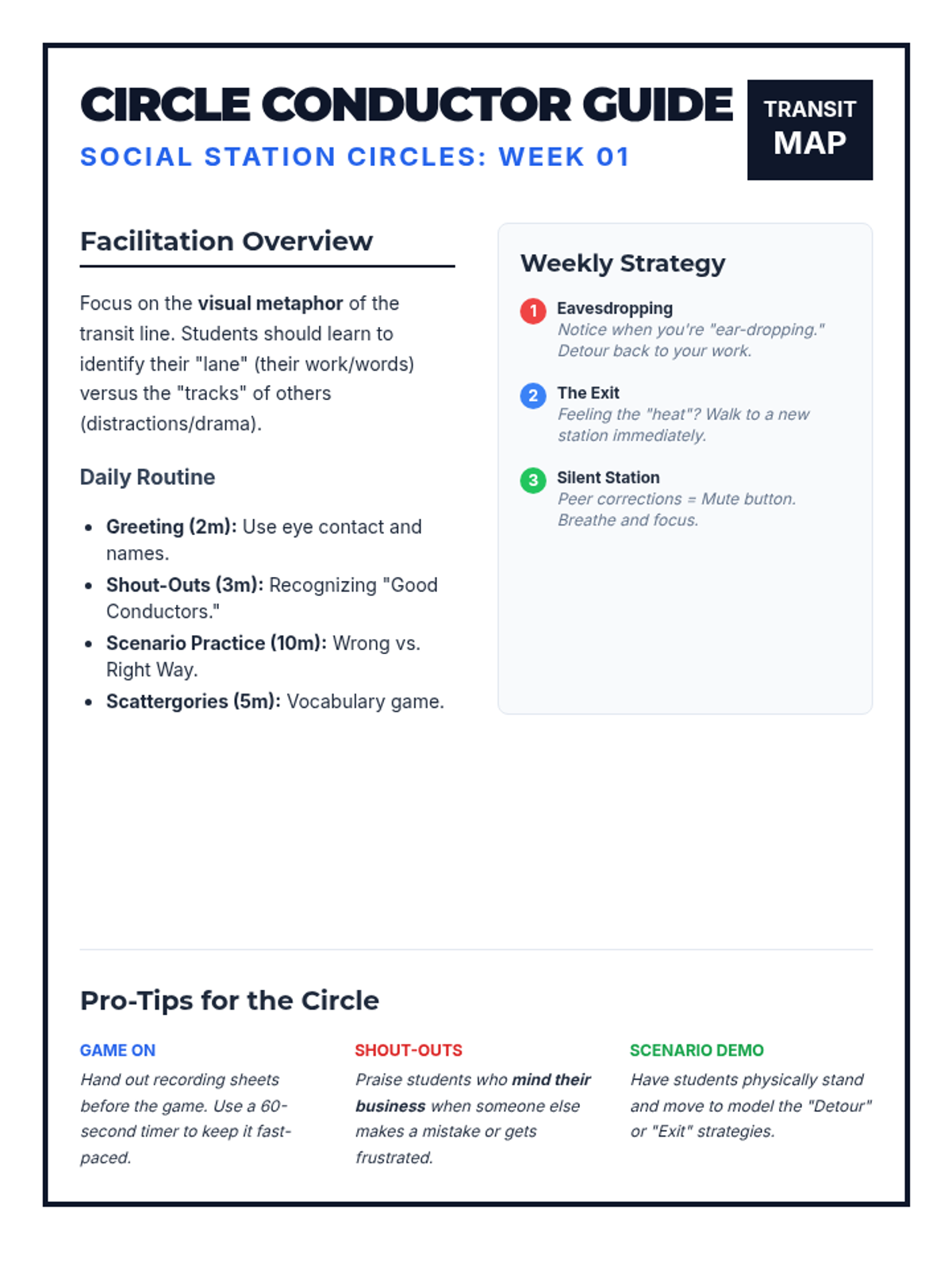
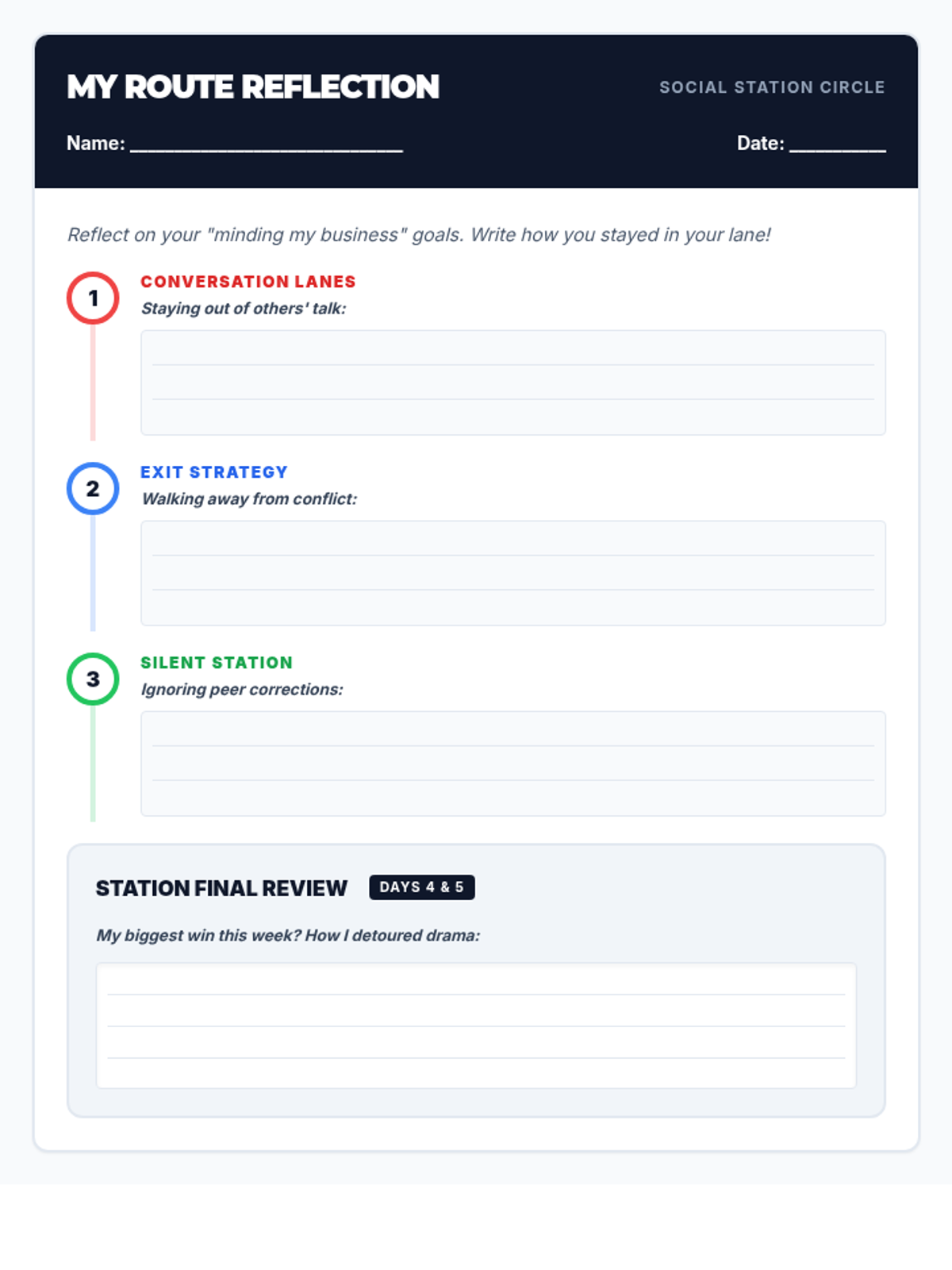
A week-long series of community circle meetings focused on 'minding your business' social skills through transit-themed discussions, scenarios, and school-related Scattergories.
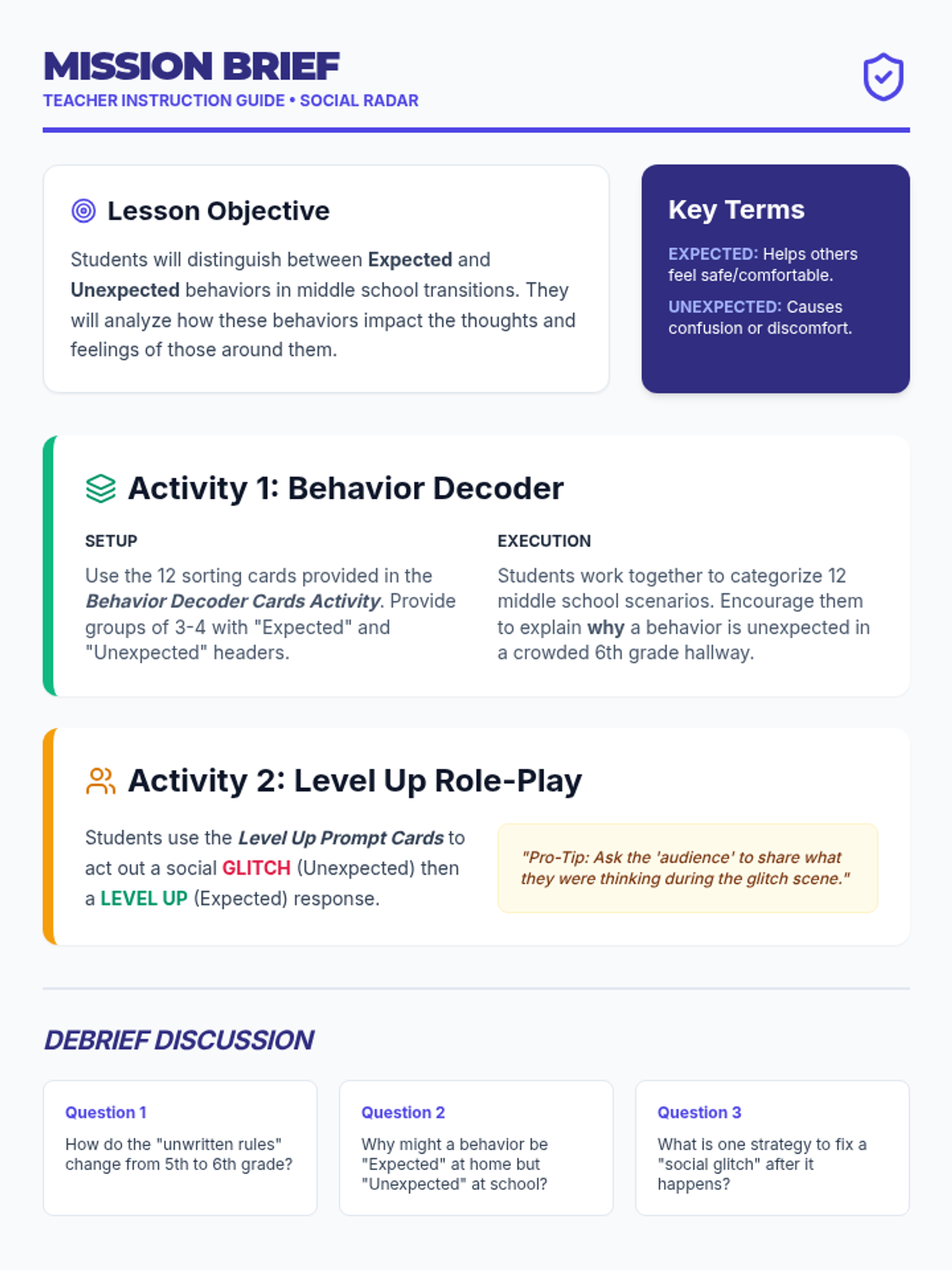
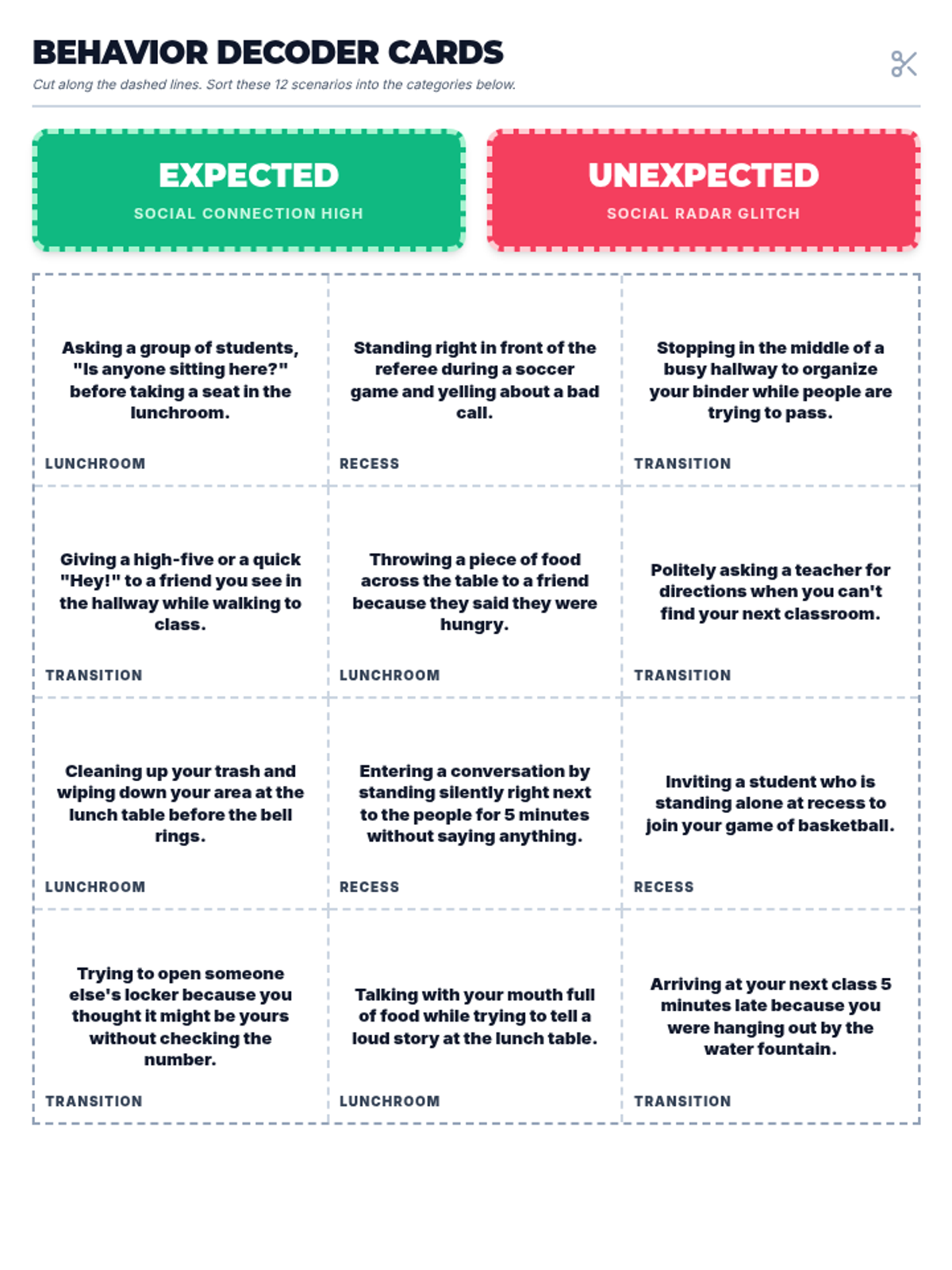
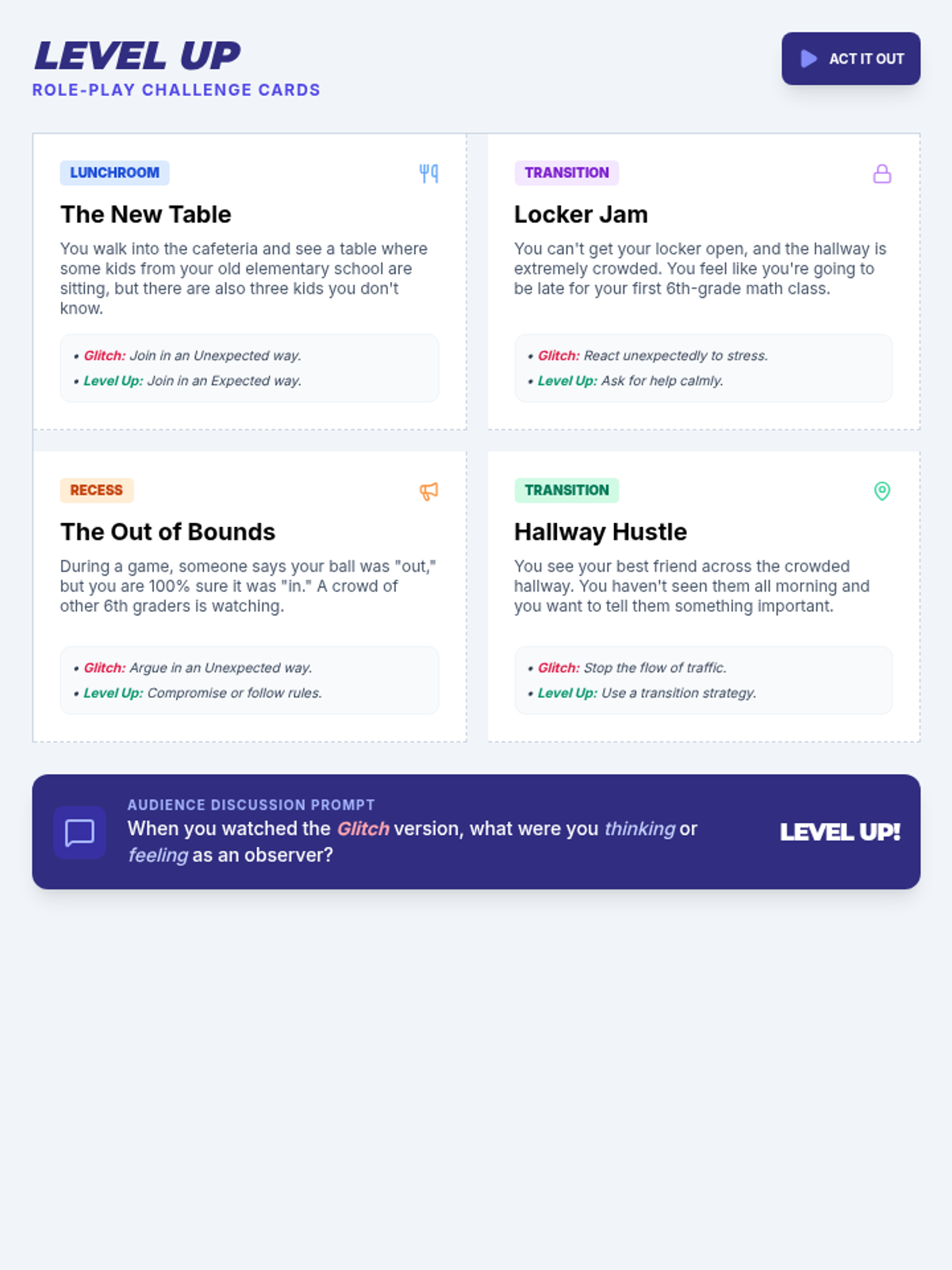
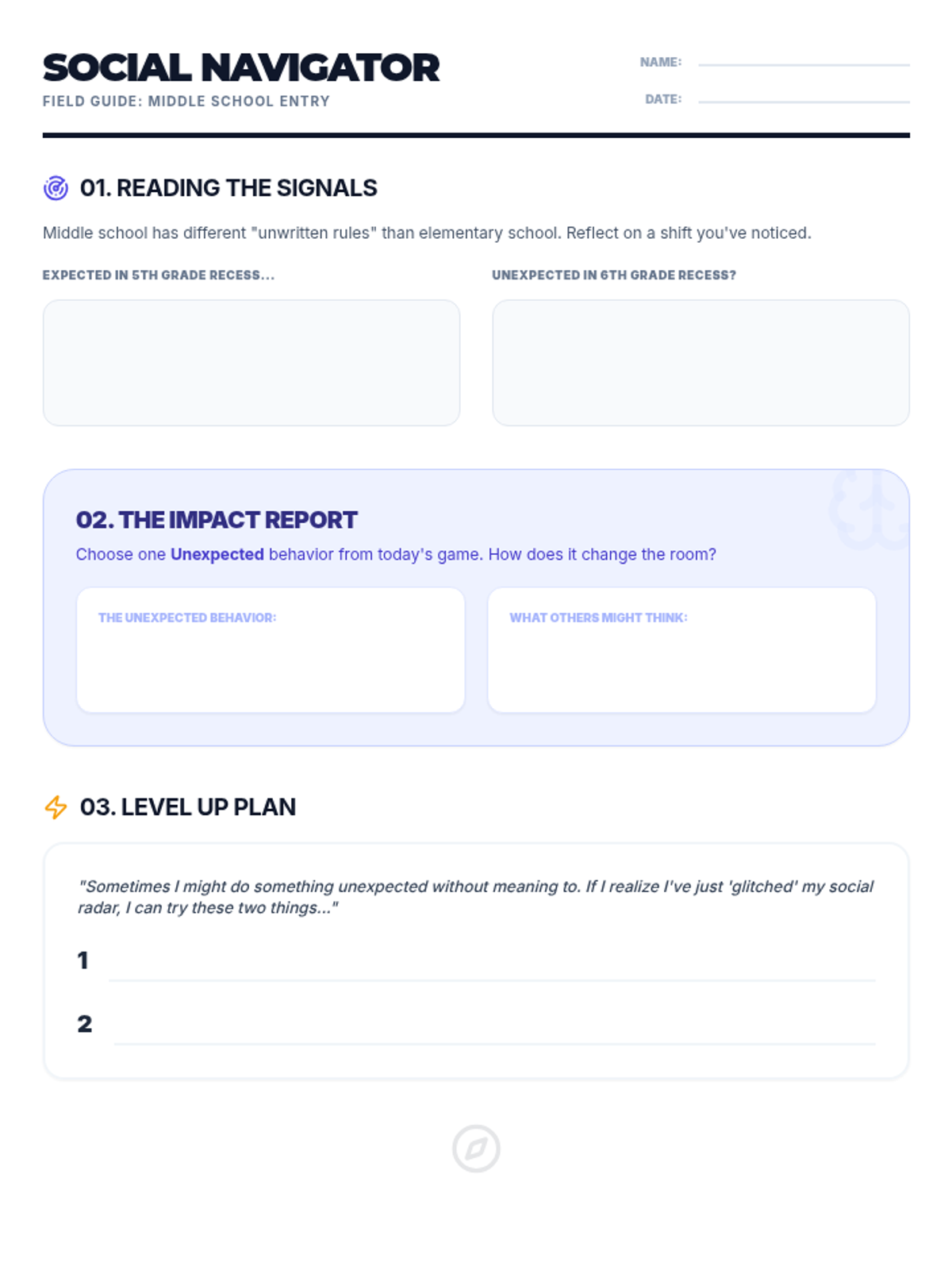
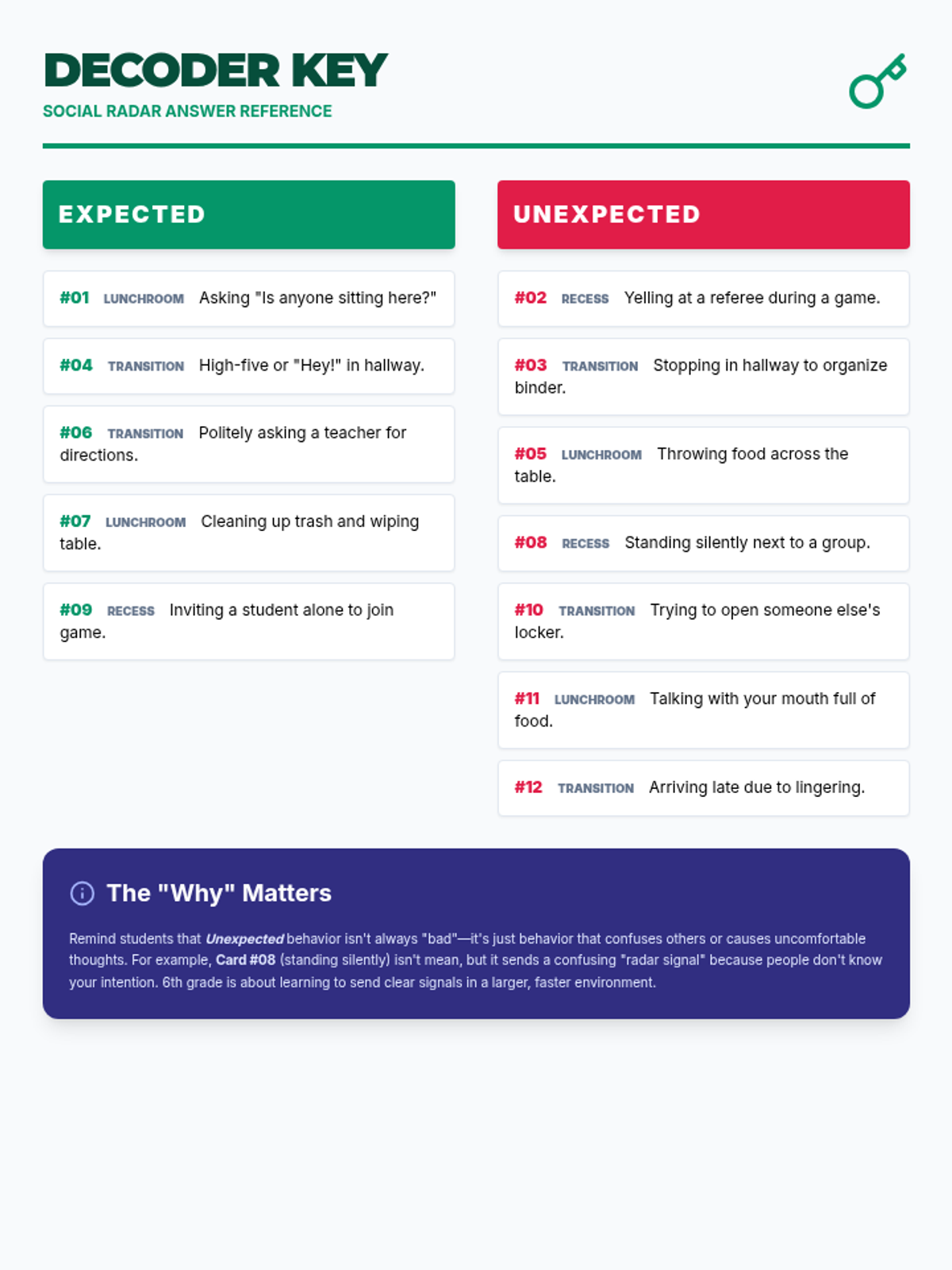
A sequence designed for rising 6th graders to navigate the social complexities of middle school by identifying expected and unexpected behaviors in the lunchroom, at recess, and during the school transition.
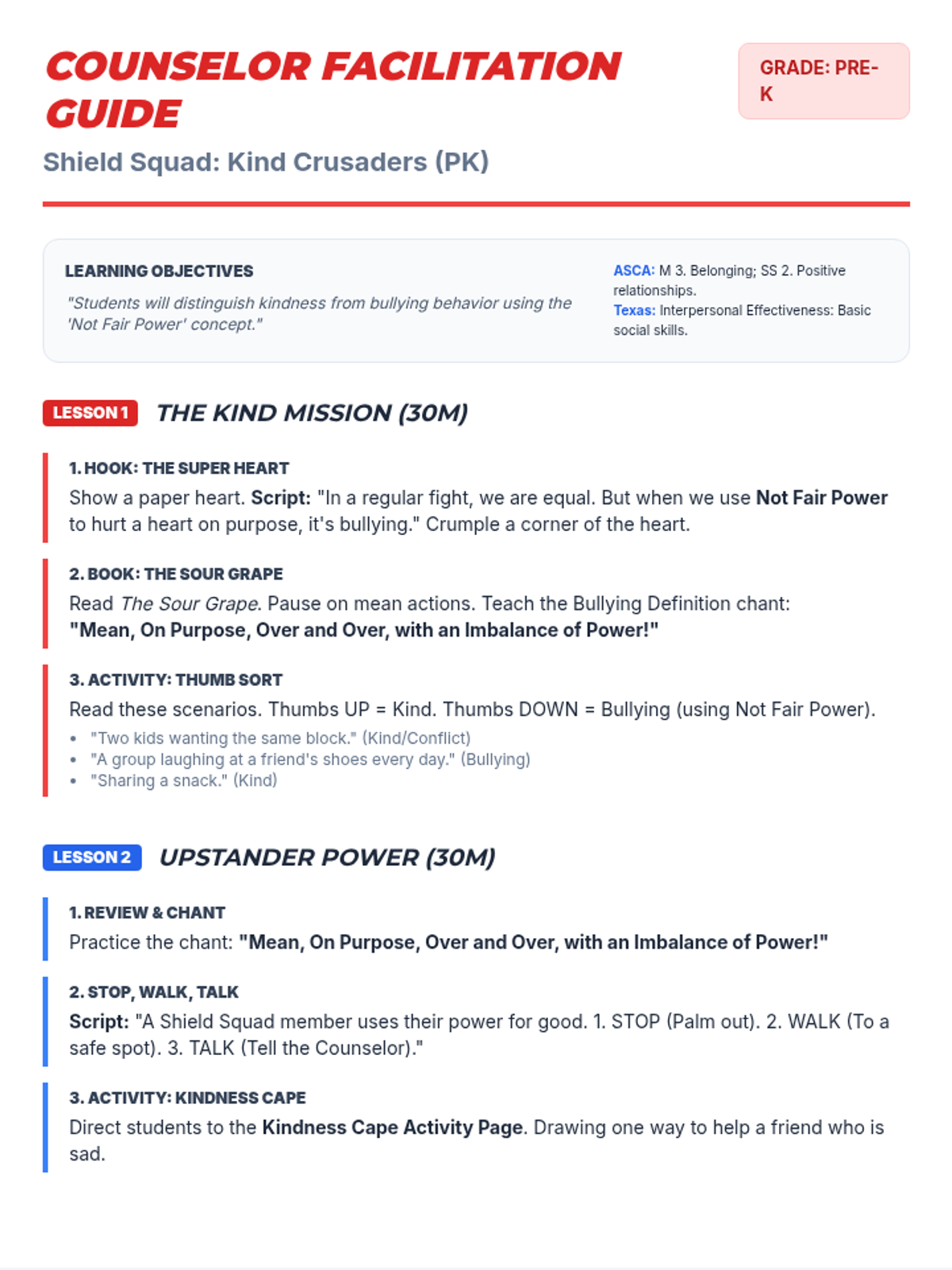
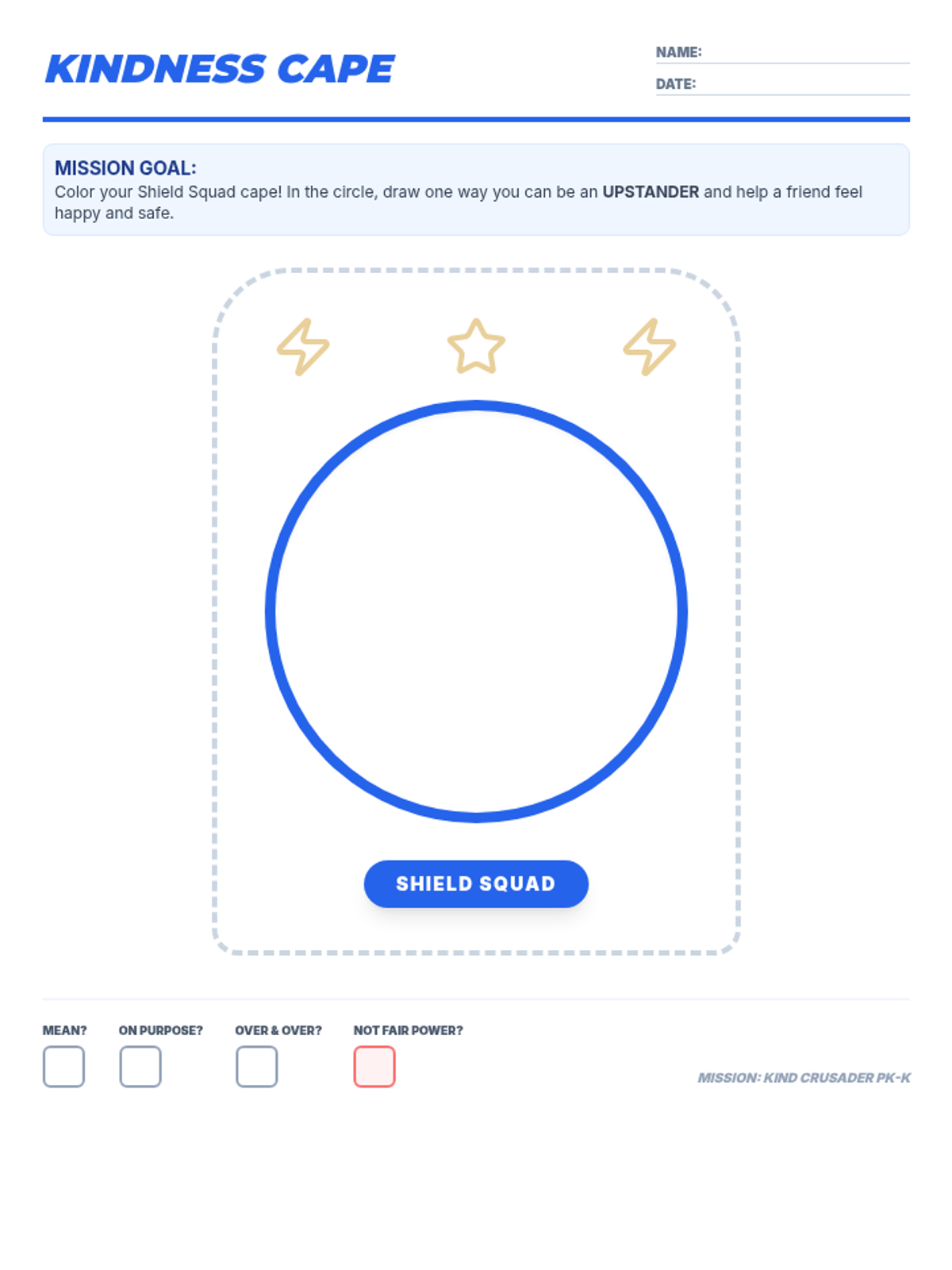
A comprehensive bullying prevention curriculum for PK-6 students, featuring two distinct 30-minute sessions for every individual grade level. The program uses mentor texts by Kathryn Otoshi, Trudy Ludwig, Julia Cook, and others to scaffold concepts of power imbalance, upstander strategies, and school culture change.
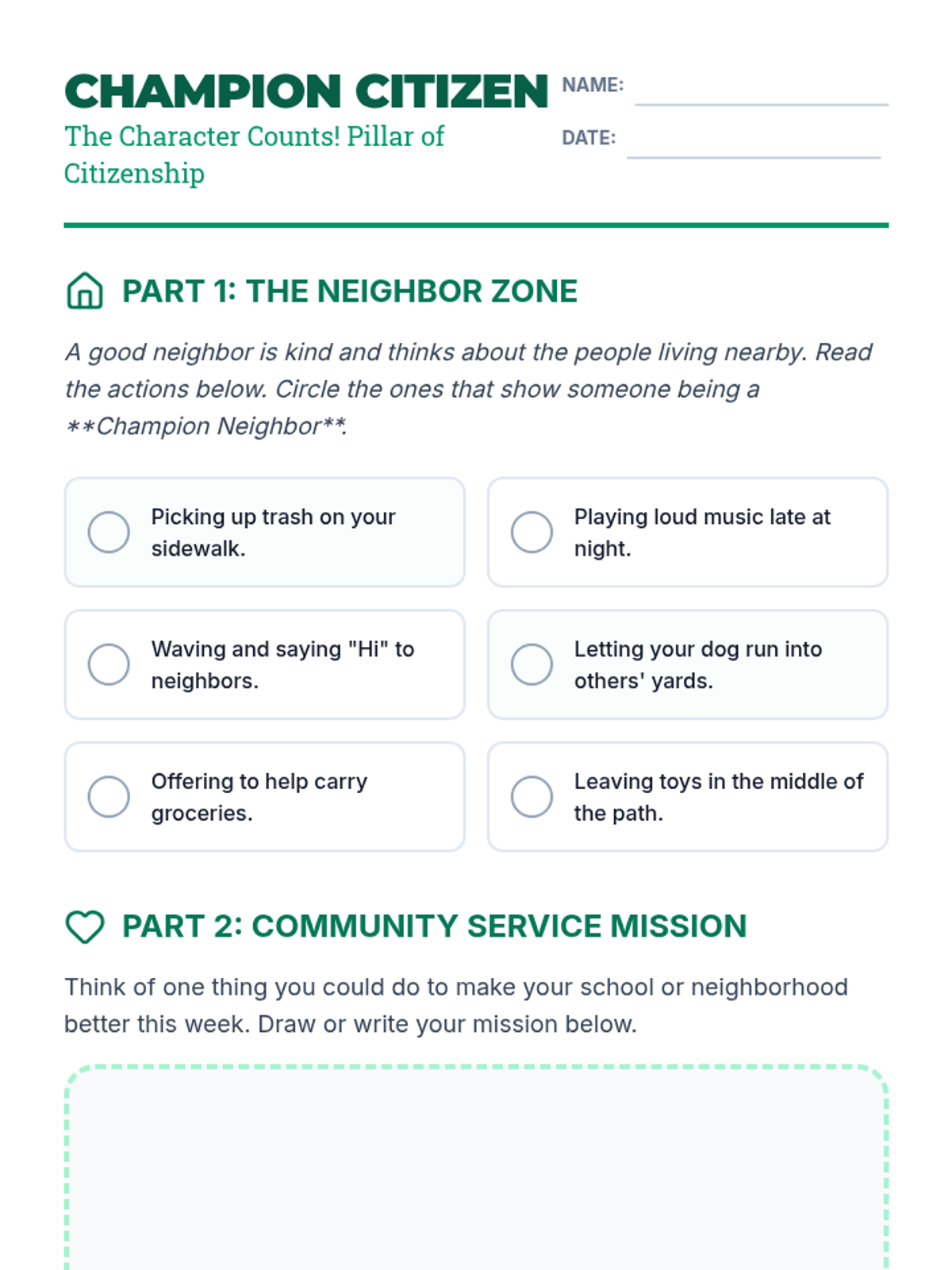
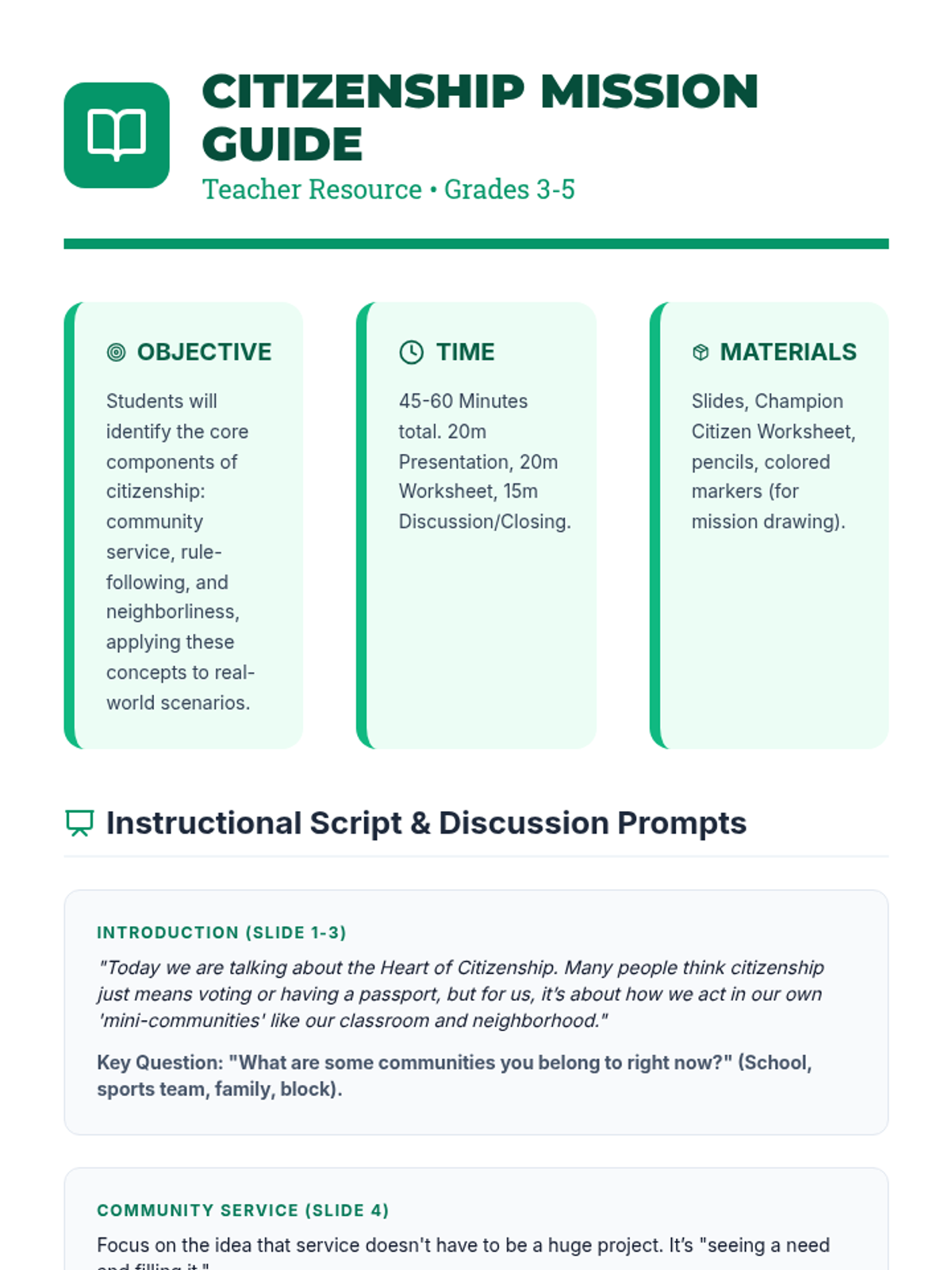
A sequence of lessons focused on the pillars of character, starting with citizenship. Students explore what it means to be a productive and caring member of their community through service and responsibility.
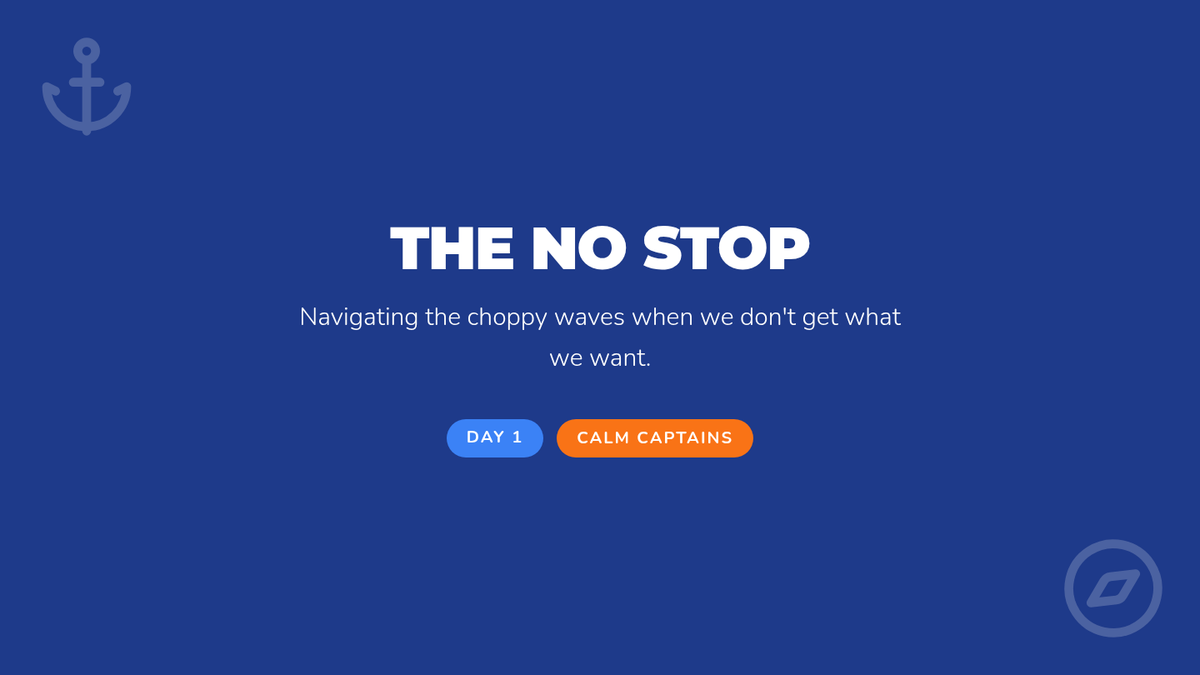
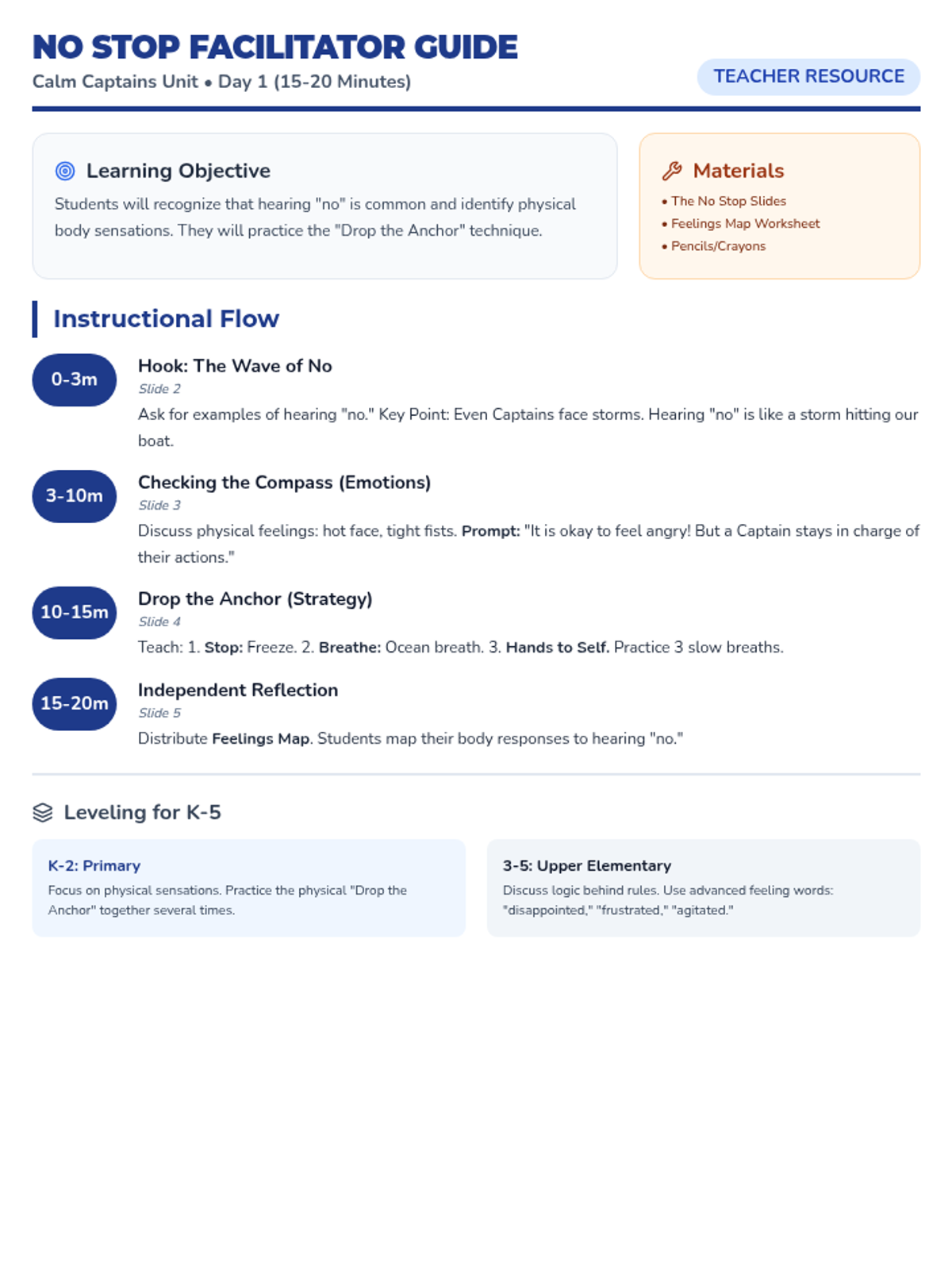
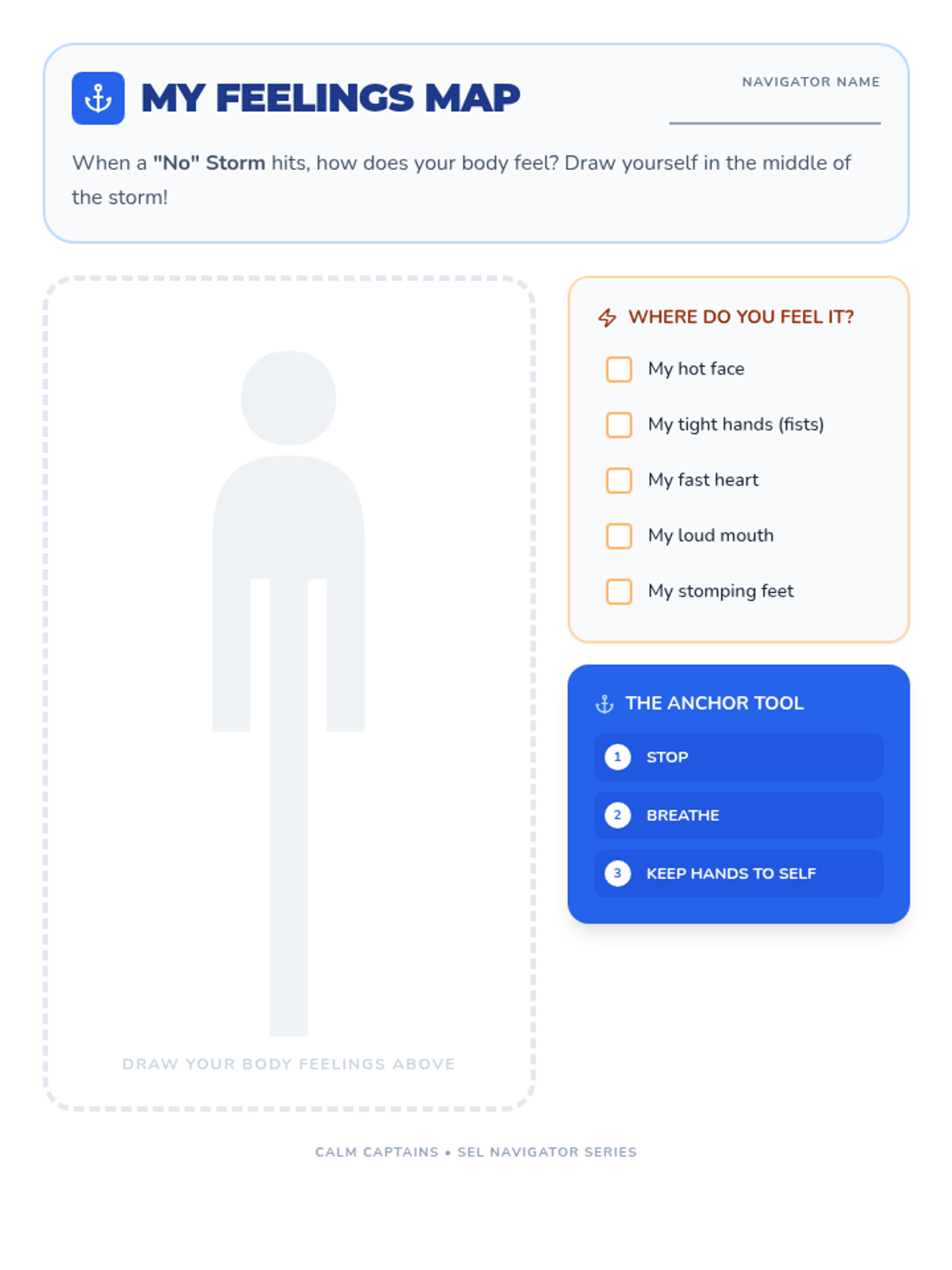
A two-day SEL unit for K-5 students focused on the essential skill of accepting "no" with a calm body and mind. Using a nautical navigation theme, students learn to identify their feelings when hearing "no" and practice specific strategies to navigate back to a positive state.
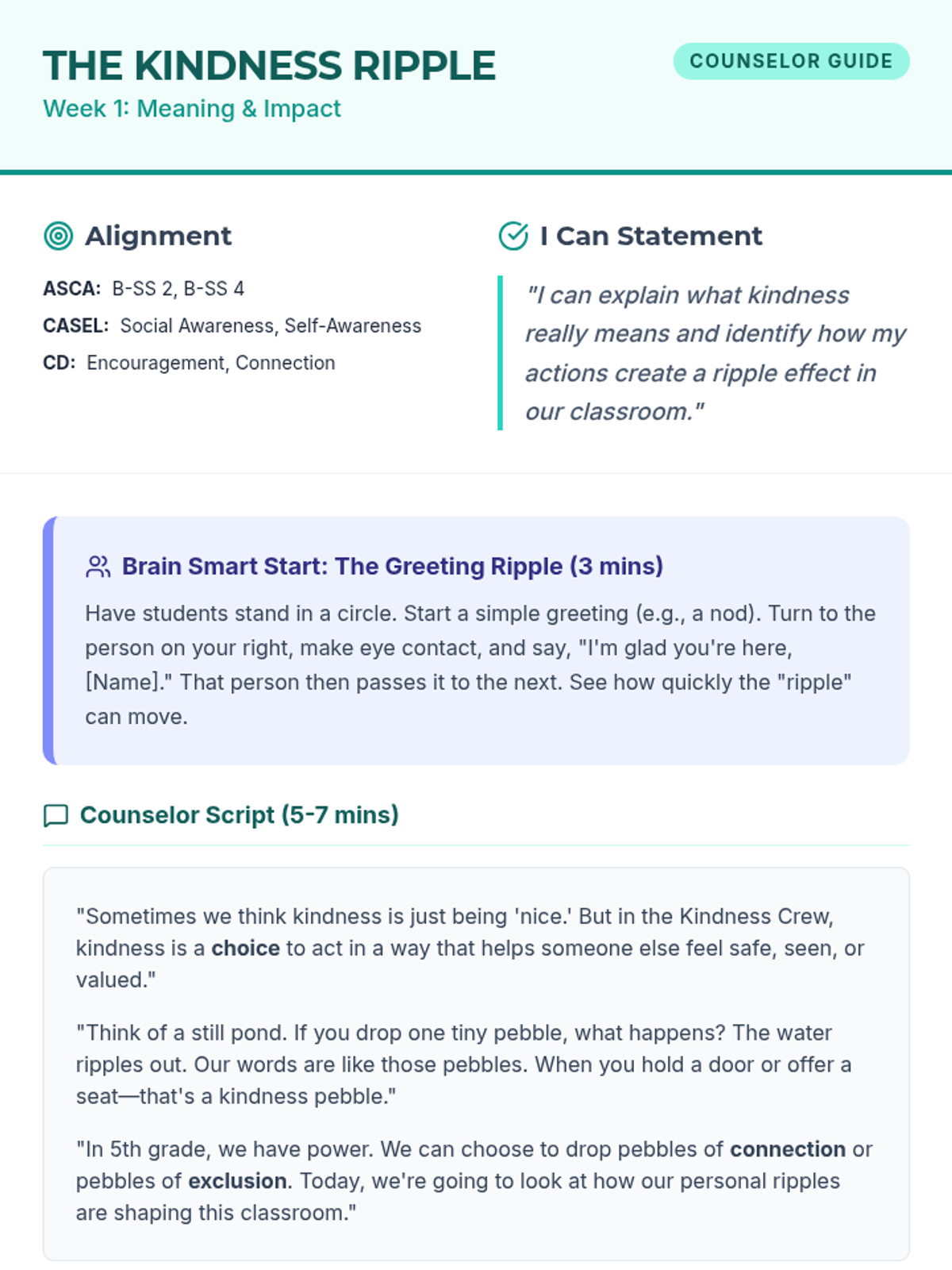
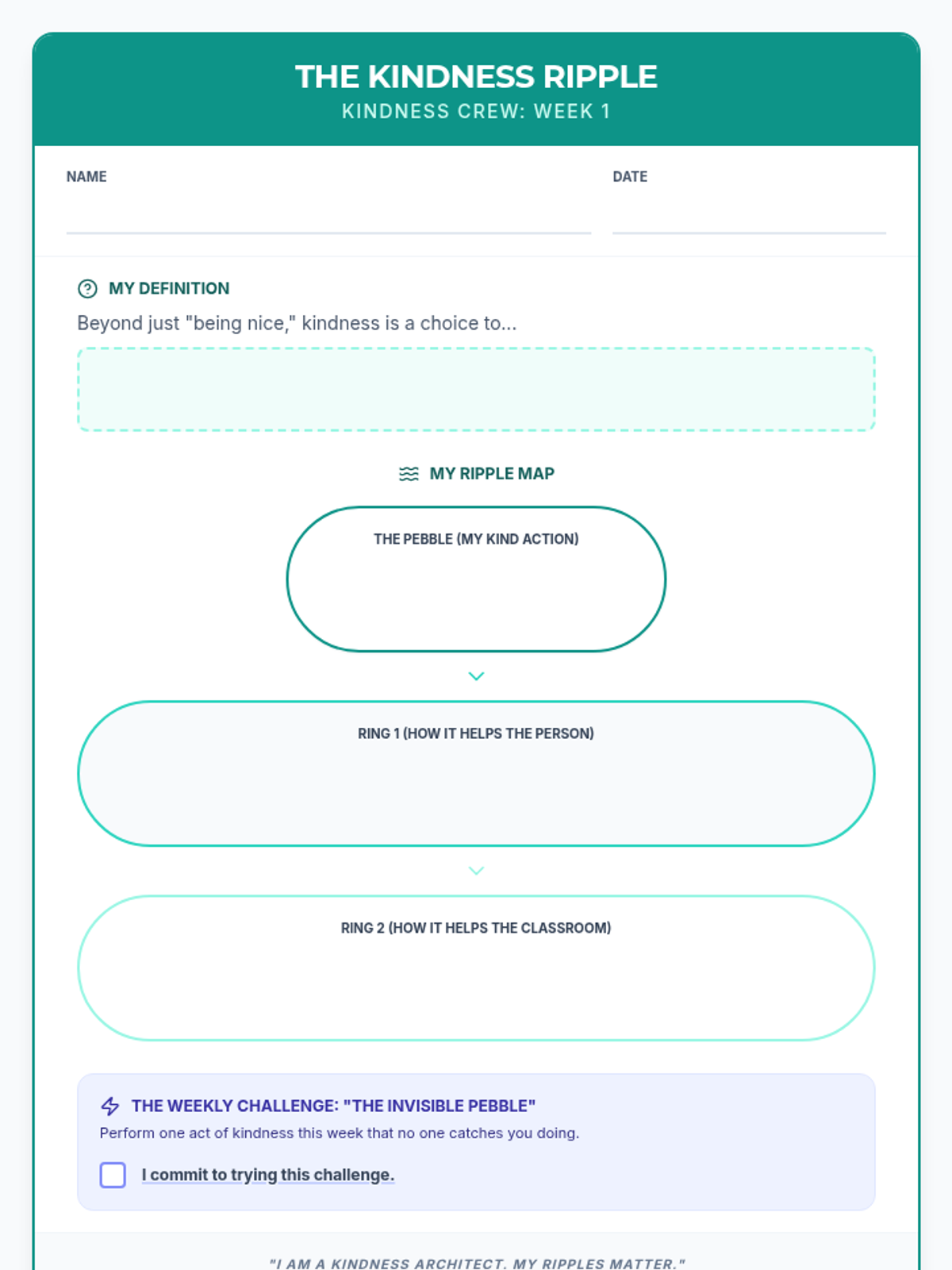
A 6-week Social-Emotional Learning series for fifth graders focused on building empathy, kindness, and assertive communication skills. Rooted in ASCA standards and Conscious Discipline principles, the sequence guides students from understanding self-awareness to creating a classroom culture of inclusion.
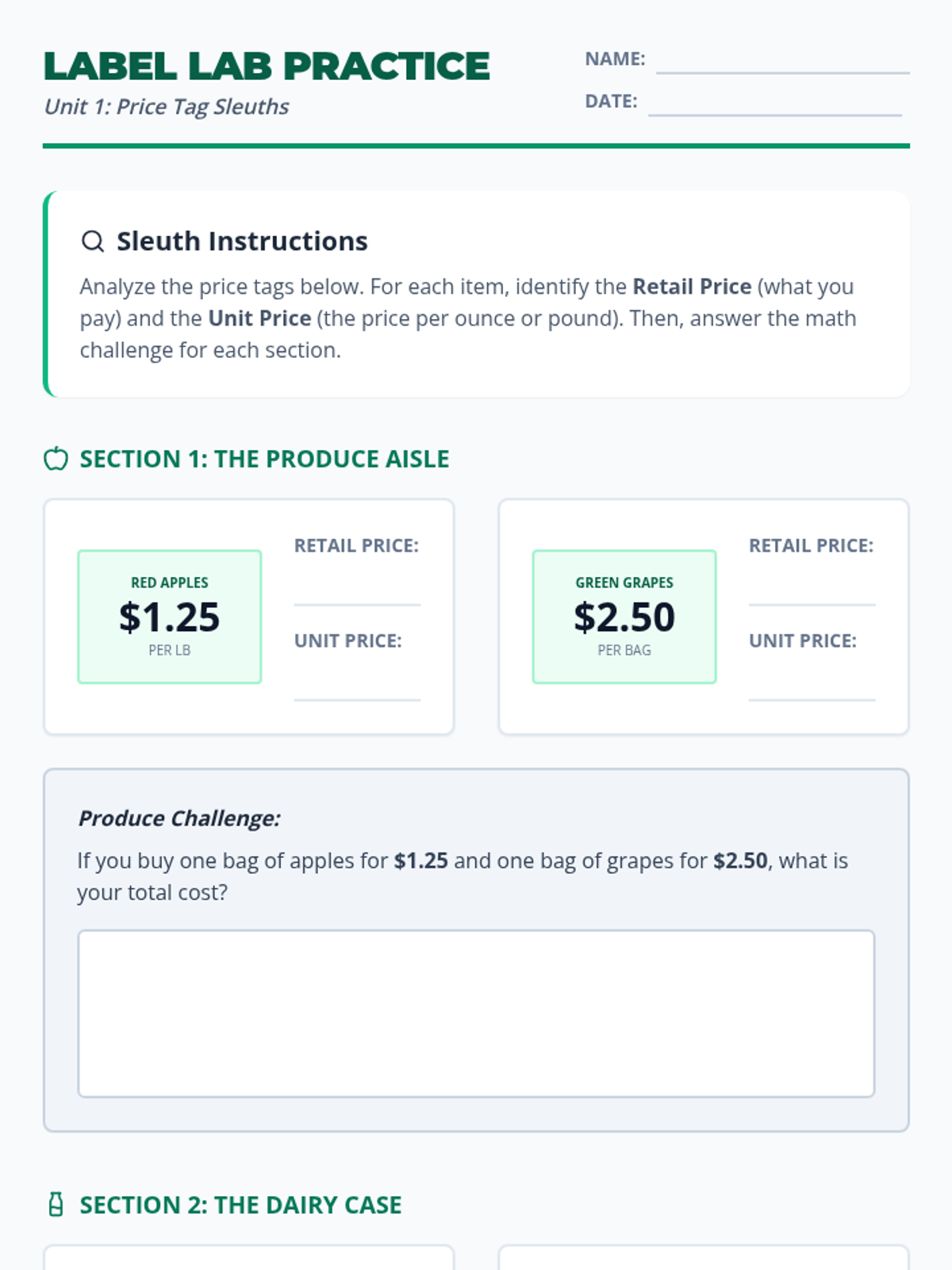
A 4-day life skills project focusing on grocery budgeting, price comparison, and decimal arithmetic through a supermarket-themed simulation.
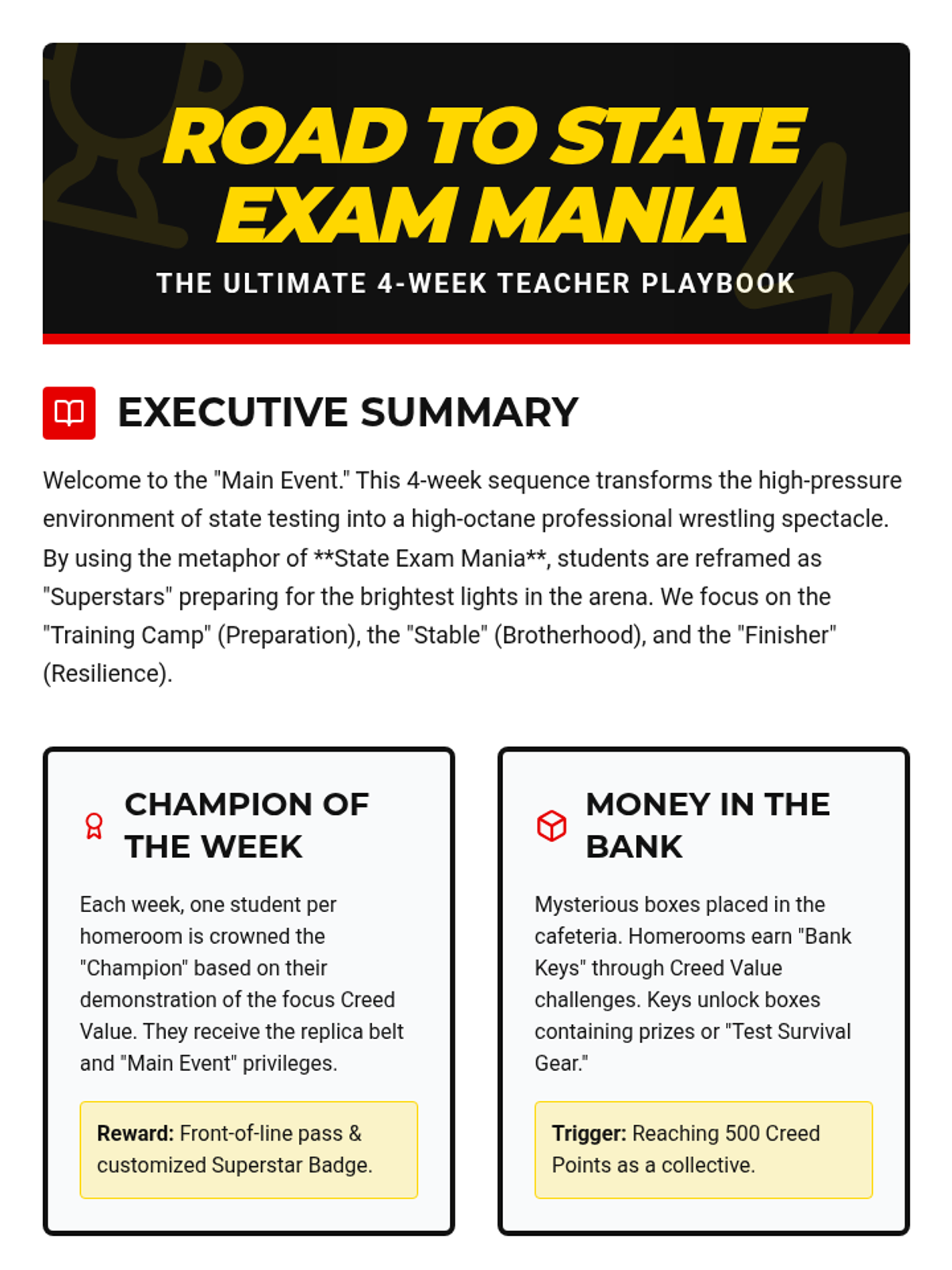
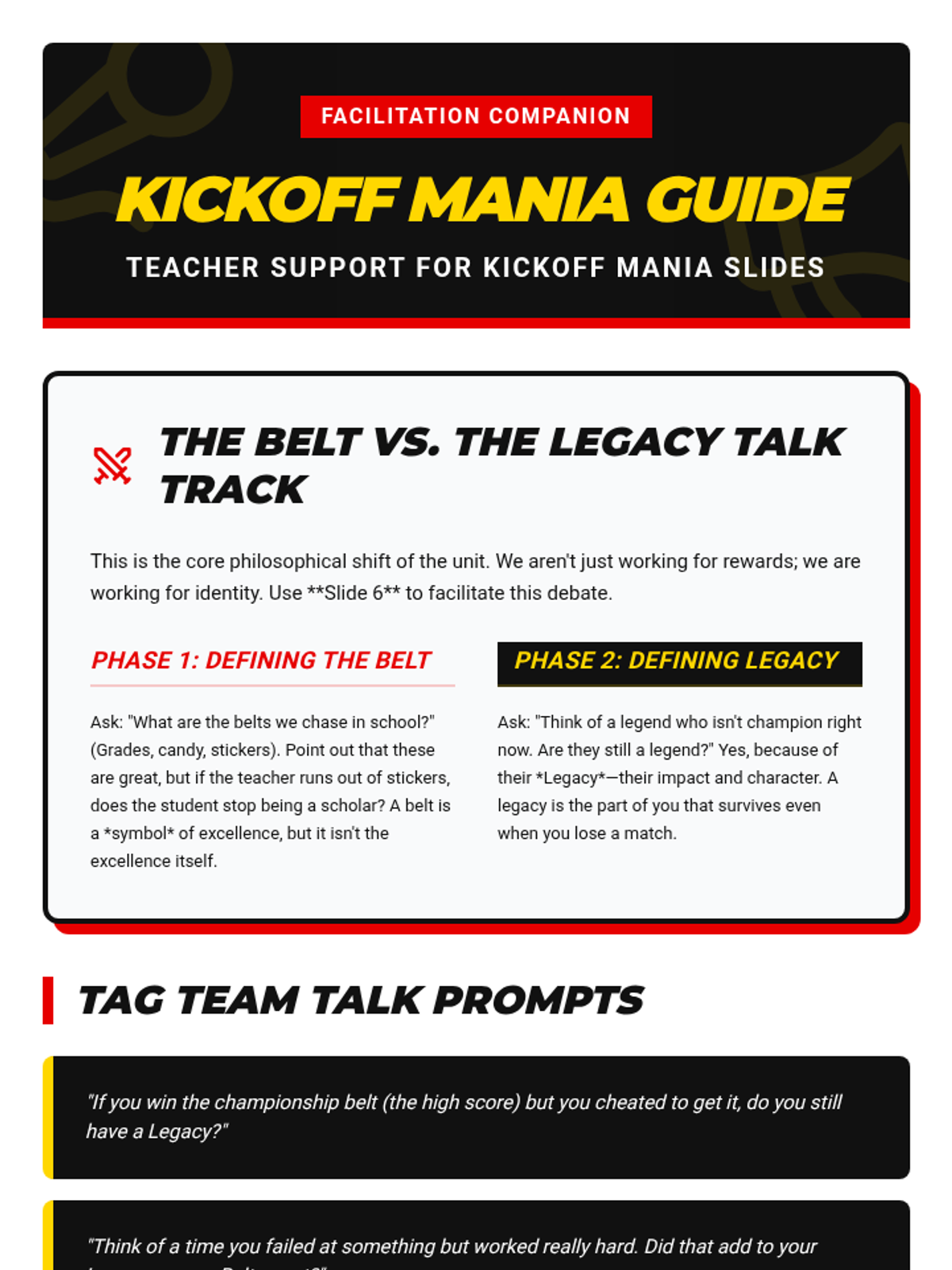
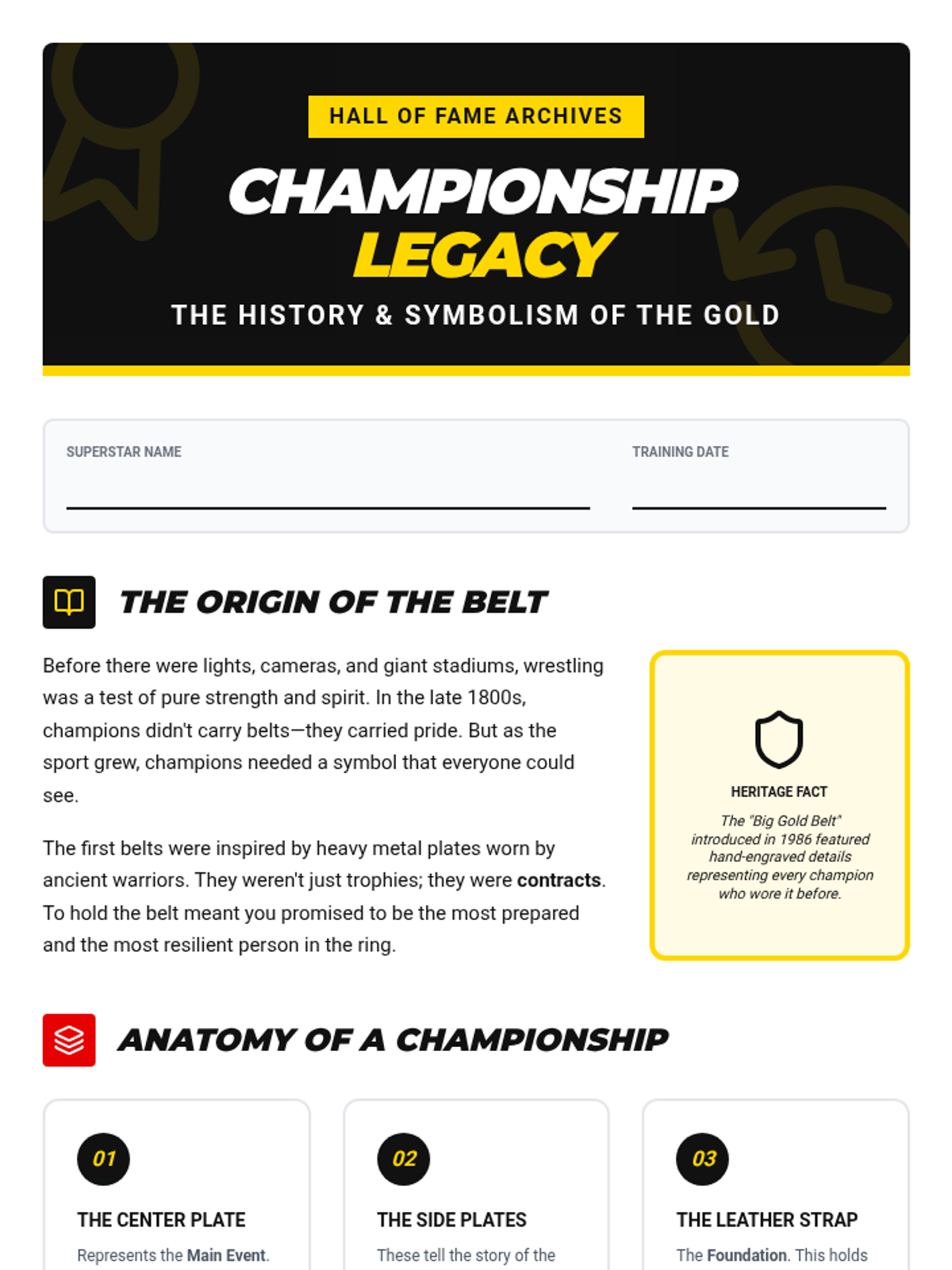
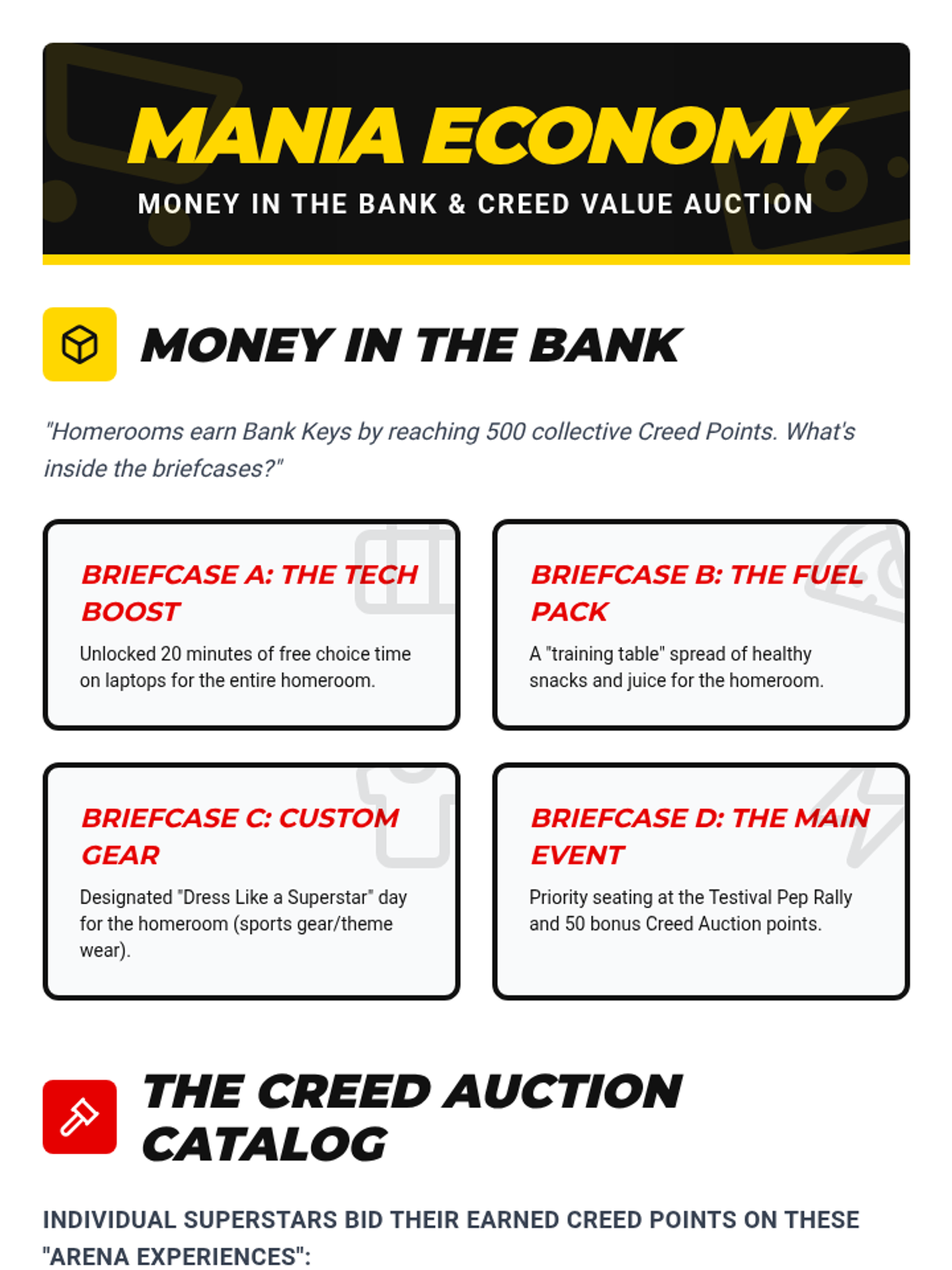
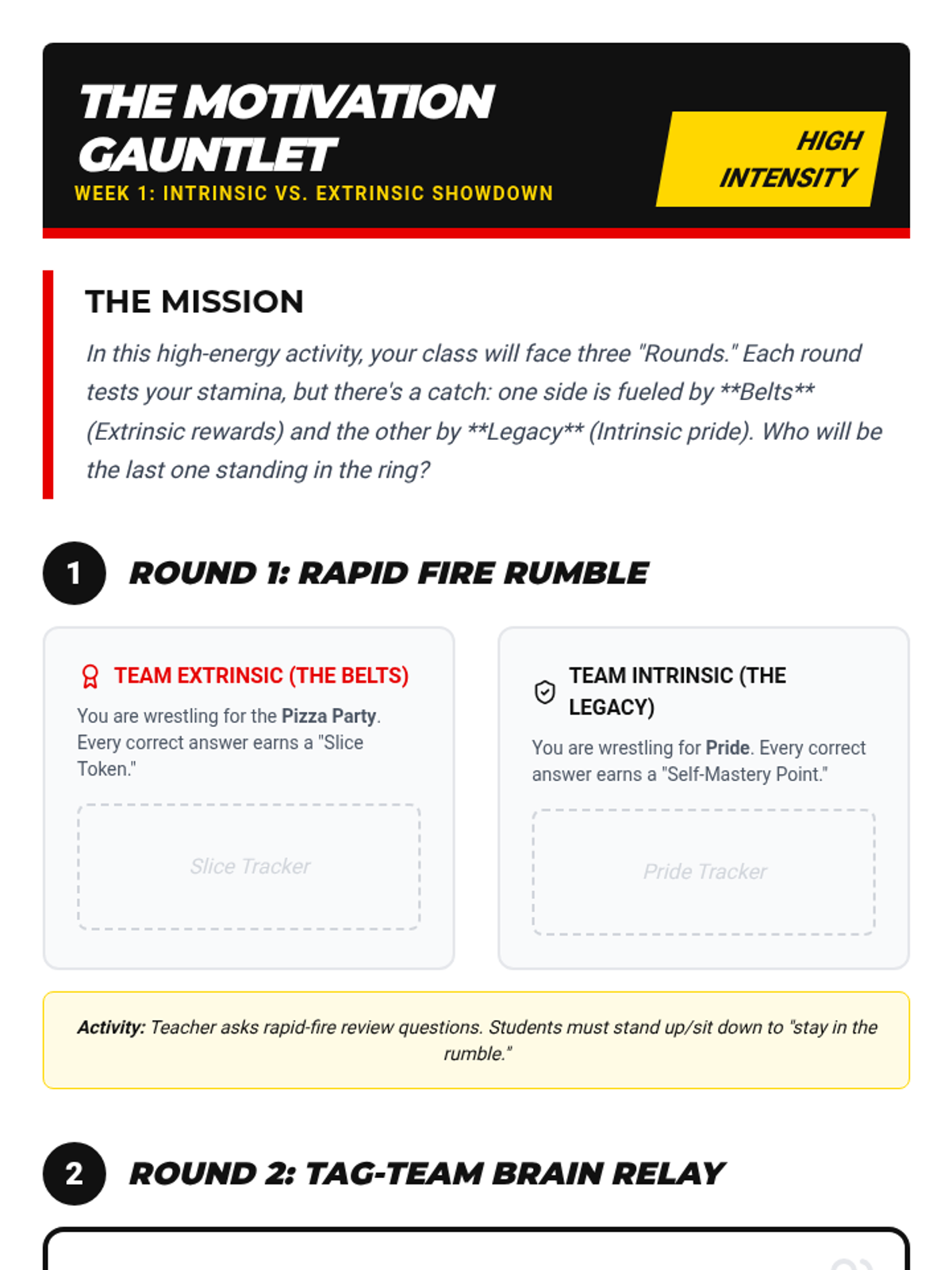
A 4-week socio-emotional learning sequence using professional wrestling as a metaphor for state exam preparation, focusing on motivation, resilience, and brotherhood.
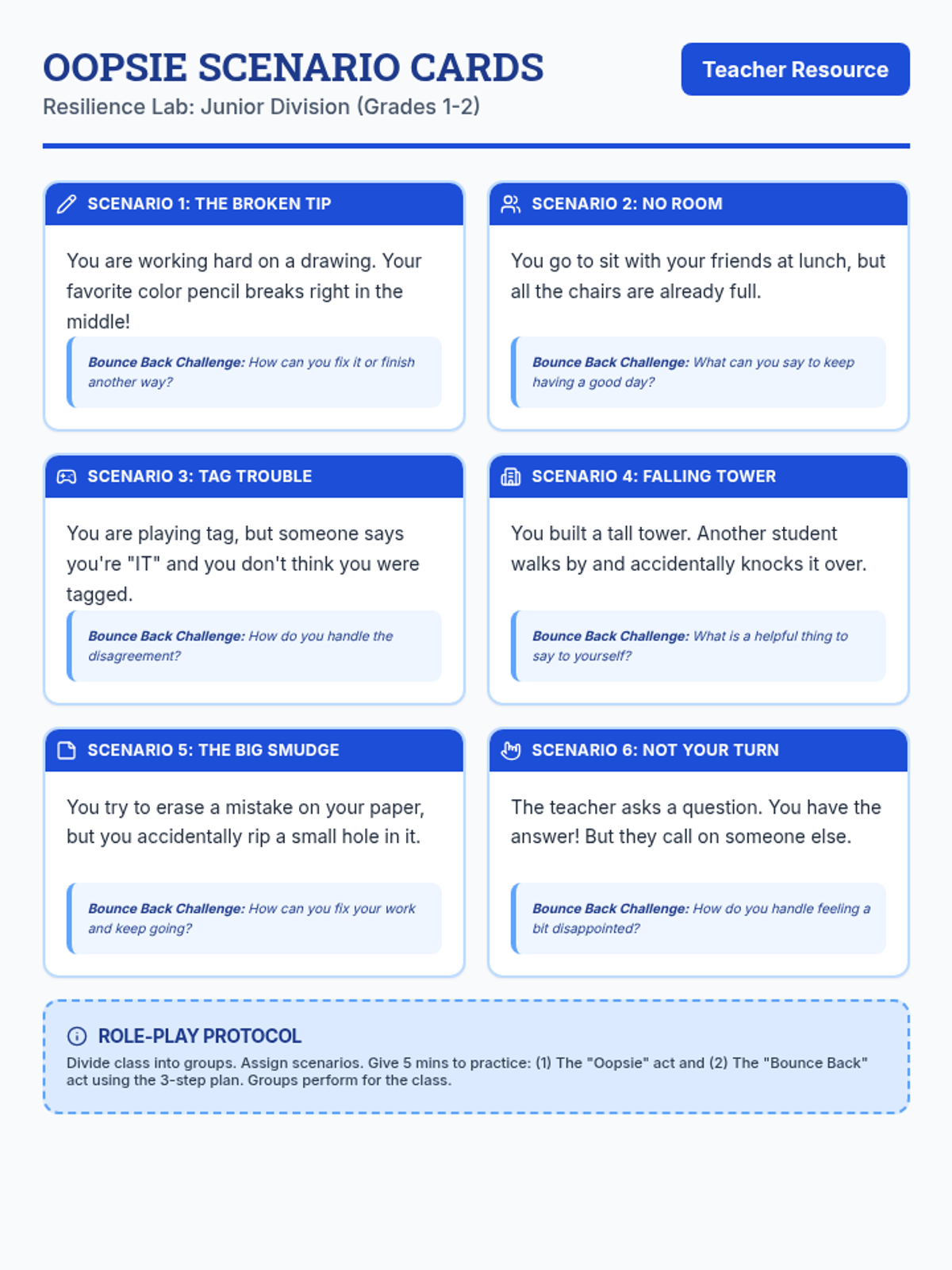
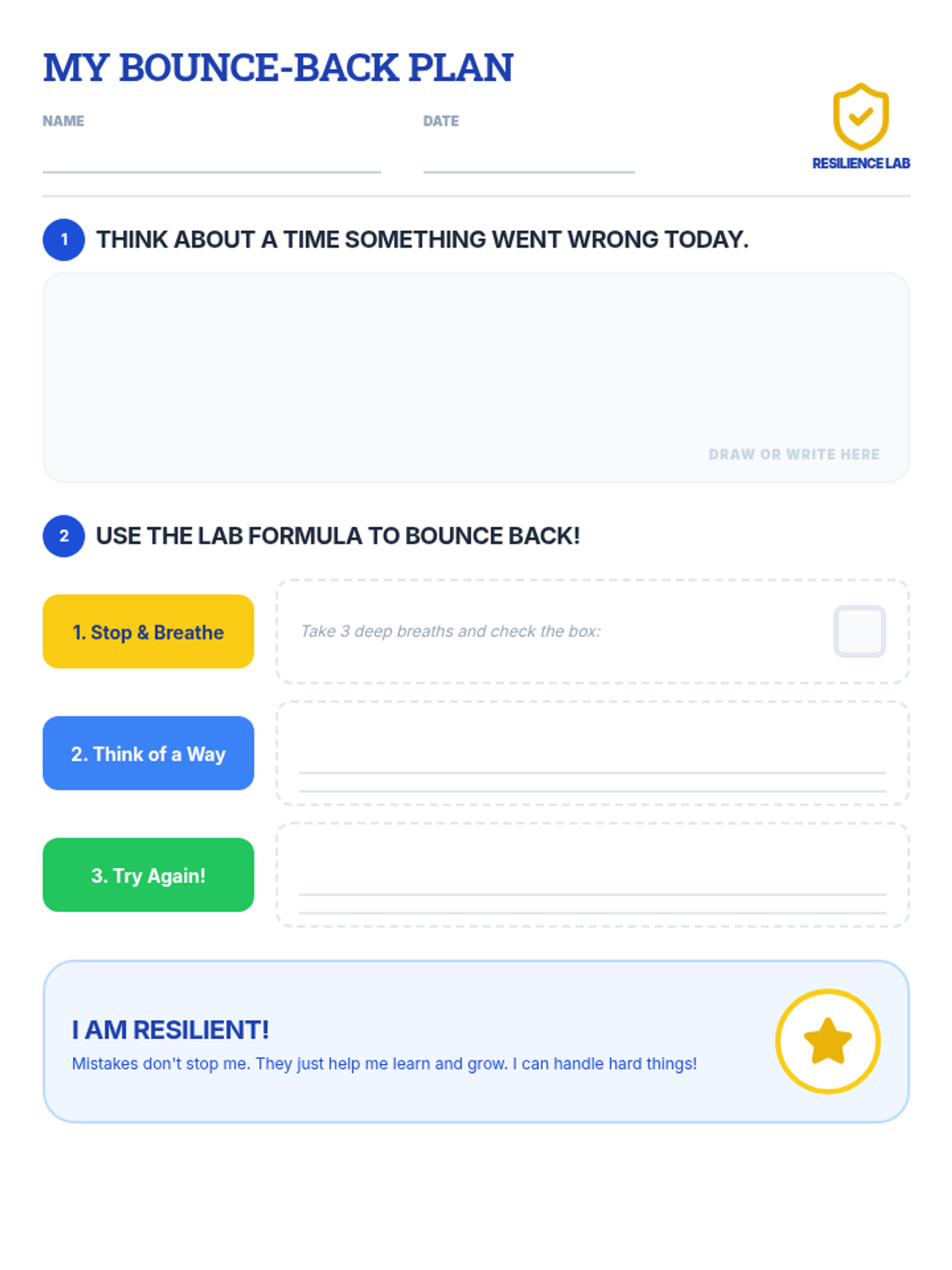
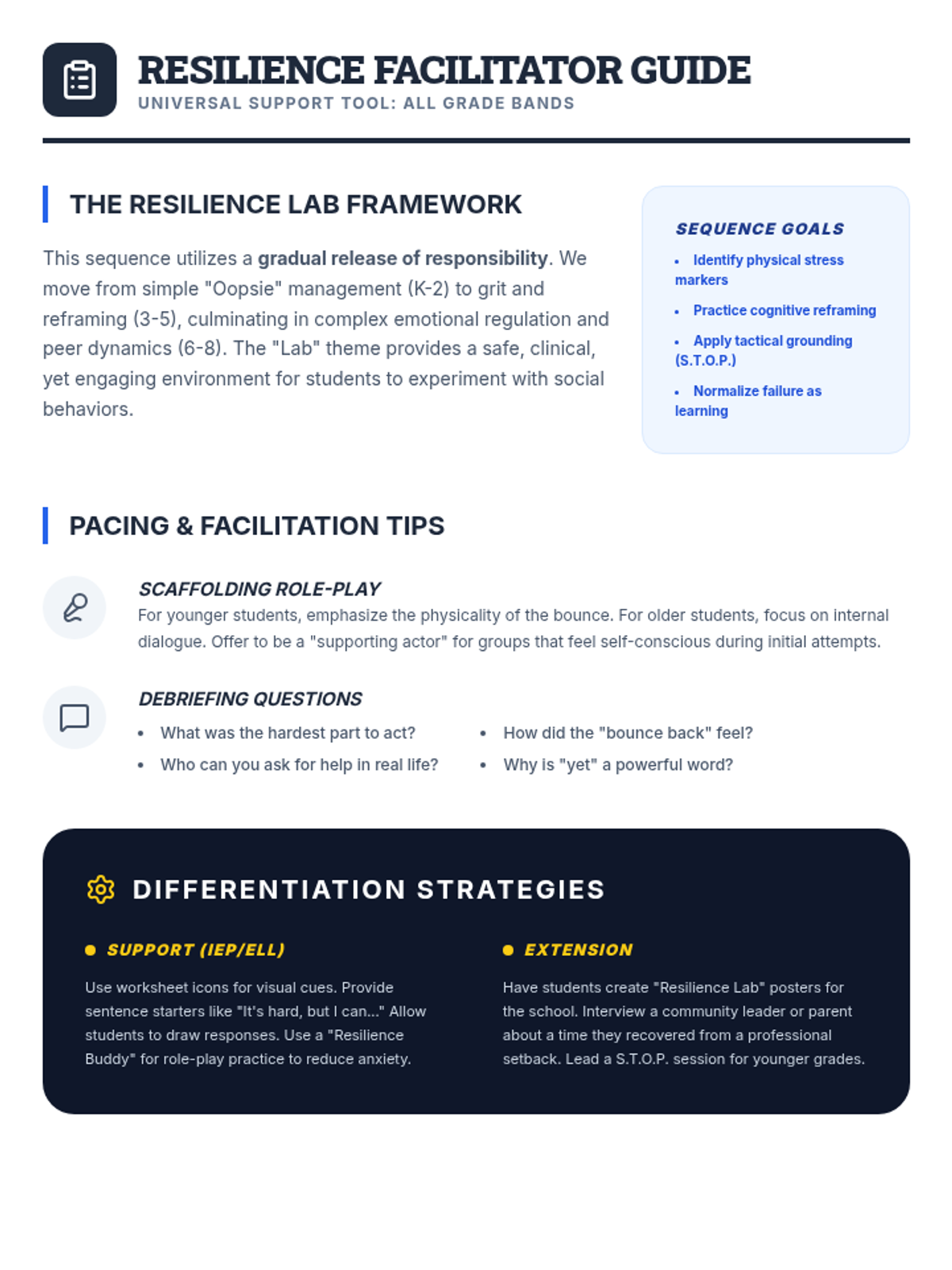
A comprehensive sequence on building resilience across three grade bands (1st-2nd, 3rd-5th, and 6th-8th), using the 'Resilience Lab' theme to teach students how to navigate setbacks and grow through challenges.
A comprehensive resilience curriculum spanning K-8, focusing on emotional regulation, growth mindset, and stress management through age-appropriate challenges and strategies.
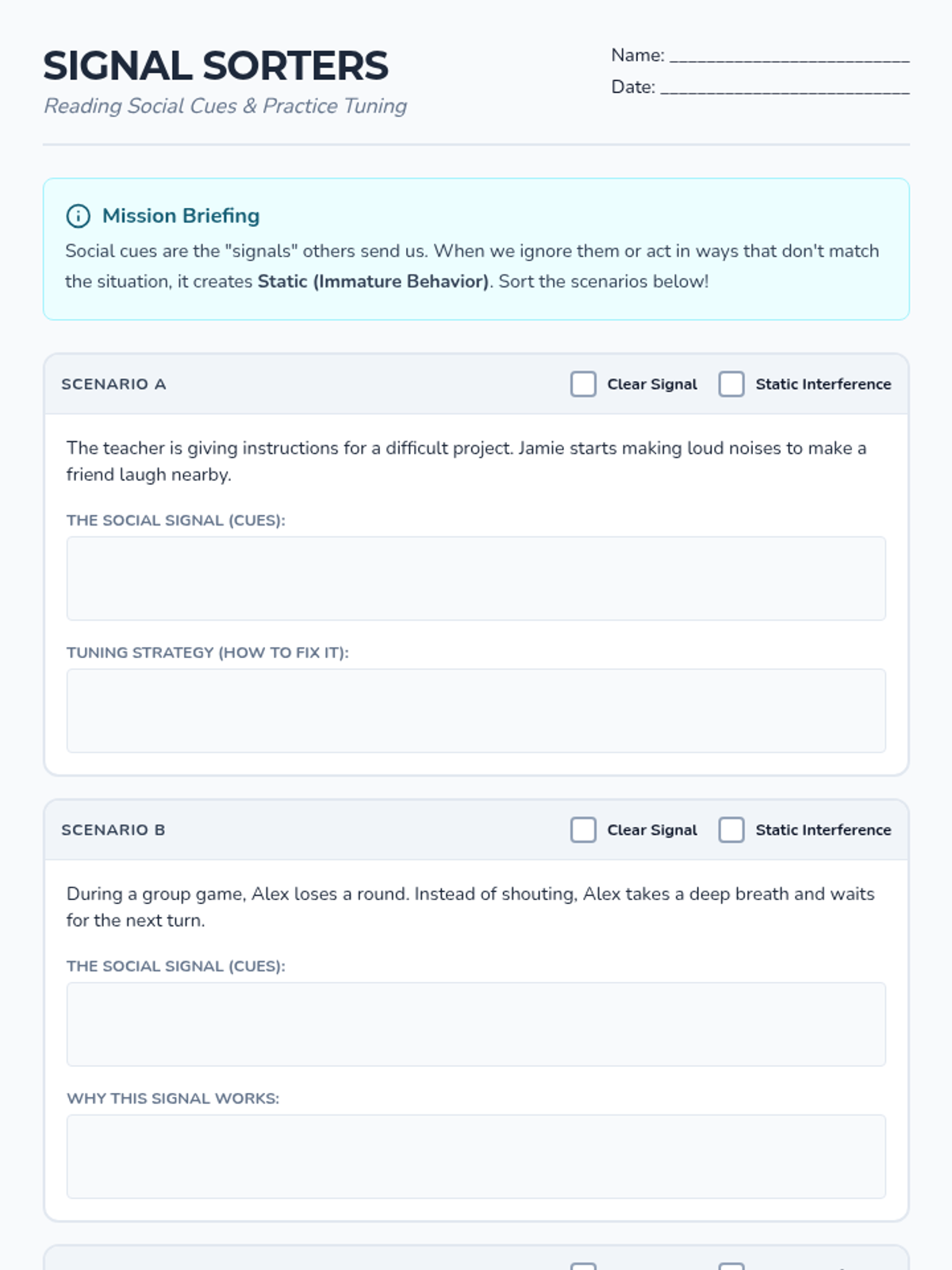
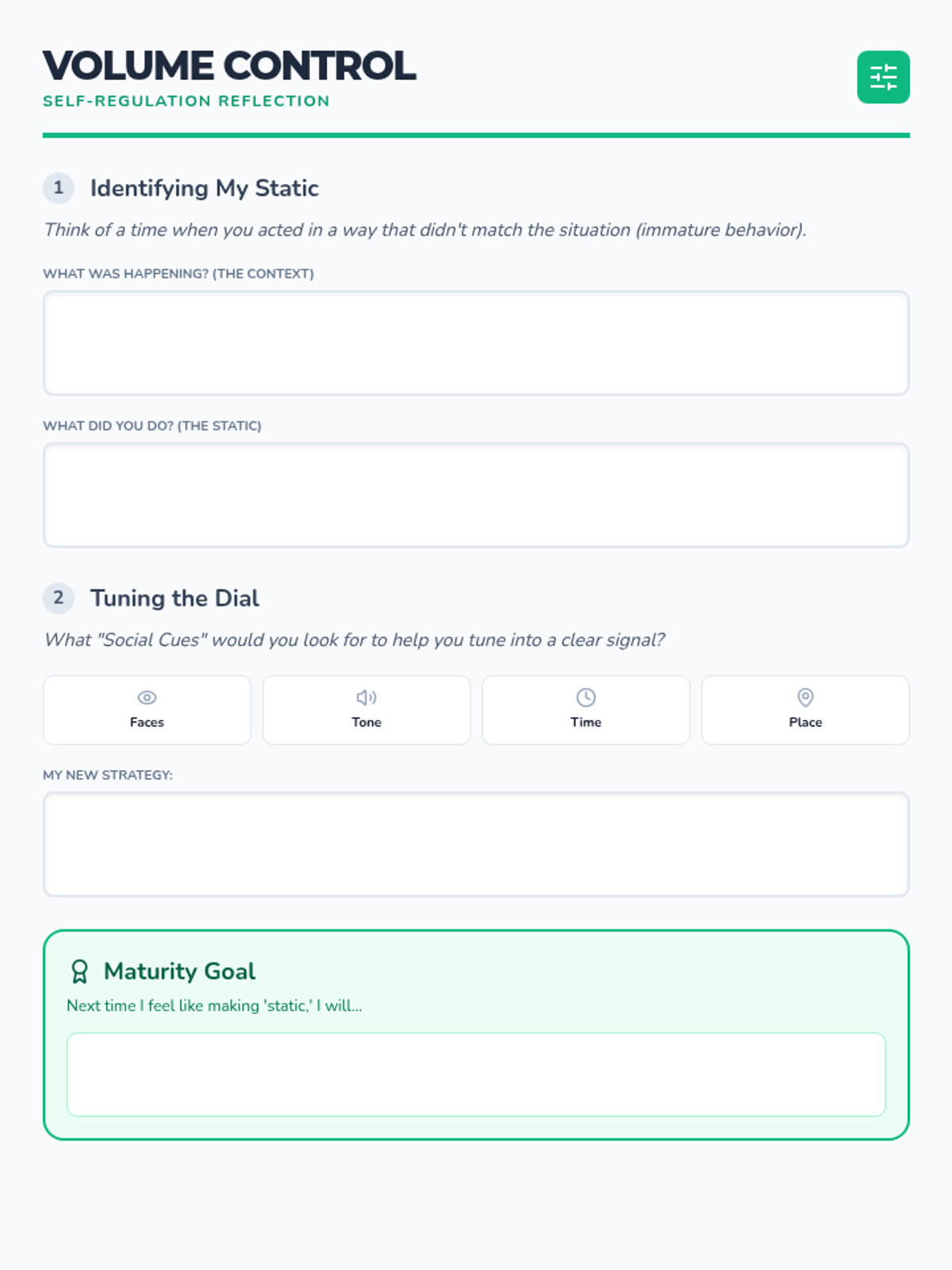
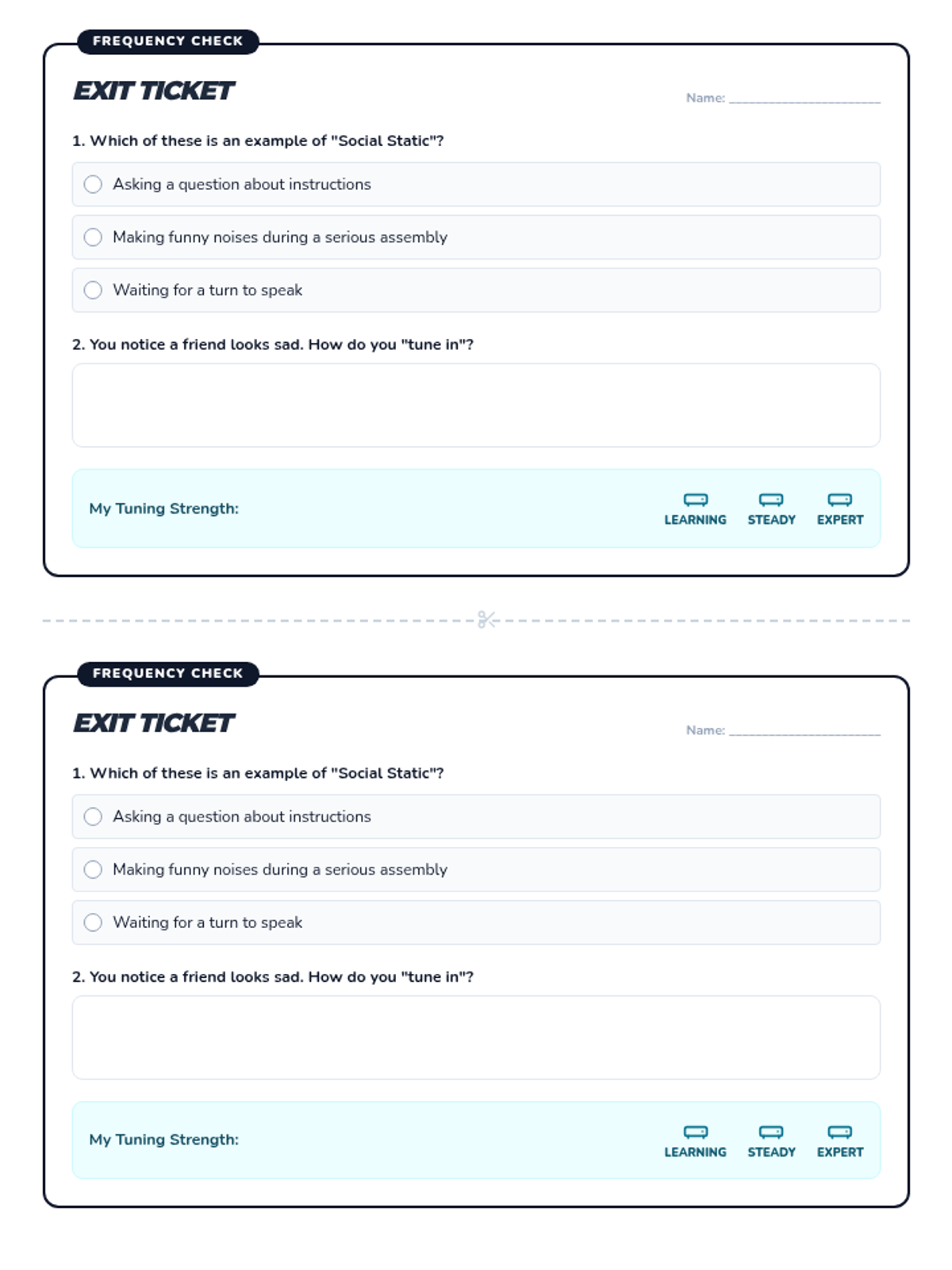
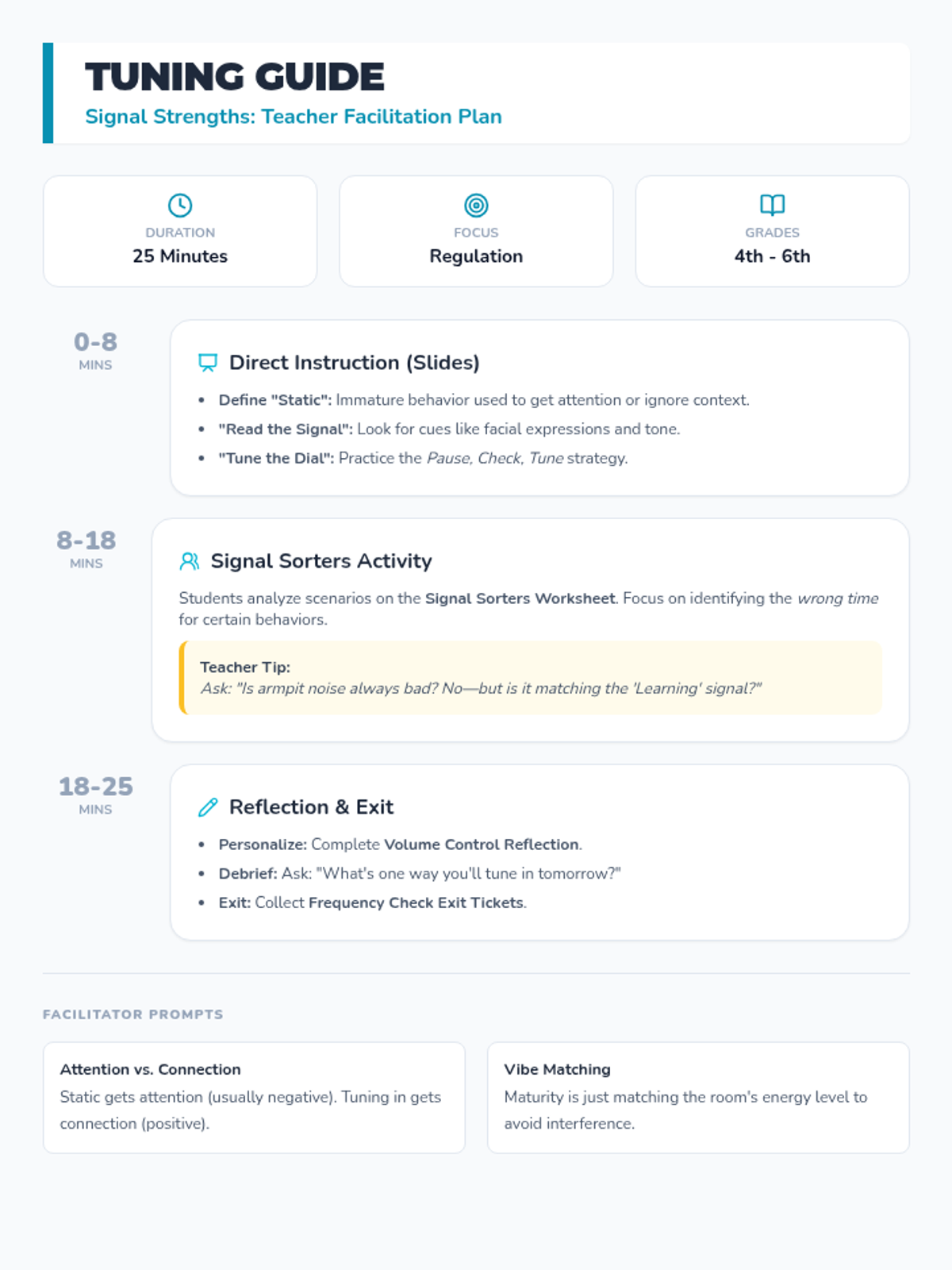
A series of lessons designed to improve social-emotional intelligence through the metaphor of radio signals and frequencies, focusing on social cues and self-regulation.
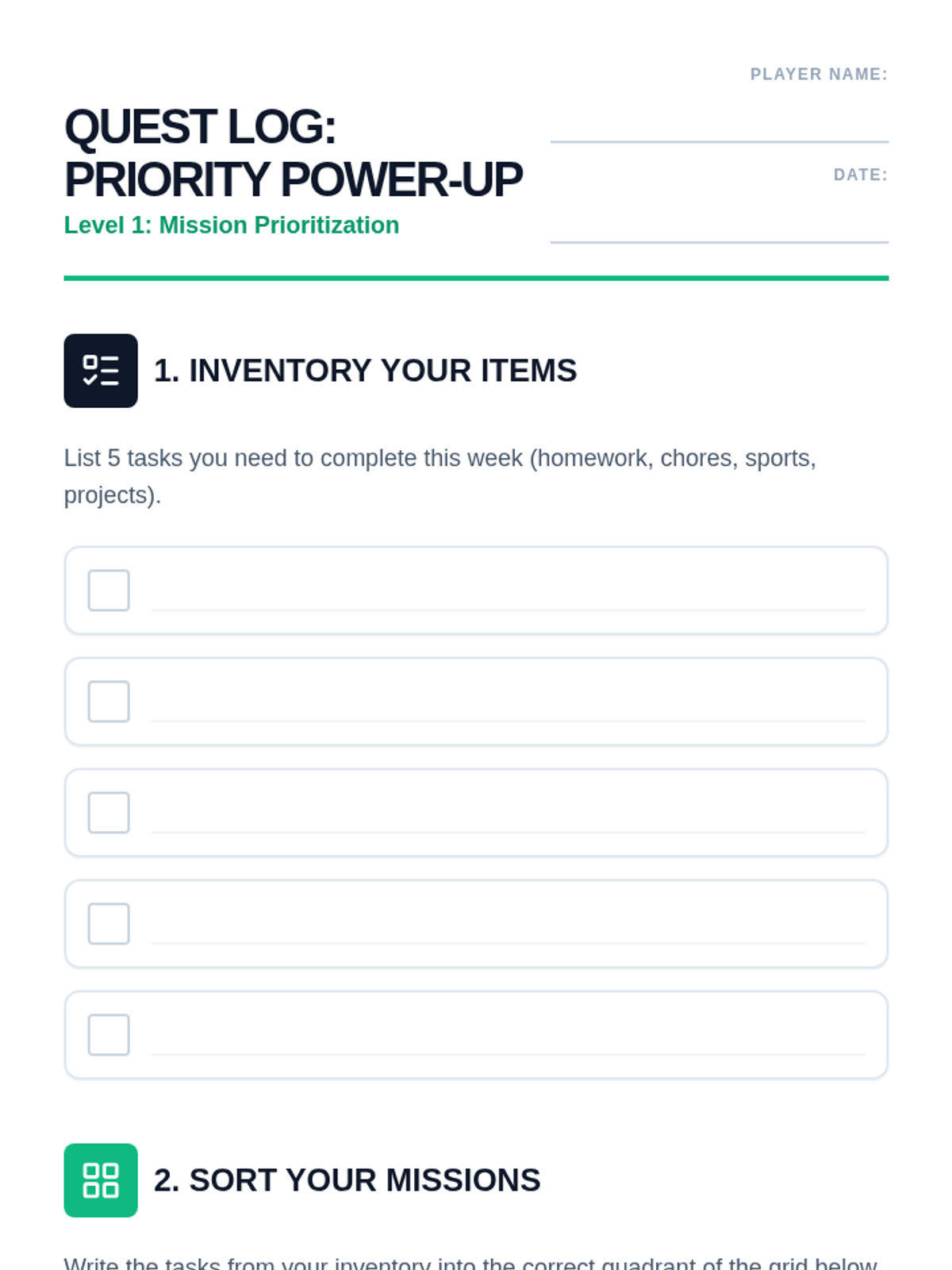
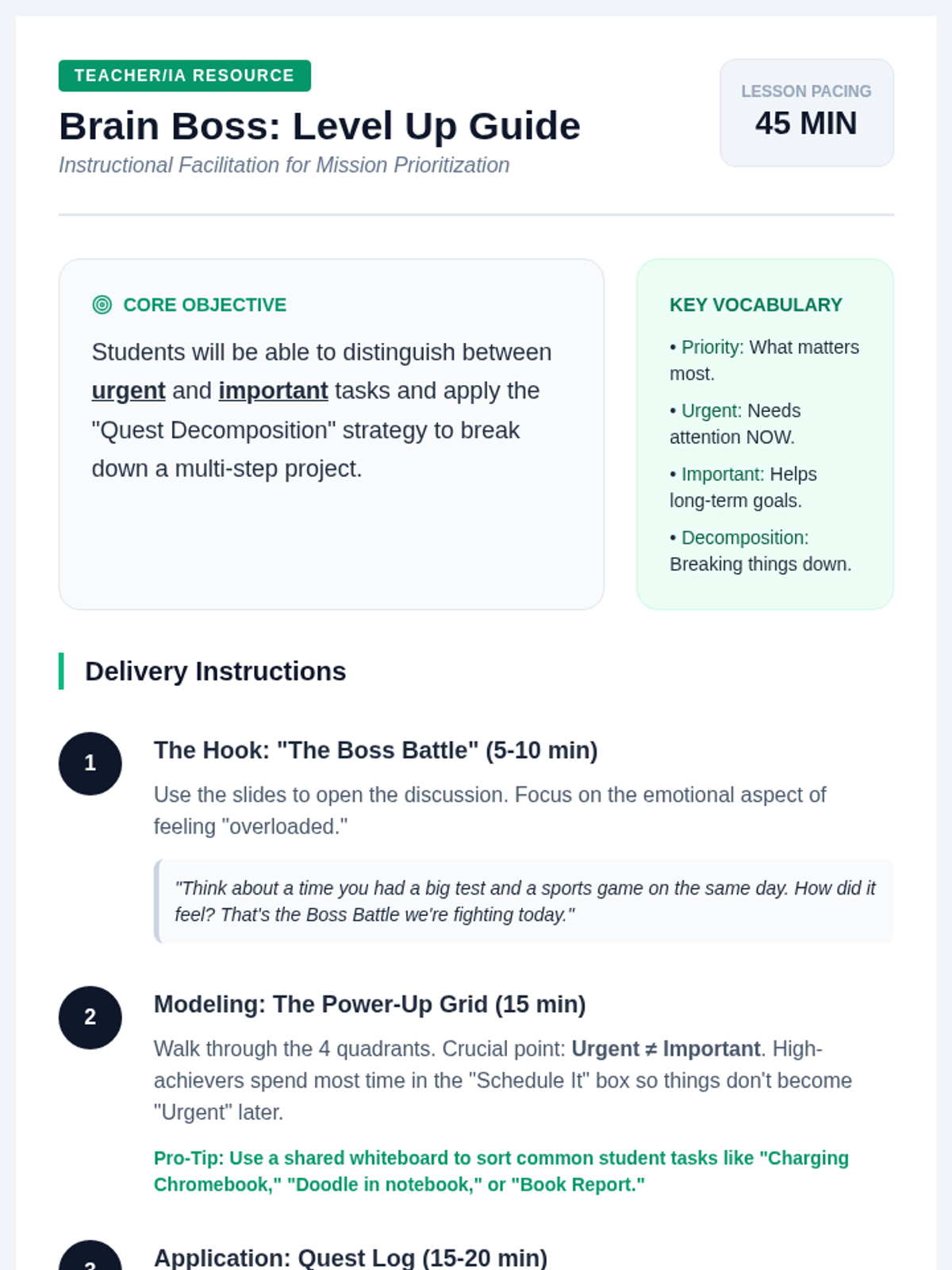
A comprehensive executive functioning unit for intermediate students (grades 4-6) focused on time management, task prioritization, and organizational strategies. This sequence helps students 'level up' their academic habits through a fun retro video game theme.
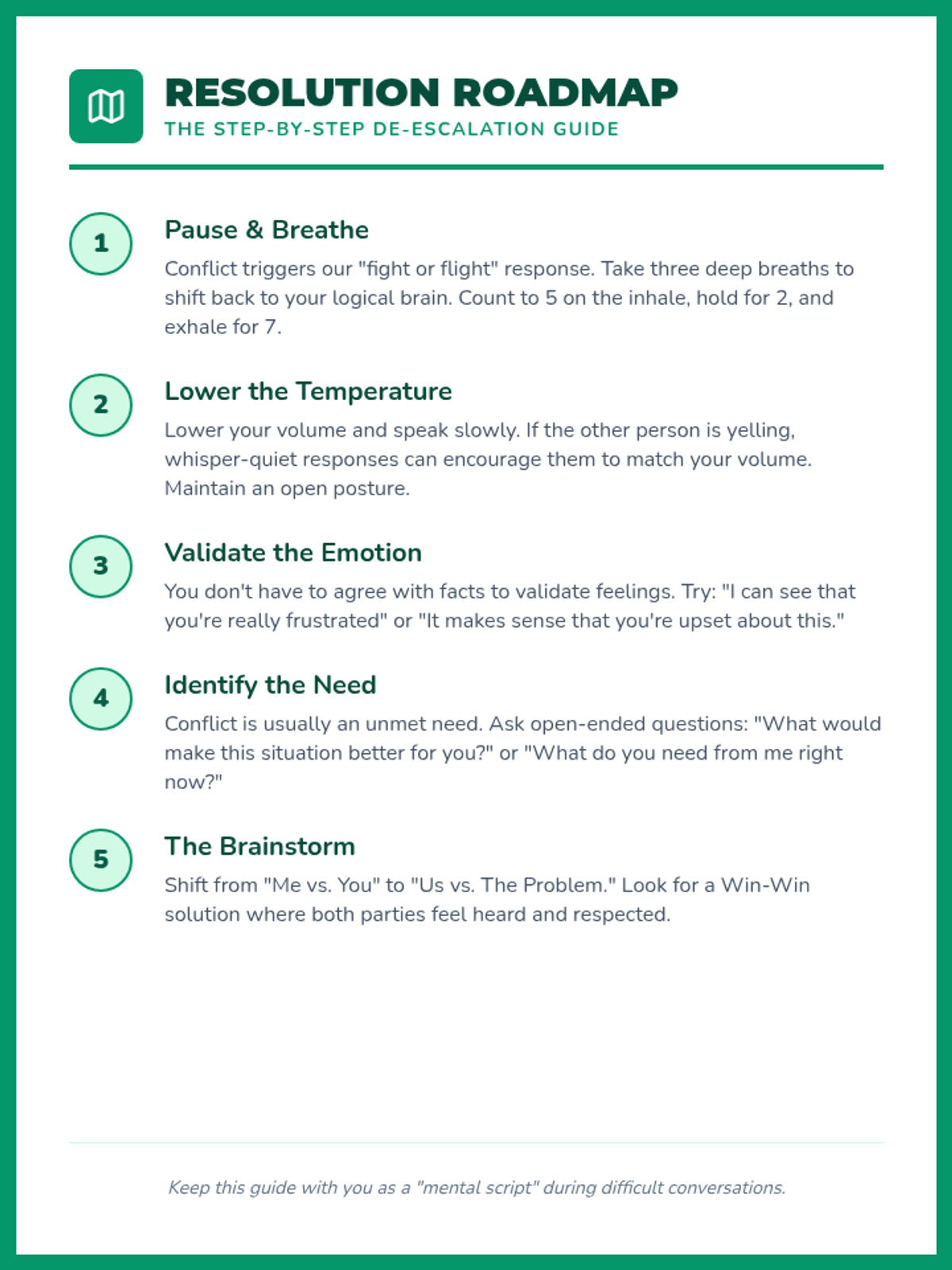
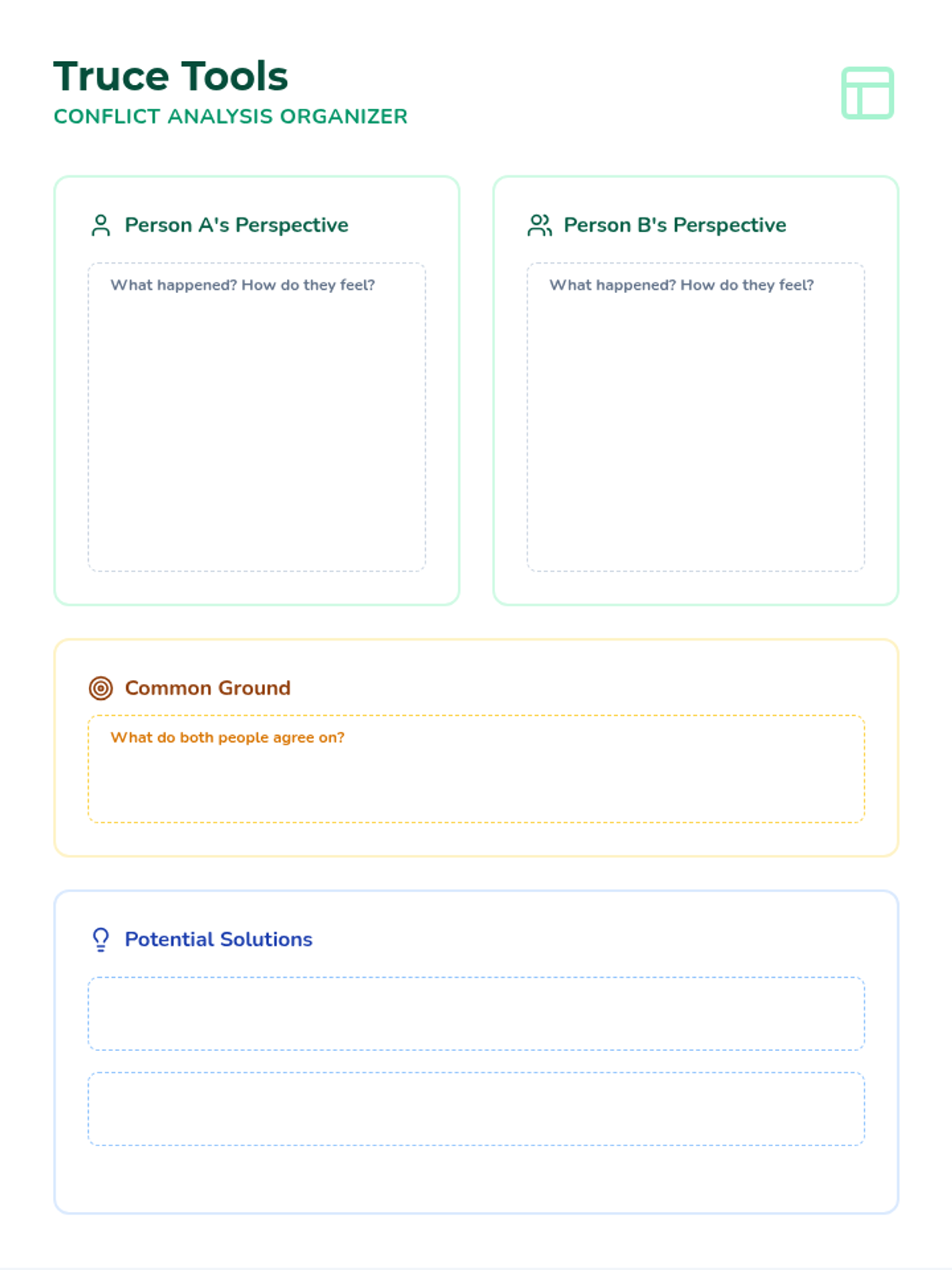
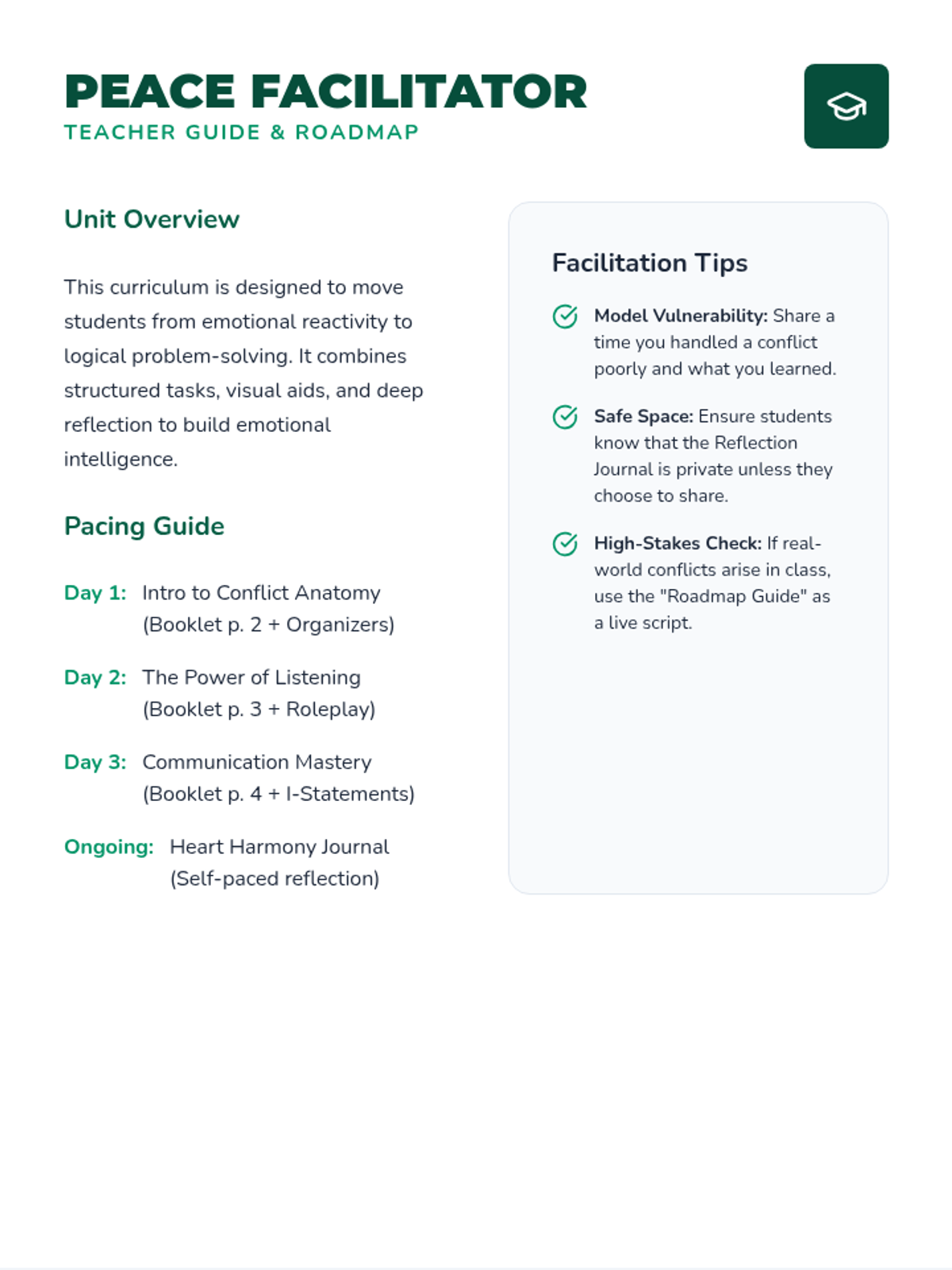
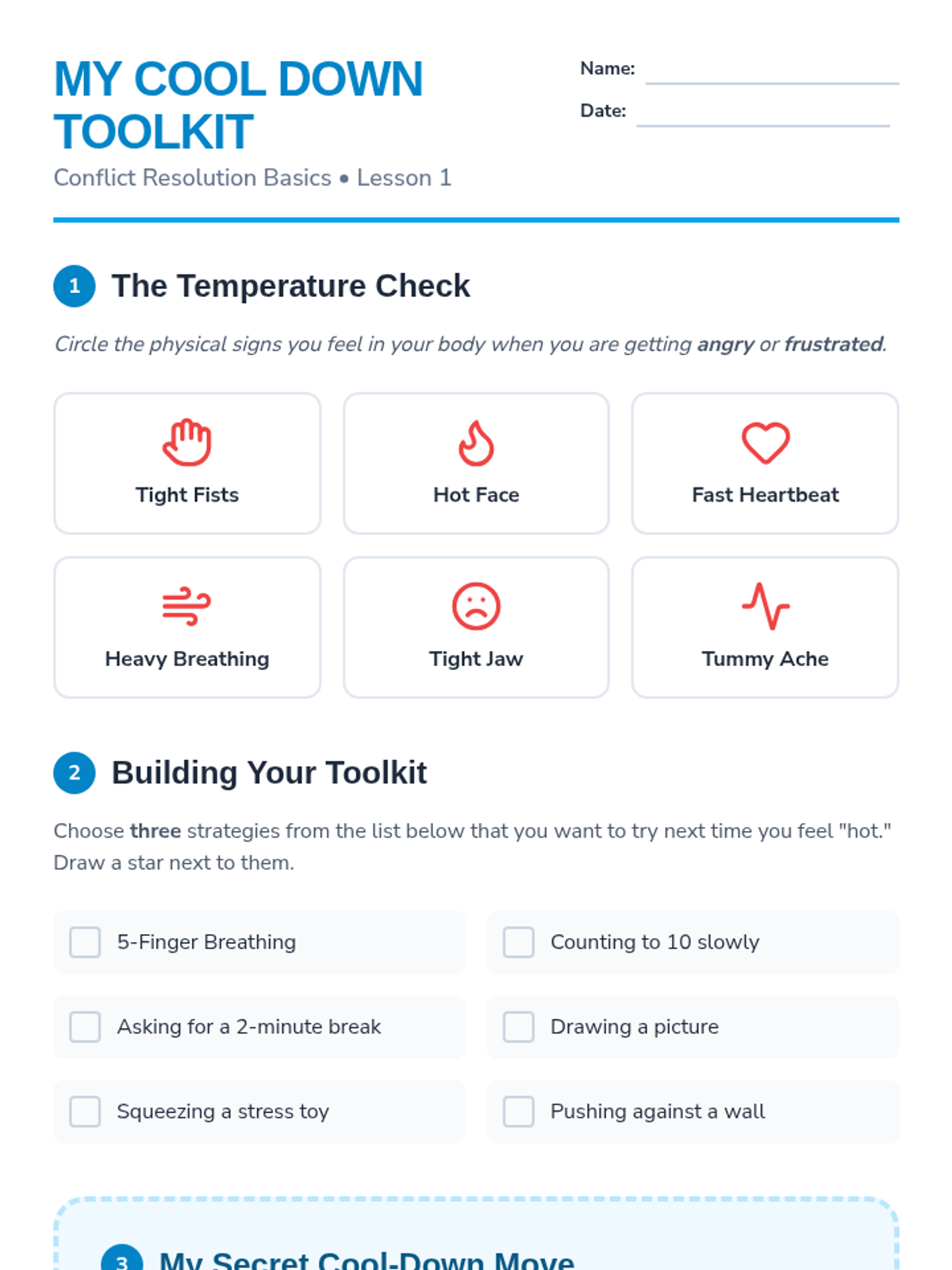
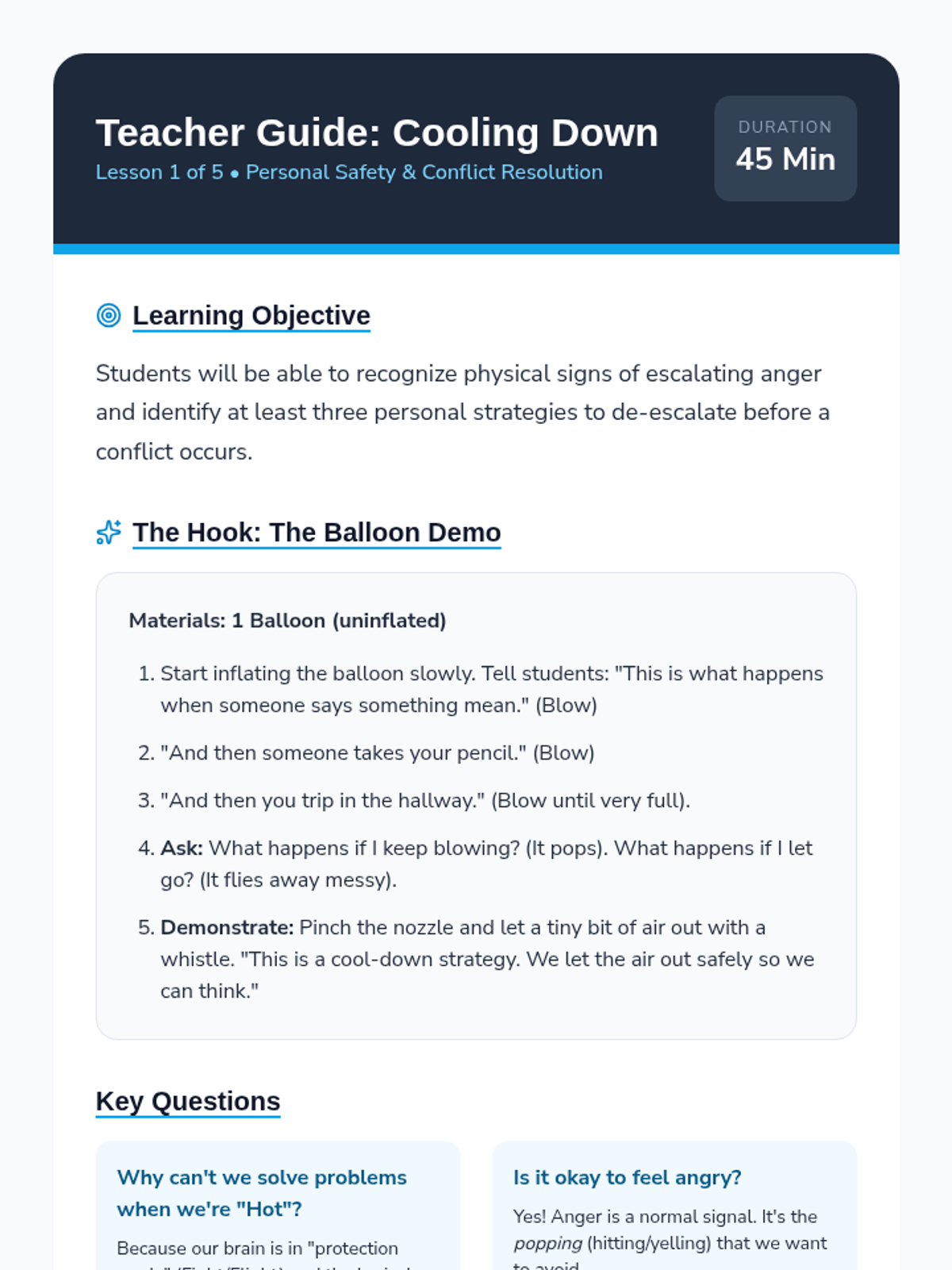
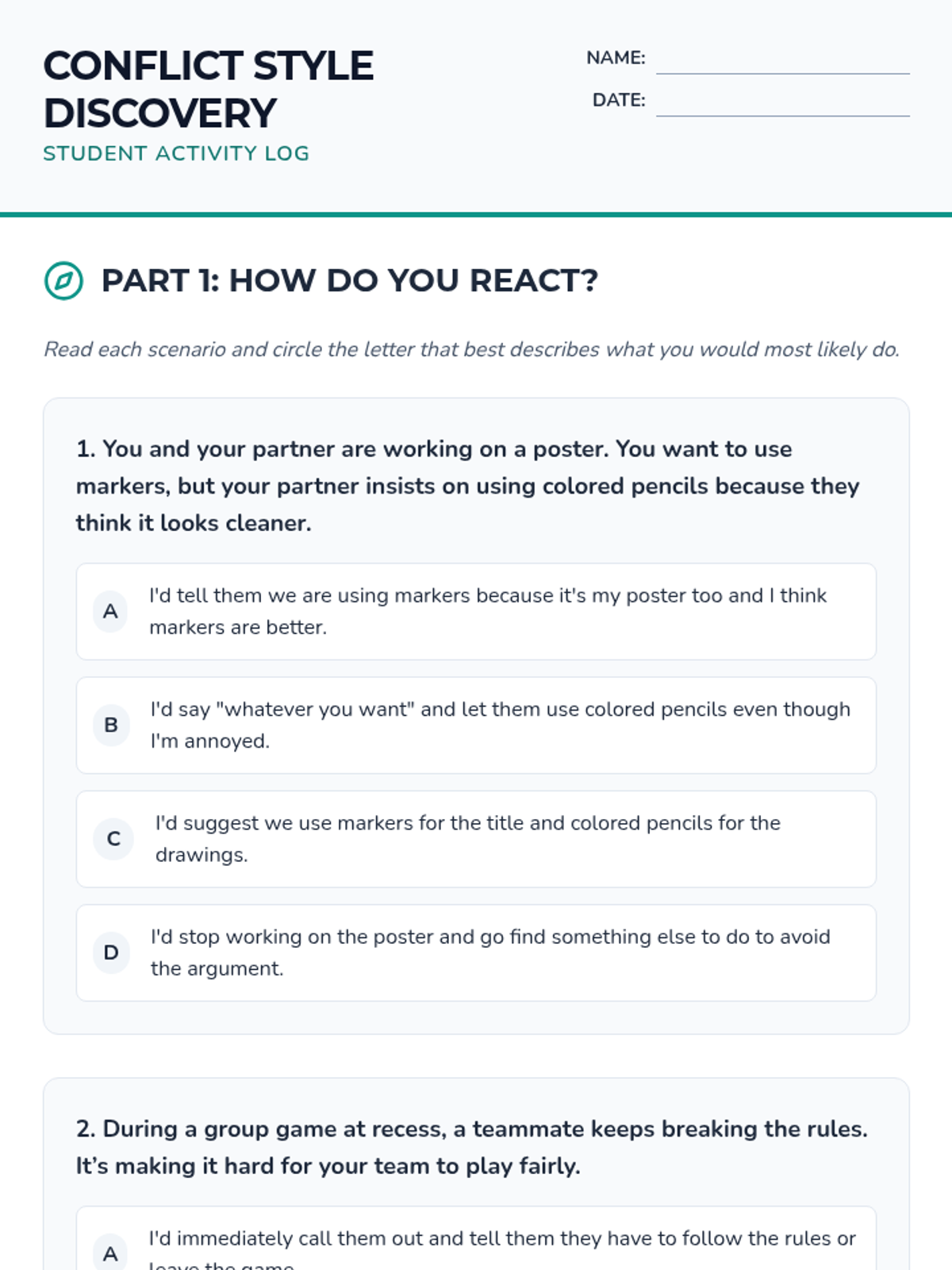
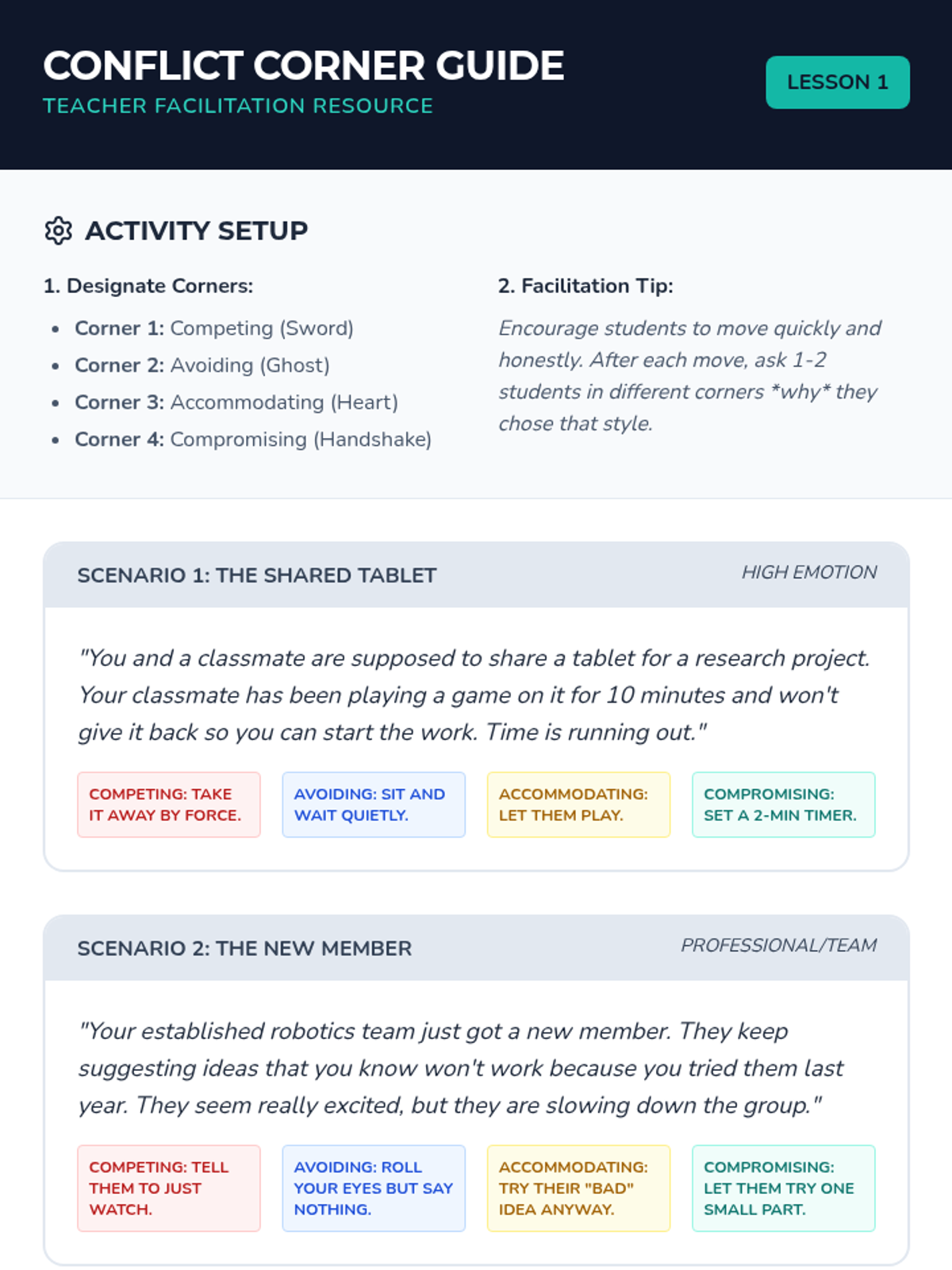
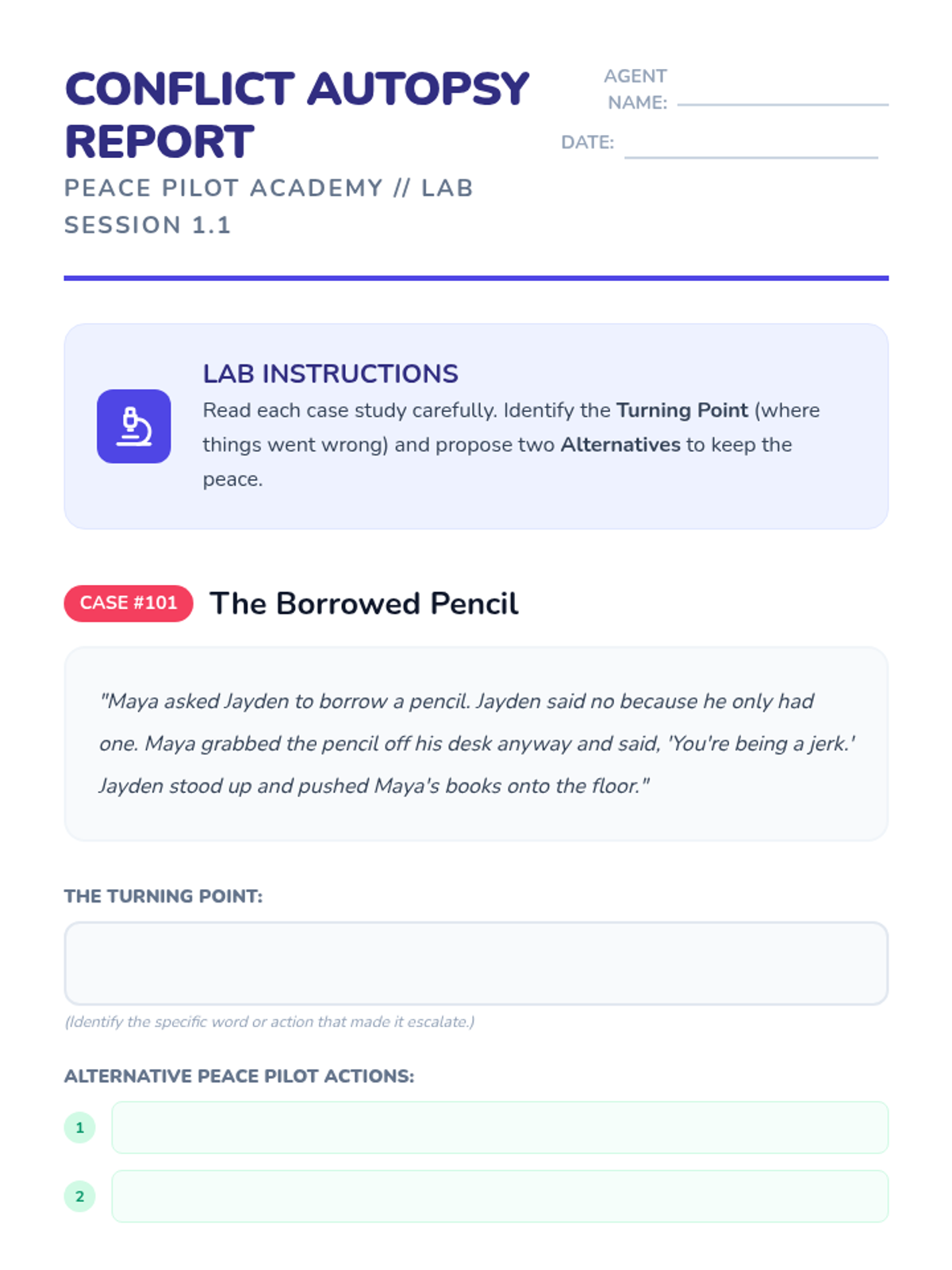
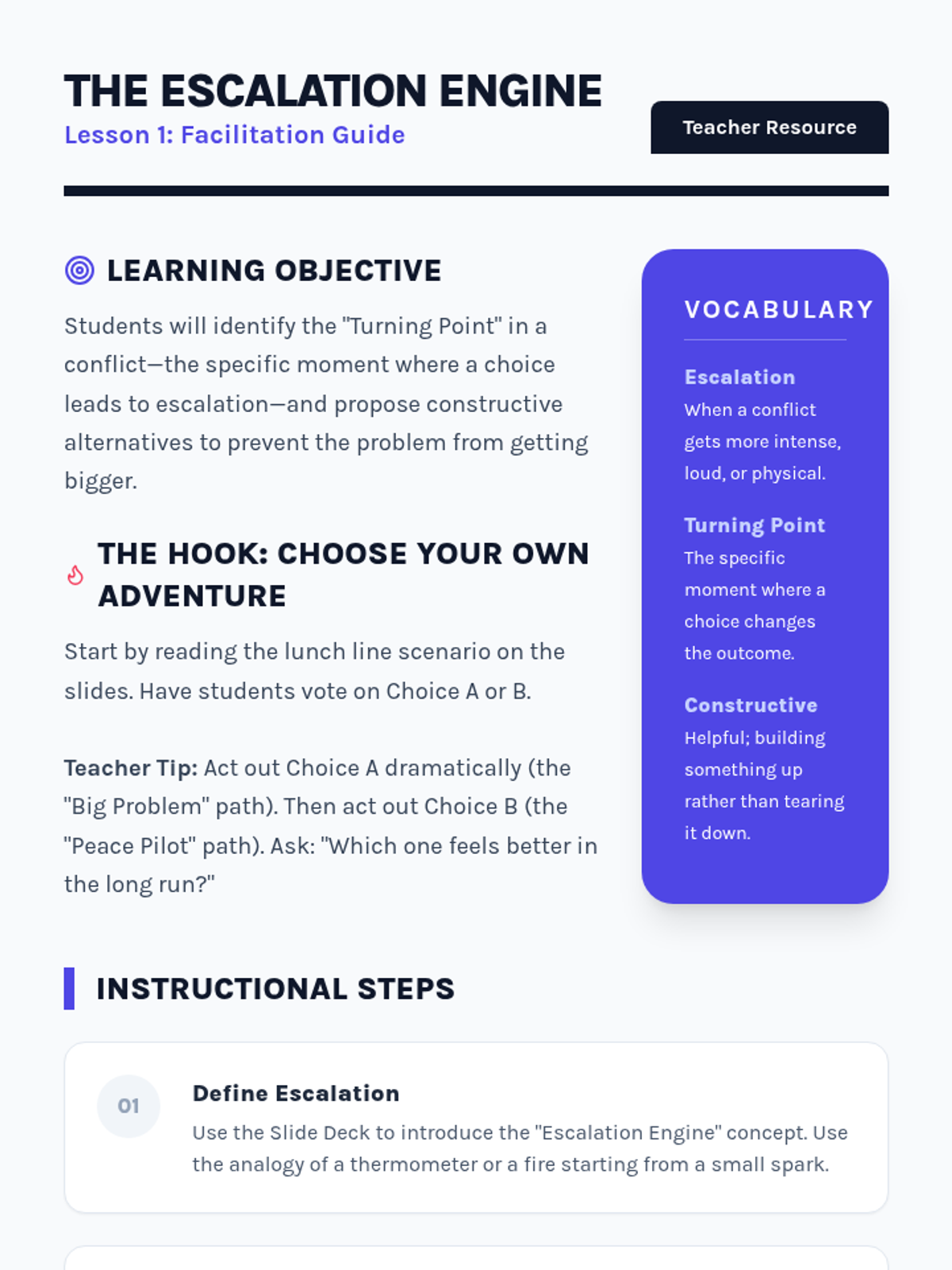
A comprehensive curriculum designed to teach students the essential skills of conflict resolution, de-escalation, and empathetic communication through hands-on tasks and self-reflection.
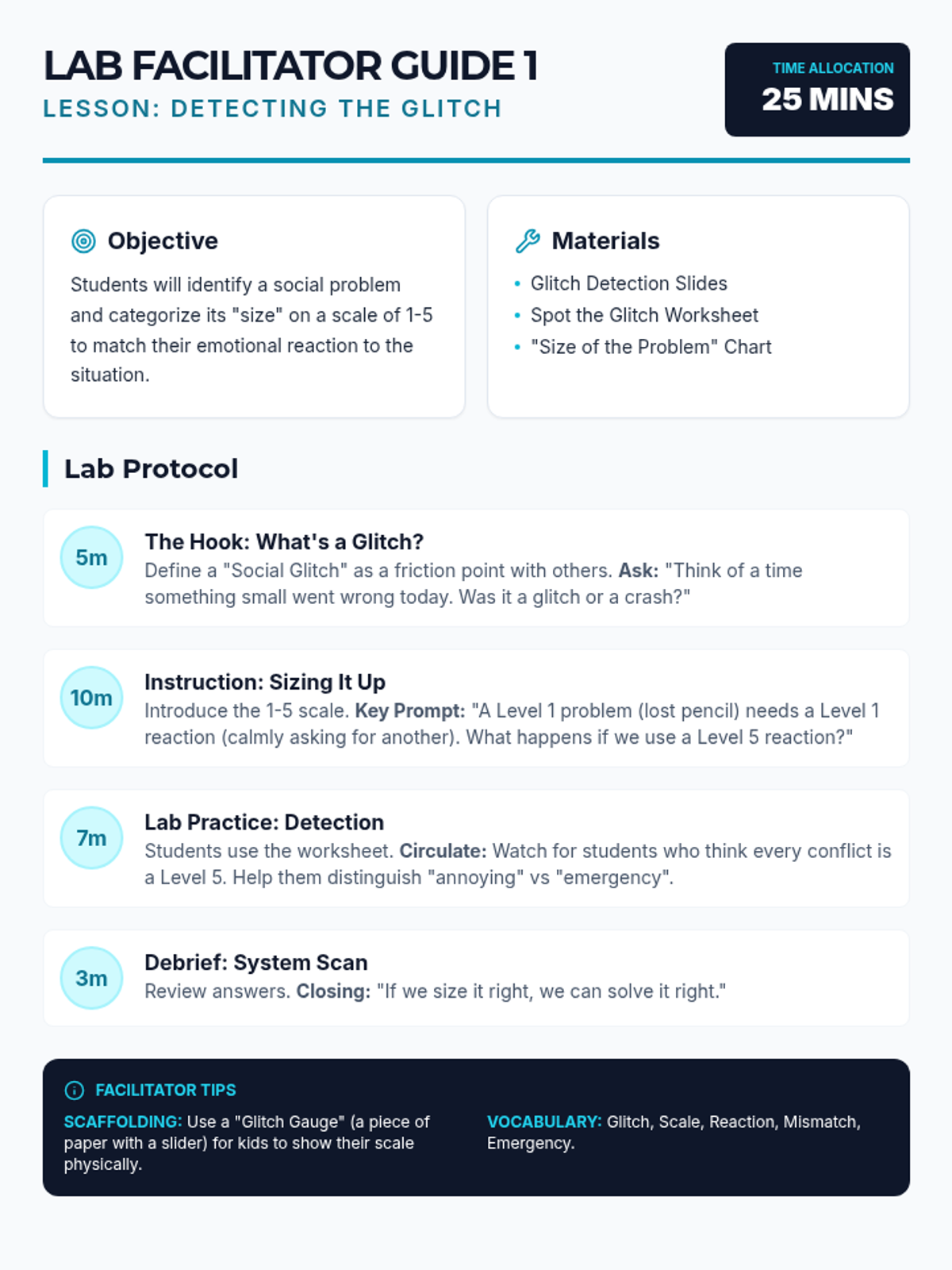
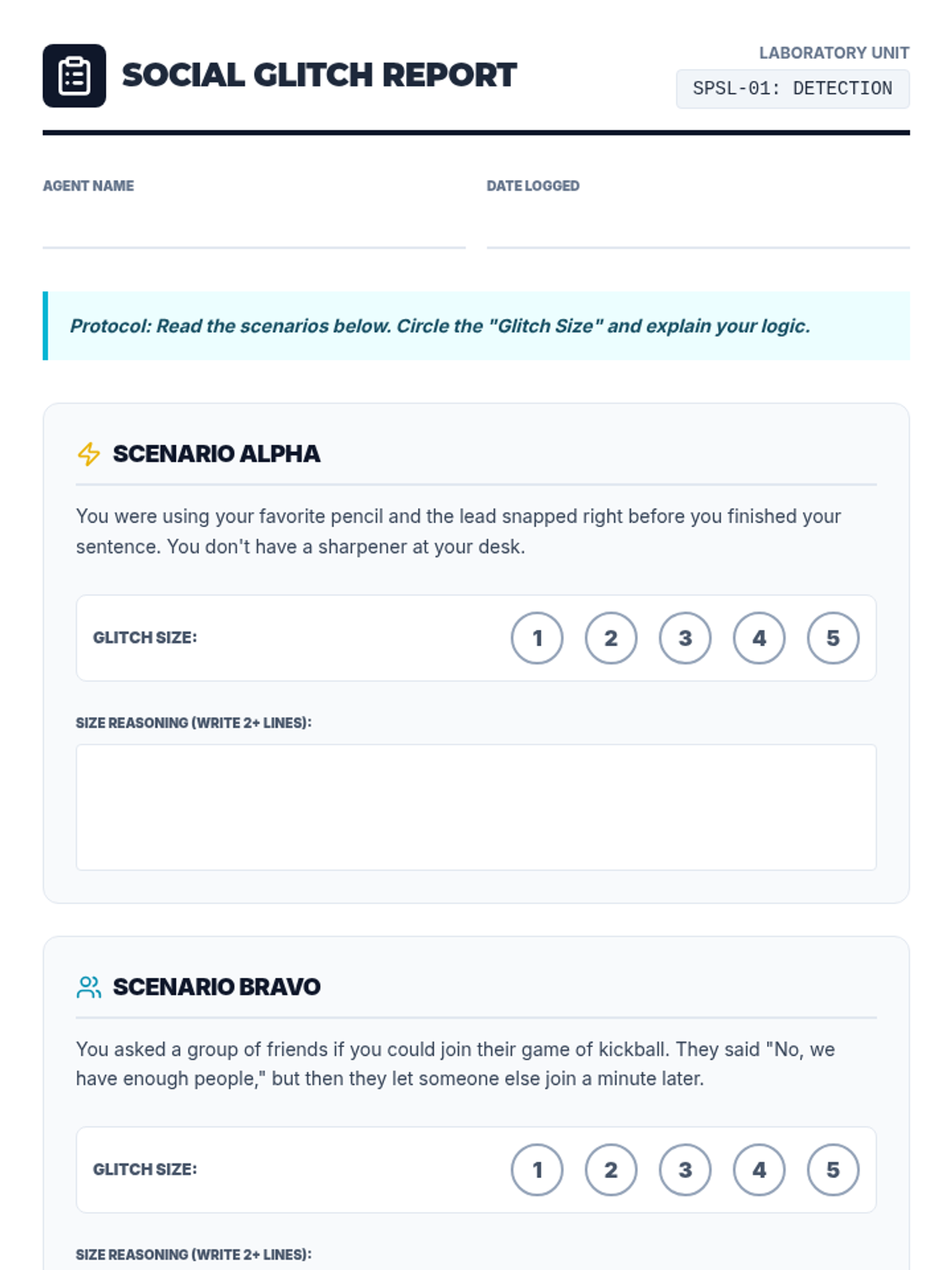
A comprehensive 5-lesson unit for 4th-5th graders to develop social problem-solving skills using a "Social Lab" theme. Students learn to identify problem sizes, brainstorm solutions, evaluate consequences, and consider perspectives.
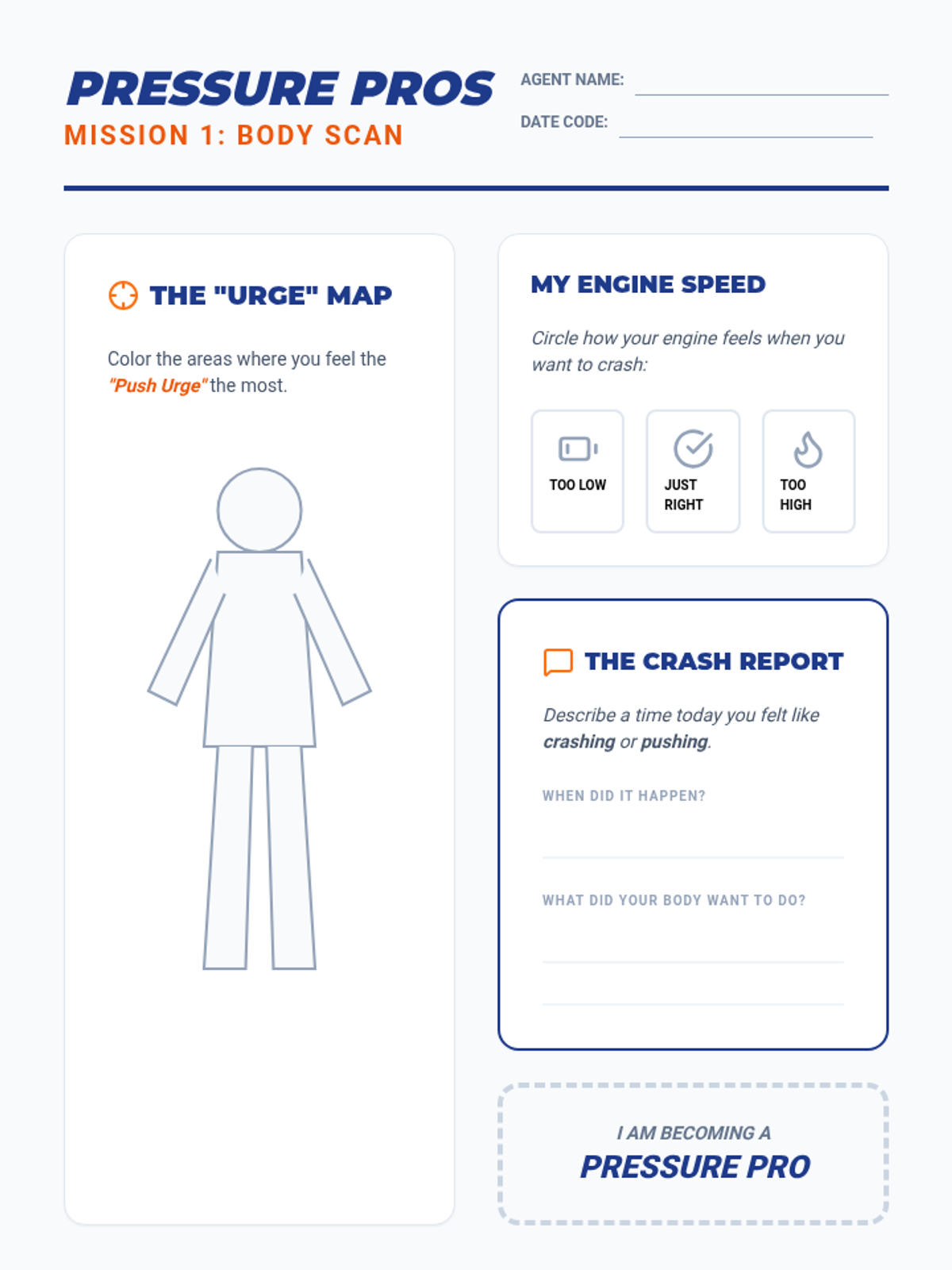
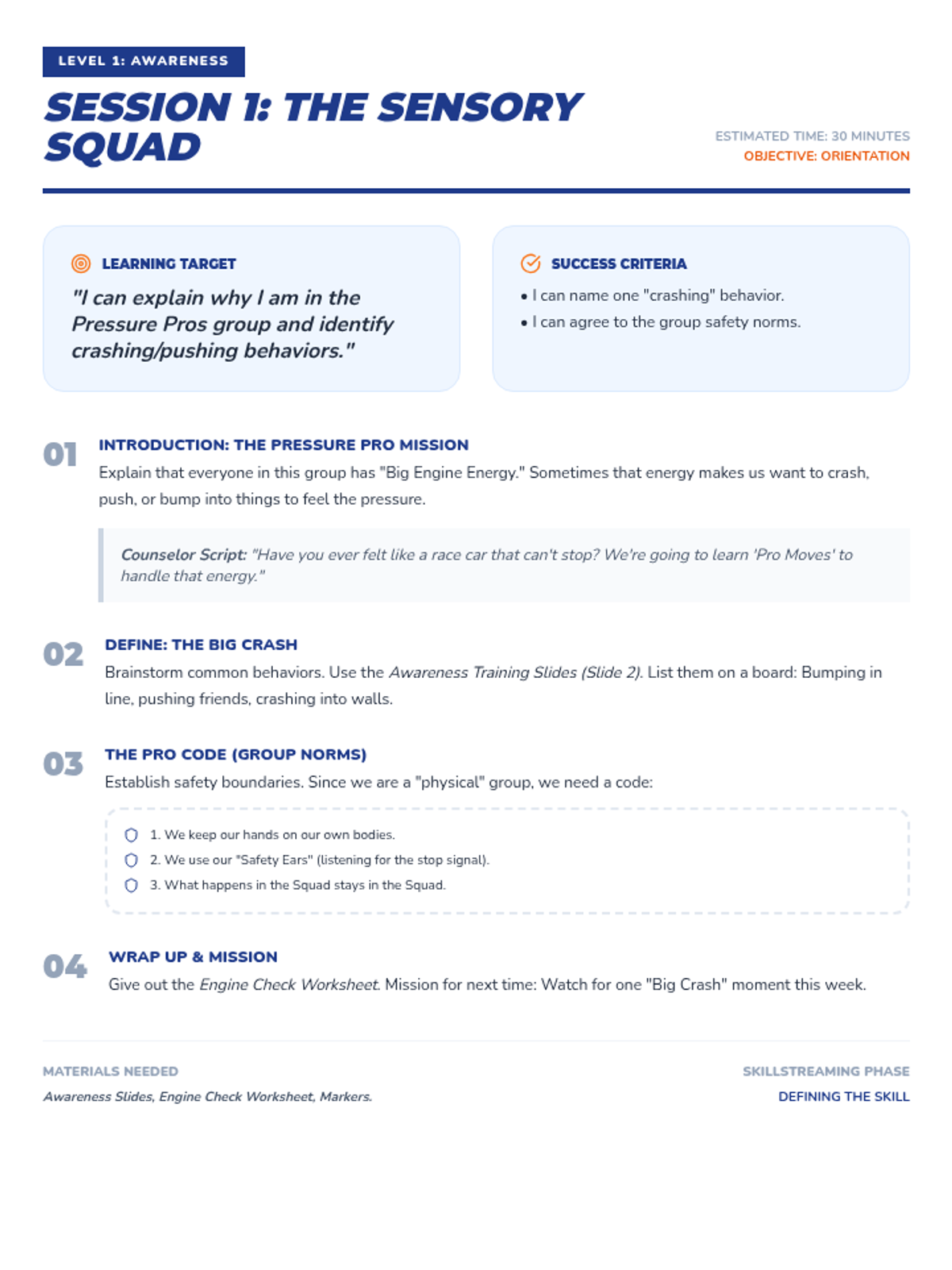
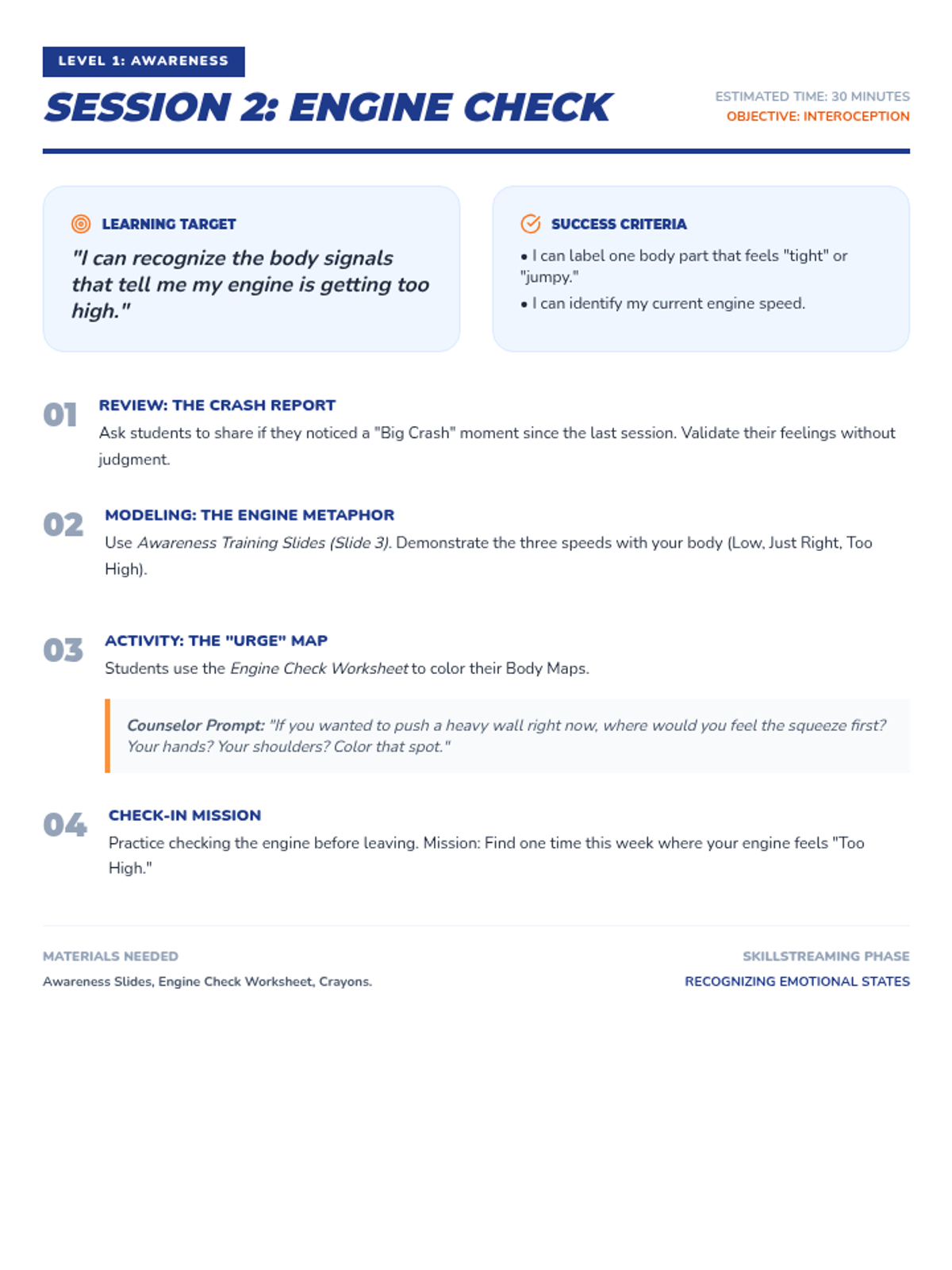
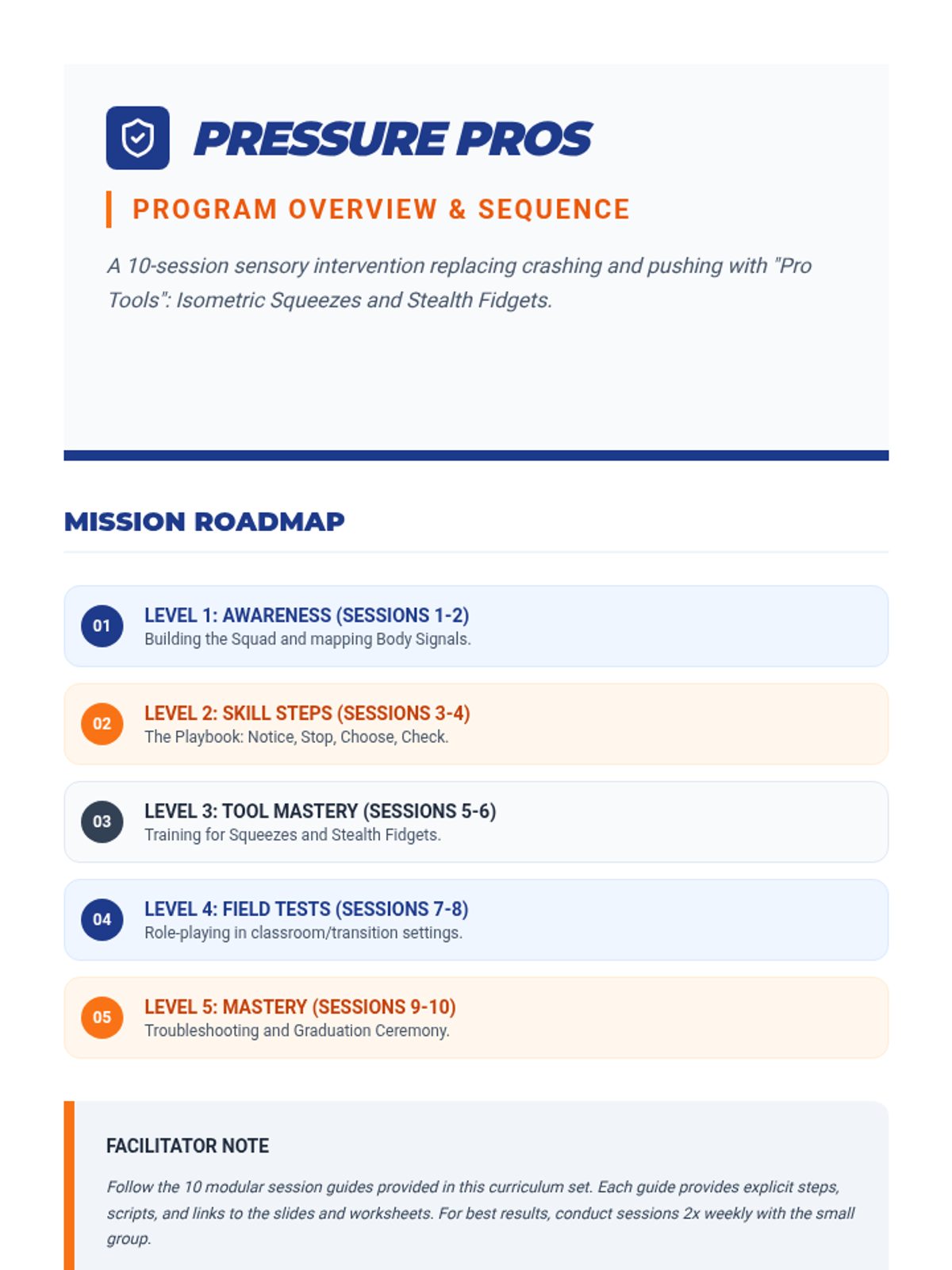
A 10-session sensory regulation intervention for small groups, utilizing SkillStreaming techniques to replace crashing and pushing behaviors with isometric squeezes and fidget use. The program, titled 'Pressure Pros', provides explicit steps for counselors to guide students through awareness, skill acquisition, and real-world application.
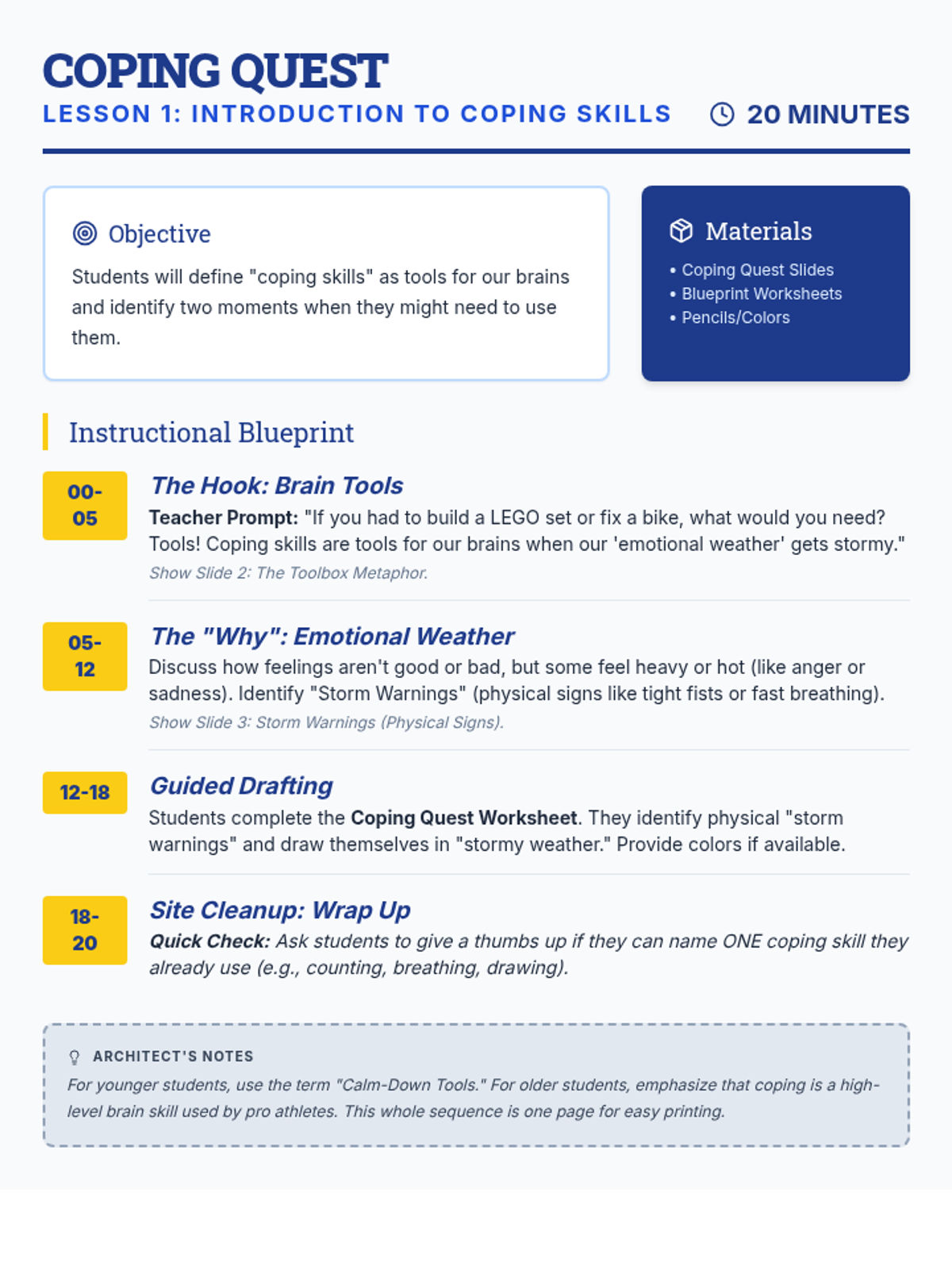
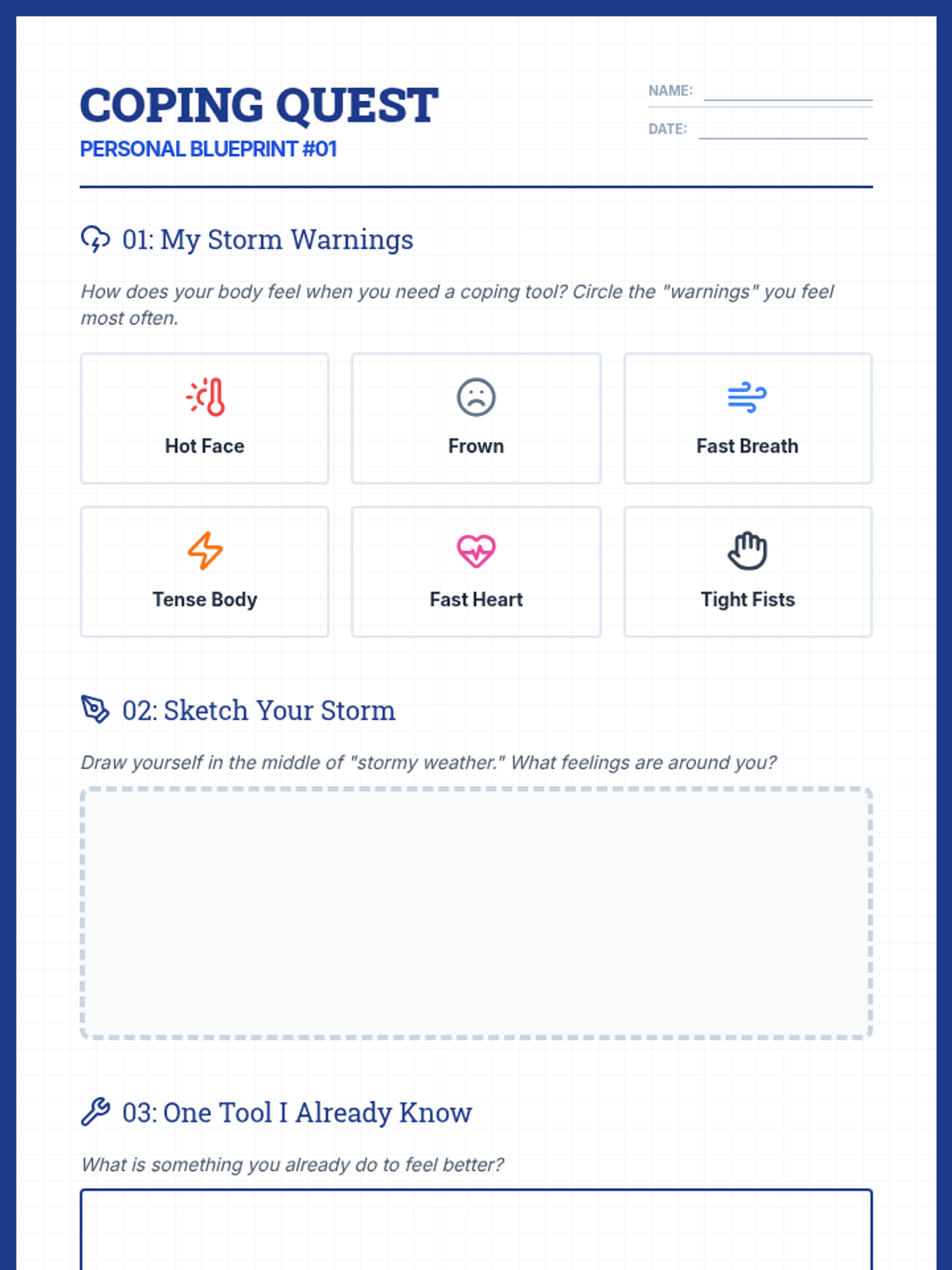
An 8-week social-emotional learning curriculum designed for 20-minute sessions. Students learn to identify, categorize, and apply coping skills through a blueprint-inspired framework of self-regulation.
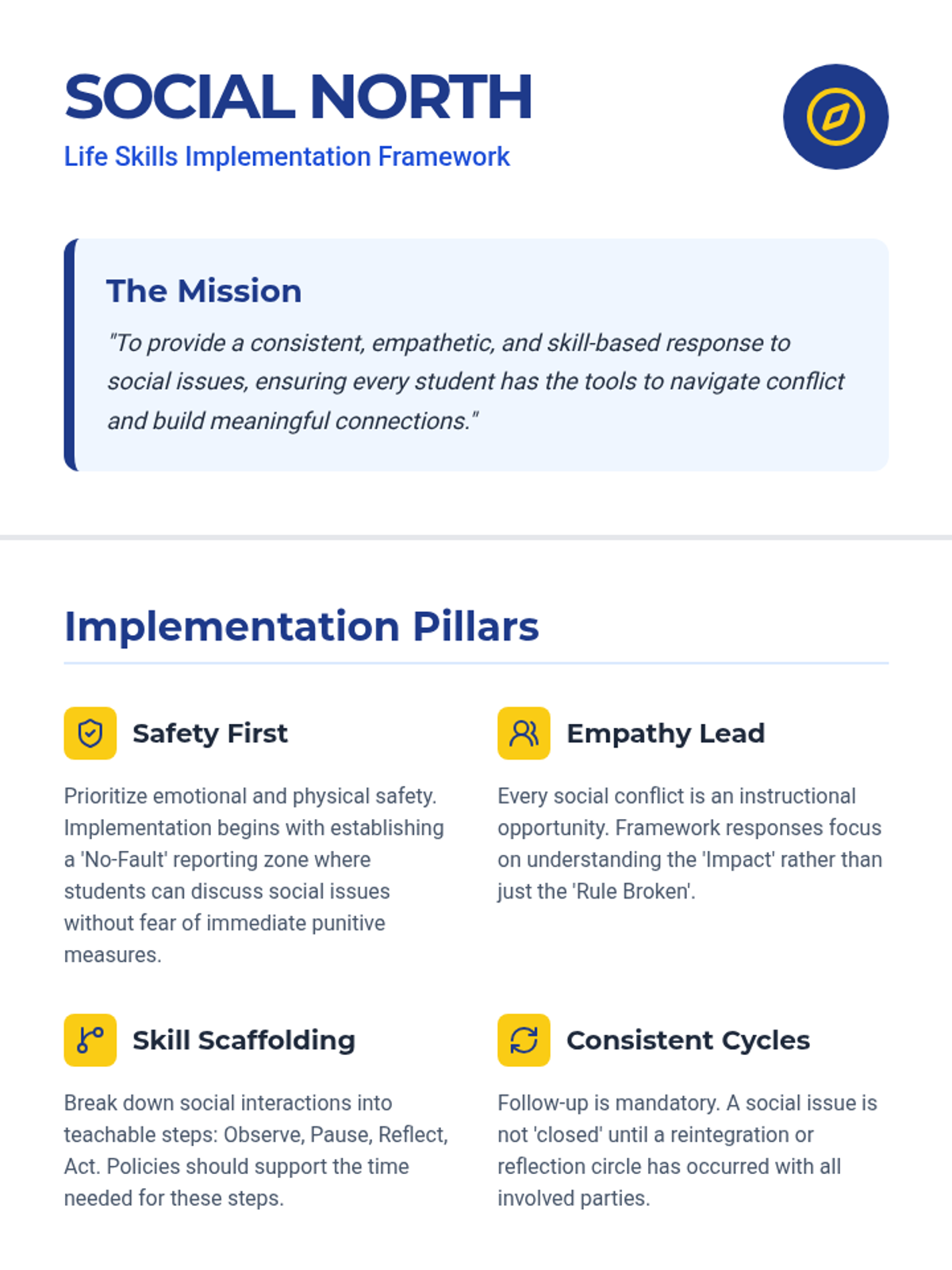
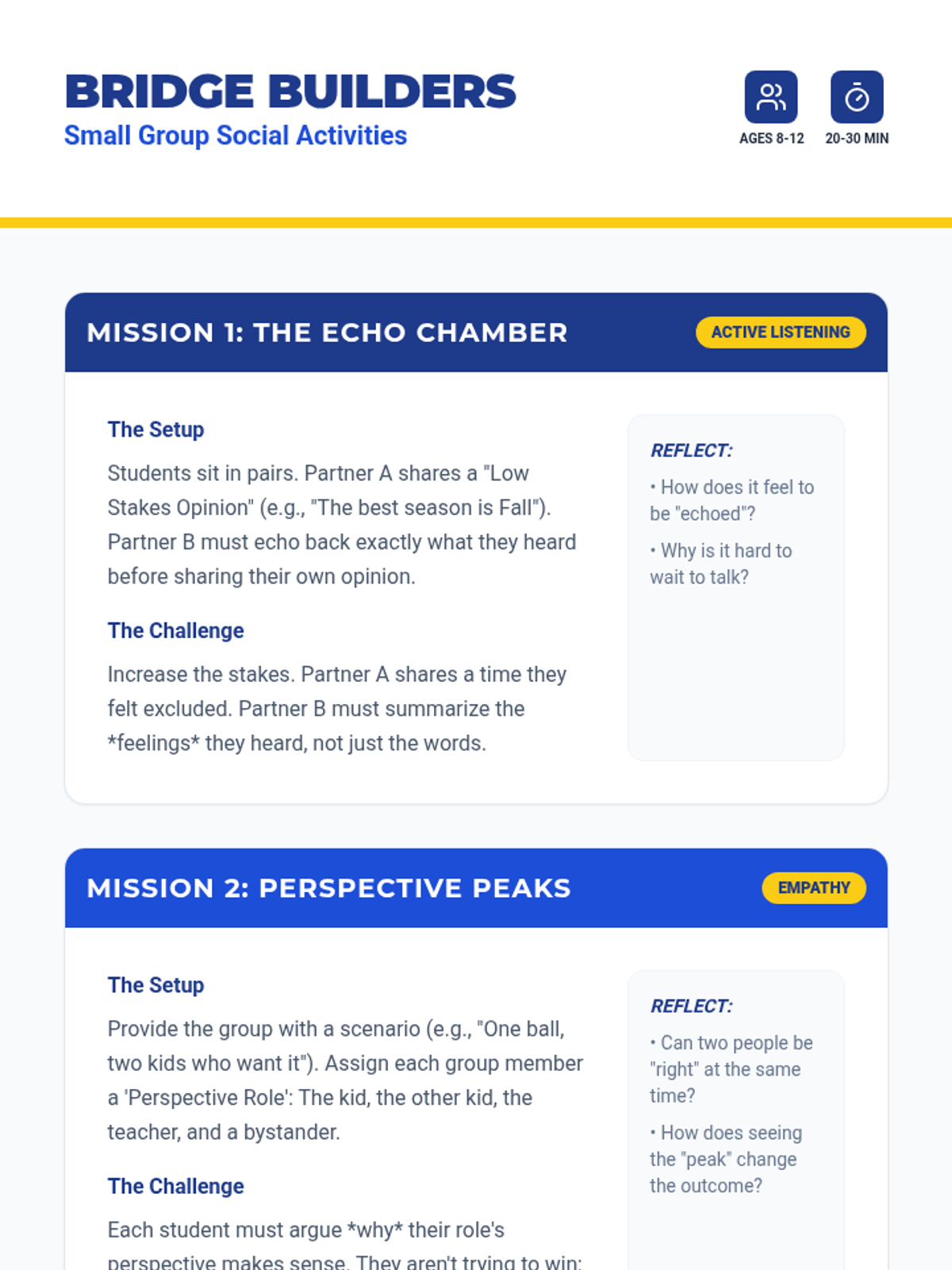
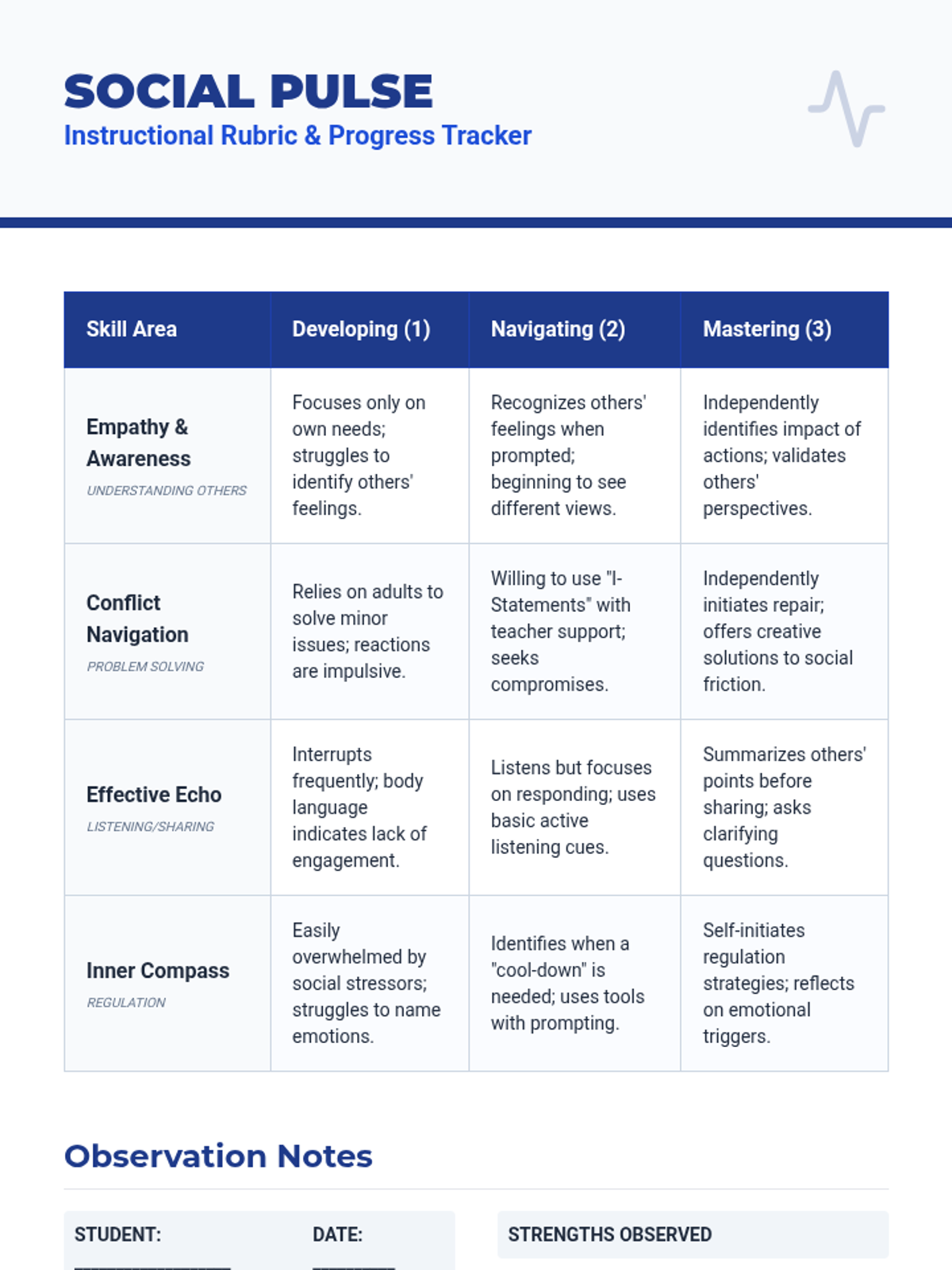
A comprehensive program for implementing life skills and social navigation within an educational setting, focusing on conflict resolution, empathy, and effective communication.
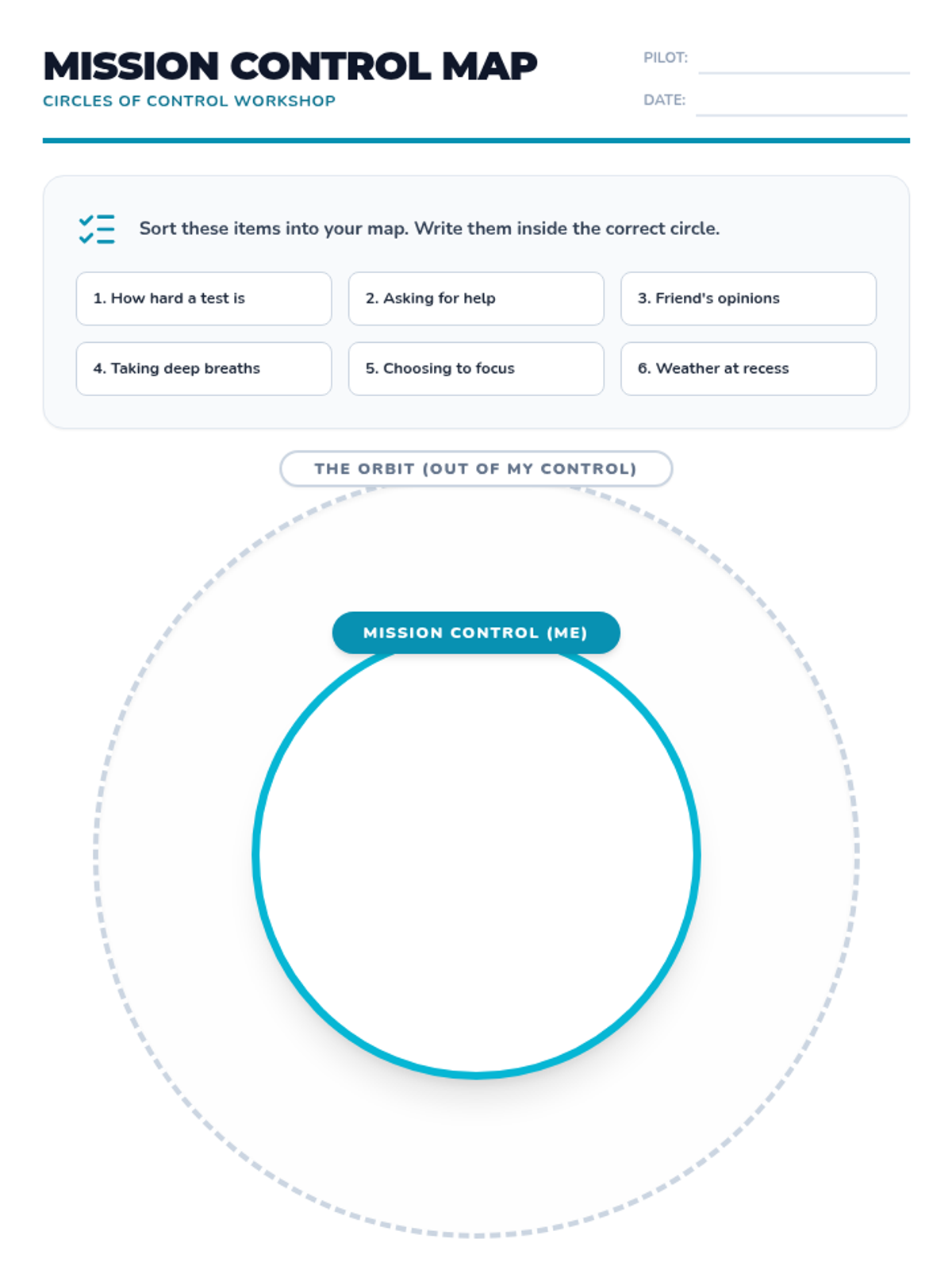
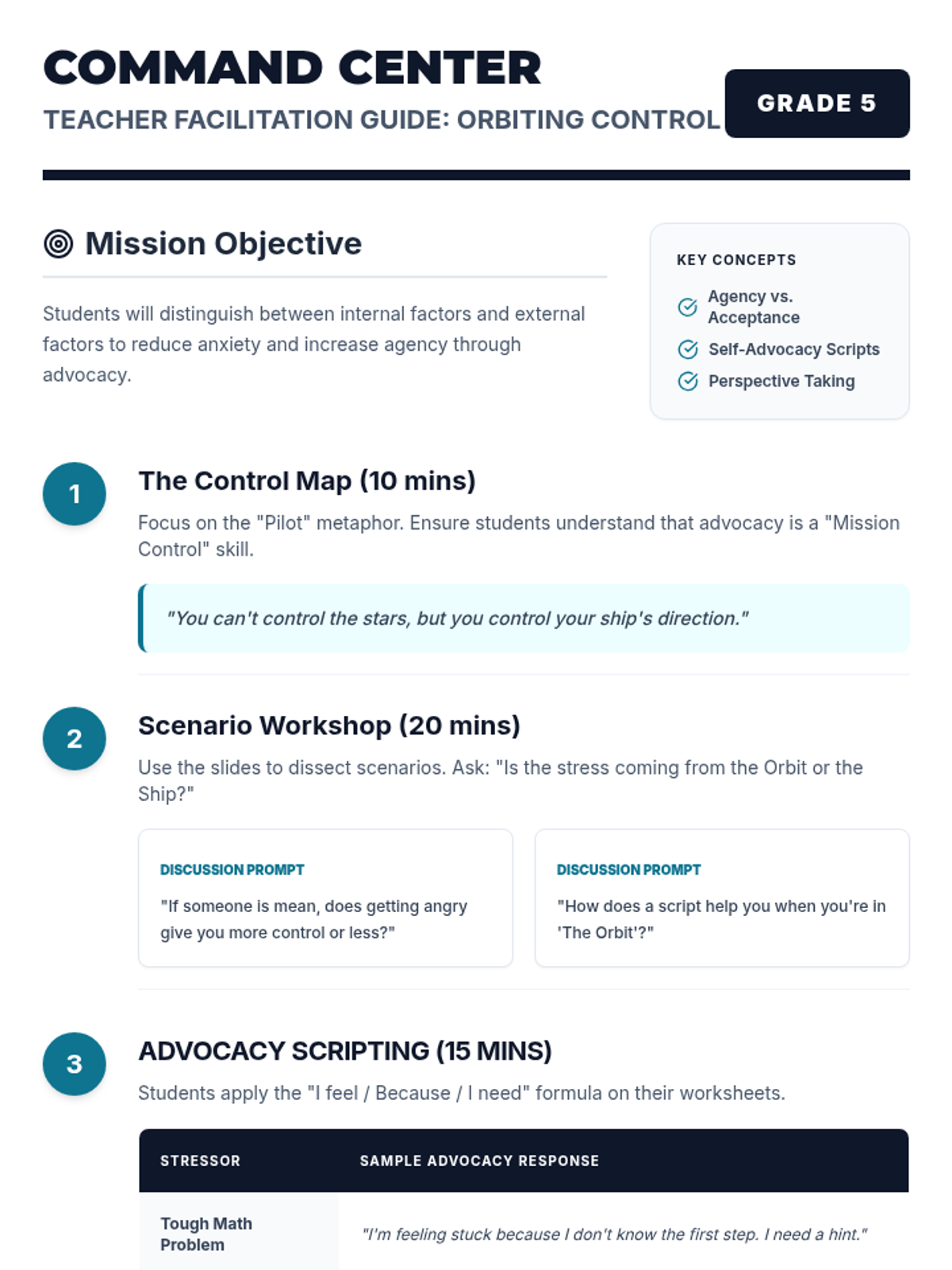
A social-emotional learning sequence for 5th graders focused on identifying what is within their control and developing self-advocacy strategies for academic and peer challenges.
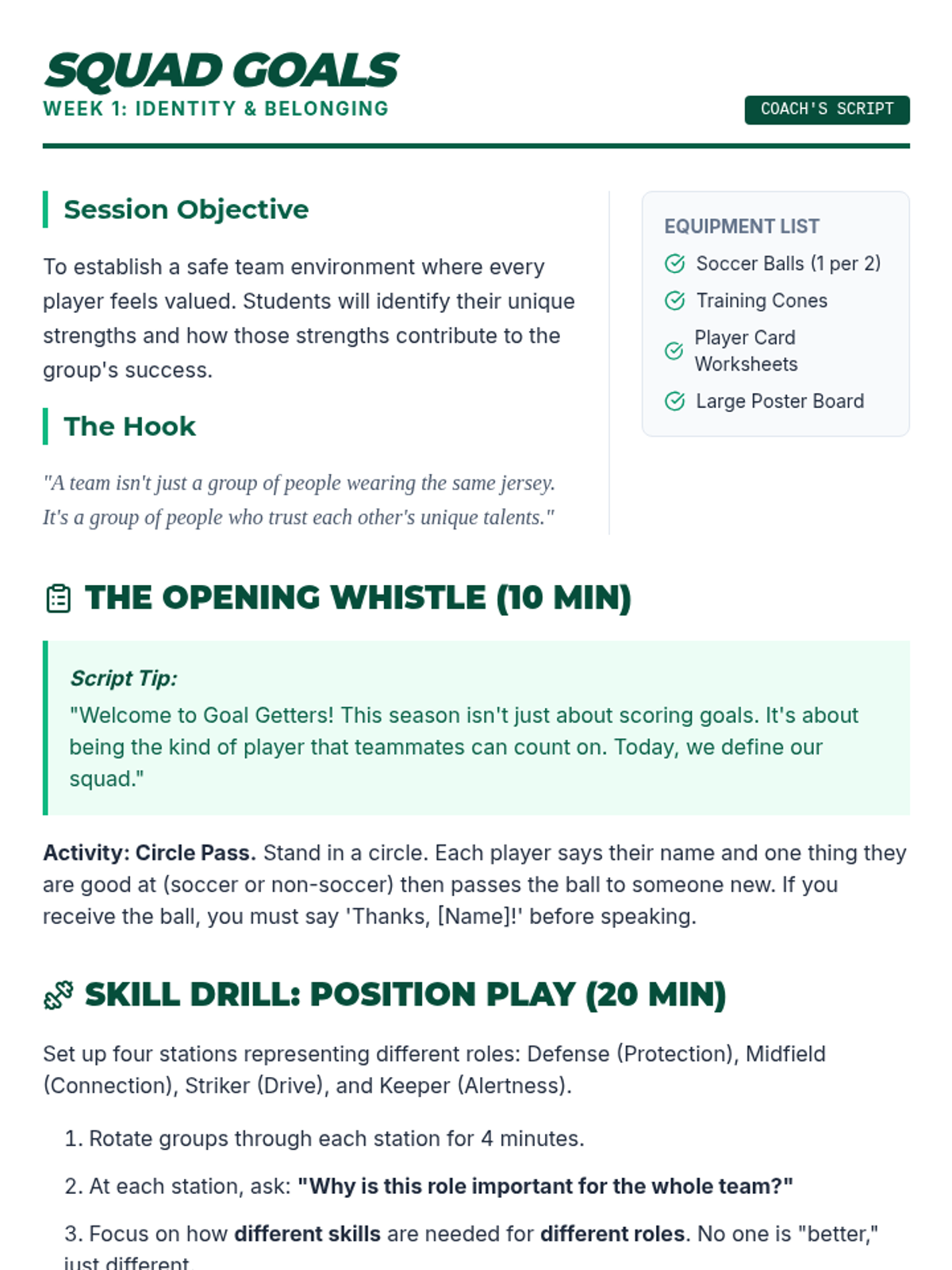
An 8-week soccer-themed social-emotional learning curriculum designed to improve self-esteem, peer relationships, emotional regulation, and conflict resolution through on-field drills and classroom reflection.
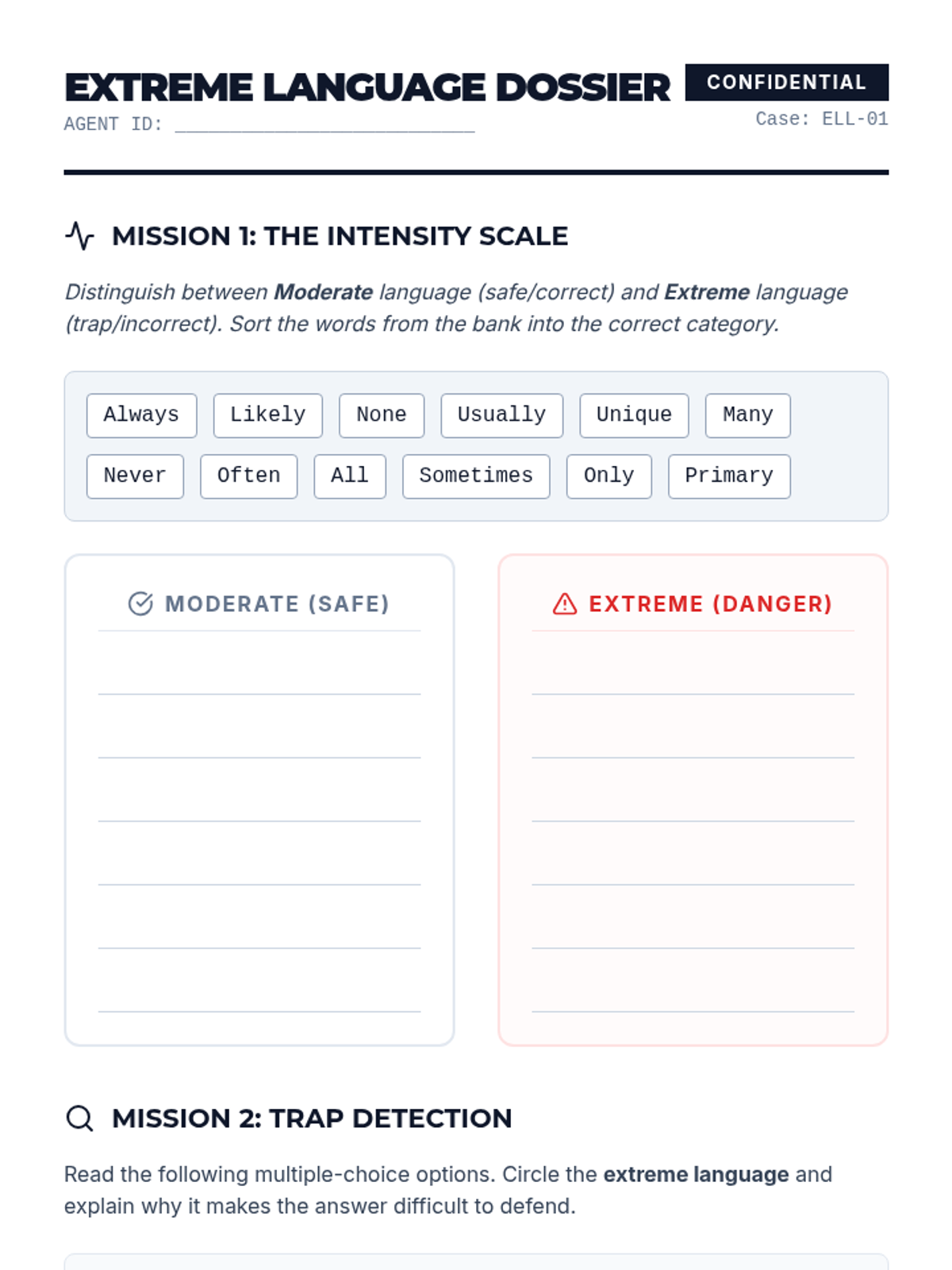
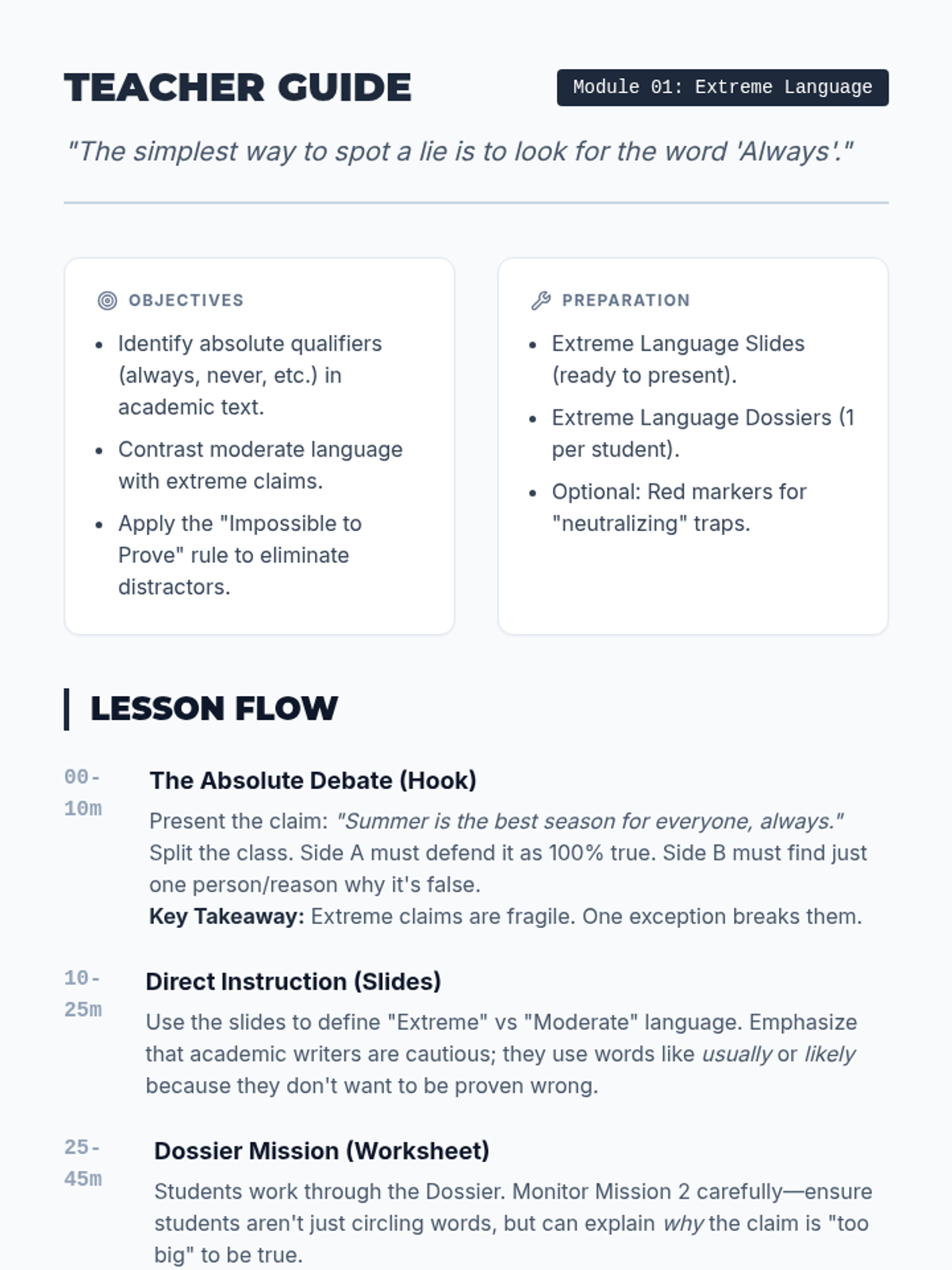
This sequence transforms students into 'Trap Detectives' who can identify and eliminate common distractors in academic tests. Students learn to spot extreme language, half-right traps, and out-of-scope answers through gamified lessons and role-reversal activities.
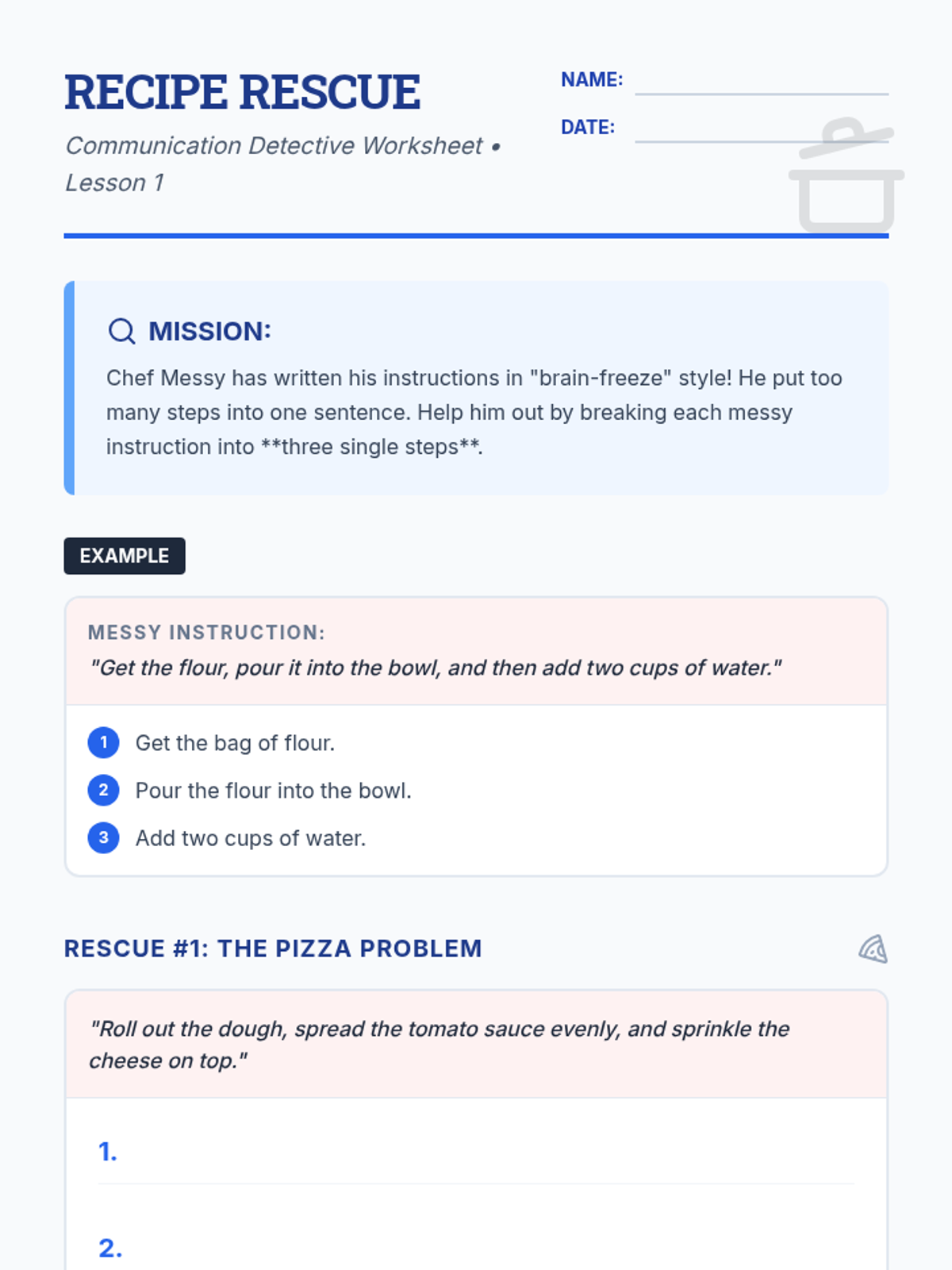
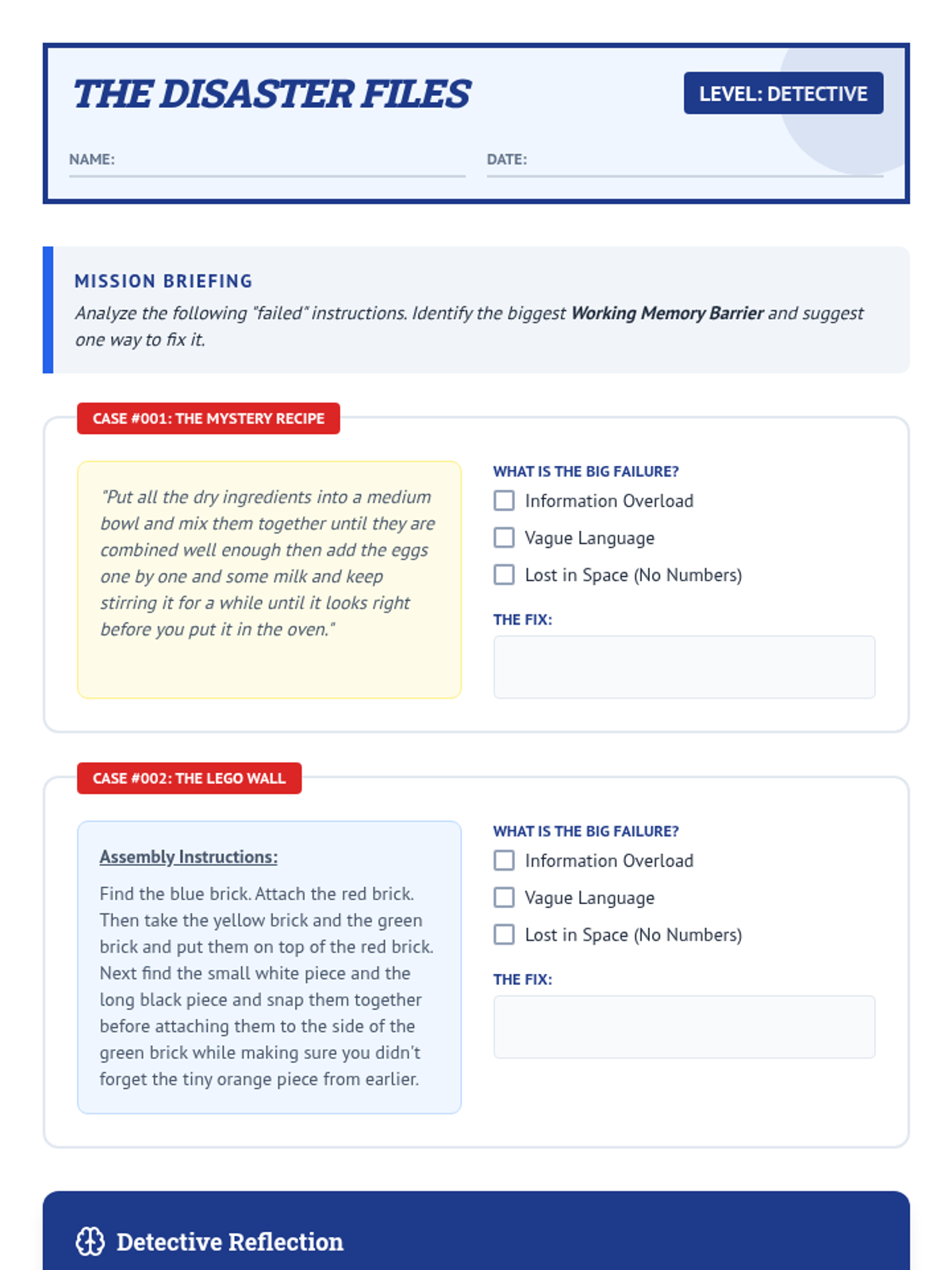
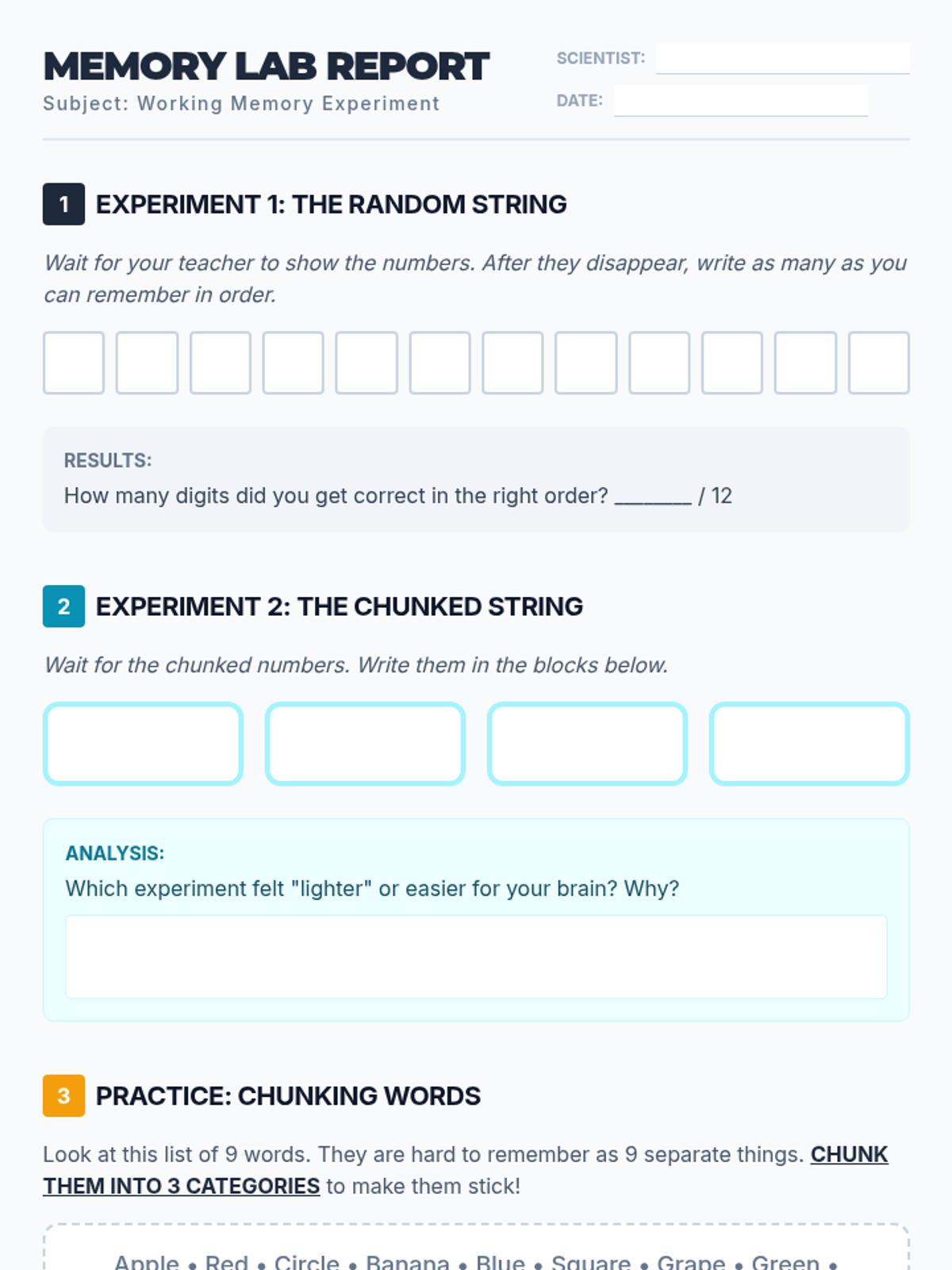
A 5-lesson sequence for 5th-grade students focused on working memory and the importance of single-step directions. Students learn to analyze, reconstruct, and advocate for clear communication through case studies, games, and collaborative challenges.
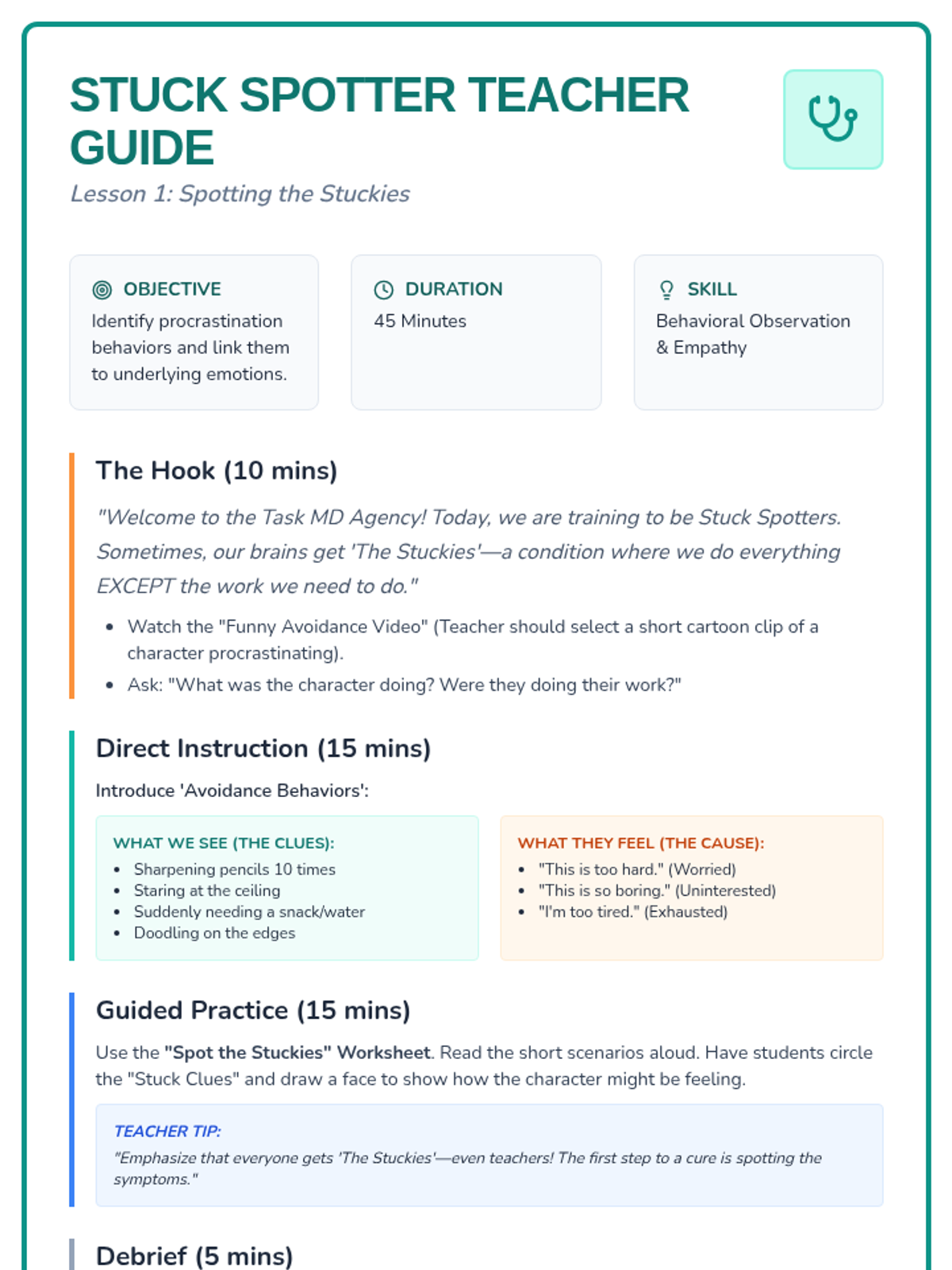
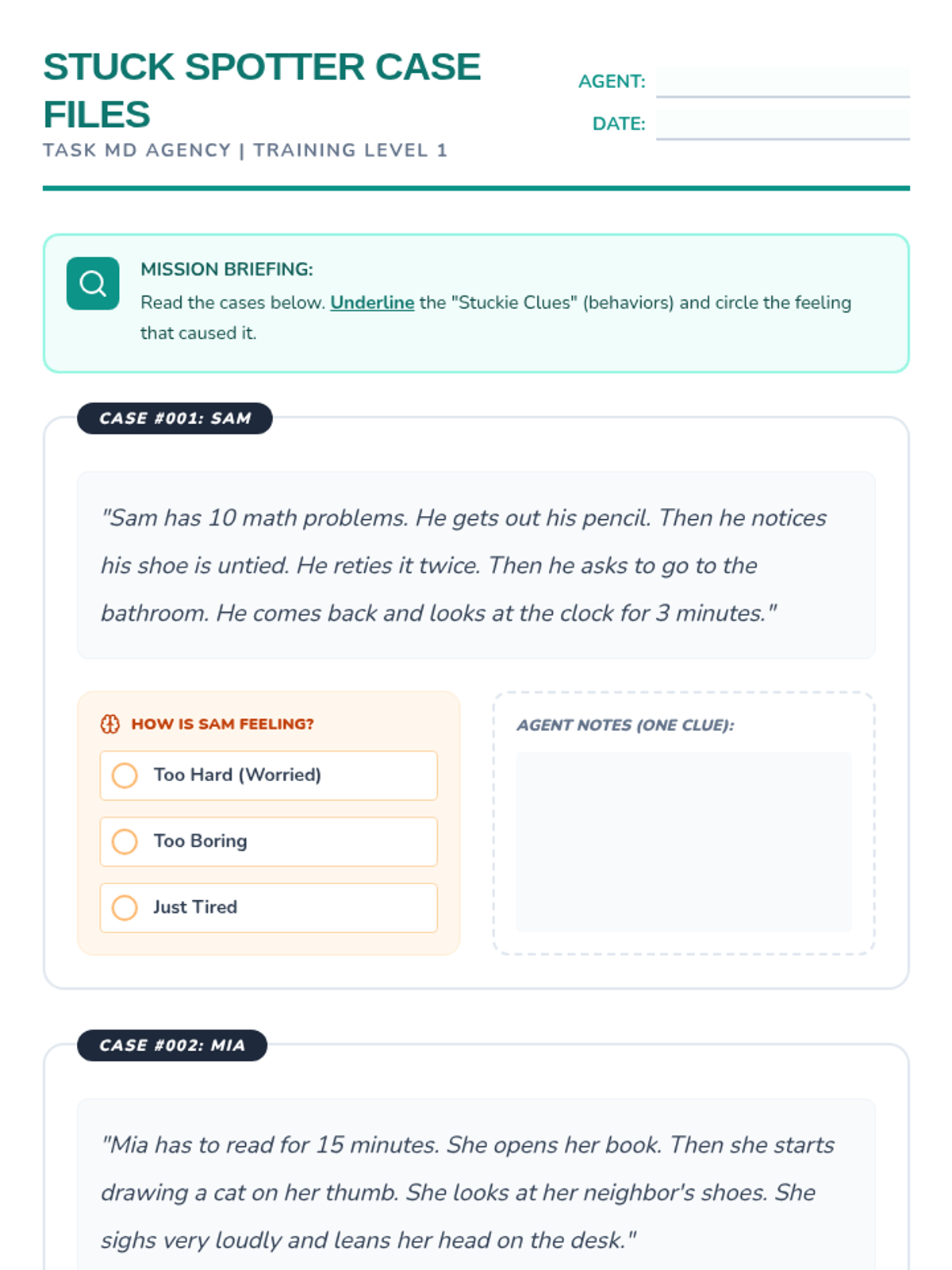
A sequence focused on helping students overcome emotional barriers to task initiation using a 'Task Doctor' theme. Students learn to identify avoidance behaviors, diagnose the root cause of being 'stuck', and prescribe effective self-talk solutions through role-play and reflection.
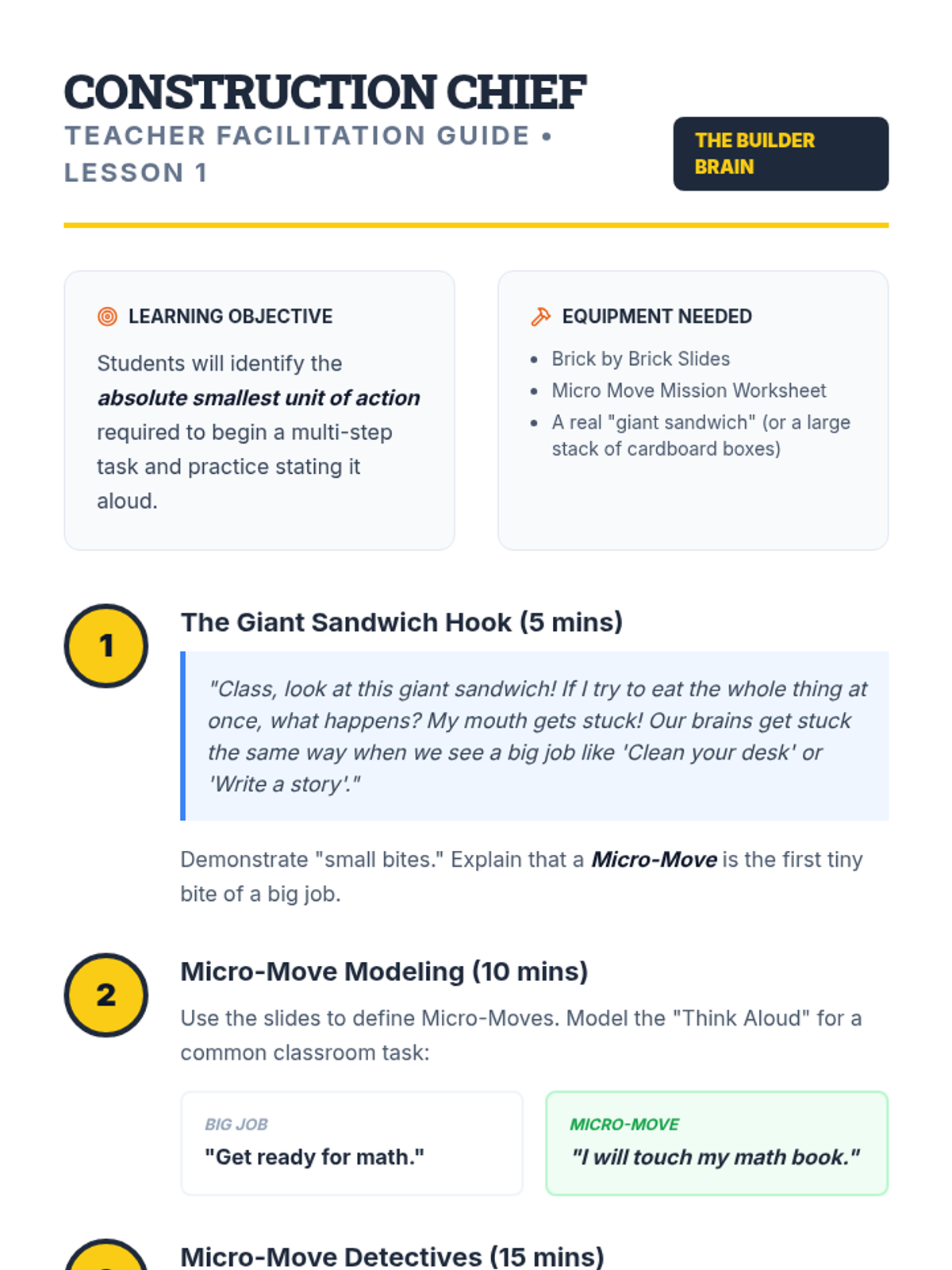
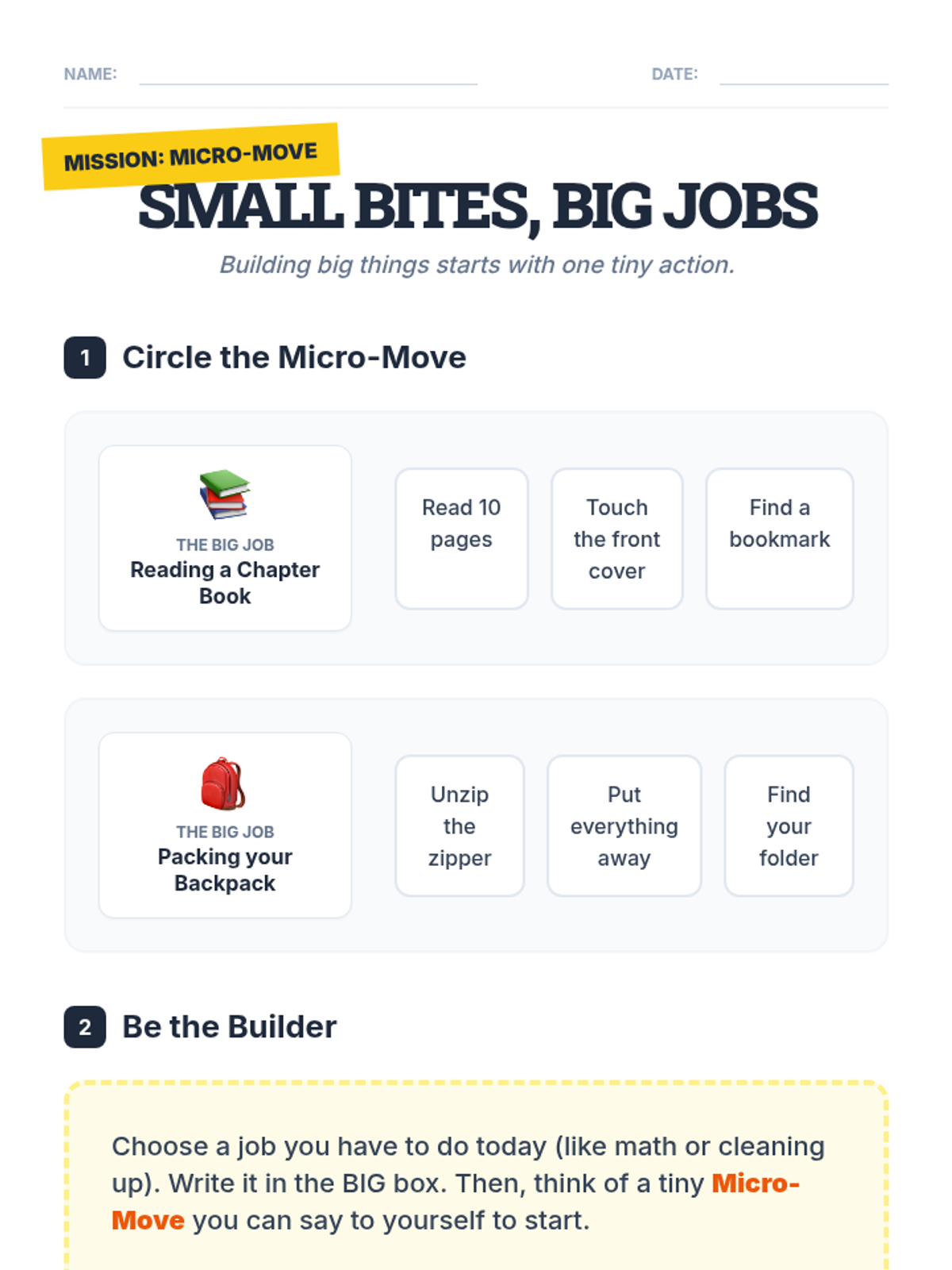
Students learn to use verbal prompts to break complex tasks down into manageable actions. The sequence moves from identifying the immediate first step to narrating a sequence of actions and troubleshooting challenges.
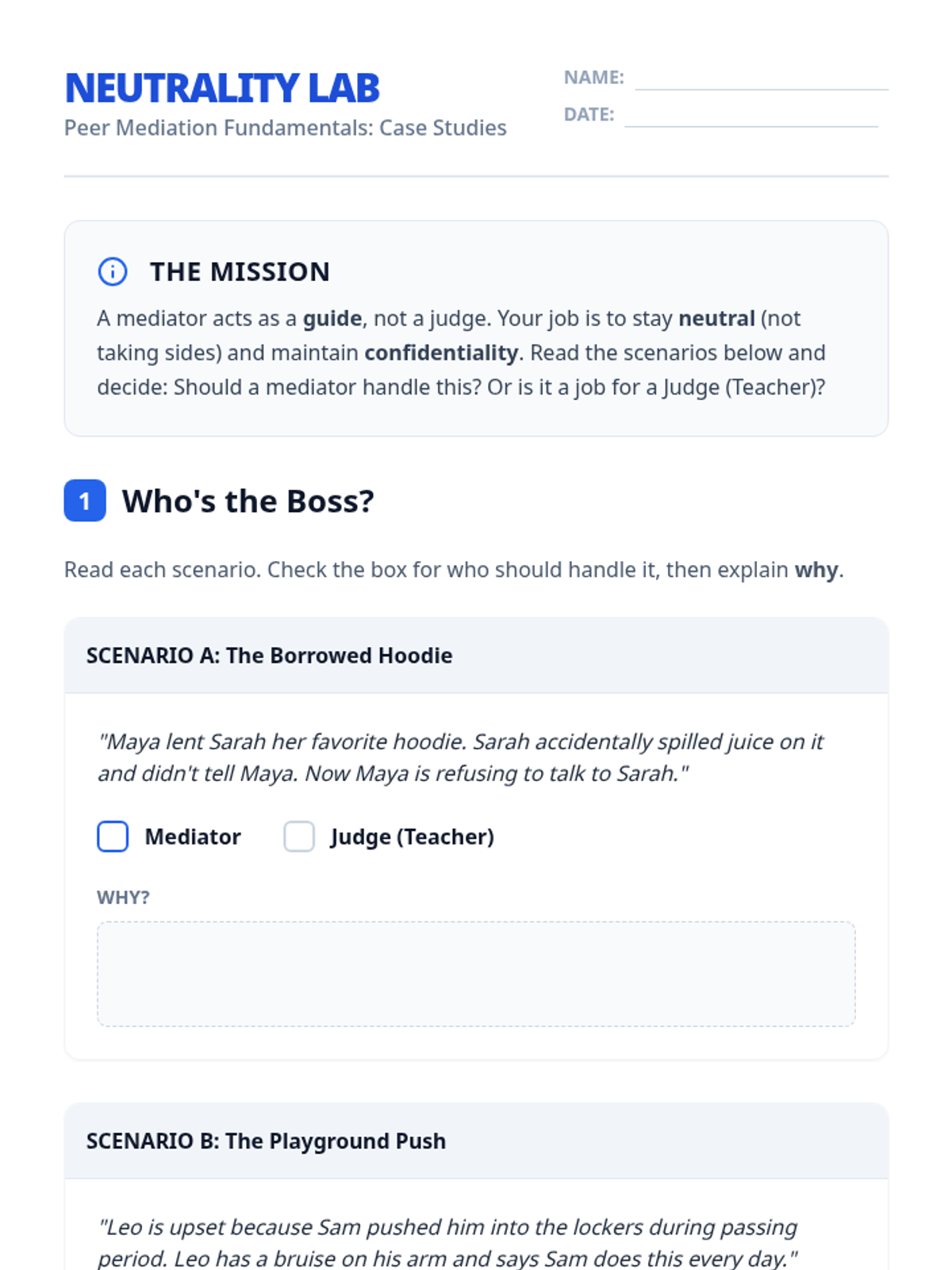
This sequence empowers students to act as third-party neutrals, introducing the specific structure and skills of Peer Mediation. Students learn the distinct phases of a mediation session, the importance of neutrality, and how to facilitate dialogue without taking sides.
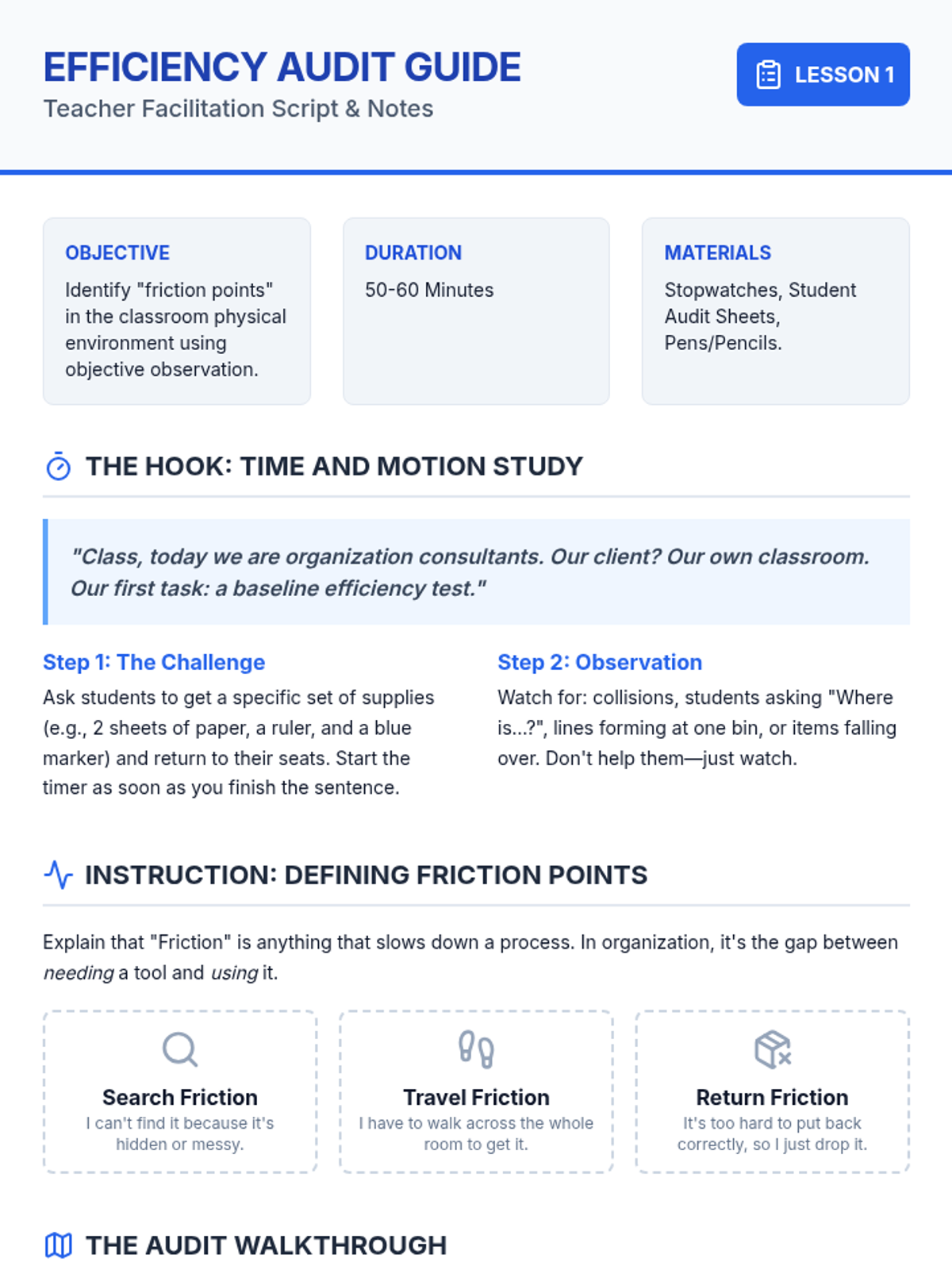
A project-based unit where students act as organization consultants to evaluate, redesign, and implement efficient physical systems in their classroom. Students learn systems thinking, visual communication, and the psychology of environmental design to create a more functional learning space.
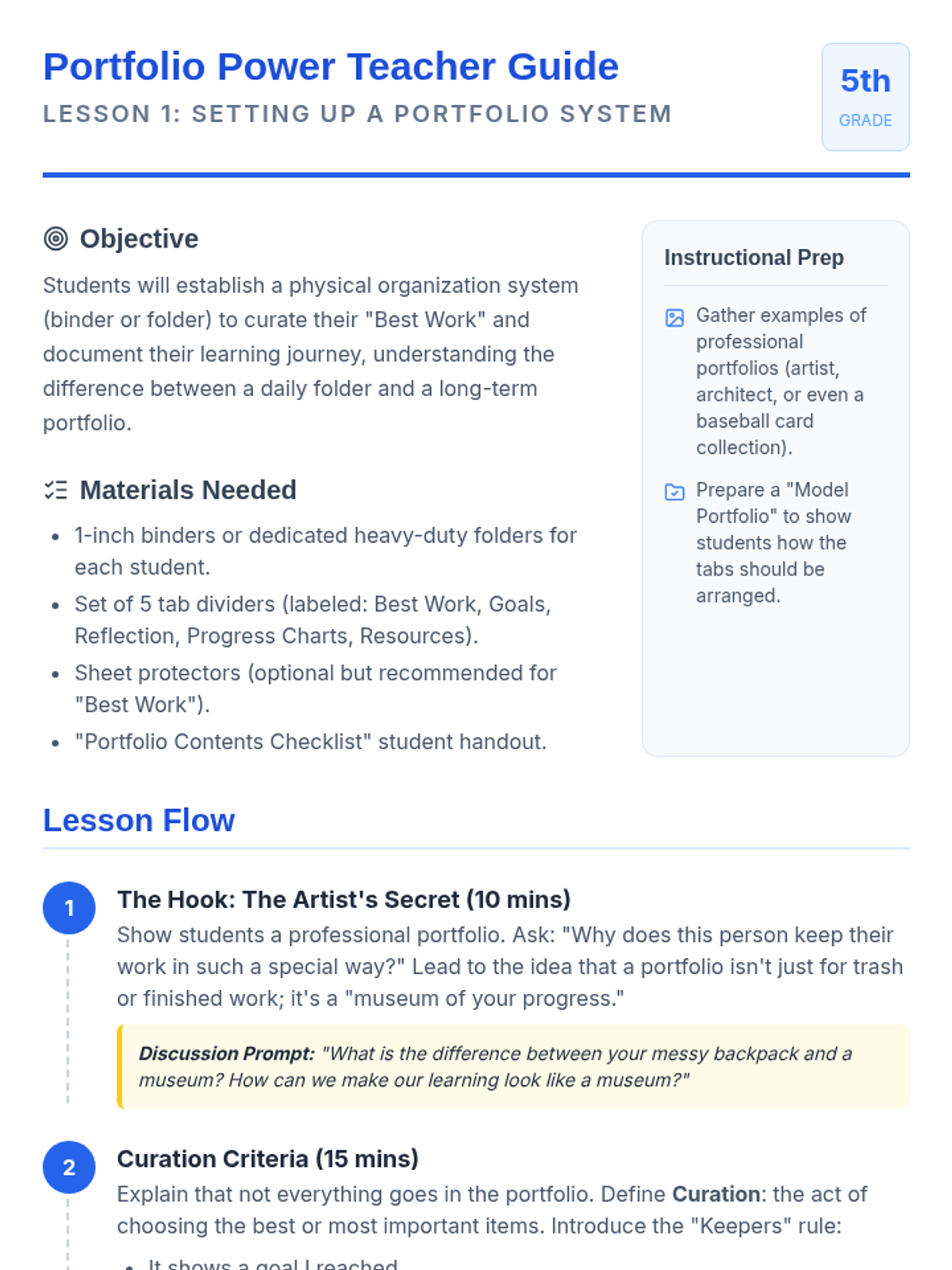
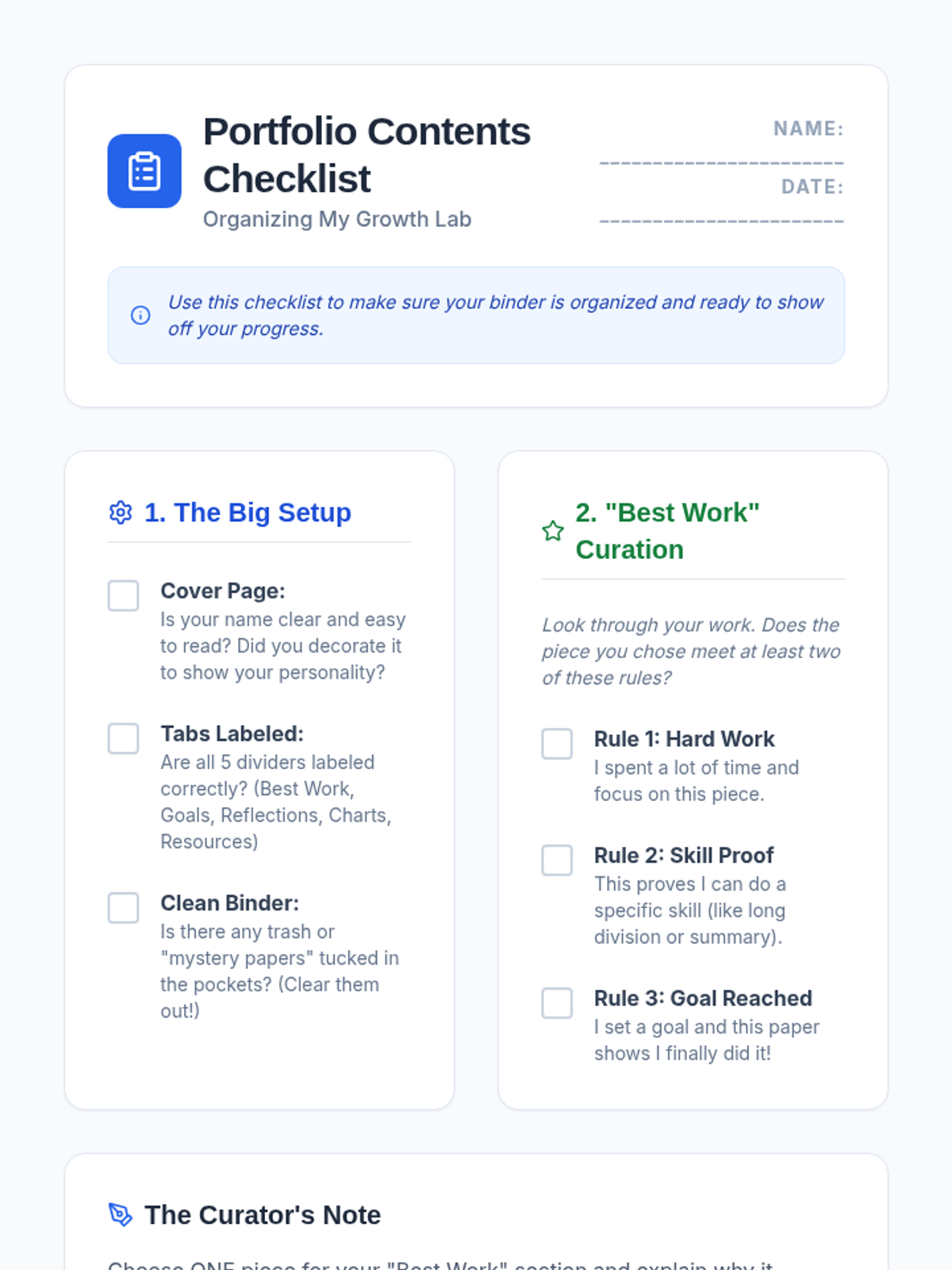
This sequence teaches 5th-grade students how to organize their school 'data'—assignments, goals, and grades—to take active ownership of their learning. Students move from passive learners to organized achievers by building portfolios, tracking tasks, and visualizing their growth.
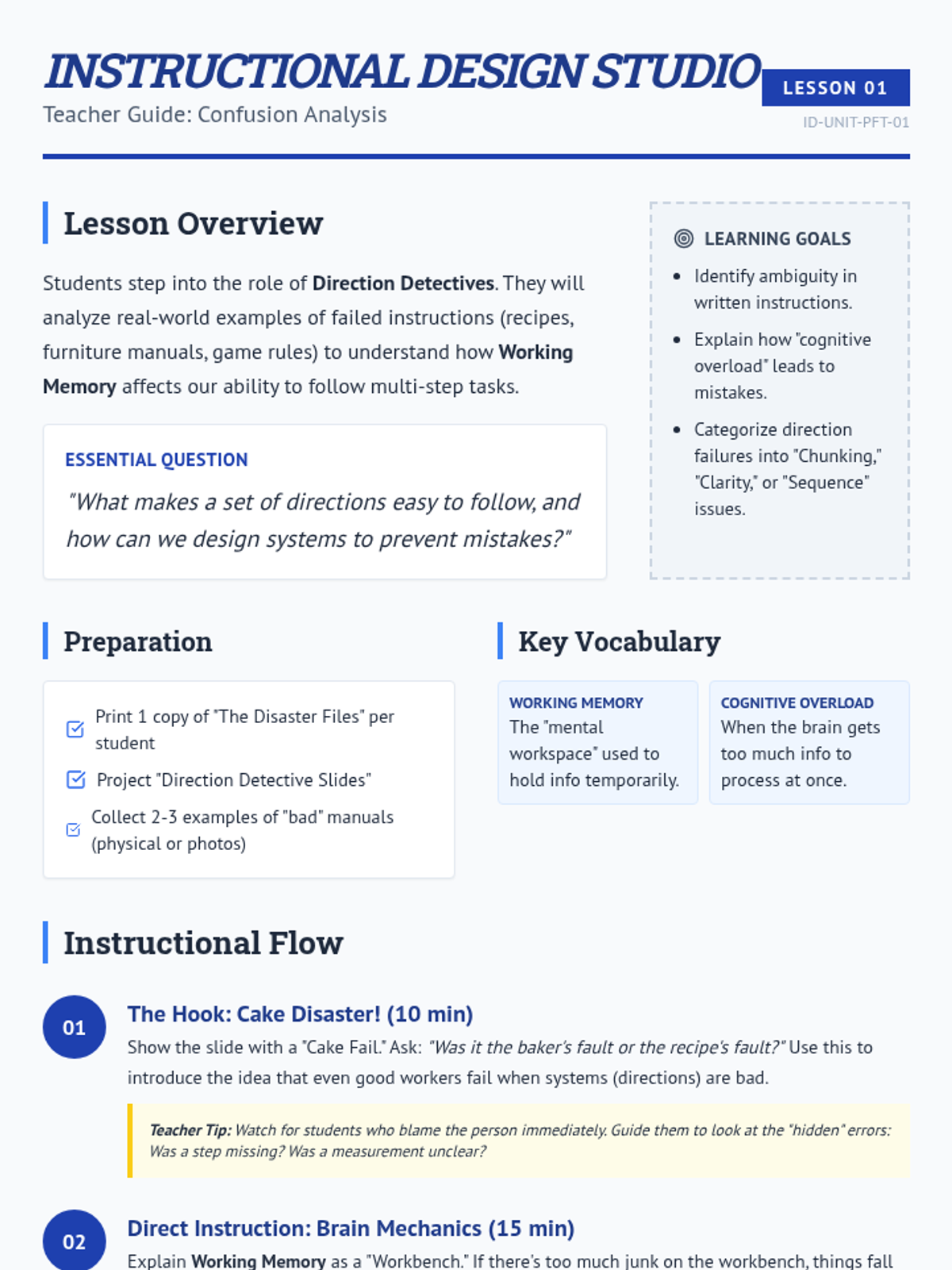
A 5th-grade project-based unit where students act as 'Instructional Designers' to master multi-step direction following. By analyzing bad instructions and designing their own, students build metacognitive awareness of working memory and executive function supports.
Students move from reactive emotional responses to proactive negotiation. They learn de-escalation, empathy through perspective-taking, and a structured 4-step 'Peace Path' to resolve playground and classroom conflicts independently.
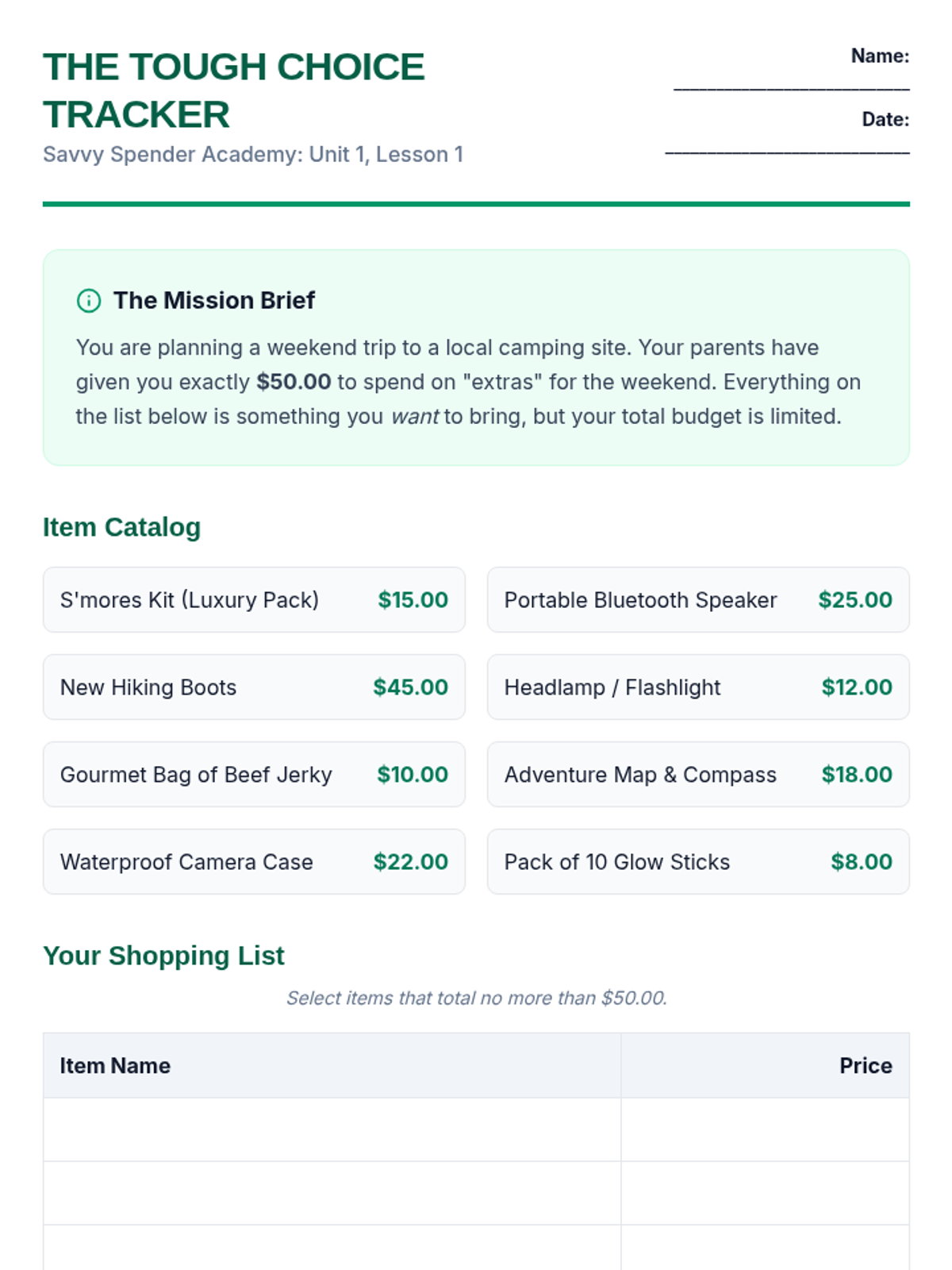
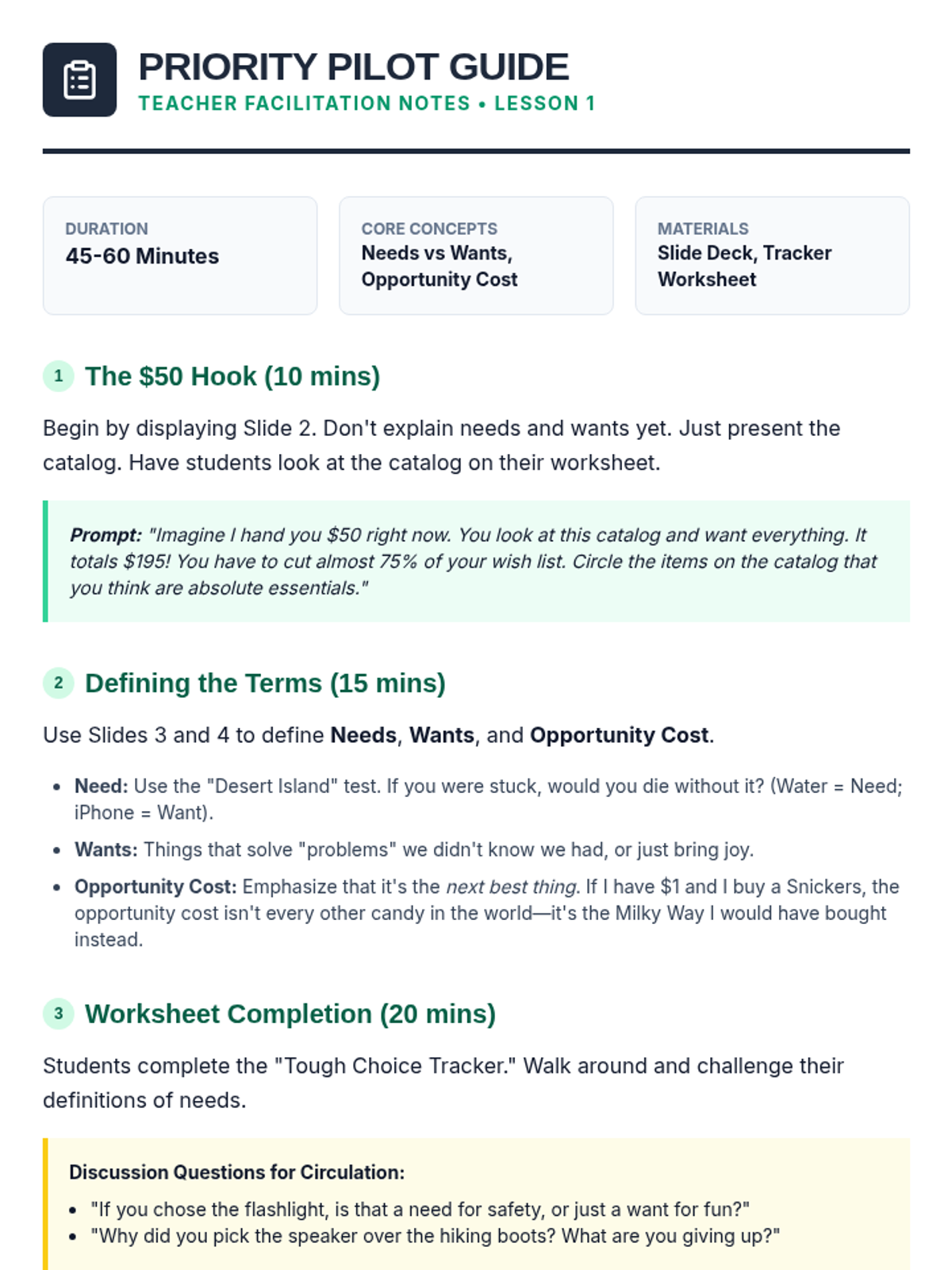
This financial literacy sequence for 5th graders focuses on essential consumer skills, including differentiating needs from wants, calculating unit prices, analyzing product reviews, and understanding consumer rights. Through simulations and mathematical application, students develop the critical thinking needed to make smart, value-driven purchasing decisions.
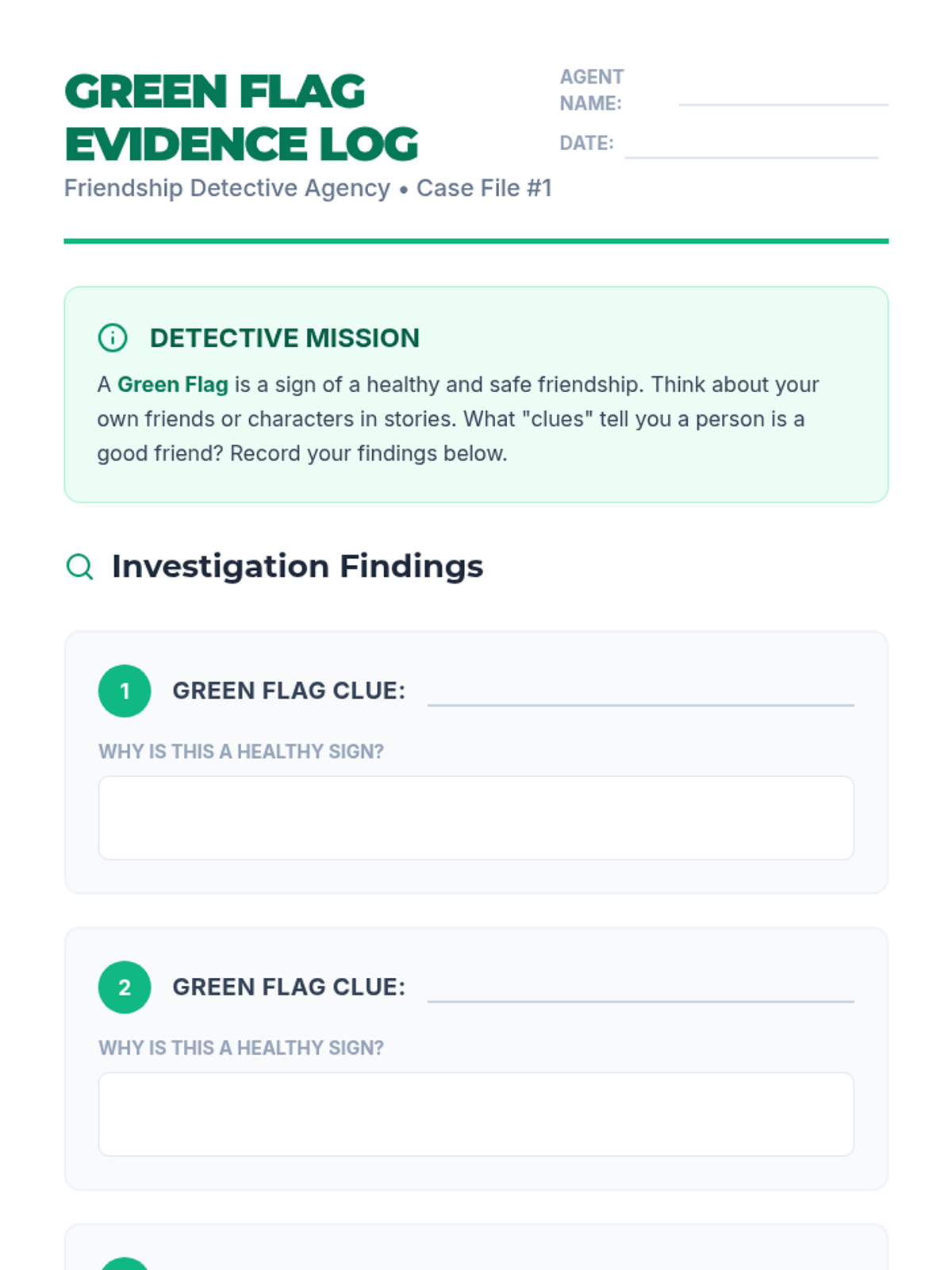
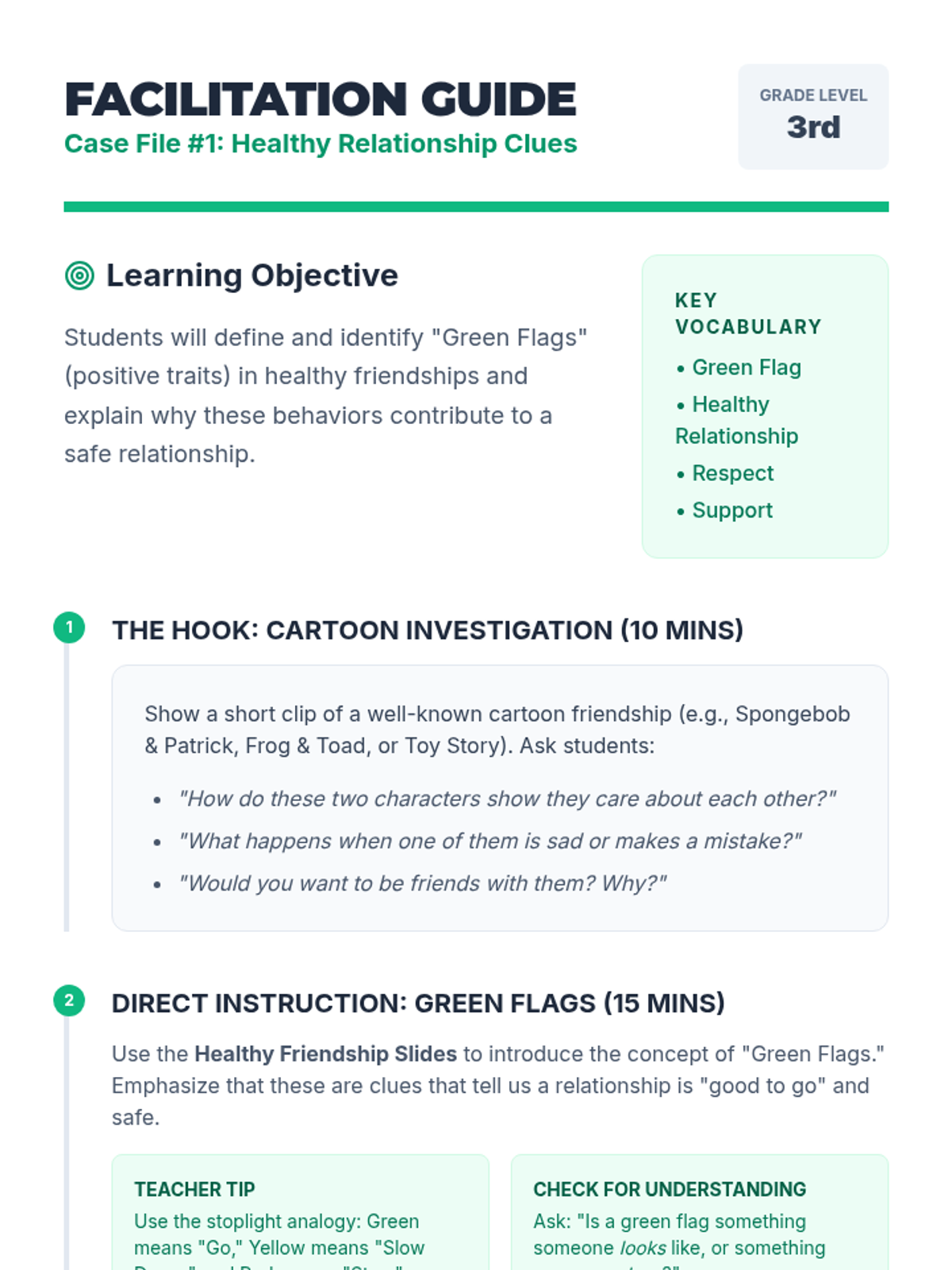
A 5-lesson unit where students become 'Friendship Detectives' to identify healthy and unhealthy relationship dynamics. Using case studies, sorting games, and creative projects, students learn to recognize green and red flags, distinguish between teasing and bullying, and resolve conflicts safely.
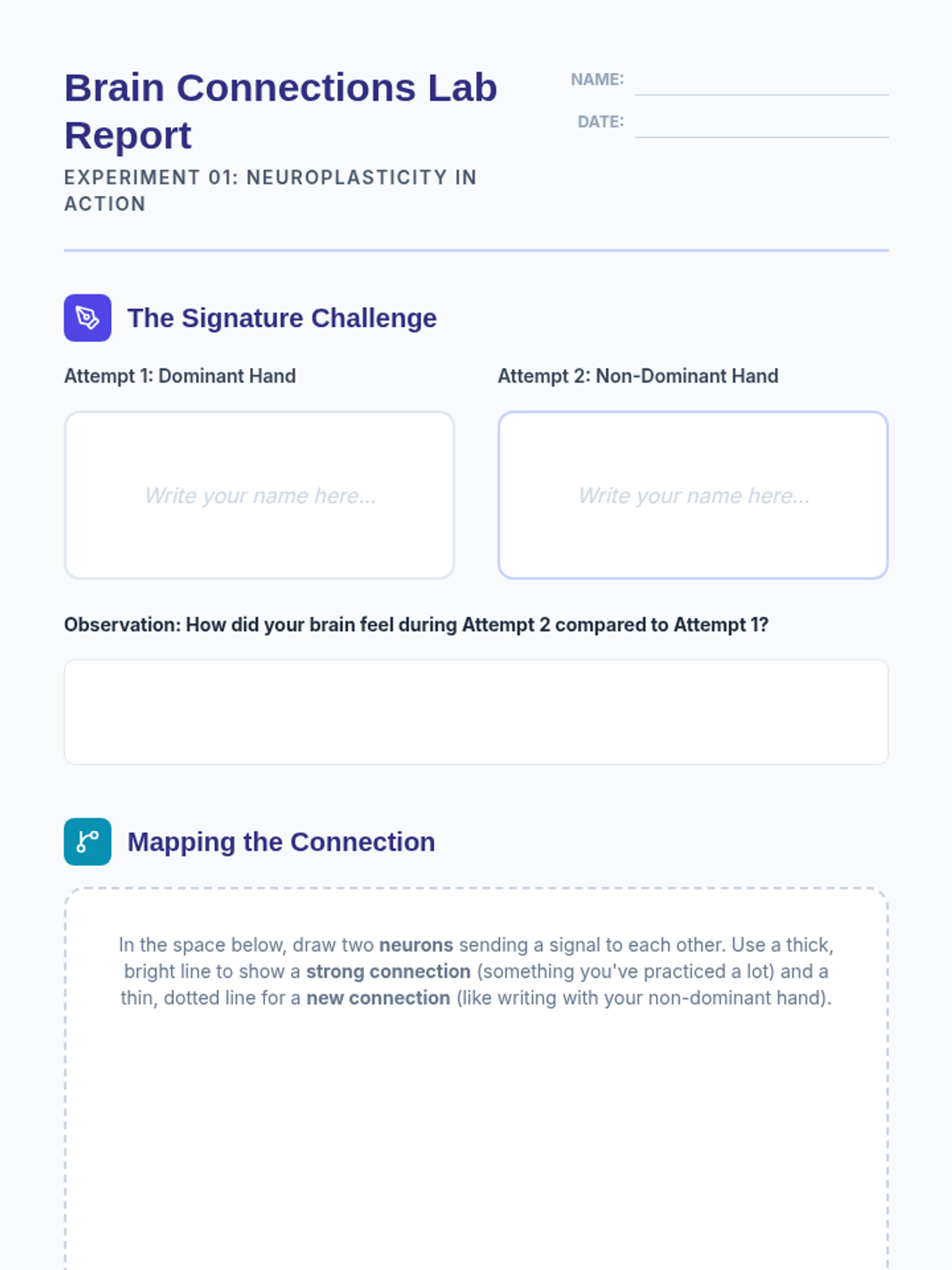
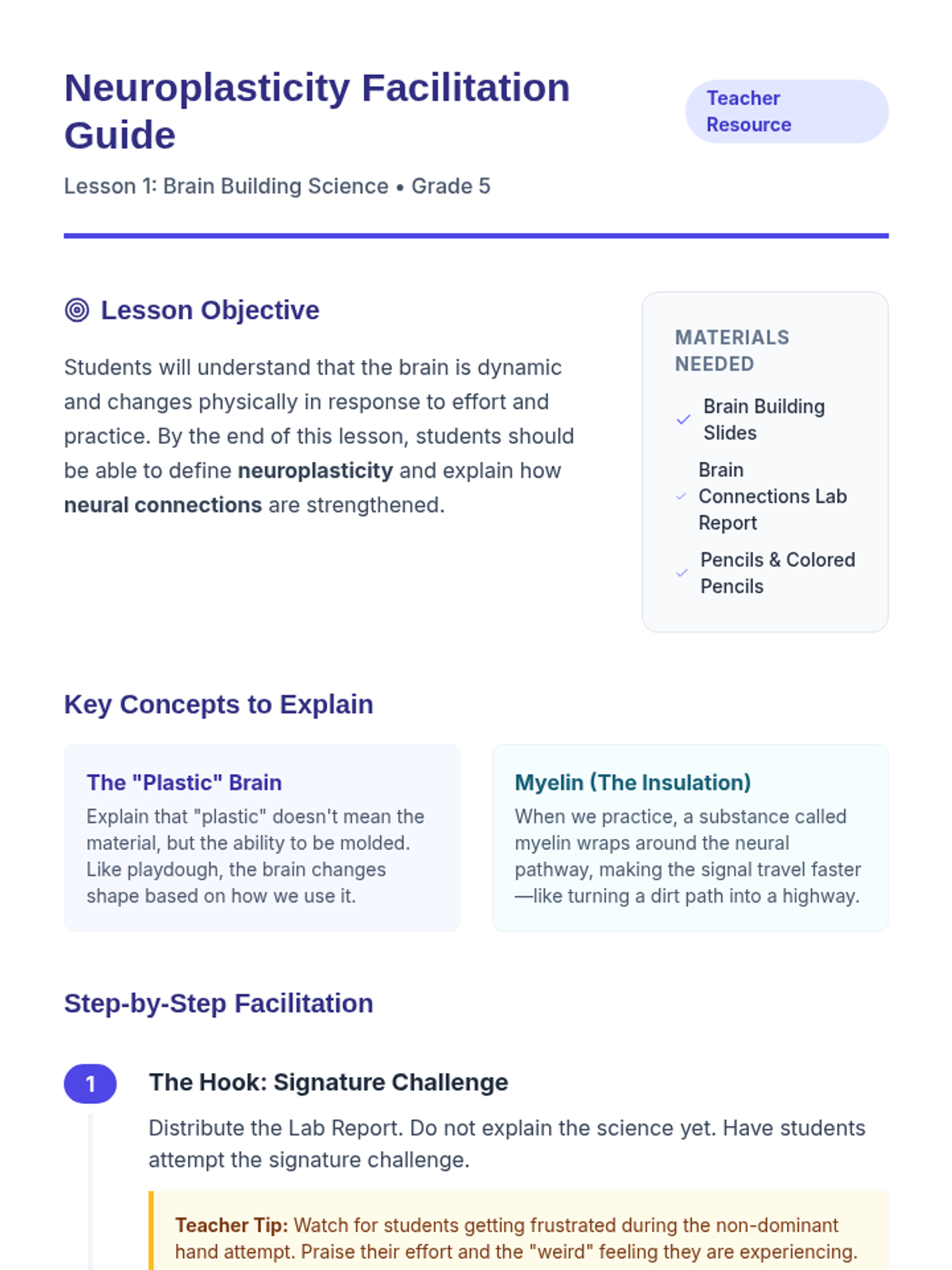
A psychological exploration of growth mindset for 5th graders, focusing on brain plasticity, resilience, and goal-setting to shape their future identity.
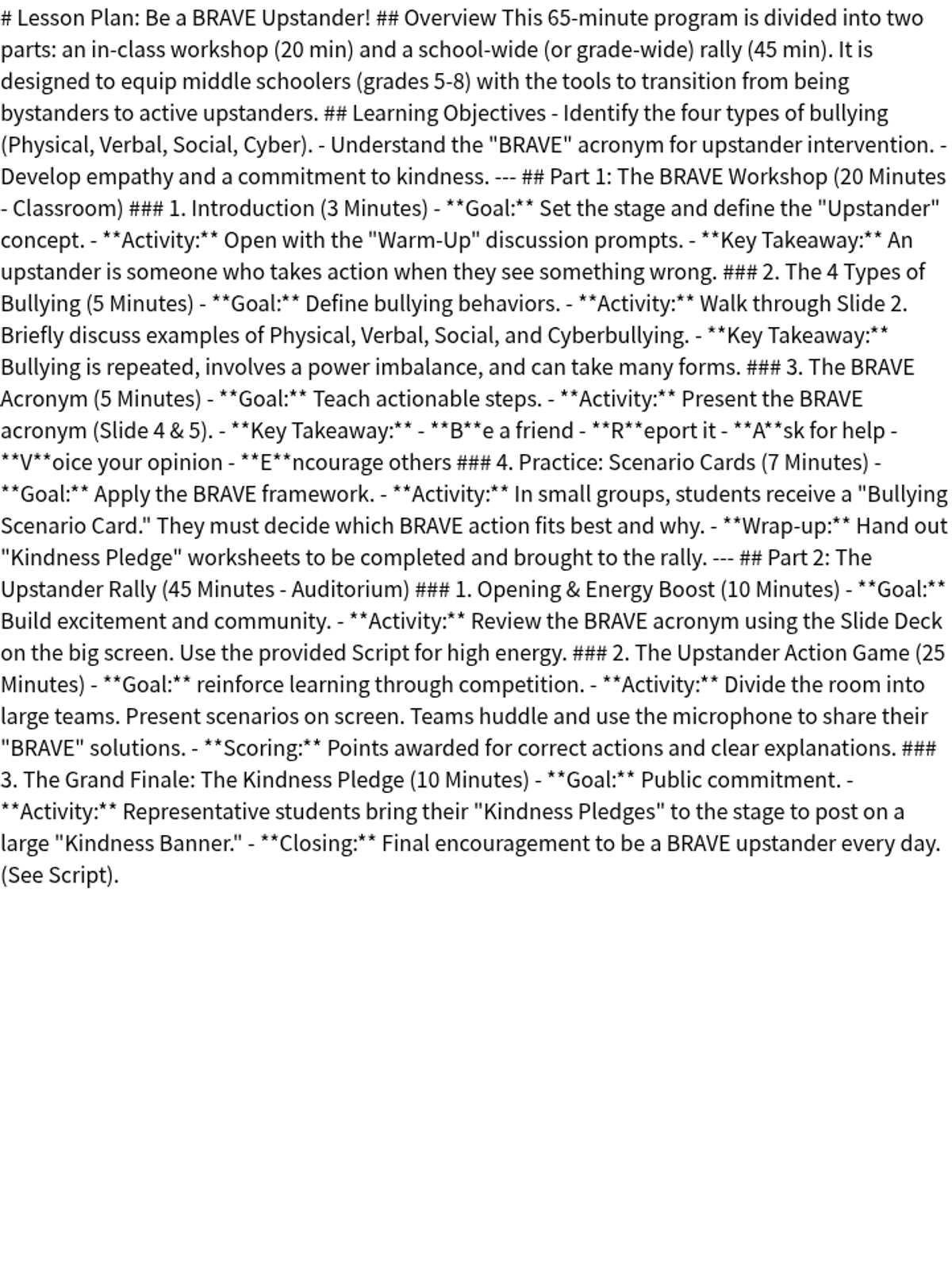
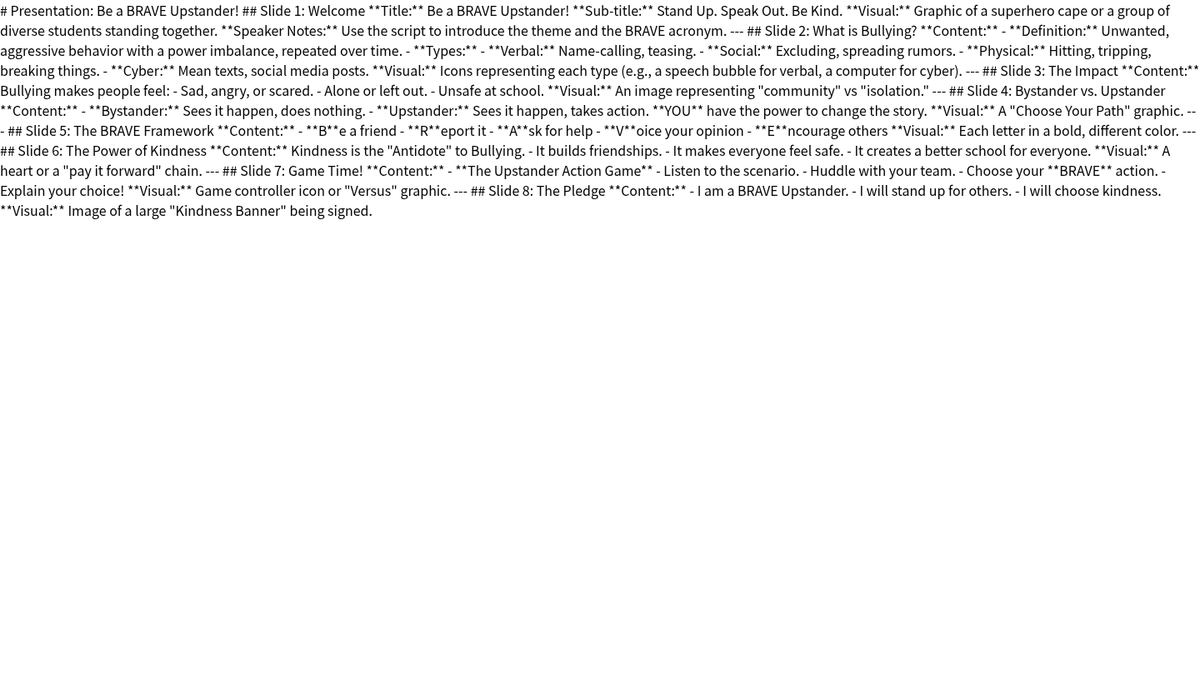
A comprehensive 65-minute educational experience for middle schoolers (grades 5-8). It consists of two parts: a 20-minute classroom presentation/workshop and a 45-minute "Upstander Rally" in an auditorium setting. The program teaches students how to recognize bullying and empowers them to intervene using the BRAVE framework (Be a friend, Report it, Ask for help, Voice your opinion, Encourage others).
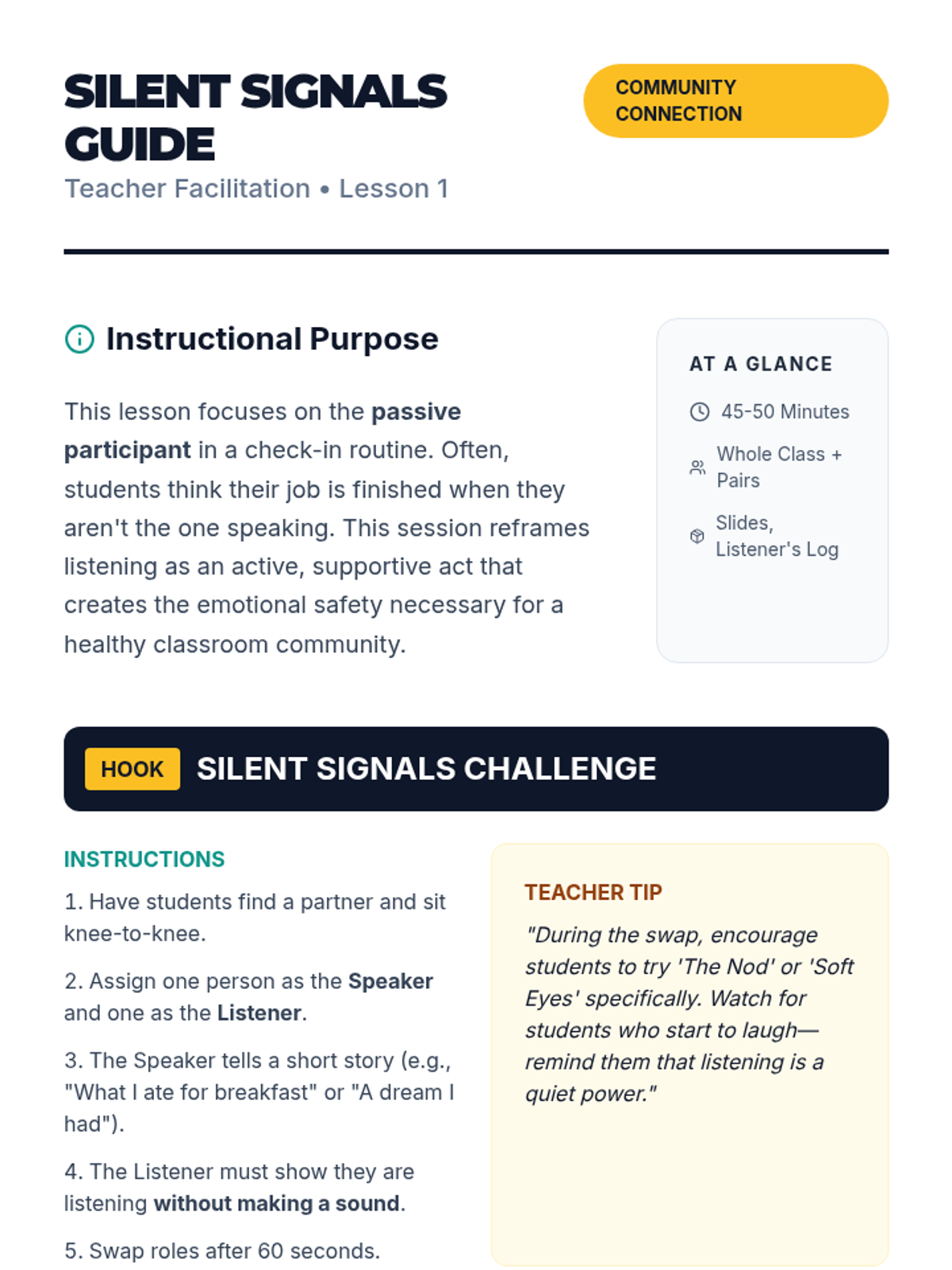
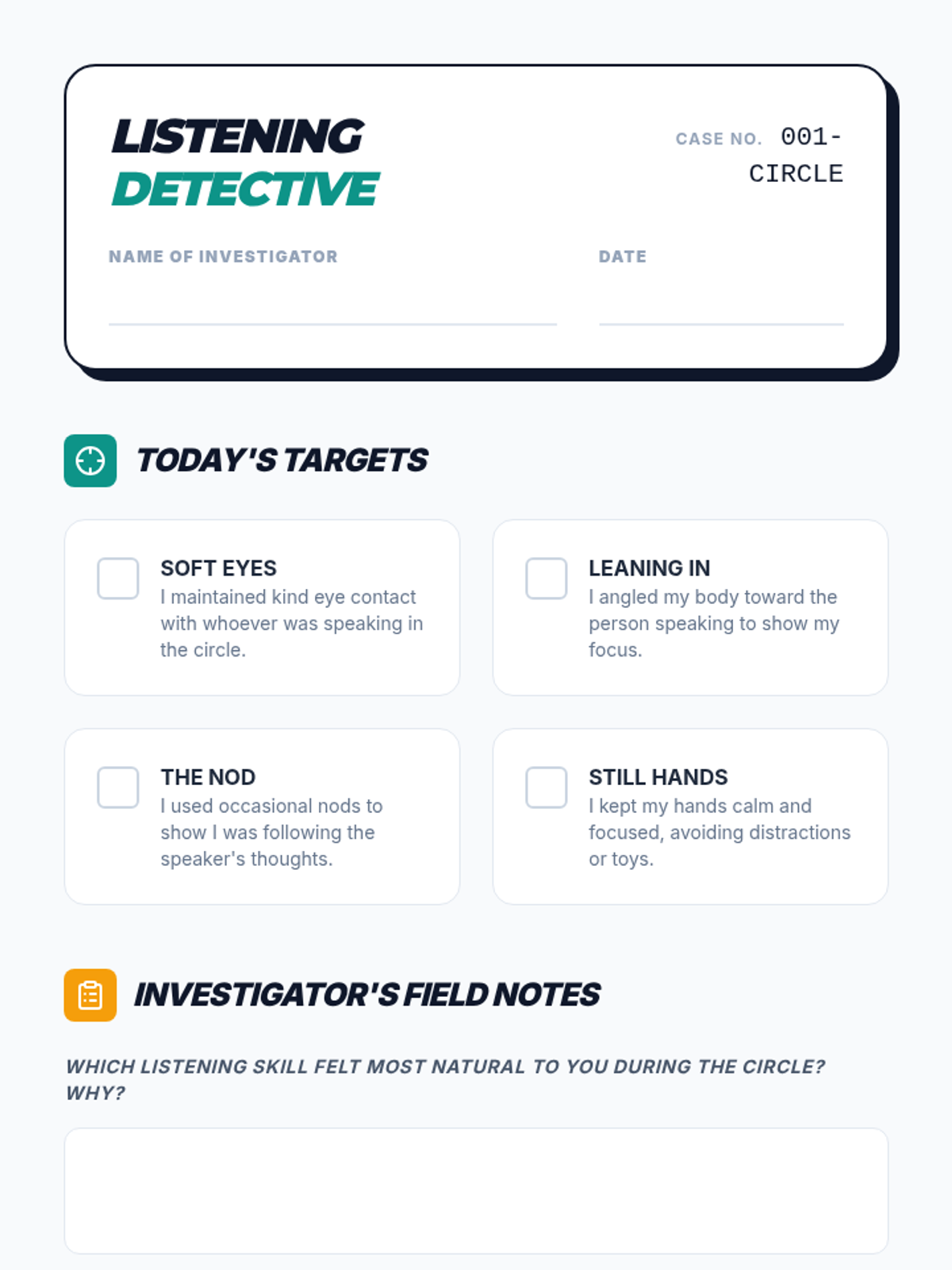
A 5th-grade sequence focused on building a supportive classroom community through daily check-in routines. Students learn active listening, empathy, healthy boundaries, collaborative problem-solving, and celebrating peer successes.
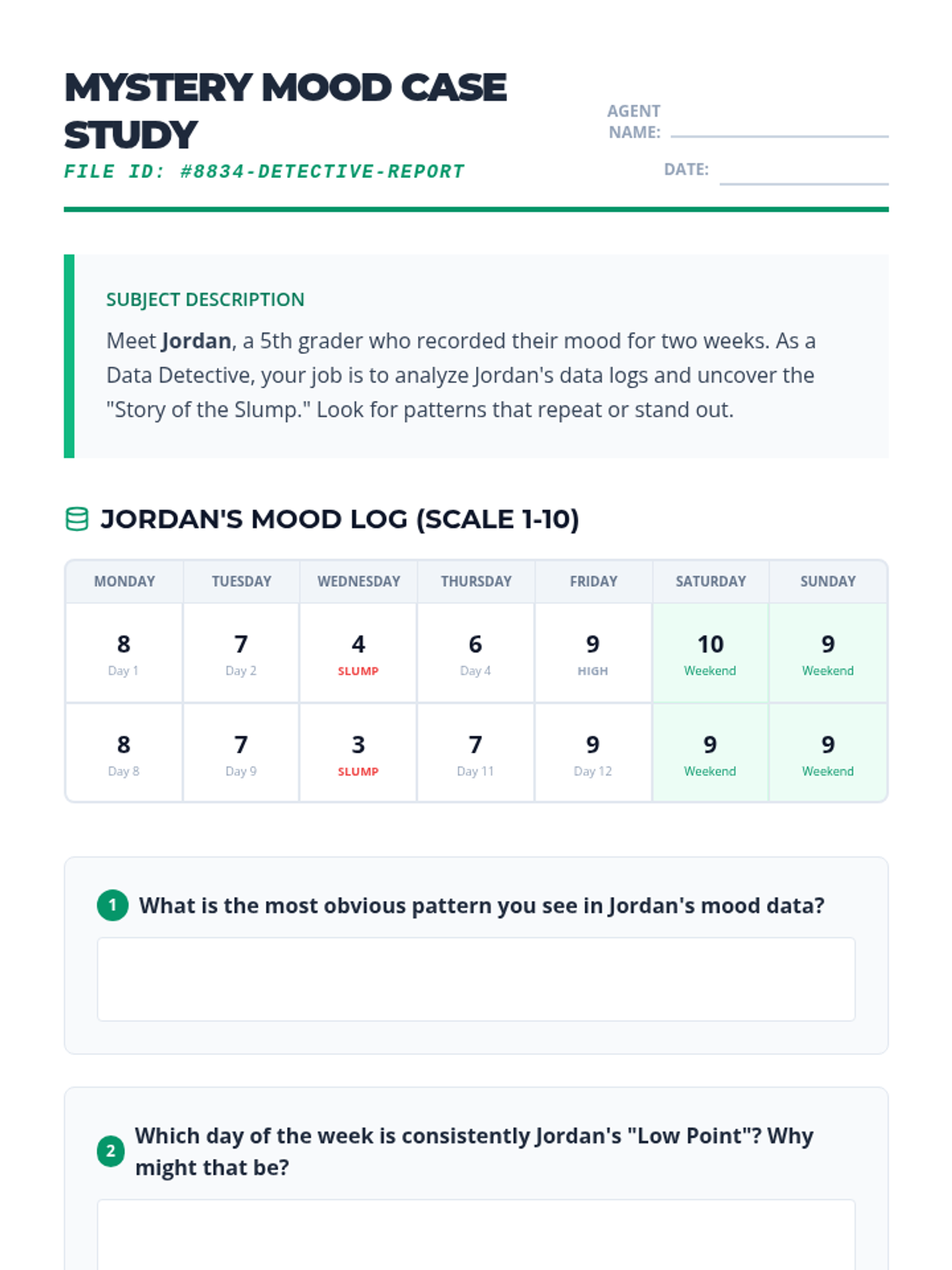
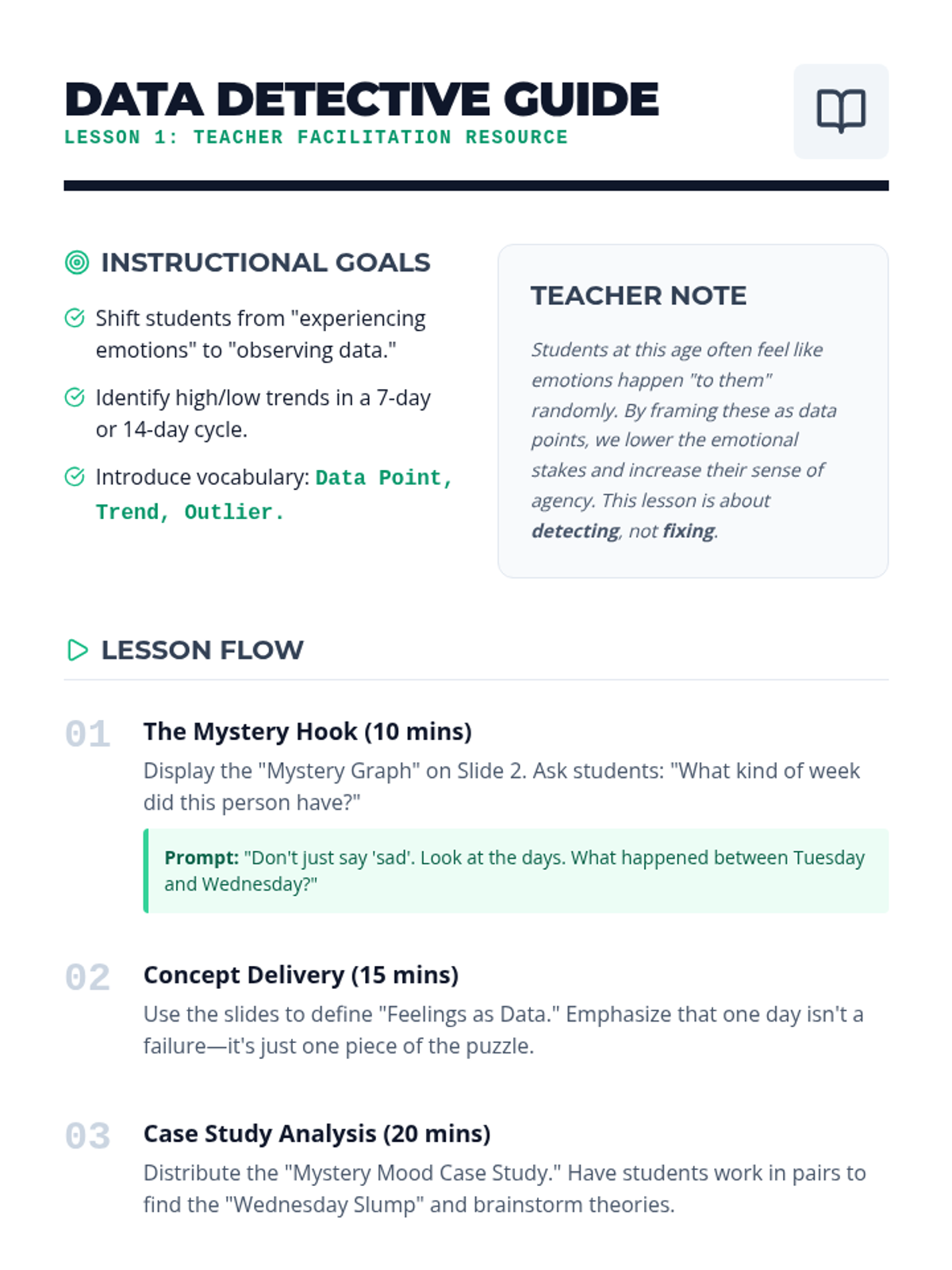
A 5th-grade inquiry-based sequence that teaches students to analyze their daily check-in responses as data. Students learn to identify trends, correlate triggers, and develop proactive self-regulation strategies based on longitudinal behavioral patterns.
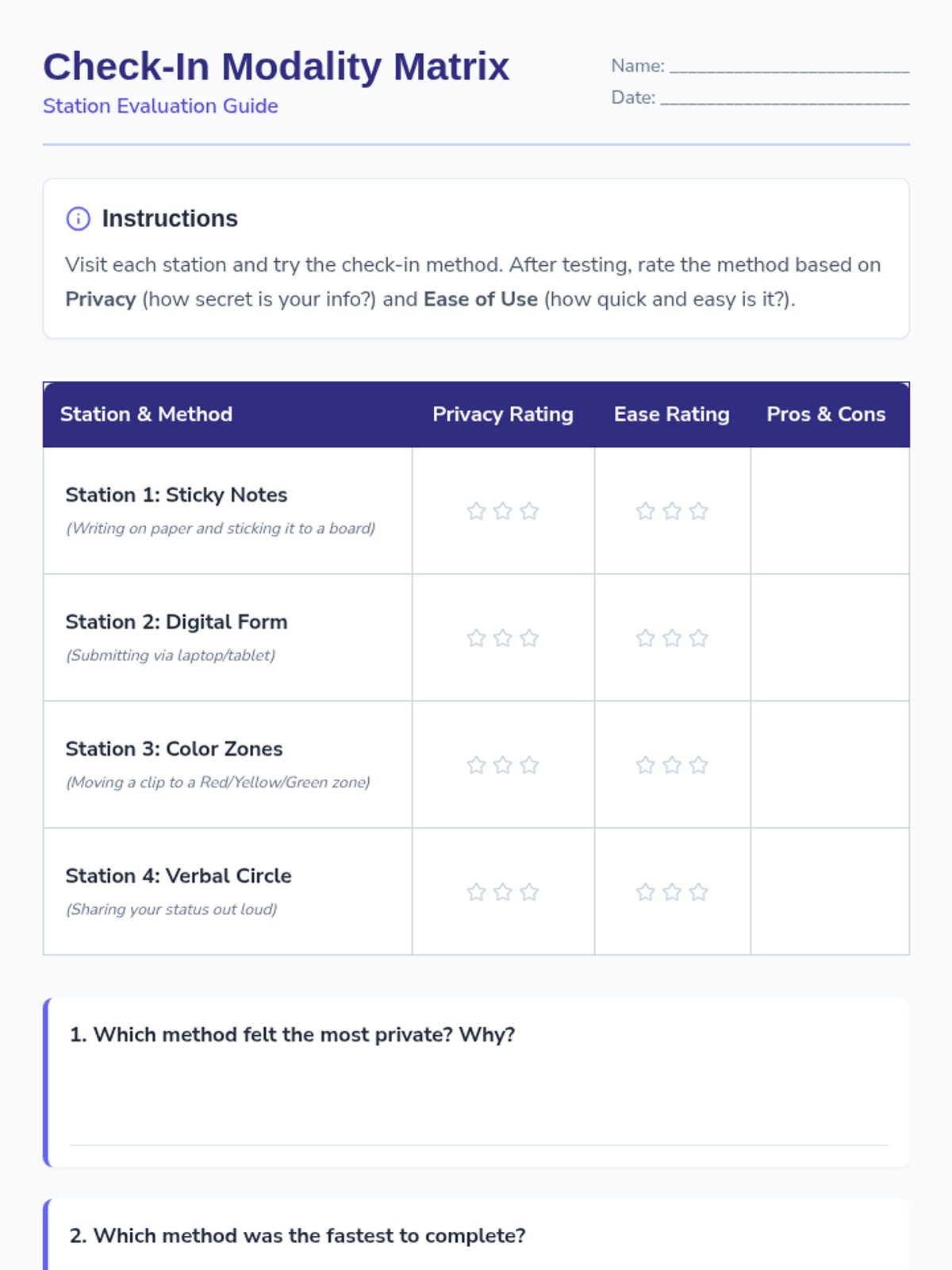
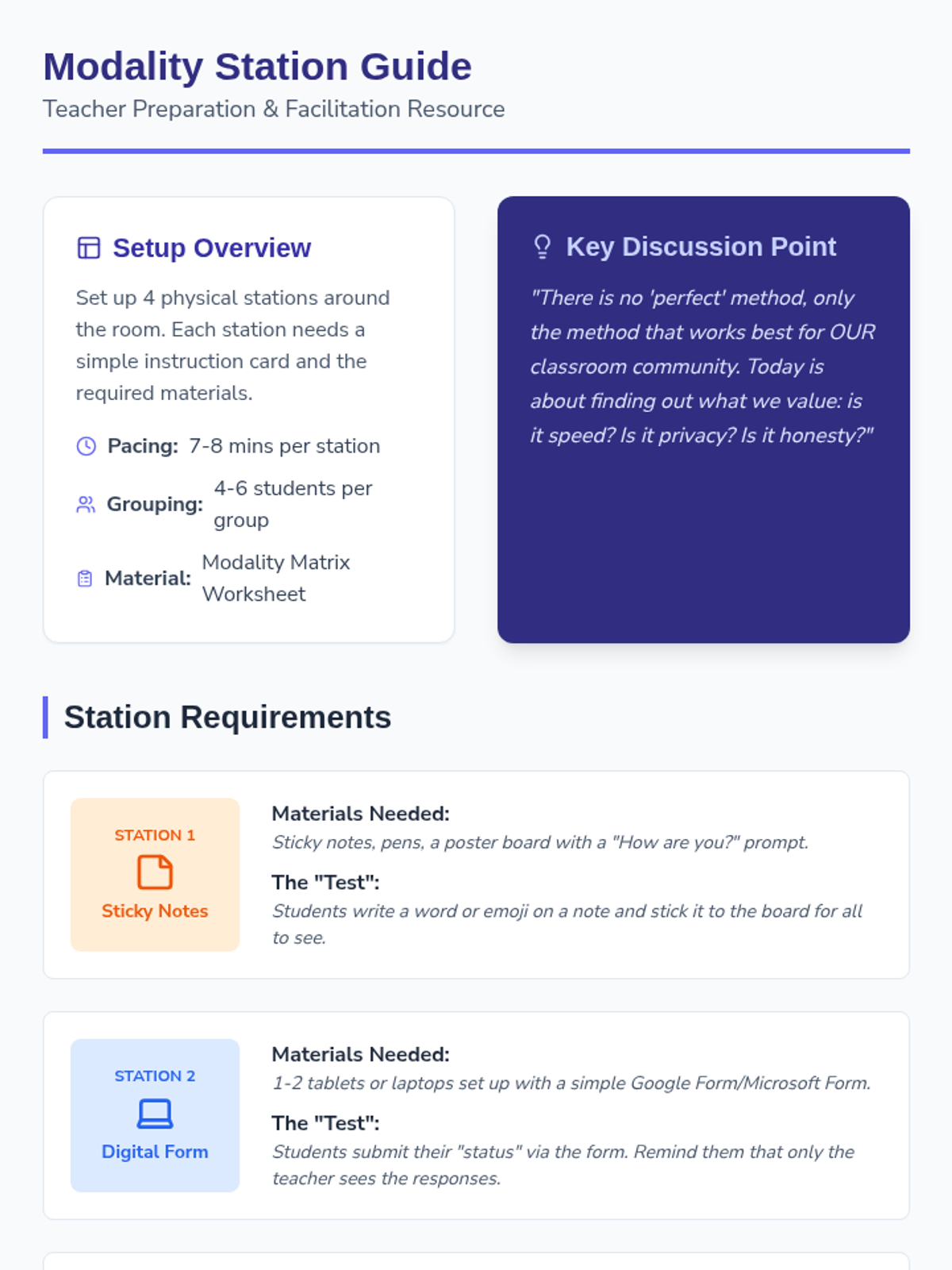
A project-based unit where 5th-grade students analyze, design, and implement a daily classroom check-in system. Students explore different modalities, evaluate privacy needs, and collaborate to create a supportive routine that fosters emotional awareness and psychological safety.
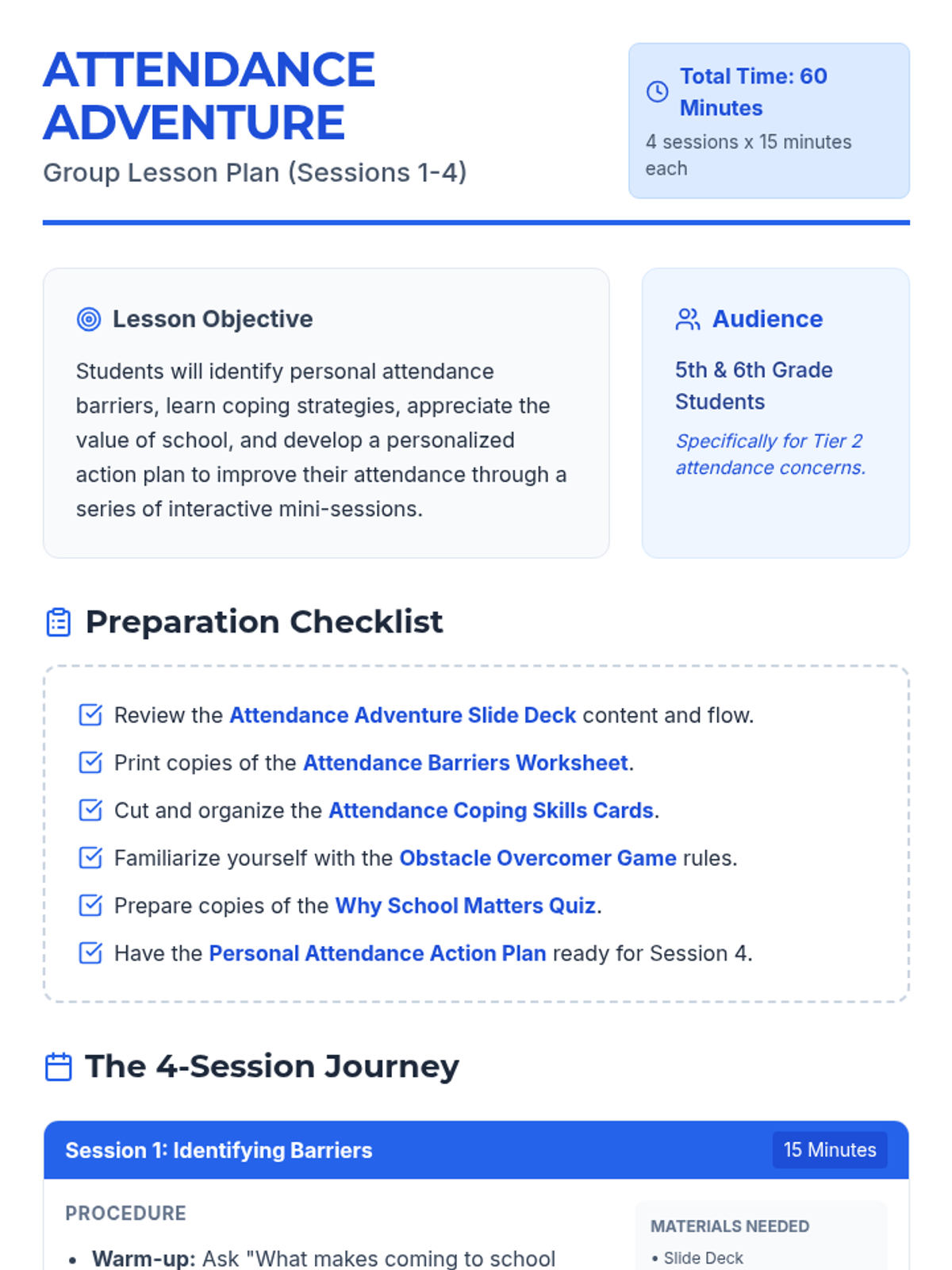
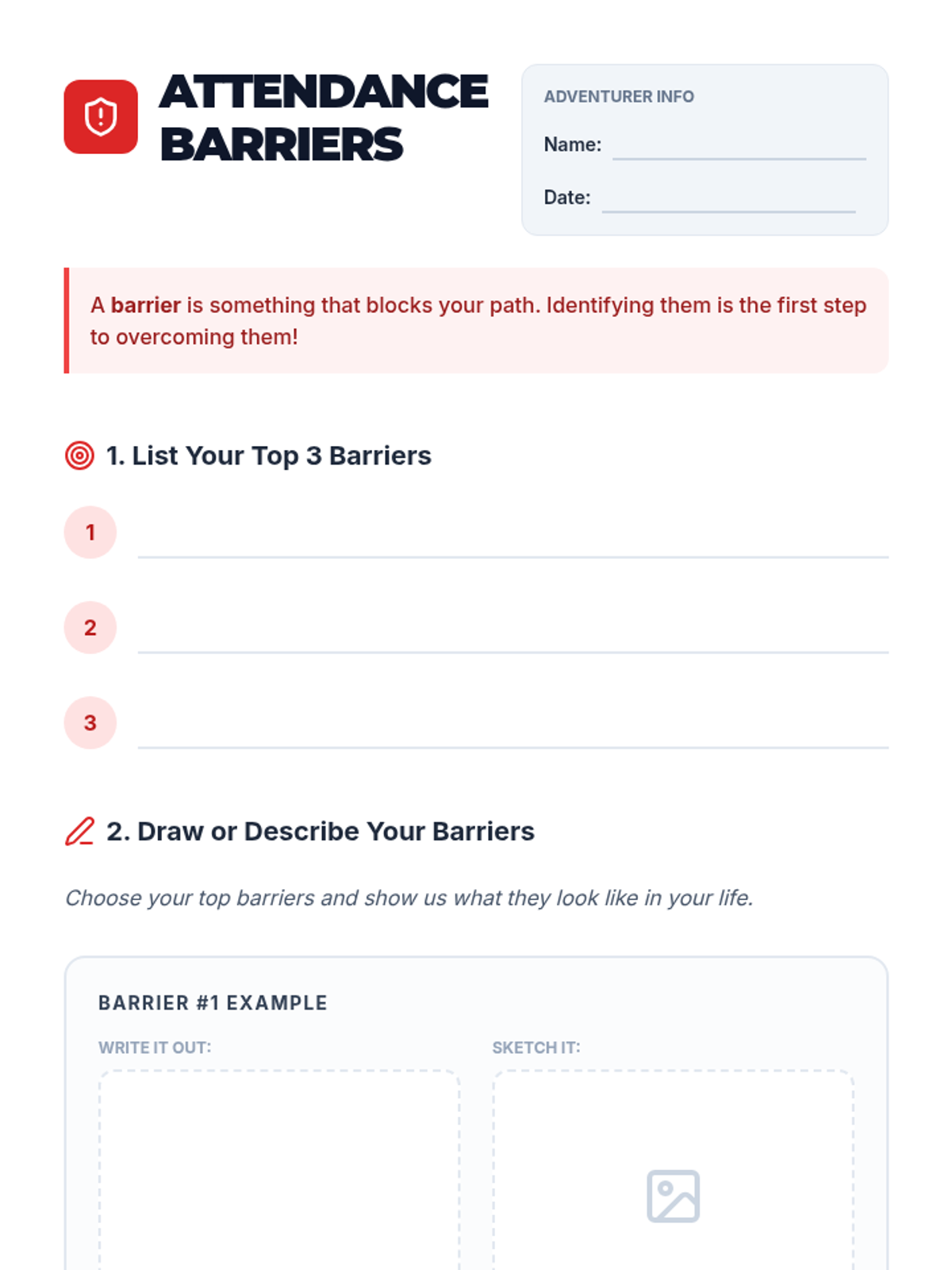
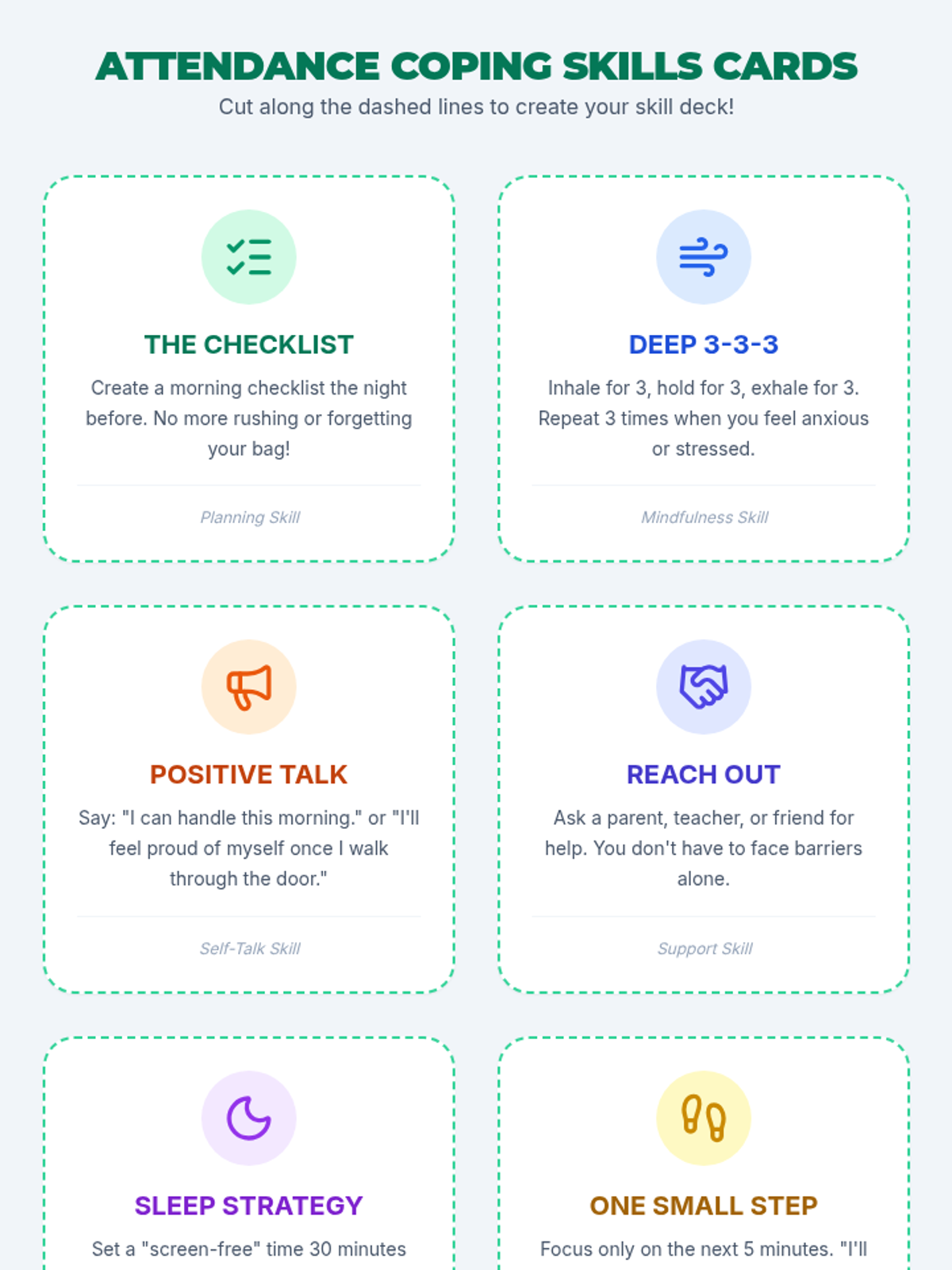
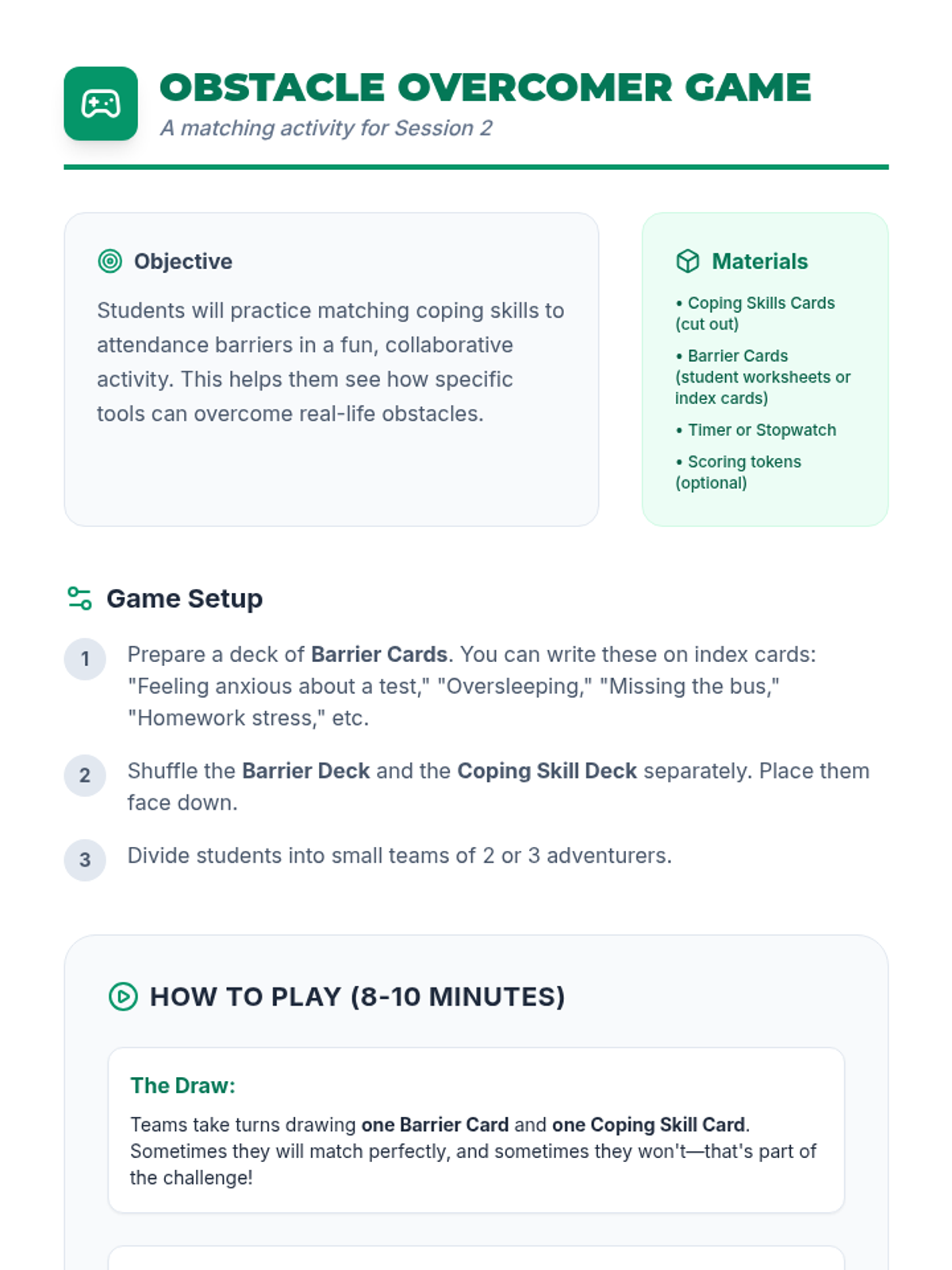
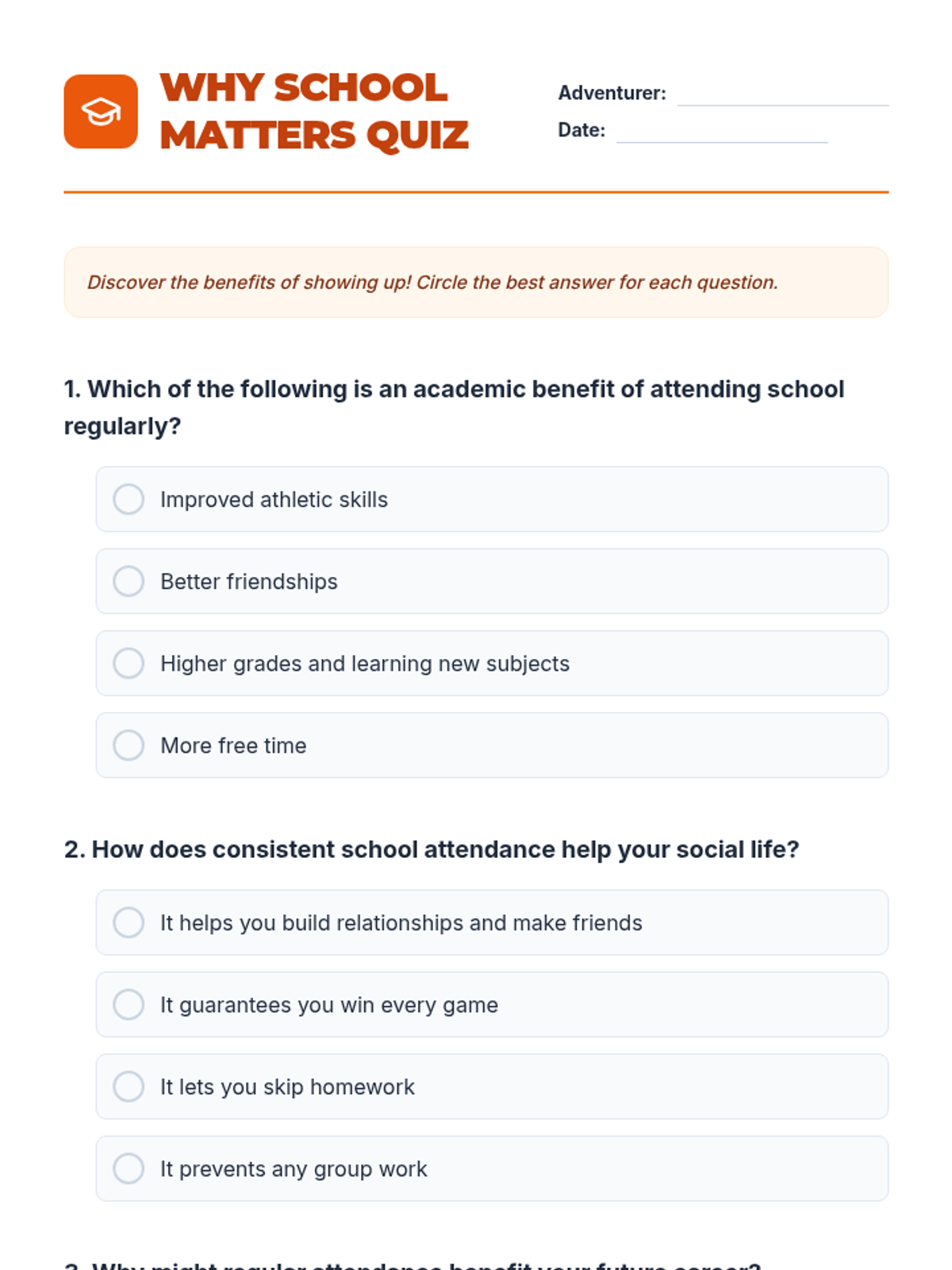
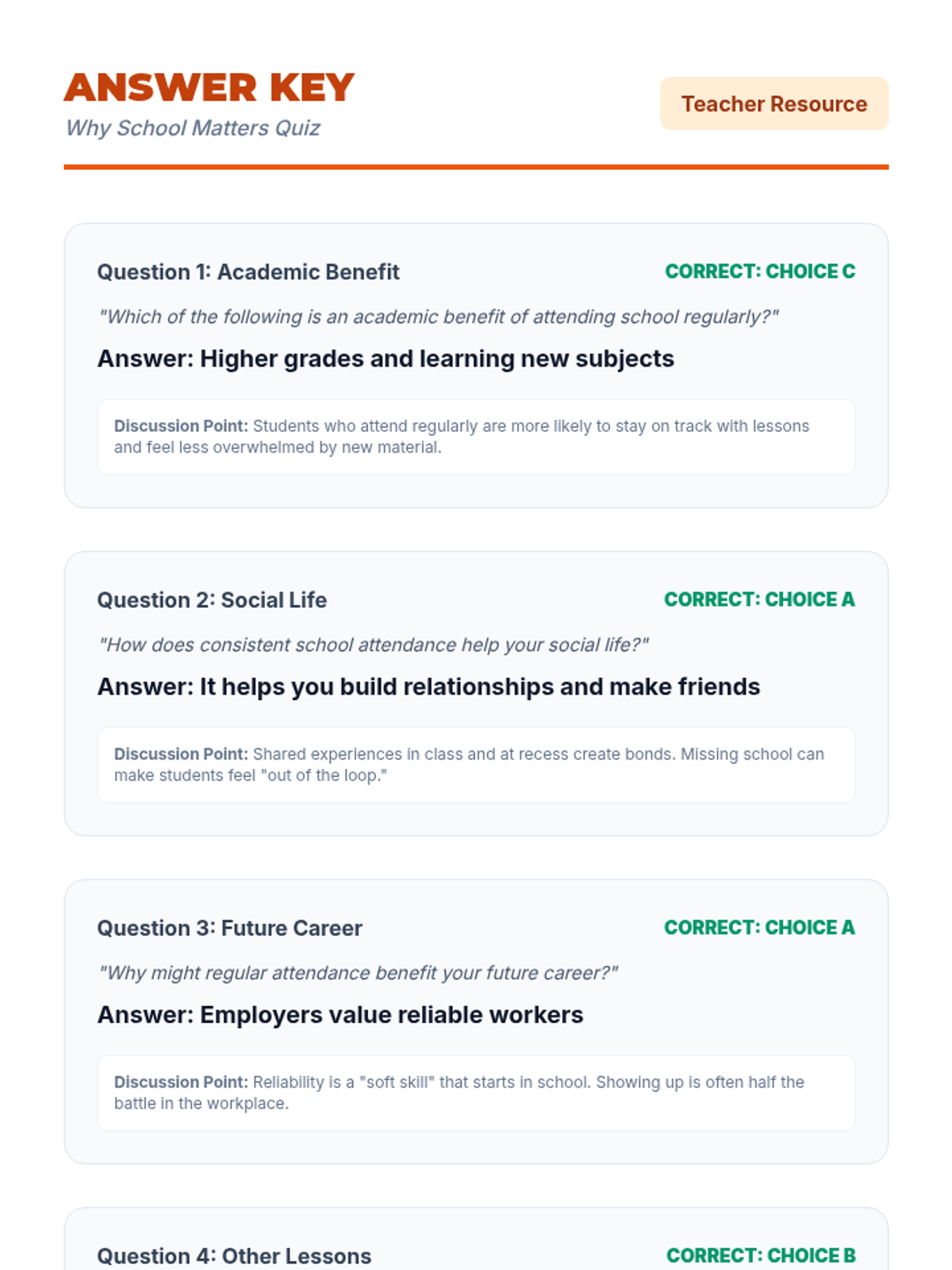
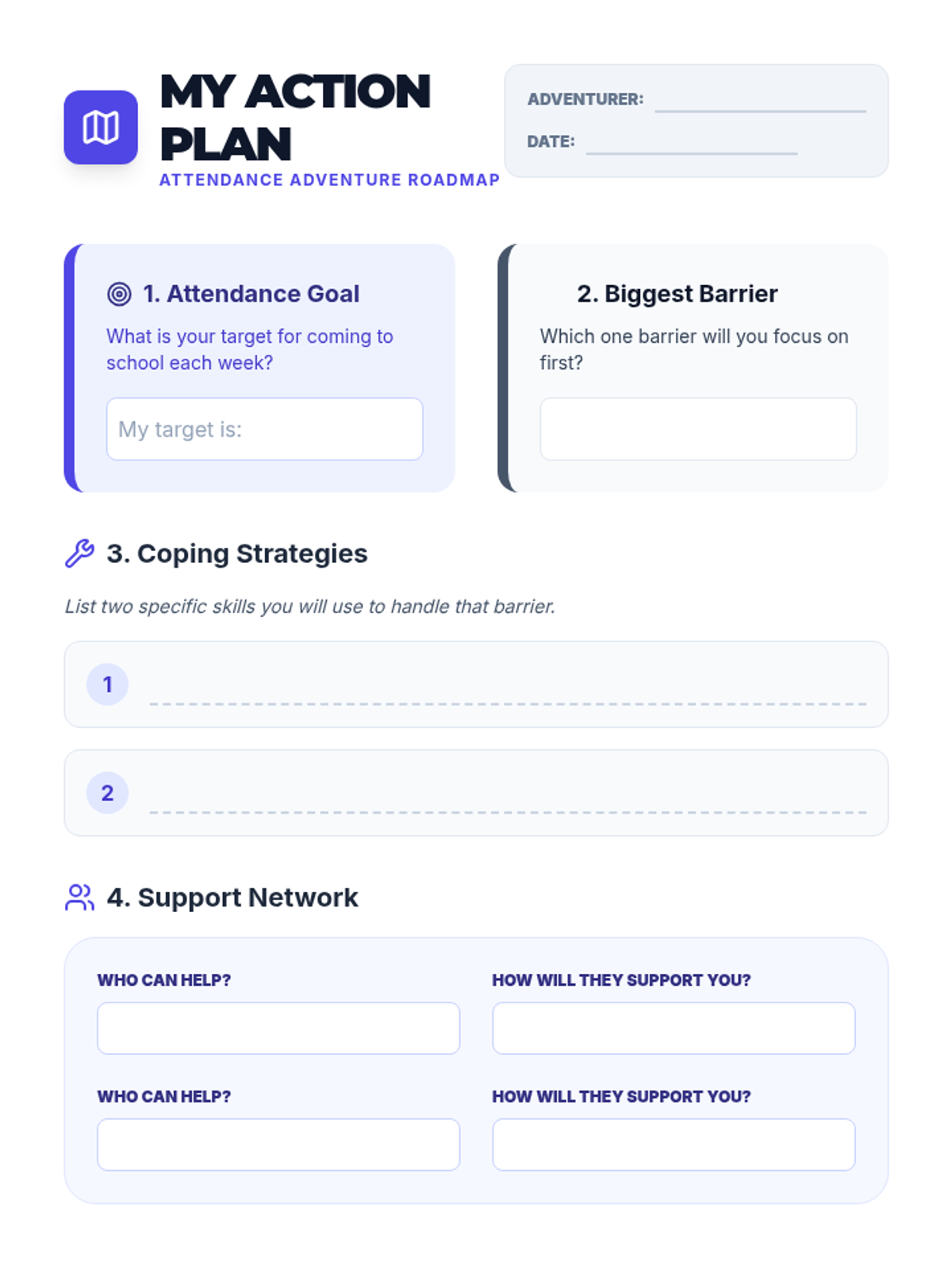
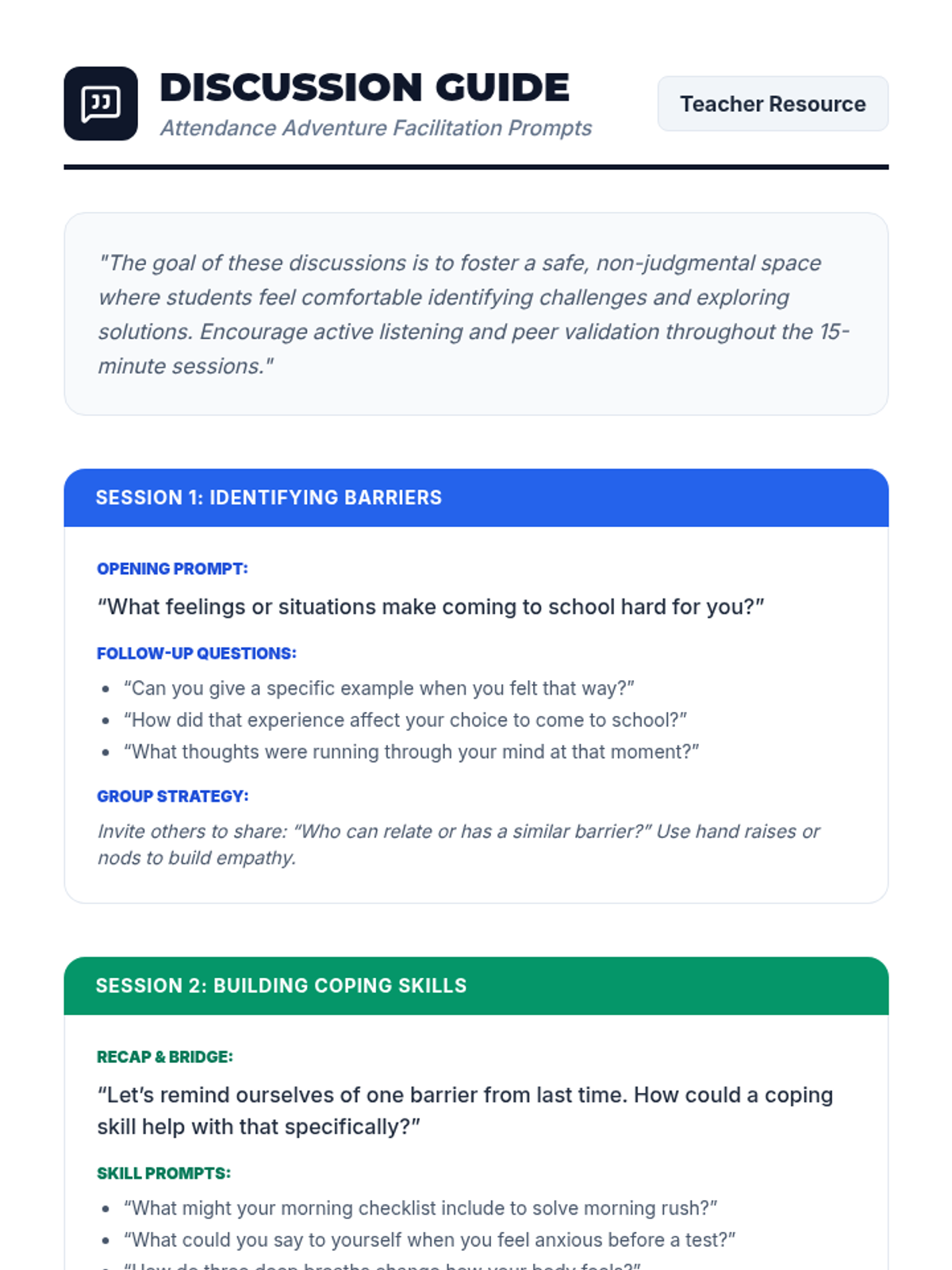
A 4-session Tier 2 group intervention for 5th and 6th graders to address chronic attendance issues through barrier identification, coping skill development, and personalized action planning.
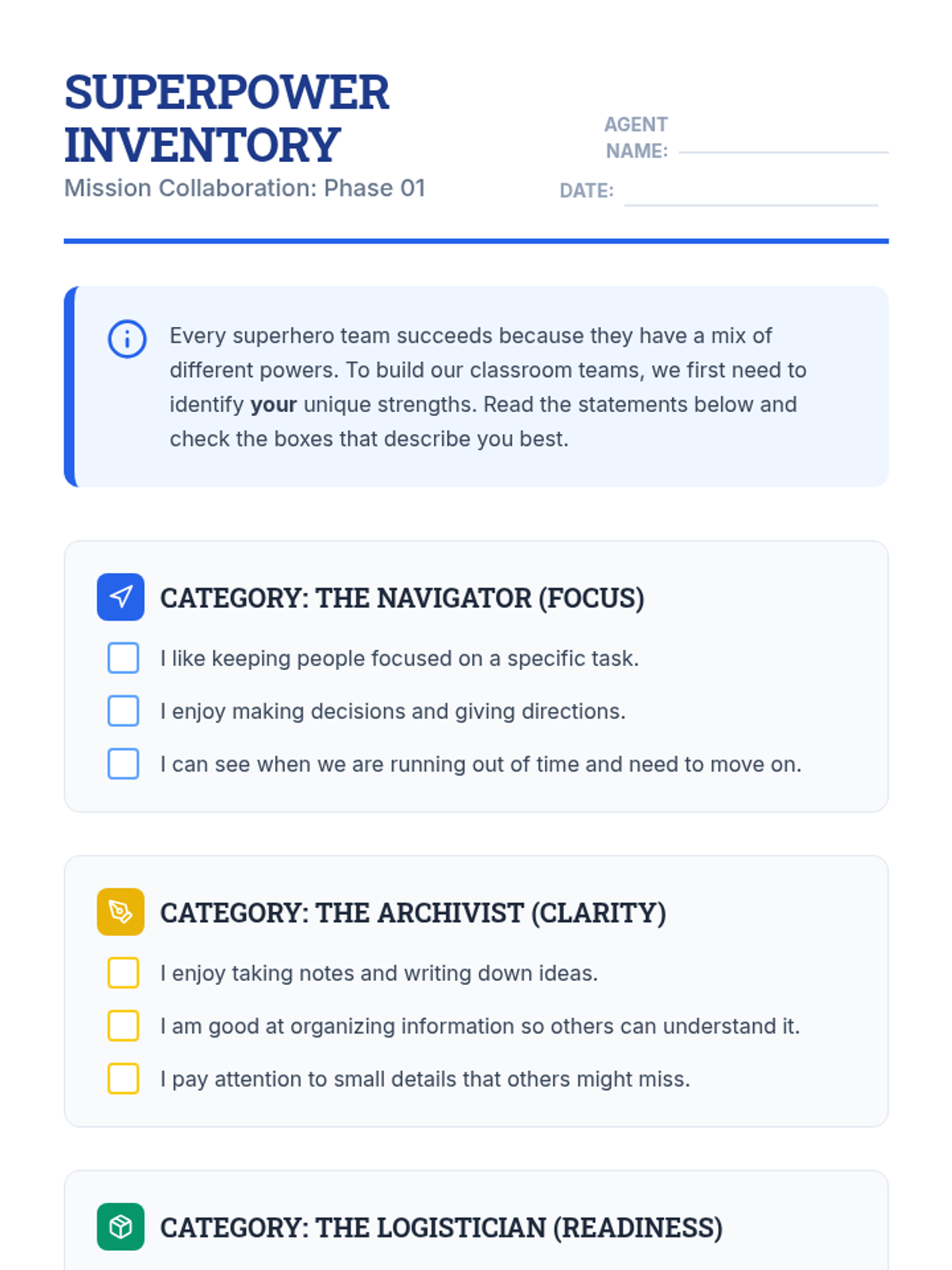
A 5-lesson sequence for 5th graders focusing on the structural elements of teamwork: goal setting, role assignment, and accountability through a project-based approach.
A 5-lesson sequence for 5th graders focusing on conflict resolution, assertive communication through 'I' statements, giving and receiving constructive feedback, and peer mediation. Students learn to view disagreements as growth opportunities.
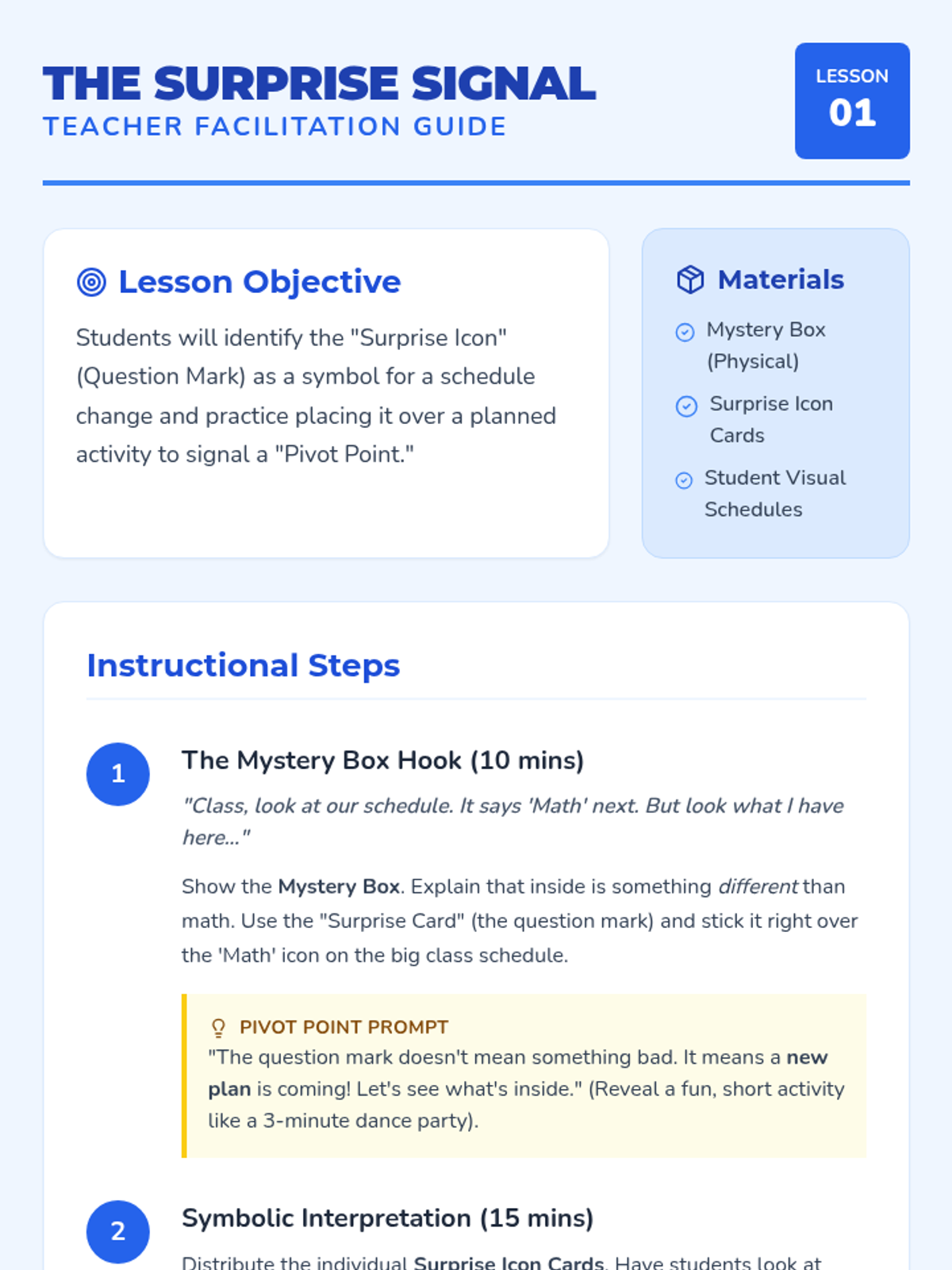
This sequence teaches 4th-grade students cognitive flexibility by introducing the 'Surprise Icon' and teaching coping strategies for schedule changes. Students move from identifying change indicators to practicing emotional regulation and simulated schedule interruptions, culminating in a celebration of their 'Super Flex' skills.
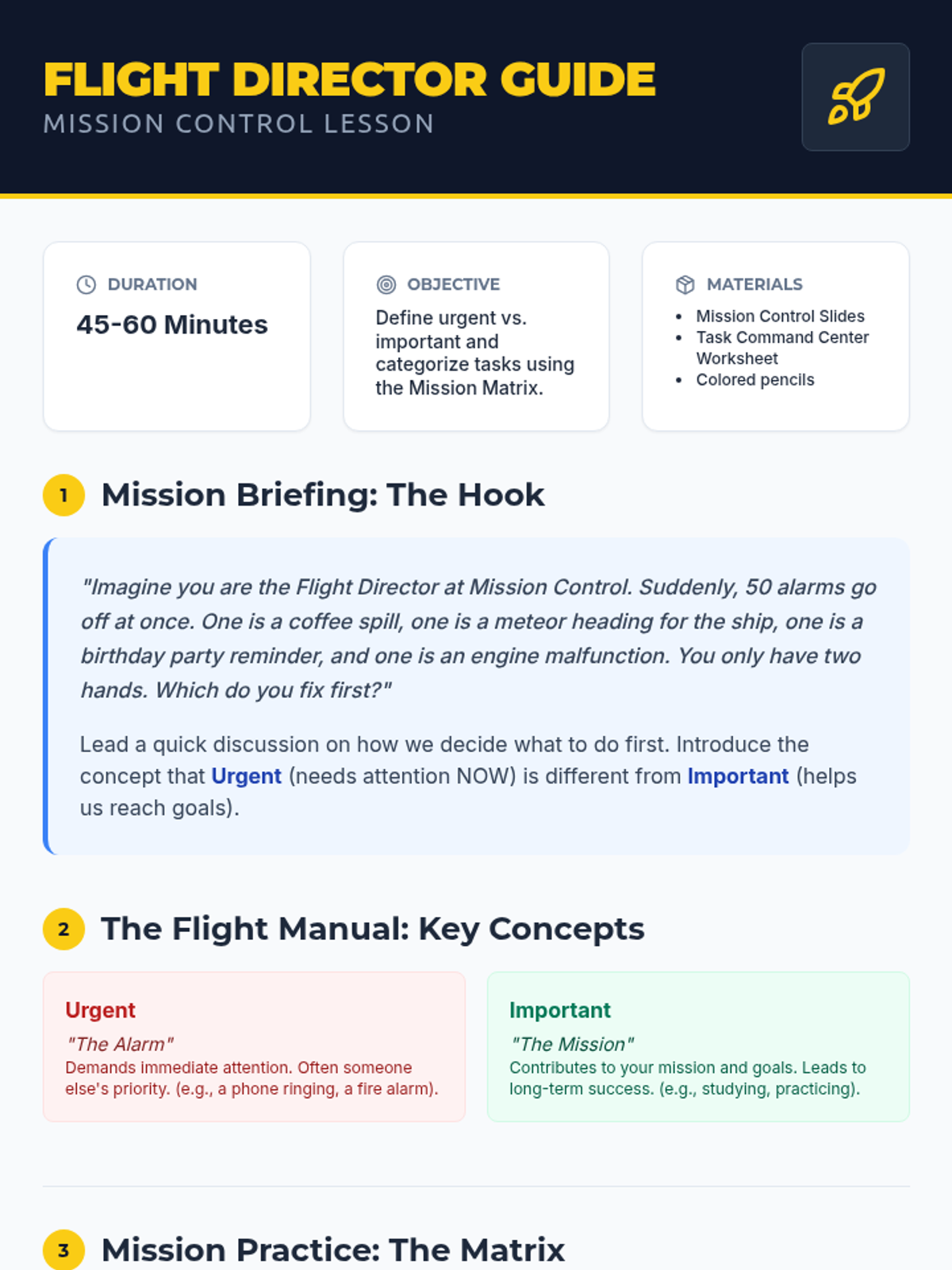
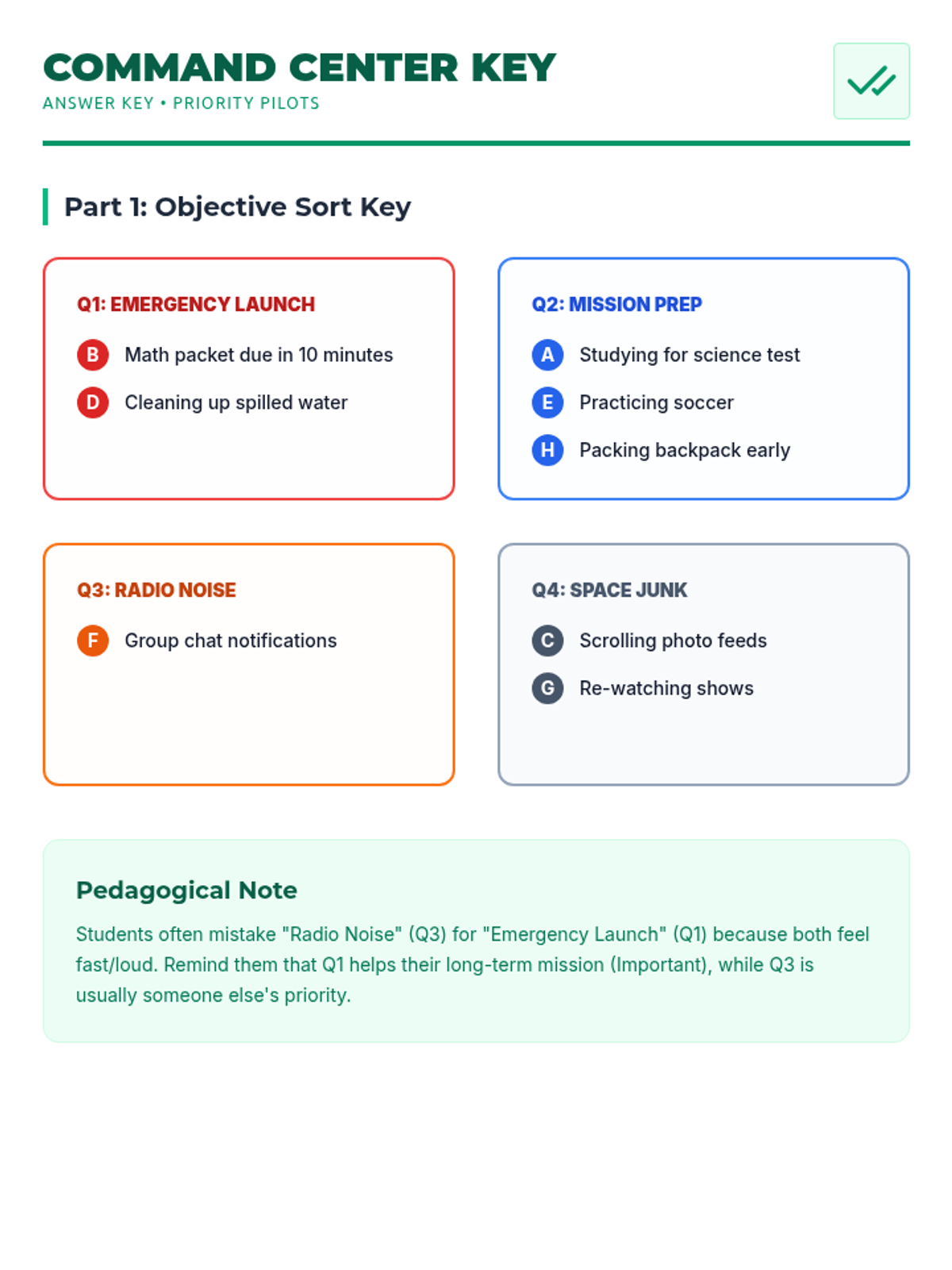
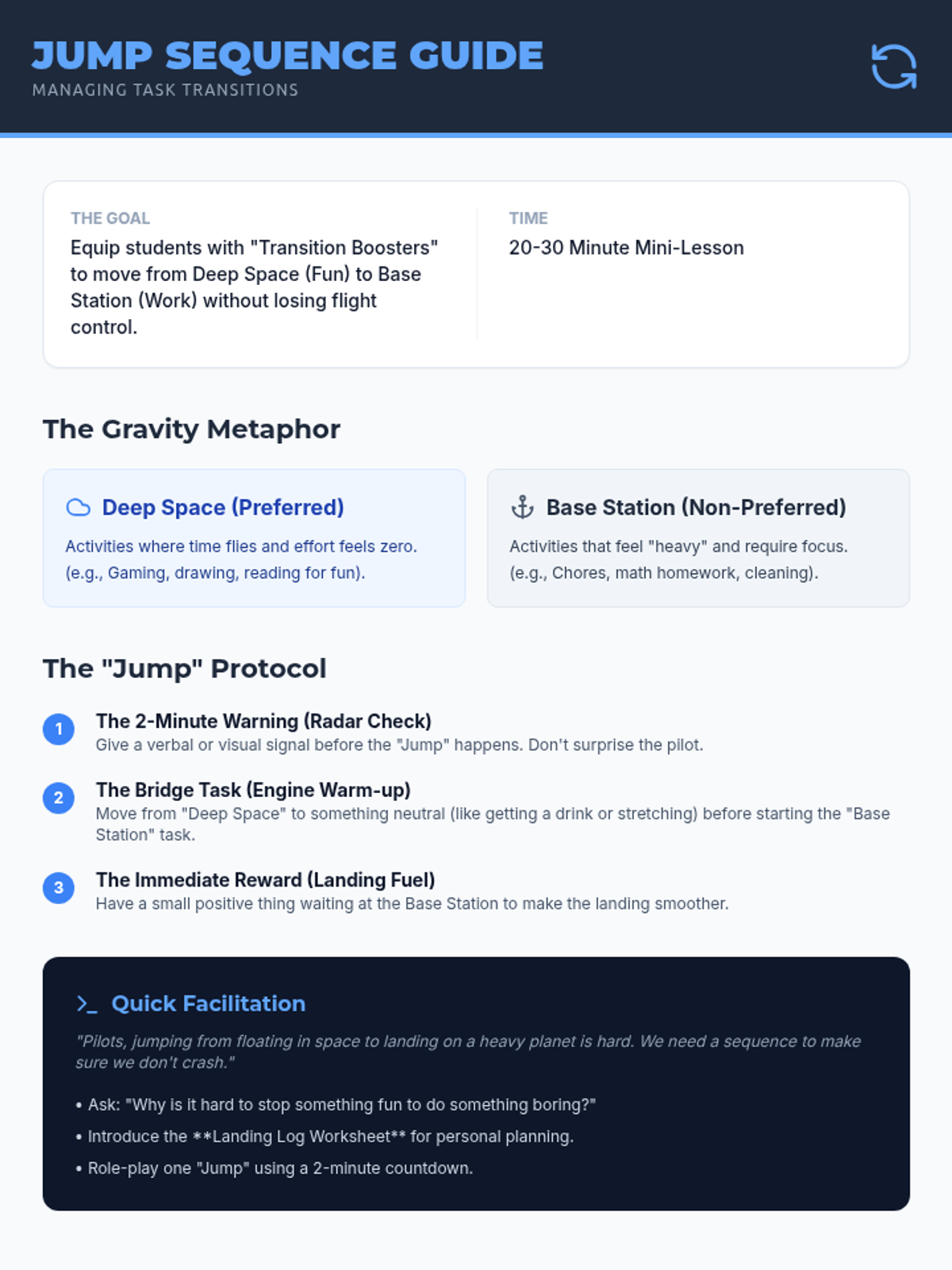
A comprehensive unit for 5th graders teaching executive functioning skills like prioritization and task management through a high-energy space exploration theme.
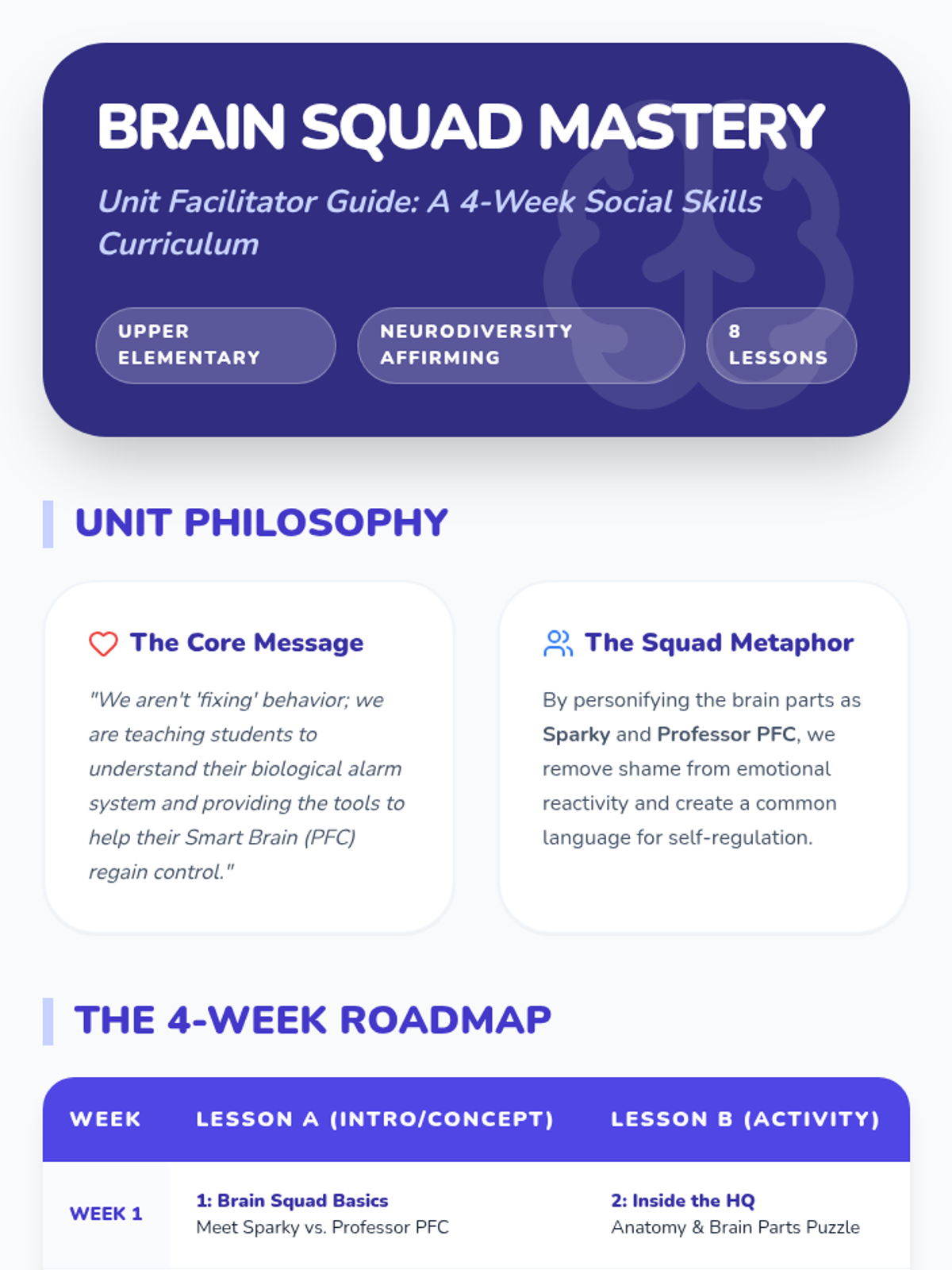
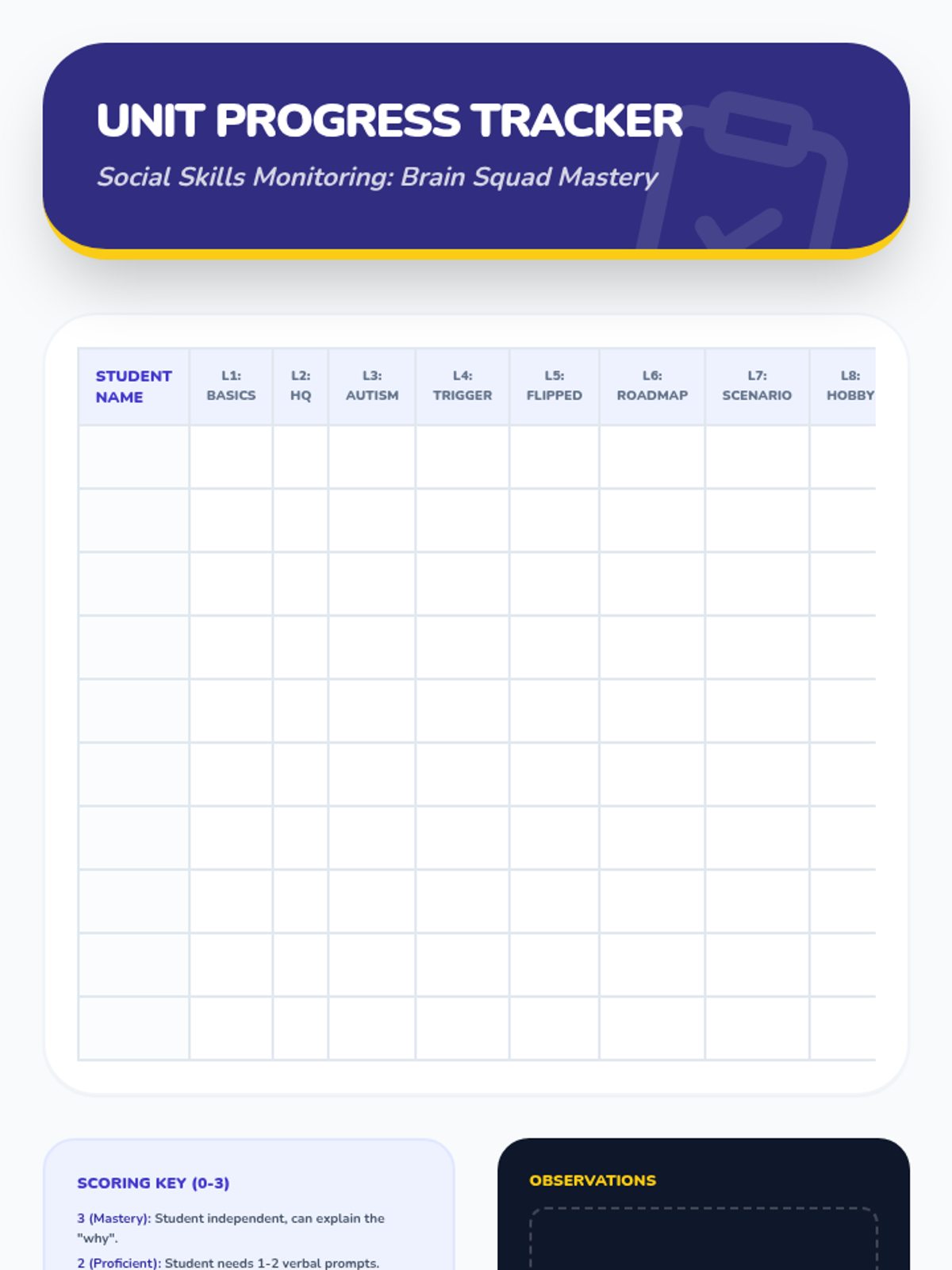
A 4-week social skills unit (8 lessons) teaching students to distinguish between their emotional brain and smart brain, focusing on regulation strategies, autism-specific challenges, and positive outlets.
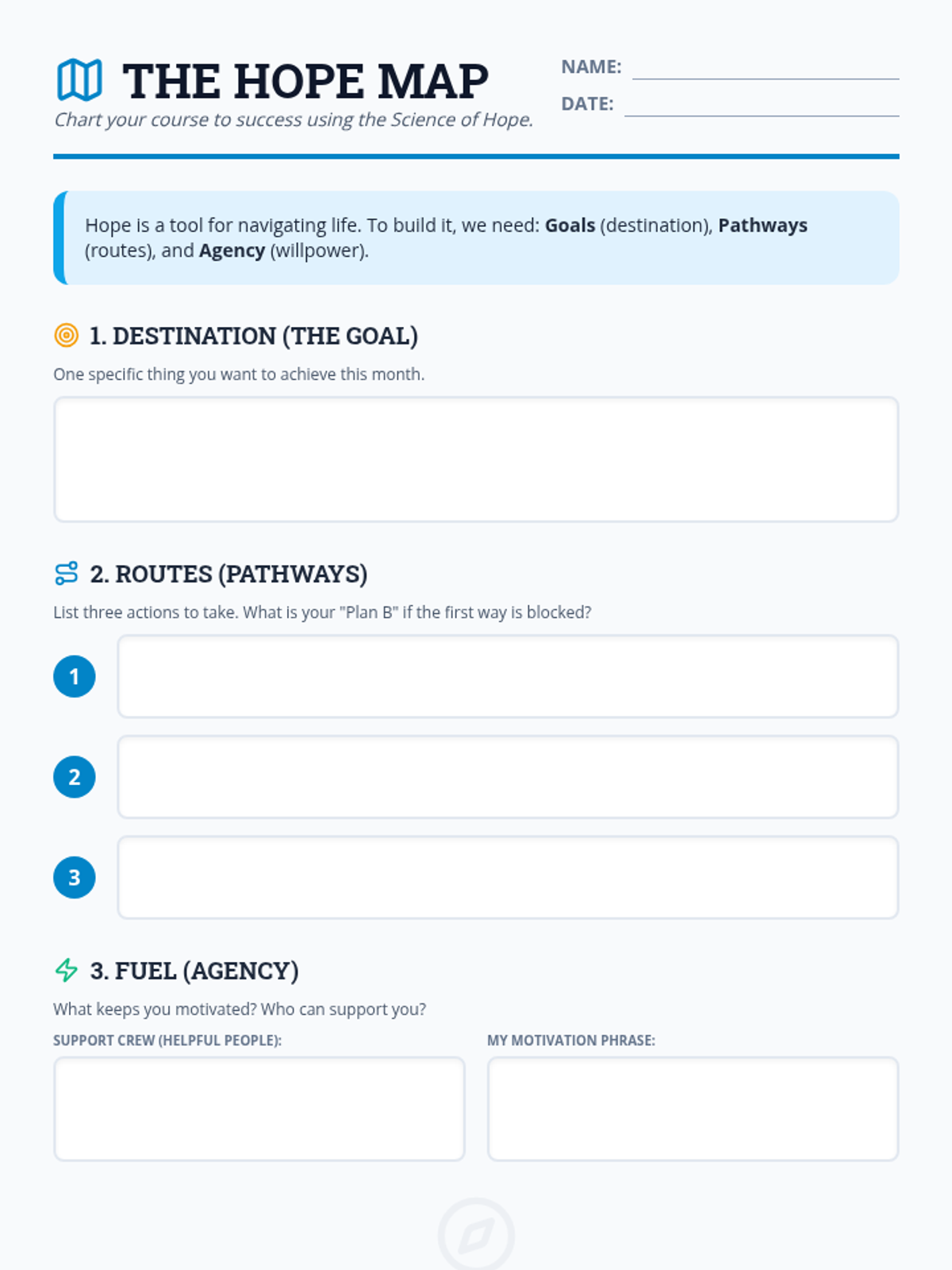
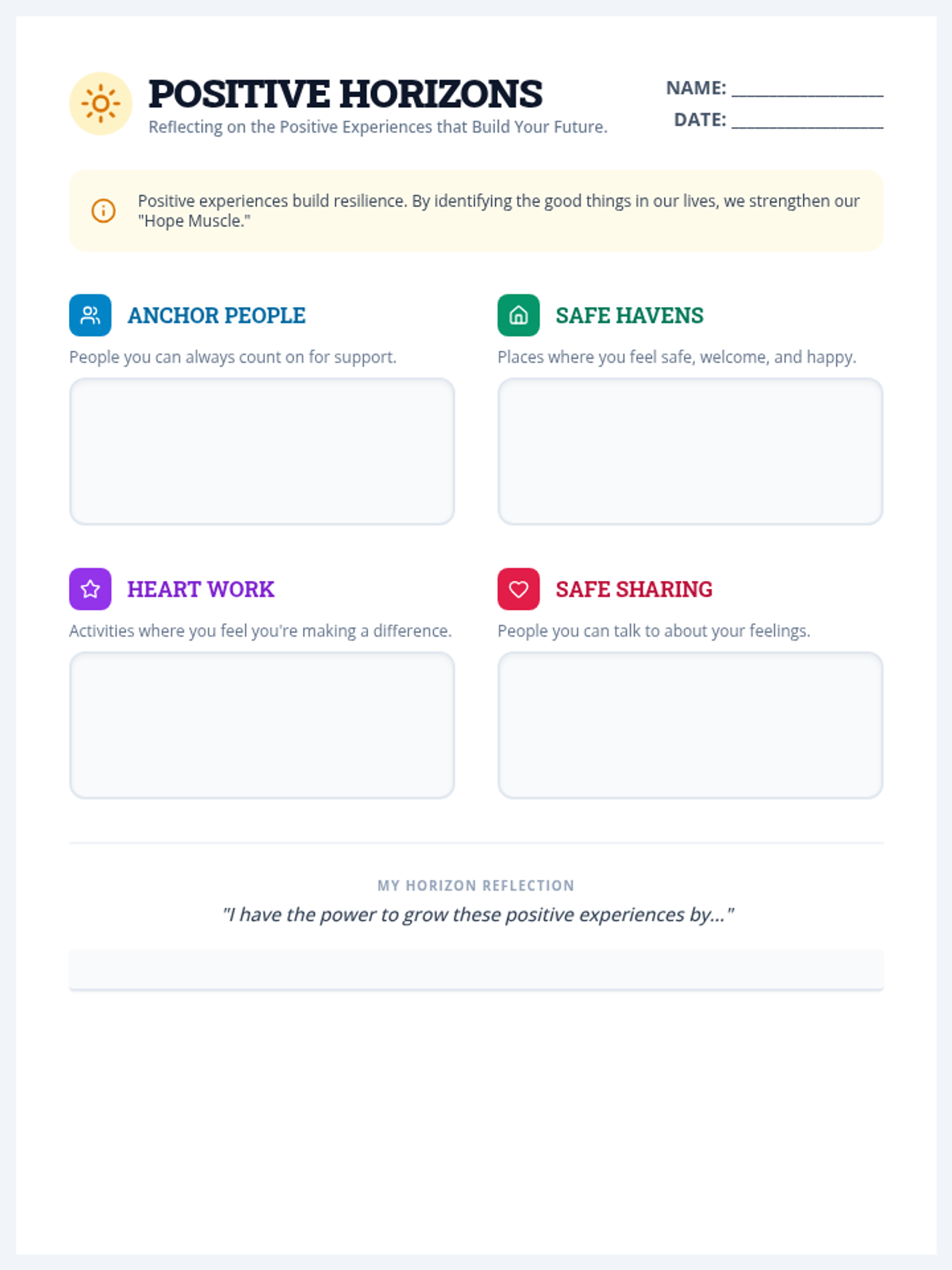
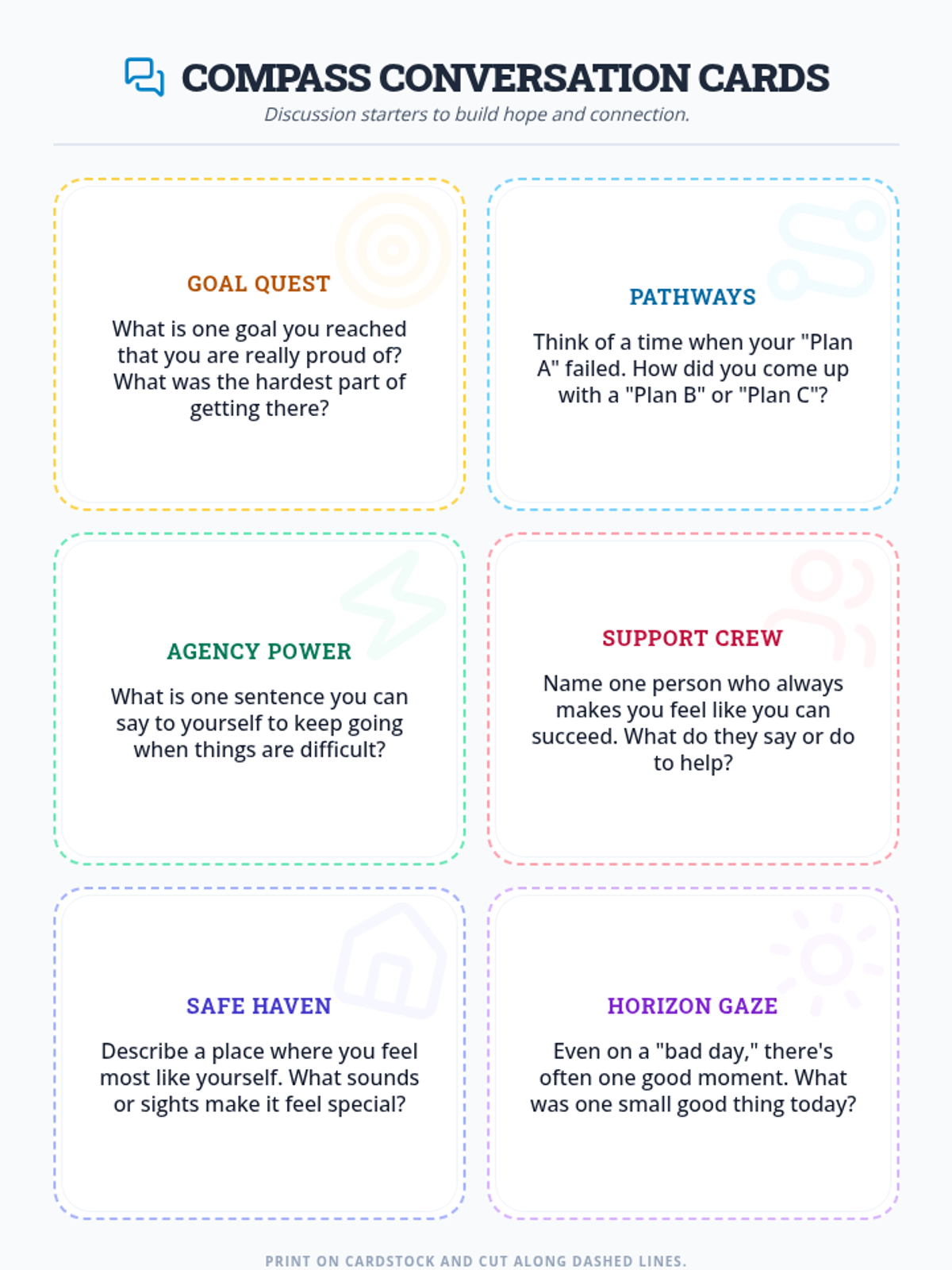
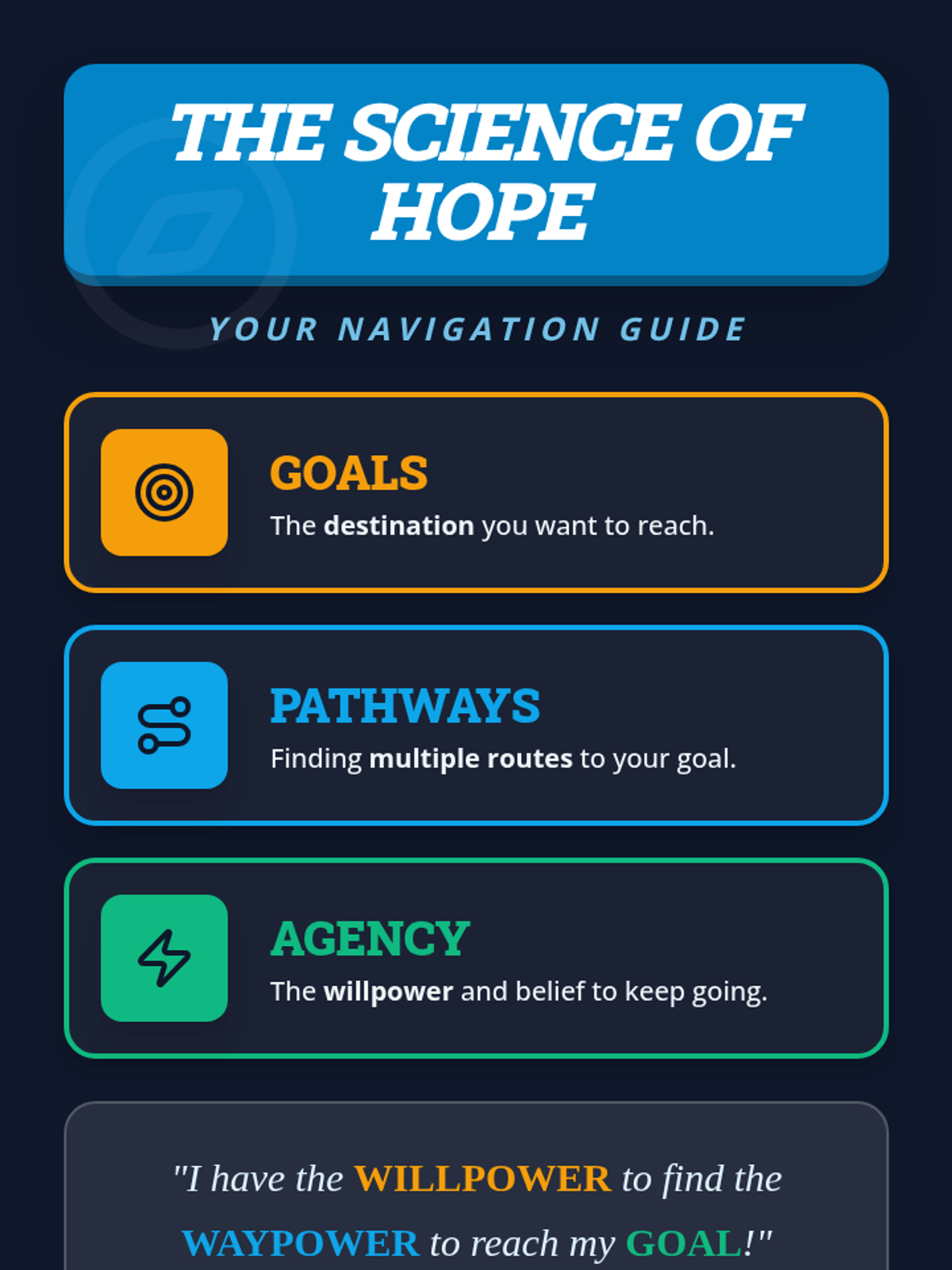
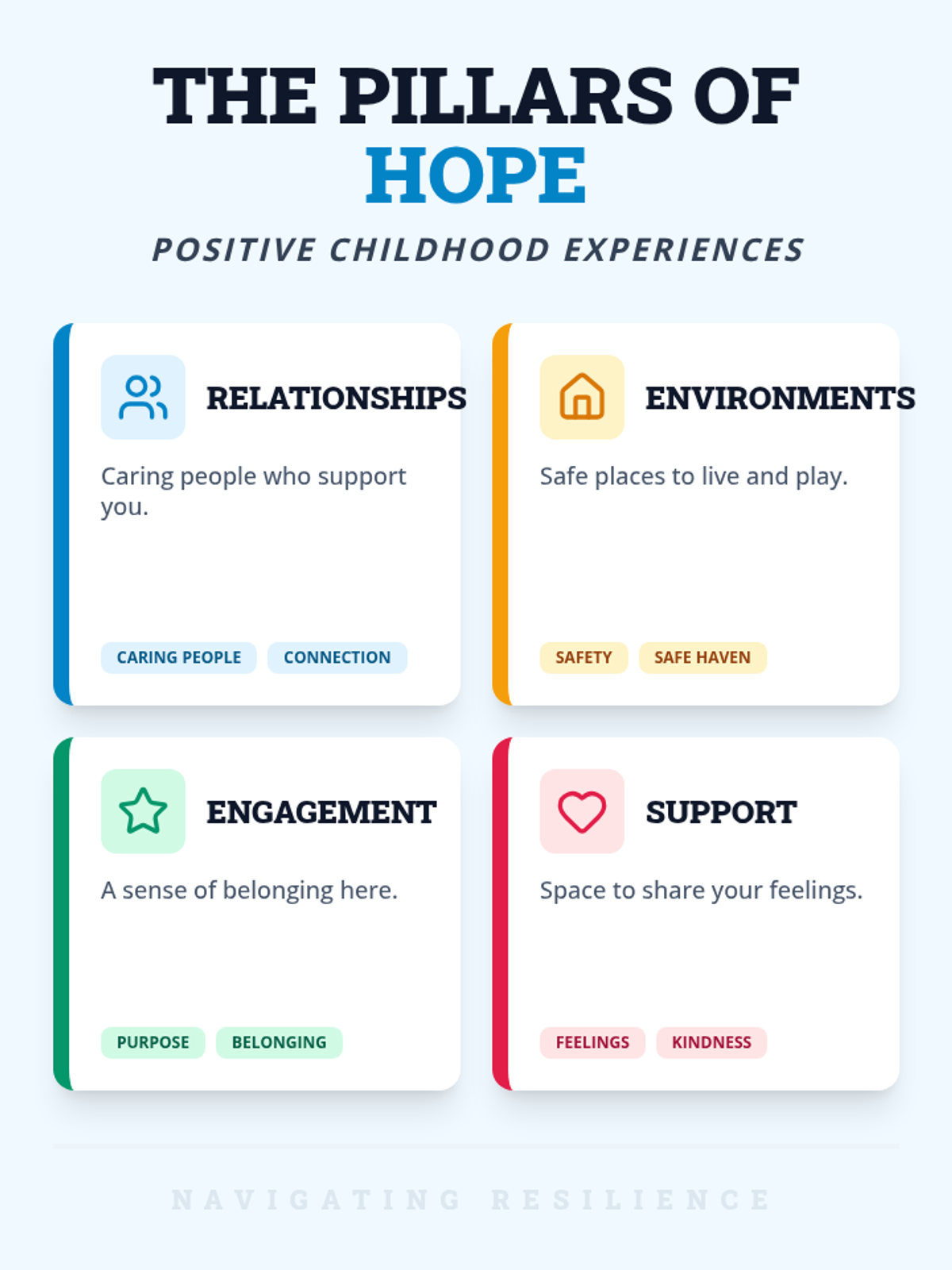
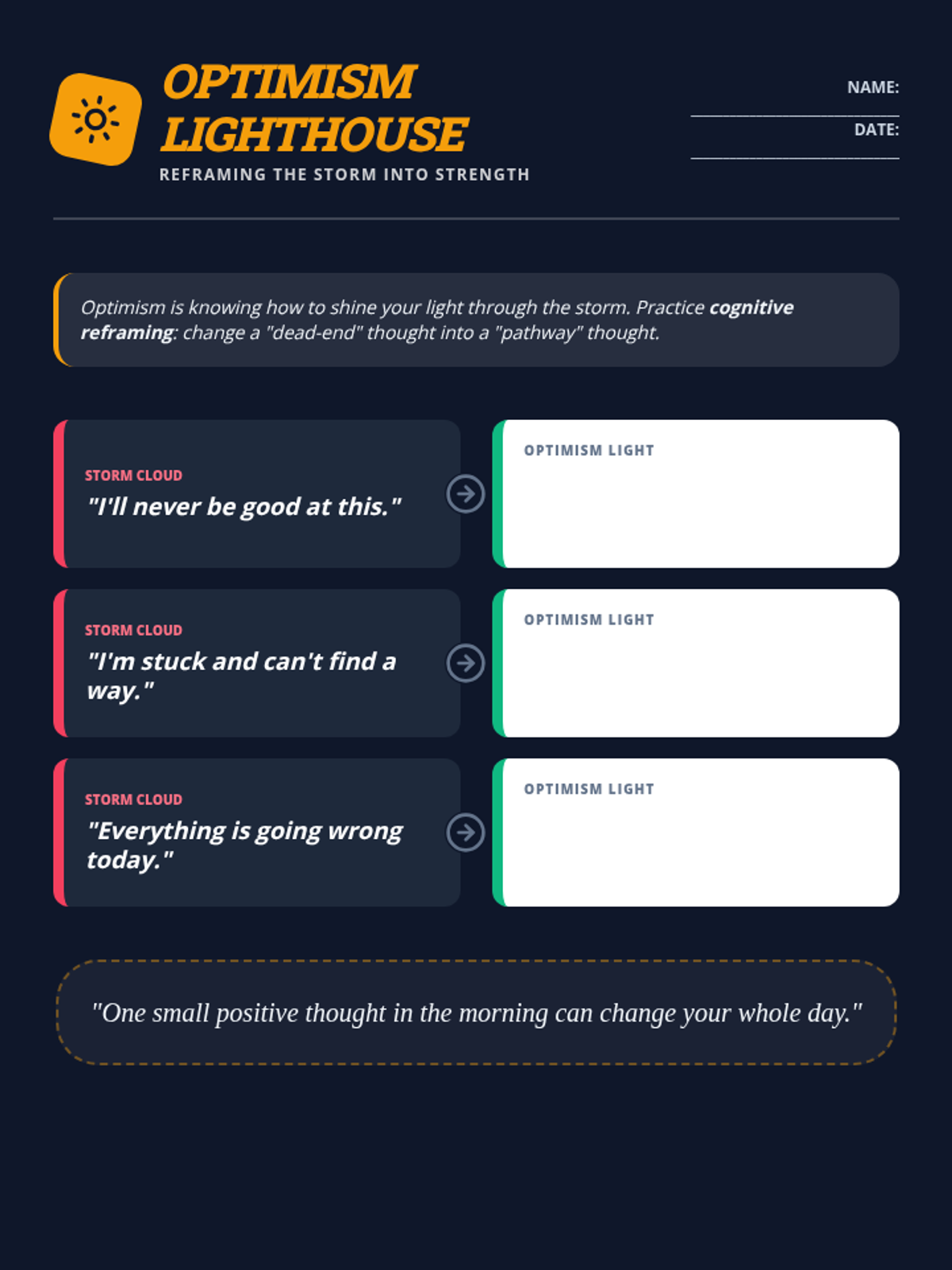
A comprehensive unit focused on building psychological hope through the Science of Hope (Goals, Pathways, Agency) and the HOPE framework (Healthy Outcomes from Positive Experiences). This sequence empowers students to set meaningful goals, identify ways to achieve them, and recognize the positive resources in their lives.
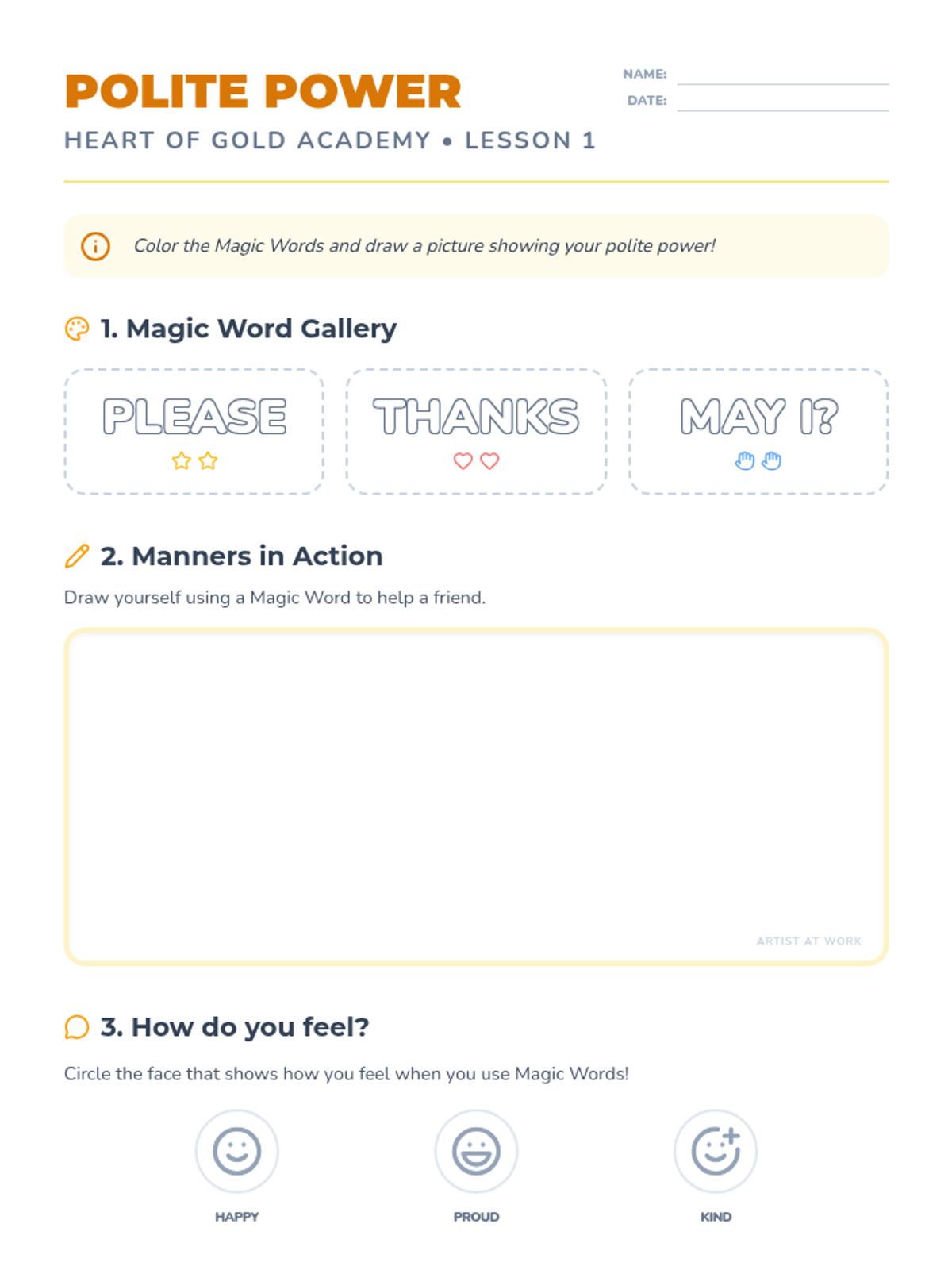
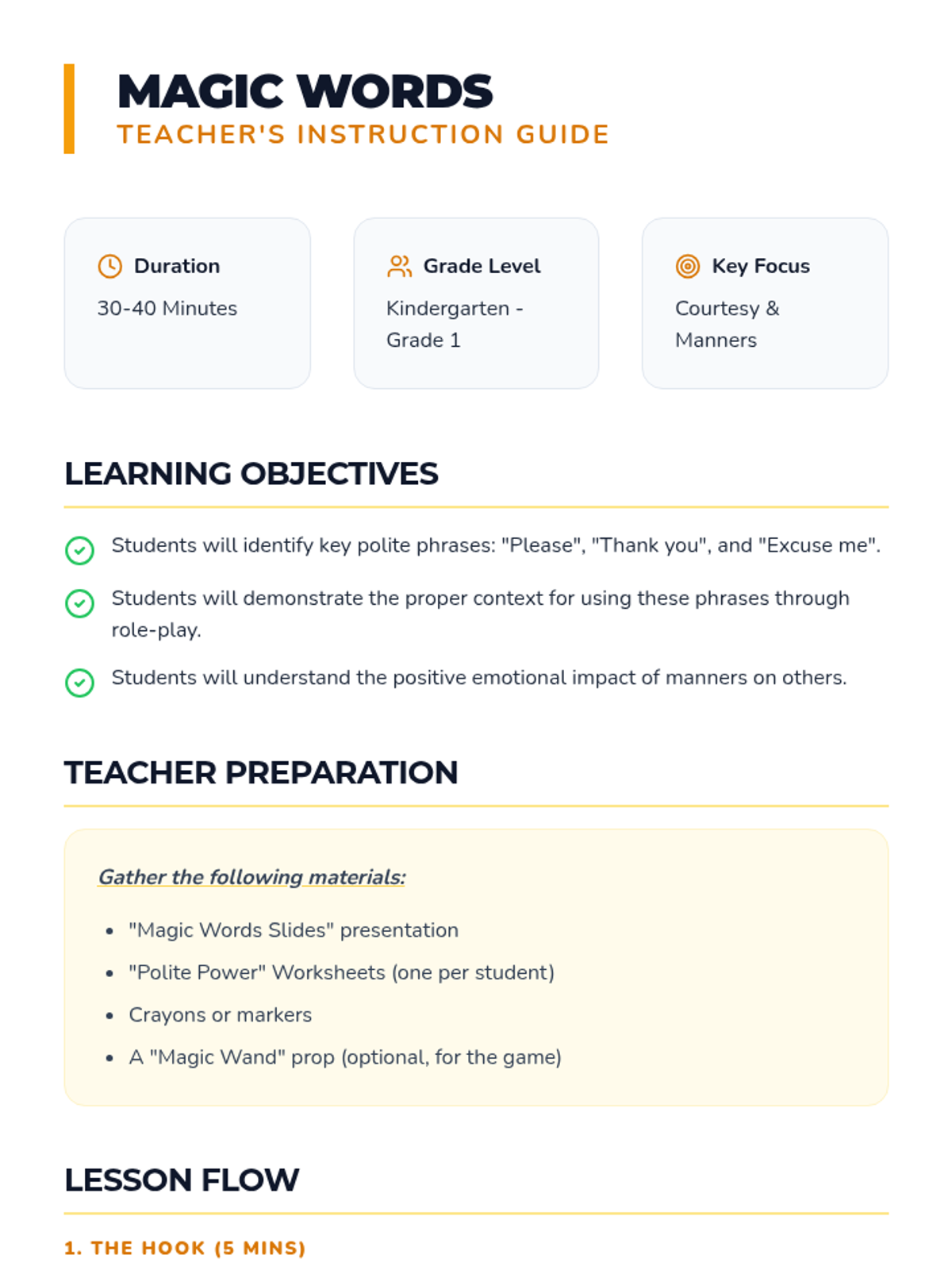
A comprehensive social-emotional learning sequence focused on building a foundation of courtesy, loyalty, manners, and respect across all grade levels. Students progress from basic polite interactions to complex social integrity.
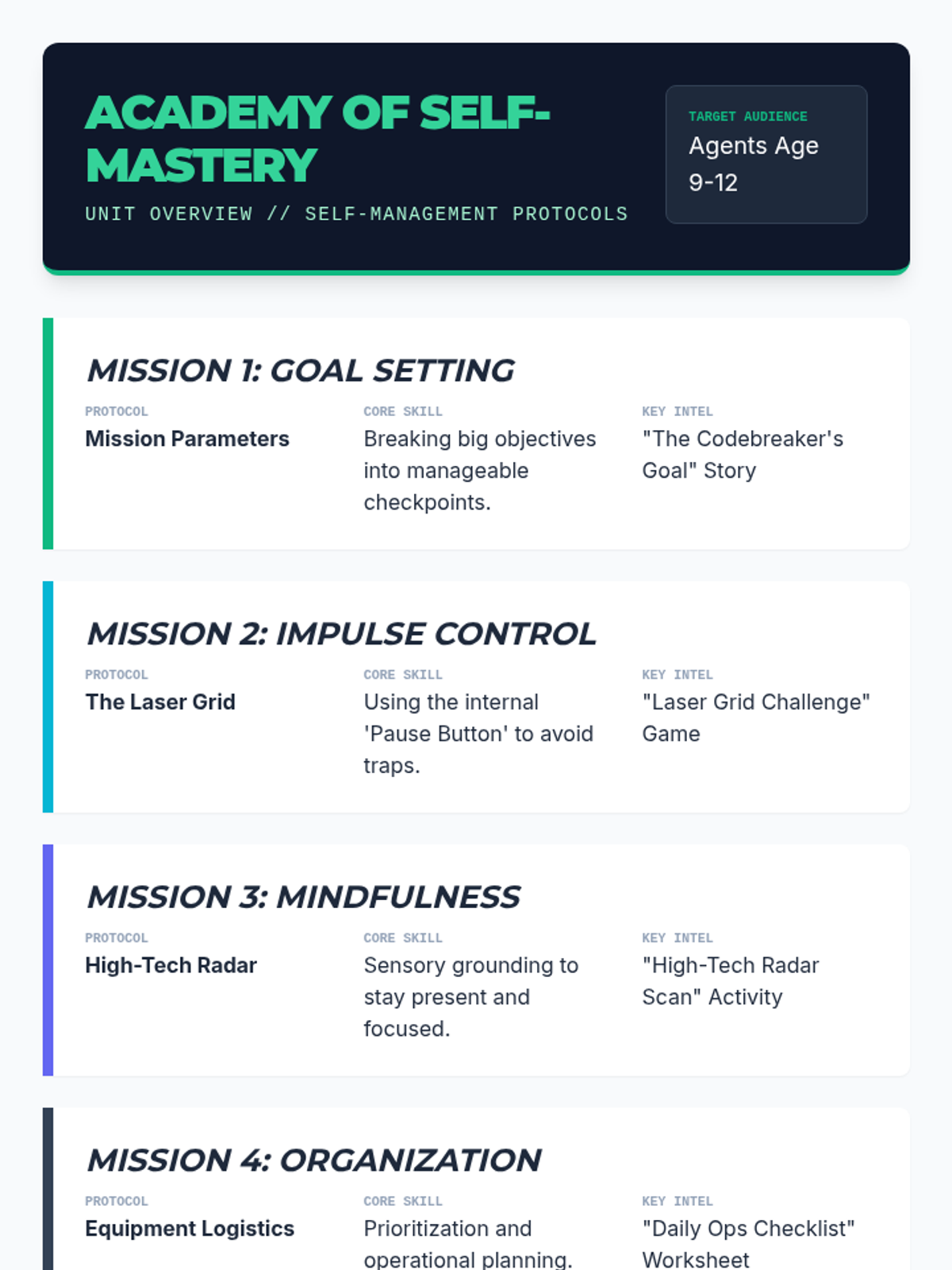
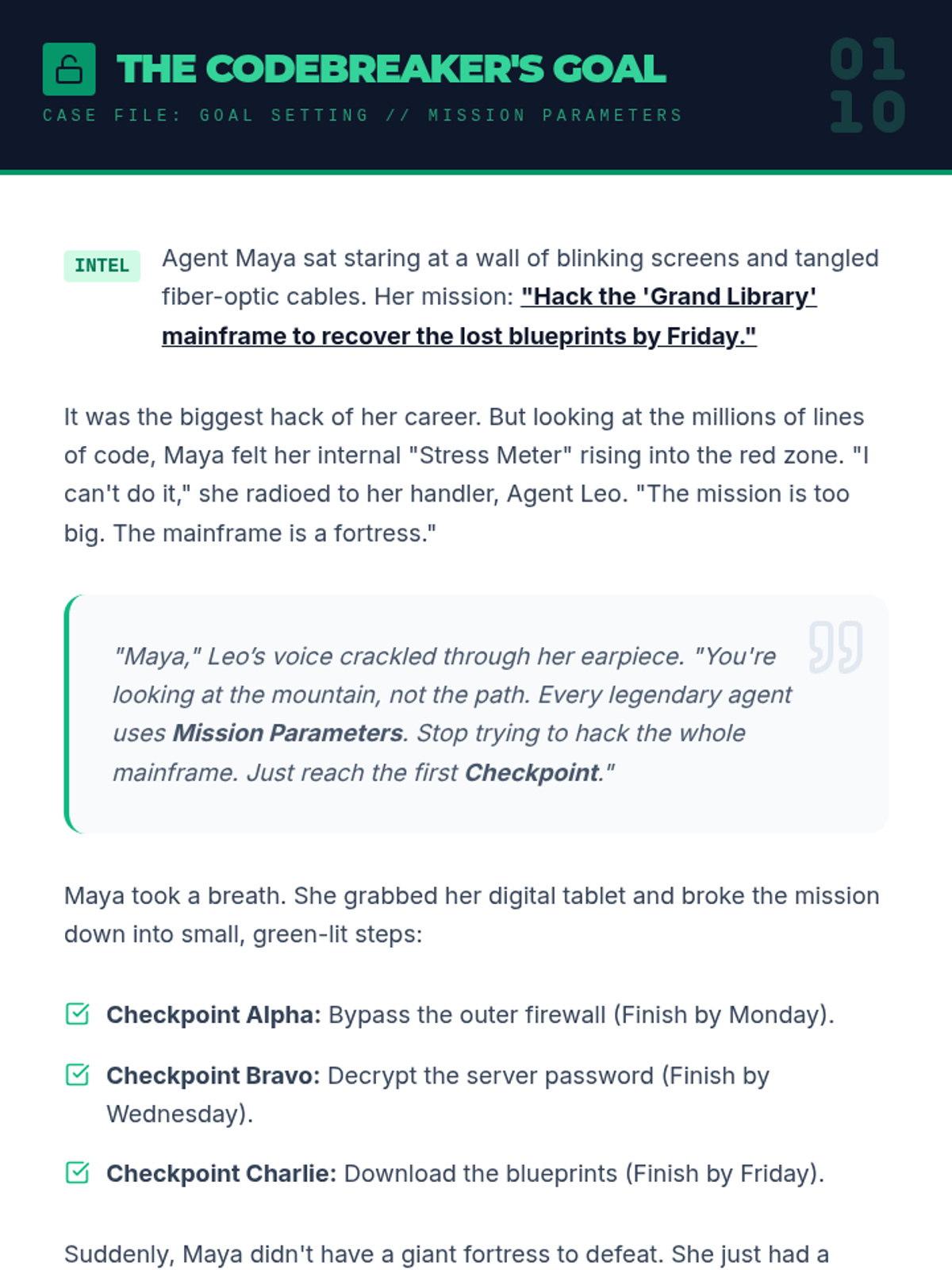
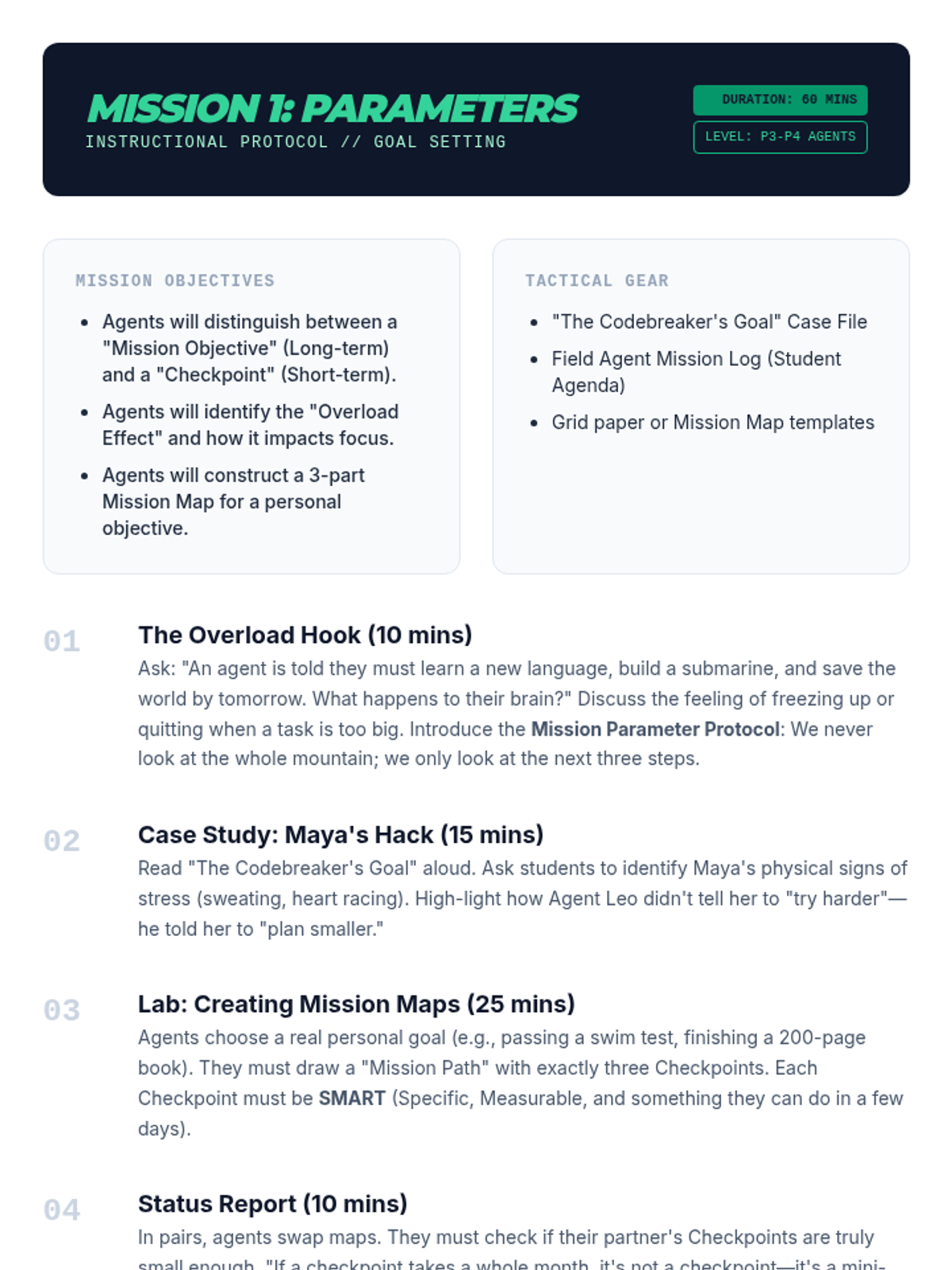
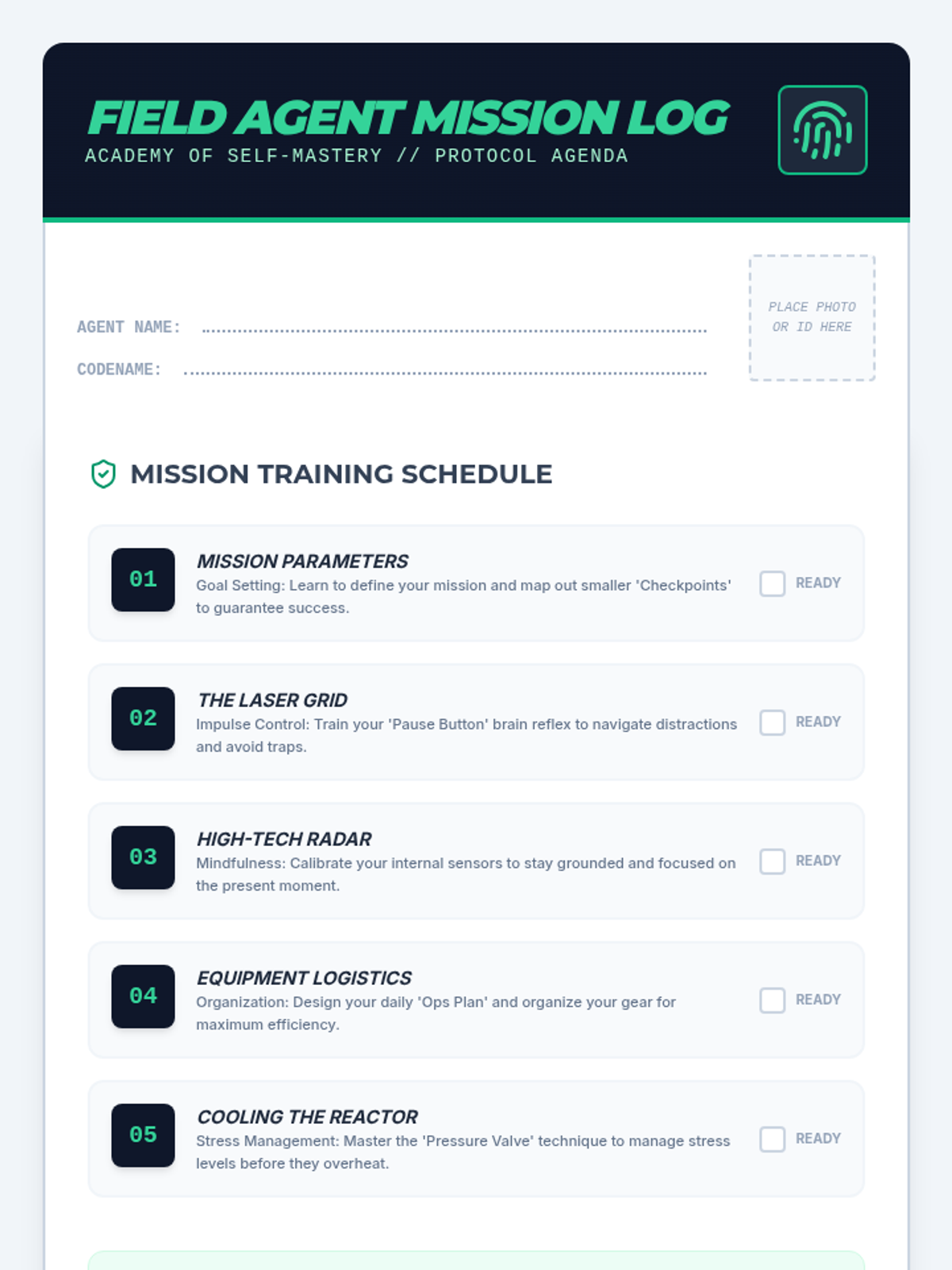
A 5-day SEL unit for primary students focused on Self-Management, themed as 'Secret Agent Training' to teach goal setting, impulse control, mindfulness, organization, and stress management.
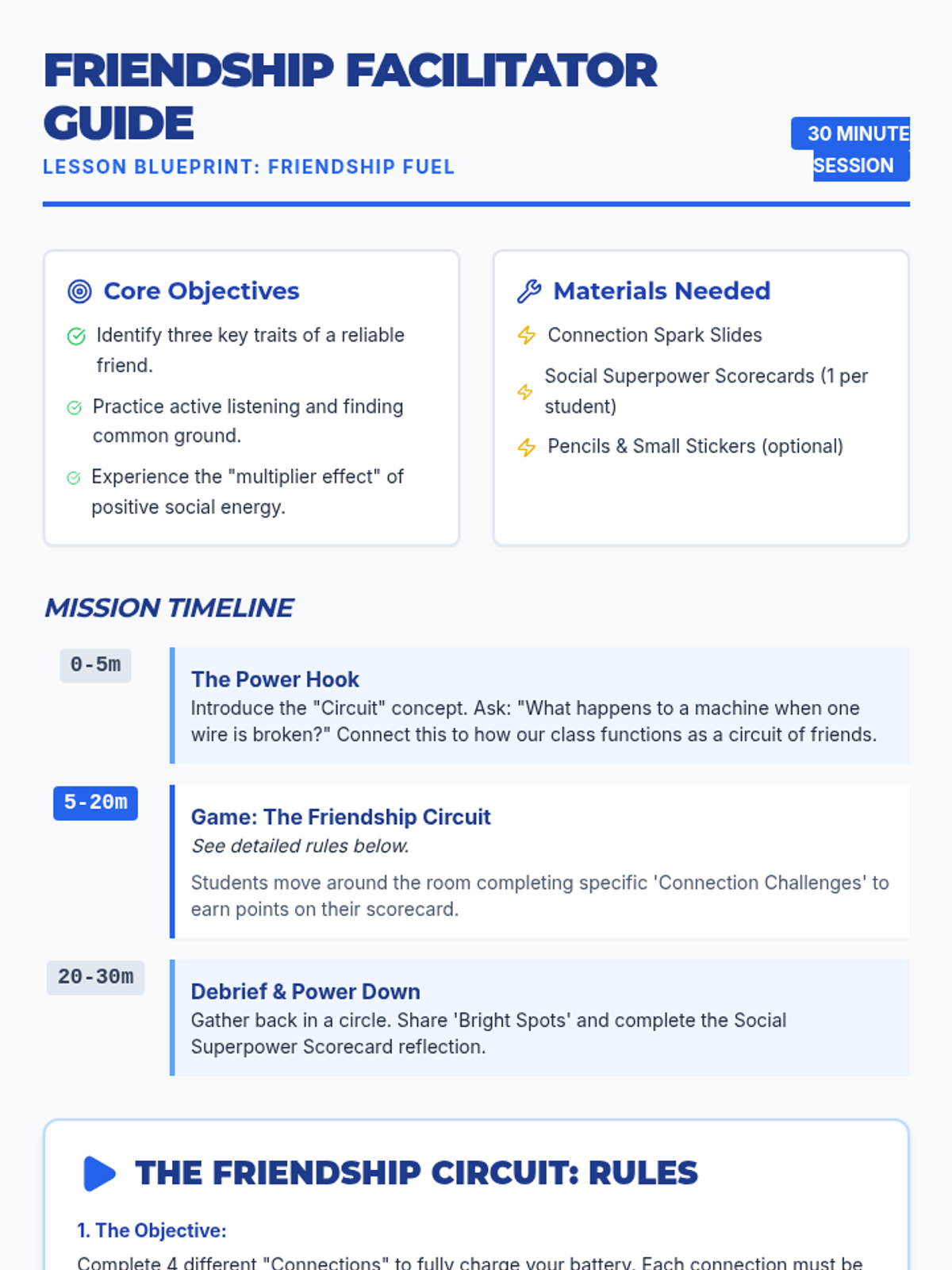
A sequence of SEL lessons for 5th grade that explores social dynamics, friendship, and personal values through different instructional lenses.
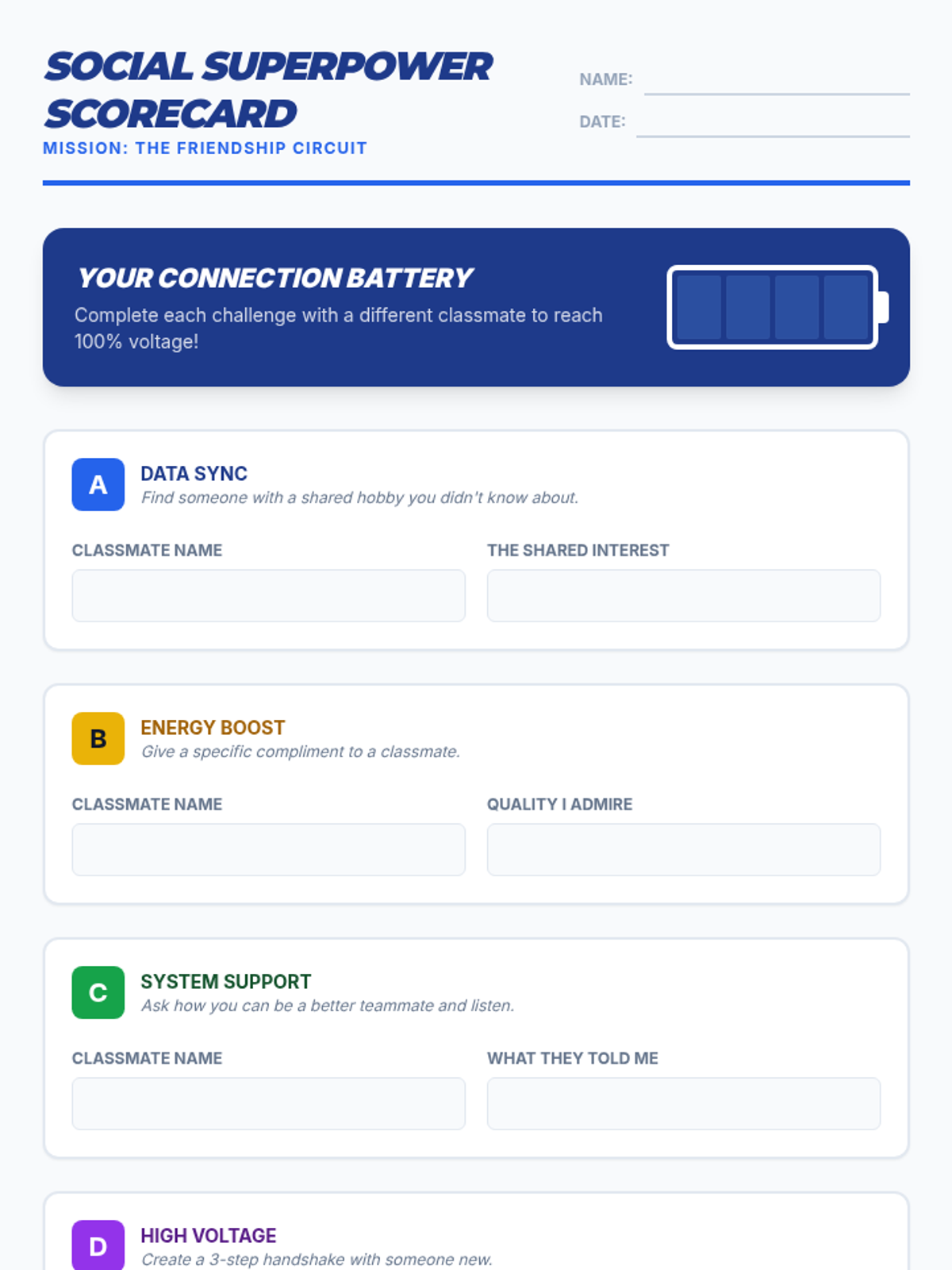
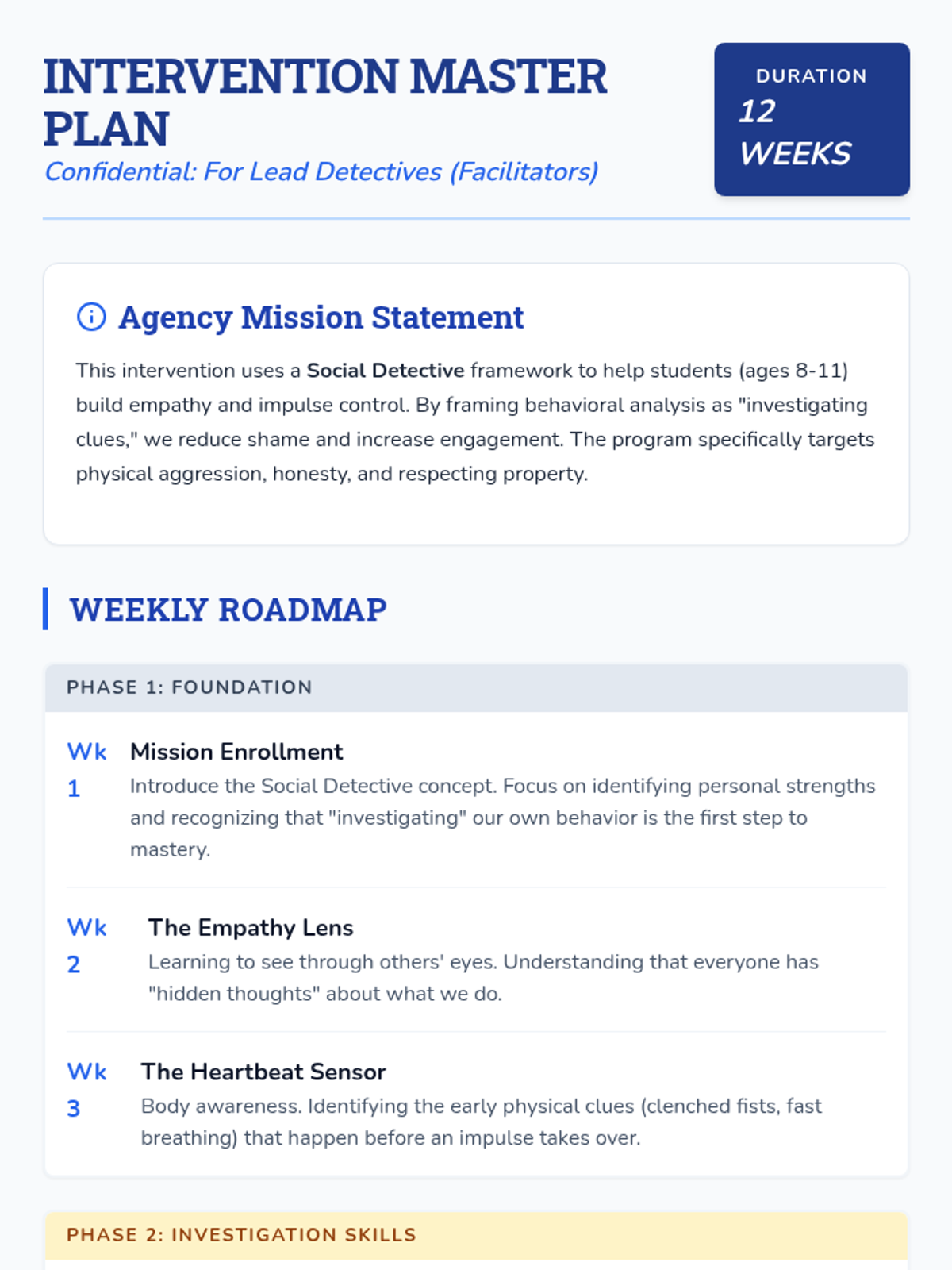
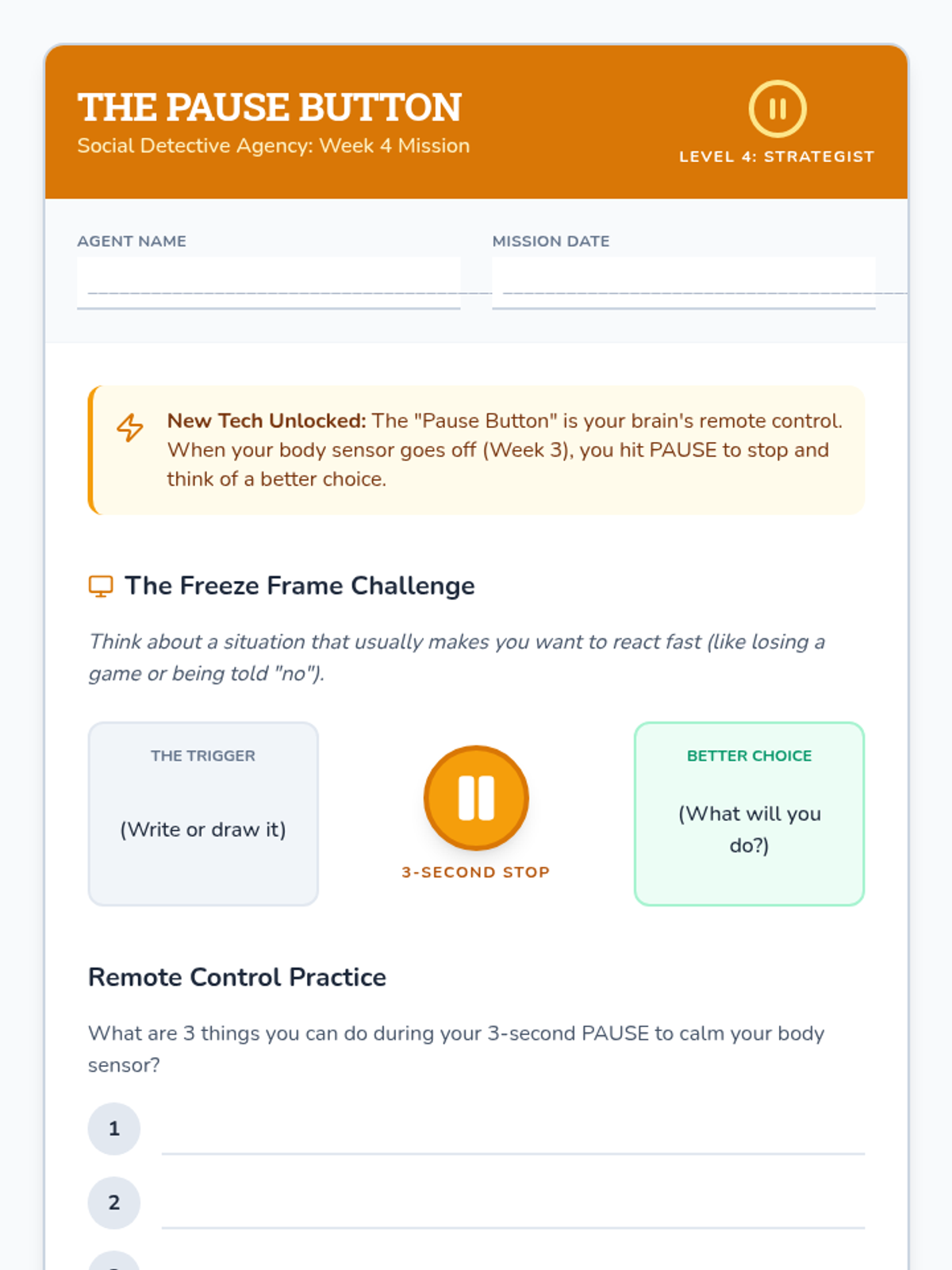
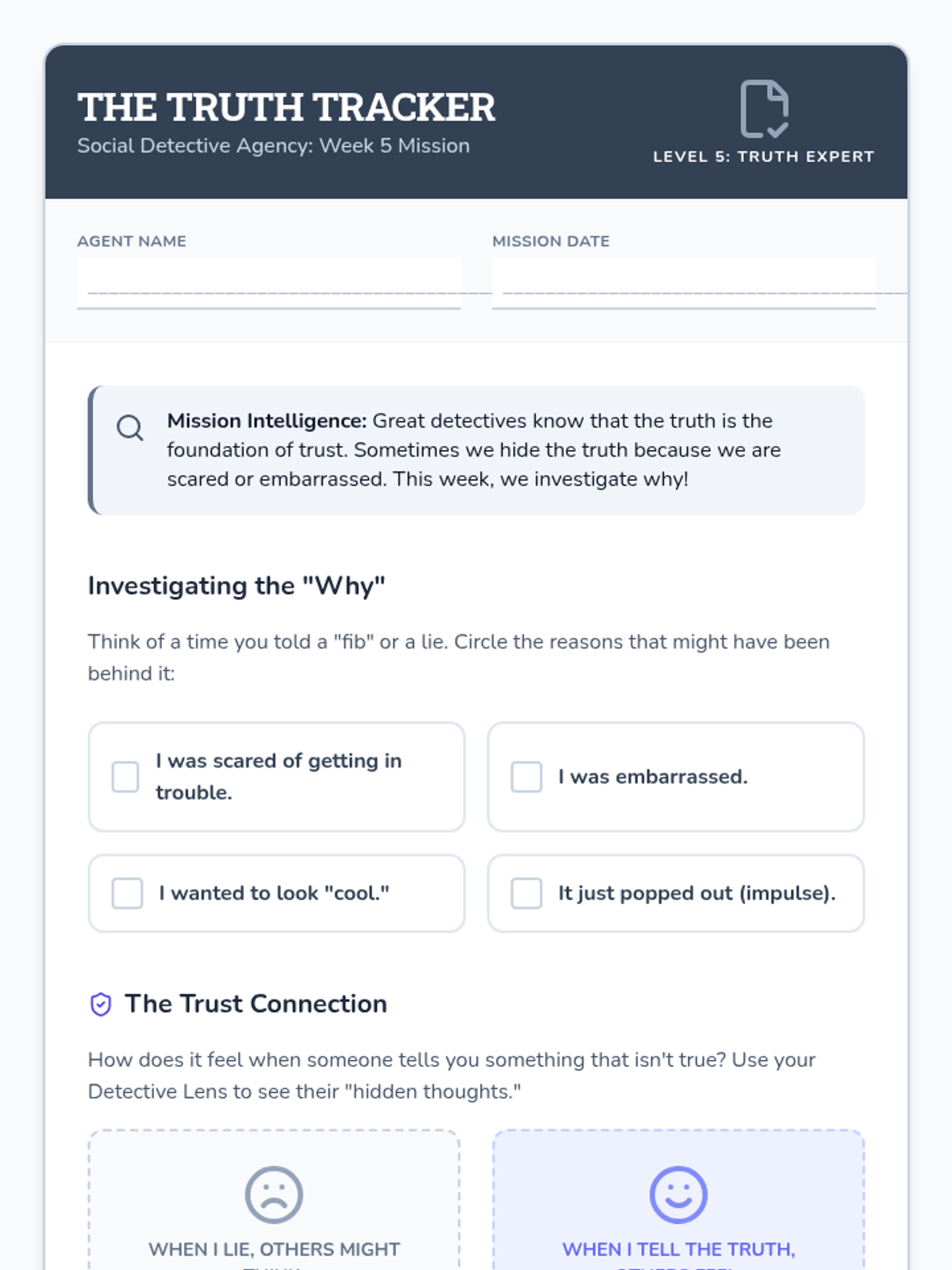
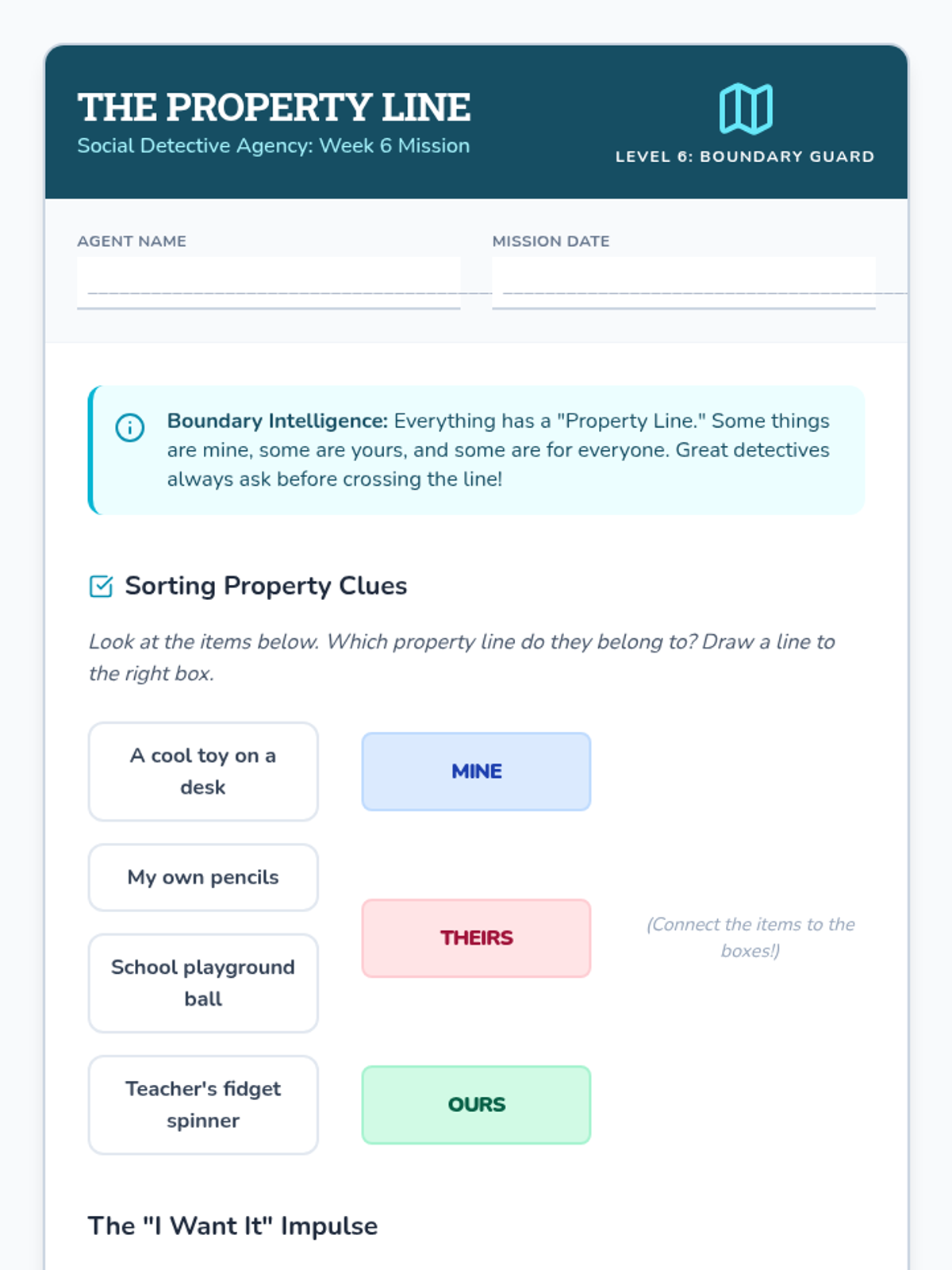
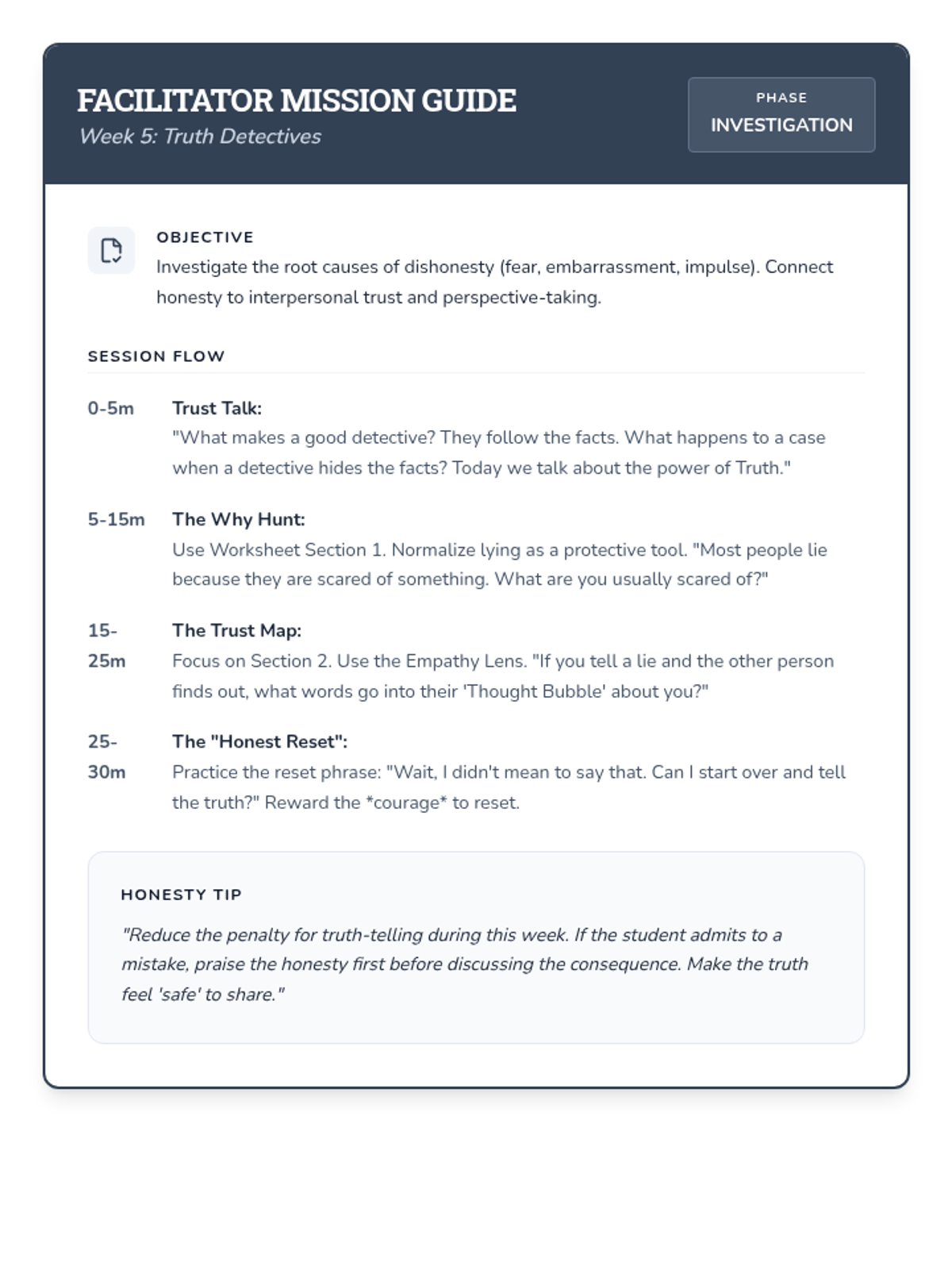
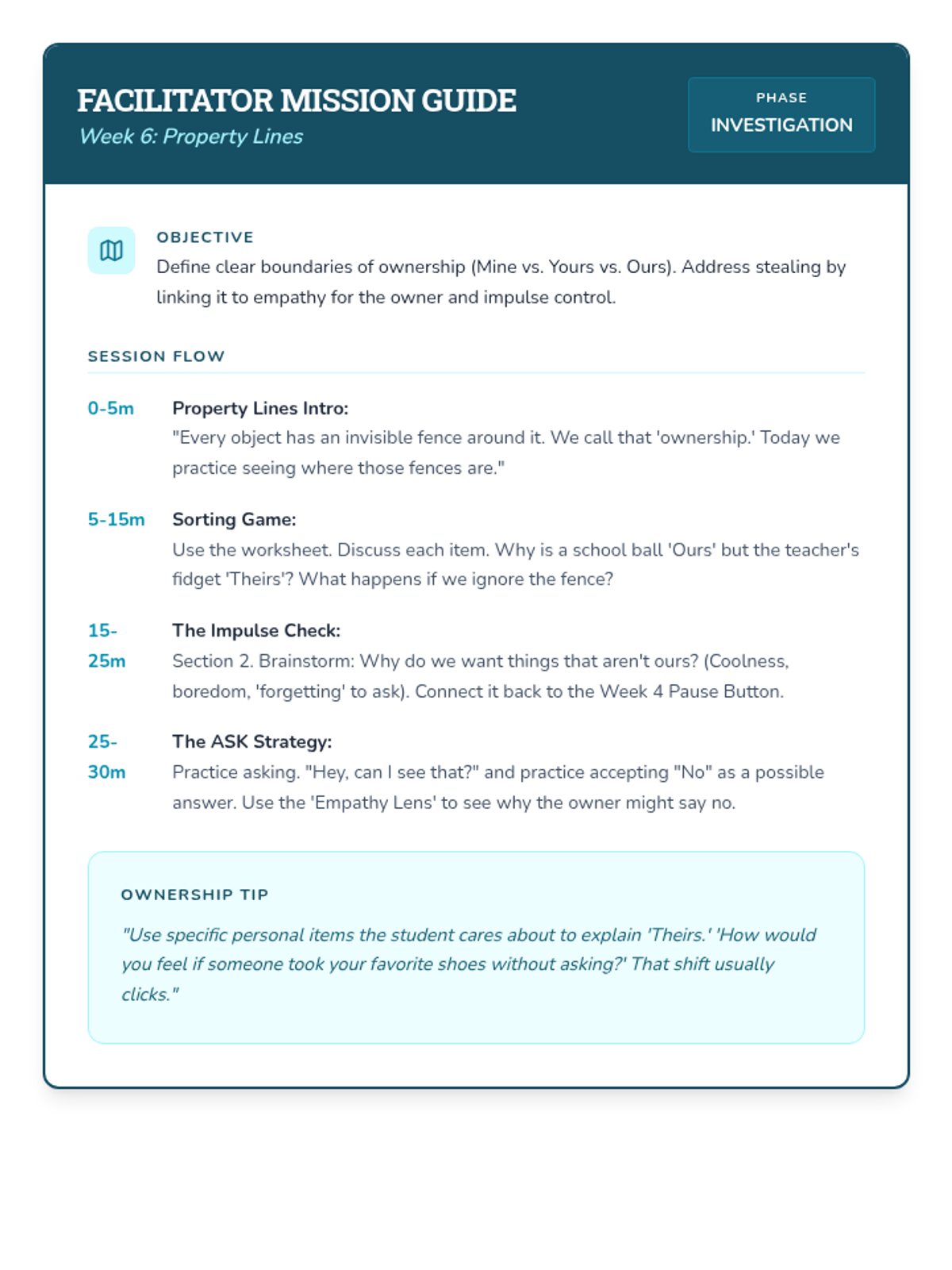
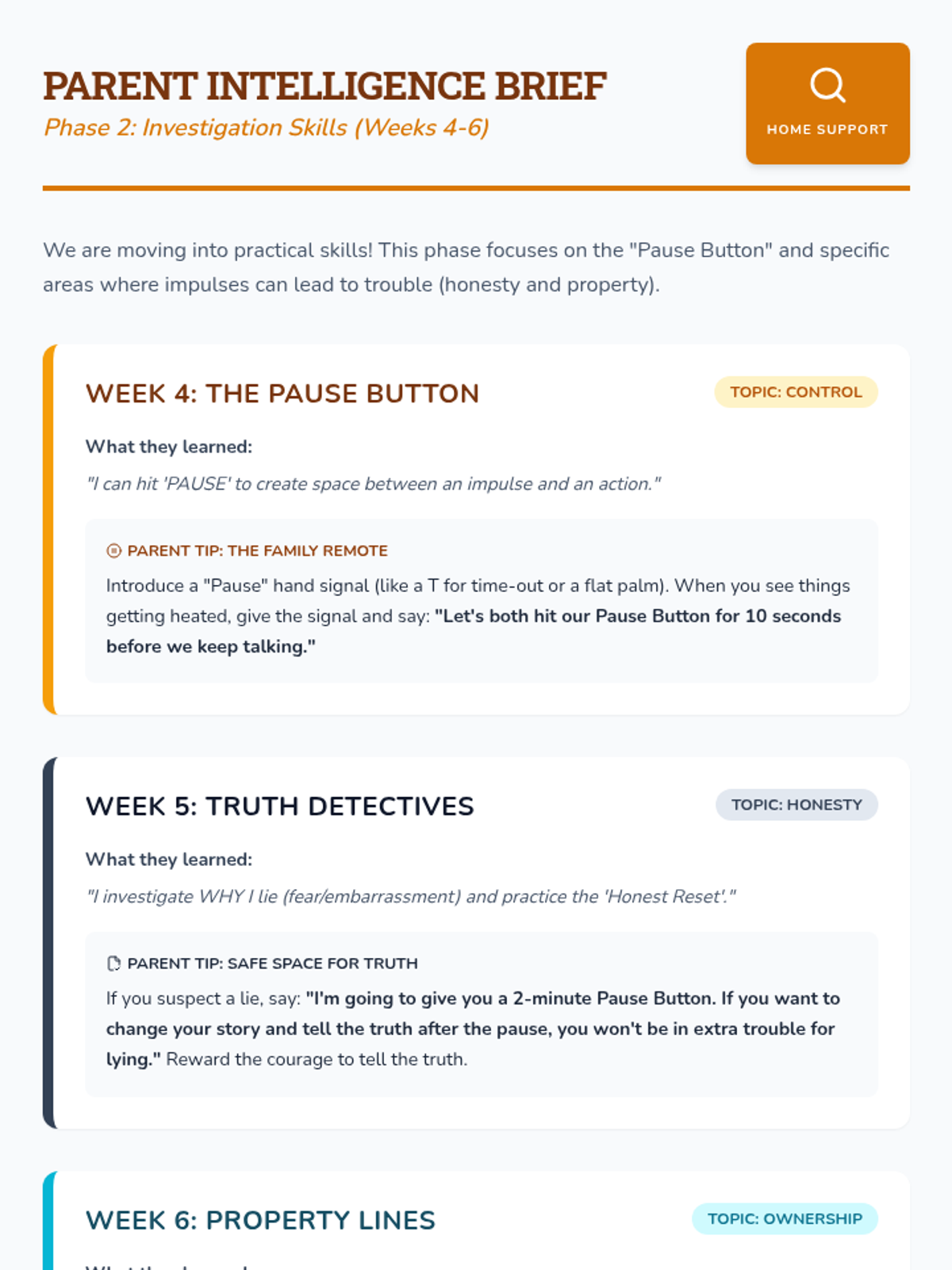
A 12-week comprehensive intervention plan designed for children to improve impulse control and empathy through a "Social Detective" investigative theme.
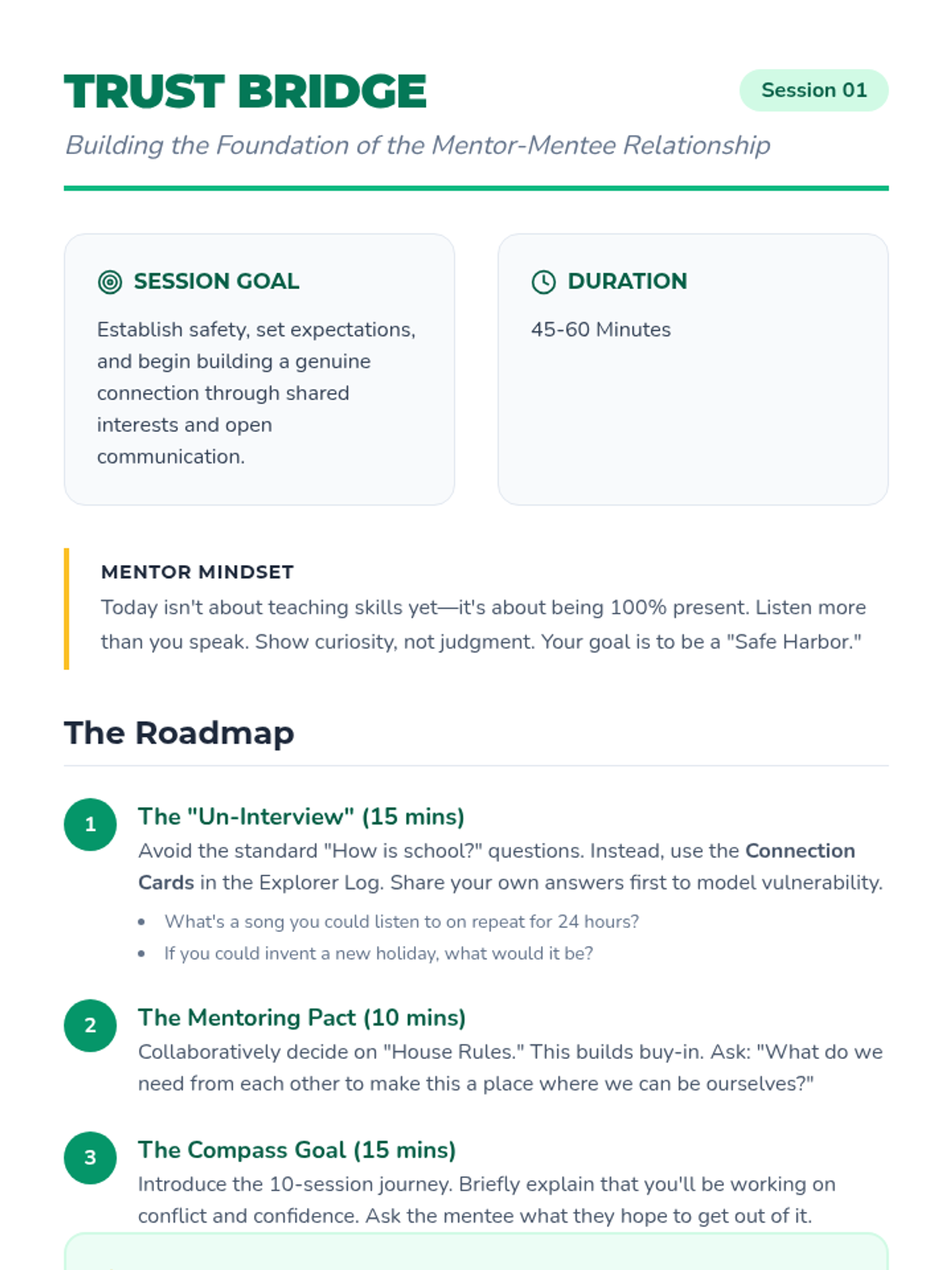
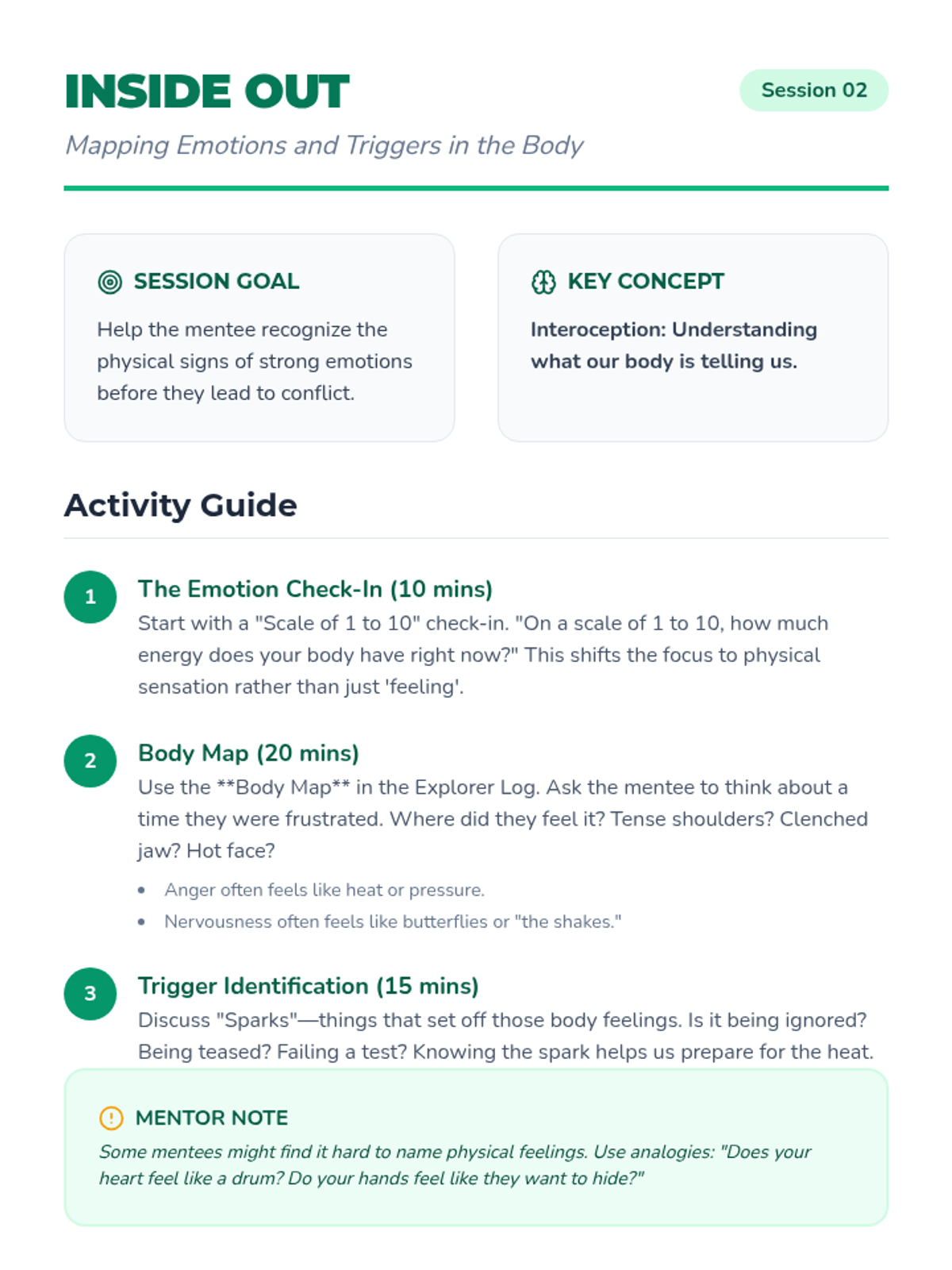
A 10-session mentoring program focused on conflict resolution, coping strategies (breathing, self-talk), and building confidence through a mentor-mentee relationship.
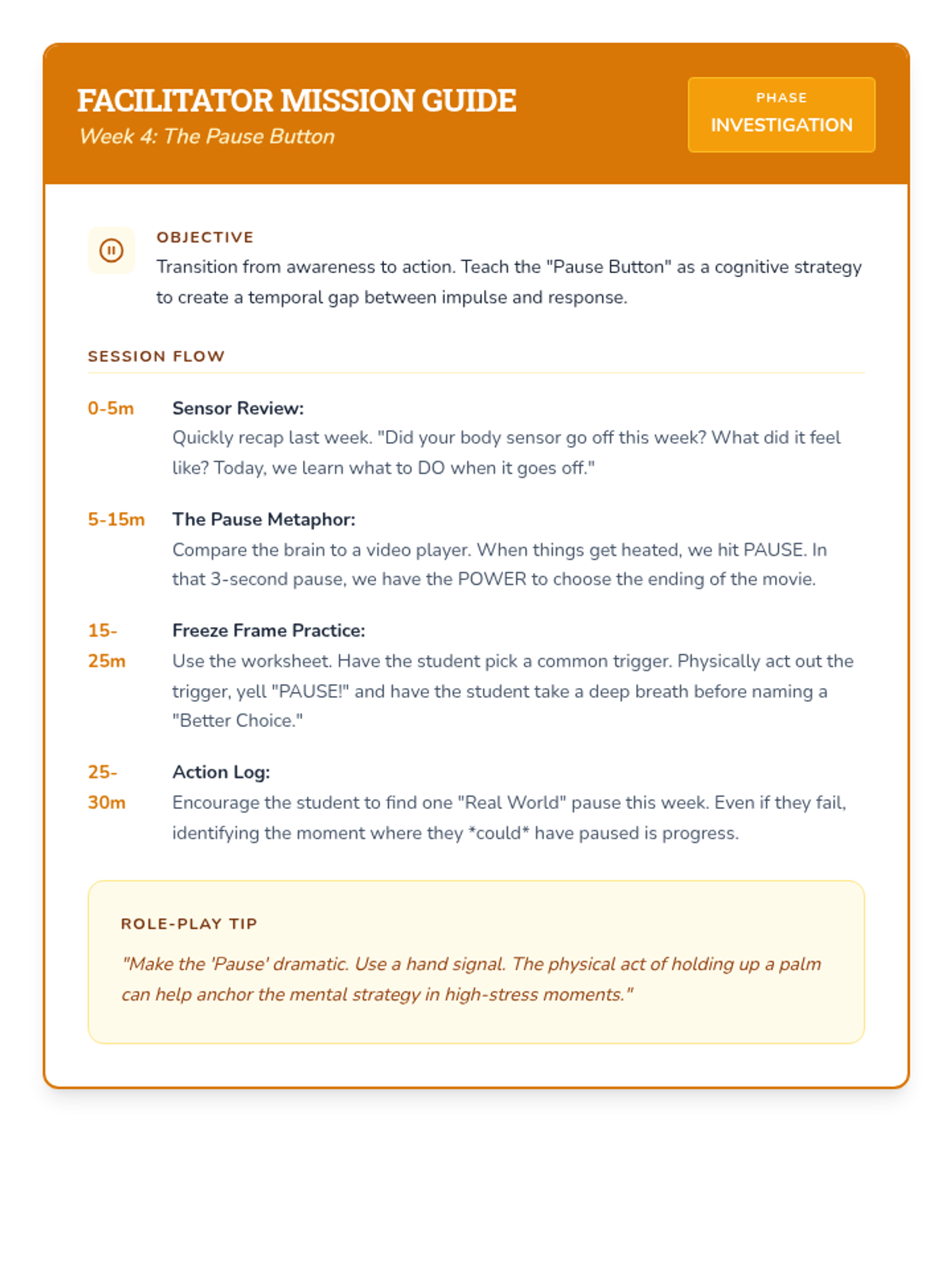
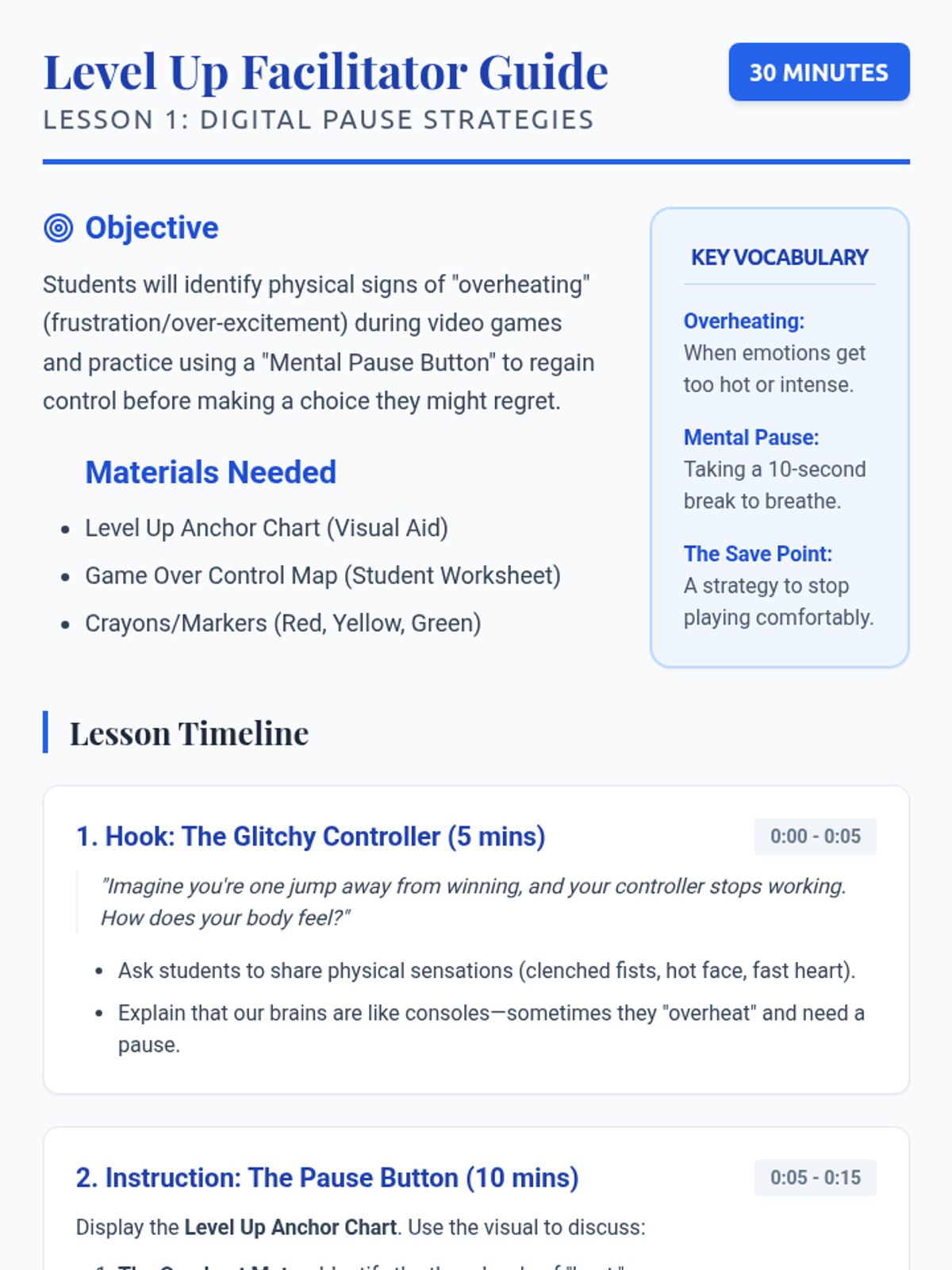
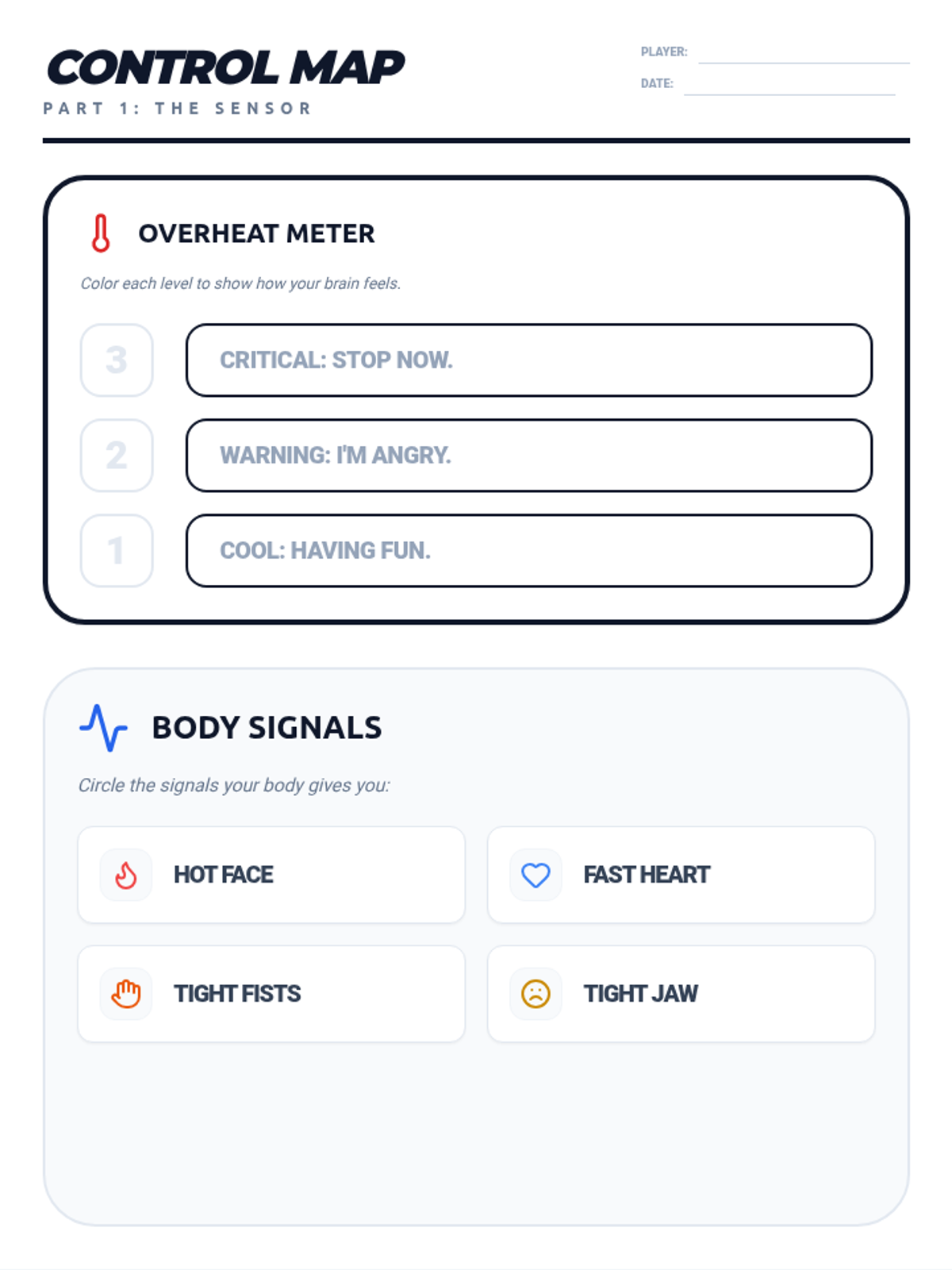
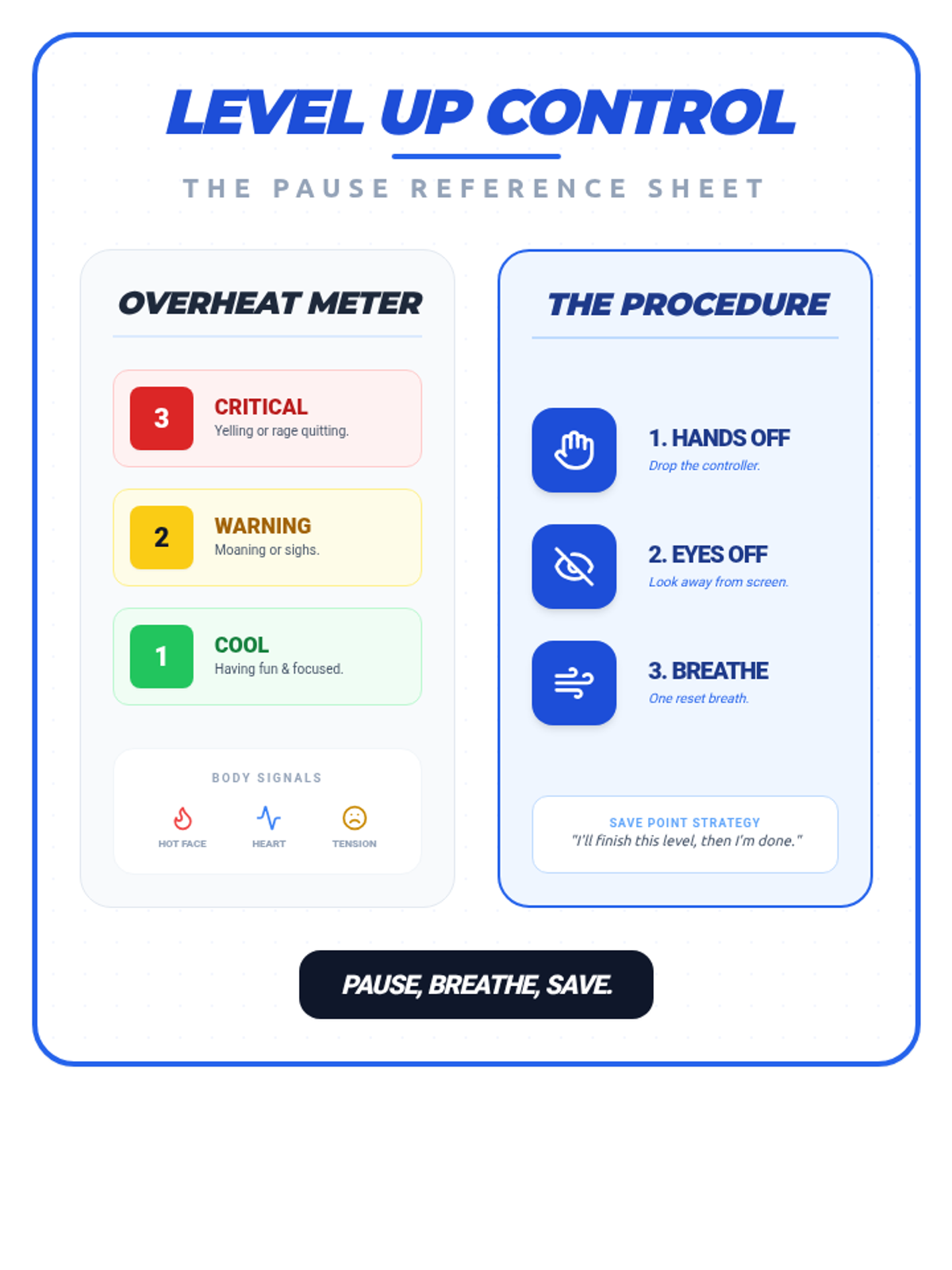
A series of 30-minute lessons focused on self-regulation techniques using the 'Pause' button analogy, themed around video games and building sets to help students manage big emotions and transitions.
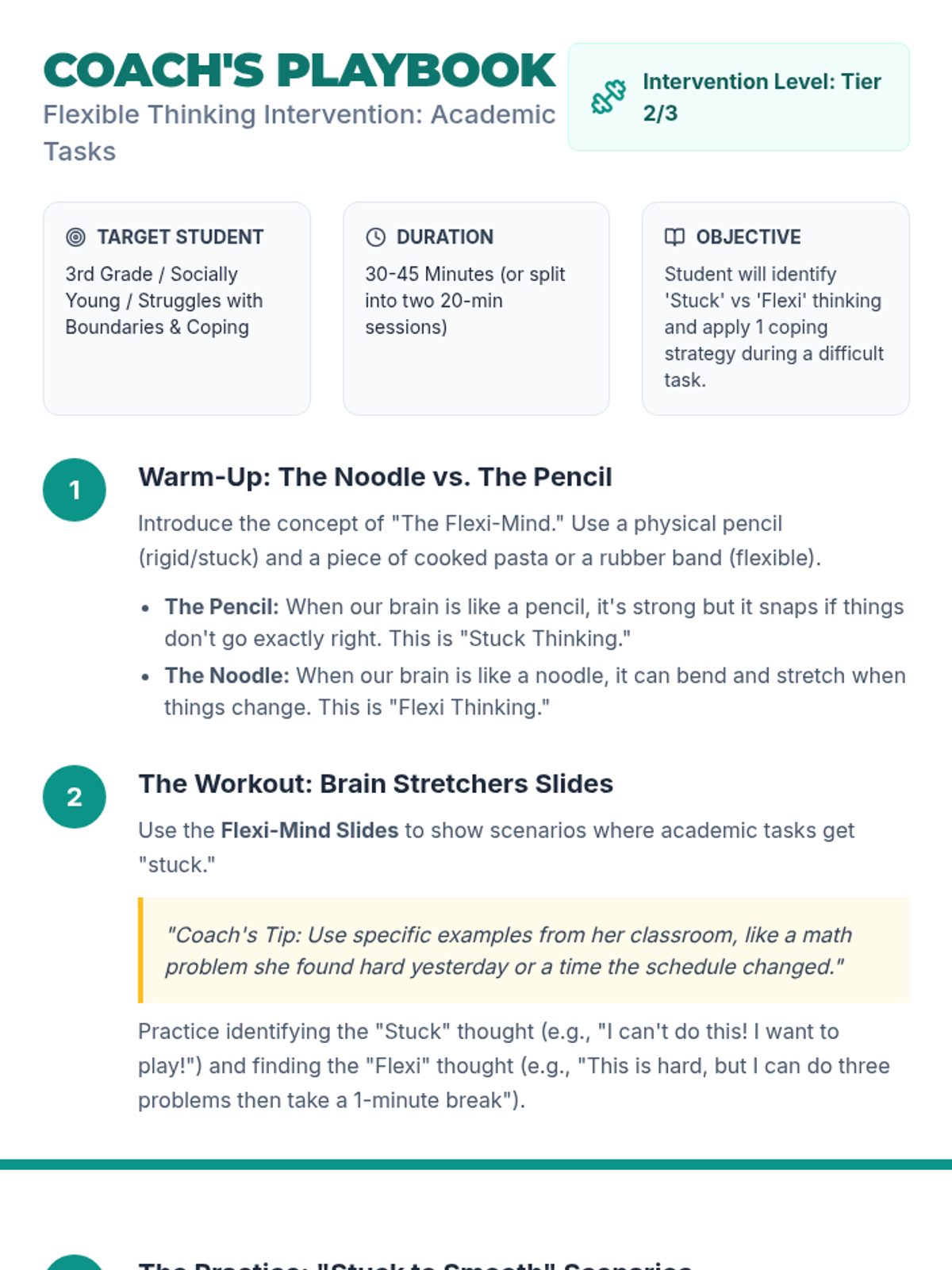
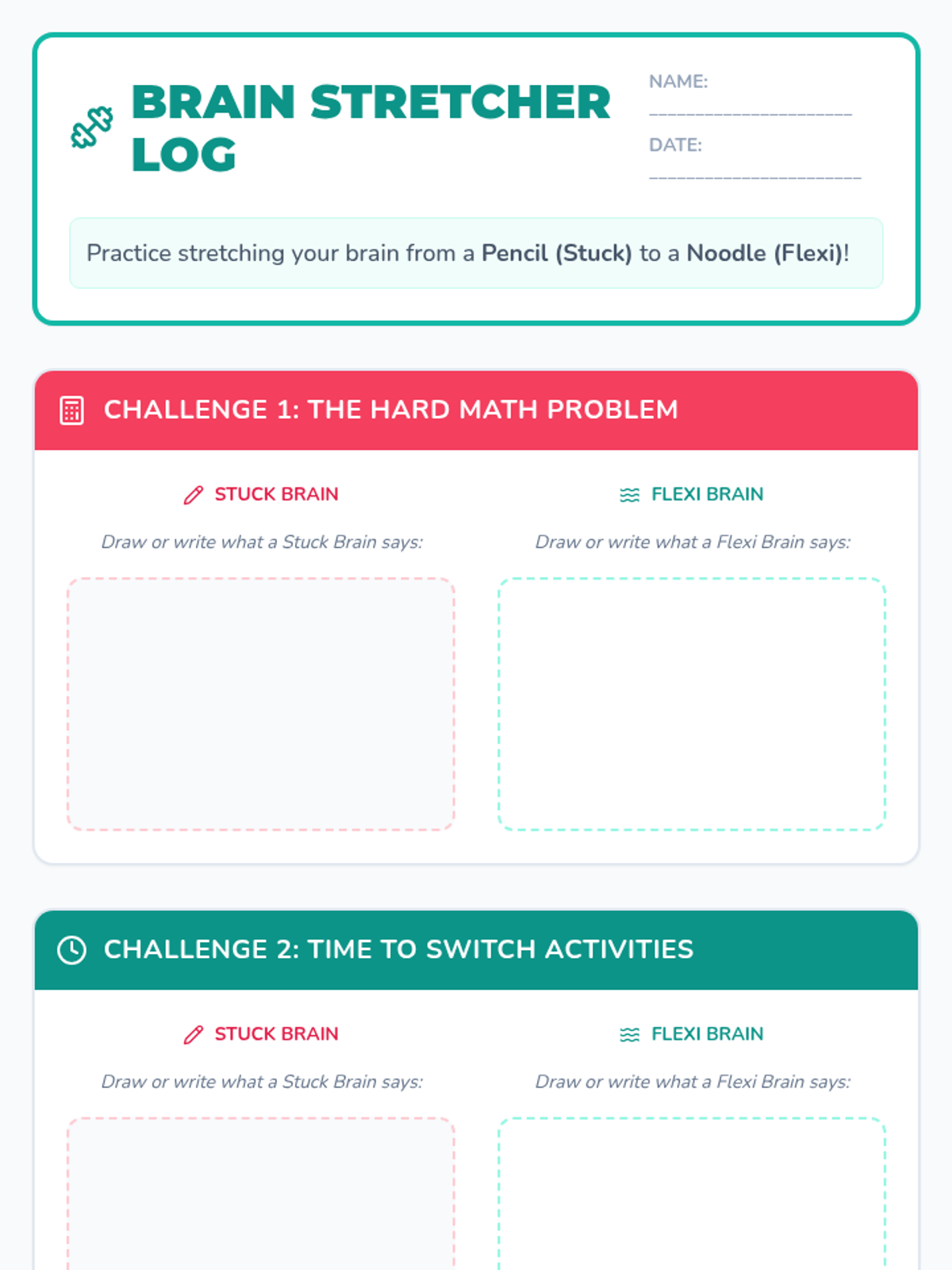
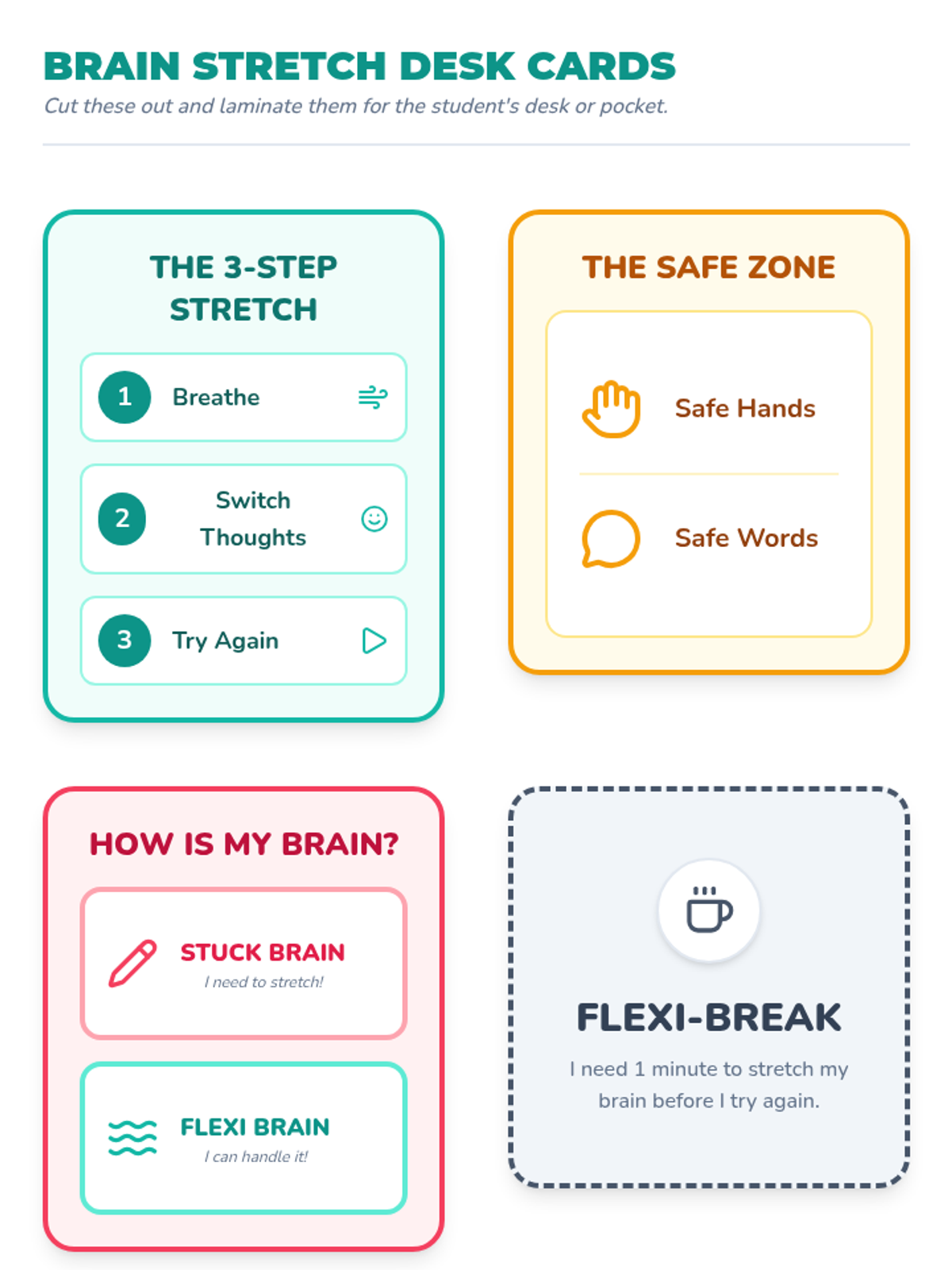
A 6-session intervention sequence designed to build flexible thinking, coping skills, and boundary awareness in elementary students. Each session uses the 'Flexi-Mind Gym' metaphor to tackle specific academic and social challenges through guided instruction and practice.
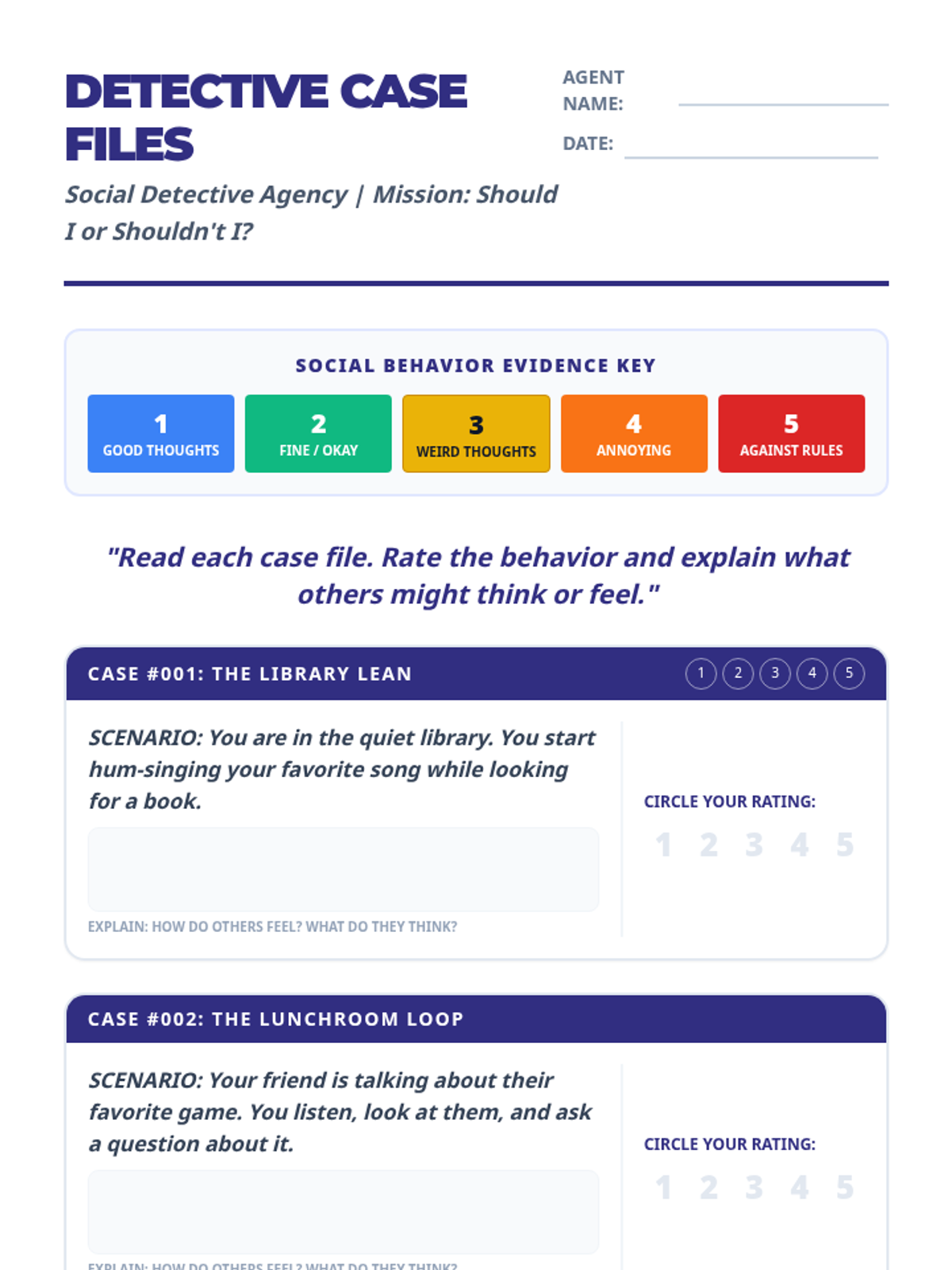
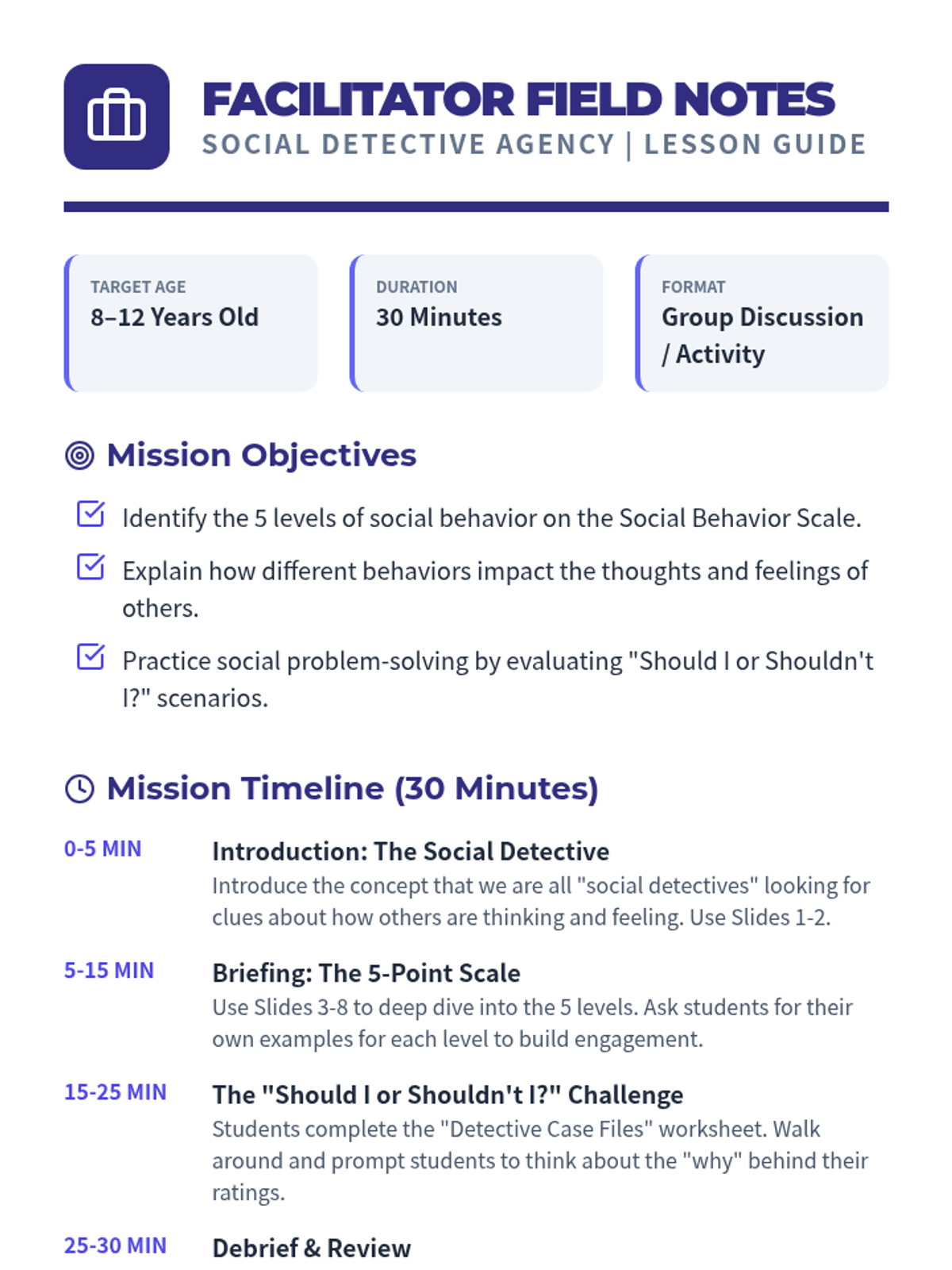
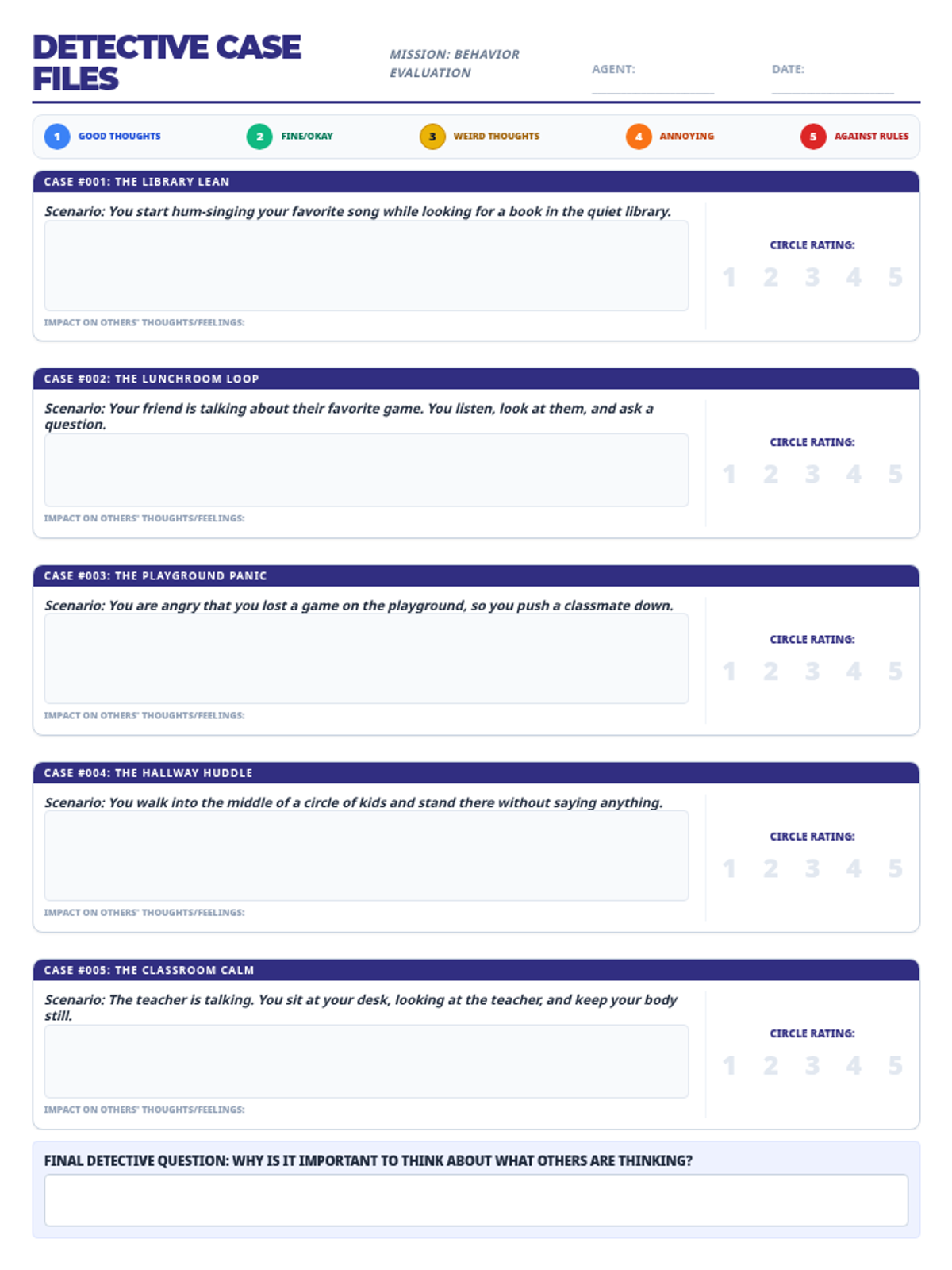
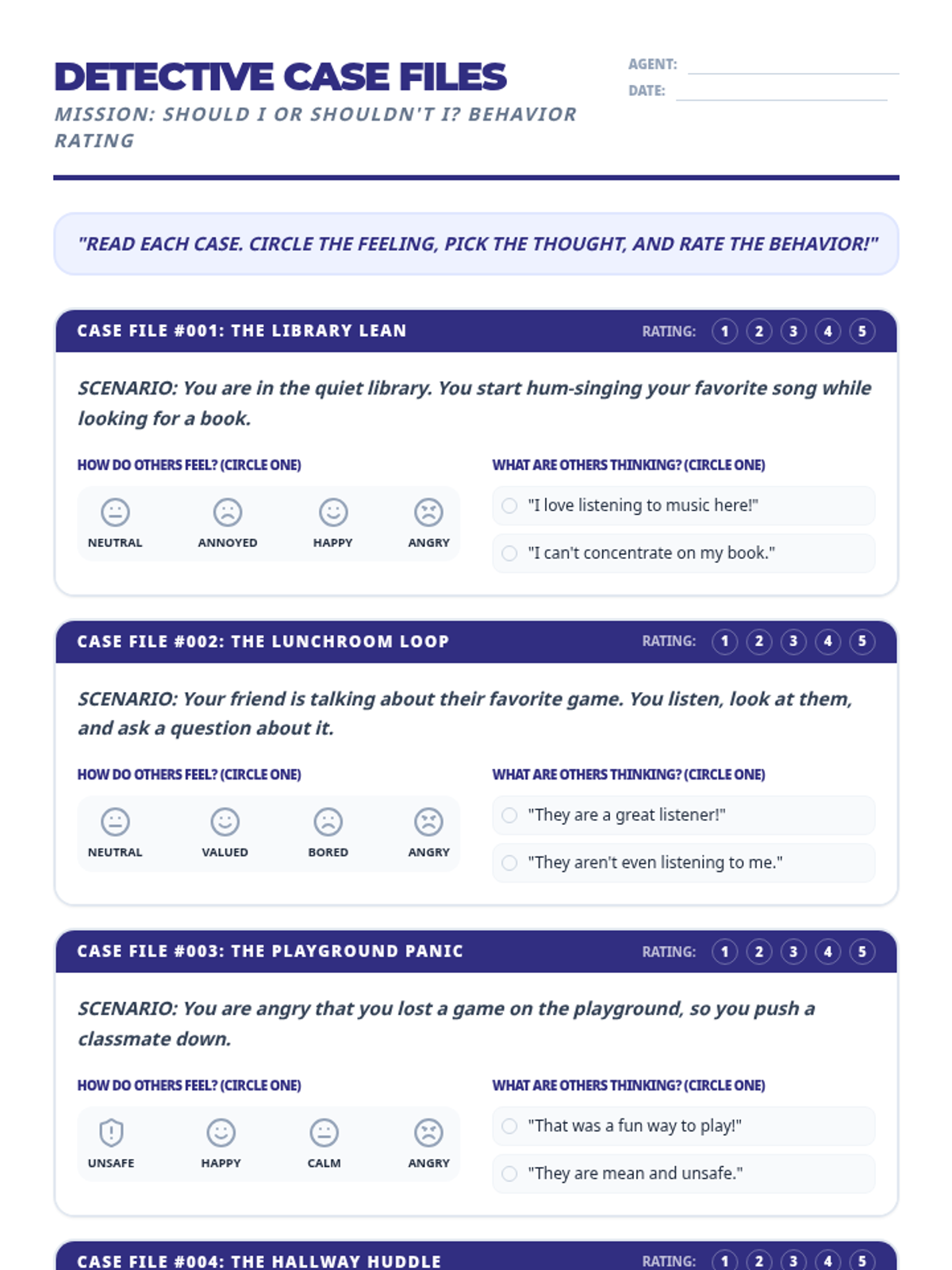
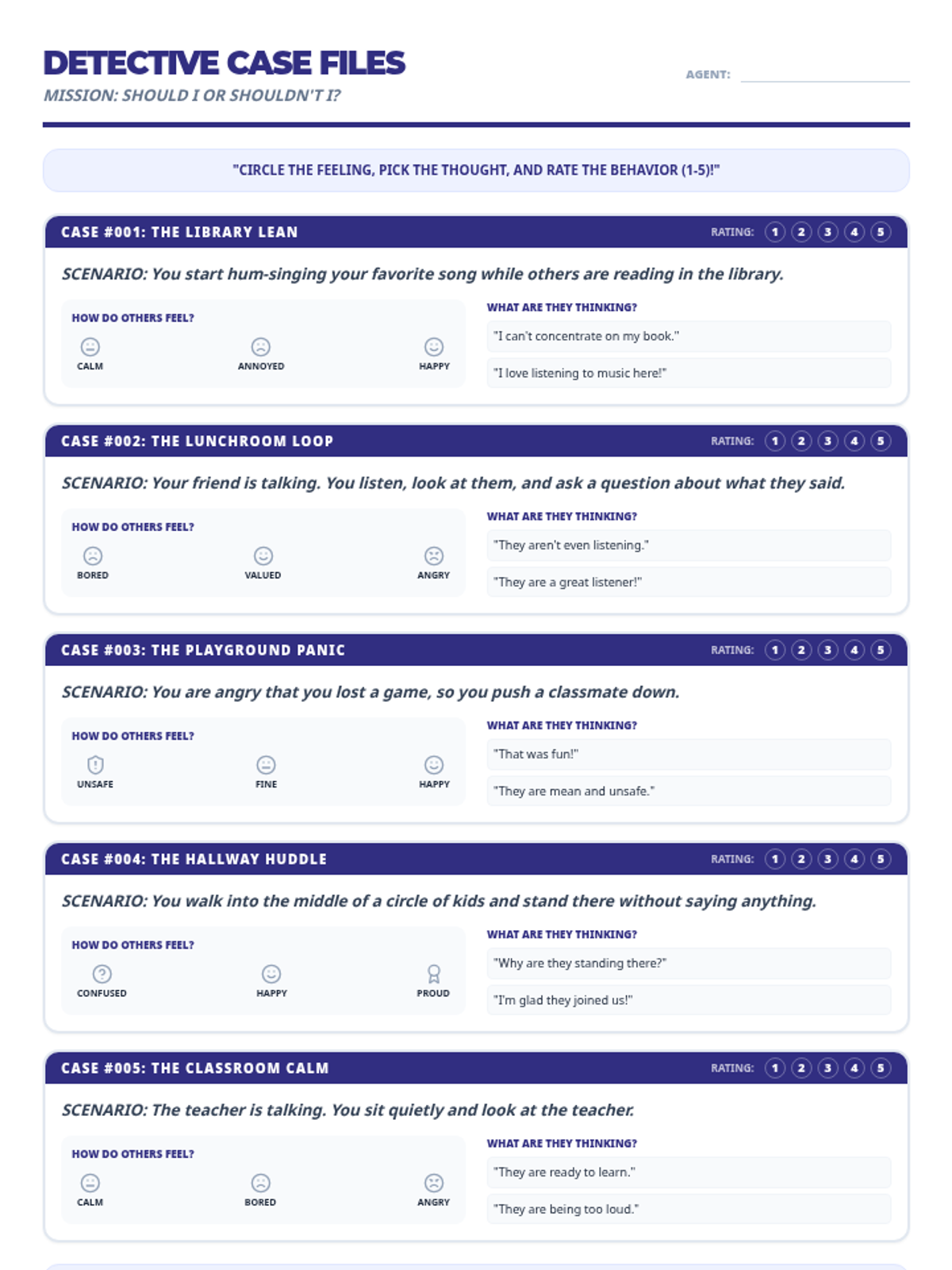
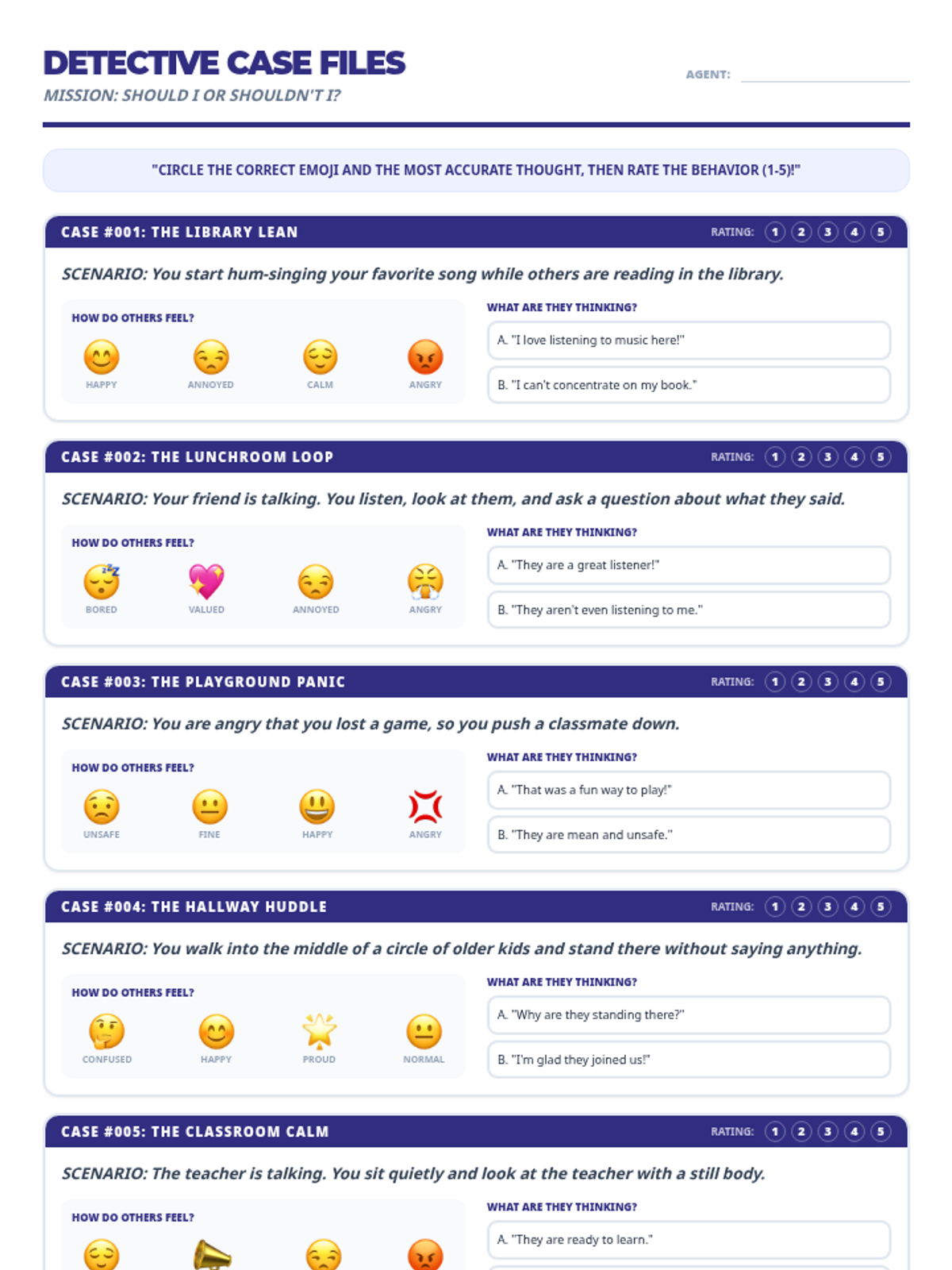
A comprehensive unit on social thinking skills, using a detective agency theme to teach behavior evaluation, social problem solving, and behavior mapping.
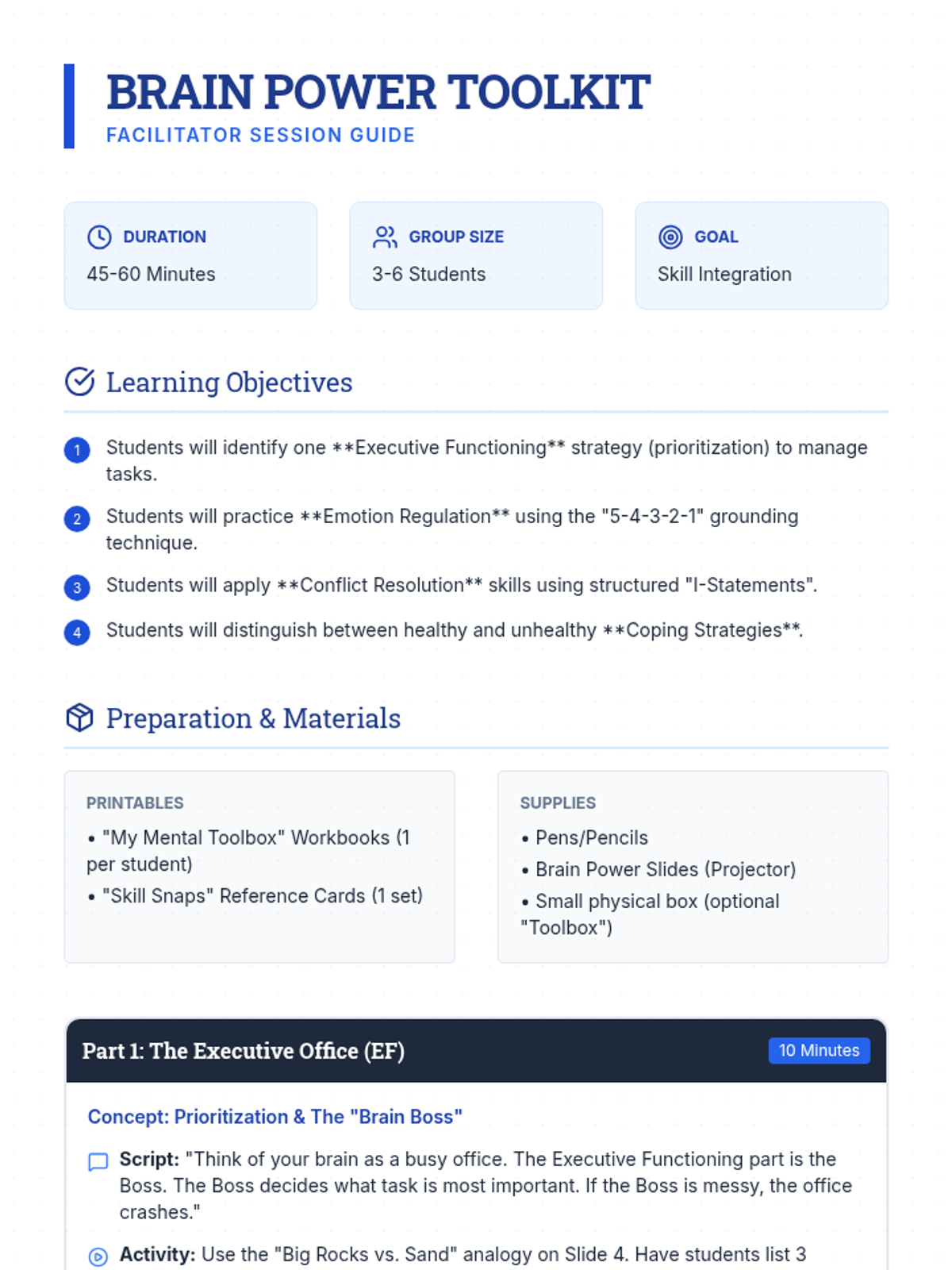
A series of social-emotional learning modules focused on cognitive and emotional mastery for small group settings.
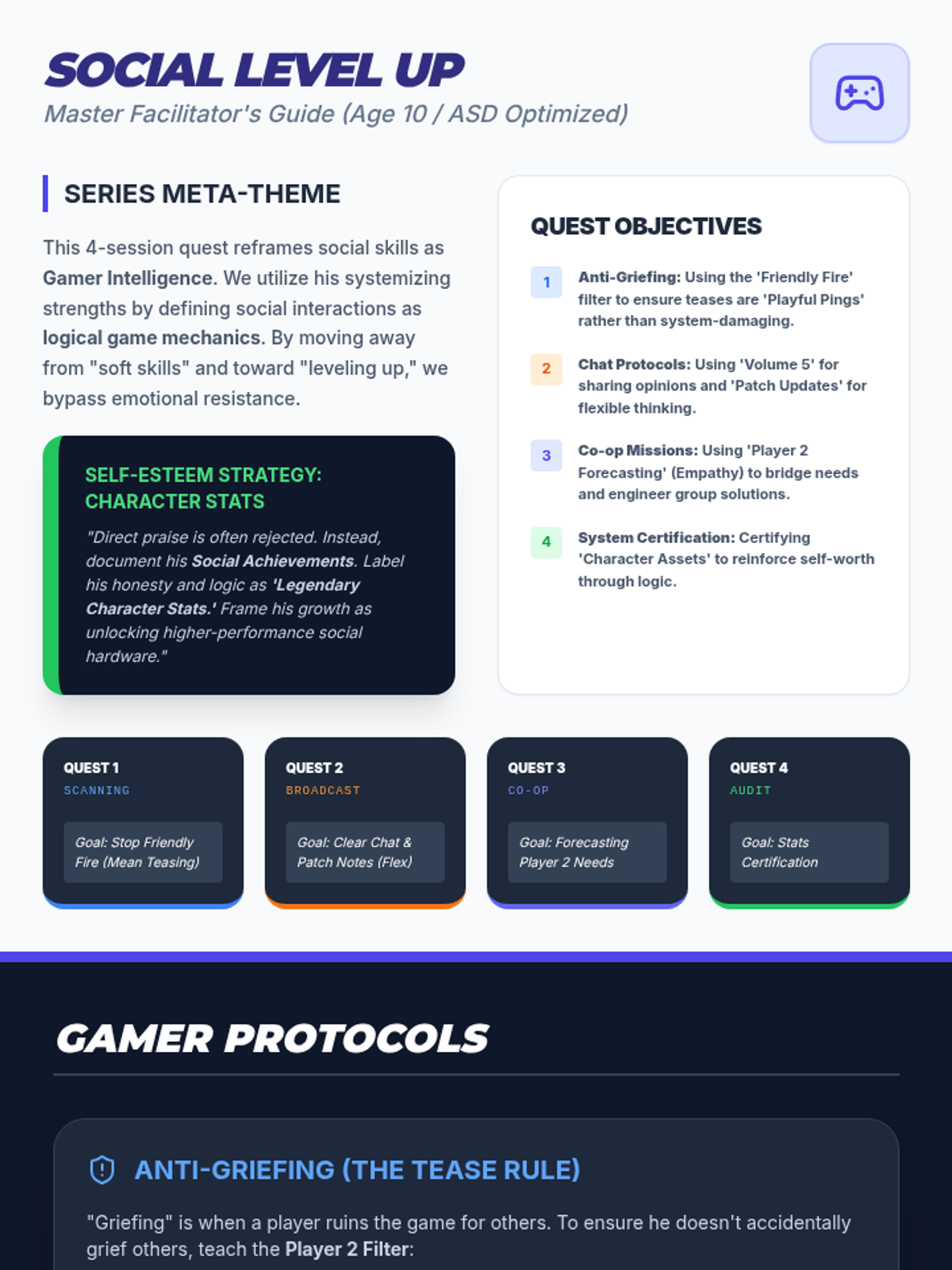
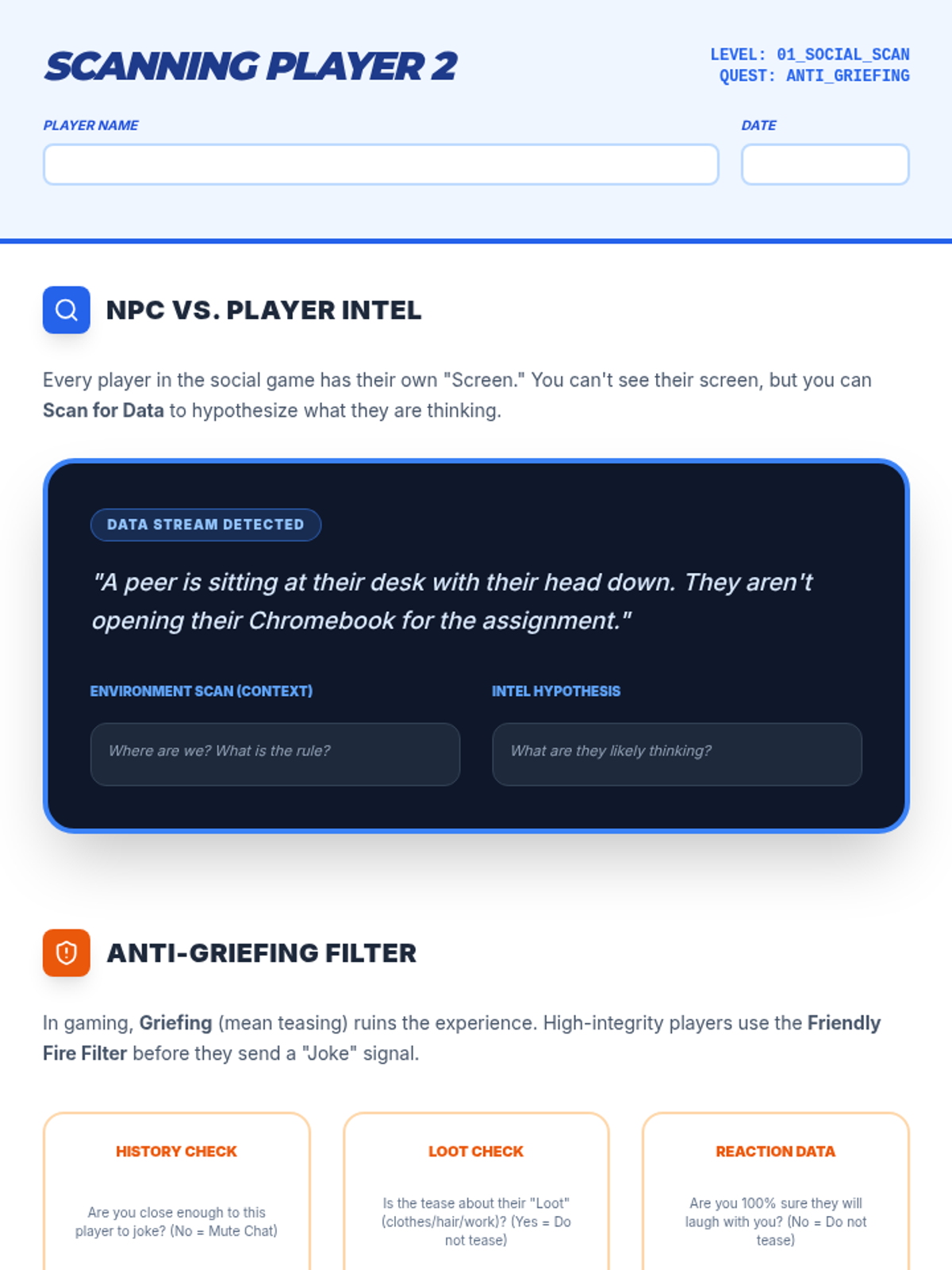
A four-session counseling series for 10-year-old students resistant to traditional self-esteem work. It uses a 'Social Level Up' video game metaphor to master salient social skills: anti-griefing (preventing mean teasing), chat protocols (opinions/flexibility), and co-op forecasting (empathy/solutions).
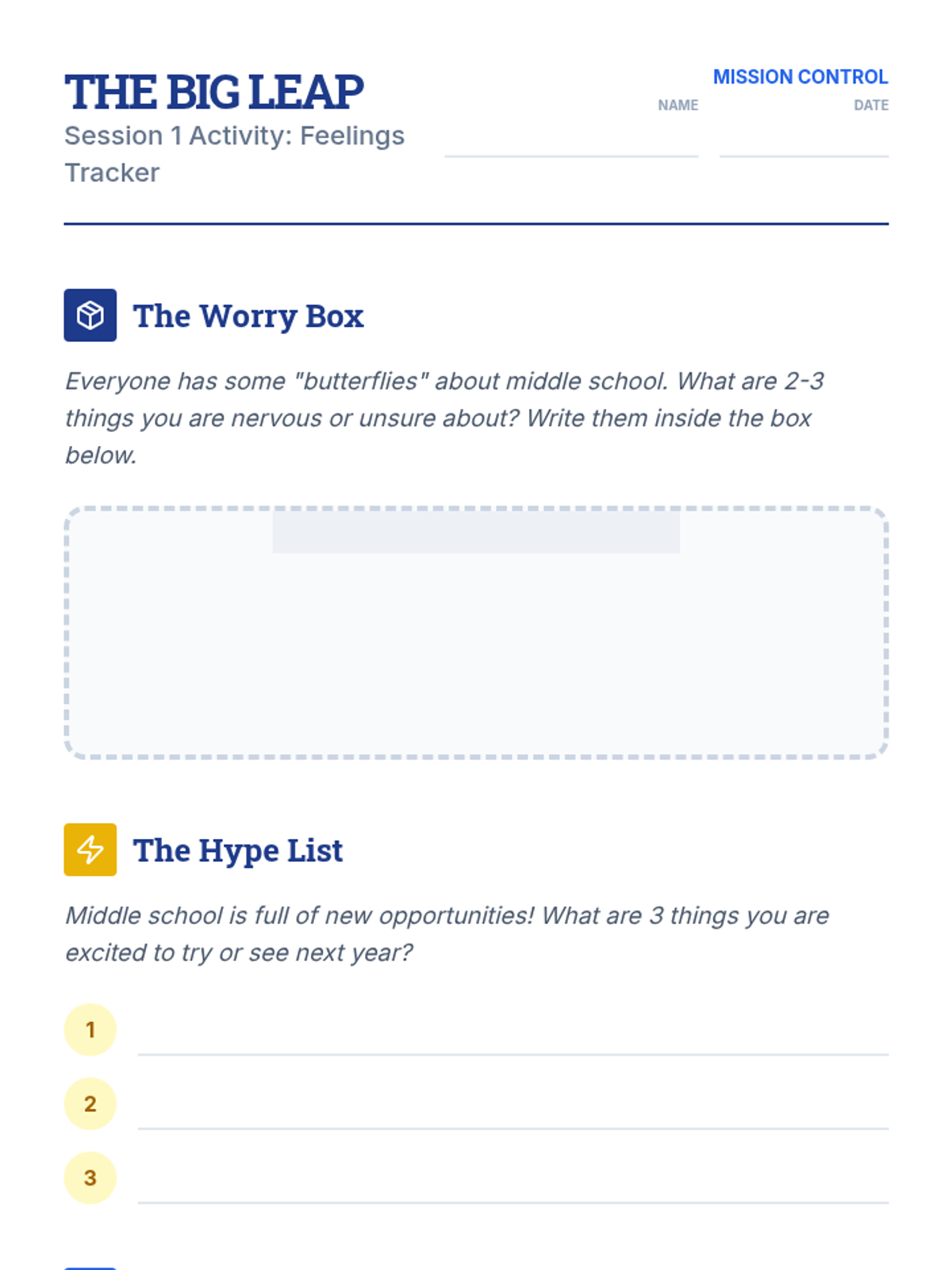
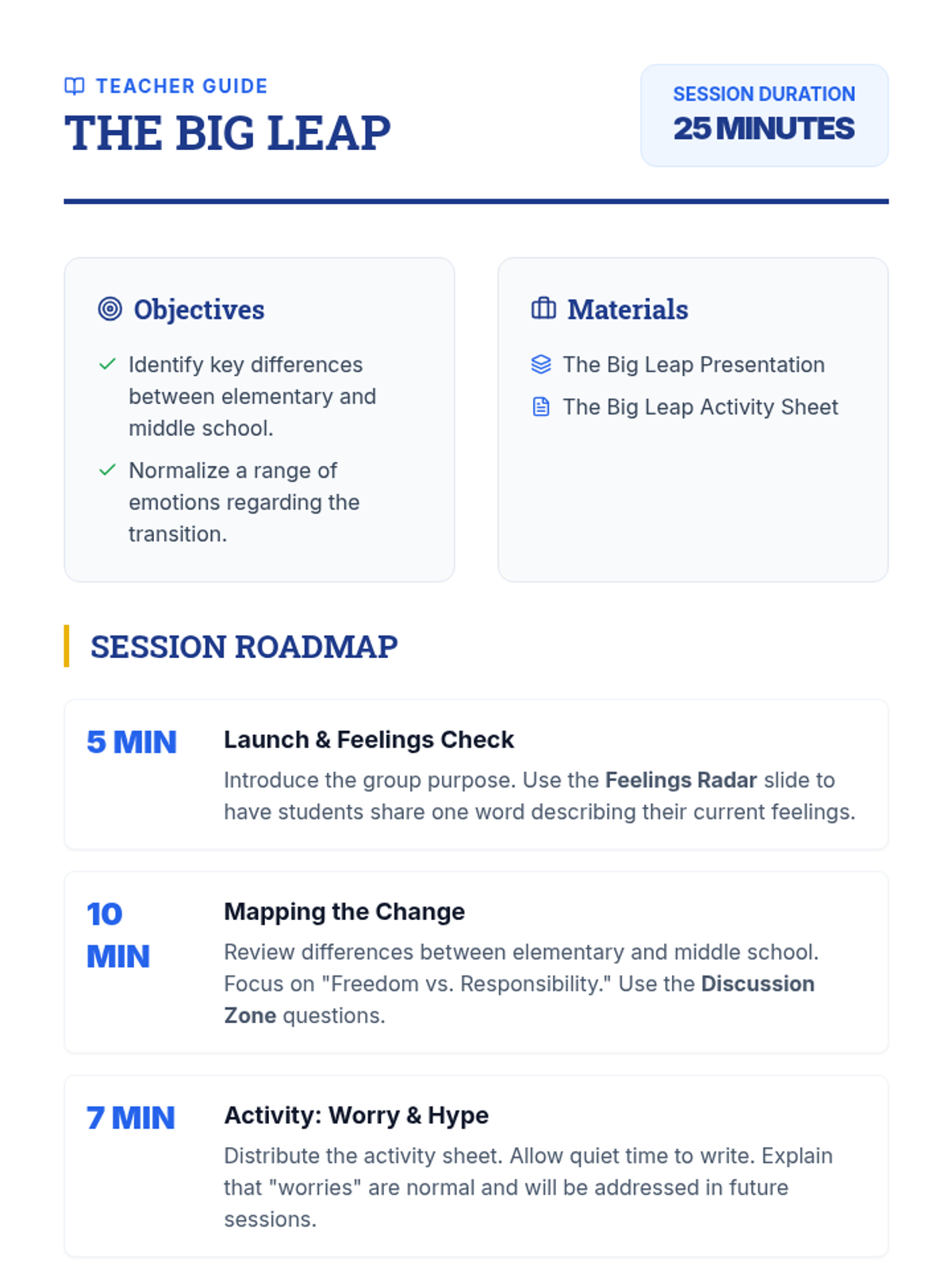
A 6-session small group program designed to help 5th graders navigate the transition to middle school, focusing on organization, social dynamics, and resisting peer pressure.
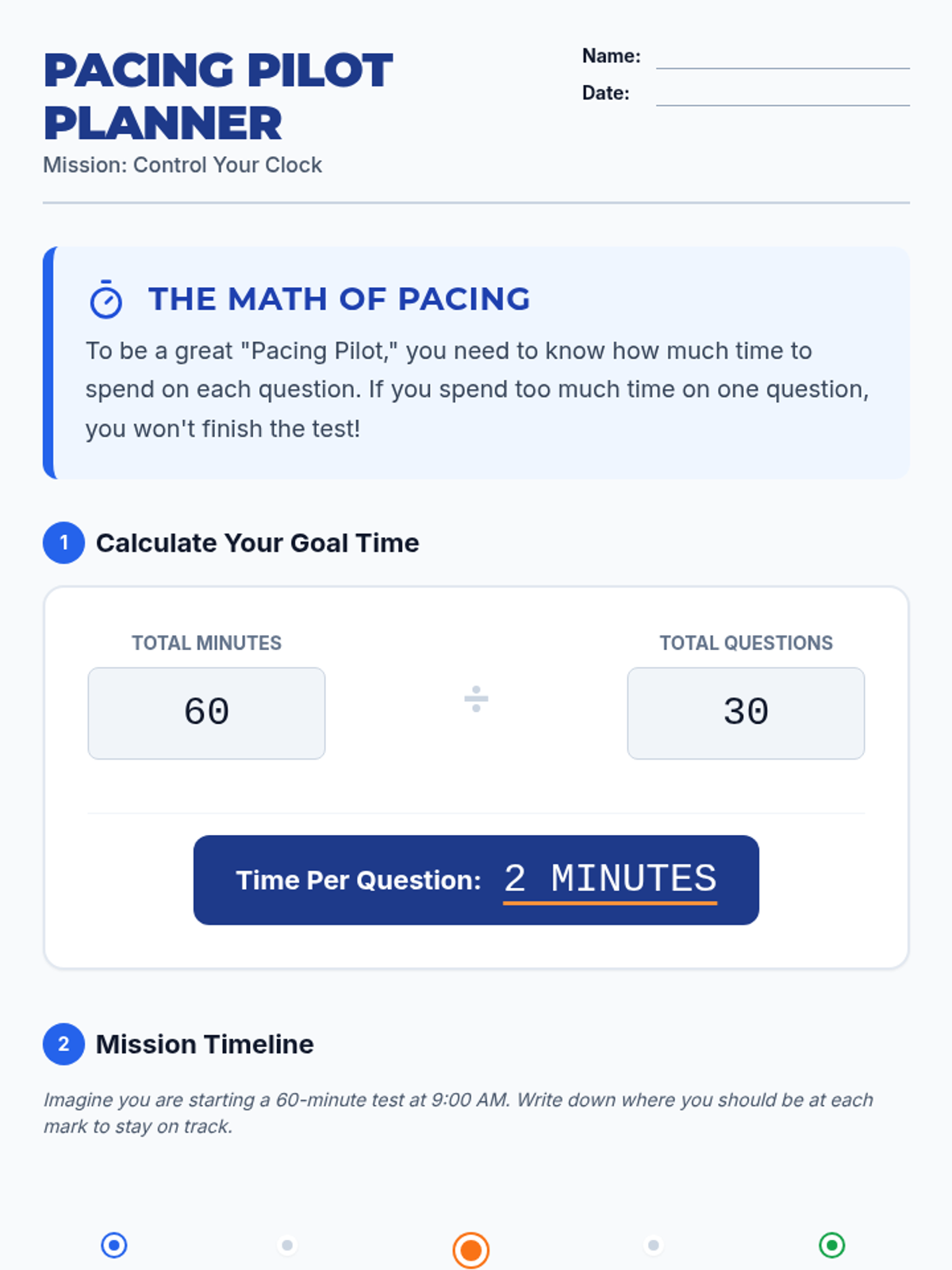
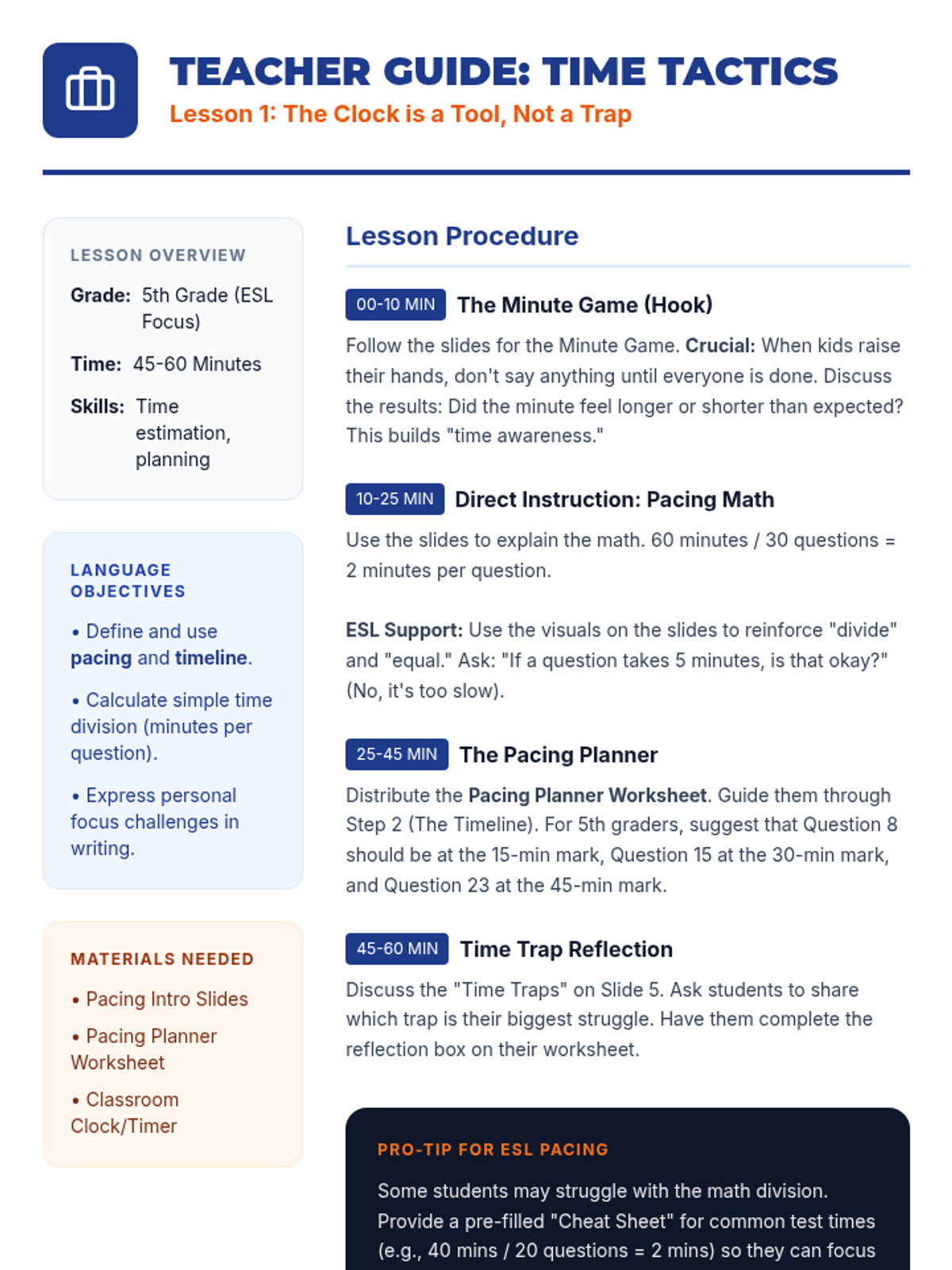
This sequence helps students master time management and prioritization during exams. Through hands-on activities and simulations, students learn to estimate pacing, use the 'skip and return' strategy, navigate long passages efficiently, and manage test anxiety.
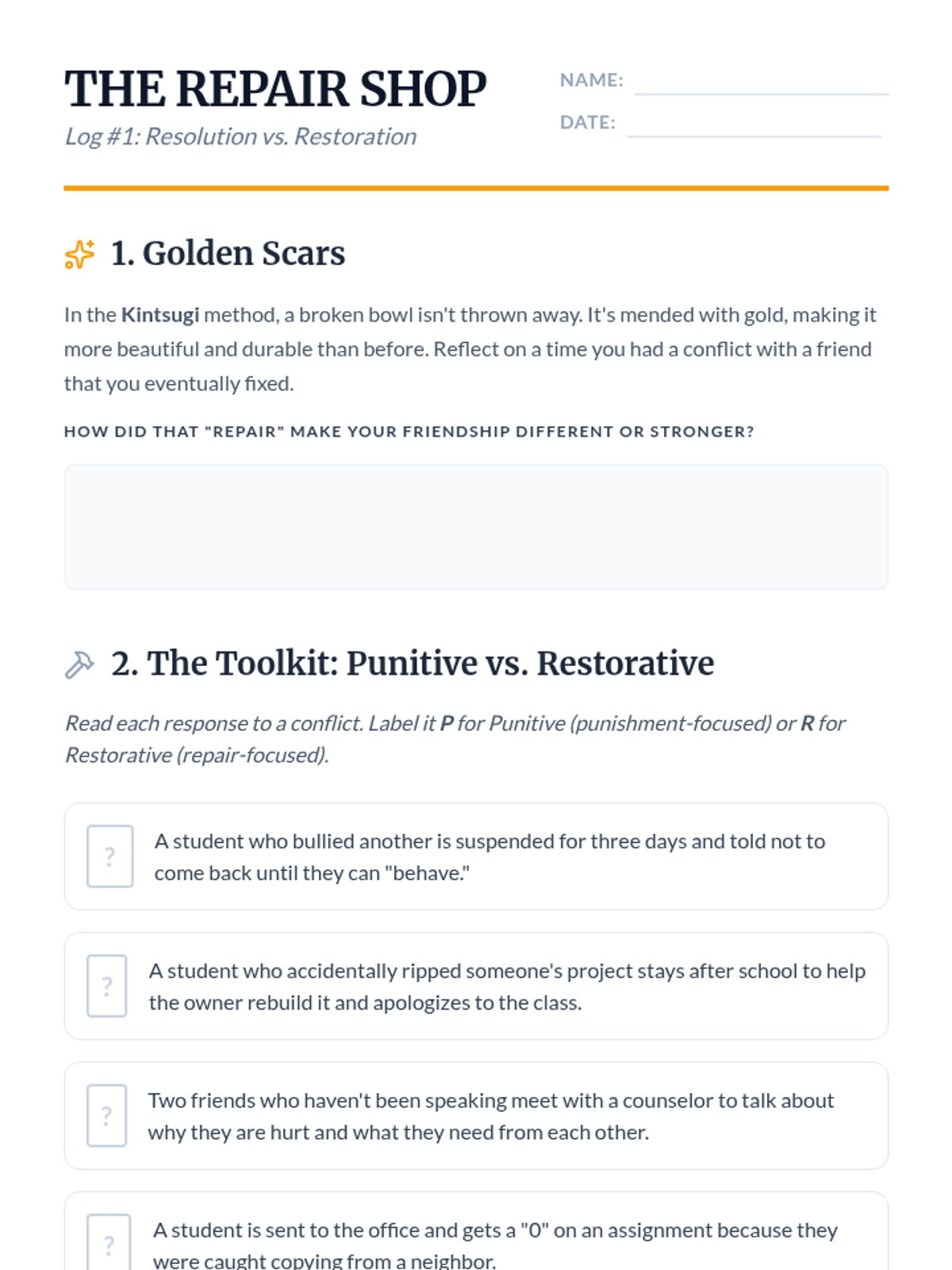
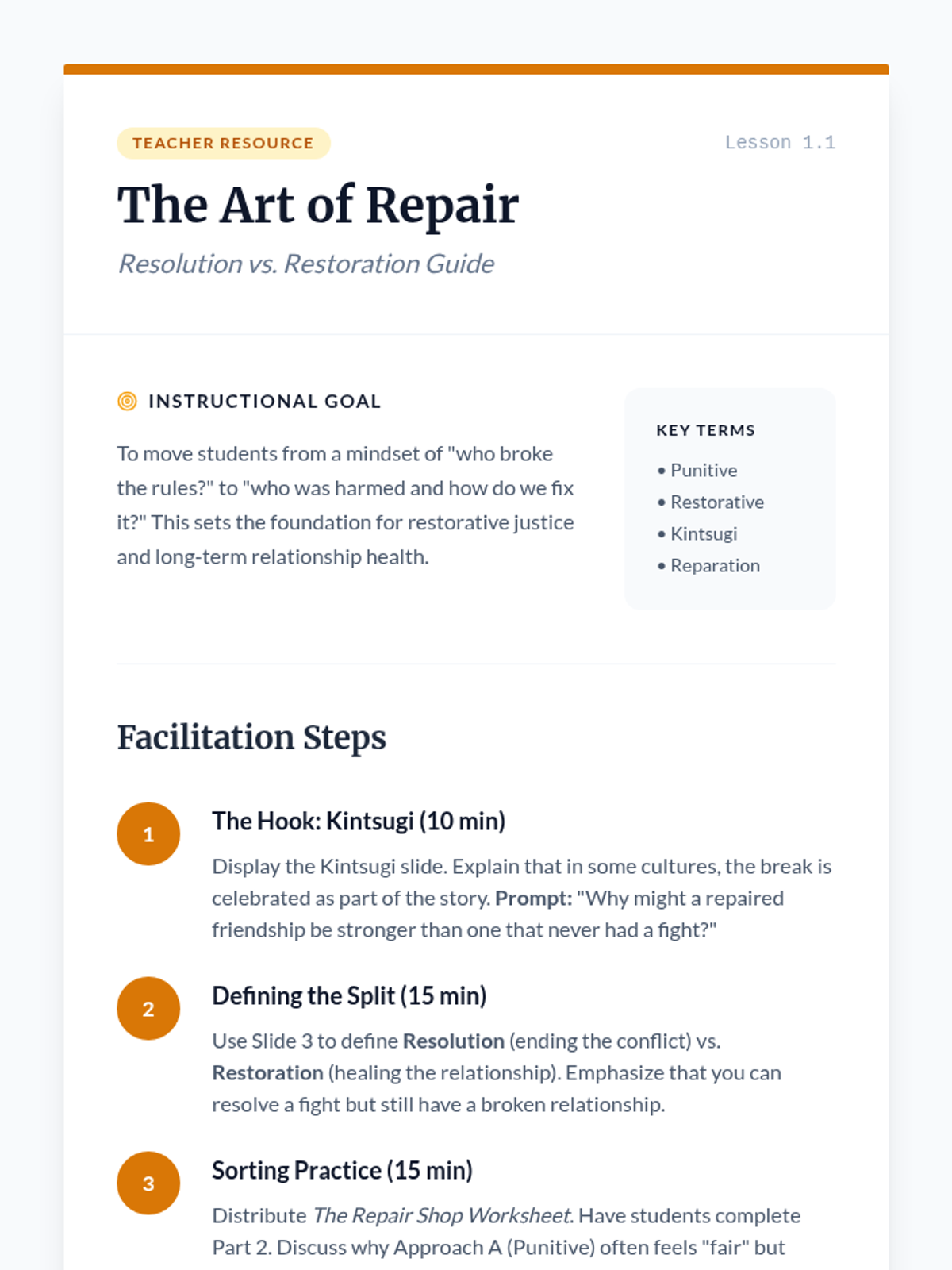
A 5-lesson sequence for 6th graders focusing on the aftermath of conflict: restoration, genuine apologies, sustainable agreements, and rebuilding trust. Students move beyond just 'stopping a fight' to actively repairing relationships and creating long-term peace.
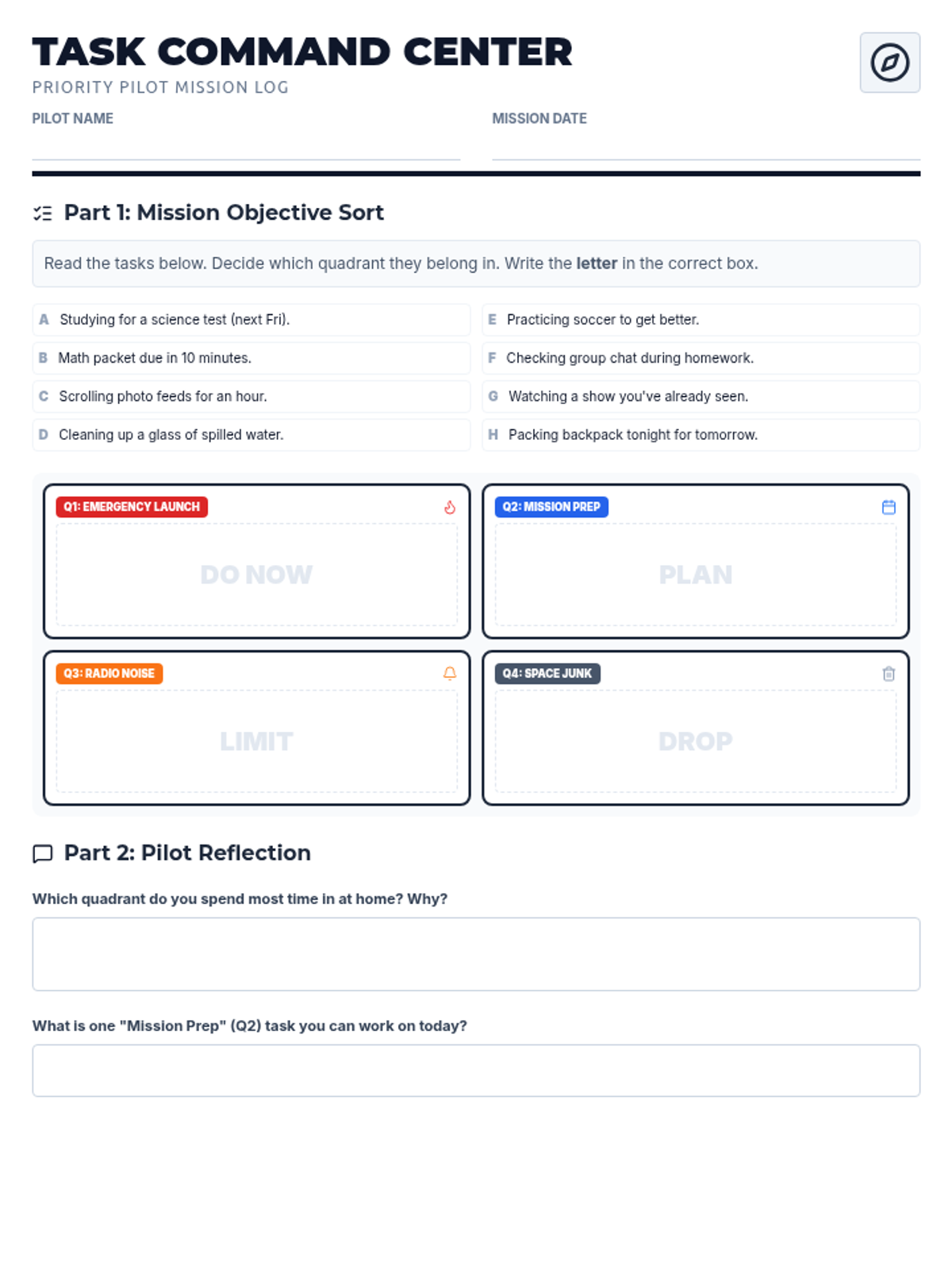
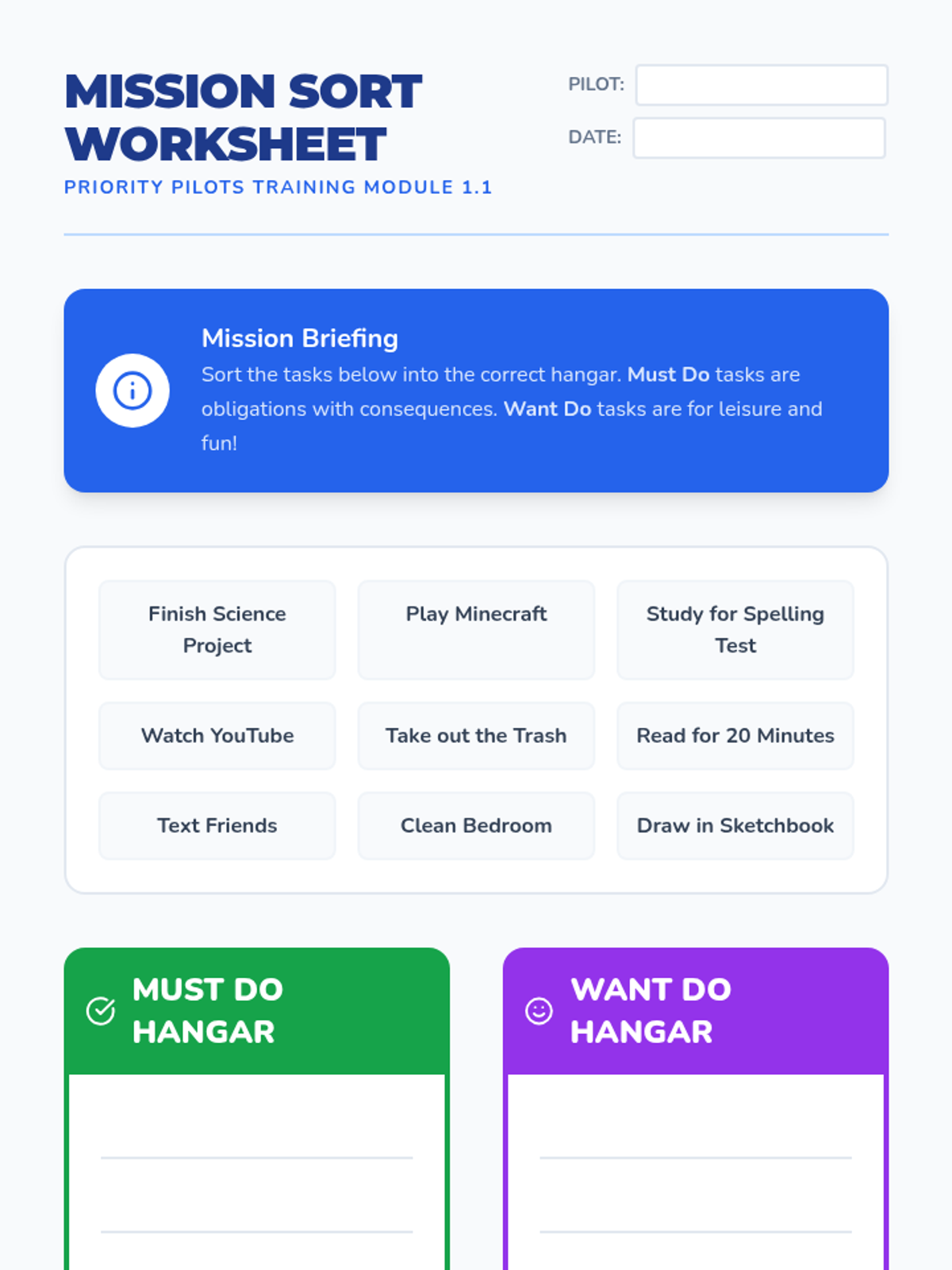
This sequence teaches 5th-grade students essential executive functioning skills for task prioritization. Students learn to distinguish between obligations and leisure, use a traffic light system for urgency, estimate time and effort, sequence multi-step projects, and create their own weekly plans using an aviation-inspired theme.
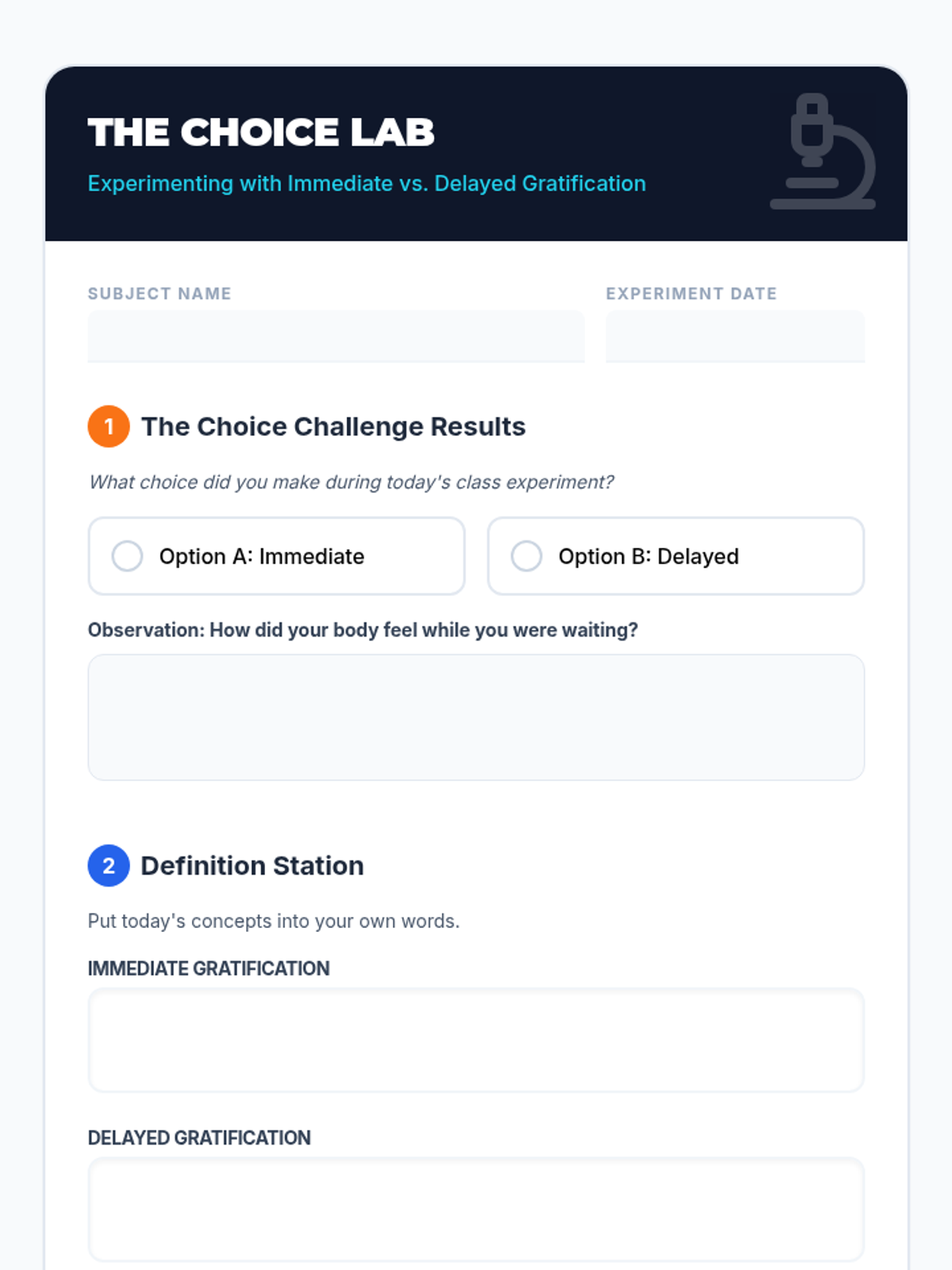
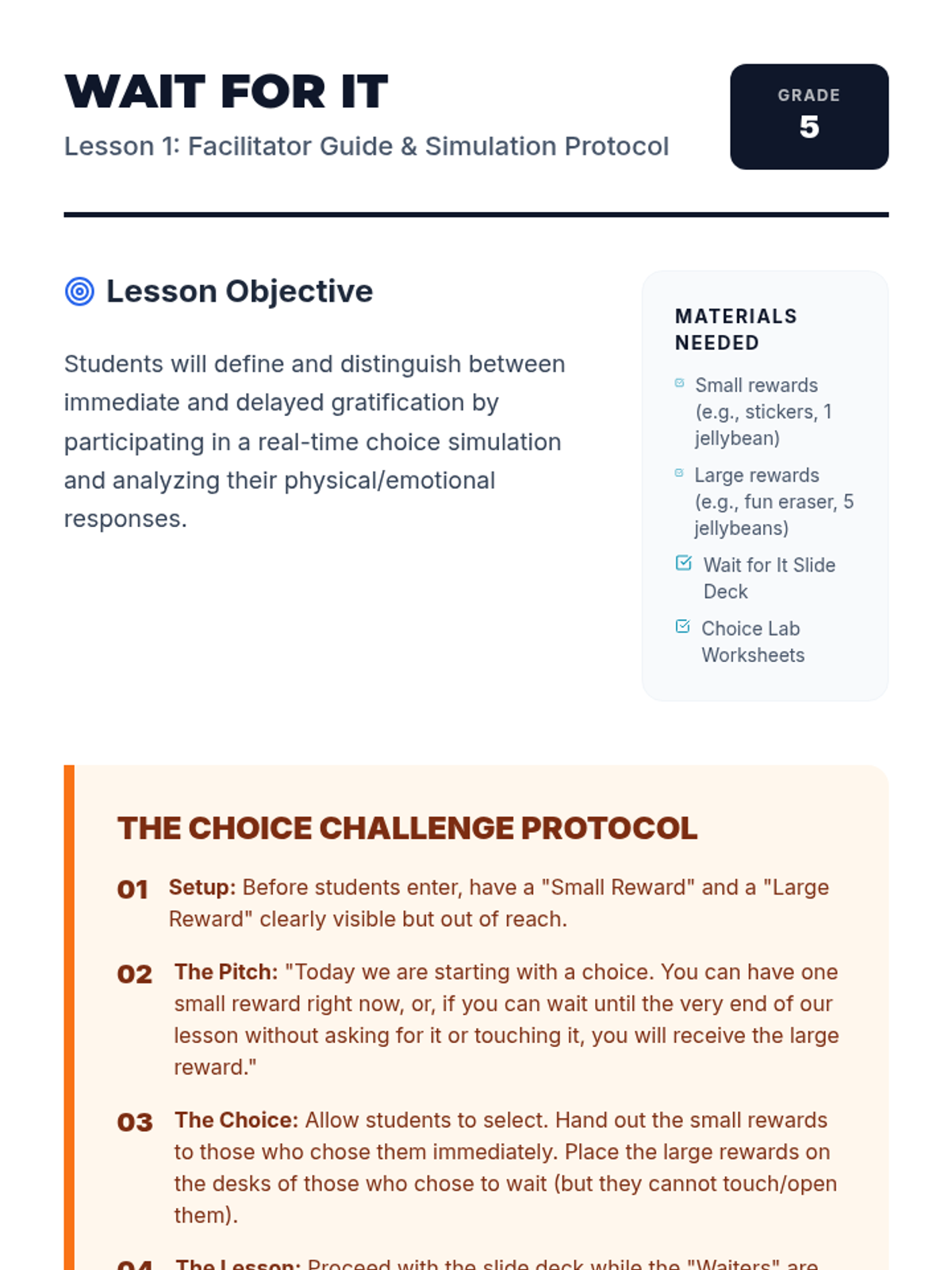
A comprehensive 5-lesson sequence designed to help 5th-grade students understand, identify, and manage impulses through cognitive strategies. Students progress from defining immediate versus delayed gratification to applying advanced distraction and reframing techniques in complex social situations.
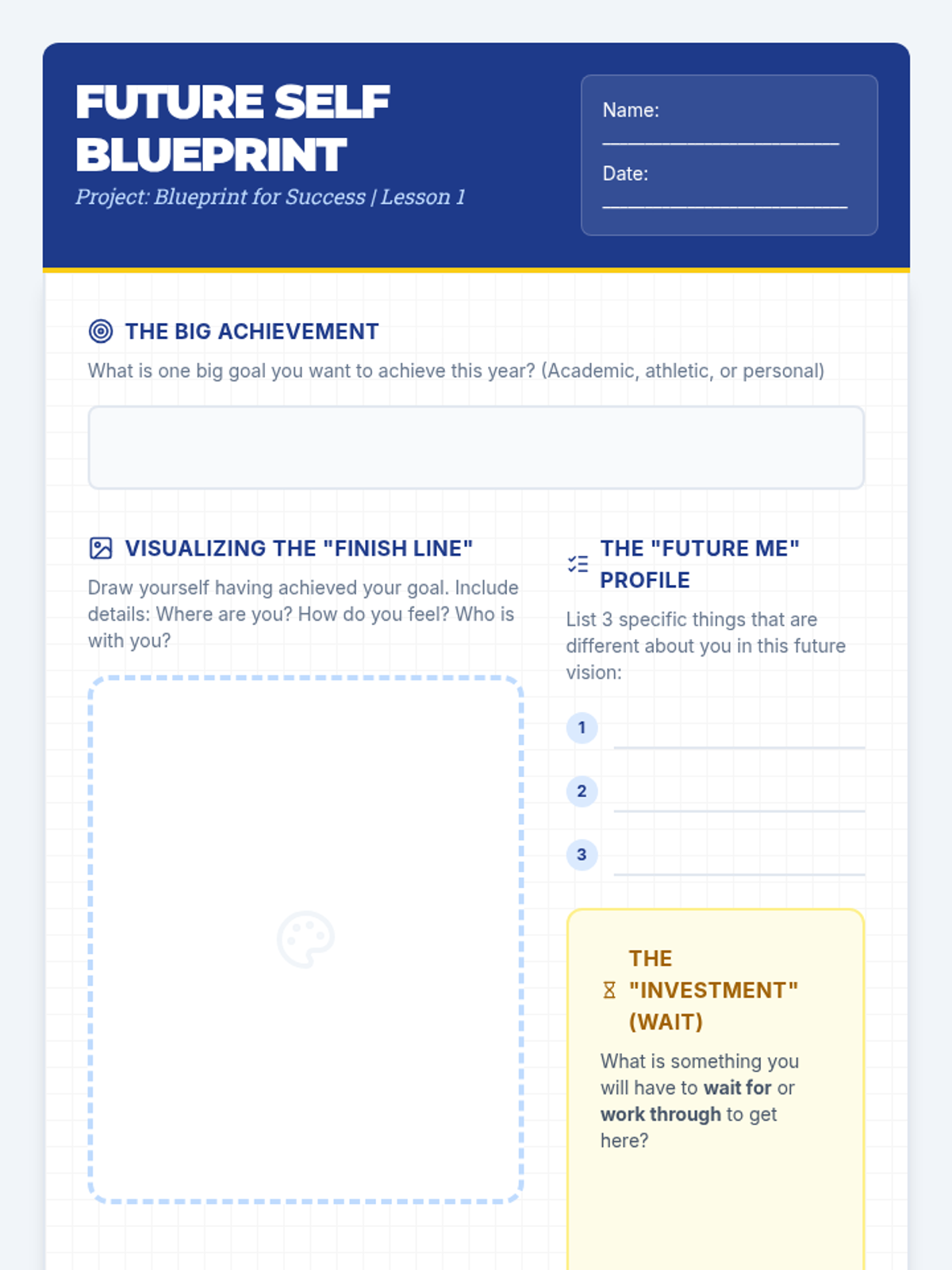
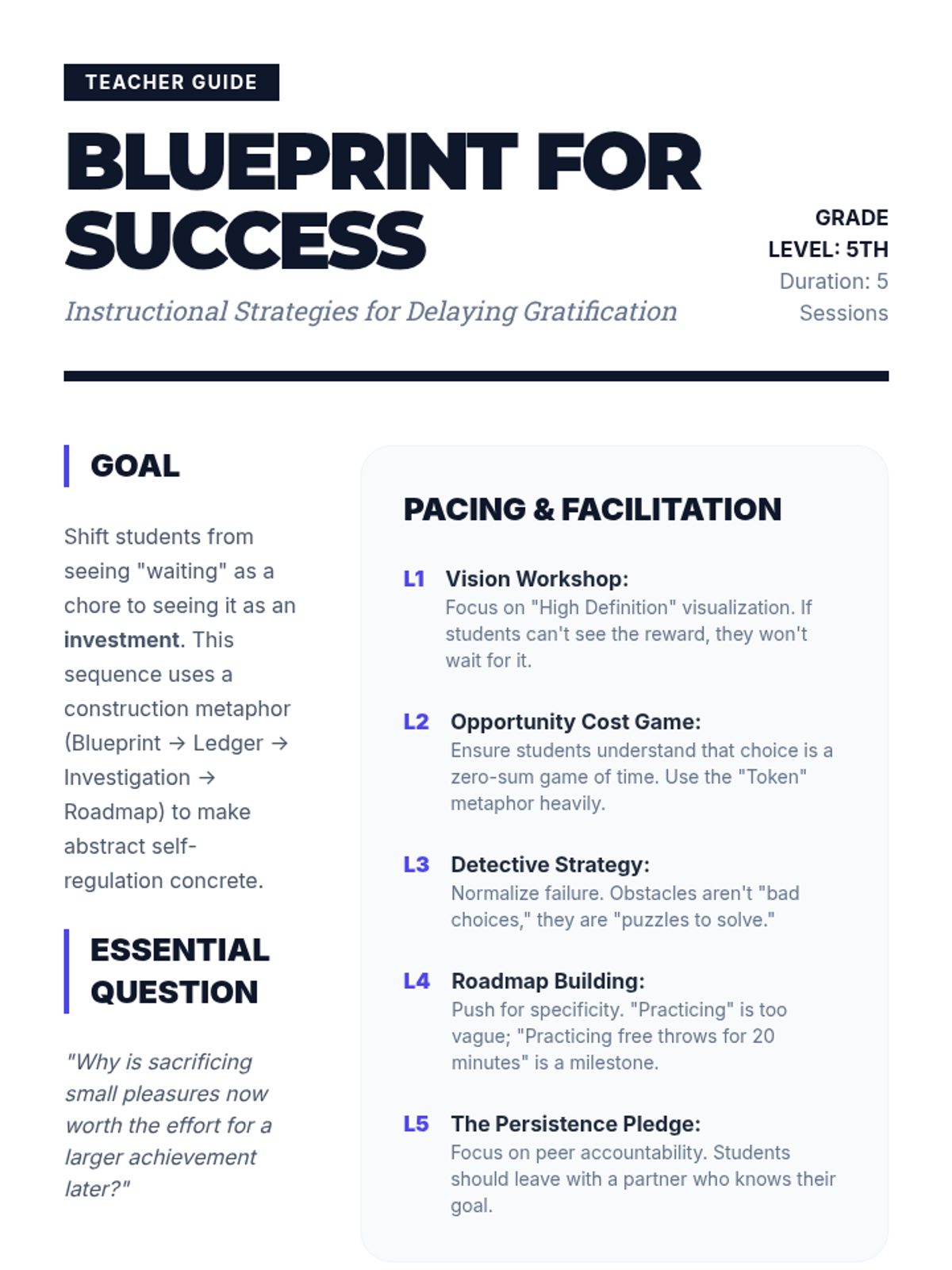
A project-based sequence for 5th graders that teaches delaying gratification through goal setting. Students learn to visualize future success, differentiate between immediate wants and long-term needs, and create a structured roadmap to achievement.
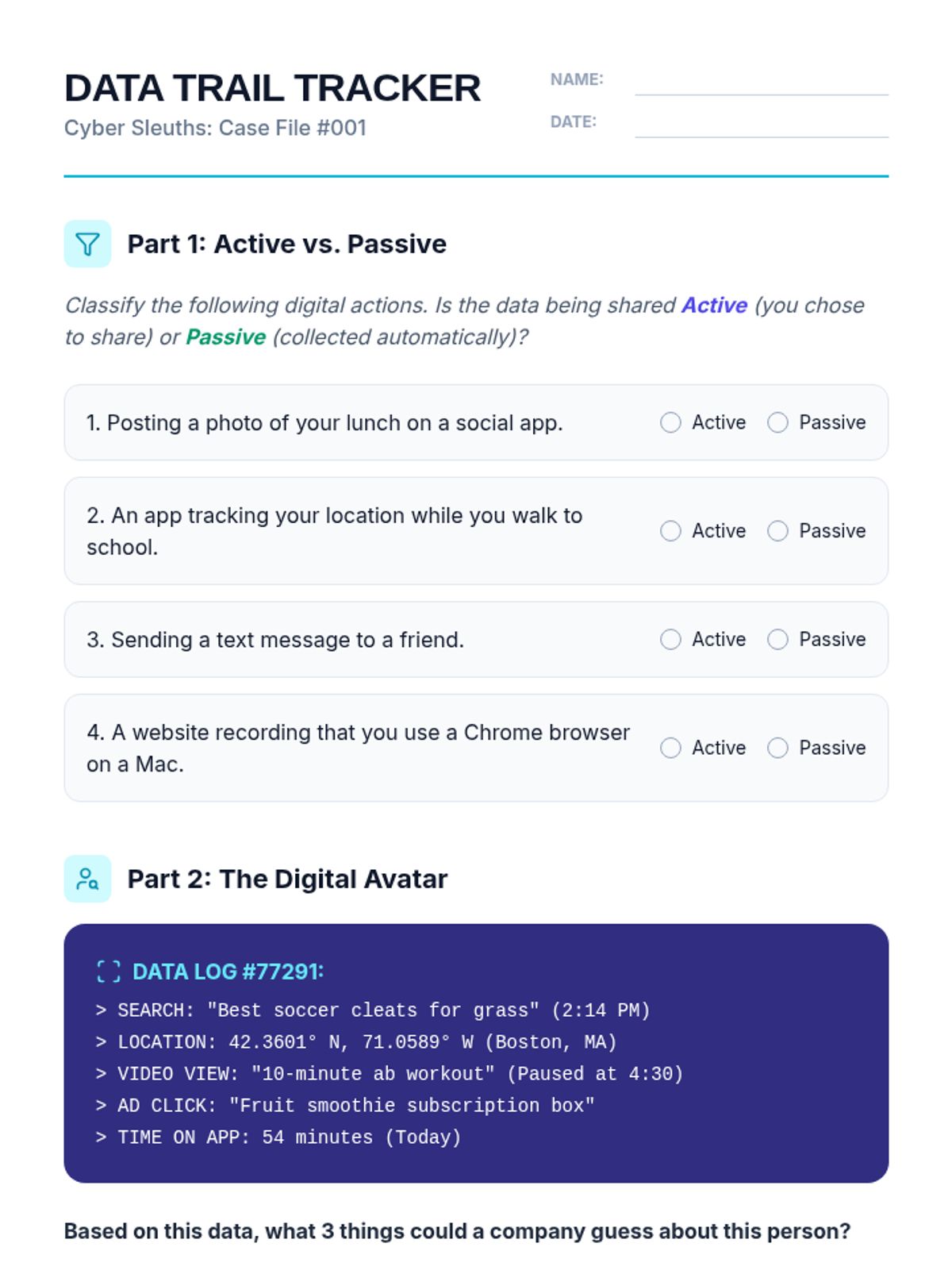
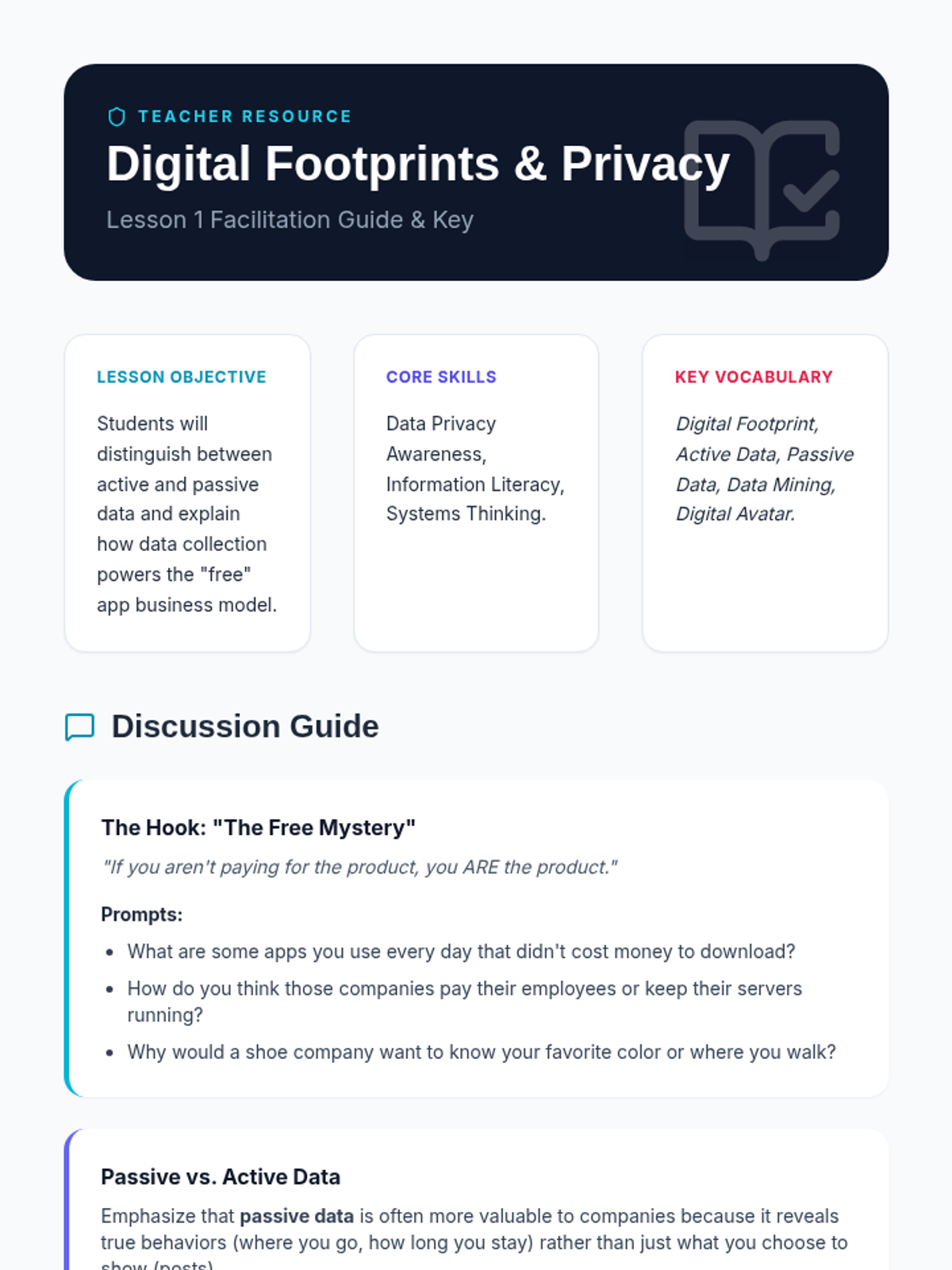
A comprehensive 5-lesson sequence for 5th graders focused on digital ethics, privacy, and critical evaluation of emerging technologies like algorithms and AI. Students move from understanding their data footprints to debating smart technology and creating an ethical tech pledge.
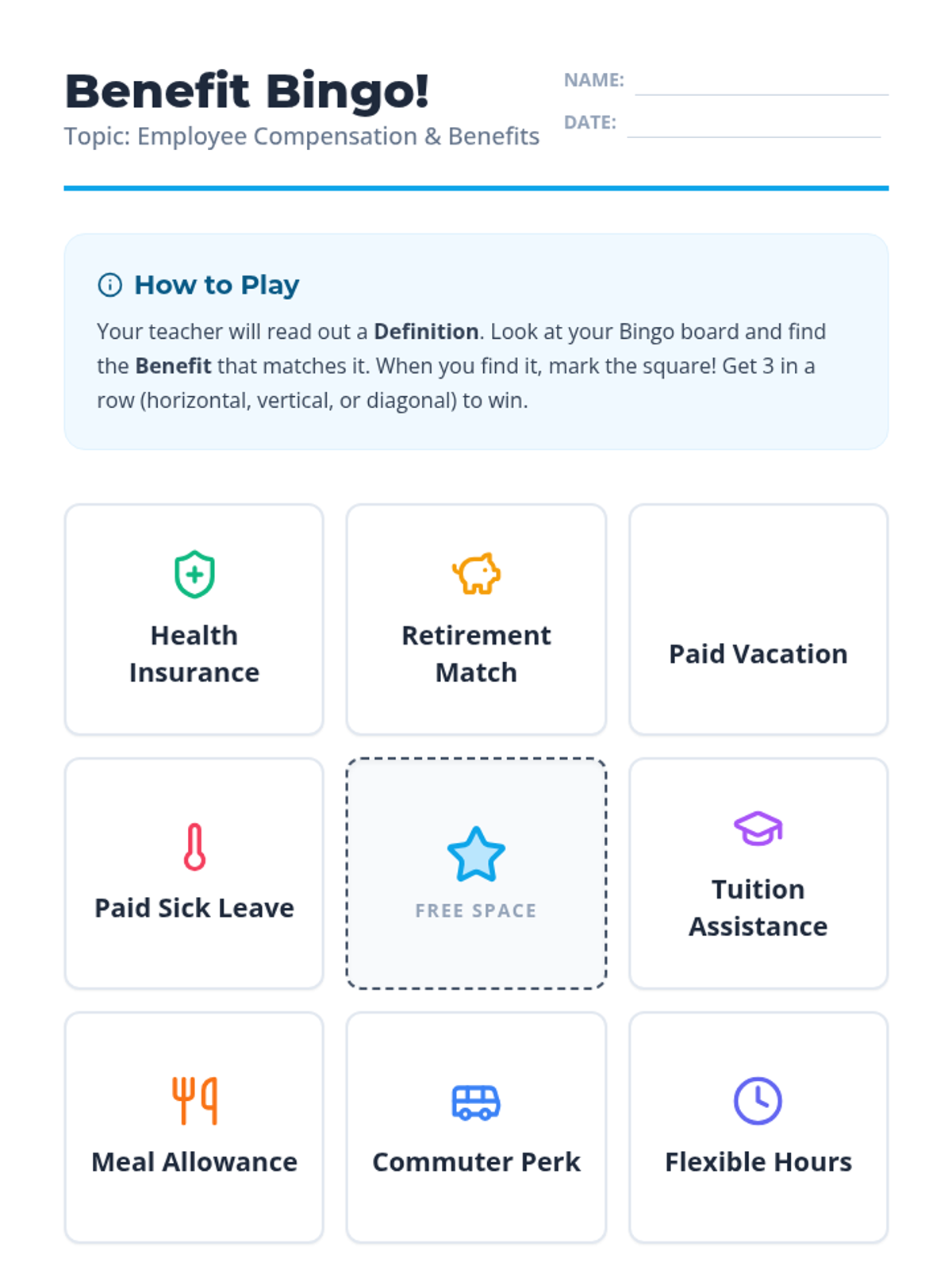
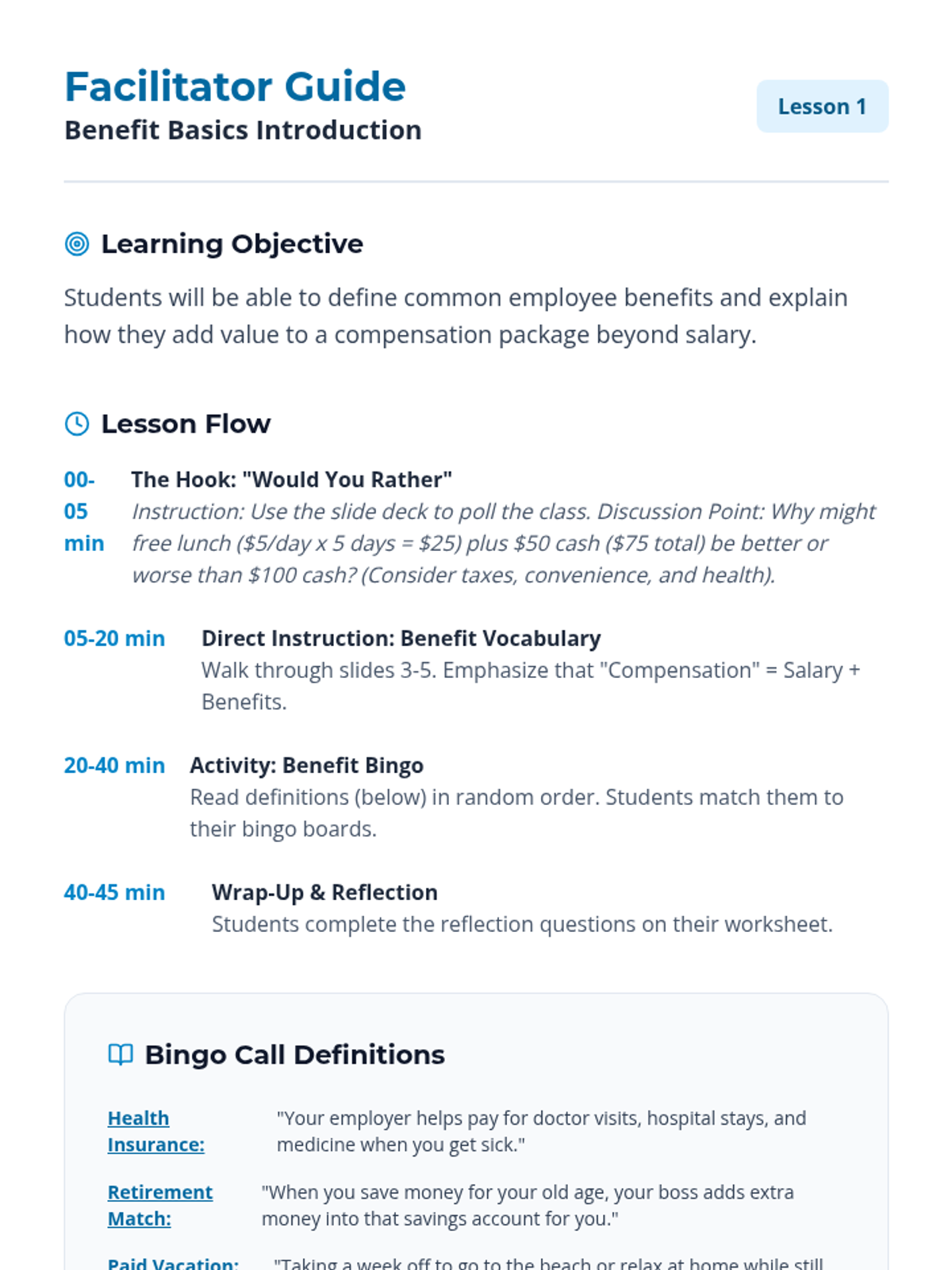
This 5th-grade sequence introduces students to the concept of total compensation by exploring employee benefits beyond just salary. Students learn to evaluate health insurance, paid time off, and retirement contributions through games, simulations, and comparative case studies, ultimately designing their own balanced compensation packages.
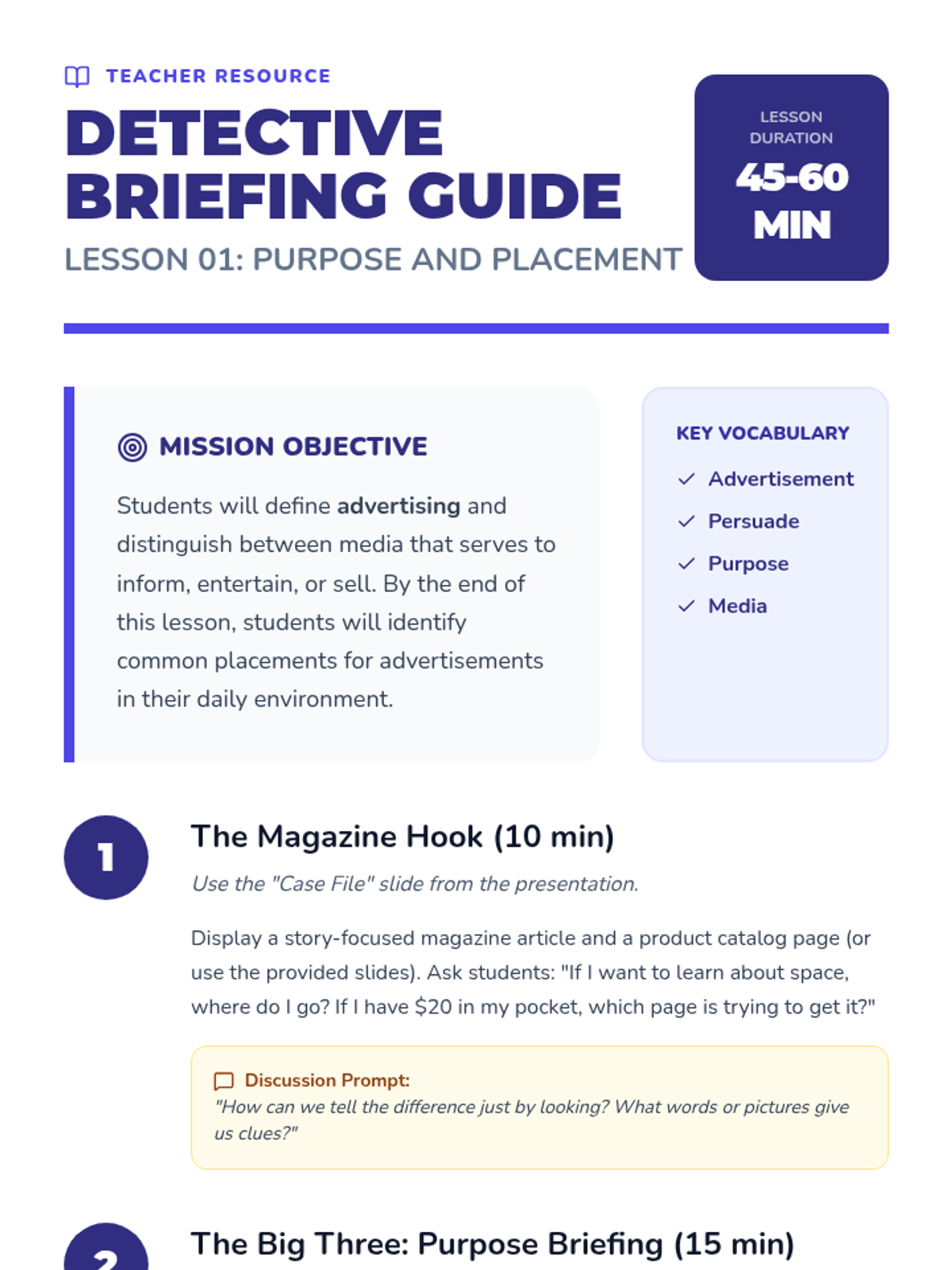
Students investigate the persuasive strategies used in commercials and print advertisements to understand how marketers influence consumer choices. The sequence covers advertising purpose, visual/auditory techniques, branding through logos and slogans, target audiences, and ethical advertising.
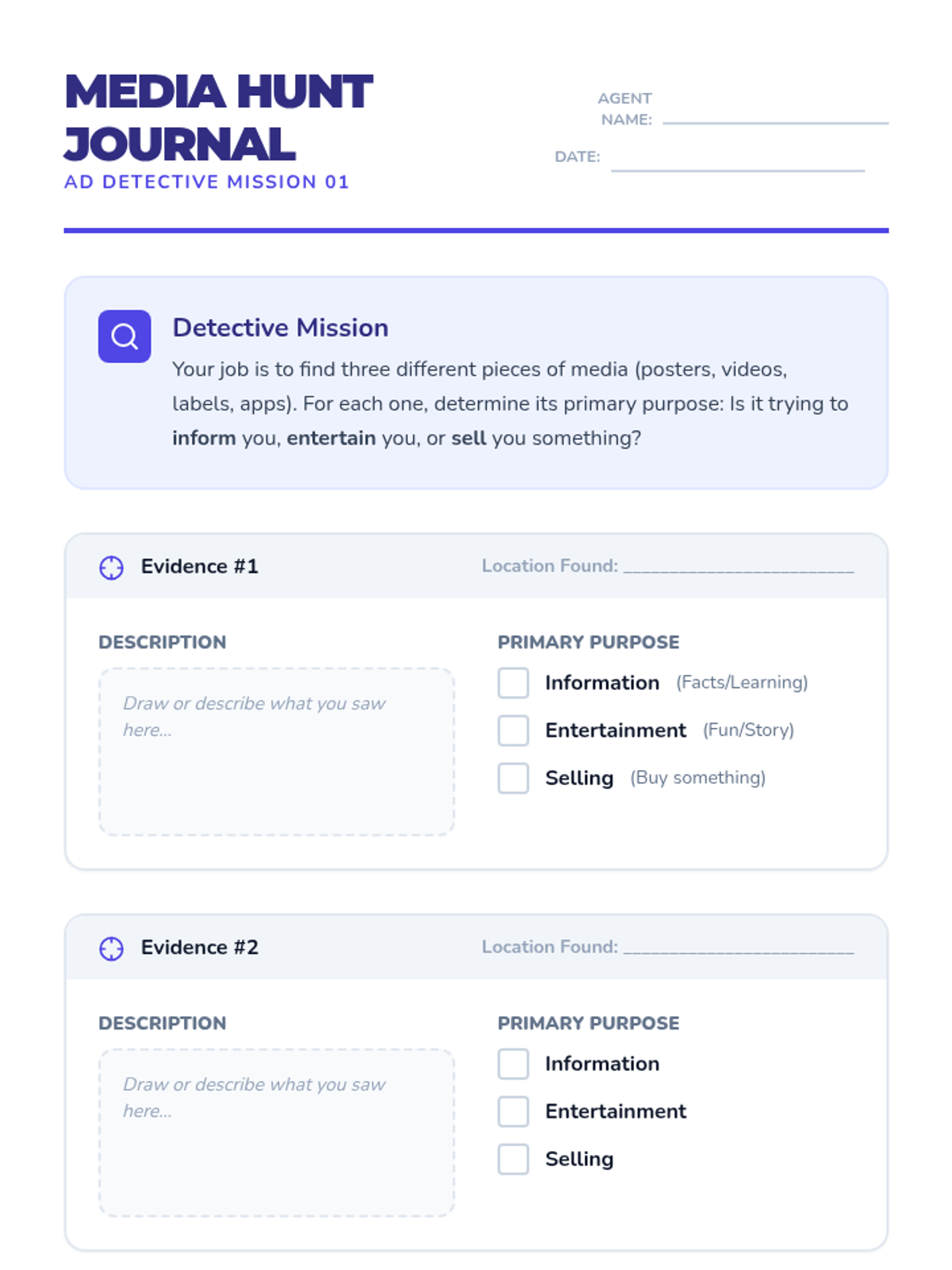
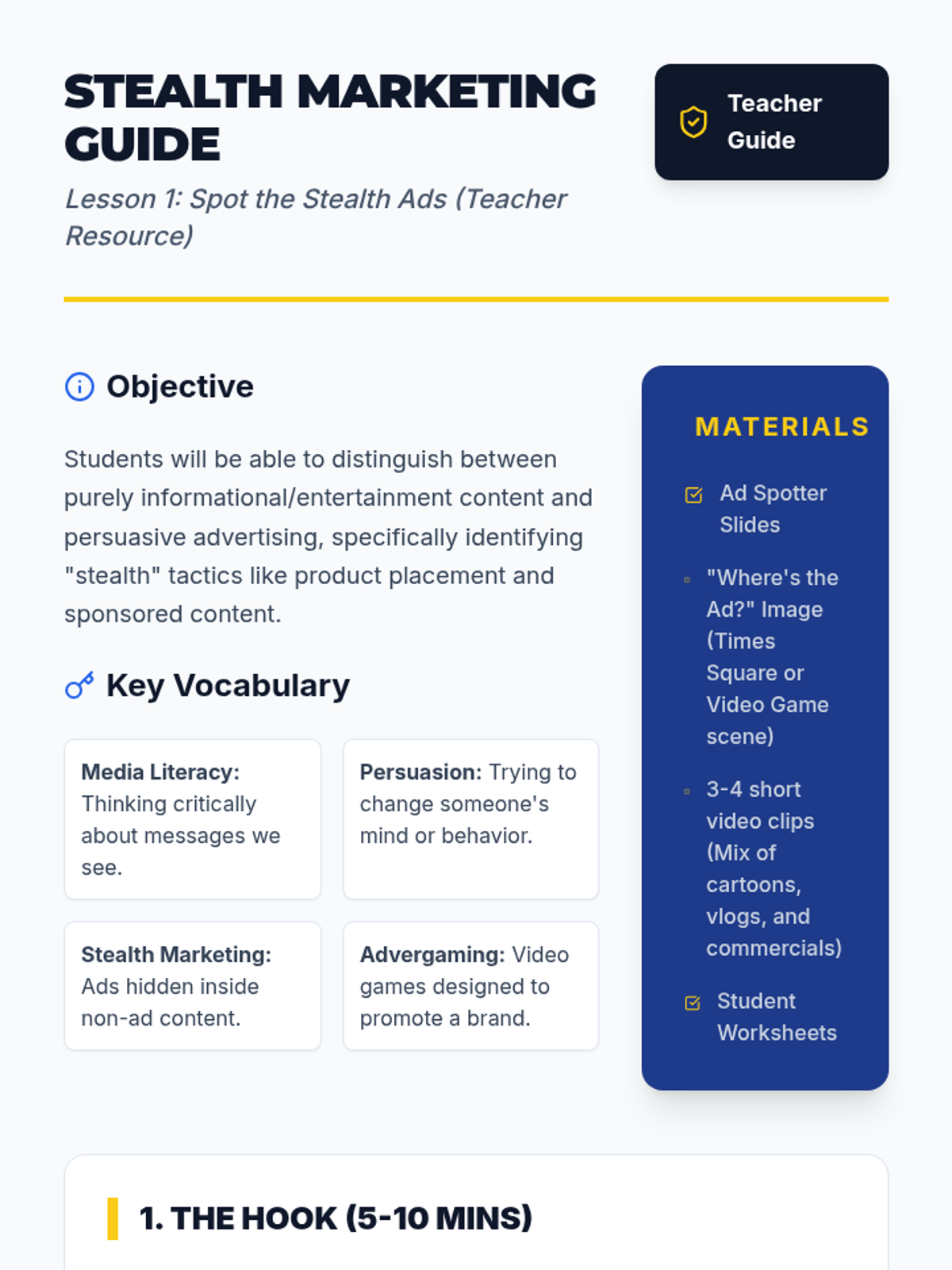
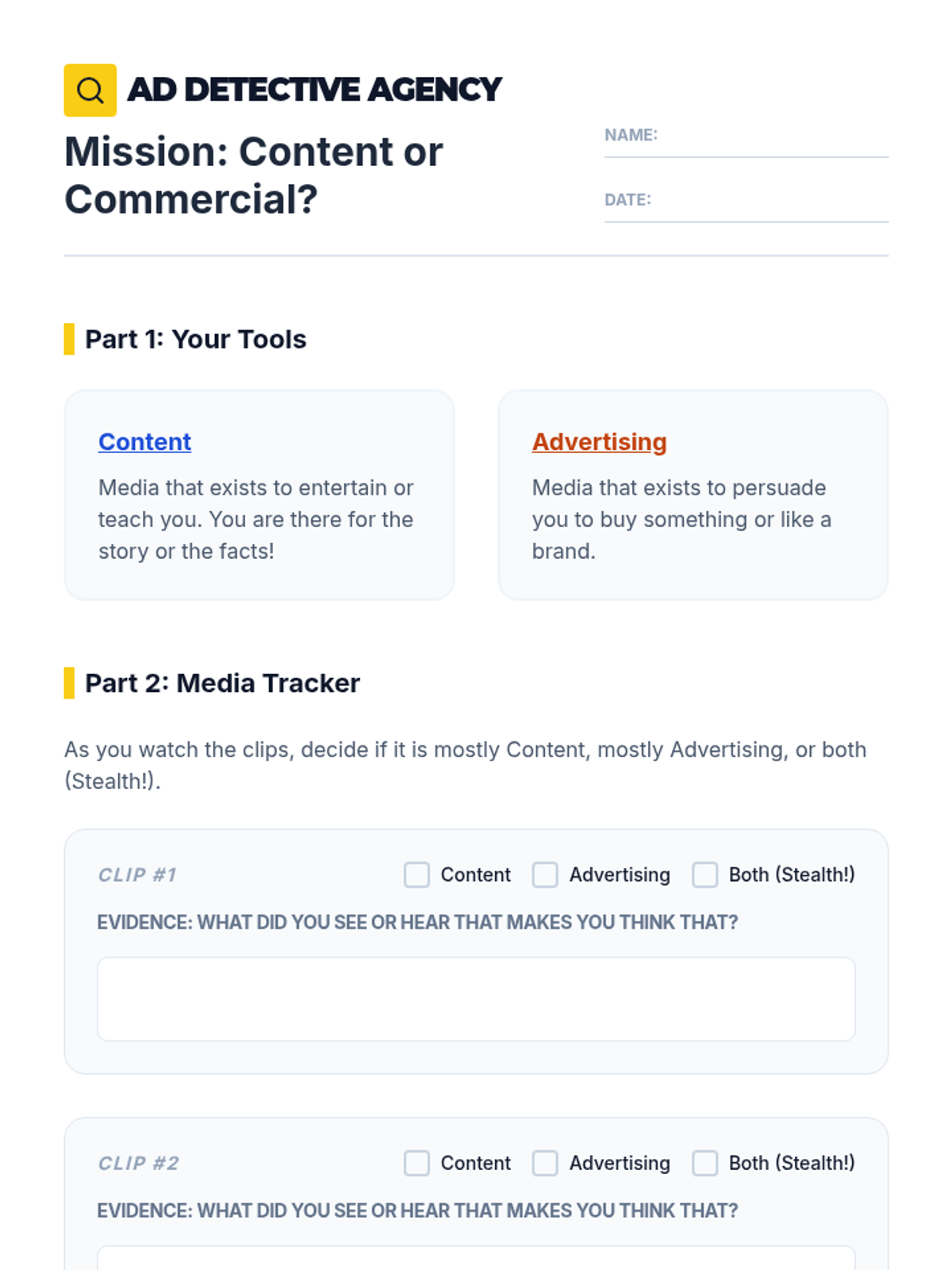
This 5th-grade sequence transforms students into media detectives who can identify, analyze, and deconstruct advertising messages across various platforms. Students progress from distinguishing between content and marketing to identifying specific psychological techniques, understanding target demographics, and recognizing digital scams, culminating in a creative project where they redesign advertisements to be 'strictly truthful'.
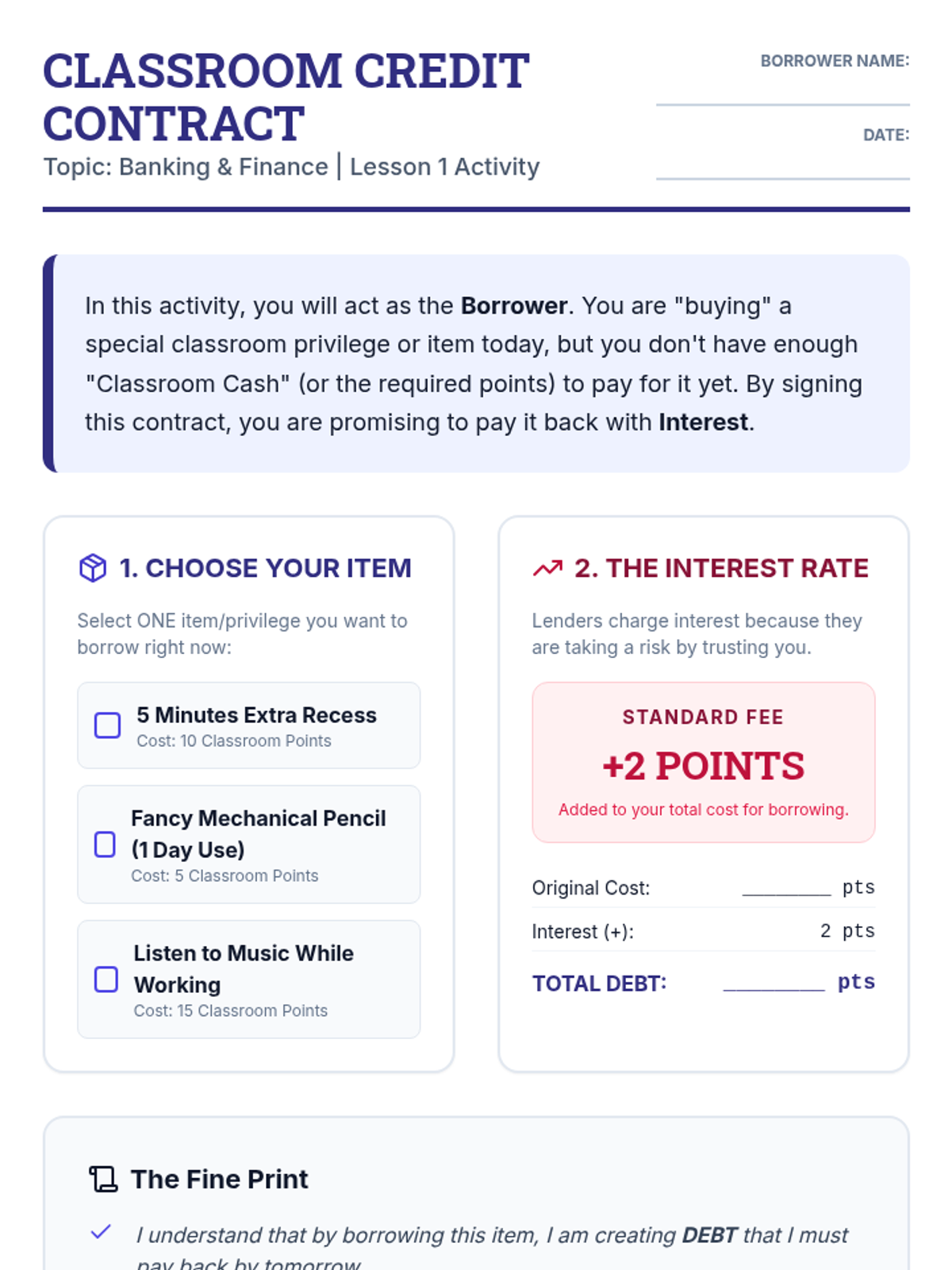
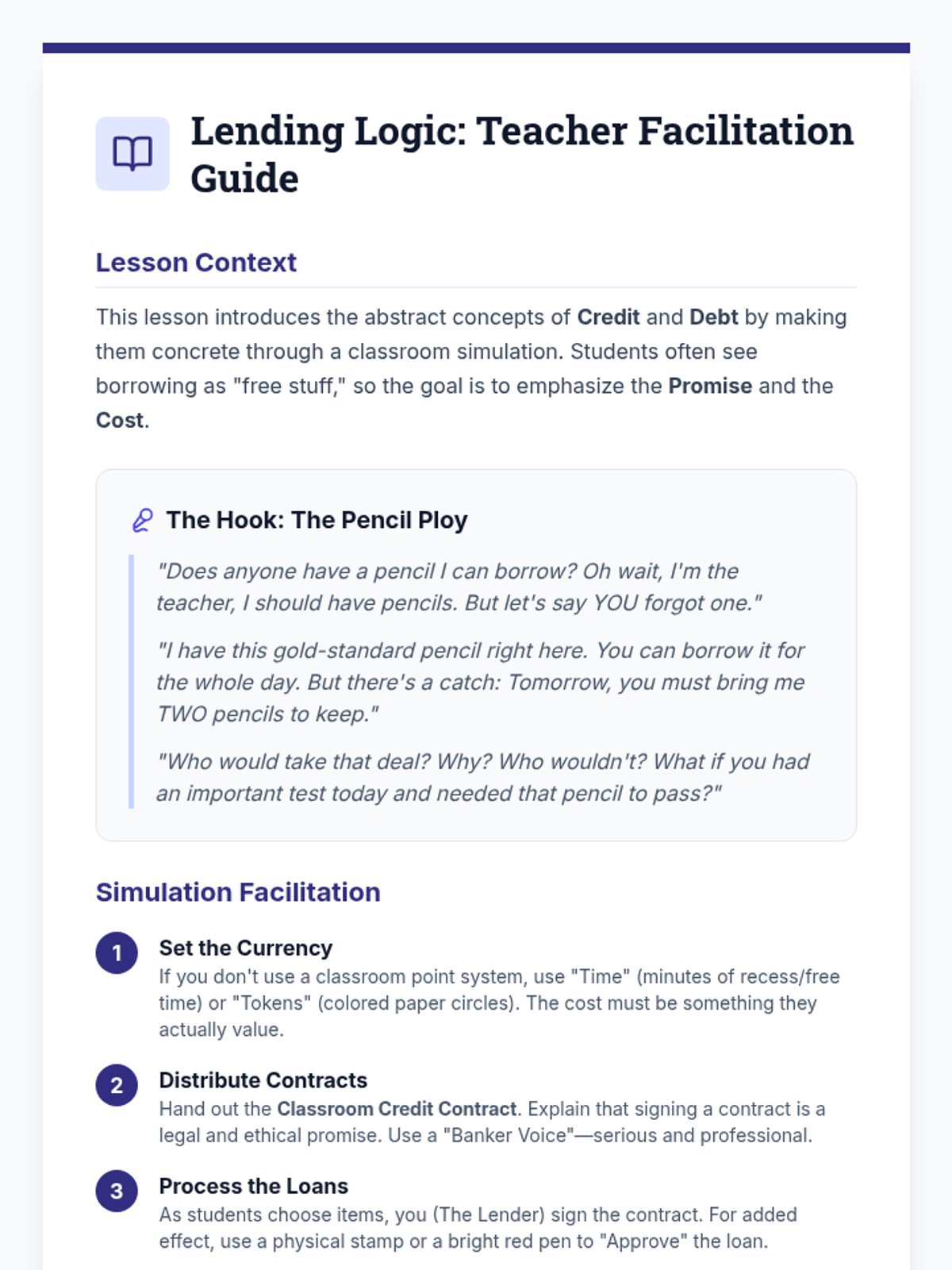
A comprehensive 5th-grade unit on credit, debt, interest rates, and financial responsibility, culminating in a loan officer simulation.
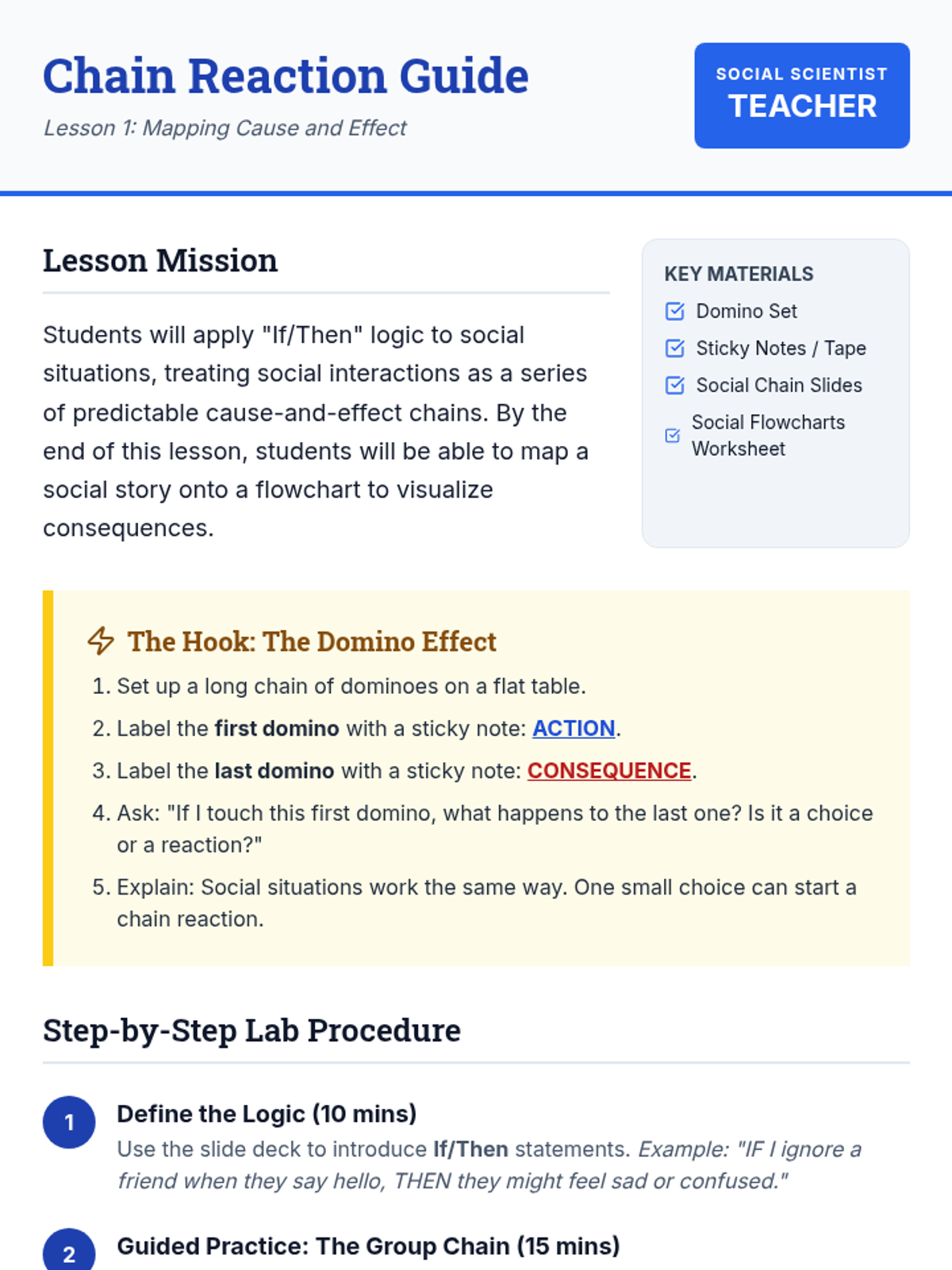
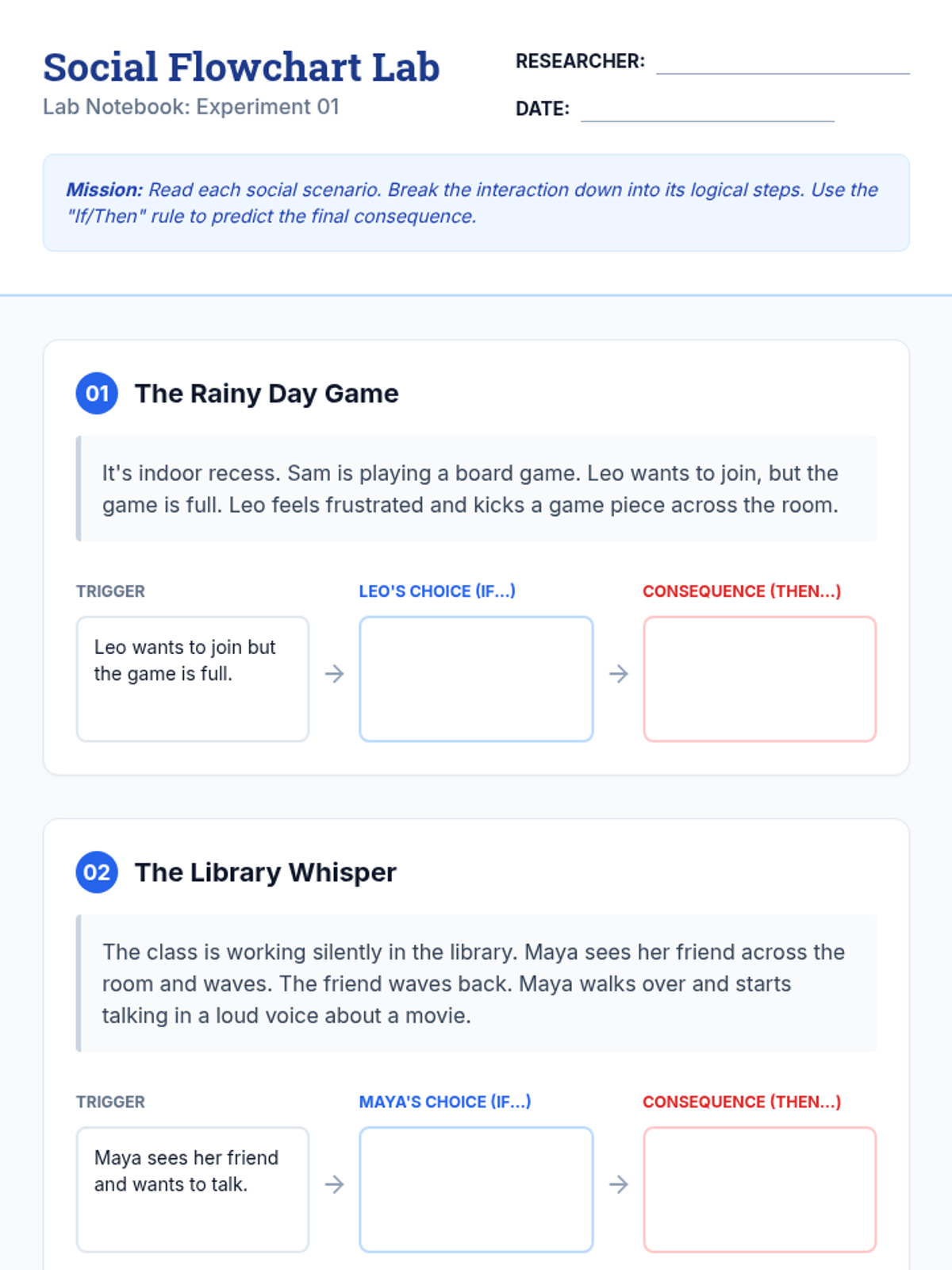
A 5th-grade social science approach to understanding social interactions. Students act as 'Social Scientists' to map cause-and-effect, analyze non-verbal cues, and predict outcomes using the logical framework of social stories.
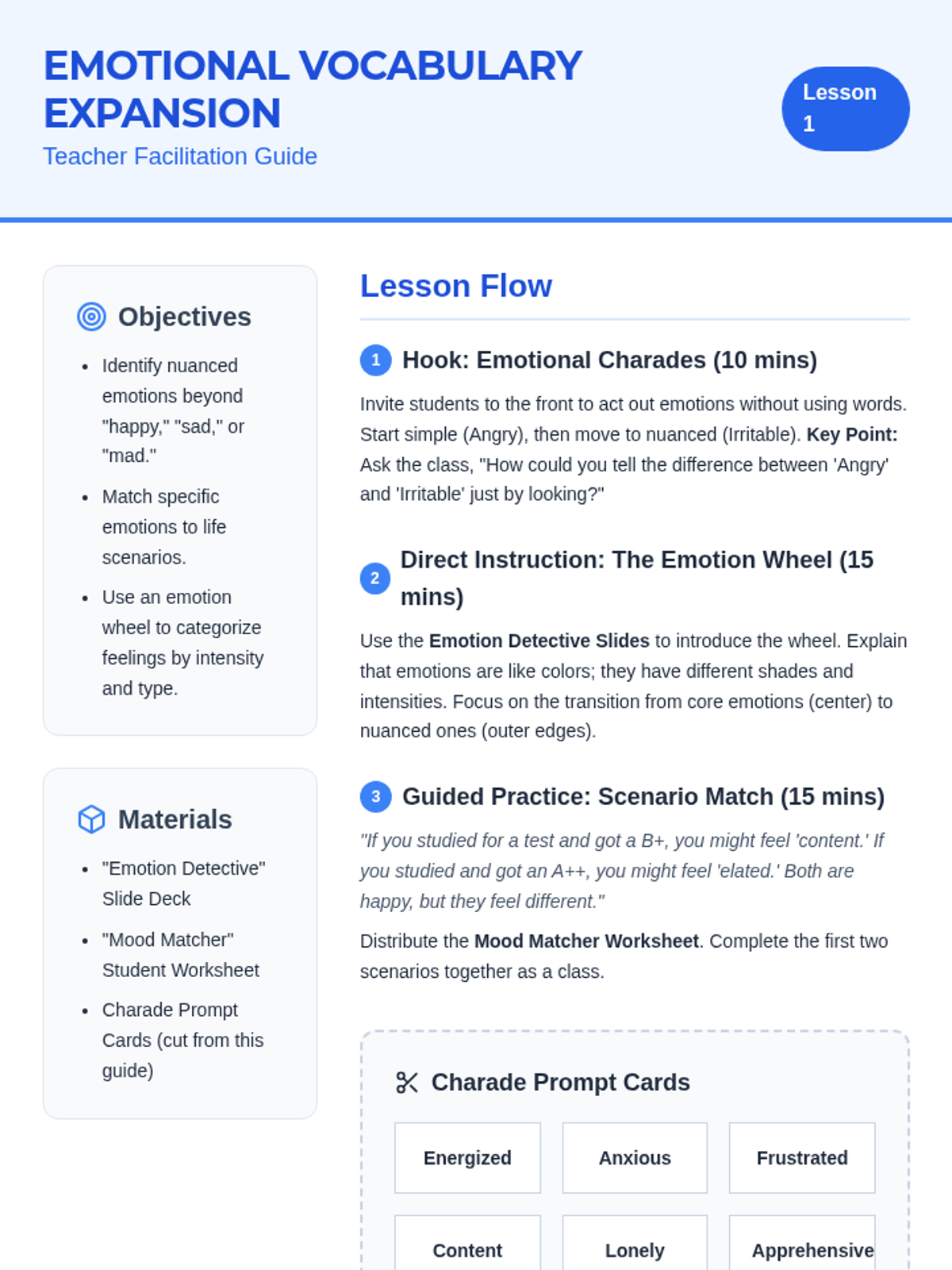
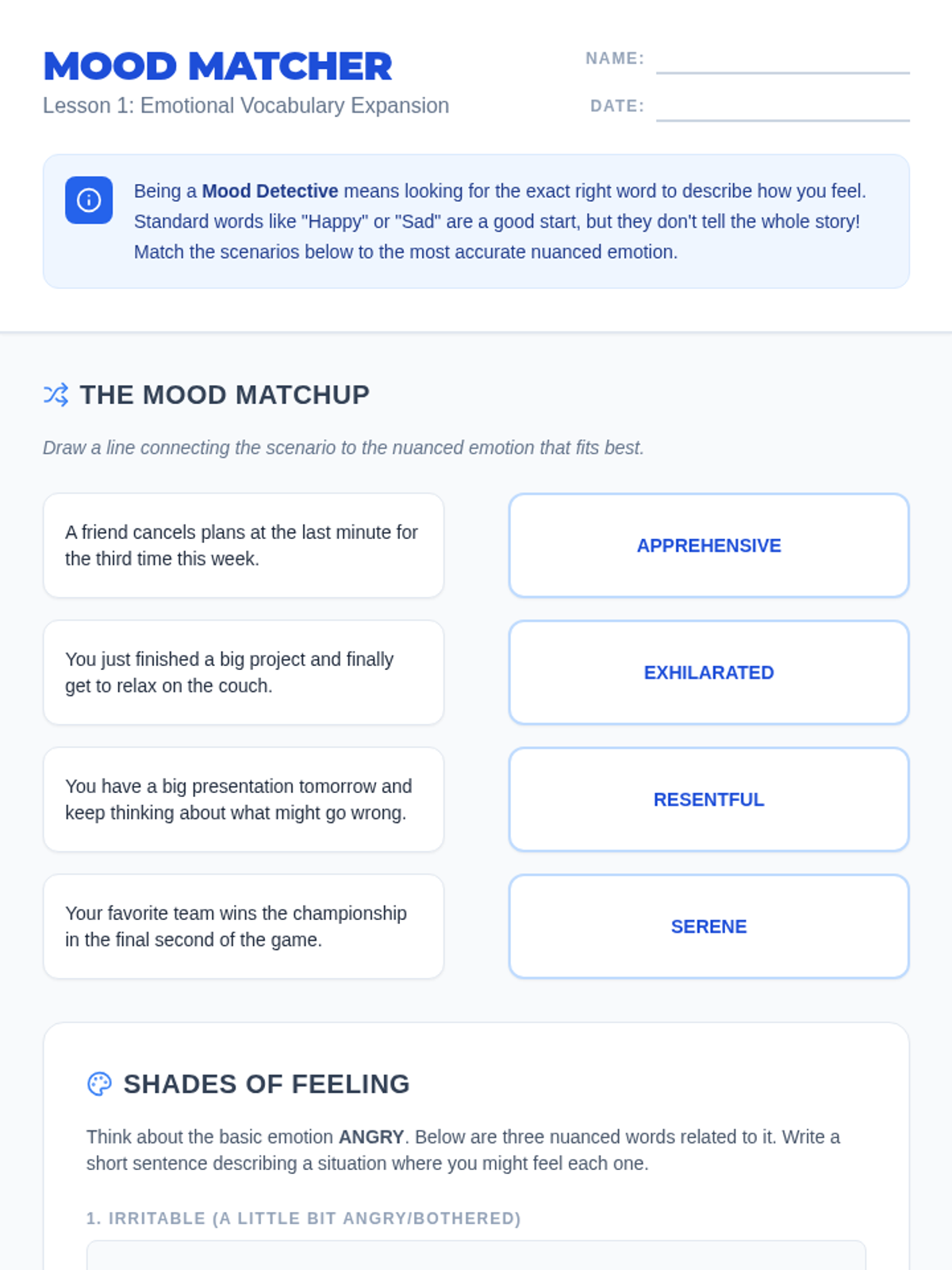
A 5th-grade sequence focused on teaching students how to monitor their emotional well-being using data and vocabulary. Students move from identifying nuanced emotions to tracking their moods and habits, ultimately learning to identify patterns and make healthy lifestyle adjustments.
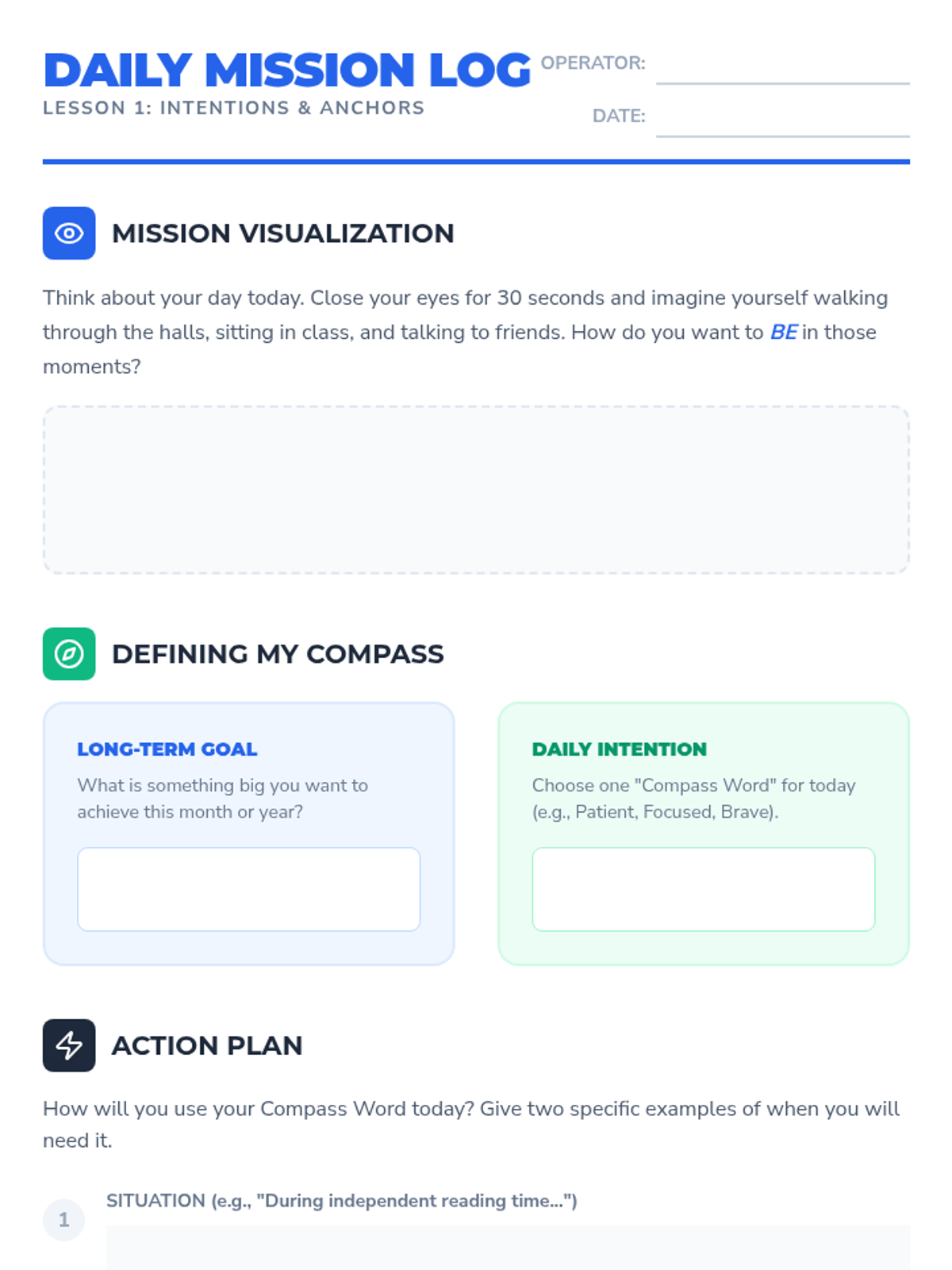
A 5-lesson sequence for 5th graders focused on linking emotional check-ins to daily goal setting and behavior management. Students learn to set intentions, align goals with energy levels, and reflect on their progress using the SMART framework and proactive obstacle planning.
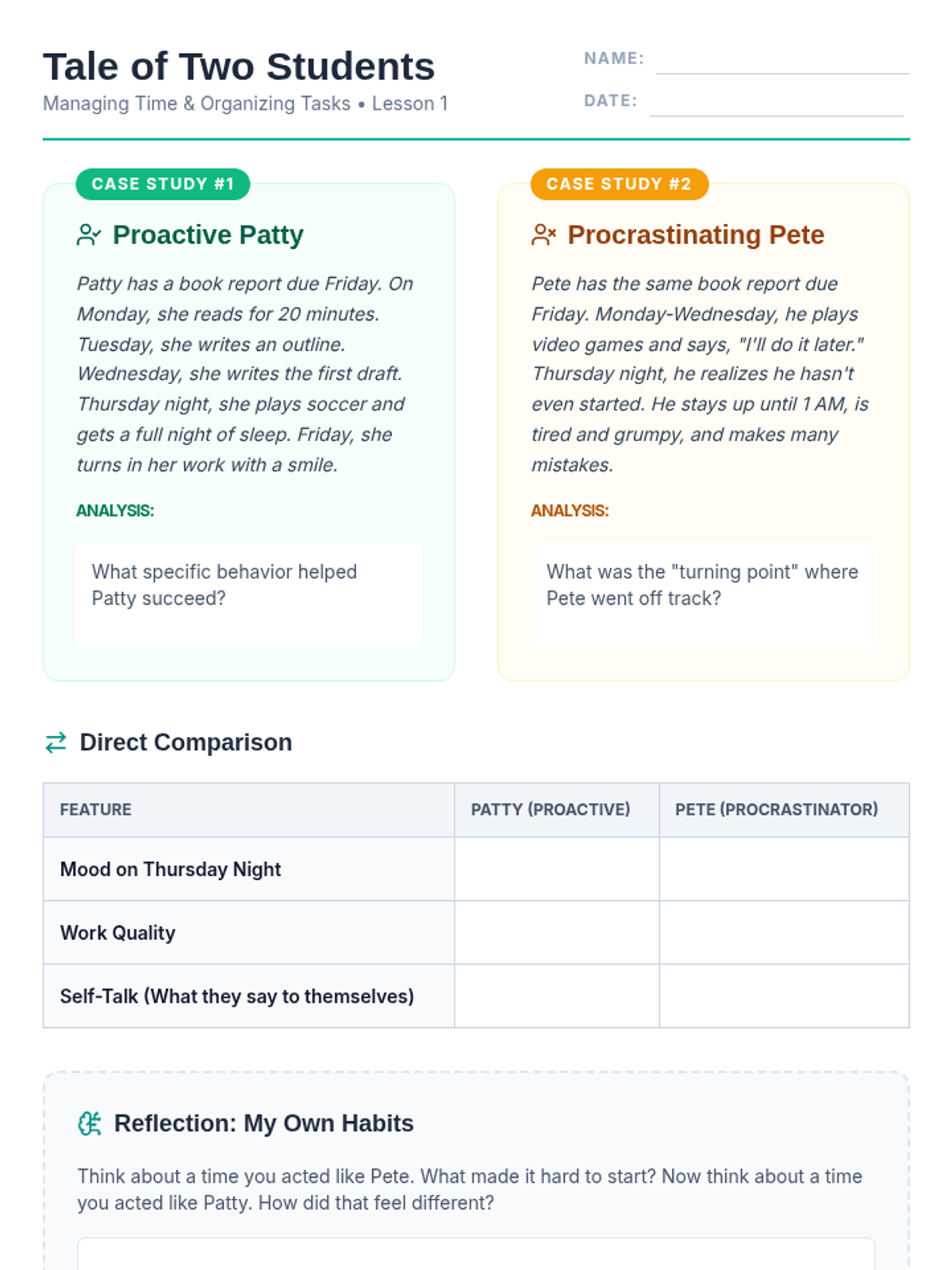
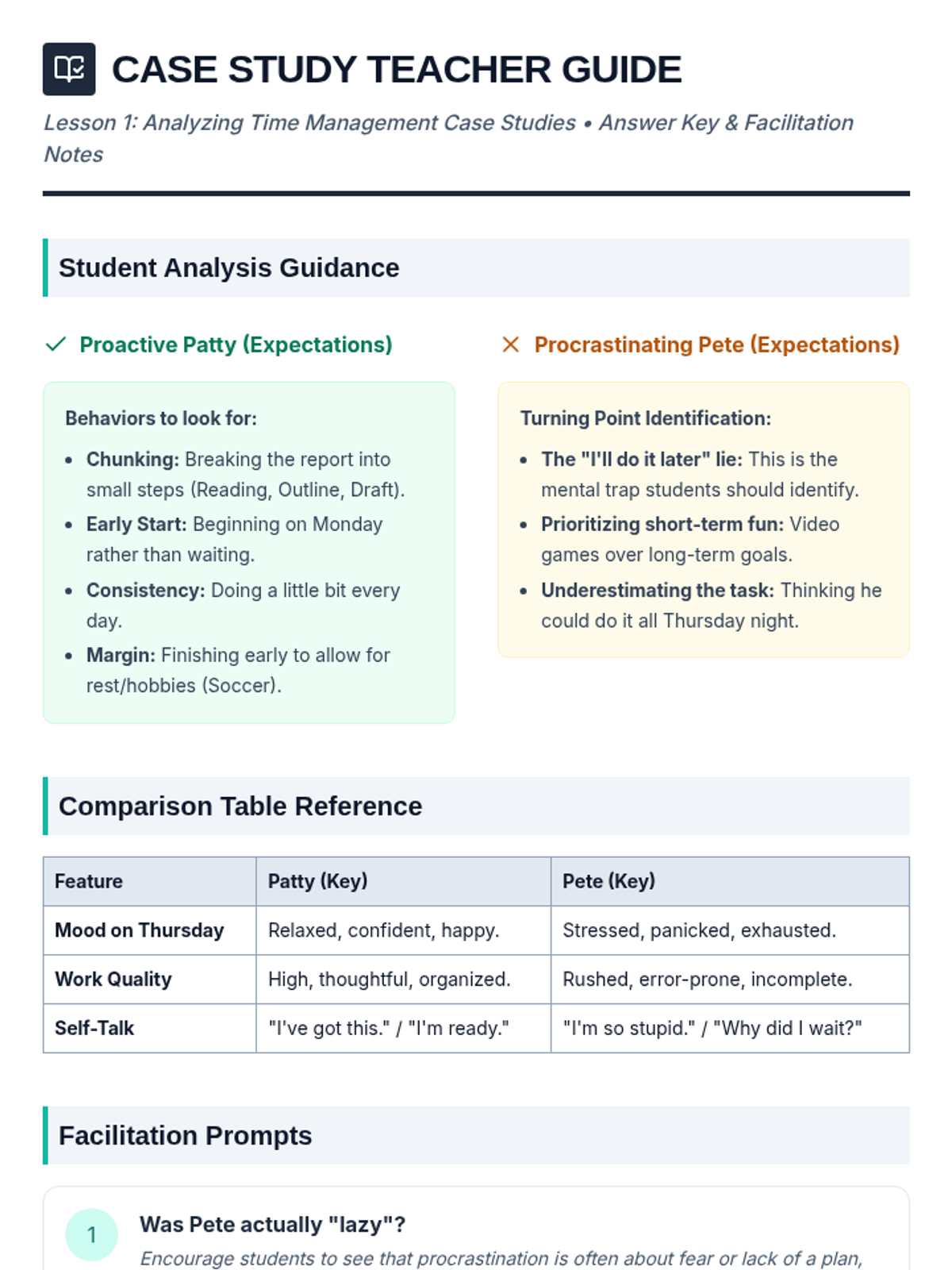
A comprehensive sequence for 5th-grade students focusing on executive function skills, time management, and task organization. Students move from analyzing case studies to creating their own actionable weekly schedules.
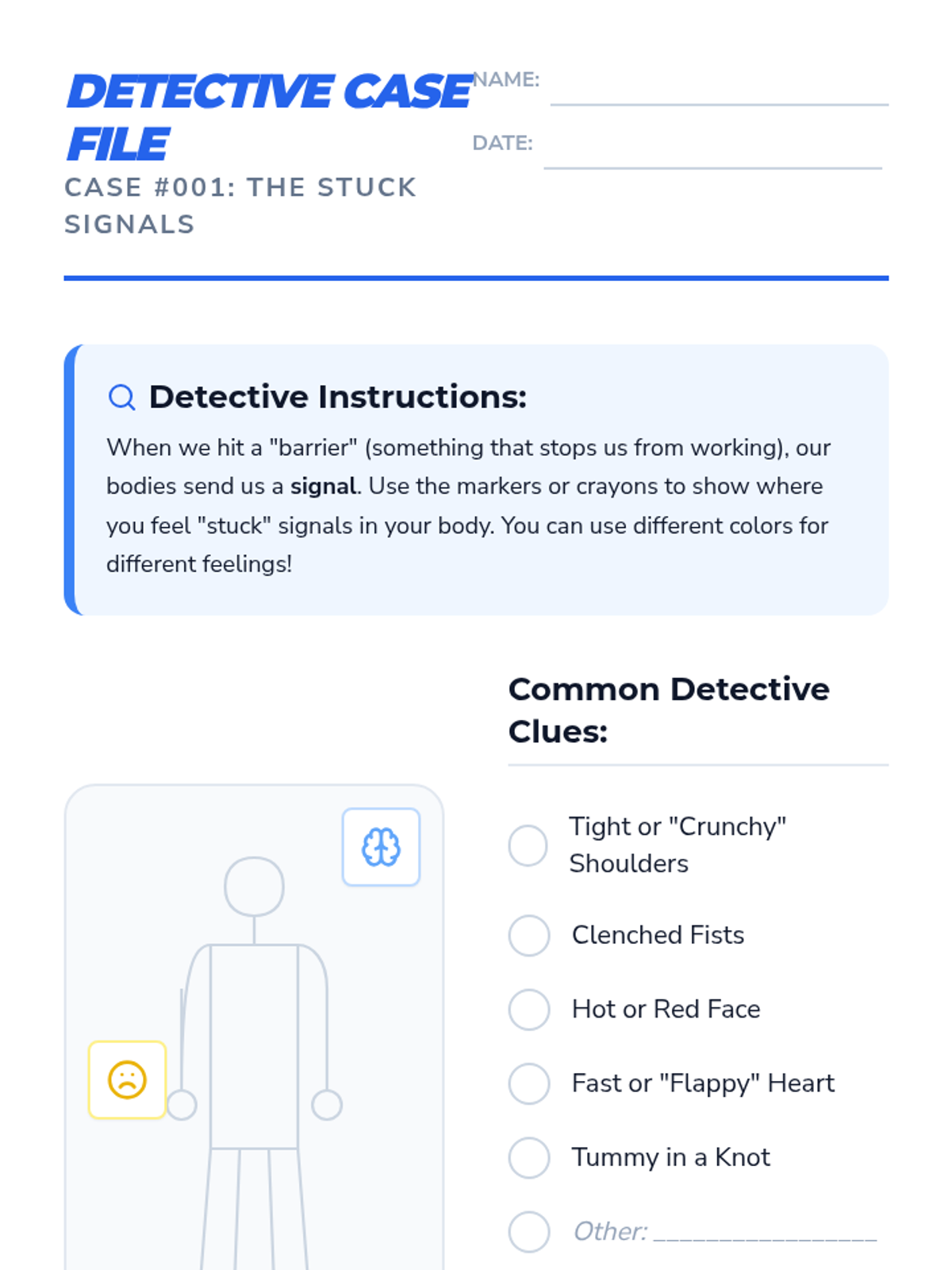
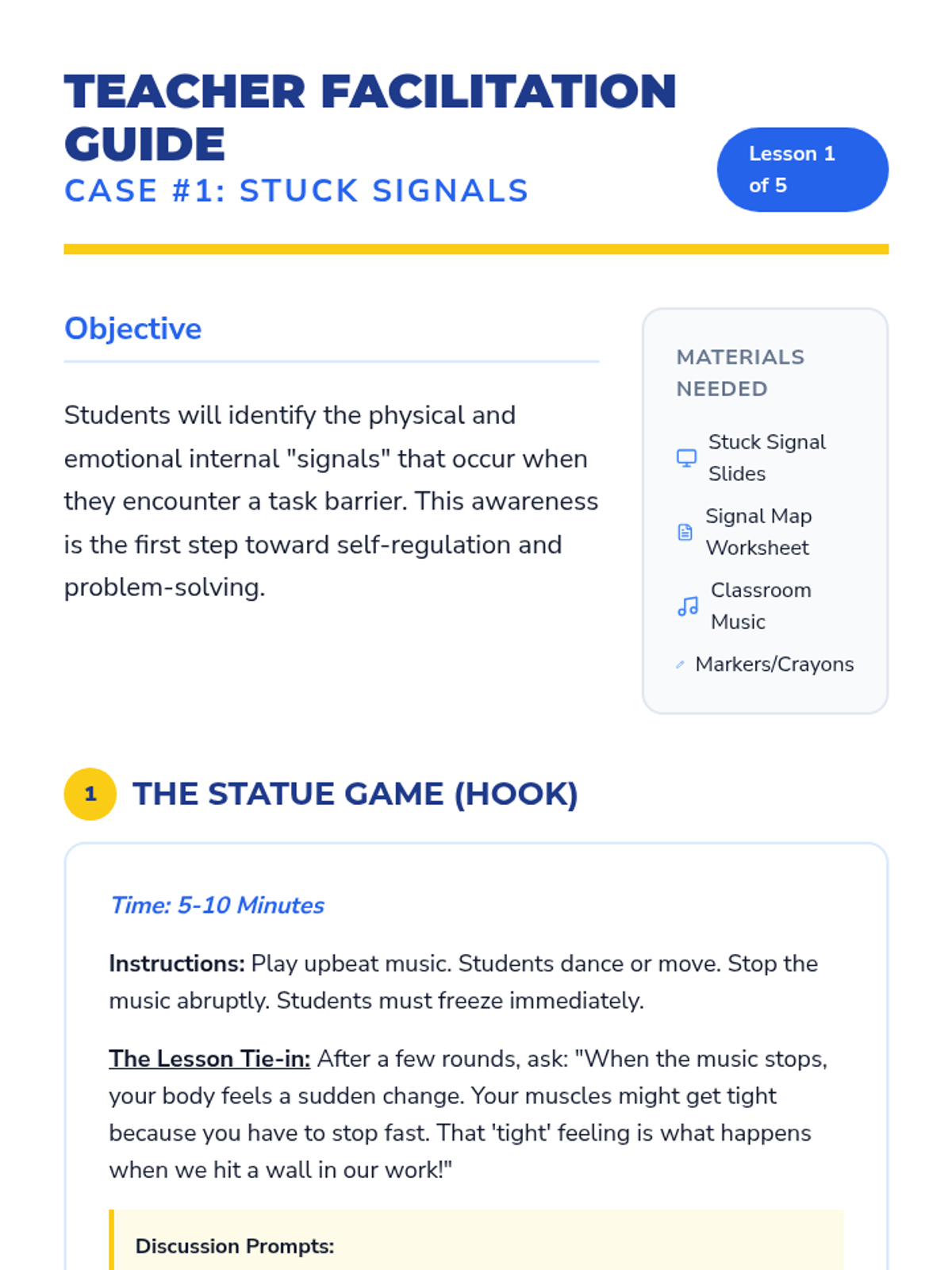
A 5-lesson unit for 3rd-grade students focused on identifying and categorizing obstacles that prevent task completion. Students learn to recognize internal emotional signals and external barriers (physical, informational, and environmental) to build self-advocacy and problem-solving skills.
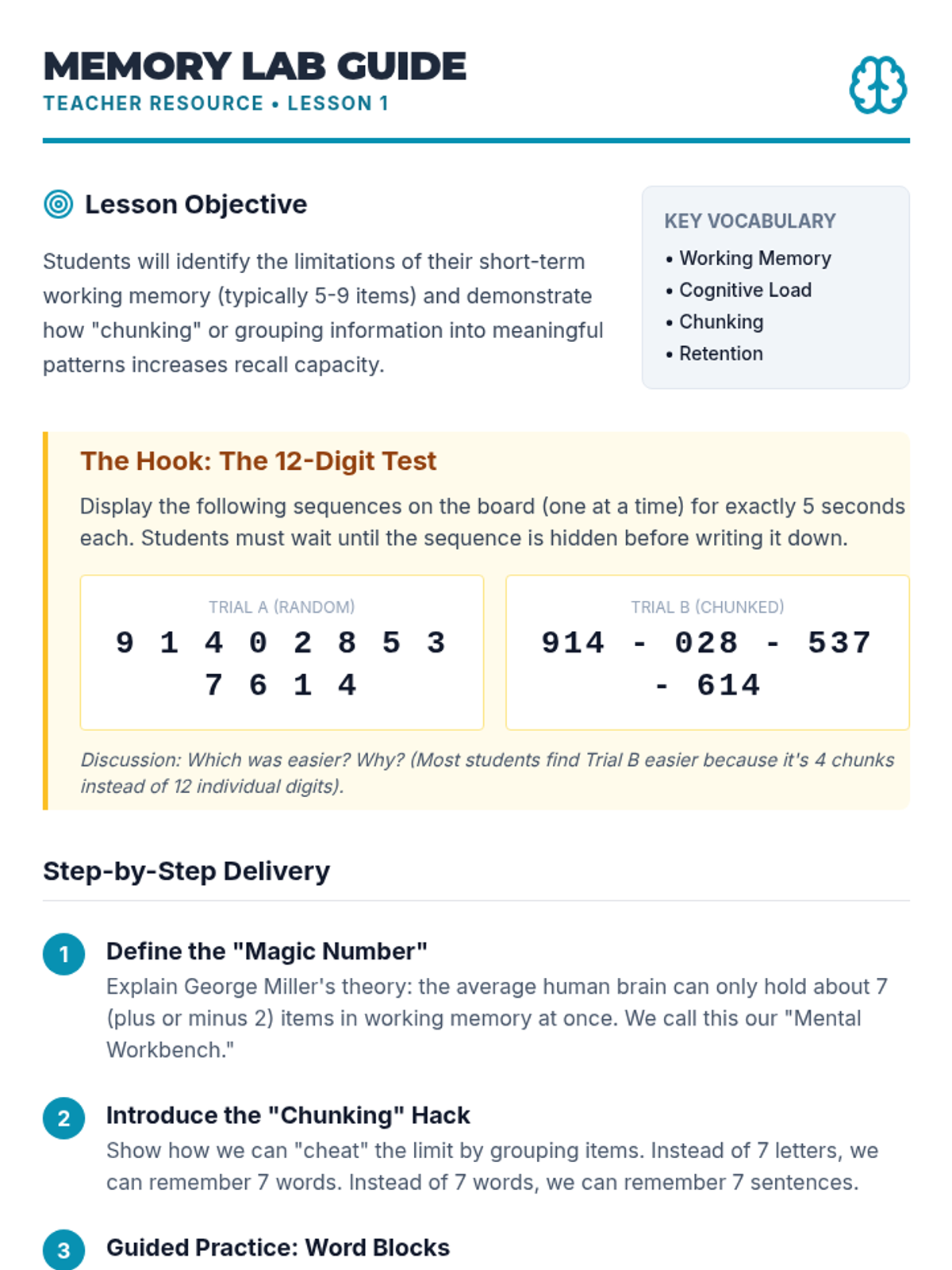
A 5th-grade sequence focused on building cognitive resilience through chunking strategies. Students move from understanding basic working memory limits to applying sophisticated visual, semantic, and procedural segmentation to academic tasks.
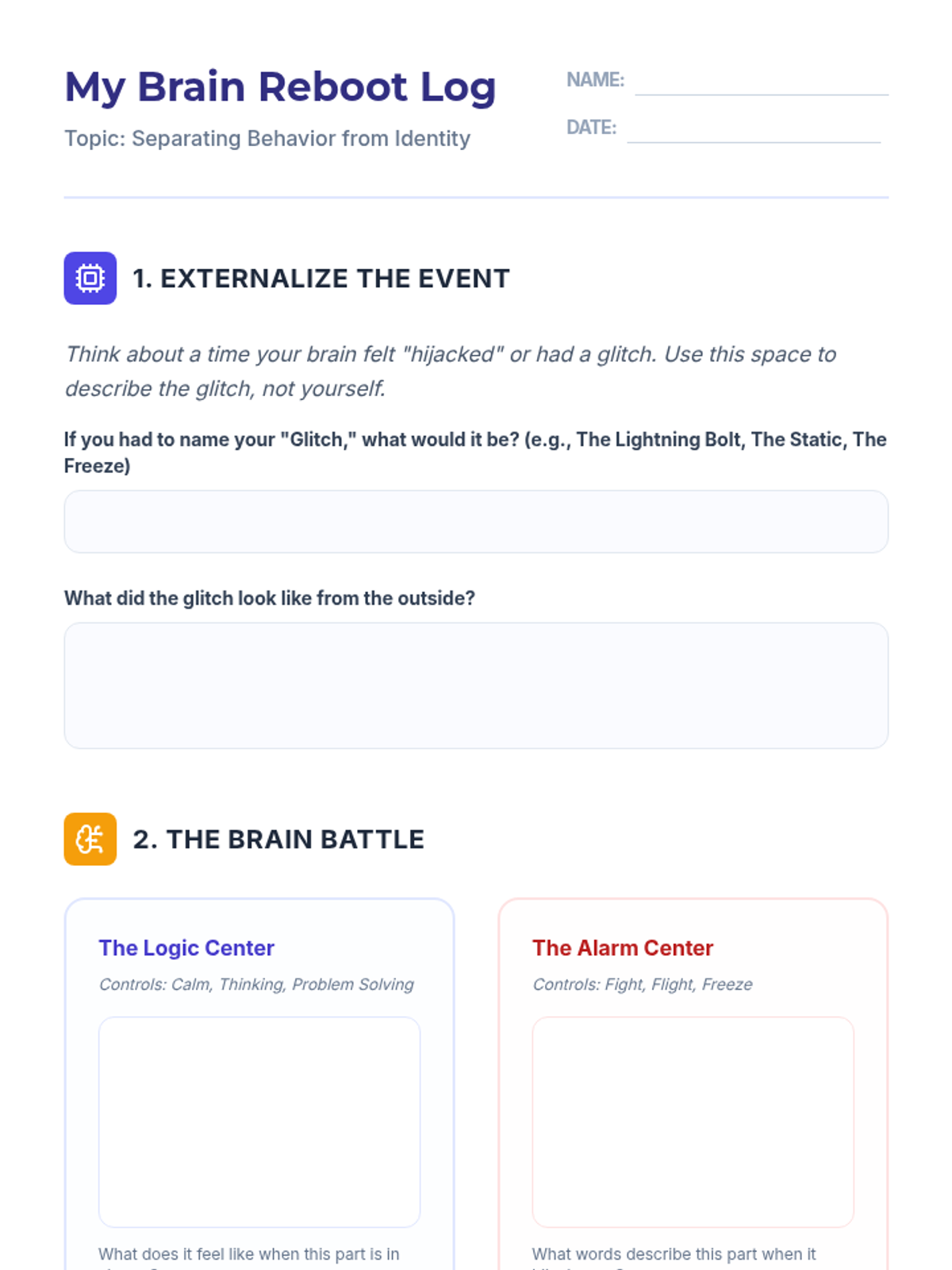
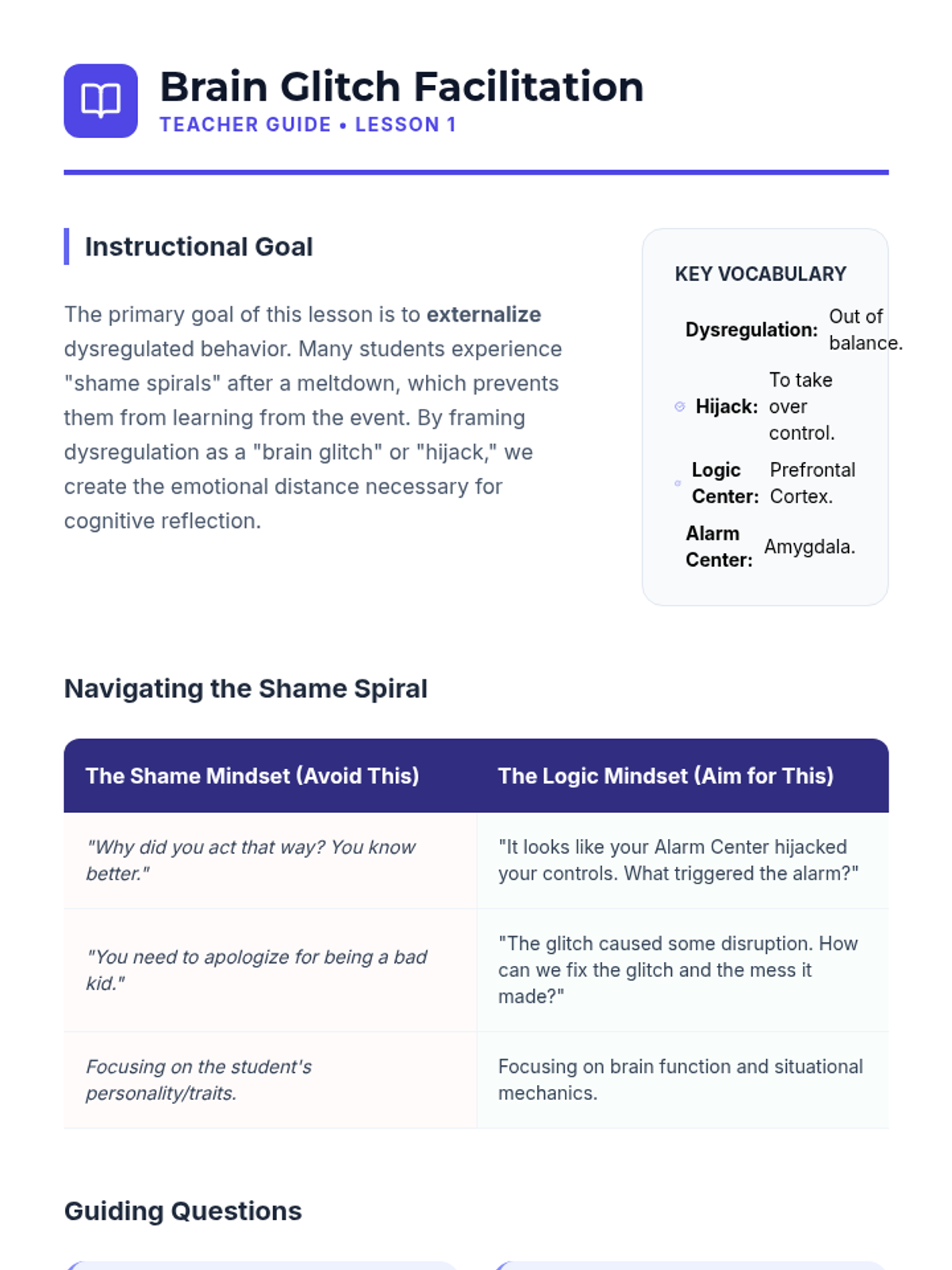
A 5-lesson sequence for 5th-grade students focused on post-dysregulation recovery. This series helps students move from shame to logic by externalizing behaviors, analyzing event timelines, practicing restorative apologies, and planning for future success.
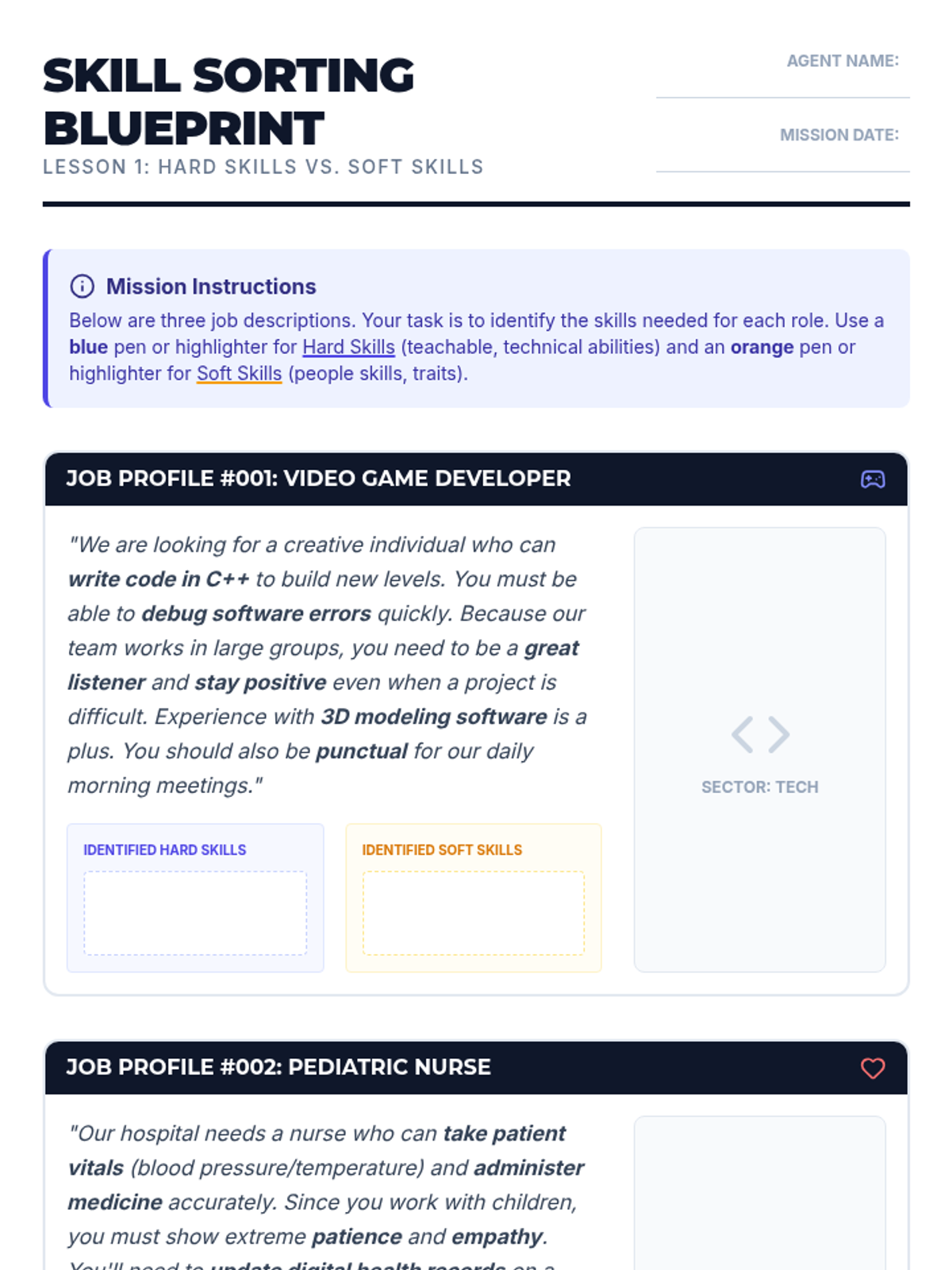
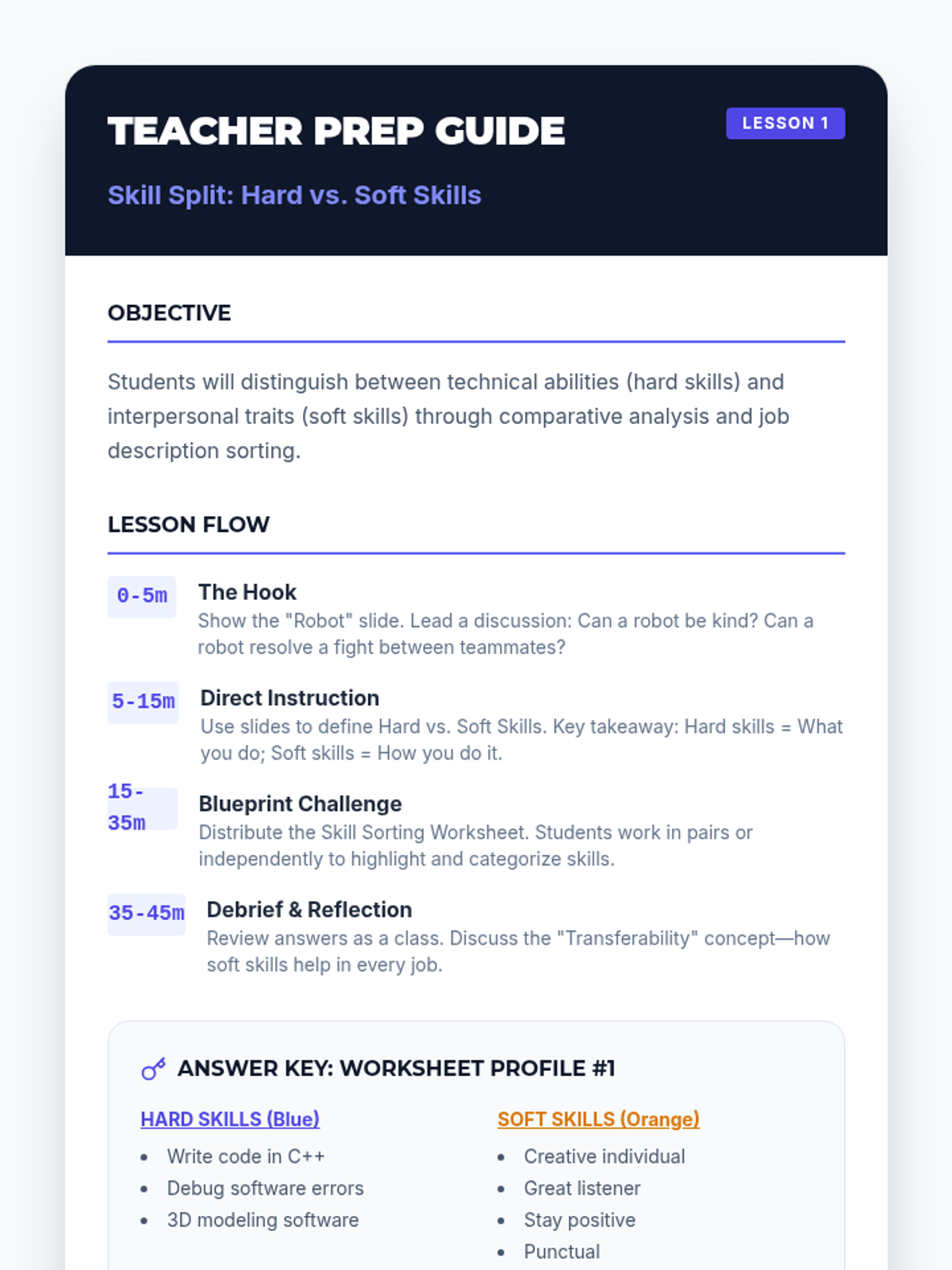
A 5-lesson sequence for 5th graders focused on developing interpersonal 'soft skills' for career success. Students explore the difference between hard and soft skills, practice communication and teamwork through games, and solve workplace problems.
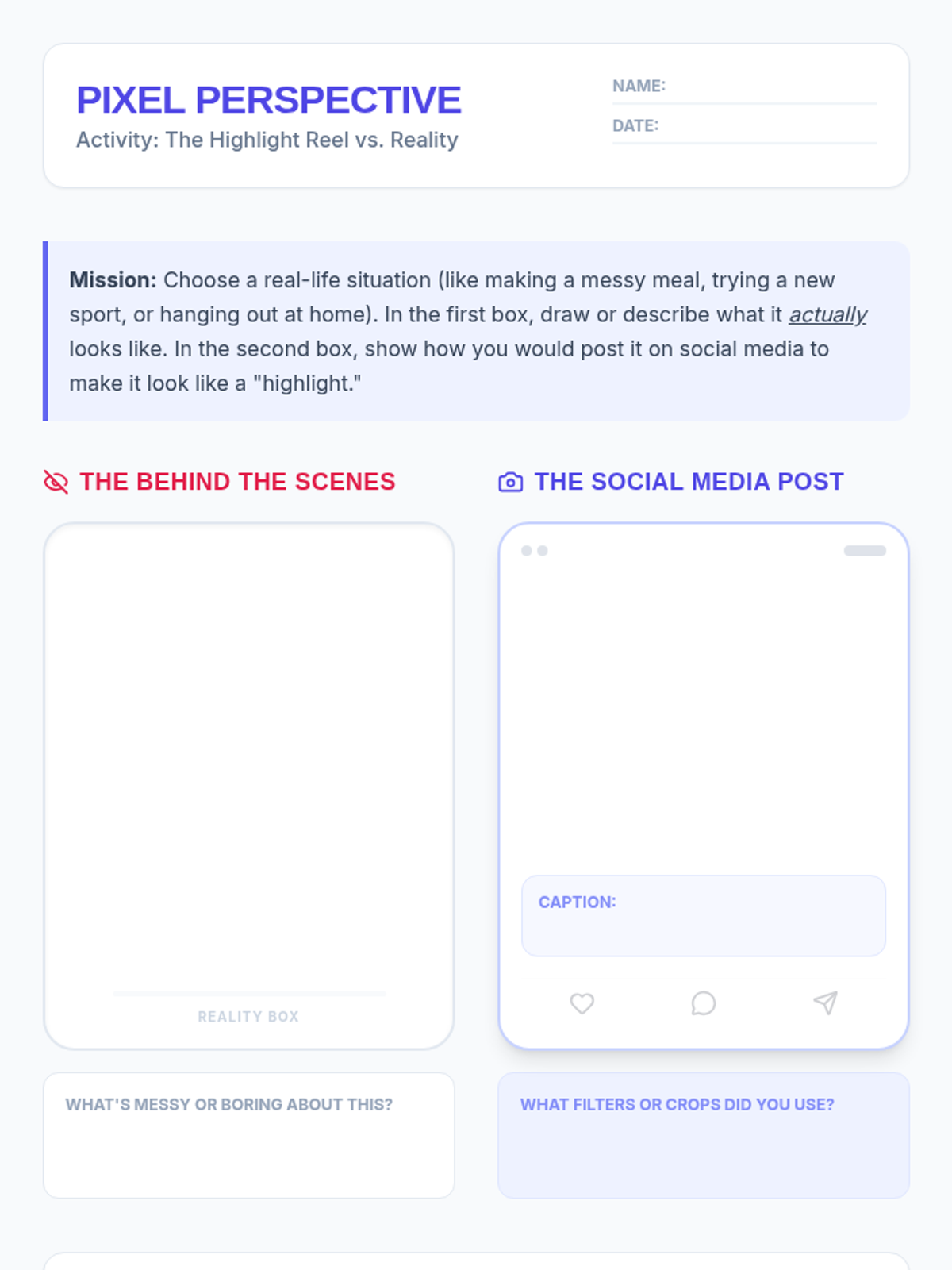
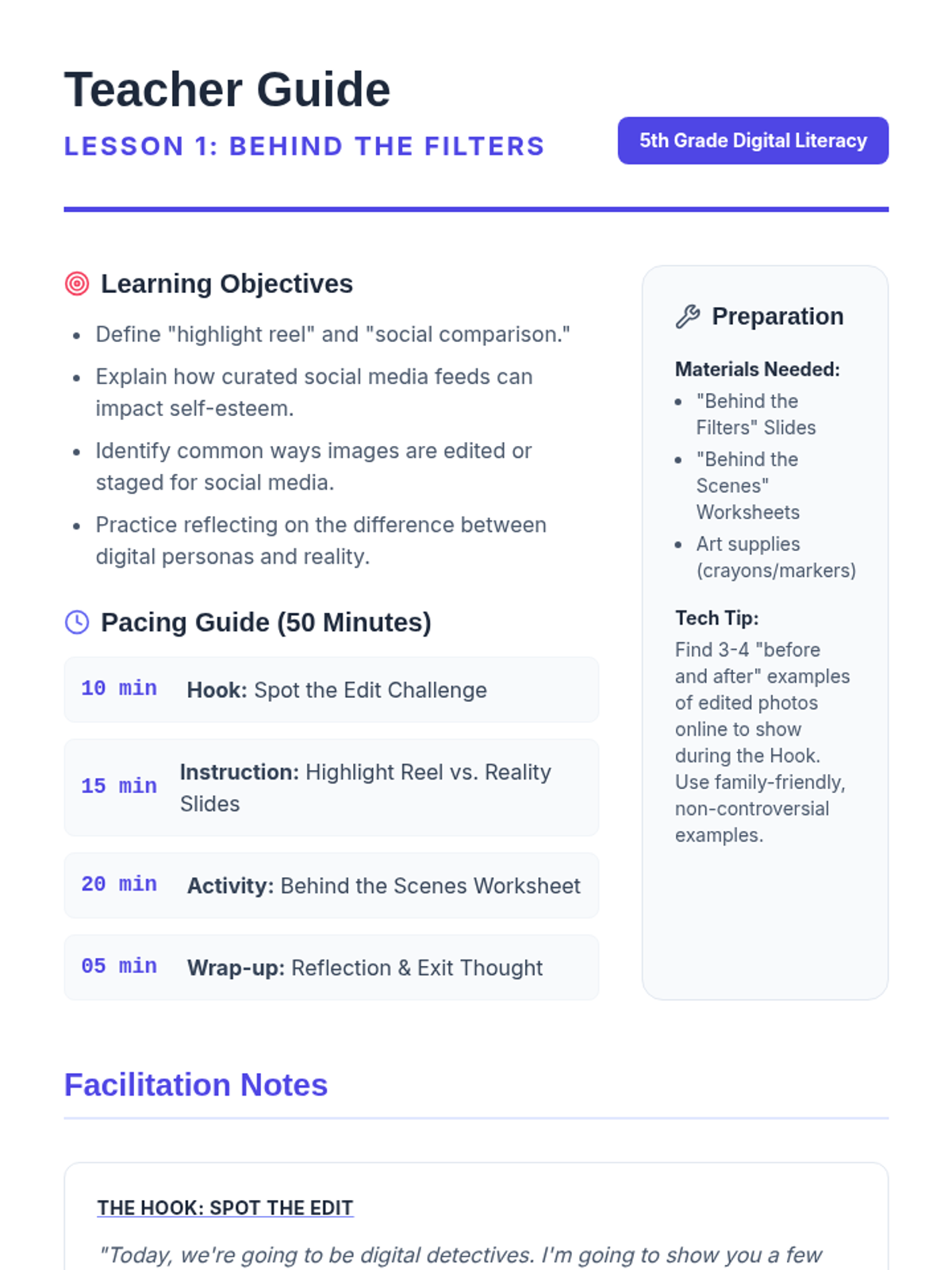
A 5-lesson sequence for 5th graders focused on navigating the social-emotional and critical thinking challenges of social media, covering topics from body image and cyberbullying to misinformation and community building.
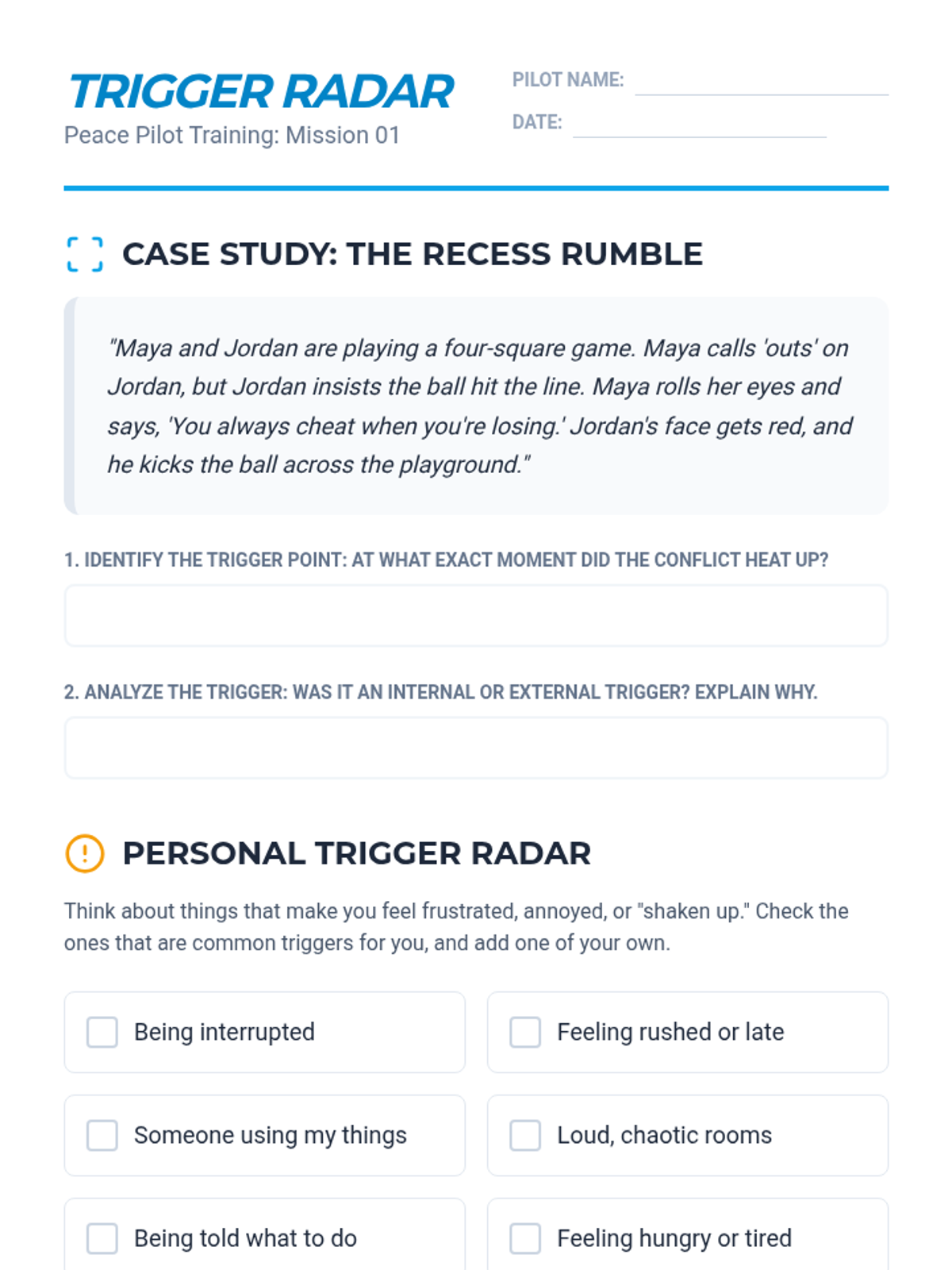
A comprehensive 5th-grade unit on navigating interpersonal conflict through perspective-taking, de-escalation, and negotiation. Students transition from identifying triggers to applying real-time collaborative solutions in complex group settings.
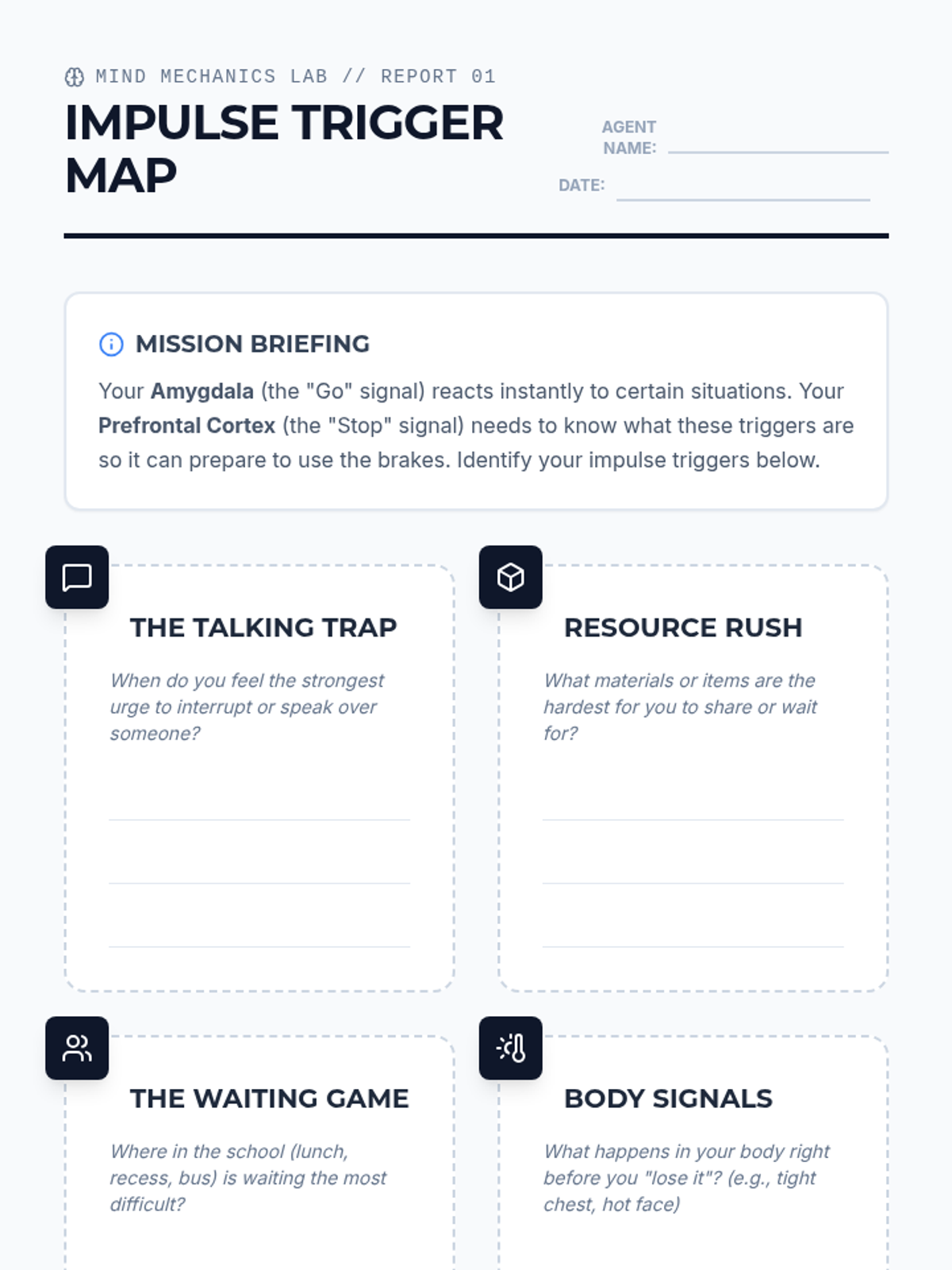
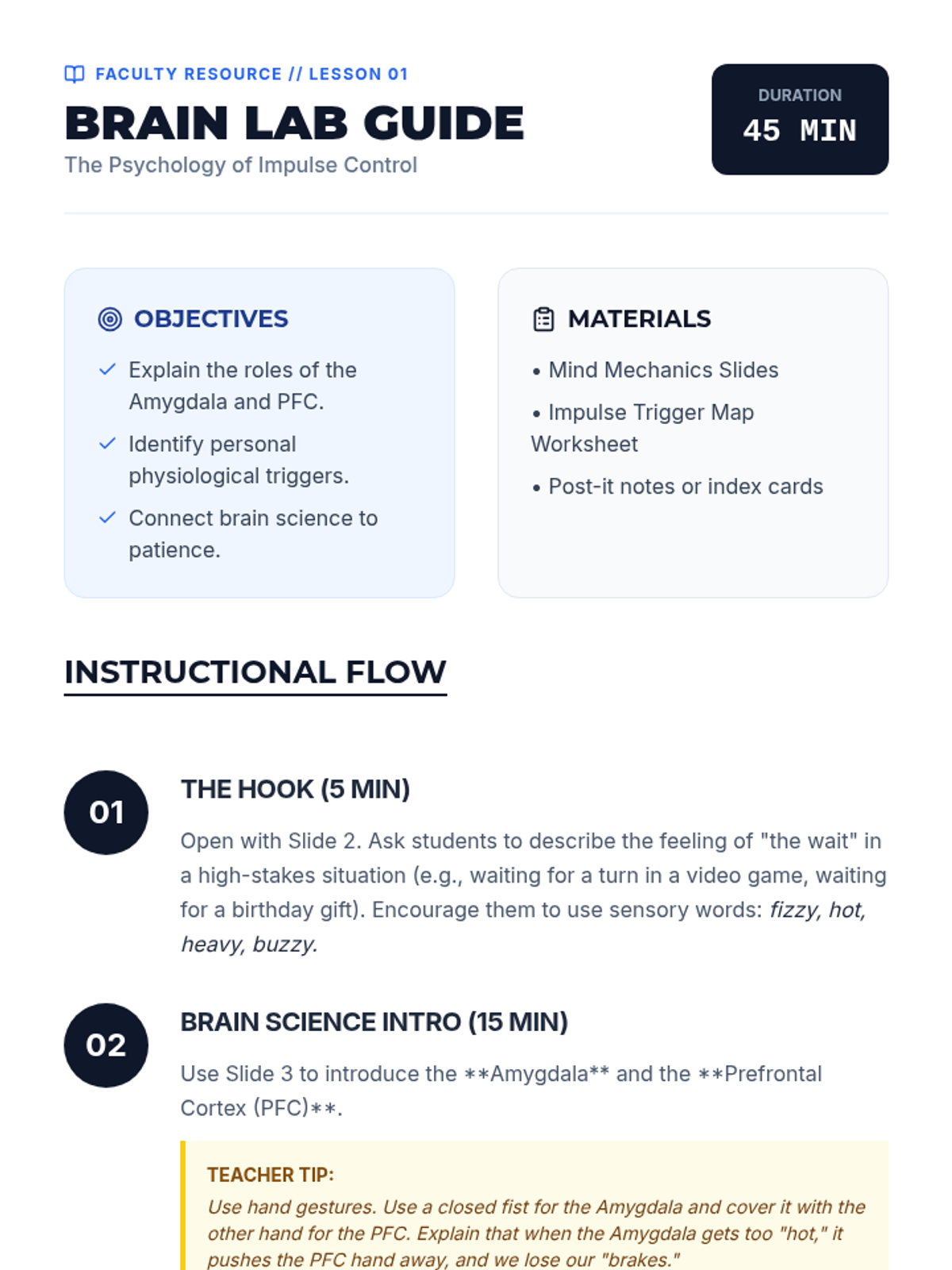
This sequence explores the psychology of impulse control and fairness, teaching 5th grade students how to manage their impatience and navigate social sharing through brain science and restorative communication.
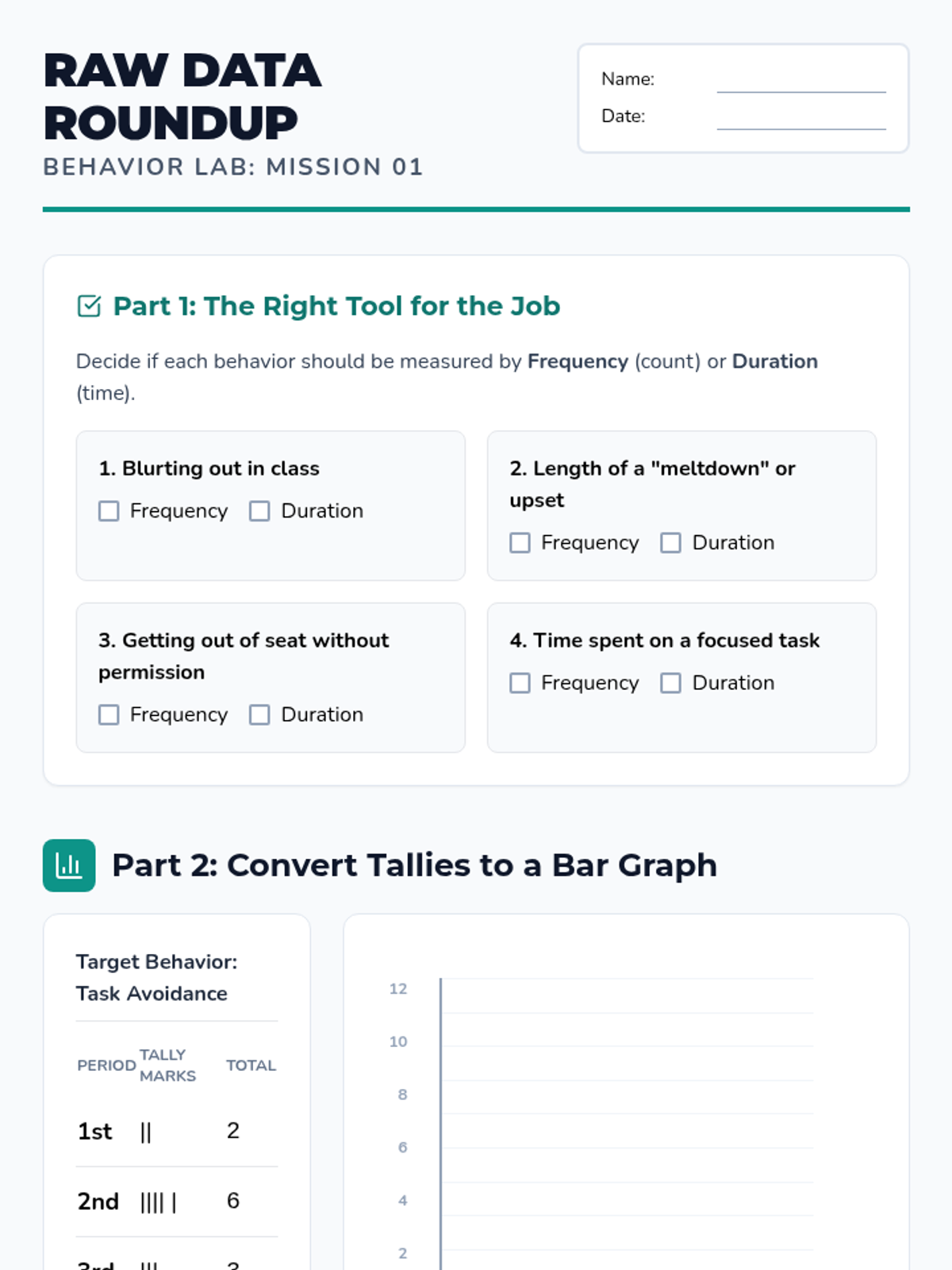
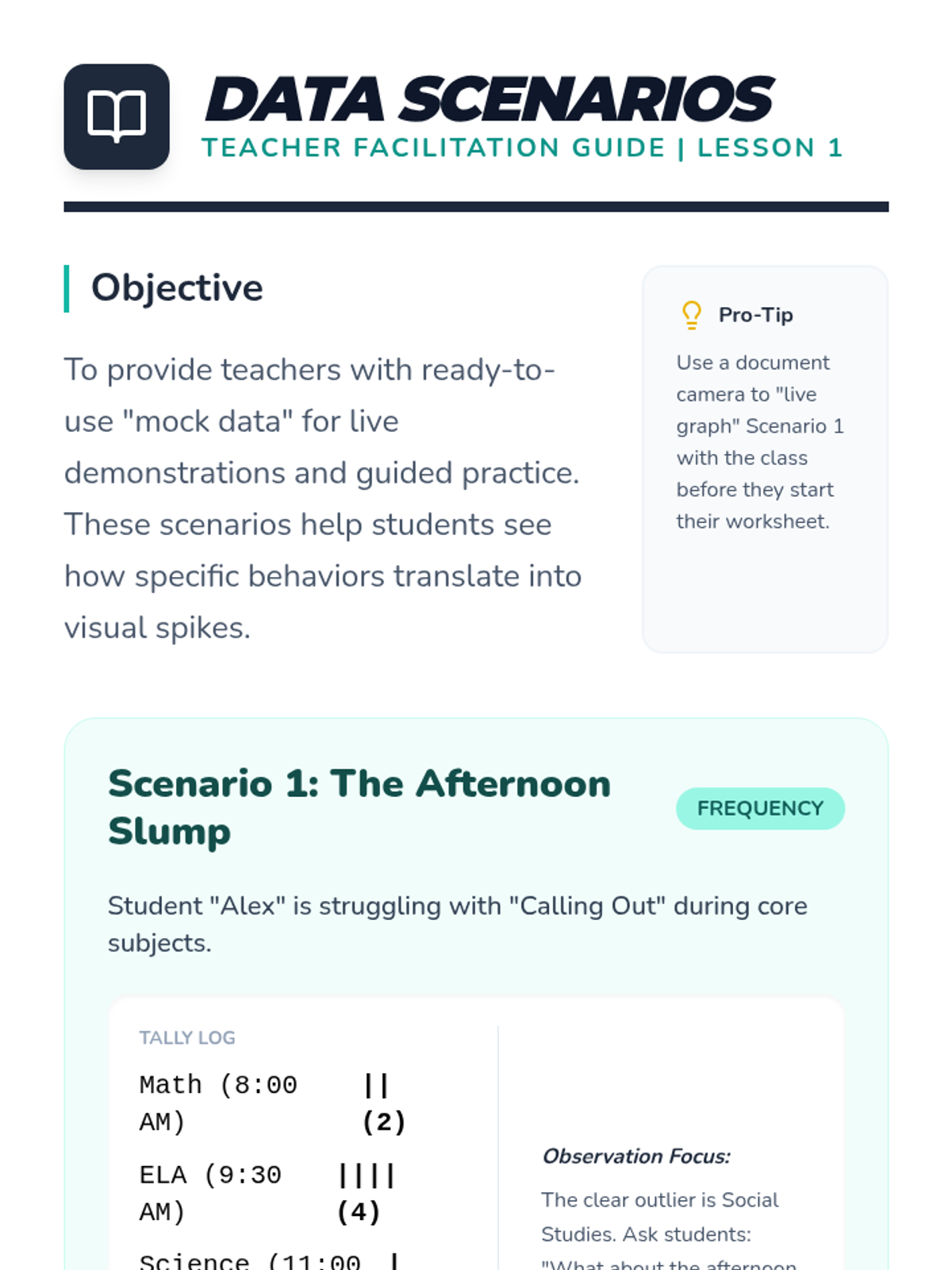
A data-focused sequence that teaches students how to transform behavioral tracking into visual insights. Students learn to graph frequency and duration, identify patterns and triggers, and develop data-driven interventions for personal growth.
A 5th-grade social-emotional learning sequence that teaches students how to deconstruct conflict, use I-statements, practice active listening, and negotiate compromises through simulations and role-play.
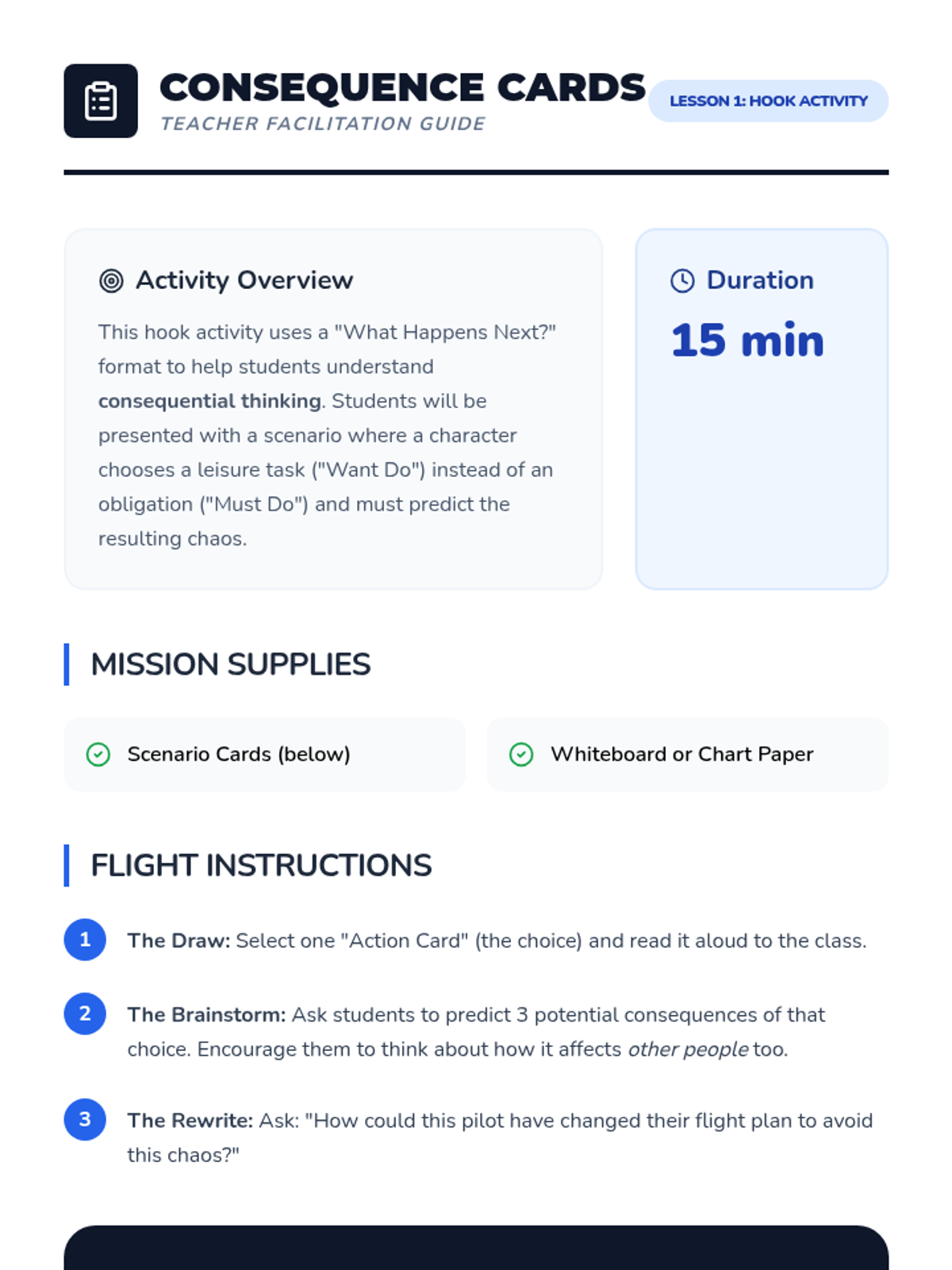
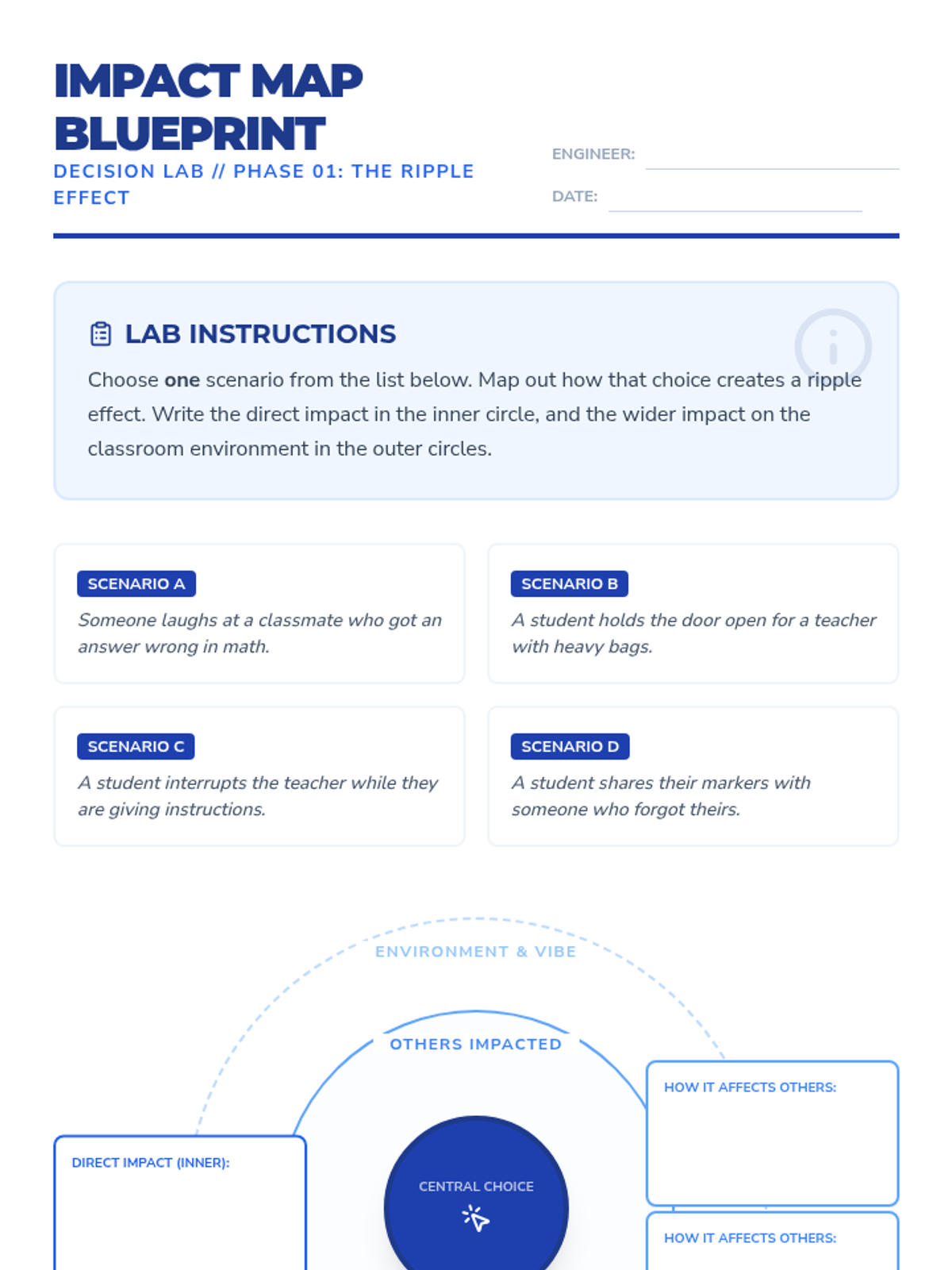
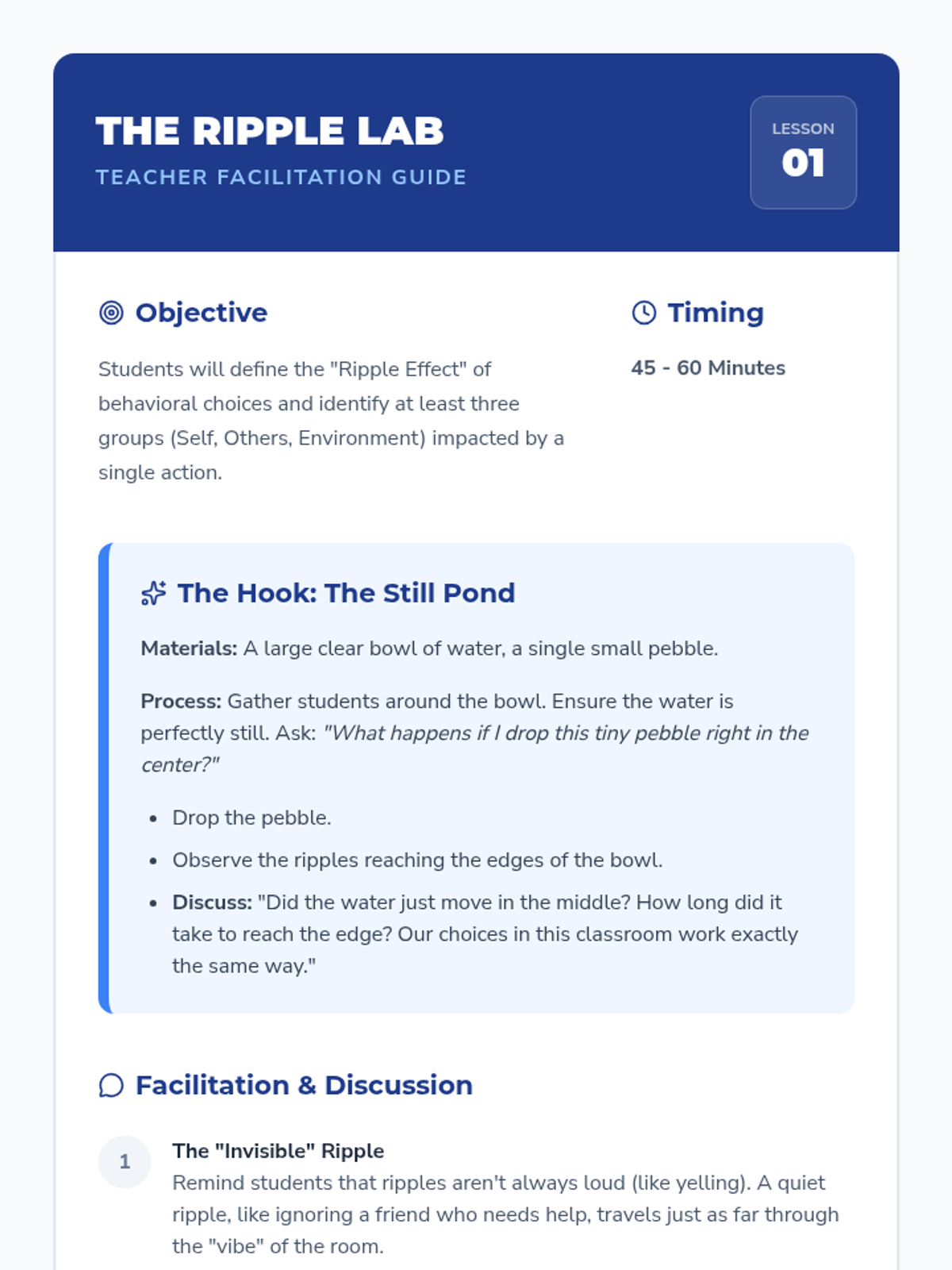
A 5-lesson sequence for 5th-grade students focused on analyzing the consequences of behavior and developing positive alternatives through a 'Decision Lab' lens. Students explore the 'Ripple Effect' of their choices, practice impulse control through games, map decision paths with flowcharts, and create personal action plans for behavior modification.
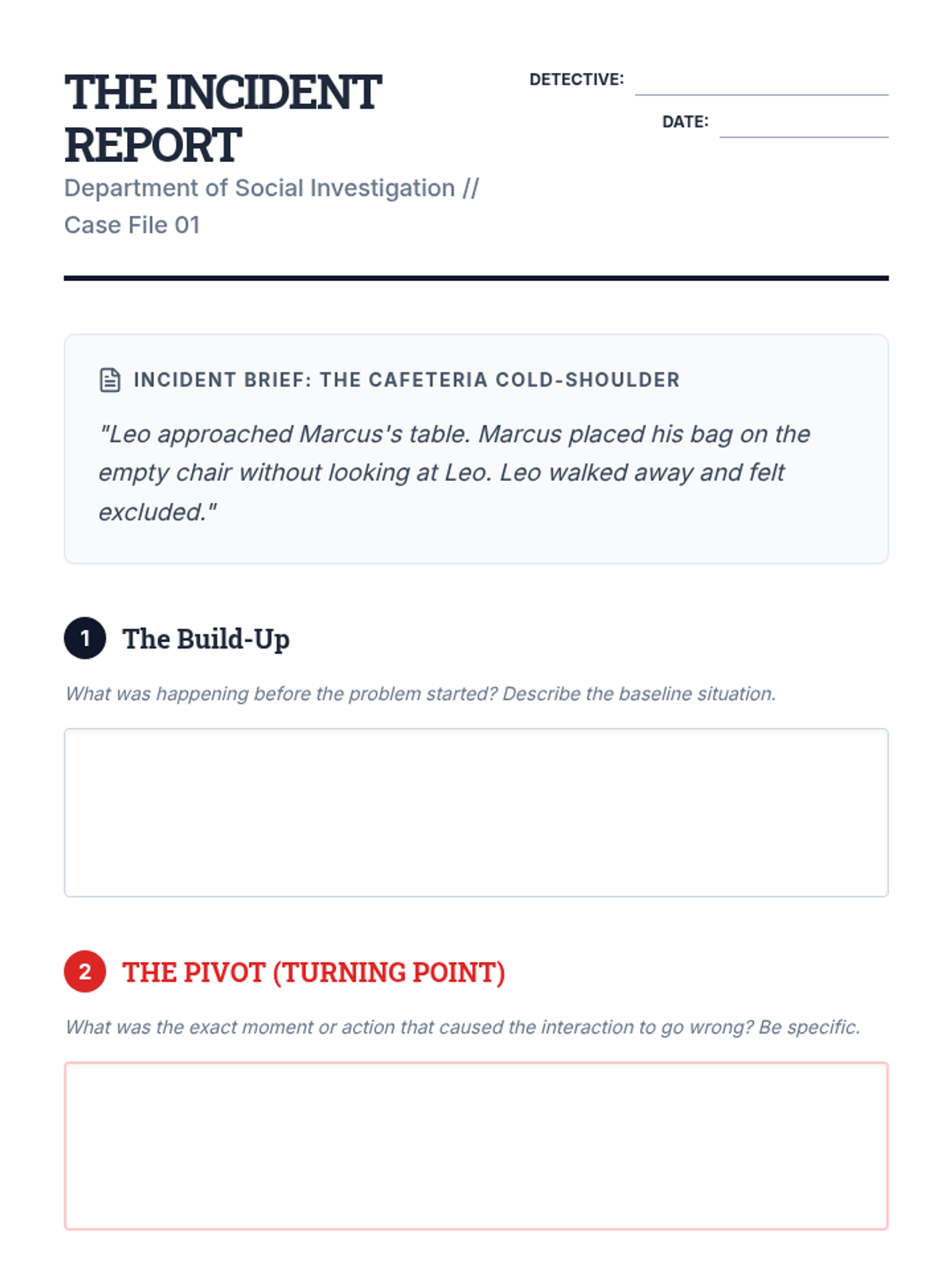
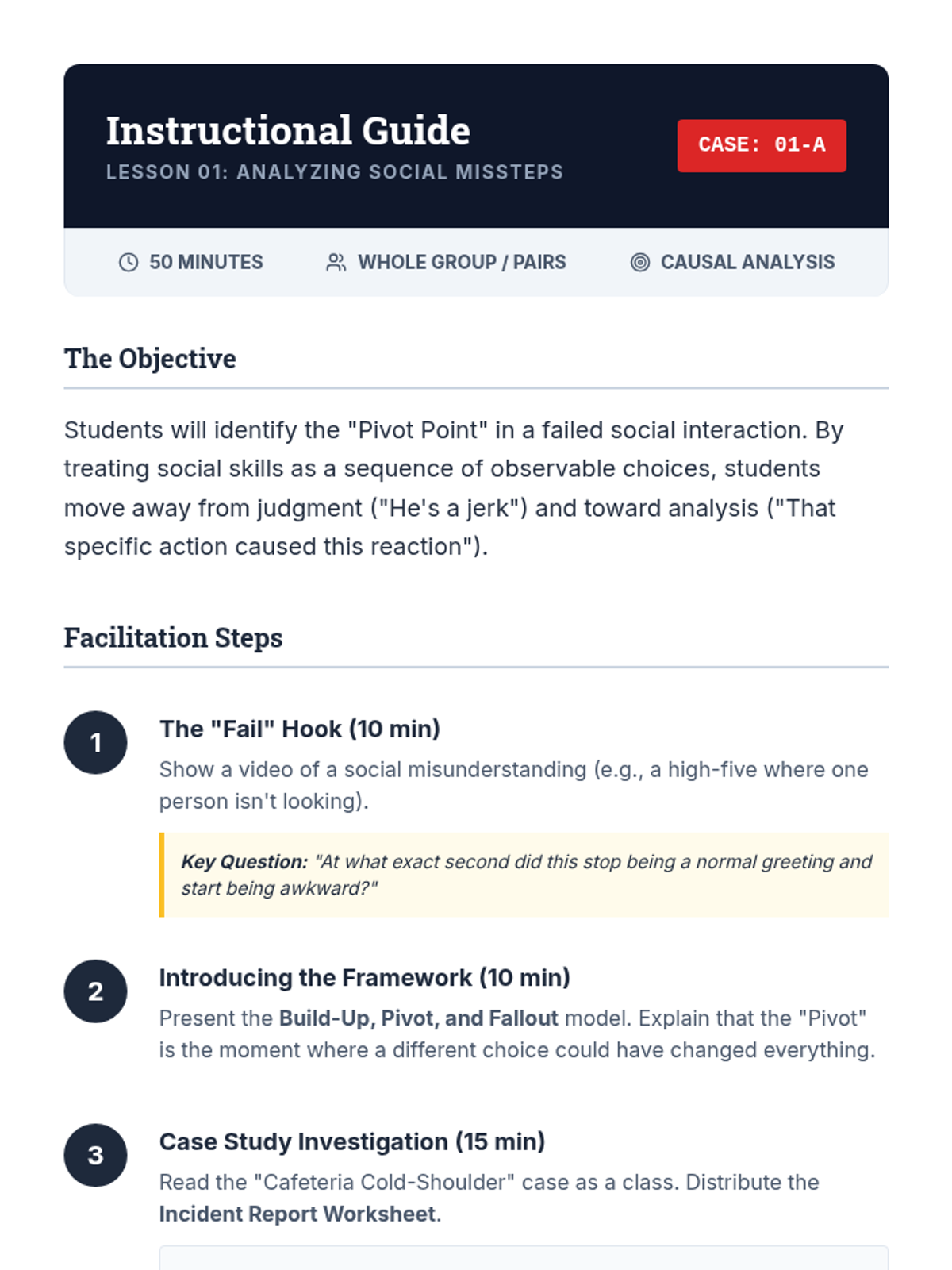
A case study-focused sequence where students act as social detectives to analyze failed interactions and rewrite narratives. By analyzing fictional characters first, students build empathy and causal reasoning before applying these skills to their own social challenges.
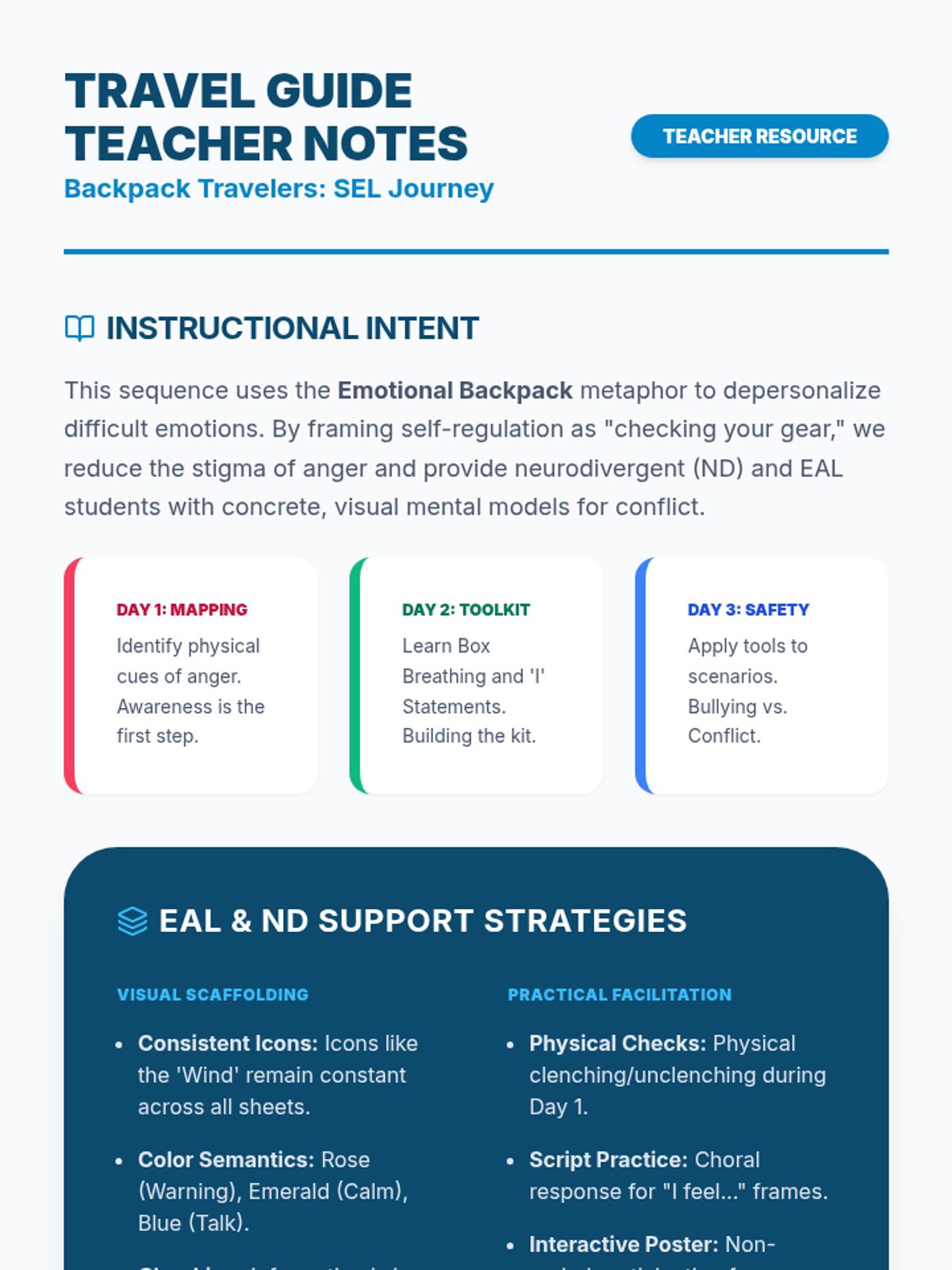
A multi-day social-emotional learning sequence that teaches students how to identify, manage, and communicate difficult emotions like anger and conflict using the metaphor of an 'Emotional Backpack'. Designed with high-visual support for EAL and neurodivergent learners.
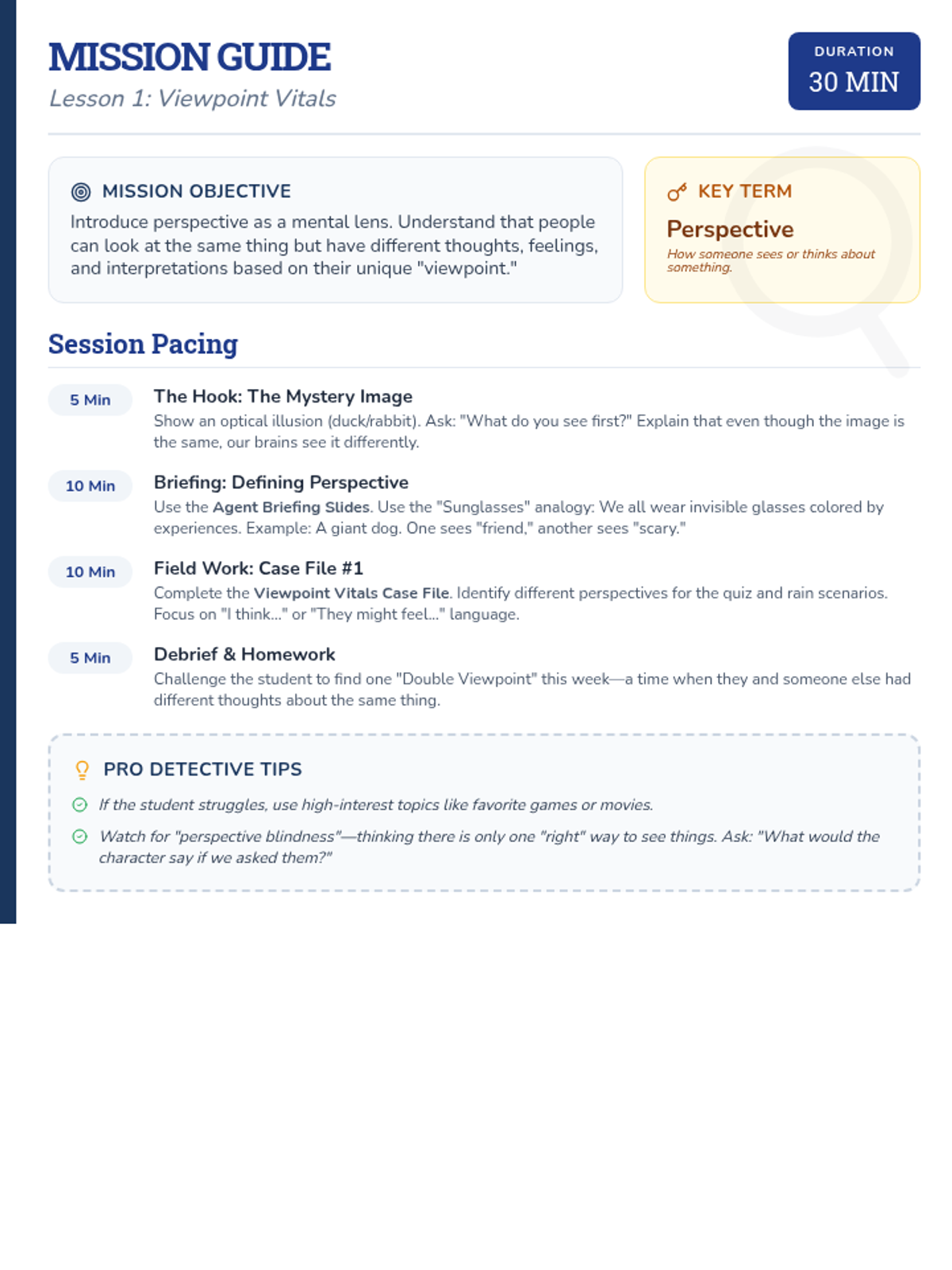
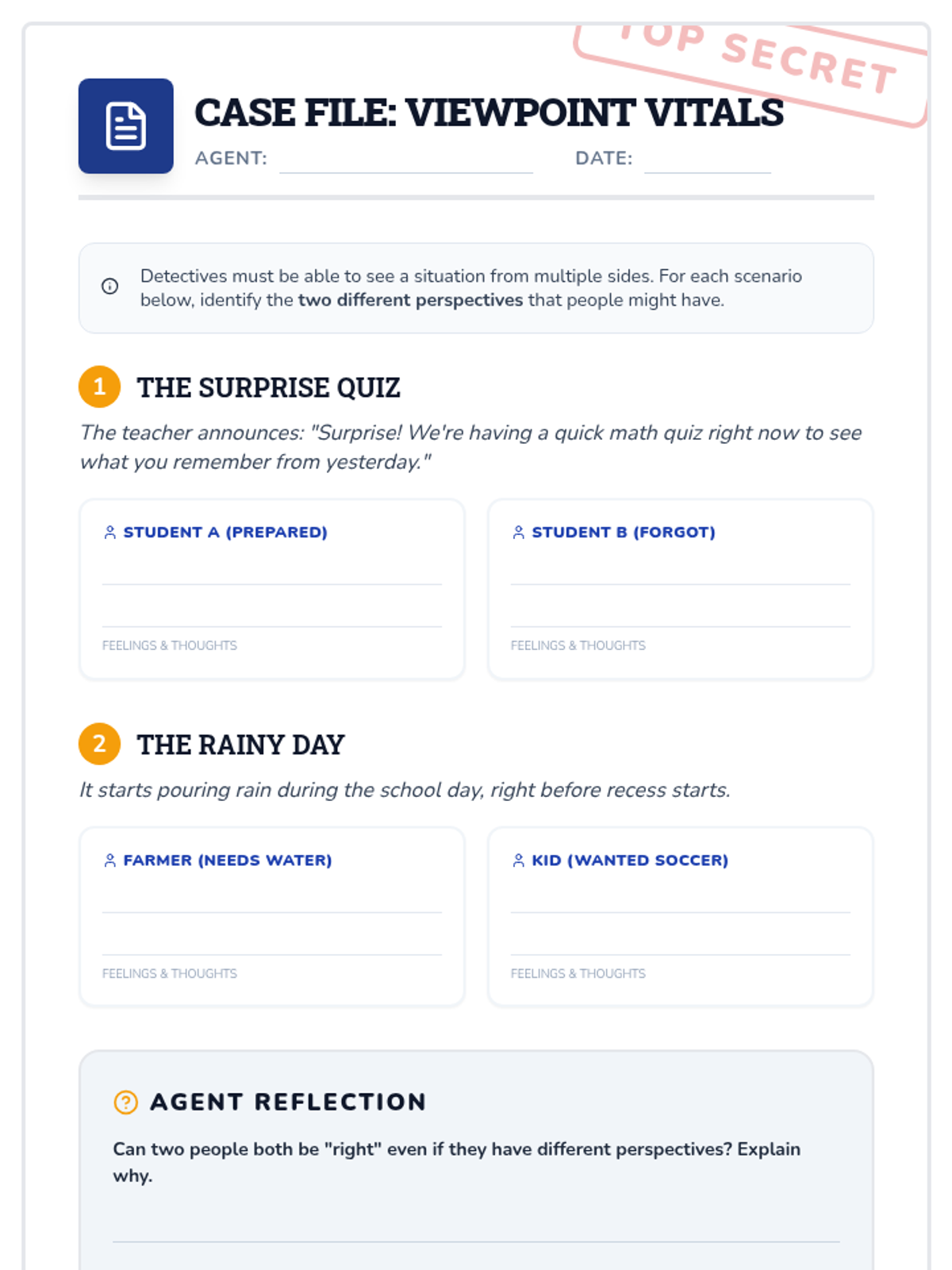
An 8-week social cognition unit focused on perspective-taking for 5th-grade students. Using a "Social Detective" theme, students learn to identify physical viewpoints, emotional states, information gaps, and conflicting motives to better navigate social interactions.