Budgeting, saving, and investment strategies alongside practical skills for managing credit, taxes, and banking. Addresses insurance needs, employment income, and major purchase decisions to support comprehensive long-term financial planning.
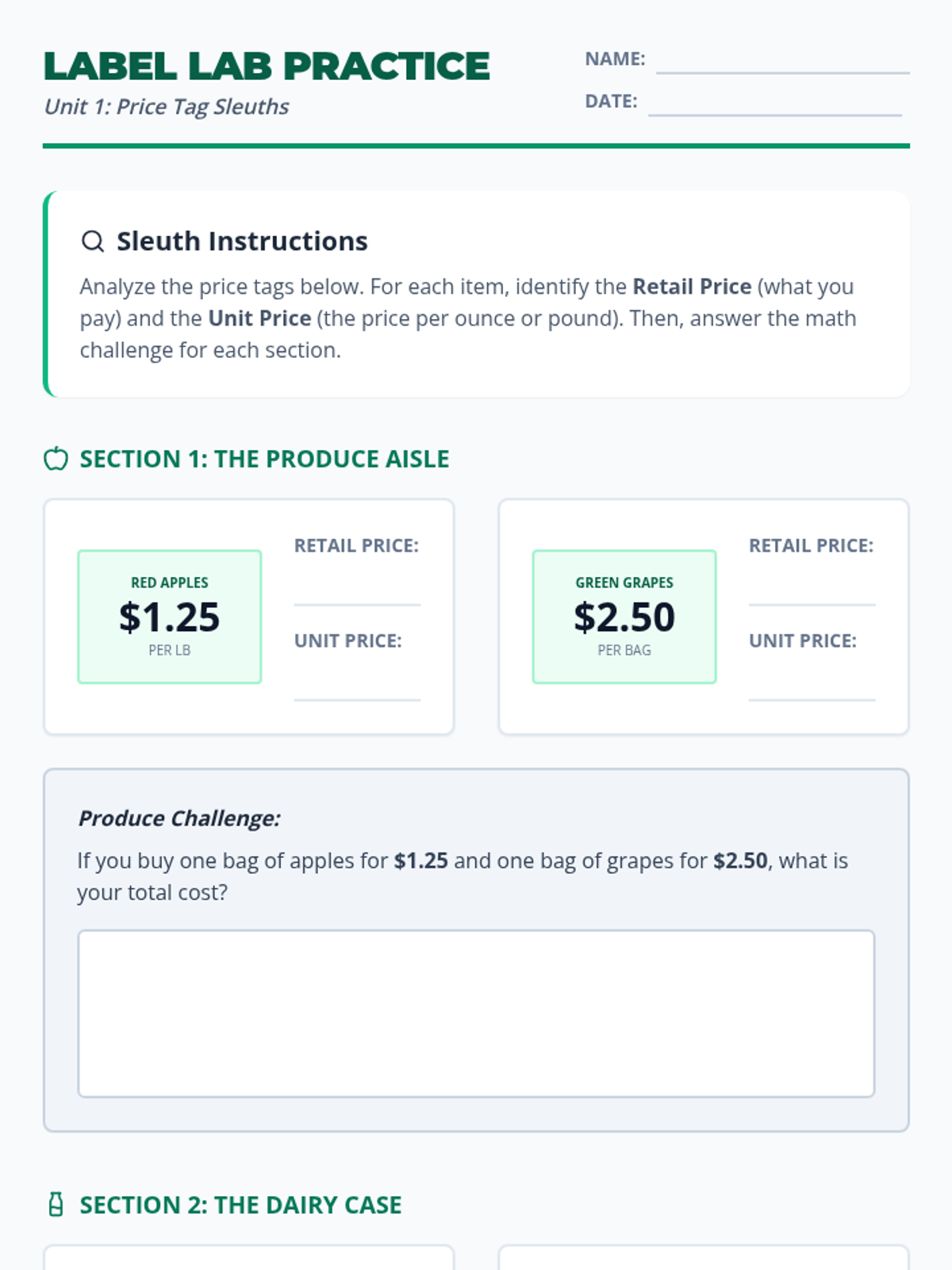
A 4-day life skills project focusing on grocery budgeting, price comparison, and decimal arithmetic through a supermarket-themed simulation.
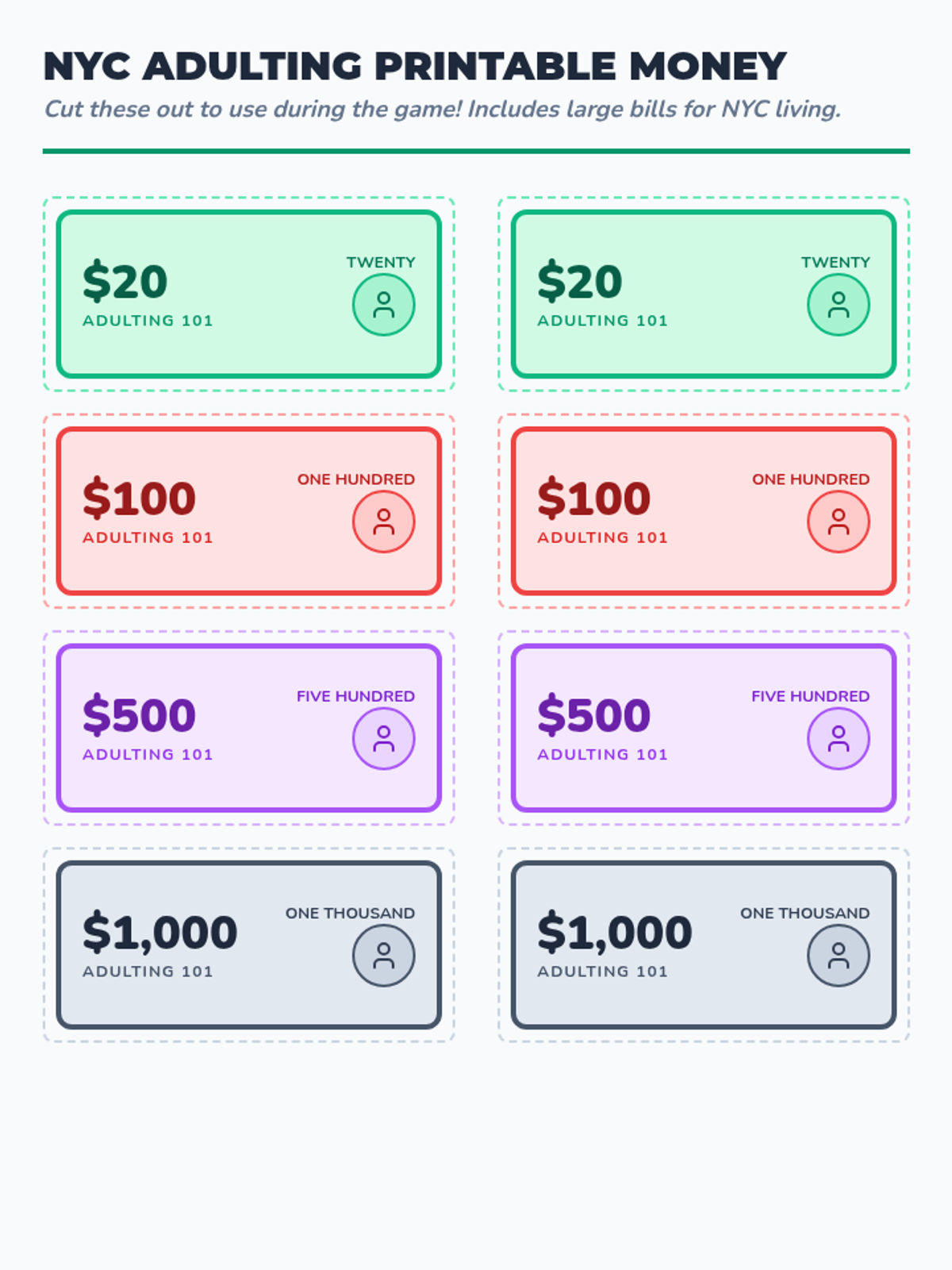
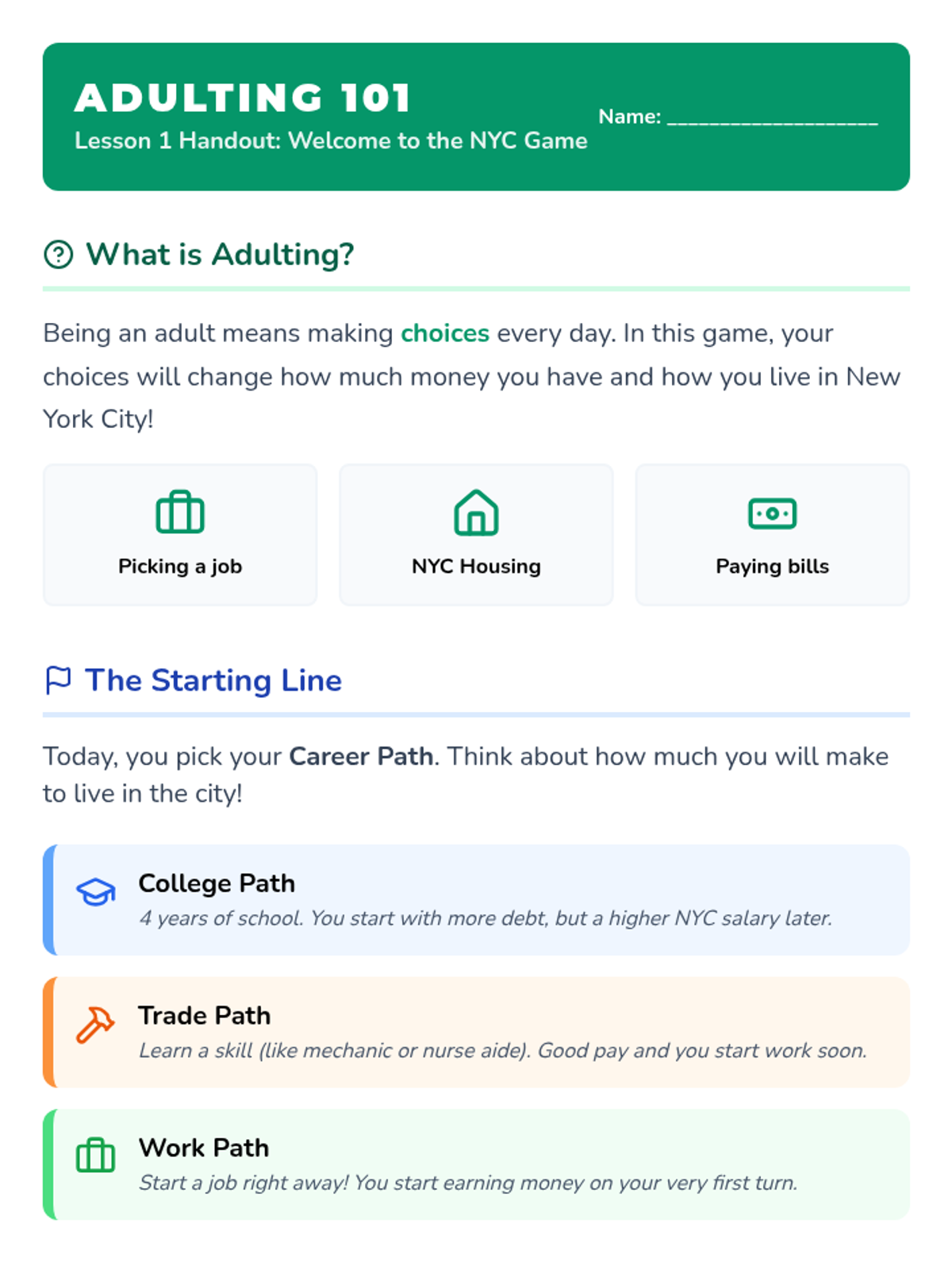
A comprehensive 'Game of Life' style curriculum designed for high school students with 5th-grade reading levels. It focuses on financial literacy, housing, transportation, and navigating daily life through an engaging board game format.
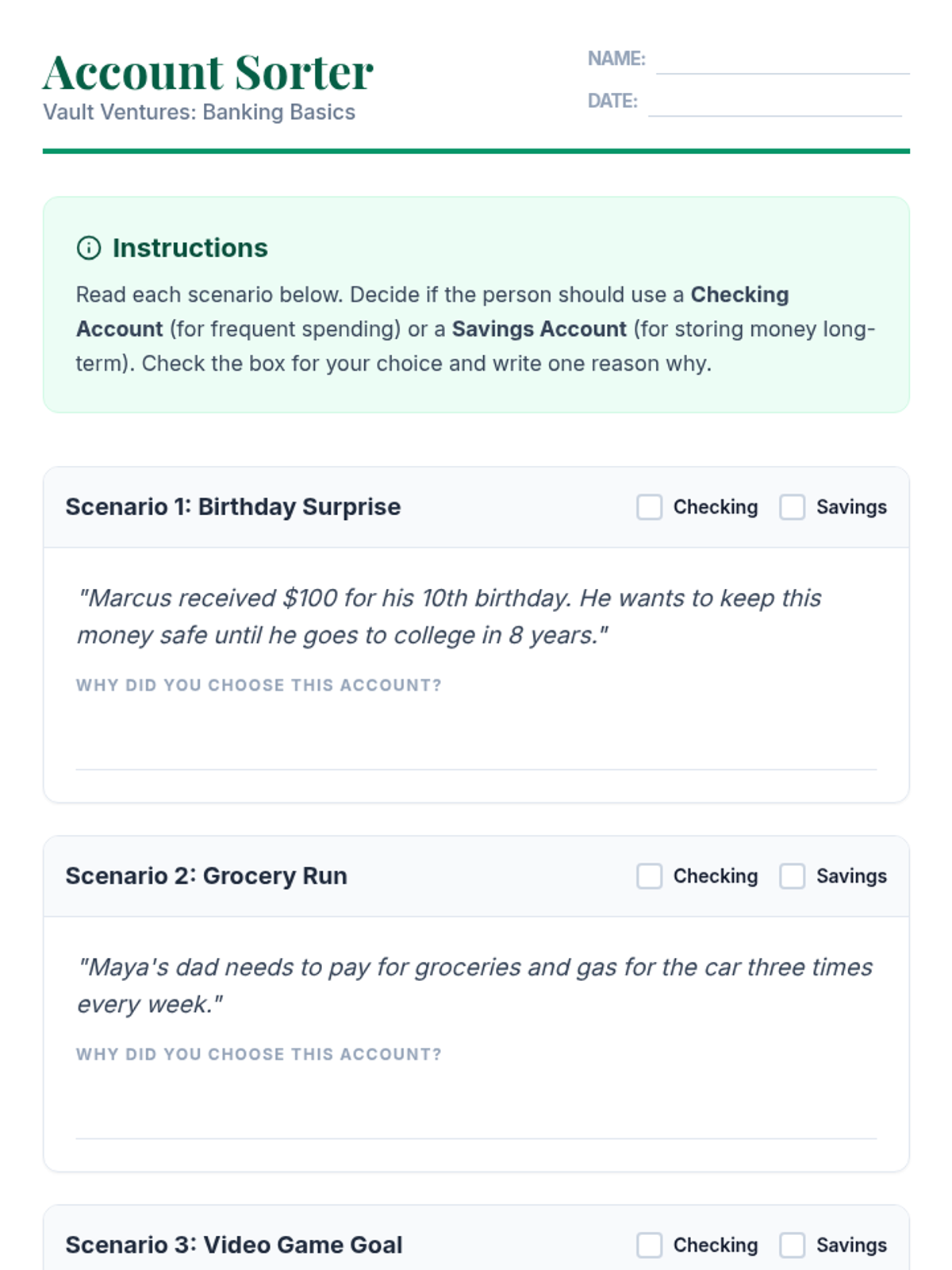
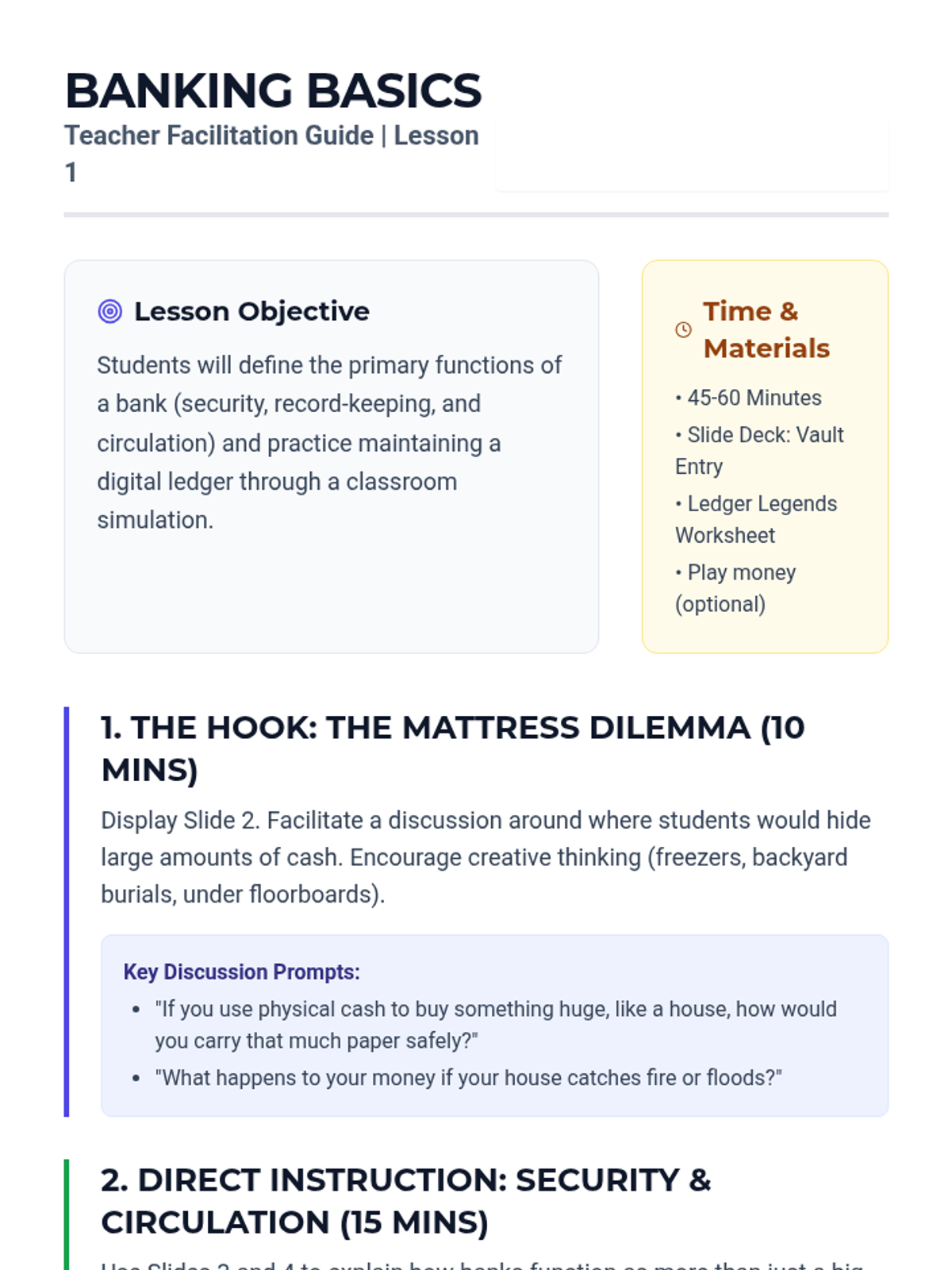
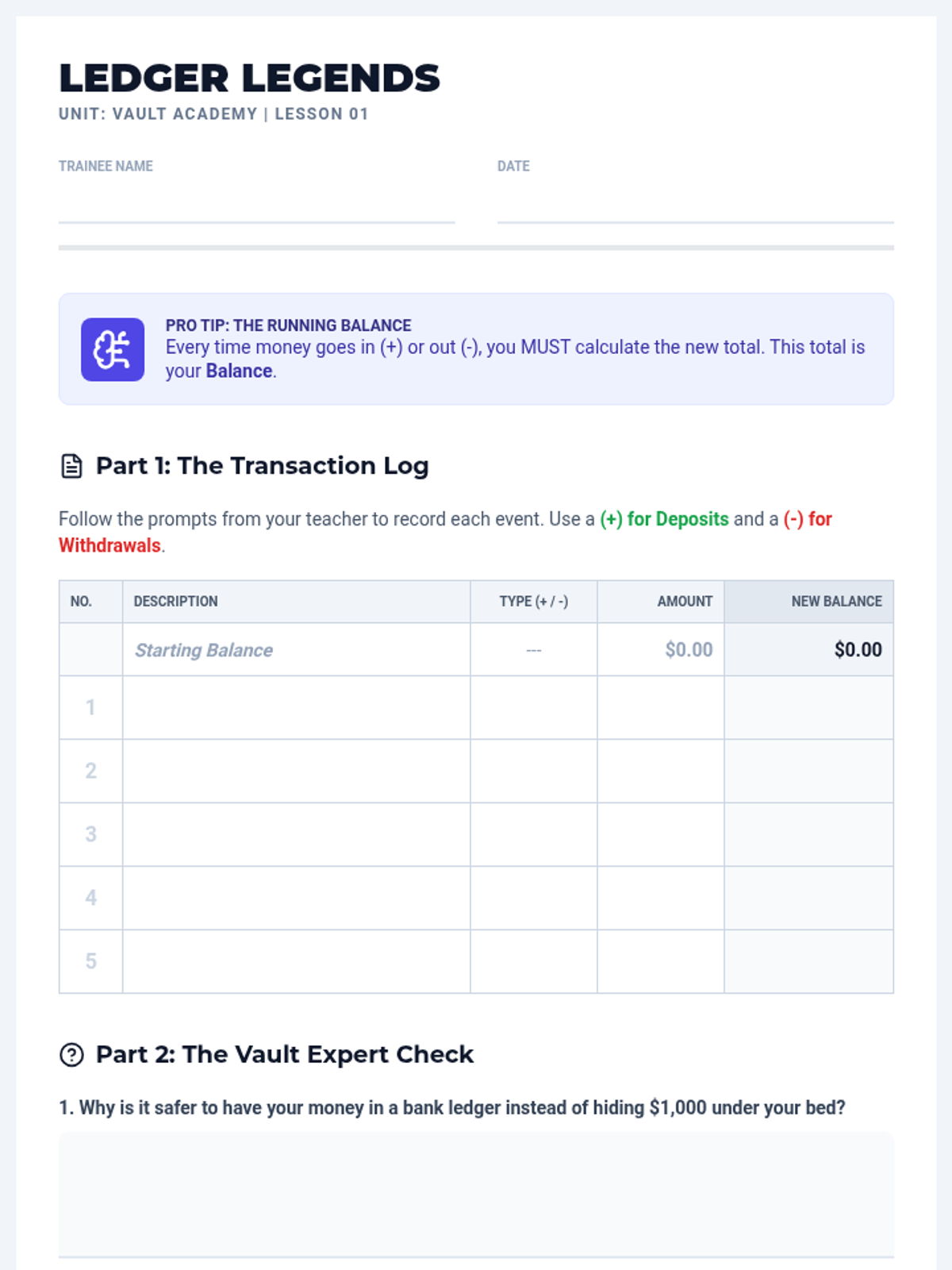
Students enter a simulated classroom economy to learn the mechanics of maintaining a bank account, including checking and savings distinctions, ledger maintenance, understanding fees, and account reconciliation.
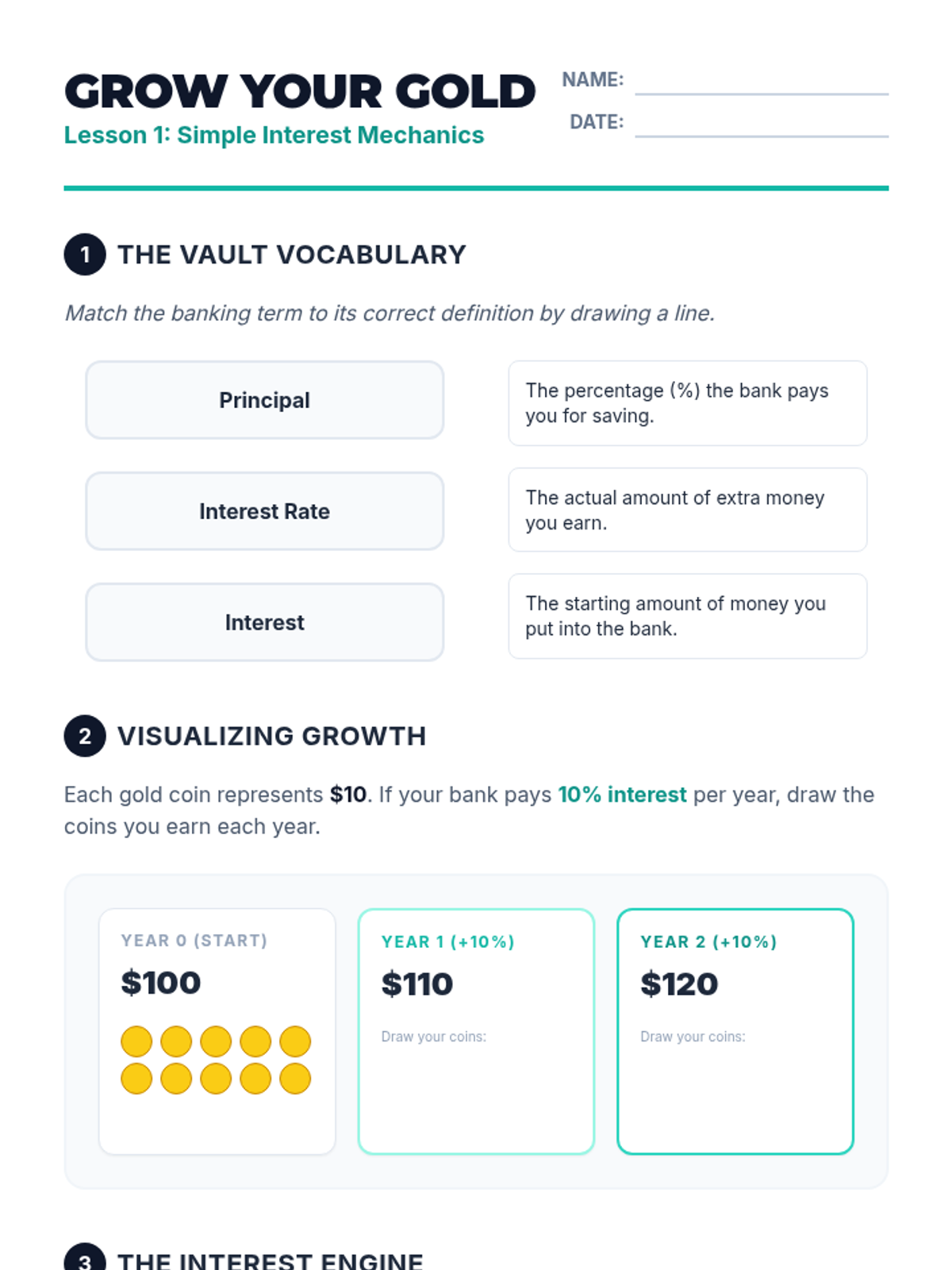
This project-based sequence shifts focus to the growth potential of money through savings accounts and the modern interface of online banking. Students investigate the concept of simple interest, visualizing how money can 'work' for them over time. The learning arc moves from understanding interest rates to navigating digital banking interfaces securely.
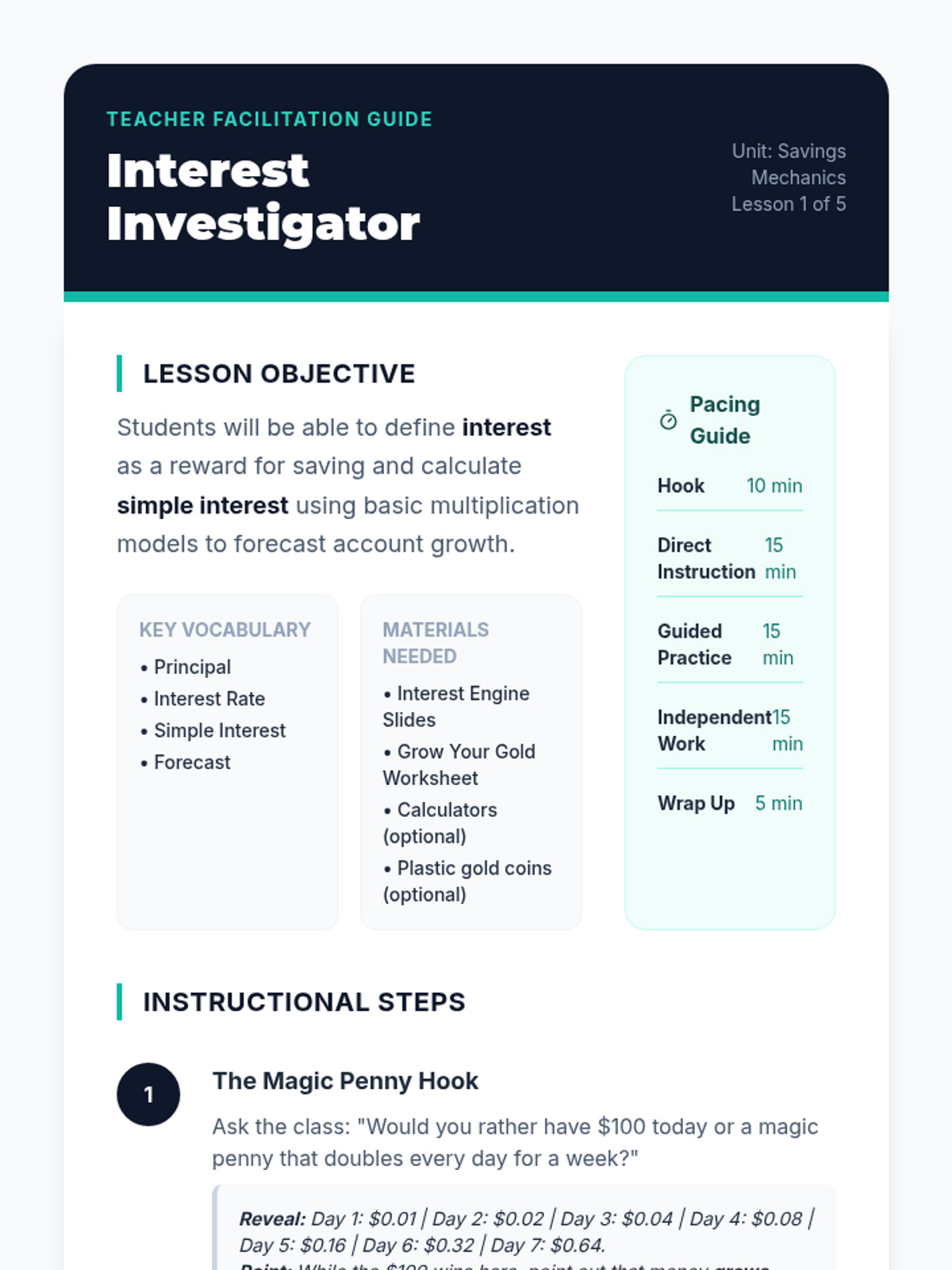
A comprehensive 5th-grade unit on the mechanics of retail banking, focusing on the difference between account types, the mathematical calculation of simple and compound interest, and the importance of financial security. Students engage in simulations to understand how banks protect and grow money.
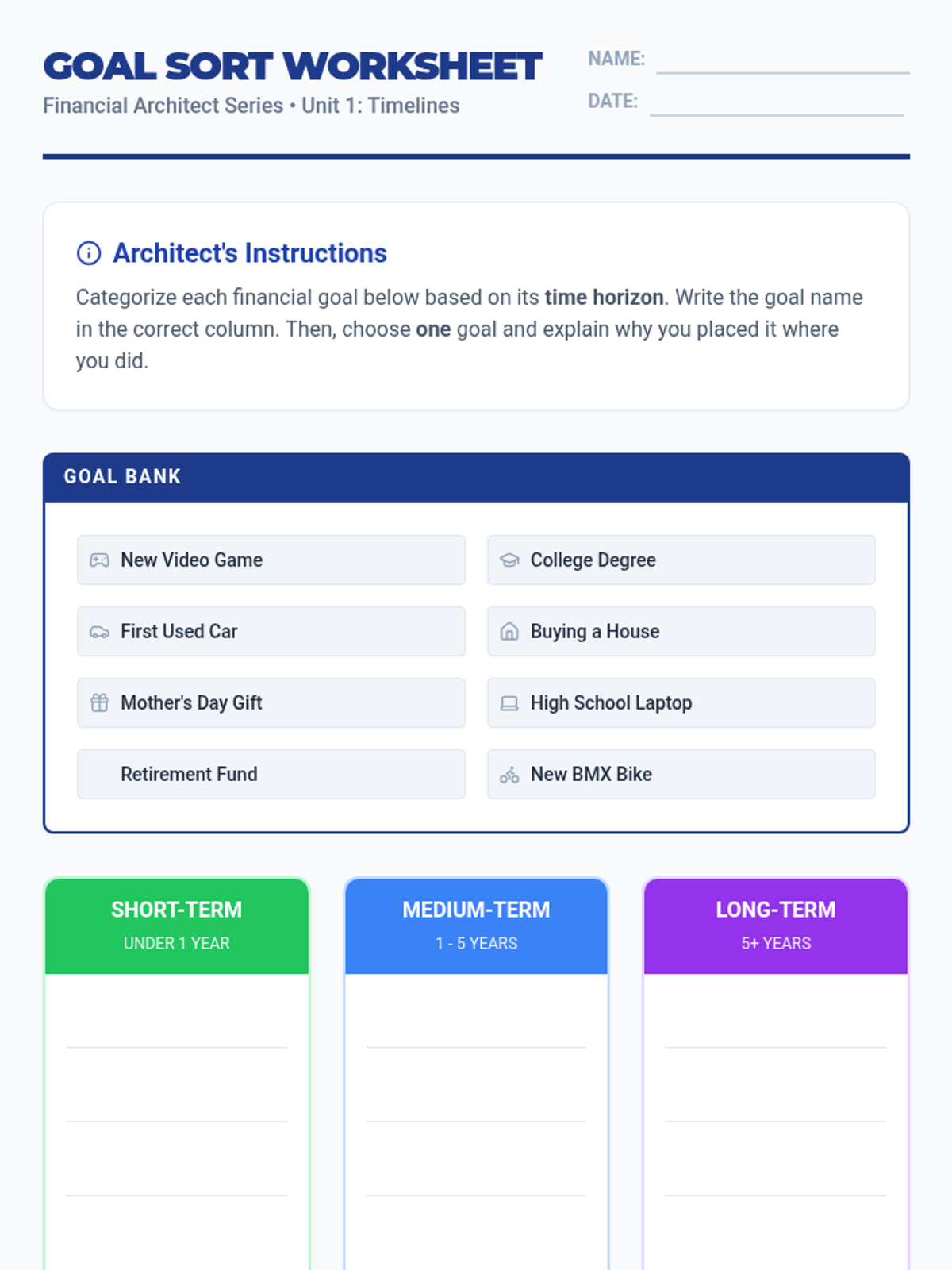
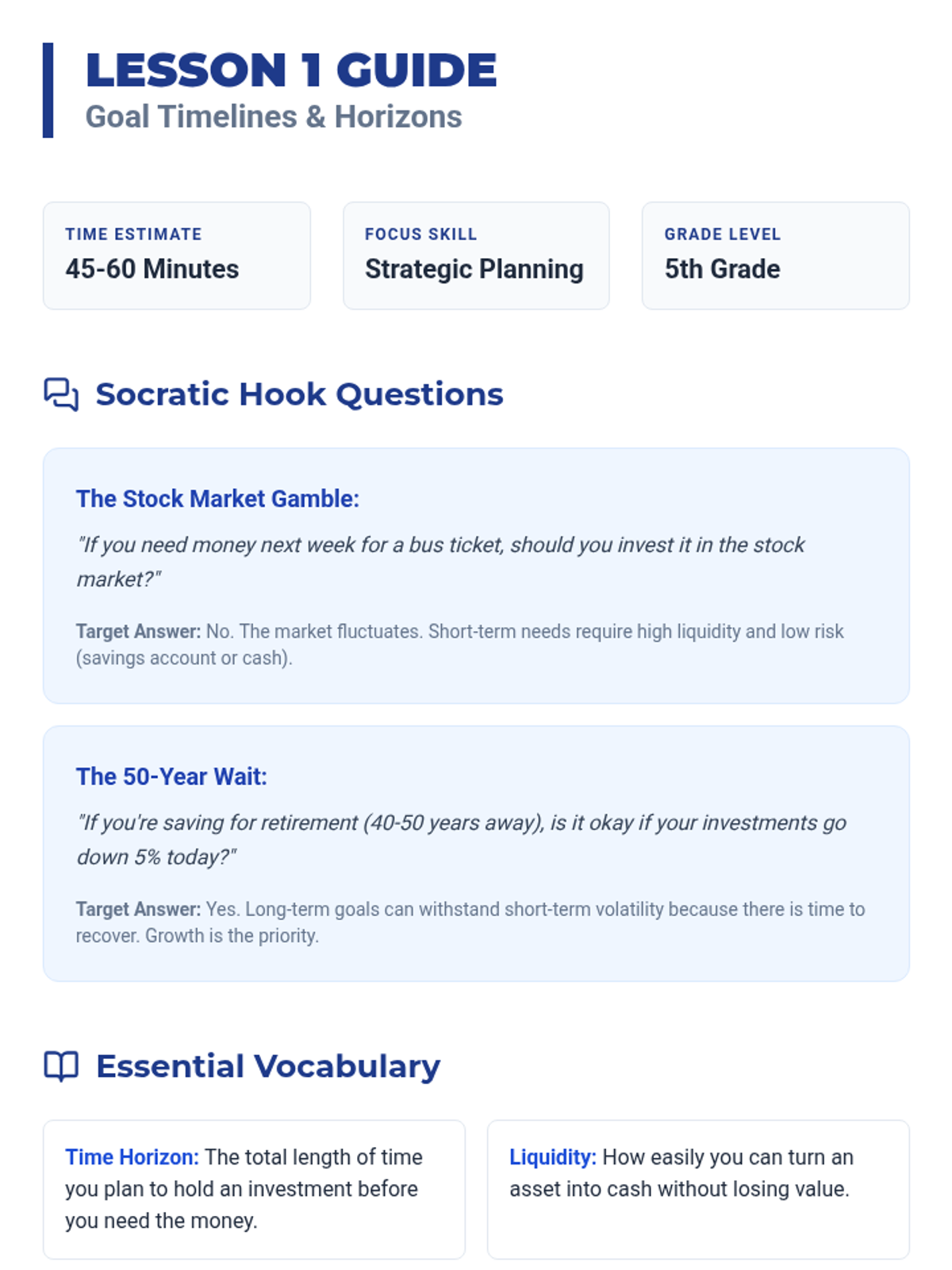
A comprehensive 5th-grade financial literacy sequence where students learn to categorize goals, match them with financial tools, understand inflation, and draft a 20-year wealth management roadmap.
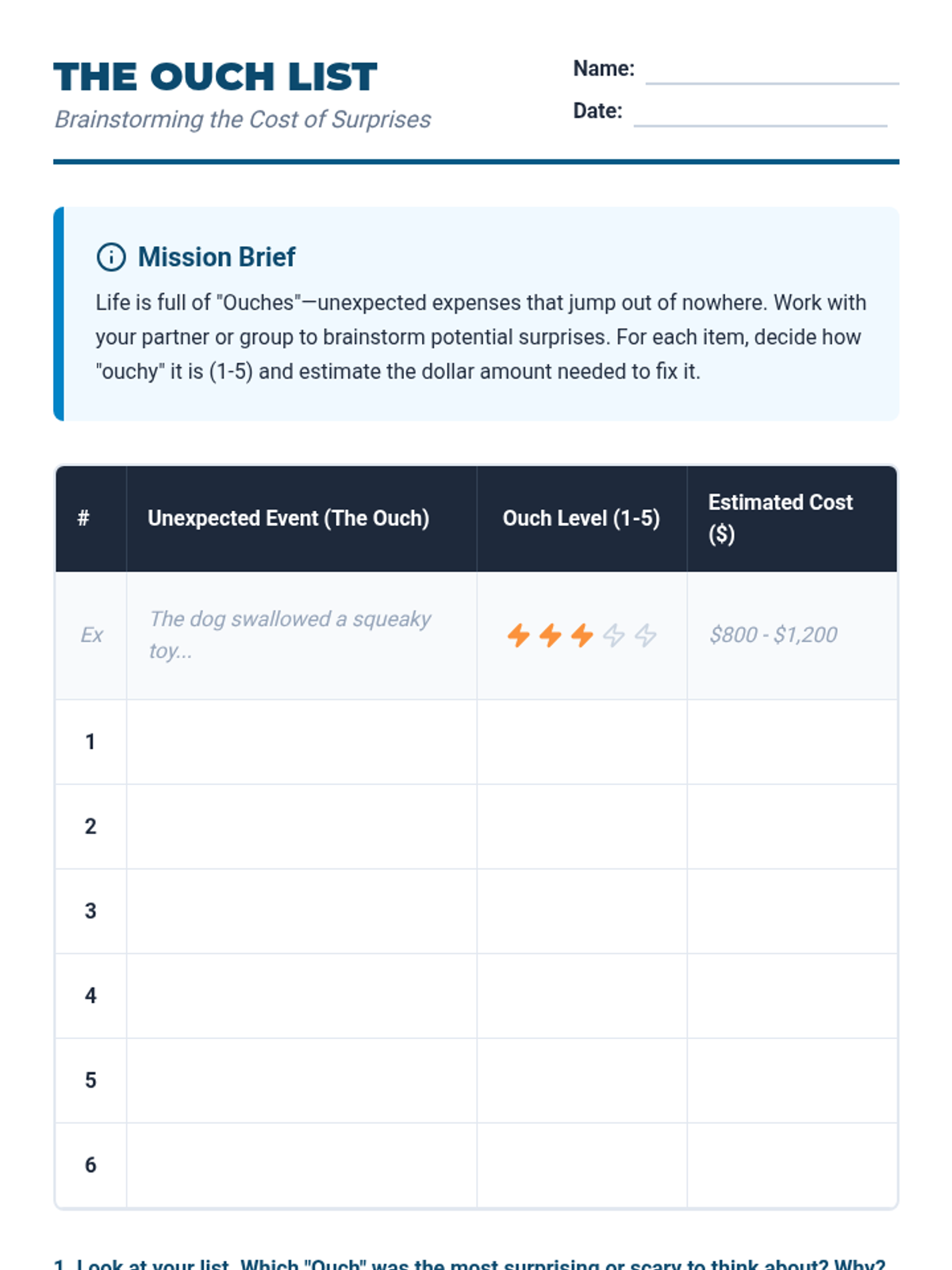
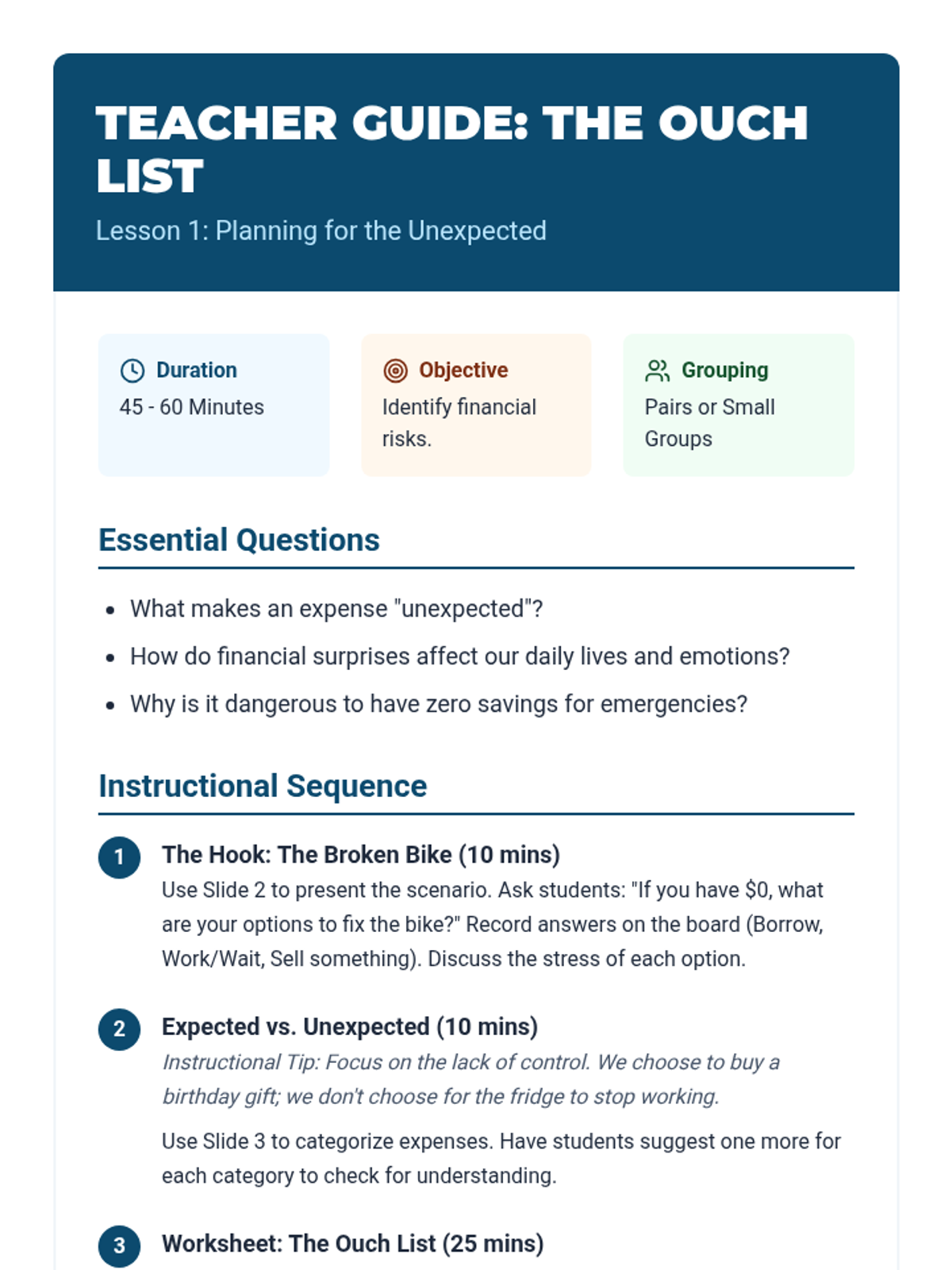
This sequence teaches 5th-grade students about the importance of emergency funds and liquidity. Through brainstorming, simulations, and financial modeling, students learn how to protect themselves from unexpected expenses before pursuing long-term investments.
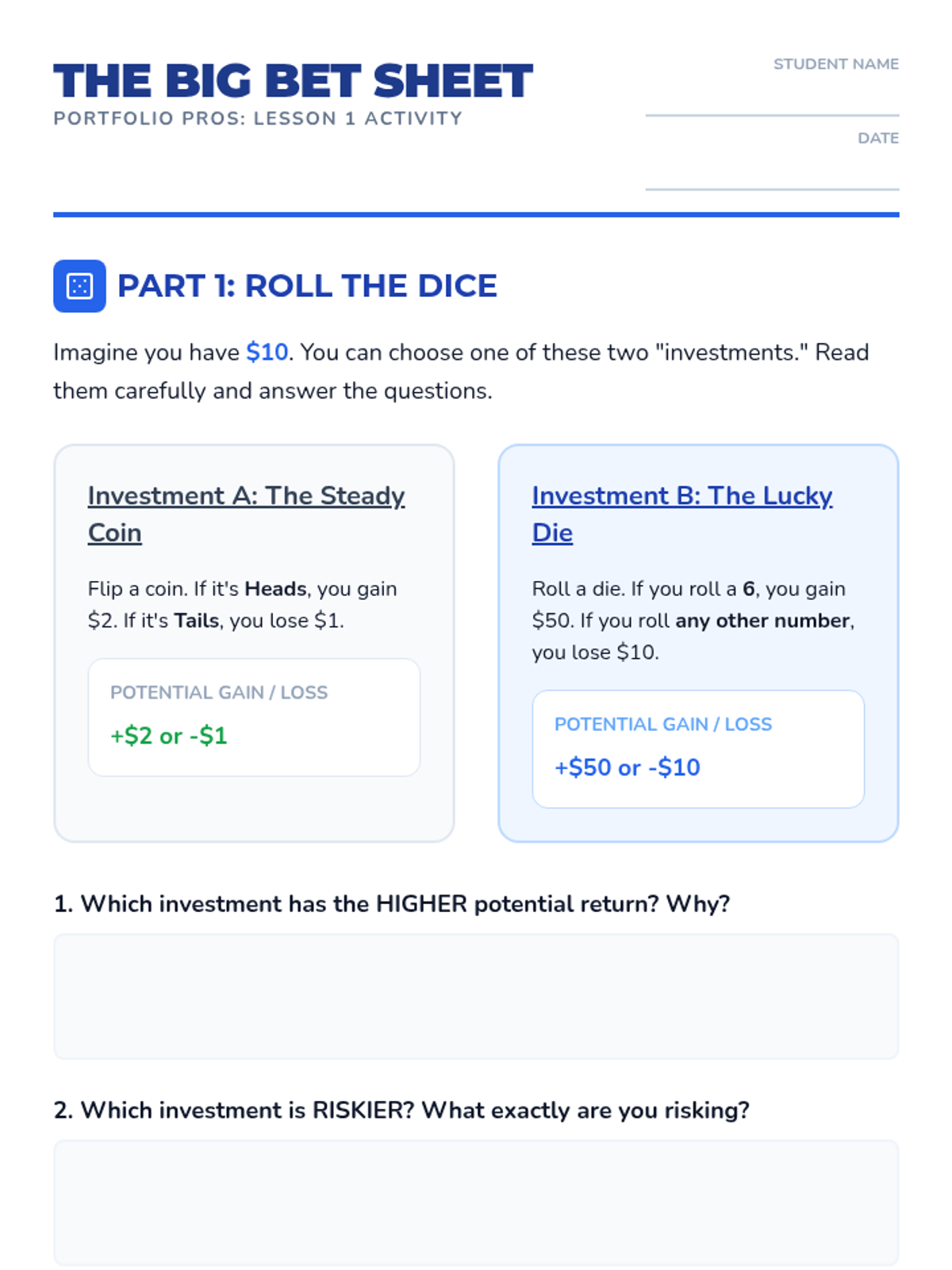
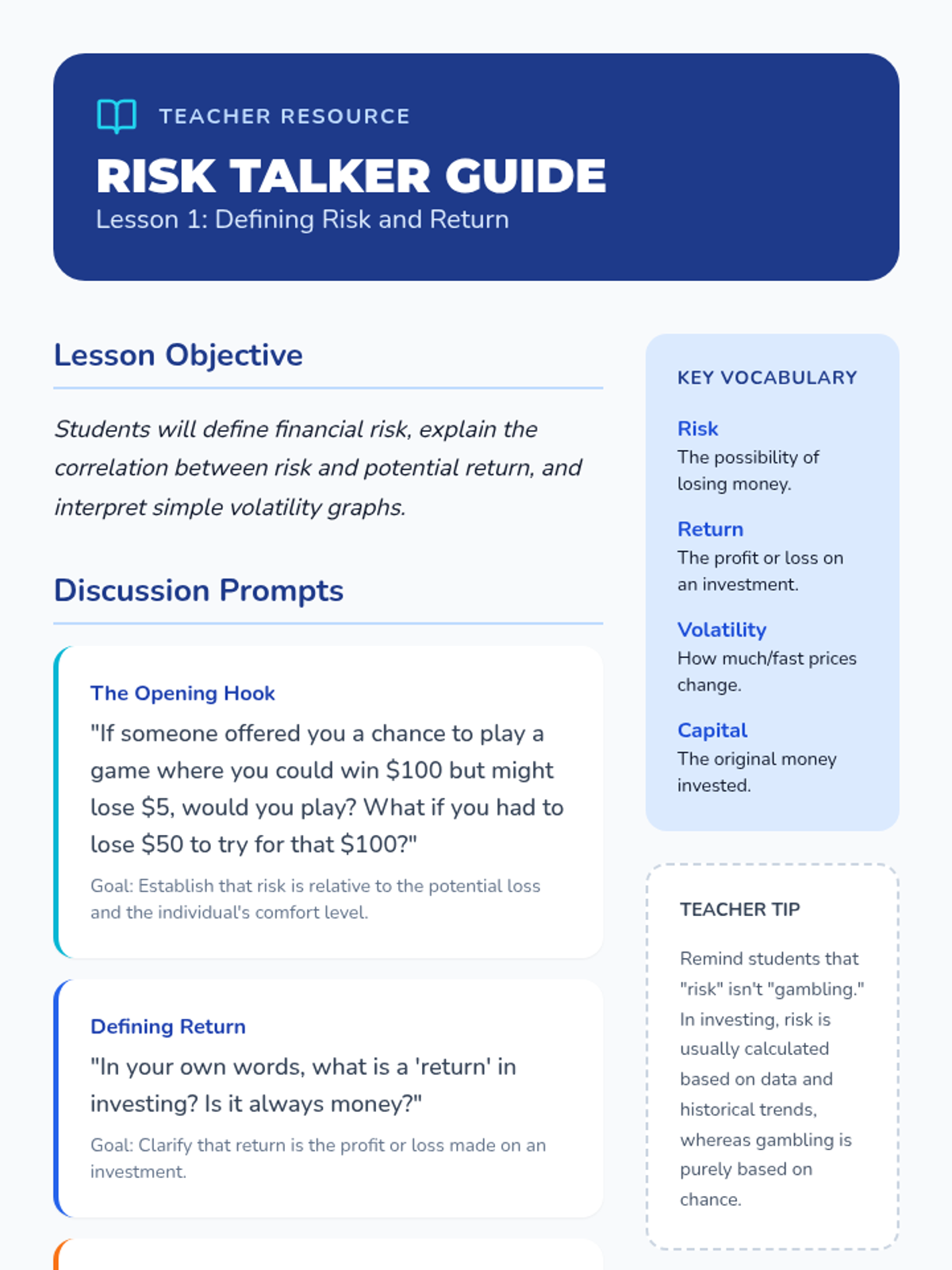
A comprehensive unit on financial literacy focusing on the relationship between risk, return, and the power of diversification for 5th-grade students.
A 5th-grade financial literacy sequence that teaches students the power of saving, the mechanics of interest, and the exponential growth of compound interest through hands-on simulations and mathematical reasoning.
A comprehensive introduction to banking and finance for 5th graders, exploring how interest, loans, and credit shape personal financial decisions and economic growth.
This sequence introduces 5th-grade students to banking fundamentals, focusing on the security of financial institutions, the mechanics of simple interest, the difference between account types, and personal financial planning. Students participate in a classroom economy simulation to practice real-world skills like ledger balancing and interest calculation.
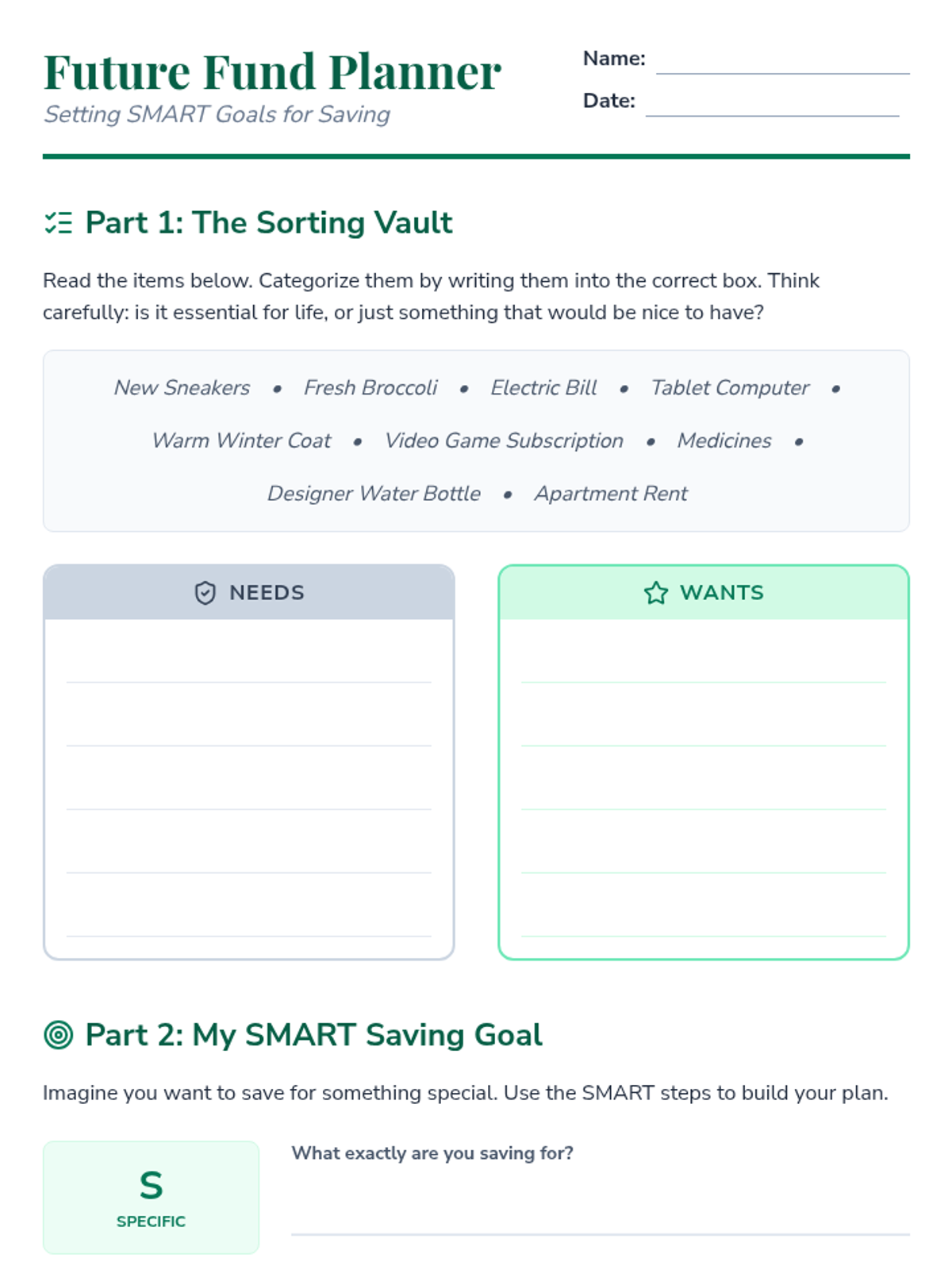
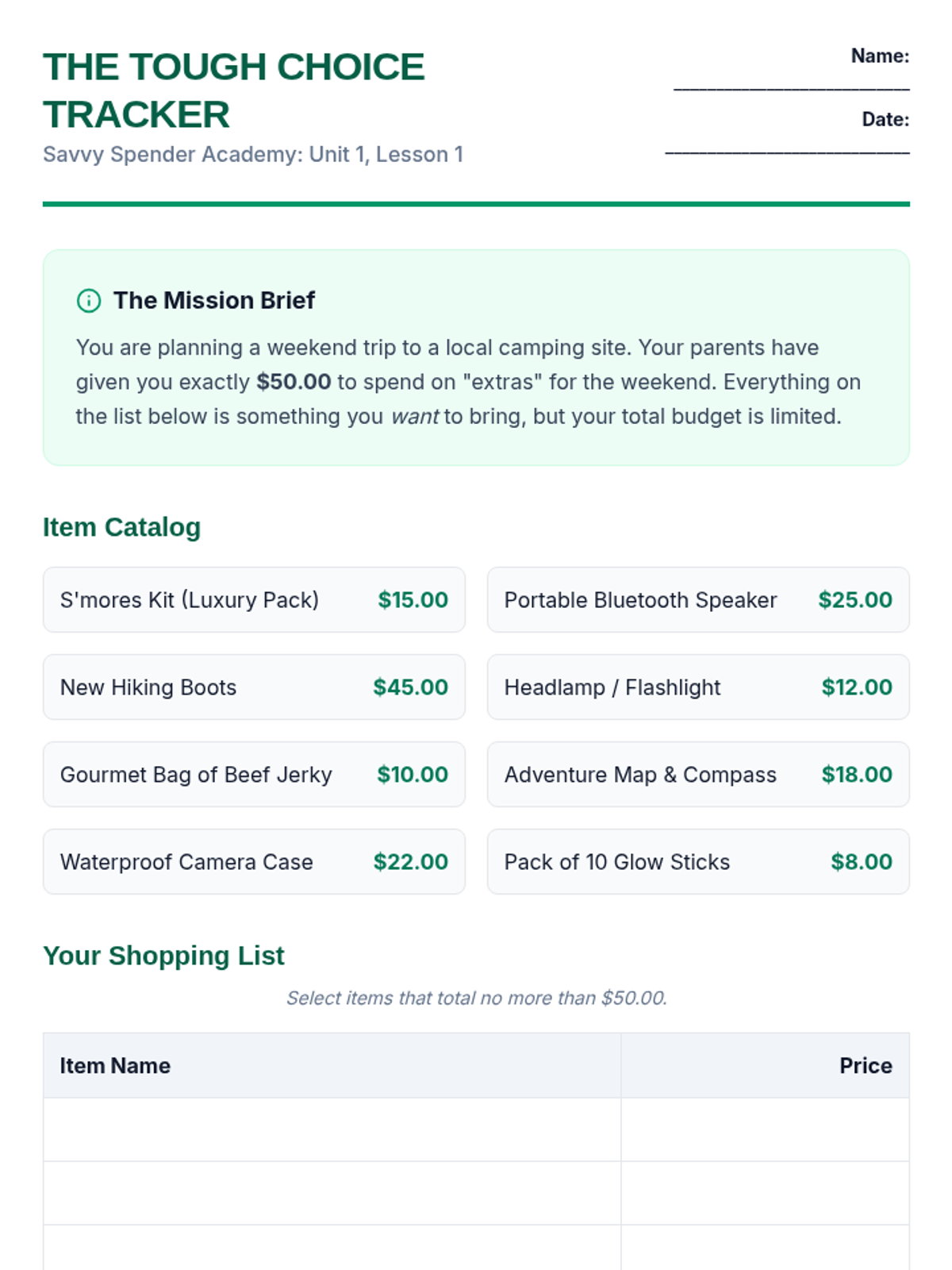
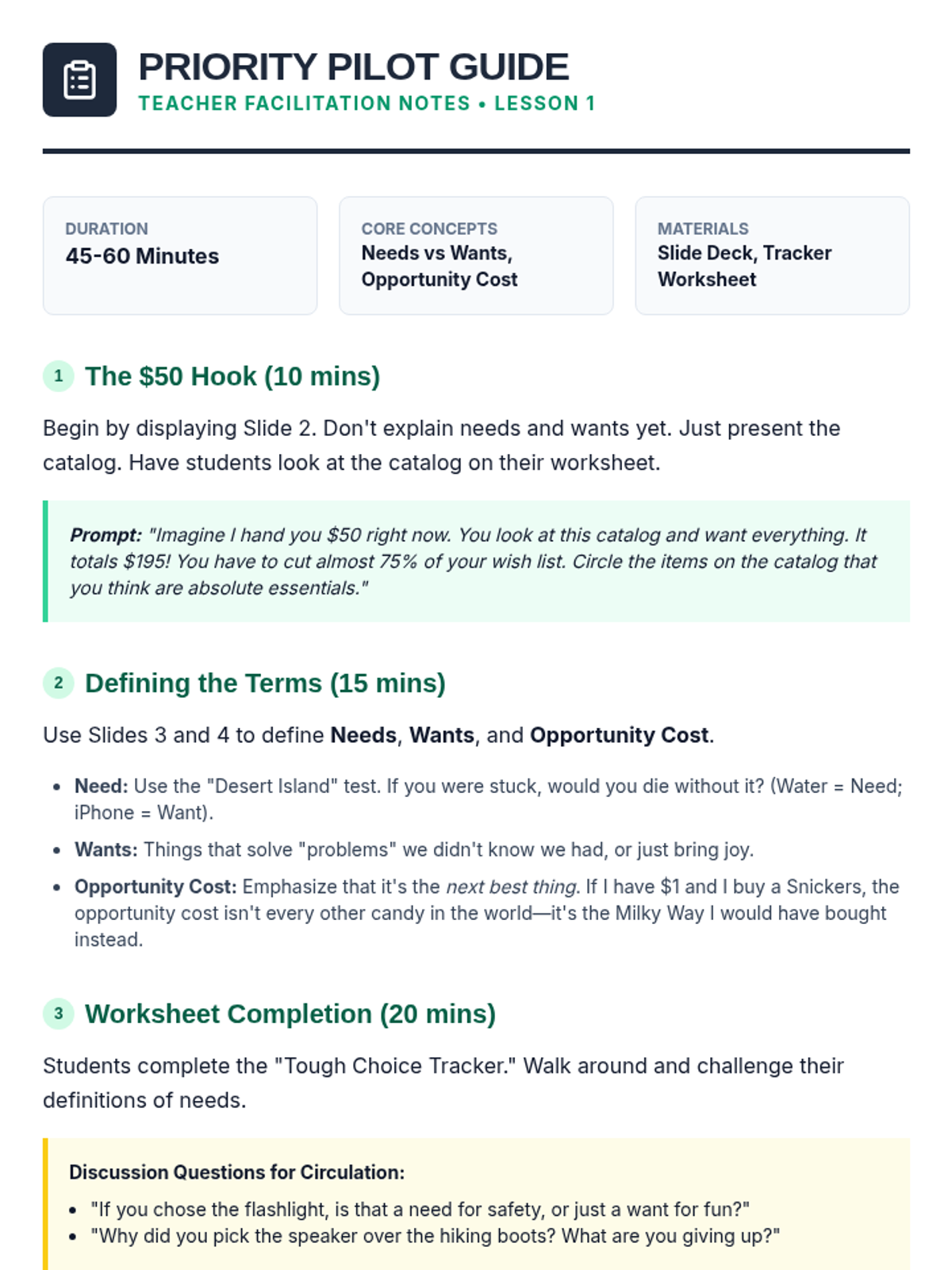
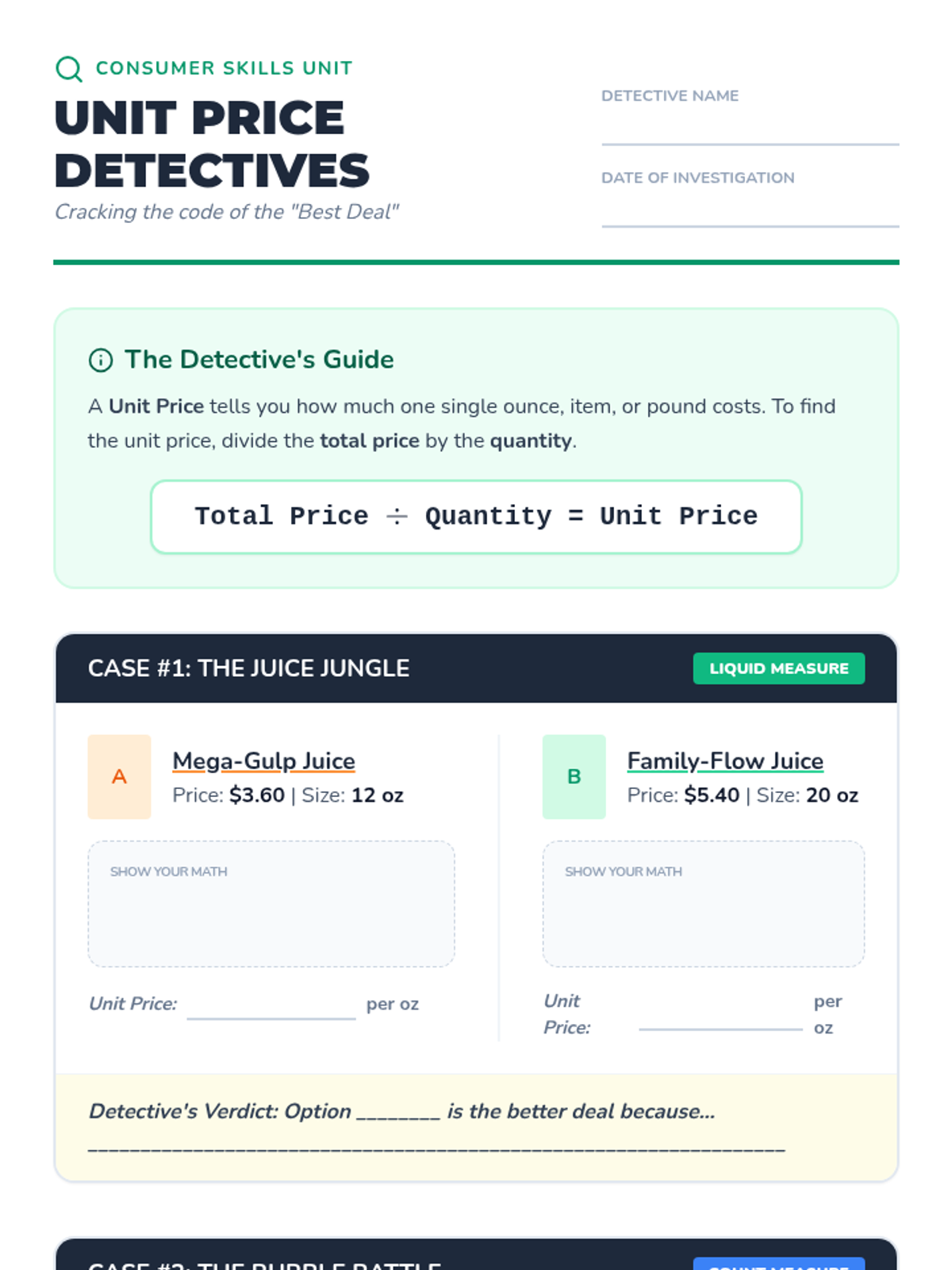
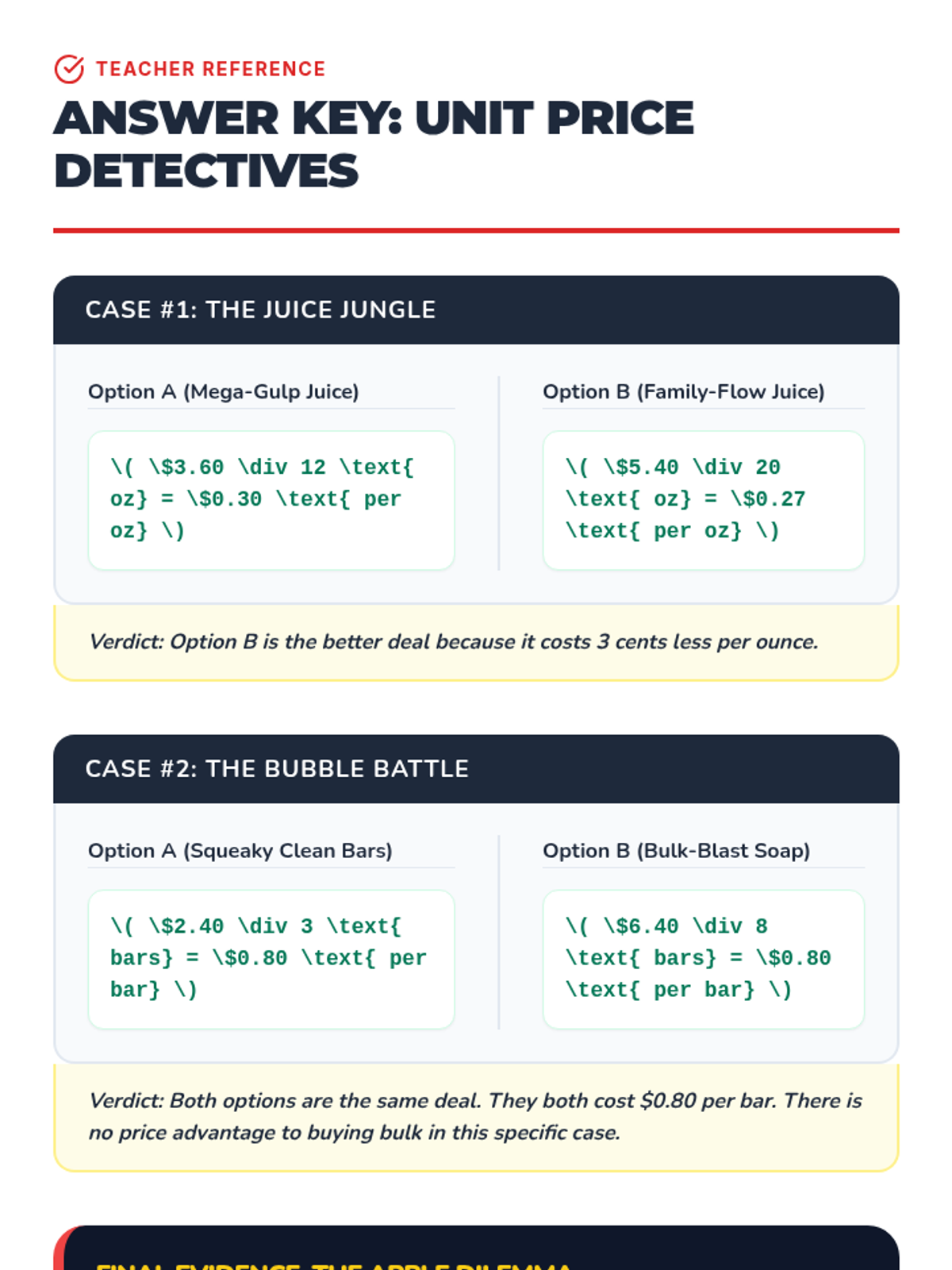
This financial literacy sequence for 5th graders focuses on essential consumer skills, including differentiating needs from wants, calculating unit prices, analyzing product reviews, and understanding consumer rights. Through simulations and mathematical application, students develop the critical thinking needed to make smart, value-driven purchasing decisions.
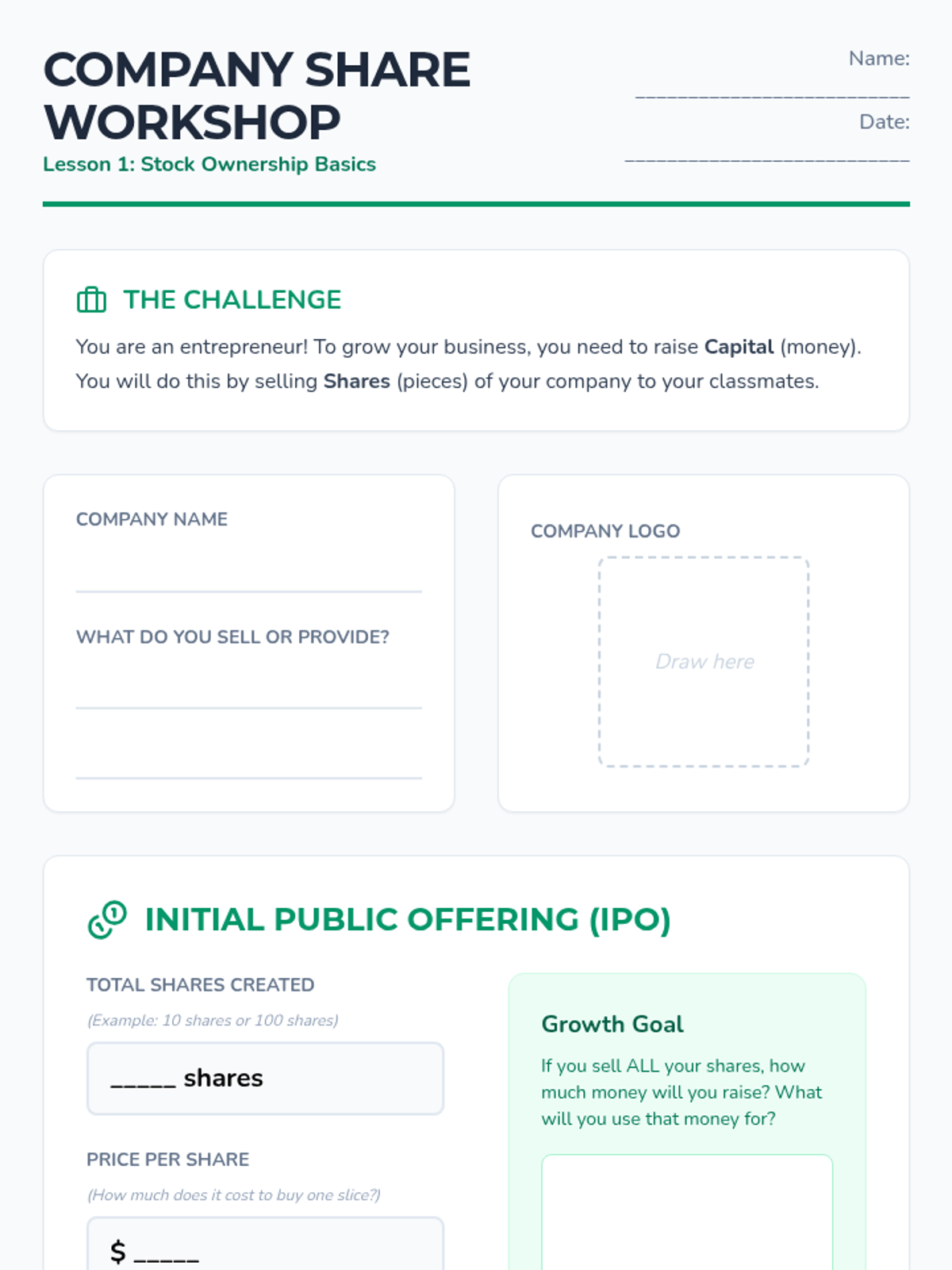
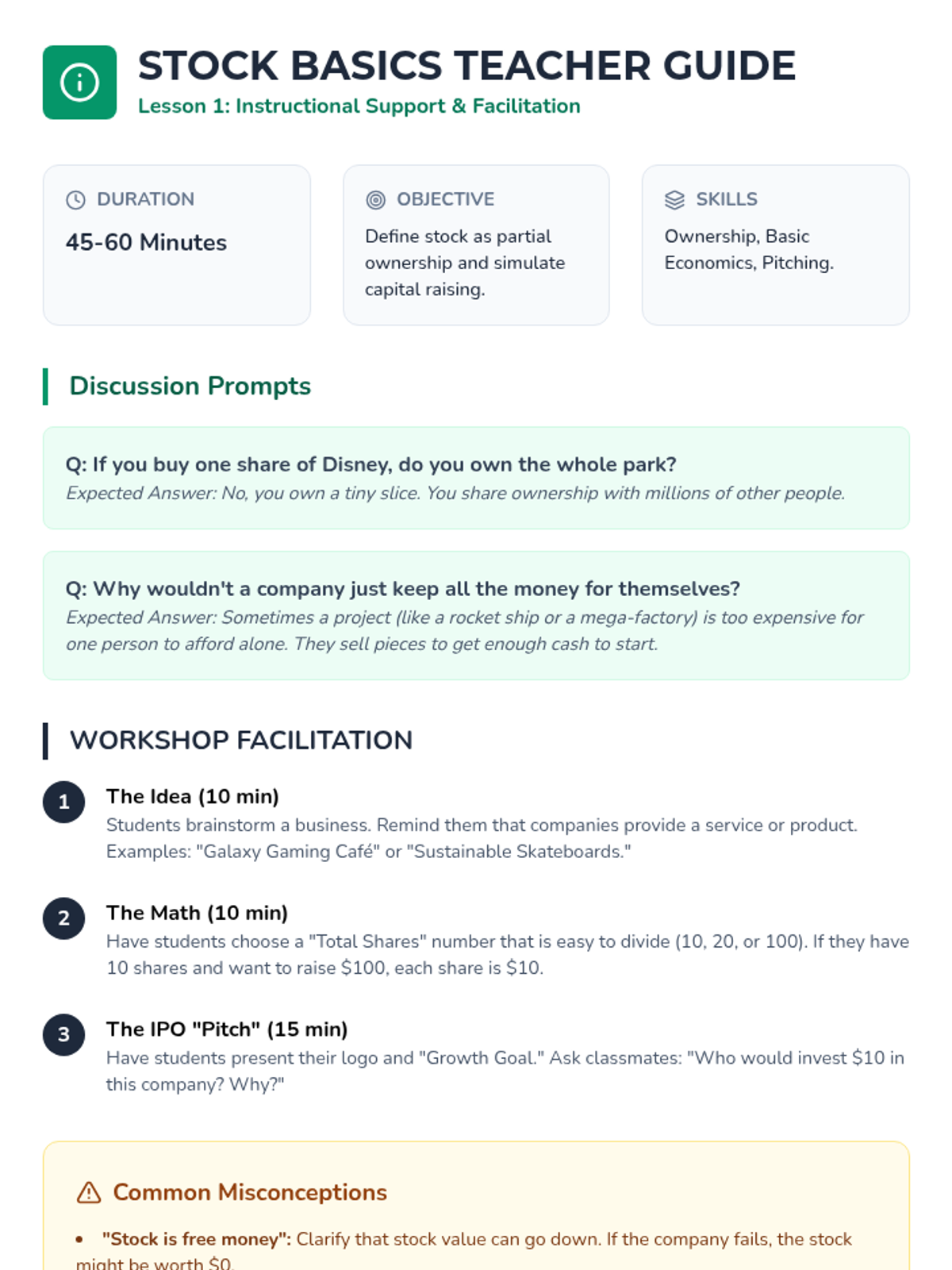
Students explore the world of investing by distinguishing between stocks (ownership), bonds (loans), and mutual funds (pooling). Through simulations, market games, and analogies, 5th graders learn how capital is raised and how markets fluctuate based on real-world events.
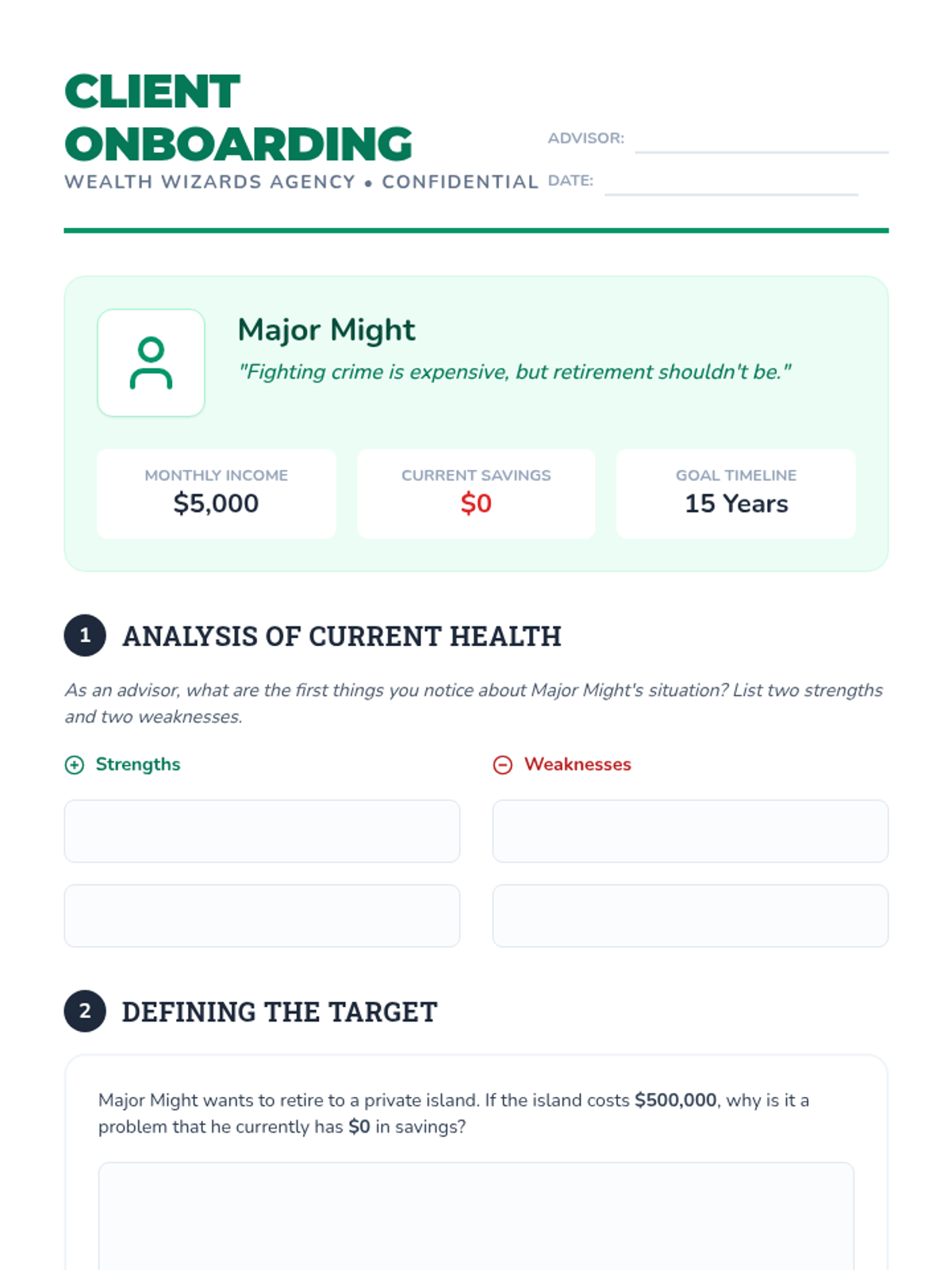
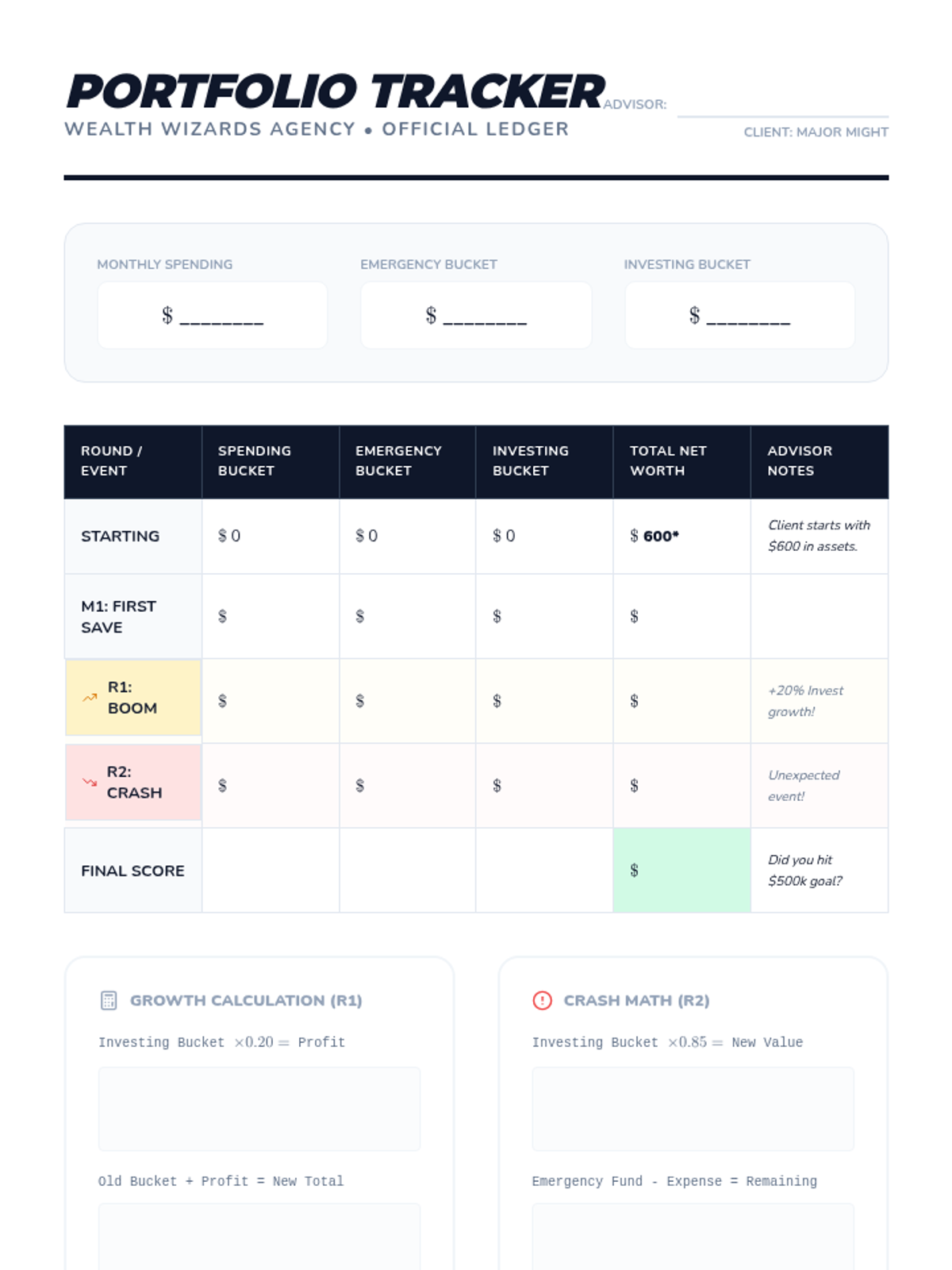
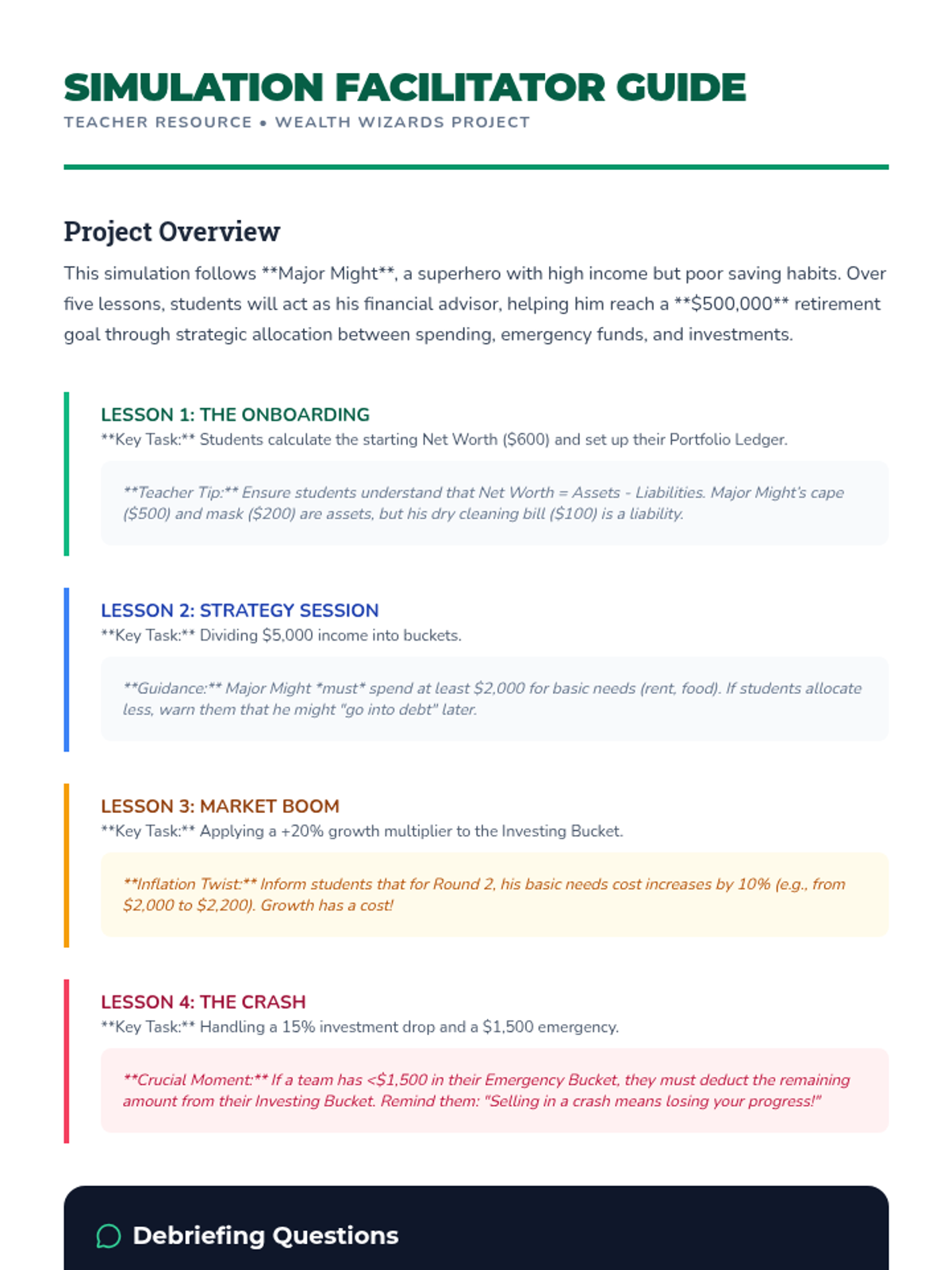
A project-based sequence where 4th graders act as financial advisors for fictional characters, navigating market booms and crashes to build a personal financial growth plan. Students learn the importance of emergency funds, diverse investments, and long-term saving strategies.
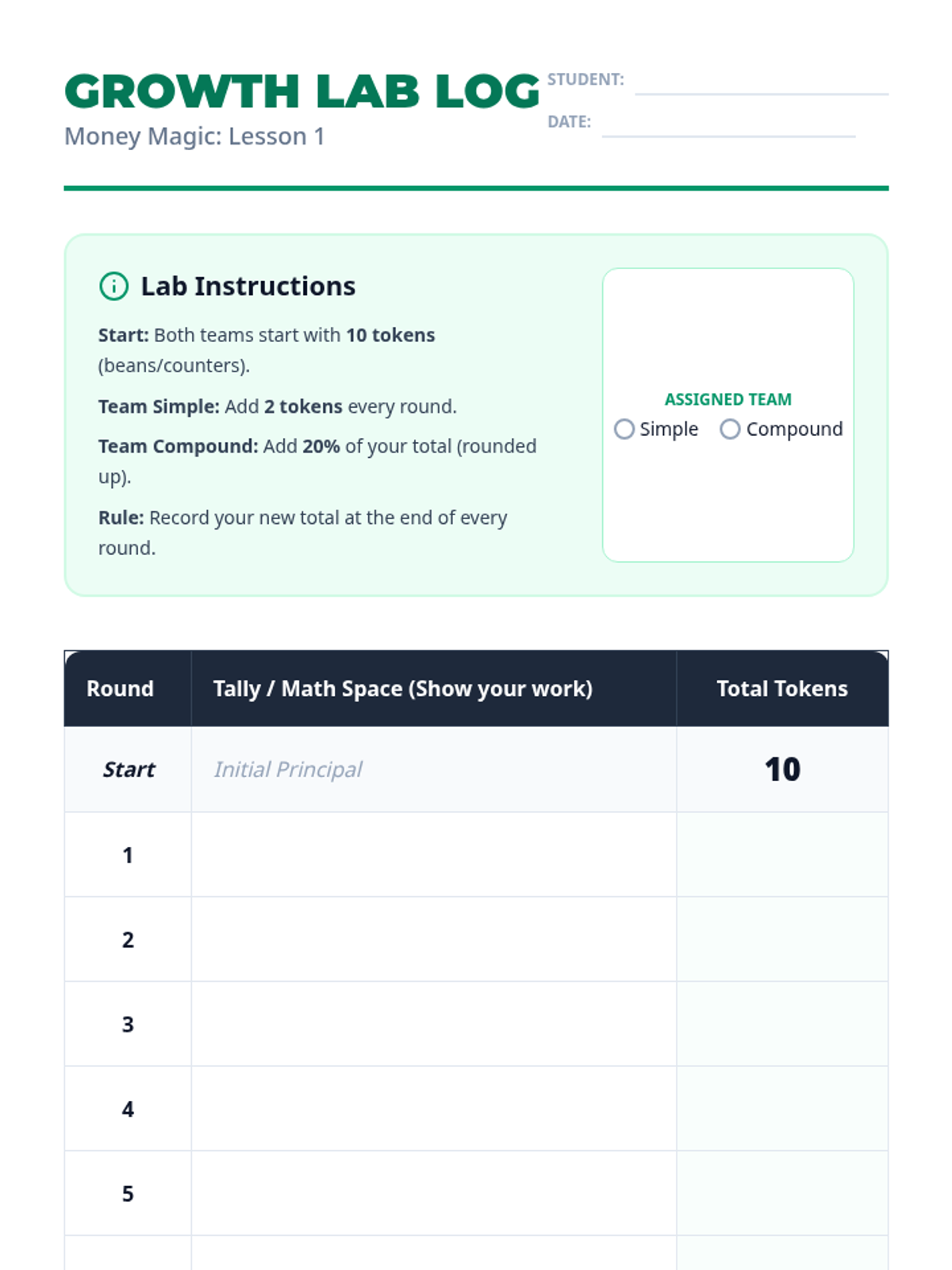
A 4th-grade financial literacy unit that demystifies compound interest through hands-on simulations, mental math challenges, and visual metaphors. Students discover how time and interest rates work together to grow wealth while learning to protect their savings from inflation.
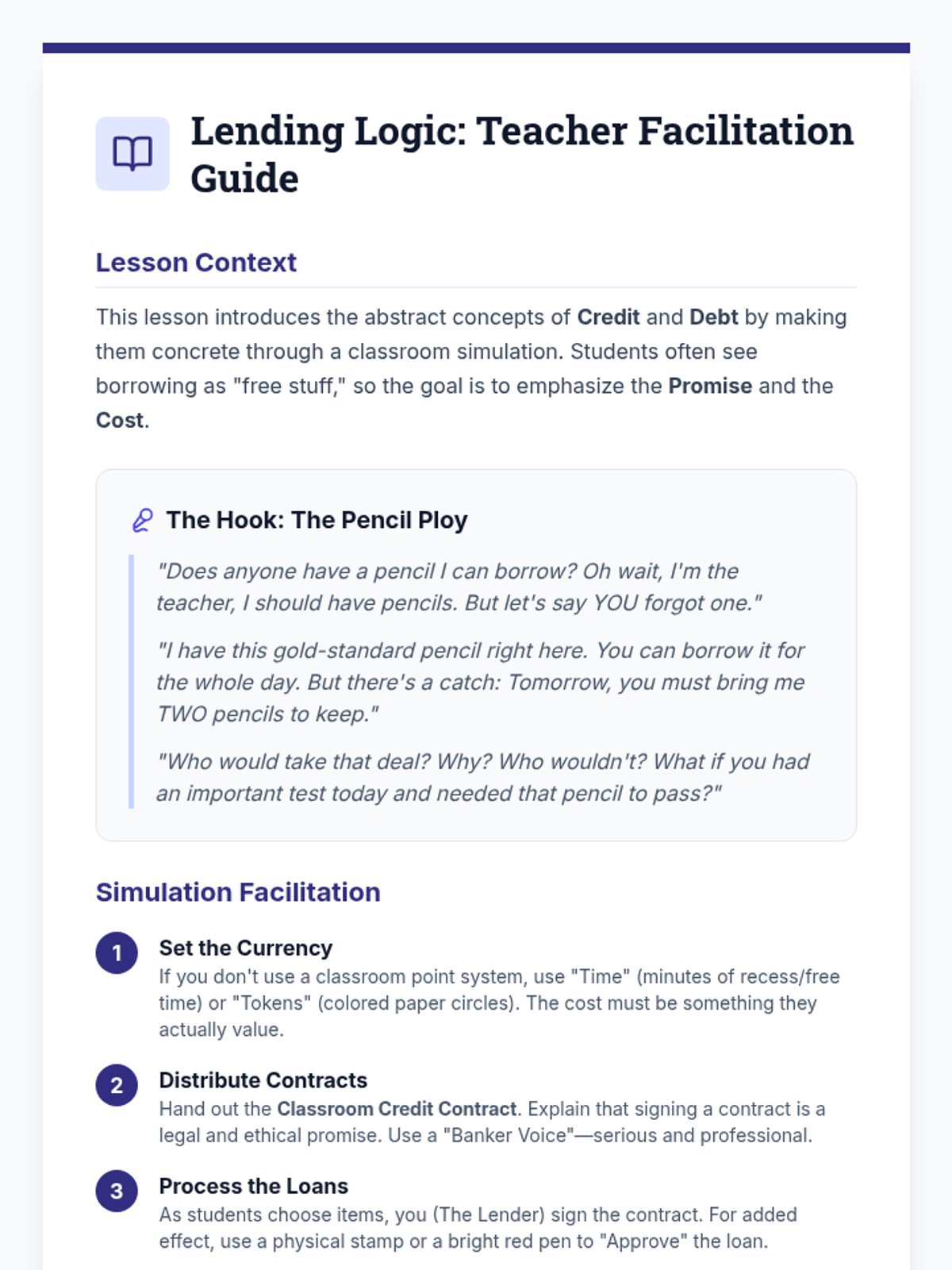
This sequence explores the mechanics of credit, the actual cost of debt through interest, the importance of creditworthiness, and the basics of investment risk. Students culminate their learning by evaluating business loan proposals in a 'Shark Tank' style simulation.
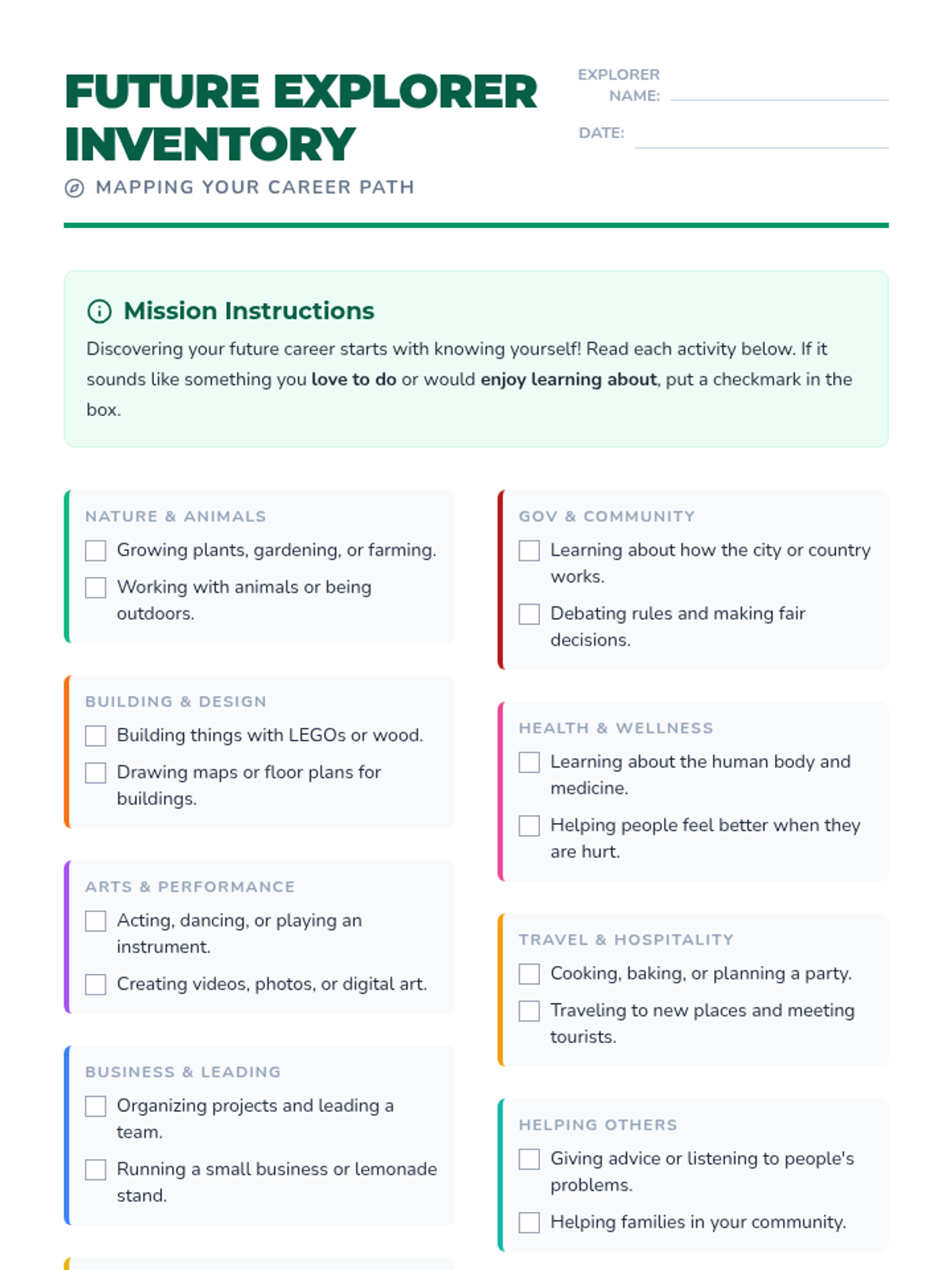
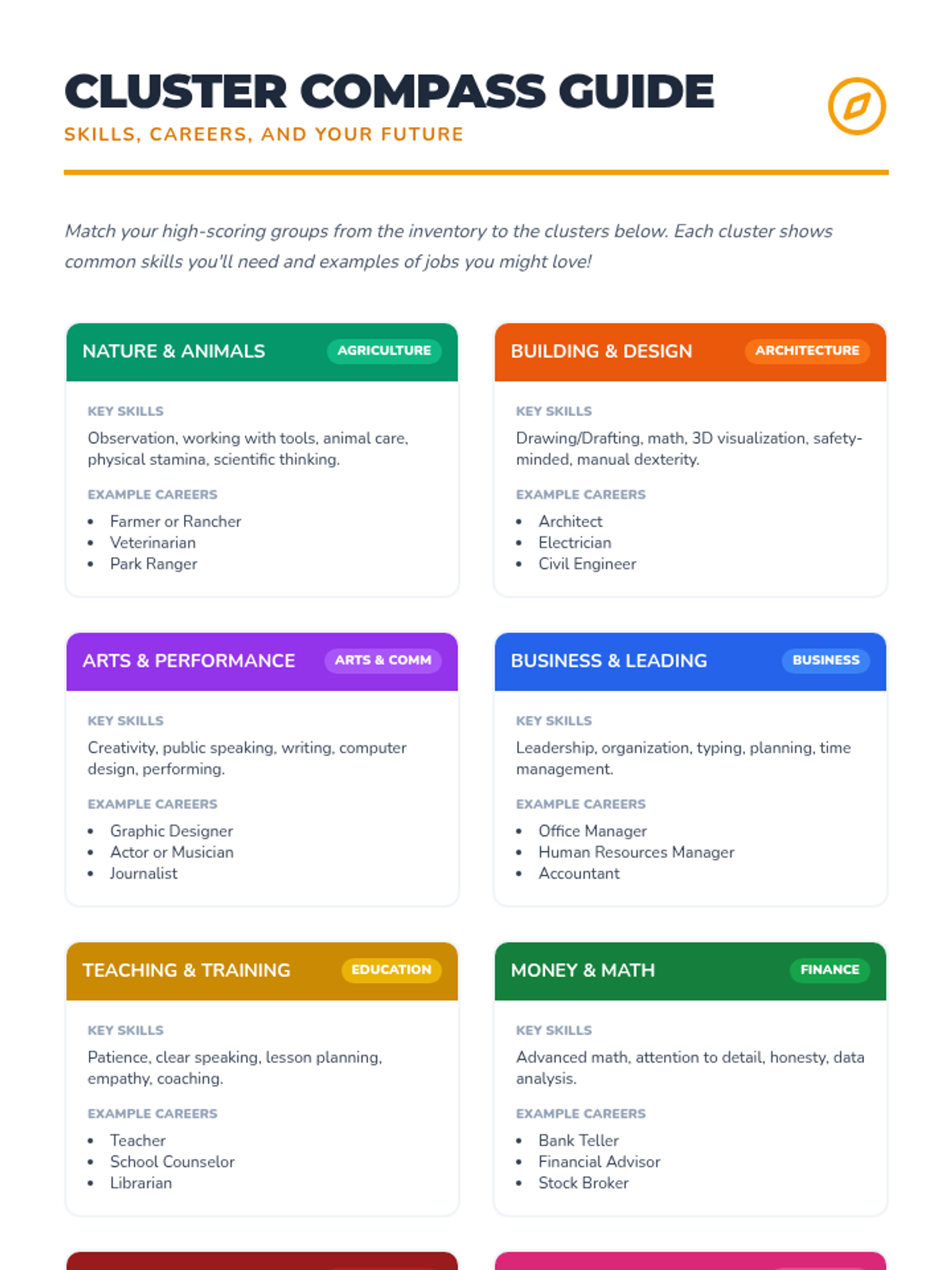
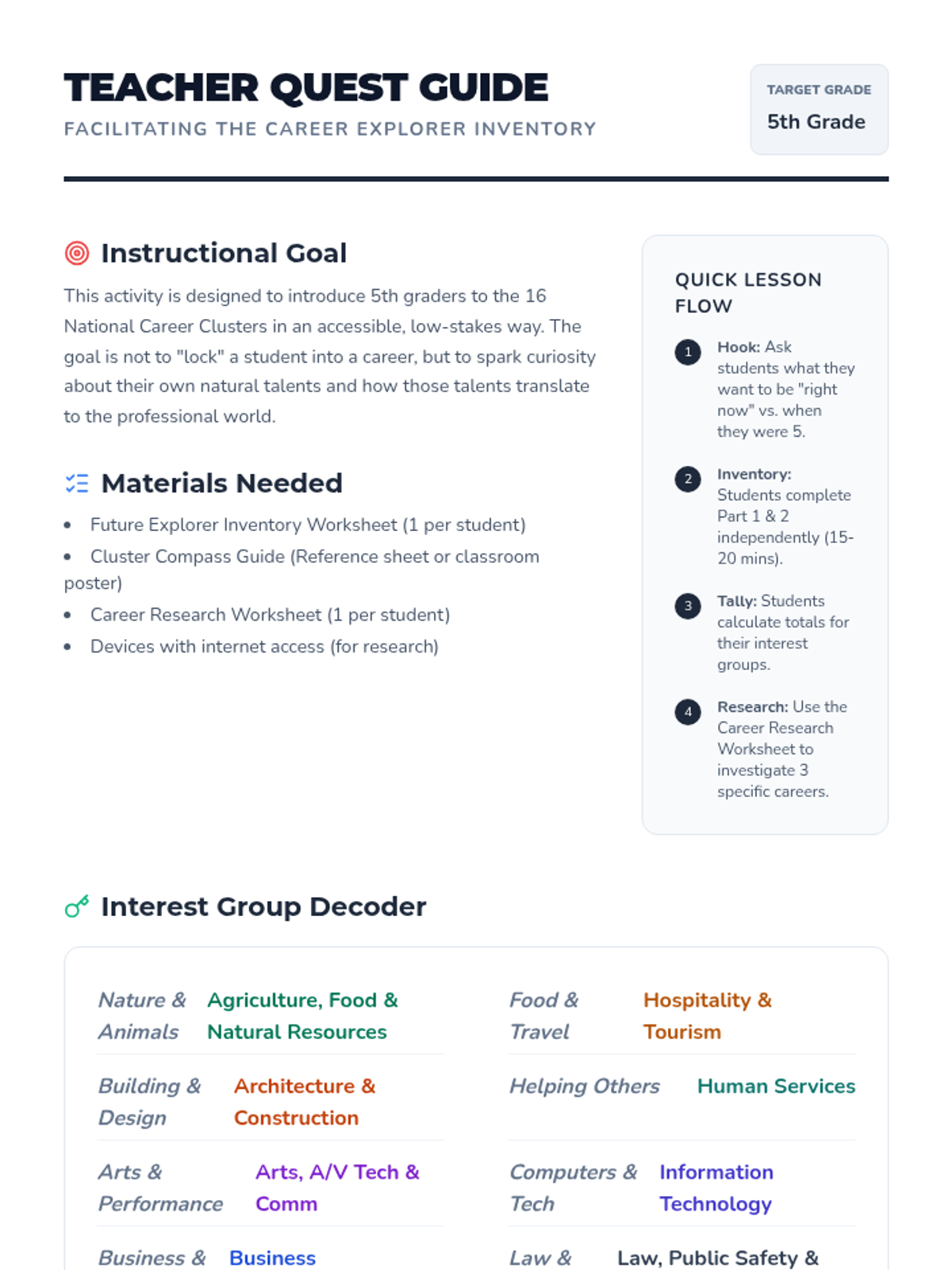
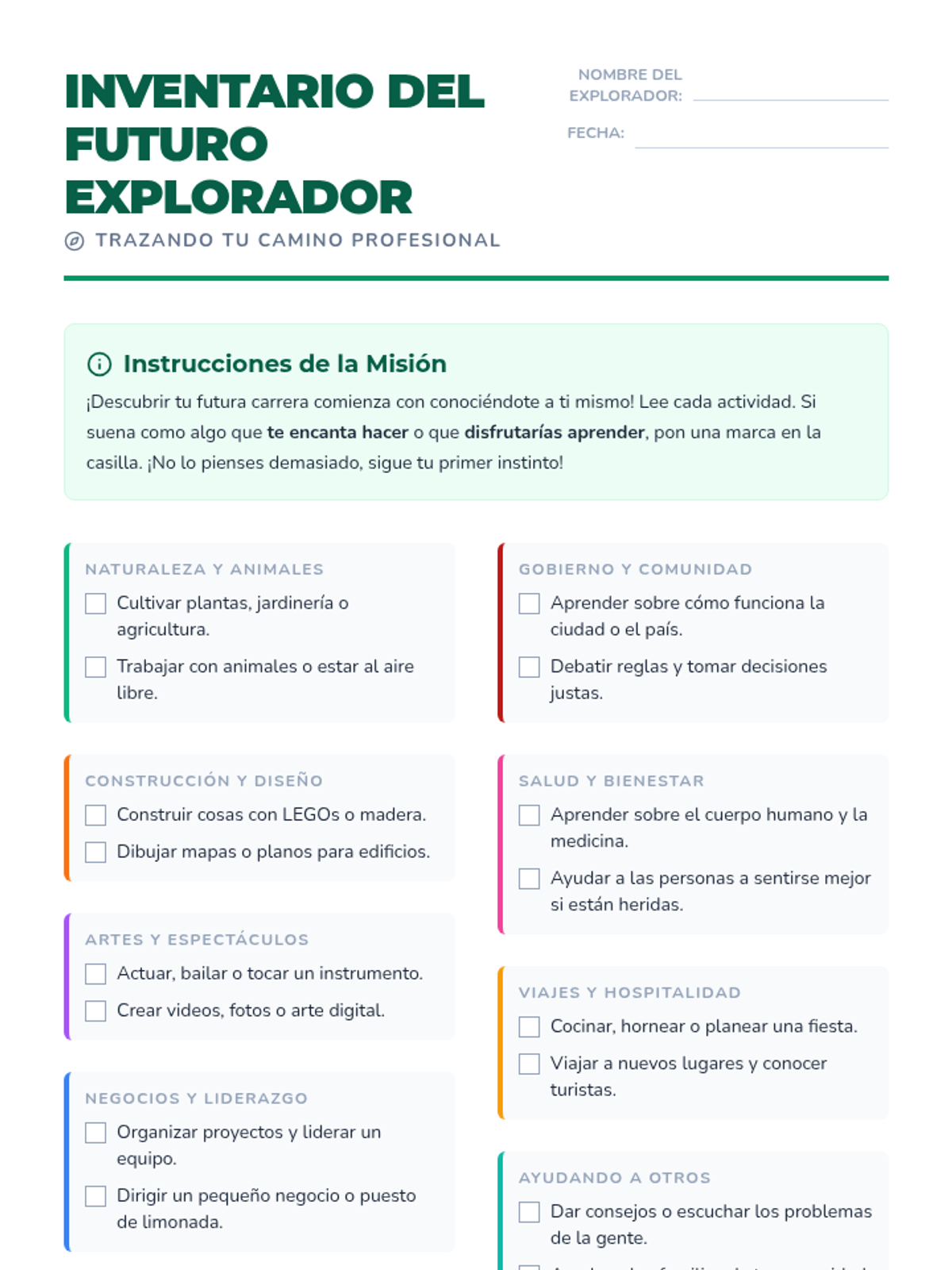
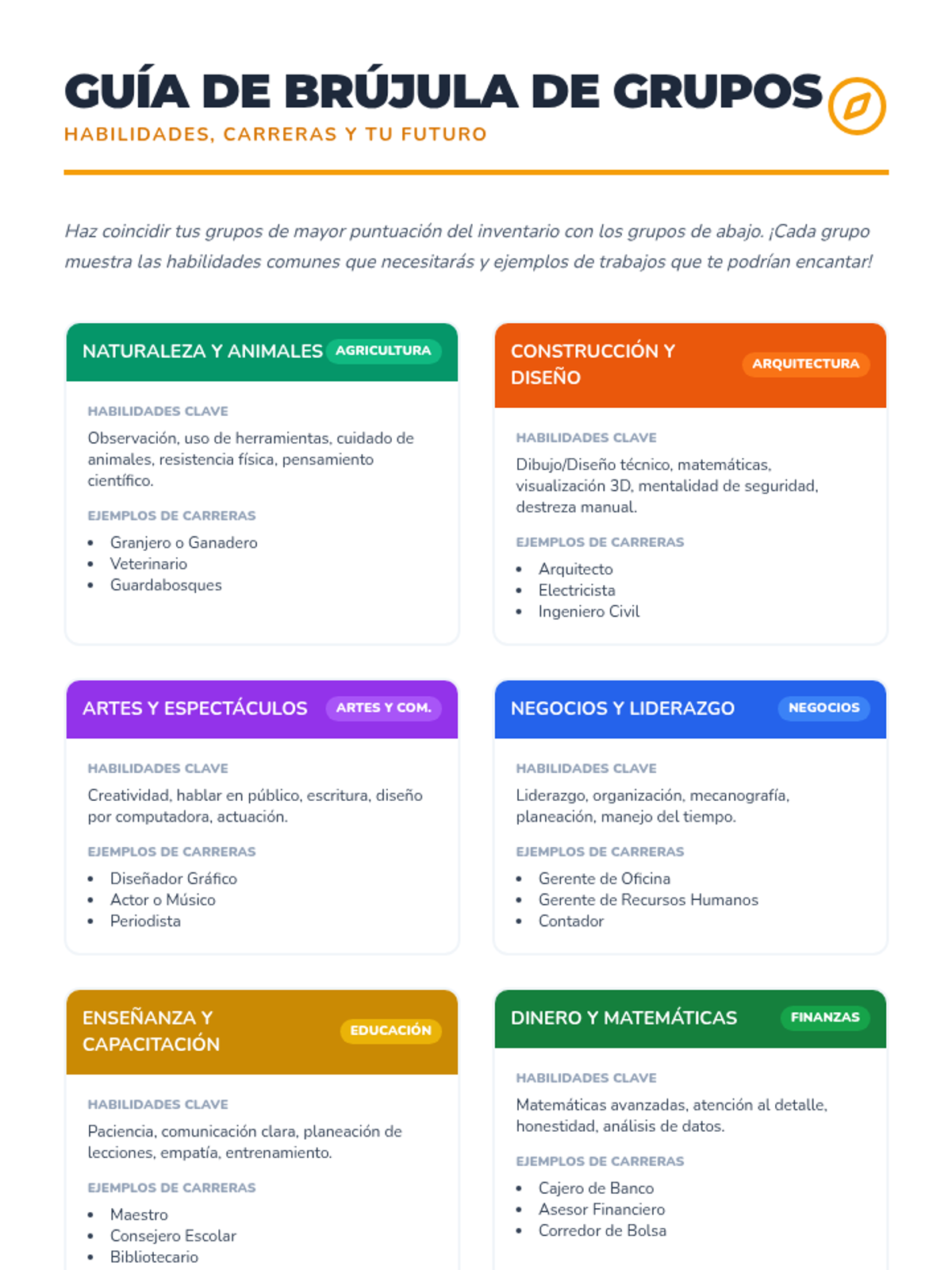
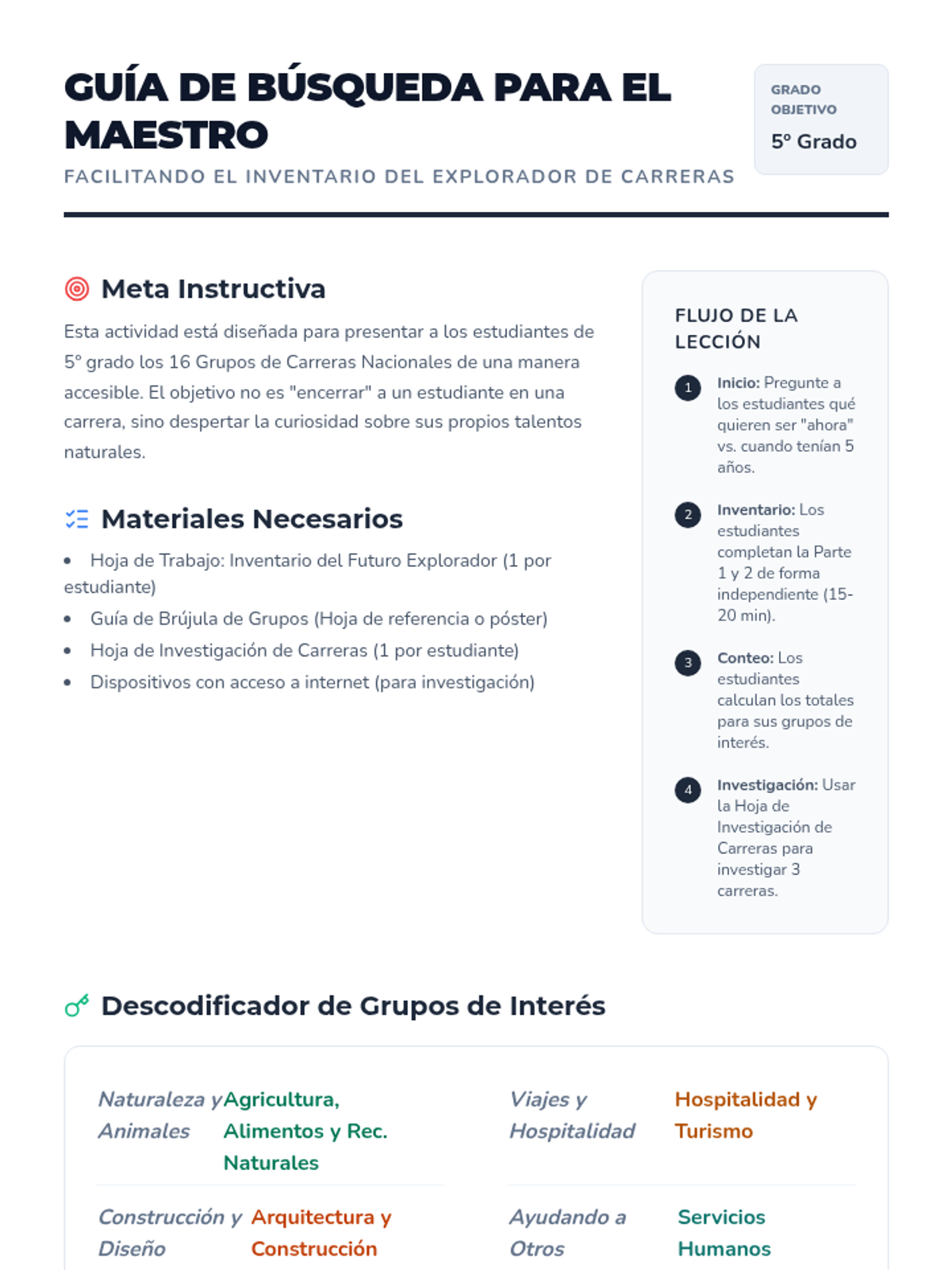
A series of resources designed to help elementary students explore diverse career paths through engaging visuals and real-world facts.
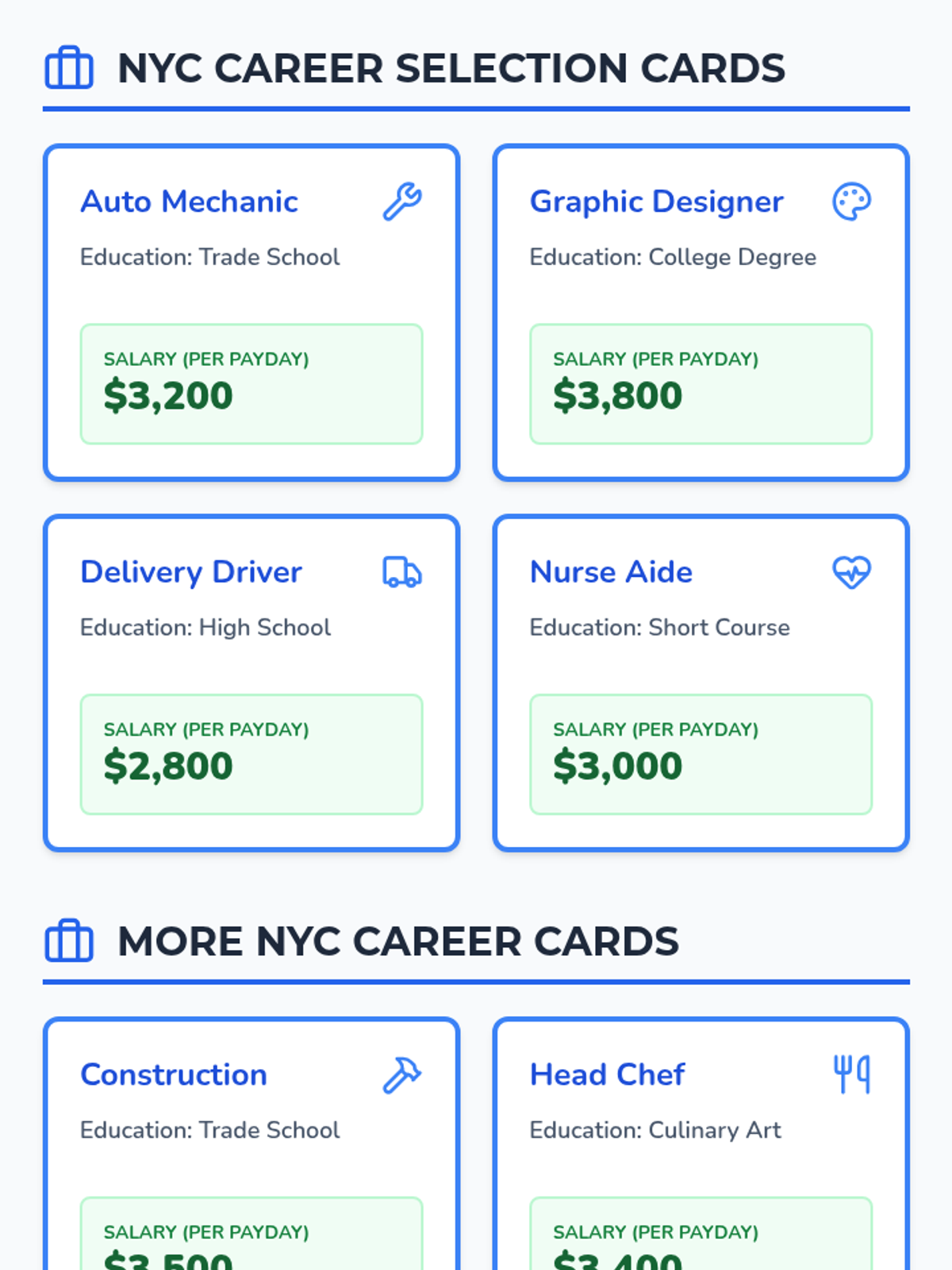
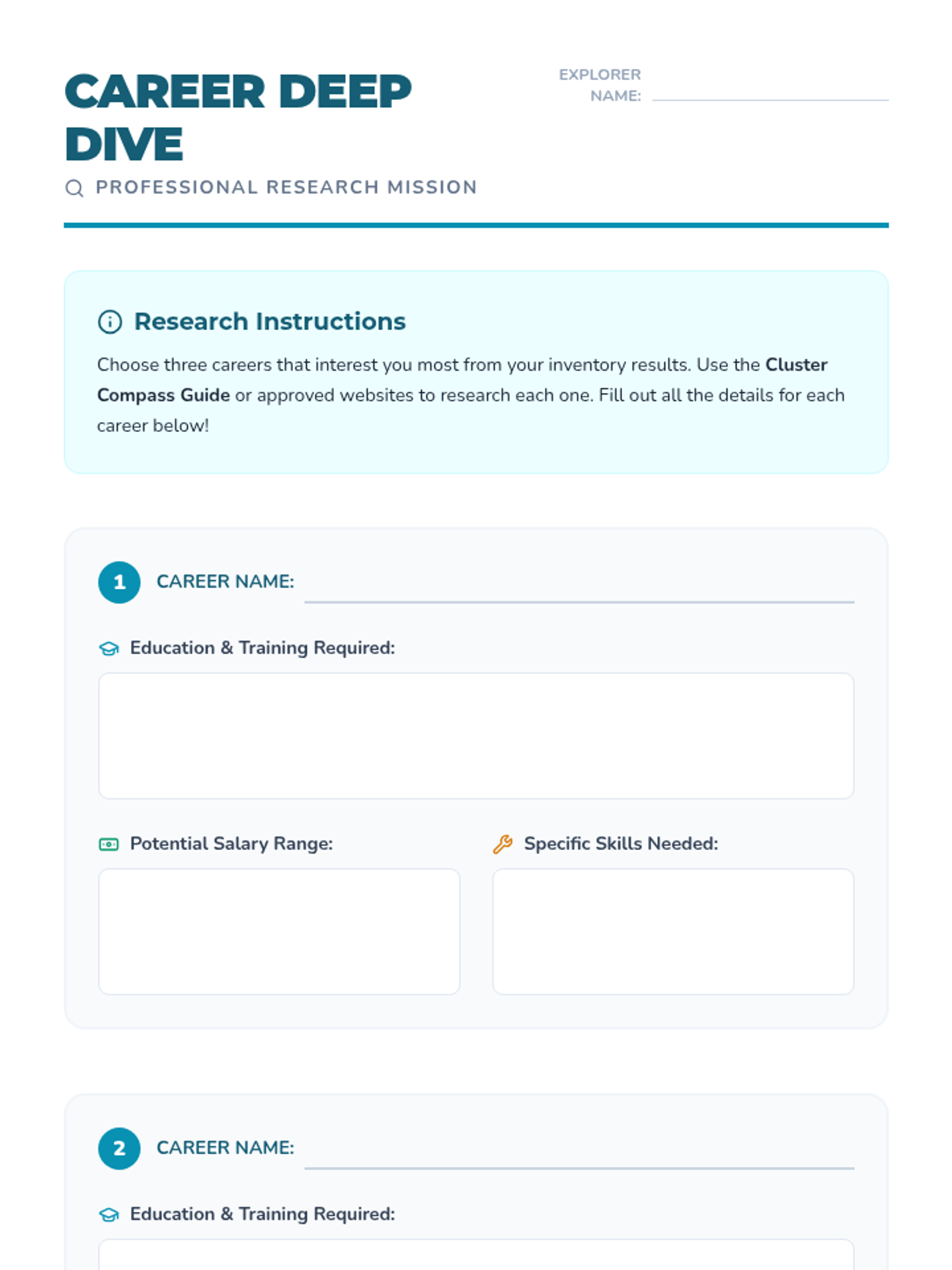
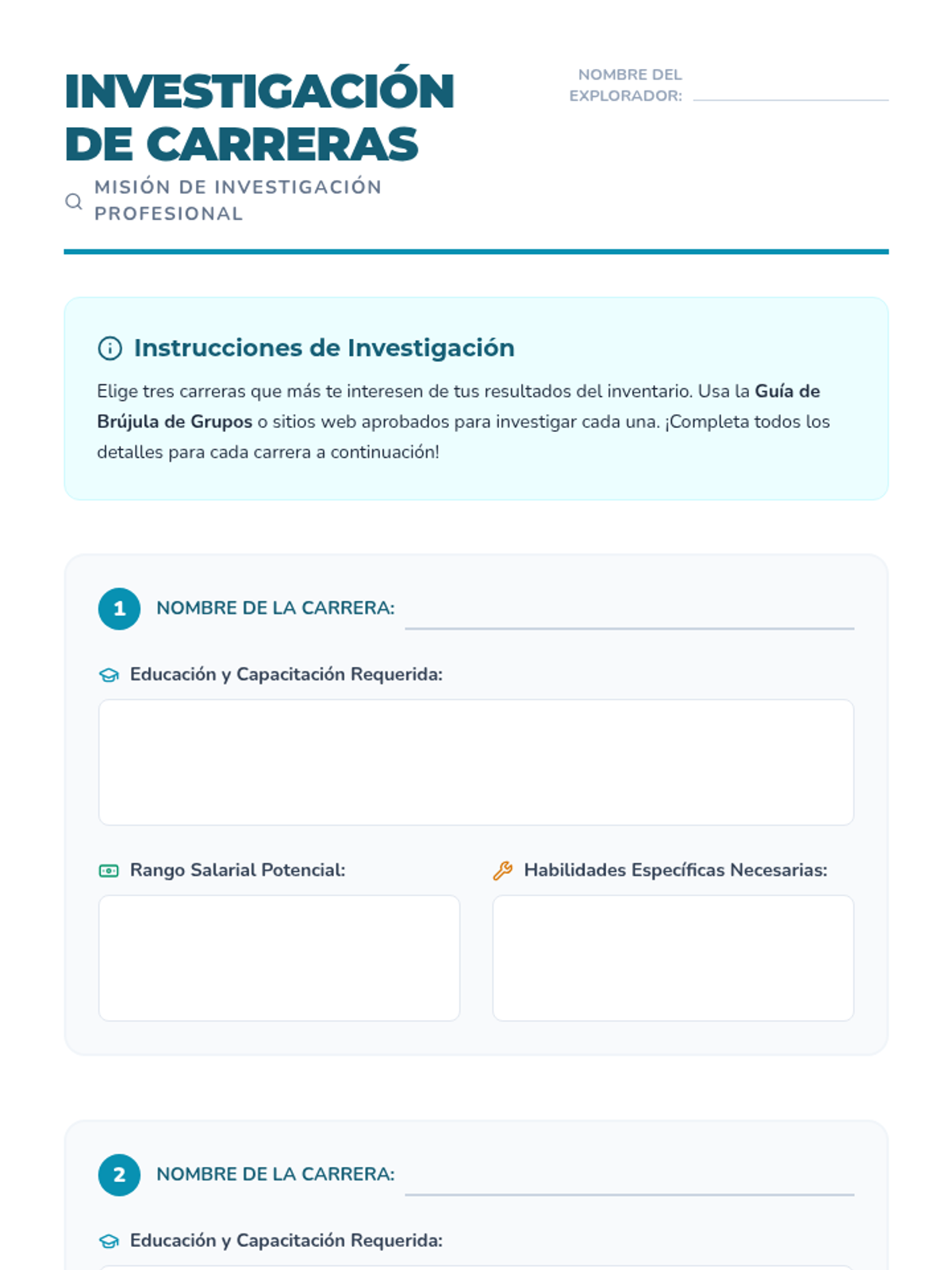
A comprehensive career and financial literacy sequence for upper elementary students. This sequence covers career interest exploration for 5th grade and the connection between education, salary, and budgeting for 4th grade.
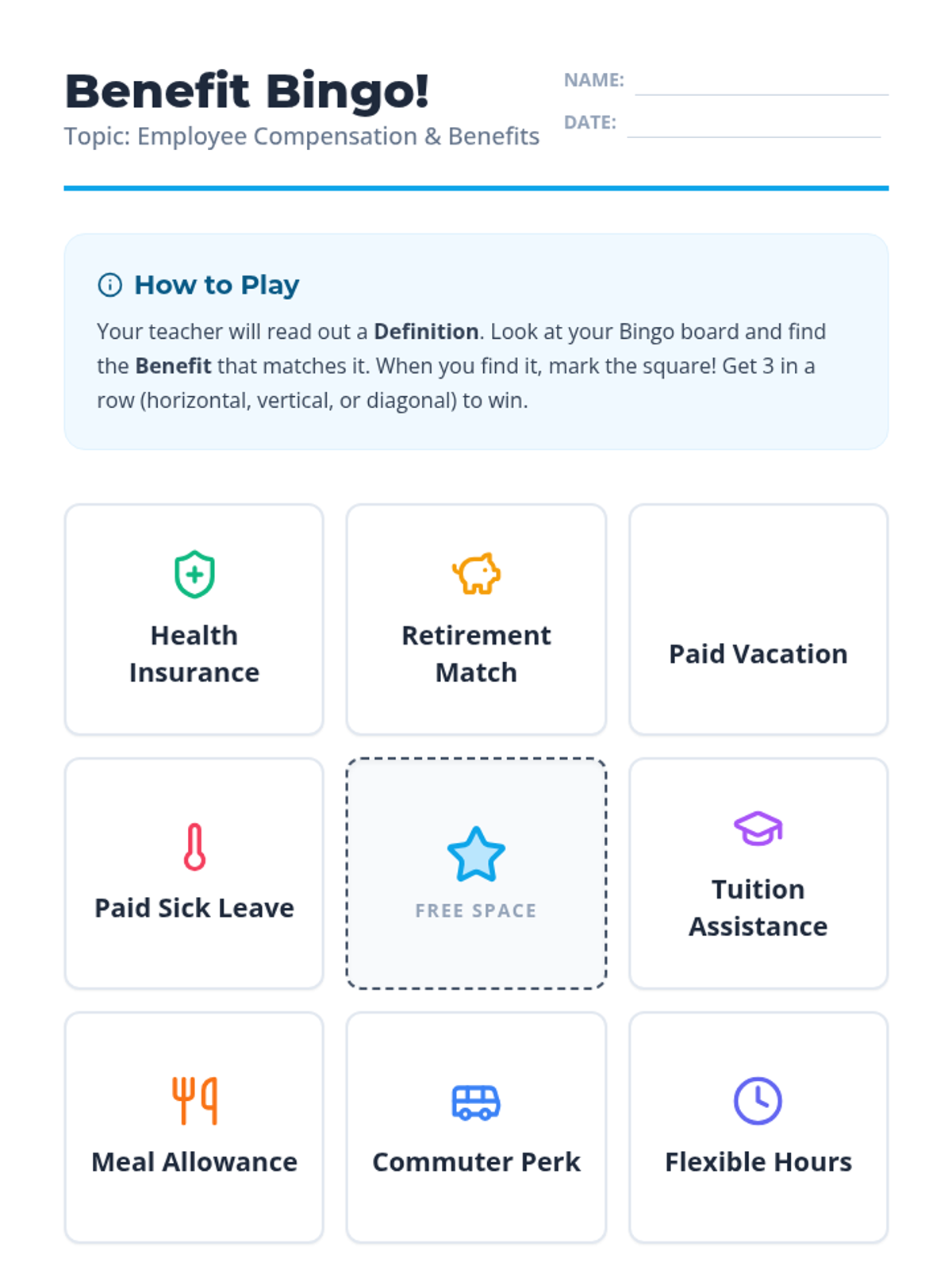
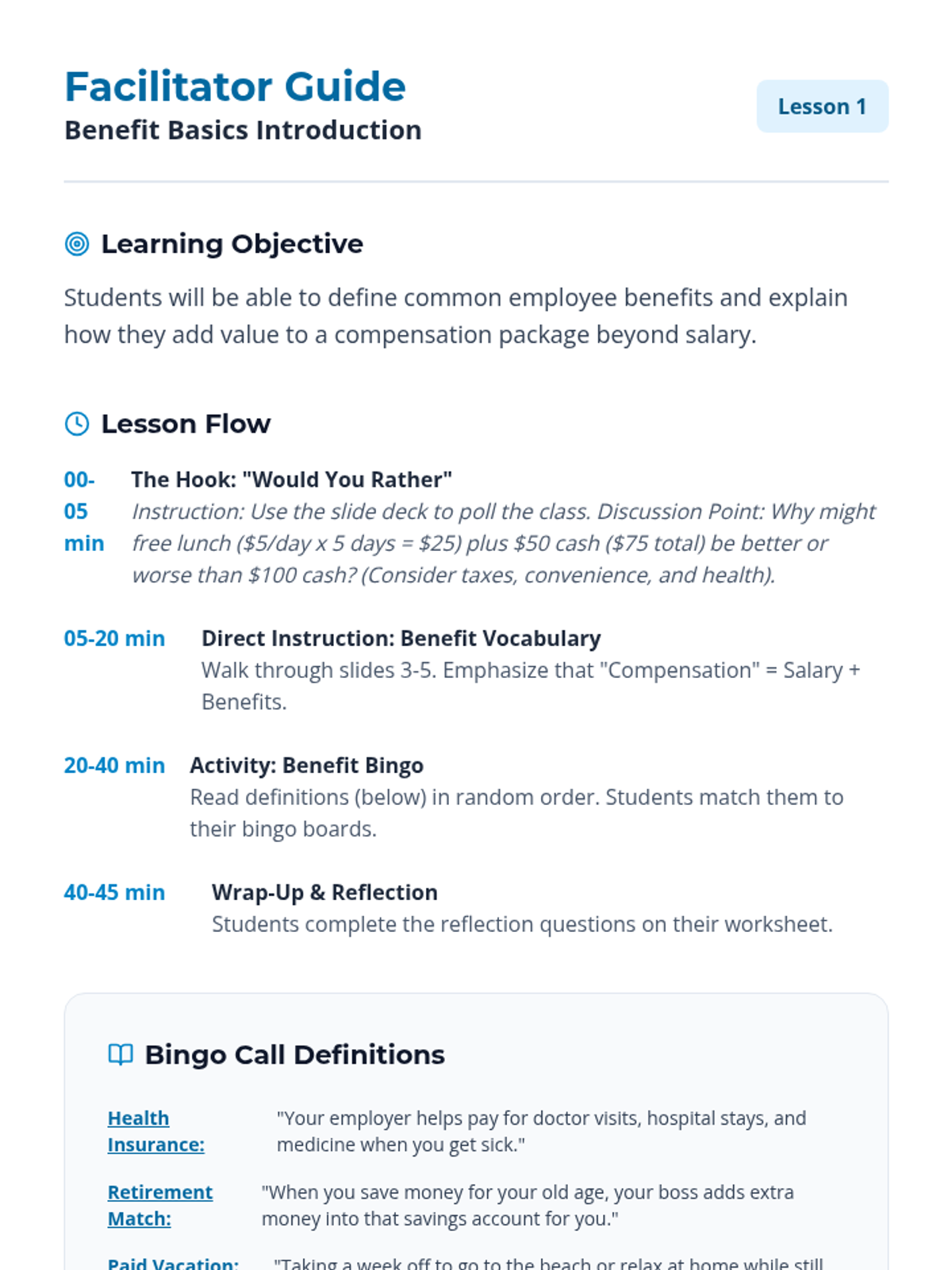
This 5th-grade sequence introduces students to the concept of total compensation by exploring employee benefits beyond just salary. Students learn to evaluate health insurance, paid time off, and retirement contributions through games, simulations, and comparative case studies, ultimately designing their own balanced compensation packages.
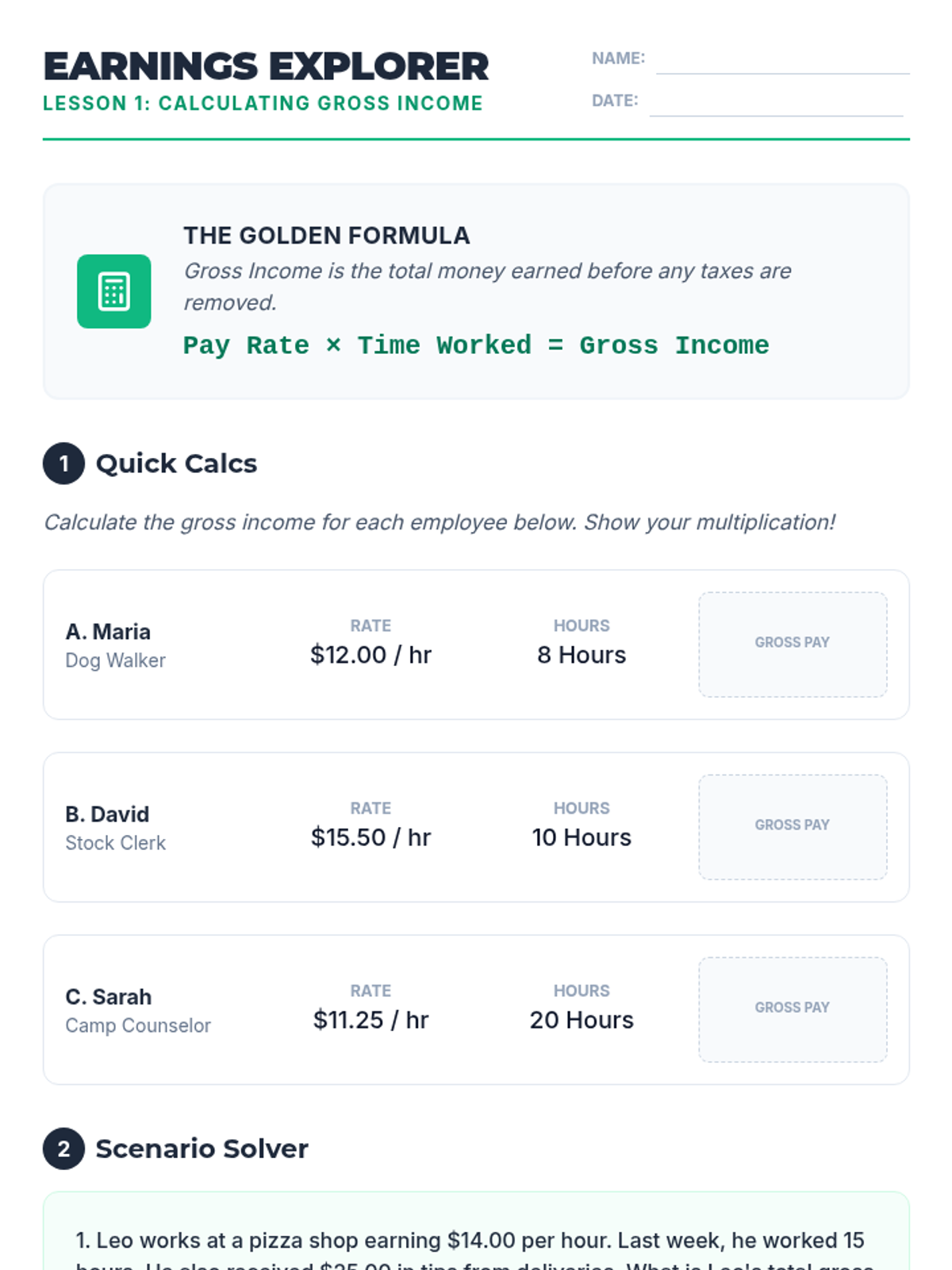
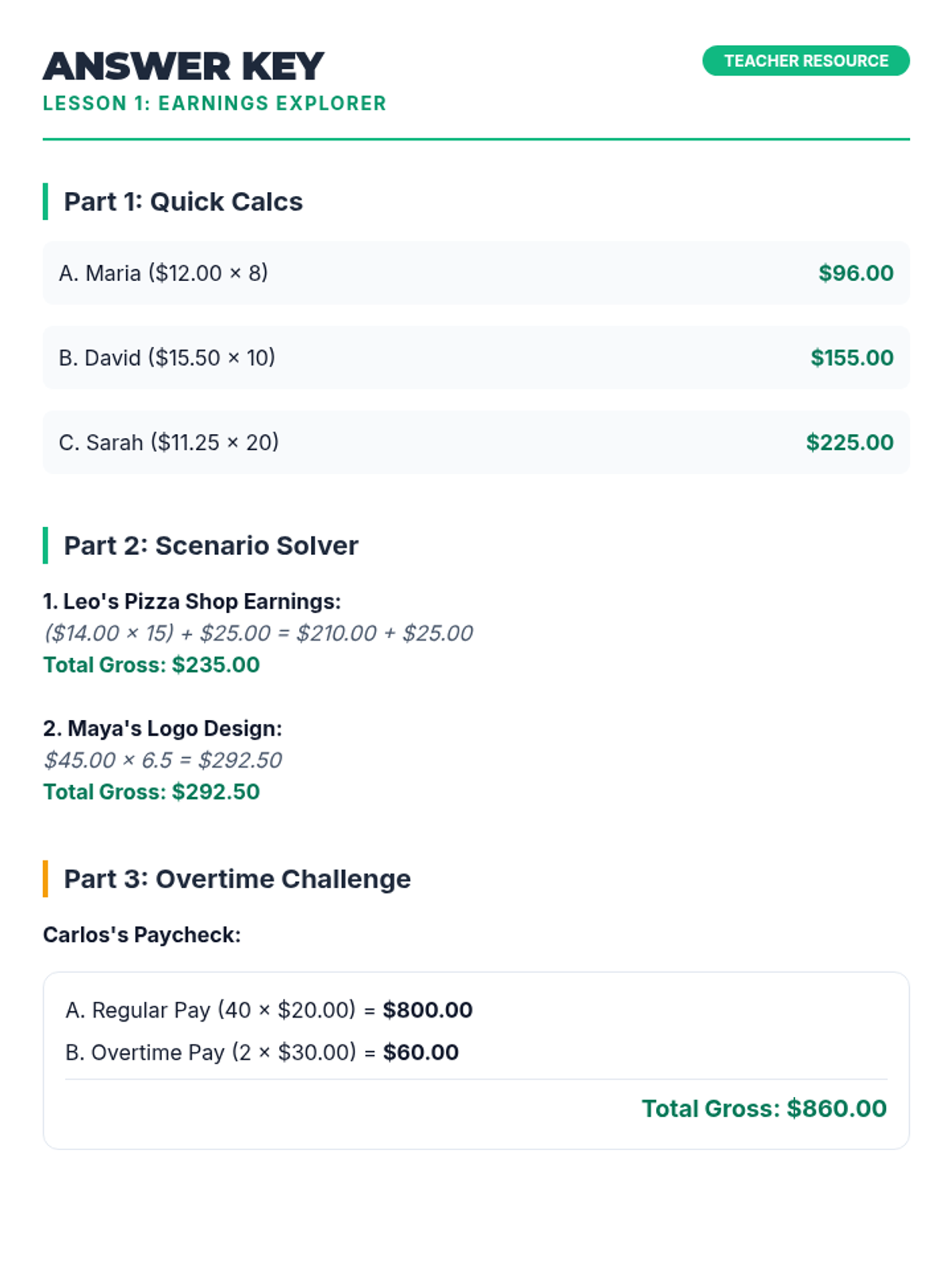
A comprehensive unit for 5th graders on the mathematics and mechanics of paychecks. Students explore gross income, deductions for public goods, and the final net pay used for budgeting.
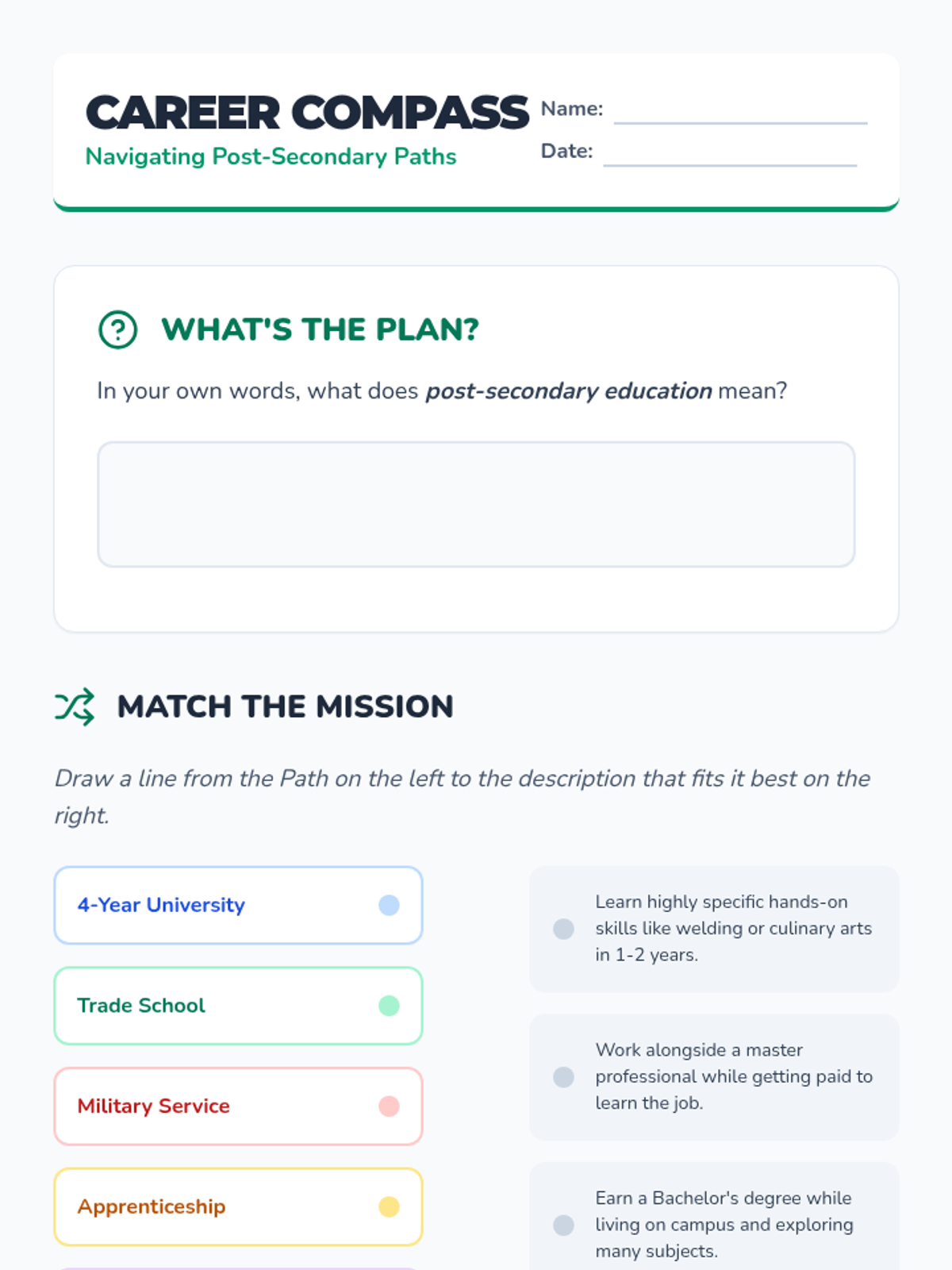
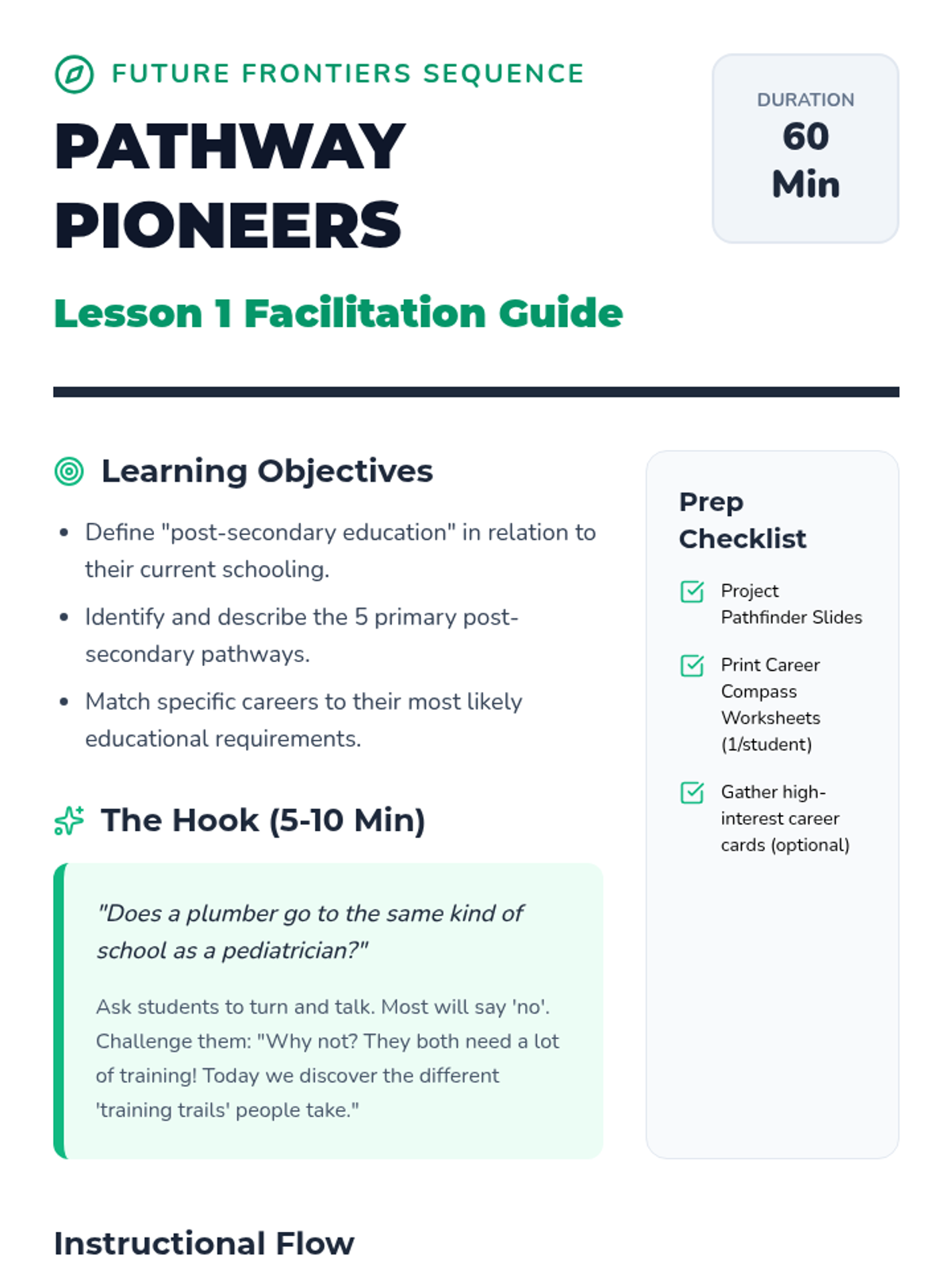
A comprehensive career exploration unit for 5th graders that demystifies post-secondary options, including college, trades, military, and apprenticeships, through a 'journey' themed lens.
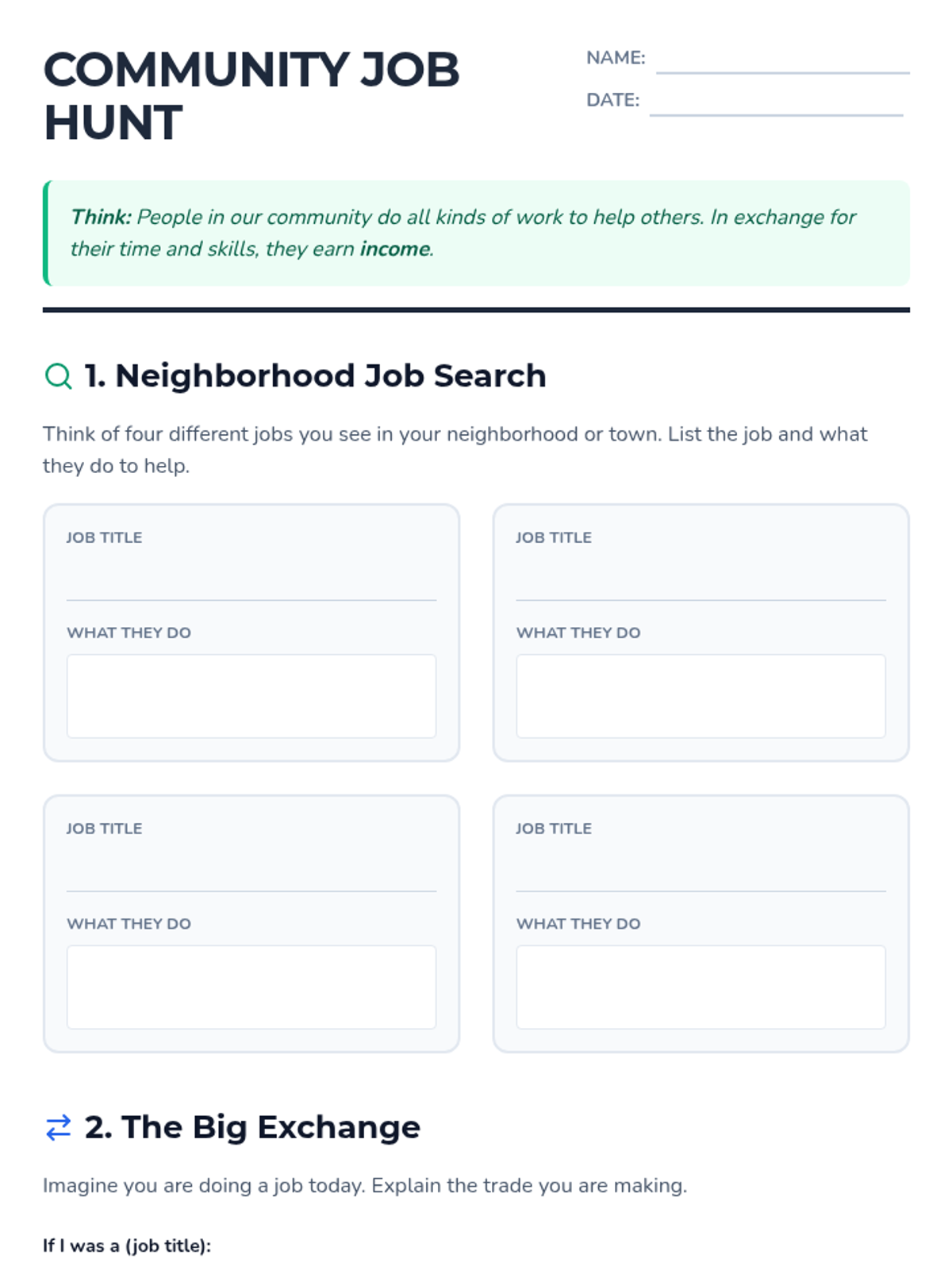
This sequence explores the relationship between education, jobs, and income. Students learn about budgeting, the impact of unexpected expenses, and the intrinsic value of all community work, addressing economic inequality through practical simulations and reflection.
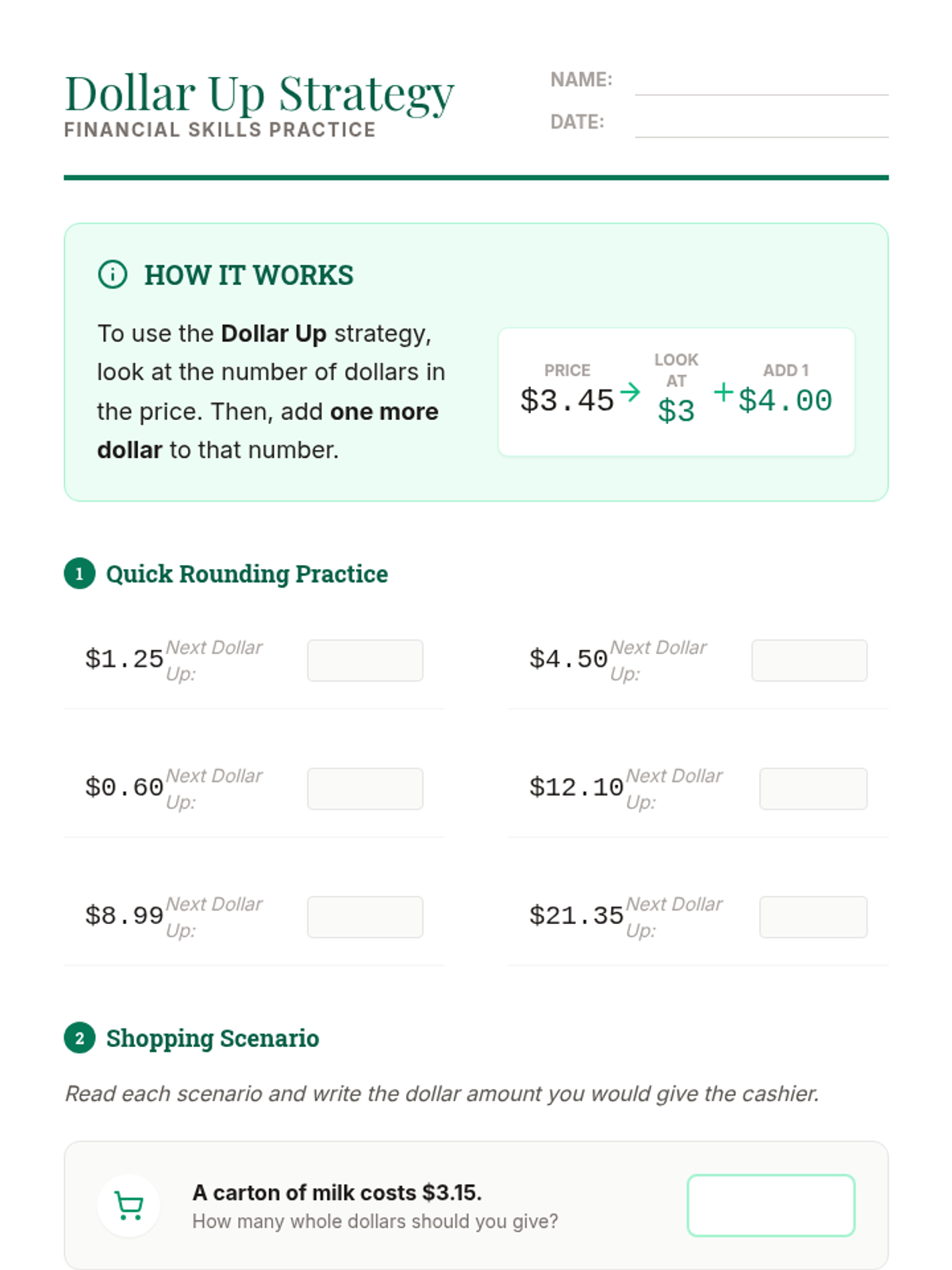
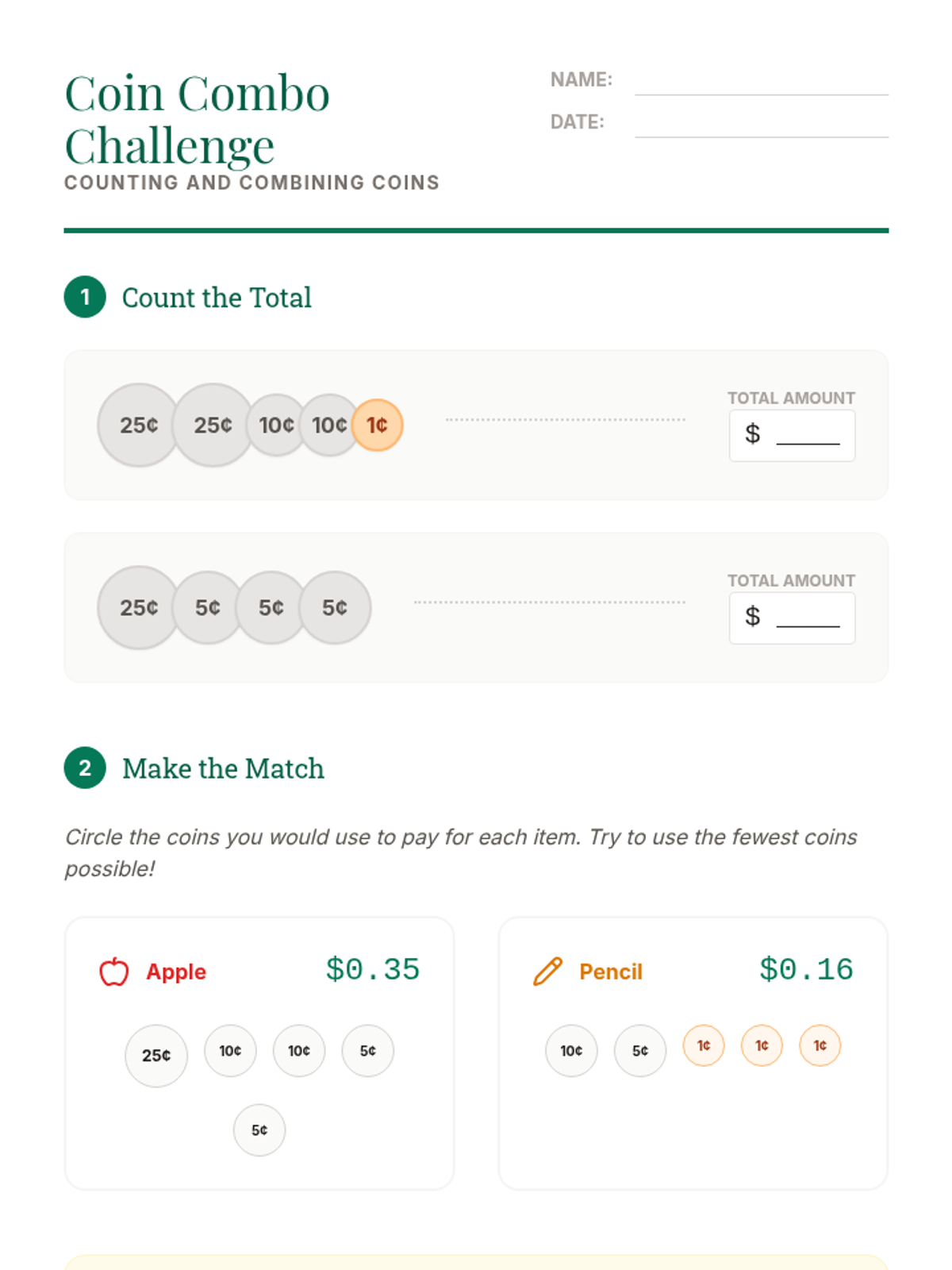
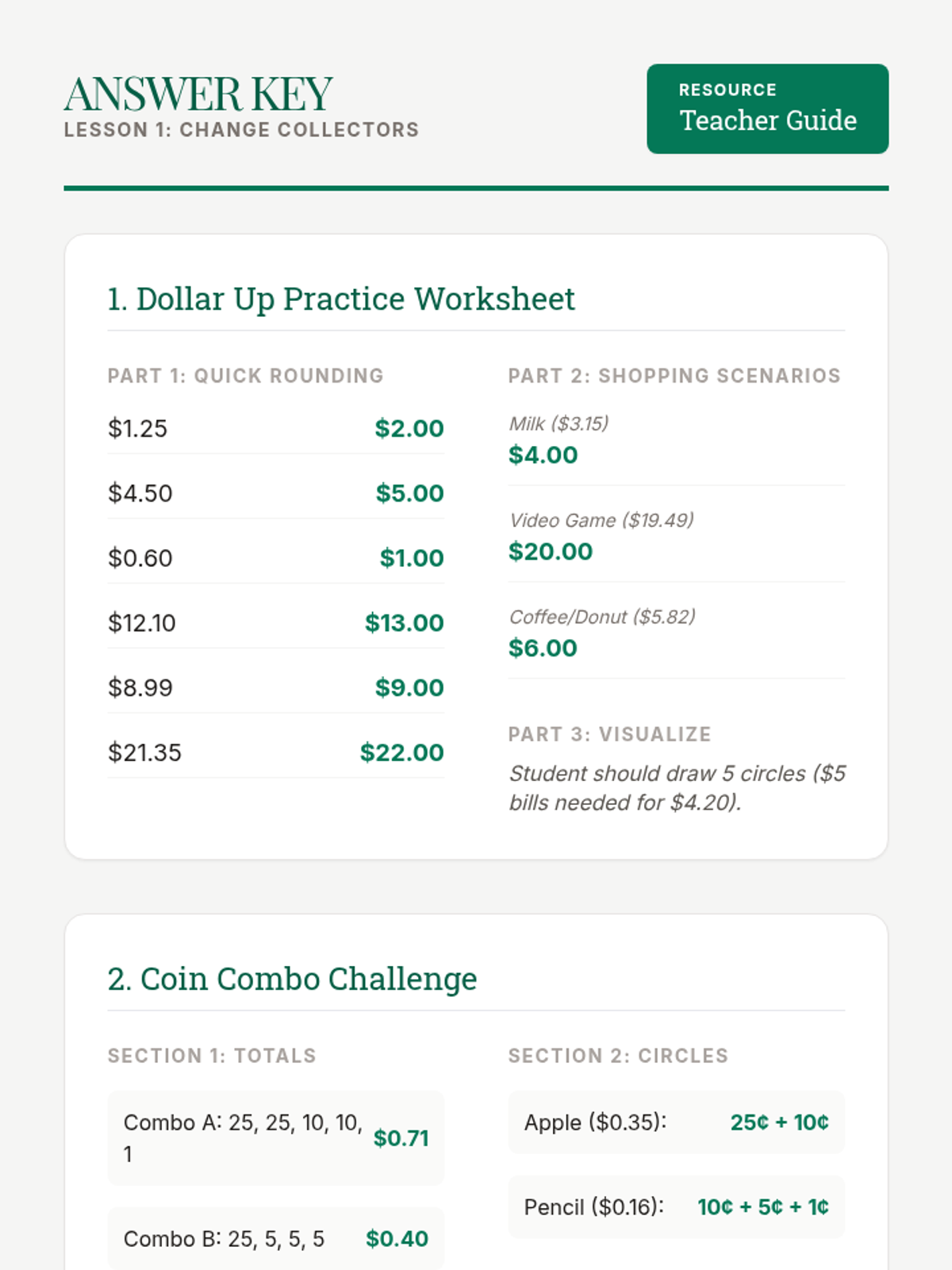
A comprehensive financial literacy sequence covering coin counting, the 'next dollar up' strategy, adding purchases, unit price ratios, and budget management. Students progress from basic money handling to complex real-world financial decision-making.
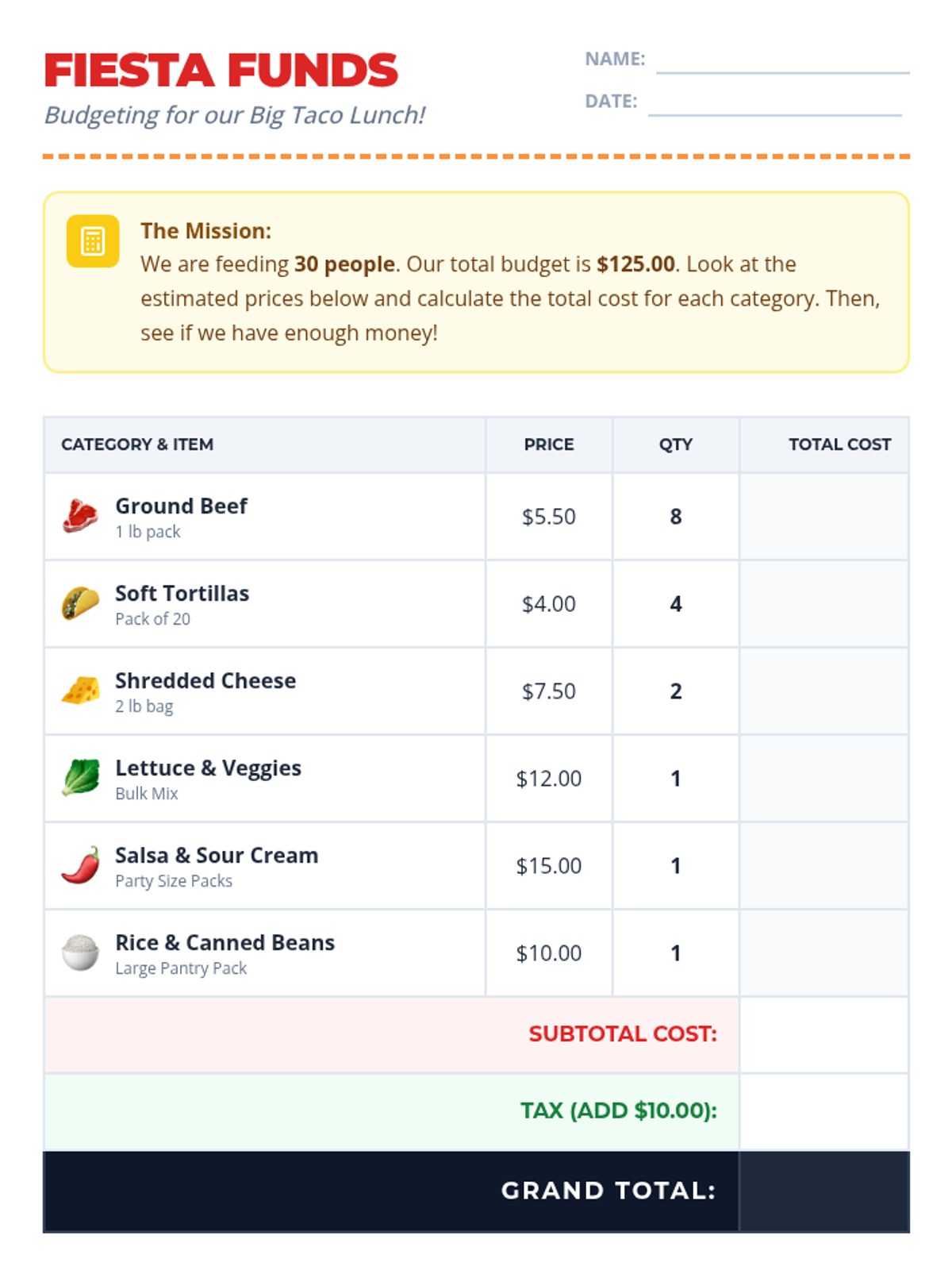
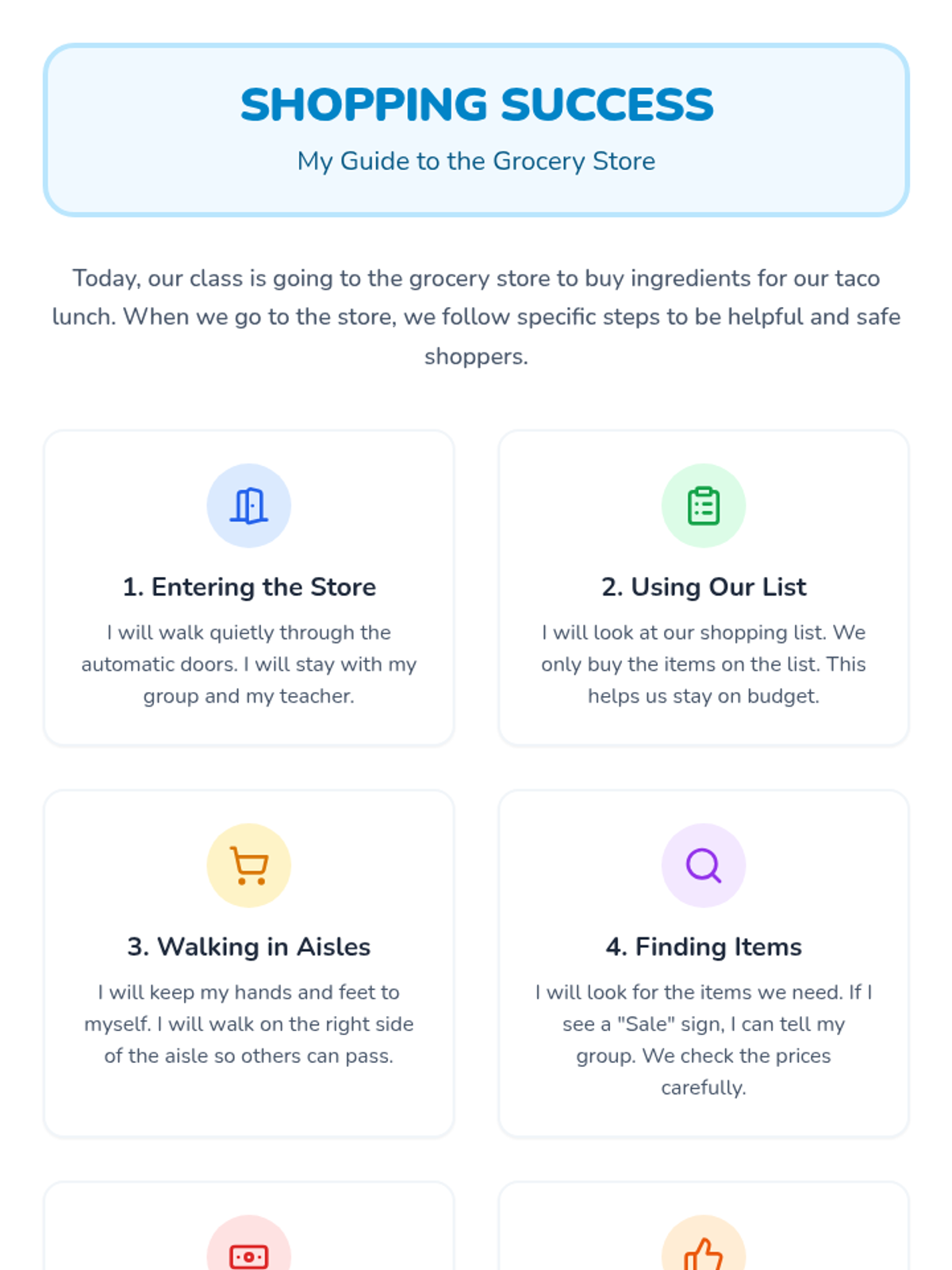
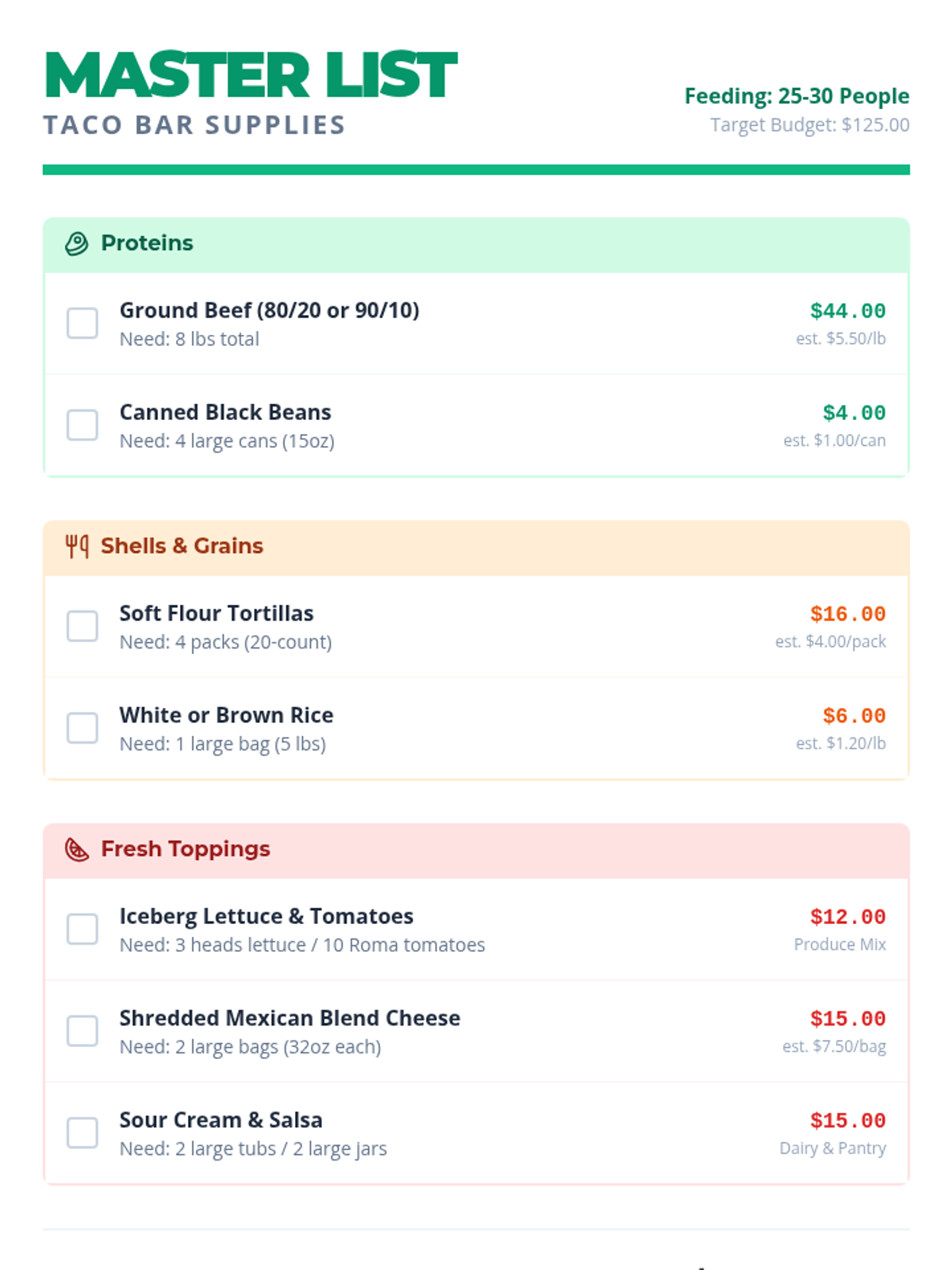
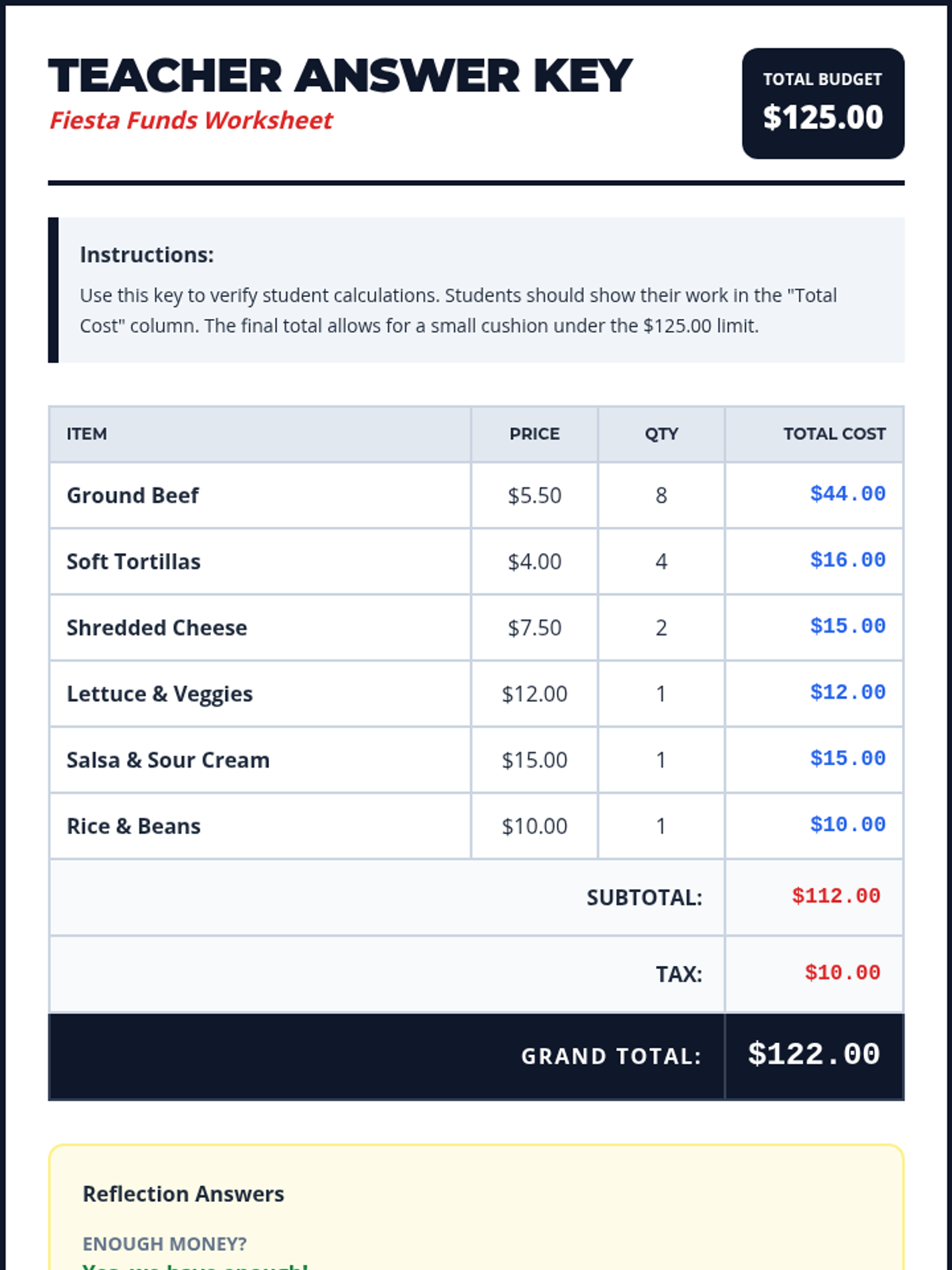
A comprehensive unit on planning, shopping for, and preparing a taco bar lunch for a large group. Students practice budgeting, community navigation, and culinary skills.
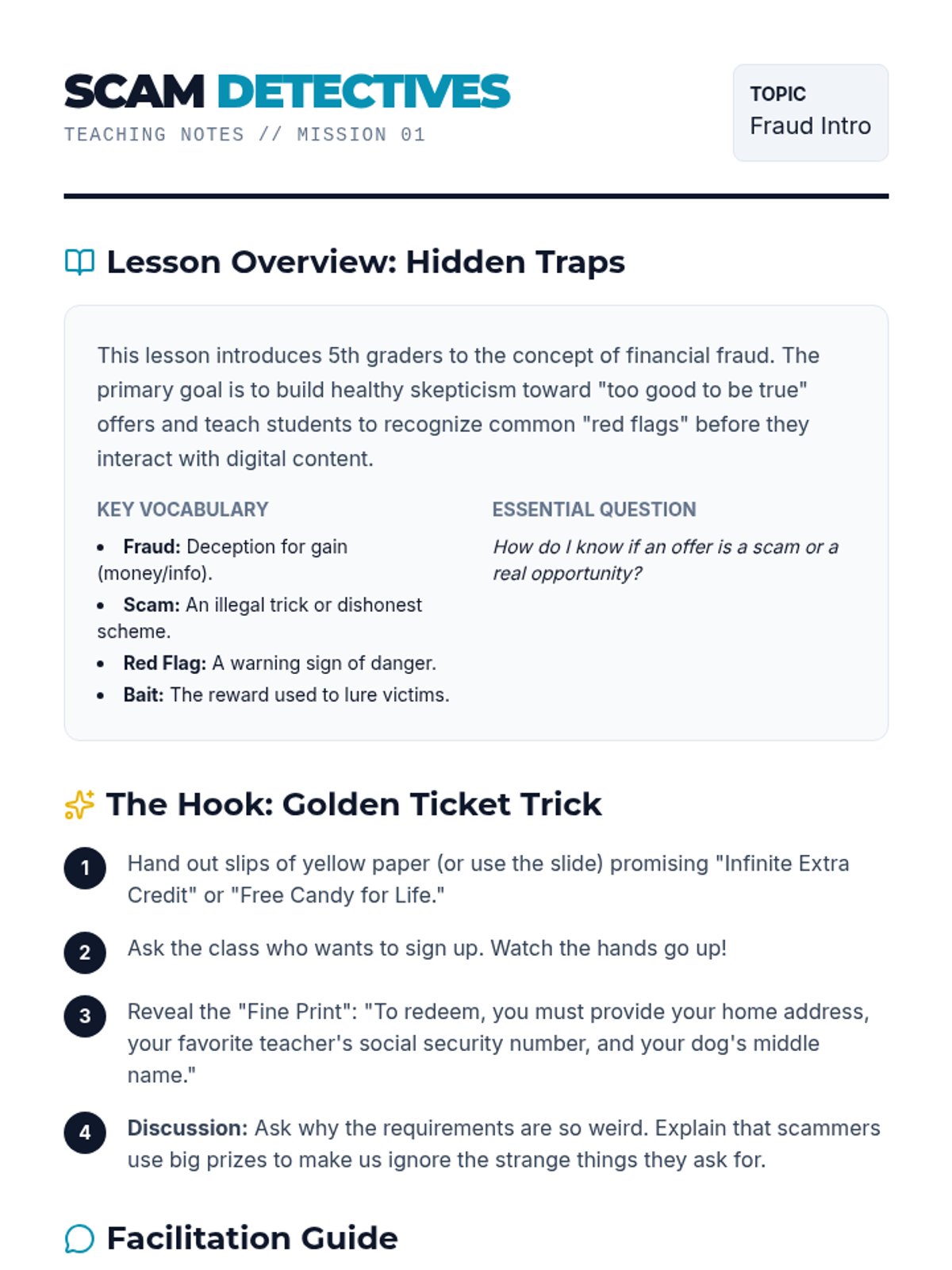
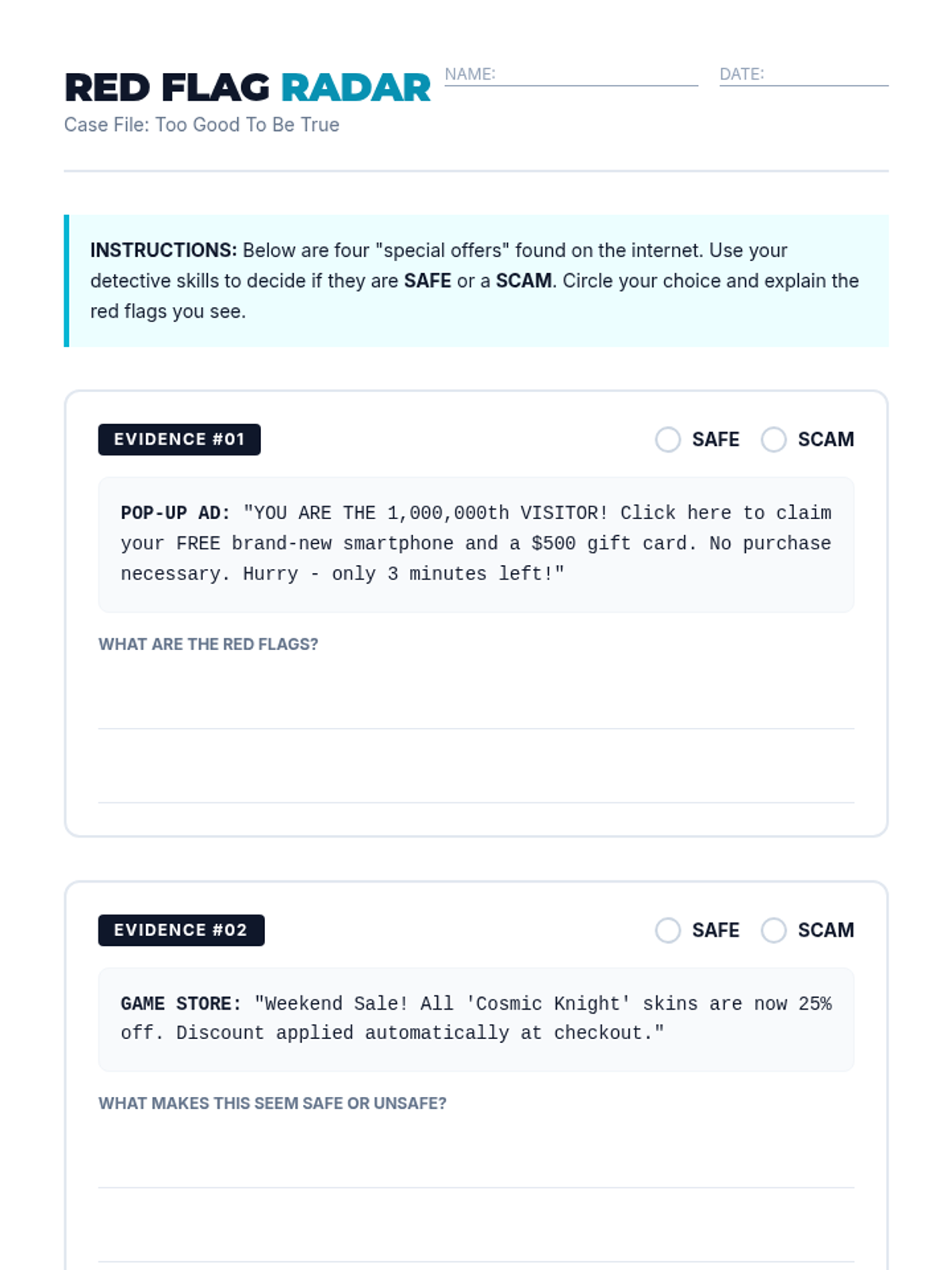
A comprehensive 5th-grade financial literacy unit focused on identifying and preventing fraud. Students learn to recognize red flags in 'too good to be true' offers, gaming scams, phishing attempts, and high-pressure tactics through interactive simulations and project-based learning.
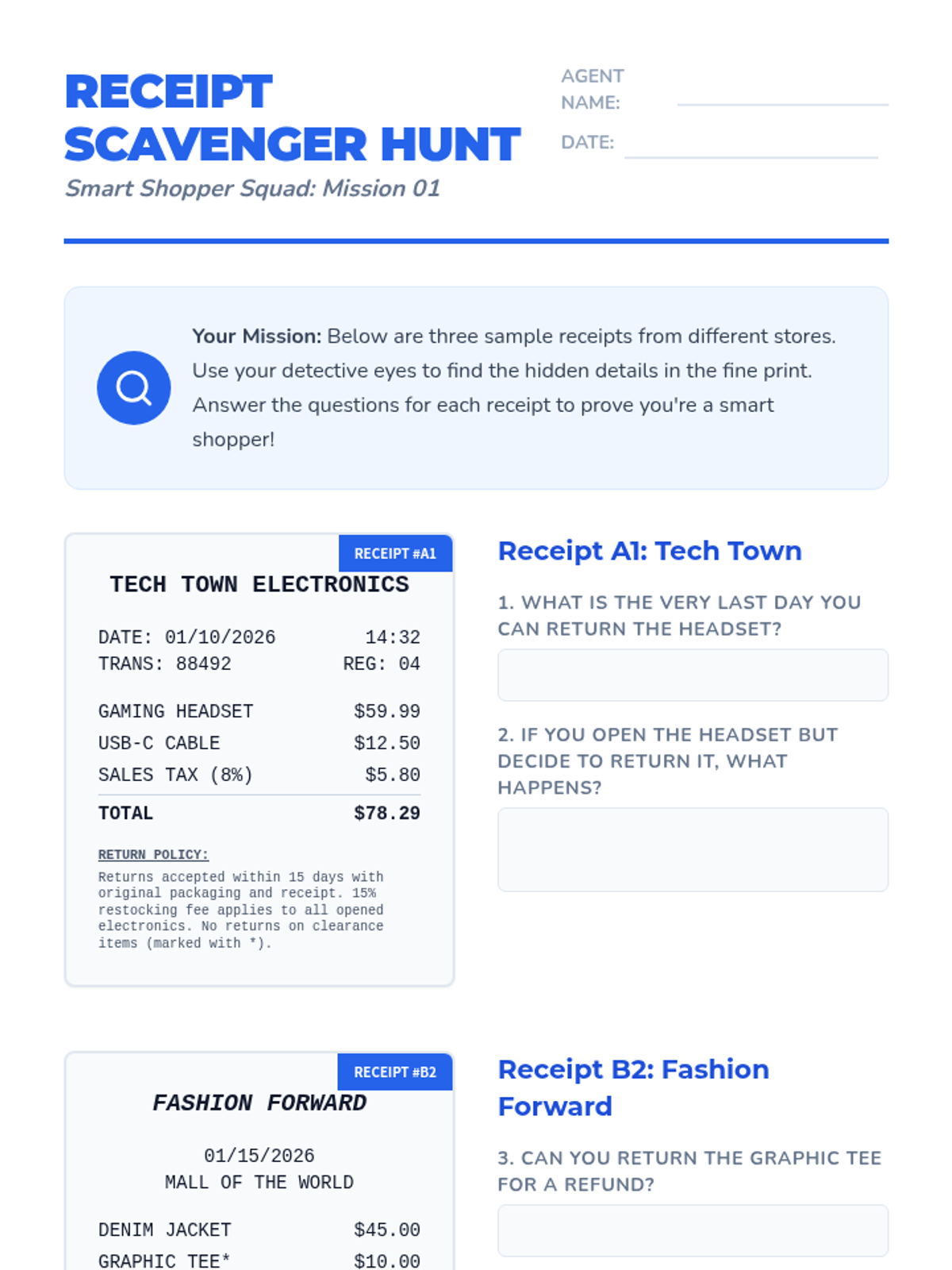
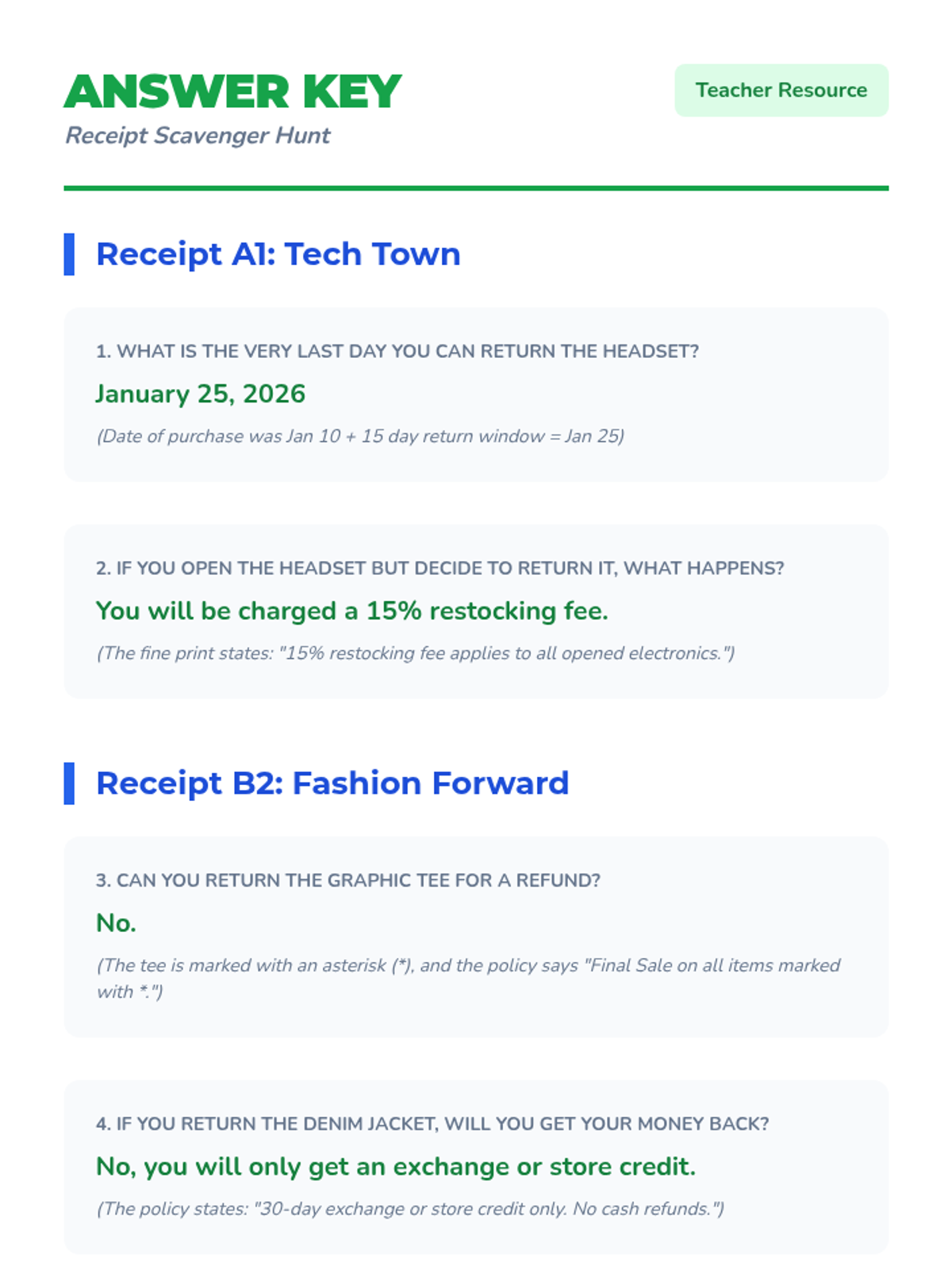
This sequence teaches 5th-grade students about their rights and responsibilities as consumers after a purchase. Students learn to navigate return policies, understand warranties, practice assertive communication, and explore the ethical impact of their spending choices.
A comprehensive financial literacy sequence that teaches 5th graders to master comparison shopping. Students learn to calculate unit prices, evaluate brand vs. generic value, navigate discounts, and account for hidden costs to make smart consumer choices.
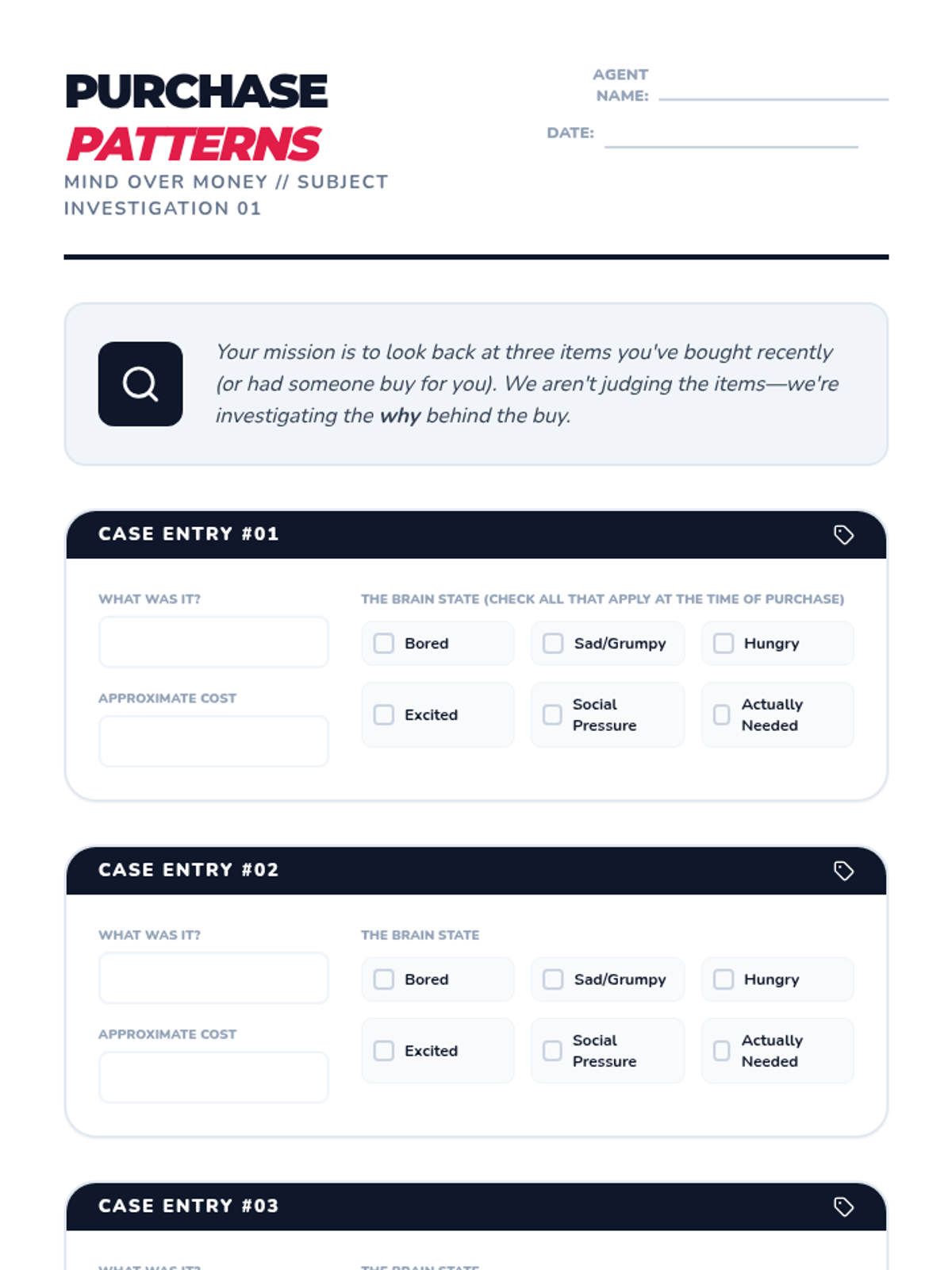
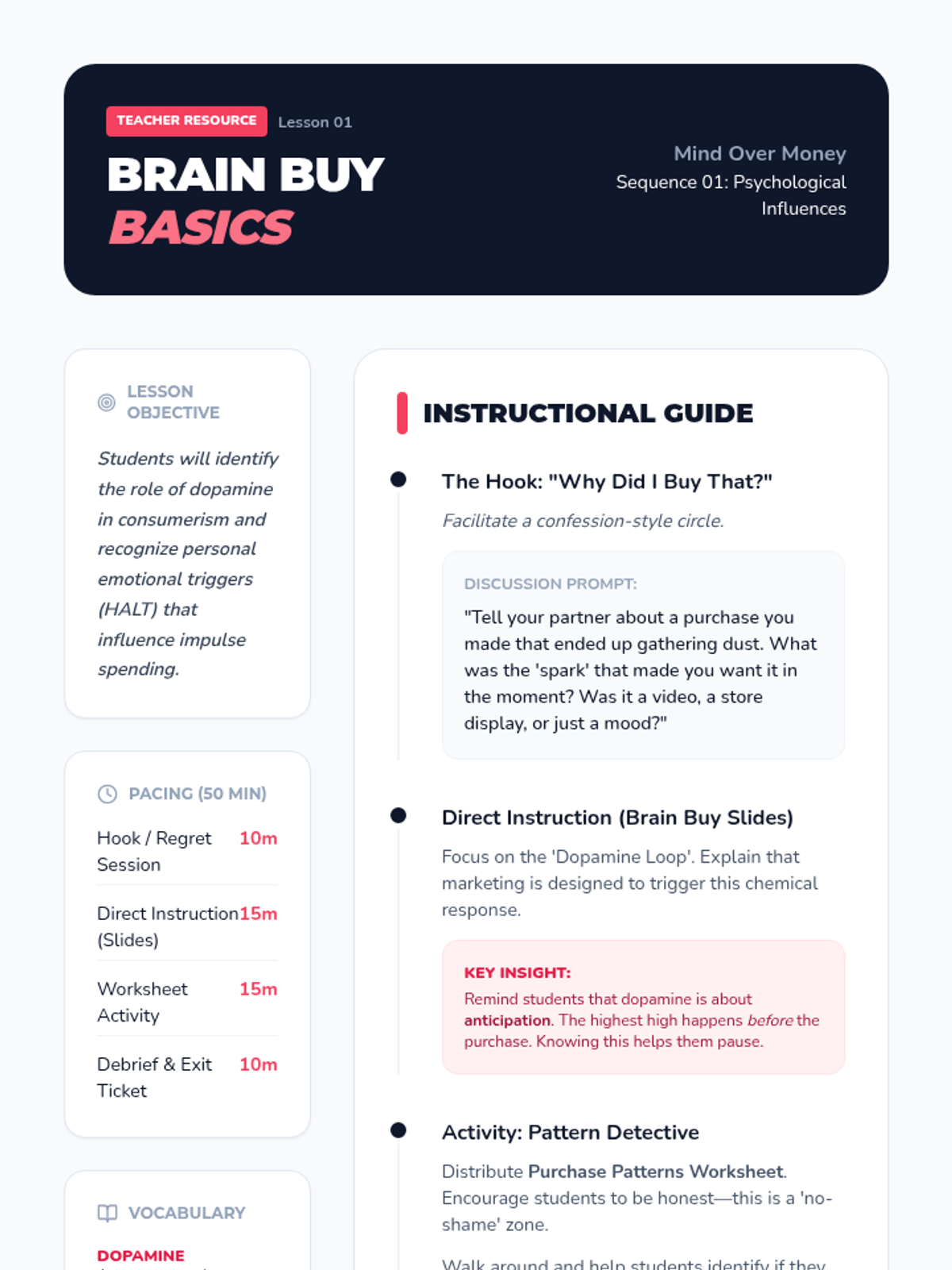
A comprehensive workshop-style sequence exploring the psychology behind consumer habits, focusing on emotional triggers, peer pressure, branding, and environmental impact to help 6th graders develop healthy spending habits.
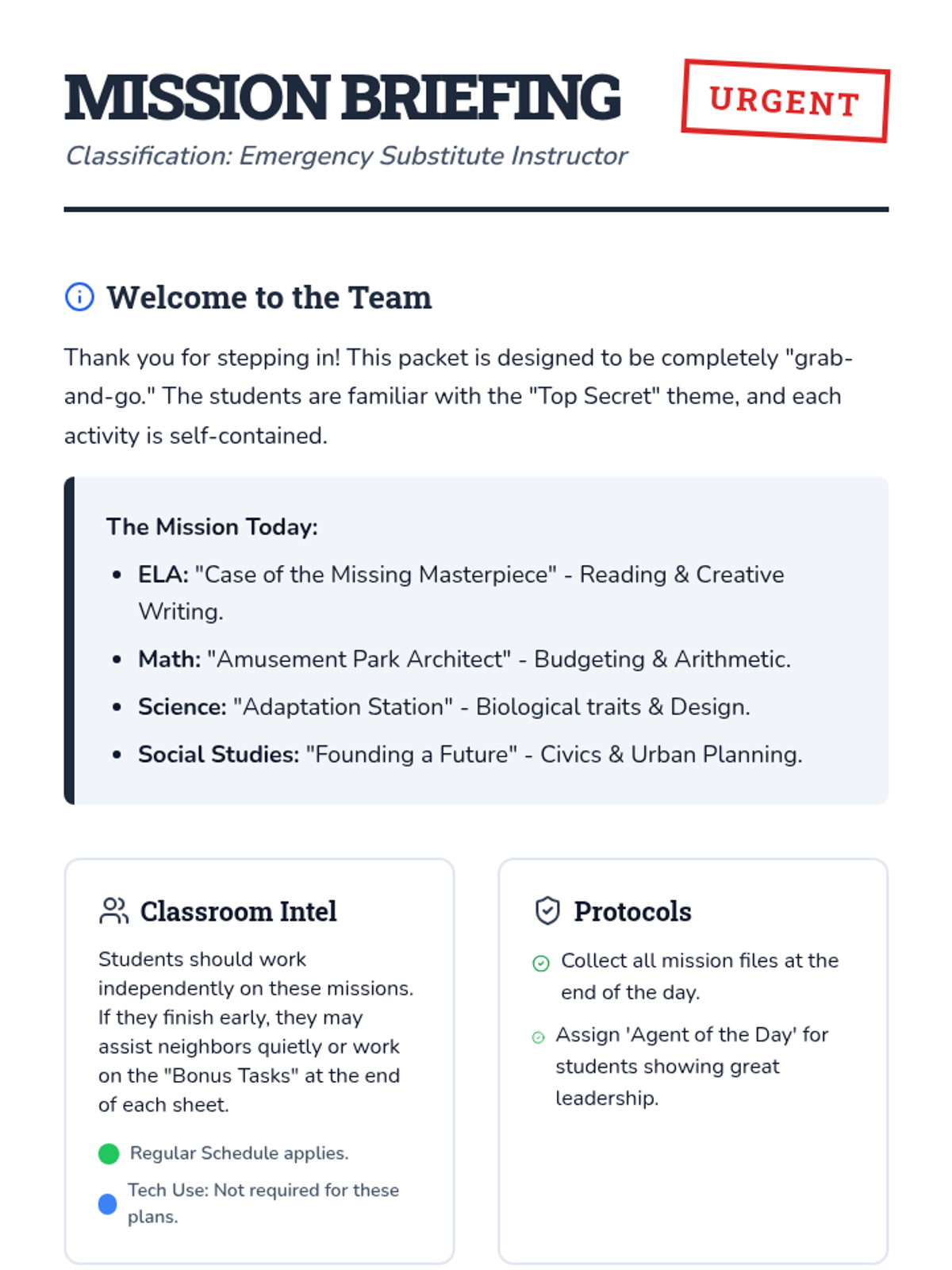
A comprehensive set of ready-to-use, independent activities for 5th and 6th-grade students across core subjects. This emergency sub pack uses a 'Top Secret Files' theme to engage students while requiring zero prep for the substitute teacher.
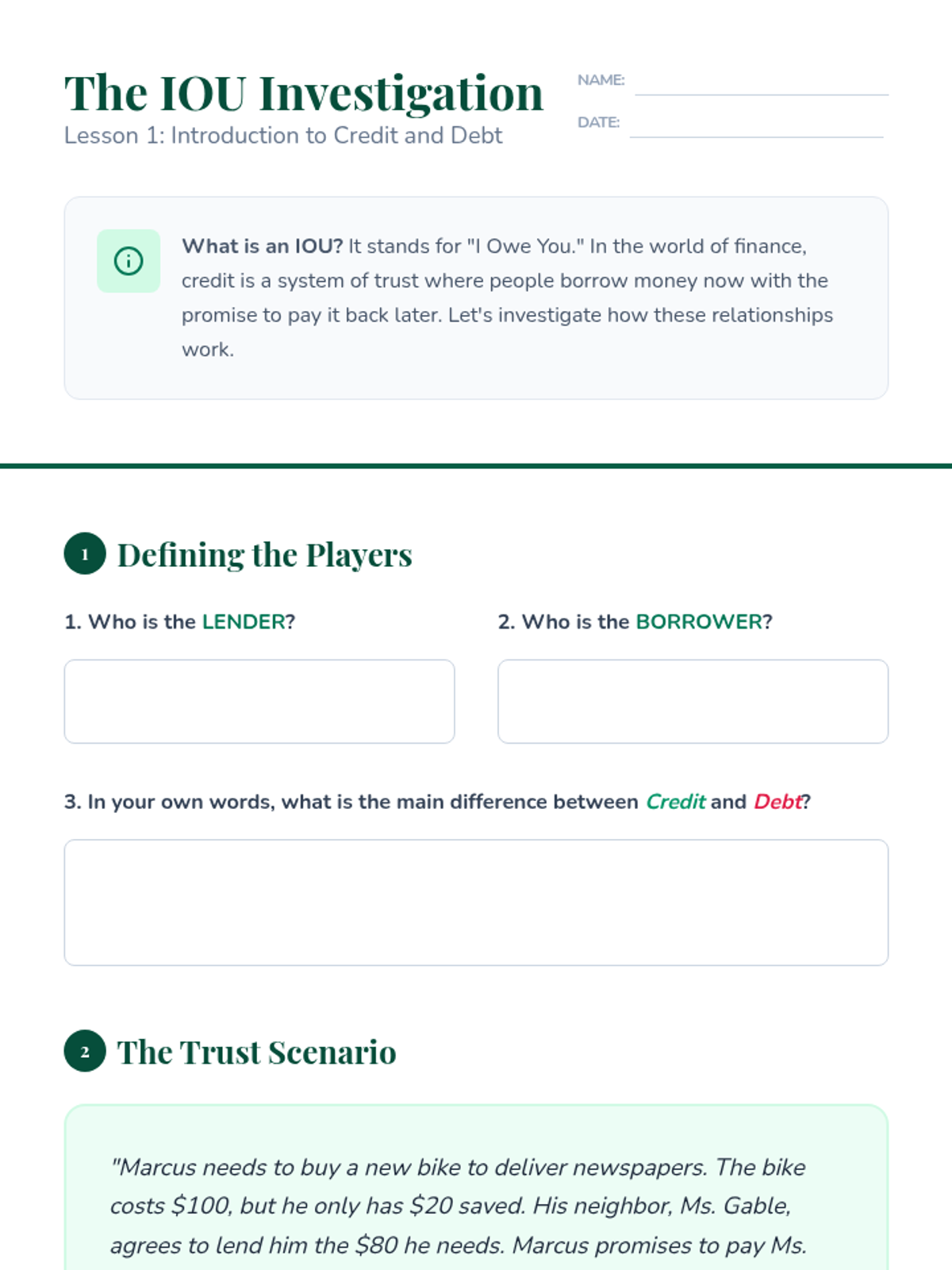
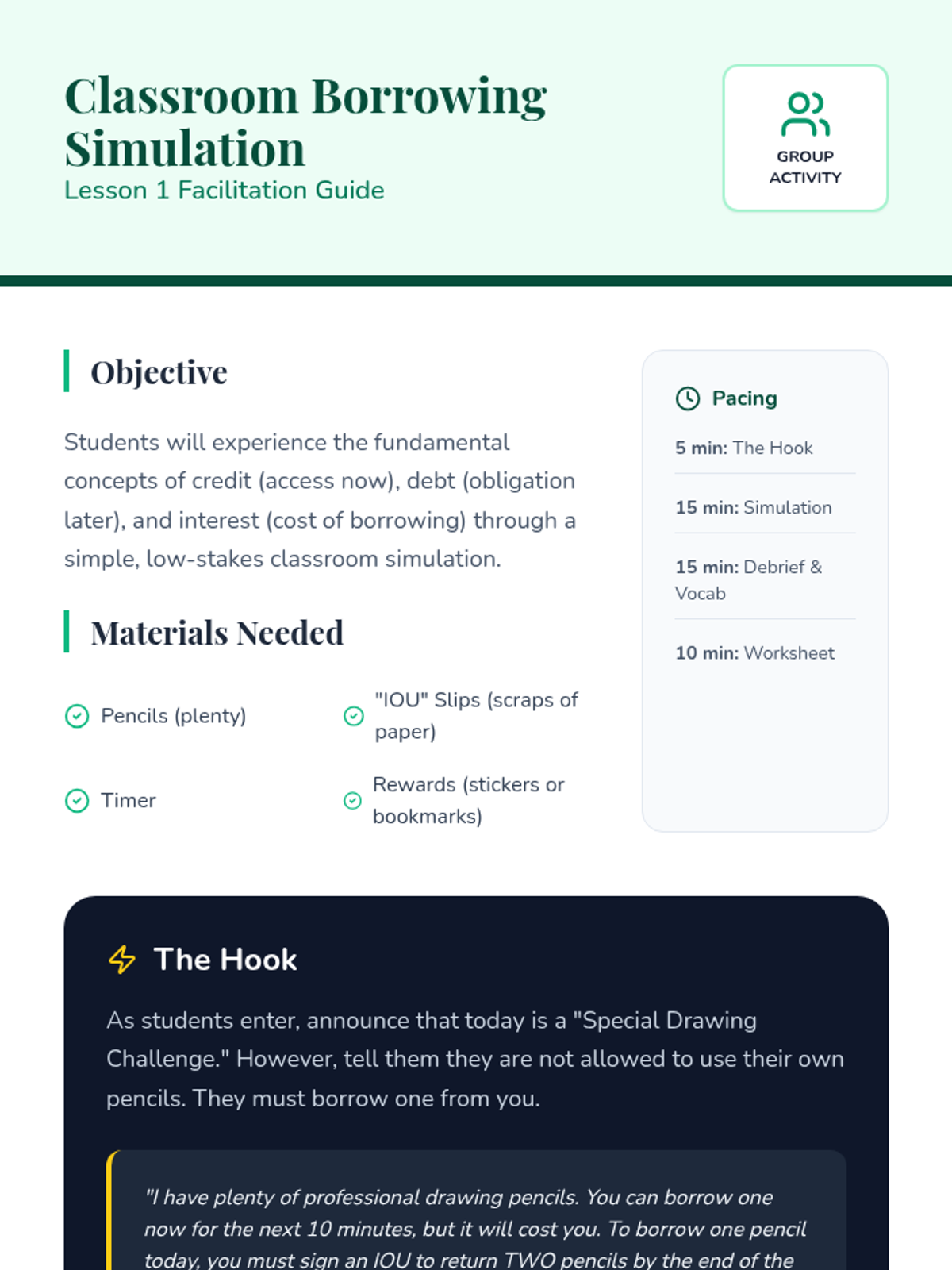
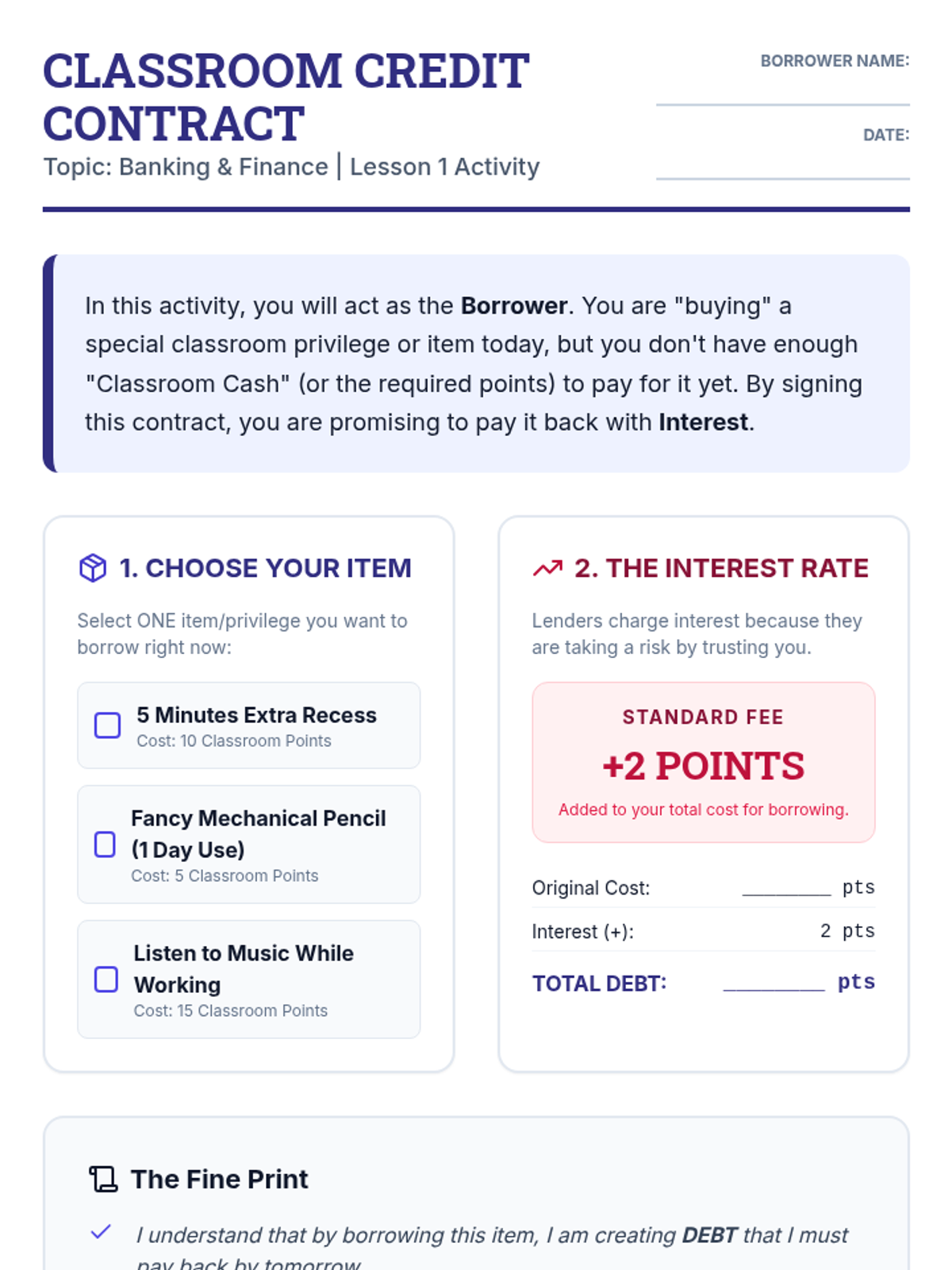
A comprehensive 5th-grade unit on credit, debt, interest rates, and financial responsibility, culminating in a loan officer simulation.