Budgeting, saving, and investment strategies alongside practical skills for managing credit, taxes, and banking. Addresses insurance needs, employment income, and major purchase decisions to support comprehensive long-term financial planning.
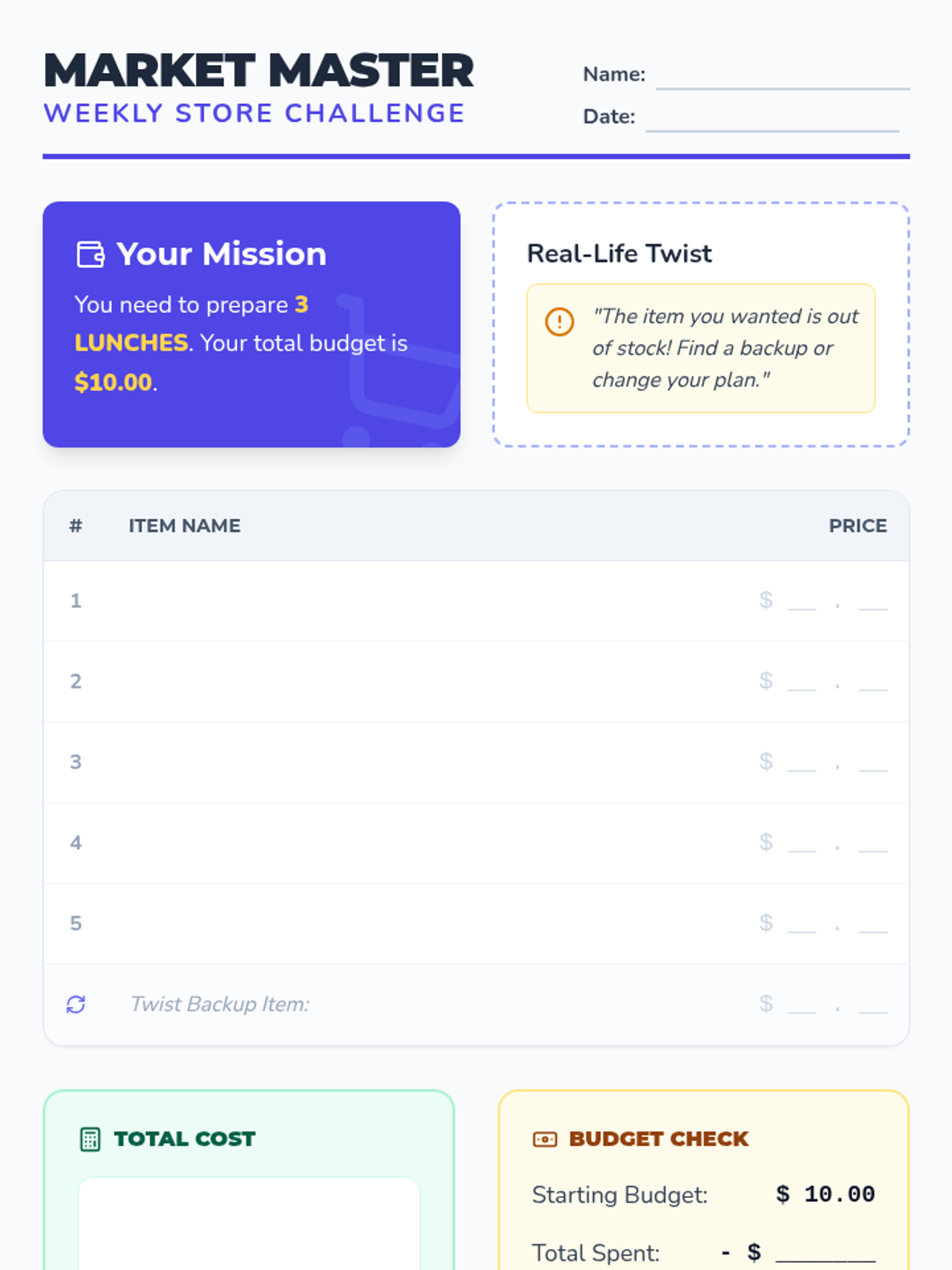
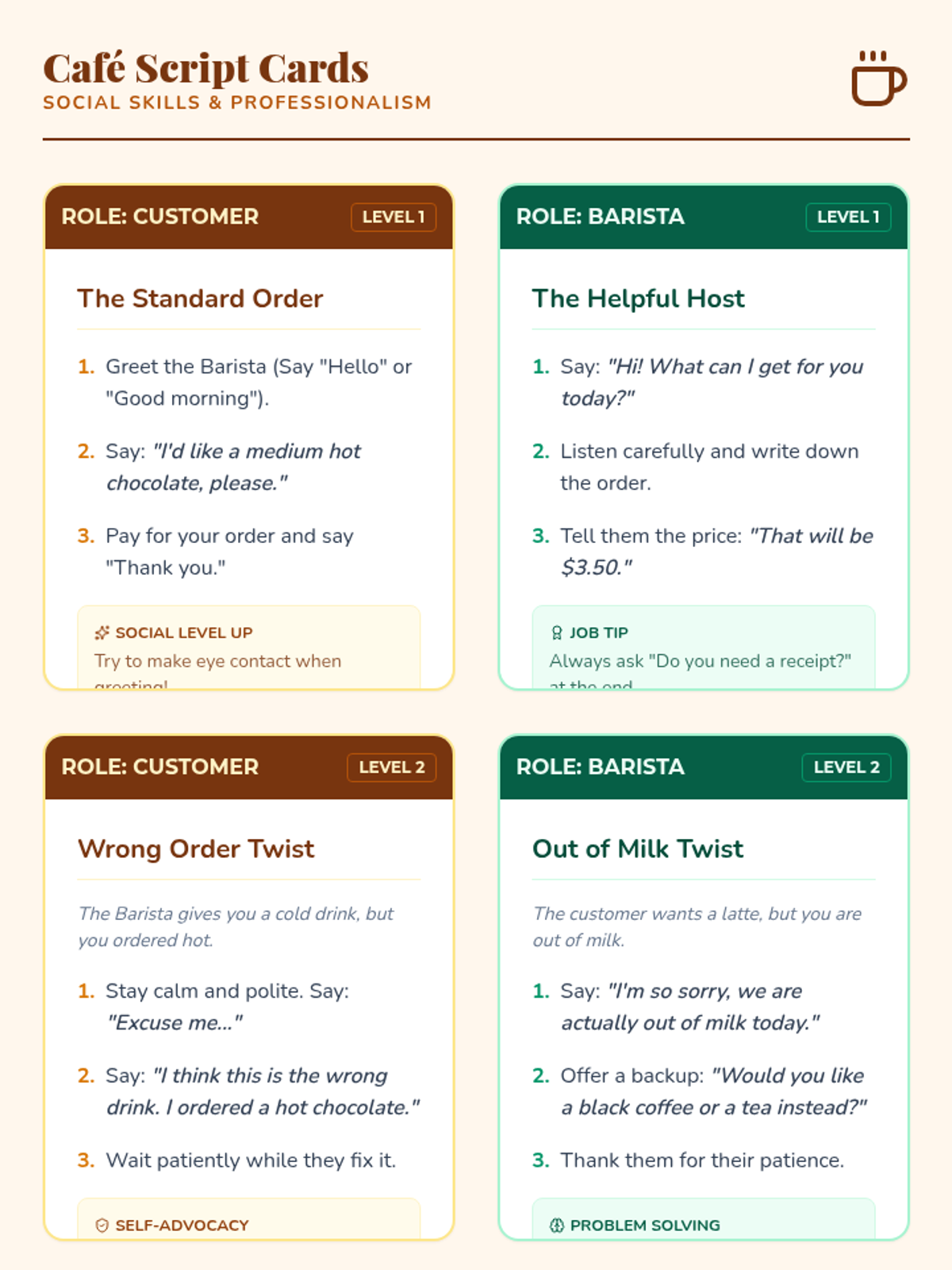
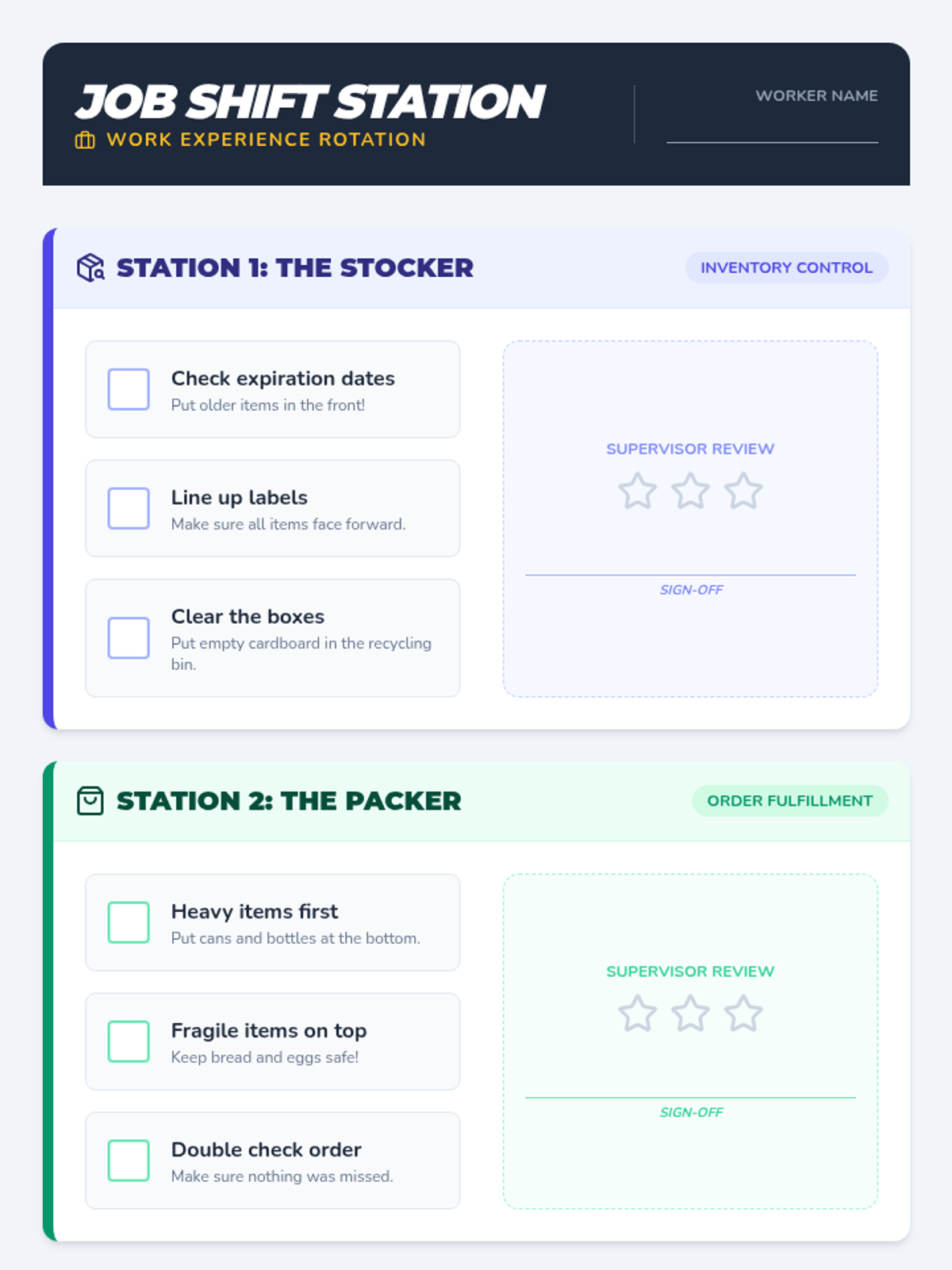
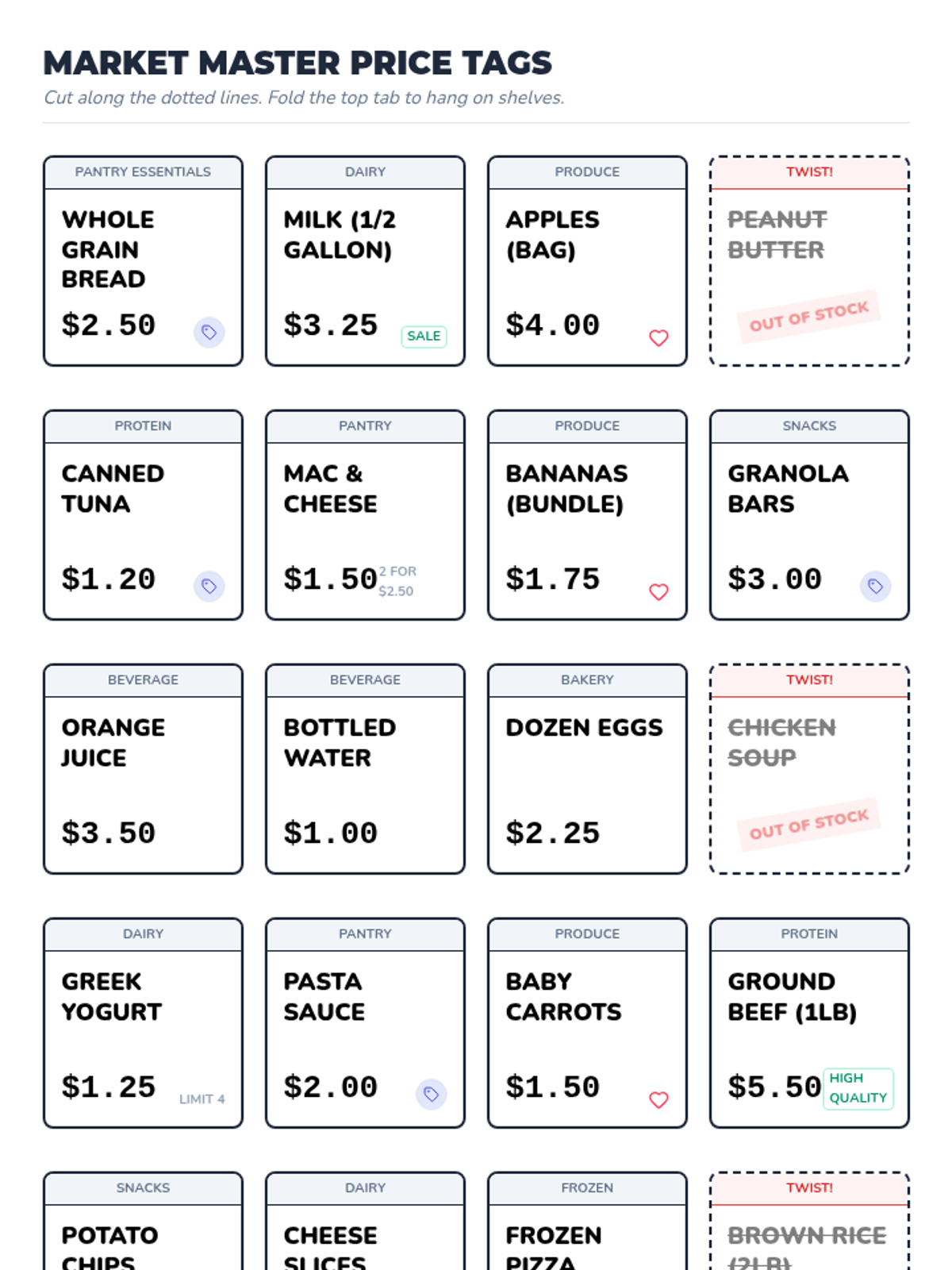
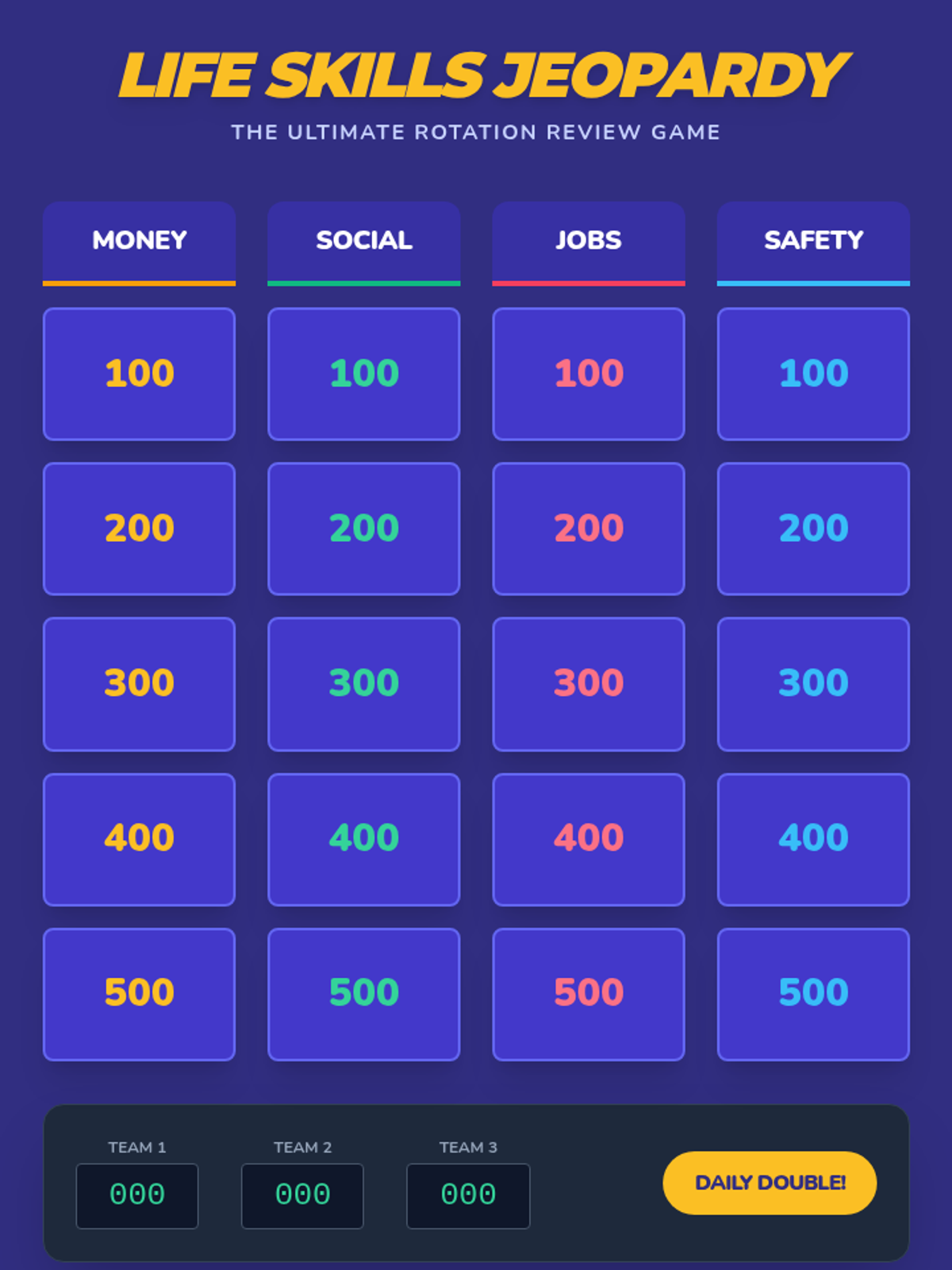
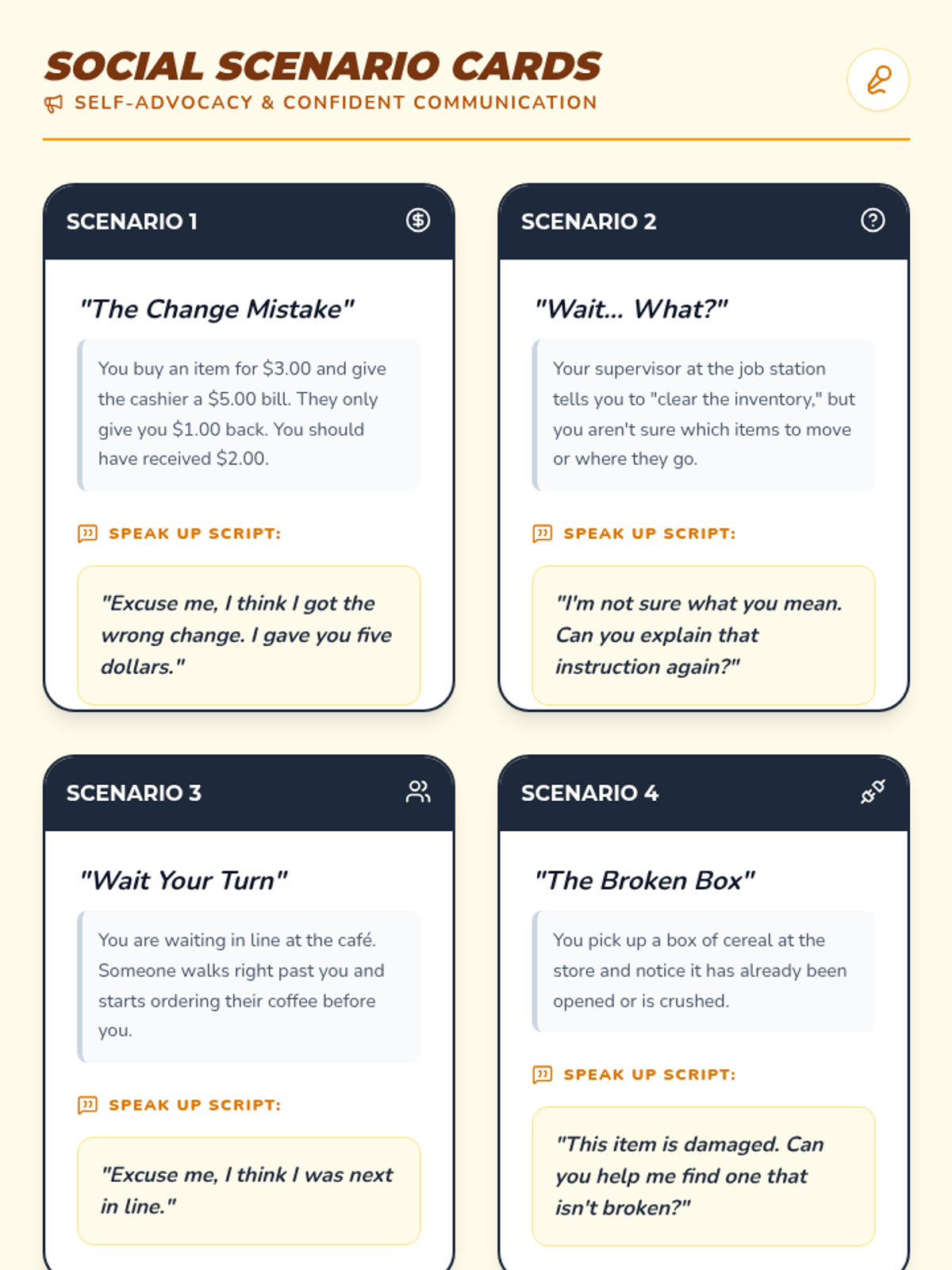
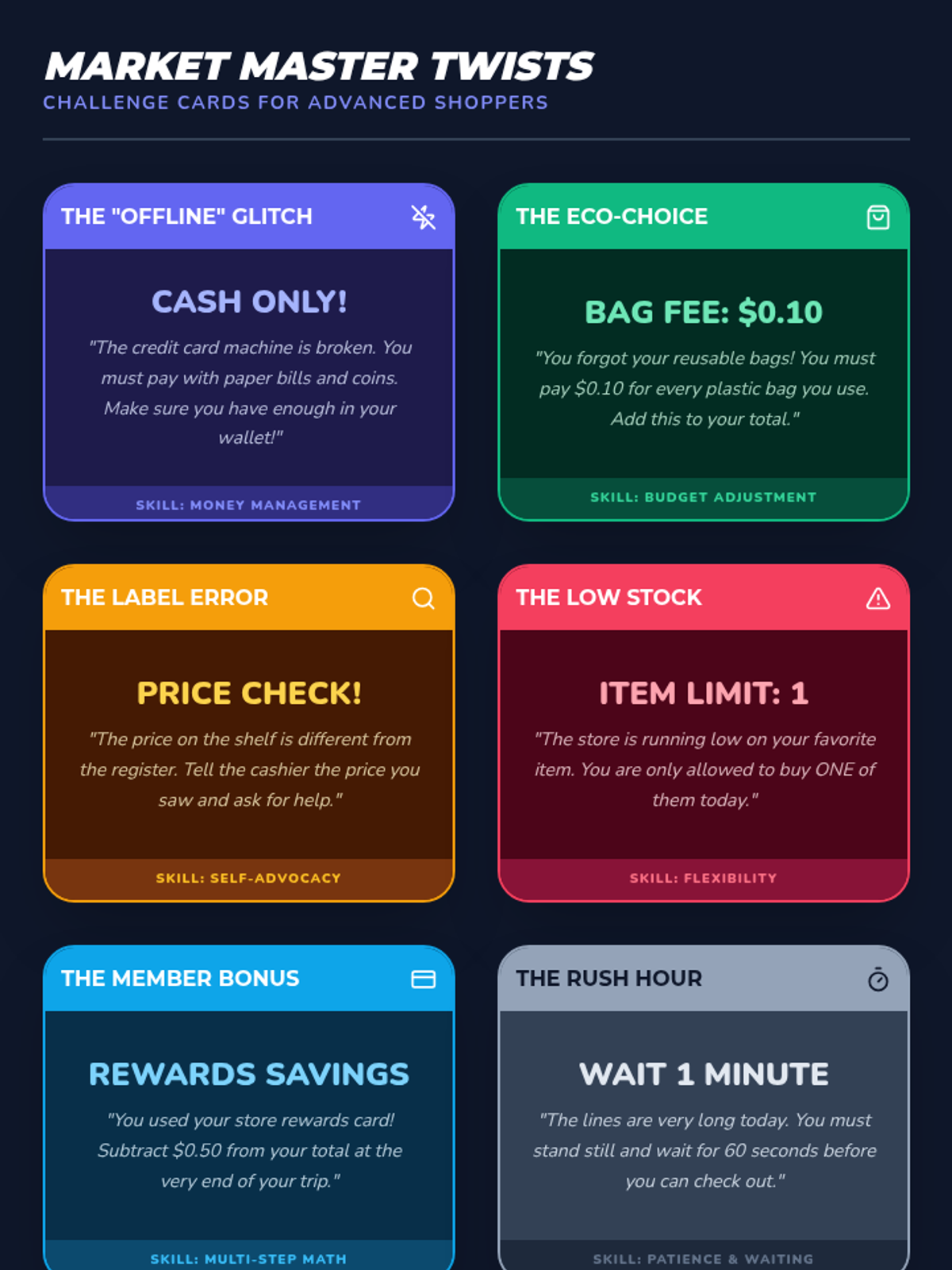
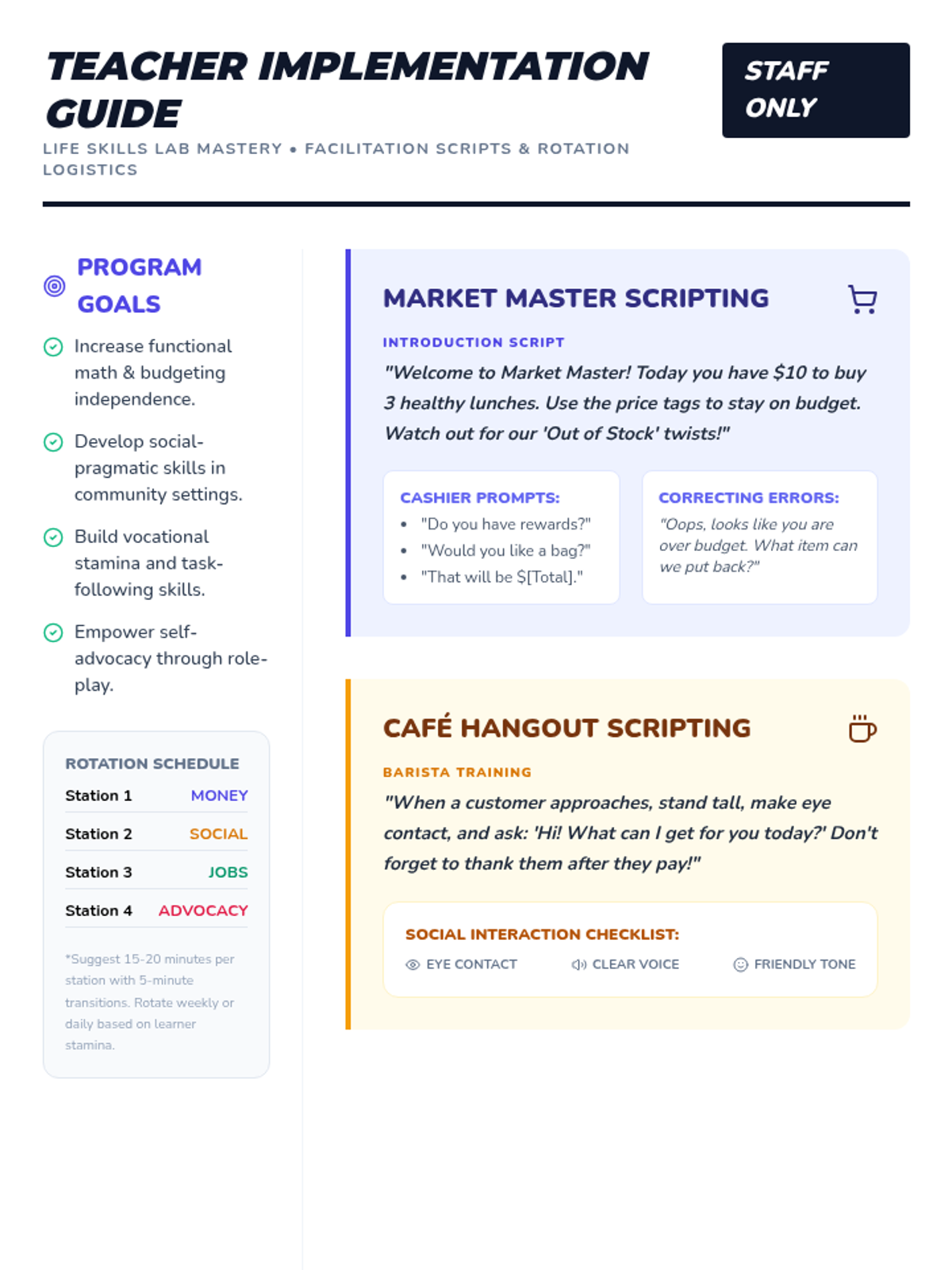
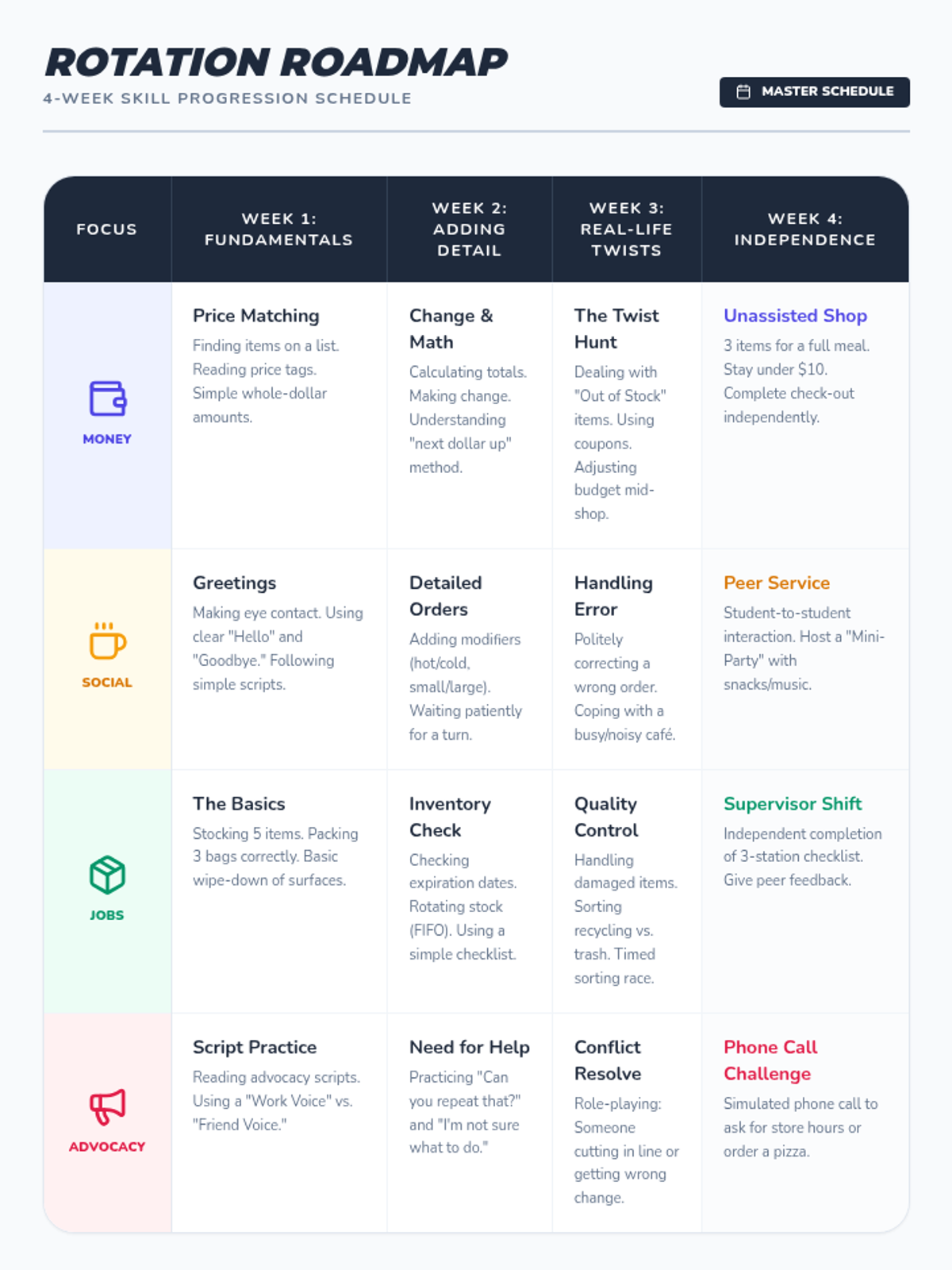
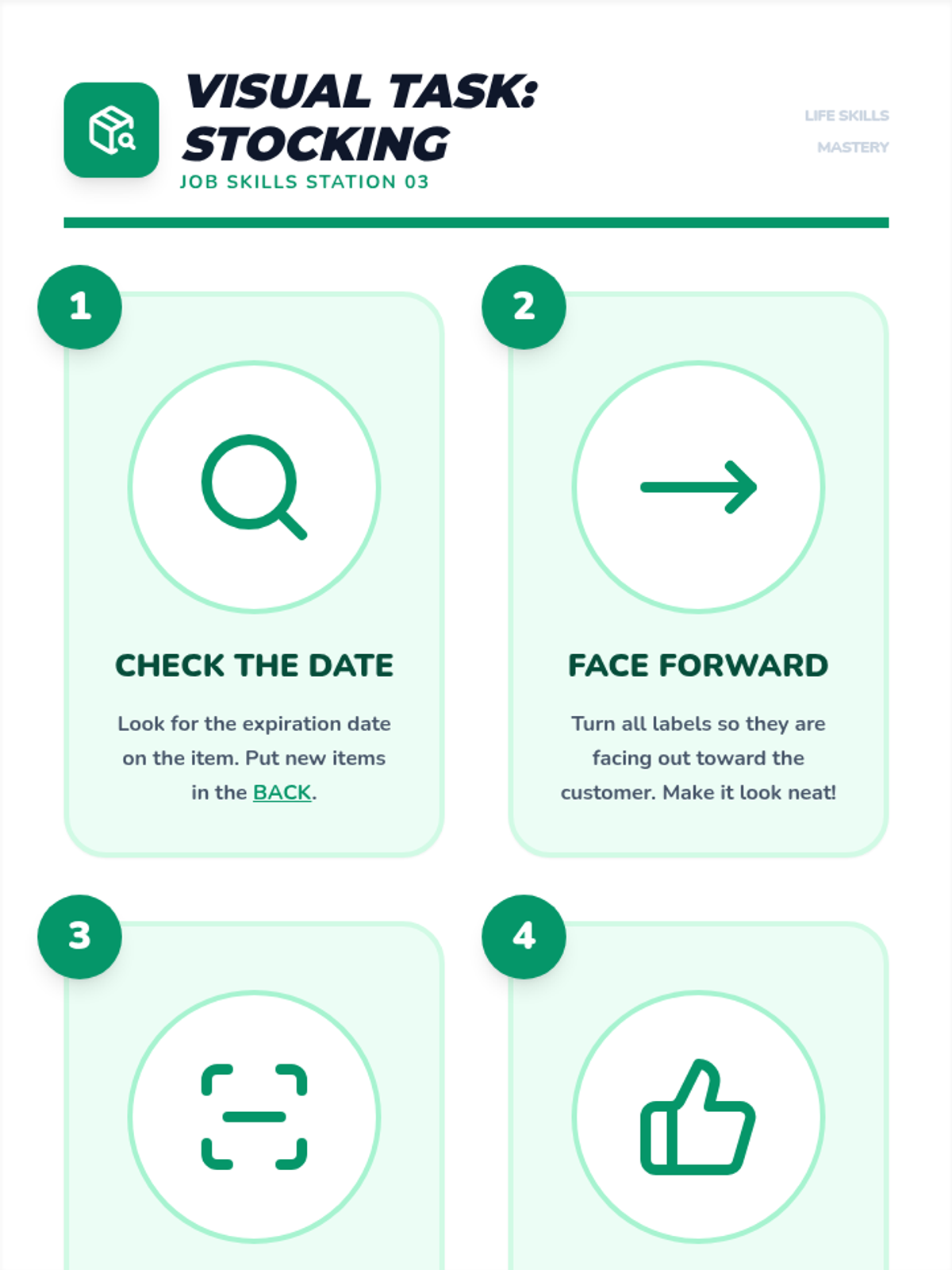
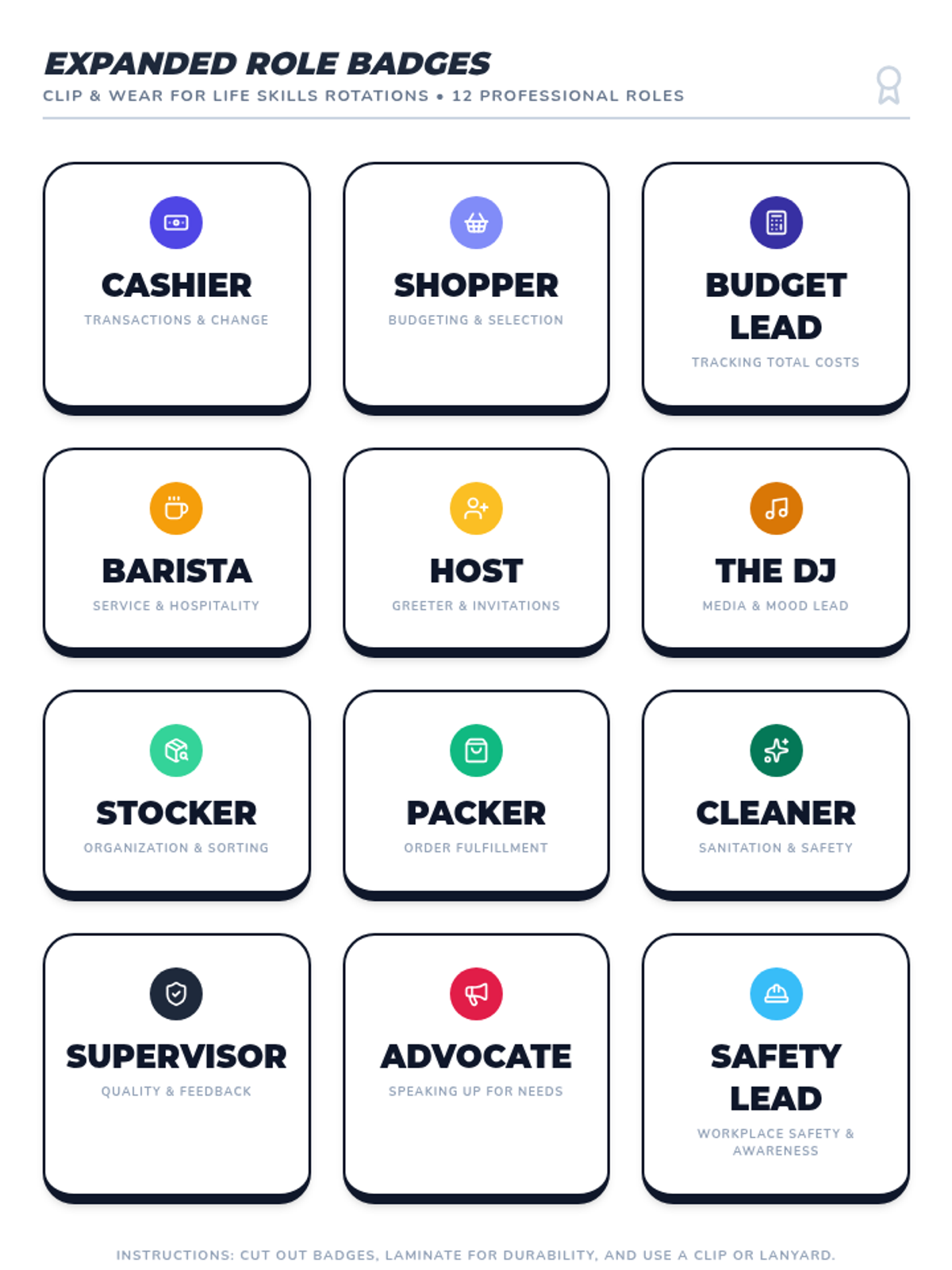
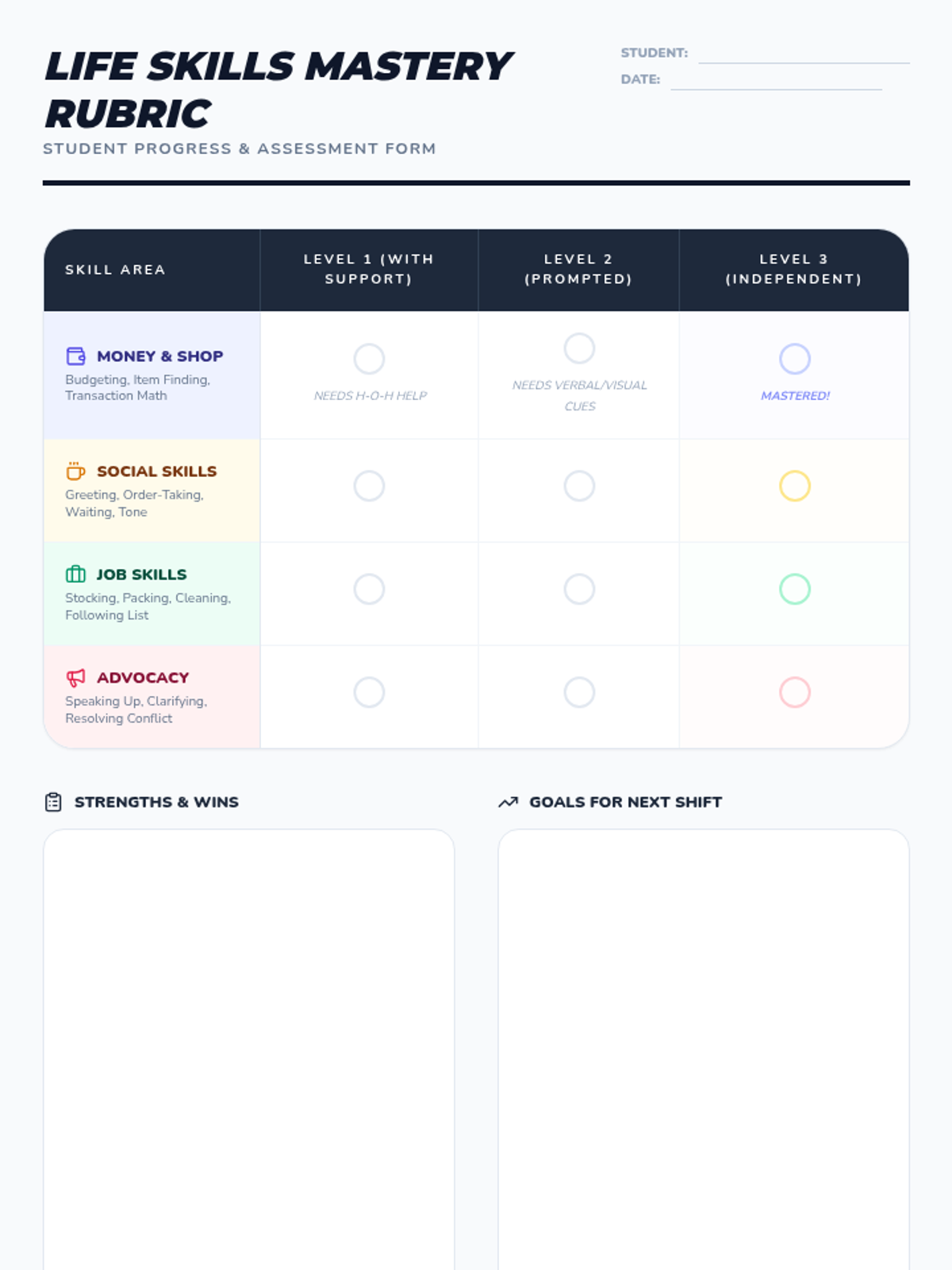
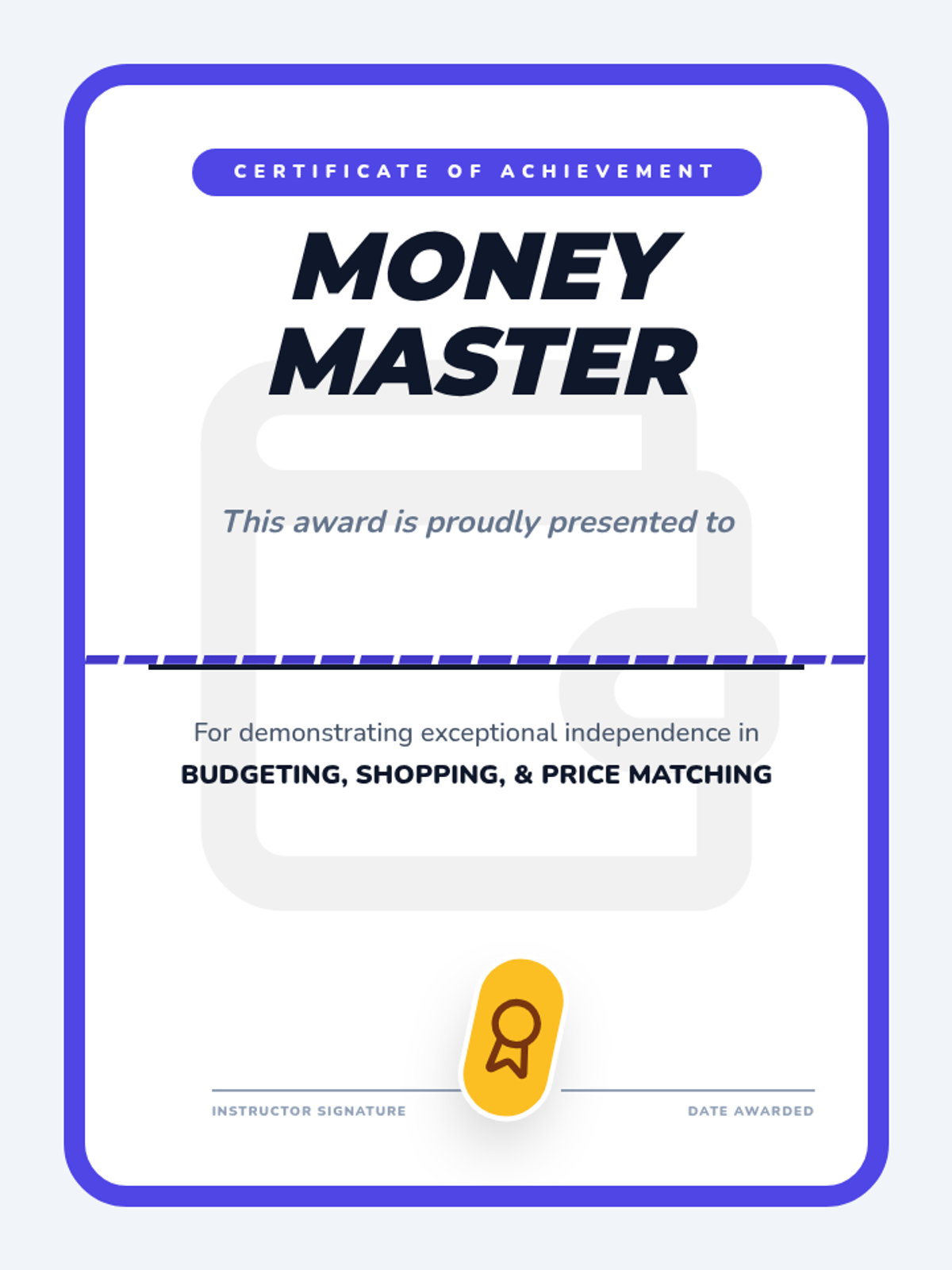
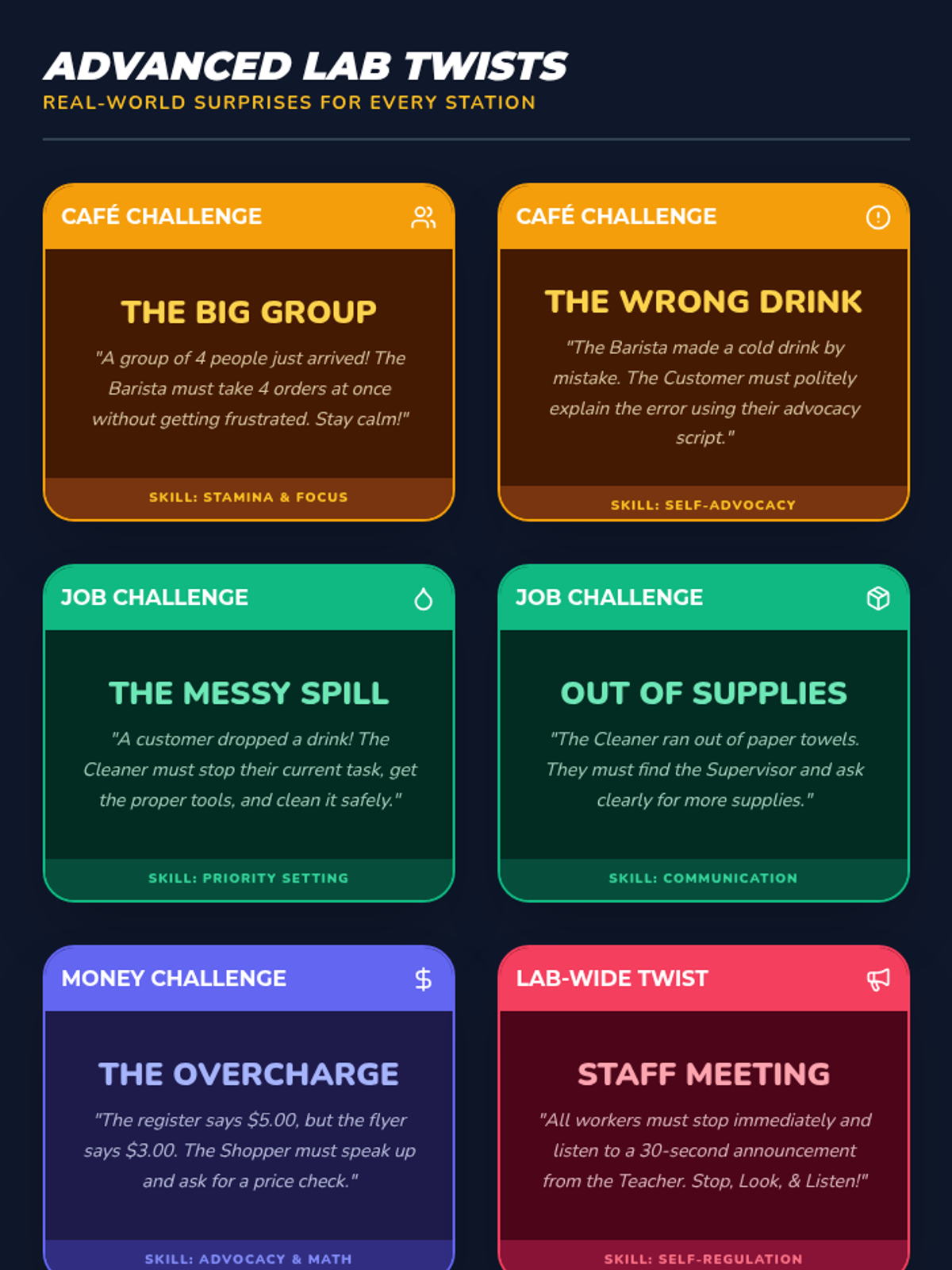
A comprehensive life skills rotation lesson covering budgeting, social interactions at a cafe, job skills (stocking/packing), and self-advocacy through role-play and game-based learning.
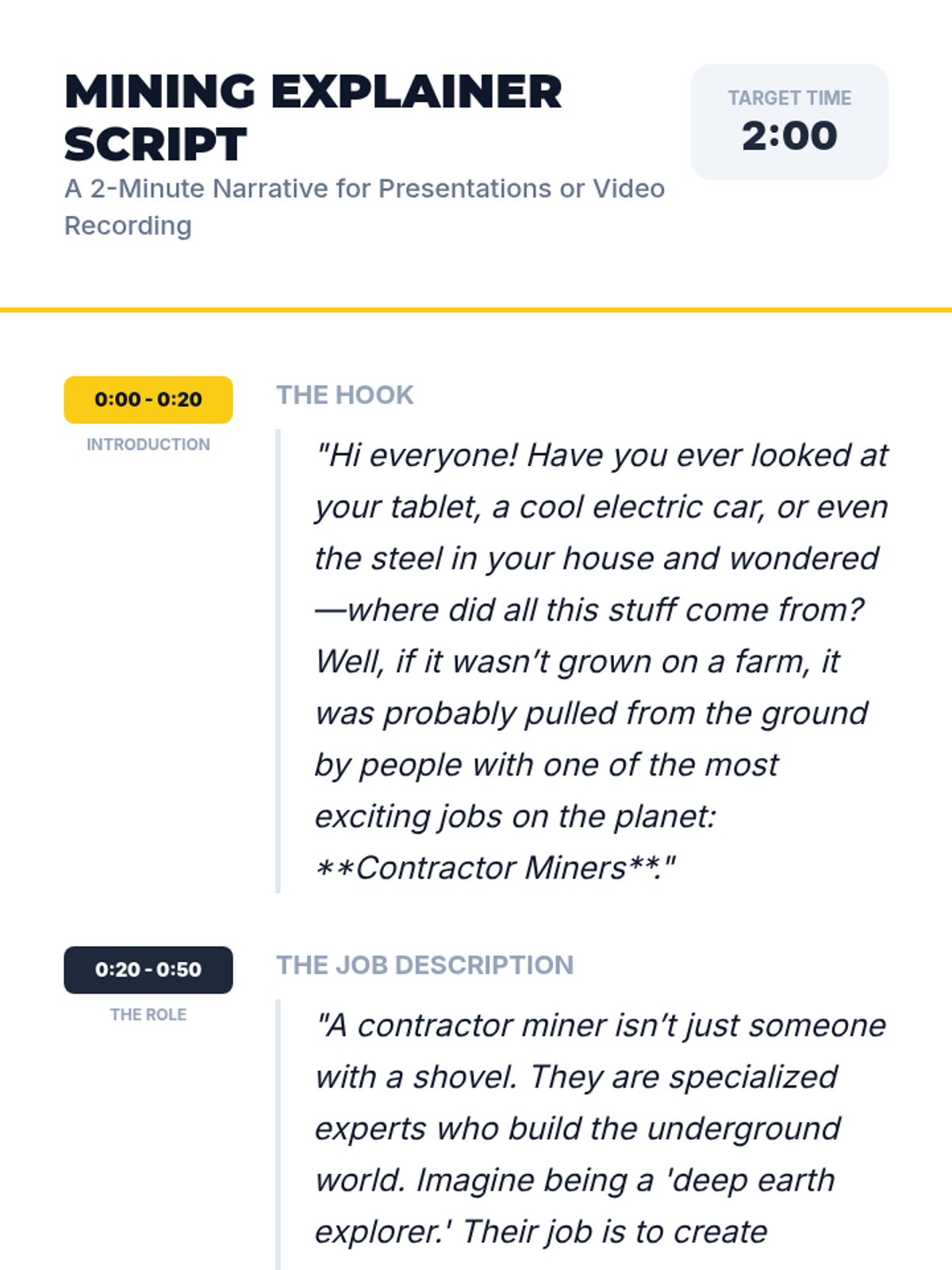
An introduction to the world of professional mining, focusing on the roles, skills, and daily life of contractor miners who work deep underground.
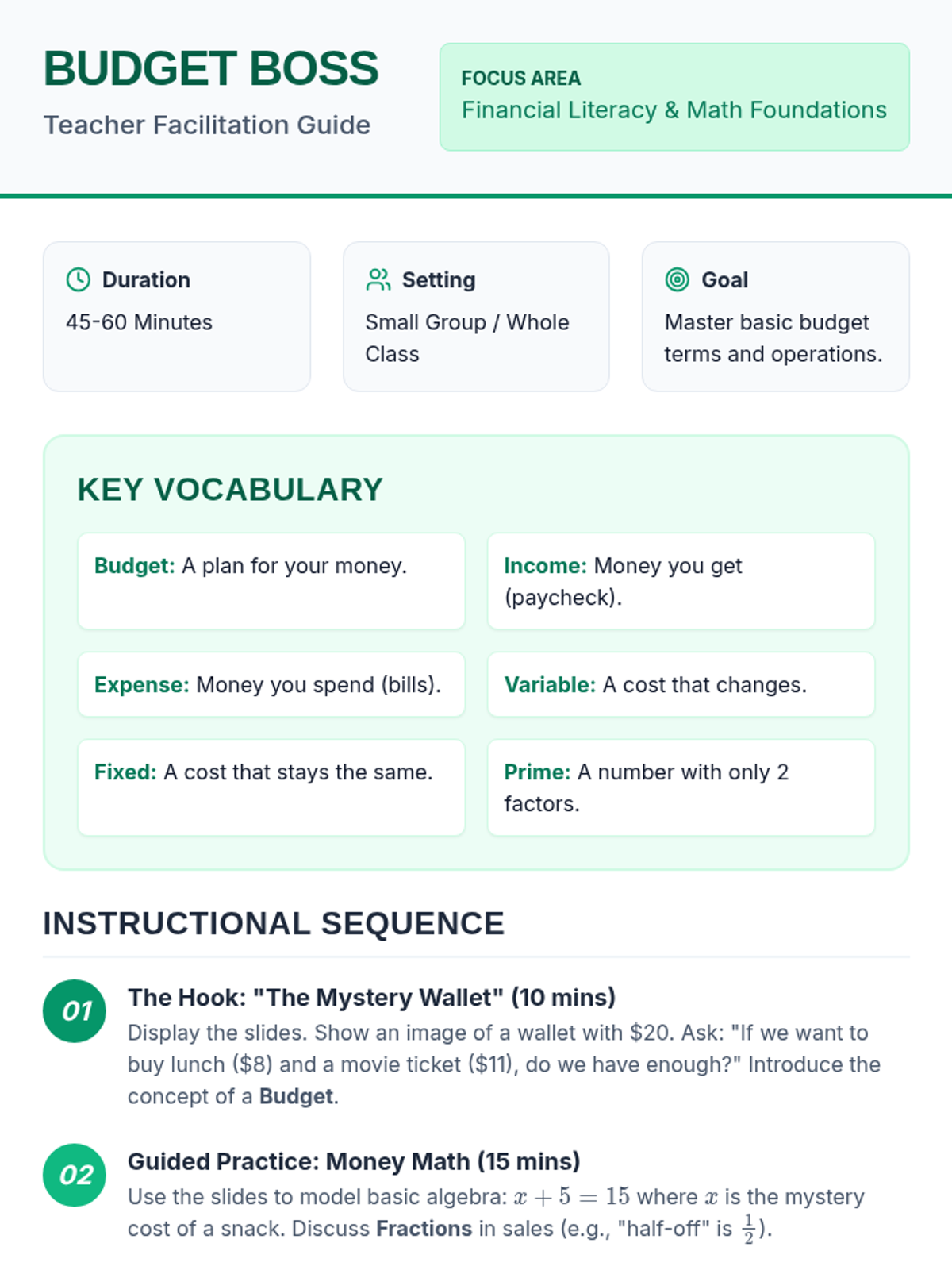
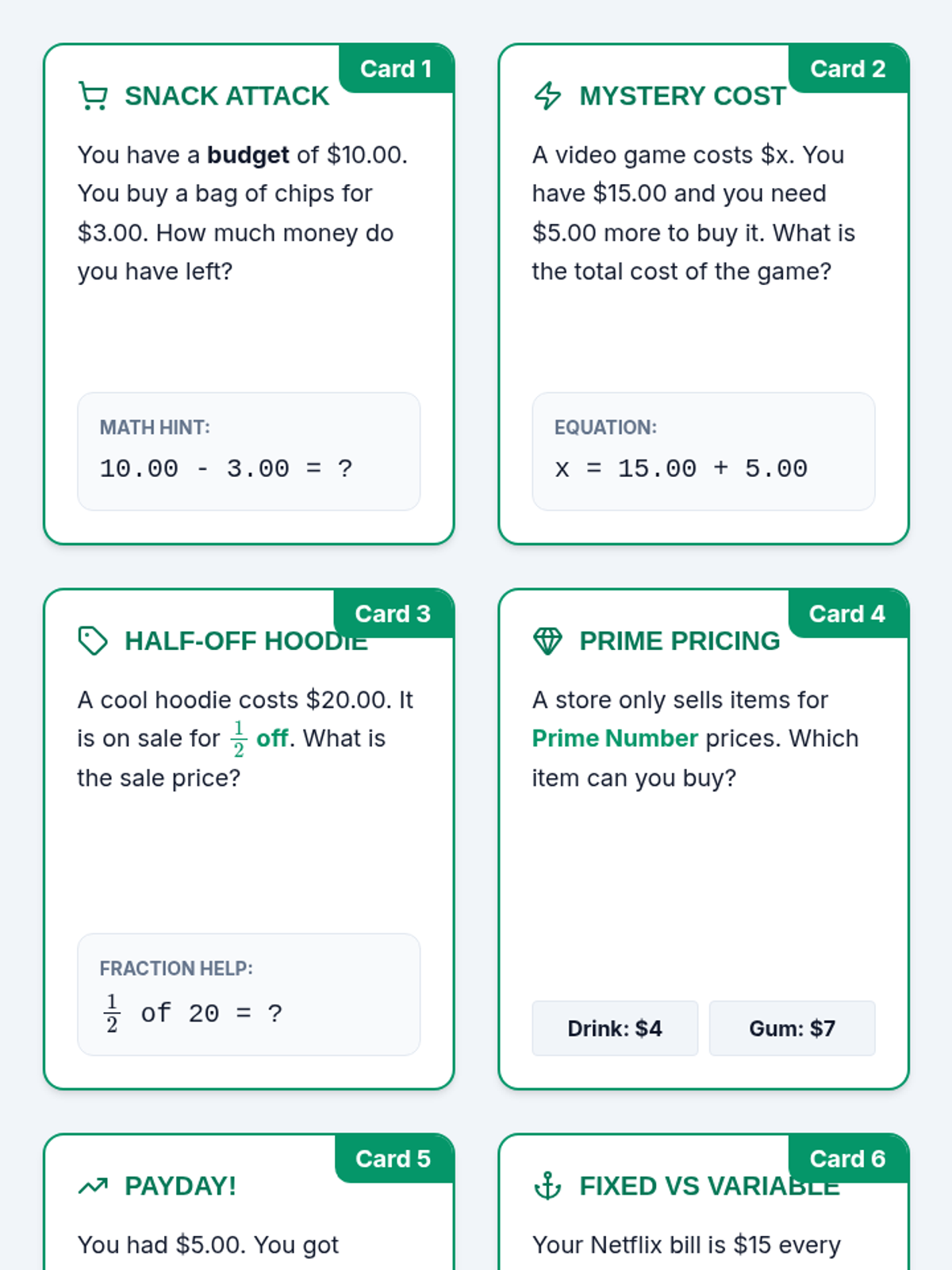
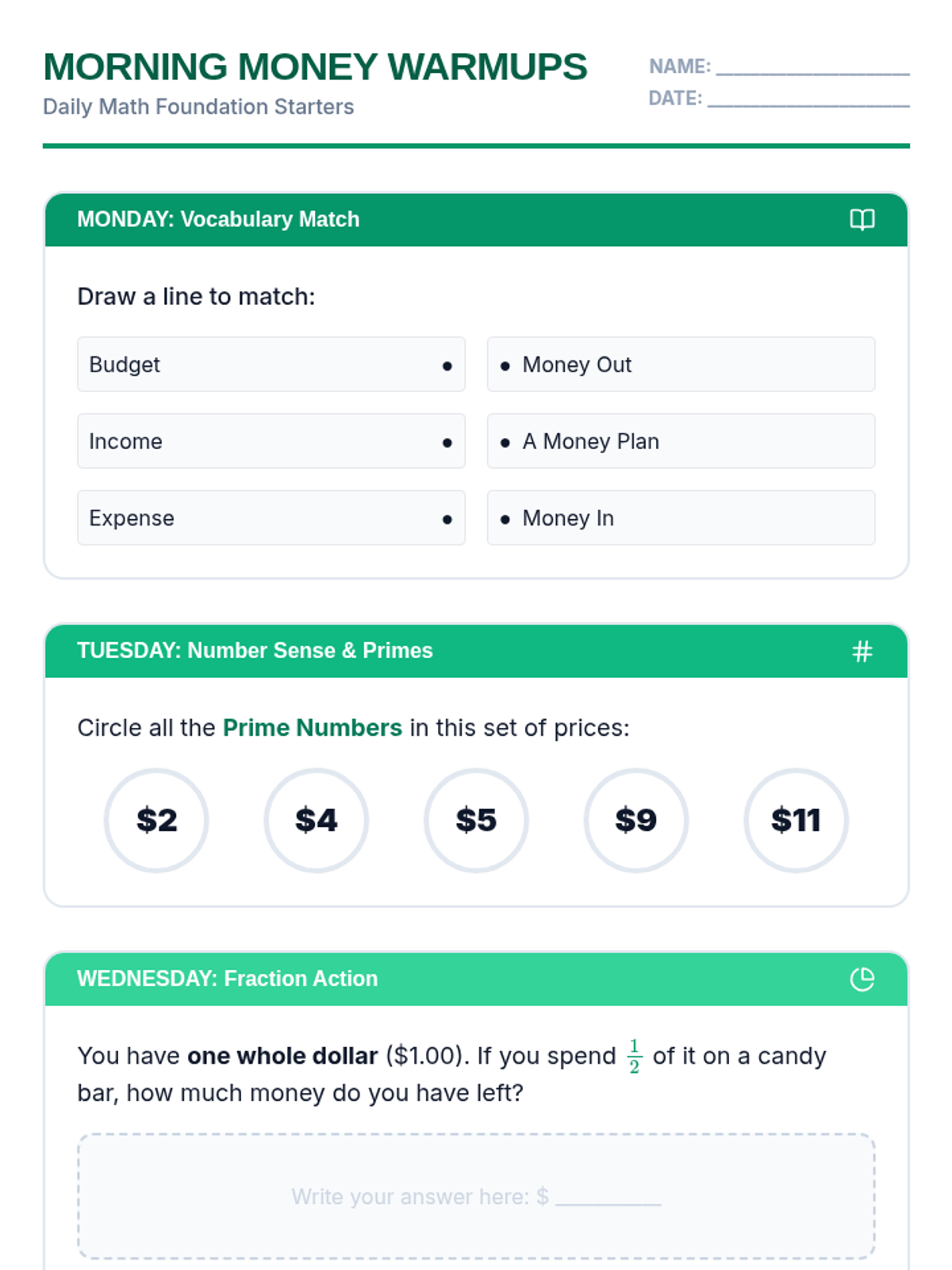
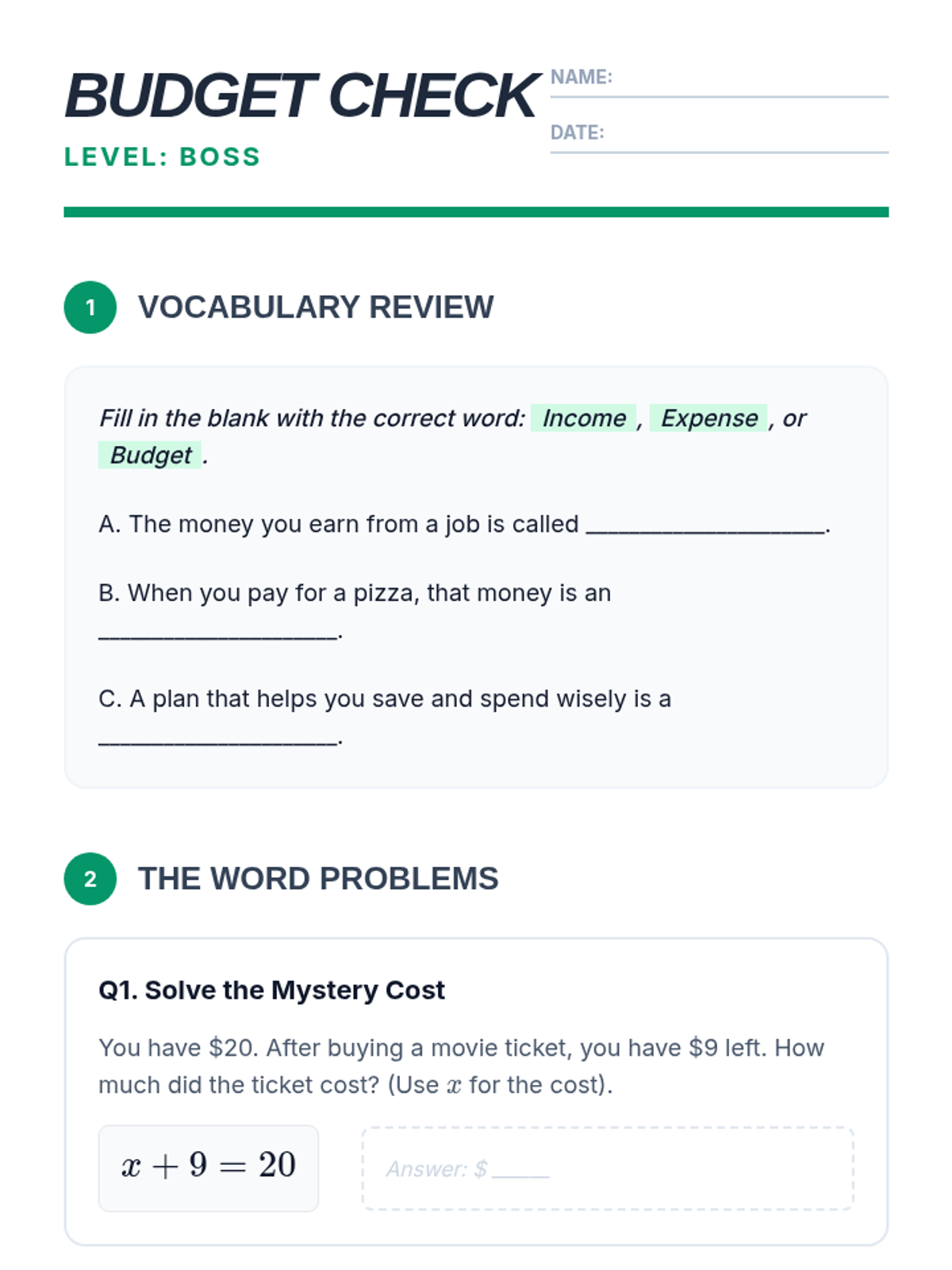
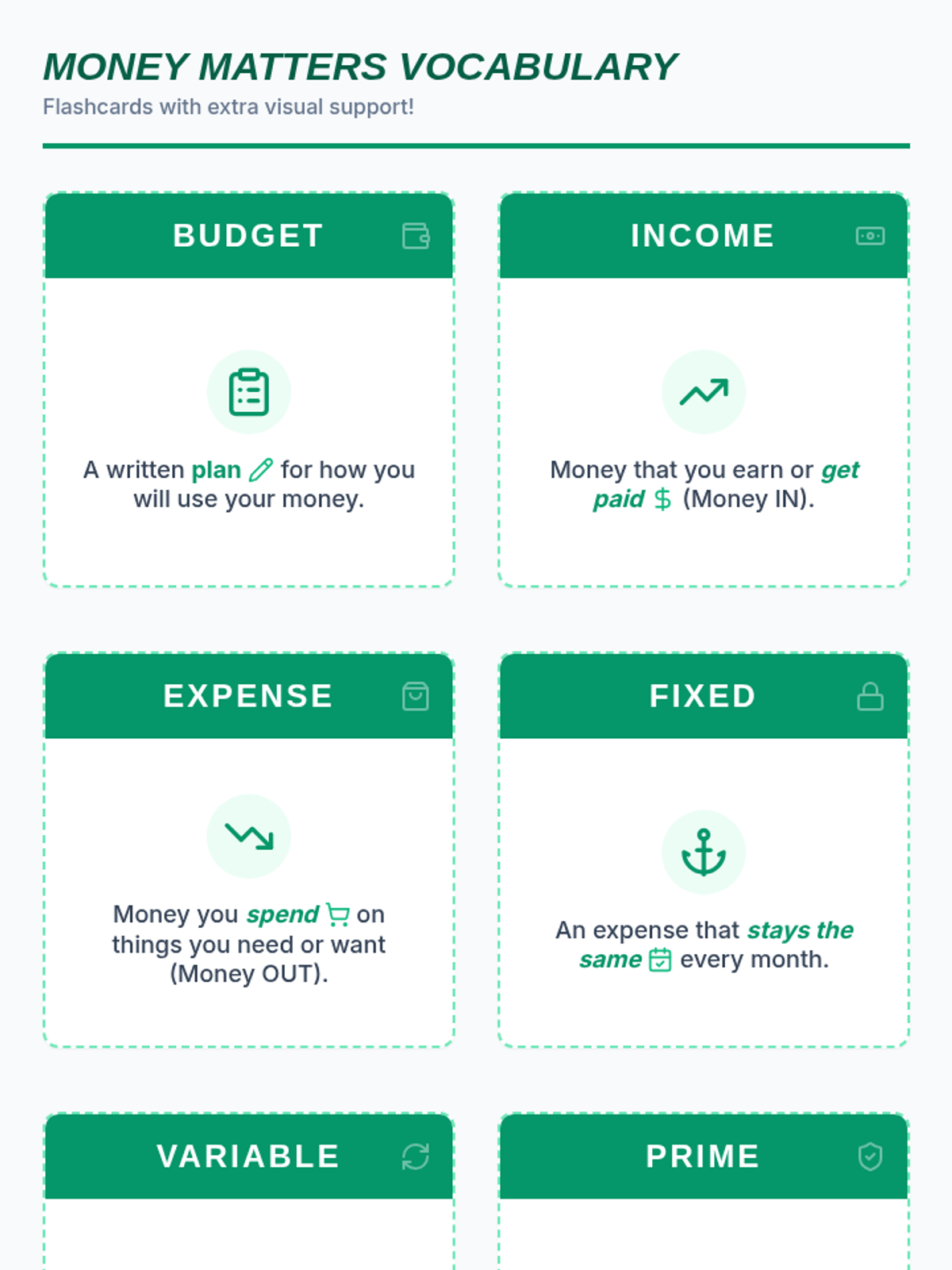
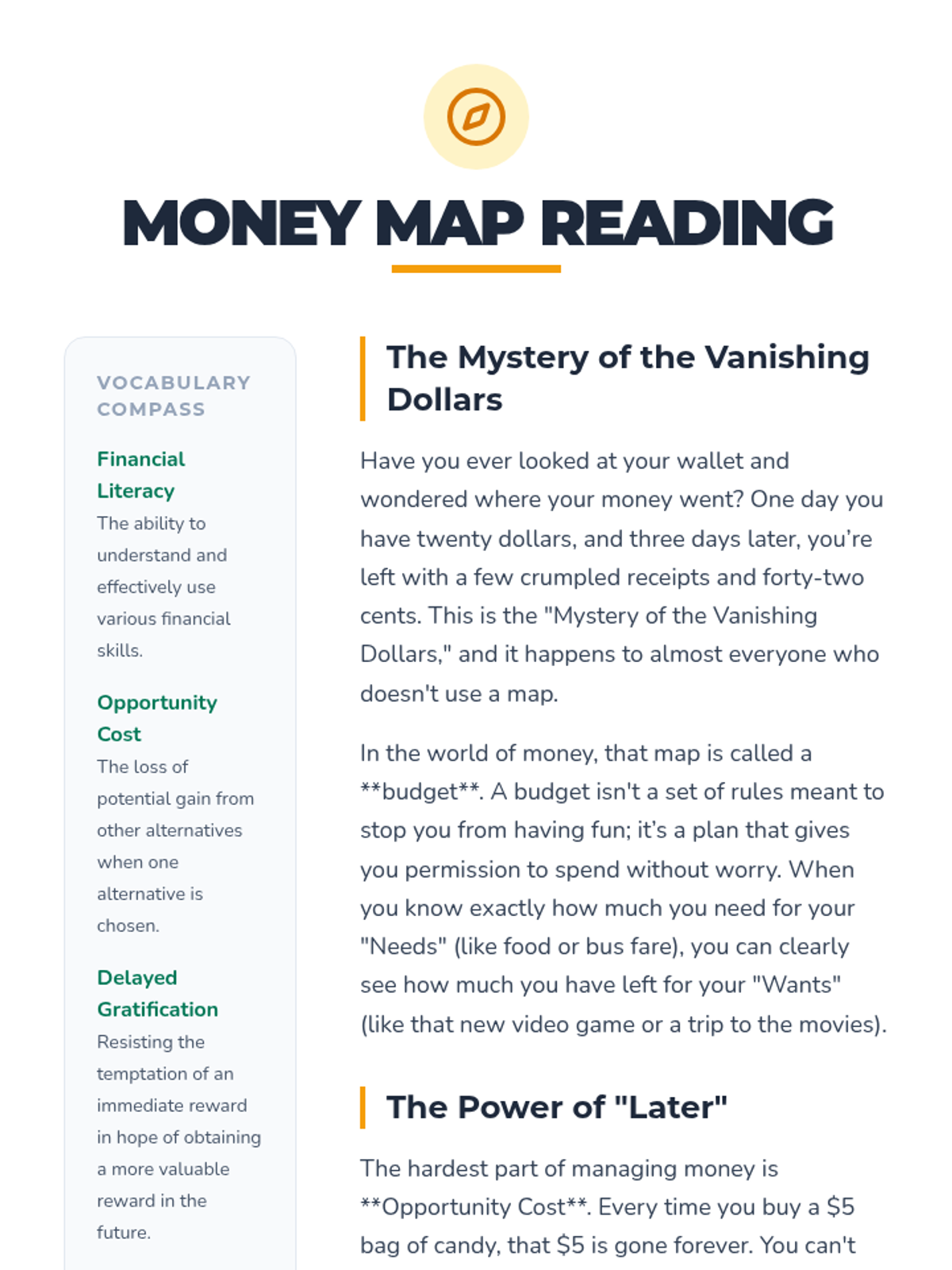
A comprehensive lesson on basic budgeting, financial vocabulary, and mathematical foundations including fractions and simple algebra, designed for special education students.
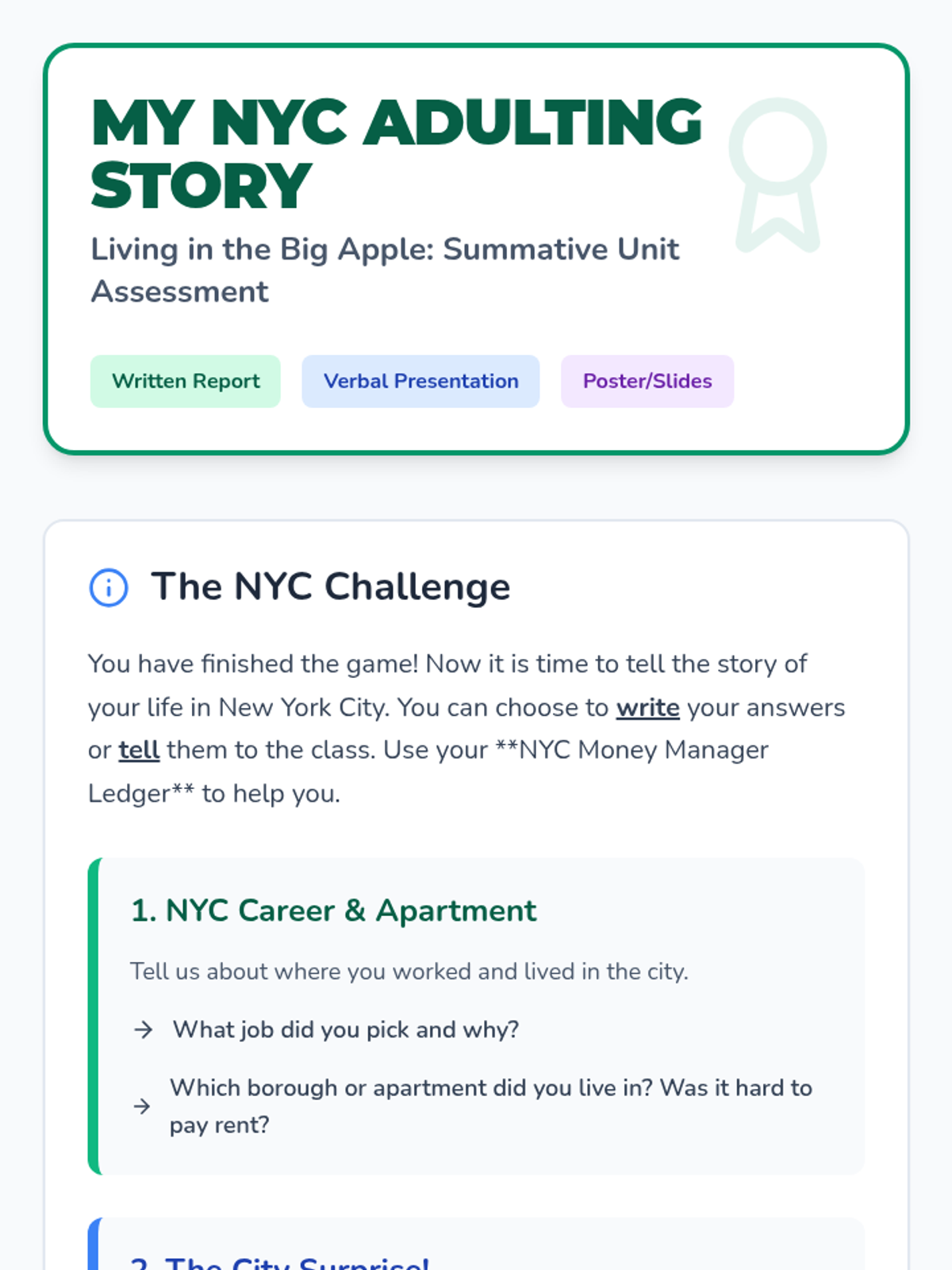
The final presentation where students reflect on their life choices and financial status at the end of the game.
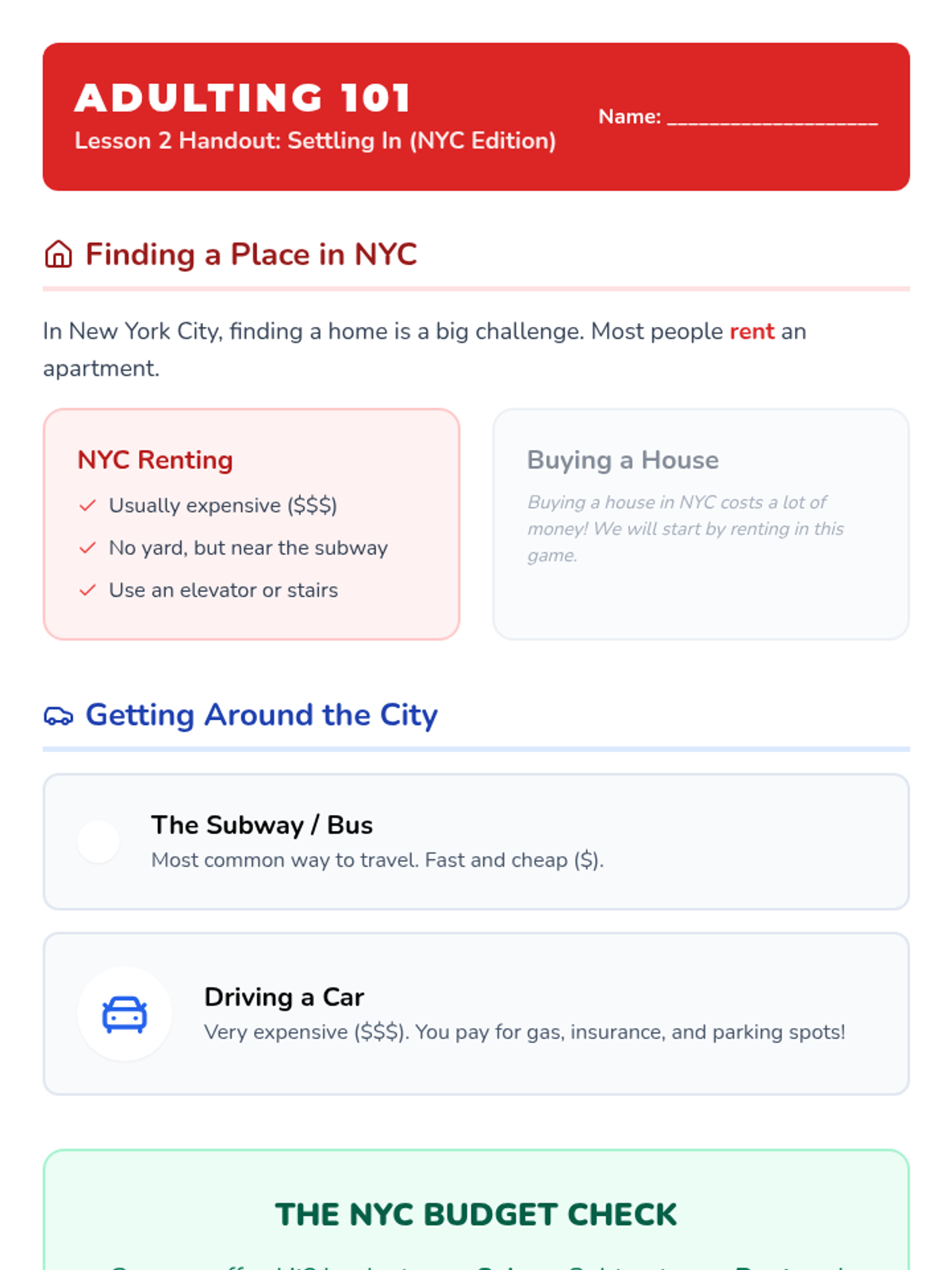
Students explore housing options (renting vs. owning) and transportation needs, making choices that fit their game-play budget.
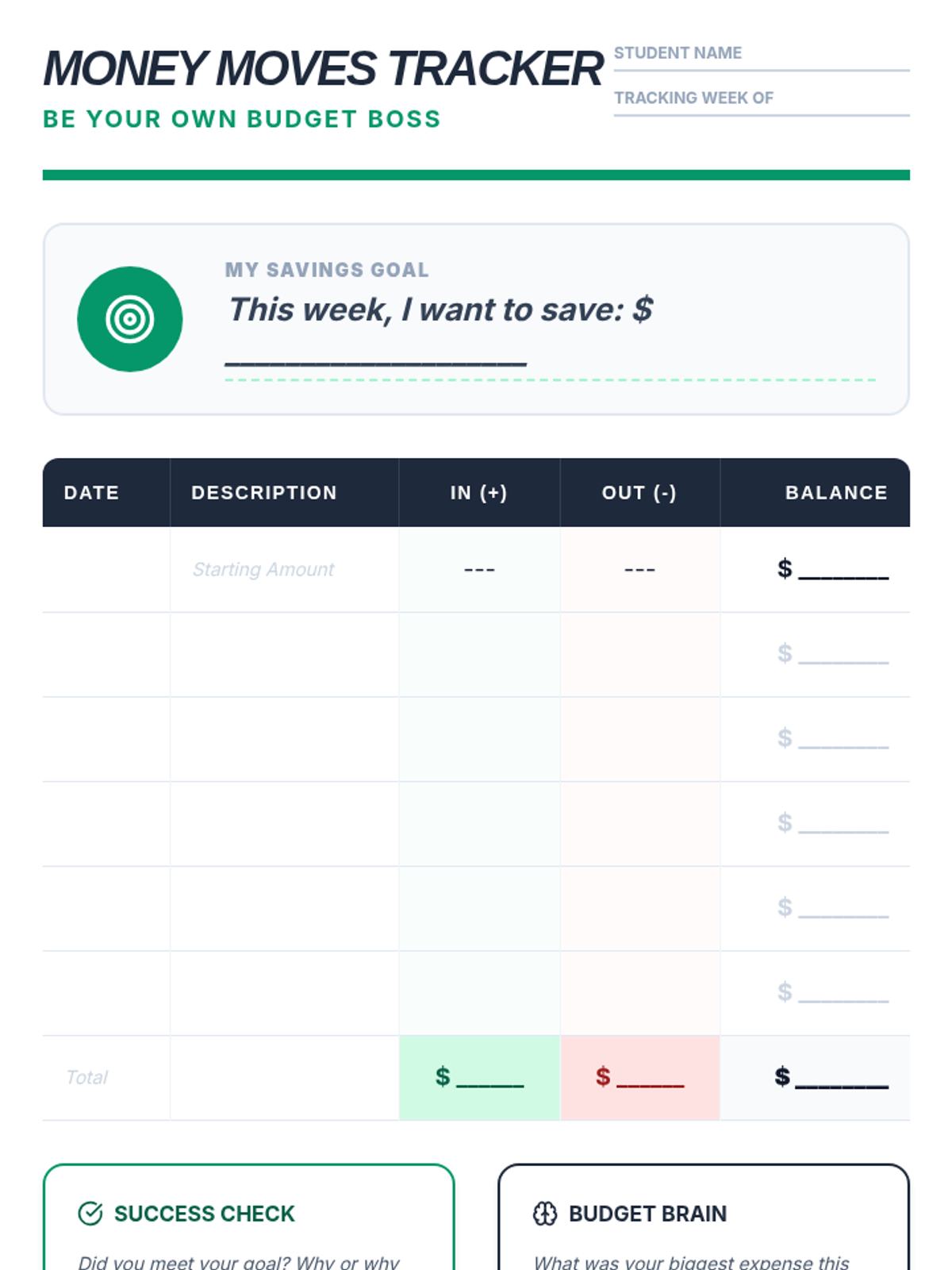
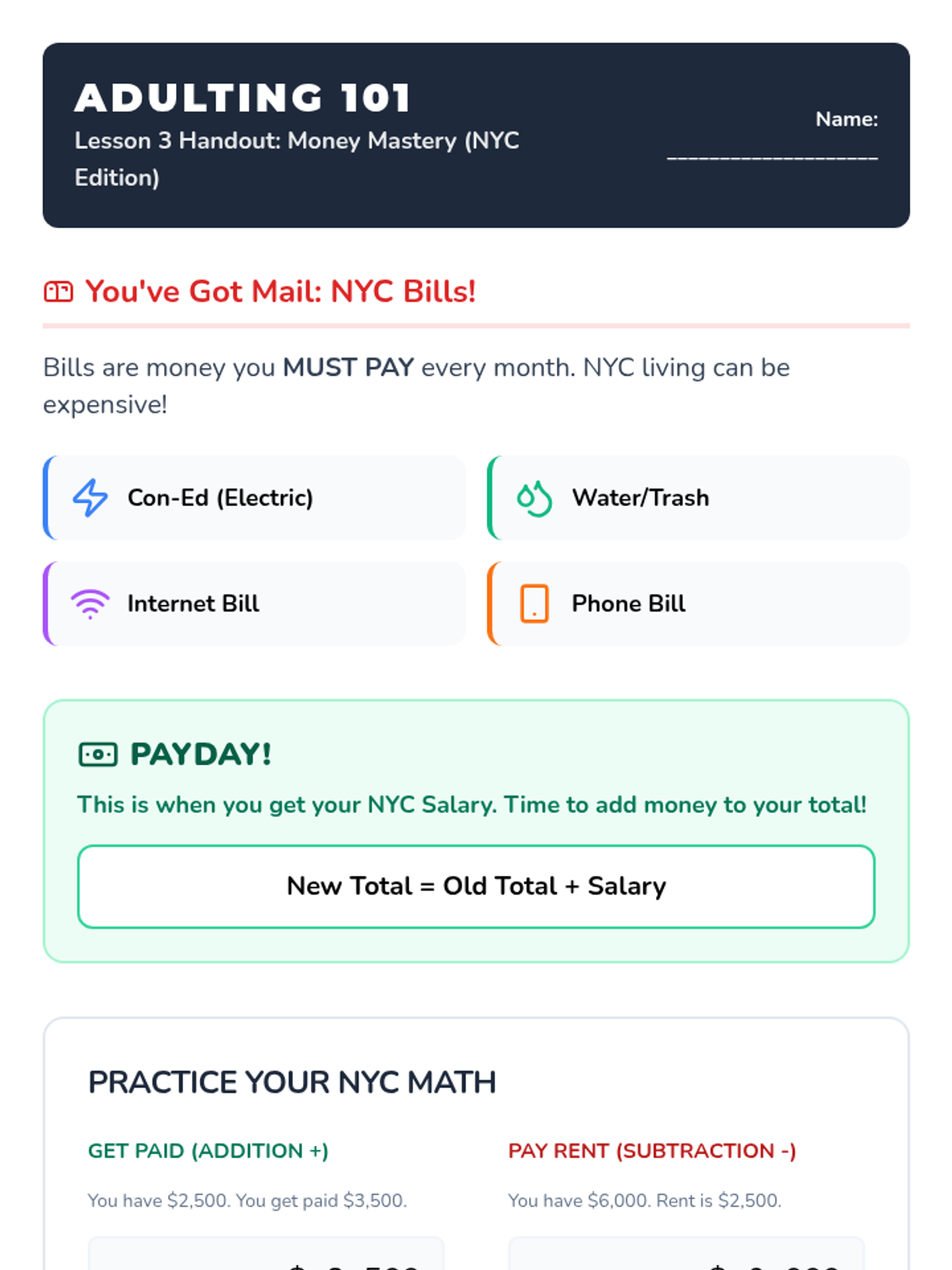
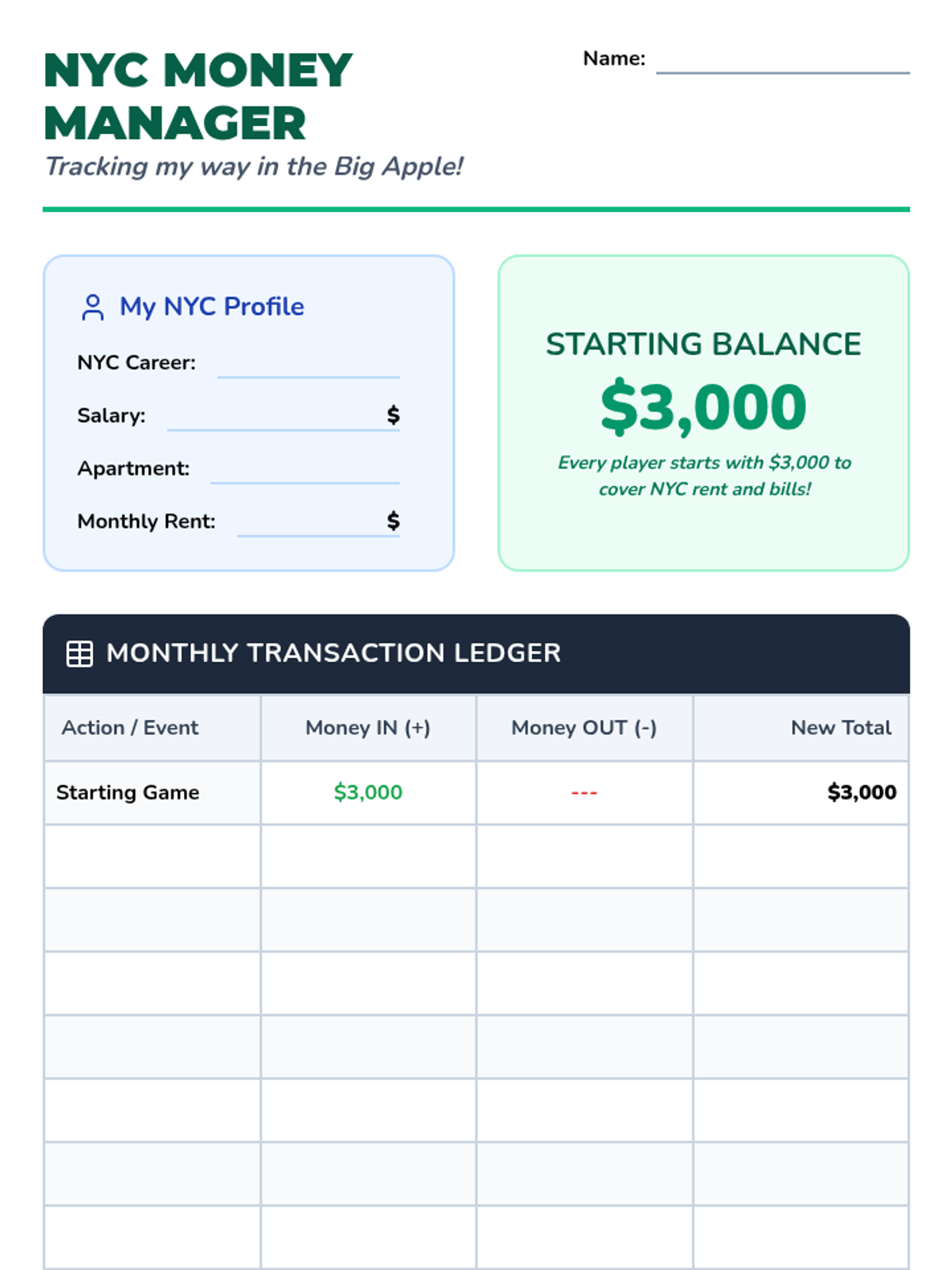
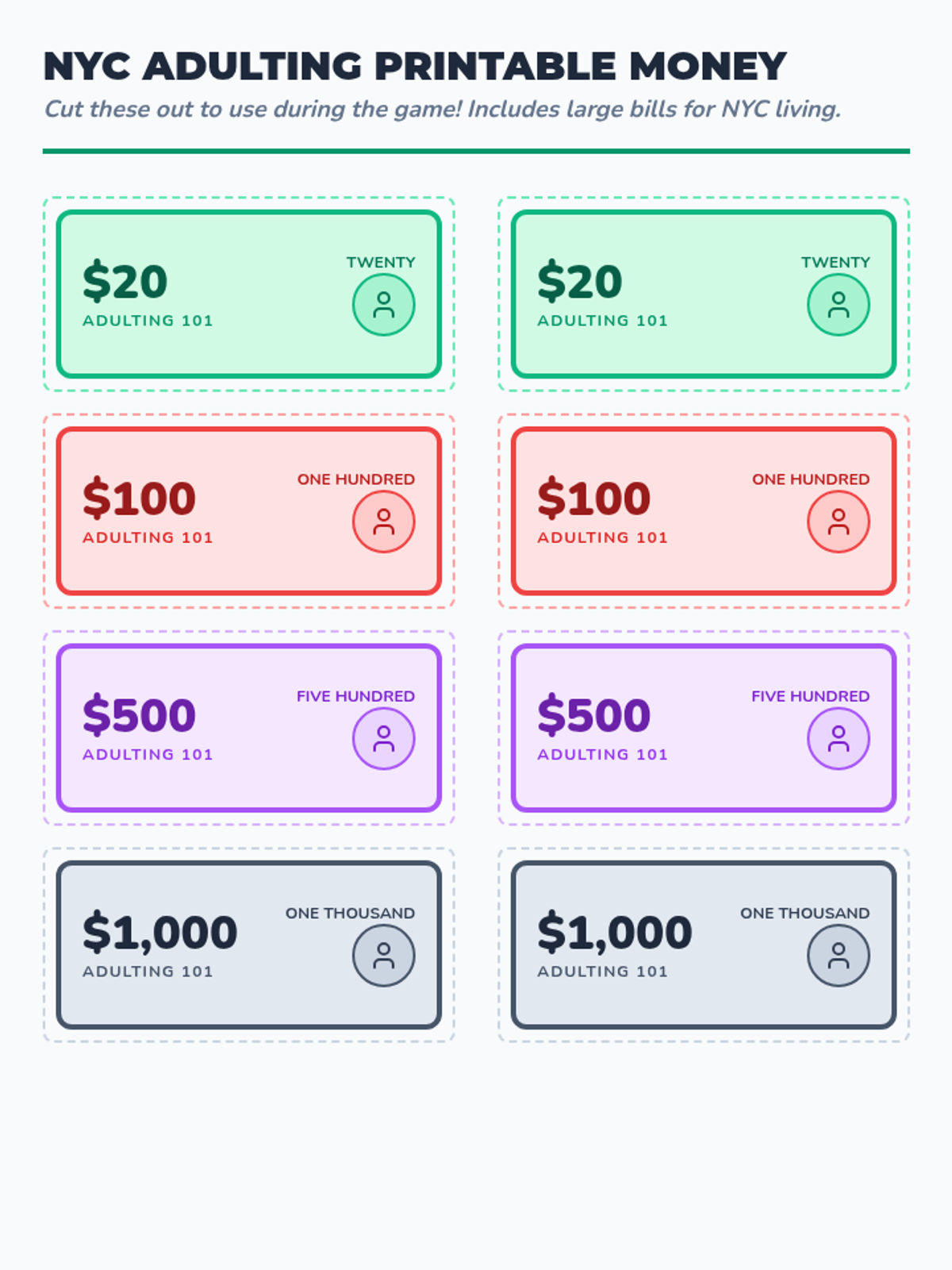
A focus on managing a monthly ledger, understanding 'Payday' squares, and the basics of paying bills on time.
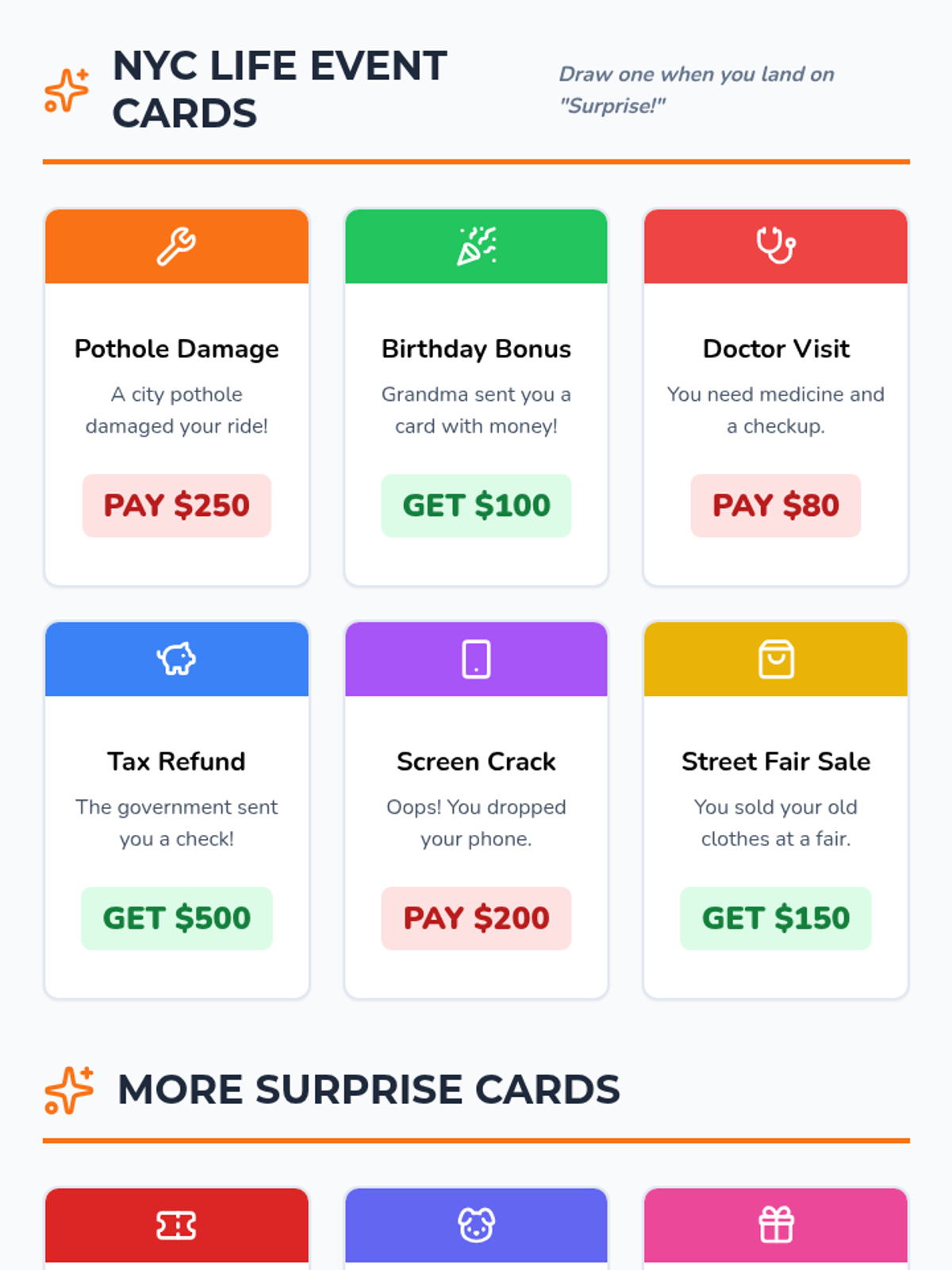
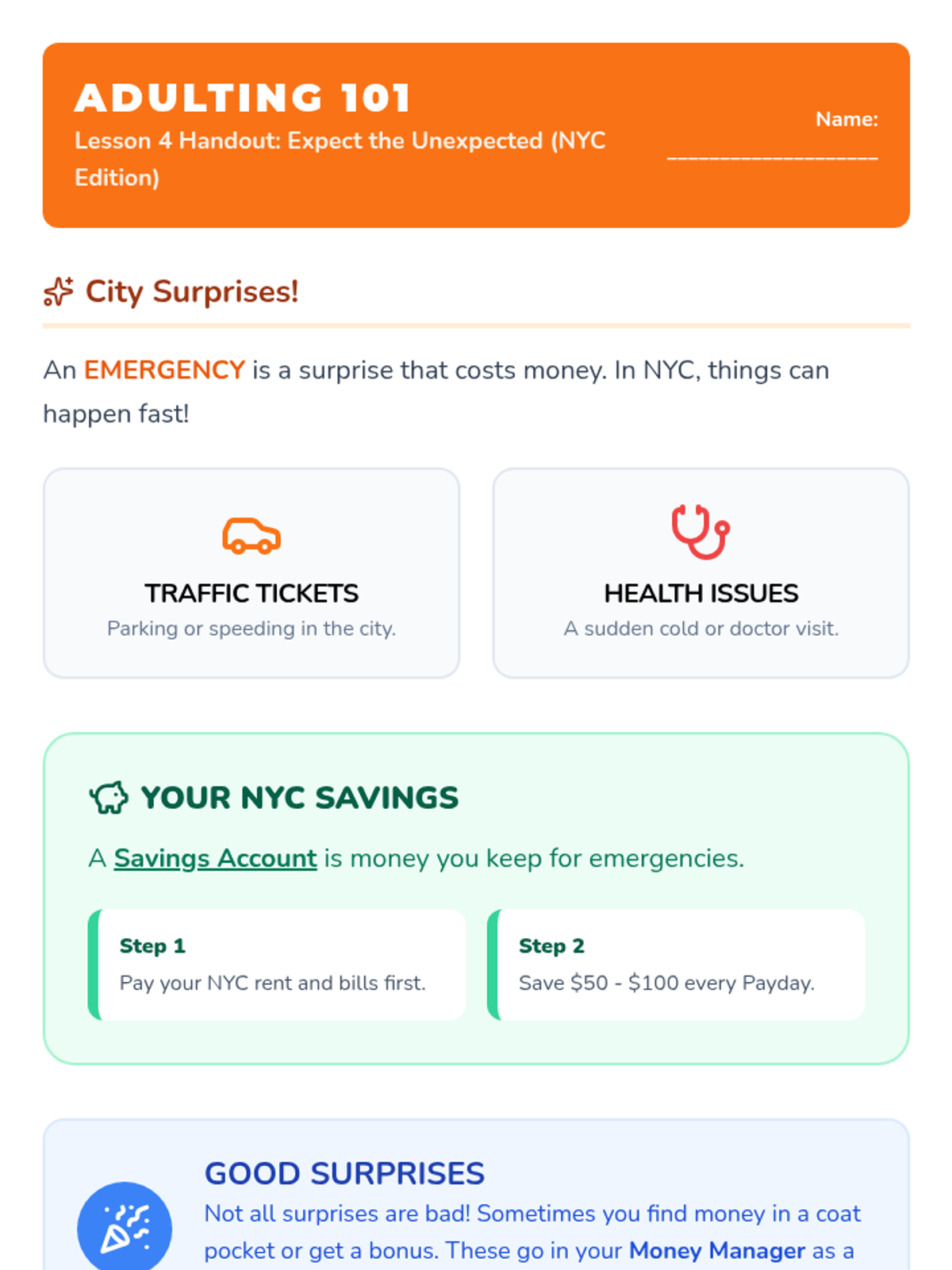
Introducing random life events and emergencies to teach students about the importance of savings and adaptability.
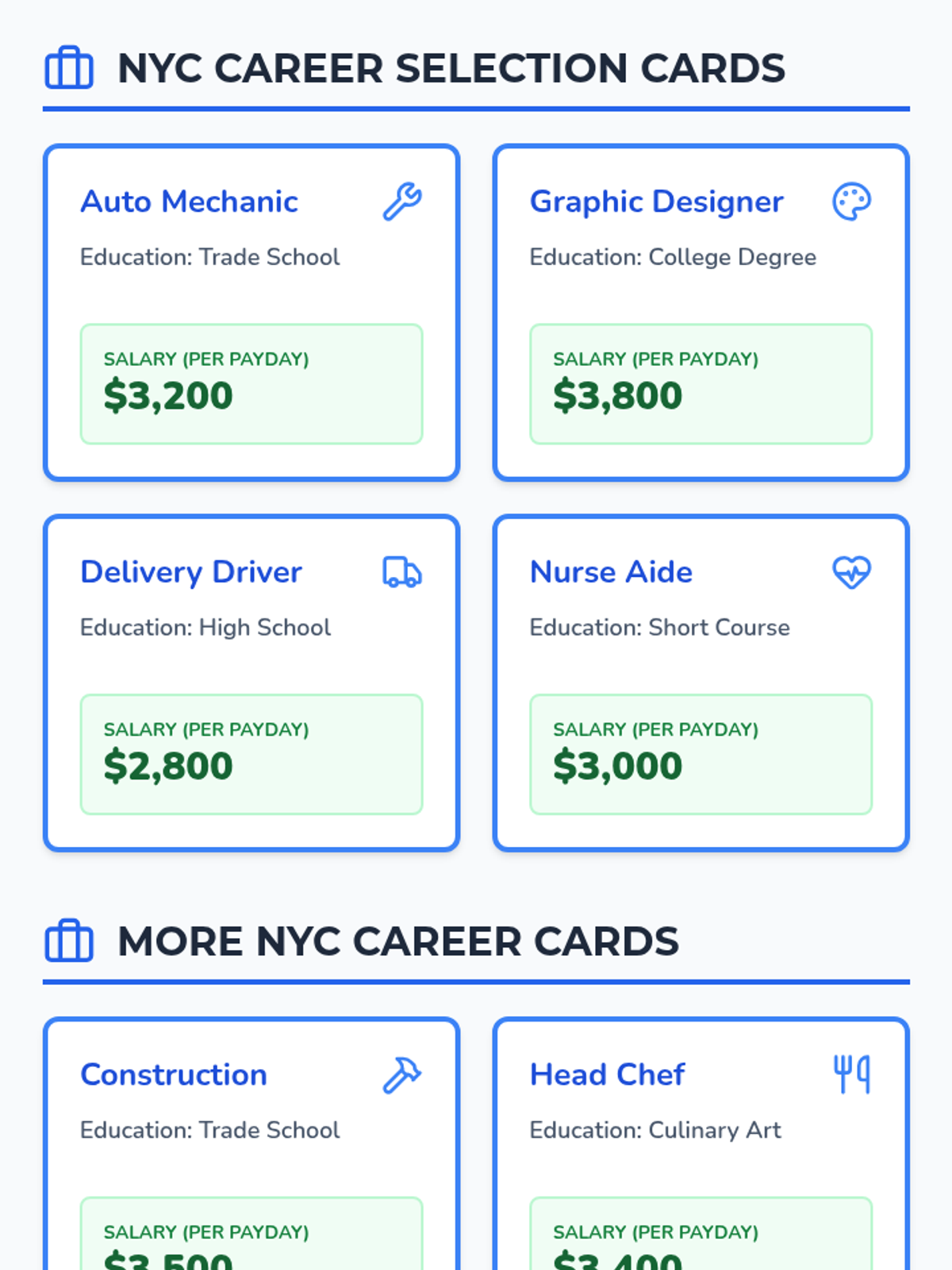
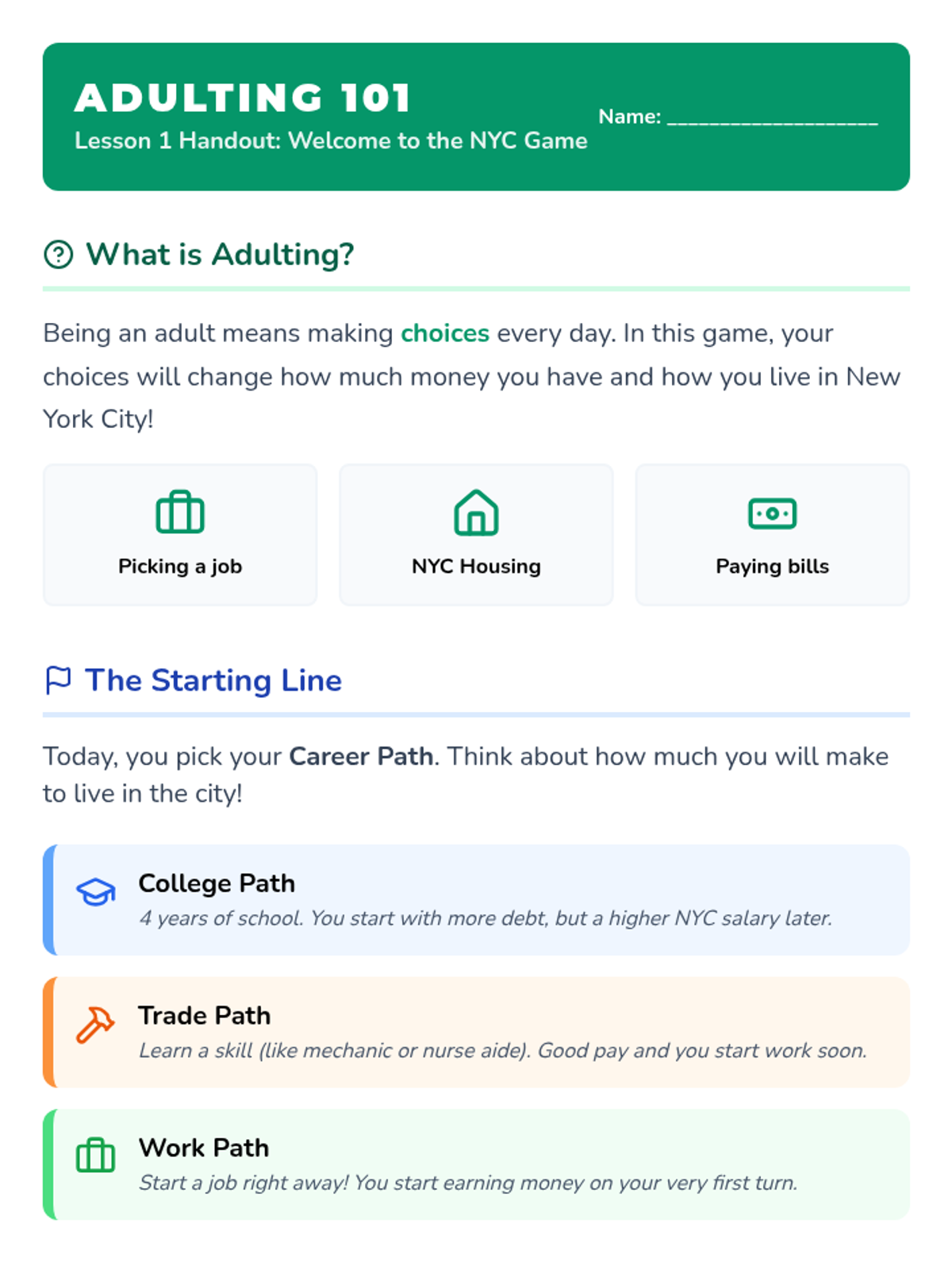
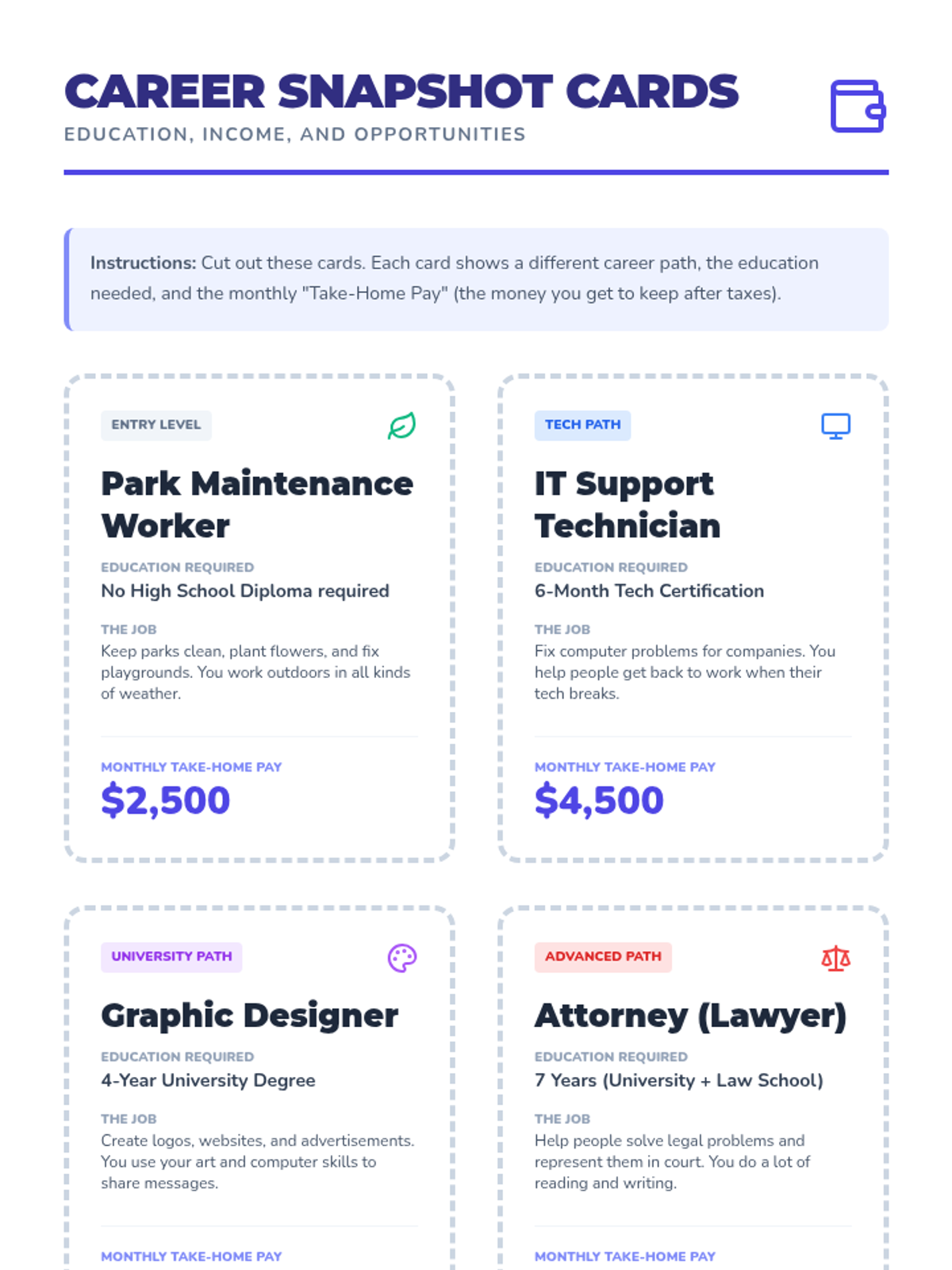
Students learn about different career paths, the difference between trade school, college, and entry-level work, and select their starting career for the game.
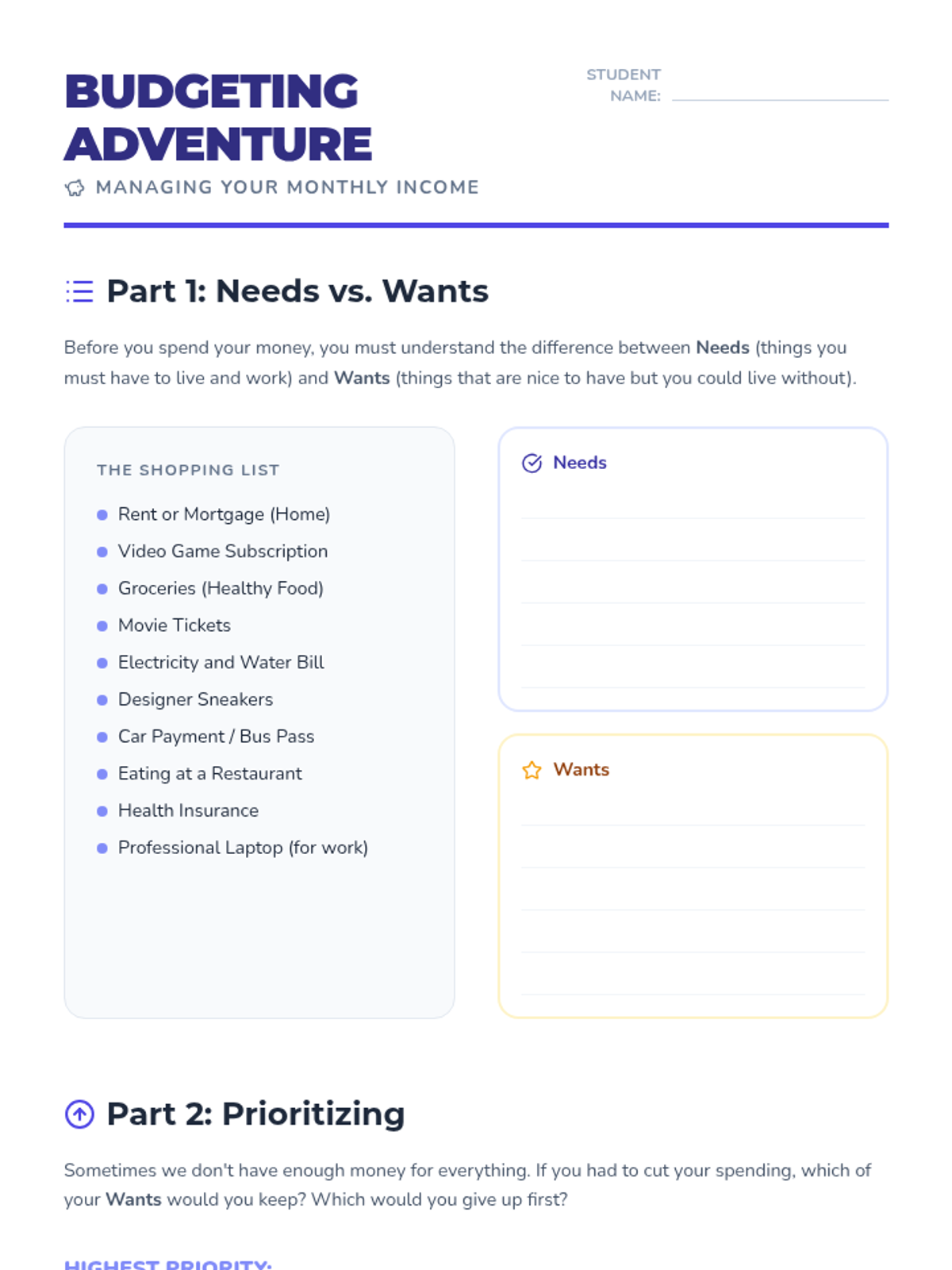
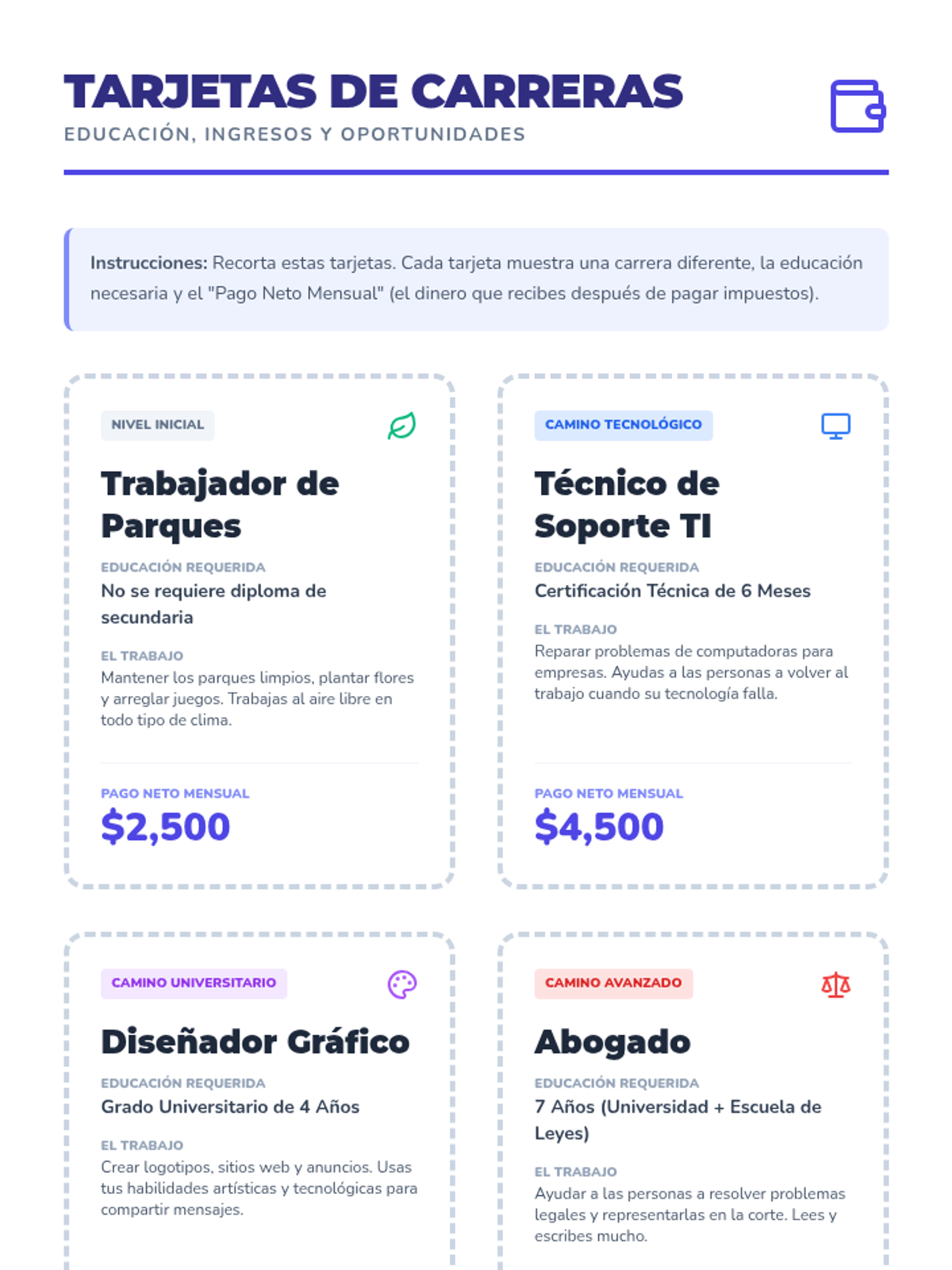
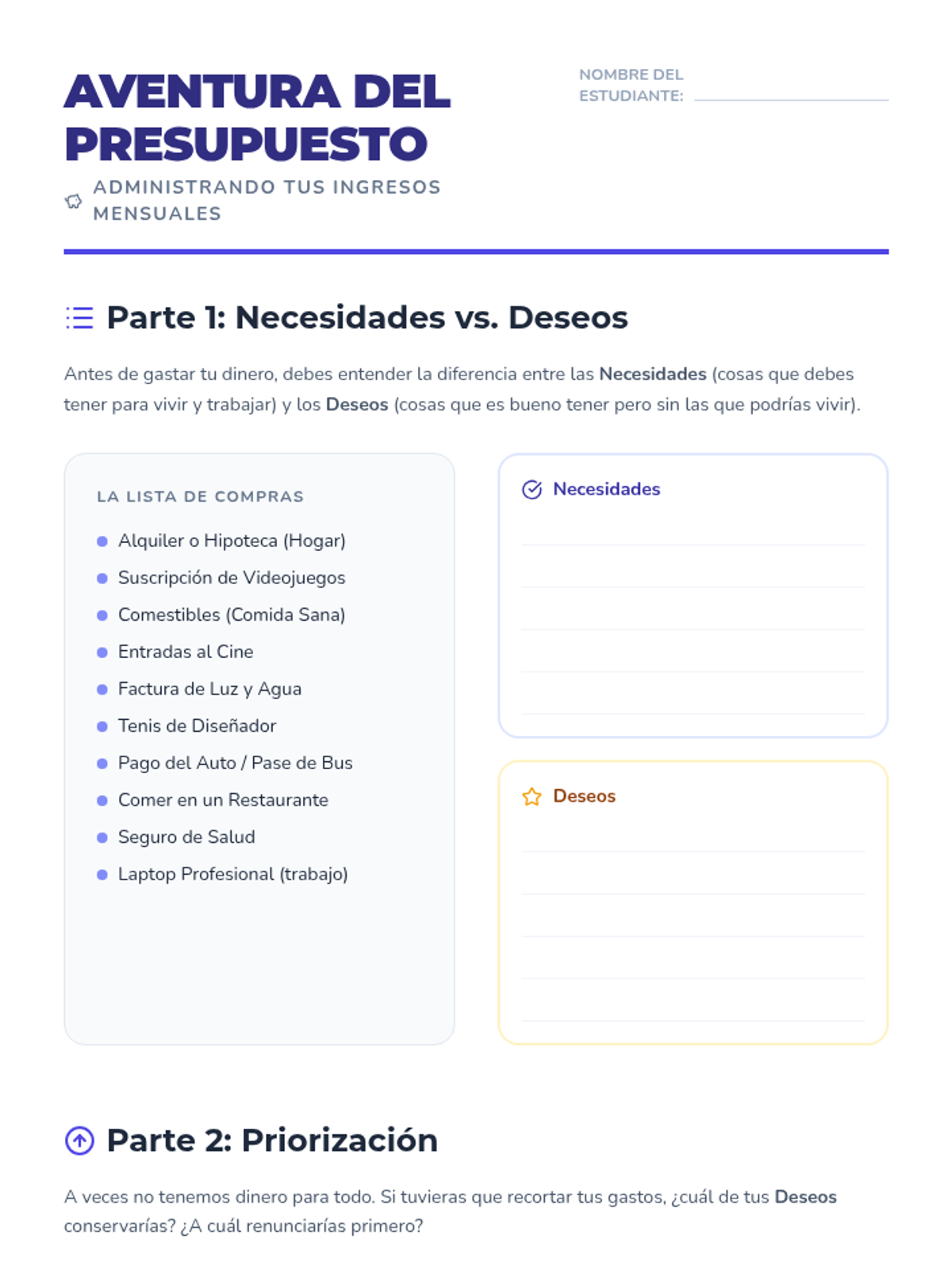
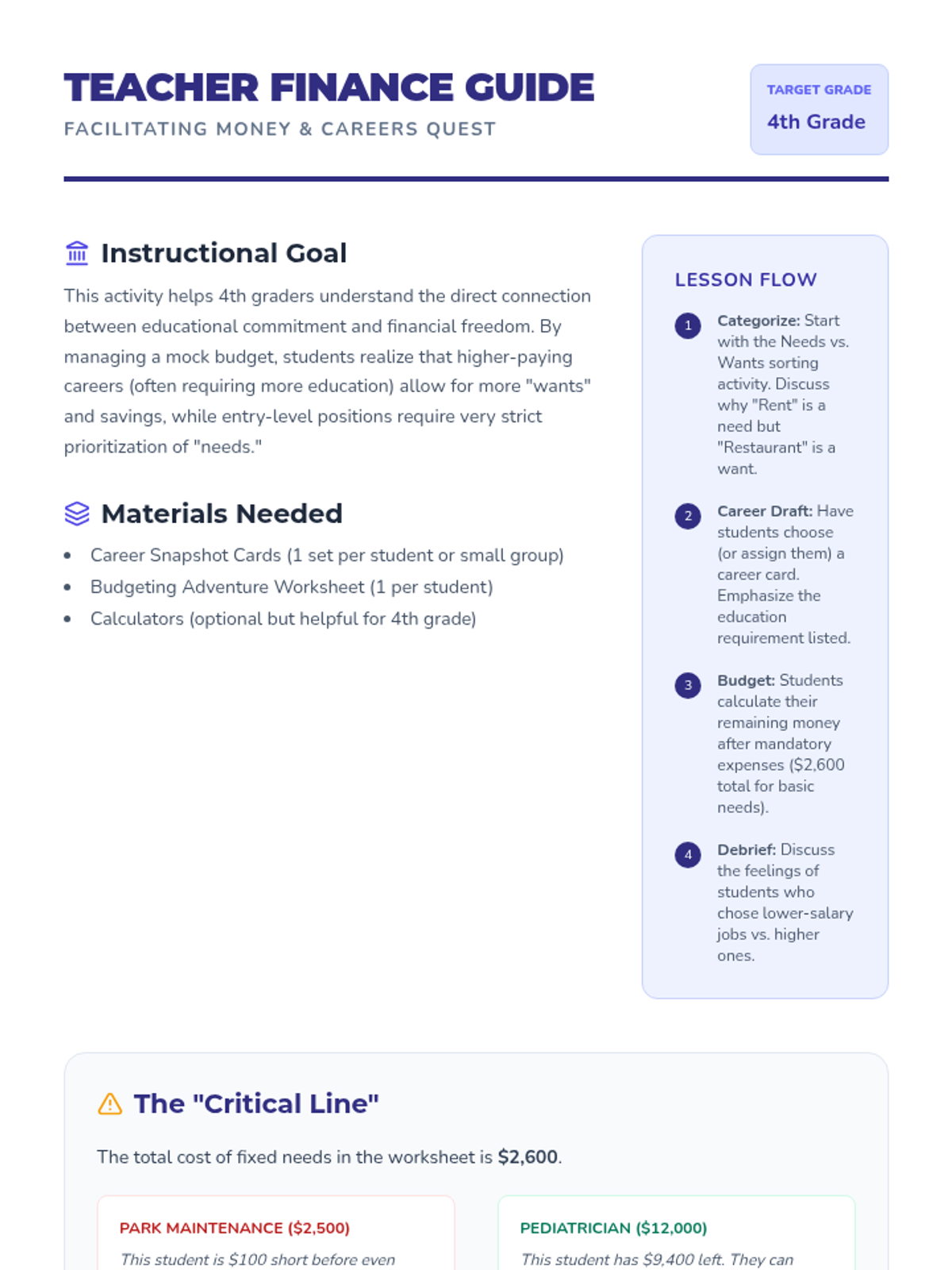
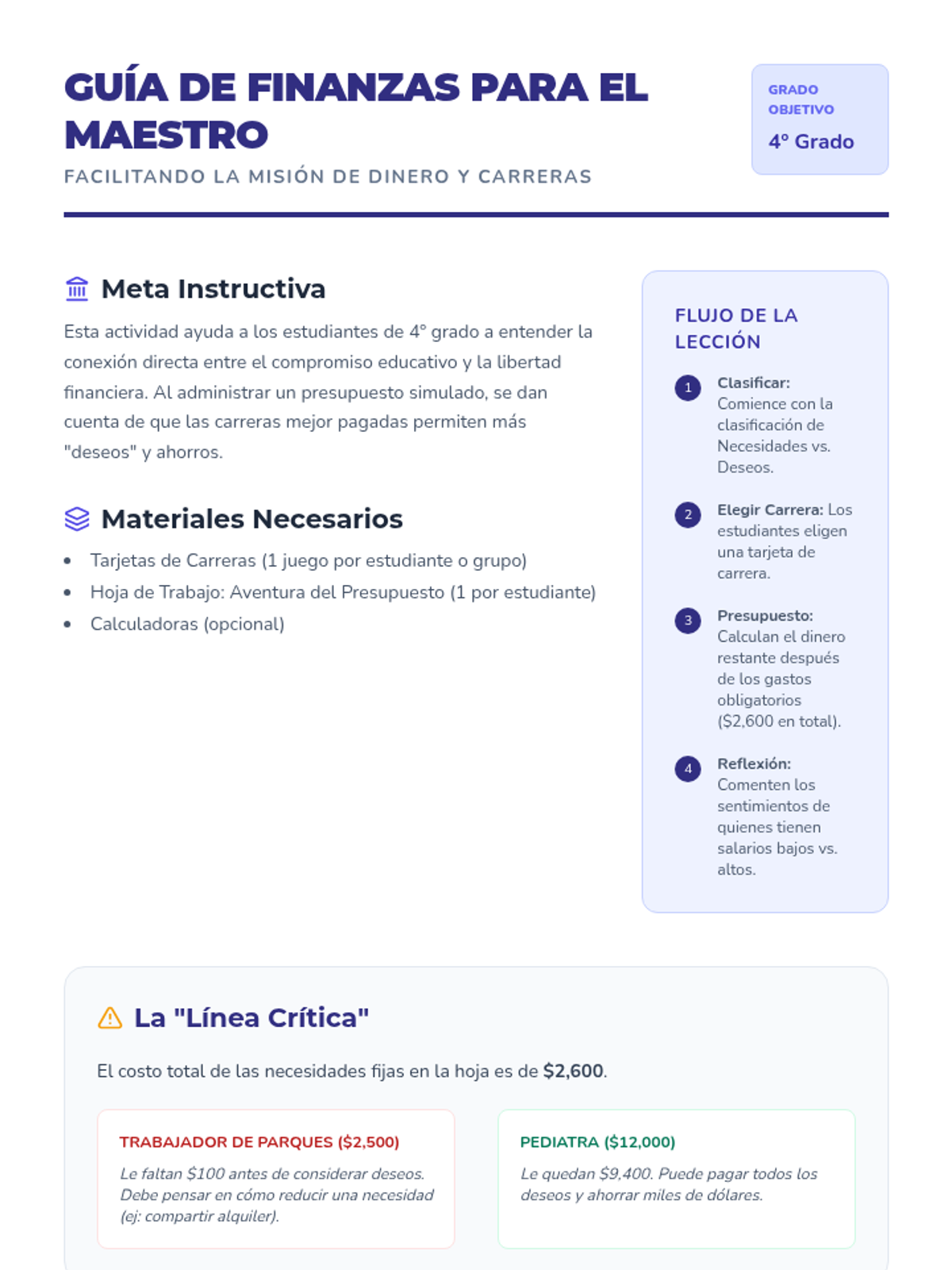
Students explore the relationship between education, career choice, and income through a hands-on budgeting activity. 4th graders learn to prioritize needs versus wants while managing a monthly budget based on real-world career salaries.
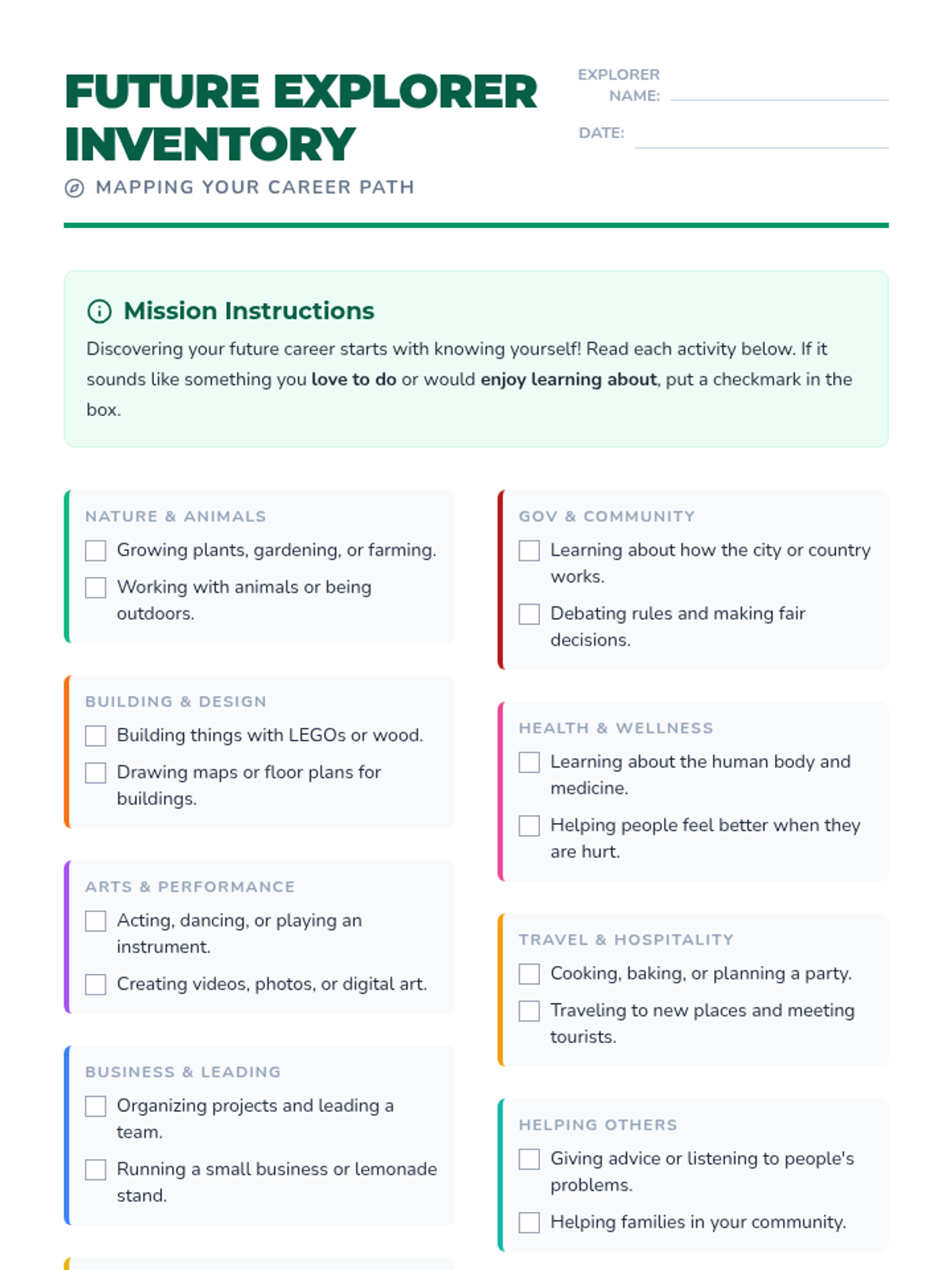
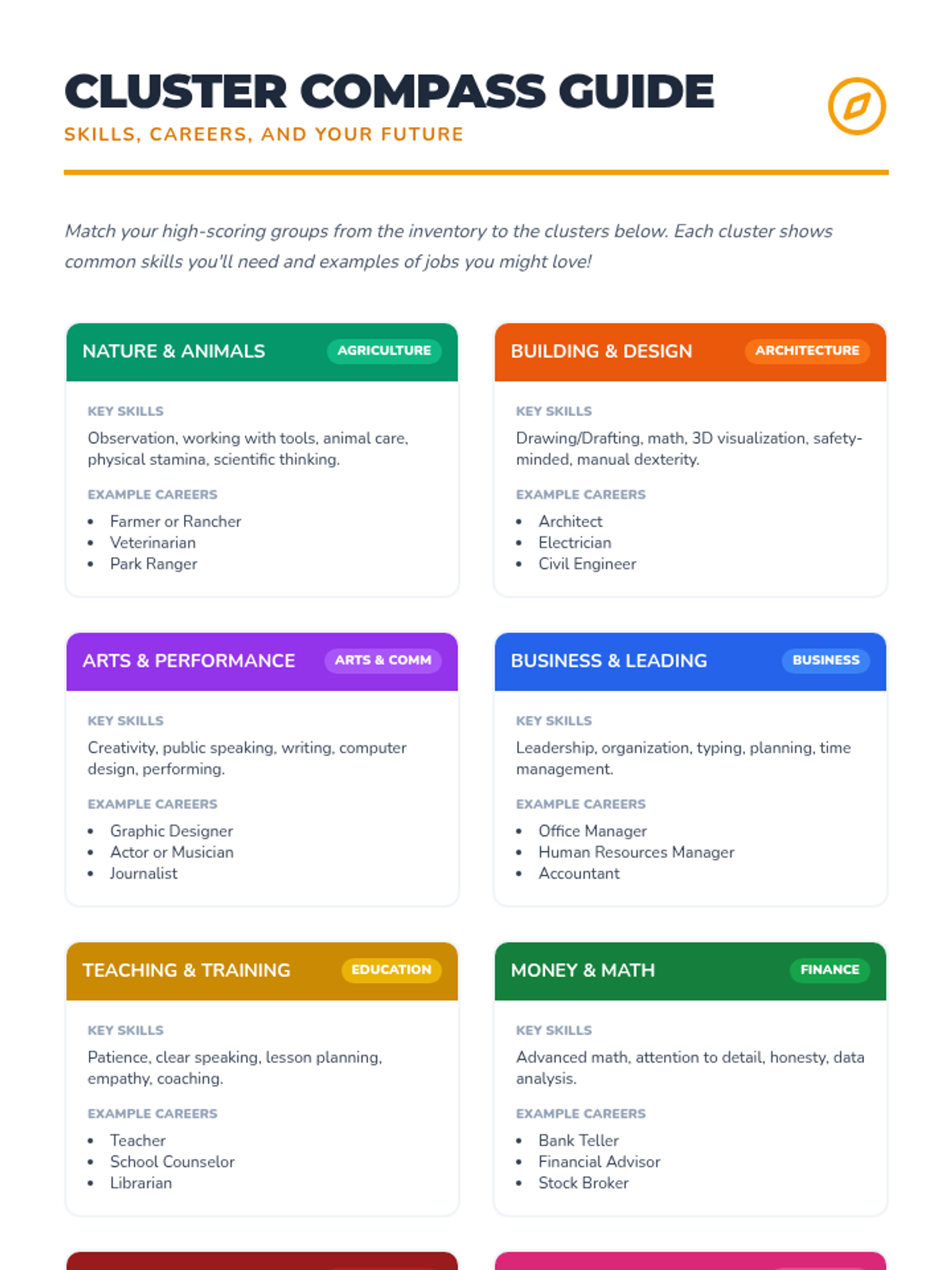
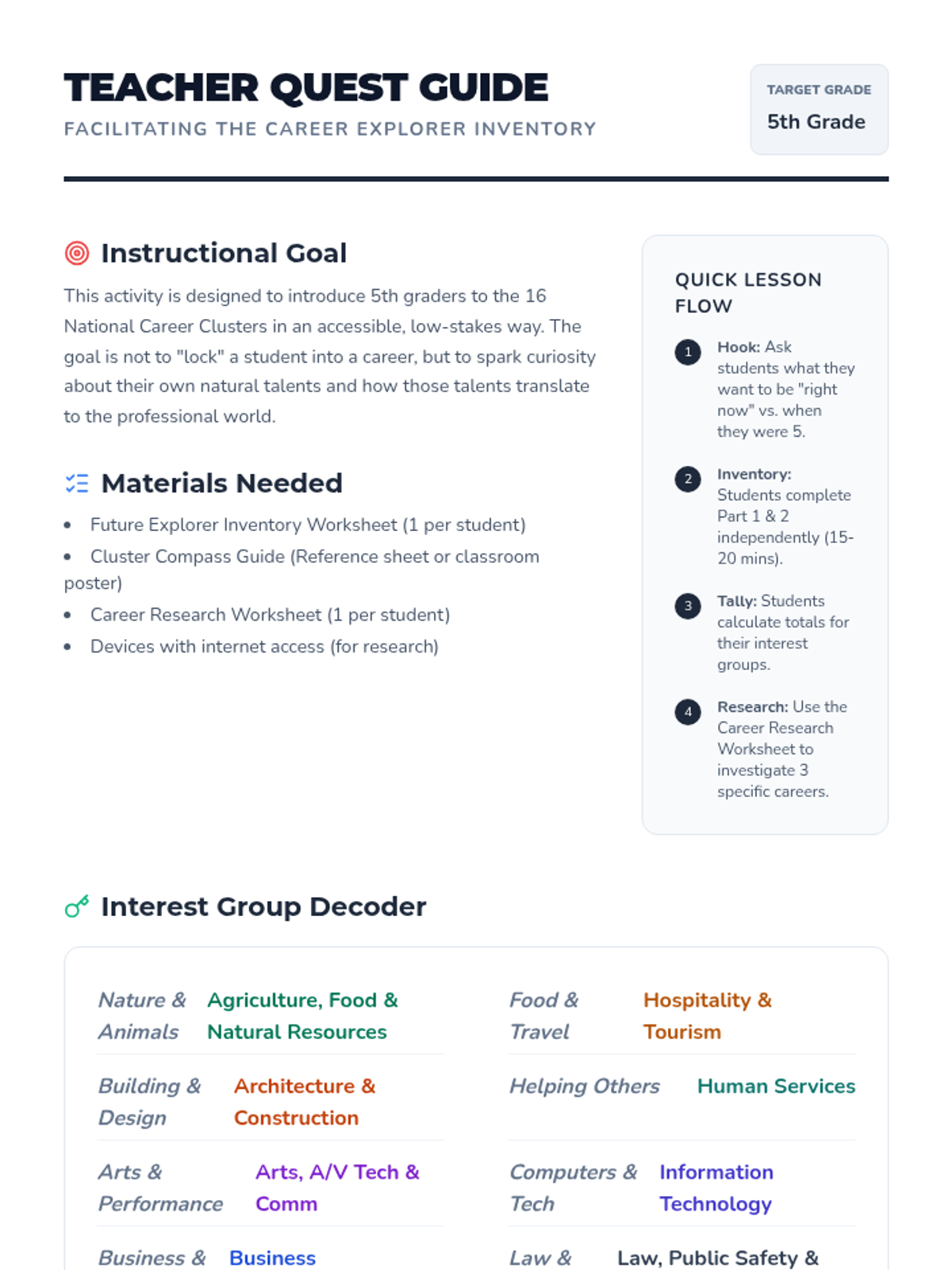
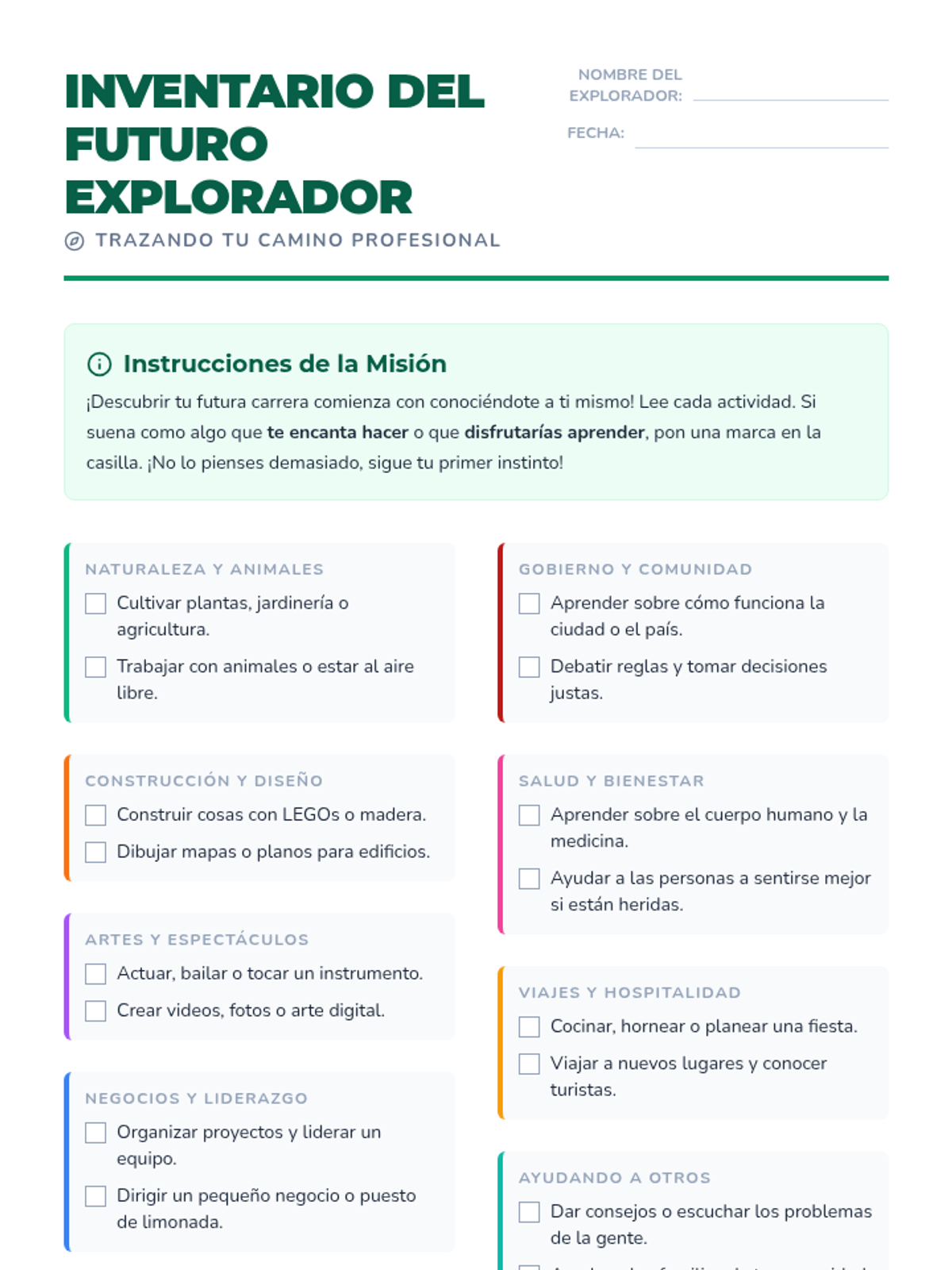
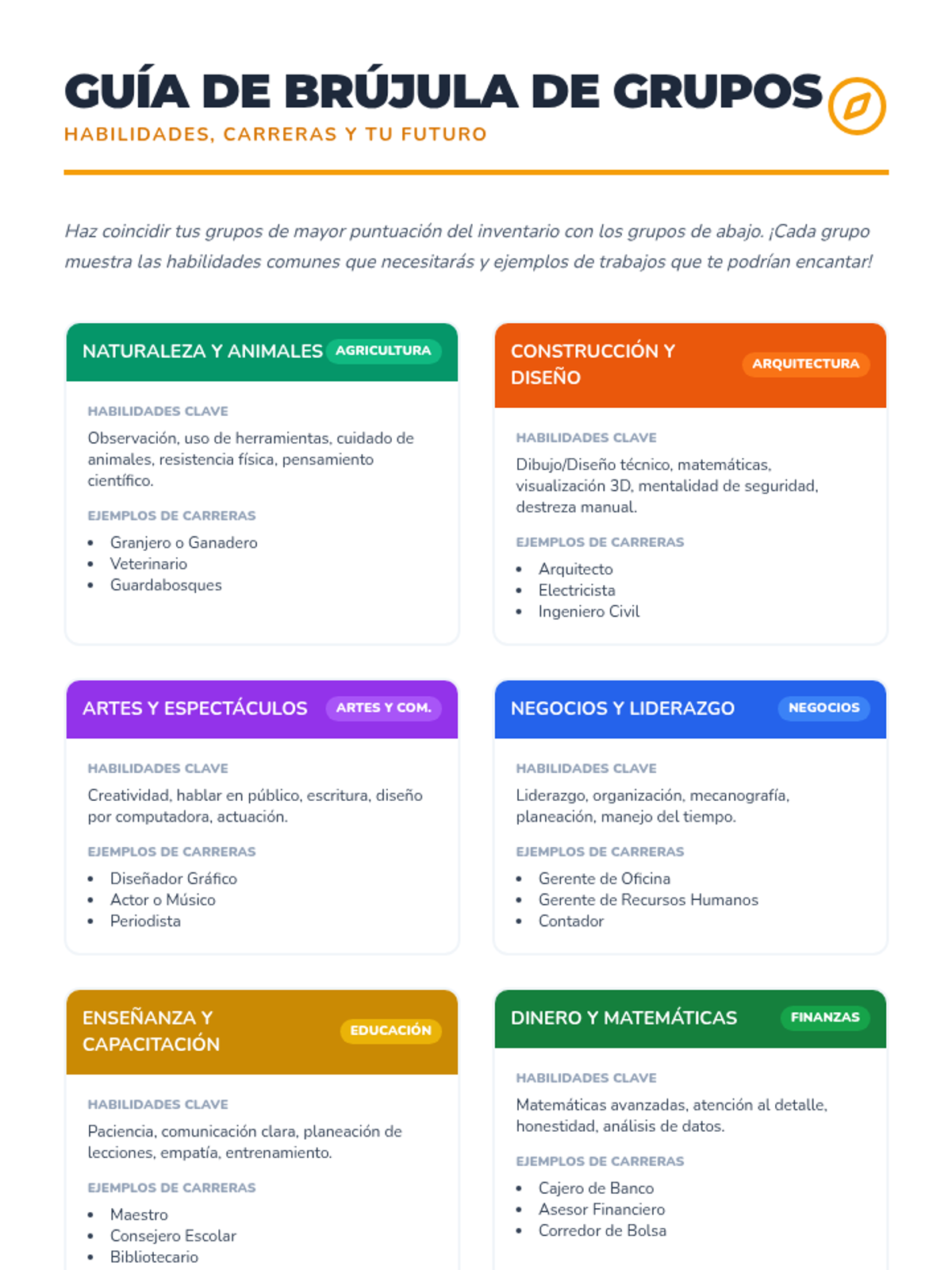
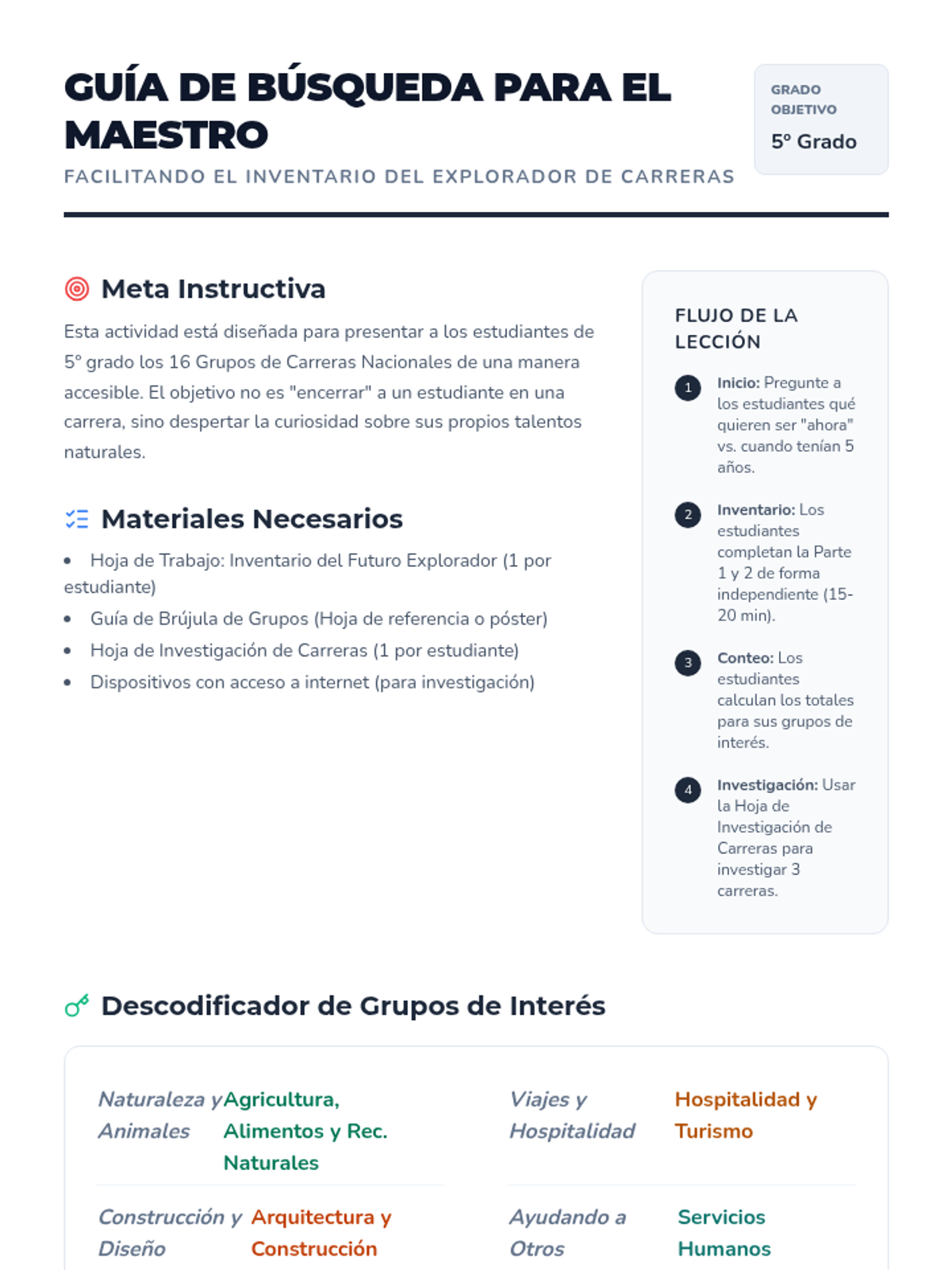
A comprehensive career exploration lesson where 5th-grade students discover their interests and skills through an inventory aligned with the 16 National Career Clusters. Students will identify their top career paths and learn about the specific skills required for different professional fields.
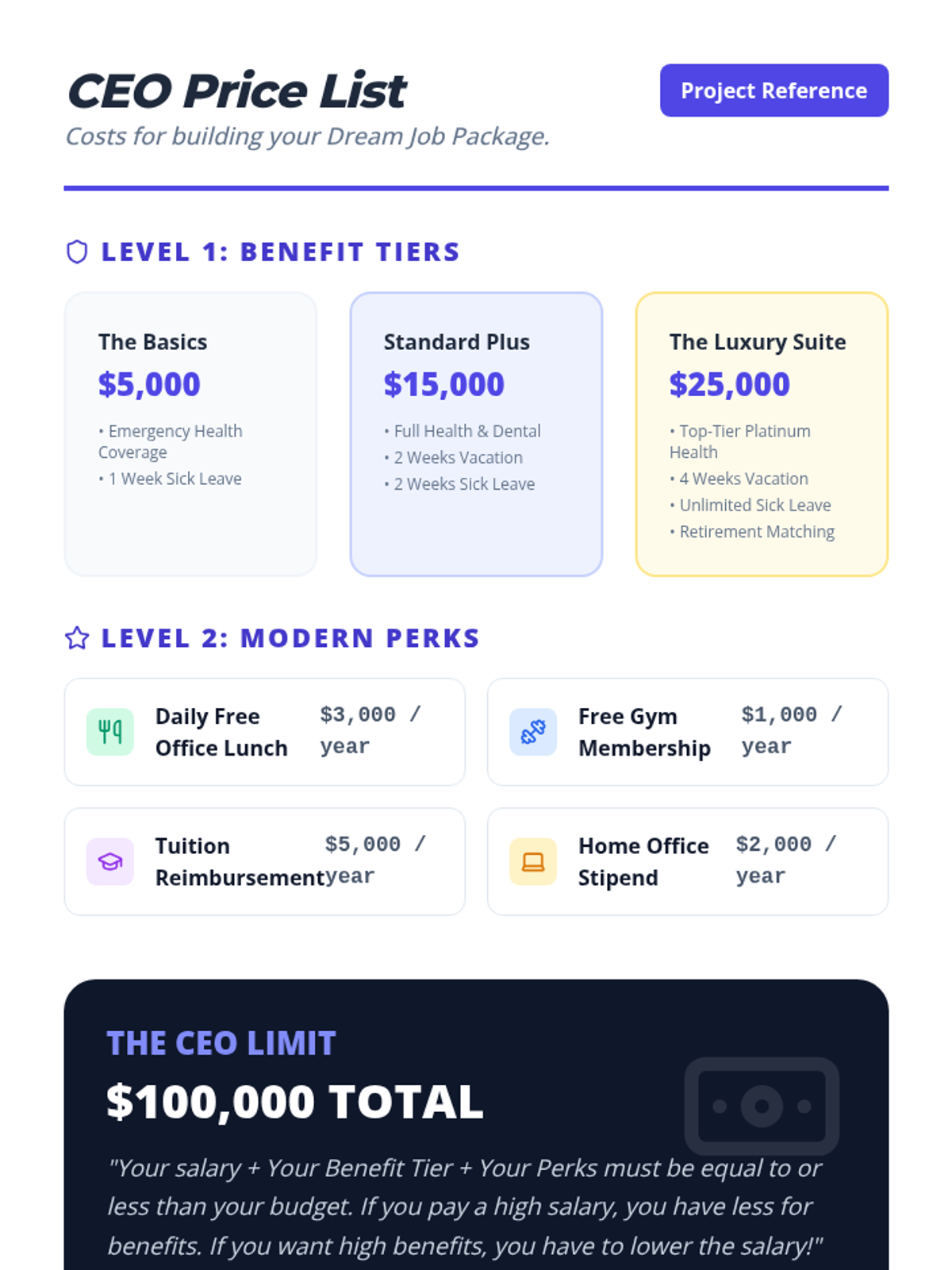
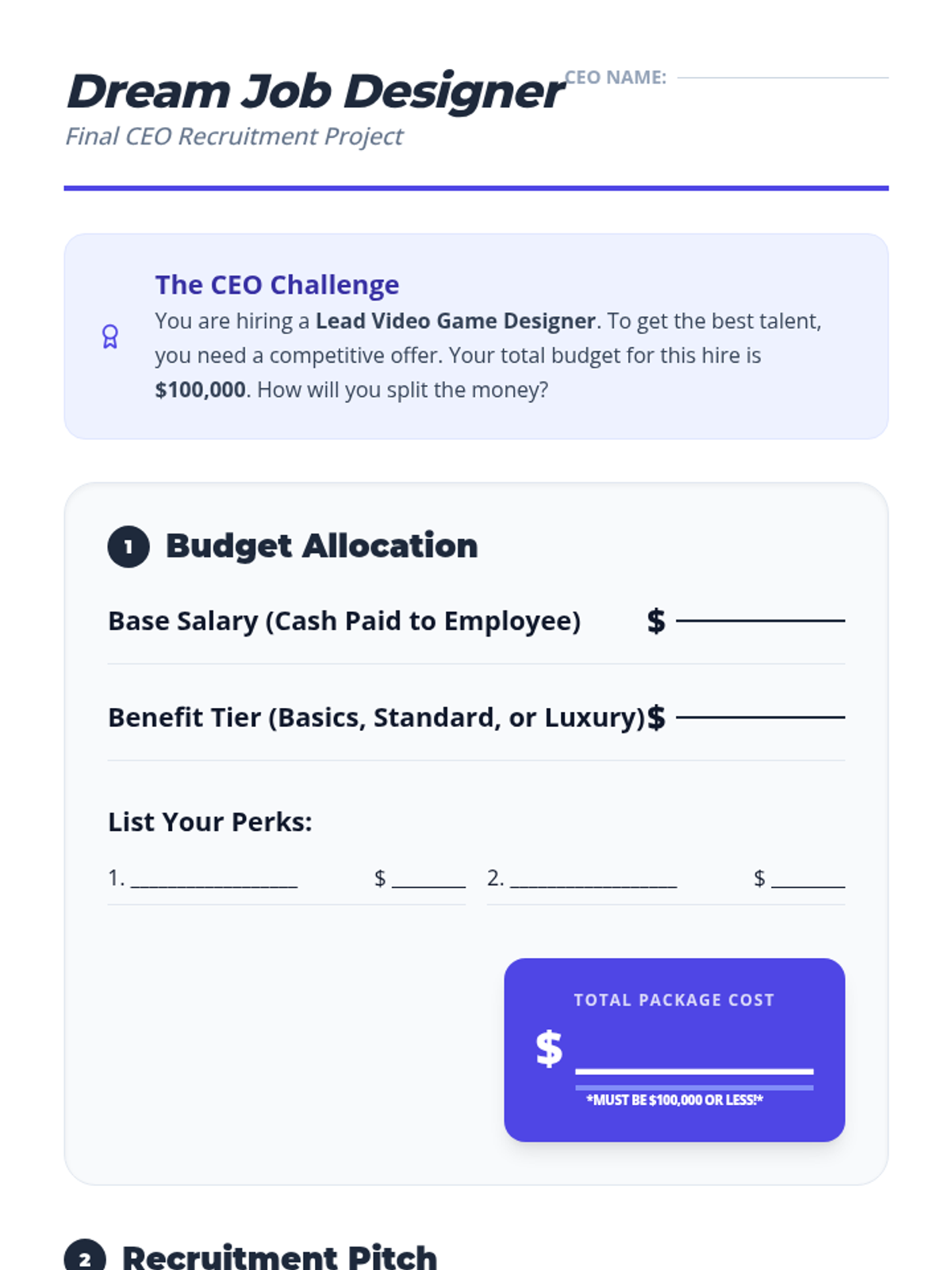
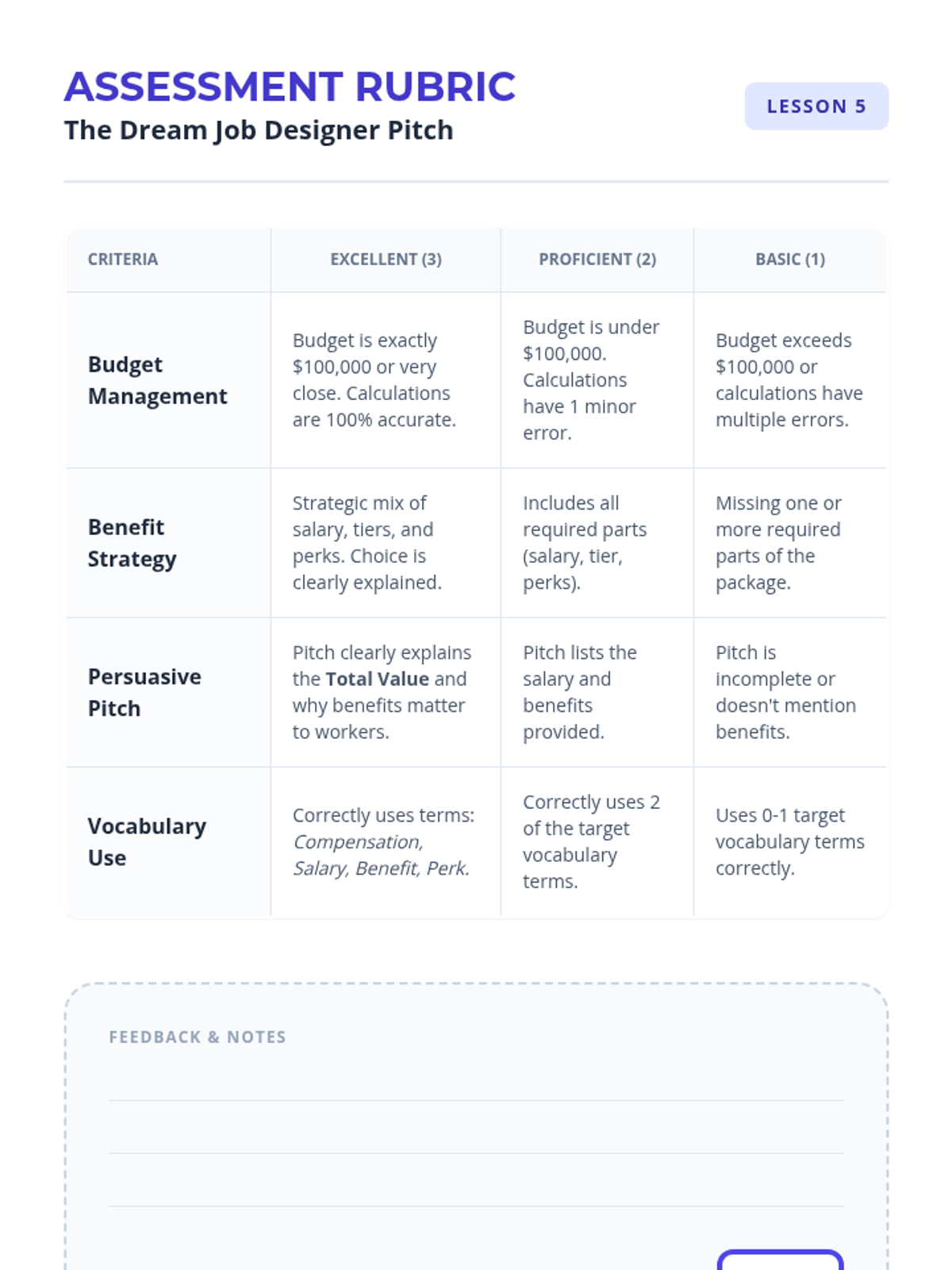
Students act as CEOs to design a dream job package, balancing a limited budget between salary and various employee perks to attract the best talent.
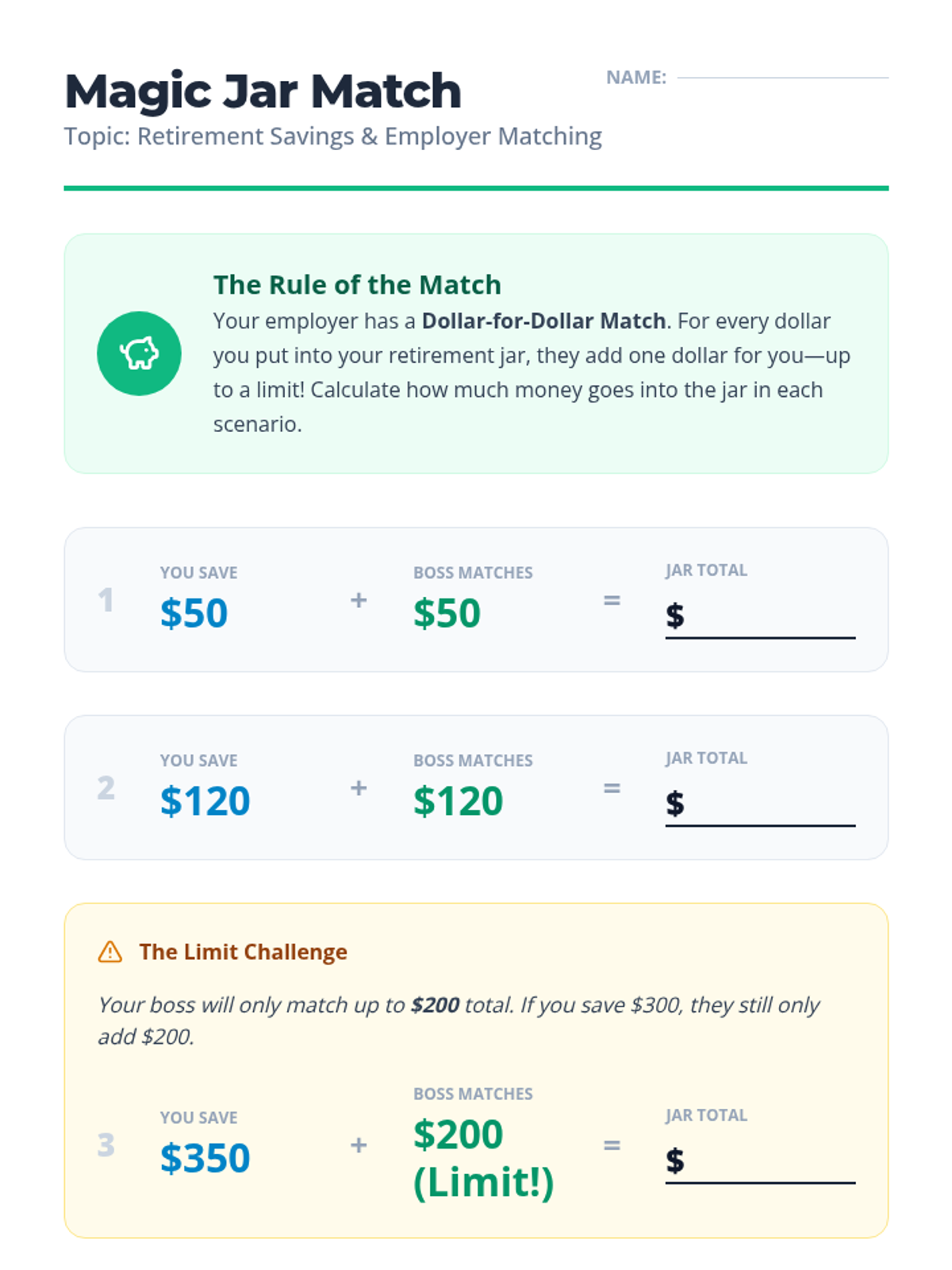
An introduction to retirement savings and employer matching, using a 'Magic Jar' visual to demonstrate how matching contributions accelerate savings.
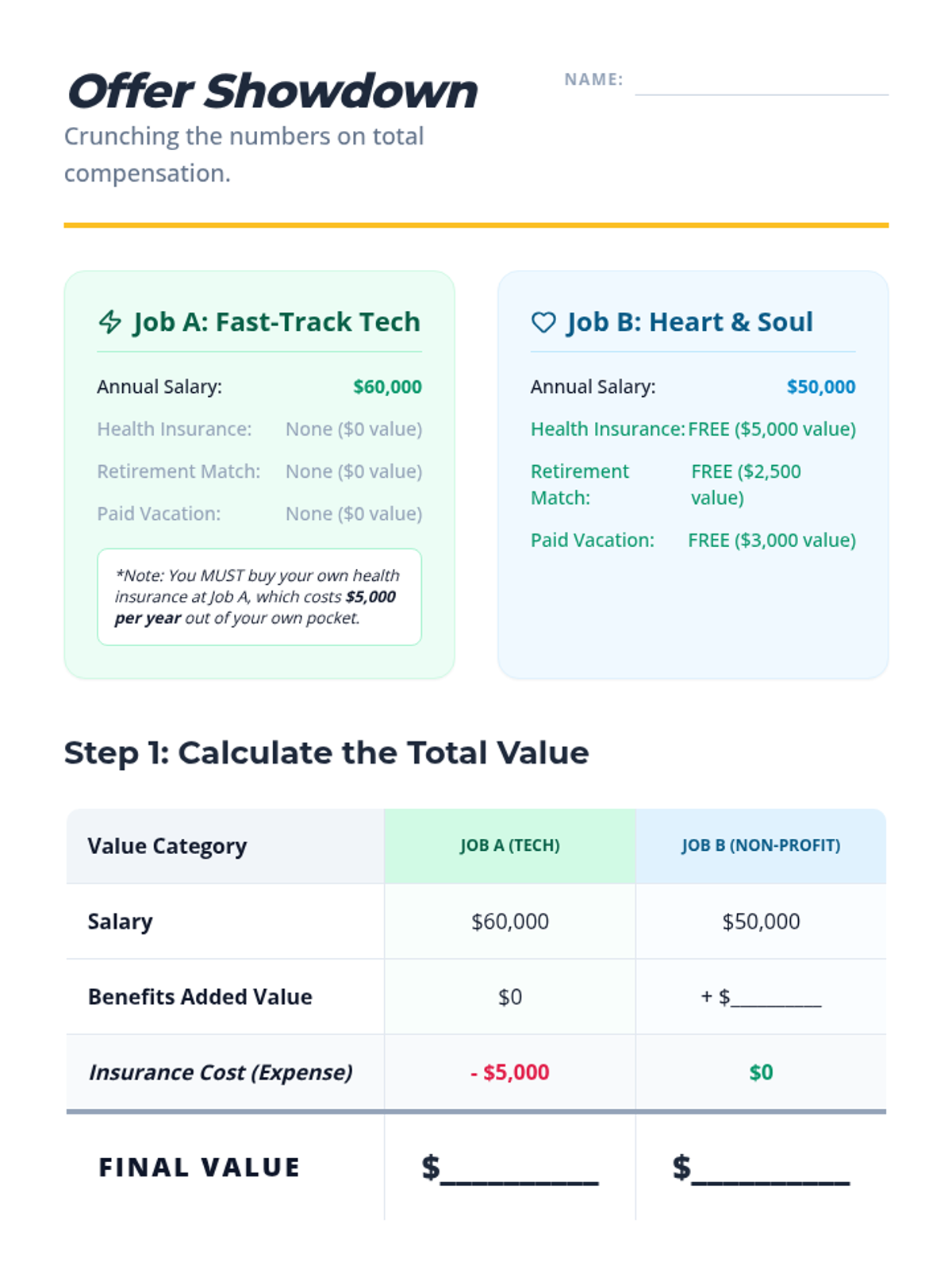
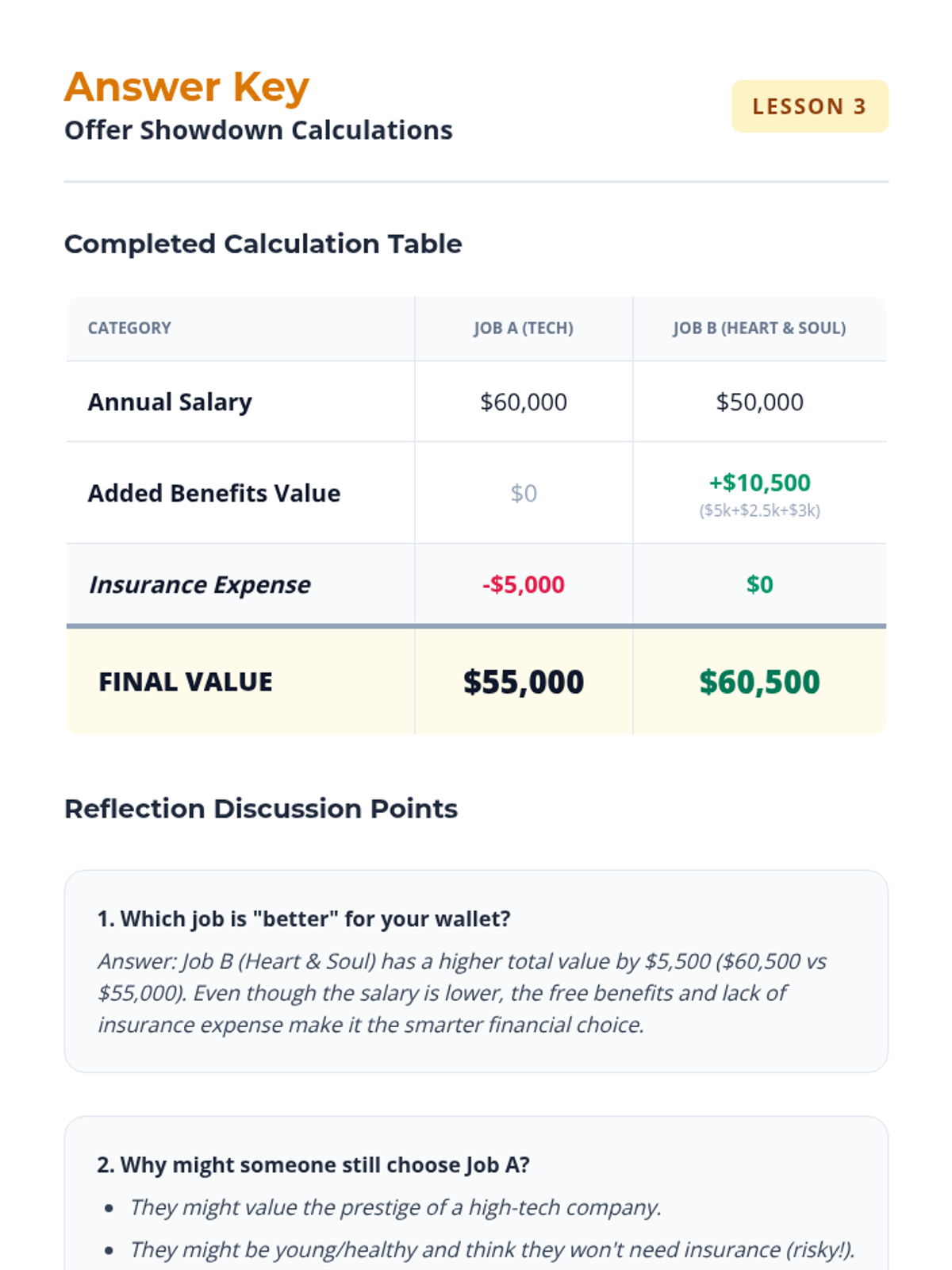
Students analyze and compare two distinct job offer case studies to calculate the total value of each, considering both salary and benefits.
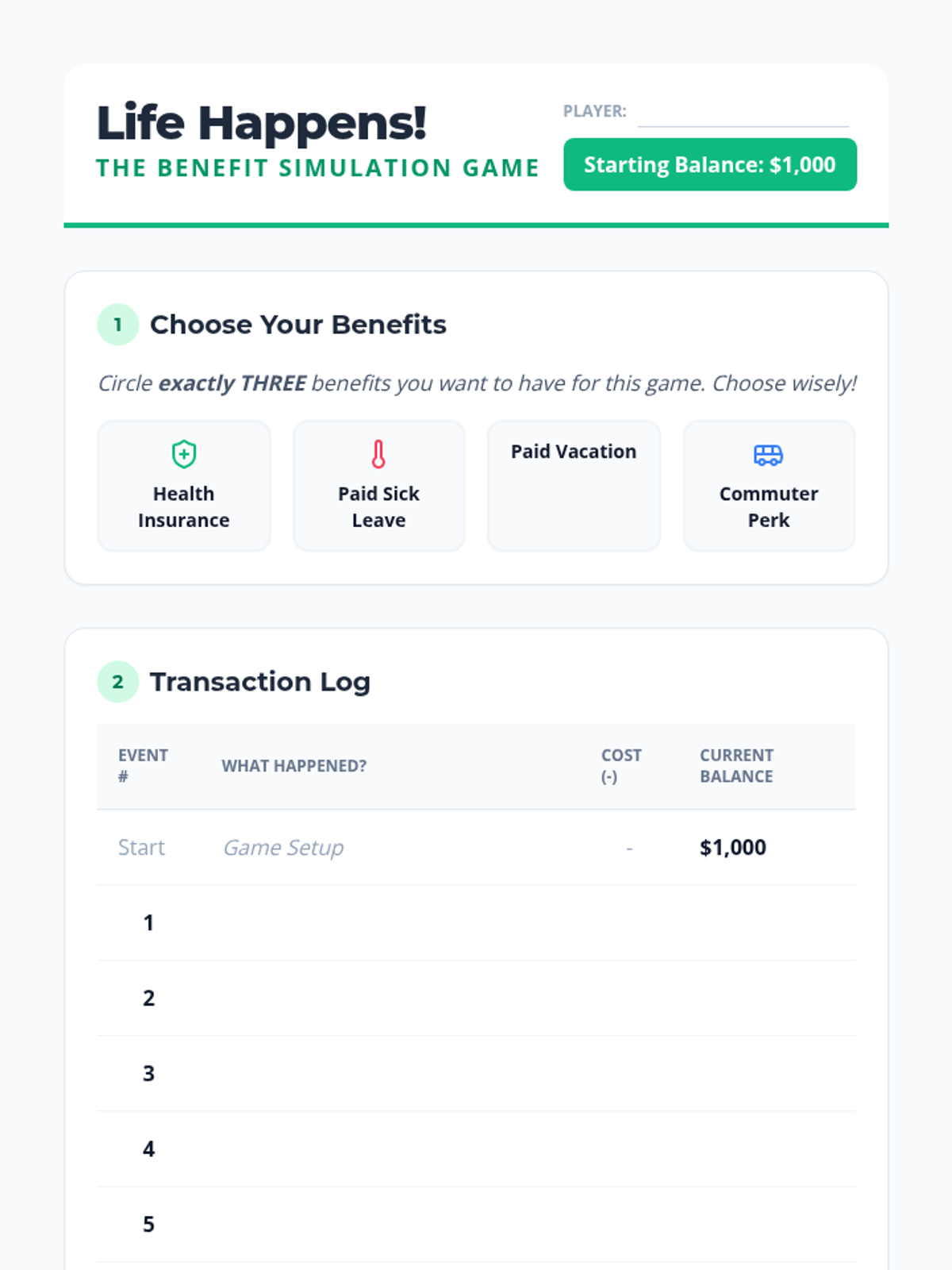
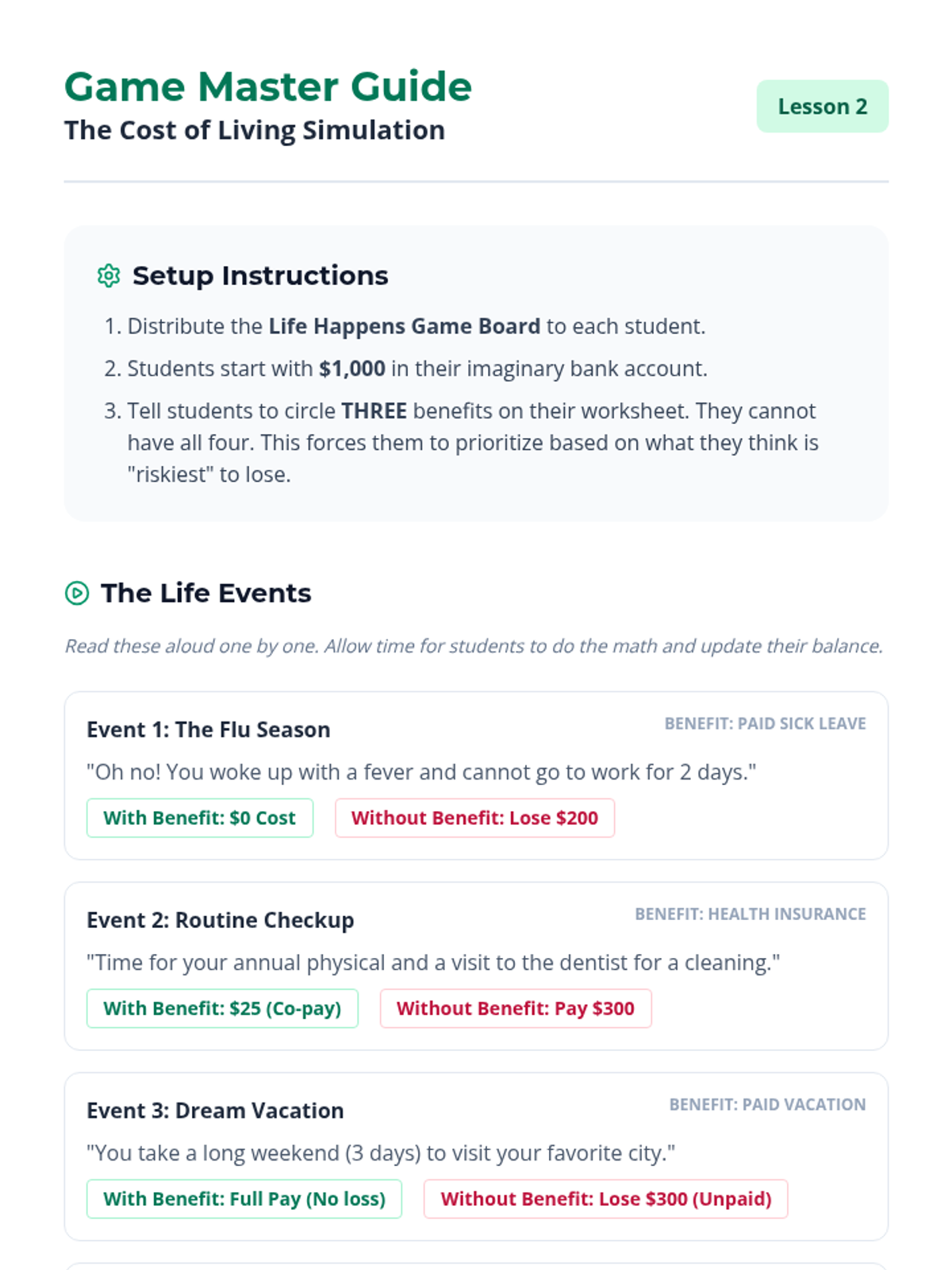
Students participate in a simulation game where 'Life Event' cards impact their finances depending on which 'Benefit Cards' they possess, illustrating the protective value of insurance and leave.
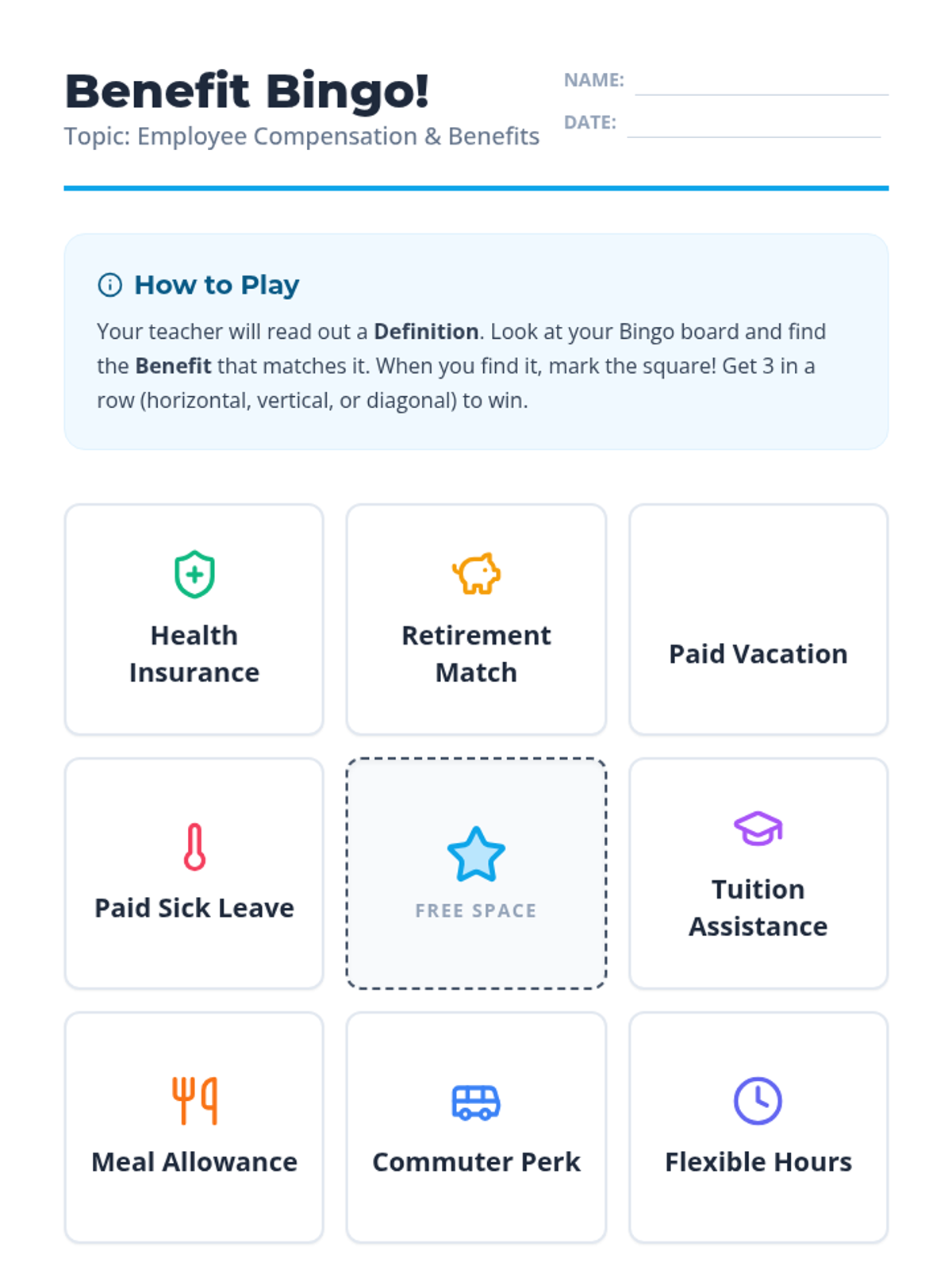
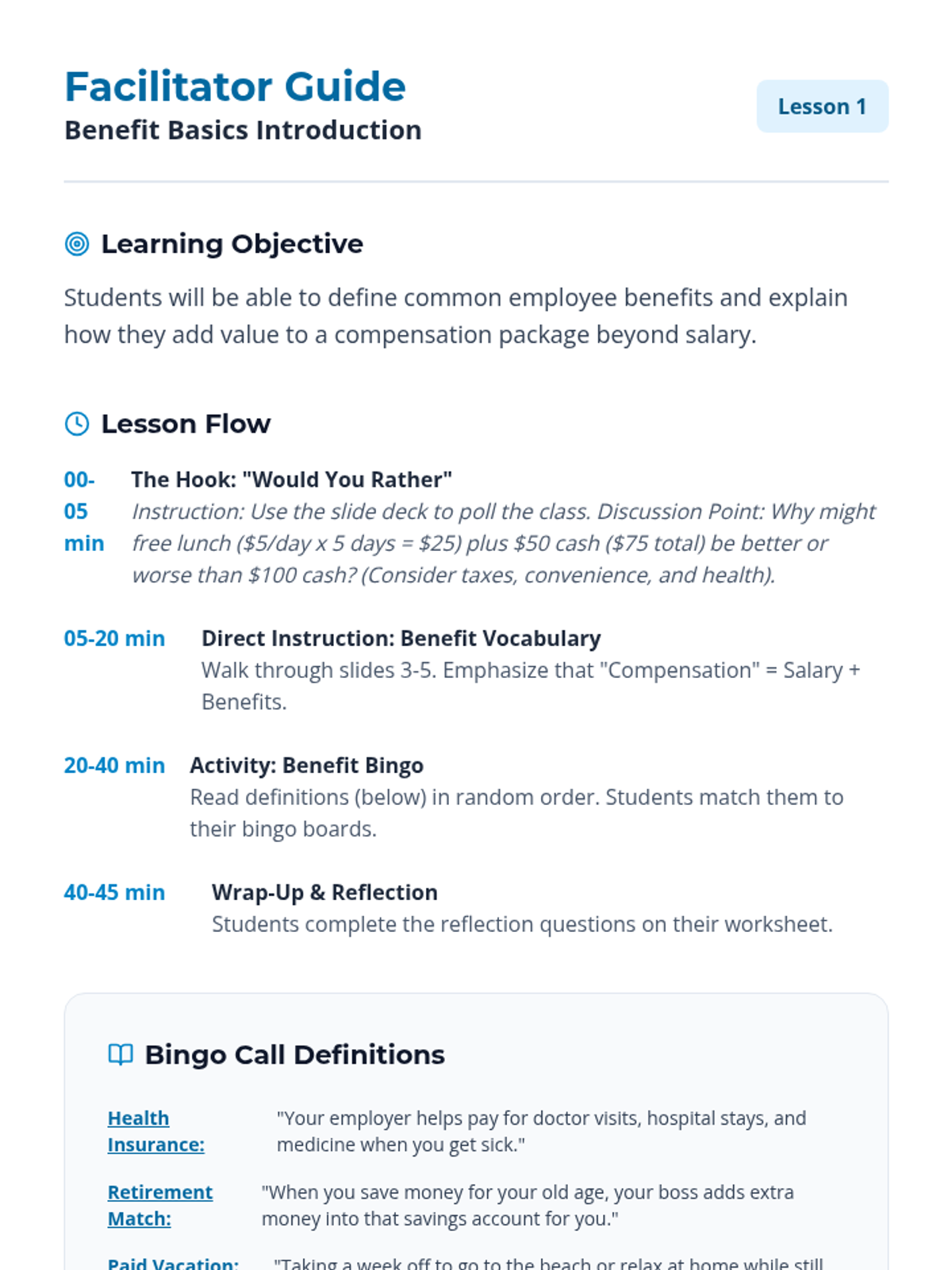
Students define common employee benefits such as health insurance, paid vacation, and sick leave, discussing why these are valuable to both employers and employees.
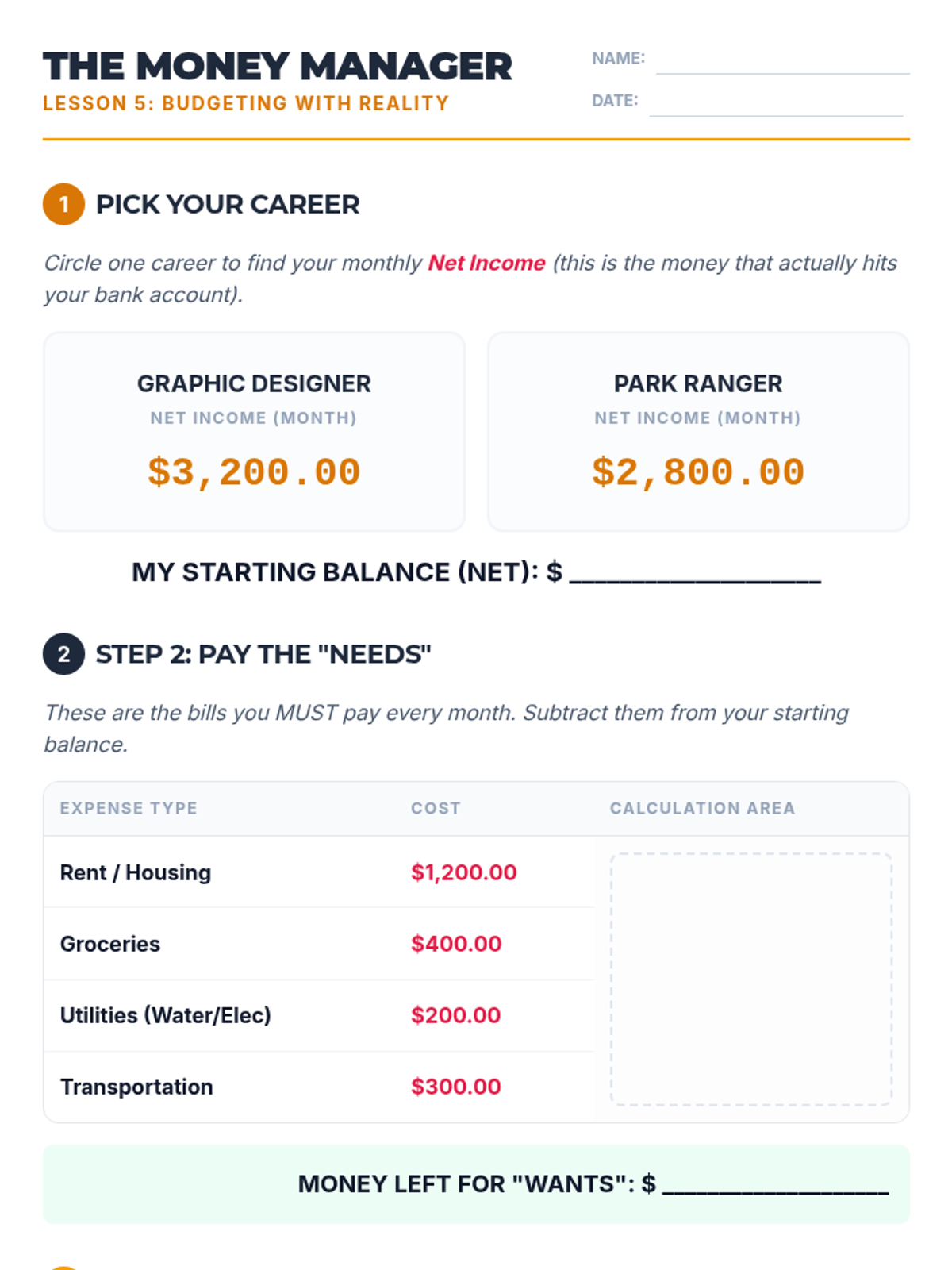
Students create a realistic monthly budget based on net income, realizing the importance of planning with 'take-home' pay.
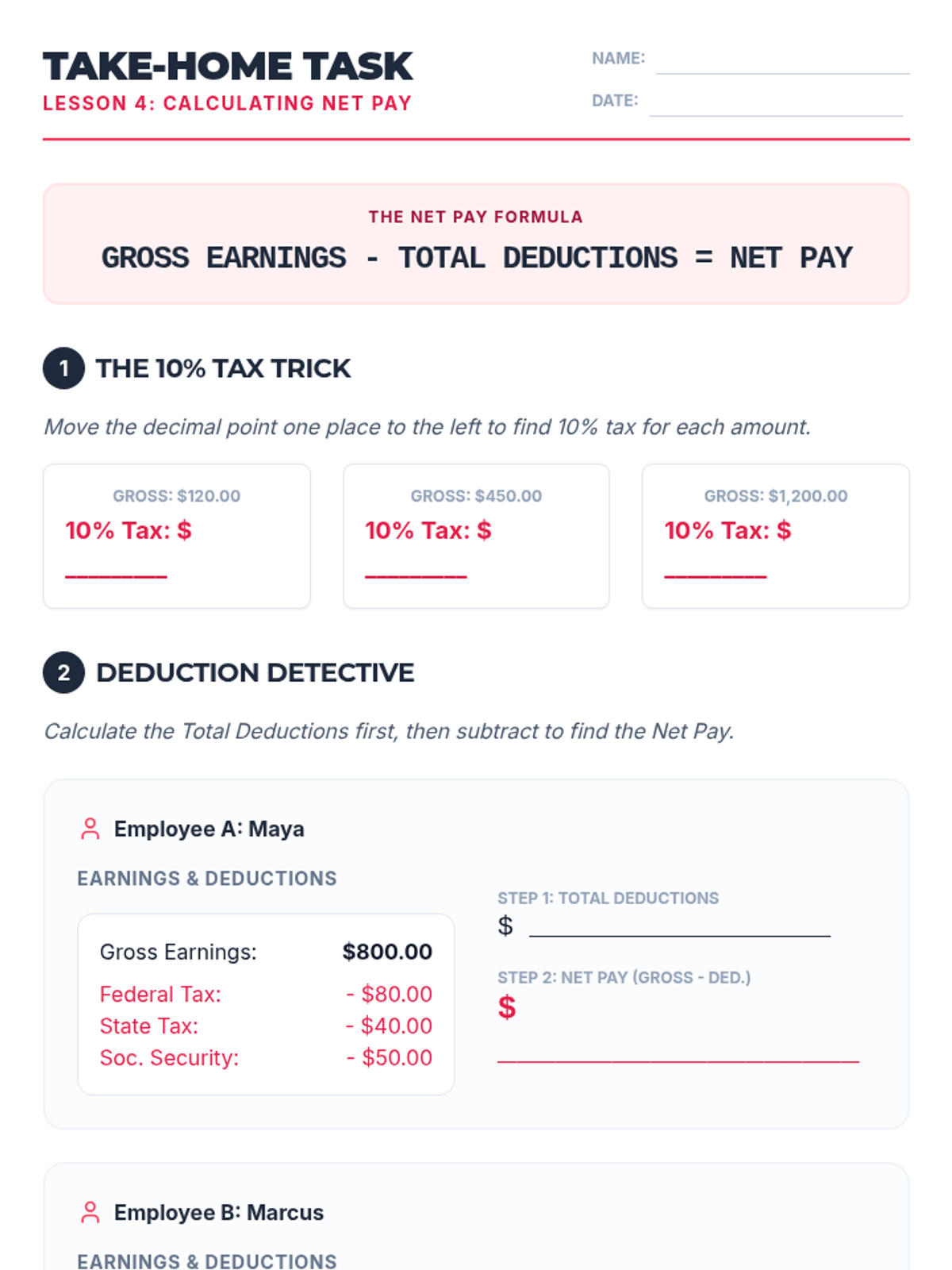
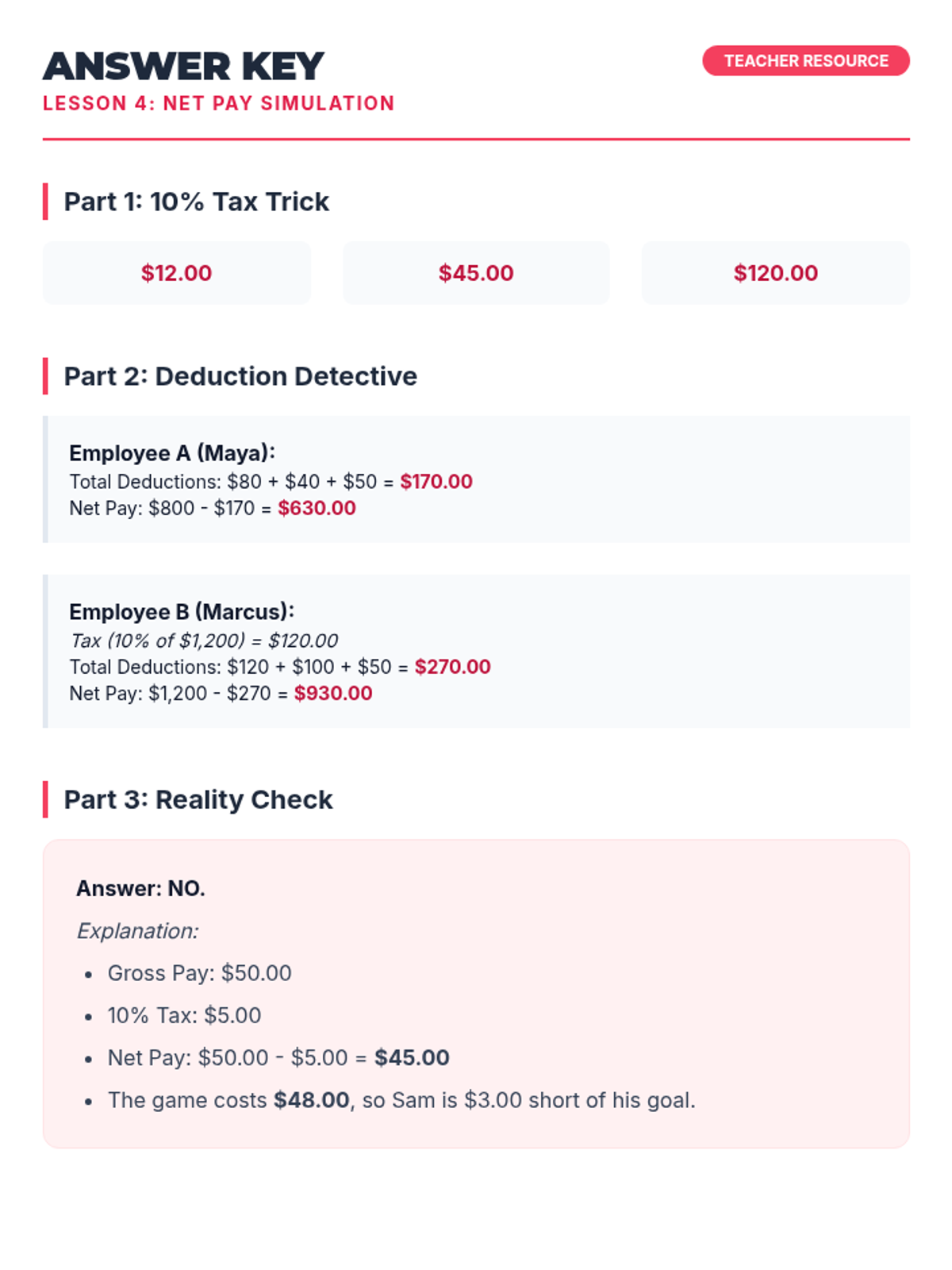
Students apply subtraction and percentage concepts to calculate take-home pay from gross earnings.
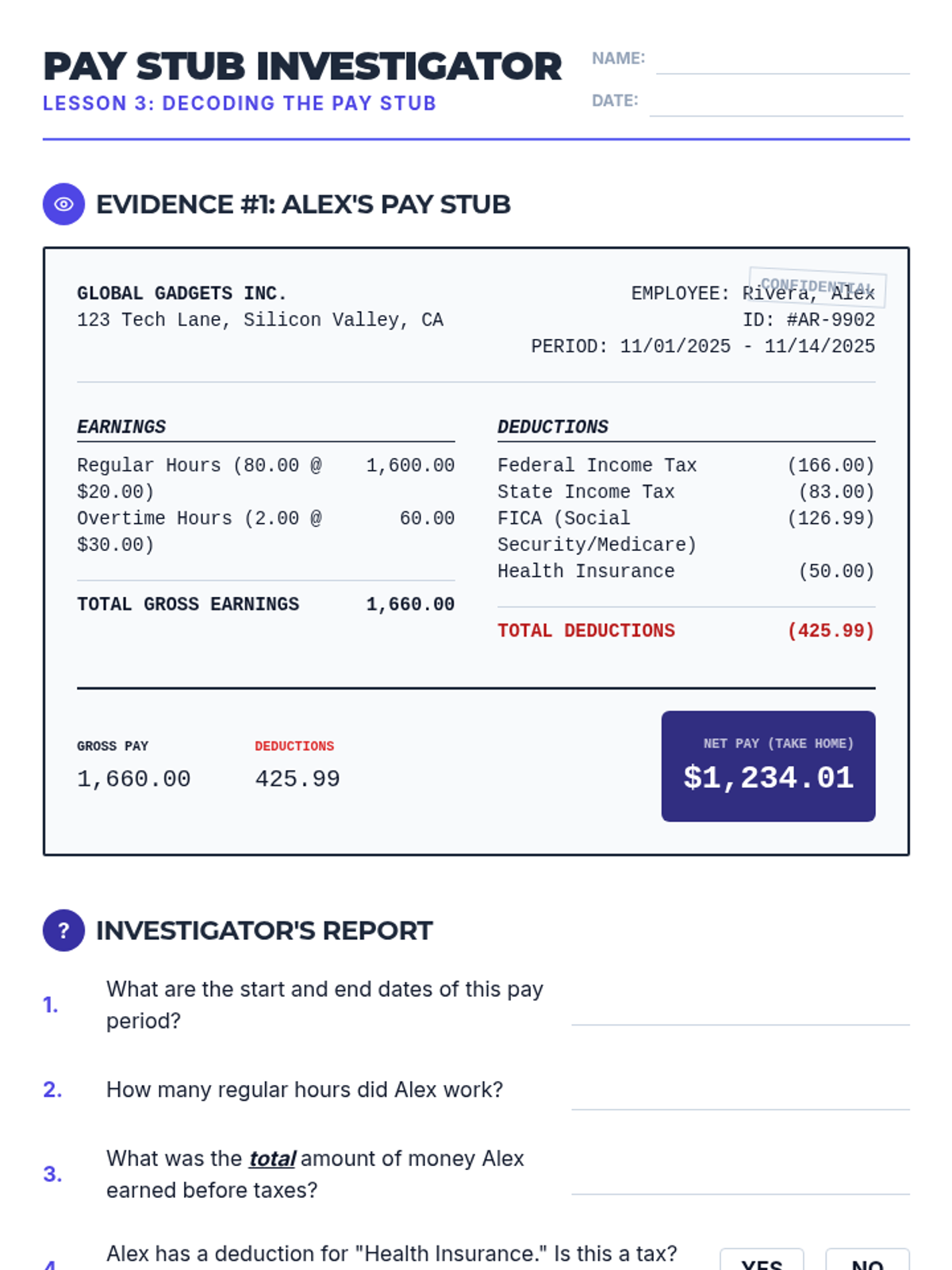
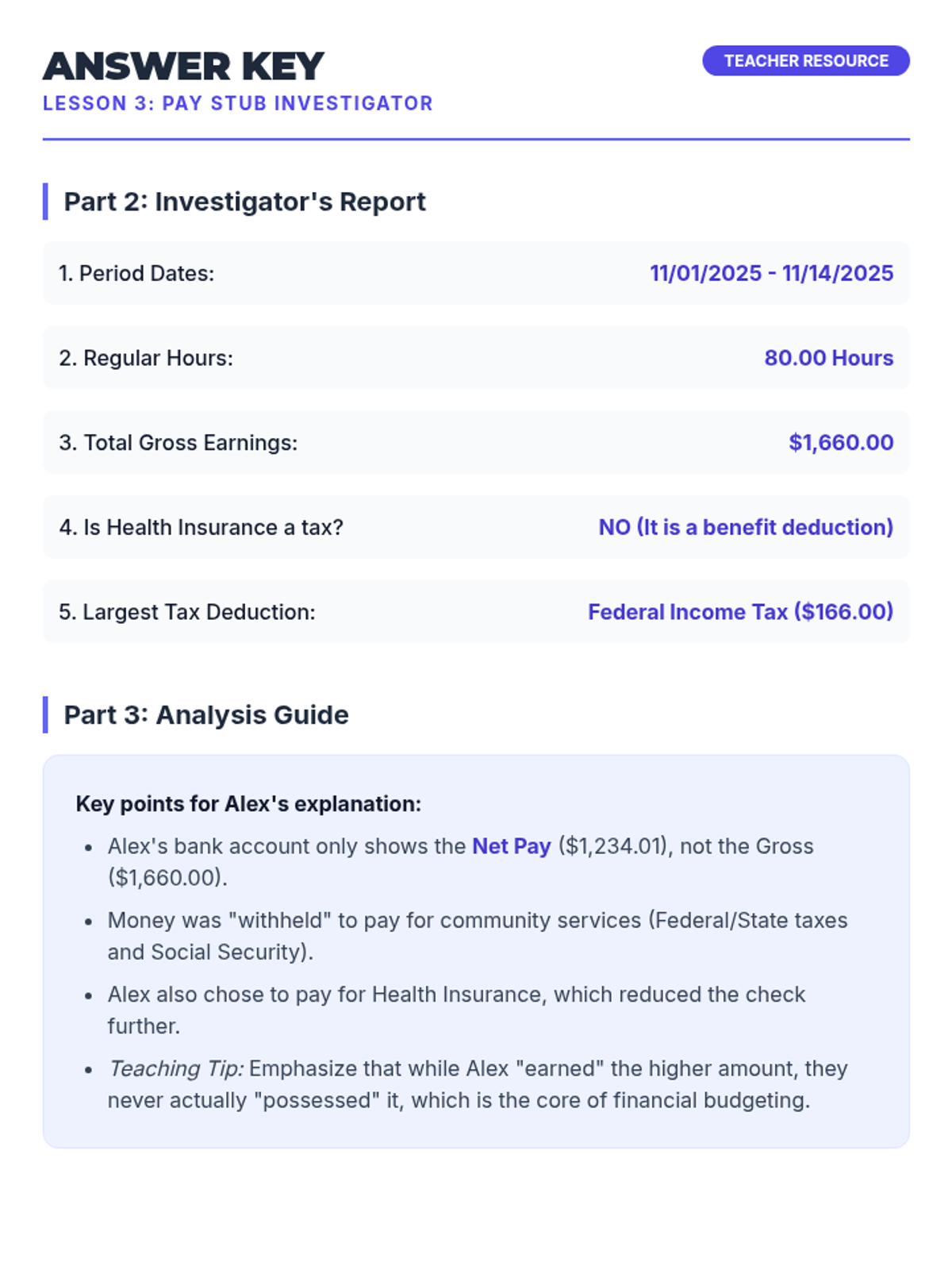
Students analyze real-world pay stub components to identify where money goes, including federal, state, and social security withholdings.
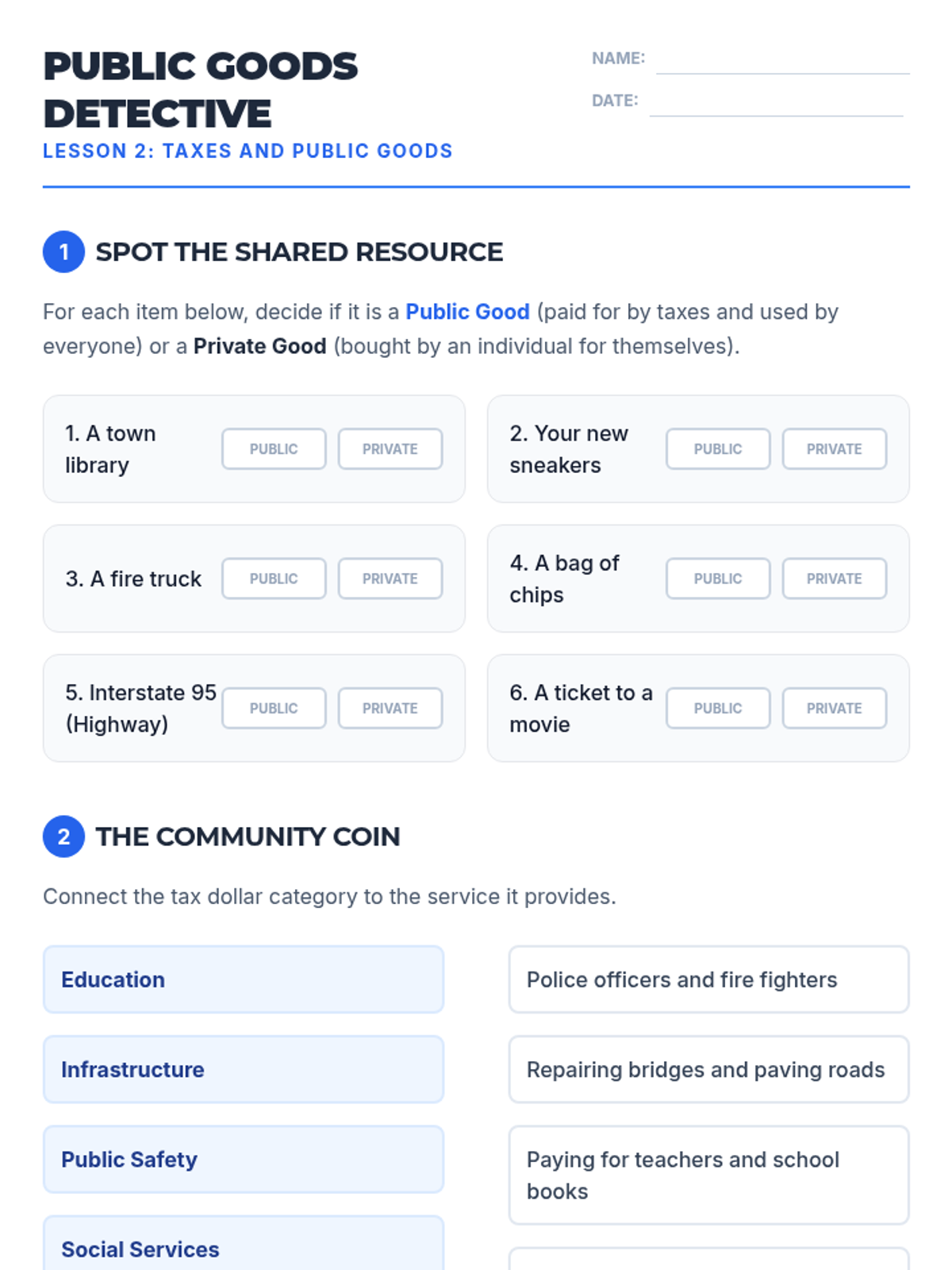
Students explore why taxes exist by investigating public goods and services that are funded through collective contributions.
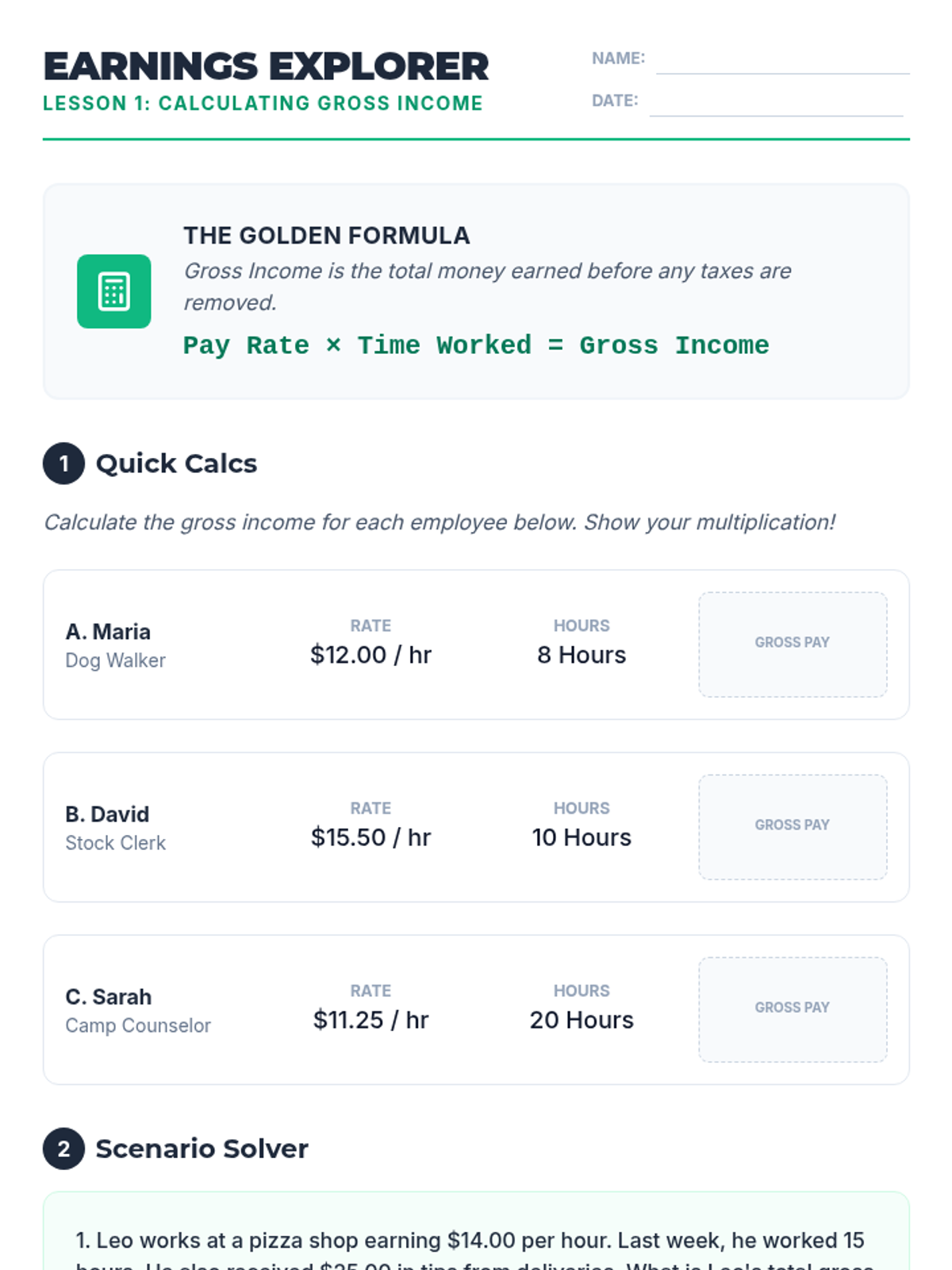
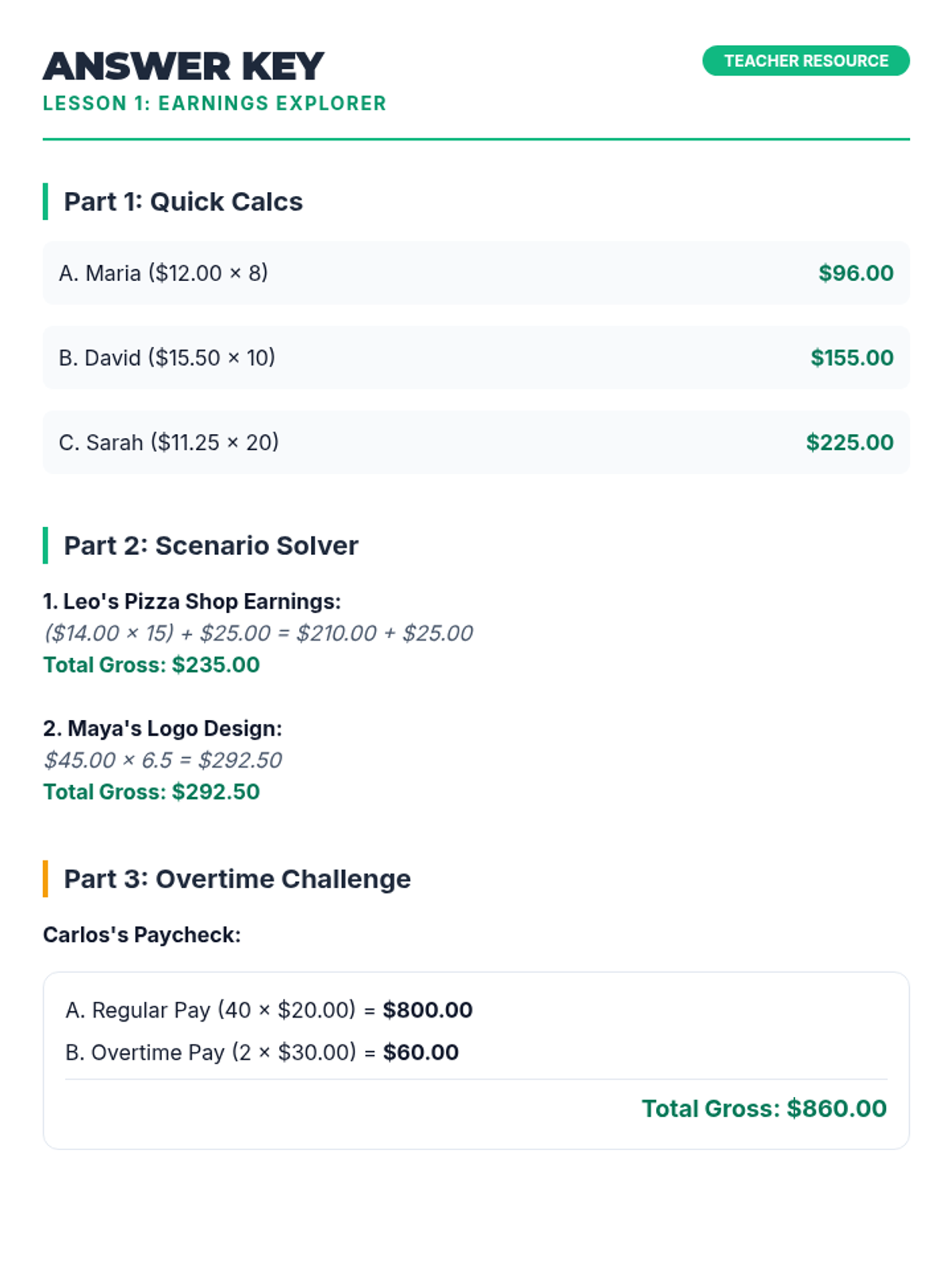
Students define gross income and practice calculating it using hourly rates and hours worked, including introductory word problems.
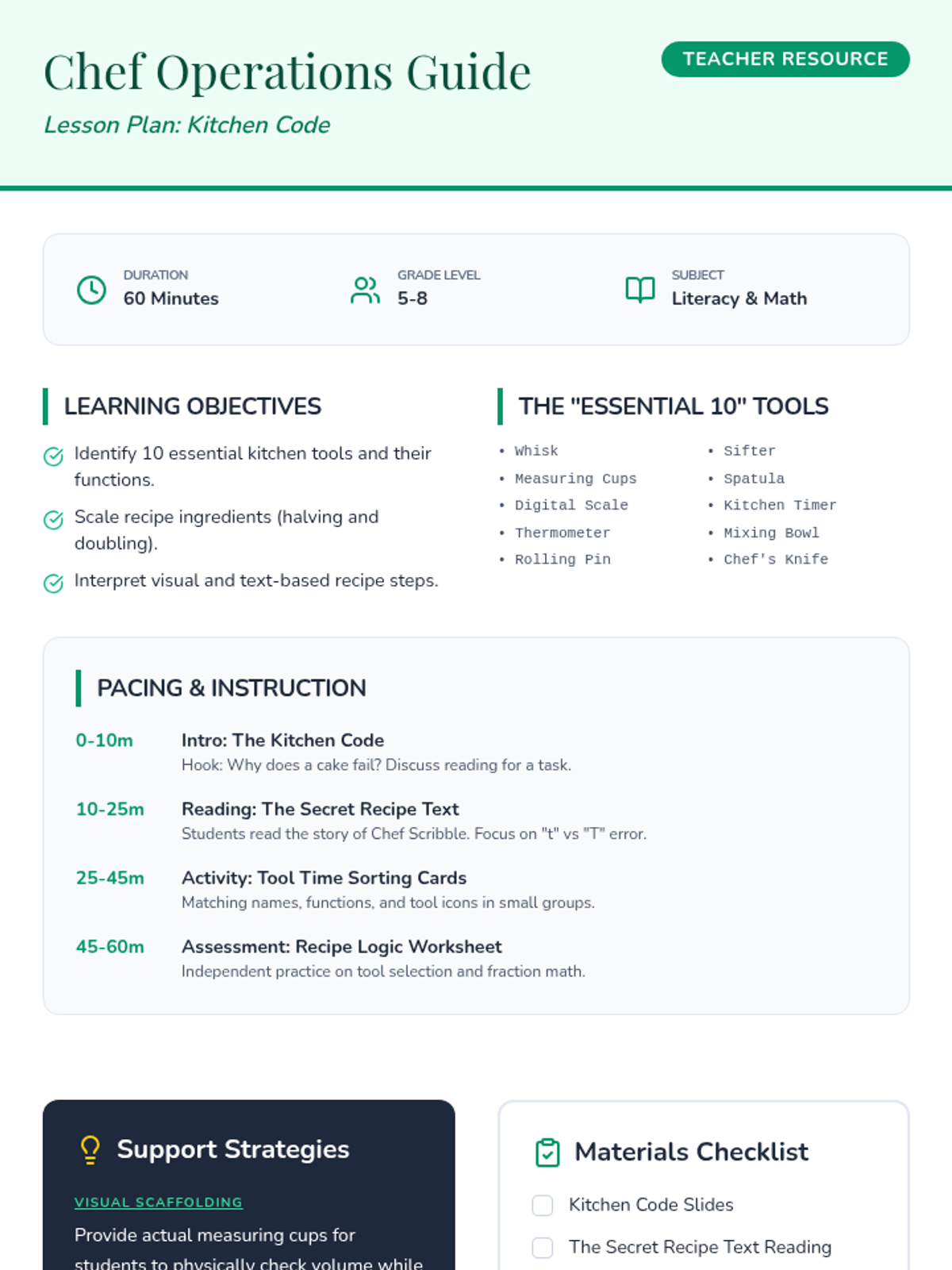
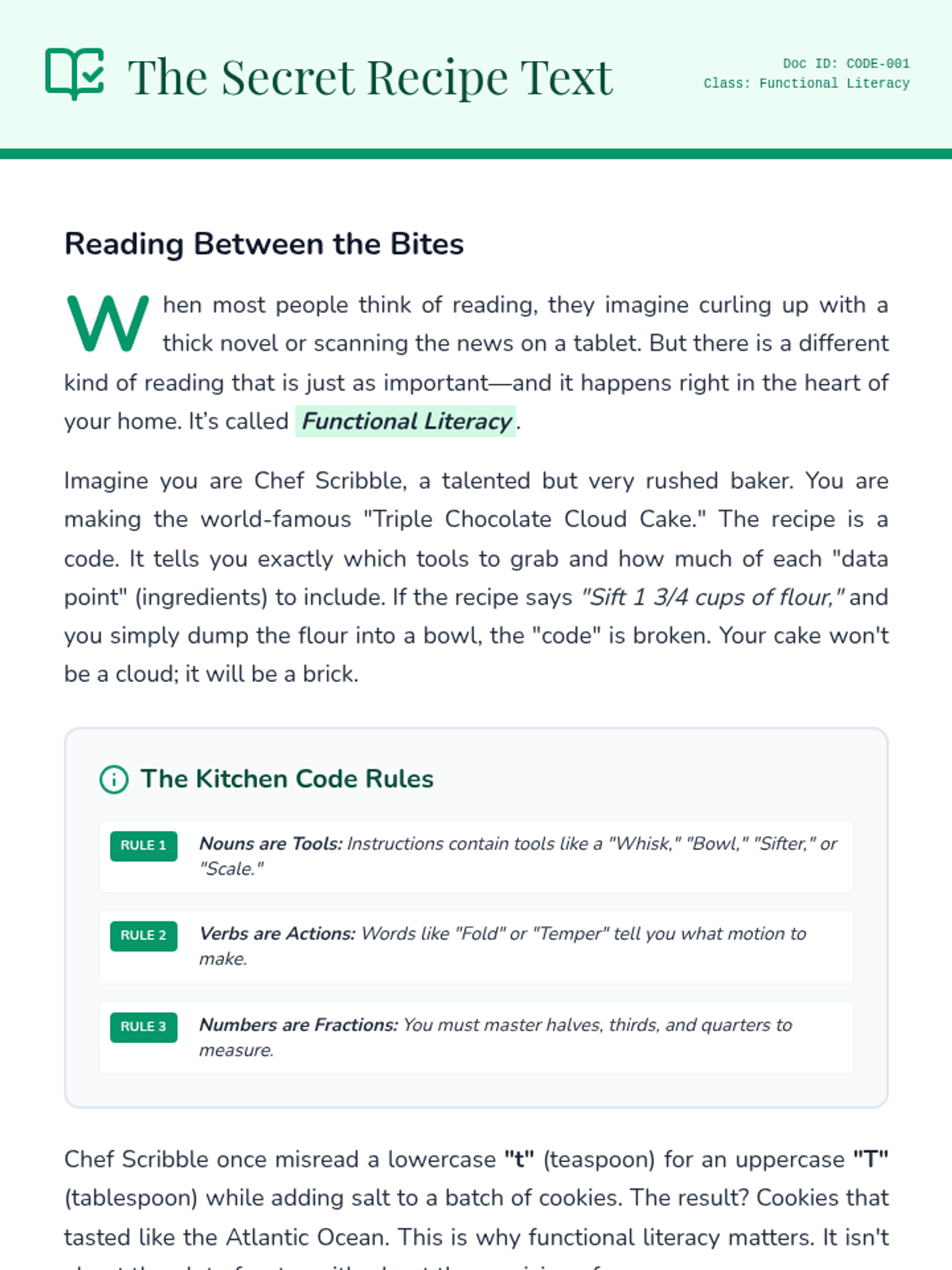
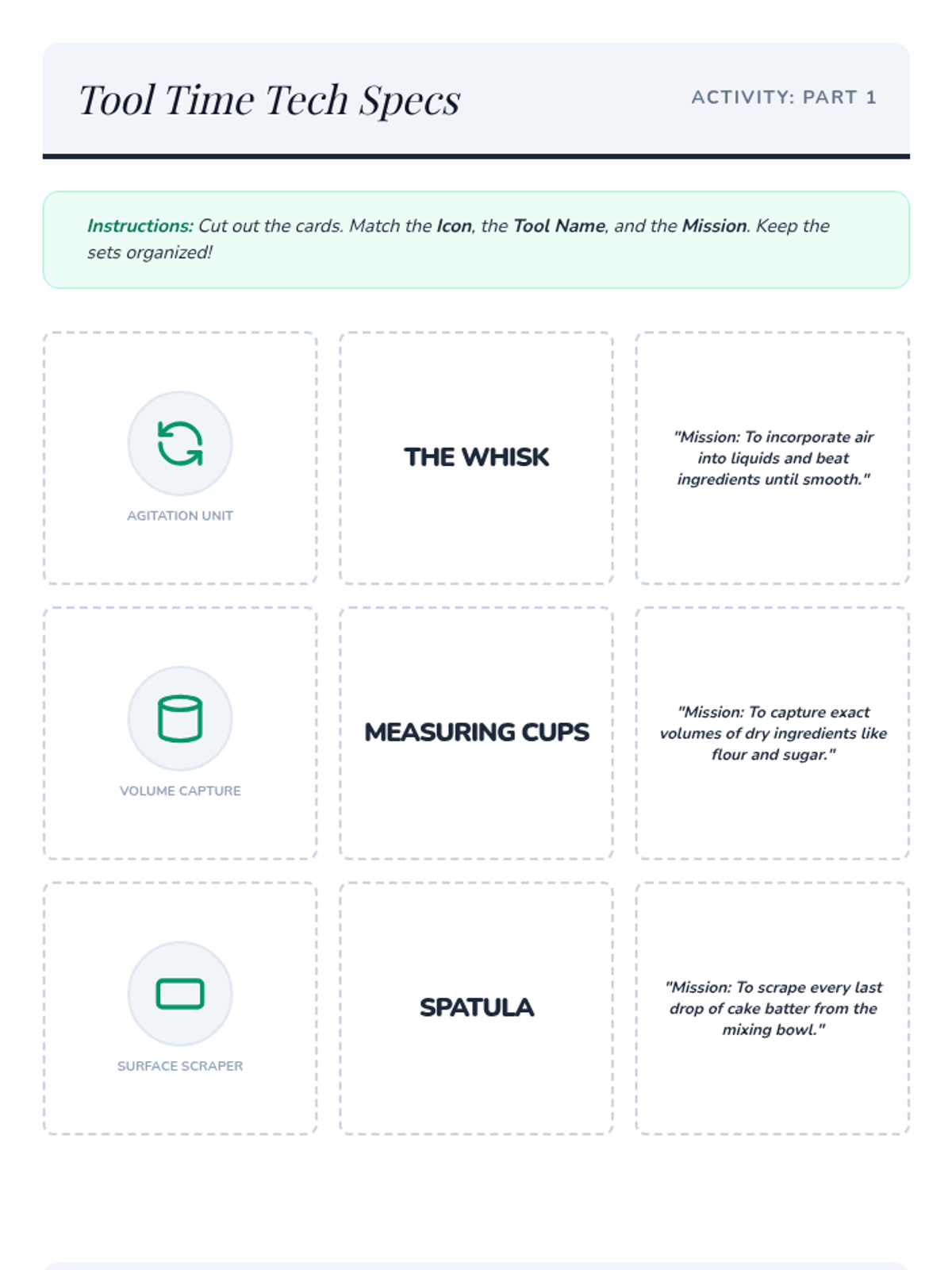
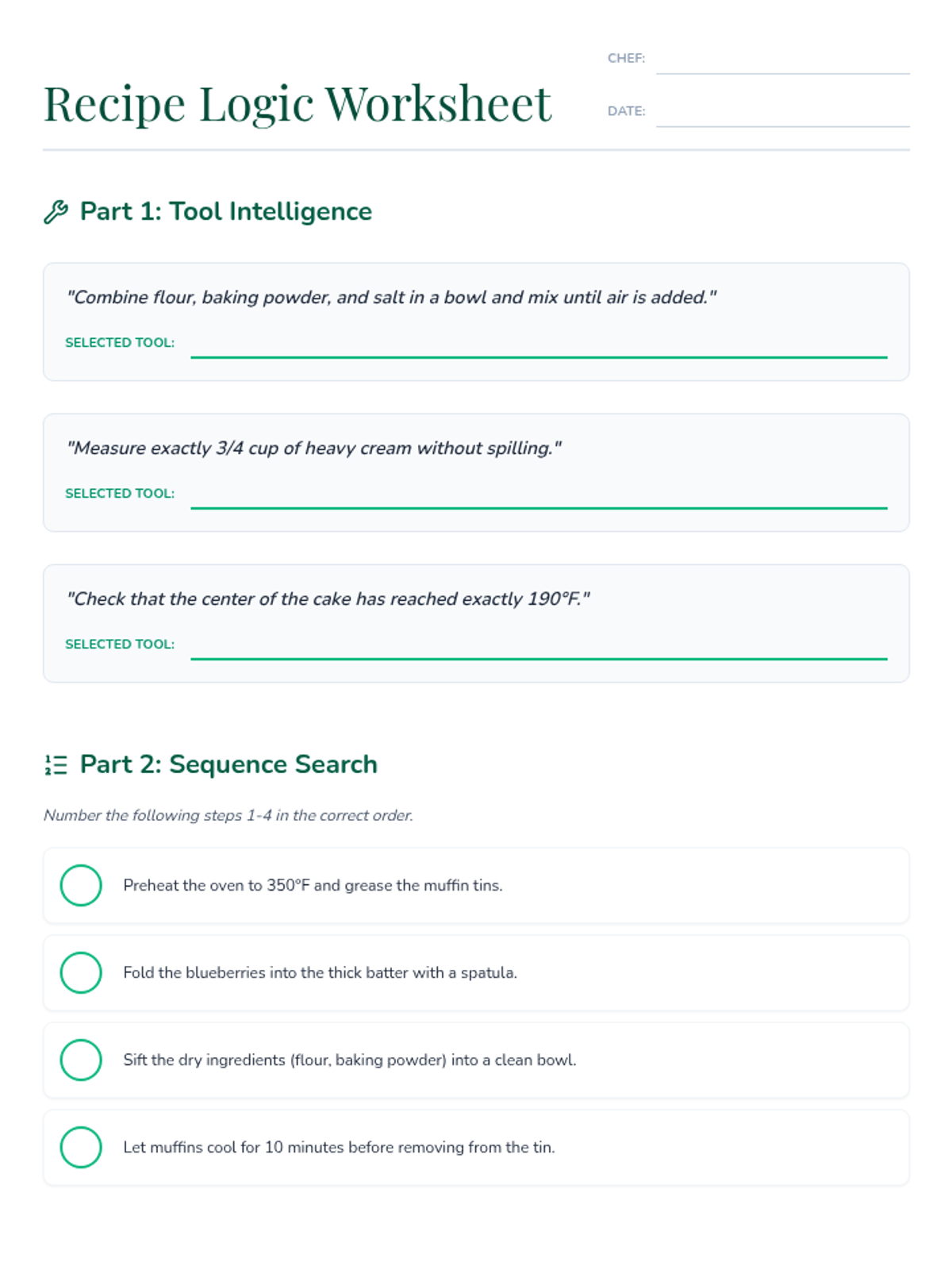
A comprehensive lesson where students learn functional literacy and math through the lens of cooking, focusing on kitchen tool identification and fraction scaling.
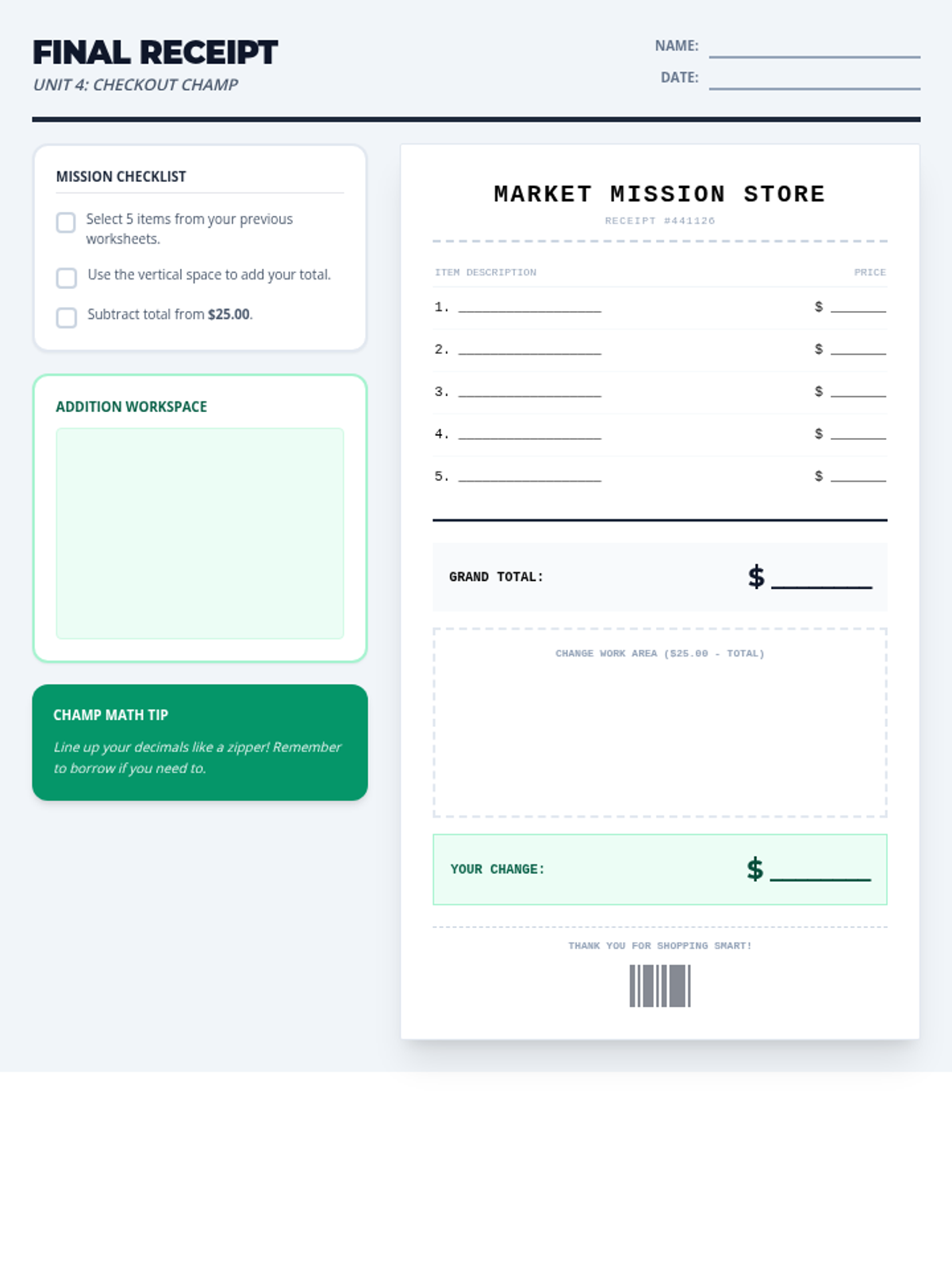
Finalizing a grocery purchase, calculating totals, and determining change while staying under budget.
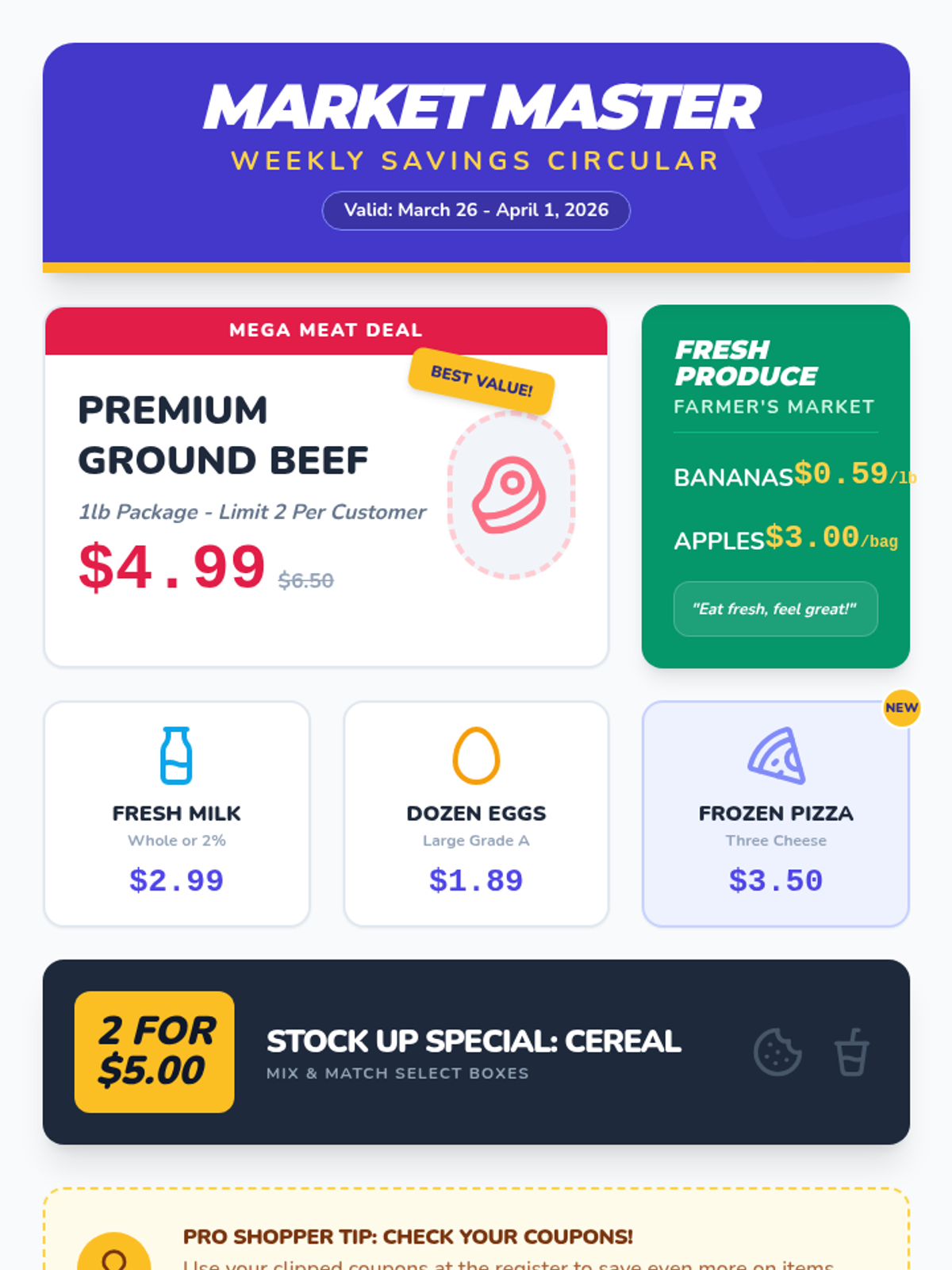
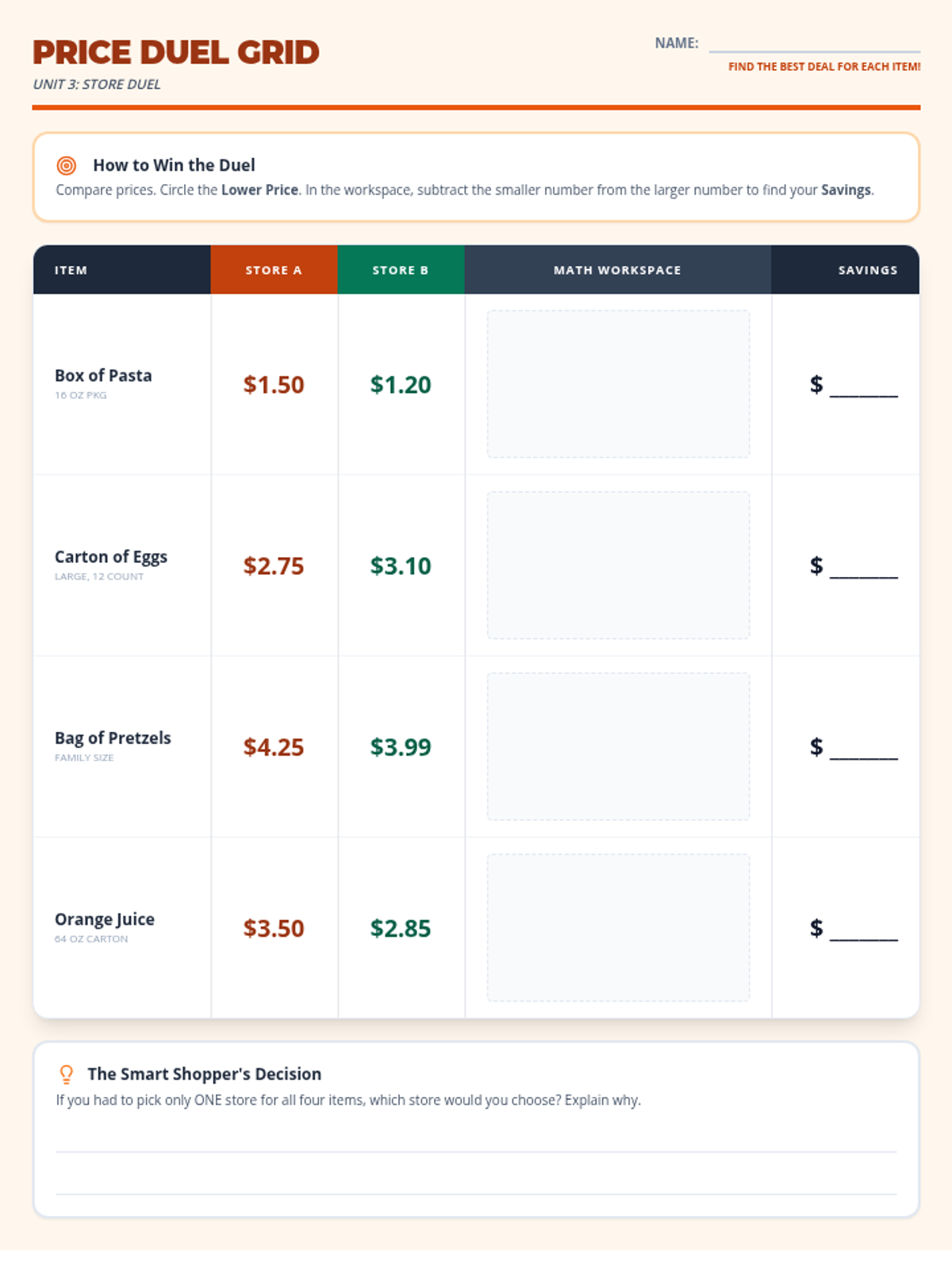
Comparing prices between two different stores to find the best deals on common household items.
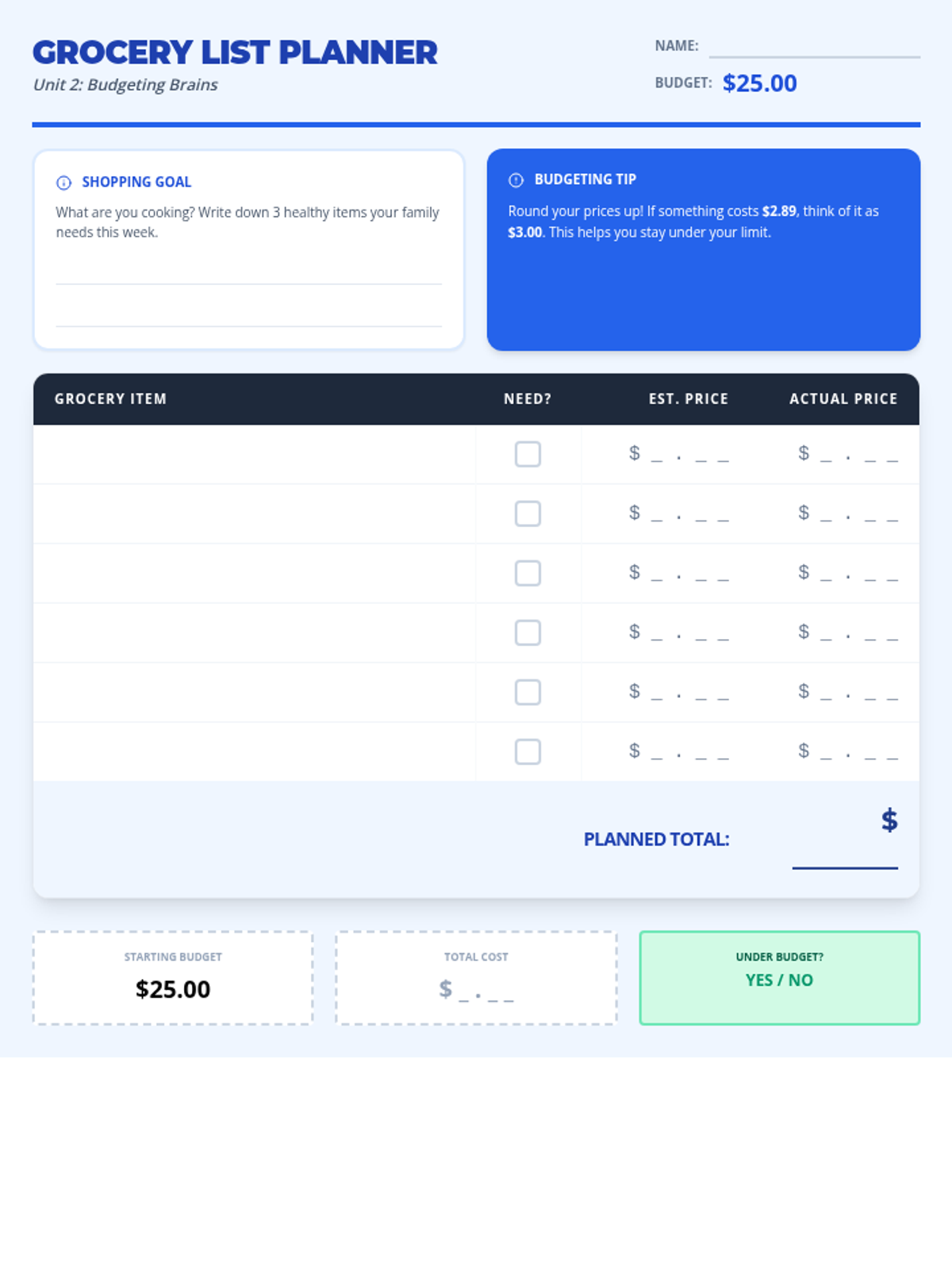
Setting a budget and prioritizing items on a grocery list using estimation and decimal addition.
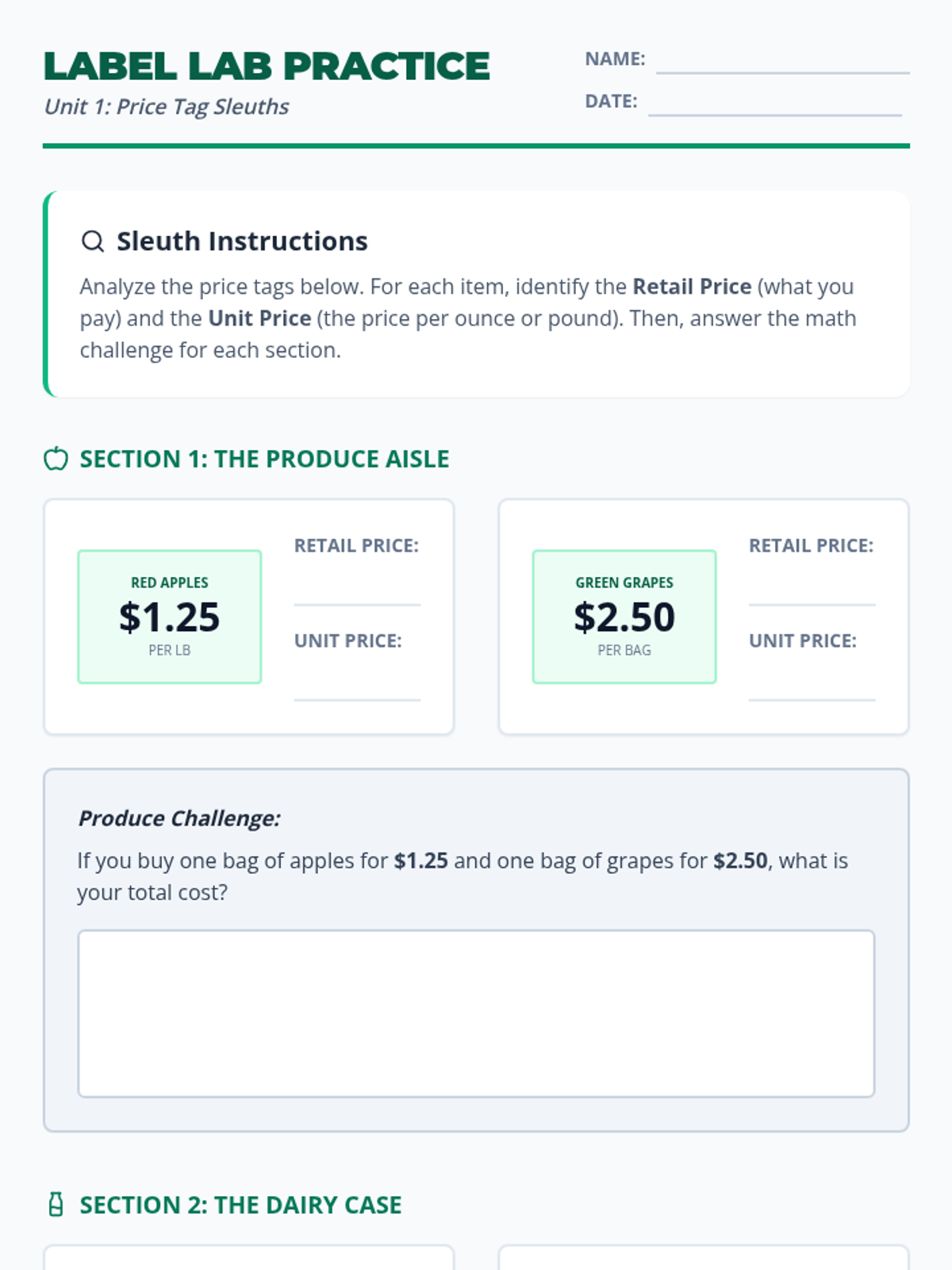
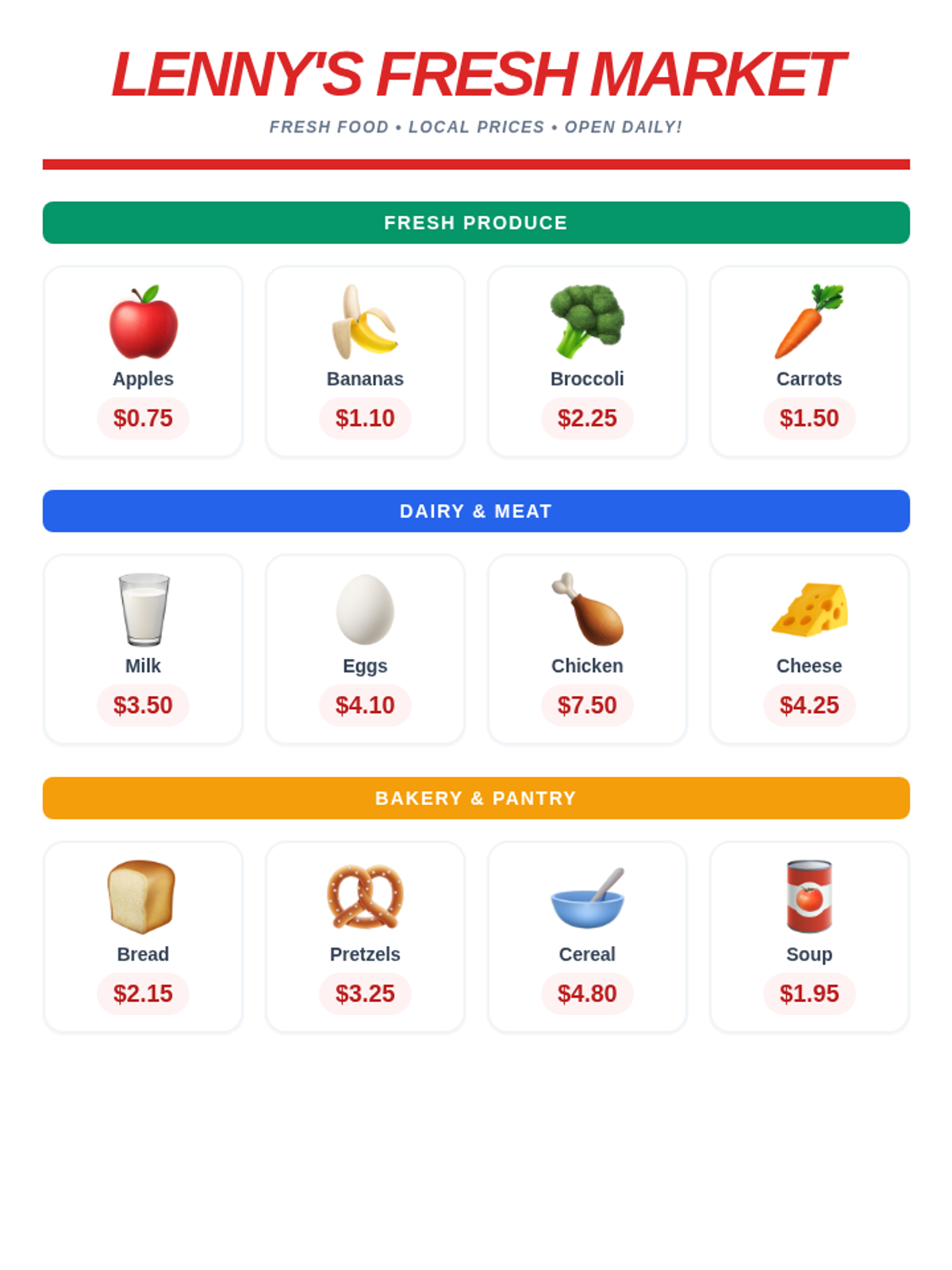
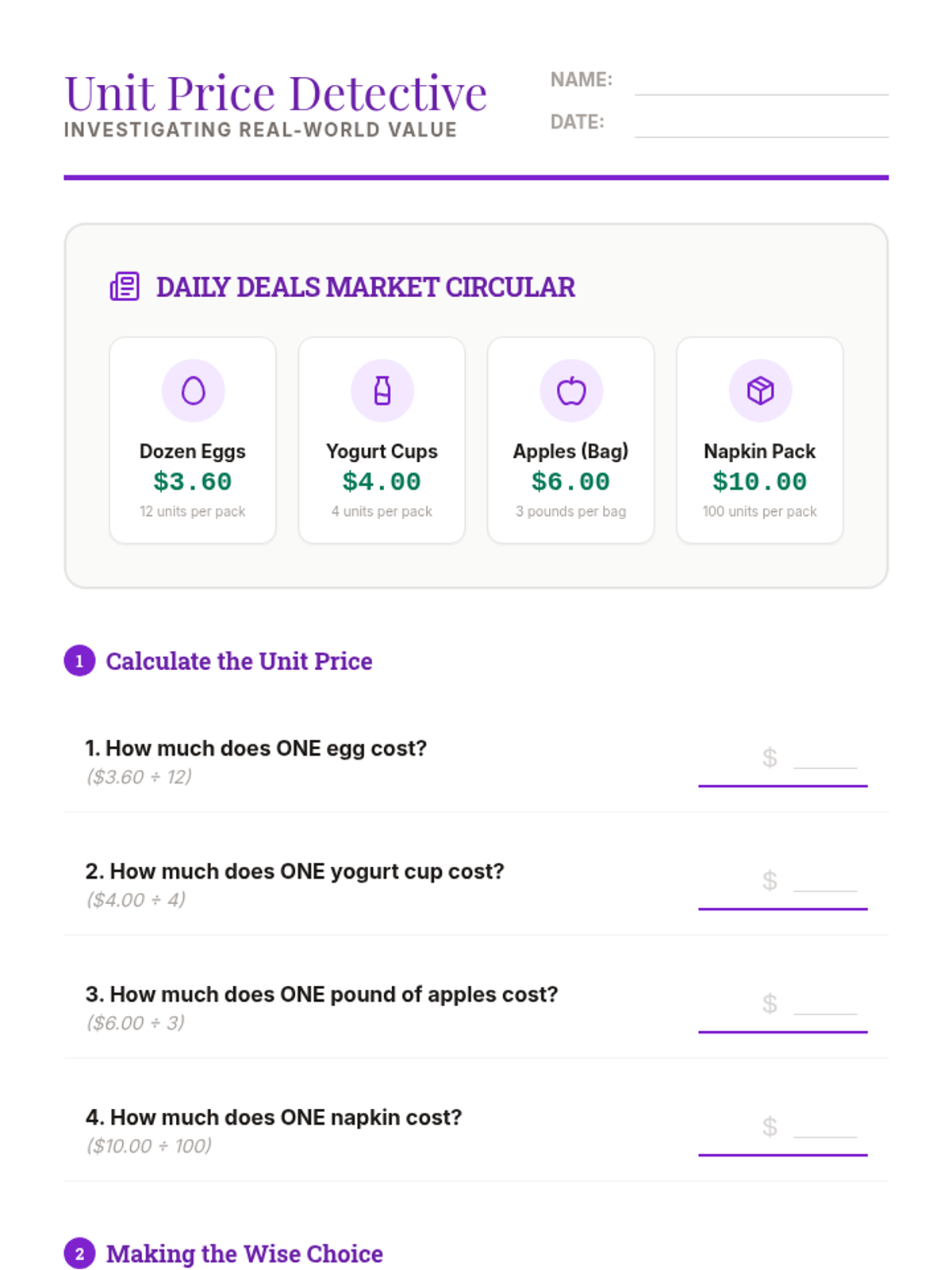
Introduction to reading price labels, identifying unit prices, and understanding the 'detective' work of grocery shopping.
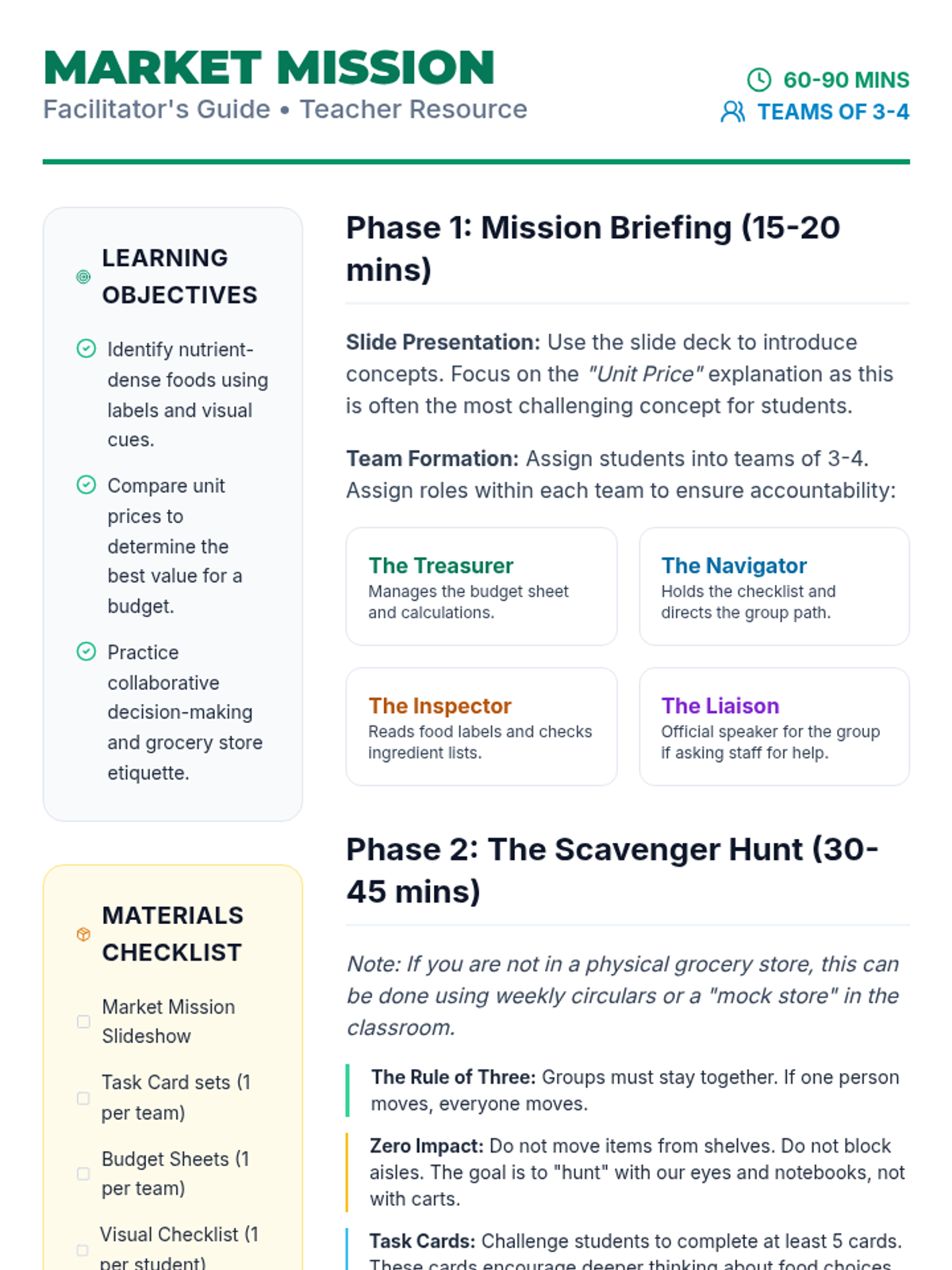
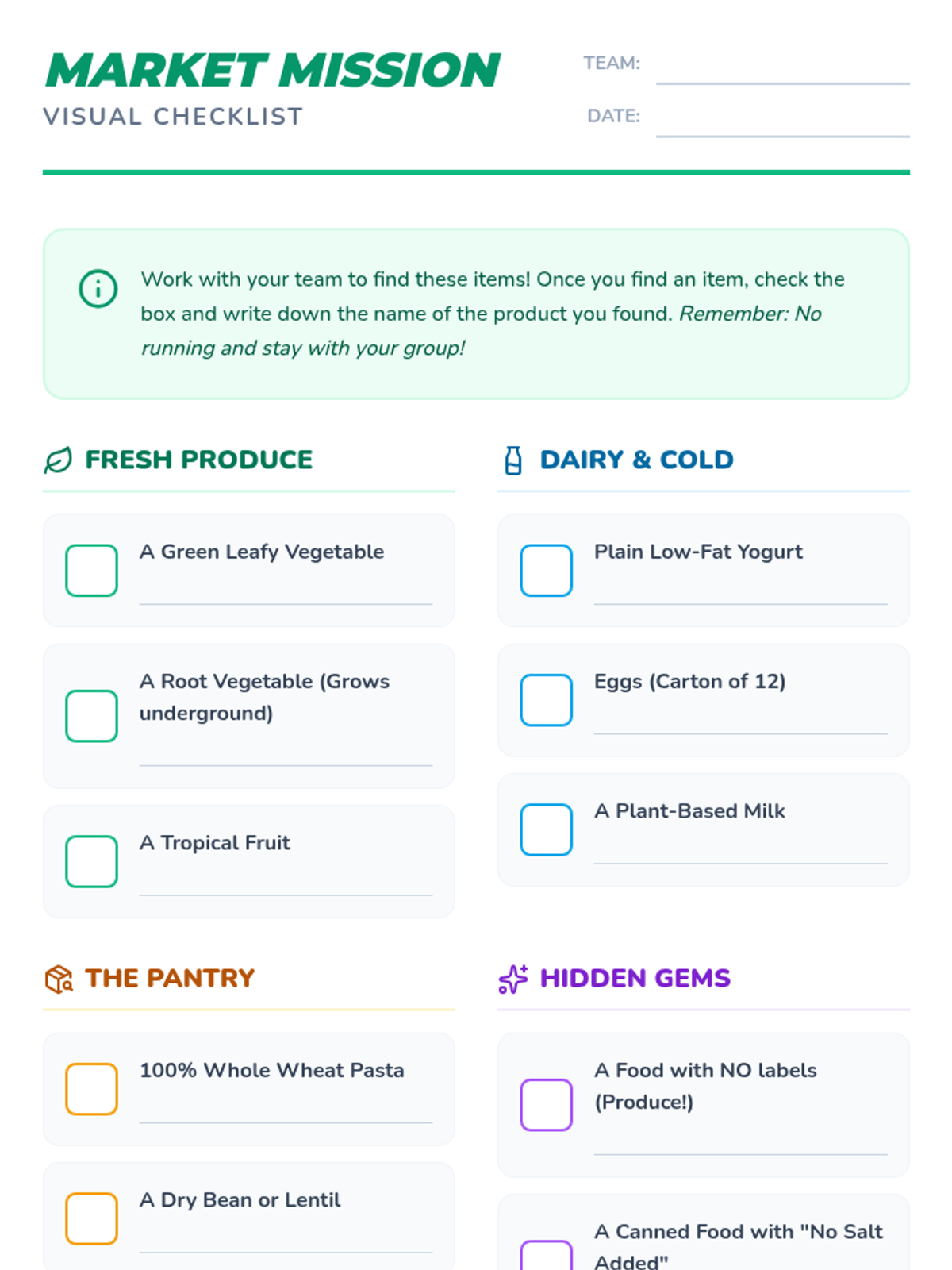
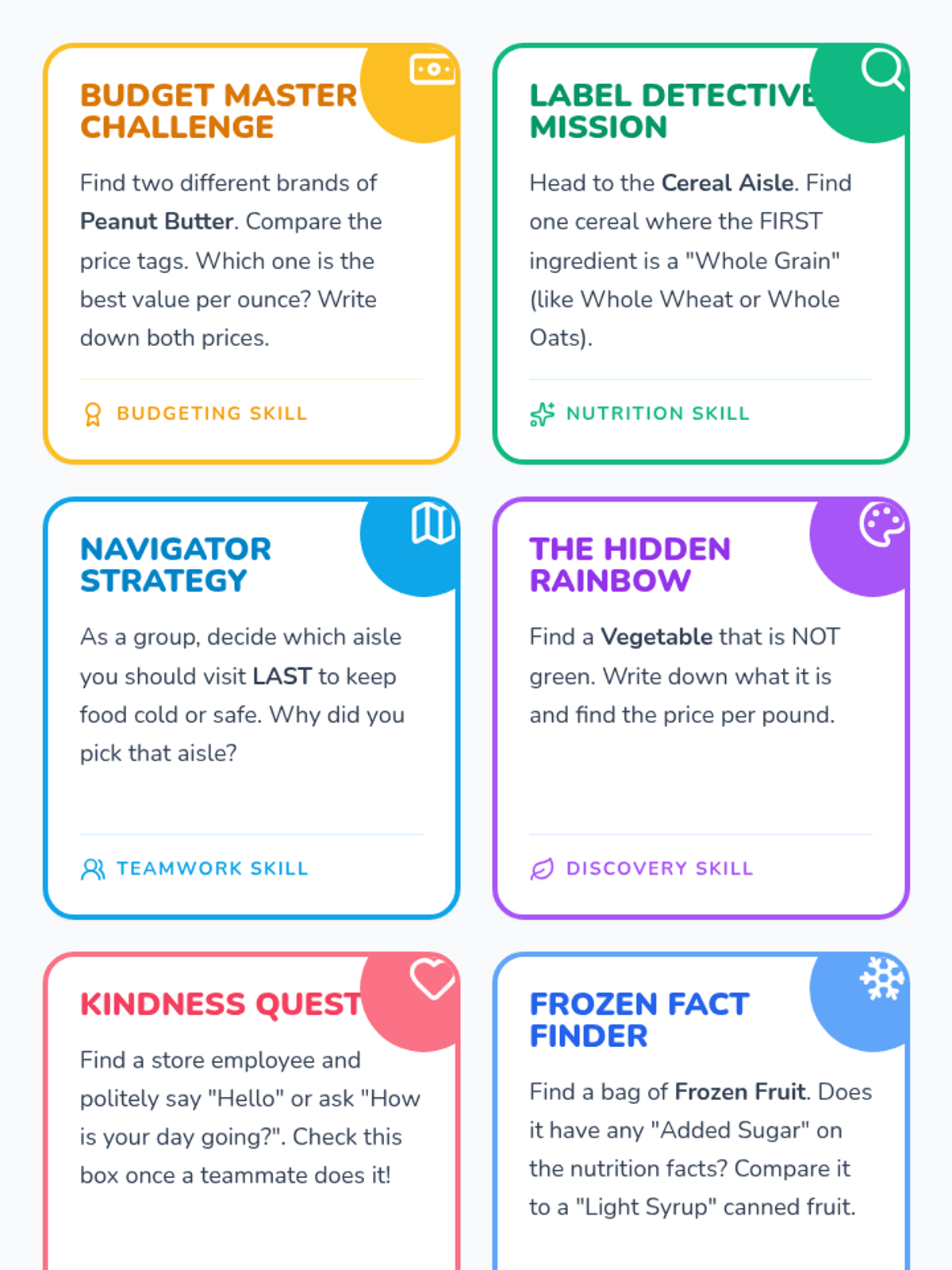
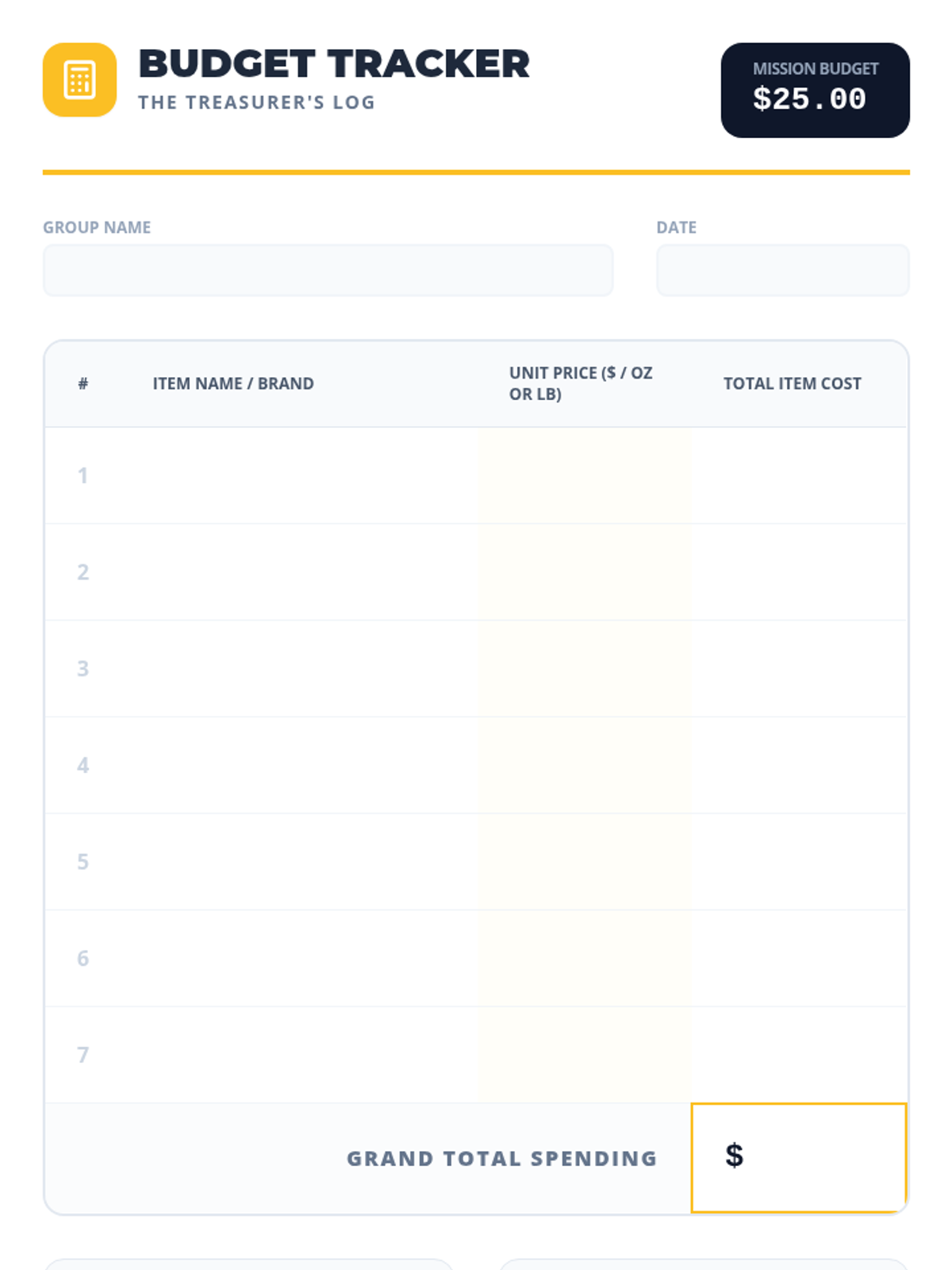
A group-building scavenger hunt where students work in teams to identify healthy foods, manage a budget, and practice social skills in a real-world grocery setting.
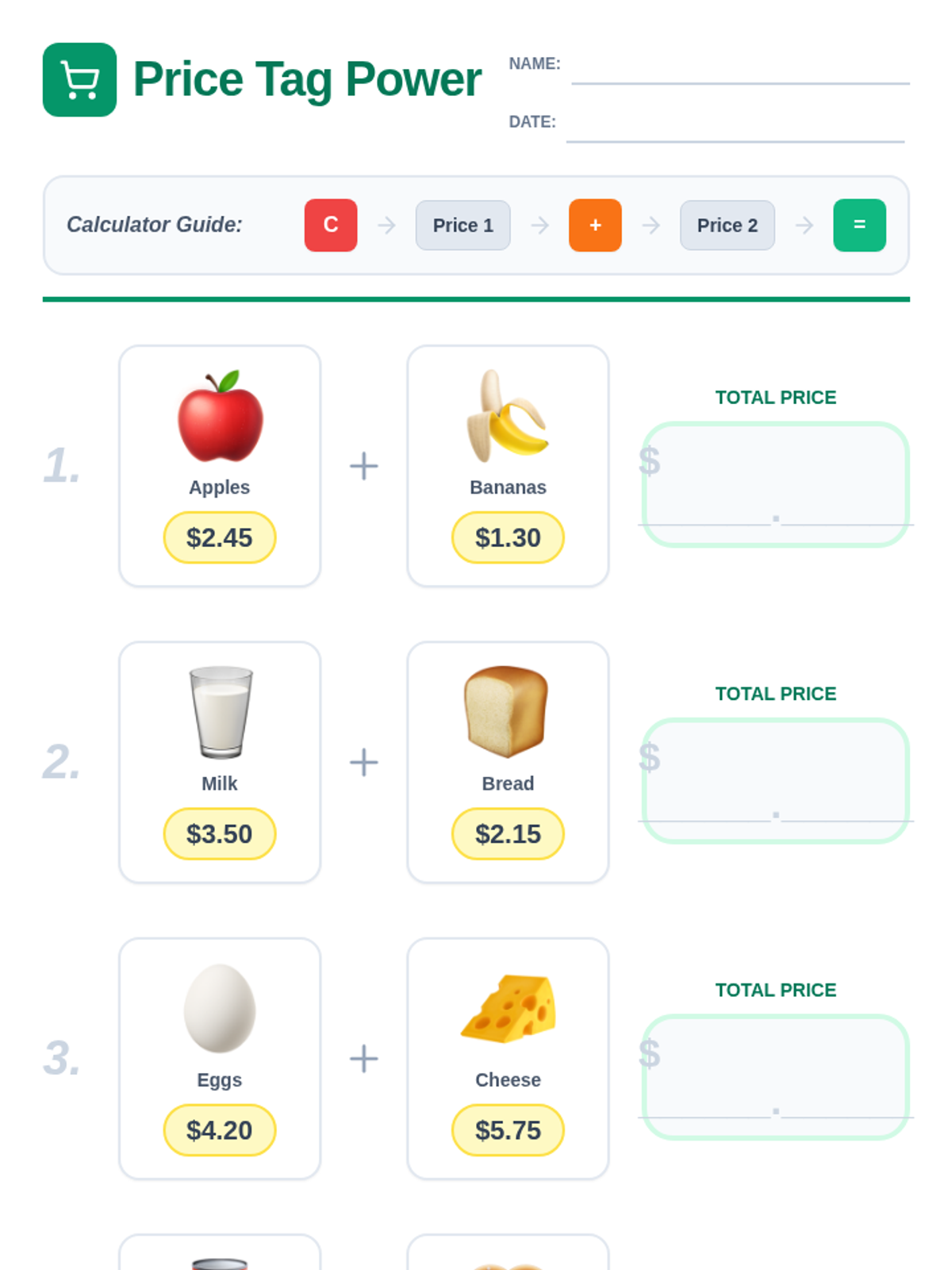
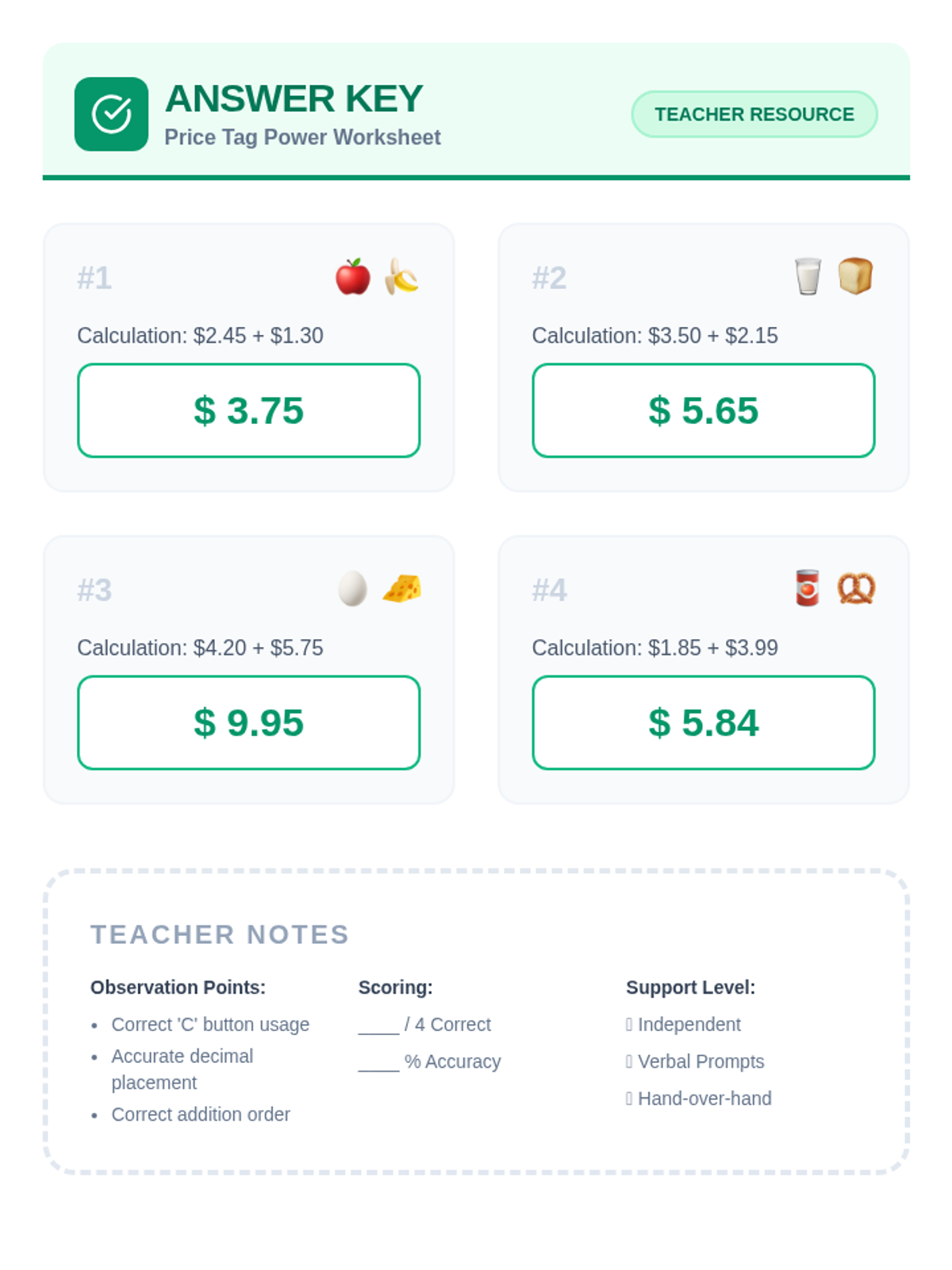
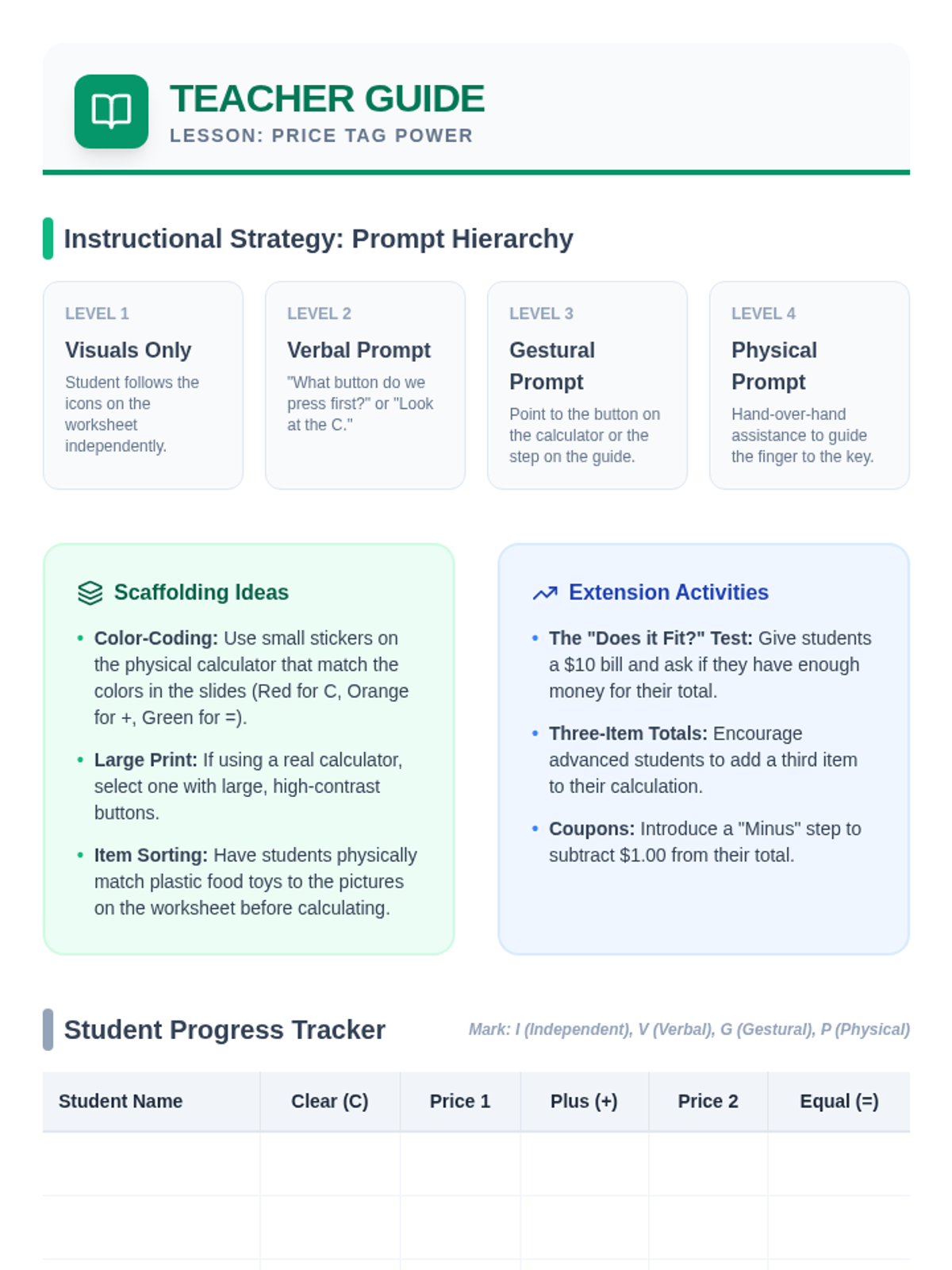
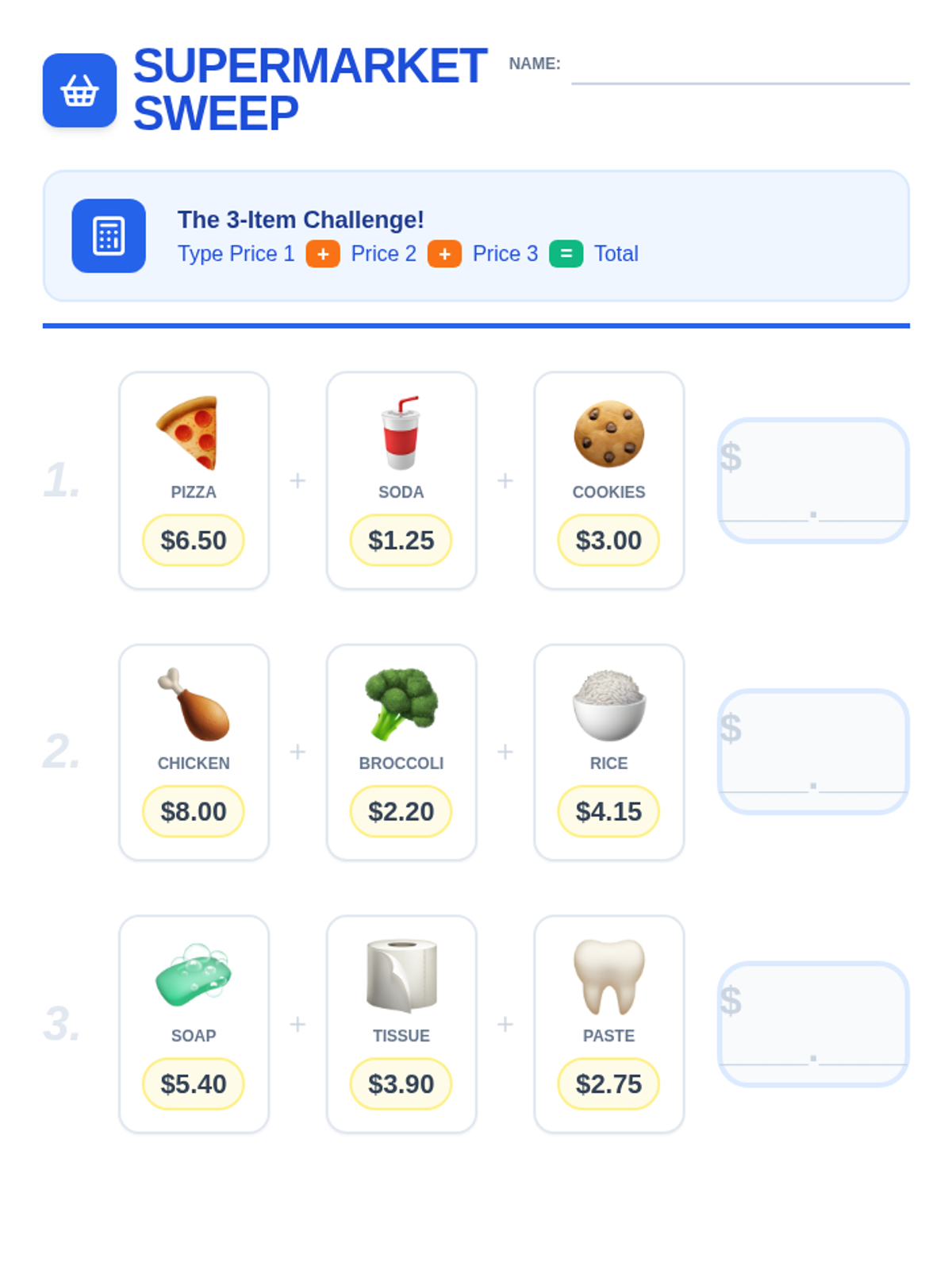
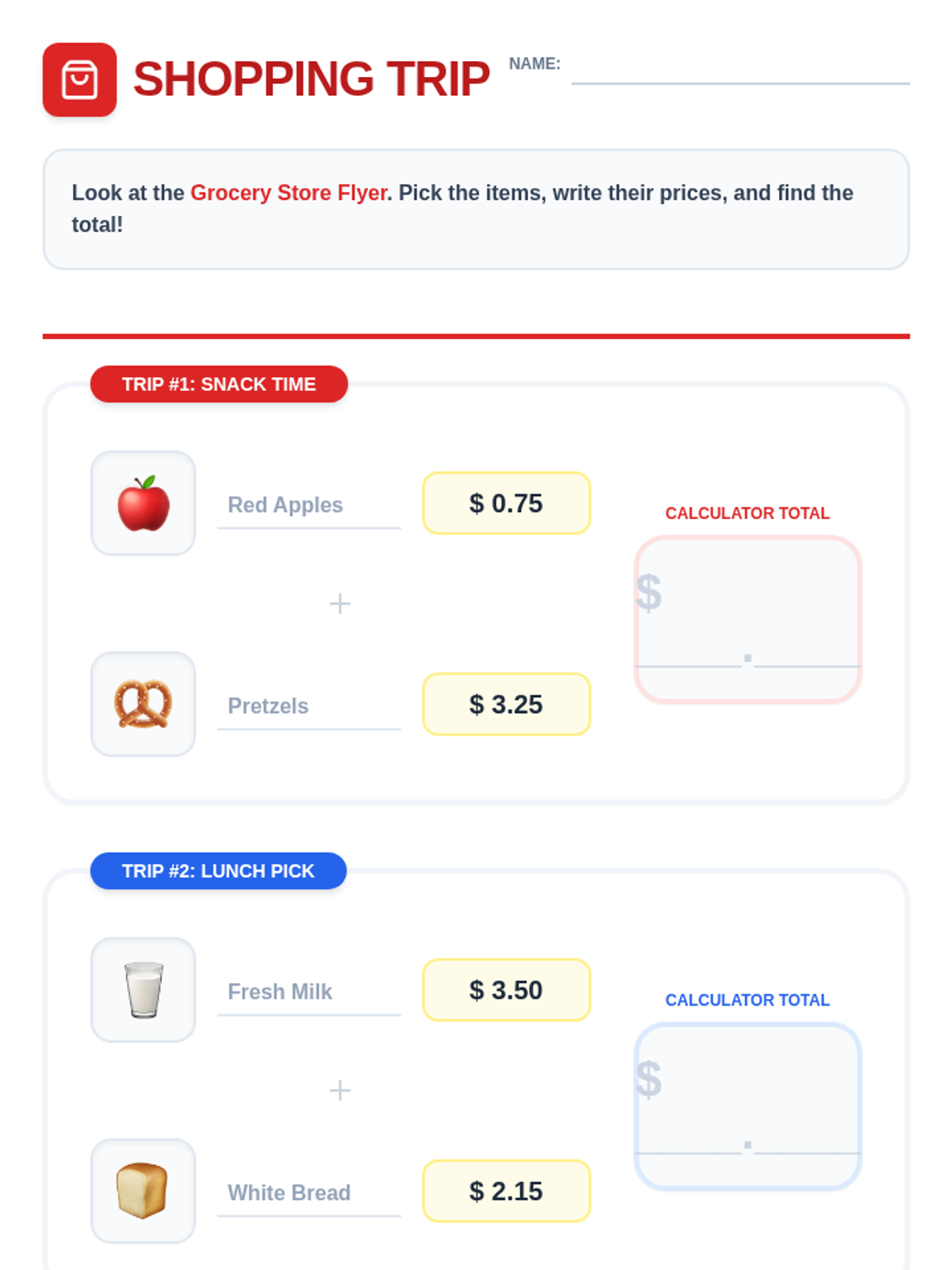
Students learn to use a calculator to add up the prices of grocery items, following a visual step-by-step guide to ensure accuracy in a real-world shopping scenario.
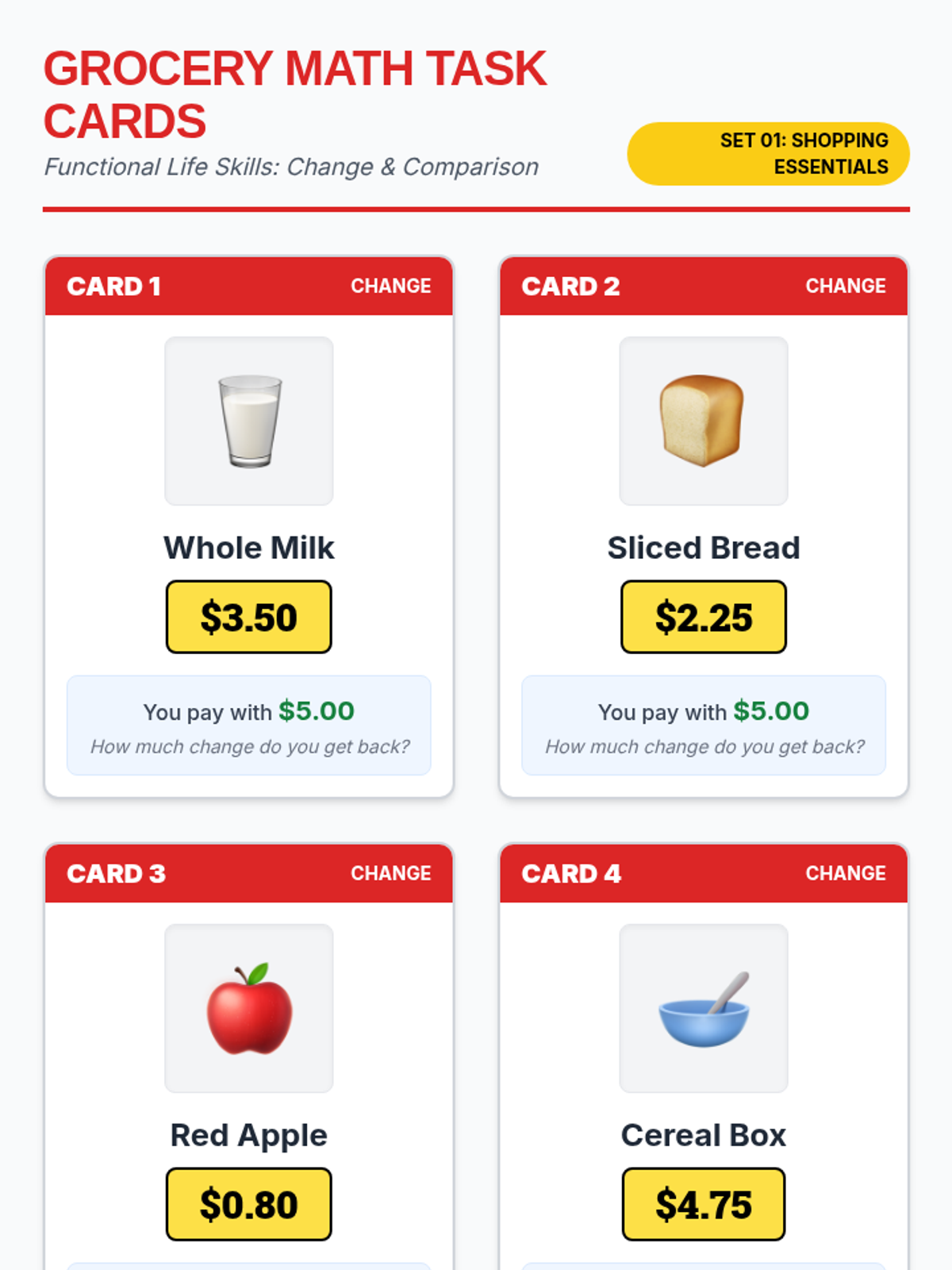
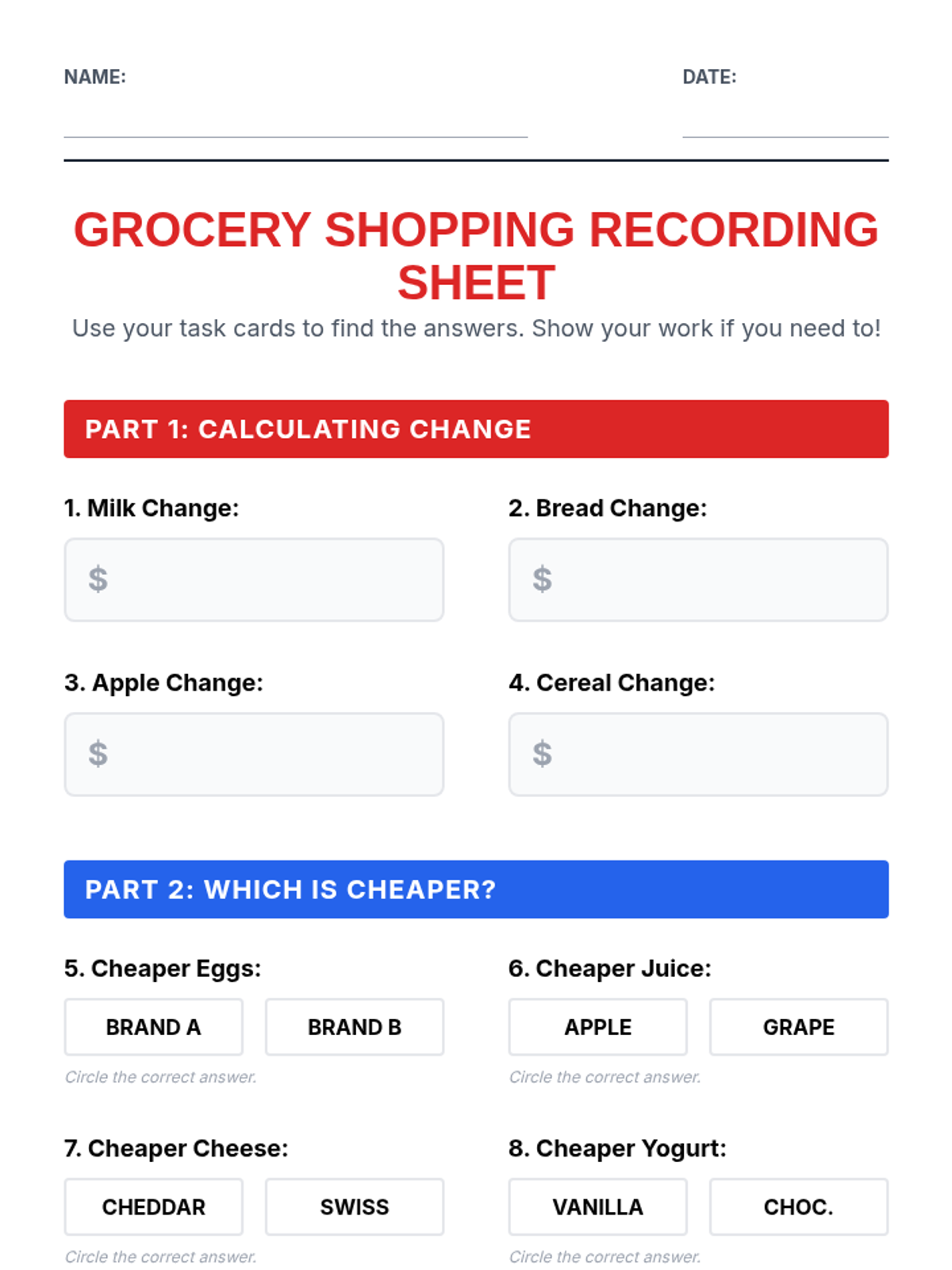
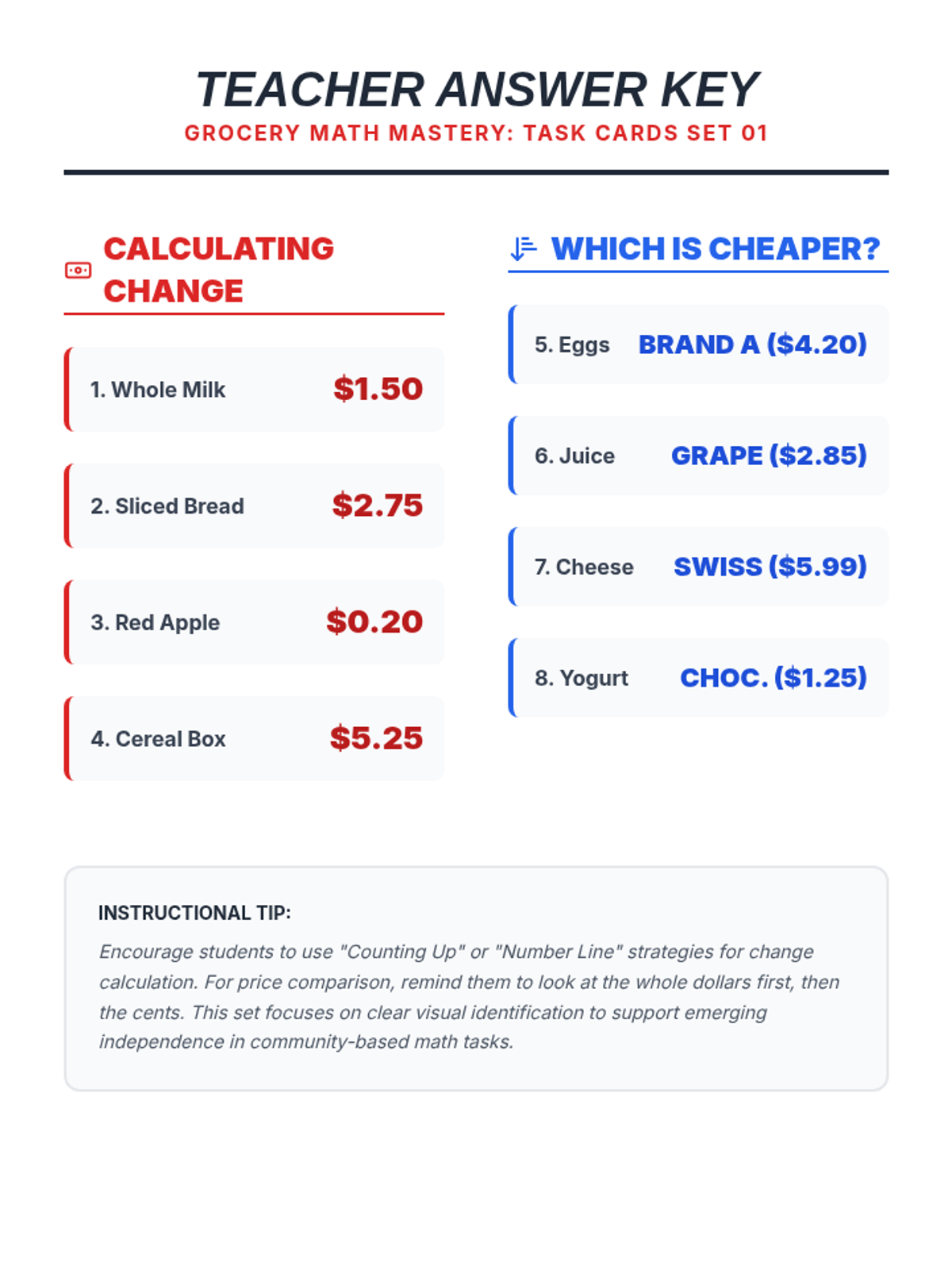
A practical math lesson focused on real-world shopping skills, specifically calculating change and comparing prices of grocery items.
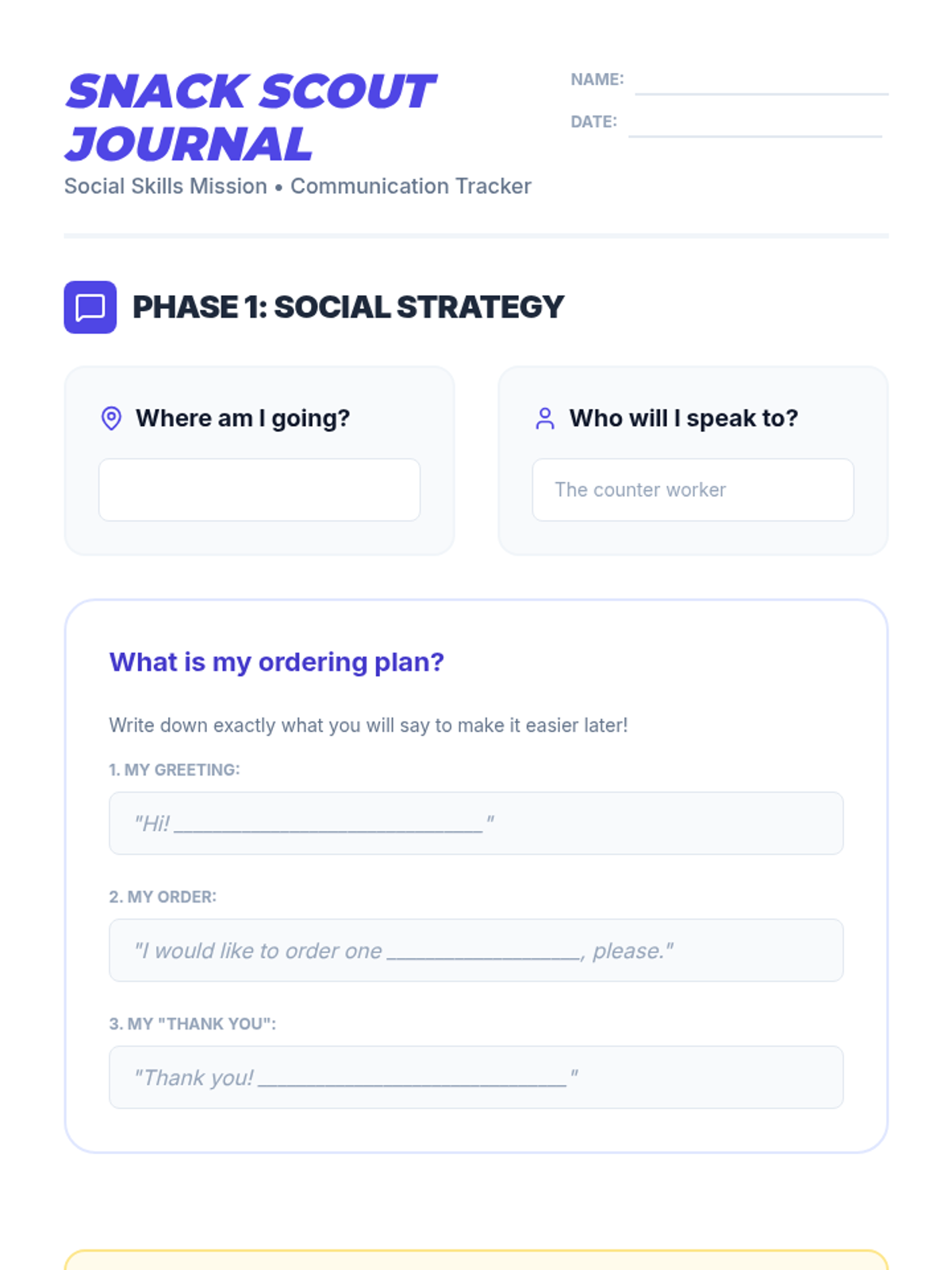
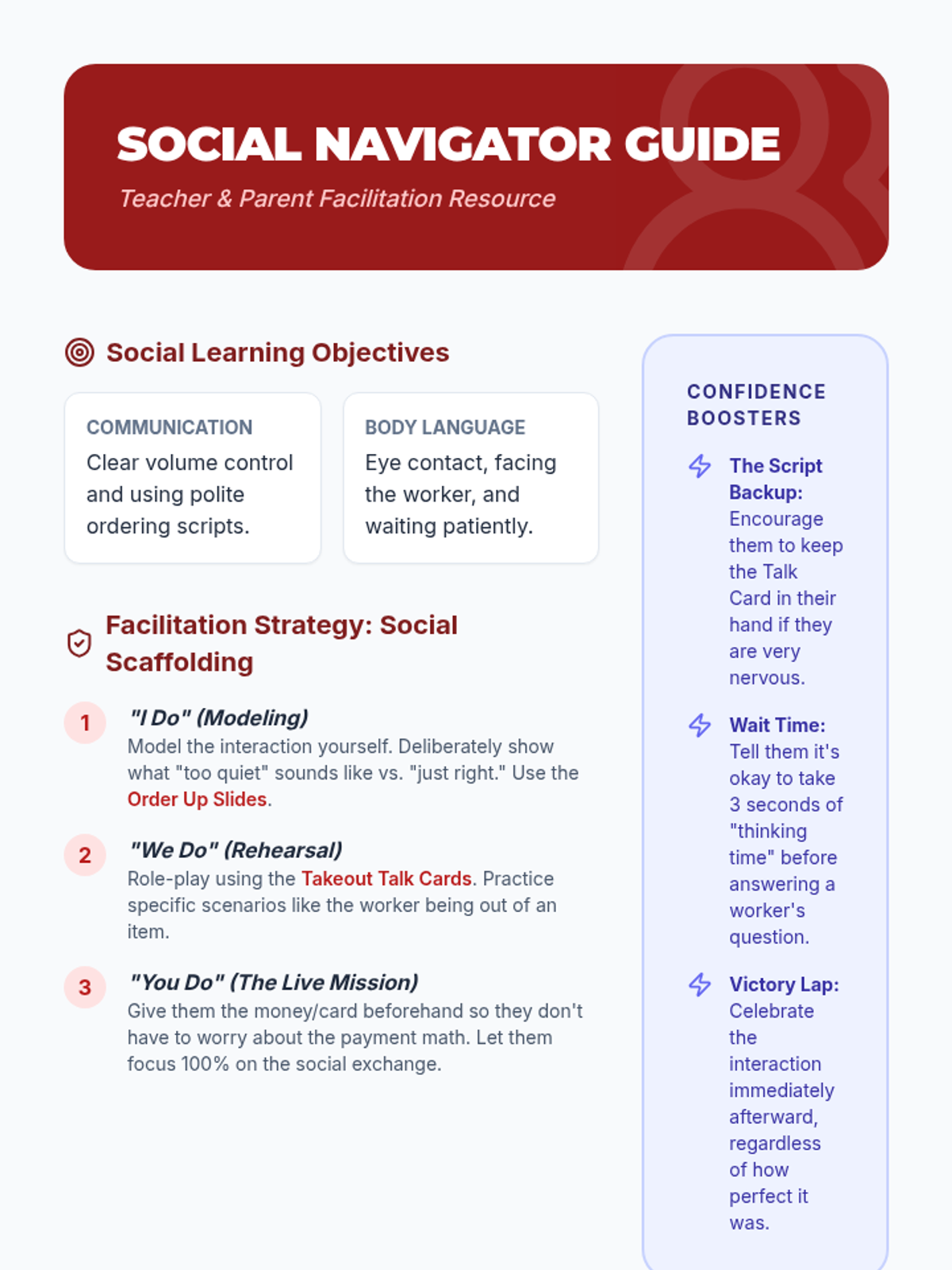
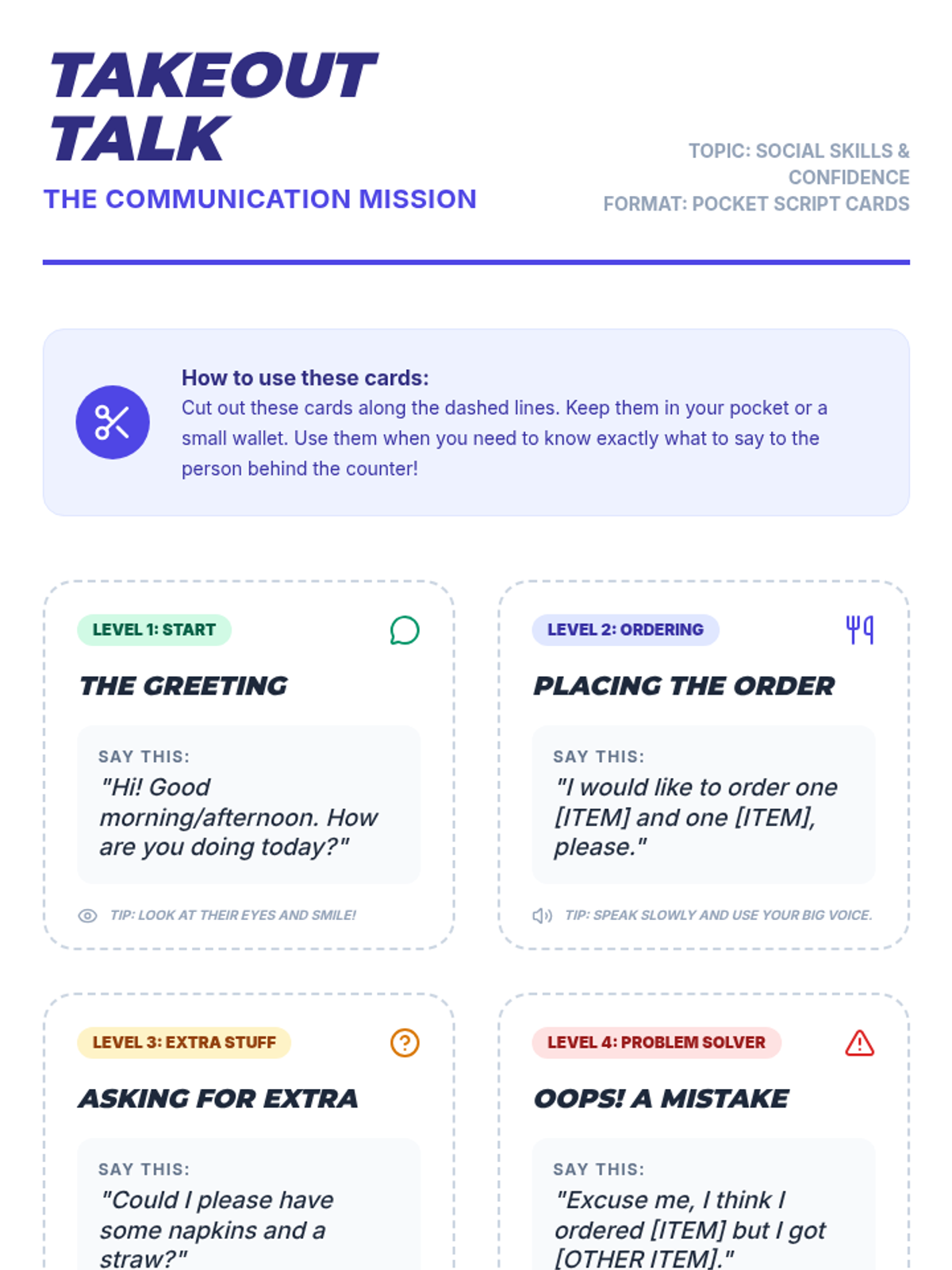
A practical lesson focused on the real-world social skills of ordering food, communicating with workers, and navigating a public restaurant space with confidence.
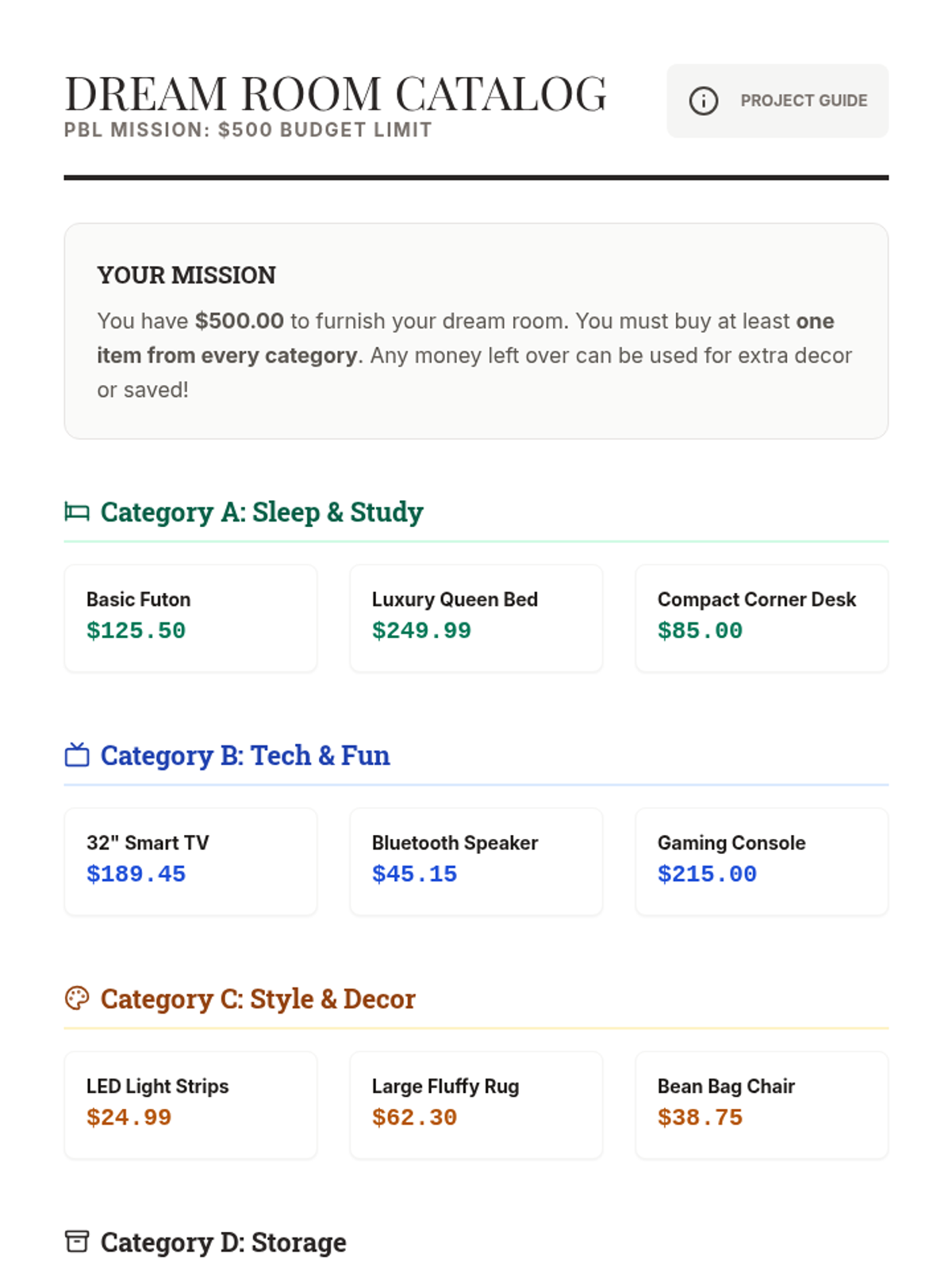
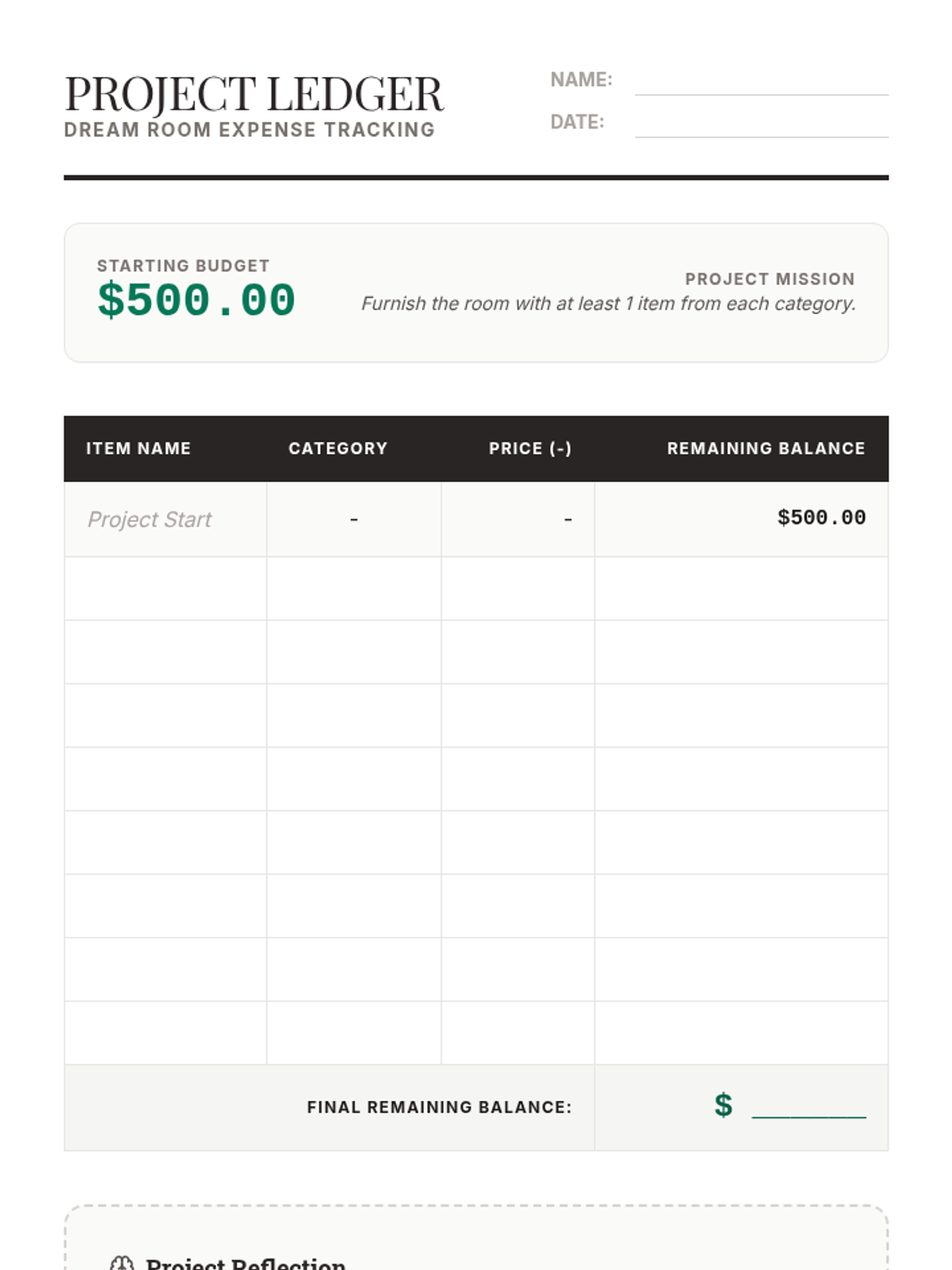
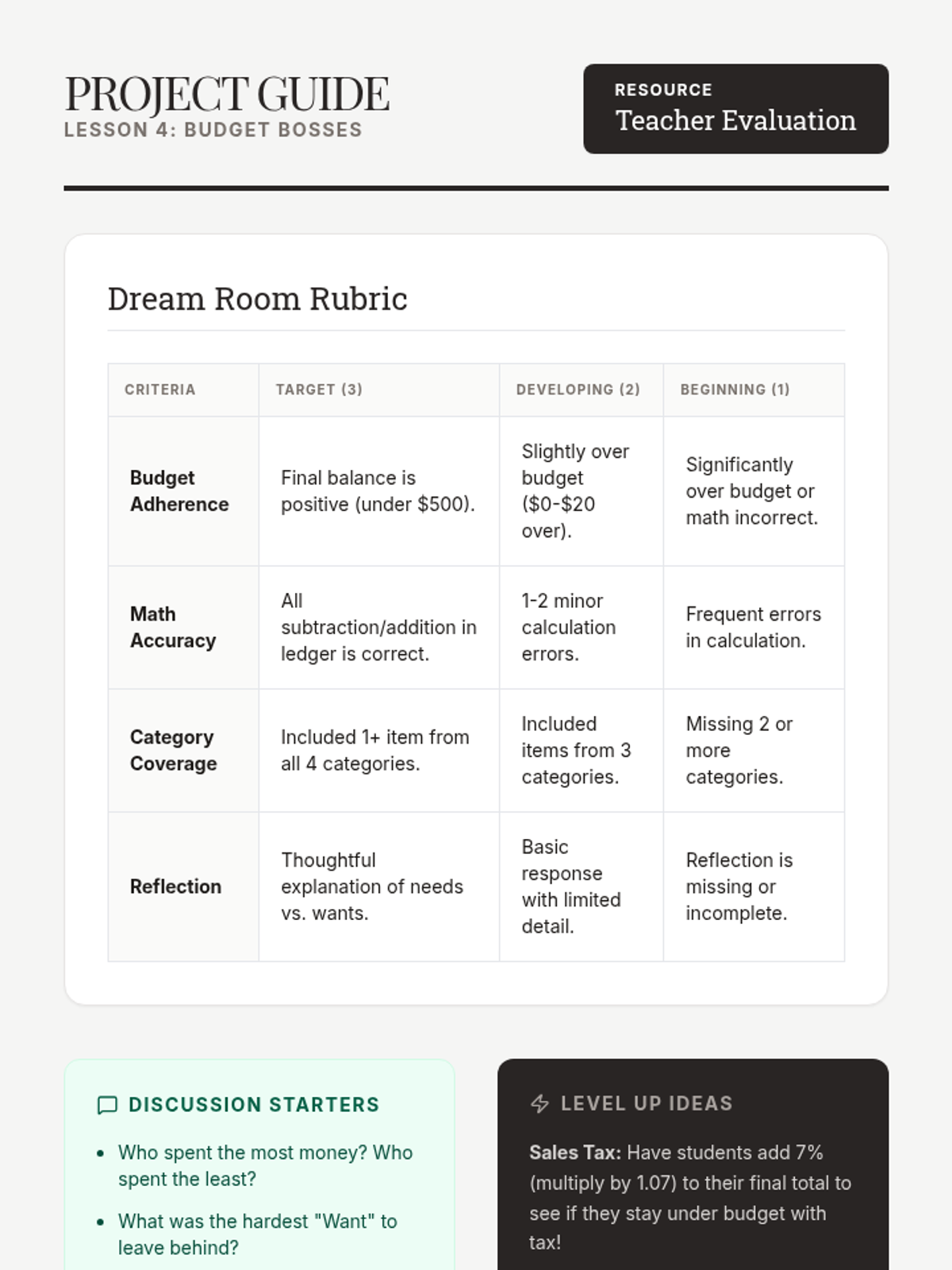
Students apply all their money skills in a project-based learning activity where they must design a 'Dream Room' while staying within a strict budget. They practice balancing needs versus wants and tracking expenses accurately.
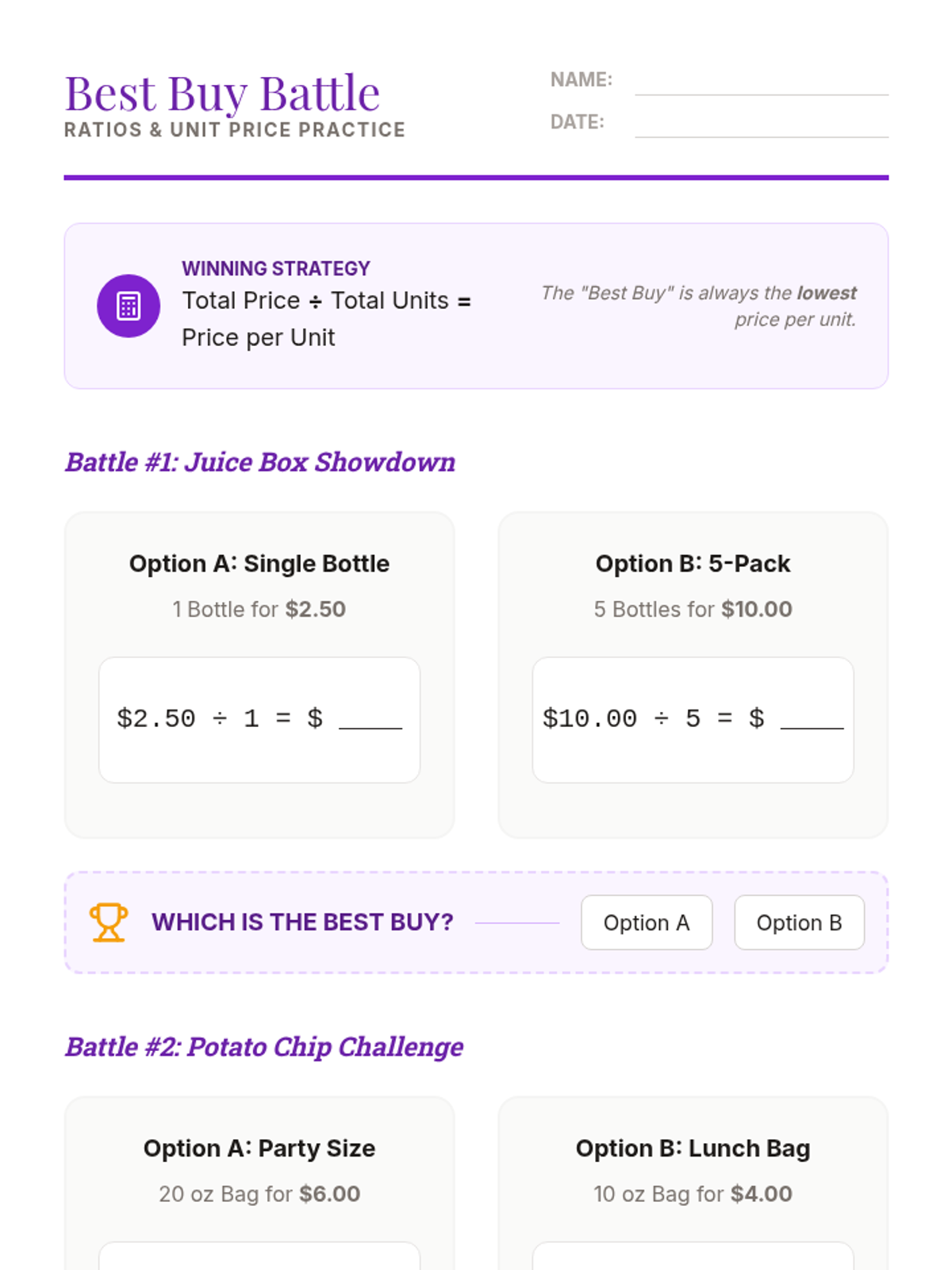
Introduces the concept of unit prices and ratios. Students learn how to compare products of different sizes to find the best value, applying division skills to real-world shopping decisions.
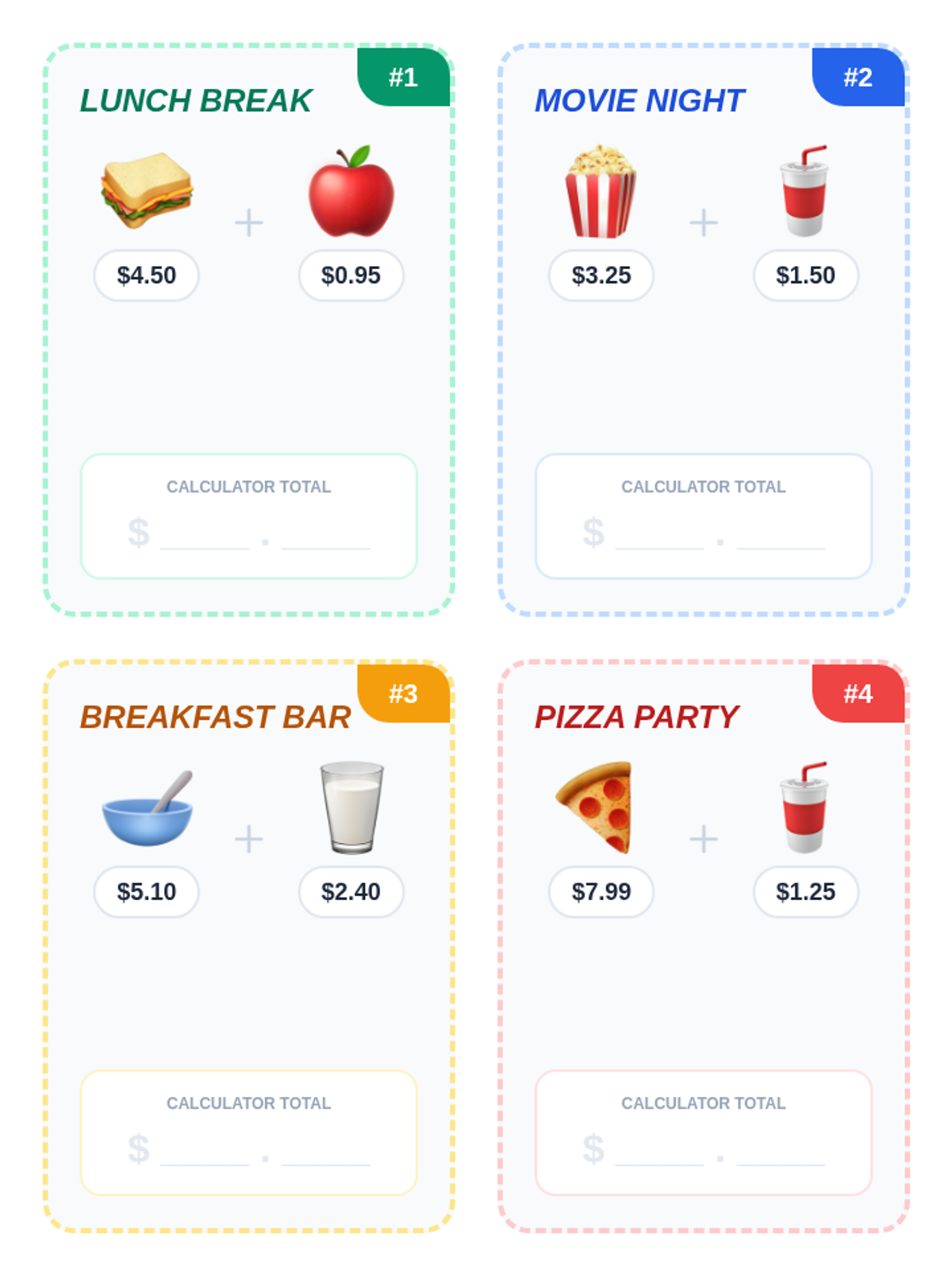
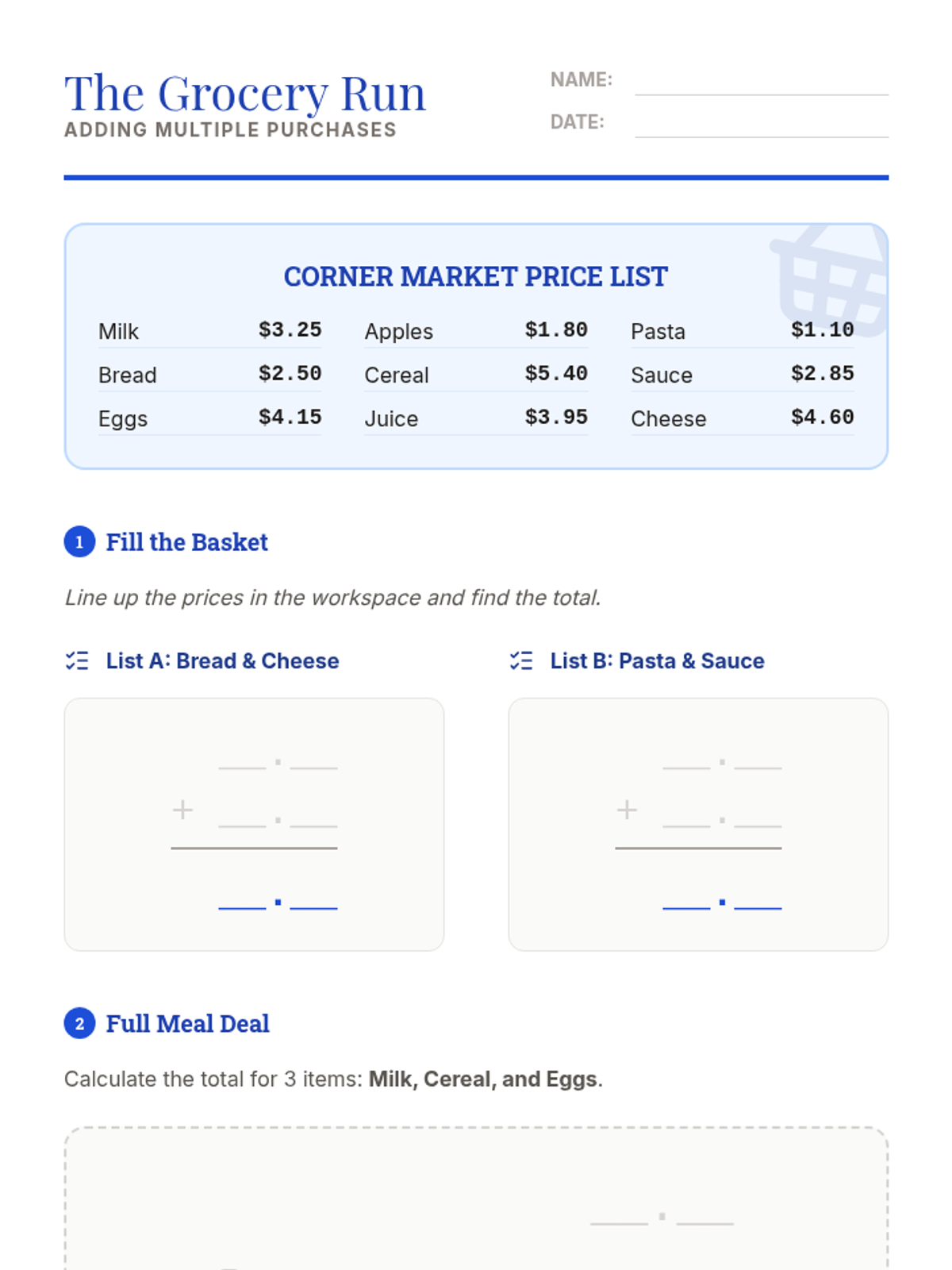
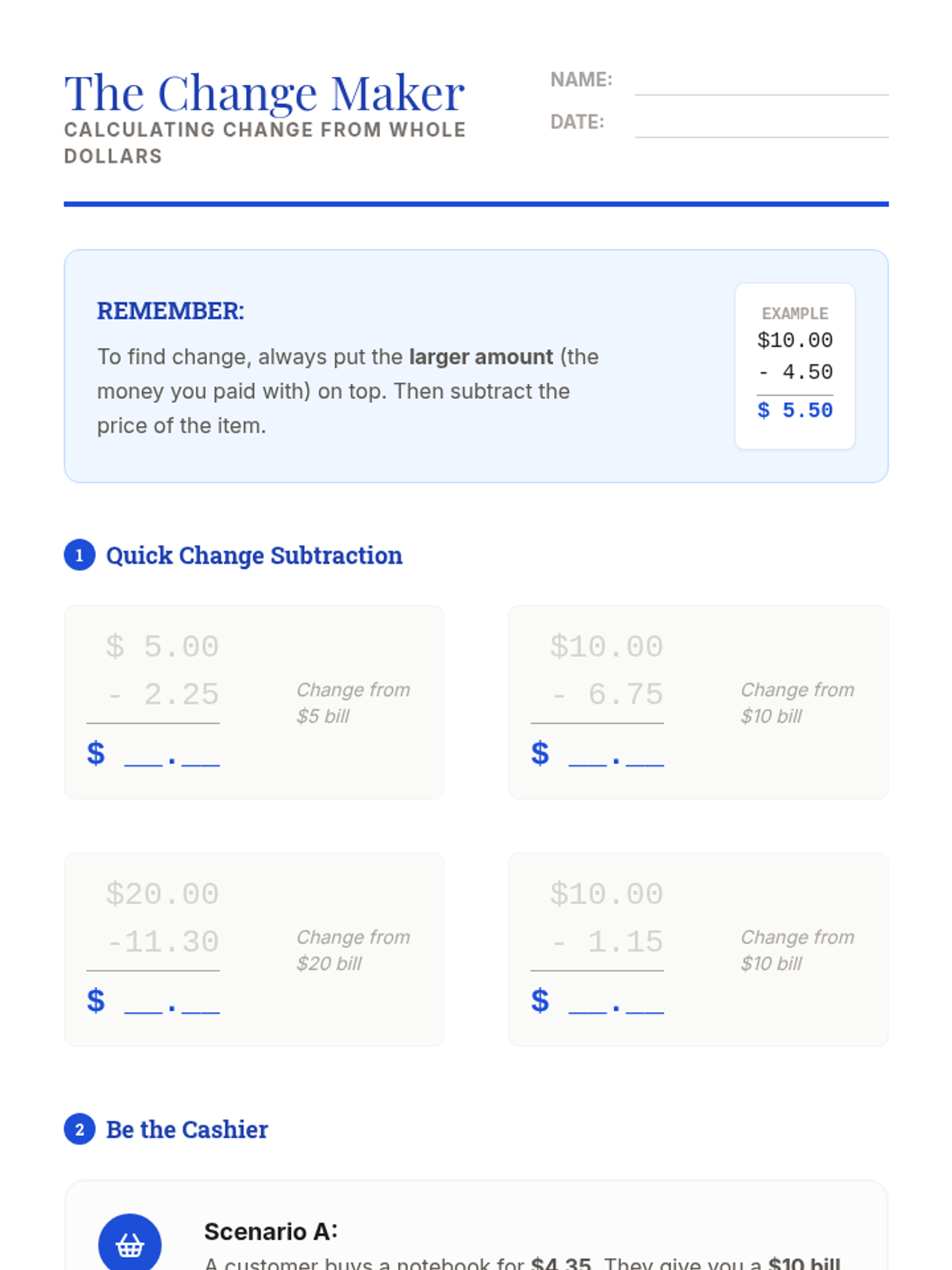
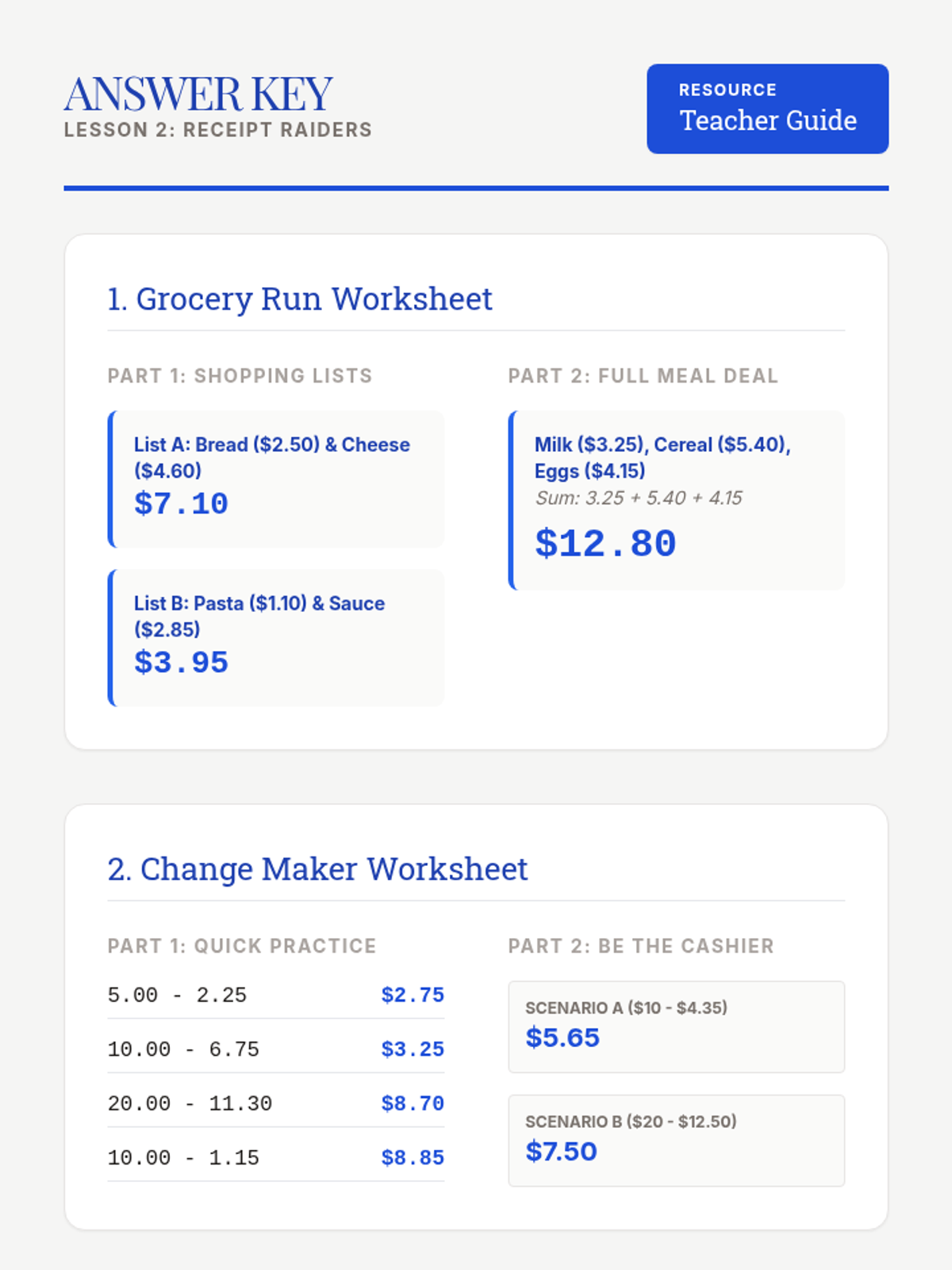
Focuses on the mechanics of adding multiple items with decimals and calculating the resulting change. Students practice column addition and subtraction using realistic receipt formats.
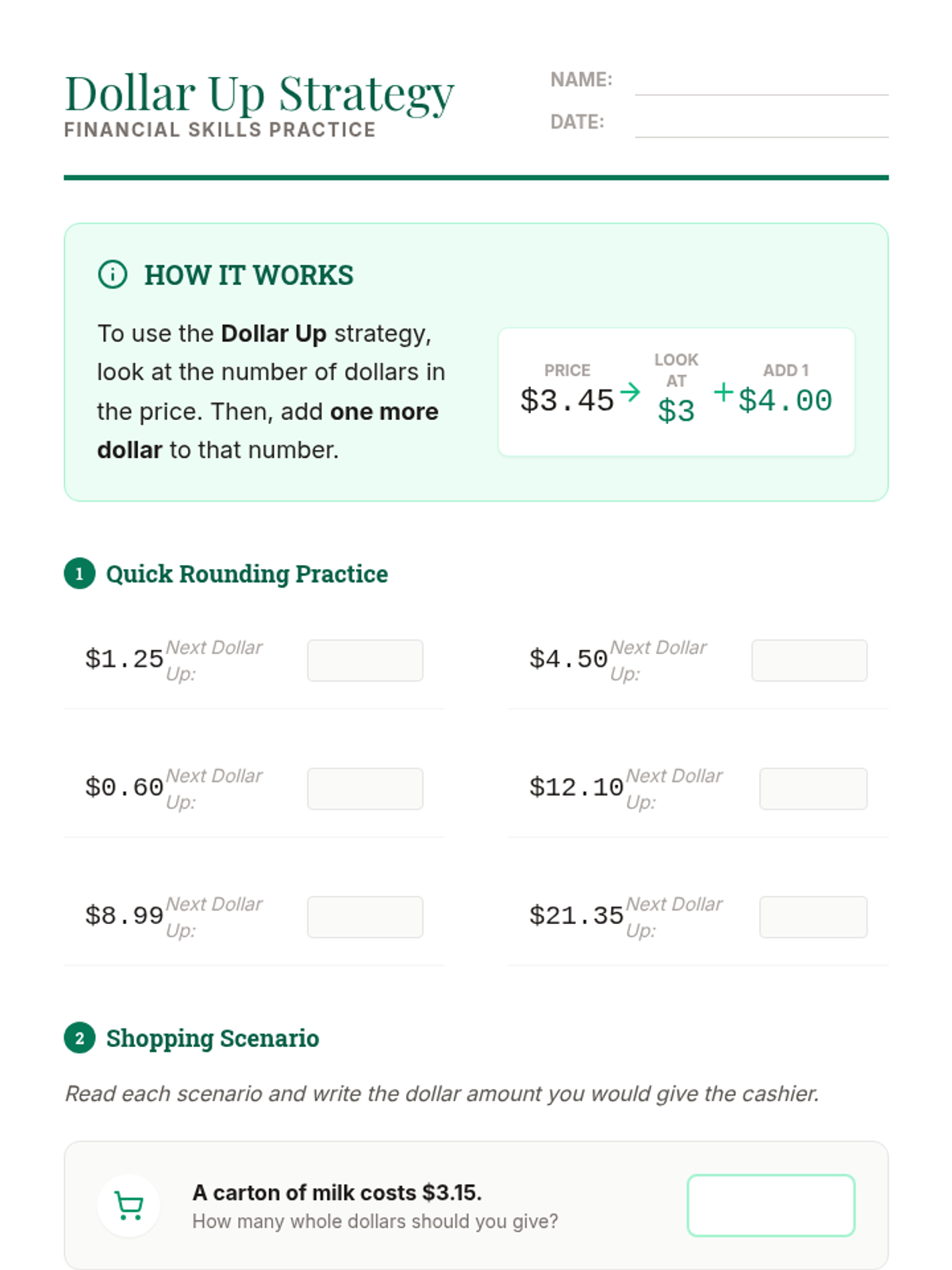
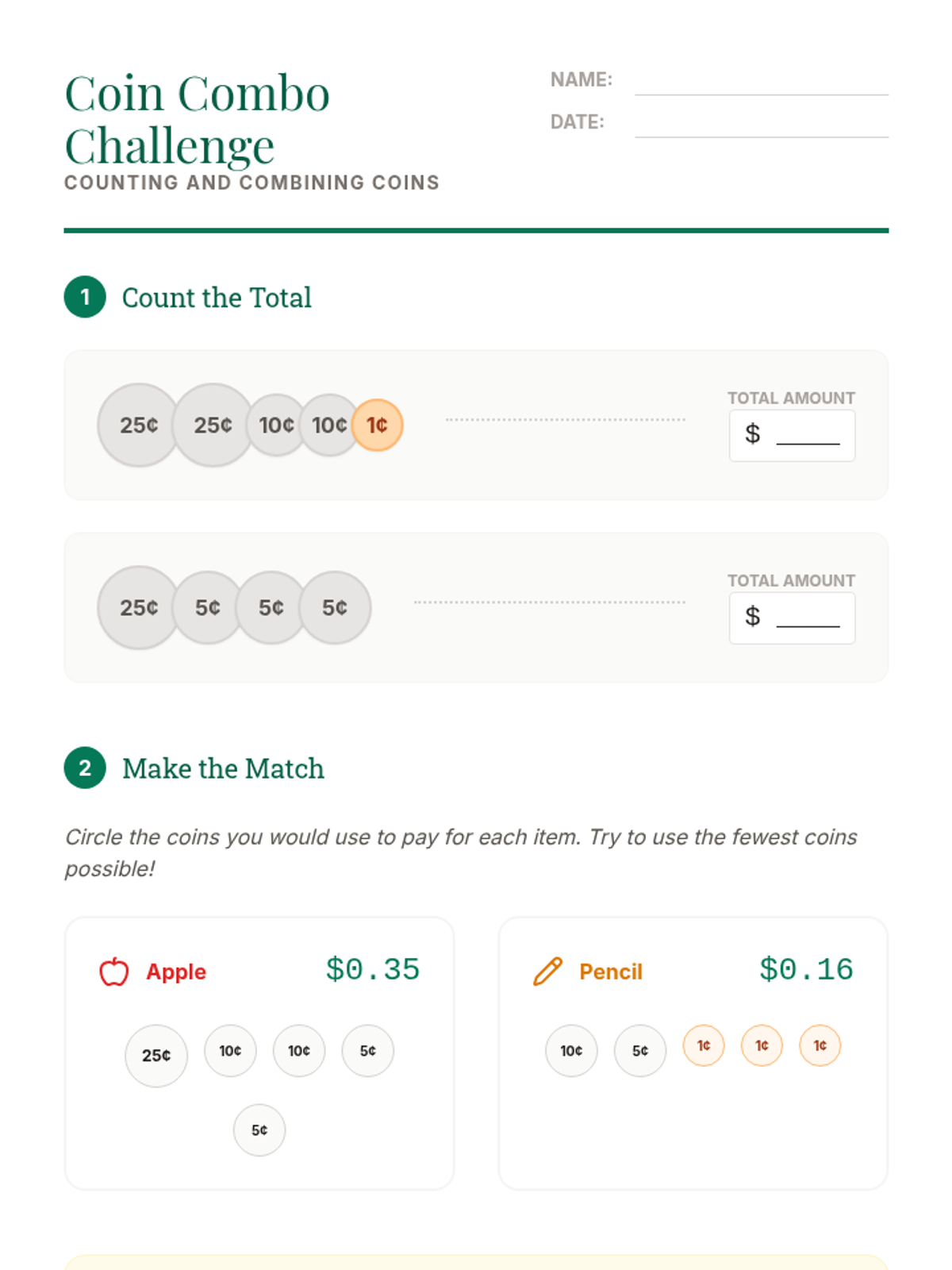
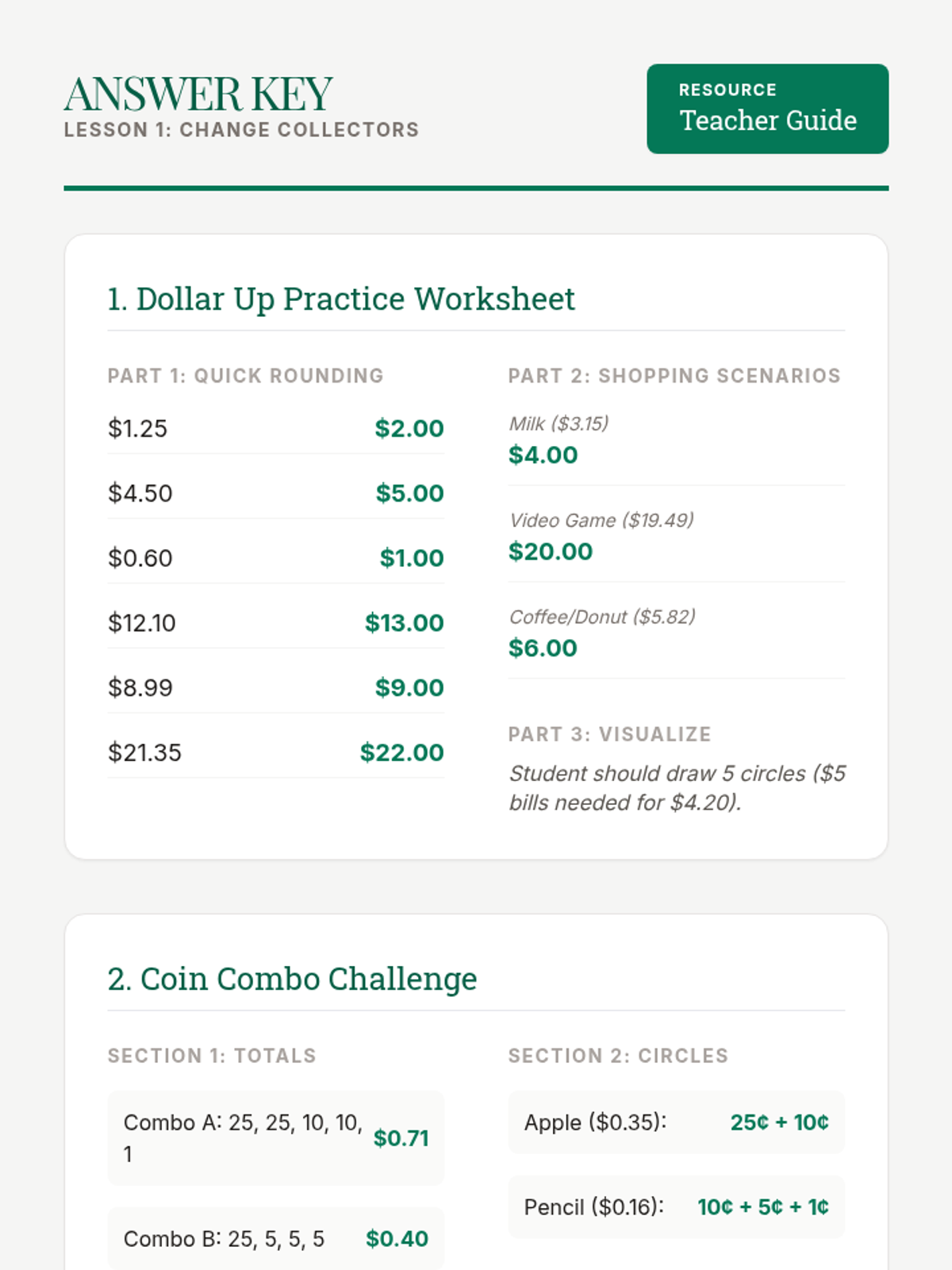
Focuses on identifying and counting coin combinations and mastering the 'next dollar up' strategy for independent shopping. Students practice rounding prices to ensure they have enough cash for purchases.
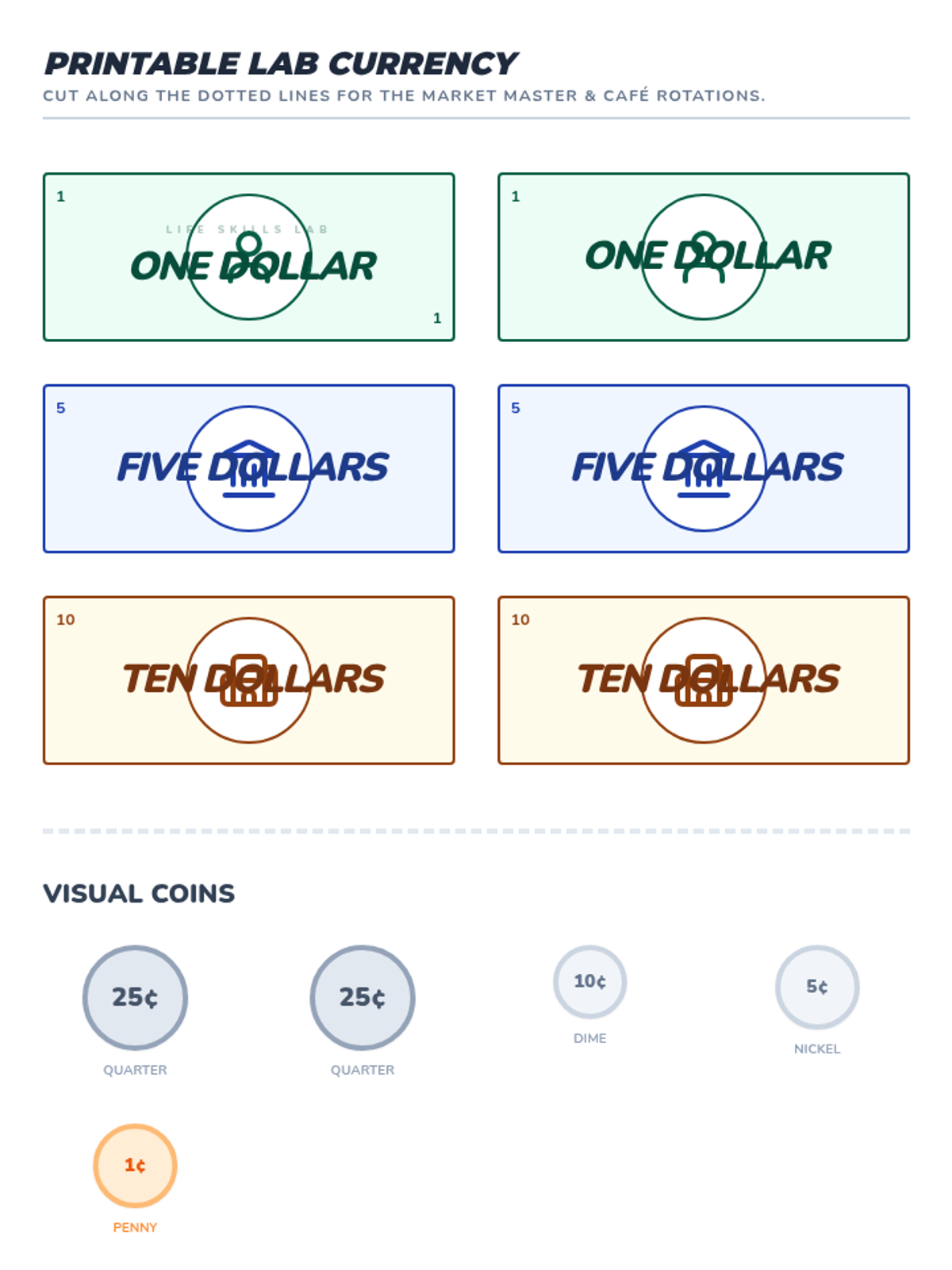
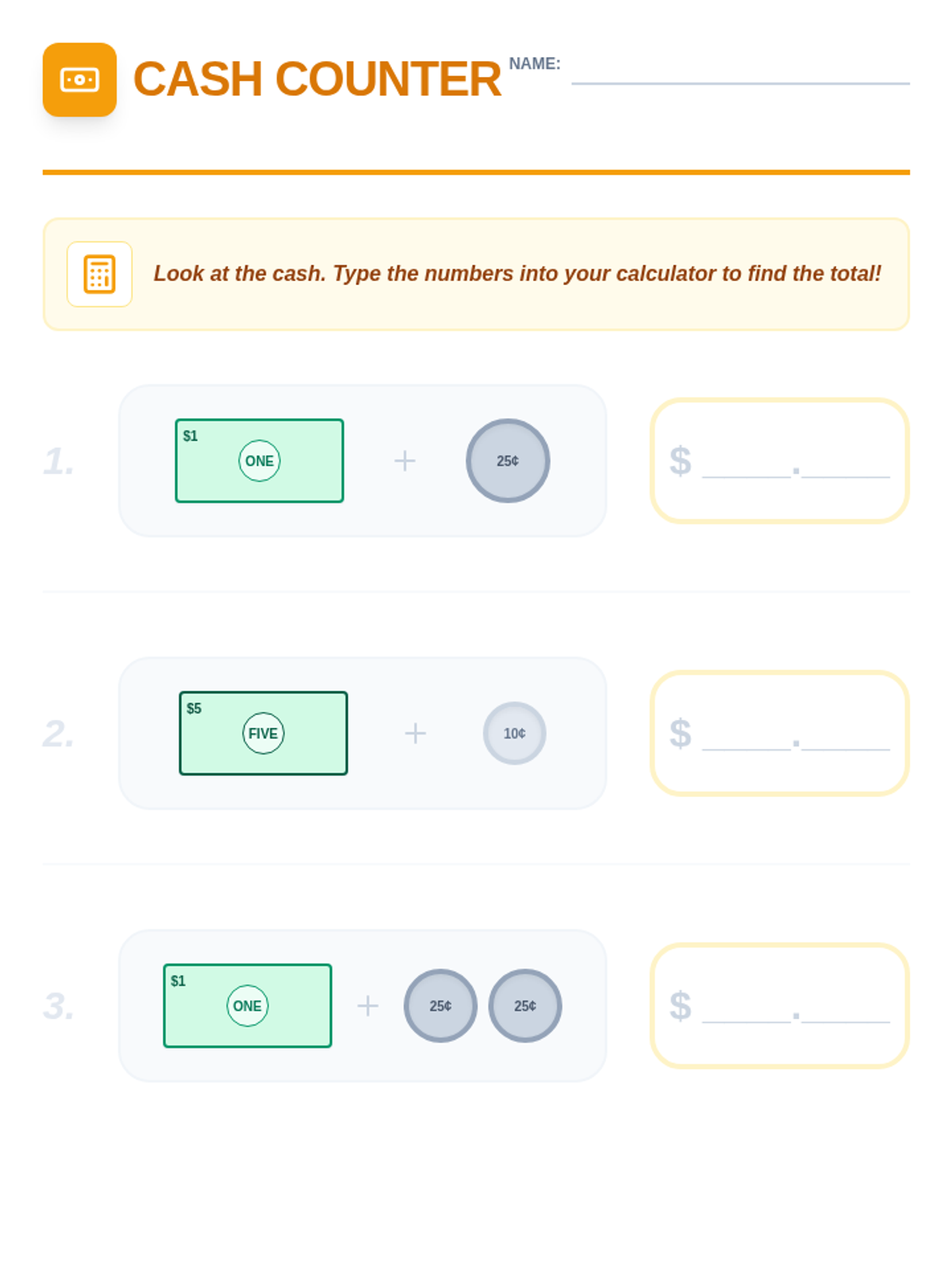
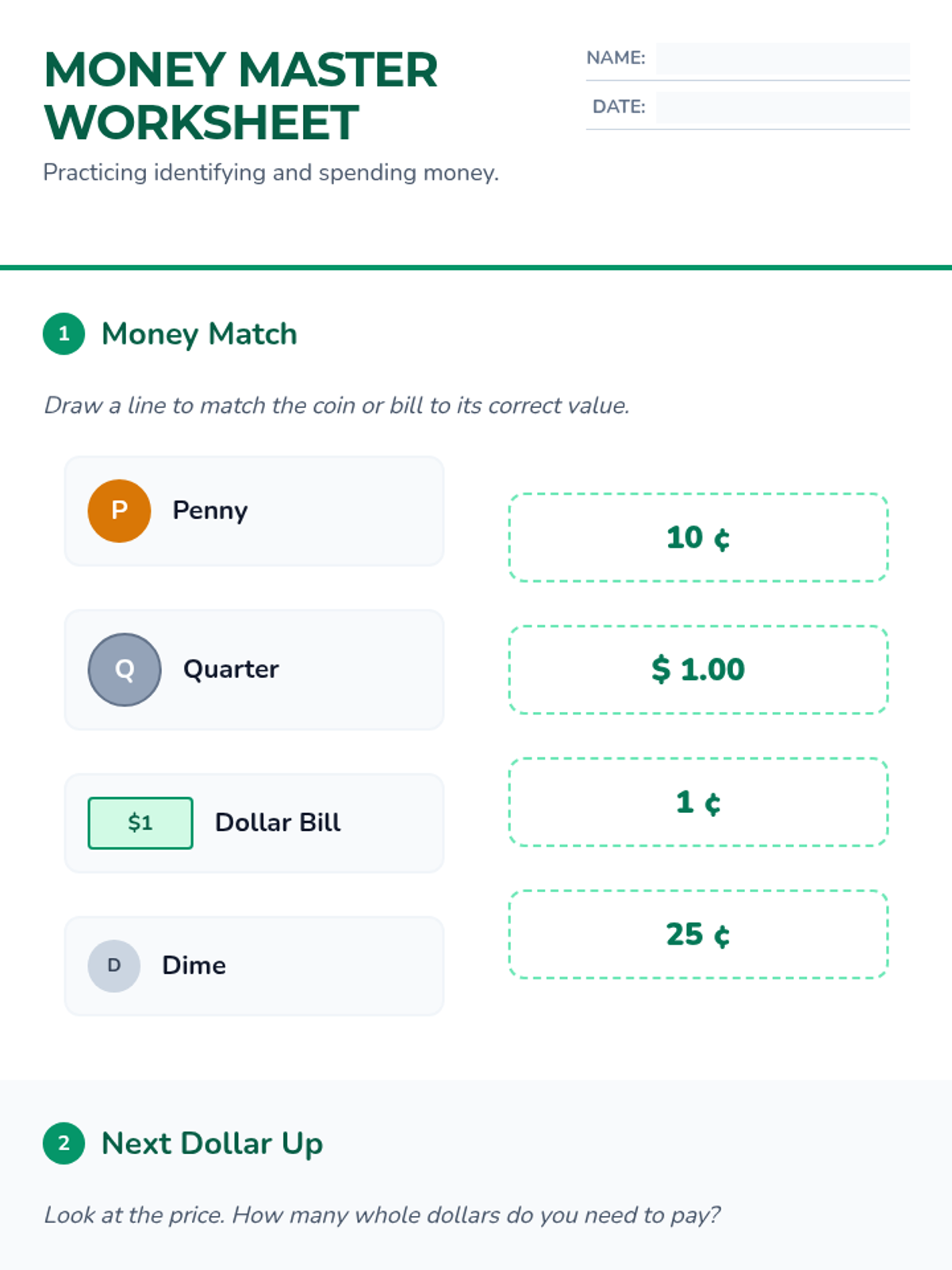
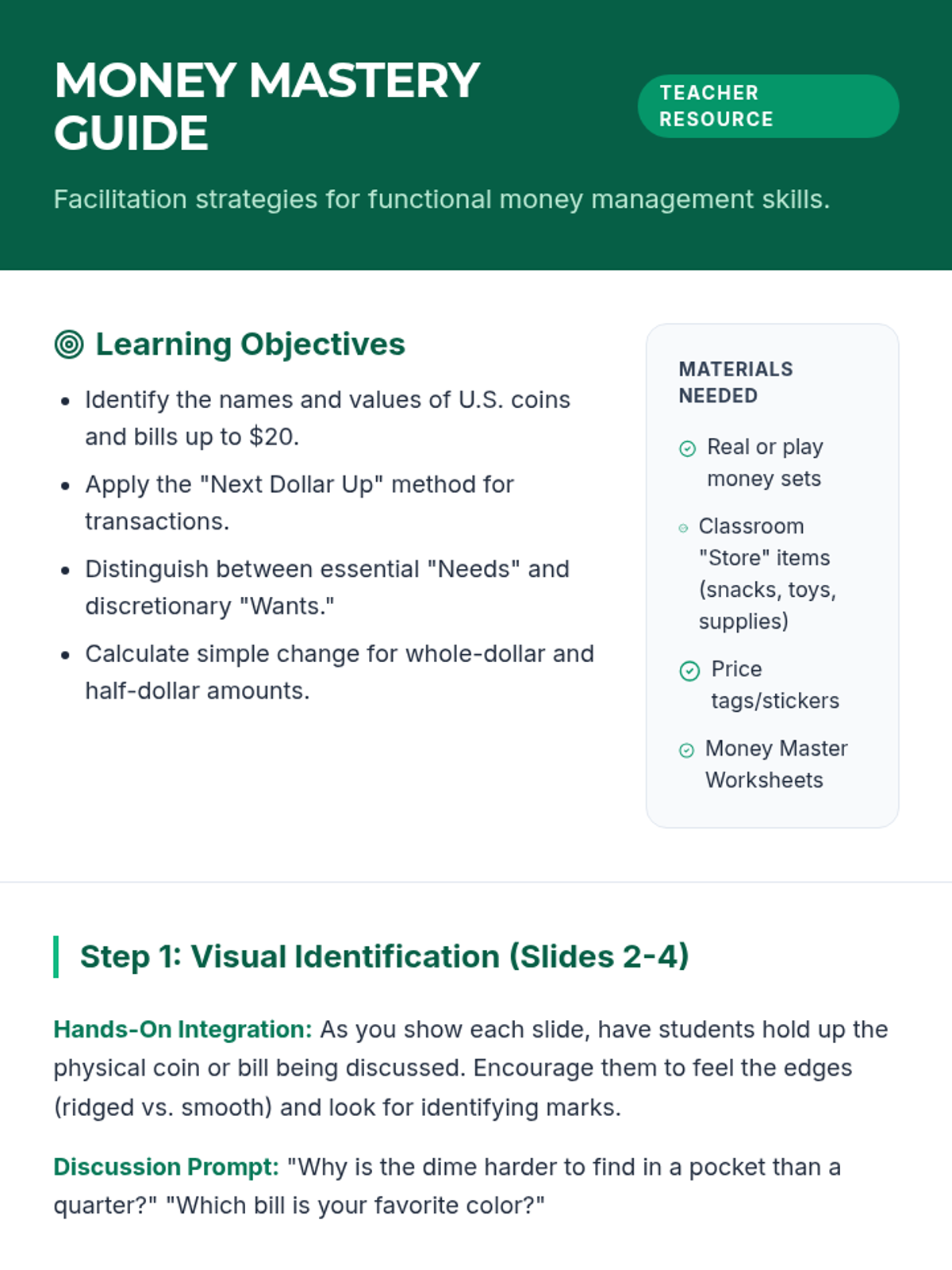
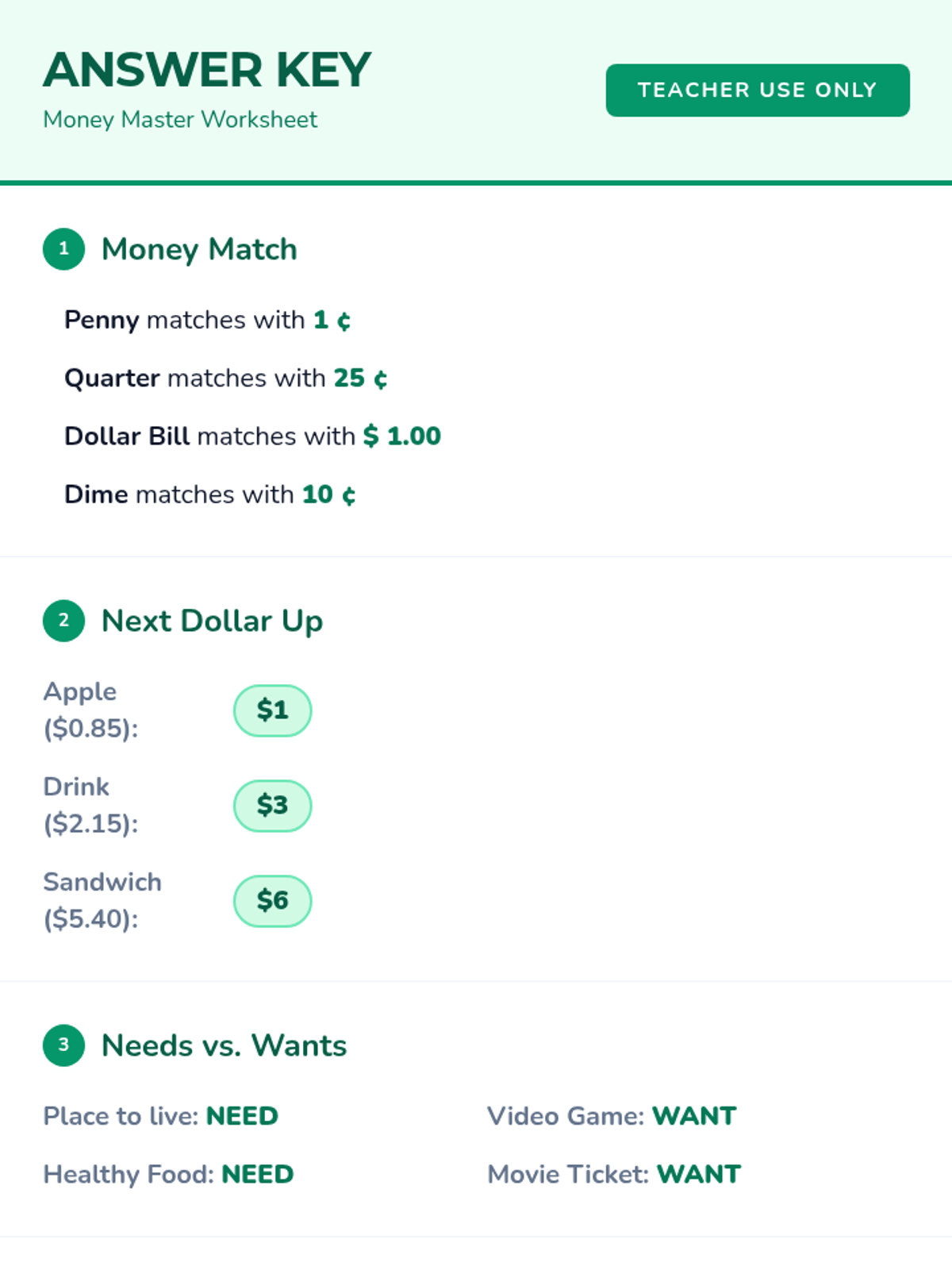
A functional life skills lesson focused on identifying currency, making simple change, and basic budgeting for independent living.
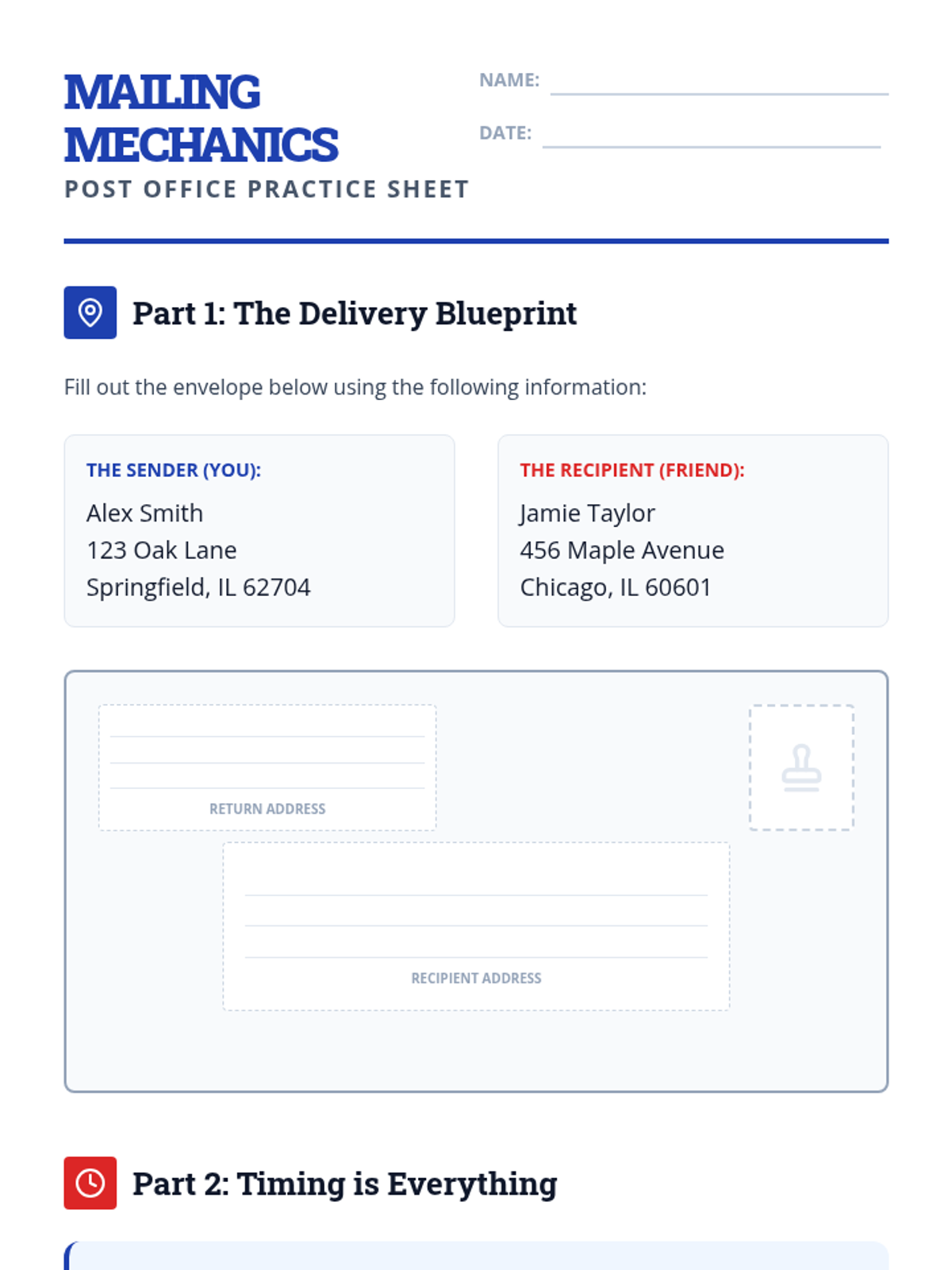
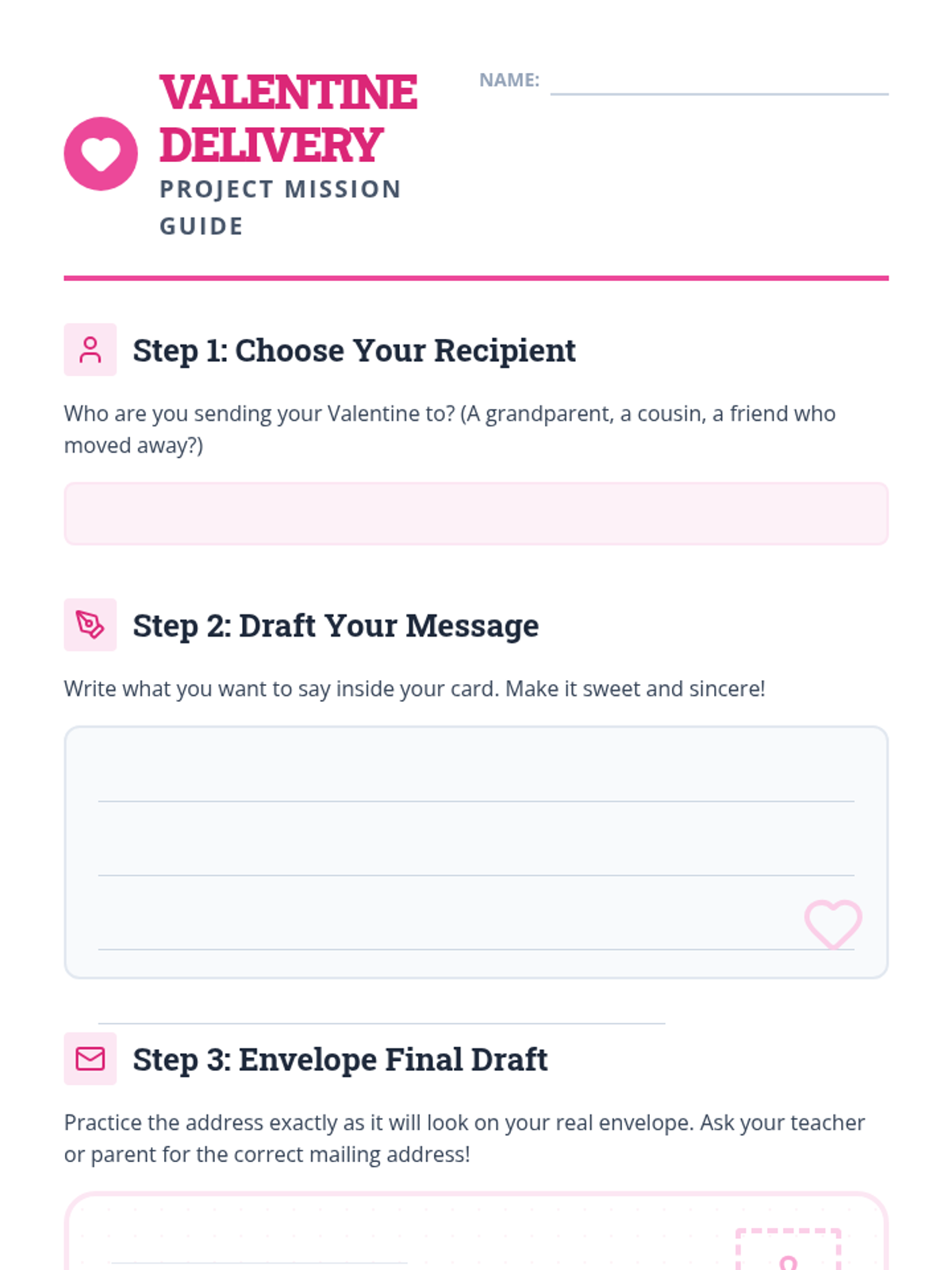
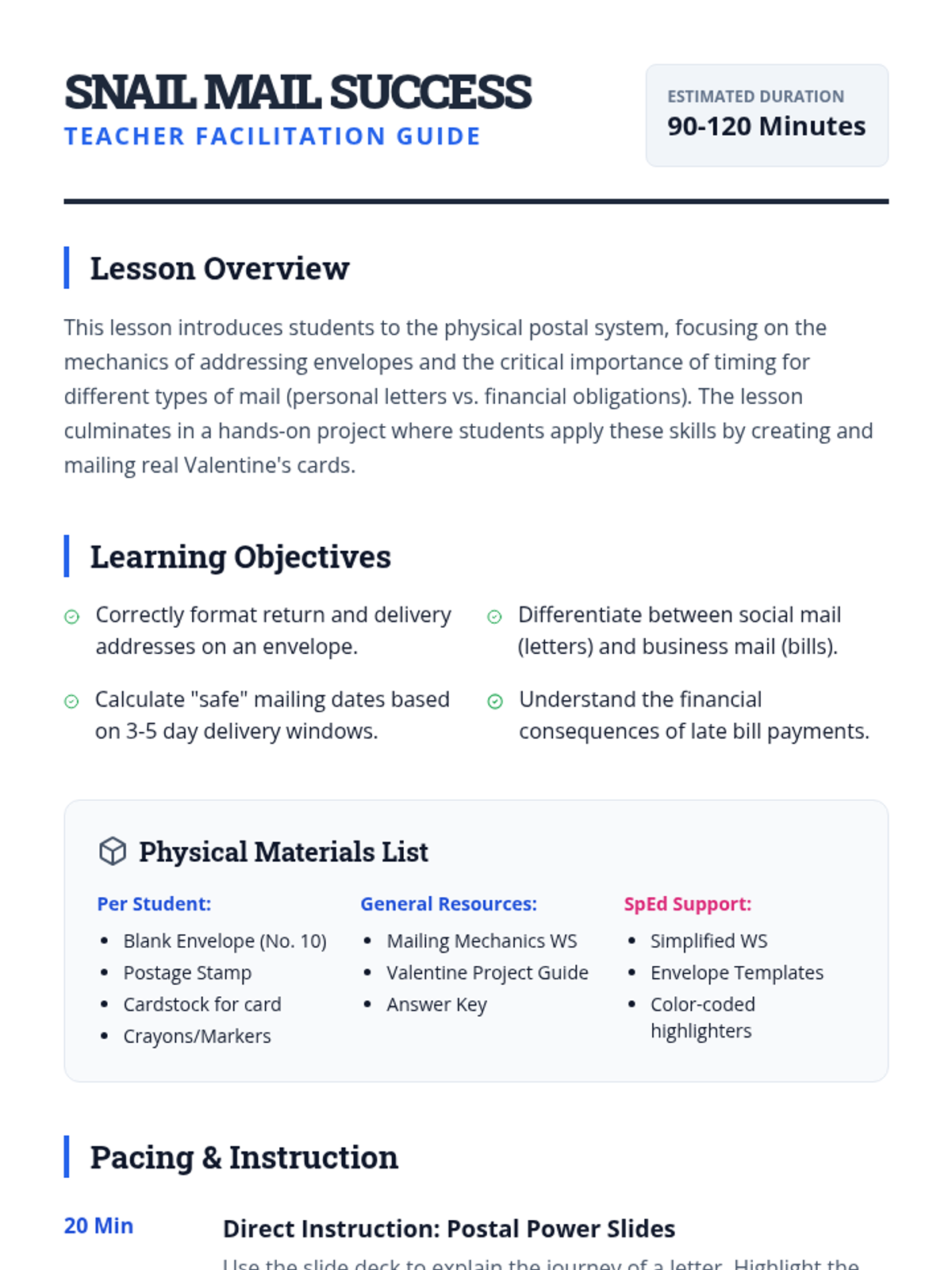
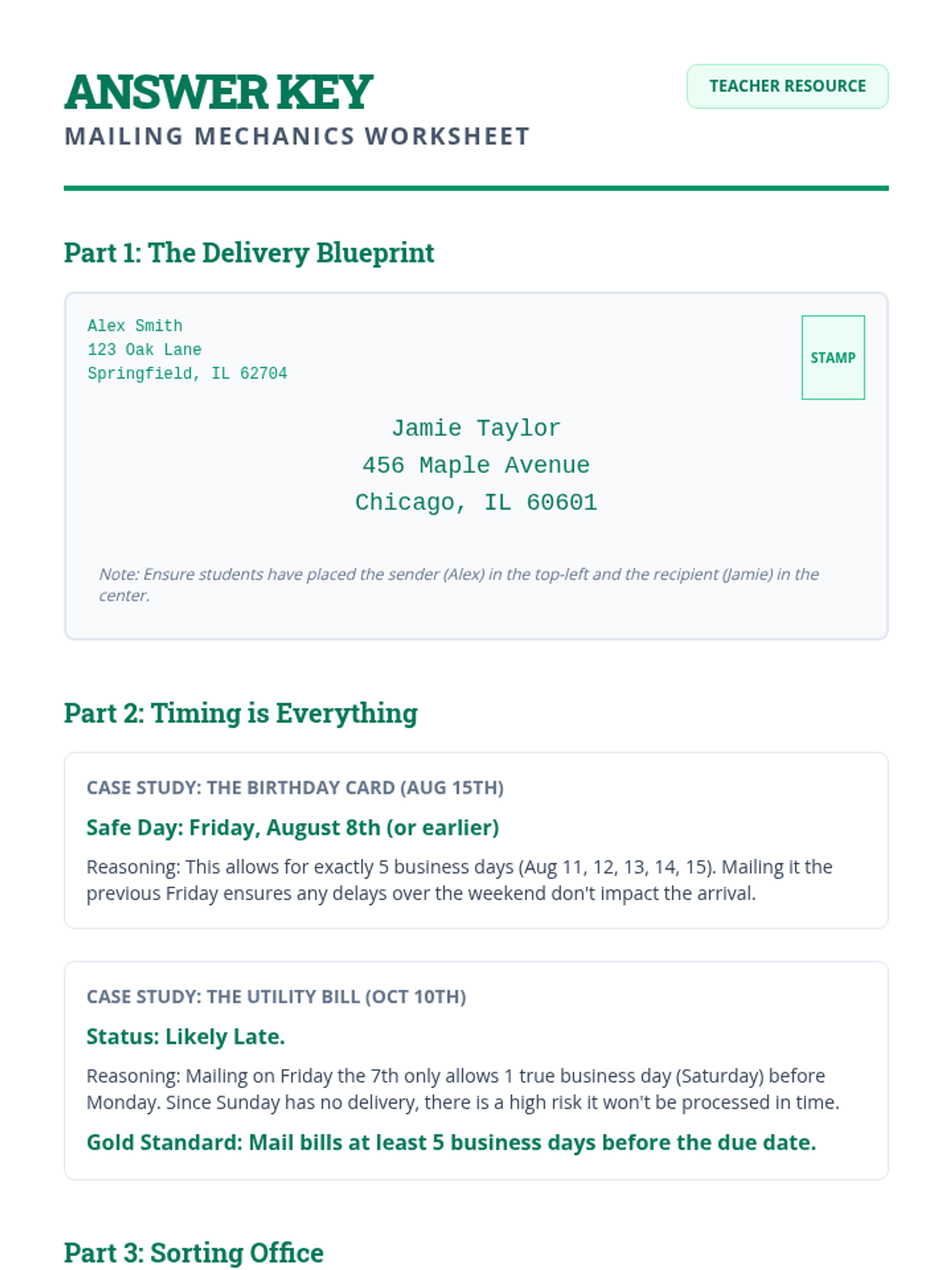
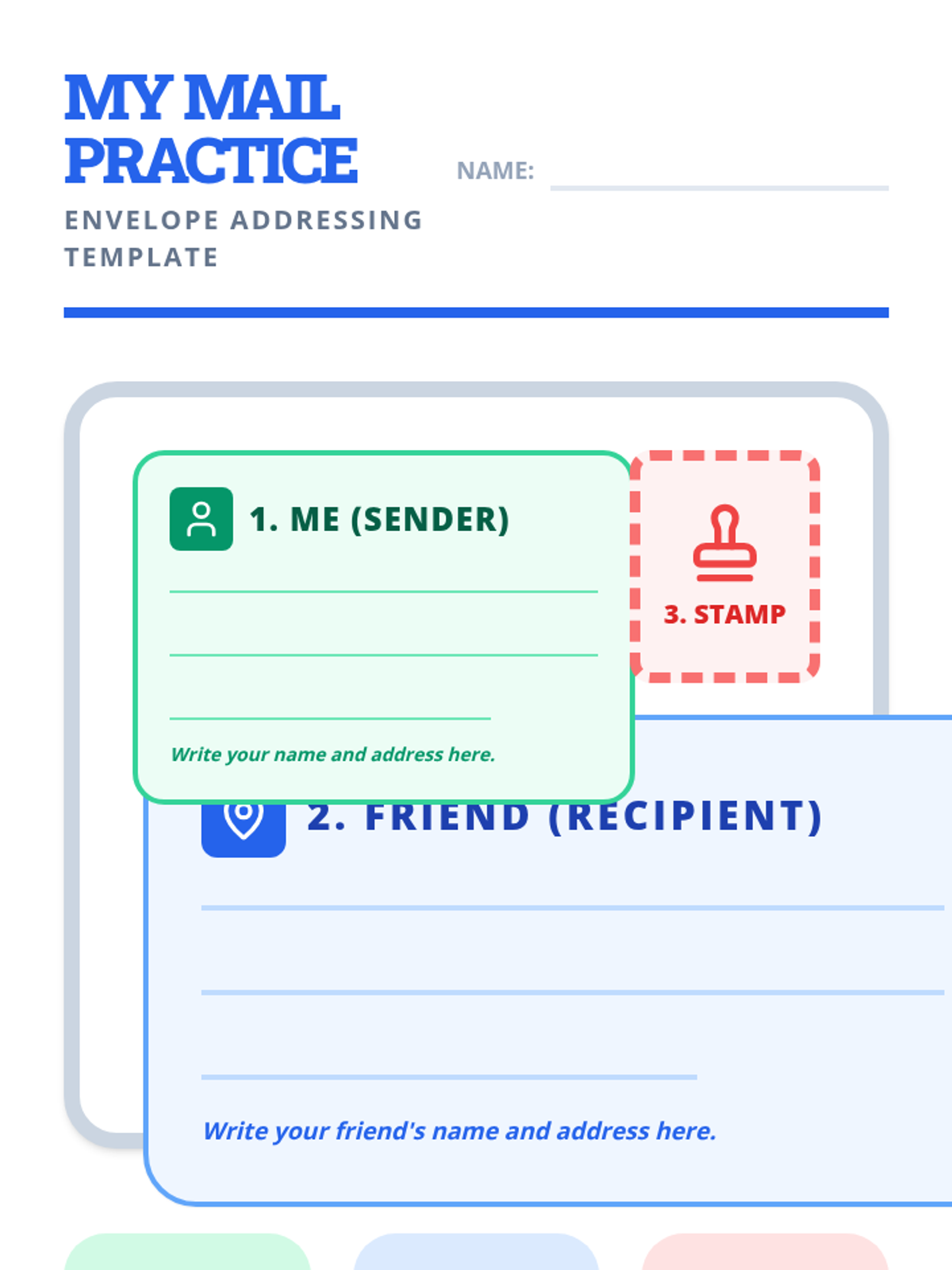
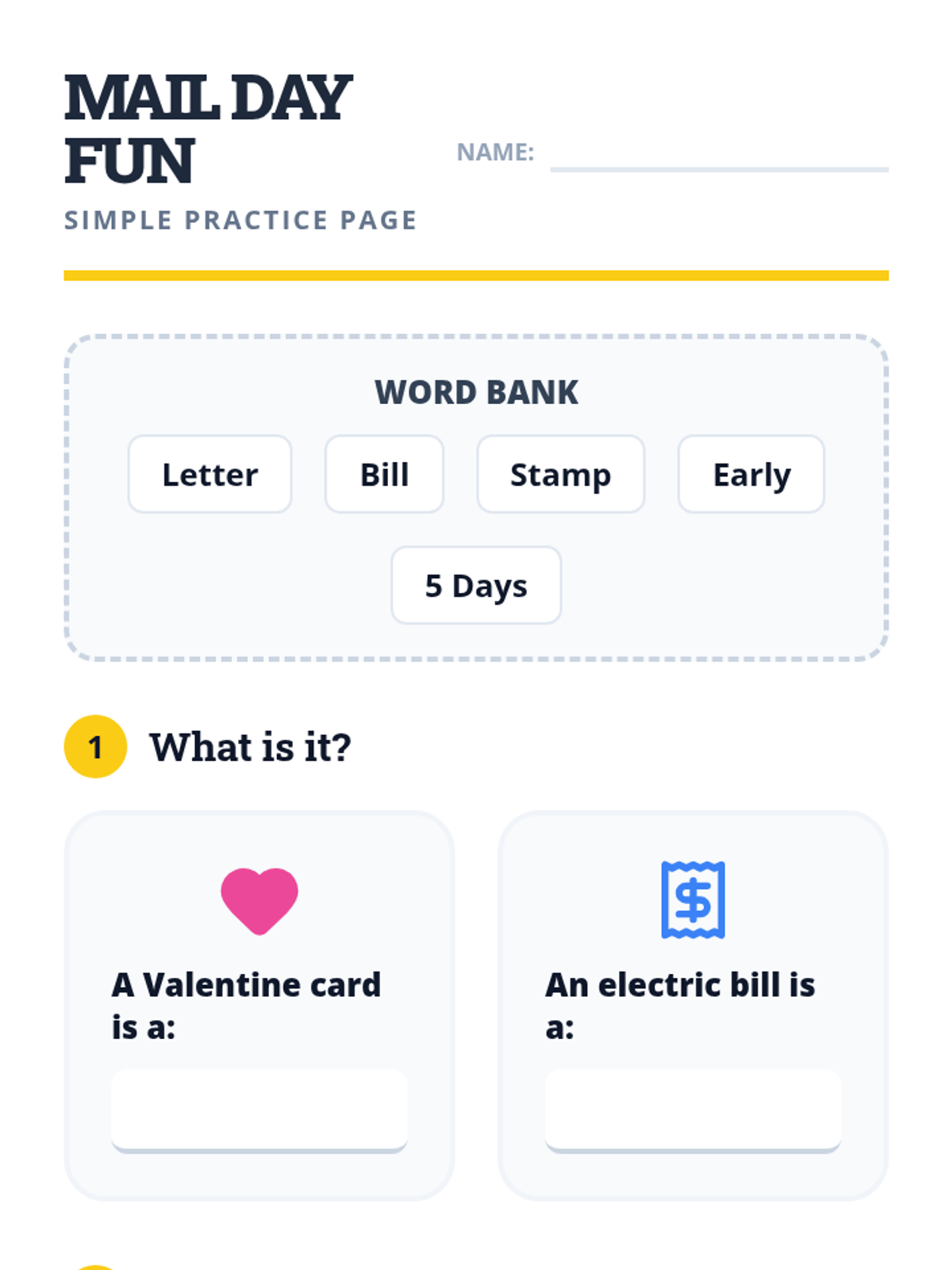
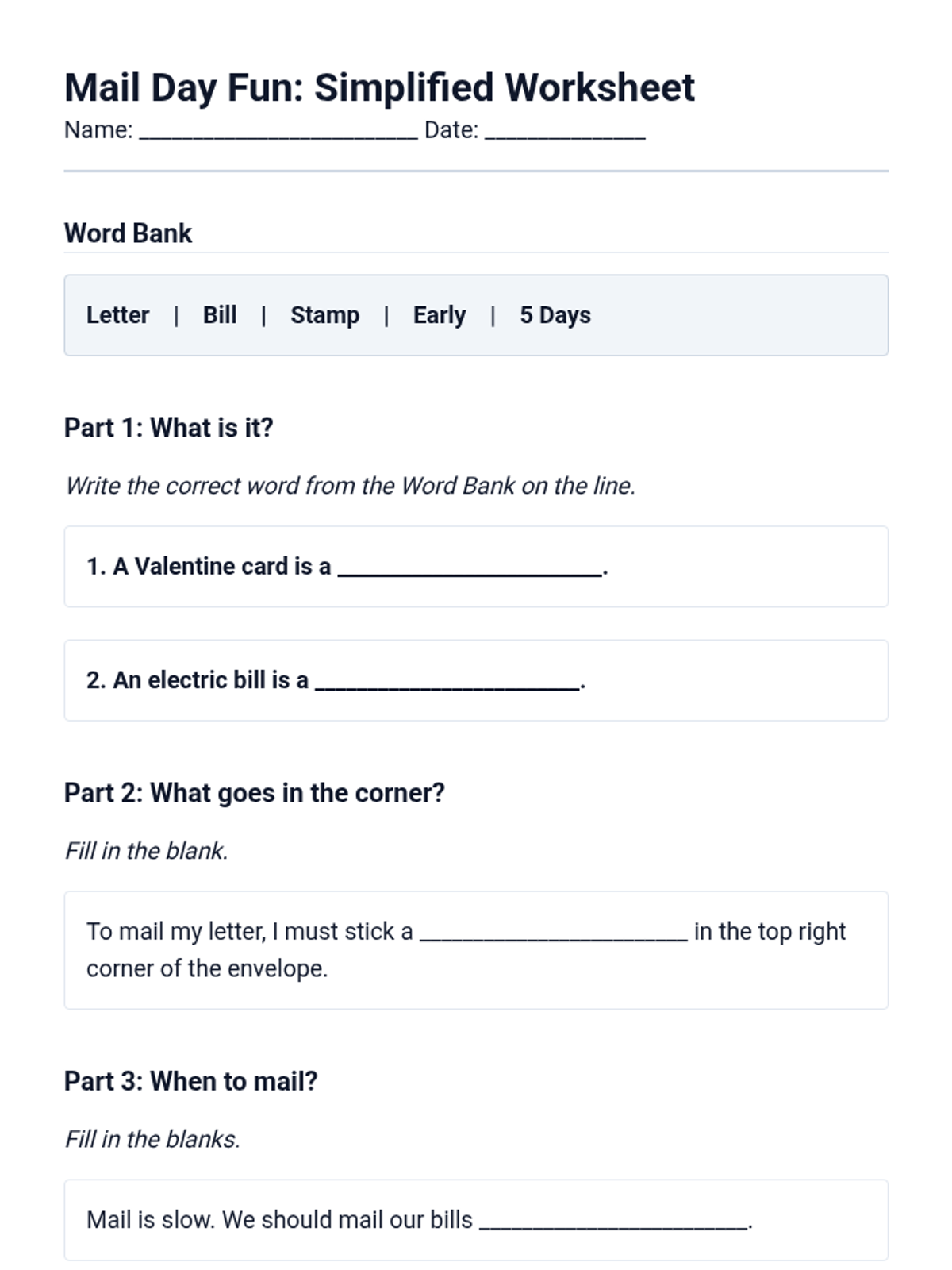
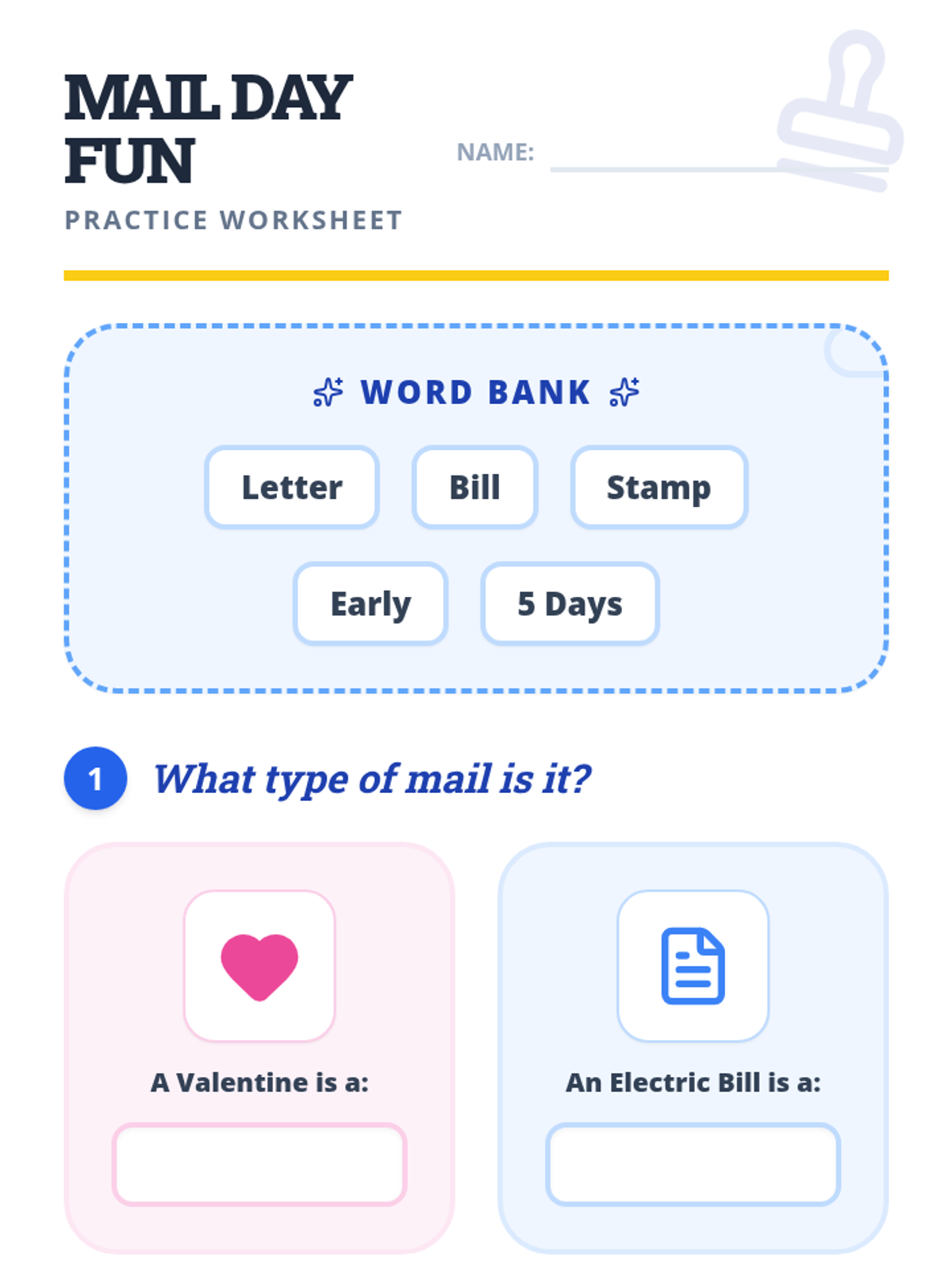
A comprehensive lesson teaching students the mechanics of sending mail, the etiquette of timing for letters and bills, and a hands-on Valentine's Day mailing project.
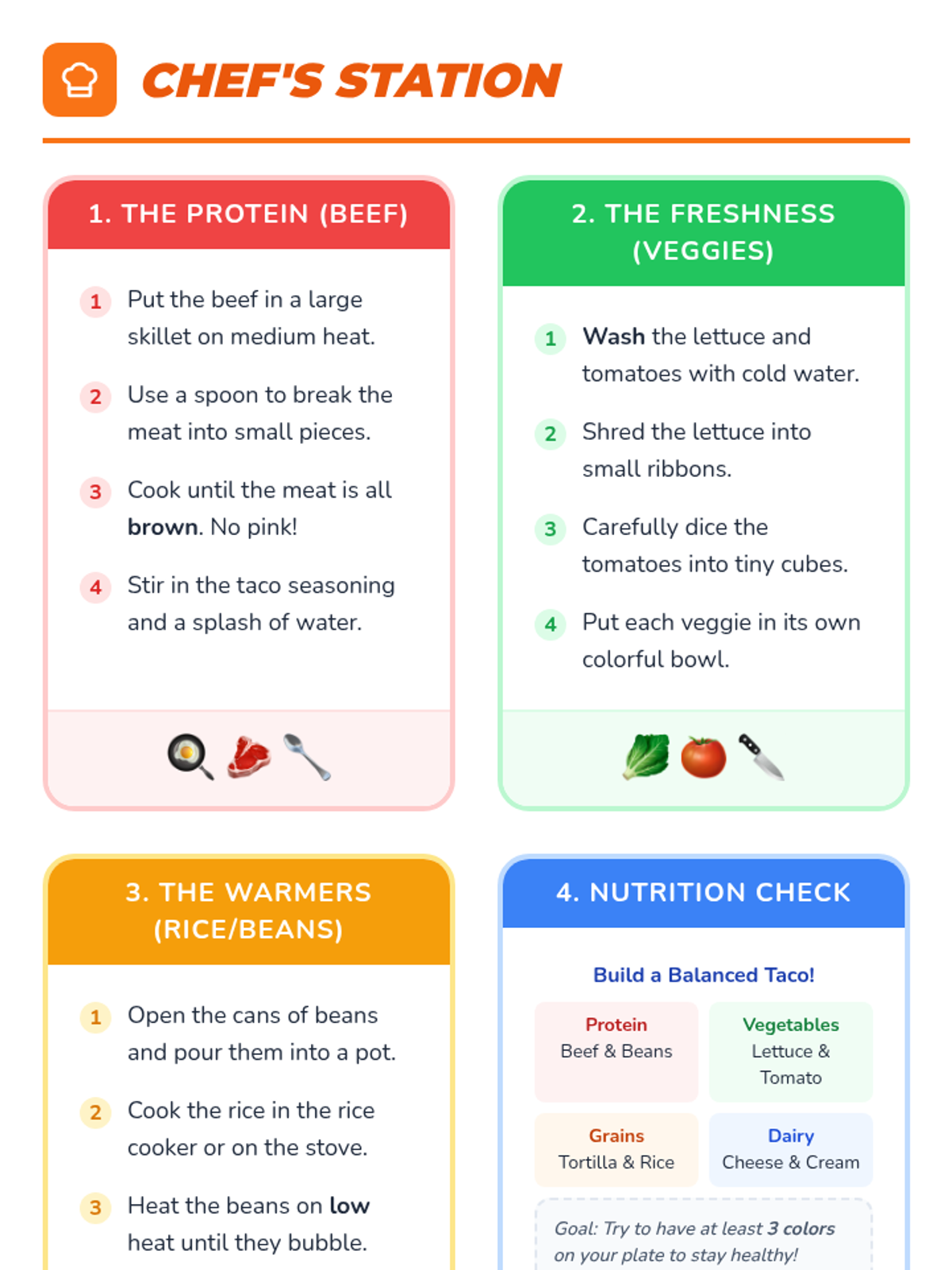
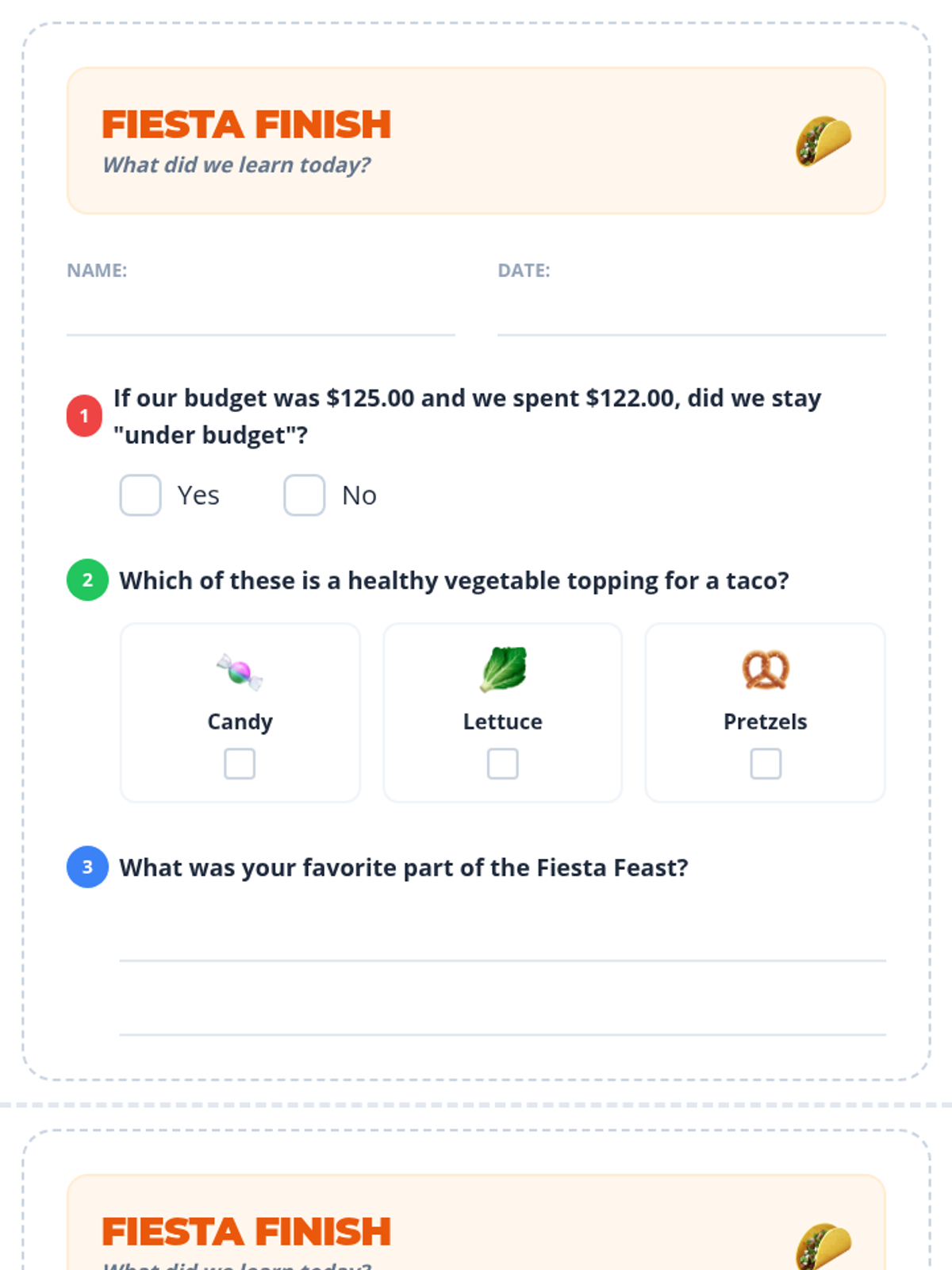
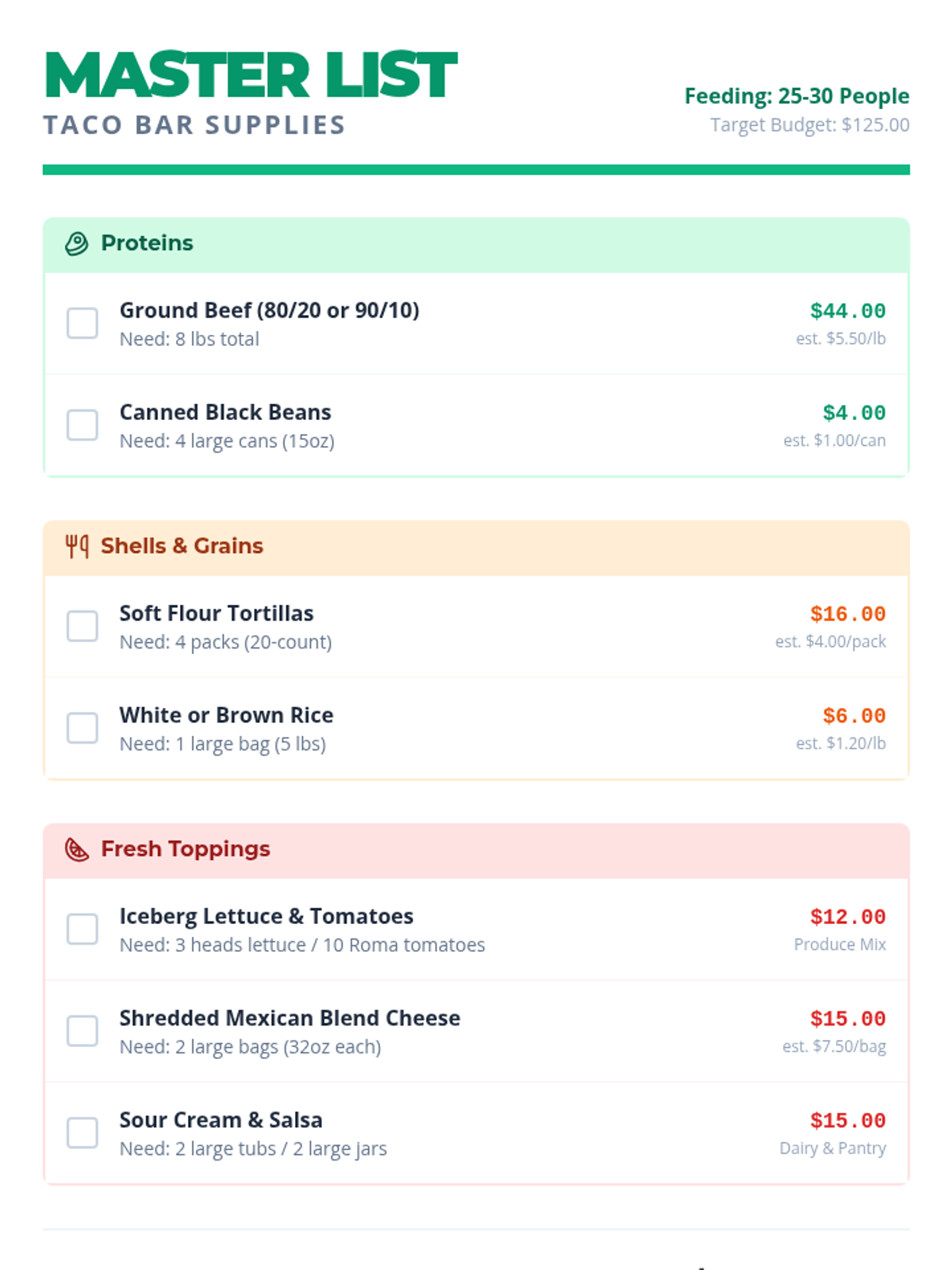
Focuses on food preparation and nutrition. Students follow visual recipes to prepare taco ingredients and identify healthy food groups.
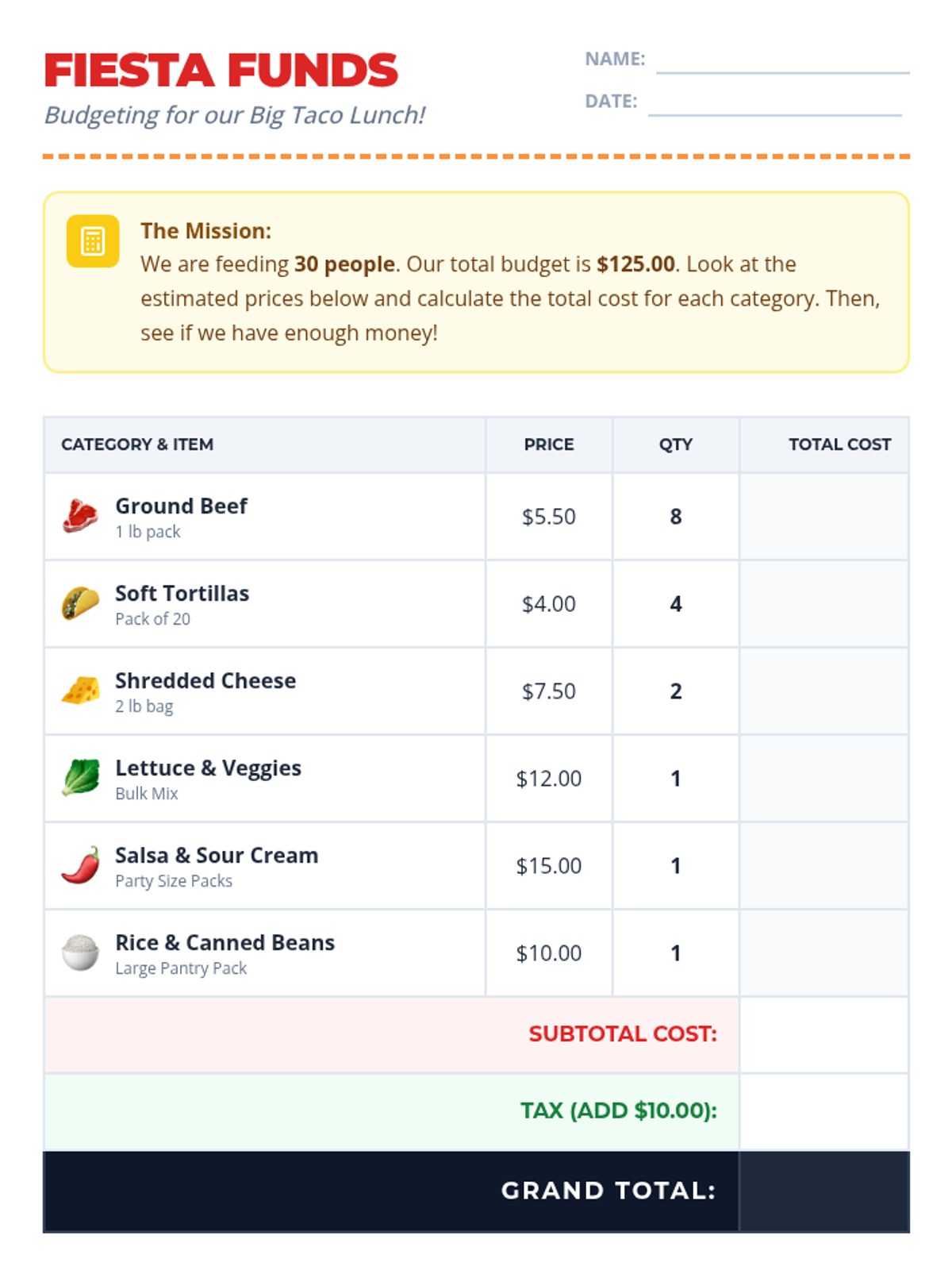
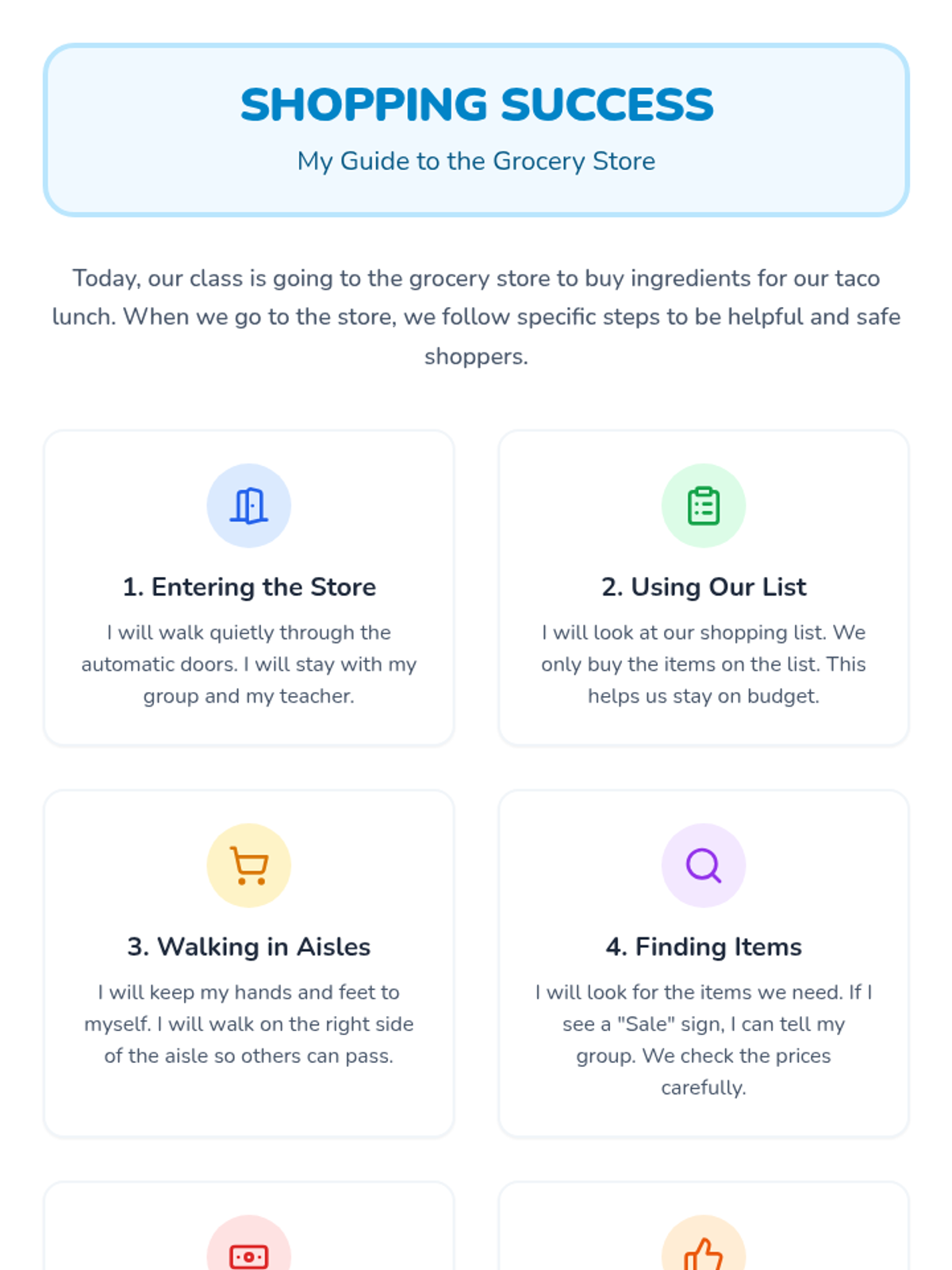
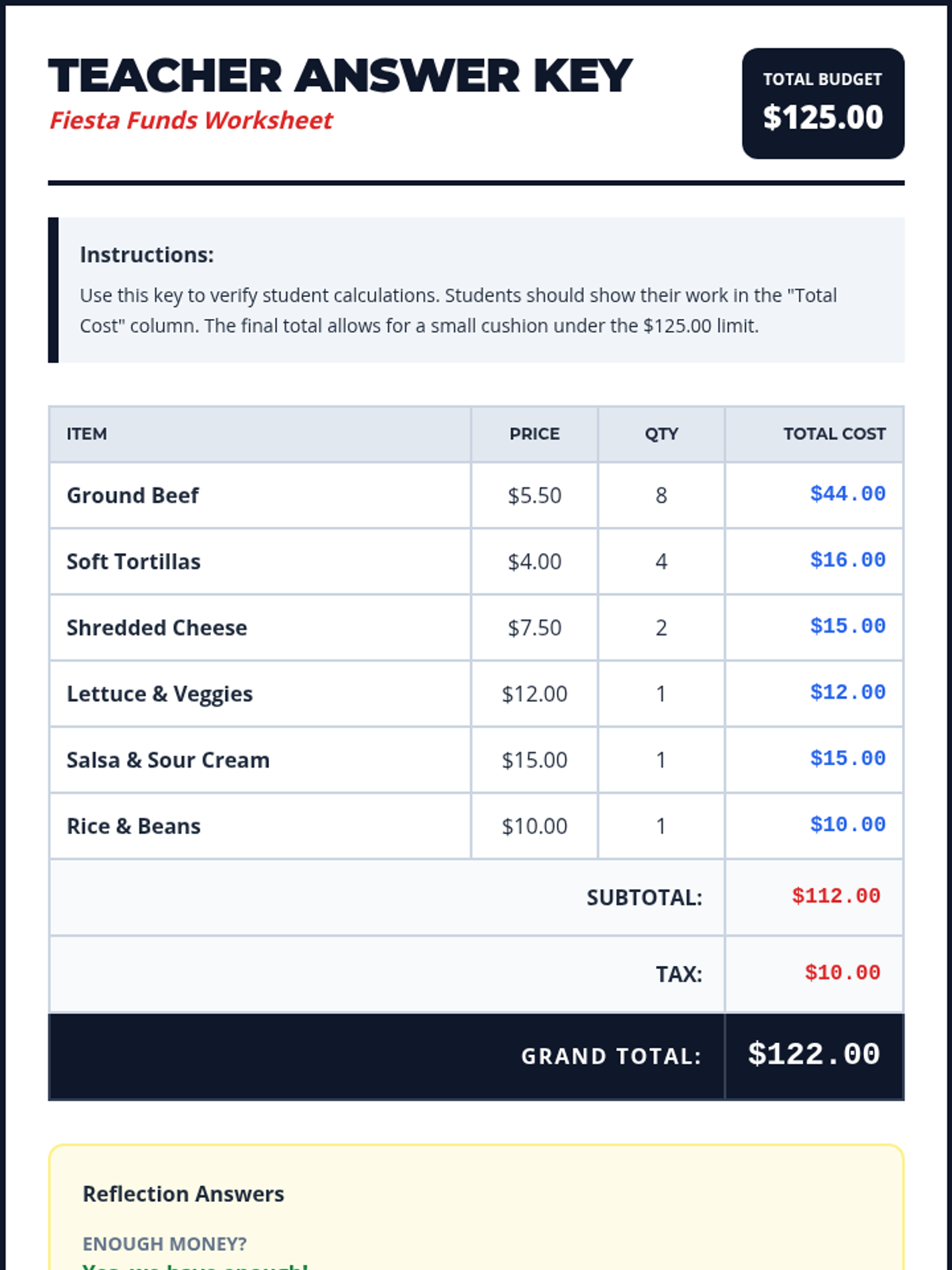
Focuses on the financial and social aspects of grocery shopping. Students calculate costs, manage a budget, and learn the social expectations of visiting a store.
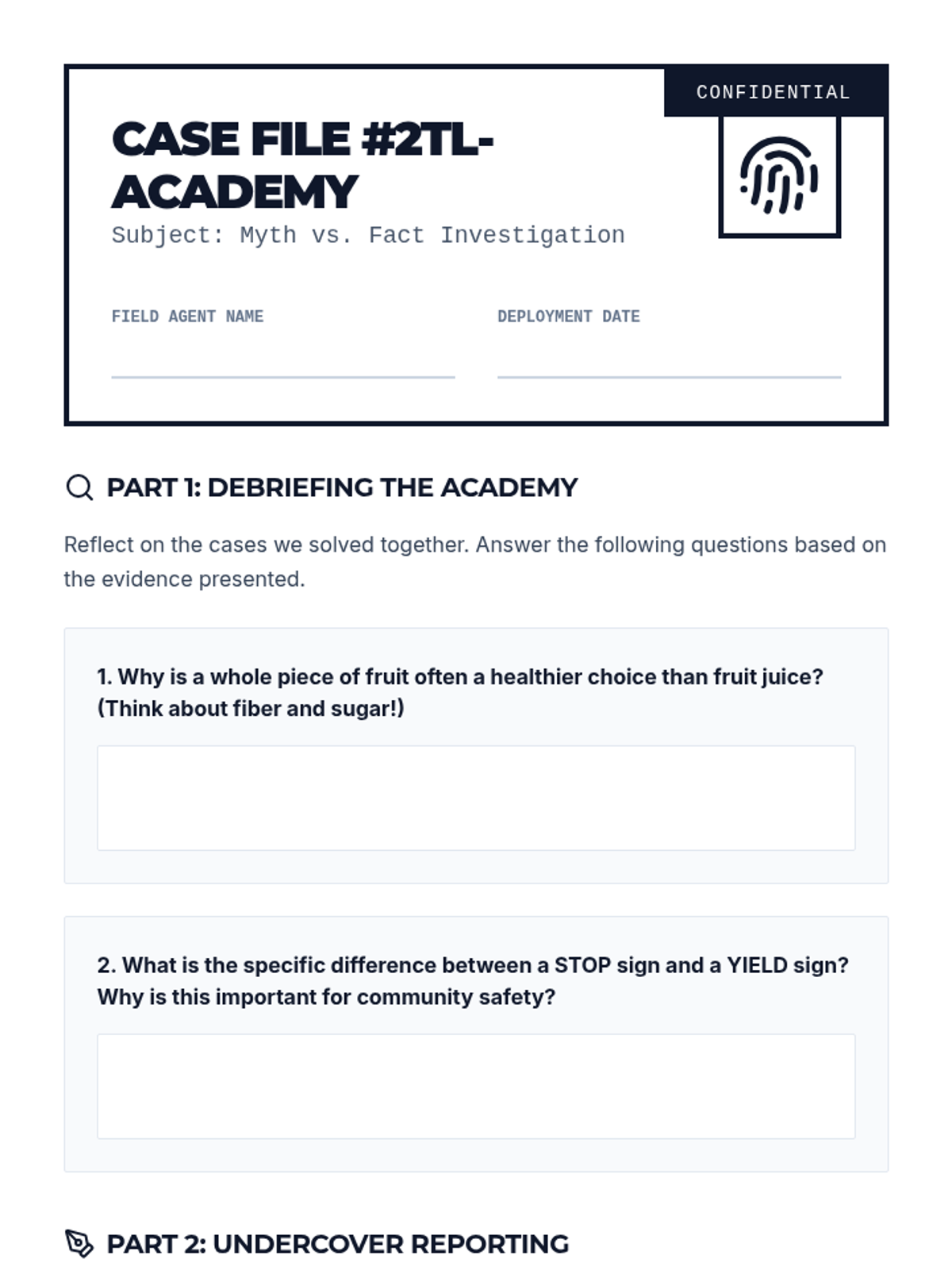
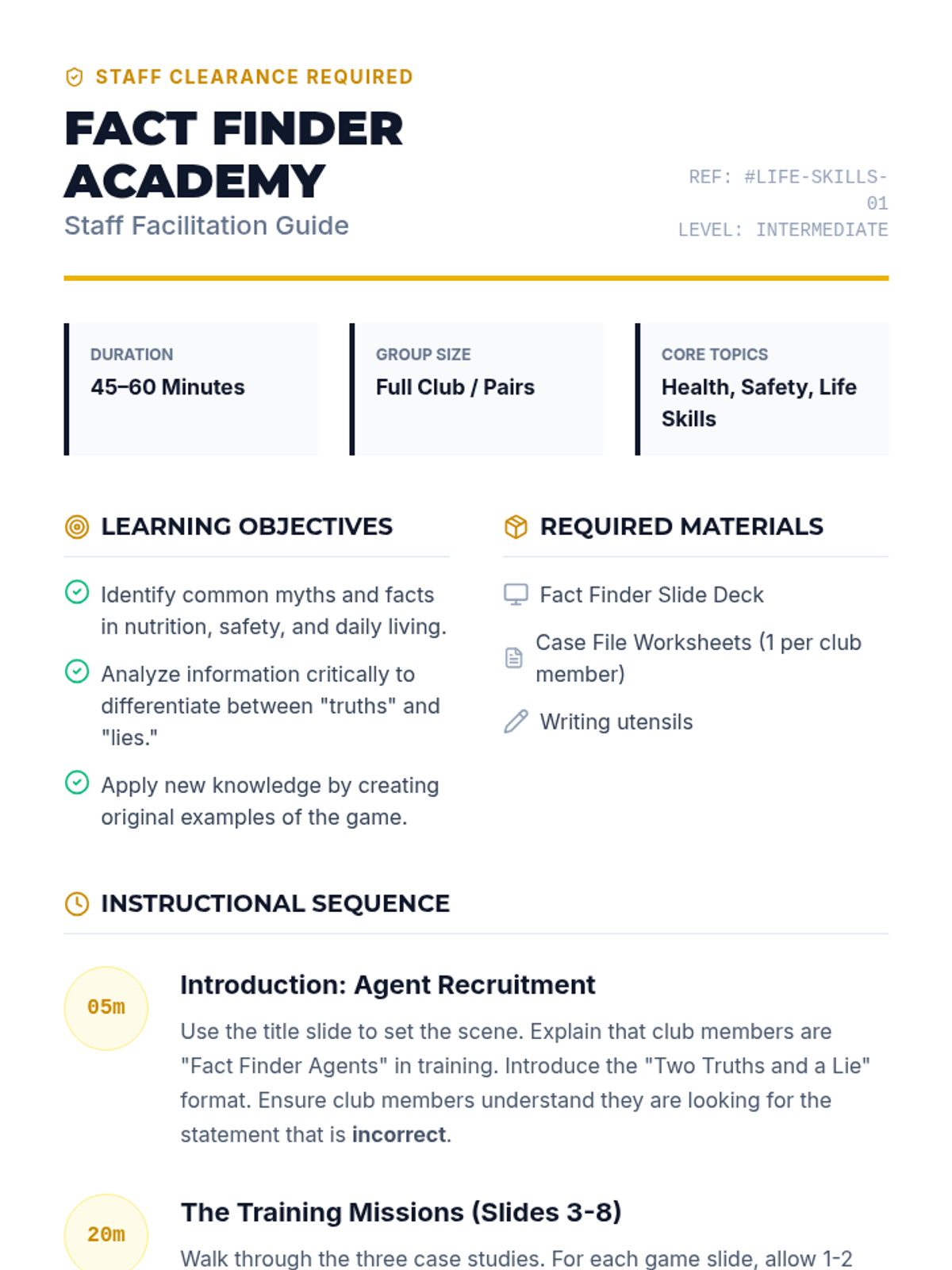
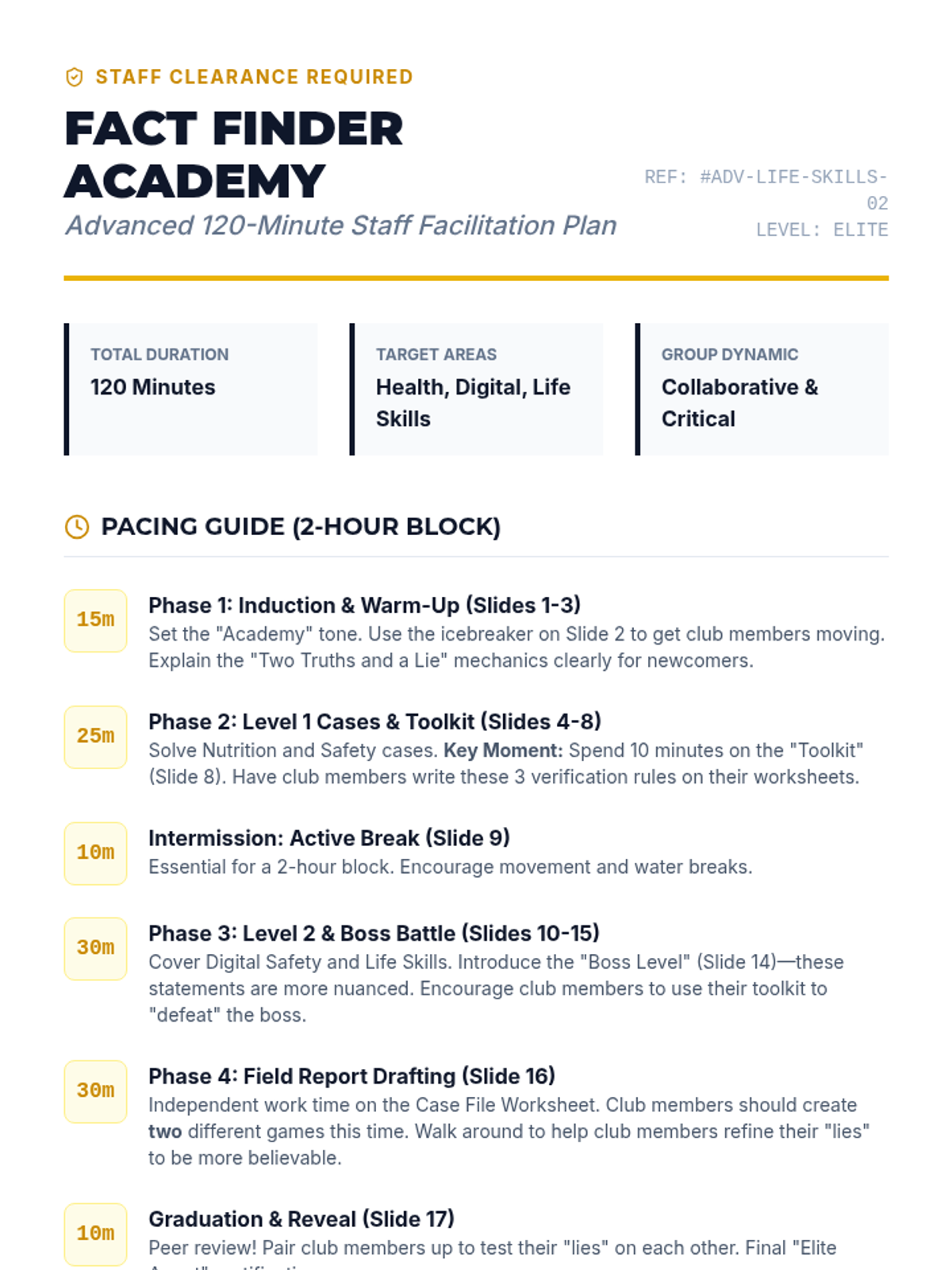
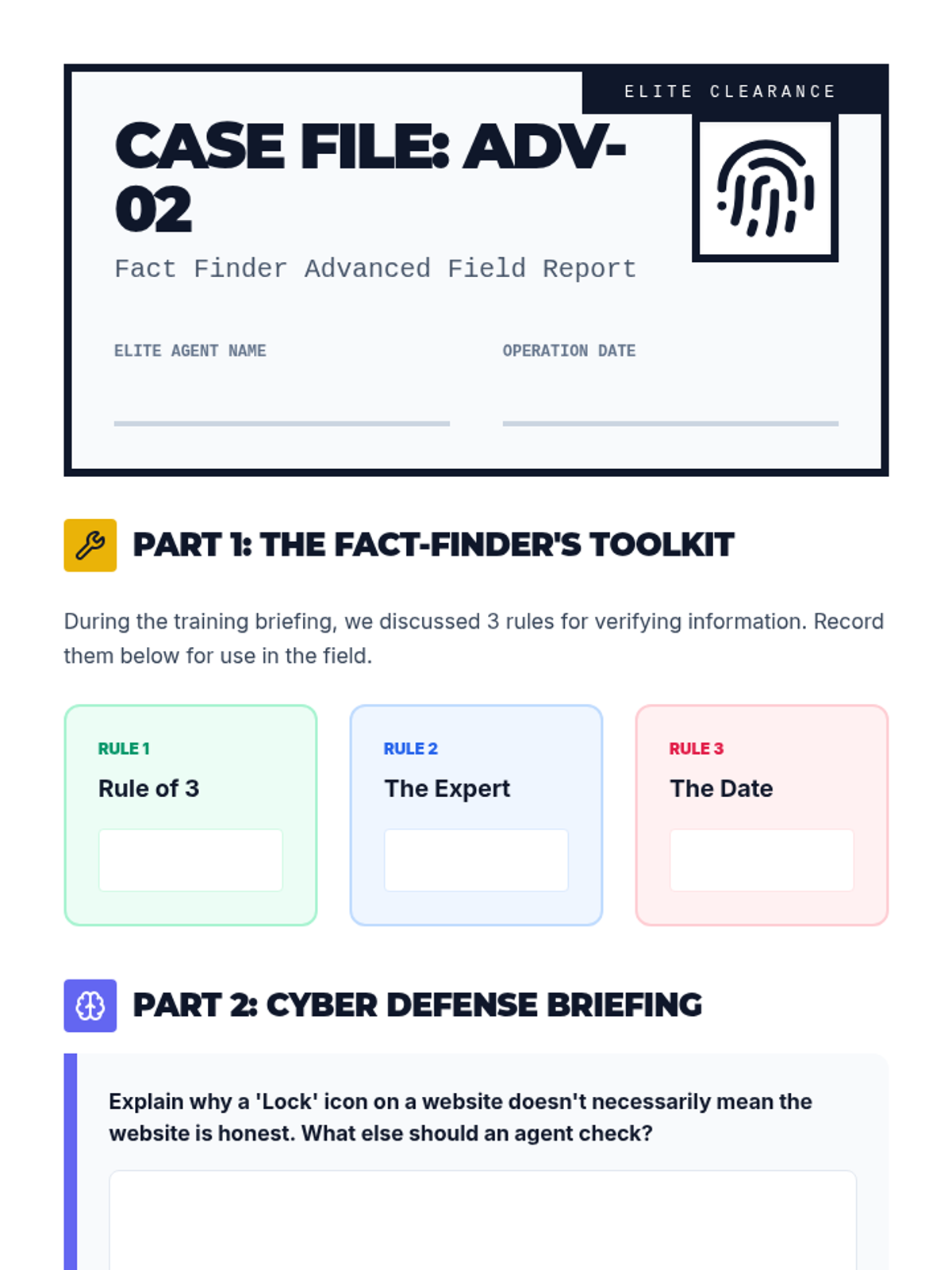
A fun, interactive game-based lesson where club members learn about healthy eating, community safety, and daily living skills by playing Two Truths and a Lie. Club members will act as 'Fact Finders' to identify myths and facts in these key life areas.
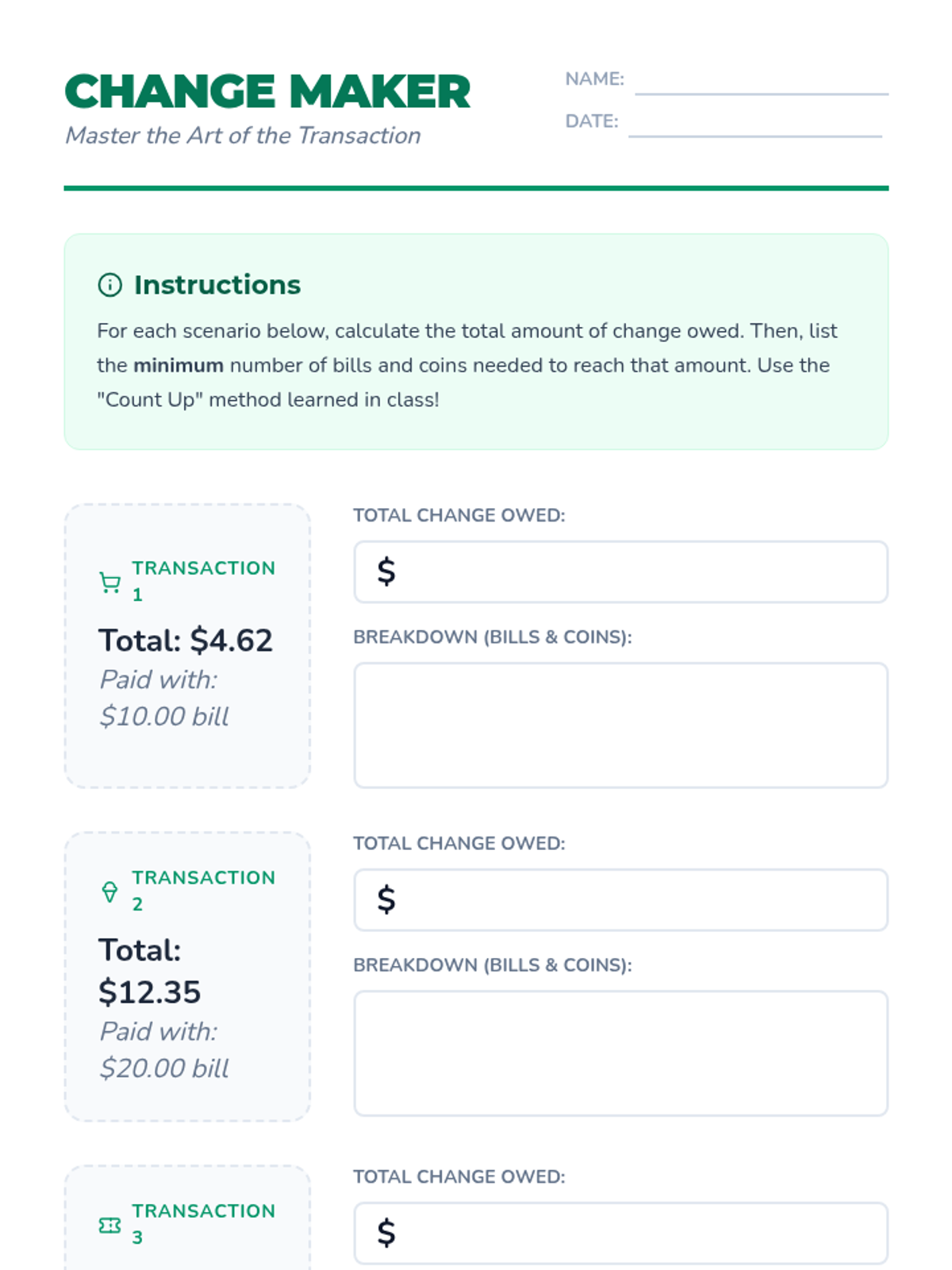
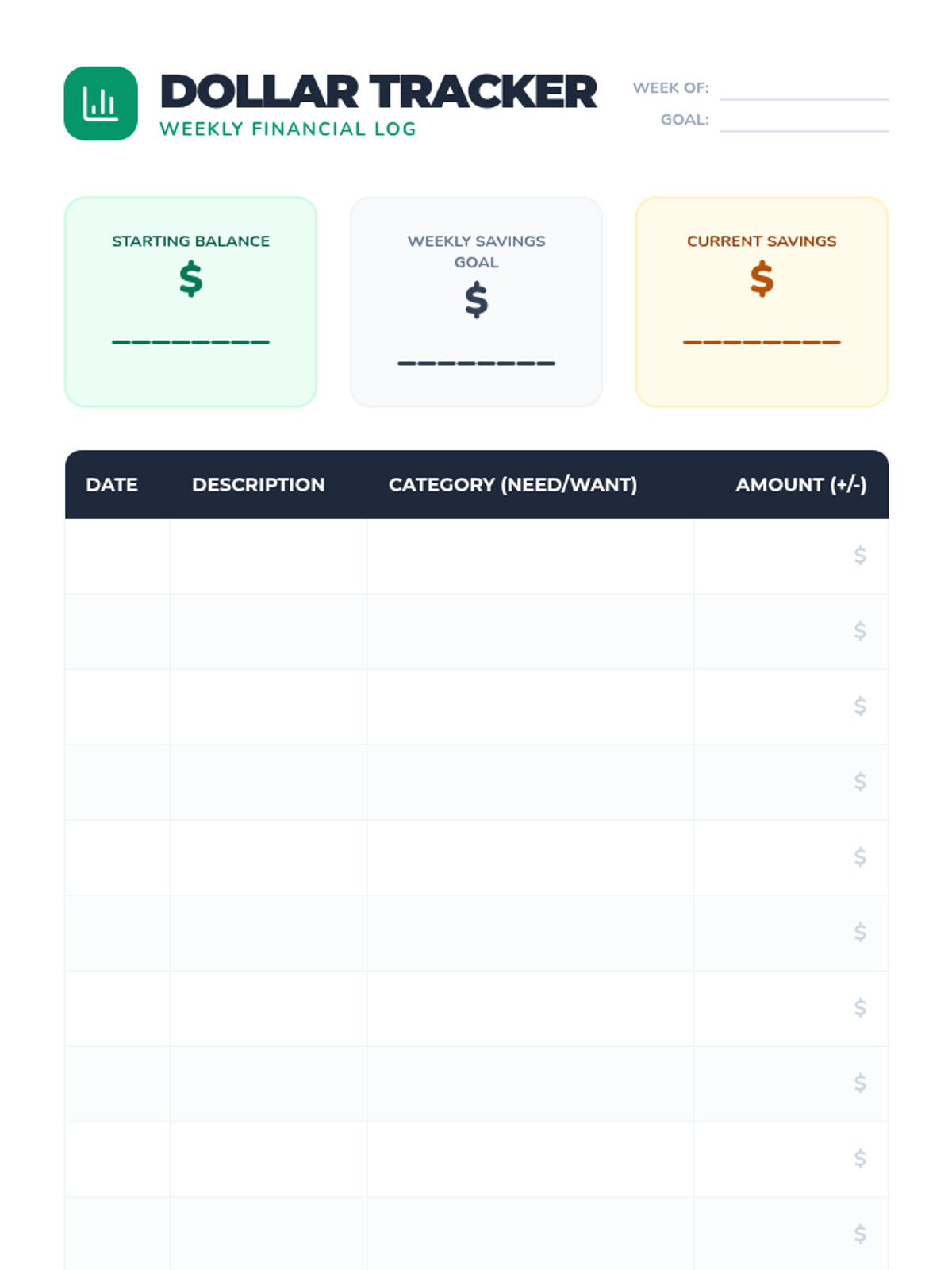
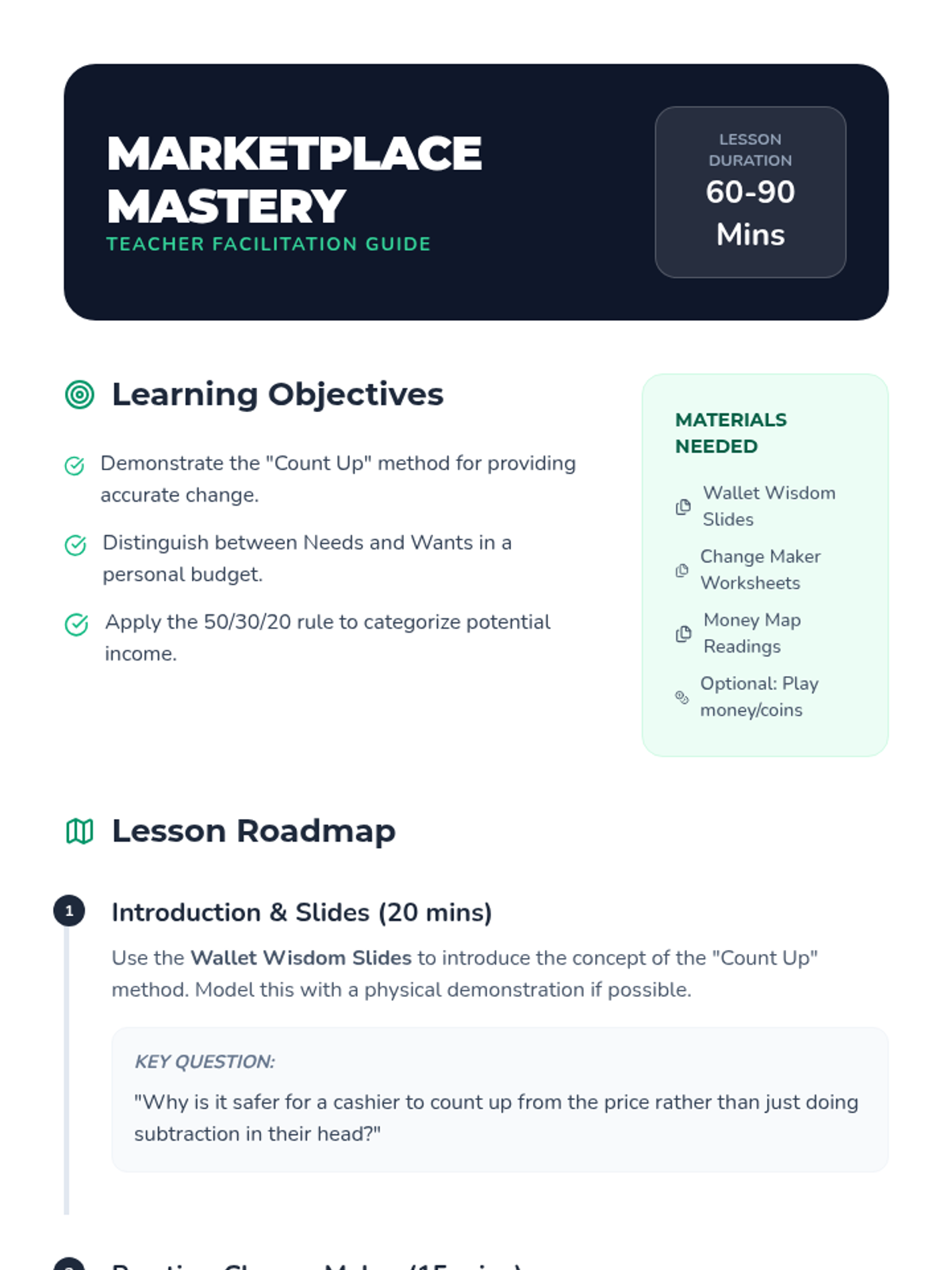
A comprehensive lesson designed to help students master the art of counting change and develop foundational money management skills like budgeting, tracking expenses, and saving.
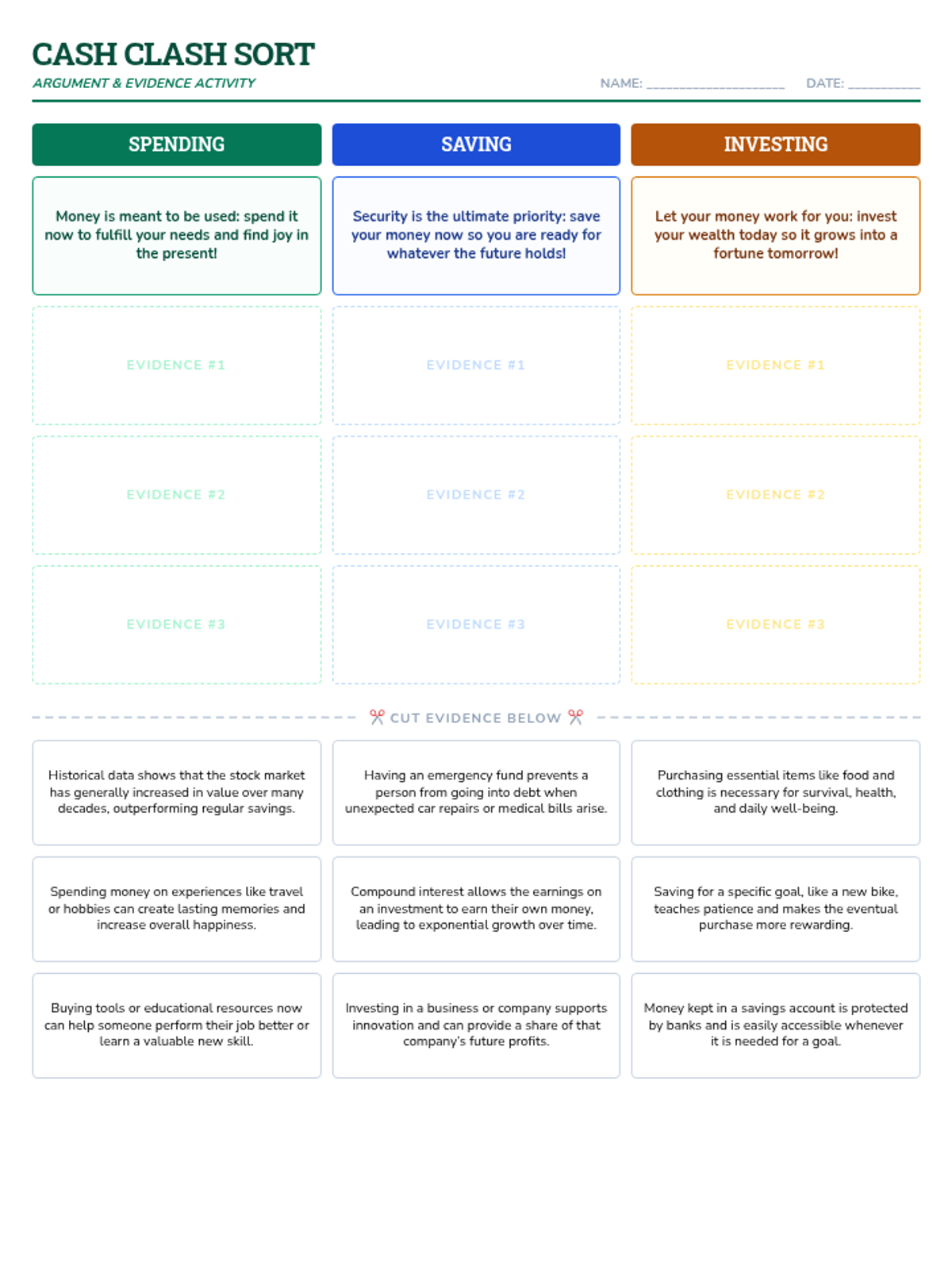
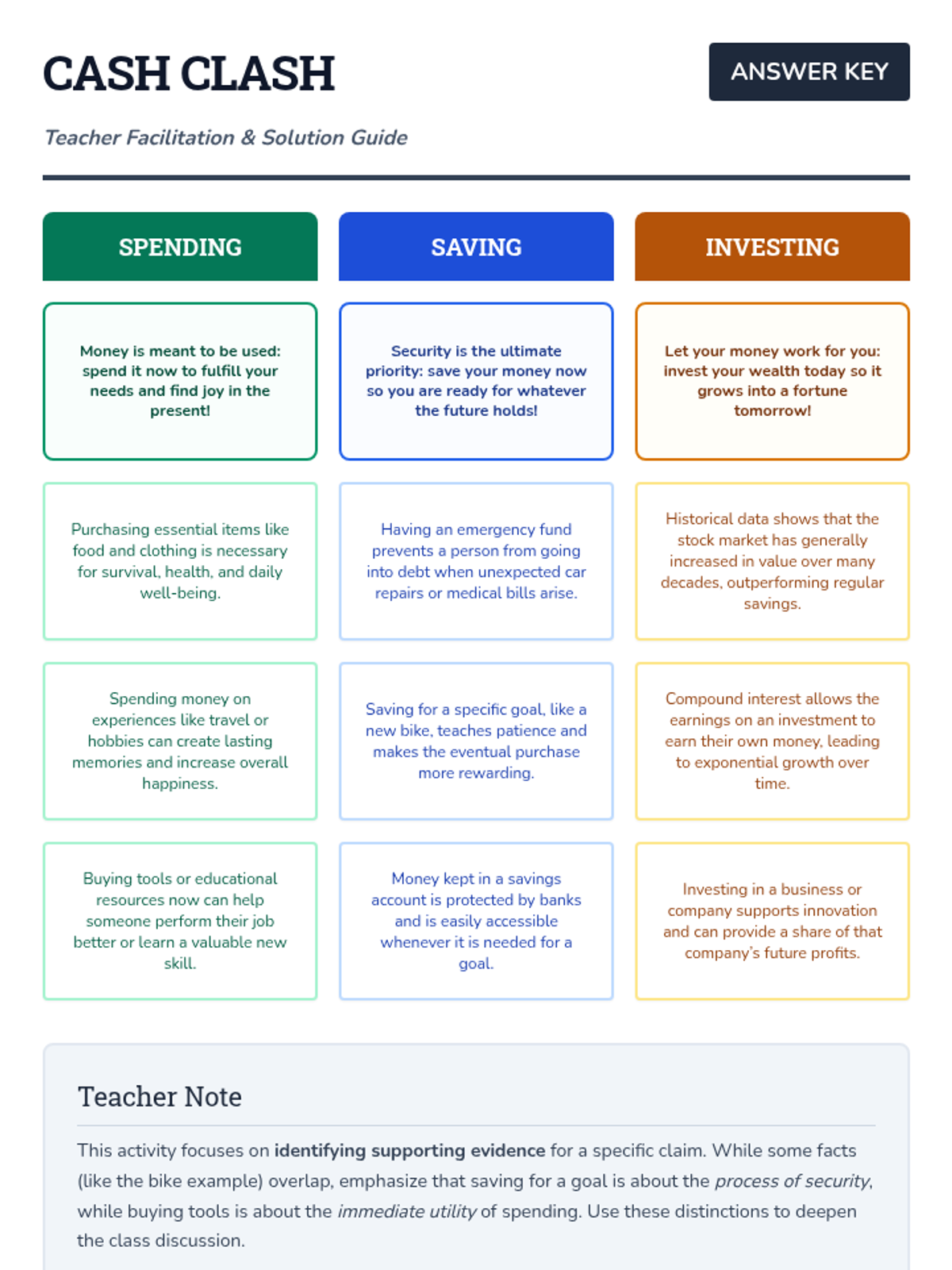
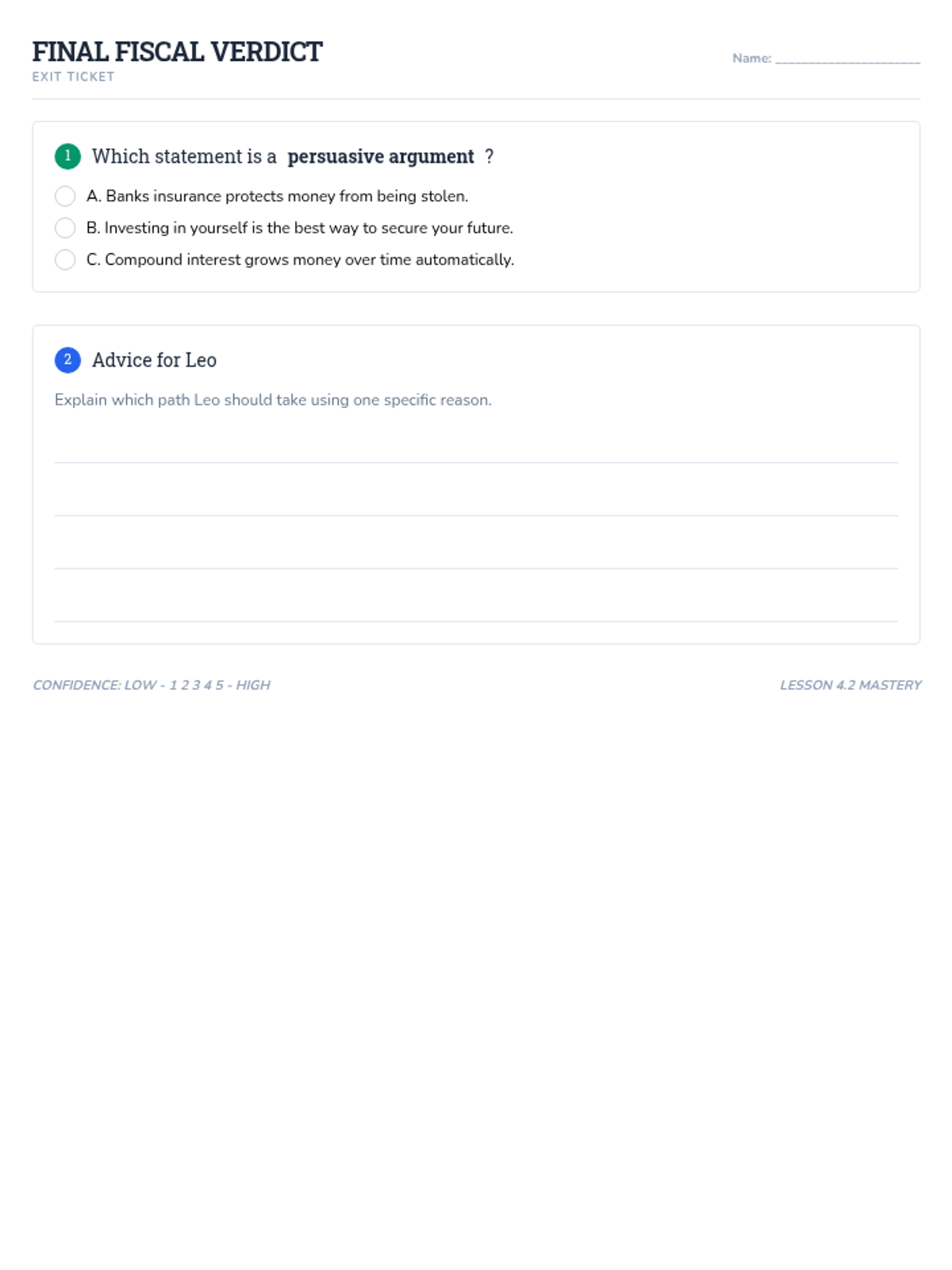
In this activity, students will evaluate the different ways to handle money—spending, saving, and investing—by matching persuasive arguments with supporting evidence. Students will practice identifying claims and the reasoning that backs them up within a financial literacy context.
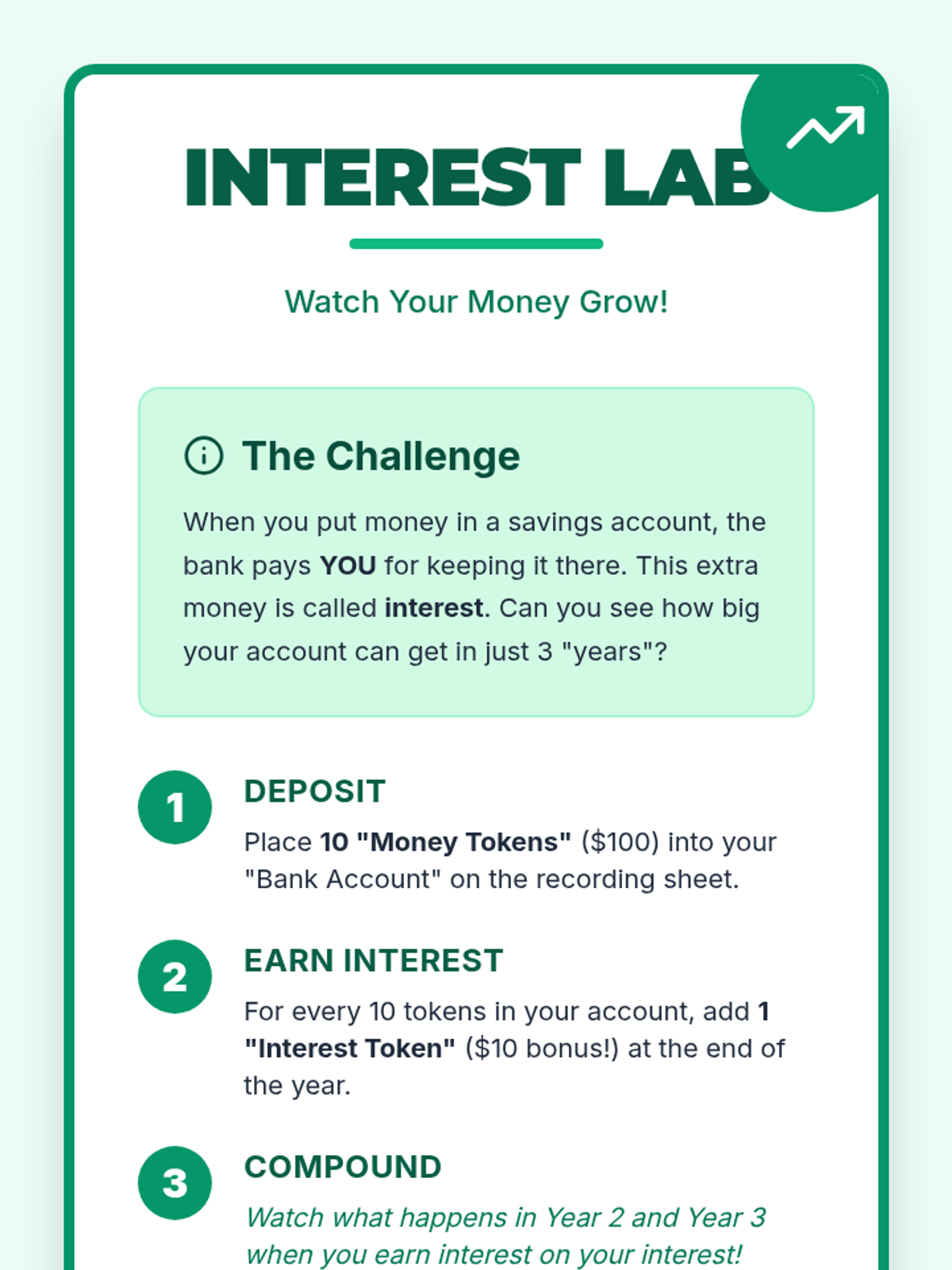
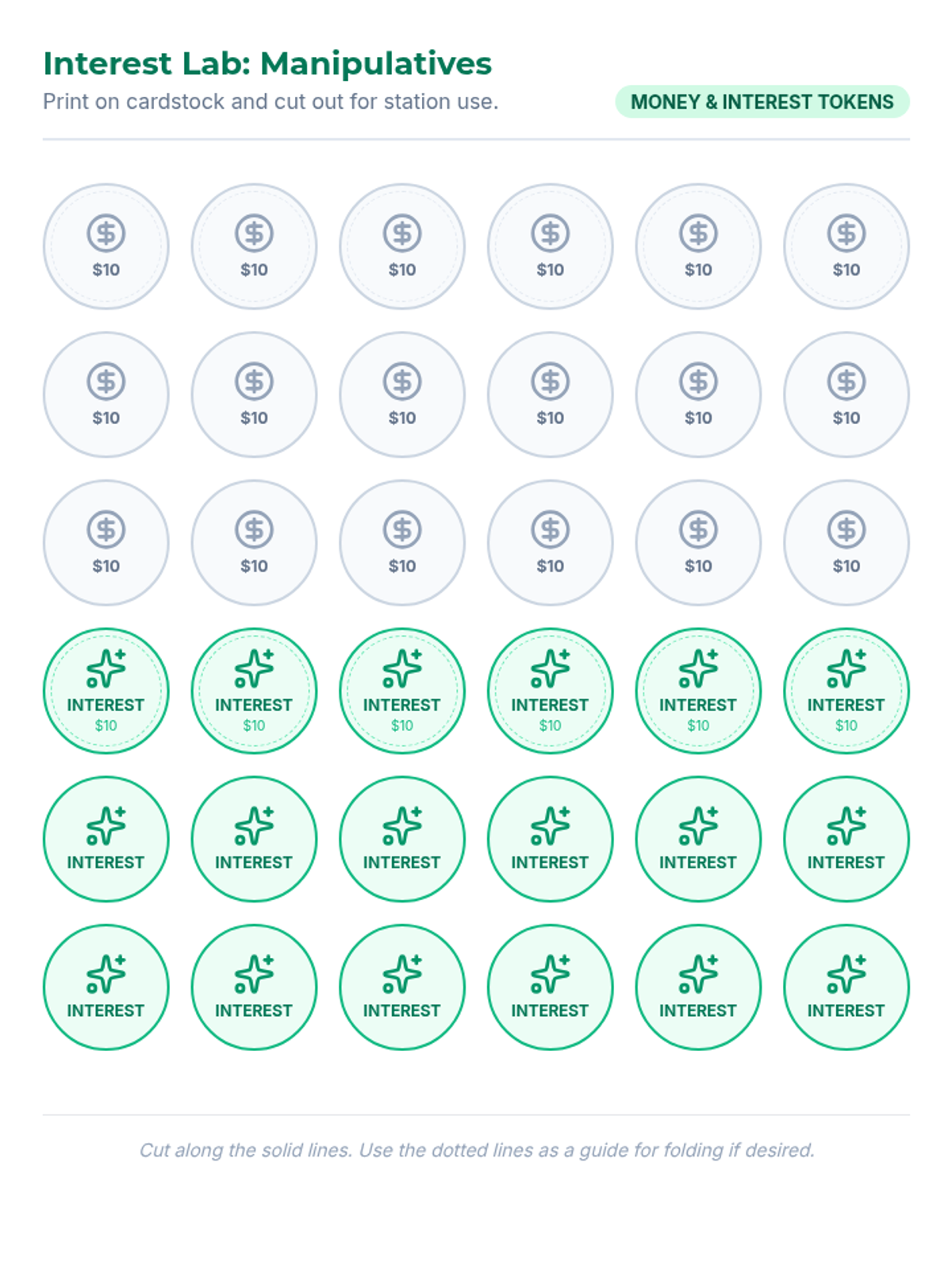
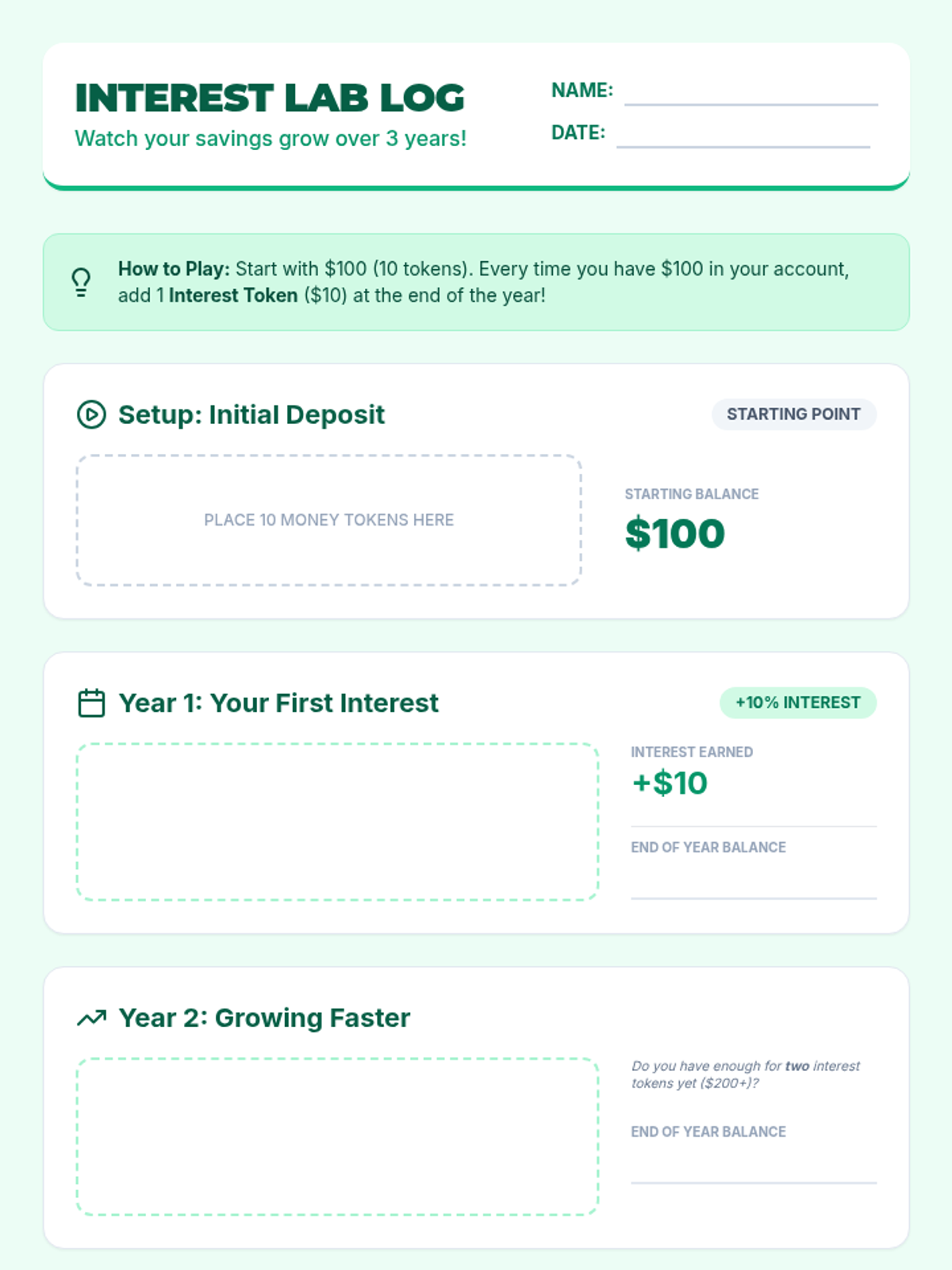
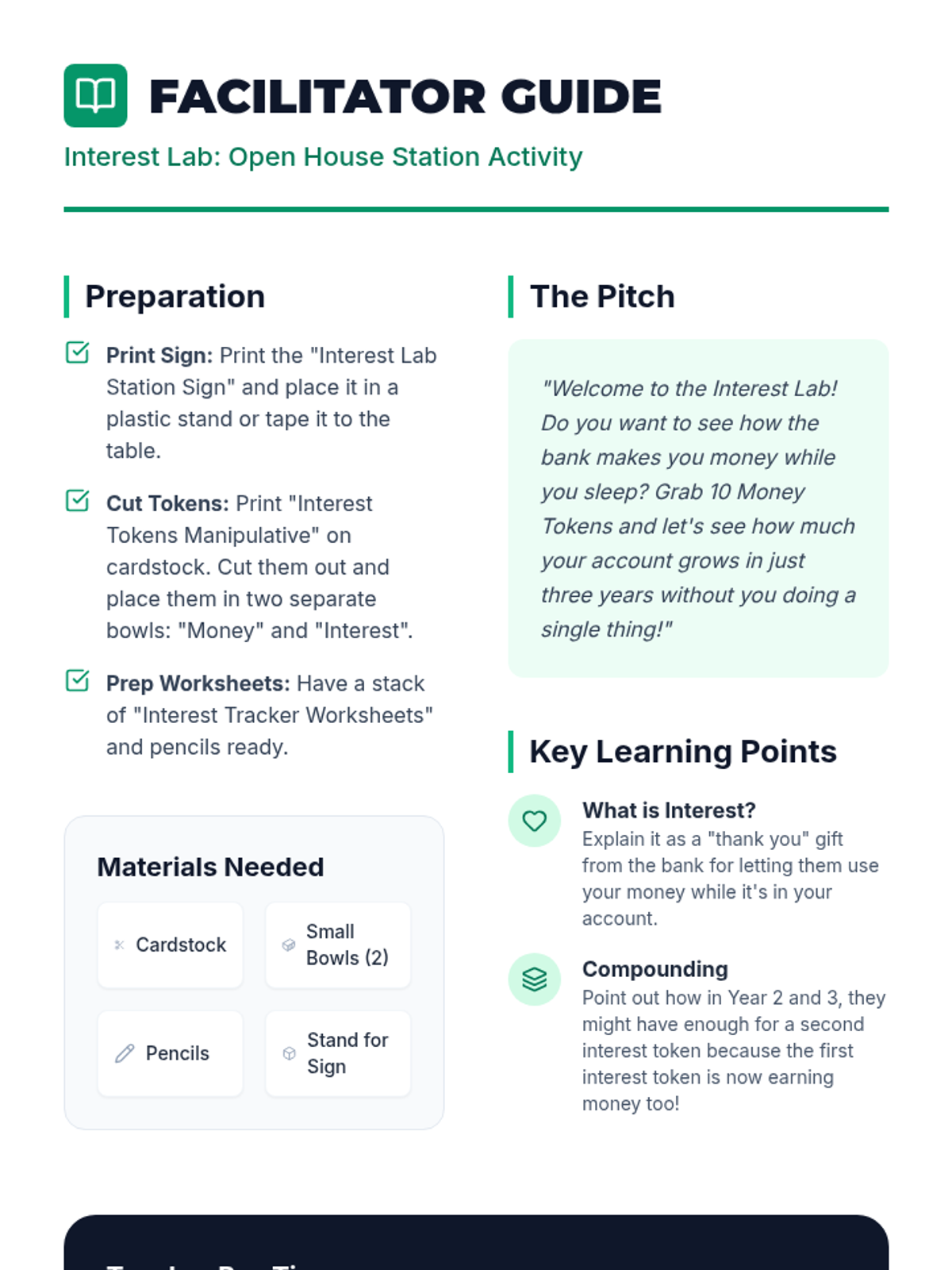
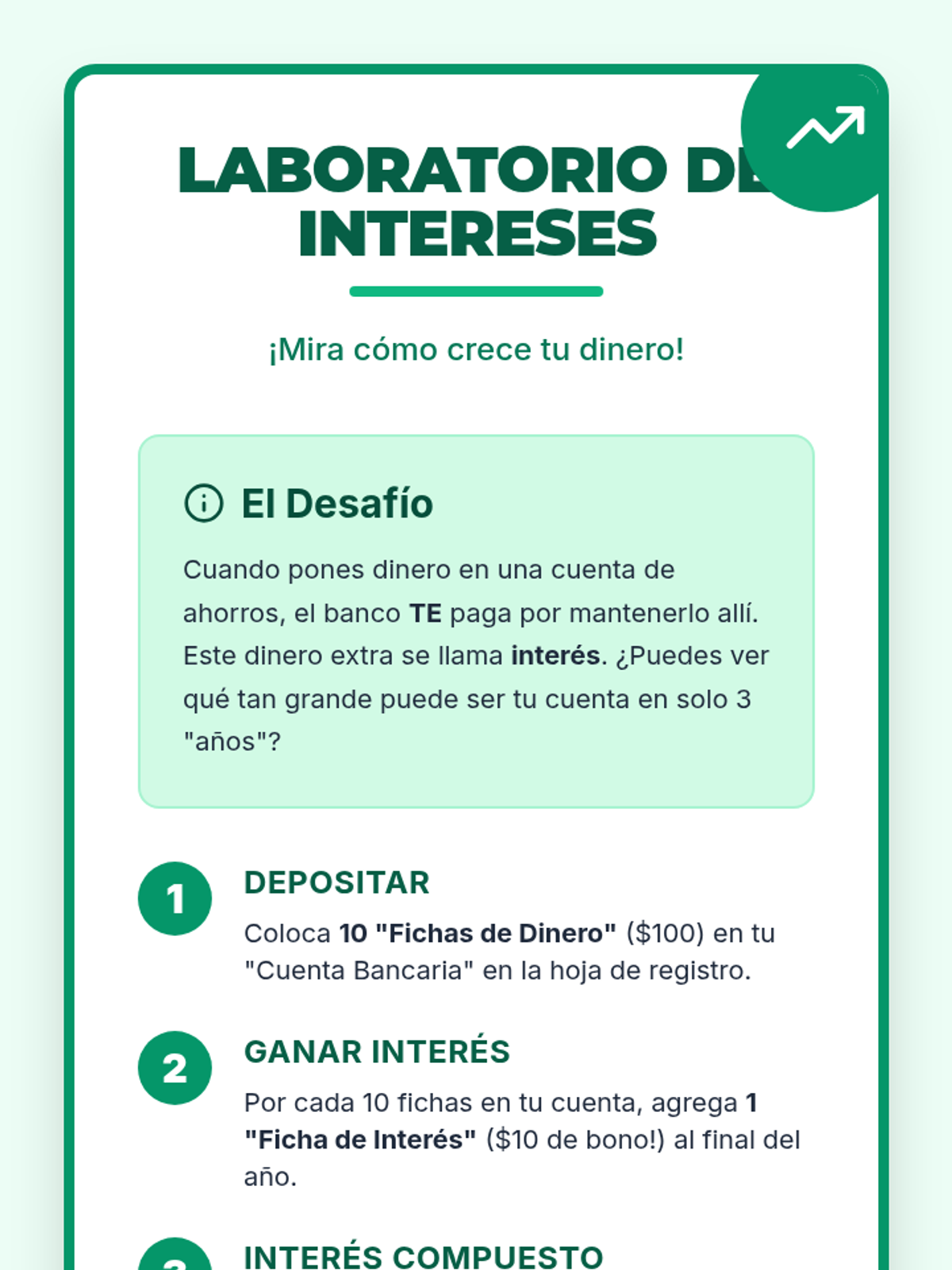
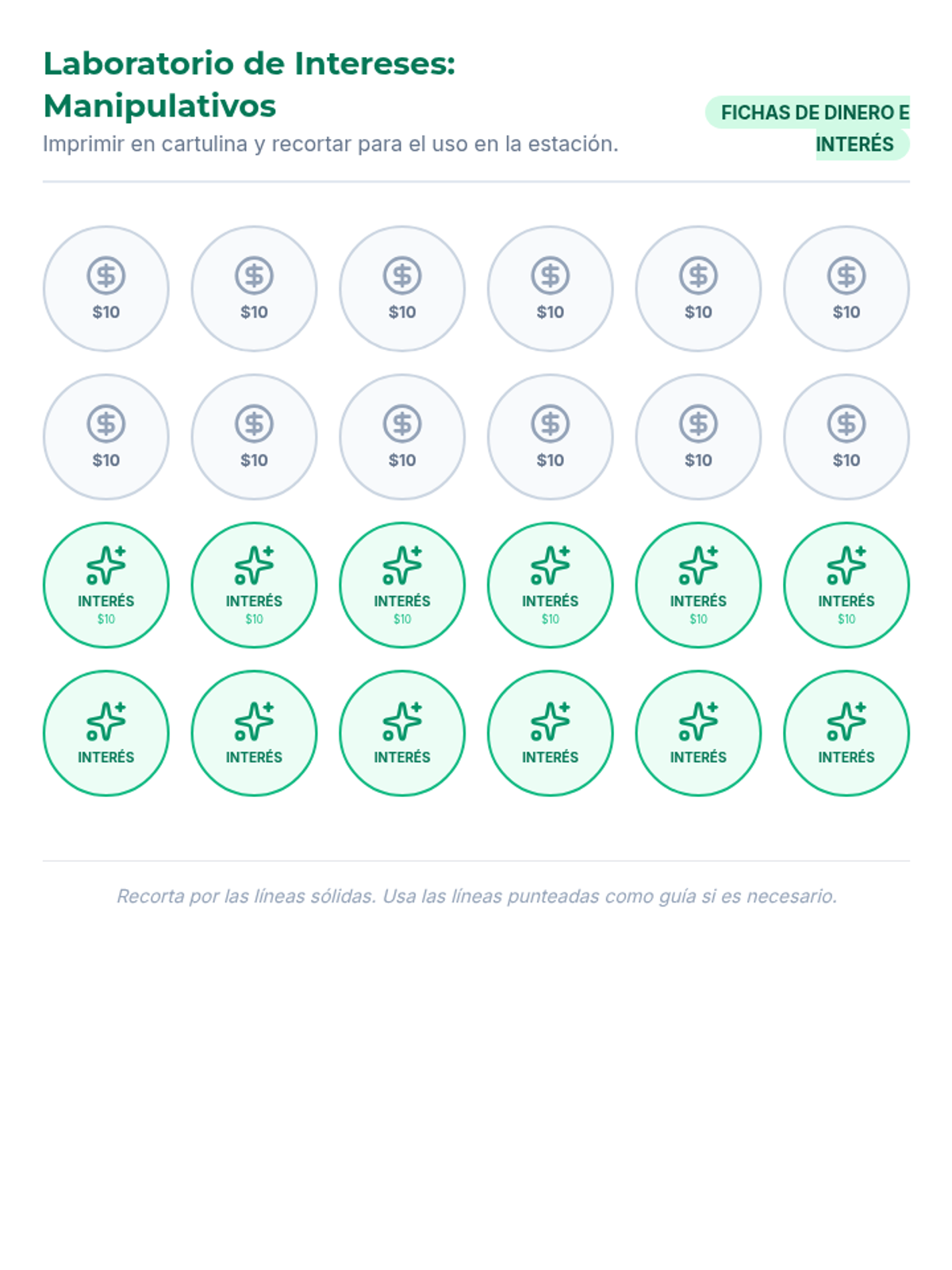
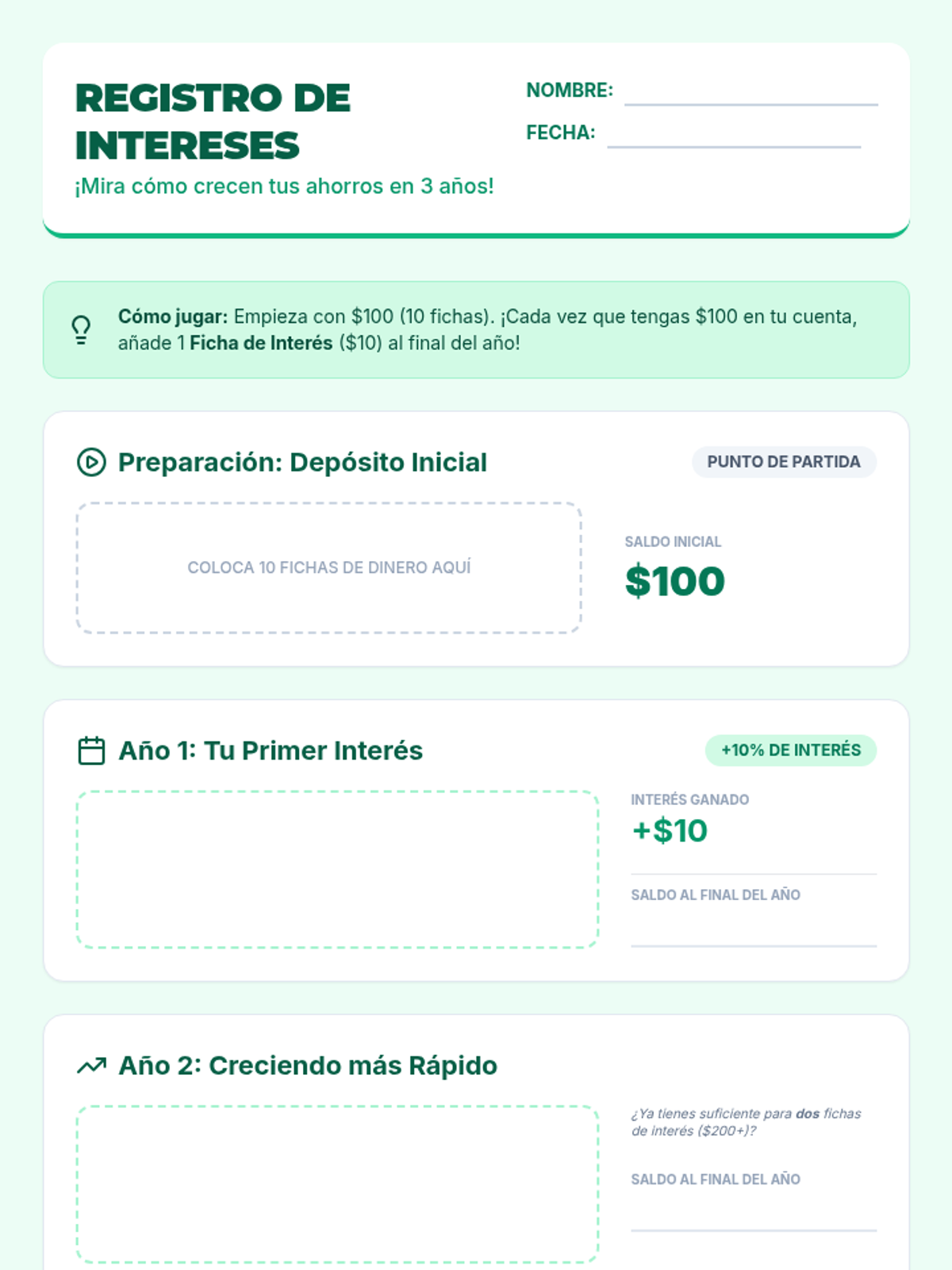
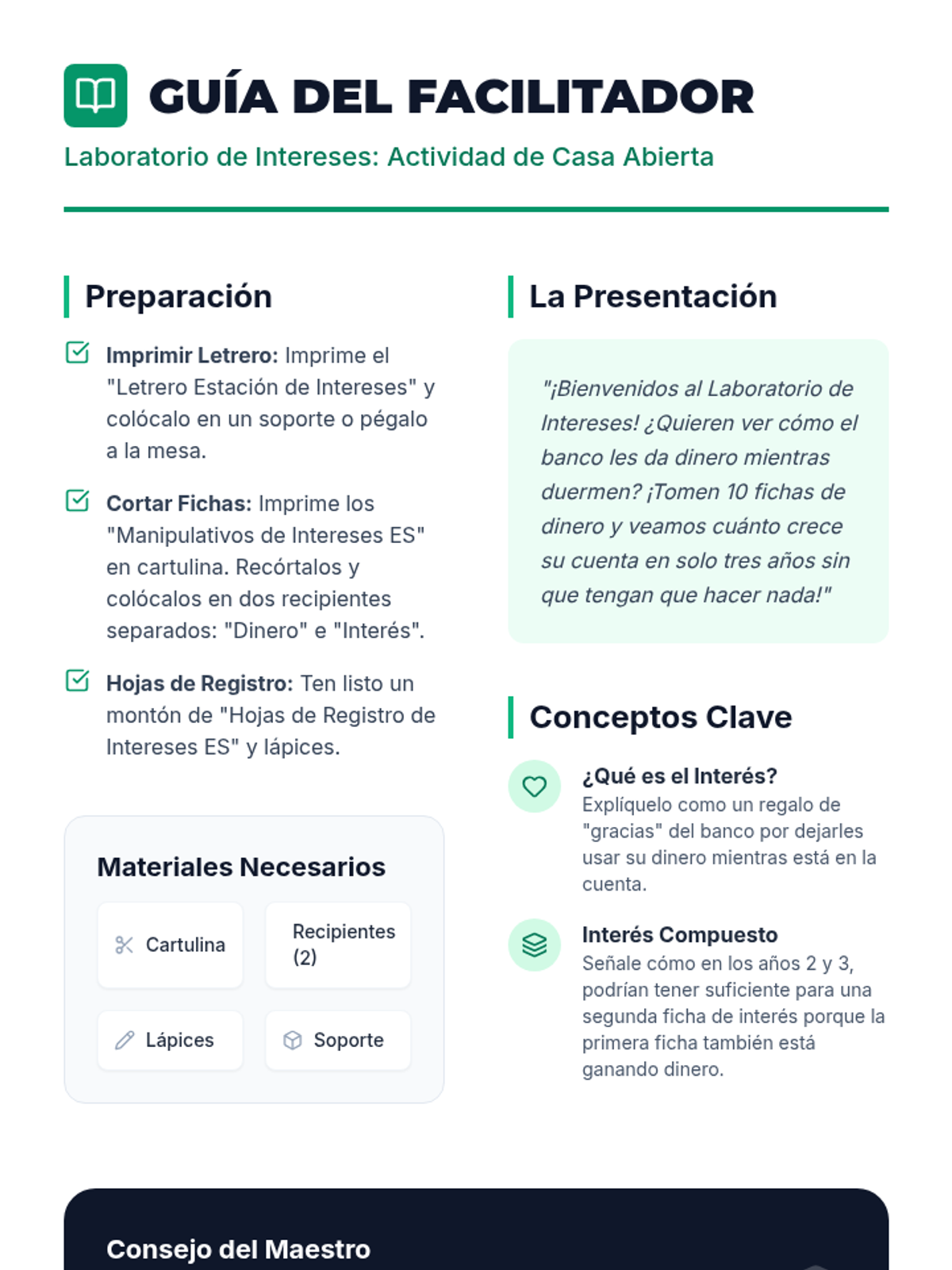
A hands-on station activity designed for an Open House where students and parents explore how bank interest helps money grow over time using printable manipulatives.
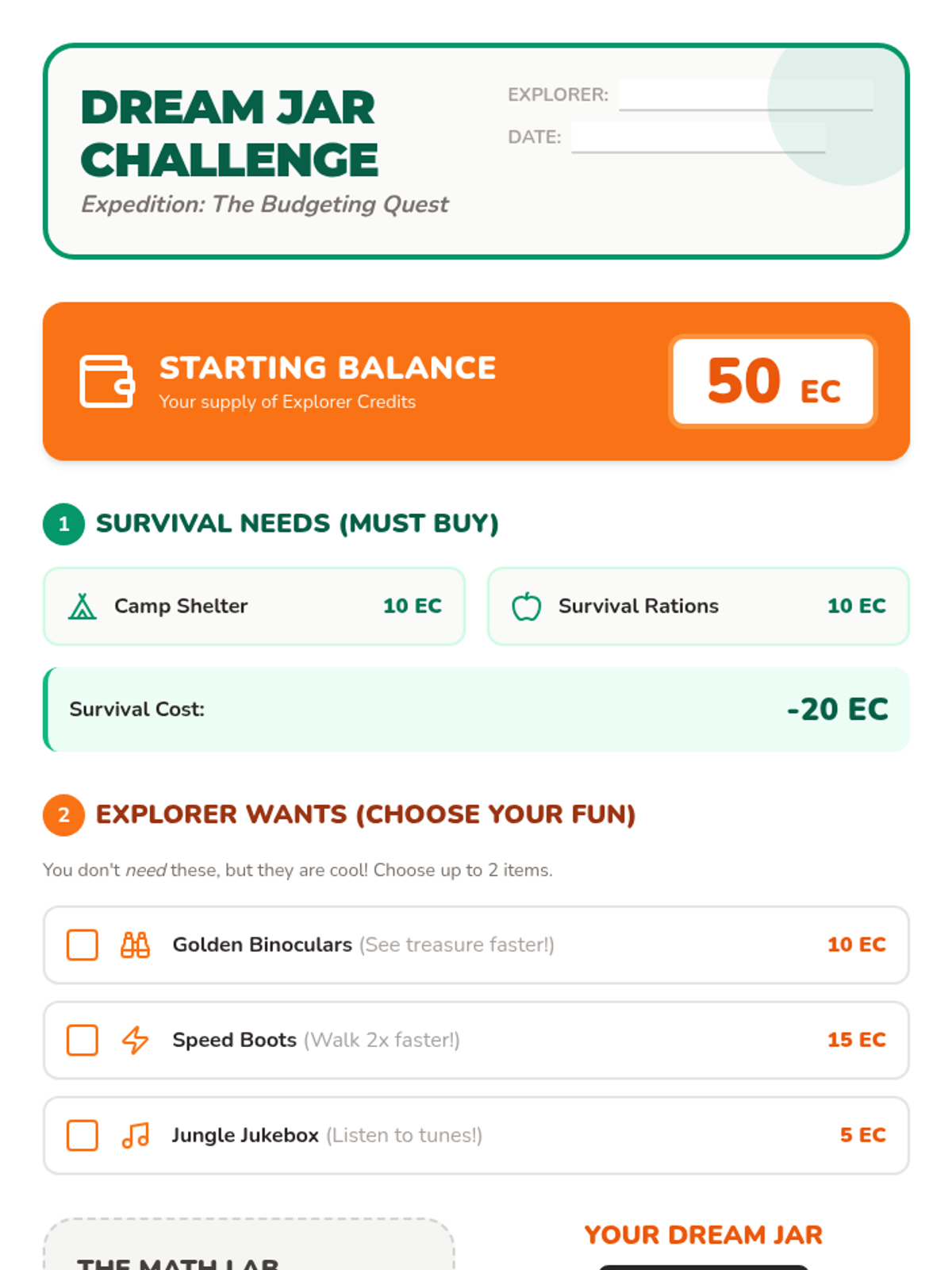
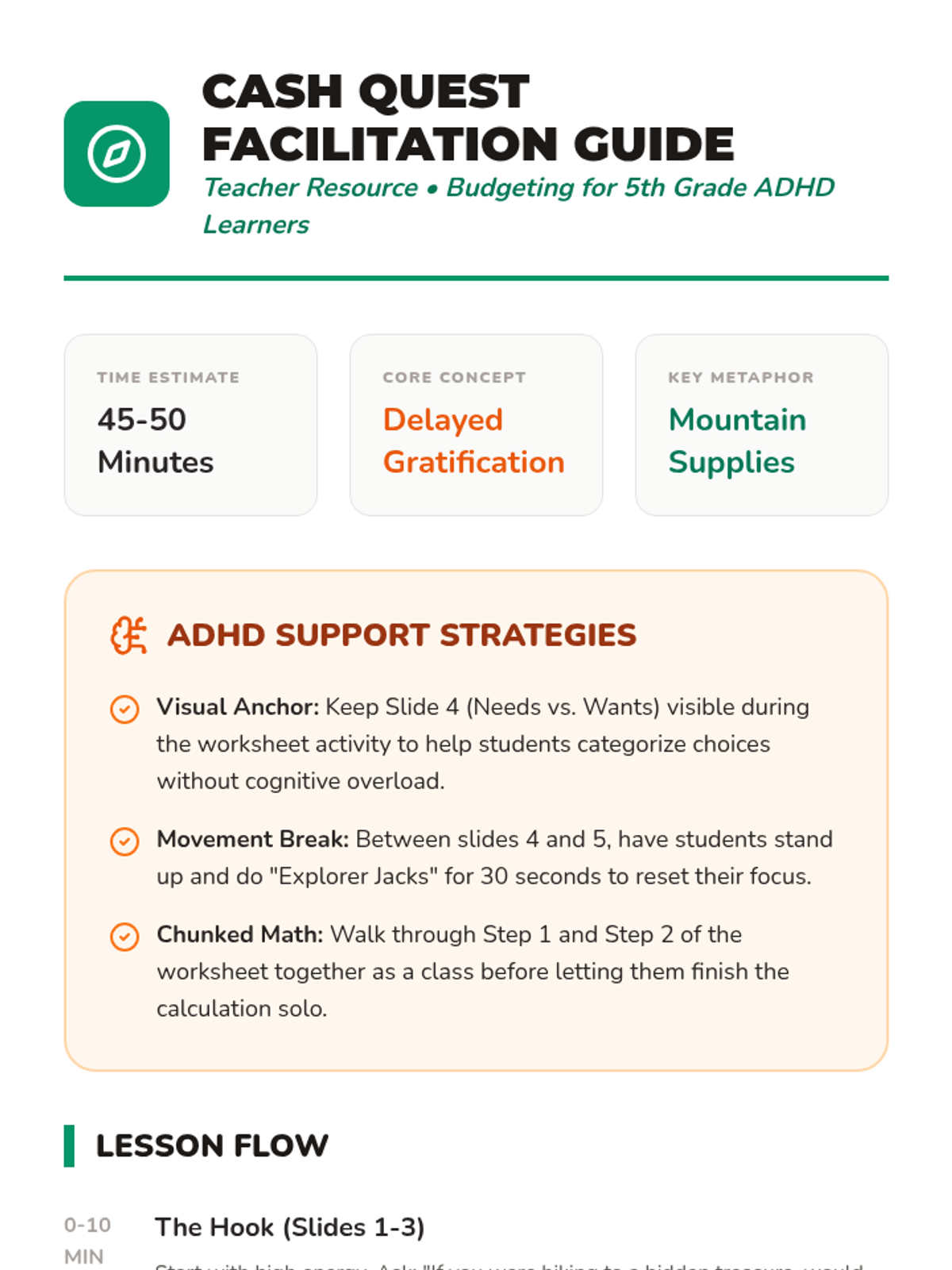
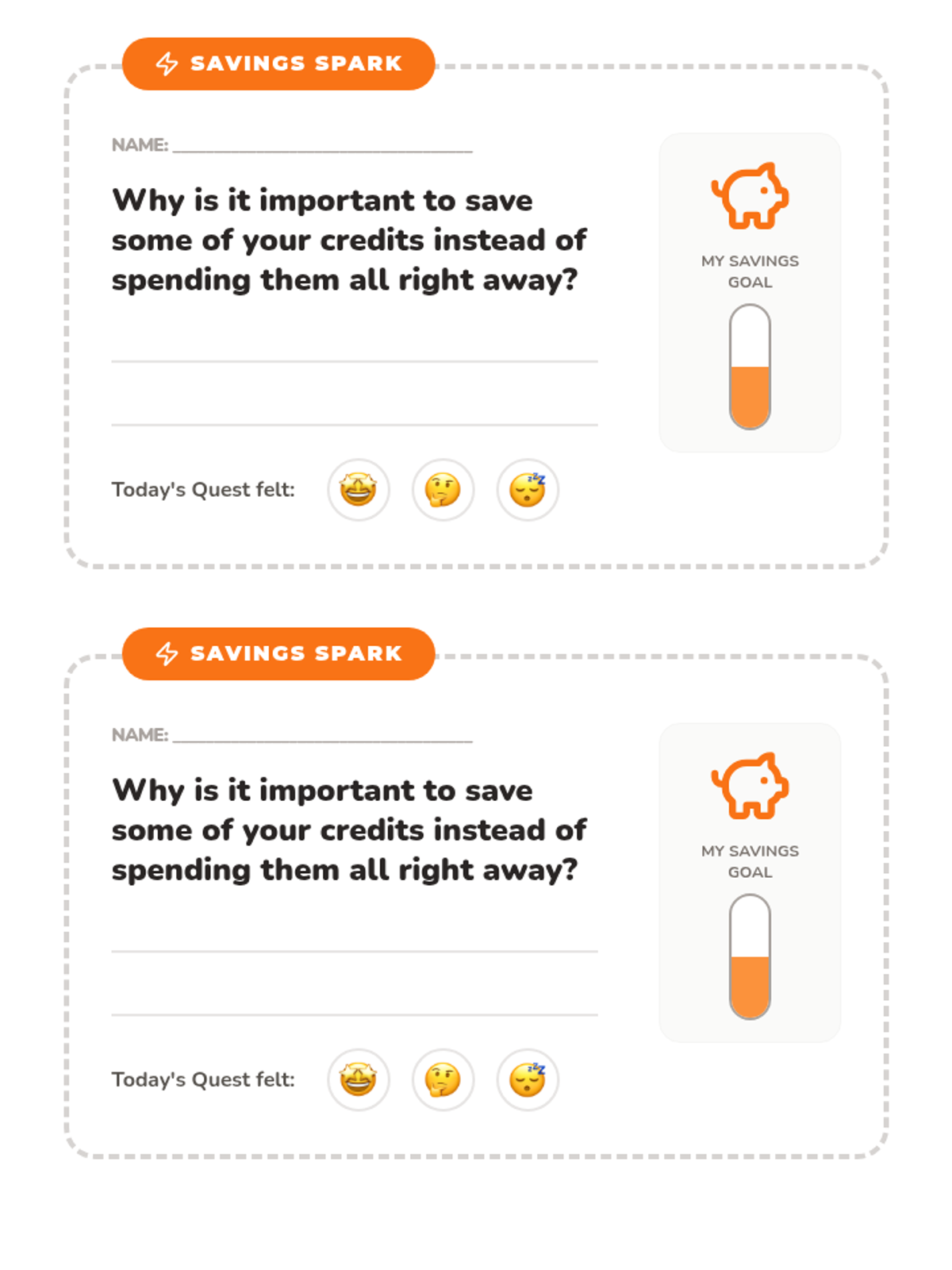
A high-energy, visual lesson introducing 5th graders to the basics of budgeting with a focus on why saving matters. Students navigate financial choices through an interactive expedition simulation designed for learners with ADHD.
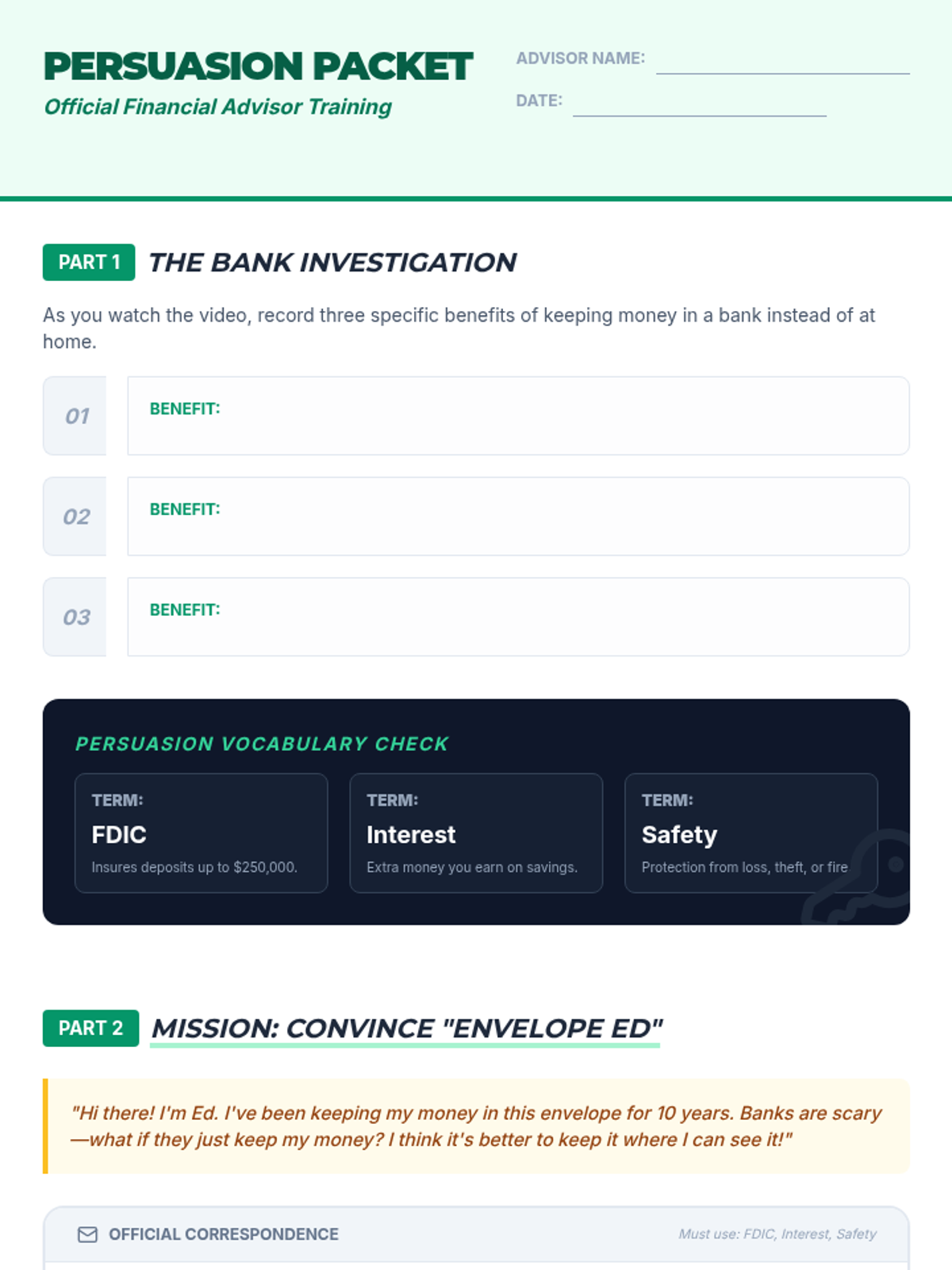
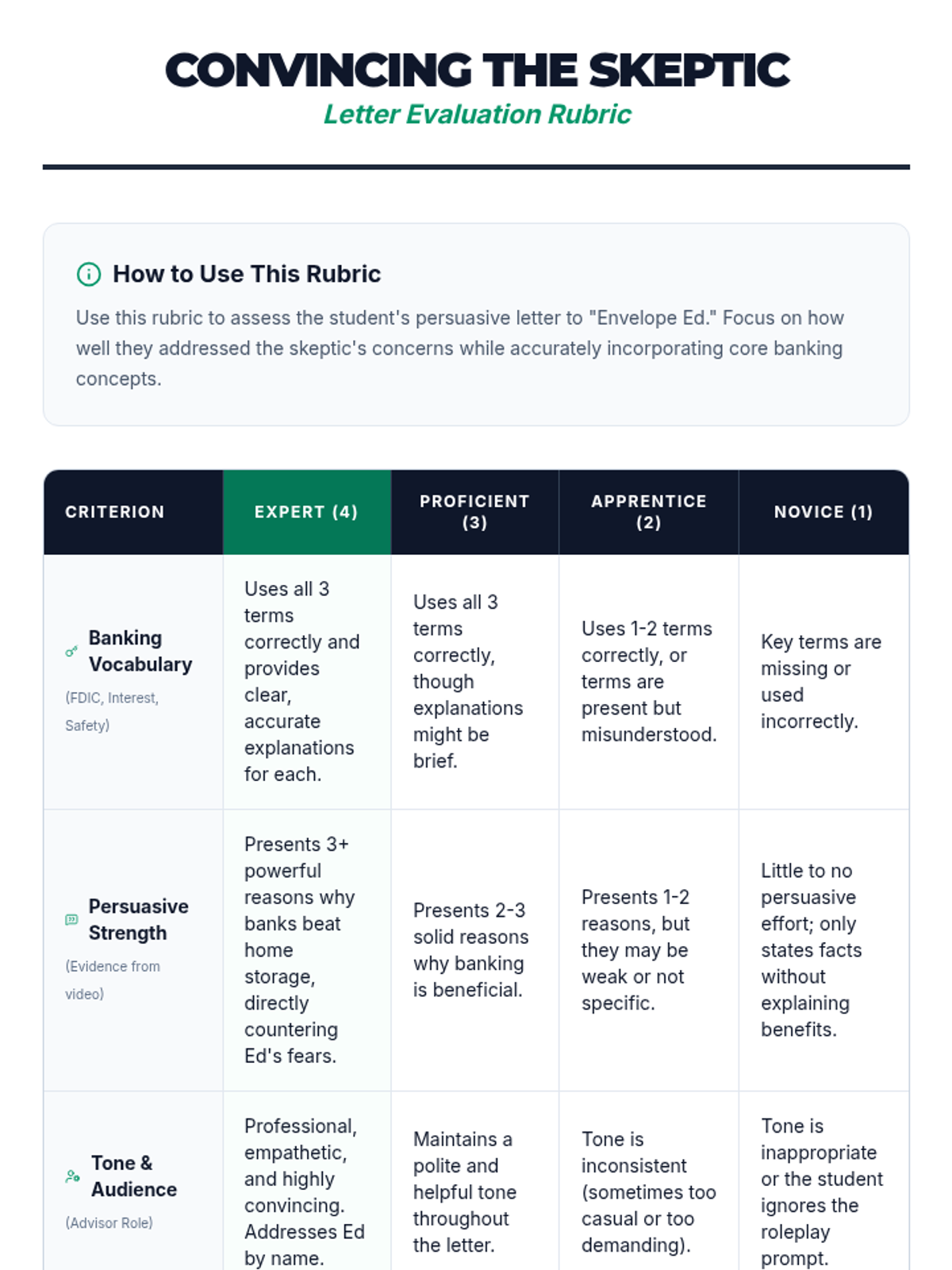
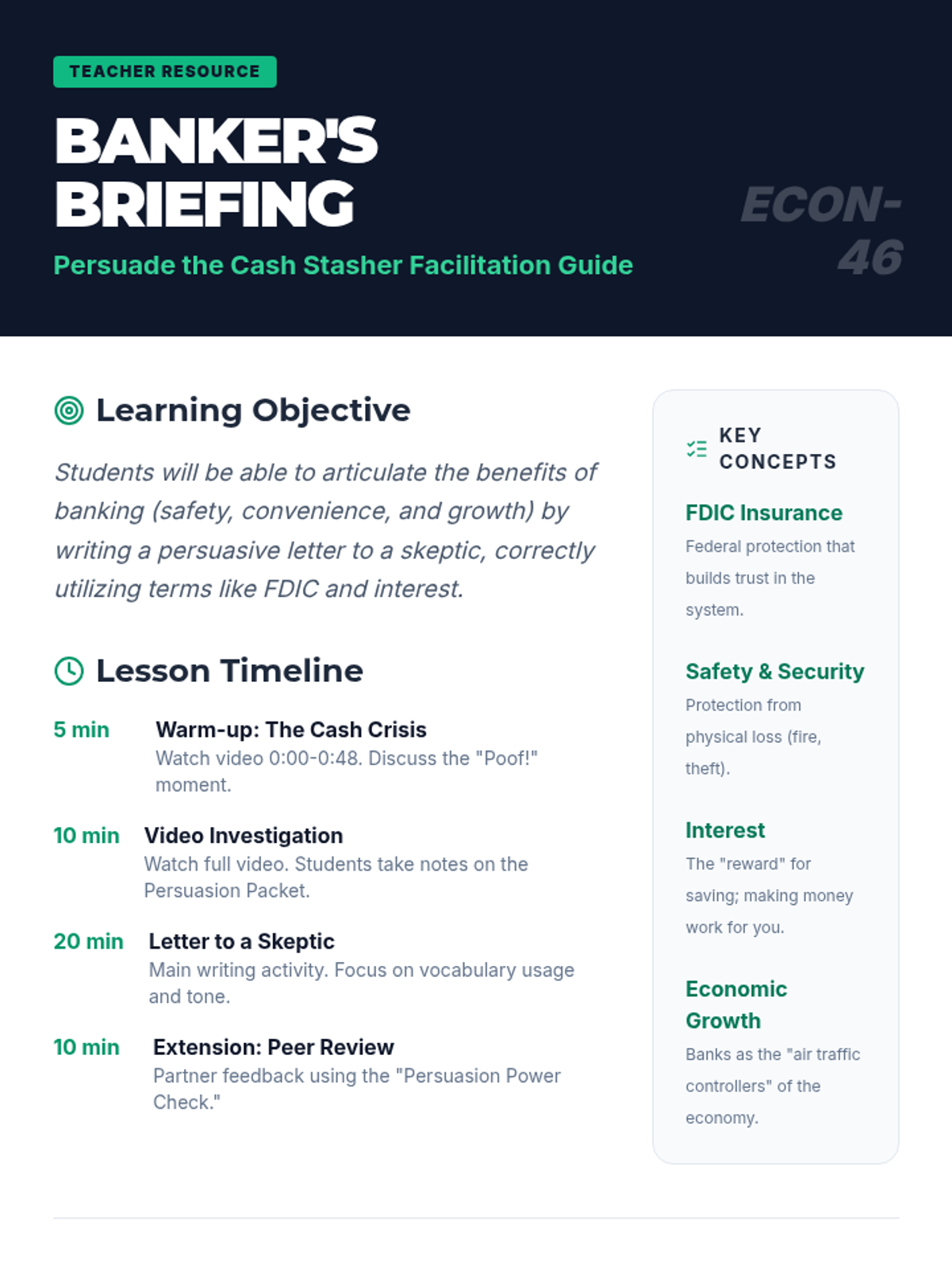
A financial literacy lesson where students learn the benefits of banking and practice persuasive writing by convincing a 'cash stasher' to open a bank account. Students explore concepts like FDIC insurance, interest, and economic growth through a video-based exploration and roleplay activity.
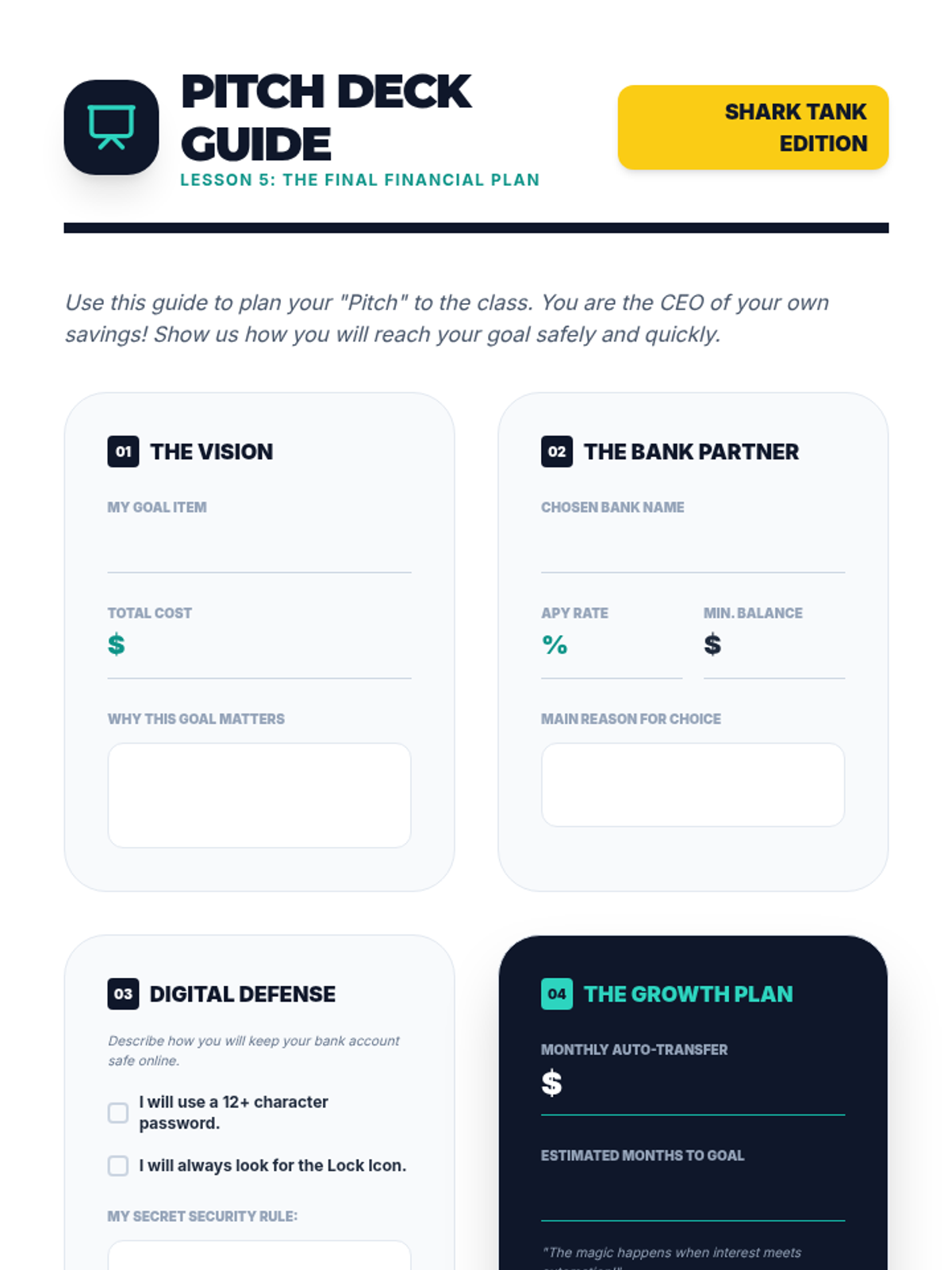
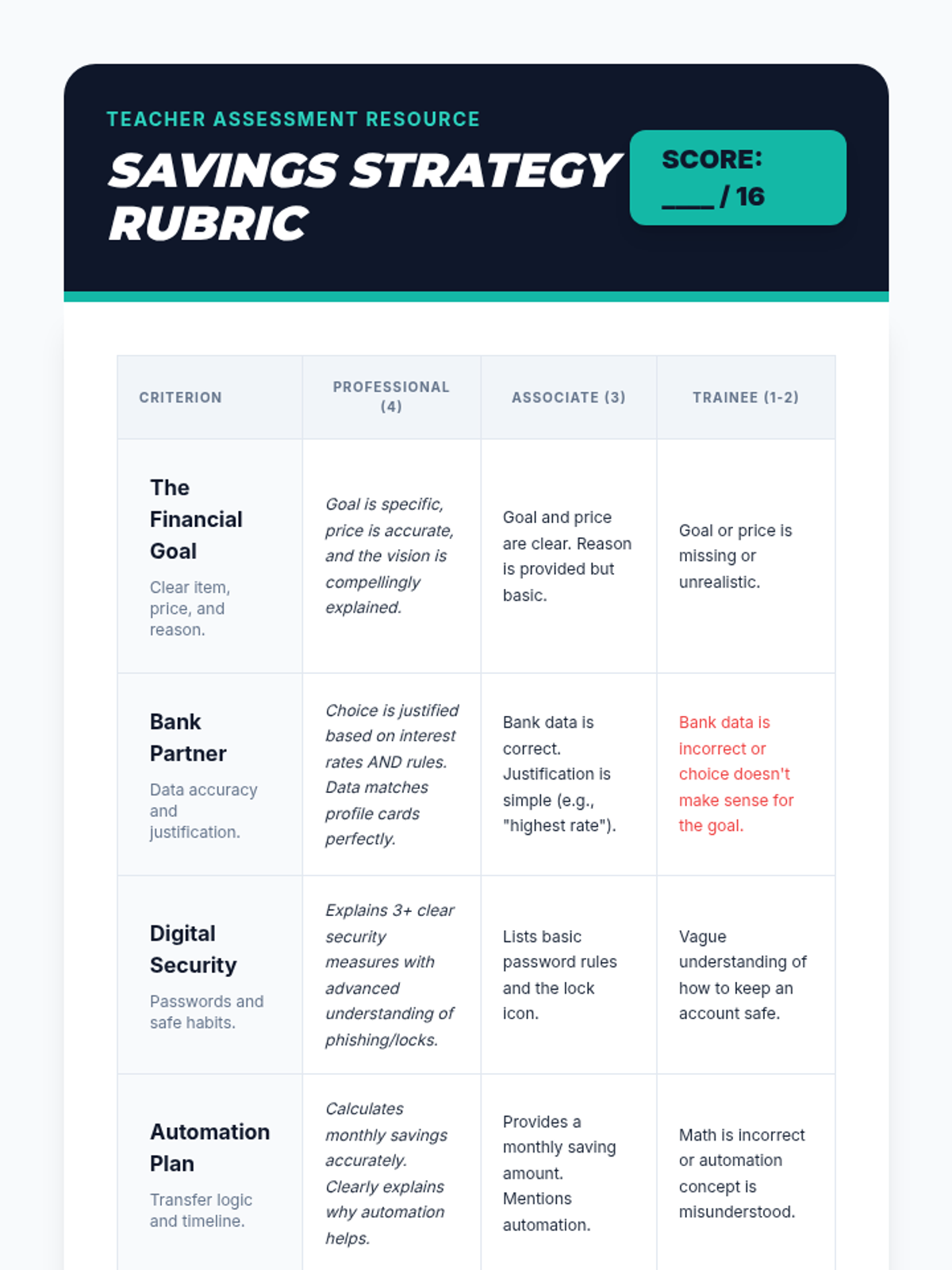
As a final project, students synthesize their learning by creating a 'Pitch Deck' for a savings plan. They present which bank they chose, their interest rate, their savings schedule, and their security measures for online banking.
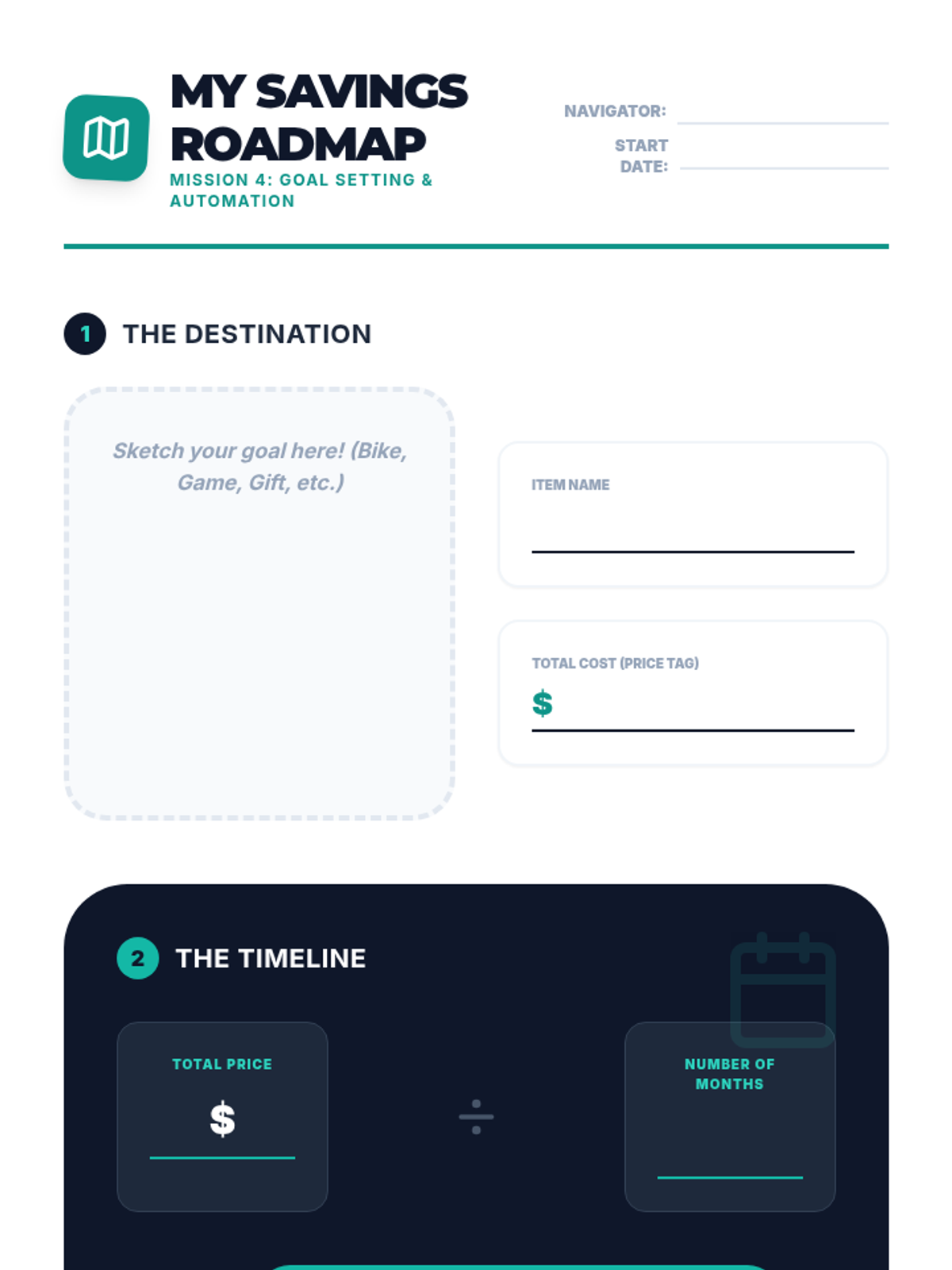
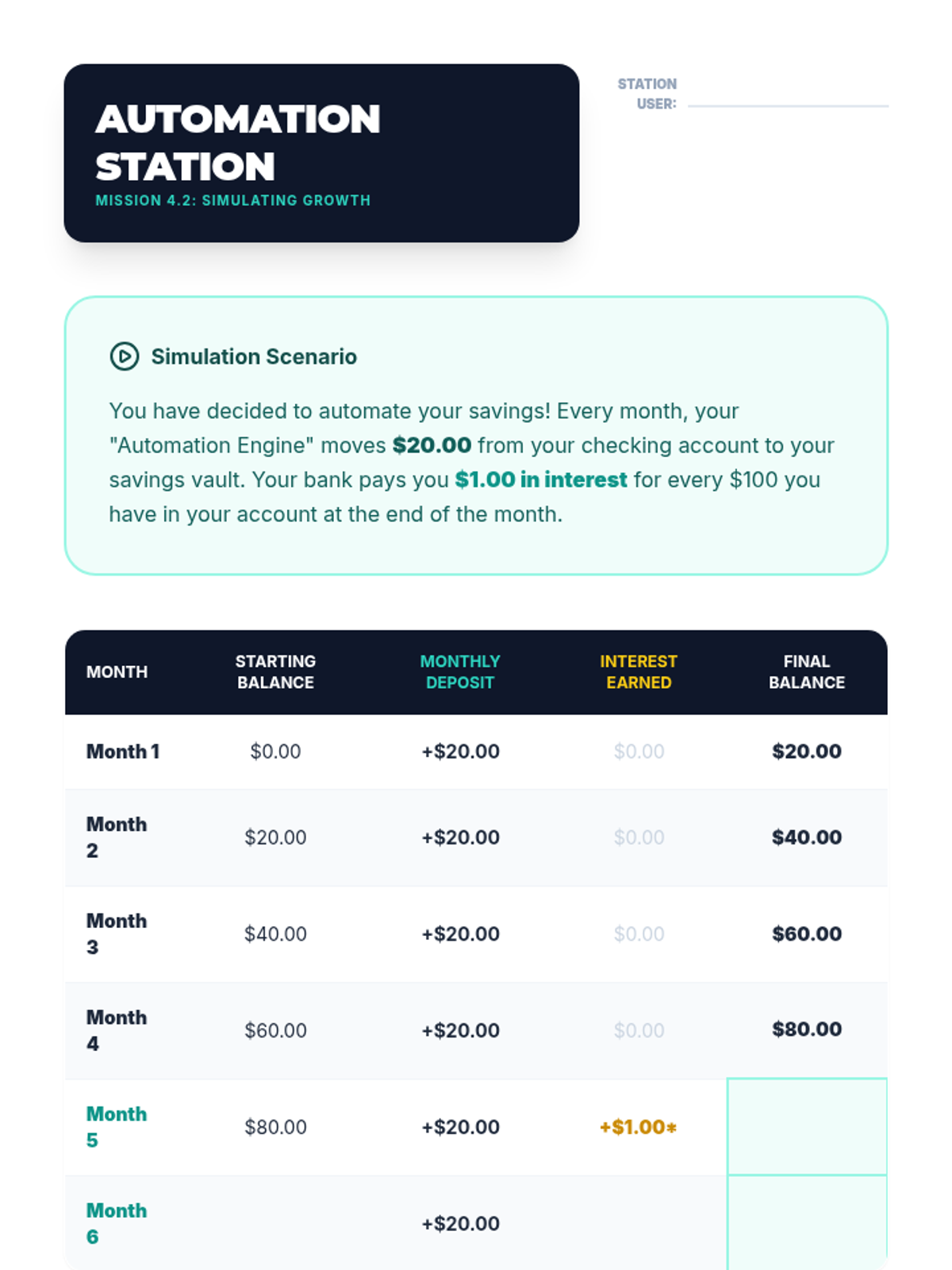
Students define a financial goal (e.g., buying a bike) and create a plan that involves automated monthly transfers from checking to savings. They visualize the timeline for achieving their goal.
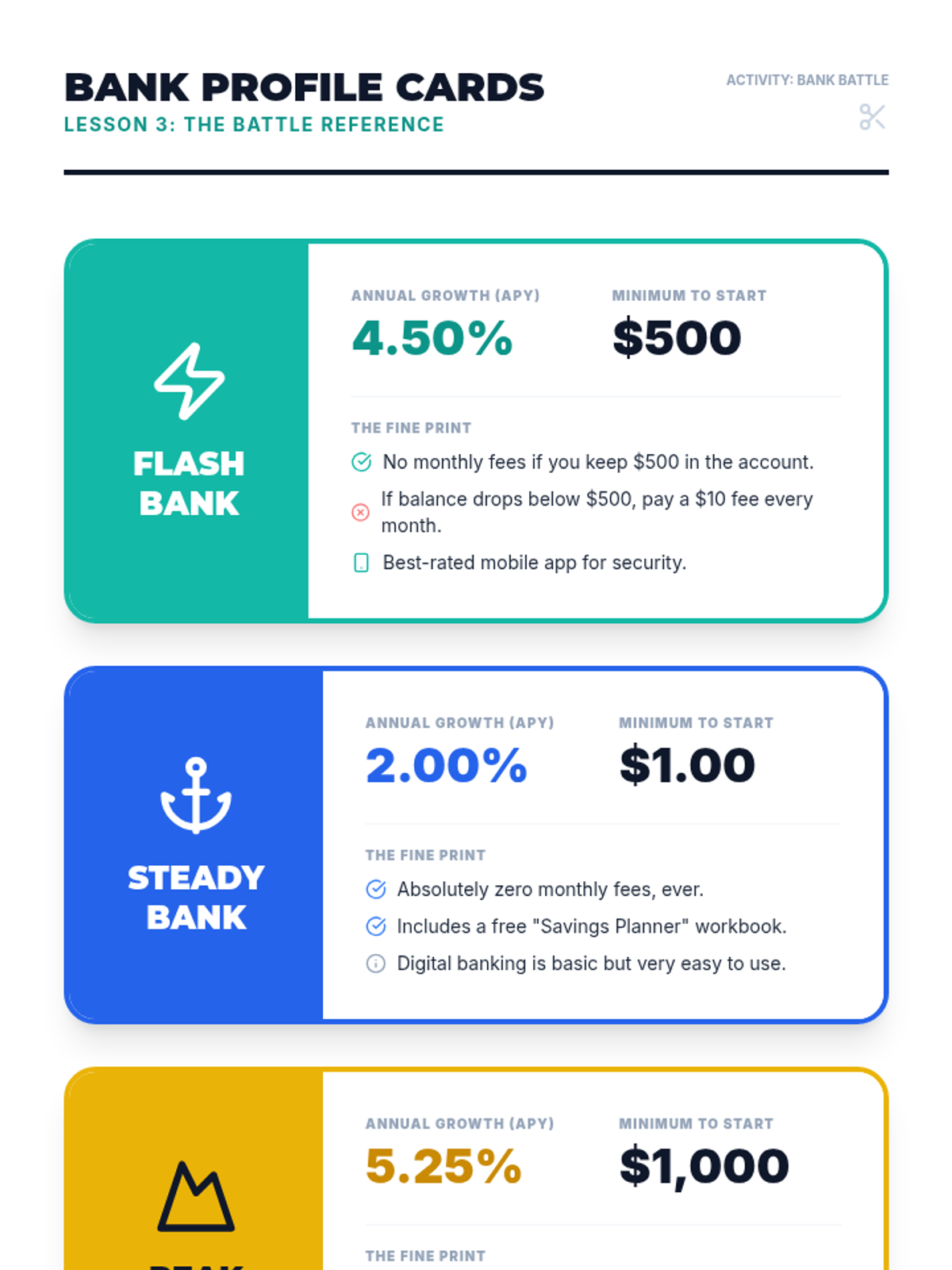
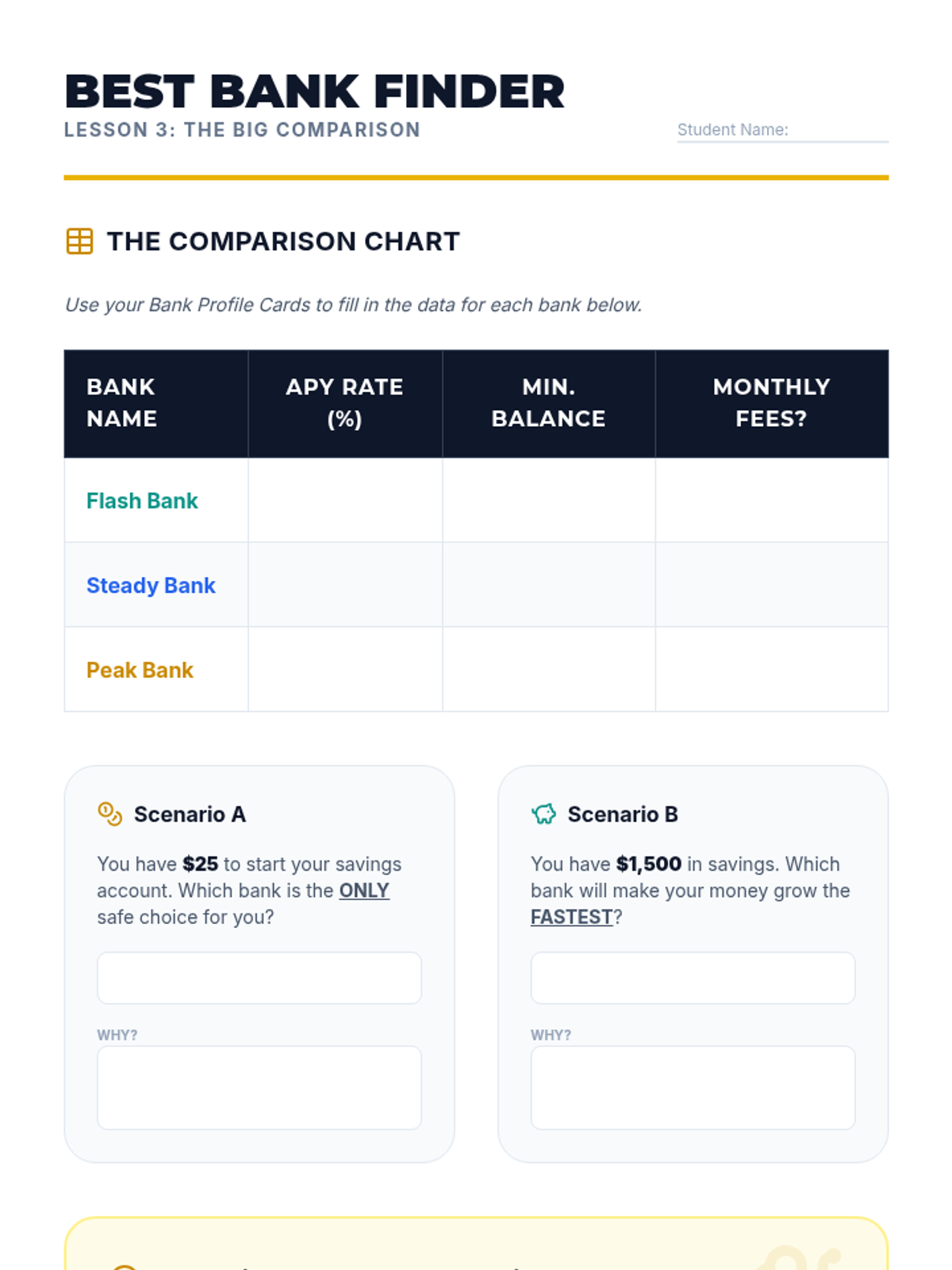
Students research different (fictional) bank offers, comparing interest rates (APY) and requirements. They learn that not all savings accounts are the same and that a higher interest rate can make a significant difference over time.
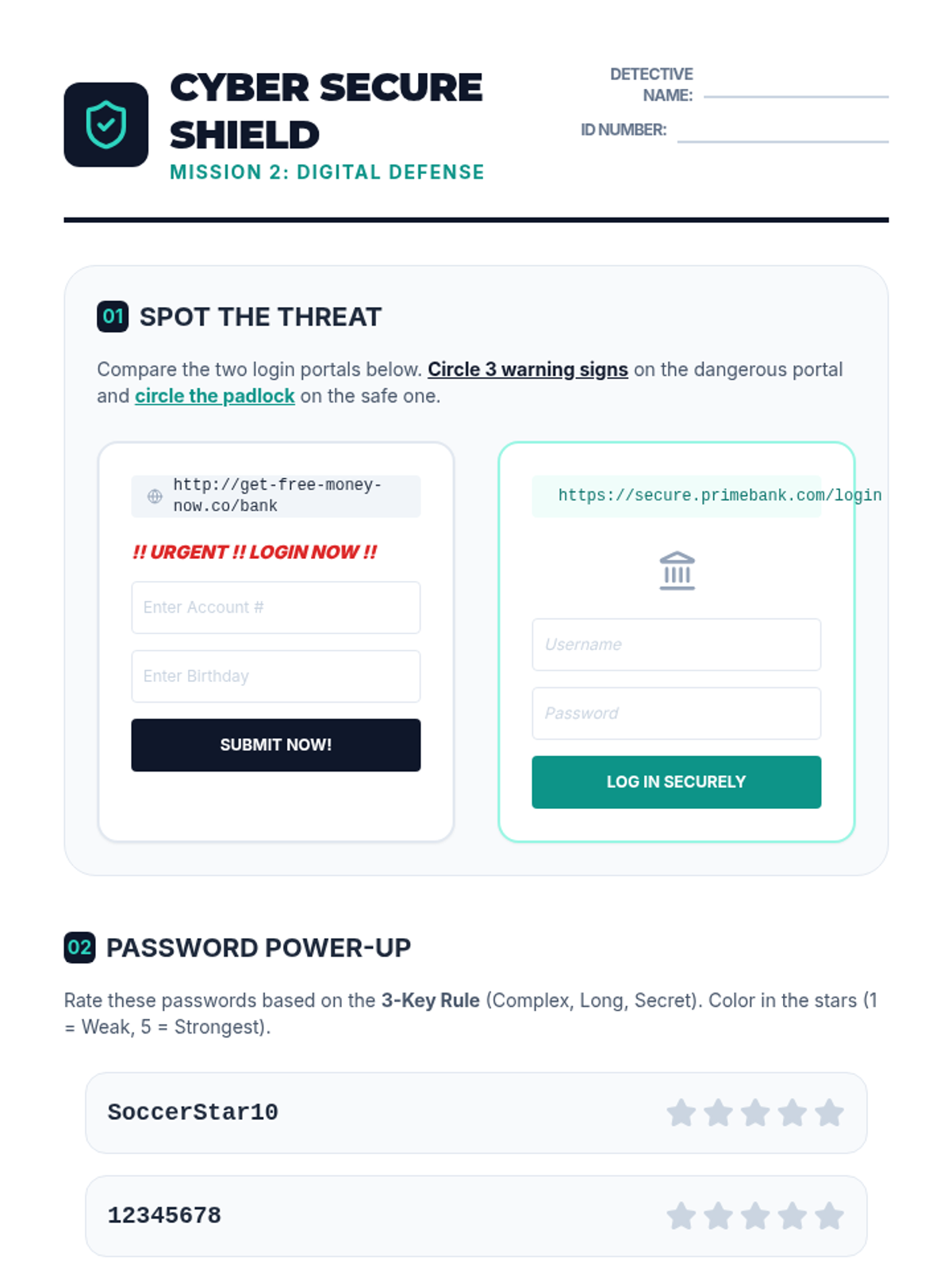
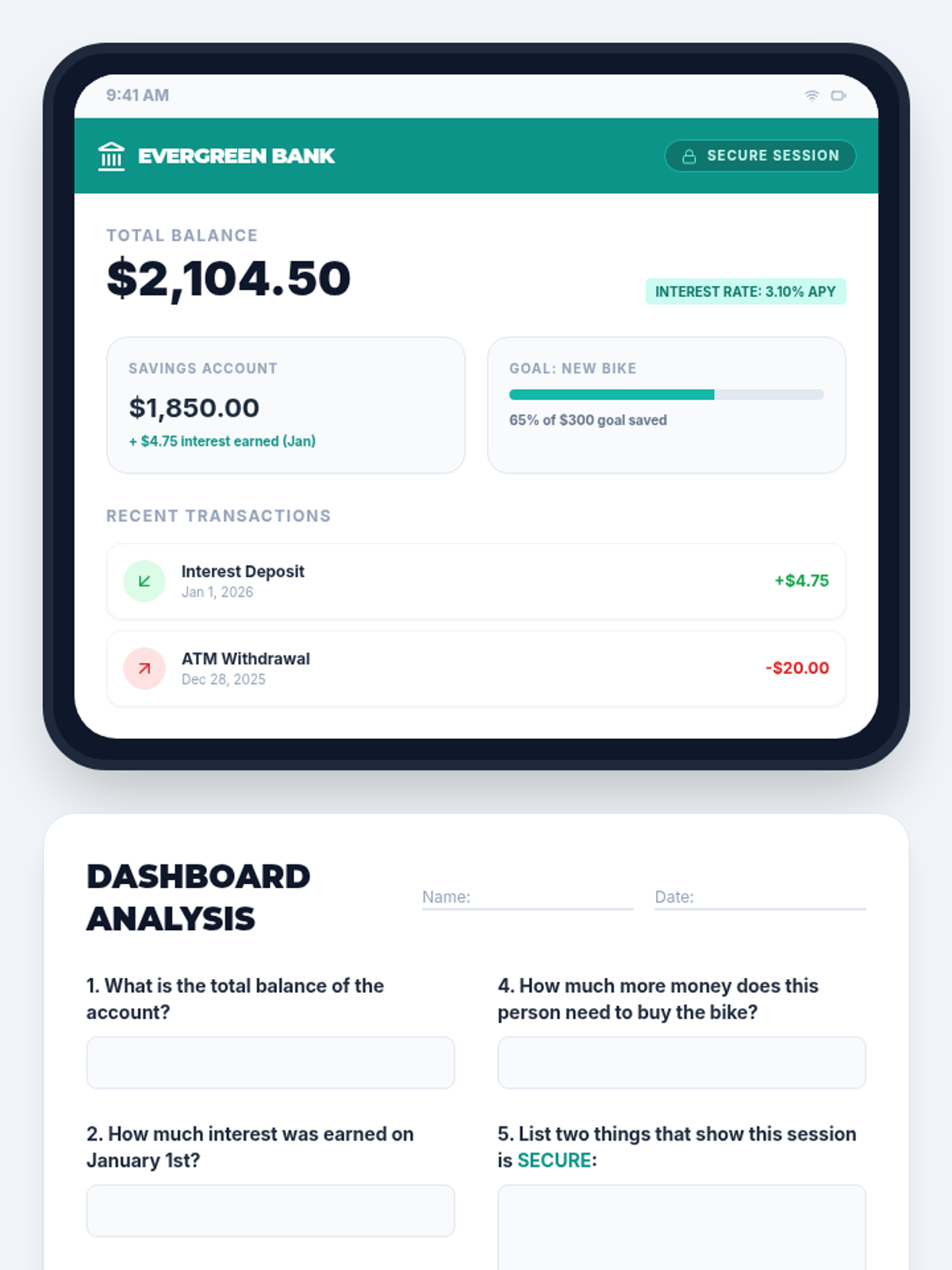
Using a safe, simulated tablet interface, students learn to navigate an online banking dashboard. They identify key security features like passwords and secure connections, and practice reading digital summaries of their accounts.
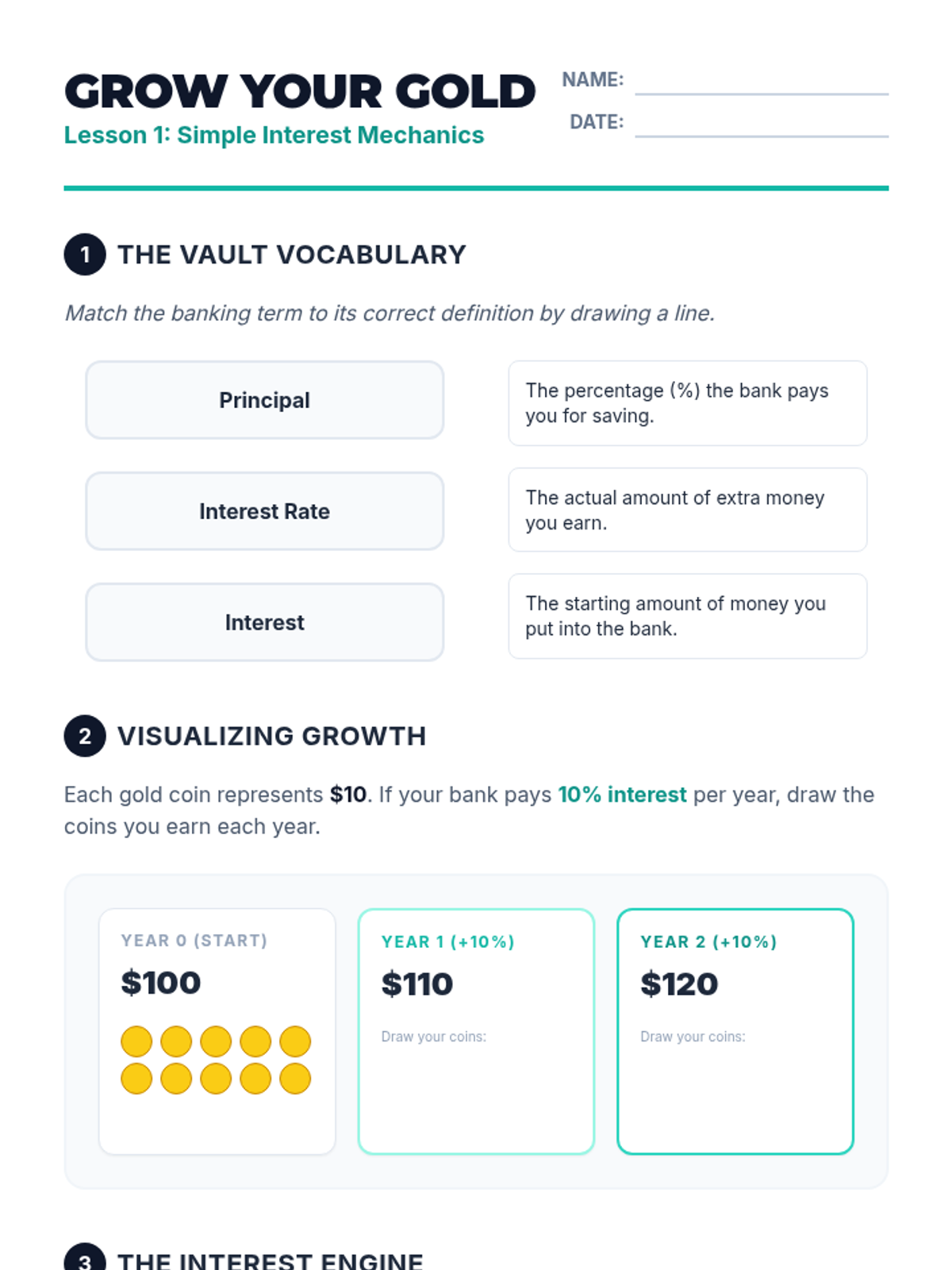
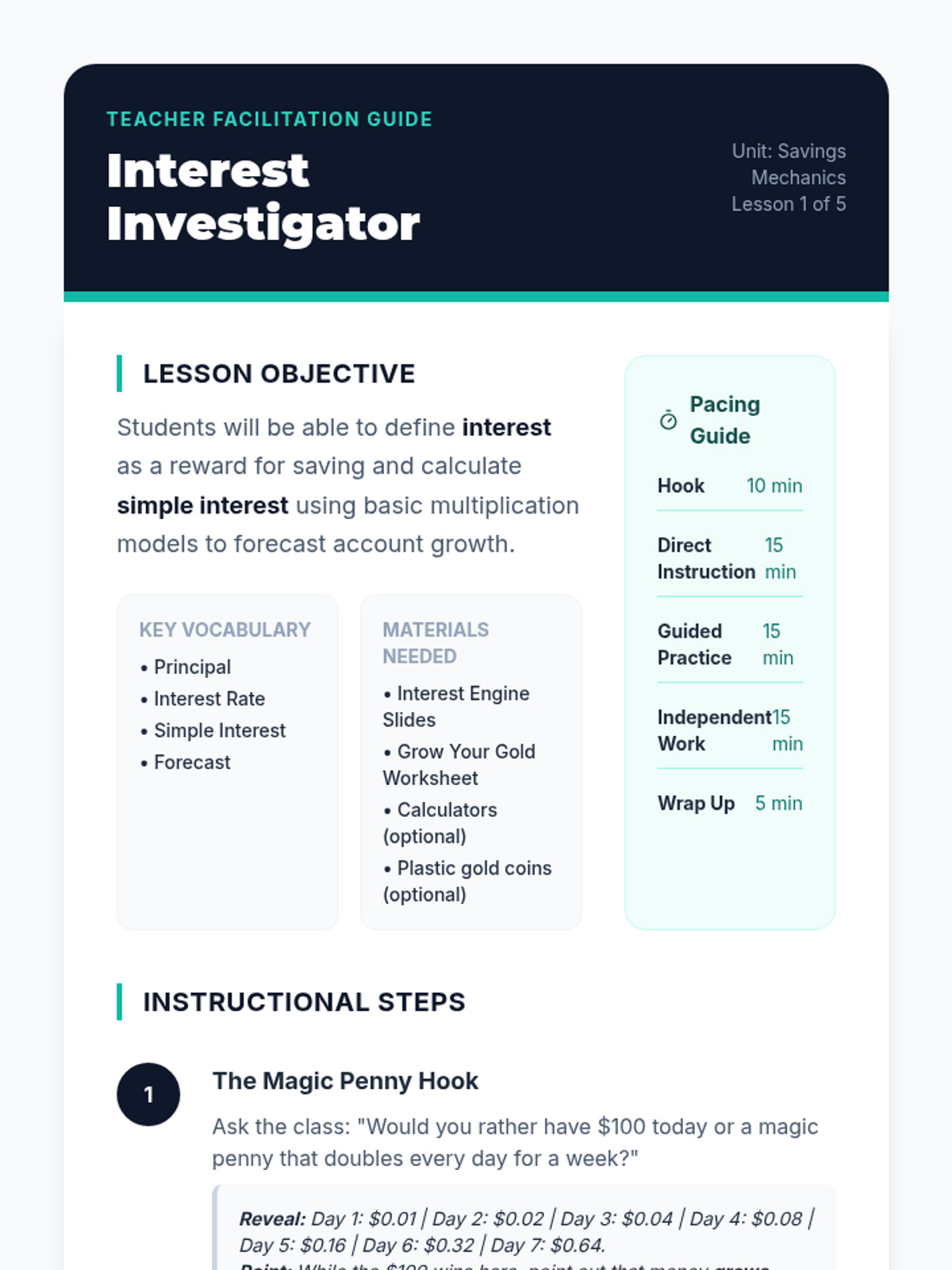
Students are introduced to the concept of interest as a reward banks pay for keeping money in a savings account. Using simple visual models and counters, they calculate simple interest over short periods to see how balances grow without additional deposits.
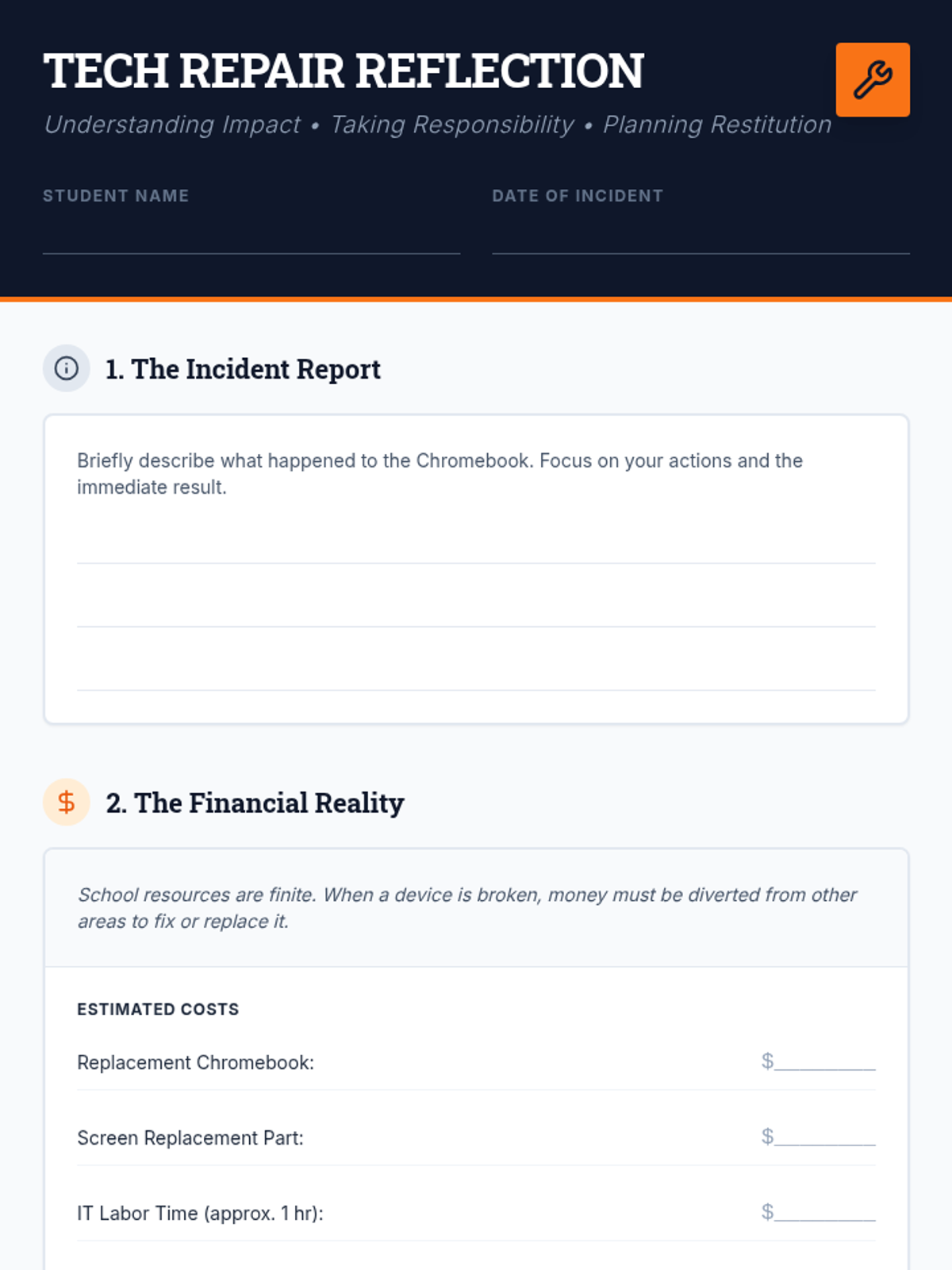
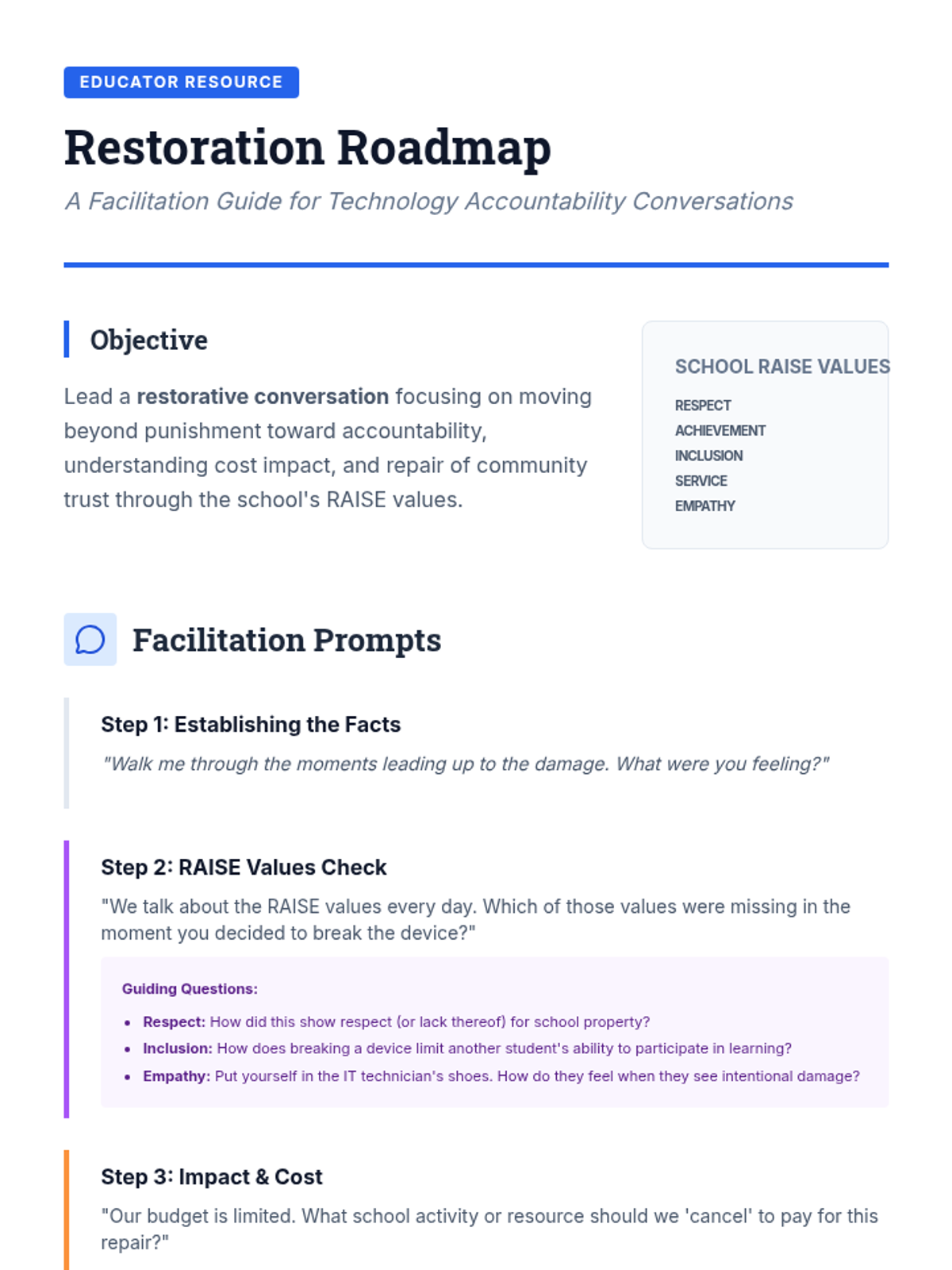
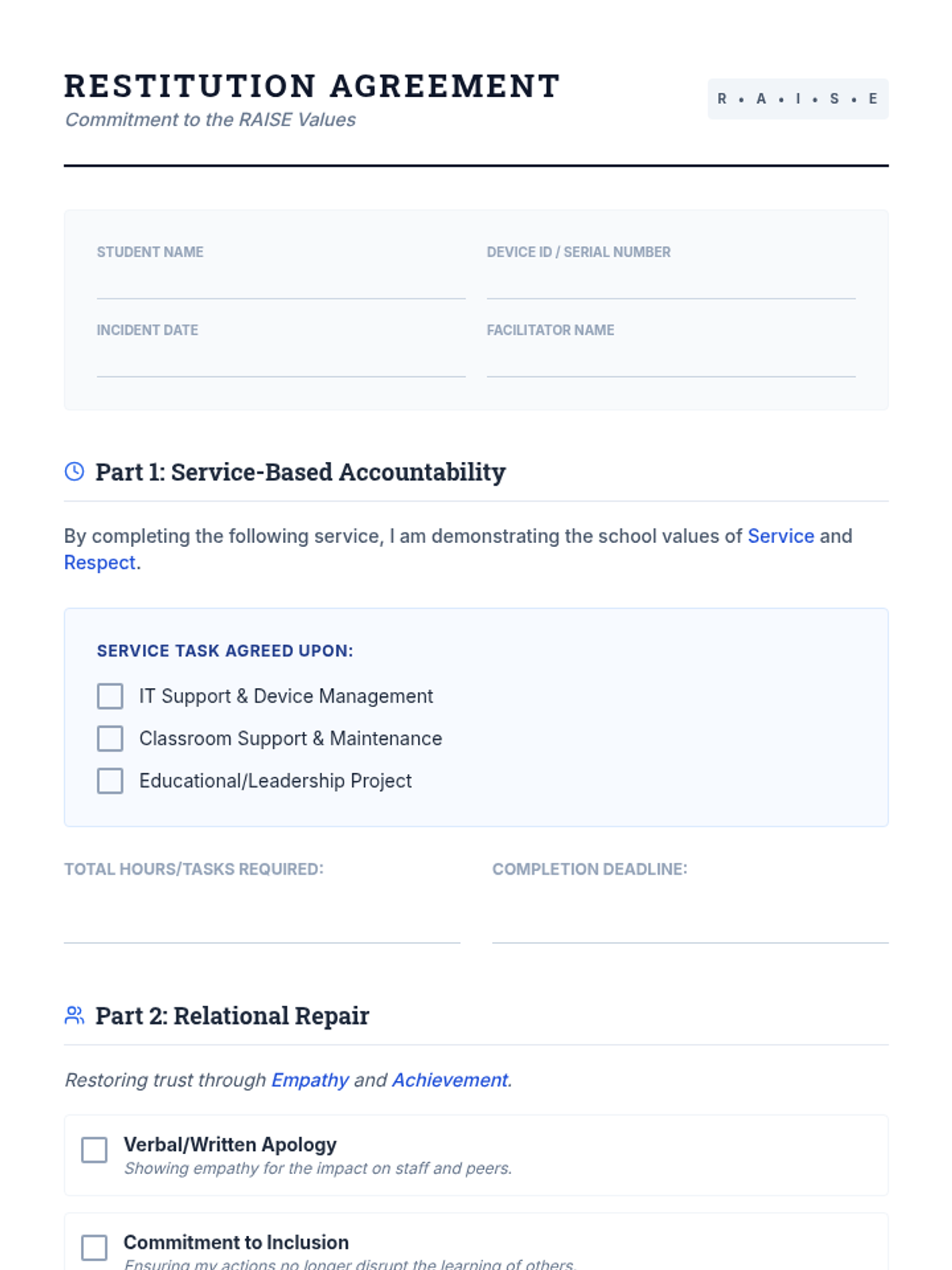
A restorative justice resource designed for students who have intentionally damaged school technology, focusing on financial accountability and community impact.
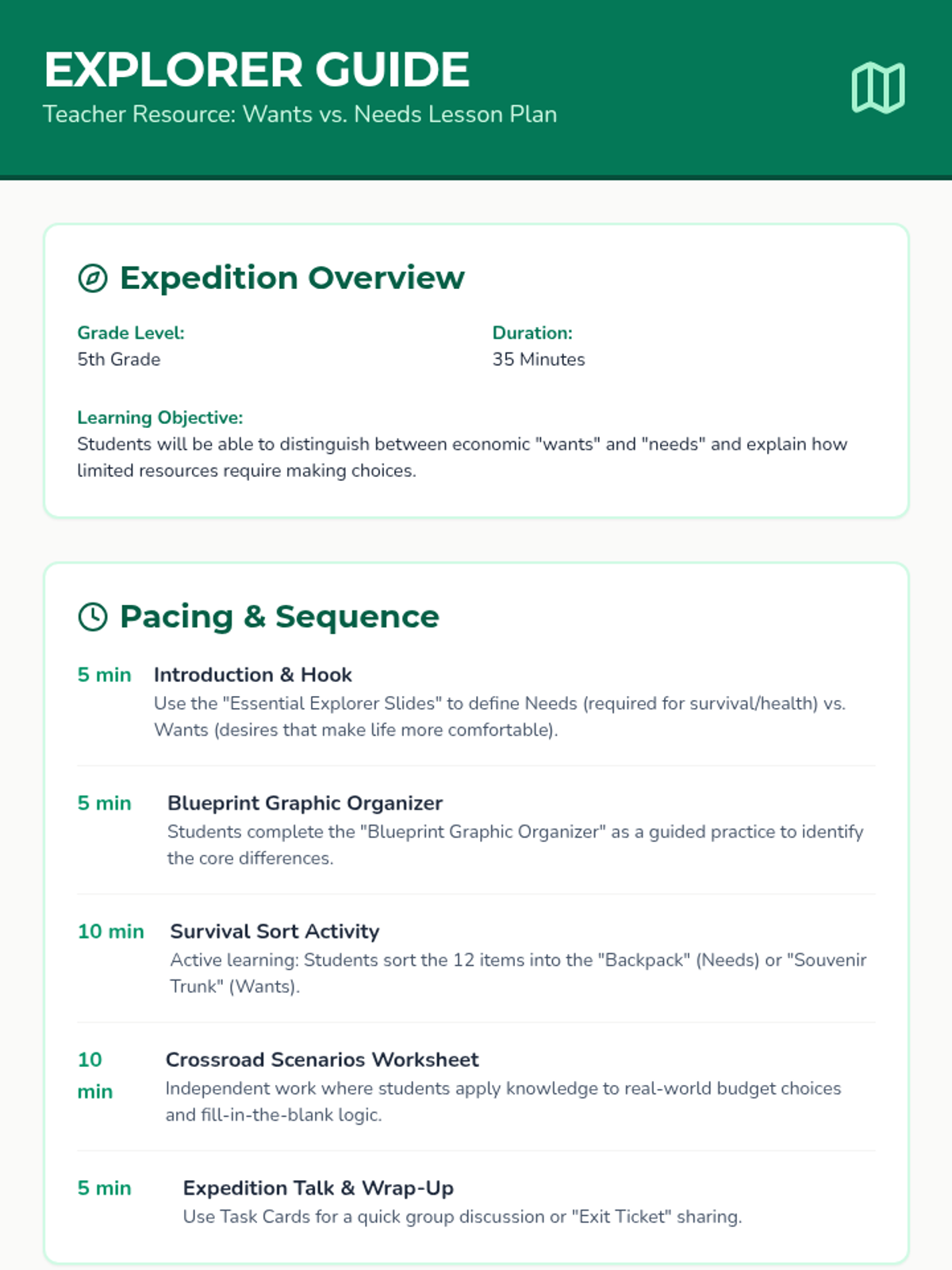
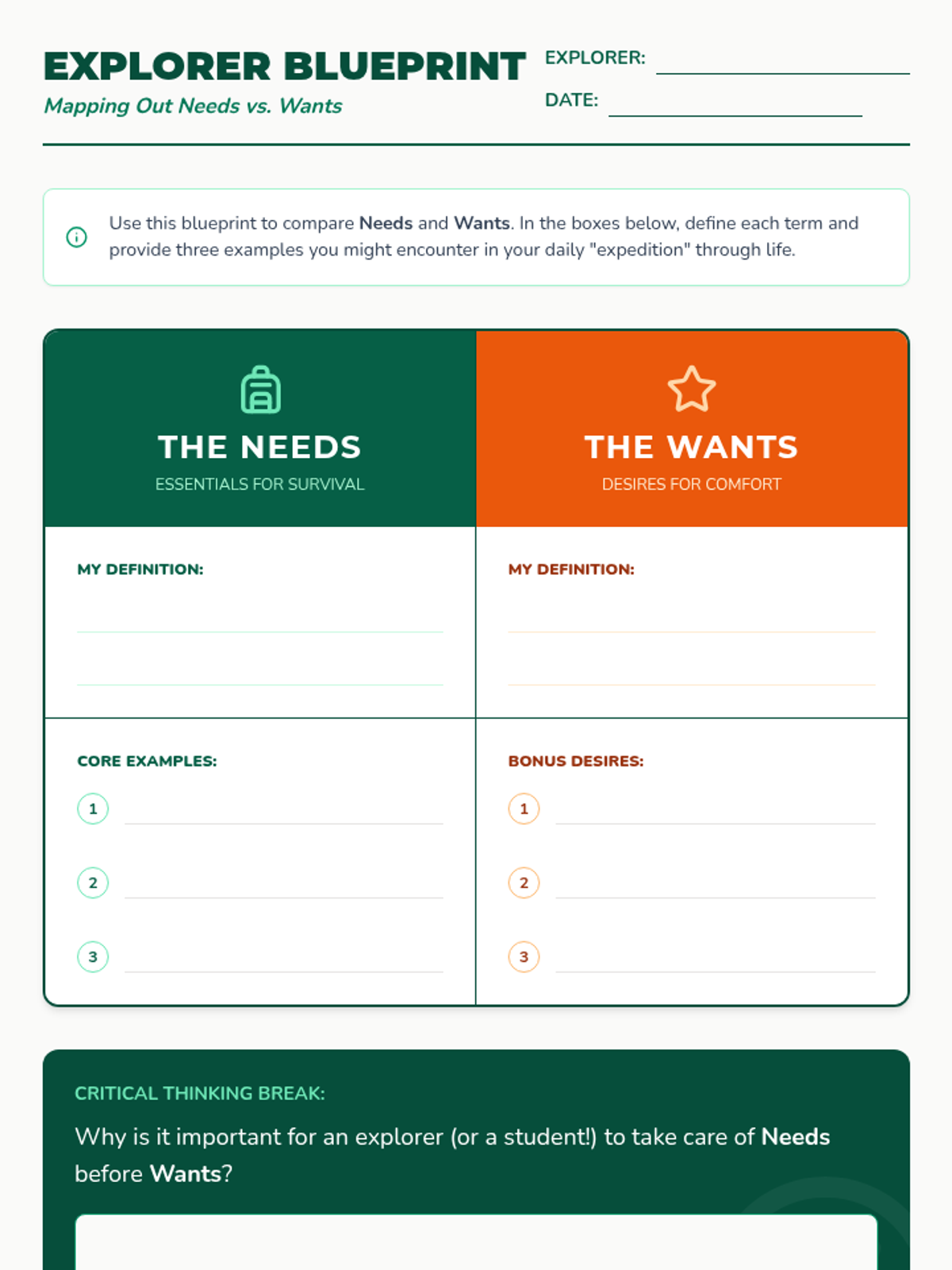
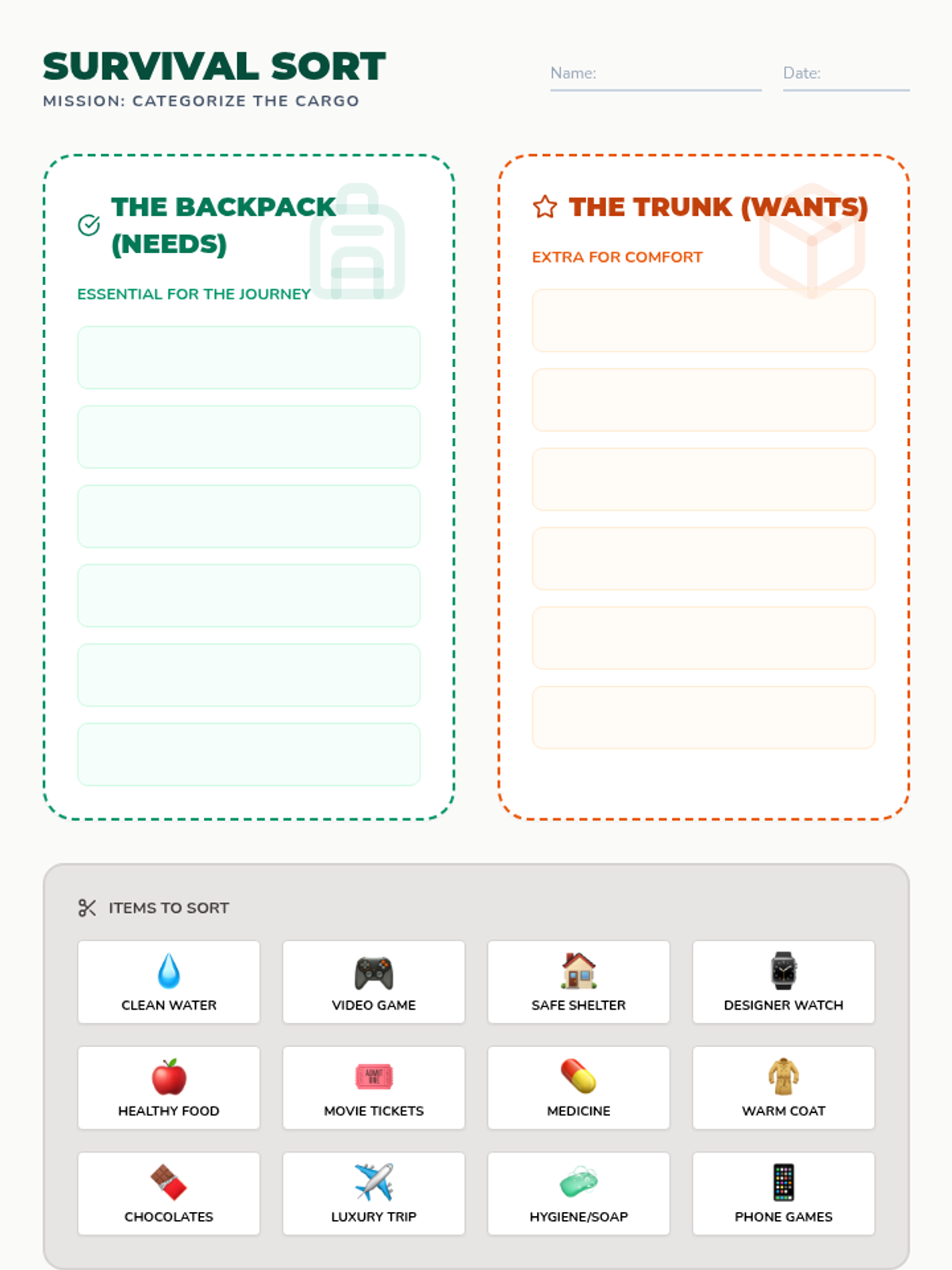
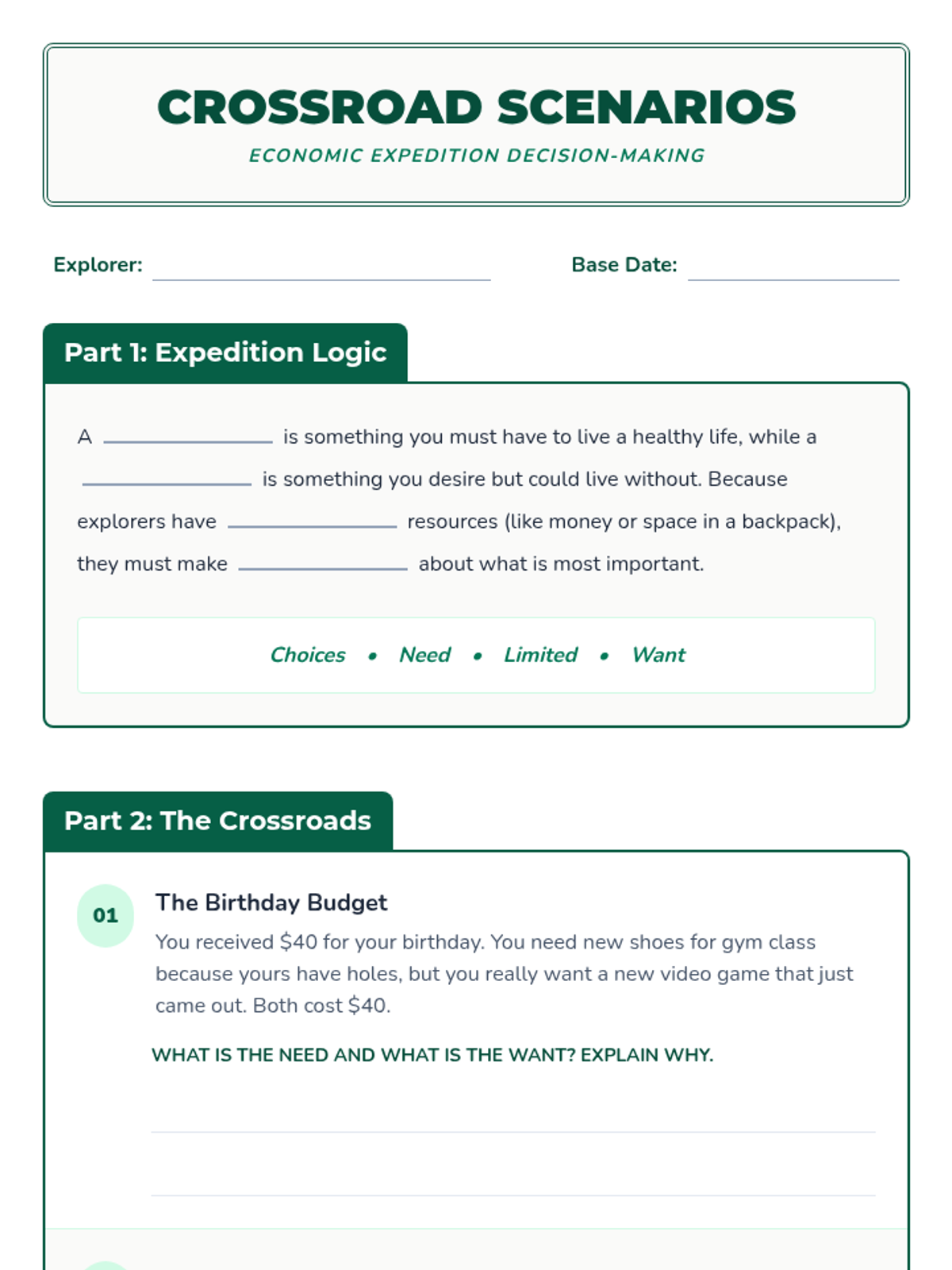
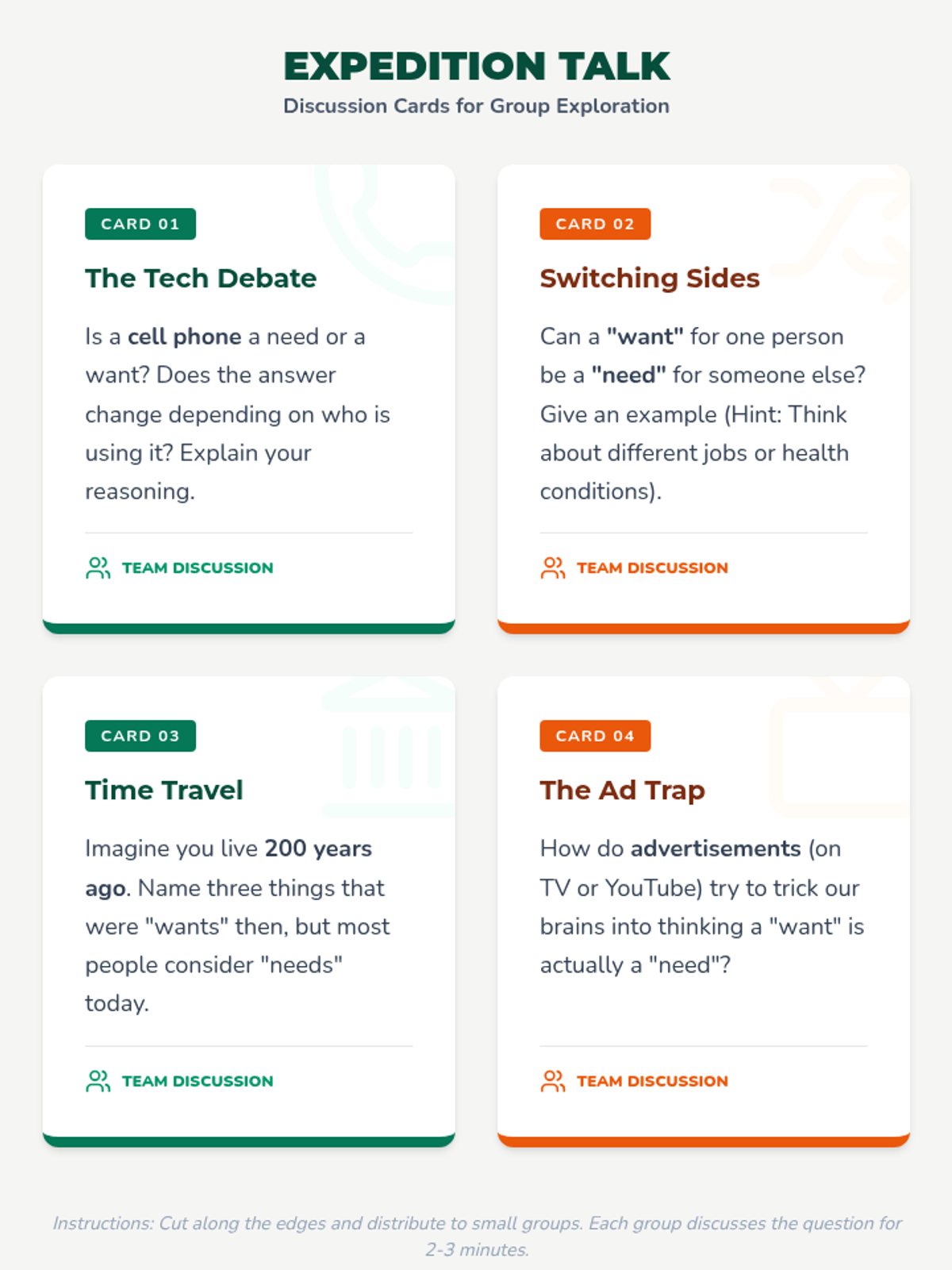
An interactive exploration of needs versus wants, using an expedition-themed framework to help students distinguish between survival essentials and lifestyle preferences. Students will participate in sorting activities, scenario-based problem solving, and group discussions to master basic economic decision-making.
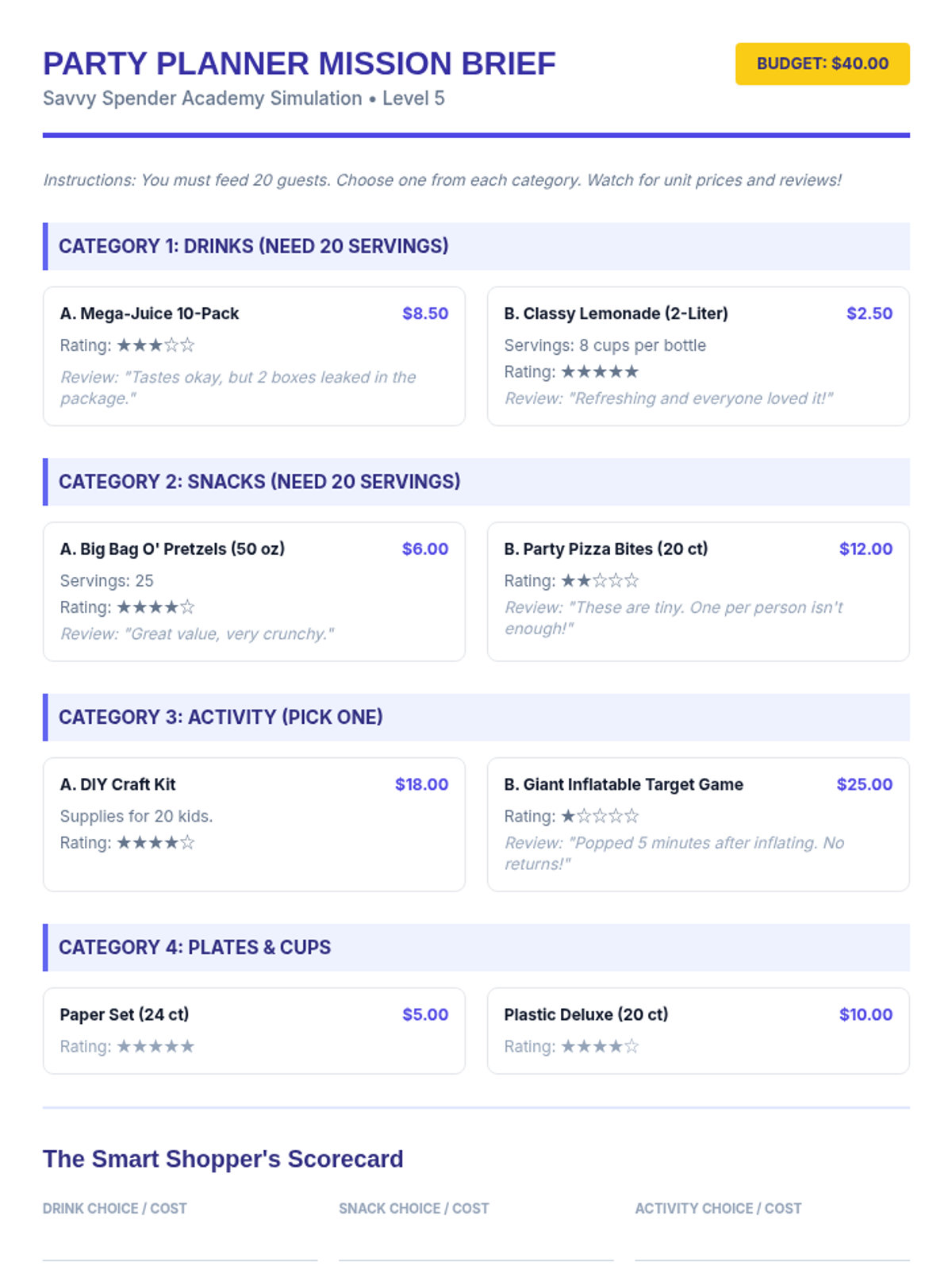
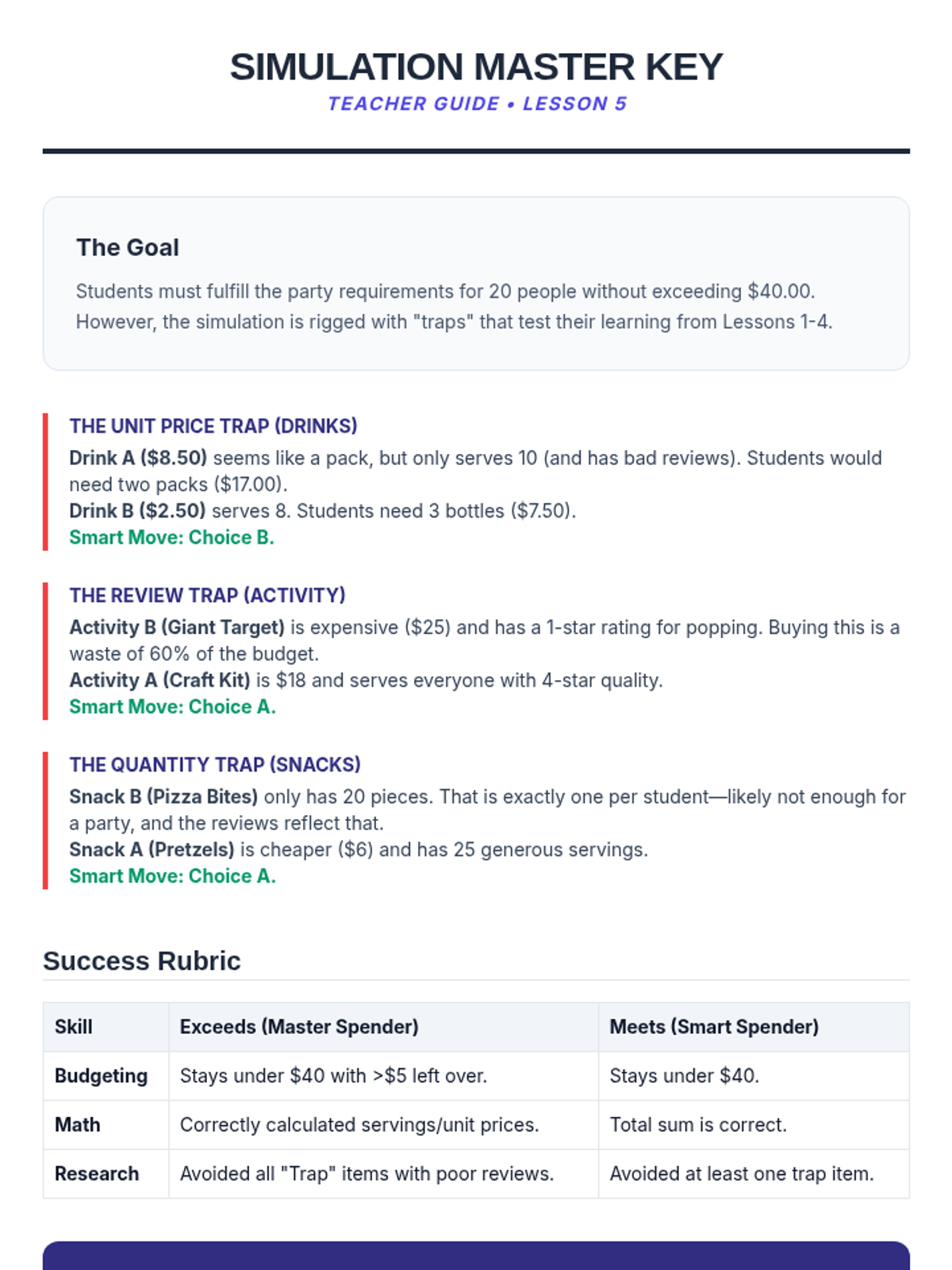
Students apply all learned skills in a complex simulation where they must purchase supplies for a class party or event. They must compare brands, calculate unit prices, check reviews, and stay under budget to prove they are 'smart shoppers.'
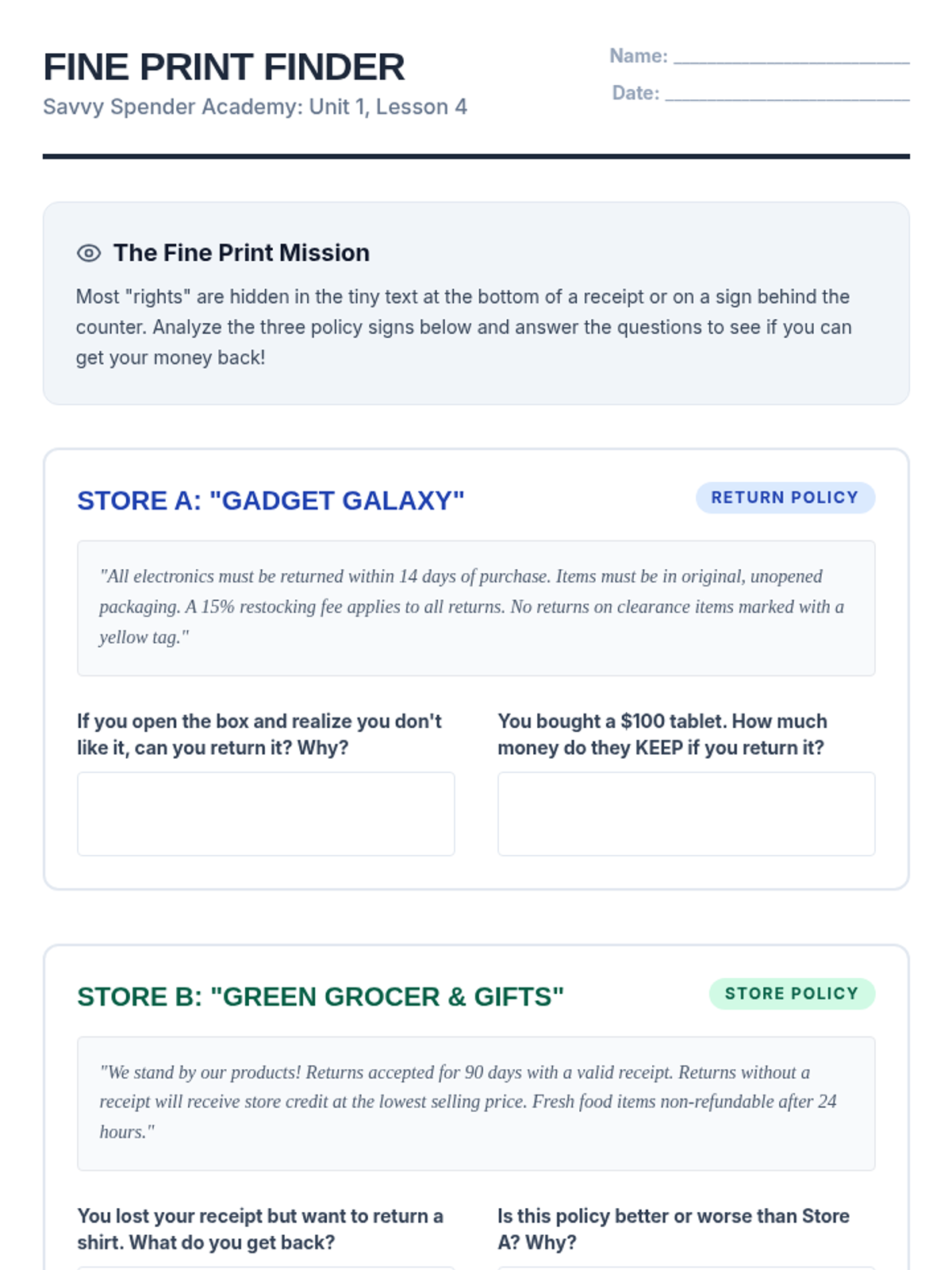
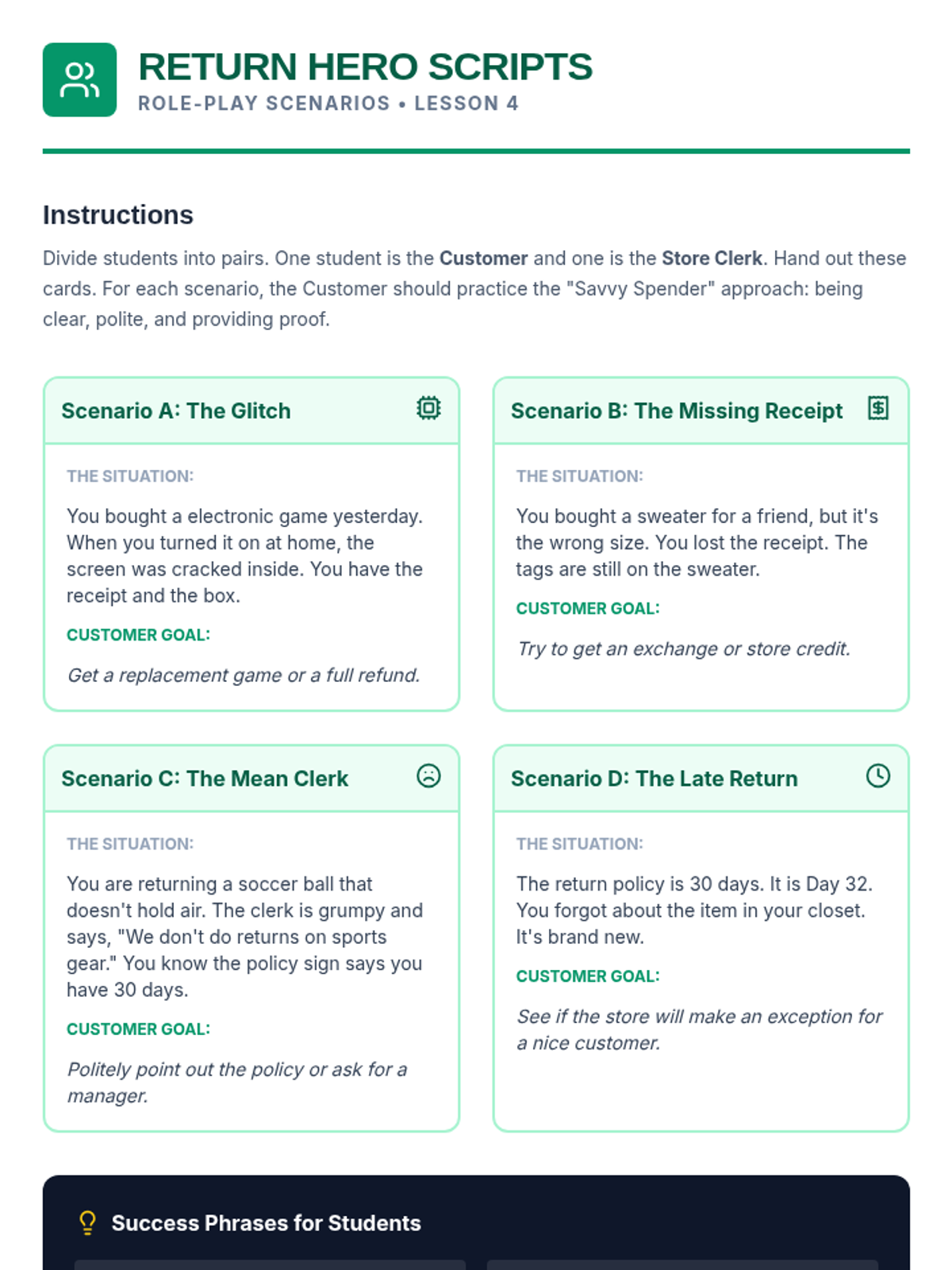
This lesson covers what happens after a purchase, focusing on reading return policies and understanding warranties. Students role-play scenarios where they must return a defective item or advocate for a refund politely and effectively.
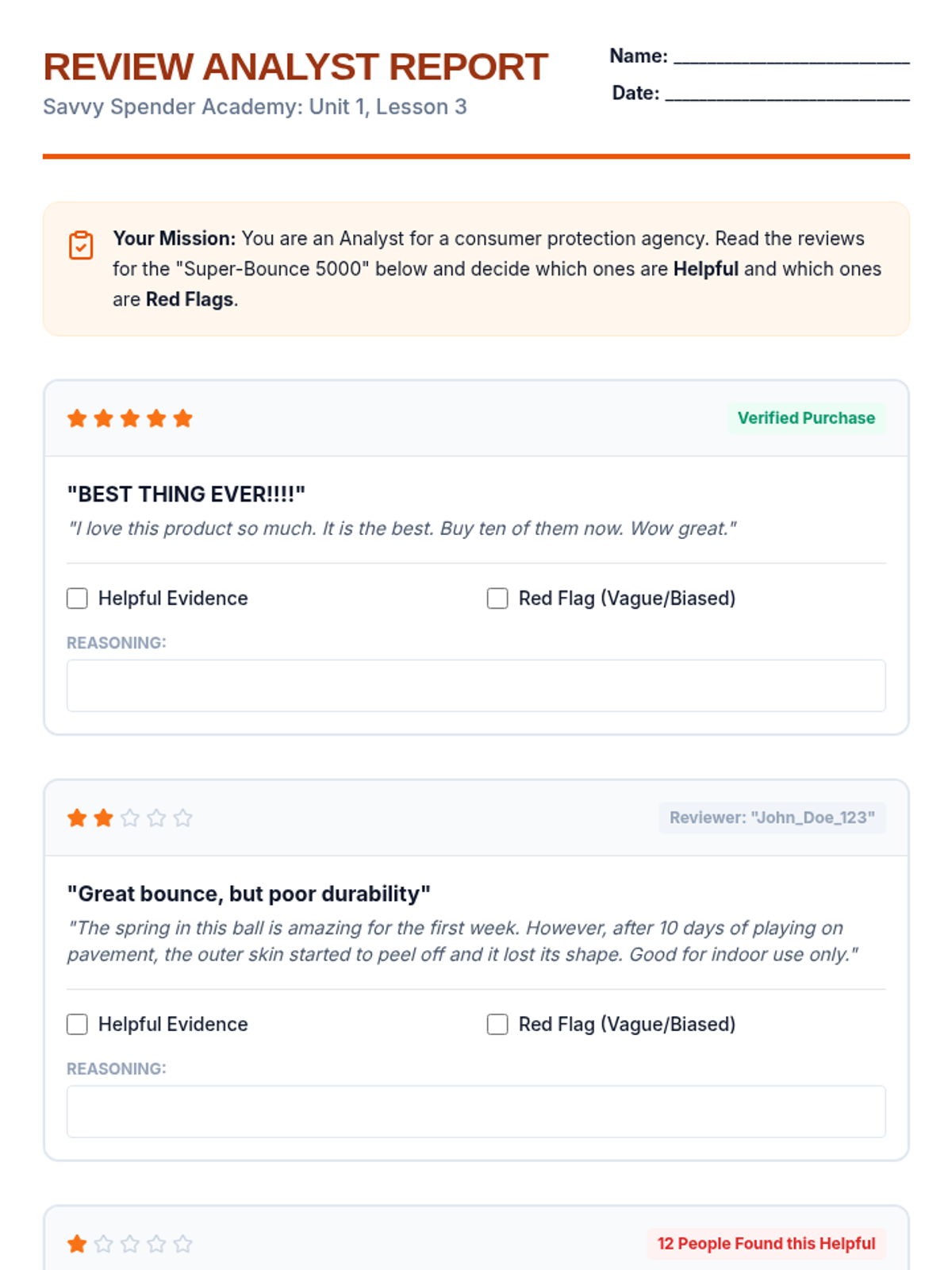
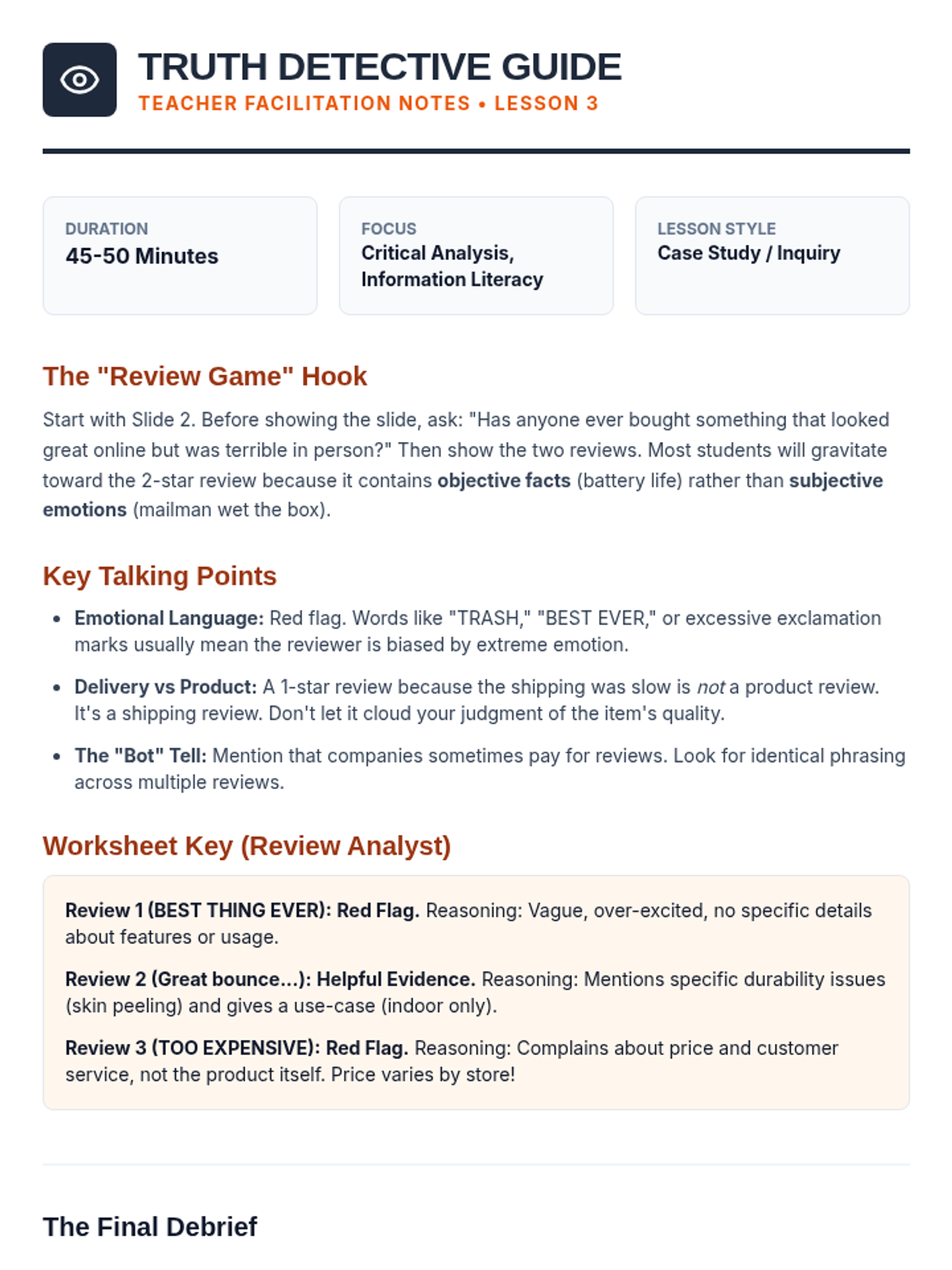
Students learn to research products before buying by analyzing online reviews and star ratings. They practice identifying helpful, balanced reviews versus those that are overly vague, biased, or potentially fake.
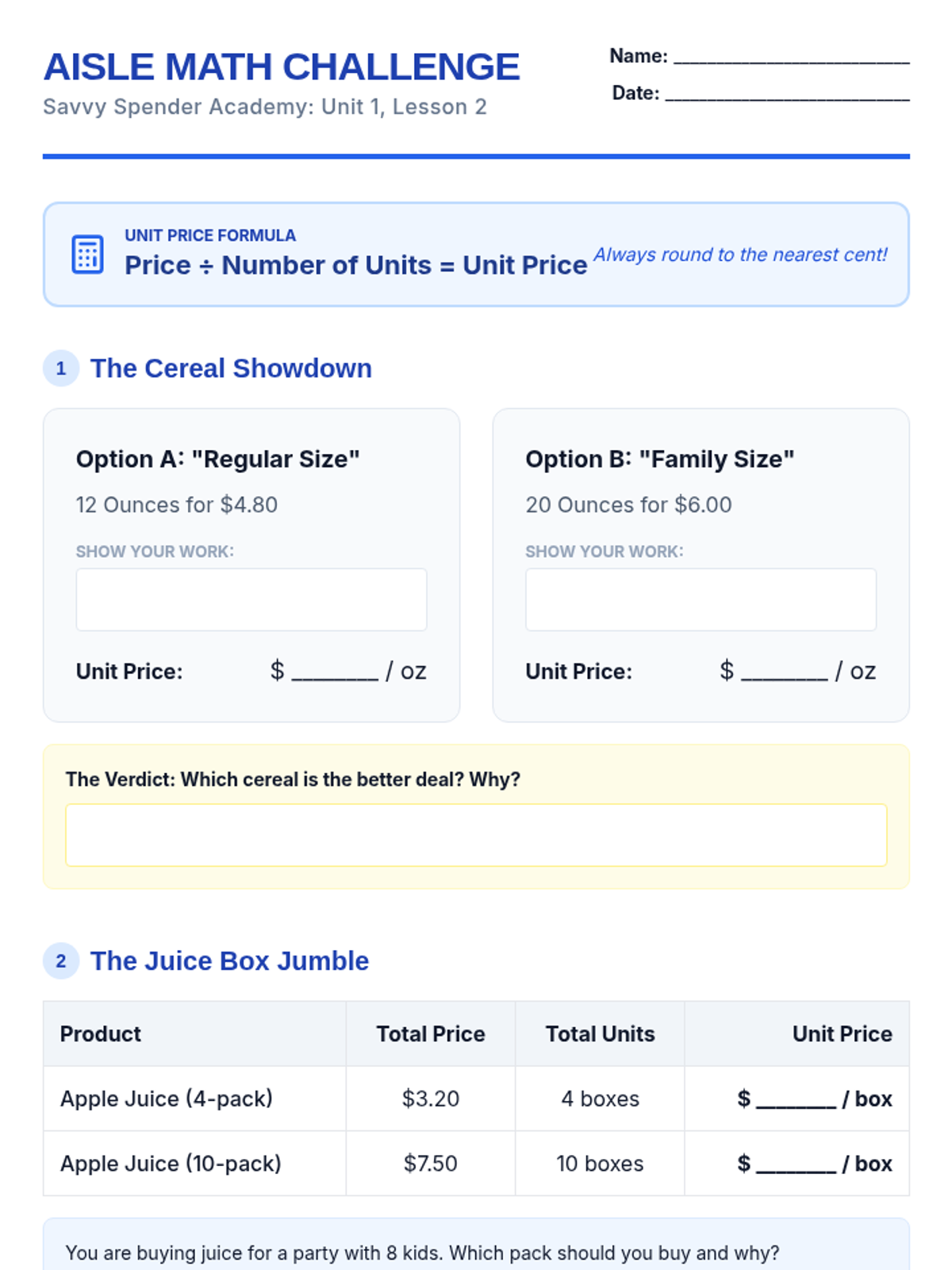
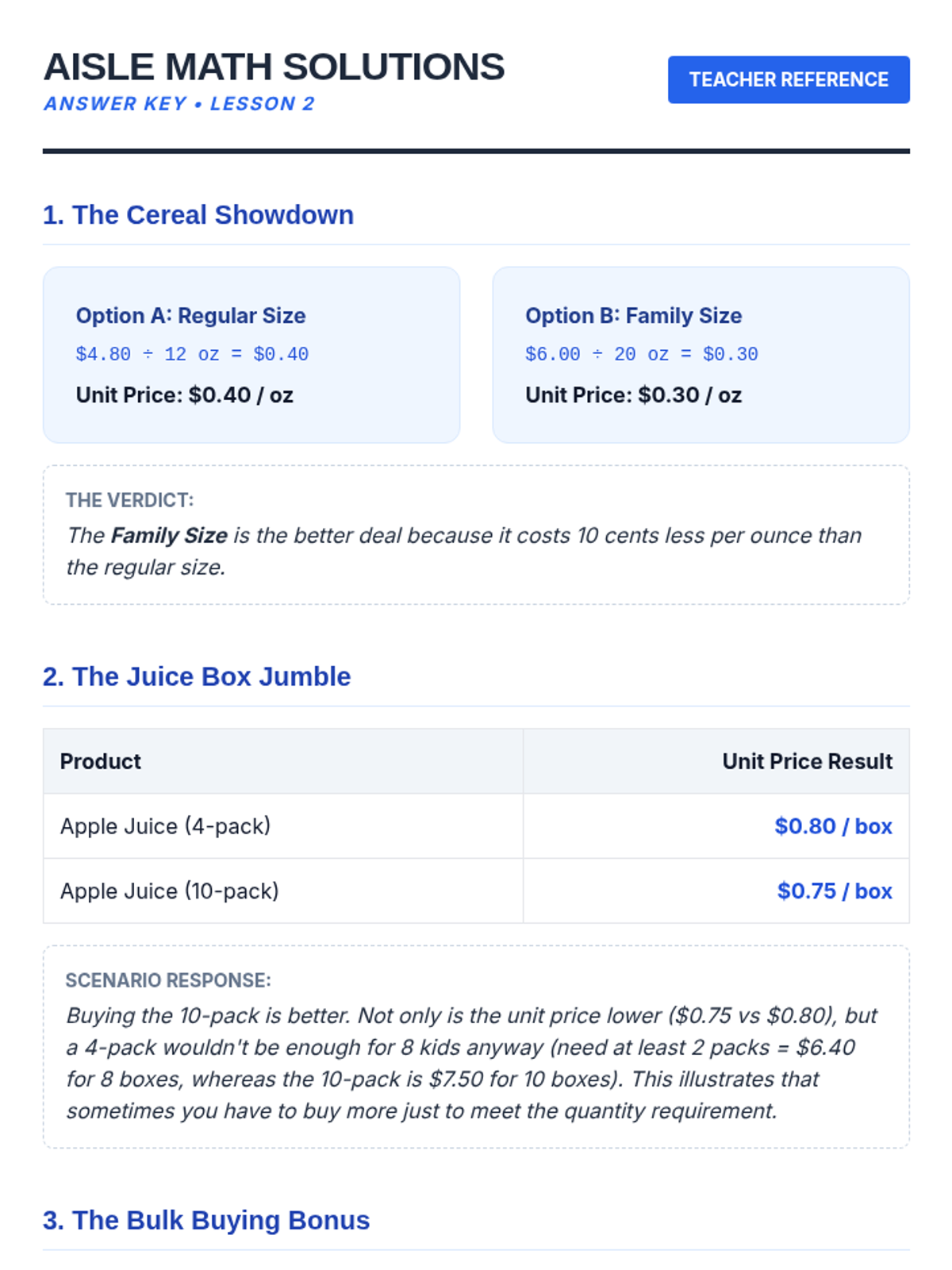
This math-focused lesson teaches students how to calculate the price per ounce or unit to compare products of different sizes. Students determine when buying in bulk saves money and when it might be wasteful.
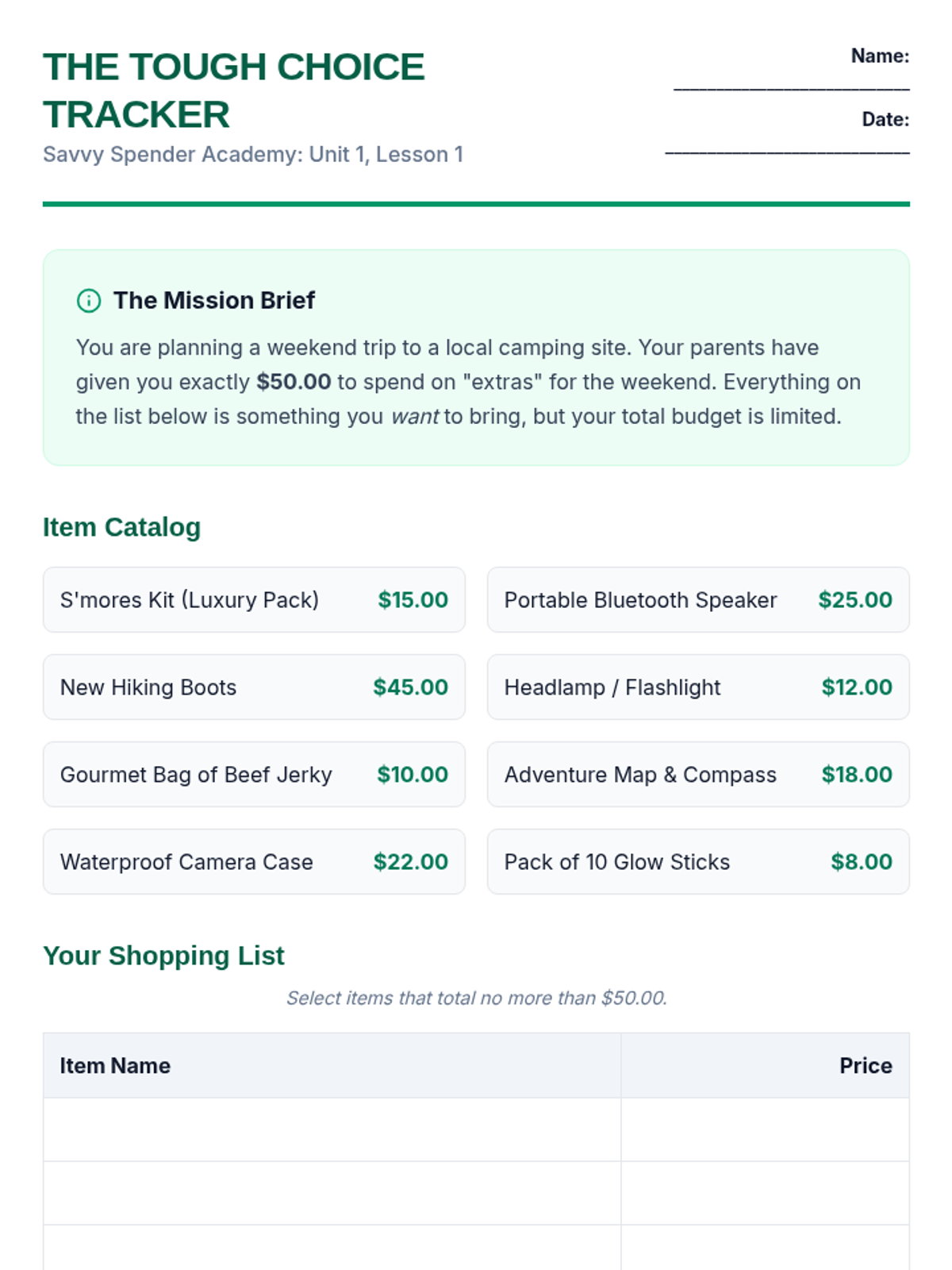
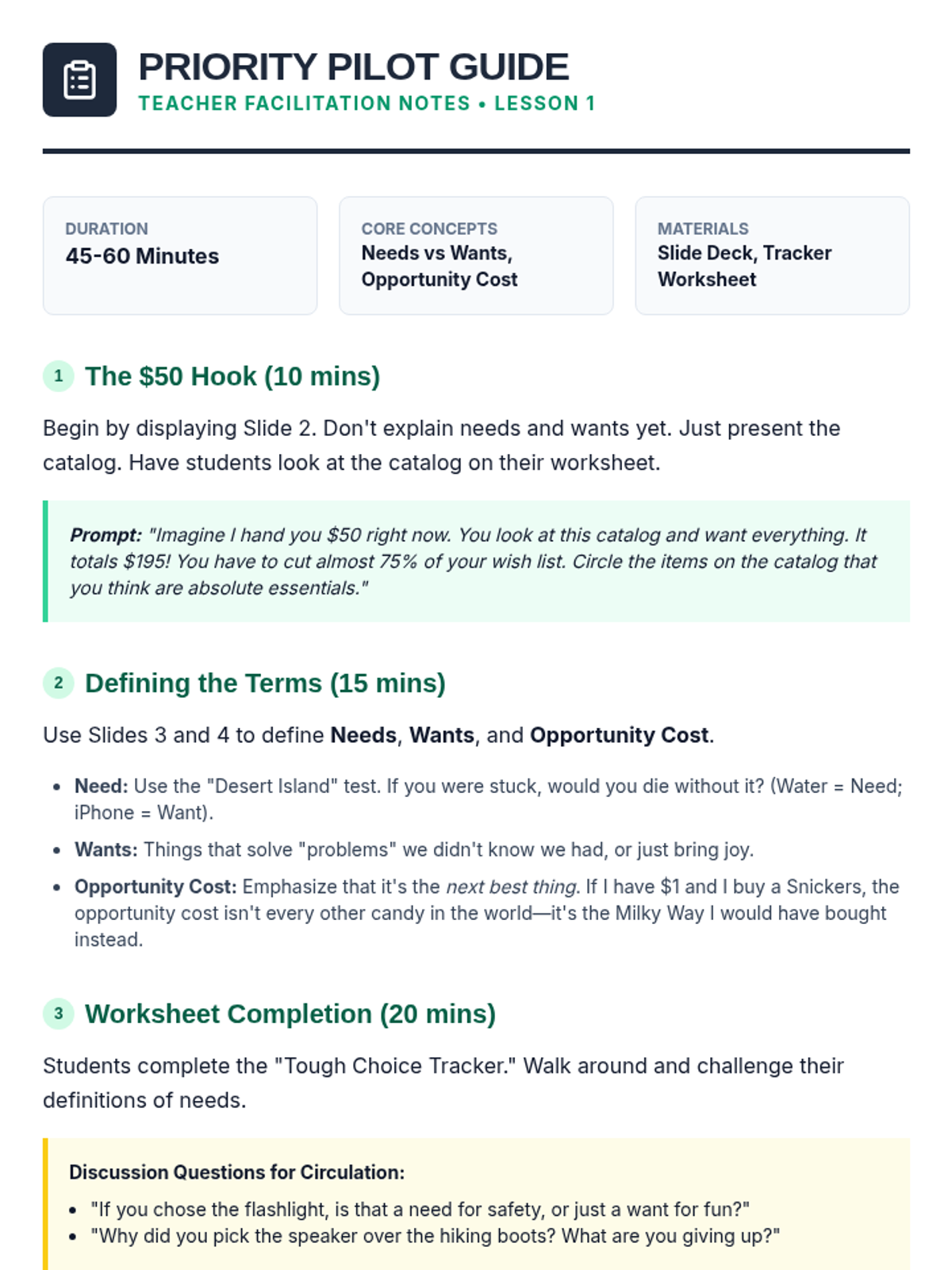
Students explore the foundational concepts of needs versus wants and opportunity cost. They practice making difficult spending choices and prioritizing items for a hypothetical weekend trip within a limited budget.
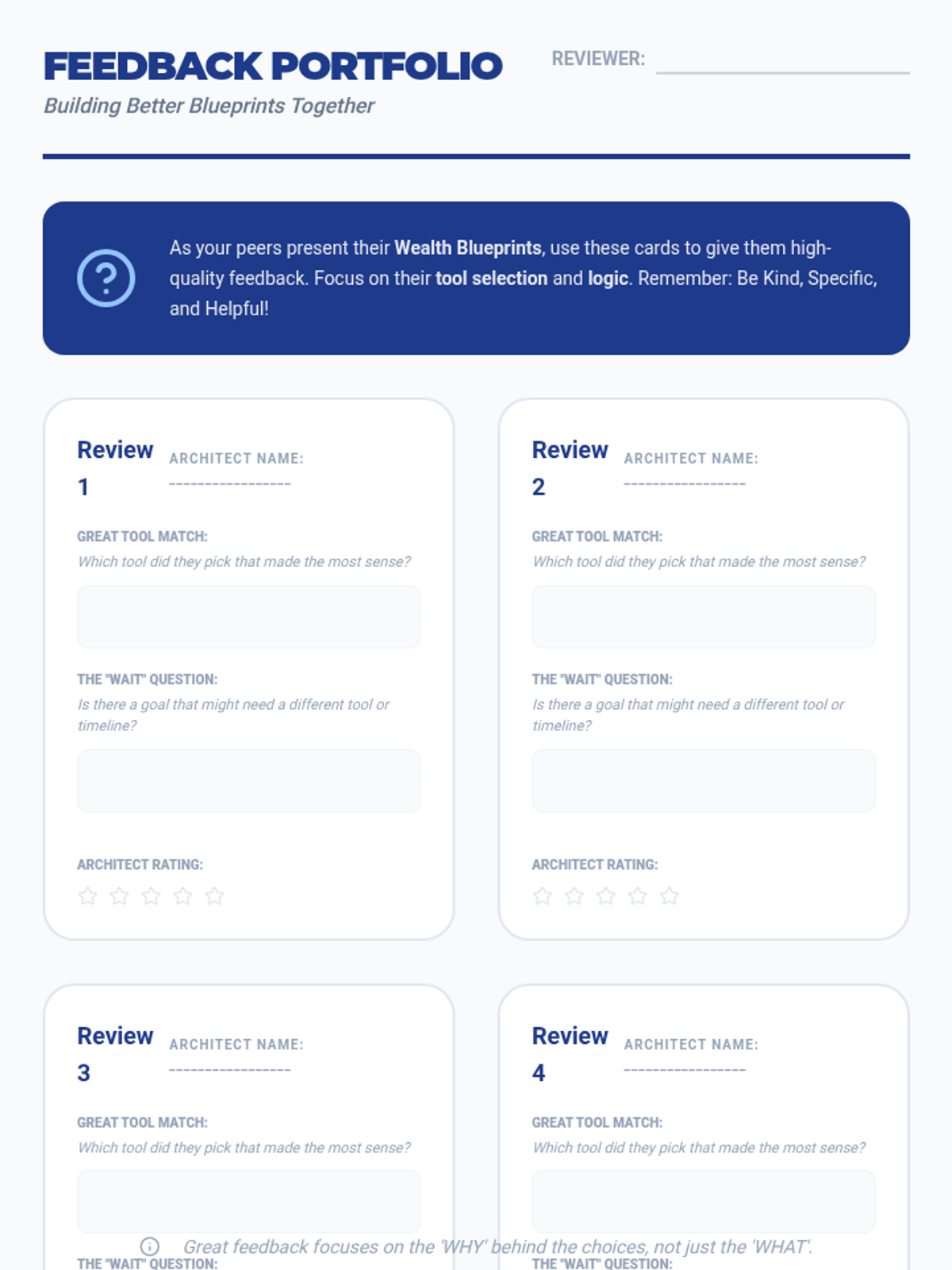
Students present their financial plans to the class and provide peer feedback on feasibility and strategy.
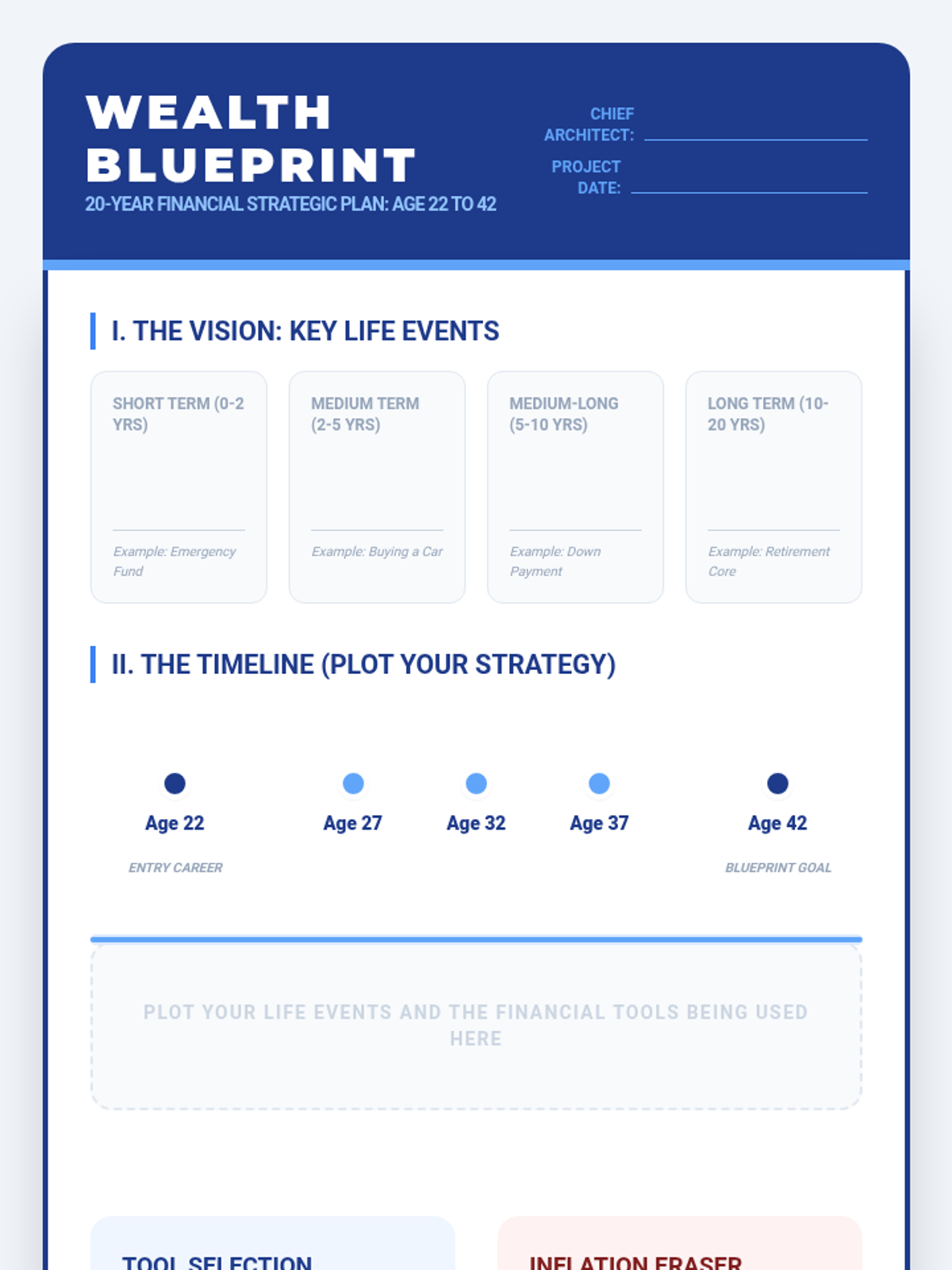
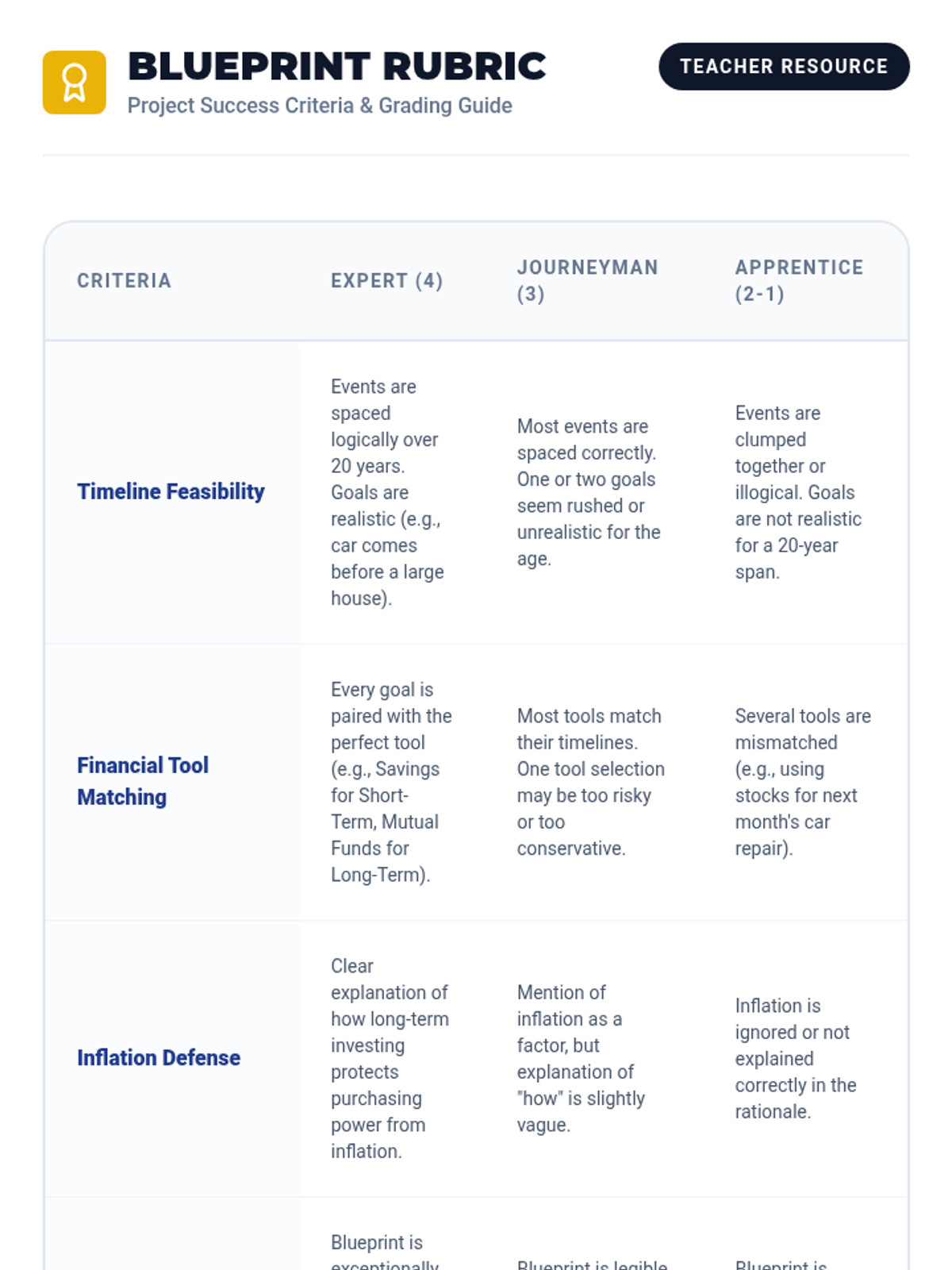
Students synthesize their learning by creating a 20-year financial roadmap for a fictional character.
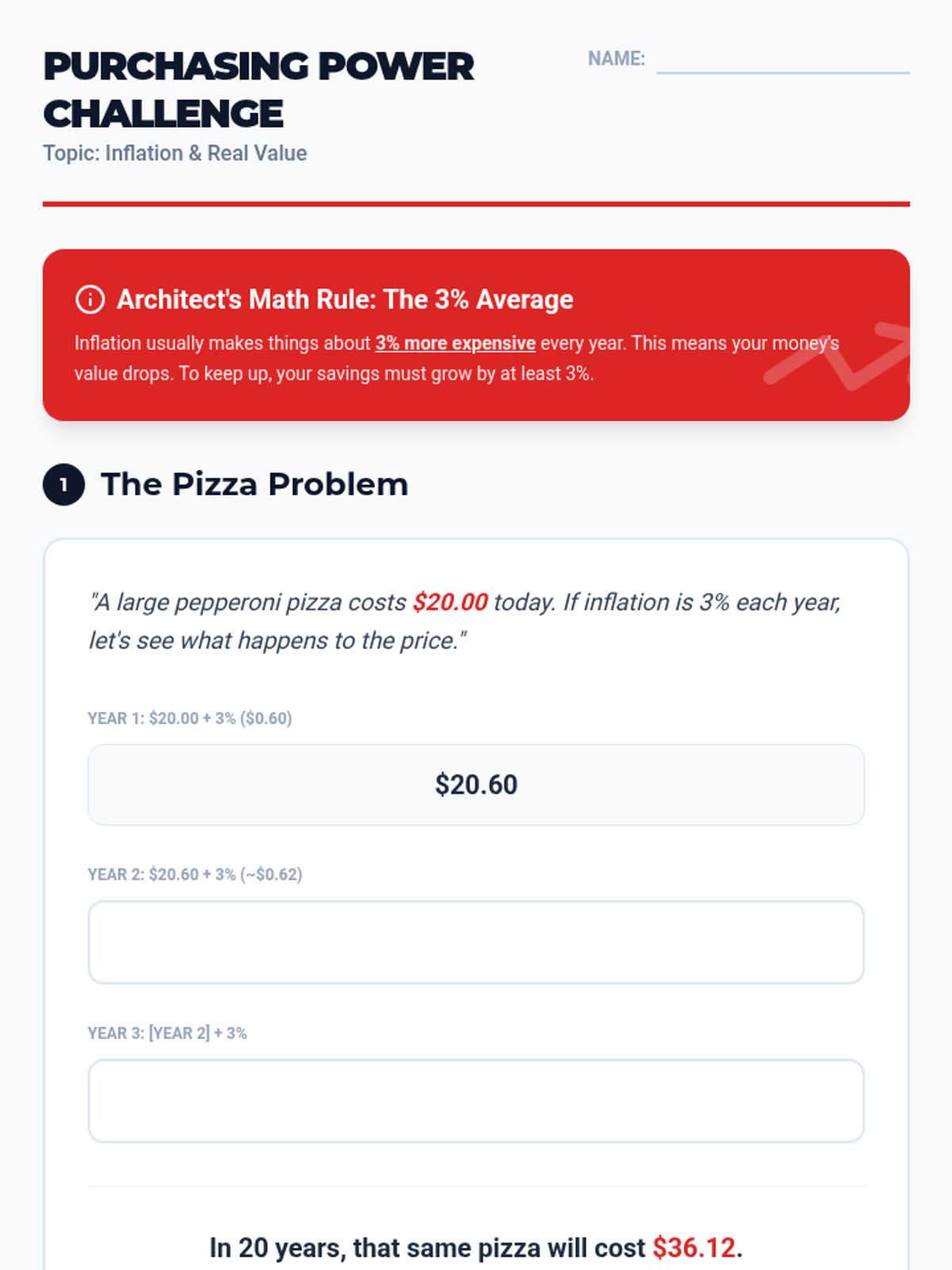
Students explore how inflation reduces purchasing power and why investing is necessary for long-term growth.
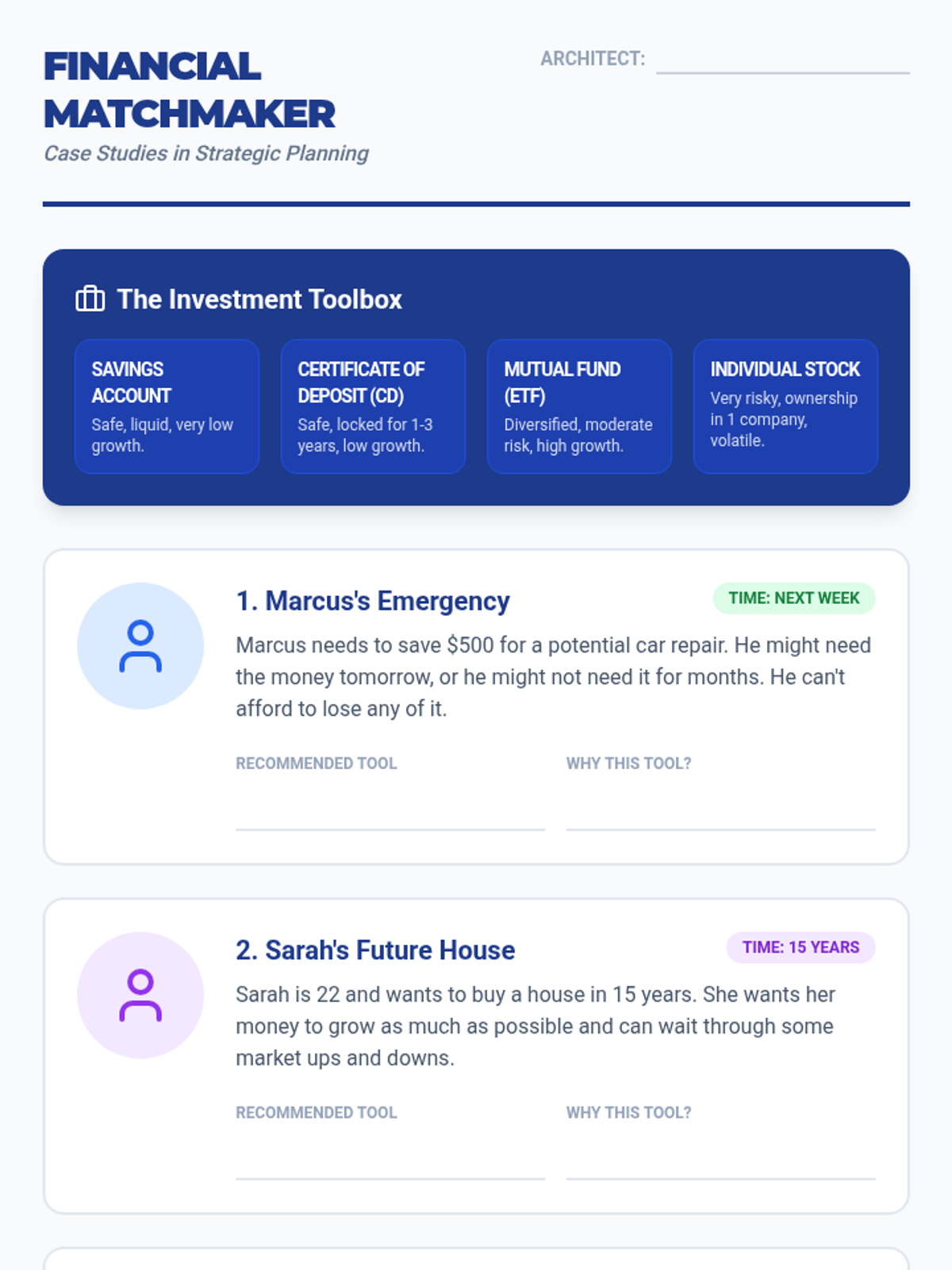
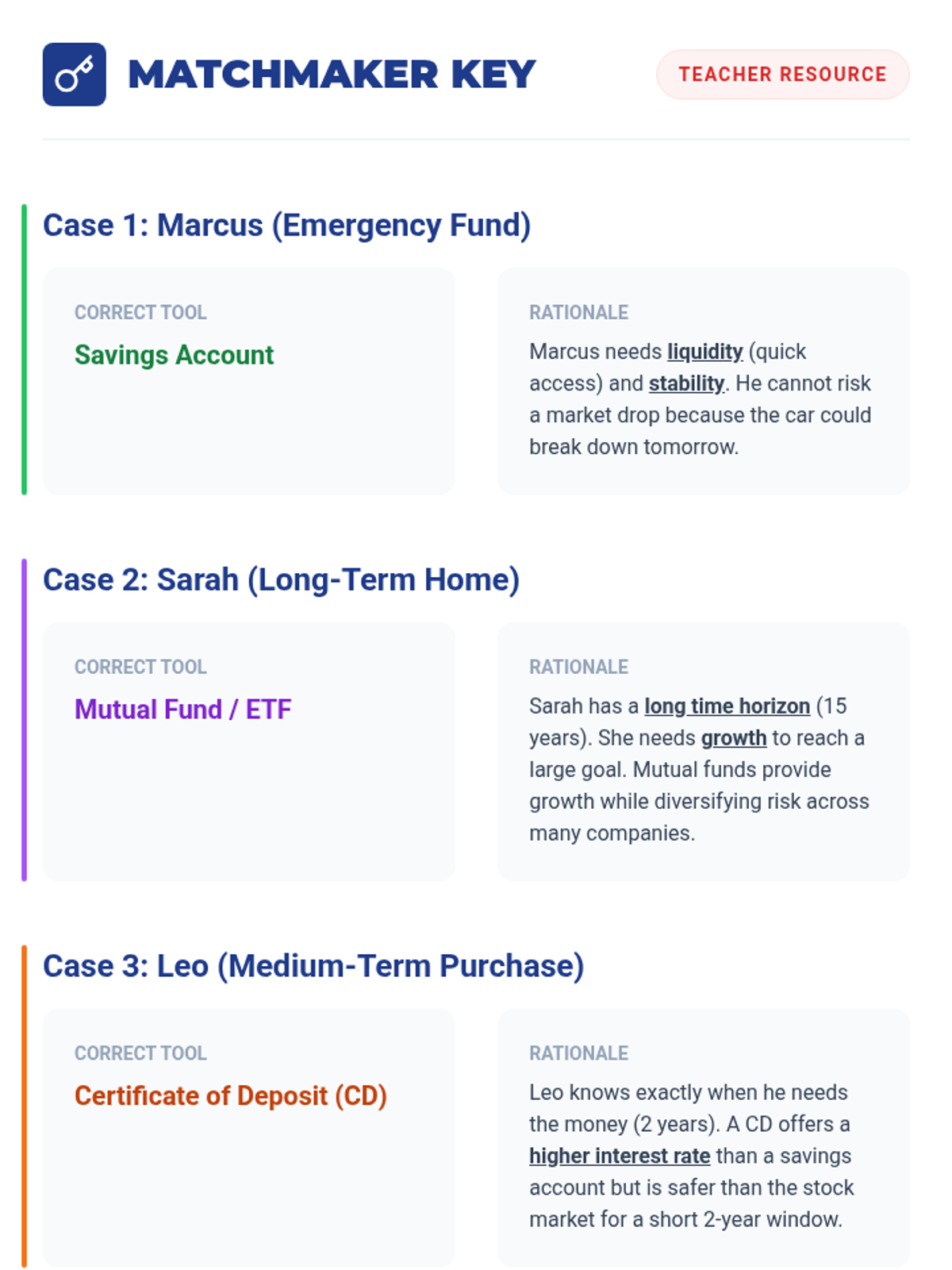
Students pair financial goals with appropriate savings and investment vehicles through case studies.
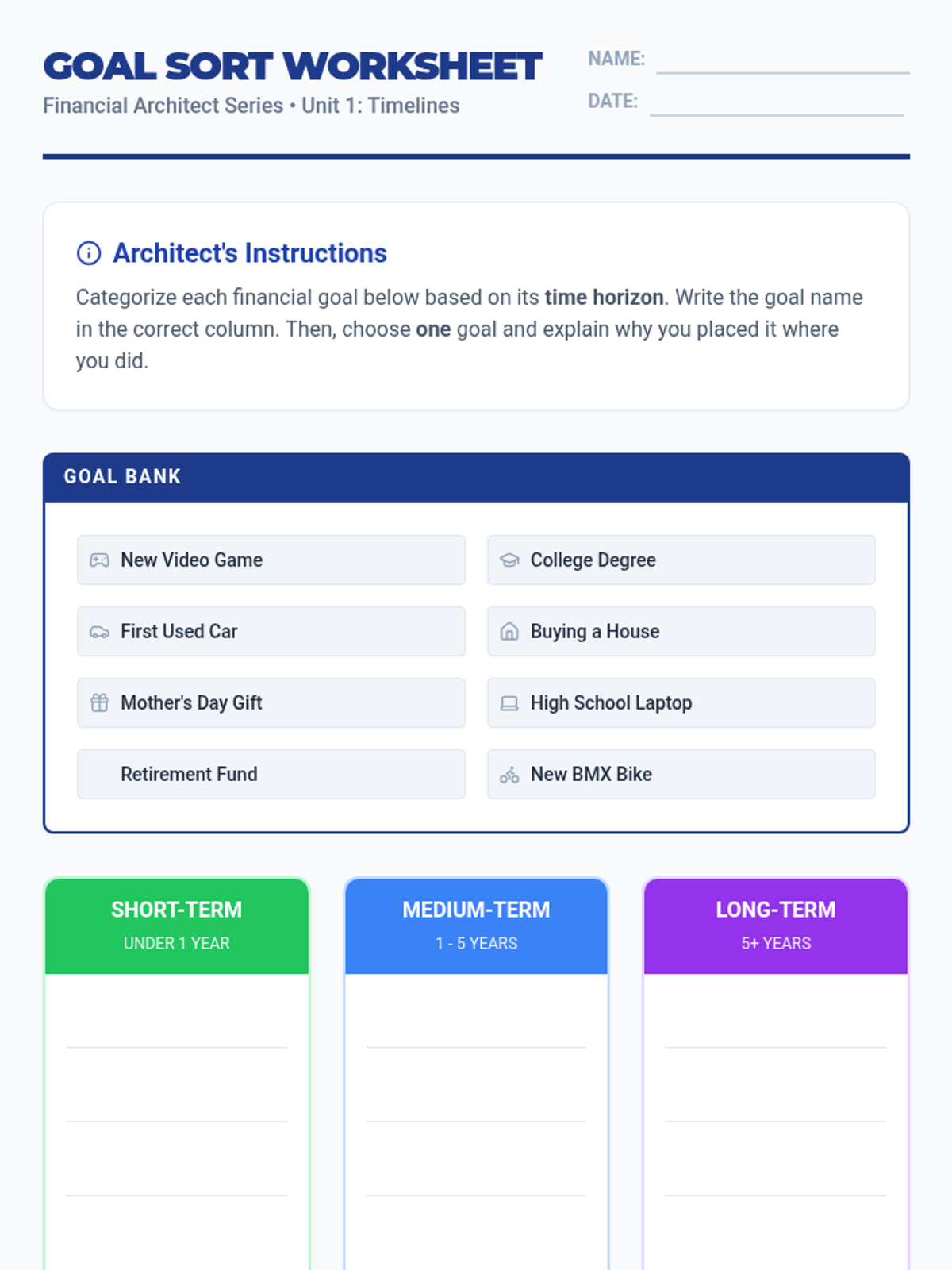
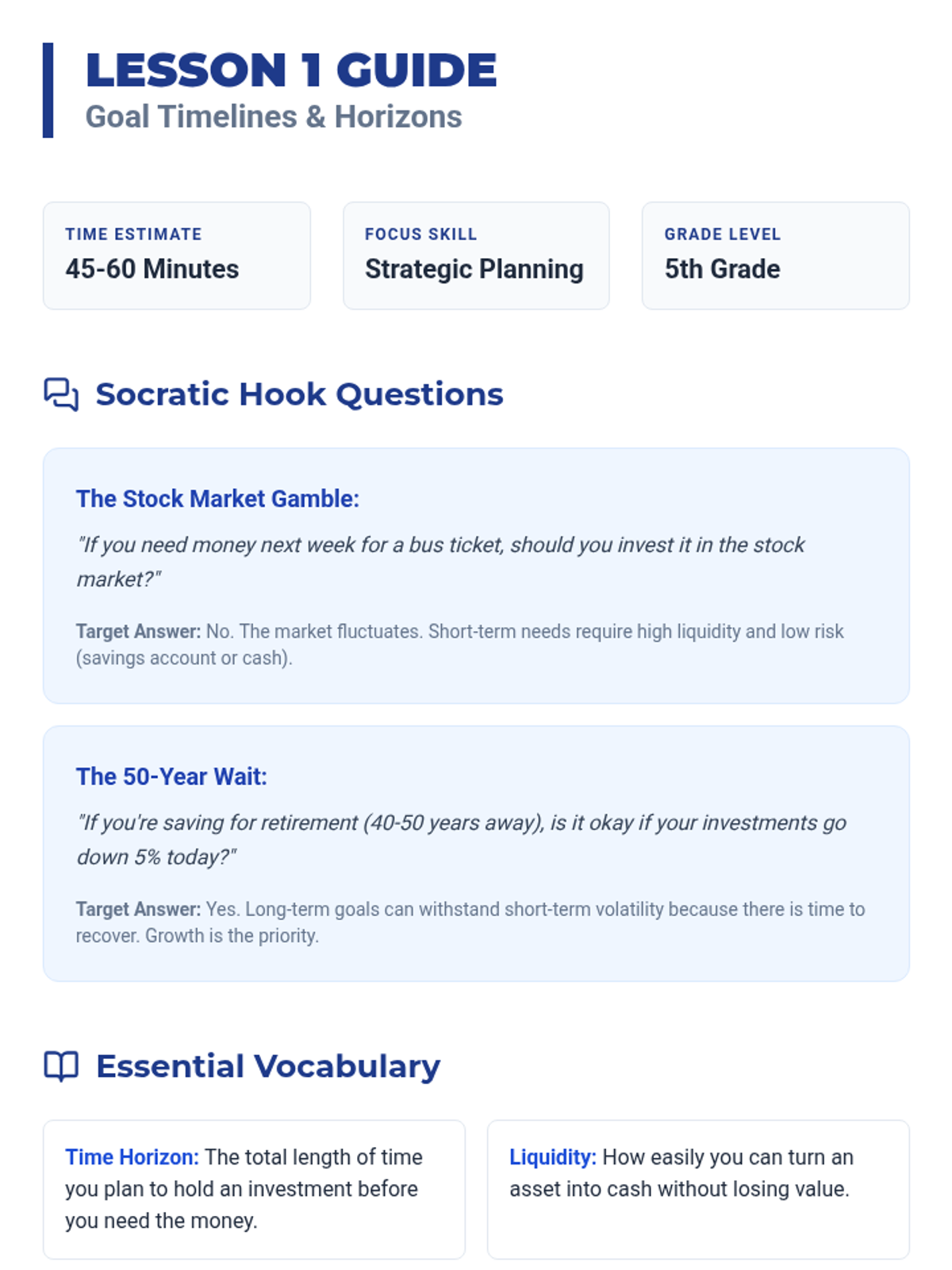
Students categorize financial goals by time horizon and learn how the timeline dictates the investment strategy.
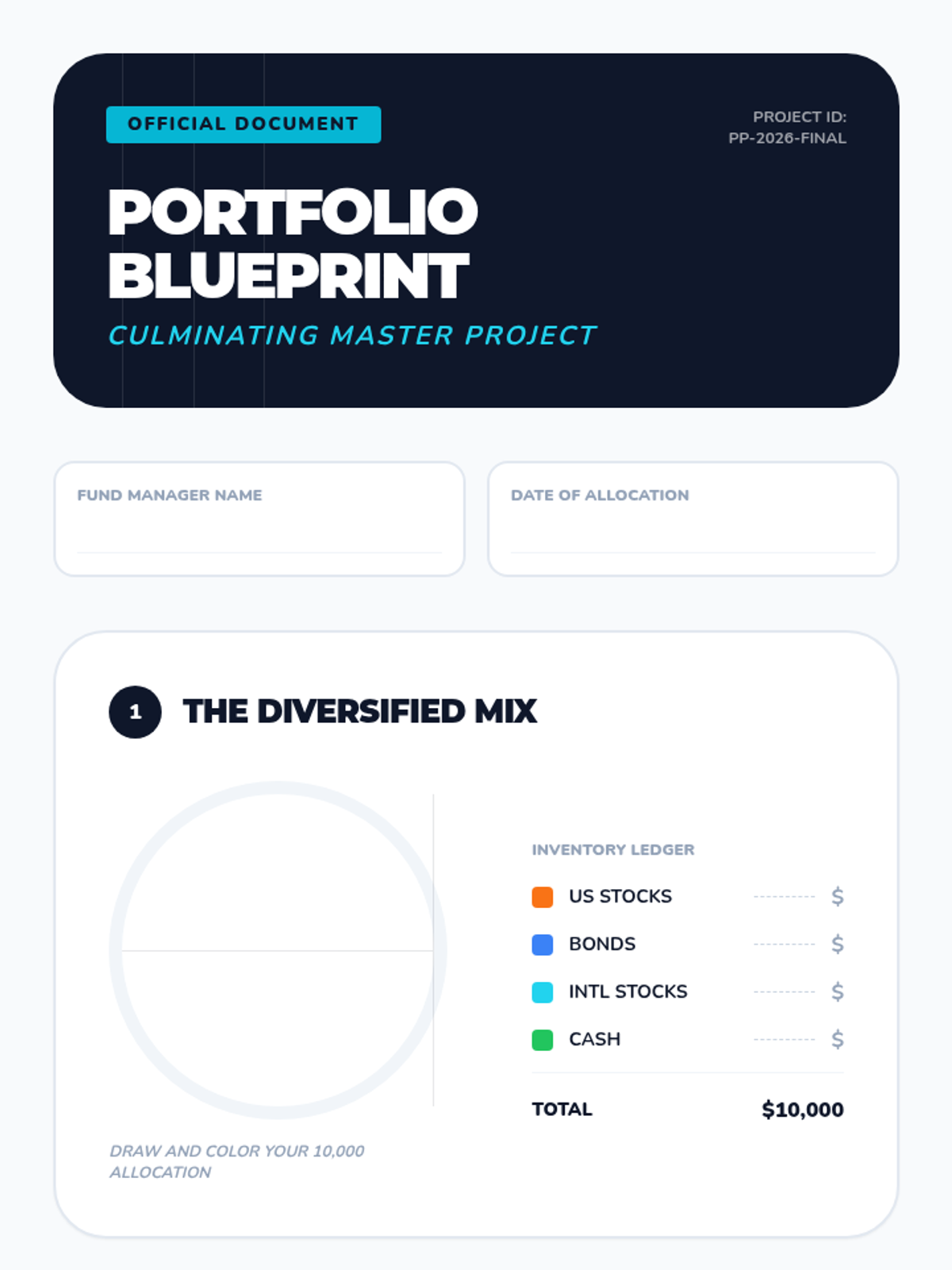
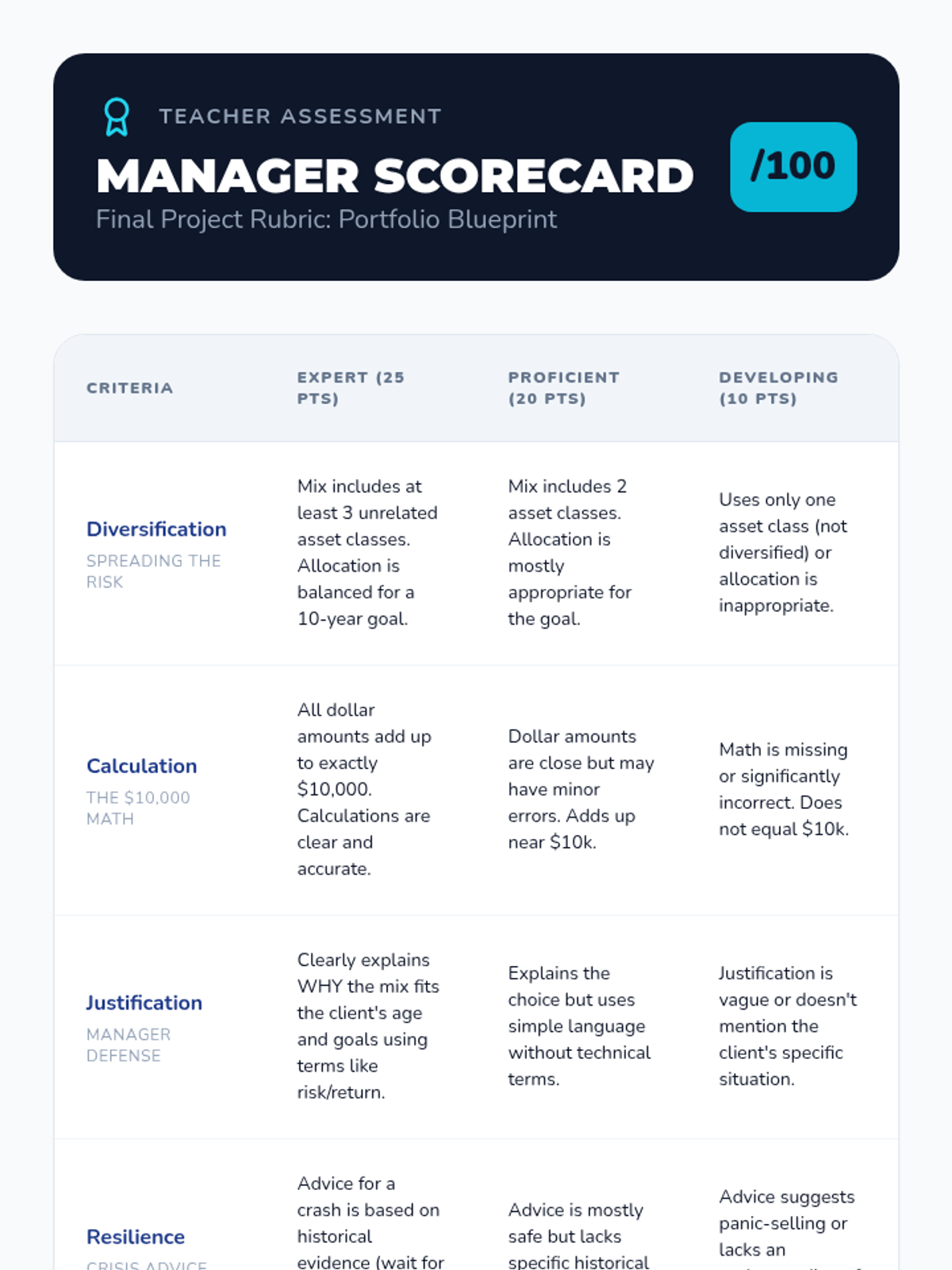
Culminating project where students allocate a fictional sum of money into a balanced, justified portfolio.
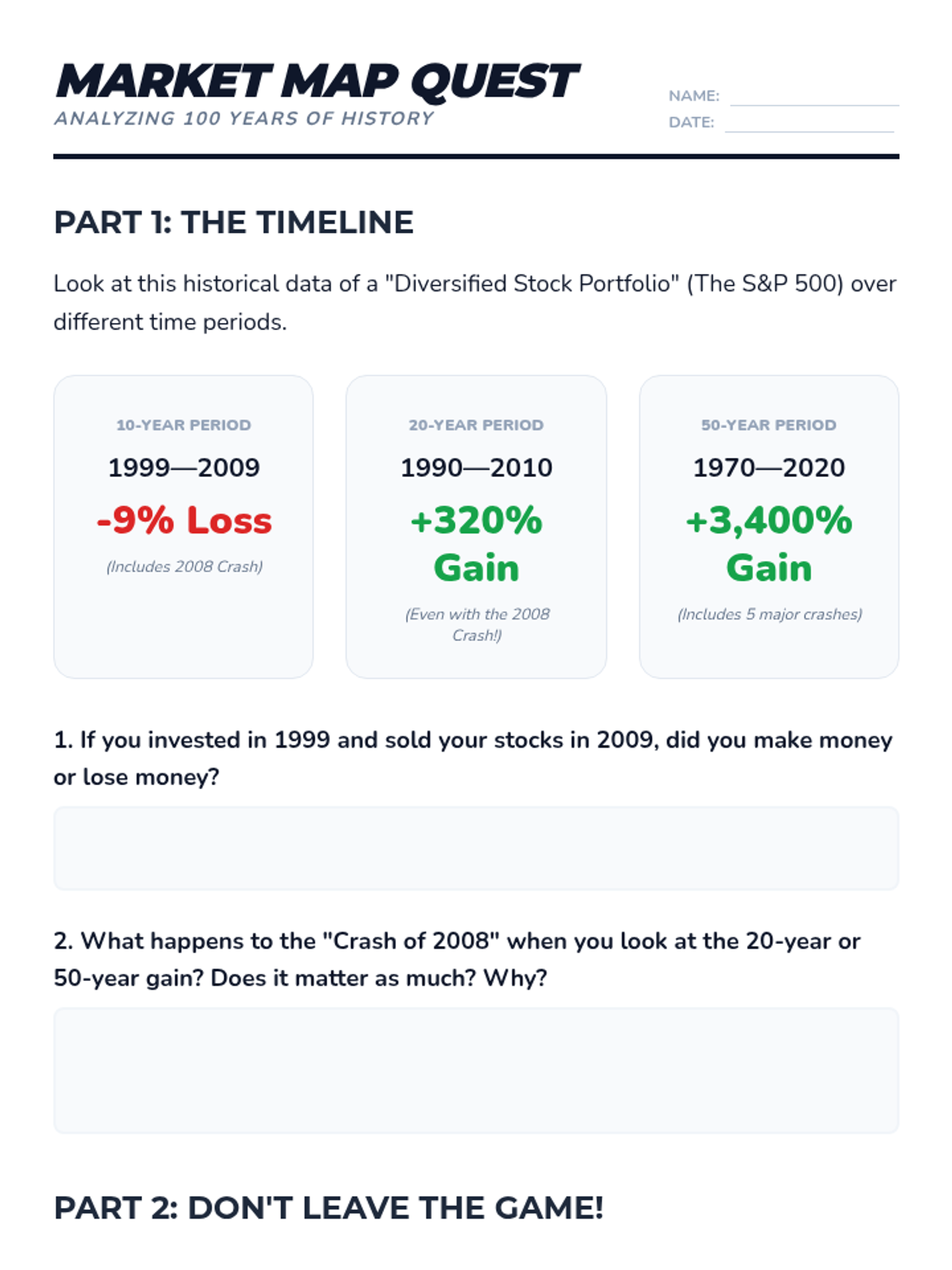
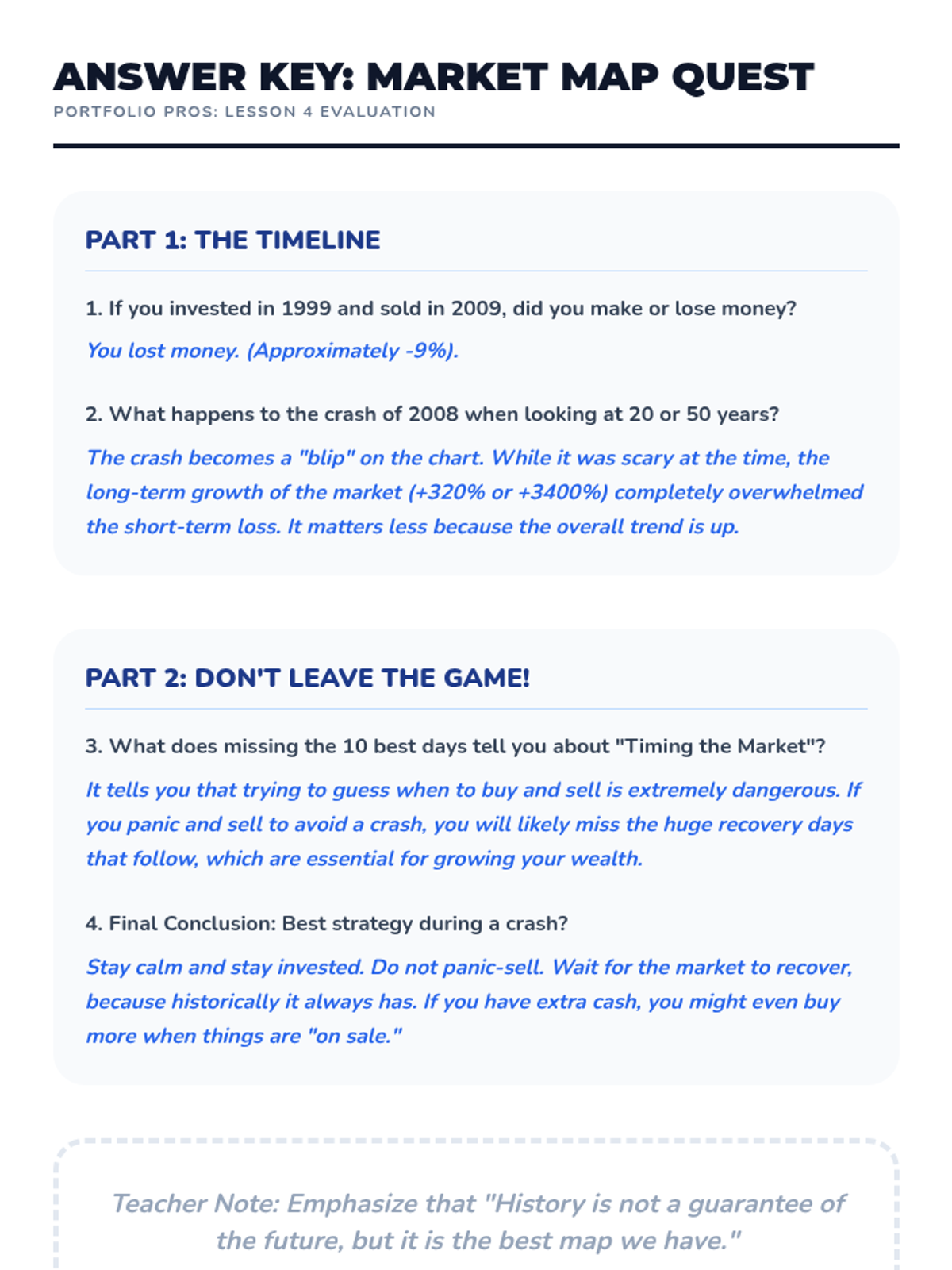
Historical analysis of market trends, crashes, and recoveries to understand long-term growth.
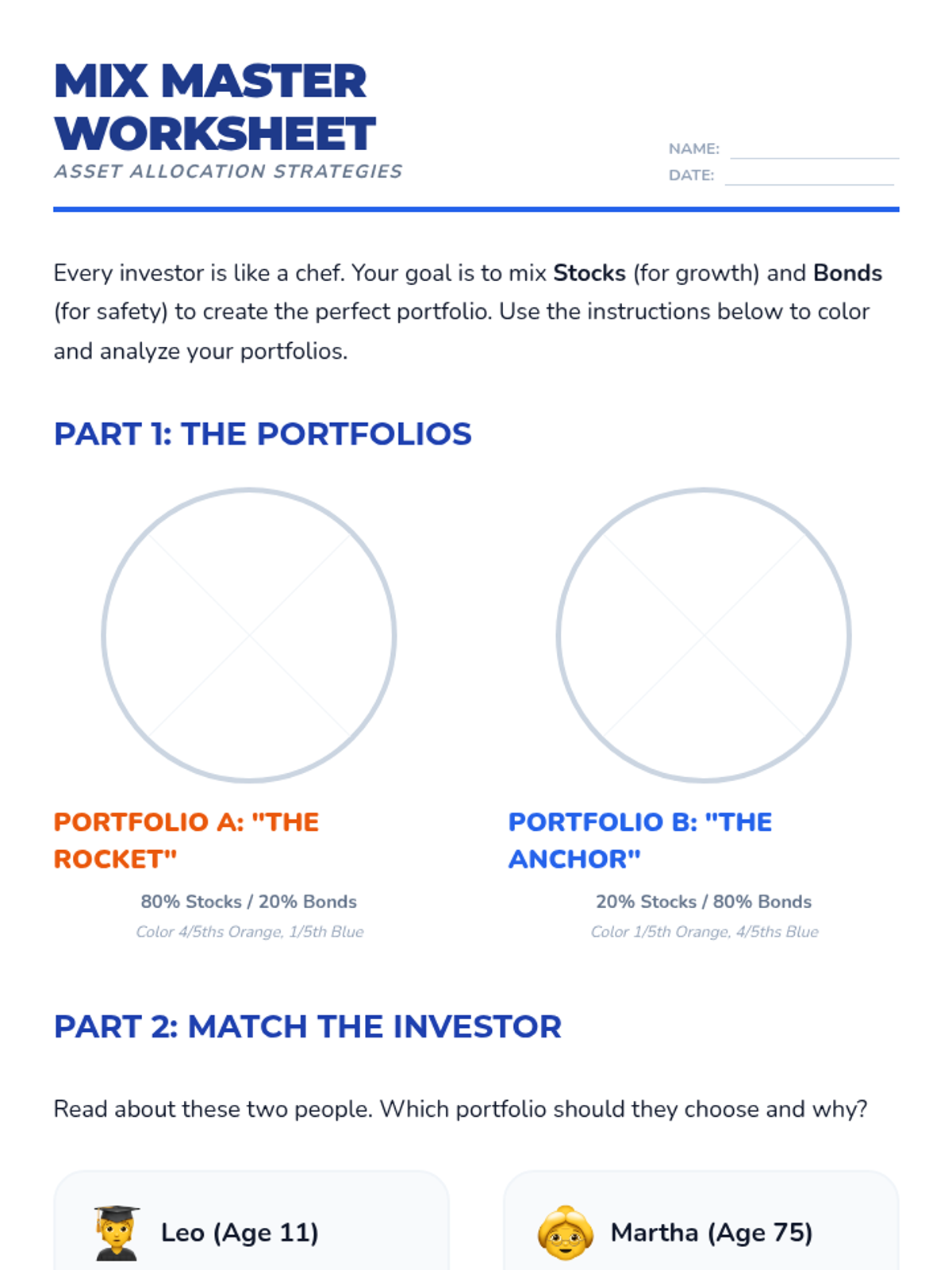
Students learn about asset allocation by designing pie charts representing different mixes of stocks and bonds.
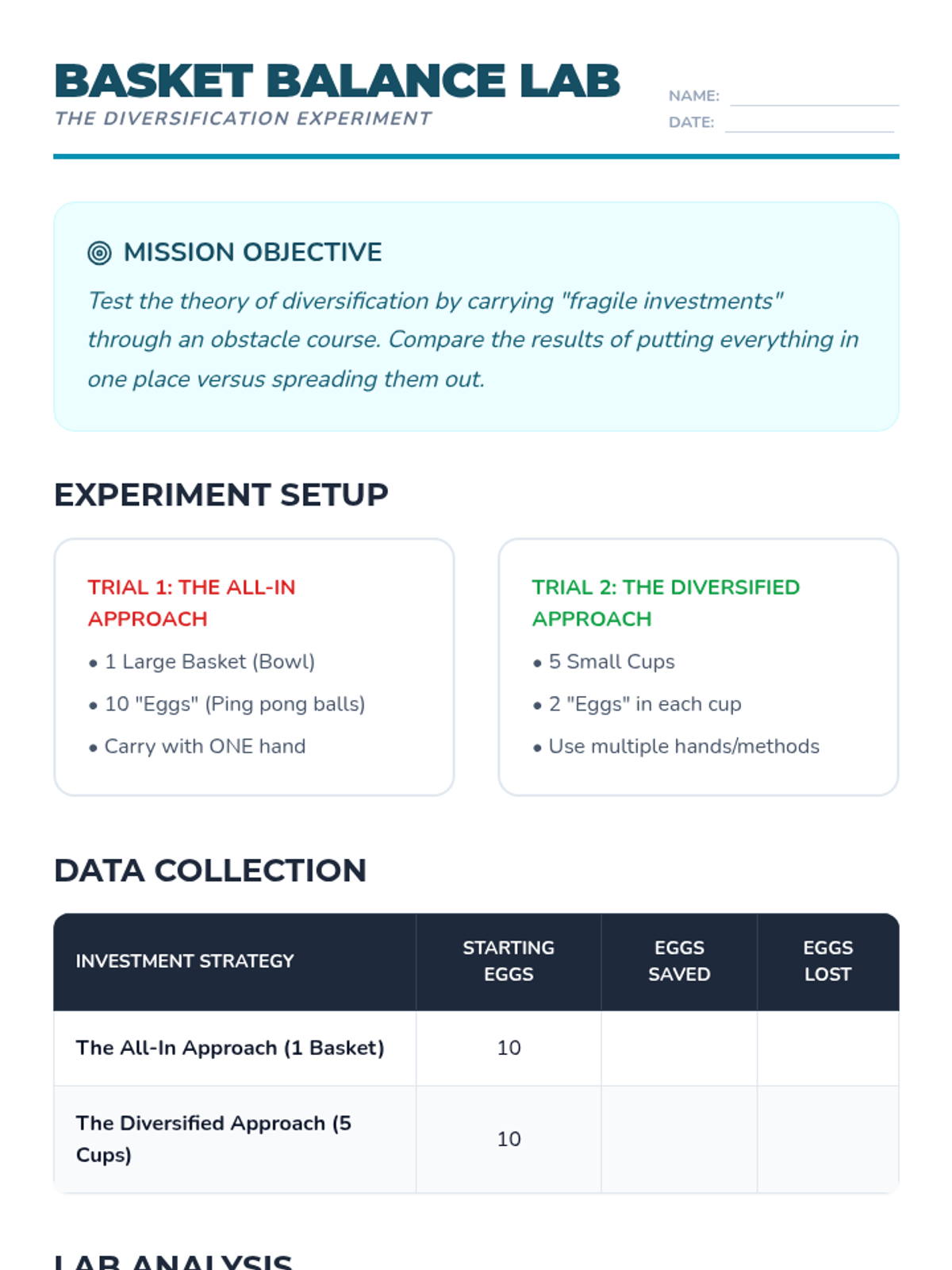
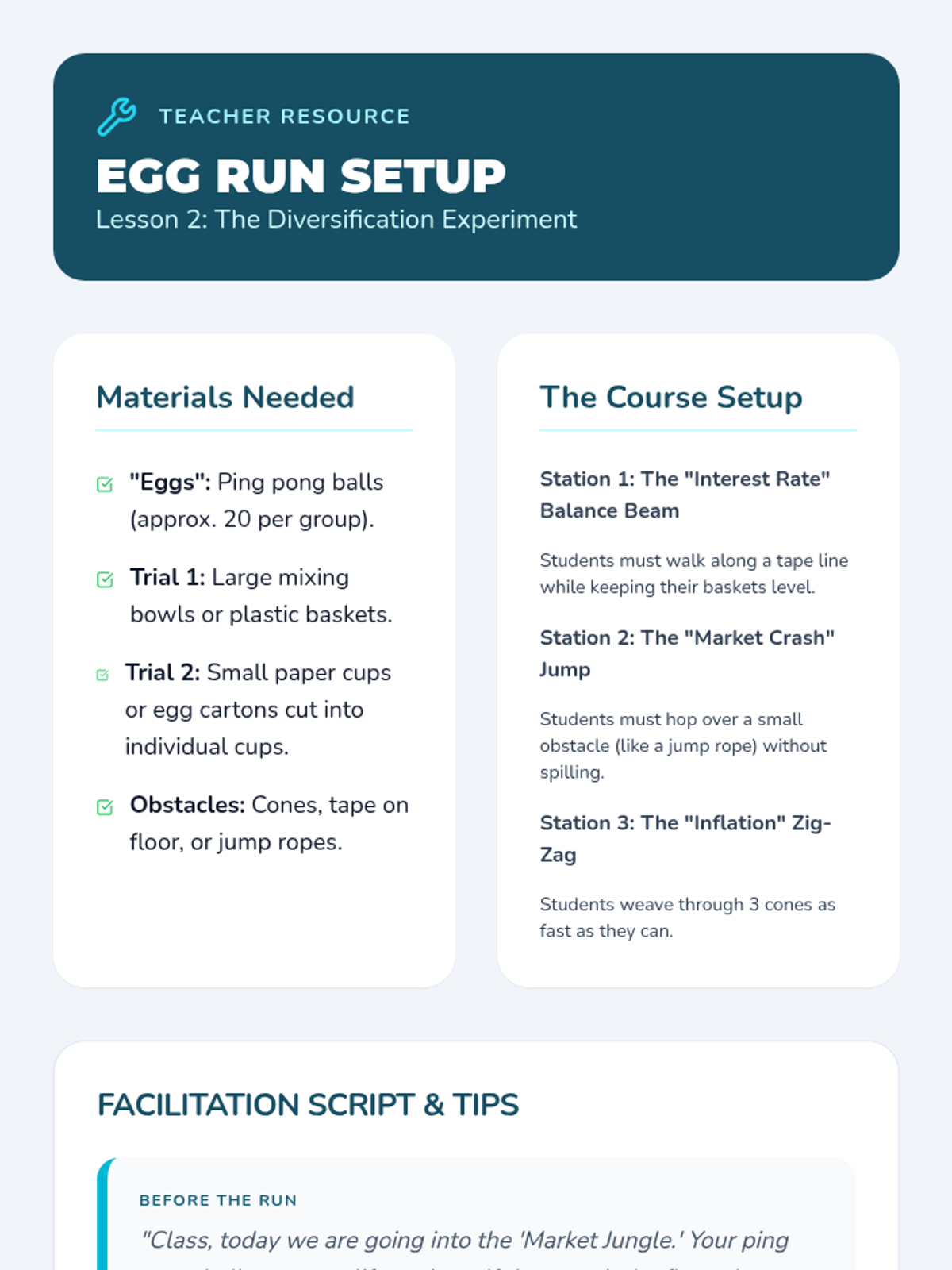
A physical simulation and project-based activity demonstrating the safety of spreading investments across different baskets.
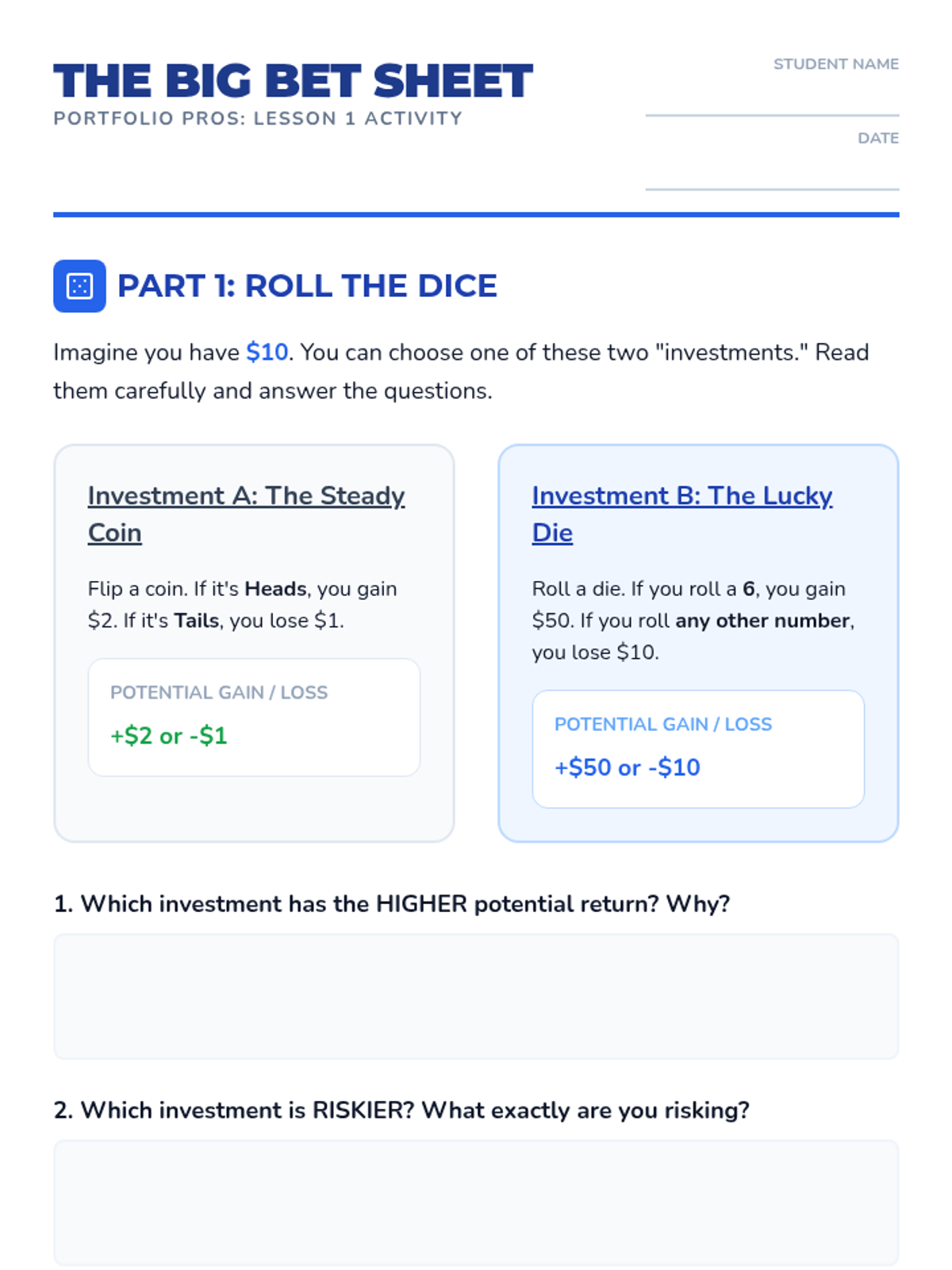
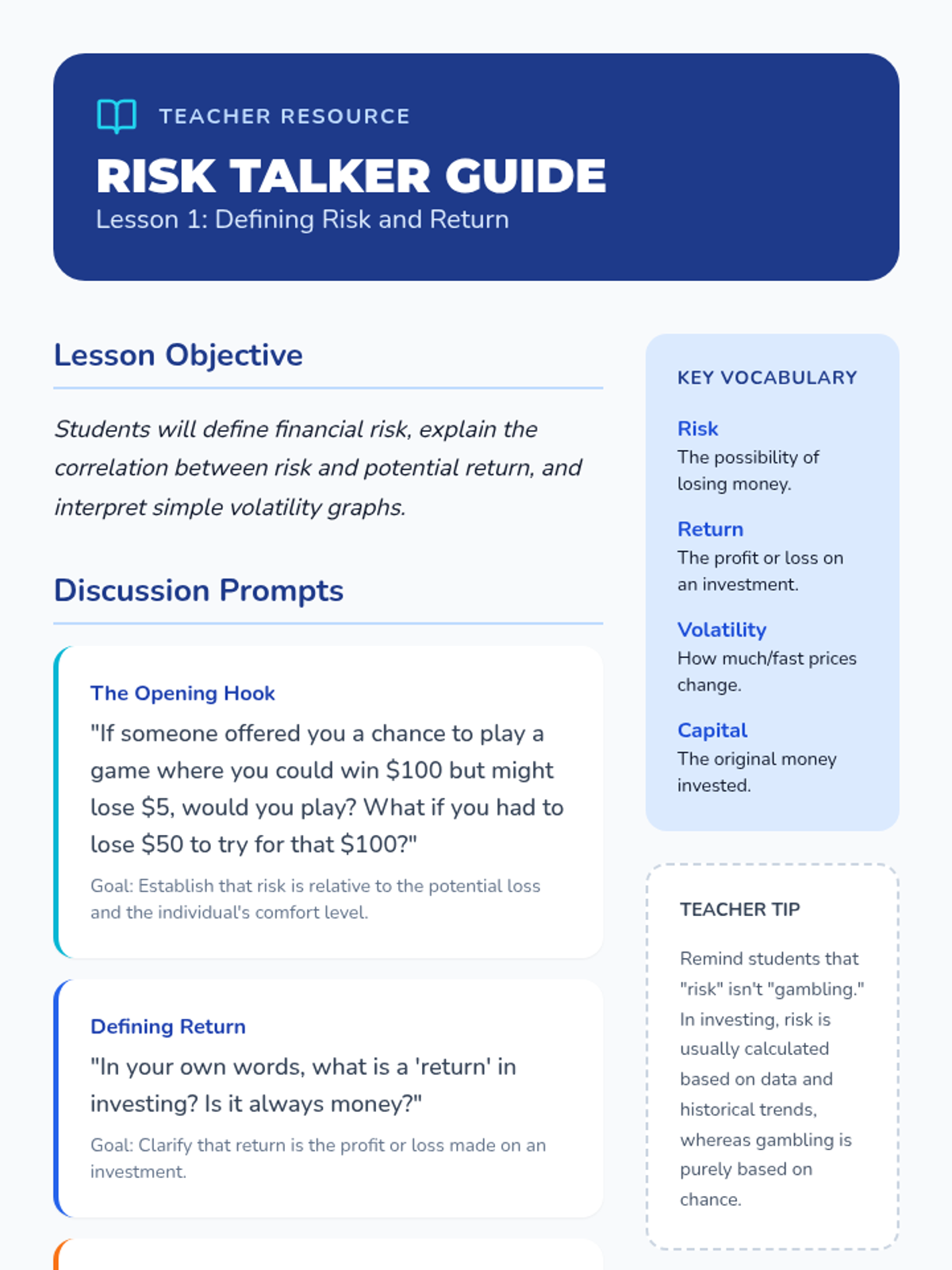
Students explore risk through probability games and analyze the correlation between volatility and potential profit.
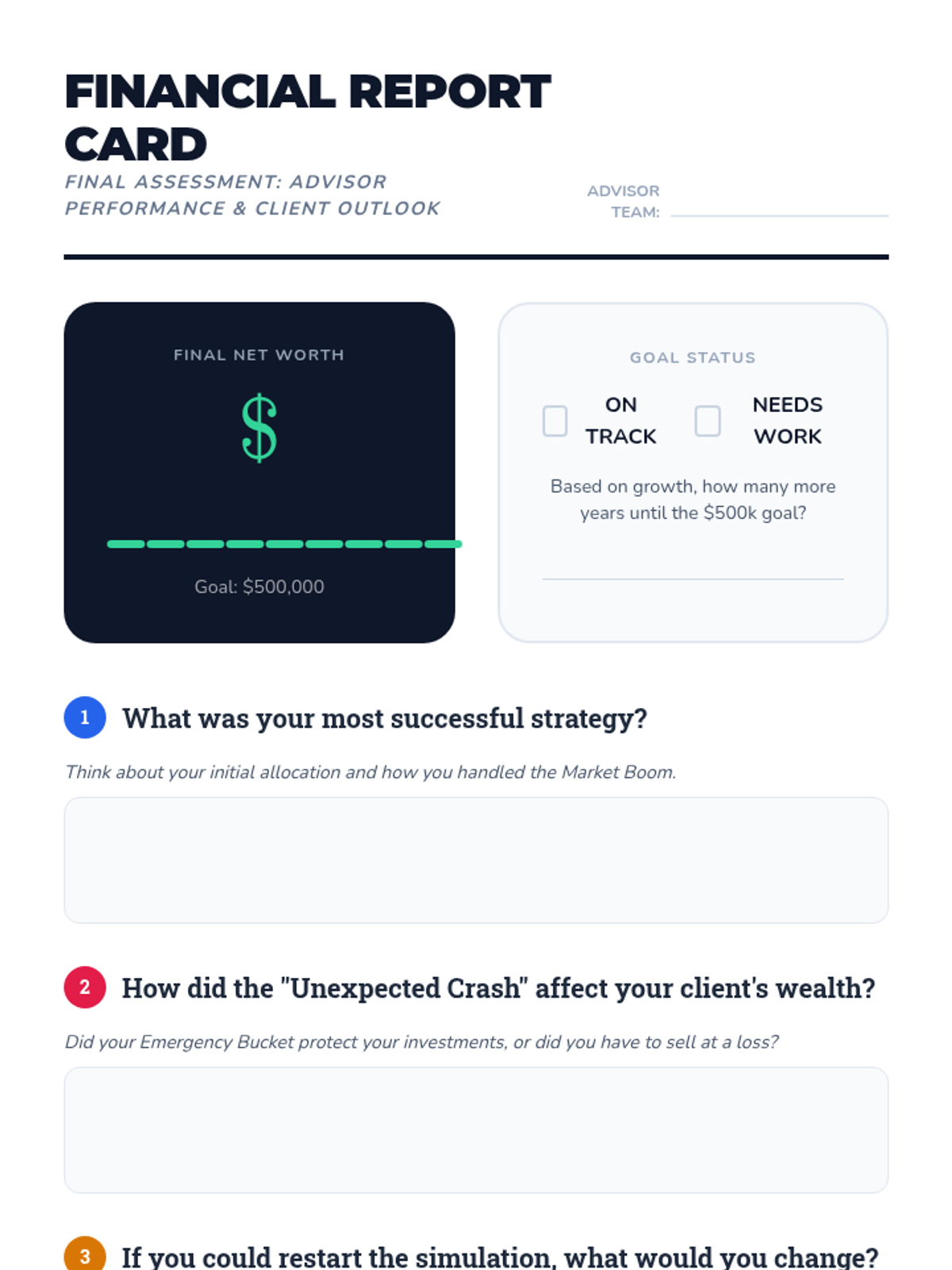
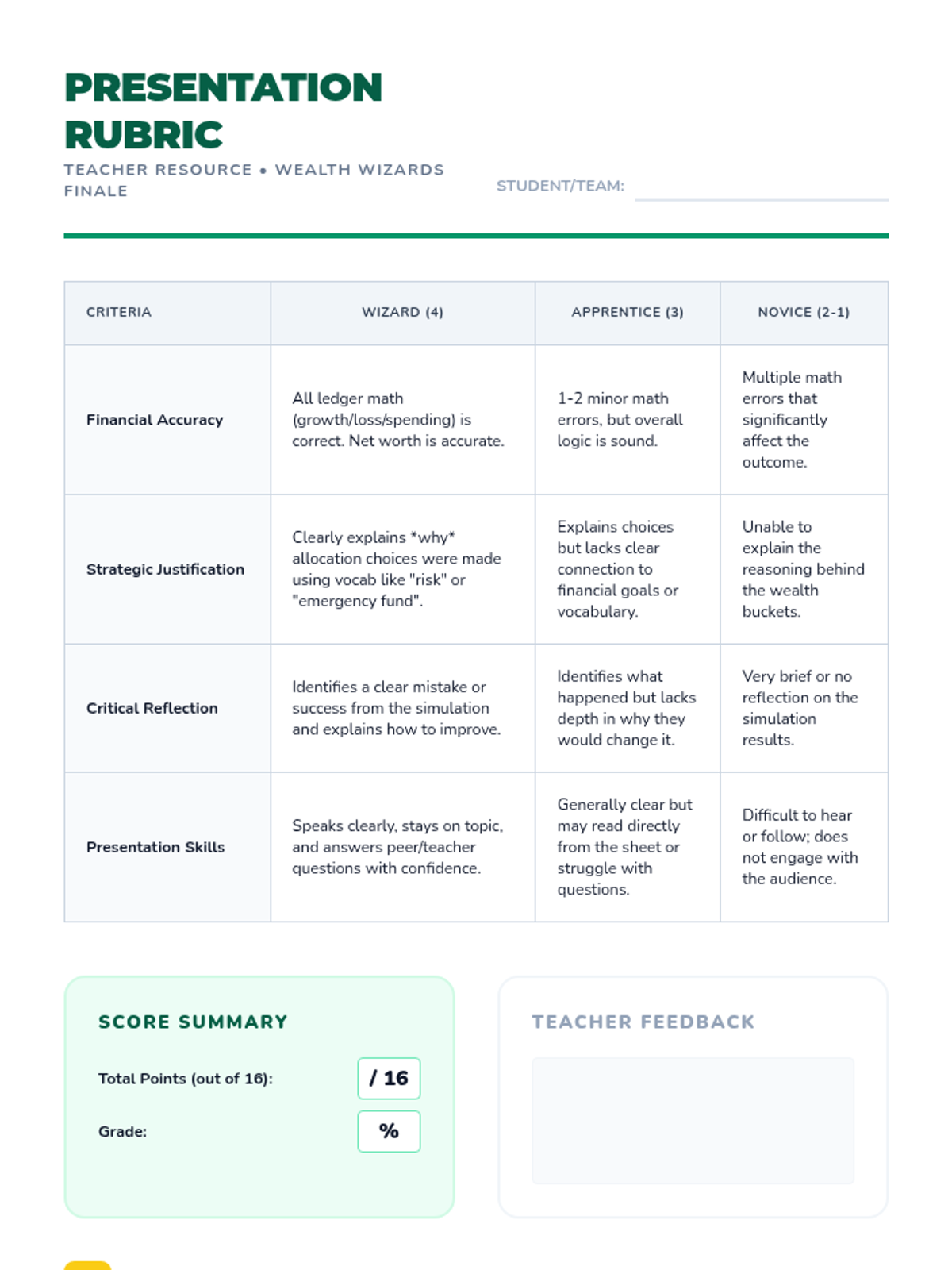
Students finalize their simulation ledgers and present a 'Future Outlook' report for their client. They reflect on what went right, what went wrong, and how the combination of saving, emergency funds, and investing affected the final outcome.
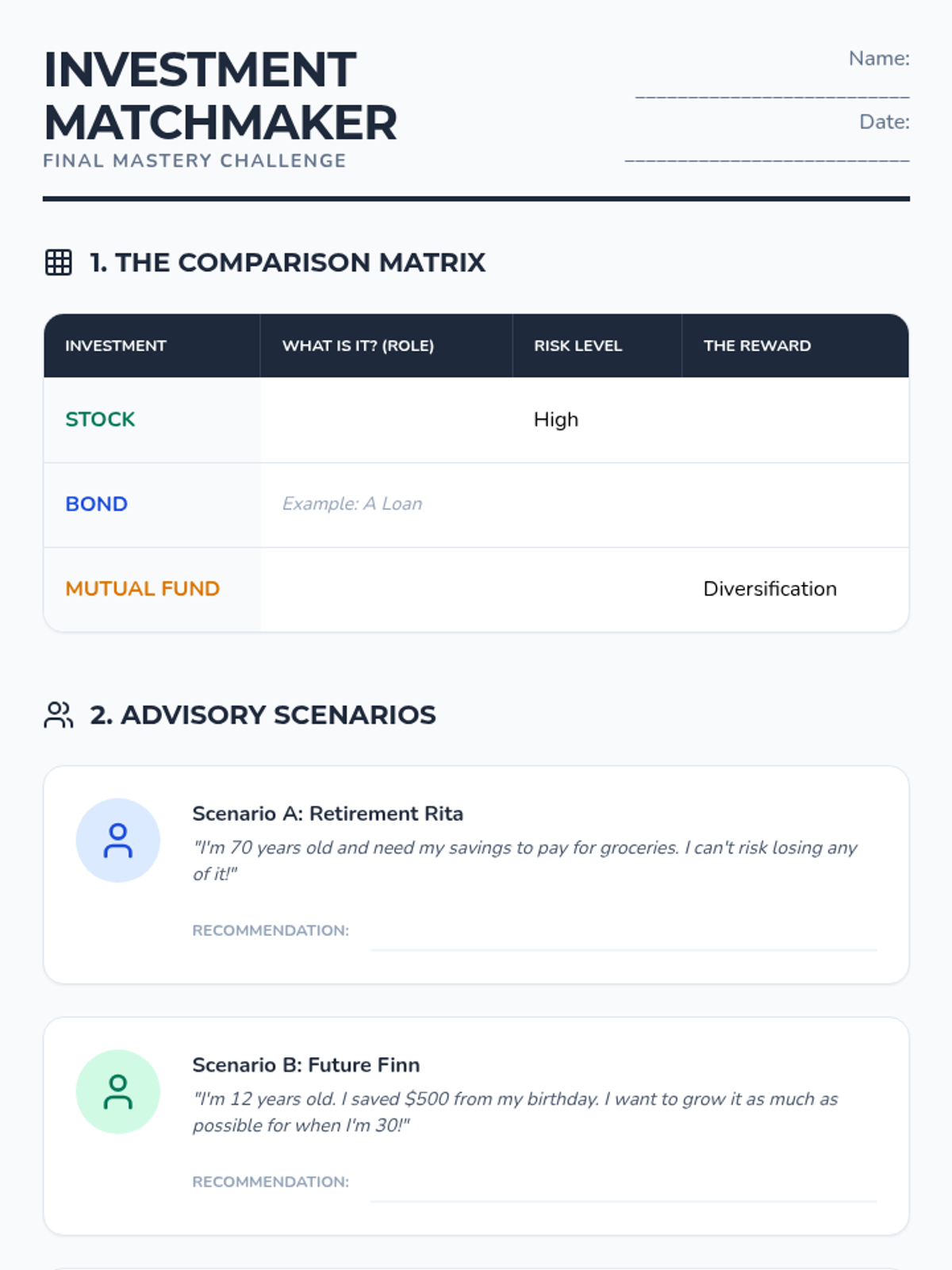
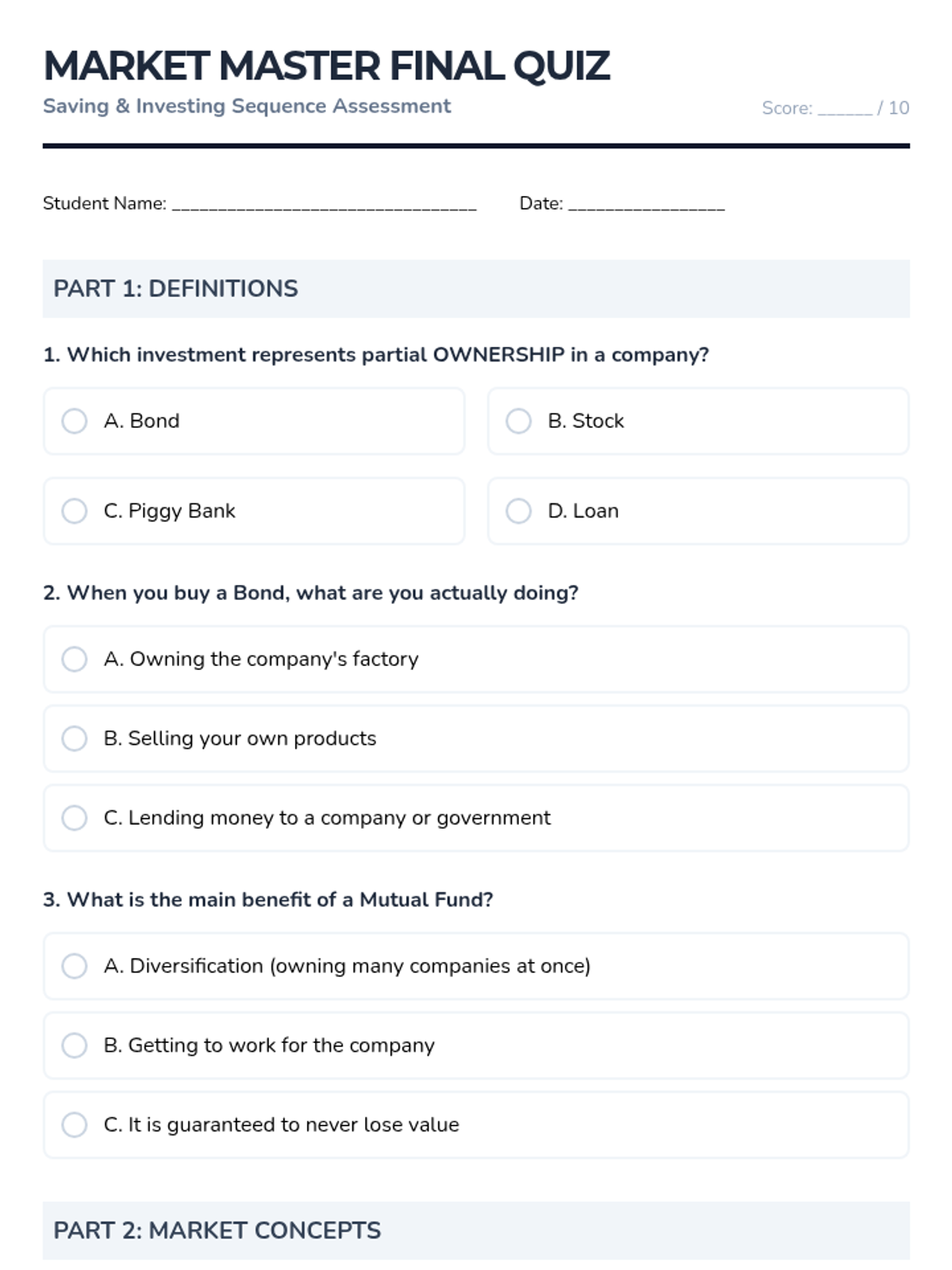
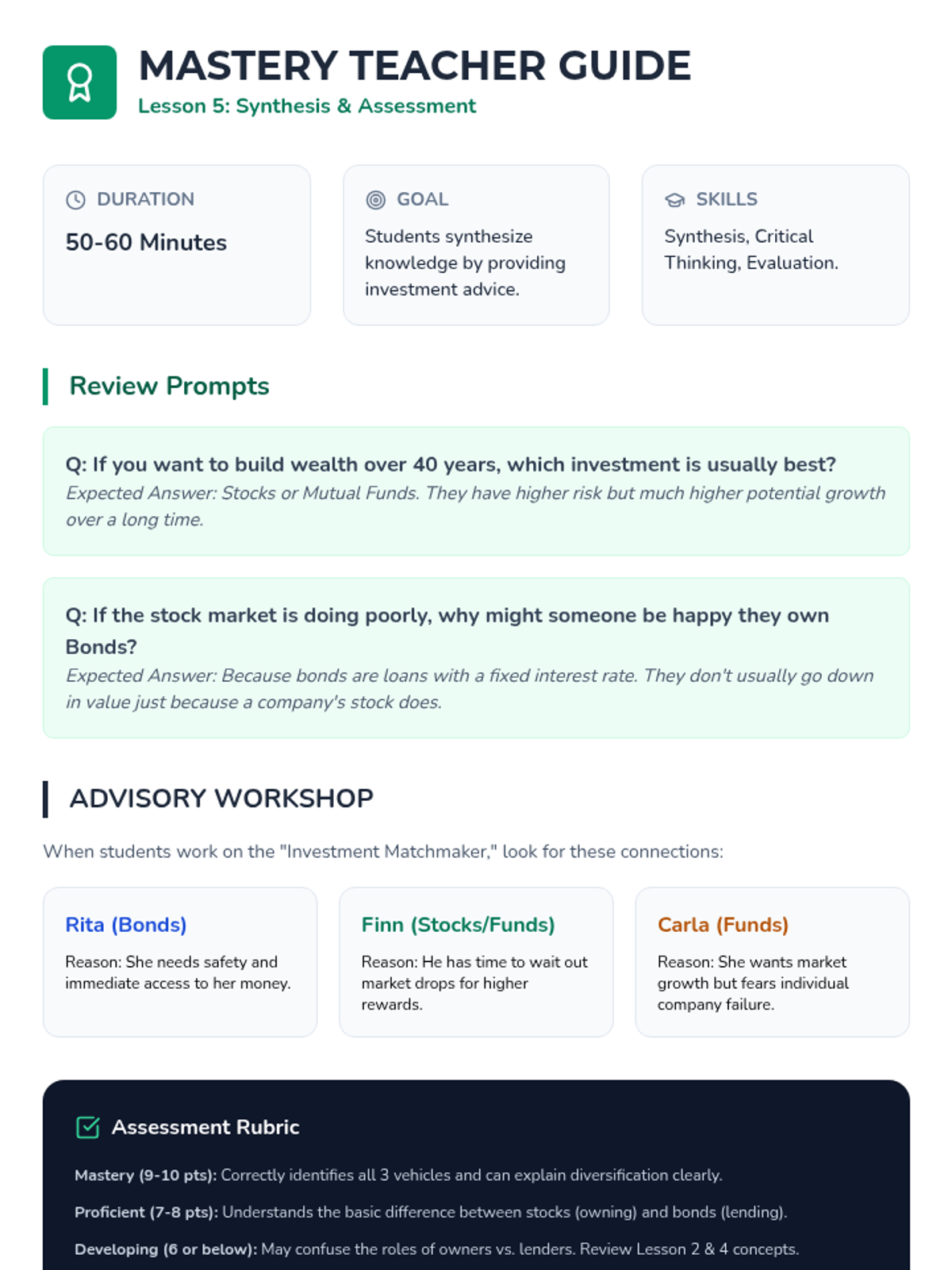
In this concluding lesson, students synthesize their knowledge by comparing investment vehicles and providing financial advice for fictional scenarios.
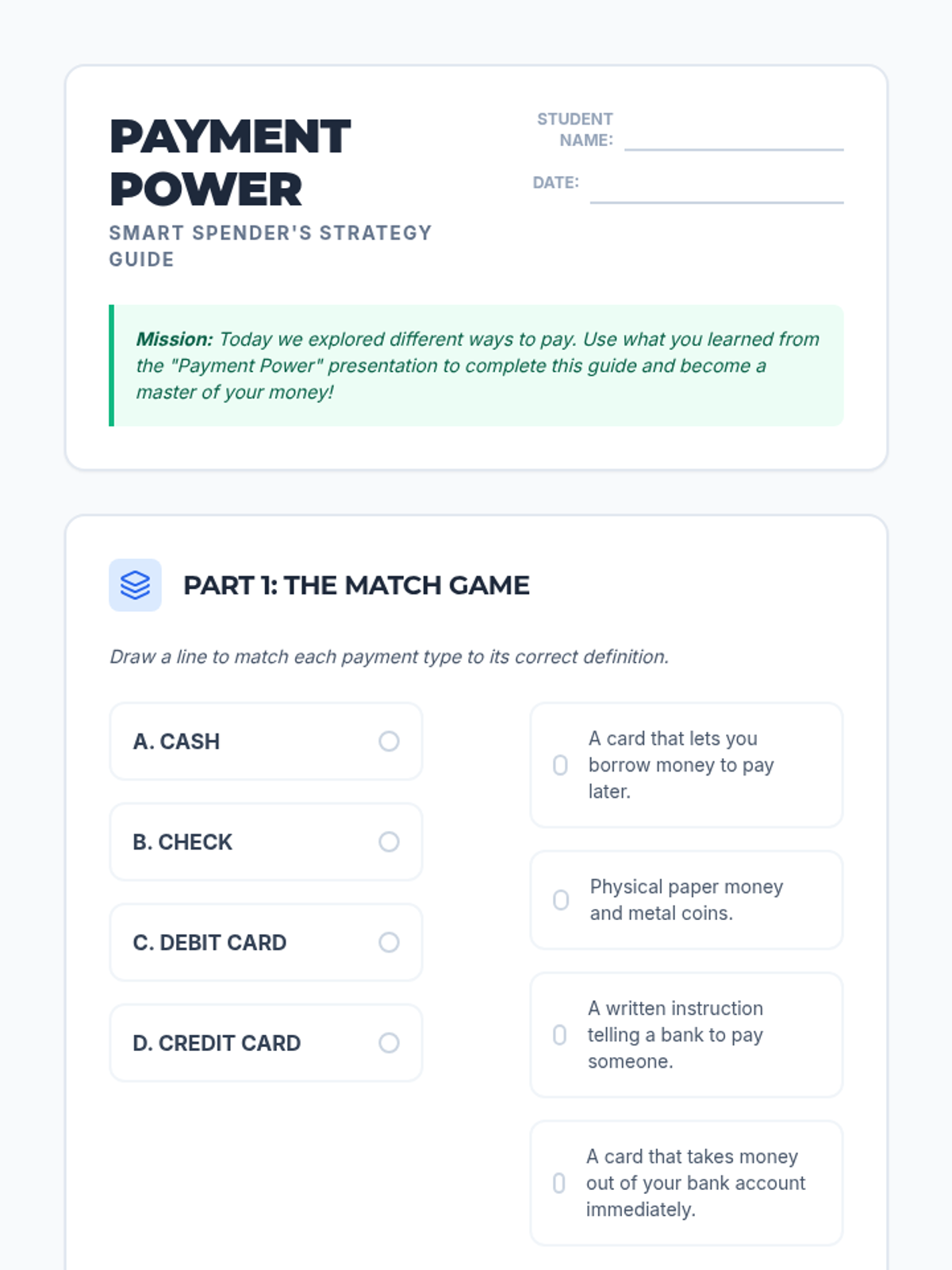
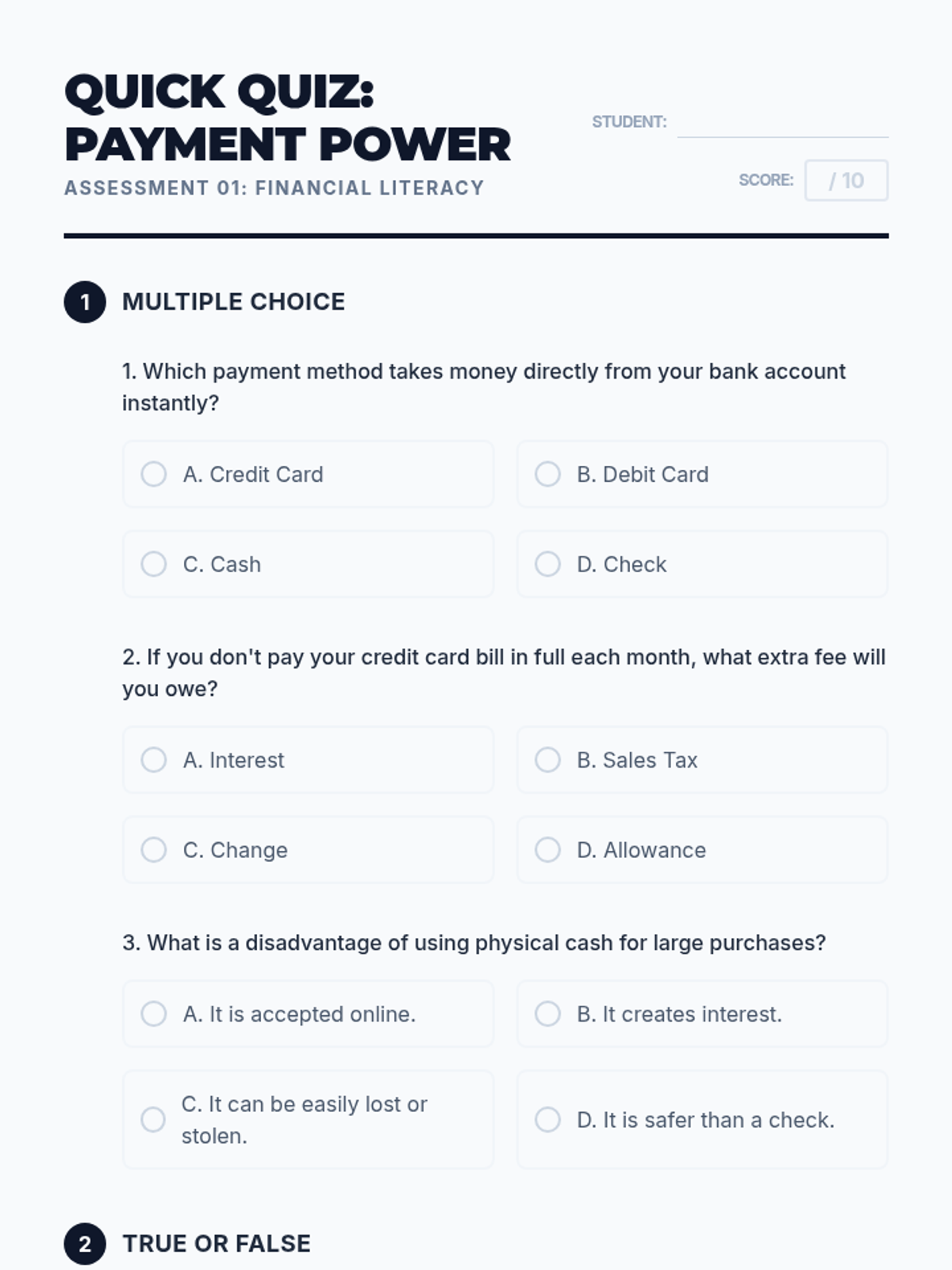
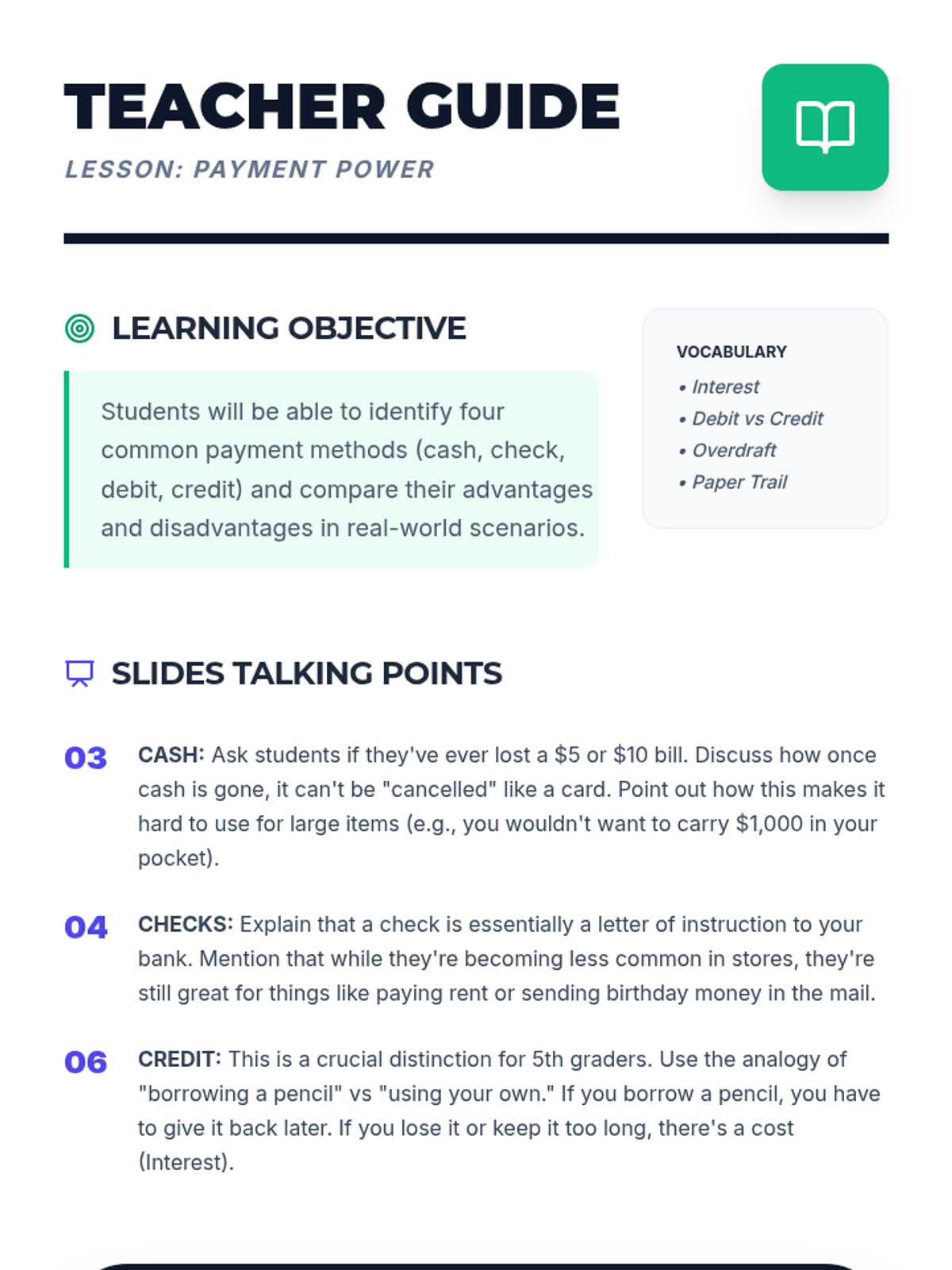
A comprehensive introduction to various payment methods, including cash, checks, debit cards, and credit cards. Students will explore the advantages and disadvantages of each to make informed financial decisions.
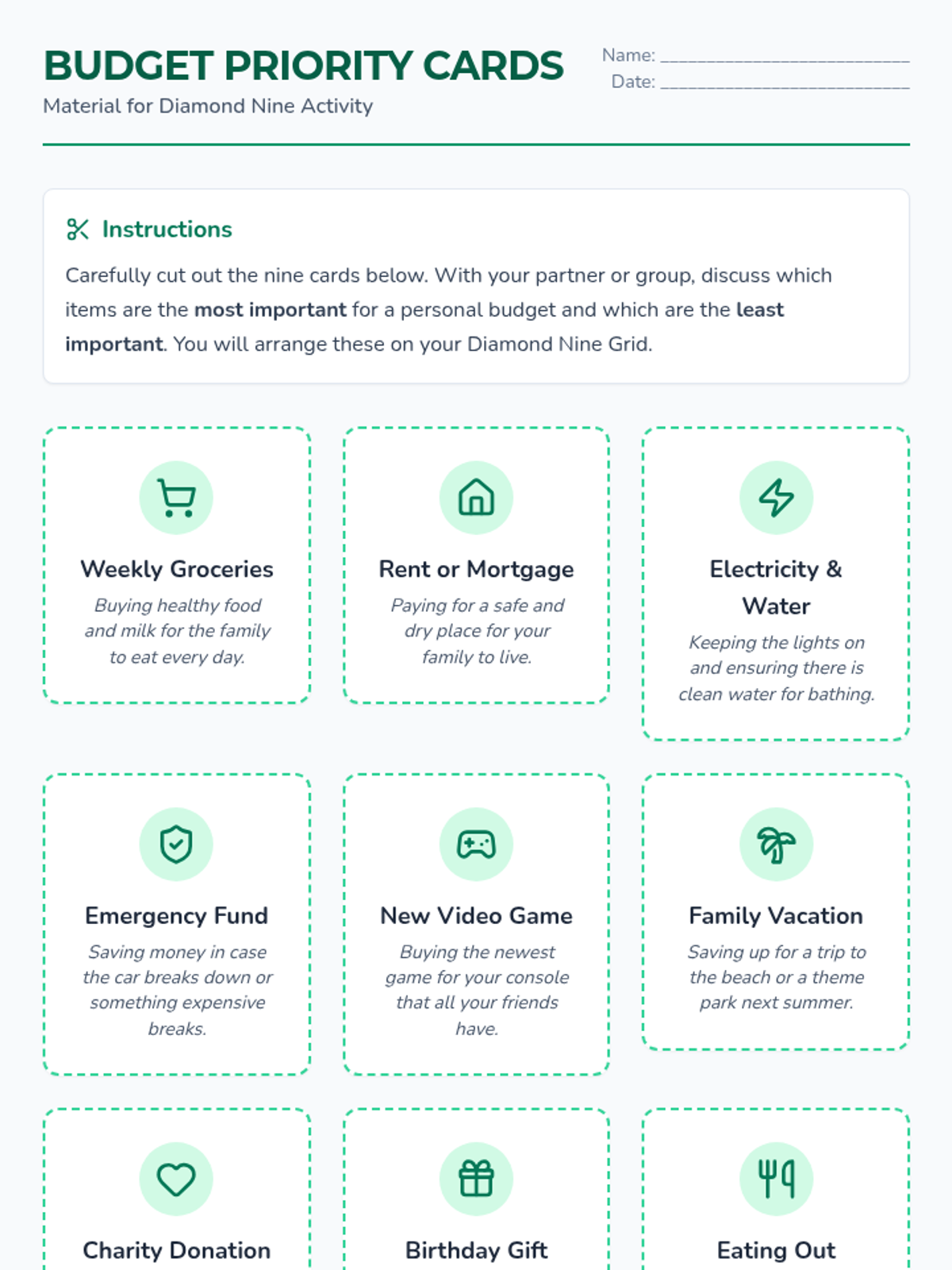
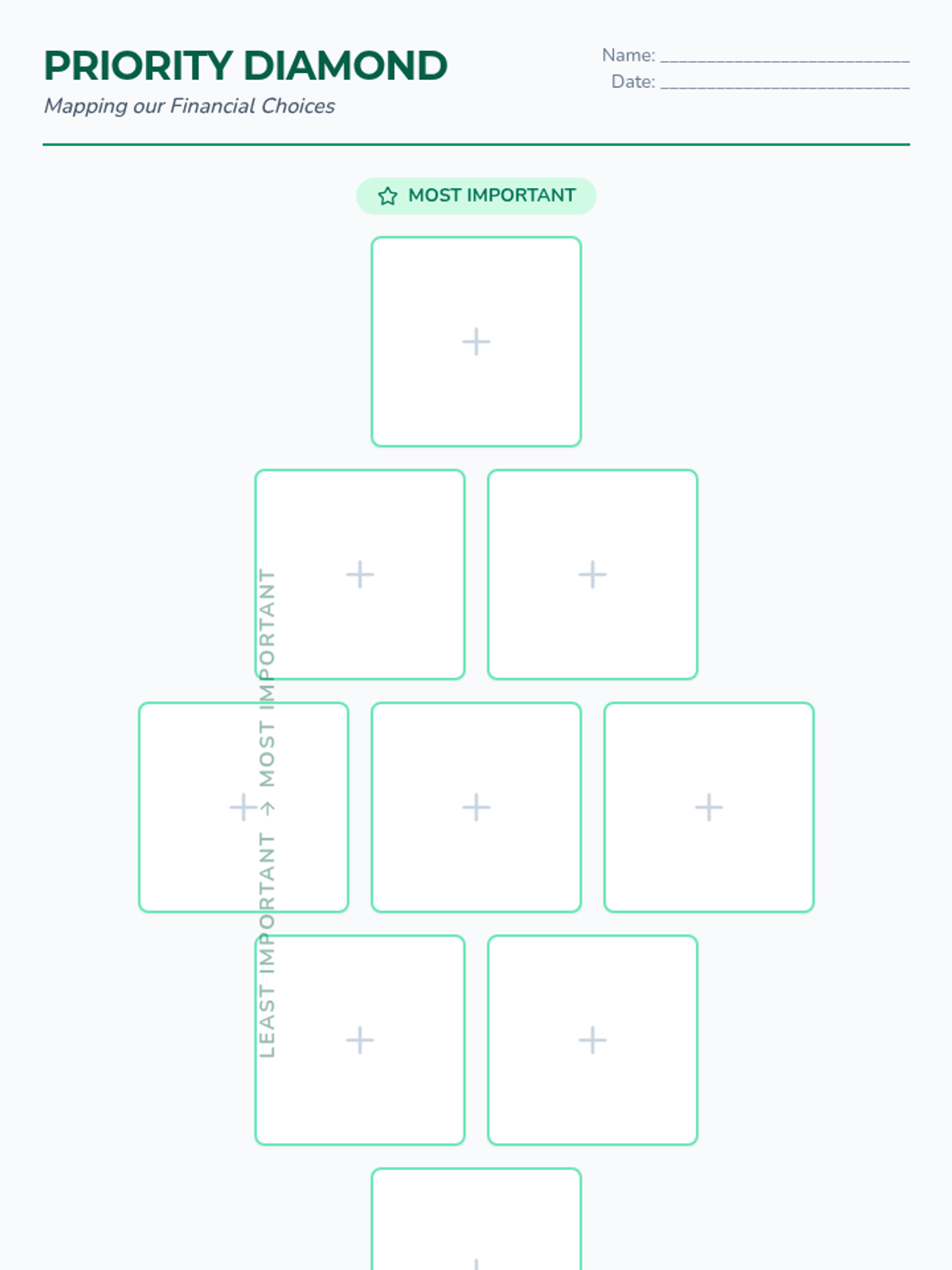
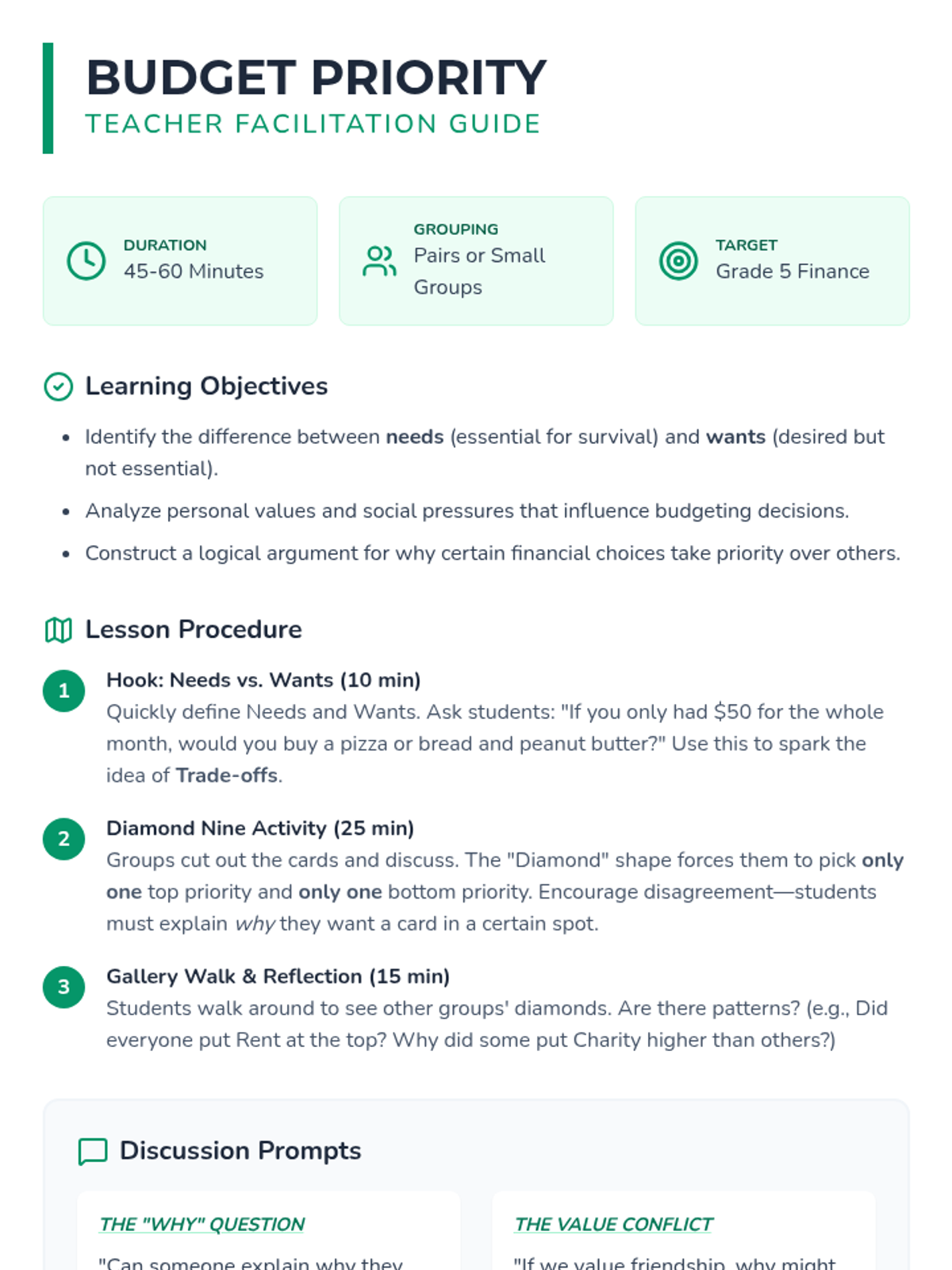
In this lesson, students explore personal finance by ranking nine different budgeting priorities. They will distinguish between needs and wants while justifying their financial decisions through a Diamond Nine collaborative activity.
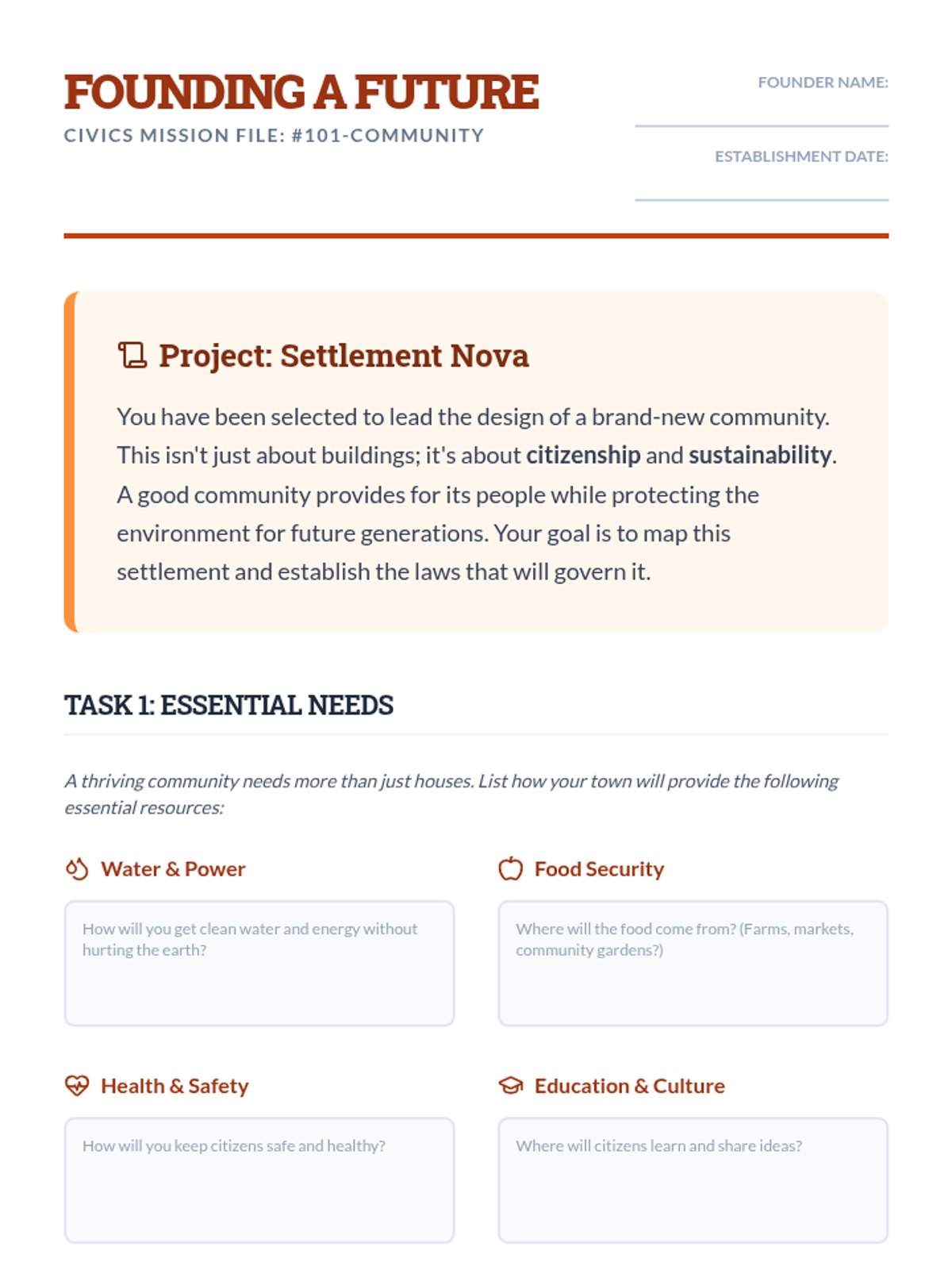
Students explore the concept of community and citizenship by mapping a sustainable town and creating laws that promote fairness and growth.
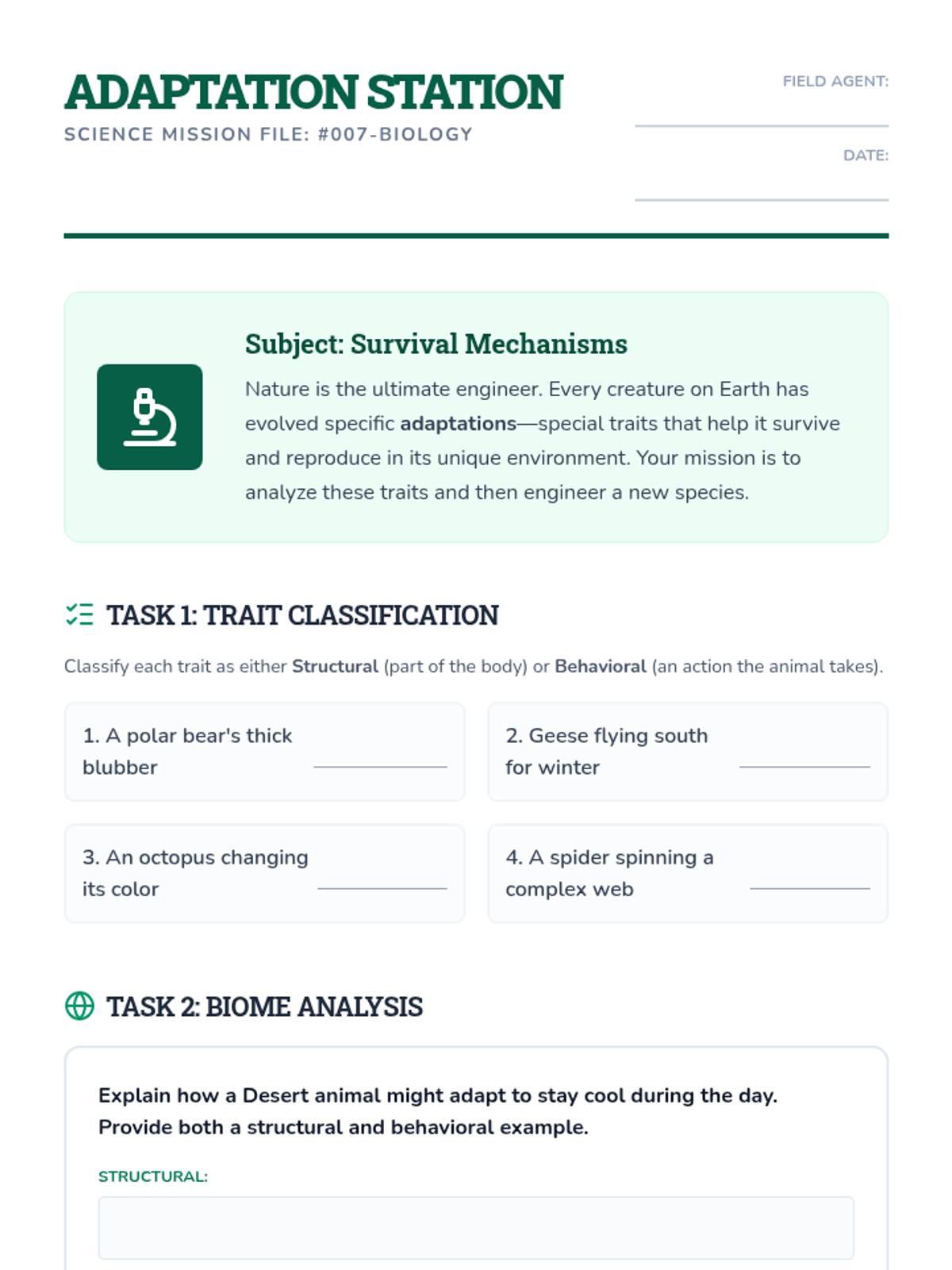
A deep dive into animal adaptations where students must research or infer how specific traits help survival, culminating in the design of a 'super-animal' for a unique biome.
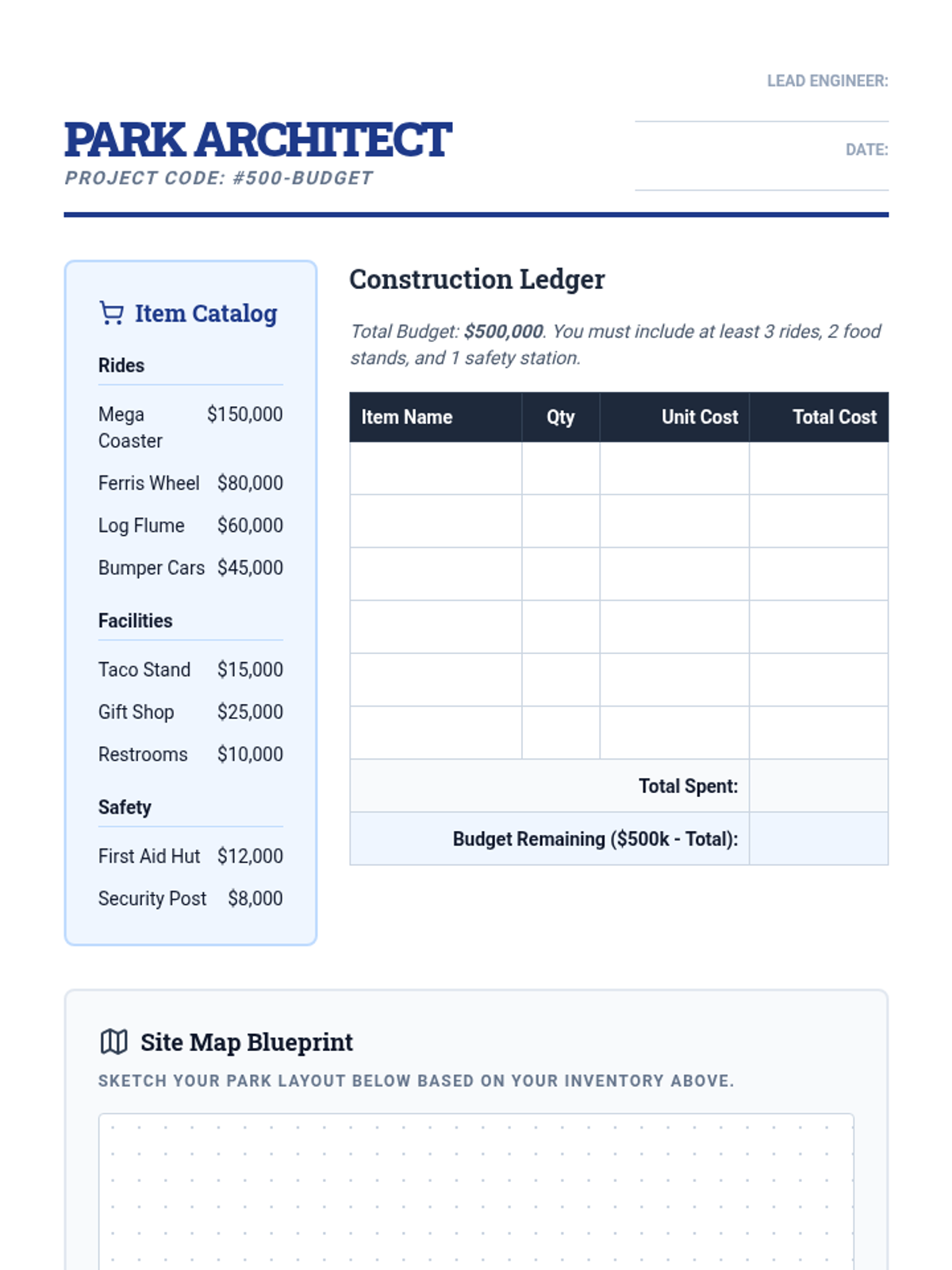
Students apply multiplication, addition, and subtraction skills as they design and budget for their own amusement park, managing costs for rides, food, and staff.
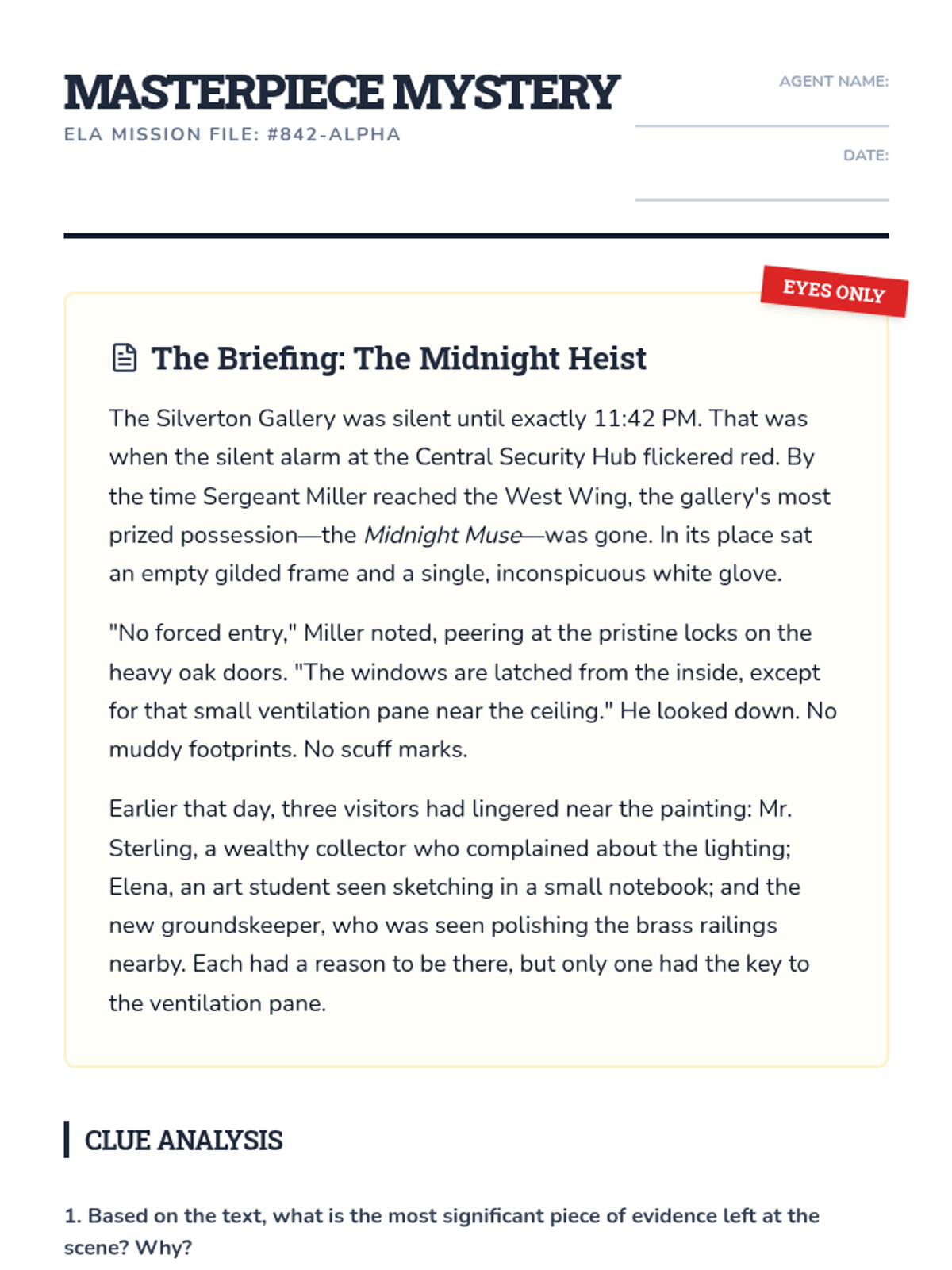
Students engage in a reading mystery where they must analyze clues, draw inferences, and craft their own narrative conclusion to the 'Case of the Missing Masterpiece'.
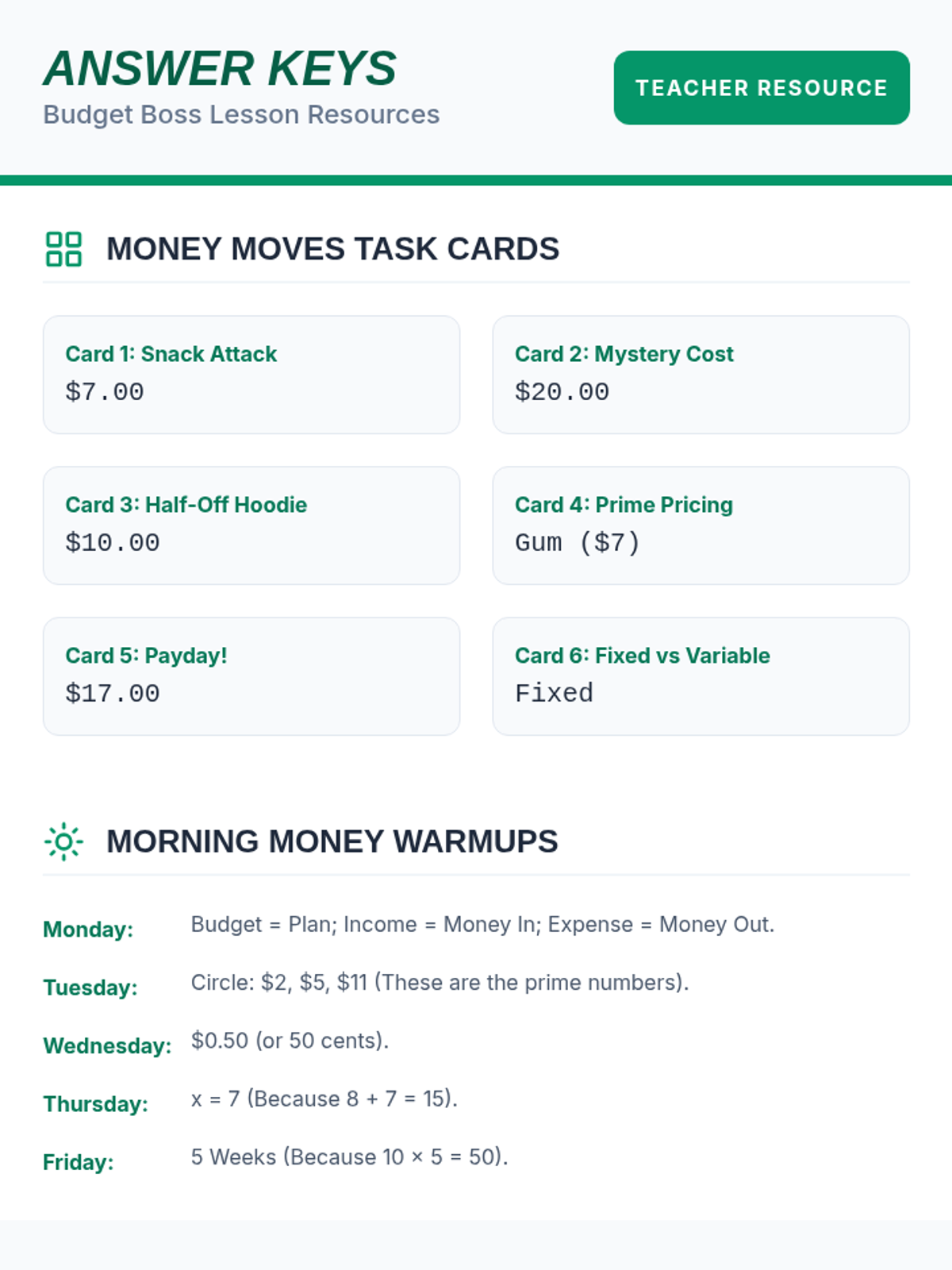
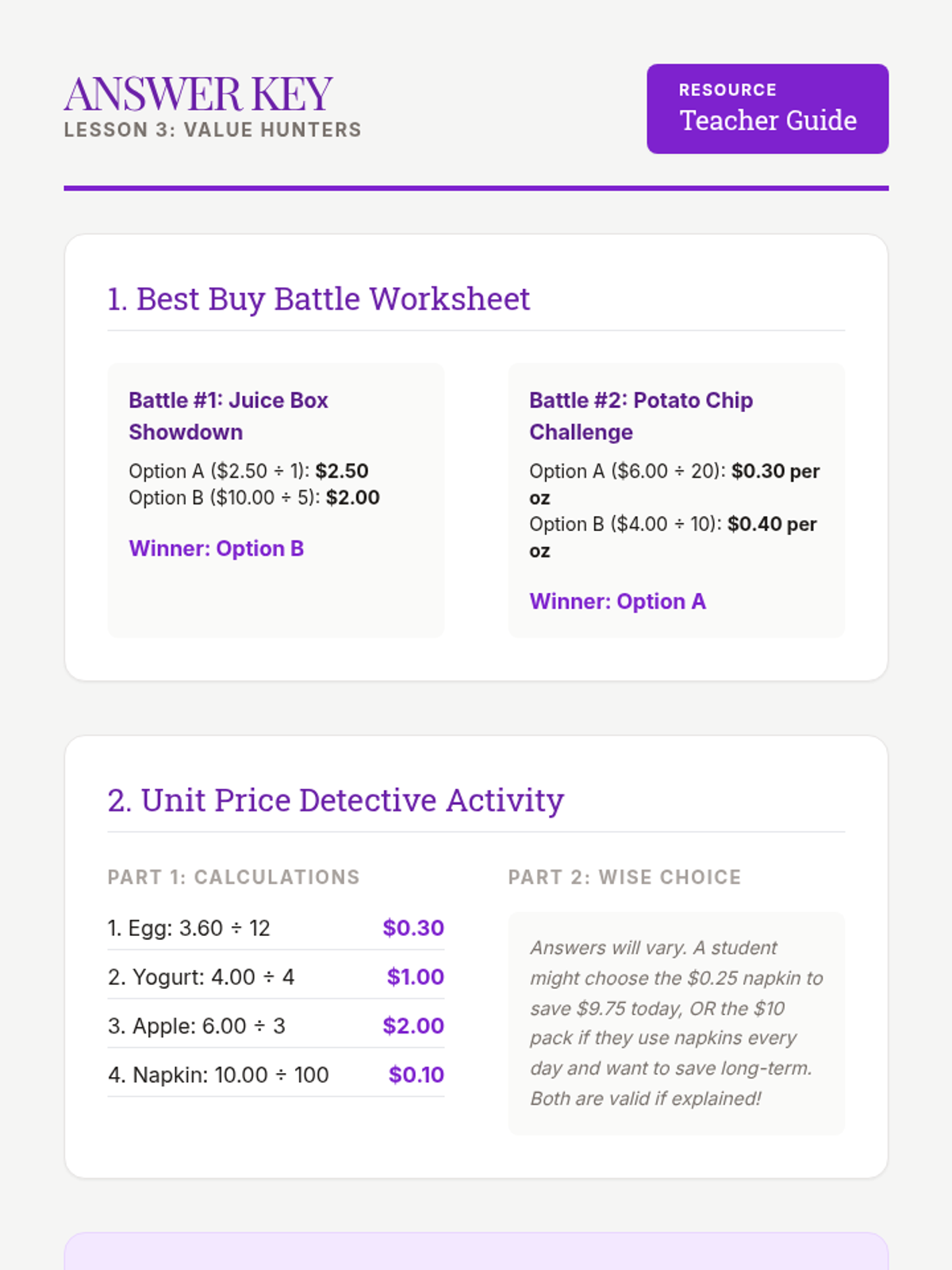
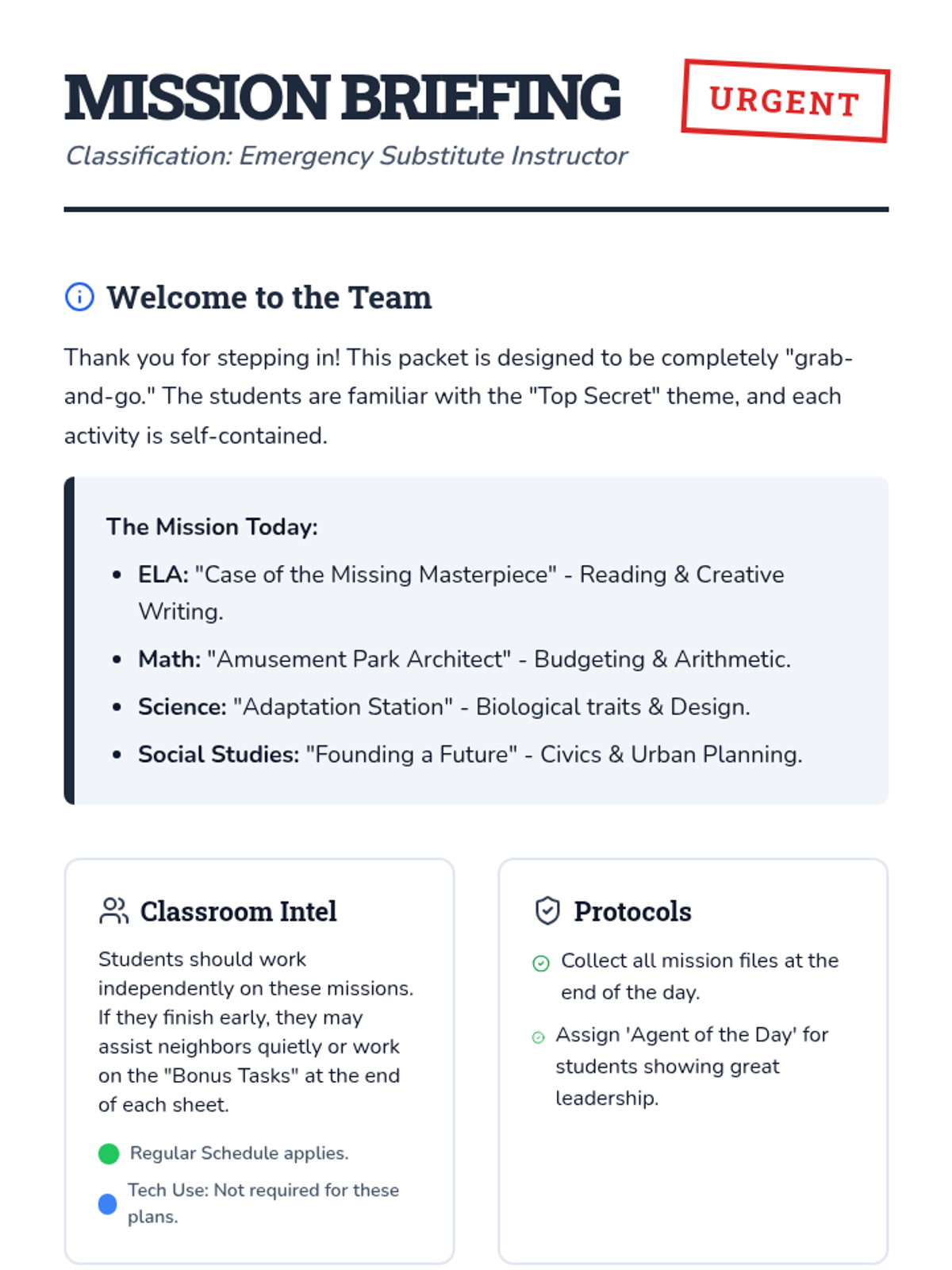
Essential administrative documents for the substitute teacher, including a welcome guide, classroom management tips, and answer keys for all student missions.
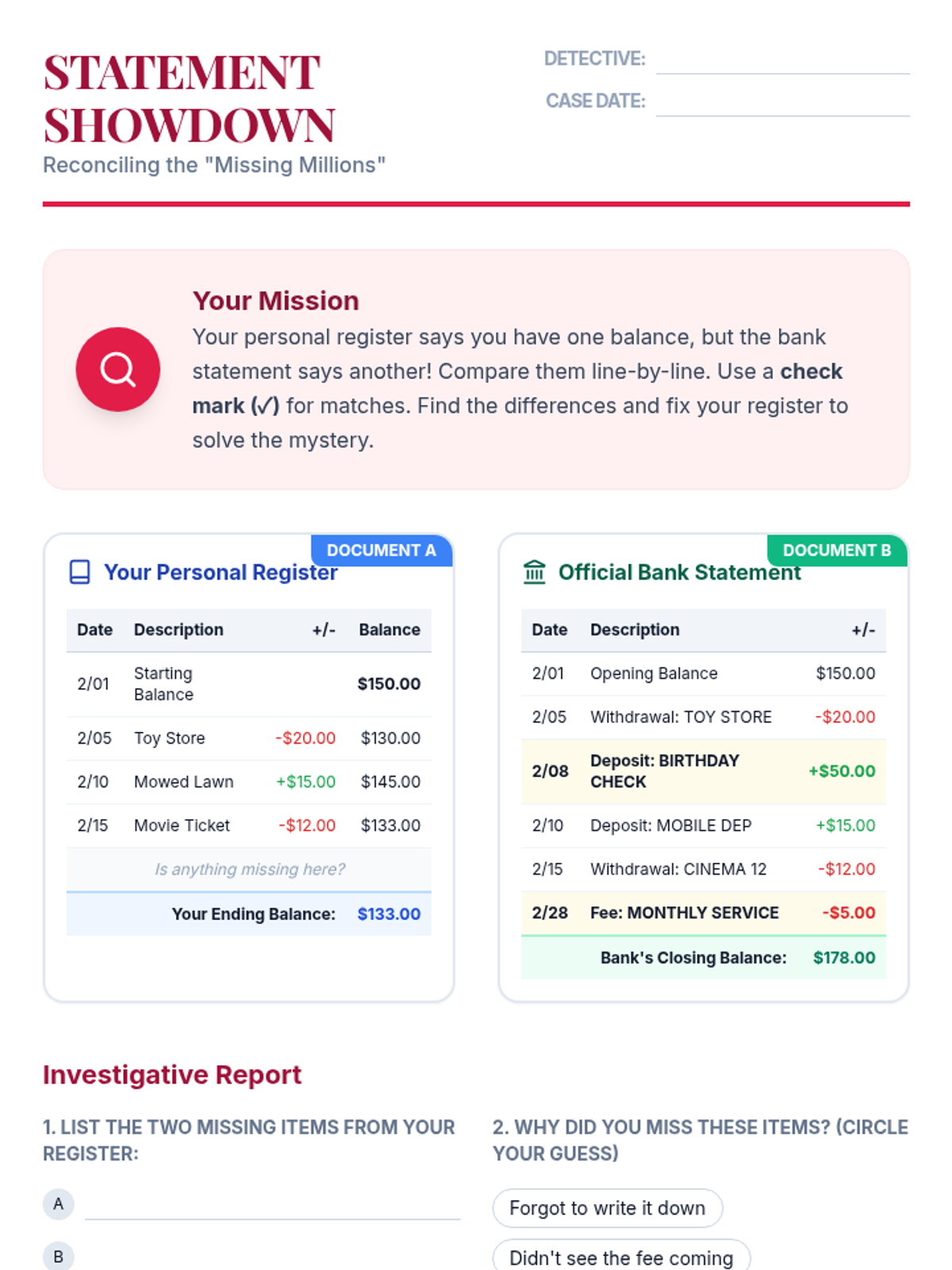
Students reconcile a monthly bank statement against their personal register to identify errors and ensure their records match the bank's data.
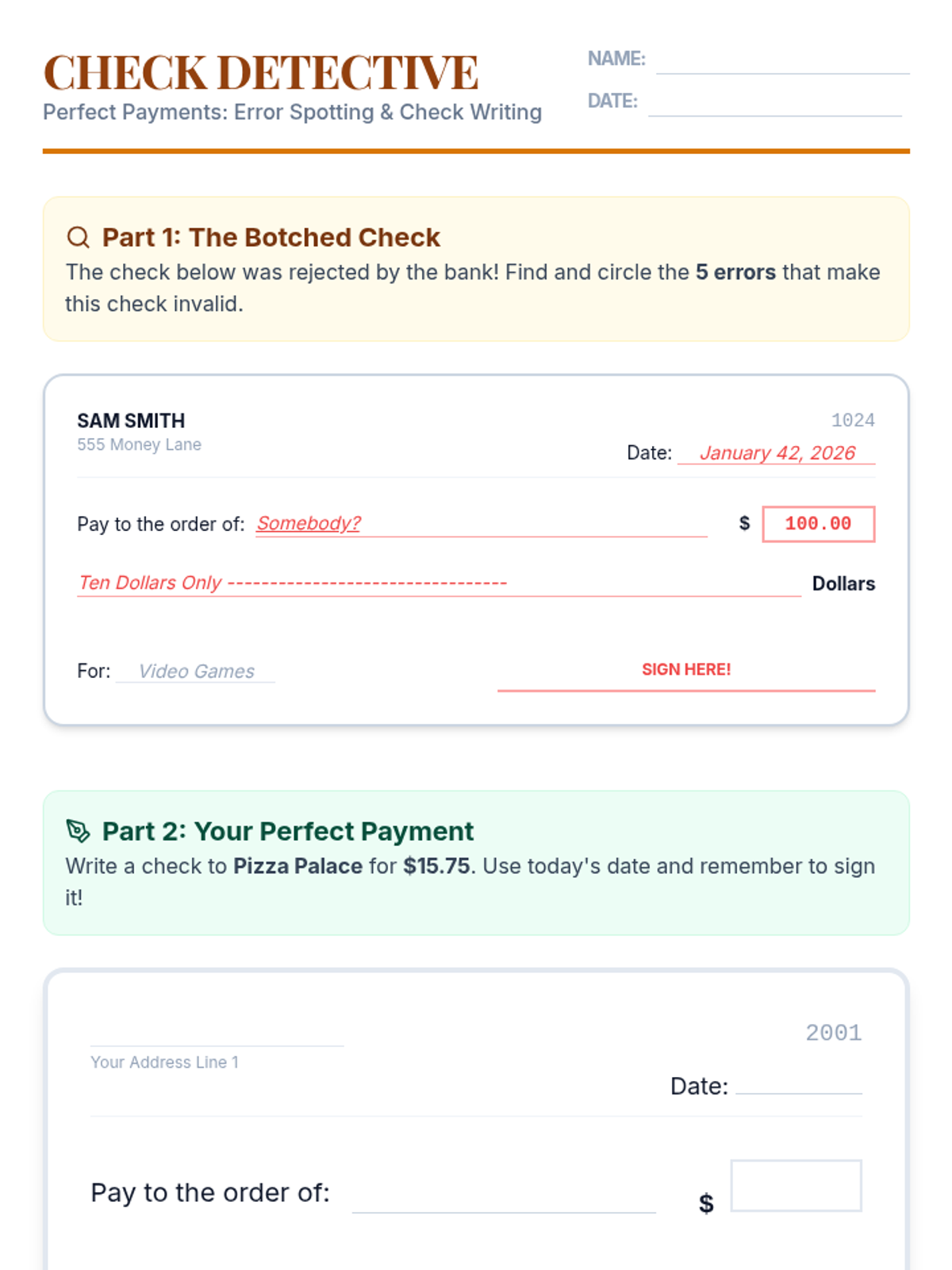
Students master the mechanics of filling out paper checks and authorizing digital transfers, focusing on accuracy and legal requirements.