Exploration of joint mechanics and leverage to escape wrist grabs. Focuses on the thumb as the 'weak link' in a grip.
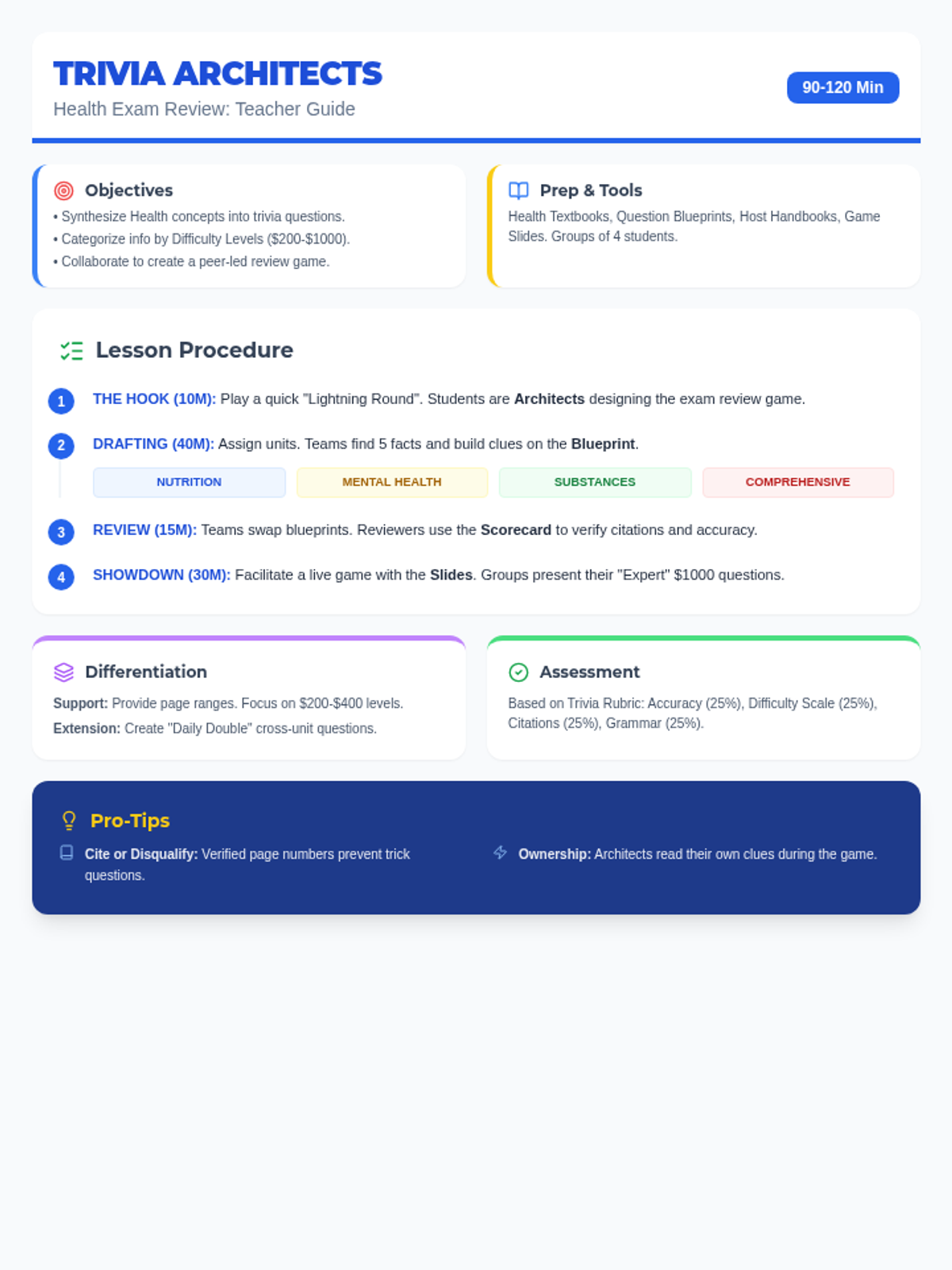
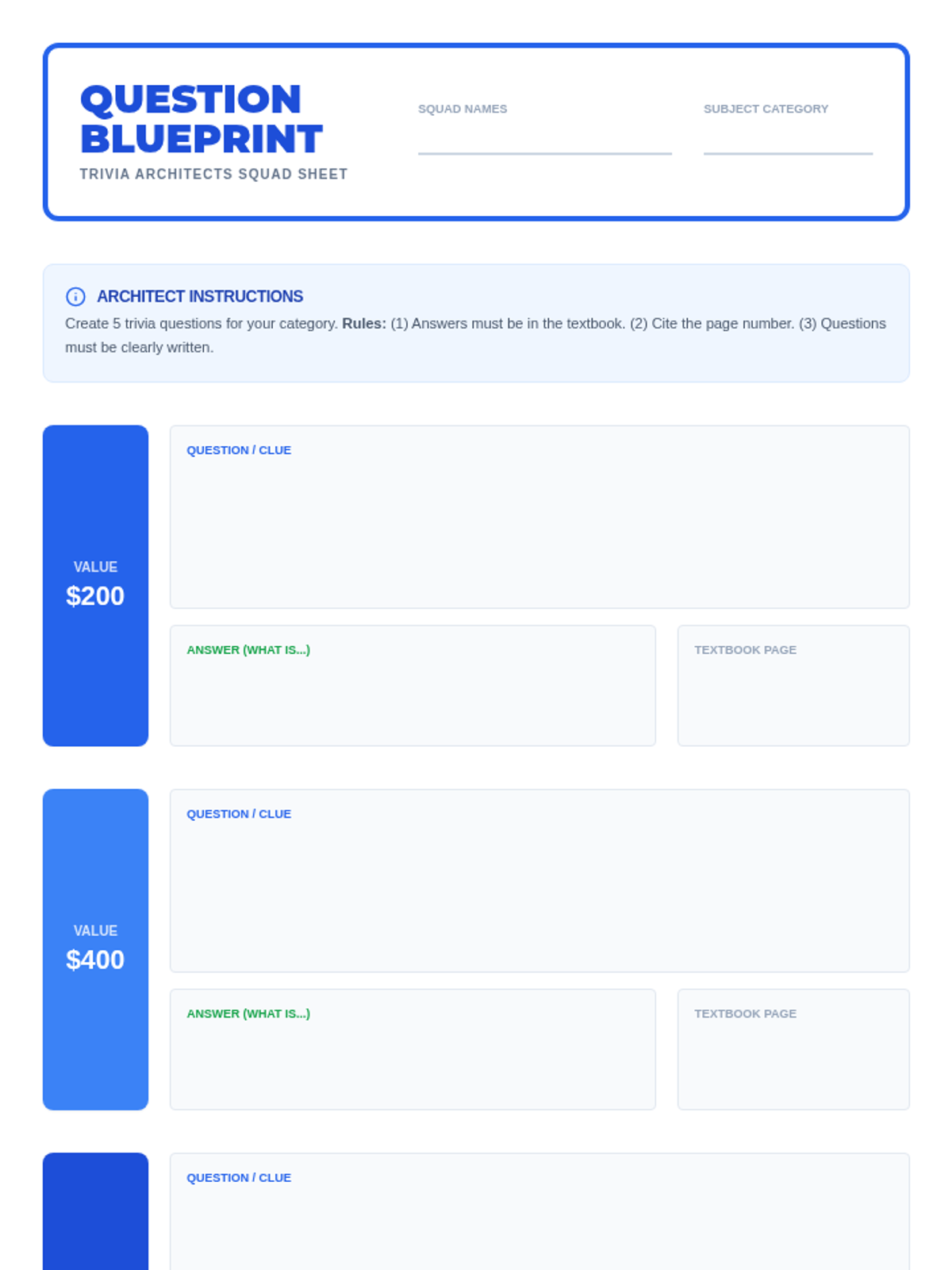
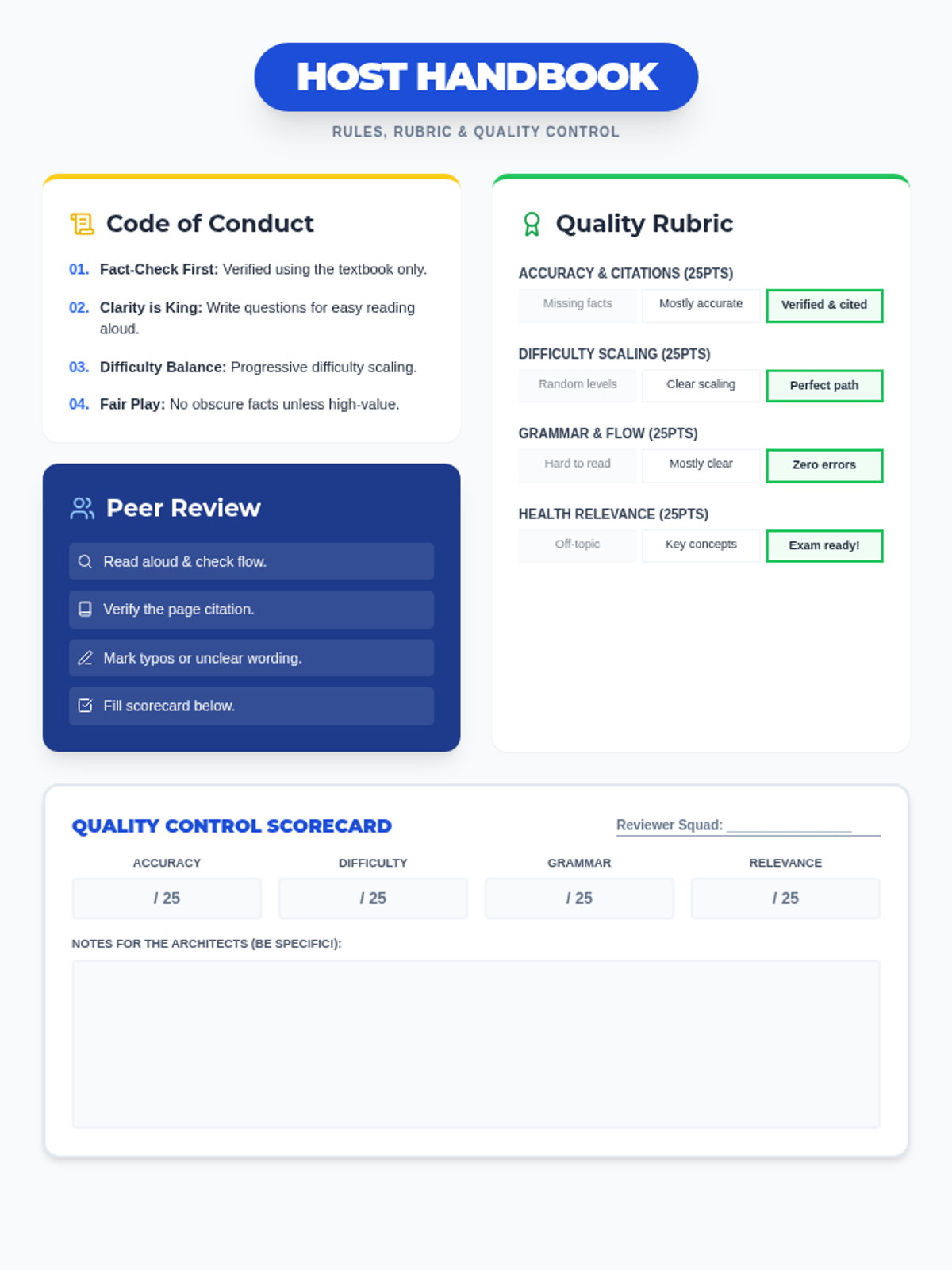
A collaborative lesson where students transform their health textbook chapters into a Jeopardy-style review game to prepare for final exams.
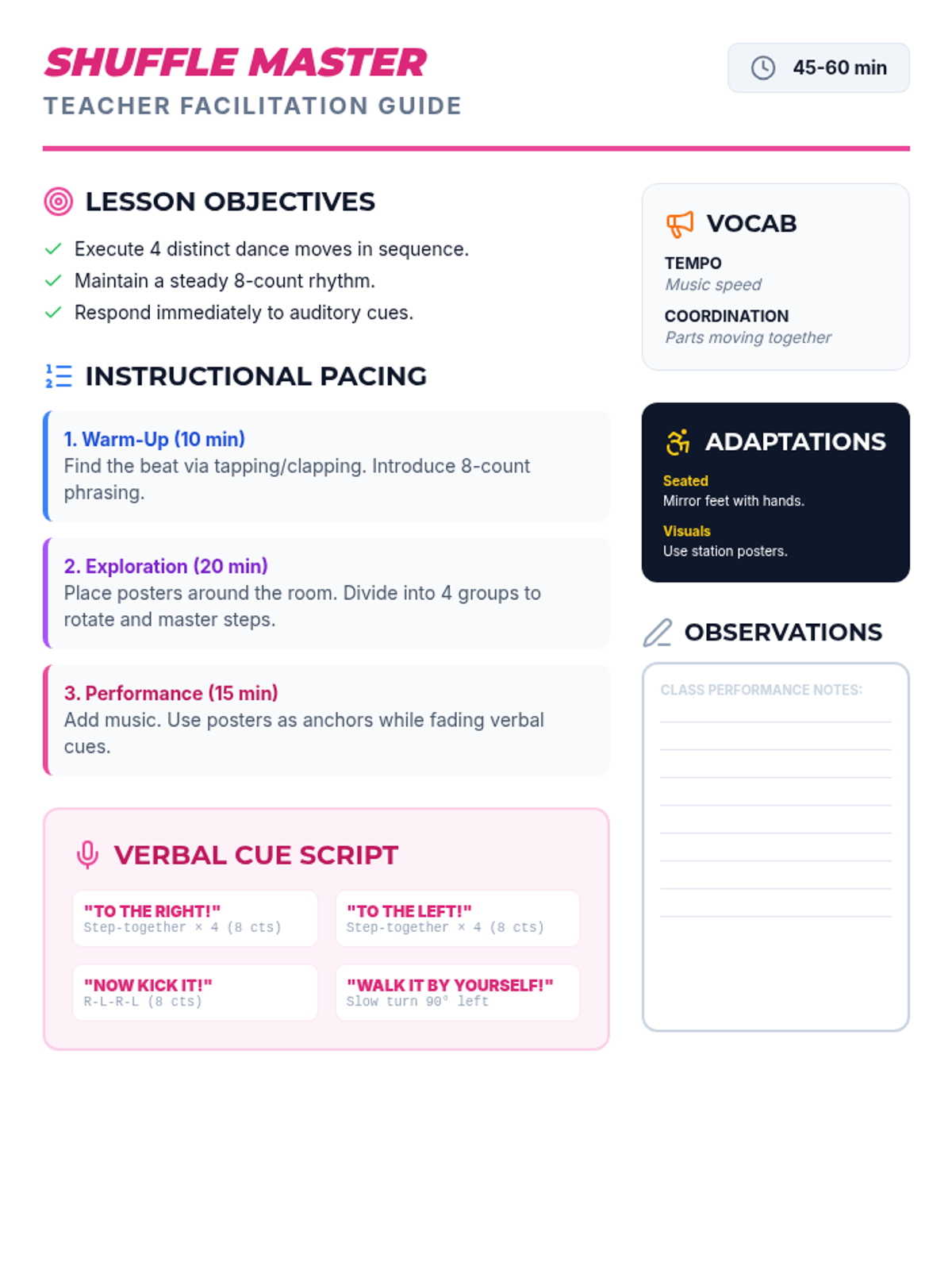
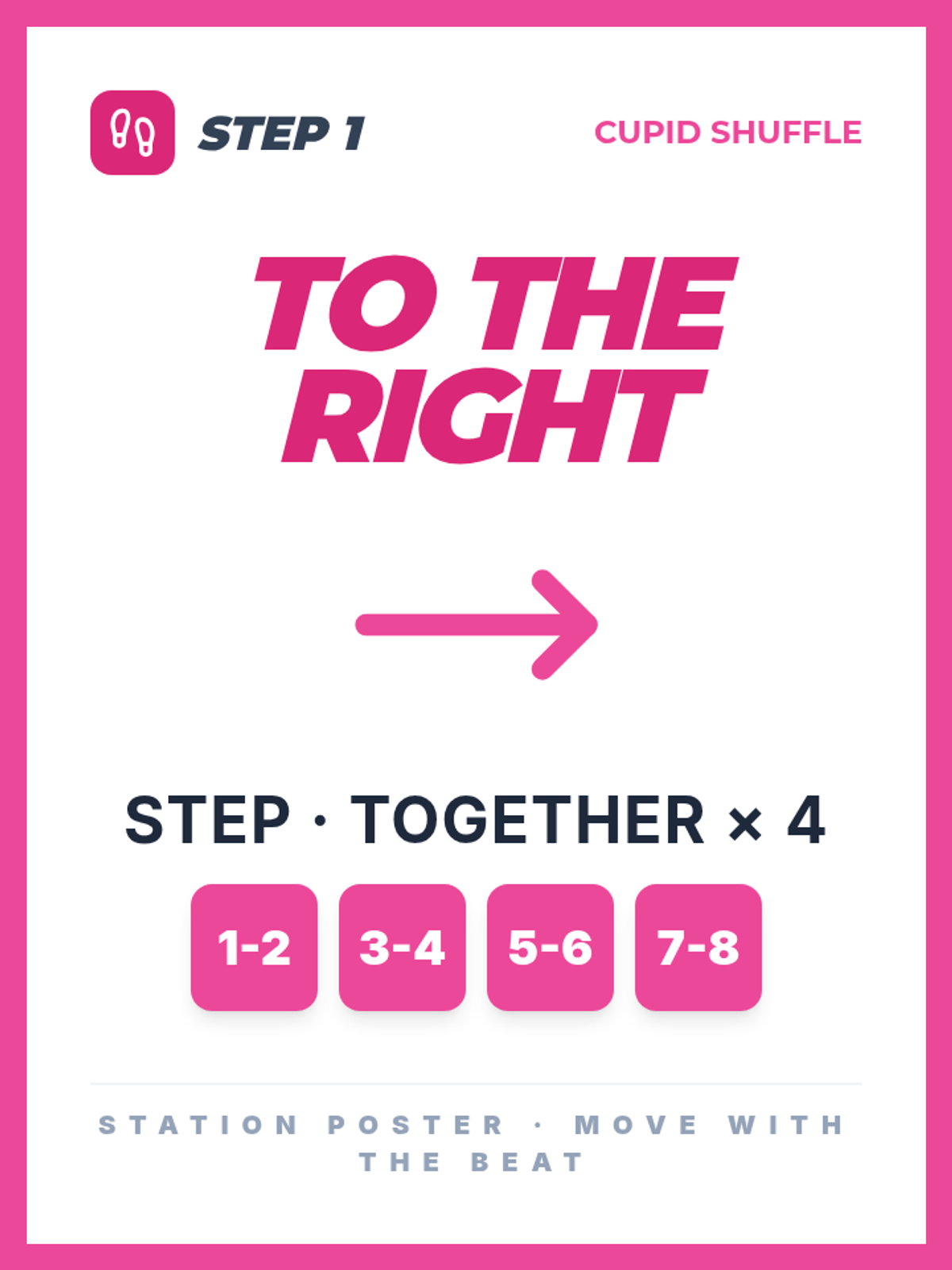
A high-energy lesson focused on mastering the Cupid Shuffle while developing rhythm recognition, coordination, and the ability to follow multi-step auditory instructions.
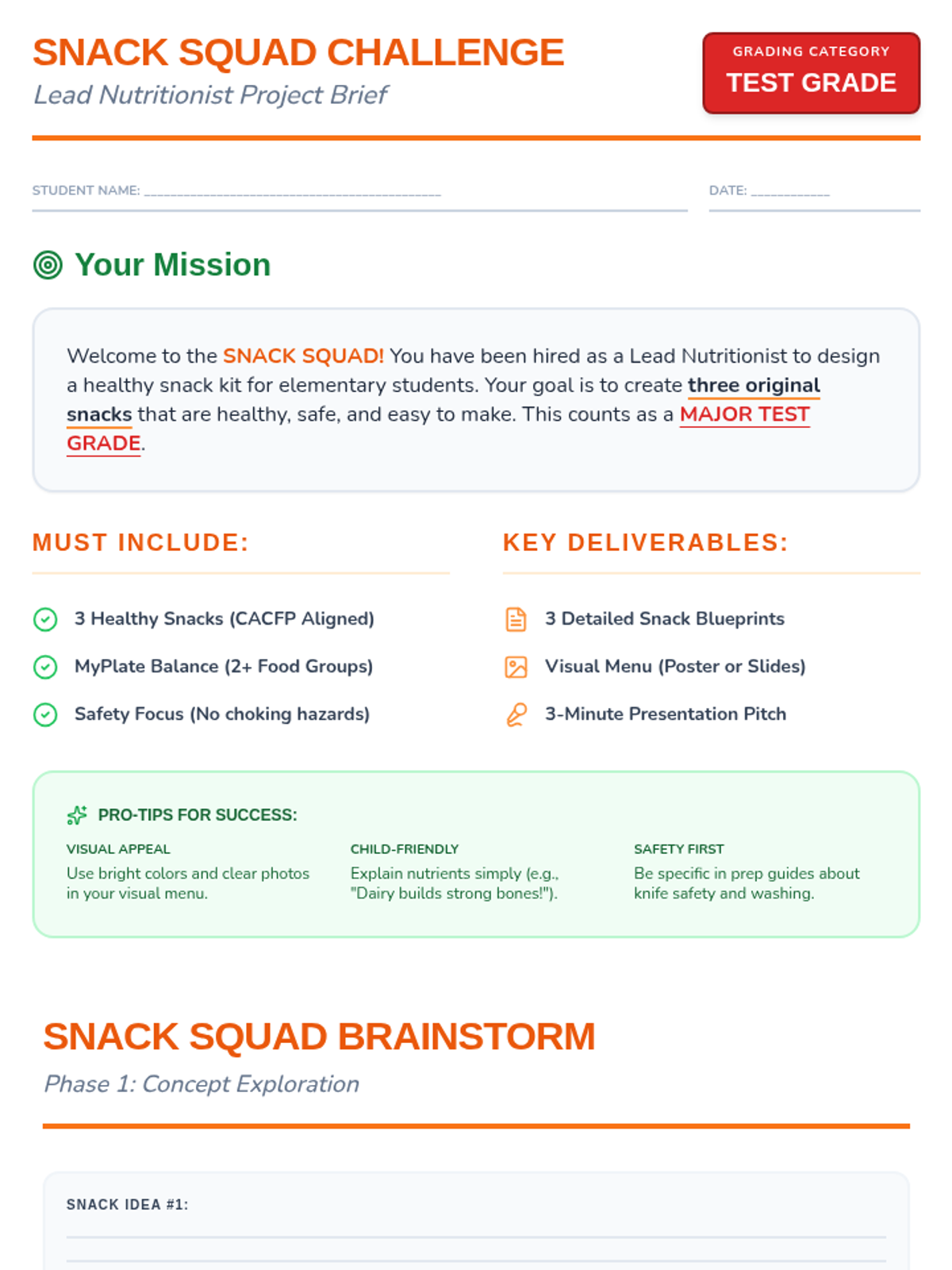
In this project, students take on the role of culinary nutritionists to design a three-snack menu for elementary students, focusing on MyPlate balance, safety, and detailed preparation steps.
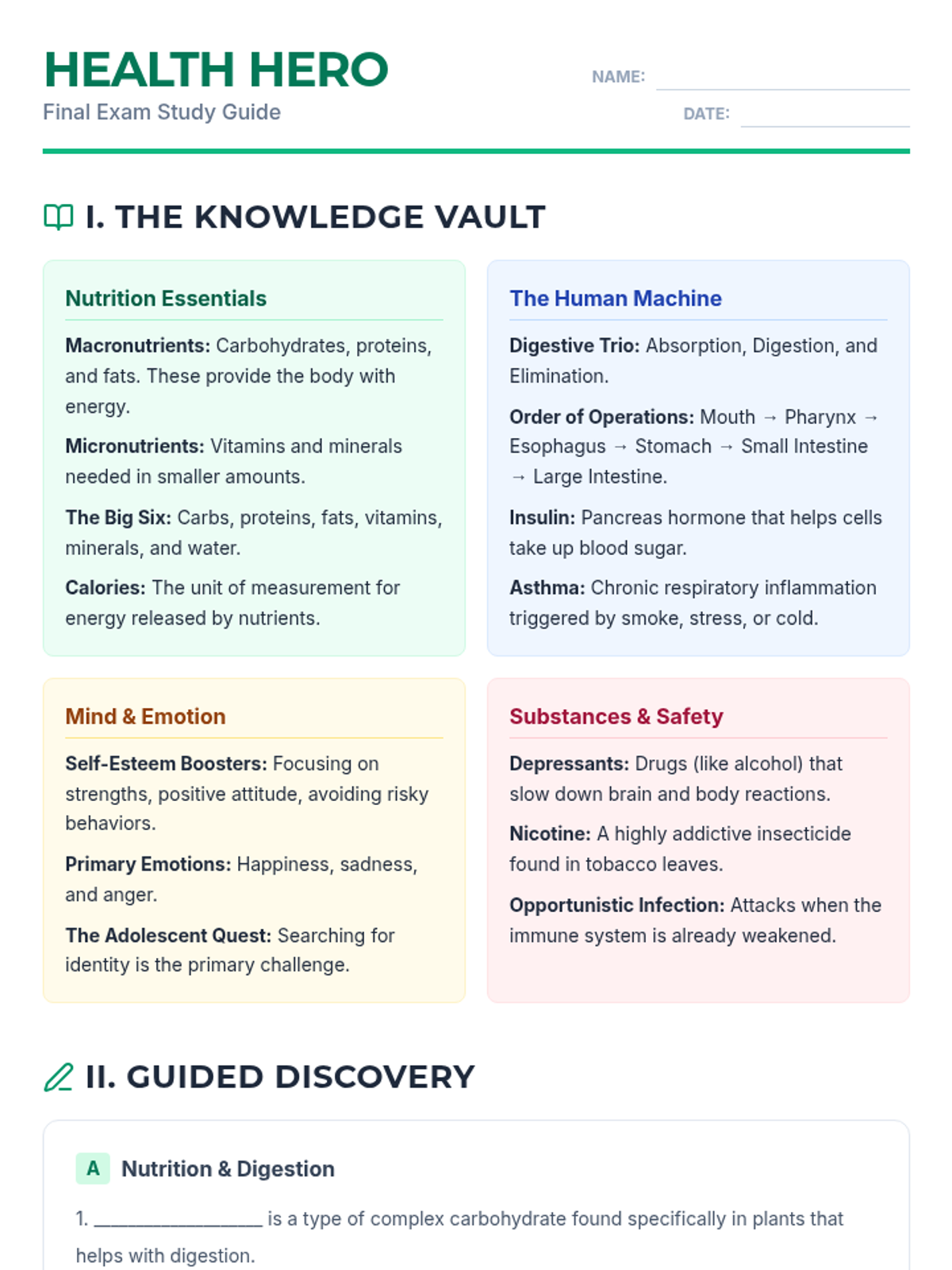
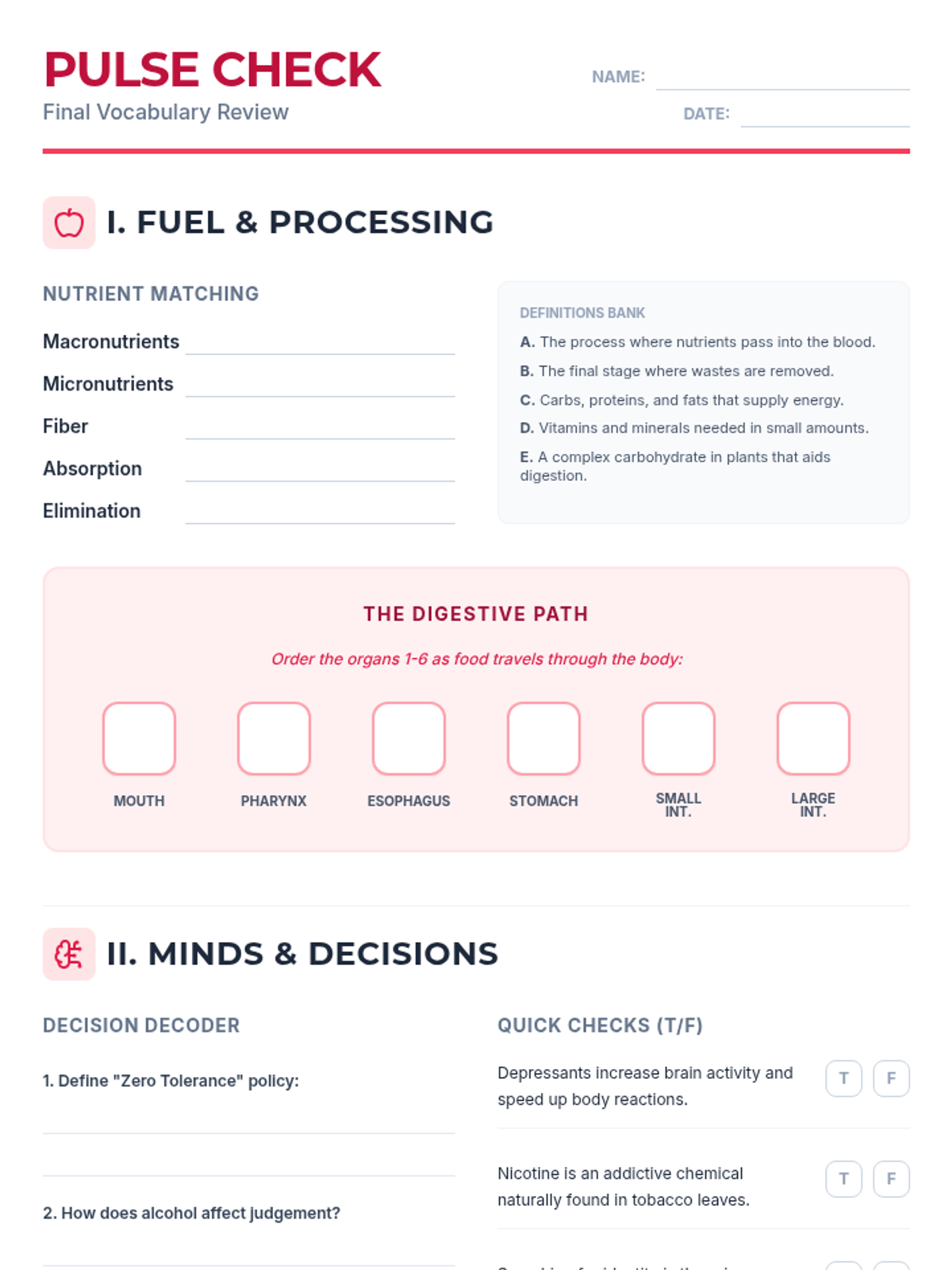
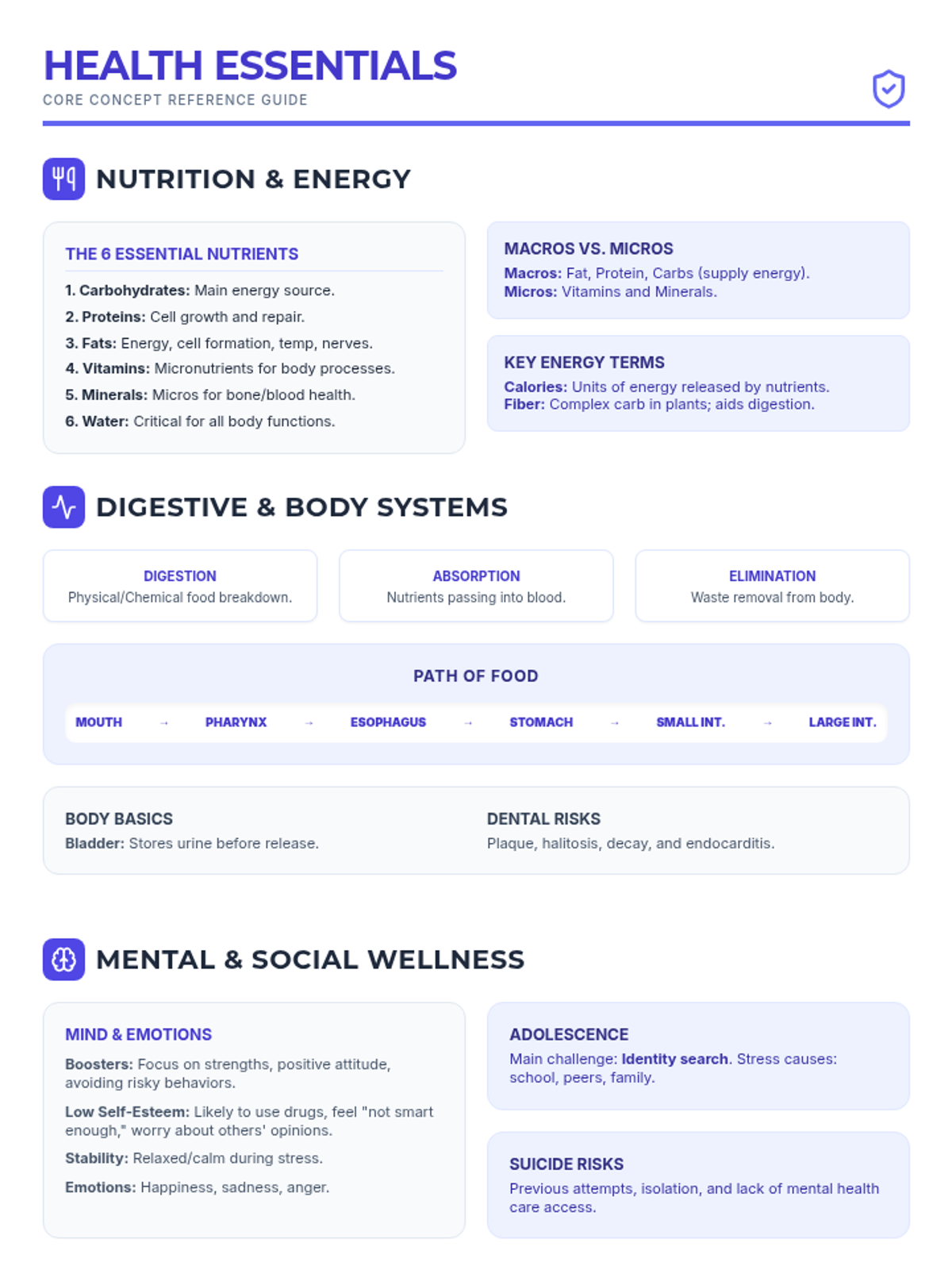
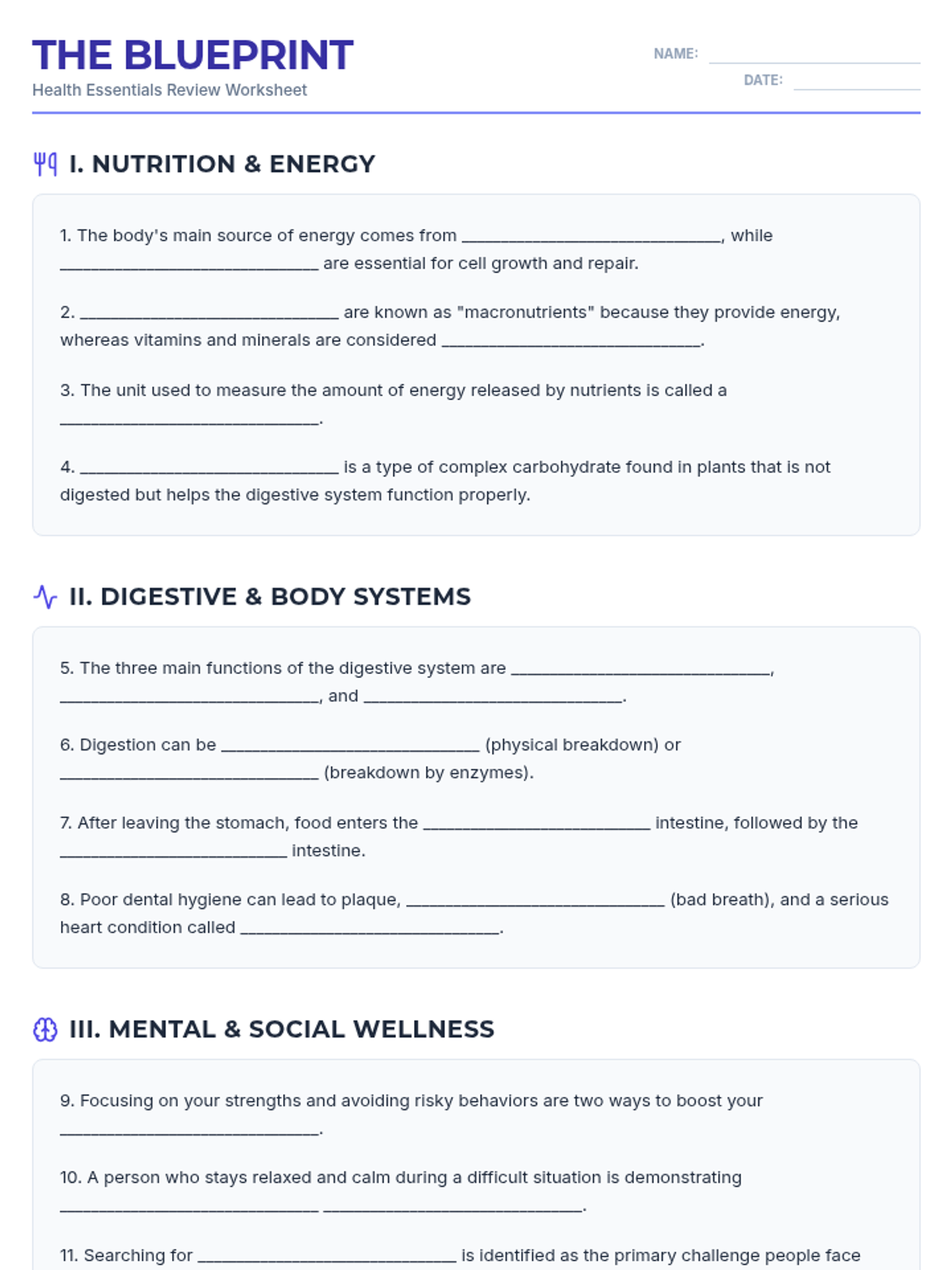
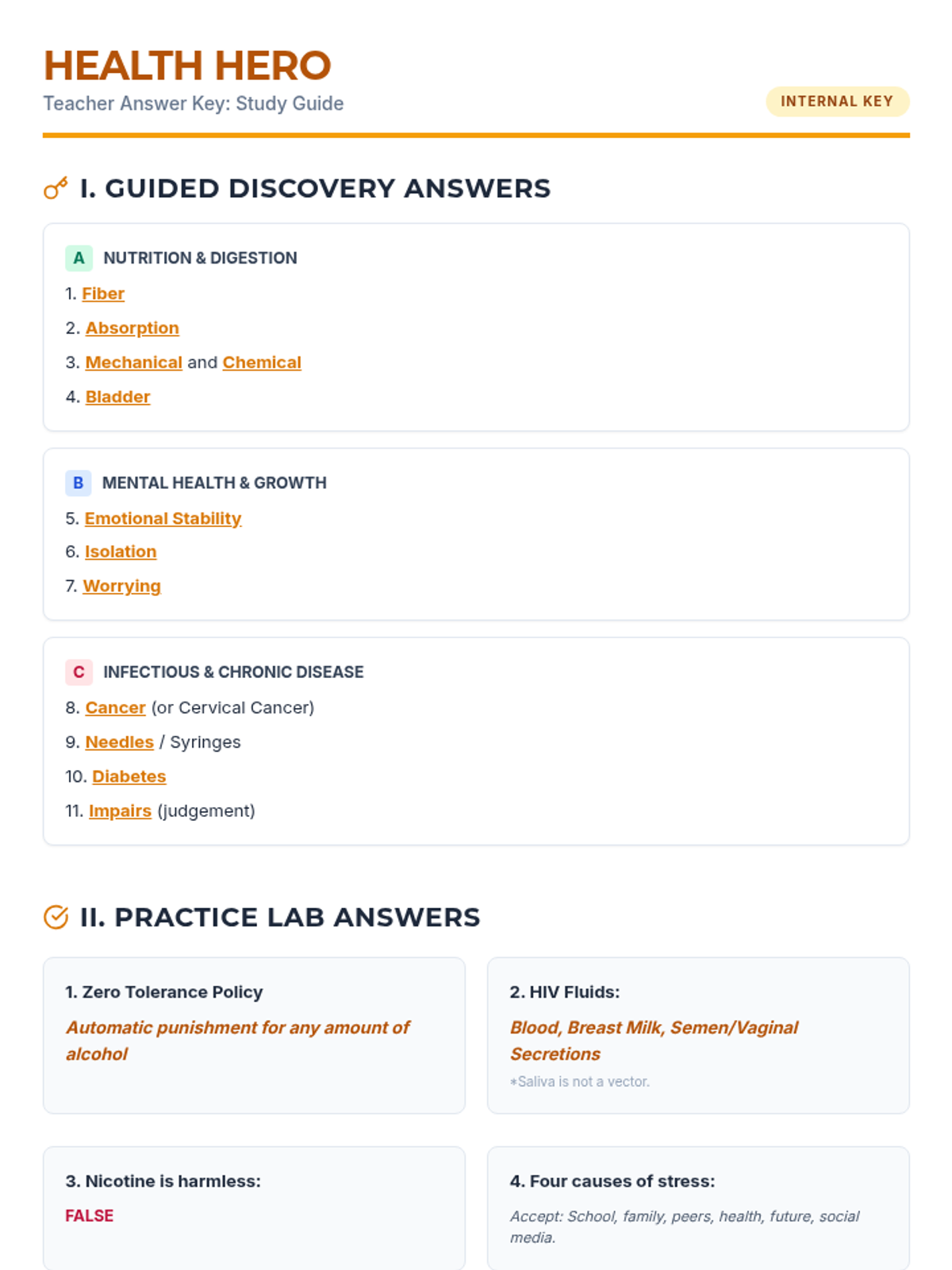
A comprehensive study guide covering nutrition, body systems, mental health, and disease prevention based on the Health Final Exam.
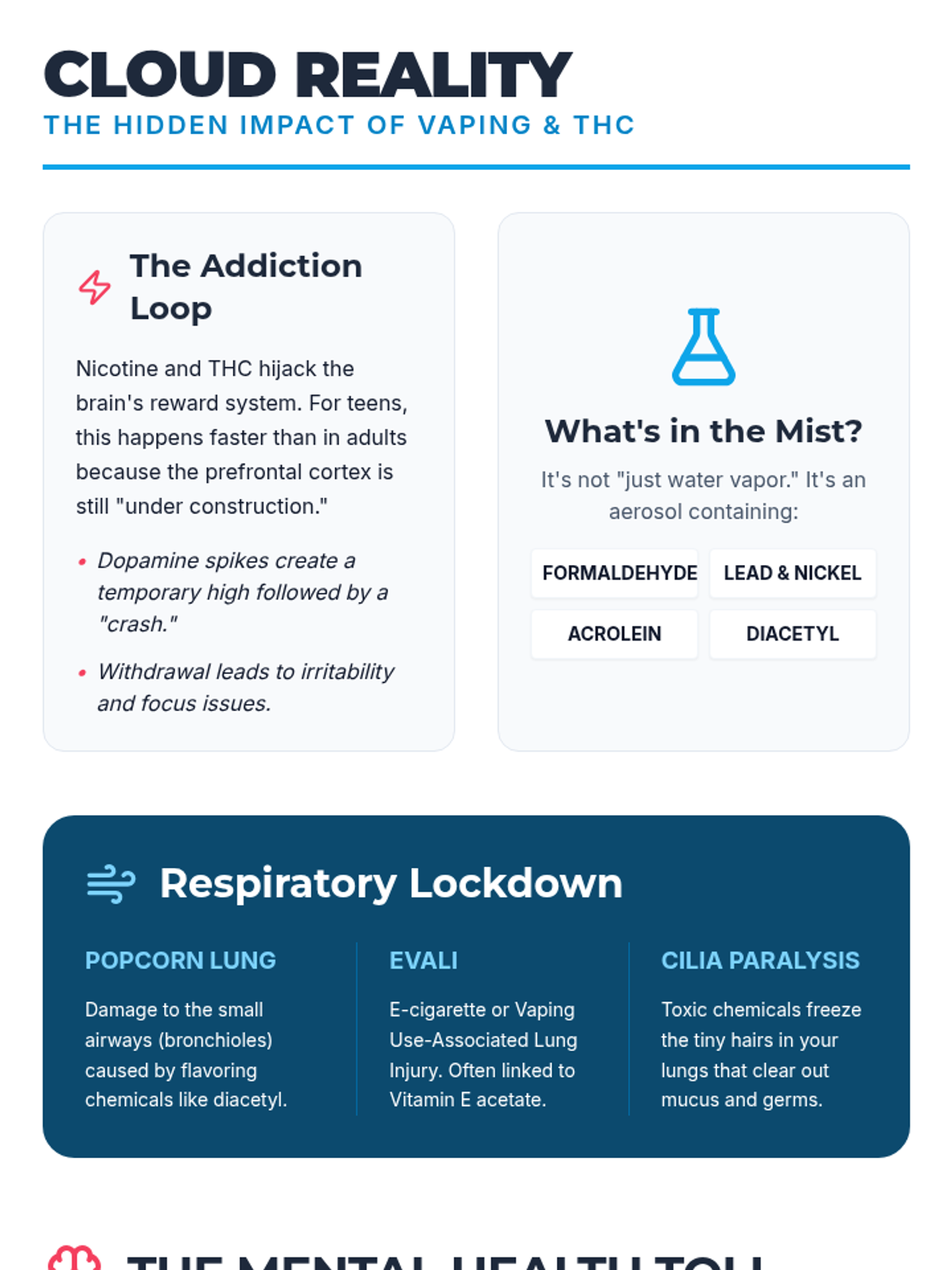
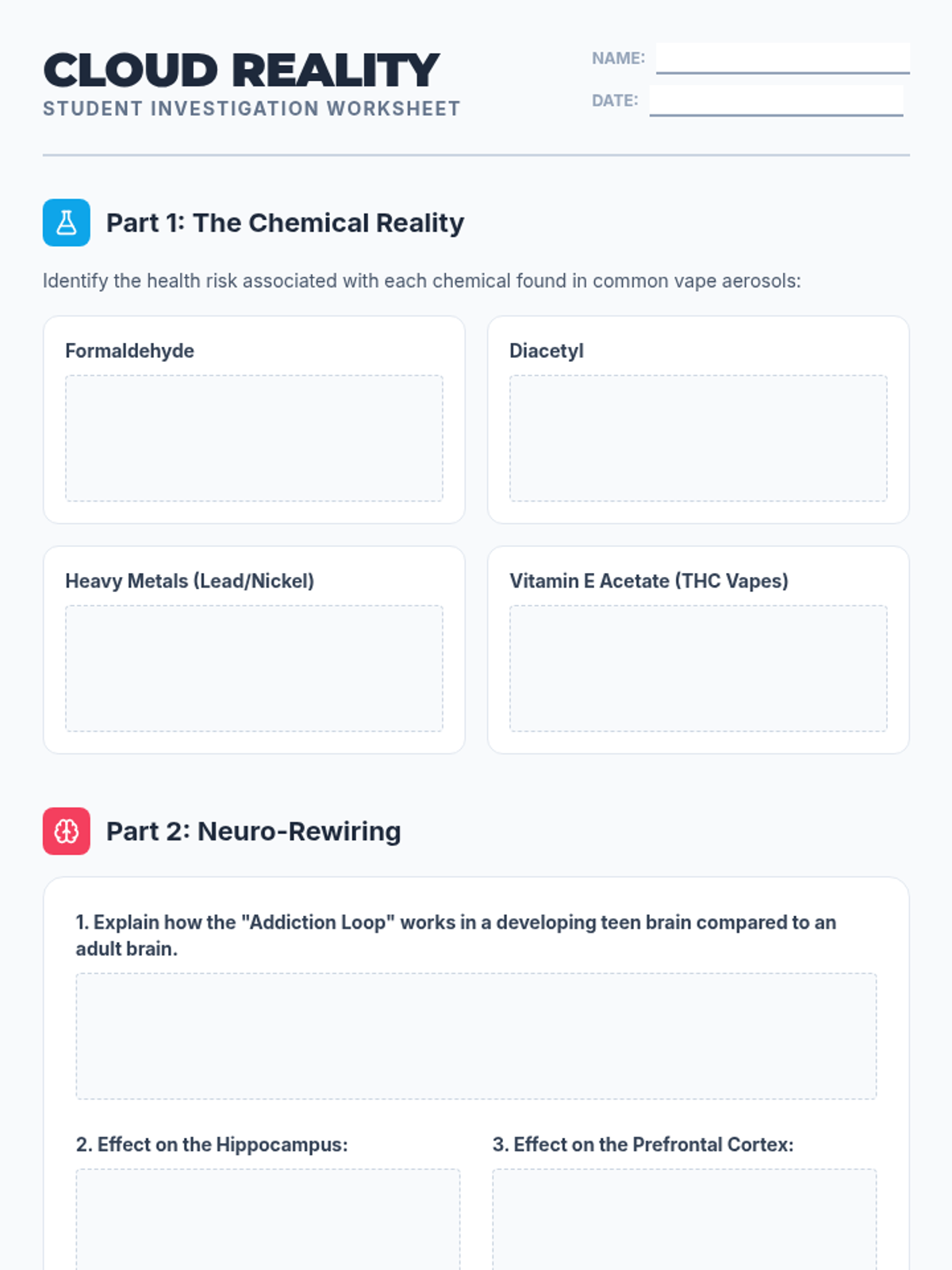
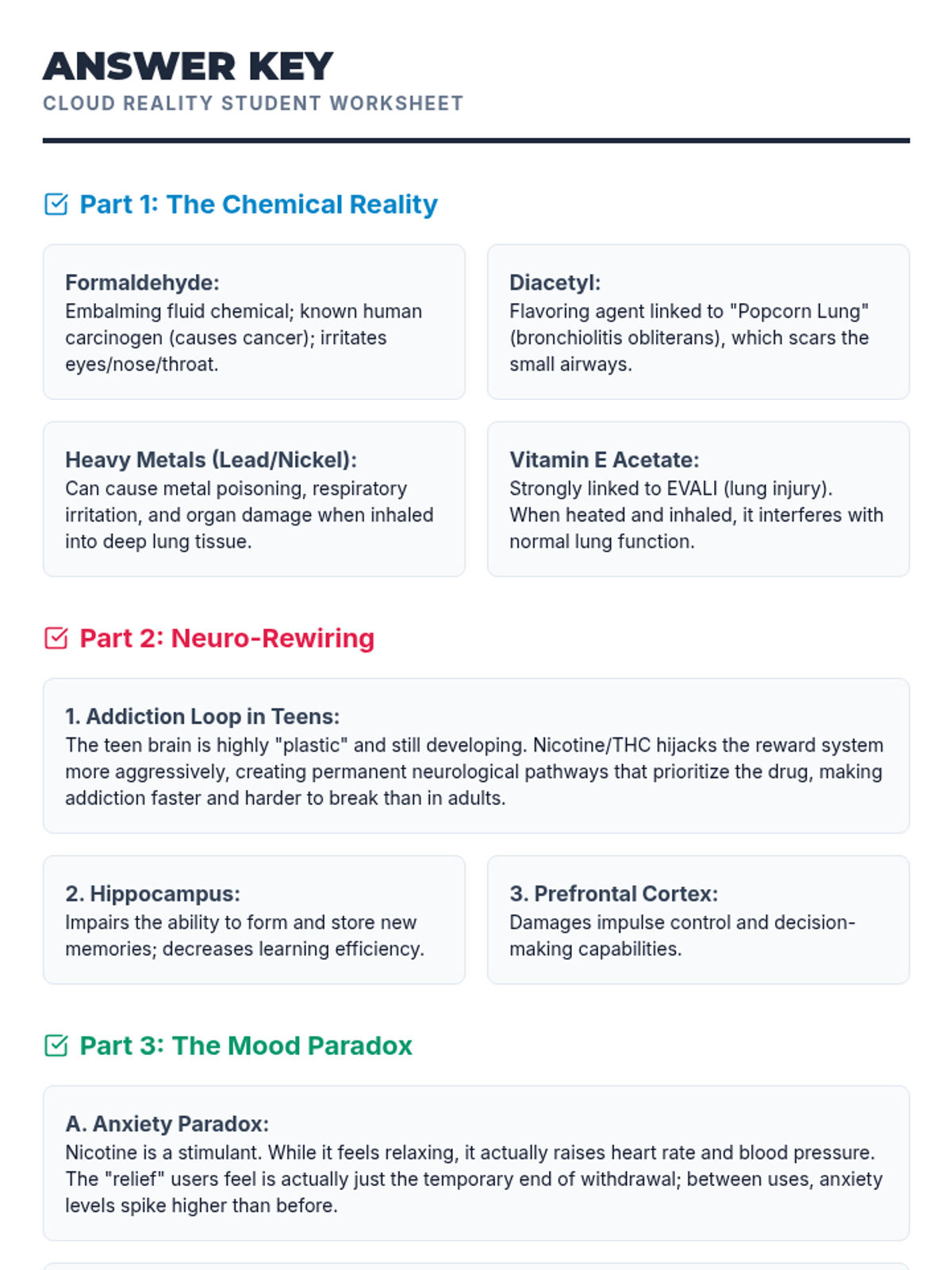
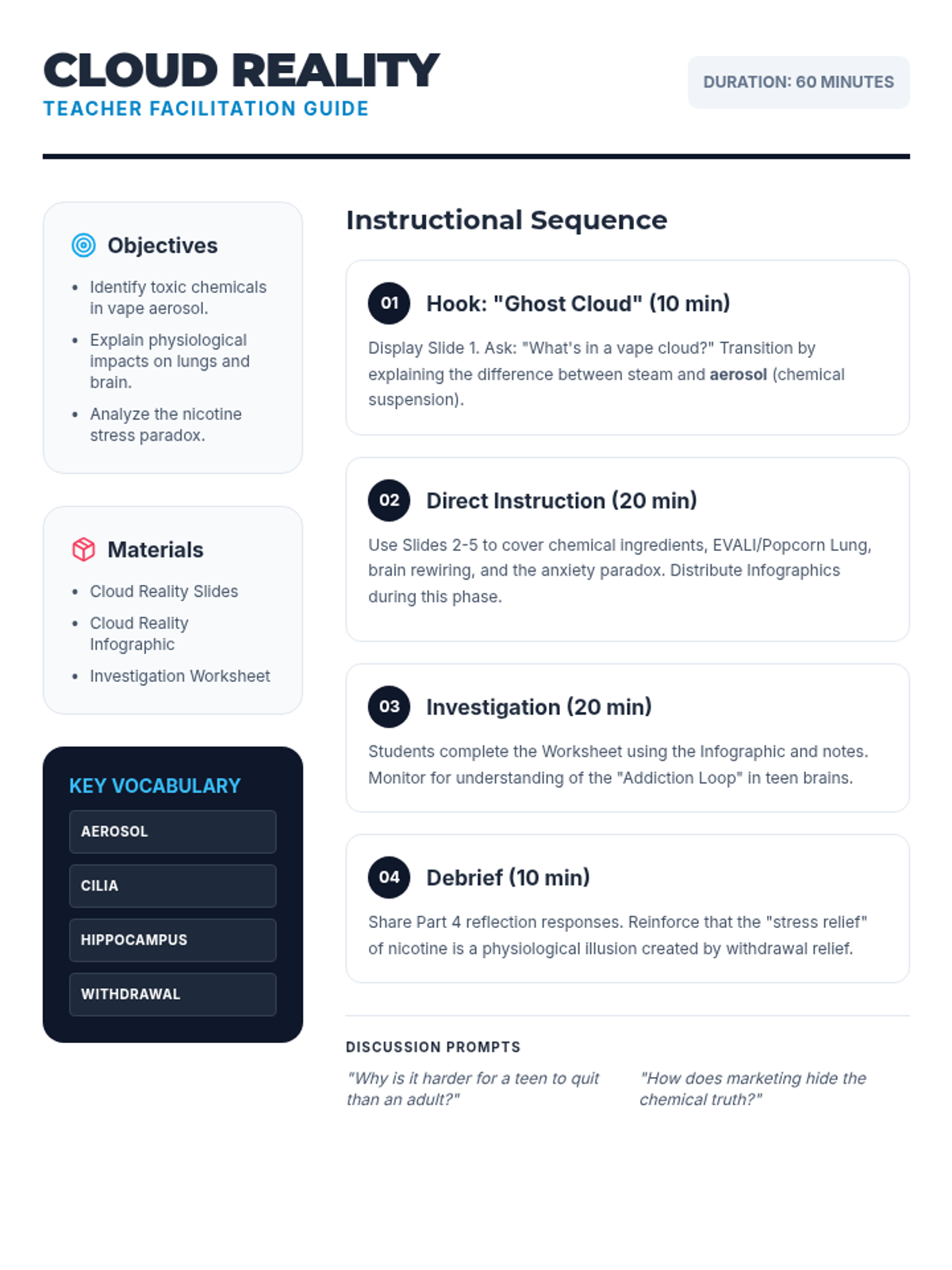
An exploration of the physical and mental health impacts of vaping and THC, focusing on respiratory health, brain development, and the cycle of addiction.
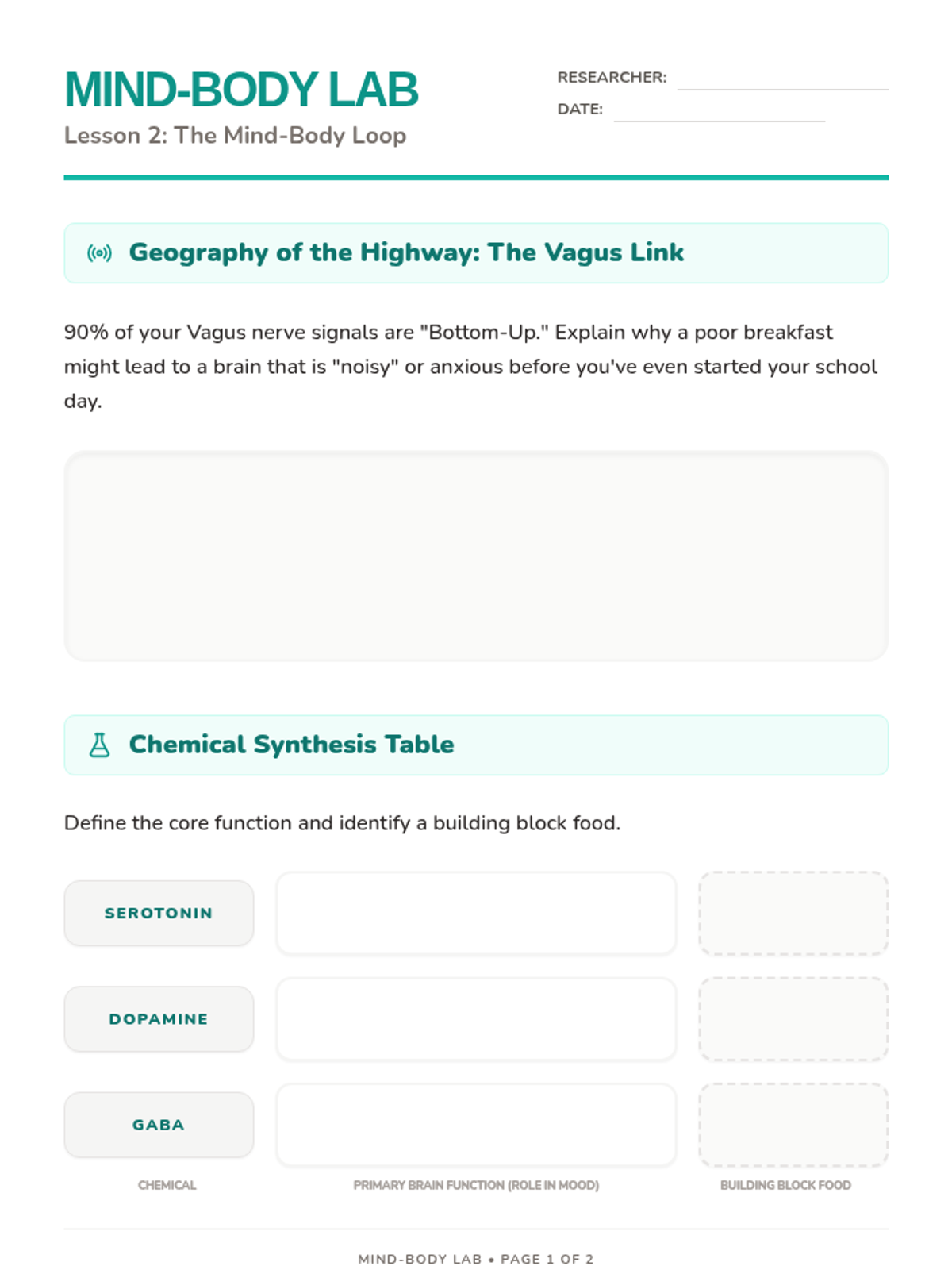
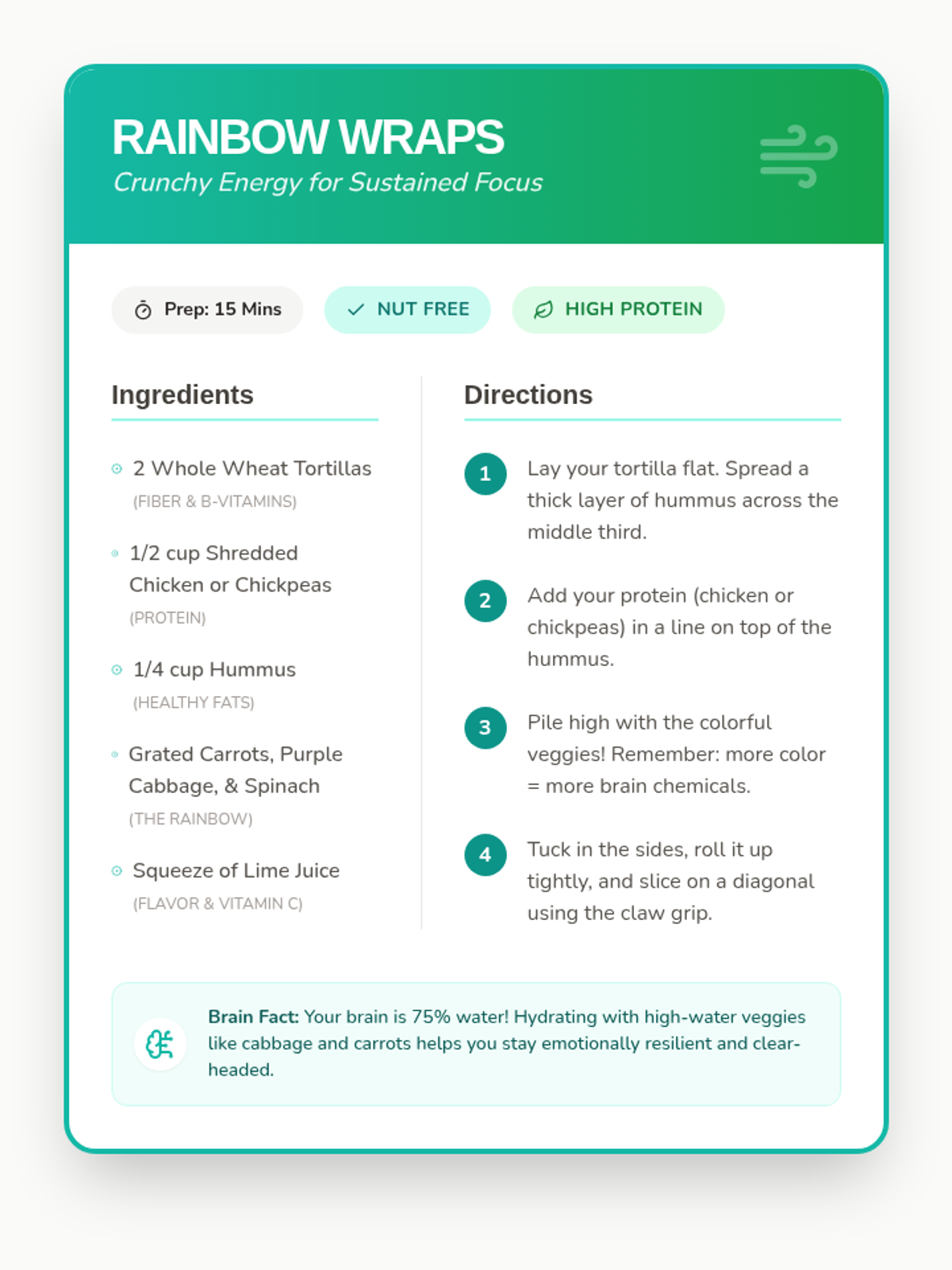
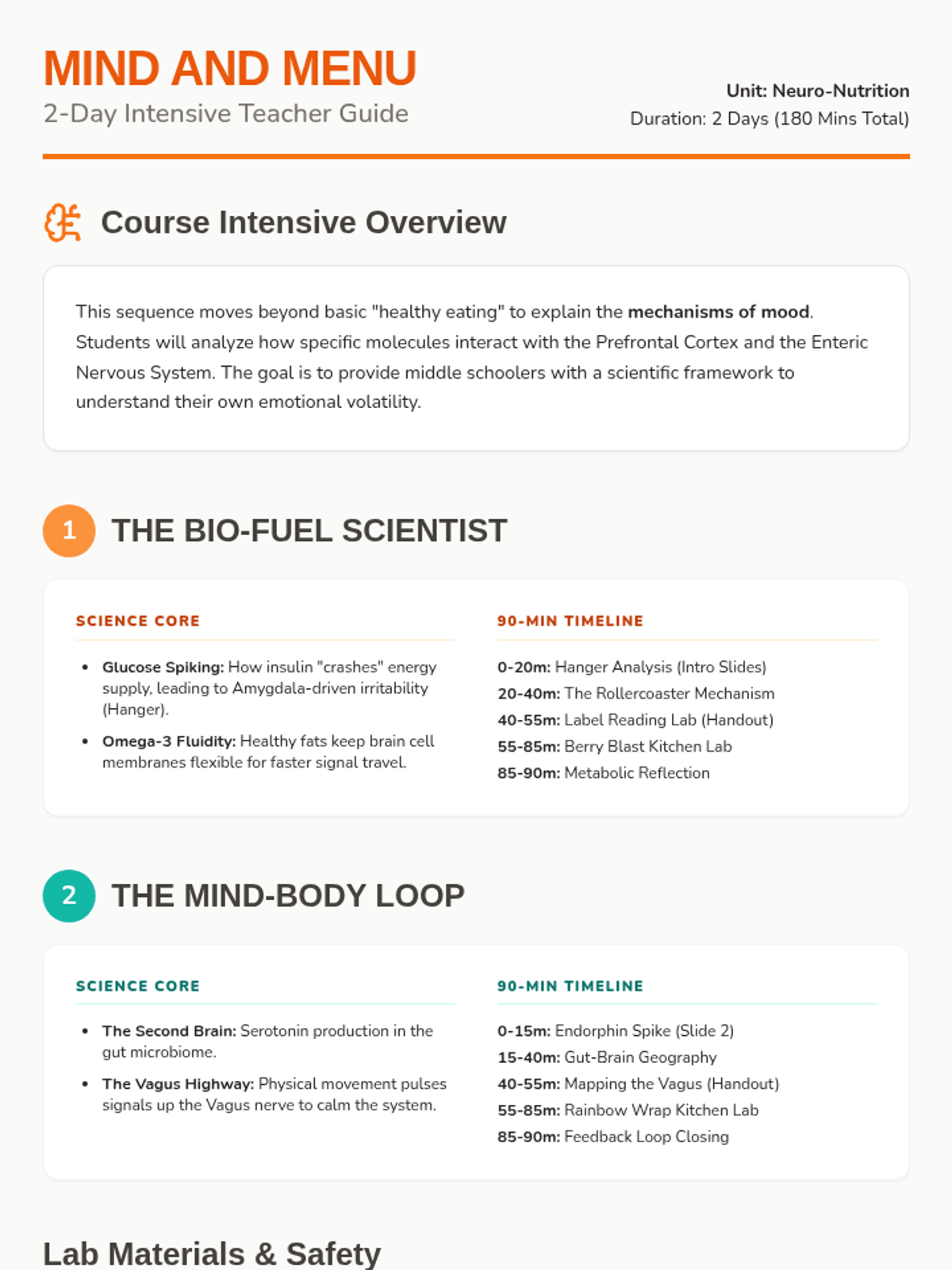
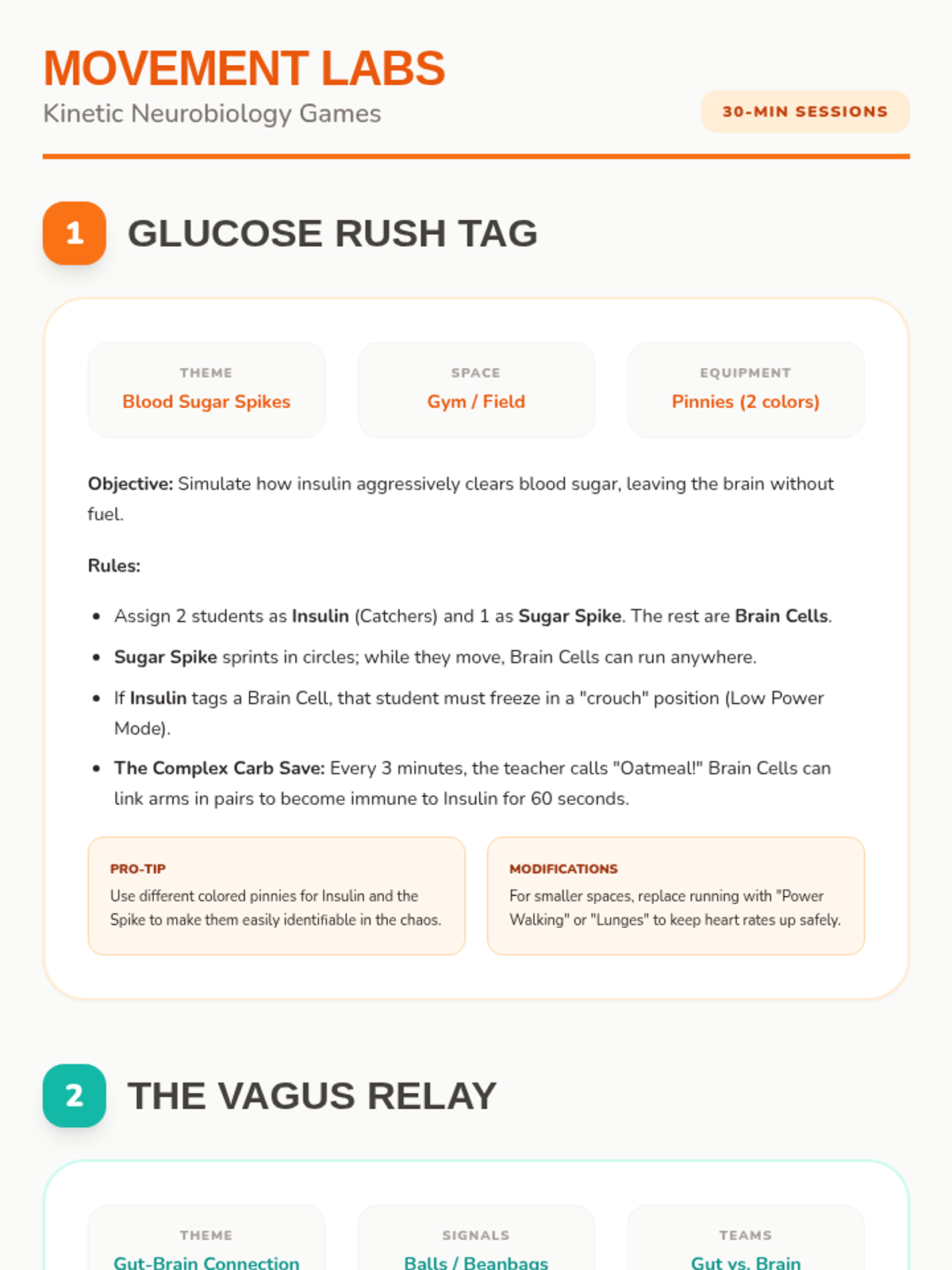
An intensive look at the 'Second Brain' in the gut, the role of the Vagus nerve, and how movement synthesizes neurotransmitters for emotional stability.
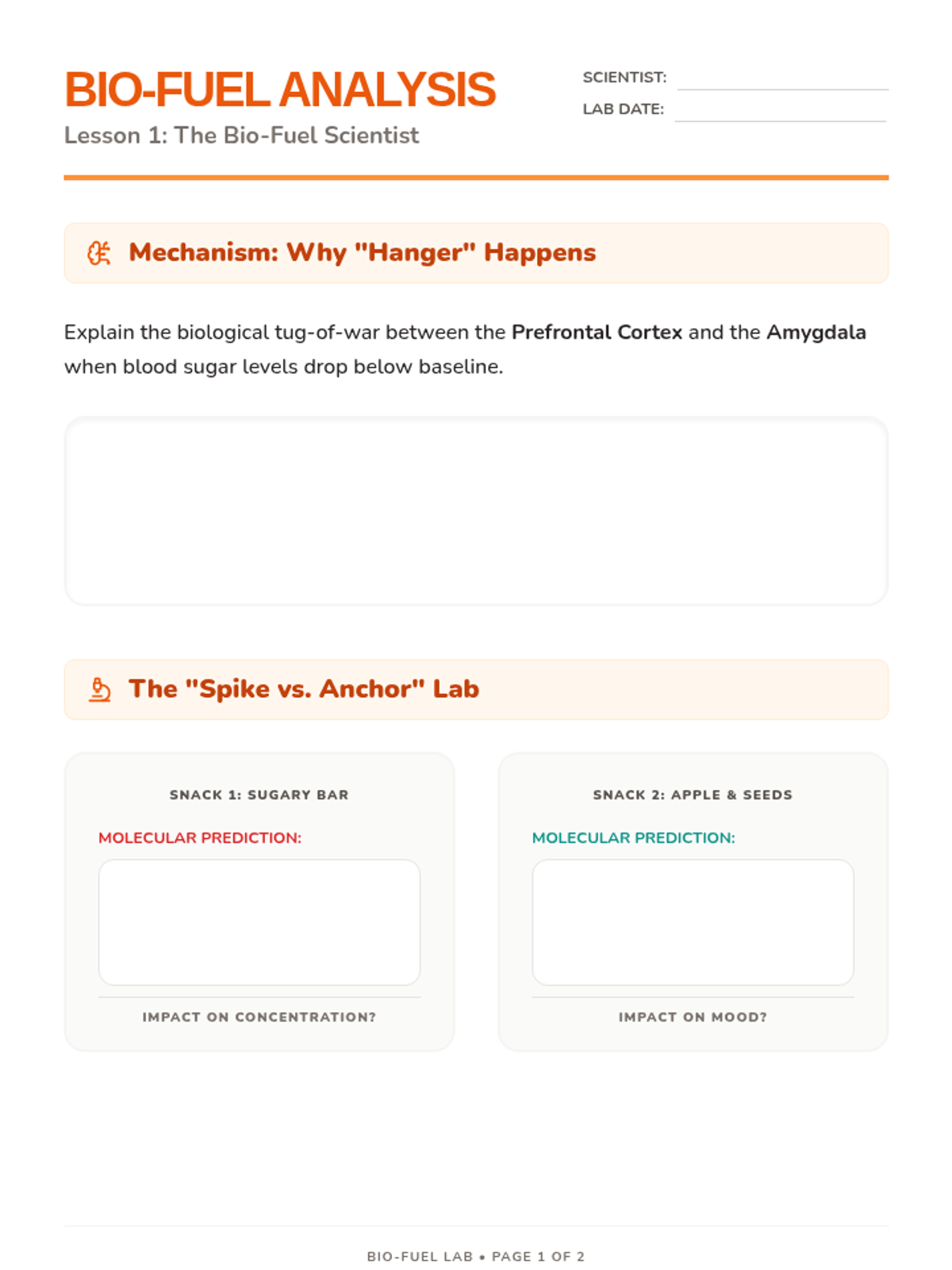
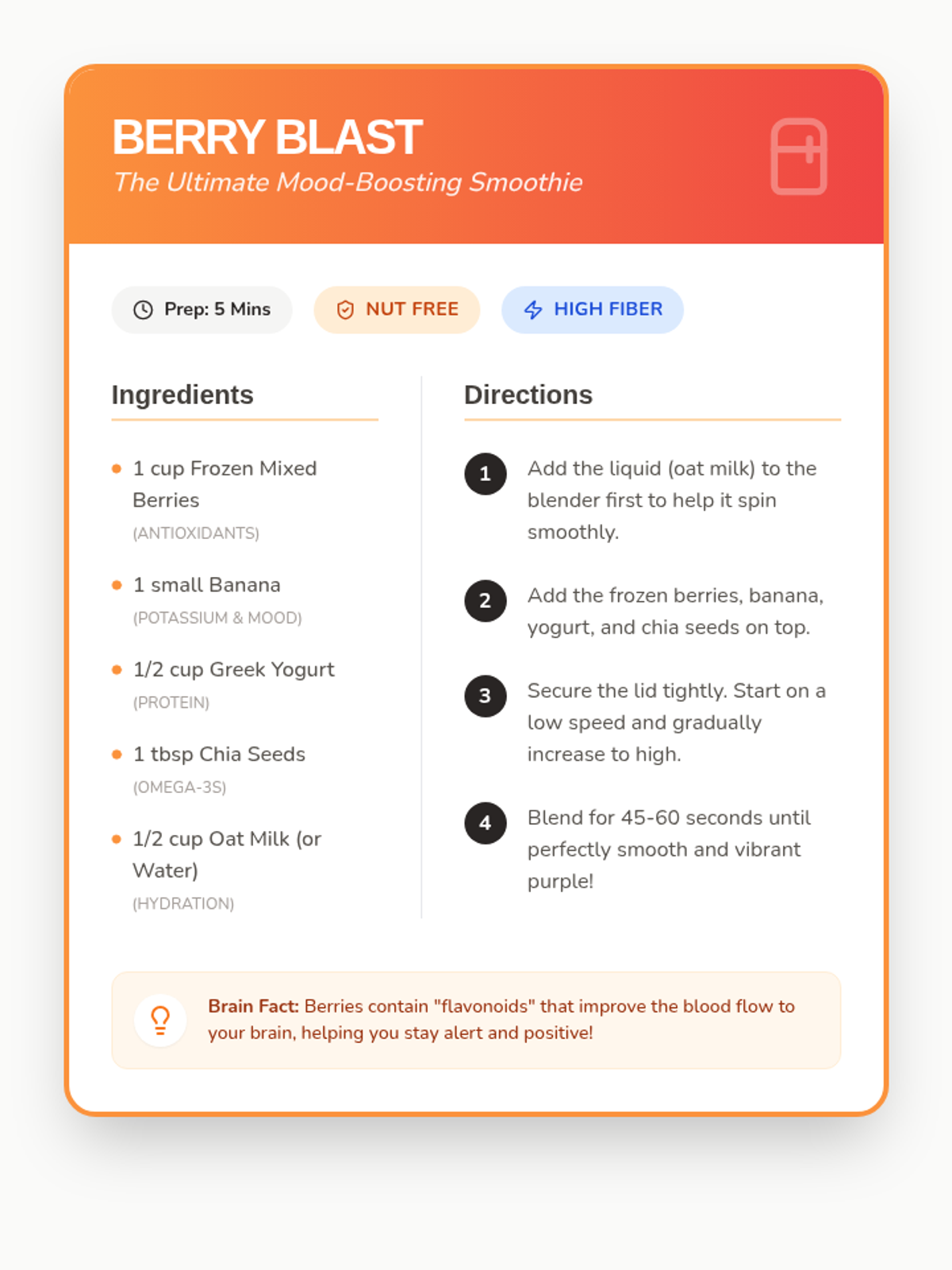
A deep dive into the glucose-insulin response, the chemistry of 'hanger,' and how micronutrients like Omega-3s build the physical architecture of the brain.
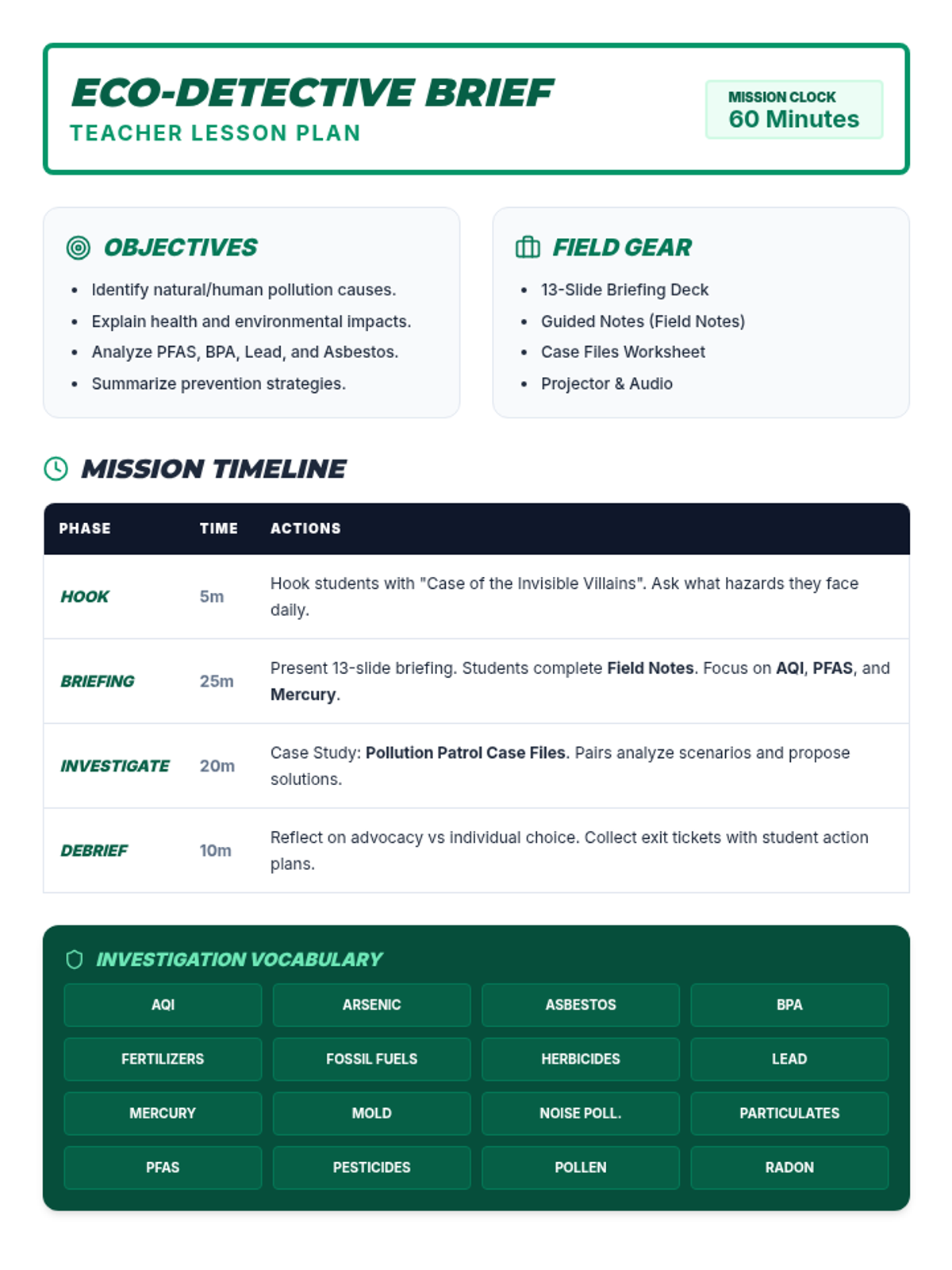
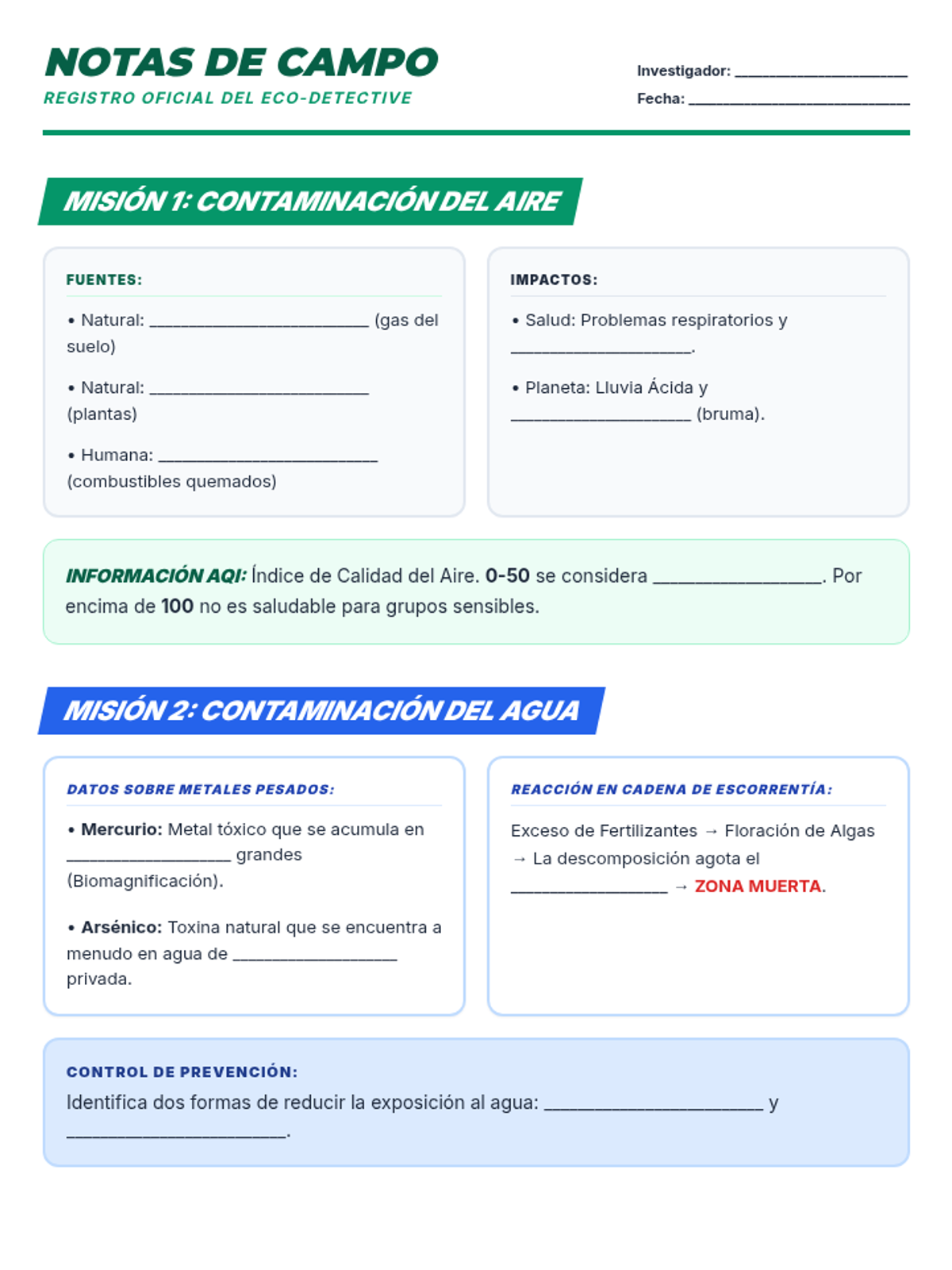
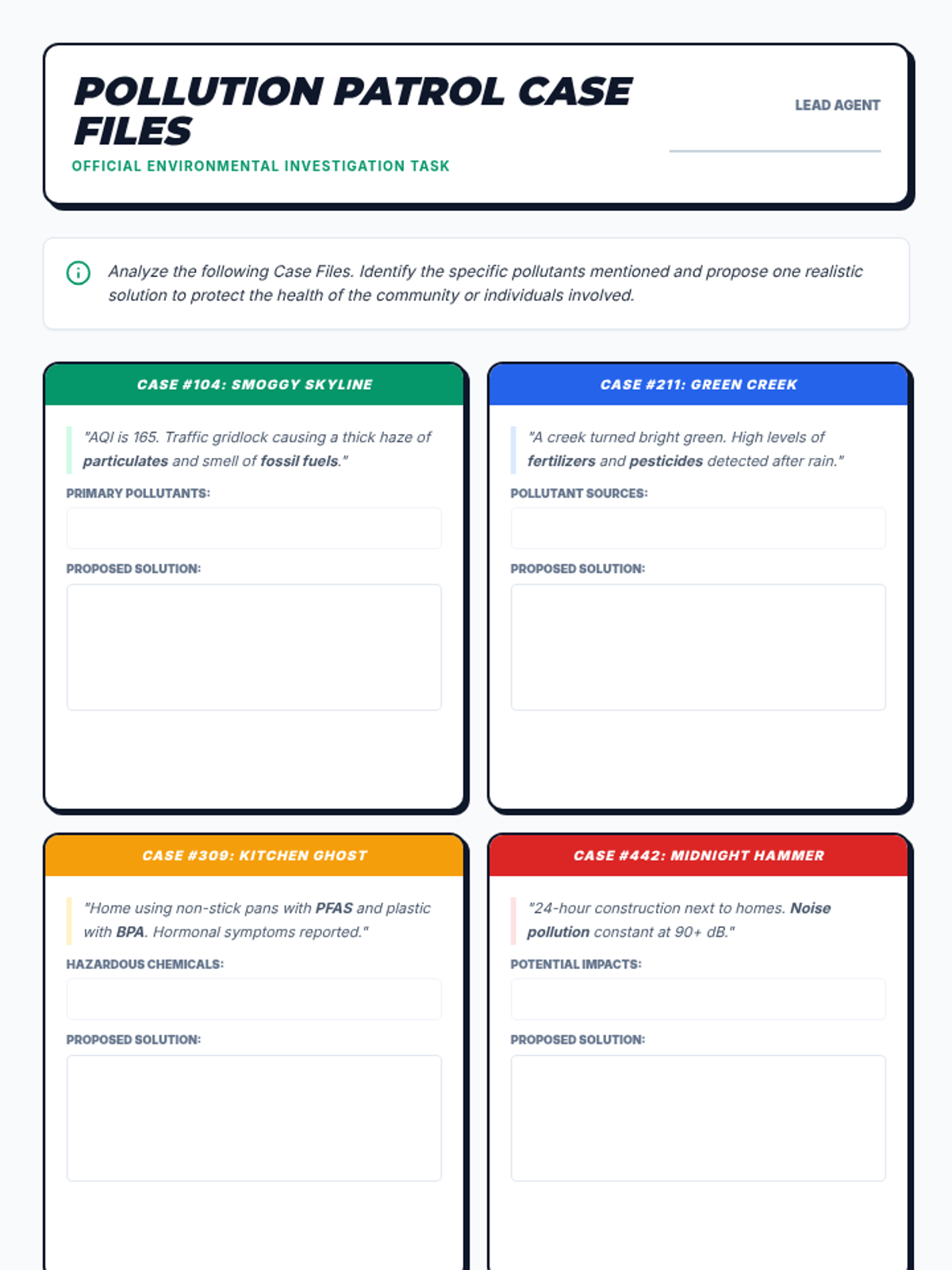
An investigative overview of environmental health hazards including air, water, chemical, and noise pollution. Students act as environmental detectives to identify causes, impacts, and solutions for various pollutants.
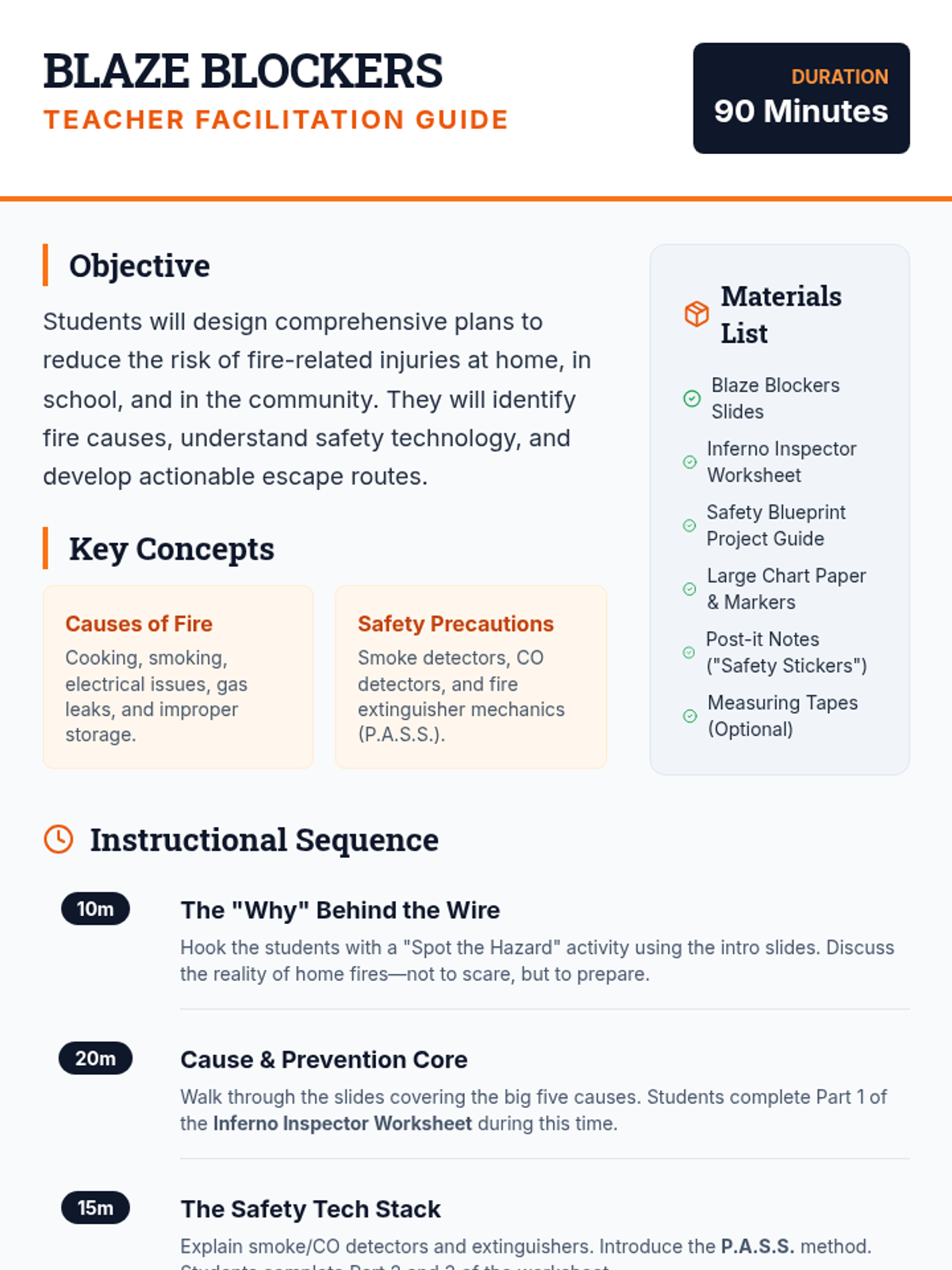
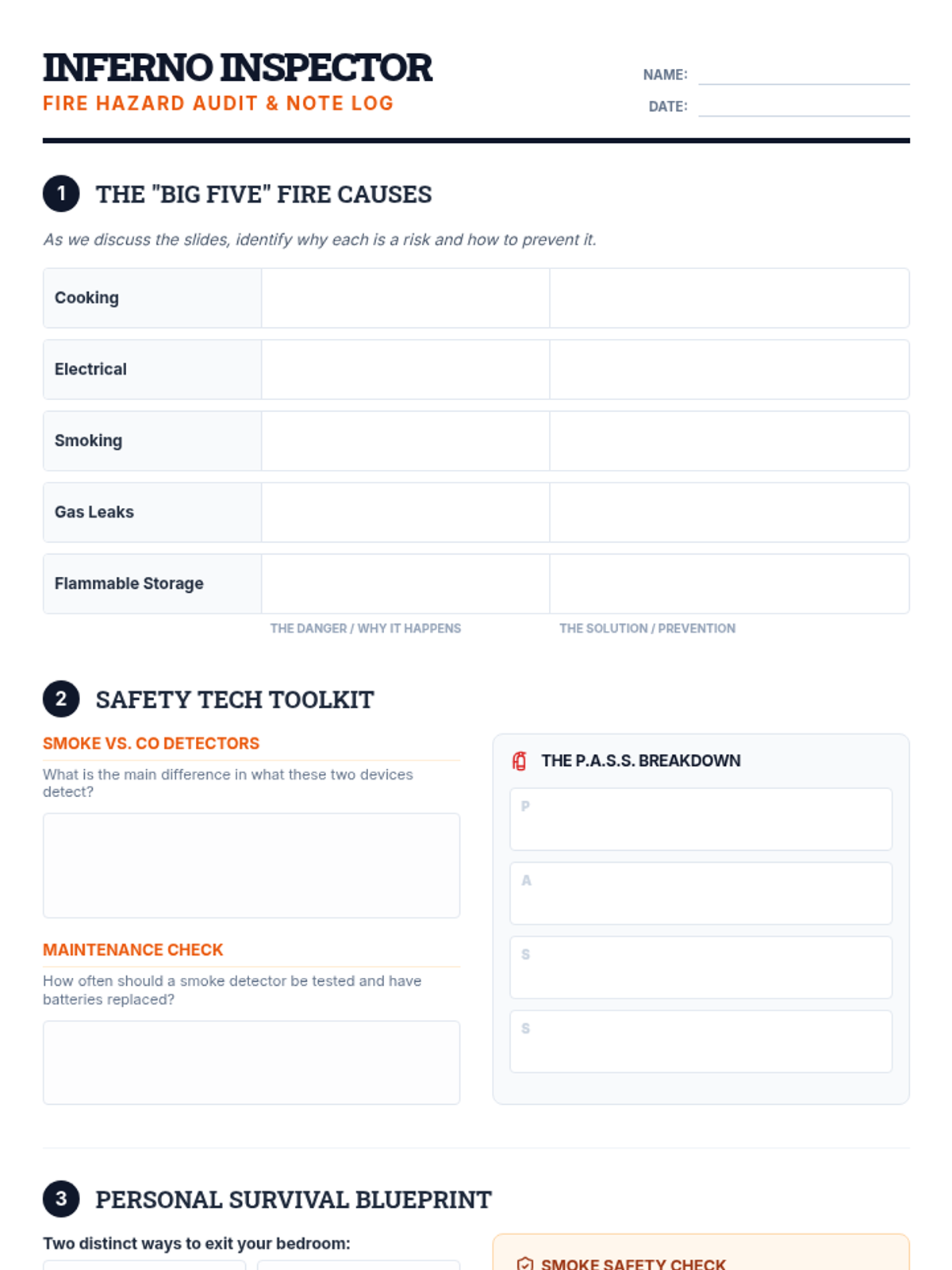
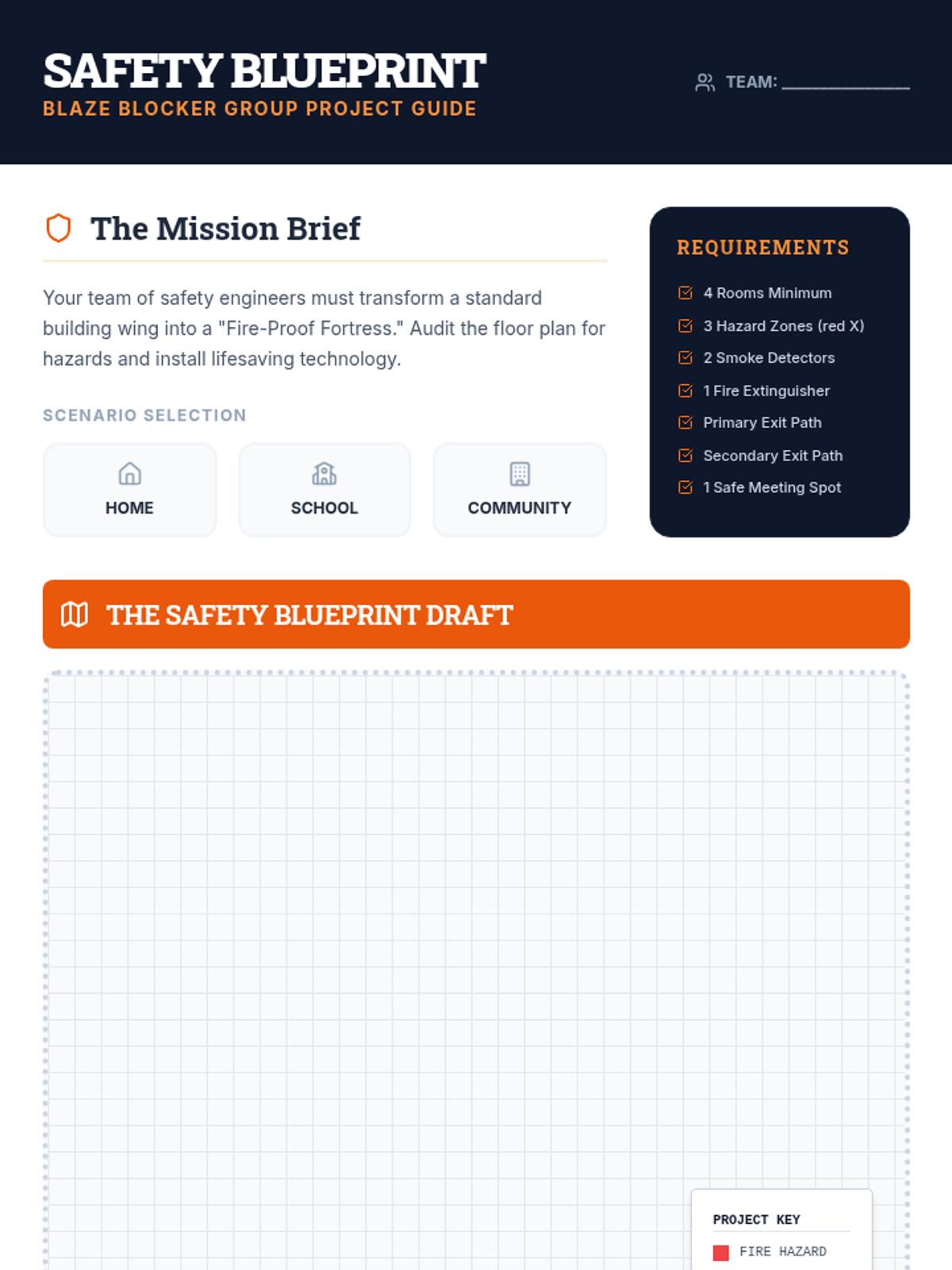
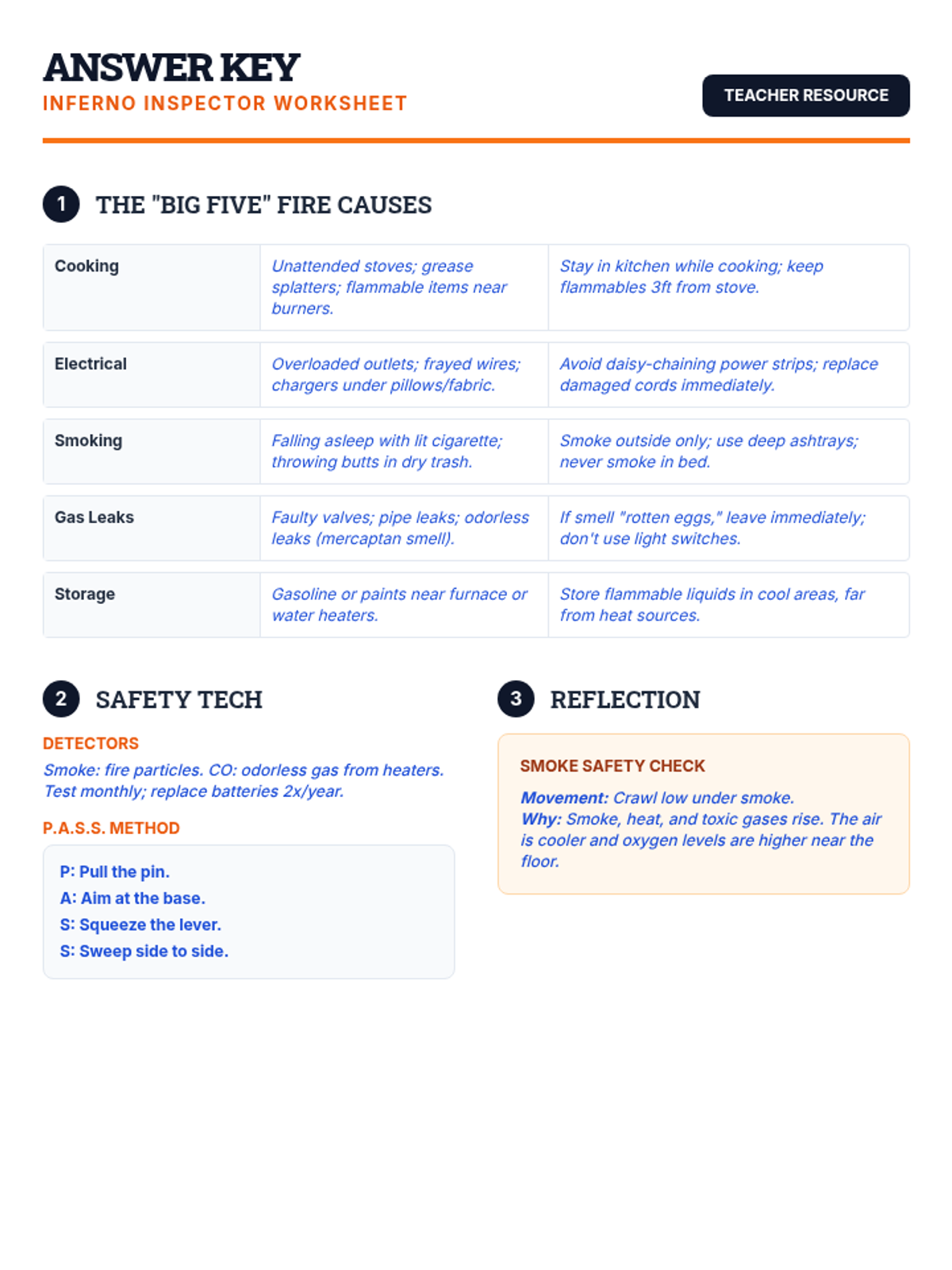
A comprehensive 90-minute lesson where students analyze fire causes, learn safety precautions, and design detailed fire safety plans for home, school, and the community.
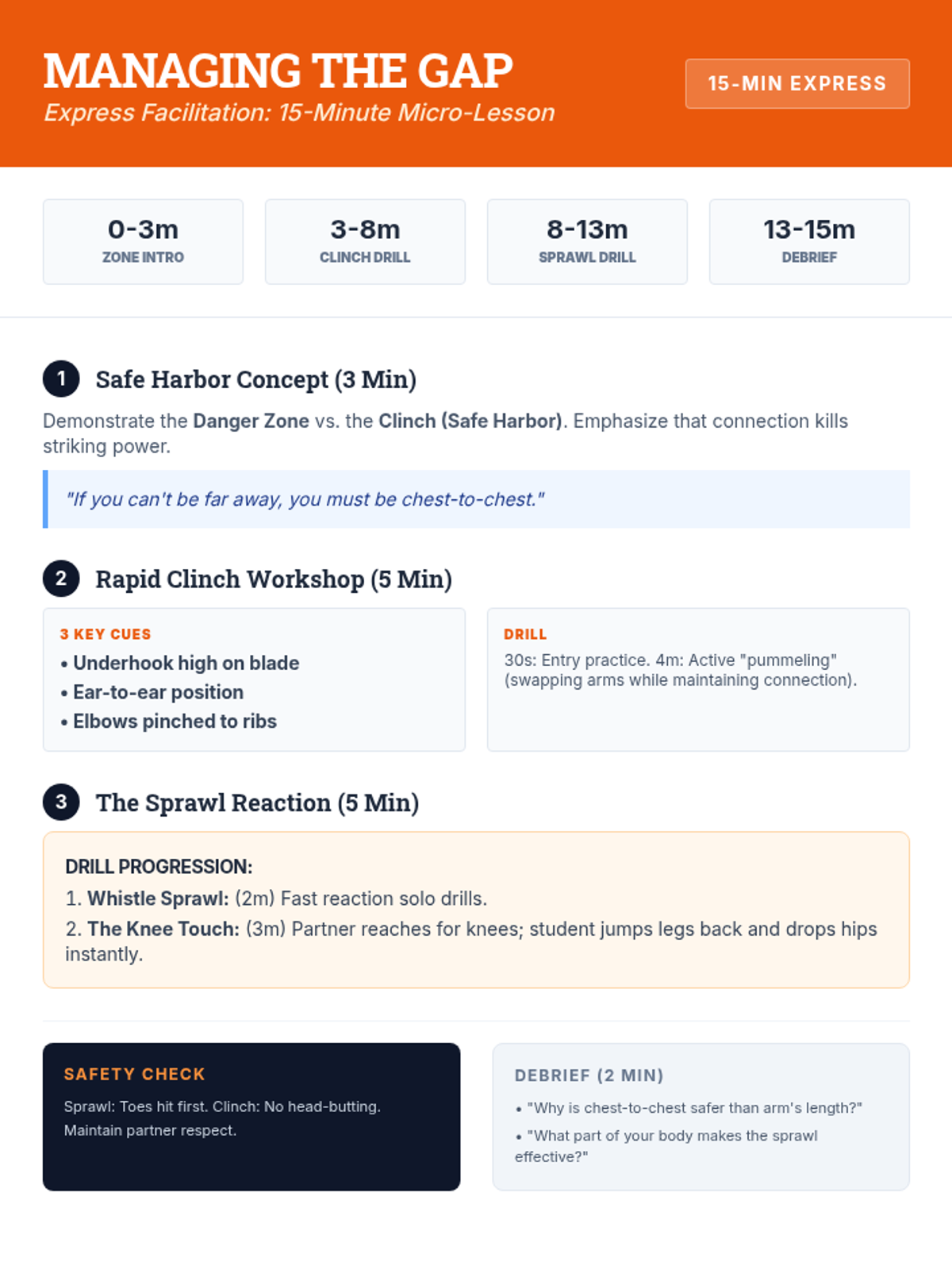
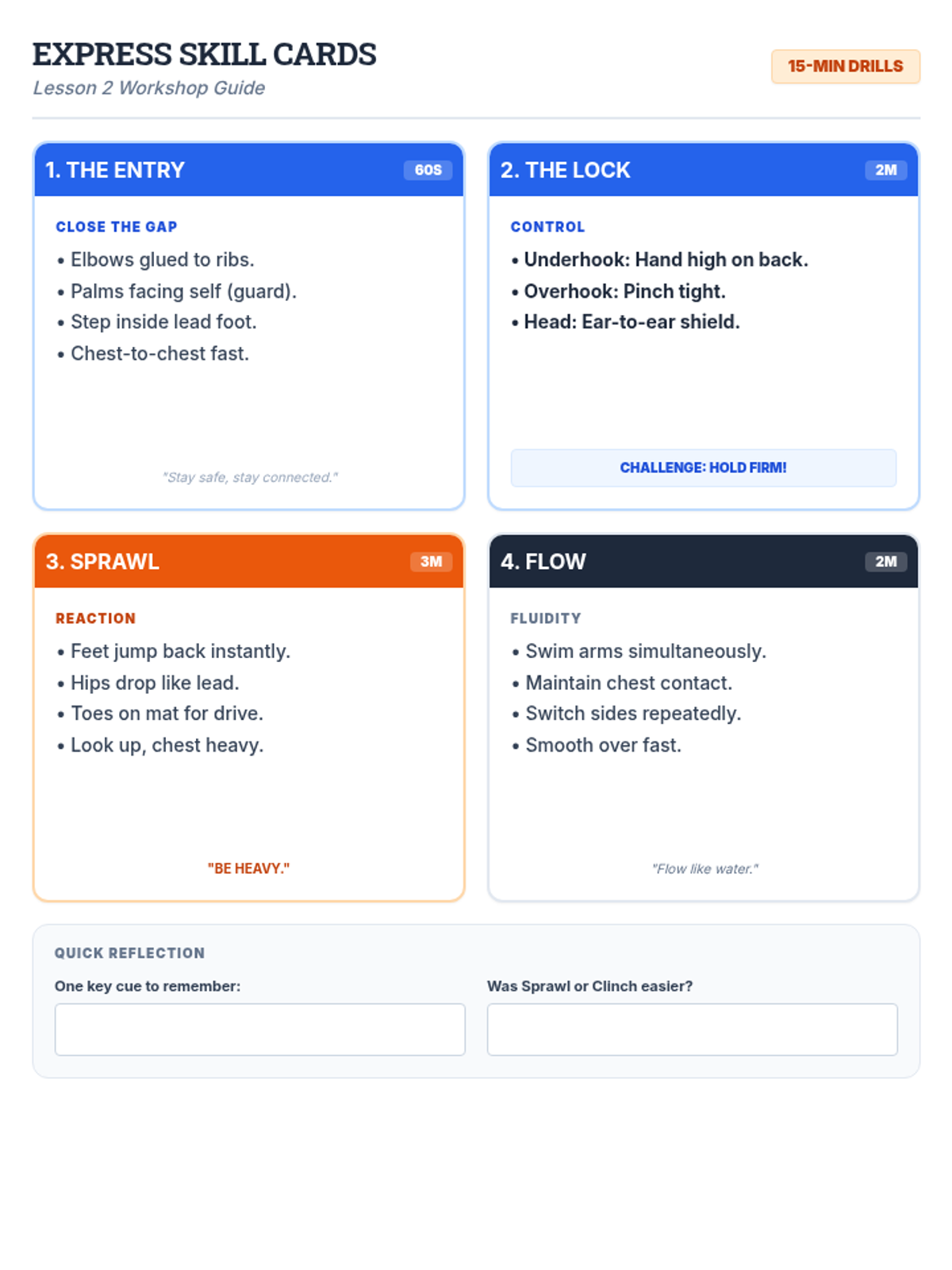
An intensive 15-minute 'Express' session focused on the core mechanics of the clinch and sprawl. Students learn to close the distance safely and defend against leg tackles with maximum efficiency.
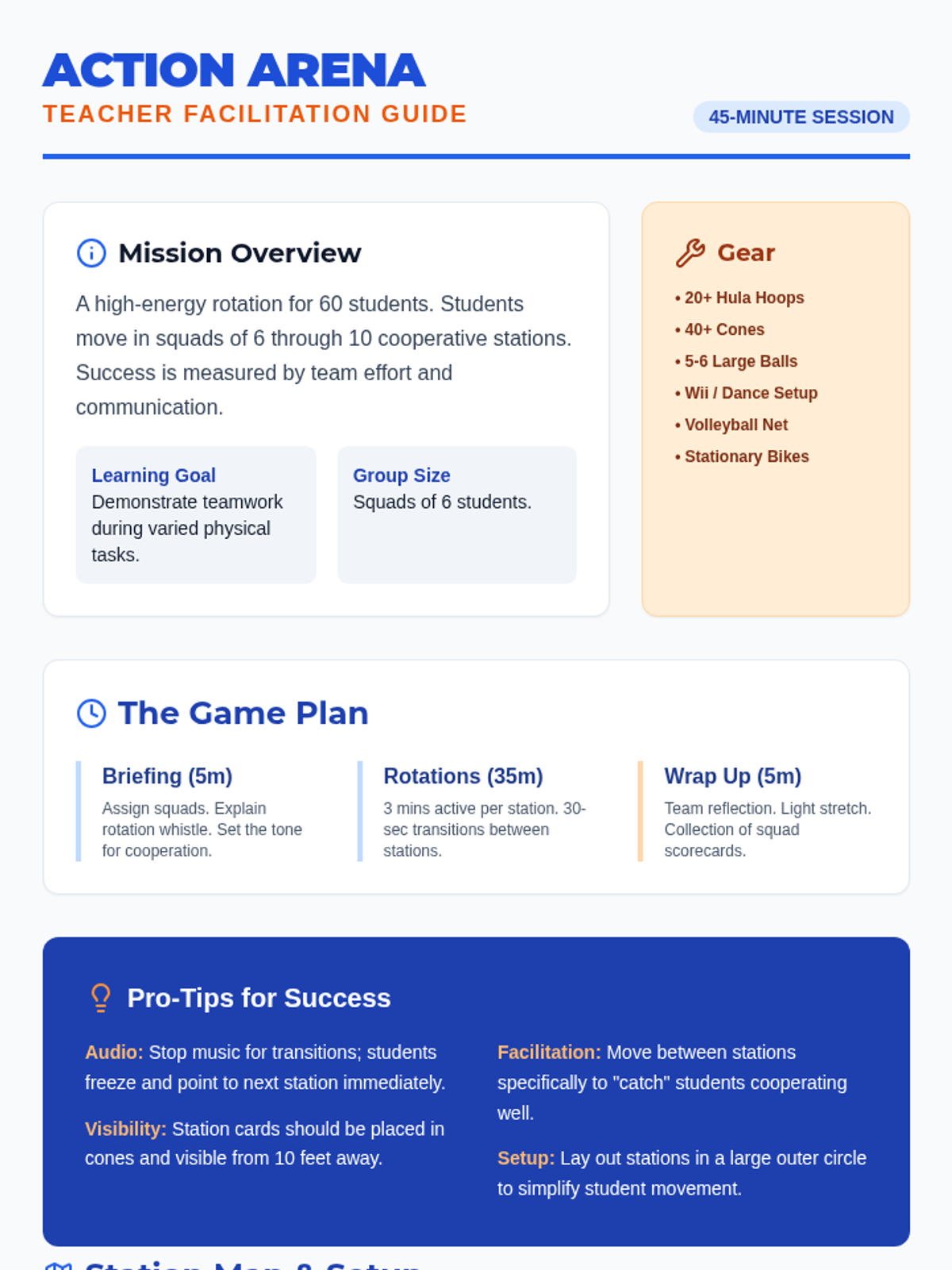
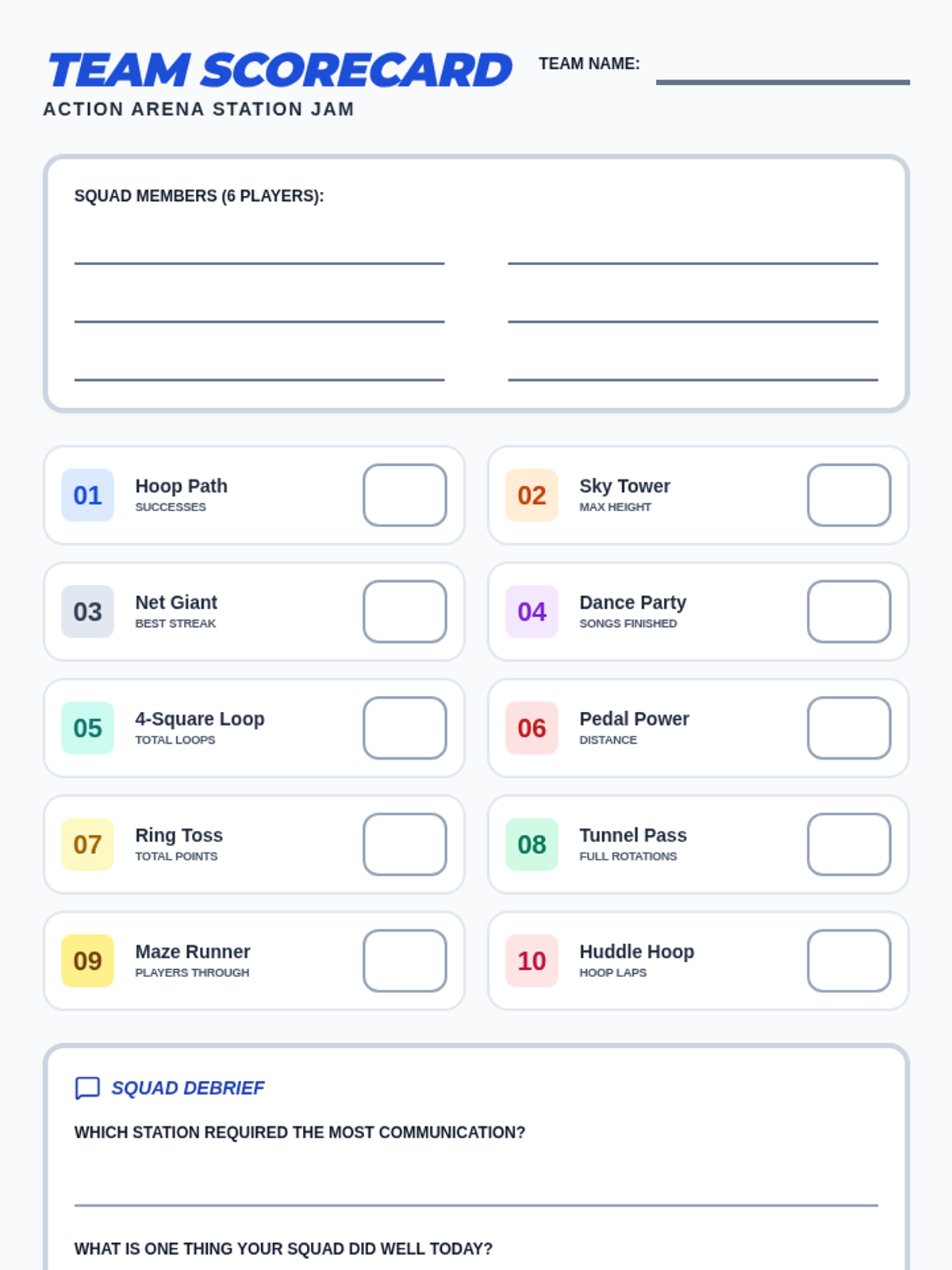
A high-energy, 45-minute PE lesson featuring 10 active stations designed for large groups. Students rotate through teamwork-based challenges using hoops, balls, cones, and technology to build cooperation and fitness.
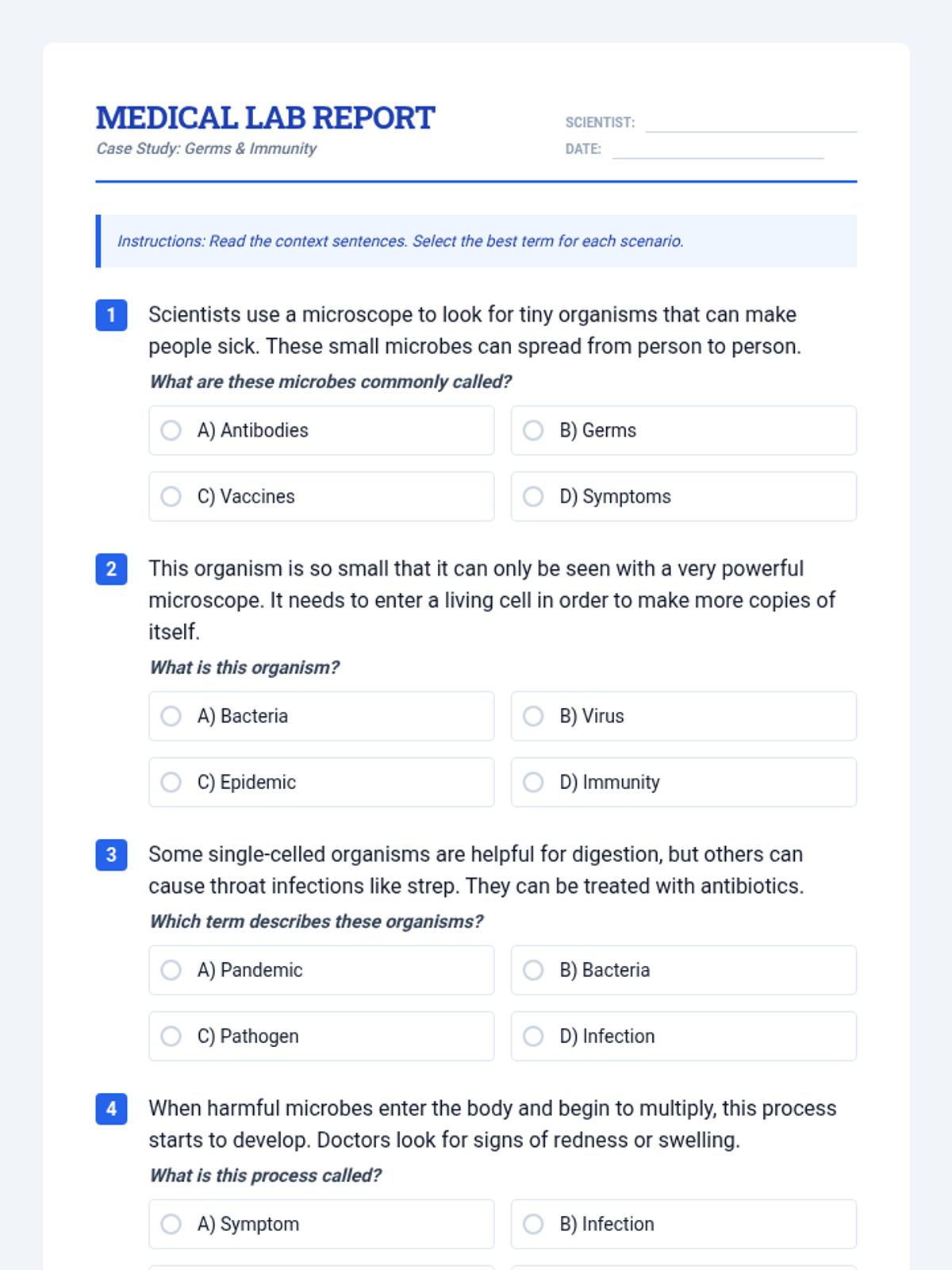
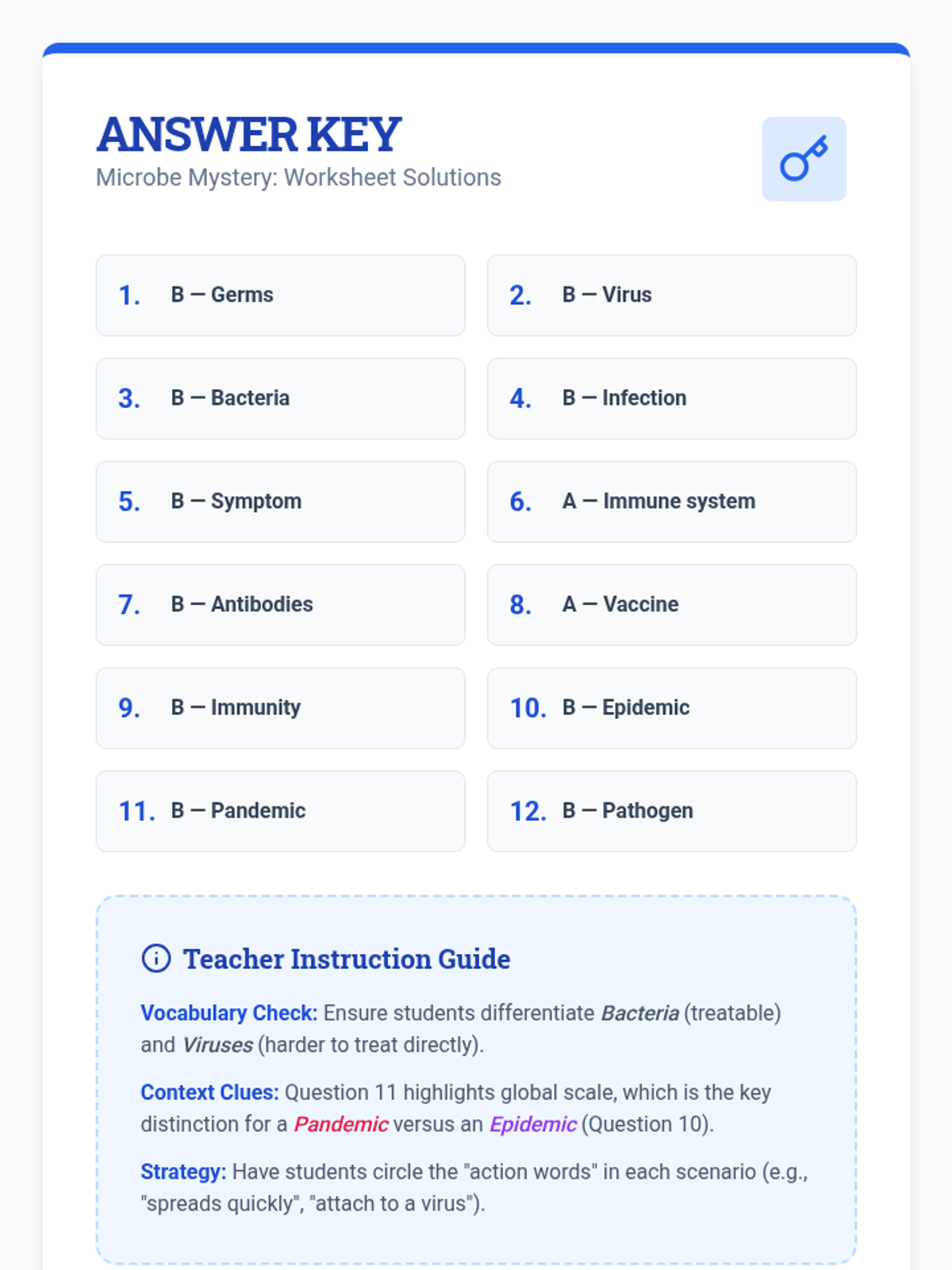
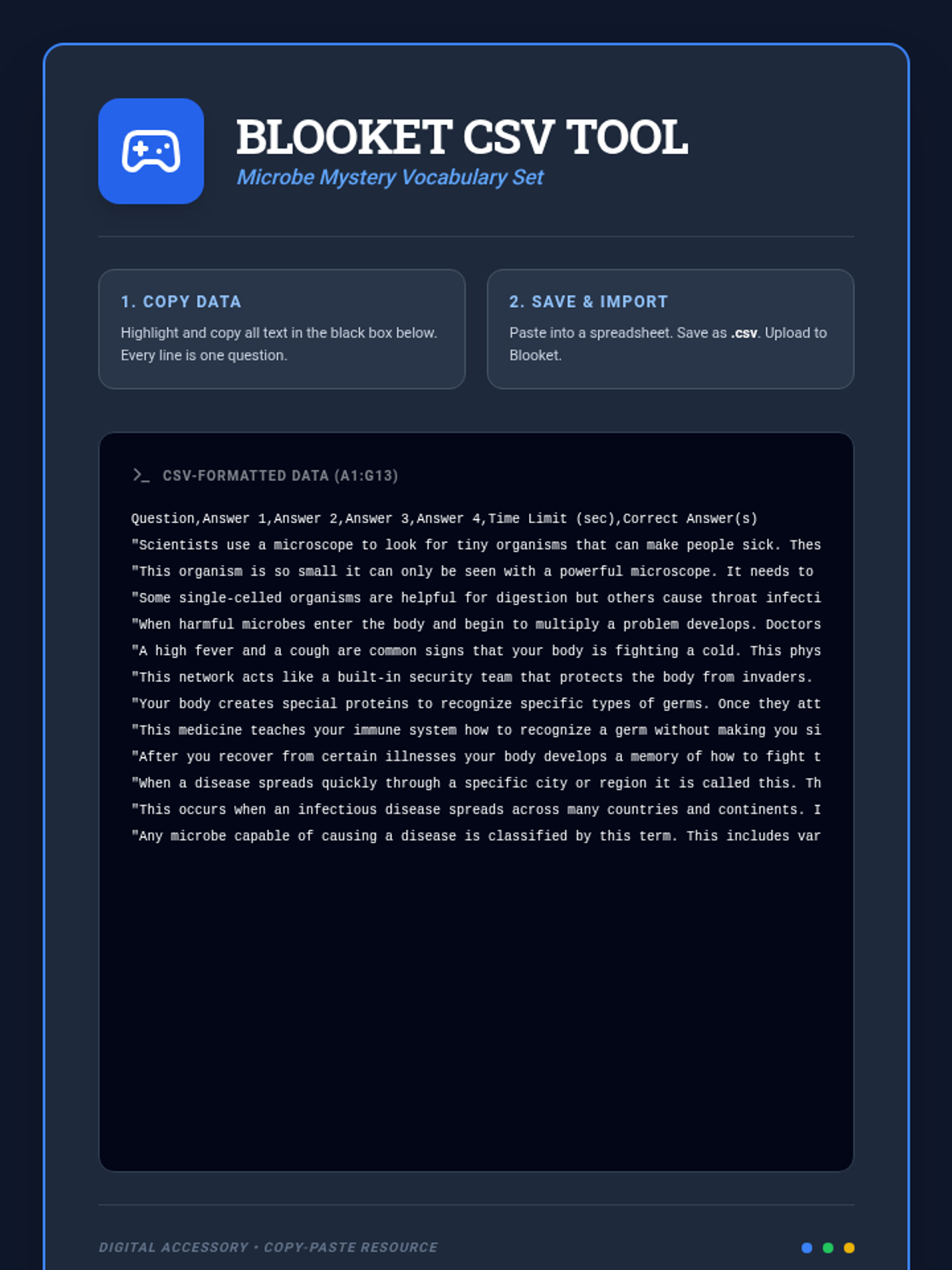
A comprehensive lesson on medical vocabulary related to germs and the immune system, designed for WIDA level 4 students. Includes visual aids and comprehension-based assessments.
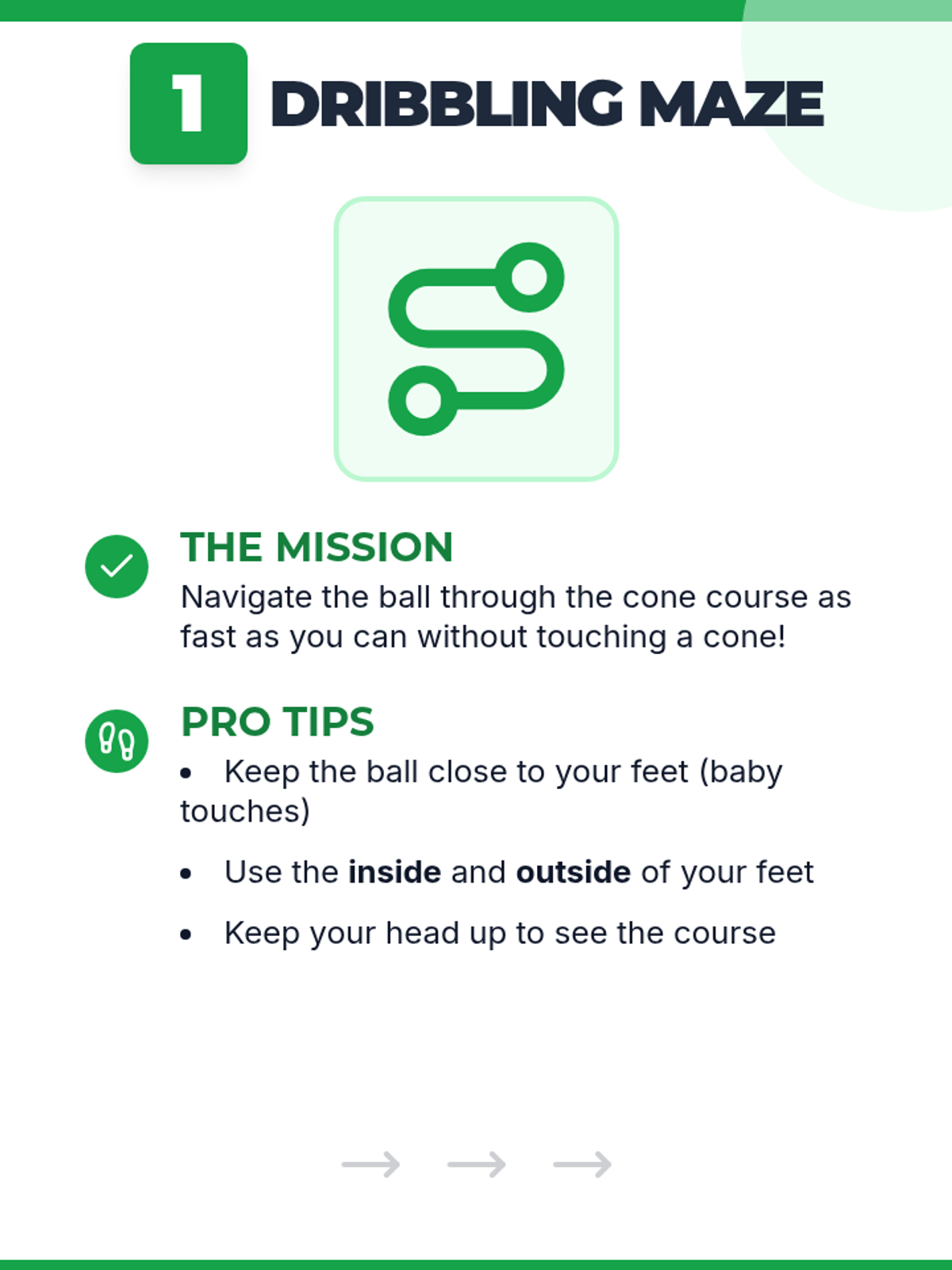
A set of high-energy station signs for a soccer skills circuit, focusing on dribbling, passing, accuracy, distance, and ball control.