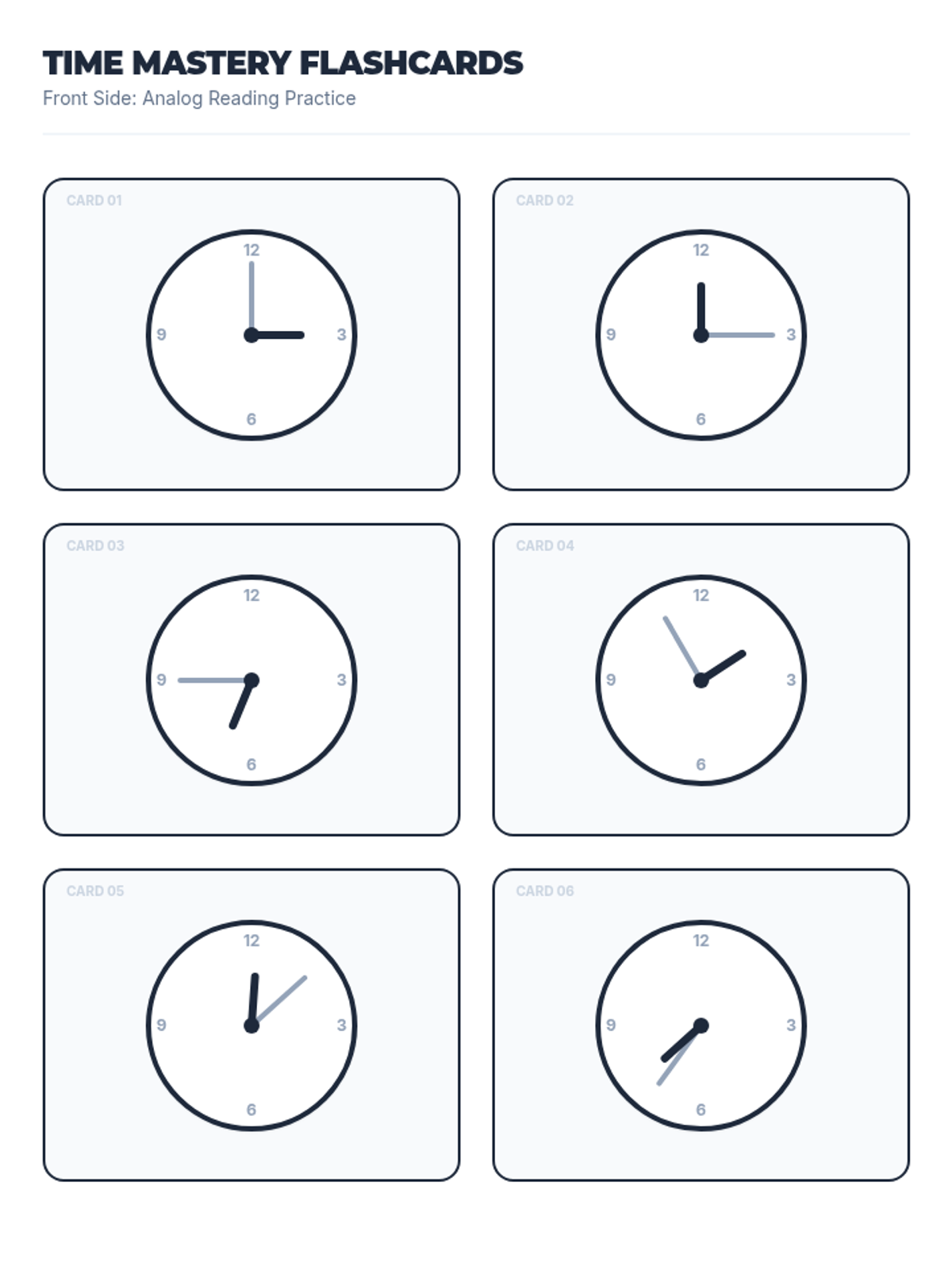
A first-grade lesson focused on telling time to the hour and half hour through hands-on task cards and a matching center activity. Students will practice reading analog clocks and connecting them to digital formats.
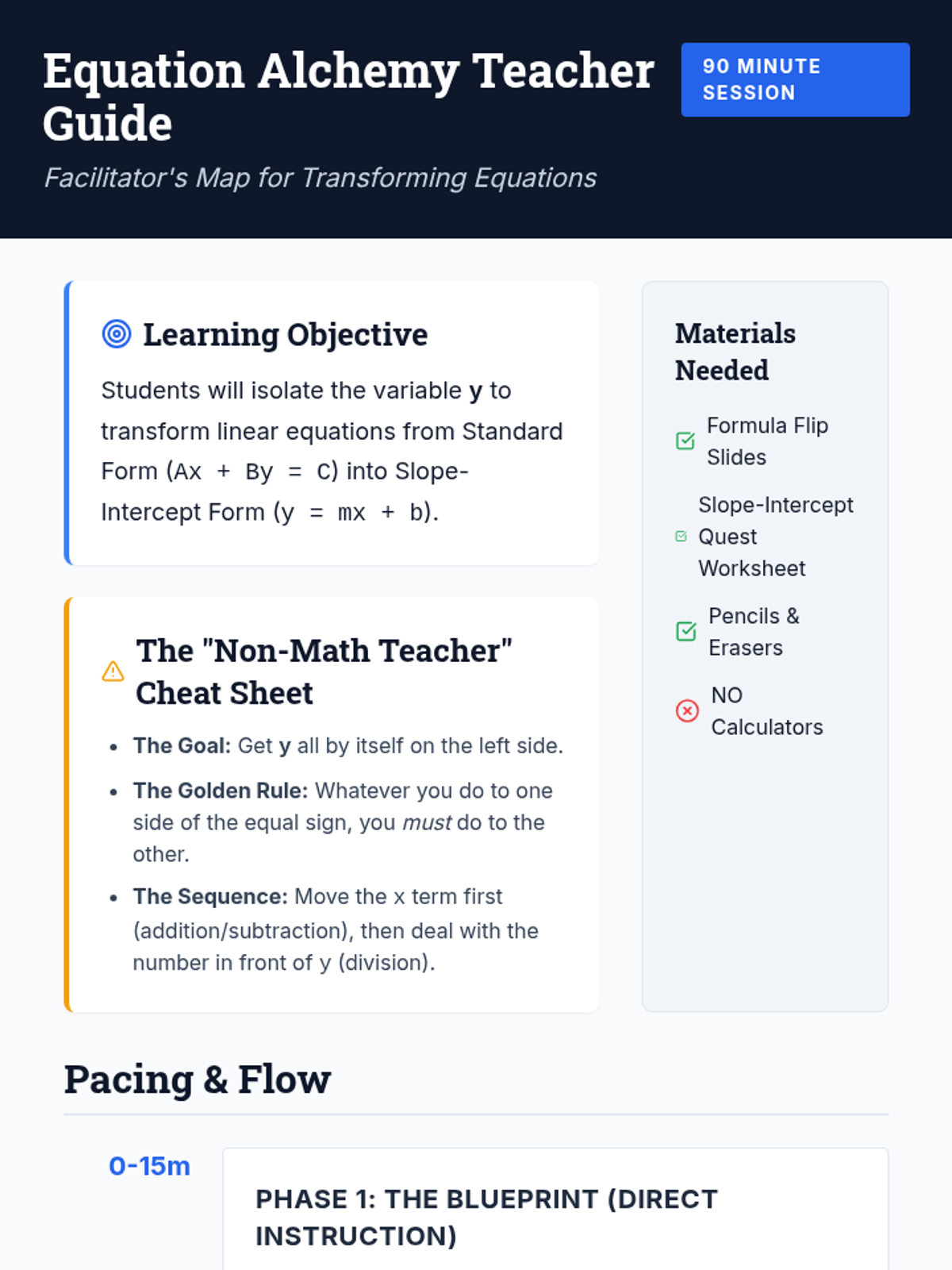
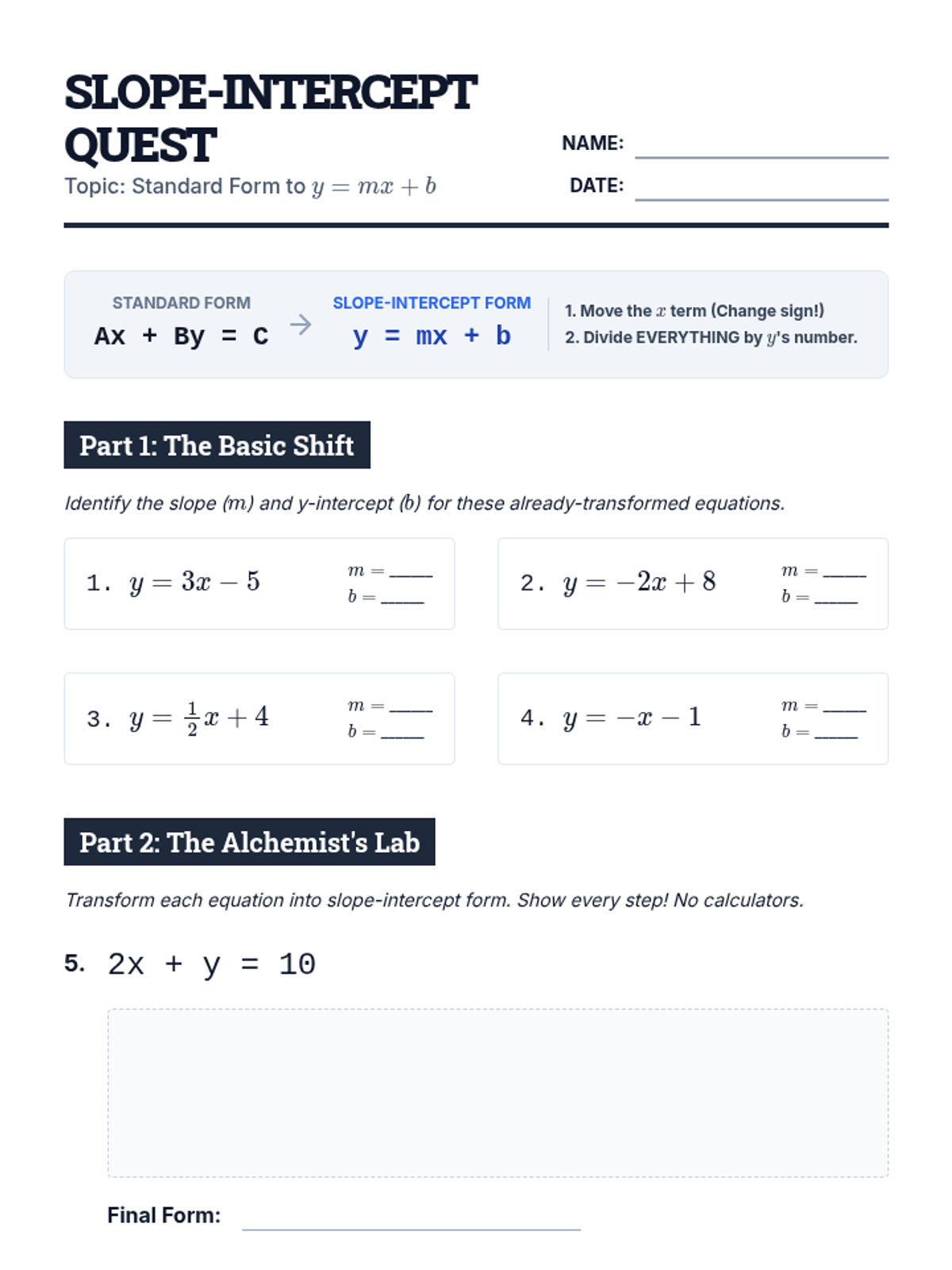
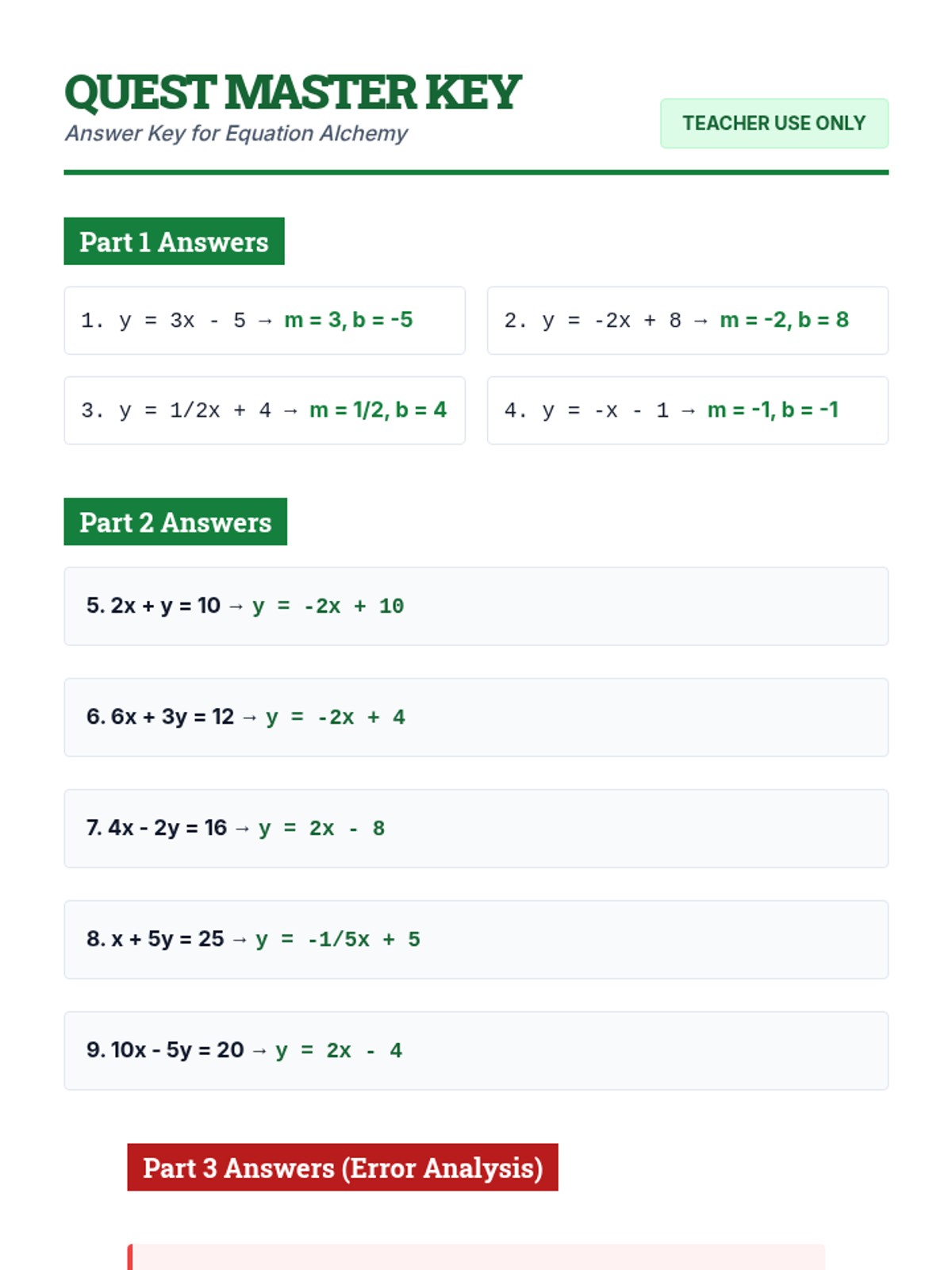
A comprehensive 90-minute lesson on transforming linear equations into slope-intercept form ($y = mx + b$), designed for Algebra I students and easy delivery by non-math teachers. Includes visual slides, a detailed facilitator guide, and extensive practice with error analysis.
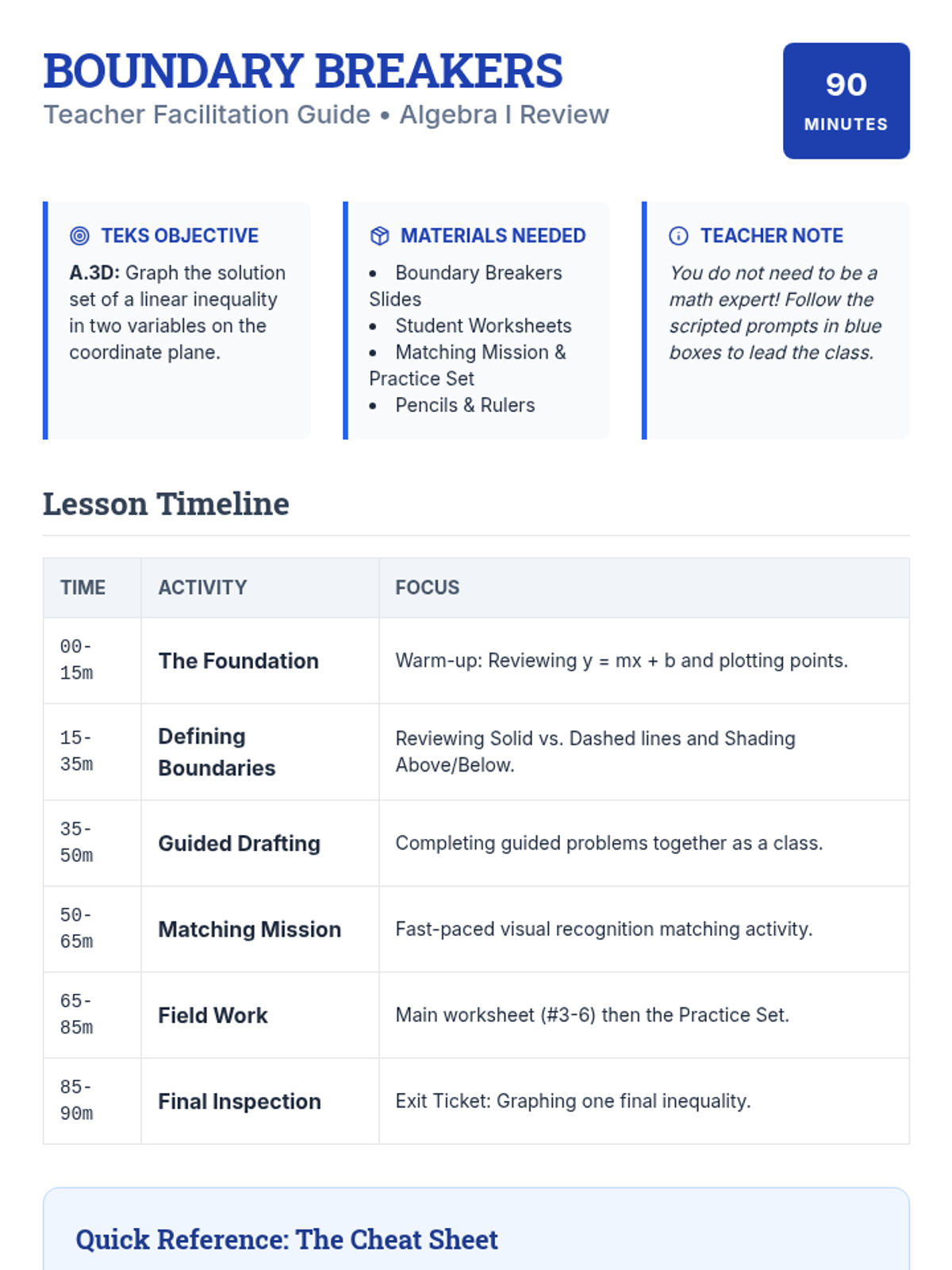
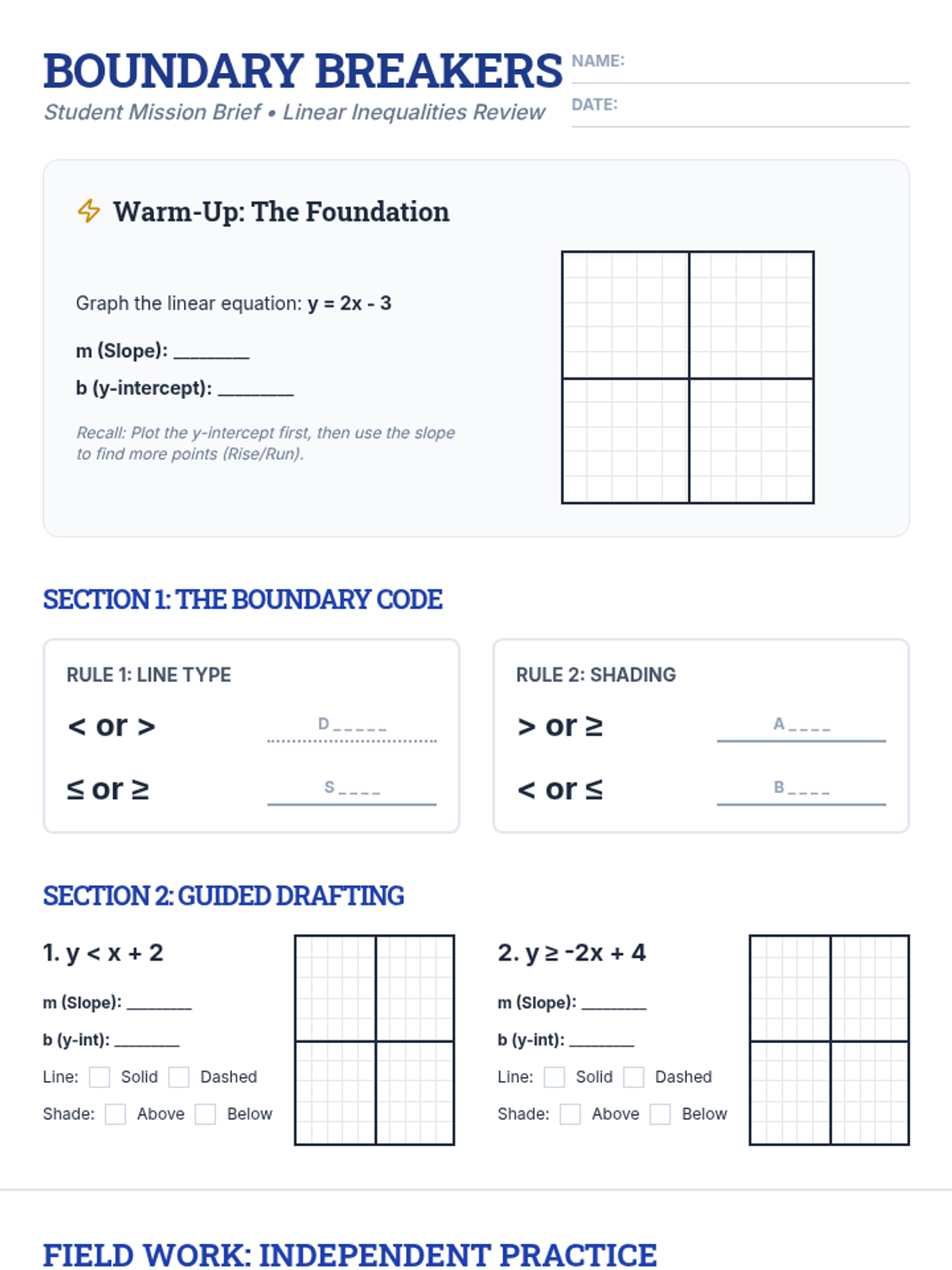
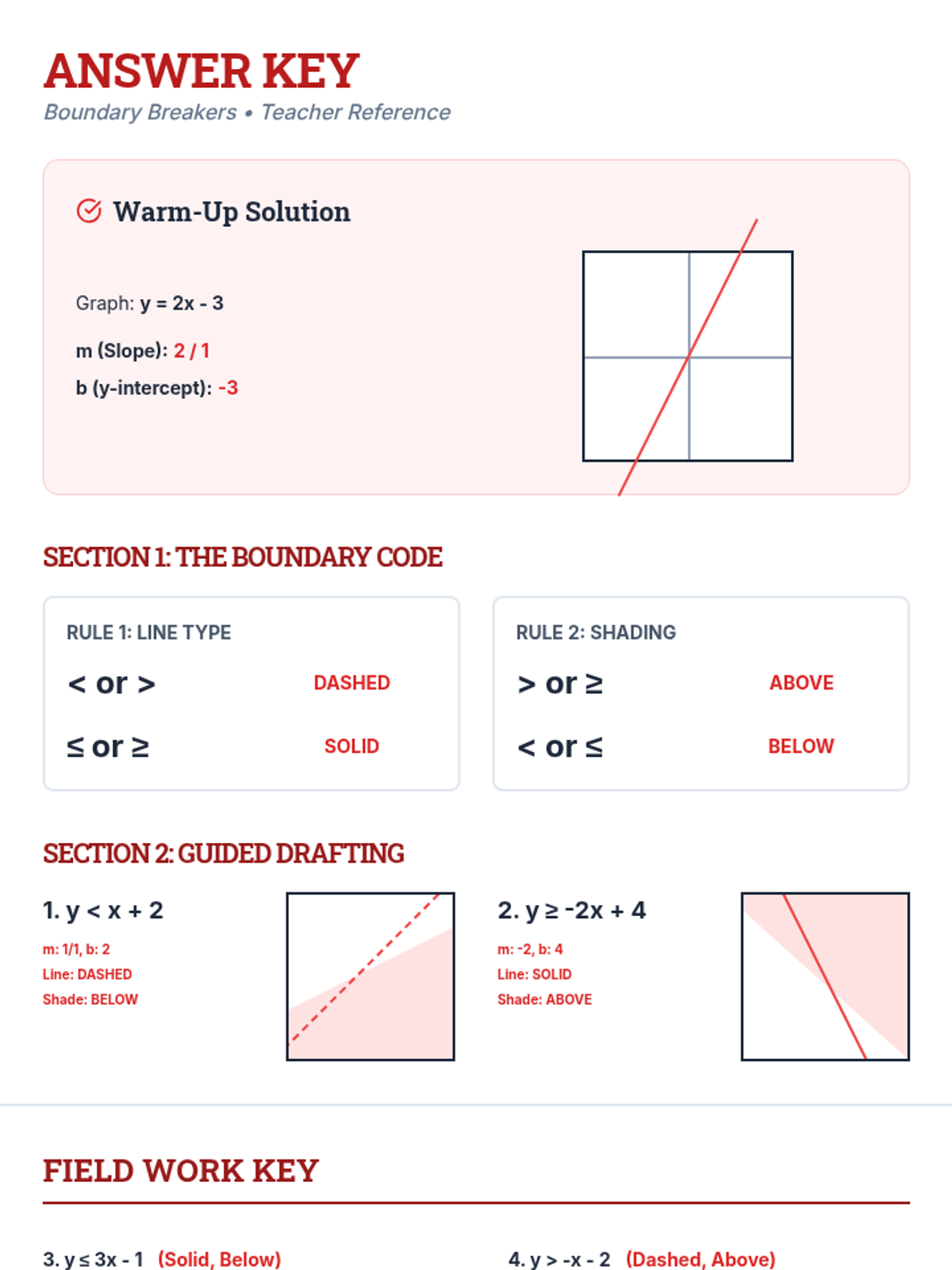
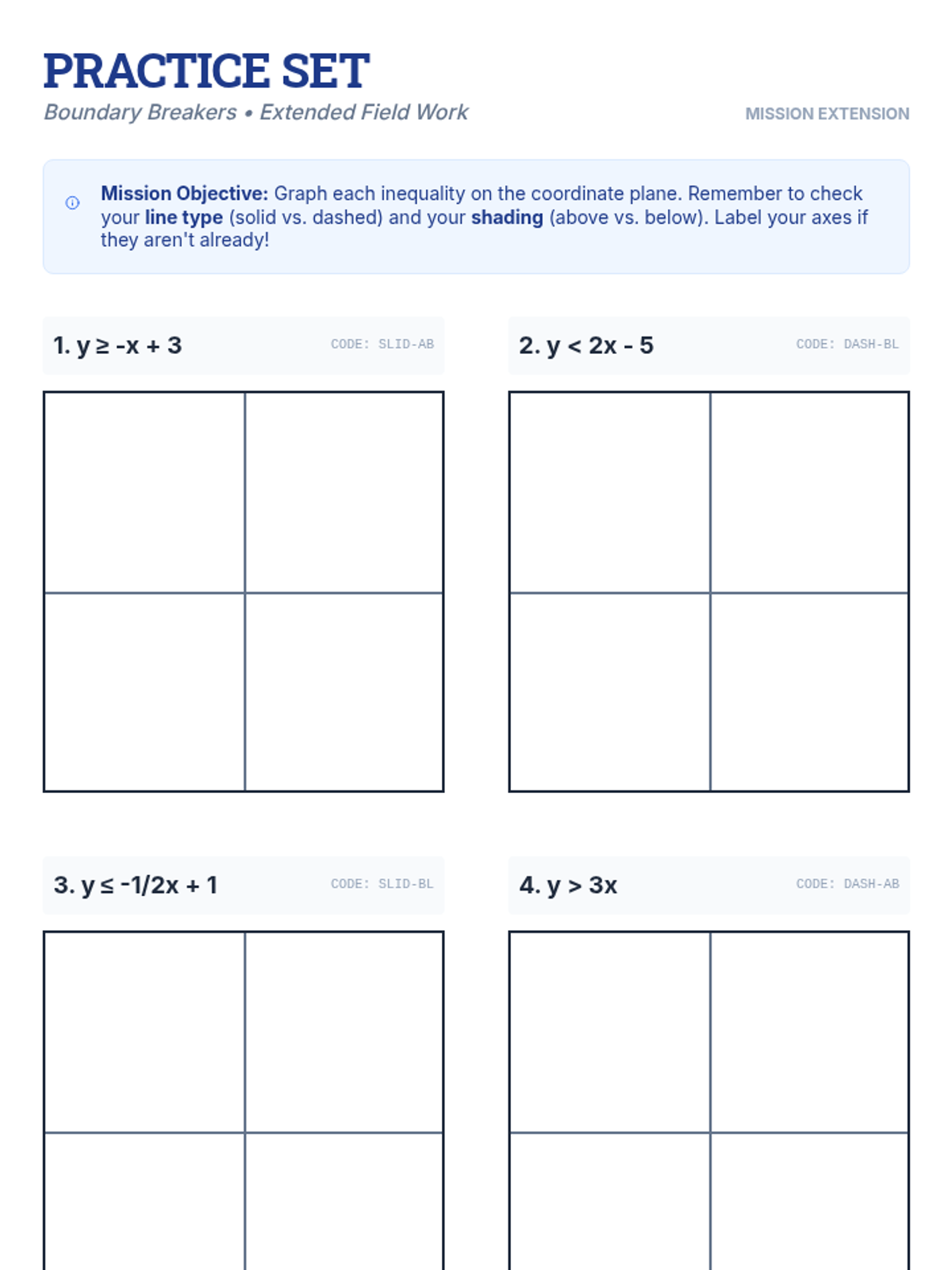
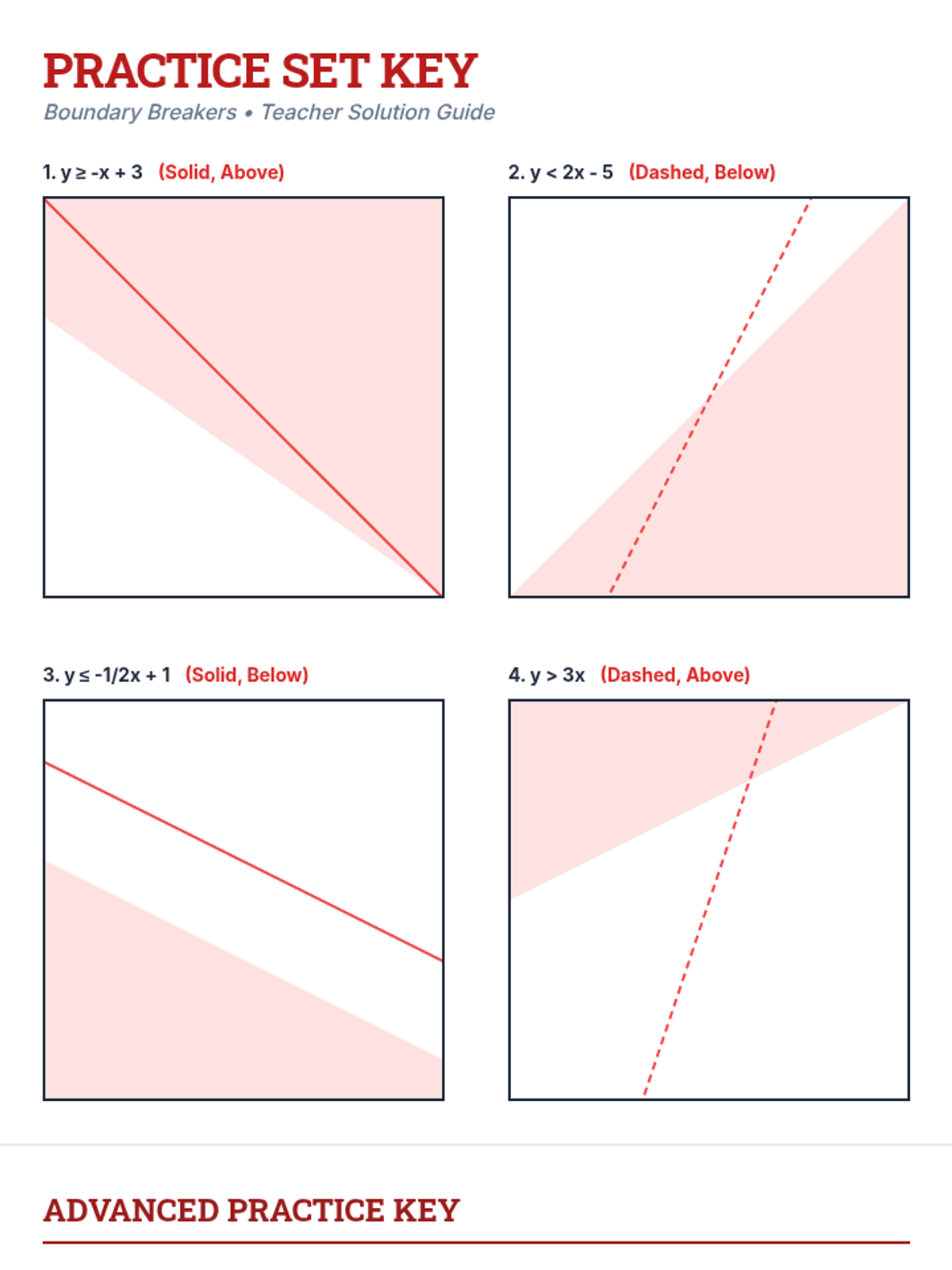
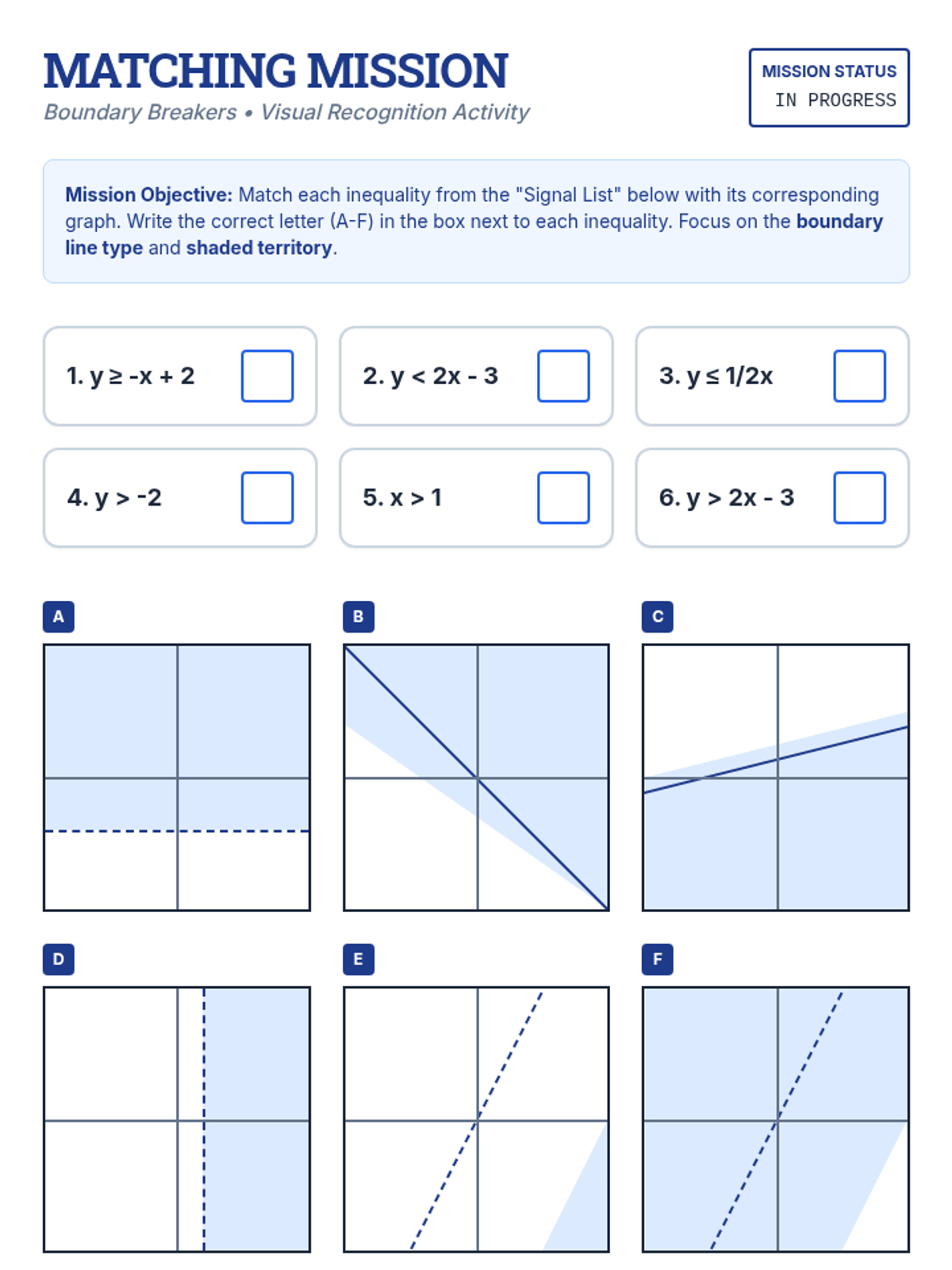
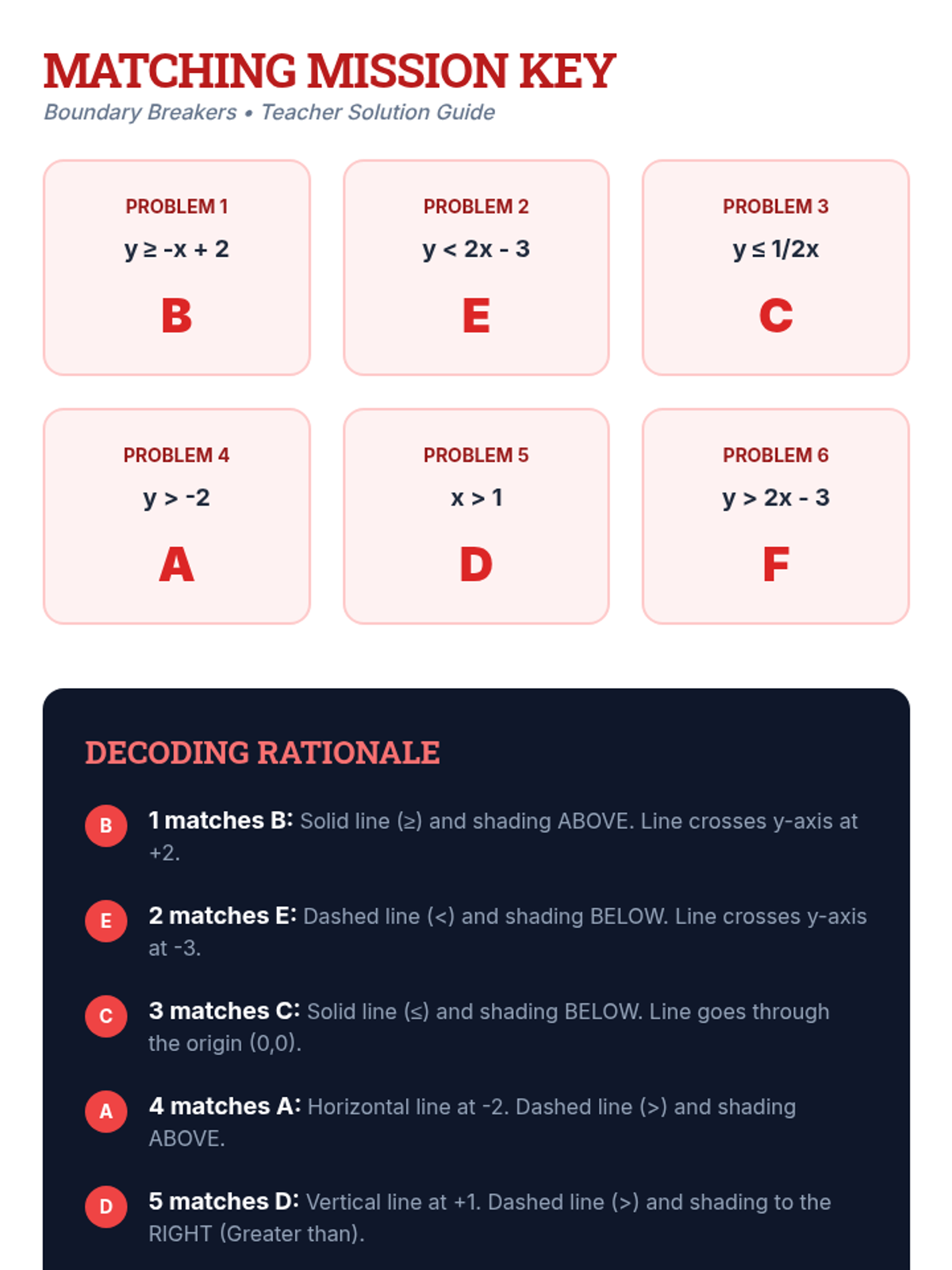
A comprehensive 90-minute review of graphing linear inequalities (TEKS A.3D) designed for non-math teachers to facilitate. Students will practice identifying line types, shading regions, and graphing by hand without technology.
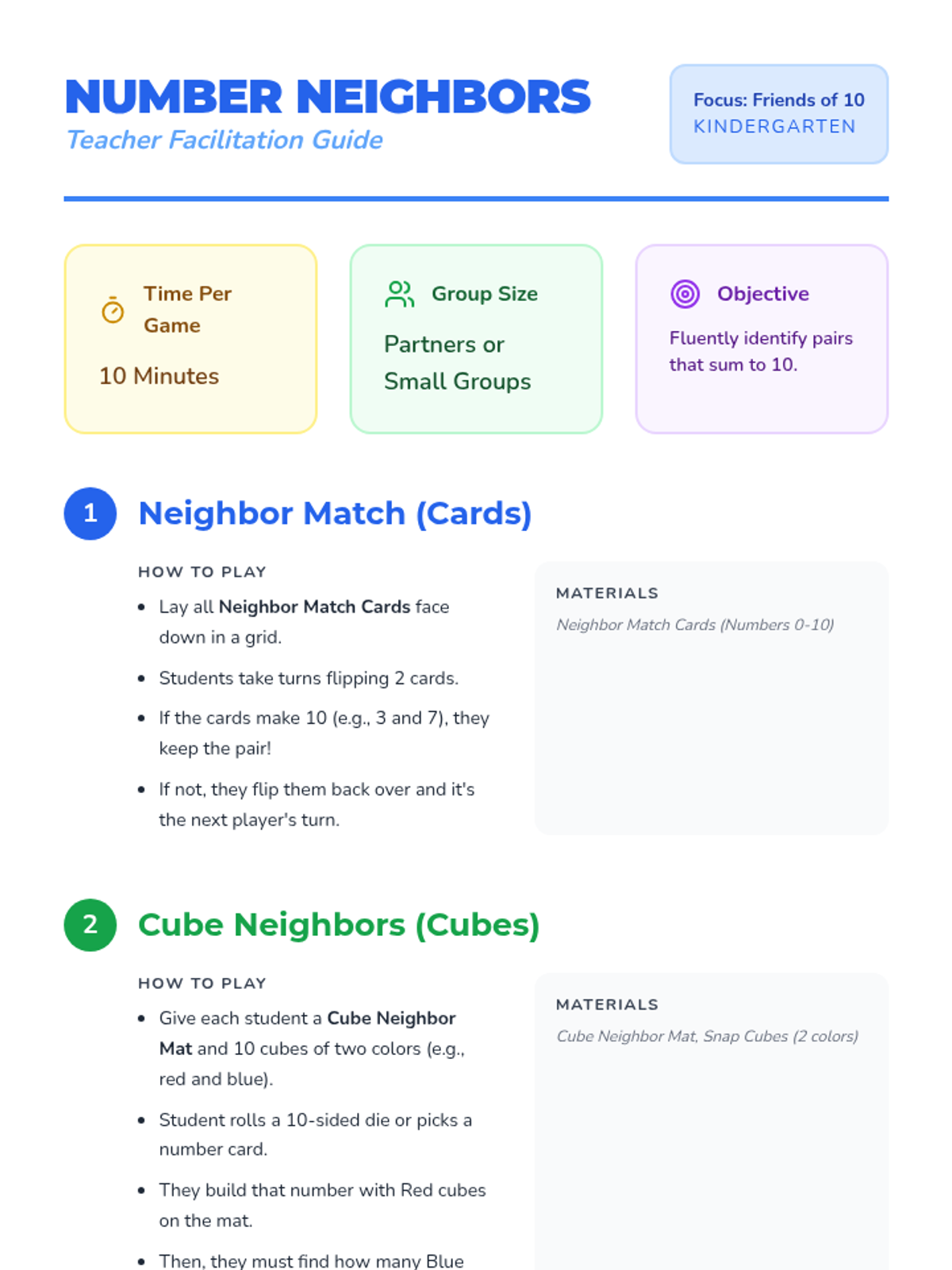
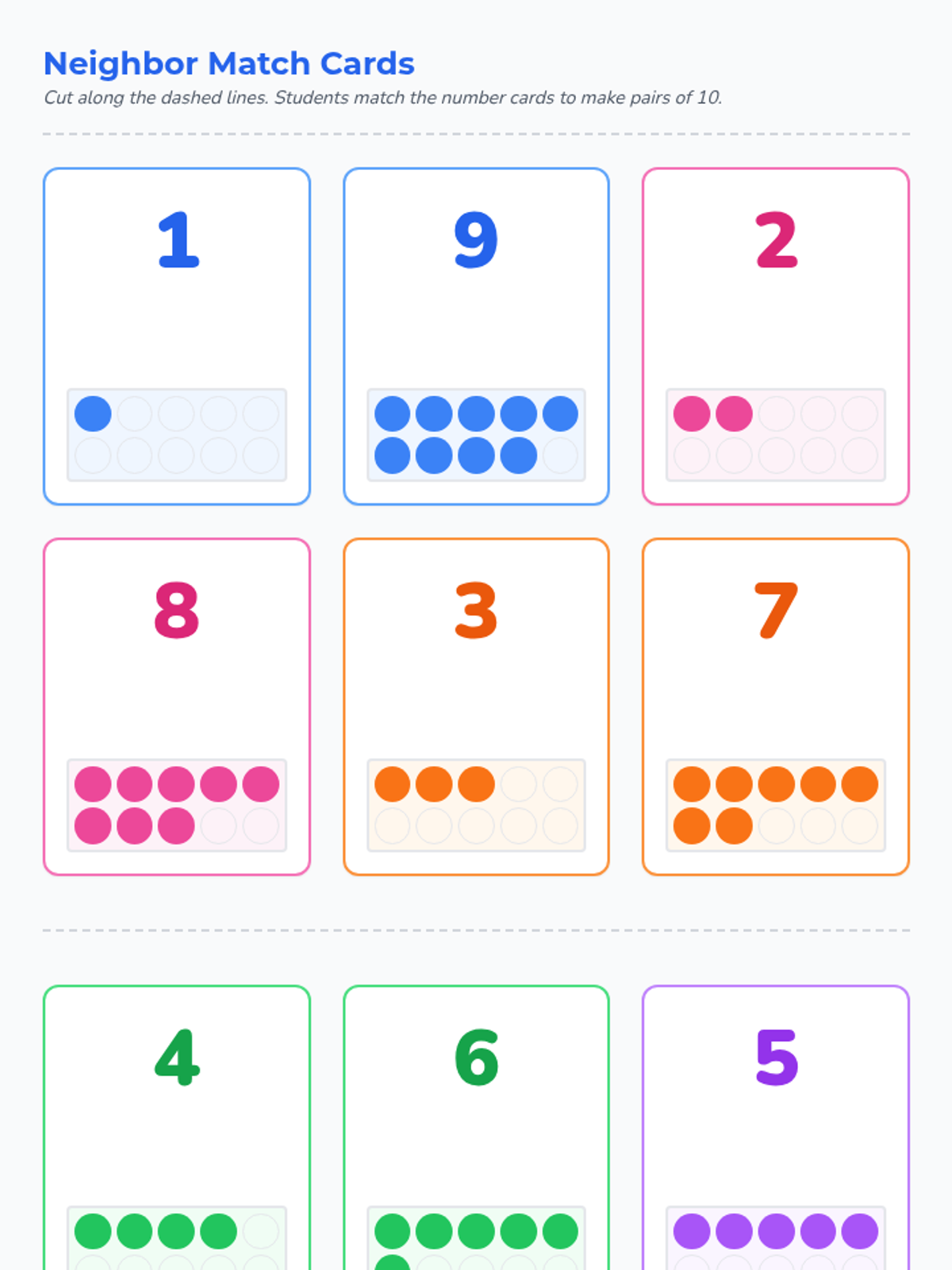
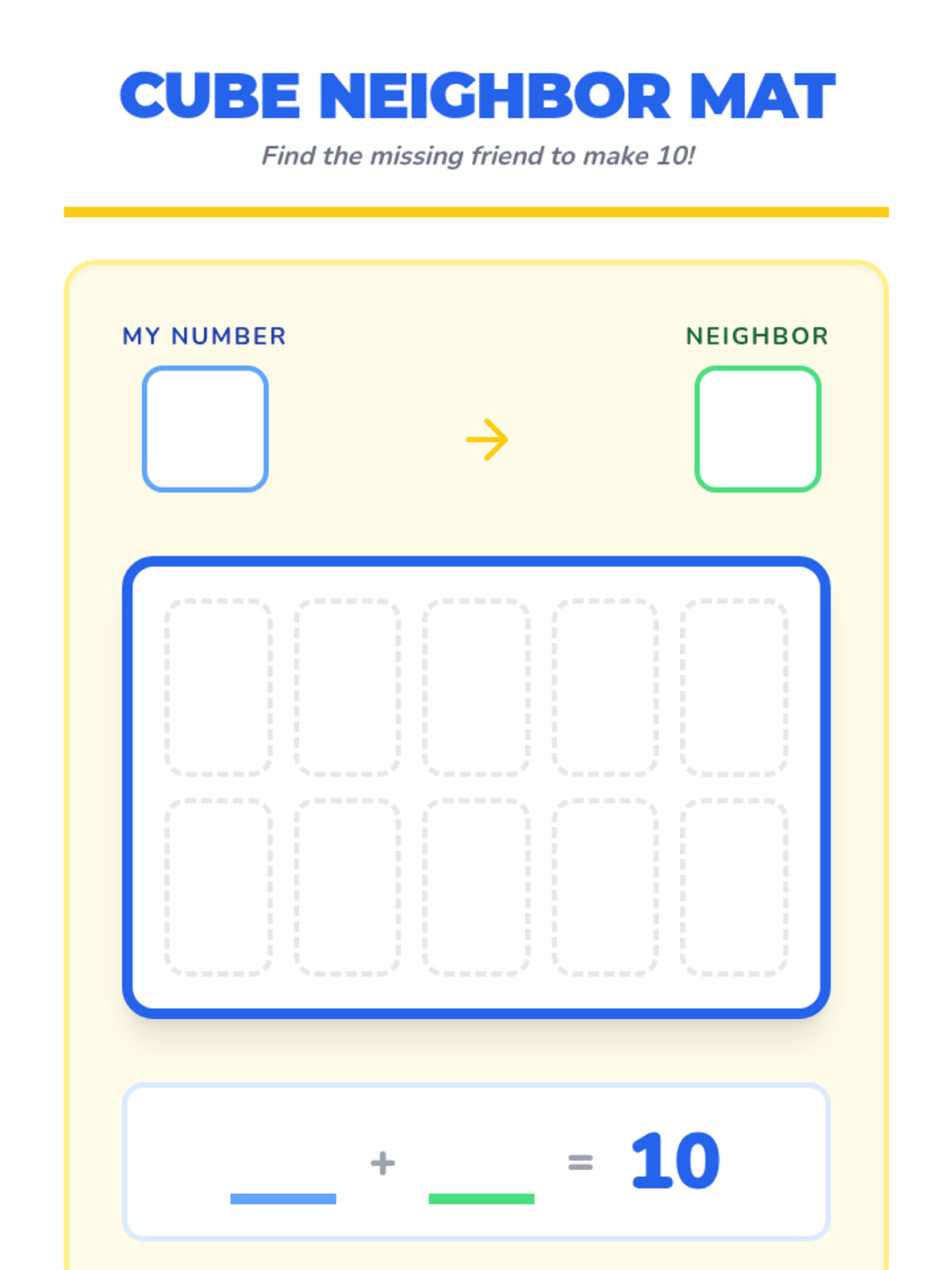
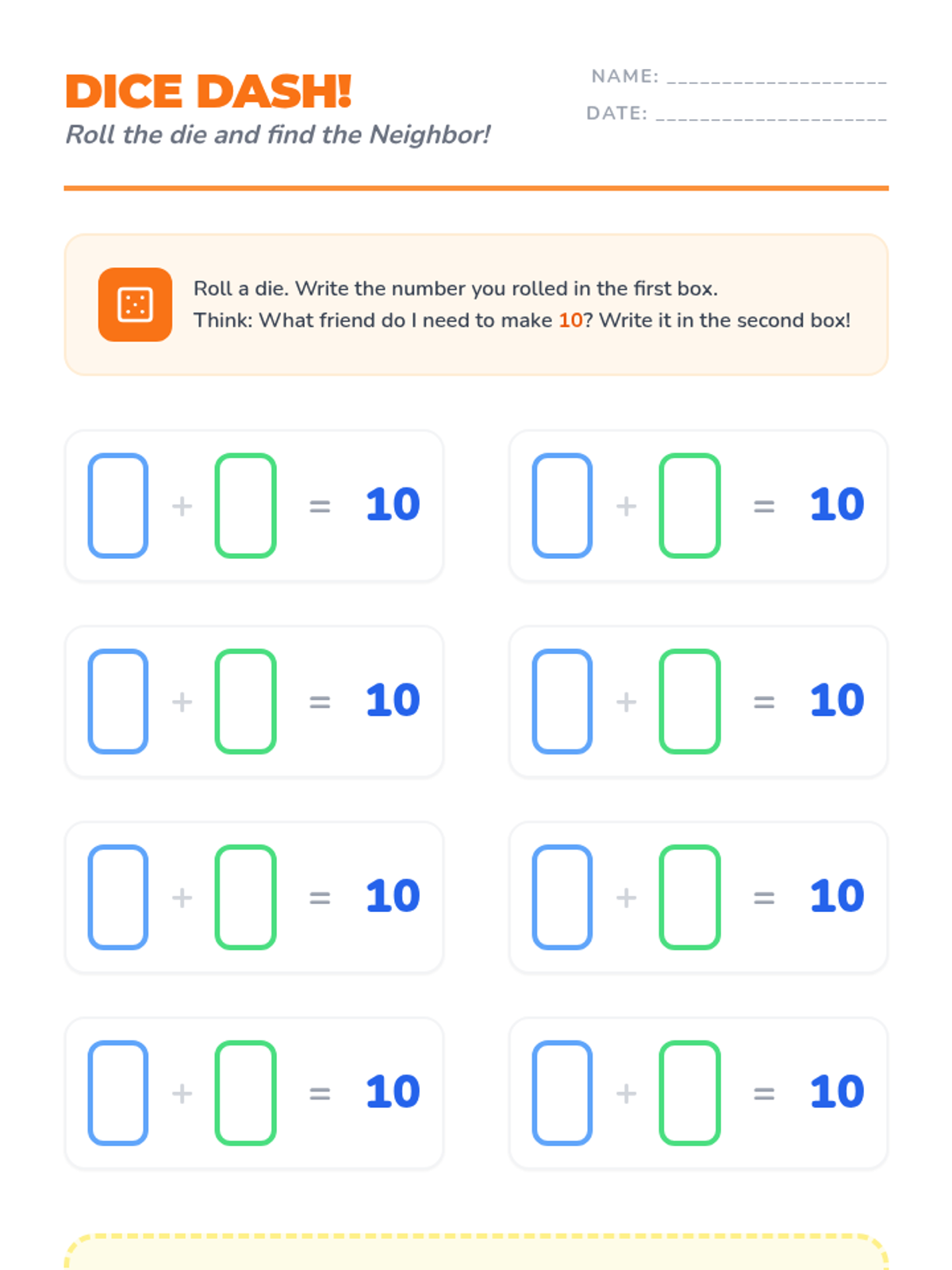
A core lesson introducing the concept of 'Friends of 10' through interactive slides and a variety of quick, 10-minute manipulative-based games.
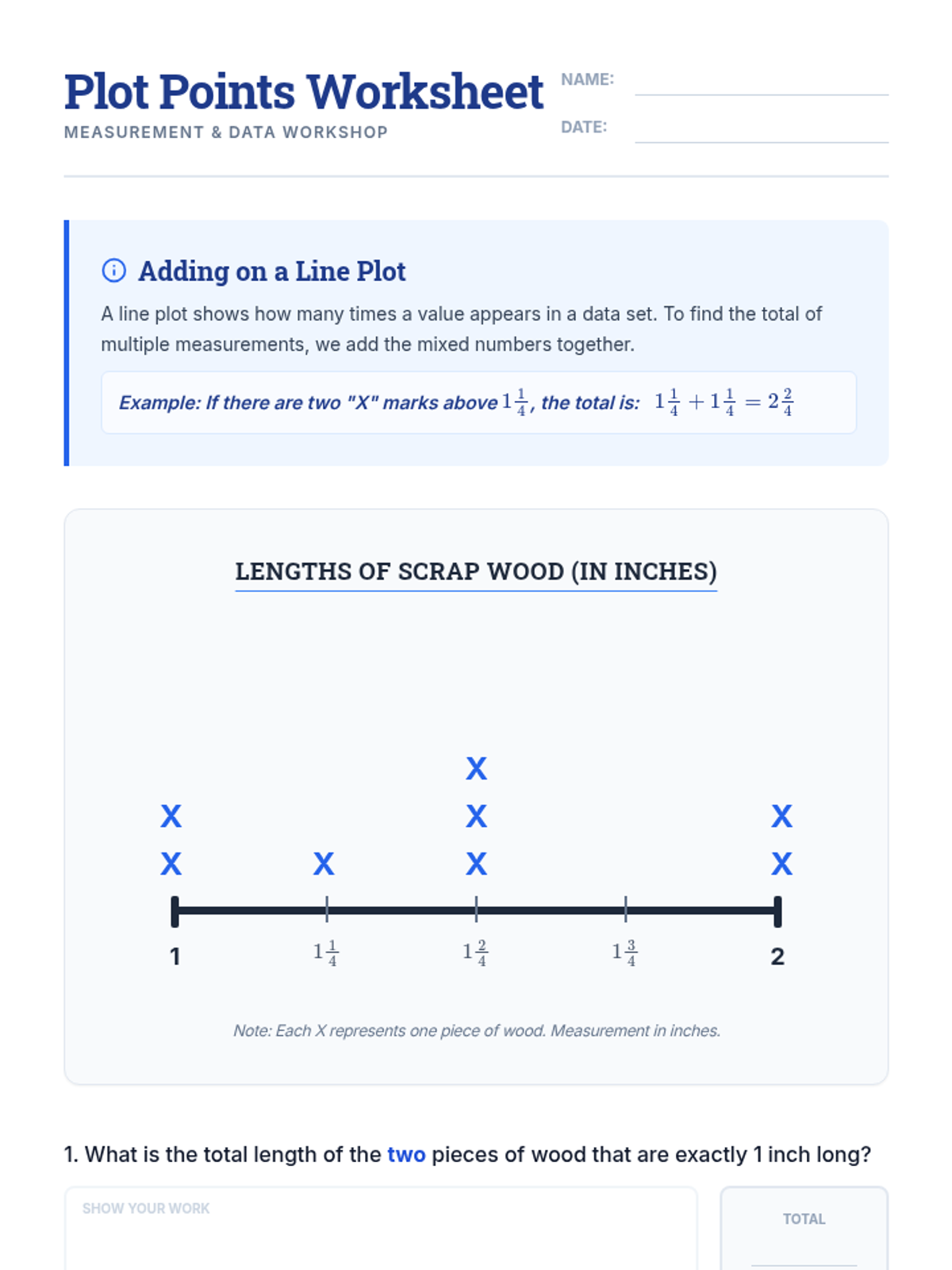
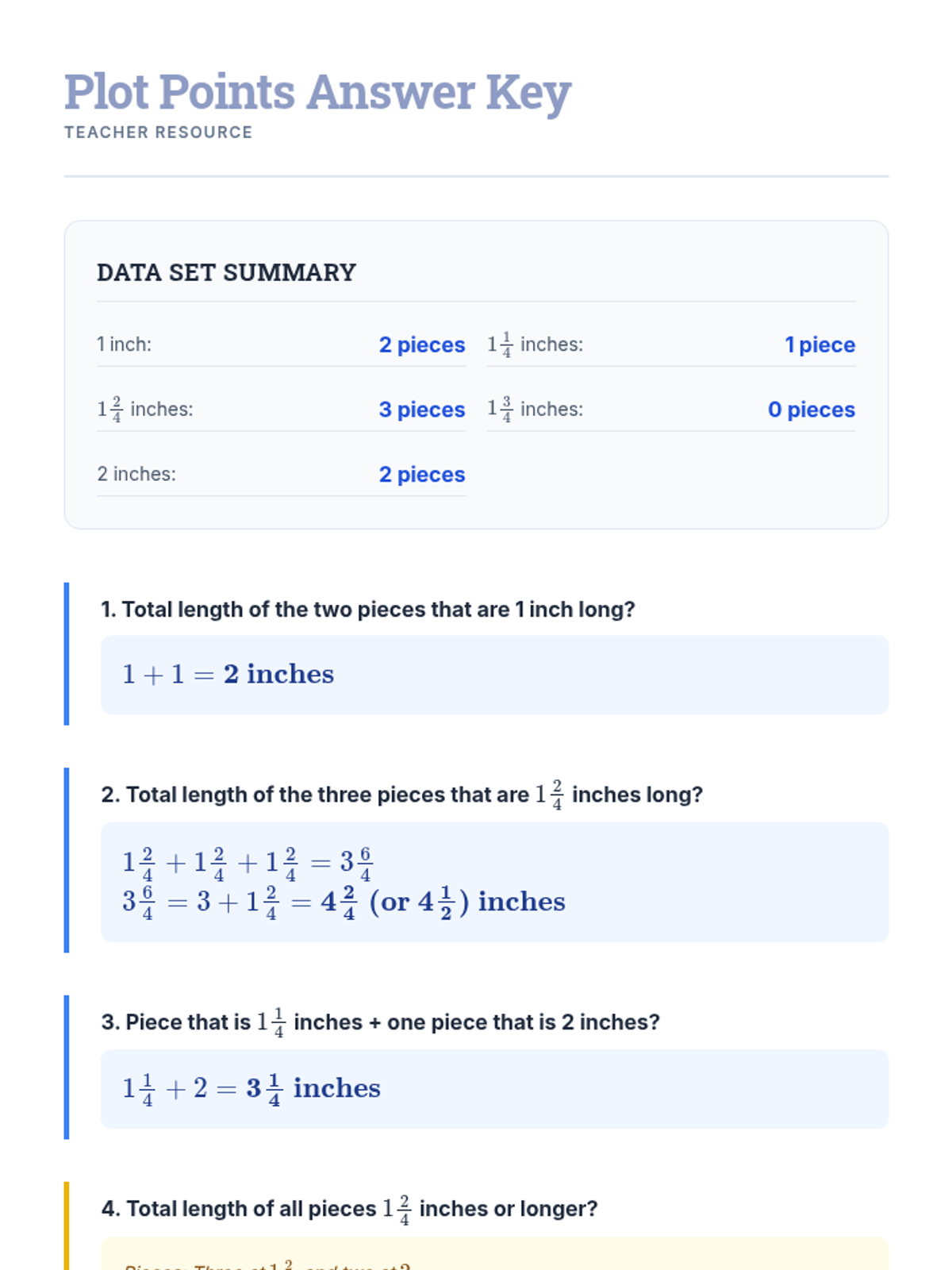
A focused lesson on interpreting line plots and performing addition with mixed numbers that have common denominators.
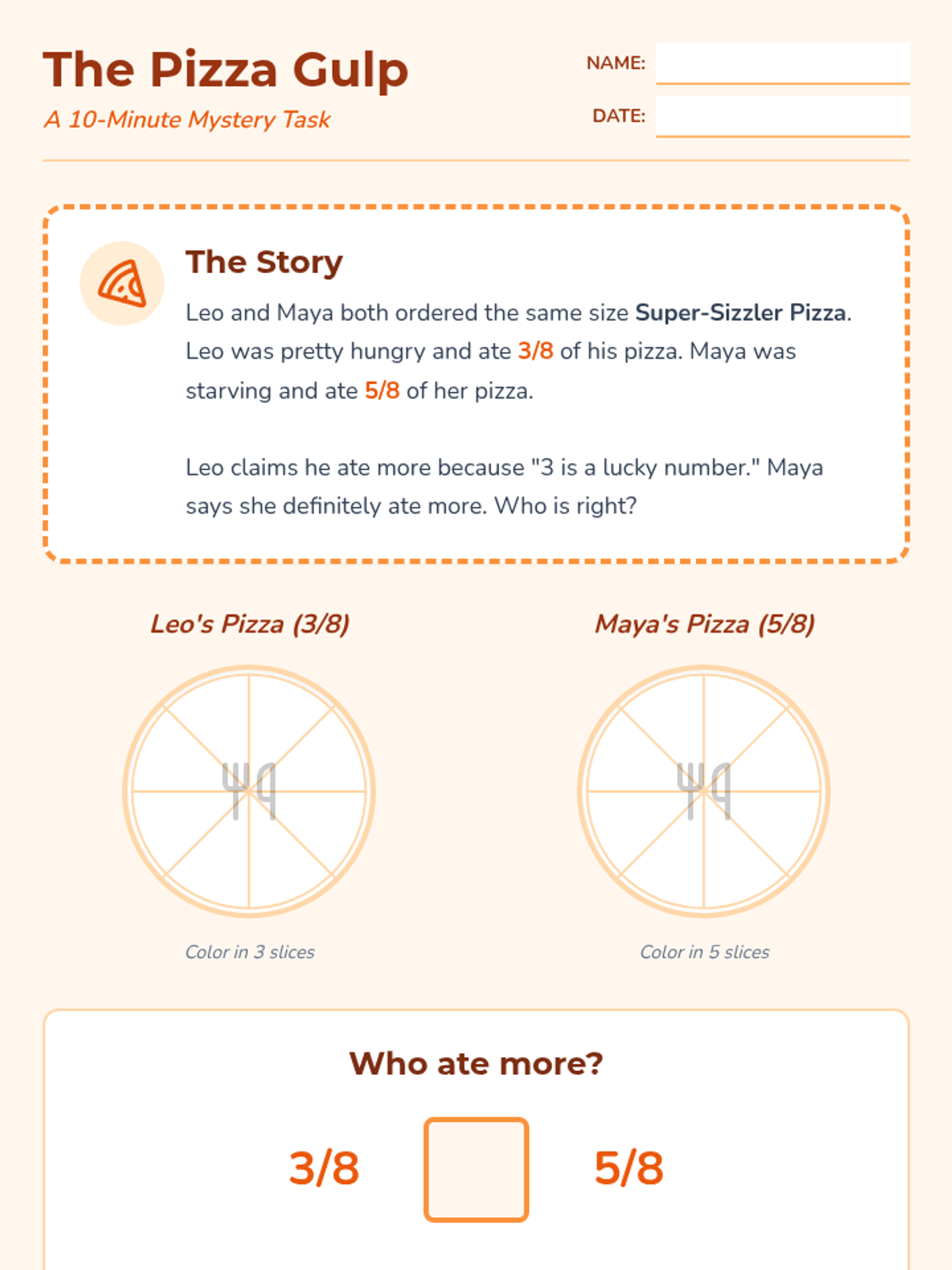
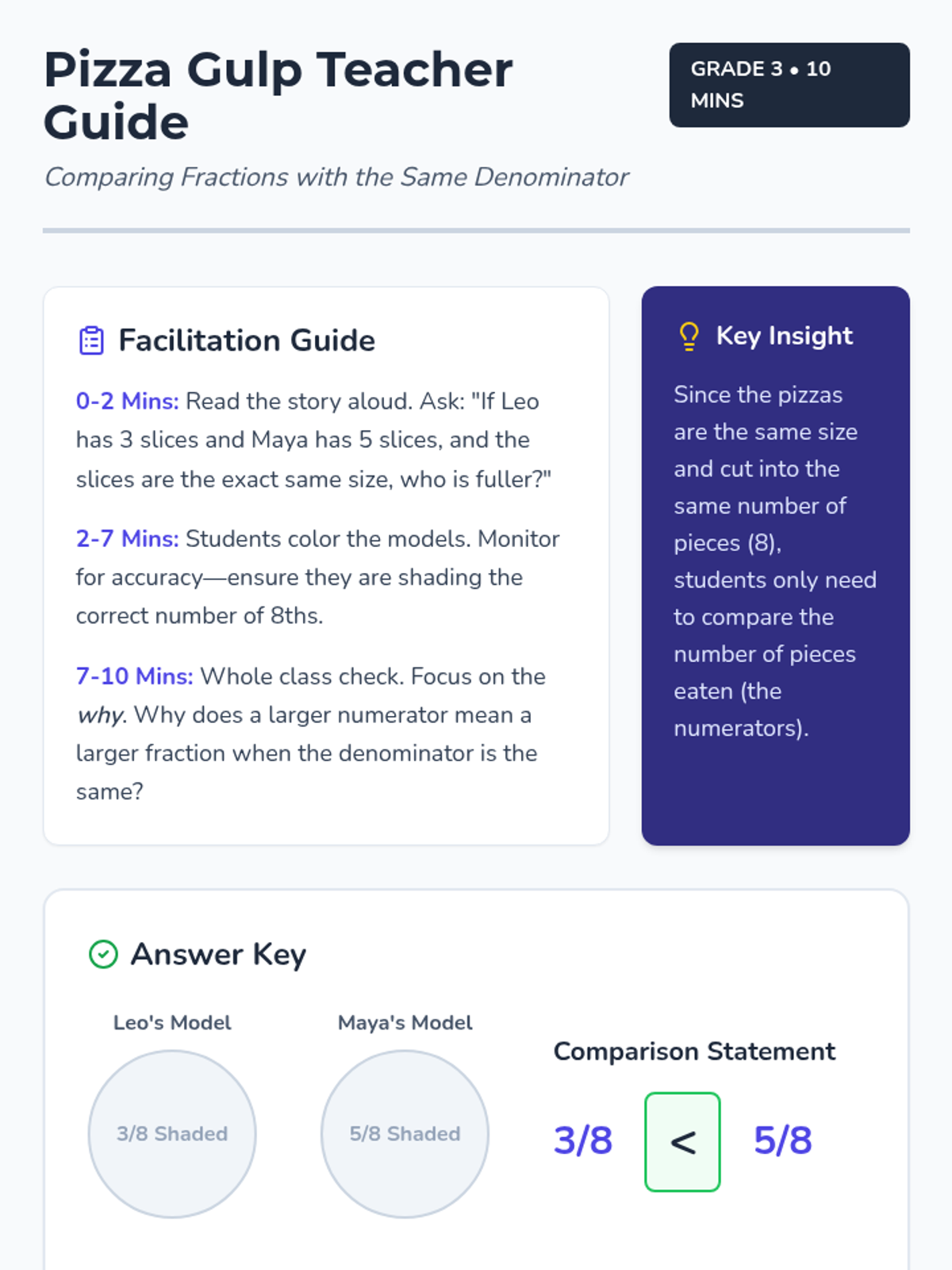
A quick, 10-minute non-curricular task where students compare fractions with the same denominator through a relatable pizza-sharing scenario. Students will use visual models and comparison symbols to solve the 'Pizza Thief' mystery.
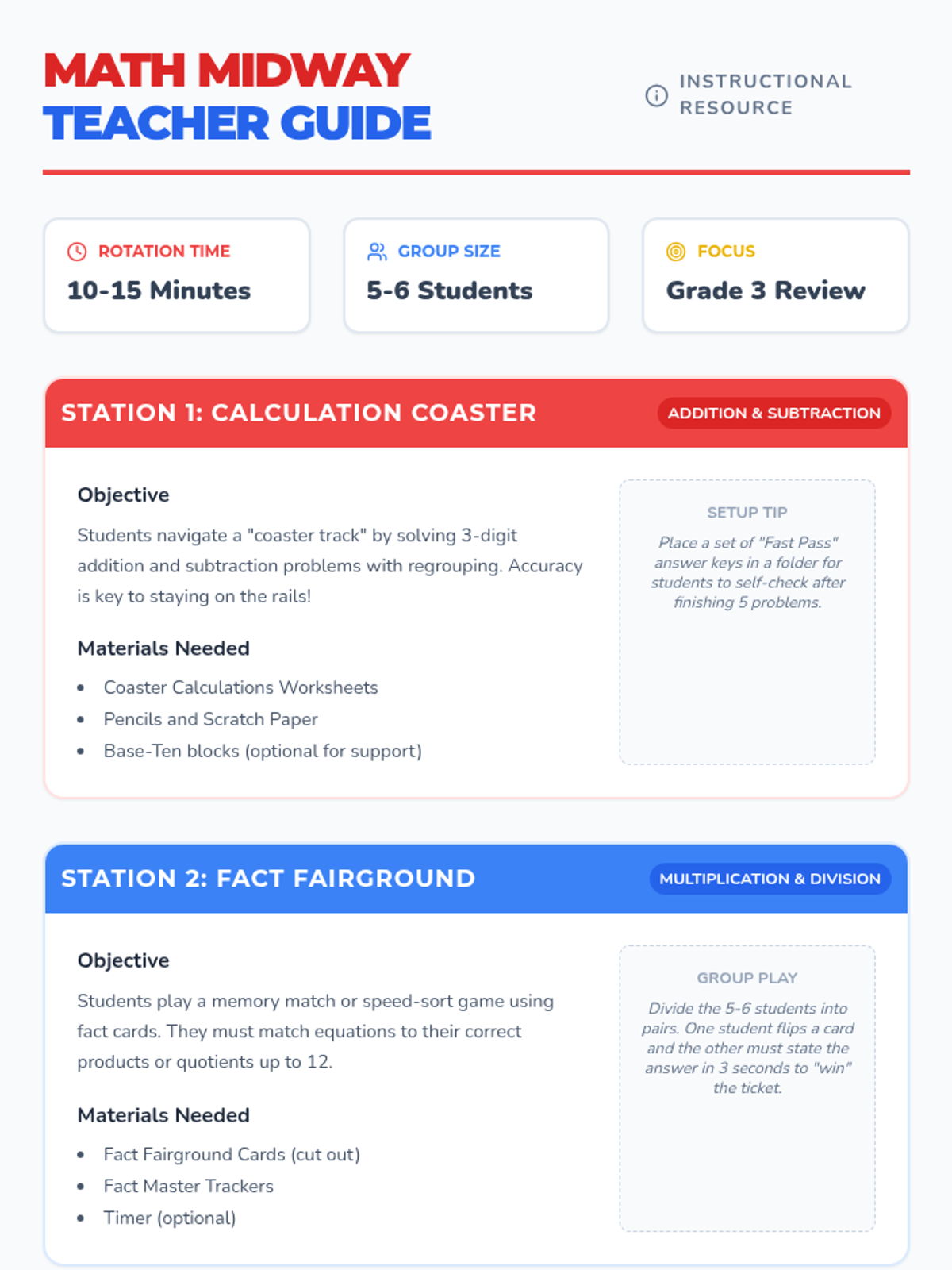
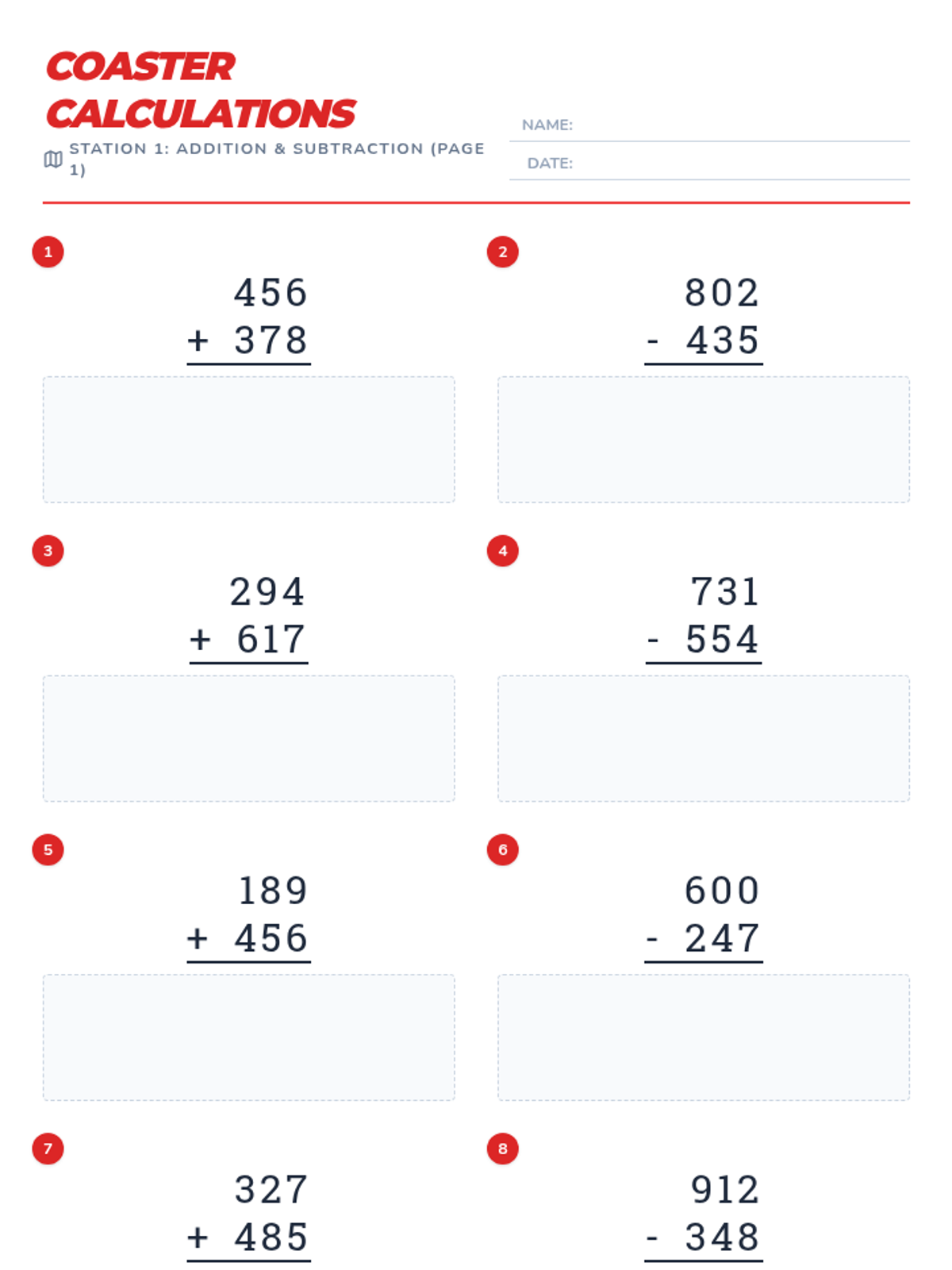
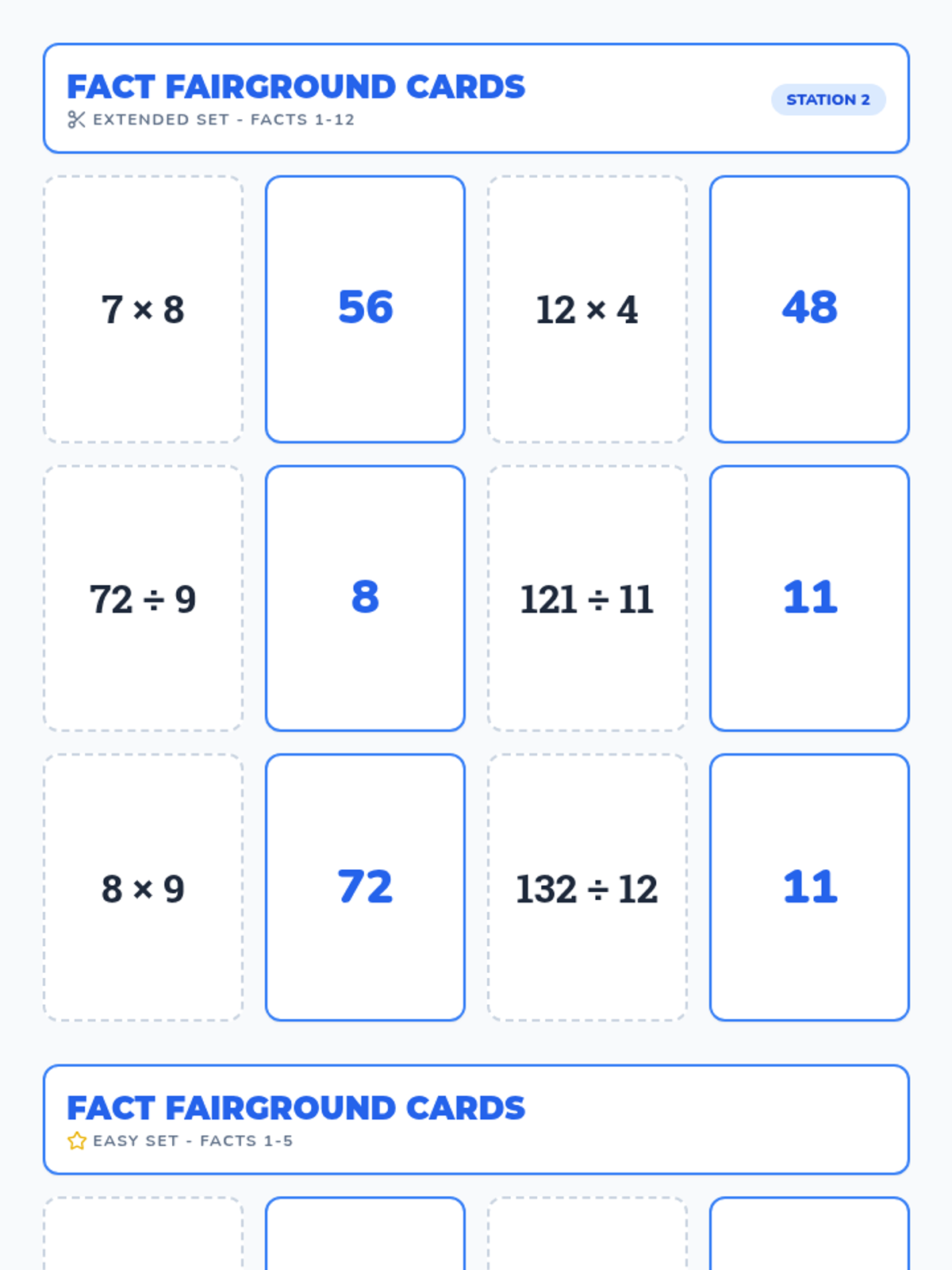
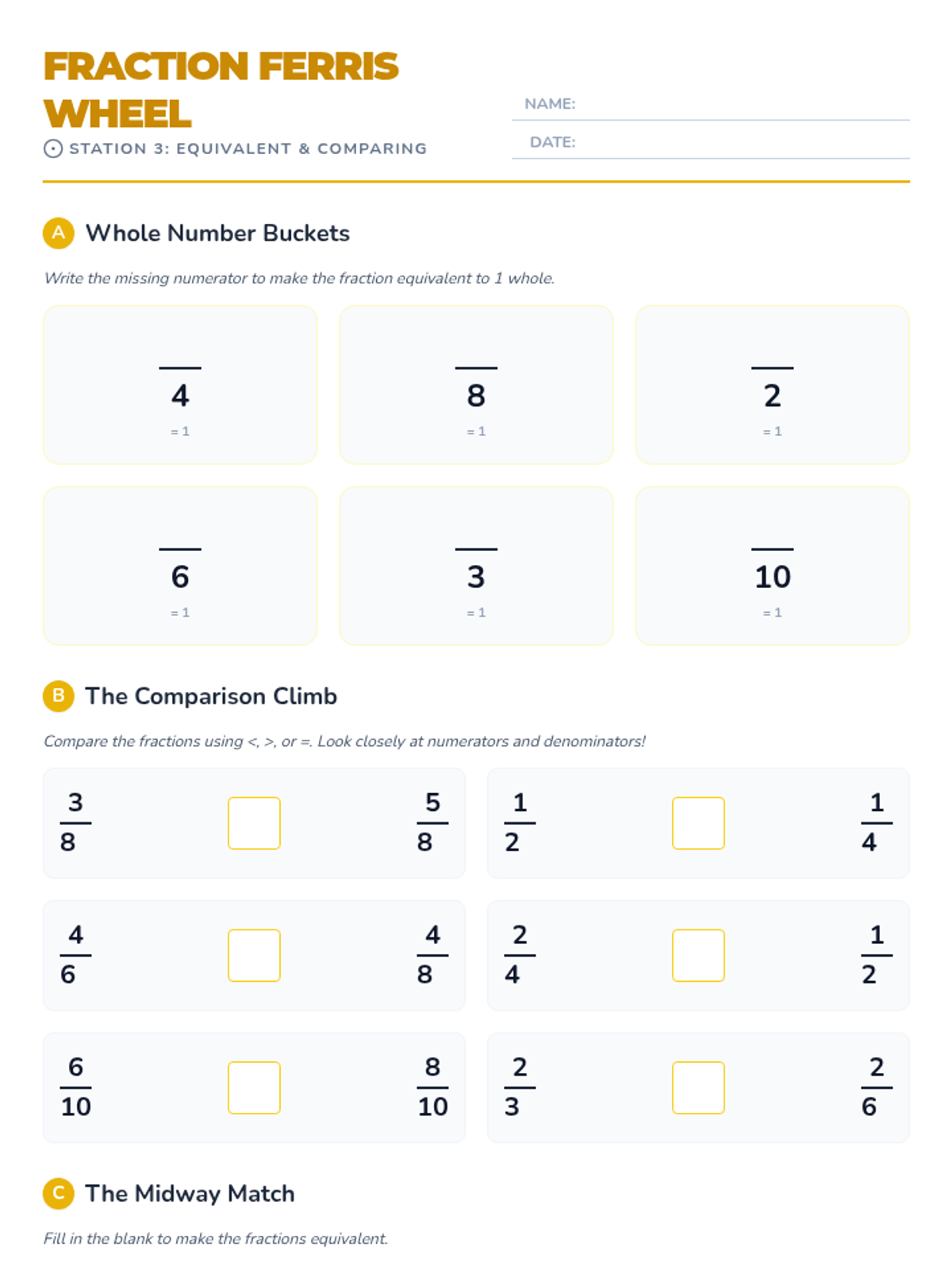
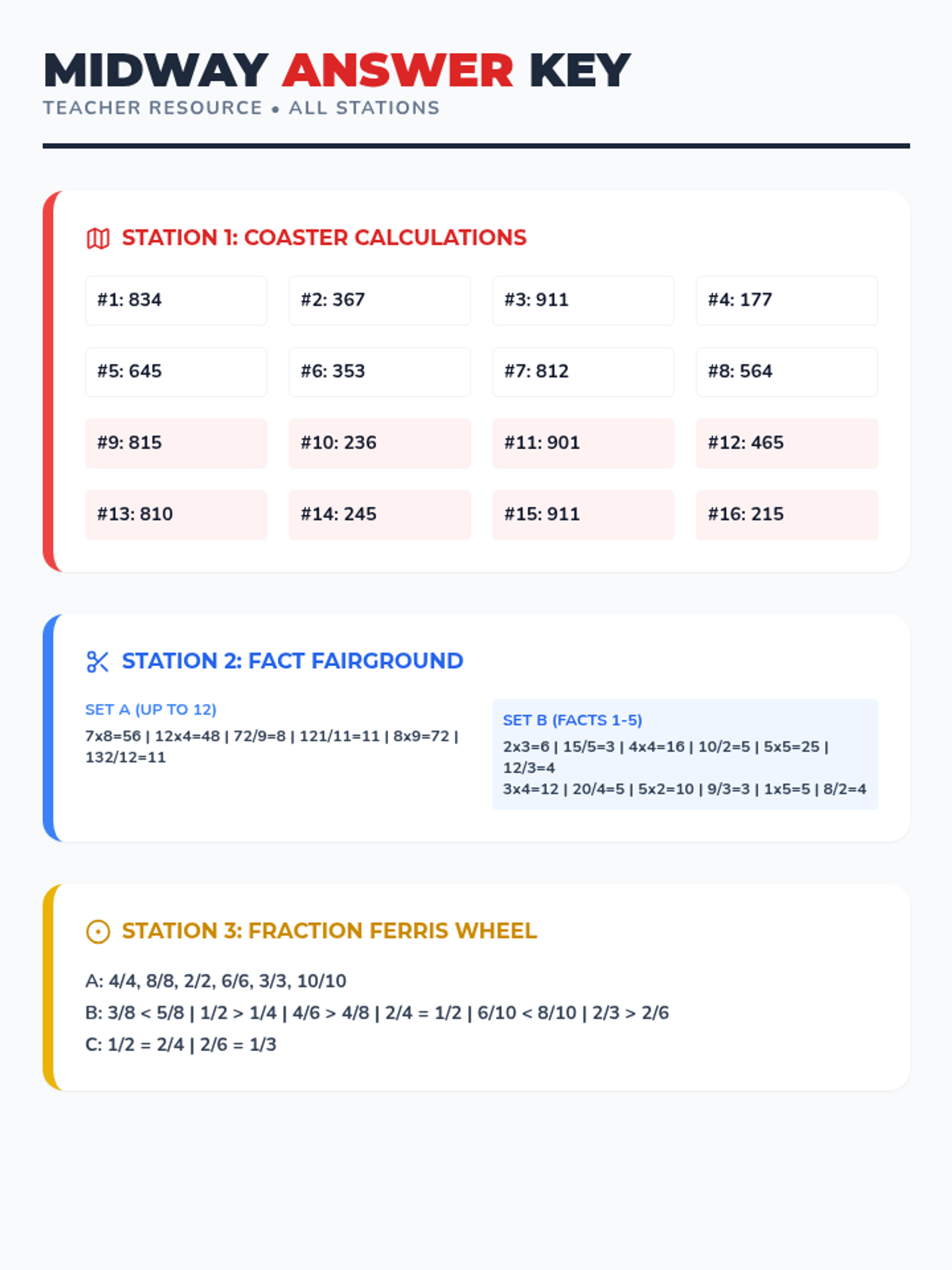
A carnival-themed math review covering 3-digit regrouping, multiplication/division facts, and fraction concepts through three interactive rotations.
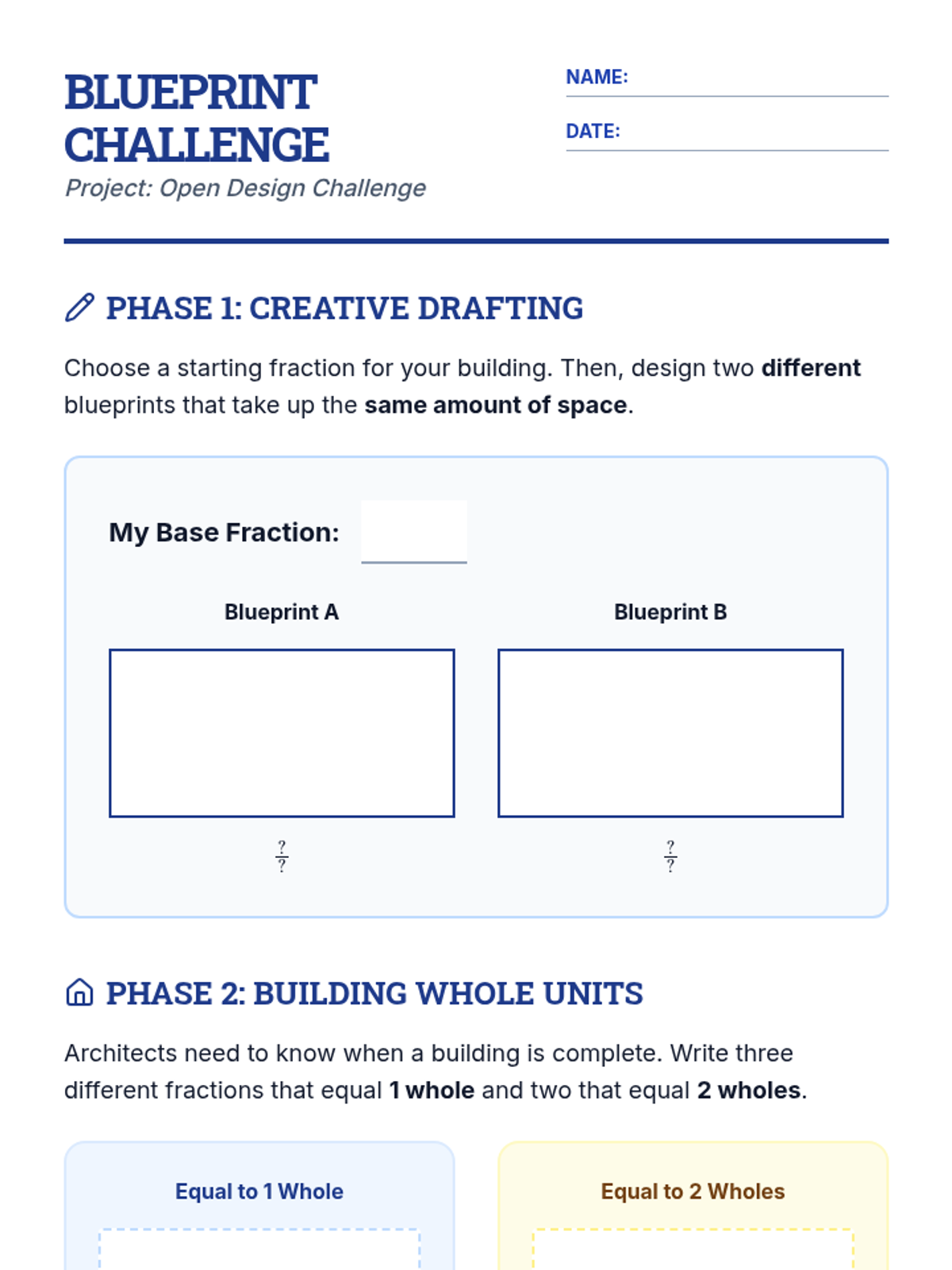
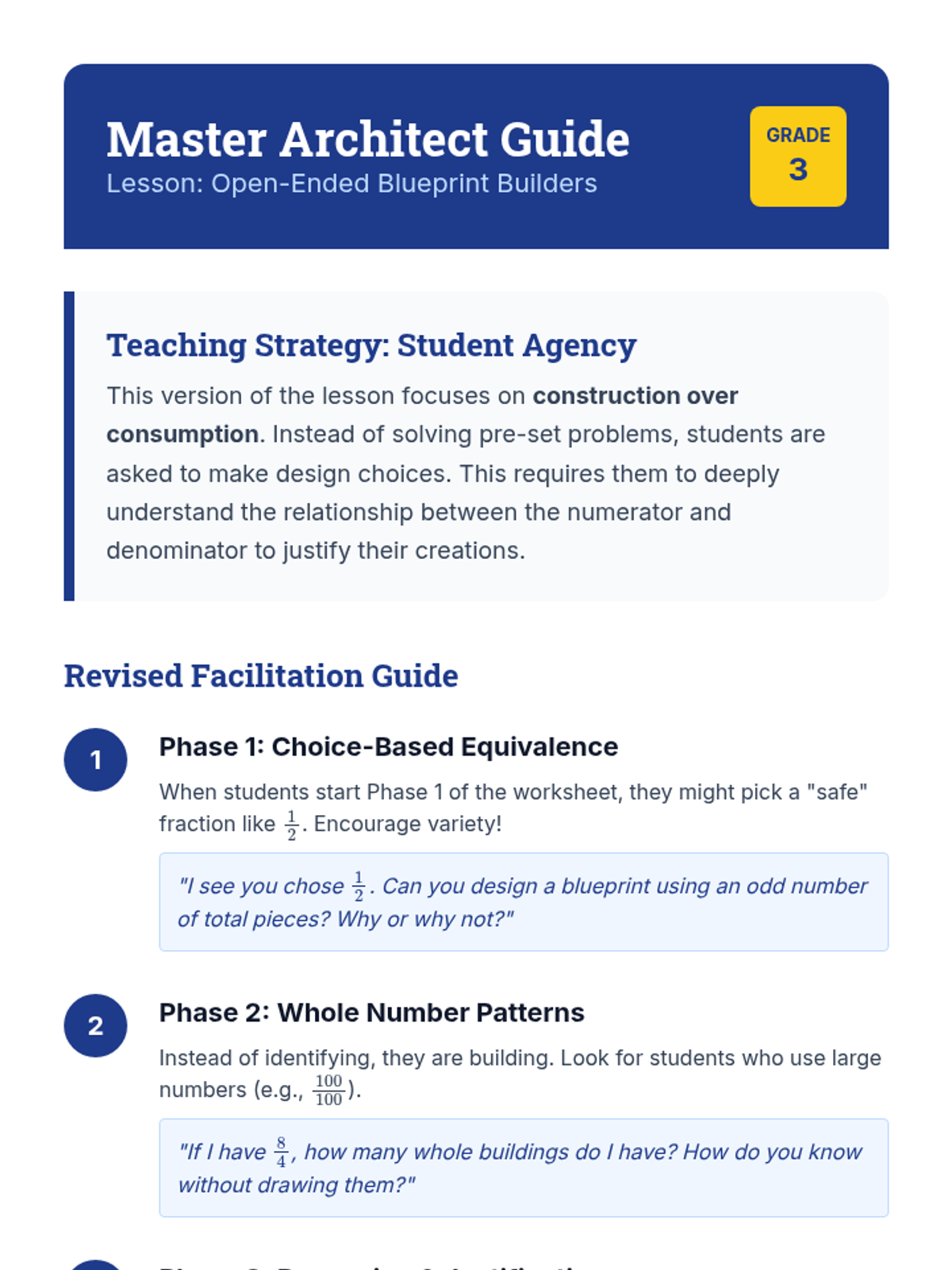
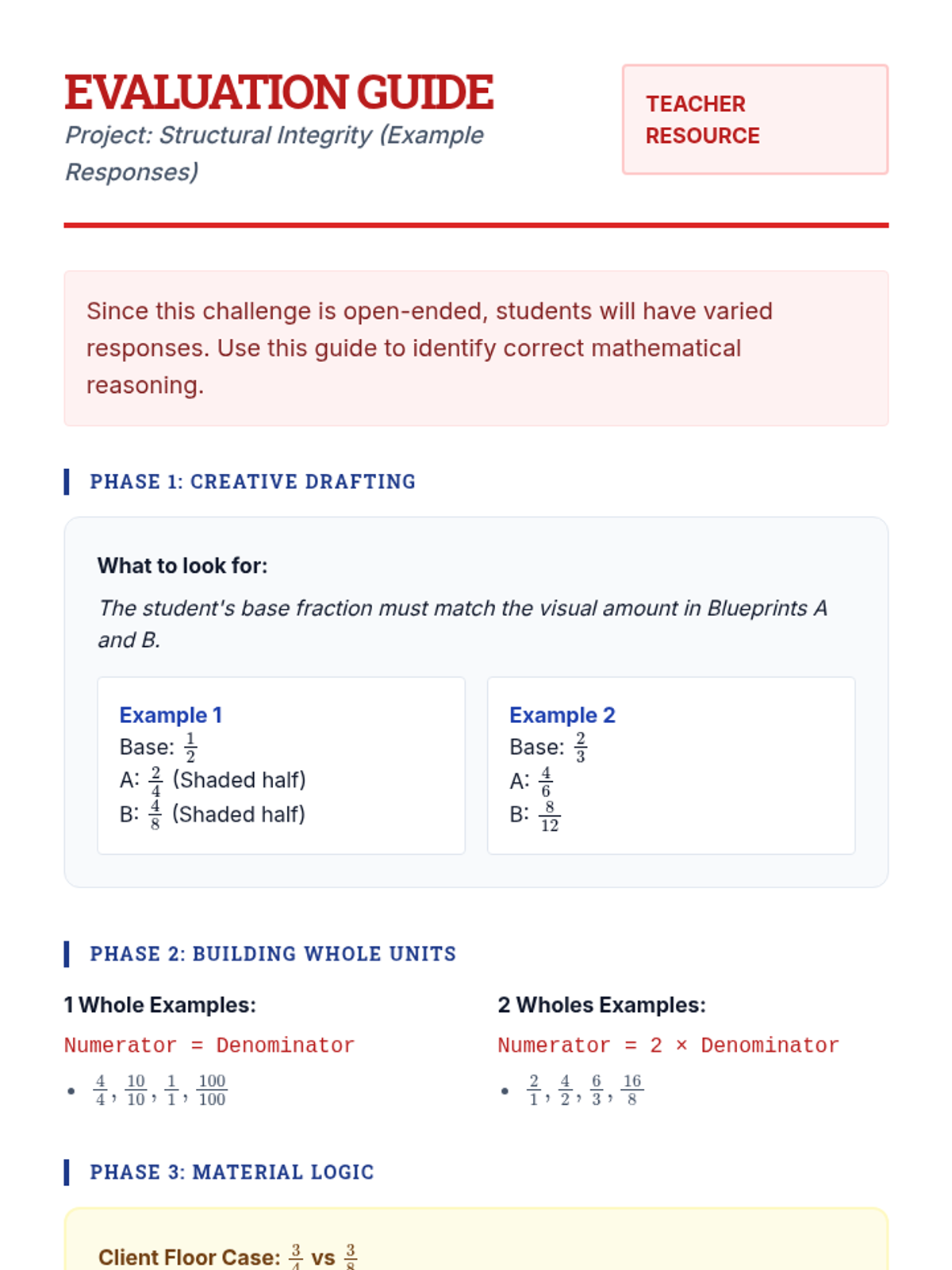
A 30-minute interactive lesson focused on visual models for fraction equivalence, specifically addressing fractions equivalent to whole numbers and comparing fractions through reasoning. Students act as 'Blueprint Builders' to construct and compare fractional parts of a whole.
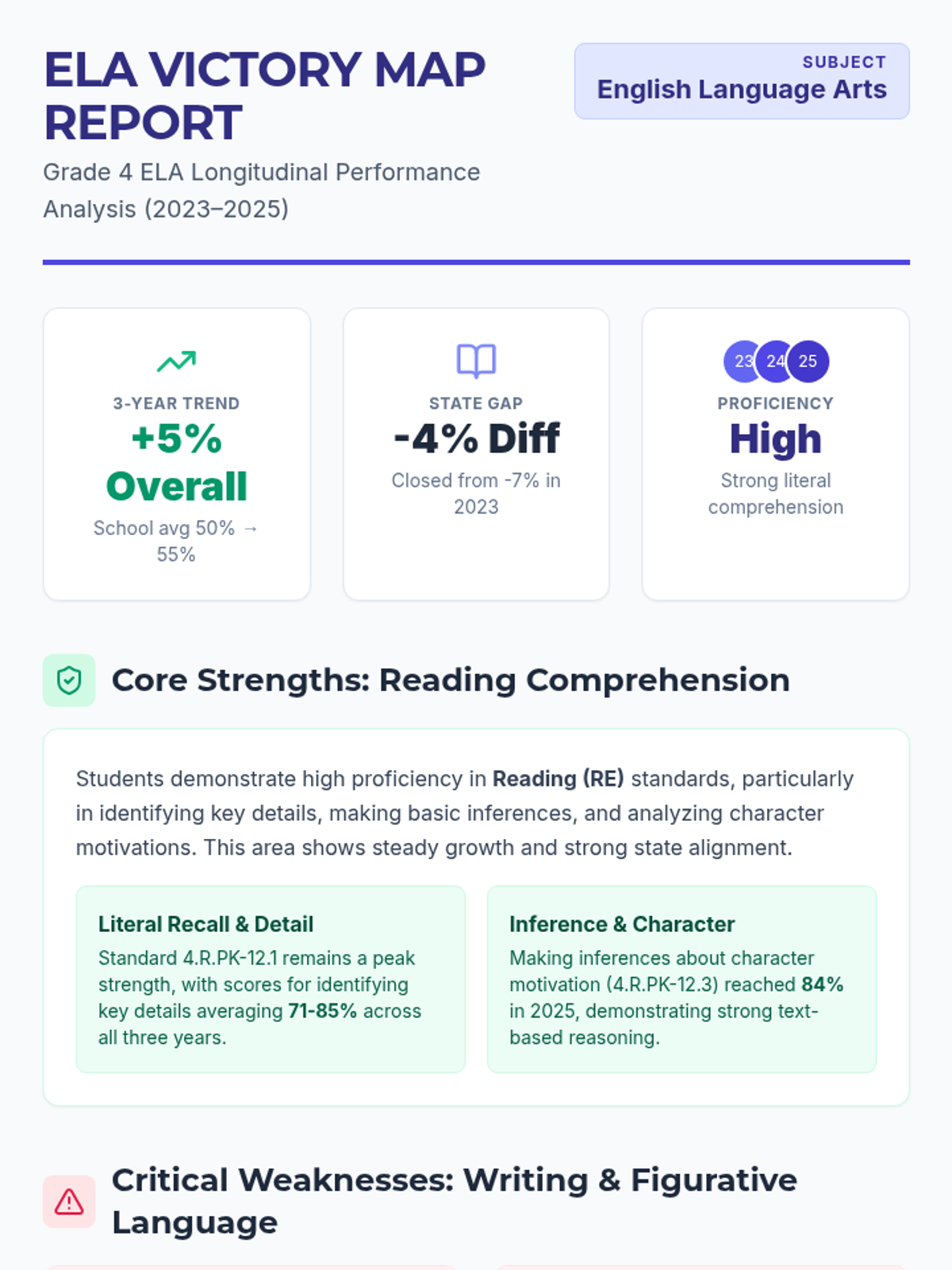
A comprehensive multi-year analysis of Grade 4 MCAS English Language Arts data from 2023-2025. It identifies strengths in literal comprehension and character analysis, while highlighting persistent weaknesses in written expression and figurative language.
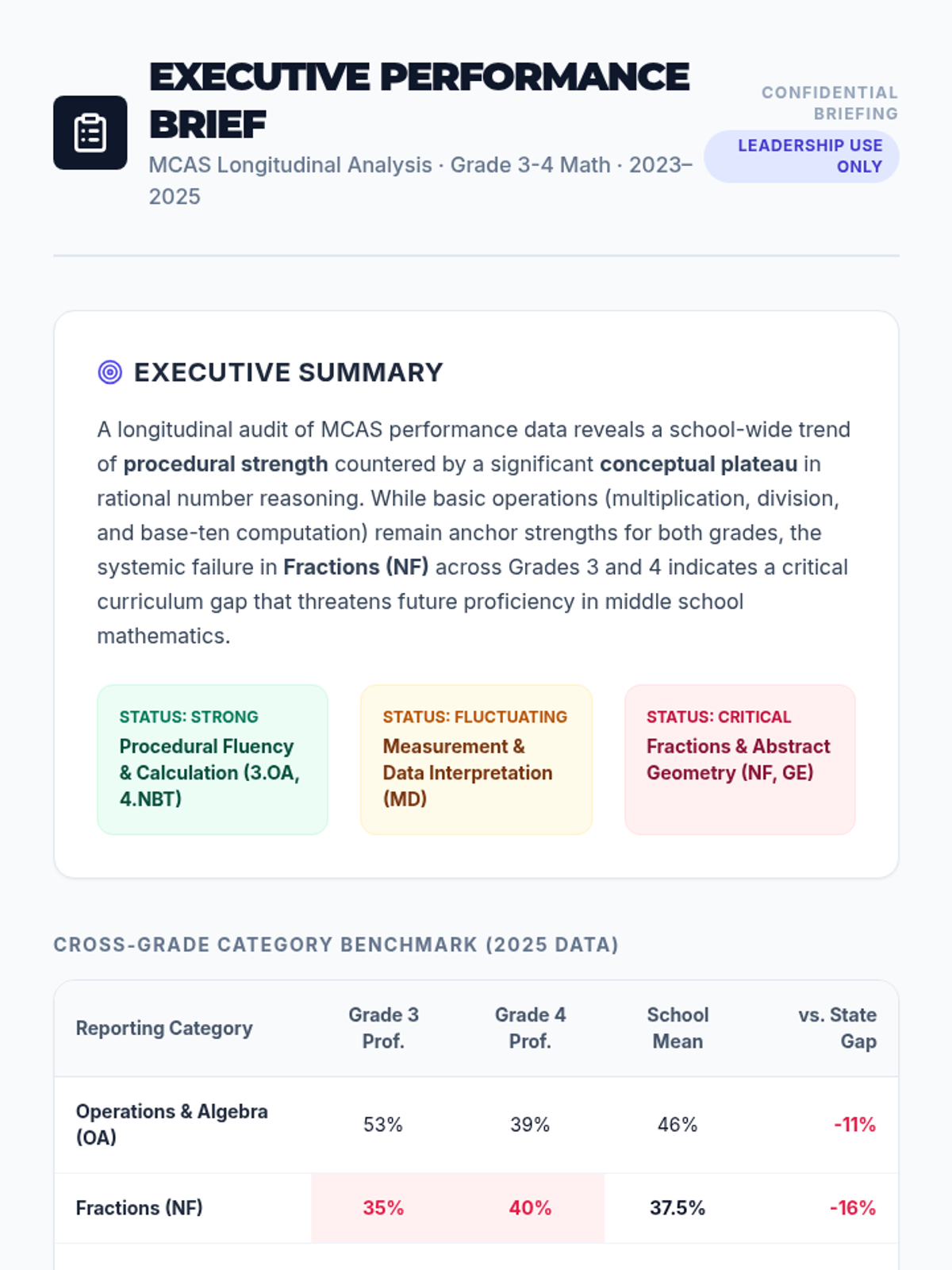
A high-level synthesis of multi-grade MCAS performance data (2023-2025) for school administration and leadership. It highlights longitudinal trends, systemic curriculum gaps in Fractions, and strategic resource allocation recommendations.
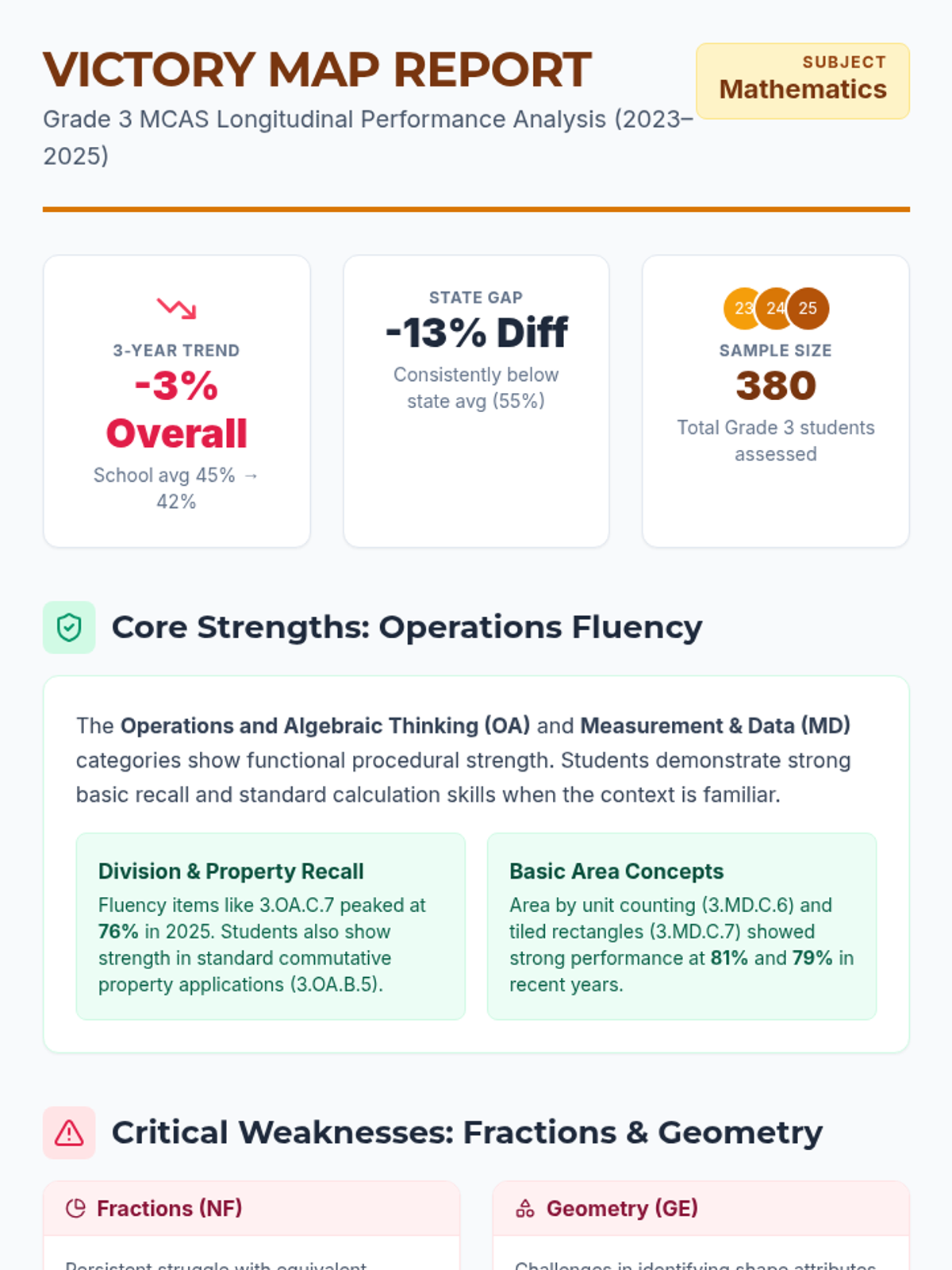
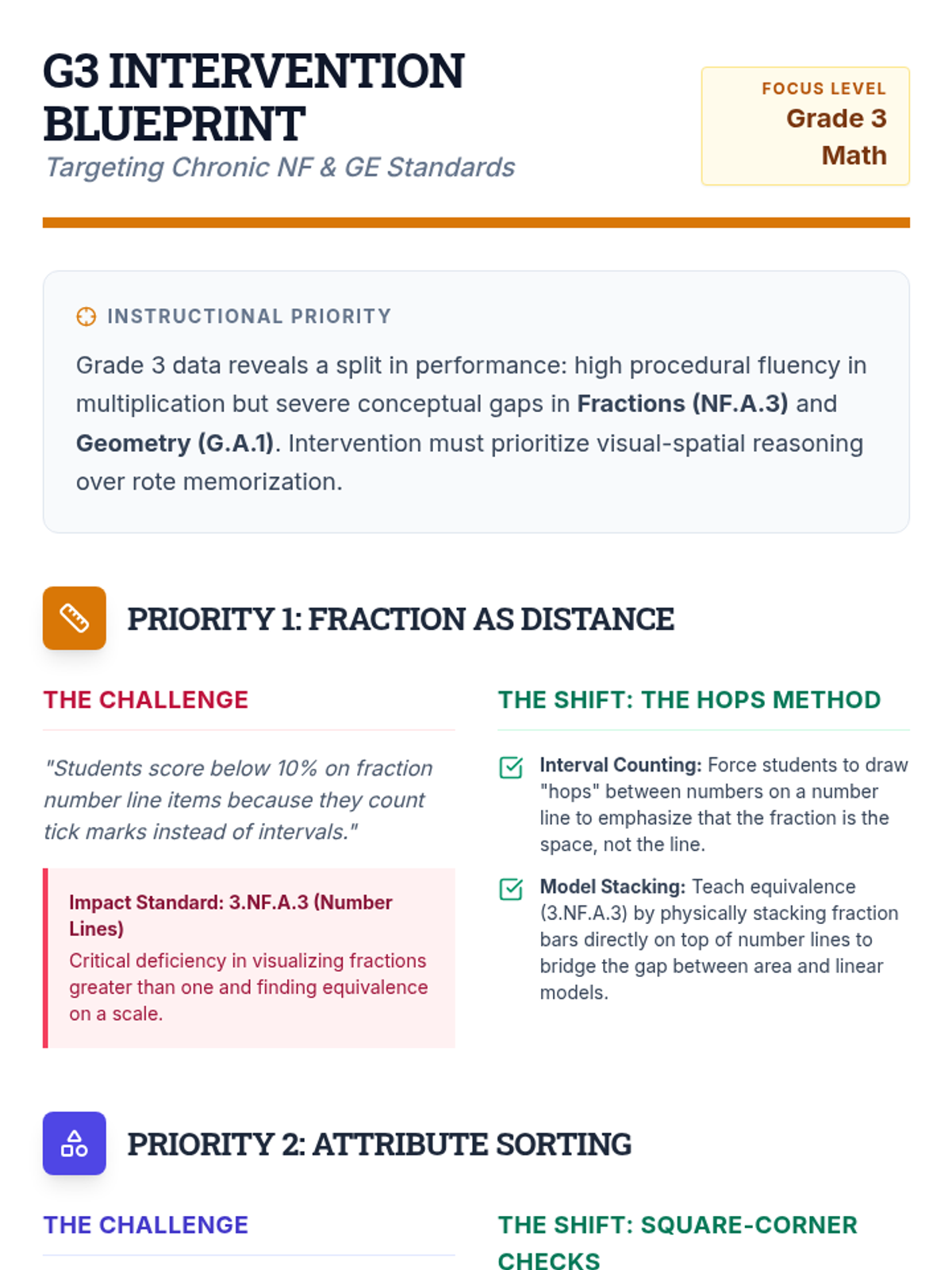
A multi-year performance analysis of Grade 3 MCAS Mathematics data from 2023-2025. It identifies strong procedural fluency in multiplication/division and significant conceptual hurdles in Fractions and Geometry.
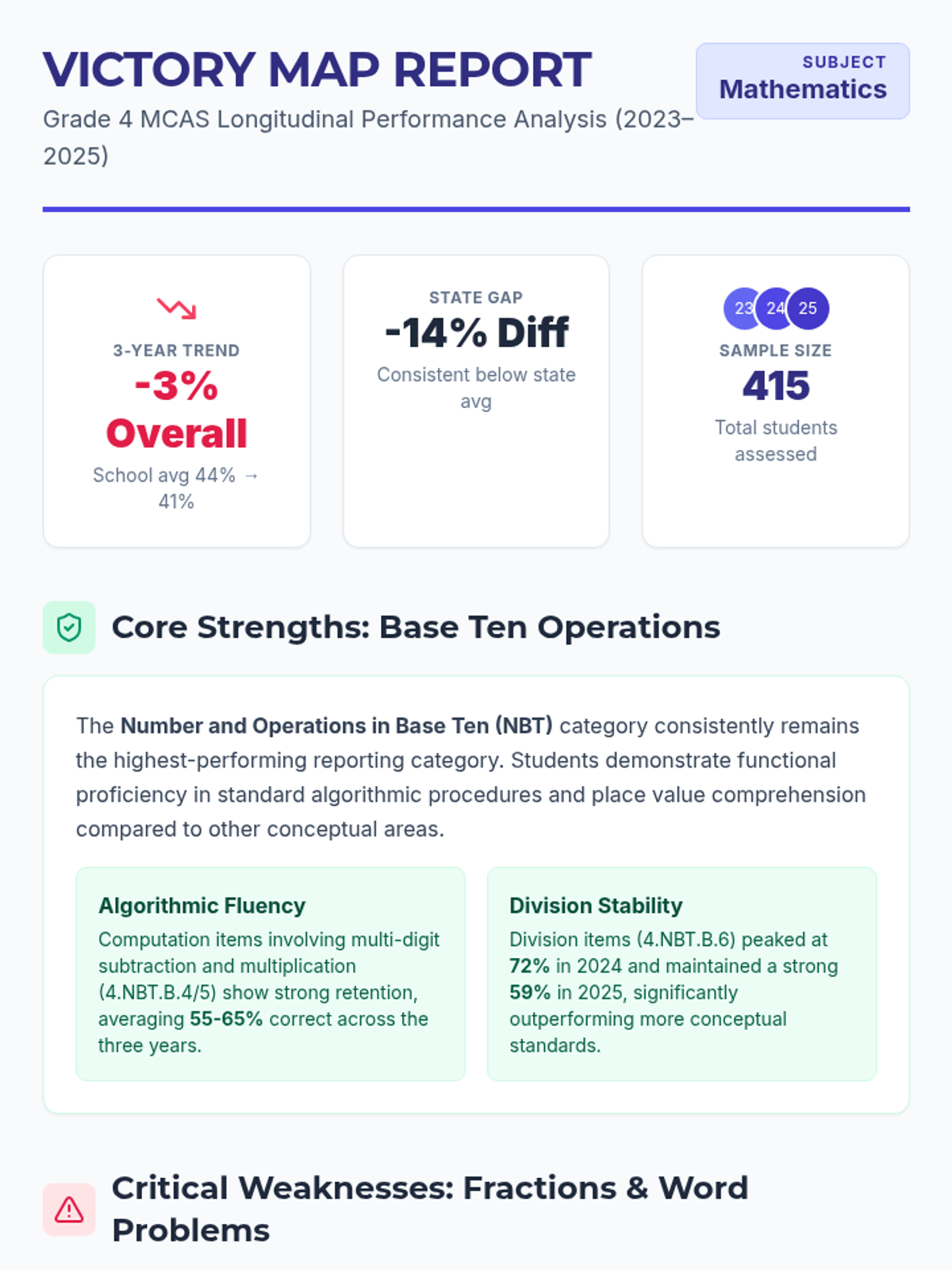
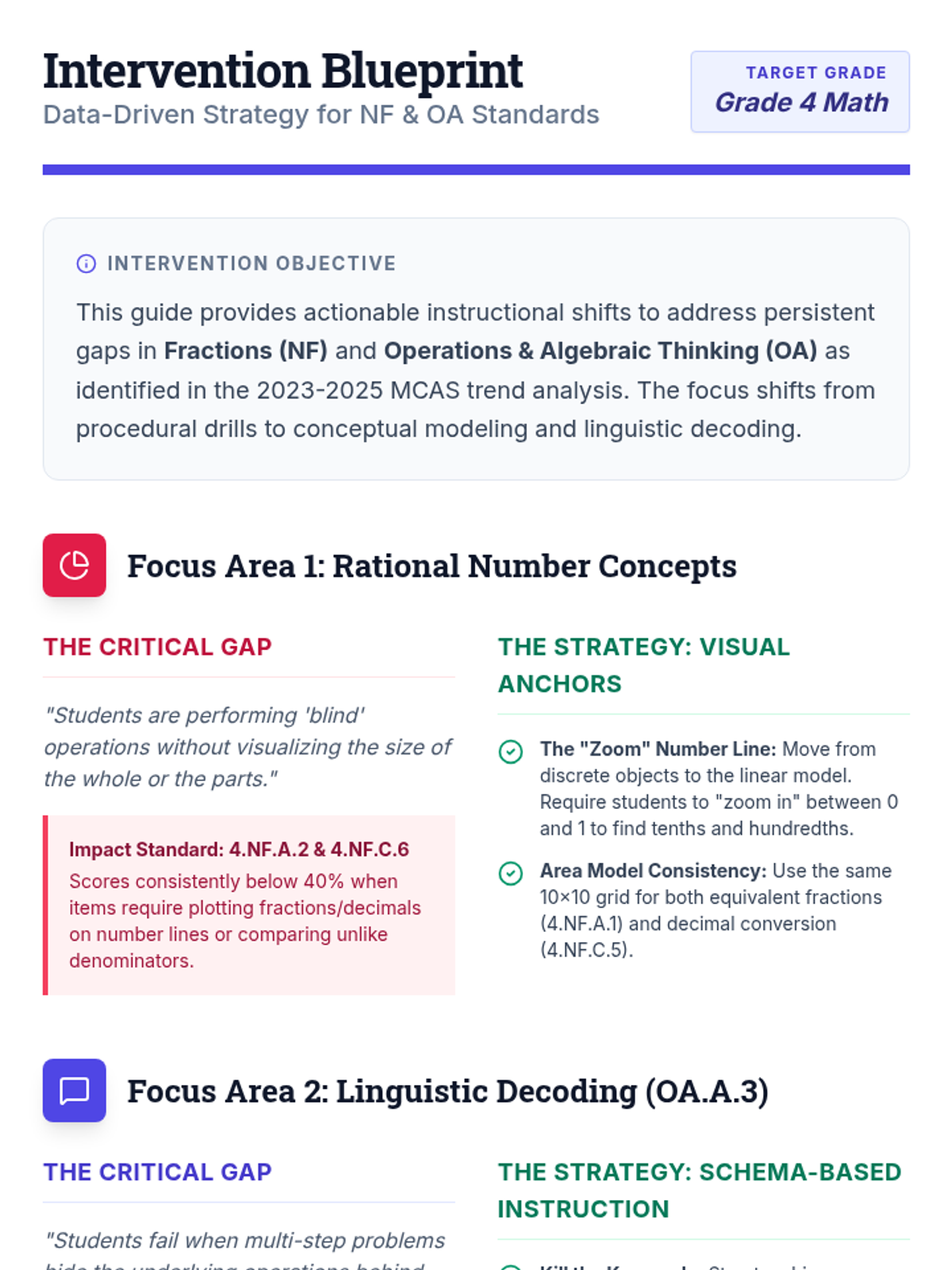
An in-depth analysis of Grade 4 MCAS Mathematics data from 2023-2025, highlighting categorical strengths in Base Ten and persistent weaknesses in Fractions and Multi-step Word Problems.
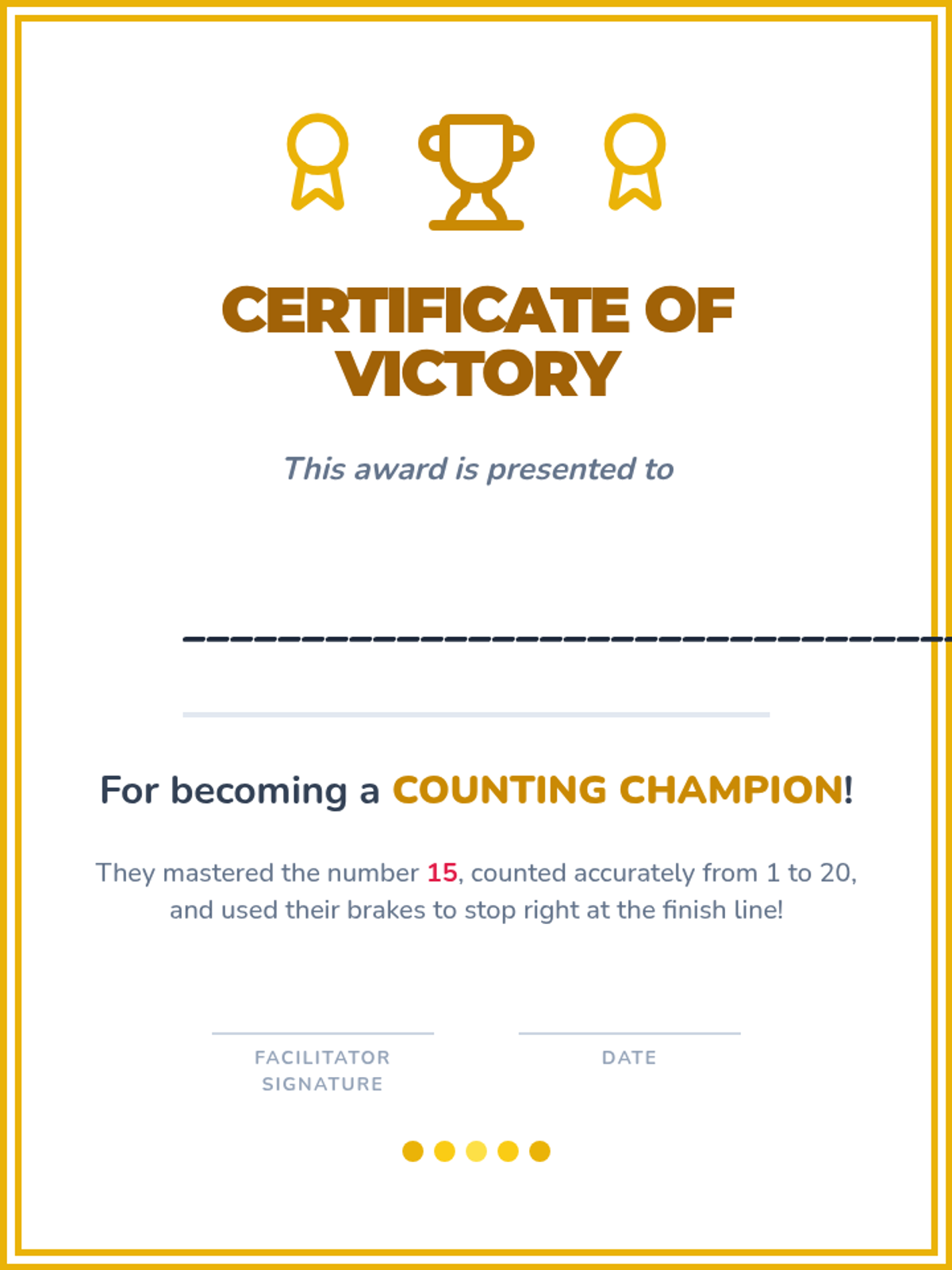
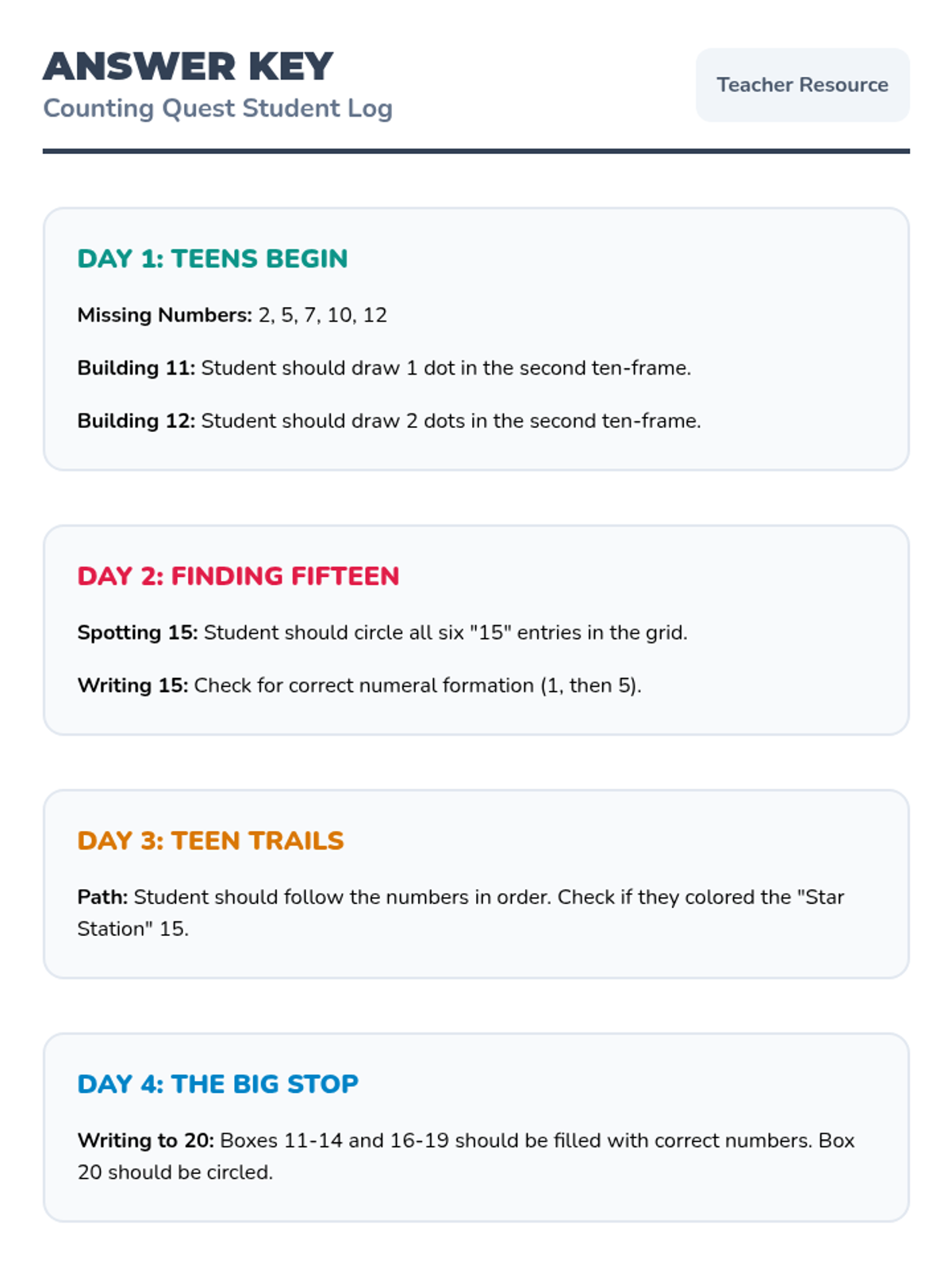
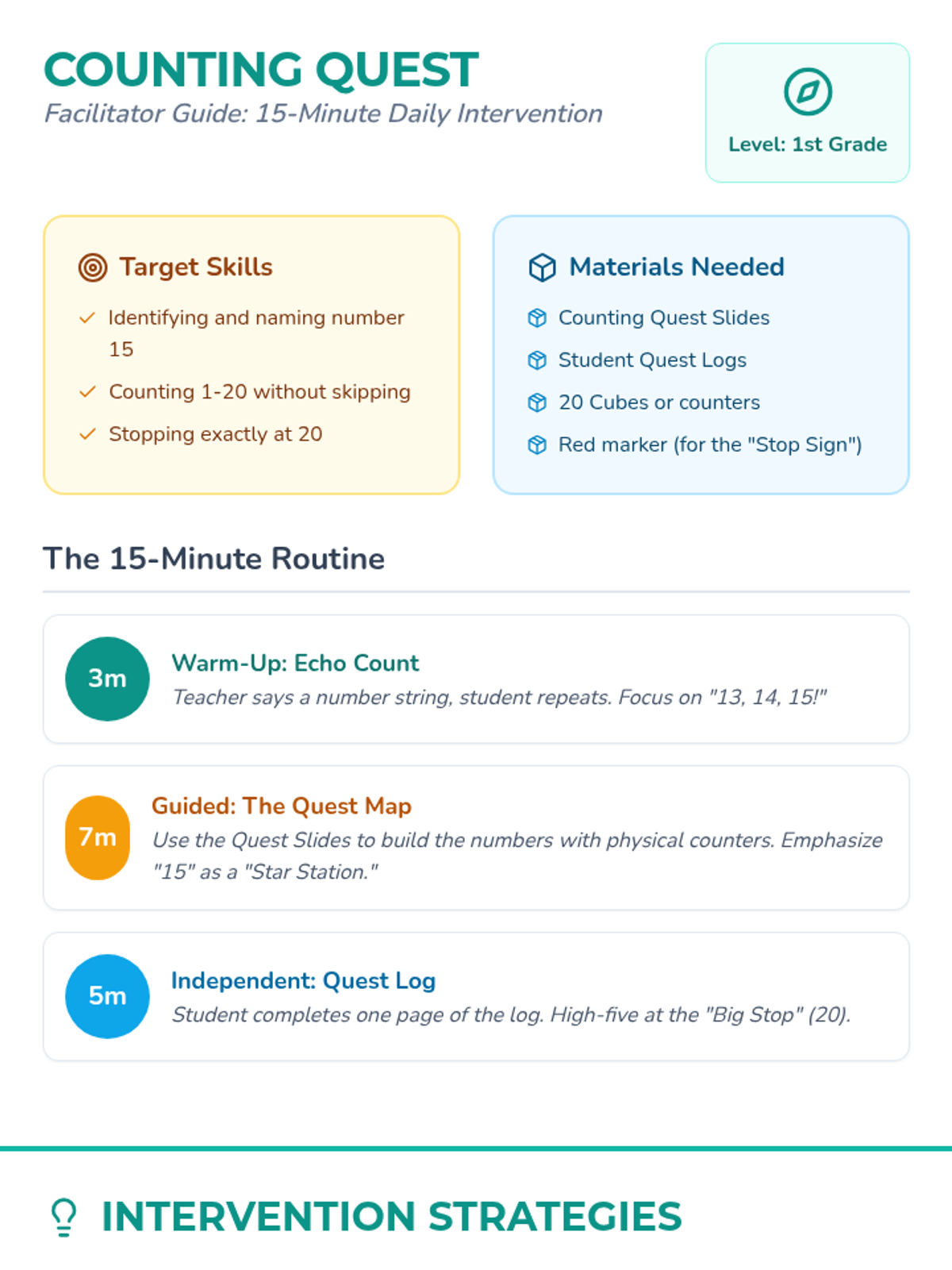
Cumulative review of counting 1-20 with a focus on accuracy and the target number 15.
Focuses on the stopping point of 20 using visual cues and auditory 'brakes'.
Practices the sequence 13-17 to build fluency around the 'missing' 15.
Targets the specific gap of the number 15 through multi-sensory recognition and 10-frame modeling.
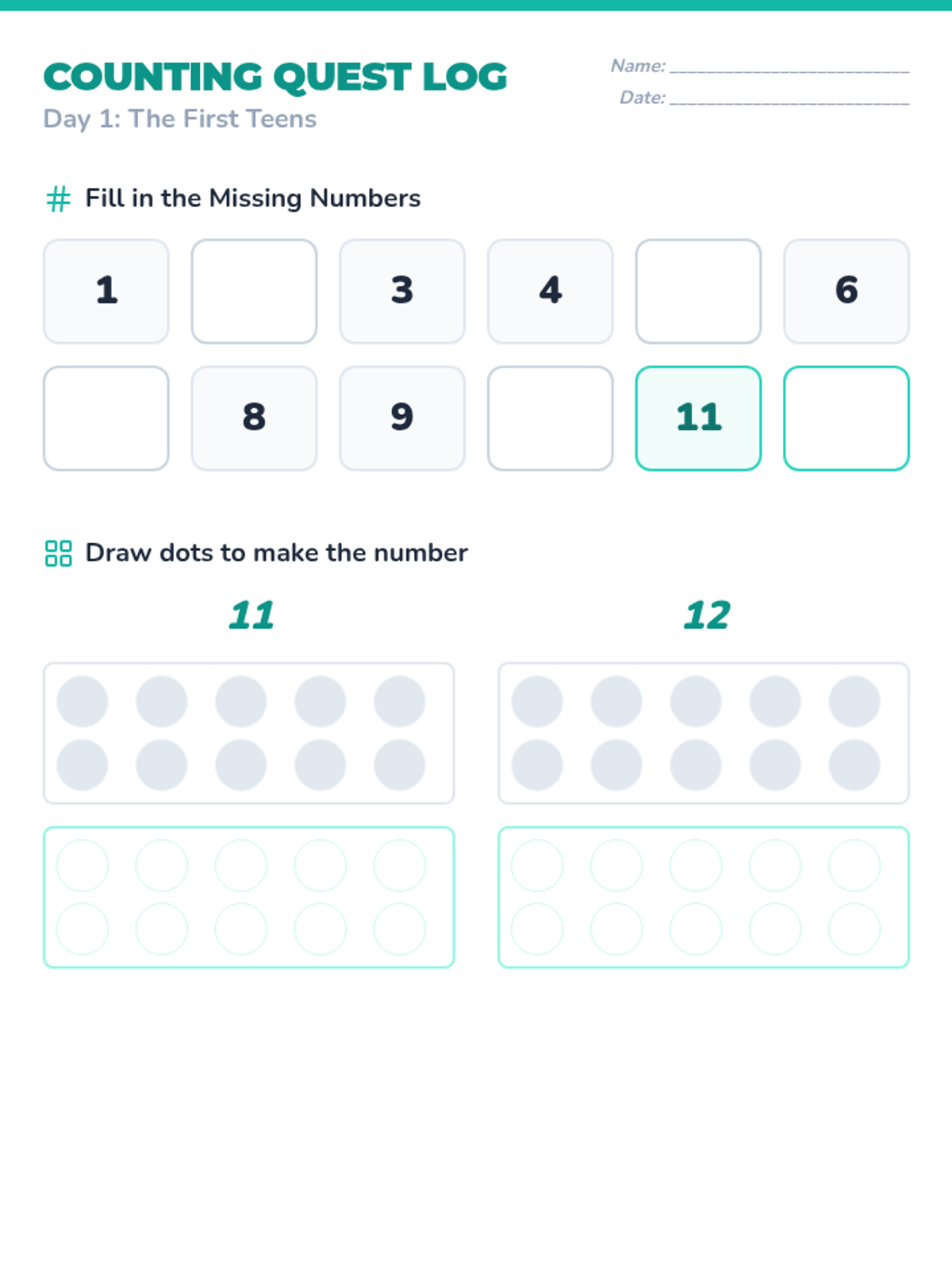
Focuses on solidifying 1-10 and introducing the teen pattern with numbers 11 and 12.
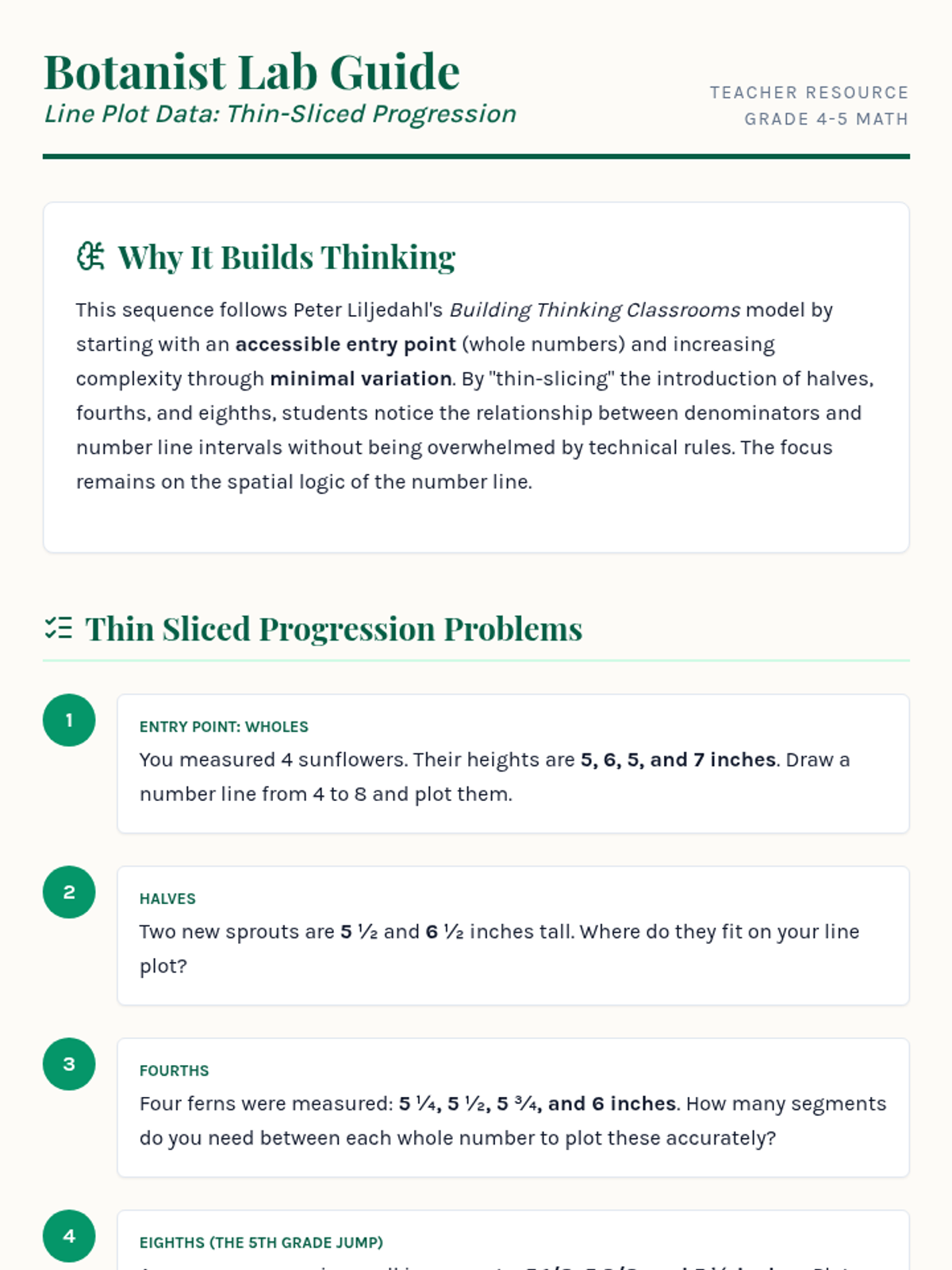
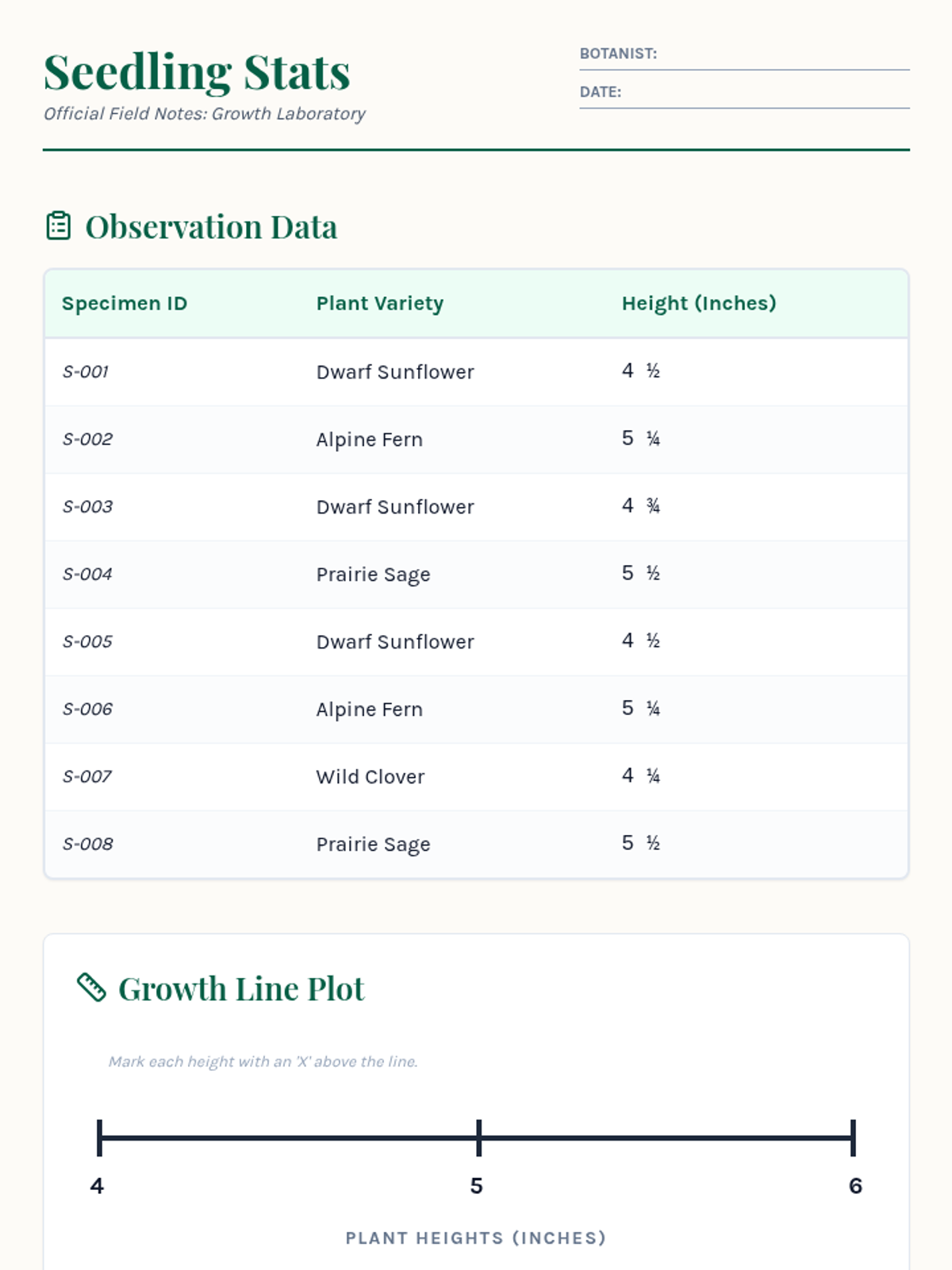
A math lesson centered on plotting fractional data on line plots using a botanist theme, following the Building Thinking Classrooms thin-slicing approach.
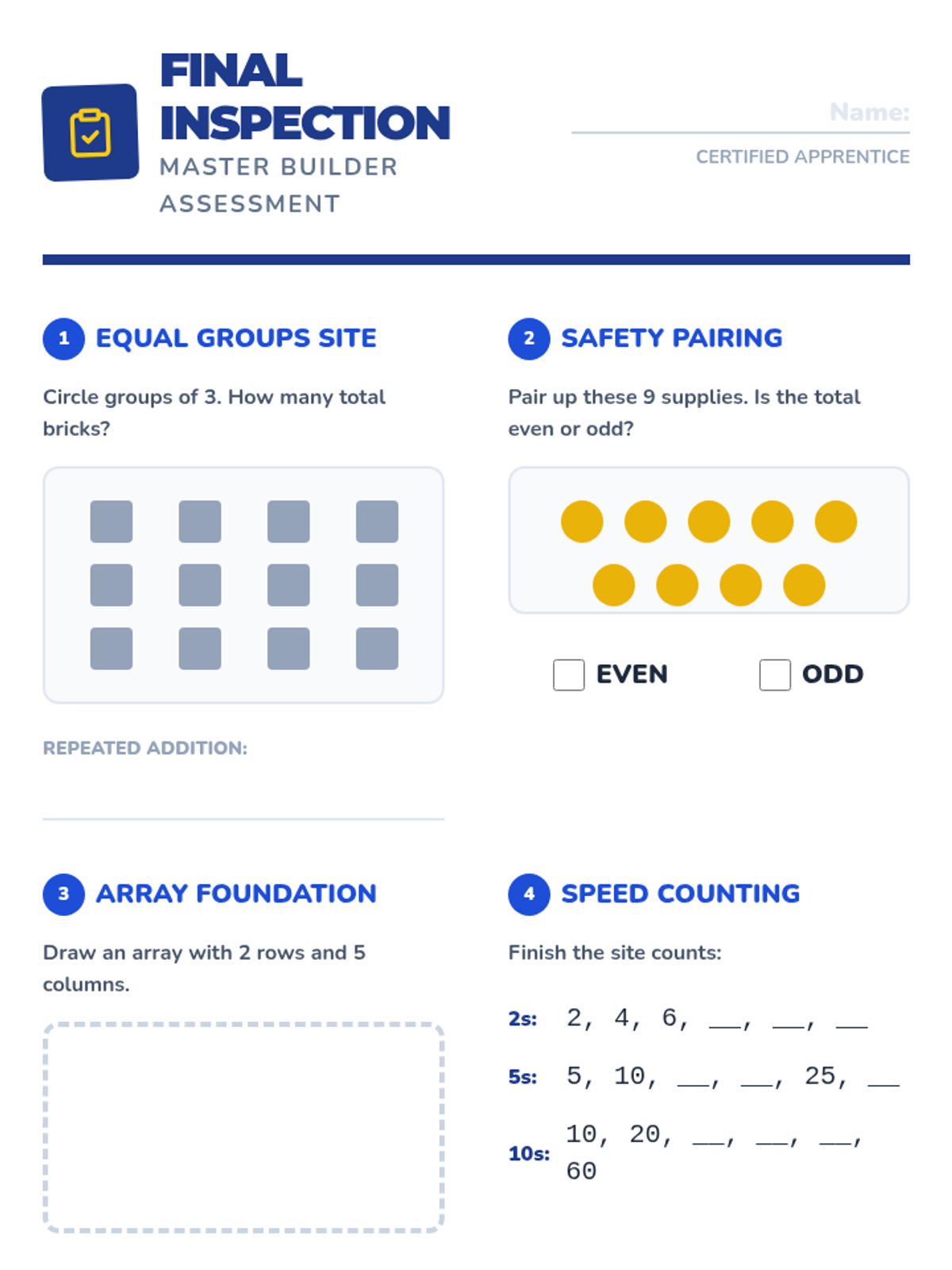
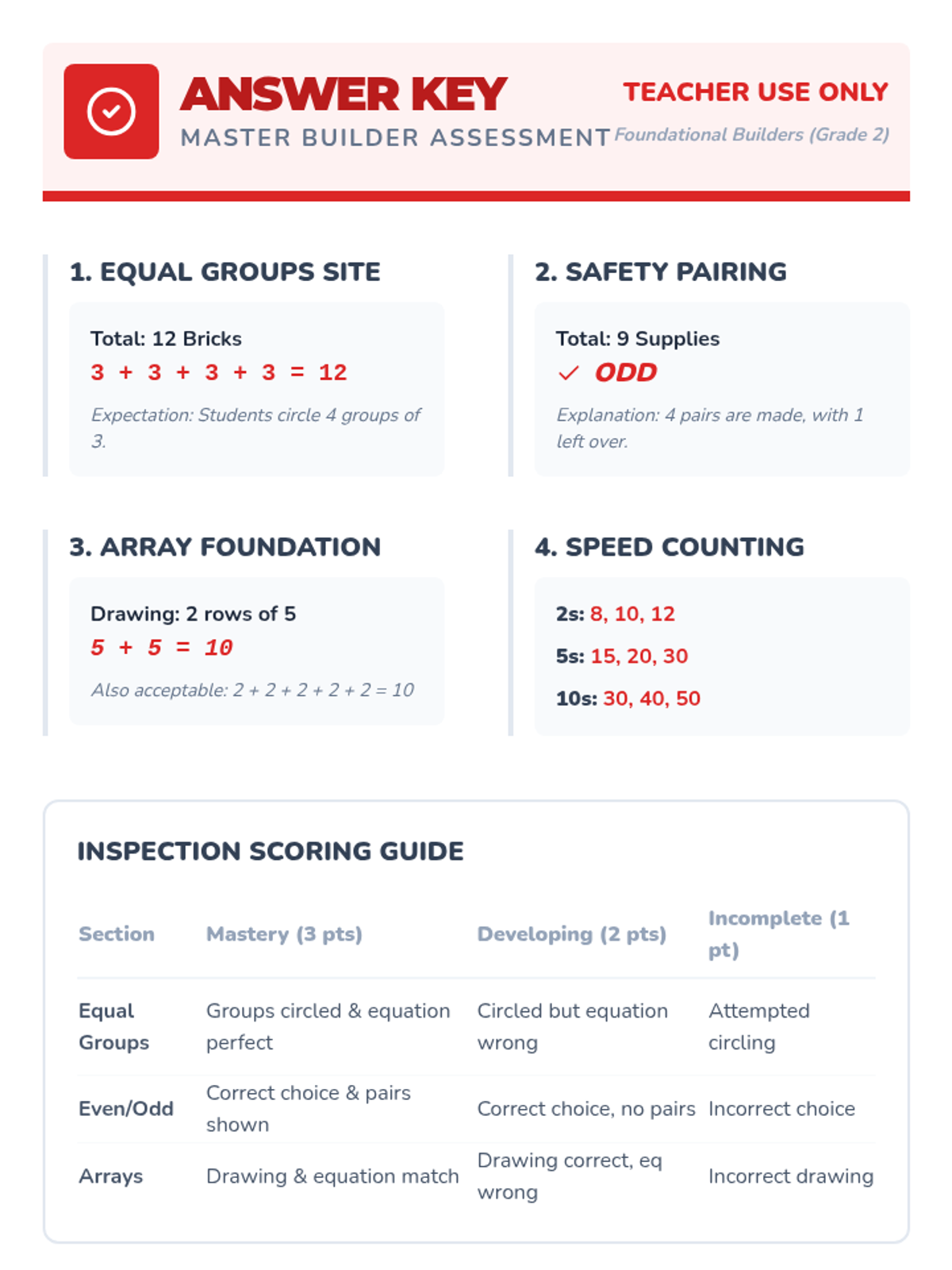
A final project-based assessment where students demonstrate their ability to build arrays, identify even/odd groups, and write repeated addition equations.
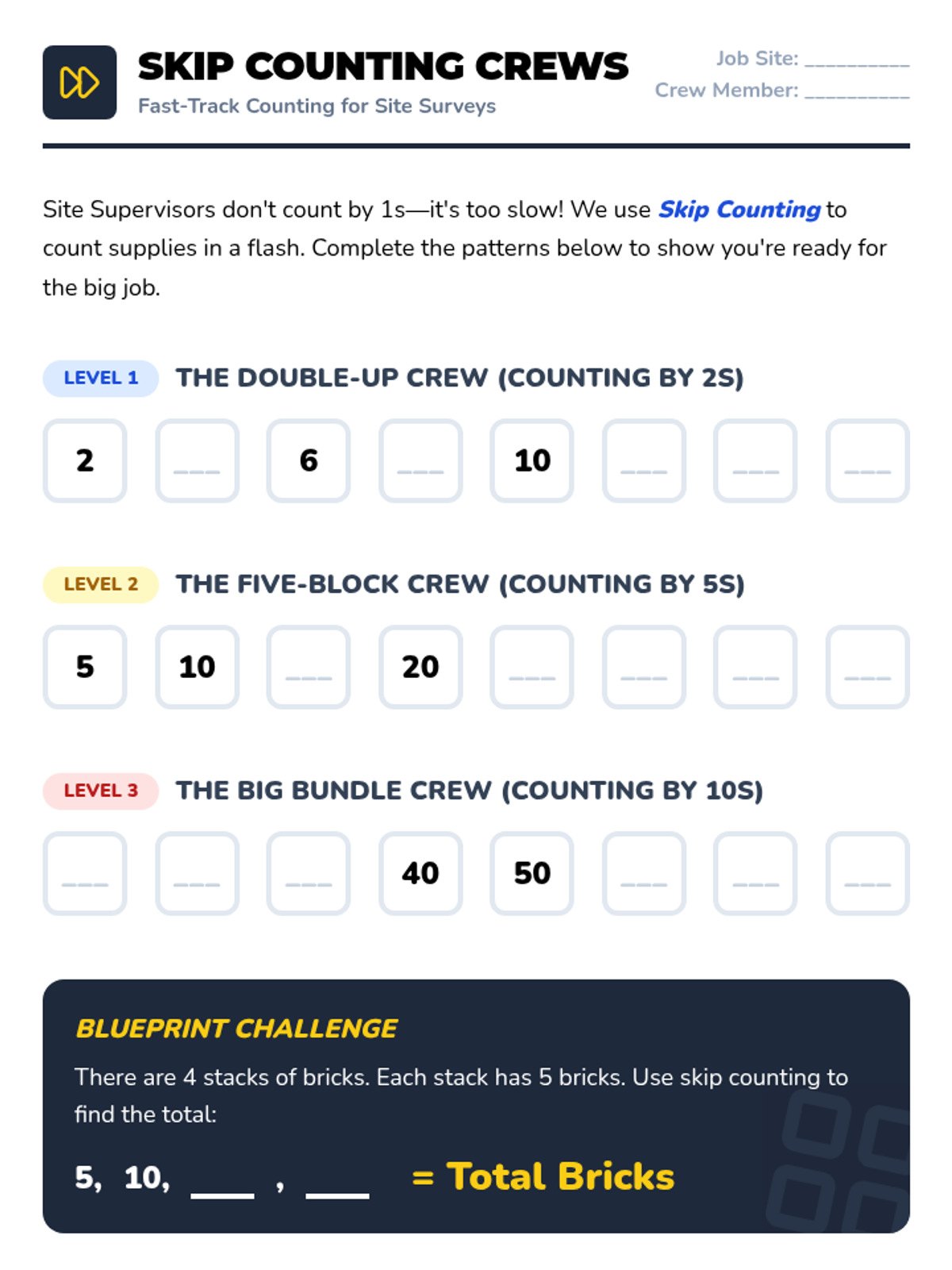
Students practice skip counting by 2s, 5s, and 10s as a fast-track method for counting large groups of building supplies.
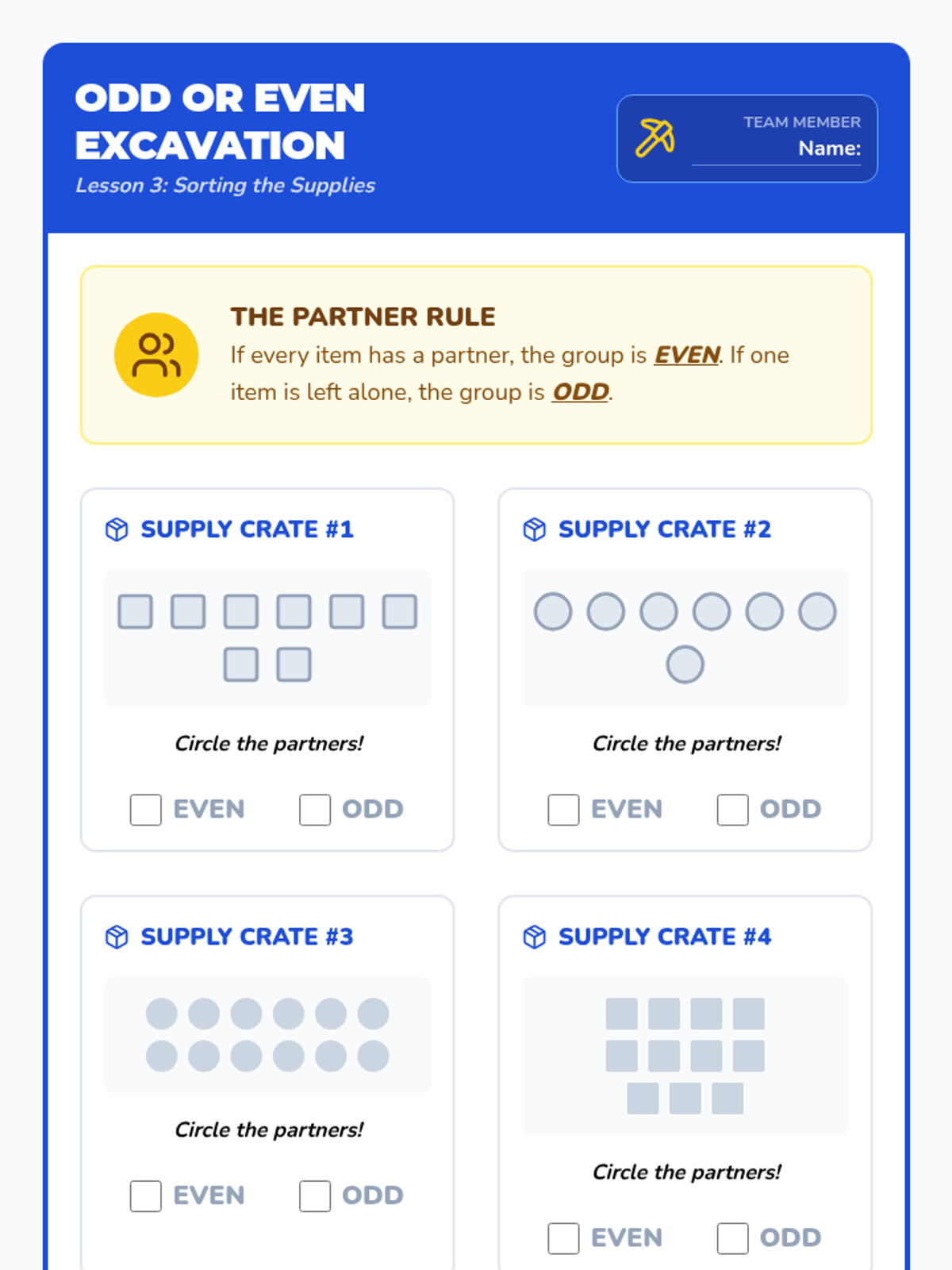
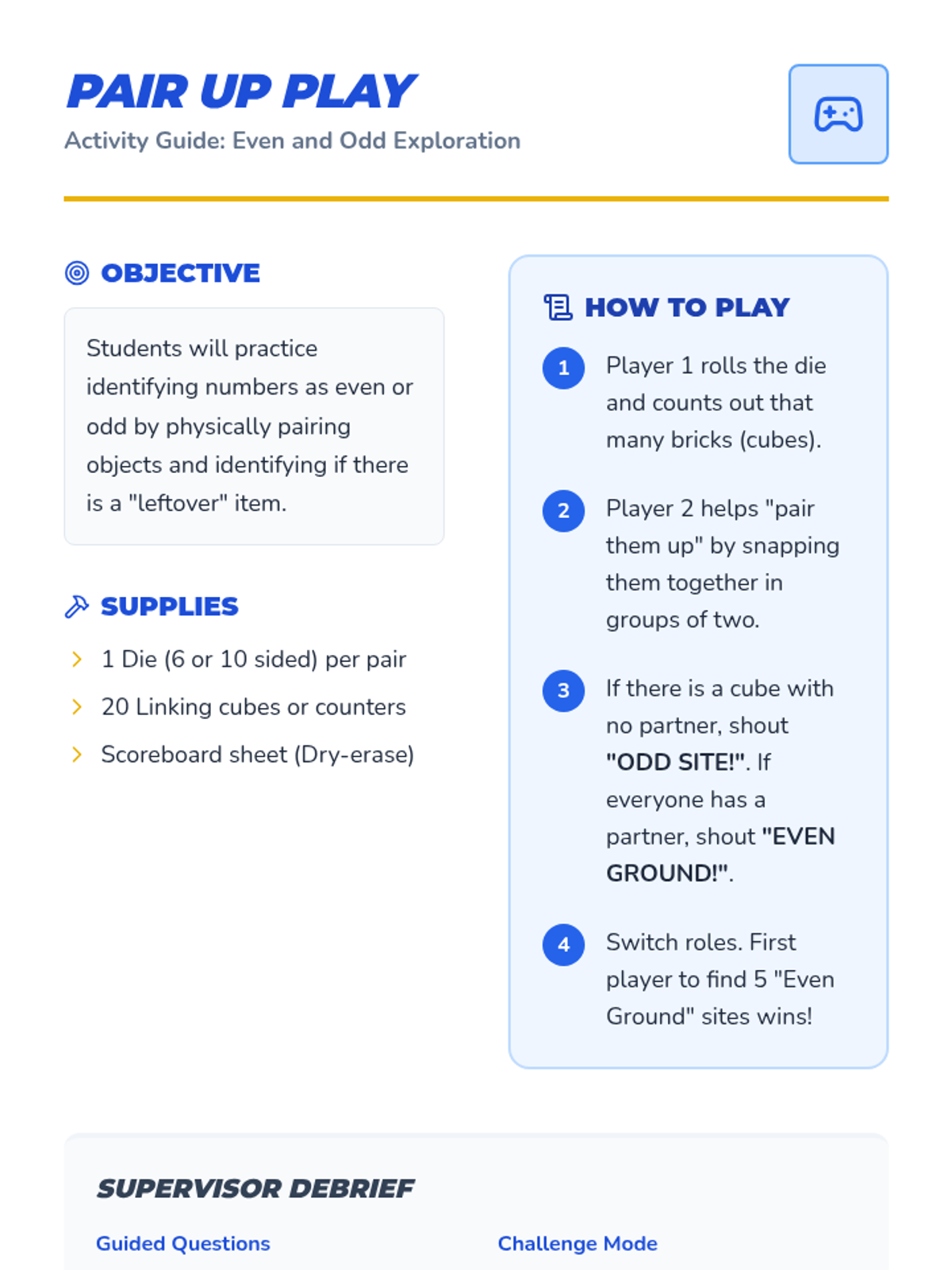
Students explore even and odd numbers by pairing objects and building 'towers of two' to see if any blocks are left over.
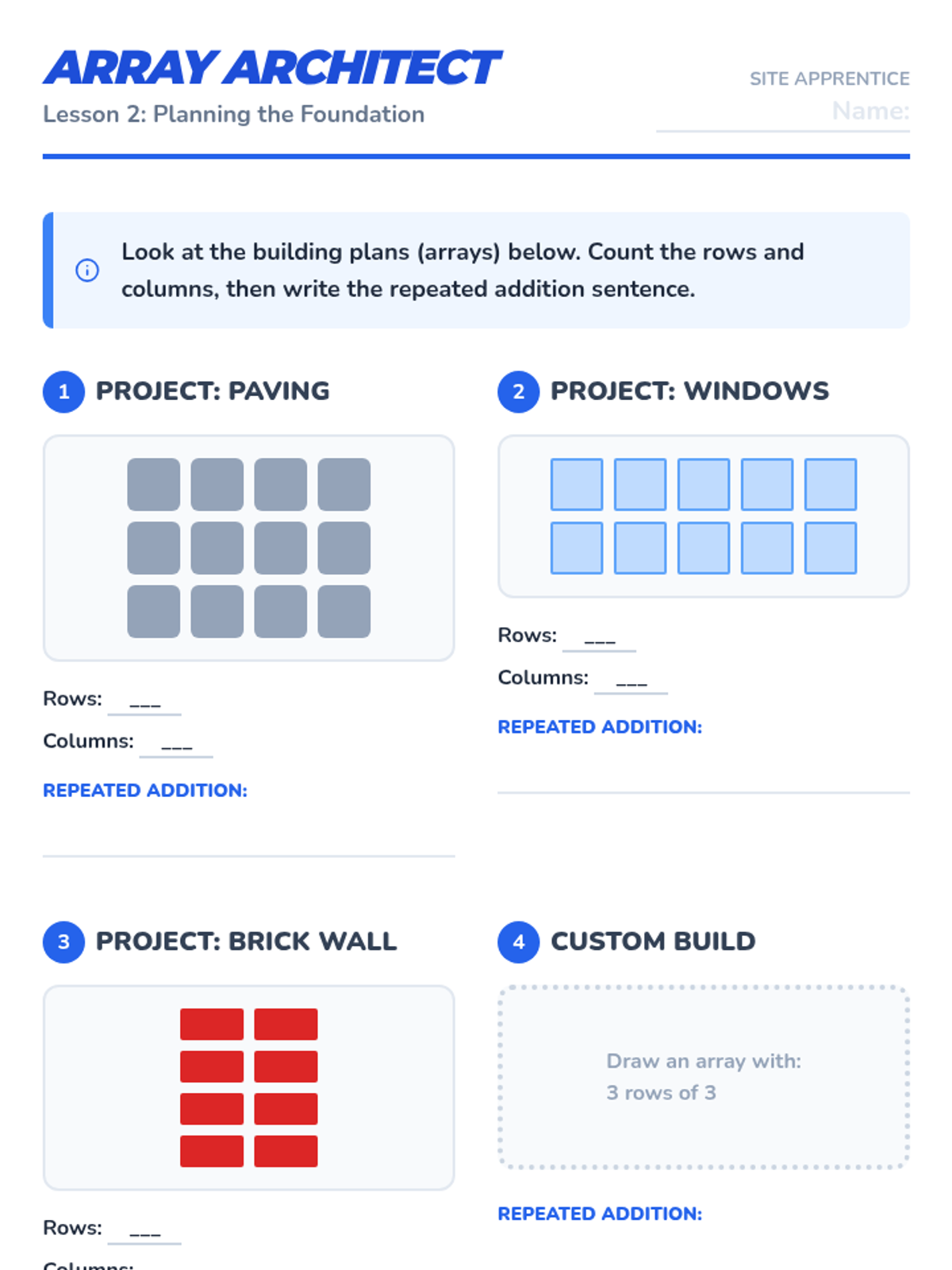
Students build and analyze rectangular arrays (up to 5x5) using building blocks, connecting the rows and columns to repeated addition.
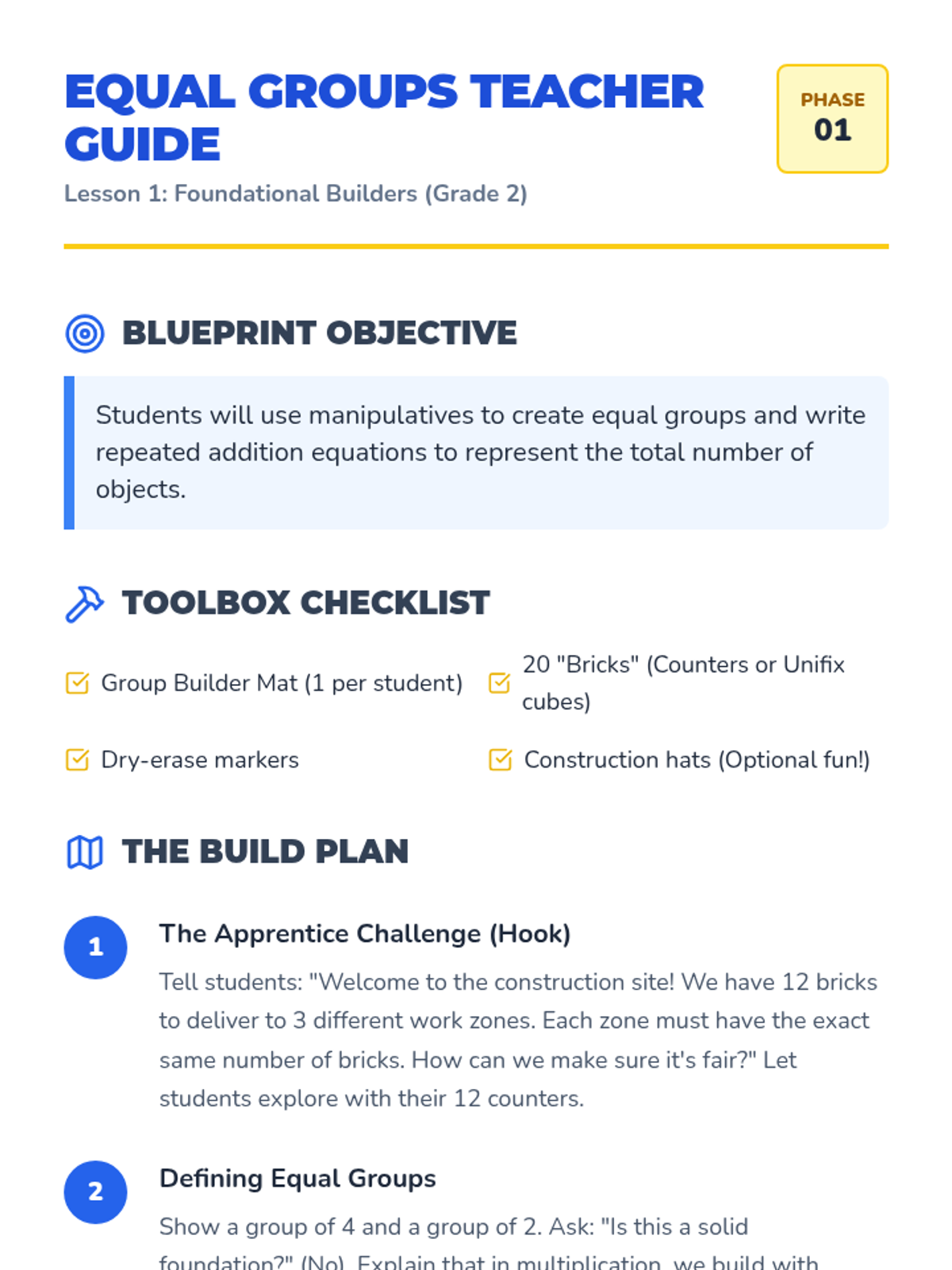
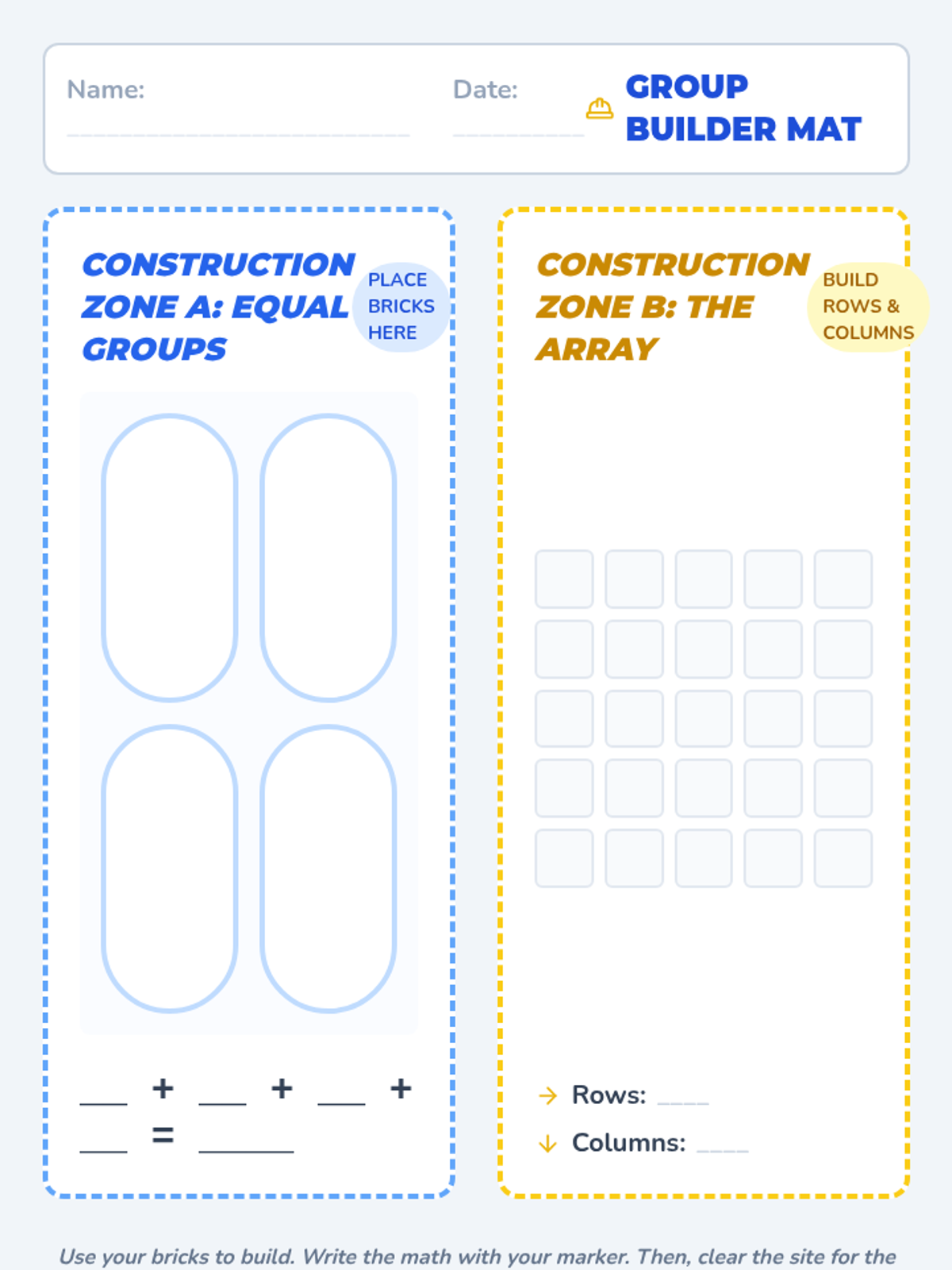
Students use manipulatives to create equal groups and write repeated addition equations to find the total, laying the conceptual groundwork for multiplication.
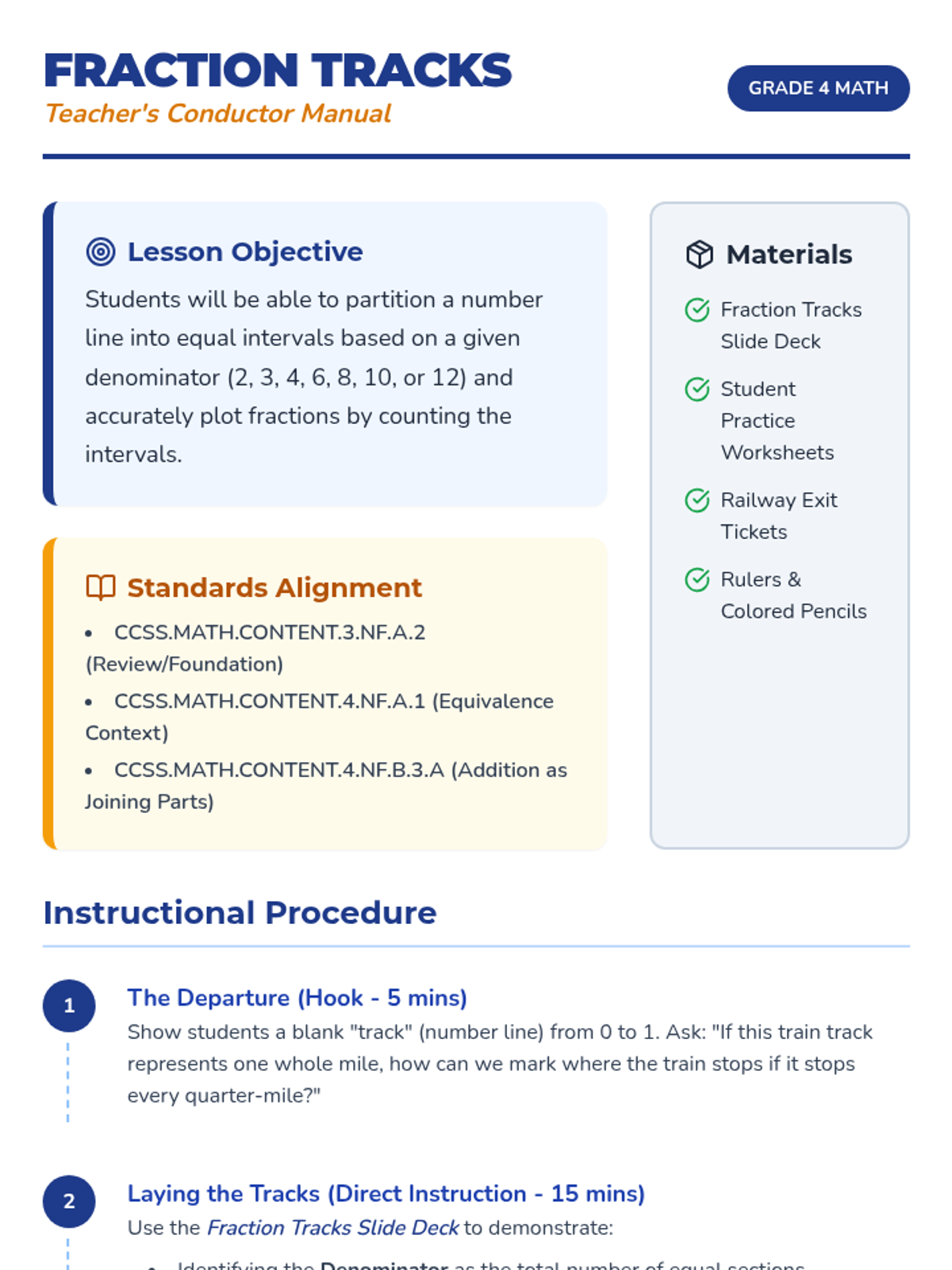
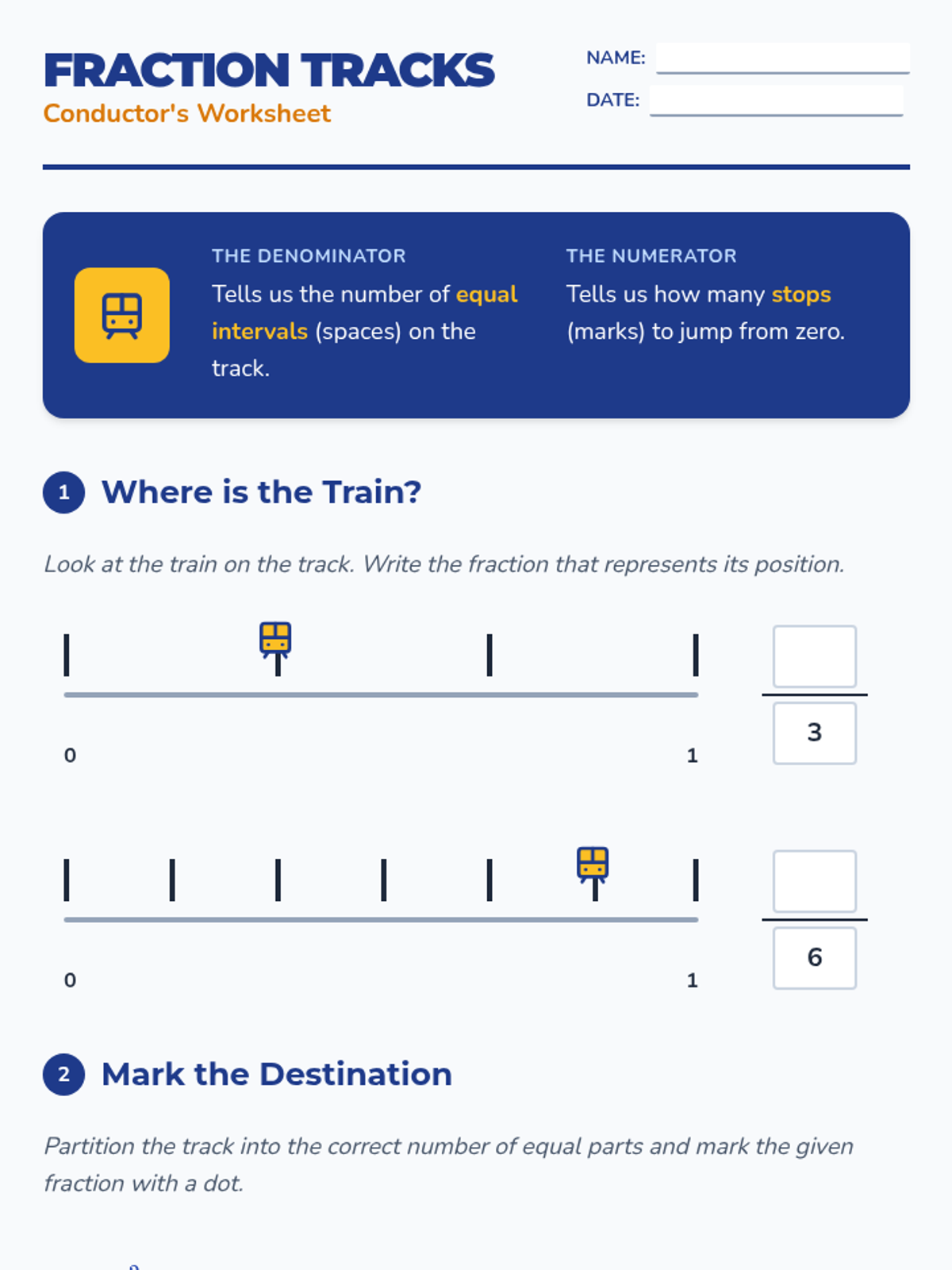
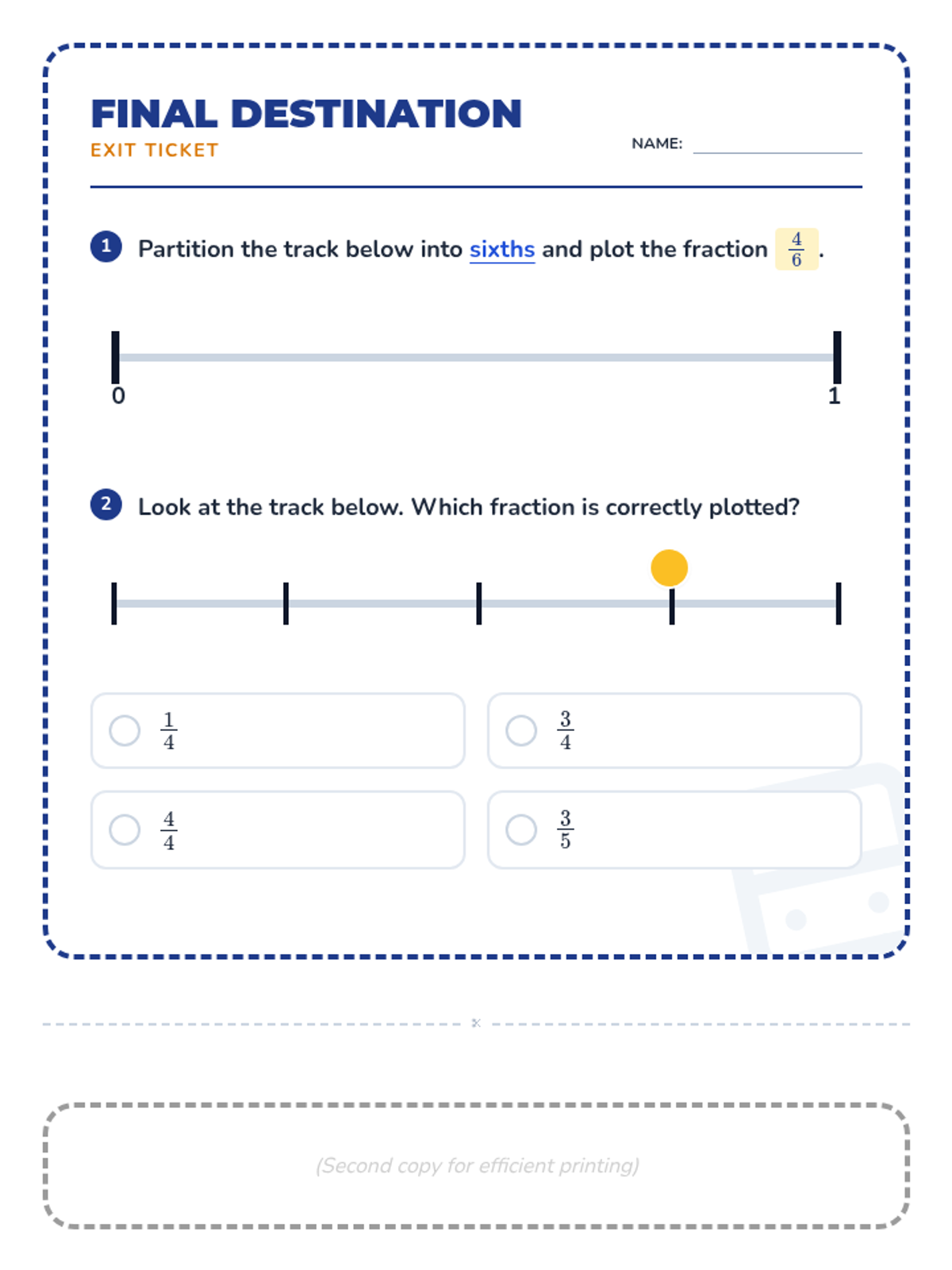
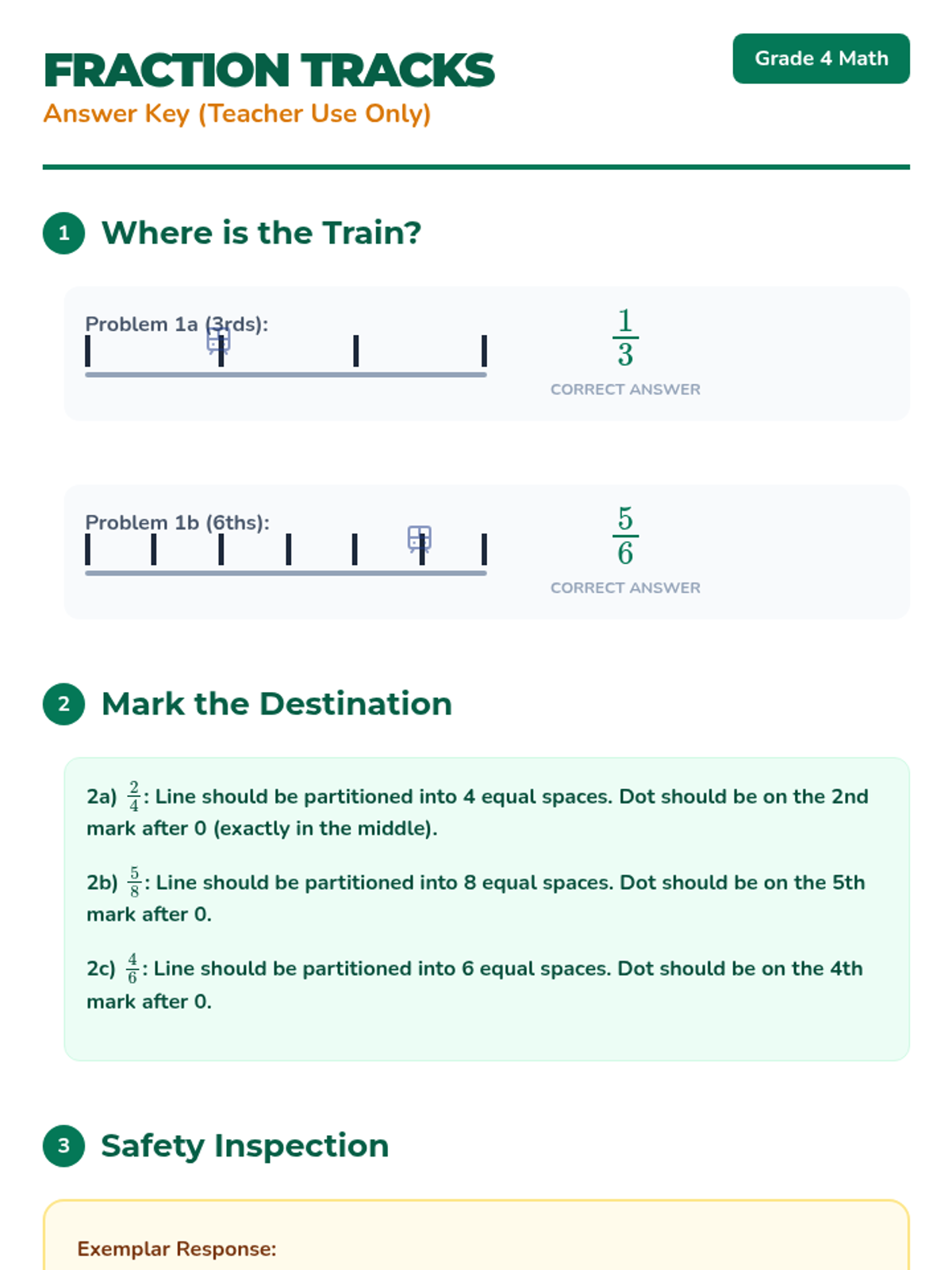
A comprehensive lesson for 4th grade students to master plotting and identifying fractions on a number line with common denominators using a railway-themed approach.
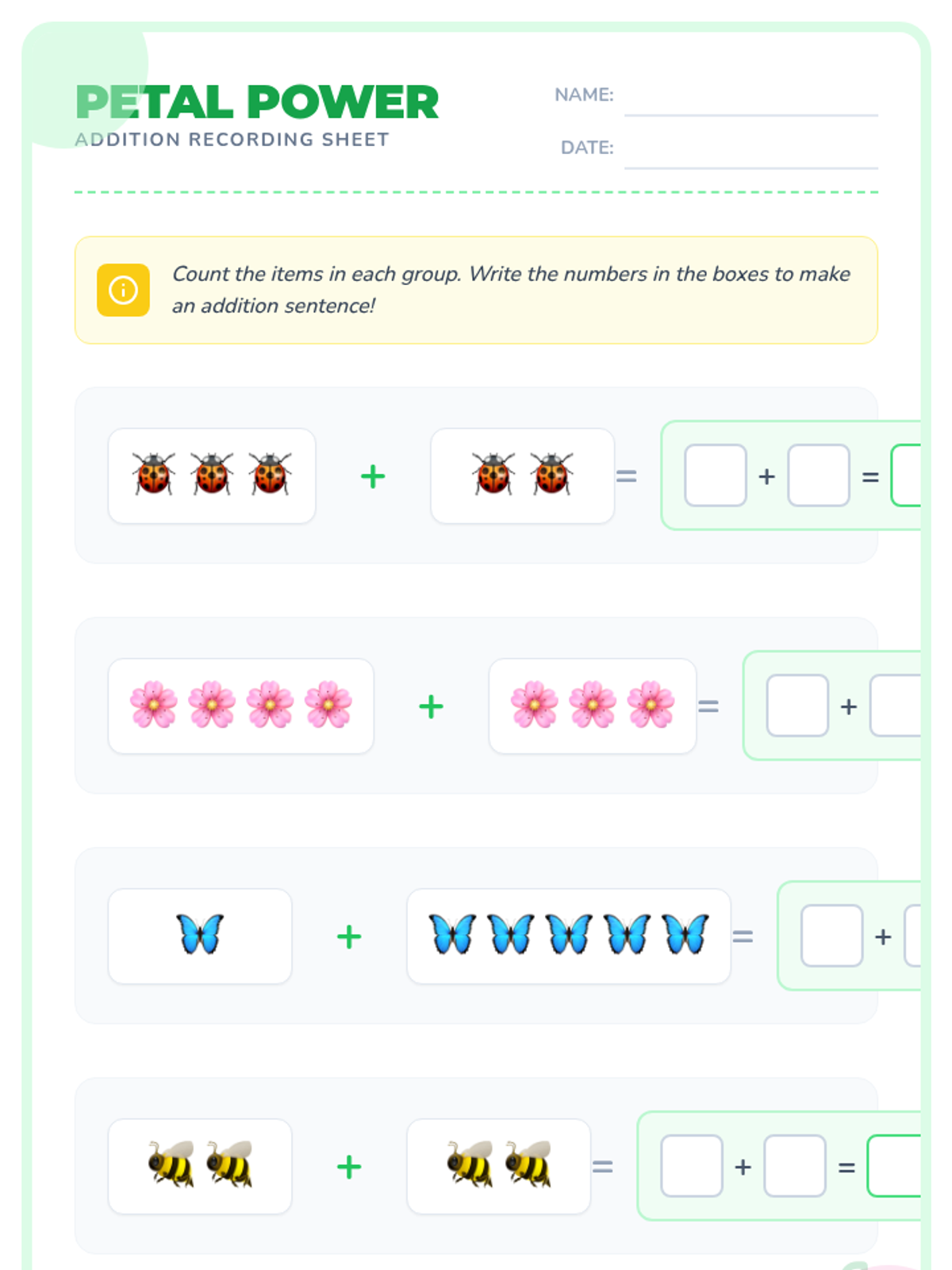
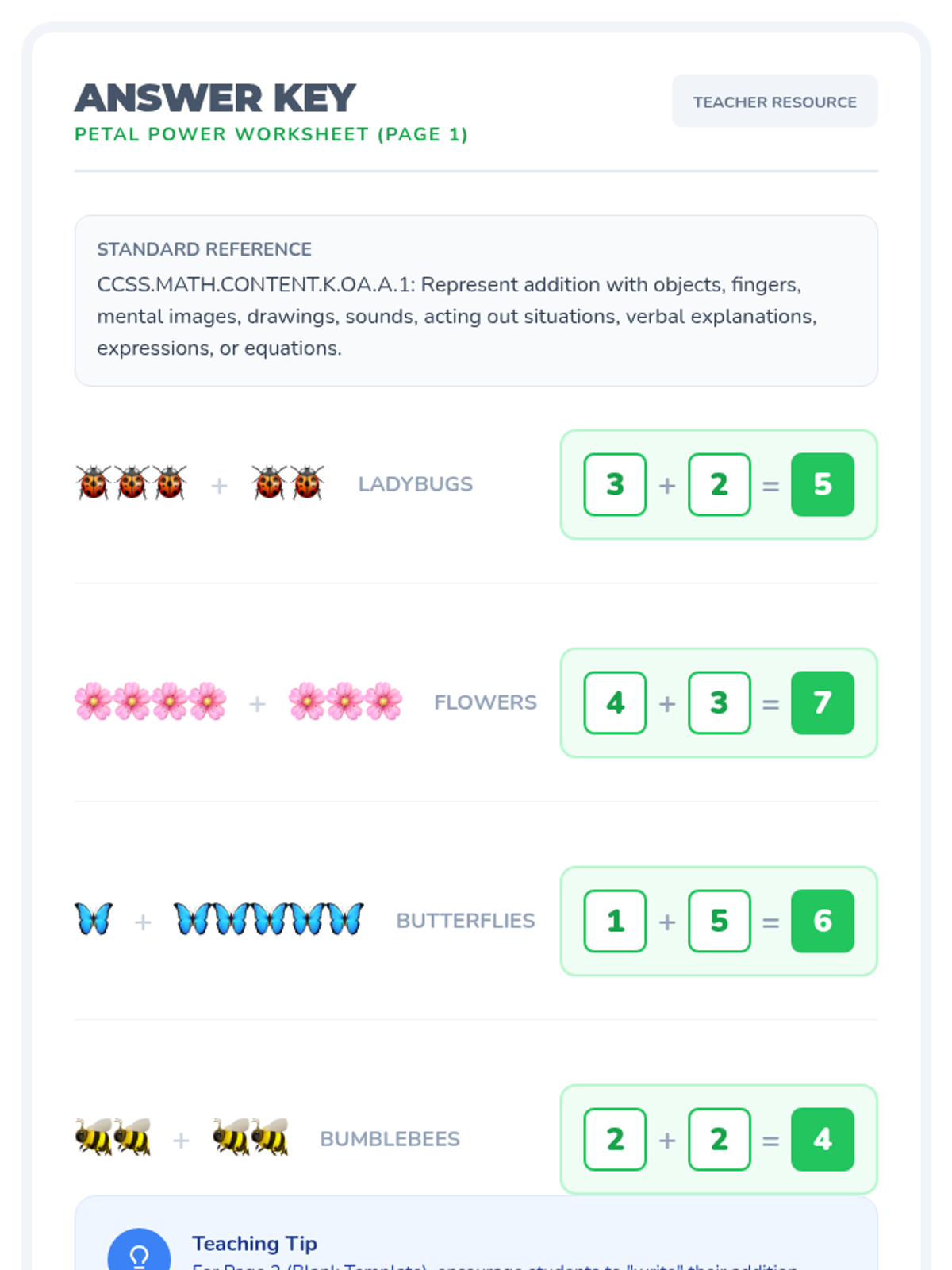
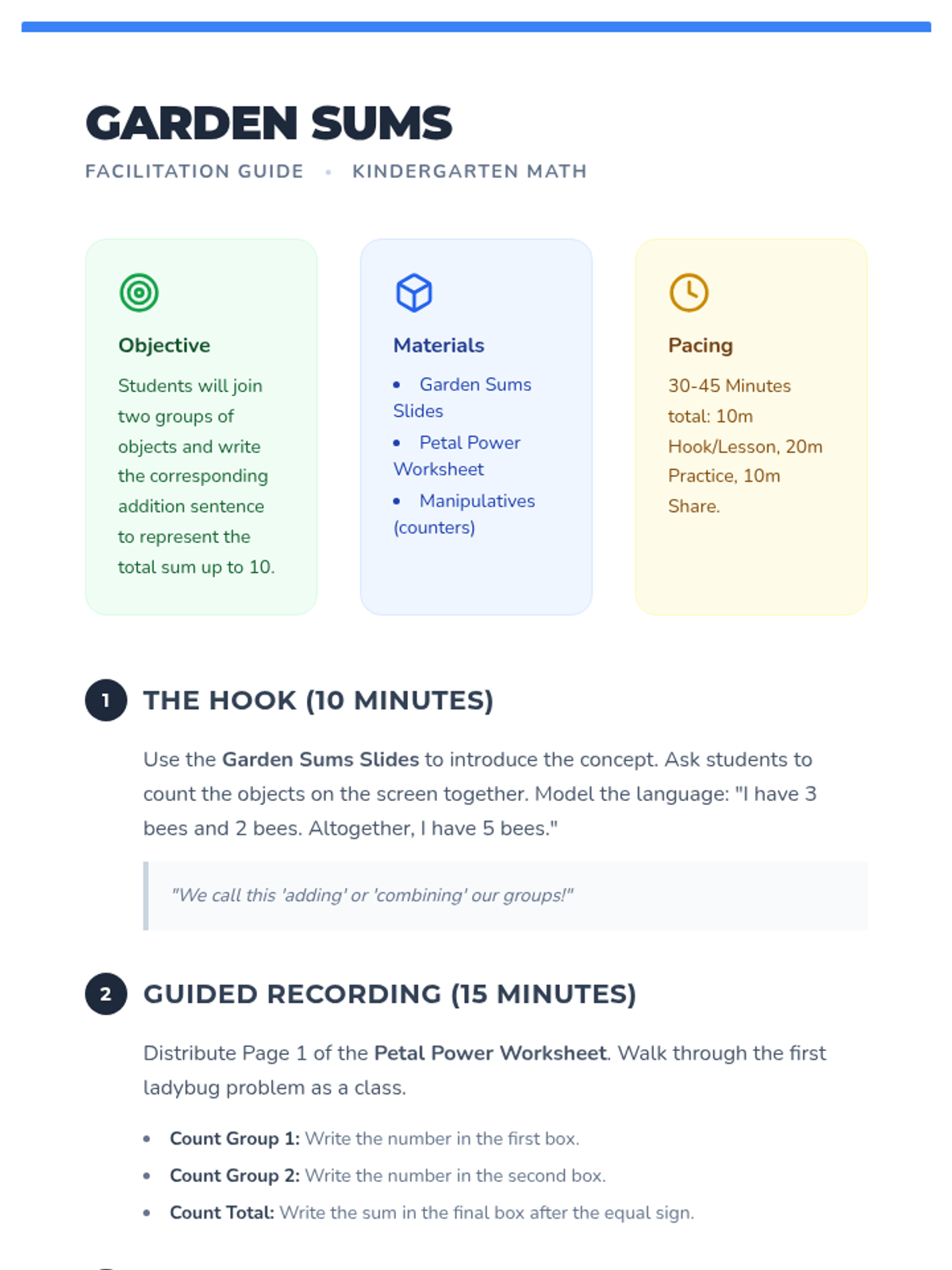
A beginner's lesson on addition within 10 using concrete objects and visual sets to help students understand the concept of combining two groups.
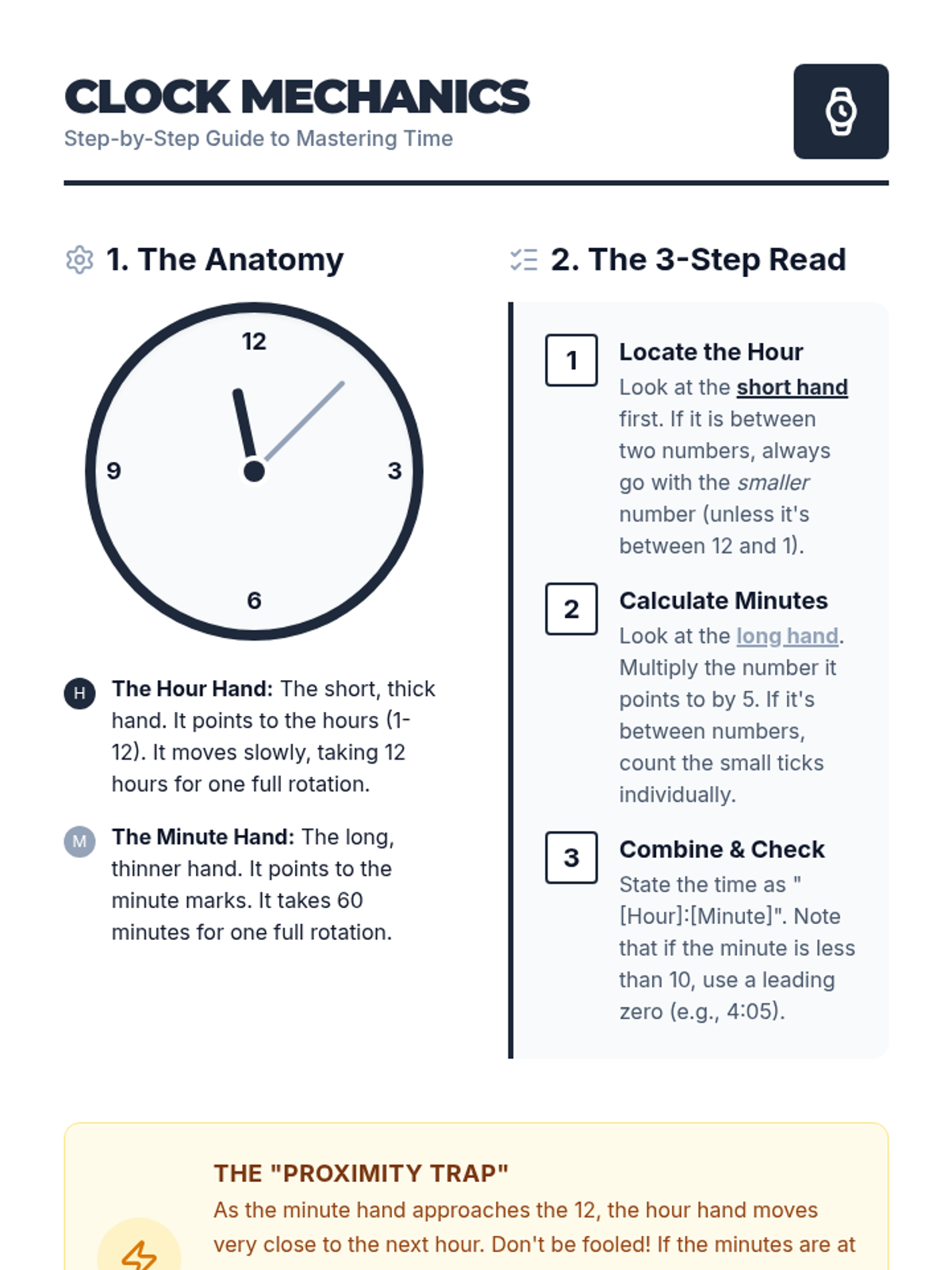
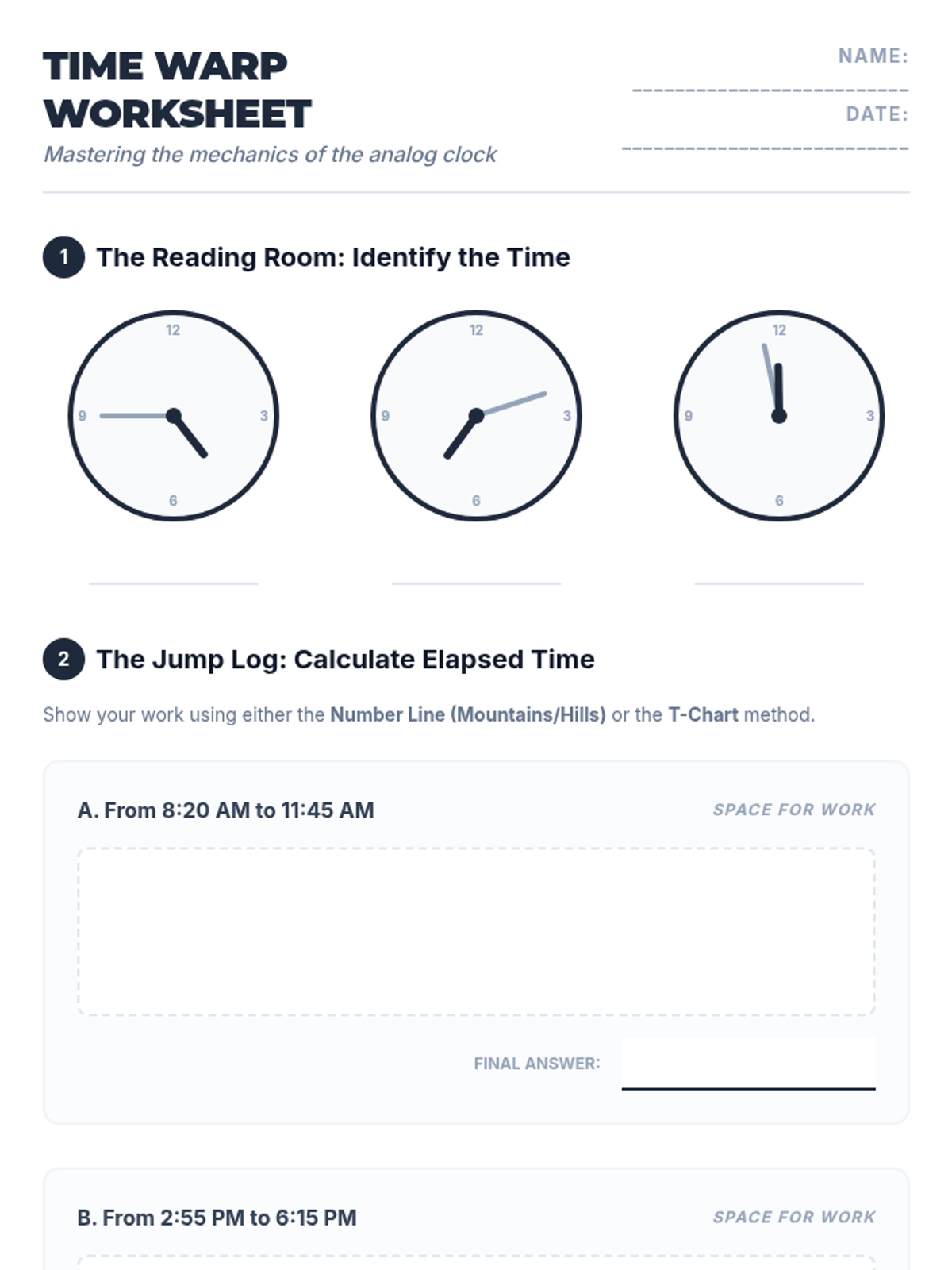
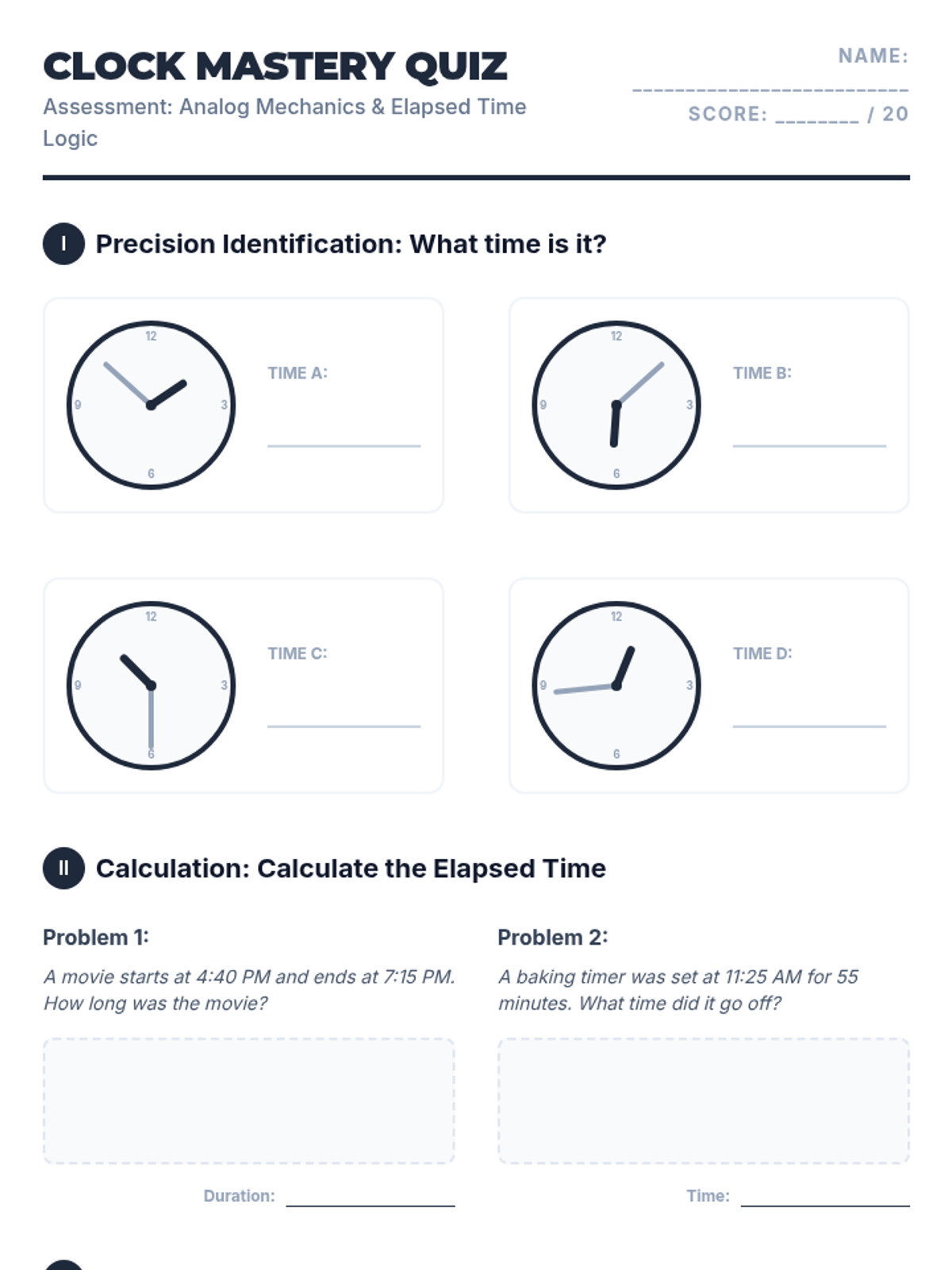
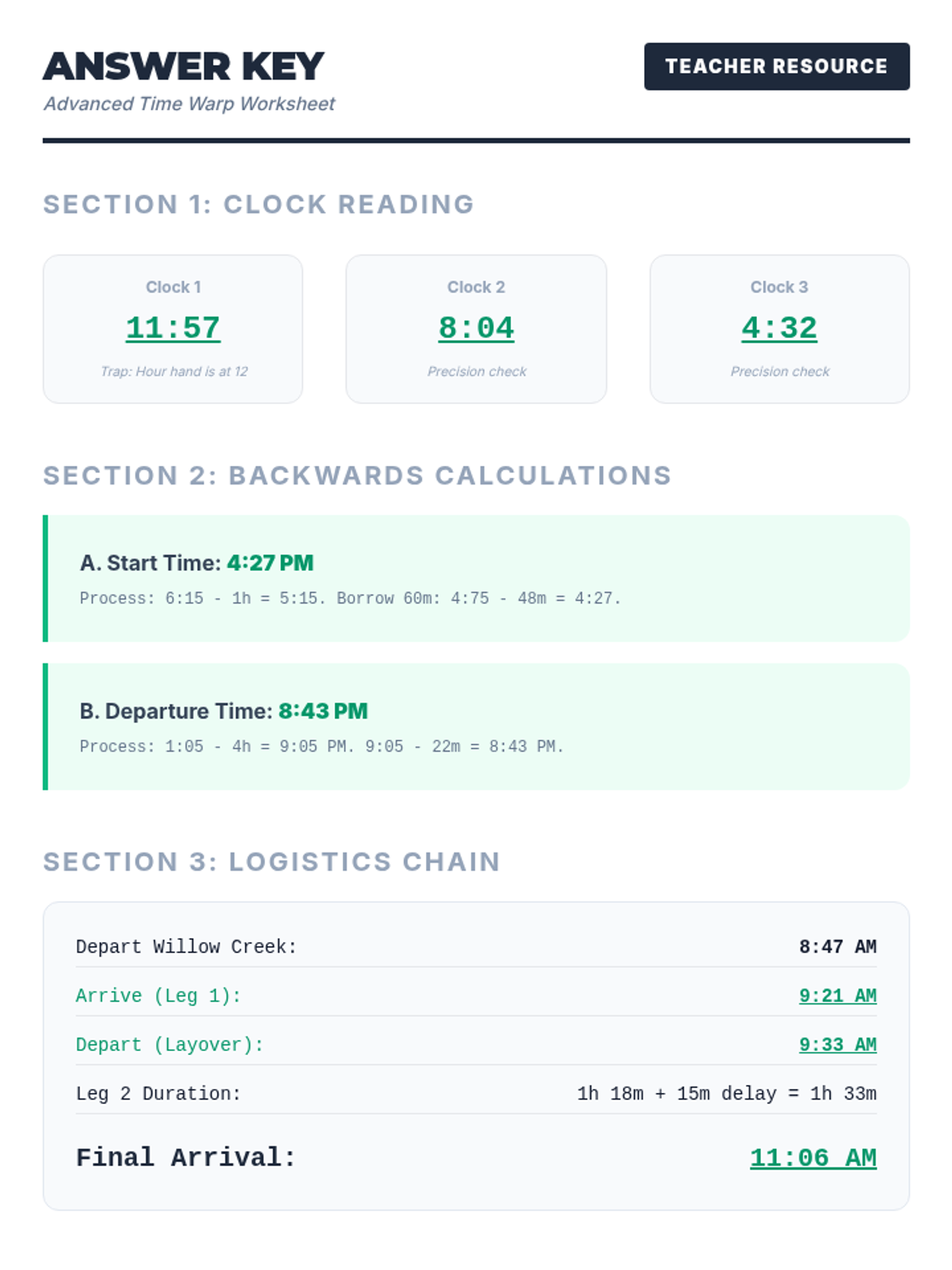
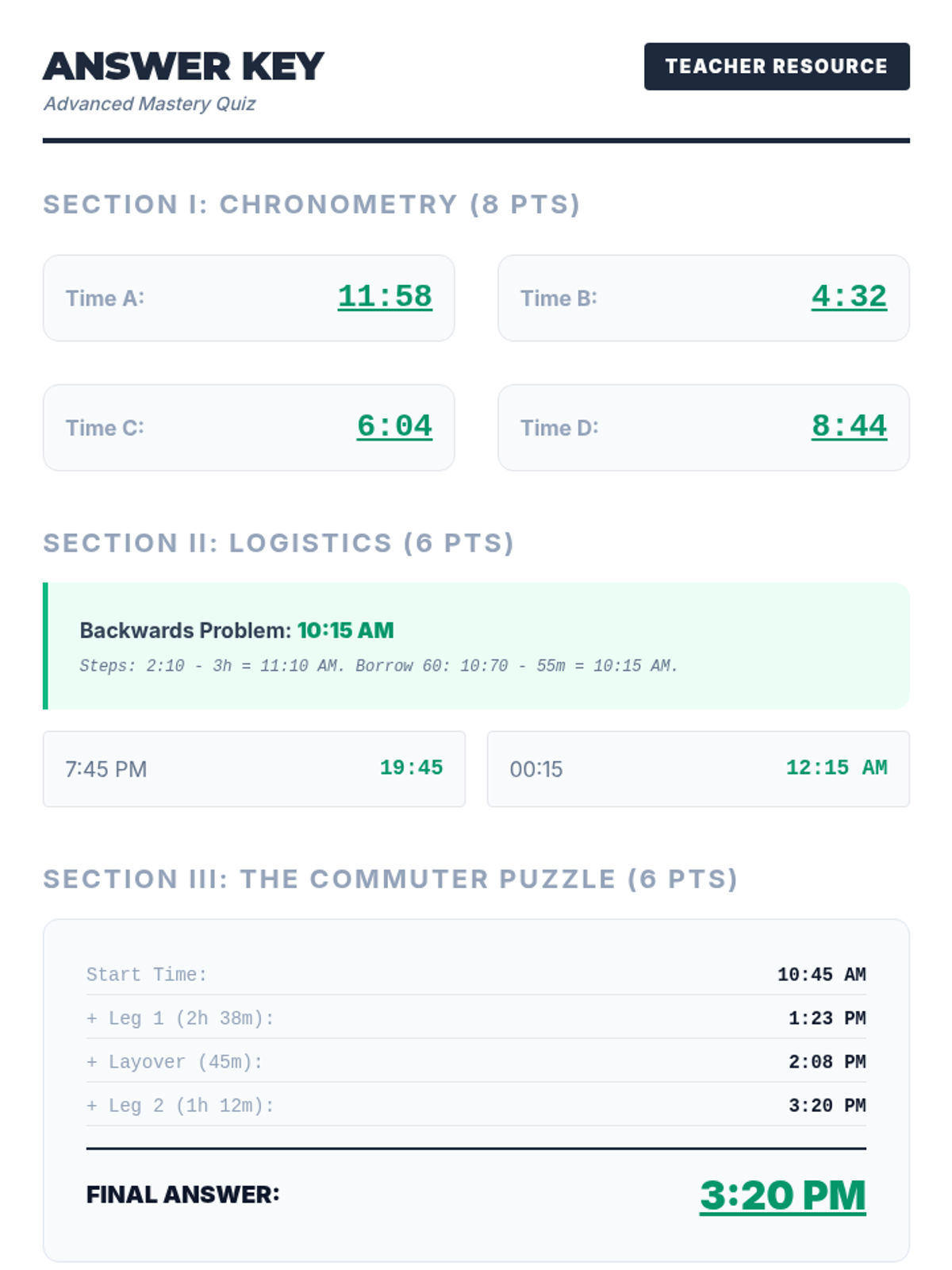
A comprehensive lesson on mastering analog clocks and calculating elapsed time, designed for middle school students with a focus on logical deduction and practical application.
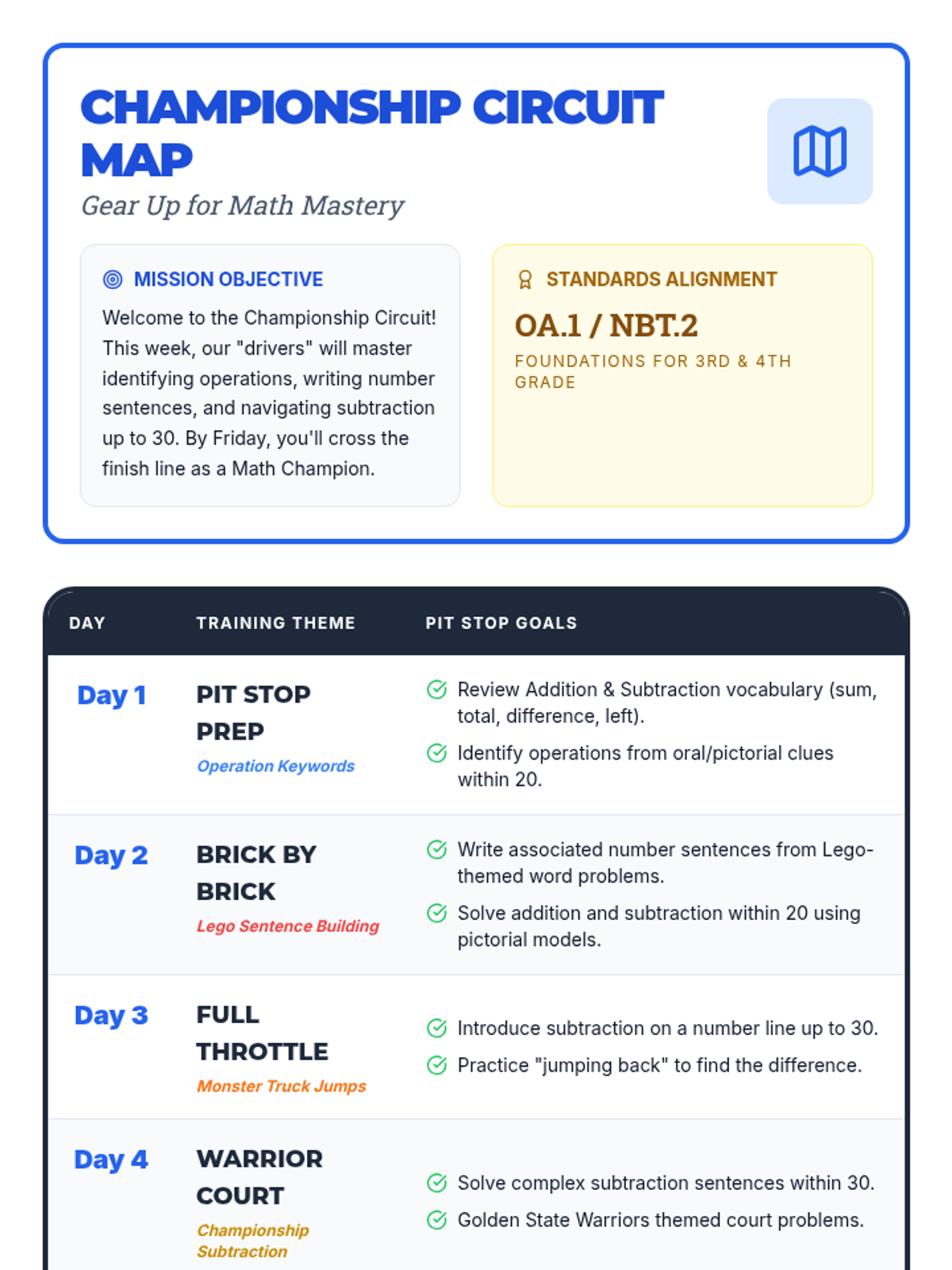
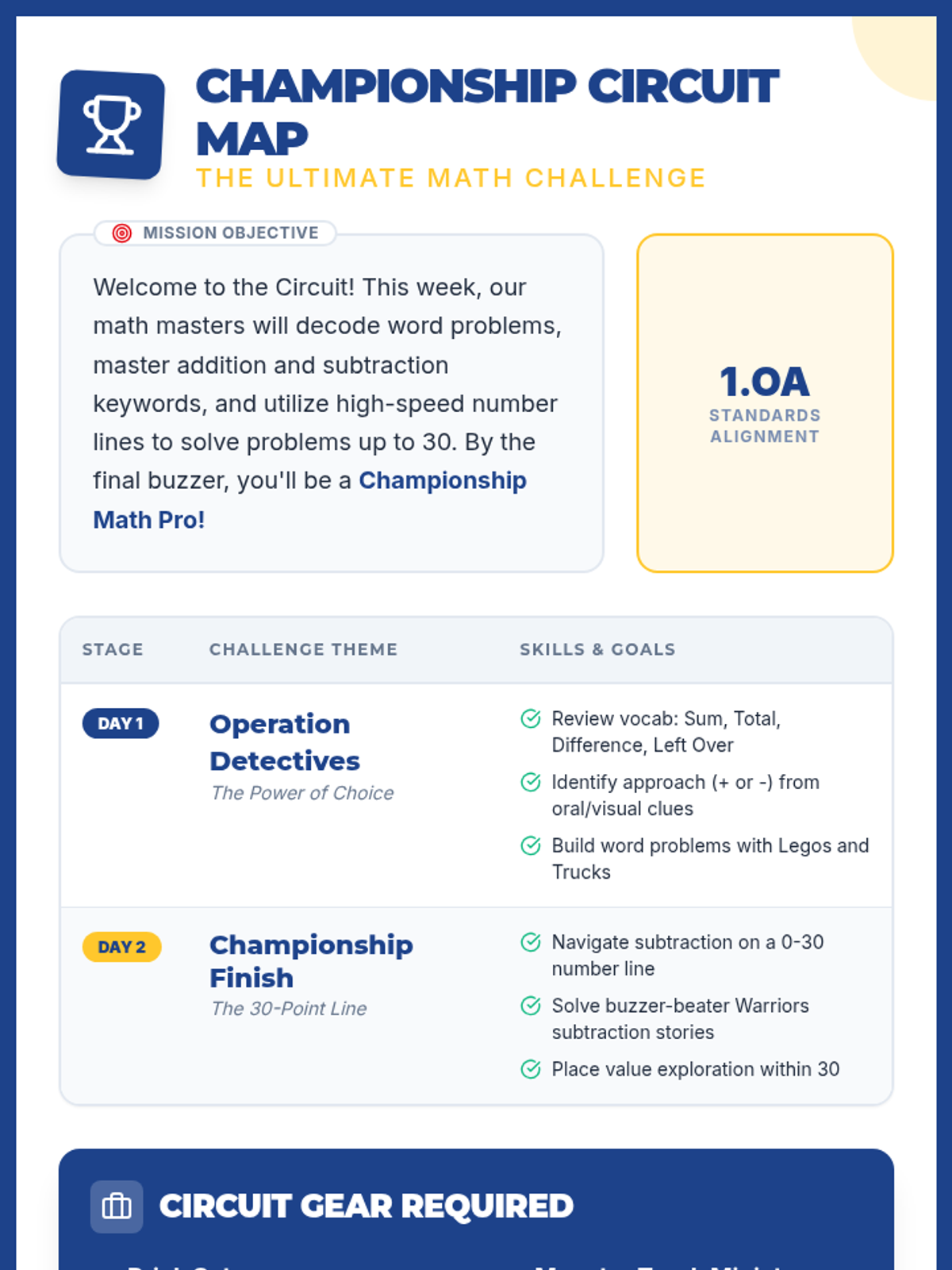
A final cumulative review and performance assessment where students demonstrate mastery of operation choice and number line subtraction to earn their championship trophy.
Students practice subtraction math sentences up to 30 using number lines, themed around the Golden State Warriors and Monster Truck racing.
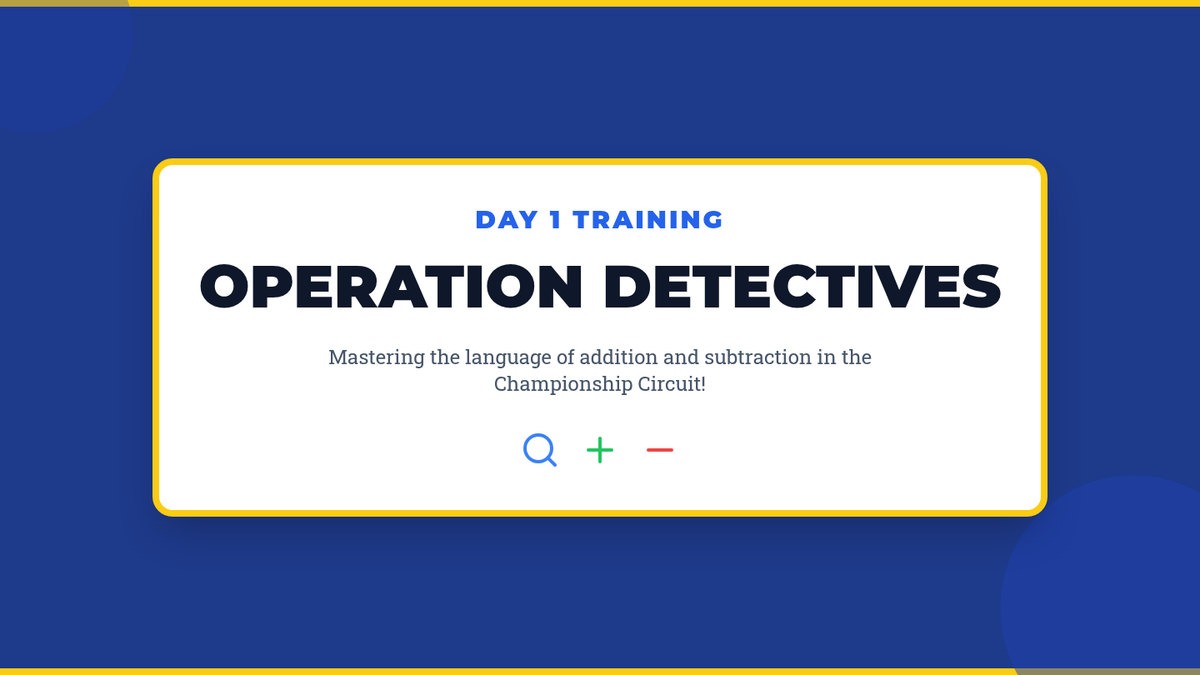
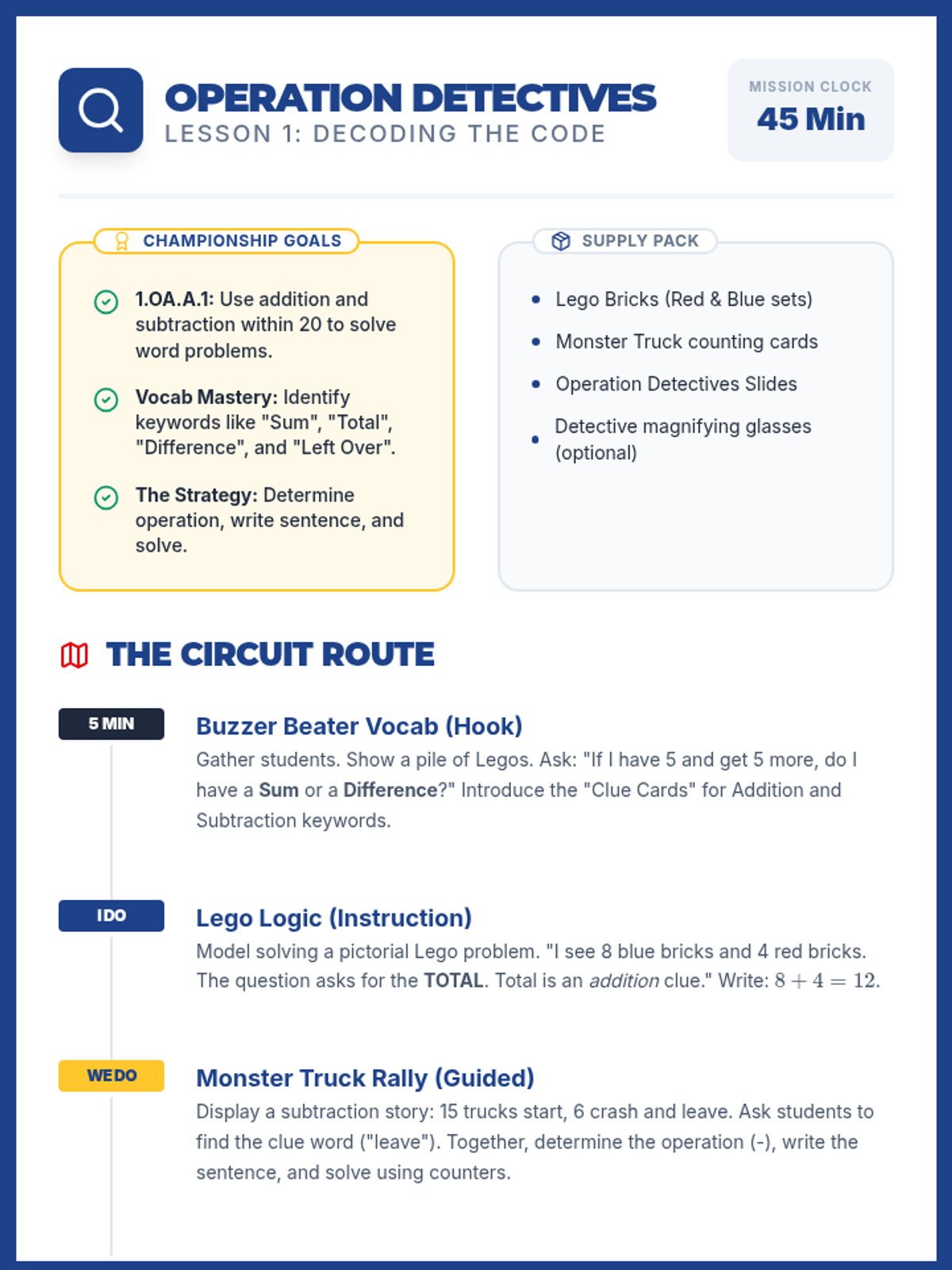
Students review addition and subtraction vocabulary and learn to determine the correct operation for word problems within 20, featuring Lego and Monster Truck themes.
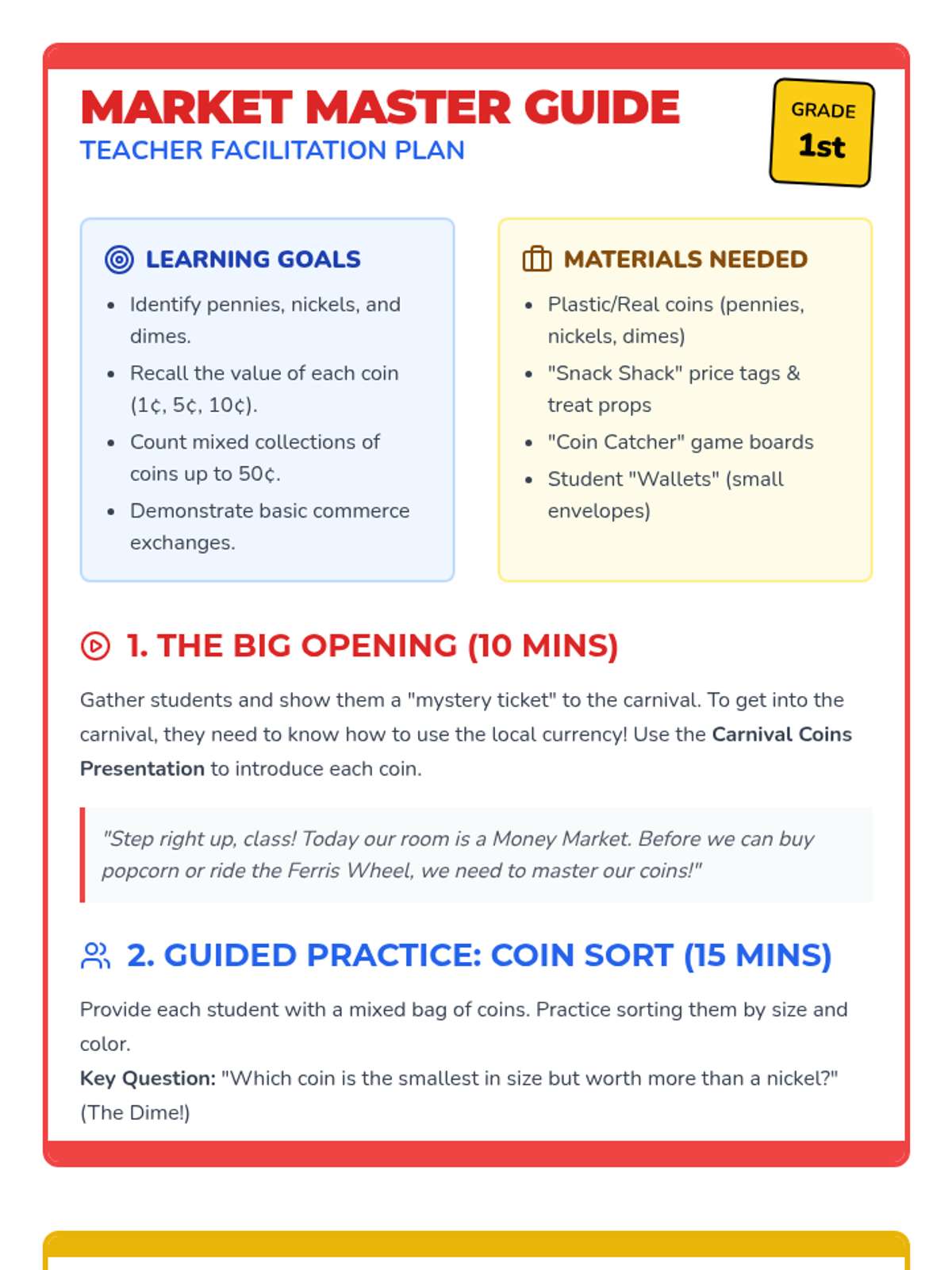
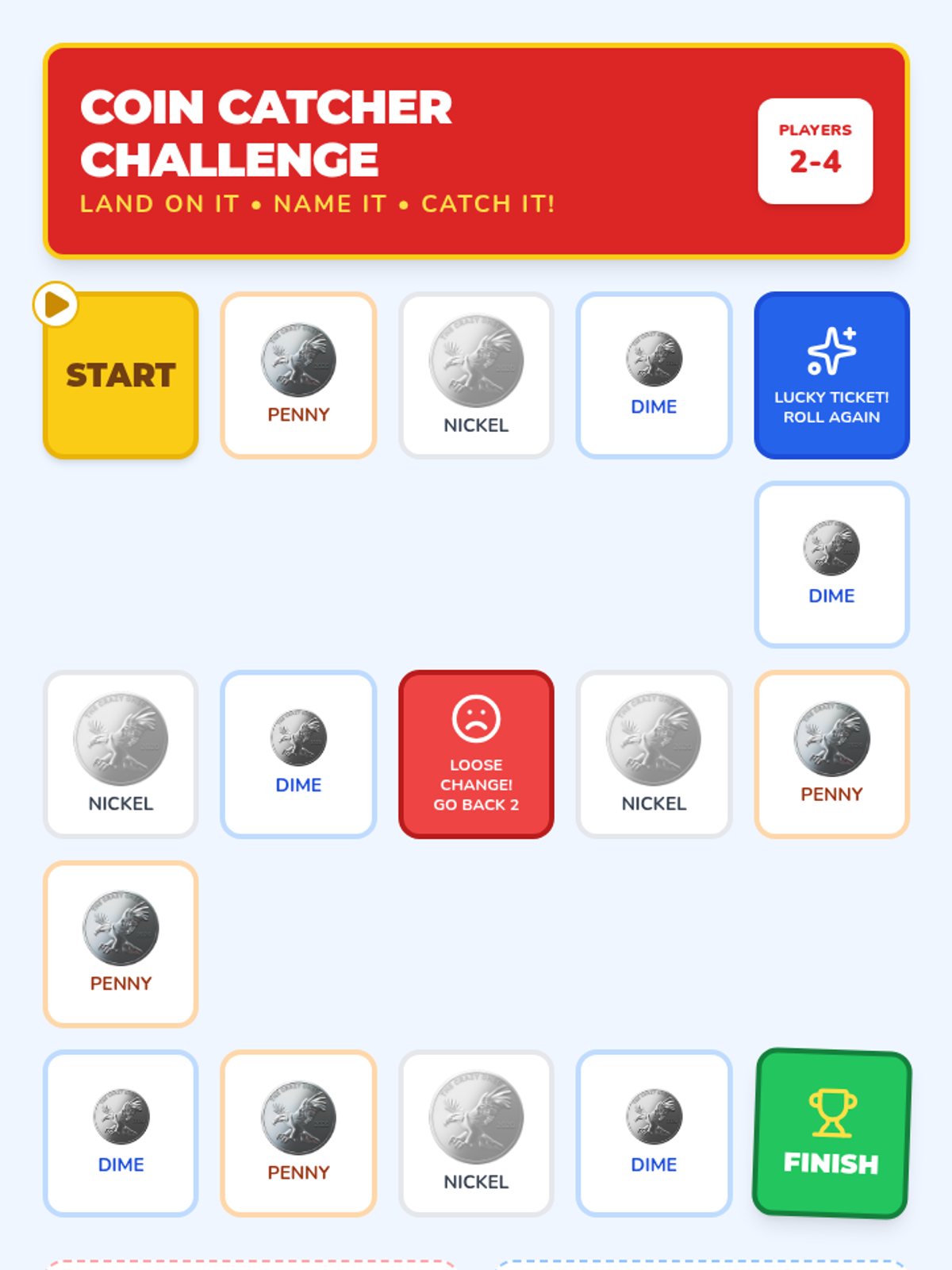
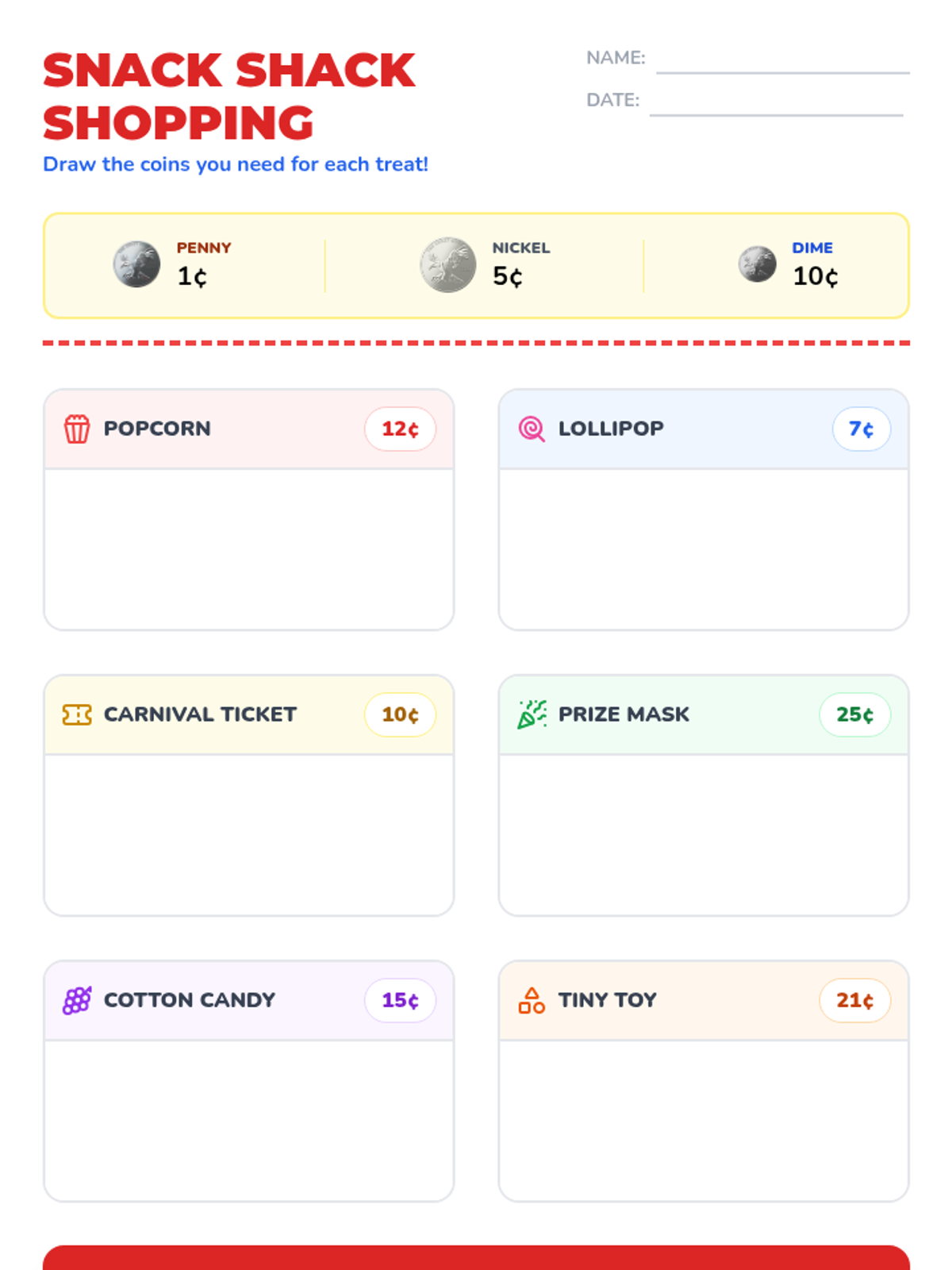
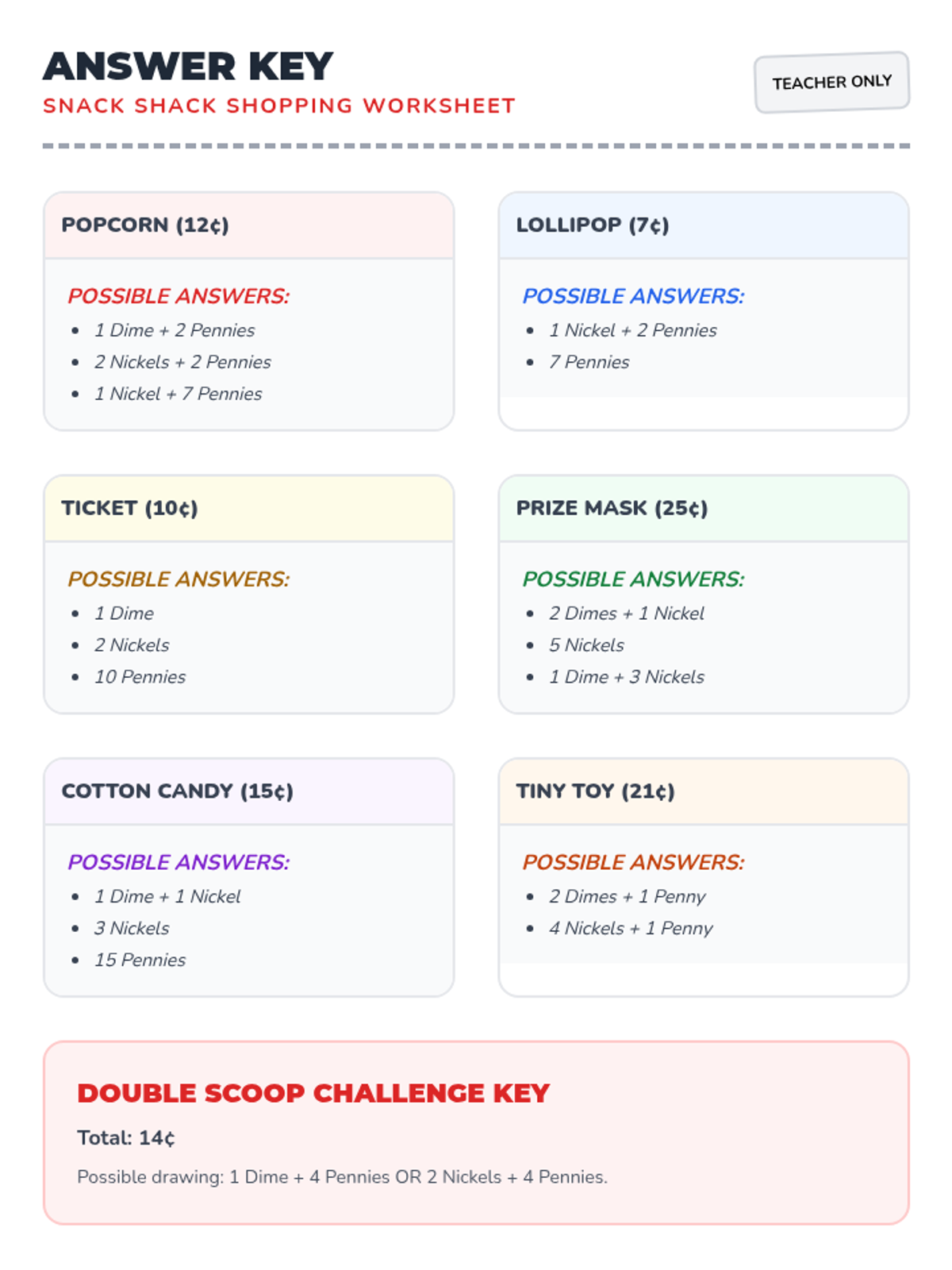
A high-energy 1st-grade lesson introducing pennies, nickels, and dimes through a carnival-themed market simulation. Students identify coins and practice counting mixed groups to 'buy' carnival treats.
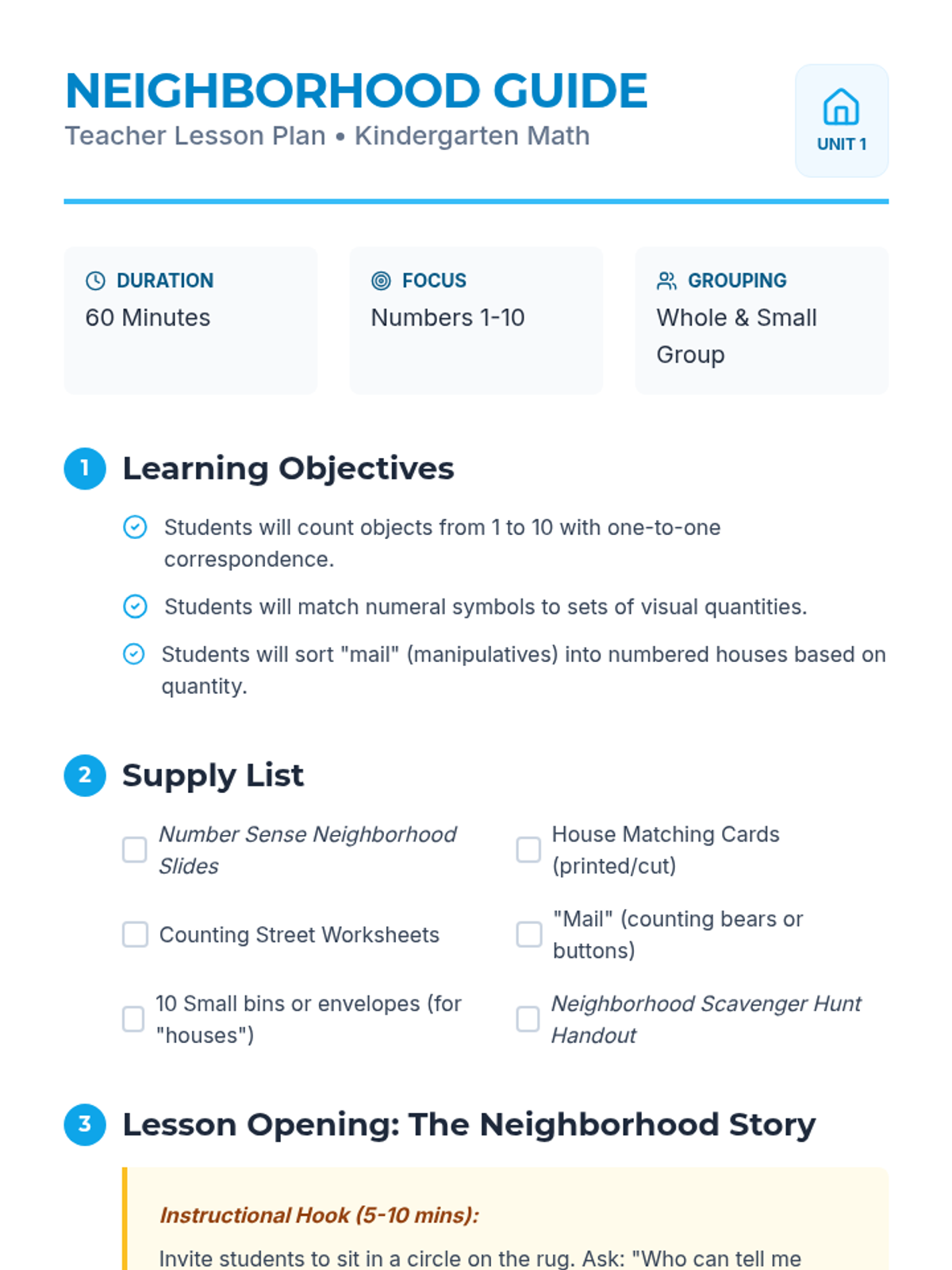
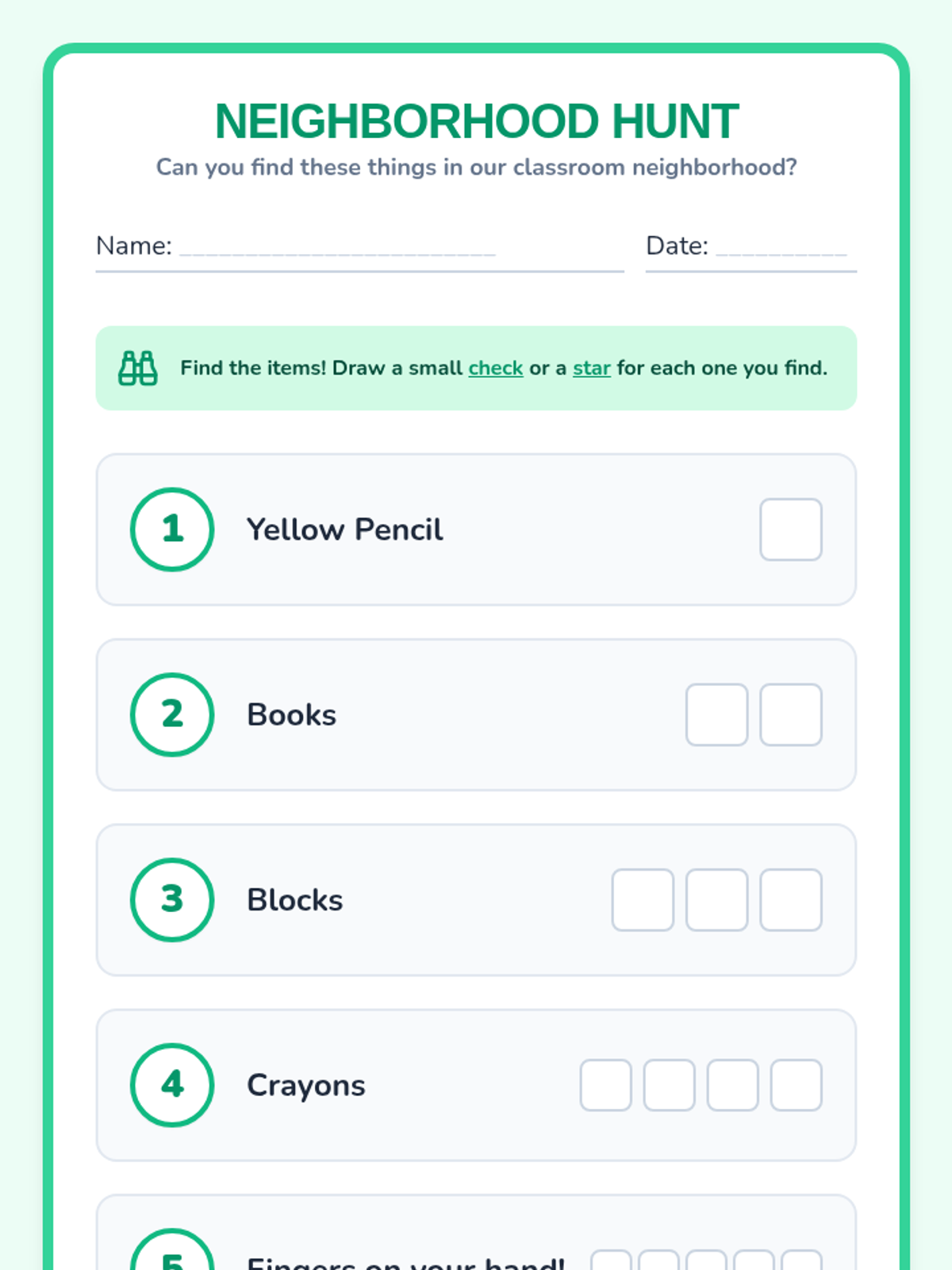
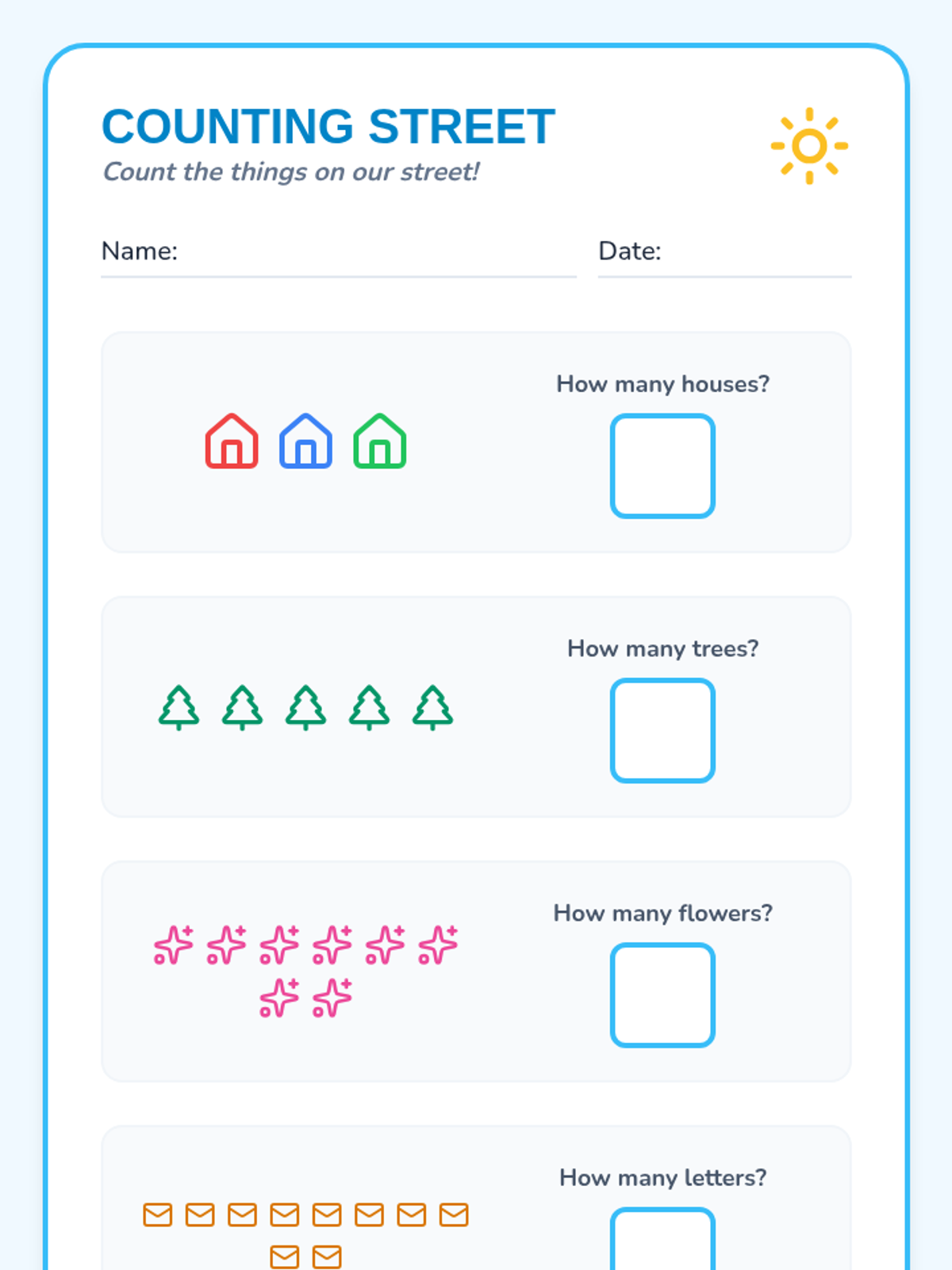
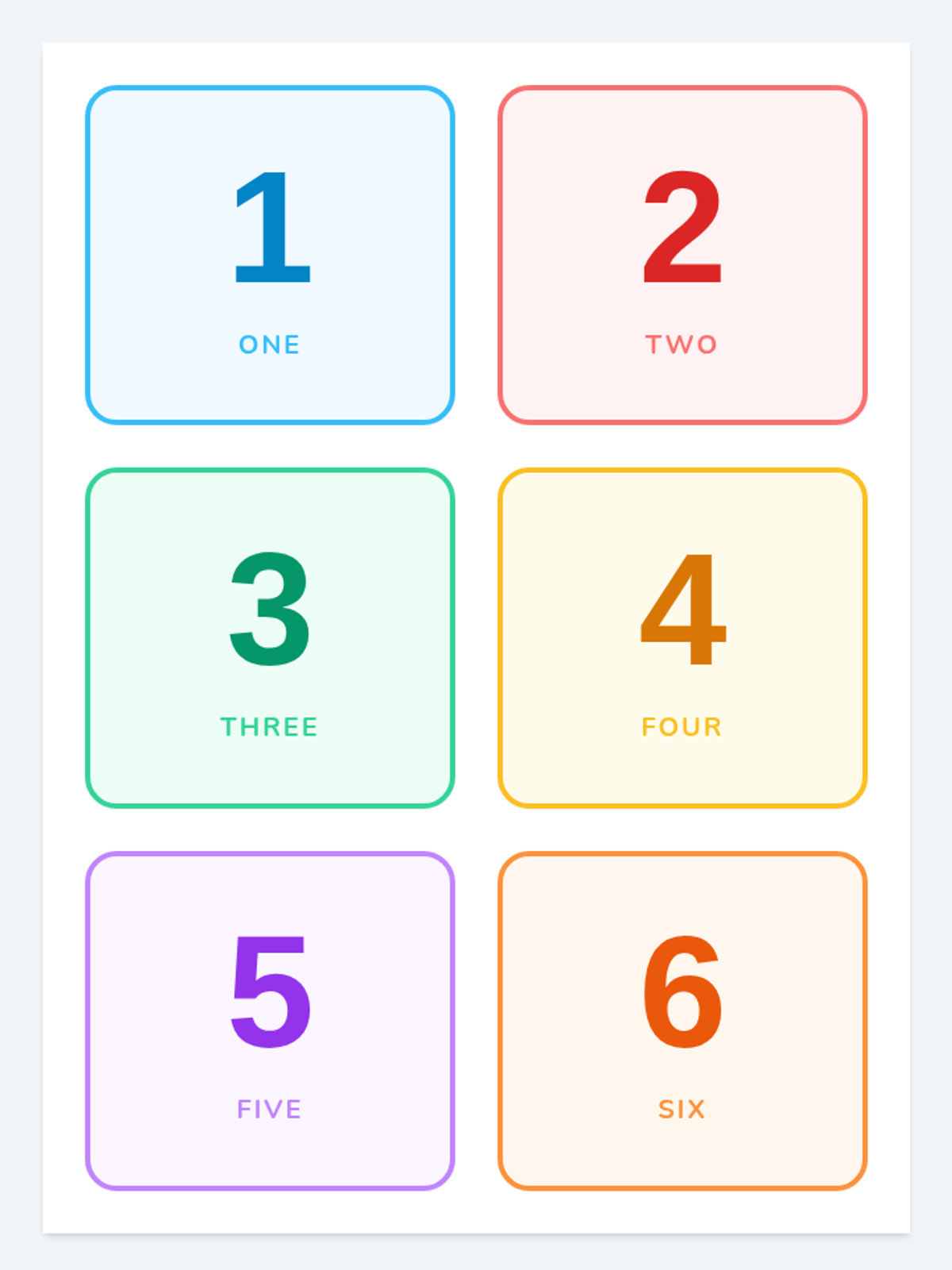
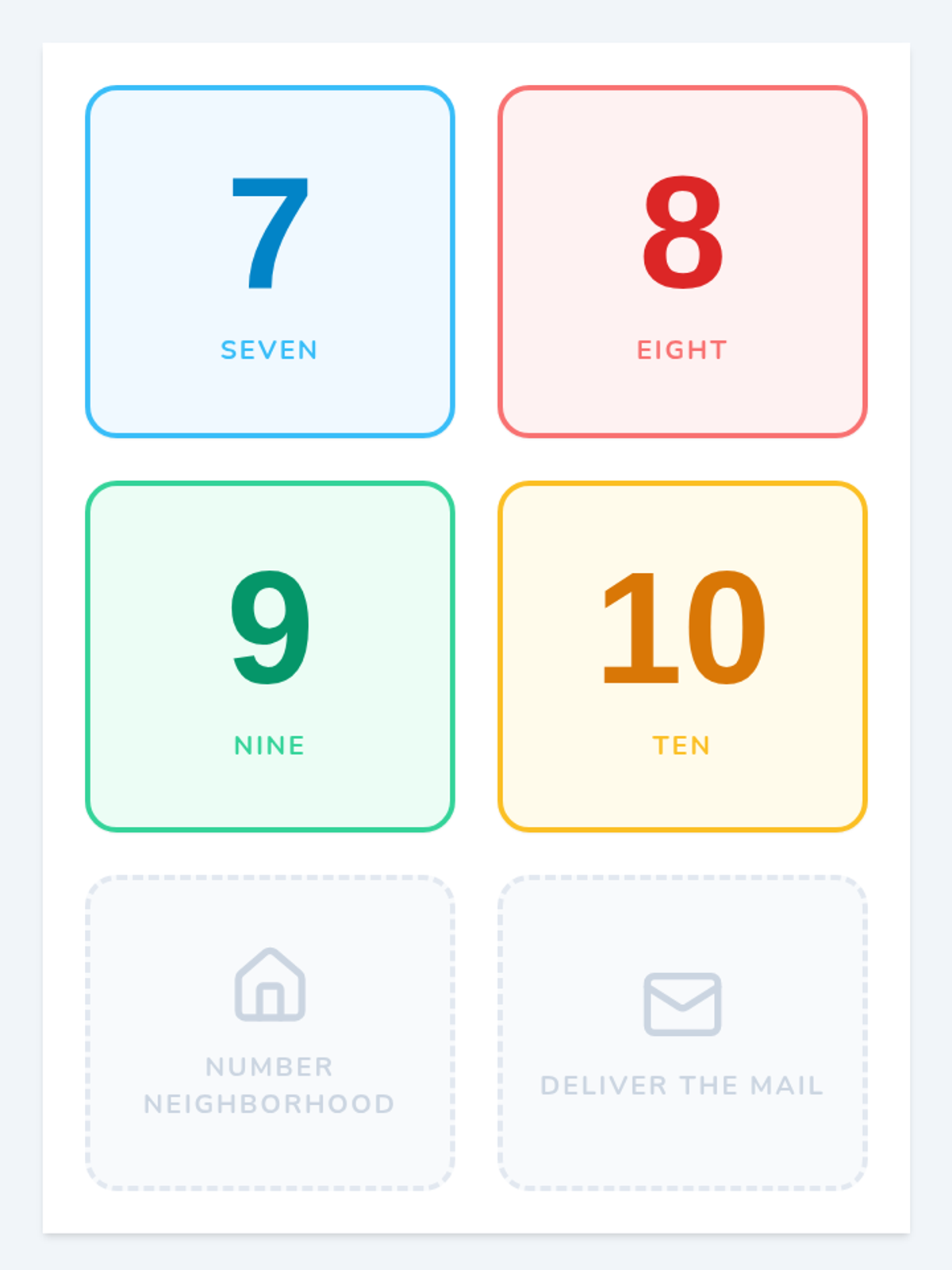
A multi-sensory Kindergarten lesson that transforms counting into a neighborhood adventure. Students develop one-to-one correspondence and number recognition through hands-on sorting, classroom 'neighborhood' exploration, and interactive visual aids.
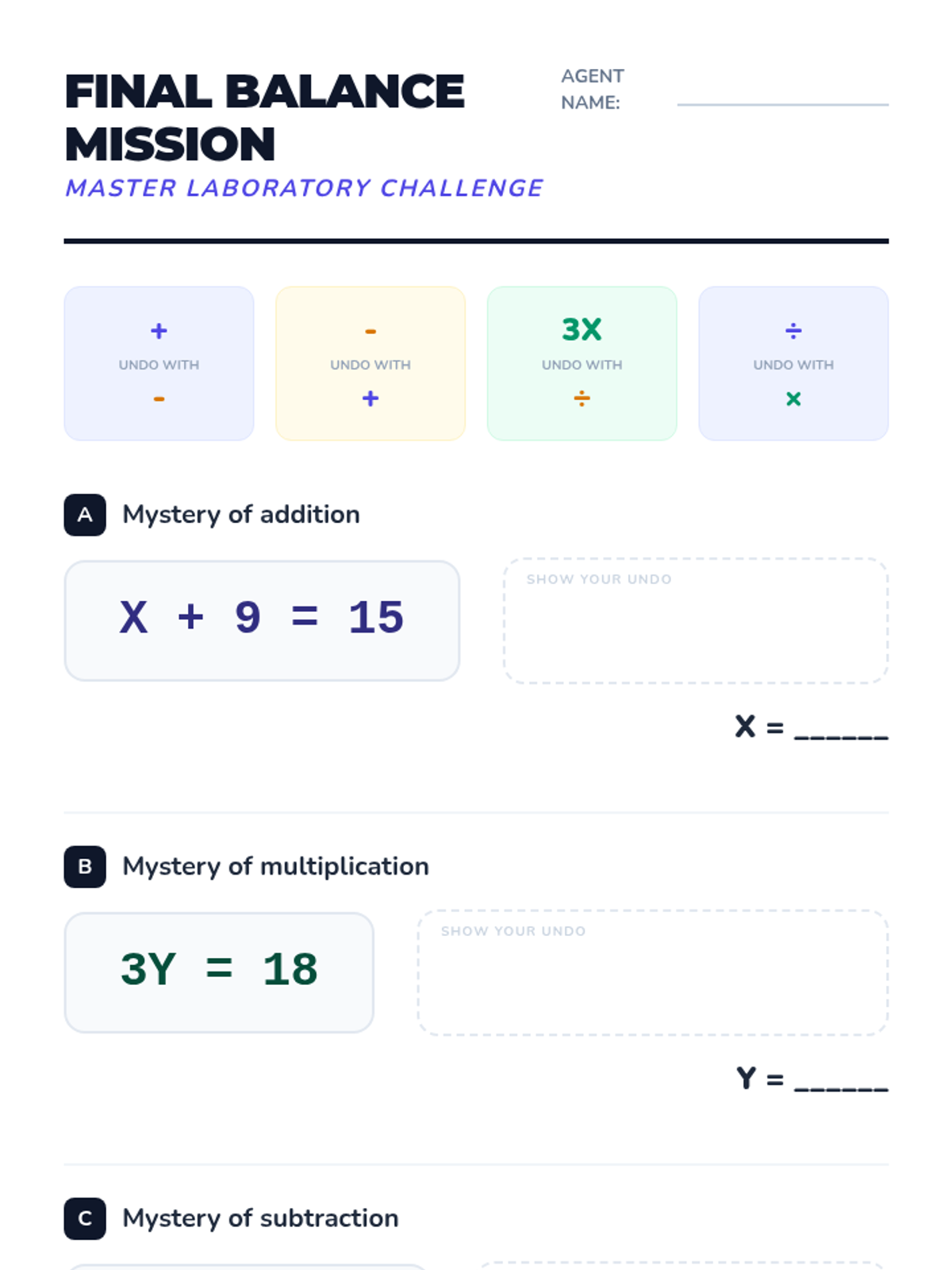
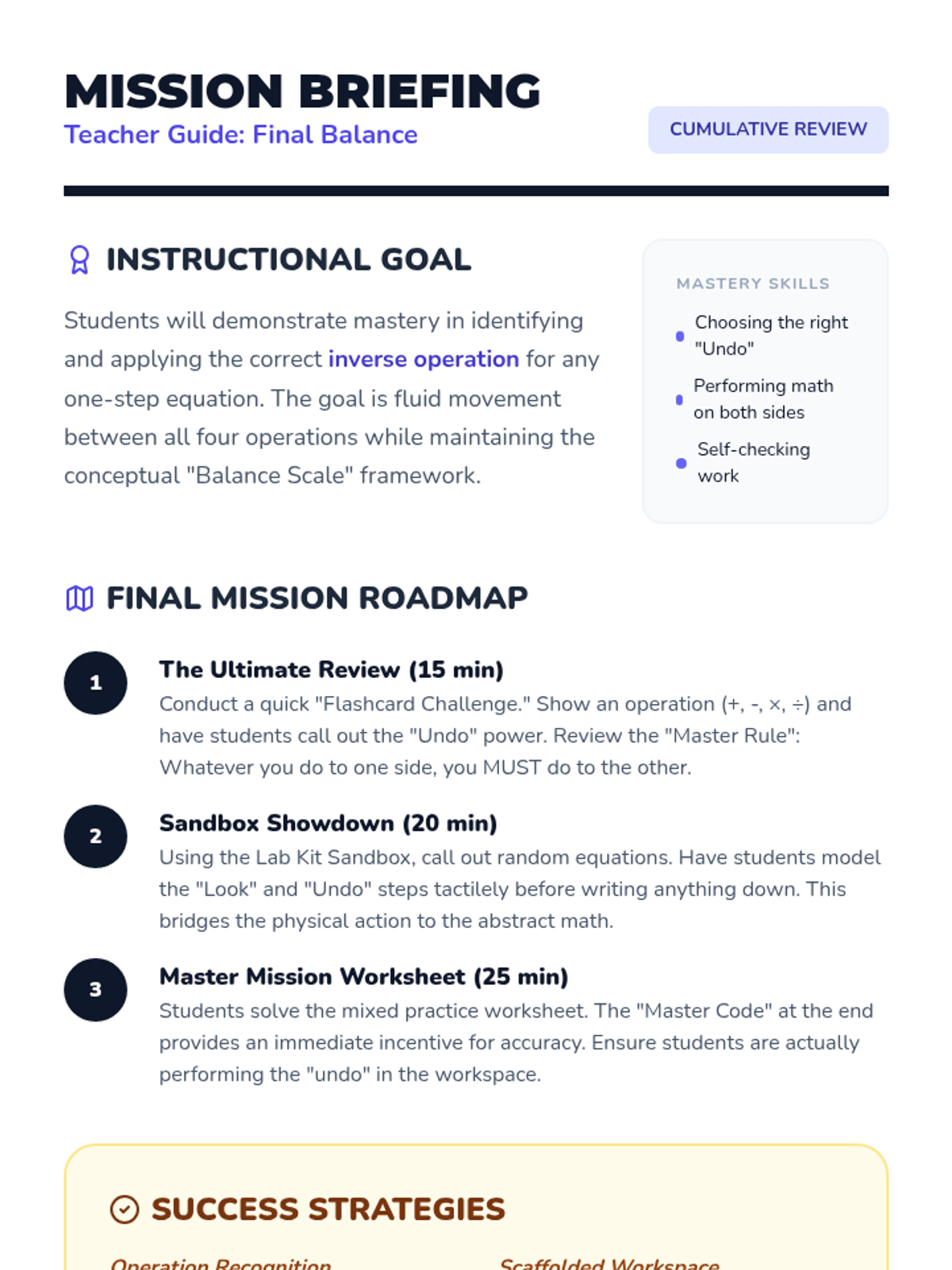
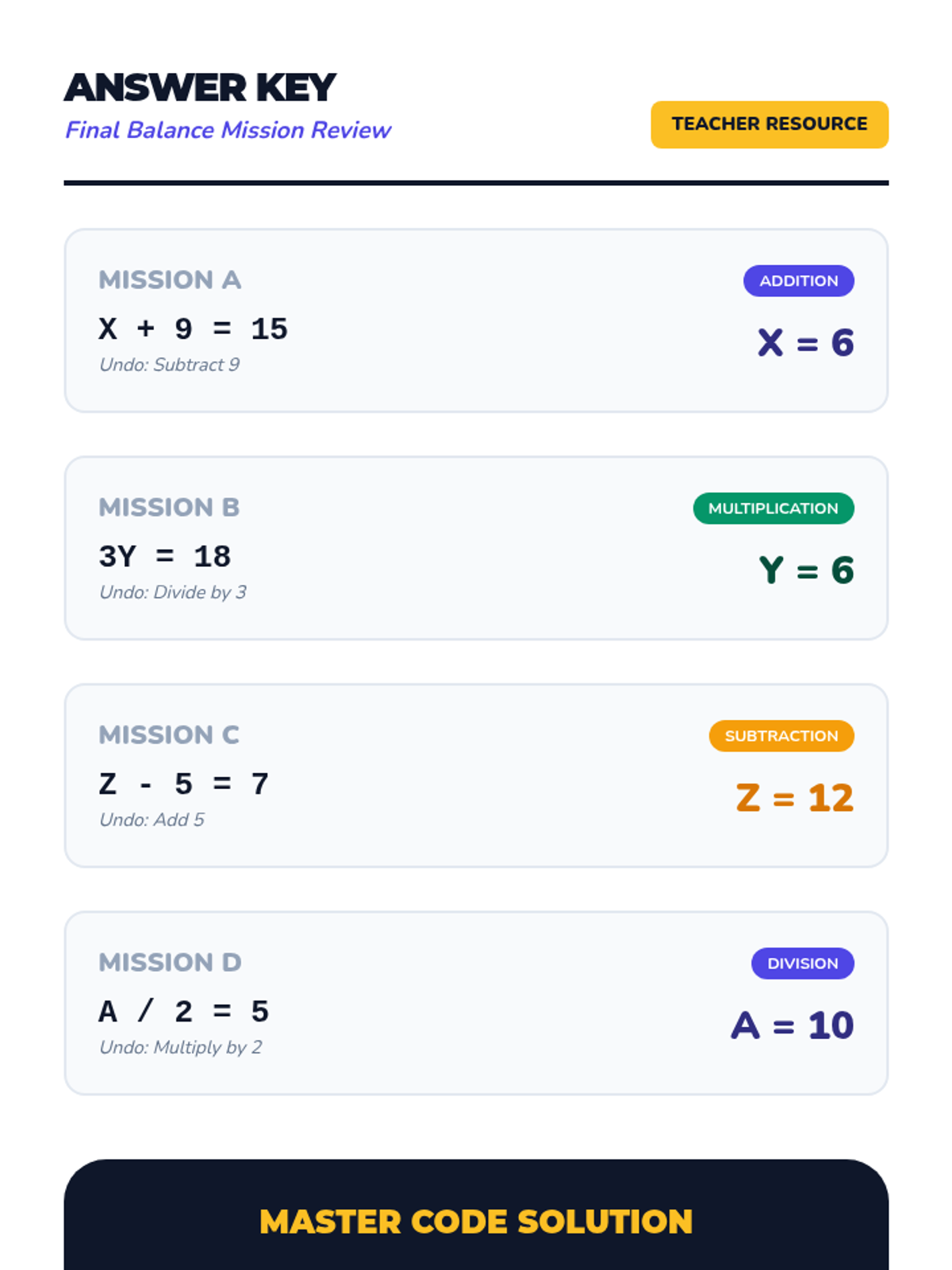
A cumulative review lesson where students apply their knowledge of inverse operations to solve mixed one-step equations involving addition, subtraction, multiplication, and division.
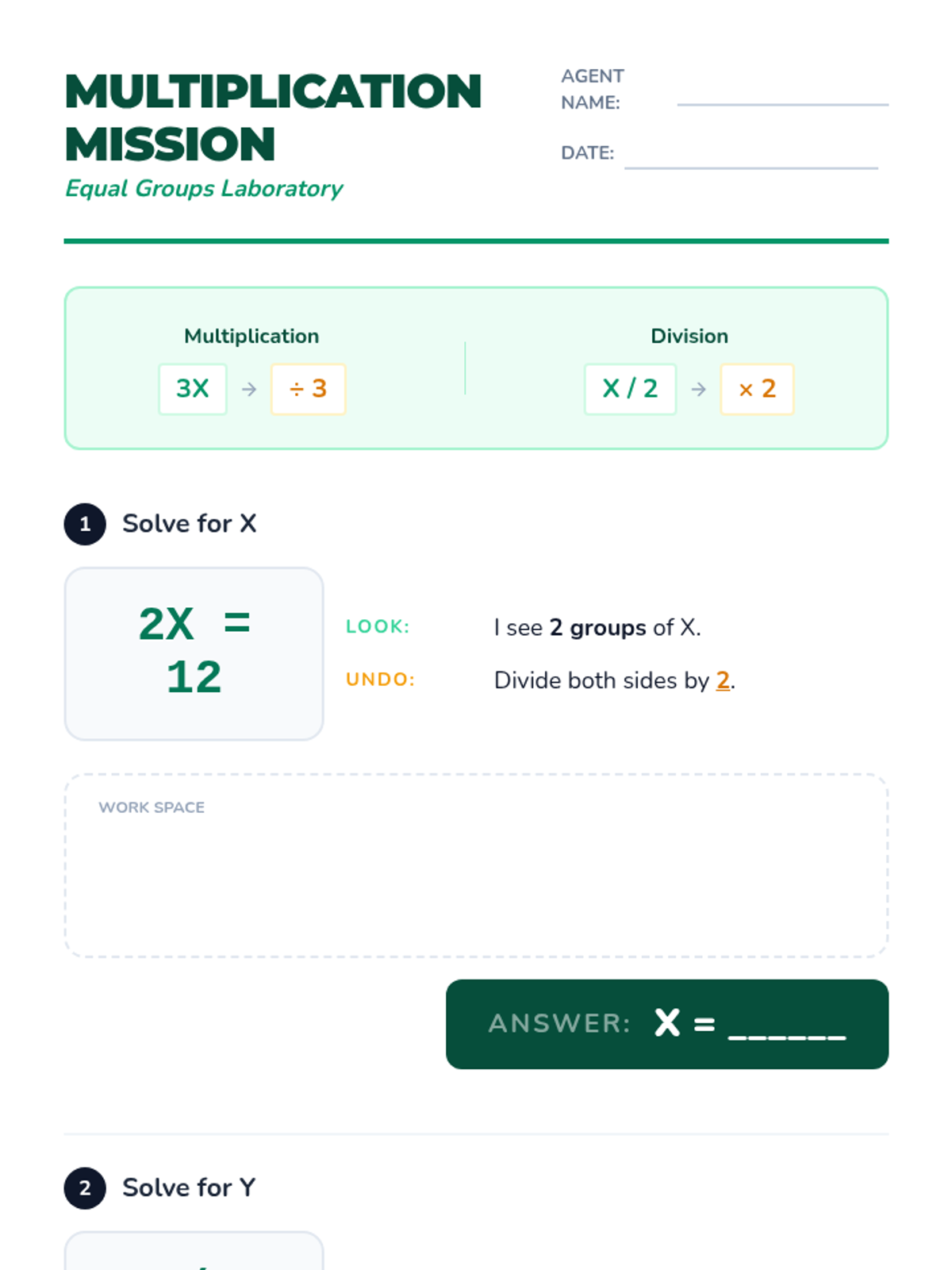
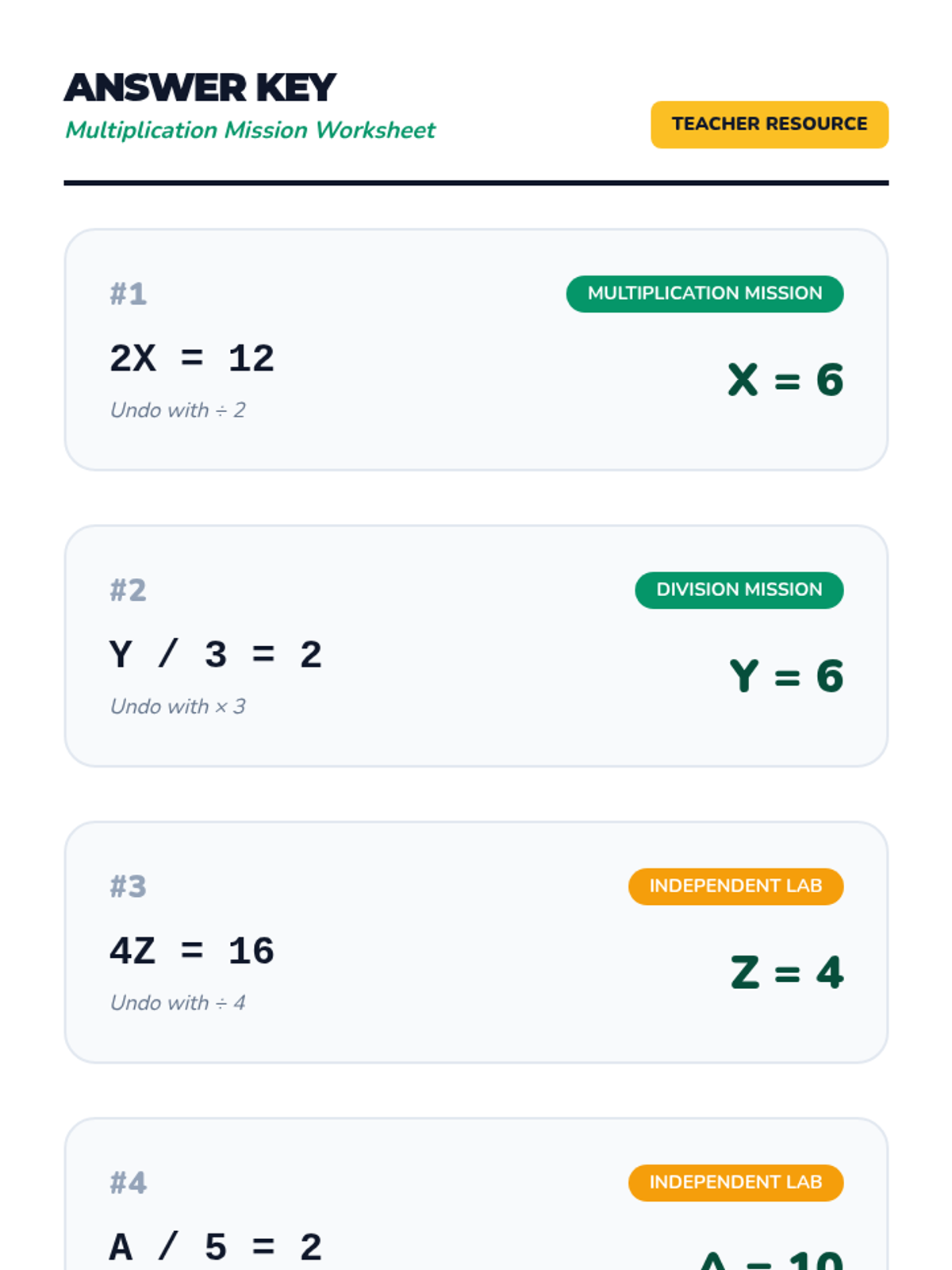
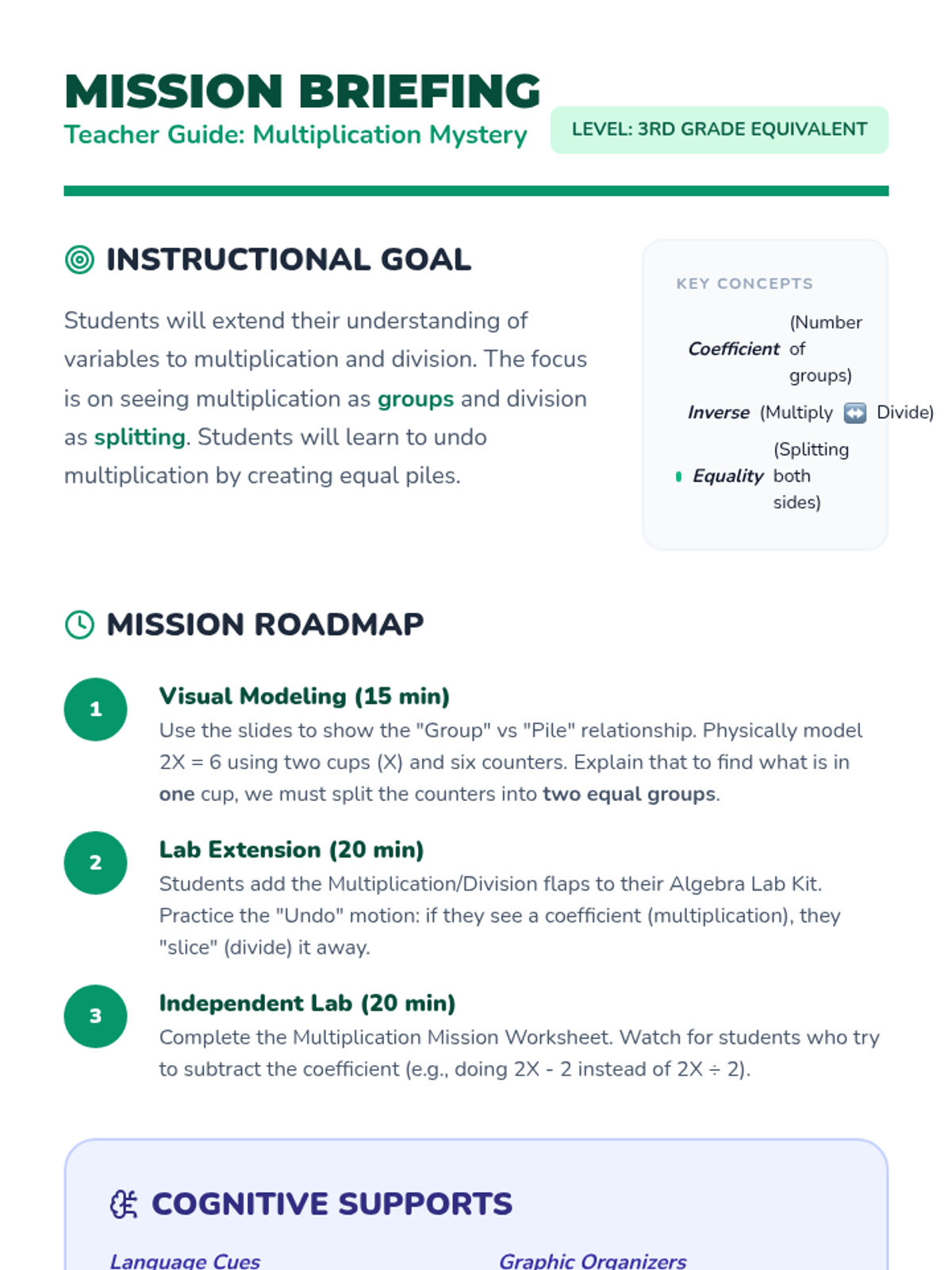
Expanding algebraic thinking to multiplication and division. Students will learn how to 'undo' multiplication by splitting into equal groups (division) and 'undo' division through multiplication, maintaining the balance of the scale.
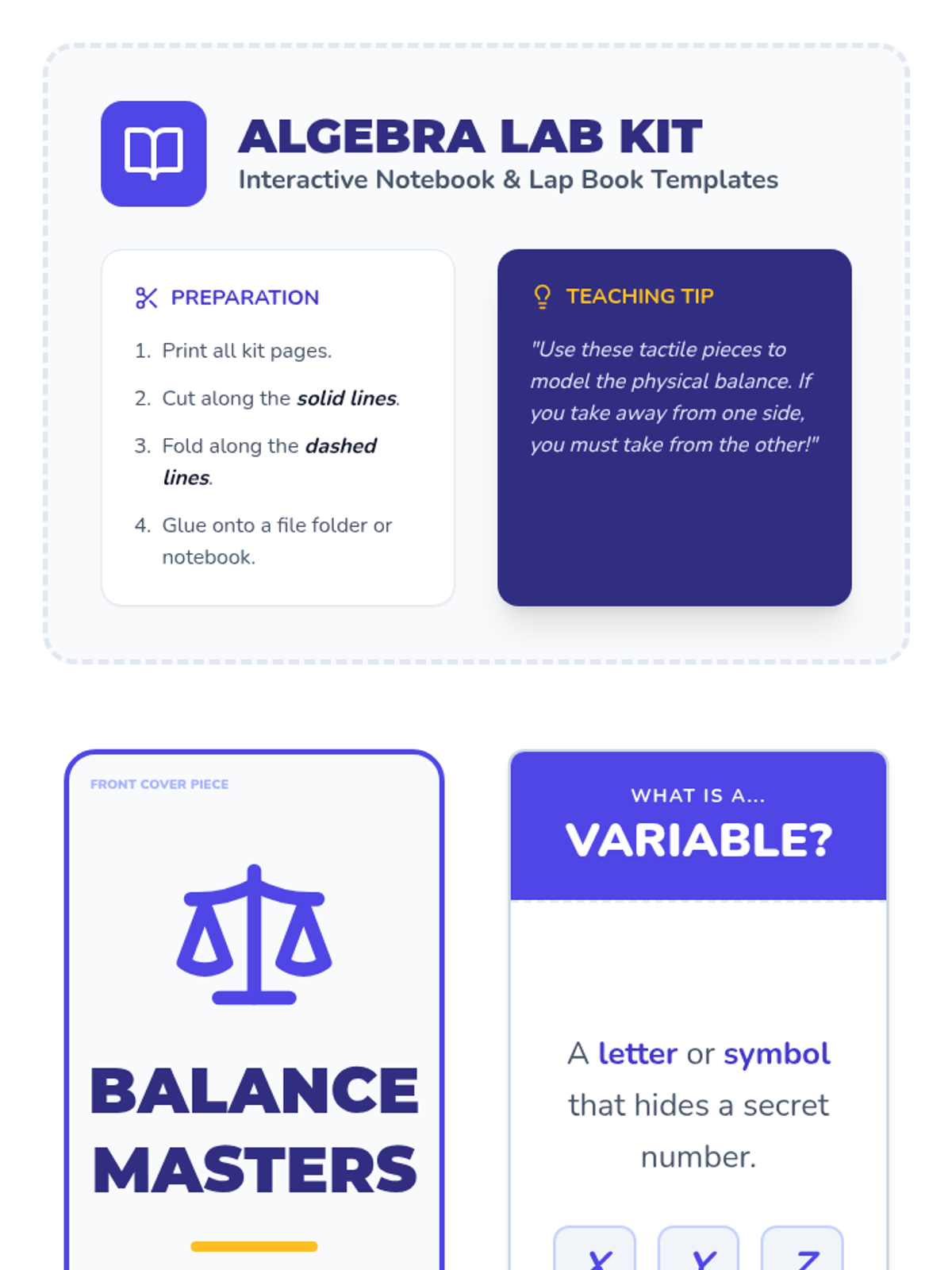
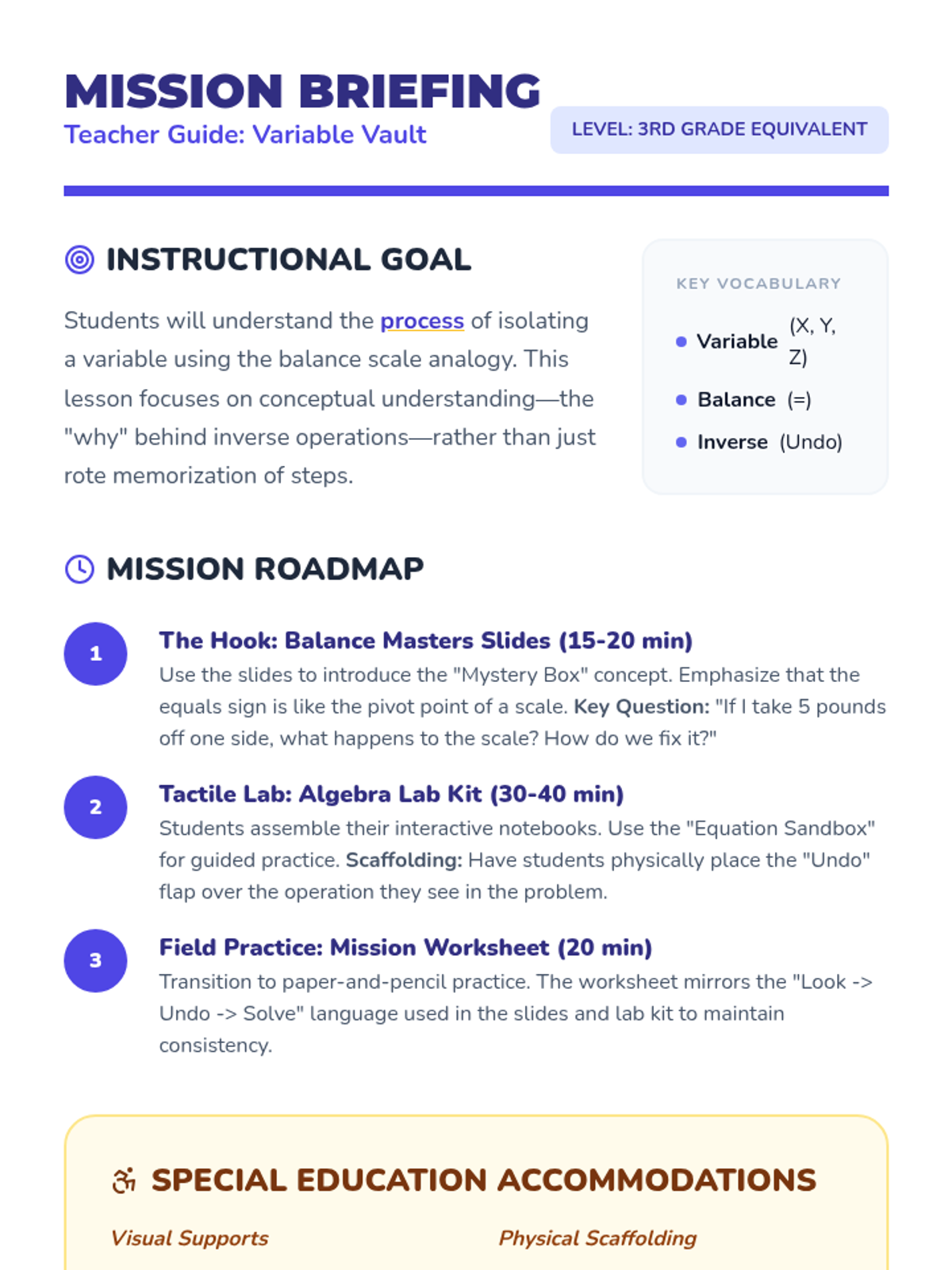
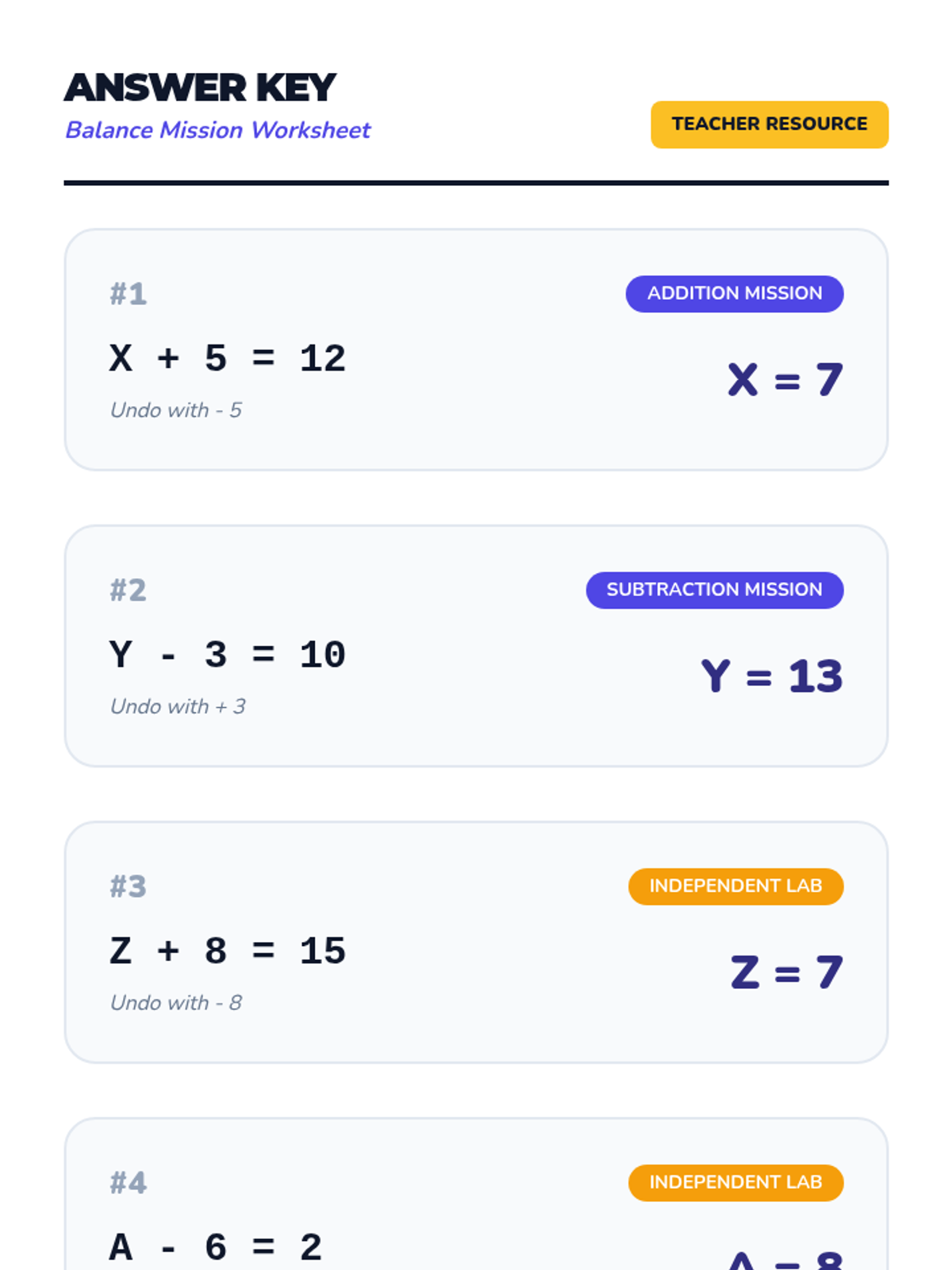
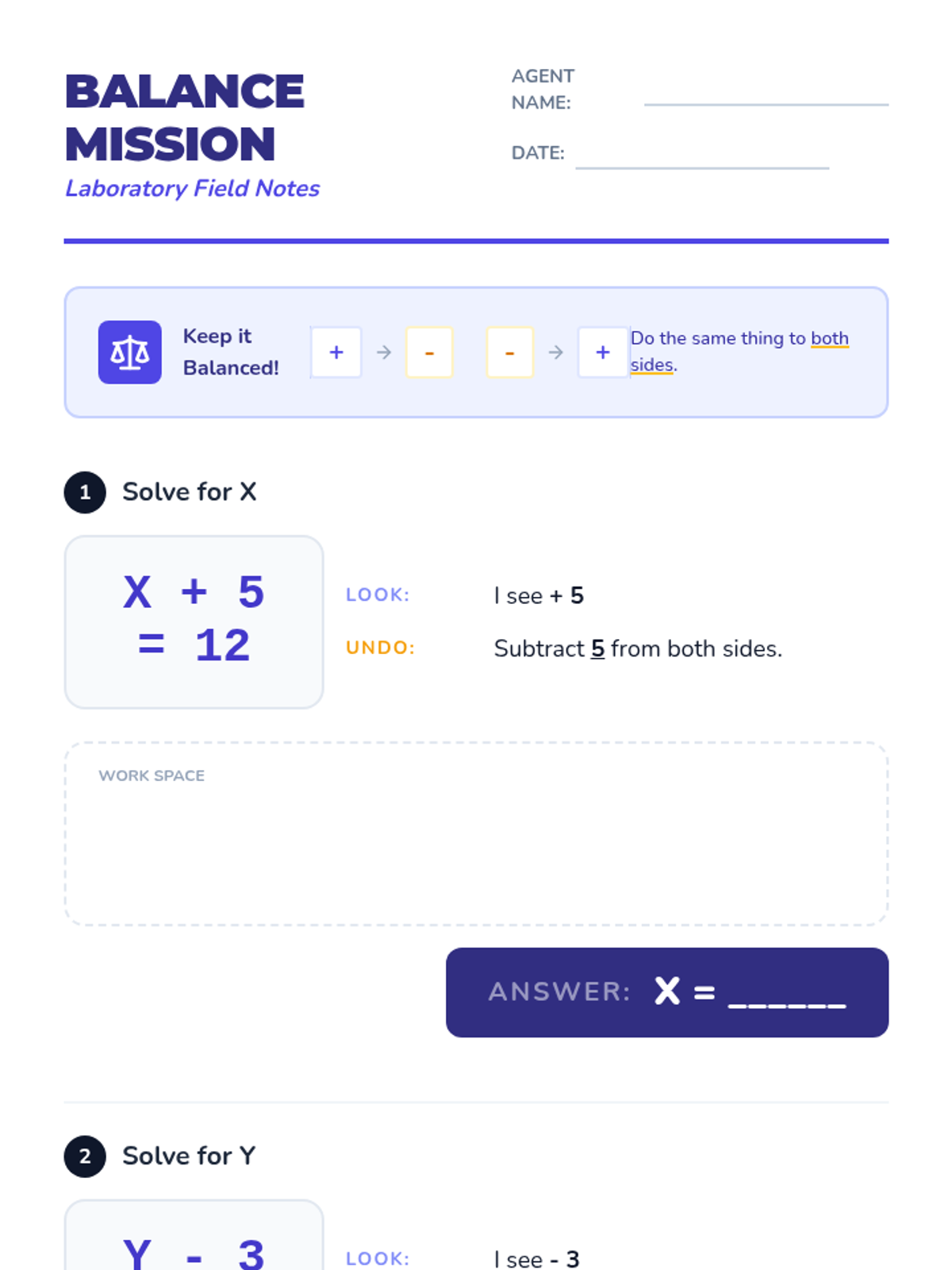
A foundational introduction to basic algebra using the balance scale analogy, specifically designed for students working at a 3rd-grade level. Students will learn about variables and the concept of inverse operations to 'undo' addition and subtraction.
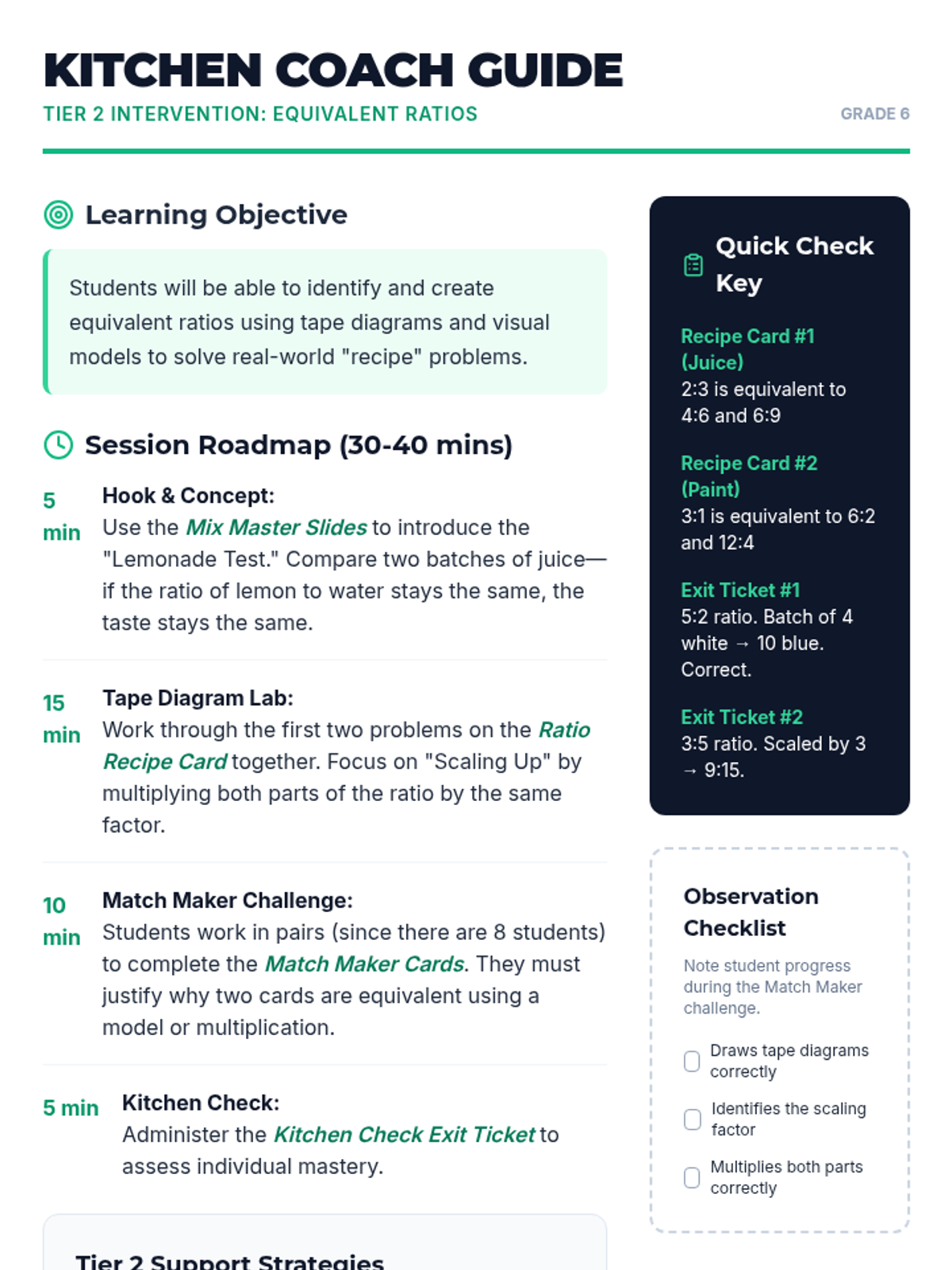
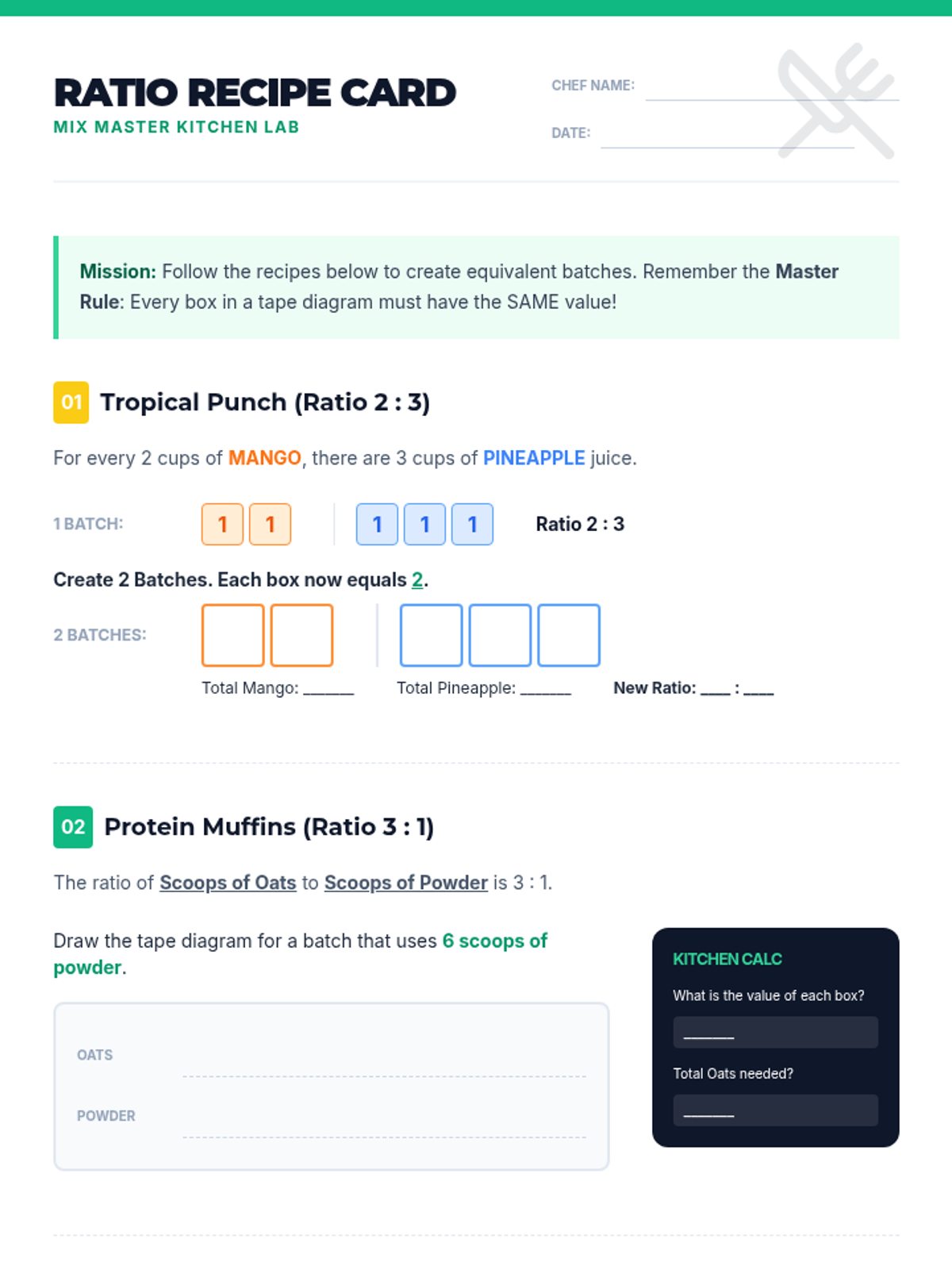
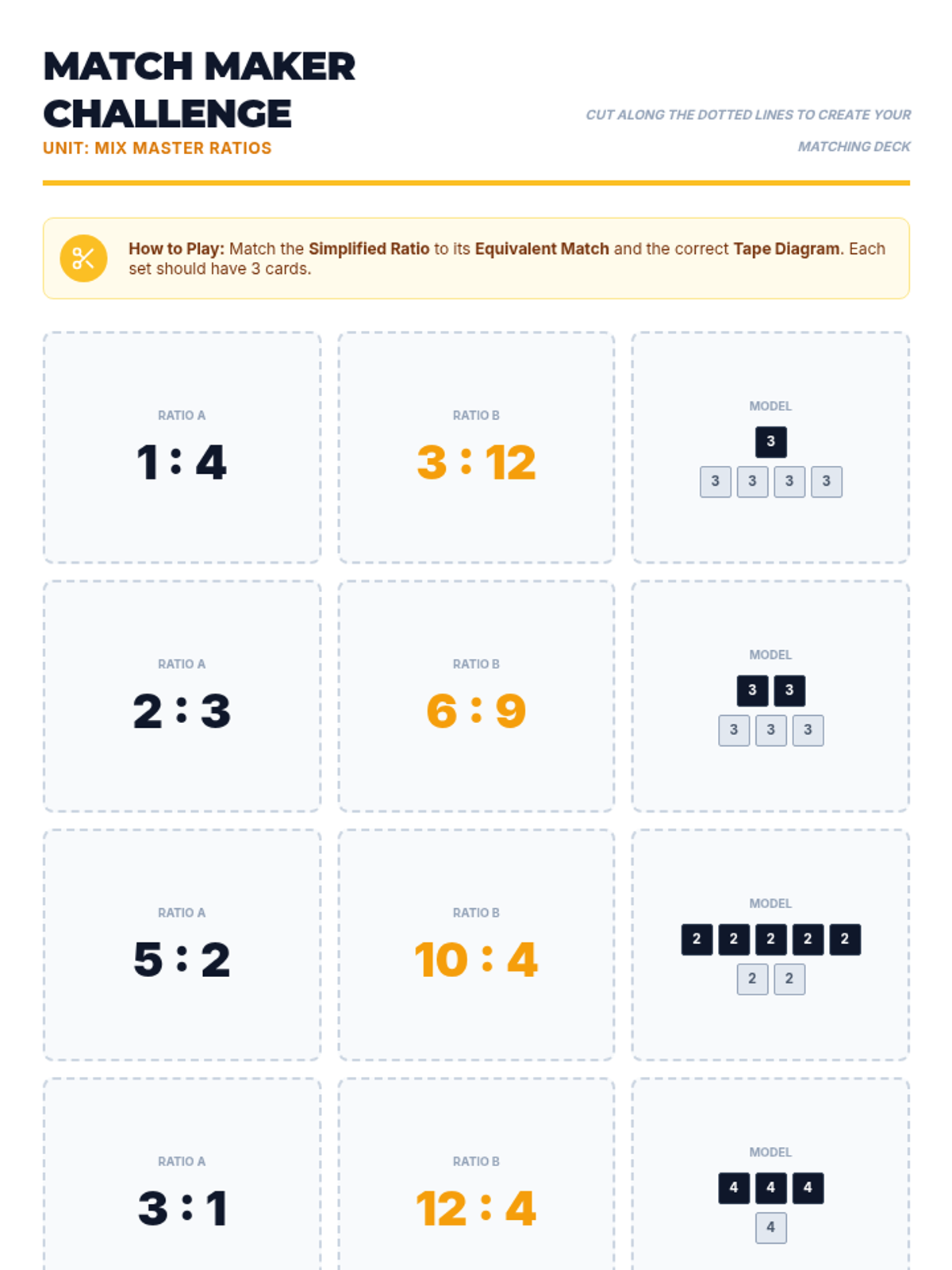
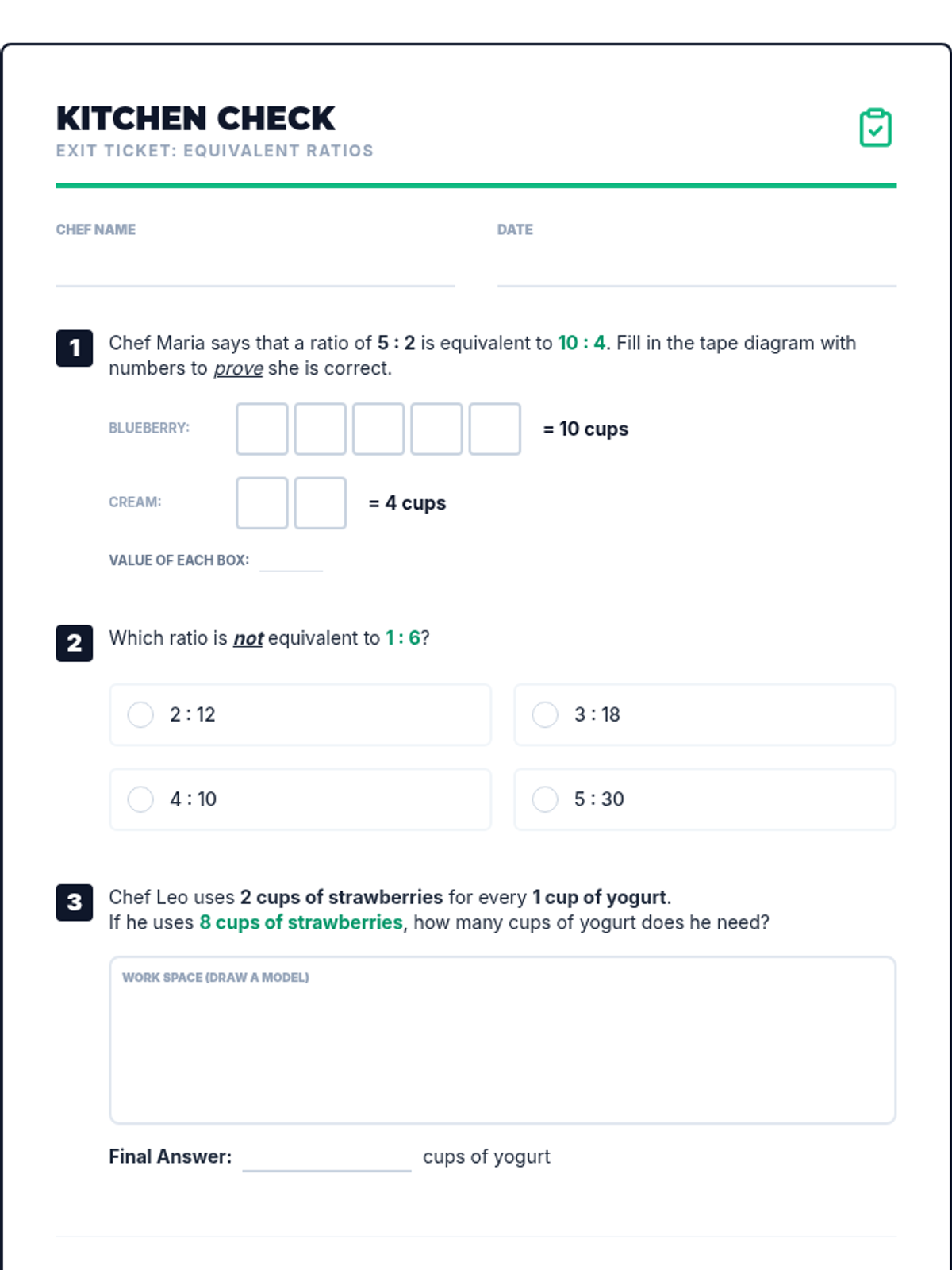
A Tier 2 intervention lesson for 6th grade focused on equivalent ratios using tape diagrams and visual models. Students practice through guided 'recipes' and matching activities to build conceptual understanding.
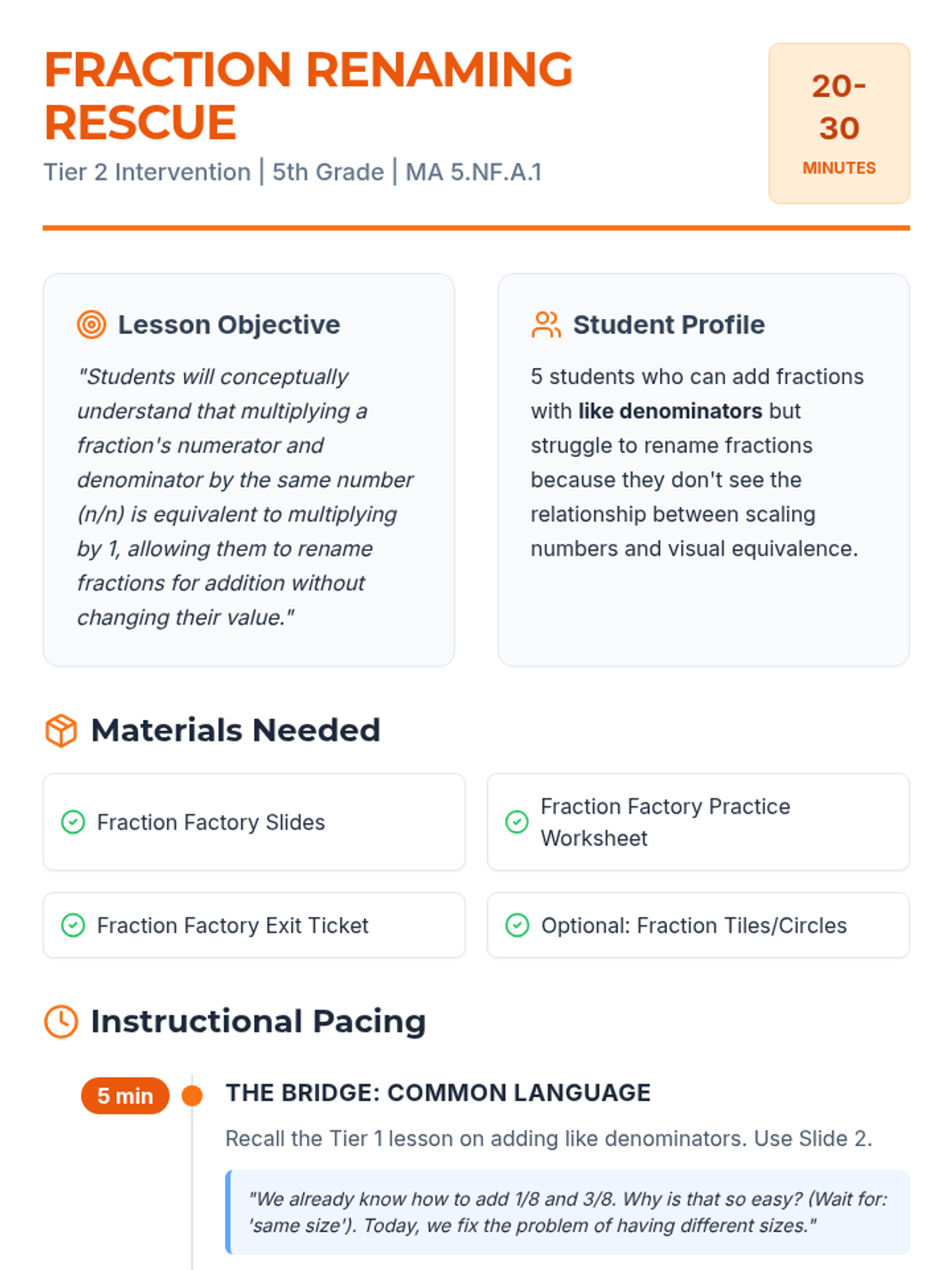
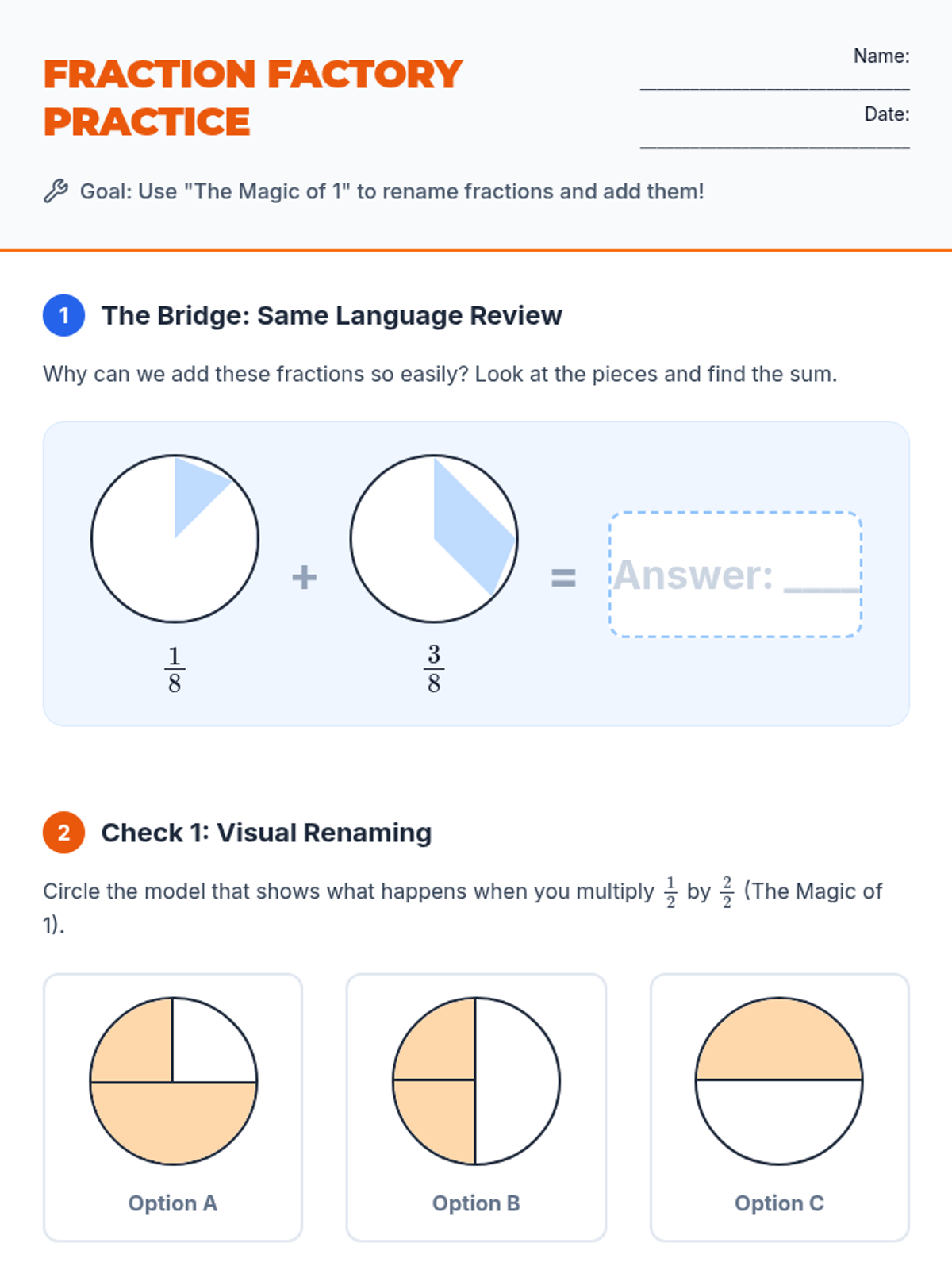
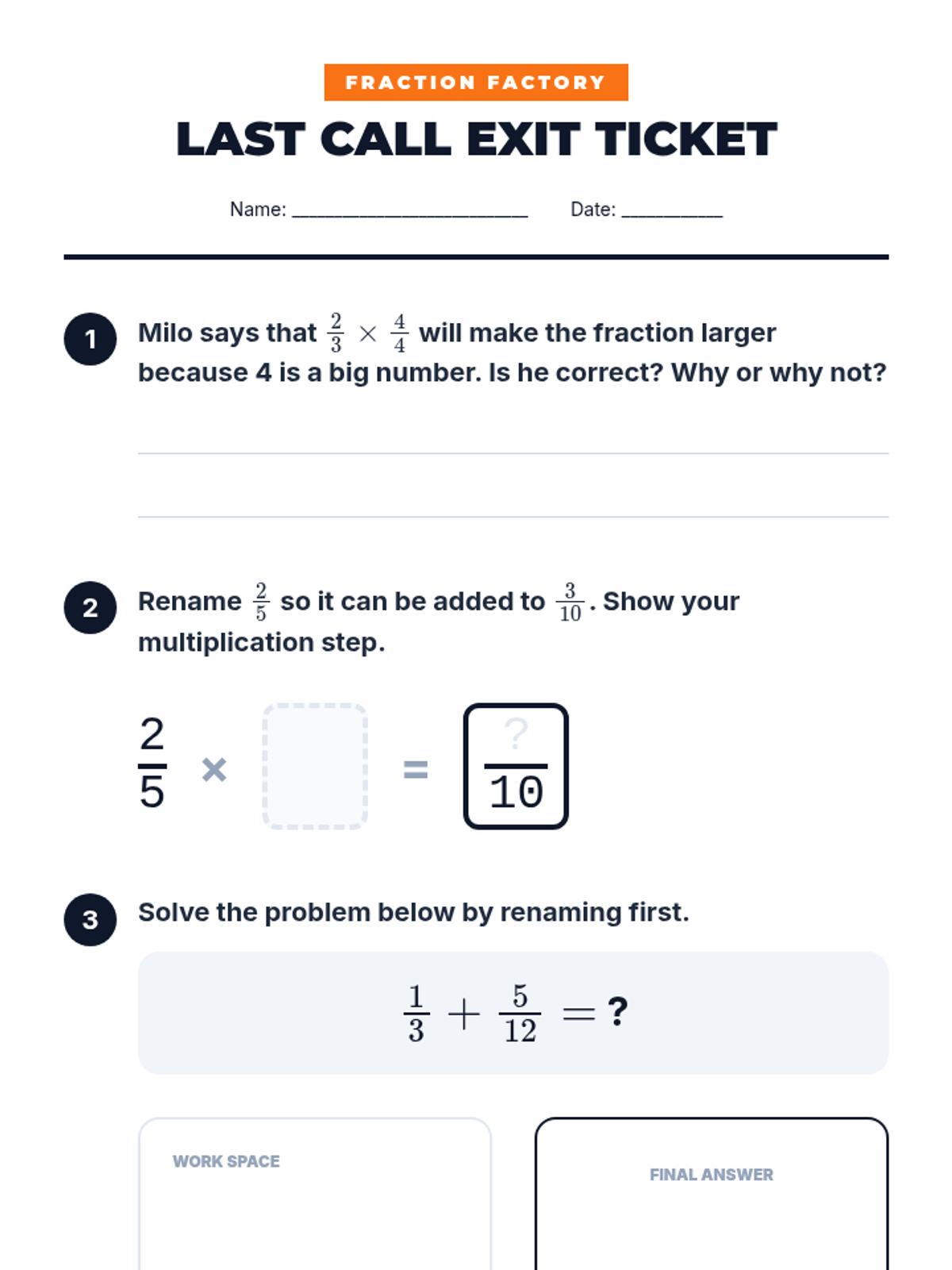
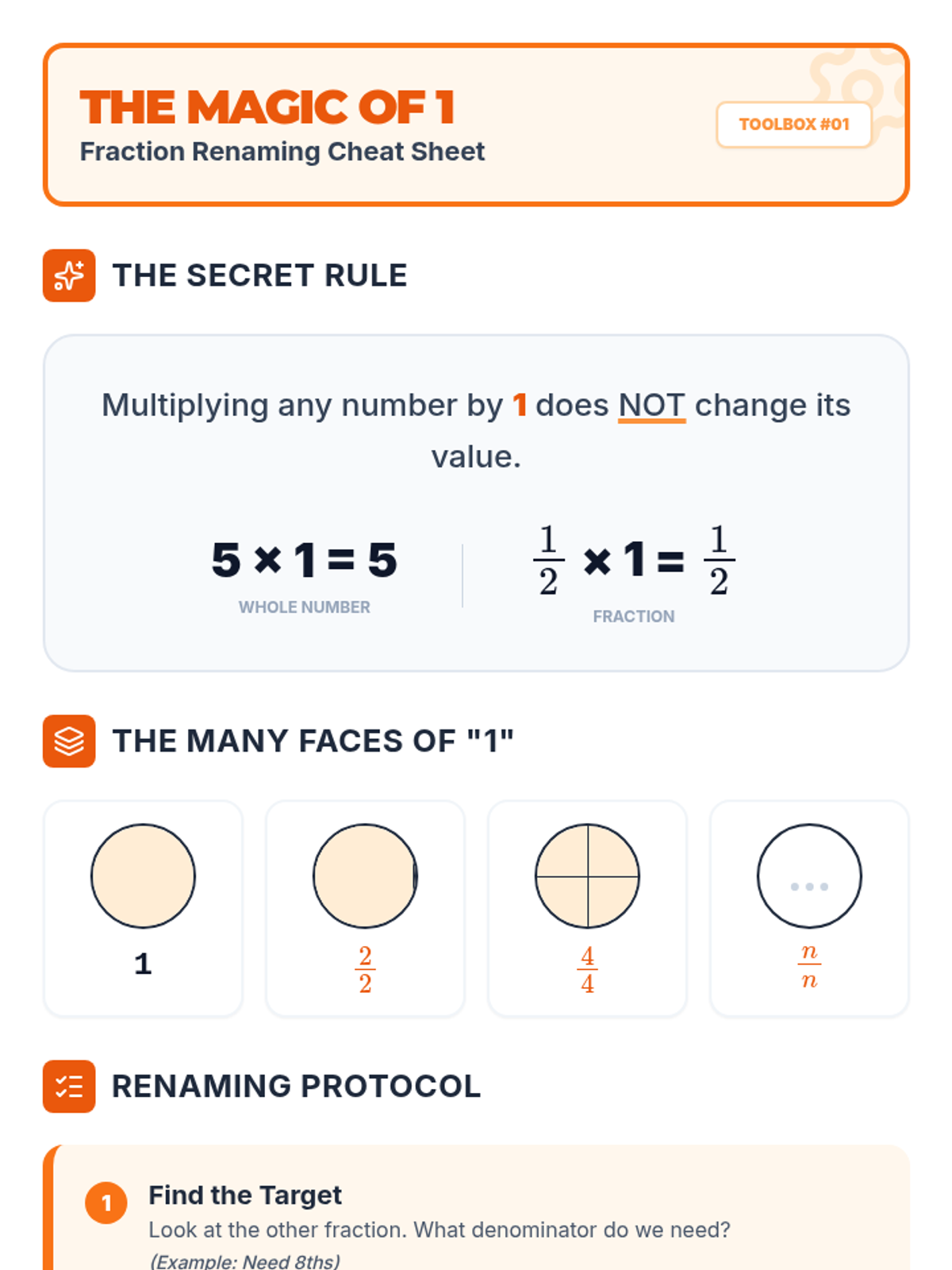
A Tier 2 intervention lesson for 5th grade students focused on conceptually understanding equivalent fractions and renaming them to add fractions with unlike denominators. Students will explore the 'Identity Property of 1' through visual models to see why multiplying the numerator and denominator by the same number creates an equivalent fraction.
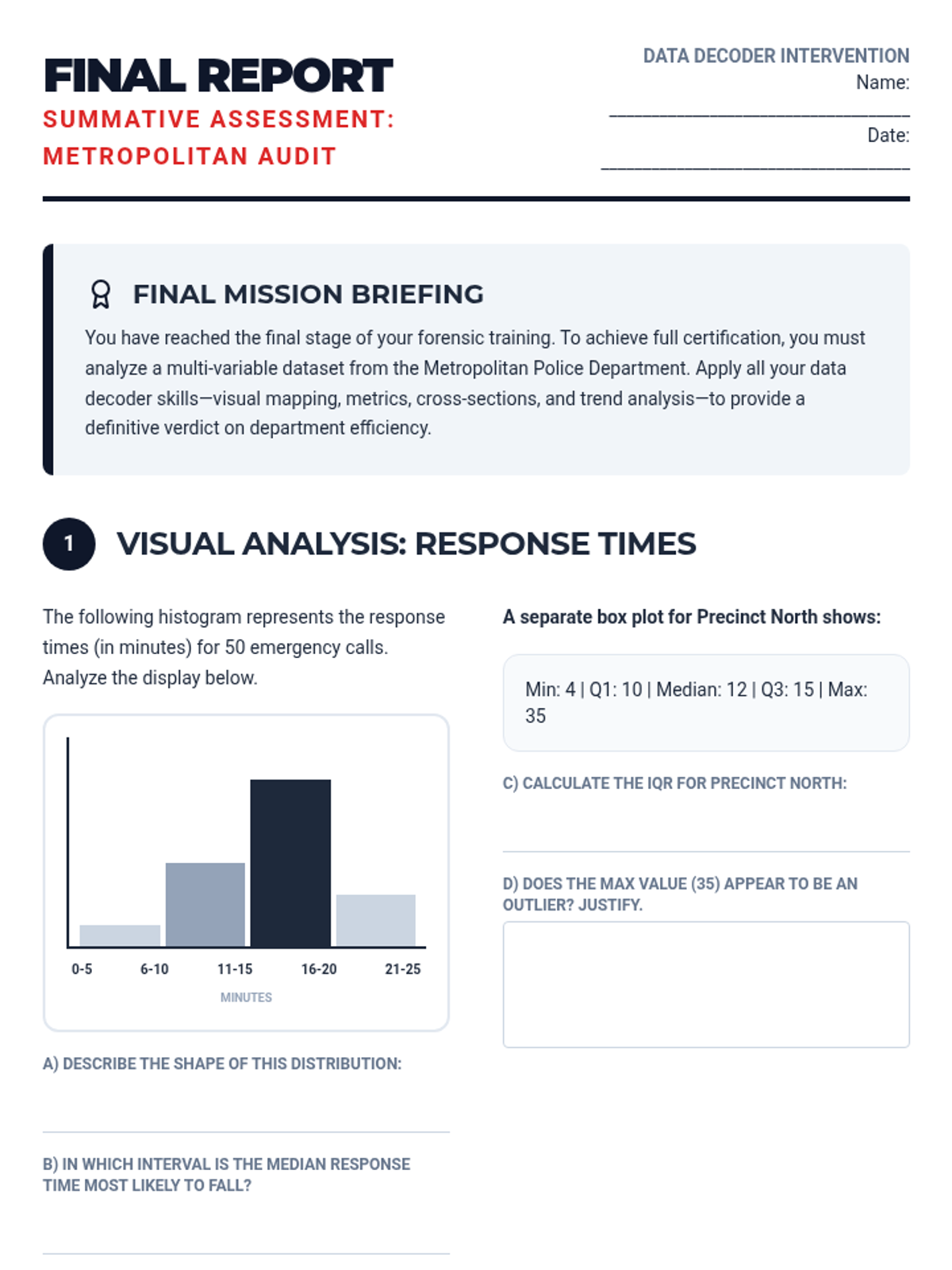
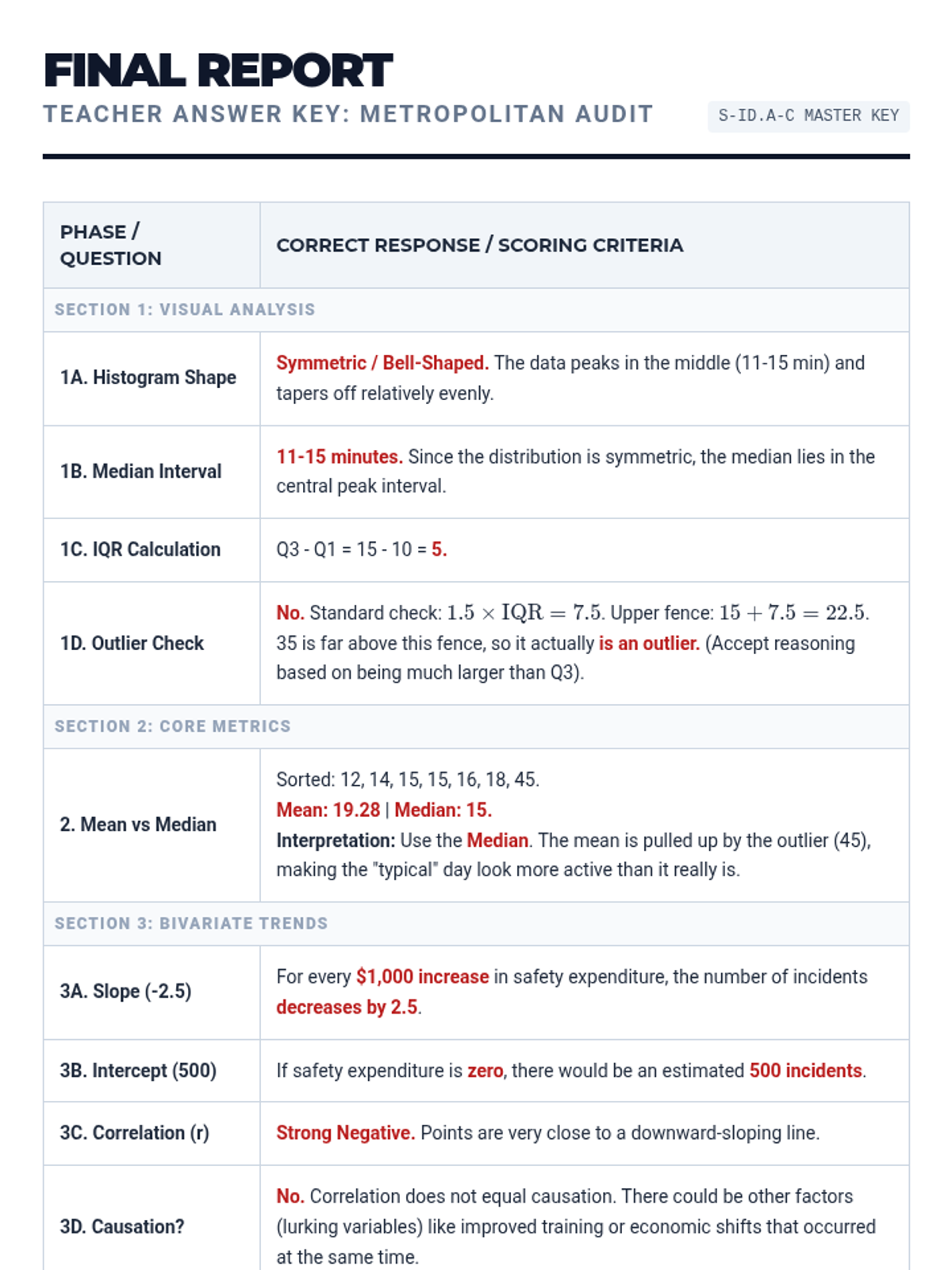
A summative assessment evaluating mastery of the Data Decoder sequence. Students apply their skills to a final case study involving complex data analysis and interpretation.
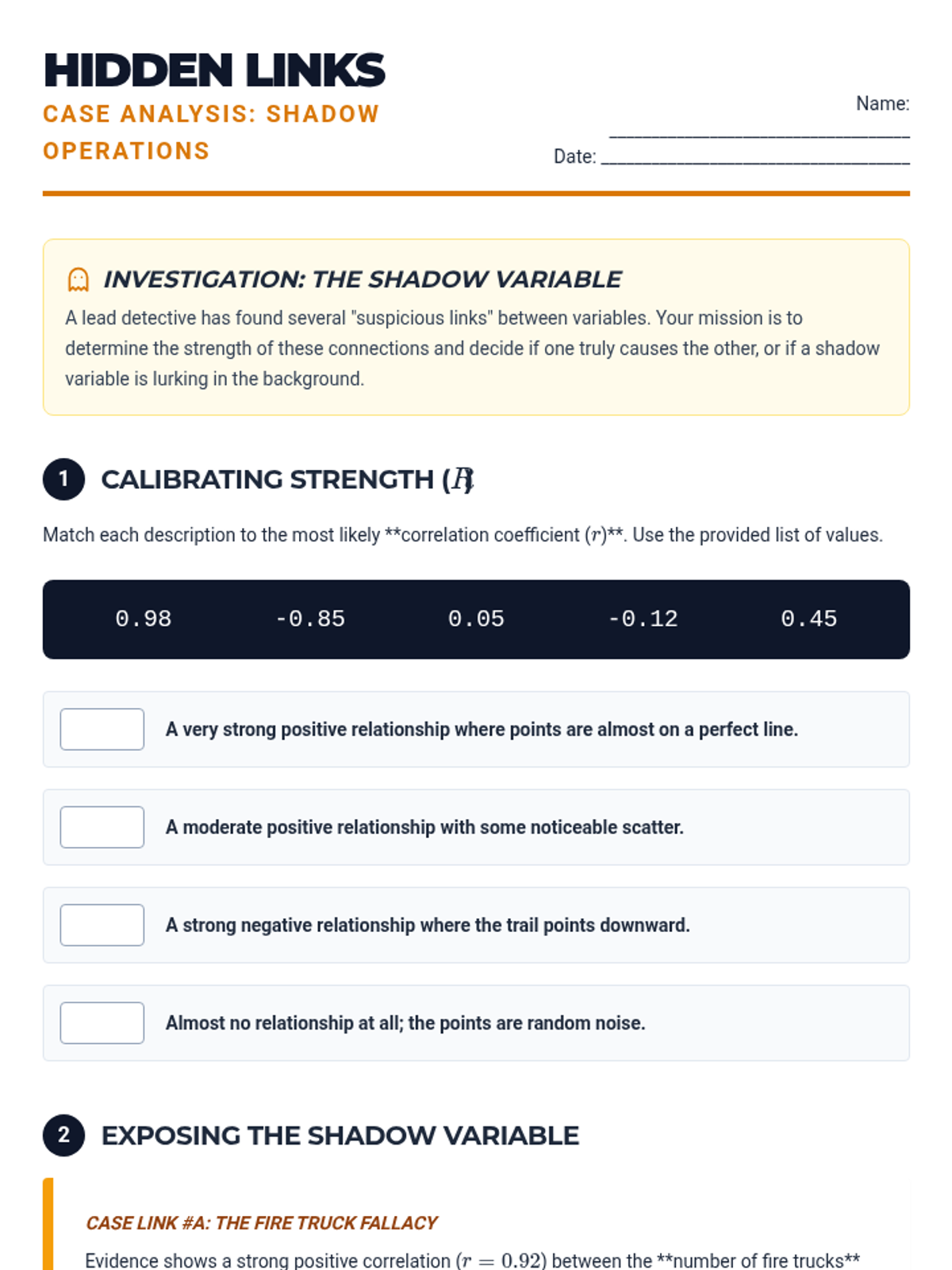
A deep dive into distinguishing between correlation and causation. Students analyze the correlation coefficient (r) and explore how external factors can influence perceived relationships between variables.
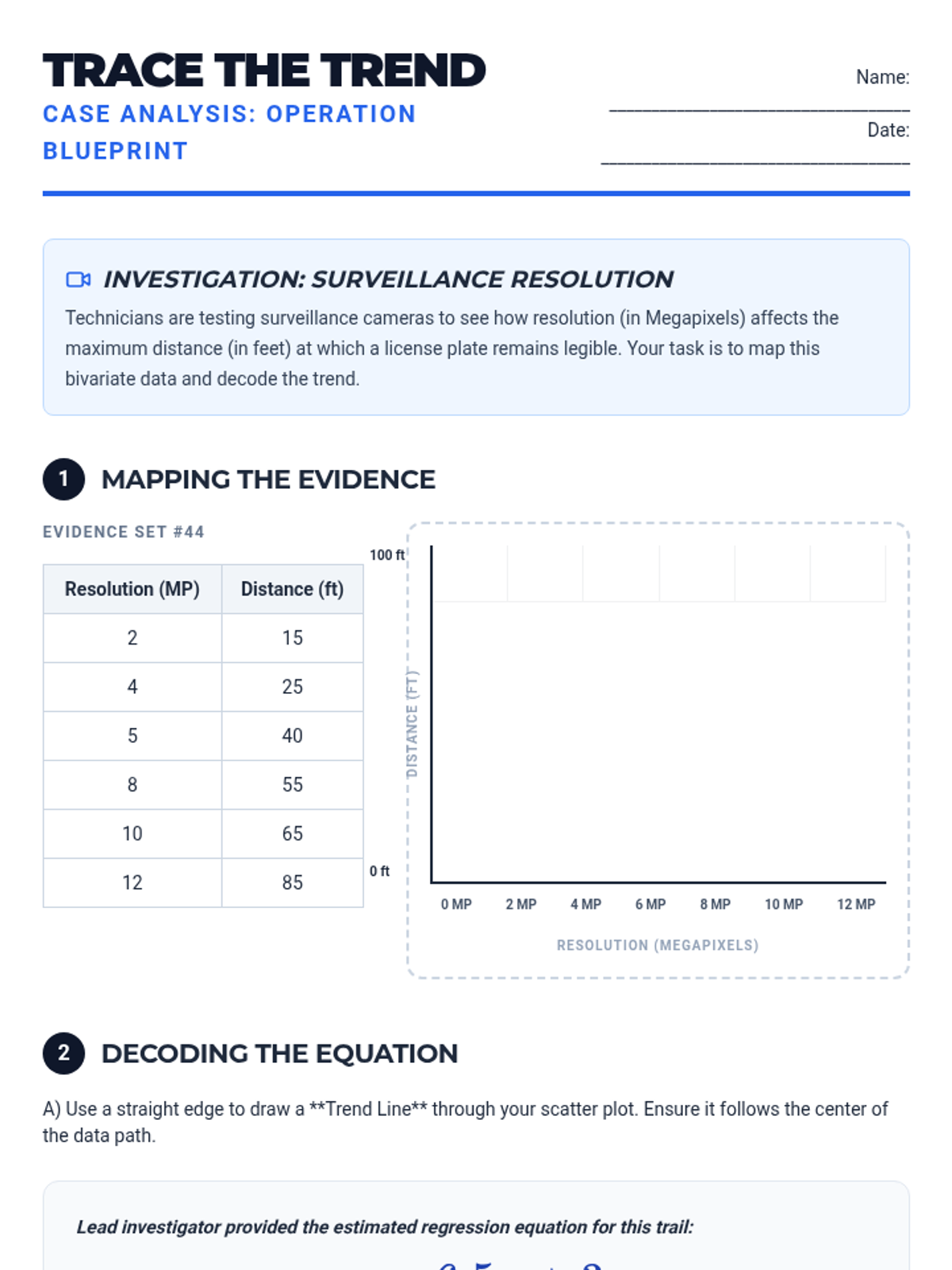
Explores bivariate data through scatter plots, trend lines, and the basics of linear regression. Students learn to use technology or manual methods to find the line of best fit and interpret the slope and intercept.