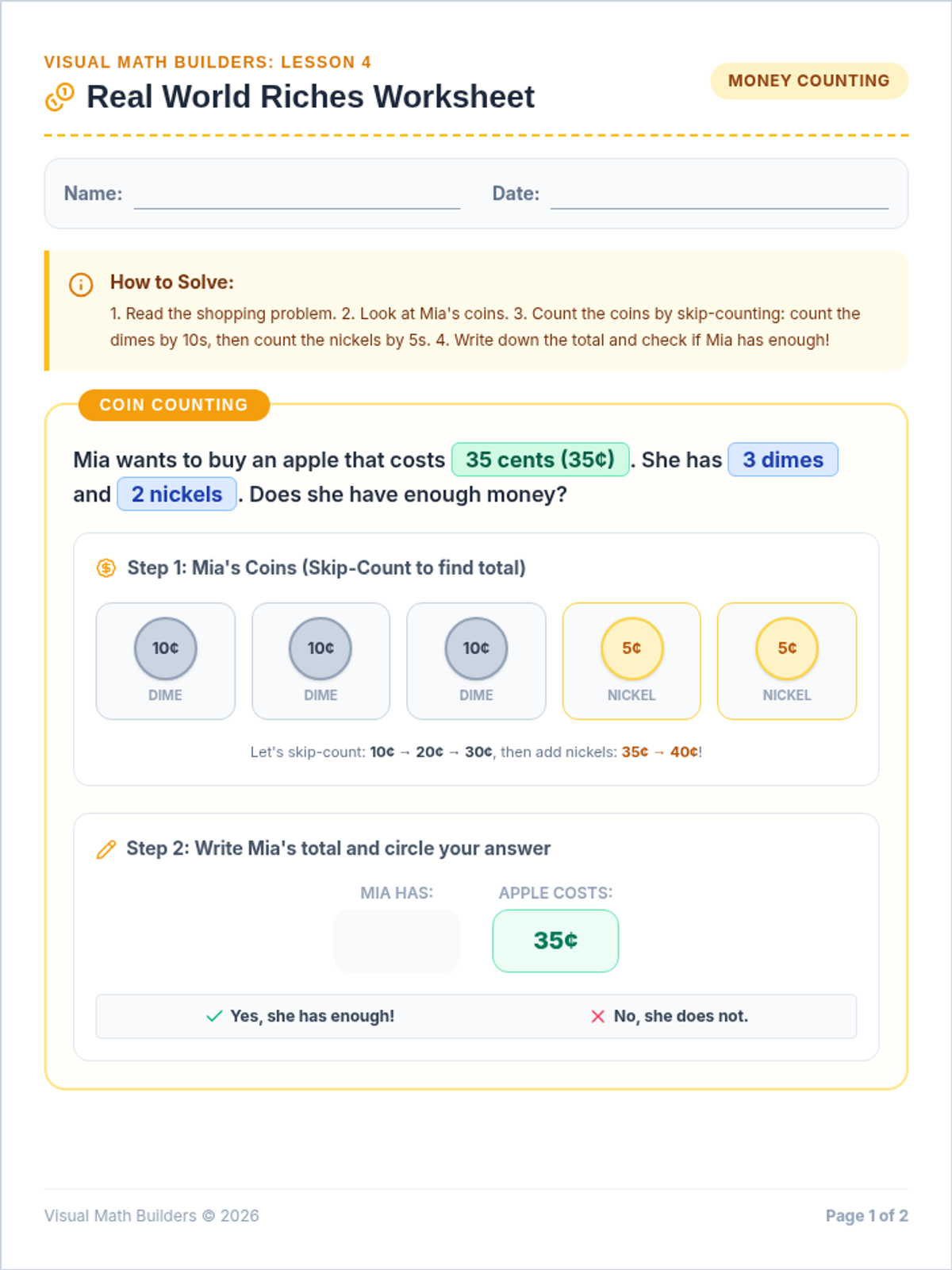
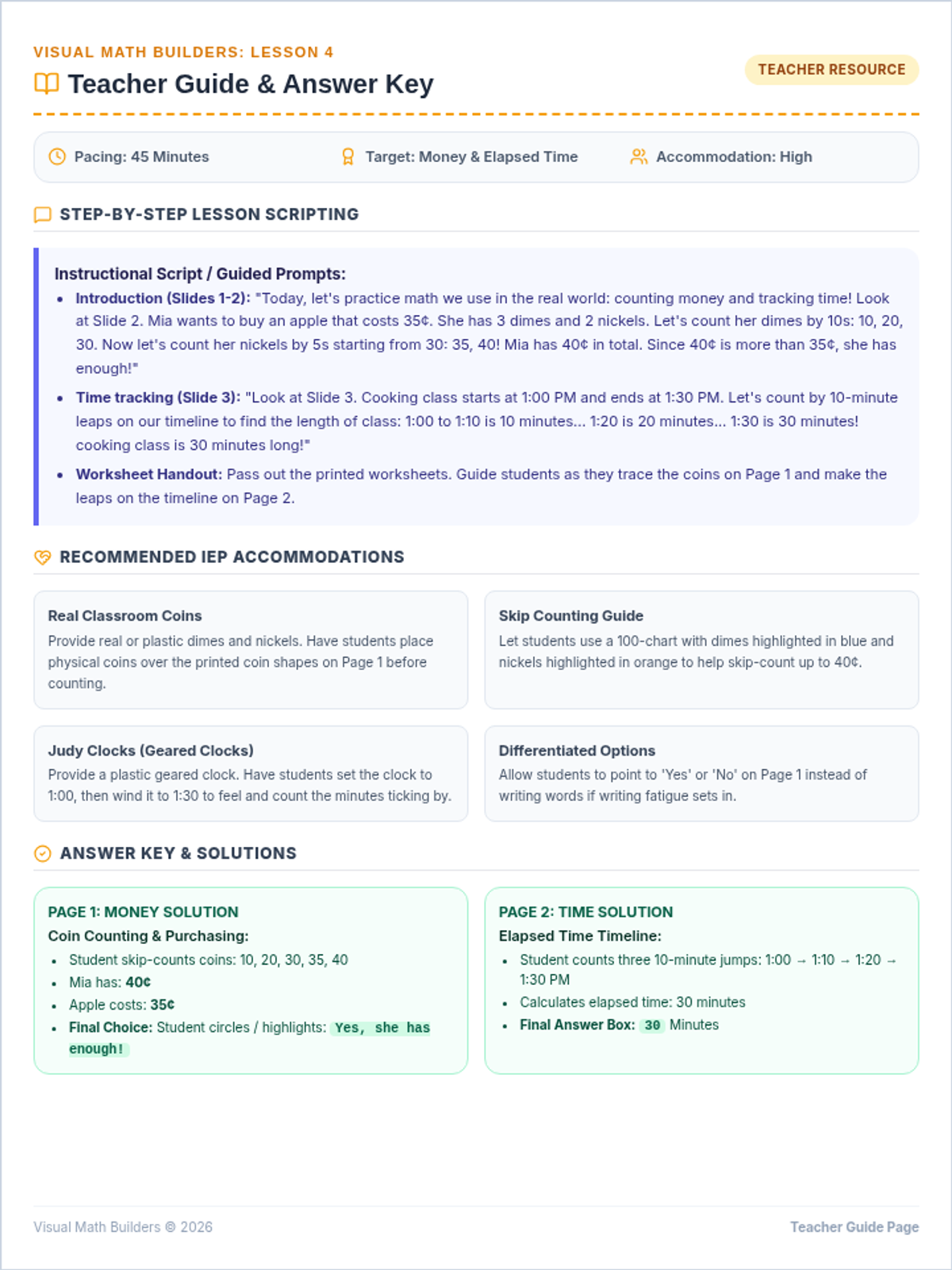
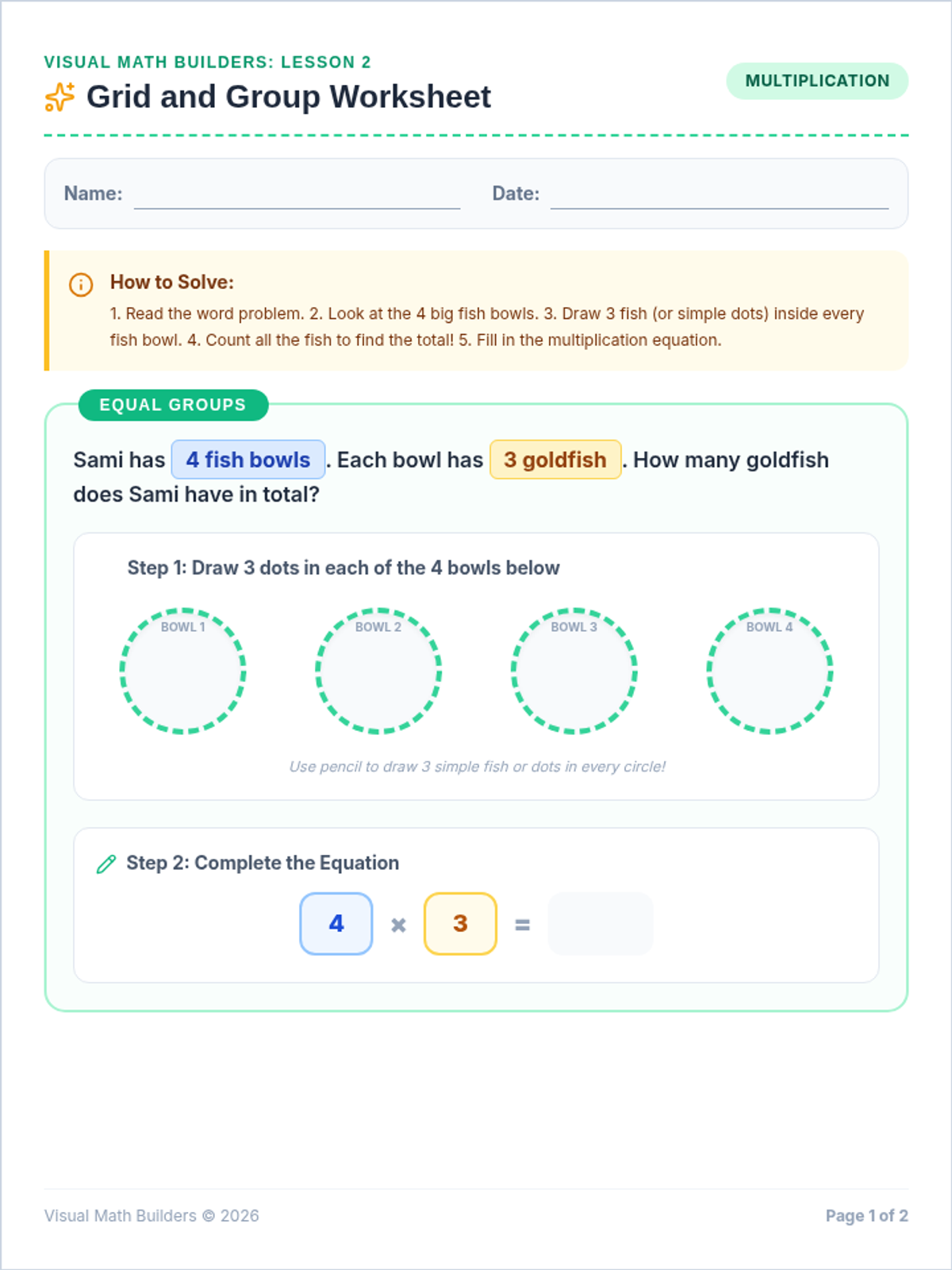
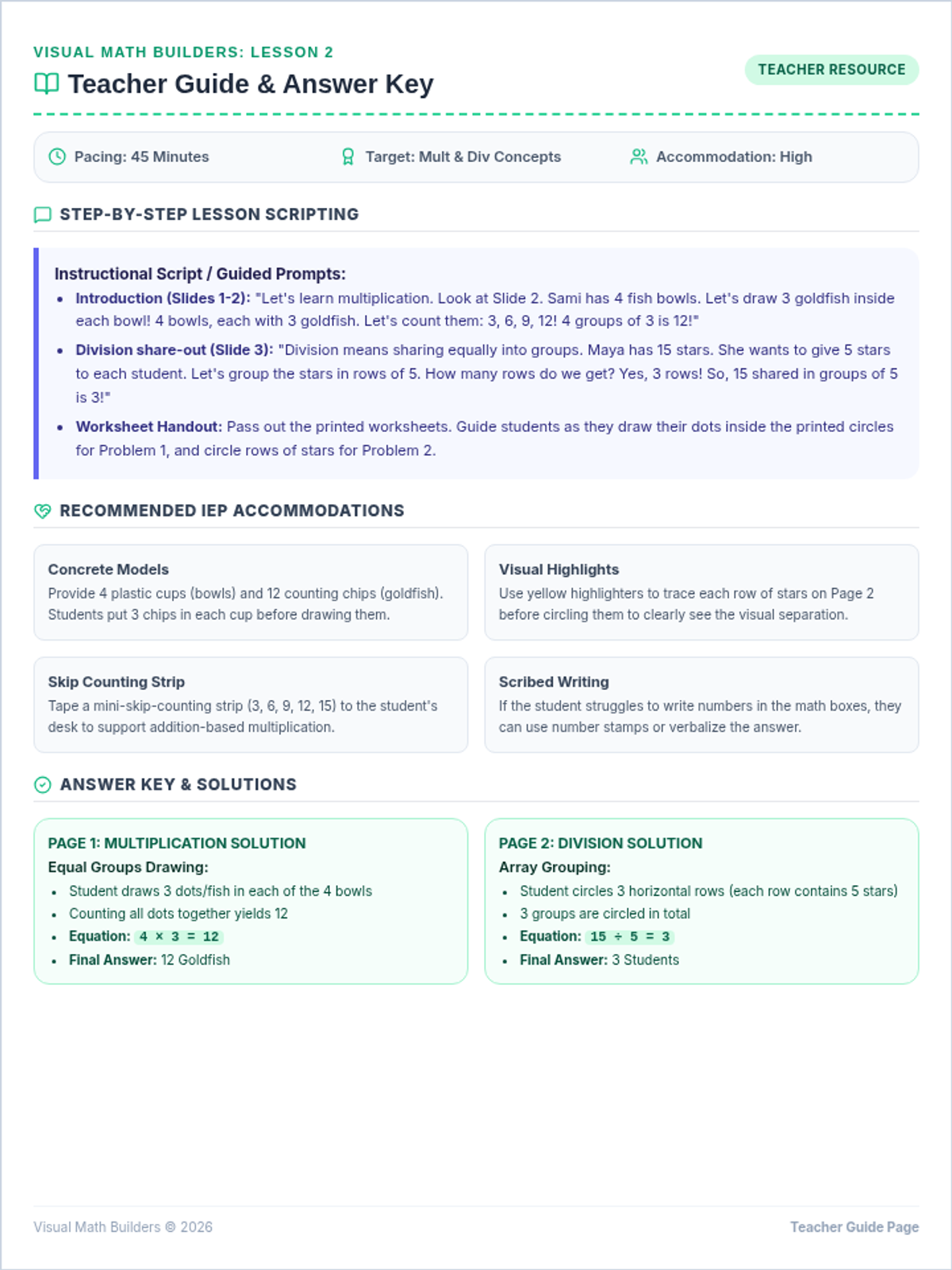
A high-energy 1st-grade lesson introducing pennies, nickels, and dimes through a carnival-themed market simulation. Students identify coins and practice counting mixed groups to 'buy' carnival treats.
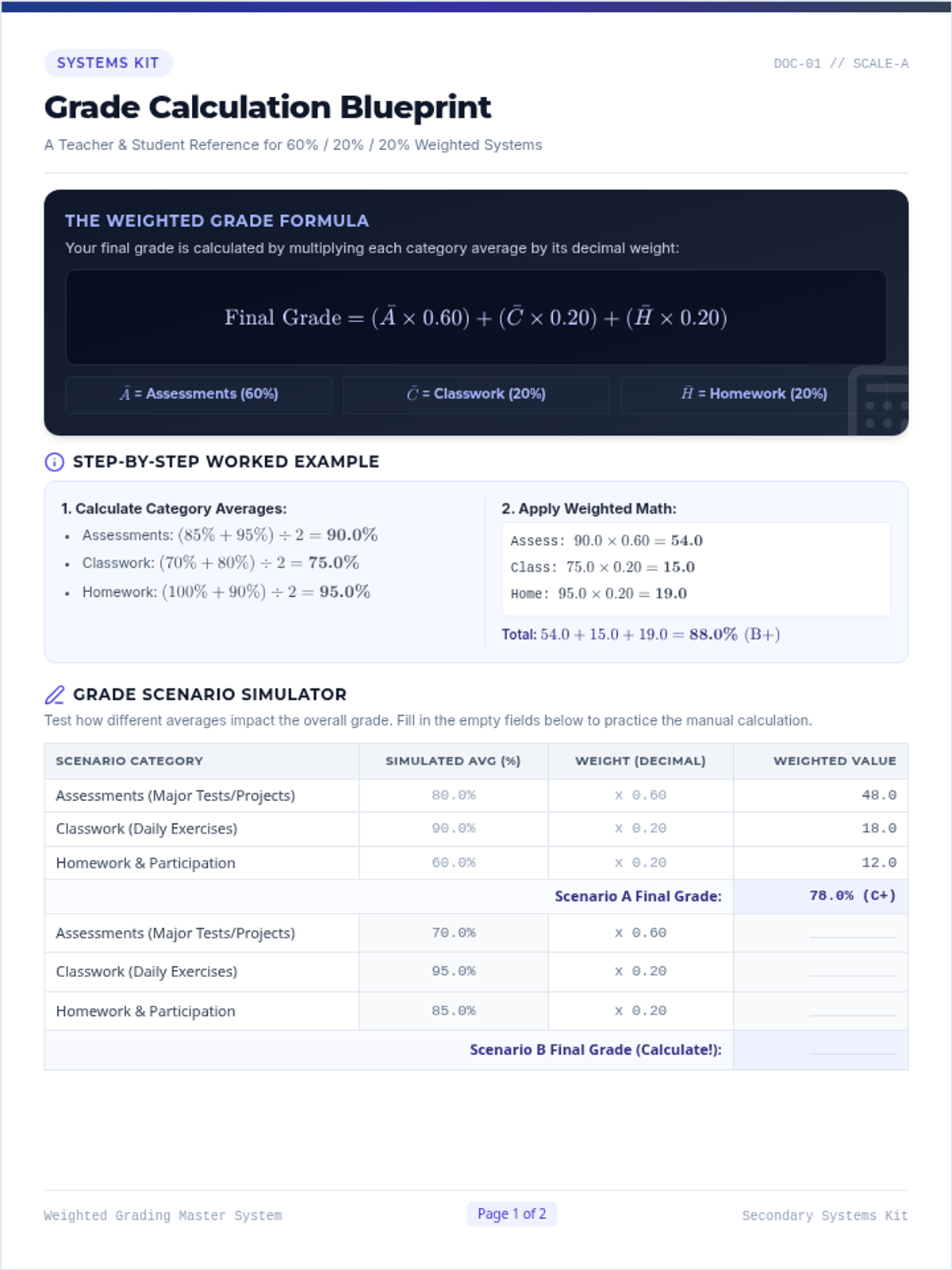
A visual-heavy lesson using a pixel-art theme to help students master converting fractions with denominators of 10 and 100 into decimals using grids and place value charts.
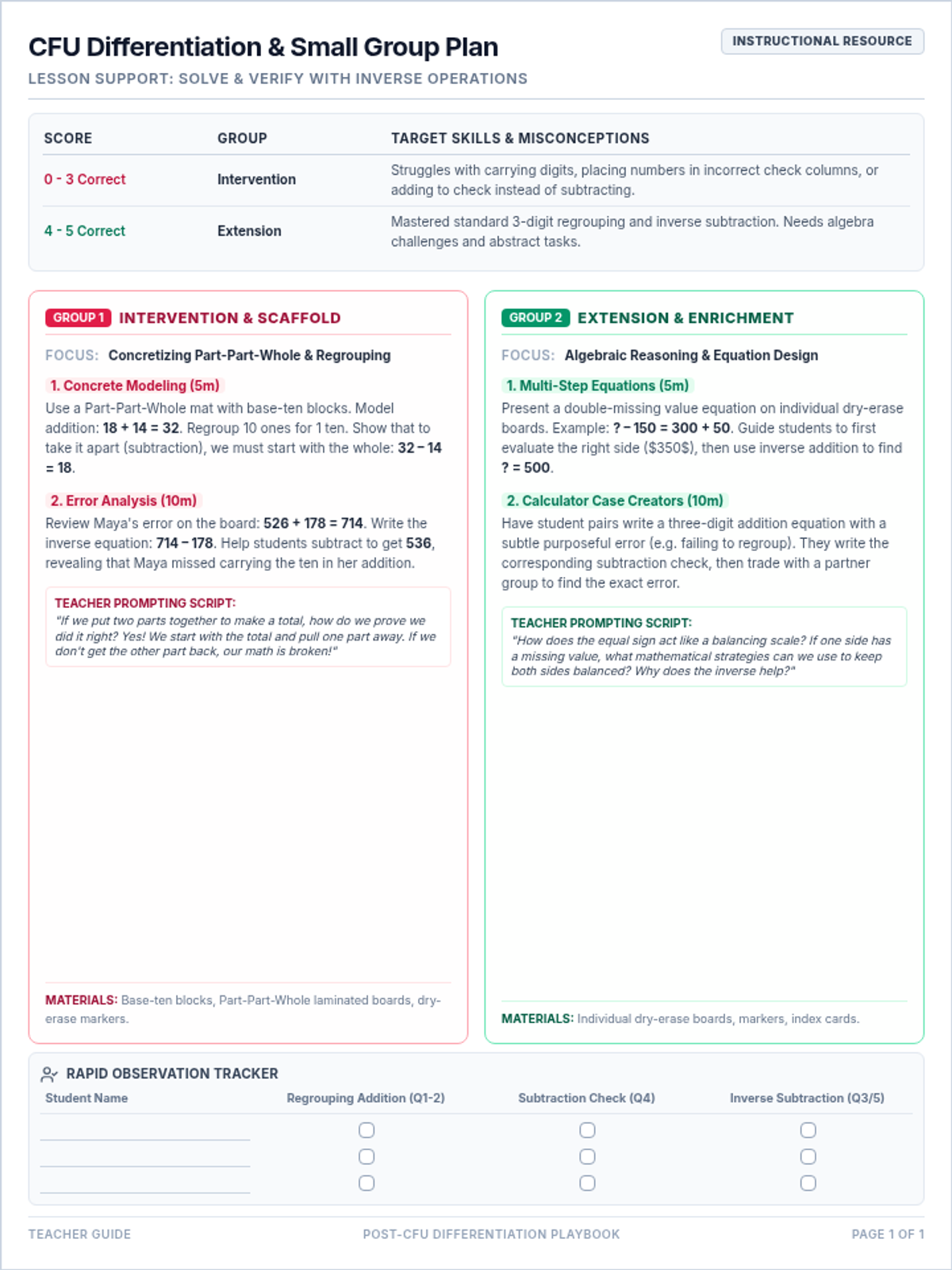
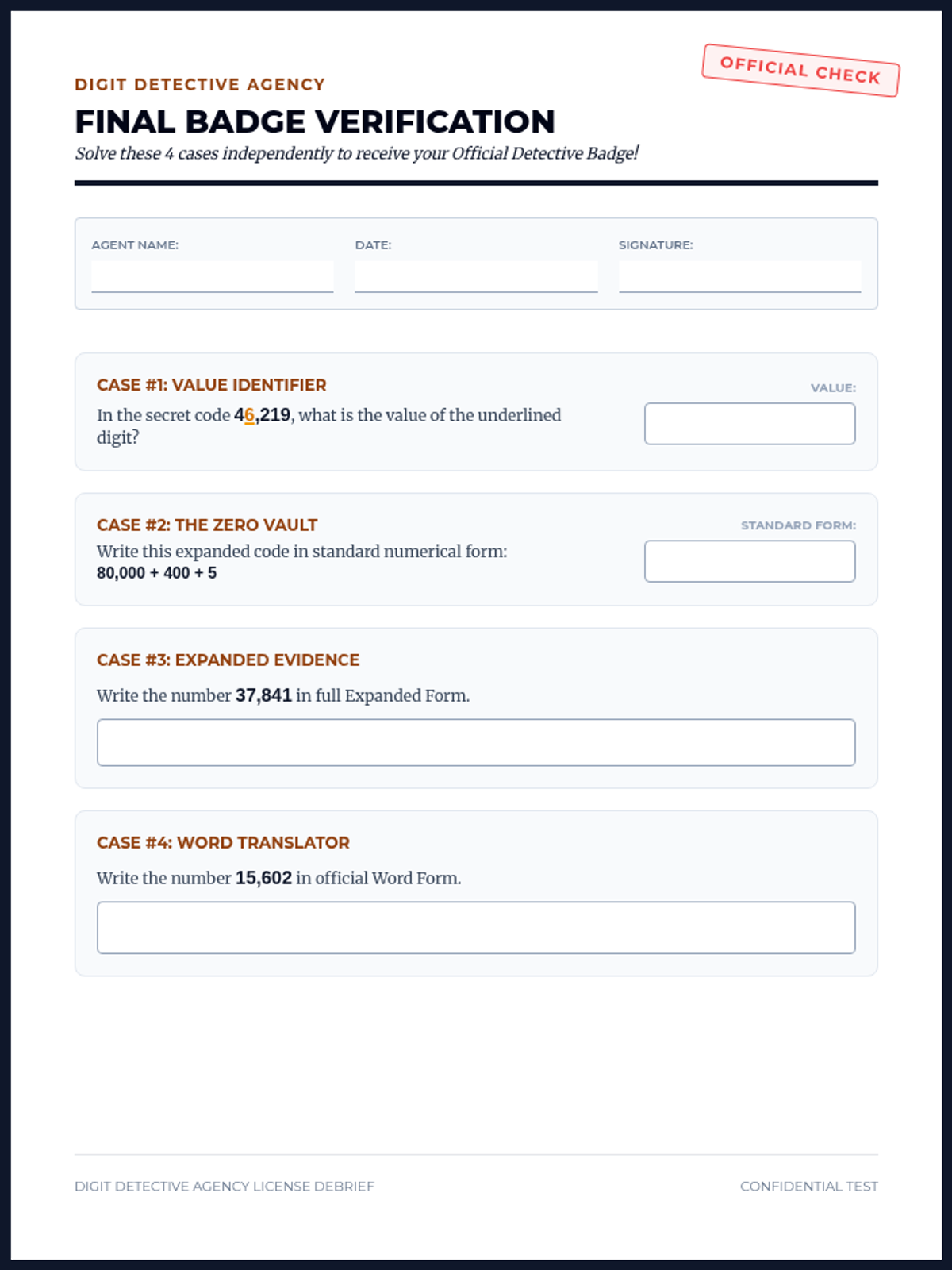
A final cumulative review and performance assessment where students demonstrate mastery of operation choice and number line subtraction to earn their championship trophy.
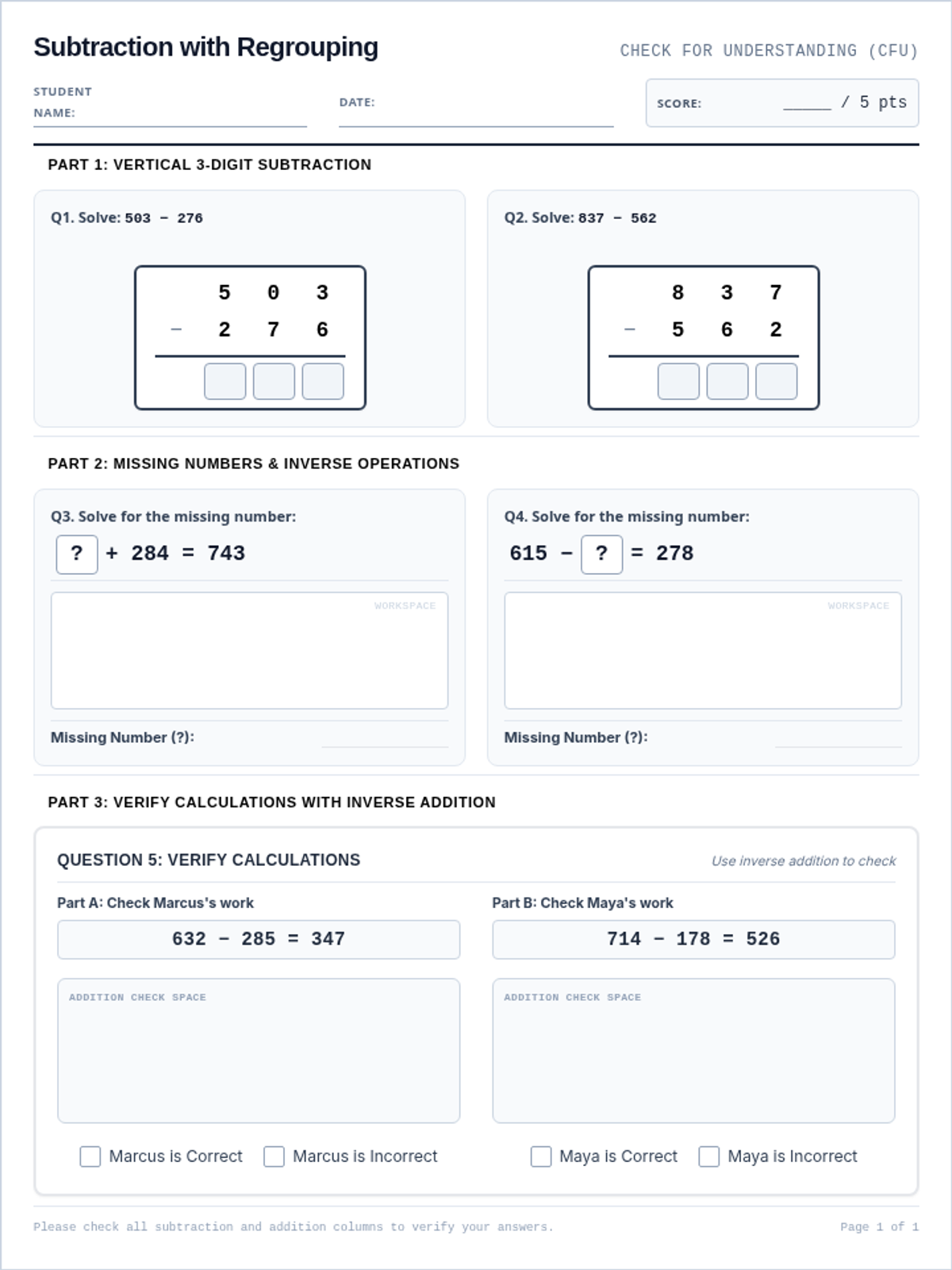
Students practice subtraction math sentences up to 30 using number lines, themed around the Golden State Warriors and Monster Truck racing.
Students review addition and subtraction vocabulary and learn to determine the correct operation for word problems within 20, featuring Lego and Monster Truck themes.
A multi-sensory Kindergarten lesson that transforms counting into a neighborhood adventure. Students develop one-to-one correspondence and number recognition through hands-on sorting, classroom 'neighborhood' exploration, and interactive visual aids.
A cumulative review lesson where students apply their knowledge of inverse operations to solve mixed one-step equations involving addition, subtraction, multiplication, and division.
Expanding algebraic thinking to multiplication and division. Students will learn how to 'undo' multiplication by splitting into equal groups (division) and 'undo' division through multiplication, maintaining the balance of the scale.
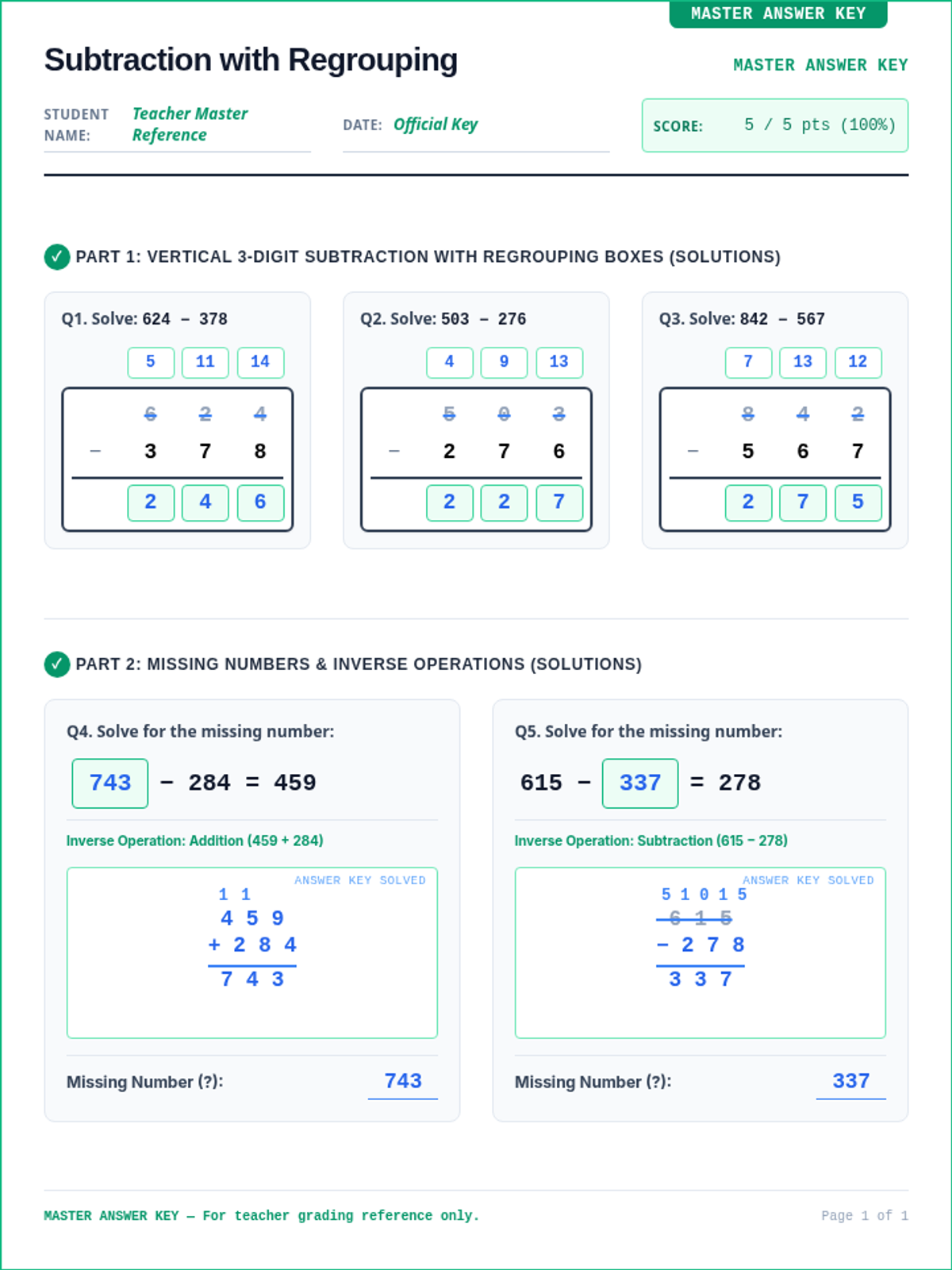
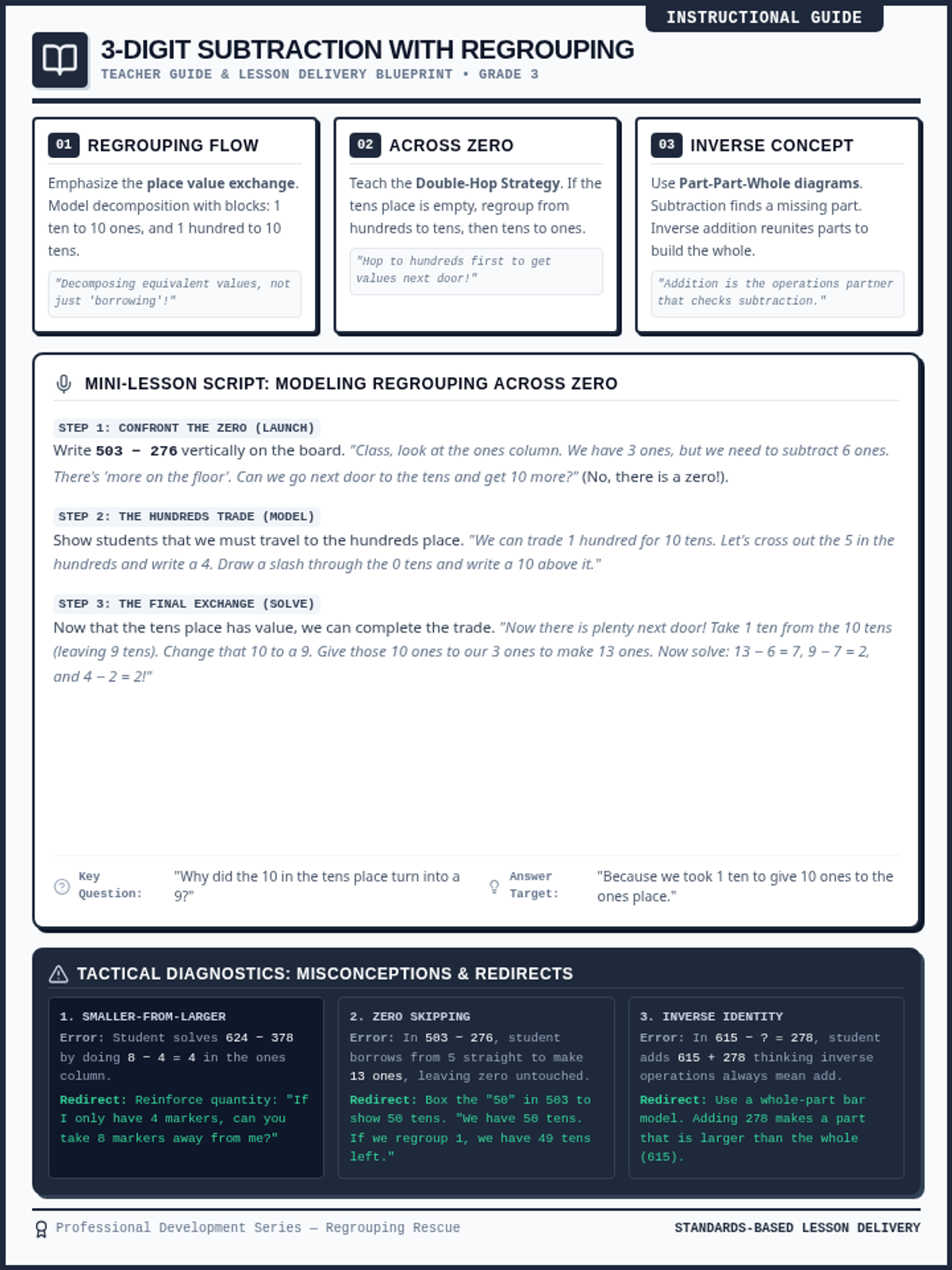
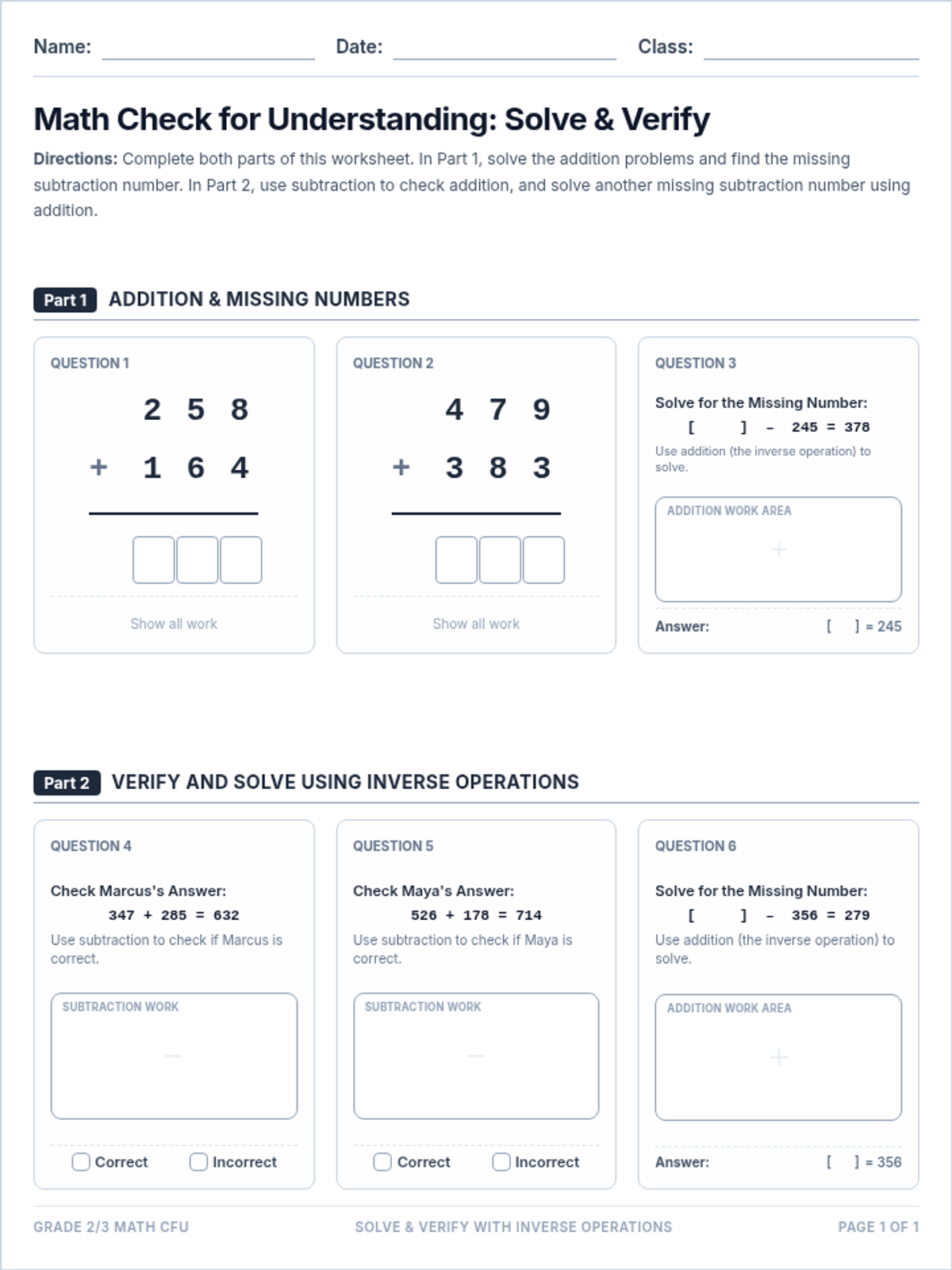
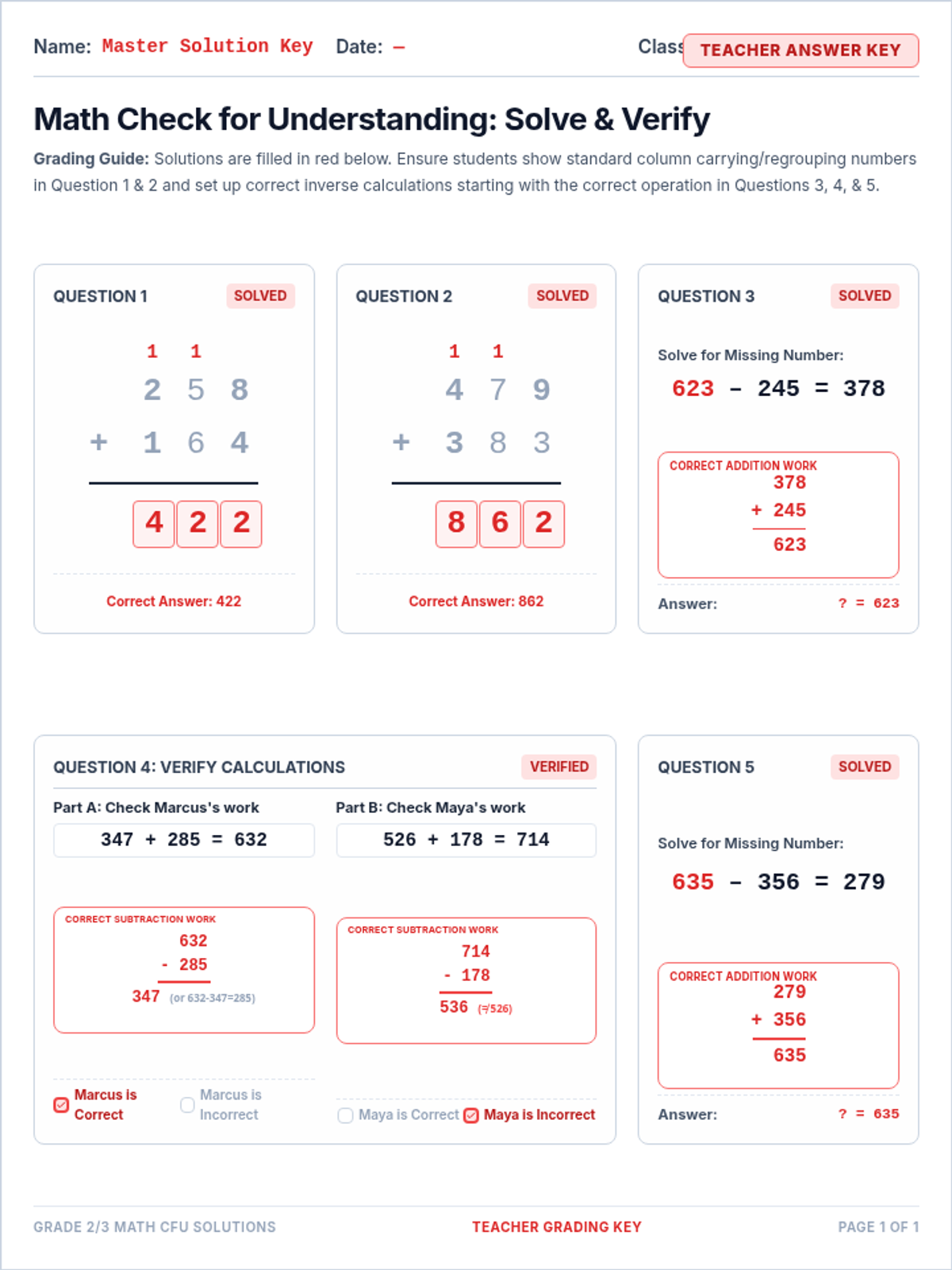
A foundational introduction to basic algebra using the balance scale analogy, specifically designed for students working at a 3rd-grade level. Students will learn about variables and the concept of inverse operations to 'undo' addition and subtraction.
A Tier 2 intervention lesson for 6th grade focused on equivalent ratios using tape diagrams and visual models. Students practice through guided 'recipes' and matching activities to build conceptual understanding.
A Tier 2 intervention lesson for 5th grade students focused on conceptually understanding equivalent fractions and renaming them to add fractions with unlike denominators. Students will explore the 'Identity Property of 1' through visual models to see why multiplying the numerator and denominator by the same number creates an equivalent fraction.
A summative assessment evaluating mastery of the Data Decoder sequence. Students apply their skills to a final case study involving complex data analysis and interpretation.
A deep dive into distinguishing between correlation and causation. Students analyze the correlation coefficient (r) and explore how external factors can influence perceived relationships between variables.
Explores bivariate data through scatter plots, trend lines, and the basics of linear regression. Students learn to use technology or manual methods to find the line of best fit and interpret the slope and intercept.
Instruction on organizing and interpreting categorical data using two-way frequency tables. Students calculate joint, marginal, and conditional relative frequencies to find associations between variables.
Guided practice in comparing two or more datasets using visual displays and summary statistics. Students analyze differences in shape, center, and spread to draw meaningful conclusions.
Introduces measures of center (mean, median) and spread (range, interquartile range, standard deviation basics). Students learn how to calculate these values and understand what they represent in the context of a dataset.
Focuses on constructing and interpreting visual data displays including histograms, box plots, and dot plots. Students learn to identify the most appropriate display for different data types and describe the shape of distributions.
A baseline assessment designed to identify student gaps in data interpretation, display construction, and statistical reasoning. Includes a variety of item types to gauge prior knowledge of histograms, box plots, and measures of center.
Final evaluation of student mastery across all function interpretation standards (F-IF.A–B).
Analyze symmetry, end behavior, and apply function interpretation to real-world scenarios to build mathematical modeling skills.
Identify and interpret key features of functions including intercepts, relative maxima and minima, and intervals where the function is increasing or decreasing.
Master the concepts of domain and range across graphs, tables, and equations using visual 'boundary box' techniques.
Identify baseline student knowledge of functions and establish a solid understanding of function notation and evaluation through the 'function machine' concept.
A comprehensive final assessment and review session to measure student mastery of multi-step equations and real-world problem solving.
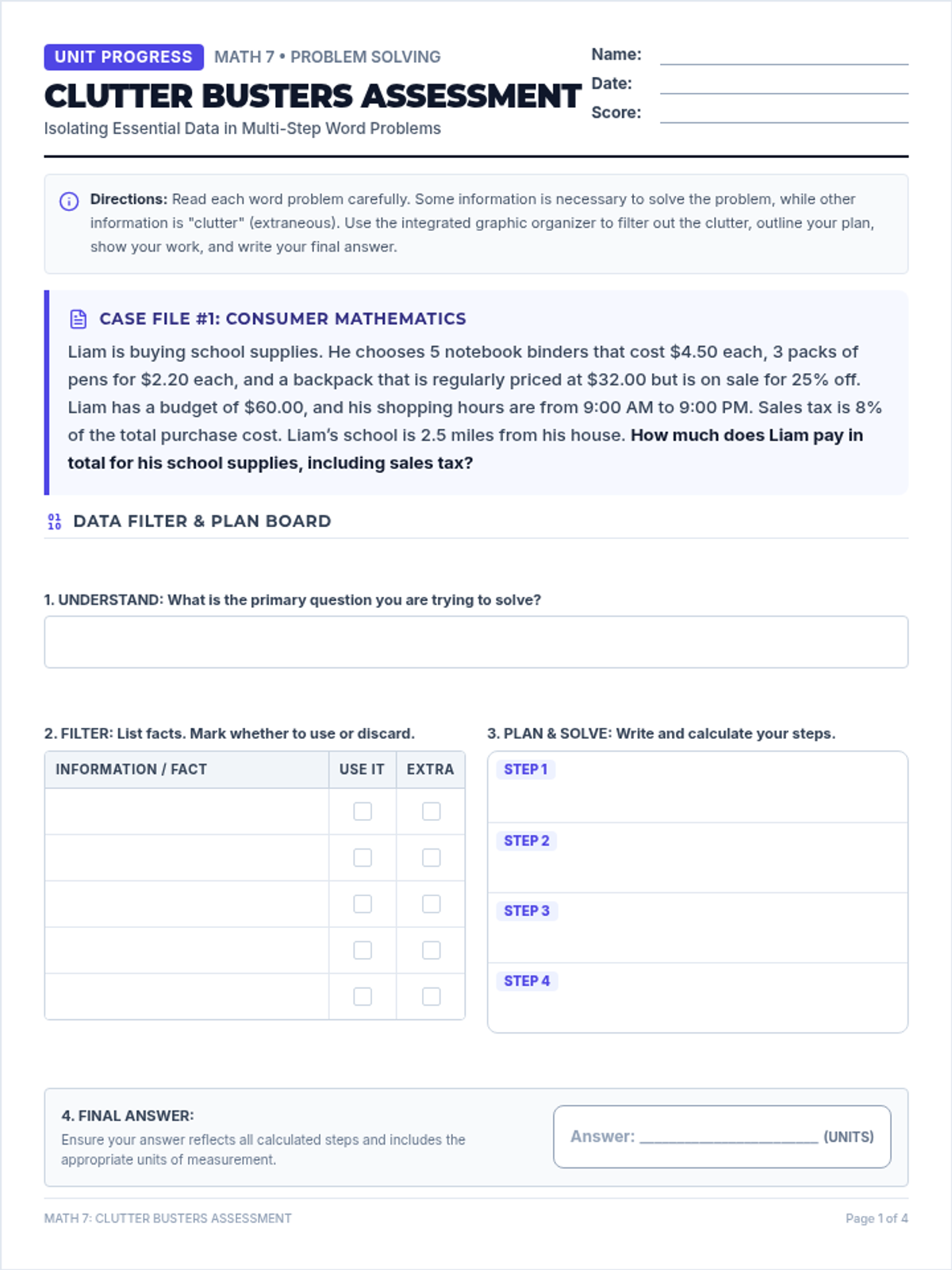
Students learn to translate real-world scenarios into algebraic equations and solve them, focusing on rational numbers and variable definitions.