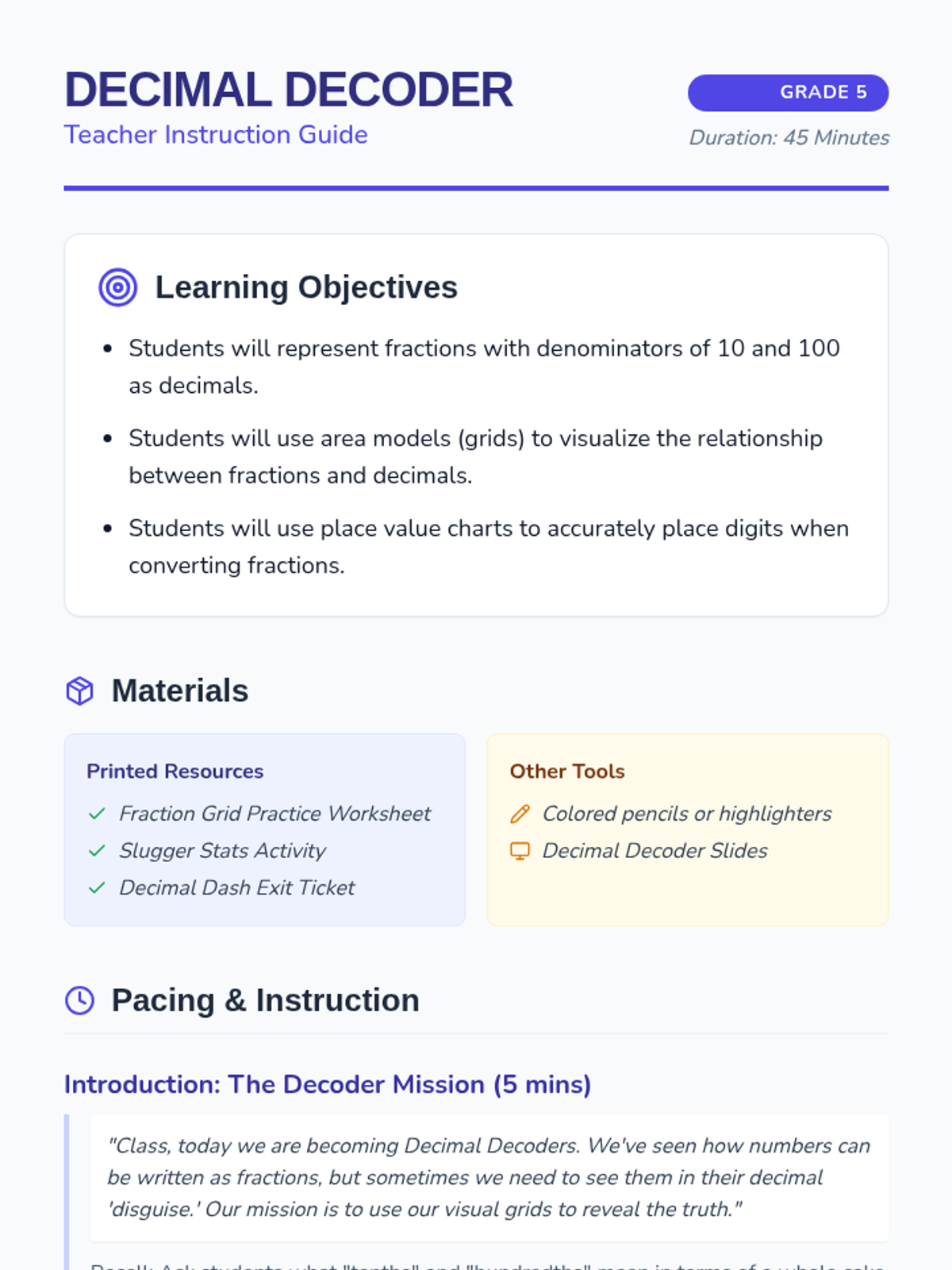
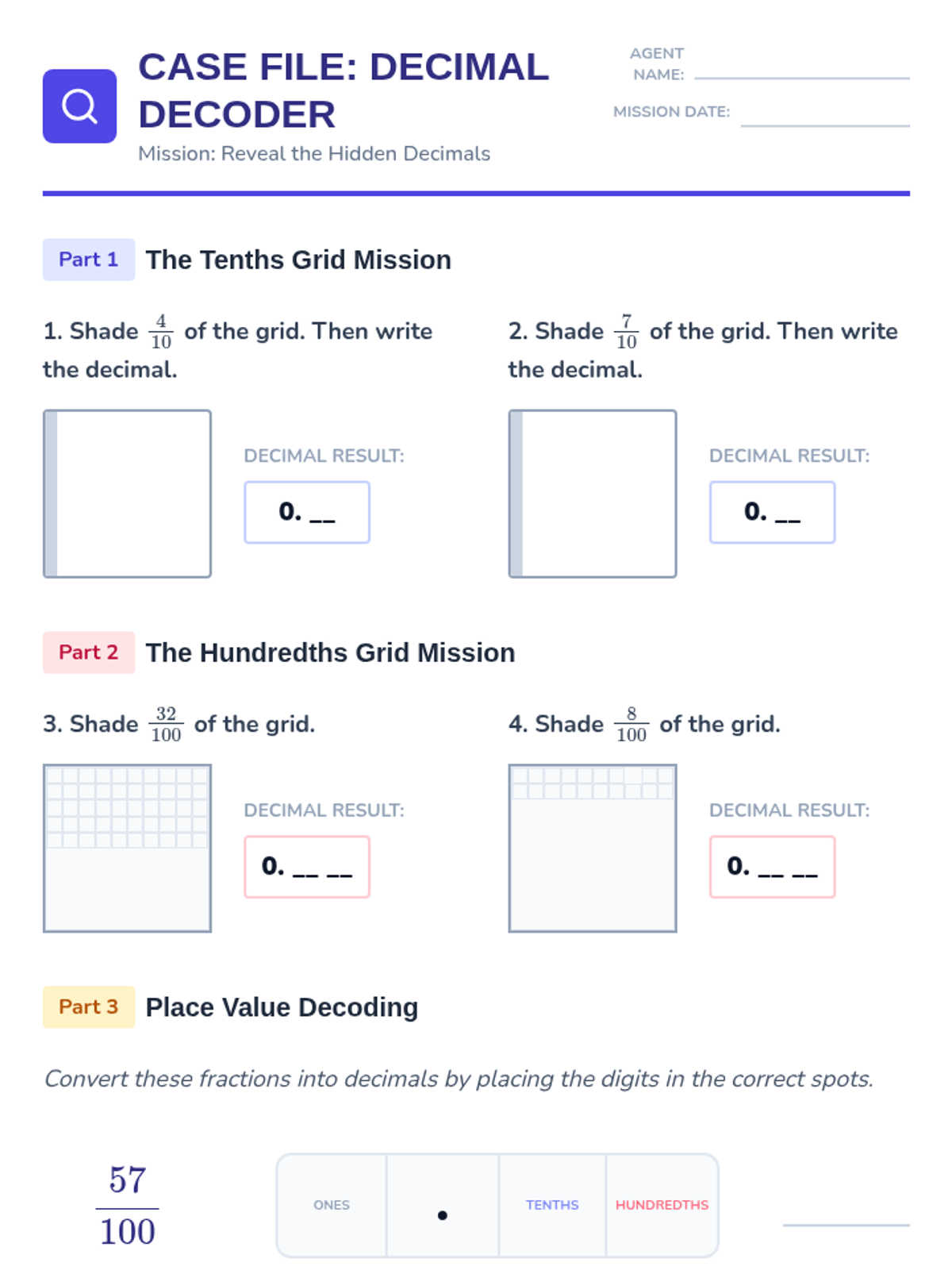
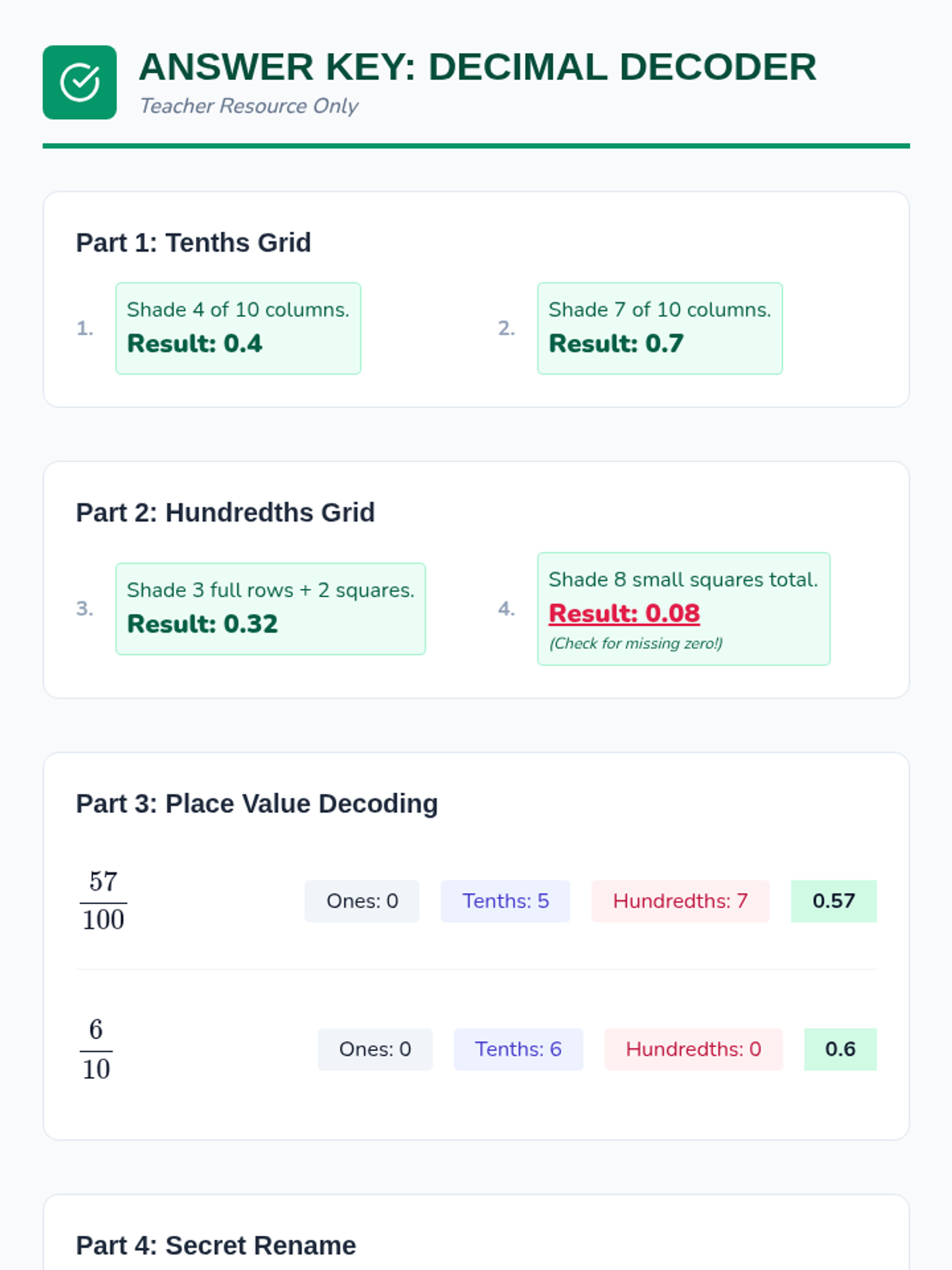
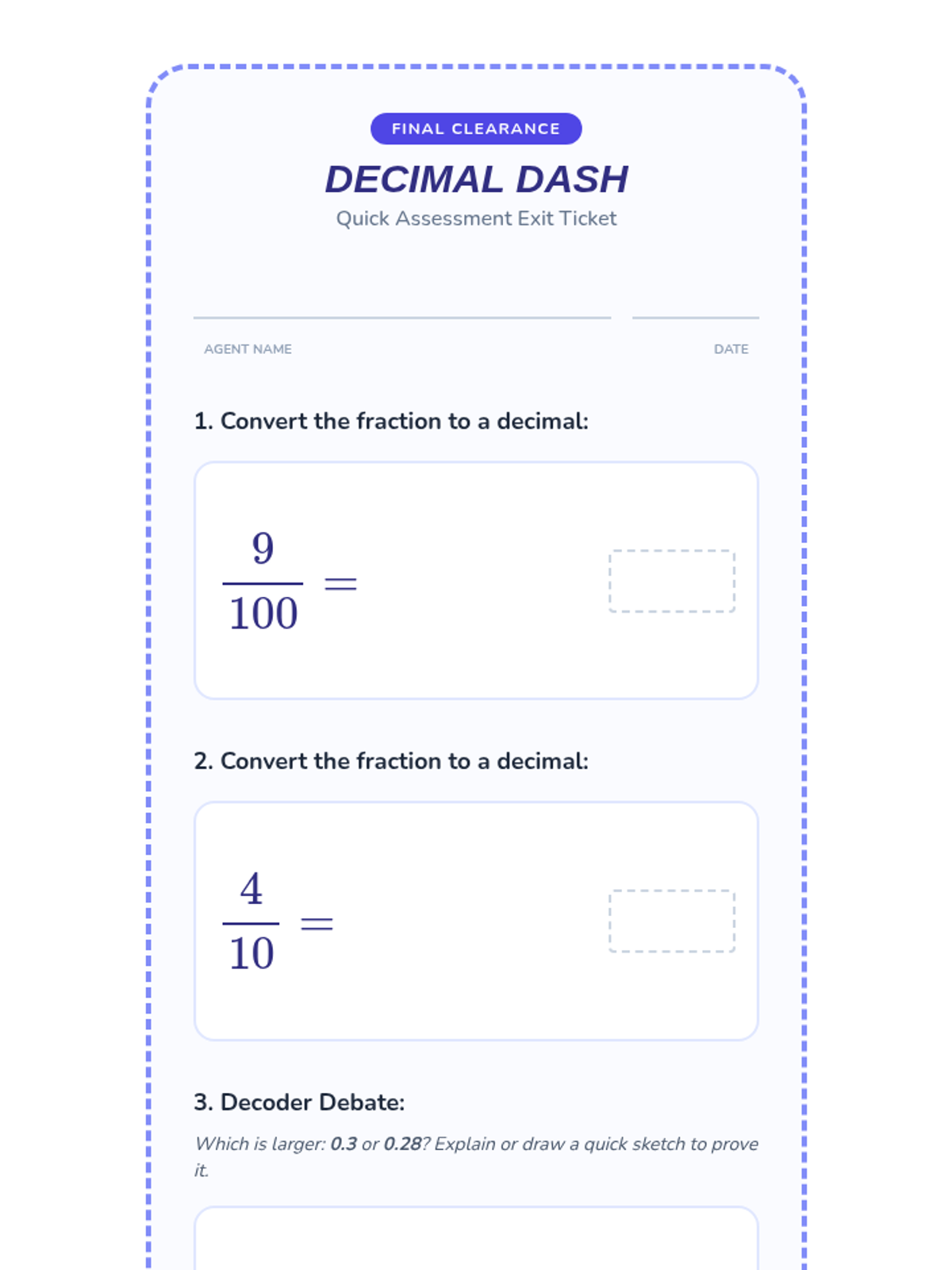
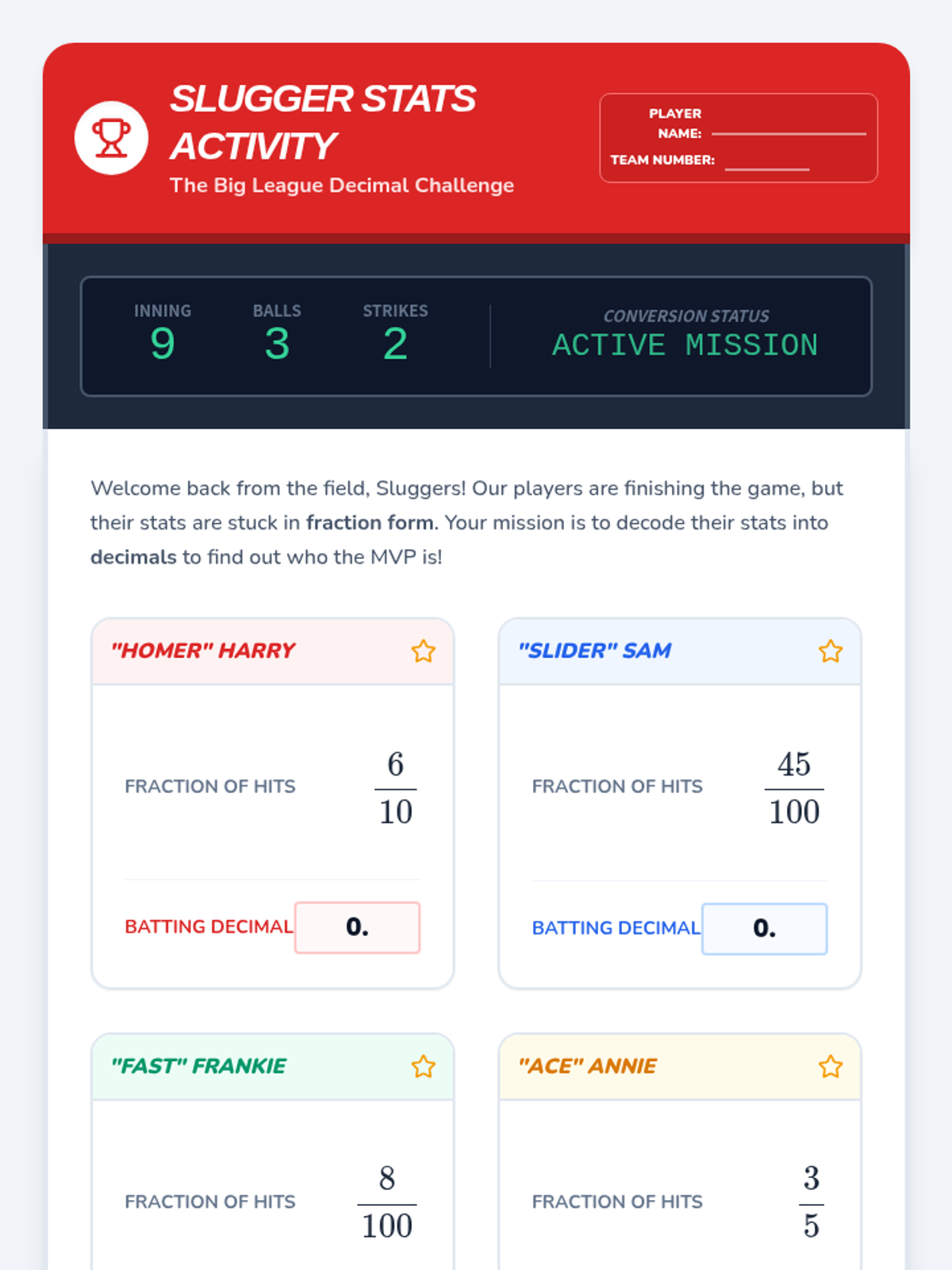
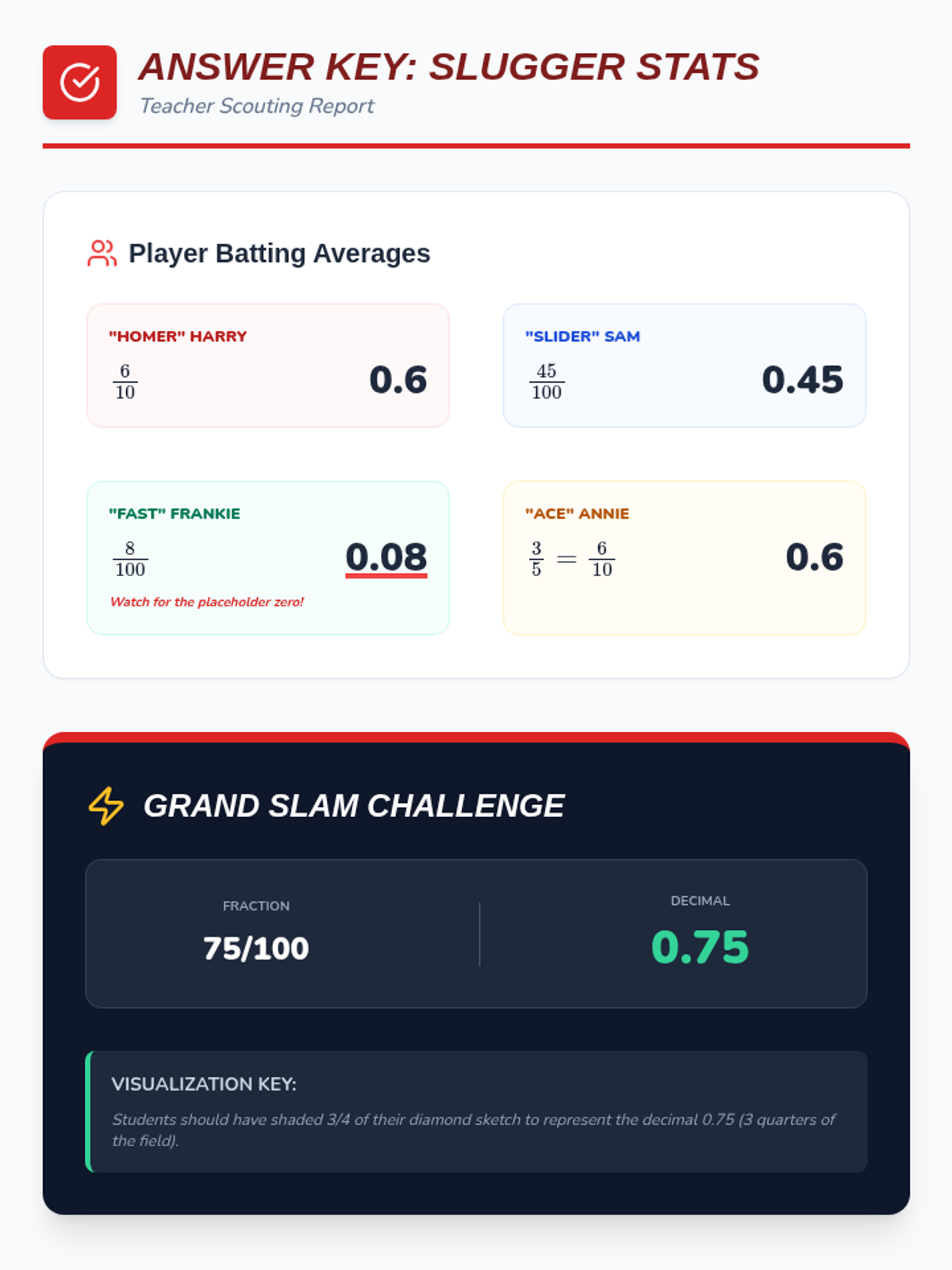
A visual-heavy lesson using a pixel-art theme to help students master converting fractions with denominators of 10 and 100 into decimals using grids and place value charts.
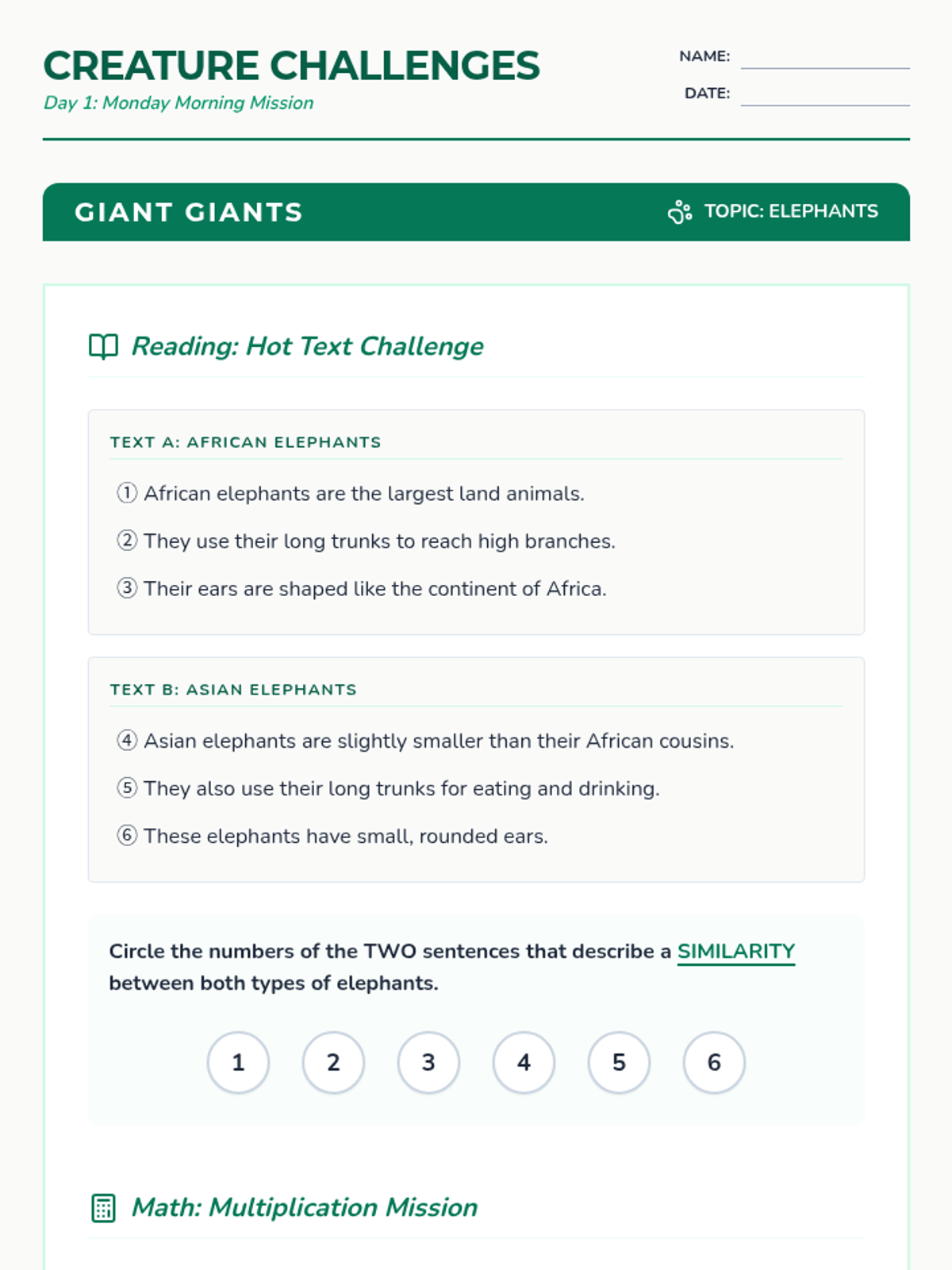
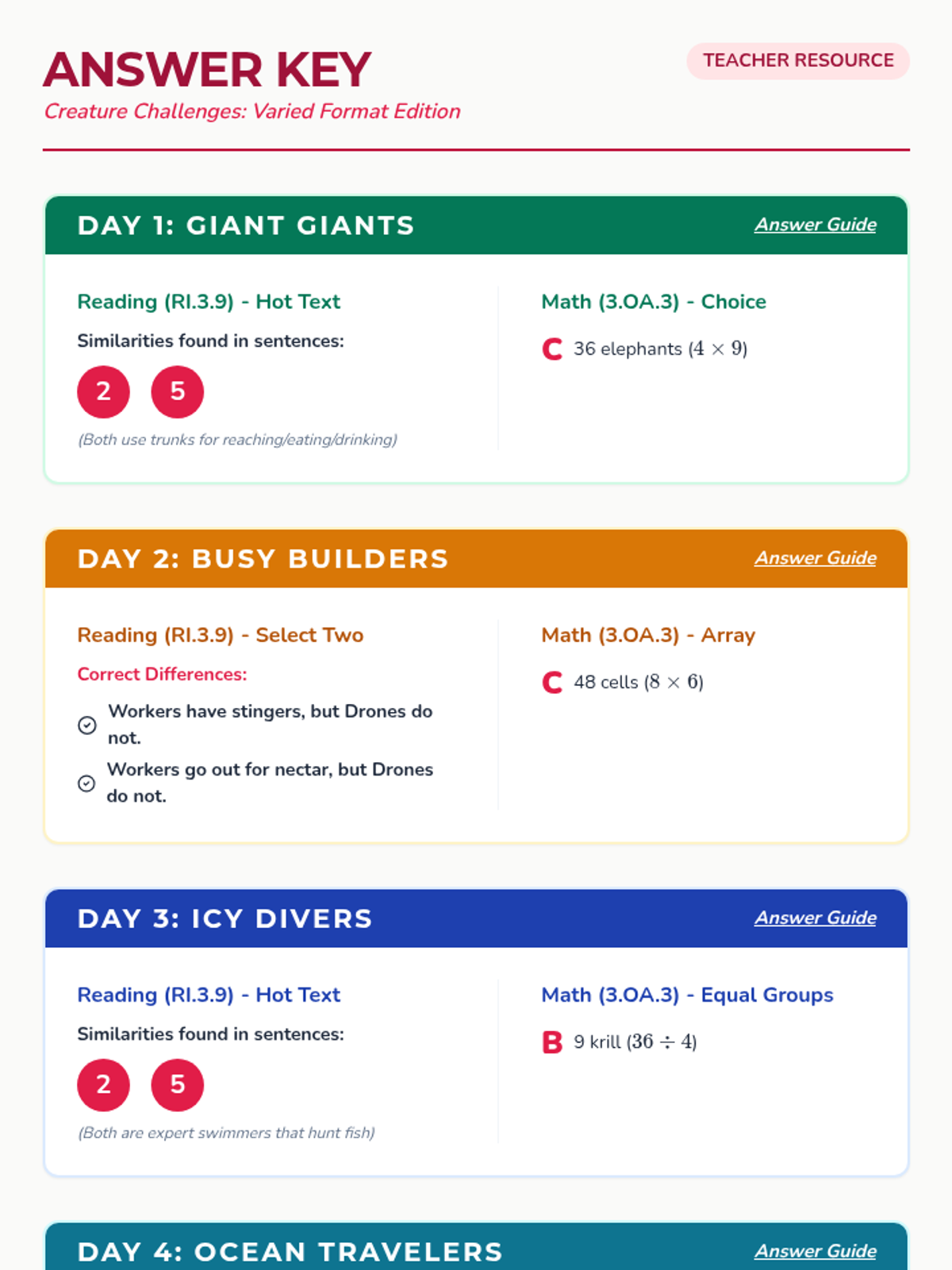
A 4-day morning work series focusing on multiplication/division word problems and comparing/contrasting informational texts about animals.
A visual-heavy lesson focused on converting fractions with denominators of 10 and 100 into decimals using area models and place value charts. Students act as 'Decimal Decoders' to solve math mysteries.
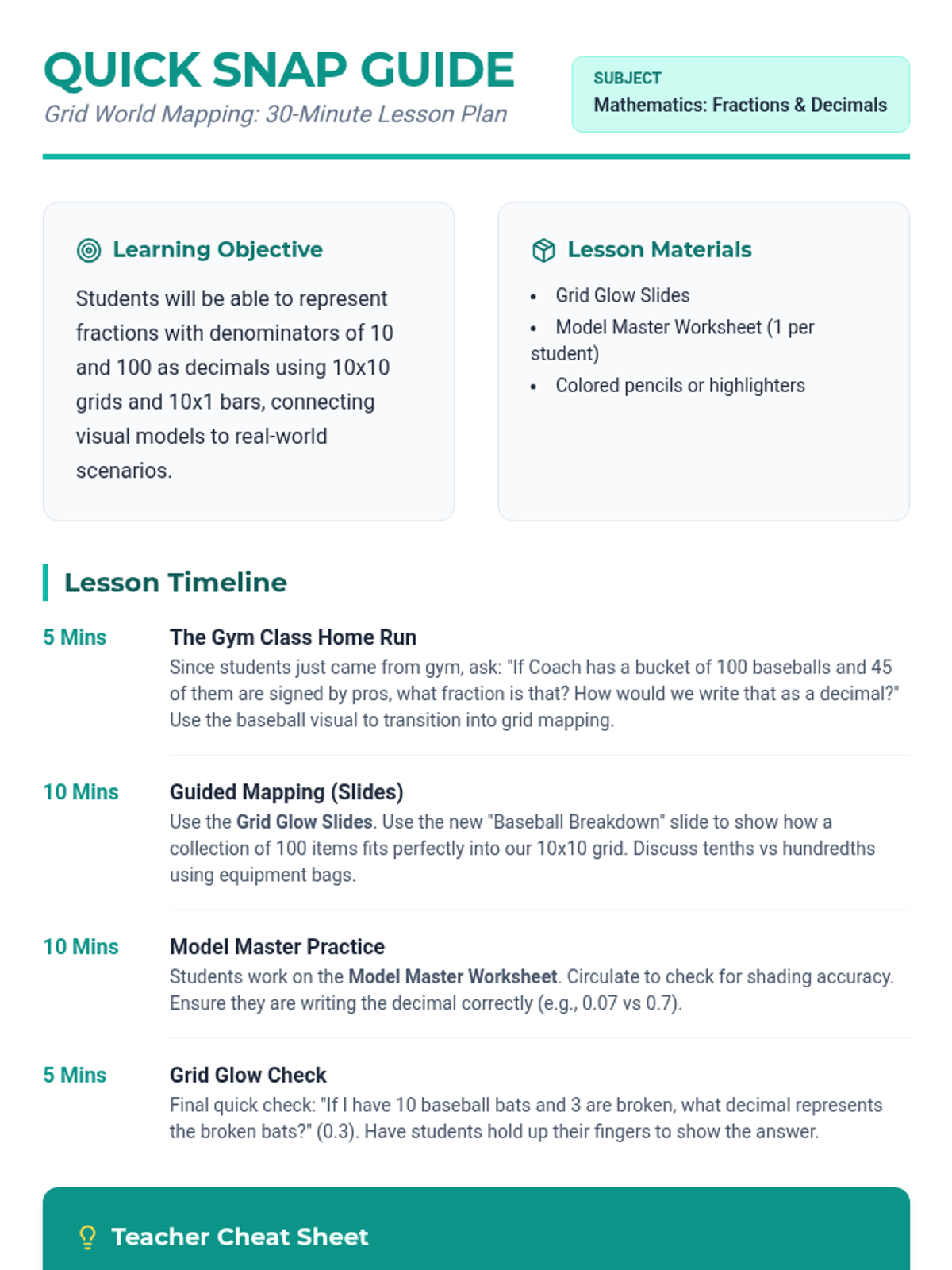
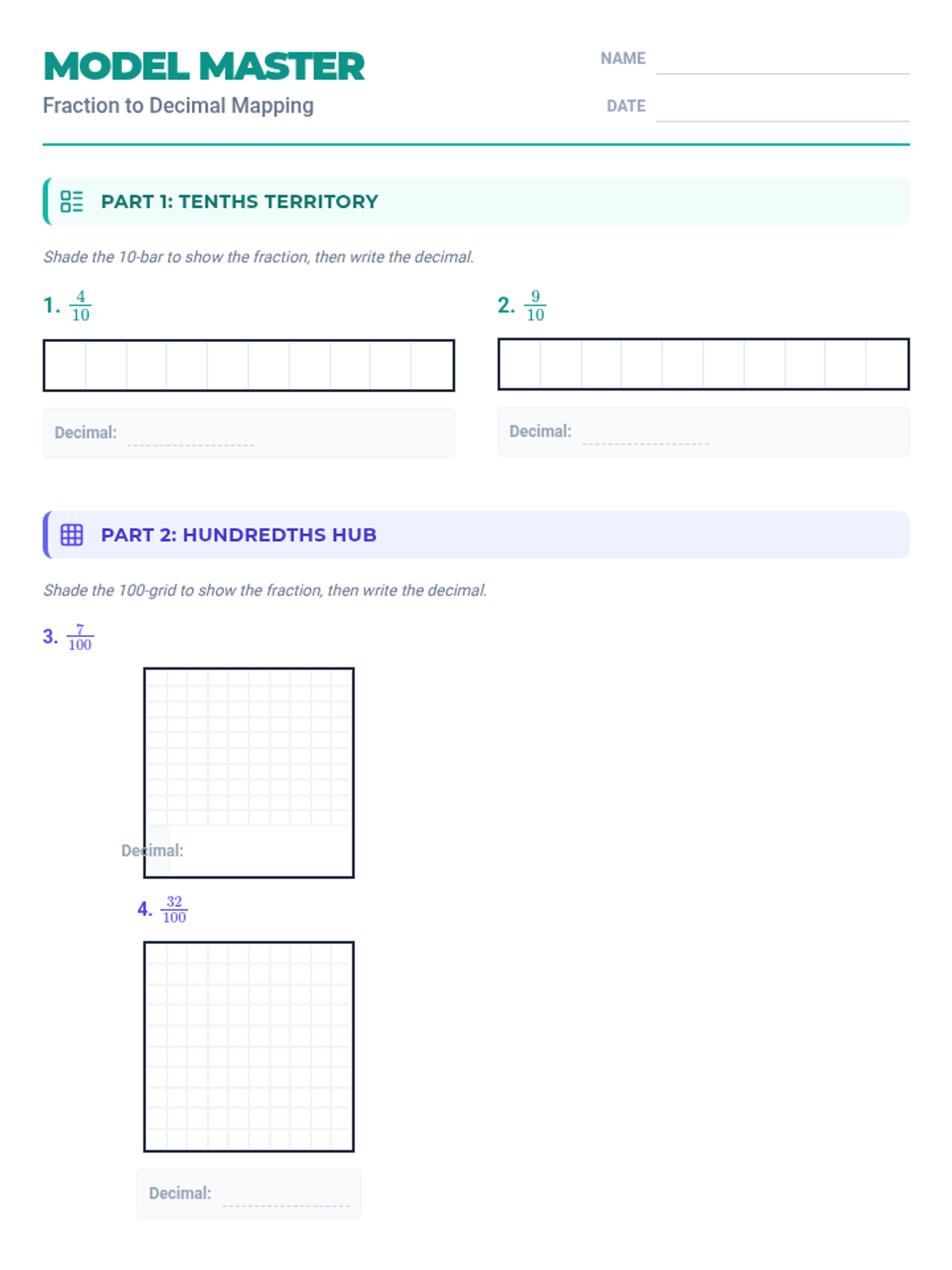
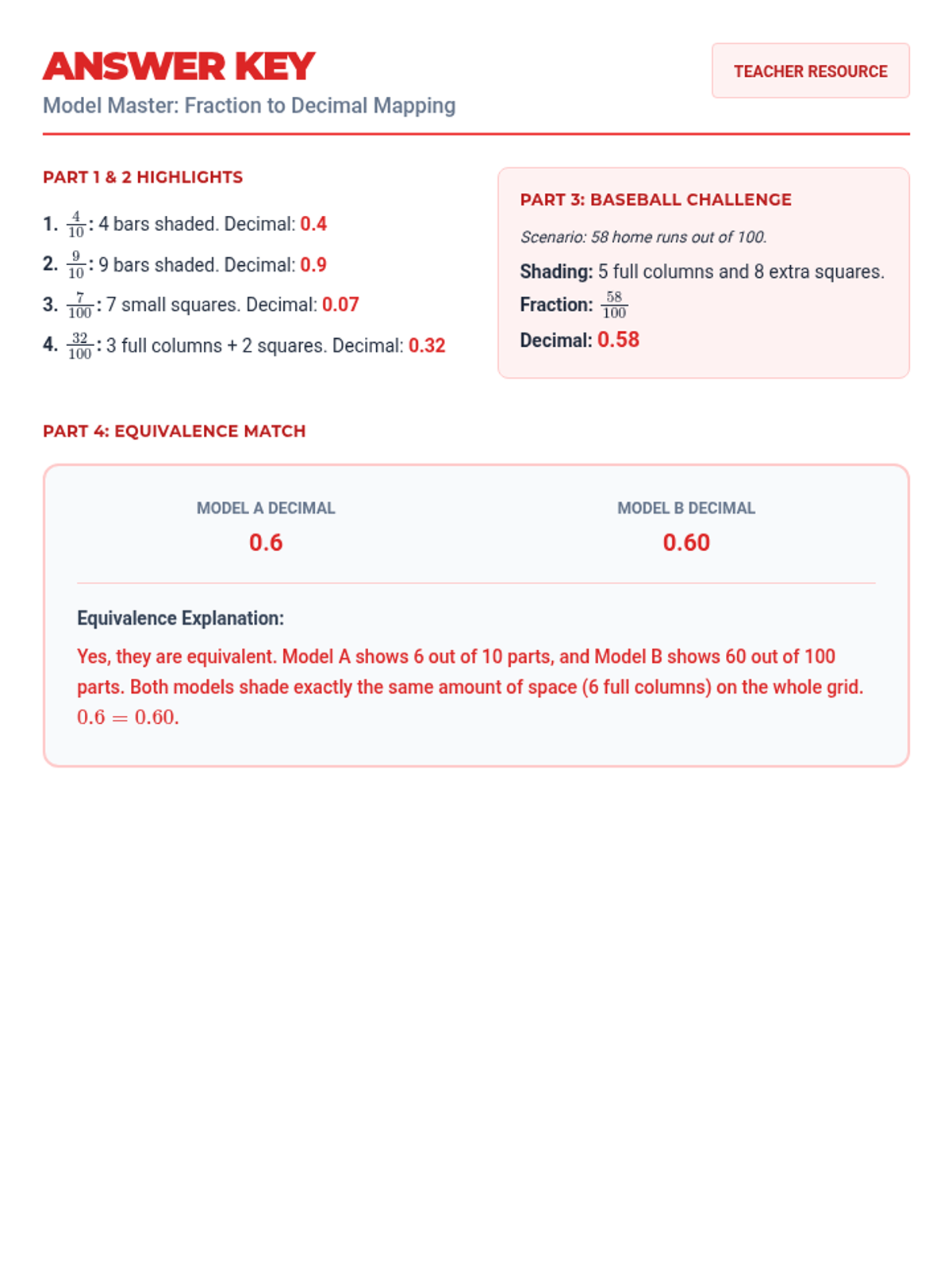
A 30-minute introductory lesson focusing on representing fractions and decimals using 10x10 and 10x1 grids. Students will visualize parts of a whole to build conceptual understanding.
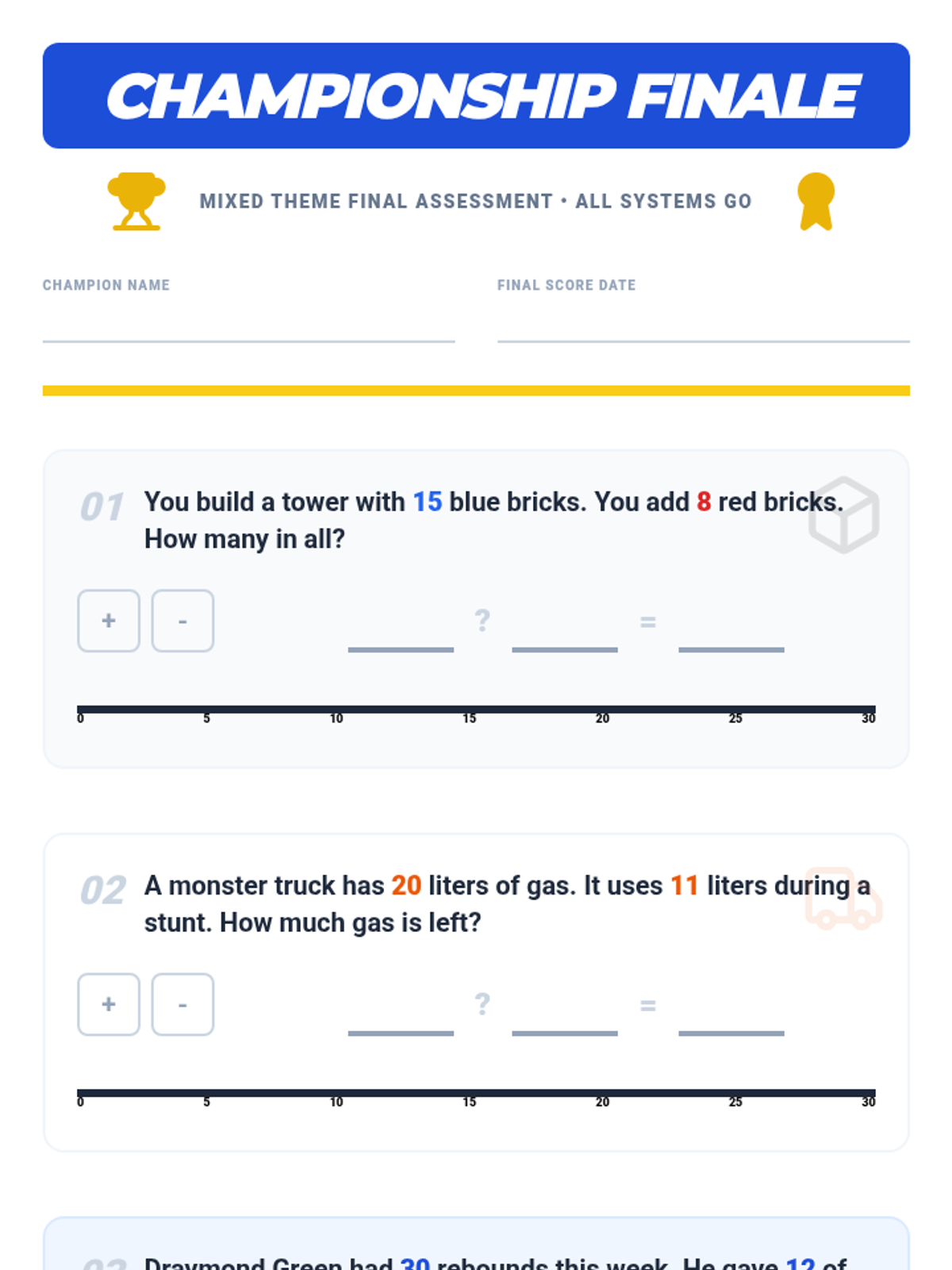
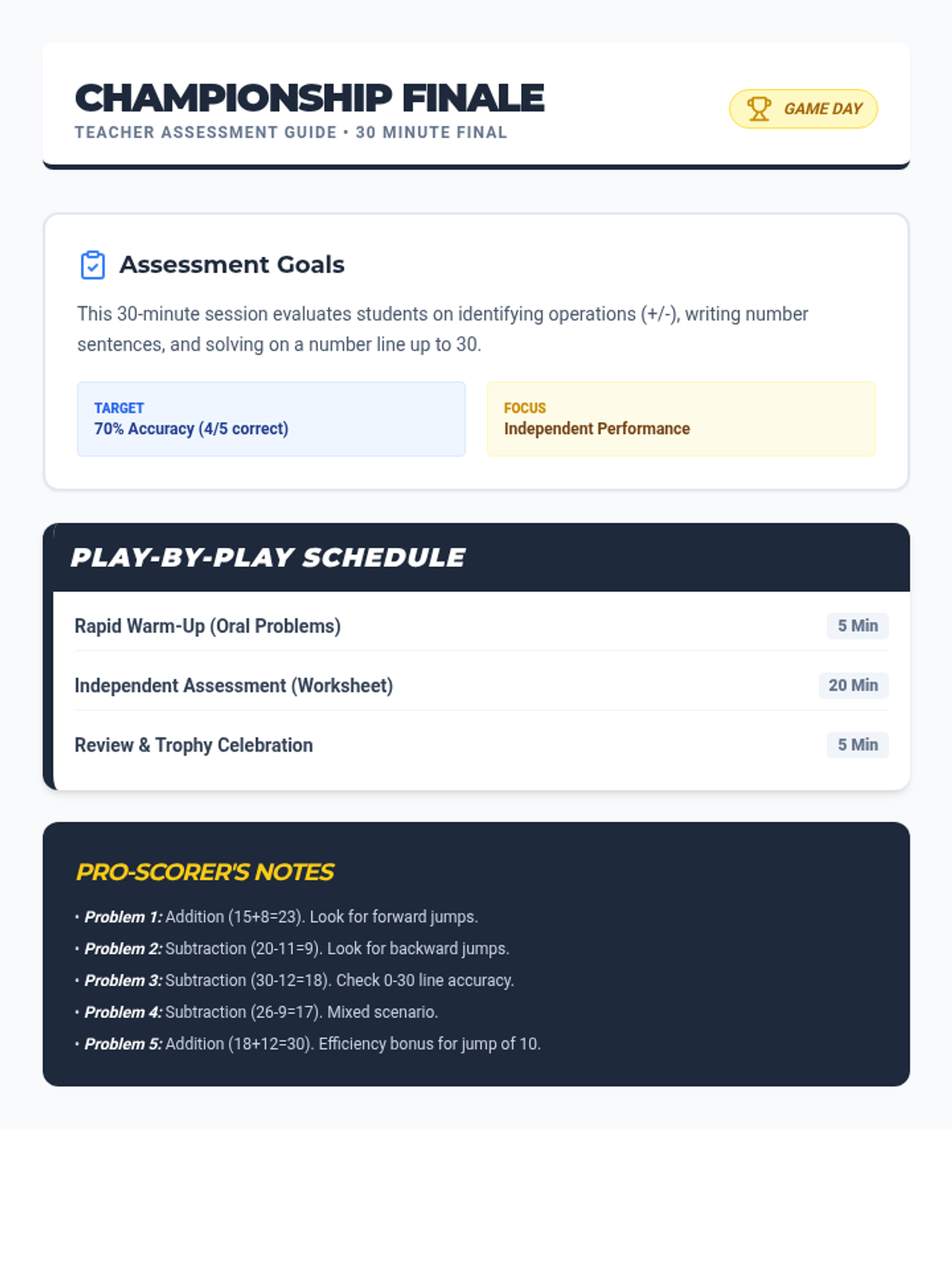
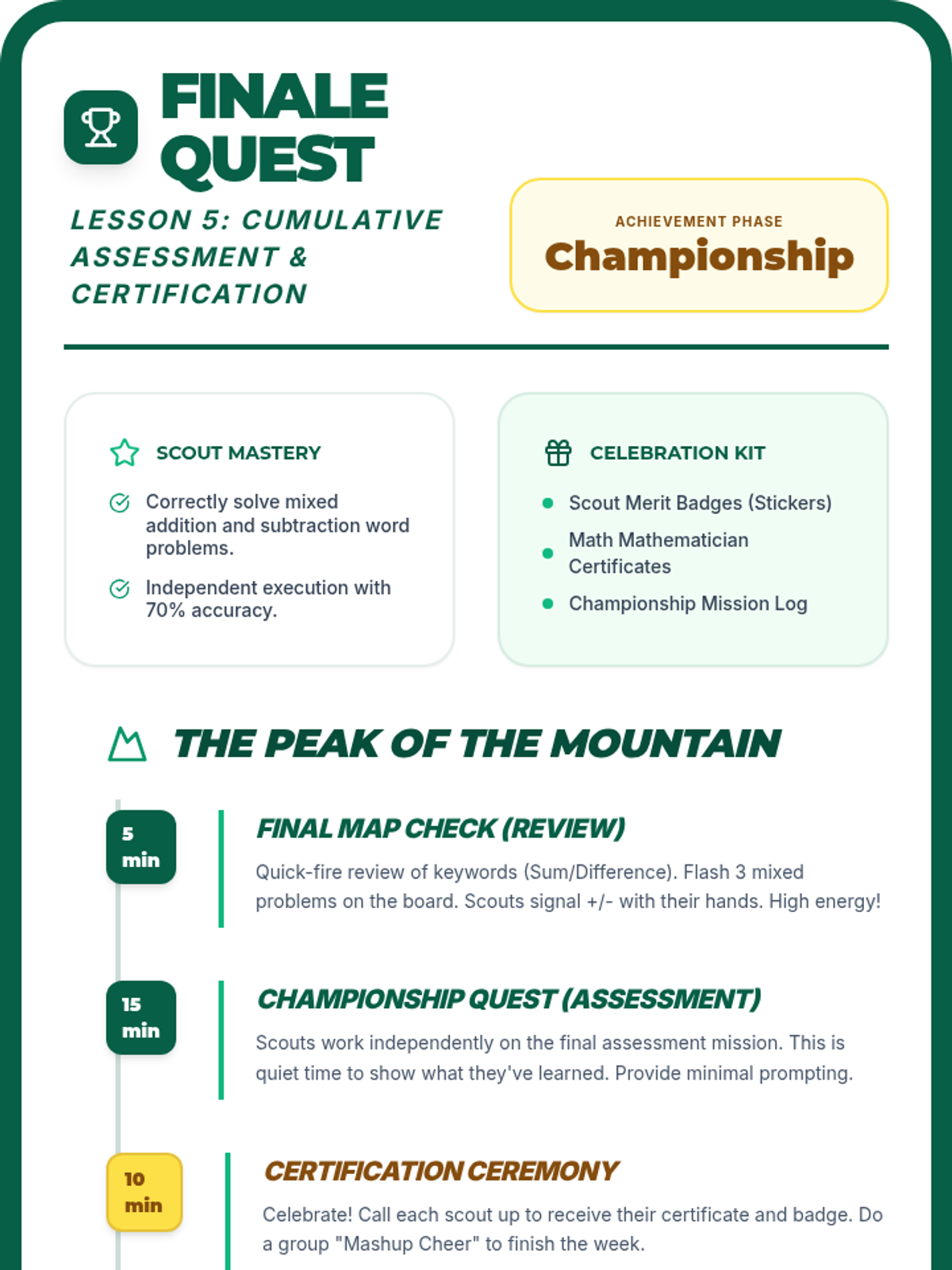
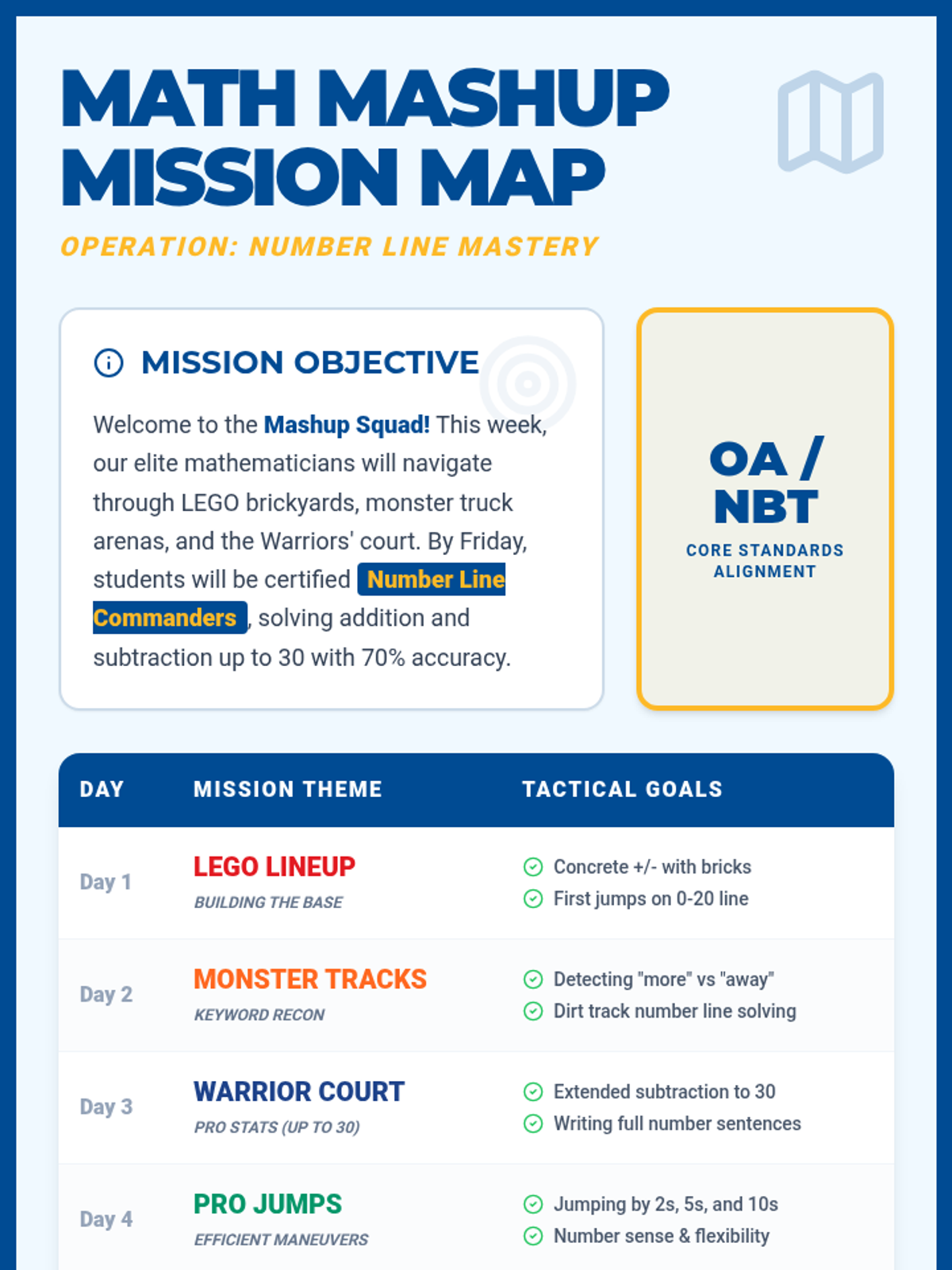
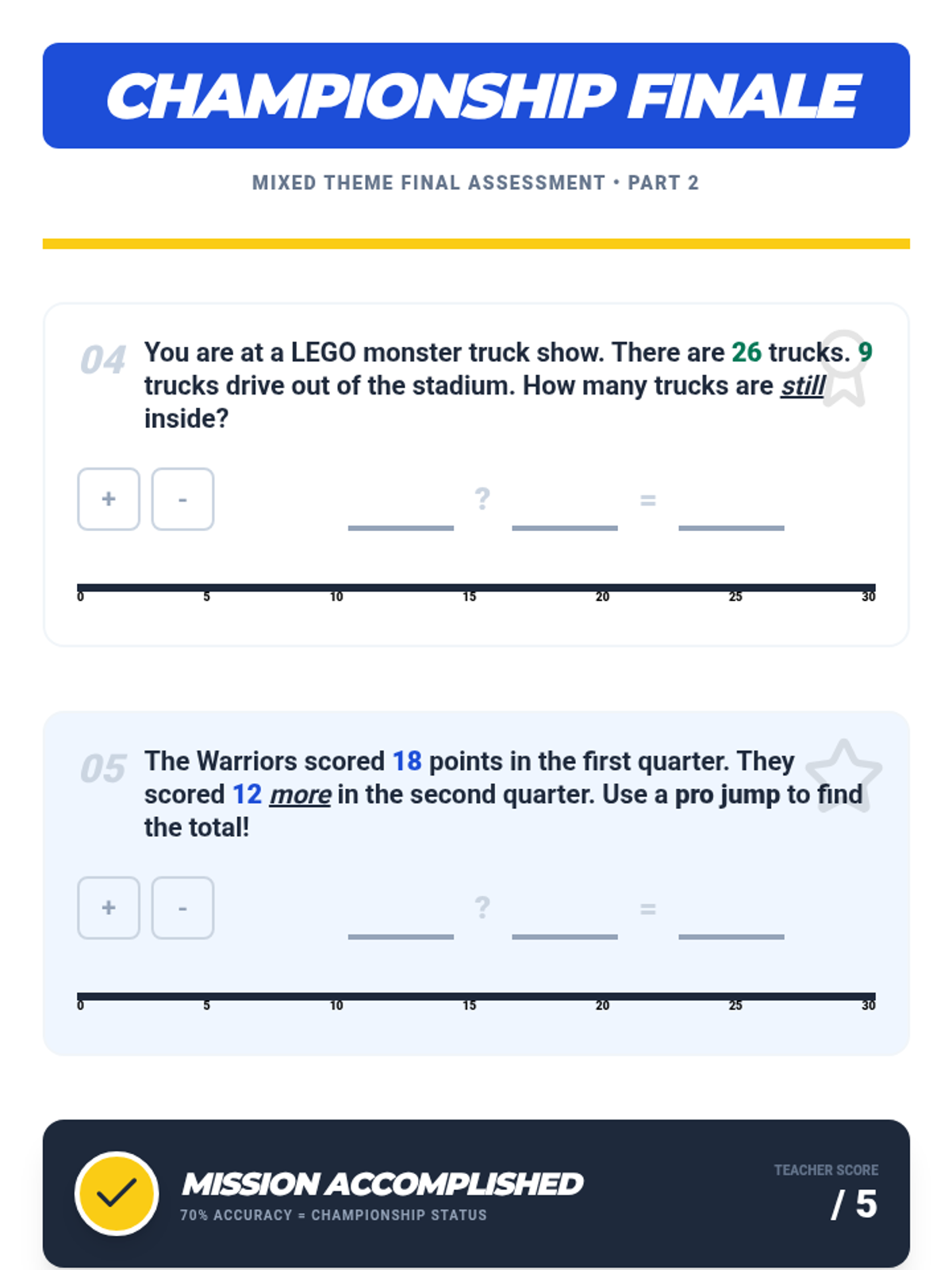
The cumulative review and assessment where students solve mixed-theme problems independently to demonstrate 70% accuracy.
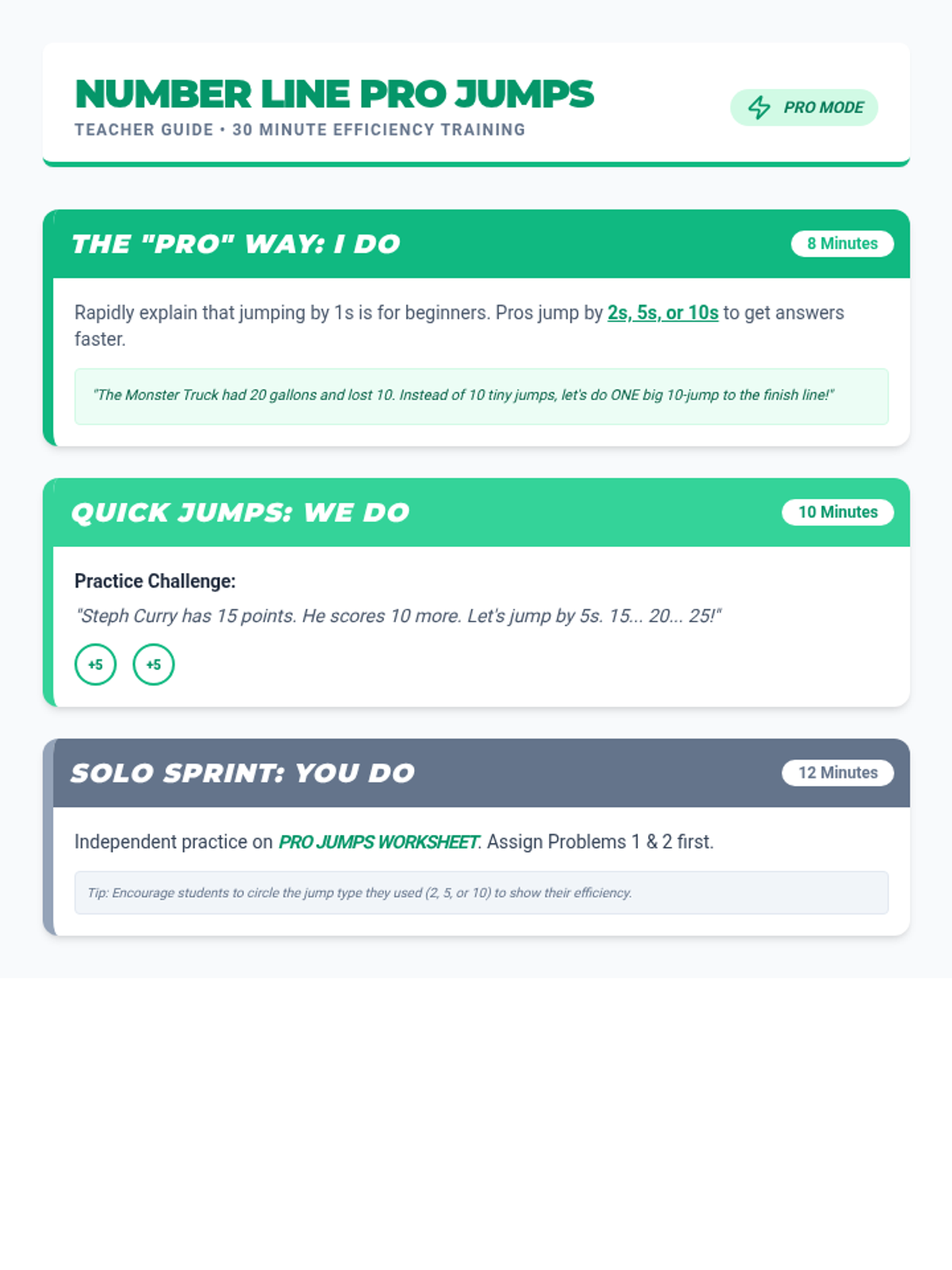
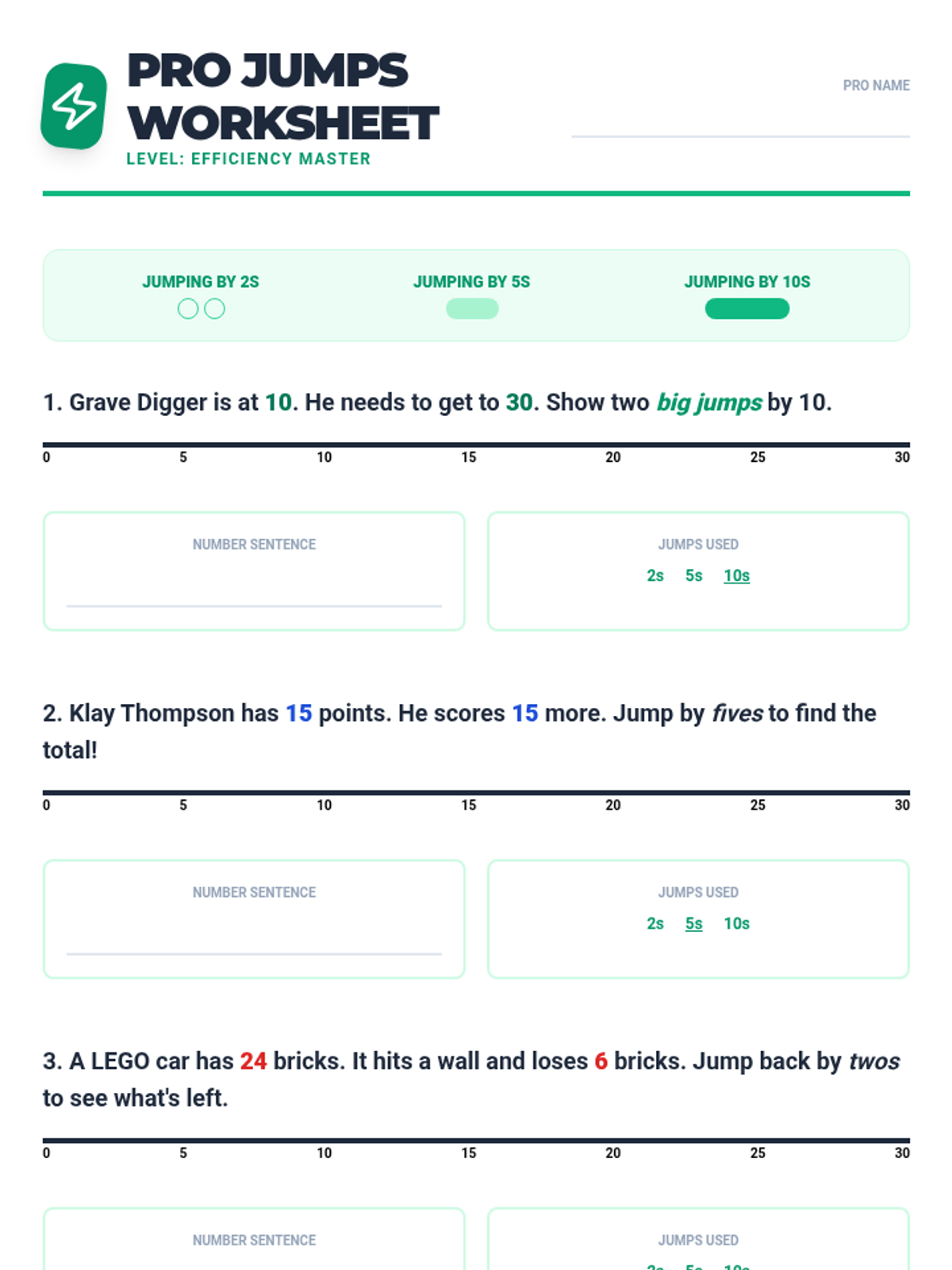
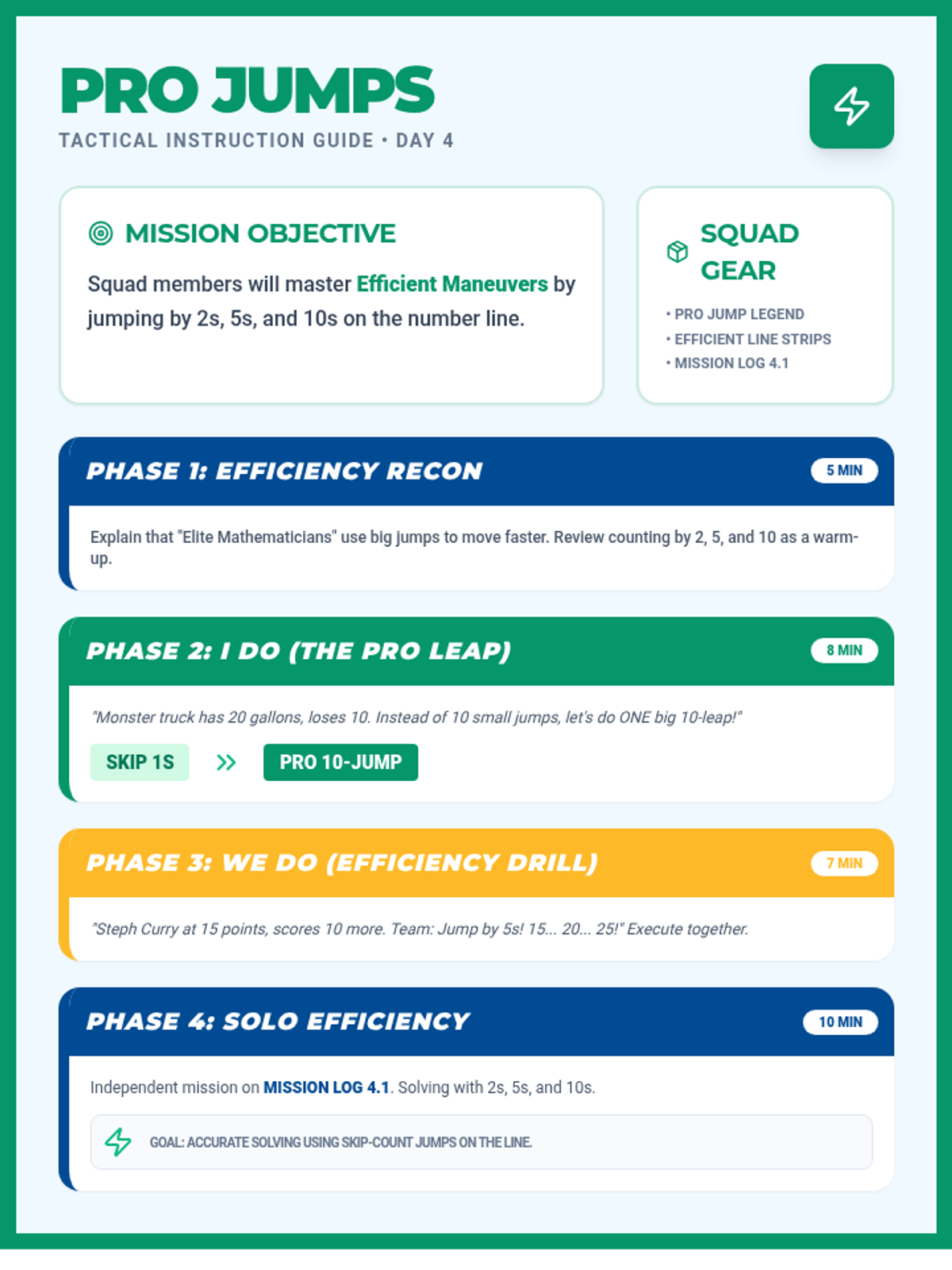
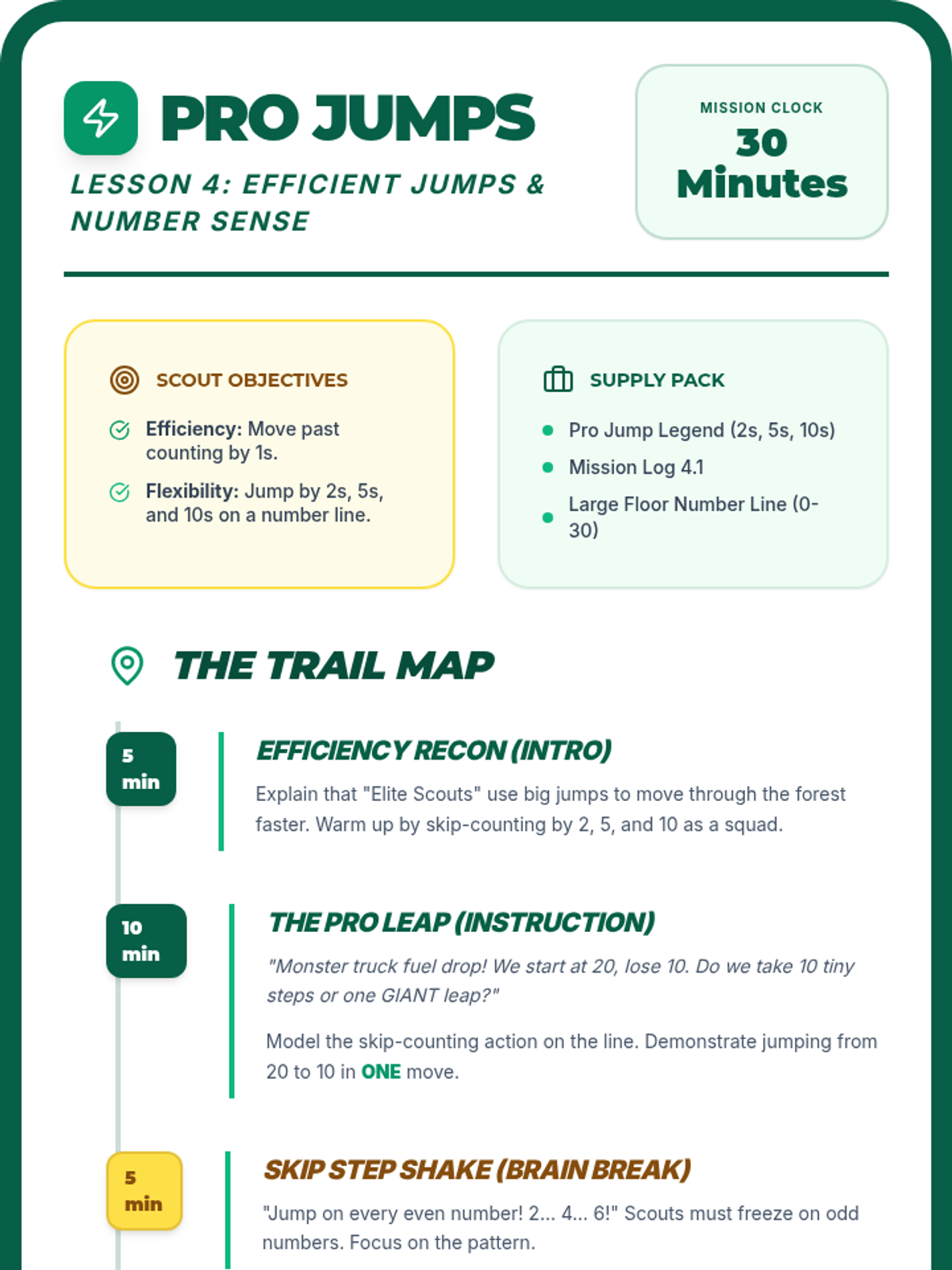
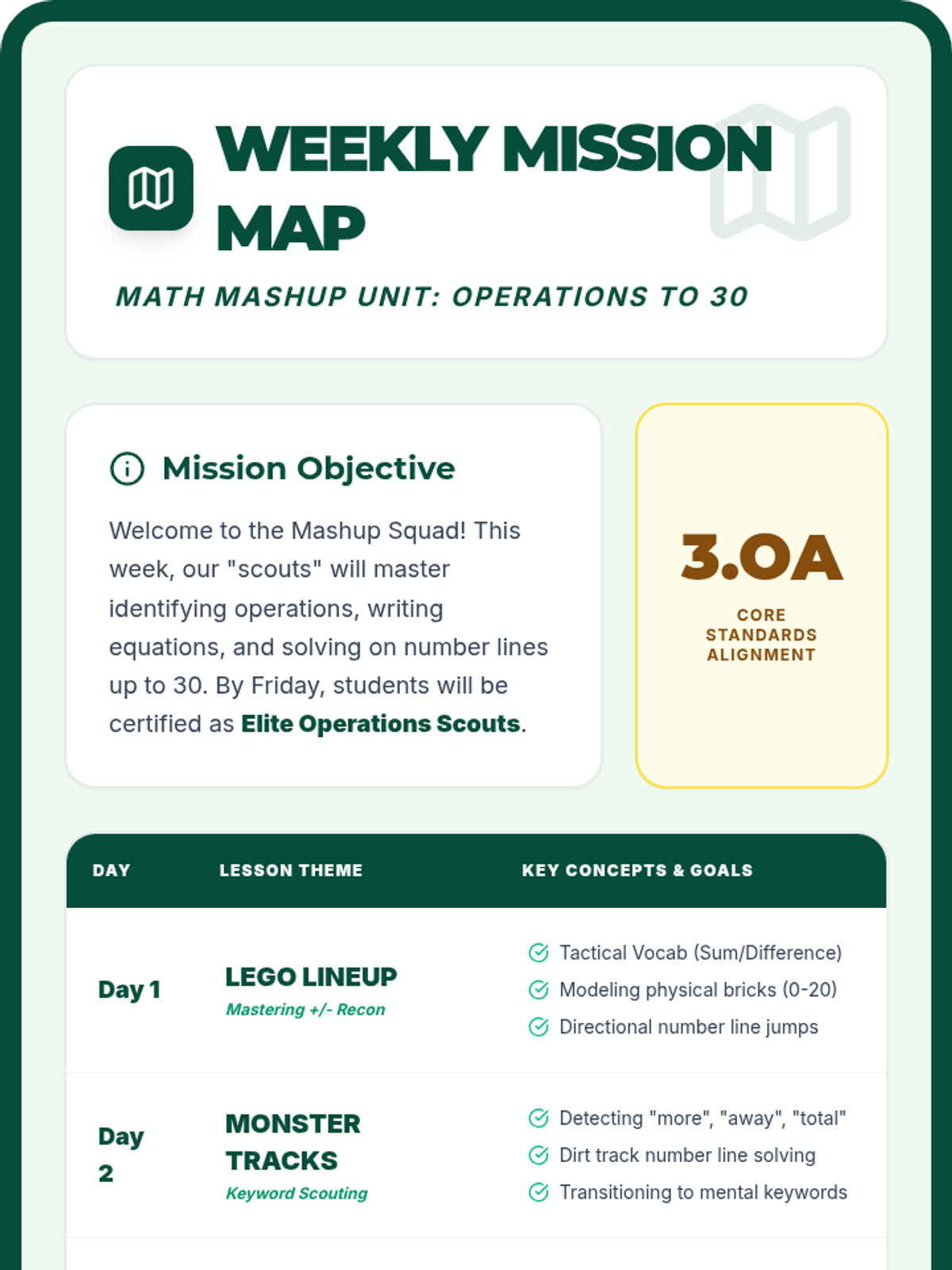
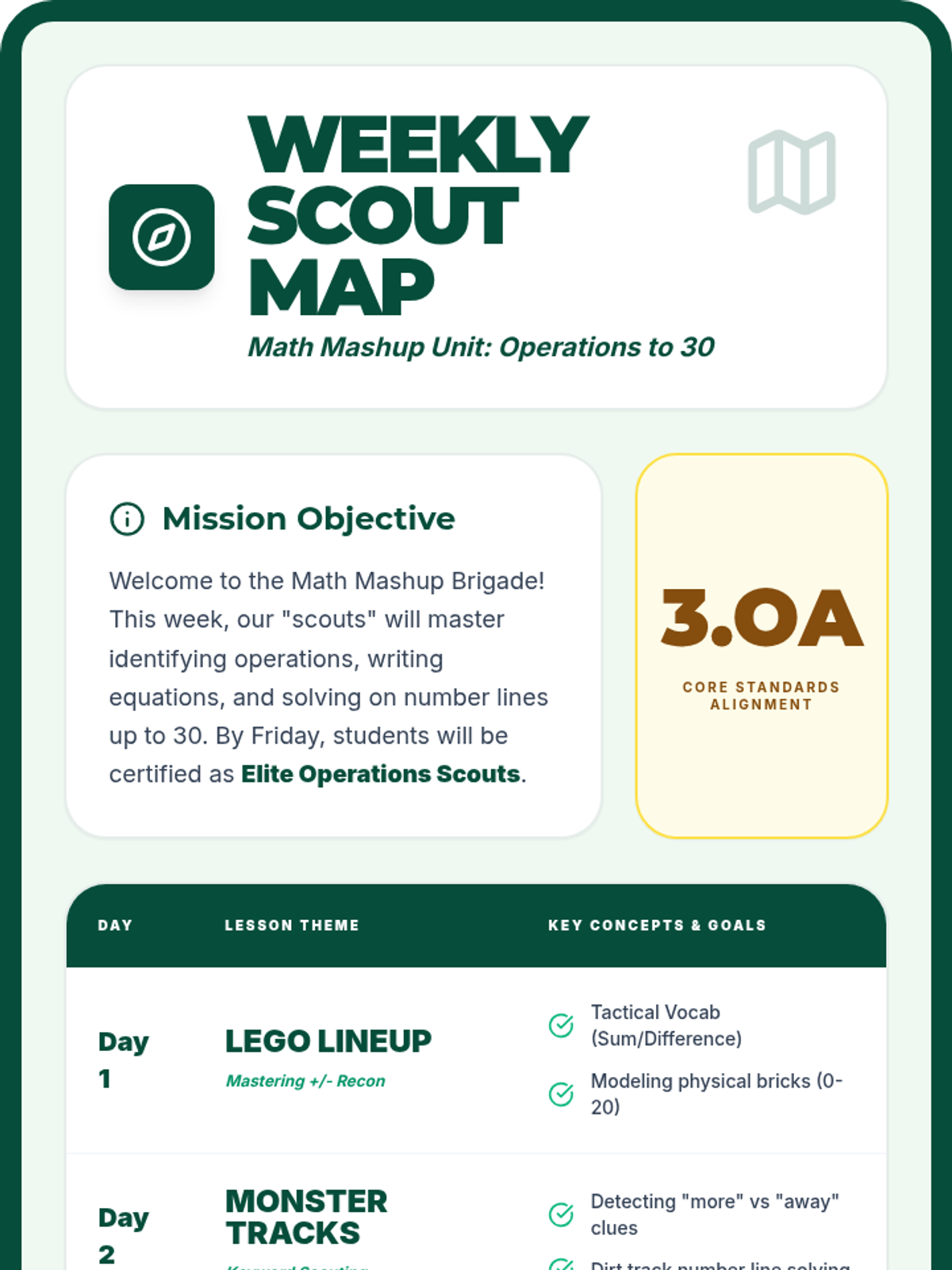
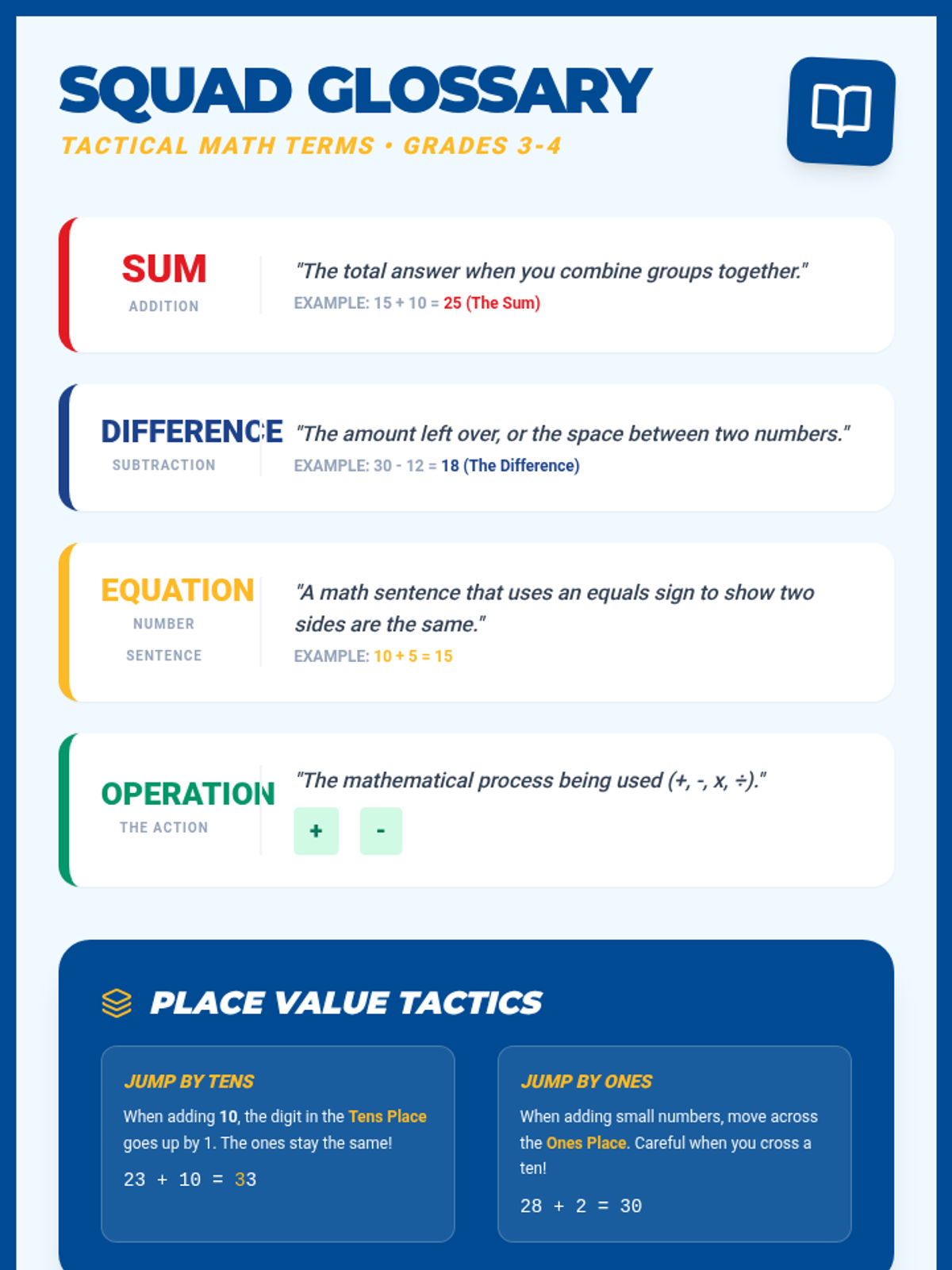
Develops flexibility and number sense by teaching efficient jumps on the number line (jumping by 2s, 5s, or 10s) within the context of all three themes.
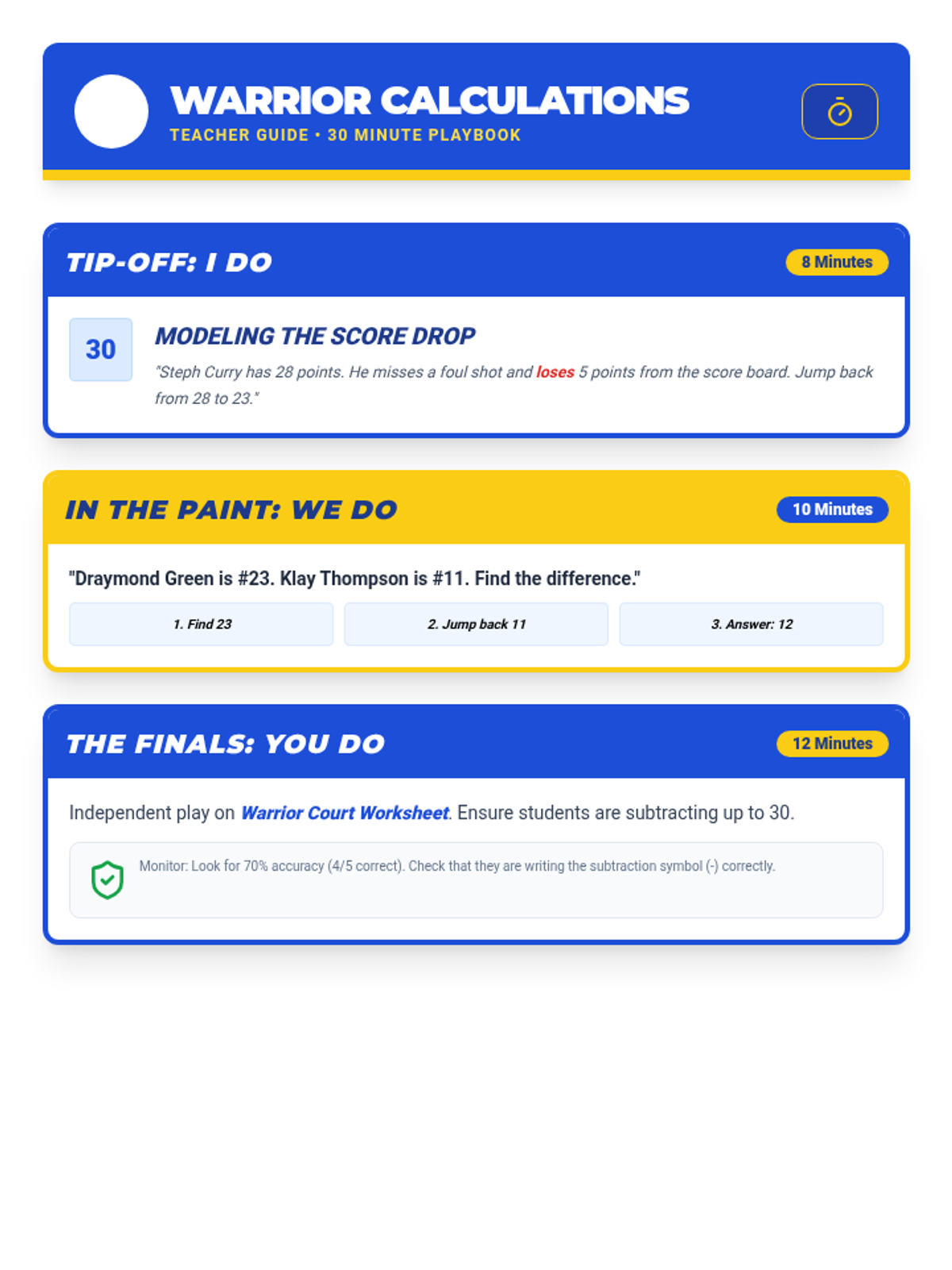
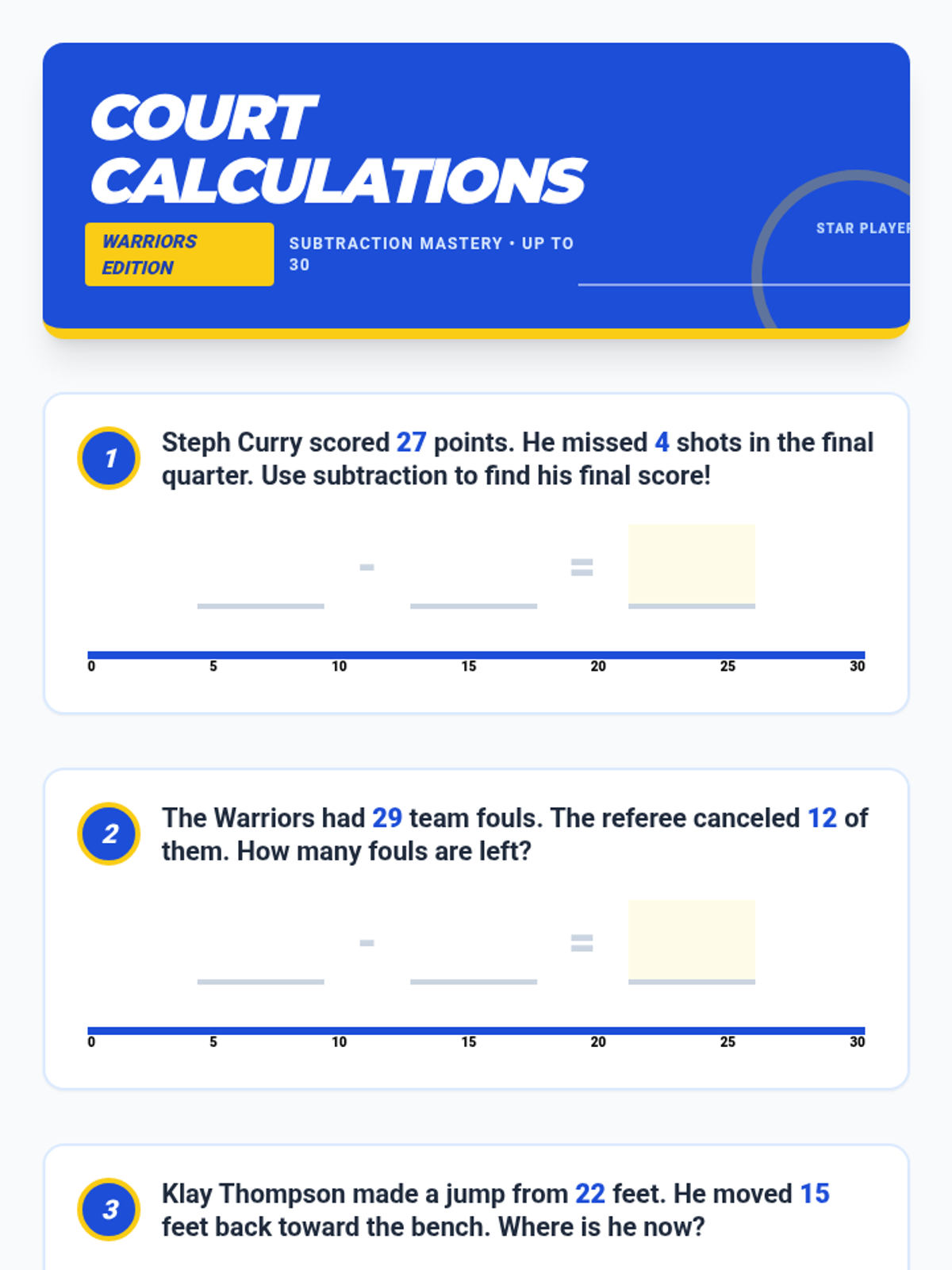
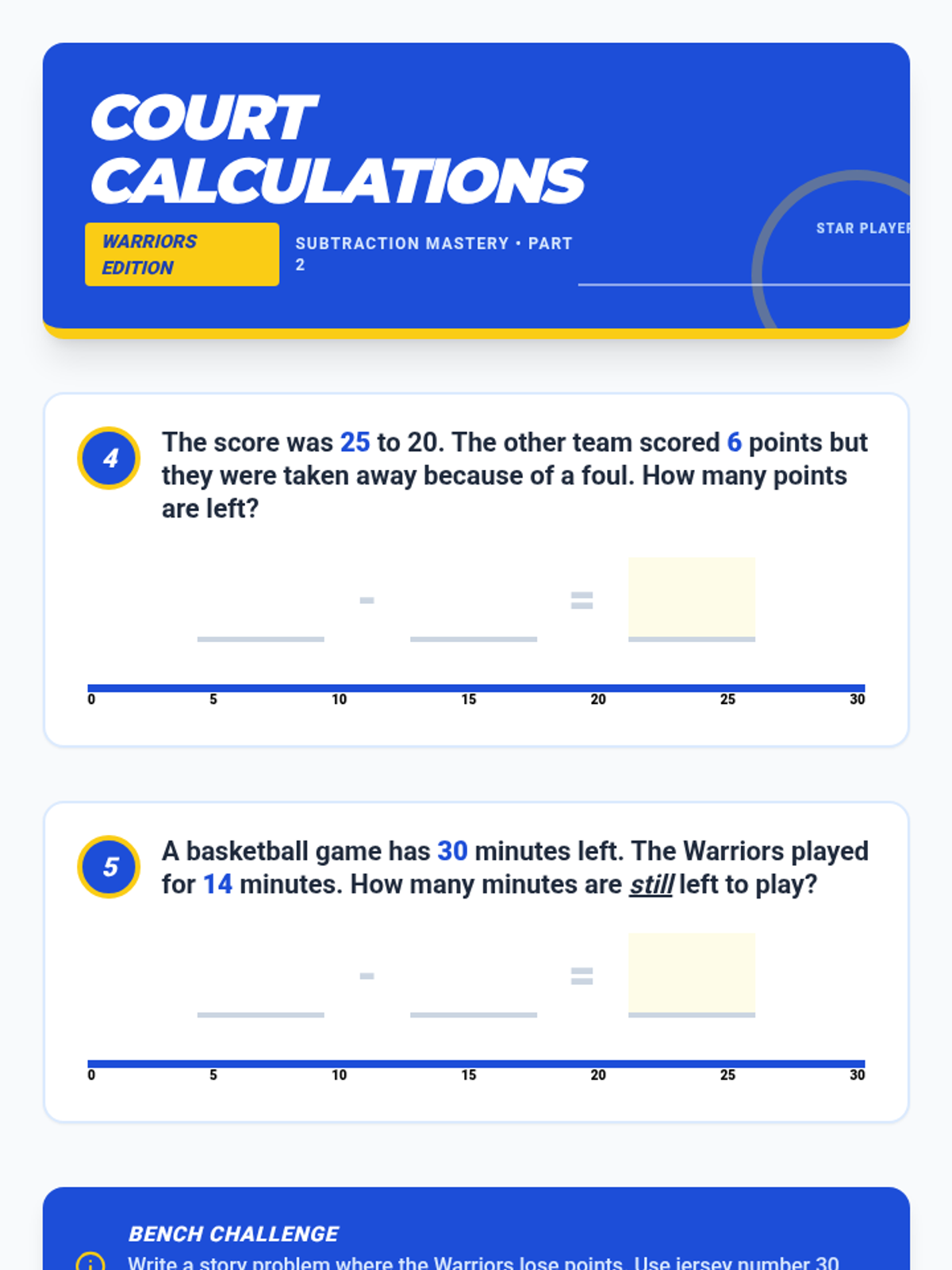
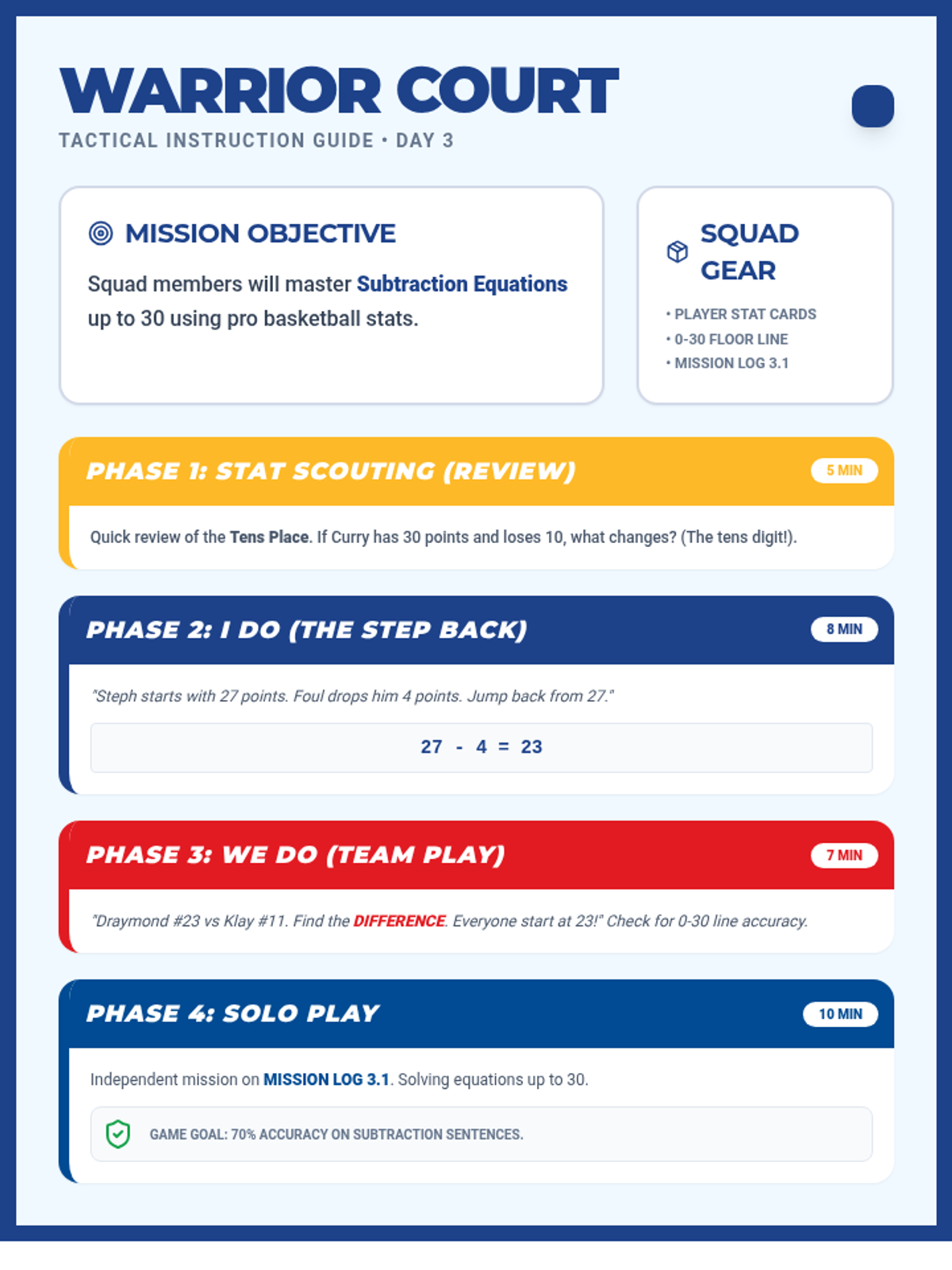
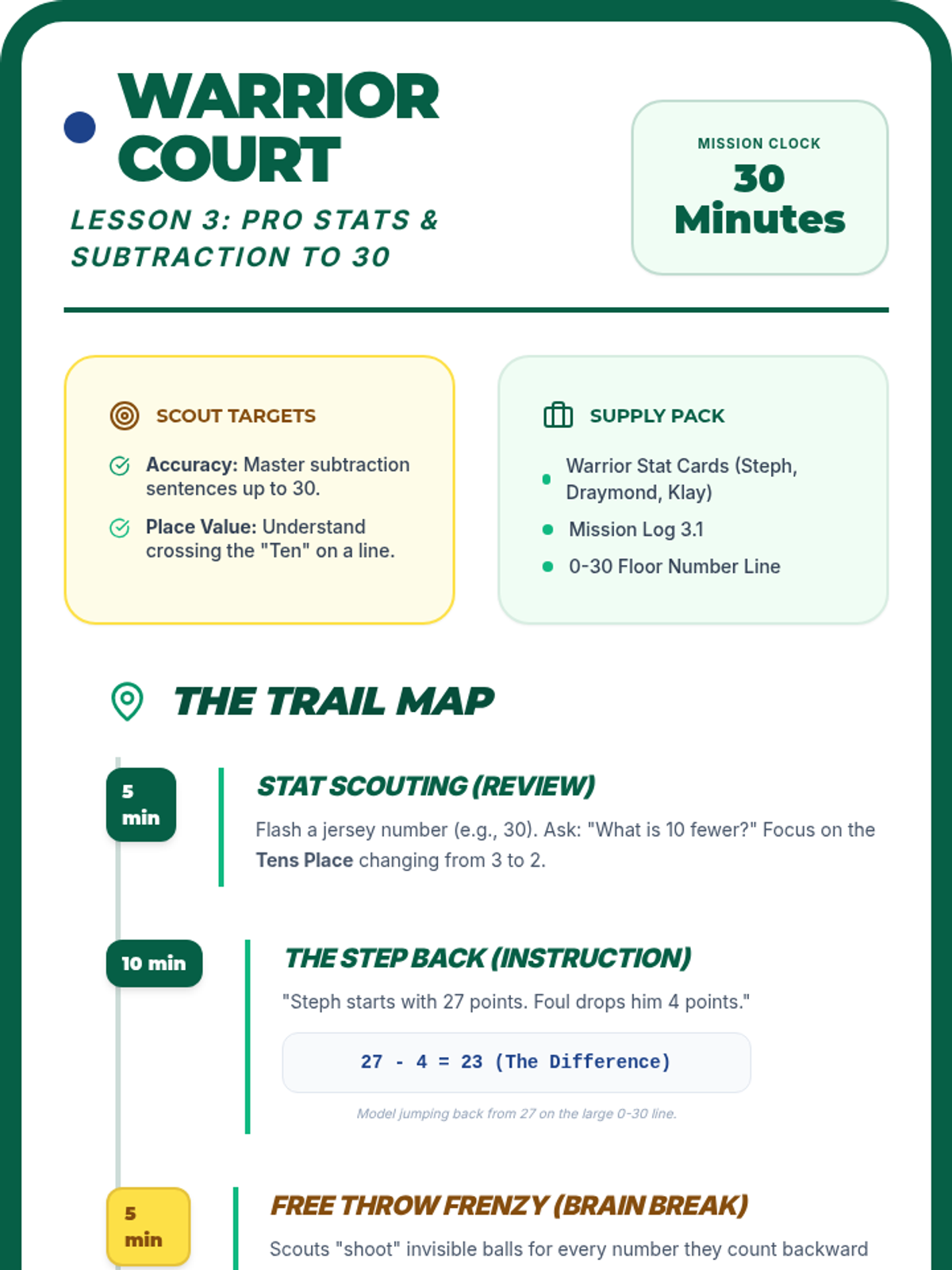
Integrates Golden State Warriors stats and basketball gameplay to practice writing number sentences and solving subtraction up to 30.
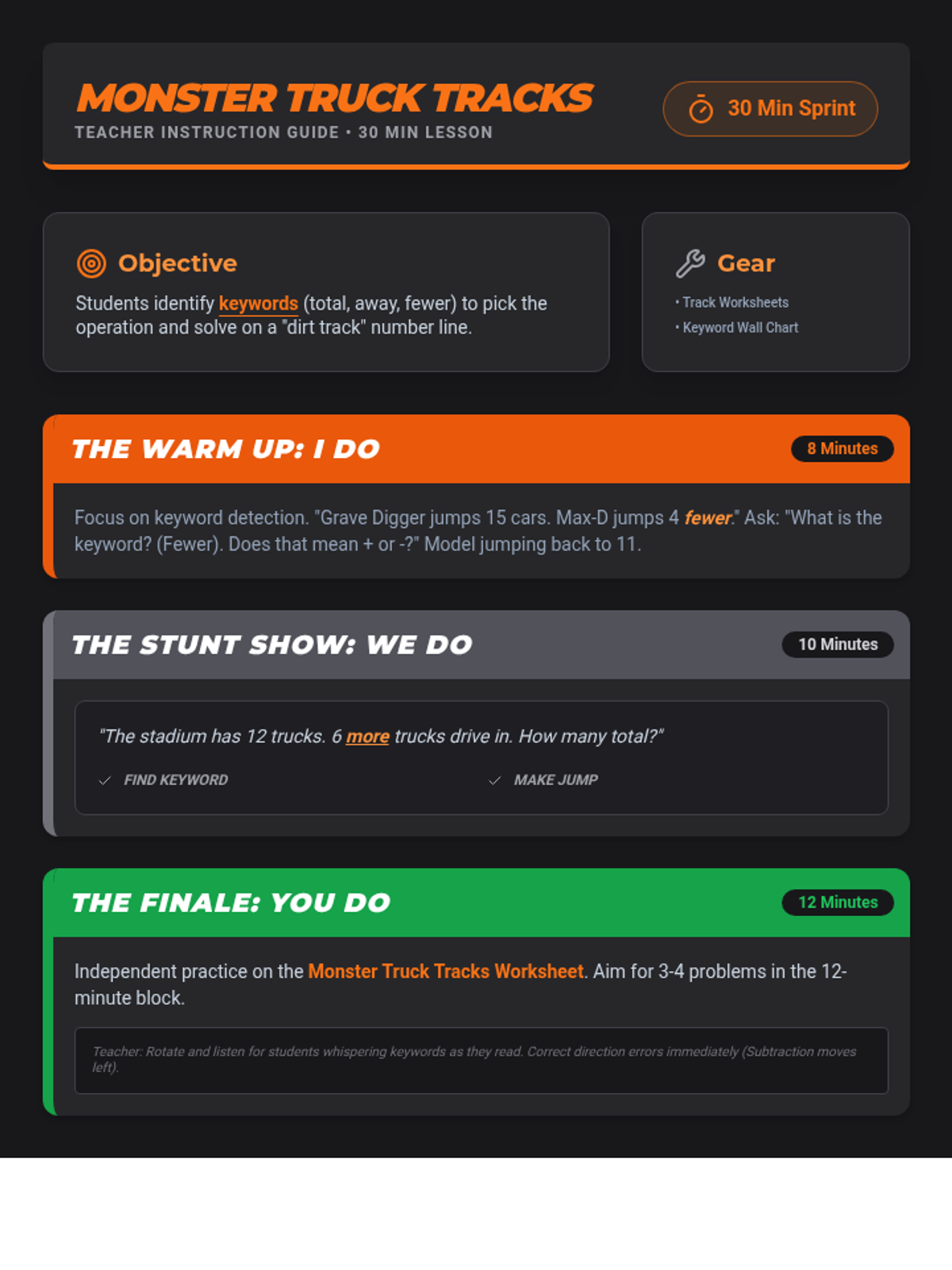
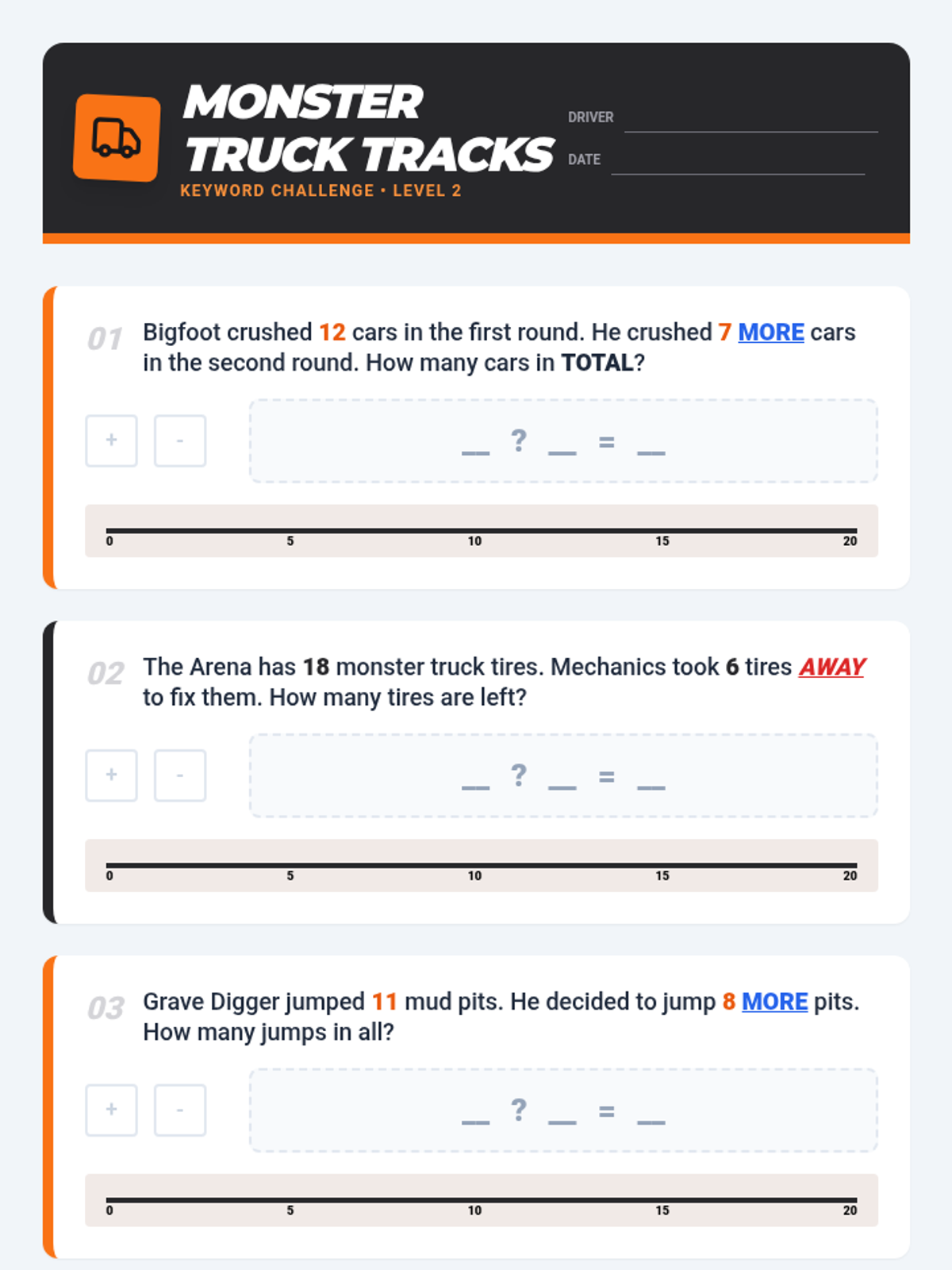
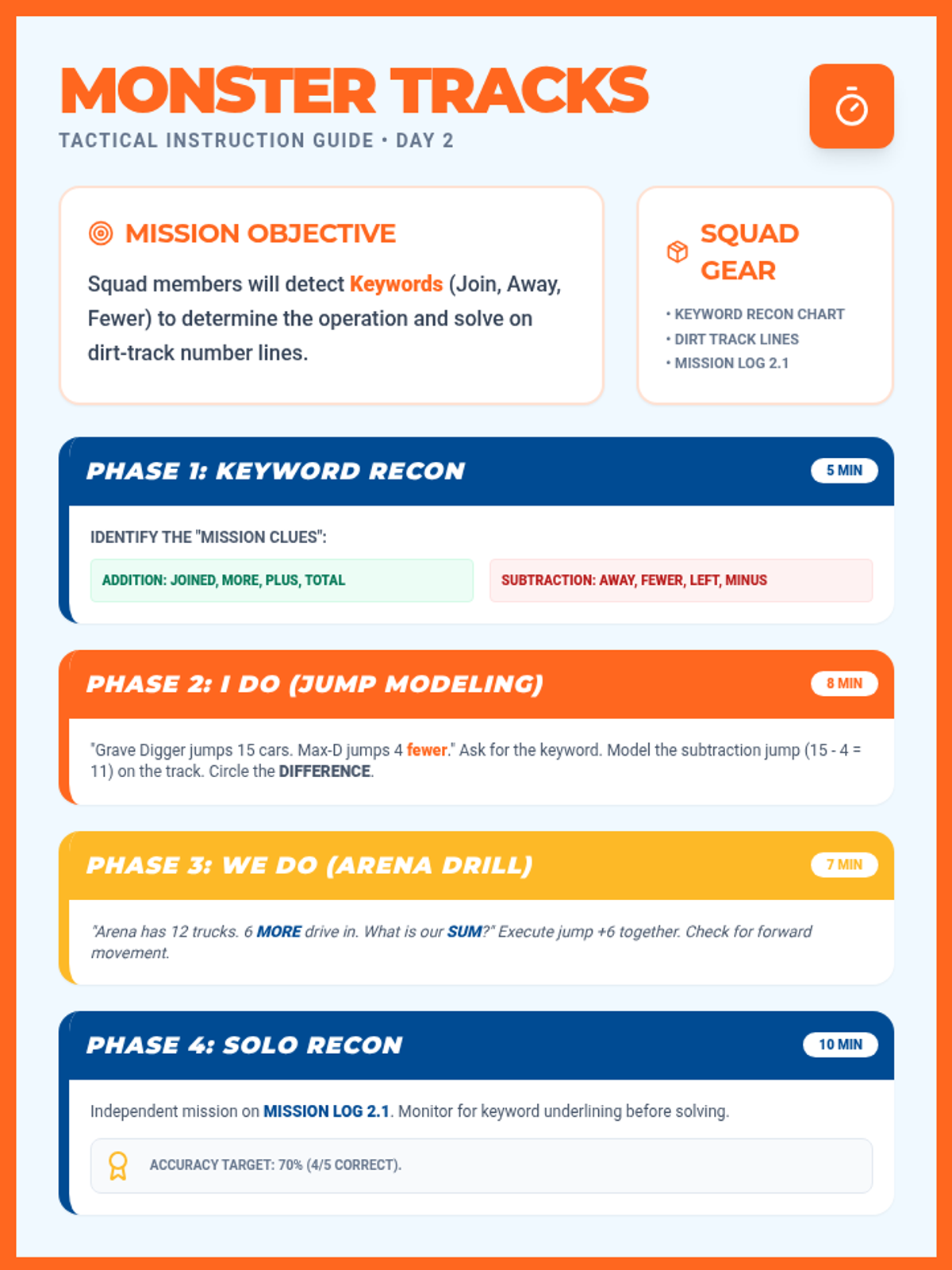
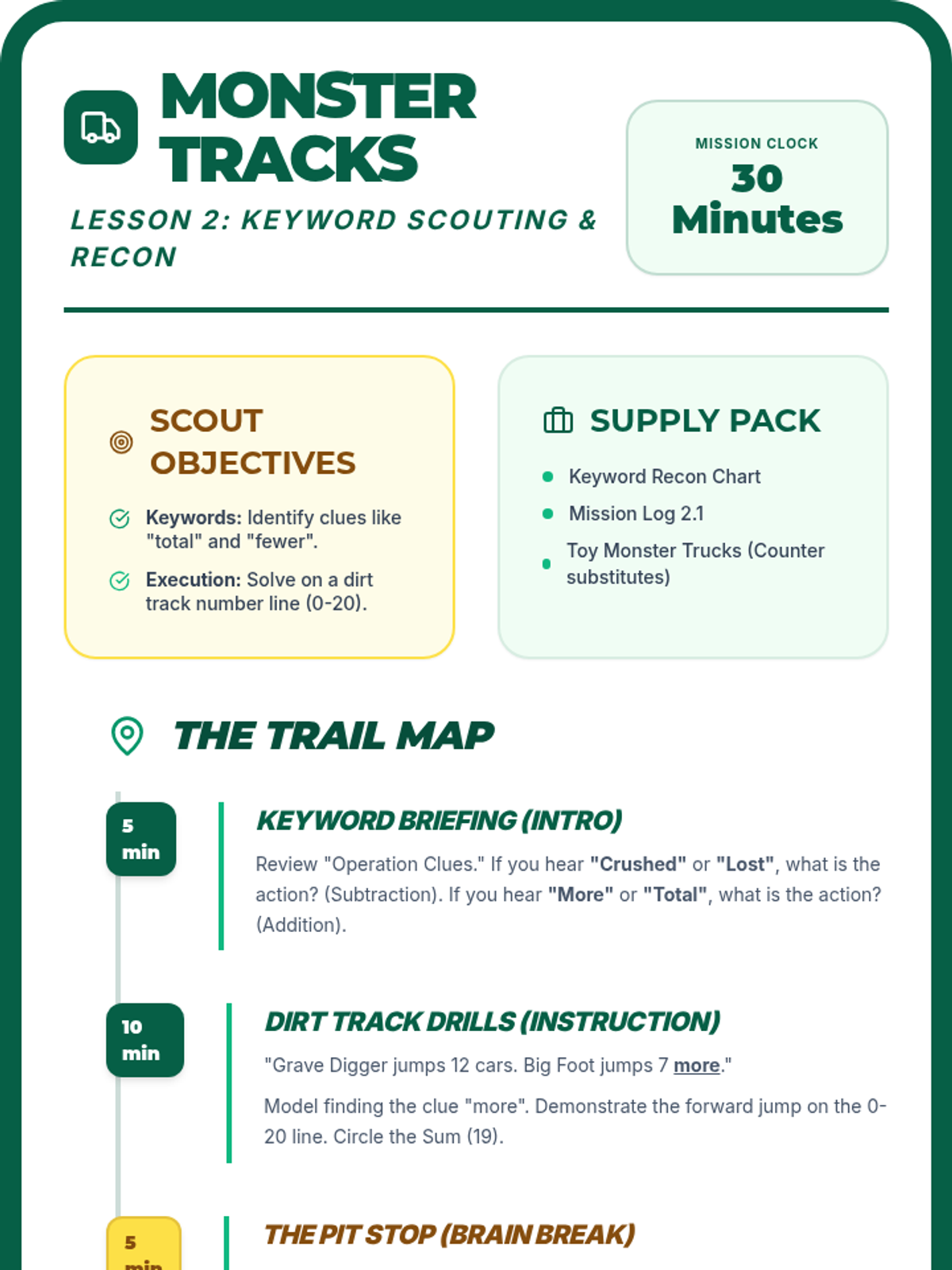
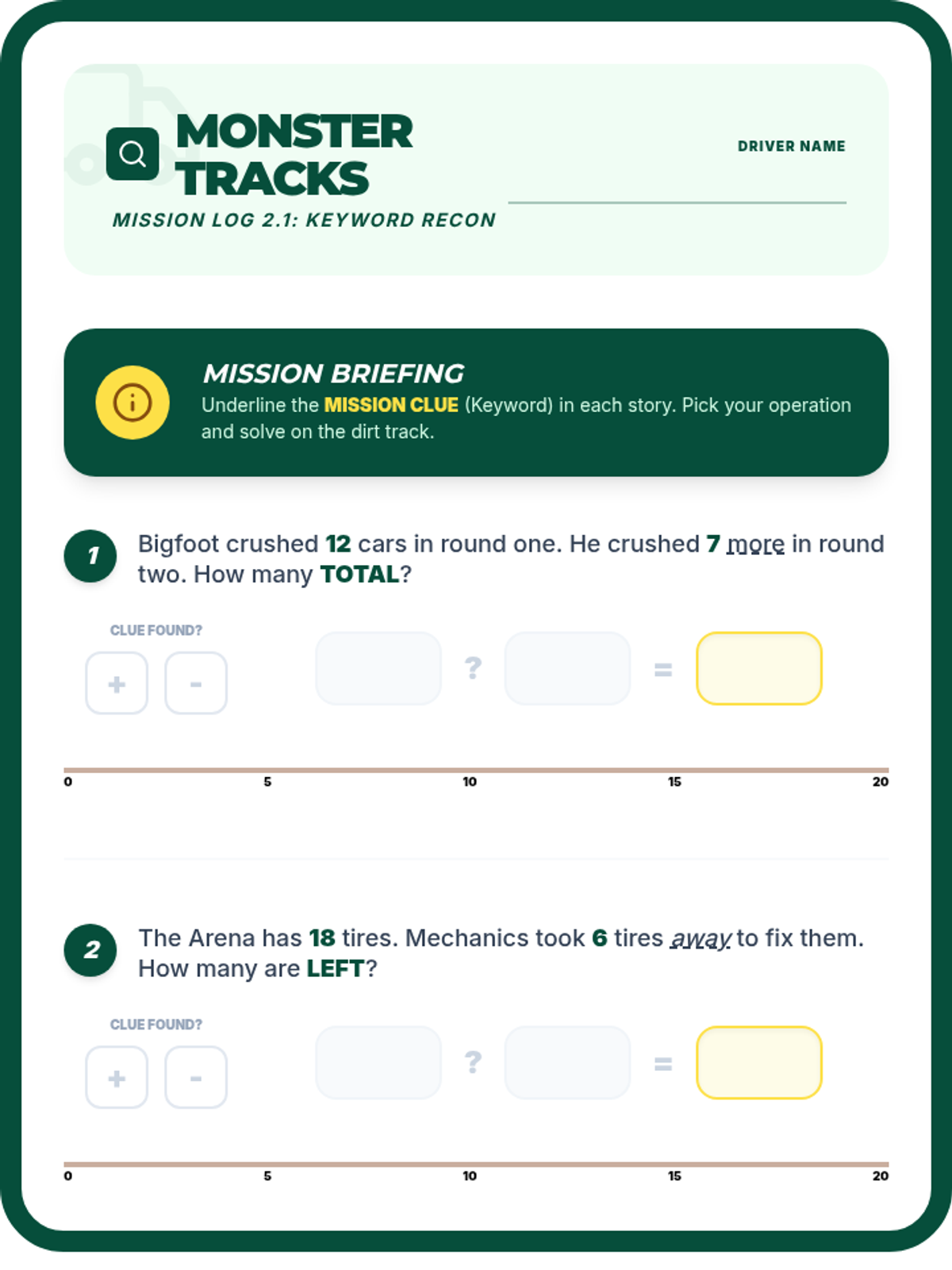
Uses high-octane monster truck scenarios to help students identify keywords for operations (+/-) and practice solving on dirt-track number lines.
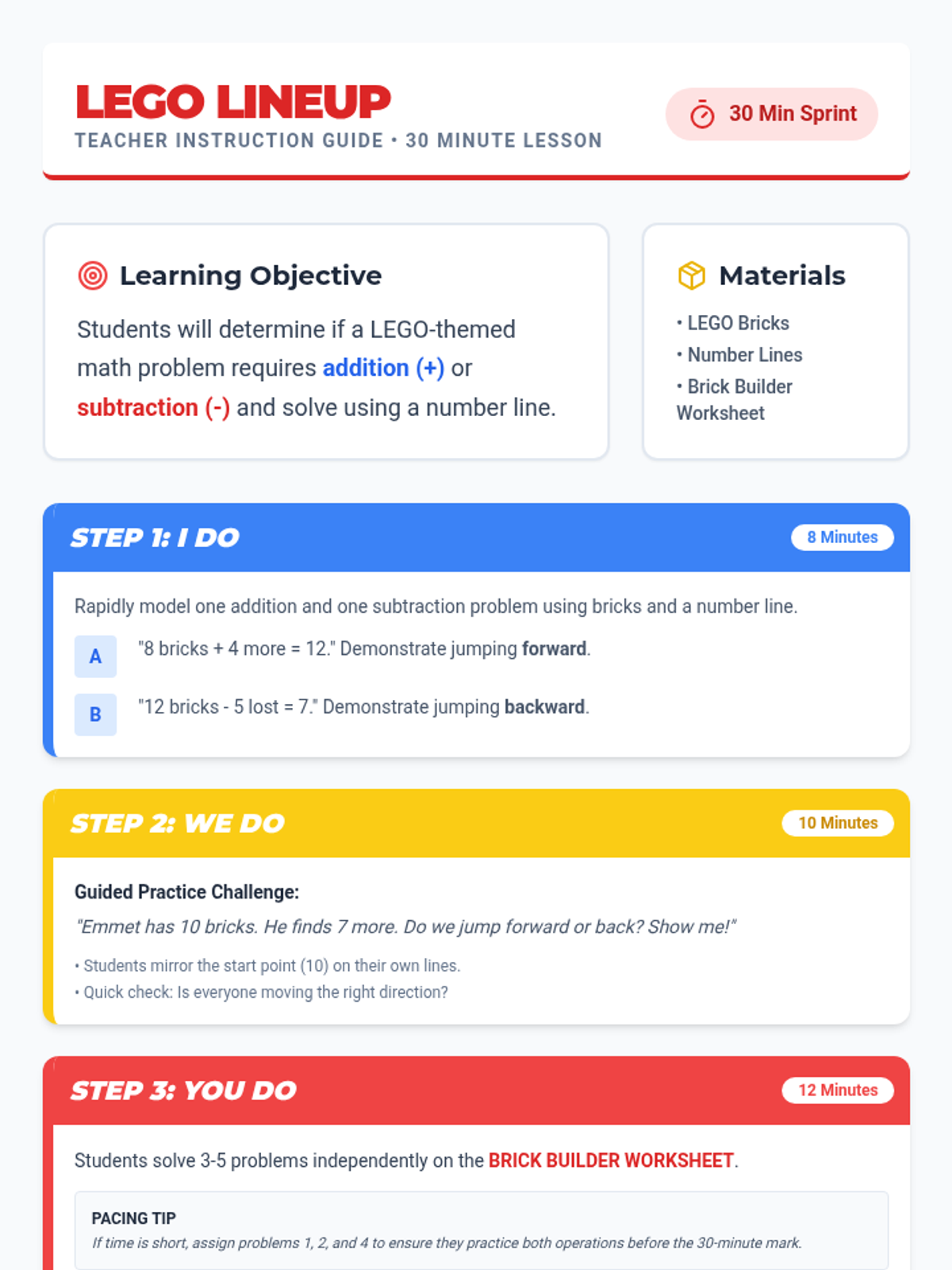
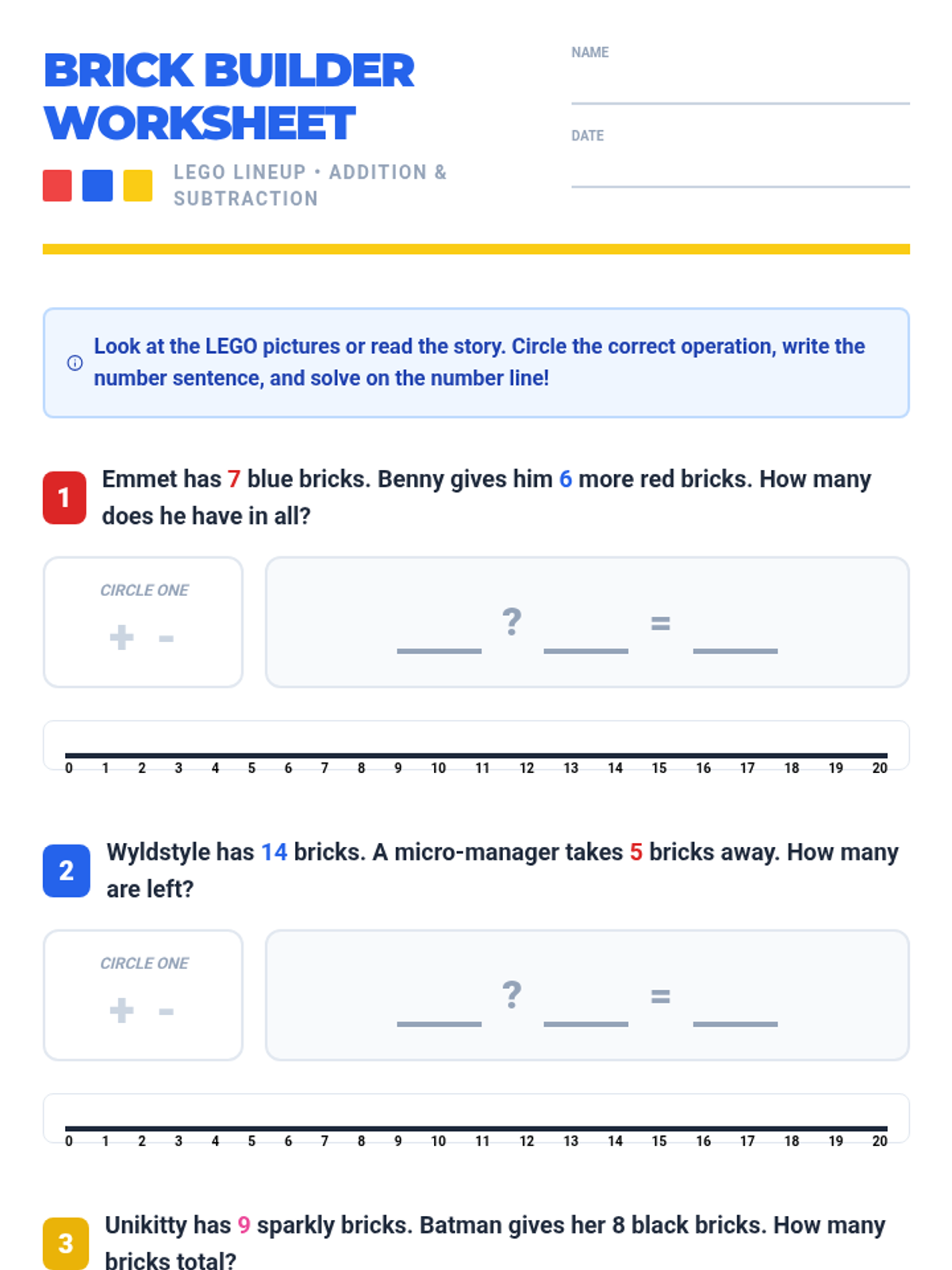
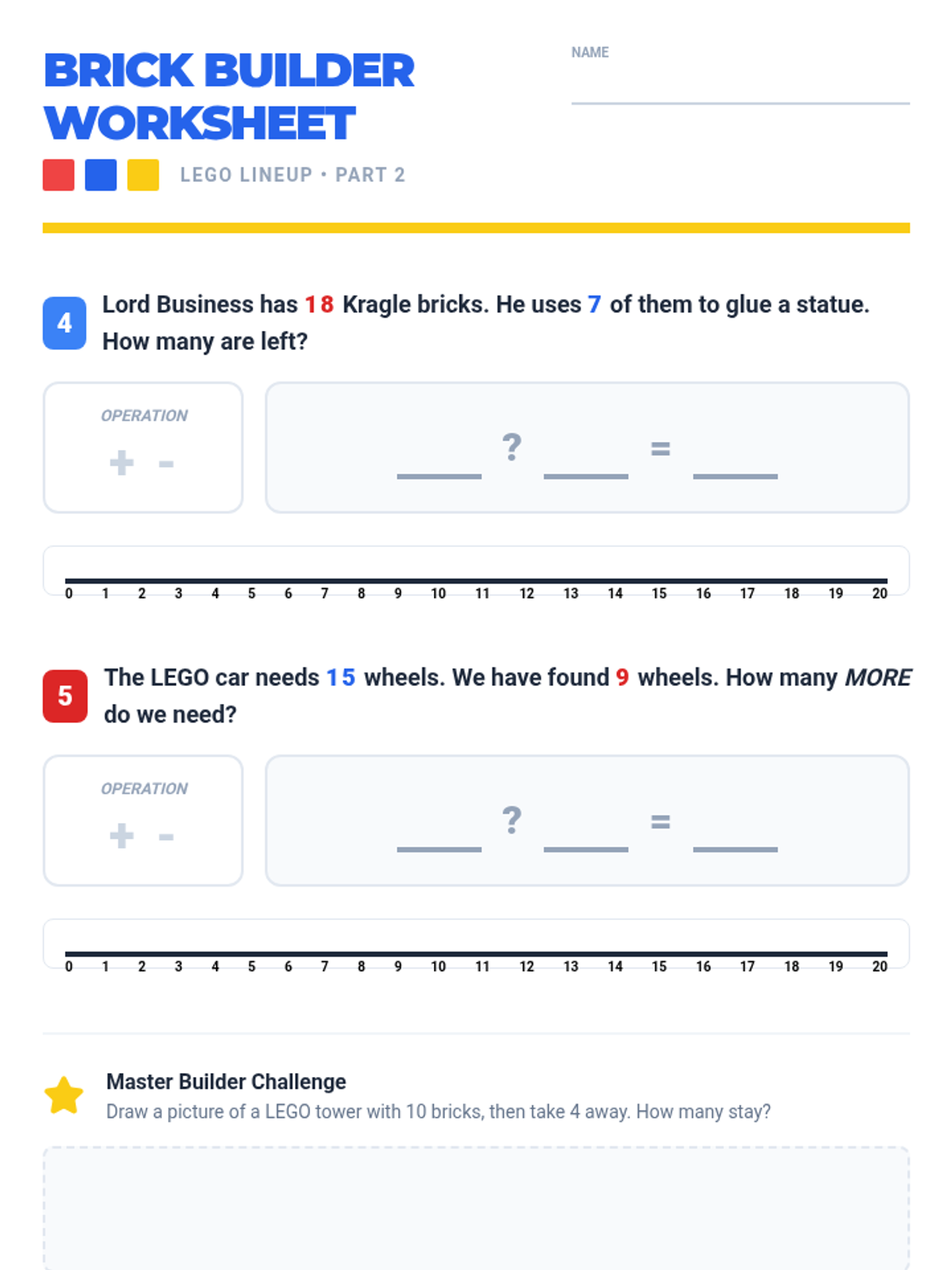
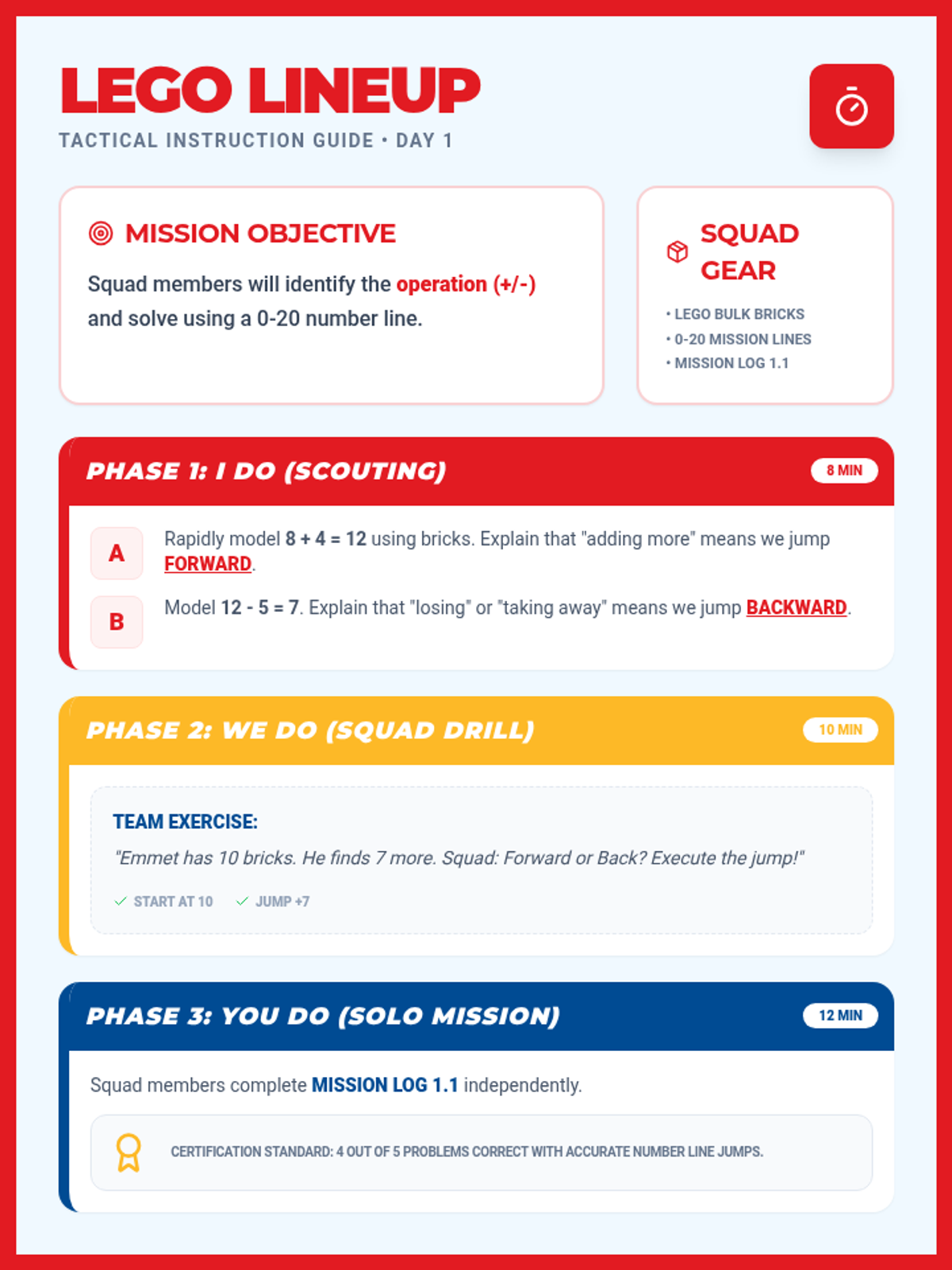
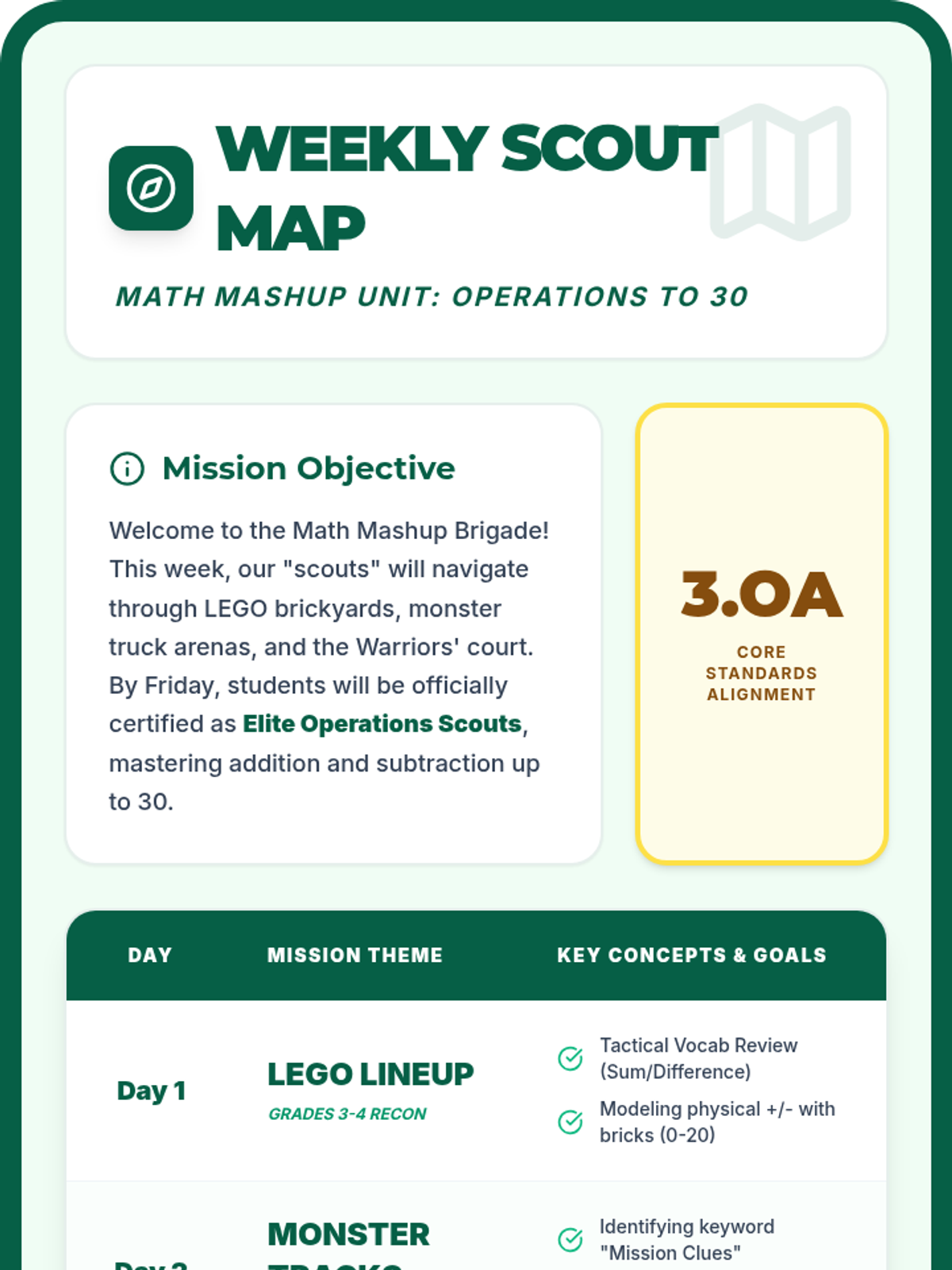
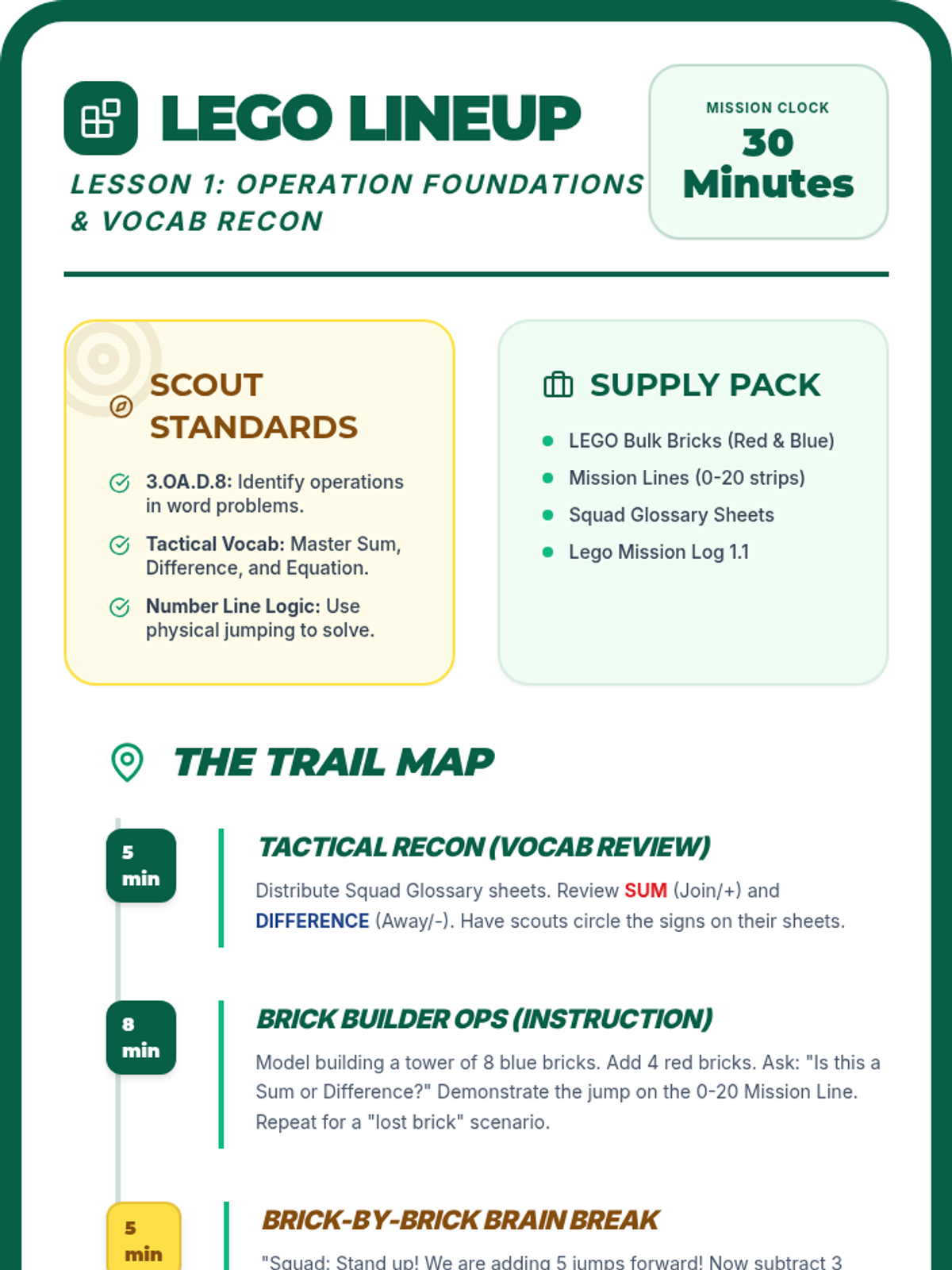
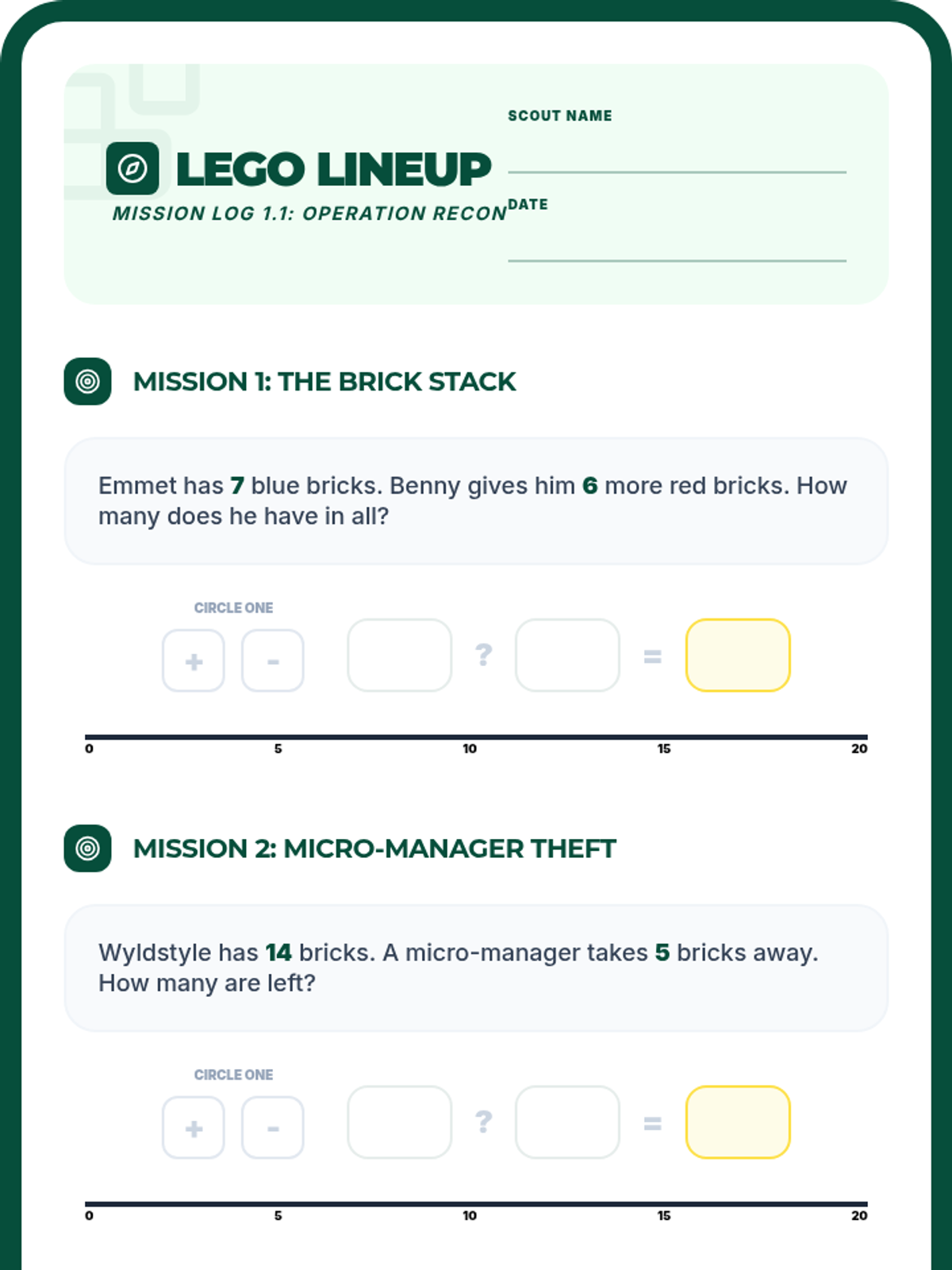
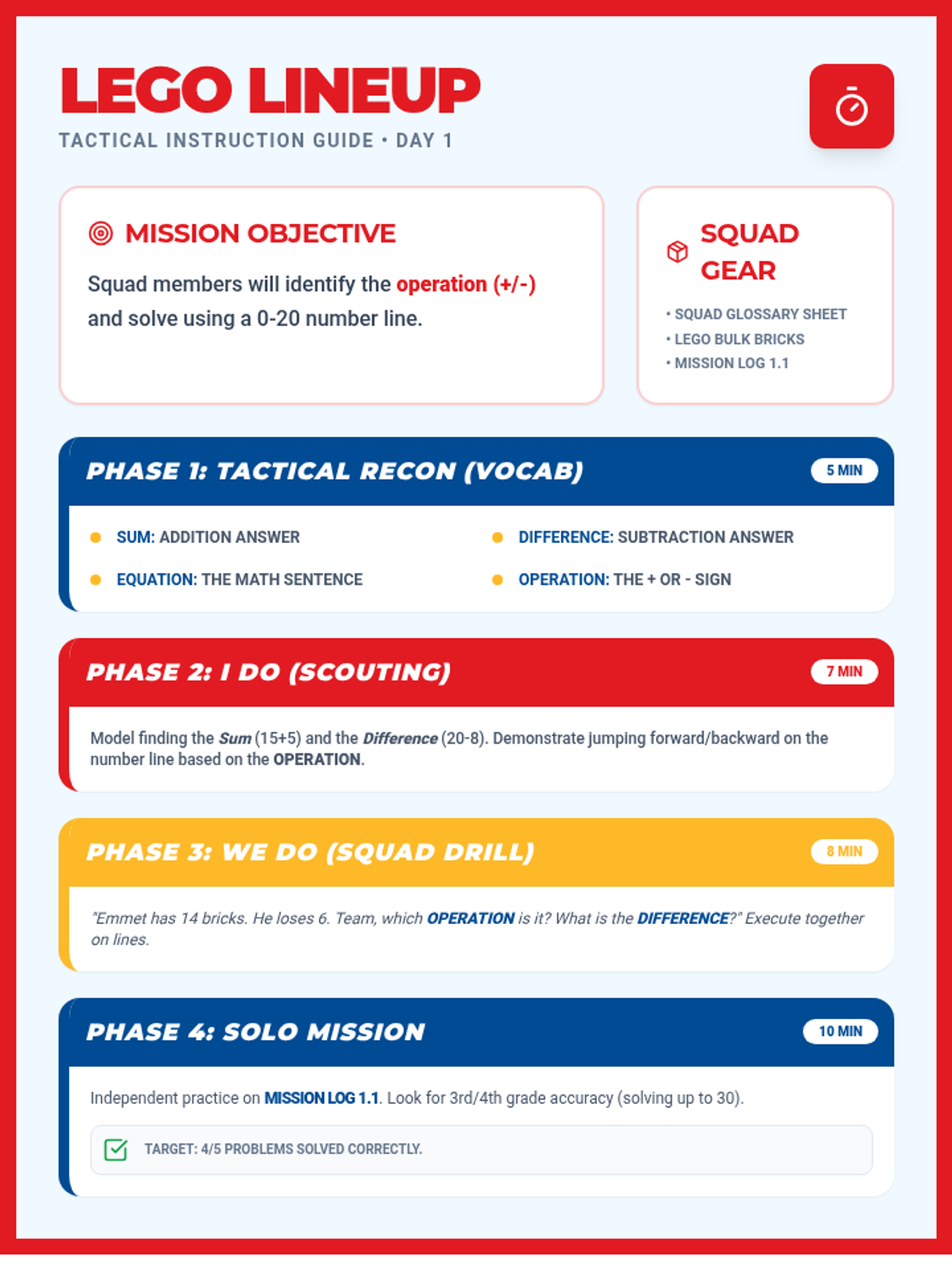
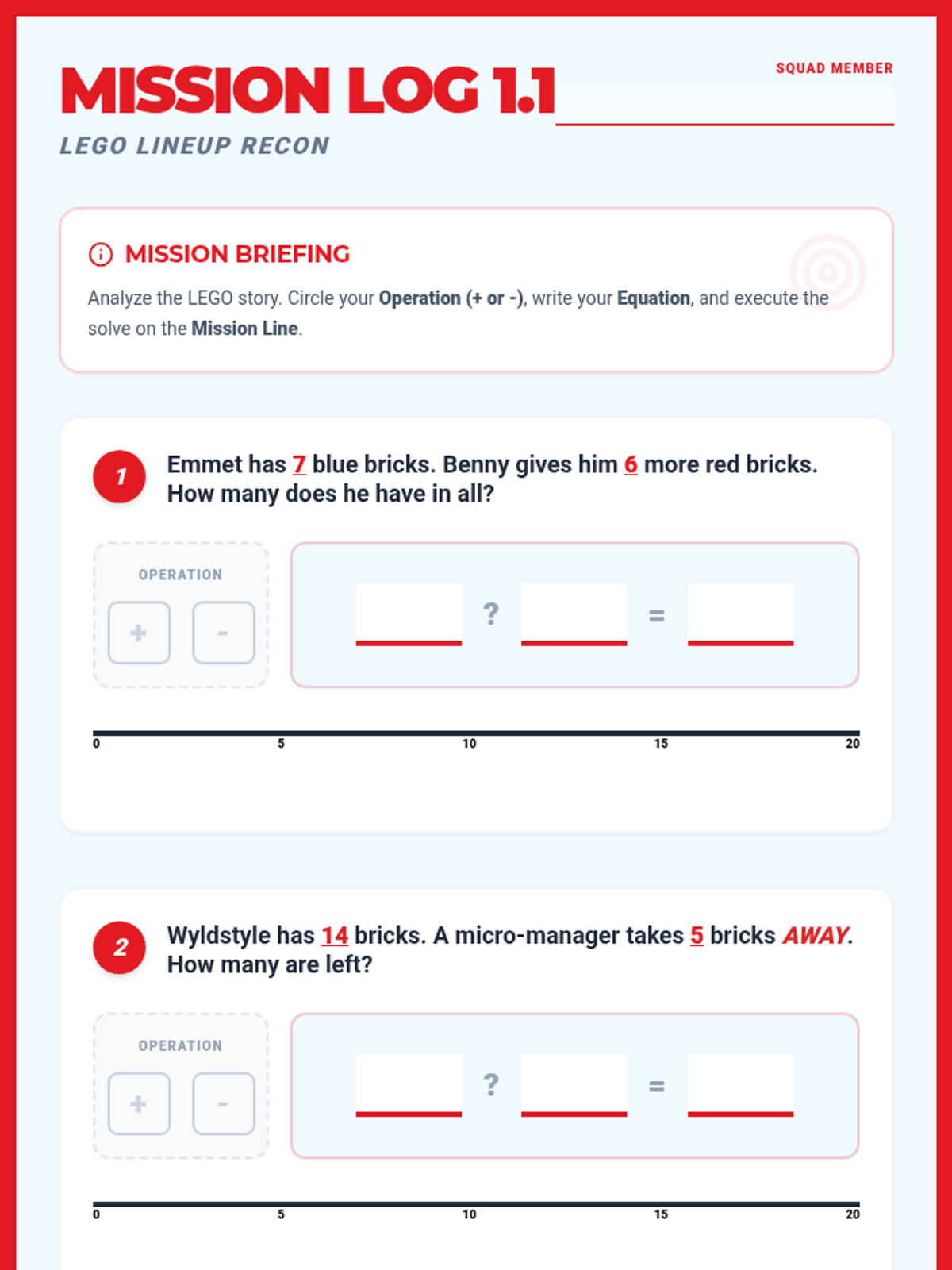
Focuses on the physical representation of addition and subtraction using LEGO bricks and building the foundation for number line jumping up to 20.
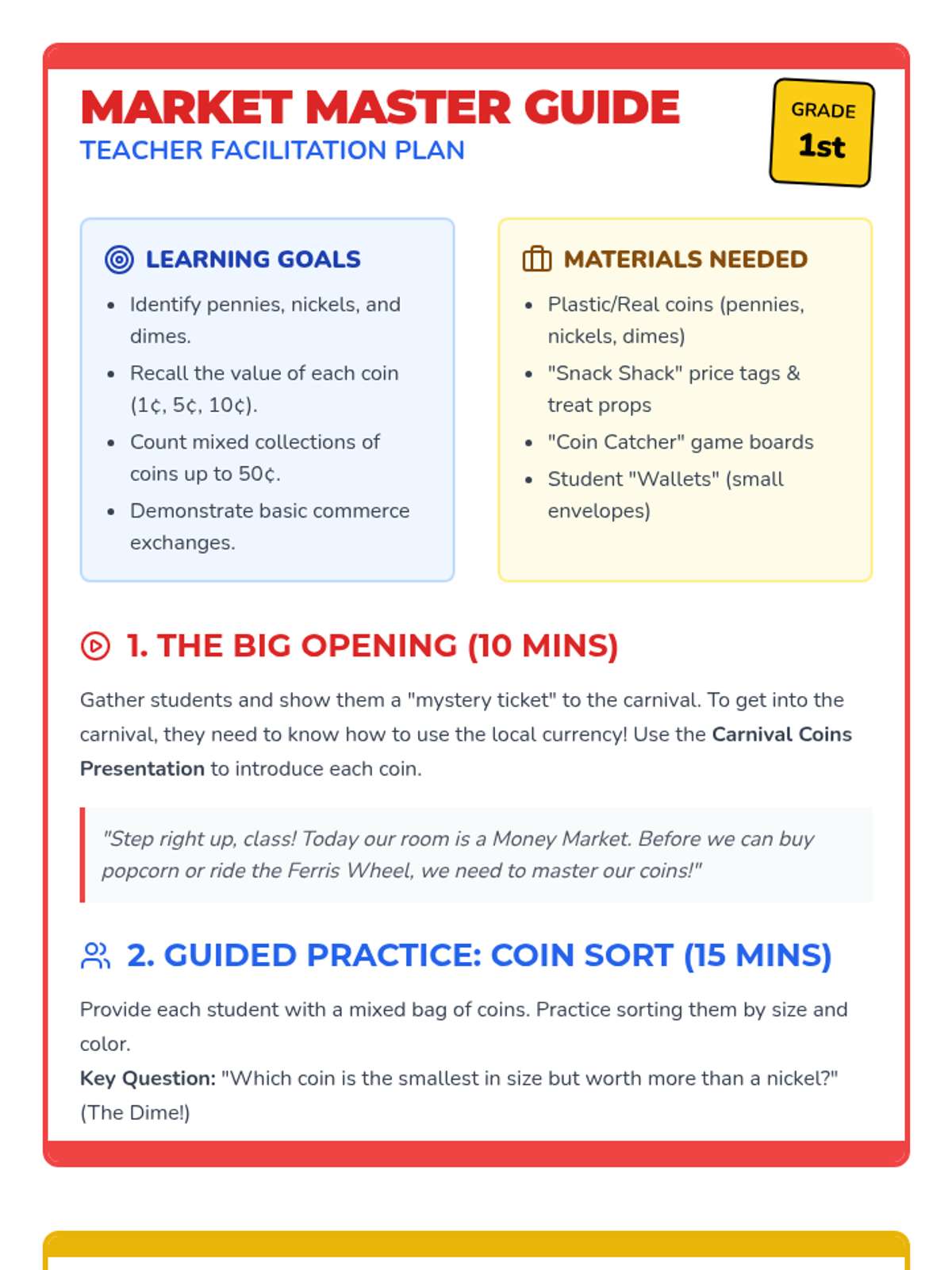
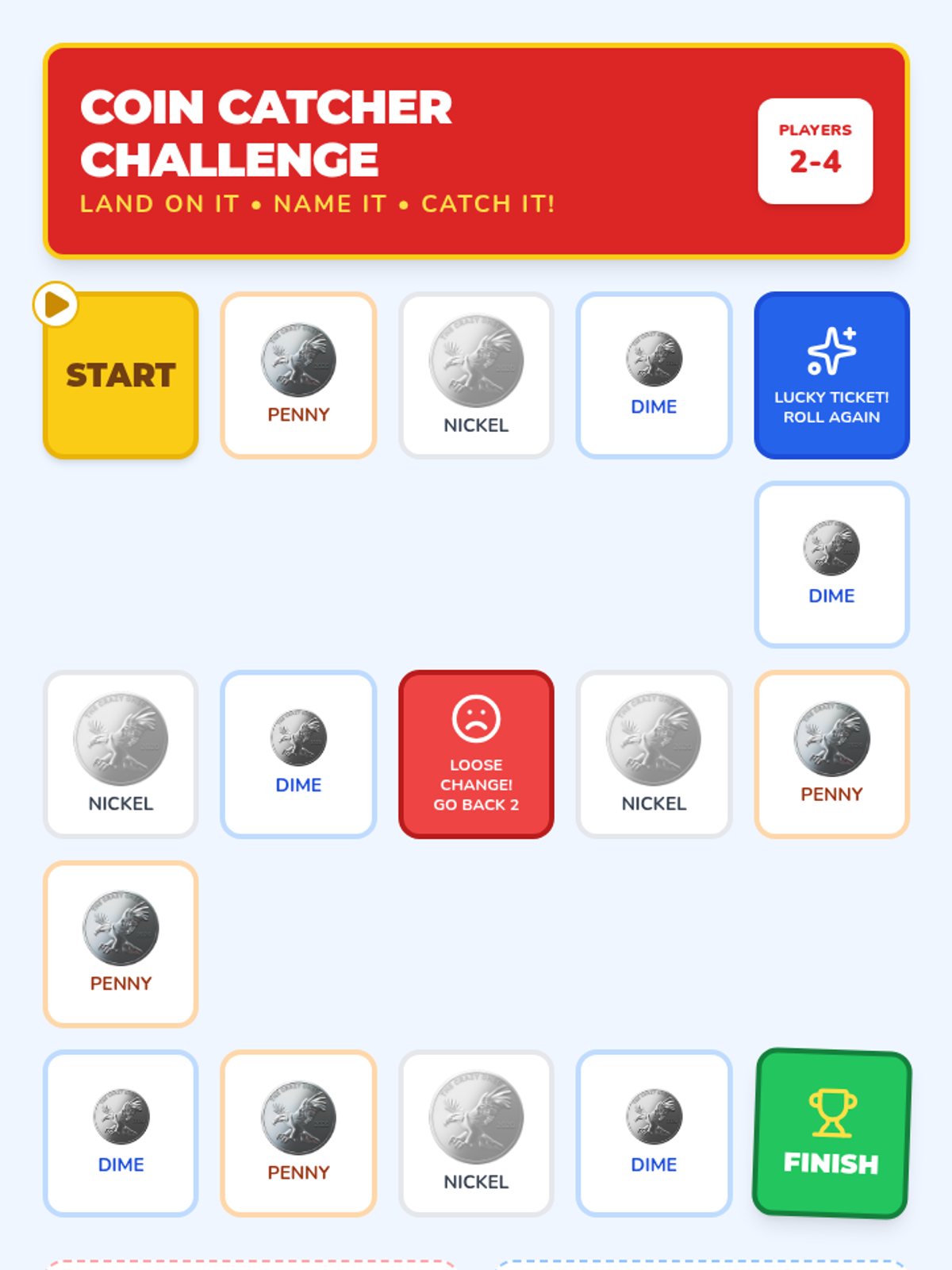
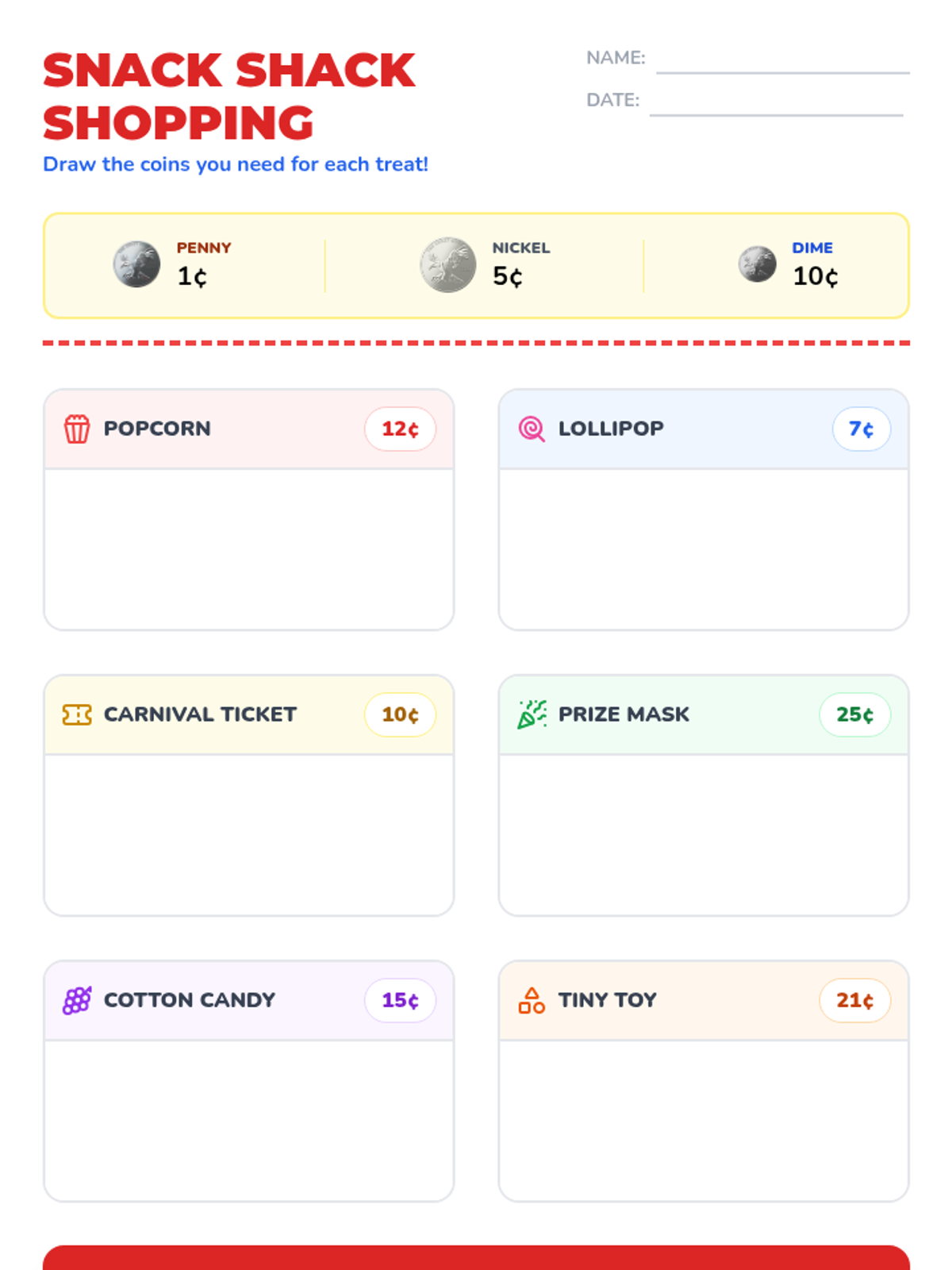
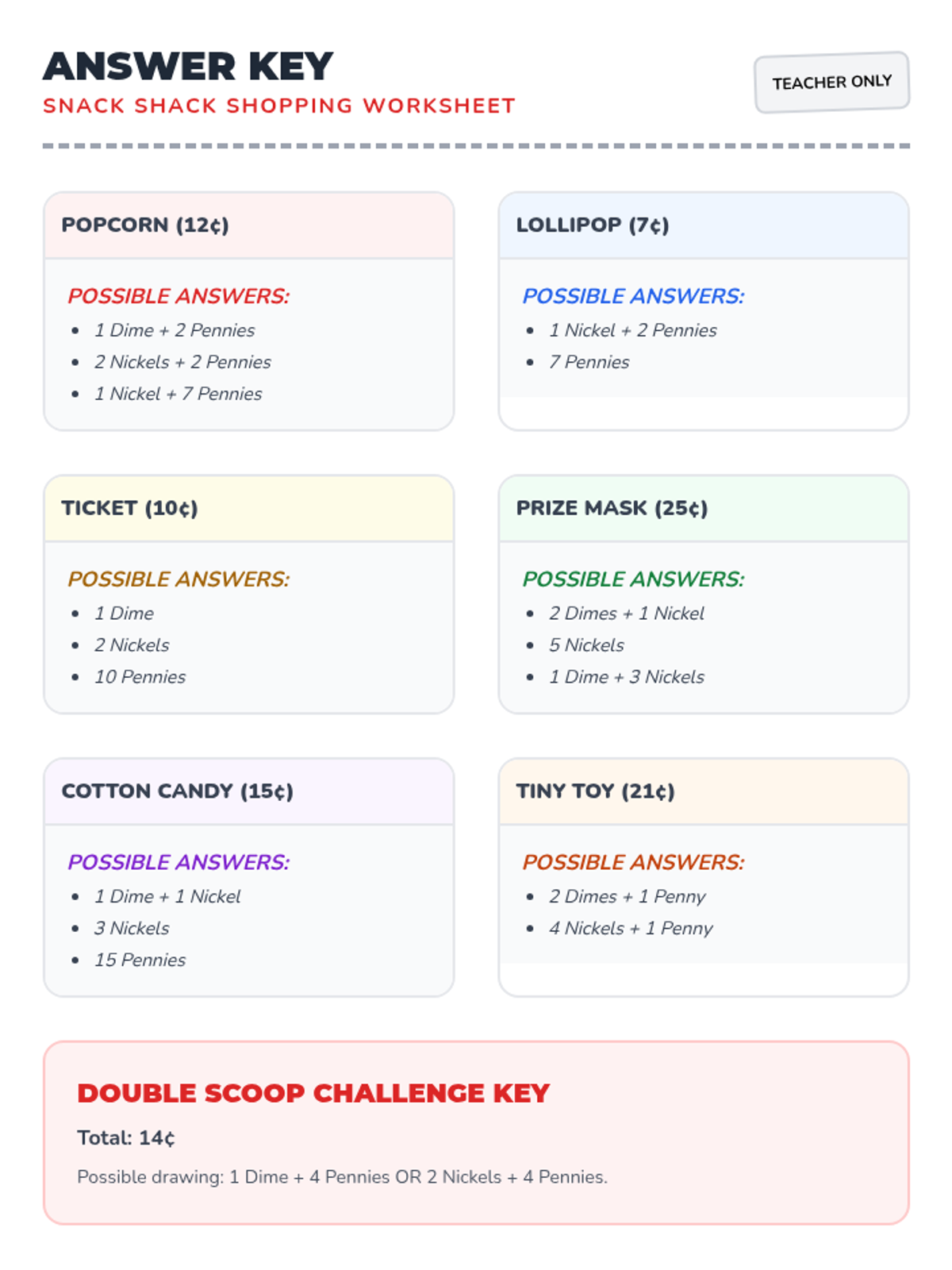
A high-energy 1st-grade lesson introducing pennies, nickels, and dimes through a carnival-themed market simulation. Students identify coins and practice counting mixed groups to 'buy' carnival treats.
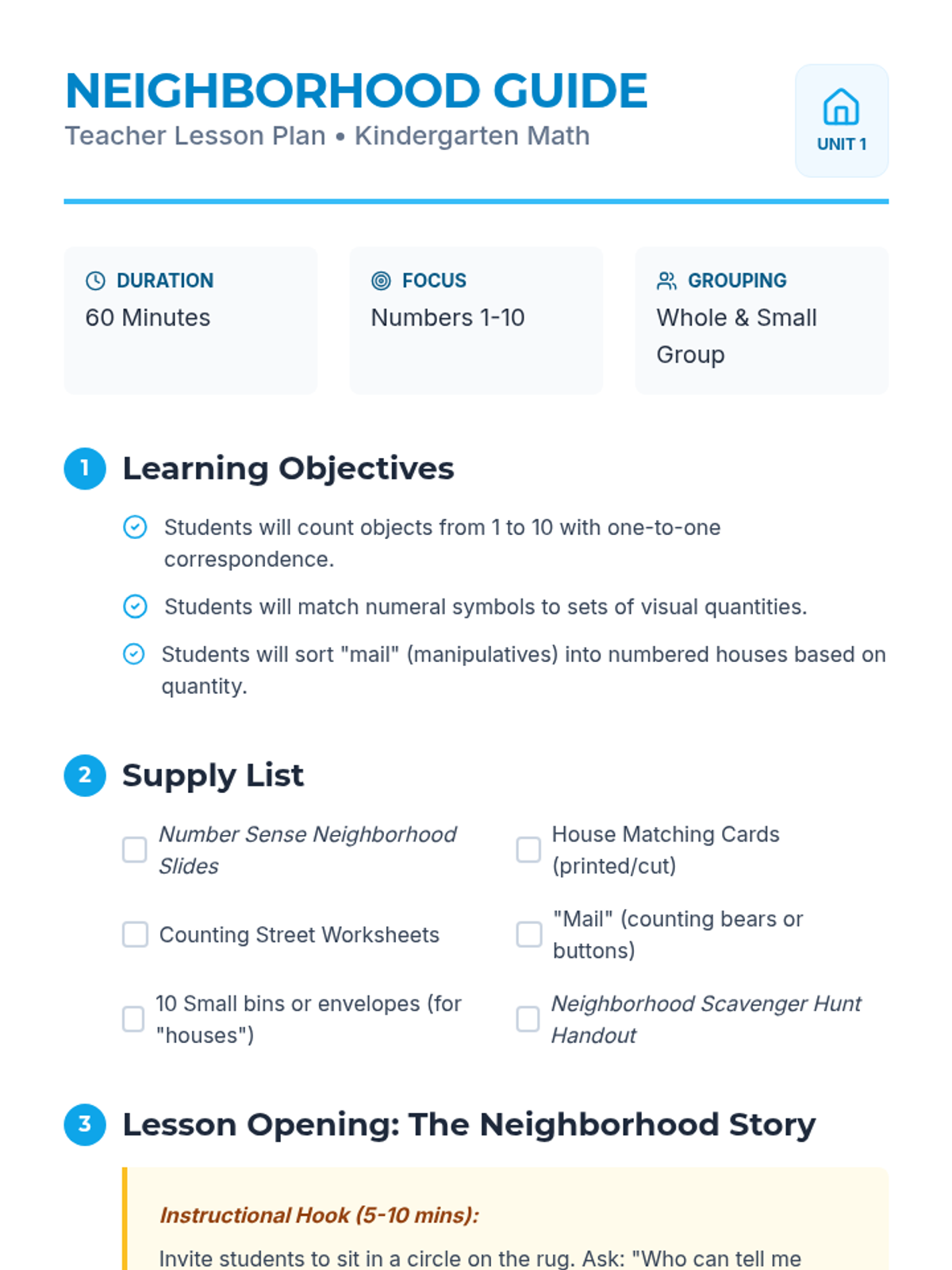
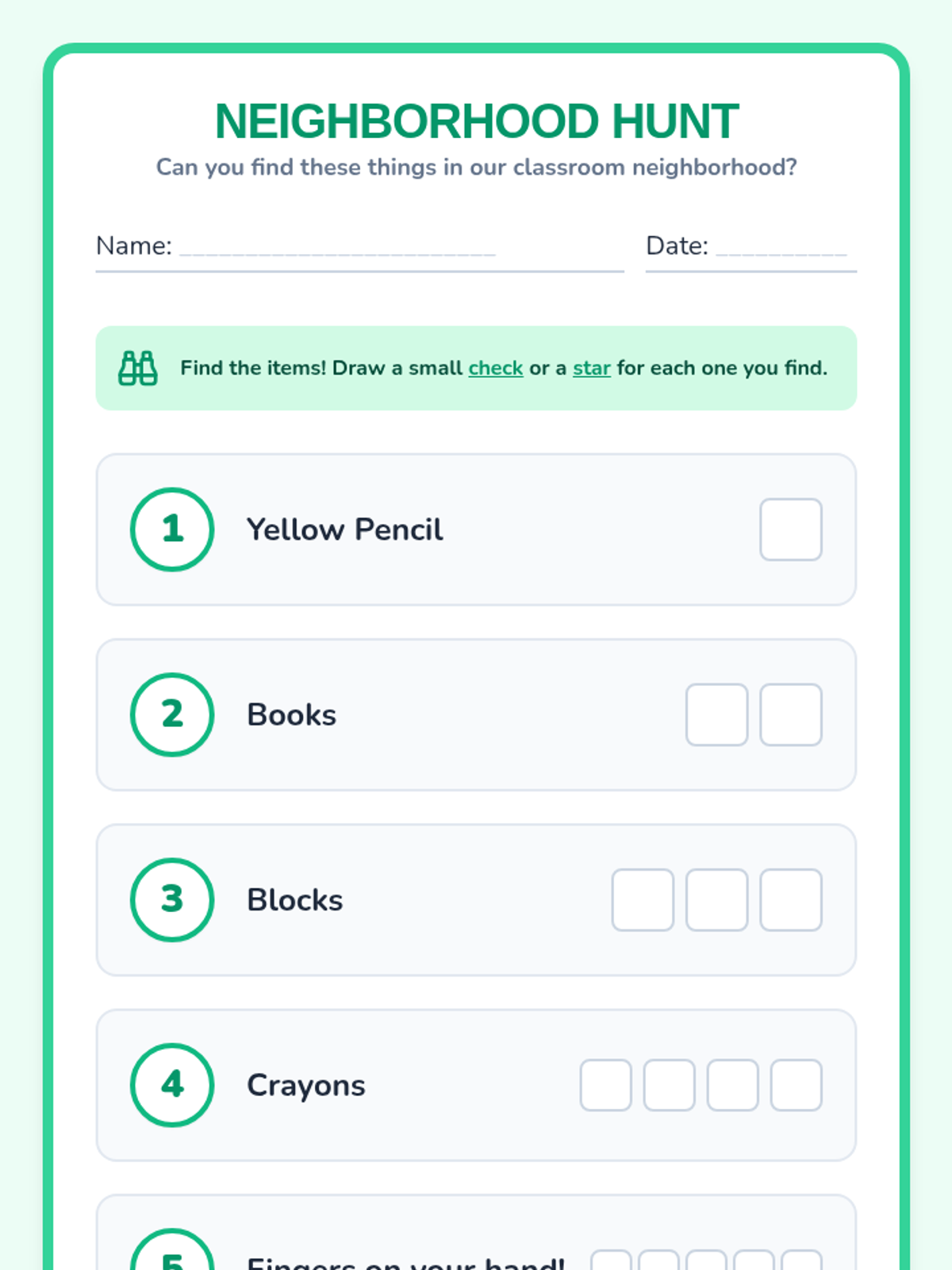
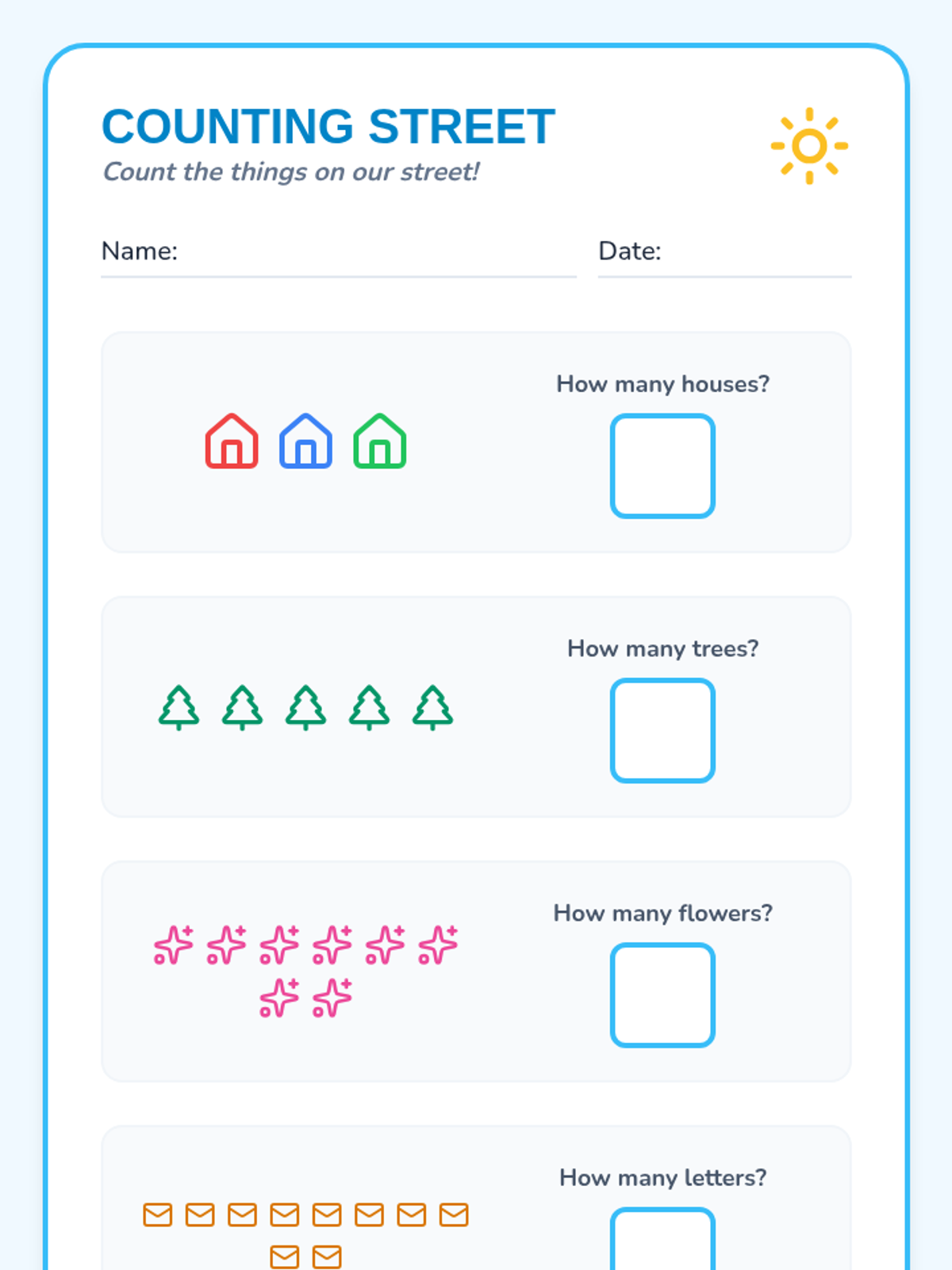
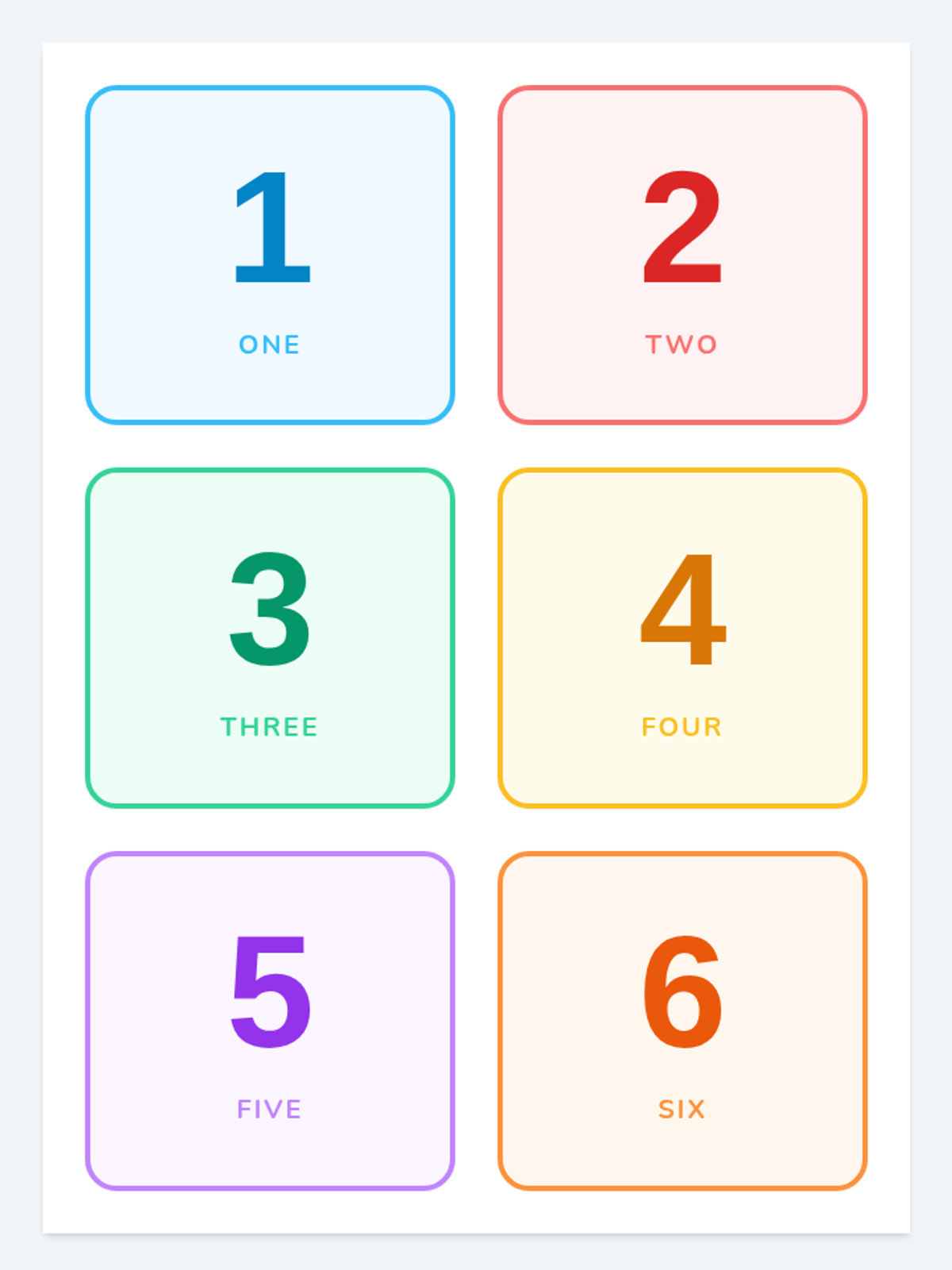
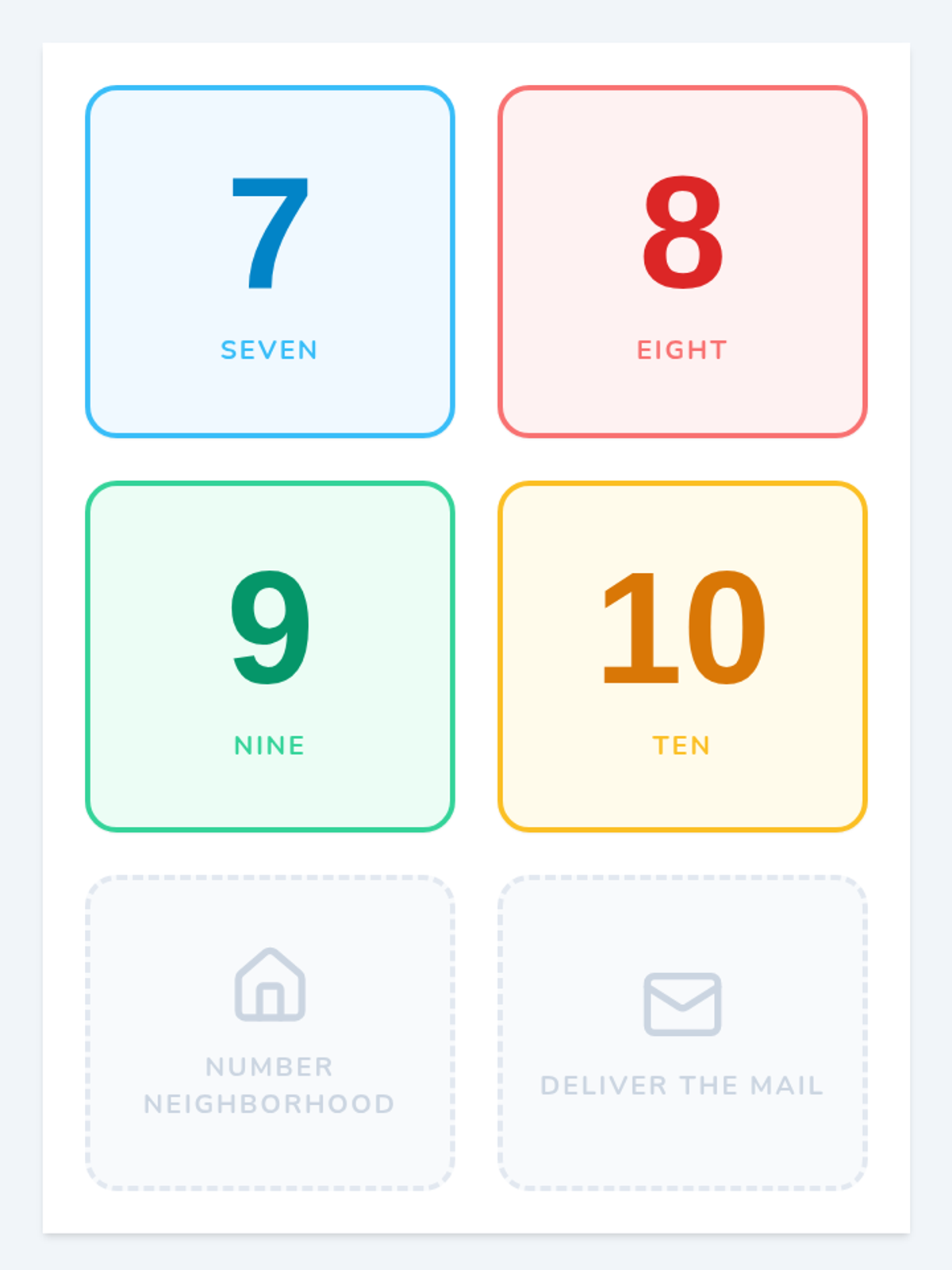
A multi-sensory Kindergarten lesson that transforms counting into a neighborhood adventure. Students develop one-to-one correspondence and number recognition through hands-on sorting, classroom 'neighborhood' exploration, and interactive visual aids.
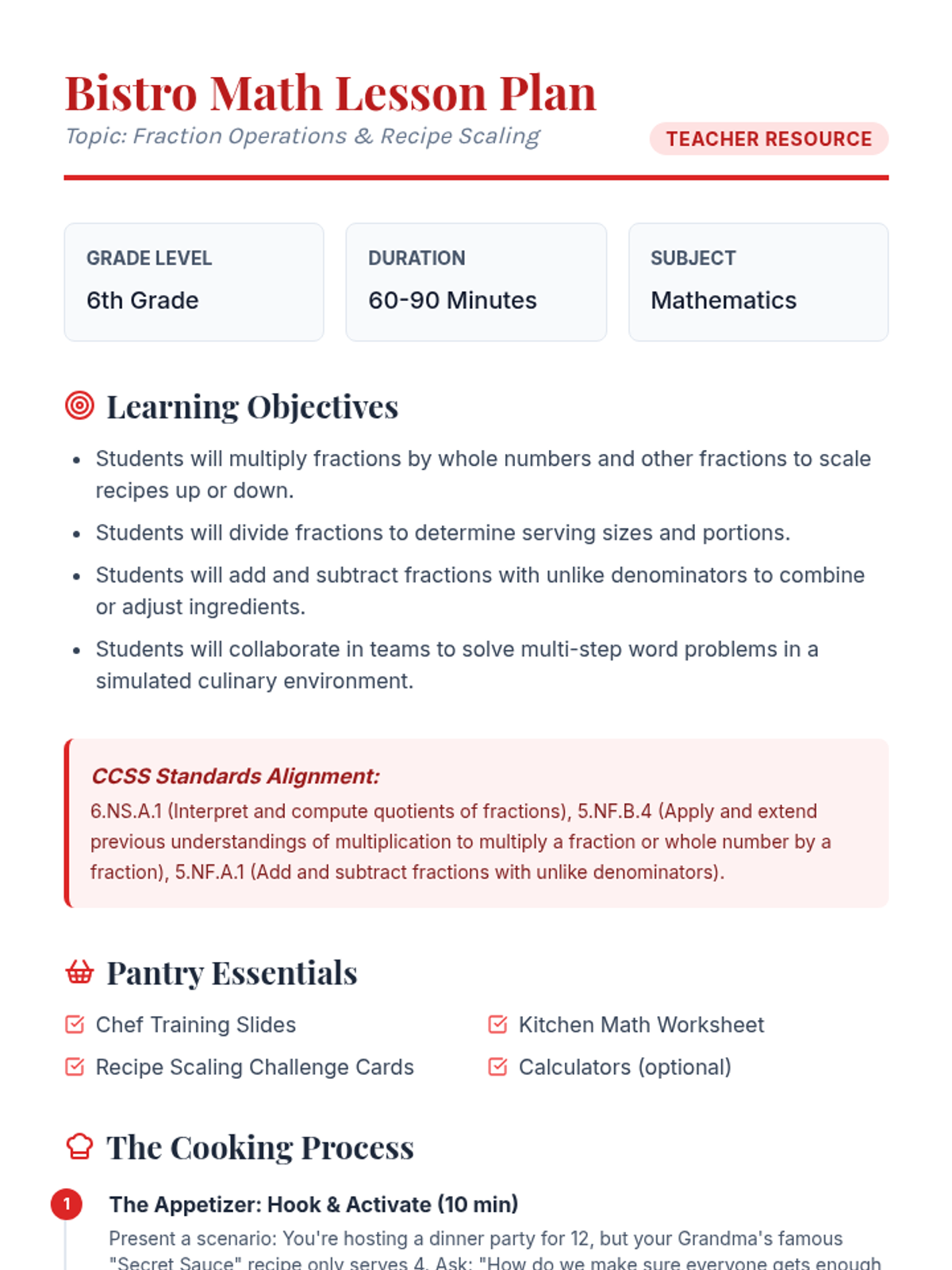
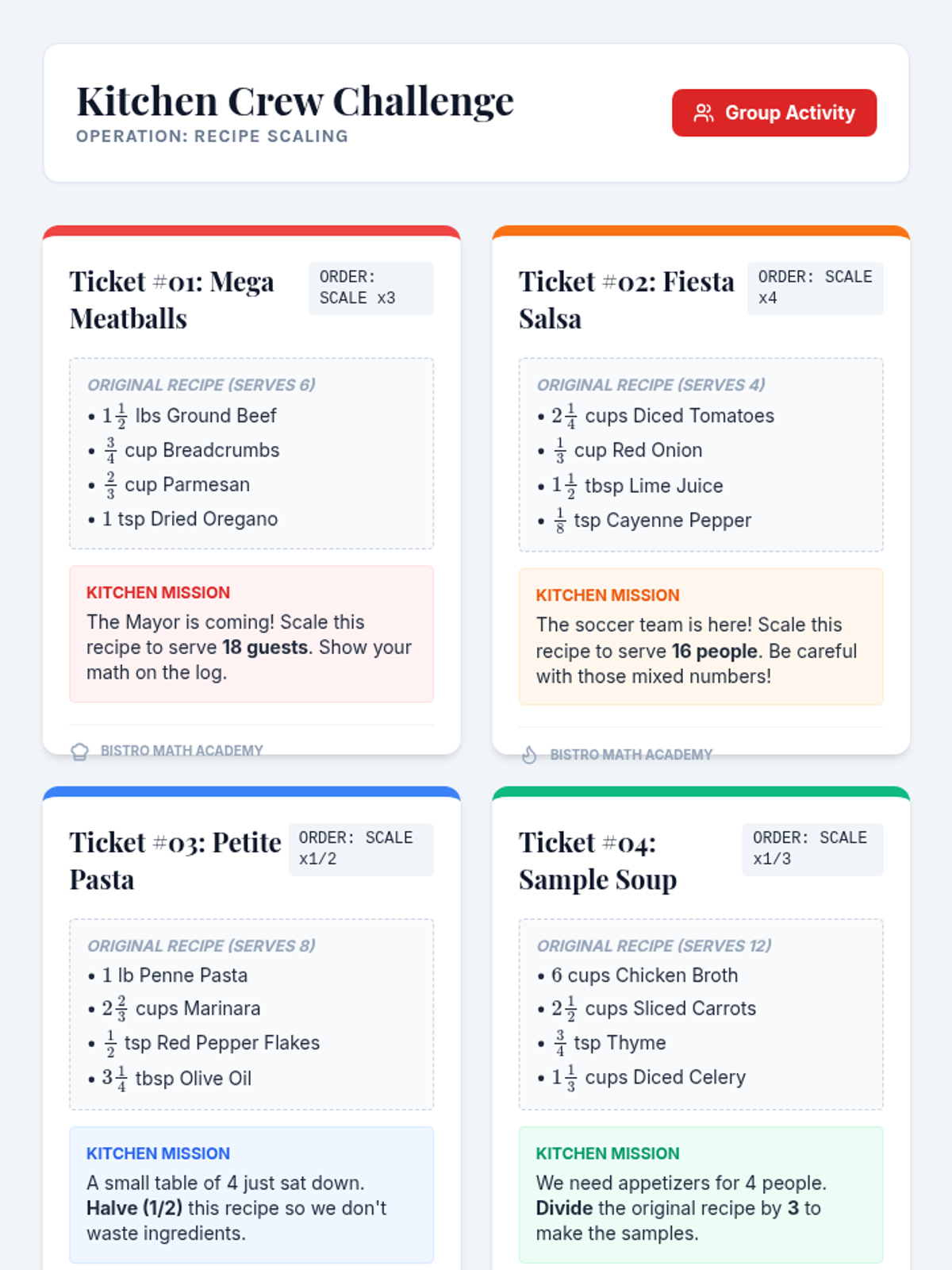
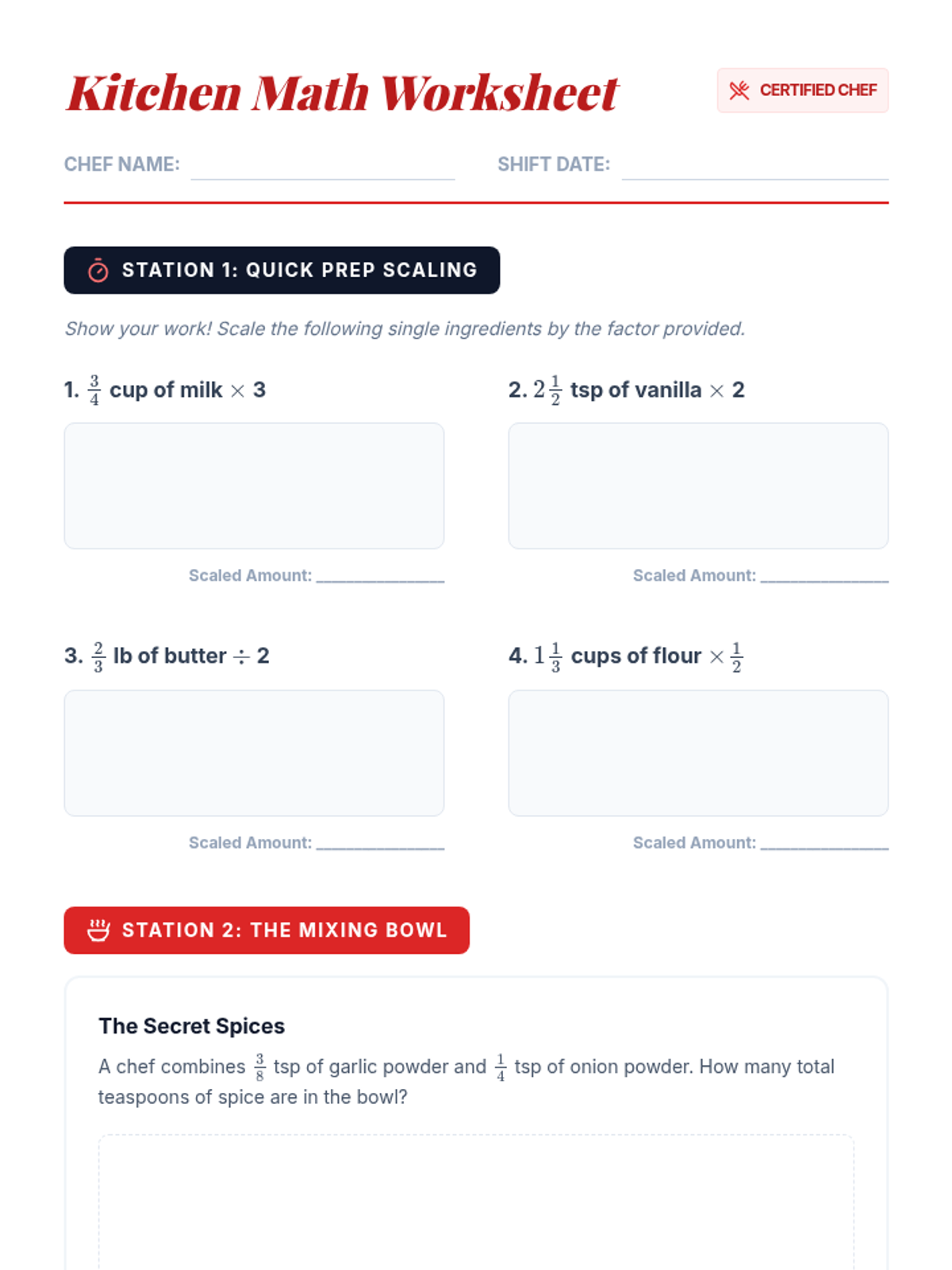
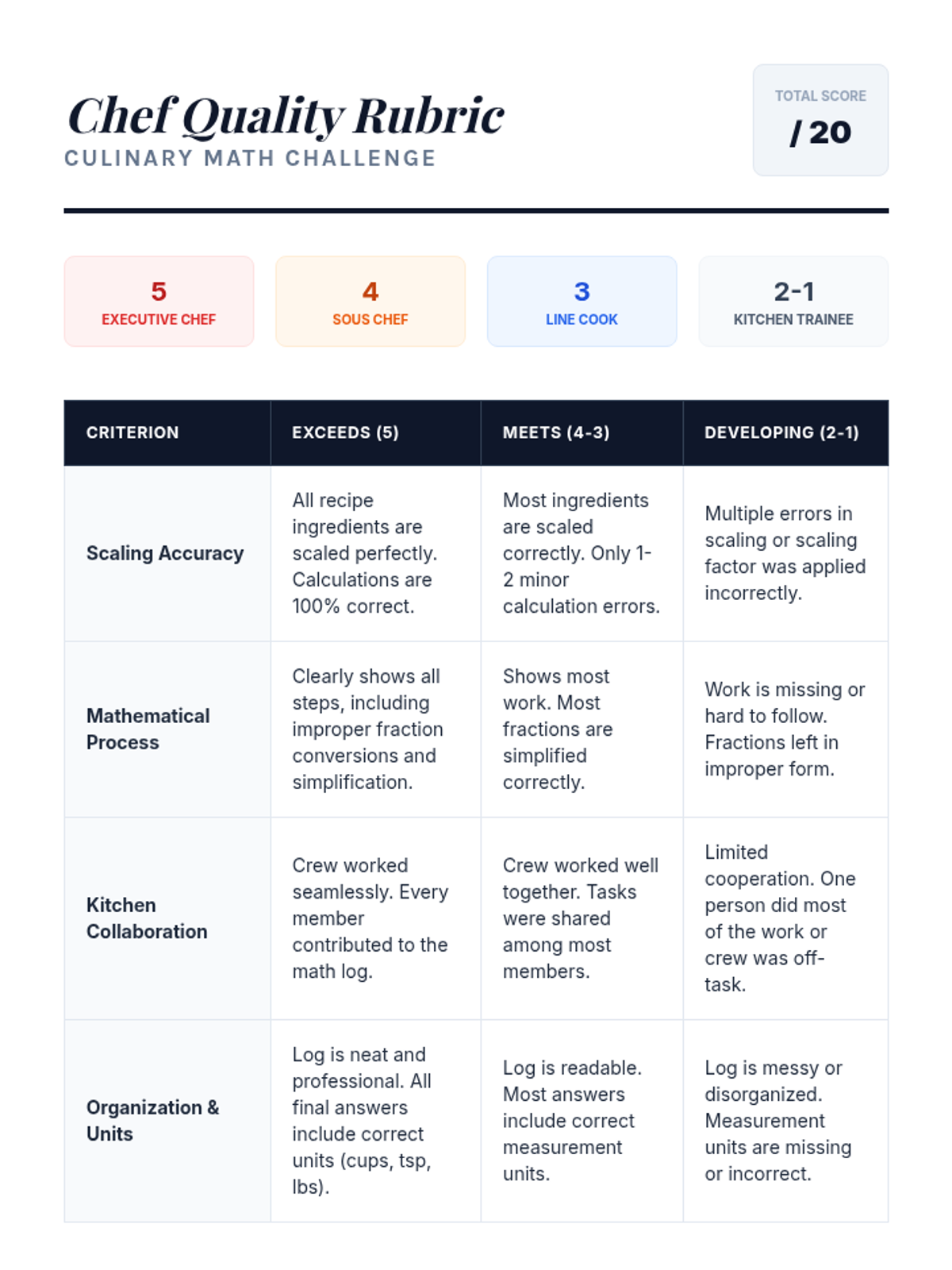
A 6th-grade math lesson where students apply fraction operations to scale recipes for a culinary challenge, fostering real-world problem-solving and collaboration.
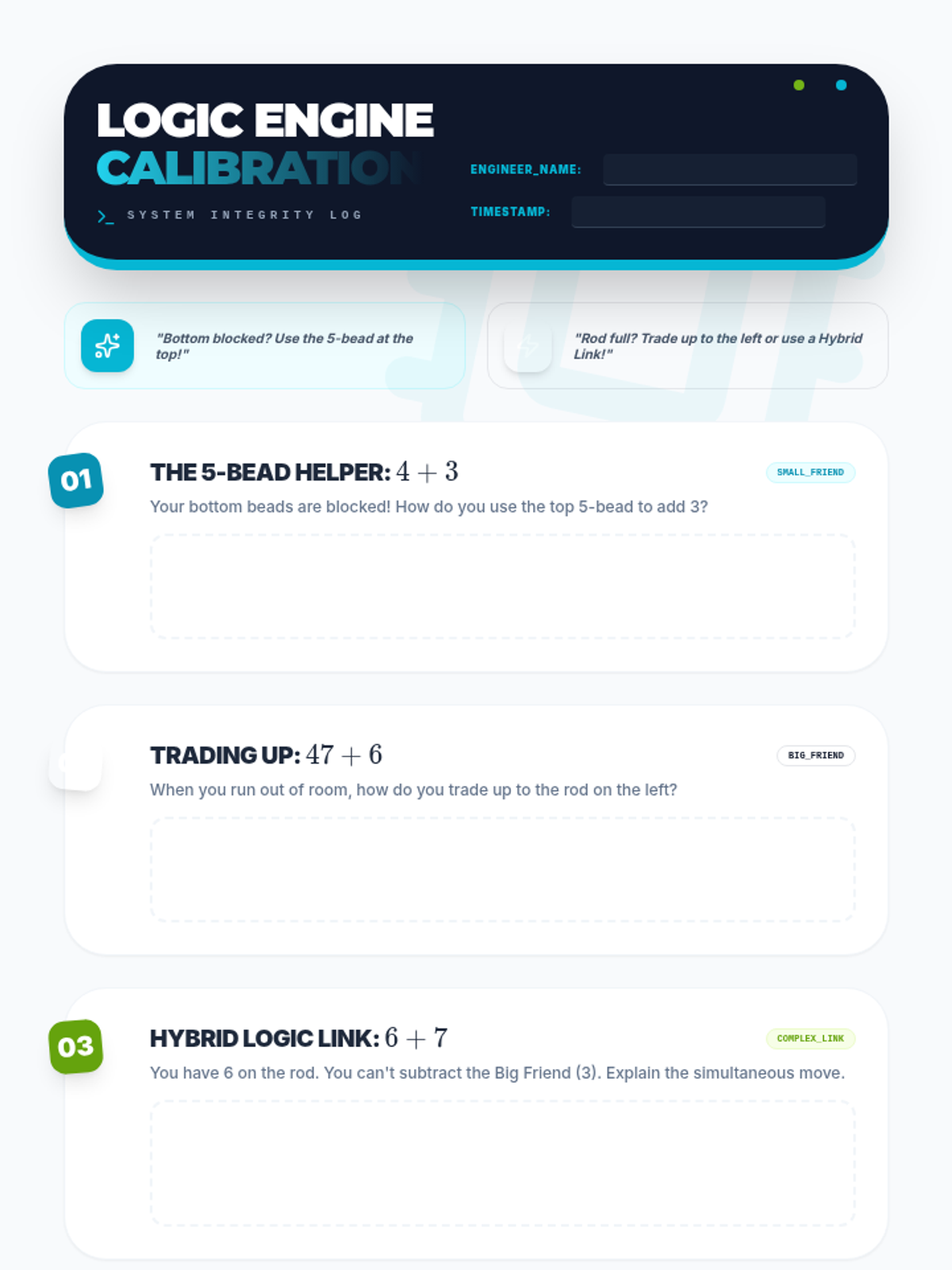
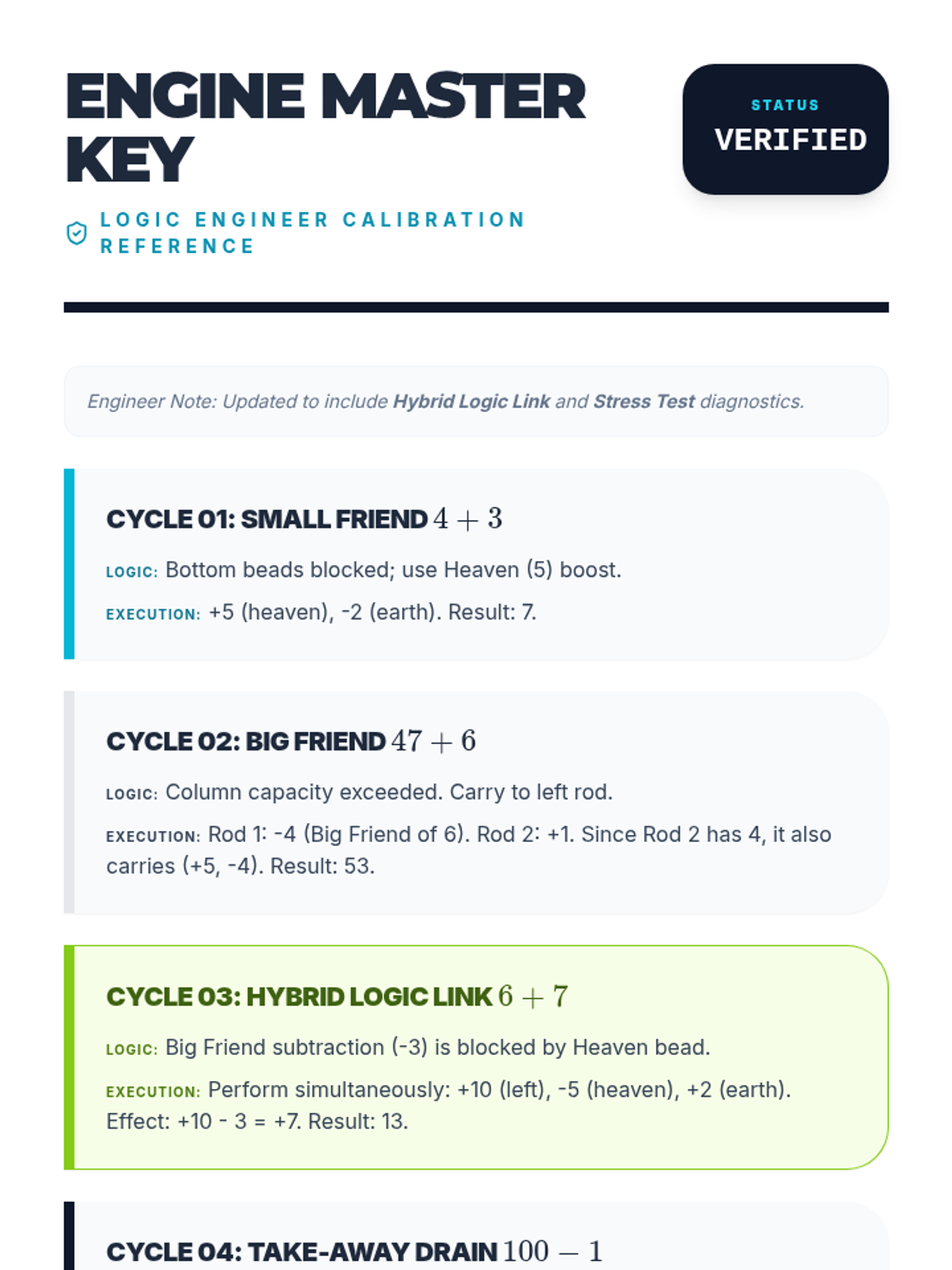
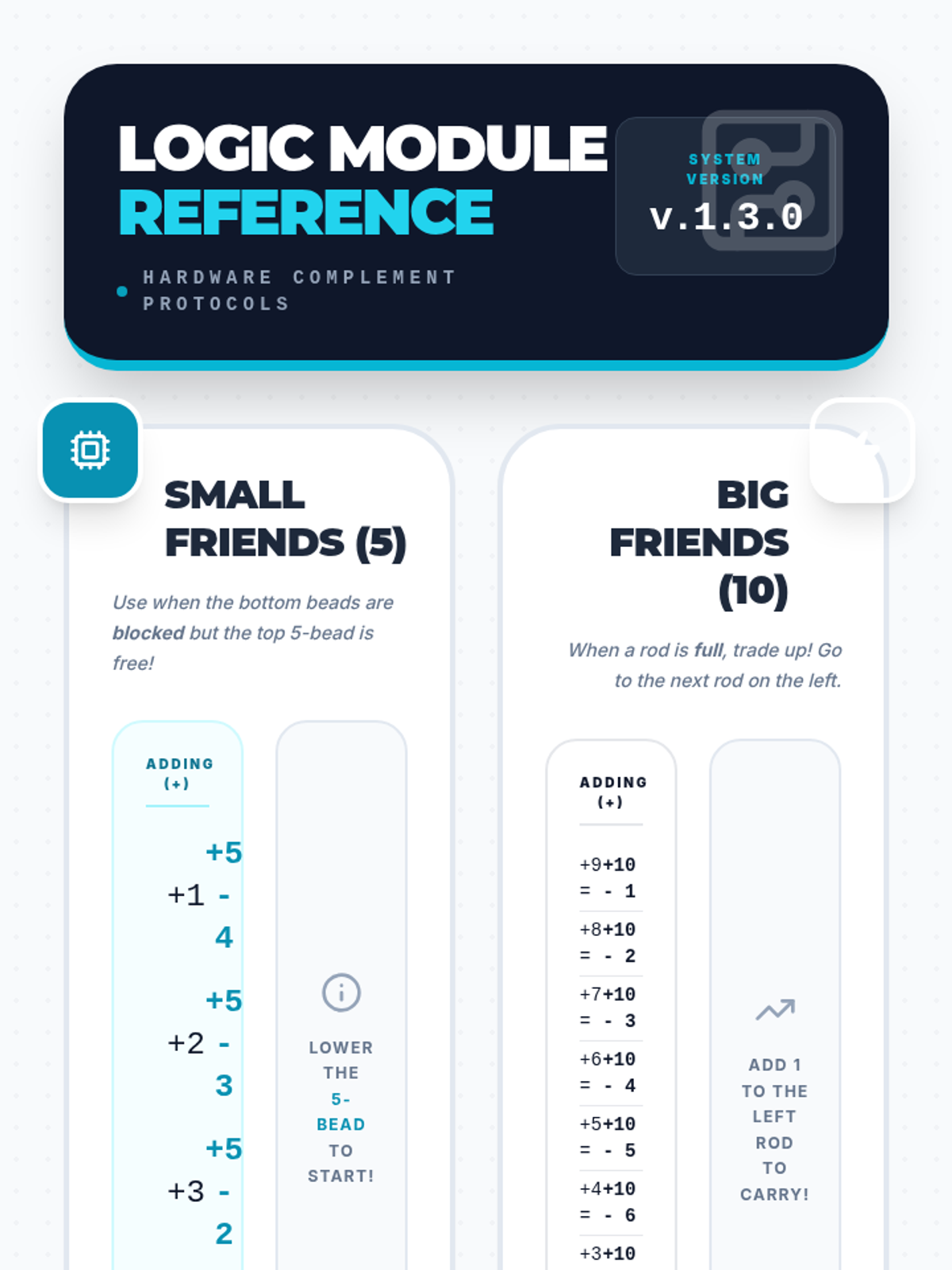
A high-tech exploration of Soroban abacus mechanics, framed as calibrating a powerful logic engine through complement techniques and precise multiplication chains.
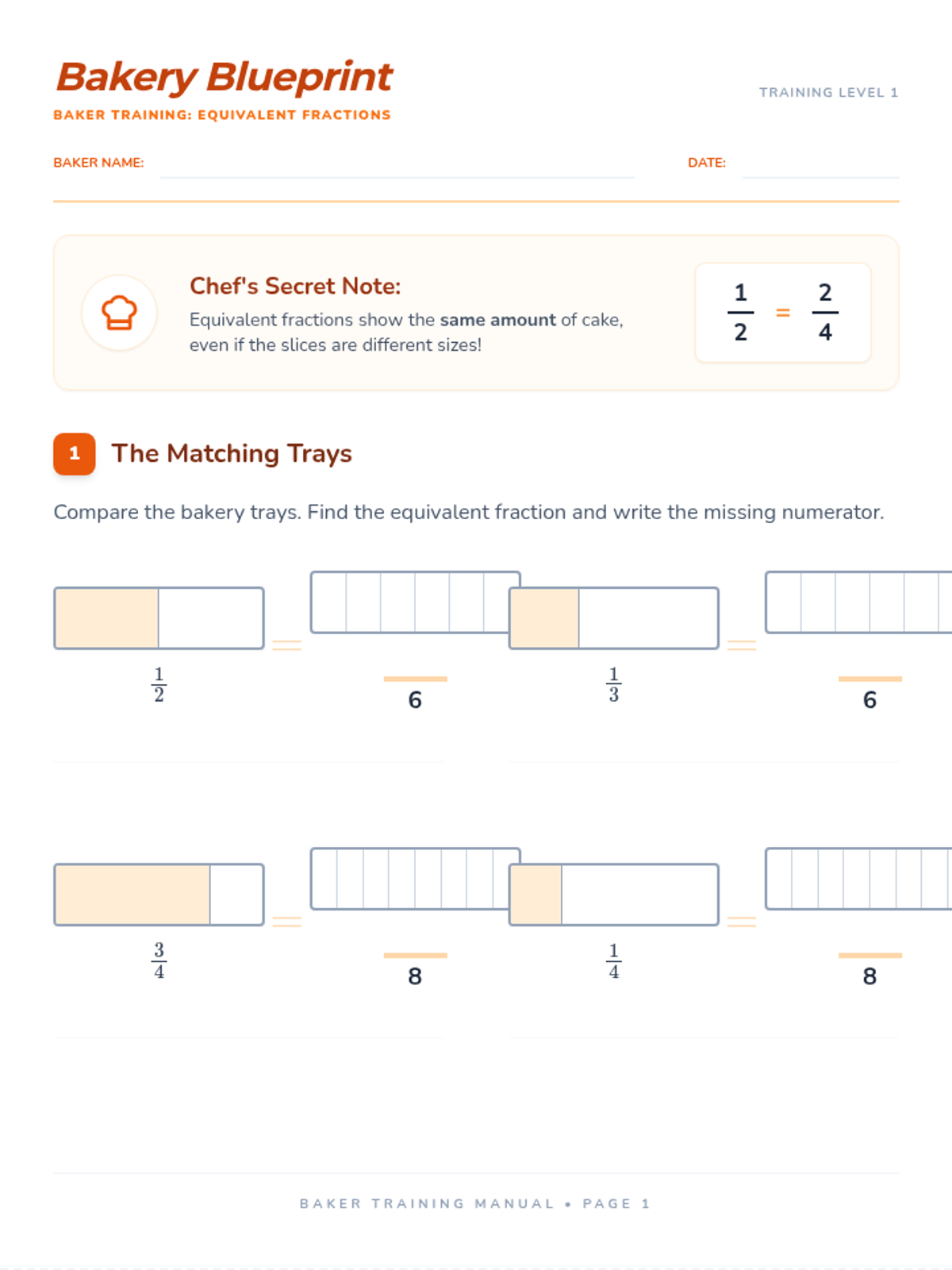
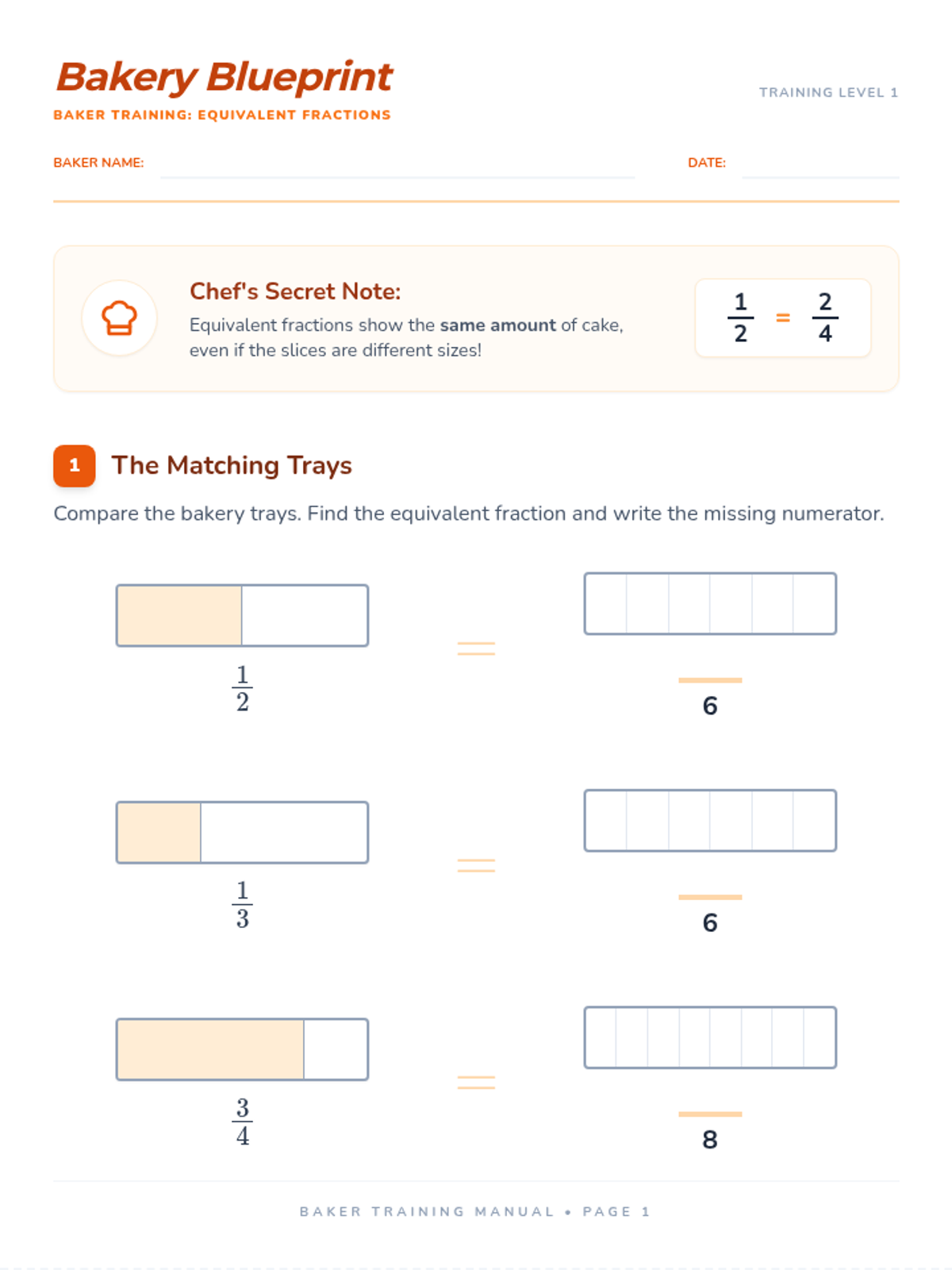
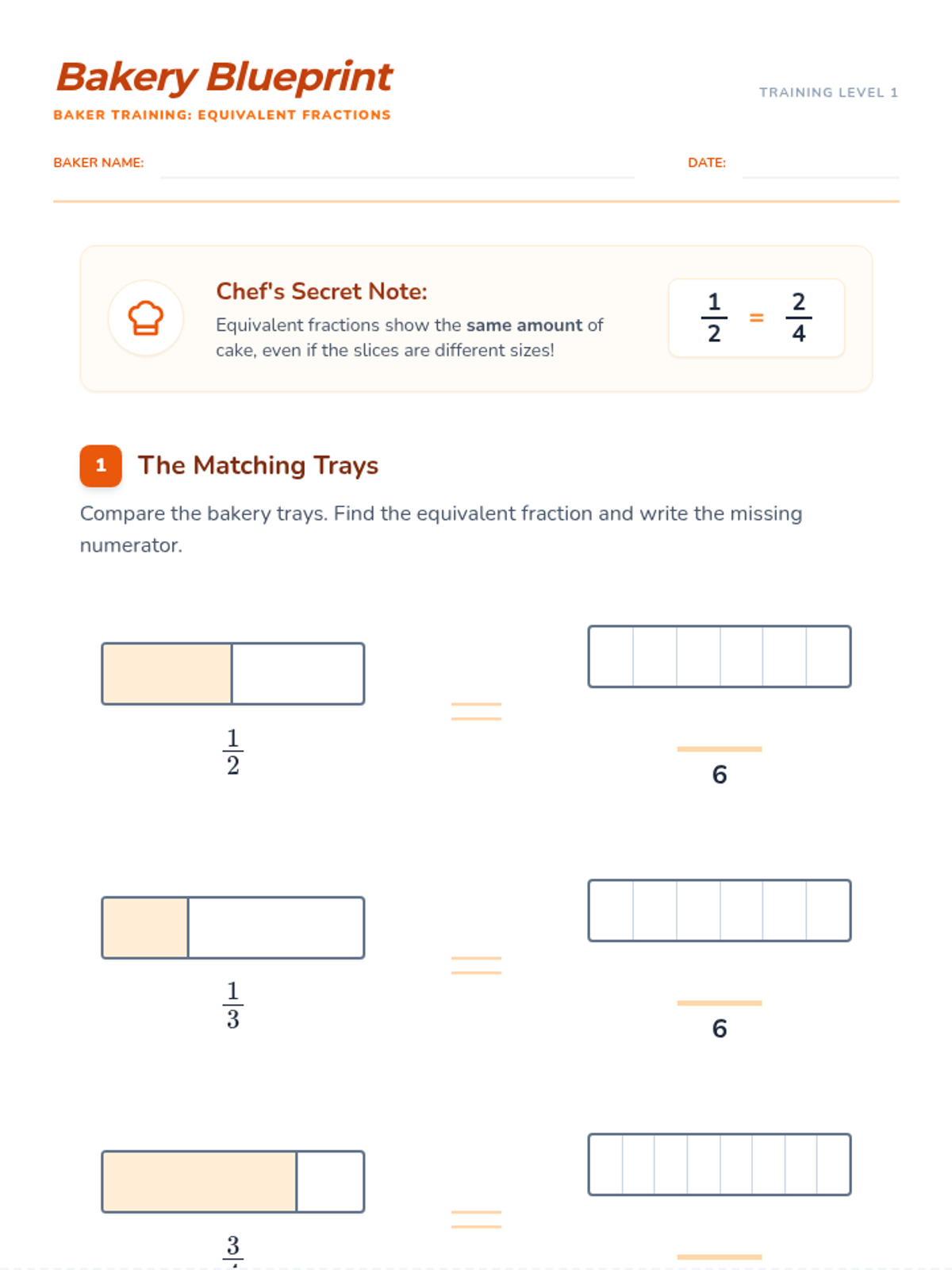
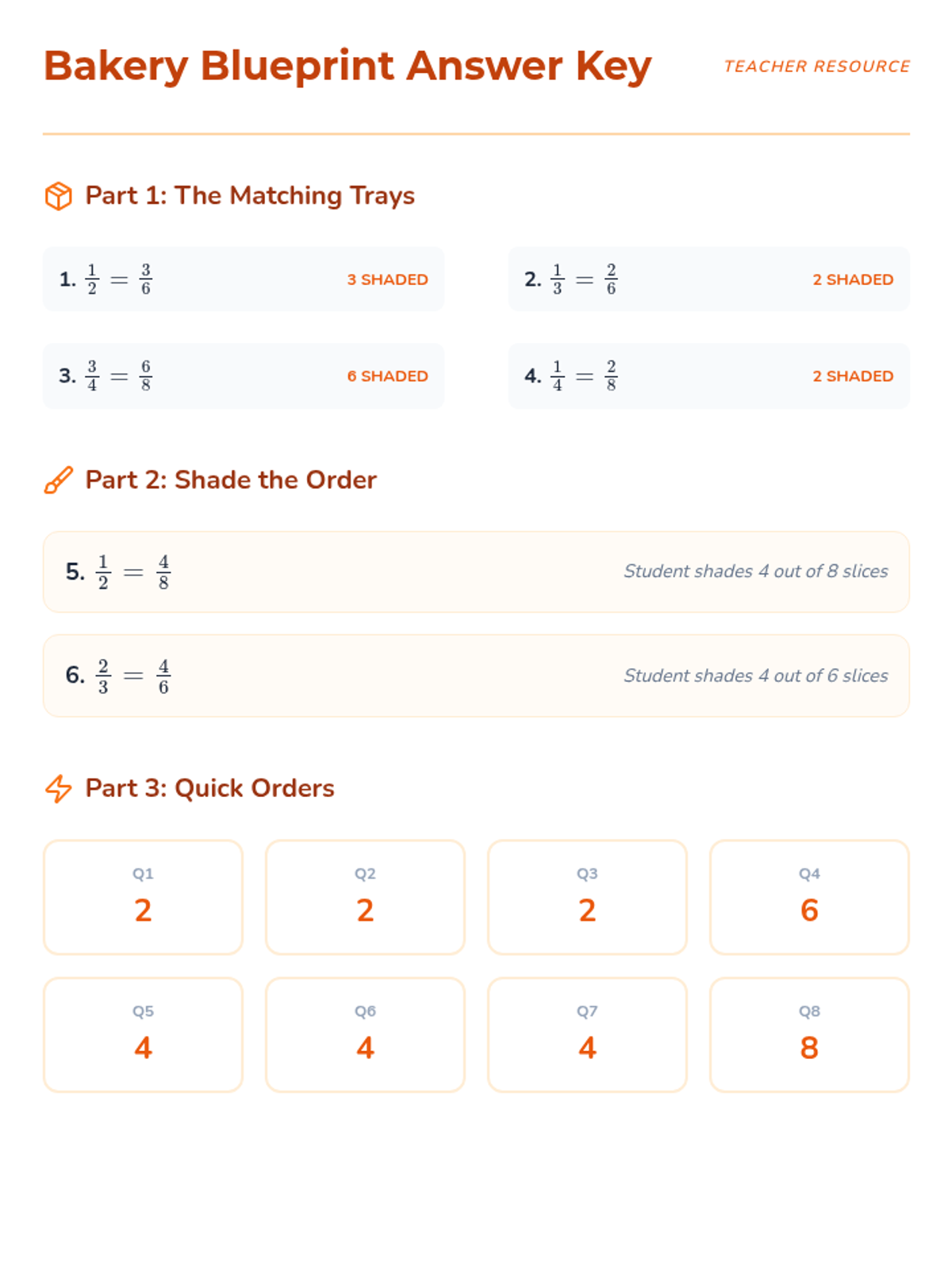
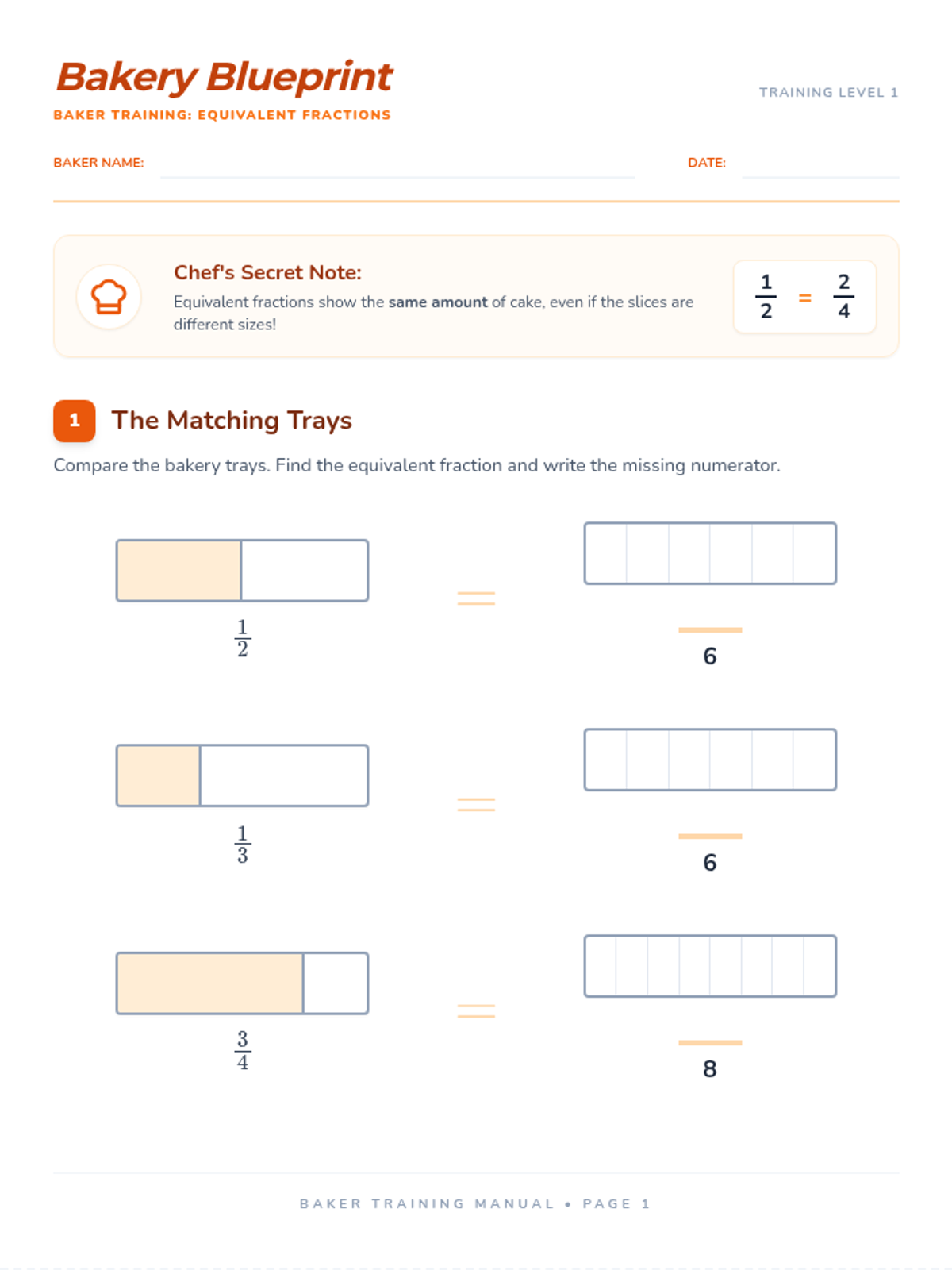
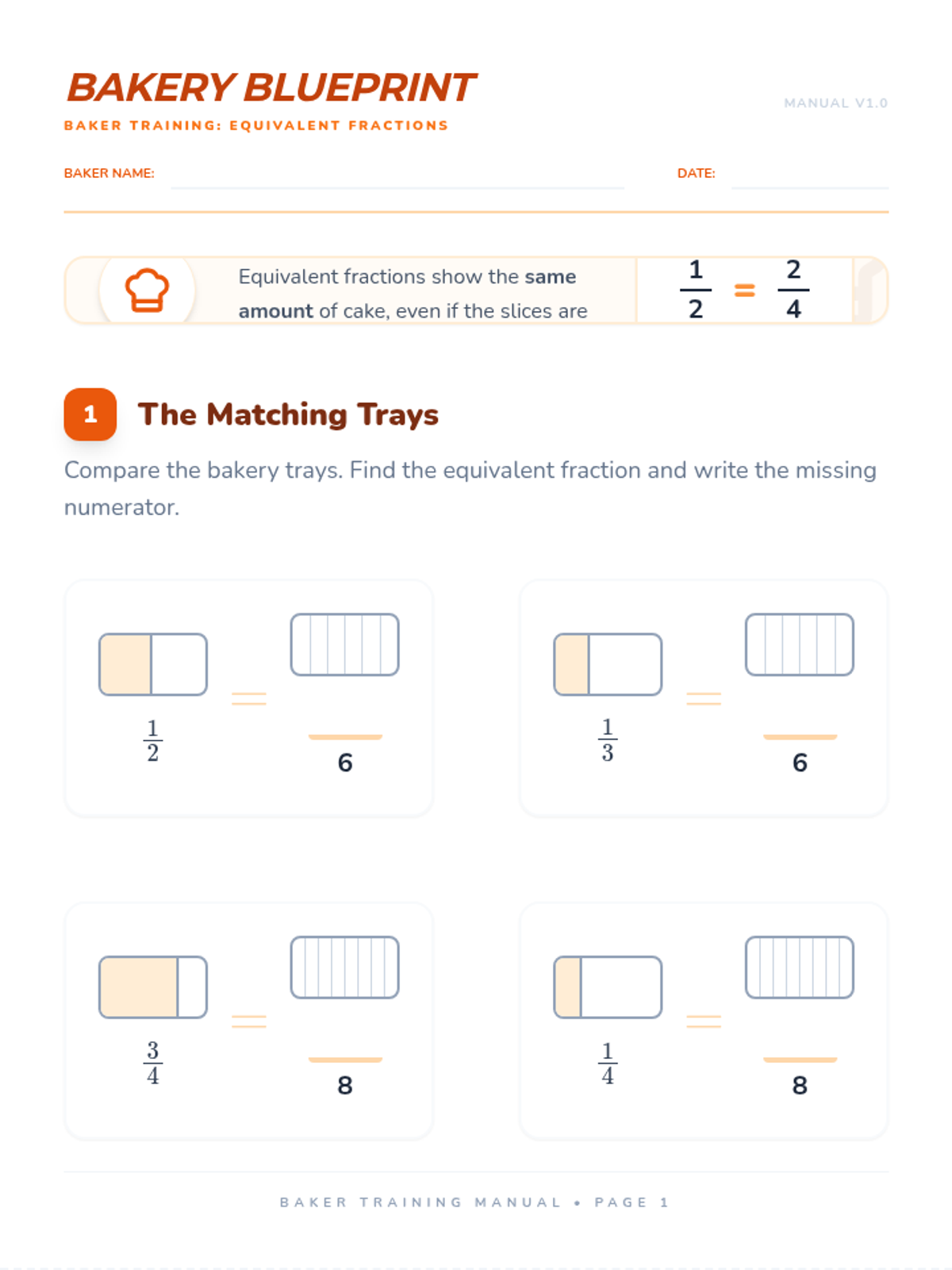
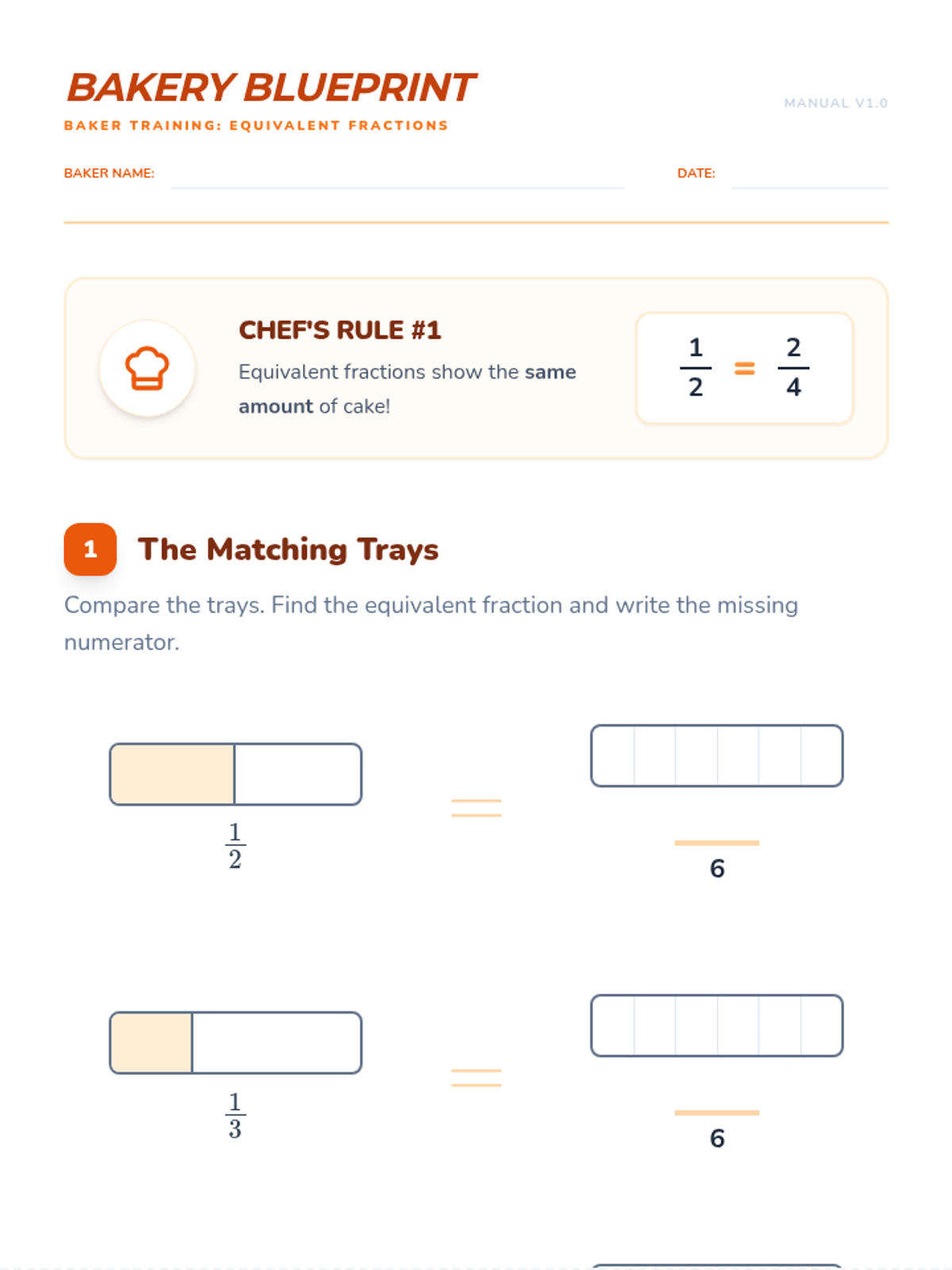
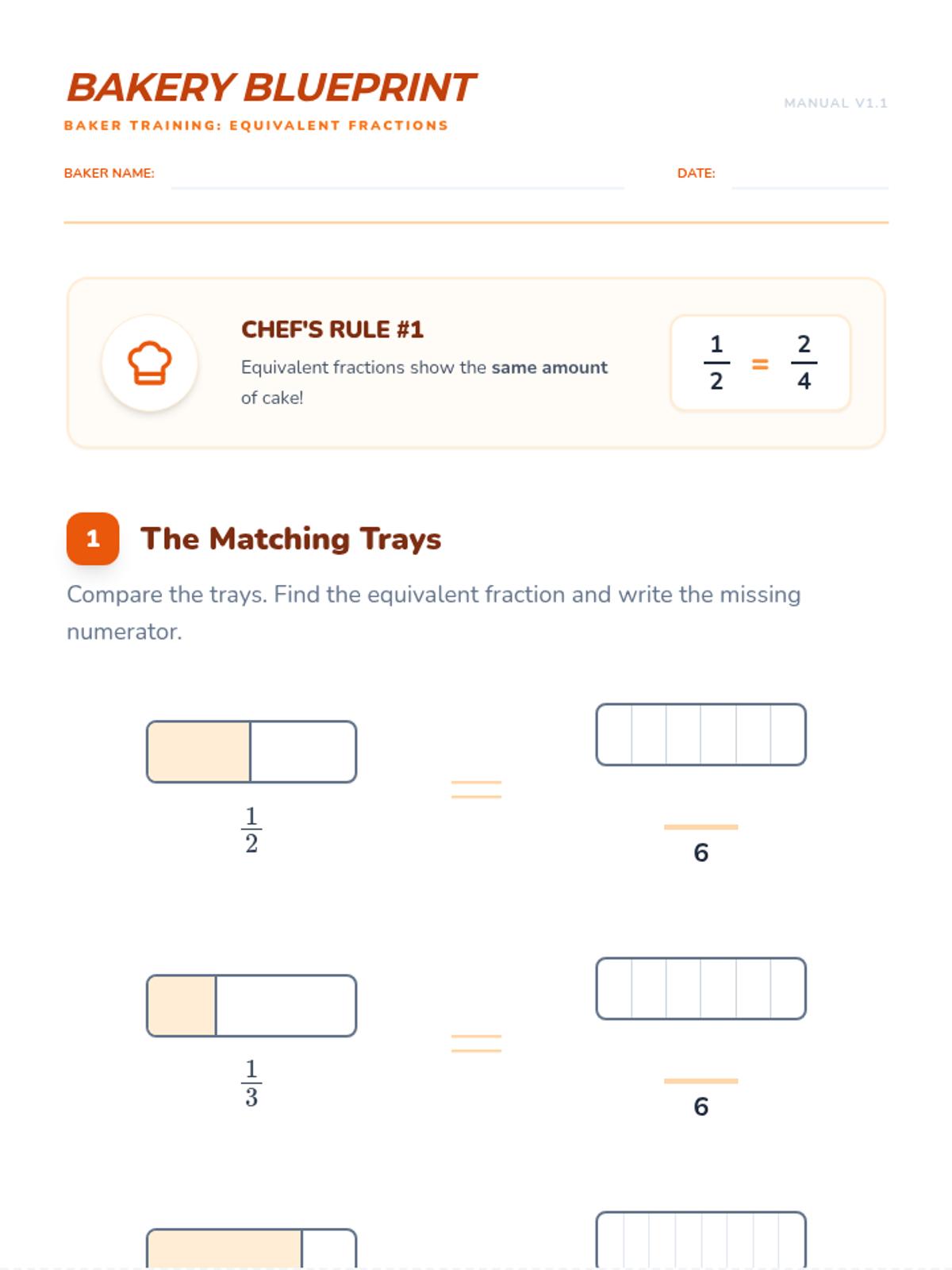
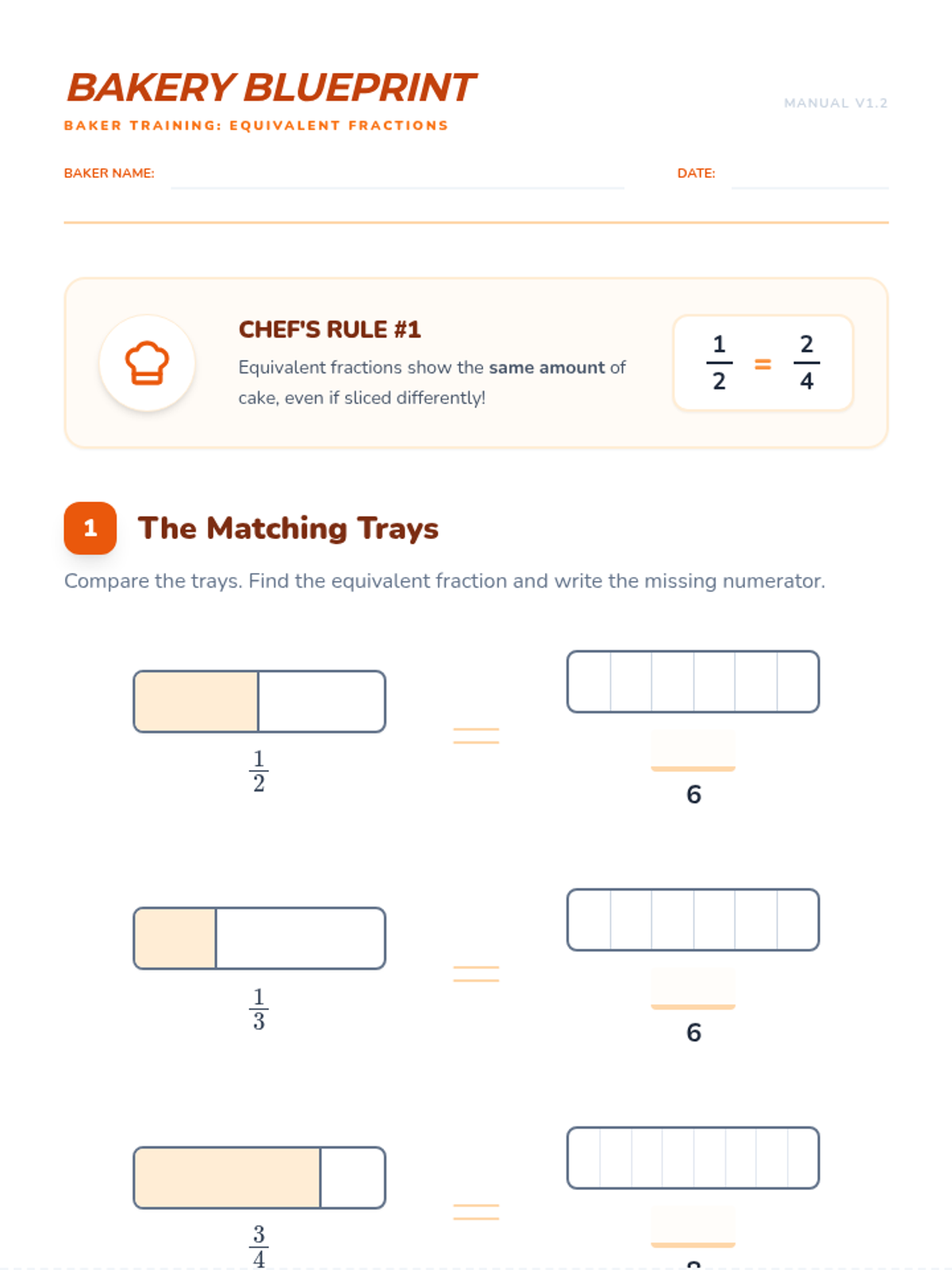
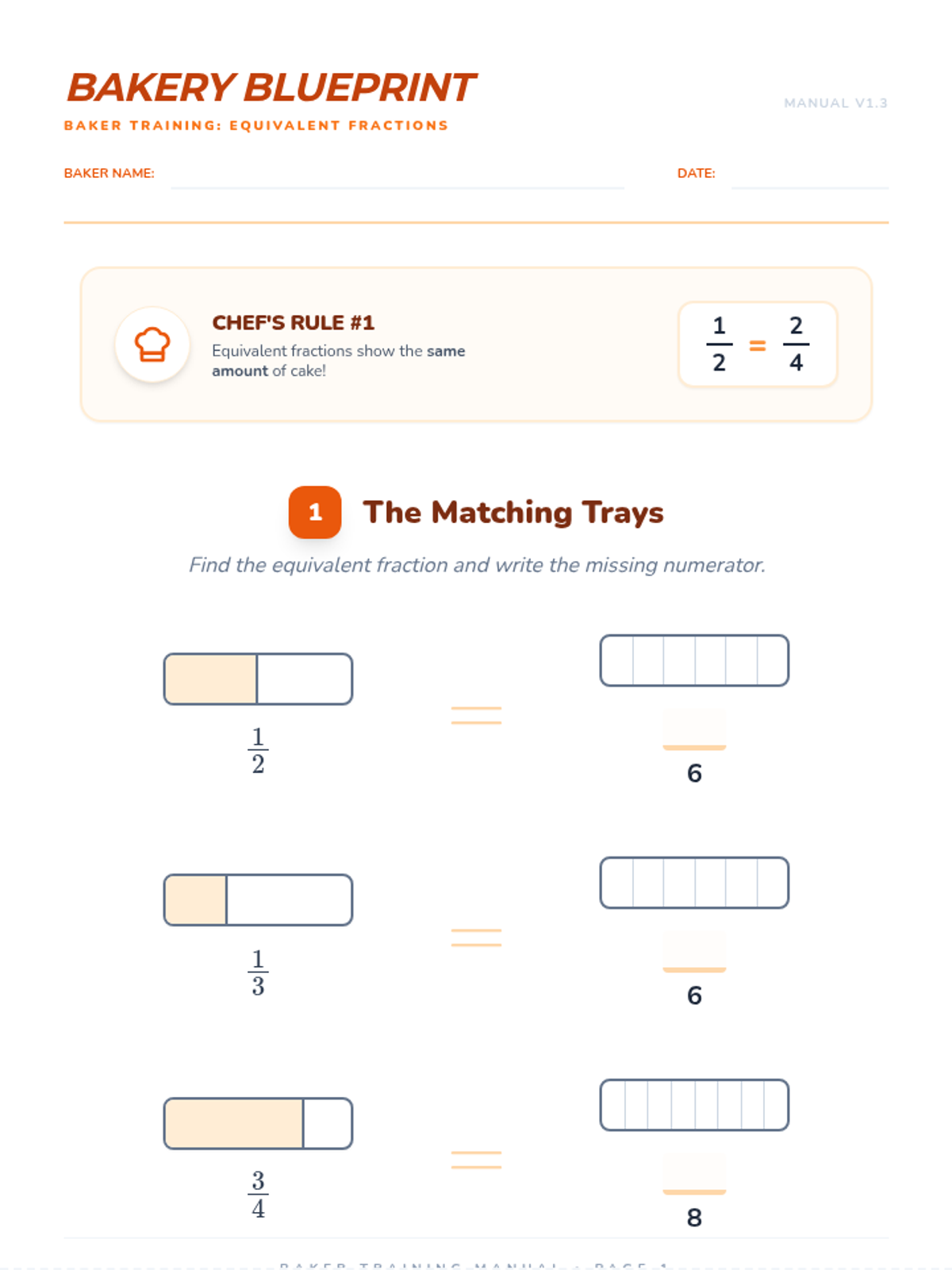
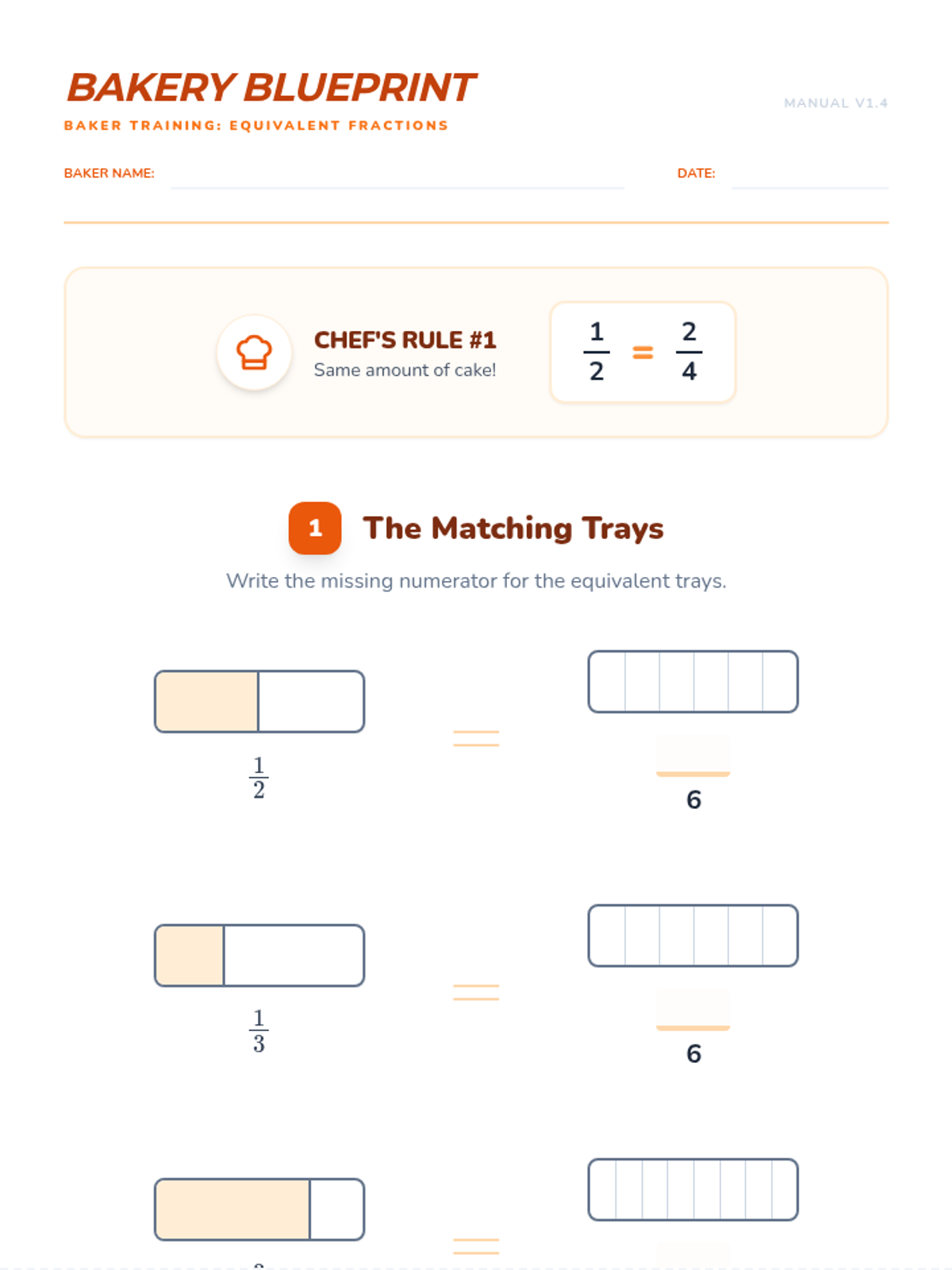
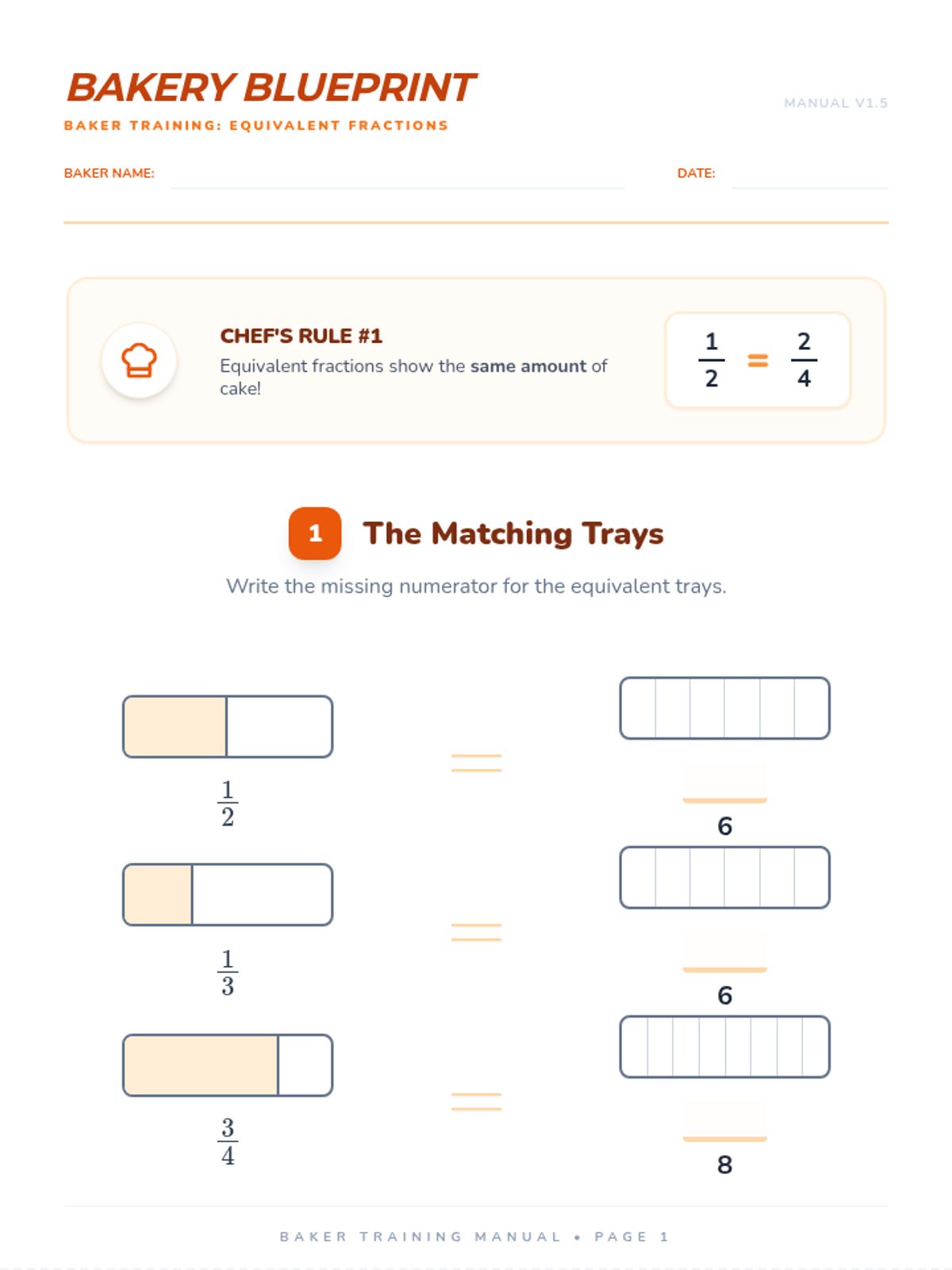
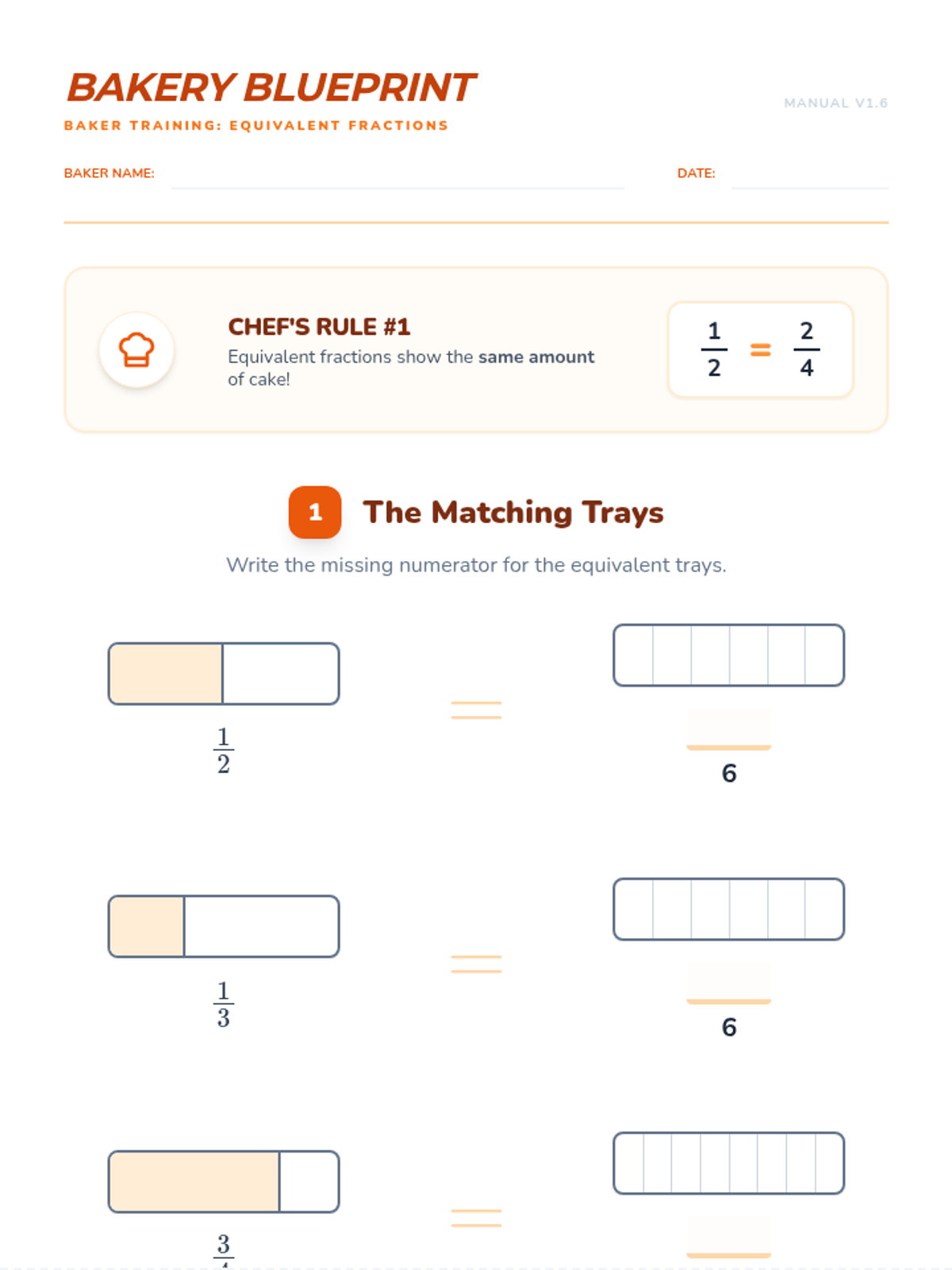
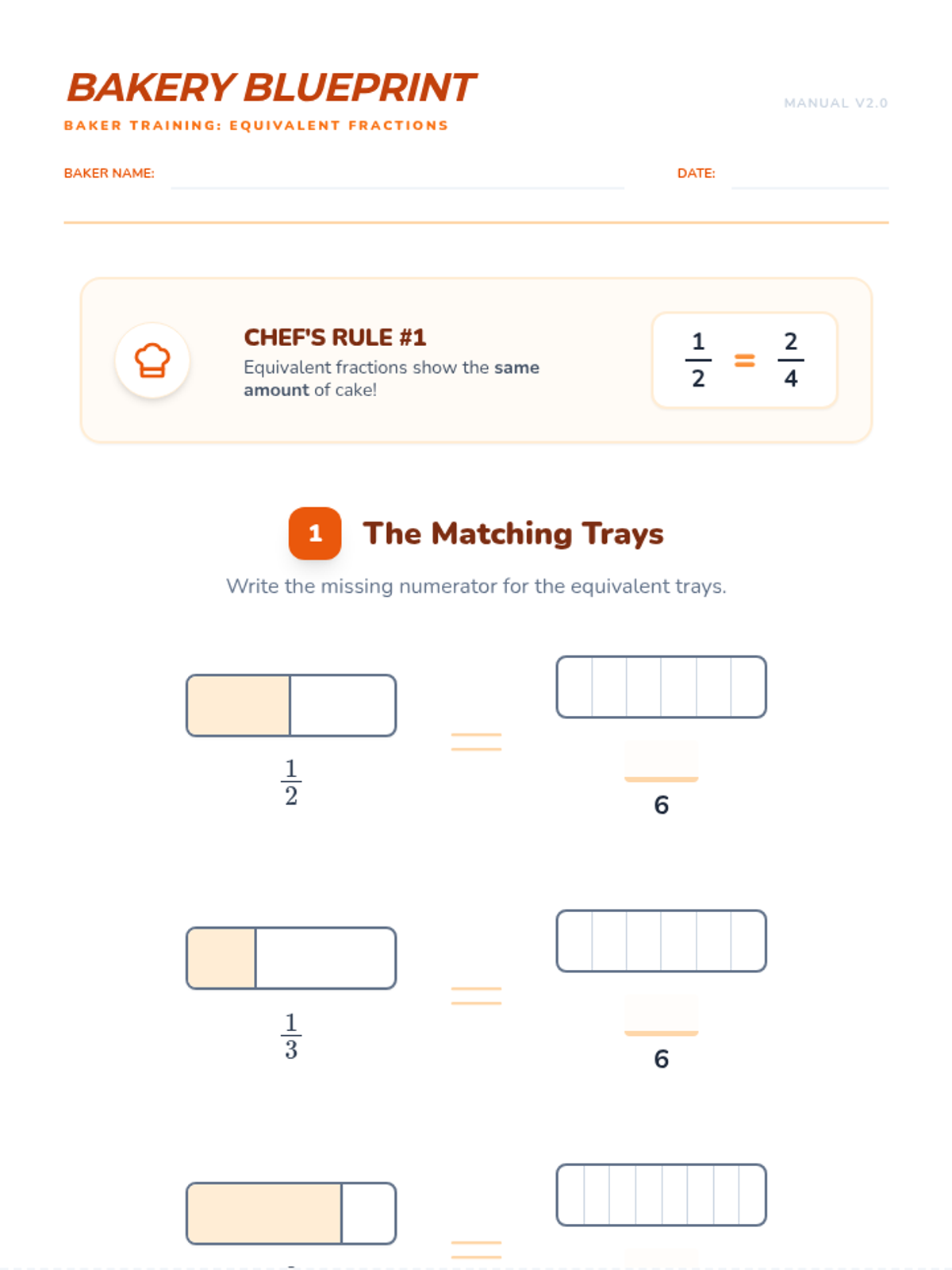
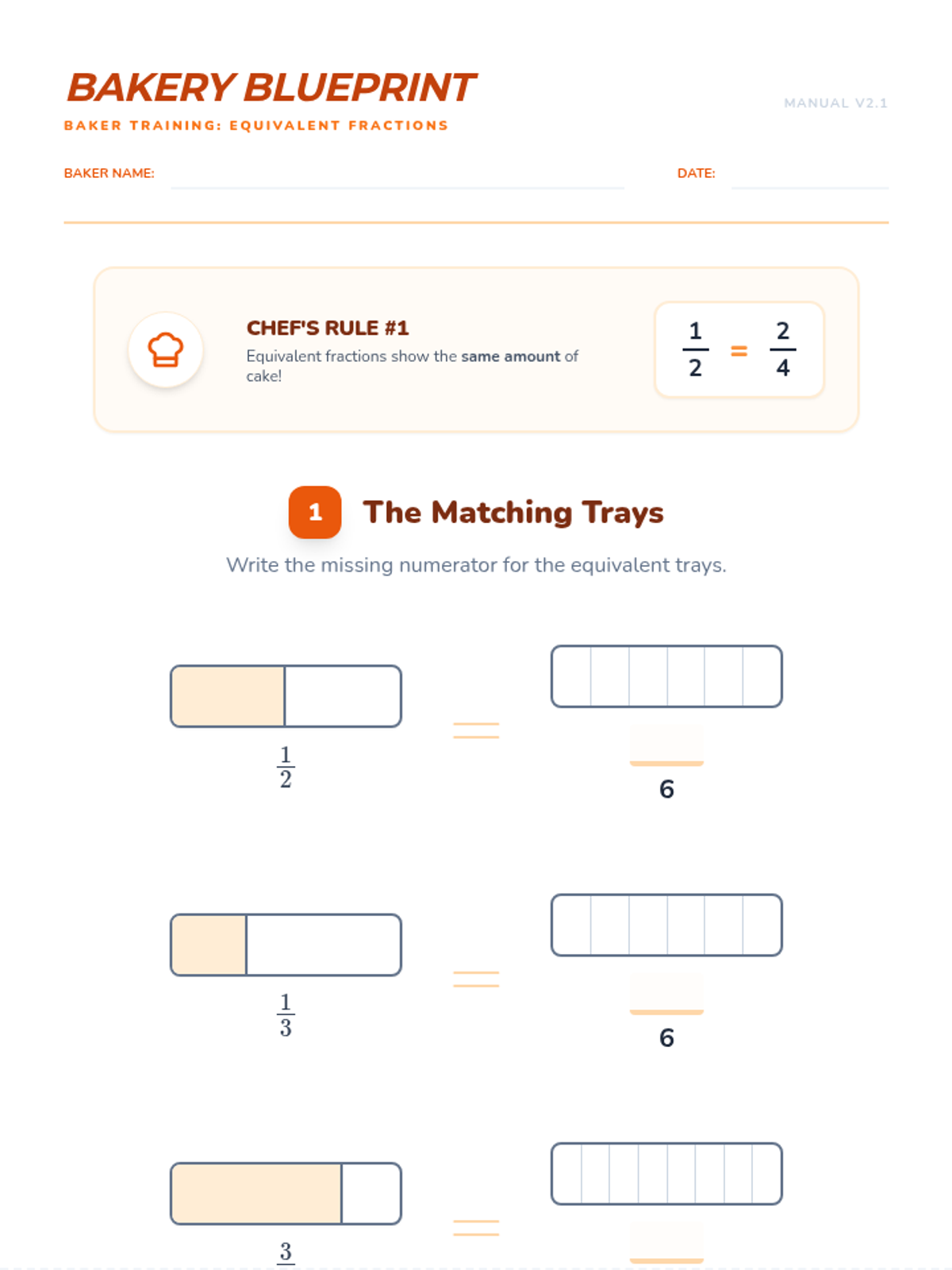
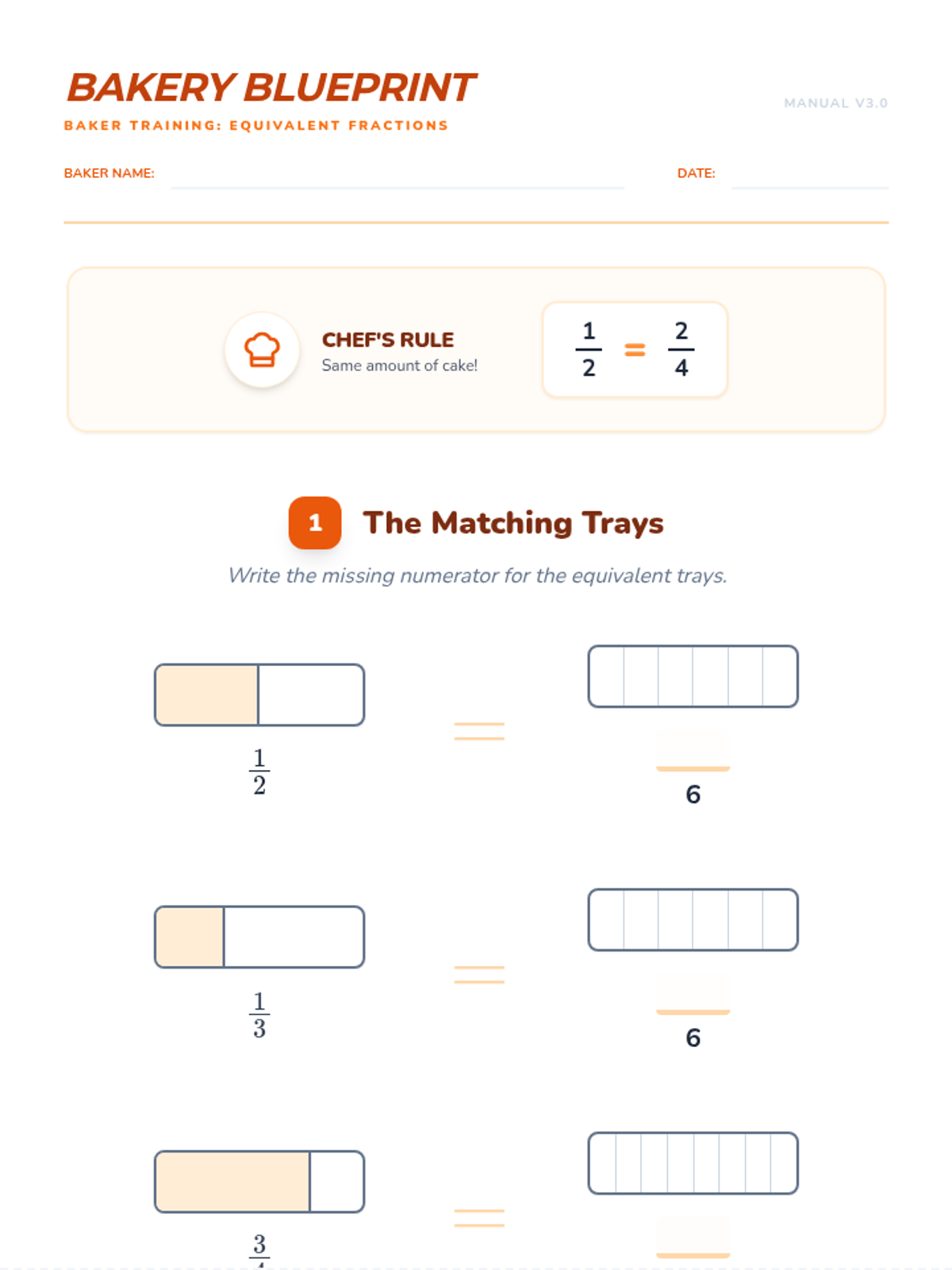
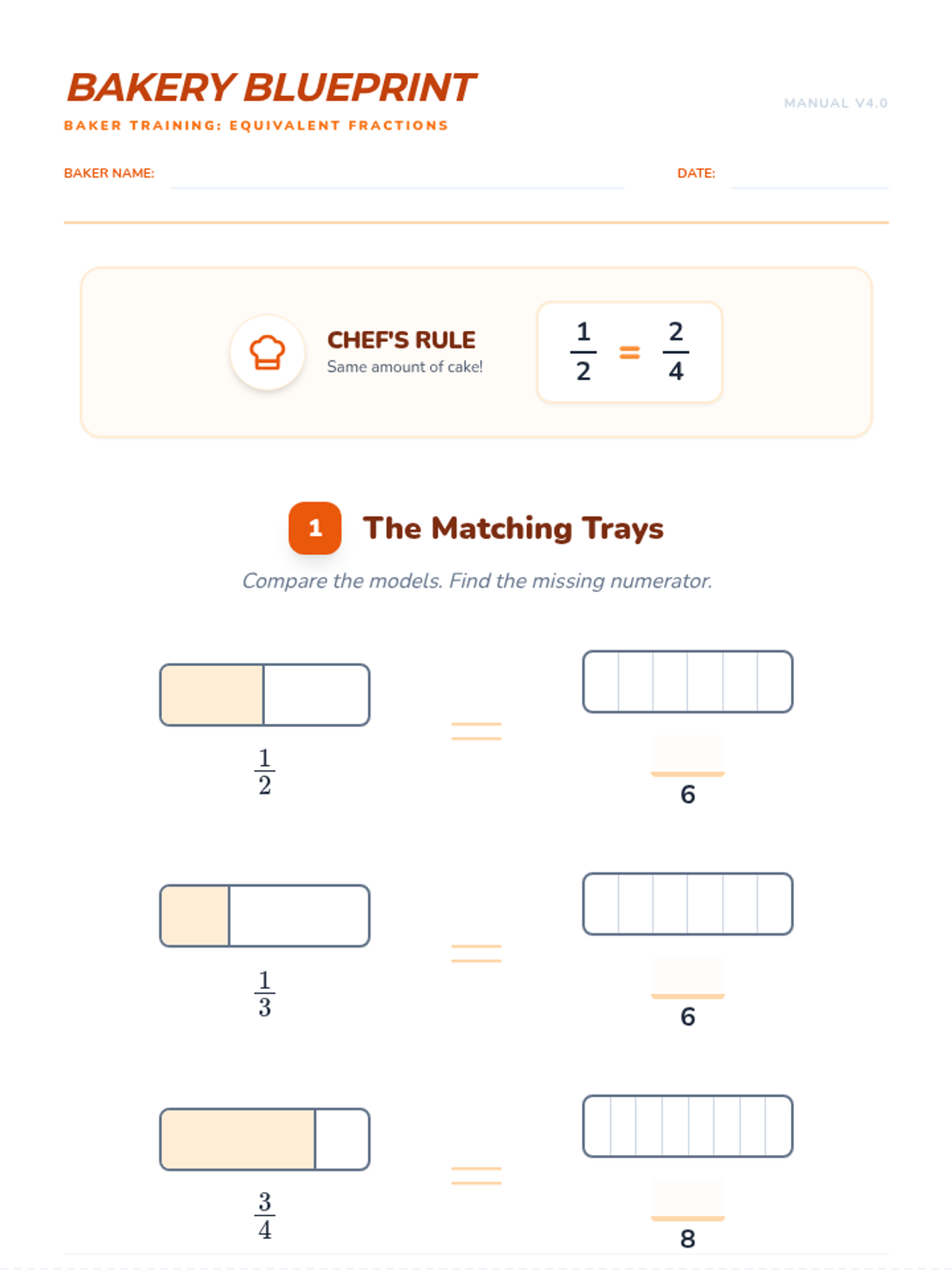
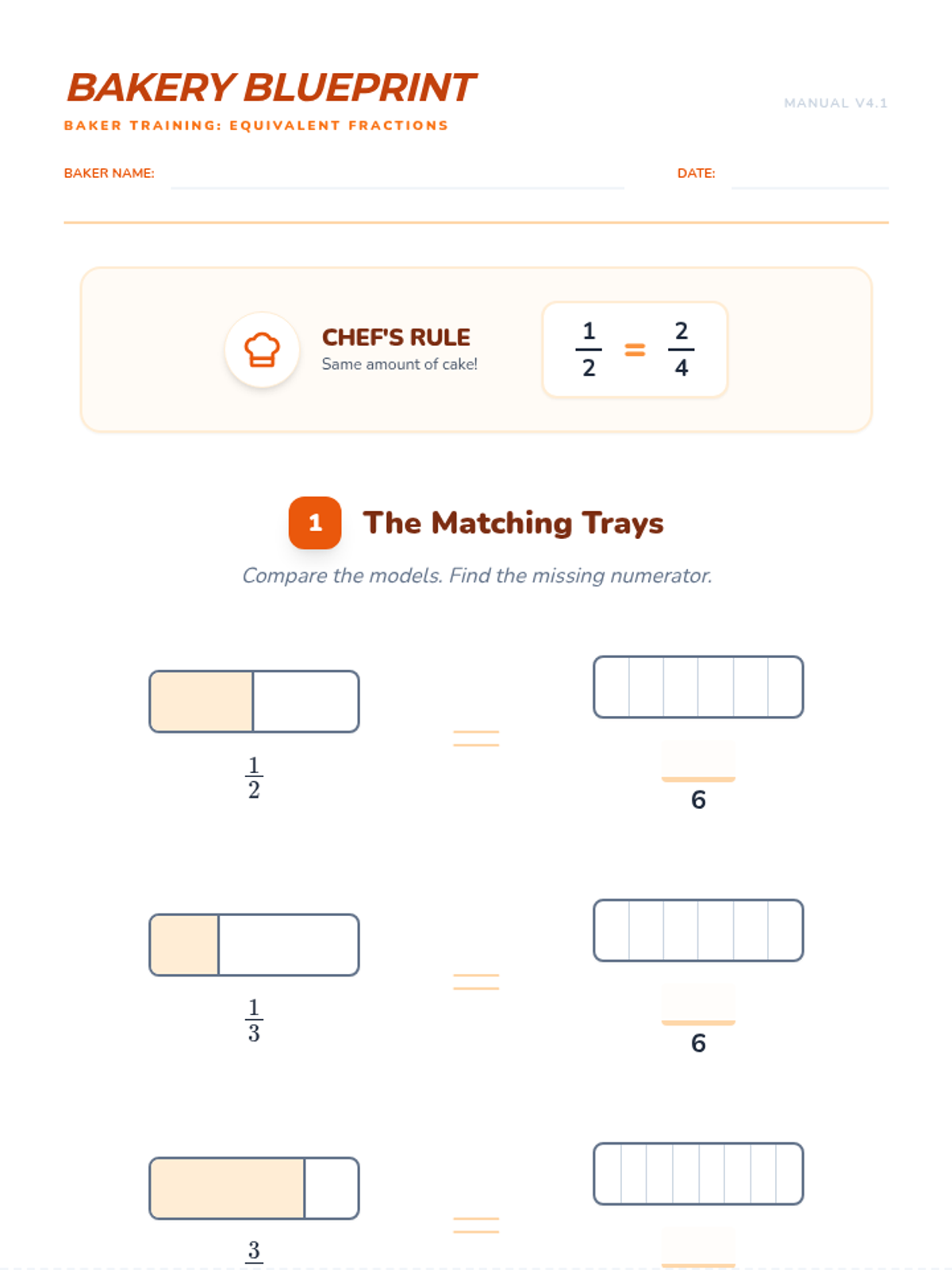
A focused lesson on identifying and creating equivalent fractions using denominators 2, 3, 4, 6, and 8 through visual models and numerical patterns.
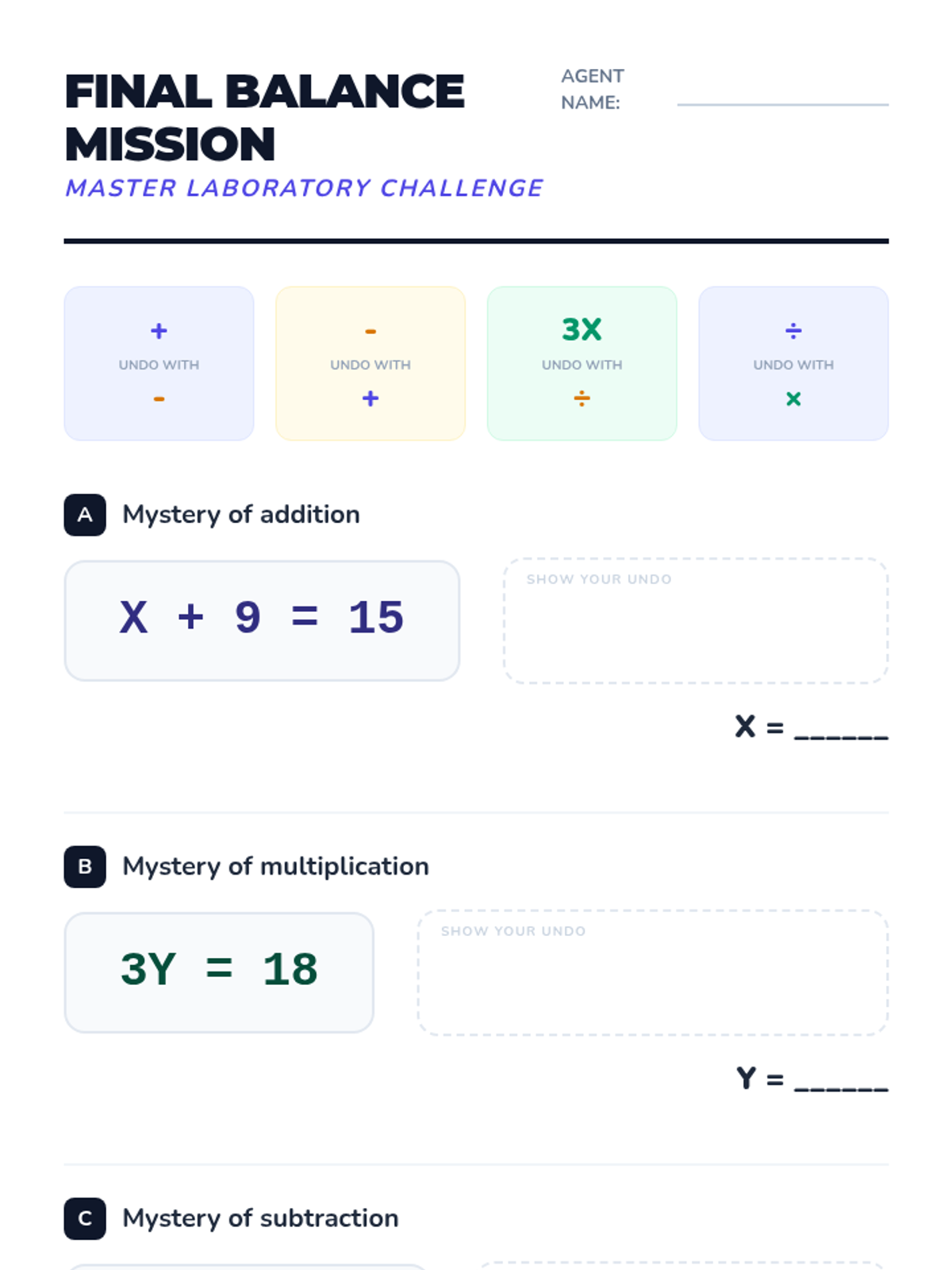
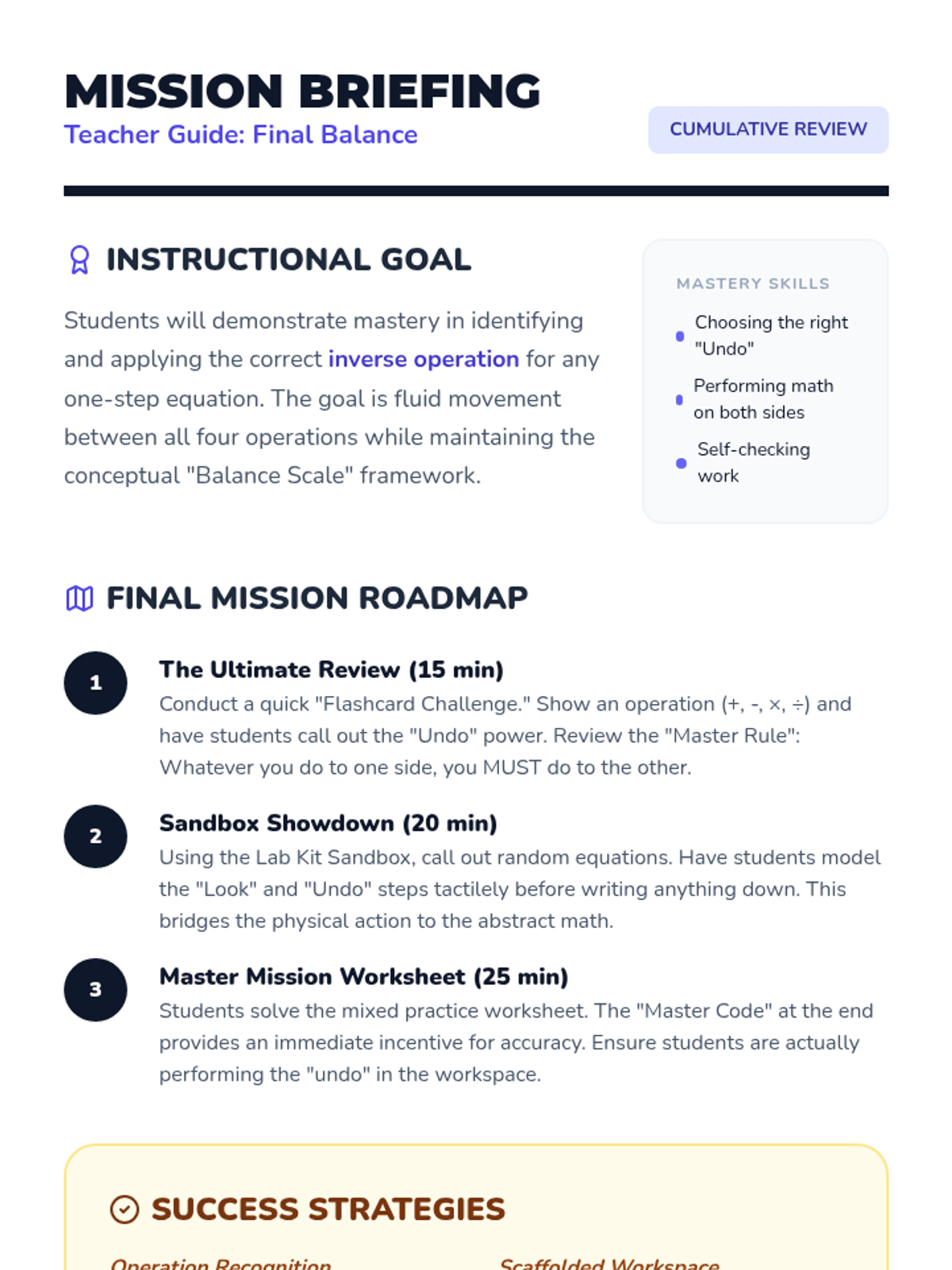
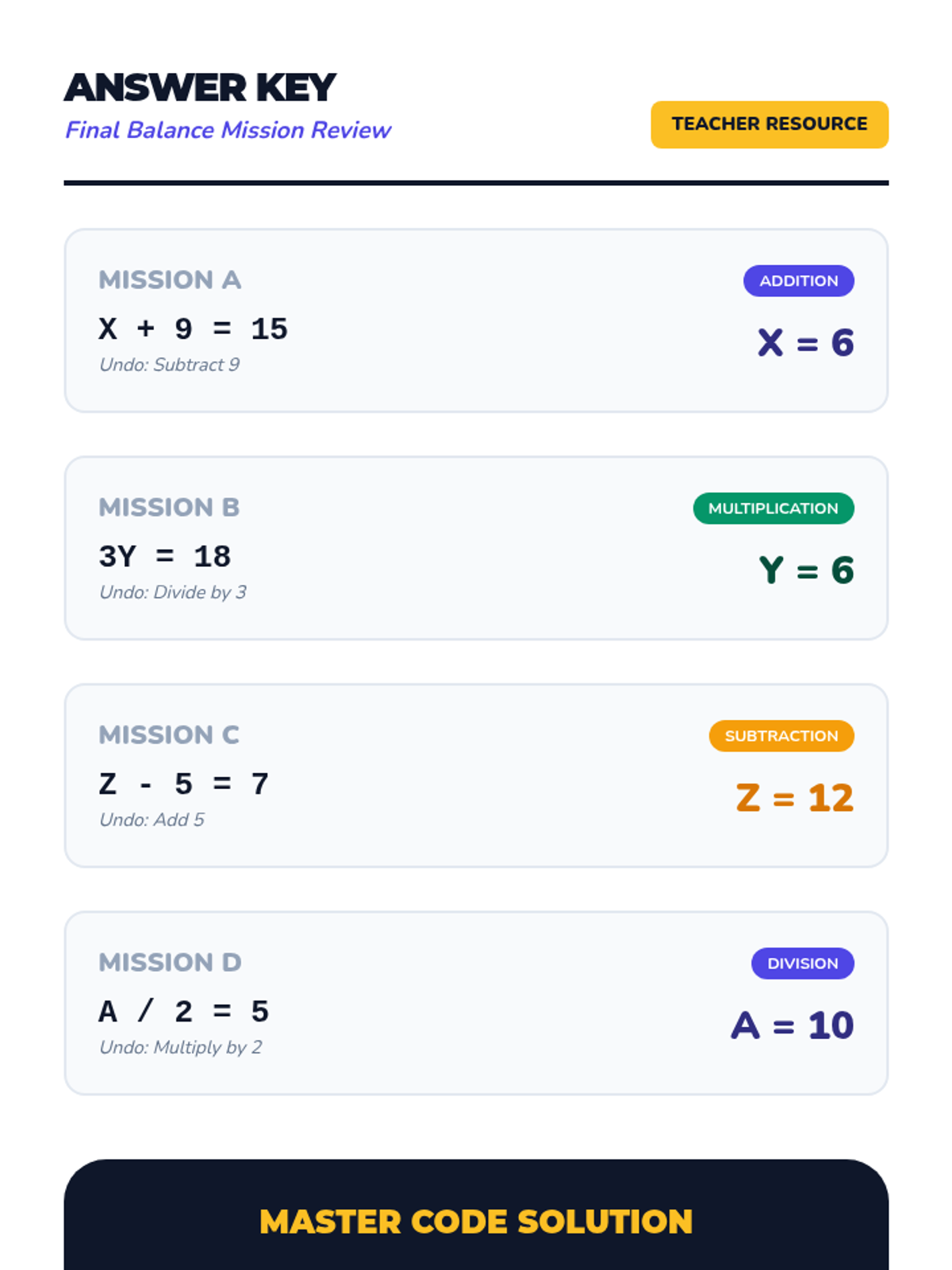
A cumulative review lesson where students apply their knowledge of inverse operations to solve mixed one-step equations involving addition, subtraction, multiplication, and division.
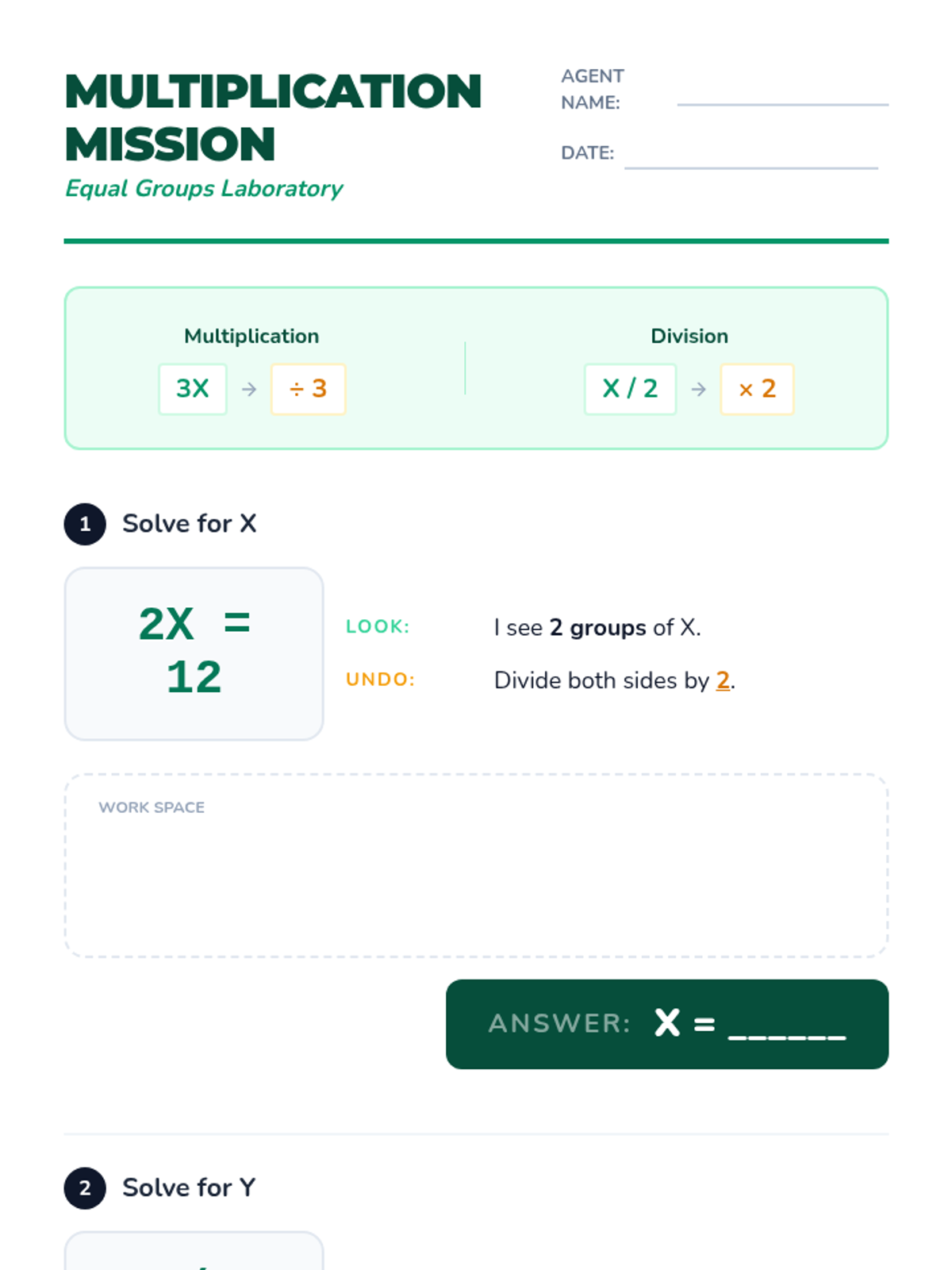
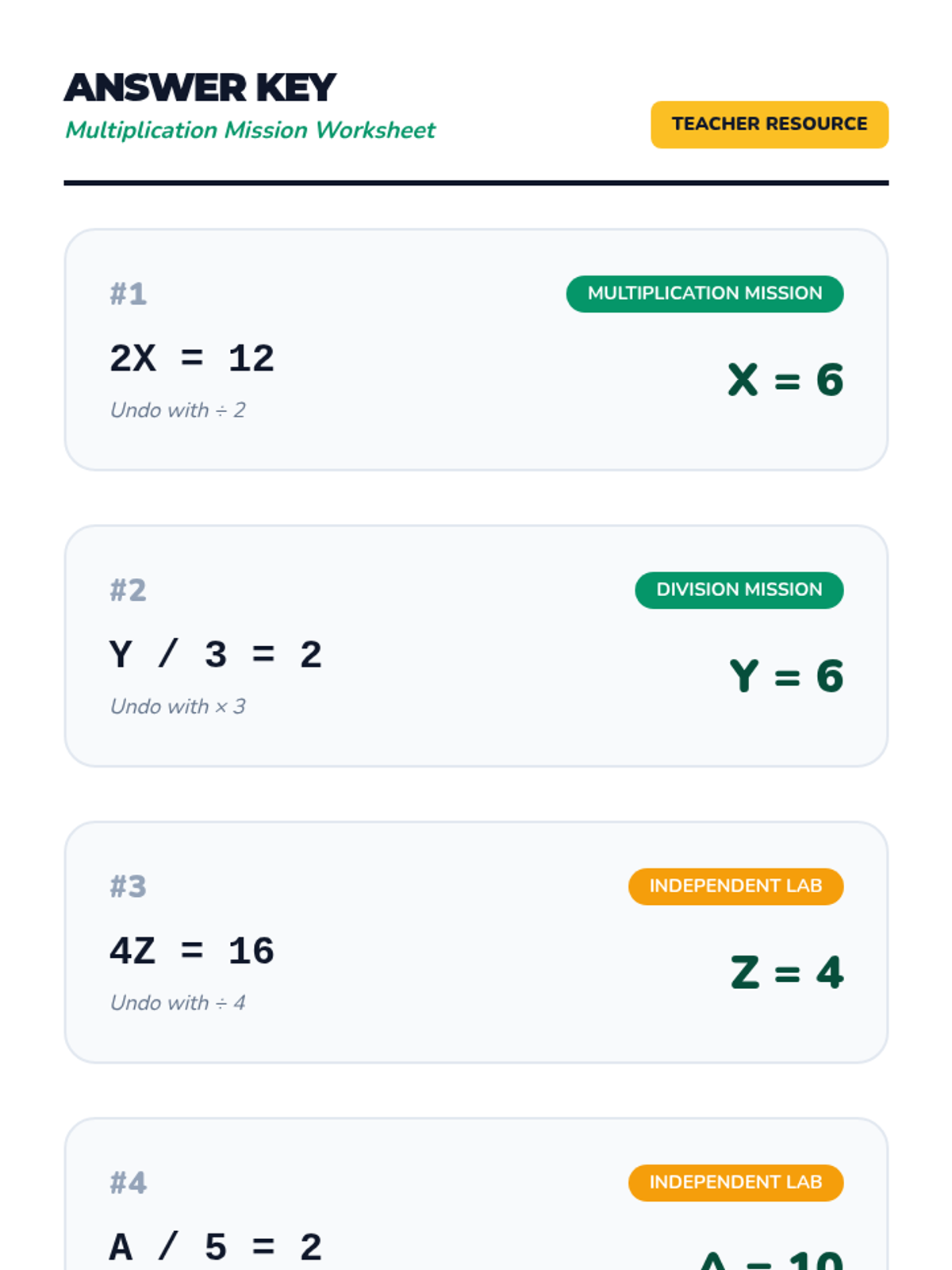
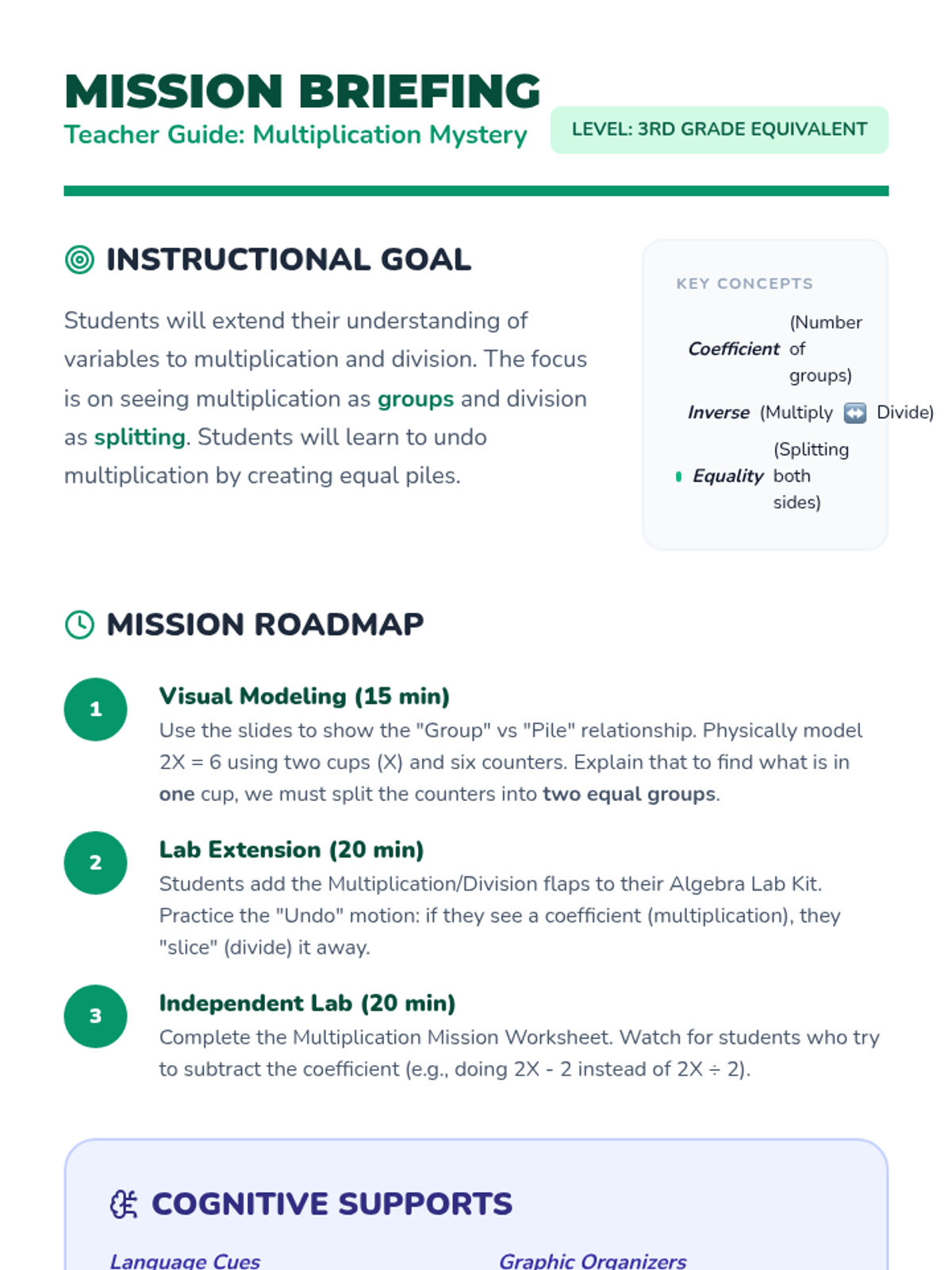
Expanding algebraic thinking to multiplication and division. Students will learn how to 'undo' multiplication by splitting into equal groups (division) and 'undo' division through multiplication, maintaining the balance of the scale.
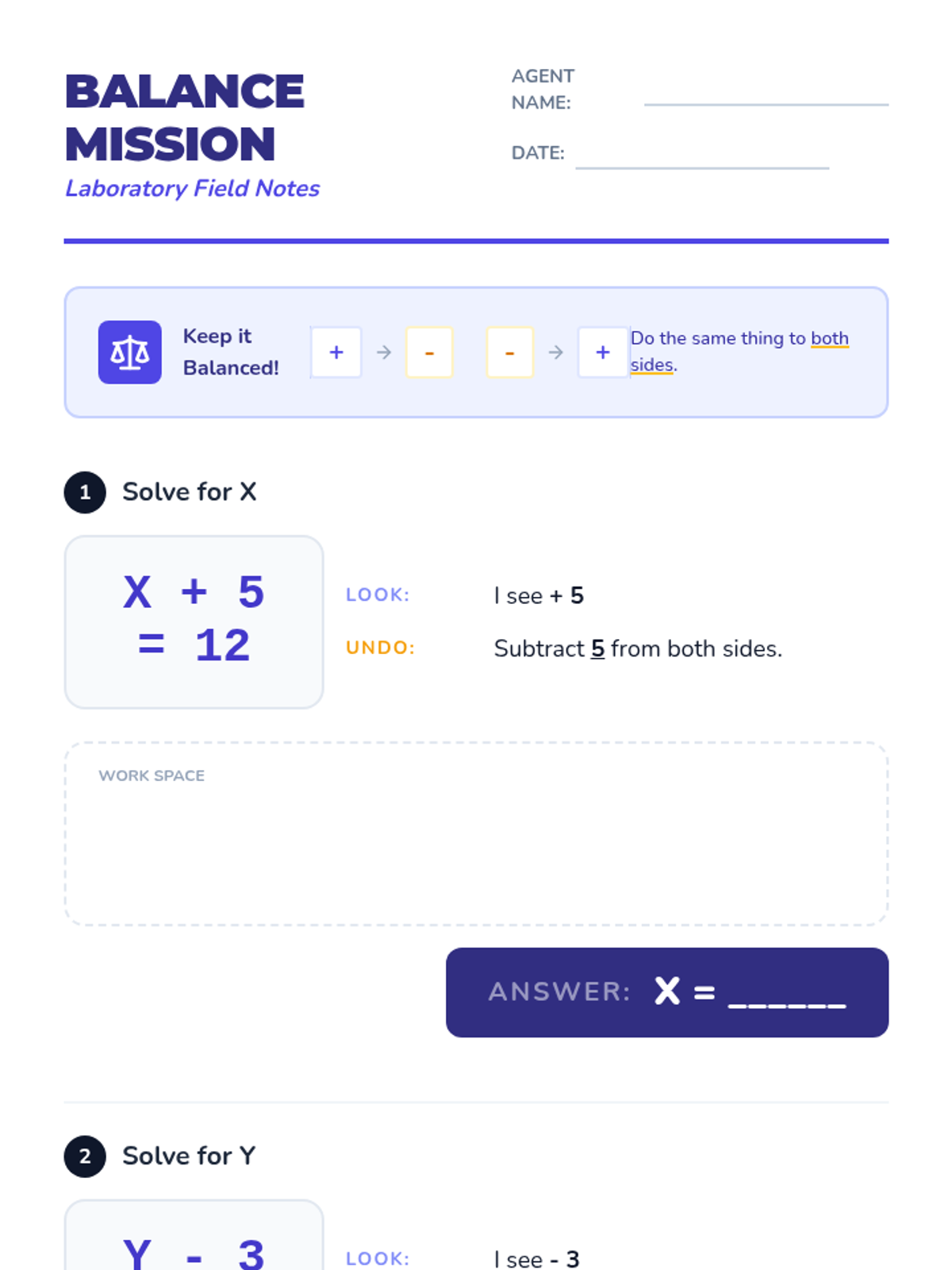
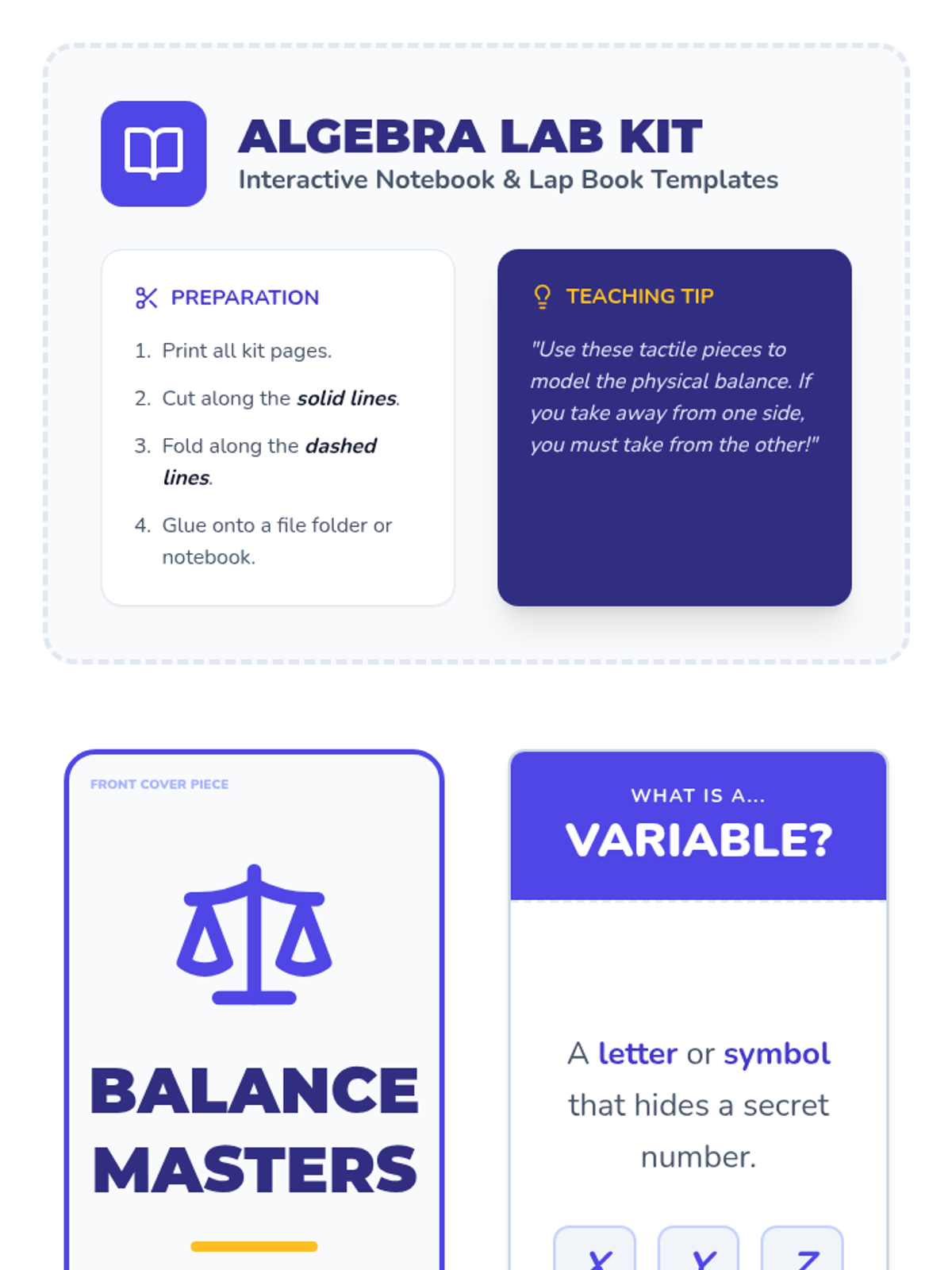
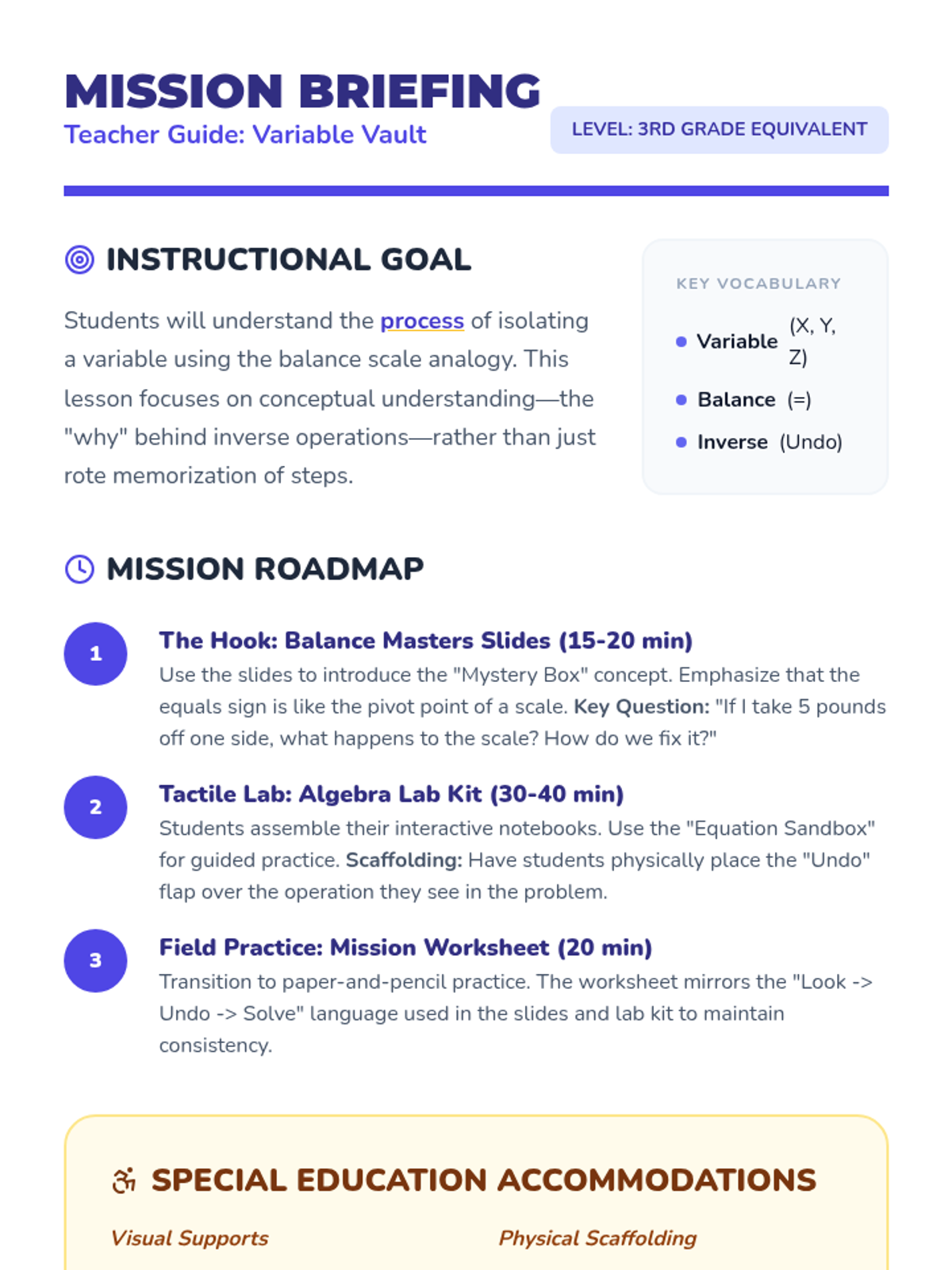
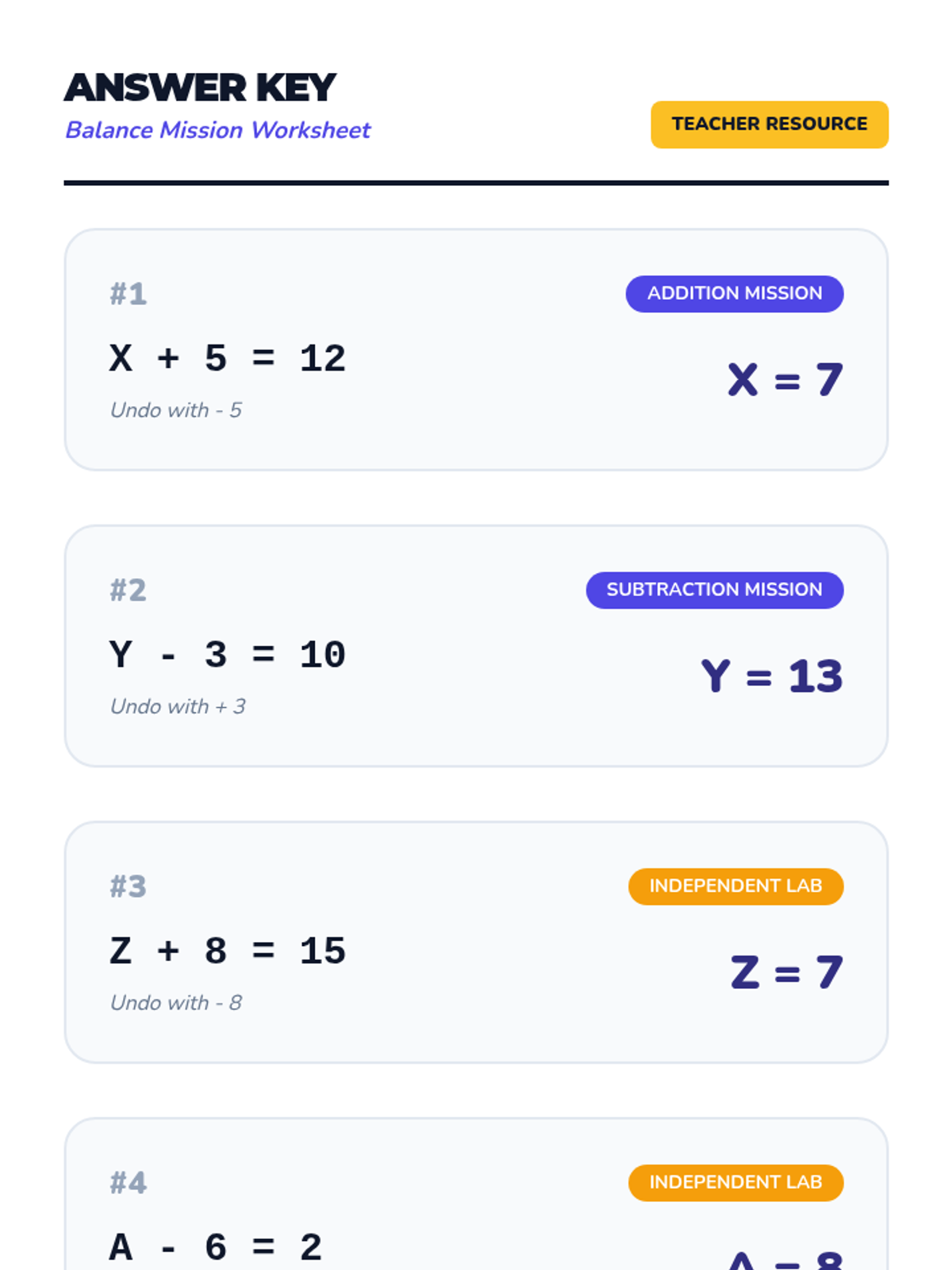
A foundational introduction to basic algebra using the balance scale analogy, specifically designed for students working at a 3rd-grade level. Students will learn about variables and the concept of inverse operations to 'undo' addition and subtraction.
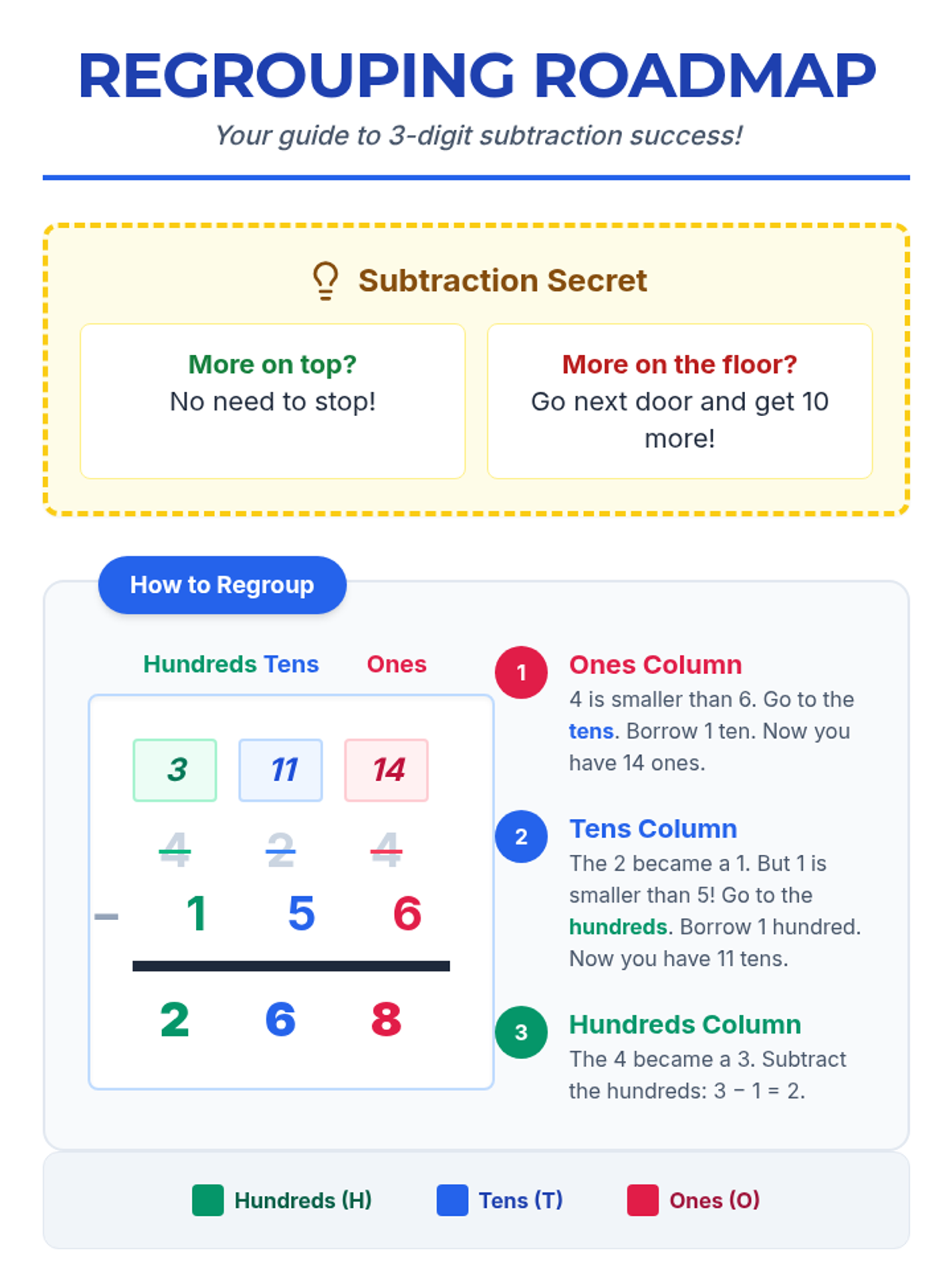
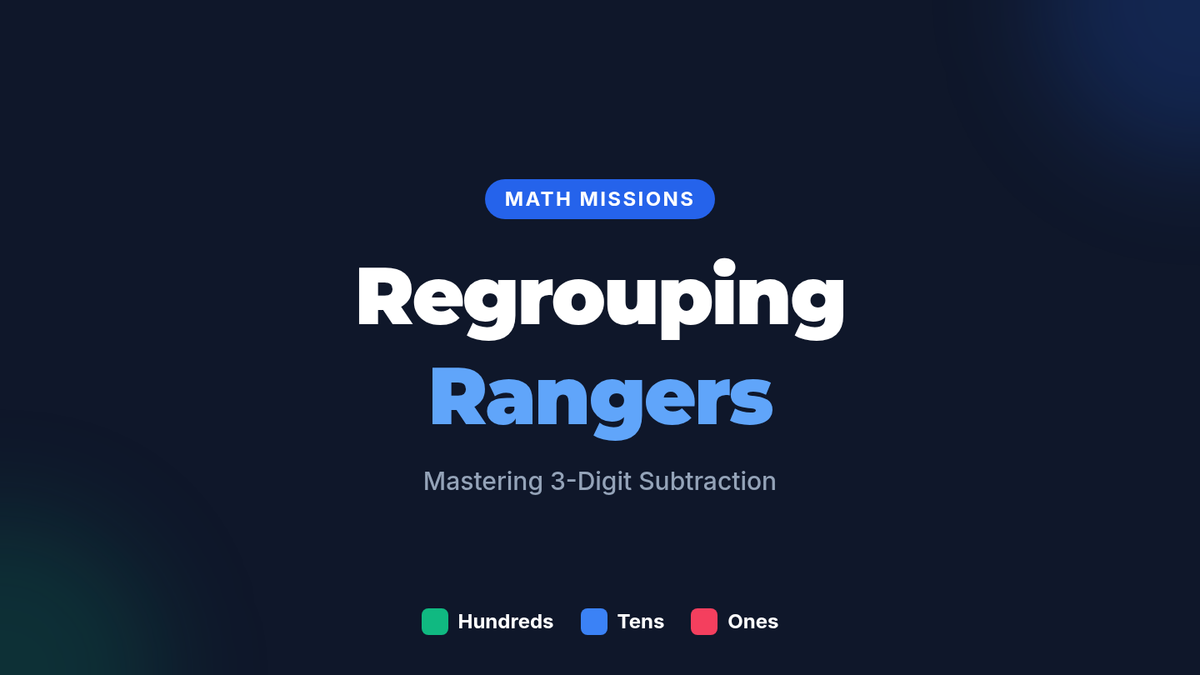
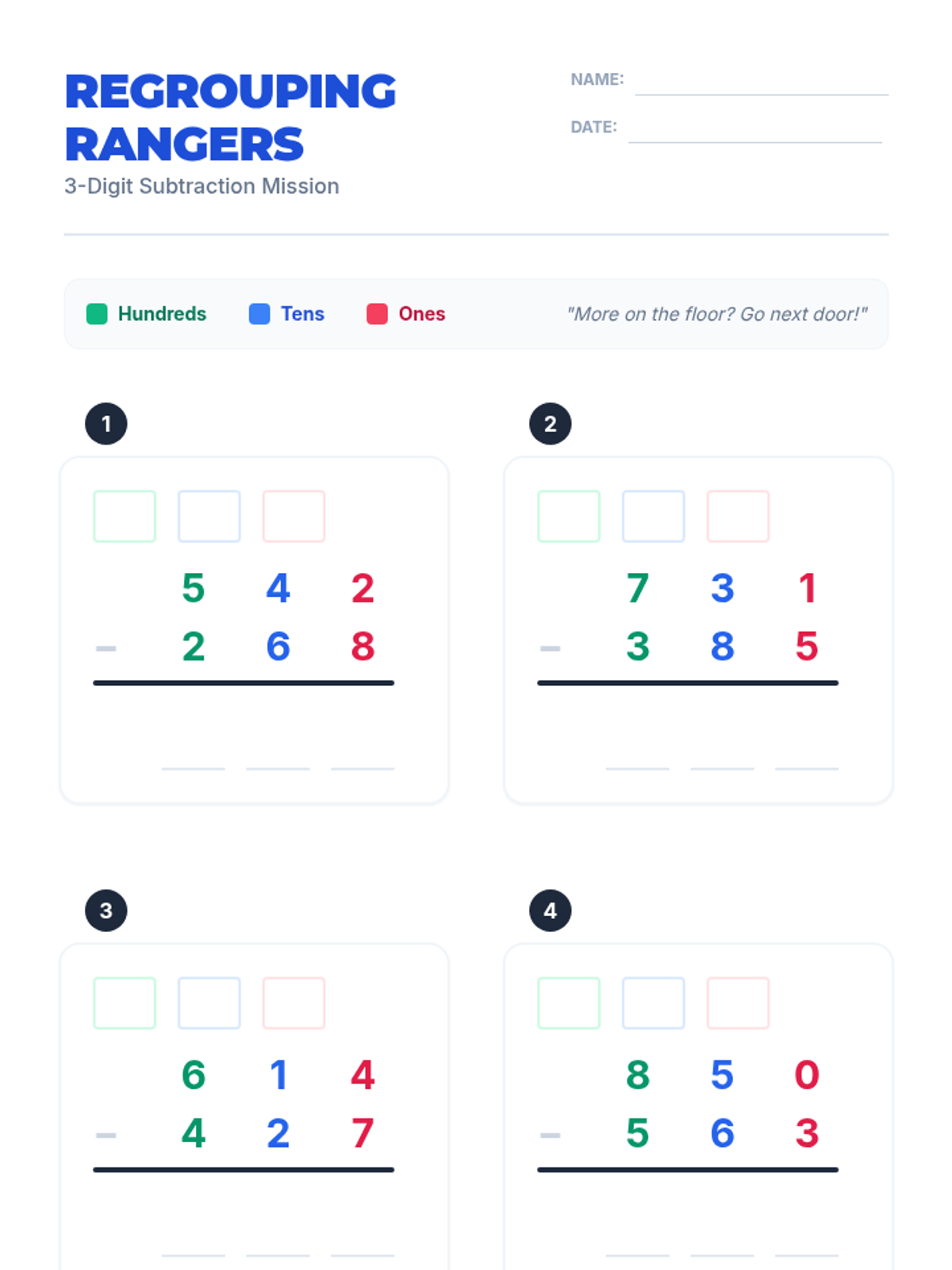
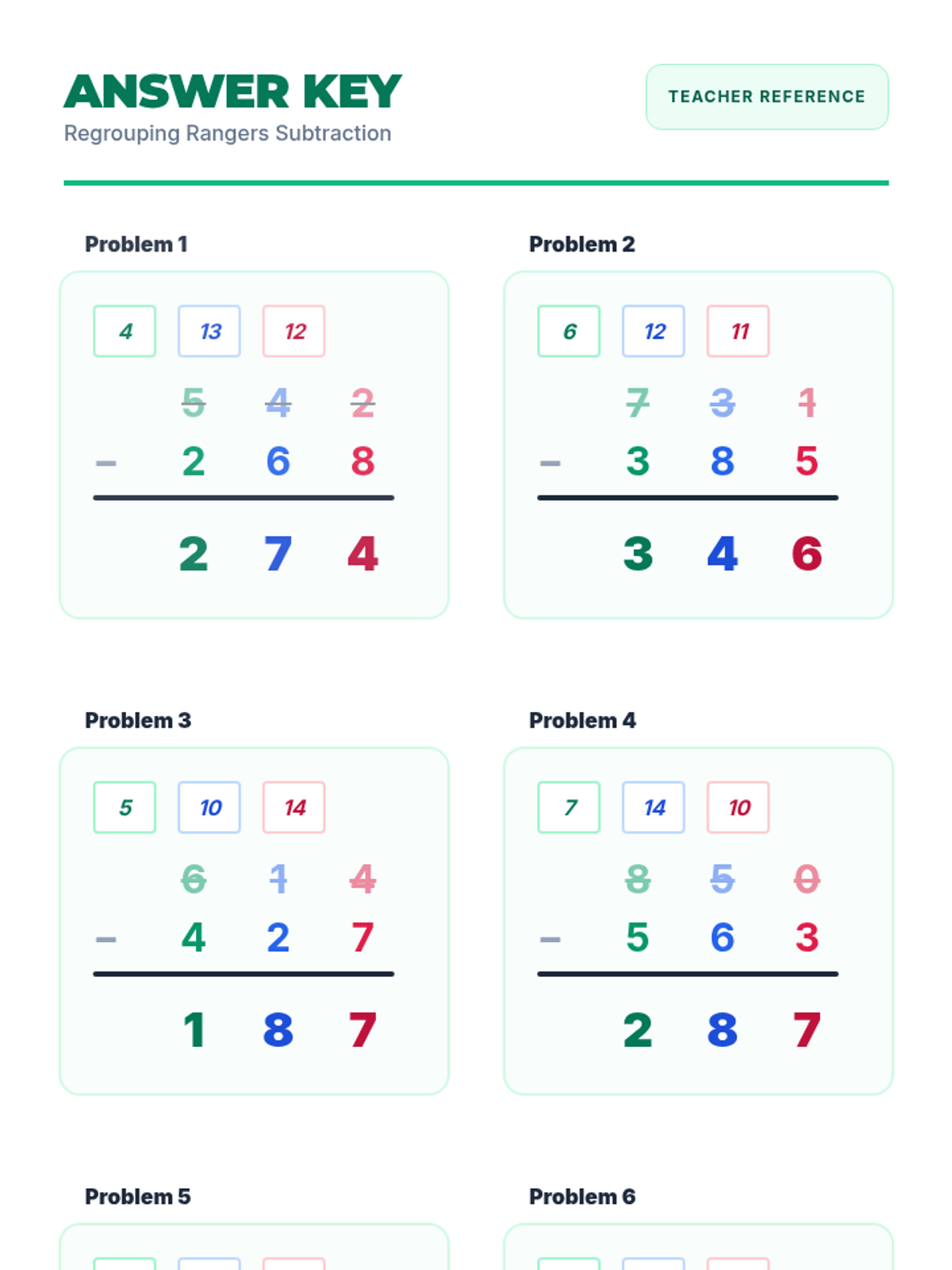
This lesson focuses on mastering three-digit subtraction with regrouping using color-coded visual supports and step-by-step procedural breakdowns. Designed with Special Education accommodations in mind, students will learn to navigate place value shifts from ones to tens and tens to hundreds.
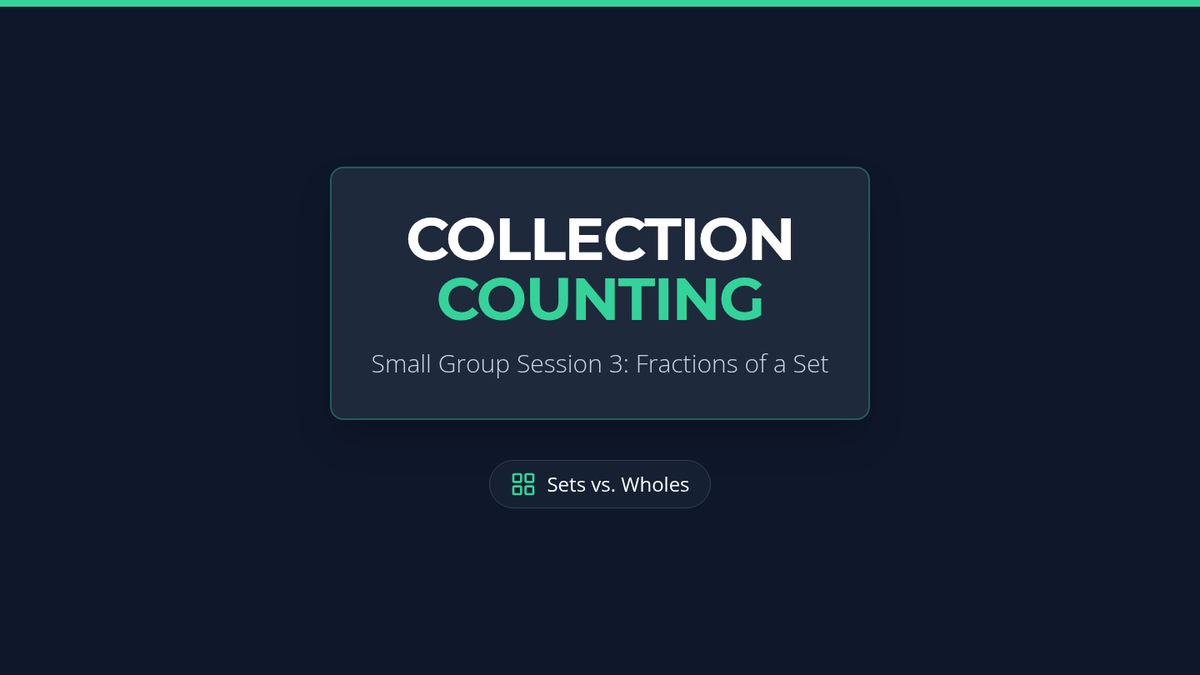
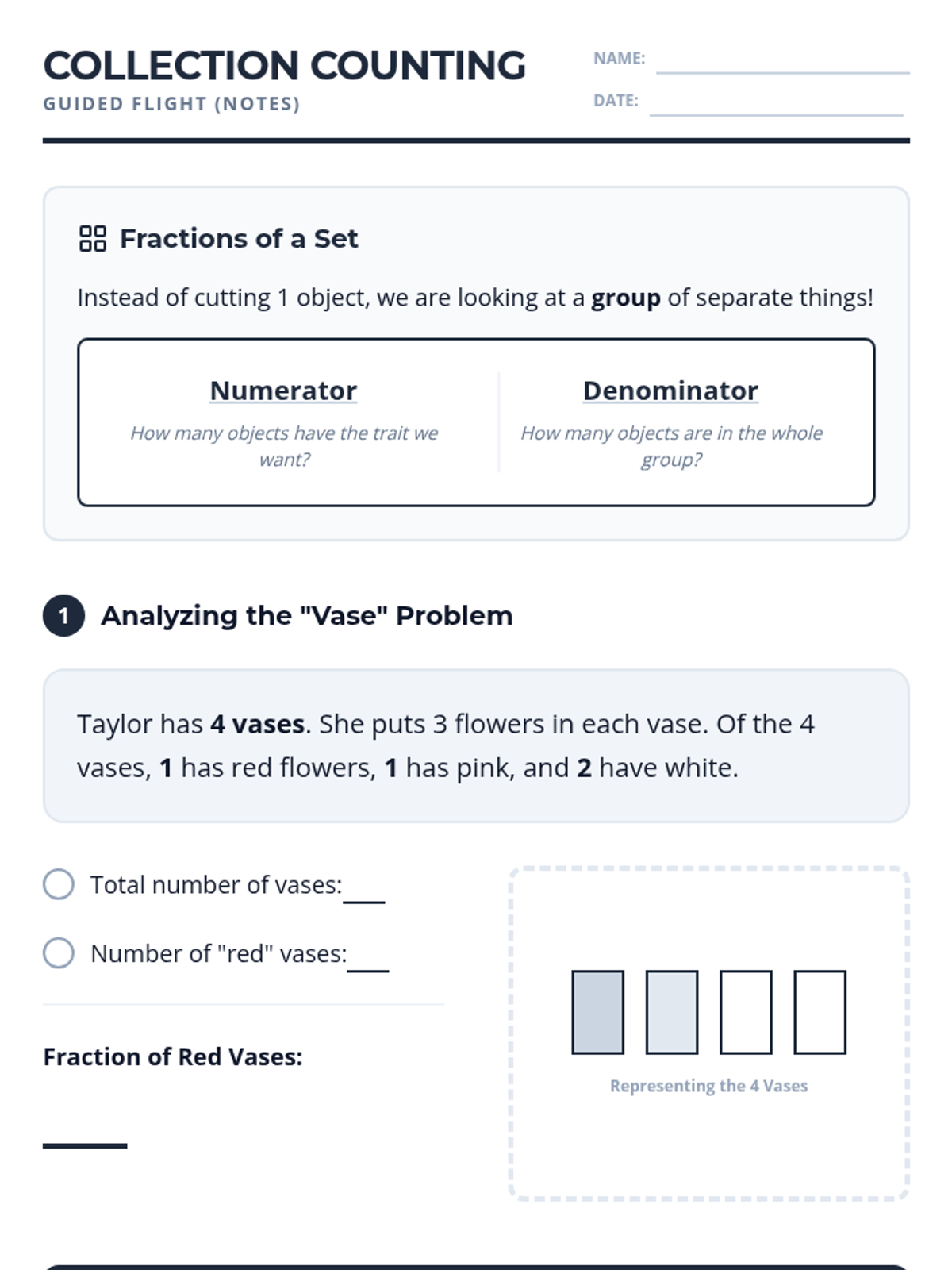
Teaches students to identify fractions within a group of discrete objects (sets), rather than a single continuous whole.
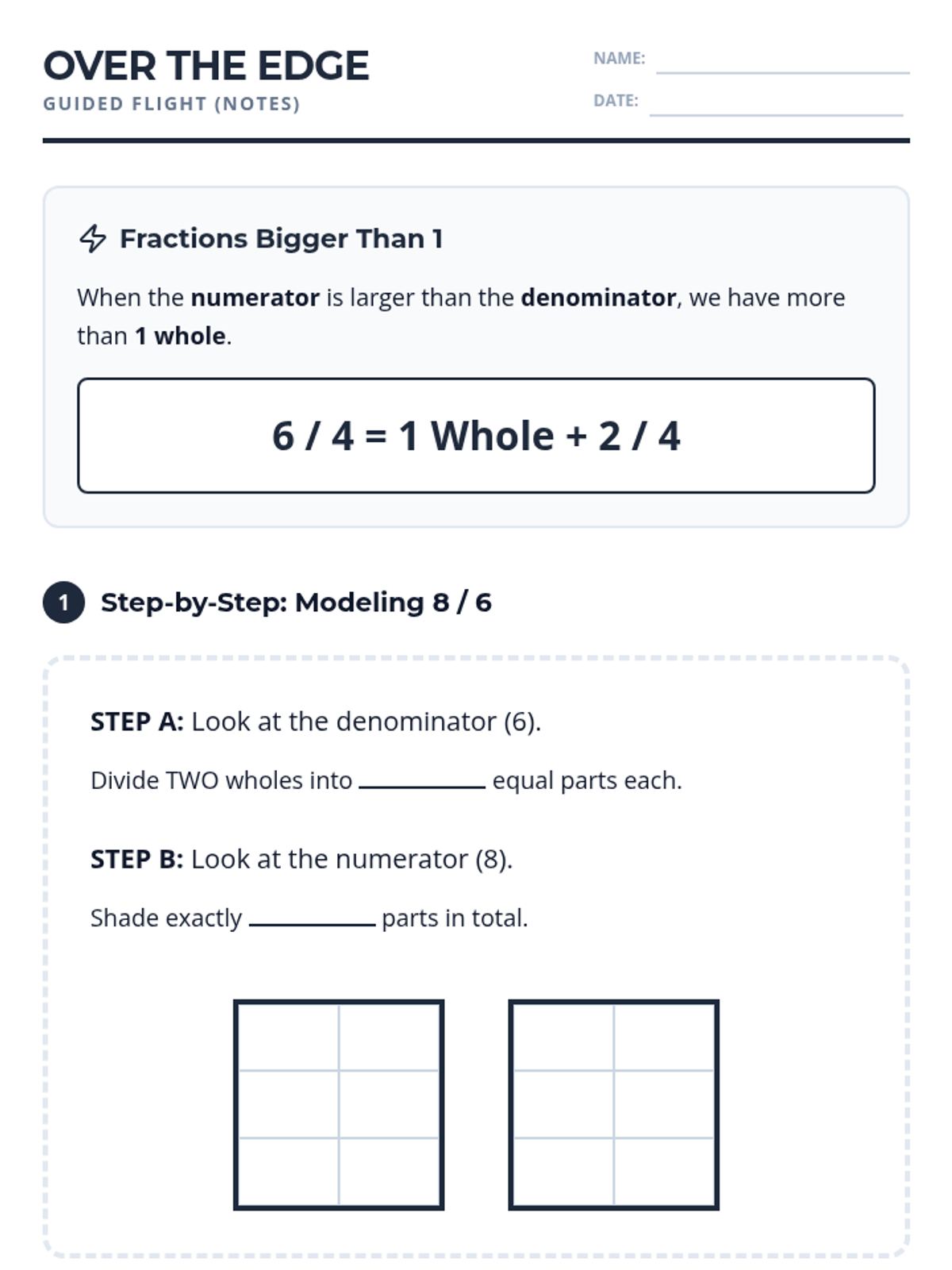
Explores fractions that represent more than one whole, using visual models and decomposition to understand values like 6/4 and 8/6.