A comprehensive 90-minute review of graphing linear inequalities (TEKS A.3D) designed for non-math teachers to facilitate. Students will practice identifying line types, shading regions, and graphing by hand without technology.
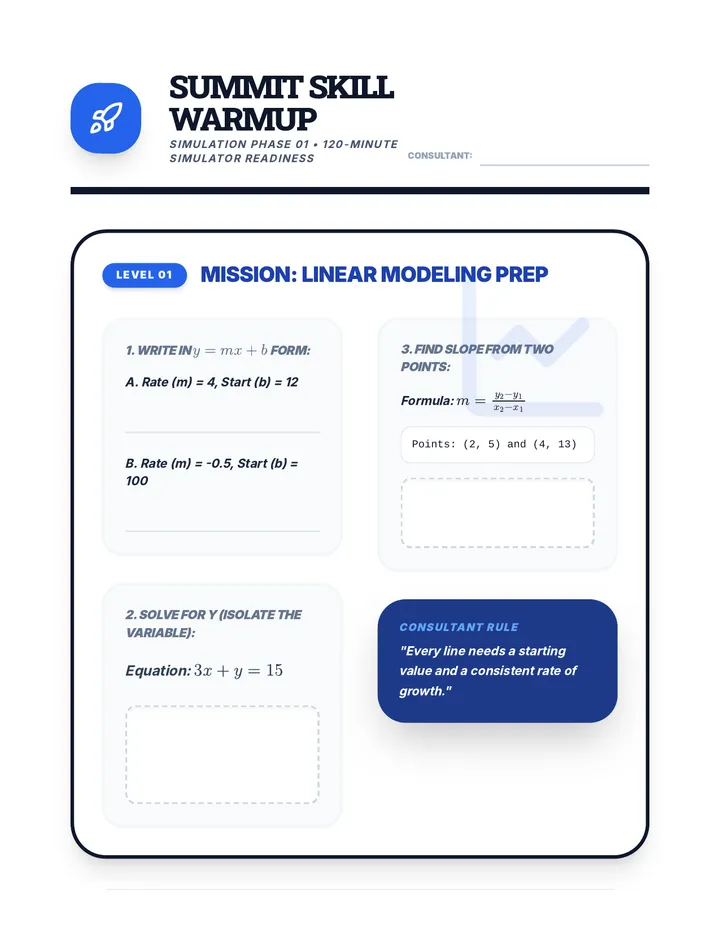
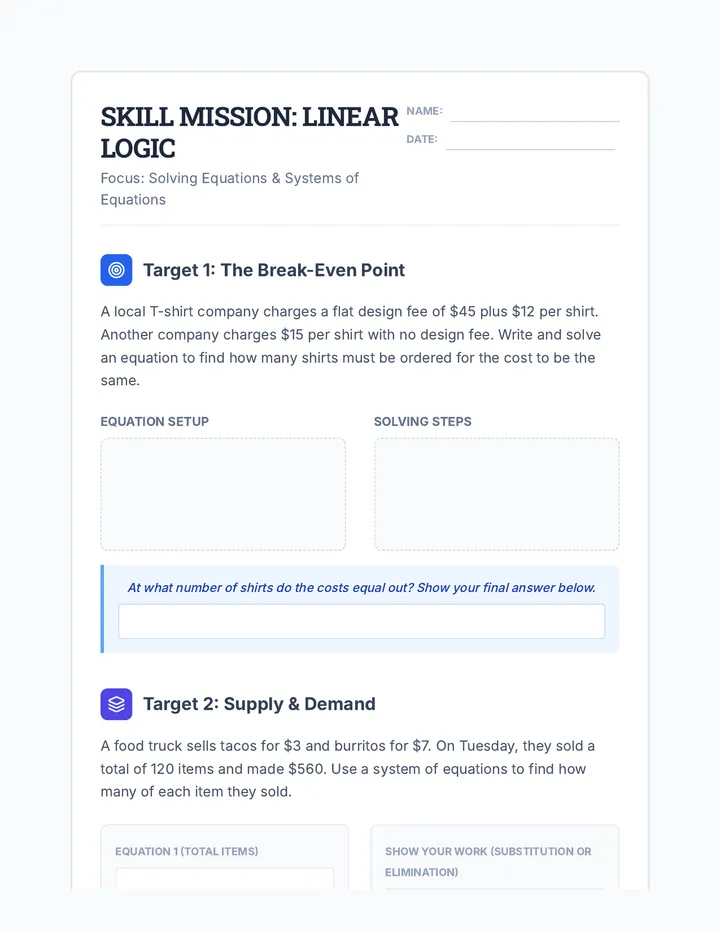
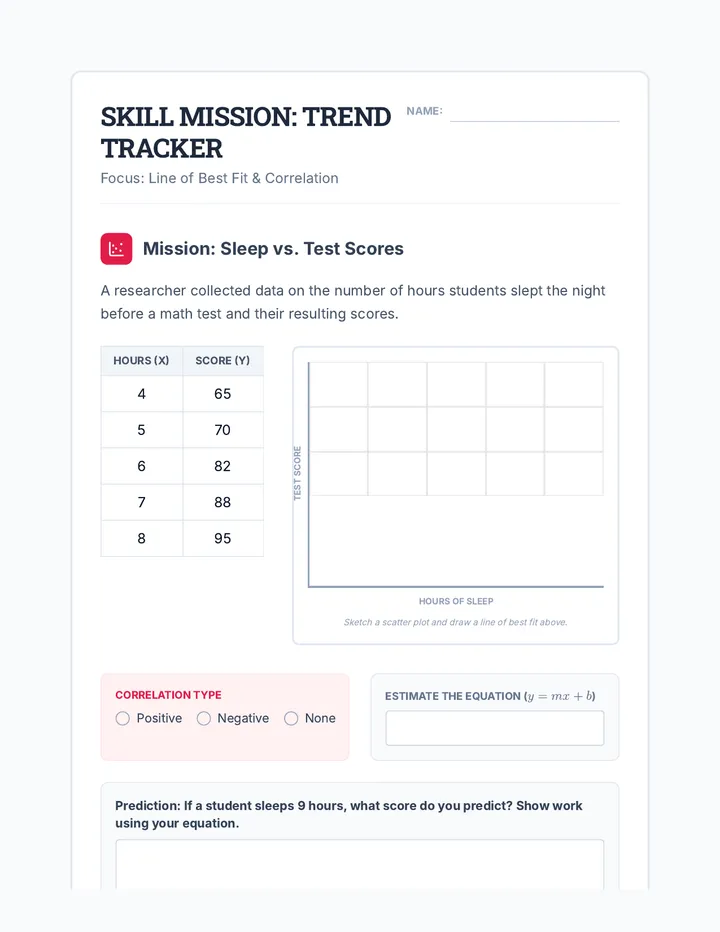
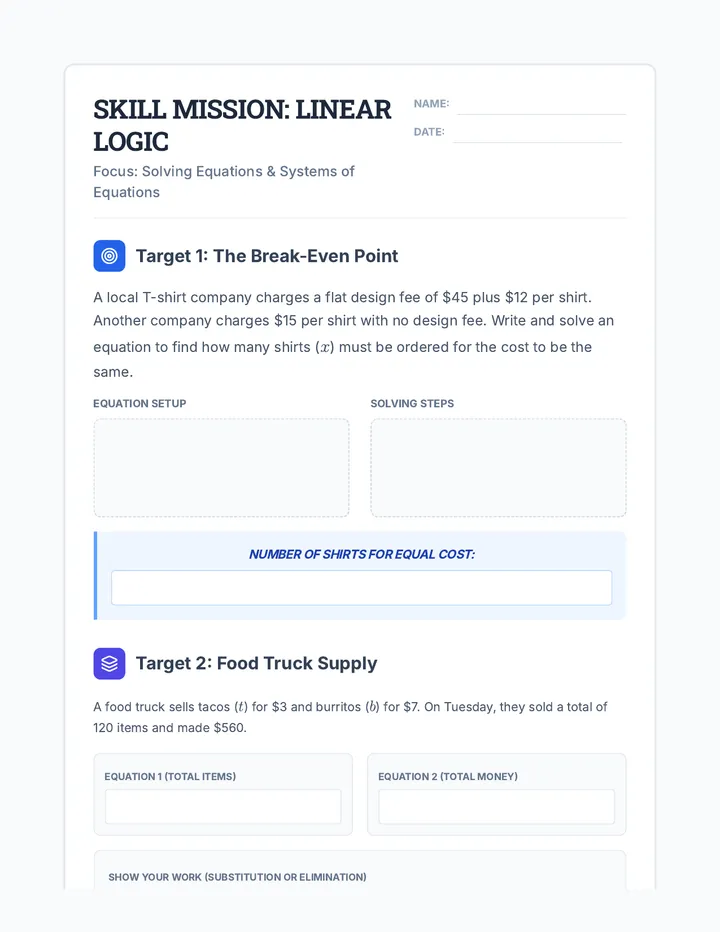
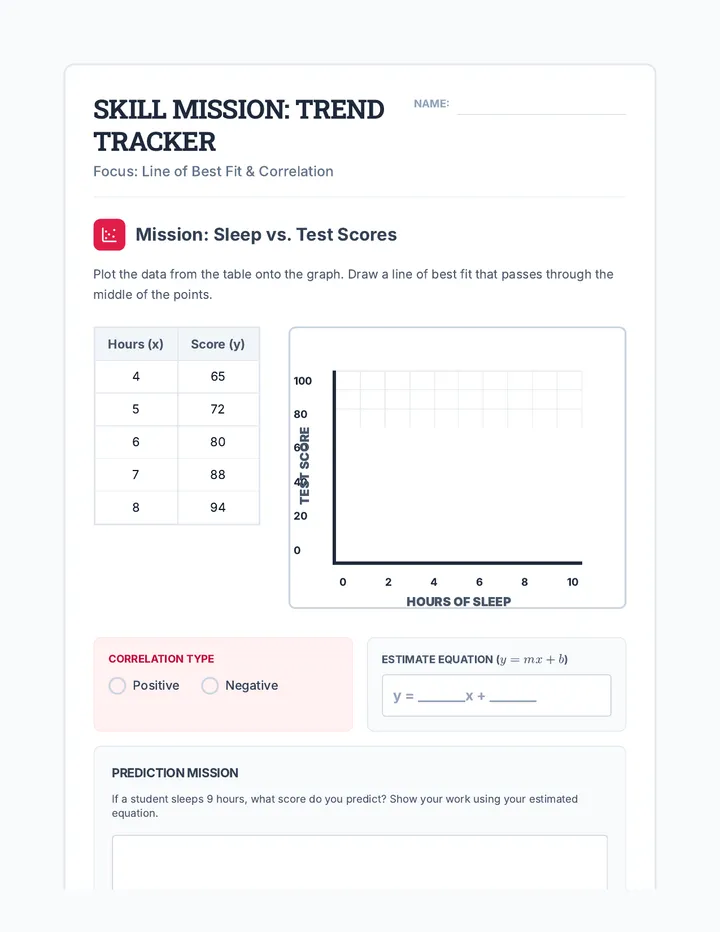
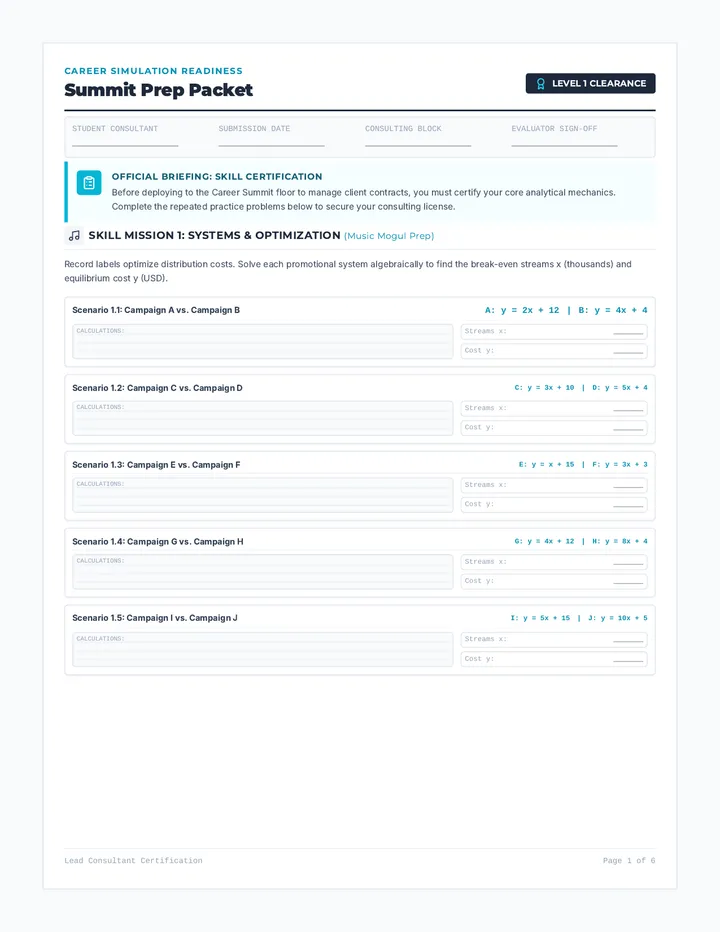
A comprehensive review lesson designed to support students in mastering linear functions, graphing, and word problem interpretation ahead of their unit test.
A comprehensive 90-minute lesson on transforming linear equations into slope-intercept form ($y = mx + b$), designed for Algebra I students and easy delivery by non-math teachers. Includes visual slides, a detailed facilitator guide, and extensive practice with error analysis.
A core lesson introducing the concept of 'Friends of 10' through interactive slides and a variety of quick, 10-minute manipulative-based games.
A focused lesson on interpreting line plots and performing addition with mixed numbers that have common denominators.
A quick, 10-minute non-curricular task where students compare fractions with the same denominator through a relatable pizza-sharing scenario. Students will use visual models and comparison symbols to solve the 'Pizza Thief' mystery.
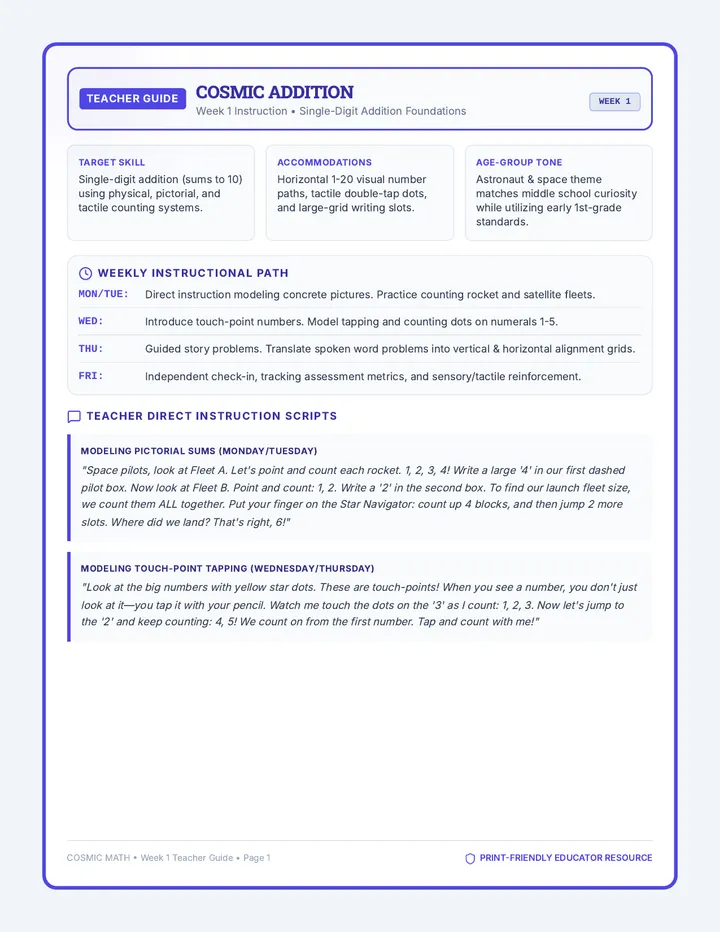
A first-grade lesson focused on telling time to the hour and half hour through hands-on task cards and a matching center activity. Students will practice reading analog clocks and connecting them to digital formats.
A carnival-themed math review covering 3-digit regrouping, multiplication/division facts, and fraction concepts through three interactive rotations.
A 30-minute interactive lesson focused on visual models for fraction equivalence, specifically addressing fractions equivalent to whole numbers and comparing fractions through reasoning. Students act as 'Blueprint Builders' to construct and compare fractional parts of a whole.
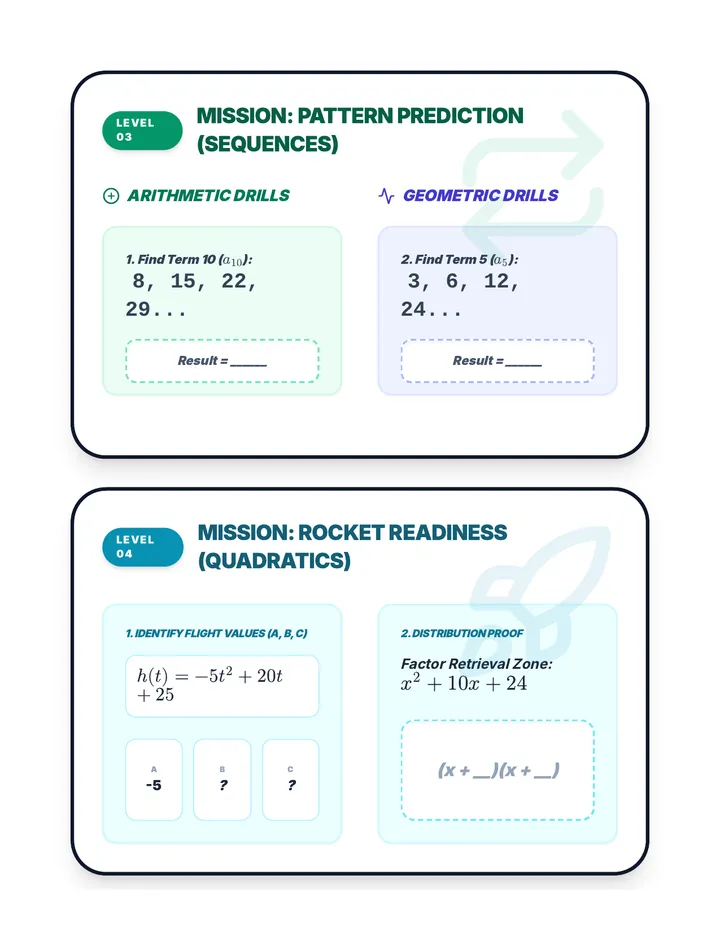
A lesson focused on identifying and graphing transformations of radical functions, including square roots and cube roots. Students will master horizontal/vertical shifts, reflections, and dilations.
A comprehensive multi-year analysis of Grade 4 MCAS English Language Arts data from 2023-2025. It identifies strengths in literal comprehension and character analysis, while highlighting persistent weaknesses in written expression and figurative language.
A high-level synthesis of multi-grade MCAS performance data (2023-2025) for school administration and leadership. It highlights longitudinal trends, systemic curriculum gaps in Fractions, and strategic resource allocation recommendations.
A comprehensive lesson focused exclusively on calculating the surface area of right prisms and composite 3D objects. Students learn to master the calculation of 5 and 6-faced prisms and the "Hidden Face" subtraction method for composite structures.
A multi-year performance analysis of Grade 3 MCAS Mathematics data from 2023-2025. It identifies strong procedural fluency in multiplication/division and significant conceptual hurdles in Fractions and Geometry.
An in-depth analysis of Grade 4 MCAS Mathematics data from 2023-2025, highlighting categorical strengths in Base Ten and persistent weaknesses in Fractions and Multi-step Word Problems.
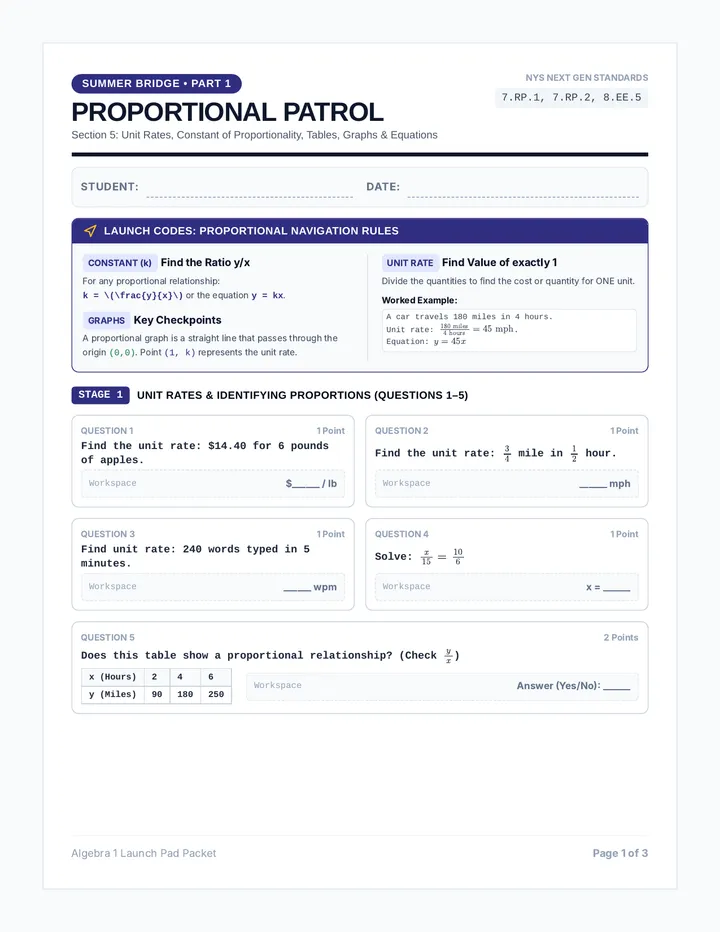
A comprehensive assessment and review sequence covering the Pythagorean theorem, special right triangles, trigonometric ratios, and real-world applications for 10th-grade geometry students.
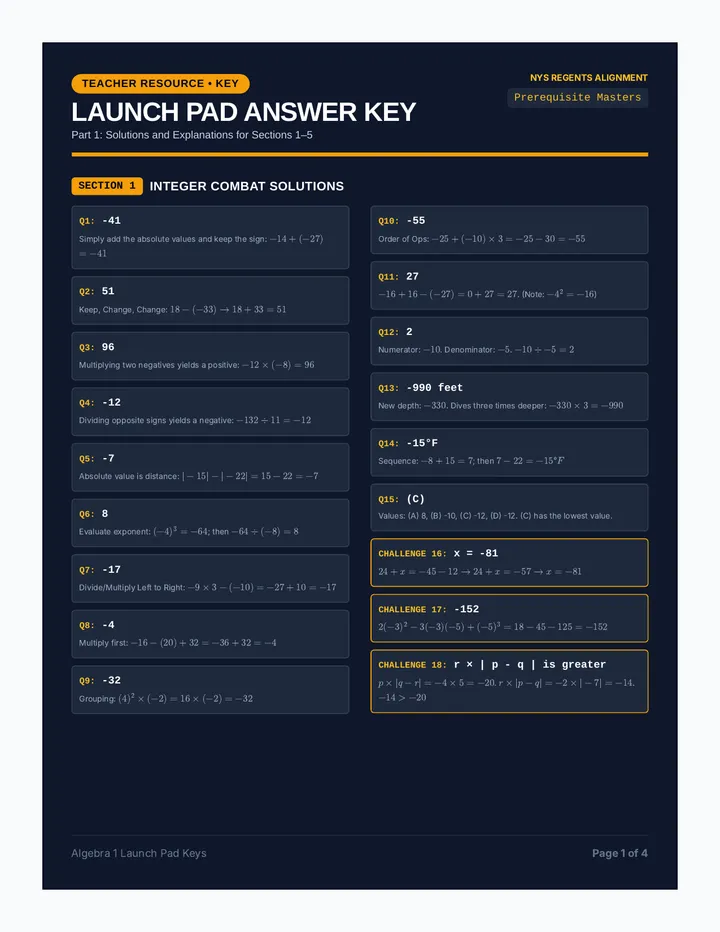
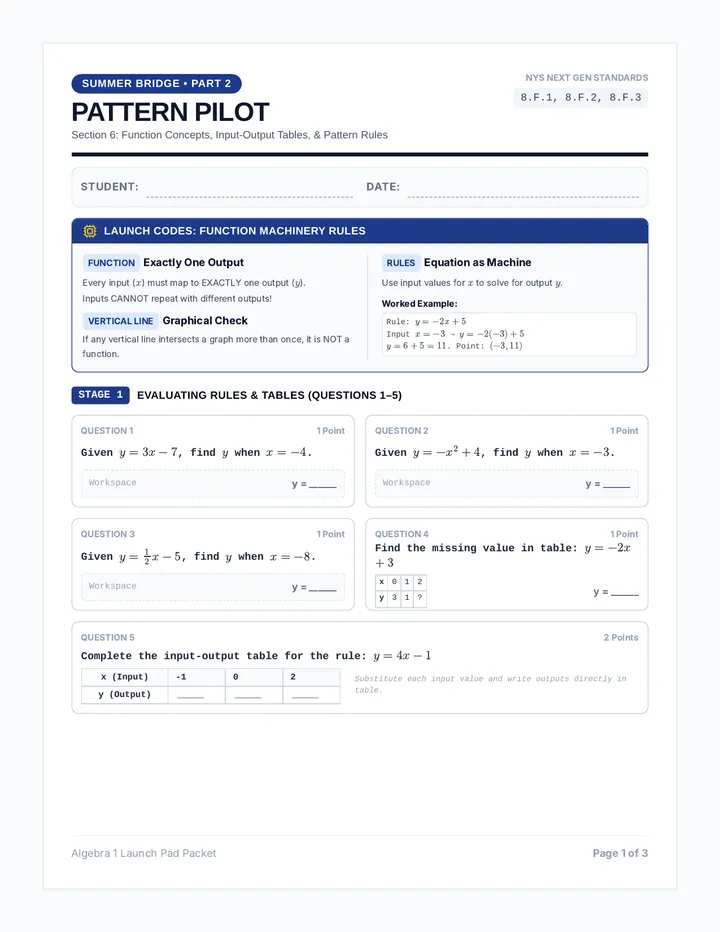
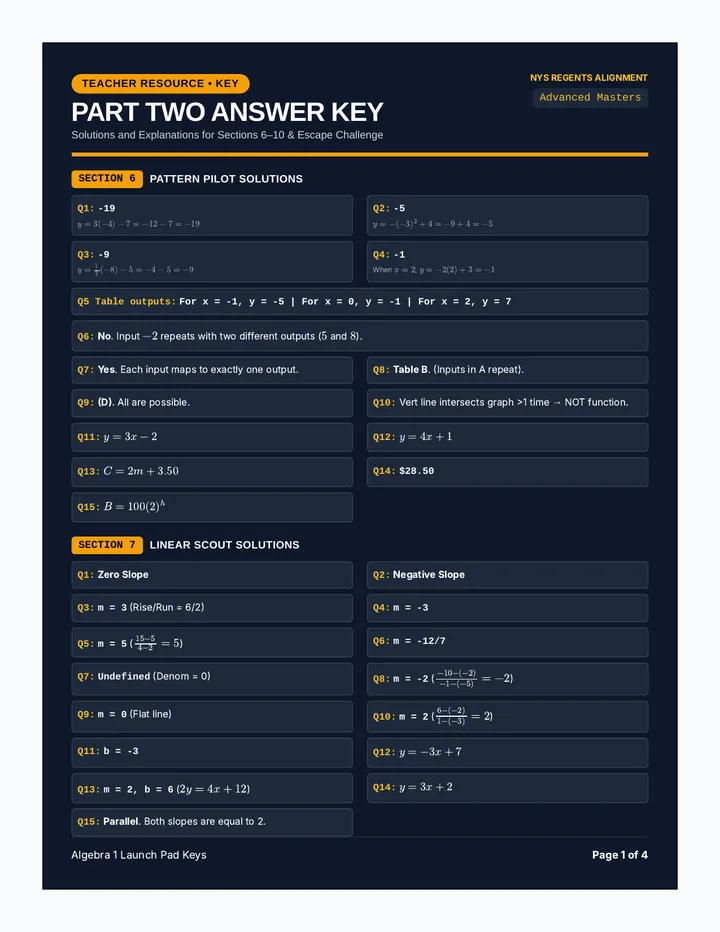
A comprehensive Algebra 1 lesson focusing on factoring polynomials, simplifying expressions with exponents, and analyzing linear and exponential functions.
A math lesson centered on plotting fractional data on line plots using a botanist theme, following the Building Thinking Classrooms thin-slicing approach.
A quick assessment lesson on adding complex numbers, focusing on combining like terms (real and imaginary components) and correcting common misconceptions.
A final project-based assessment where students demonstrate their ability to build arrays, identify even/odd groups, and write repeated addition equations.
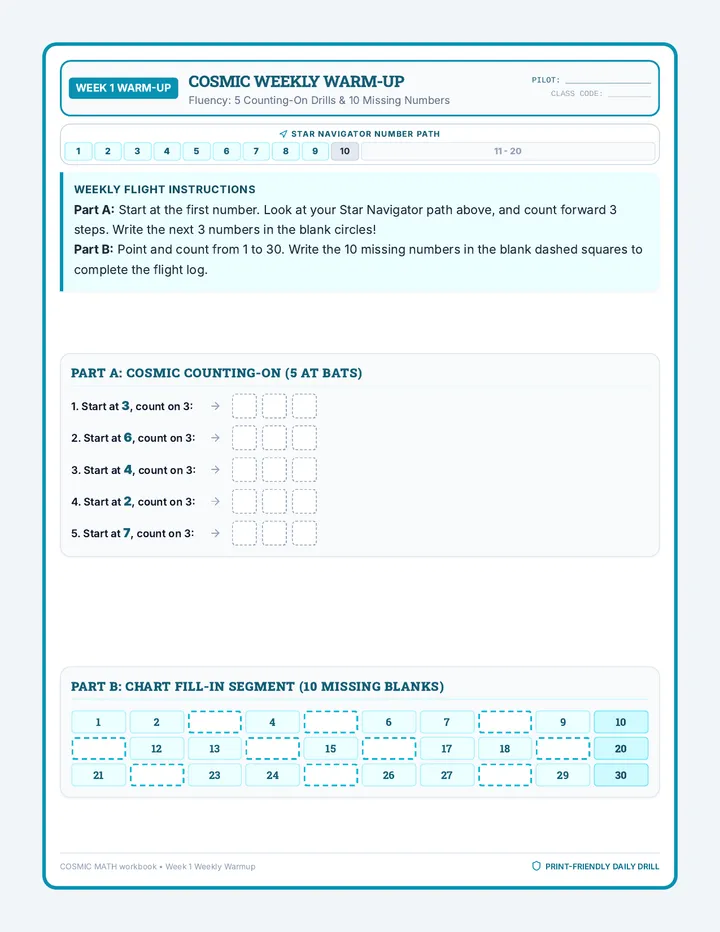
Students practice skip counting by 2s, 5s, and 10s as a fast-track method for counting large groups of building supplies.
Students explore even and odd numbers by pairing objects and building 'towers of two' to see if any blocks are left over.
Students build and analyze rectangular arrays (up to 5x5) using building blocks, connecting the rows and columns to repeated addition.
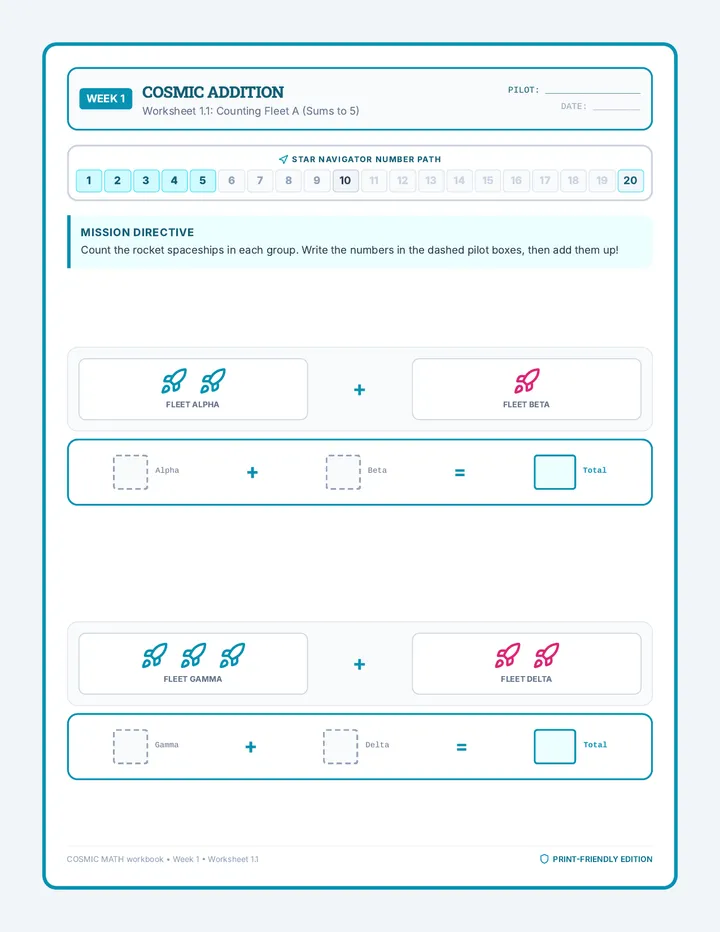
Students use manipulatives to create equal groups and write repeated addition equations to find the total, laying the conceptual groundwork for multiplication.
A comprehensive lesson for 4th grade students to master plotting and identifying fractions on a number line with common denominators using a railway-themed approach.
A comprehensive lesson on mastering analog clocks and calculating elapsed time, designed for middle school students with a focus on logical deduction and practical application.
A lesson focused on identifying and correcting common mistakes in factoring, specifically GCF and basic trinomials. Students take on the role of 'Math Detectives' to solve factoring 'crimes'.
A high-energy 1st-grade lesson introducing pennies, nickels, and dimes through a carnival-themed market simulation. Students identify coins and practice counting mixed groups to 'buy' carnival treats.
A multi-sensory Kindergarten lesson that transforms counting into a neighborhood adventure. Students develop one-to-one correspondence and number recognition through hands-on sorting, classroom 'neighborhood' exploration, and interactive visual aids.
Students will learn the concept of a health insurance deductible, focusing on the math of reaching the deductible amount before insurance coverage begins.
A comprehensive review lesson covering all health insurance concepts, including terminology, cost calculations, and plan comparisons to prepare for assessment.
A comprehensive assessment covering health insurance basics, cost calculations, and plan comparisons for consumer math students.
A strategic masterclass for the ACT Science section, focusing on speed-reading data sets, identifying experimental variables, and decoding scientific logic. This lesson emphasizes the 'Straight to the Data' approach to maximize score in the 35-minute time limit.
An introductory exploration of calculus-adjacent concepts tested on the ACT, focusing on limits, instantaneous rates of change, and function optimization. Students will master the Limit Blueprint and apply rate-of-change logic to complex algebraic scenarios.
An intensive masterclass on advanced trigonometric identities, the unit circle, and non-right triangle laws. Students will master the Pythagorean identities, Law of Sines/Cosines, and the specific ACT-style unit circle coordinates required for top-tier scores.