Using the analogy of a car engine, students explore how stimulants speed up the brain and heart. They discuss the risks of an 'overheated' system, such as anxiety, heart problems, and exhaustion.
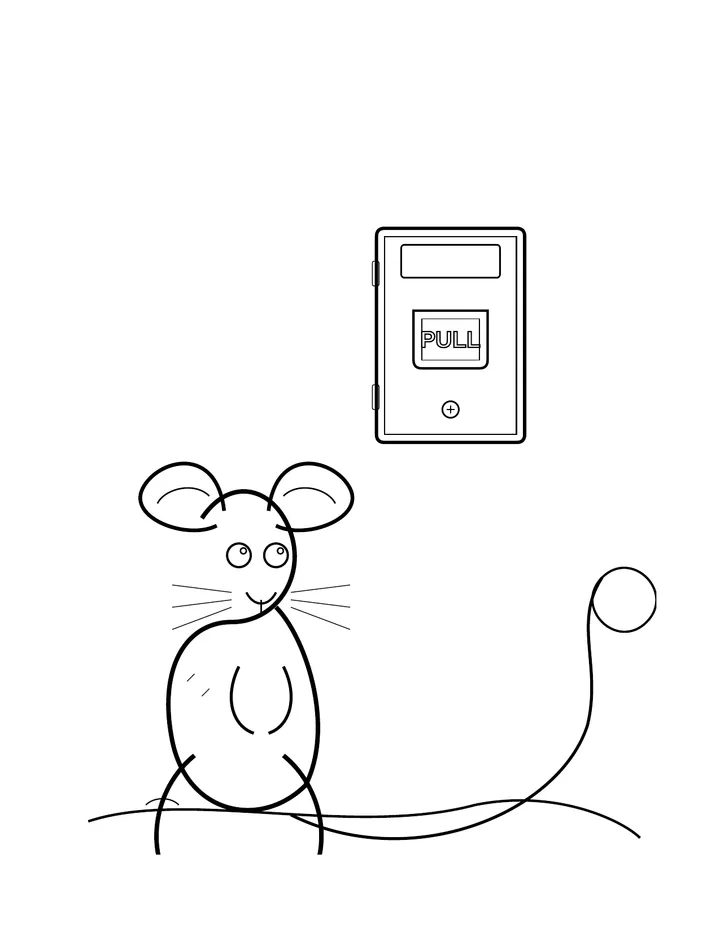
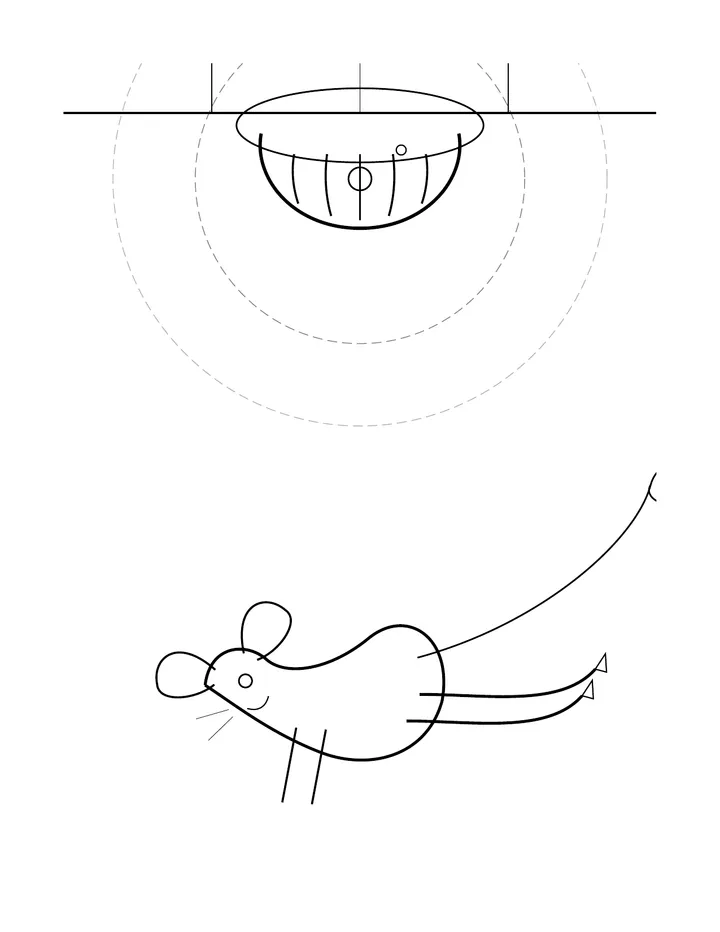
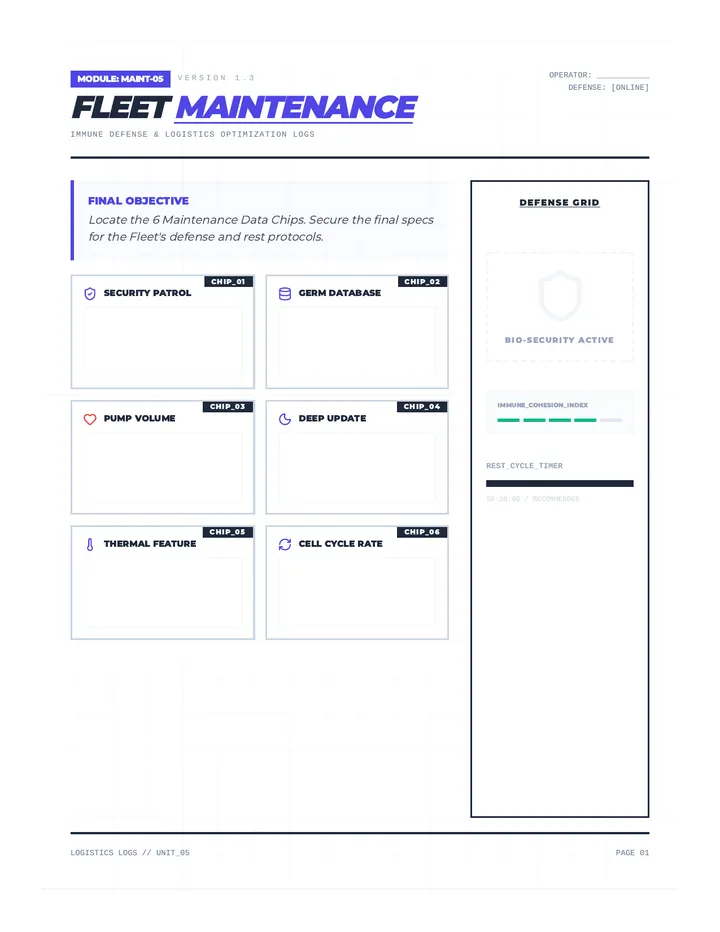
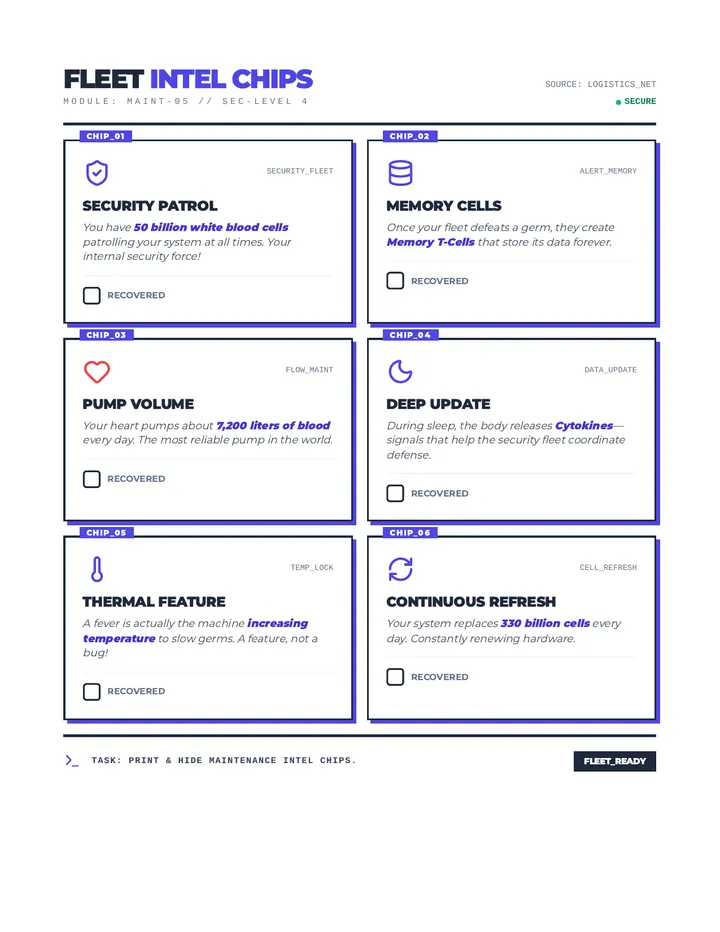
Students explore how germs travel through the air during a sneeze and learn the importance of hygiene through detailed visual exploration.
A high-energy 60-minute tumbling lesson focused on intermediate to advanced floor skills including walkovers, handsprings, and aerials. Includes a comprehensive coach guide, visual drills, and a student progress tracker.
A 10-minute assembly for upper elementary students focusing on the impact of their choices on the school community and building a culture of respect.
A high-energy, visual 10-minute assembly focused on basic rules, safe hands, and kind words for younger students.
An introductory lesson for 4th graders to normalize body changes during puberty, focusing on hygiene, acne, and personal choice through a humorous and supportive lens.
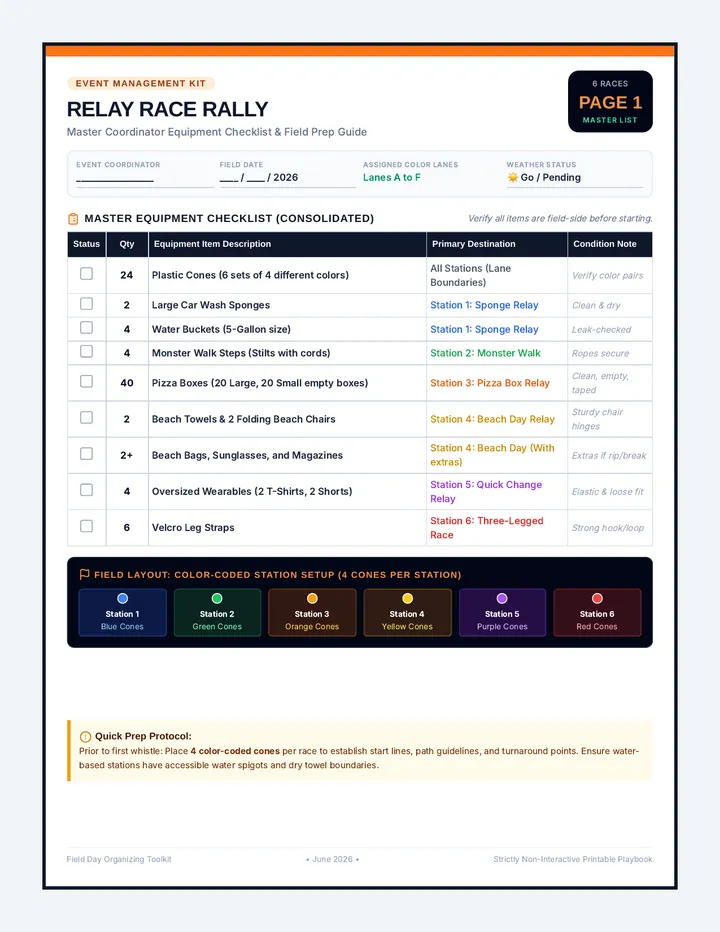
A movement-based physical health lesson where students investigate how different physical activities (aerobic, stretching, and breathing) impact their heart rate and perceived energy levels through 'Body Battery' stations.
A 30-minute introductory lesson on nutrition, focusing on food groups, distinguishing between nutrient-dense and 'sometimes' foods, and mastering portion sizes using the 'hand method'.
An outdoor exploration where students discover the essential needs of human babies through a nature-themed scavenger hunt, connecting biological needs to environmental metaphors.
A lesson focused on teaching students essential safety rules for navigating the community on foot, emphasizing crosswalk use, awareness, and staying with a group.
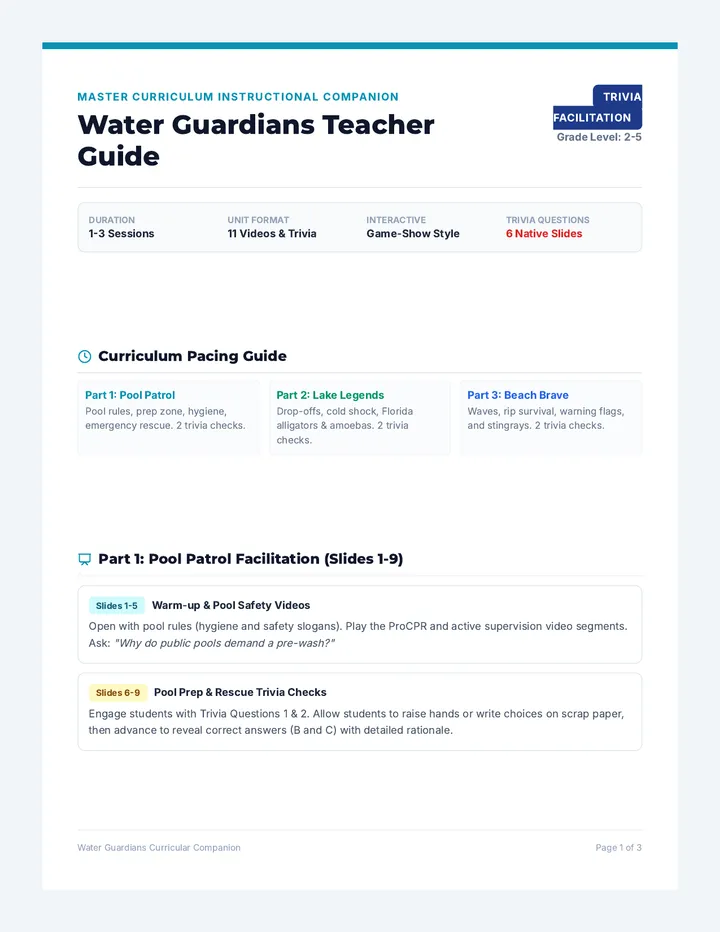
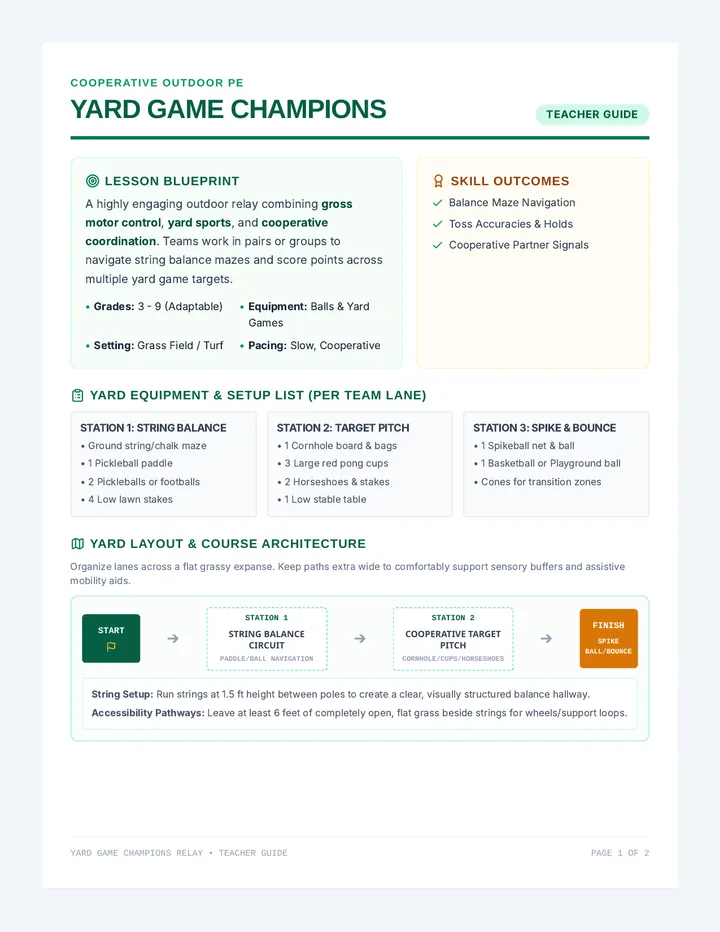
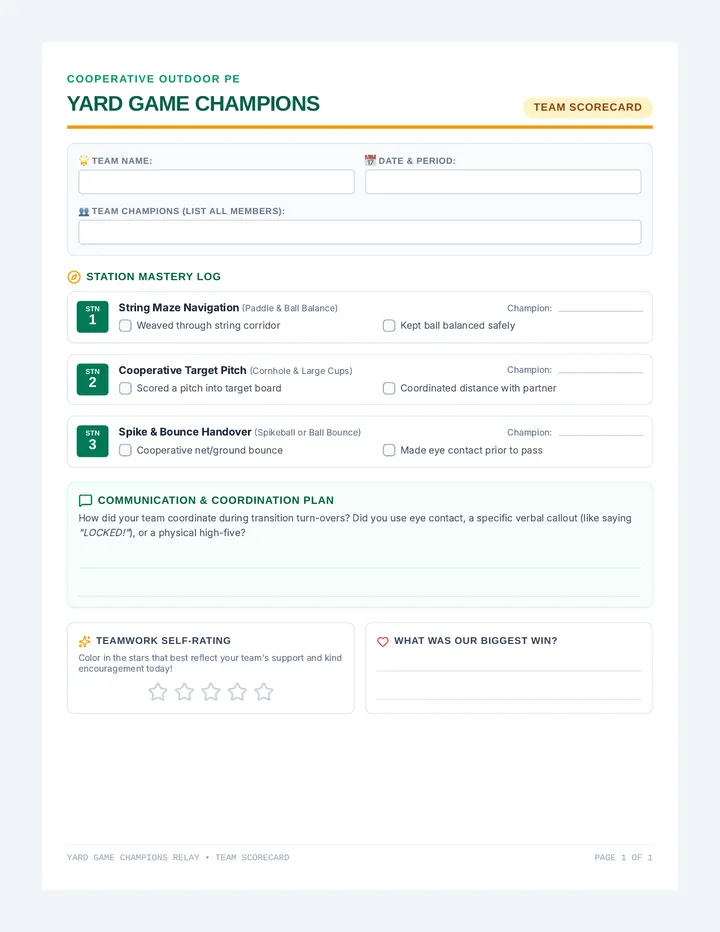
A high-energy introduction to line dancing focused on the Cha Cha Slide. This lesson covers room configuration, basic movement patterns, and group synchronization while prioritizing accessibility and confidence.
A comprehensive lesson plan and set of resources for teaching elementary students about dental hygiene, focusing on cavity prevention, proper technique, and nutrition.
A lesson focused on identifying symptoms of illness and effectively communicating those symptoms to trusted adults at home or school using clear language and sentence starters.
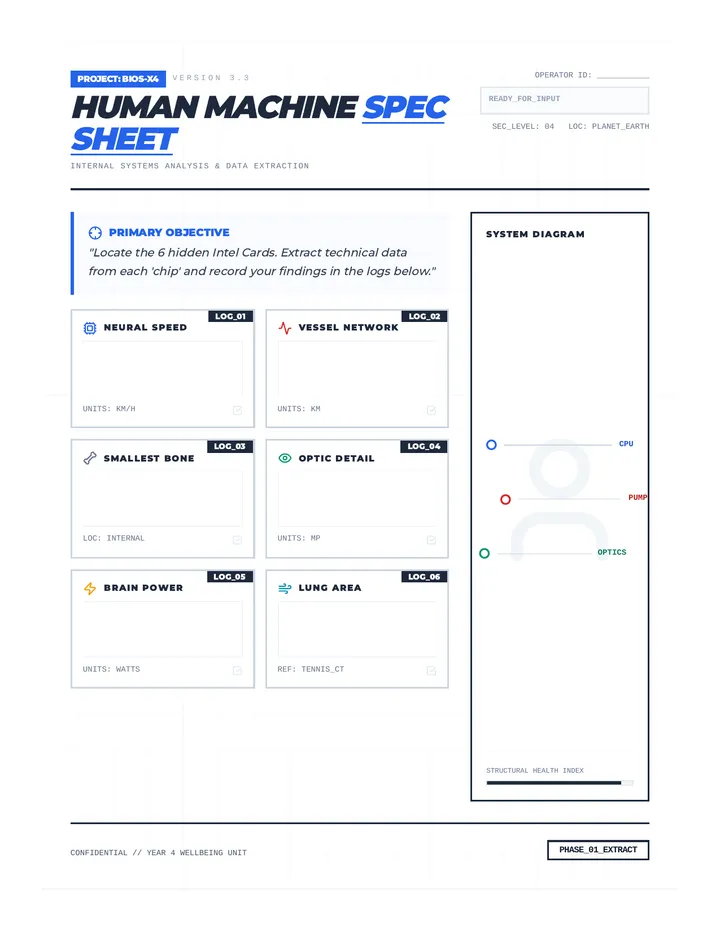
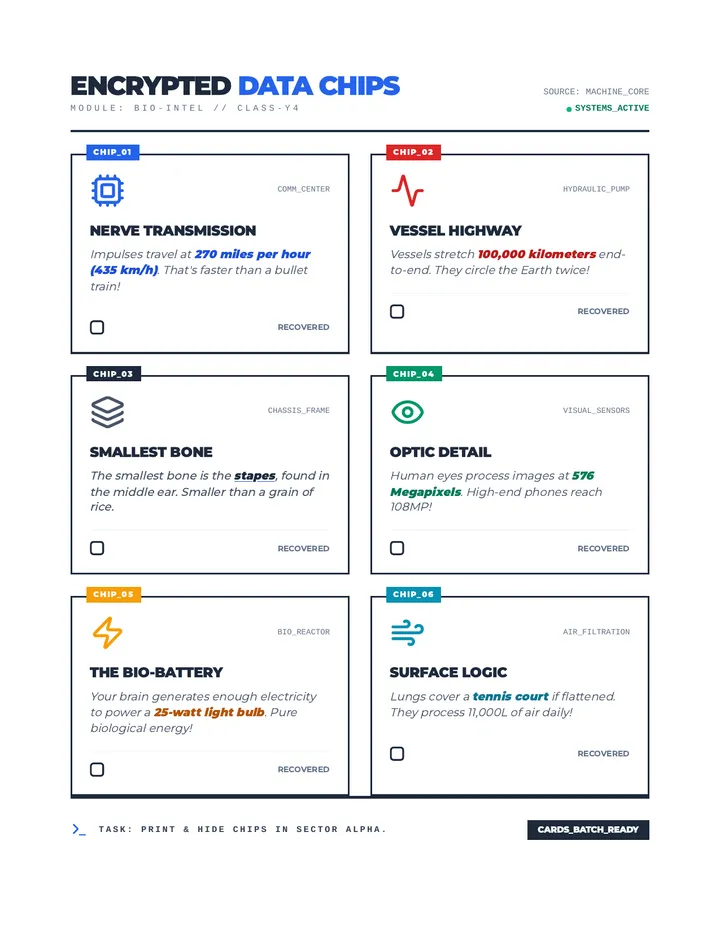
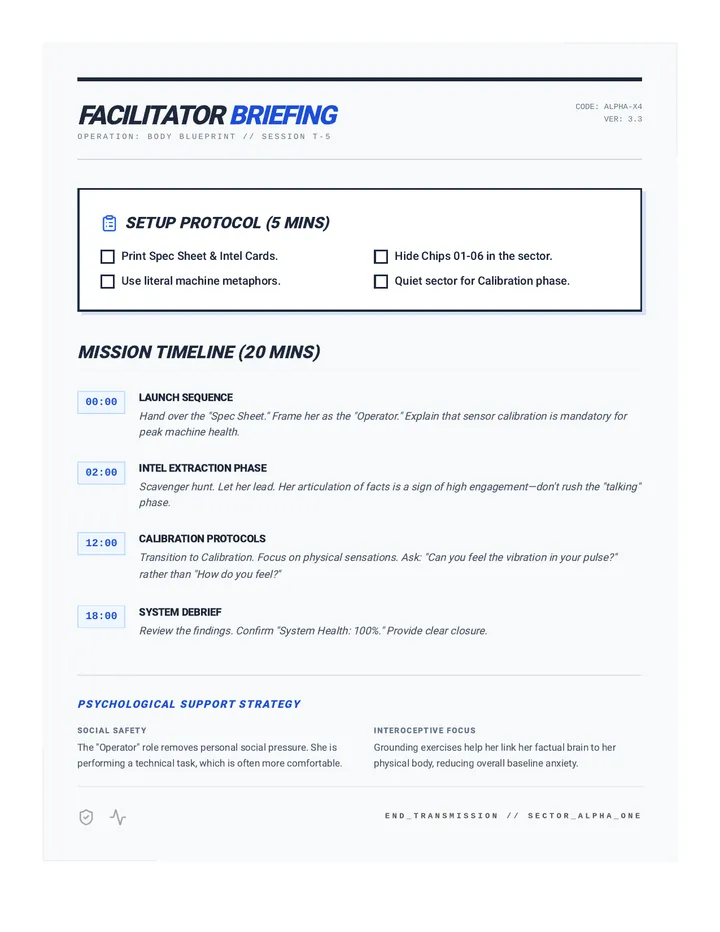
A comprehensive lesson exploring the five human sense organs, their functions, and essential care practices to maintain sensory health.
Teaches the final steps of hygiene: applying lotion, deodorant, and smelling good to complete the 'Fresh Agent' transformation.
Covers the mechanics of a proper shower, including hair washing and body scrubbing, framed as a 'Power Wash' operation.
Focuses on the importance of brushing and flossing, using high-speed 'Dental Defense' missions to build consistent morning and night habits.
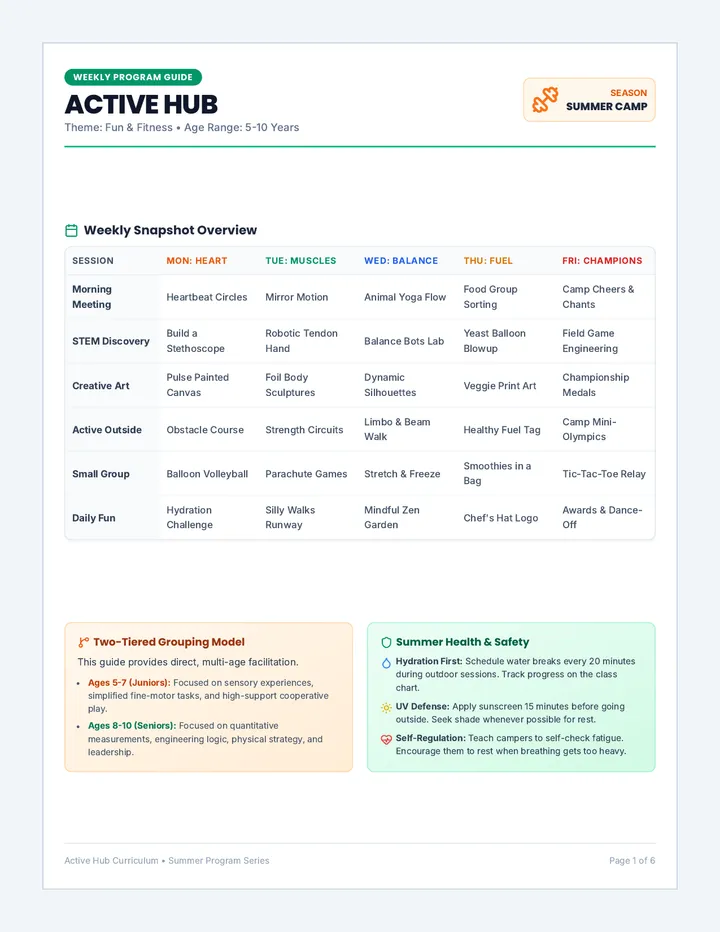
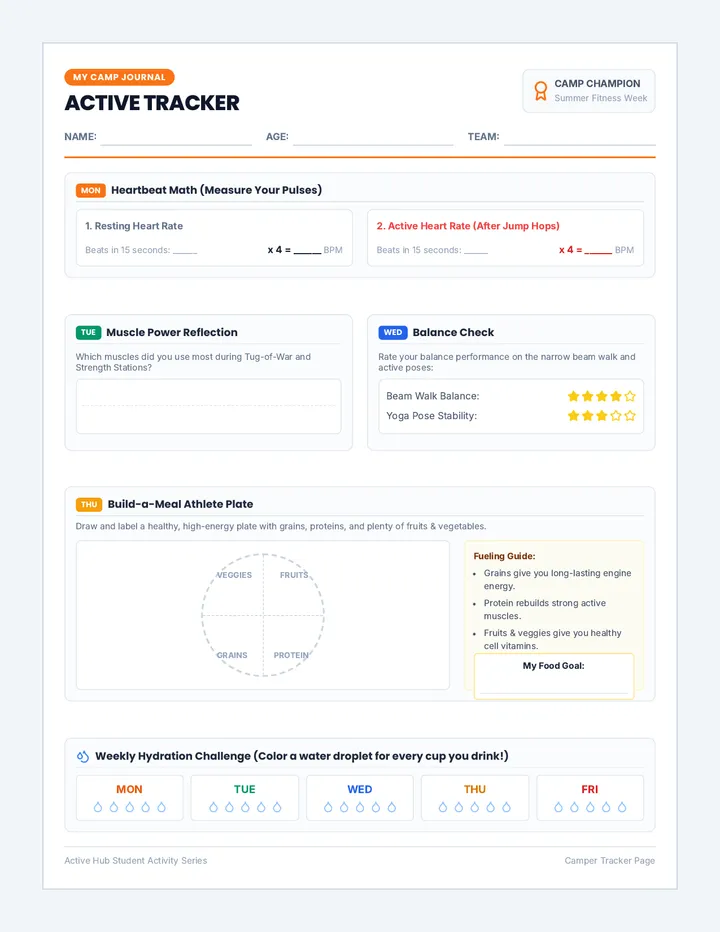
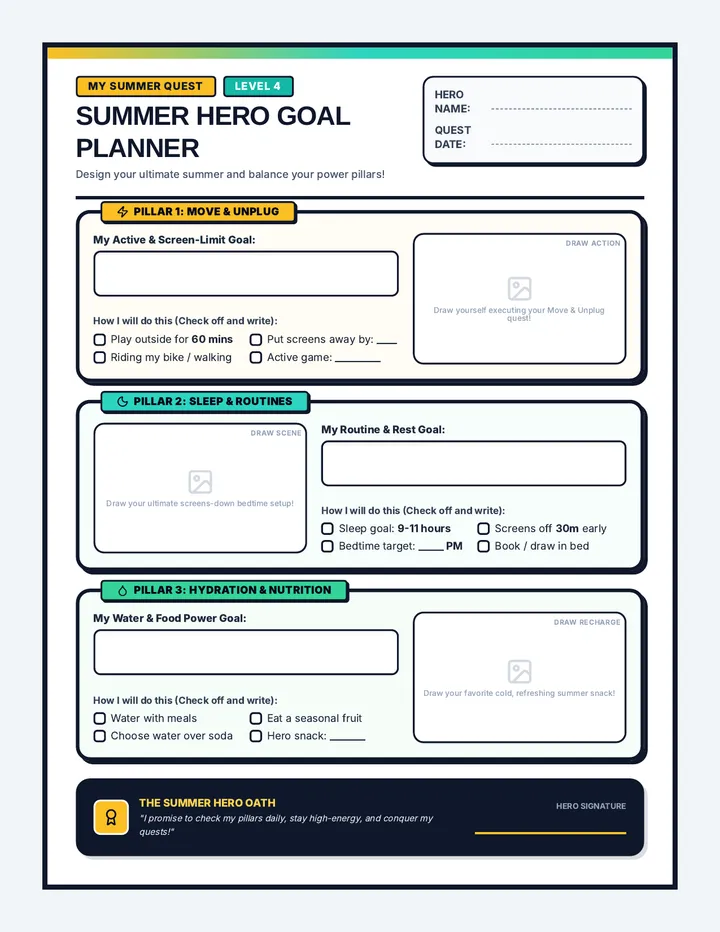
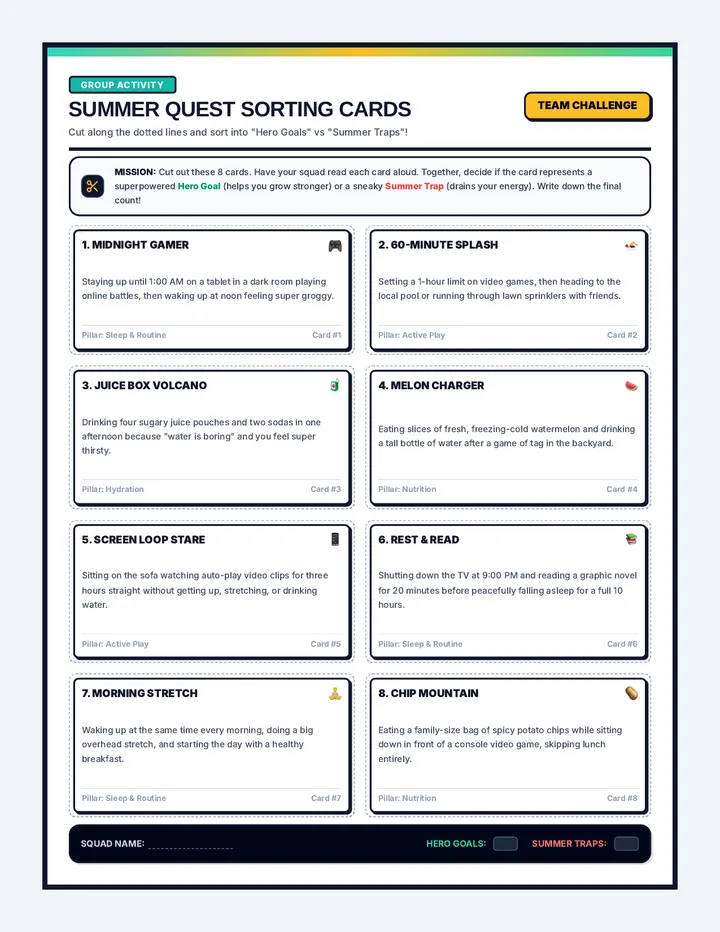
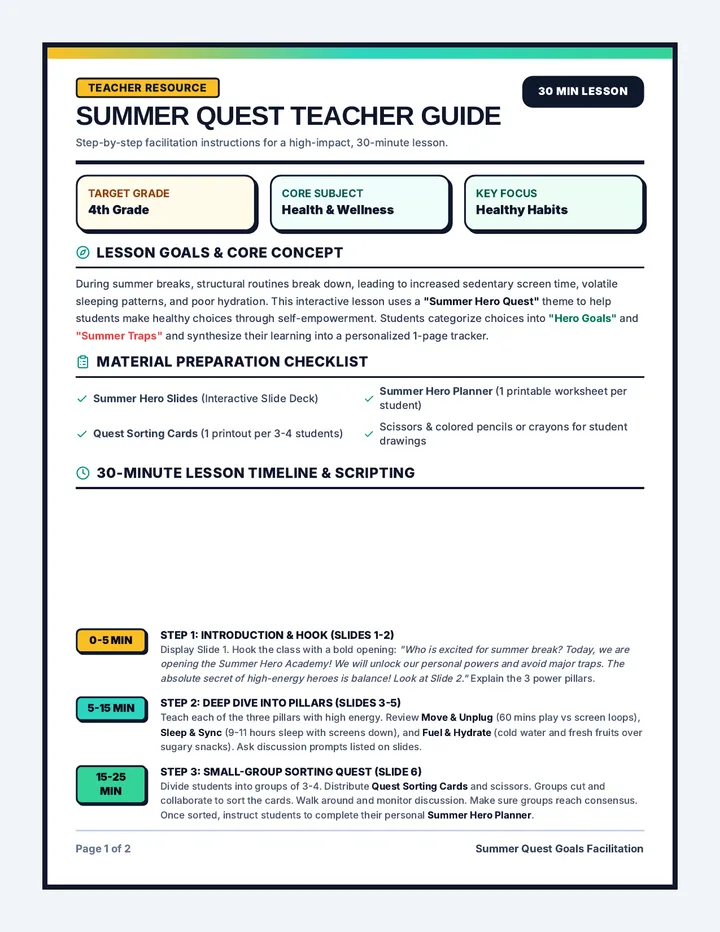
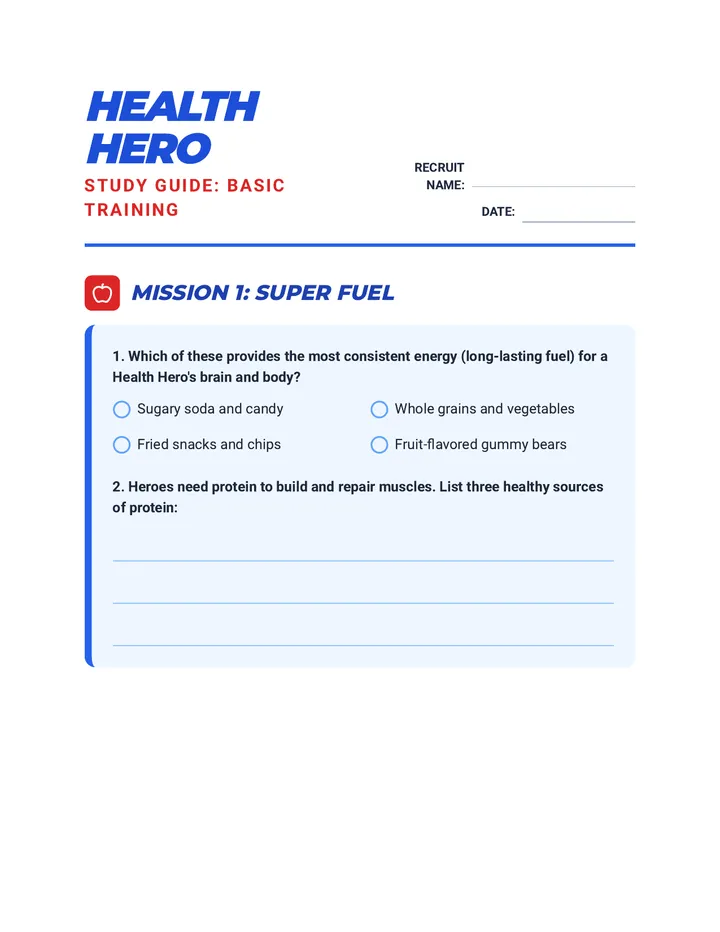
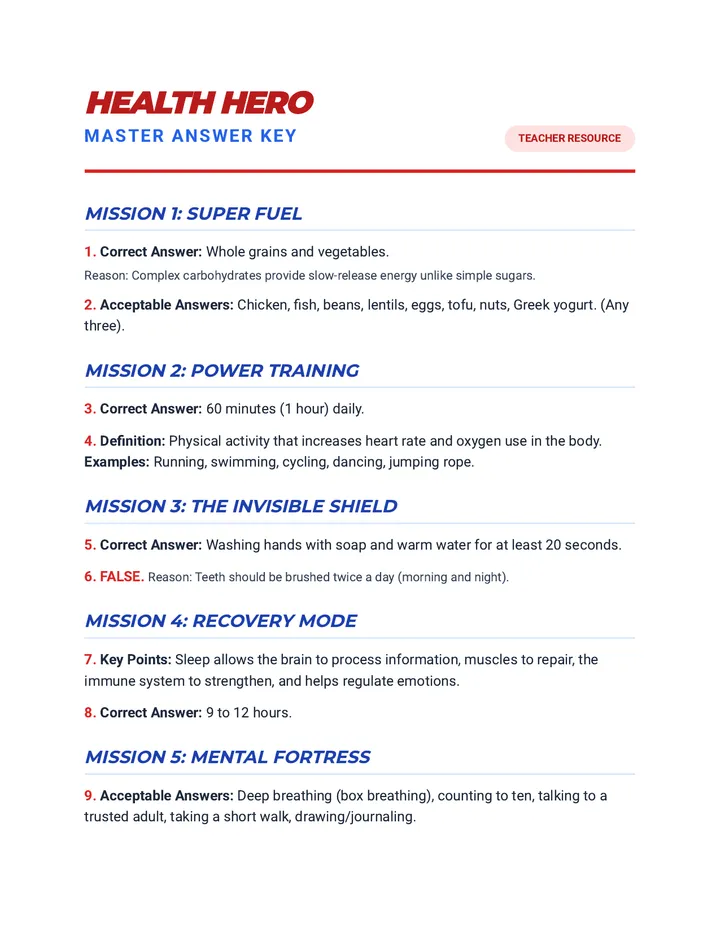
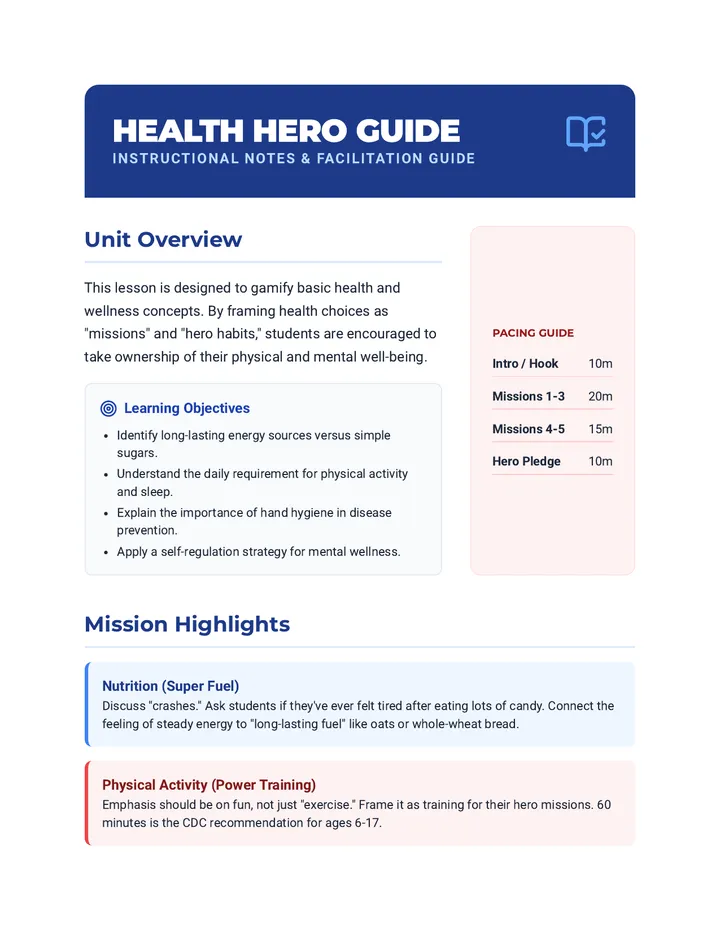
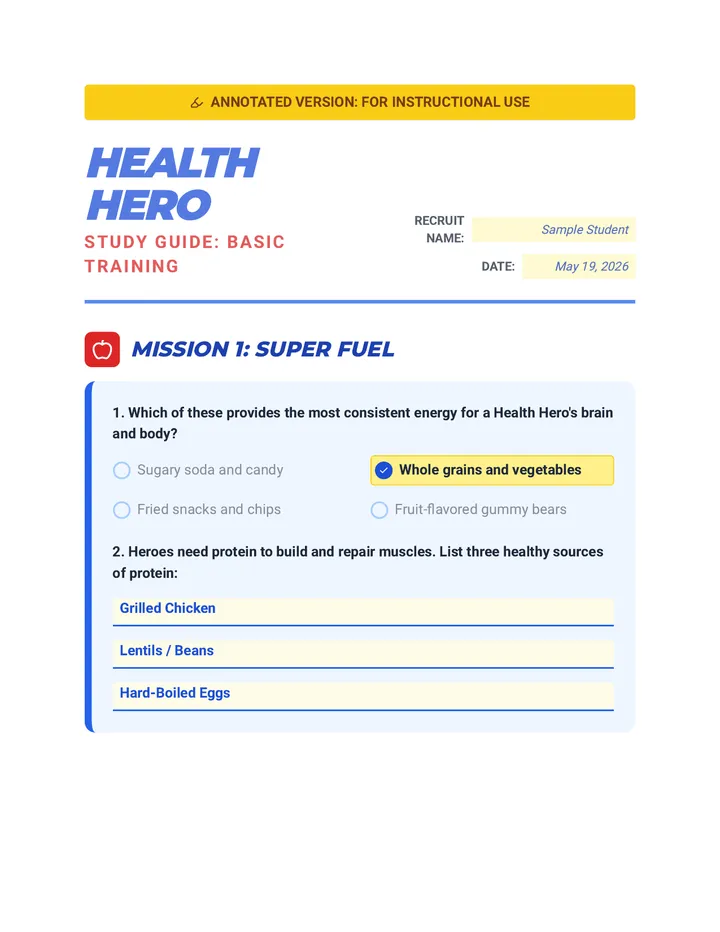
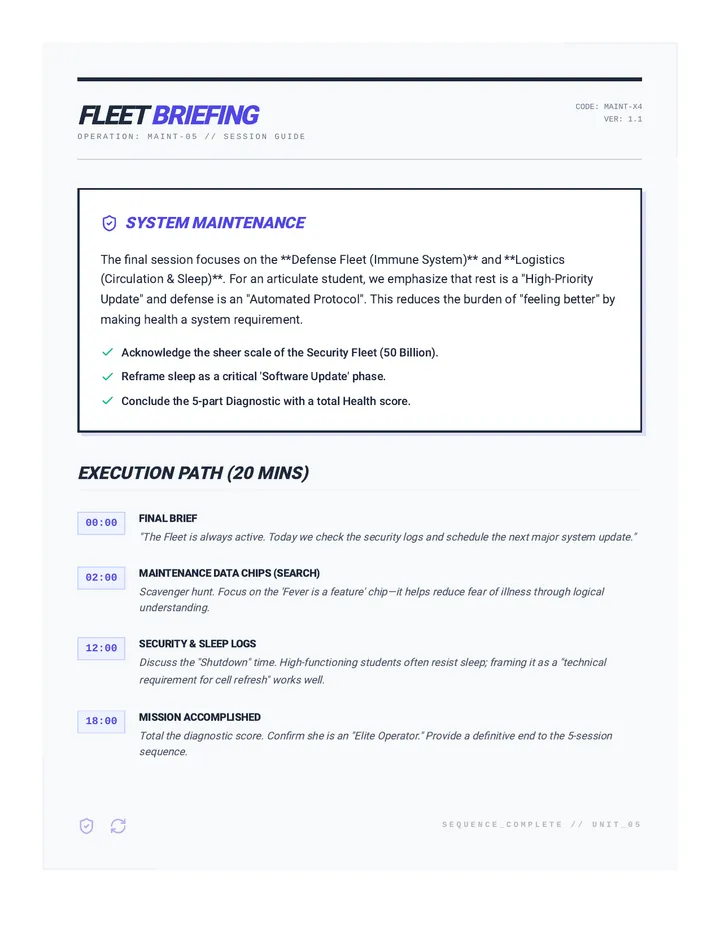
Students learn how to fuel their bodies and keep them moving while mastering the art of rest and emotional balance. Includes interactive discussions, goal-setting, and practical habit-building activities.
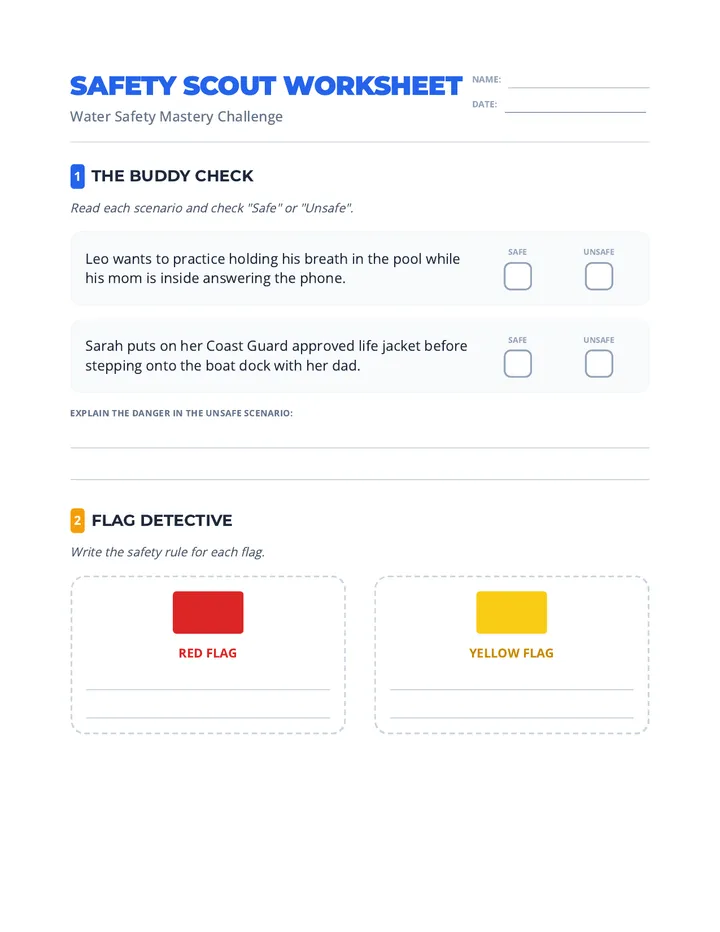
A lesson focused on the collective and individual responsibility for maintaining a safe environment. Students learn to identify hazards and understand their role in reporting and preventing accidents through a 'Safety Blueprint' theme.
A 45-minute introduction to hula that blends cultural storytelling with foundational movement. Students will learn the difference between Kahiko and 'Auana styles and practice basic footwork and hand gestures.
Focuses on identifying how our bodies feel when they are clean and recognizing basic body signals (sticky, itchy) for Kindergarten students.
General resources and curriculum mapping for the Glow Up Guide hygiene program.
Creating a professional resilience plan for morning routines and uniform care for 4th grade leaders.
Advanced skin health and moisturization as a tool for comfort and academic focus in 4th grade.
Professionalism and social responsibility through the lens of classroom environment for 4th graders.
Independent self-management of 'System Alerts' and professional standards for 4th grade scholars.
Mastering time management and efficient morning habits to arrive school-ready in 3rd grade.
The biology of skin health and the importance of the 'Skin Shield' for 3rd grade health standards.
Identifying 'Hidden Scent Factors' like pet odors and cooking smells for 3rd grade social awareness.
Connecting hygiene to the 'Professional Scholar' identity and self-respect for 3rd grade students.
Developing a checklist-based morning routine and the concept of nighttime uniform prep for 2nd grade.
Explores the science of the skin barrier and the sensory benefits of moisturization for 2nd graders.
Introduction to empathy and how 2nd graders' hygiene choices show respect for their peers' comfort.
Connecting physical freshness to mood and identifying internal shifts in energy for 2nd graders.
Building a 'Hero Tool' kit for morning hygiene routines tailored for 1st grade students.
Explains 'thirsty' skin and how 1st graders can help their skin armor stay strong with lotion.
Teaches 1st graders about personal space bubbles and the impact of odors on their classmates.
Focuses on basic body cleanliness habits and feeling 'ready' for 1st grade learning.
Practicing the sequence of a morning routine through play and pictograms for Kindergarten students.
Introduces the 'Super Suit' analogy for skin and the role of lotion for Kindergarten skin health.
Explores how being clean helps us be kind friends and share the 'Happy Air' in our Kindergarten classroom.
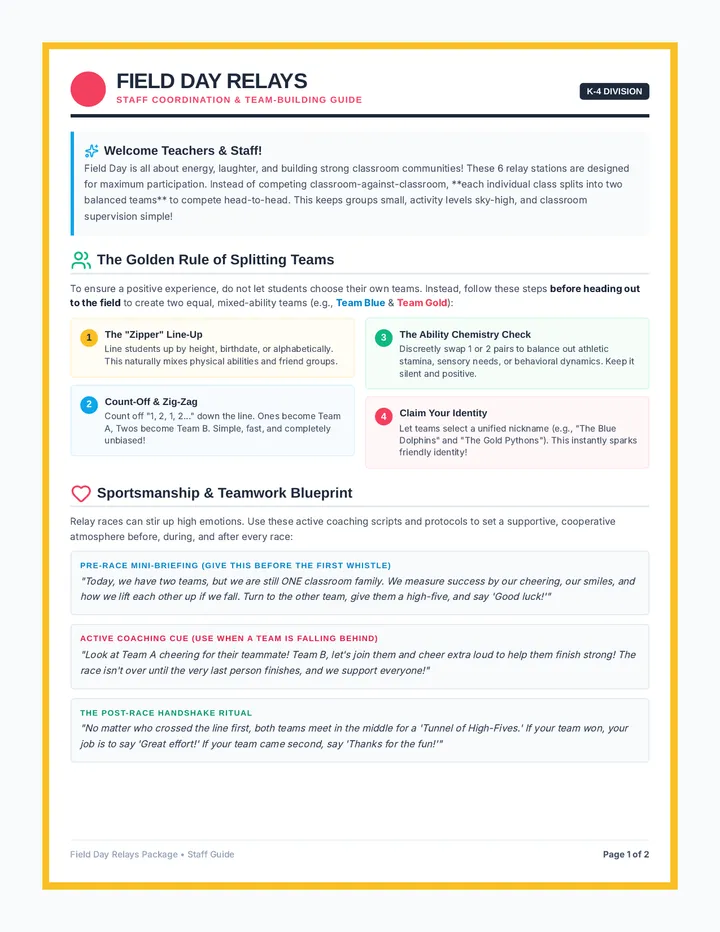
A comprehensive lesson for 4th-6th graders on making healthy snack choices to maintain energy and focus. Students will learn about the 'Power Pair' of nutrients and practice making smart decisions through interactive sorting and real-world scenarios.
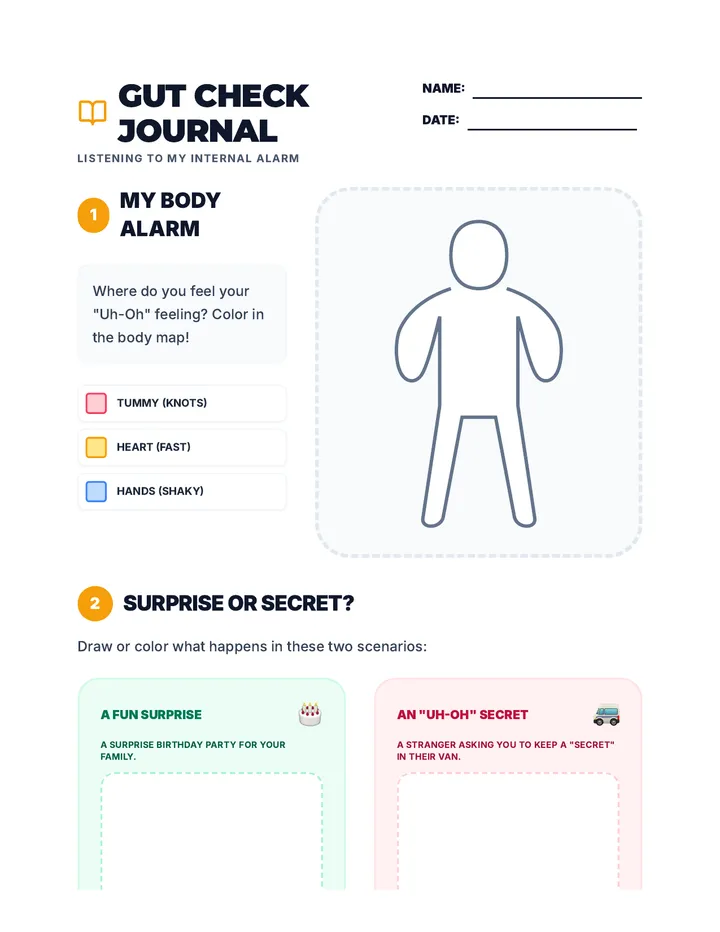
A 30-minute interactive lesson for 4th and 5th graders focusing on body autonomy, boundary setting, and practical safety strategies like 'Check First' and 'No, Go, Tell'.
A high-energy pom dance lesson for beginner to intermediate students, featuring choreography to 'Under the Sea' from The Little Mermaid. Focuses on sharp pom motions, formations, and performance energy.
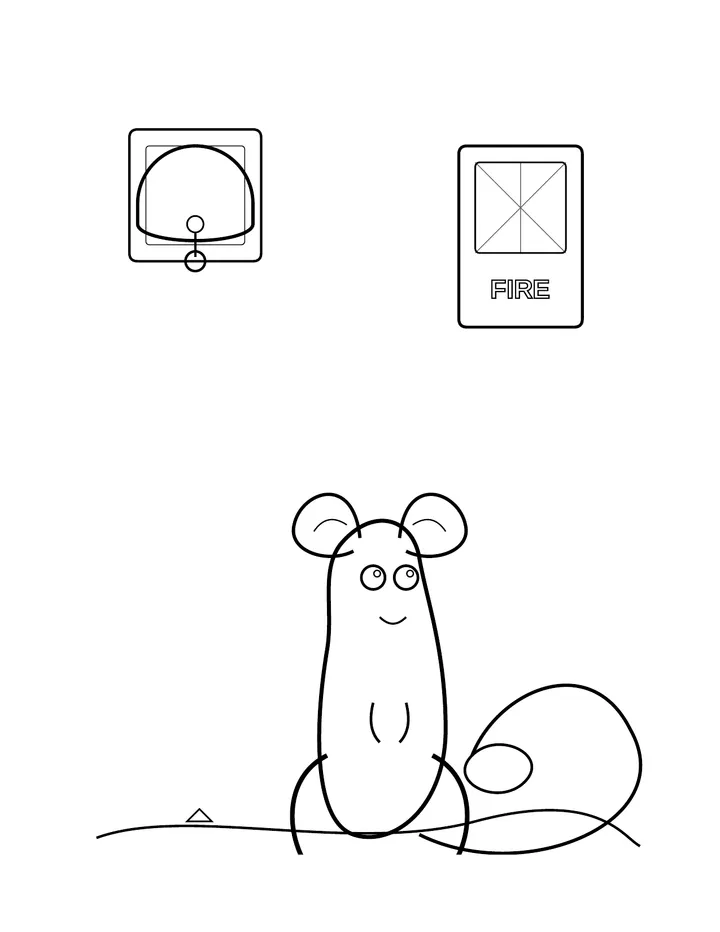
Covers fire safety, emergency protocols, and identifying hazards in the kitchen, bathroom, and online.
Focuses on pedestrian rules, bicycle safety, and being visible and alert near traffic.
Introduces the risks of substance use, differentiating between medicine and drugs, and making healthy choices for the body.