A hands-on chemistry lesson where students explore mixtures and solutions by making their own playdough, following the 'Lighthouse Lab' process.
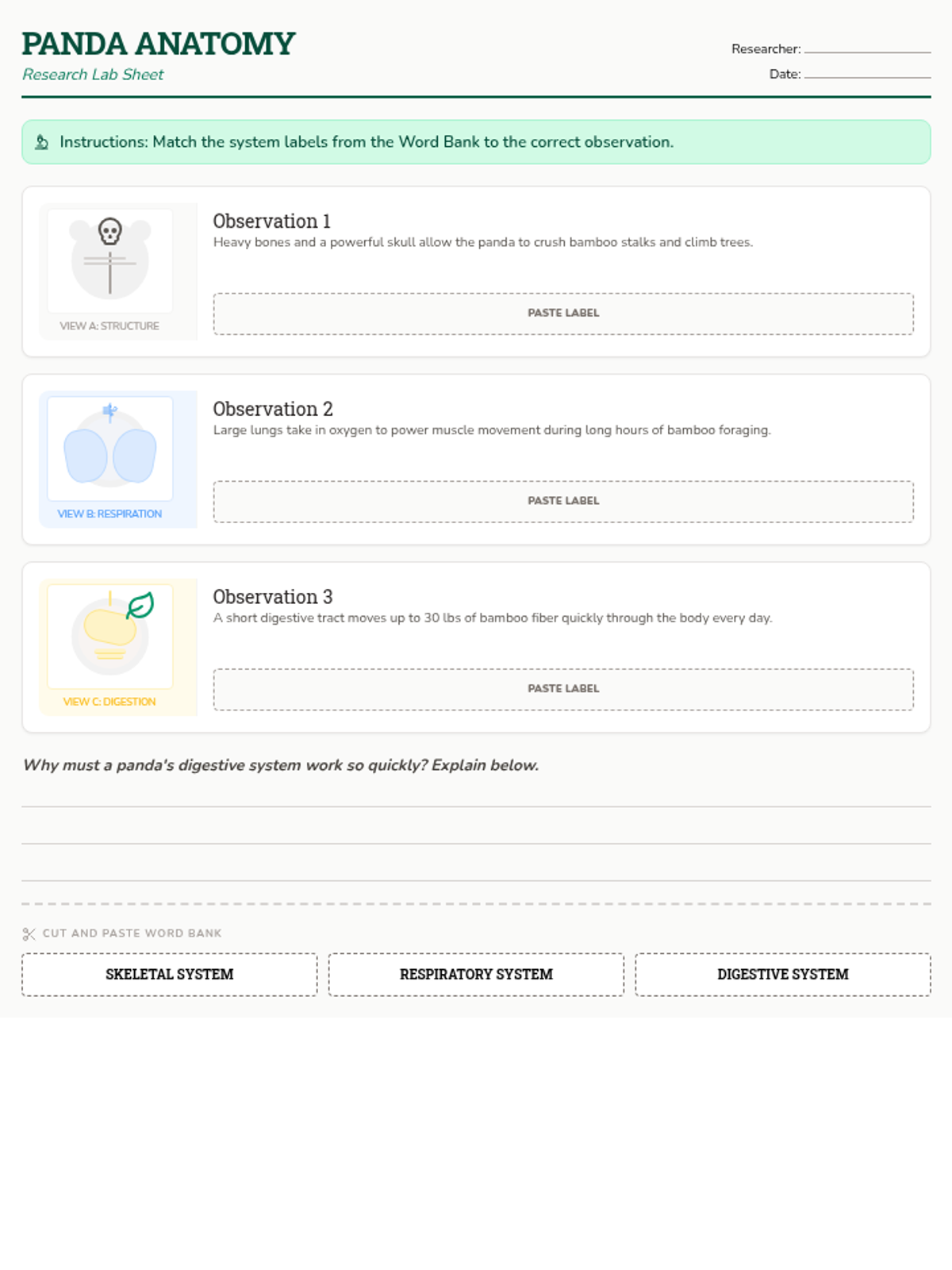
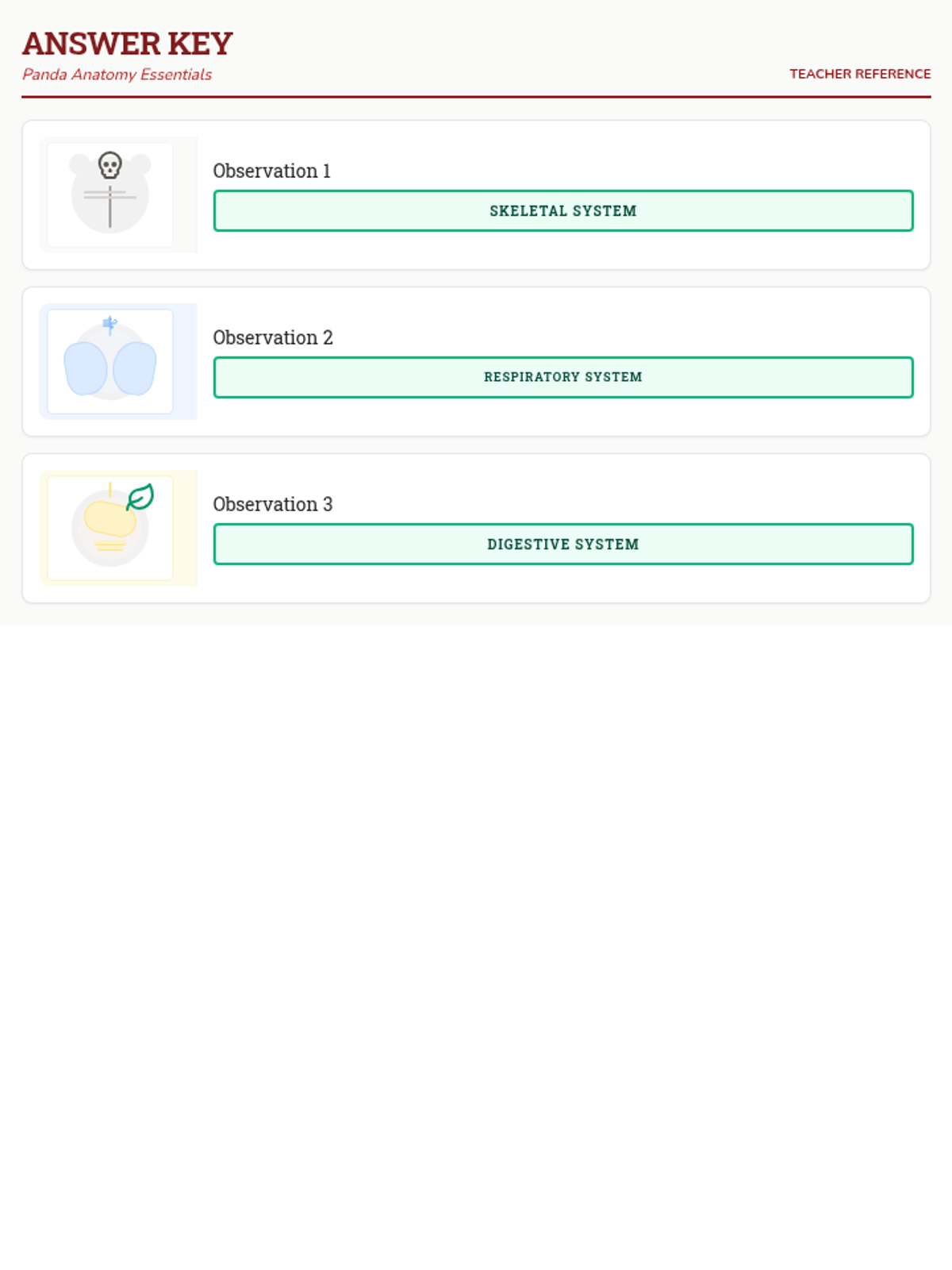
A hands-on lesson identifying the major internal systems of a Giant Panda, focusing on how their anatomy supports their unique bamboo-based diet and lifestyle.
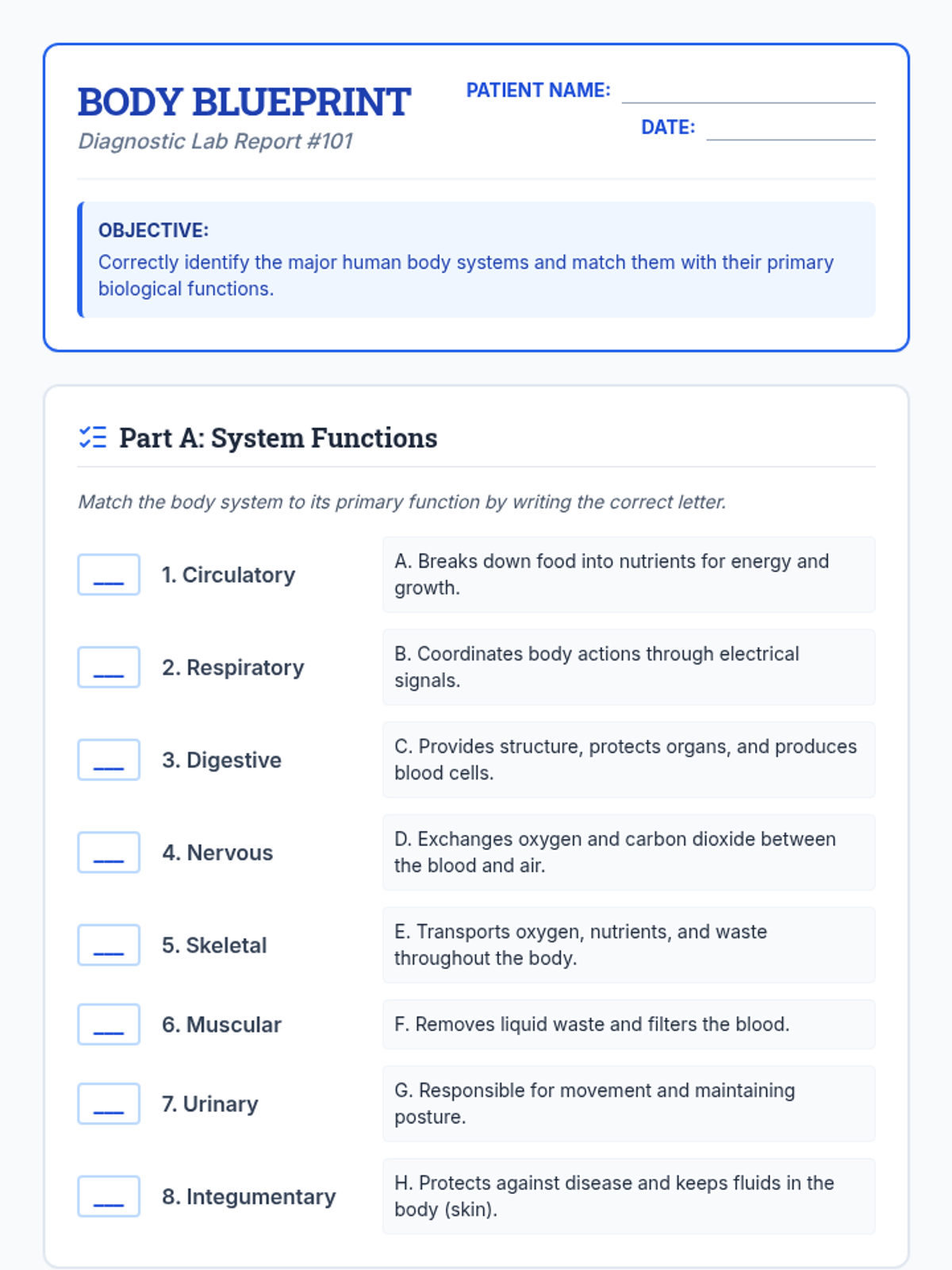
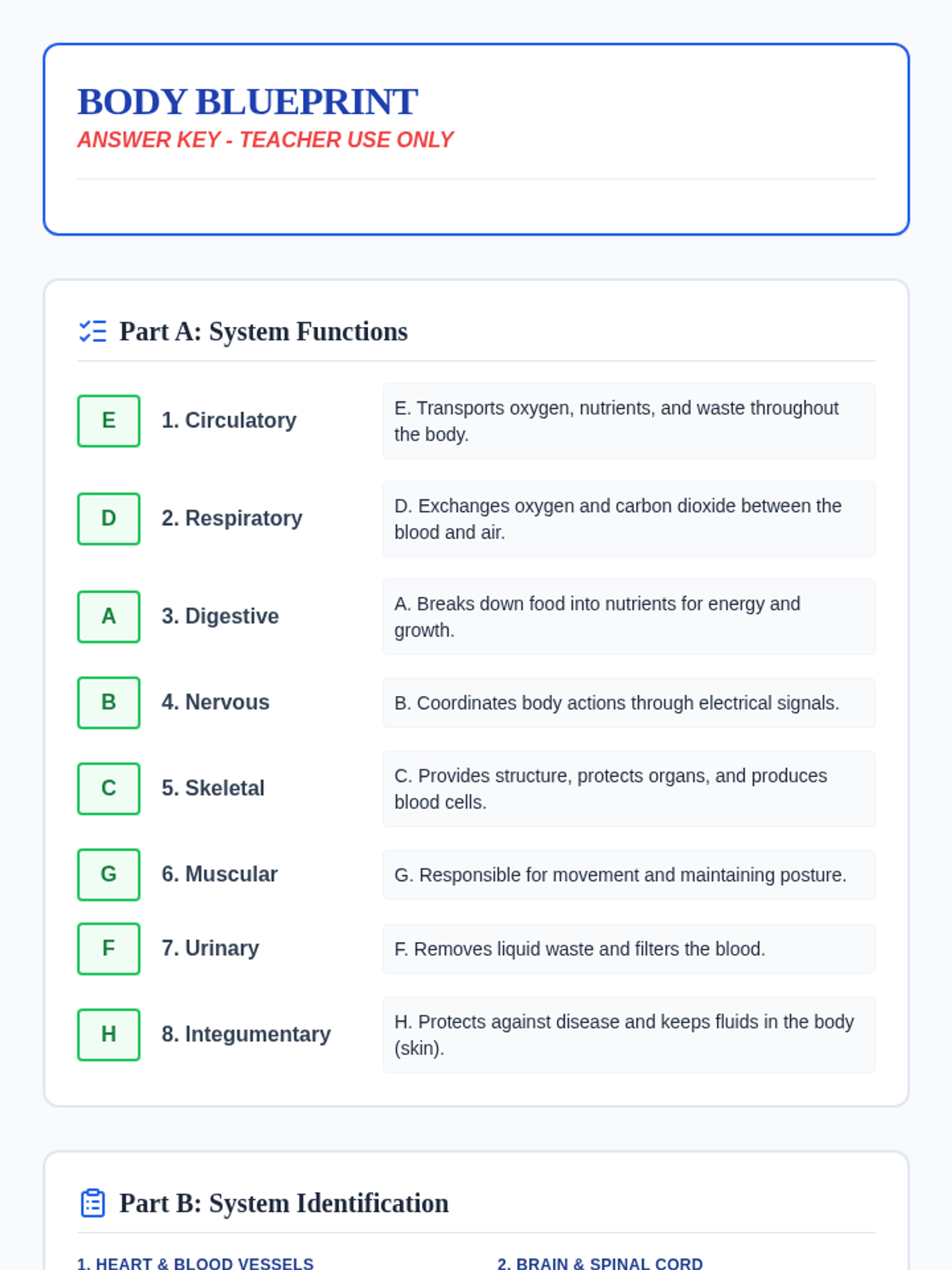
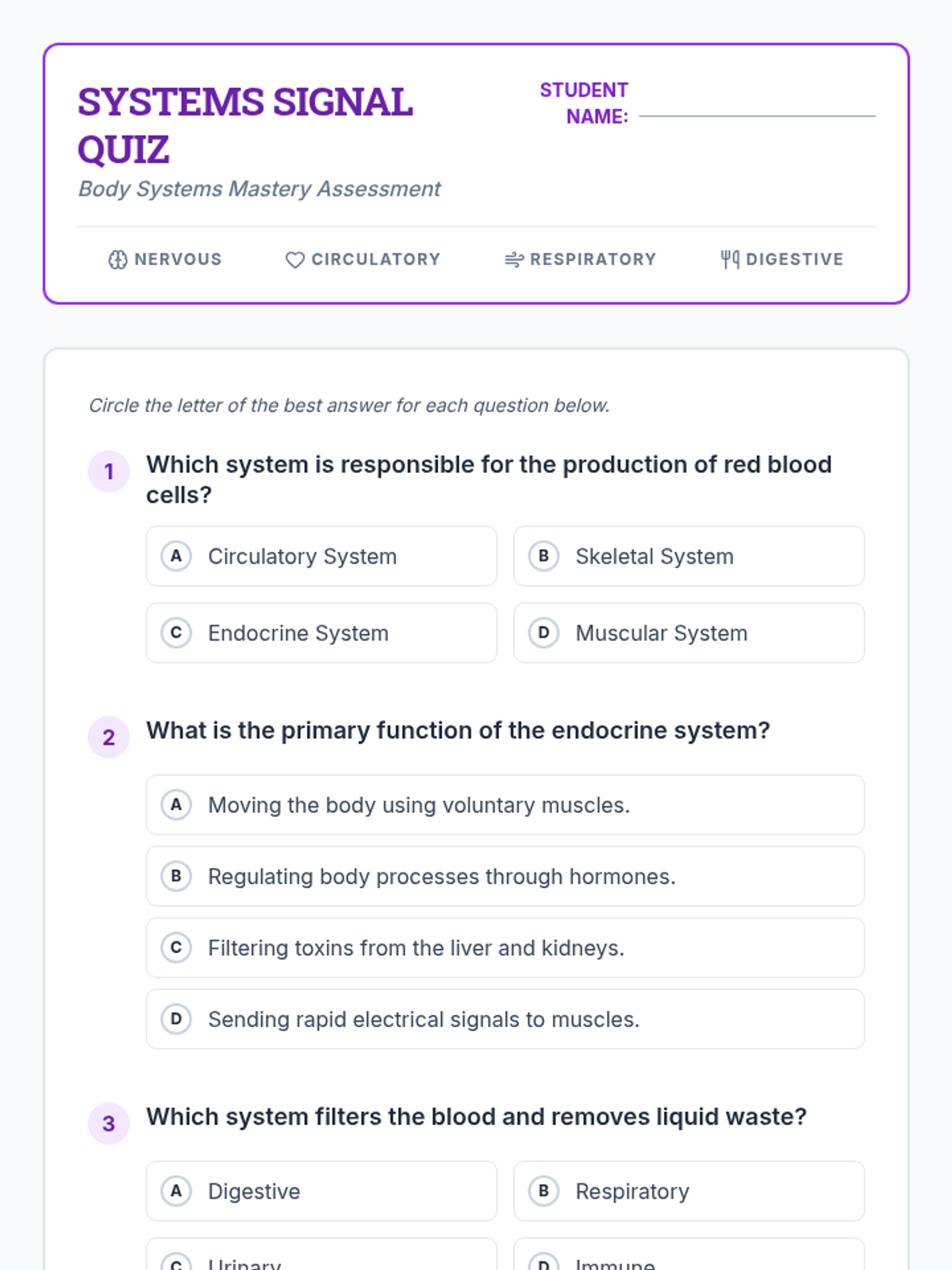
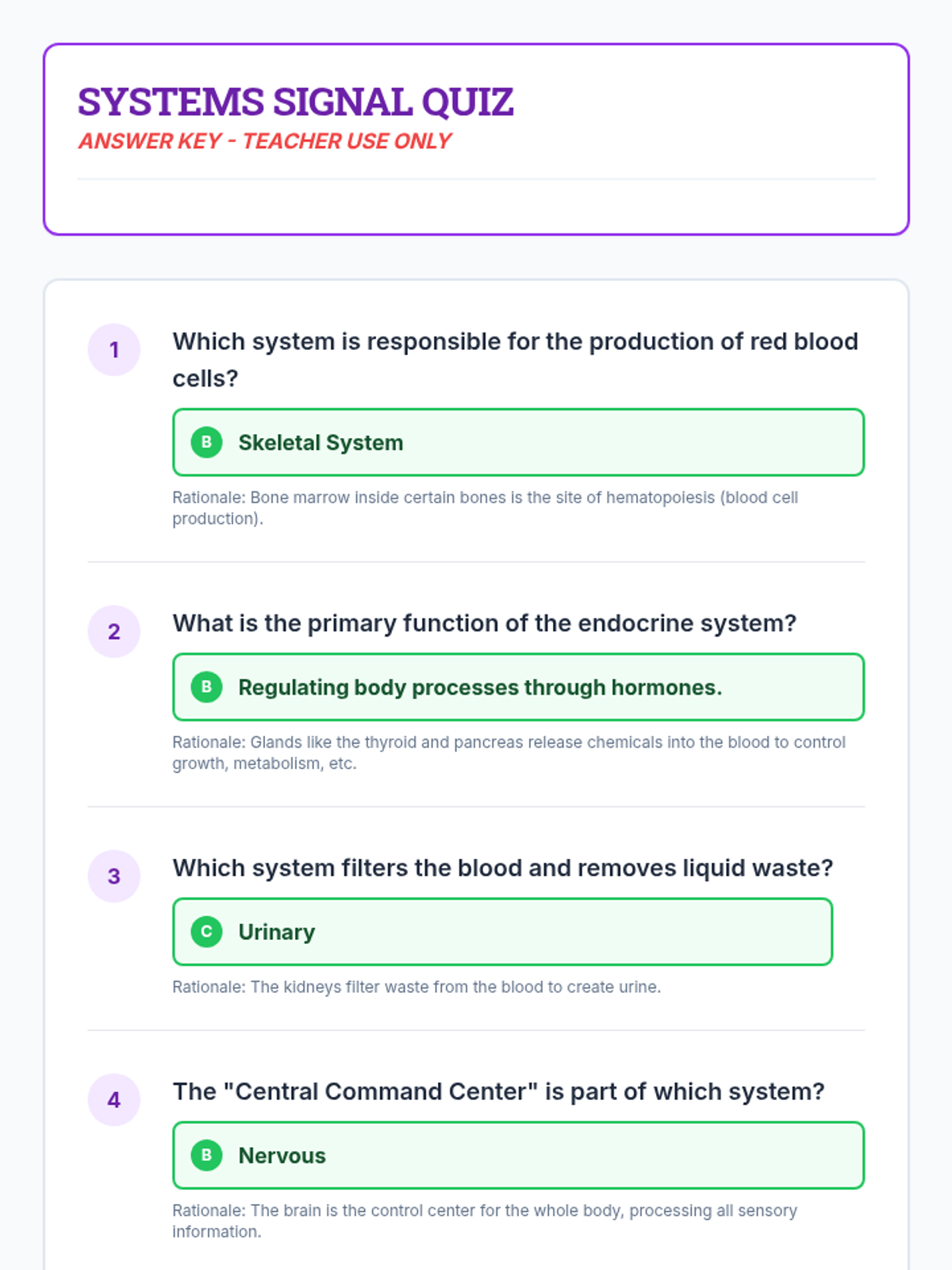
A comprehensive assessment suite to evaluate student understanding of the major human body systems, including their functions and key organs.
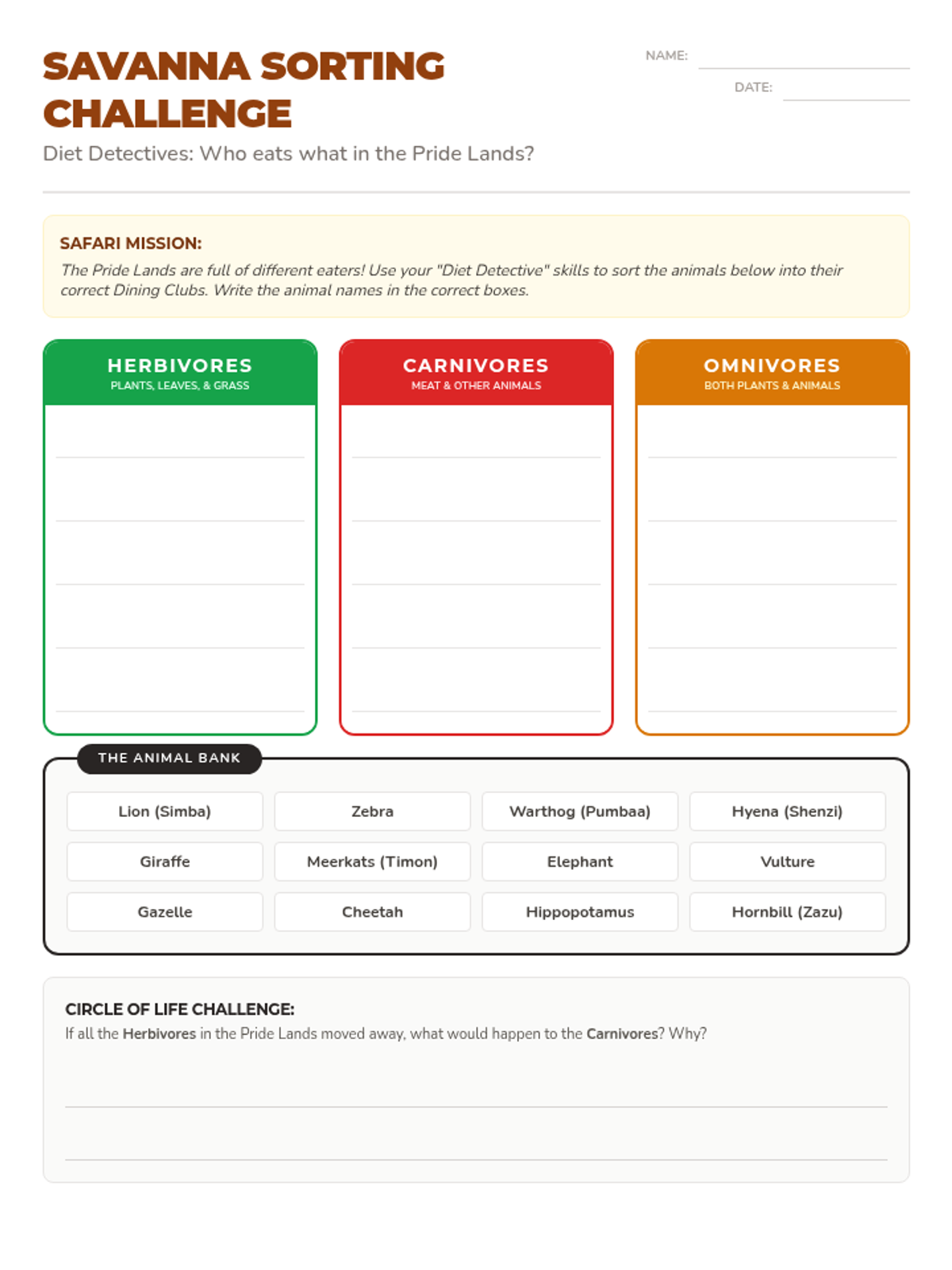
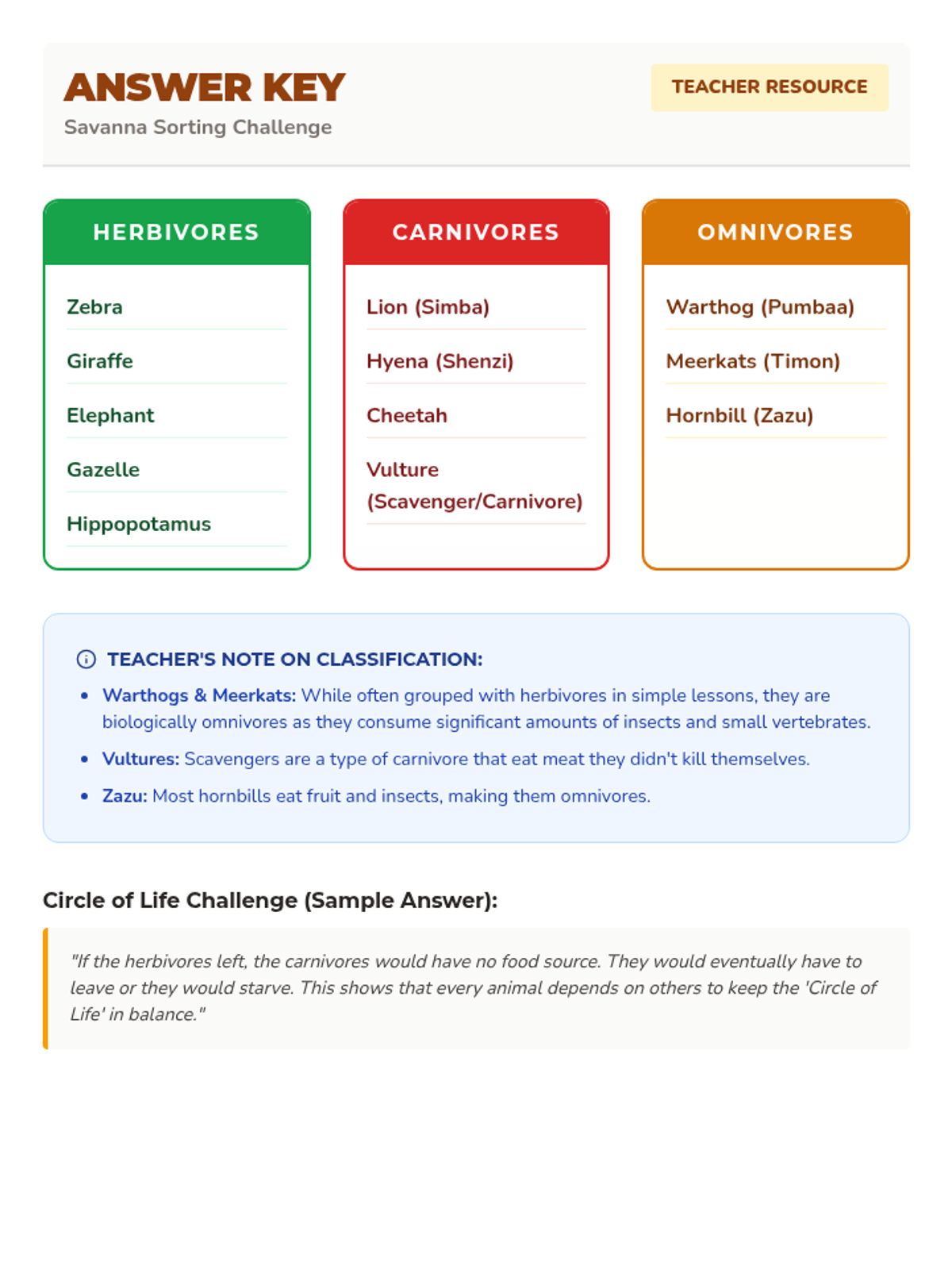
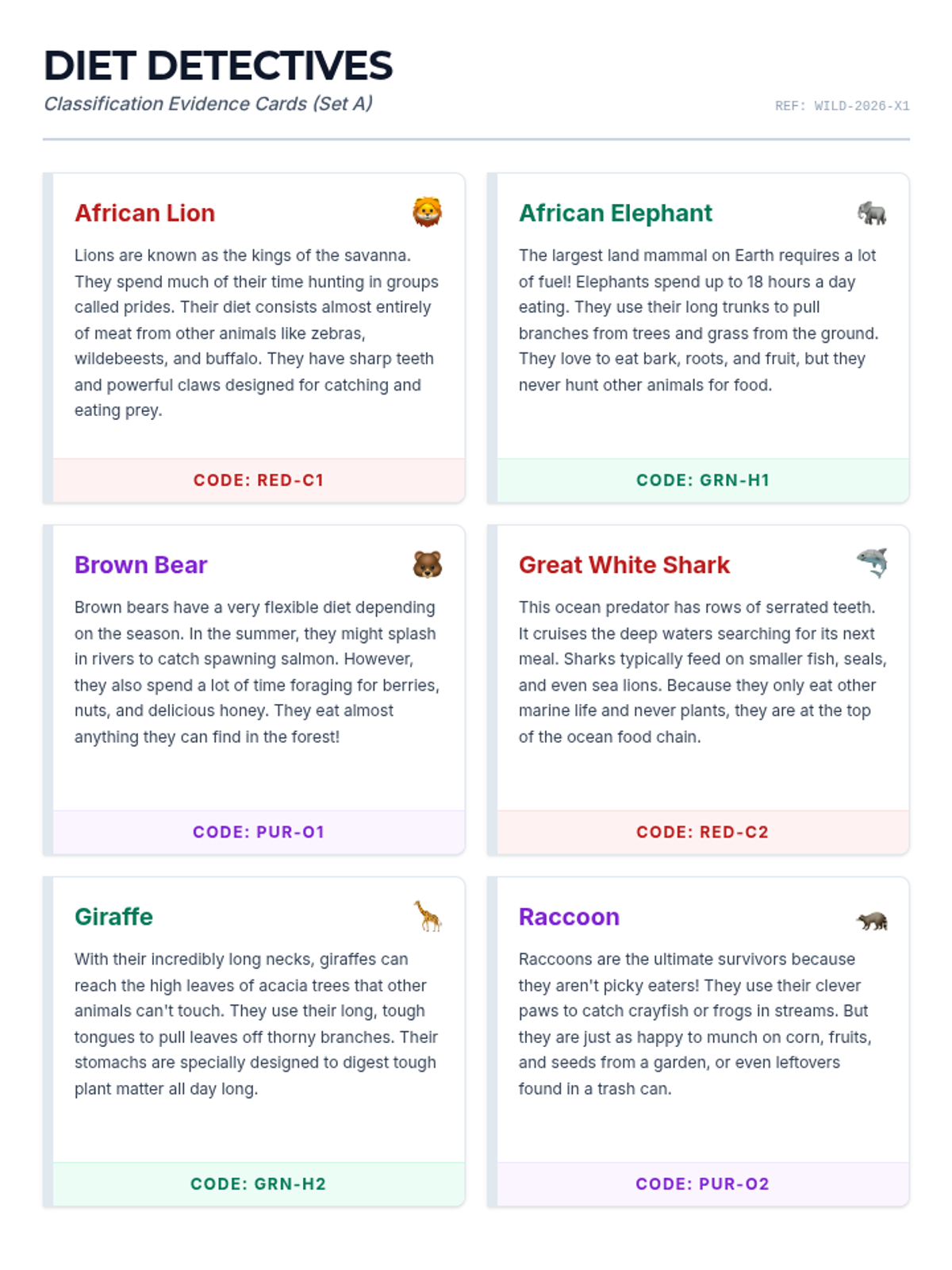
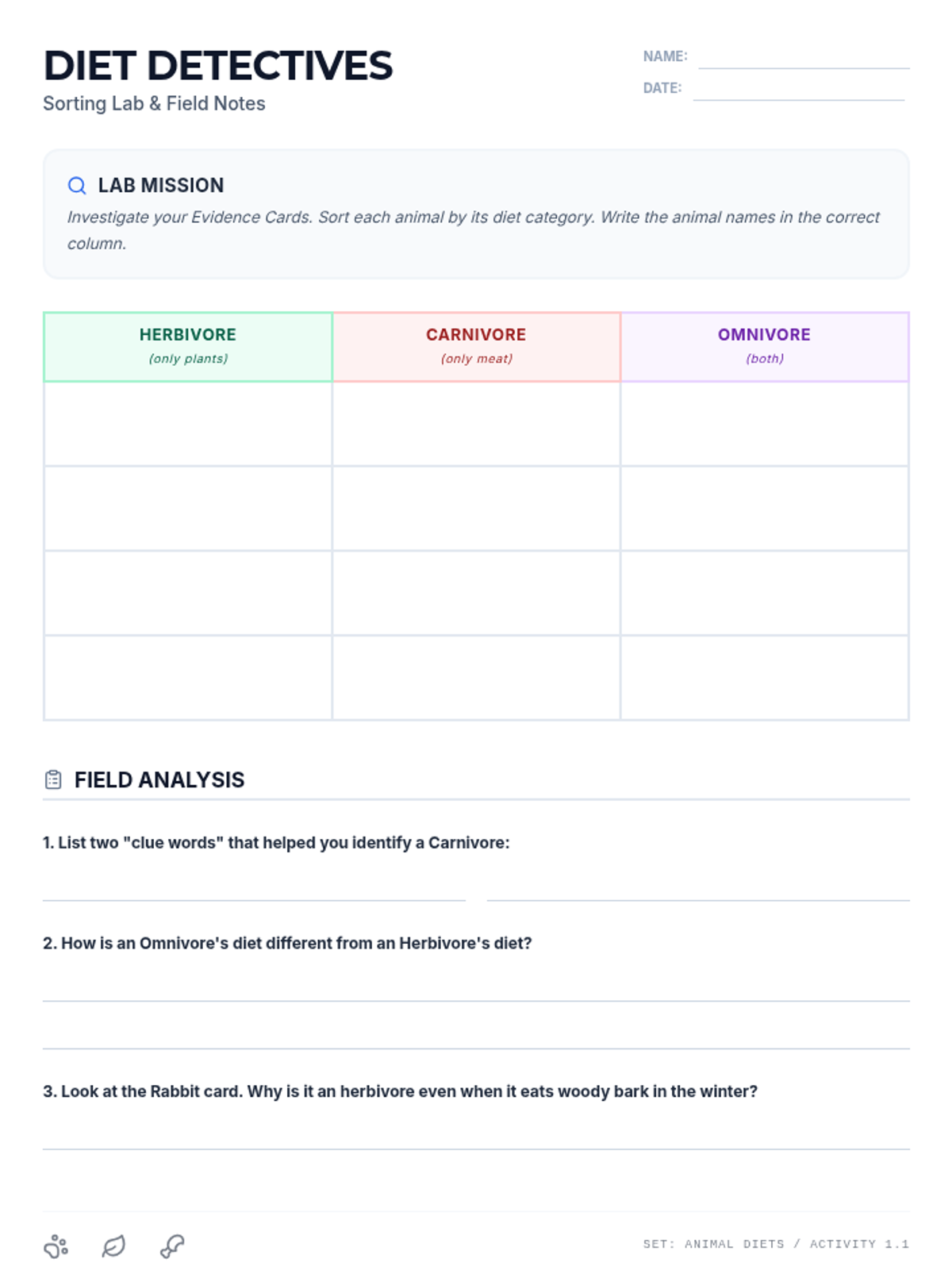
Culminating sorting activity where students categorize Lion King characters and other savanna animals by their diets, followed by a reflection on the 'Circle of Life'.
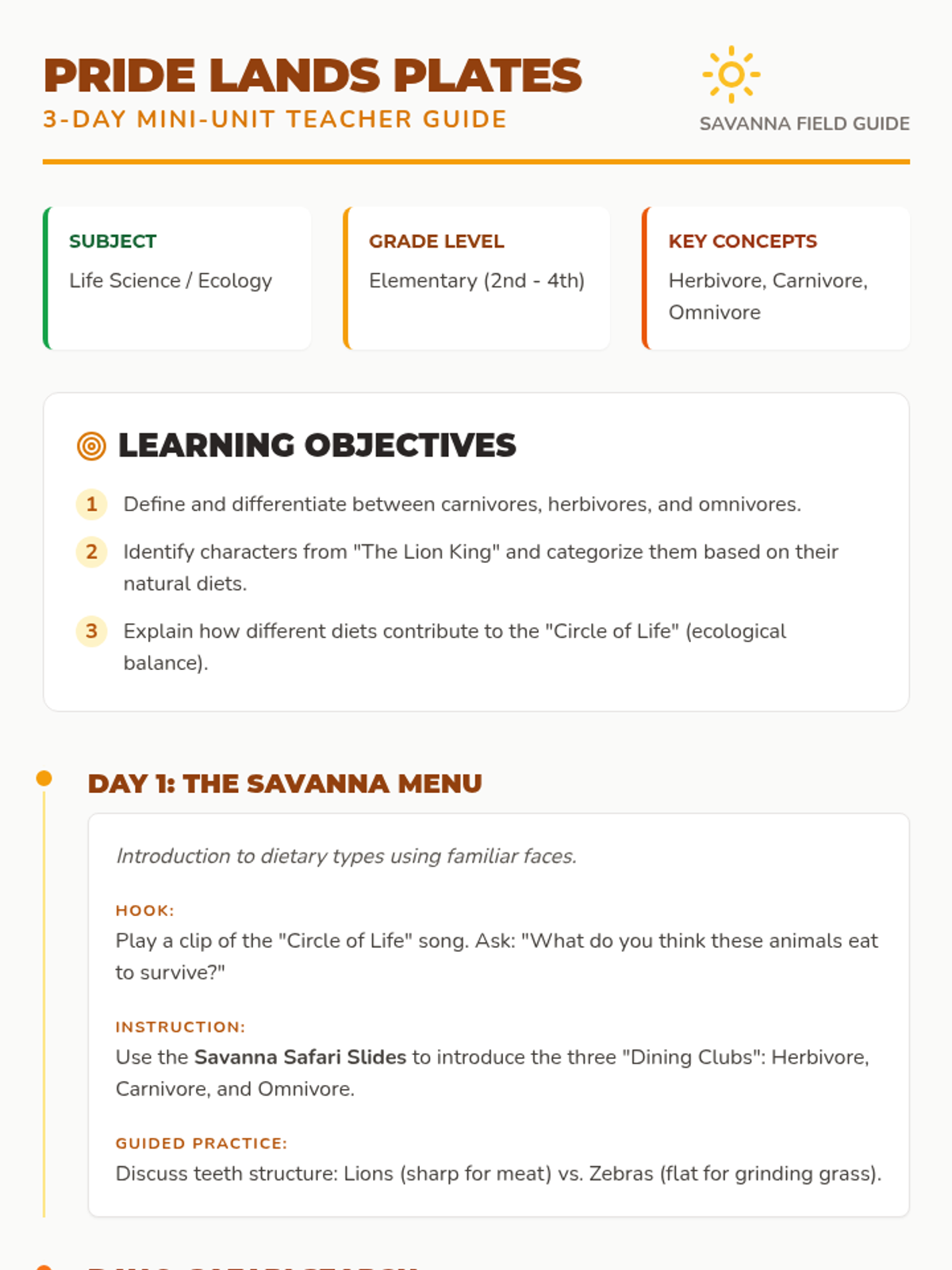
Students analyze the ecosystem of the Pride Lands, identifying various animals from the film and researching or discussing their real-world dietary habits.
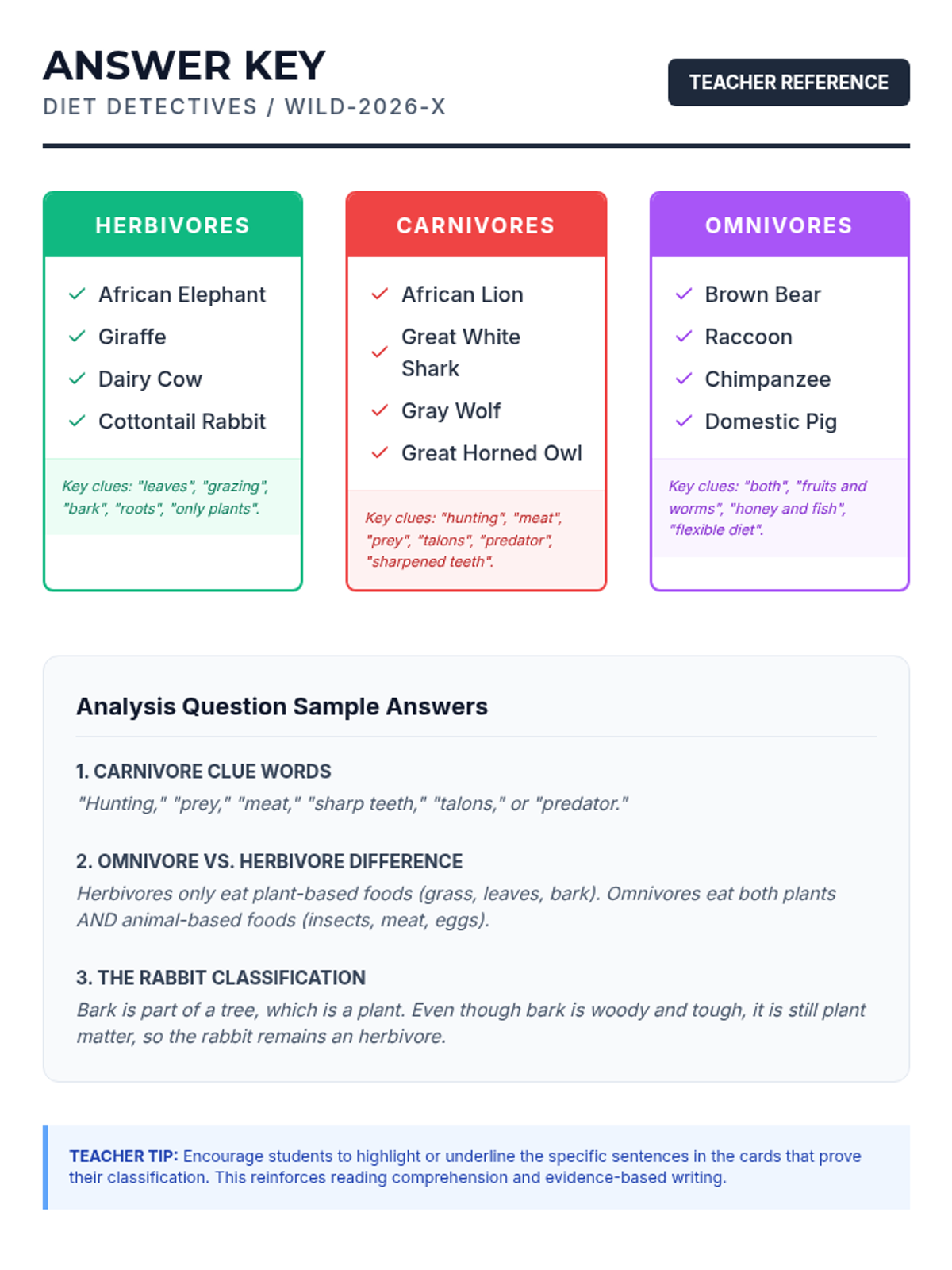
Introduction to herbivores, carnivores, and omnivores using Pride Lands characters as examples. students learn to identify dietary traits and basic dental structures associated with each group.

Students analyze short informational texts about various animals to classify them based on their diets using color-coded evidence cards.
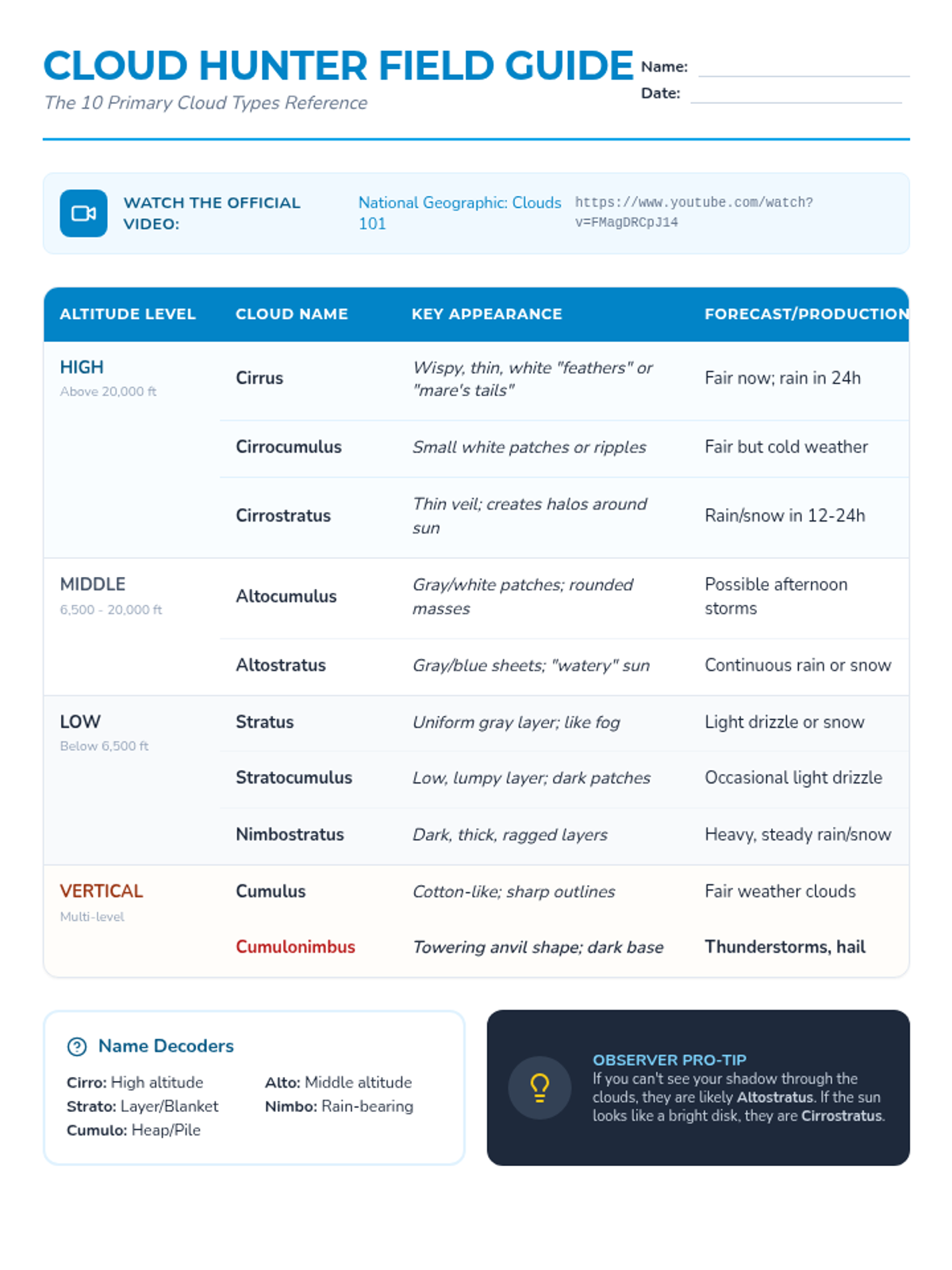
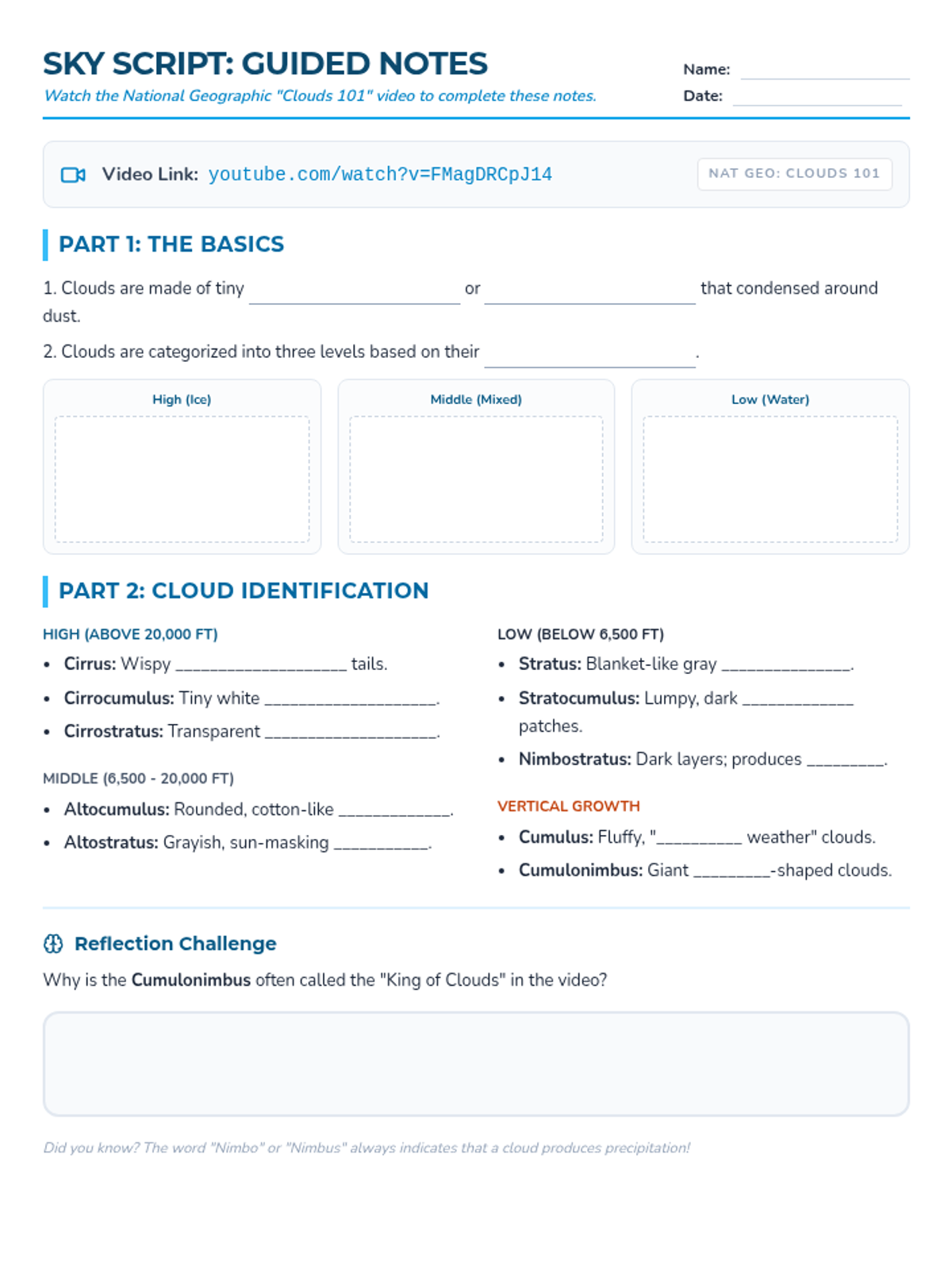
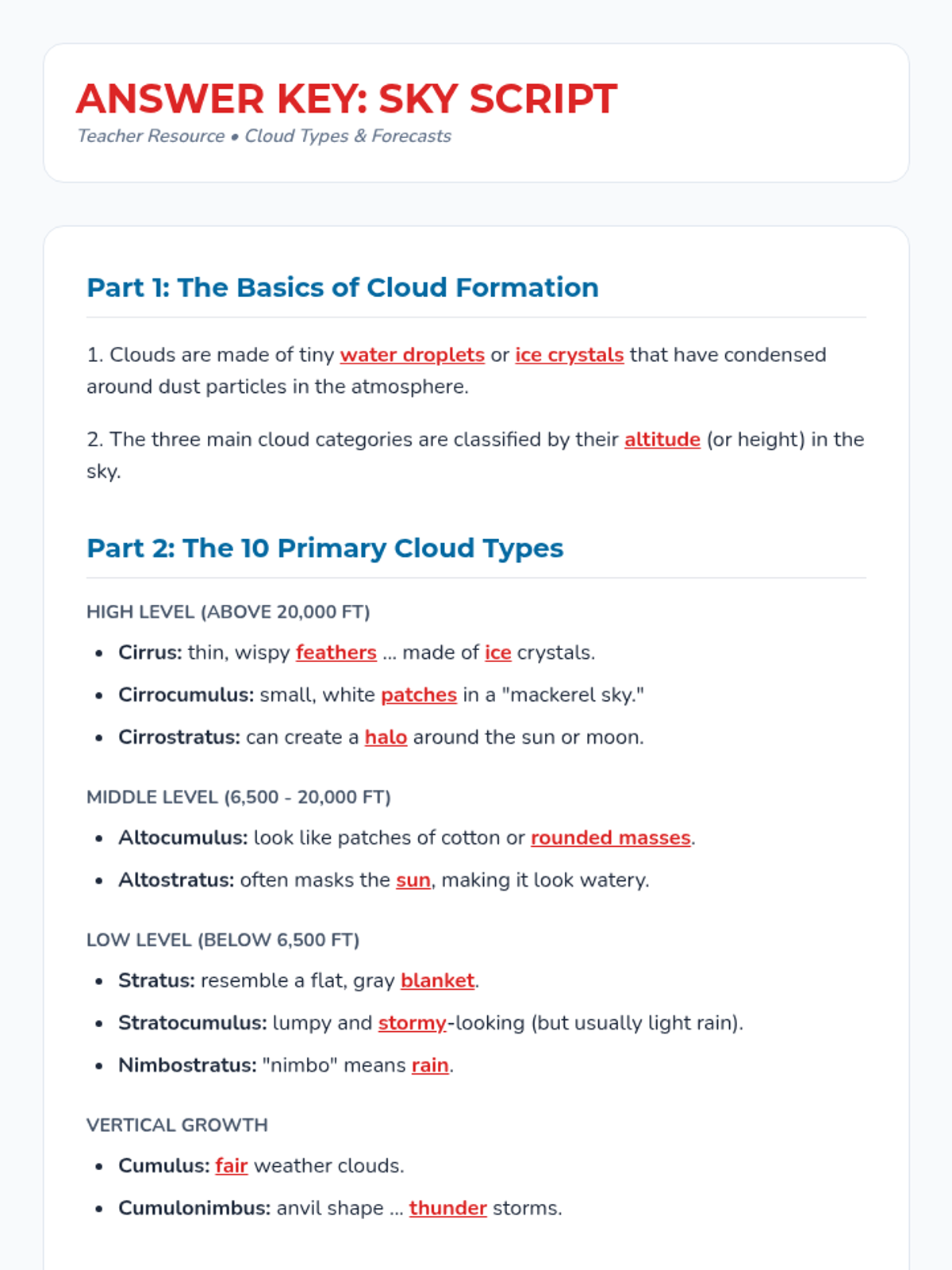
Students will learn to identify the ten primary cloud types, categorize them by altitude, and predict weather outcomes based on cloud formations.
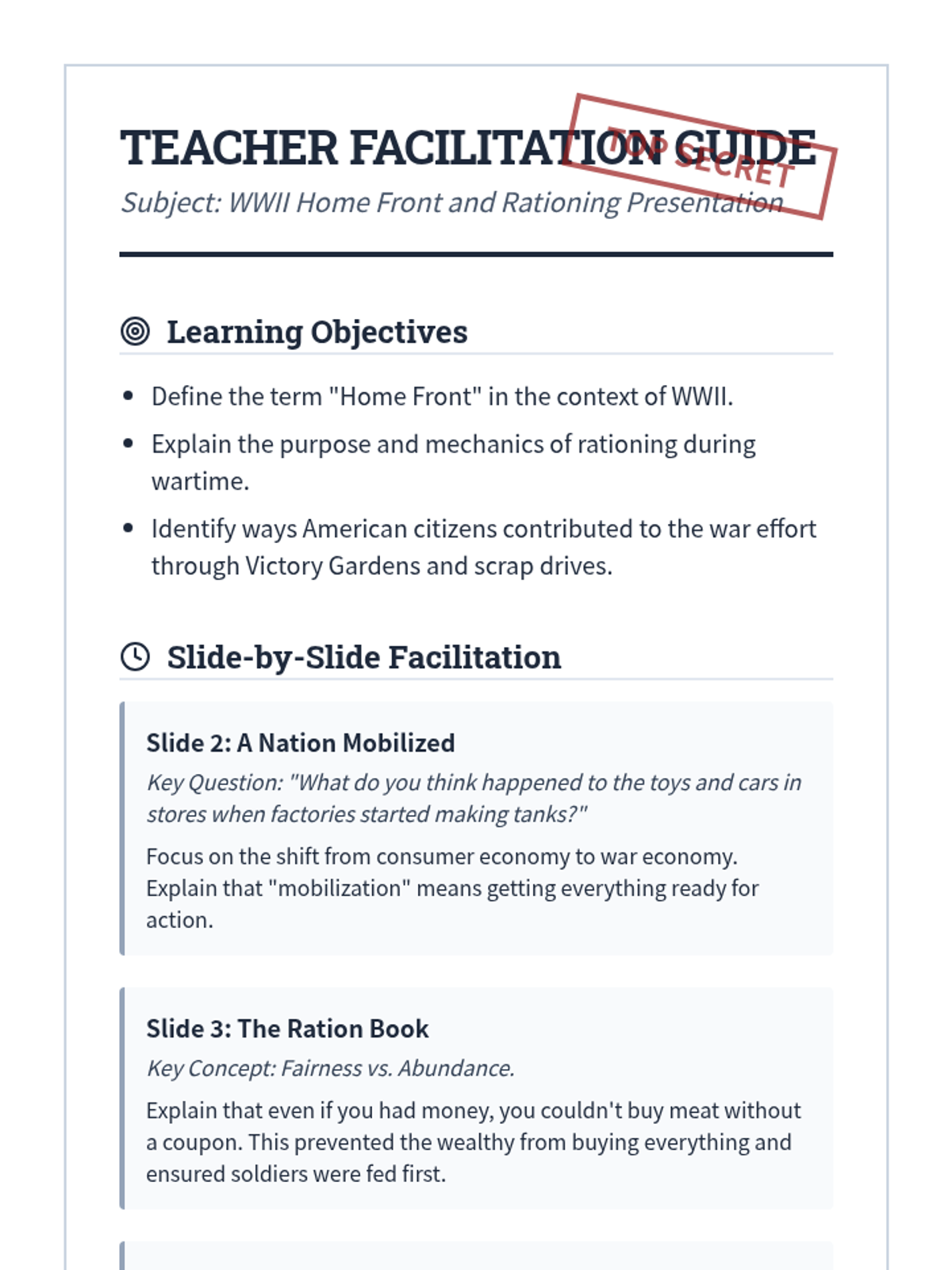
An exploration of life in America during World War II, focusing on how rationing, Victory Gardens, and community efforts supported the war from home.
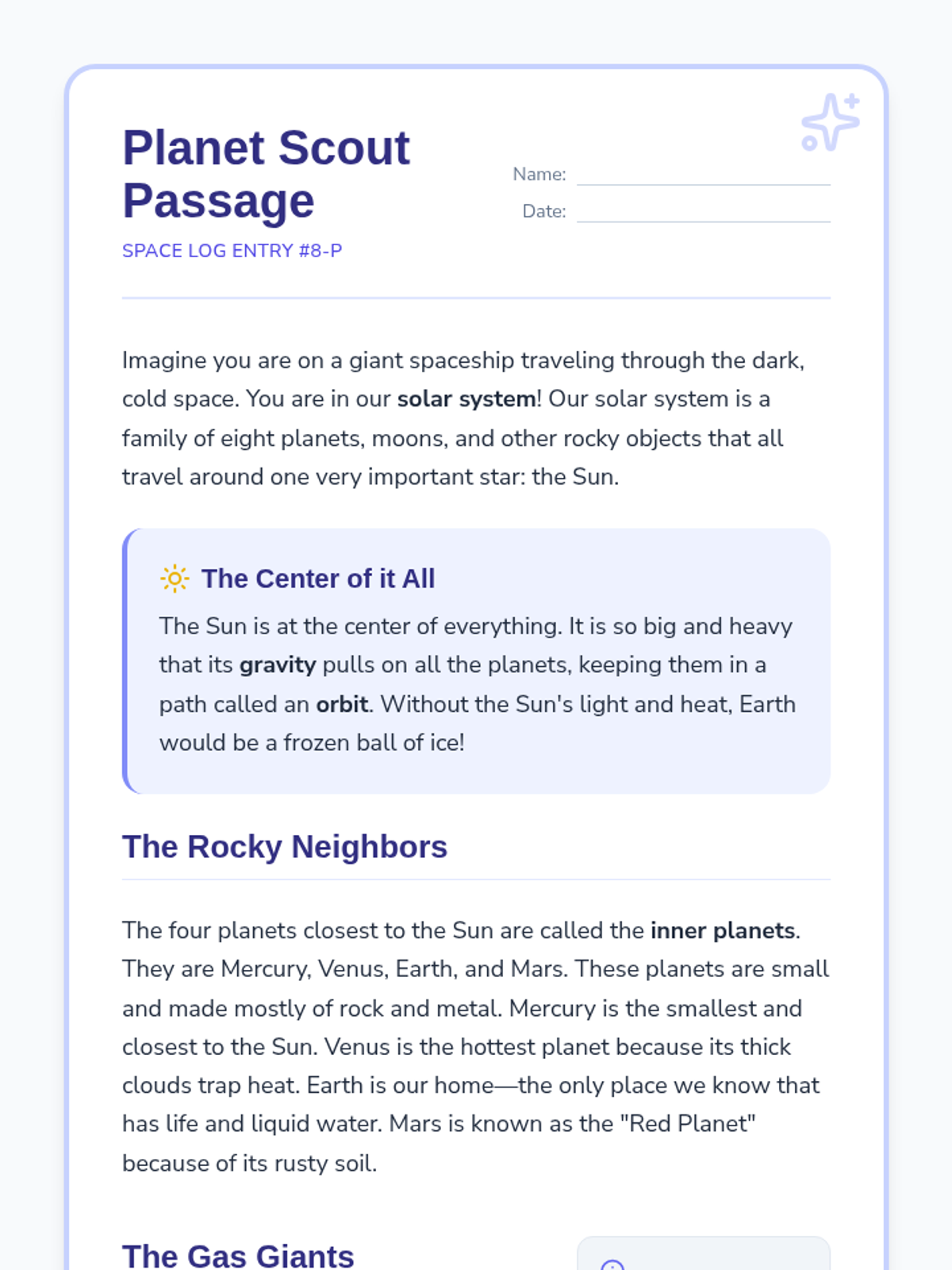
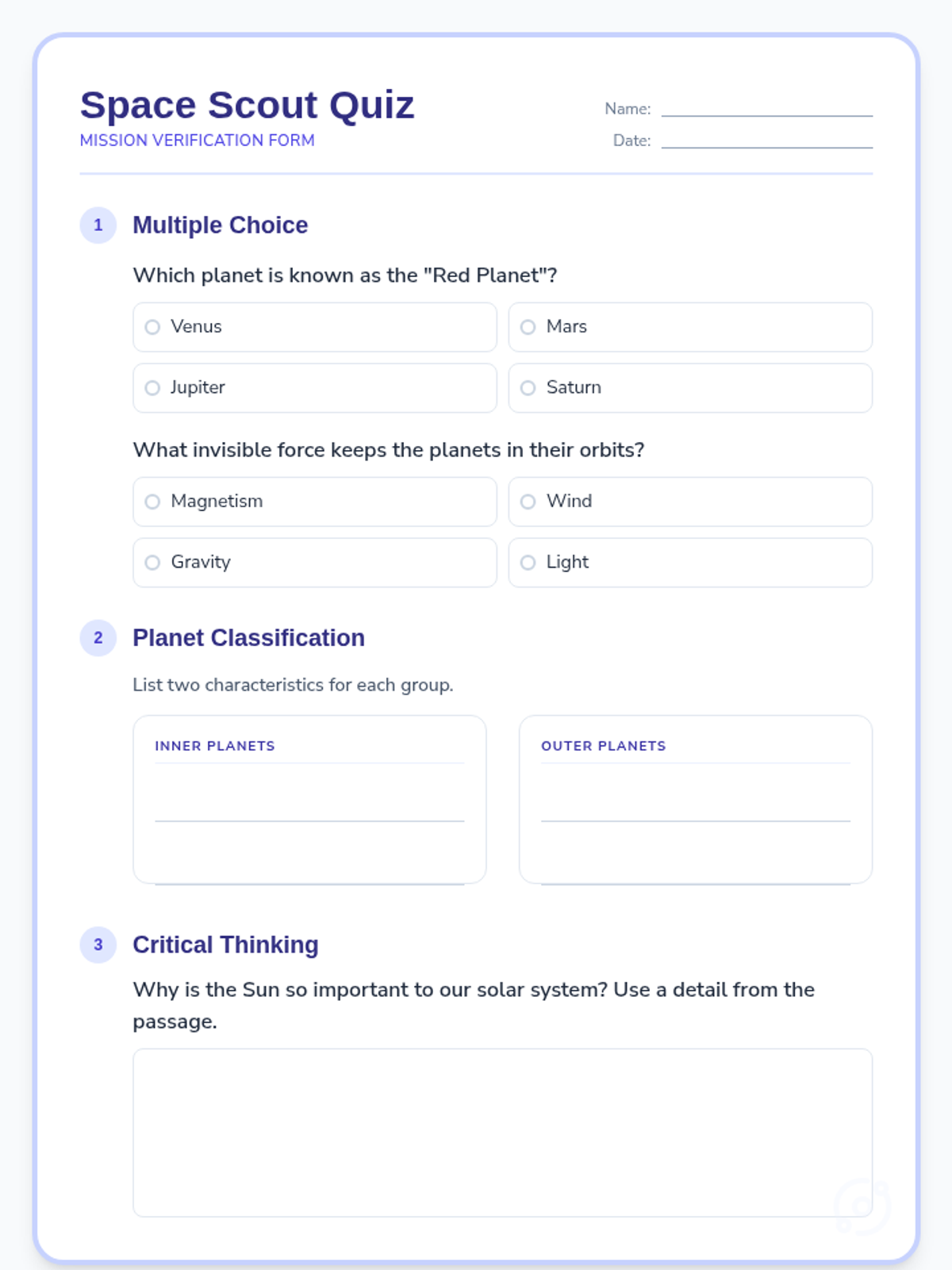
Students explore the eight planets of our solar system, learning about their unique characteristics and the forces that keep them in orbit.
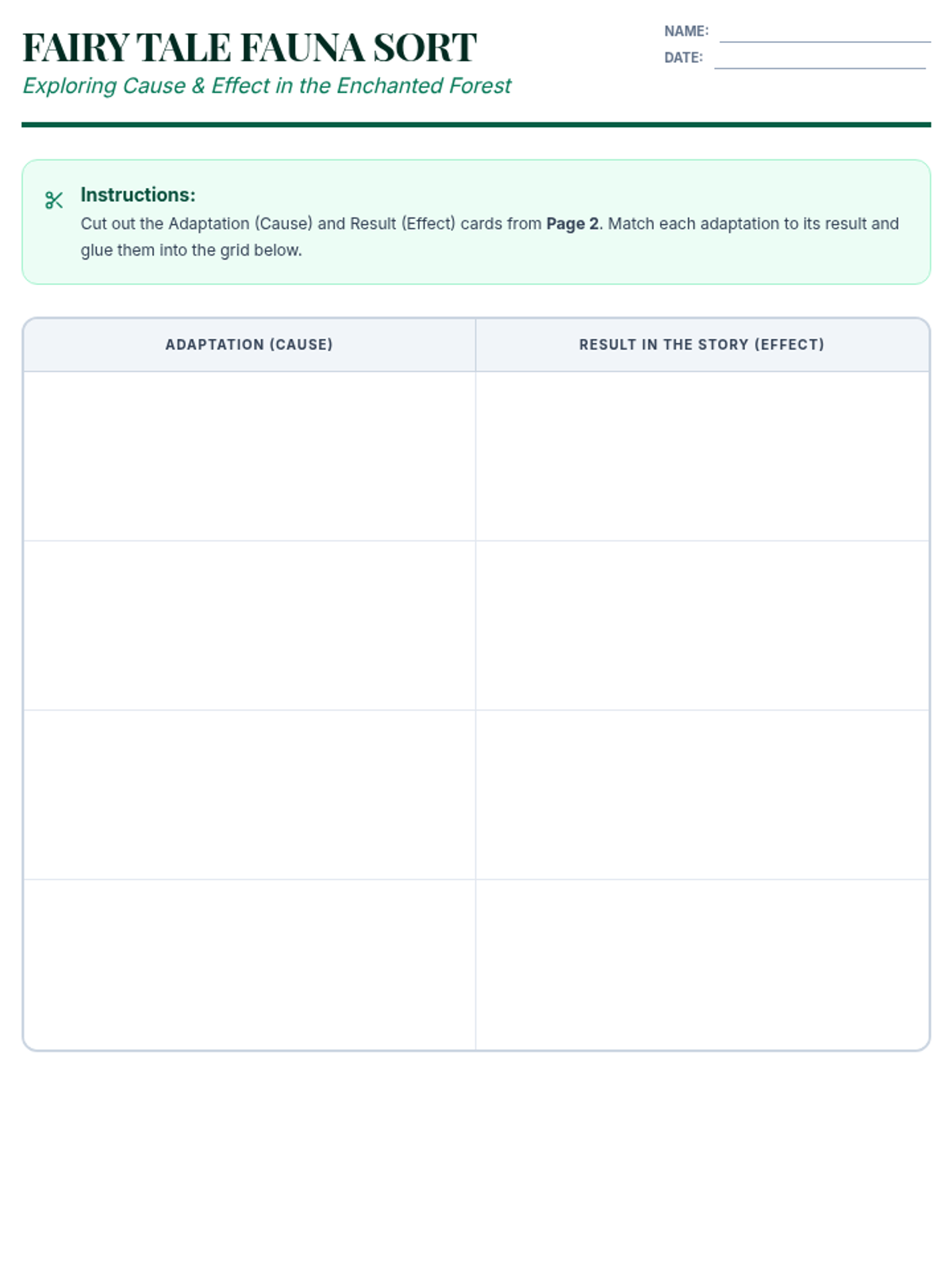
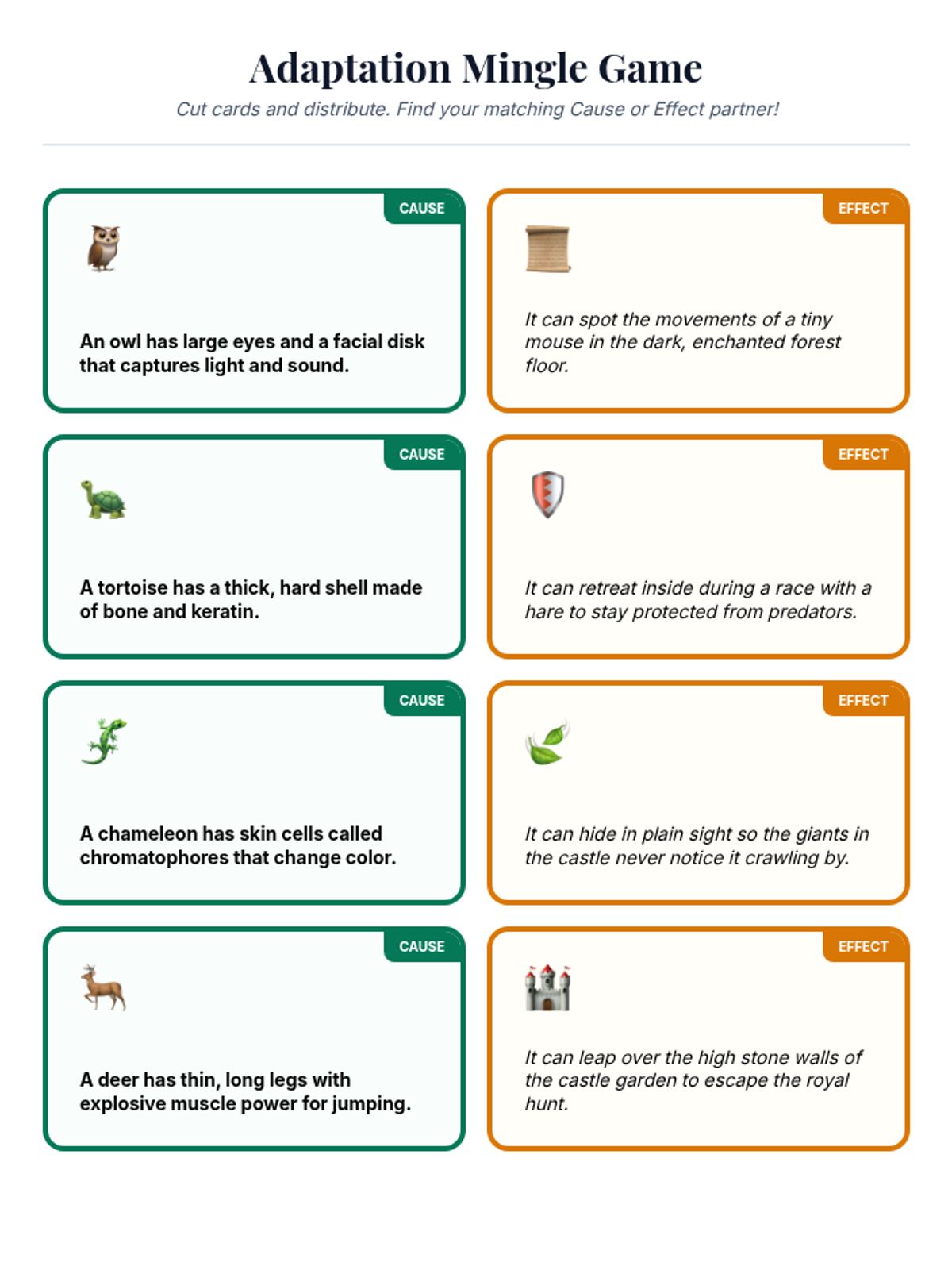
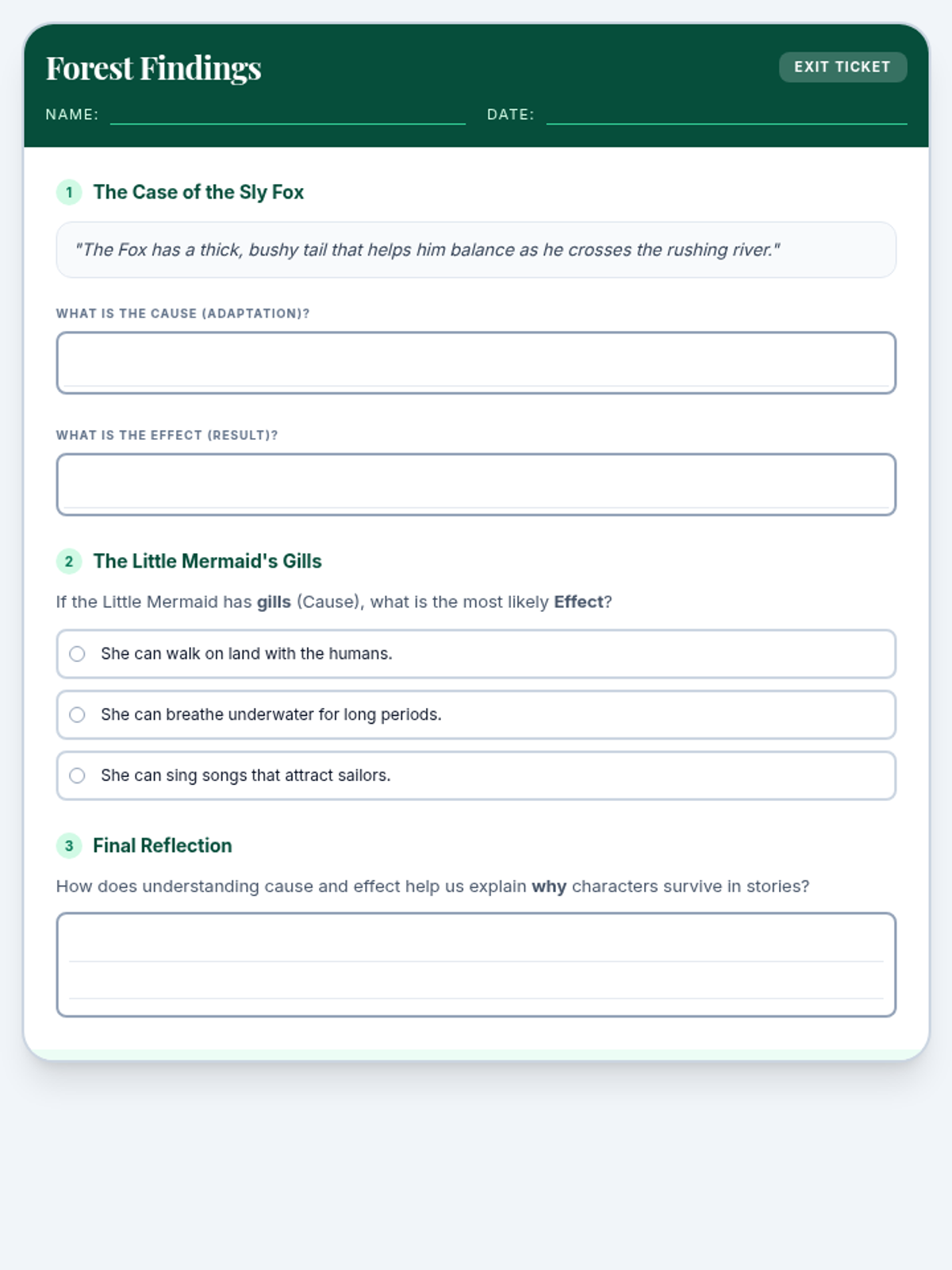
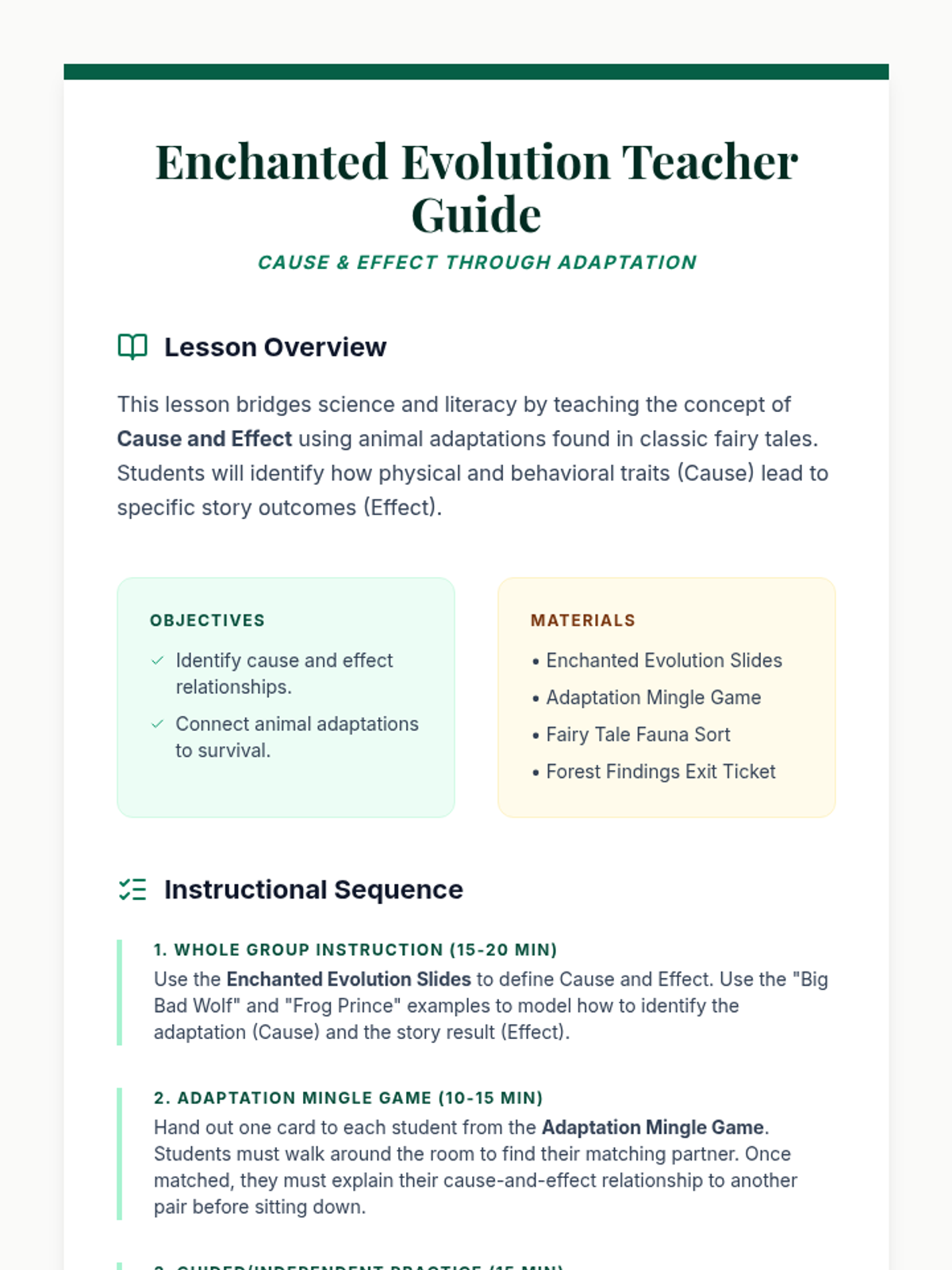
A whole-group lesson where students identify cause and effect relationships by analyzing how animal adaptations help fairy tale creatures survive their stories.
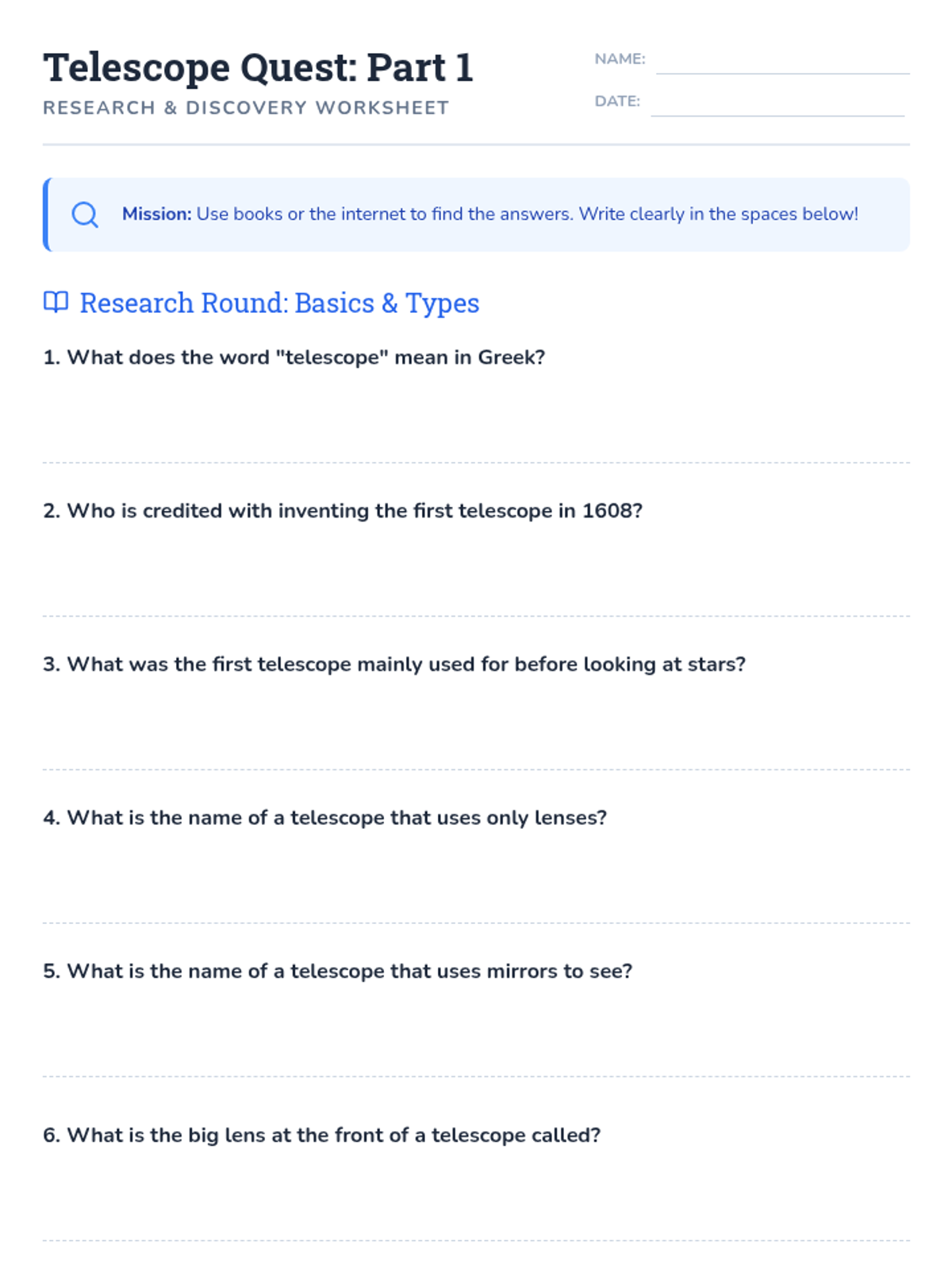
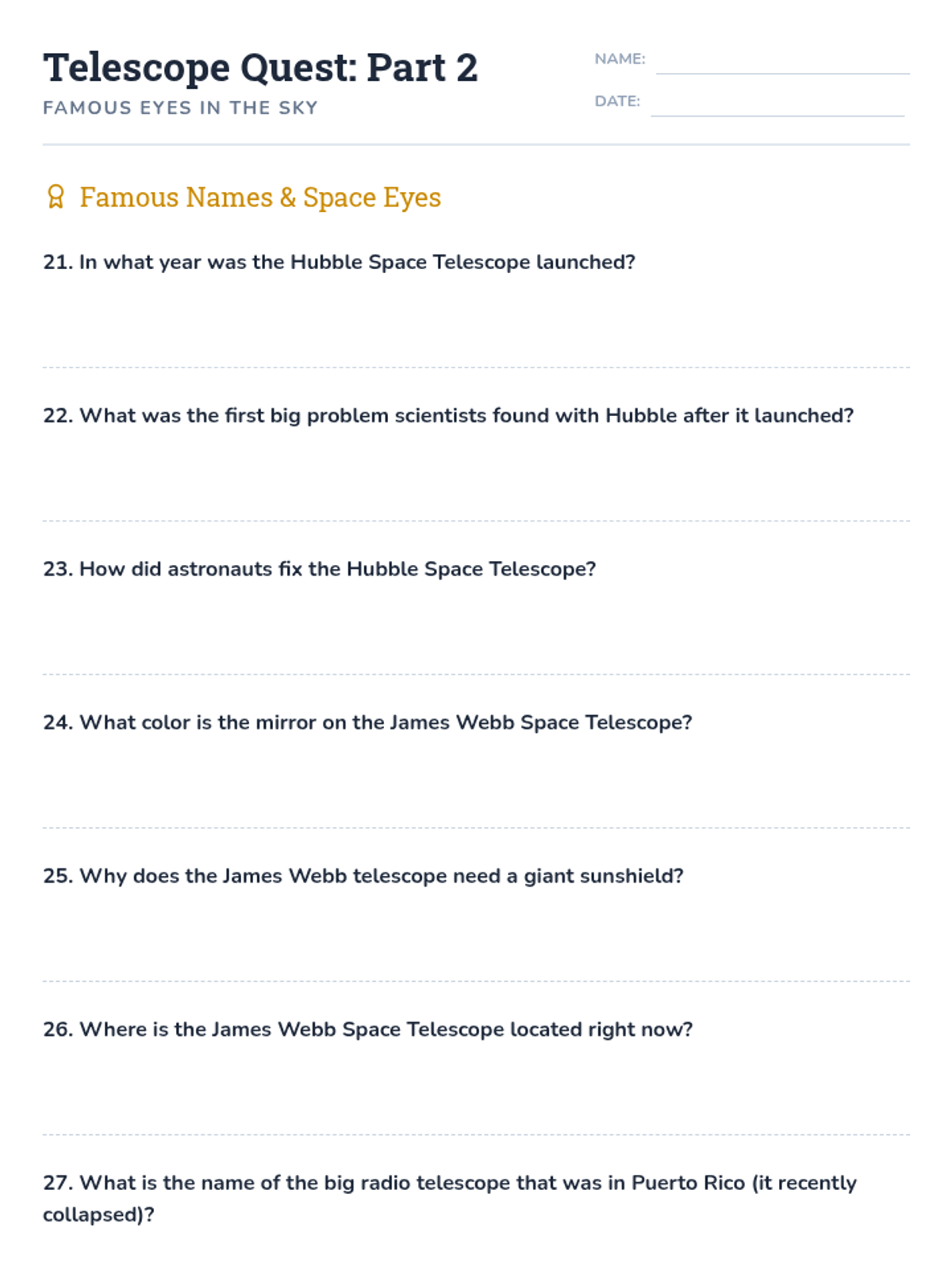
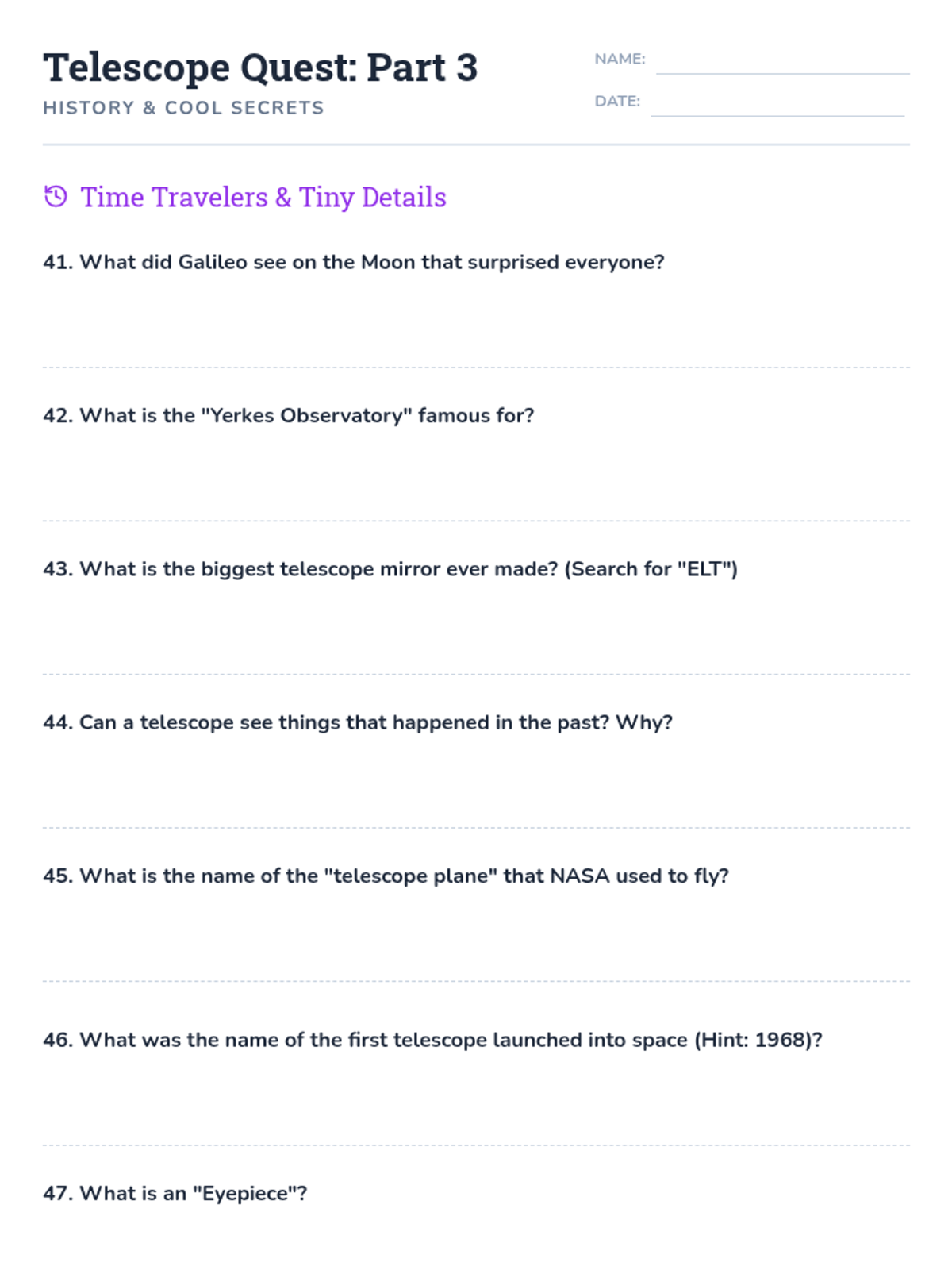
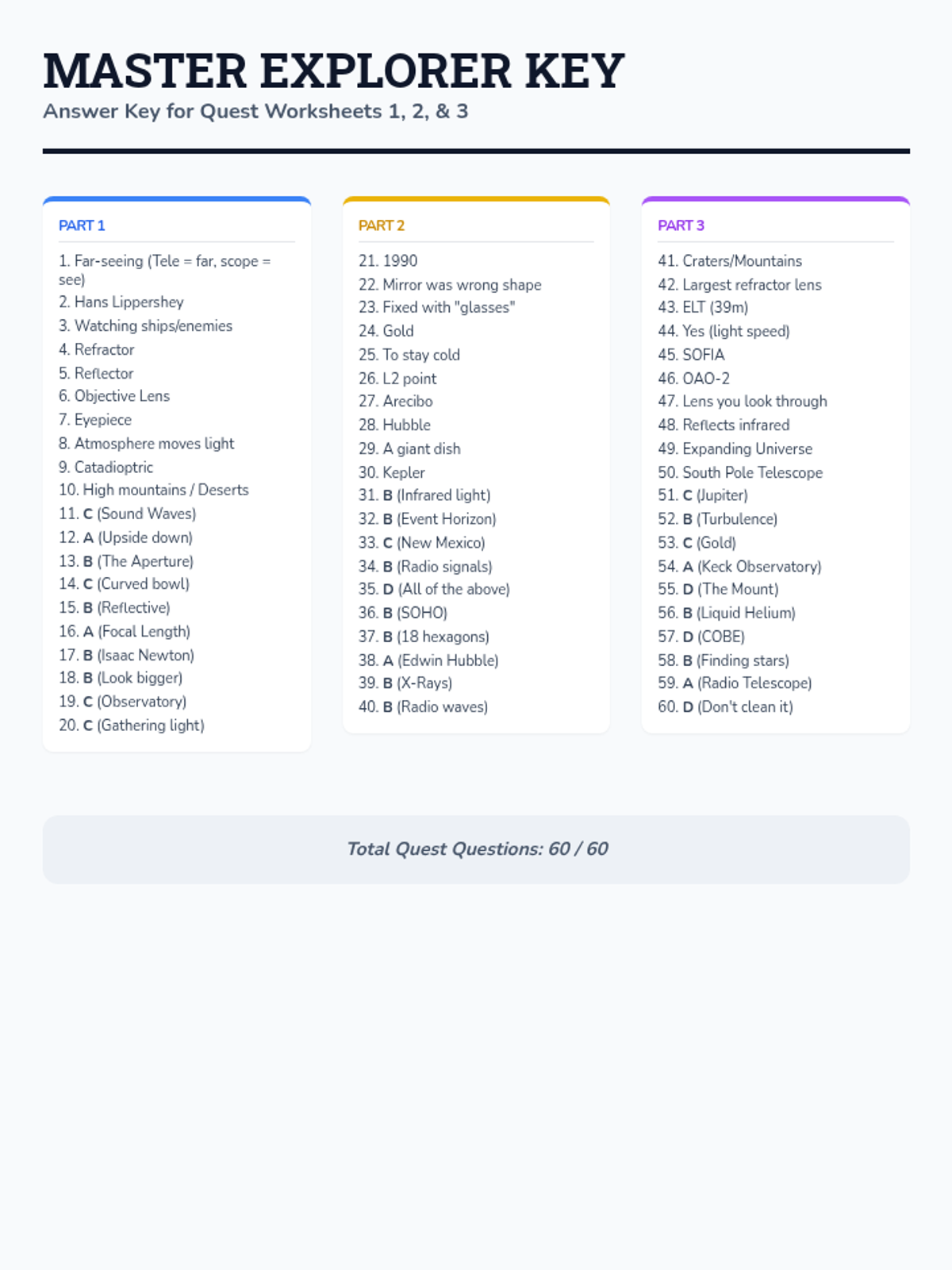
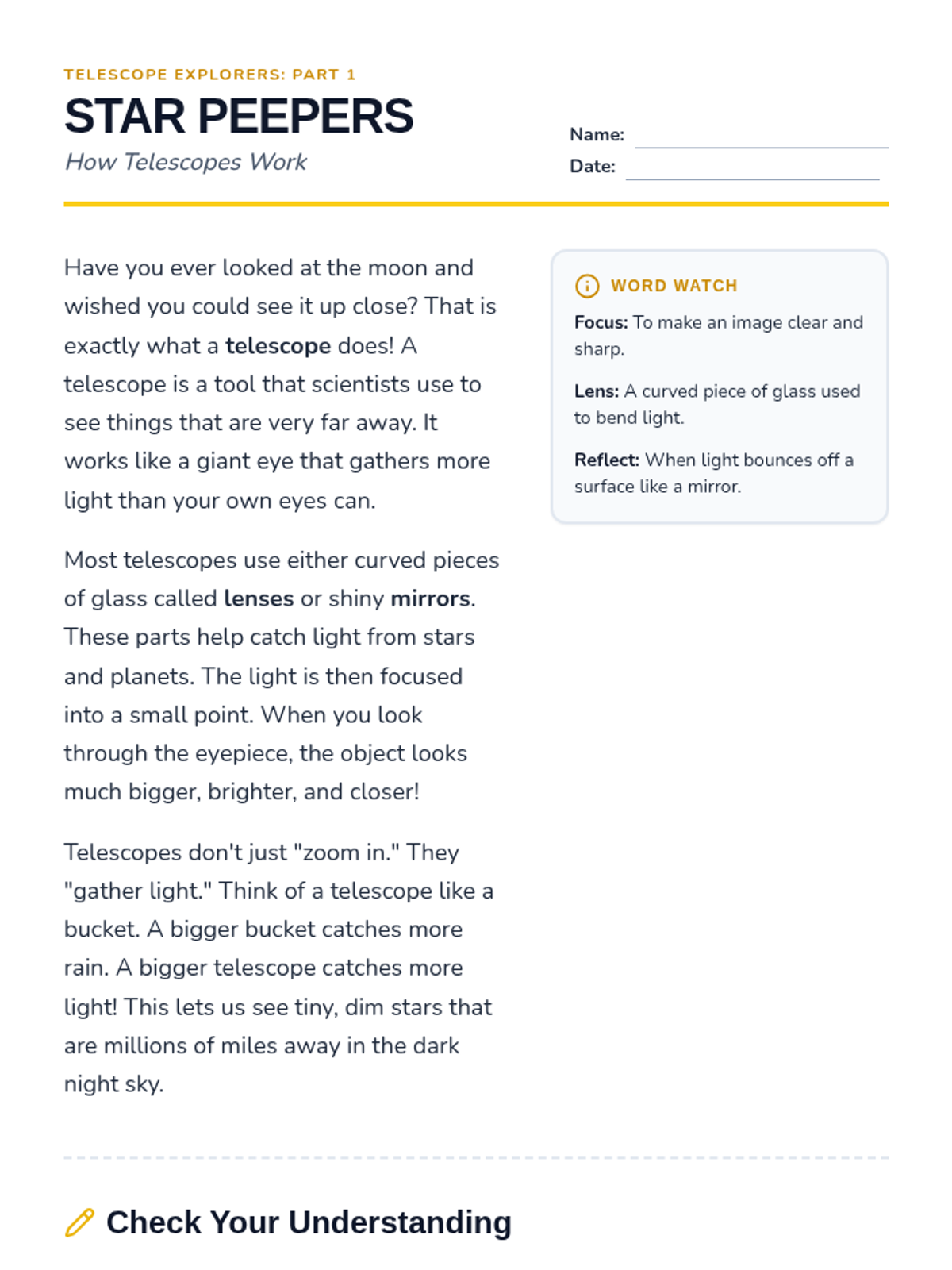
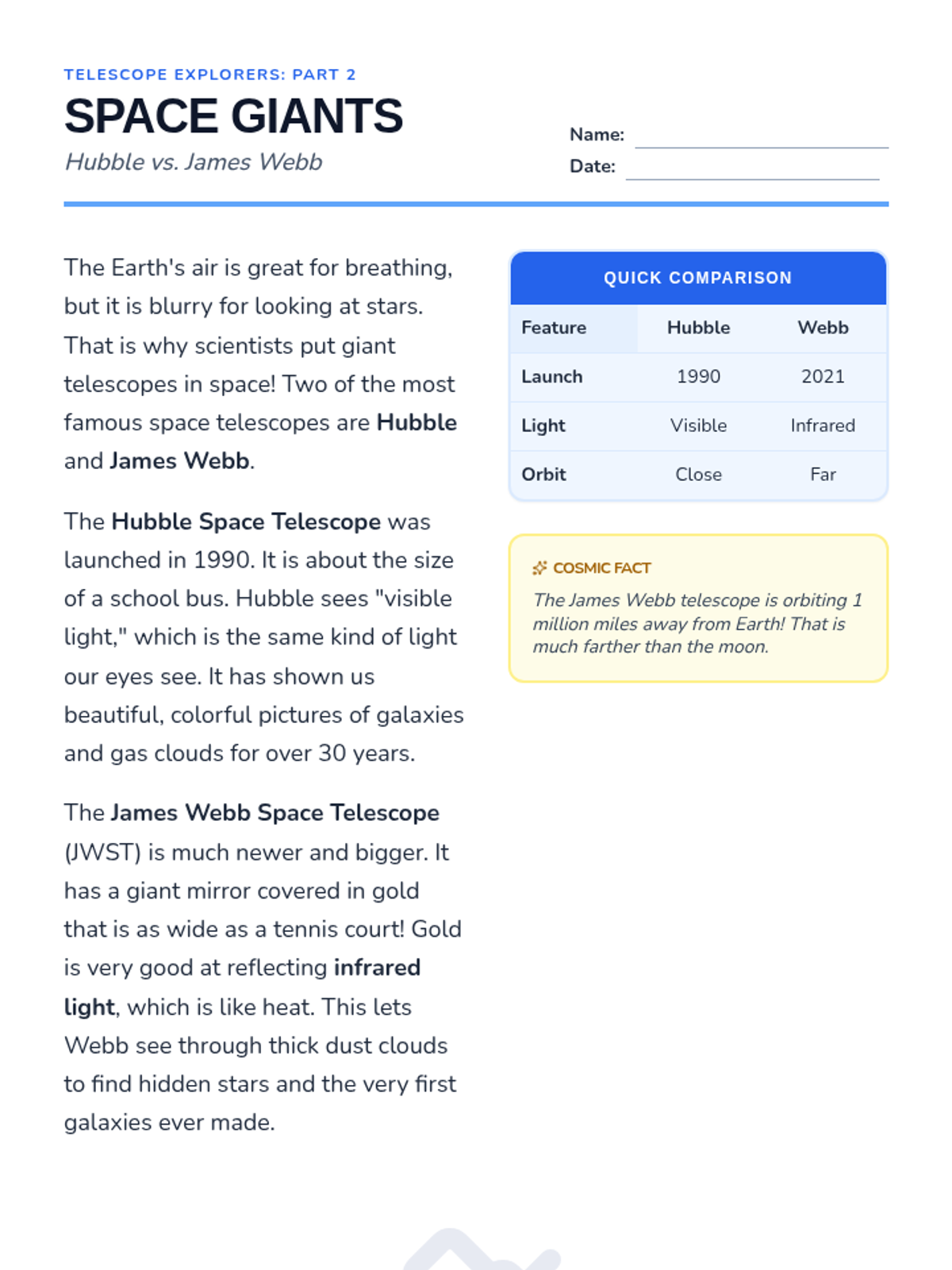
A comprehensive introduction to how telescopes work, their history, and the famous ones that help us see deep into space. Students will explore different types of telescopes through a massive research quest.
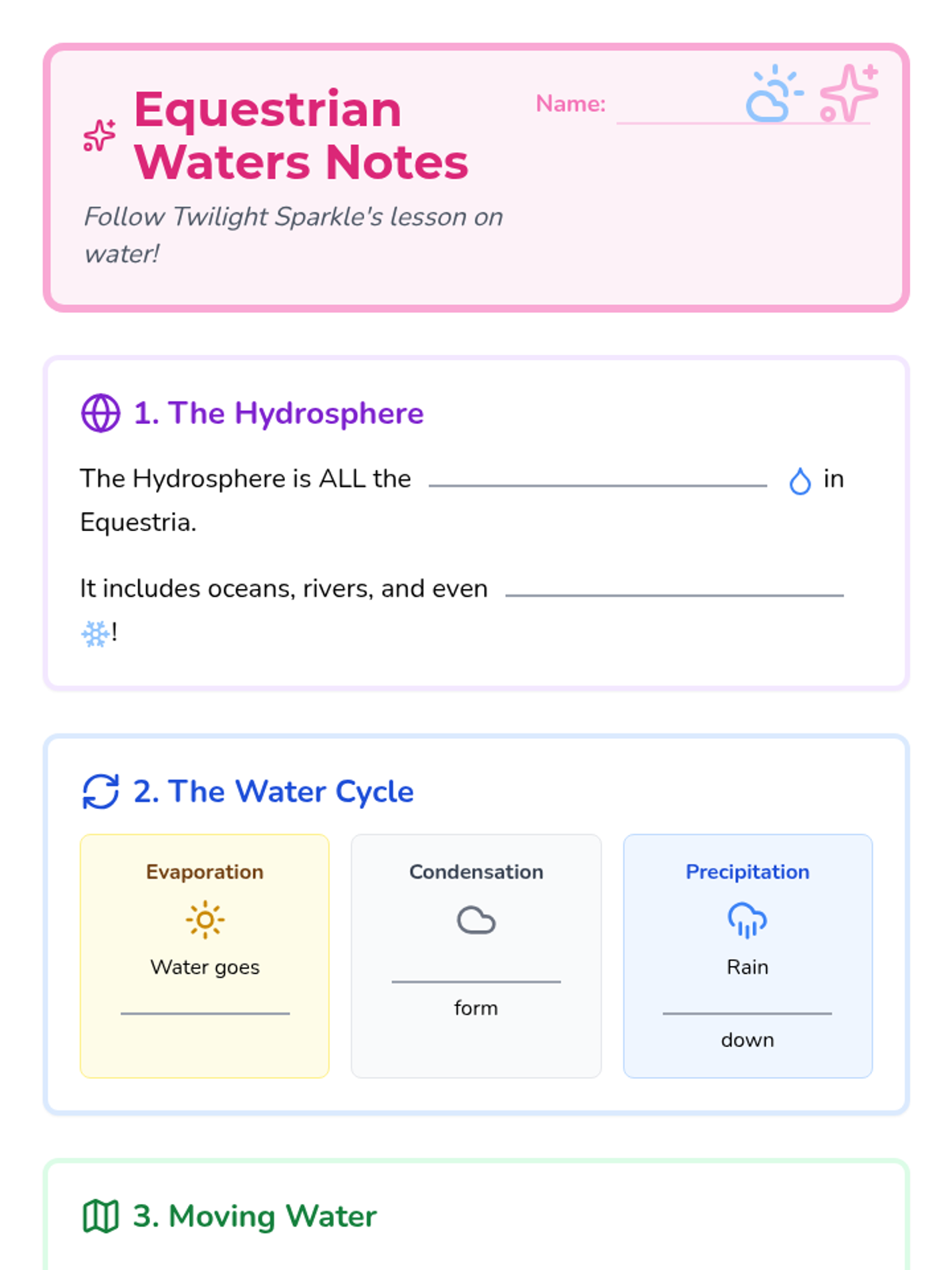
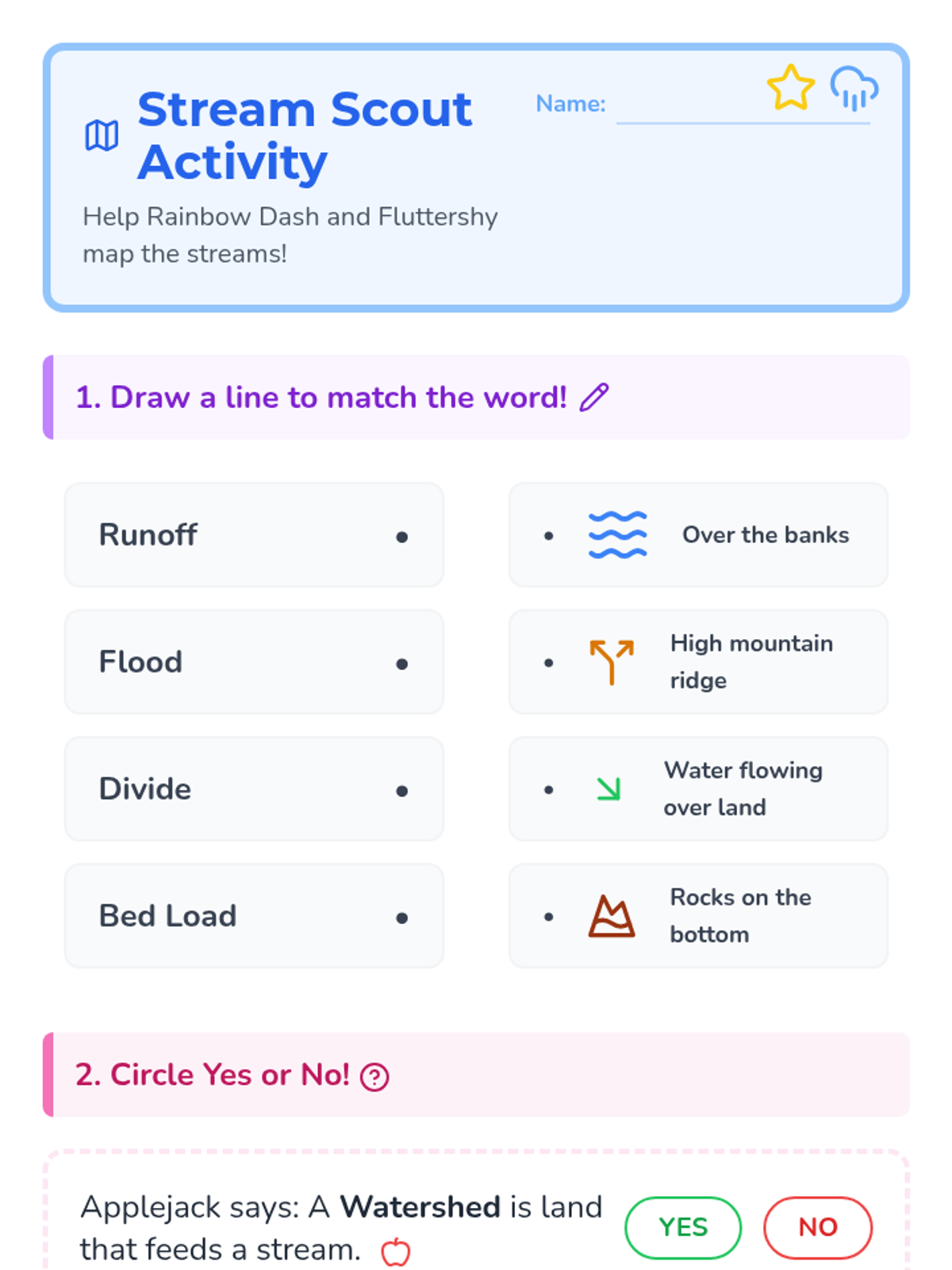
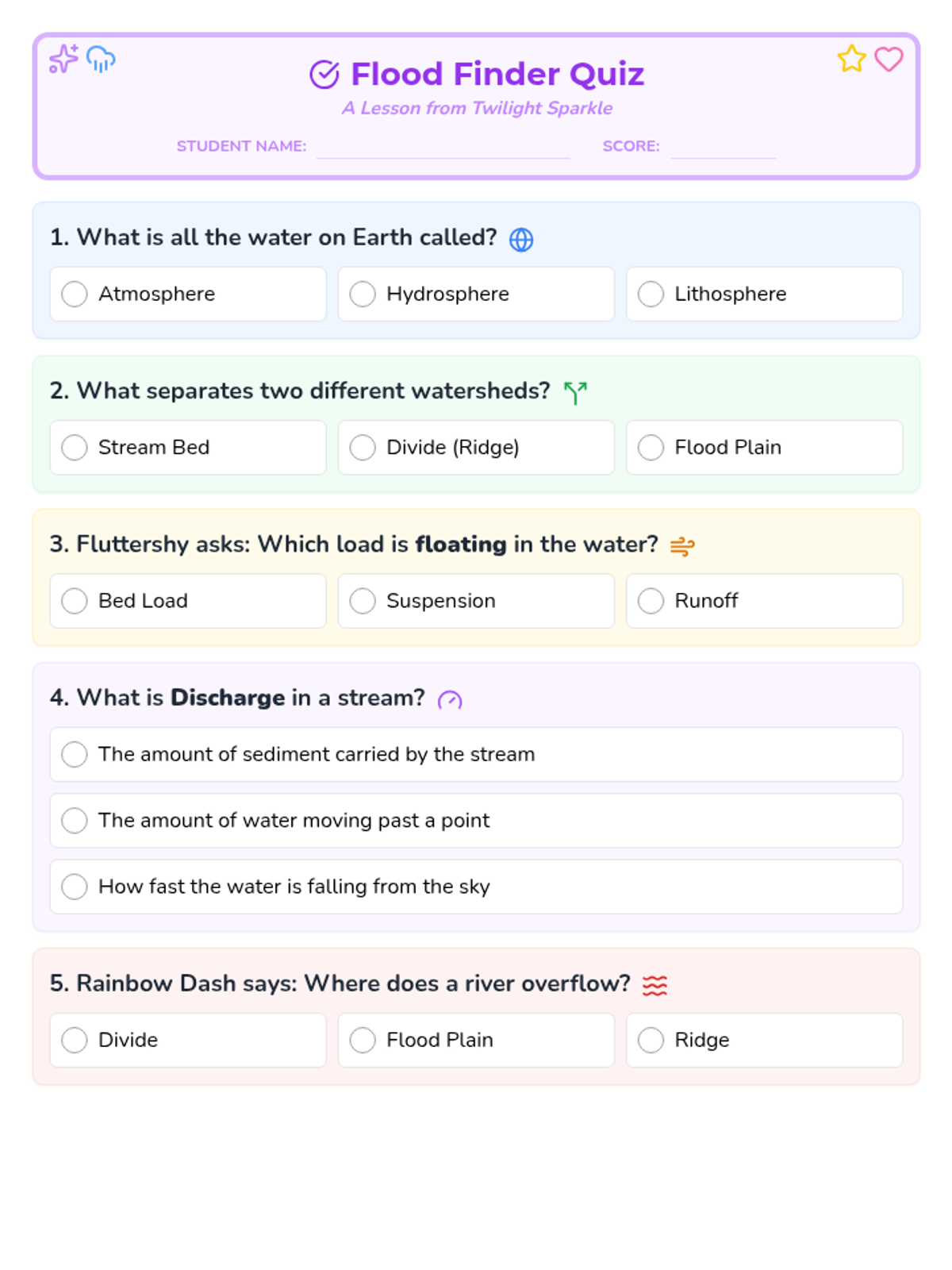
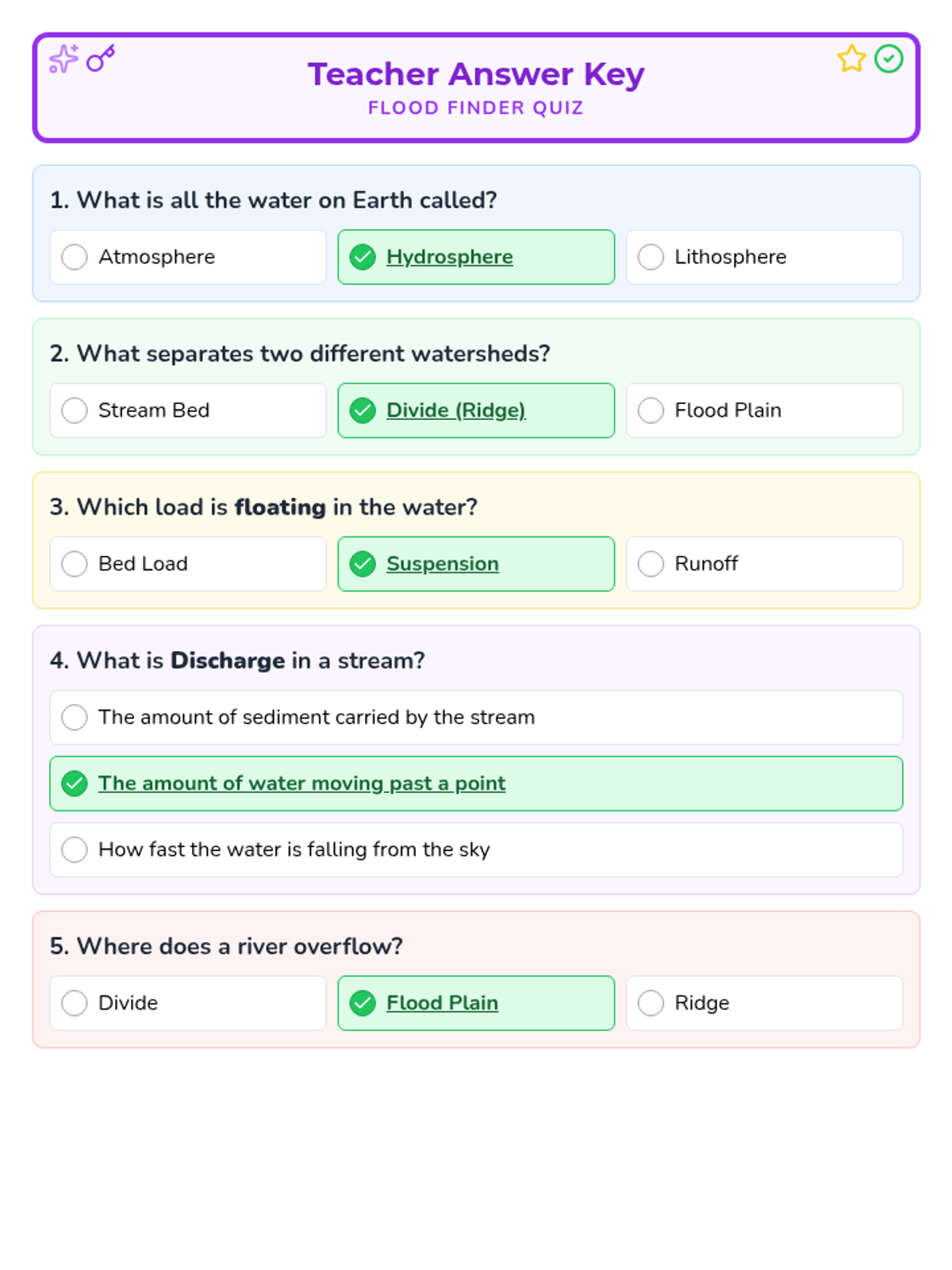
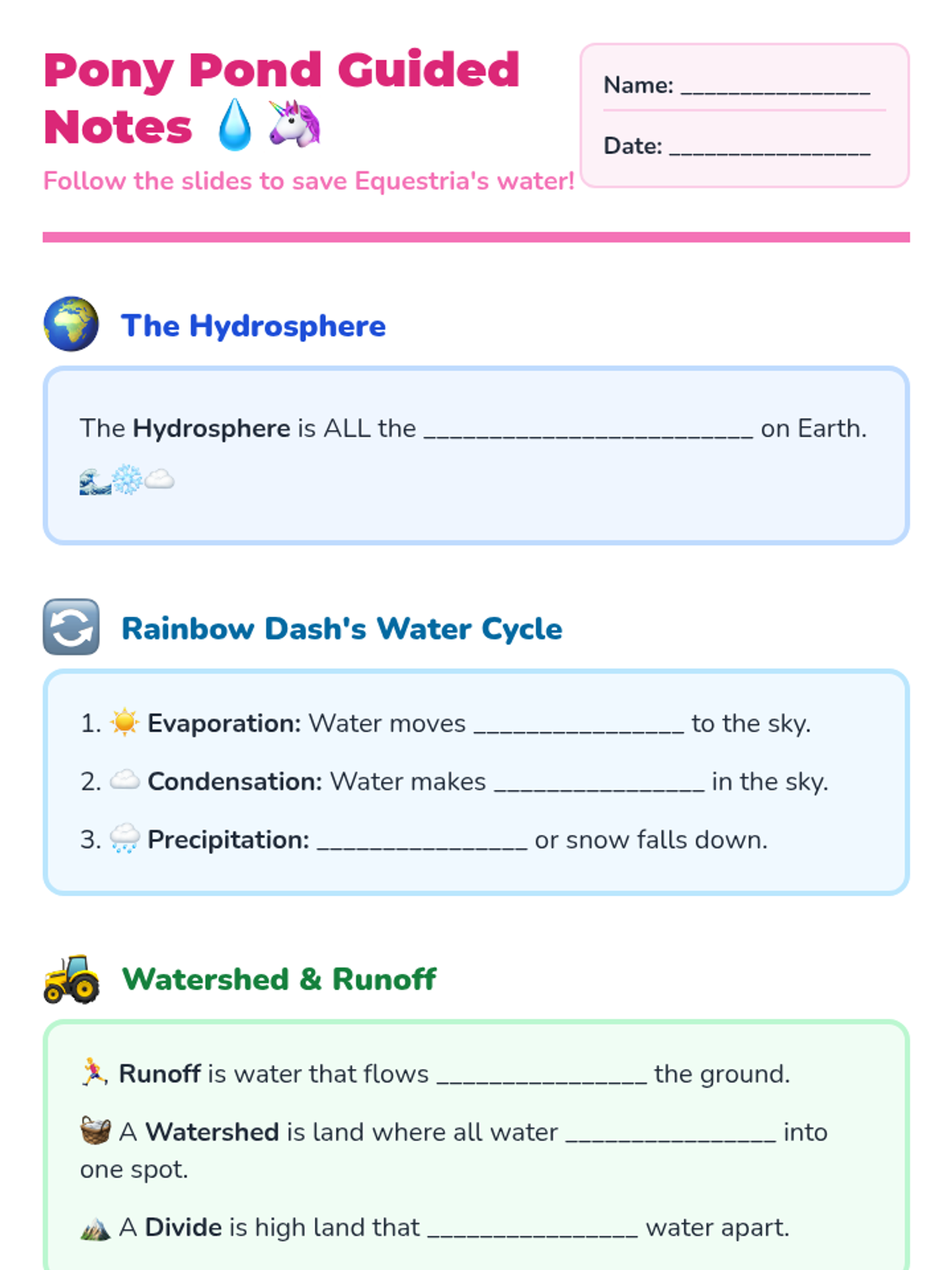
A simplified, symbol-supported lesson on surface water movement, covering watersheds, stream systems, and flood safety, themed around the world of Equestria.
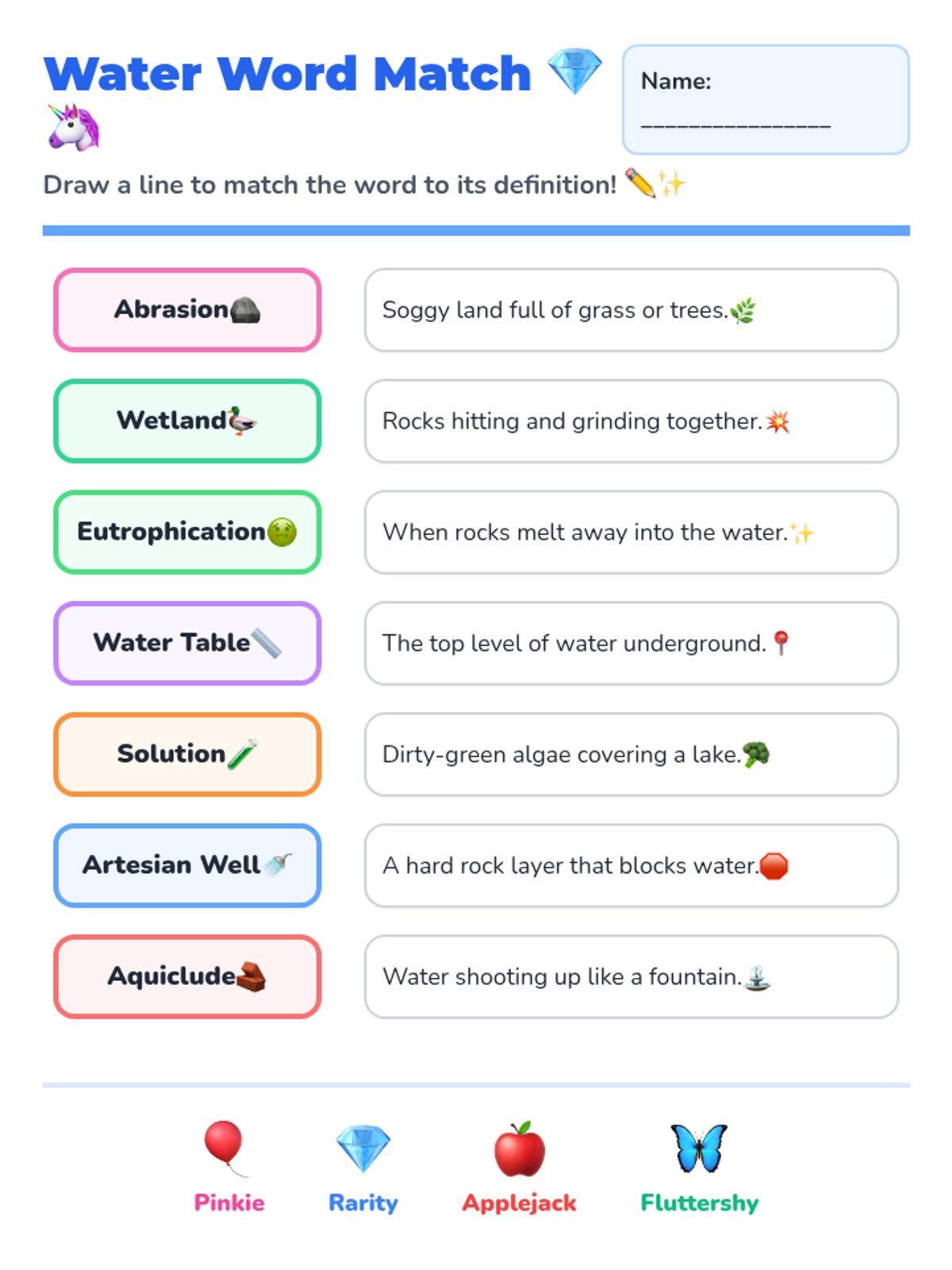
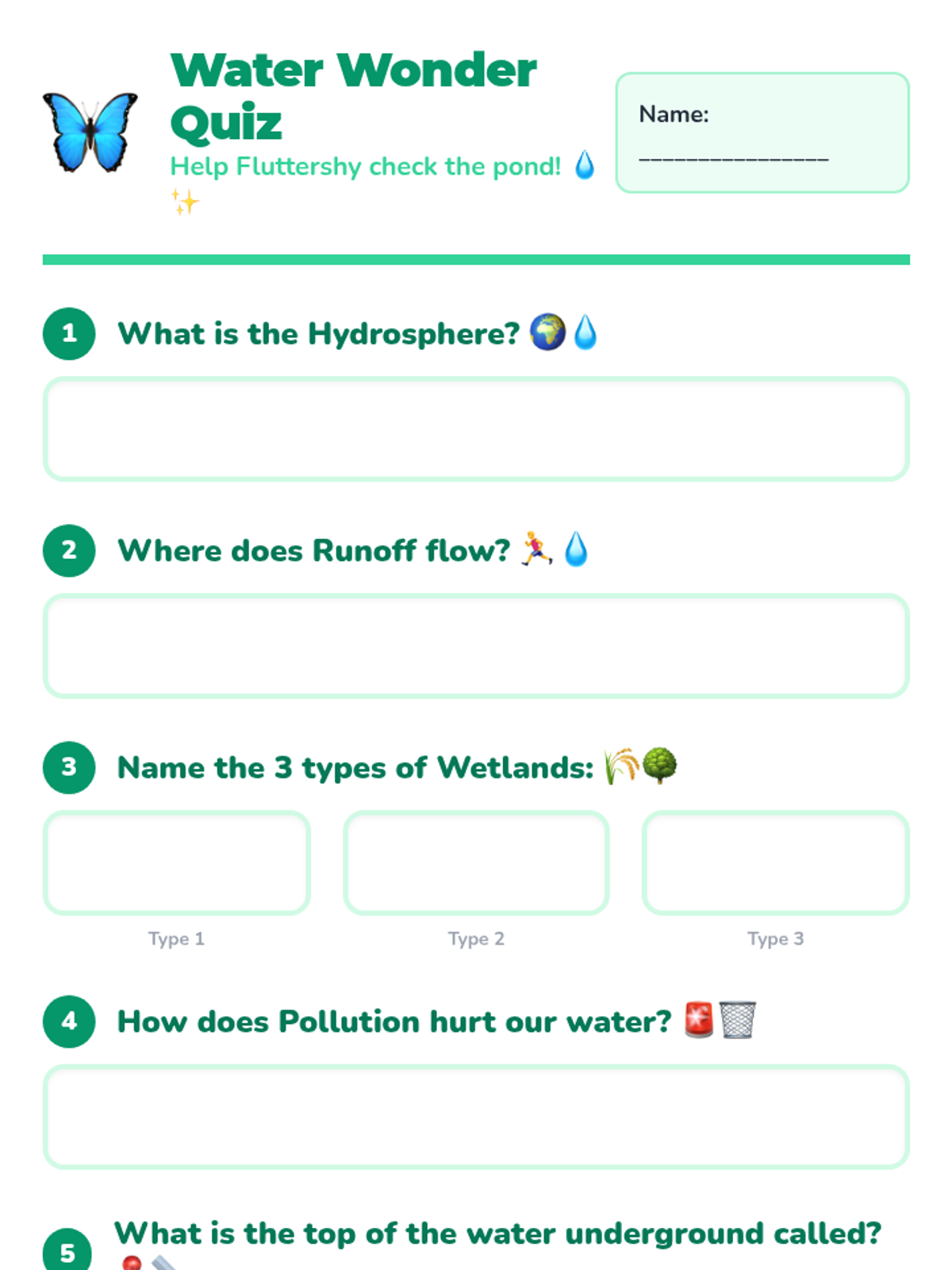
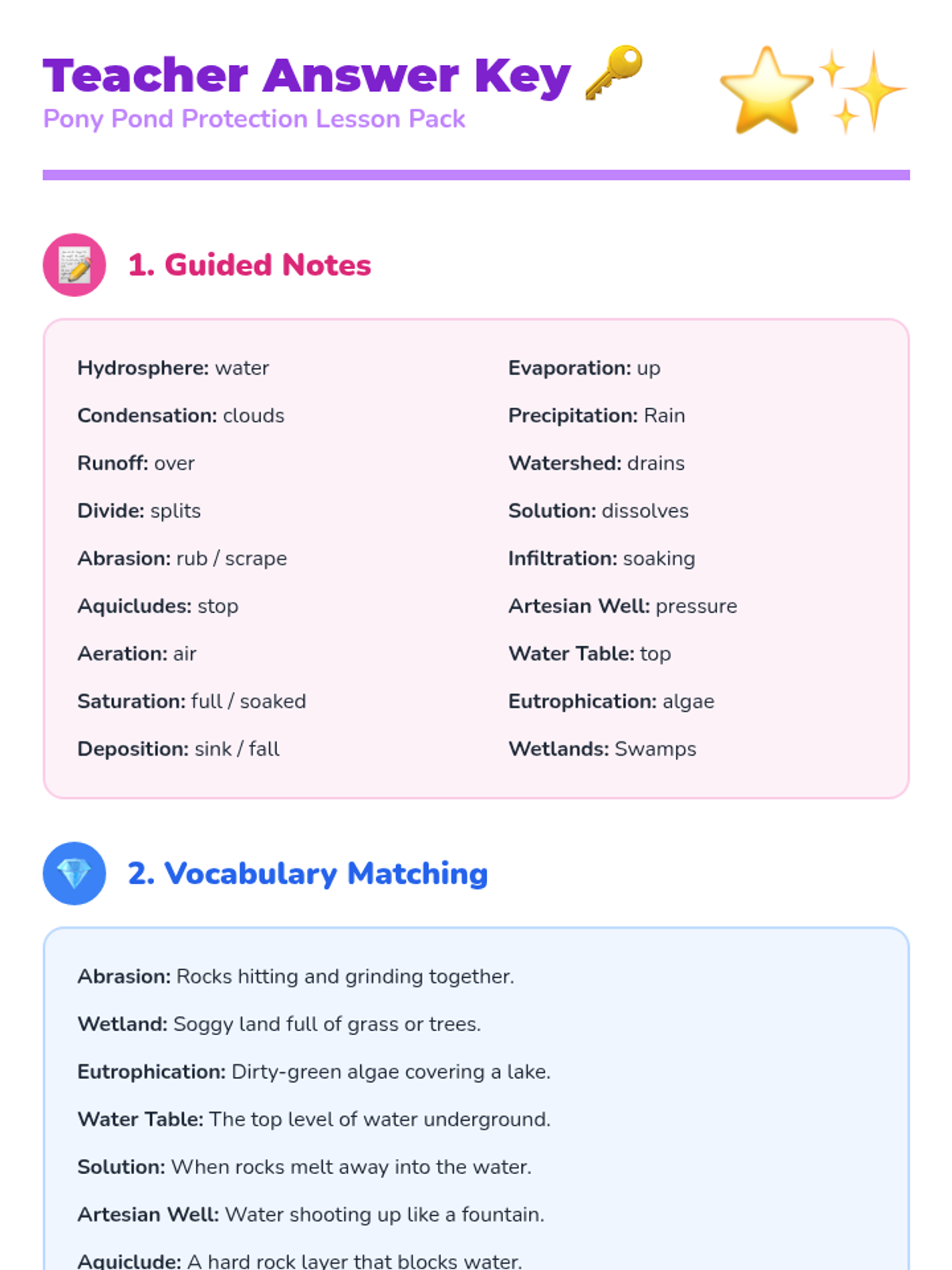
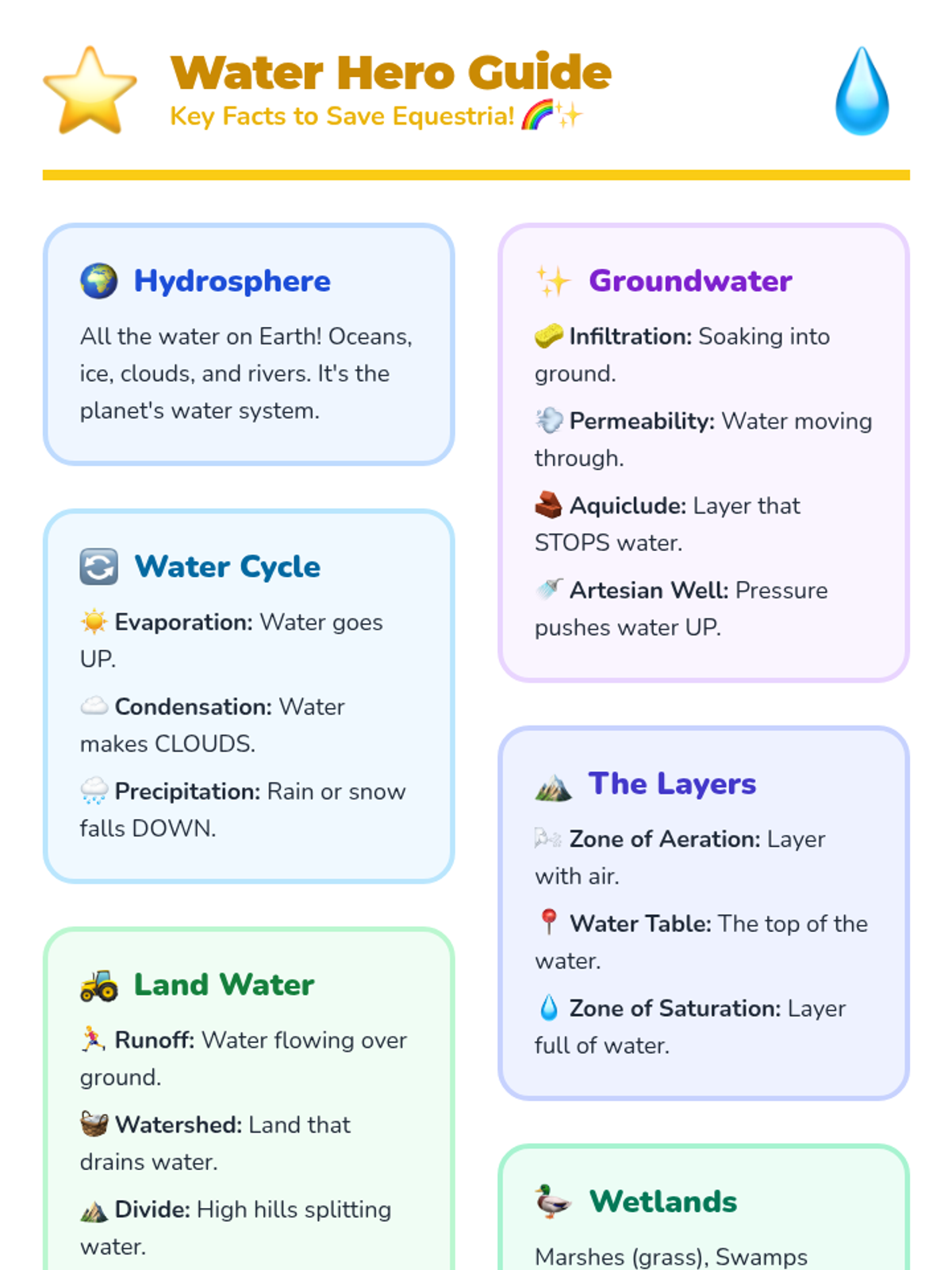
An introductory lesson on the hydrosphere and water systems featuring My Little Pony characters to explain complex concepts like groundwater, watersheds, and conservation through symbol-supported text.
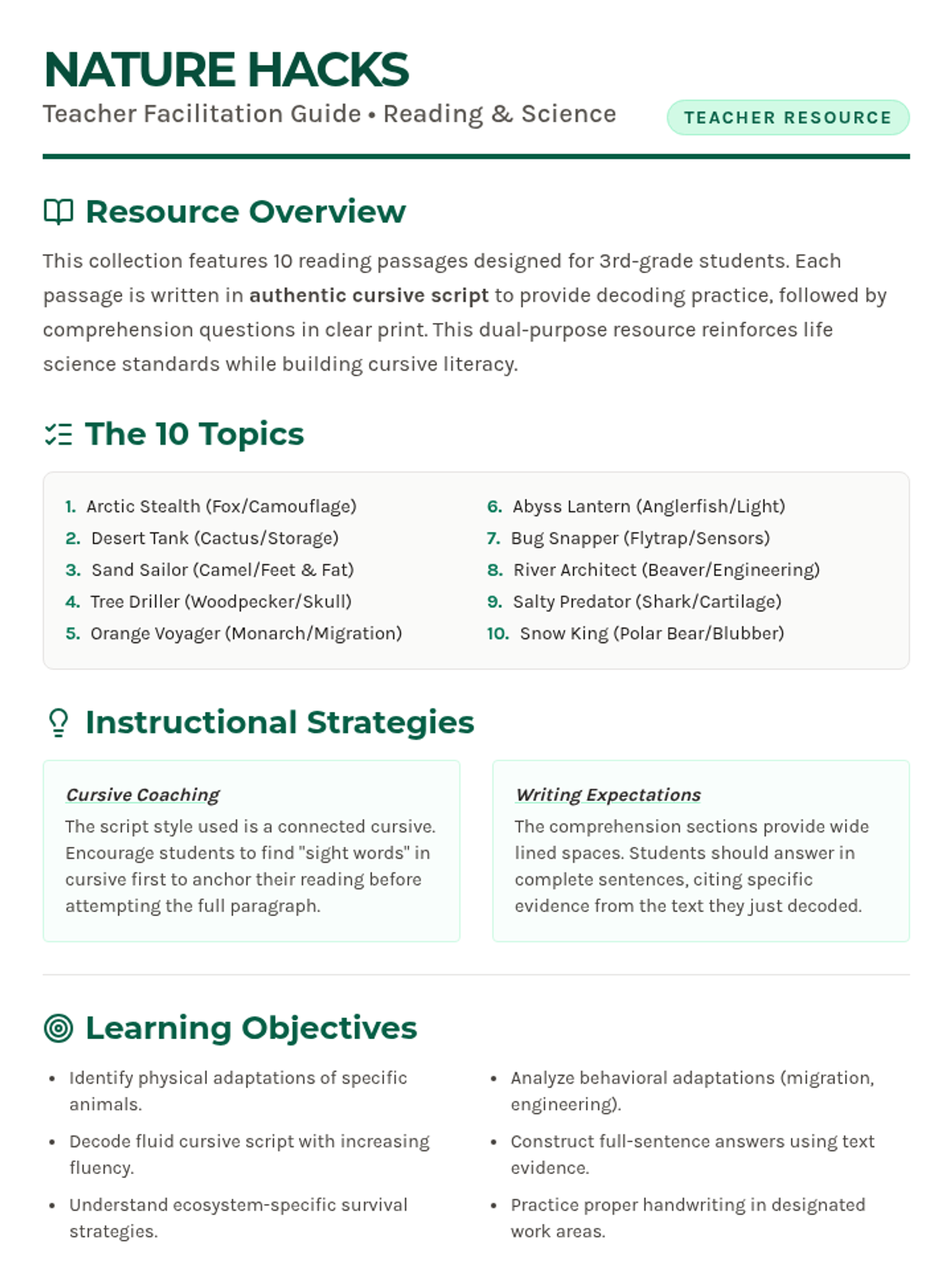
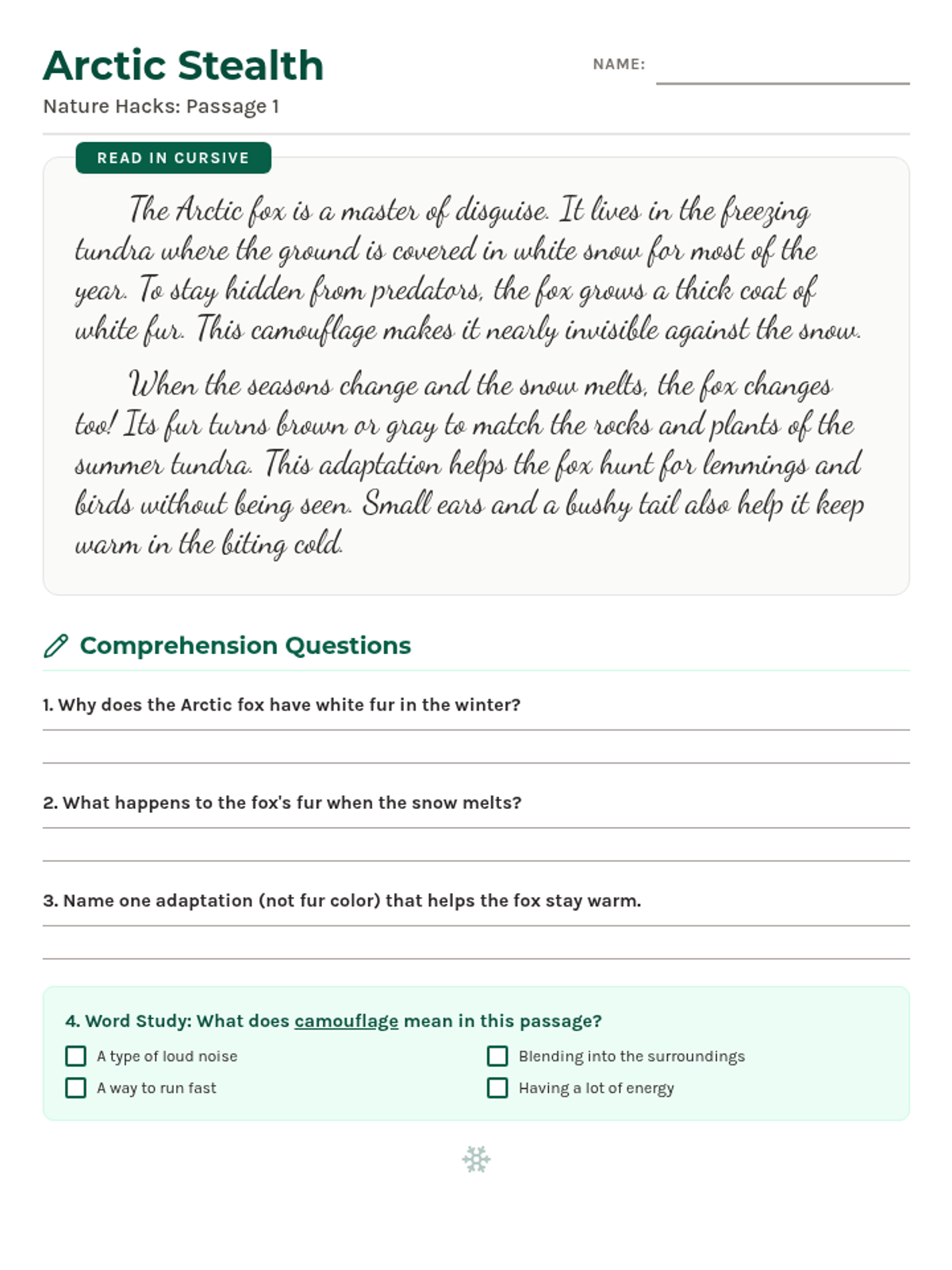
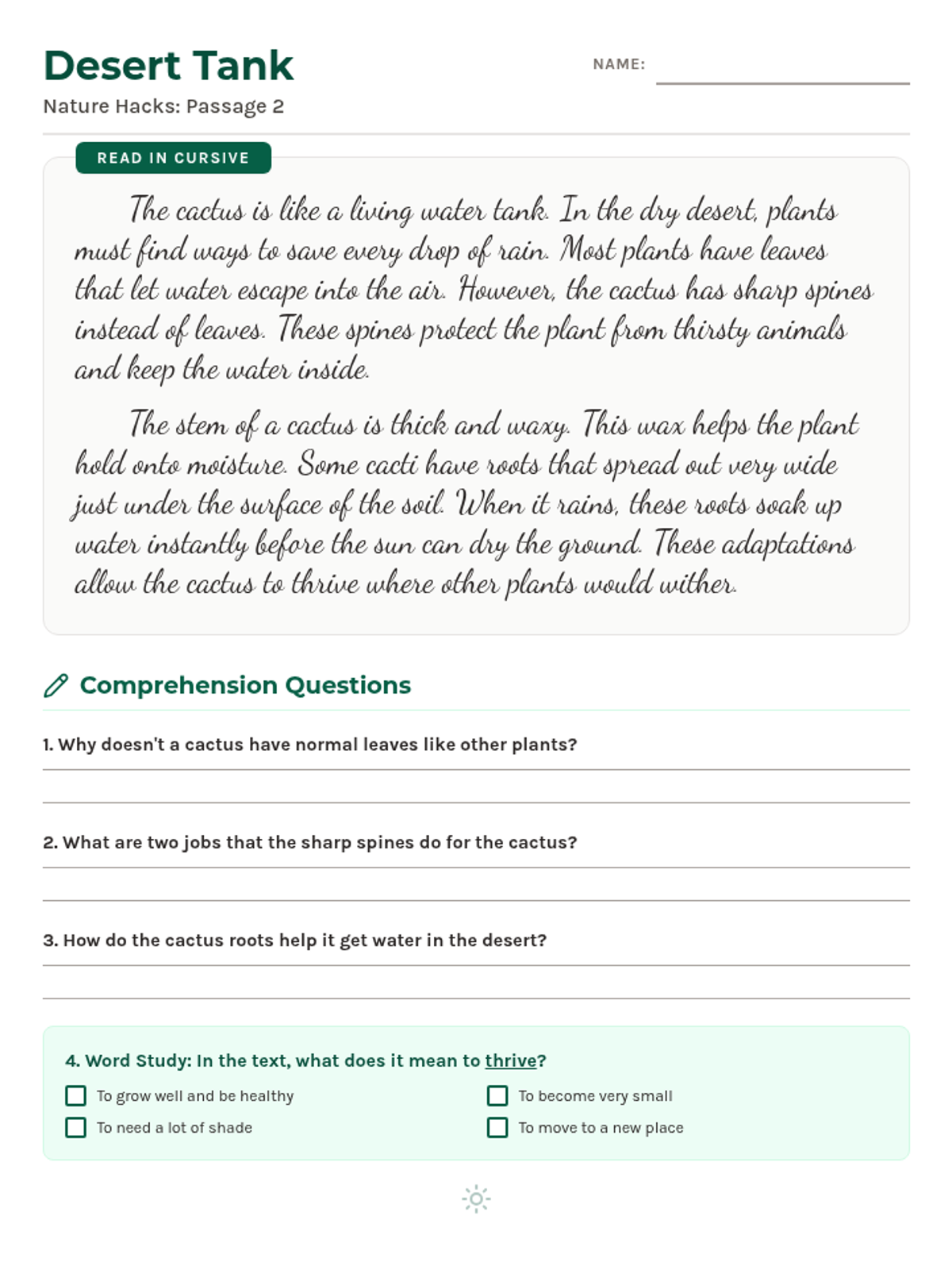
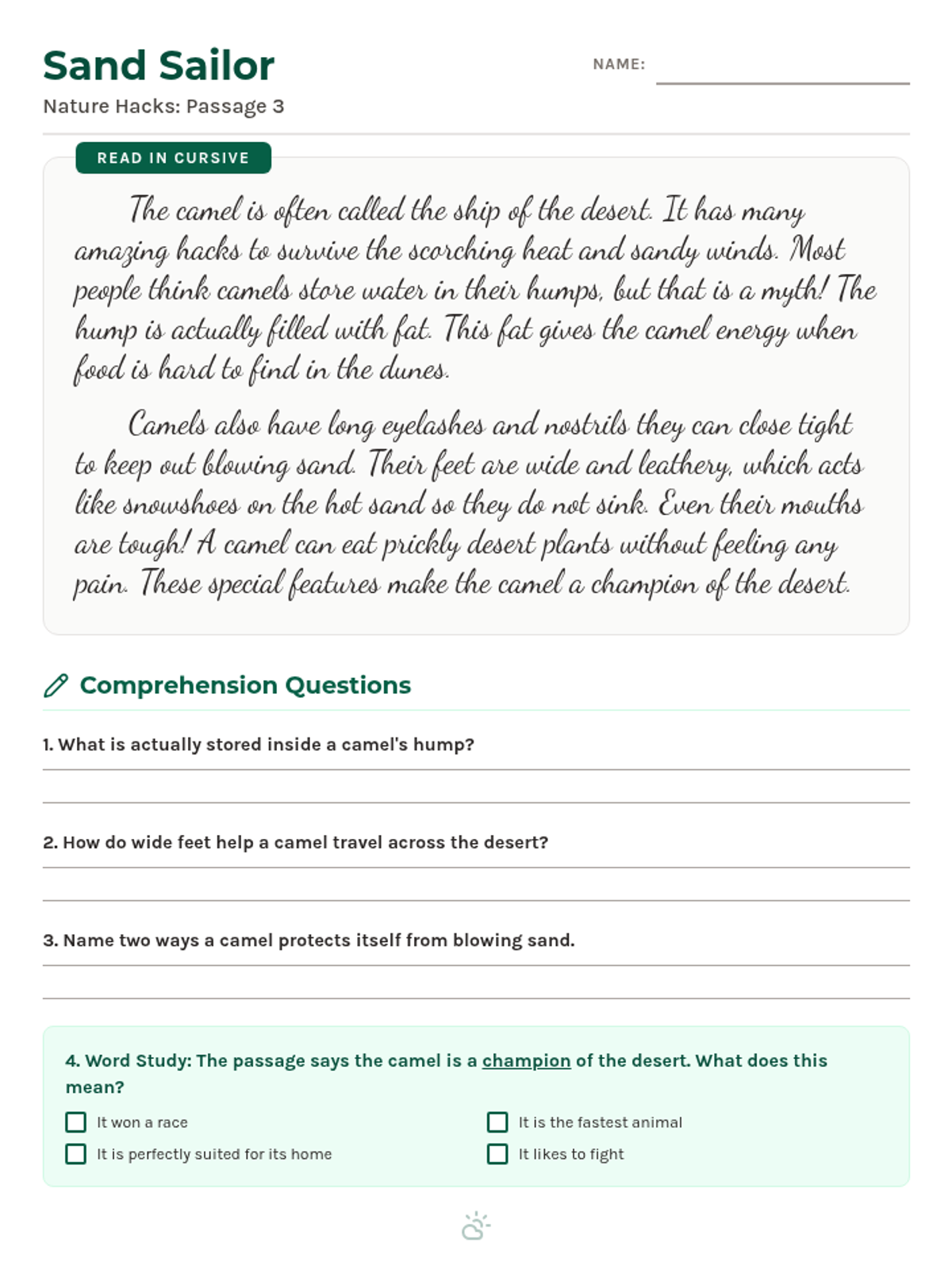
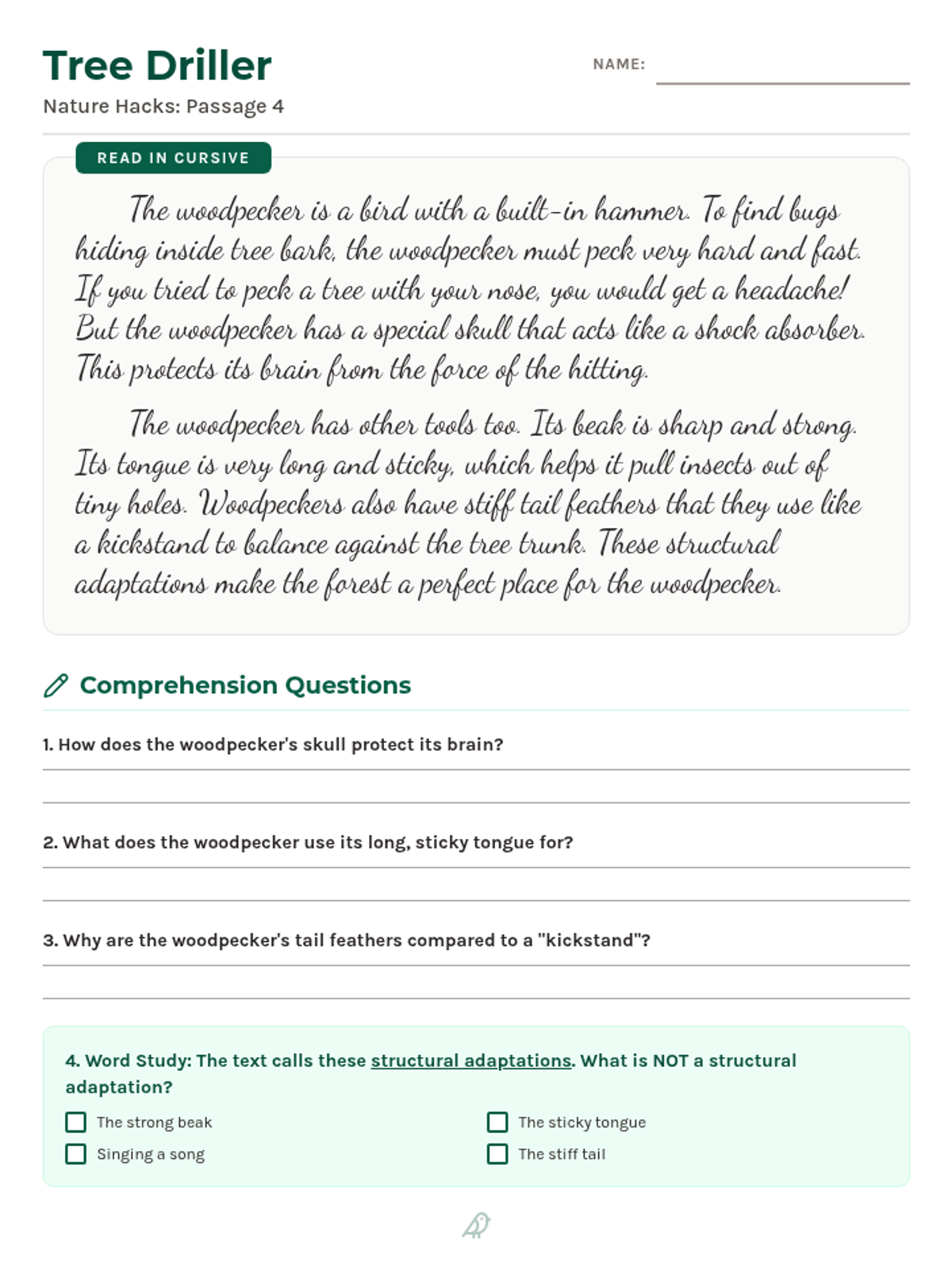
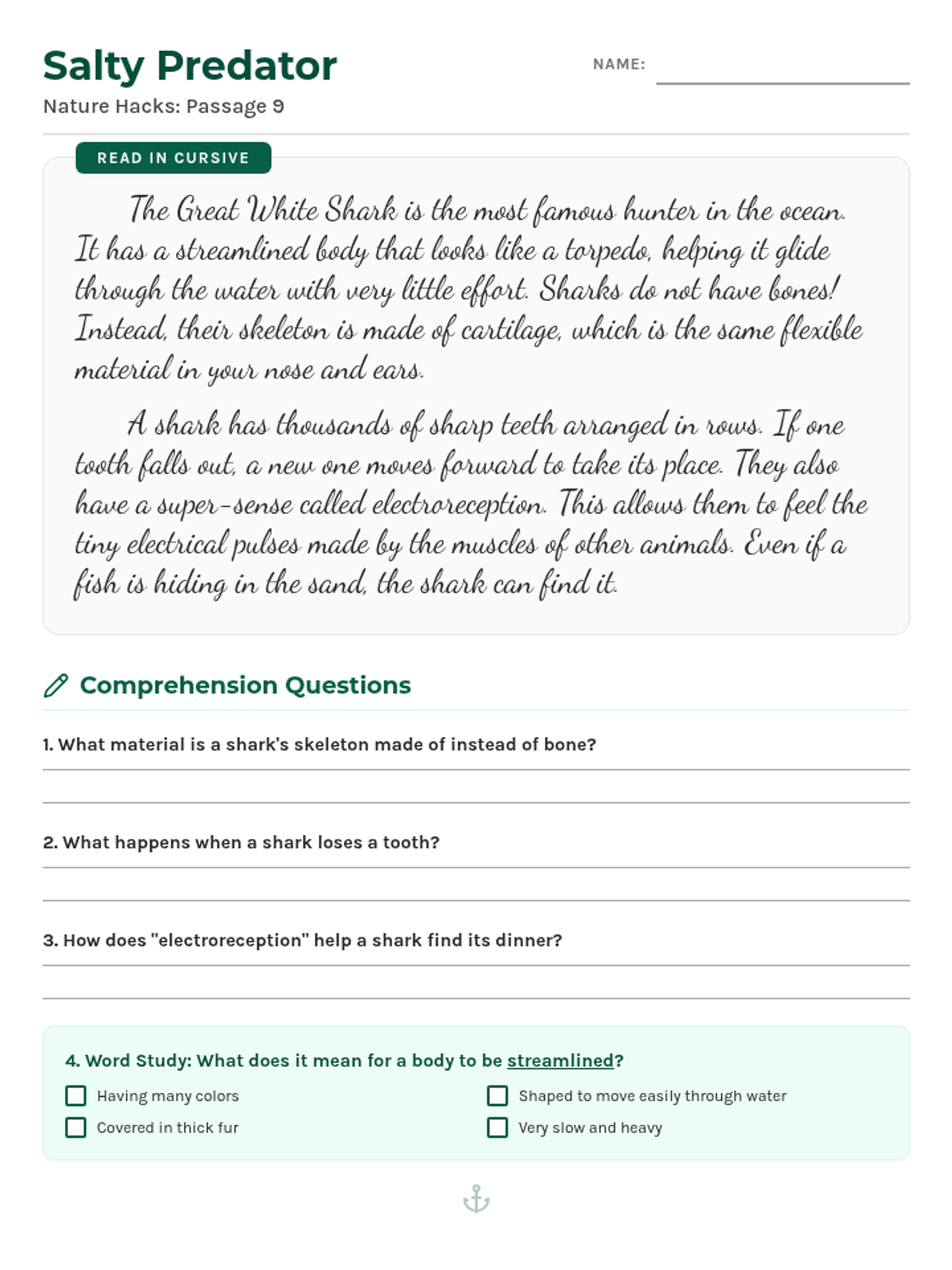
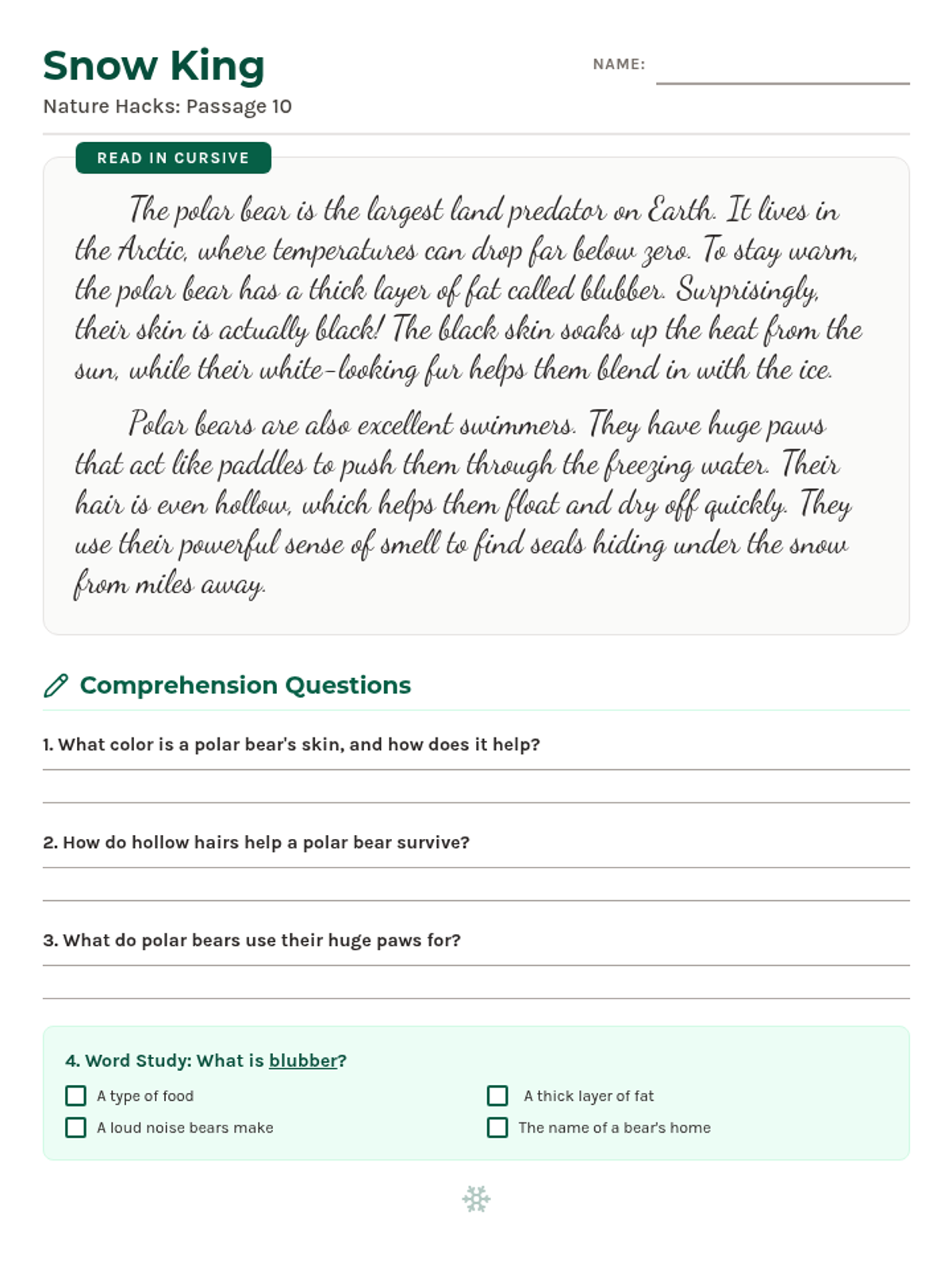
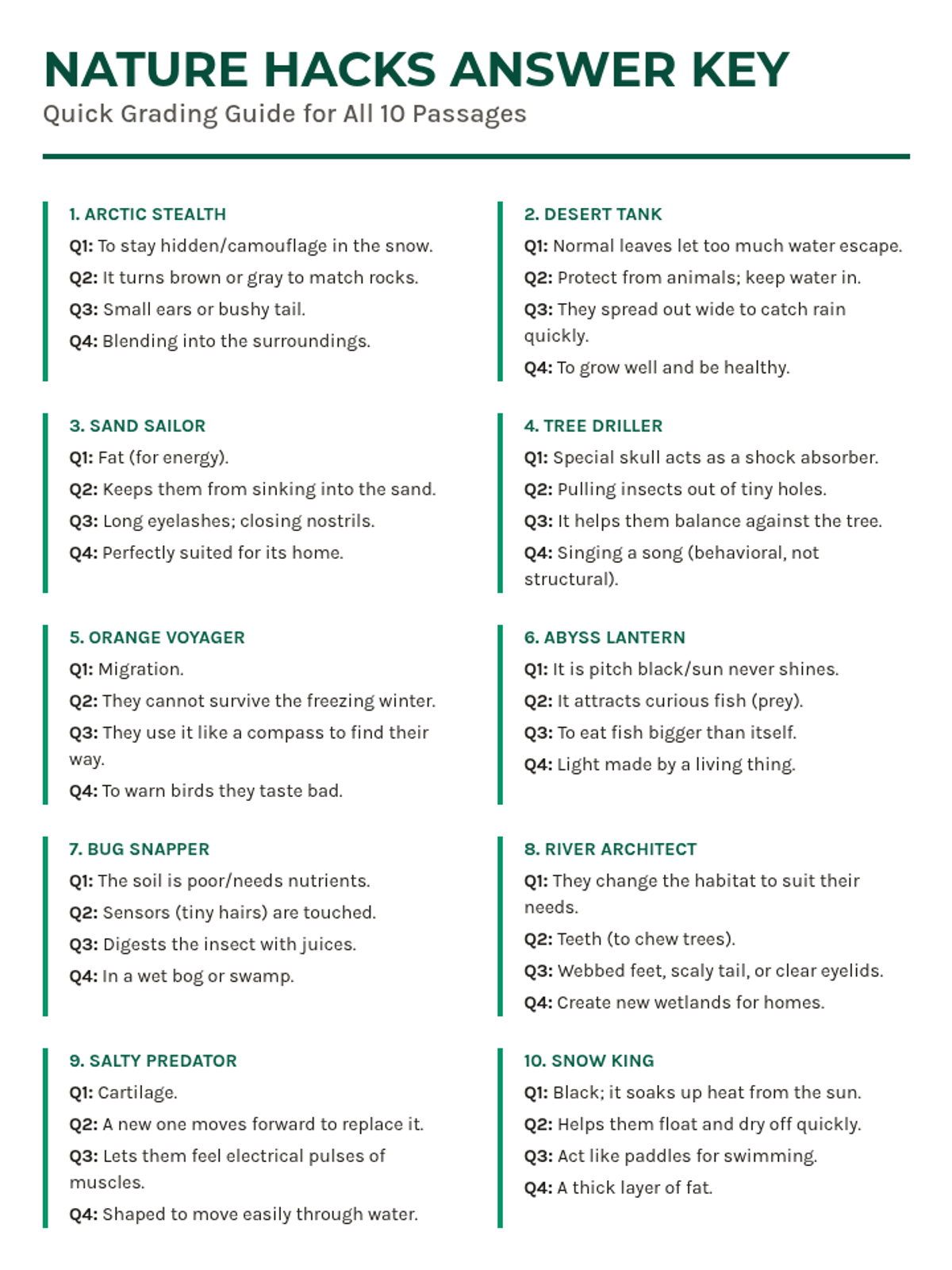
A comprehensive collection of 10 differentiated reading passages focused on animal adaptations and ecosystems, specifically designed to help students practice reading cursive while reinforcing key science concepts.
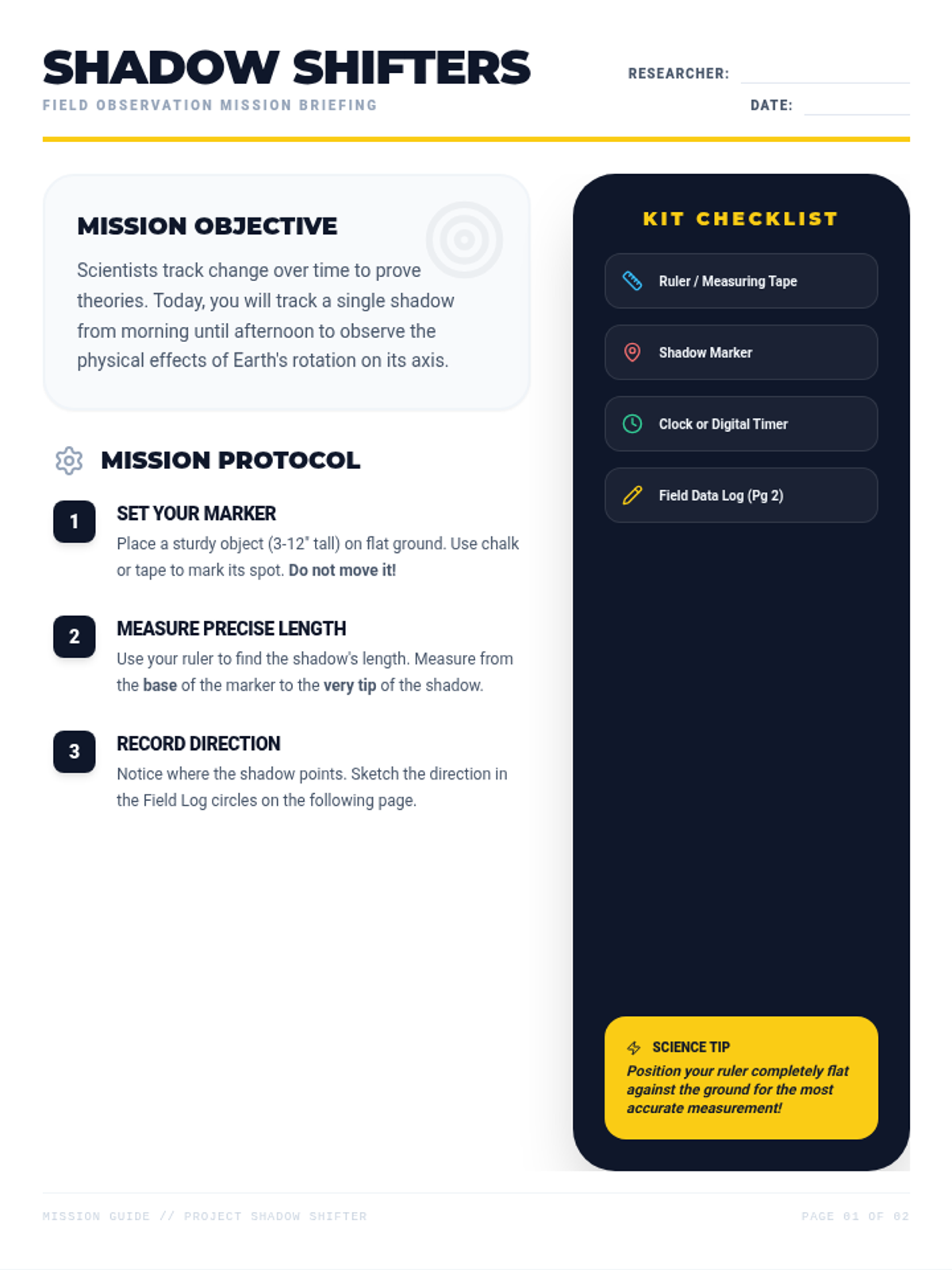
A hands-on, asynchronous observation lesson where students track the movement and size of shadows over the course of a single day to understand Earth's rotation and data collection.
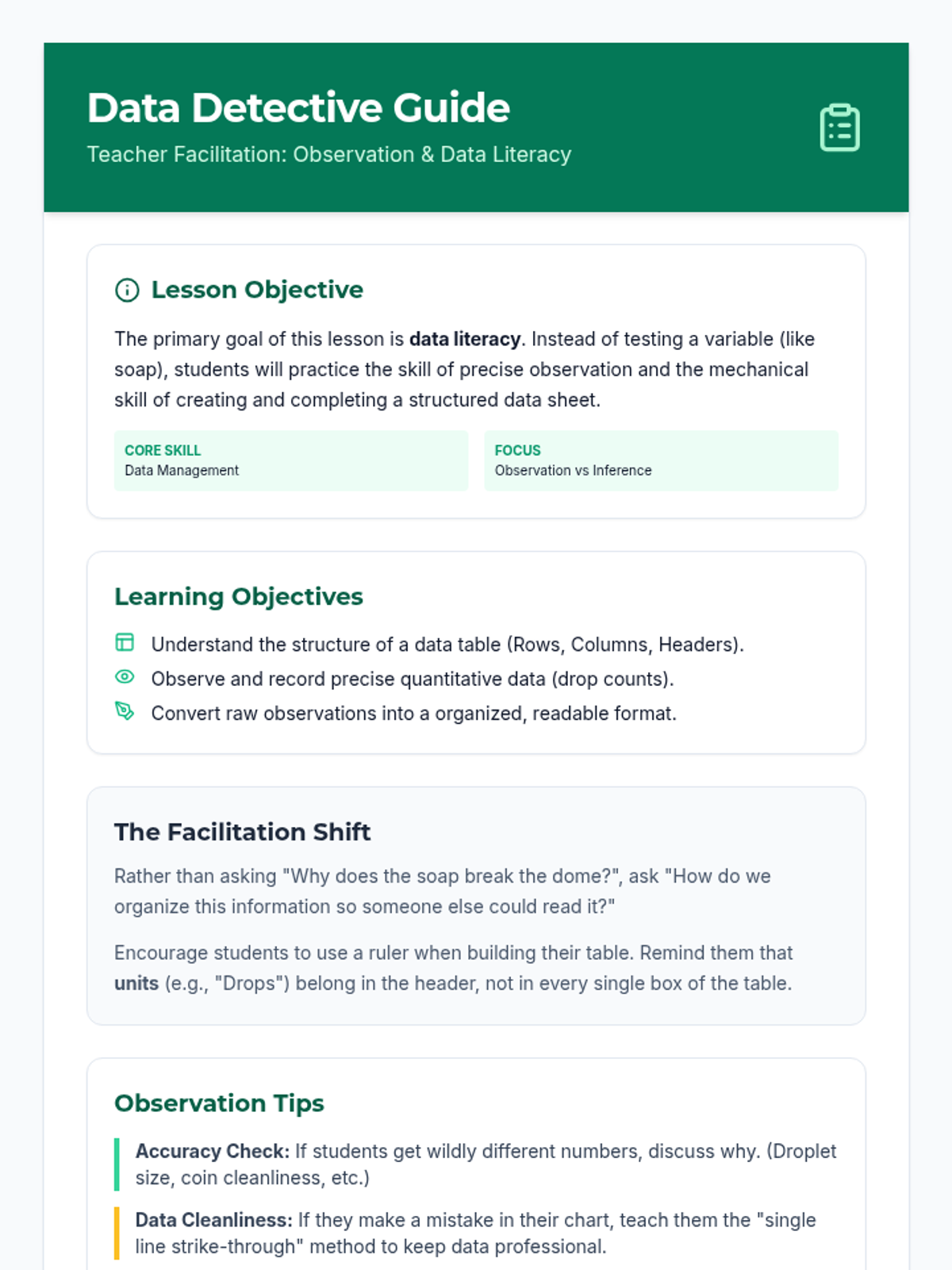
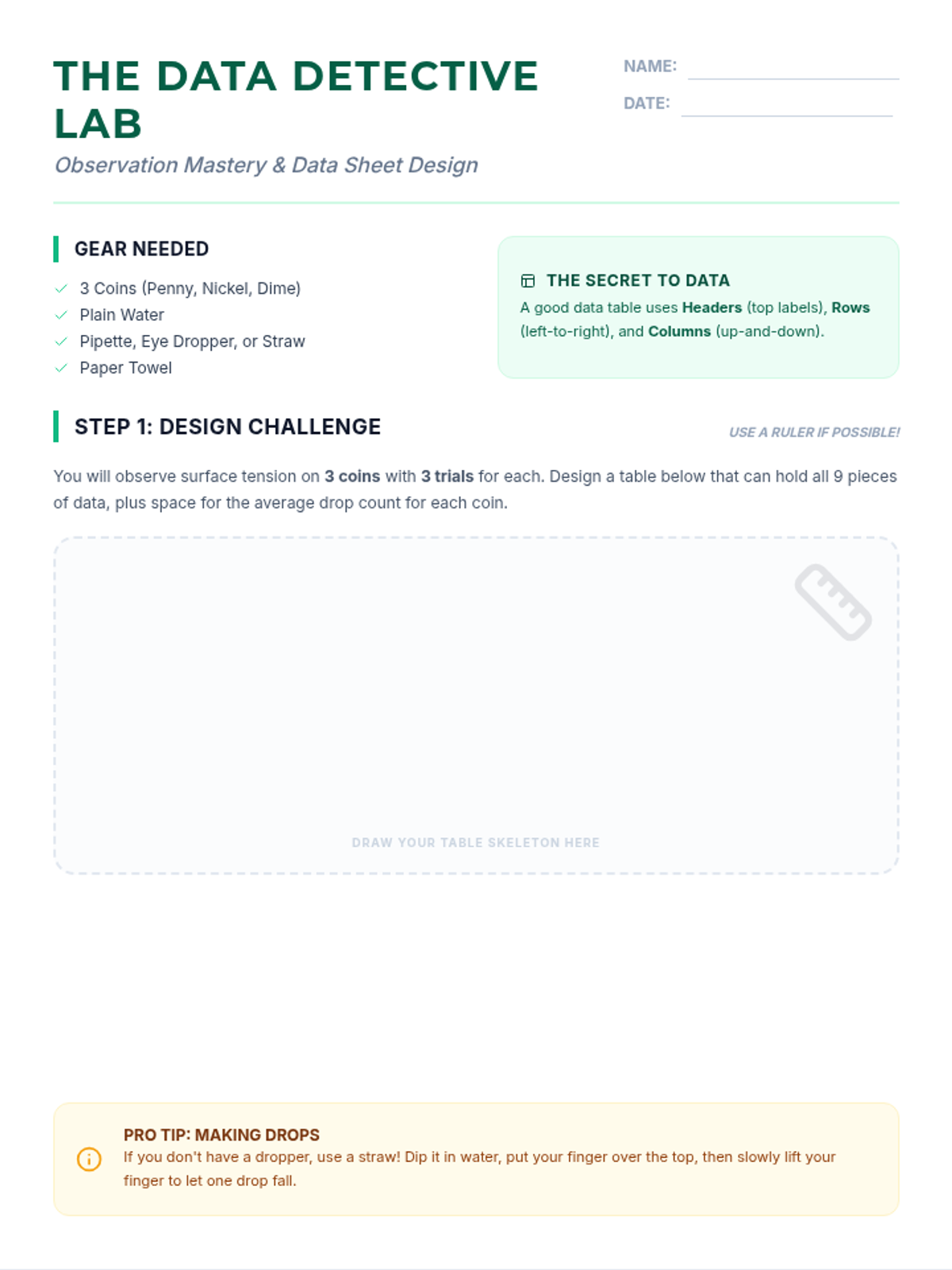
An introductory science lesson on surface tension where students conduct a hands-on experiment at home using coins, water, and soap to observe how molecules stick together.
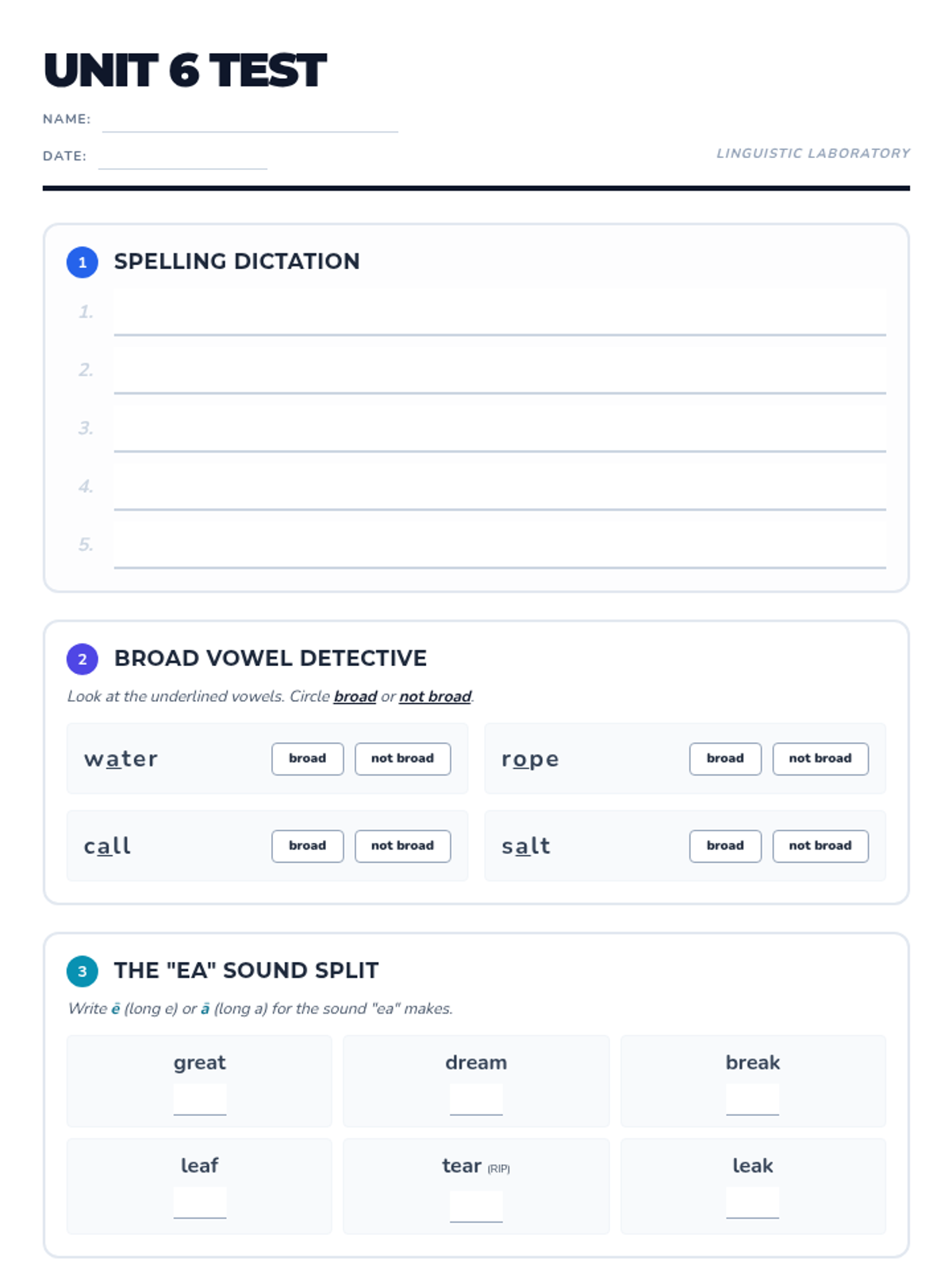
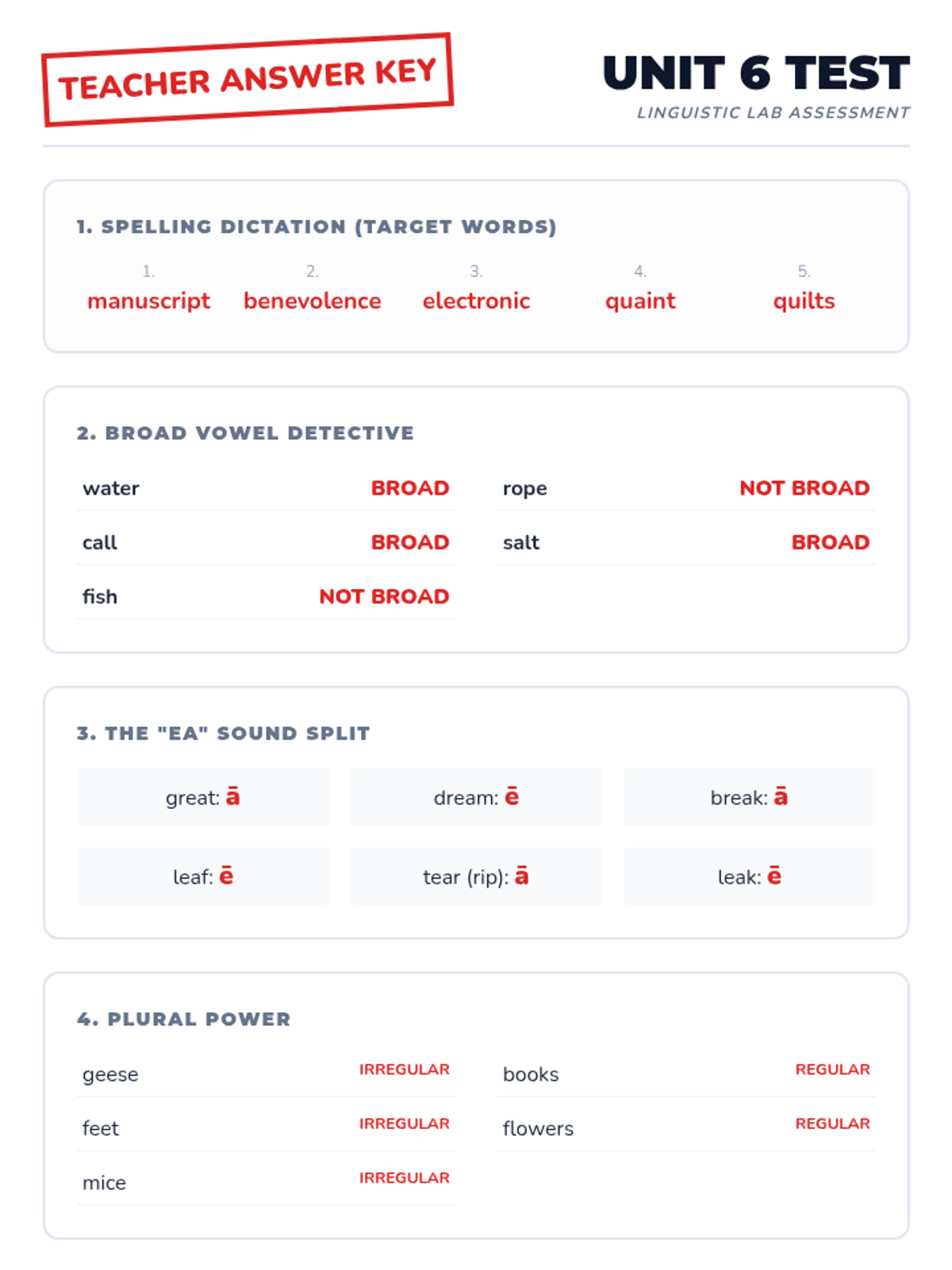
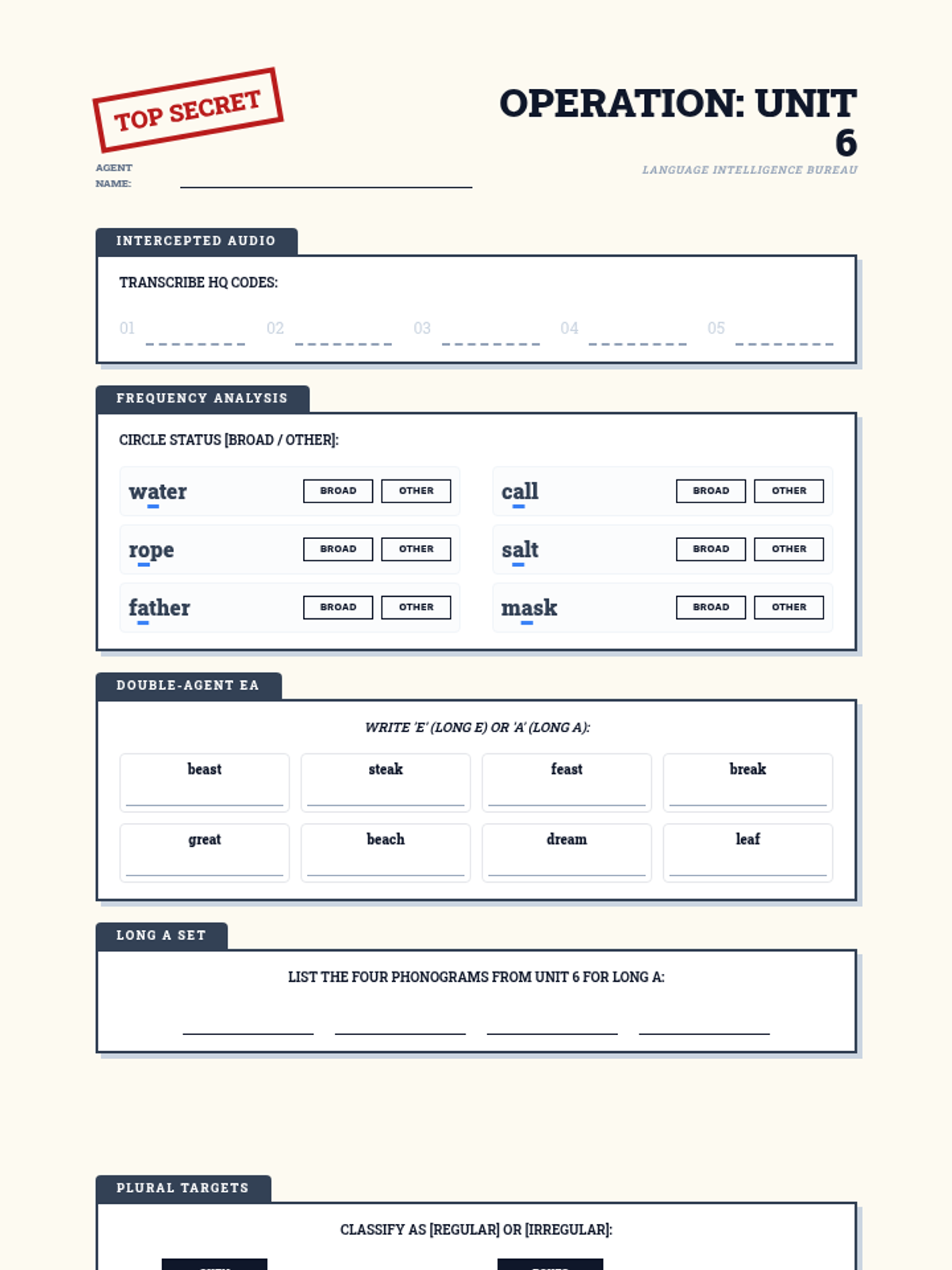
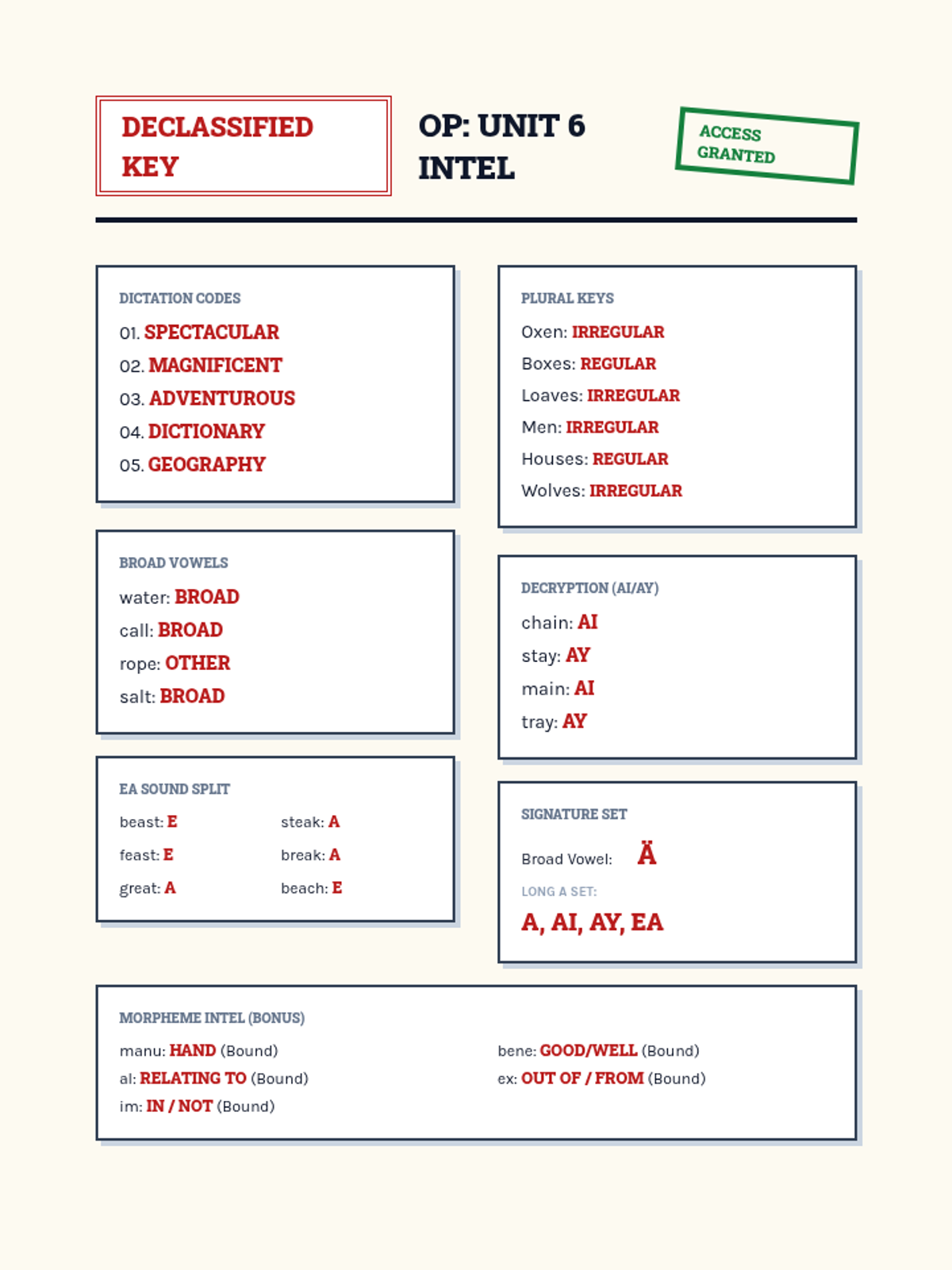
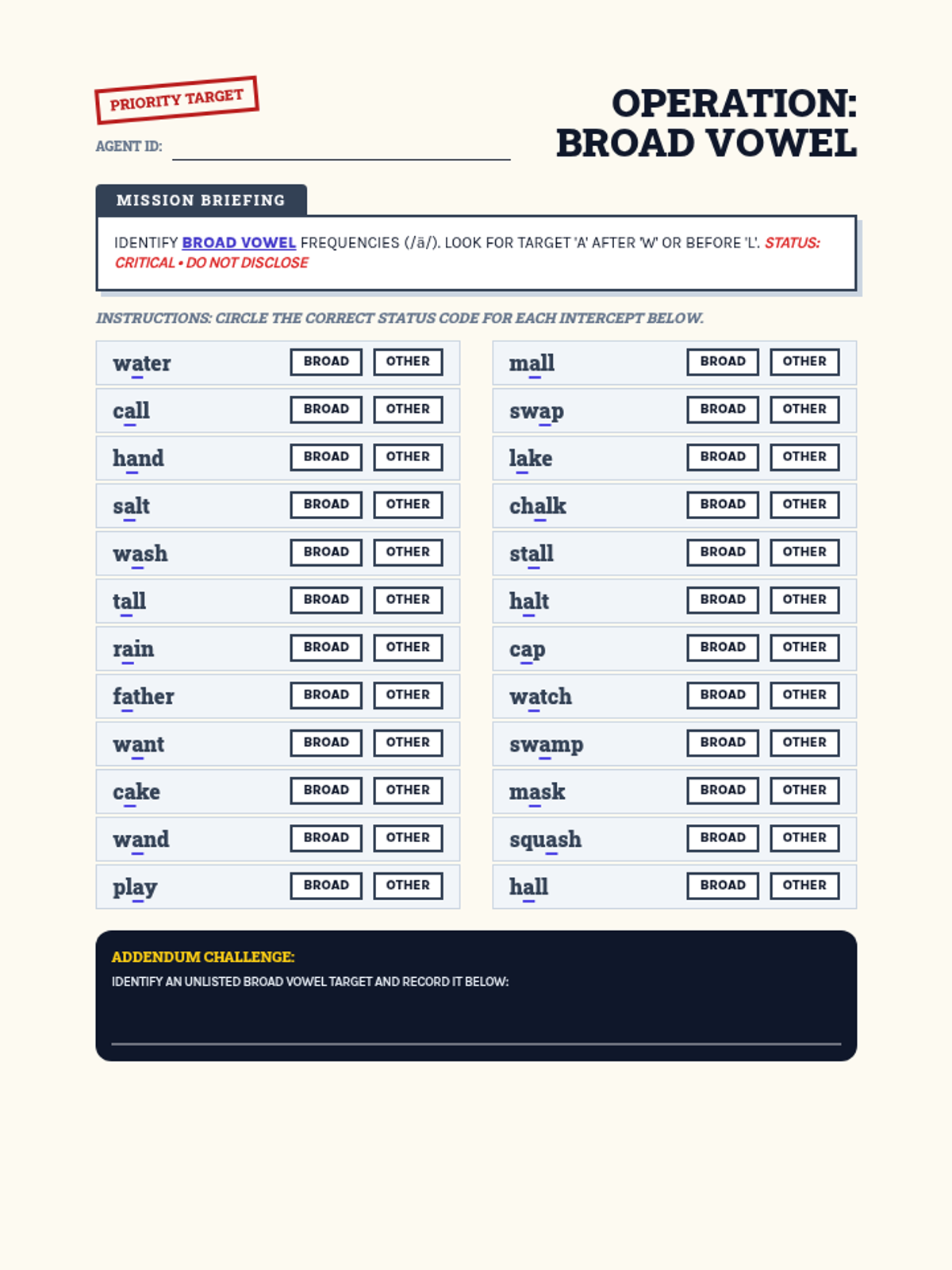
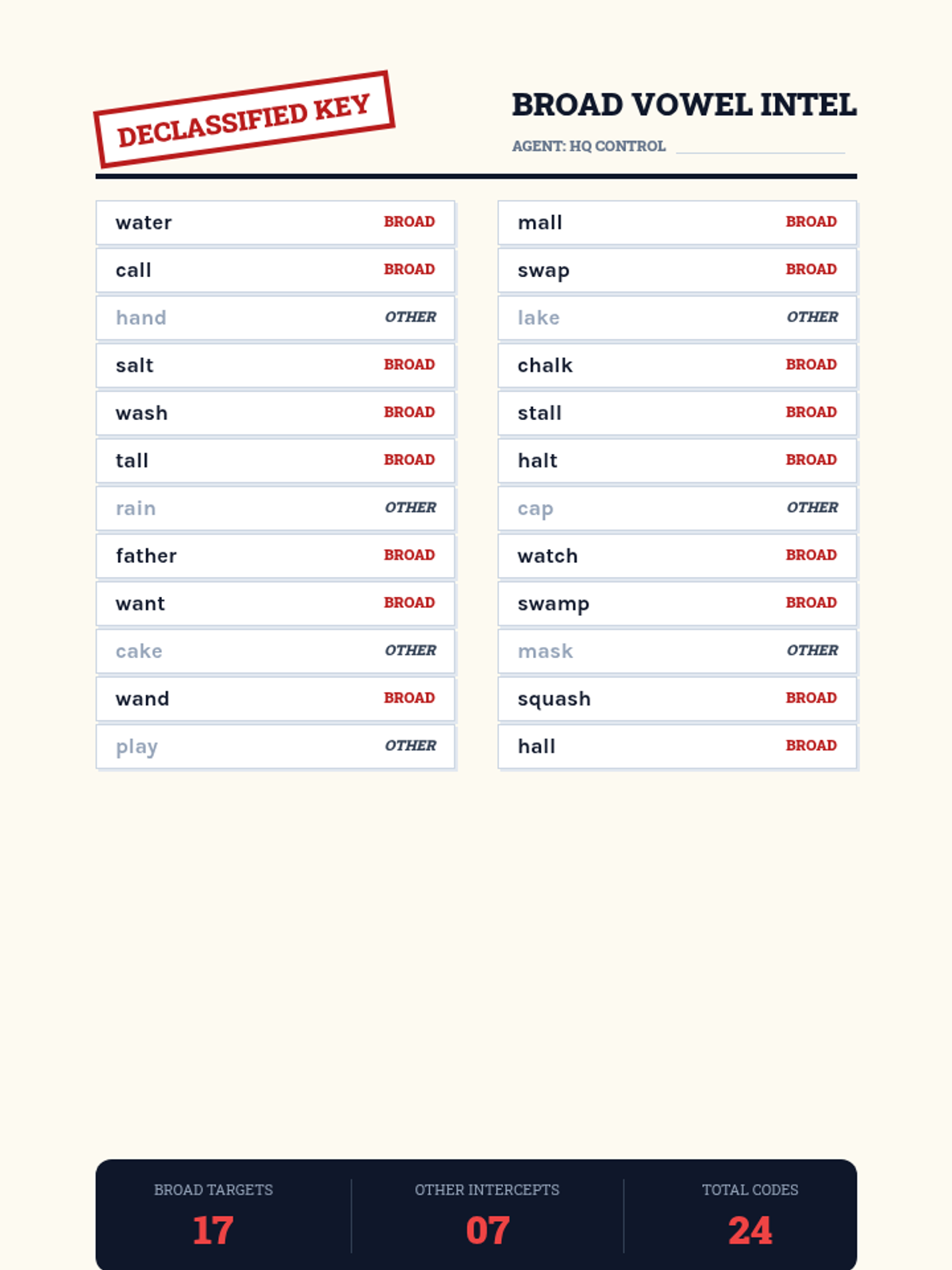
A comprehensive assessment covering phonograms, vowel sounds, plural classifications, and morphemic analysis. This lesson provides both the student test and the teacher answer key to evaluate student mastery of these linguistic concepts.
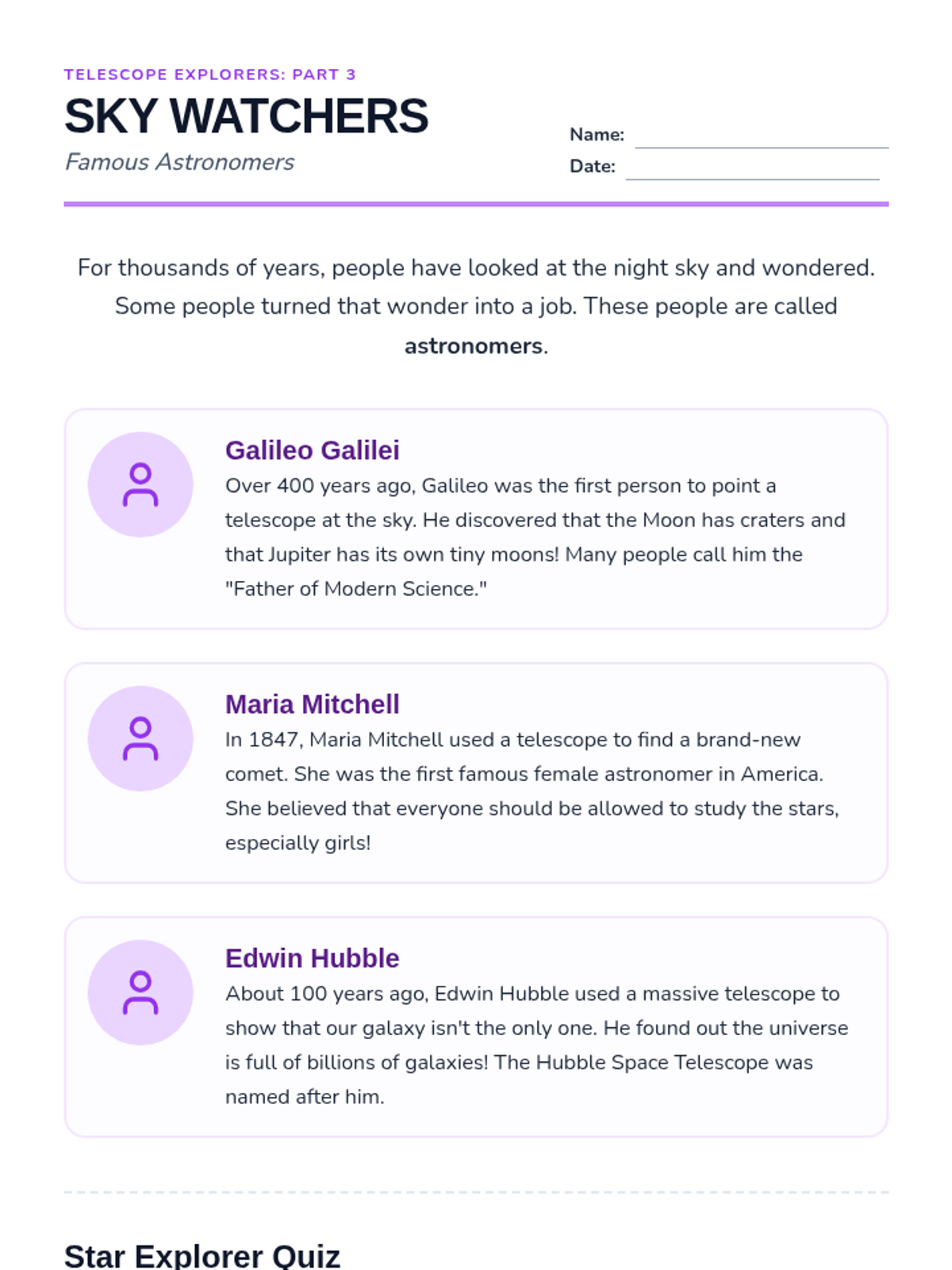
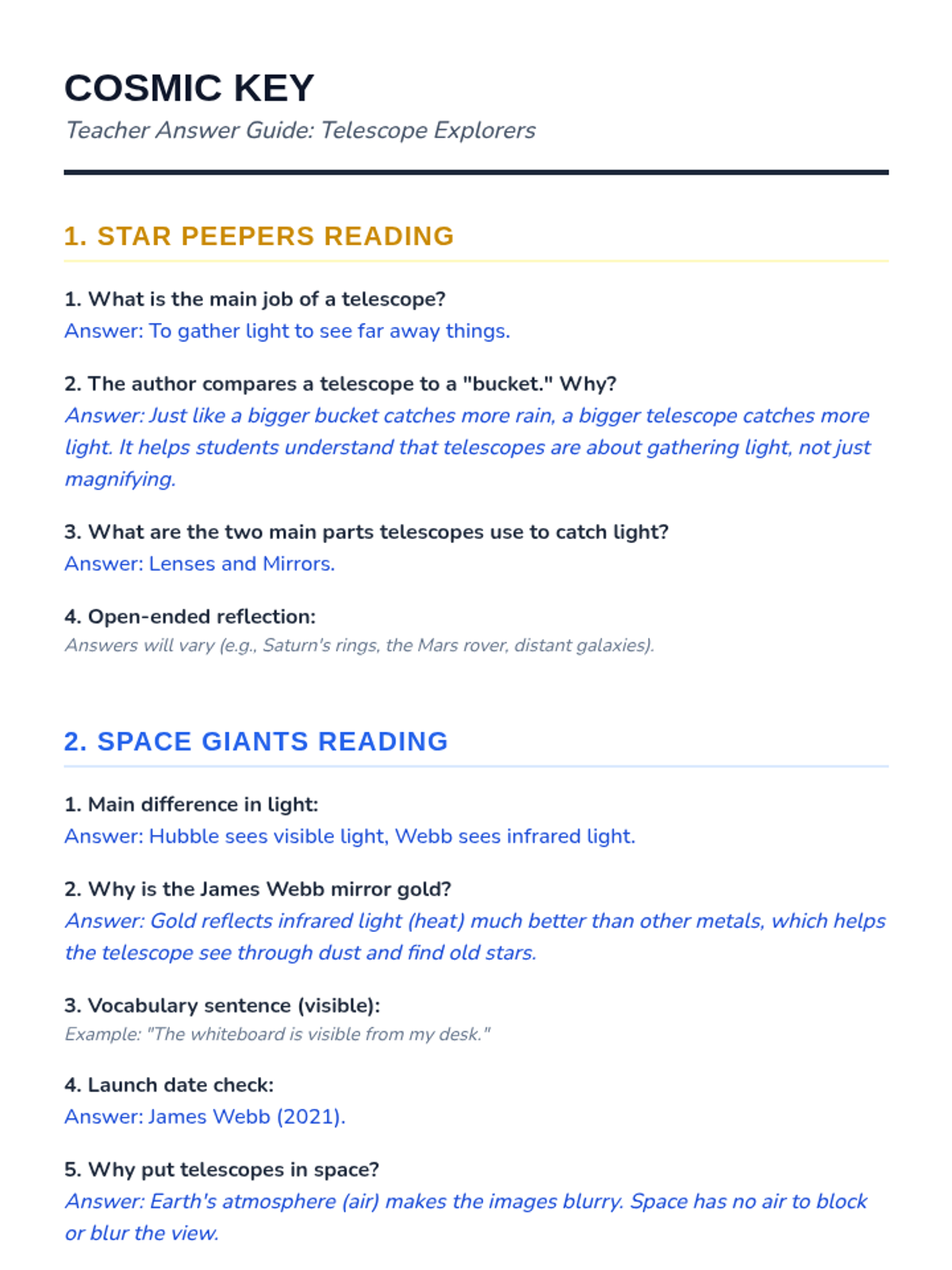
A series of reading passages and comprehension activities exploring how telescopes work, the differences between famous space telescopes, and the astronomers who changed our view of the universe.
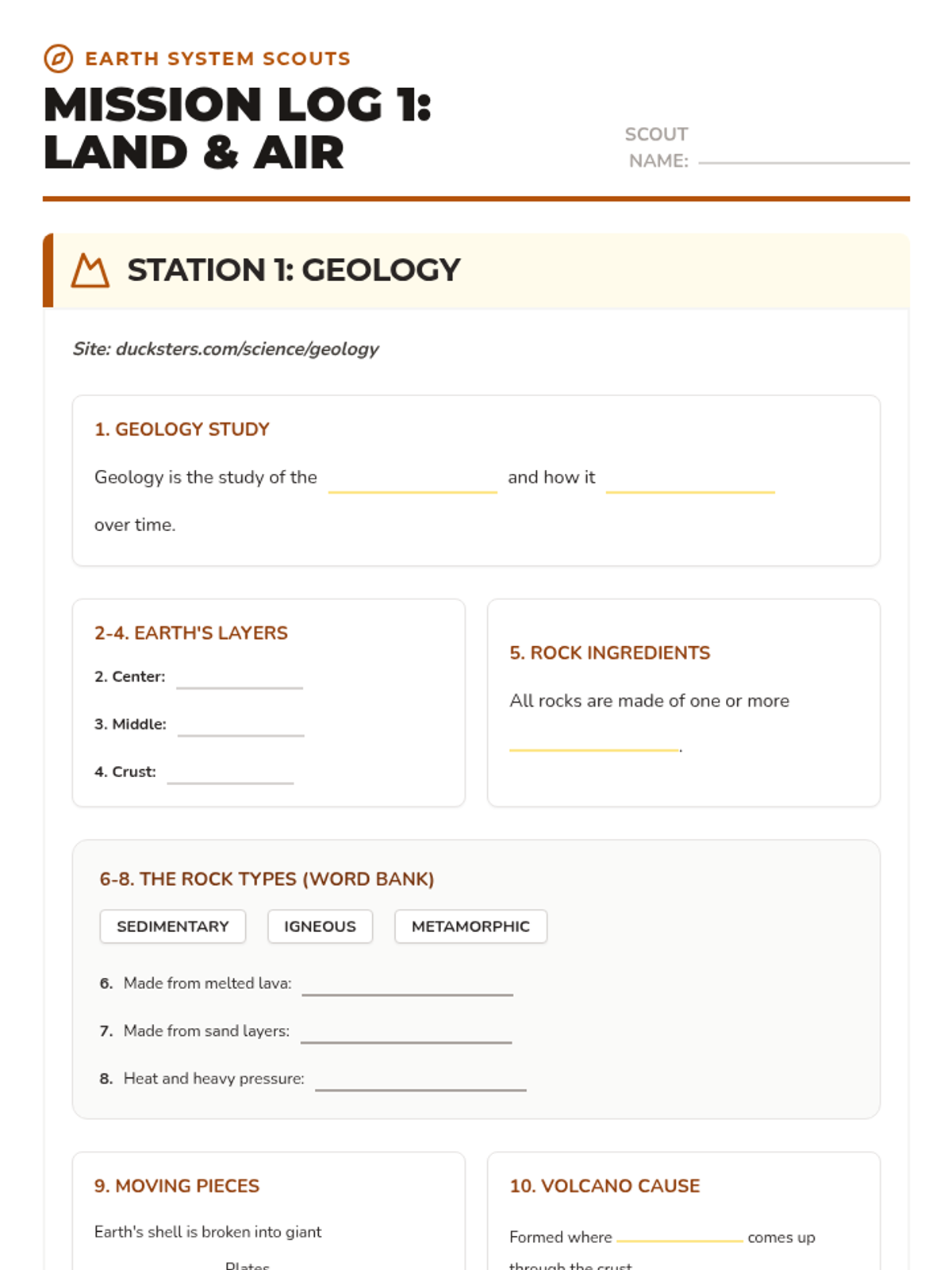
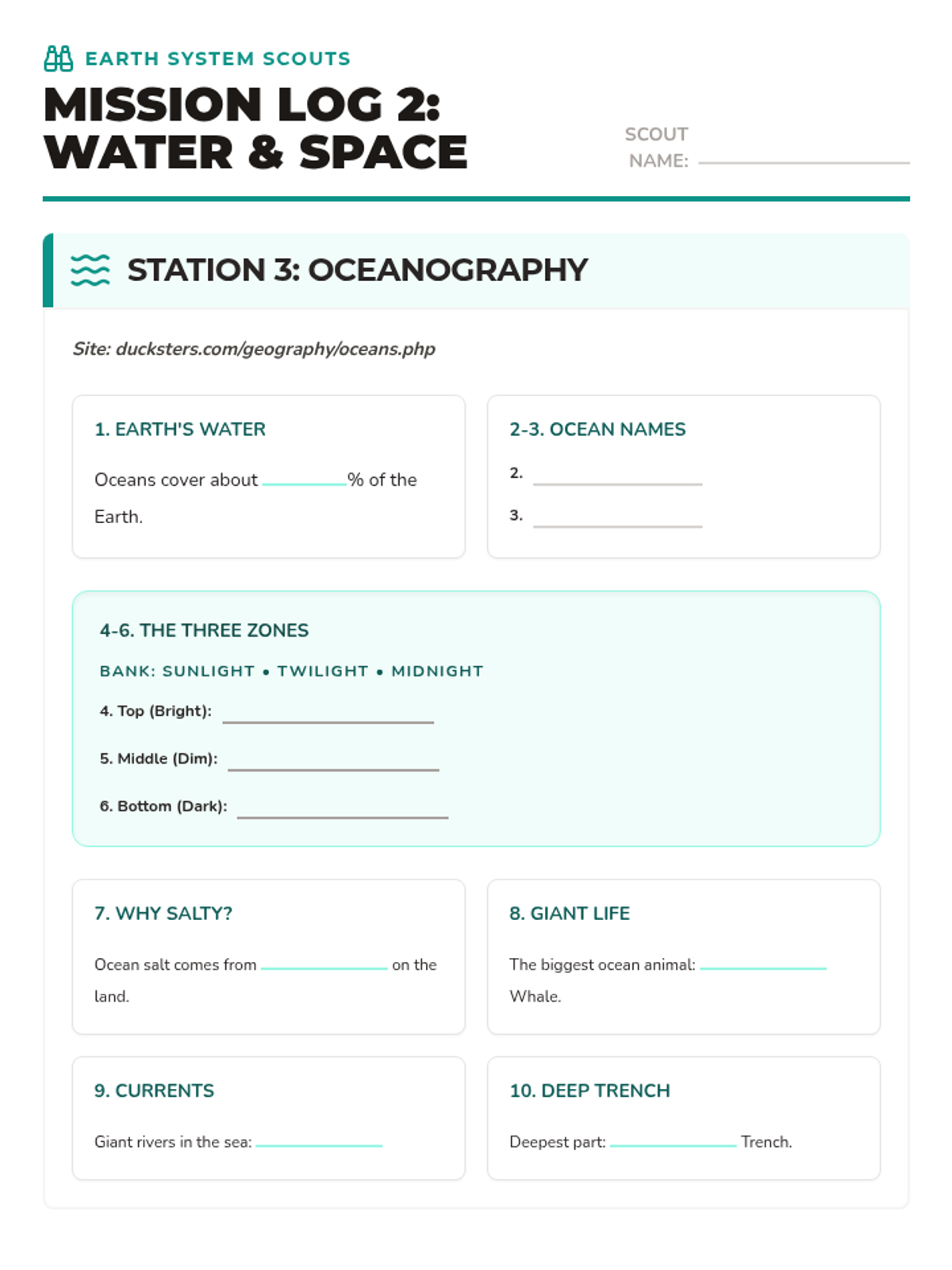
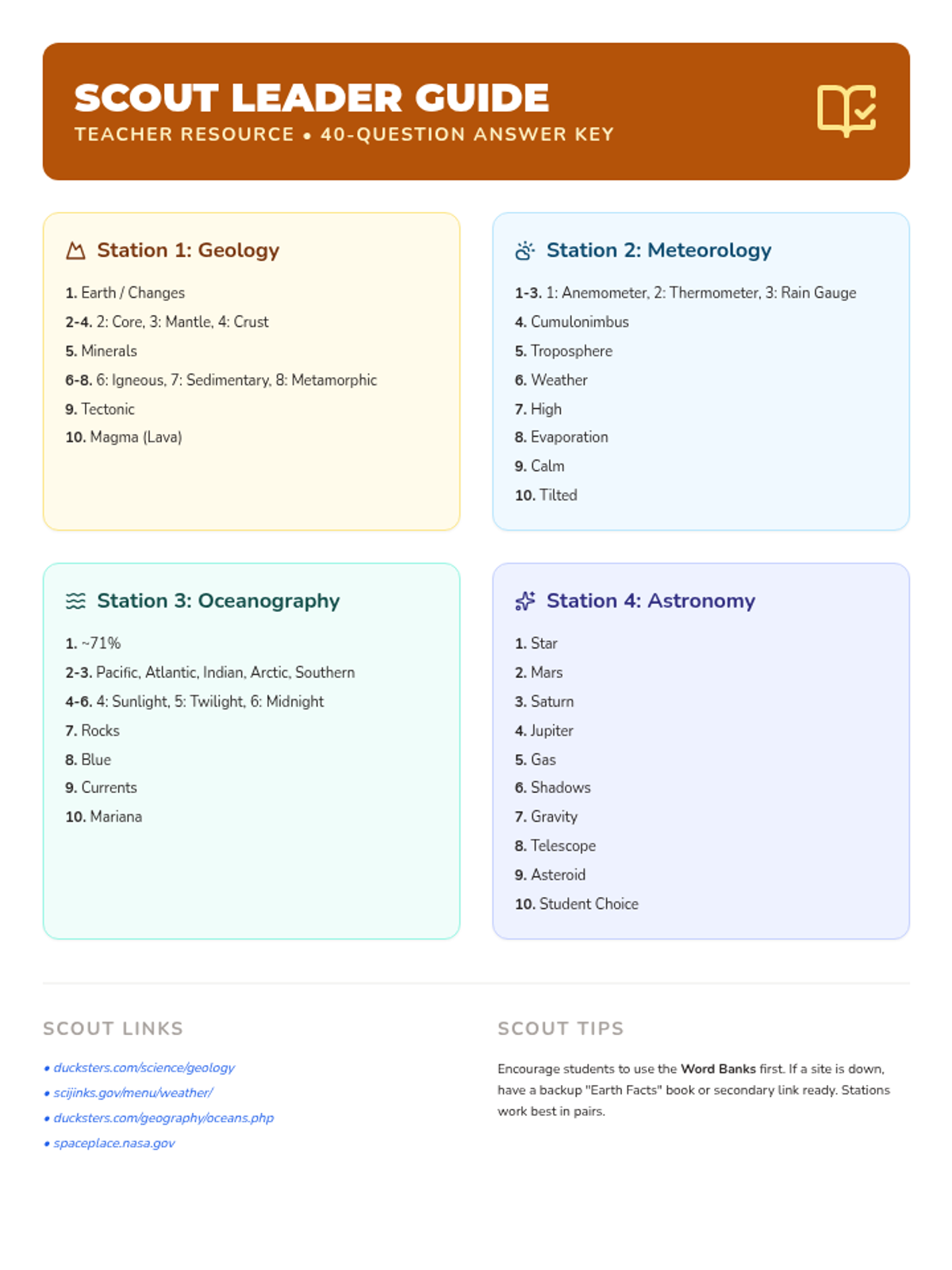
A two-day webquest mission where students investigate Geology, Meteorology, Oceanography, and Astronomy using student-friendly digital resources.
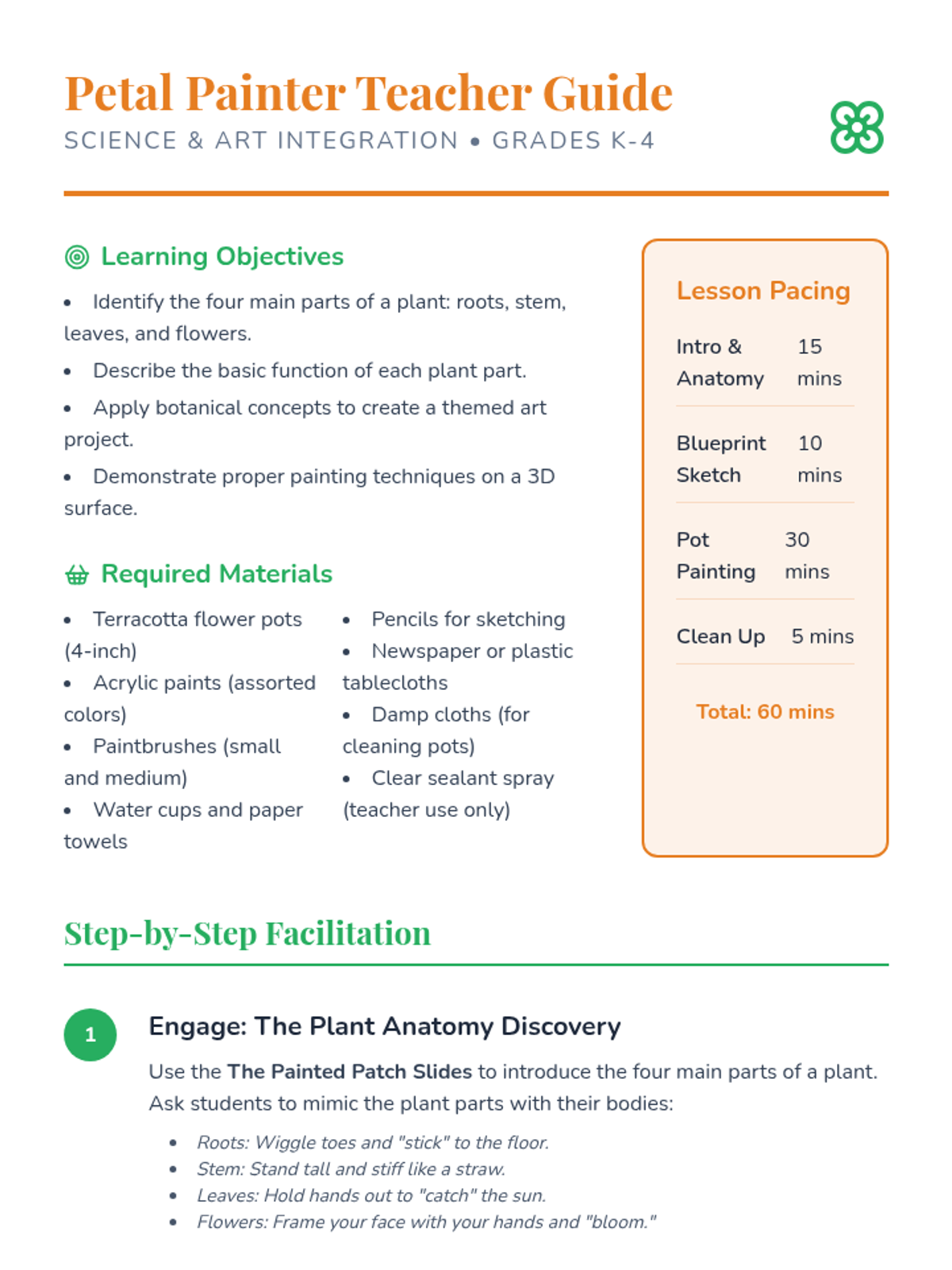
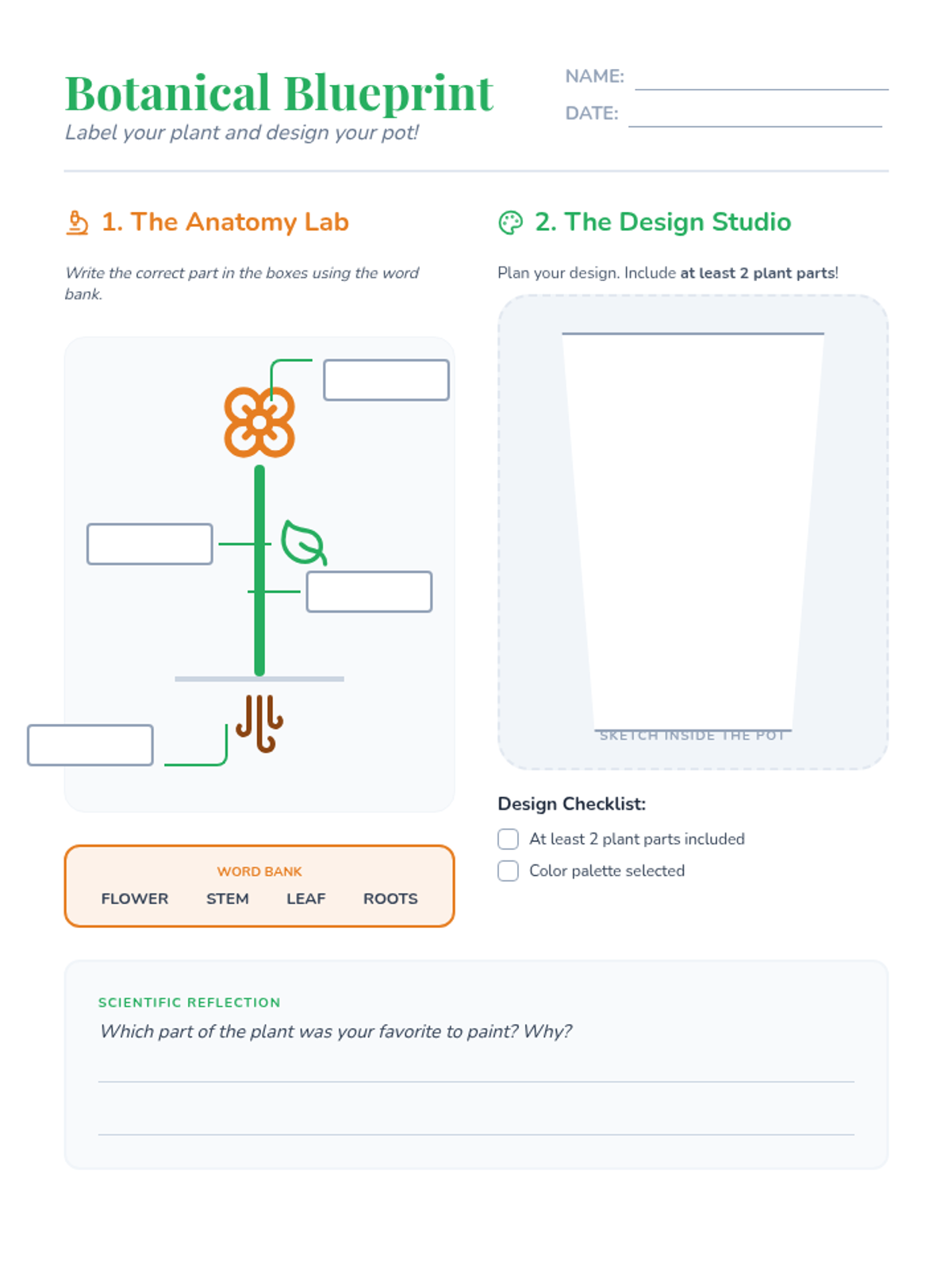
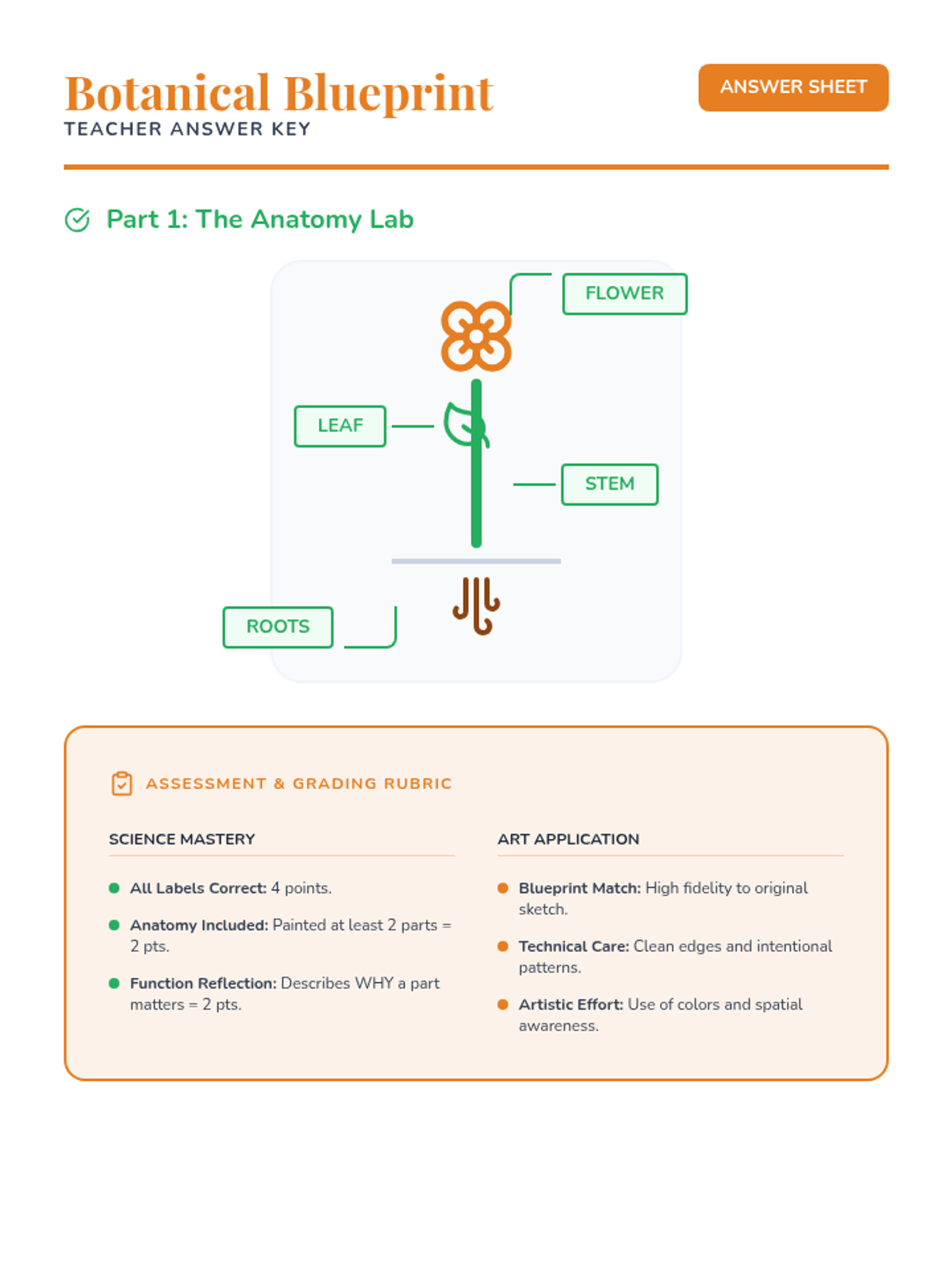
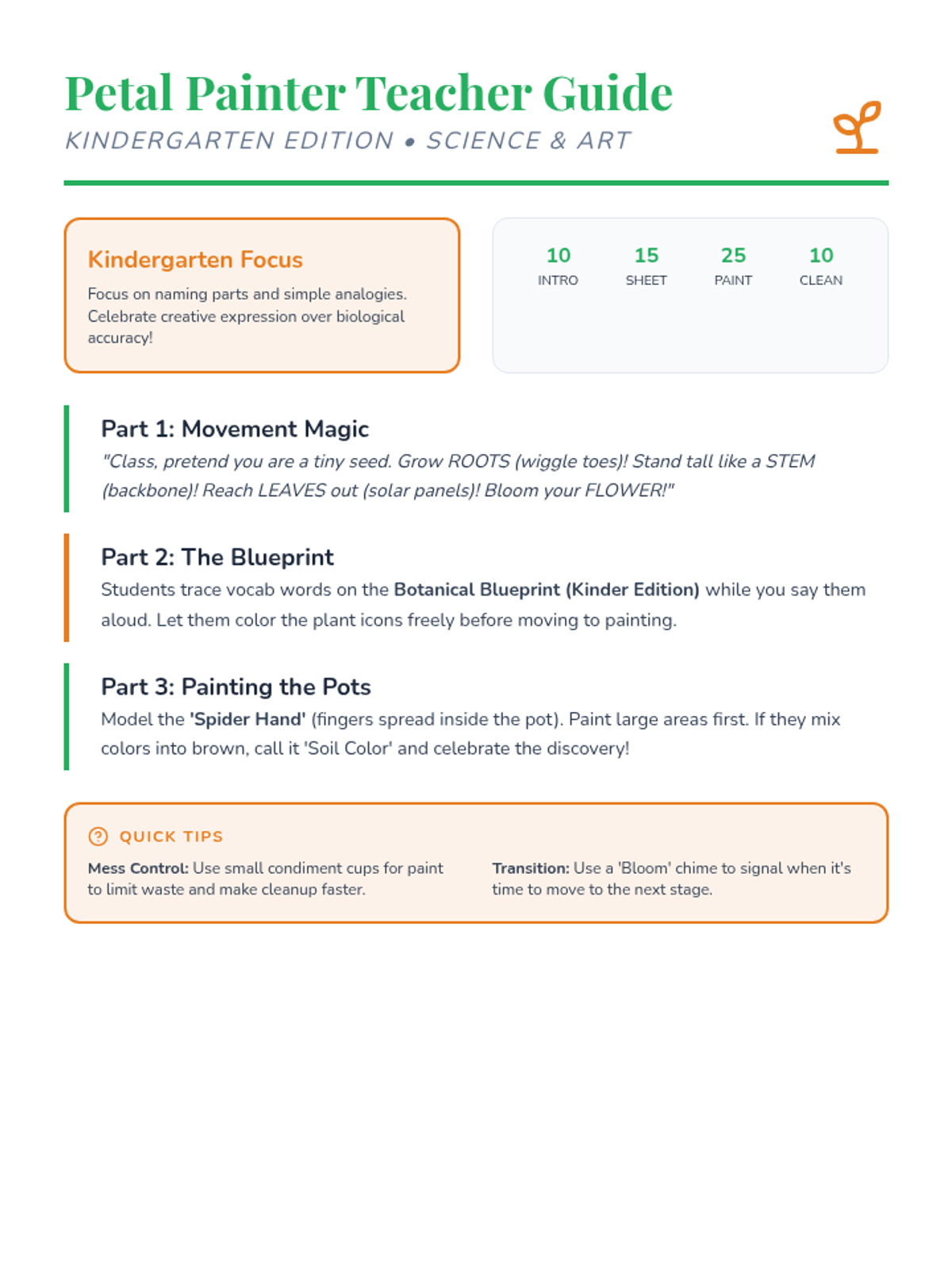
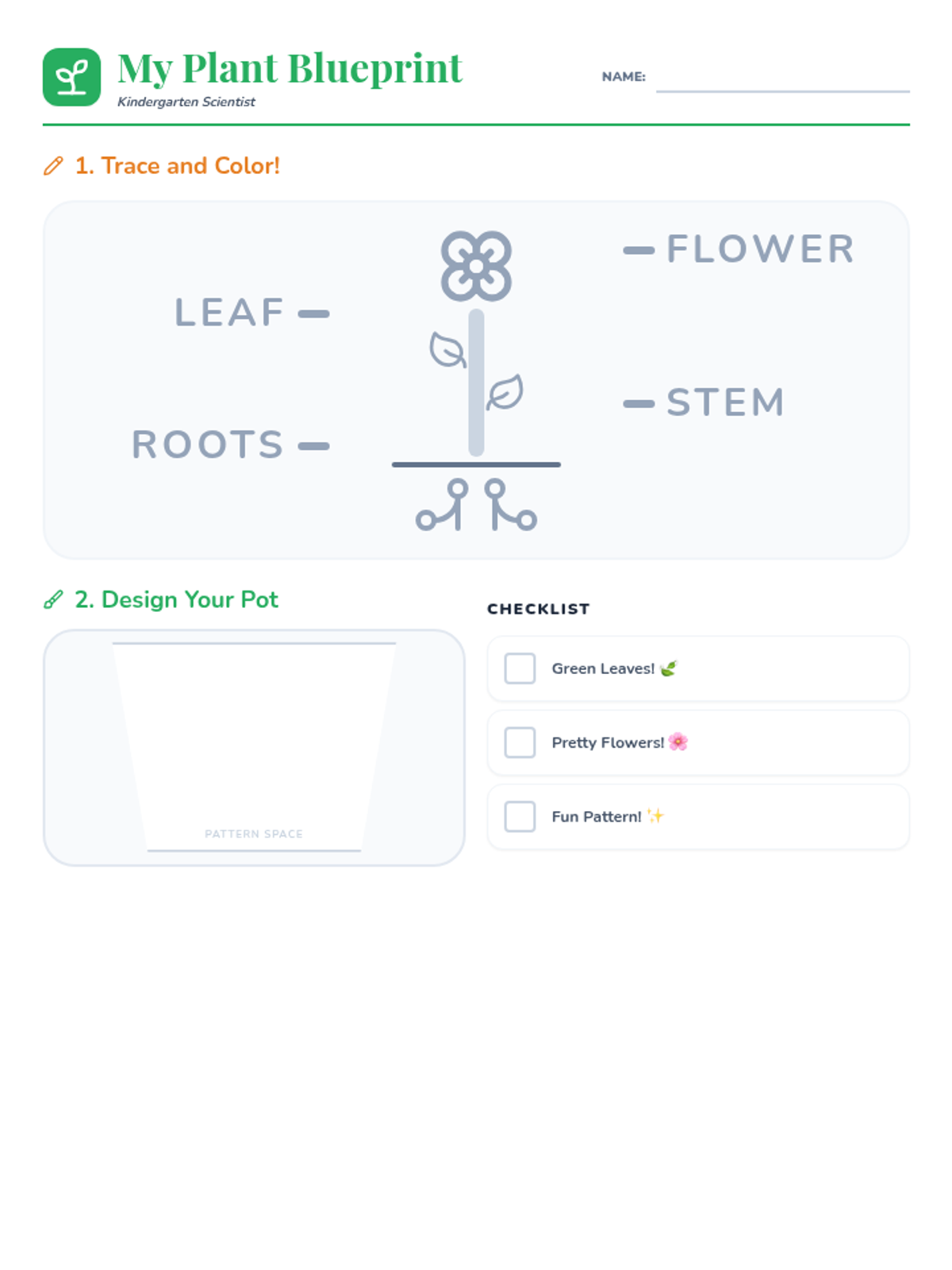
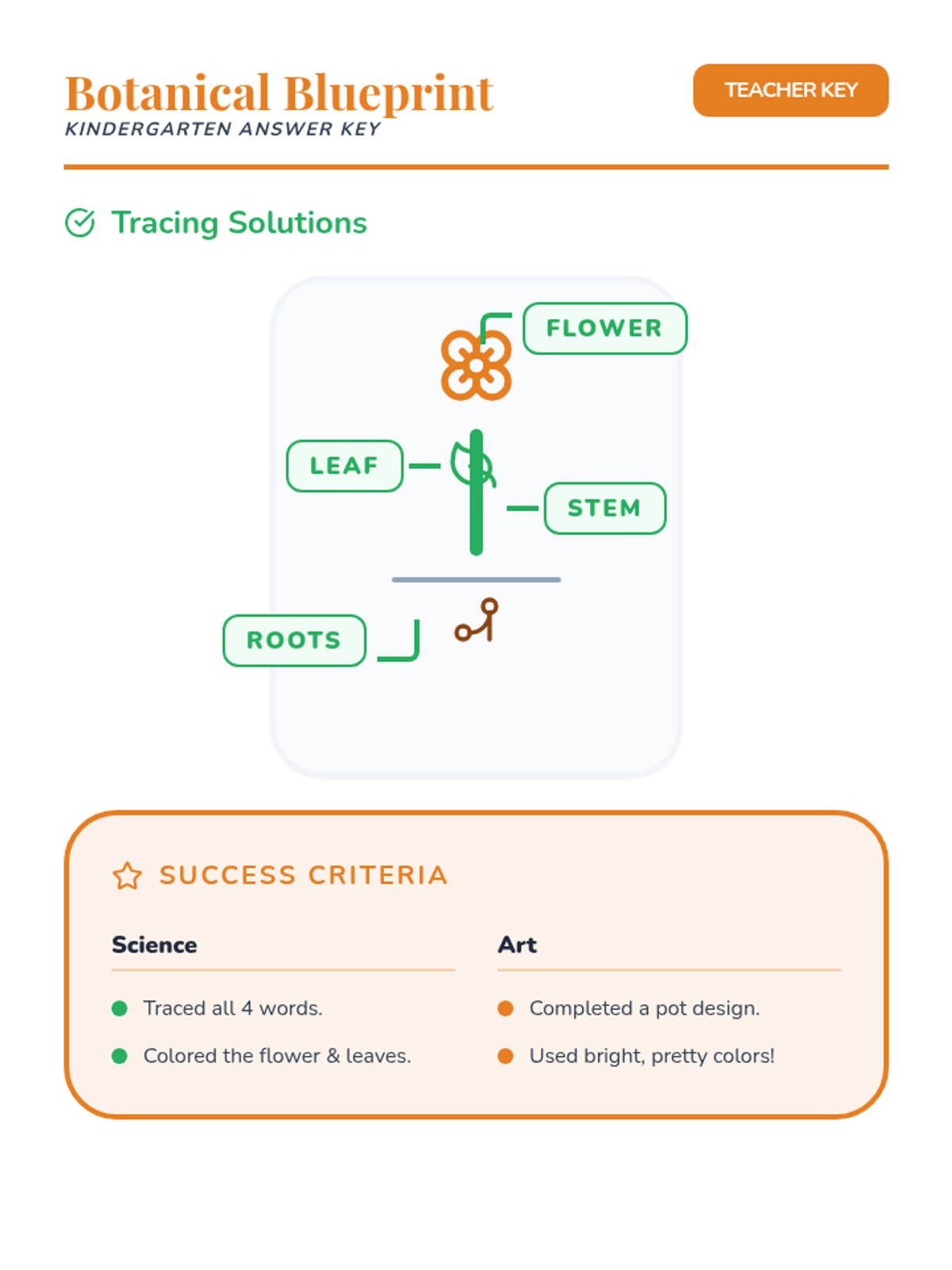
A creative hands-on lesson combining art and science where students learn about plant anatomy while decorating their own terracotta flower pots. Students will identify the functions of roots, stems, leaves, and flowers before applying their knowledge to a botanical-themed art project.
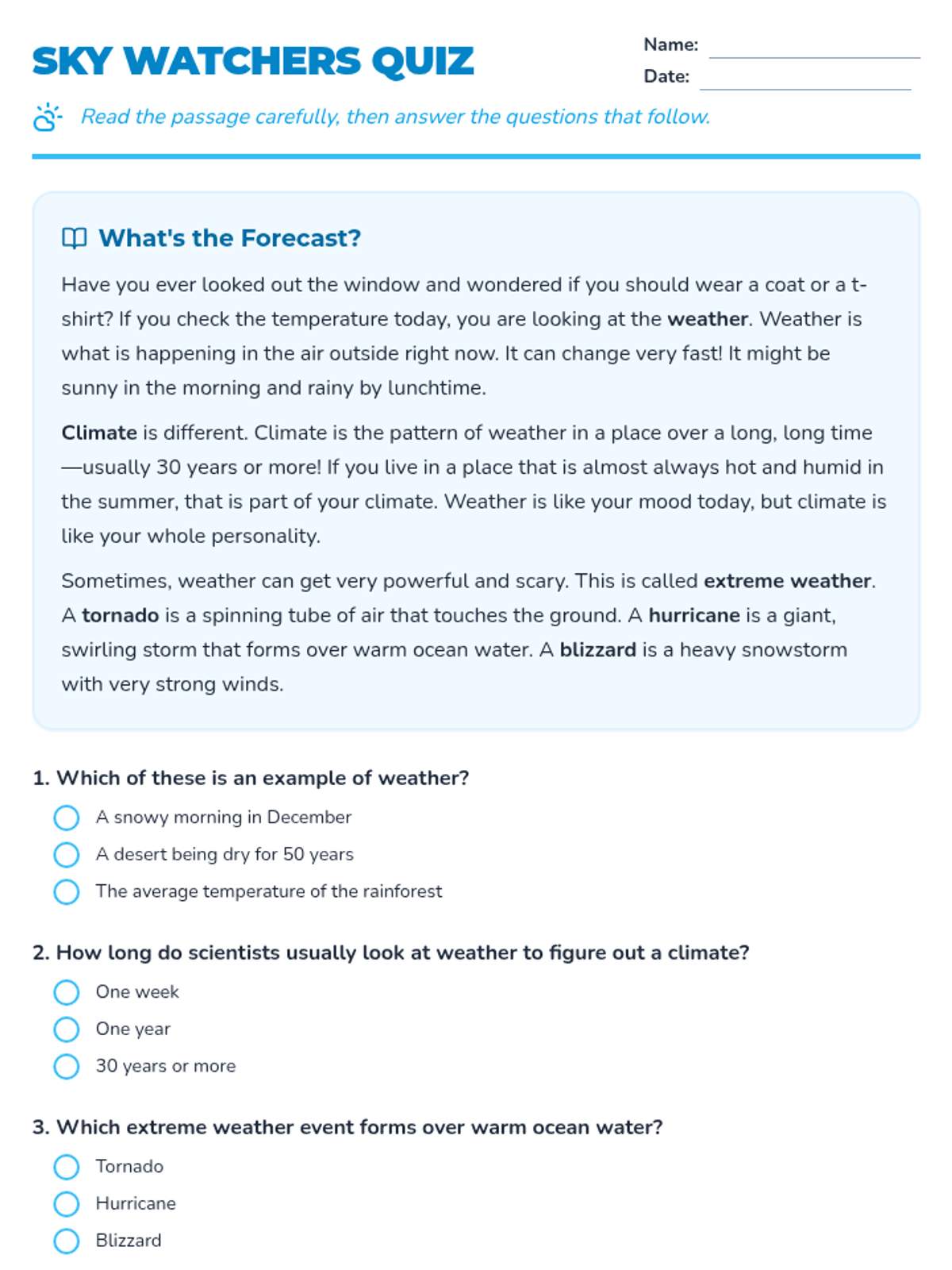
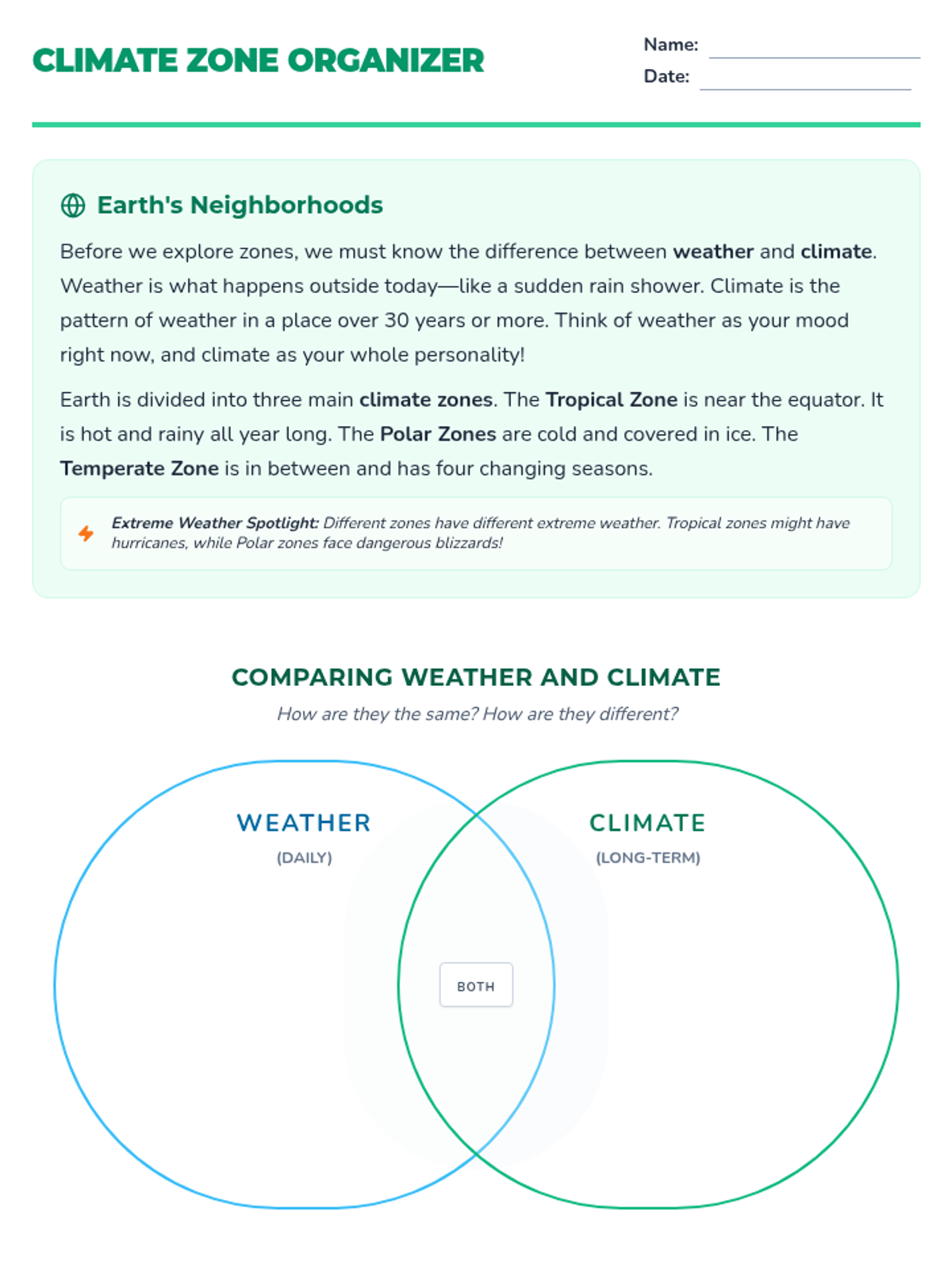
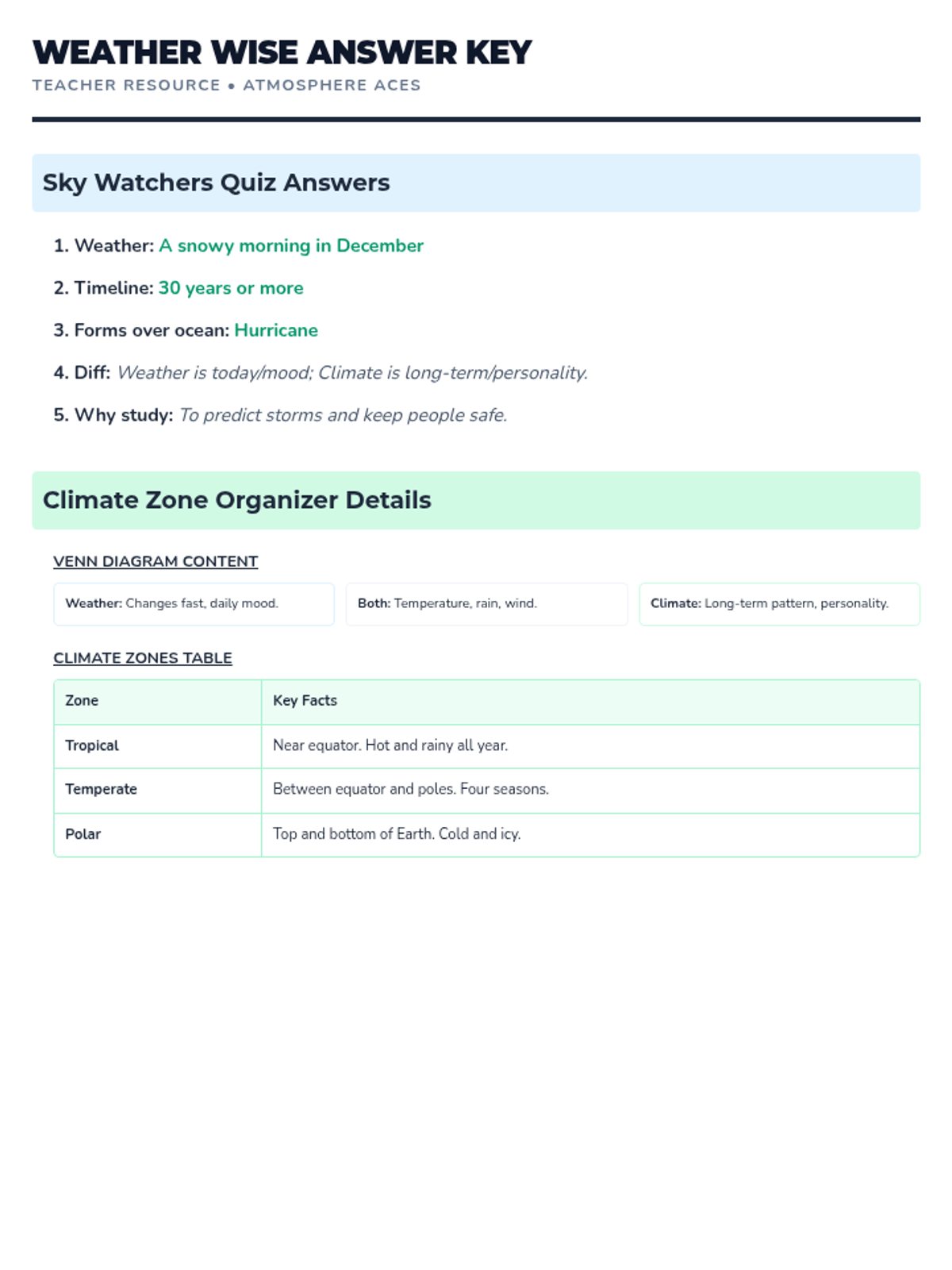
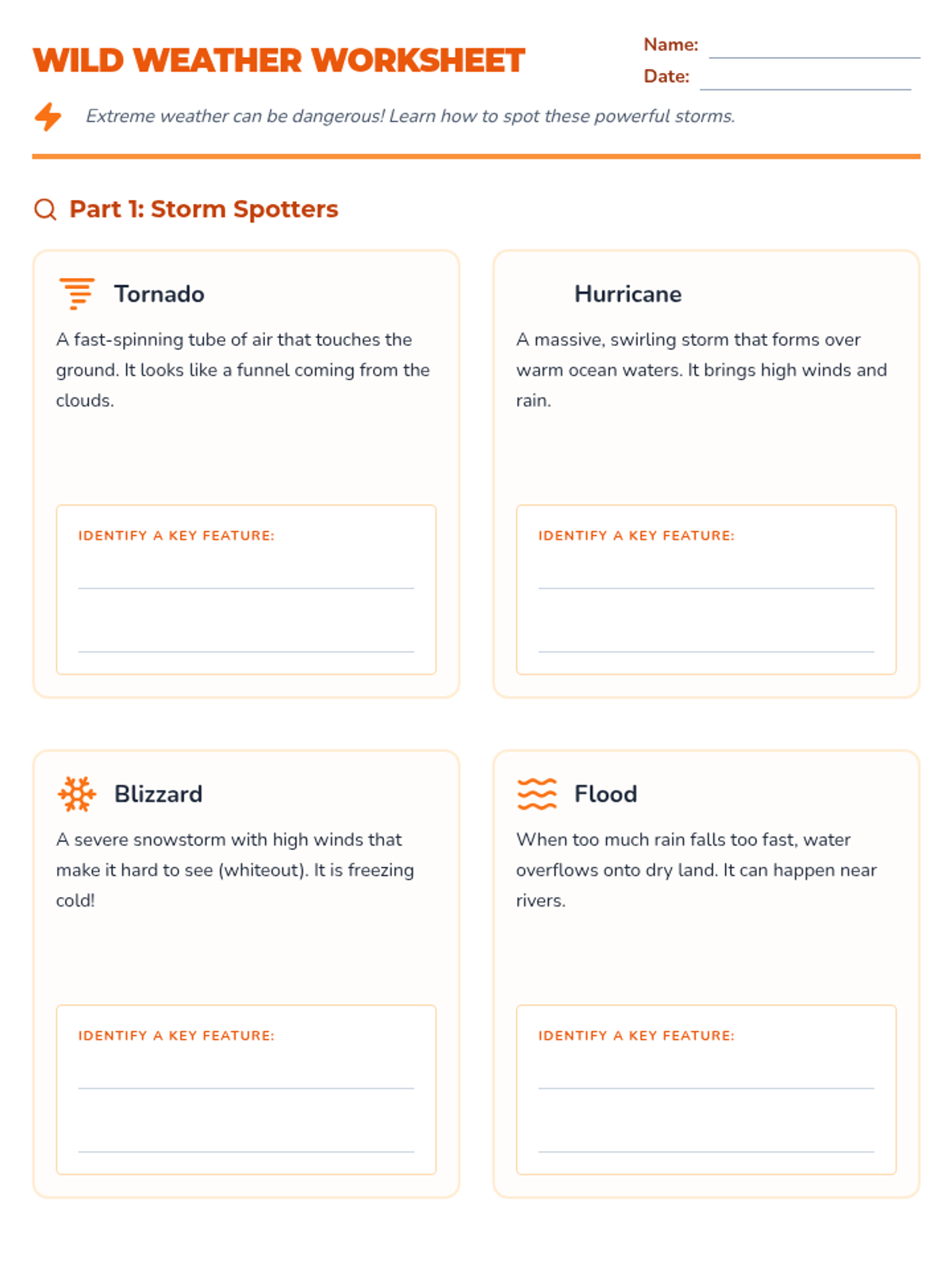
A third-grade lesson exploring the difference between daily weather and long-term climate, extreme weather events, and global climate zones. Students engage with reading passages, comprehension questions, and graphic organizers to build earth science literacy.
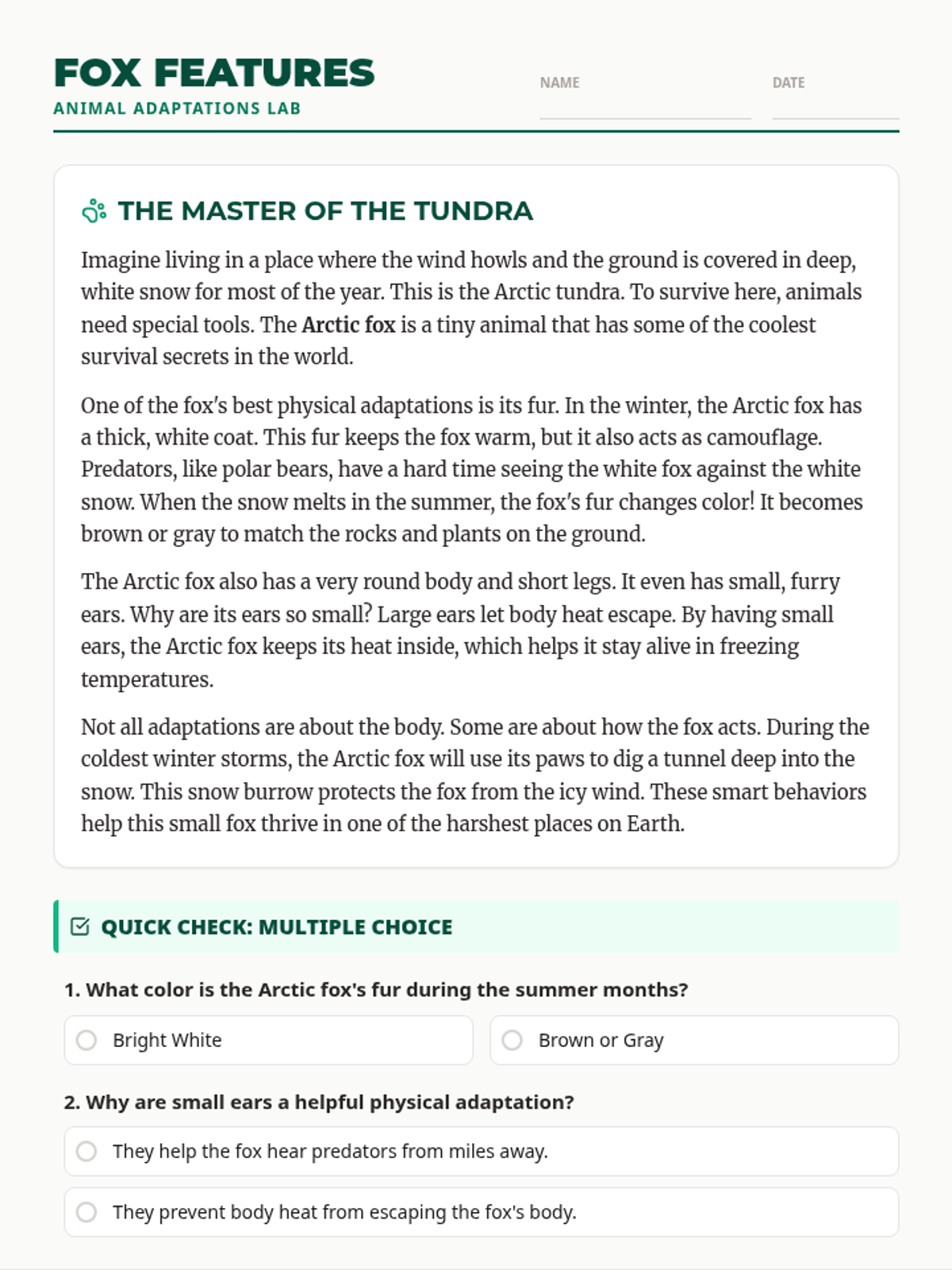
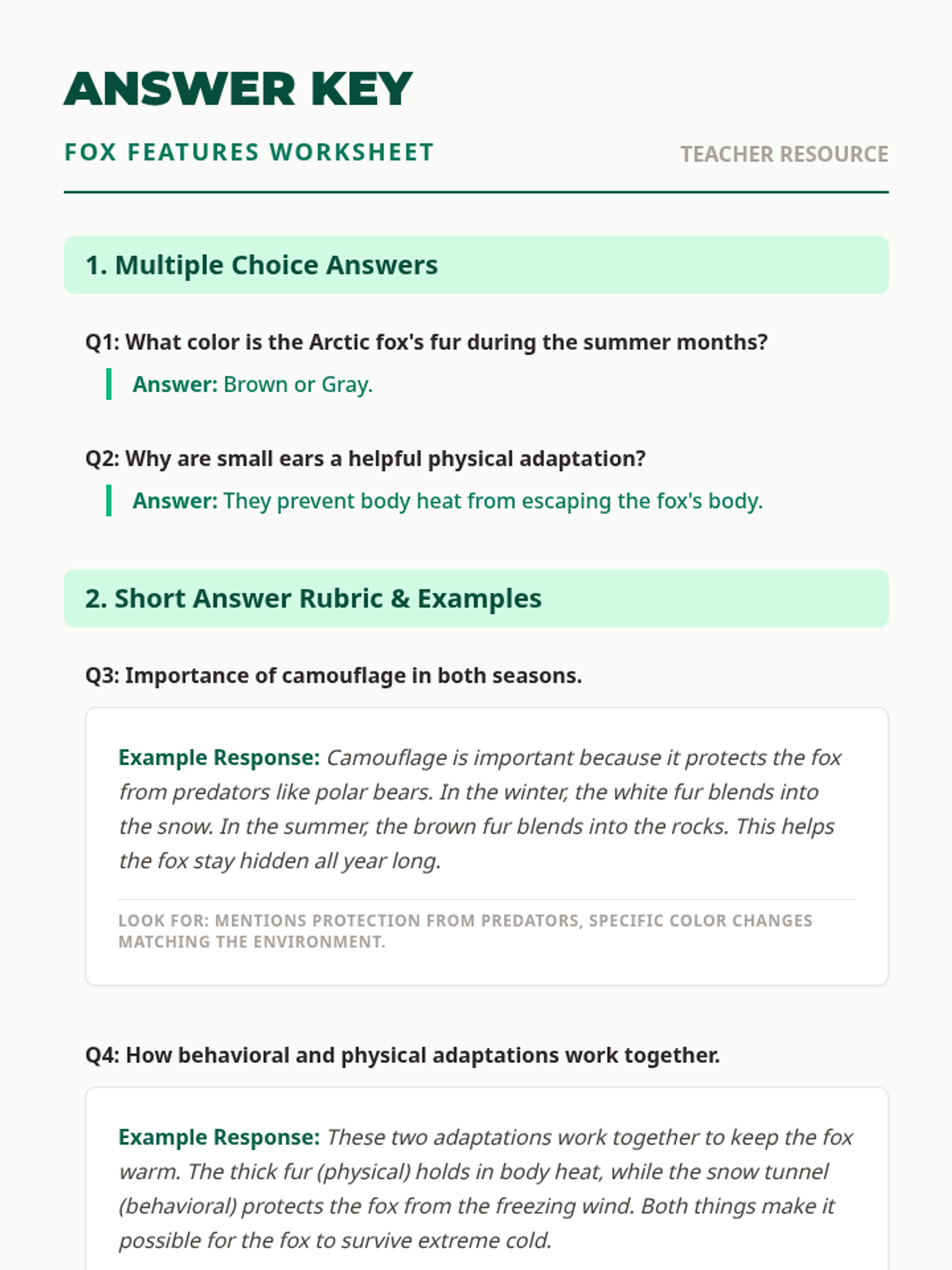
An exploration of how animals adapt to their environments to survive, focusing on the Arctic Fox as a primary example of physical and behavioral adaptations.
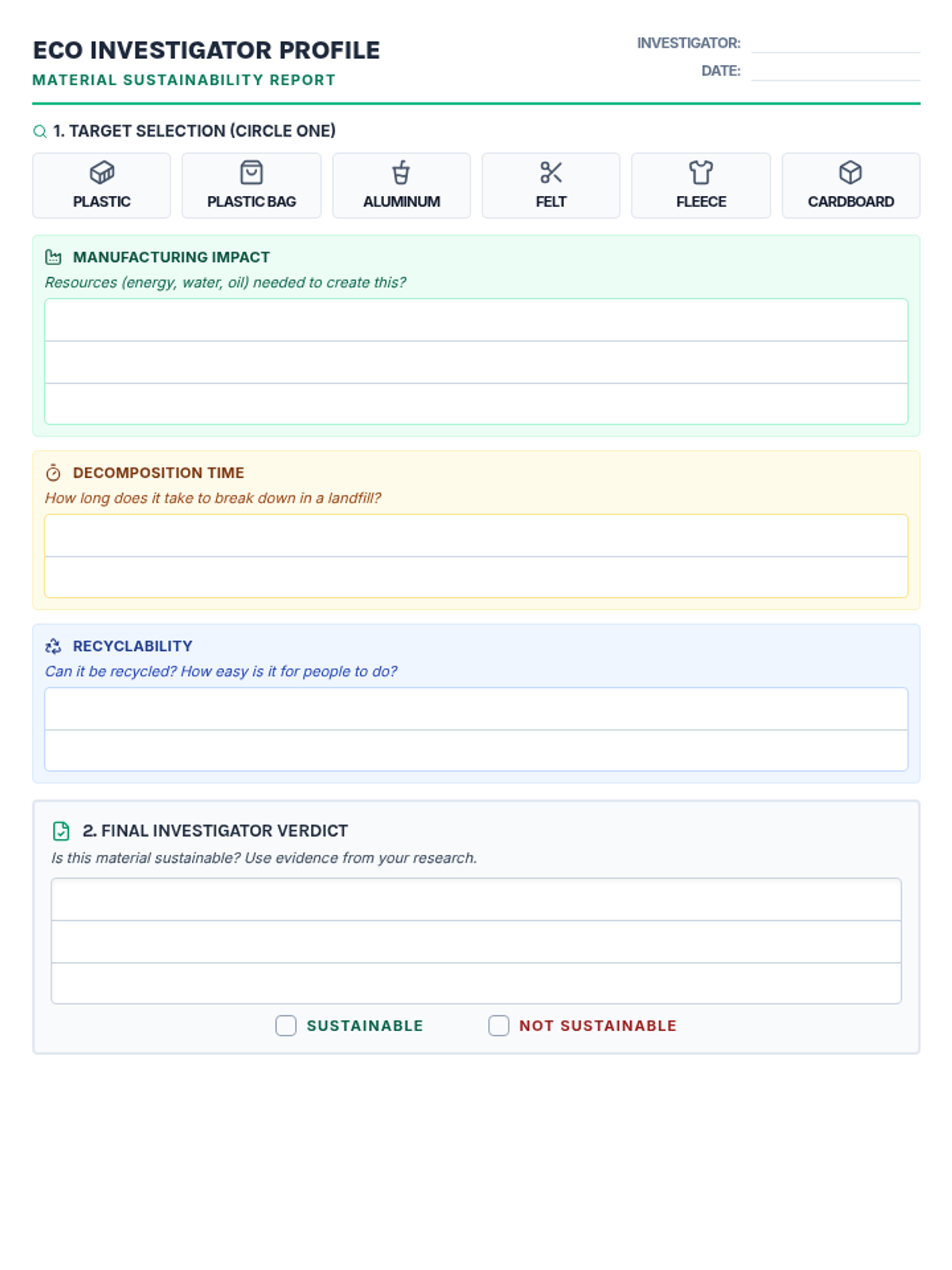
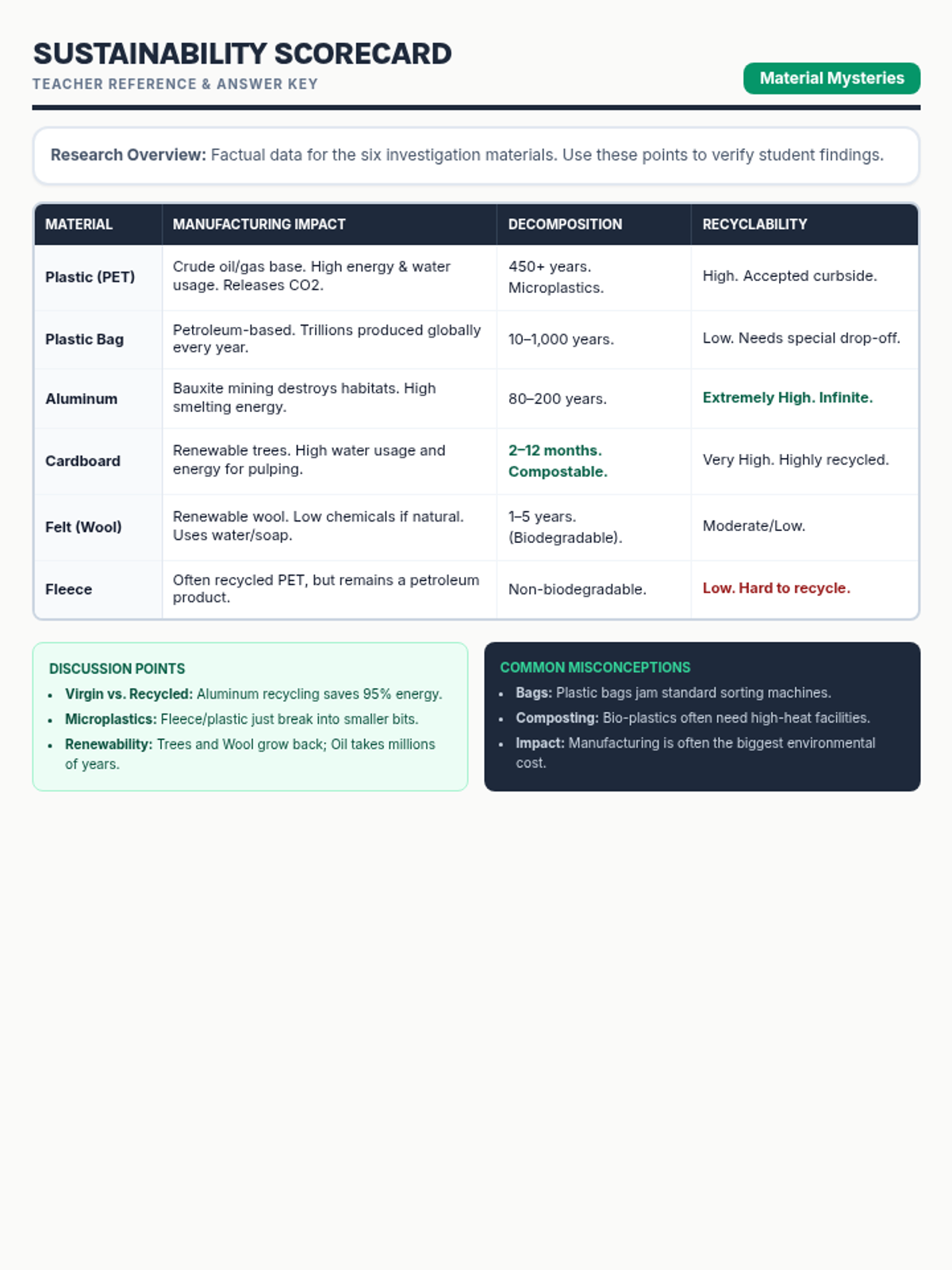
A research-based science lesson where students investigate the environmental impact of common materials like plastic, aluminum, and fleece. Students act as eco-detectives to evaluate recyclability, decomposition, and manufacturing footprints.
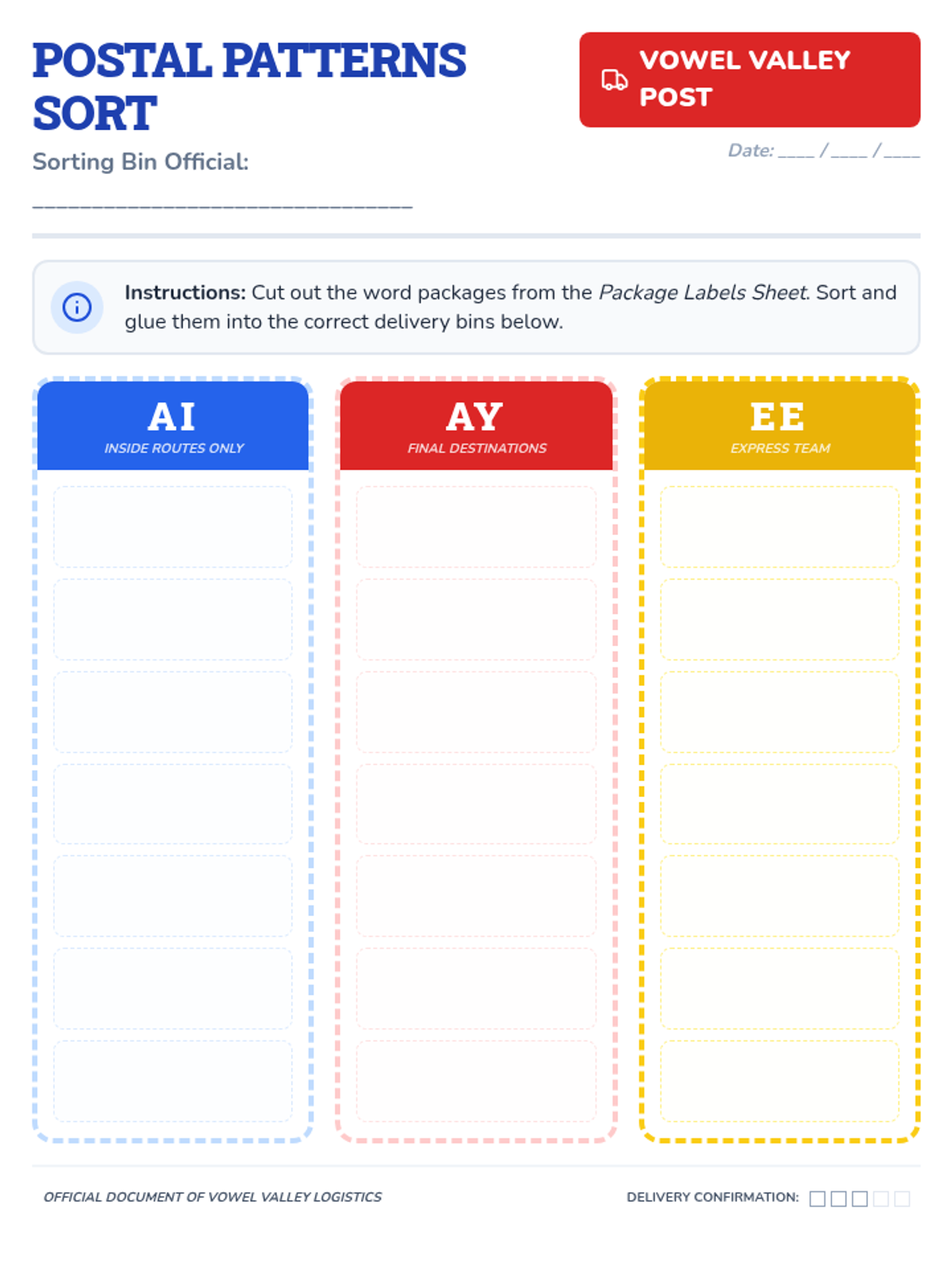
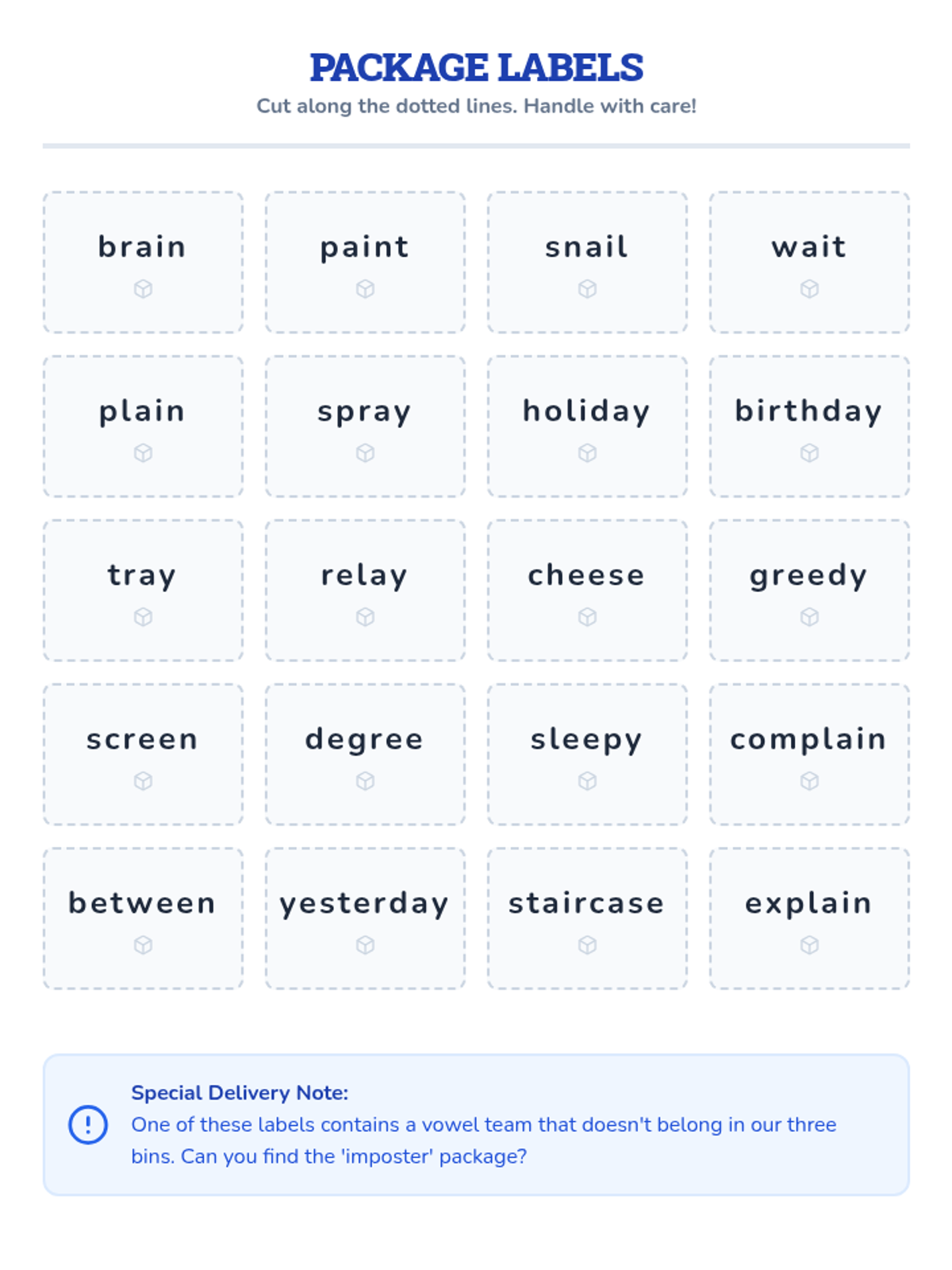
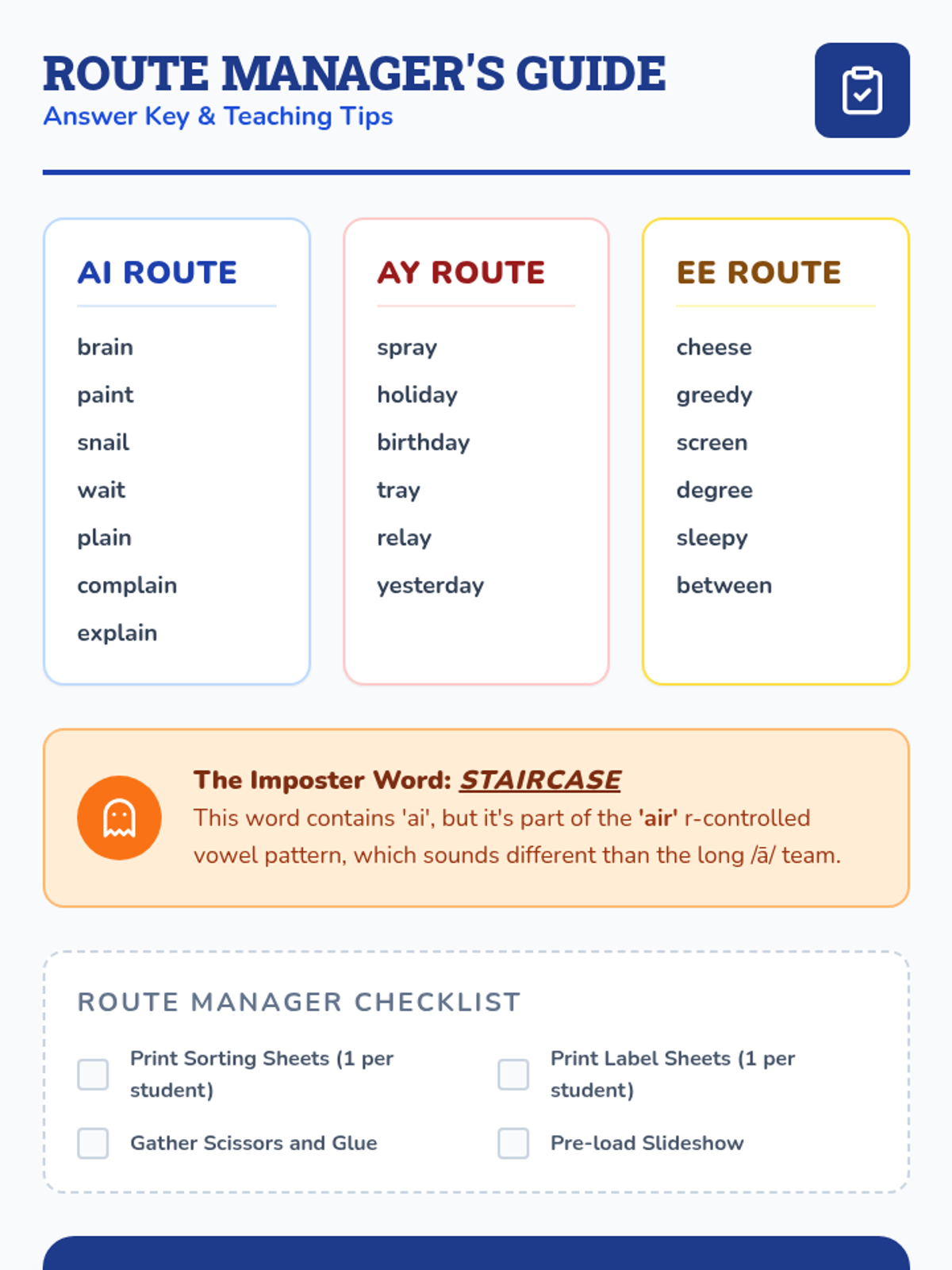
A phonics lesson for 3rd graders focused on identifying and sorting words with the 'ai', 'ay', and 'ee' vowel teams through a postal-themed sorting activity.
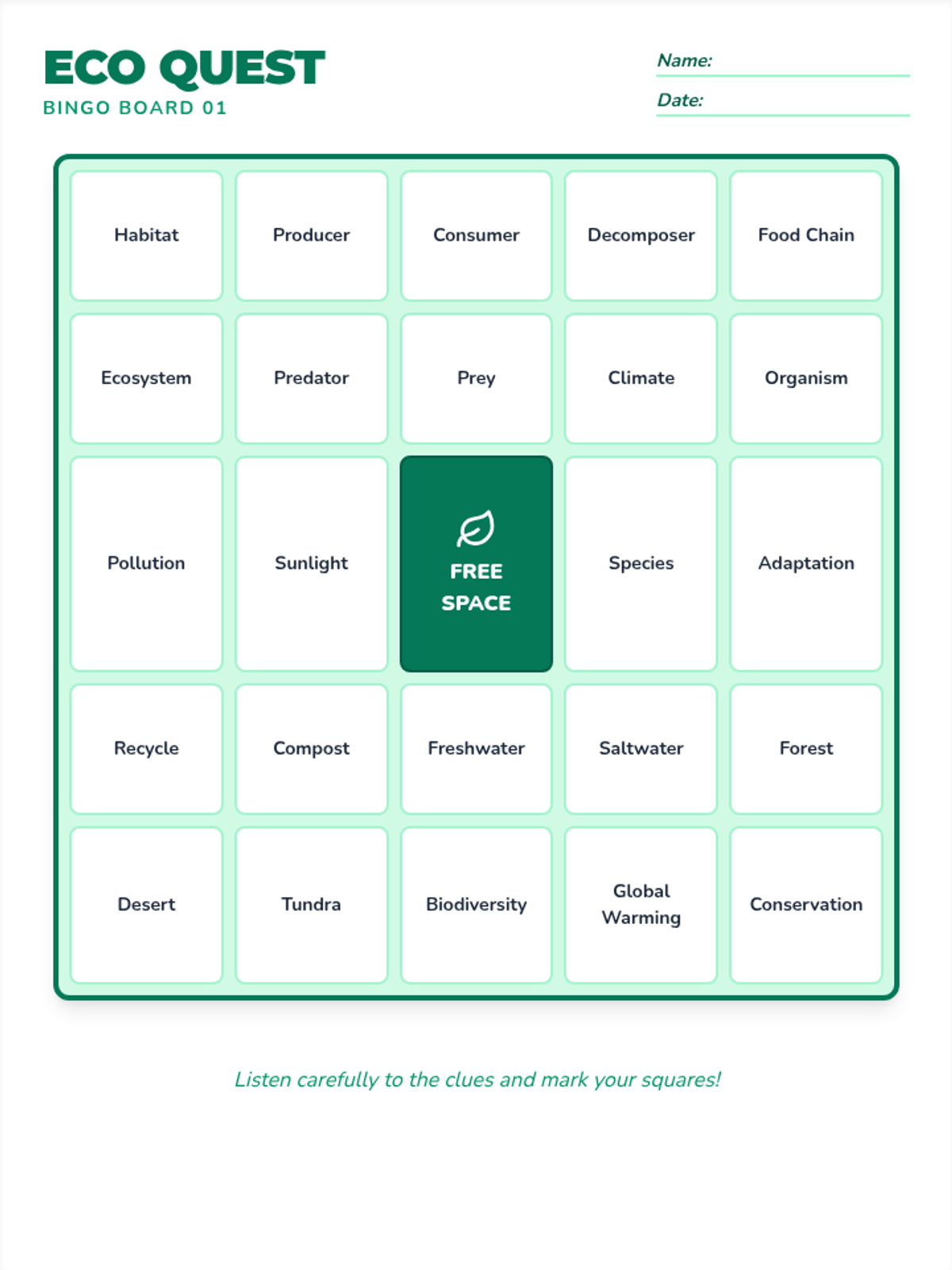
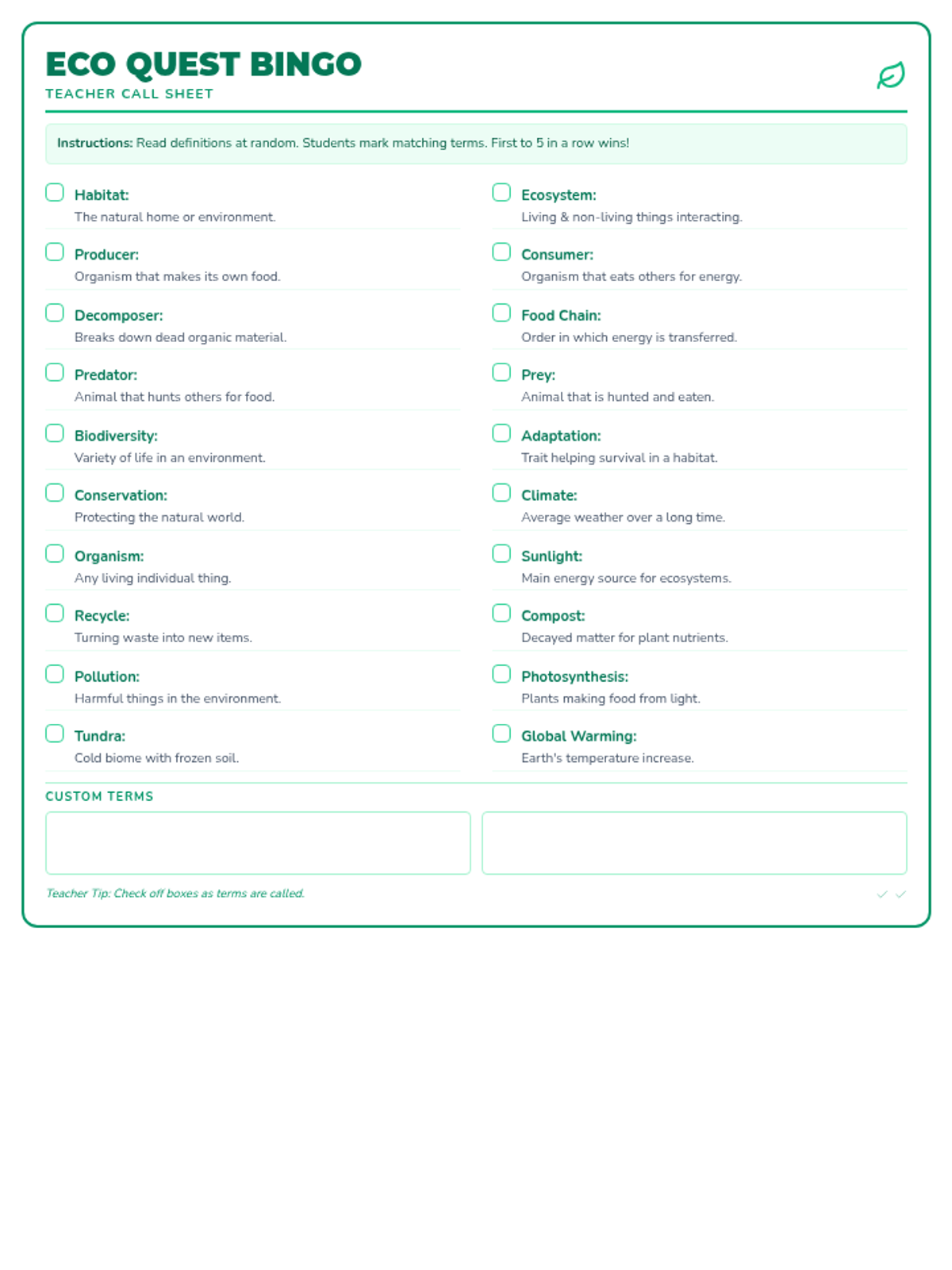
An interactive ecosystem-themed bingo activity to reinforce science vocabulary and environmental concepts.
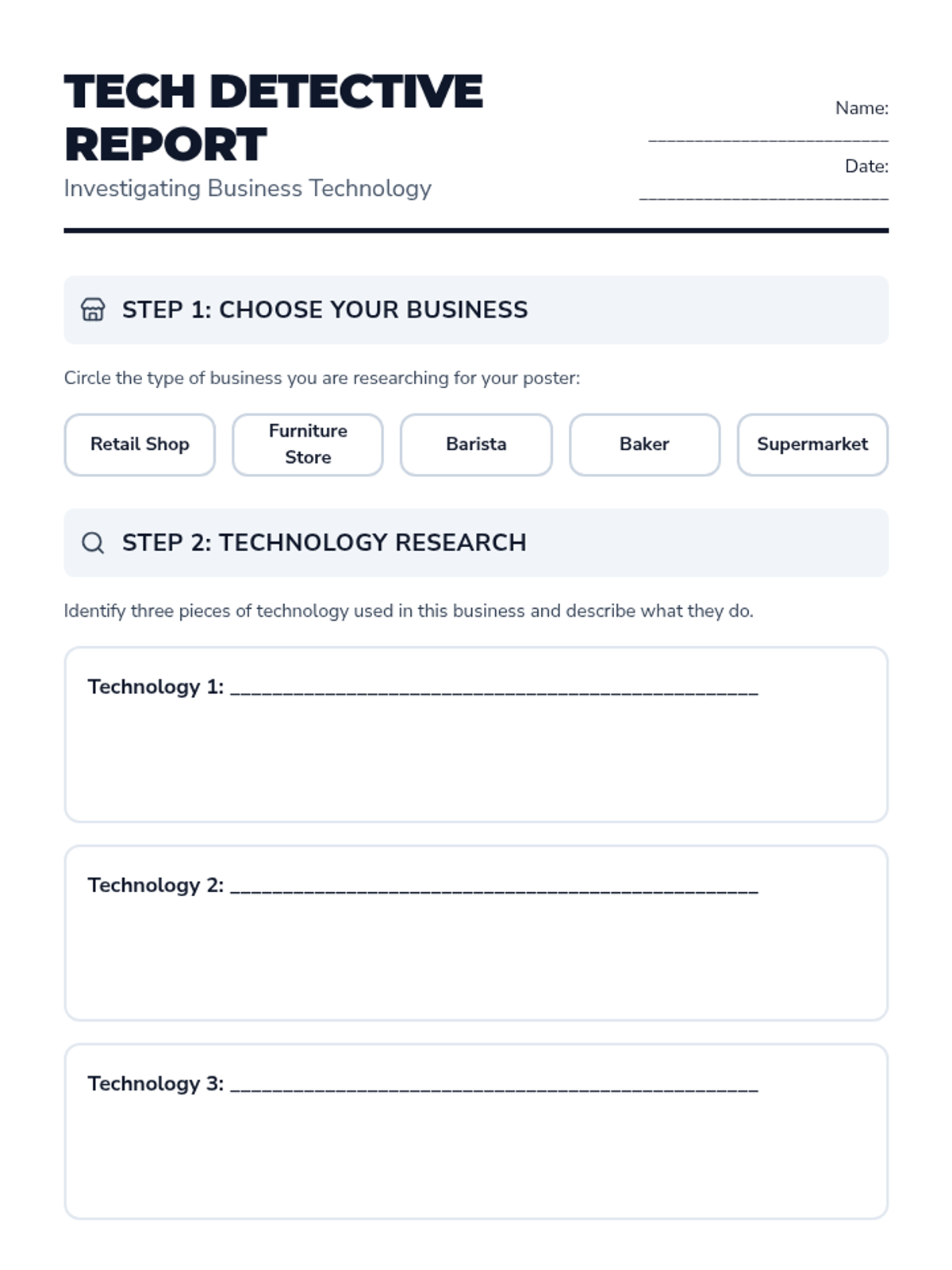
In this lesson, students explore the role of technology in modern businesses. They analyze an example of restaurant technology and then conduct research to create a poster for a specific type of shop.
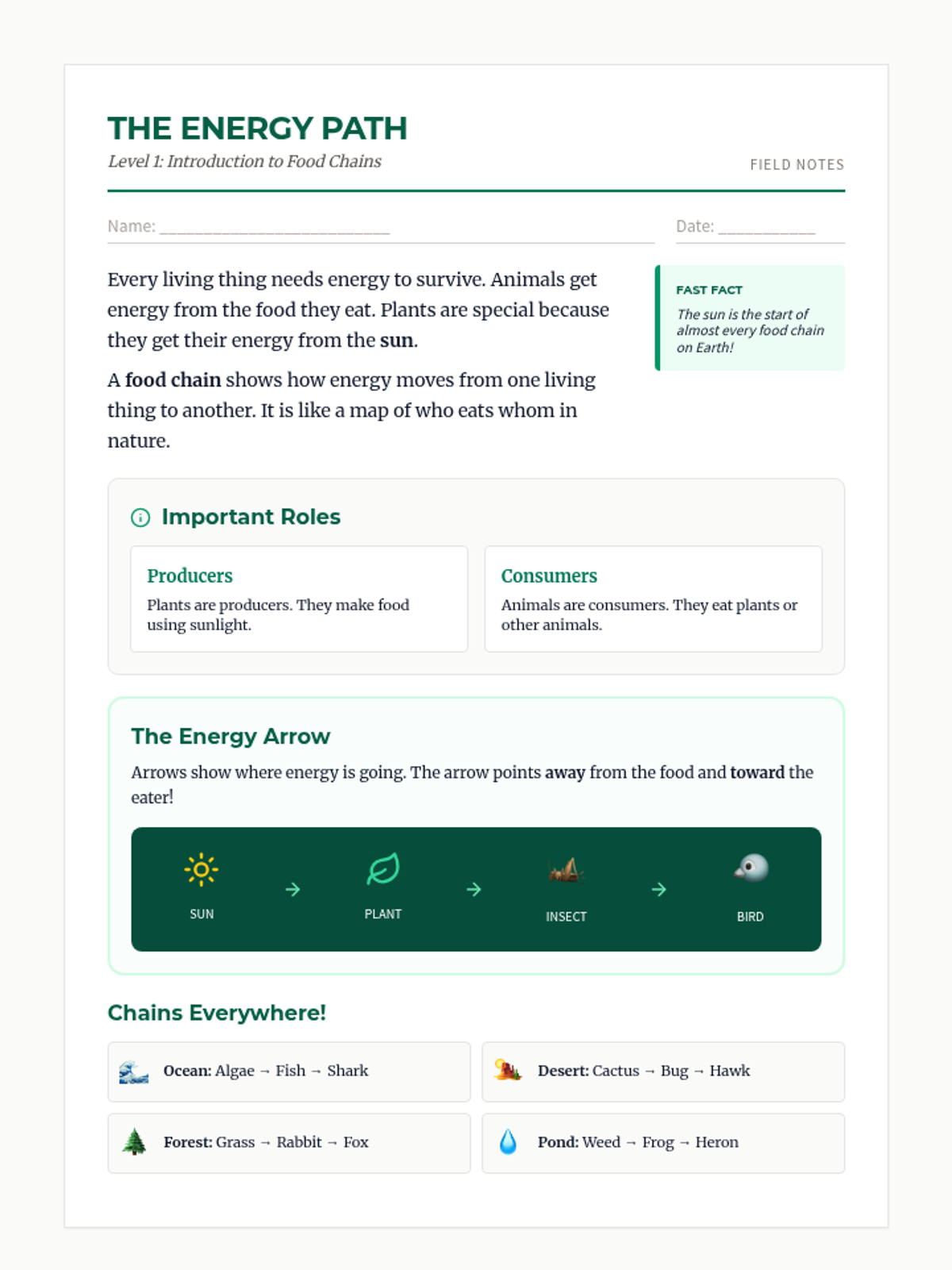
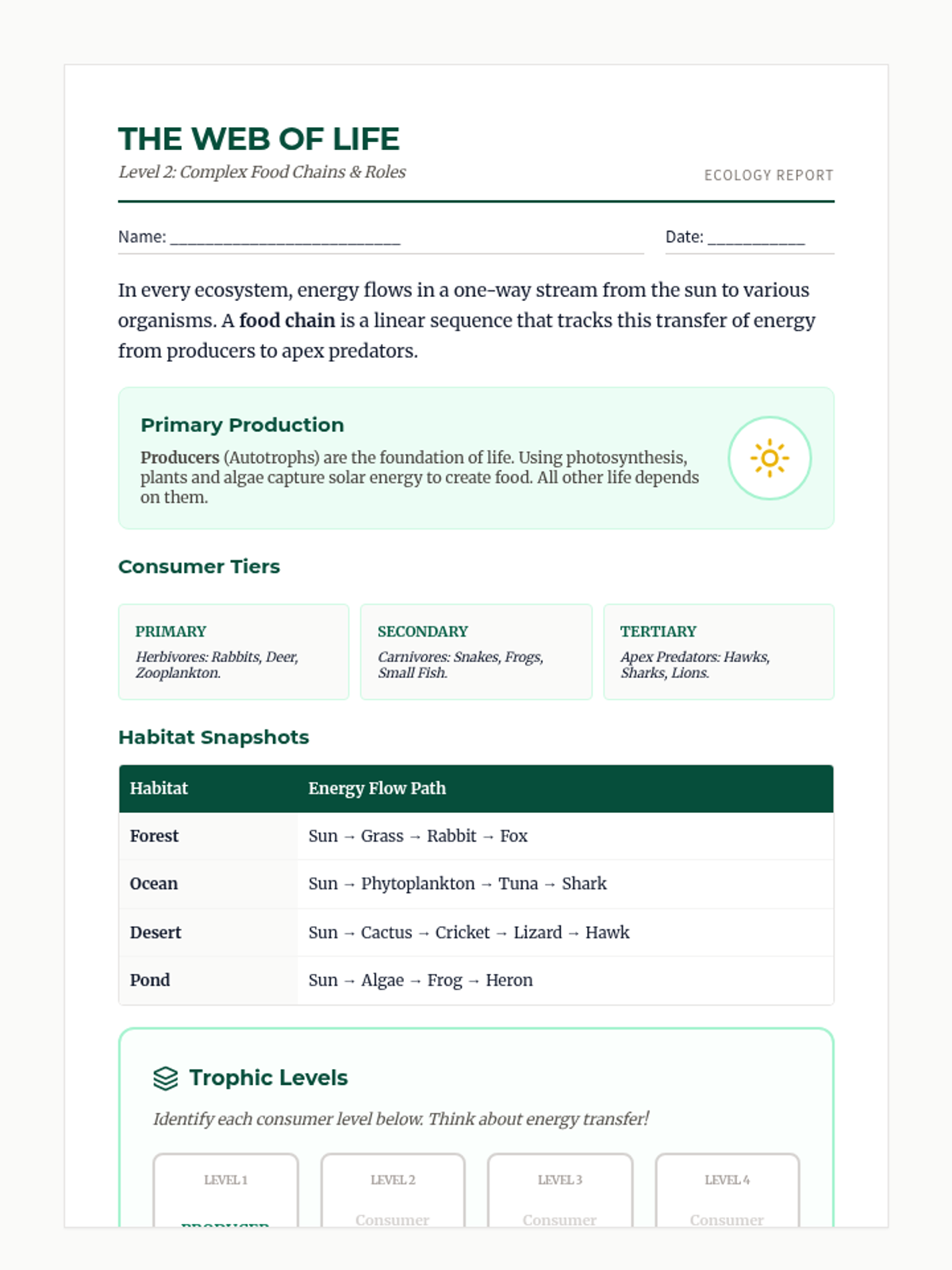
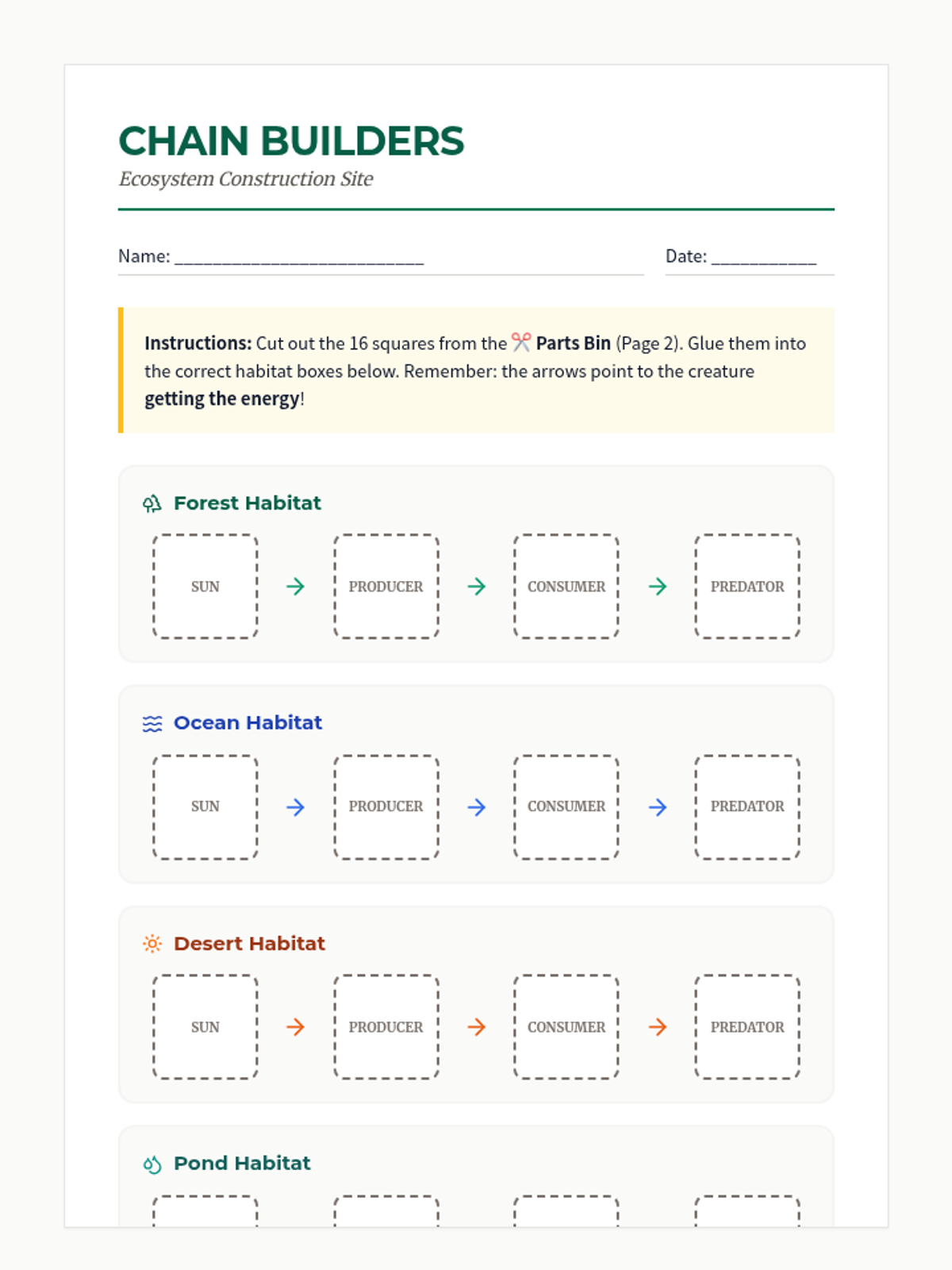
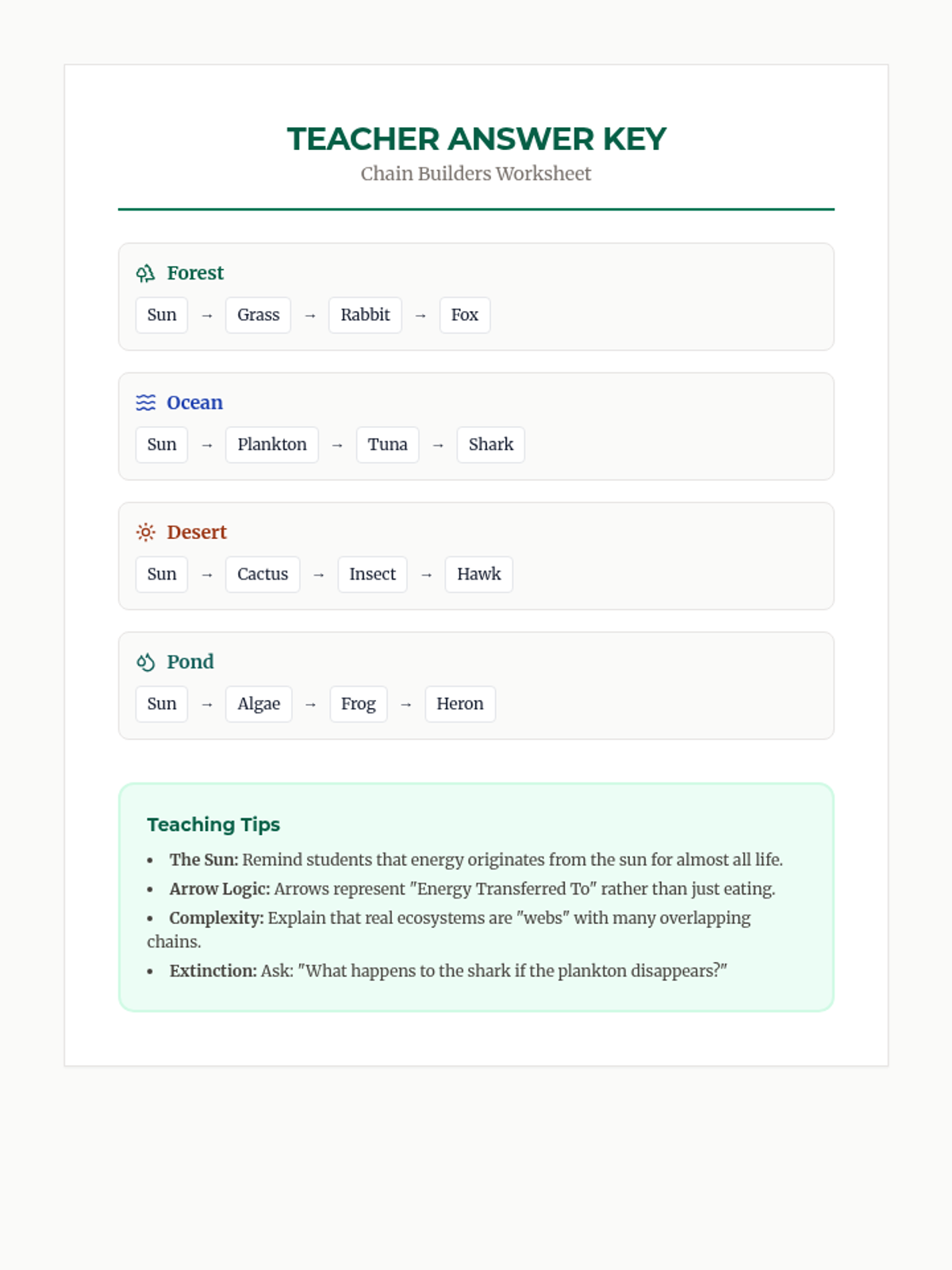
A comprehensive look at how energy moves through different ecosystems. Students explore food chains across four unique habitats through reading and hands-on activities.
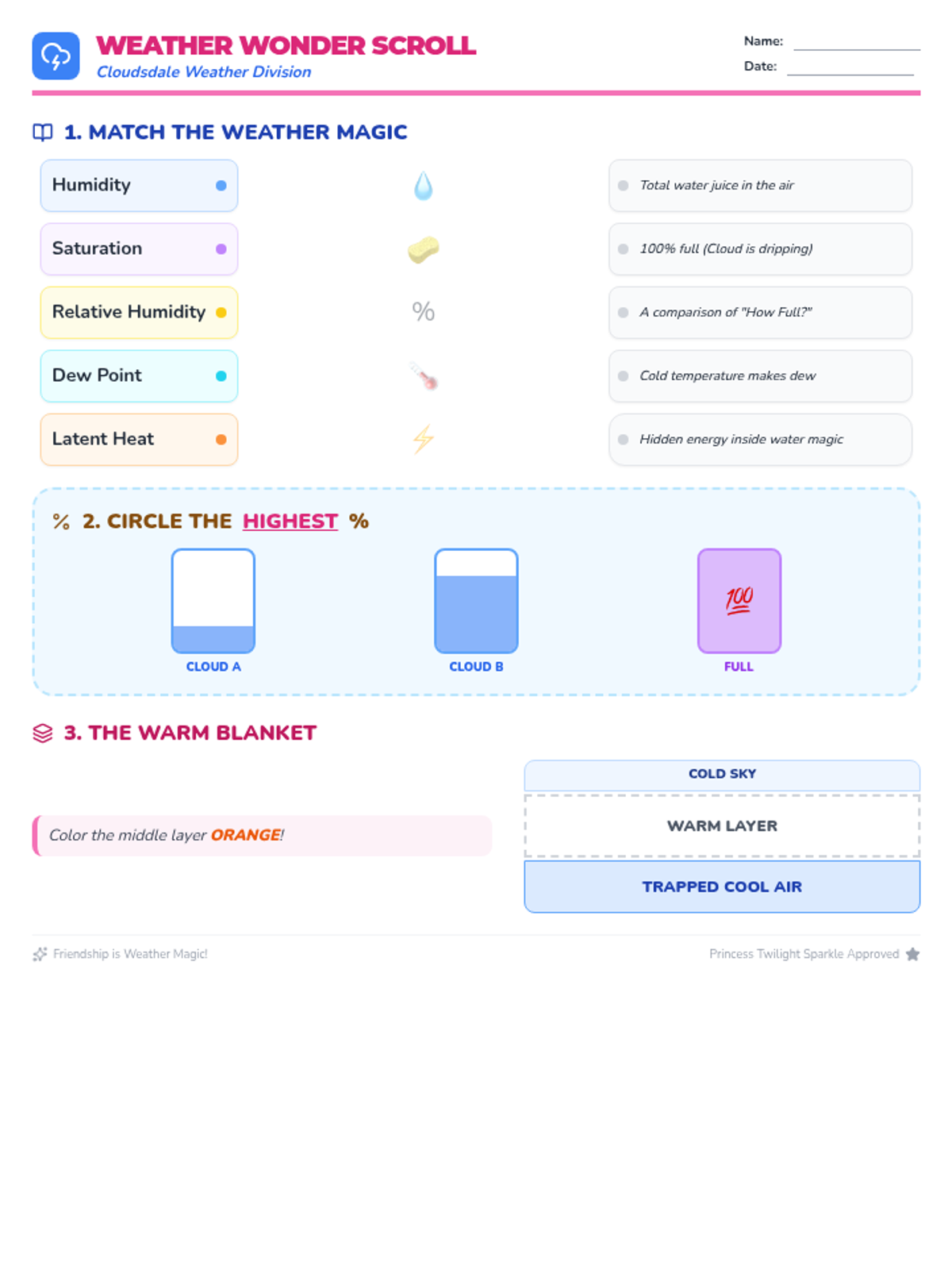
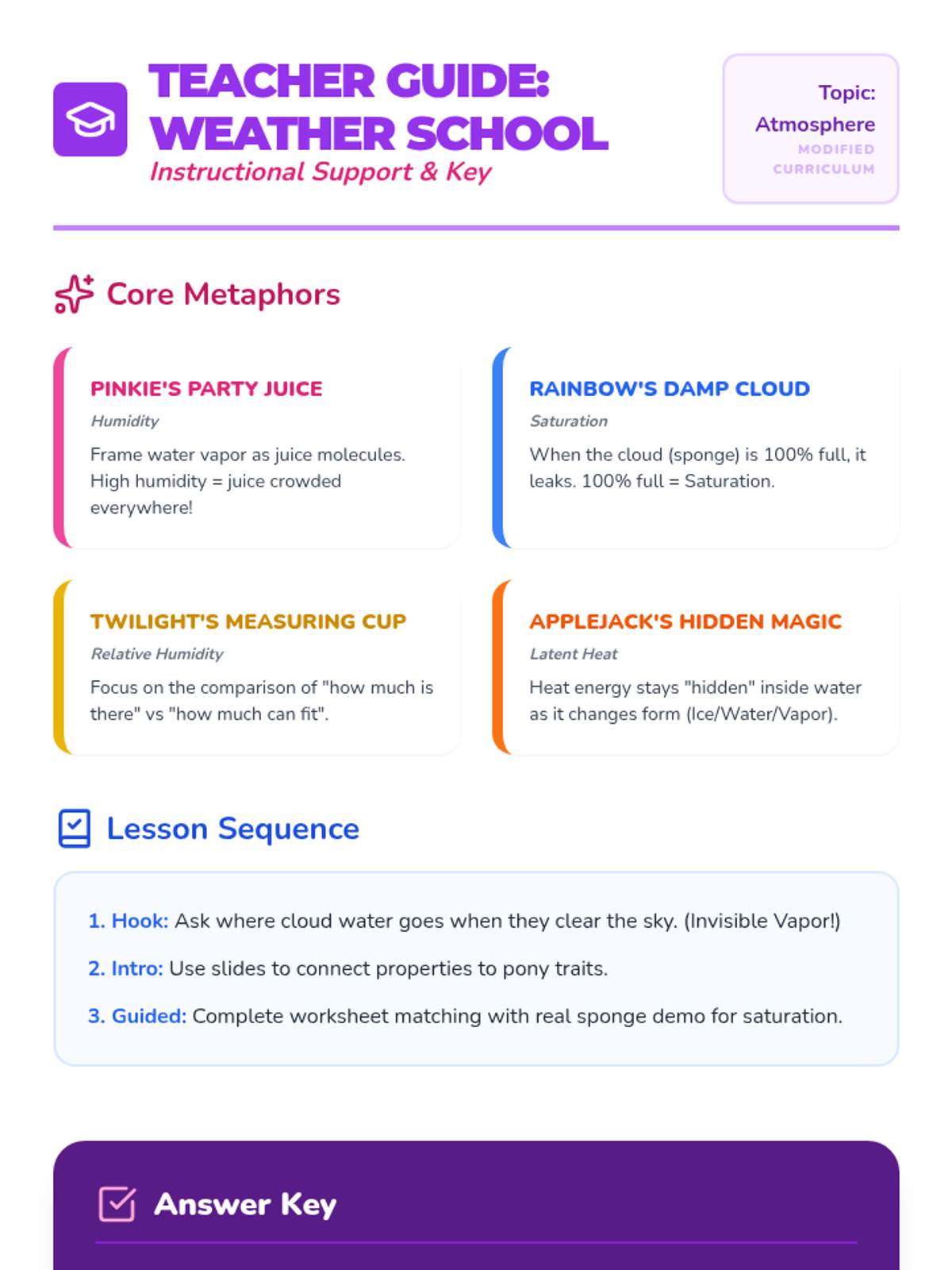
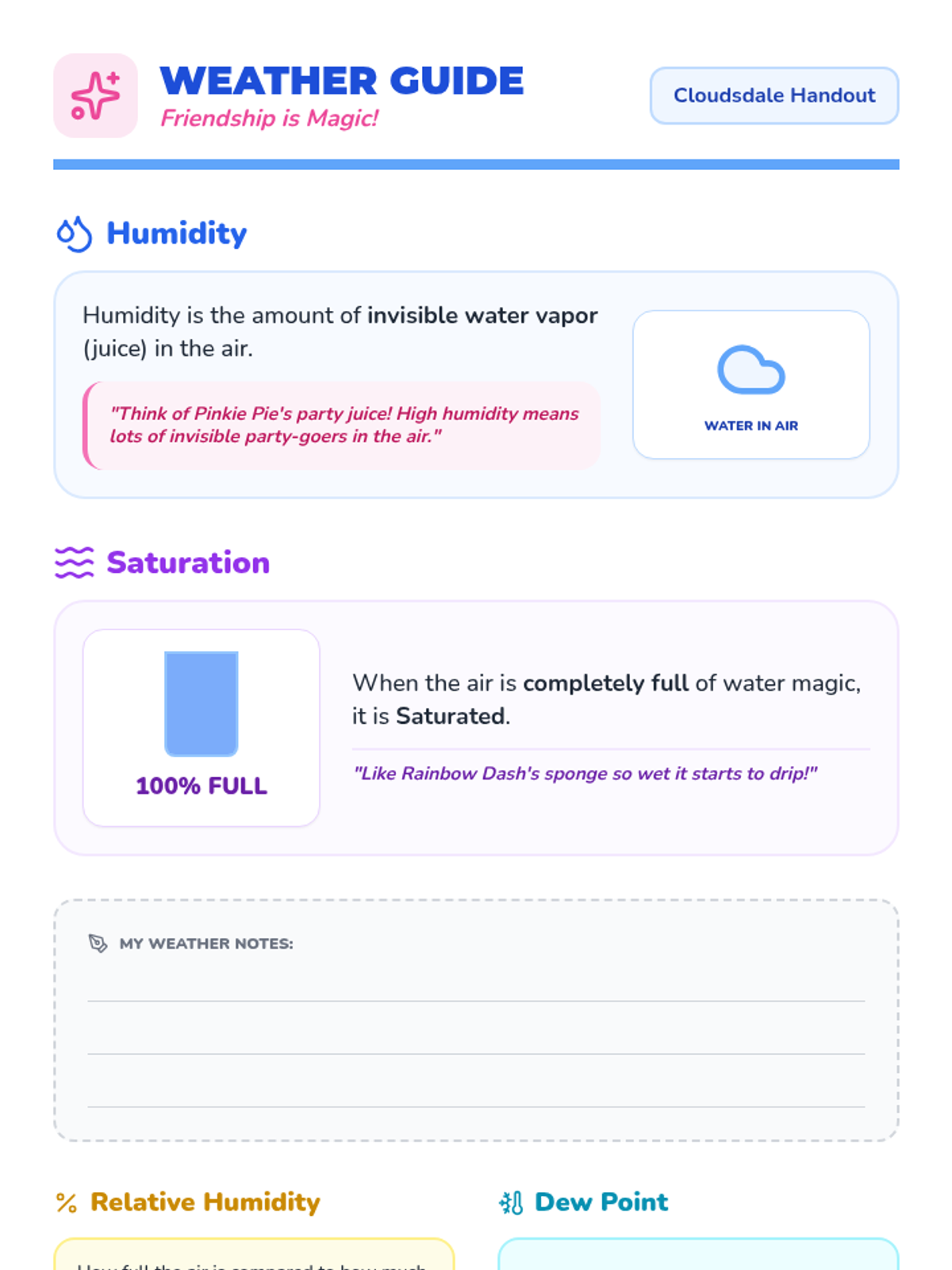
A lesson exploring the properties of the atmosphere using My Little Pony (G4) characters to explain complex weather concepts like humidity, dew point, and latent heat through visual metaphors.
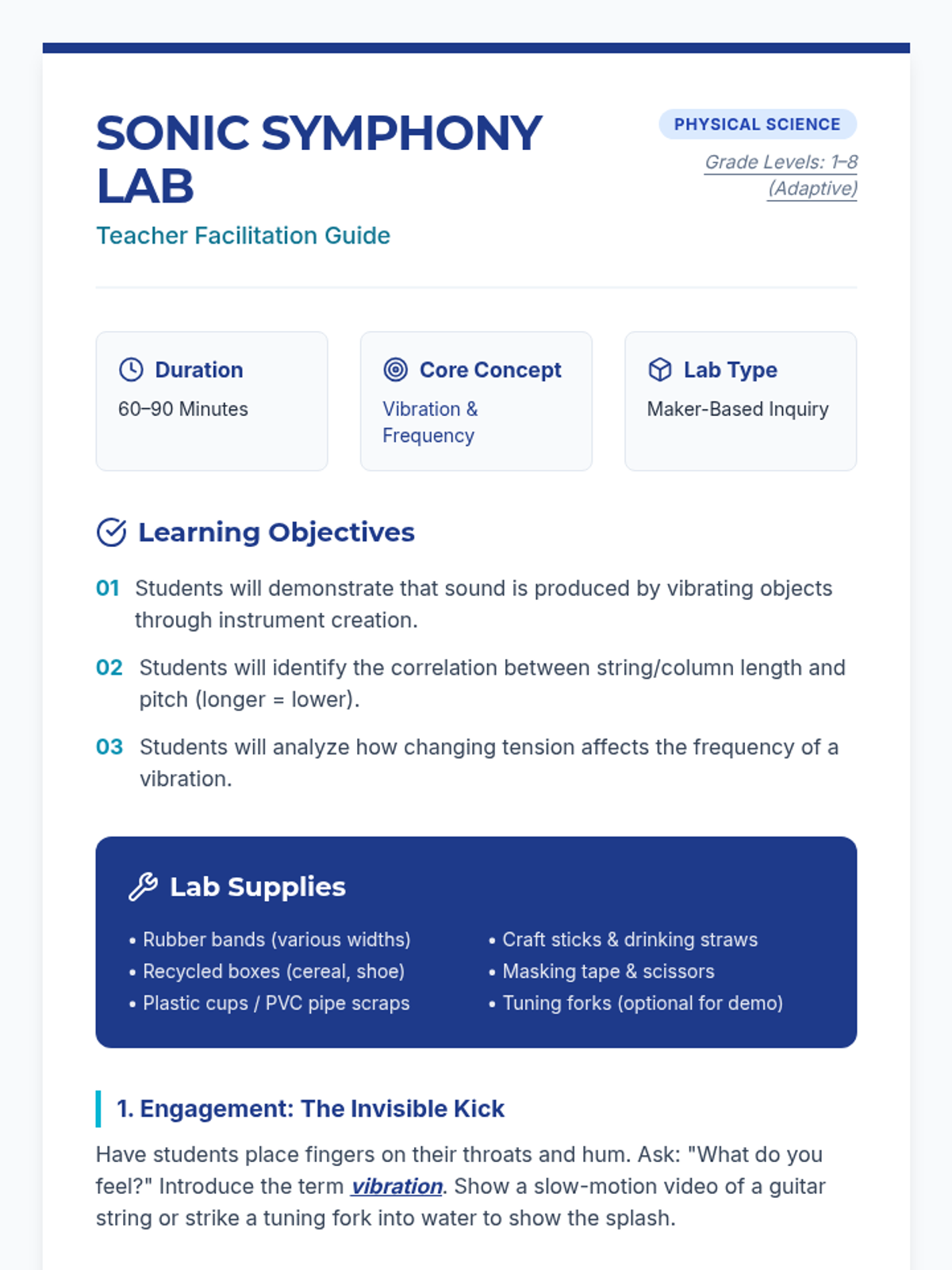
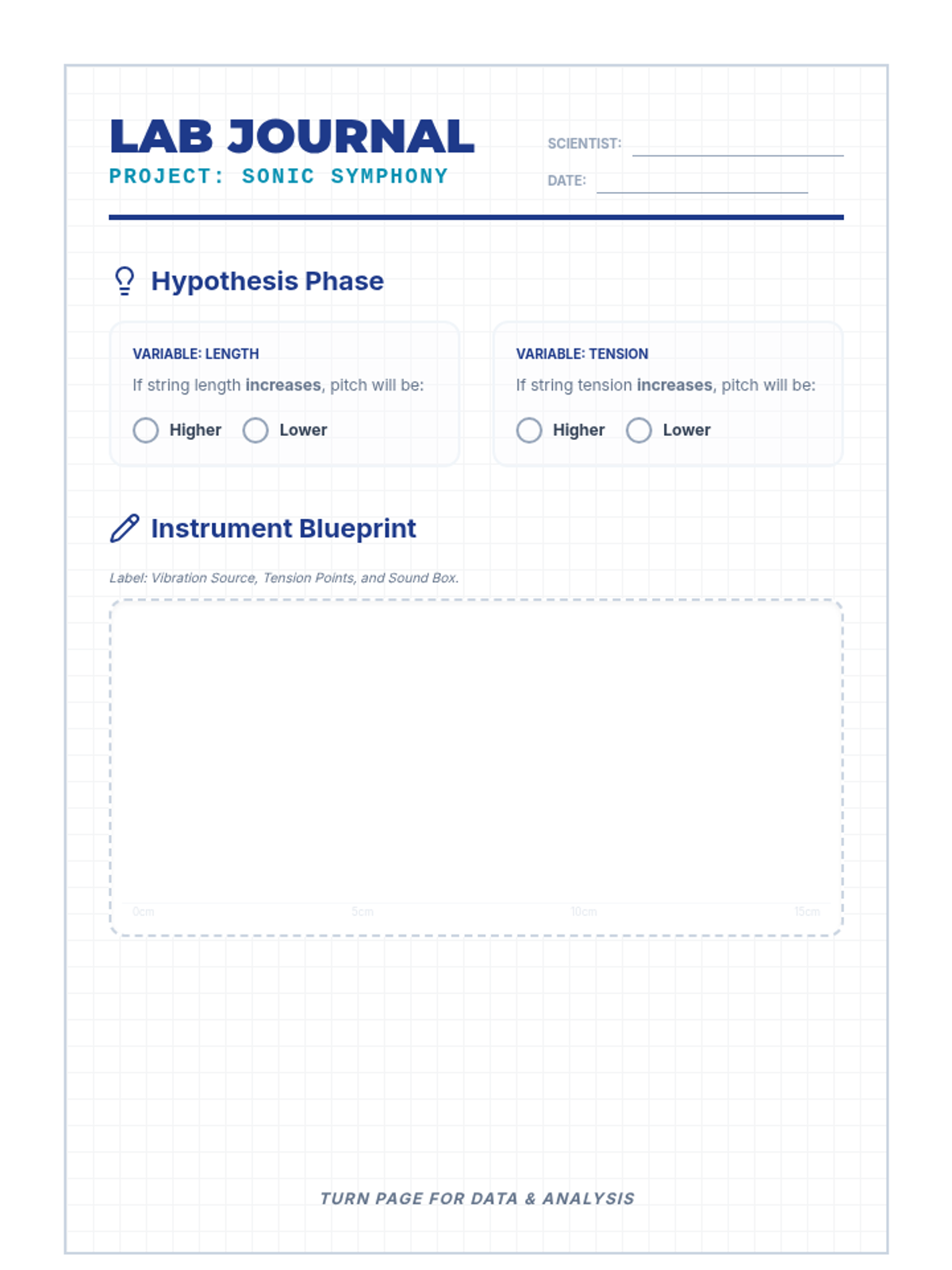
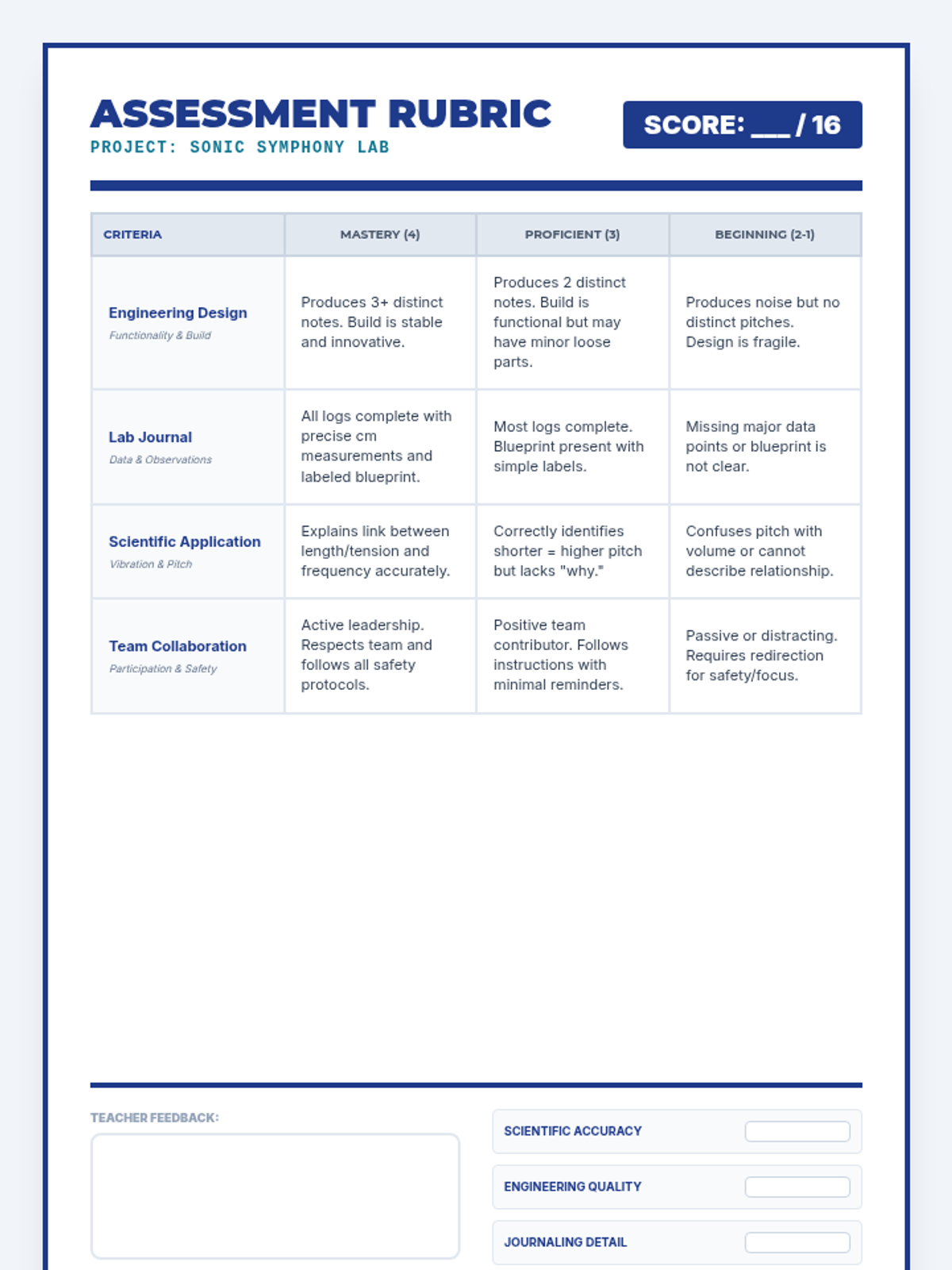
An immersive hands-on investigation into the physics of sound where students build DIY instruments to explore vibrations, pitch, and volume. This lesson bridges sensory exploration with acoustic engineering principles.
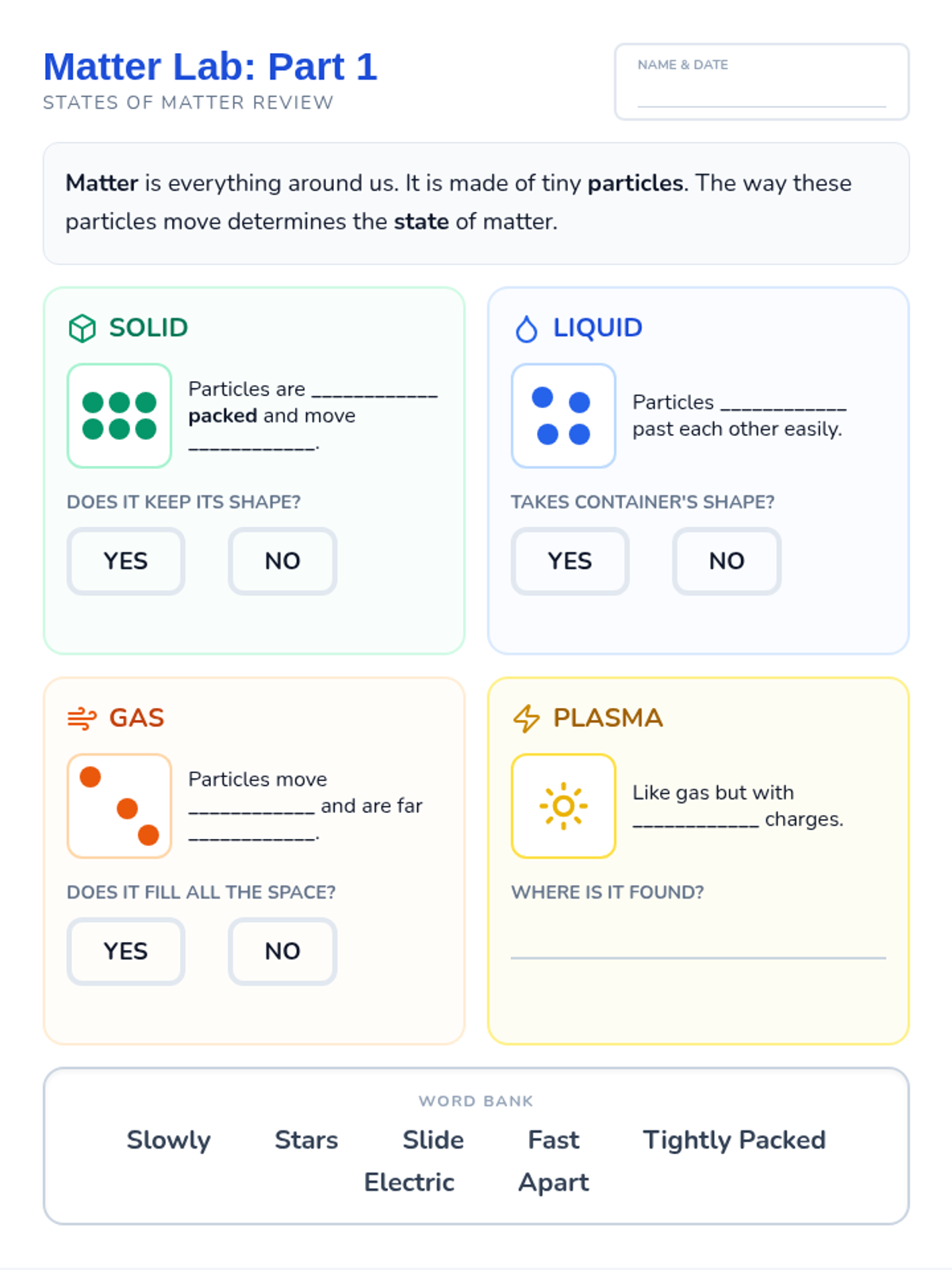
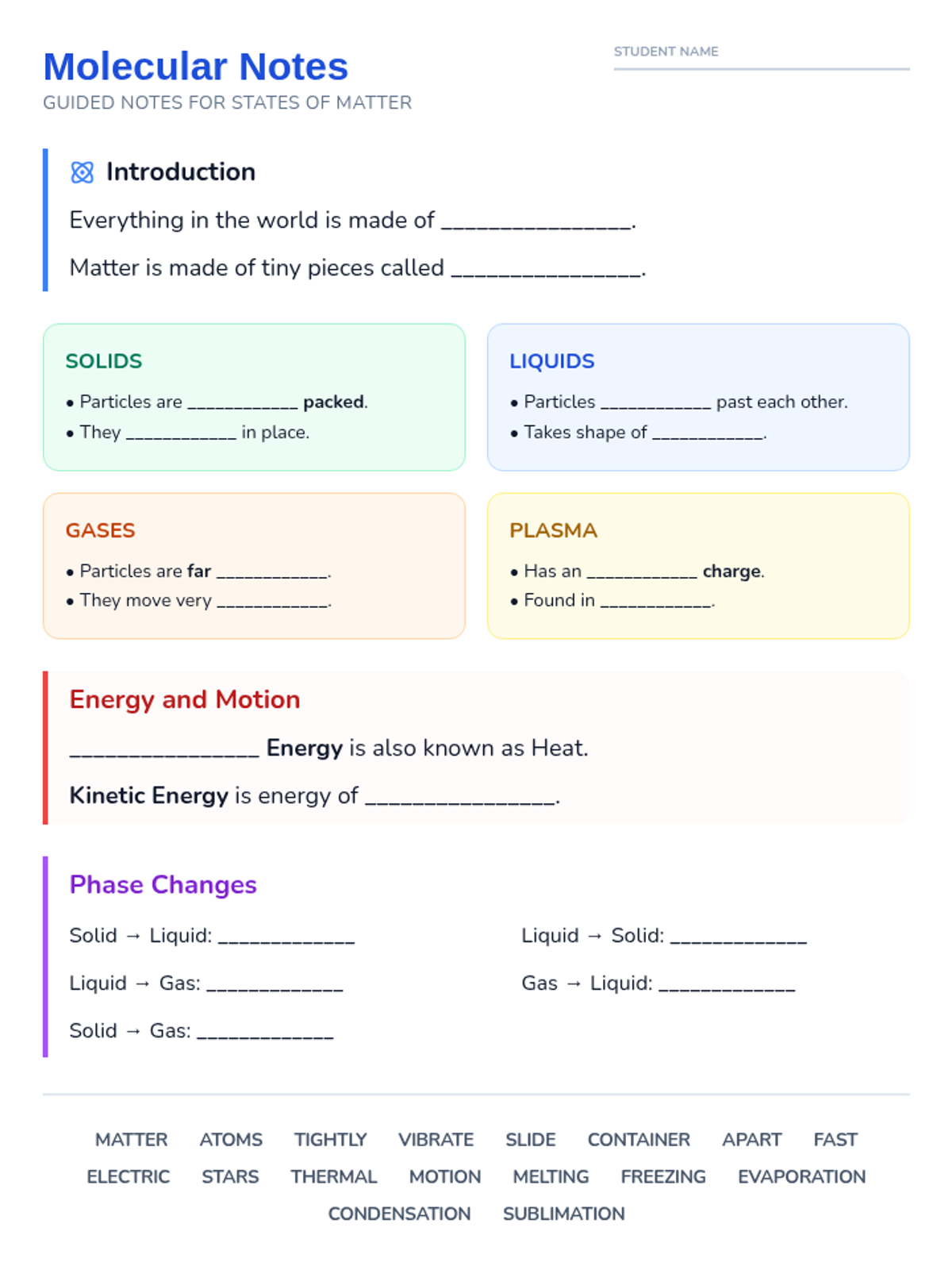
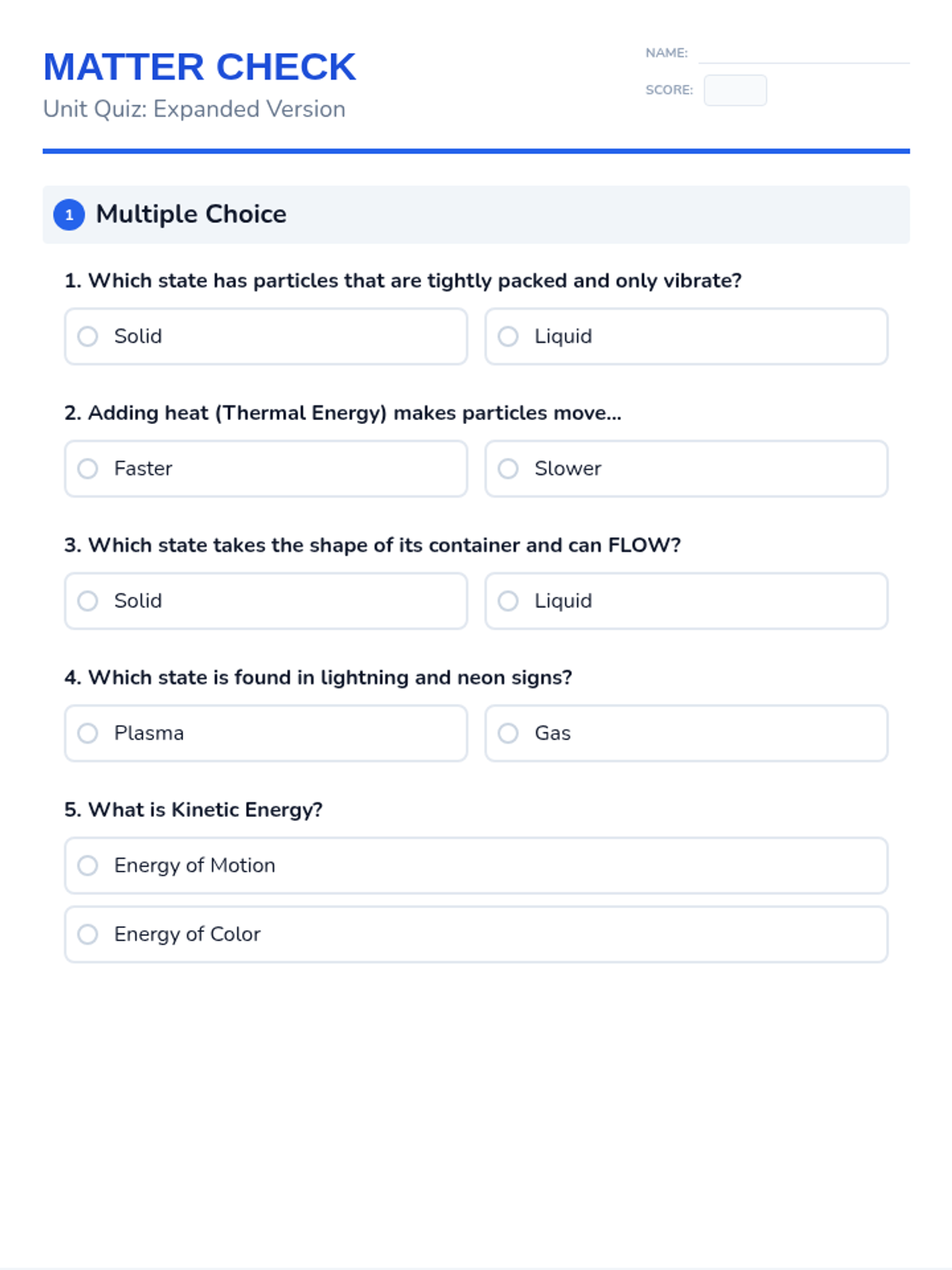
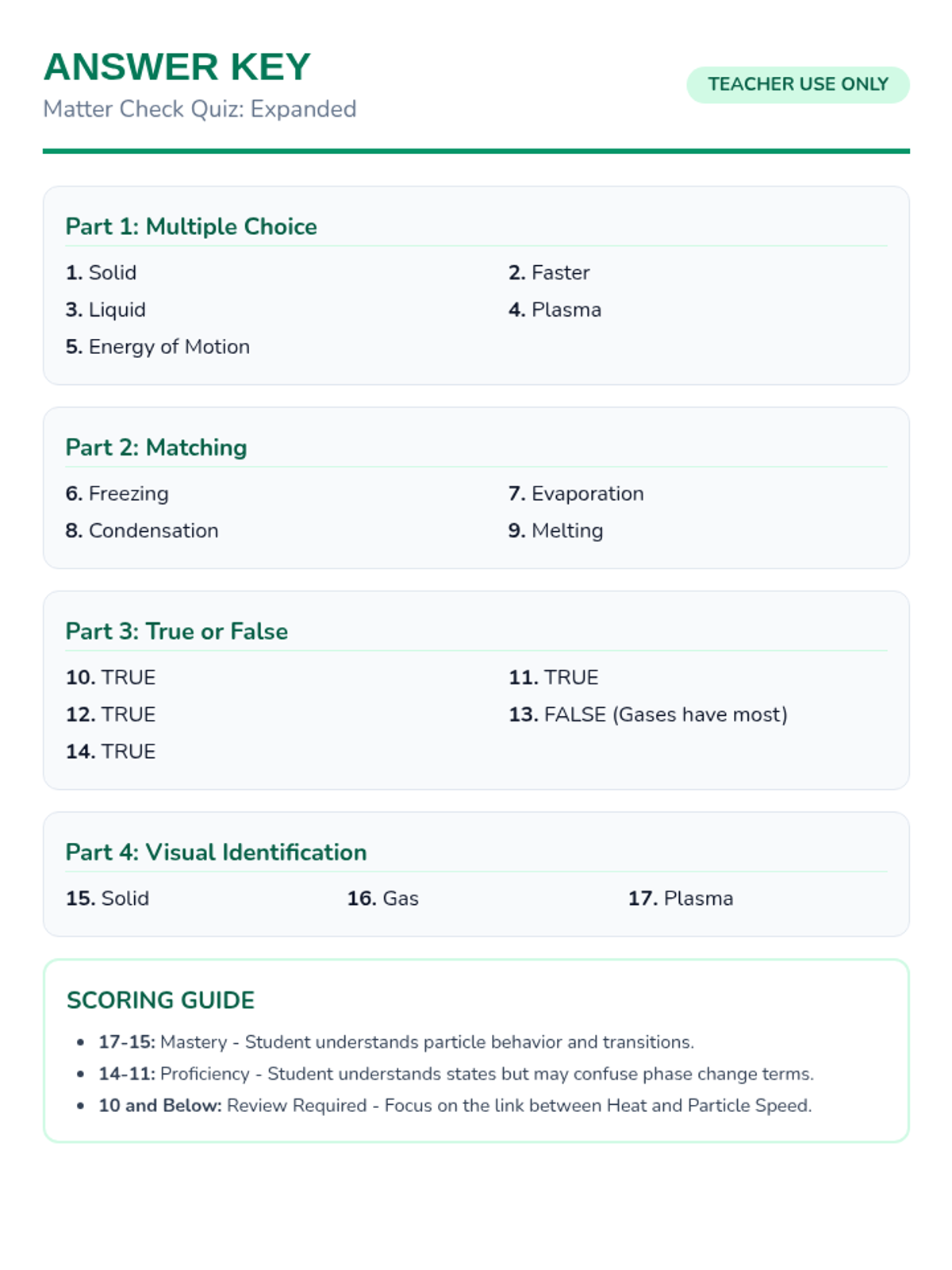
A comprehensive review of the states of matter and phase changes designed for diverse learners, featuring simplified text, visual aids, and structured graphic organizers.
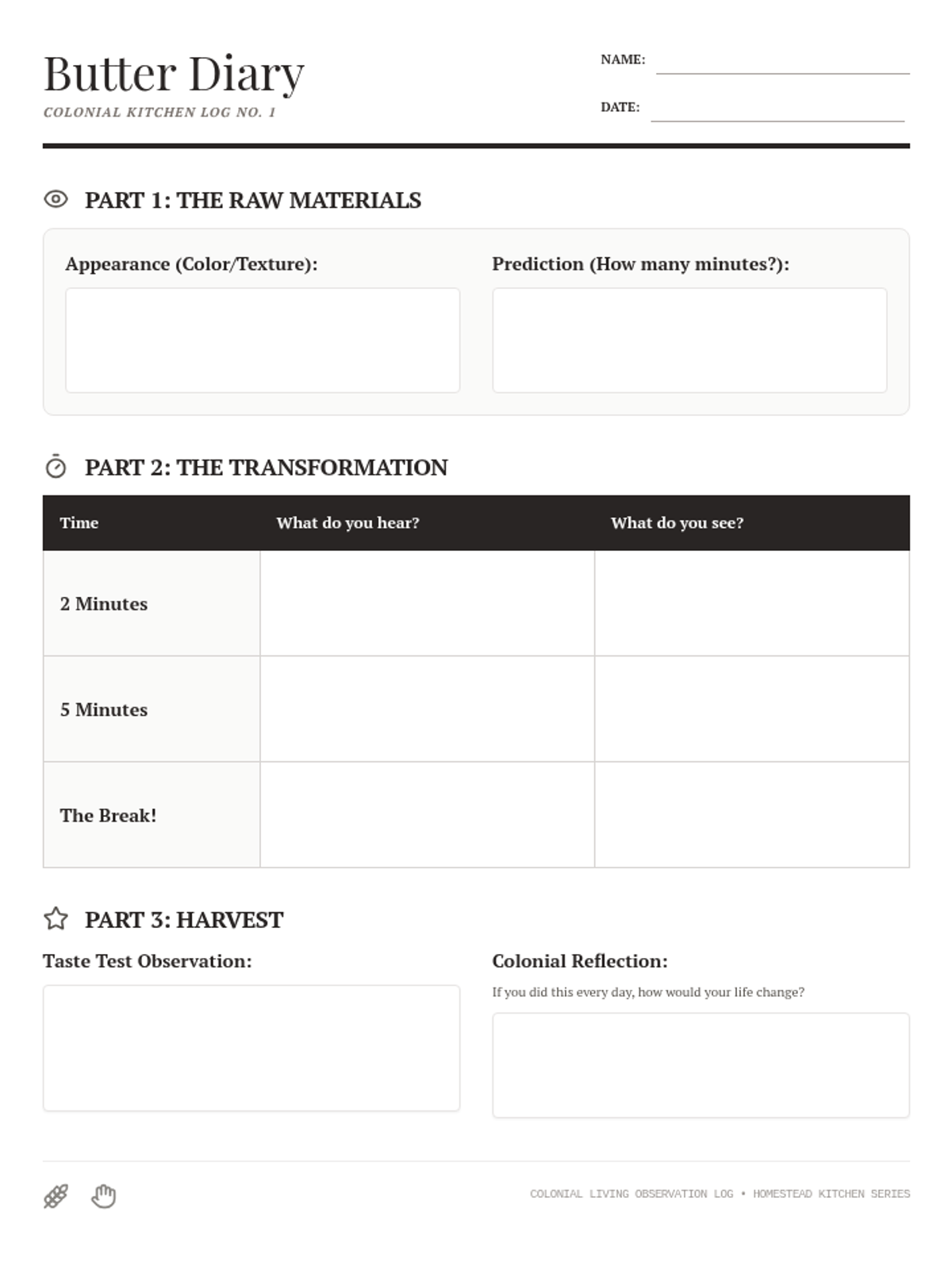
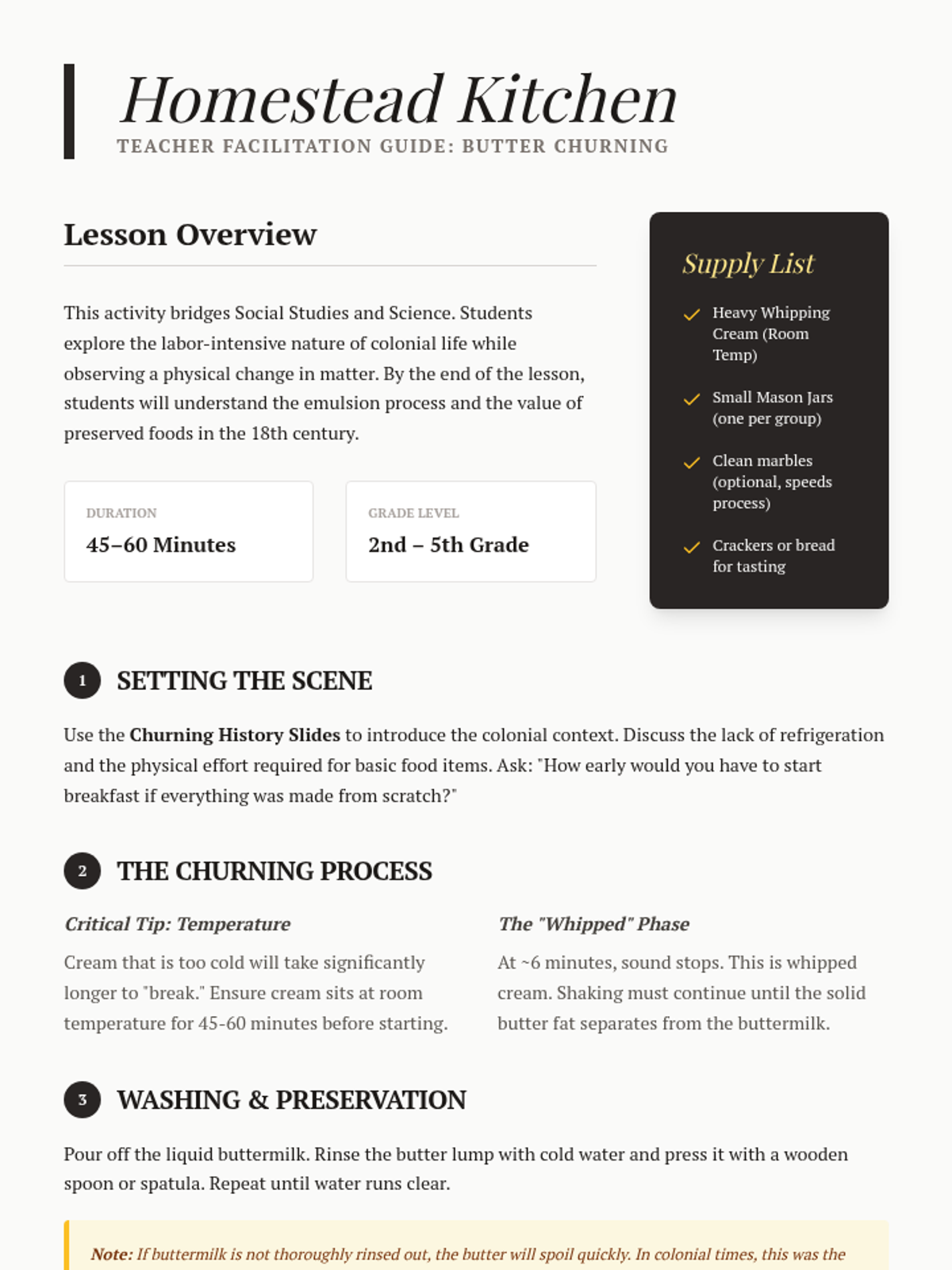
A hands-on exploration of colonial food preservation and the science of phase changes through butter making. Students learn about the effort required for daily colonial tasks while transforming heavy cream into butter using jars.
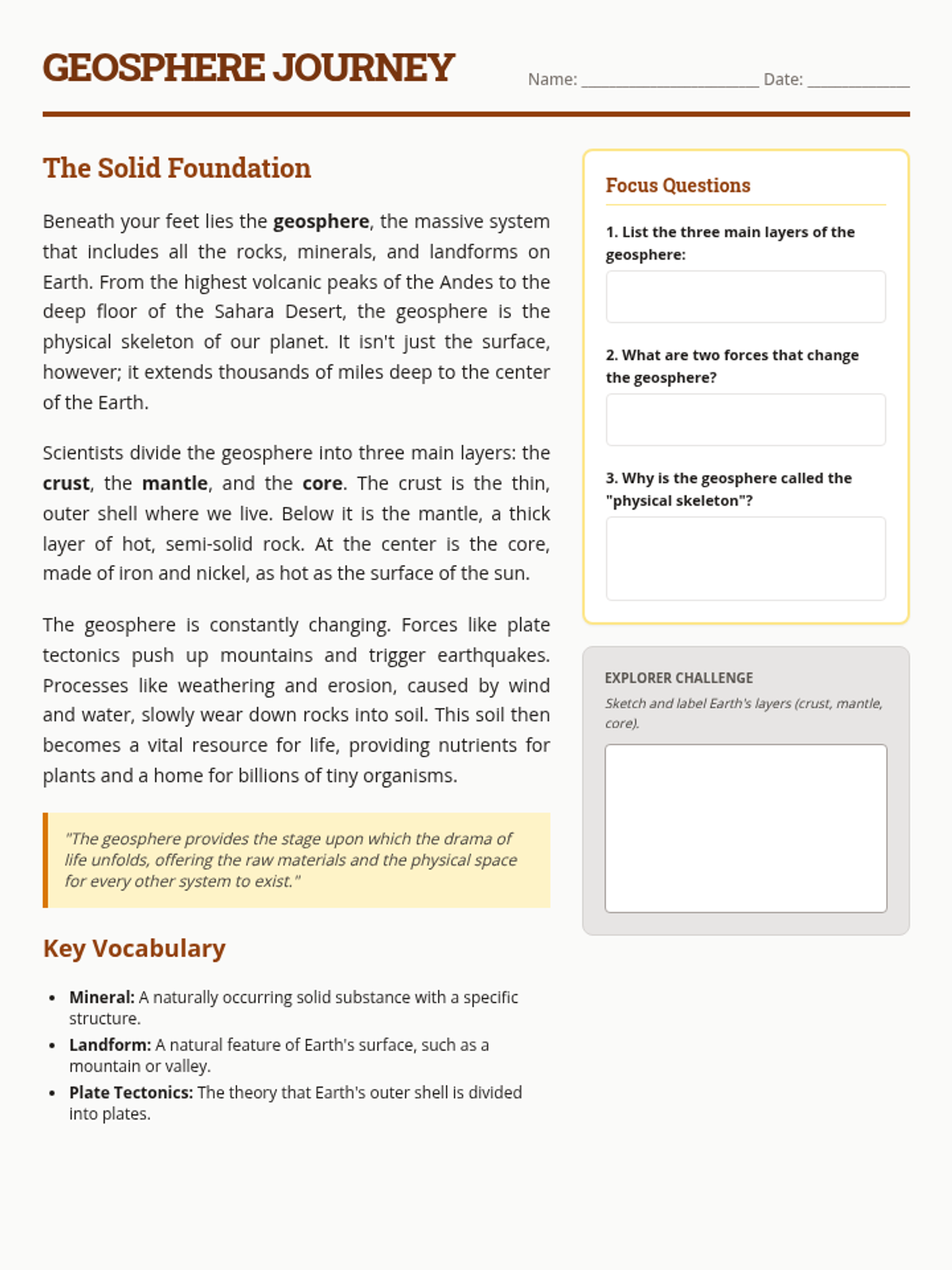
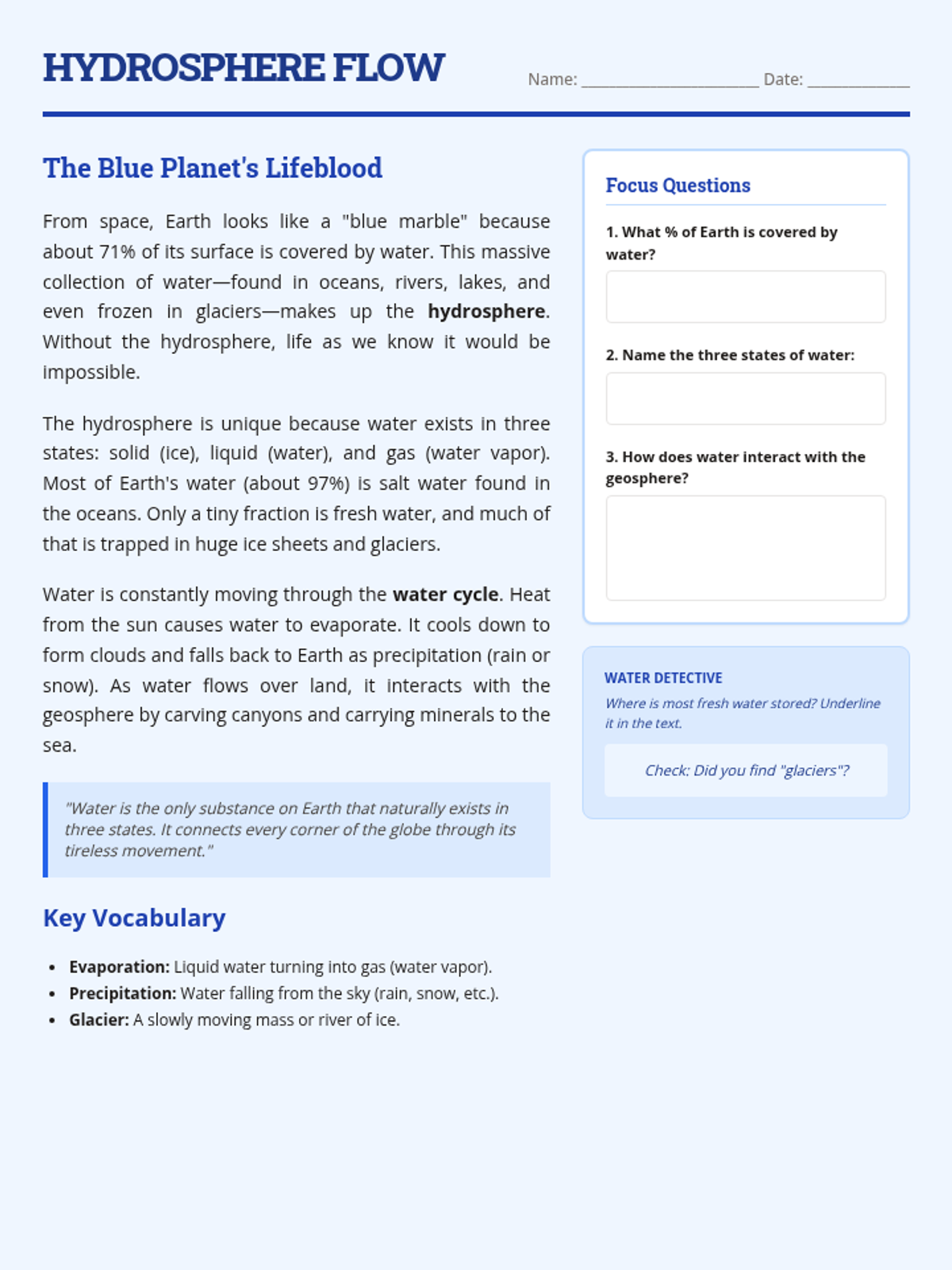
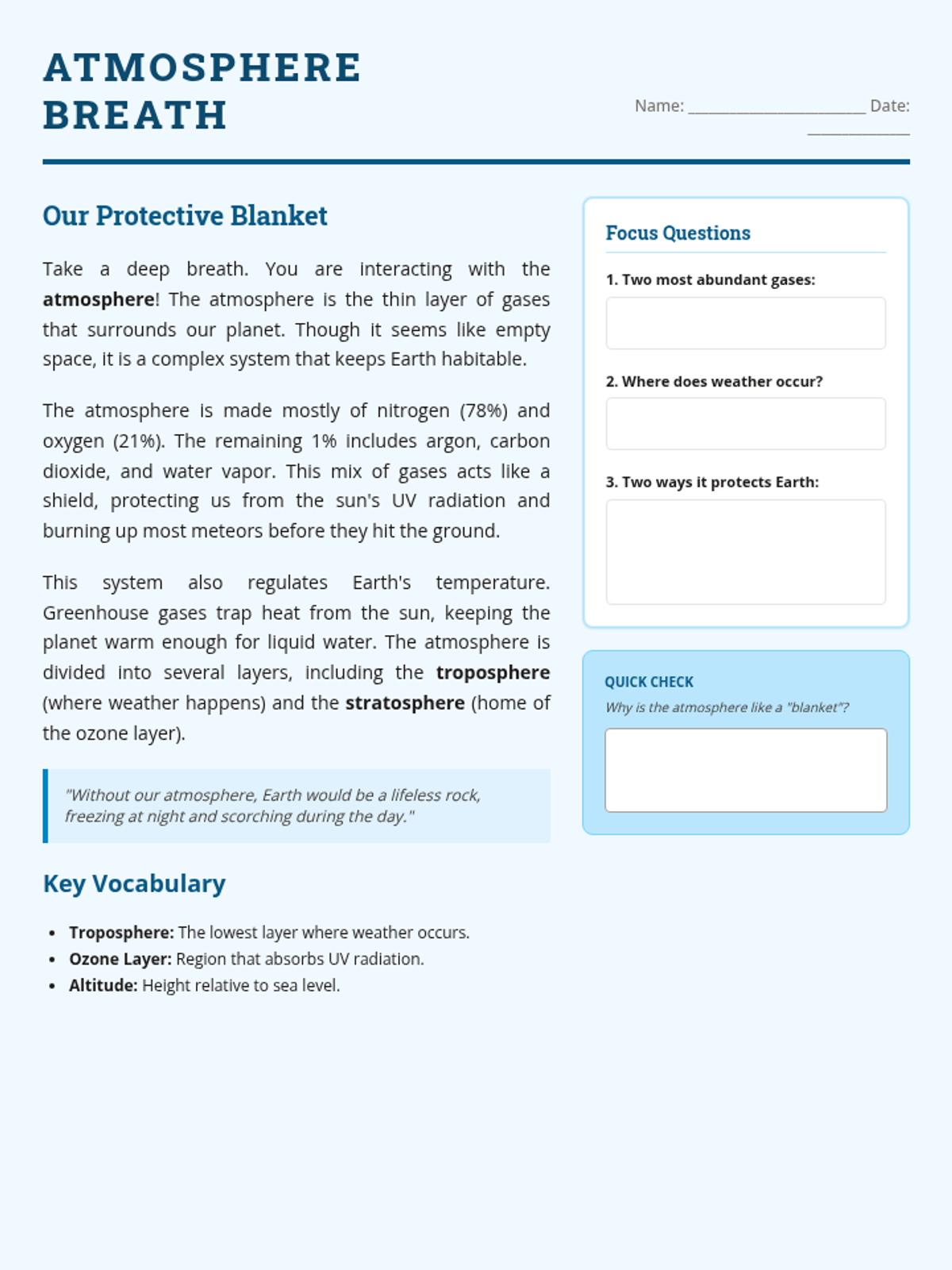
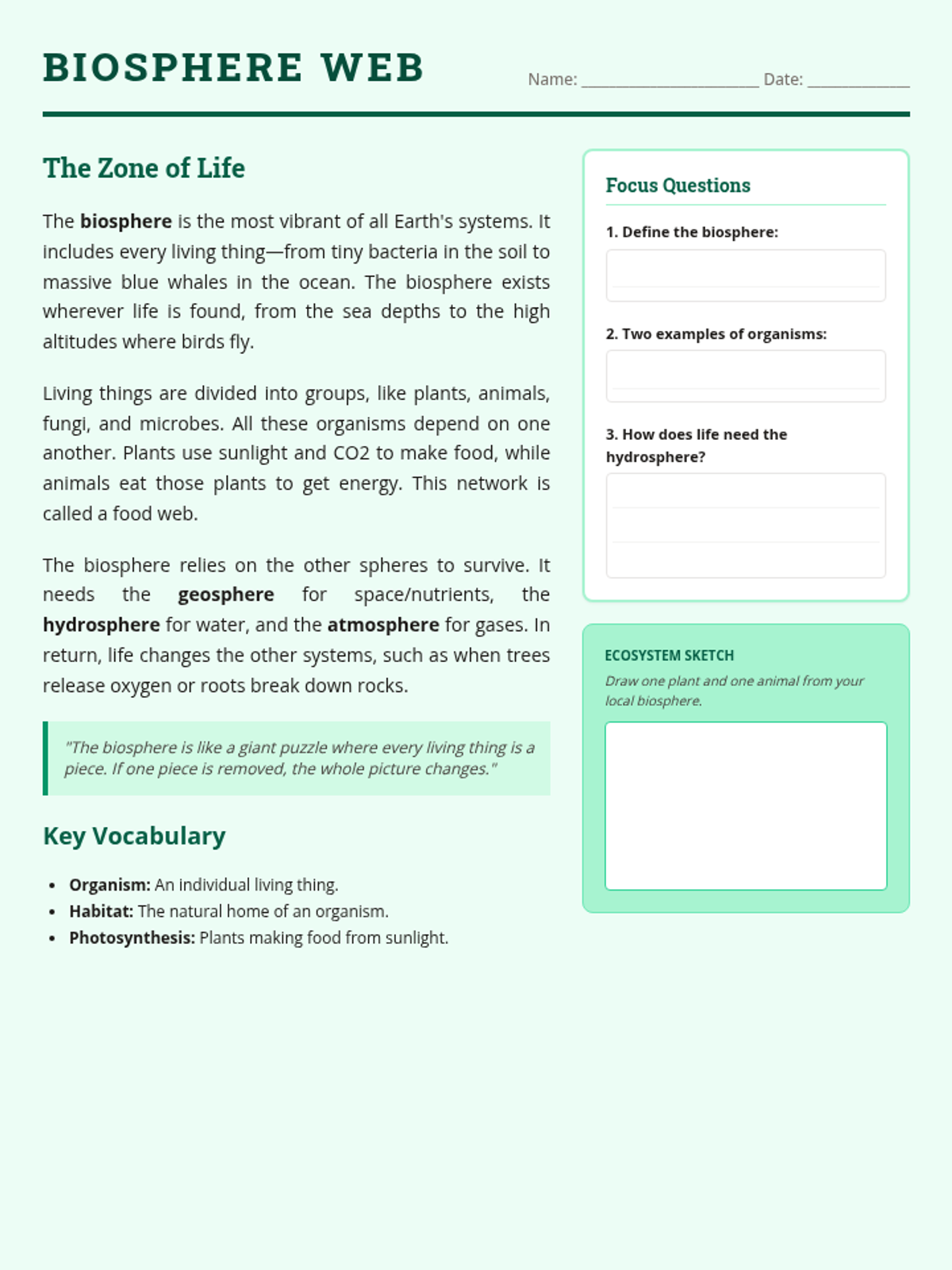
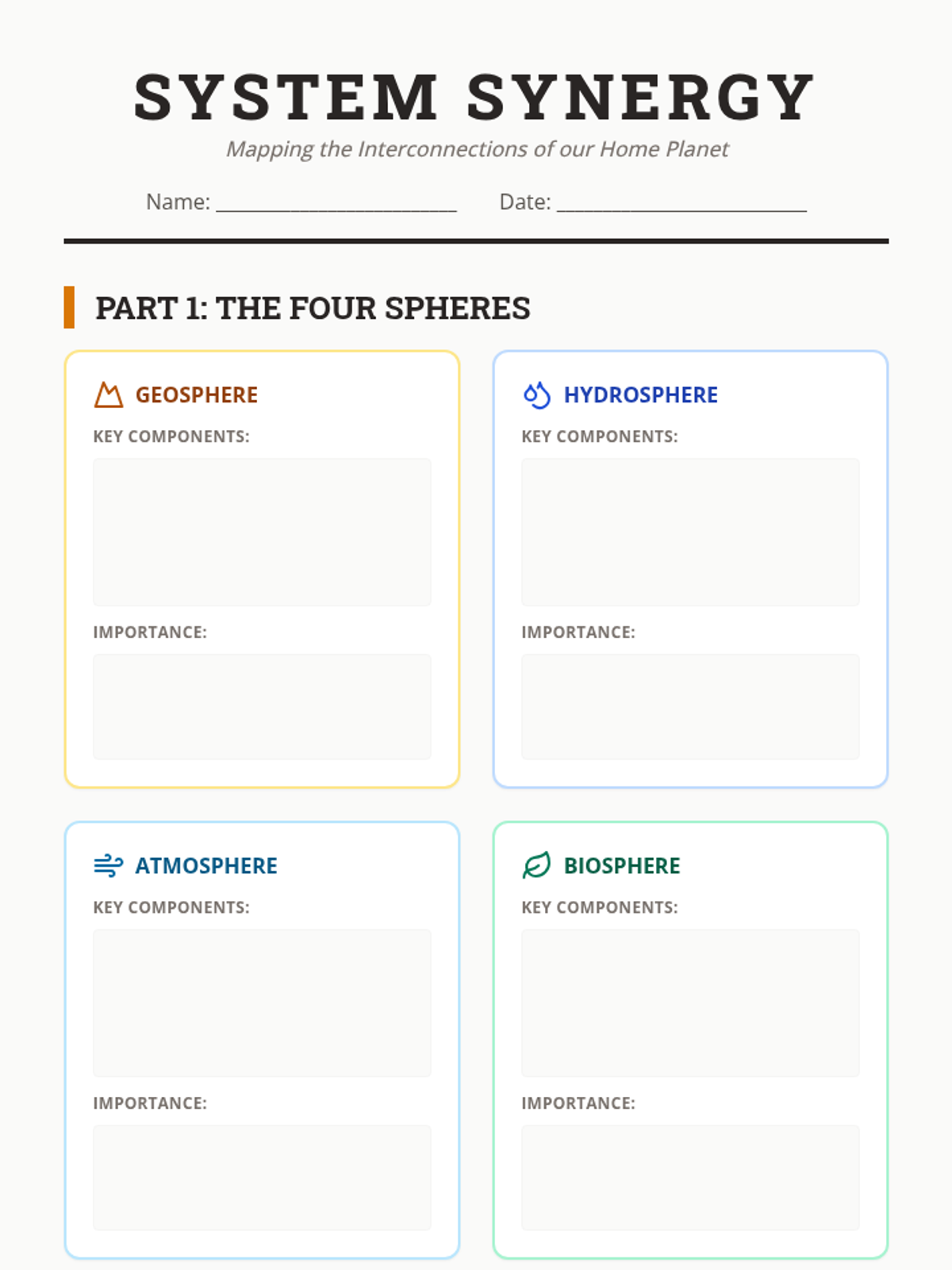
A comprehensive lesson exploring the four major Earth systems (Geosphere, Hydrosphere, Atmosphere, and Biosphere) through guided reading, visual aids, and synthesis activities. Students will learn how these systems interact to sustain life on Earth.
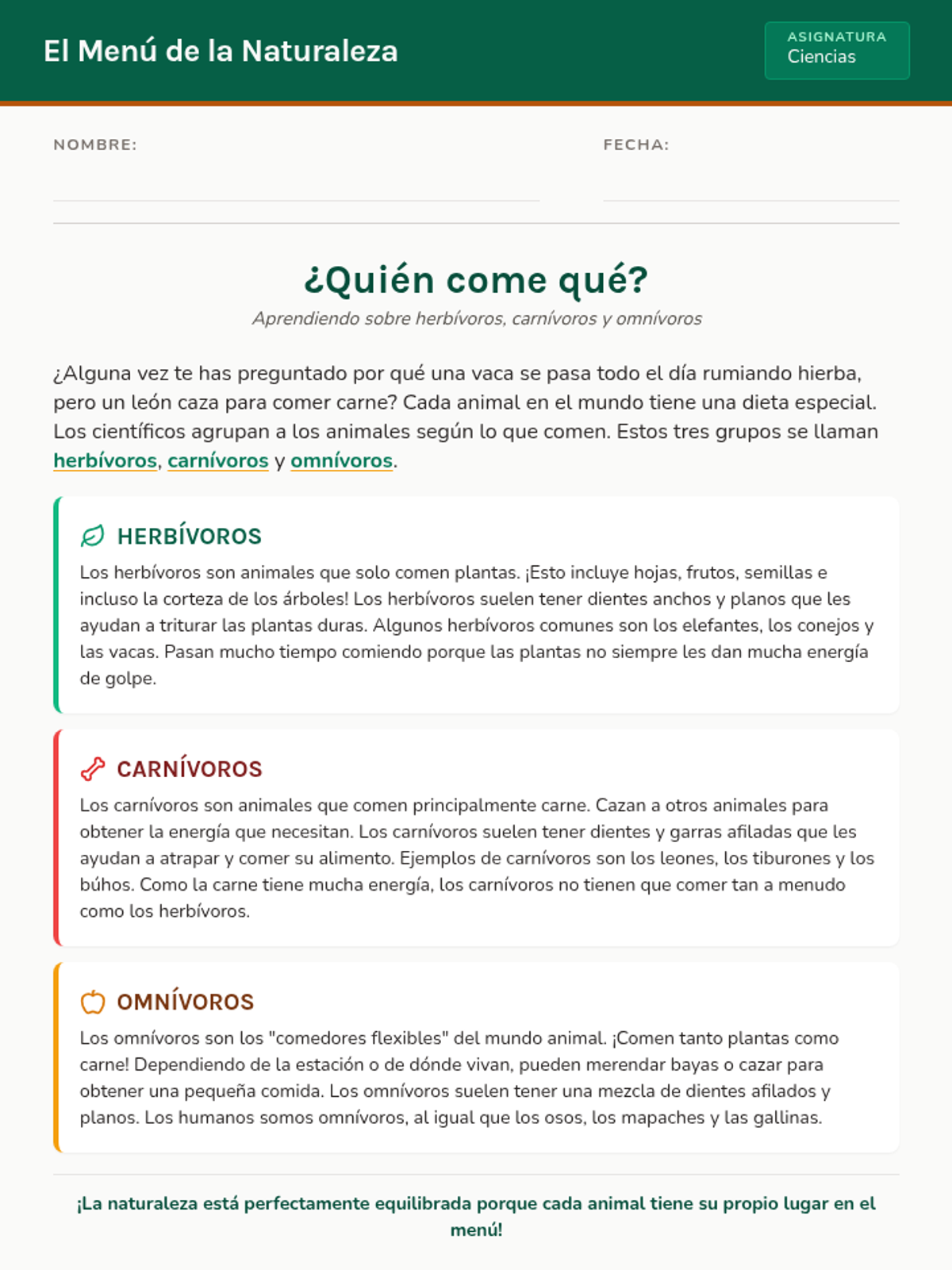
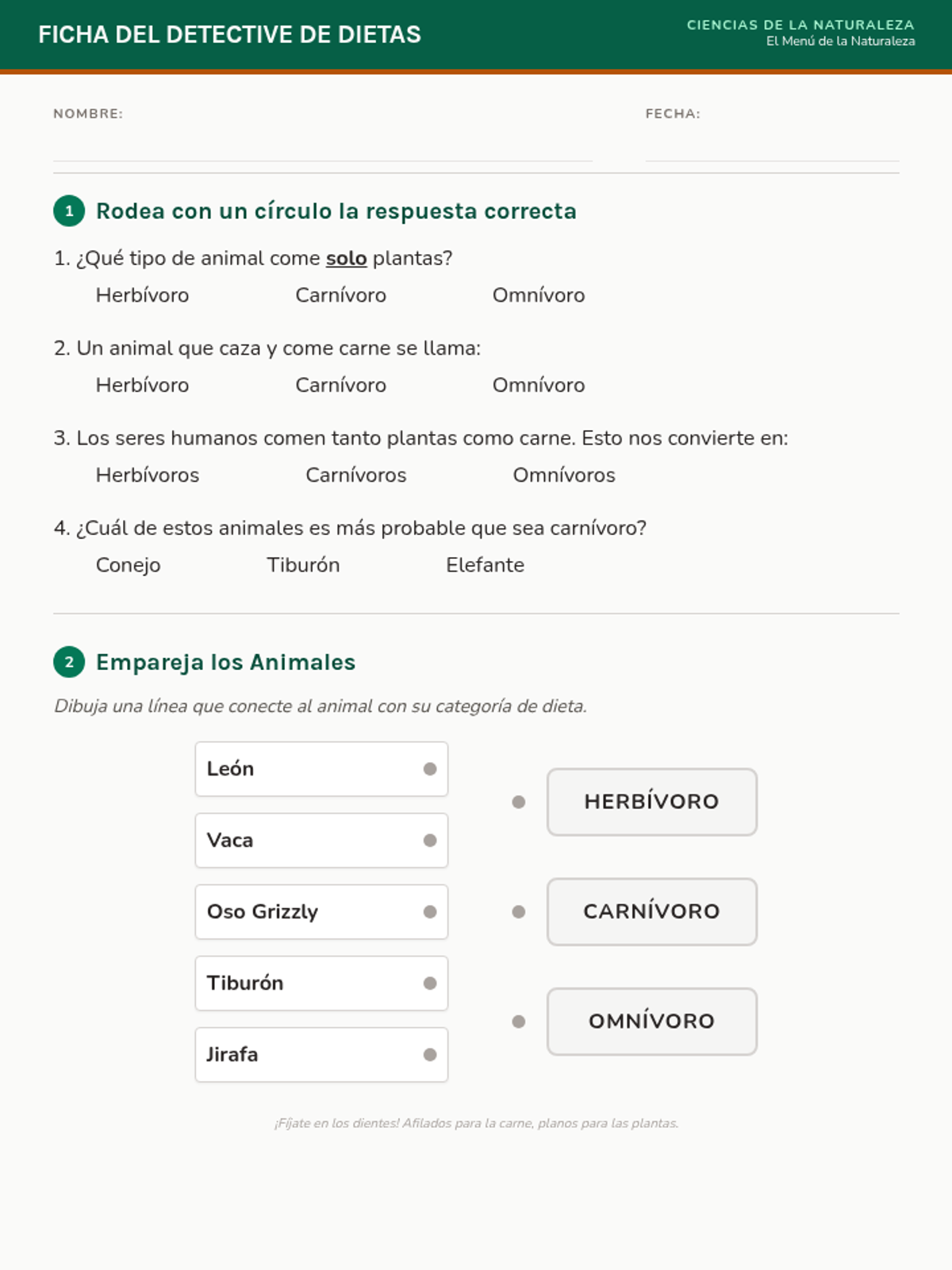
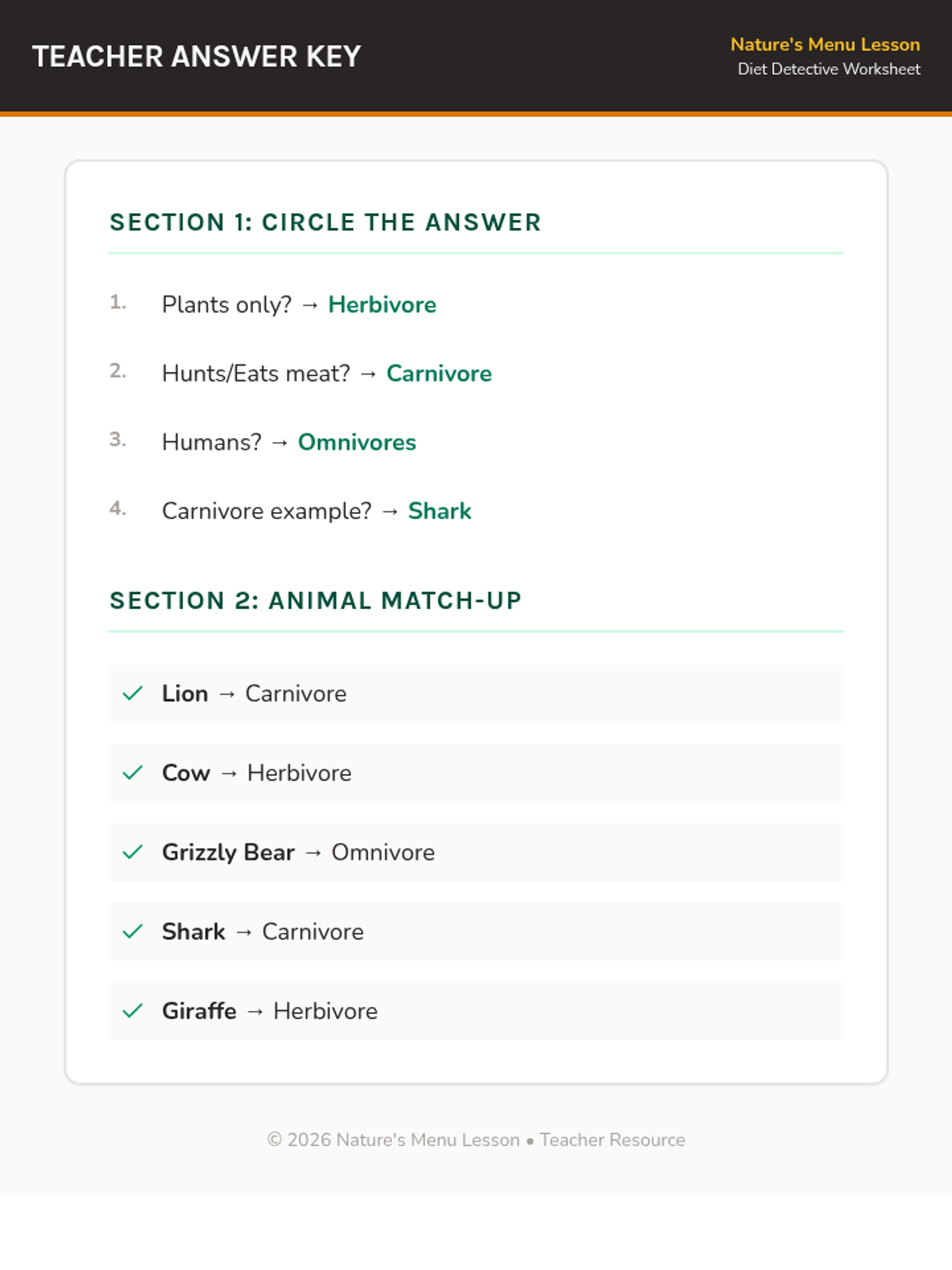
A lesson to help students identify and differentiate between herbivores, carnivores, and omnivores based on their diets and physical traits.
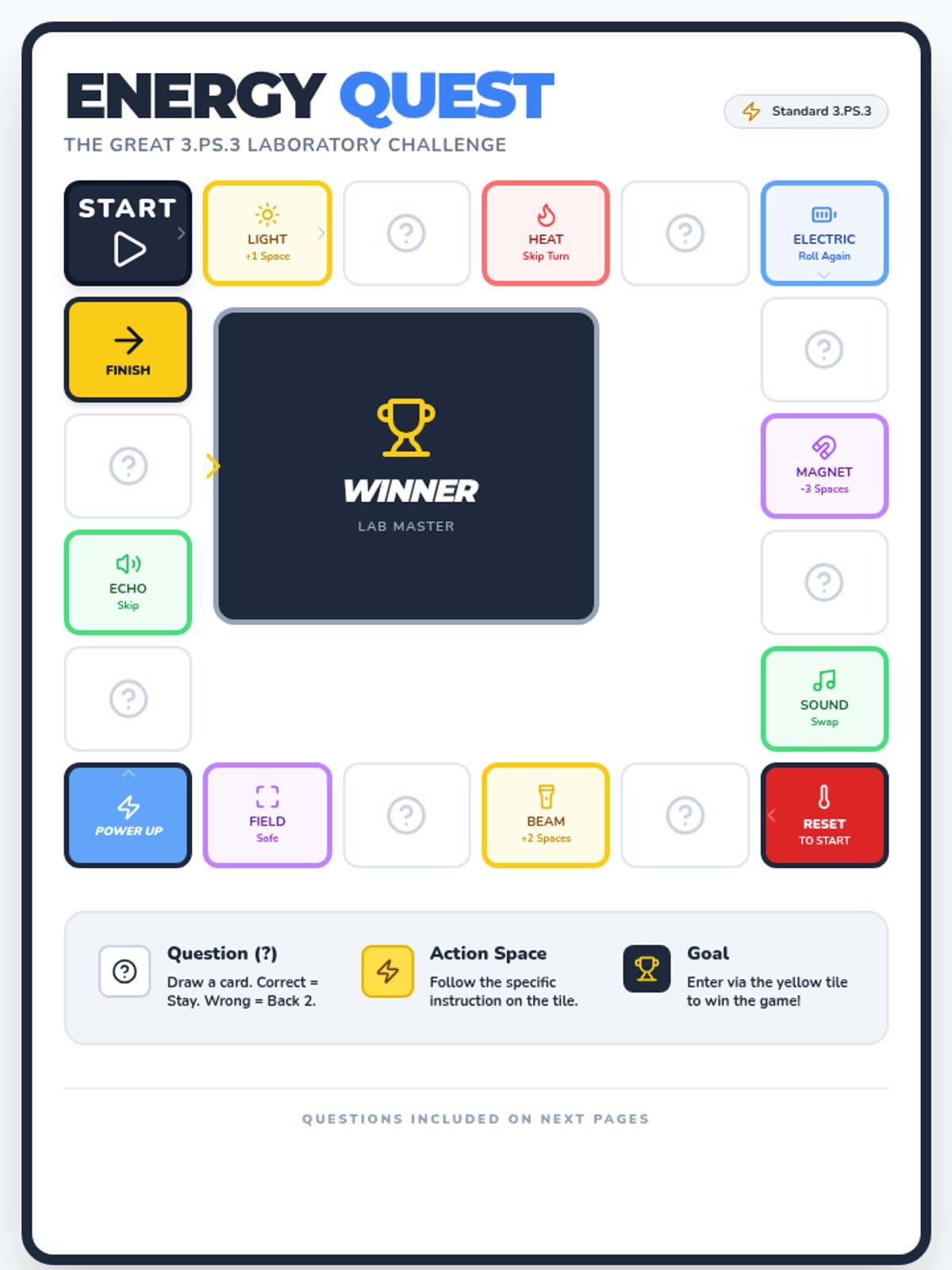
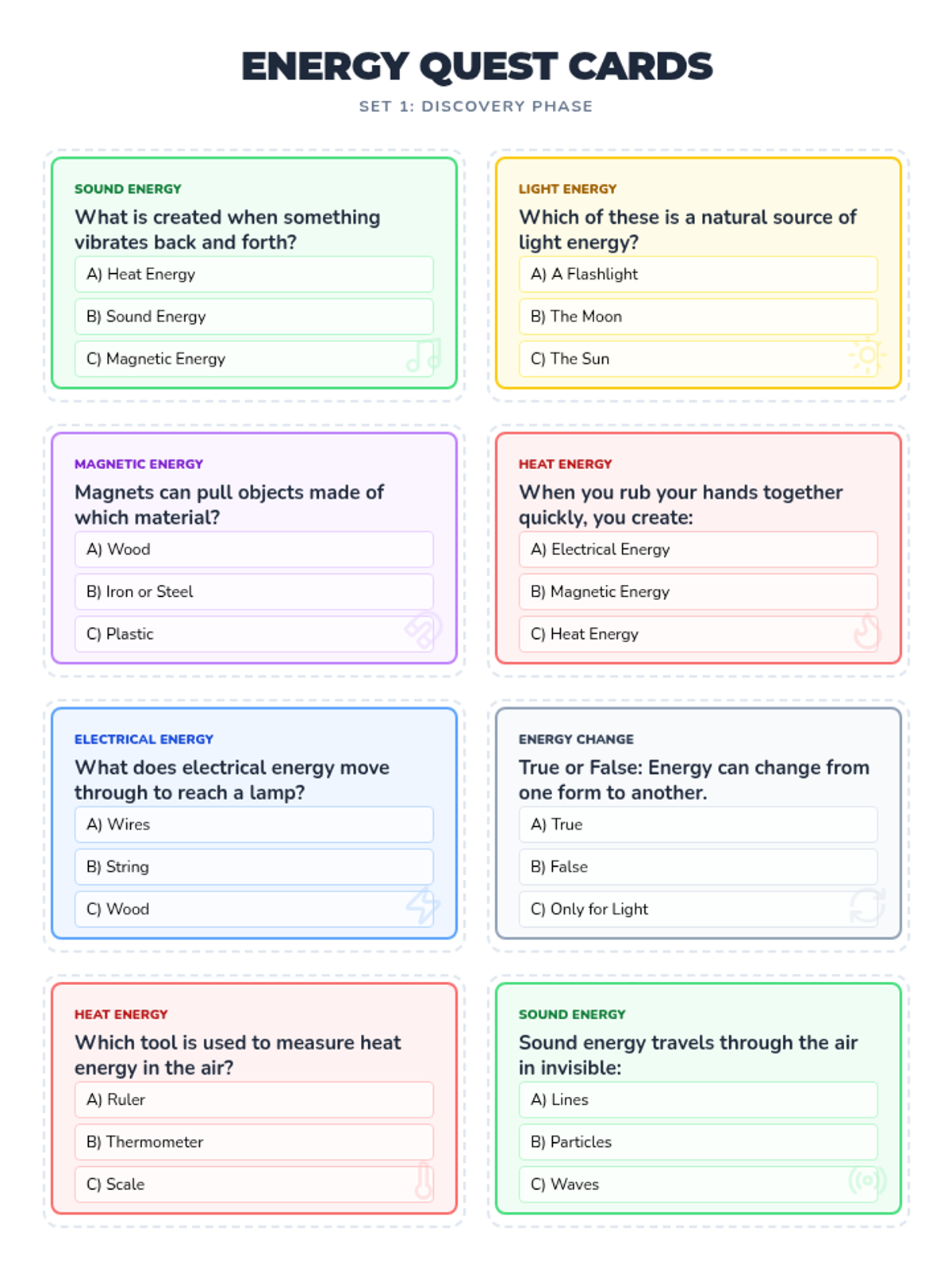
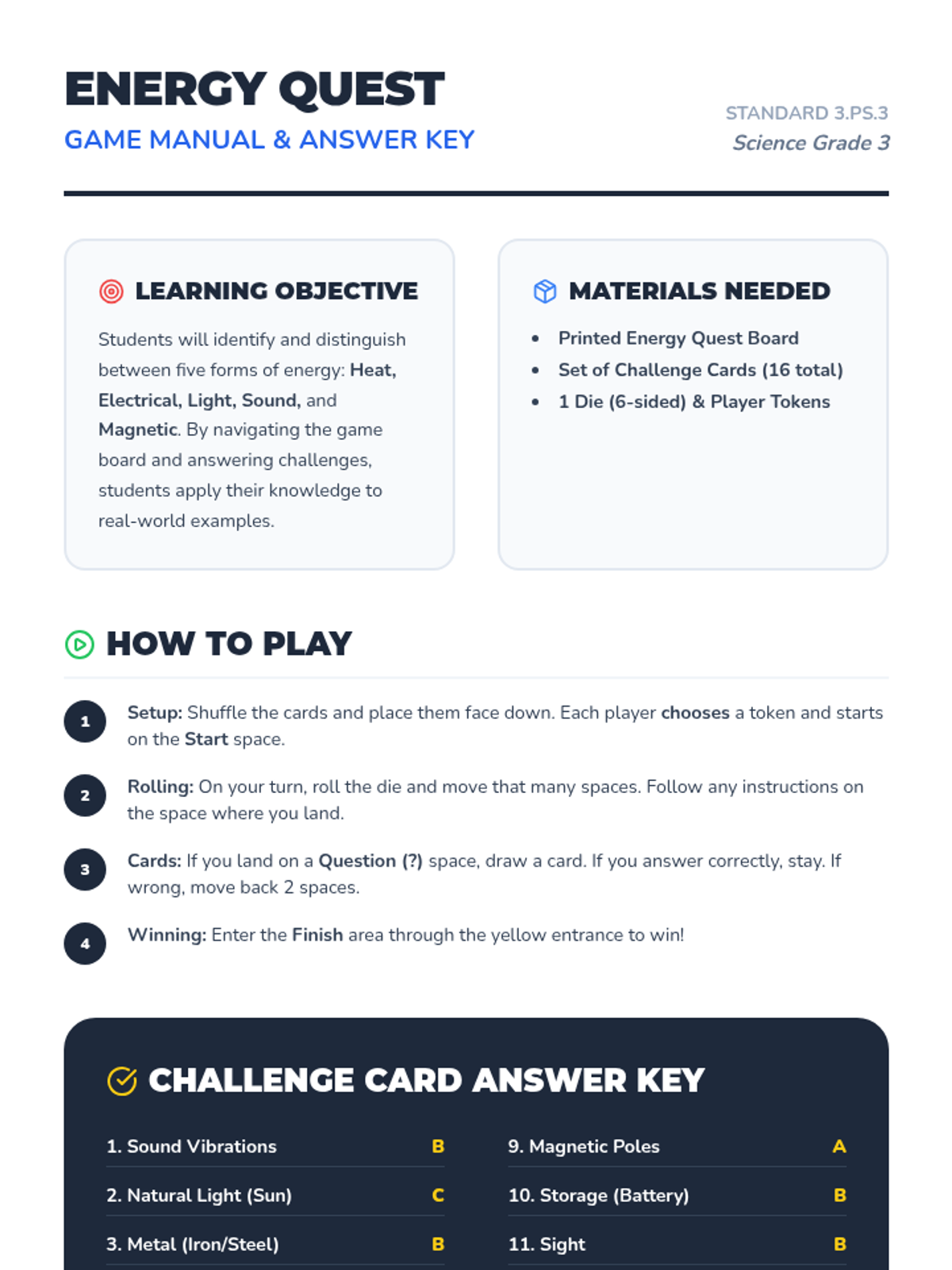
A high-energy science lesson where students explore the five forms of energy (heat, electrical, light, sound, and magnetic) through a collaborative board game and interactive presentation.
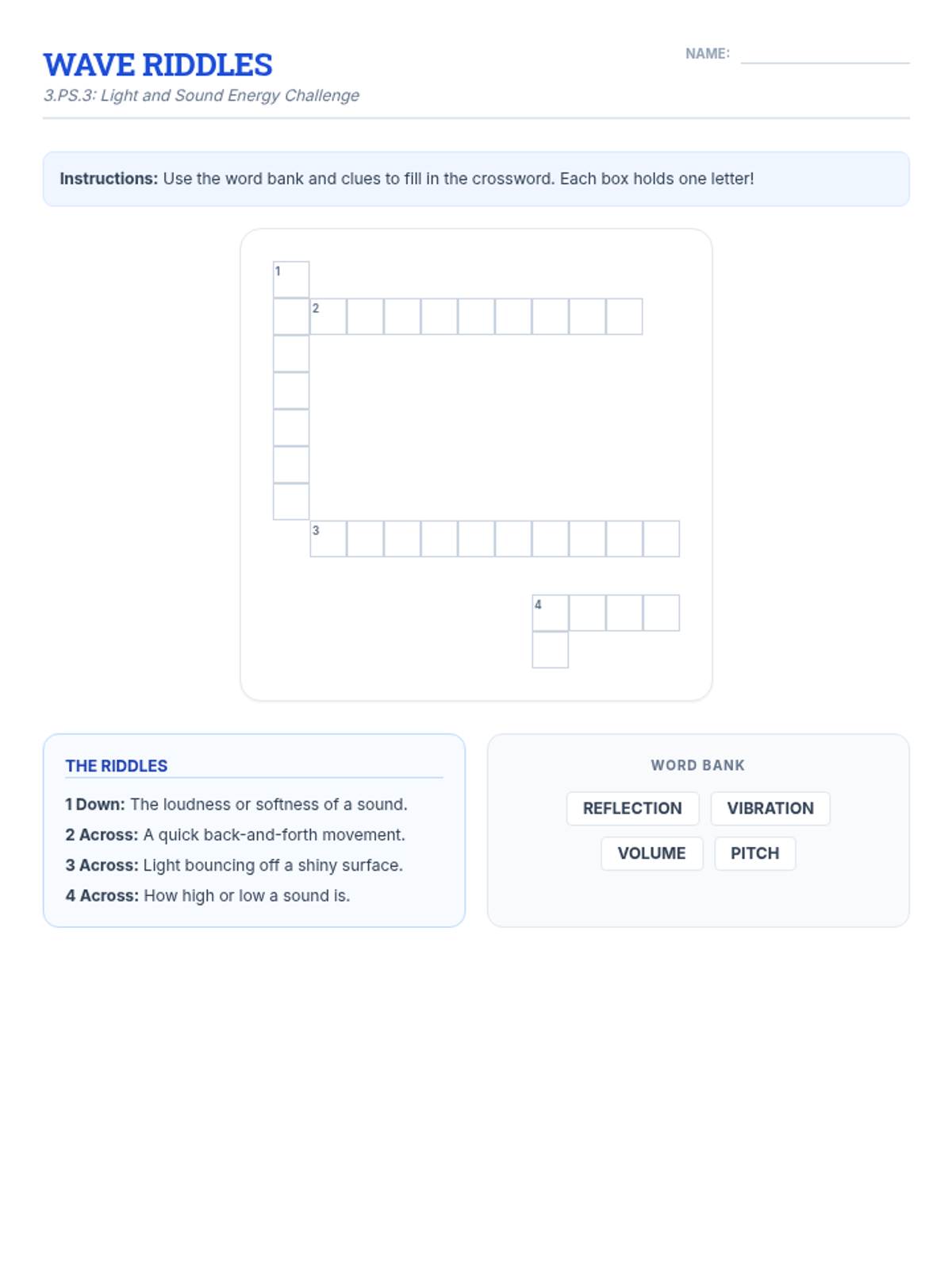
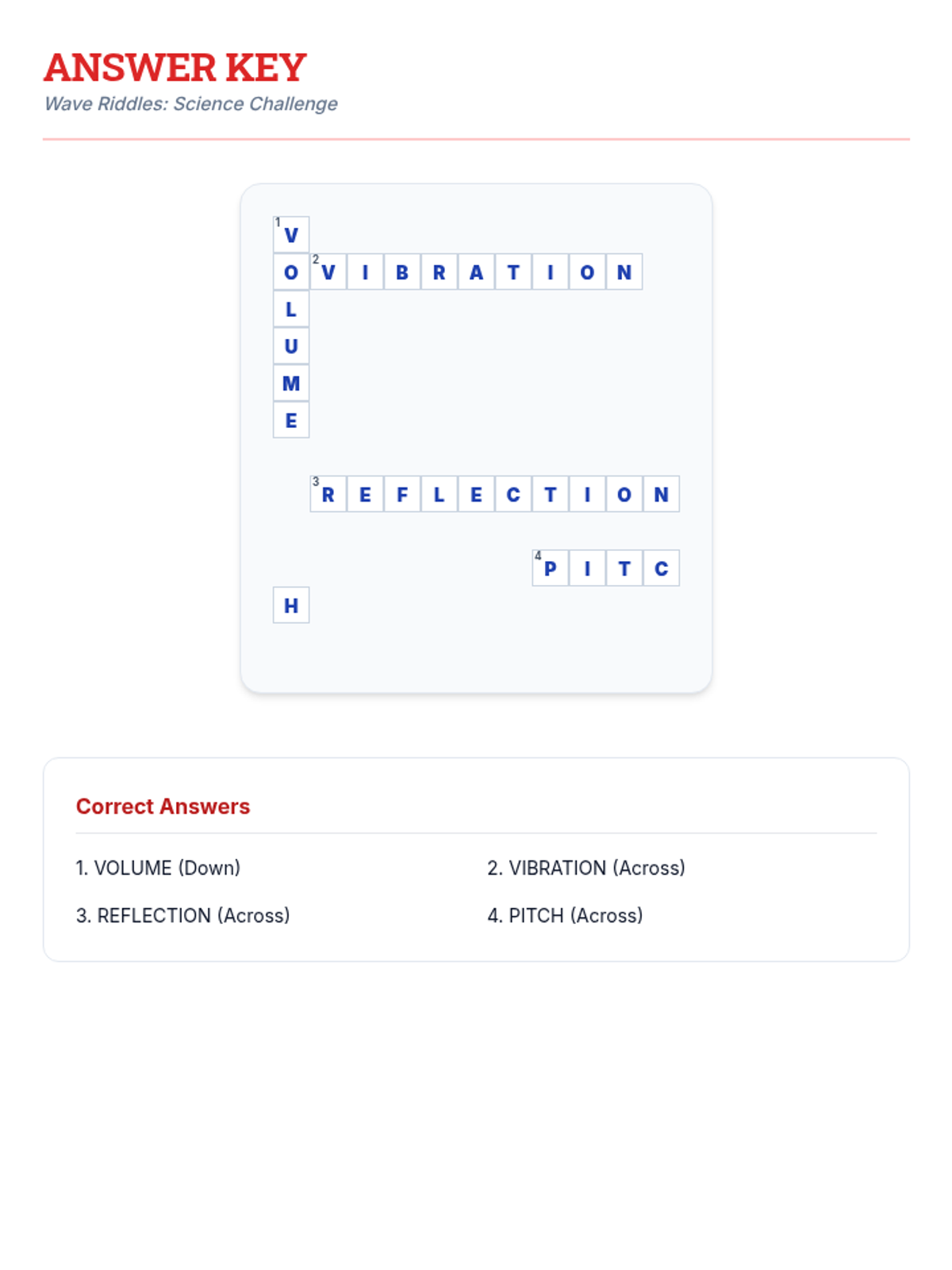
This lesson explores the predictable behaviors of light and sound energy, focusing on how vibrations create sound and how light interacts with different surfaces. Students will identify key vocabulary through a crossword puzzle challenge.
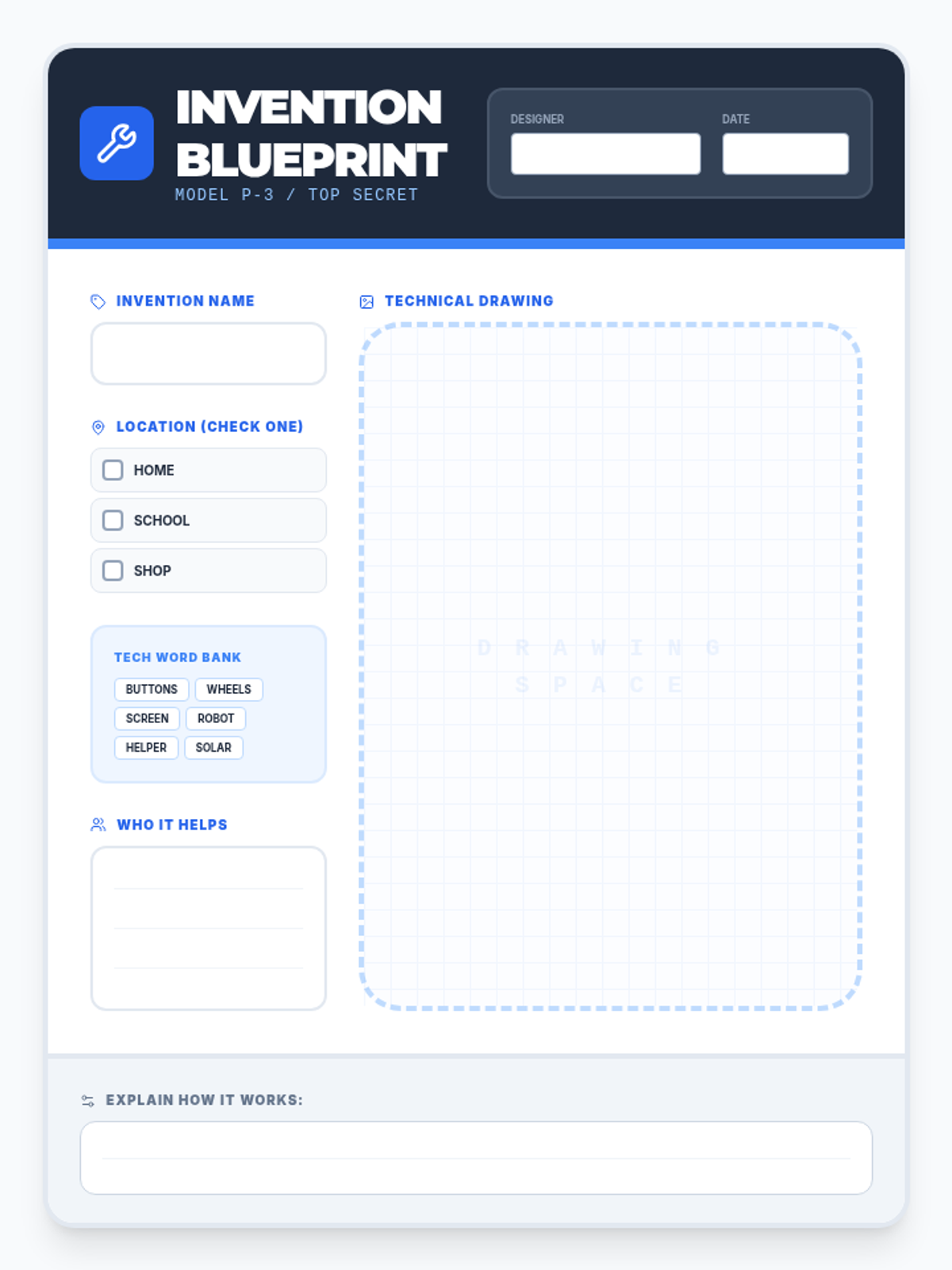
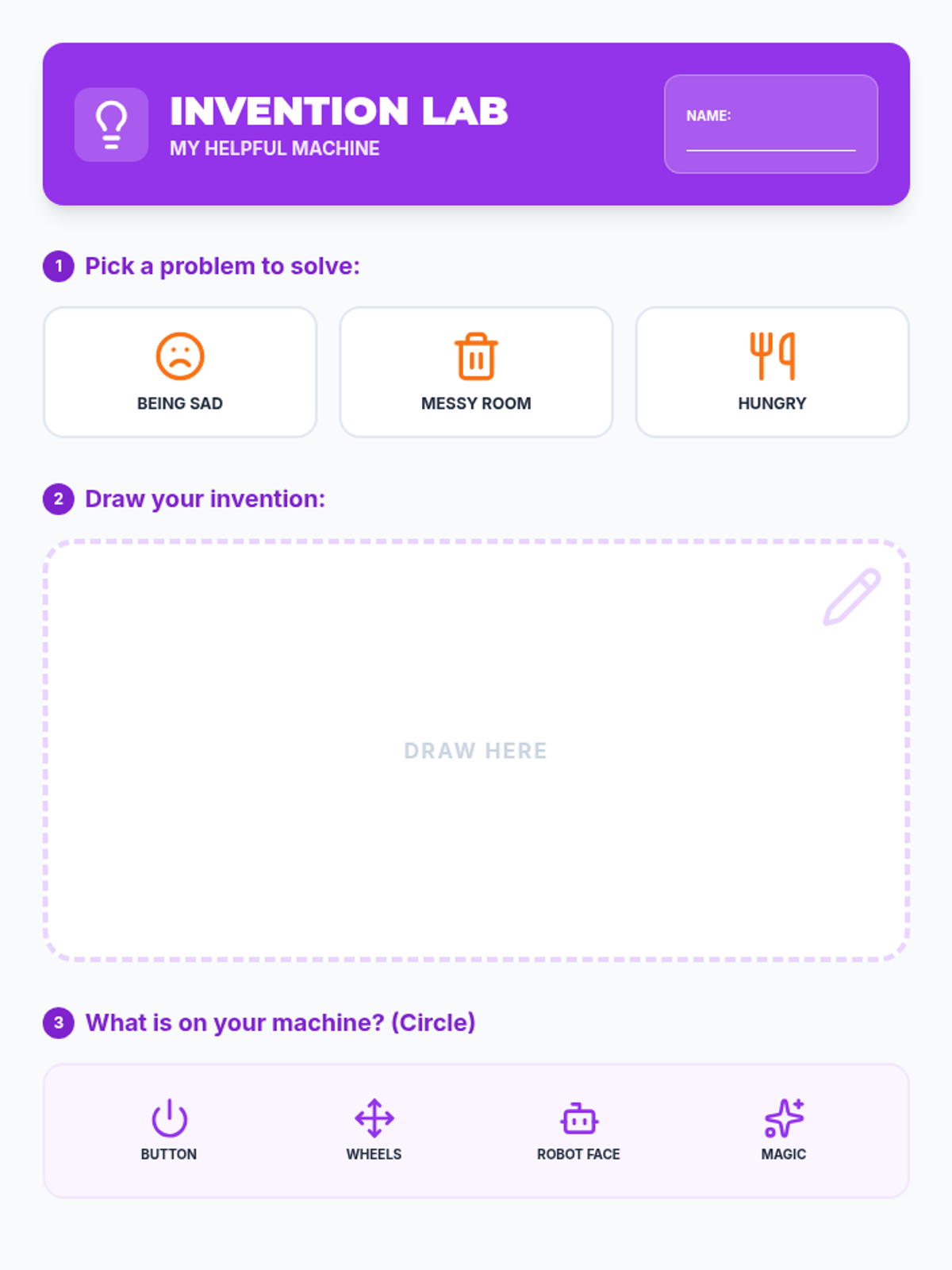
Students apply their knowledge to identify real-world problems and design innovative technological solutions.
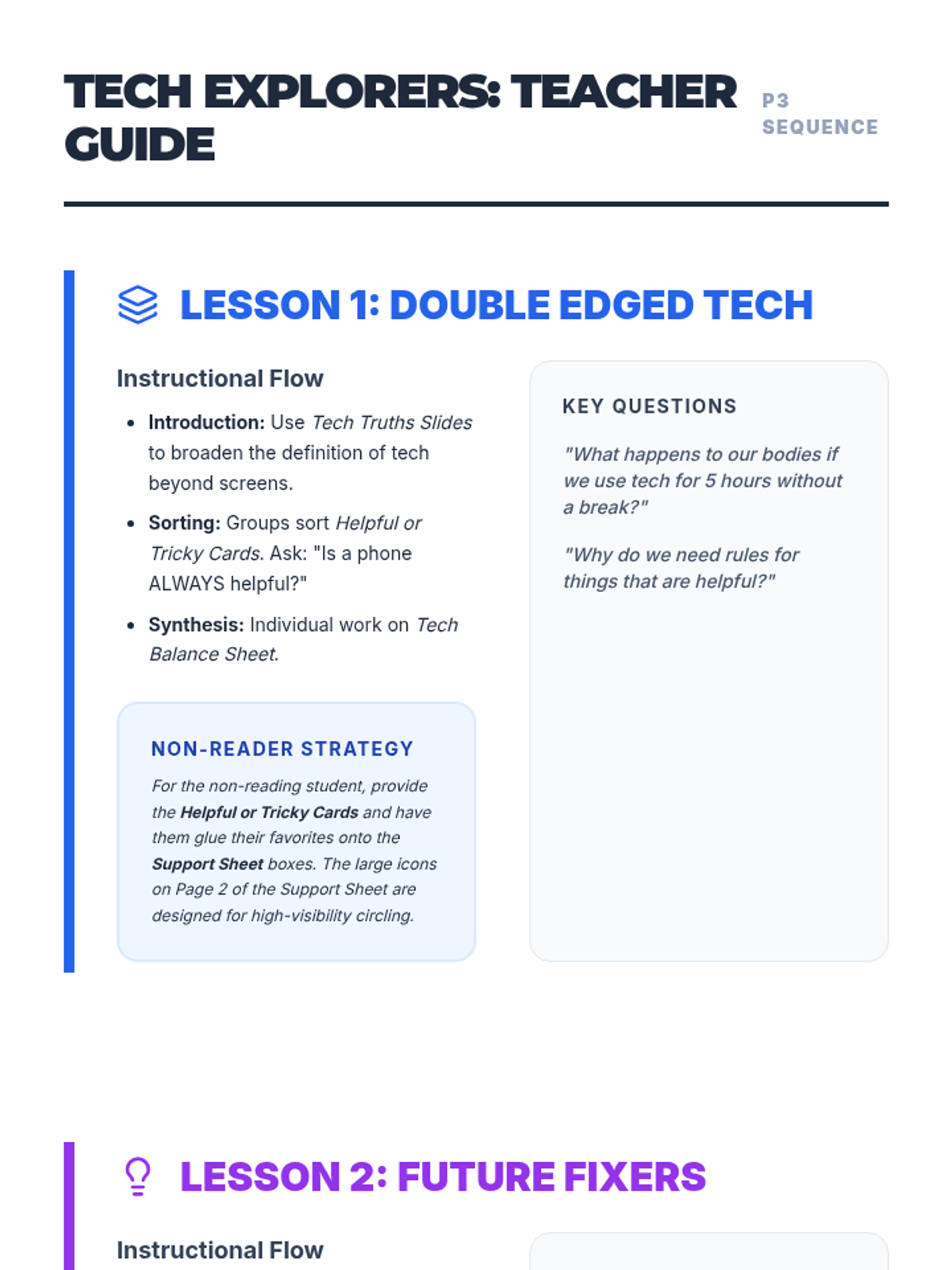
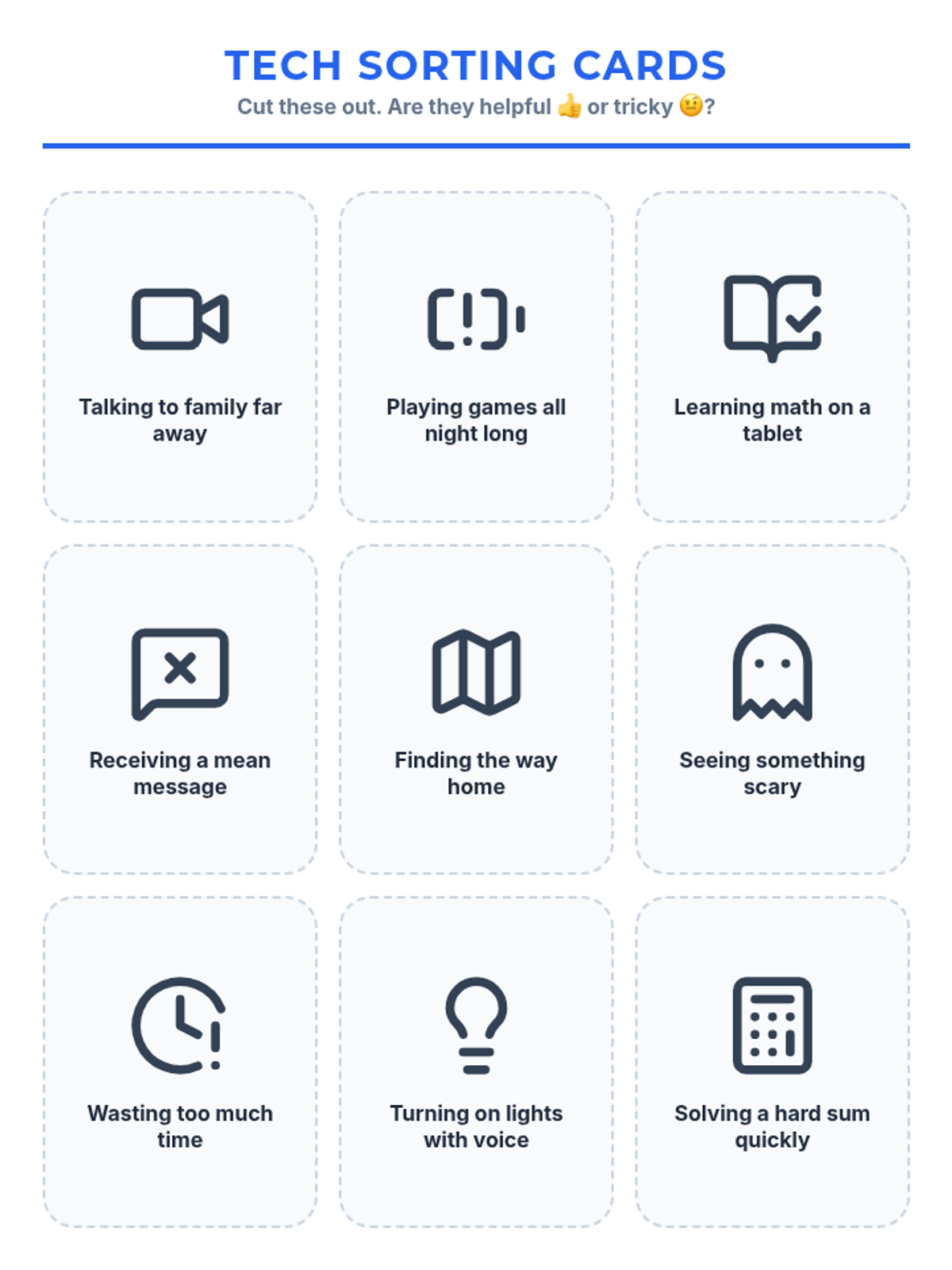
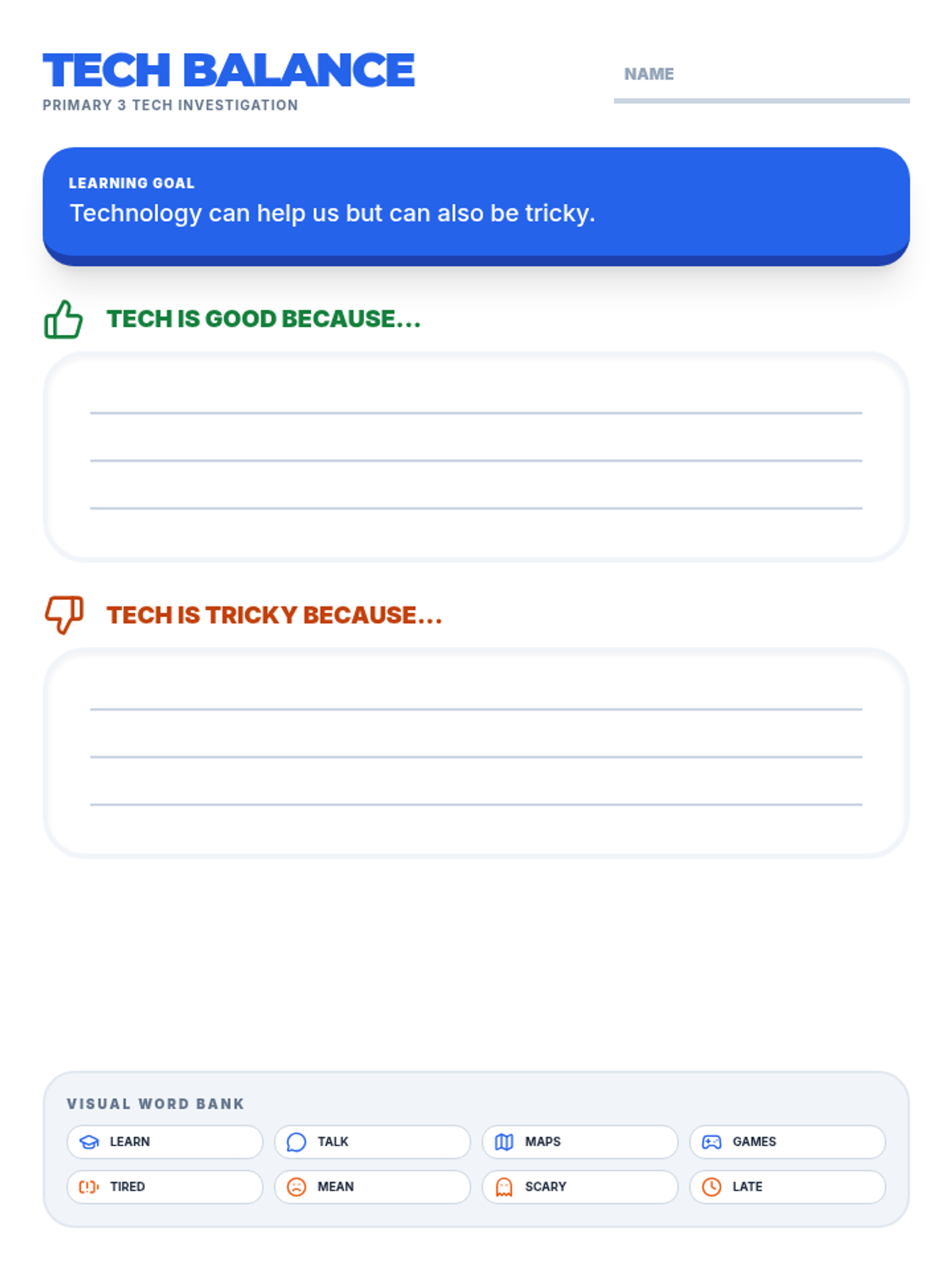
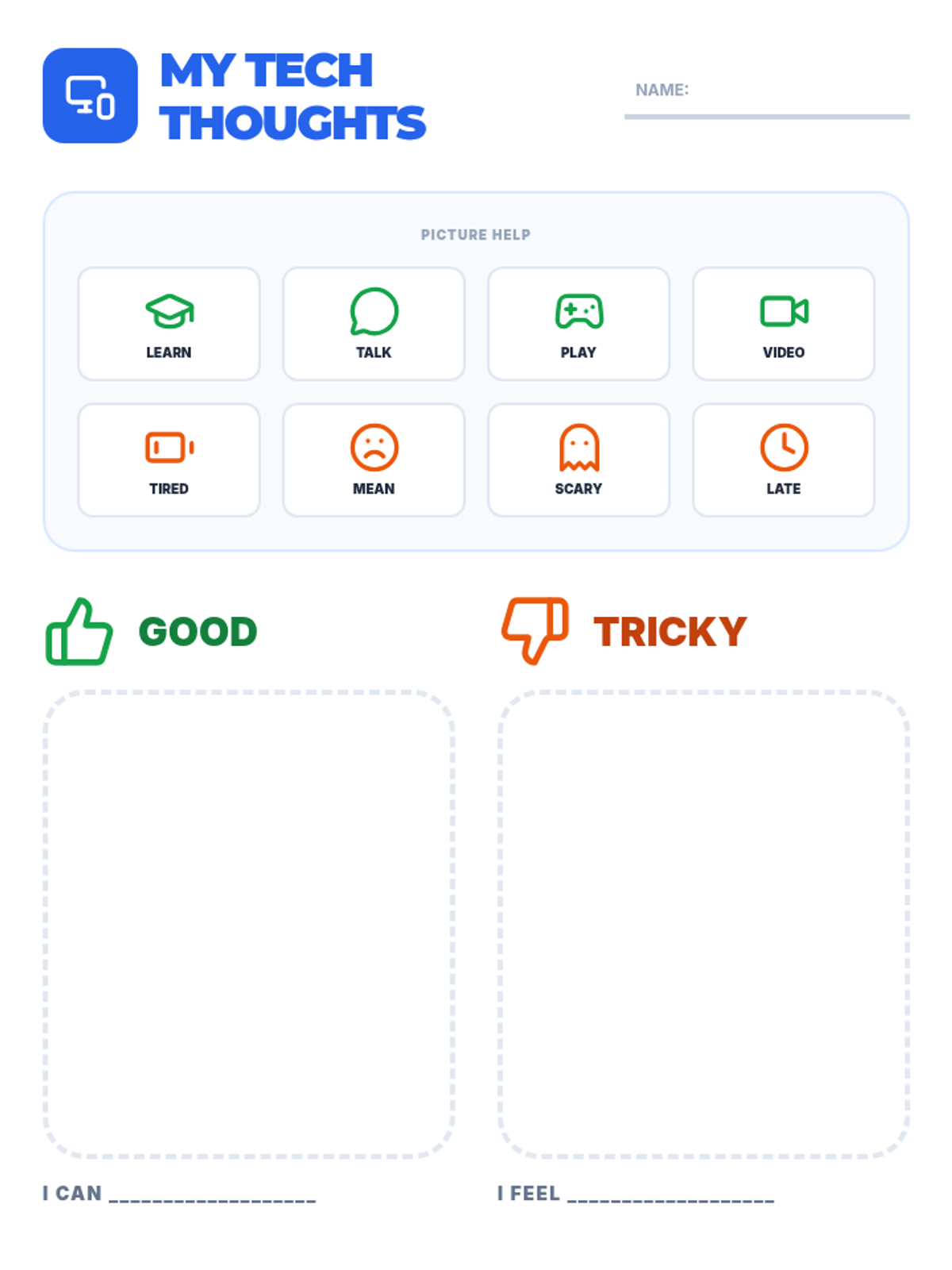
Students examine how technology can be both helpful and 'tricky', learning to identify pros and cons of digital tools.
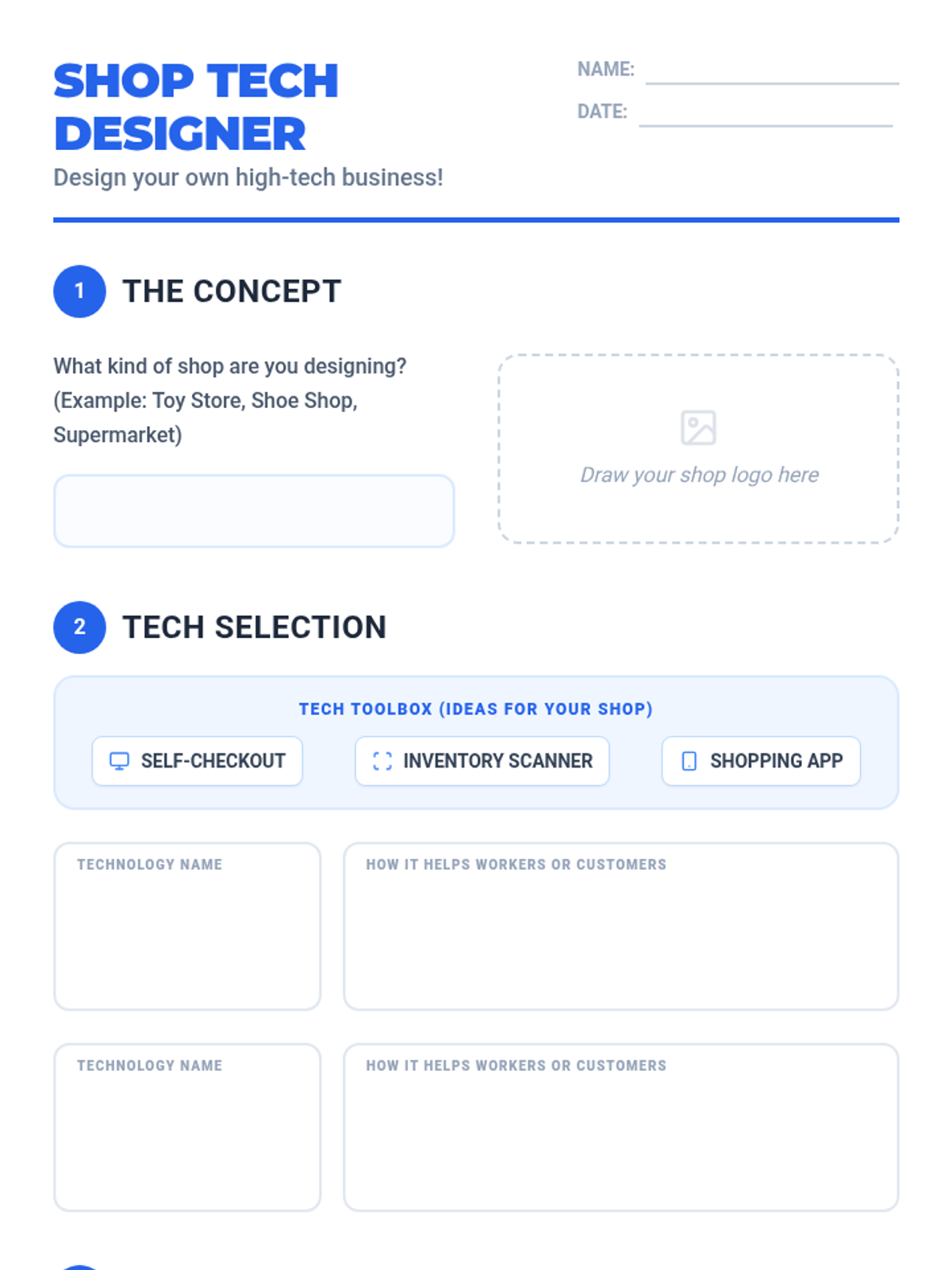
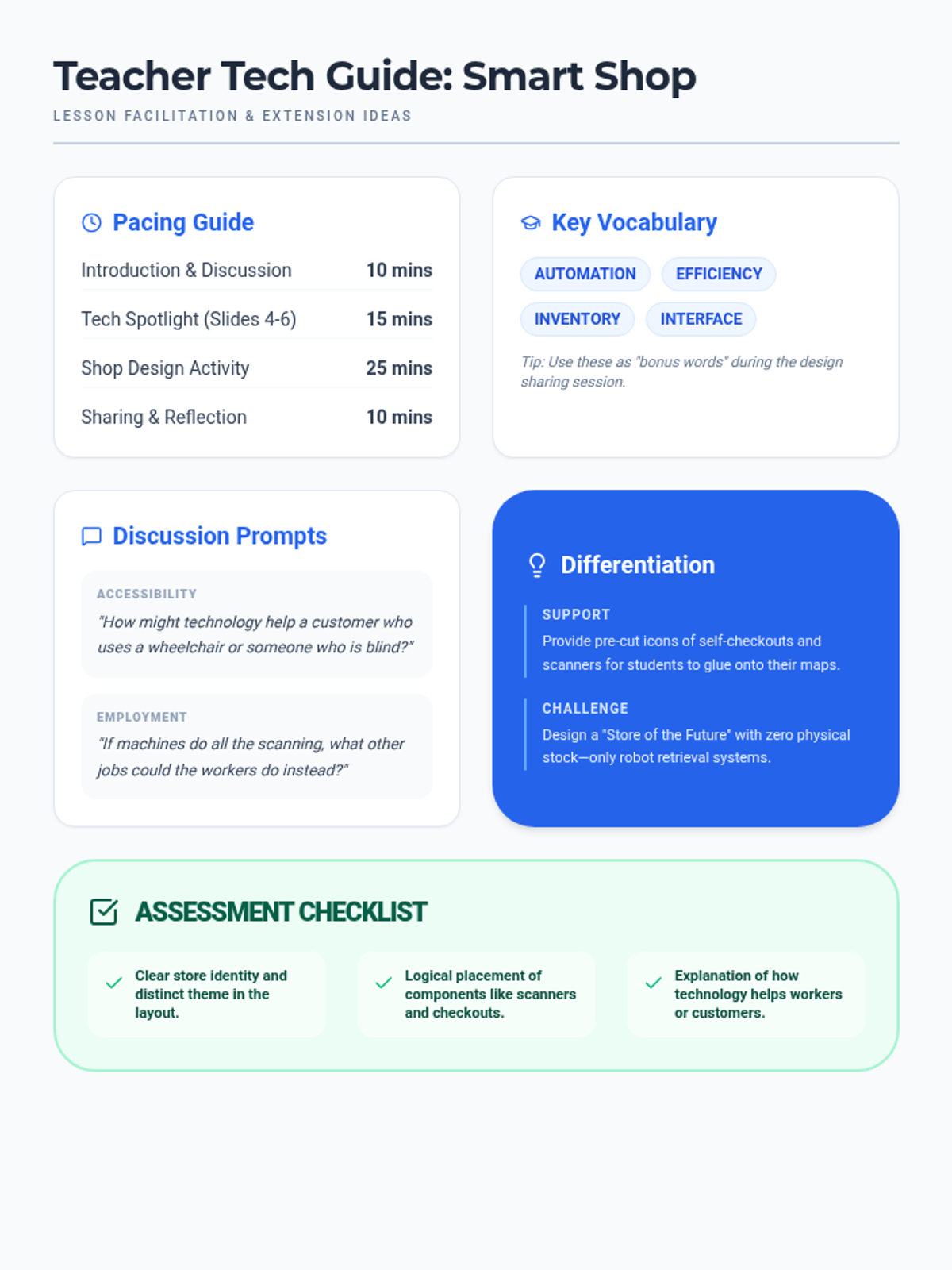
Students explore how technology like self-checkouts, scanners, and apps transform the shopping experience for both workers and customers. The lesson culminates in a creative project where students design their own tech-integrated shop.
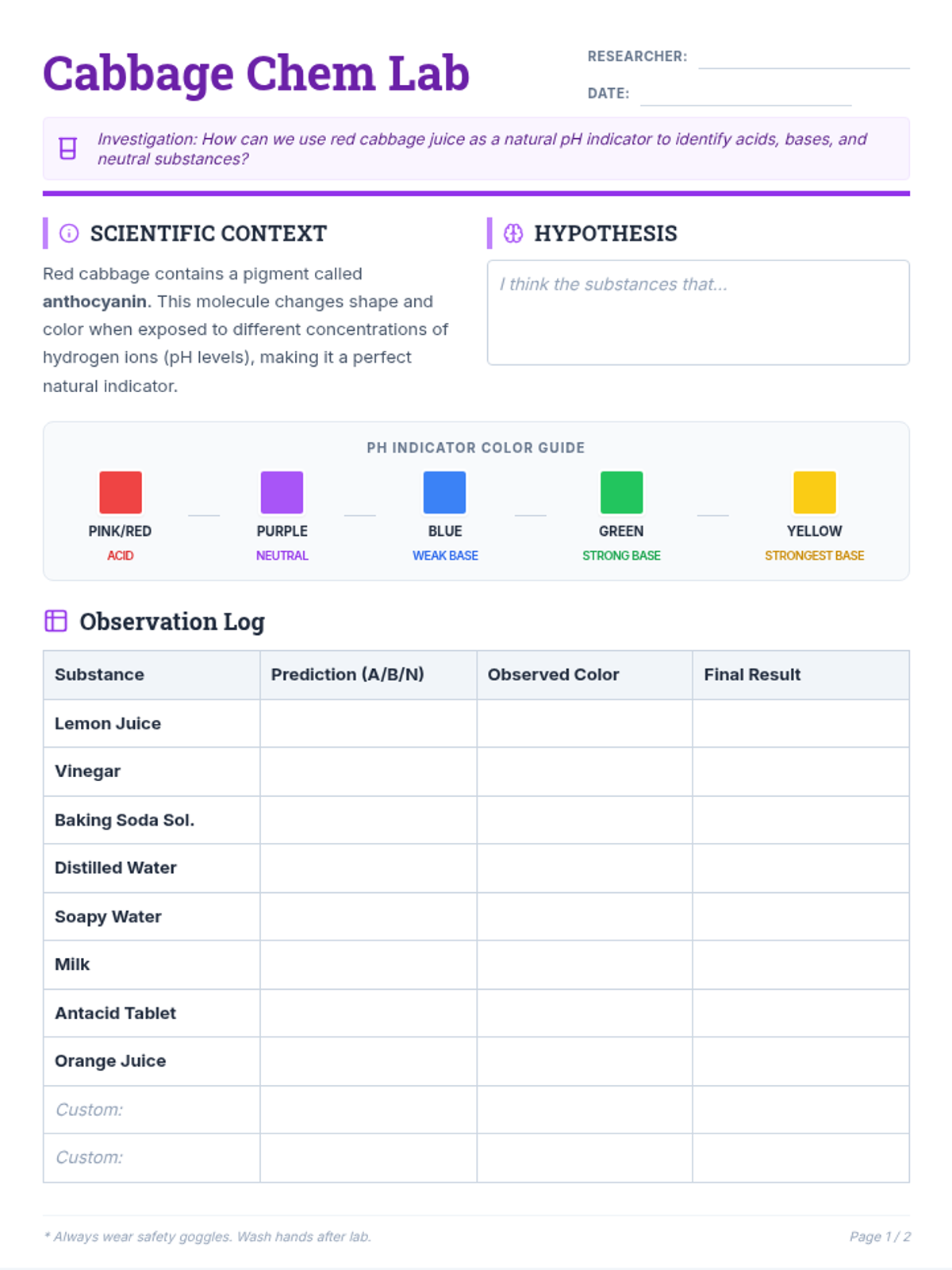
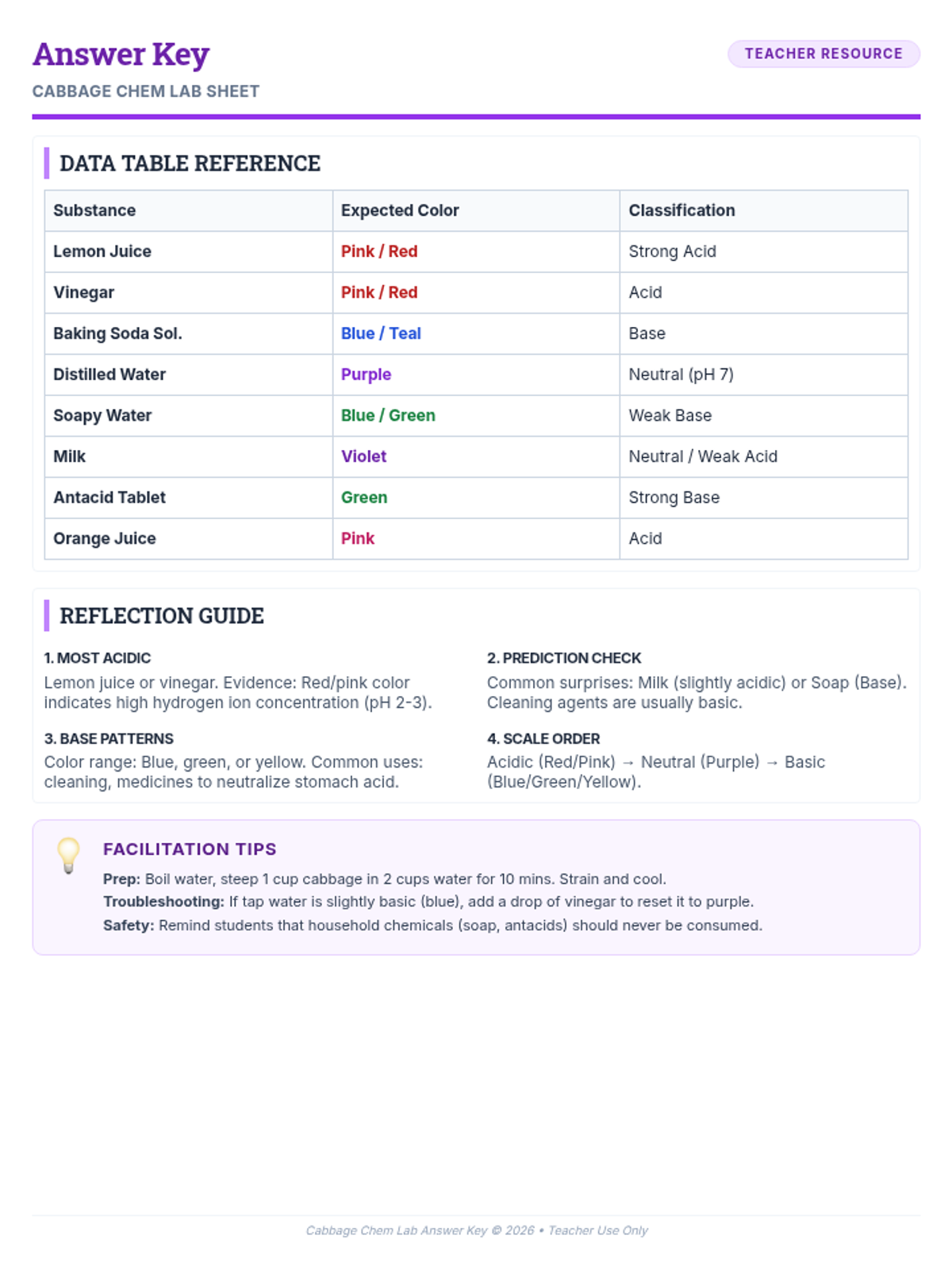
A hands-on investigation into pH levels using red cabbage as a natural indicator to identify acids, bases, and neutral substances.
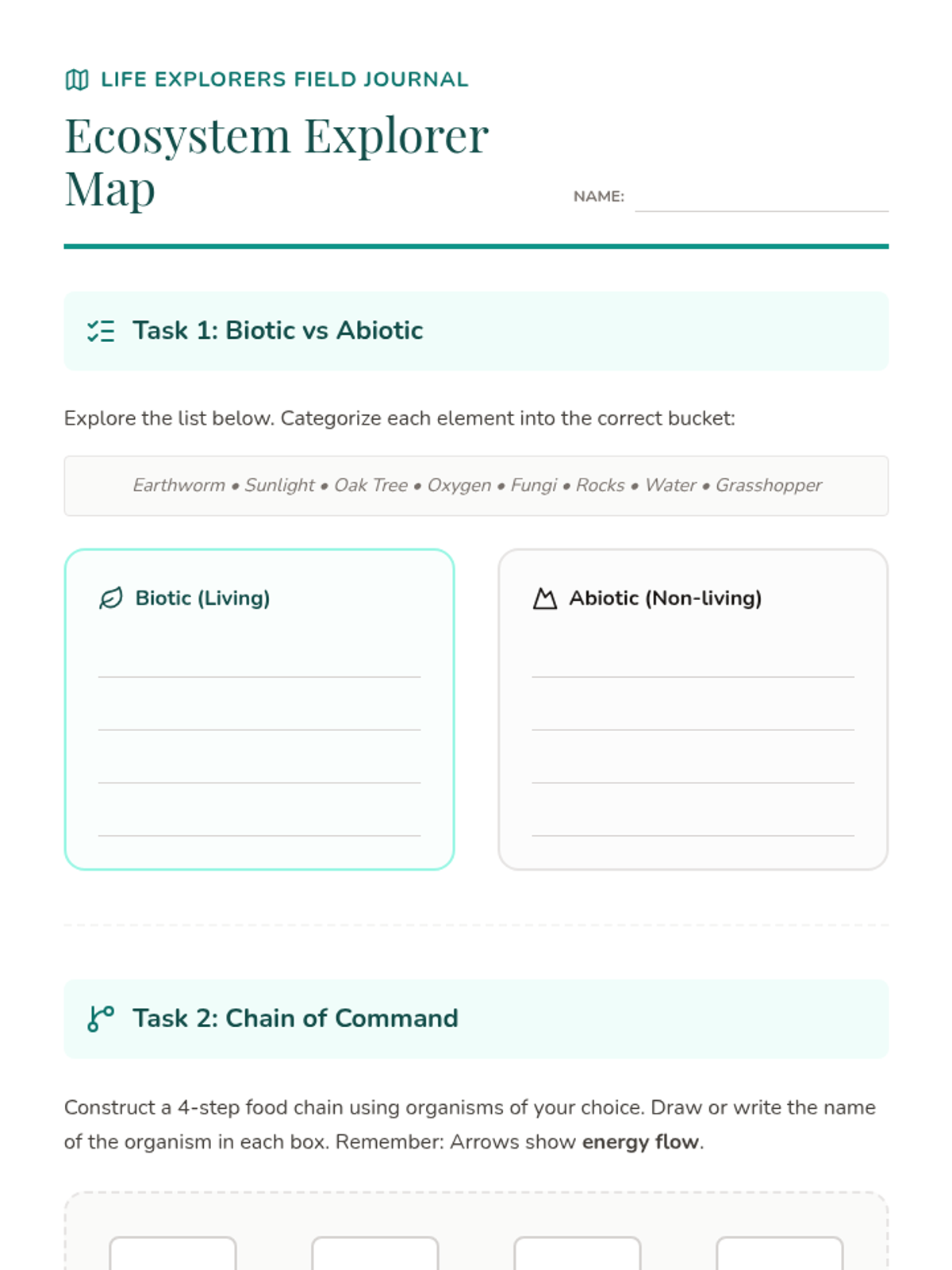
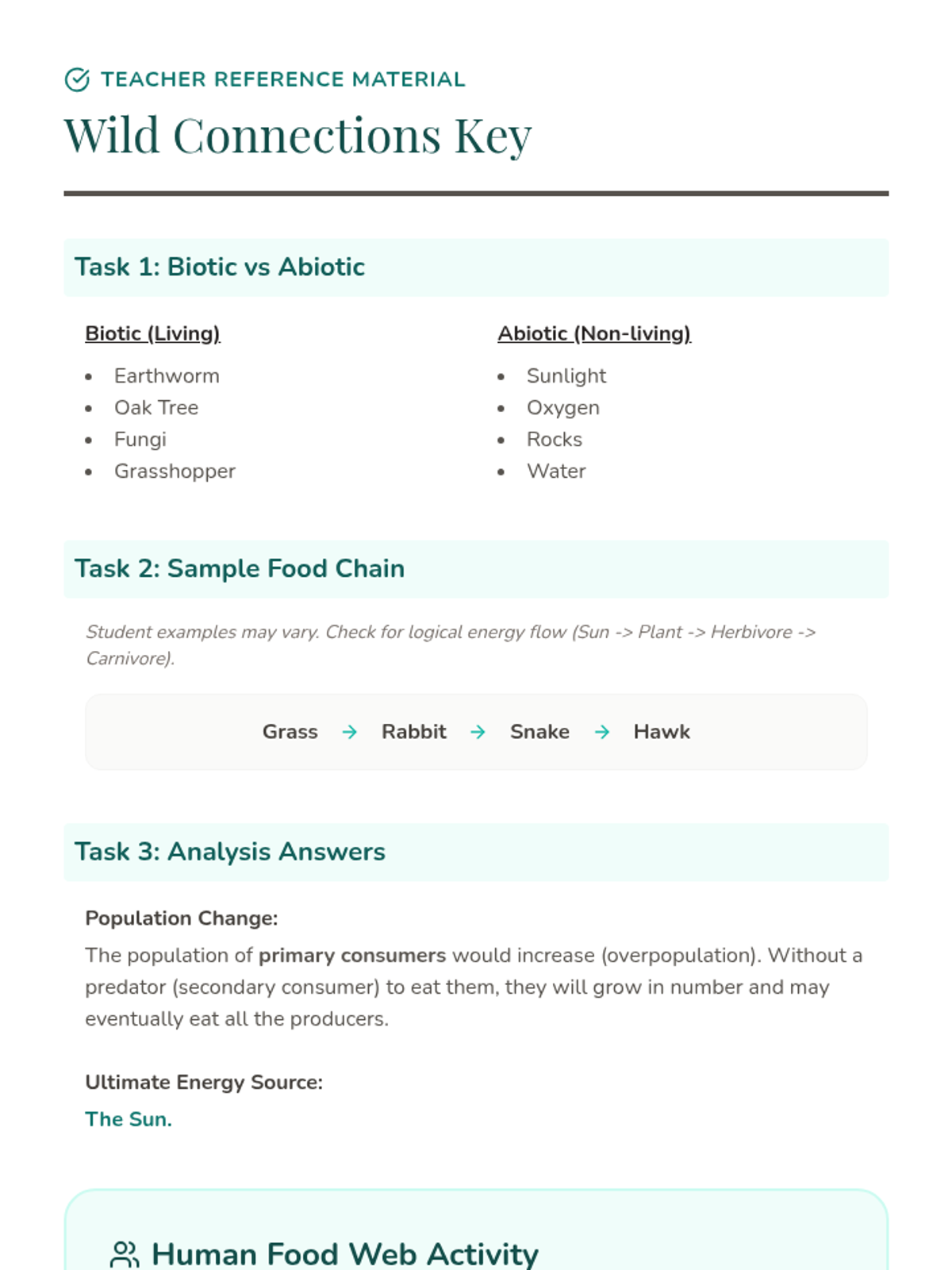
Students connect the dots between living things, examining food webs, energy transfer, and the delicate balance of ecosystems.
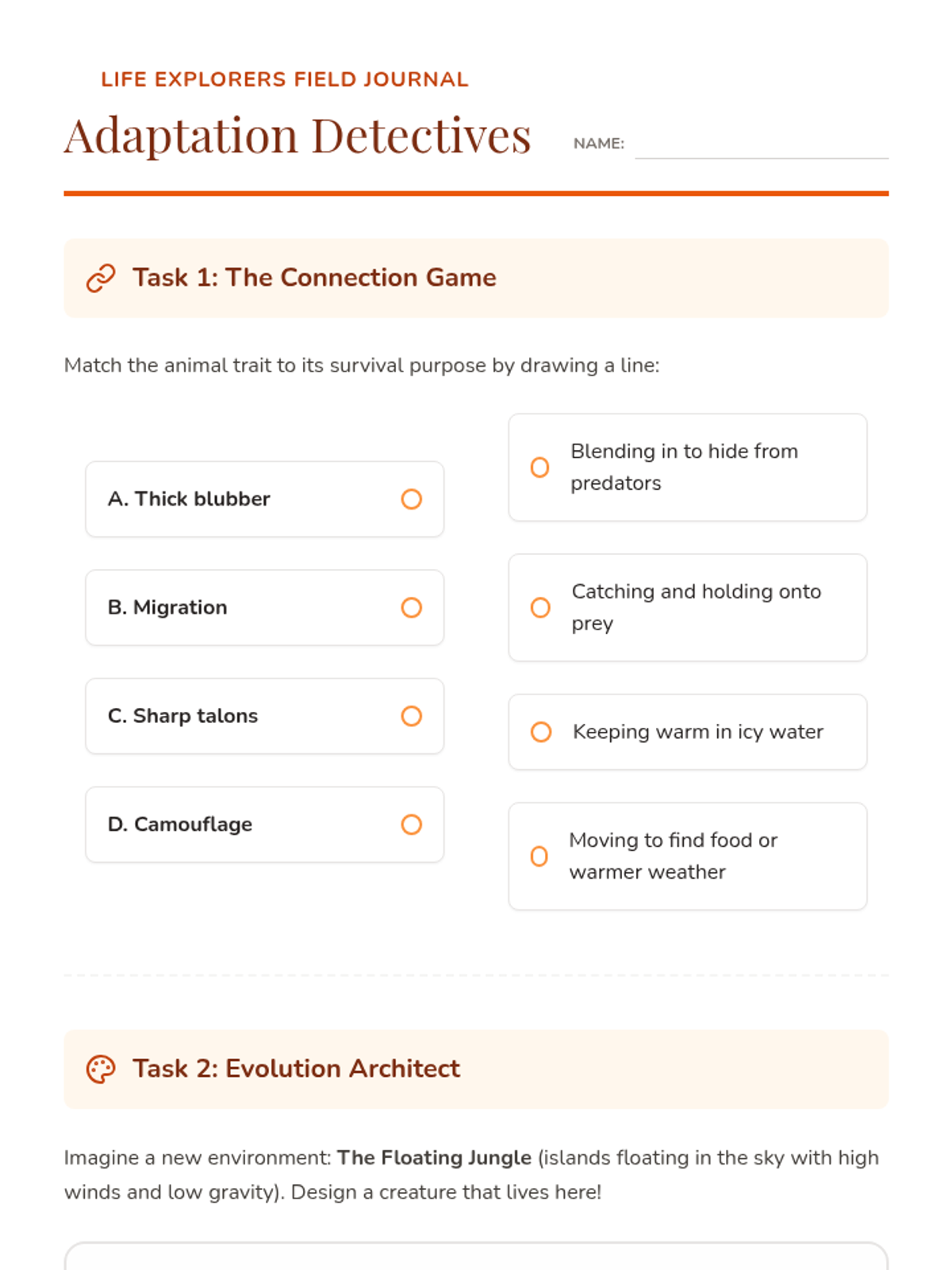
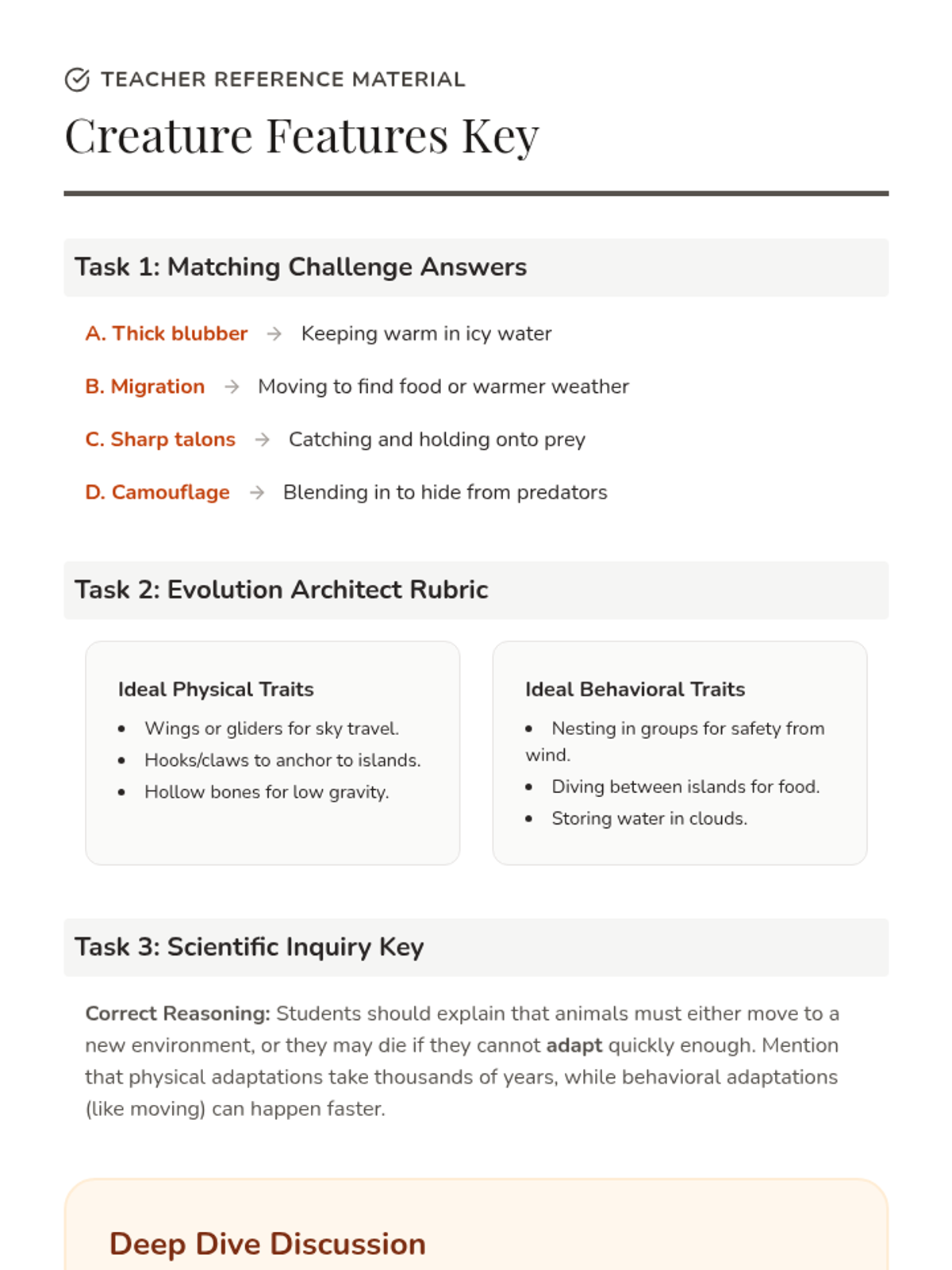
An investigation into animal adaptations, exploring how physical and behavioral traits help creatures survive in diverse environments.
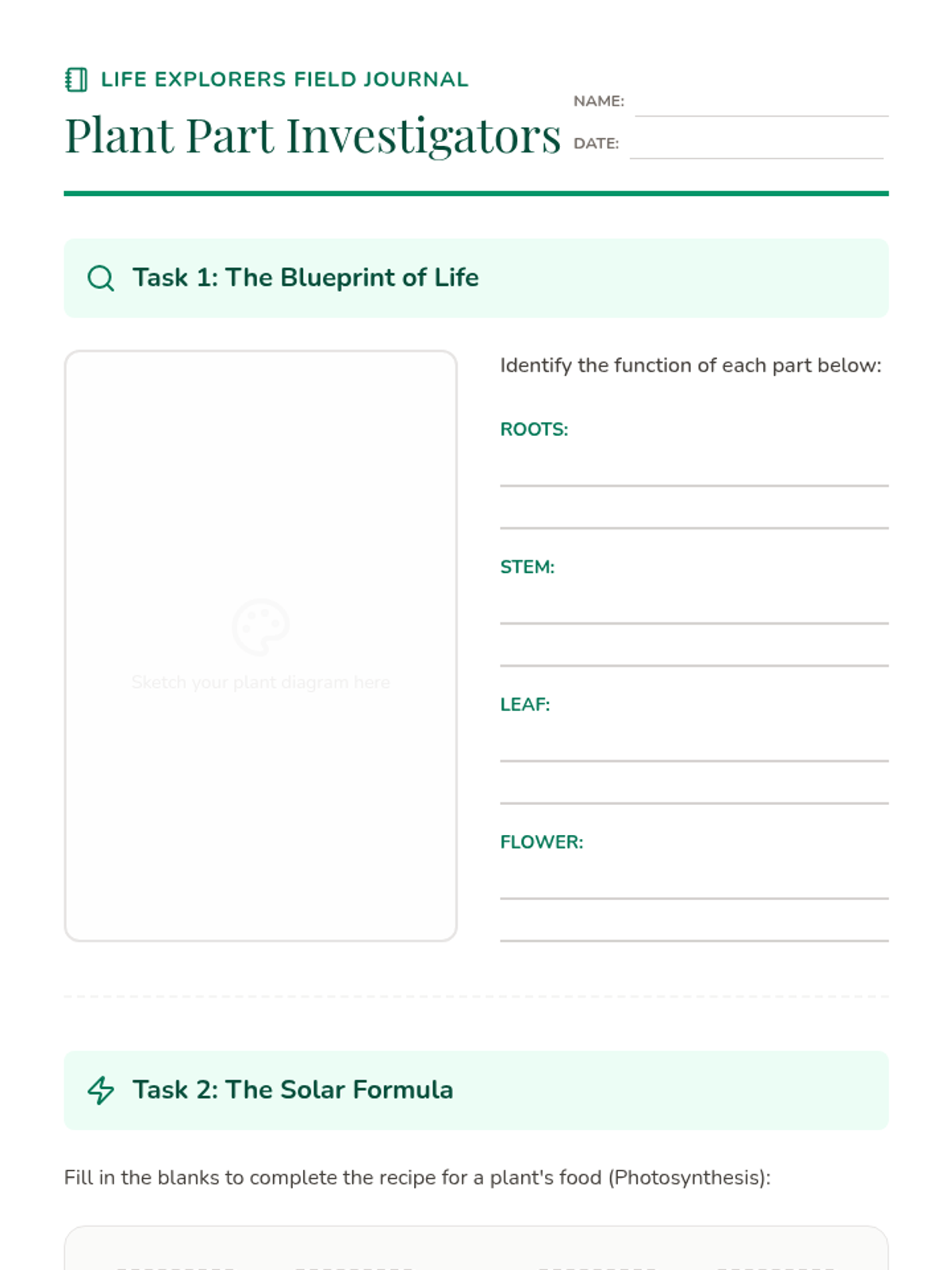
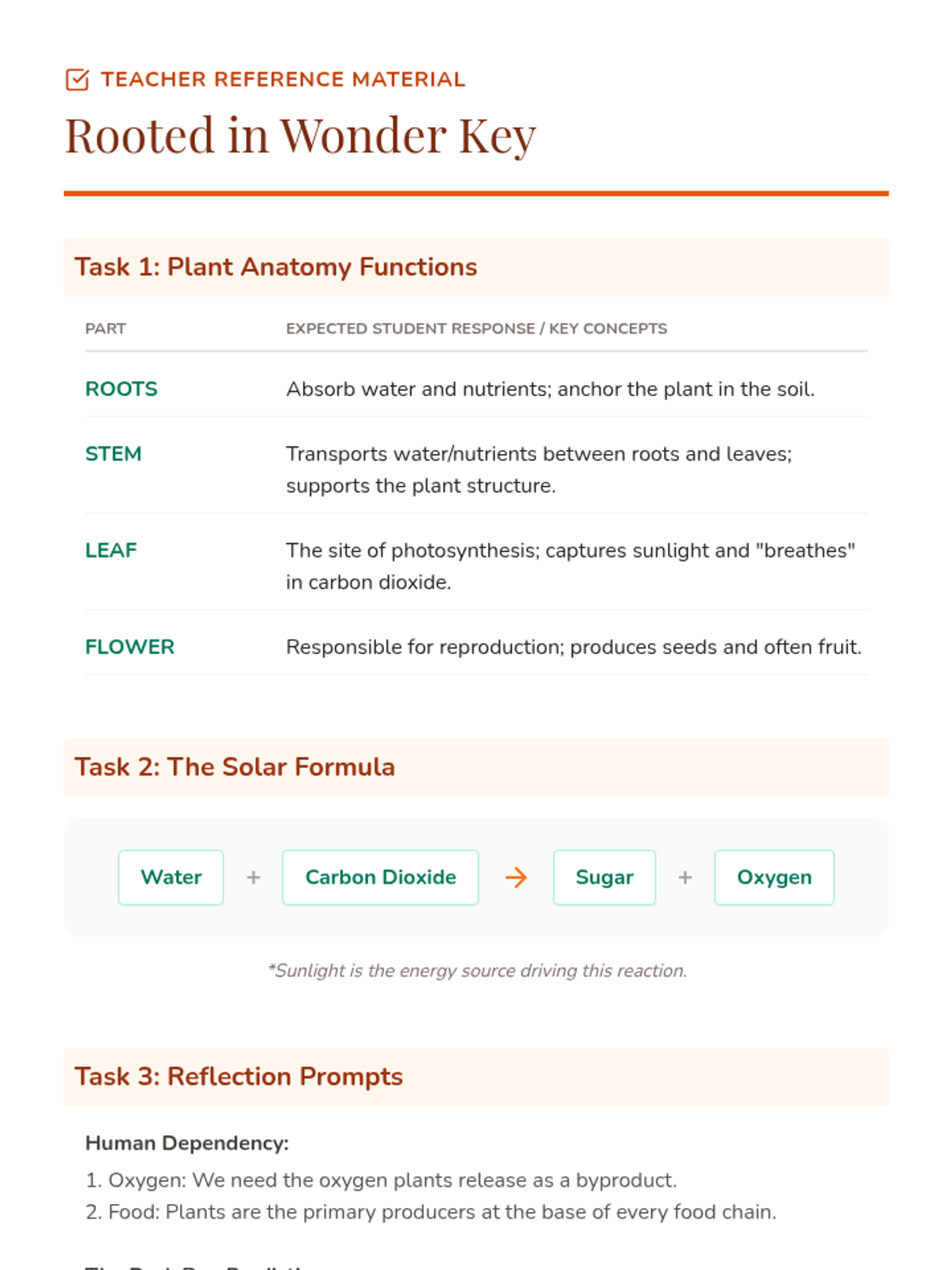
Students explore the anatomy of plants and the process of photosynthesis, learning how the smallest green parts support life on Earth.
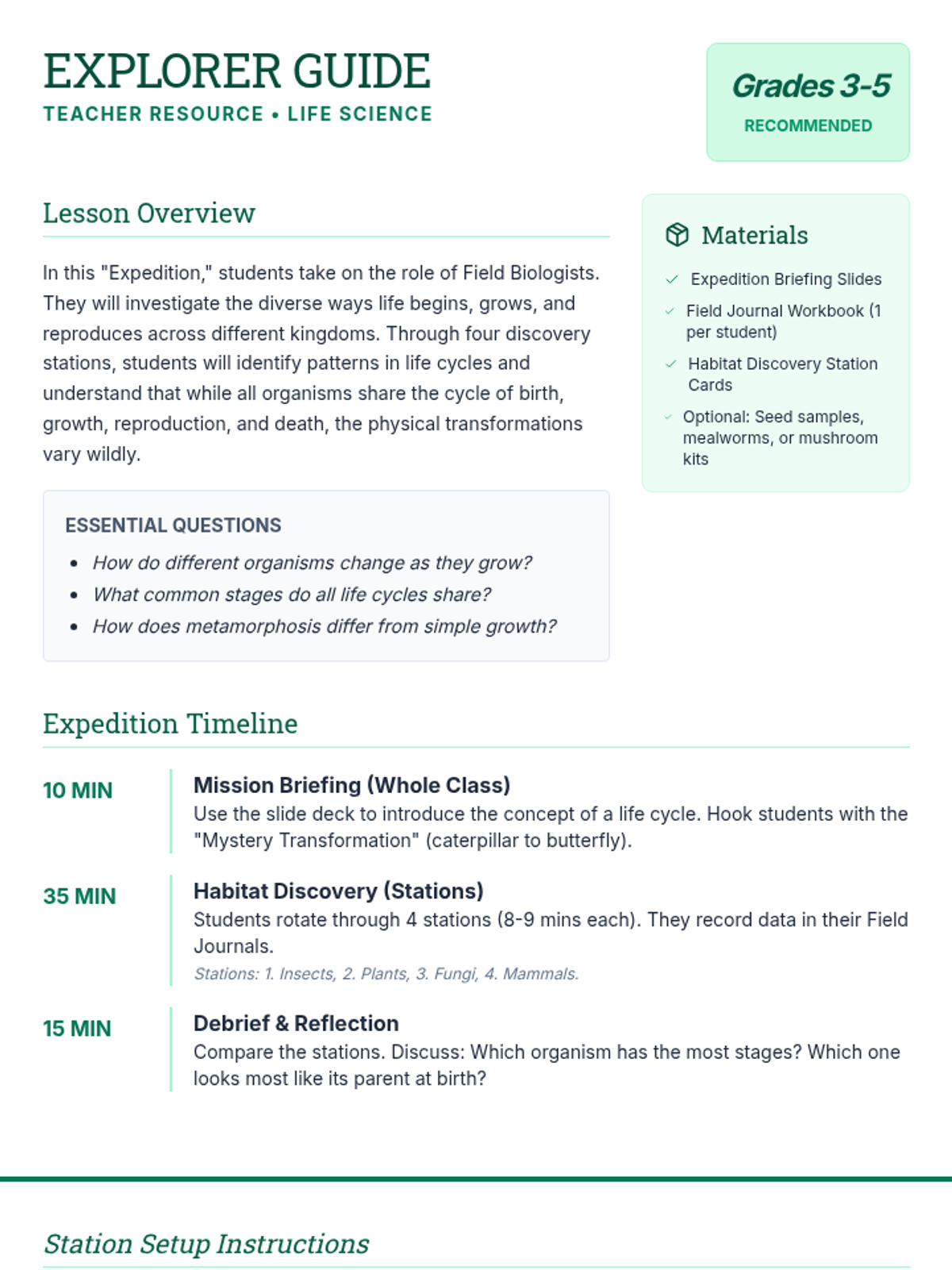
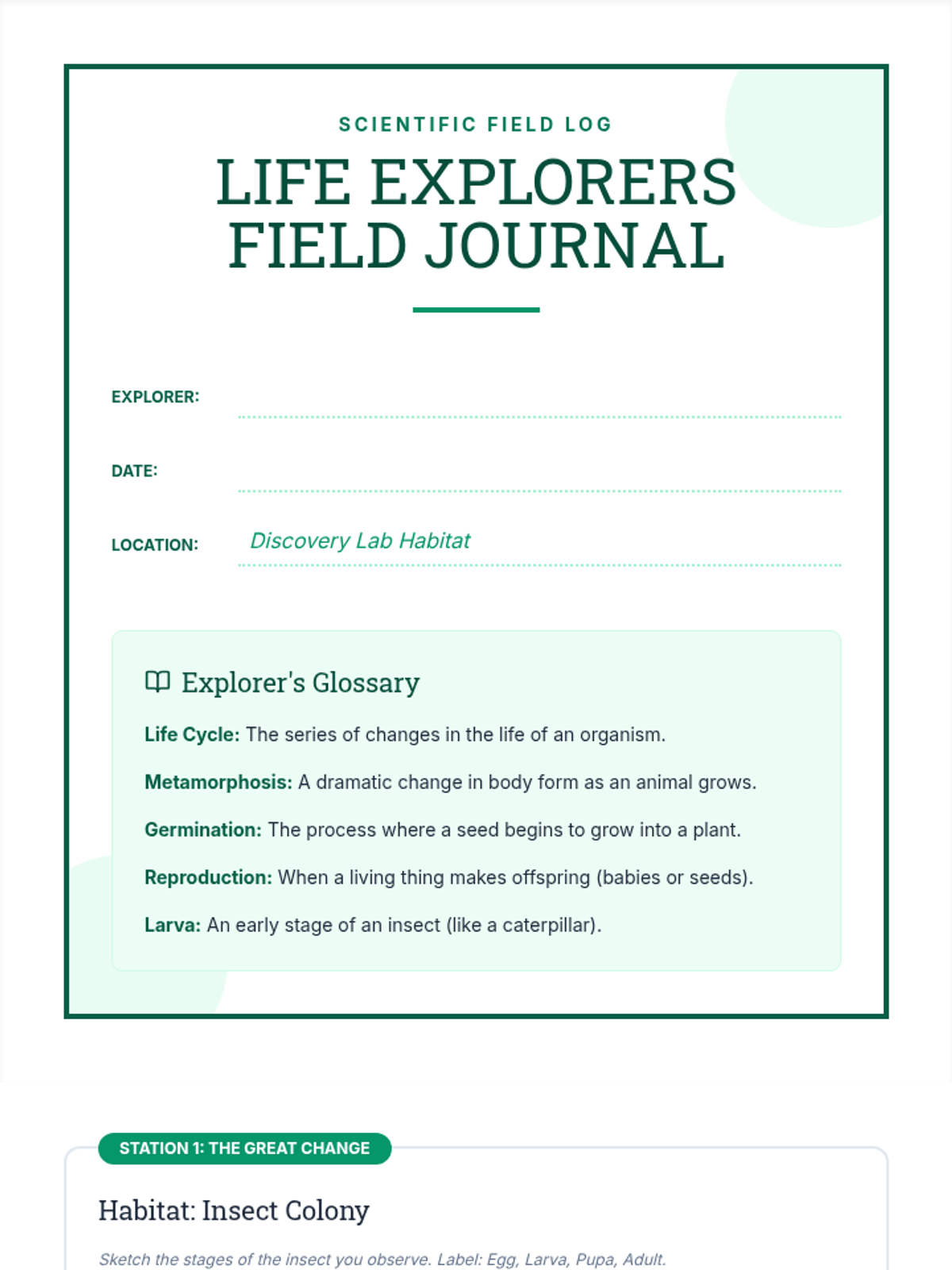
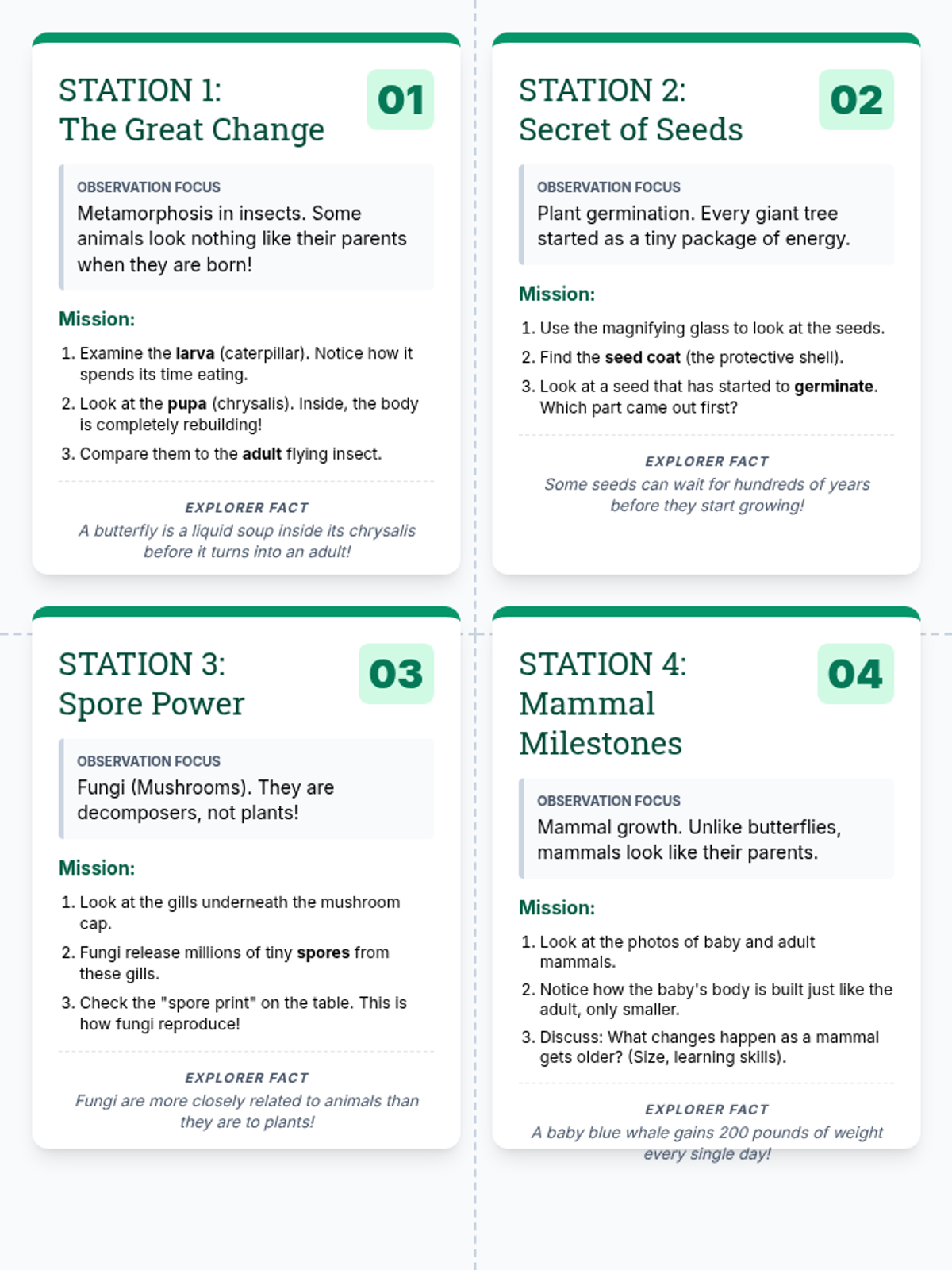
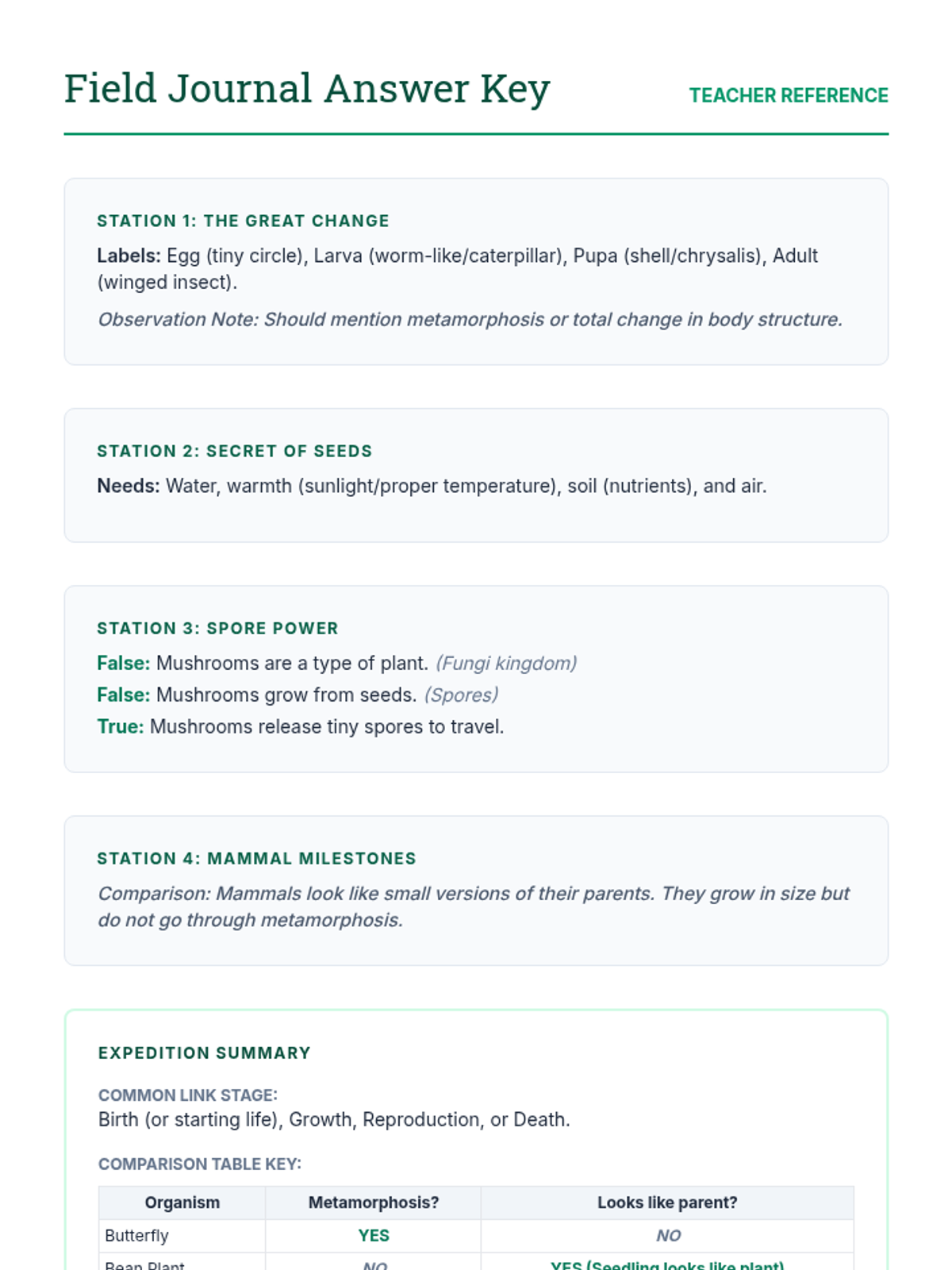
A comprehensive science lesson for 3rd-5th graders exploring the diverse life cycles of plants, animals, and fungi through a field-explorer lens. Students rotate through hands-on discovery stations to compare and contrast how different organisms grow and change.