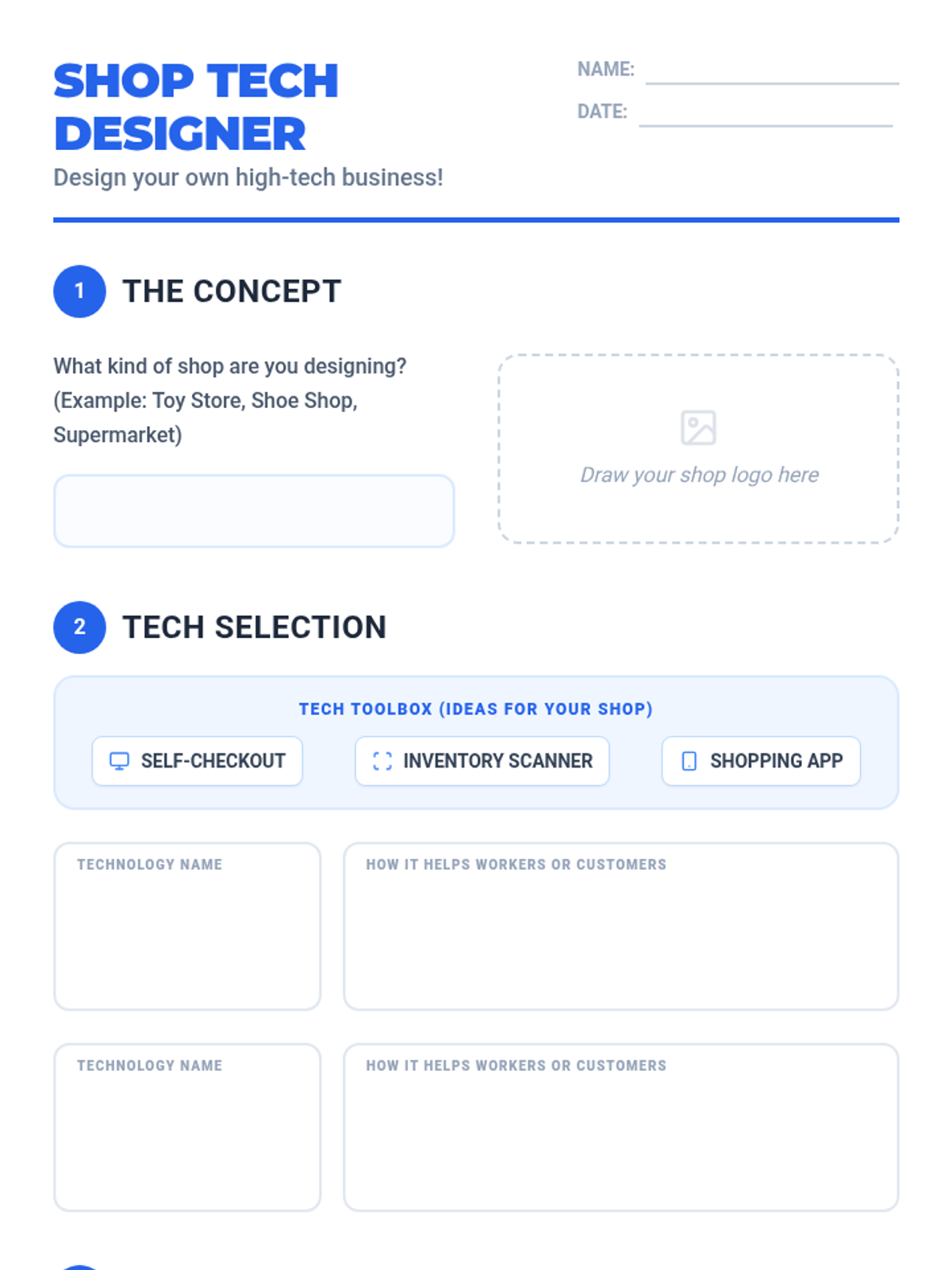
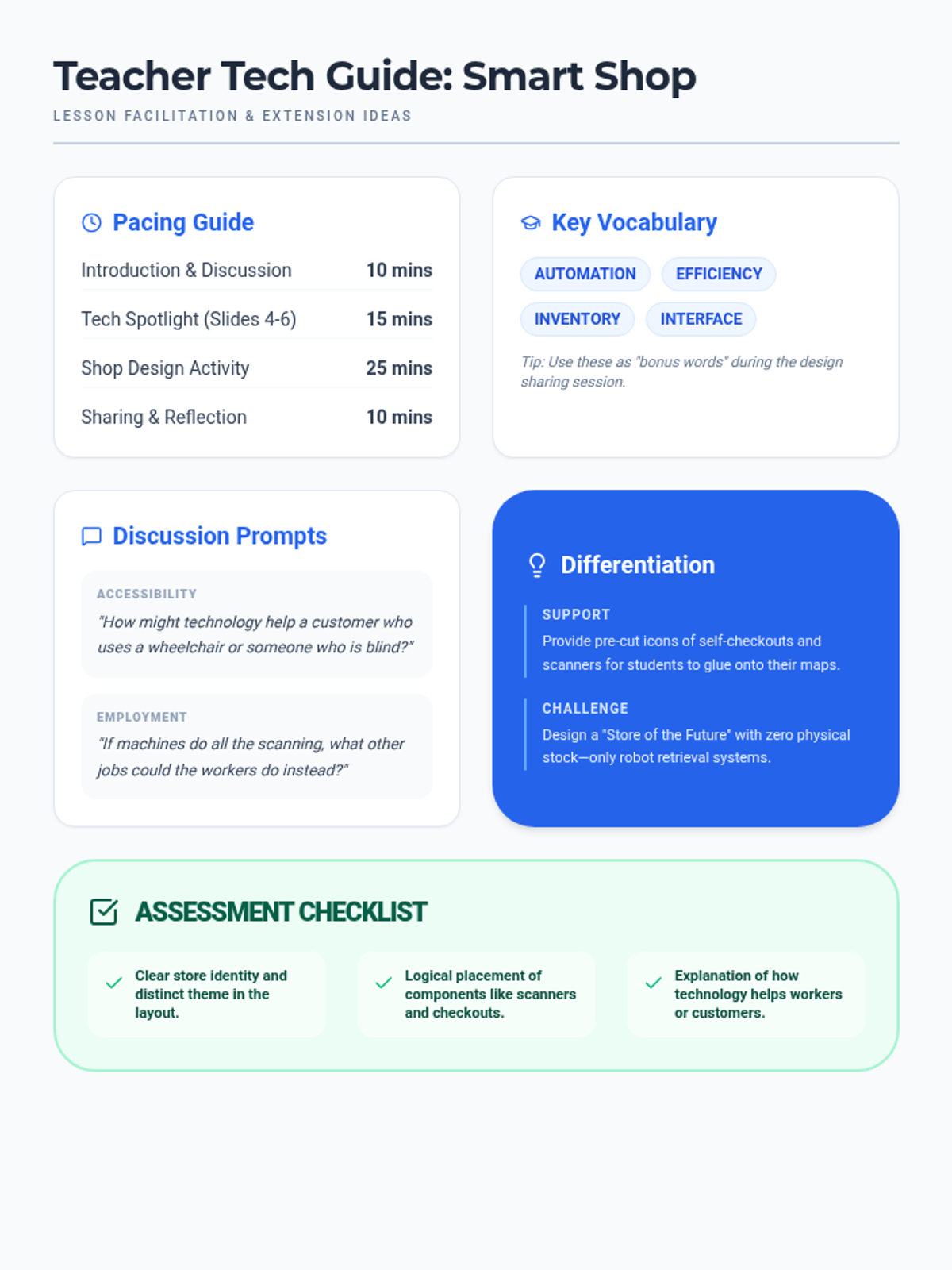
In this lesson, students explore the role of technology in modern businesses. They analyze an example of restaurant technology and then conduct research to create a poster for a specific type of shop.
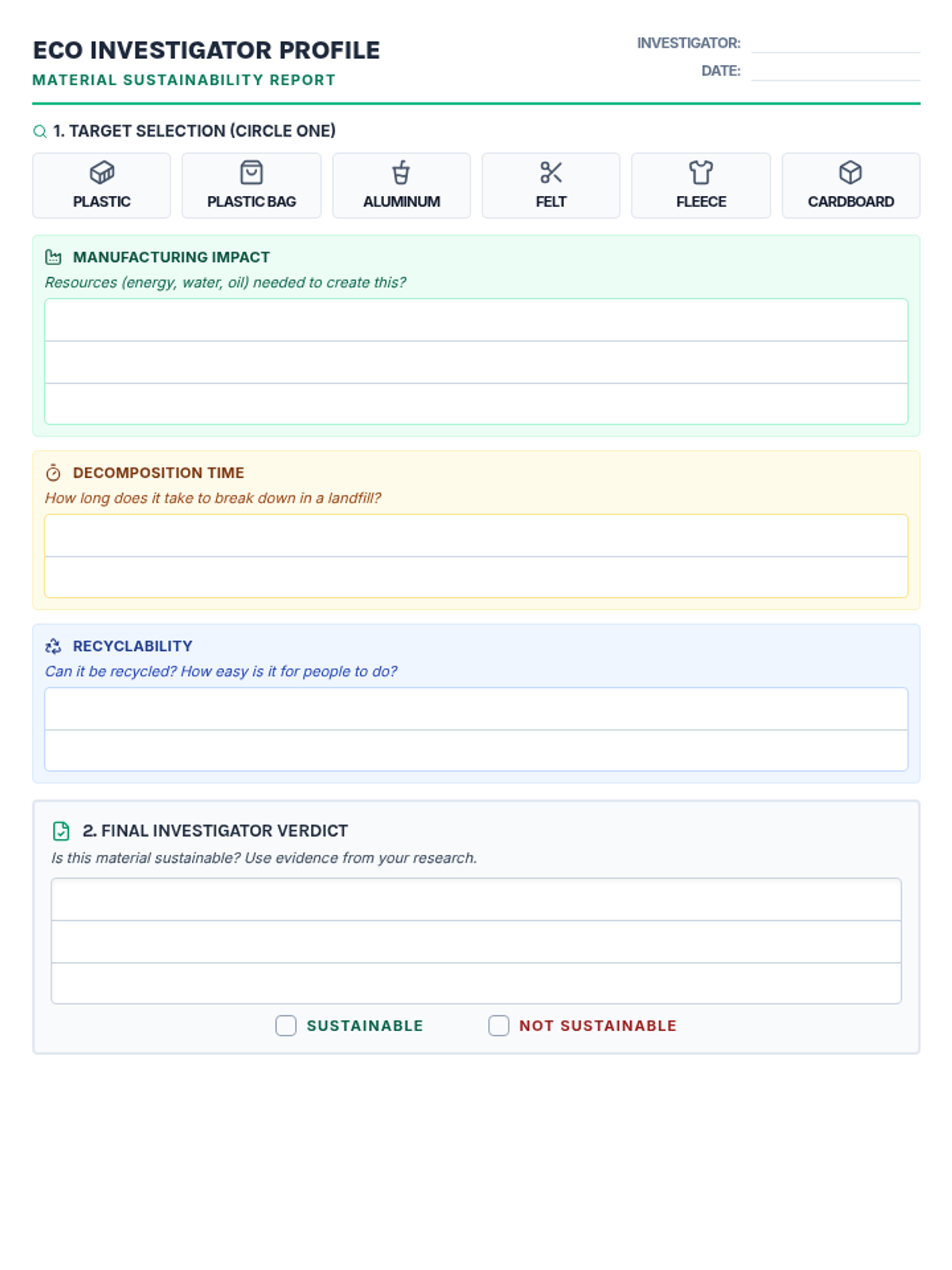
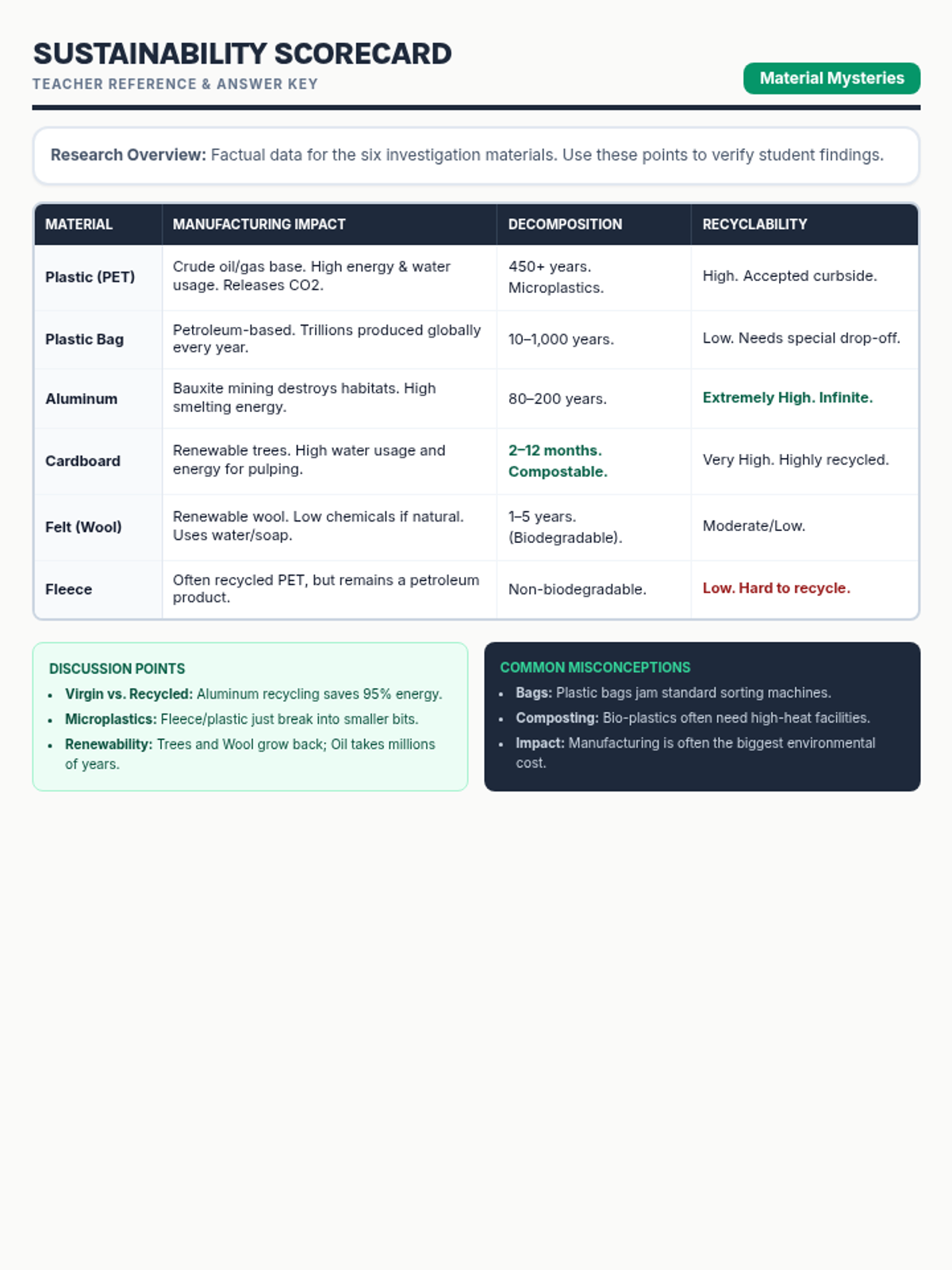
A research-based science lesson where students investigate the environmental impact of common materials like plastic, aluminum, and fleece. Students act as eco-detectives to evaluate recyclability, decomposition, and manufacturing footprints.
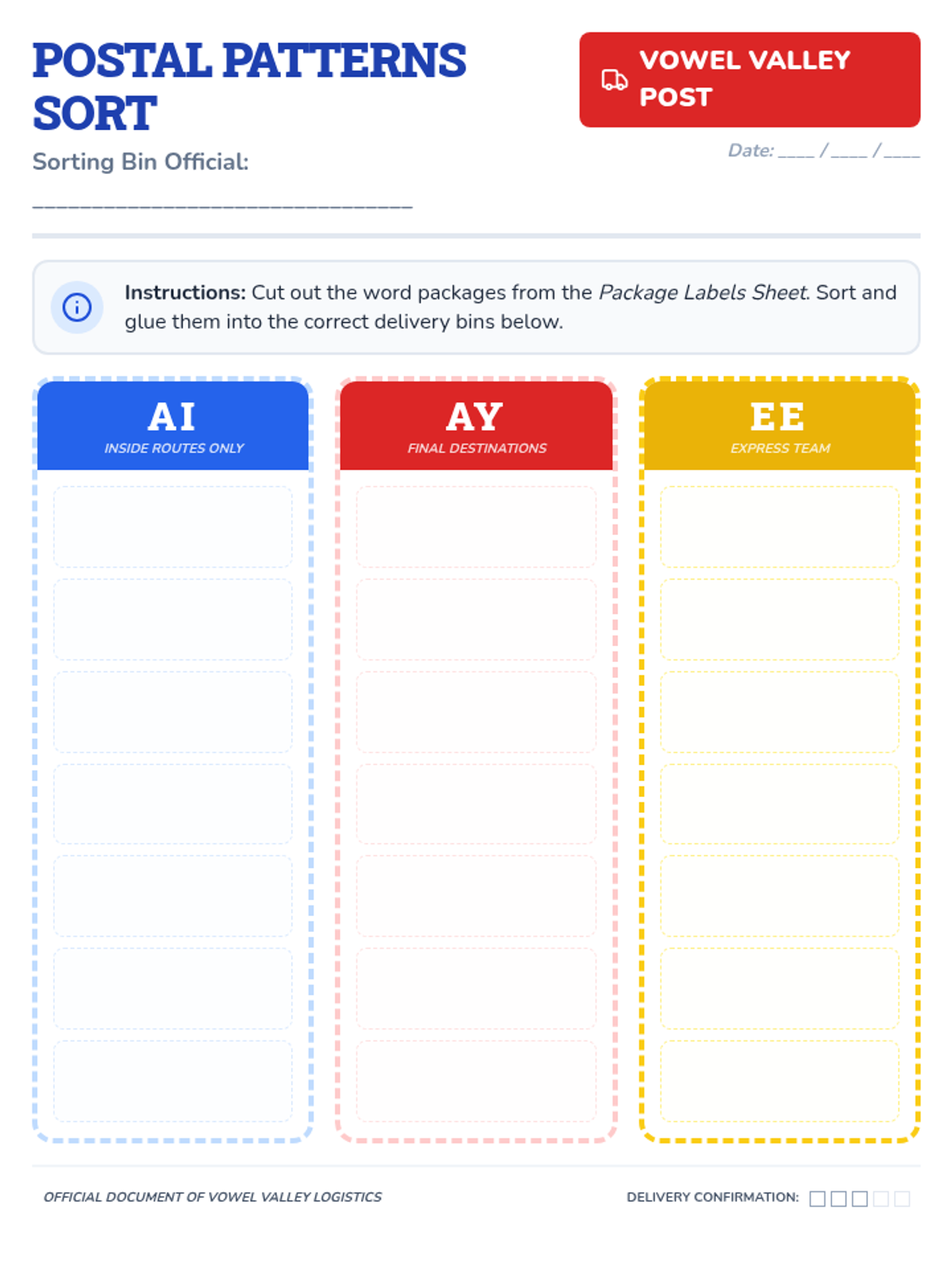
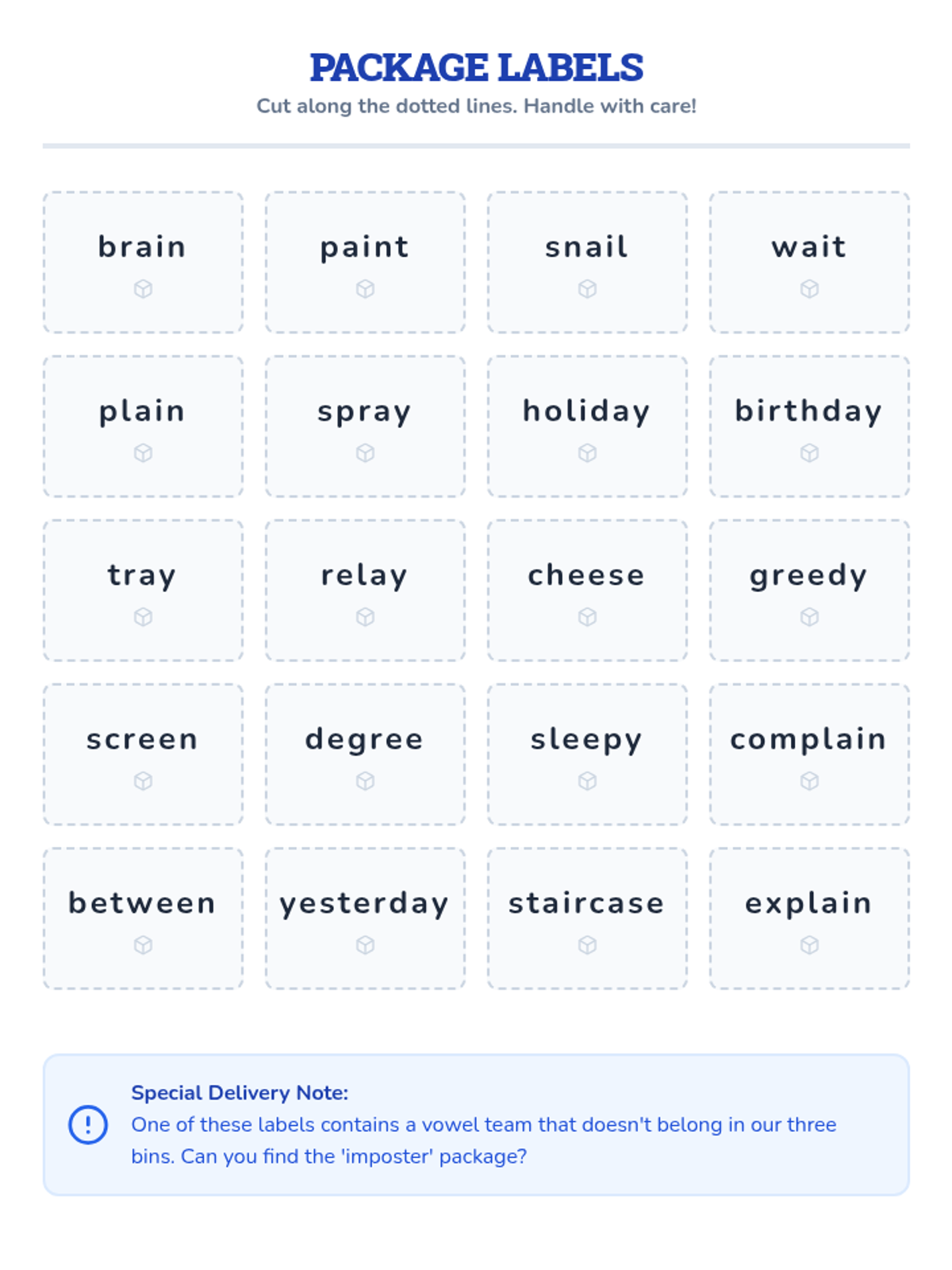
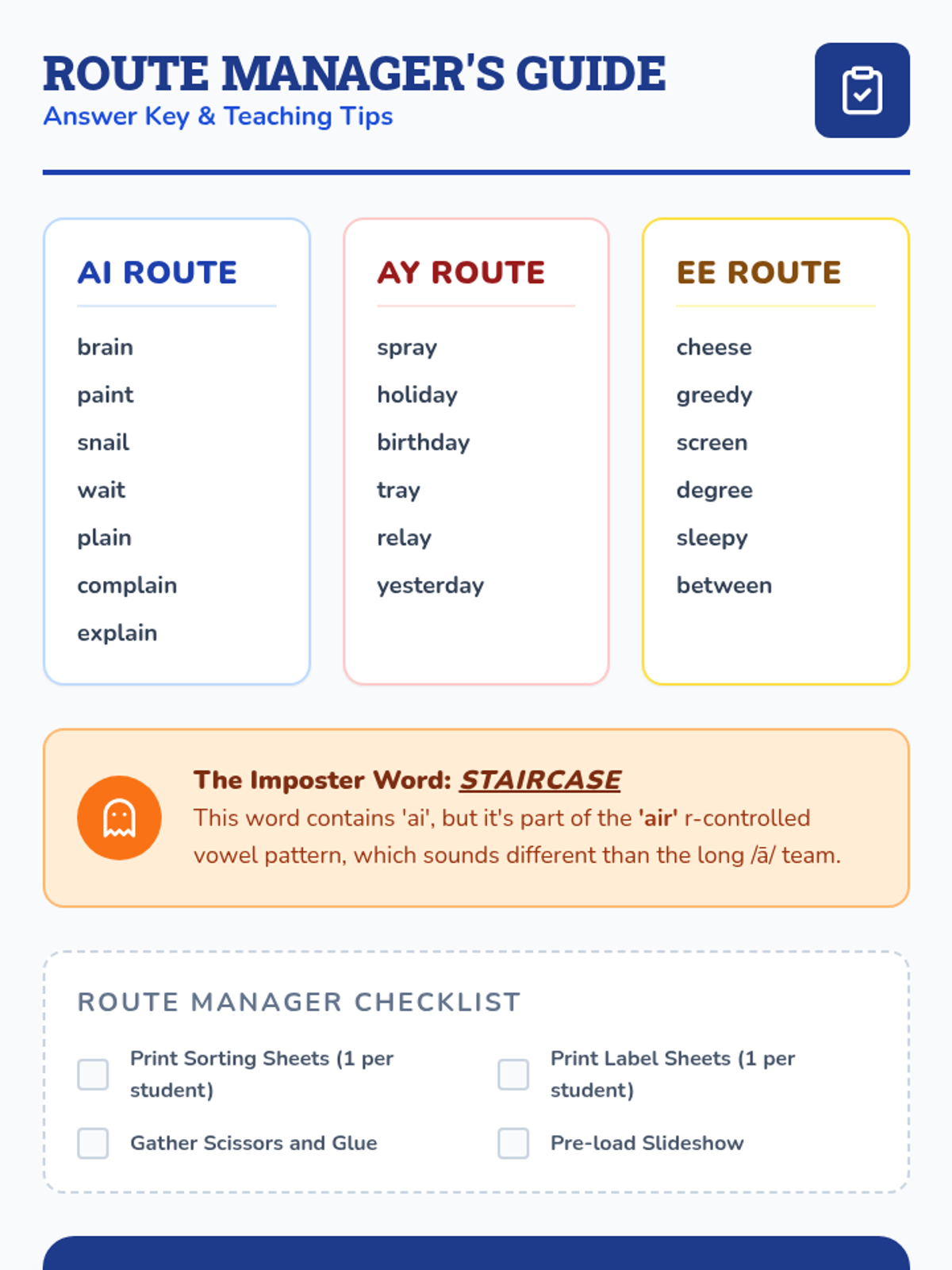
A phonics lesson for 3rd graders focused on identifying and sorting words with the 'ai', 'ay', and 'ee' vowel teams through a postal-themed sorting activity.
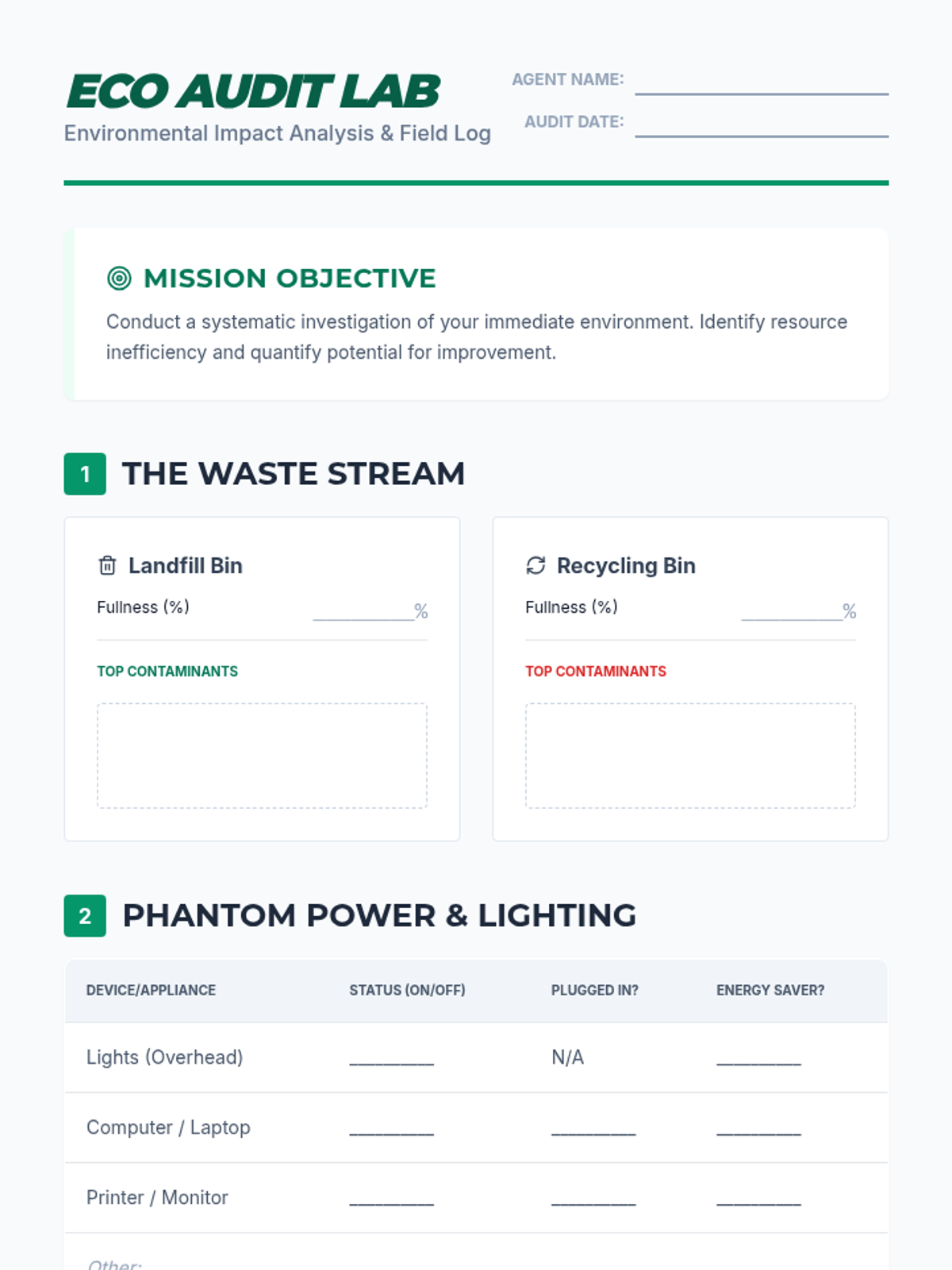
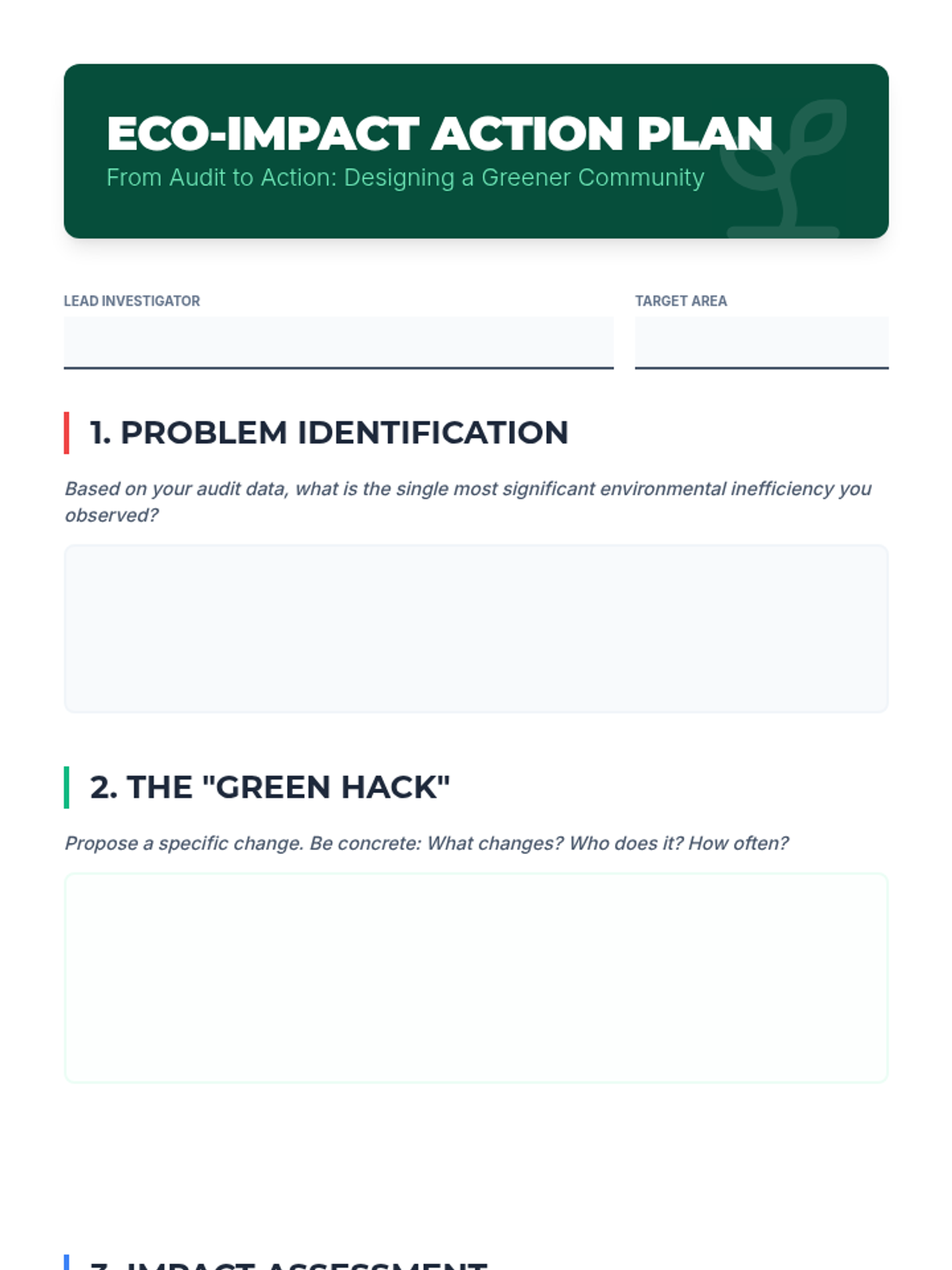
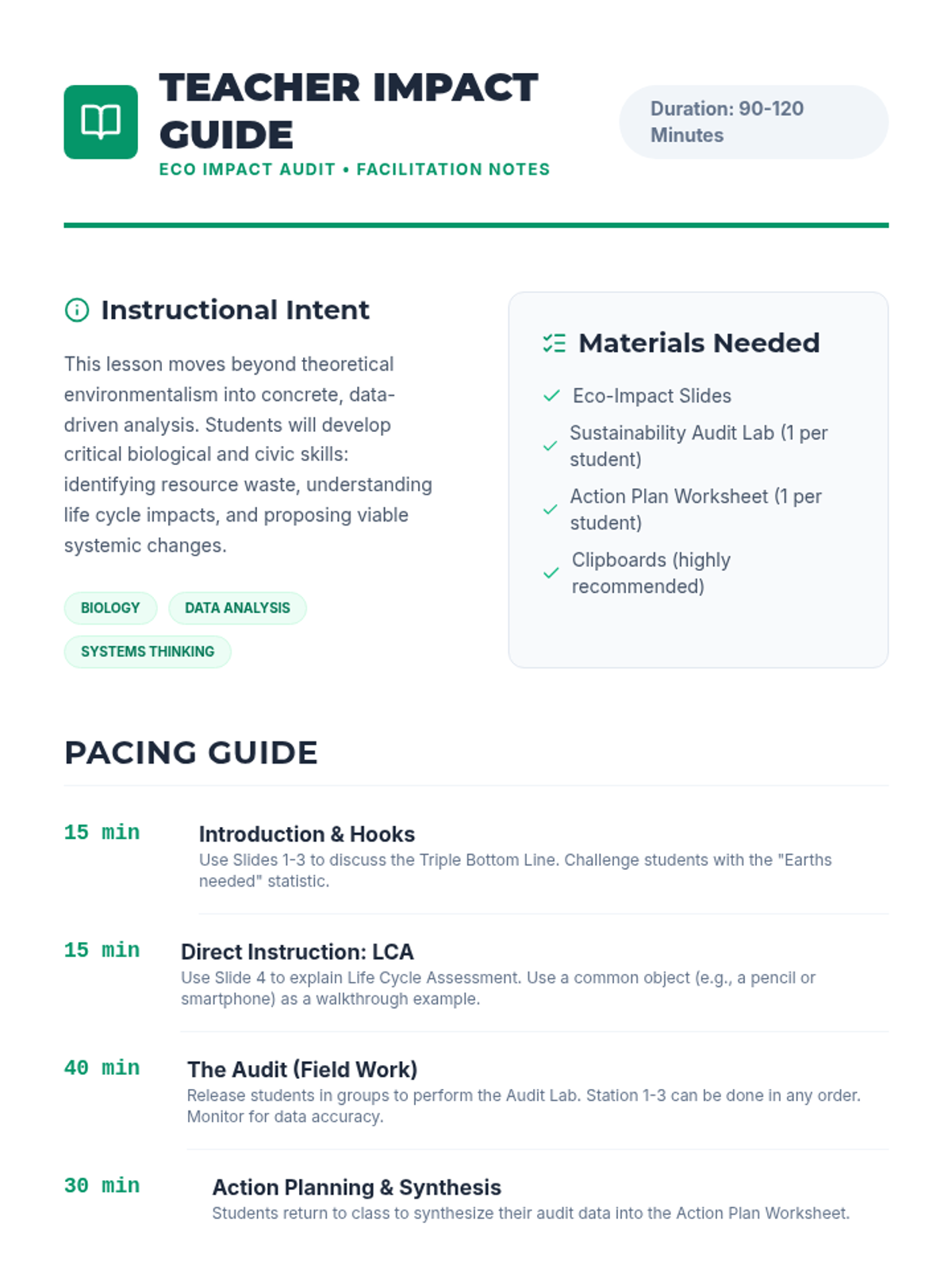
A hands-on lesson where students analyze their environmental footprint through a sustainability audit and develop data-driven solutions for real-world impact.
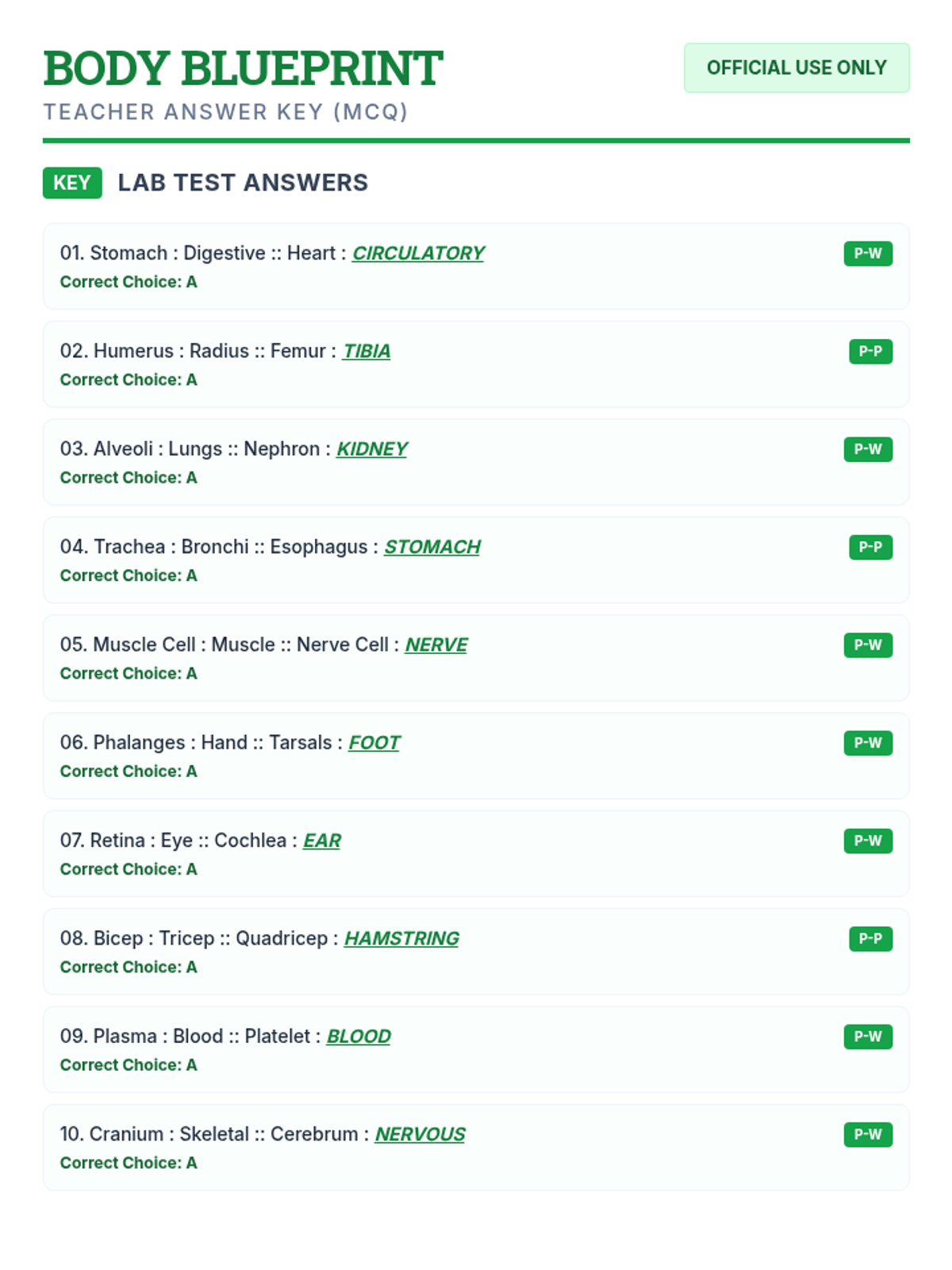
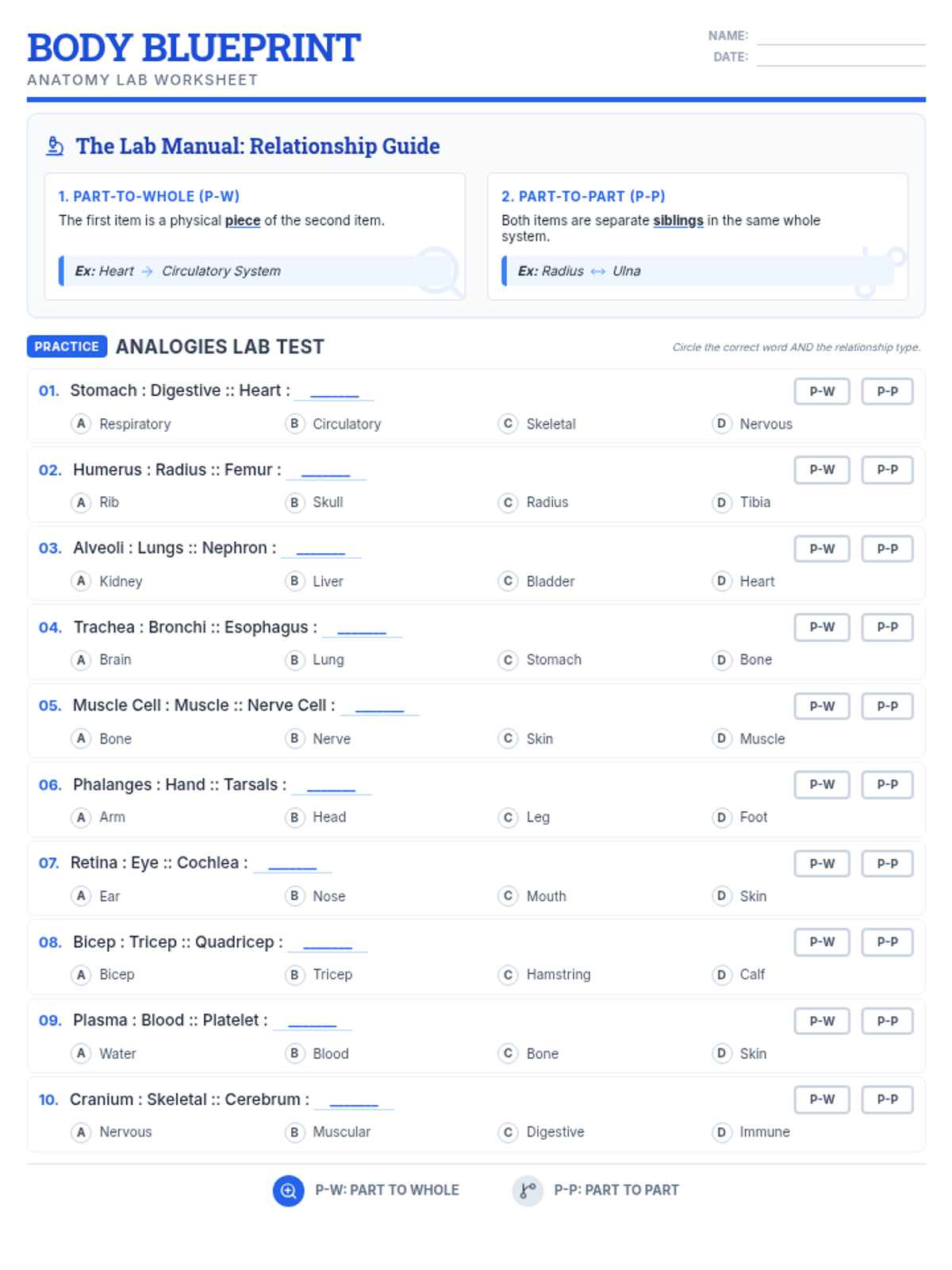
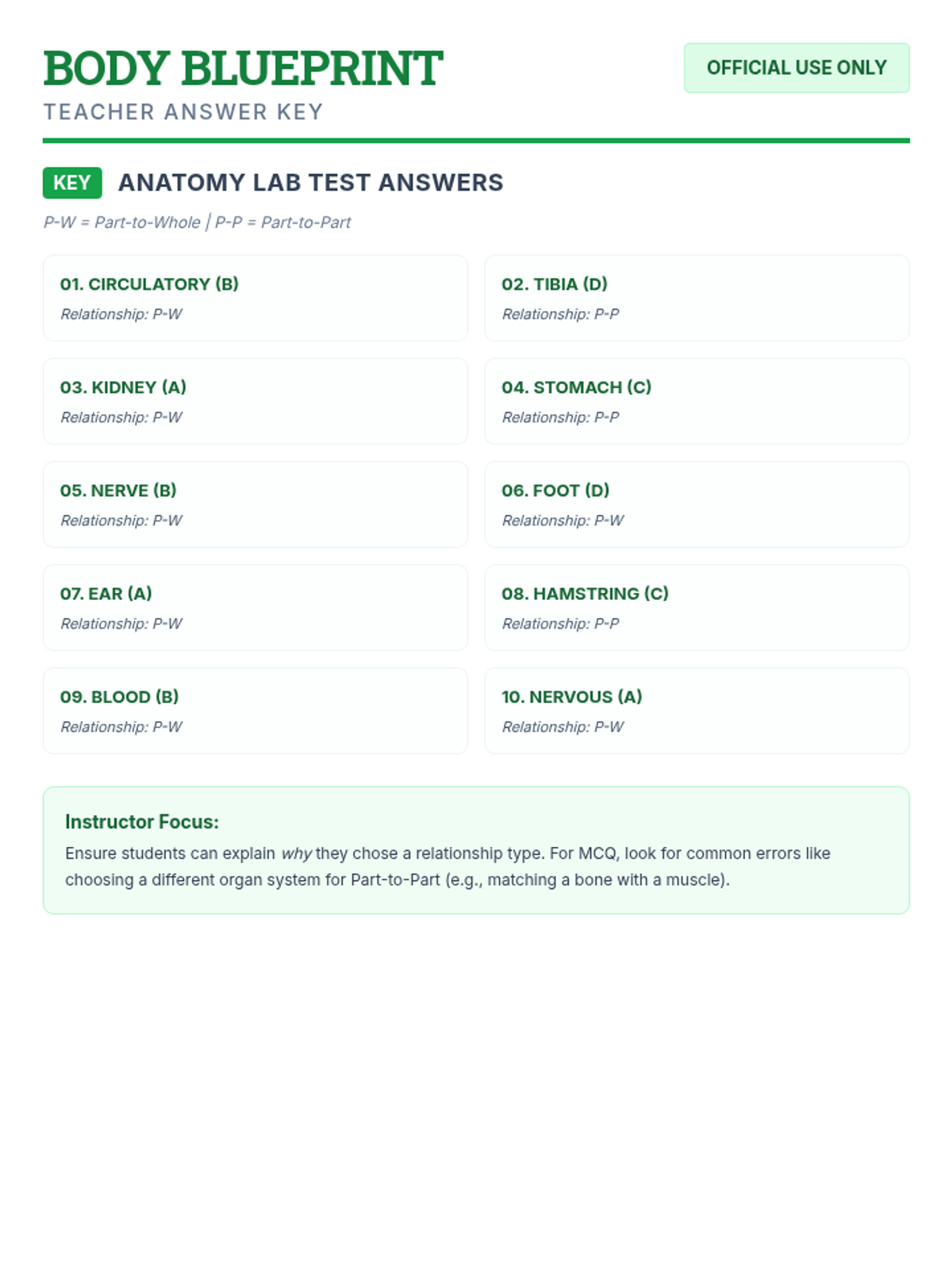
In this lesson, students explore the relationship between anatomical structures using analogies. They will distinguish between part-to-whole and part-to-part relationships within human body systems.
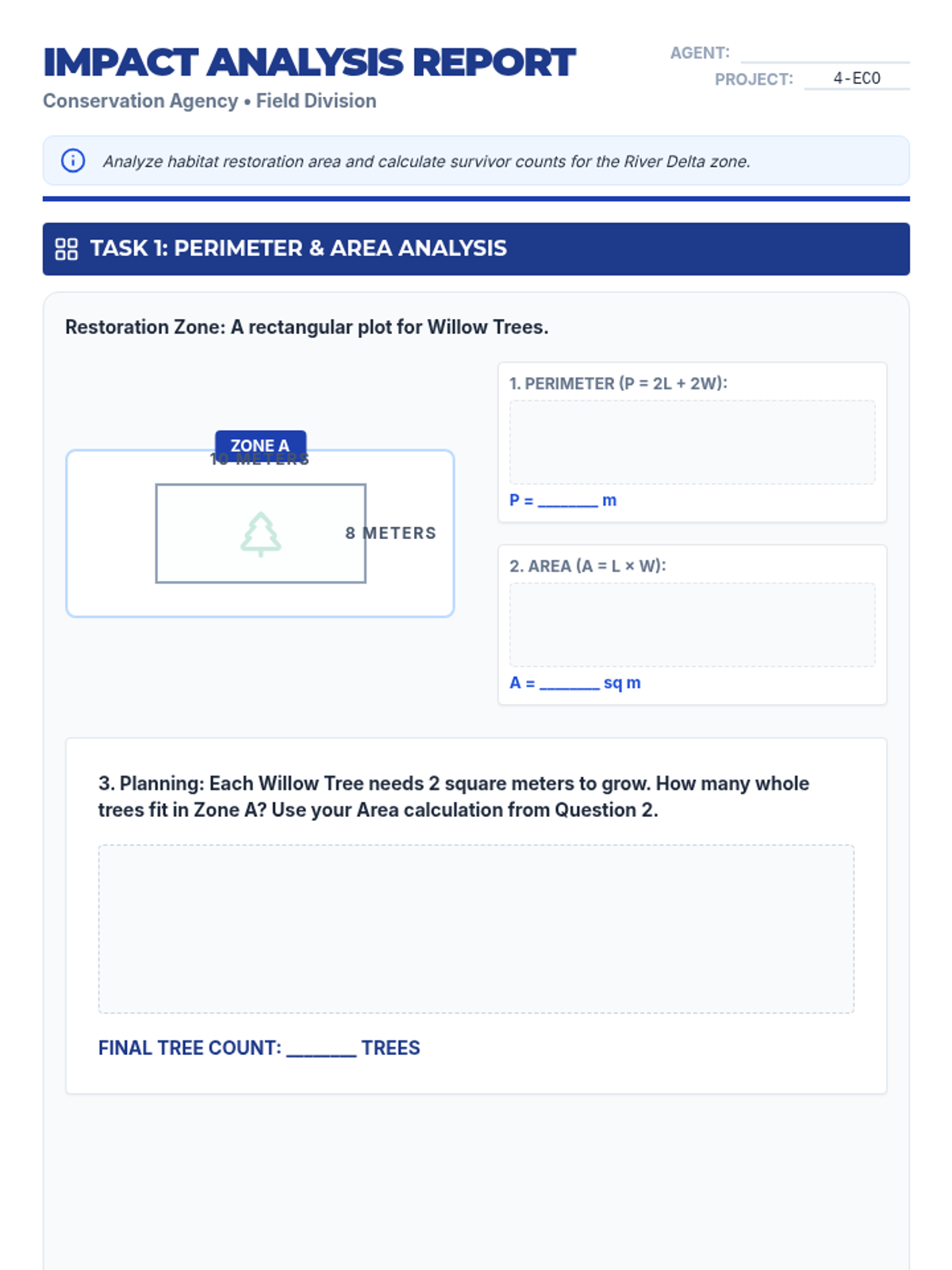
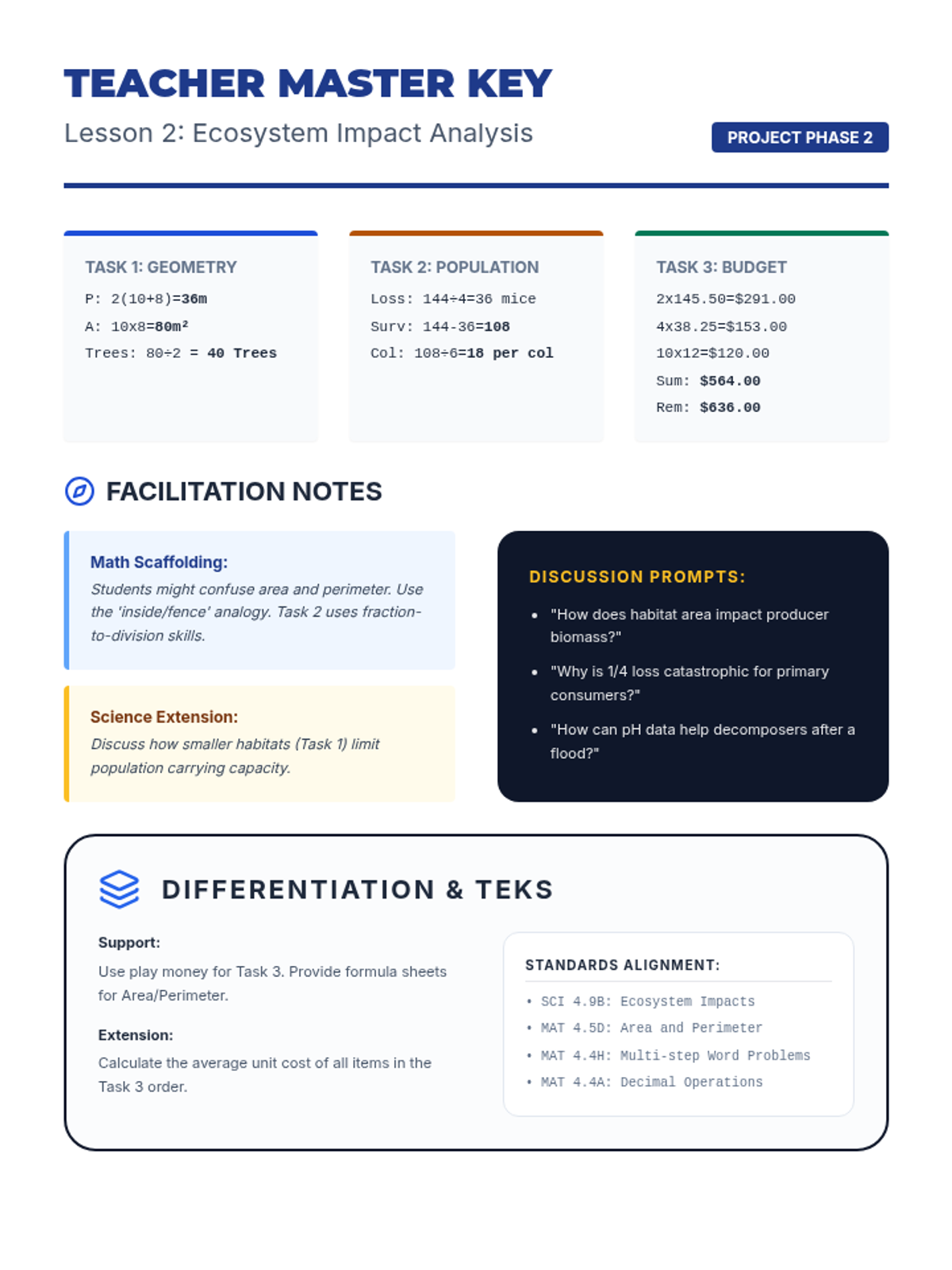
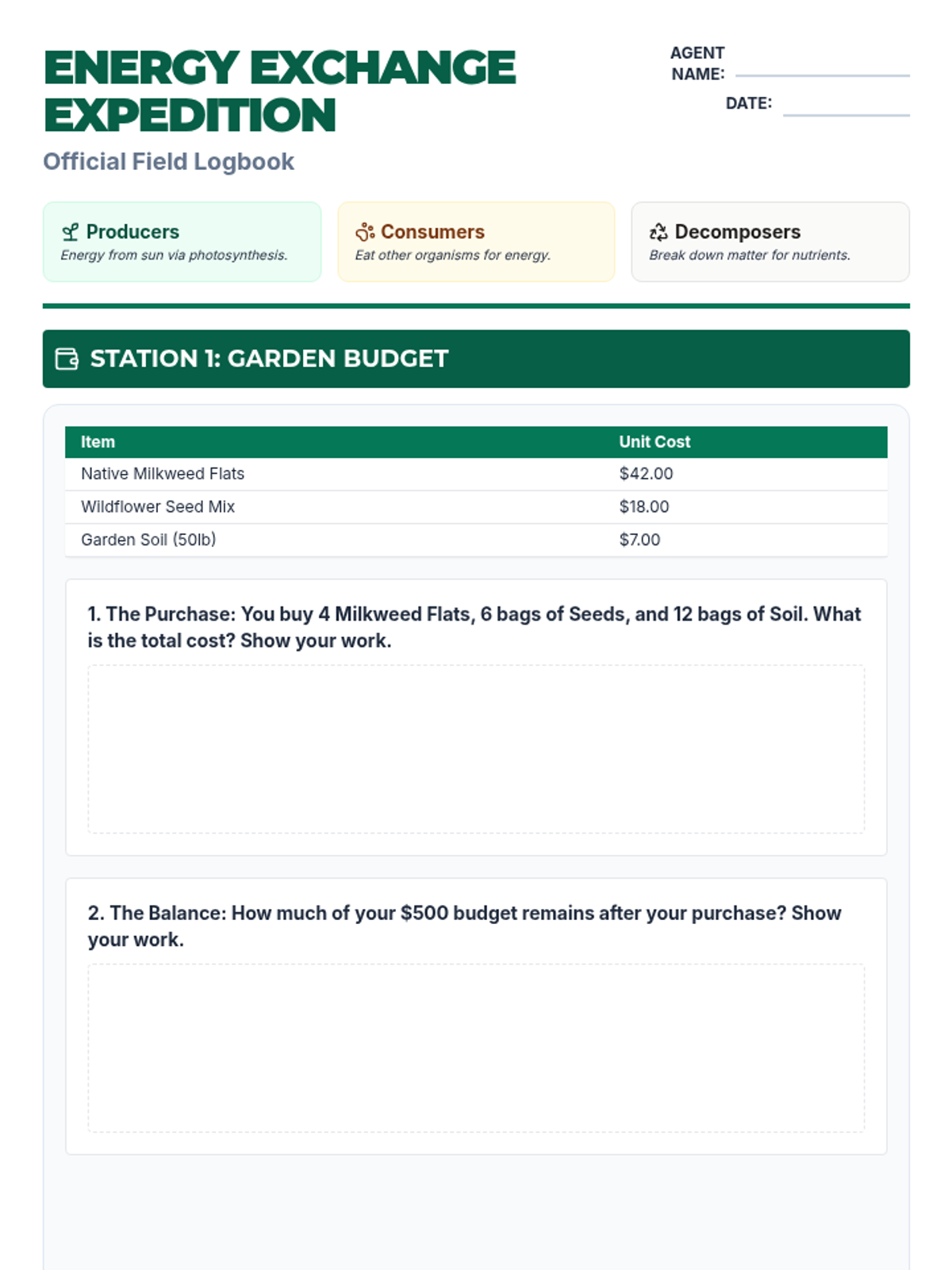
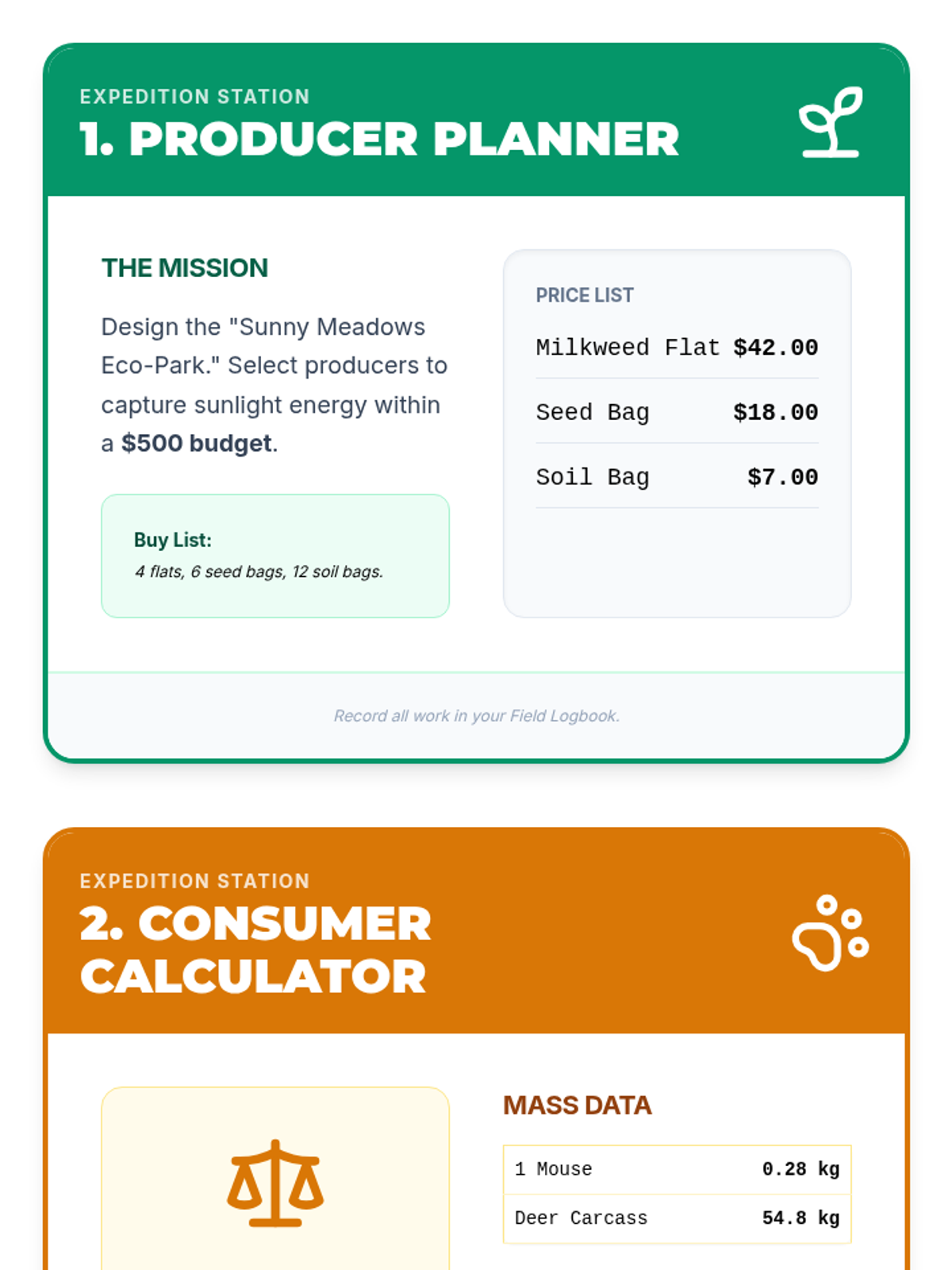
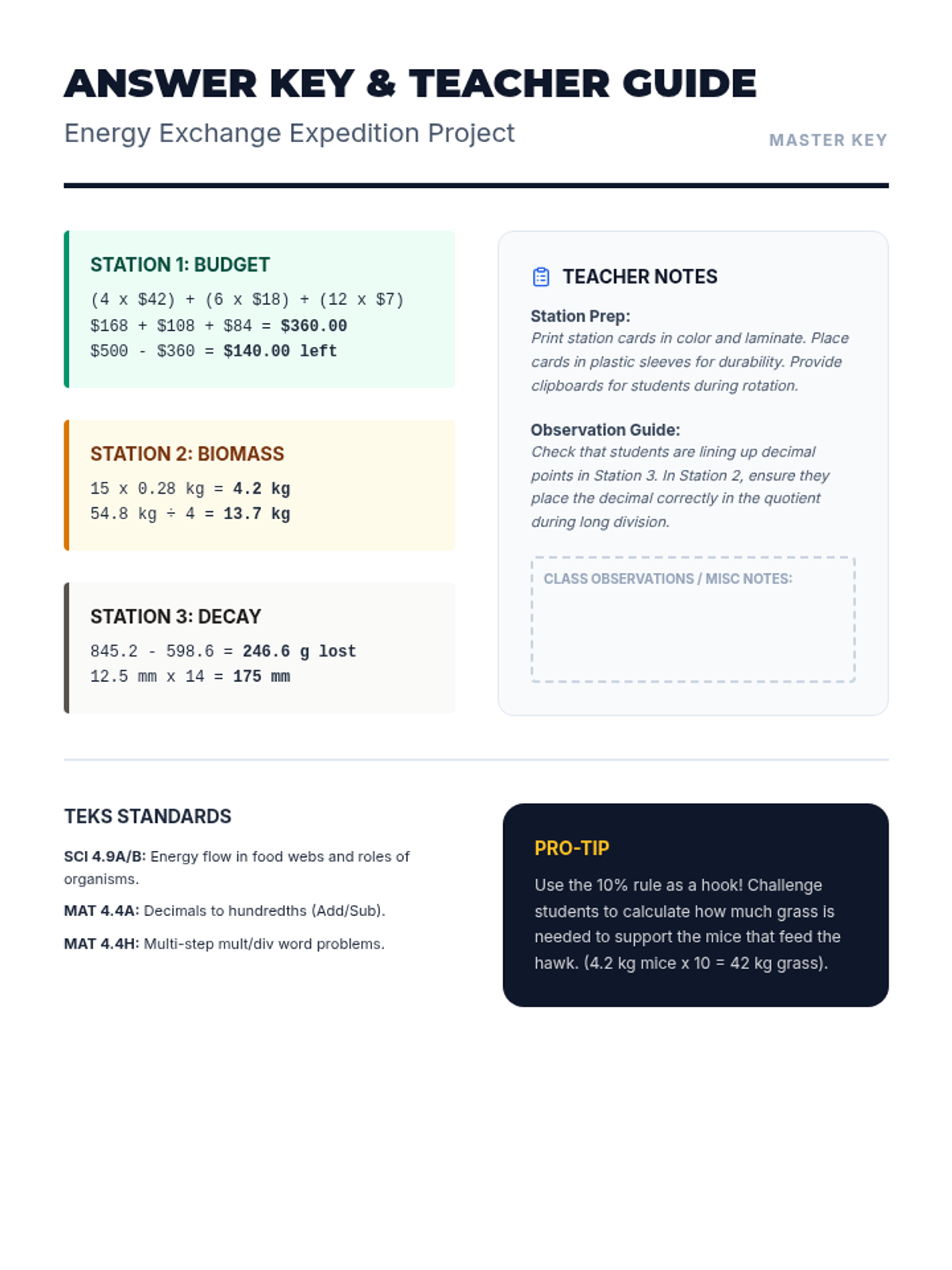
Students analyze how natural and human-induced changes affect energy flow in ecosystems while solving multi-step math problems involving habitat area, population data, and conservation budgeting.
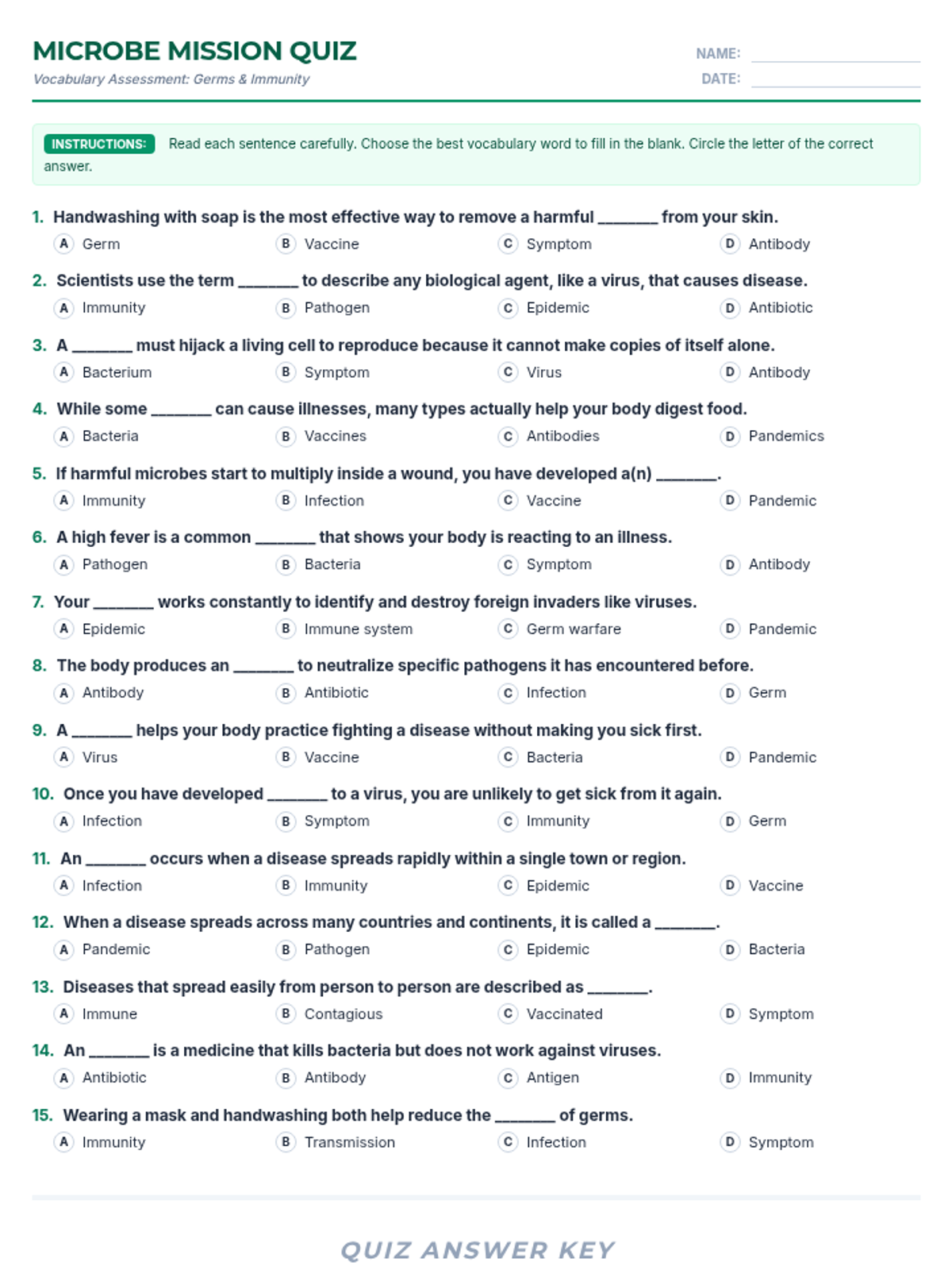
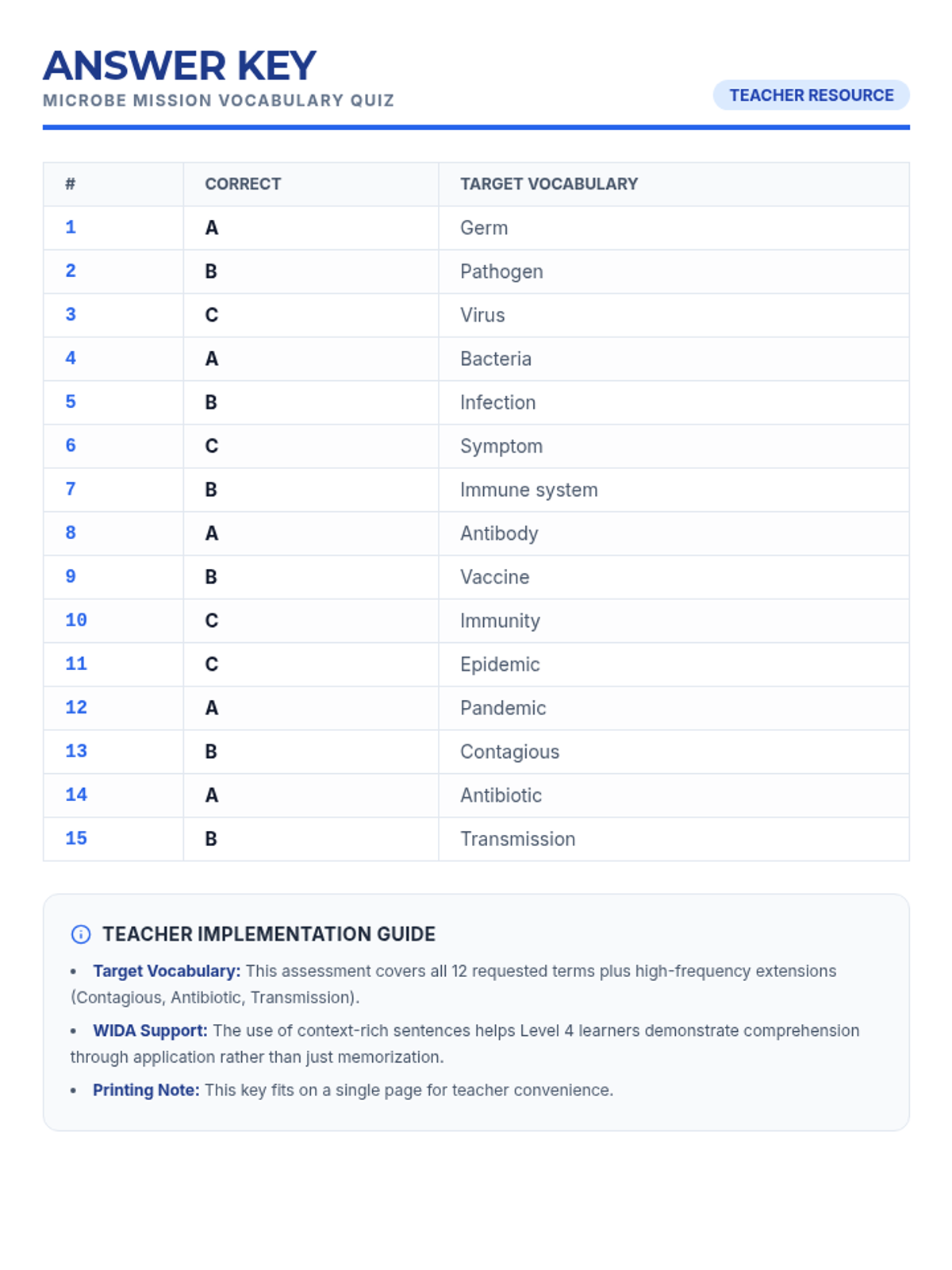
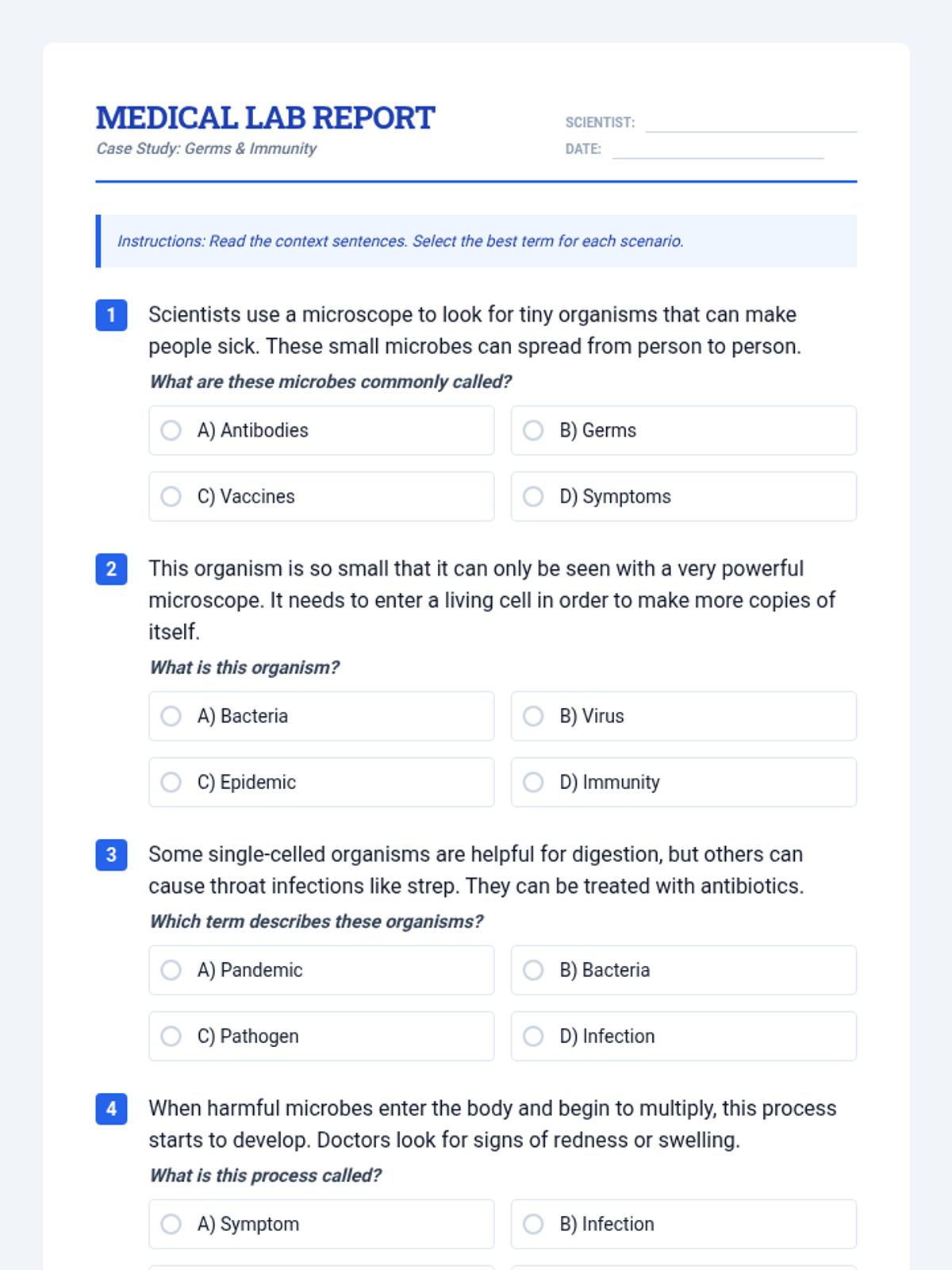
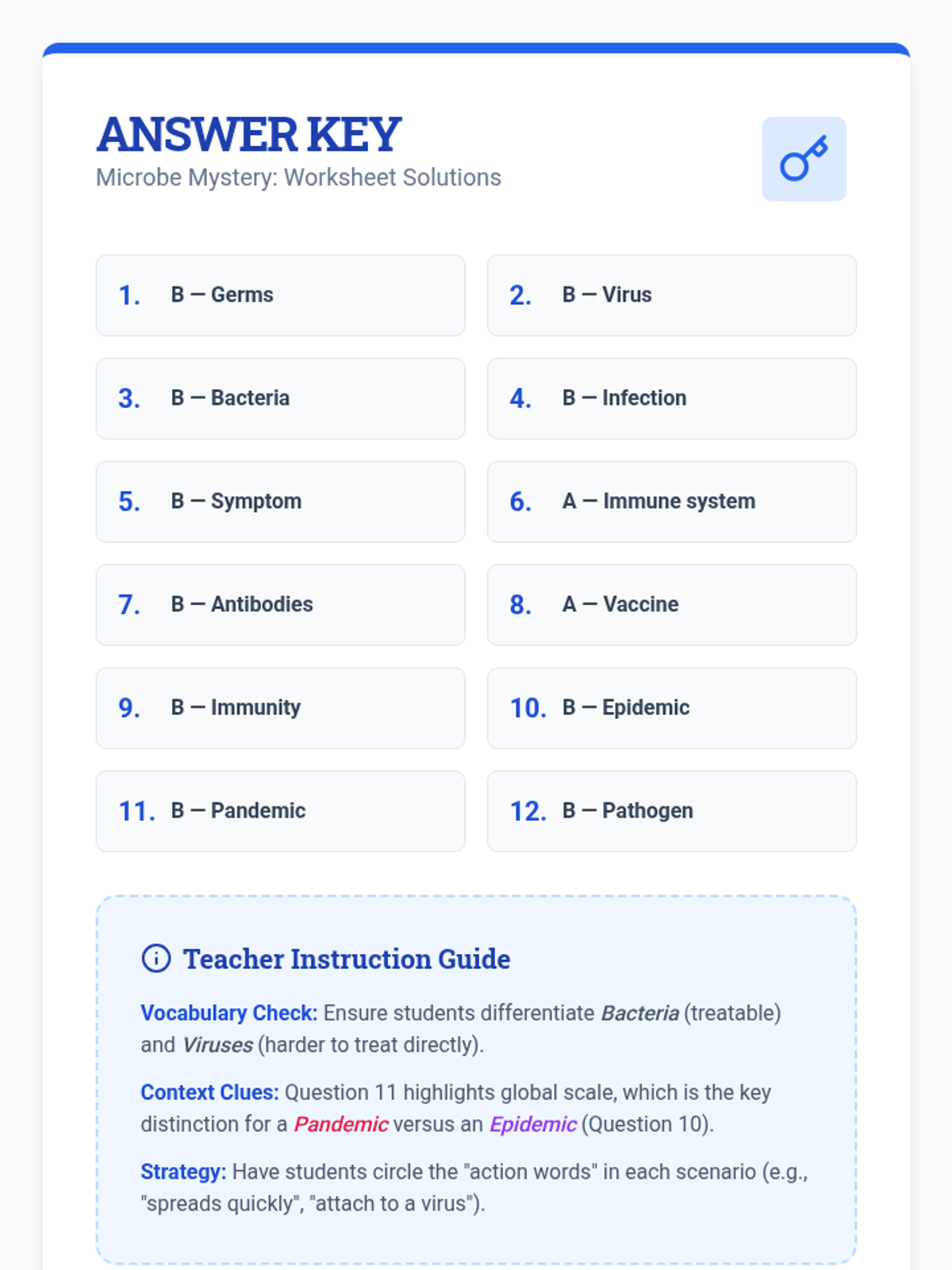
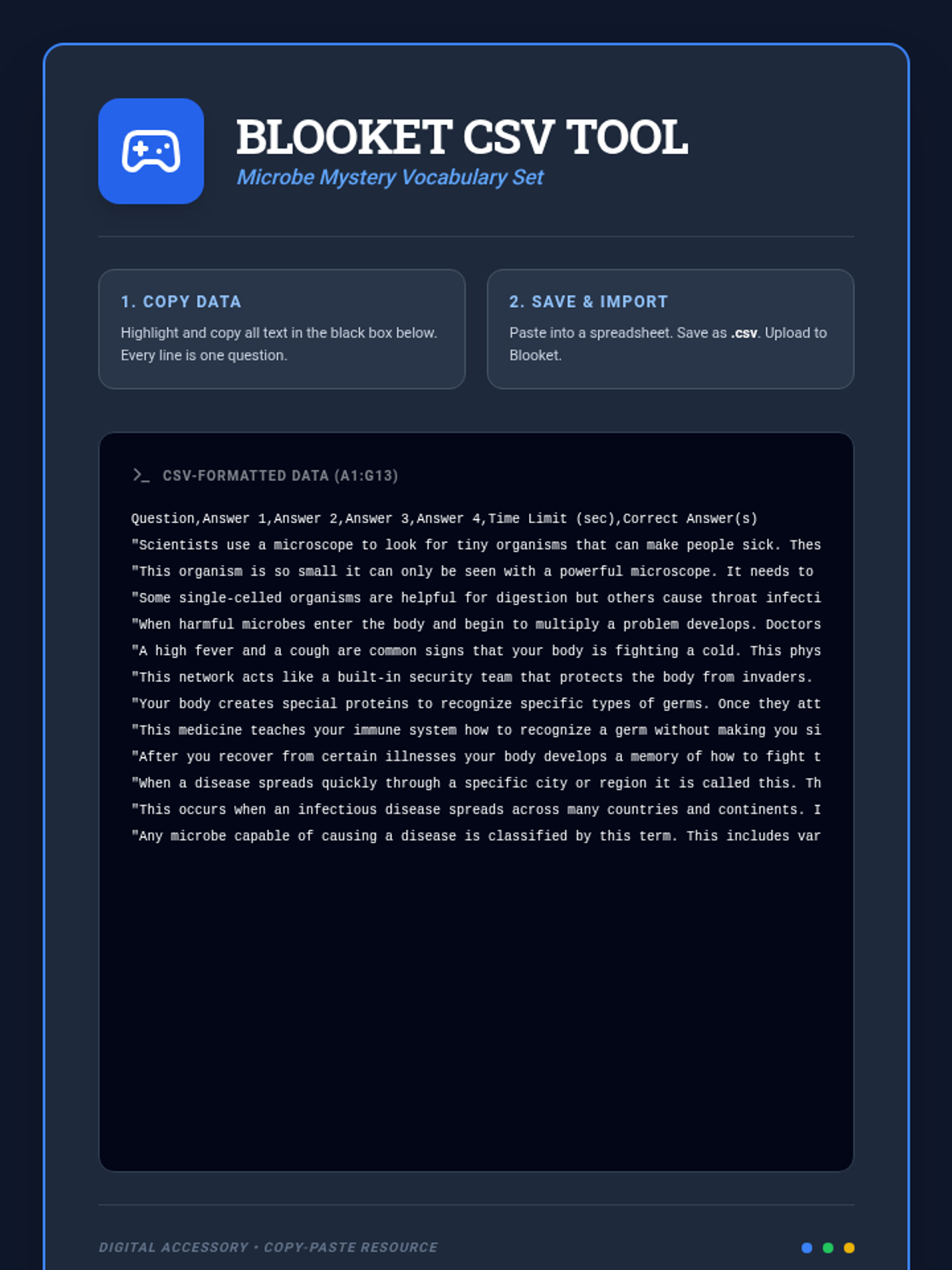
A comprehensive quiz and answer key covering essential medical and biological vocabulary related to germs, pathogens, and the body's immune response. Designed for WIDA Level 4 learners with context-rich sentences.
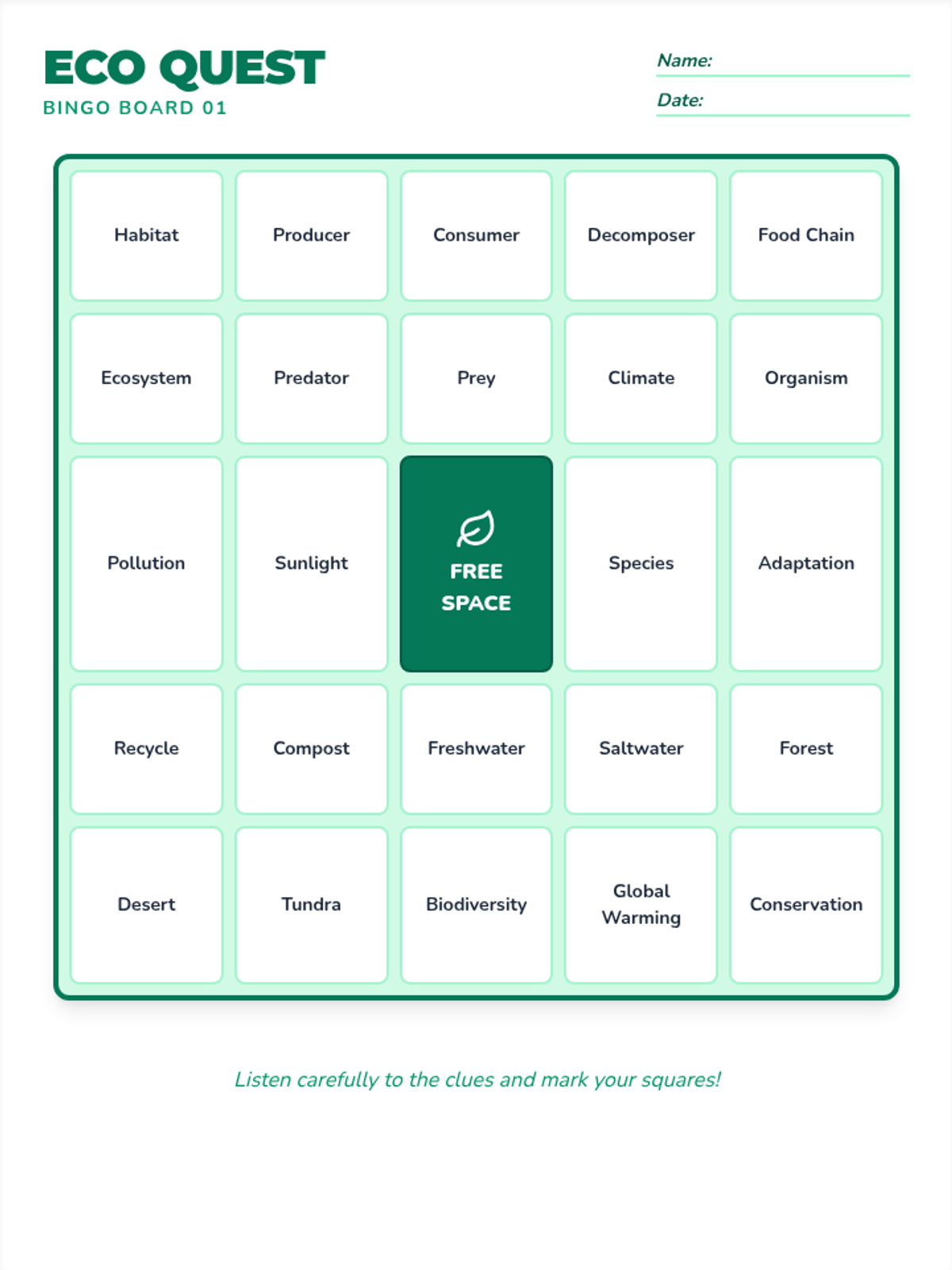
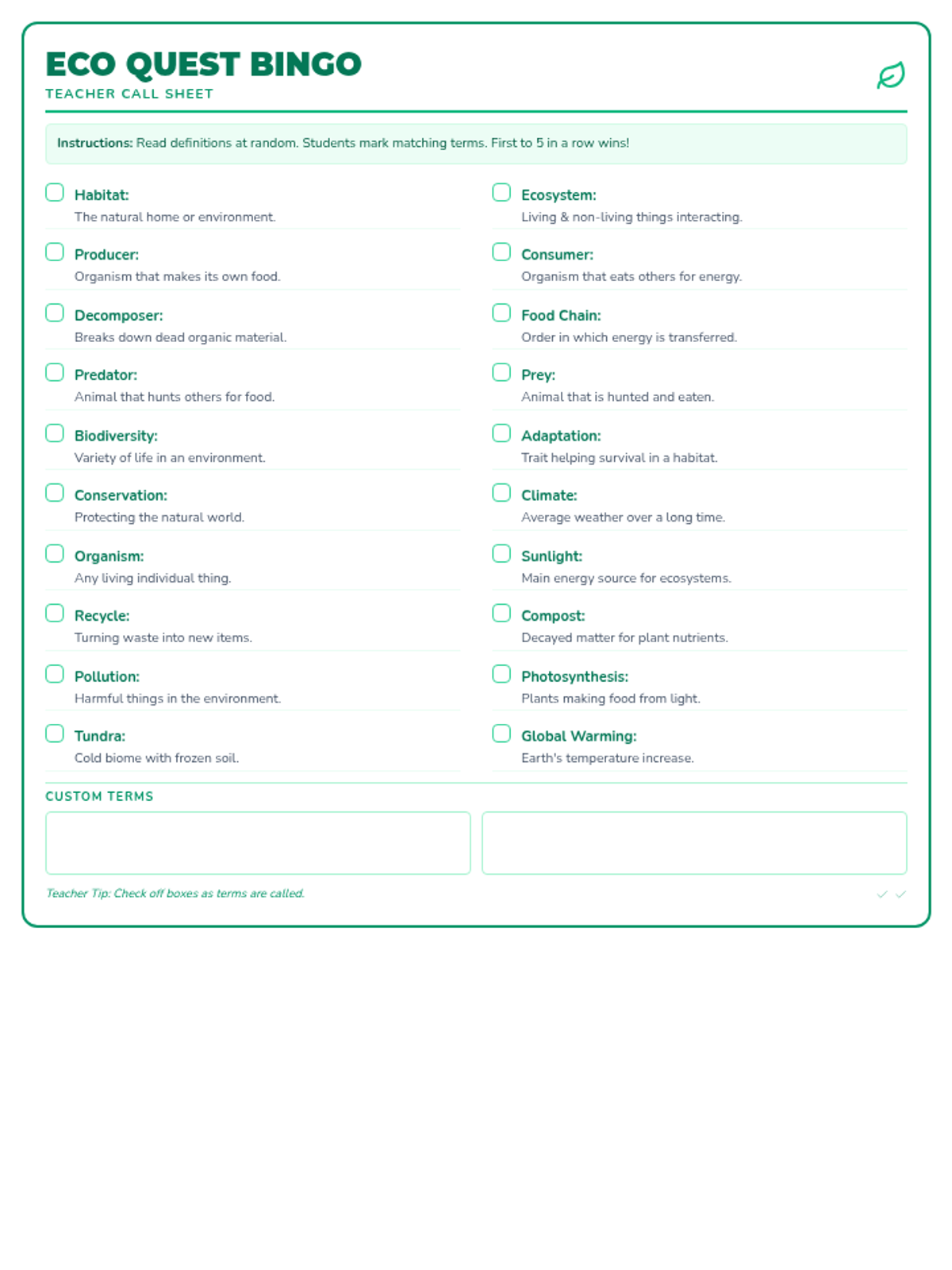
An interactive ecosystem-themed bingo activity to reinforce science vocabulary and environmental concepts.
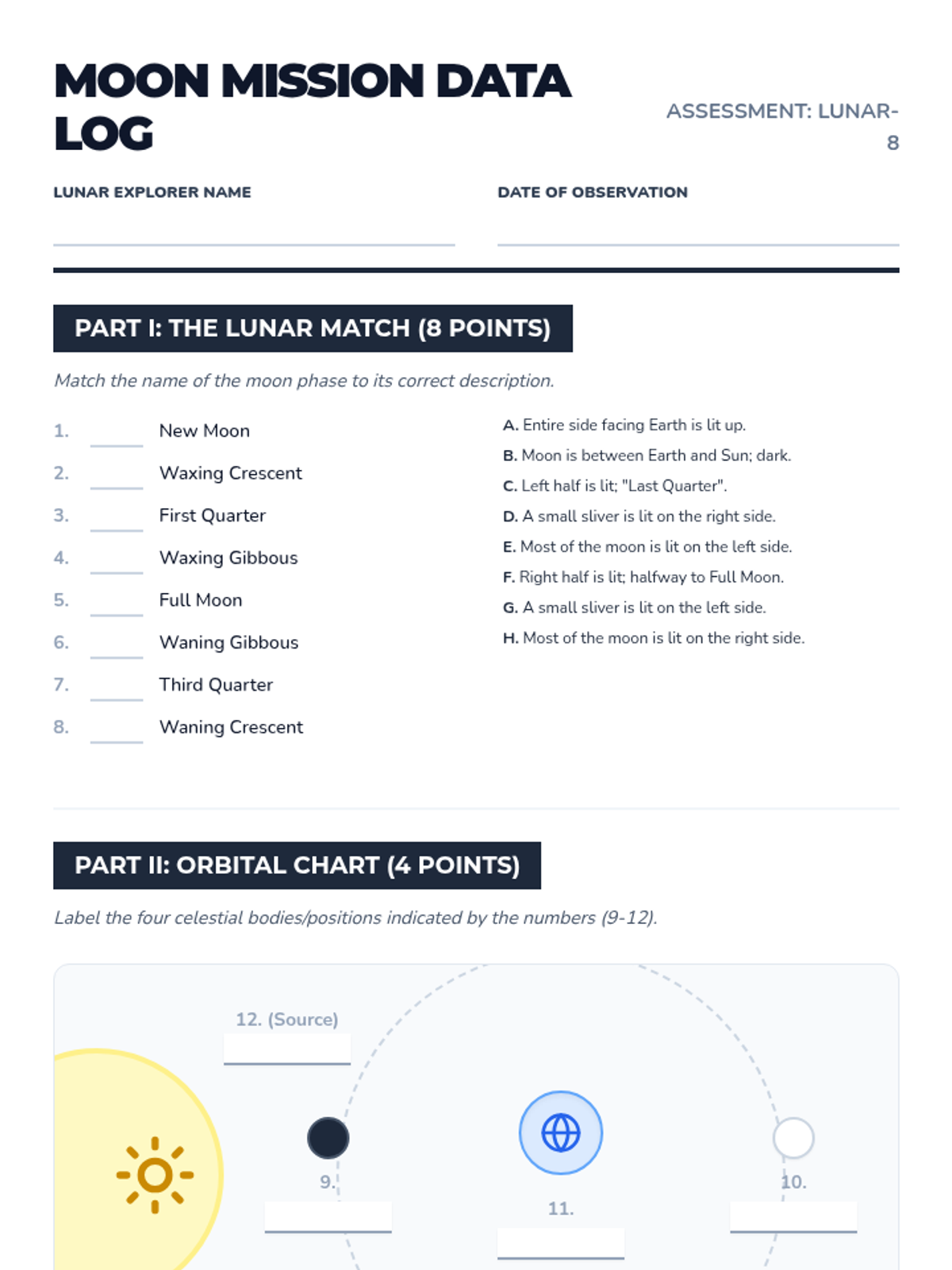
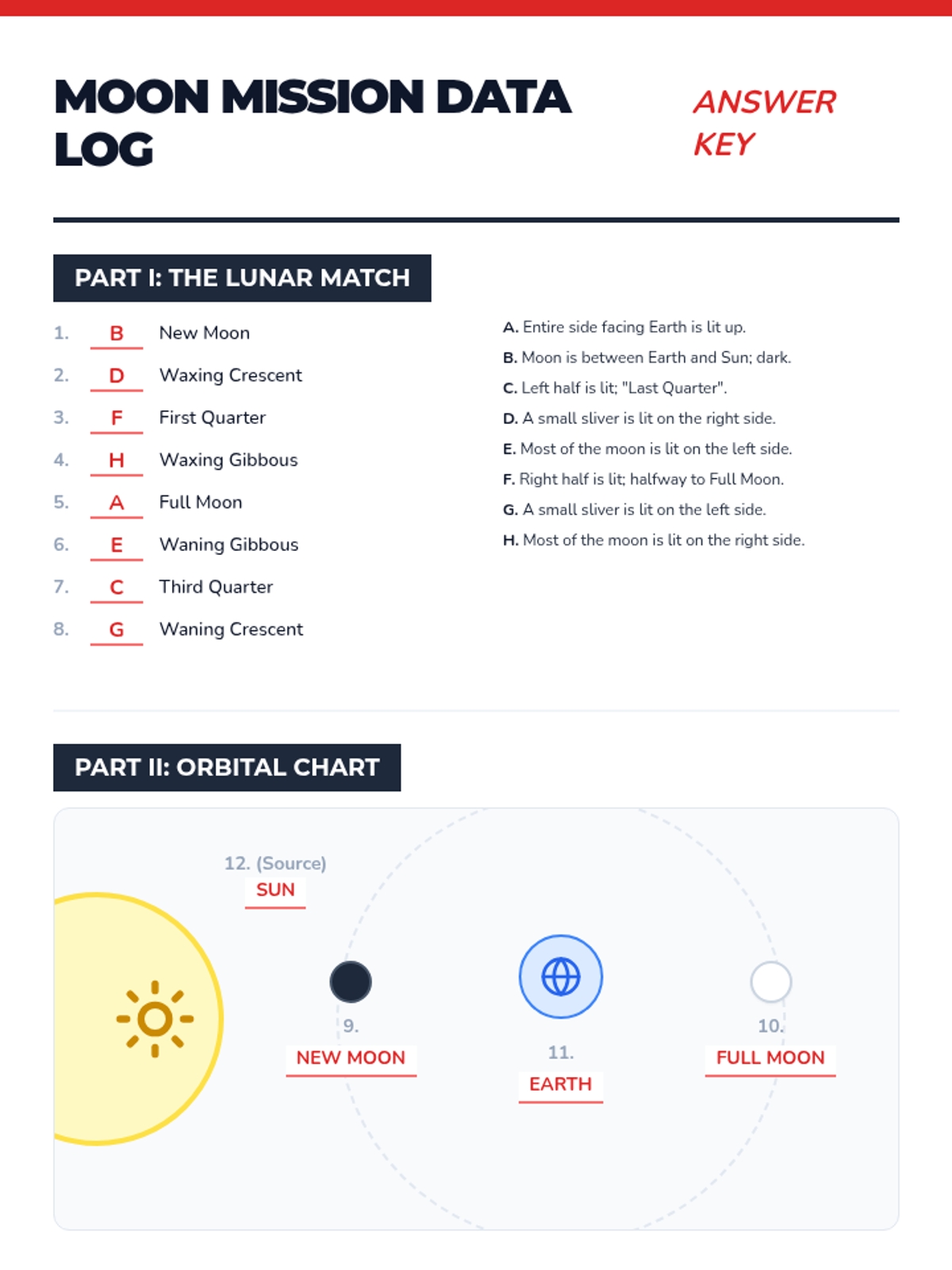
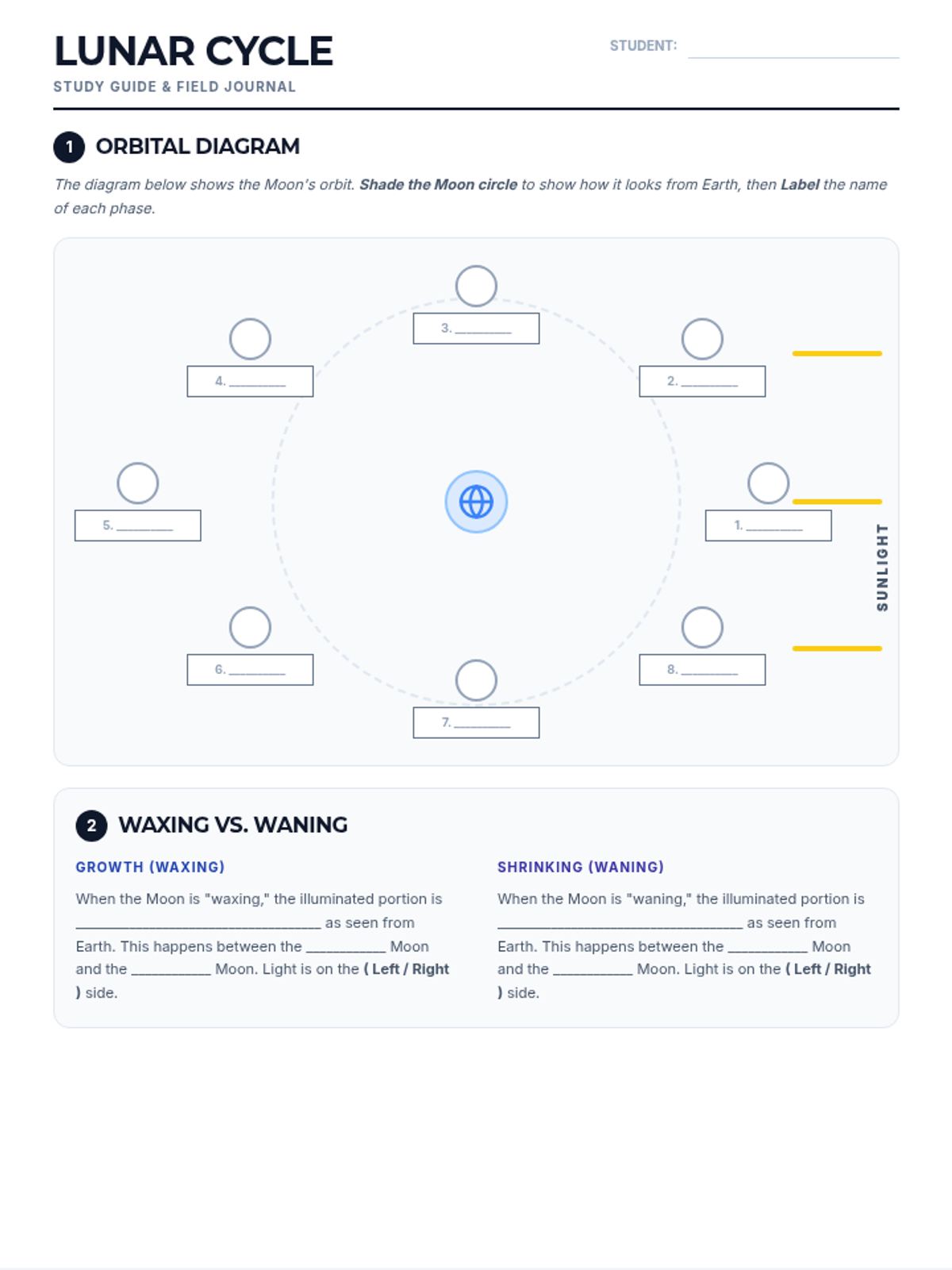
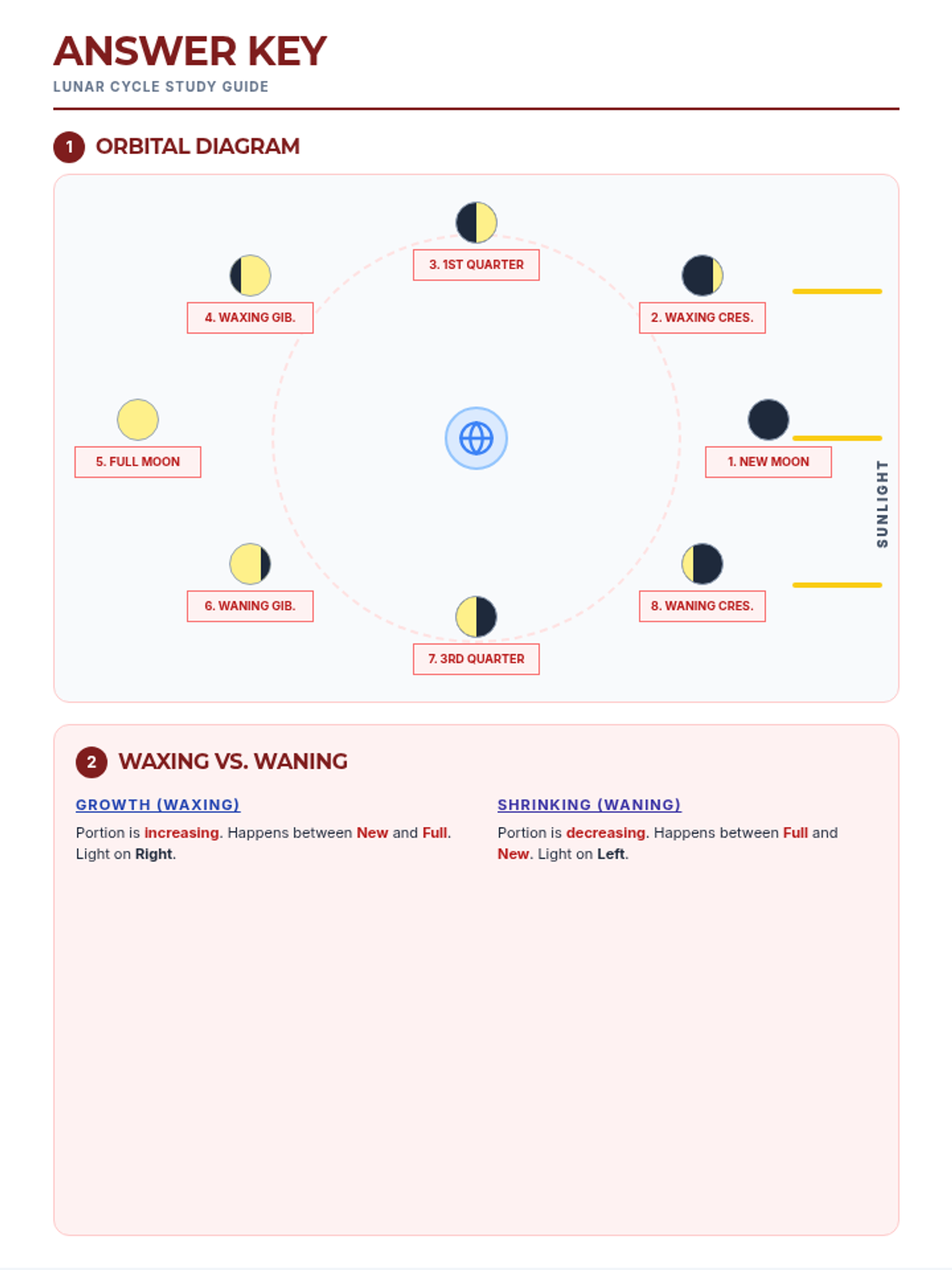
A comprehensive assessment covering the lunar cycle, orbital mechanics, and the relationship between the Earth, Moon, and Sun. Students will demonstrate their understanding through diagram labeling, matching, and short-answer responses.
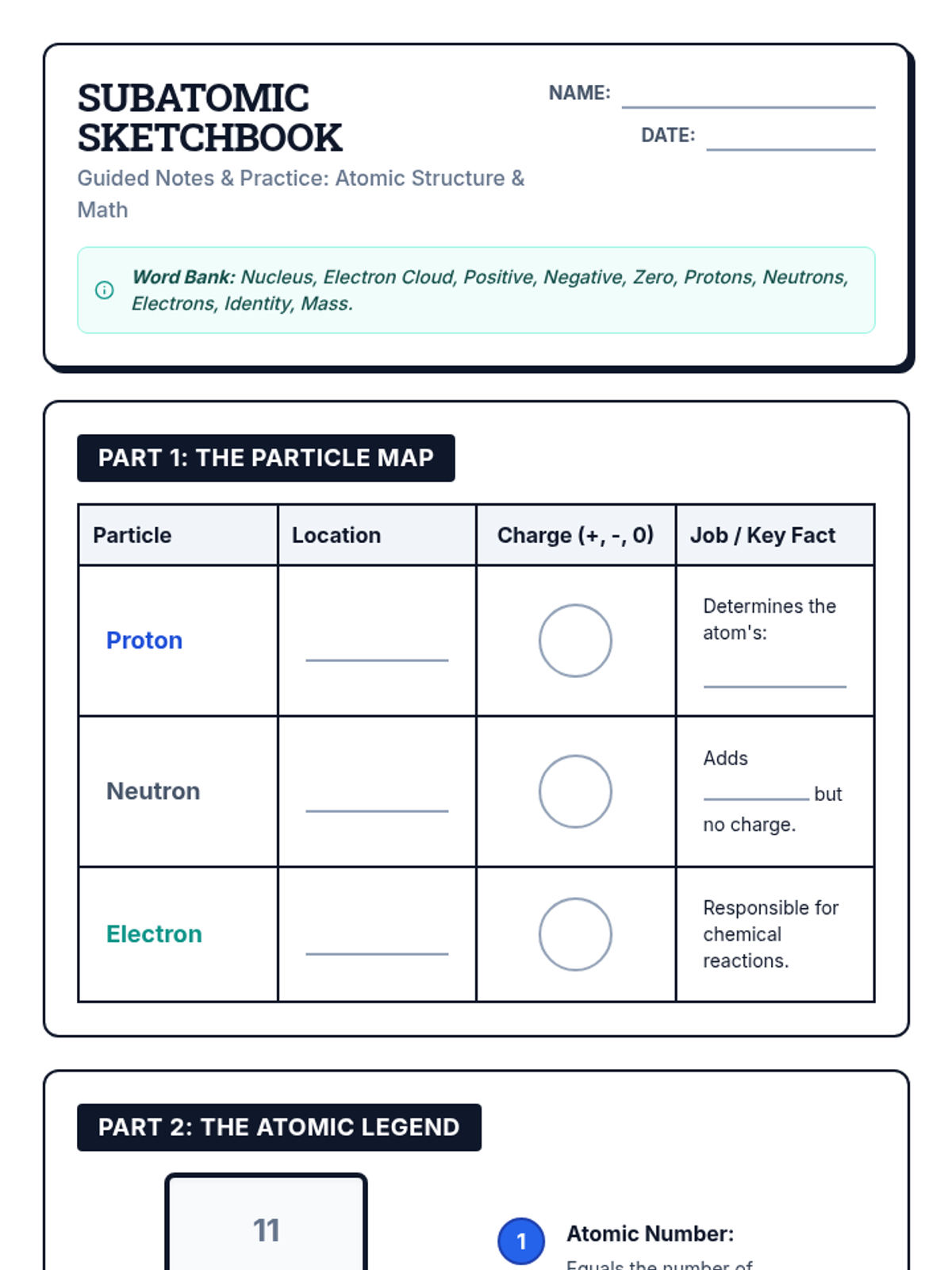
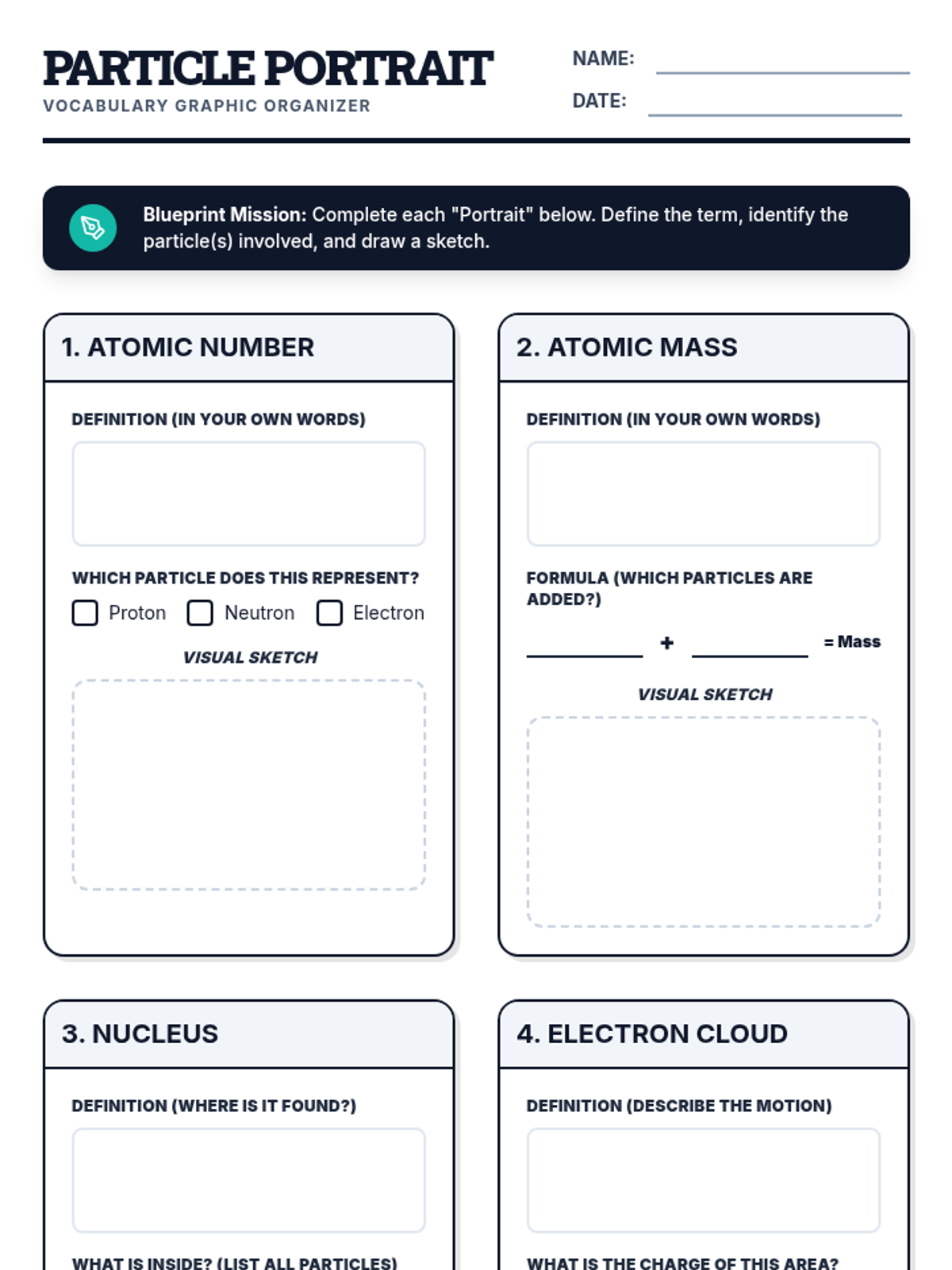
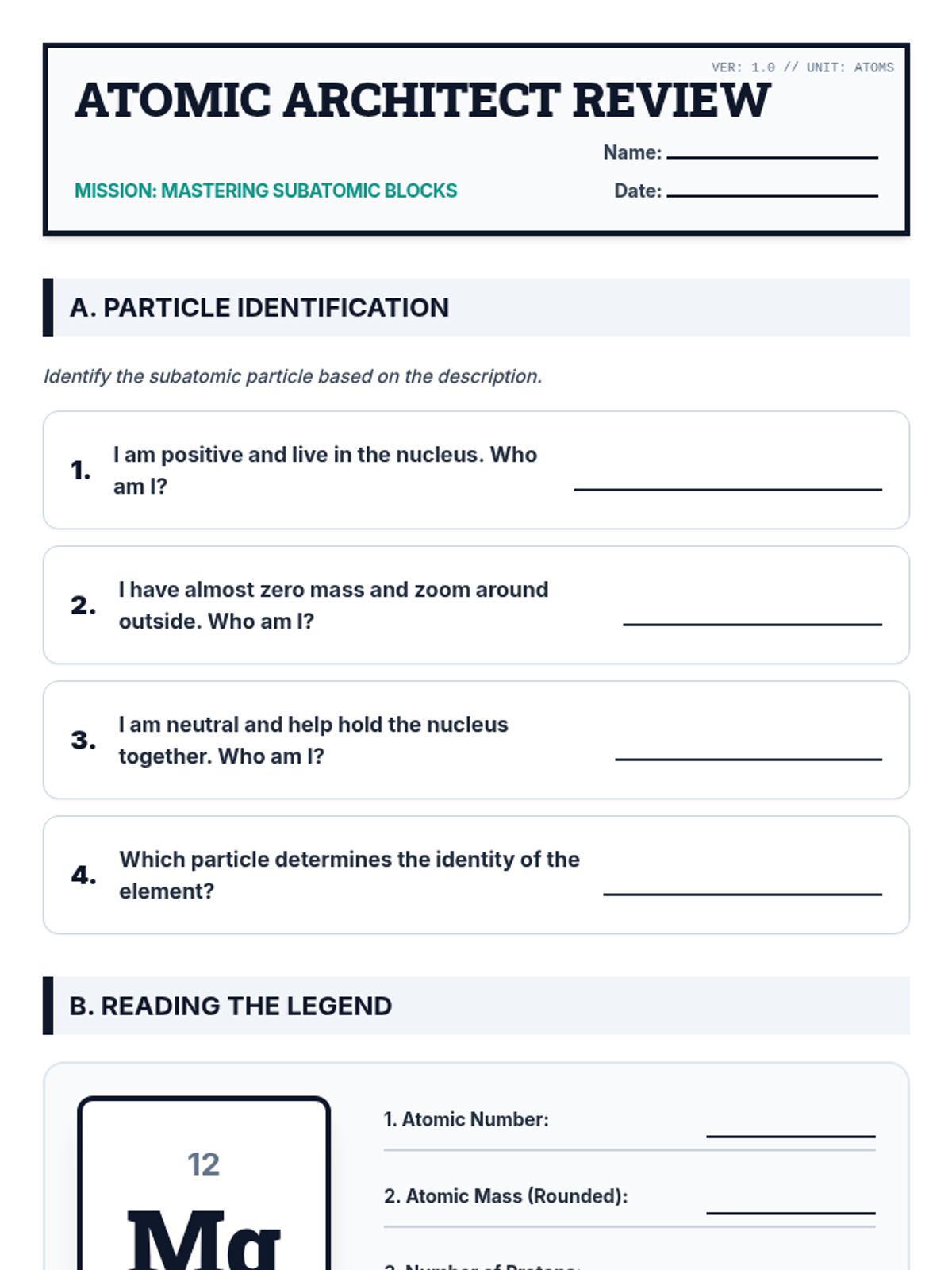
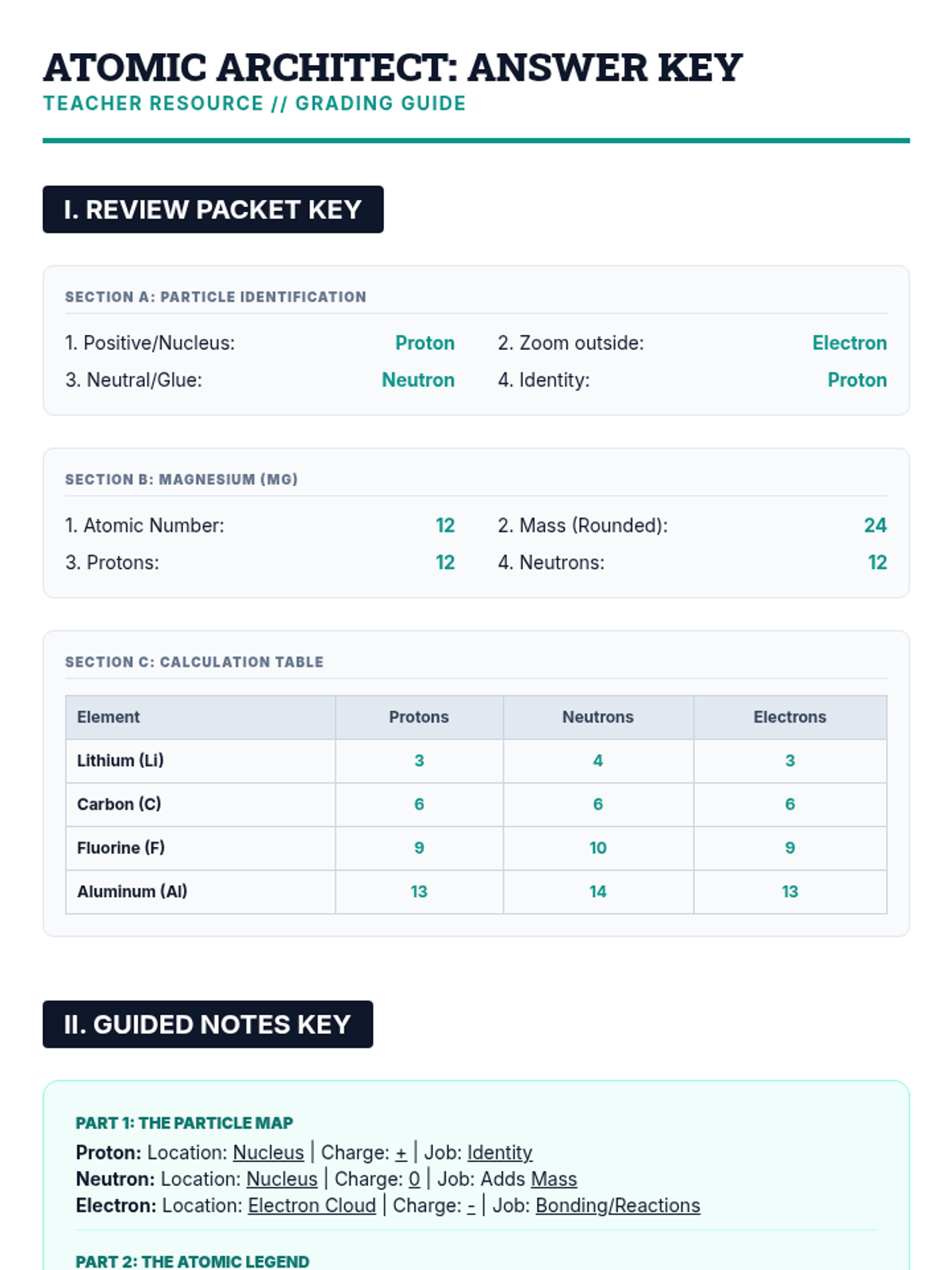
A comprehensive review of atomic structure, mass, and number, designed with scaffolding for diverse learners including Gen Ed and SPED/IEP students. Students act as 'Atomic Architects' to master the subatomic building blocks of matter.
A comprehensive lesson on medical vocabulary related to germs and the immune system, designed for WIDA level 4 students. Includes visual aids and comprehension-based assessments.
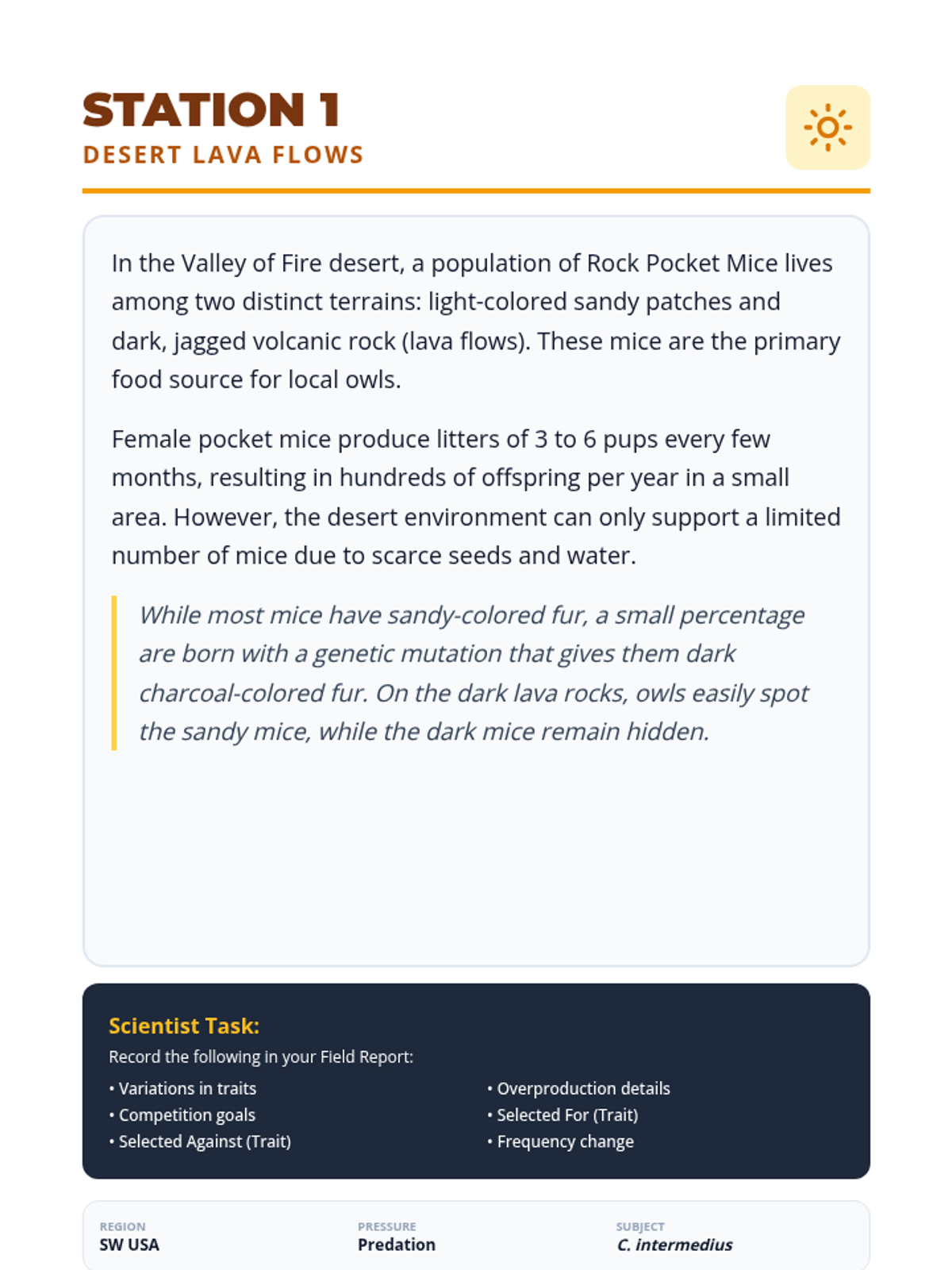
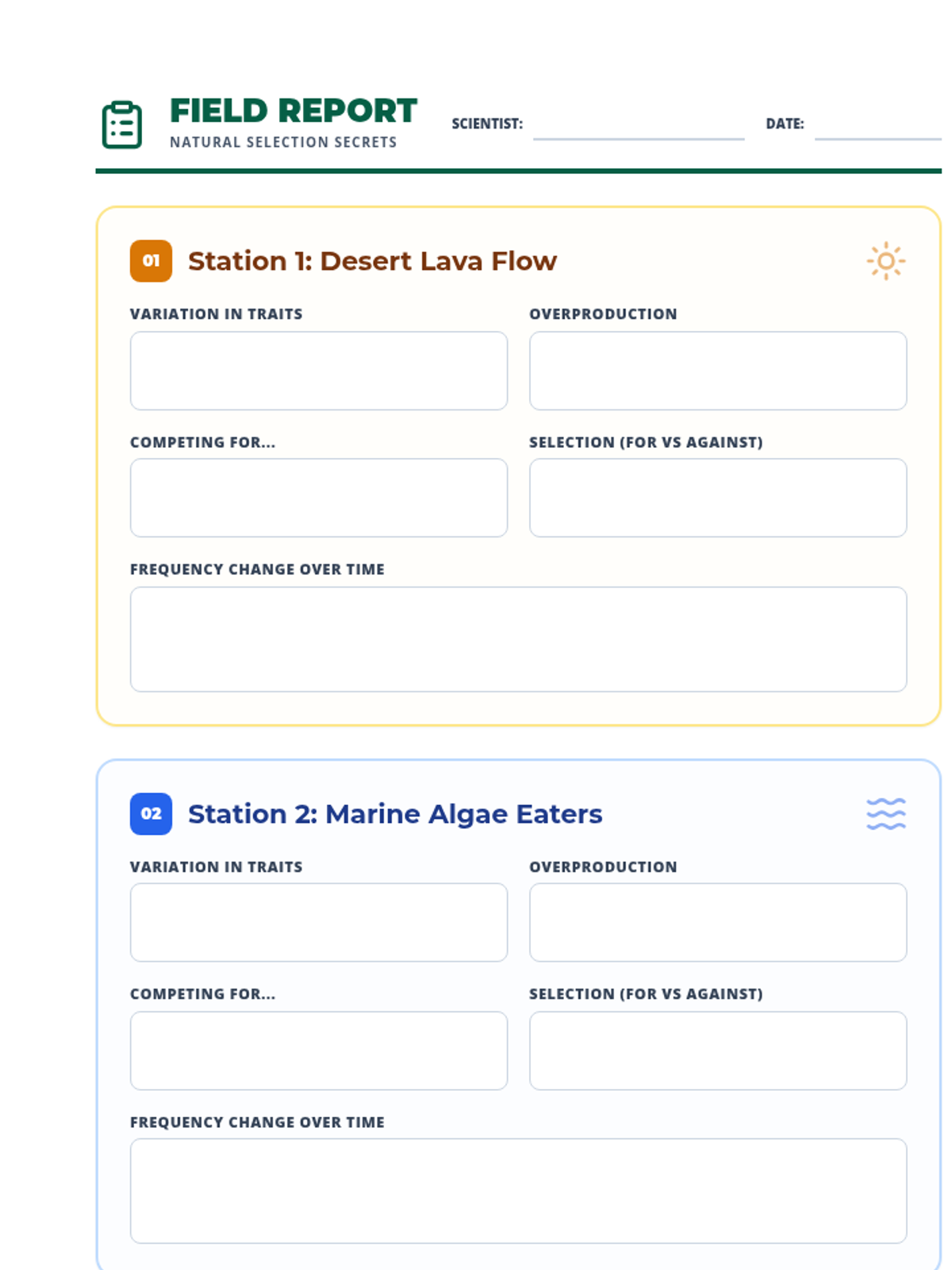
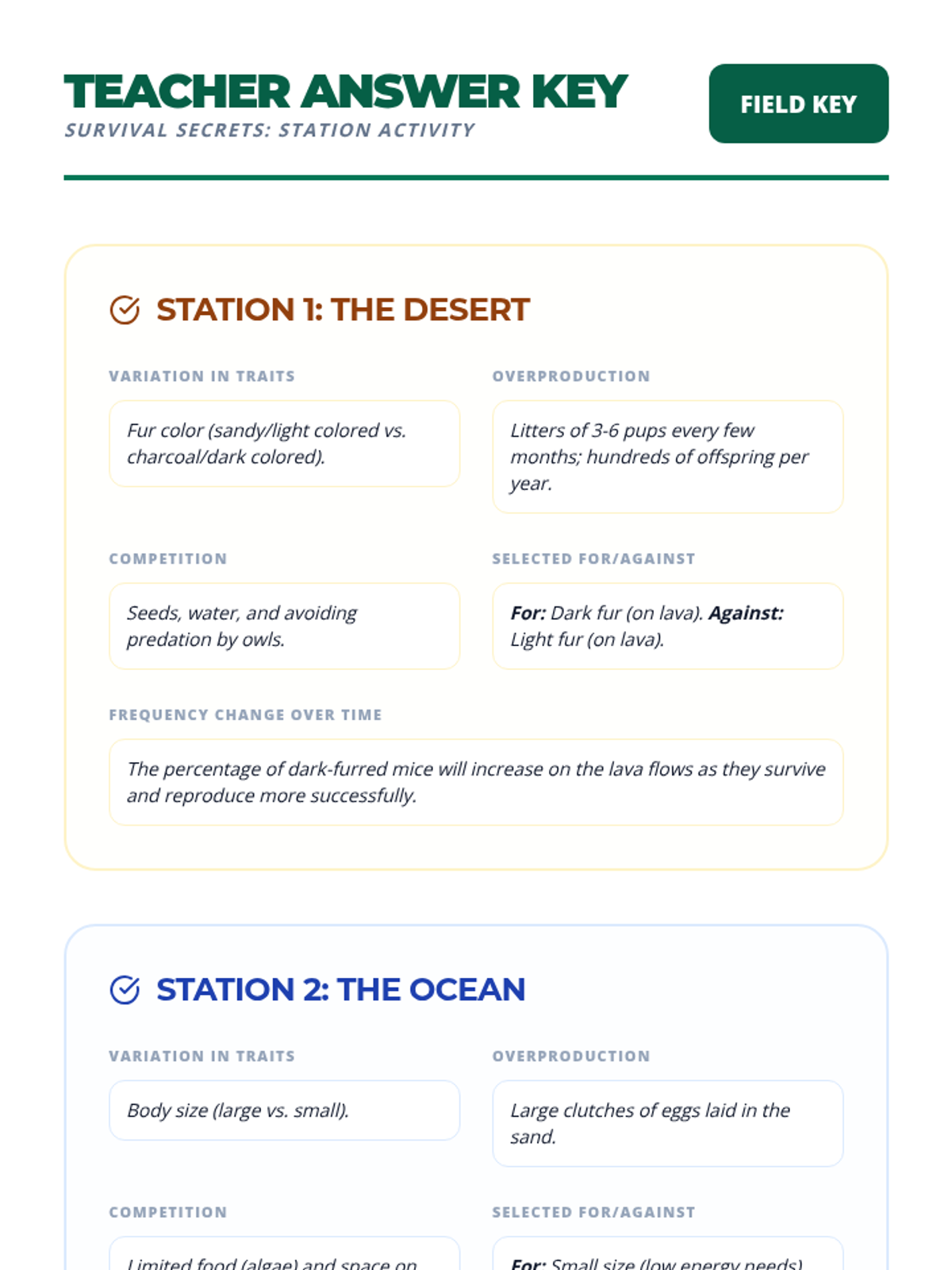
An immersive station-based lesson where students analyze real-world scenarios of natural selection across four diverse ecosystems to identify the mechanisms of evolution.
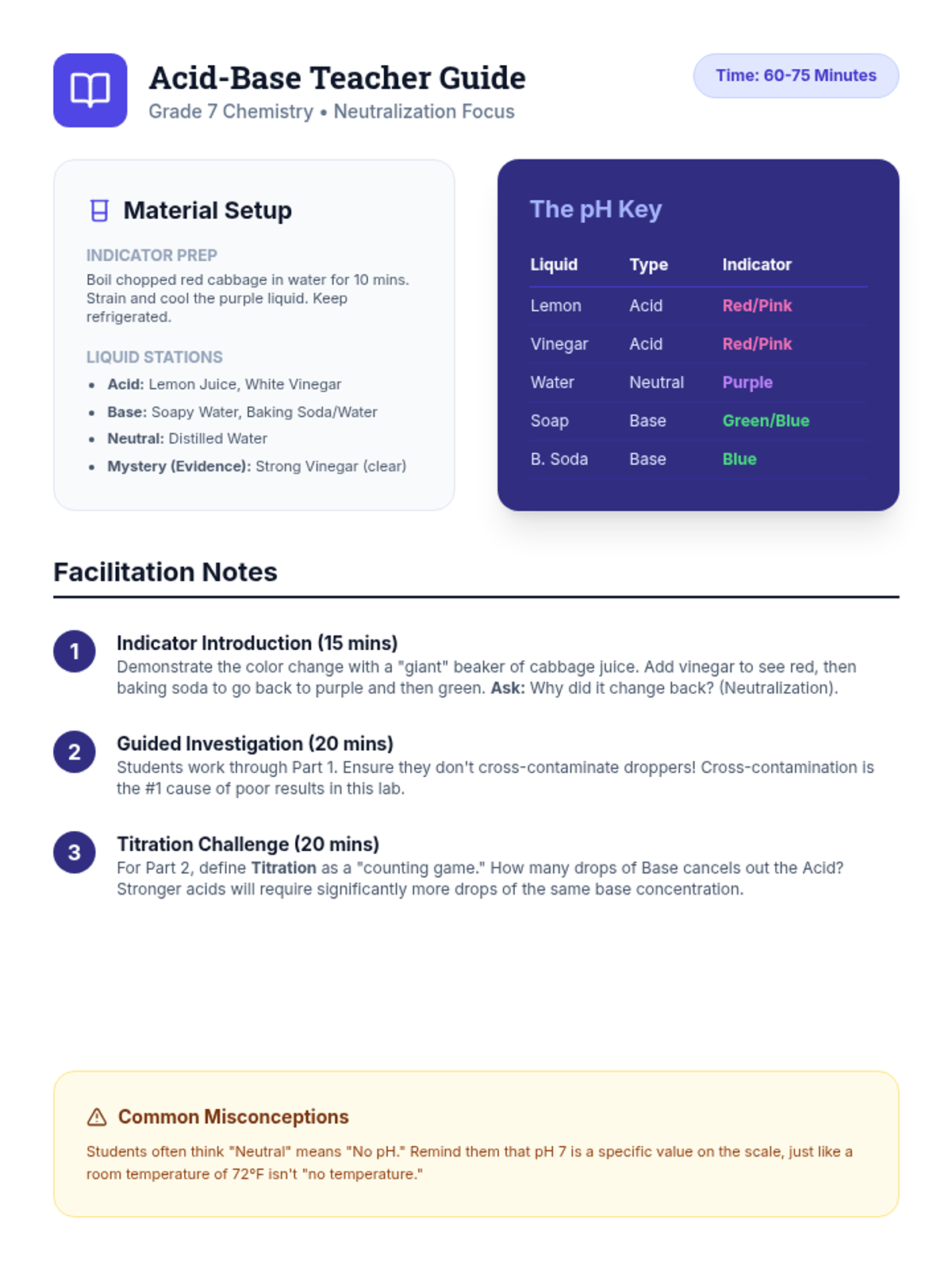
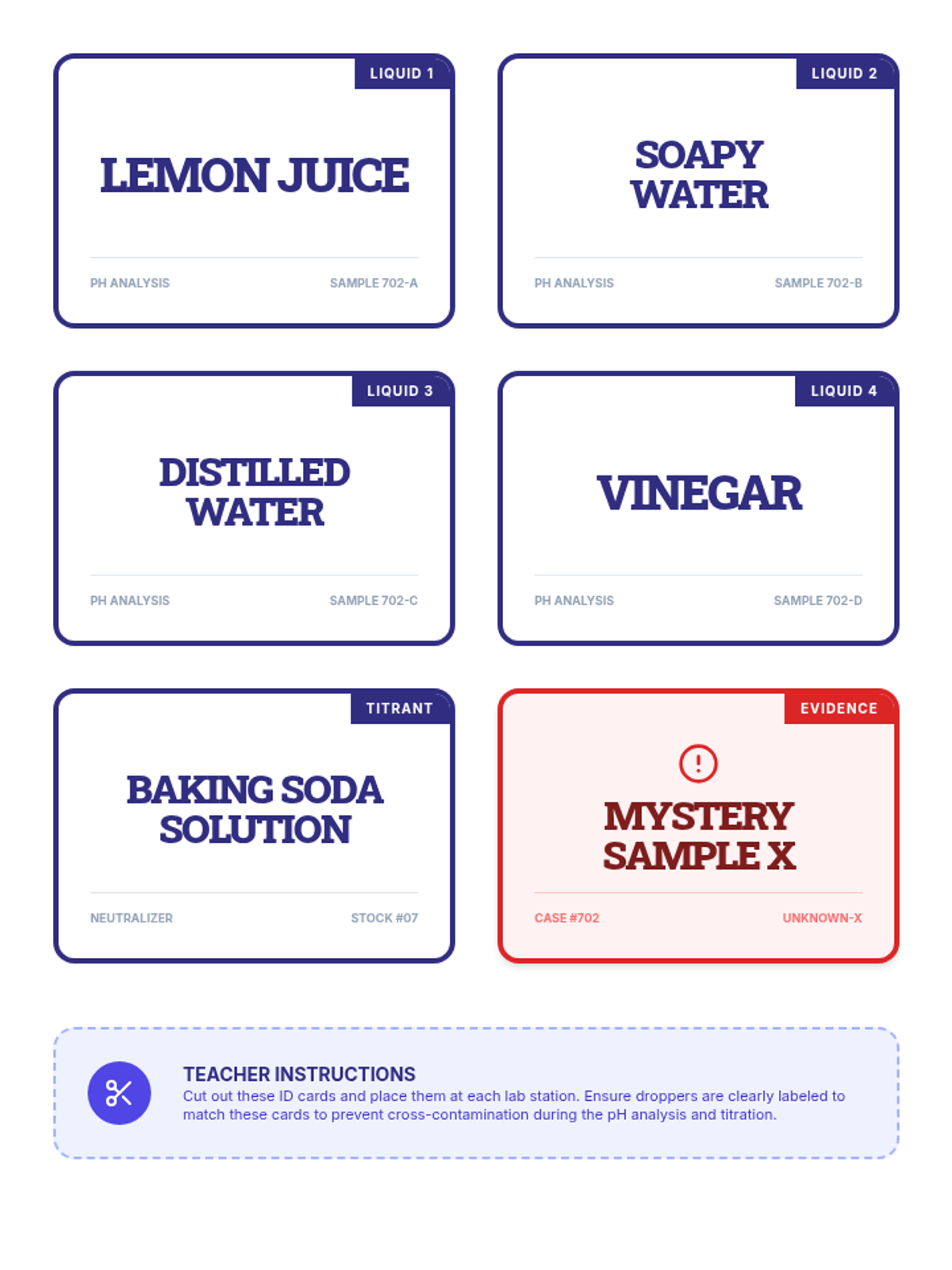
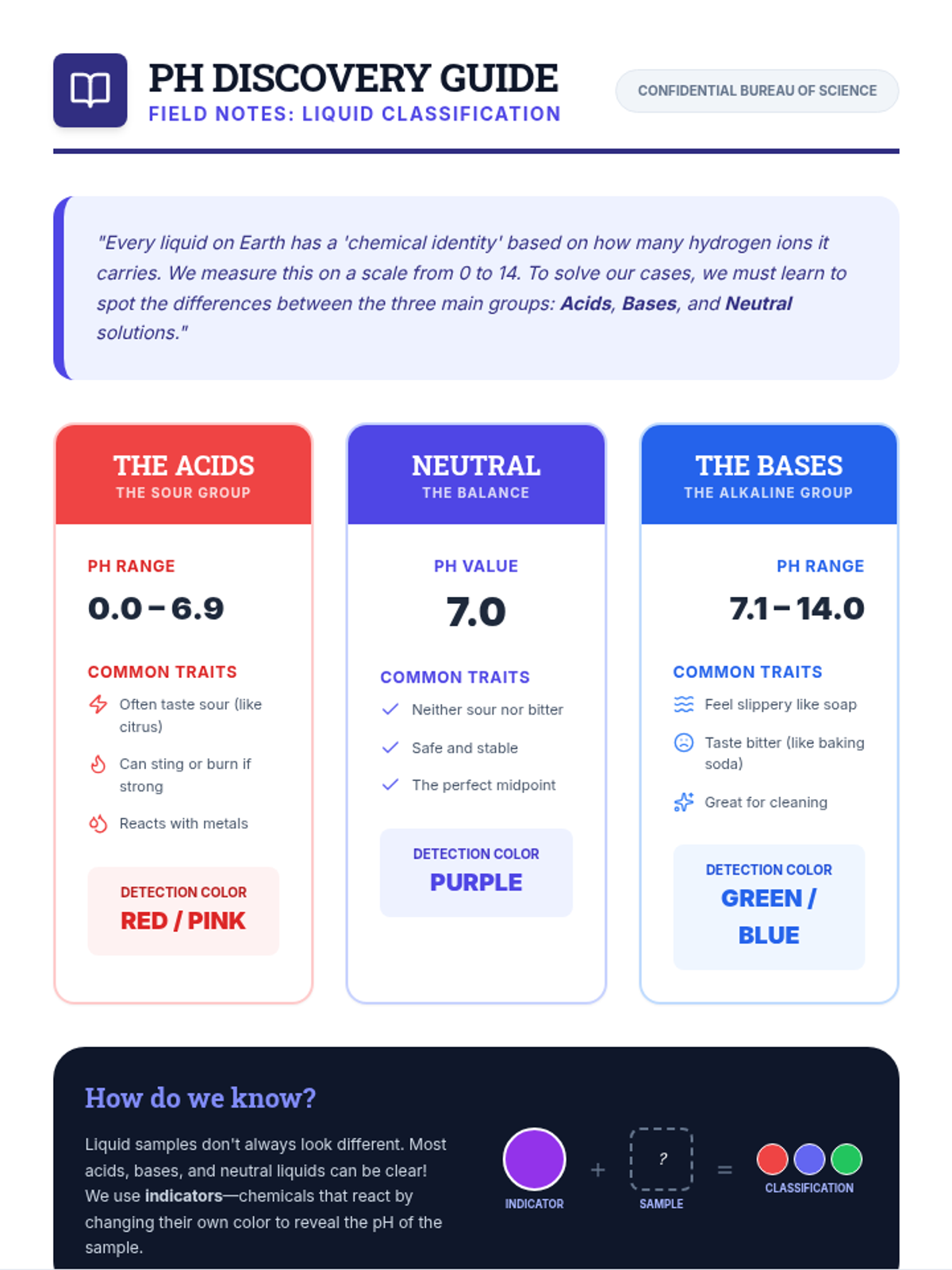
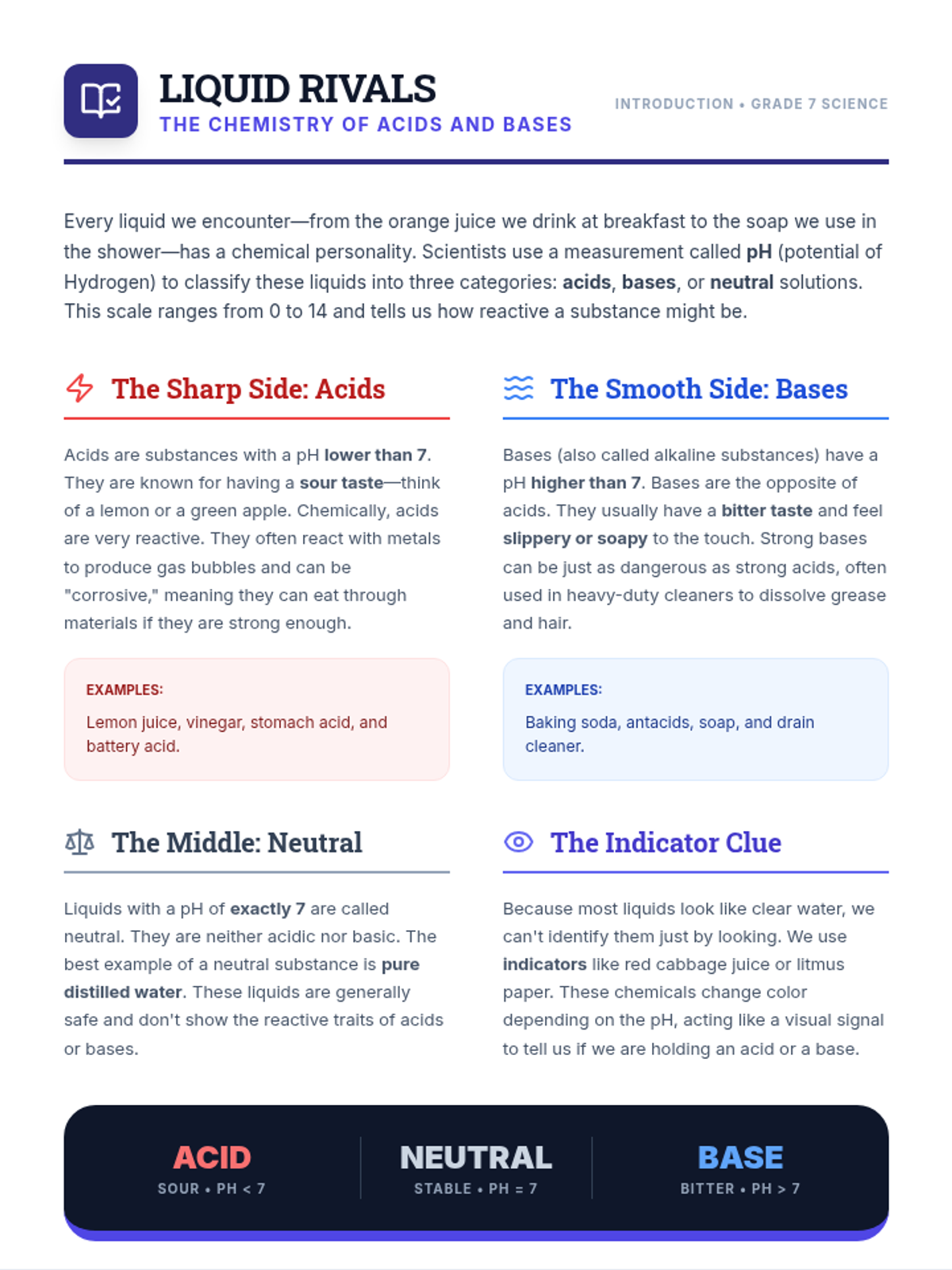
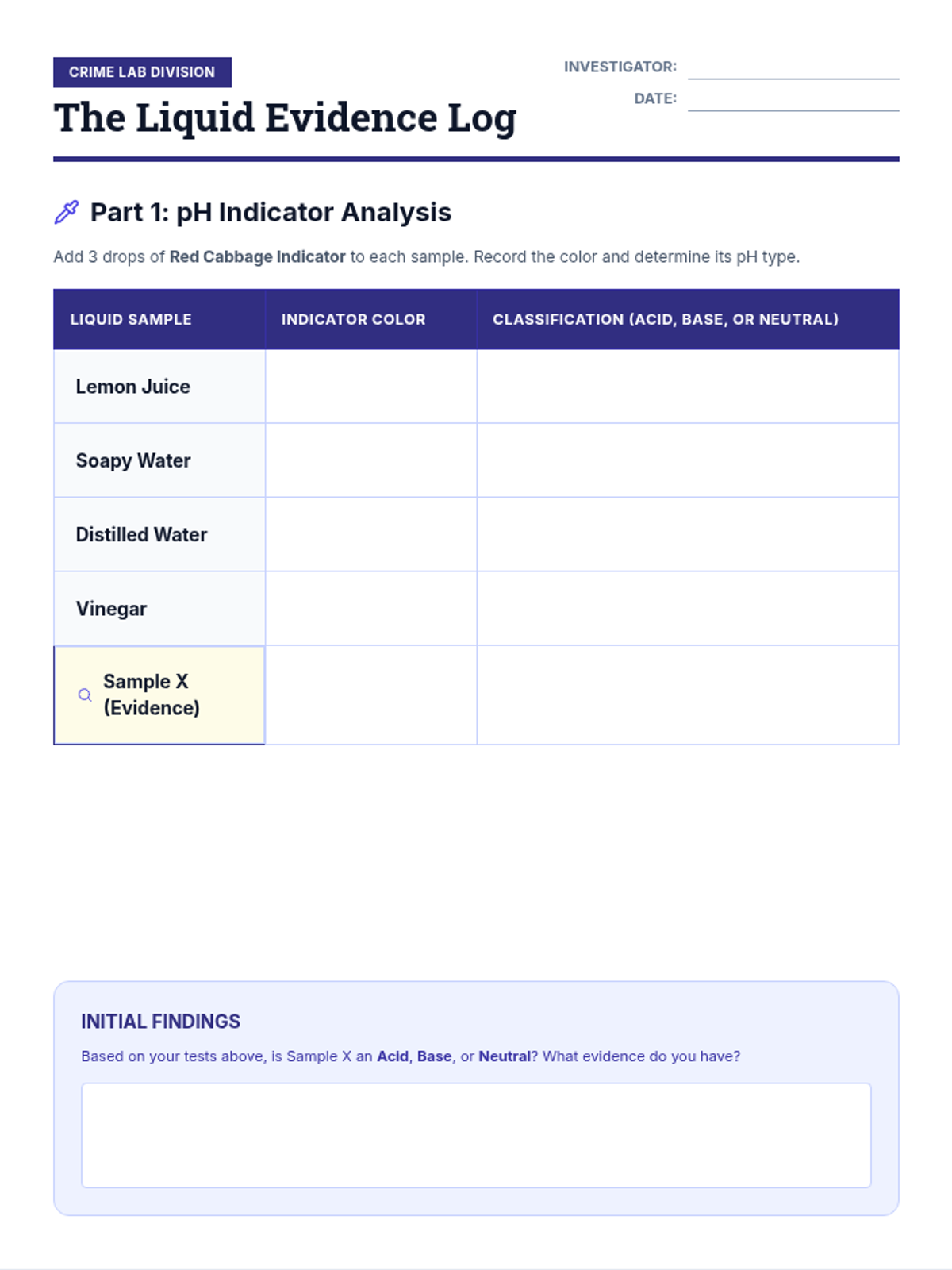
An introductory chemistry lesson where students use indicators to classify common household liquids as acids, bases, or neutral. Students then perform a simplified titration to neutralize a mystery sample, learning about the pH scale and chemical reactions through forensic inquiry.
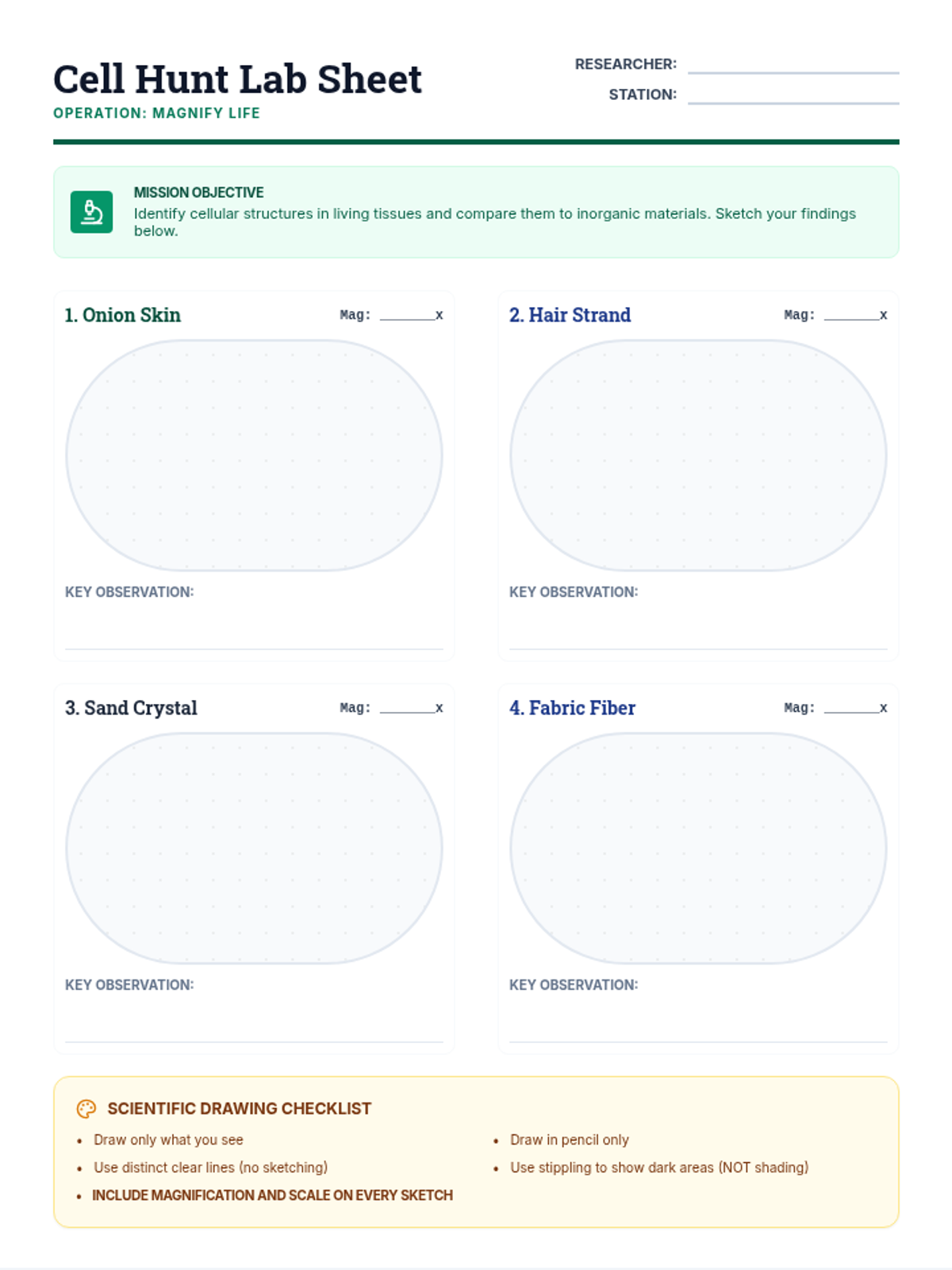
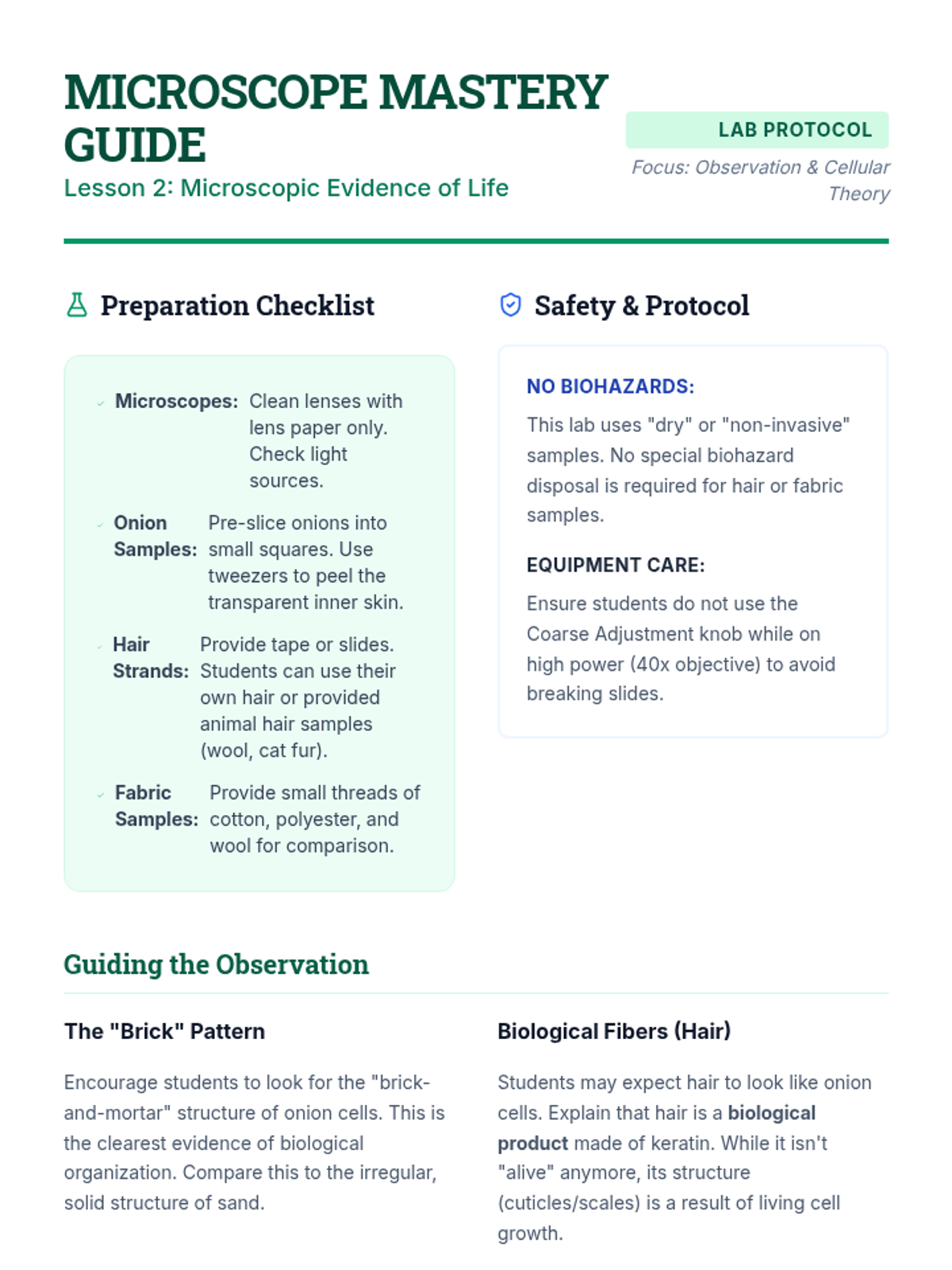
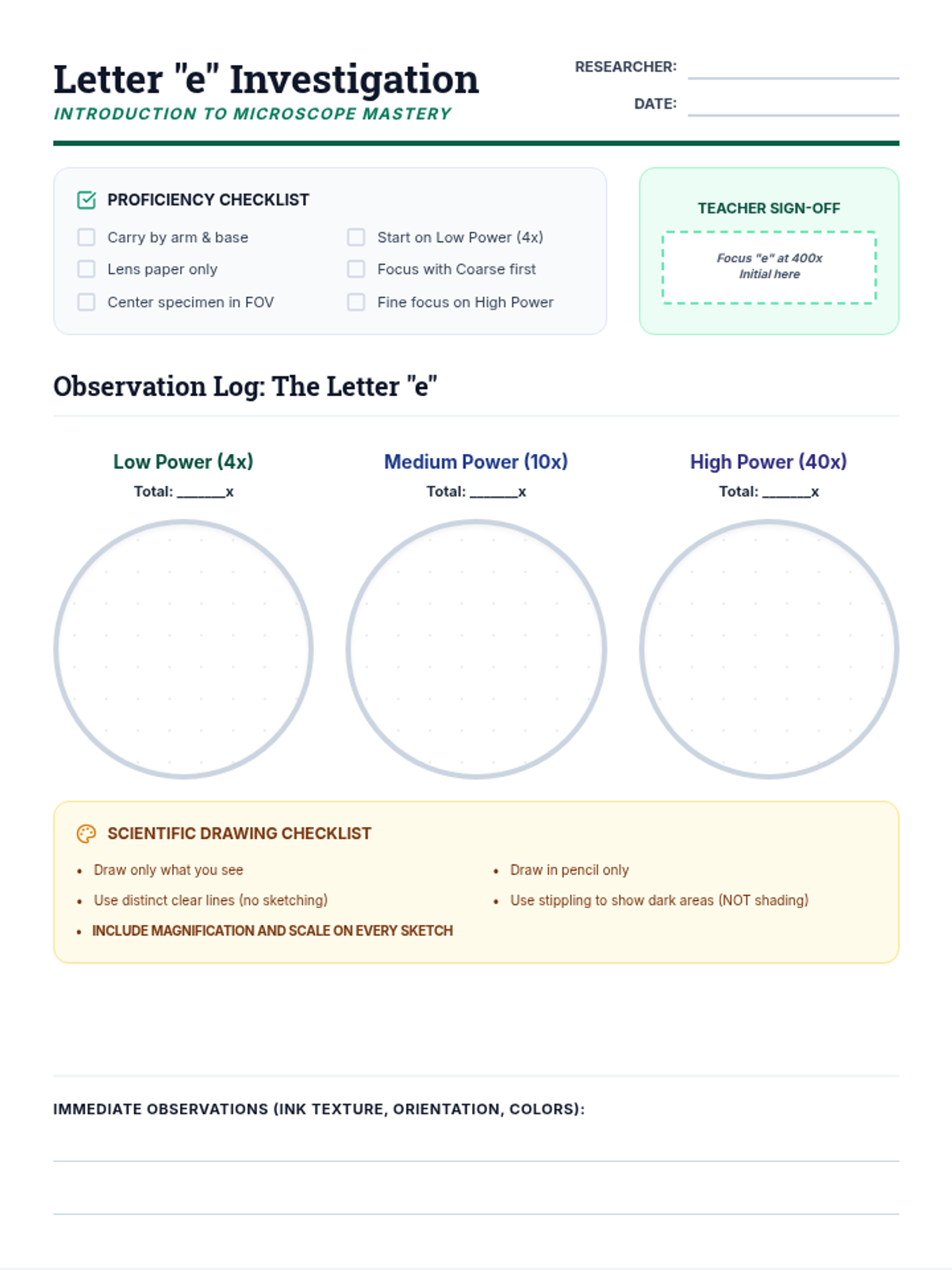
Students use microscopes to identify the cellular basis of life, comparing non-living materials with living tissues to establish that all living things are composed of cells.
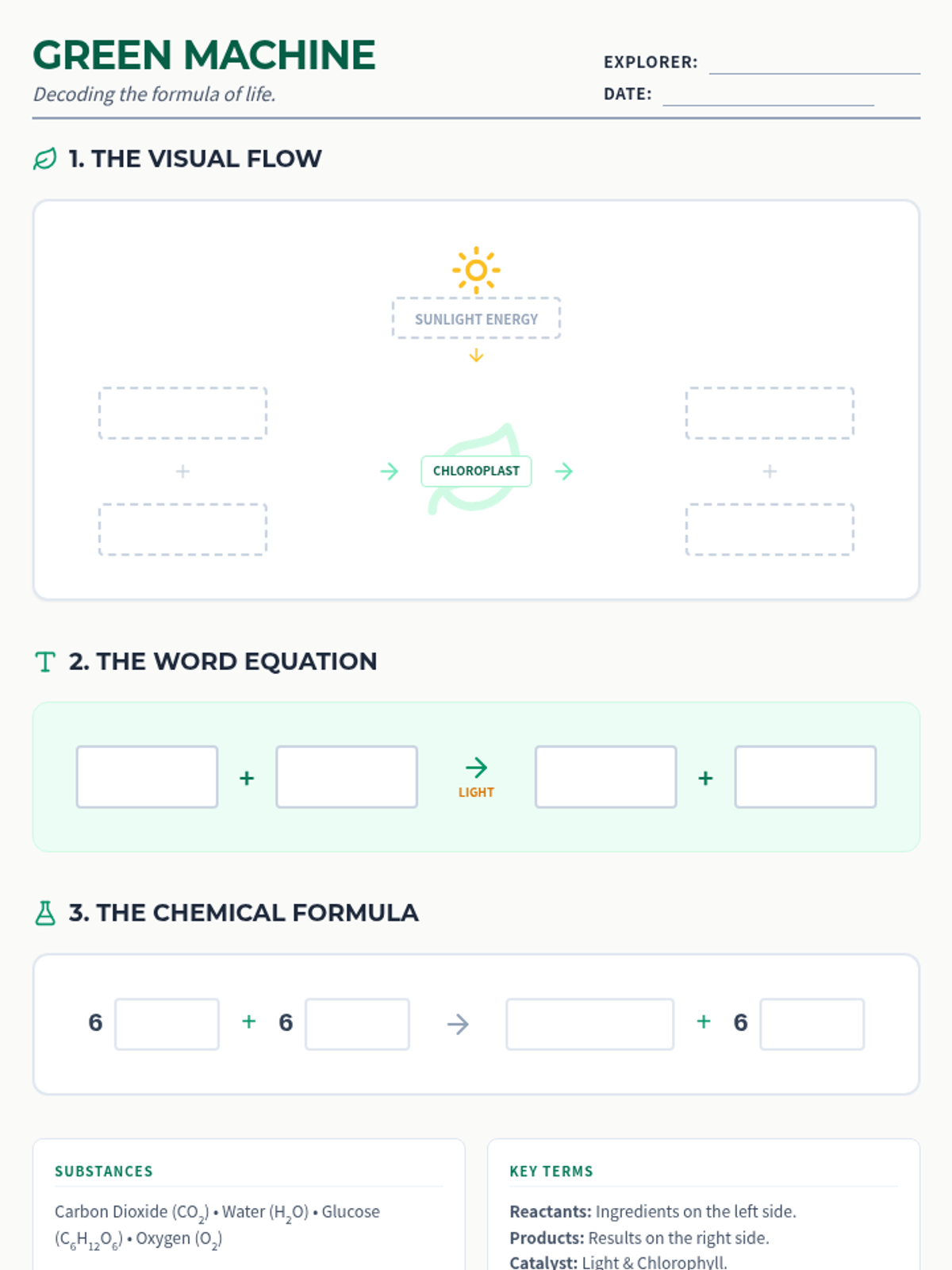
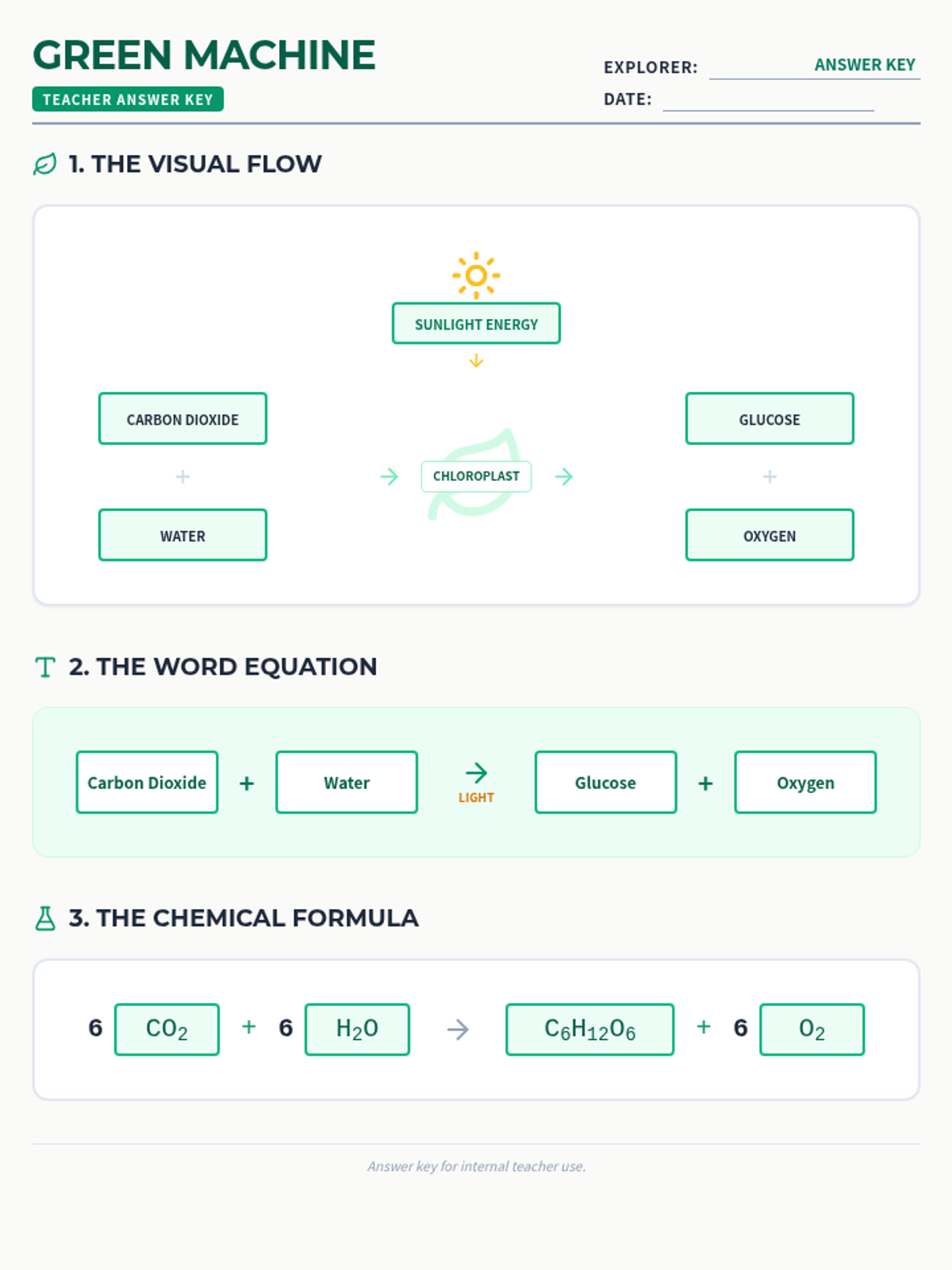
A focused exploration of the photosynthesis equation, helping students identify the reactants and products through diagrams and formula practice.
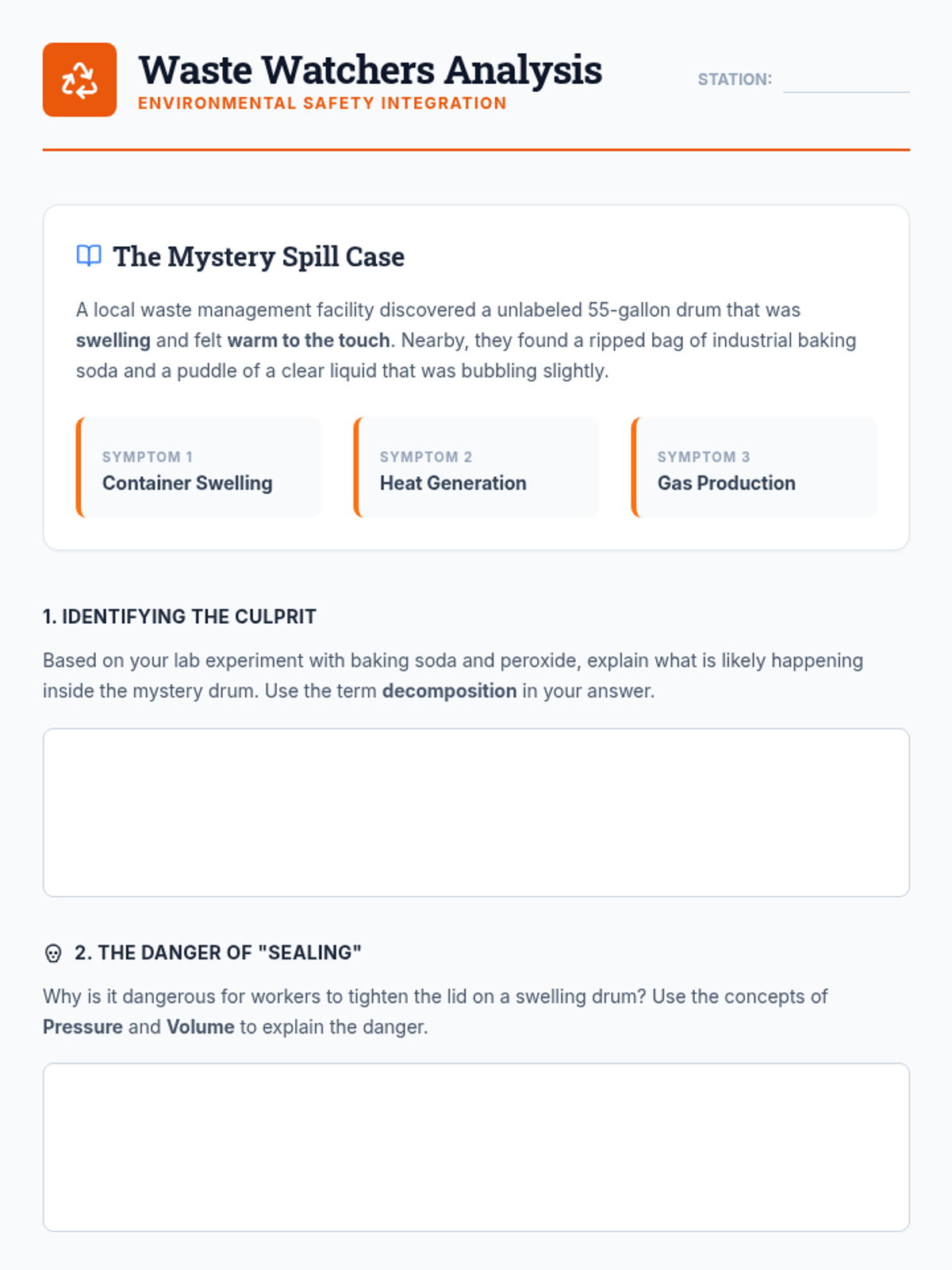
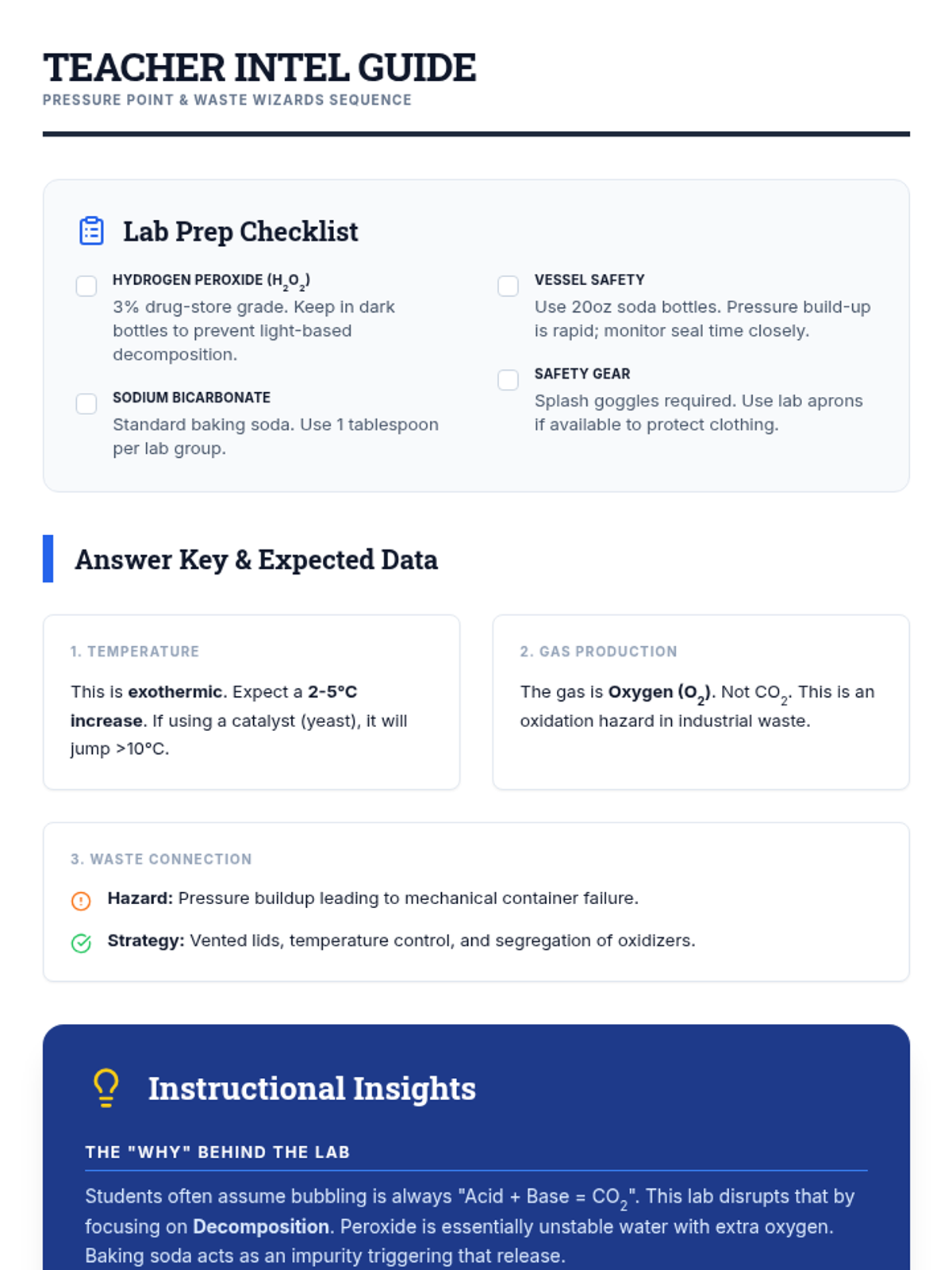
Students analyze their lab results and connect the findings to hazardous waste management and the importance of chemical safety protocols.
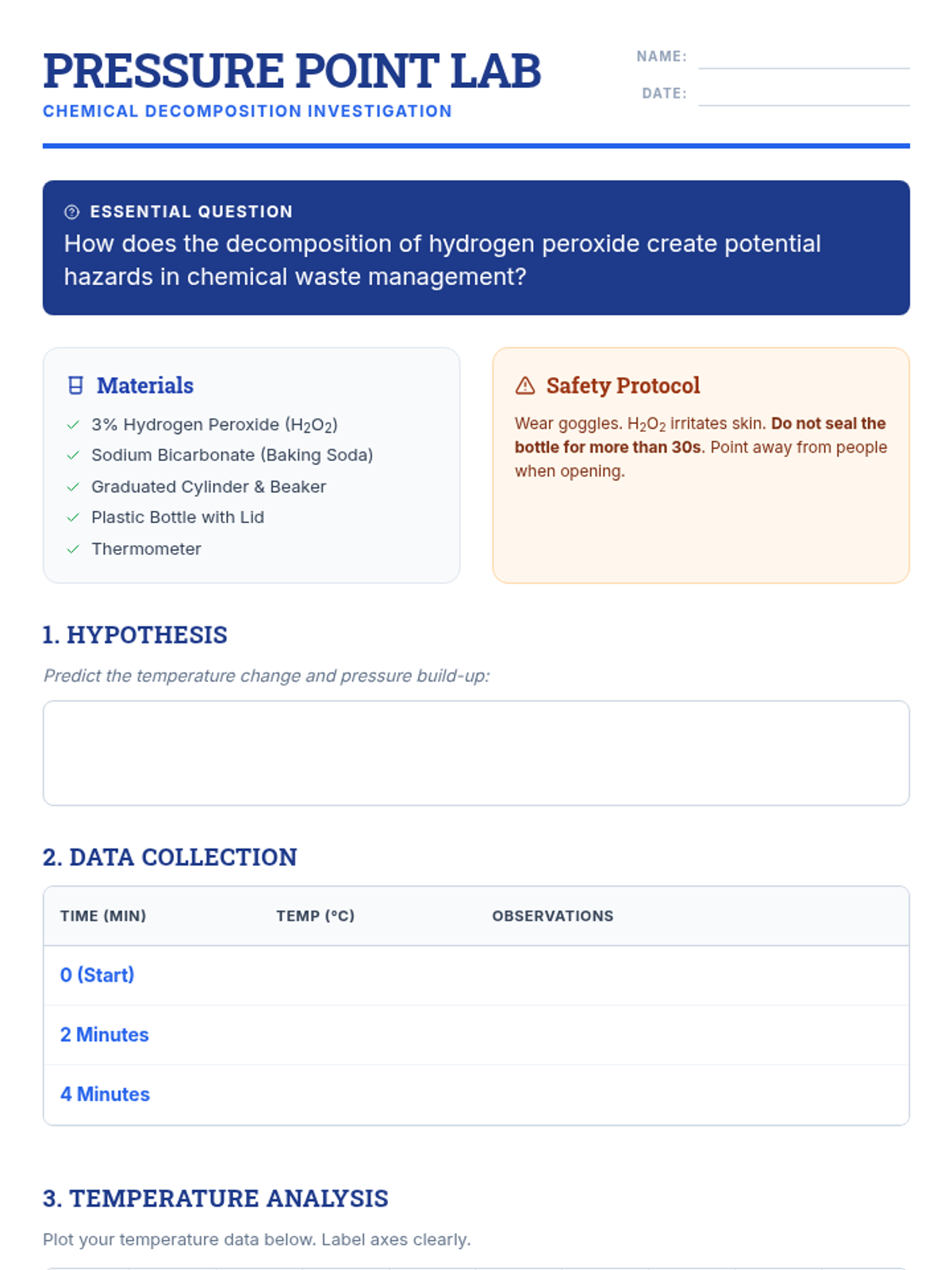
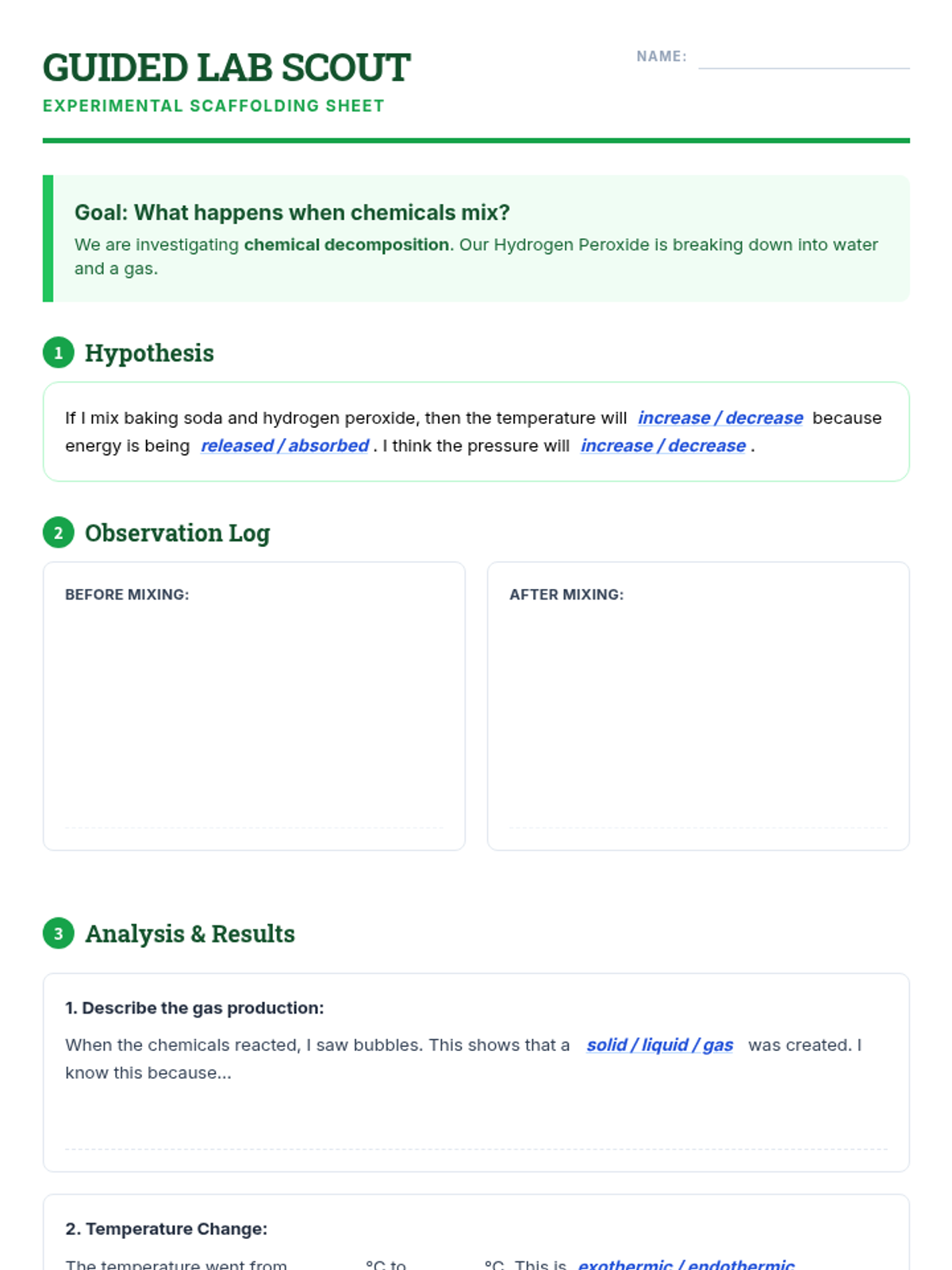
Students conduct an experiment mixing hydrogen peroxide and baking soda to observe chemical reactions and gas production, simulating pressure buildup in waste containers.
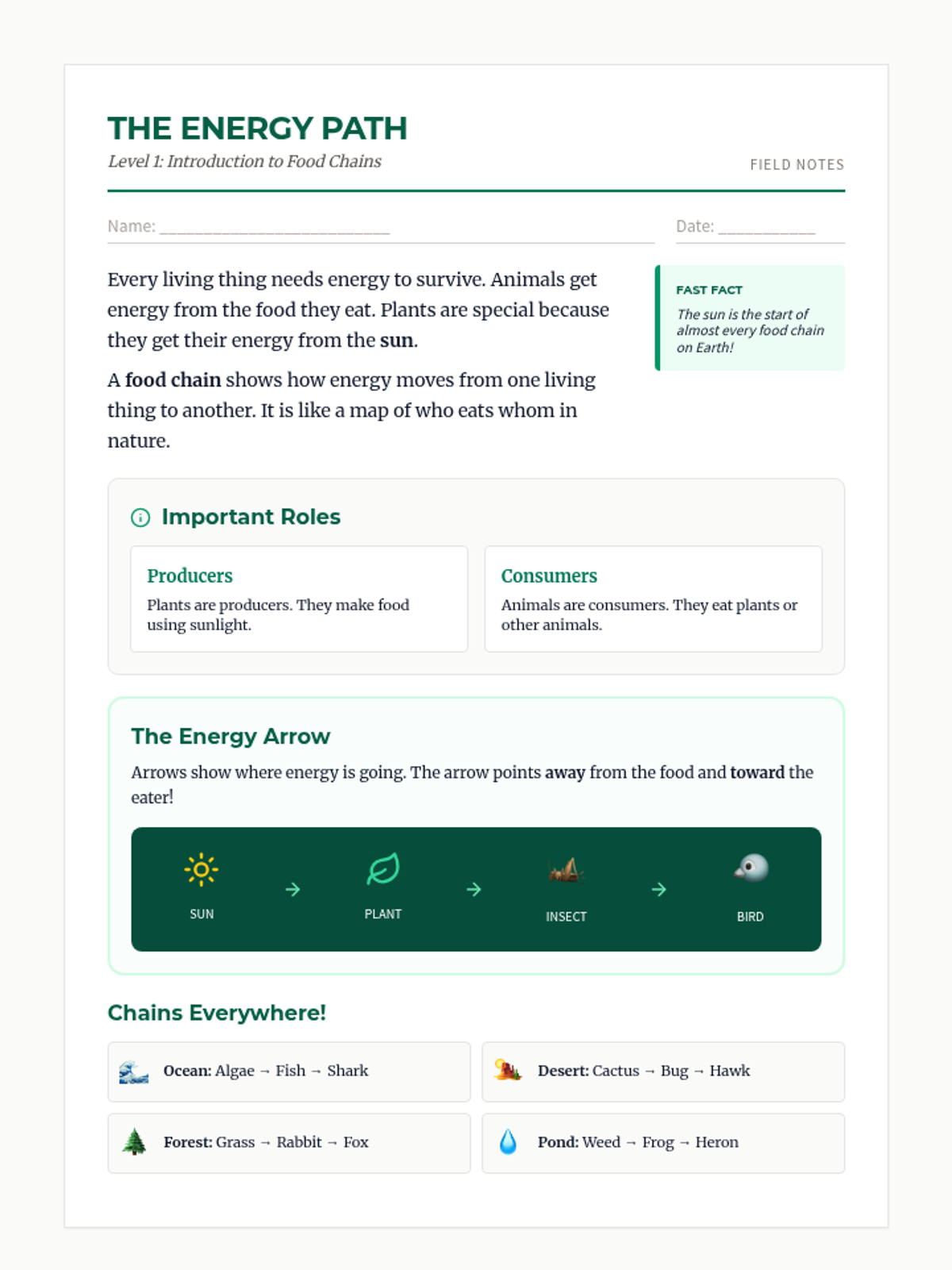
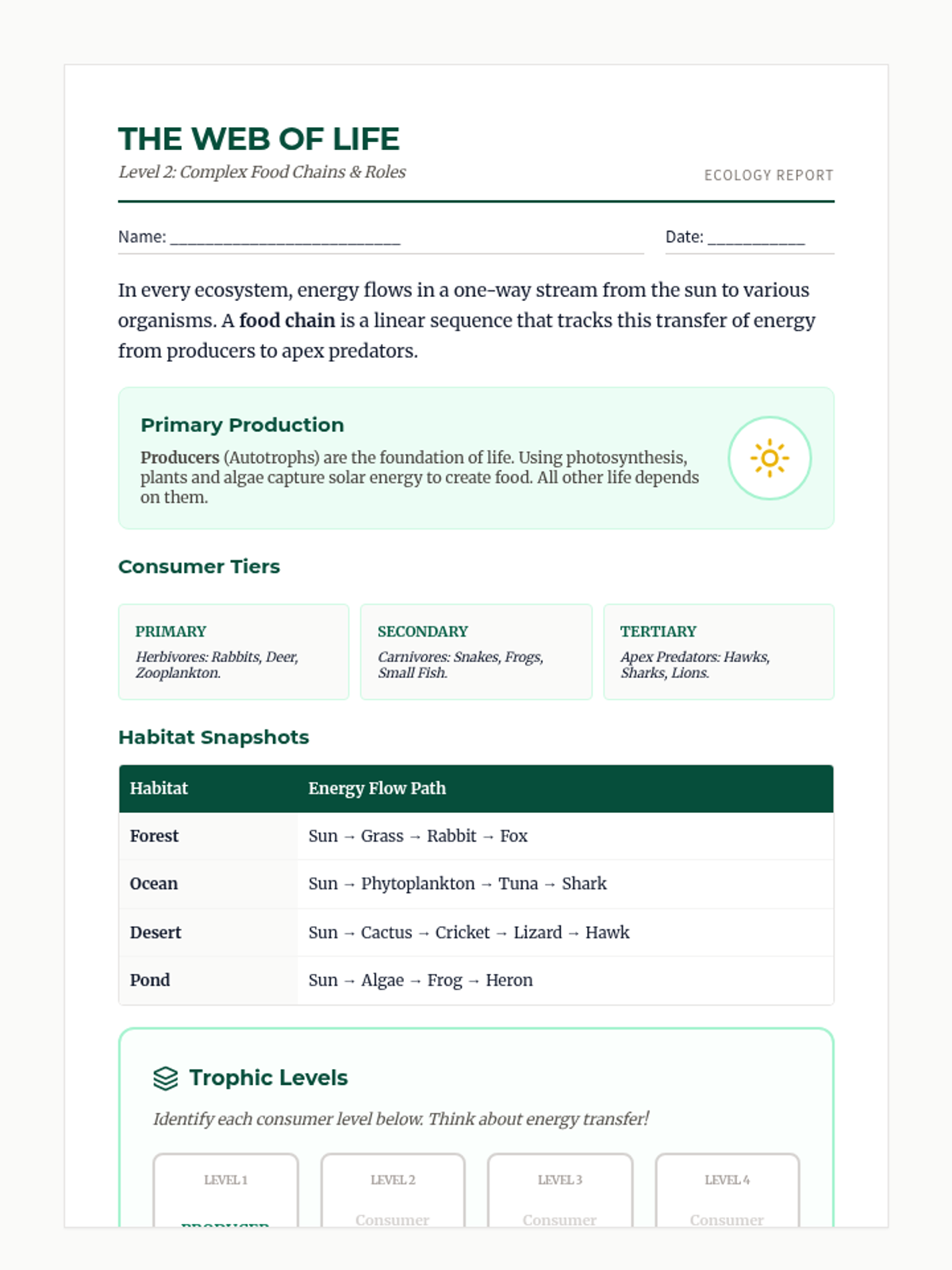
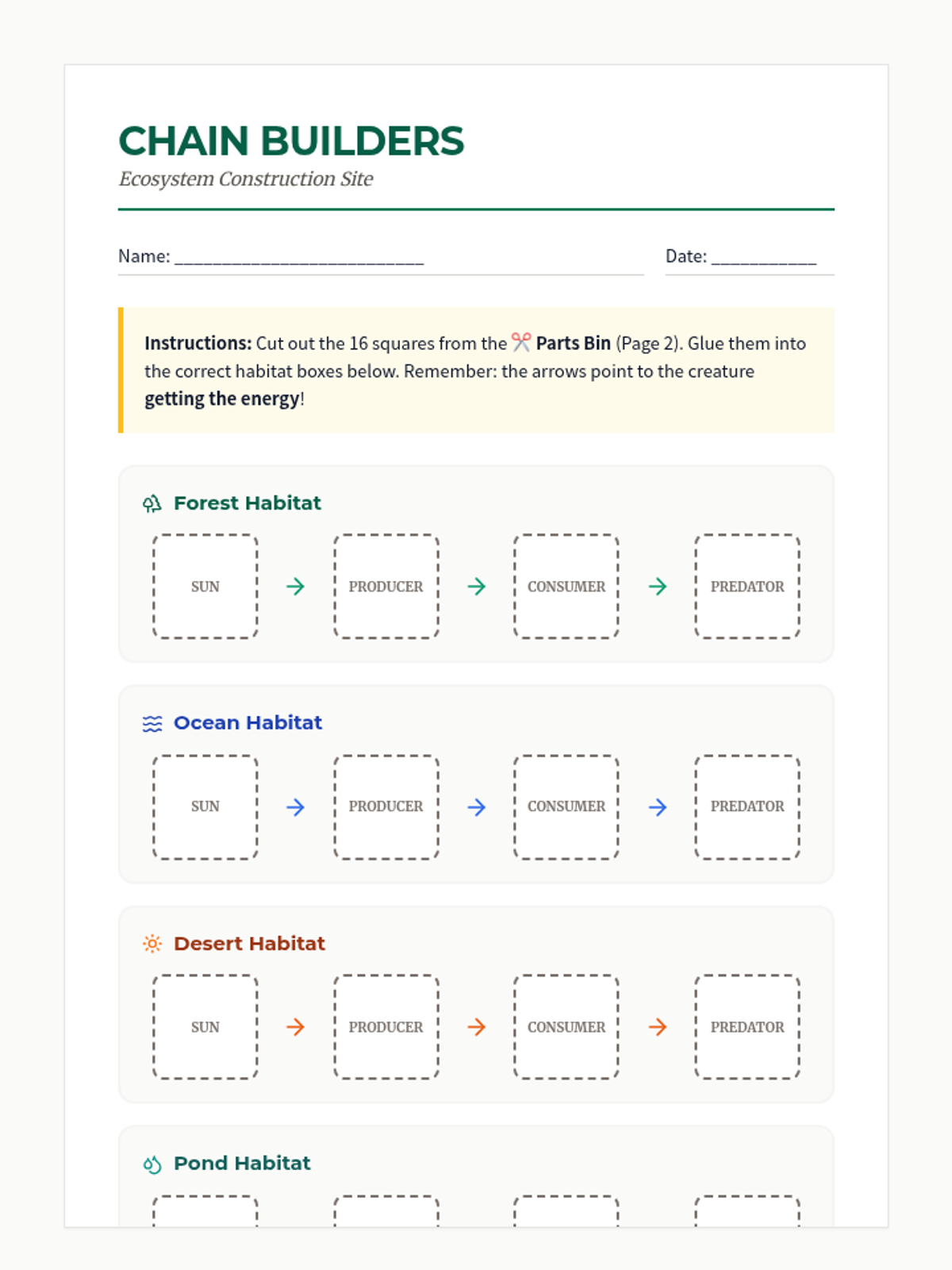
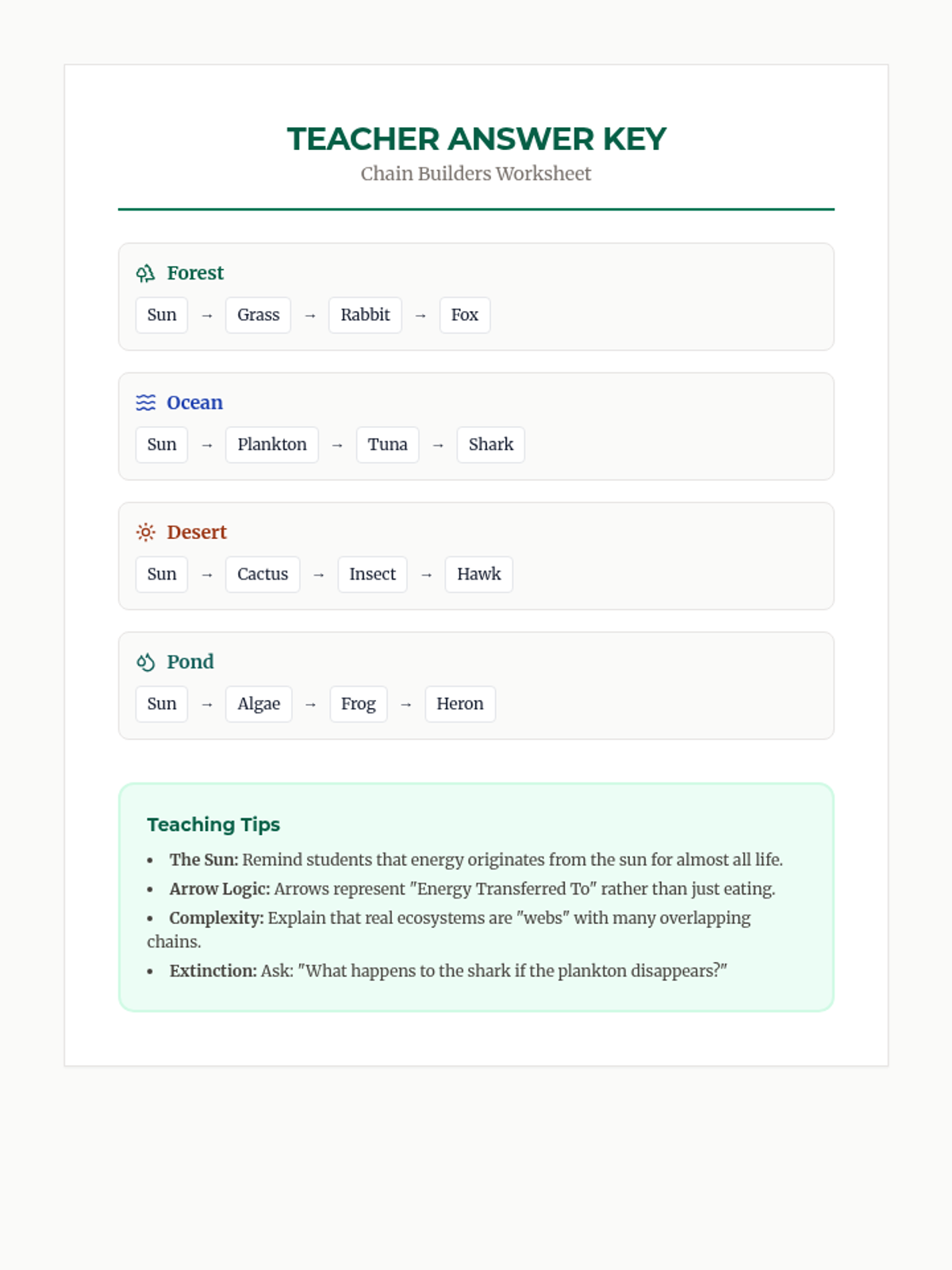
A comprehensive look at how energy moves through different ecosystems. Students explore food chains across four unique habitats through reading and hands-on activities.
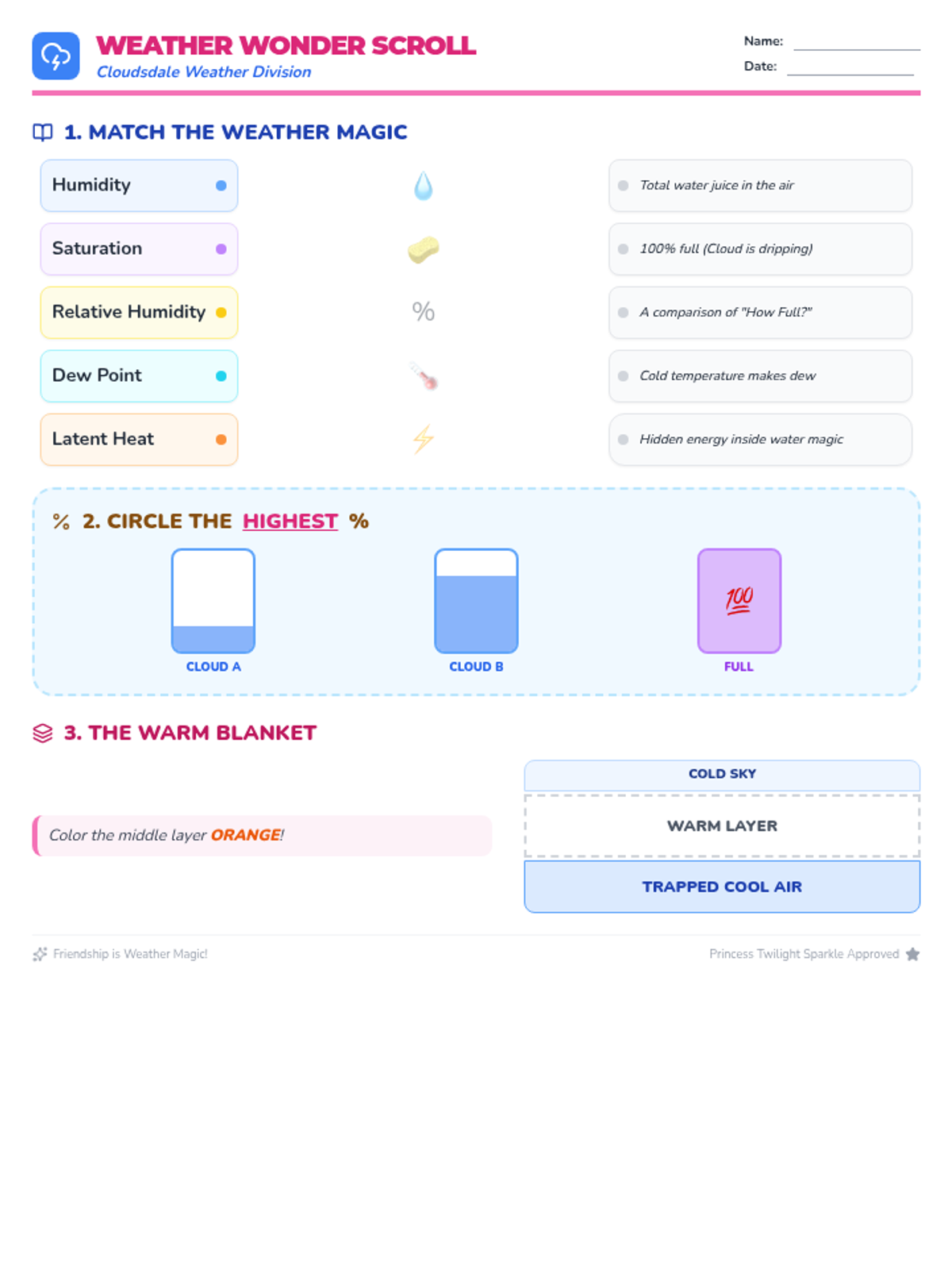
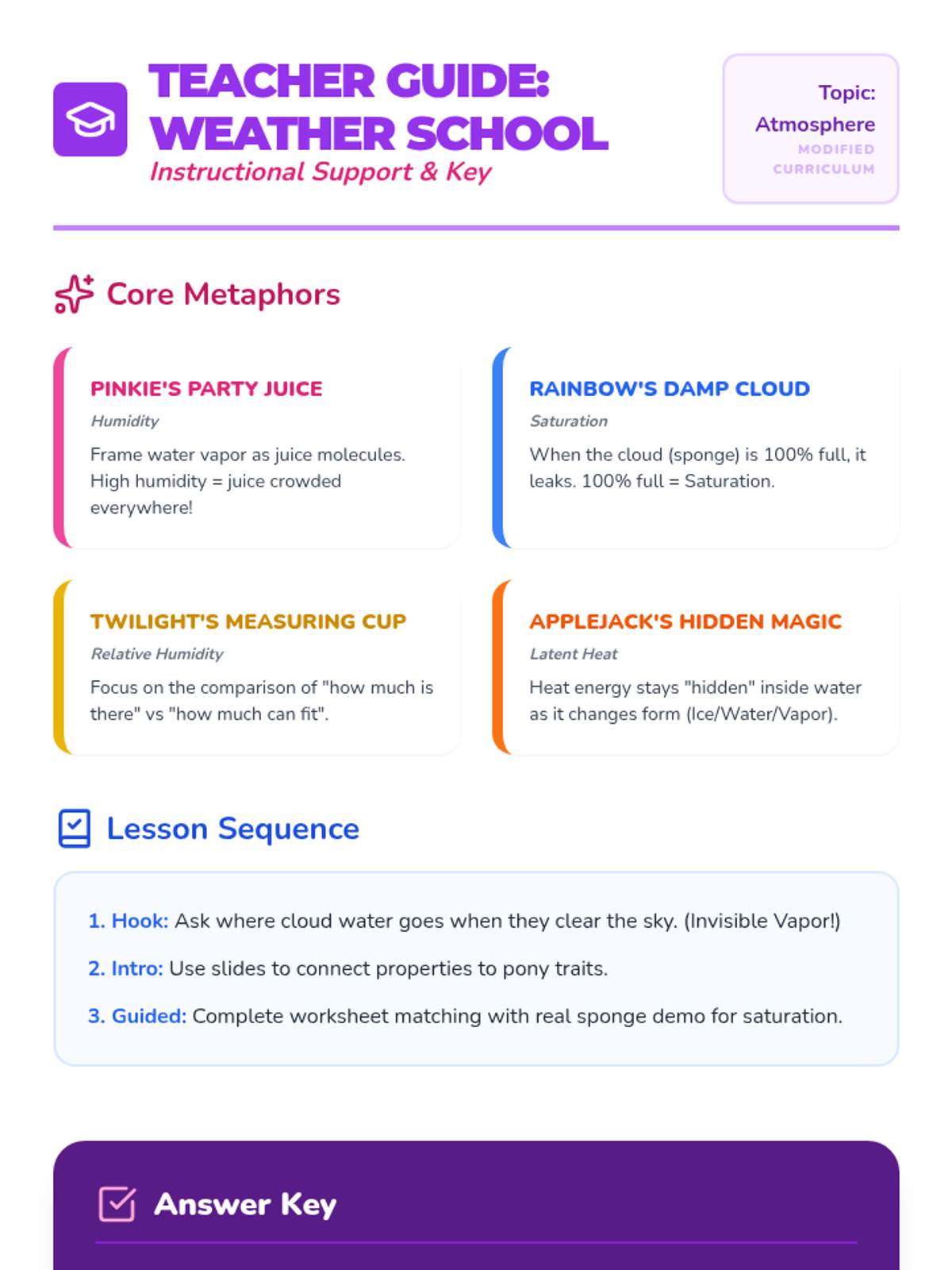
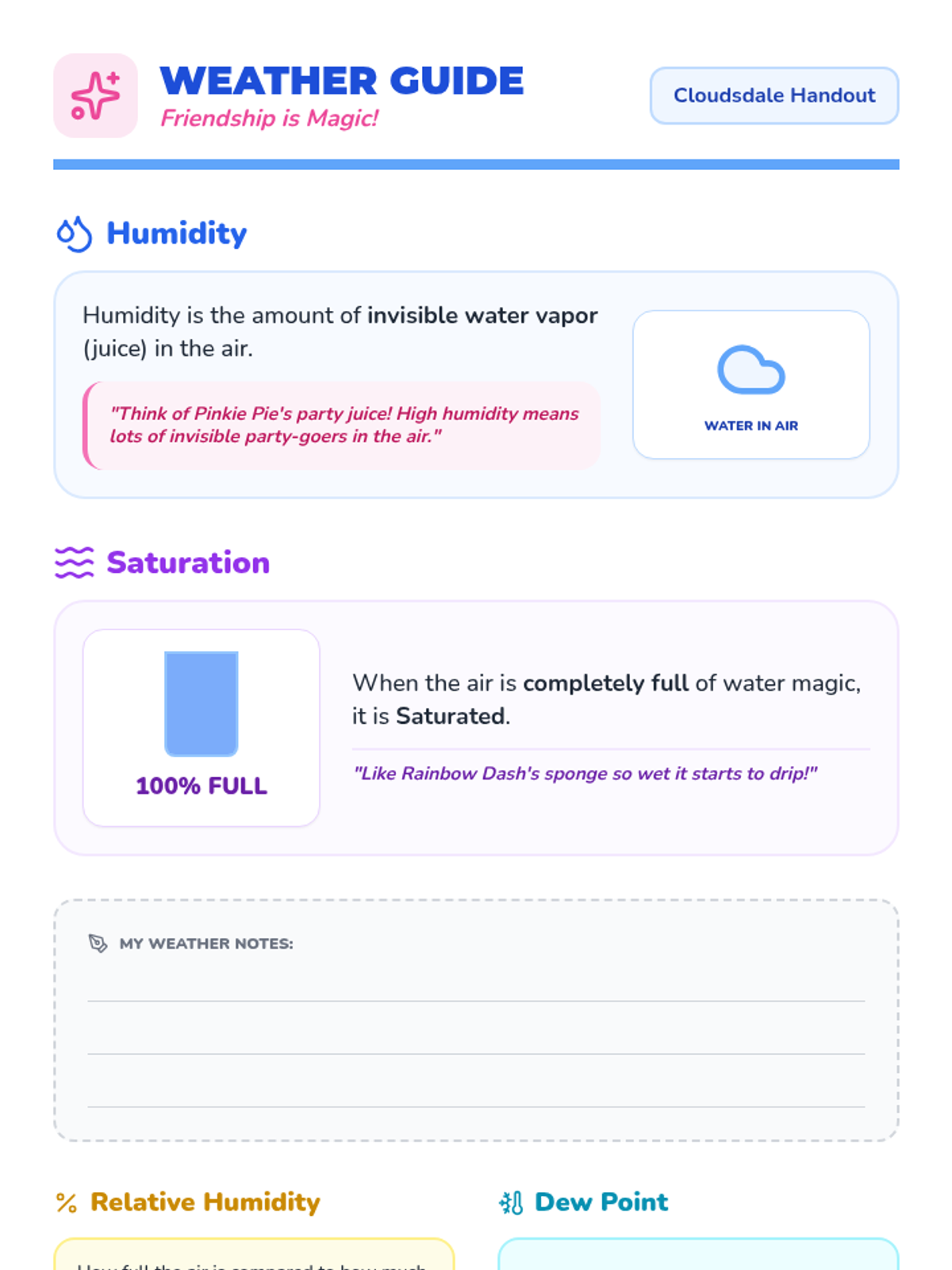
A lesson exploring the properties of the atmosphere using My Little Pony (G4) characters to explain complex weather concepts like humidity, dew point, and latent heat through visual metaphors.
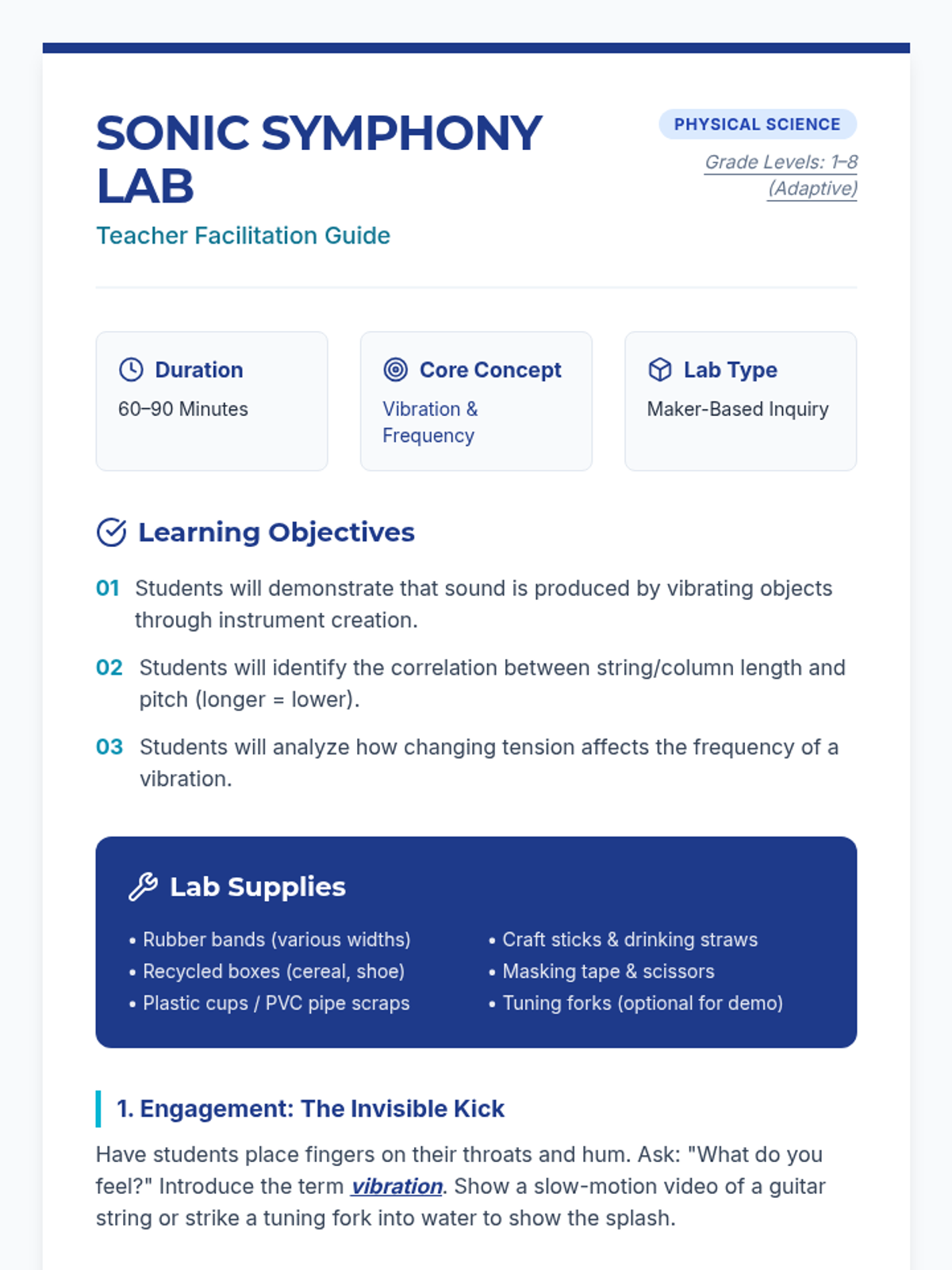
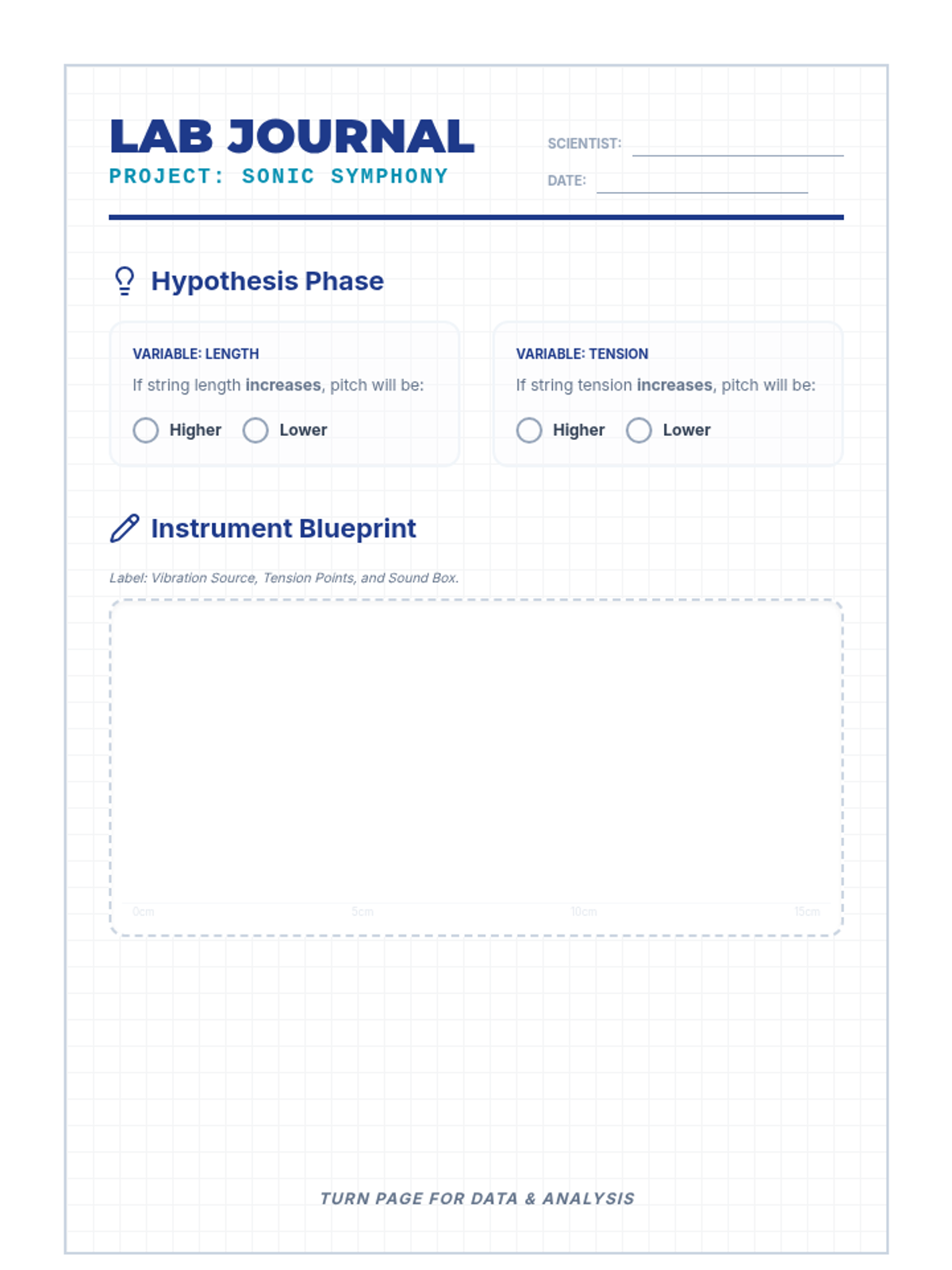
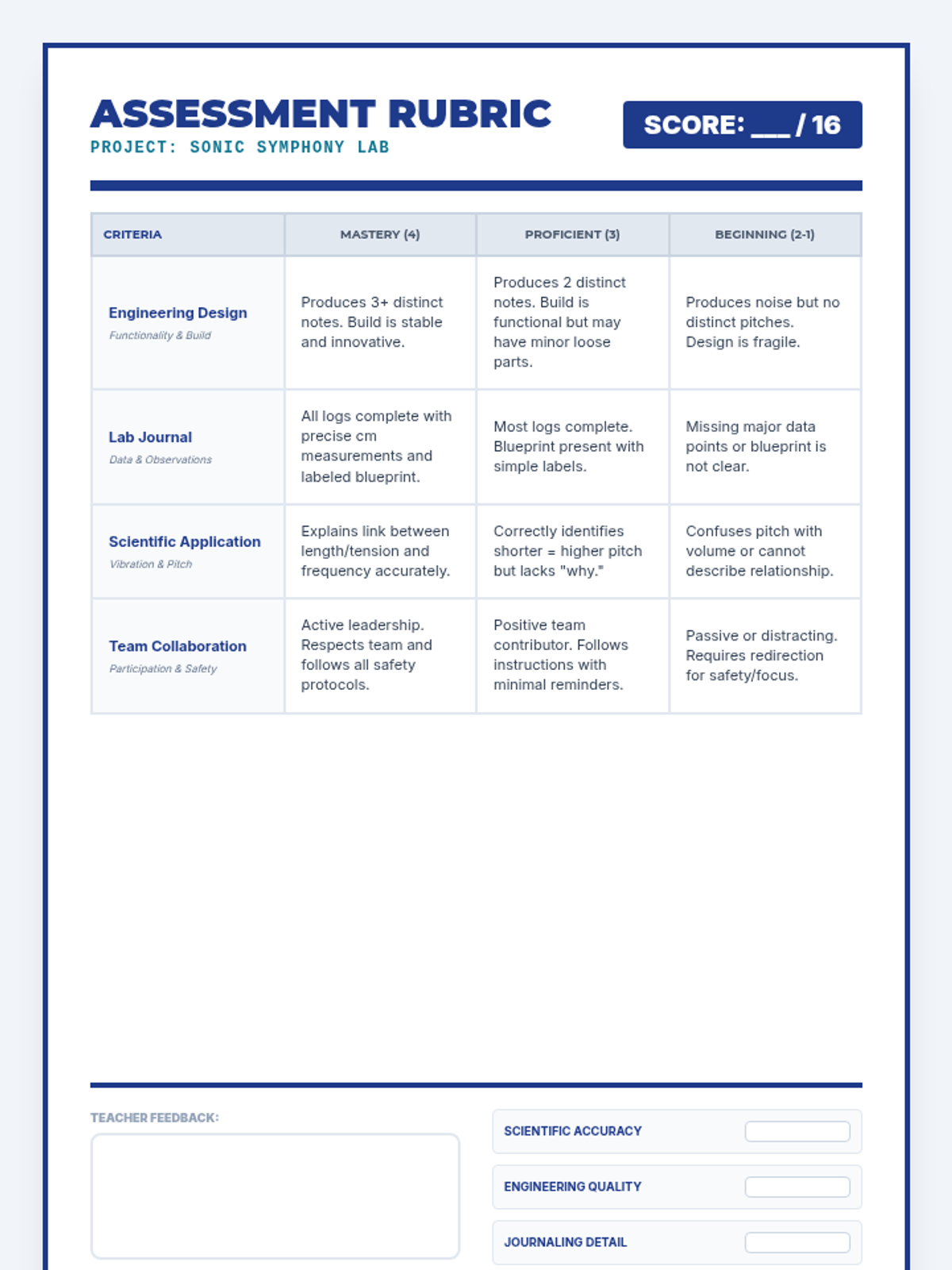
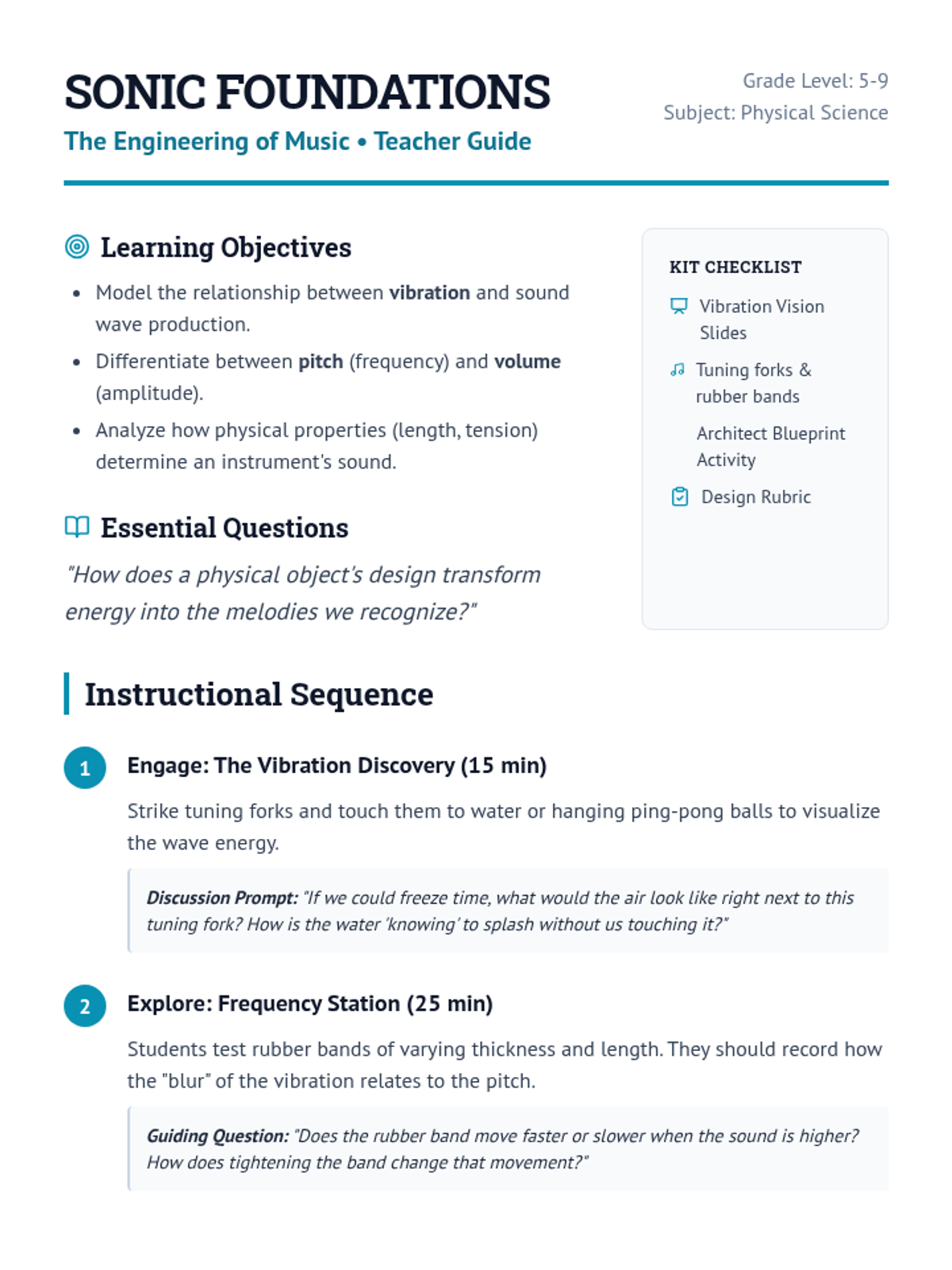
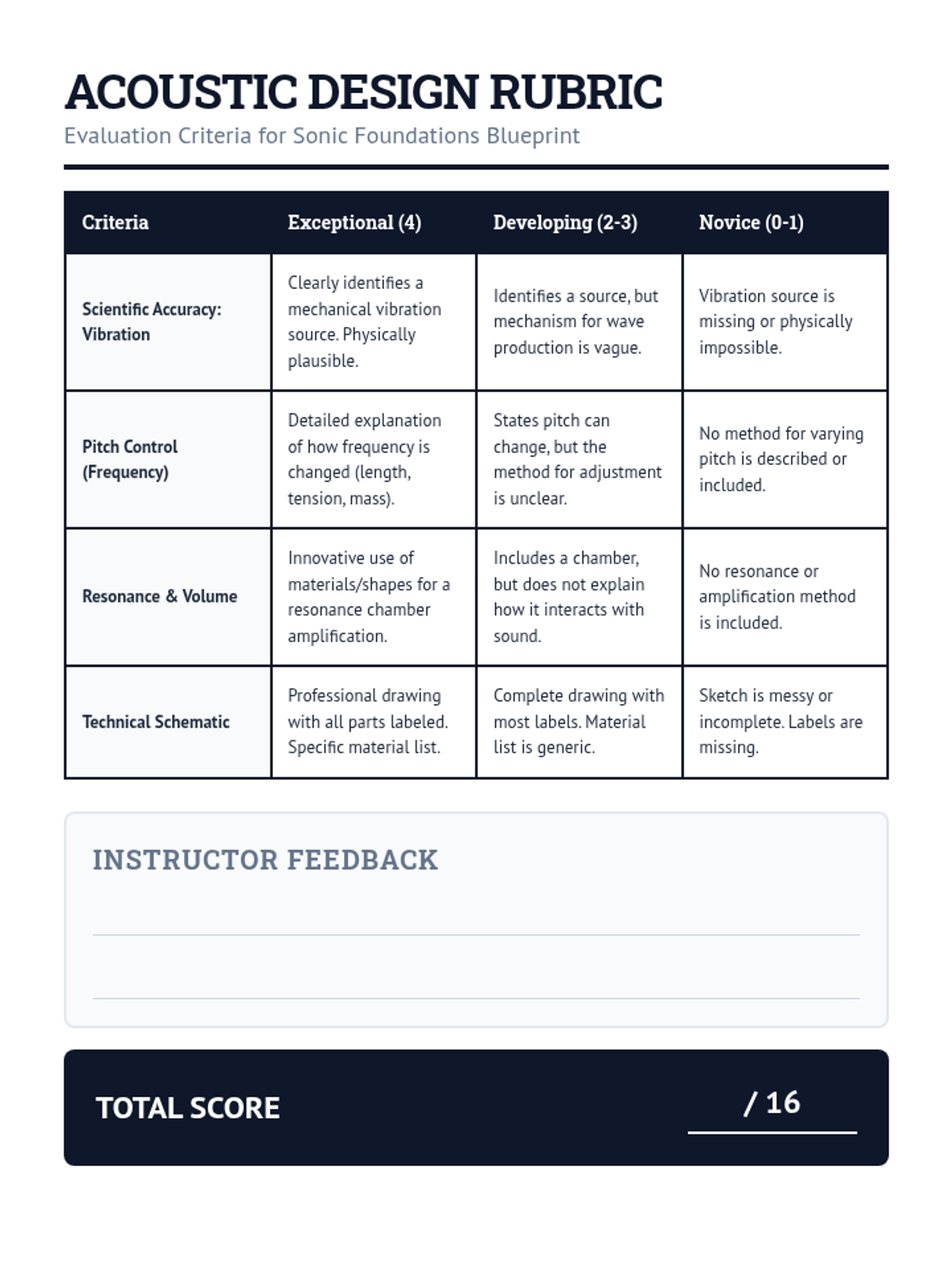
An immersive hands-on investigation into the physics of sound where students build DIY instruments to explore vibrations, pitch, and volume. This lesson bridges sensory exploration with acoustic engineering principles.
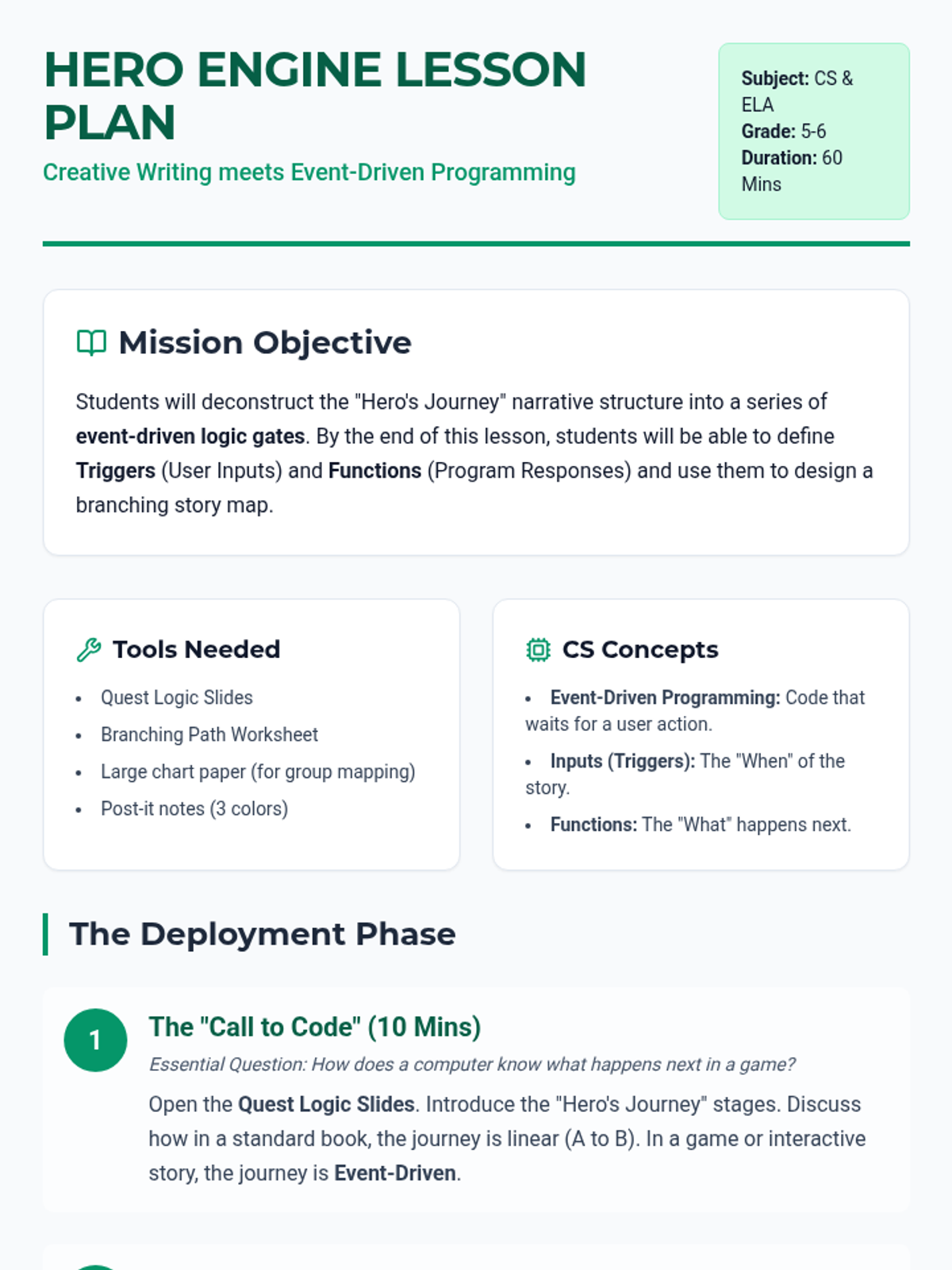
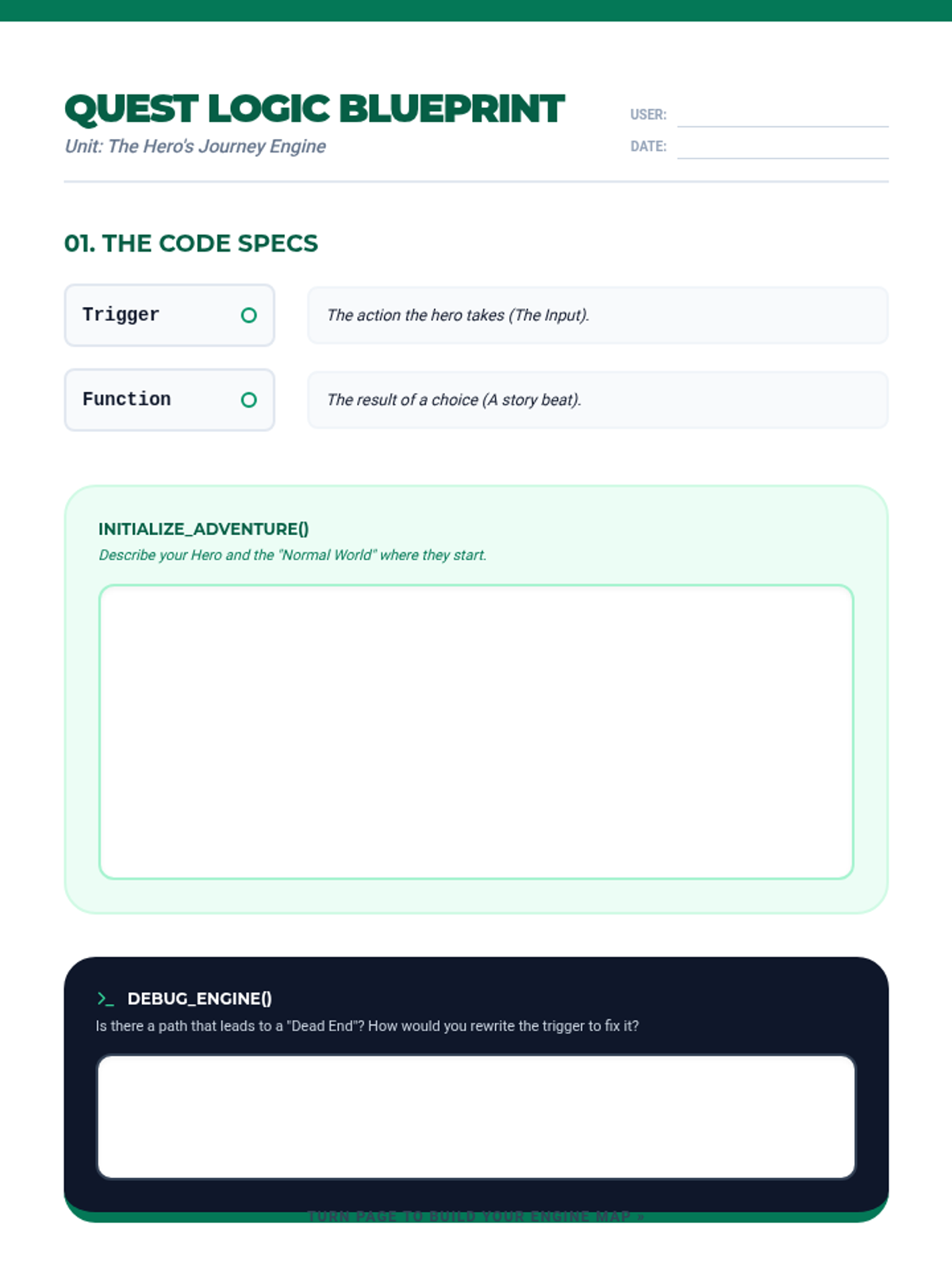
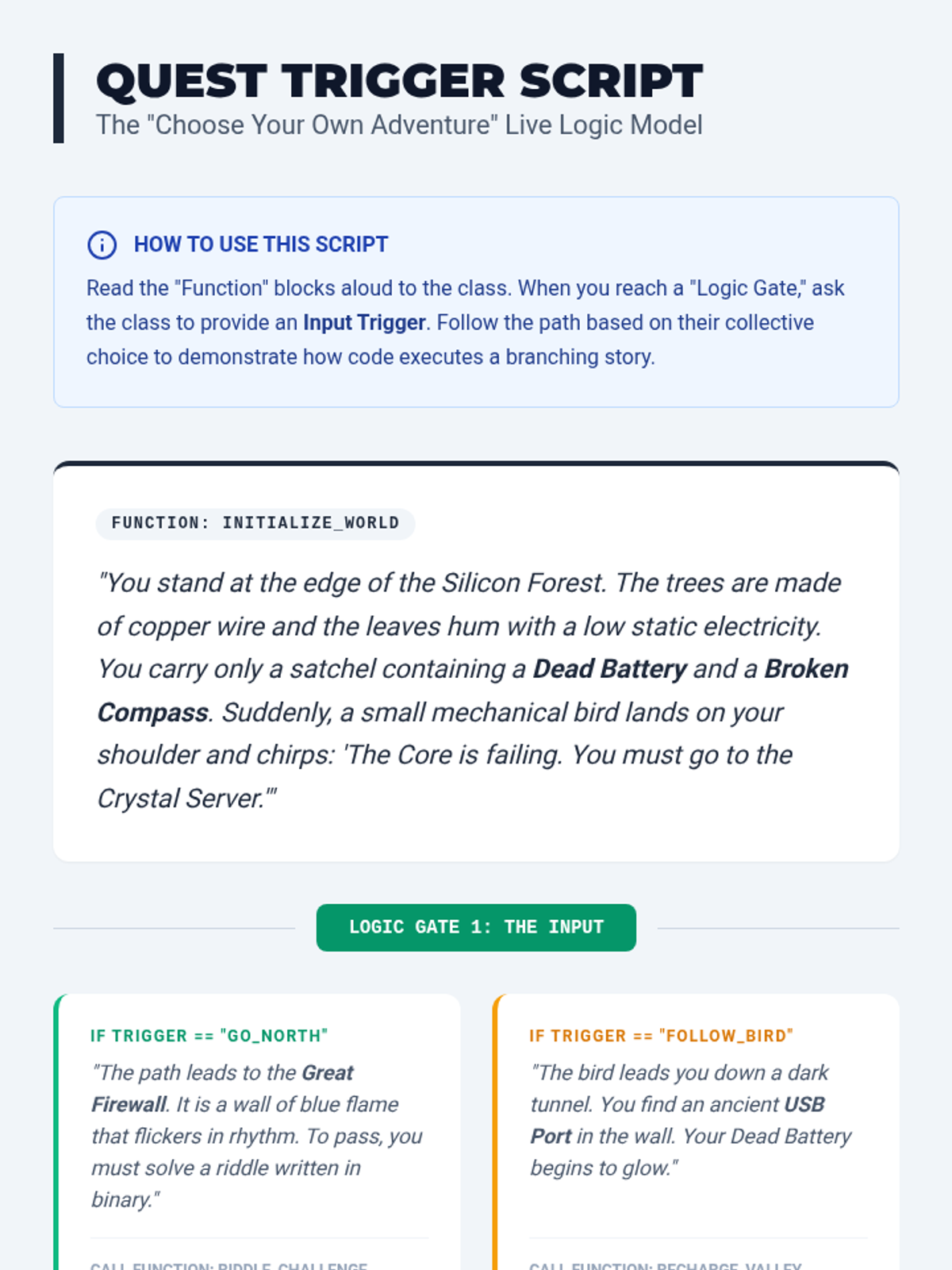
A high-energy lesson where 5th and 6th graders bridge creative writing and computer science by building event-driven logic maps for branching narratives. Students learn how user inputs serve as 'triggers' for story 'functions' within the Hero's Journey framework.
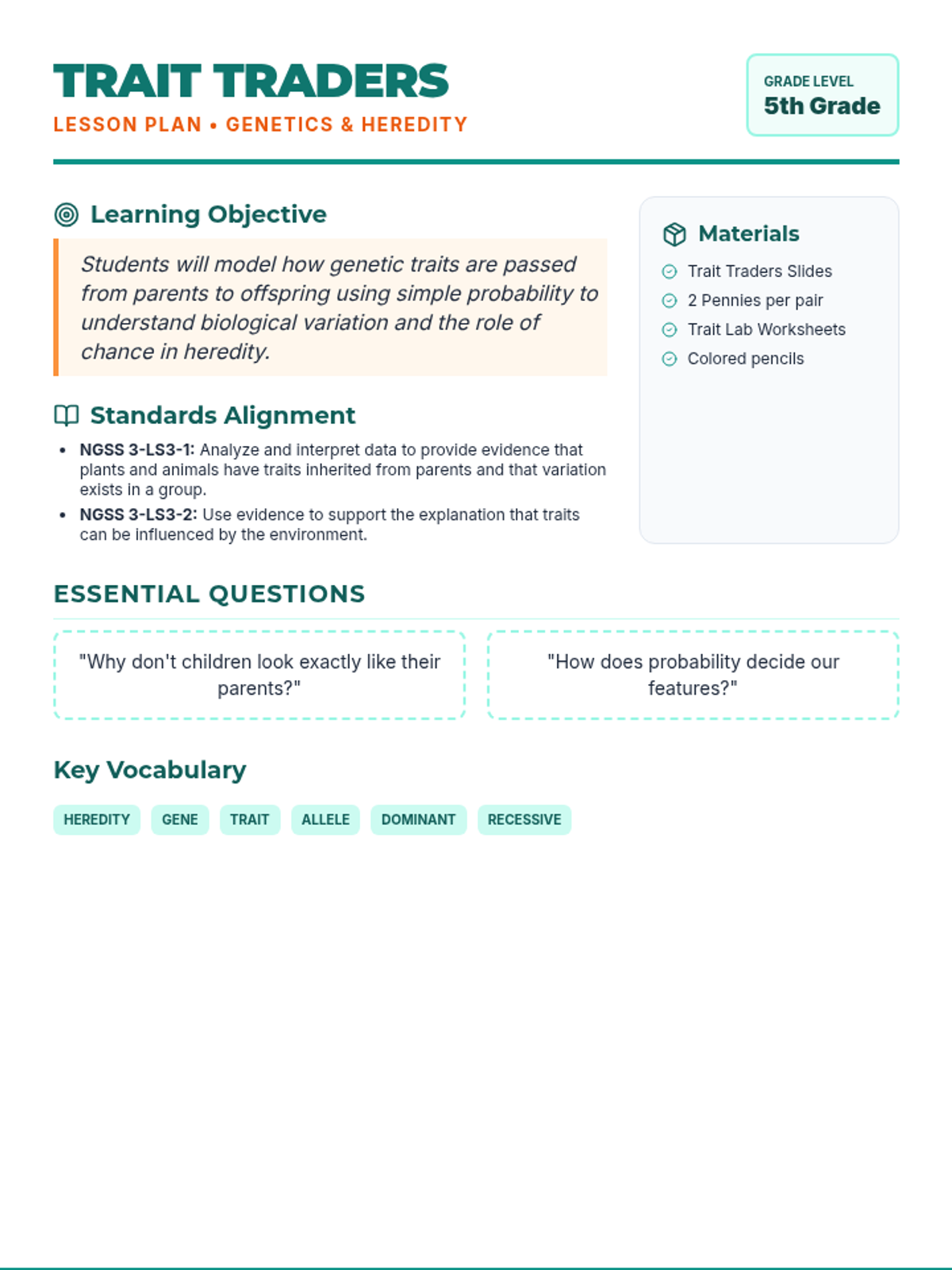
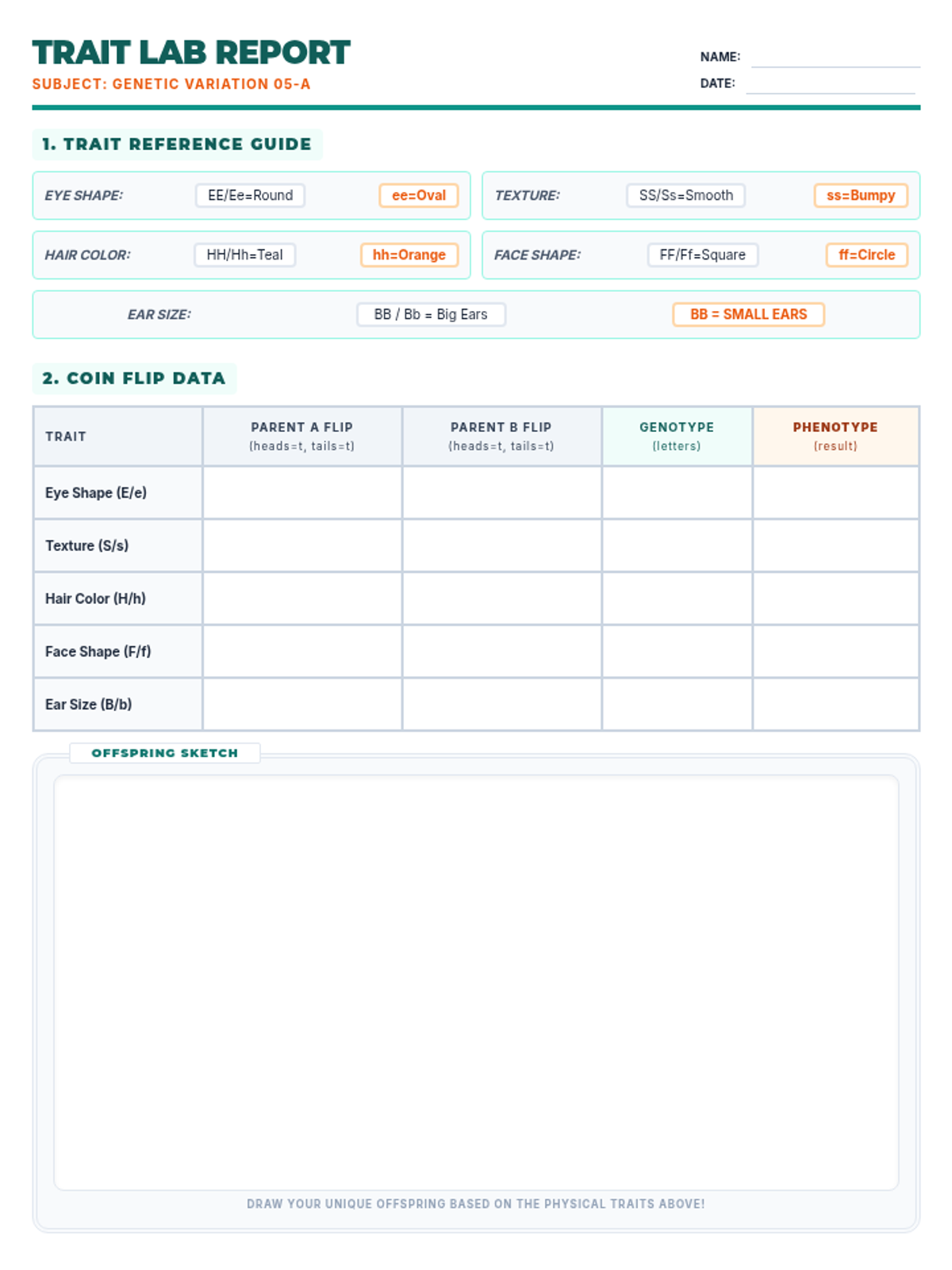
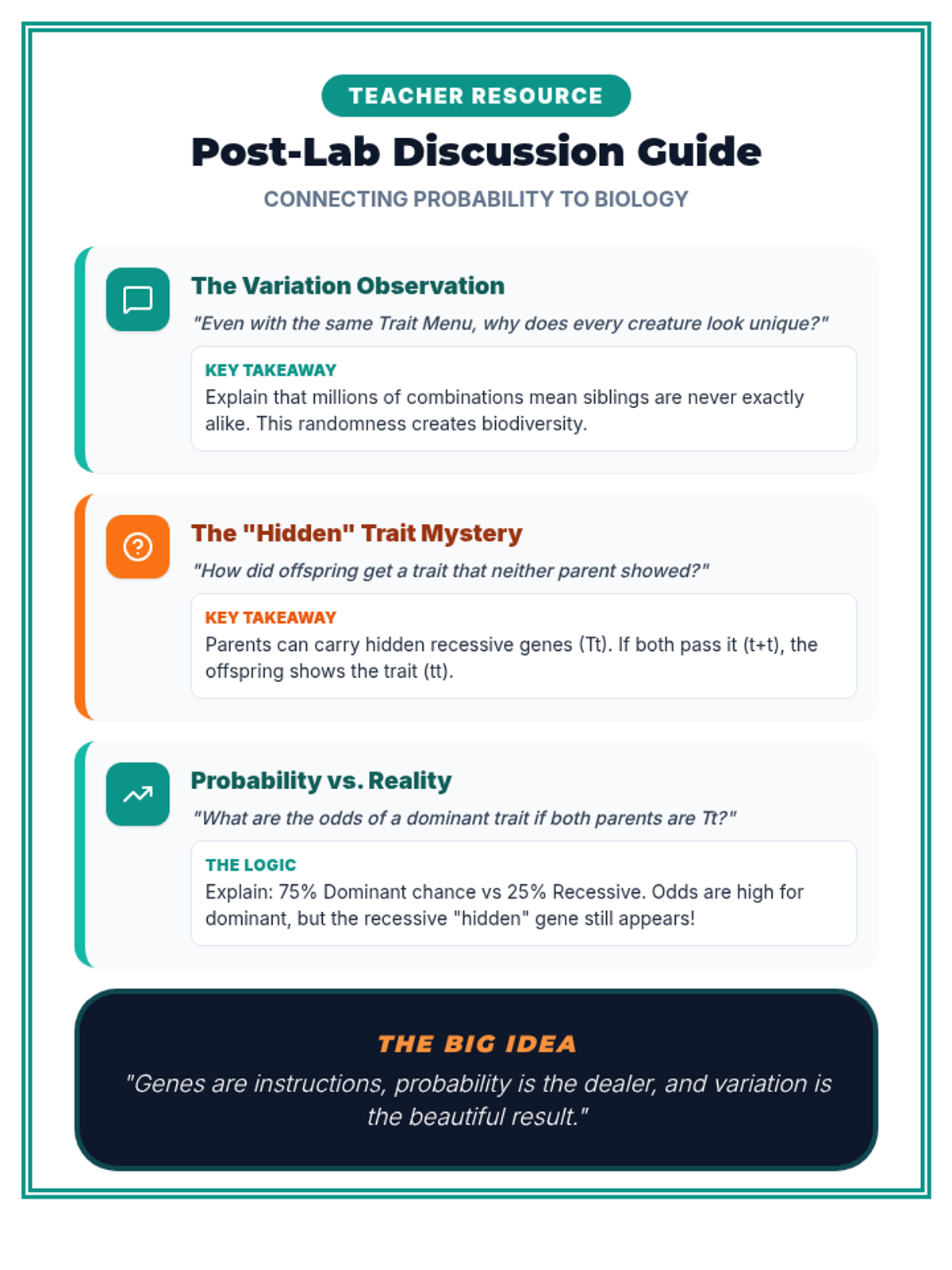
A hands-on exploration of genetics where 5th graders use probability (coin flips) to determine the physical traits of an offspring, demonstrating how heredity leads to biological variation.
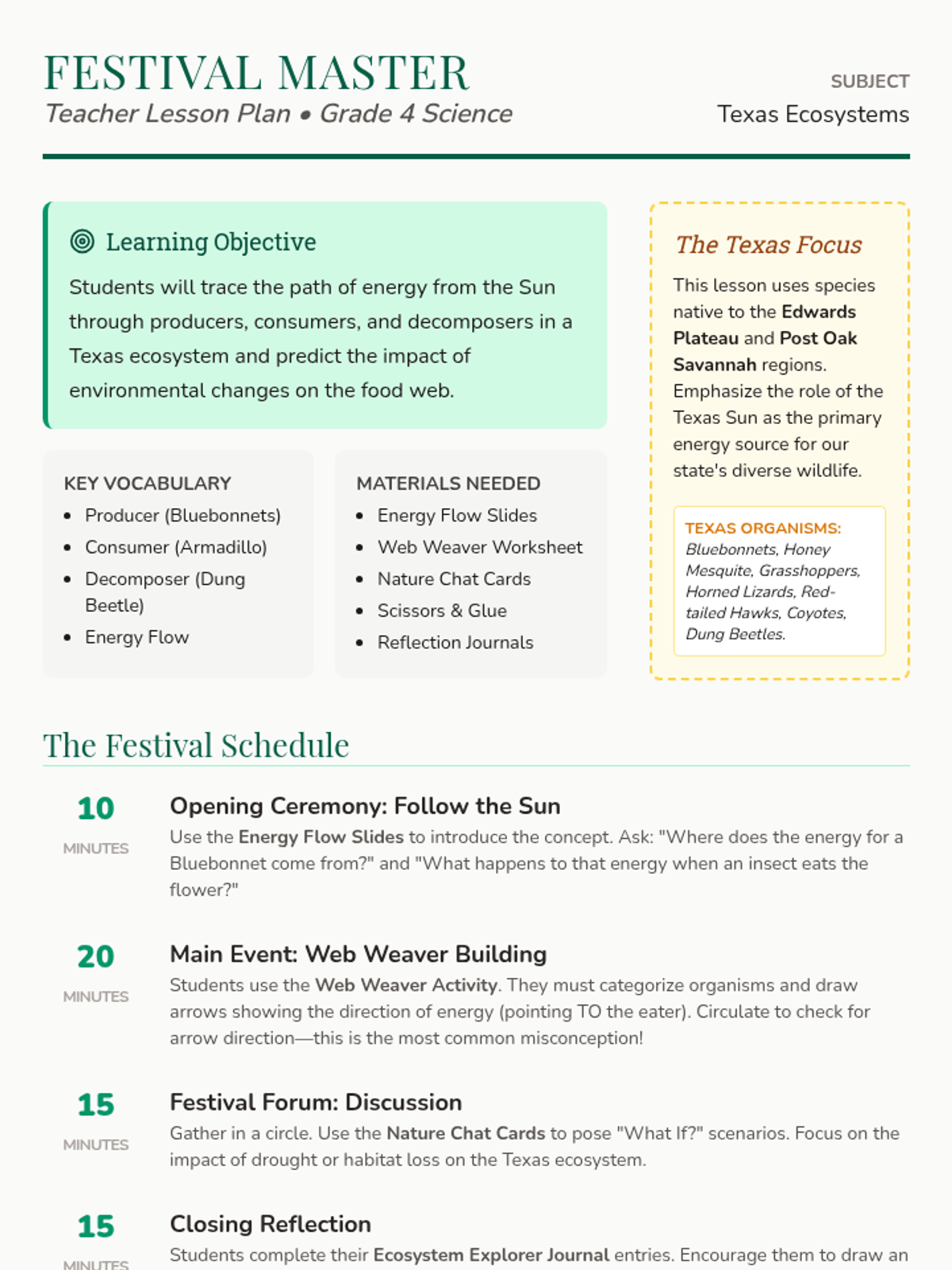
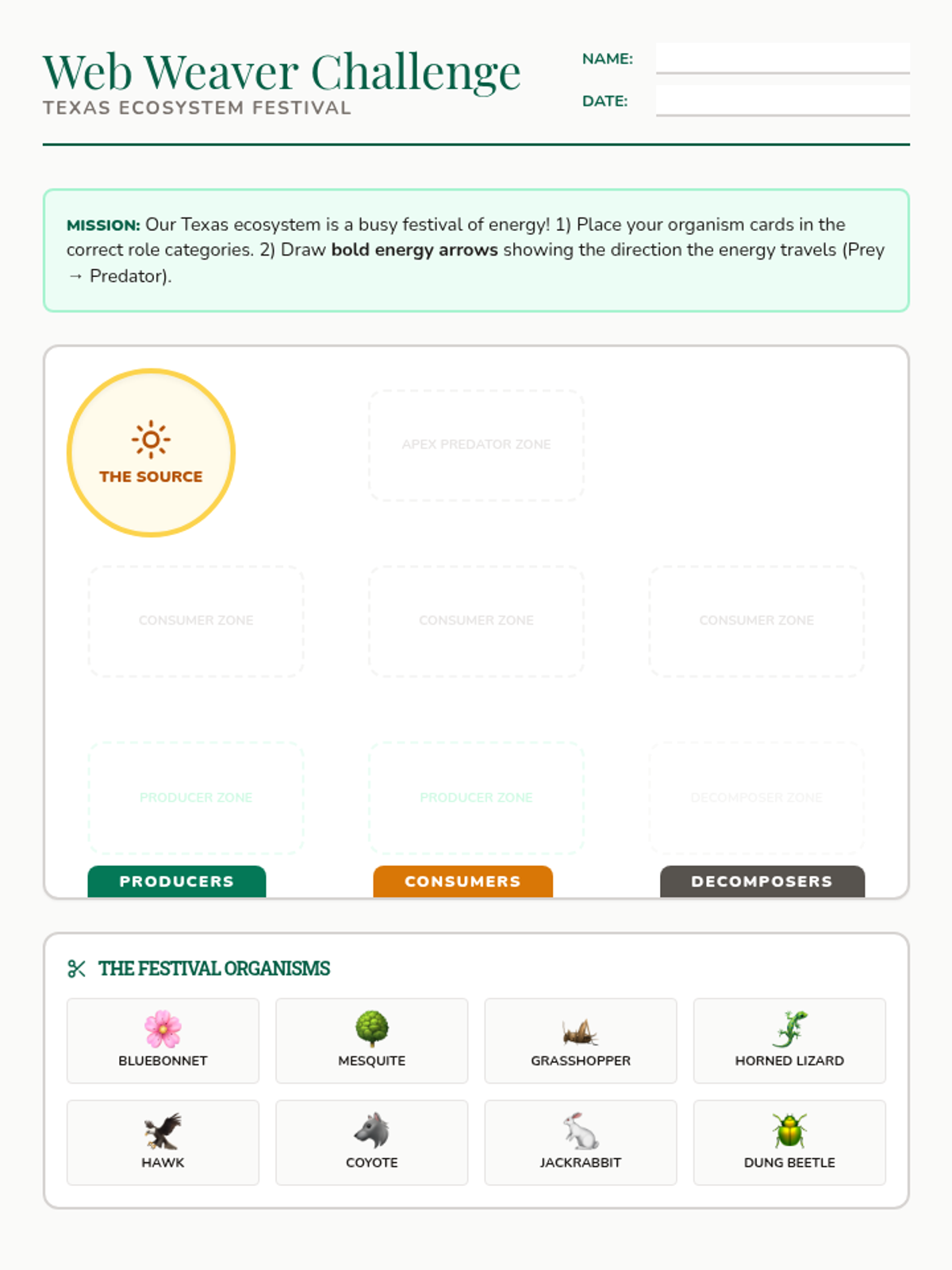
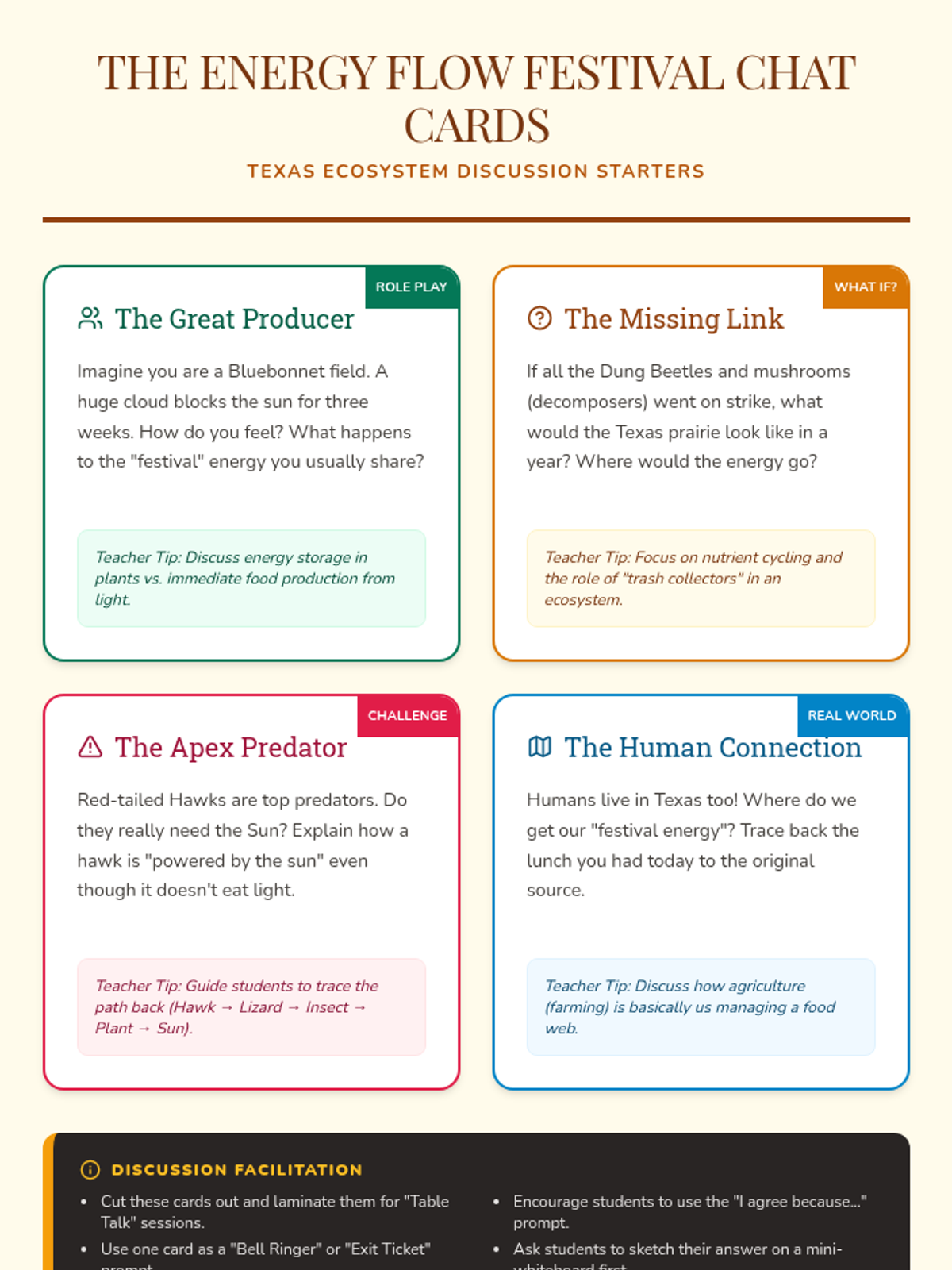
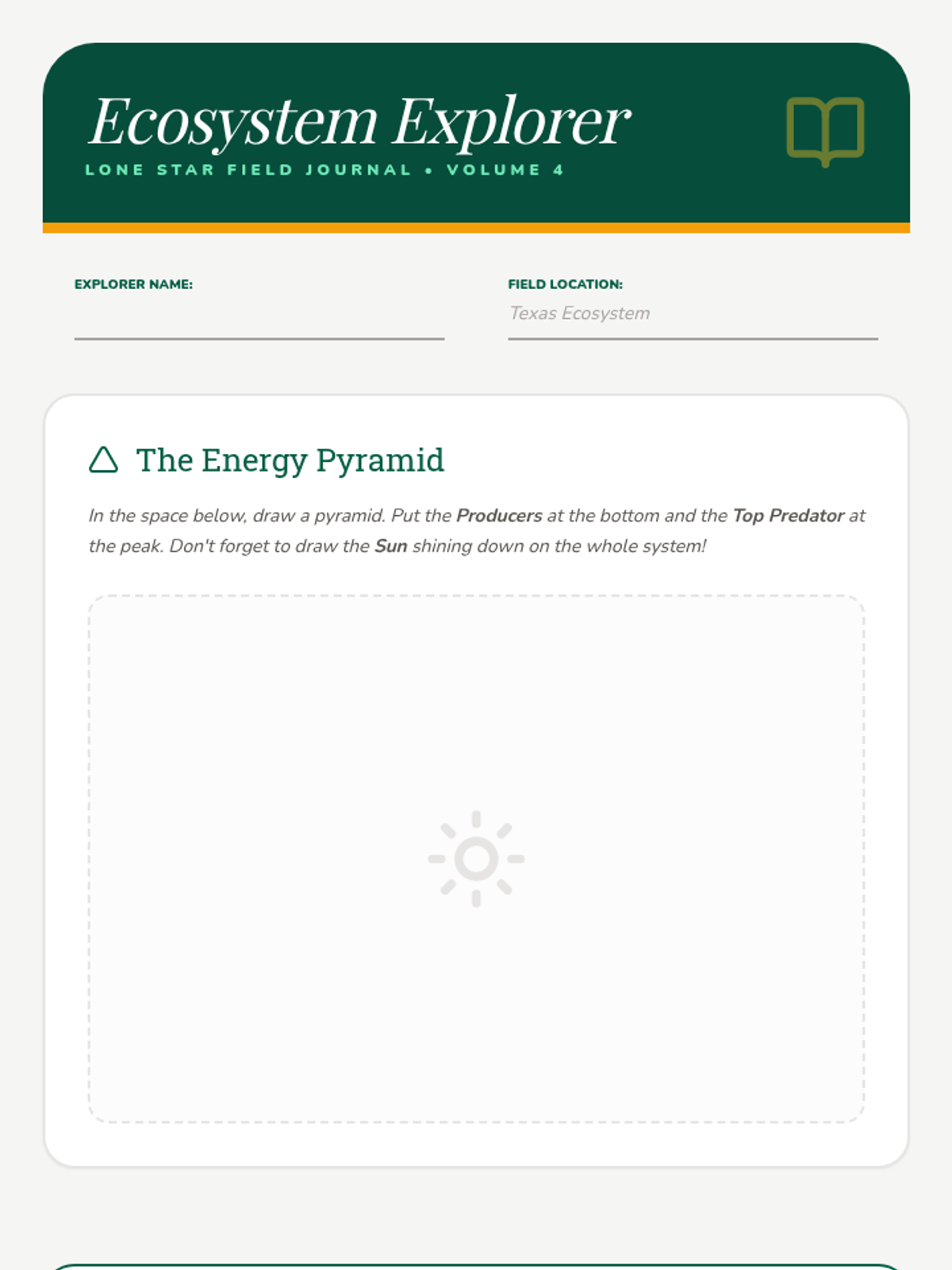
In this 4th-grade science lesson, students explore the vibrant Texas ecosystem through the lens of a festival, learning how energy flows from the Sun to producers, consumers, and decomposers. Through food web construction and critical discussion, they discover the delicate balance of the Lone Star State's natural world.
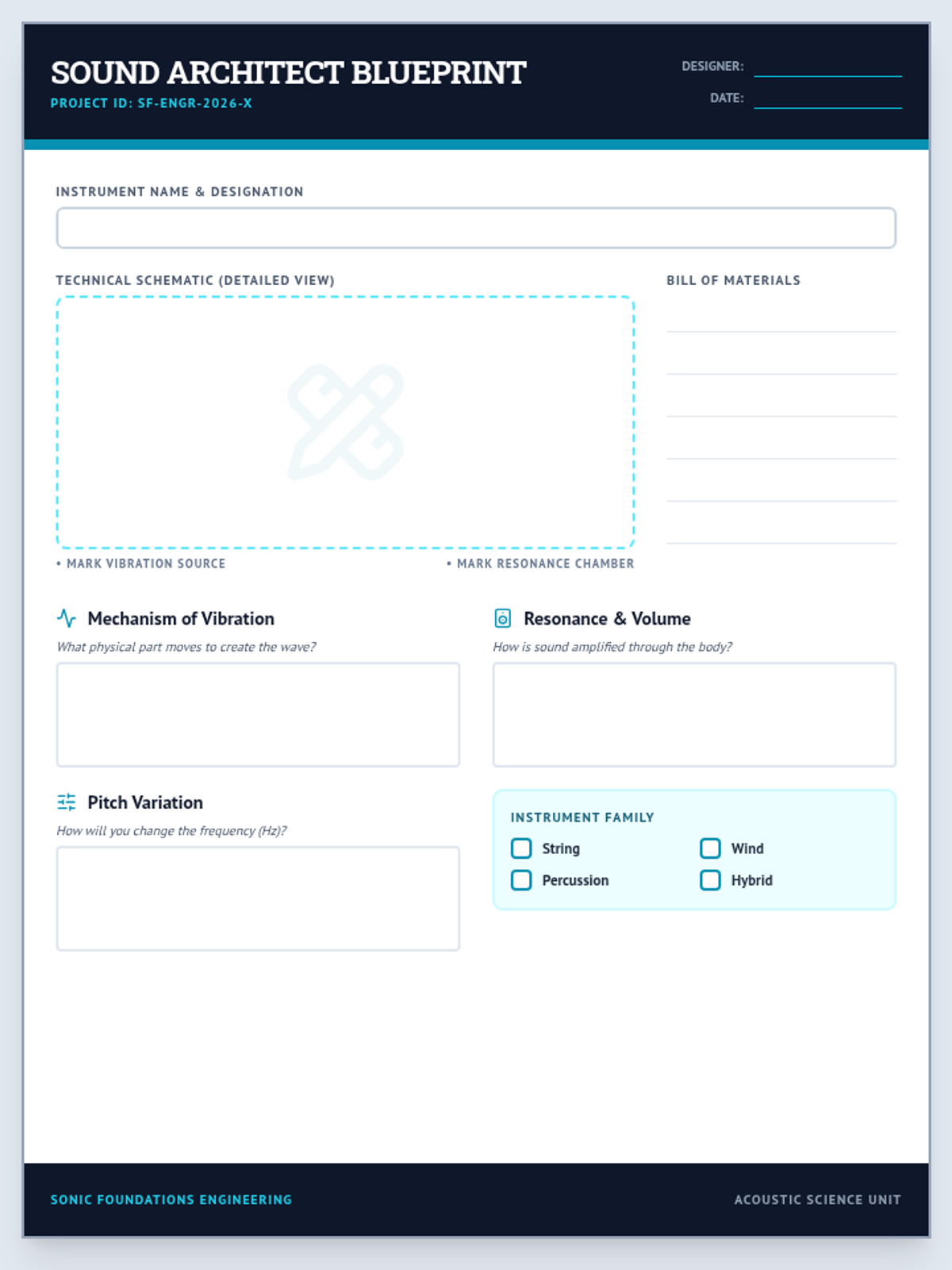
A physical science and music integration lesson exploring how vibration and frequency create sound, culminating in an acoustic instrument design project. Students analyze the mechanics of pitch and resonance across different instrument families.
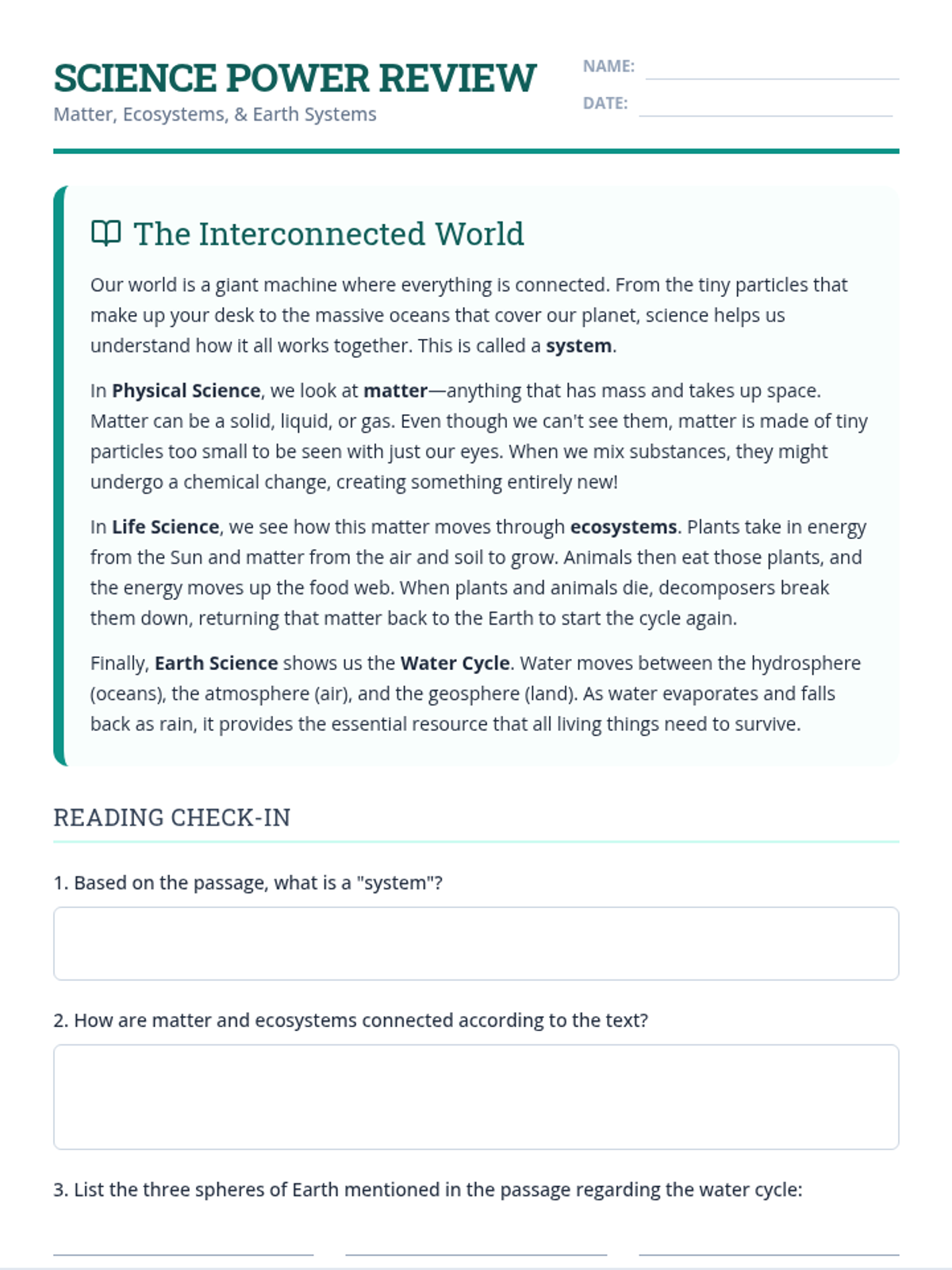
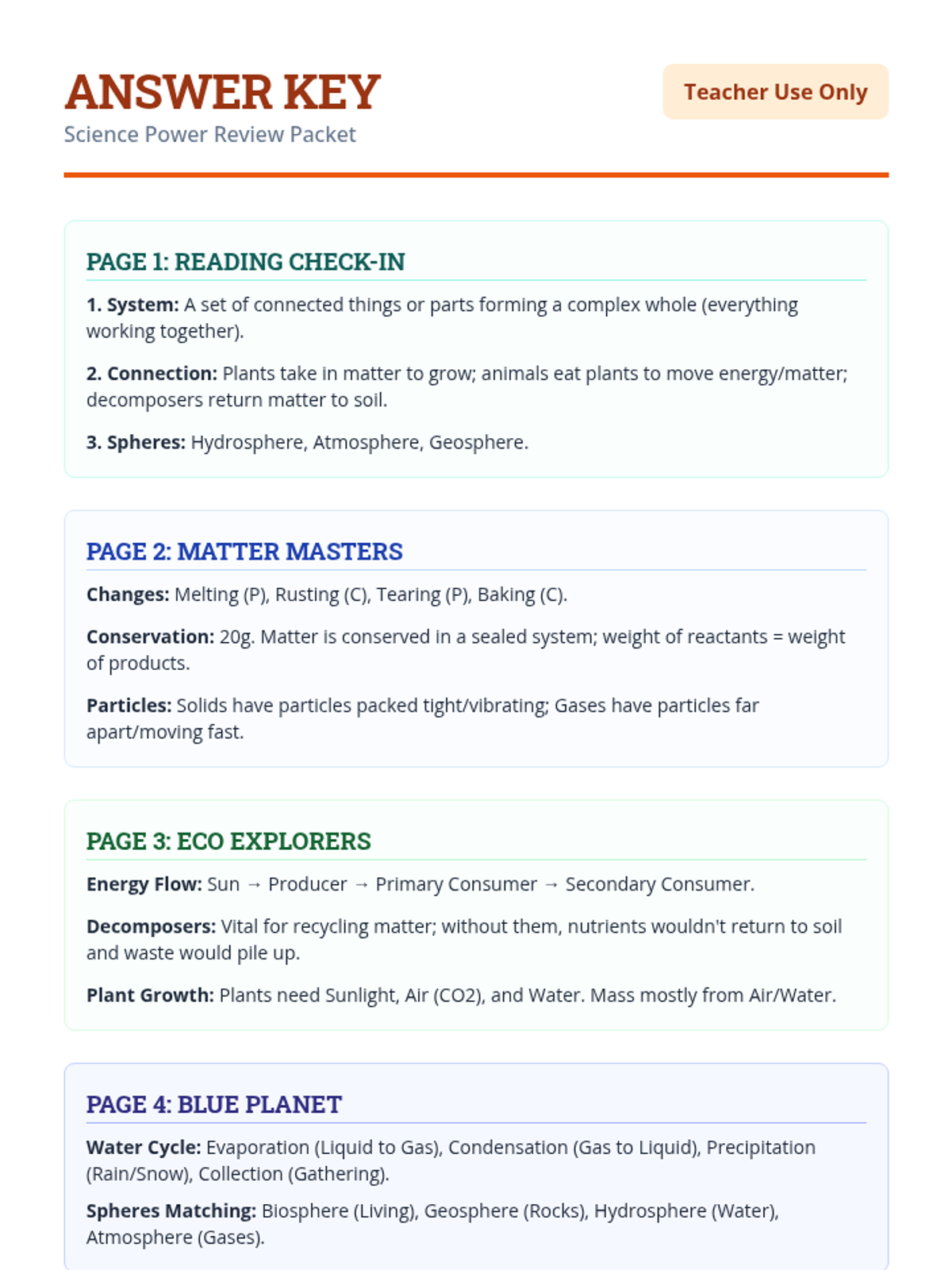
A comprehensive 5th-grade NGSS science review covering Physical Science (matter), Life Science (ecosystems), and Earth Science (the water cycle and Earth's systems) through reading passages and mixed review questions.
A comprehensive exploration of the eight phases of the moon, focusing on the lunar cycle and the distinction between waxing and waning.
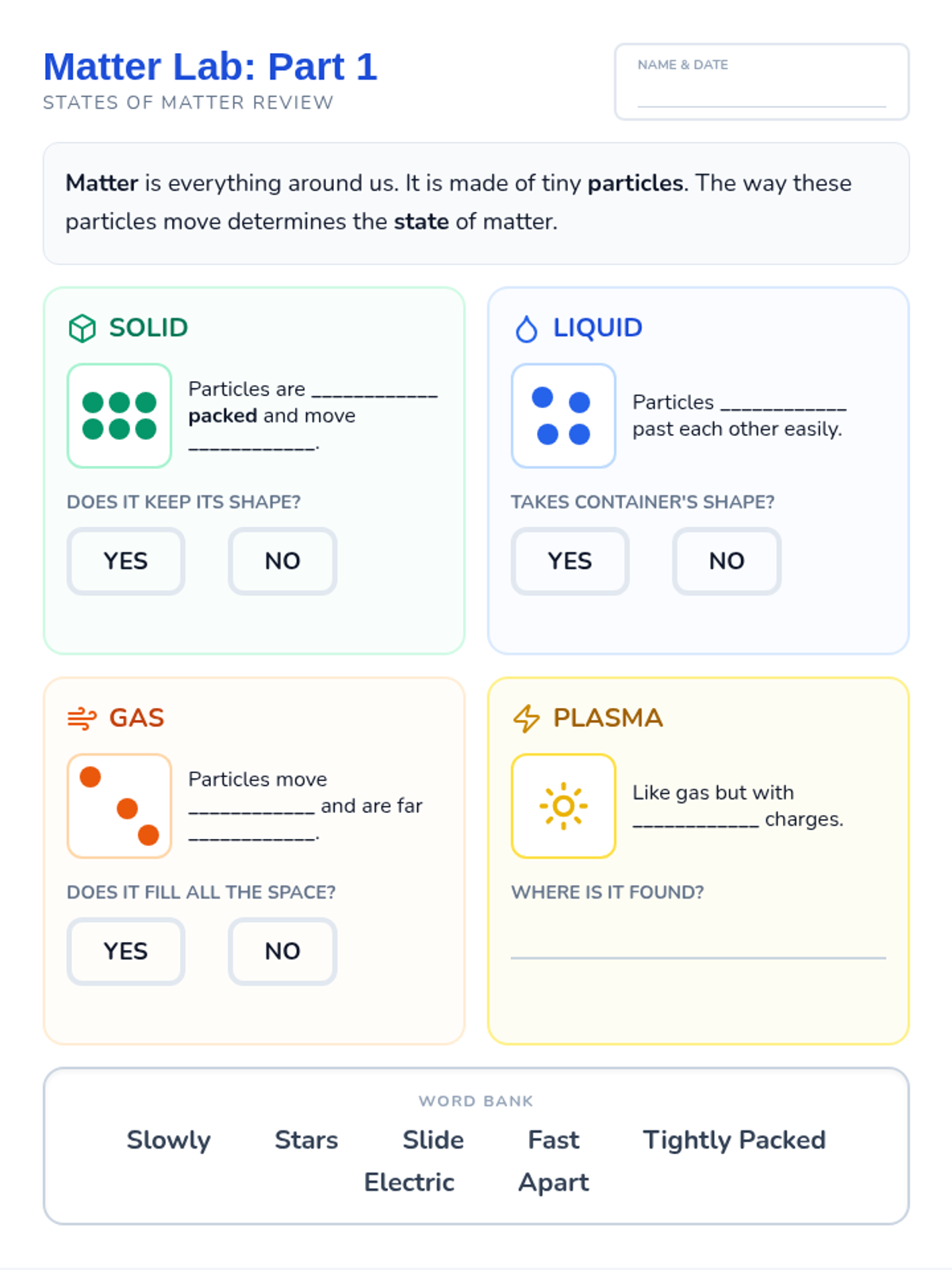
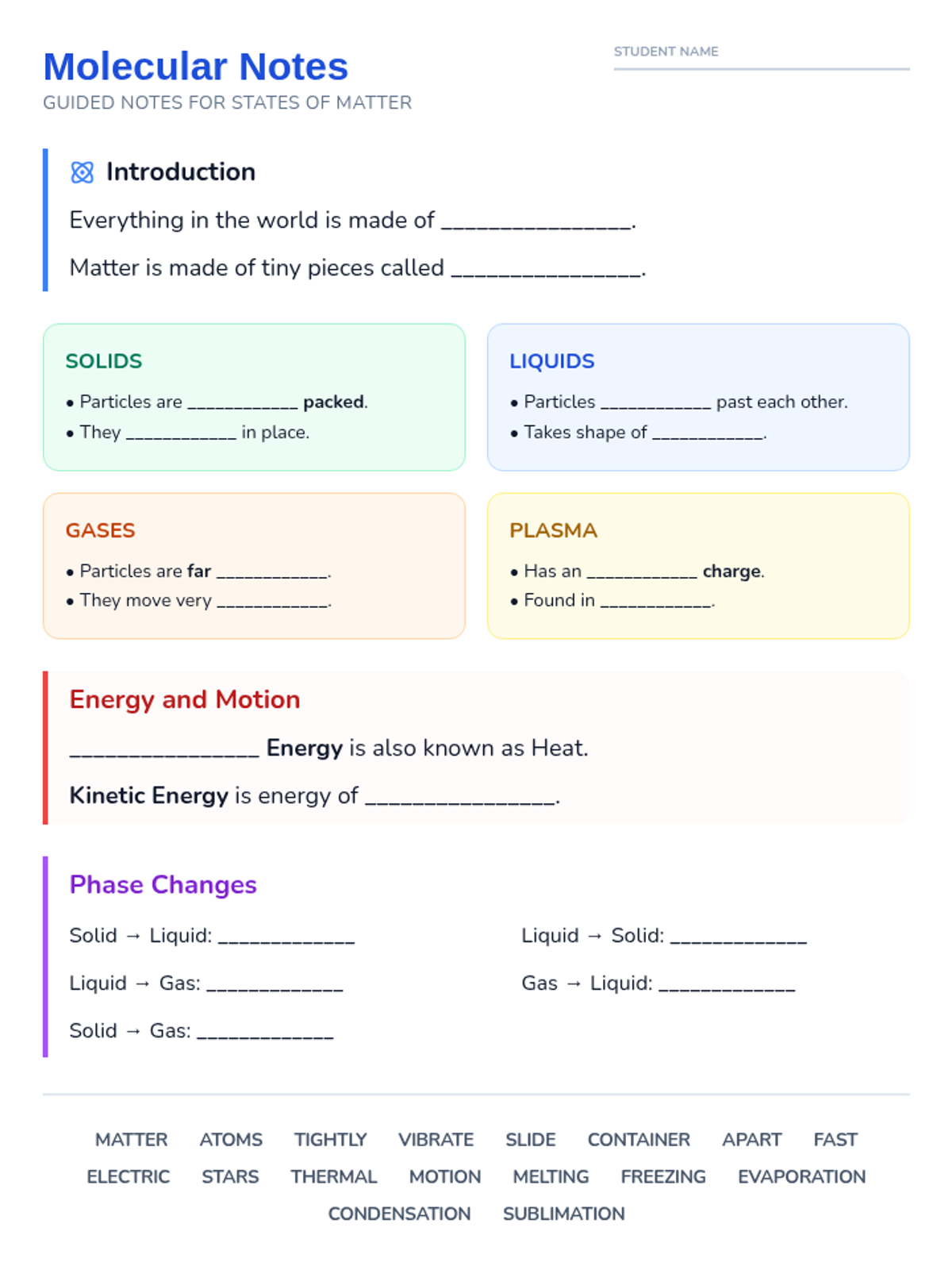
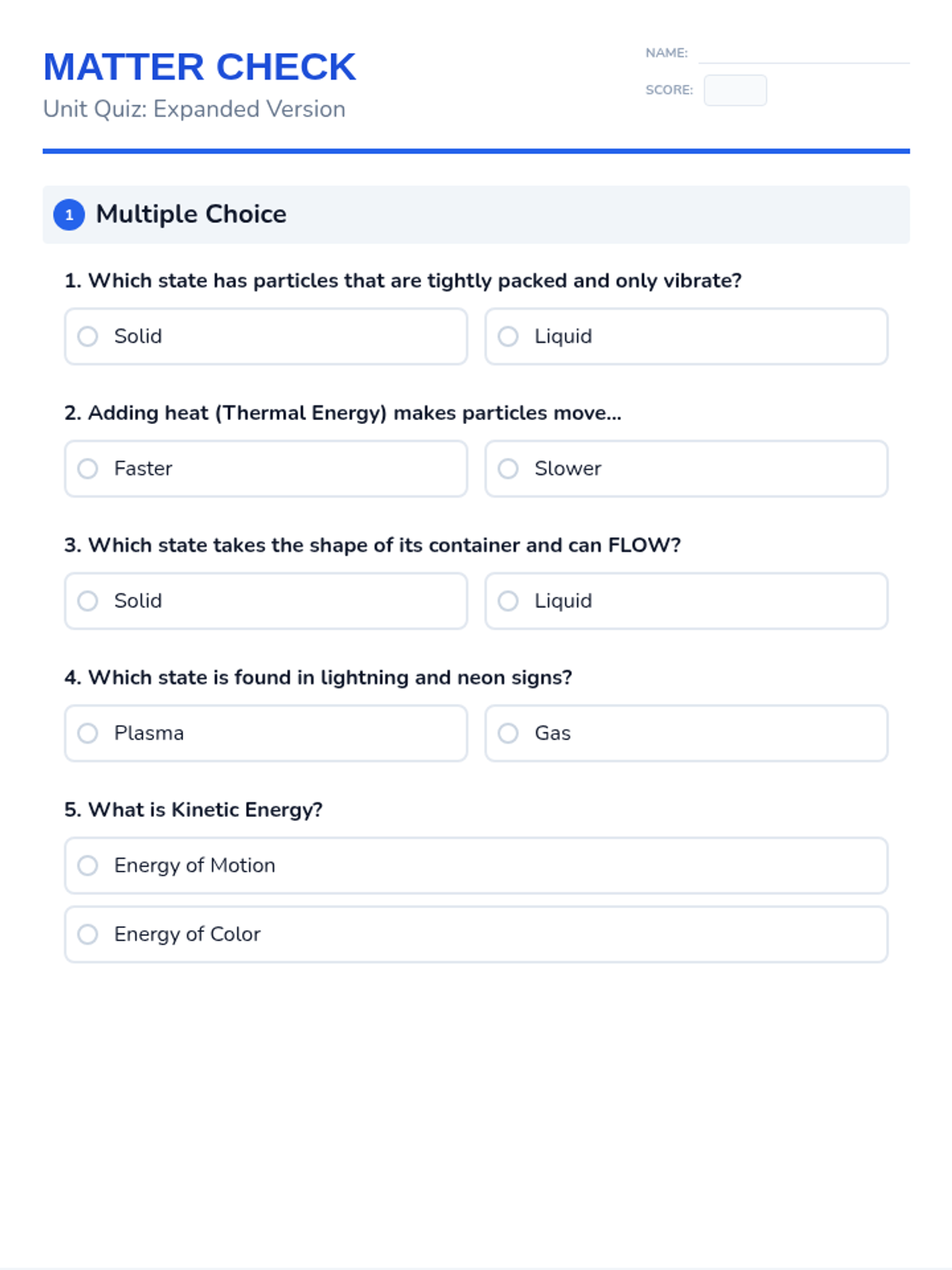
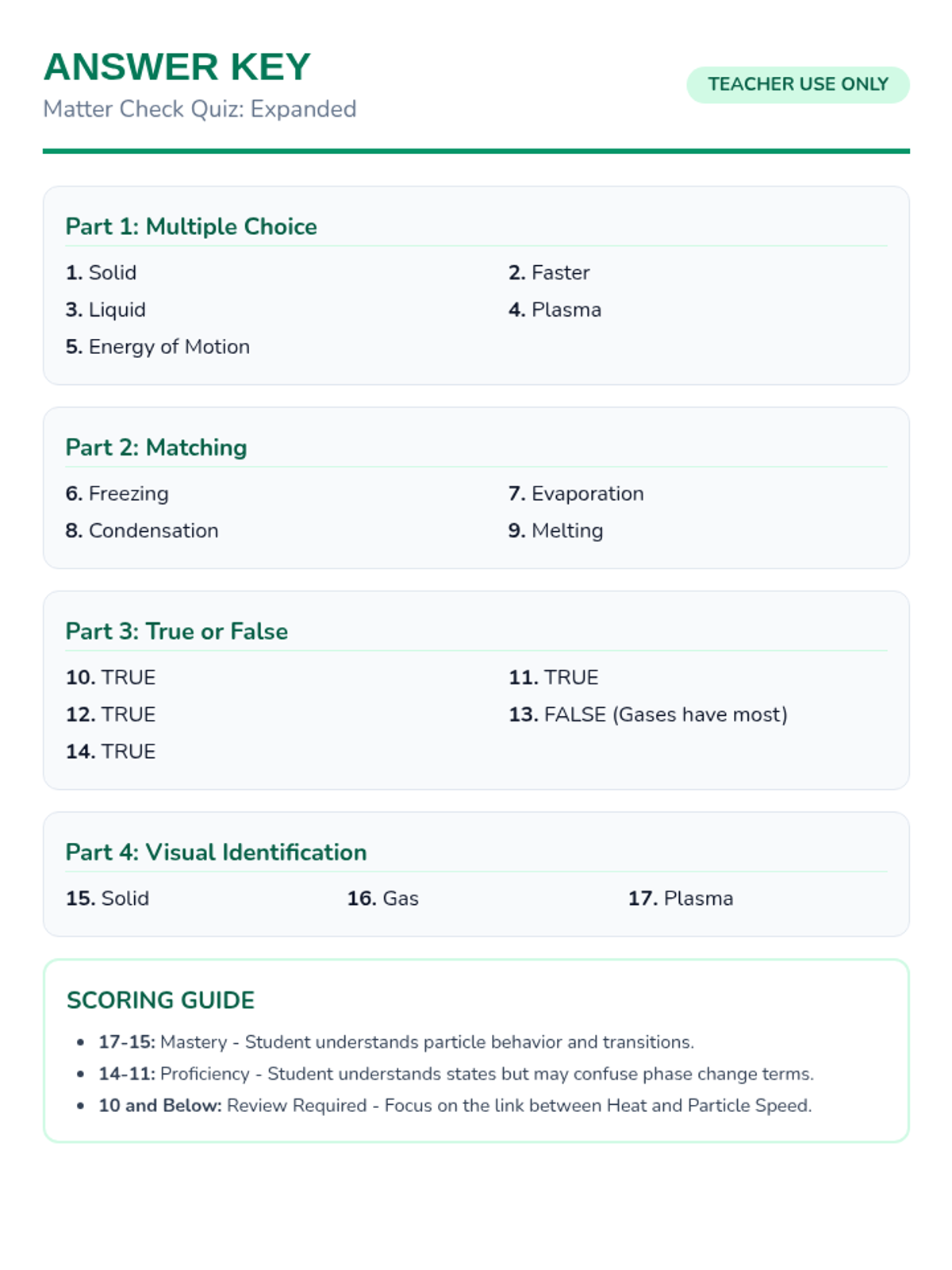
A comprehensive review of the states of matter and phase changes designed for diverse learners, featuring simplified text, visual aids, and structured graphic organizers.
Students investigate the flow of energy through an ecosystem while solving complex math problems involving resource management, biomass calculations, and decomposition rates.
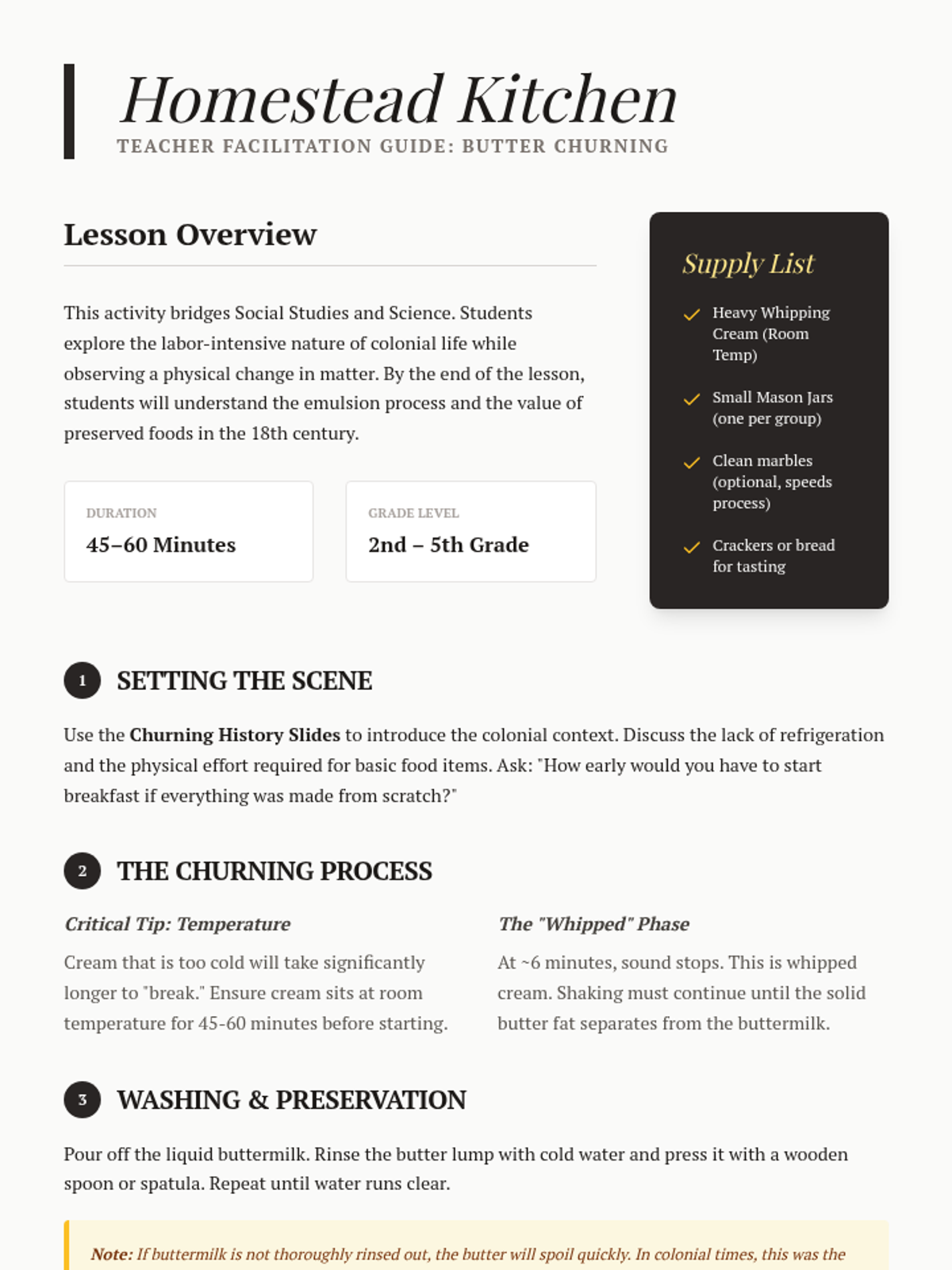
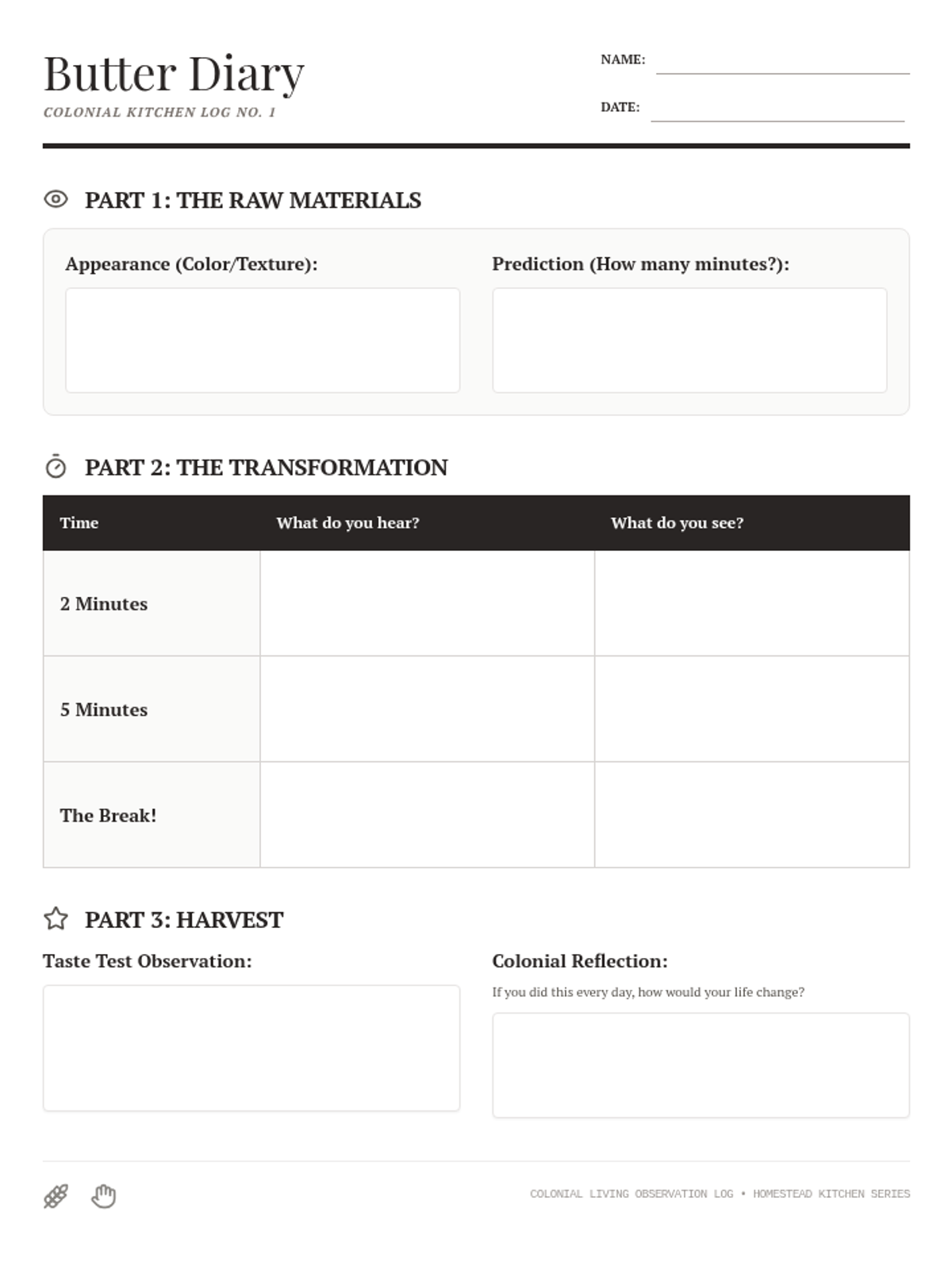
A hands-on exploration of colonial food preservation and the science of phase changes through butter making. Students learn about the effort required for daily colonial tasks while transforming heavy cream into butter using jars.
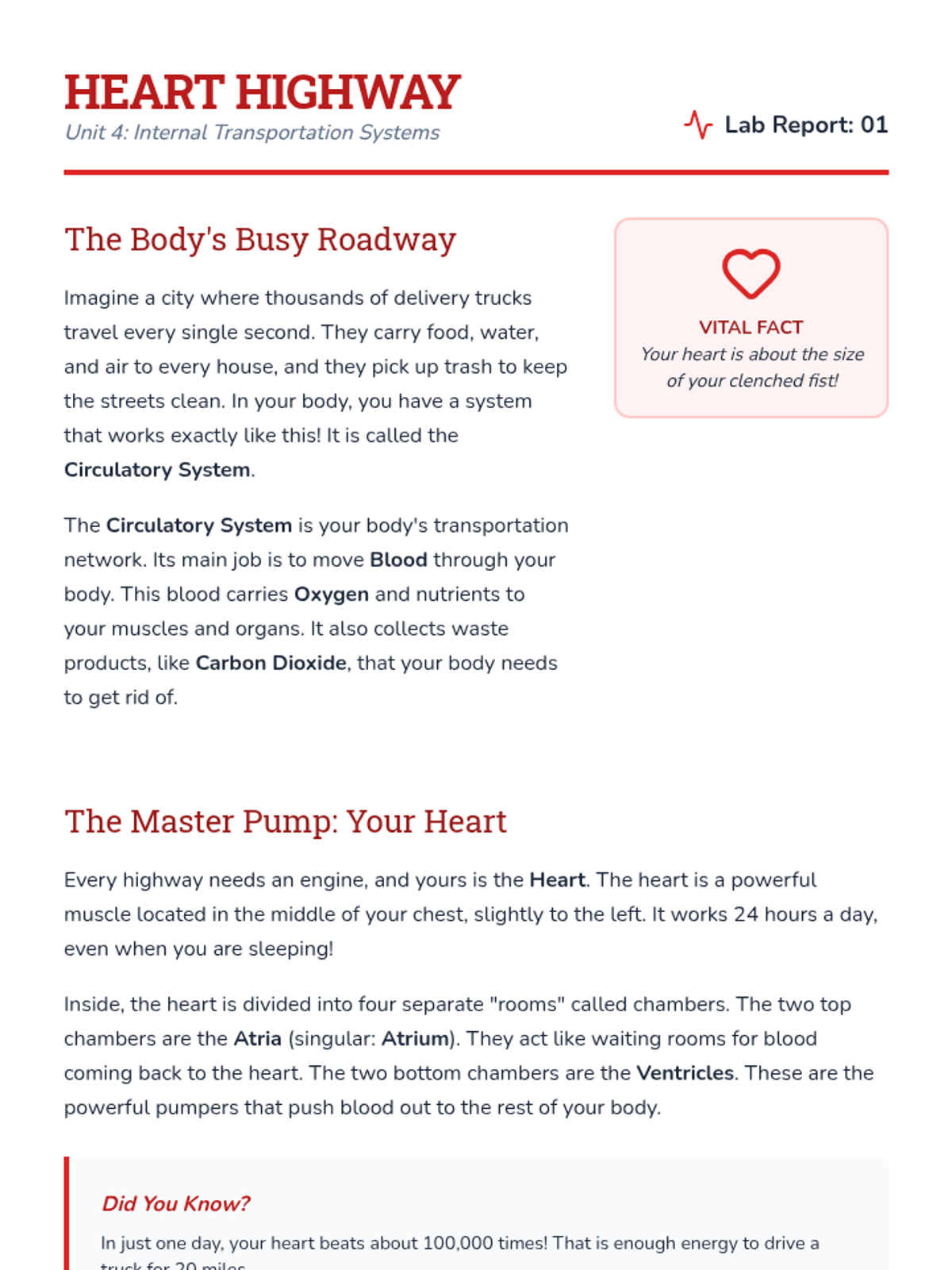
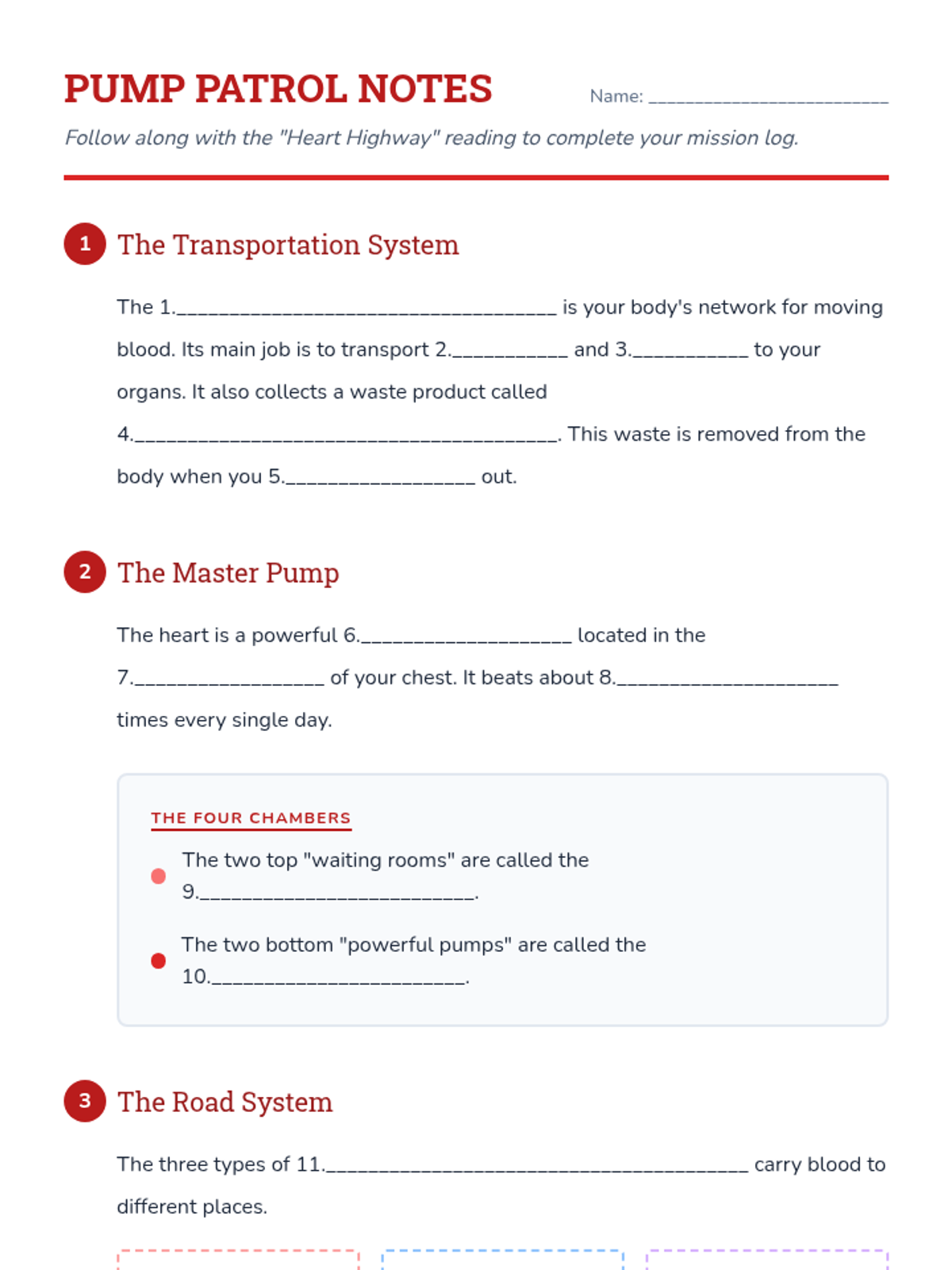
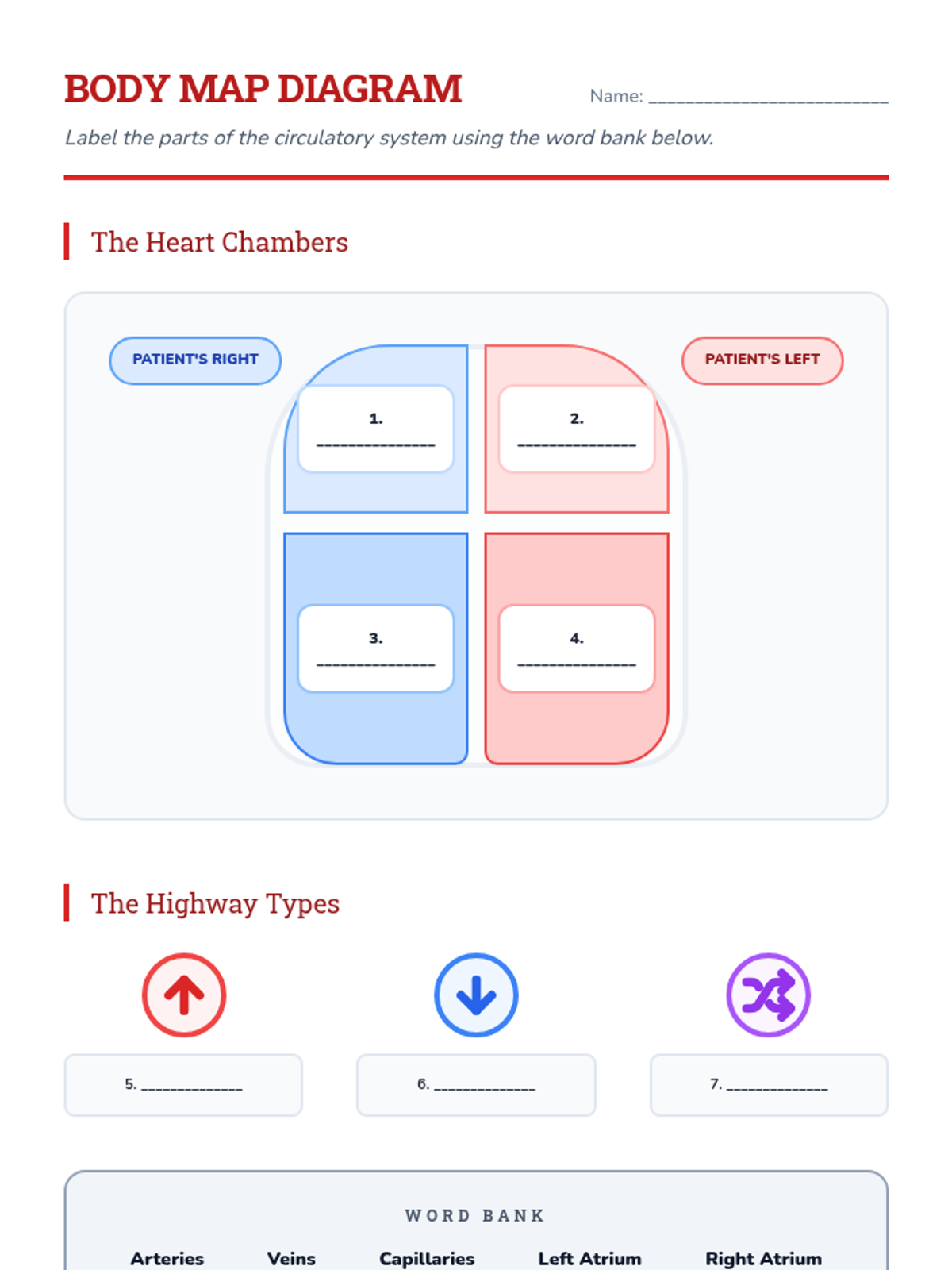
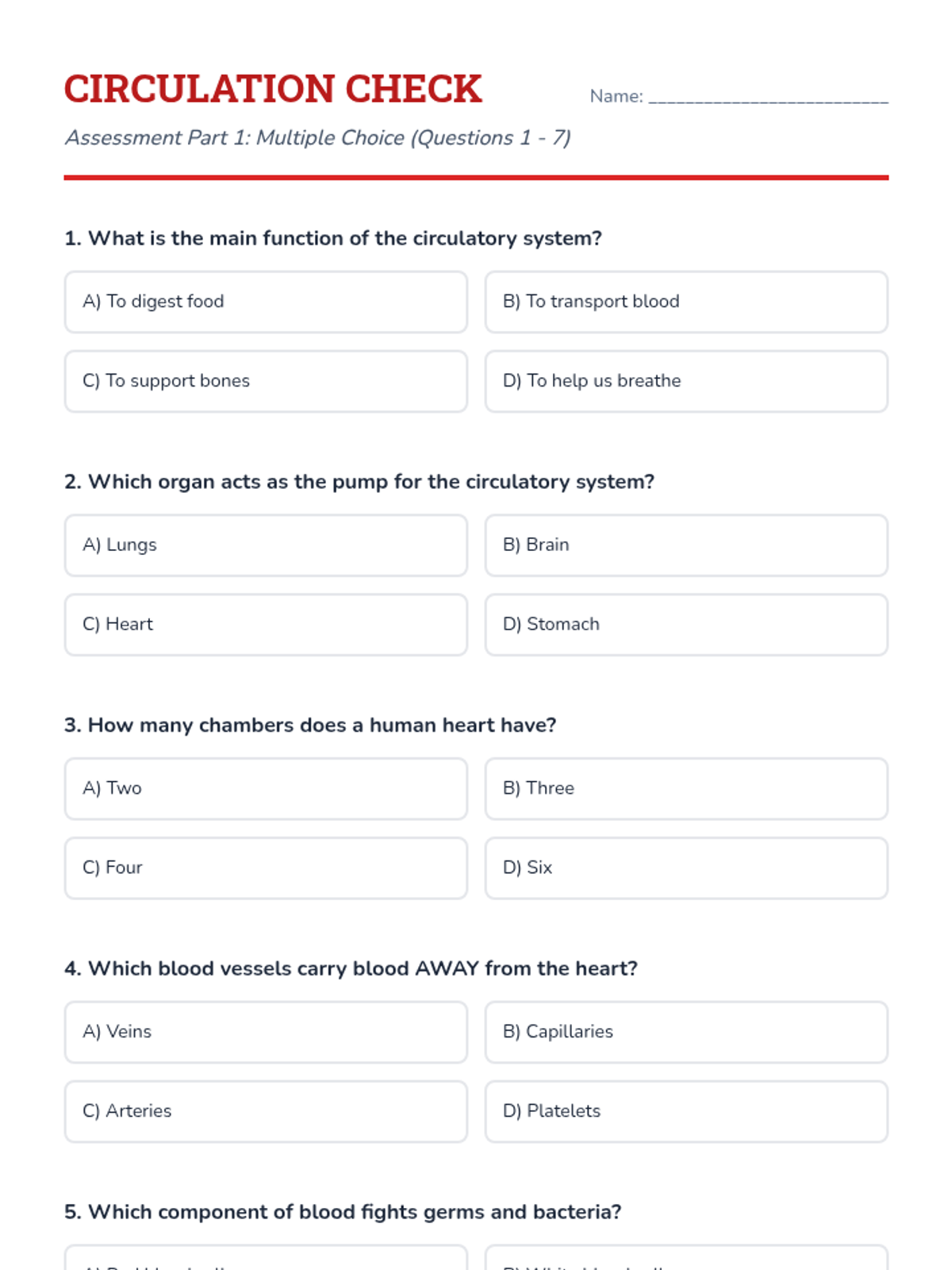
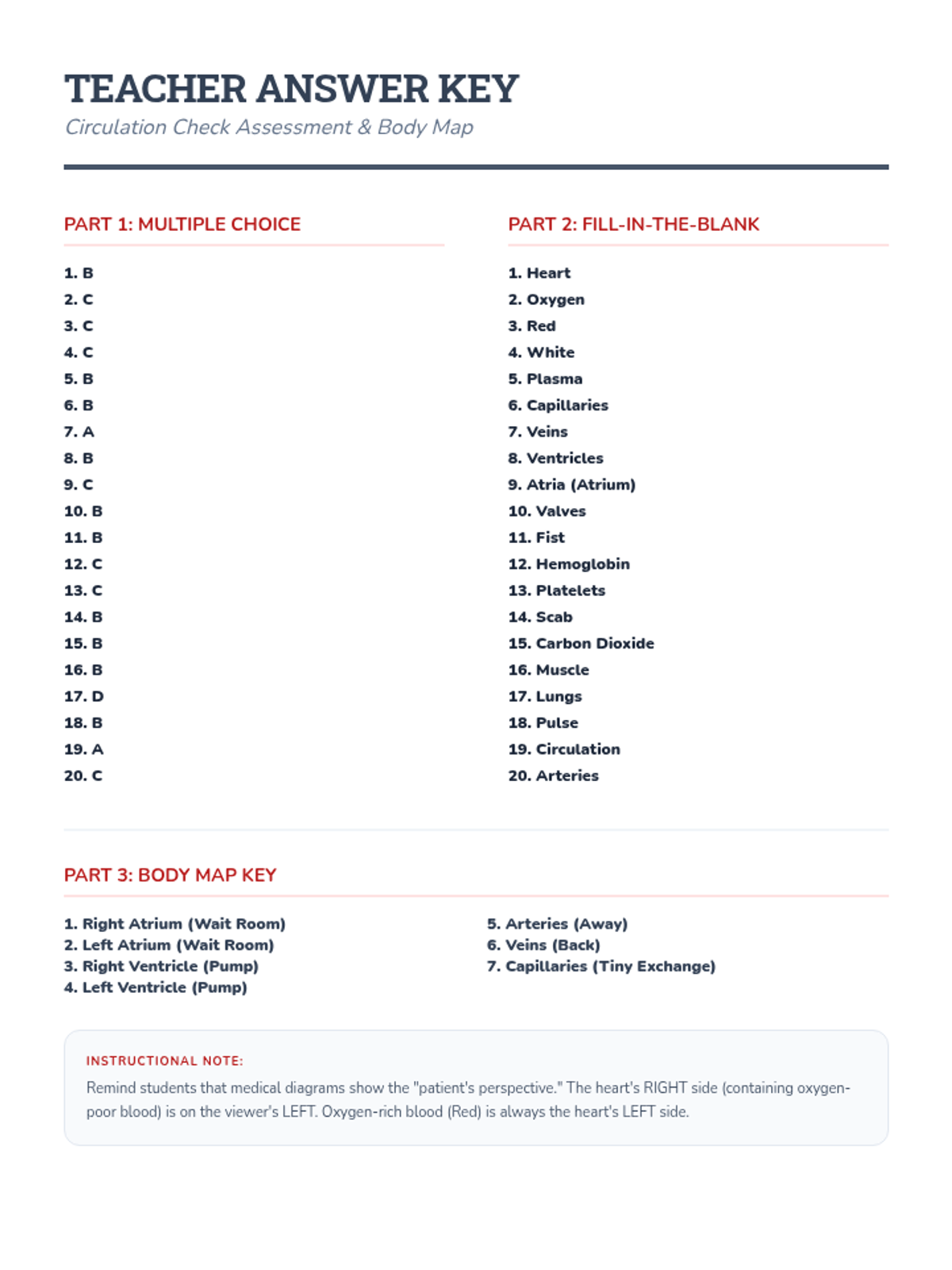
A comprehensive exploration of the circulatory system for 4th graders, covering the heart's anatomy, blood vessel types, and blood components through reading, diagramming, and assessment.
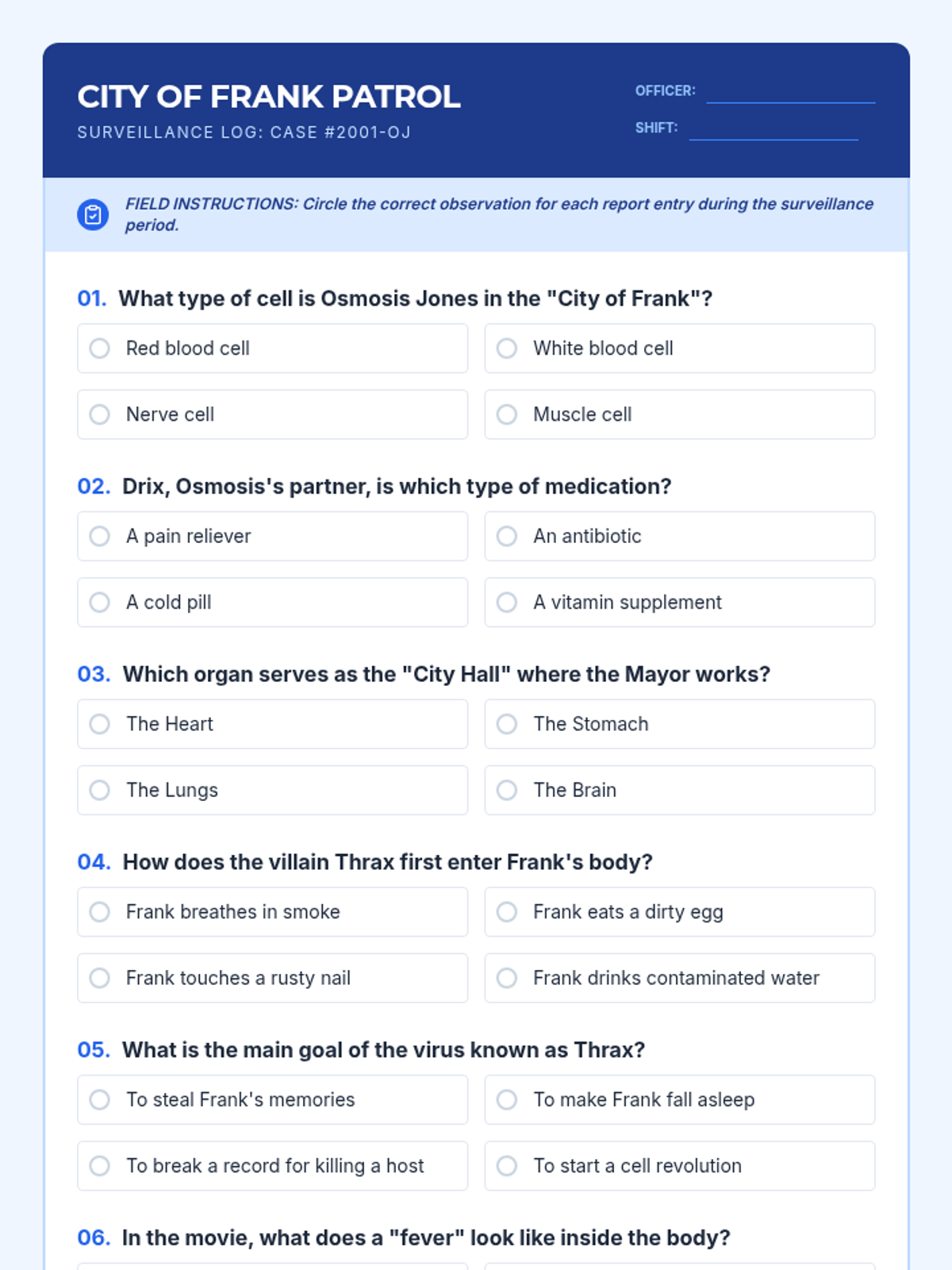
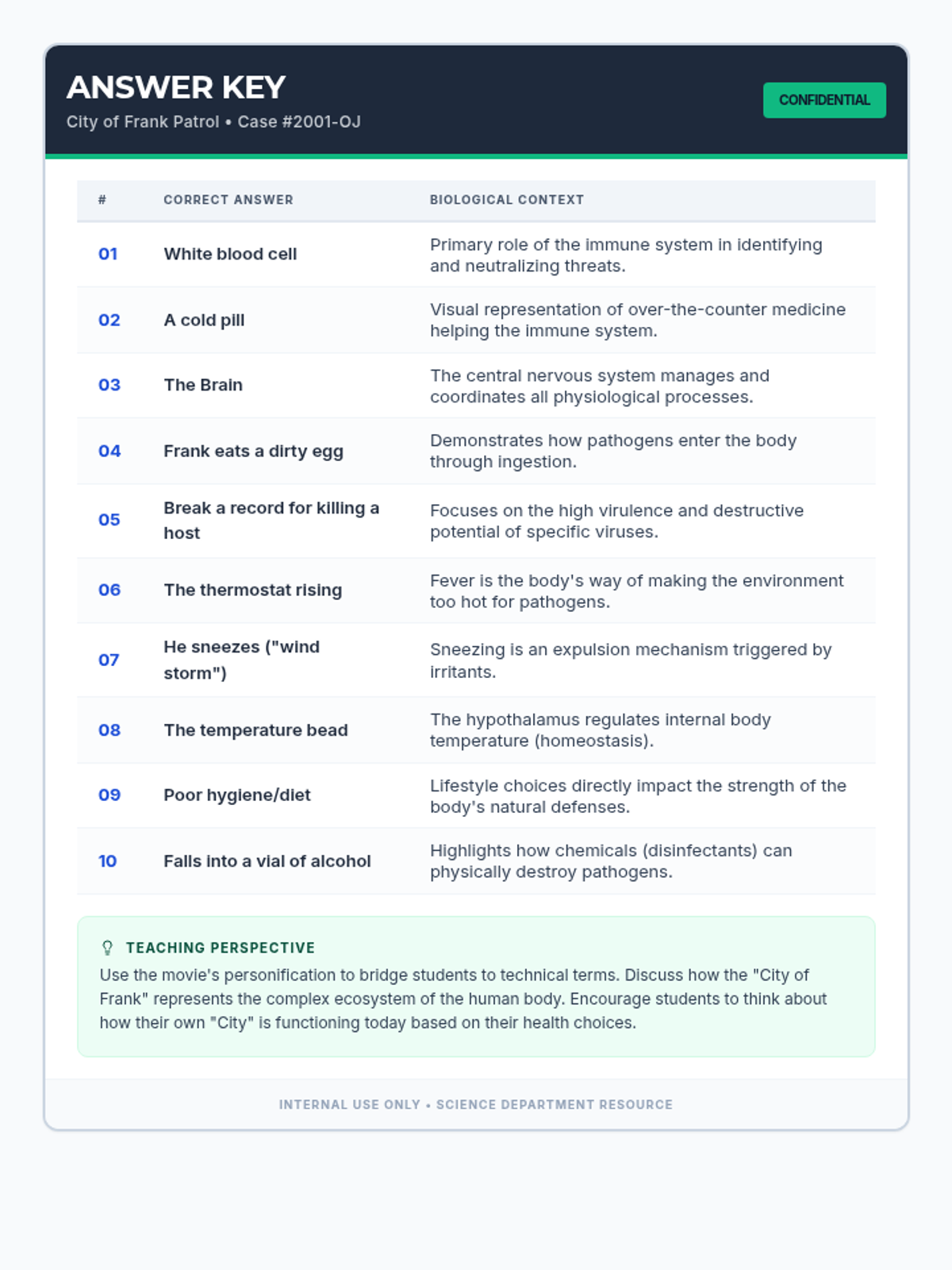
A lesson centered around the biology and plot of the movie Osmosis Jones, focusing on the immune system and healthy habits.
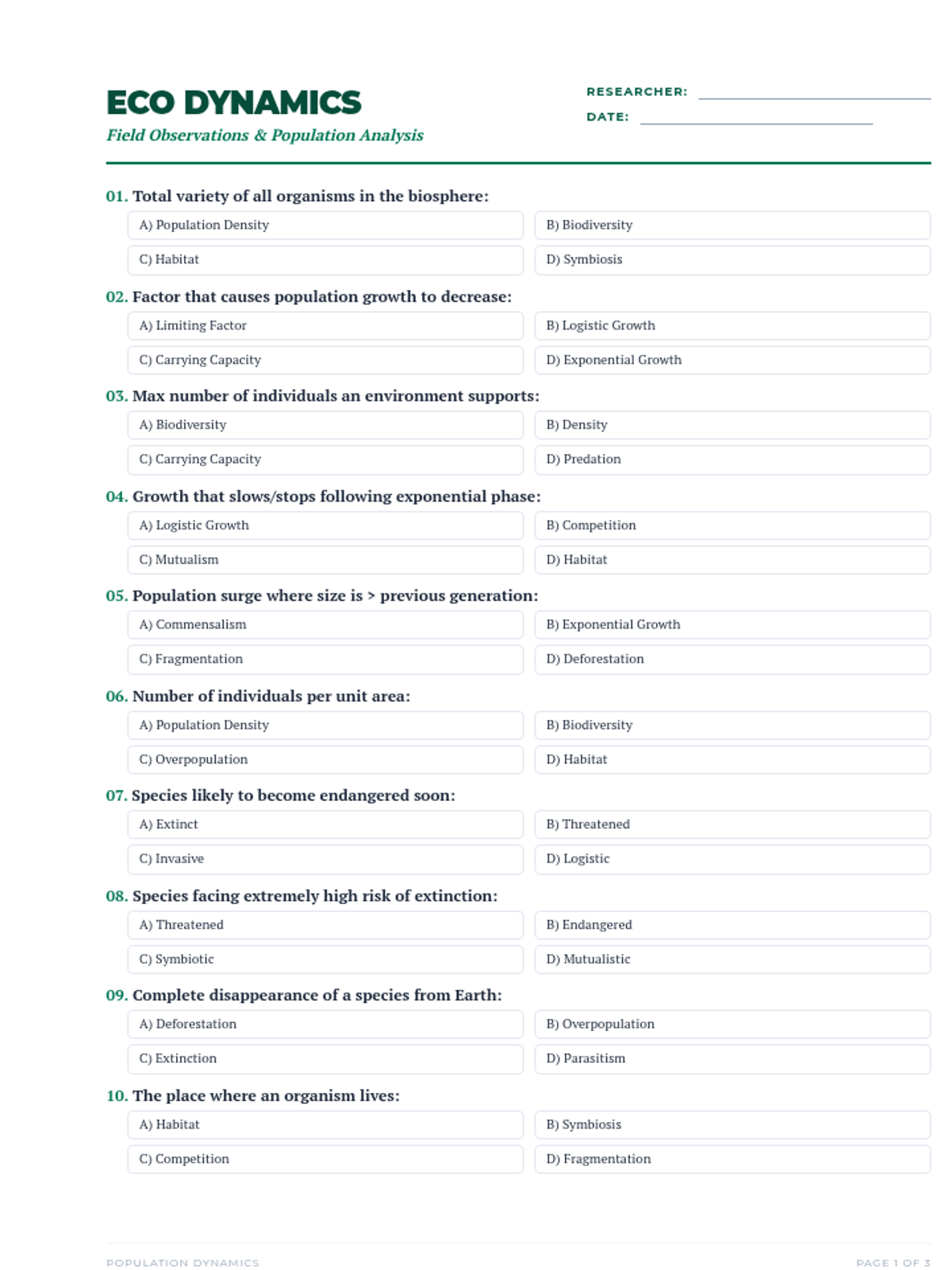
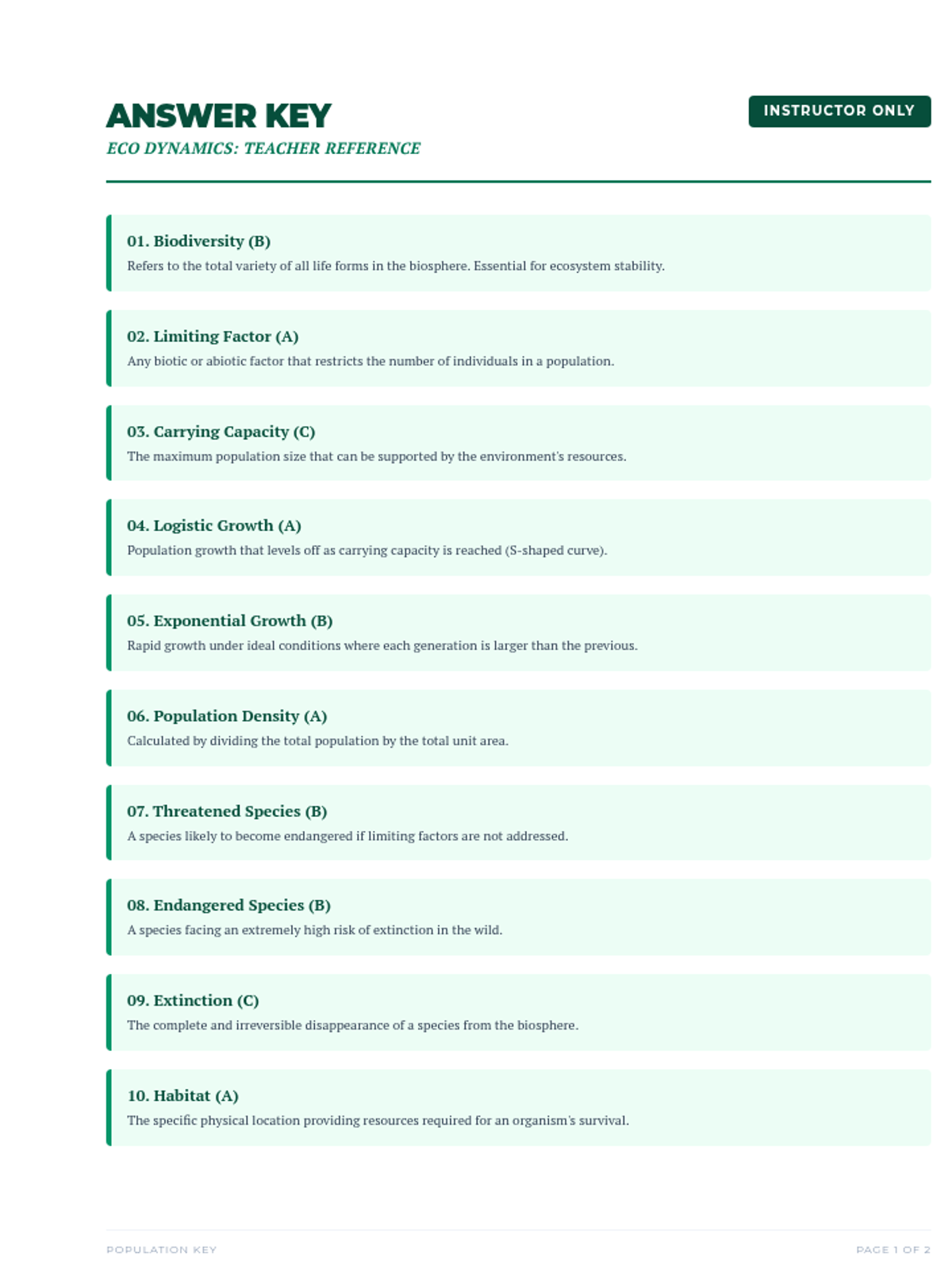
A comprehensive look at ecology, population dynamics, and biodiversity through practice and analysis.
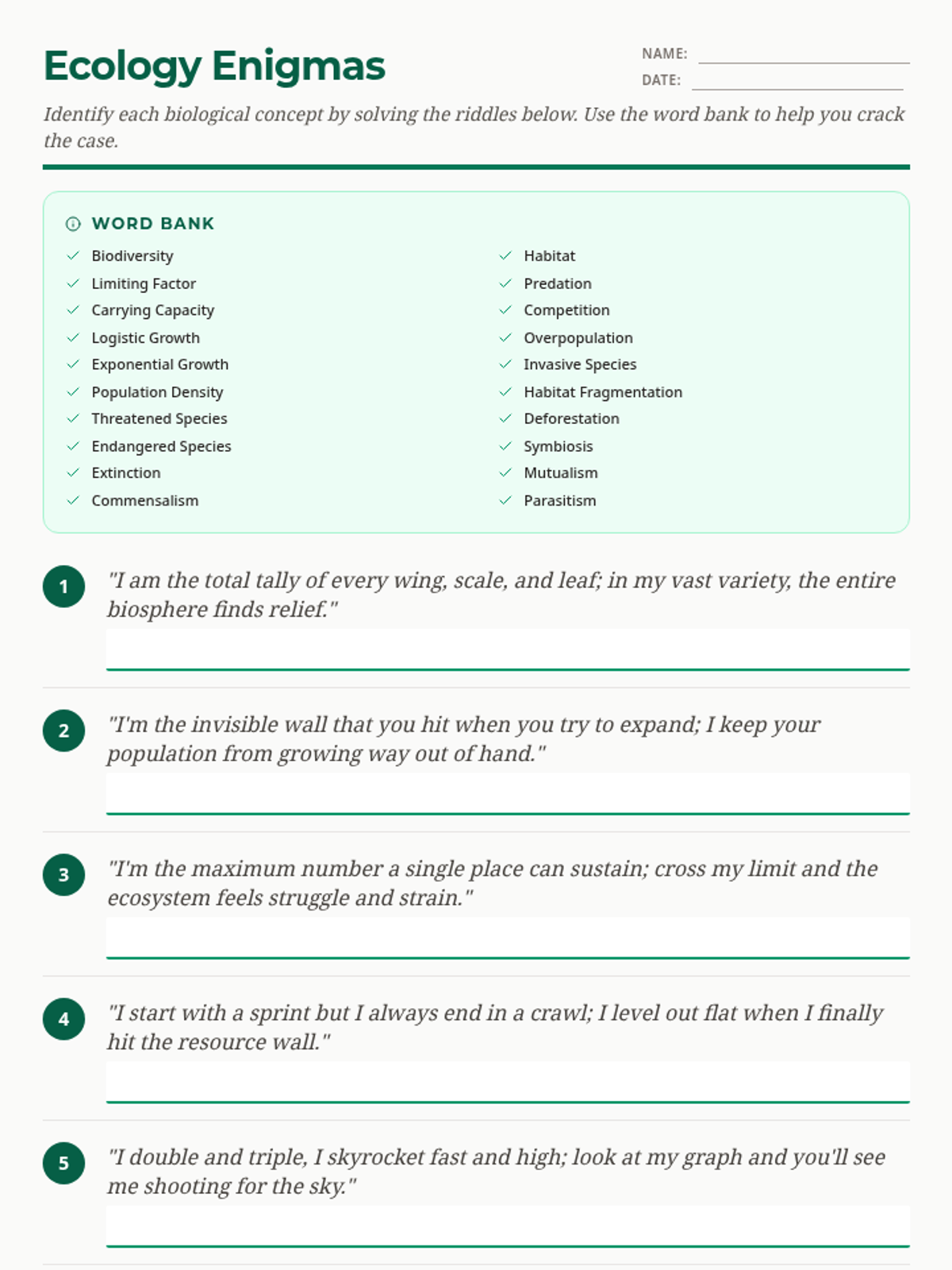
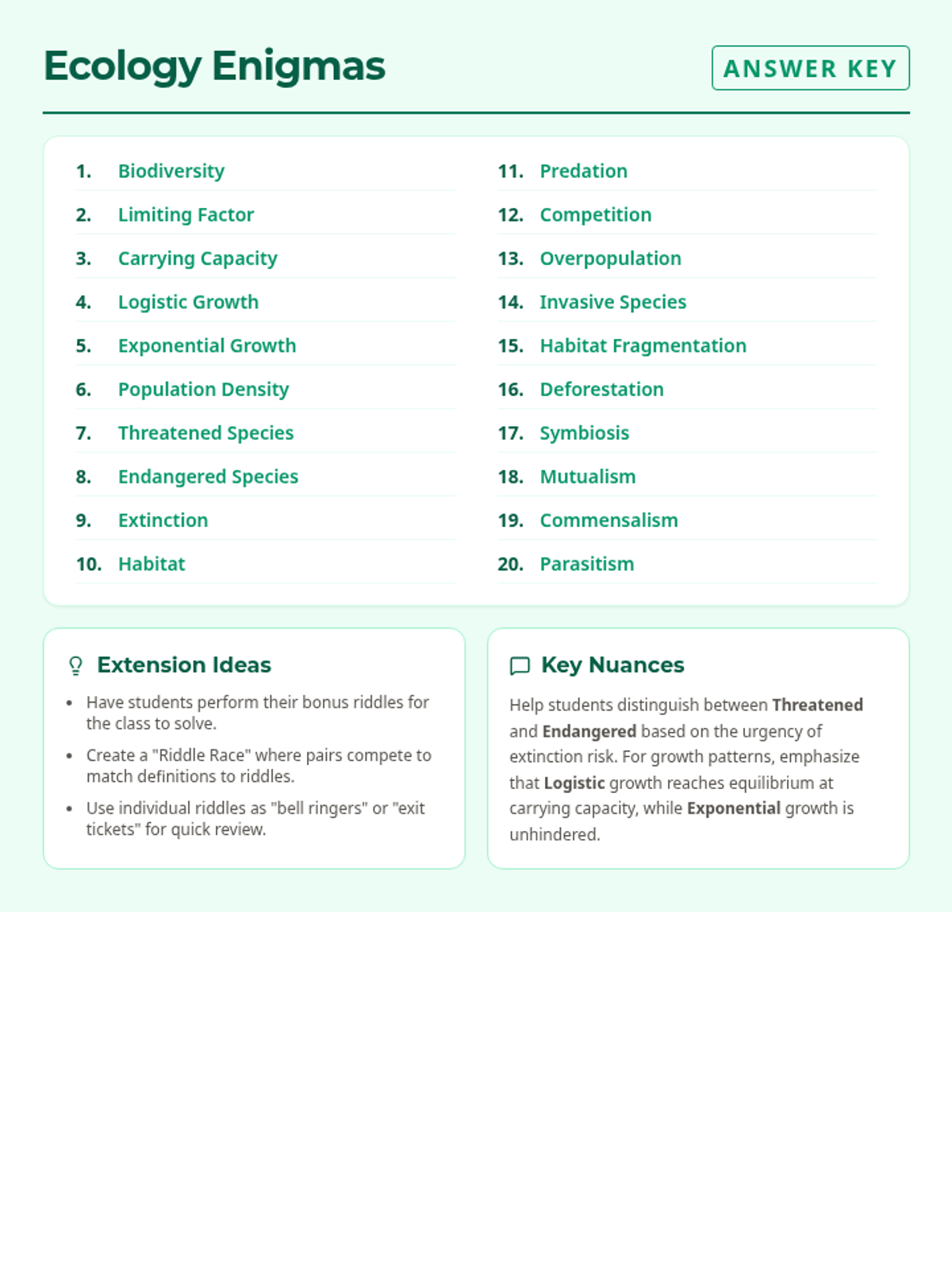
A review lesson focused on biodiversity and population ecology vocabulary through the use of creative riddles and word play.
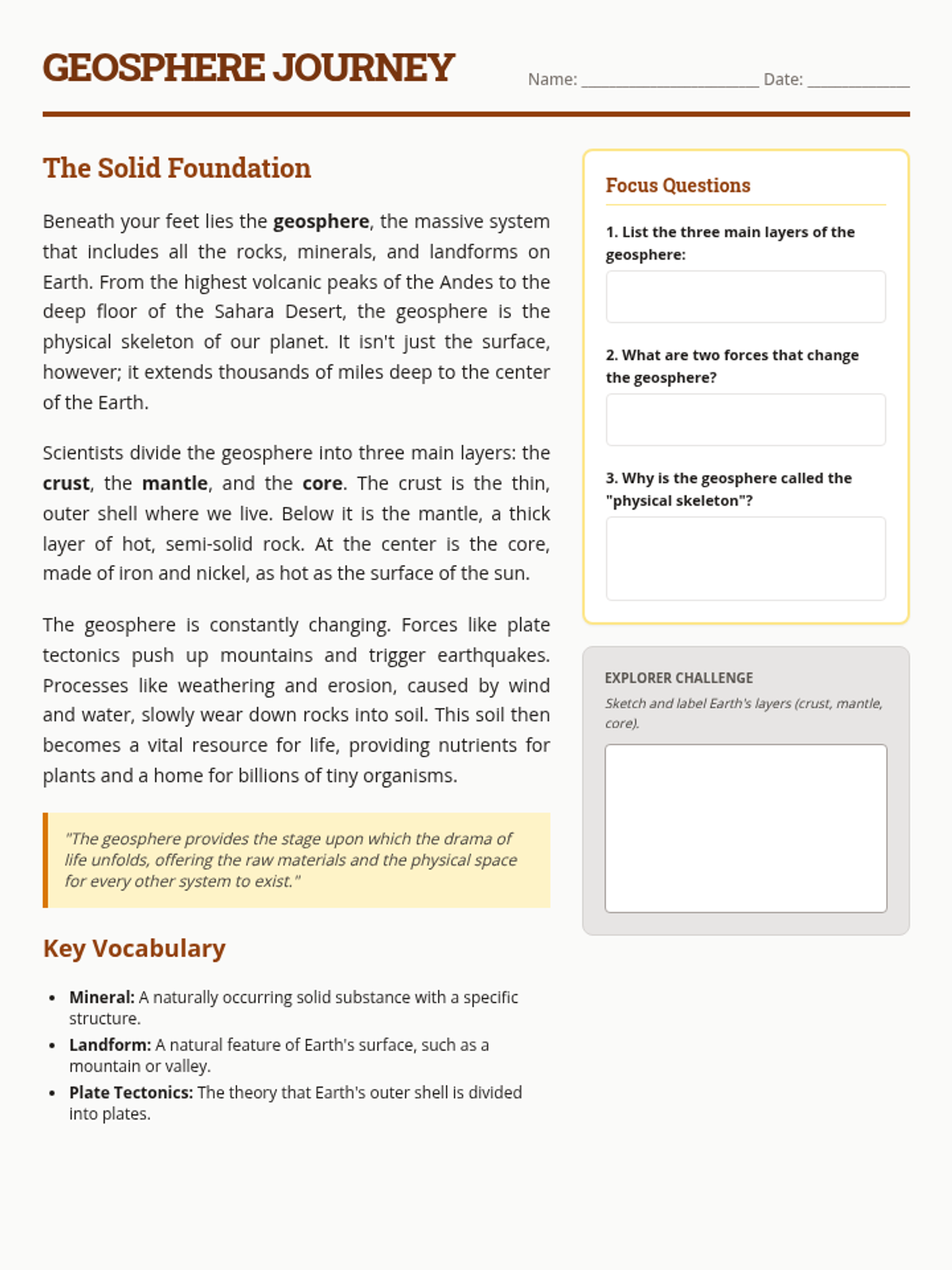
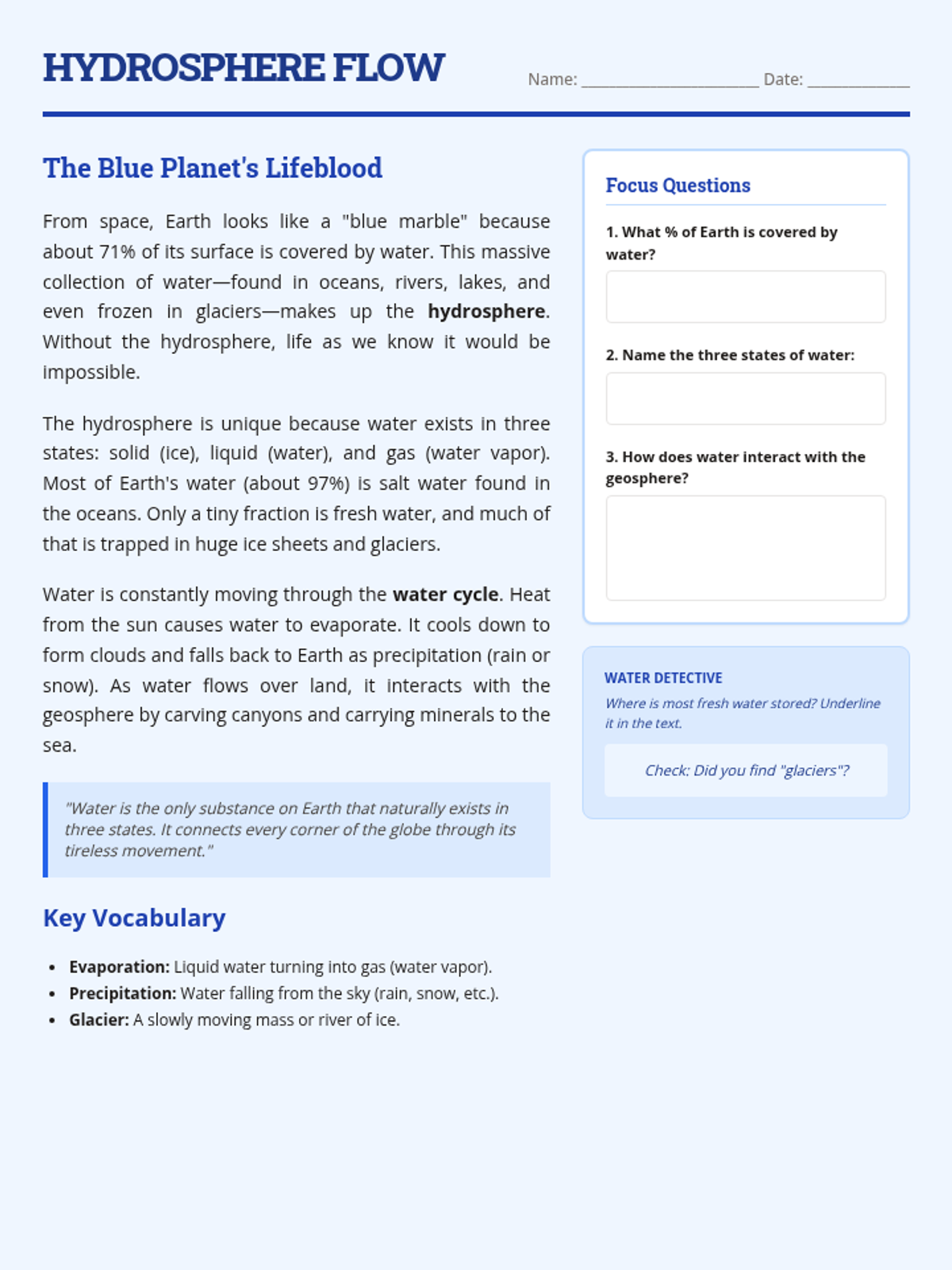
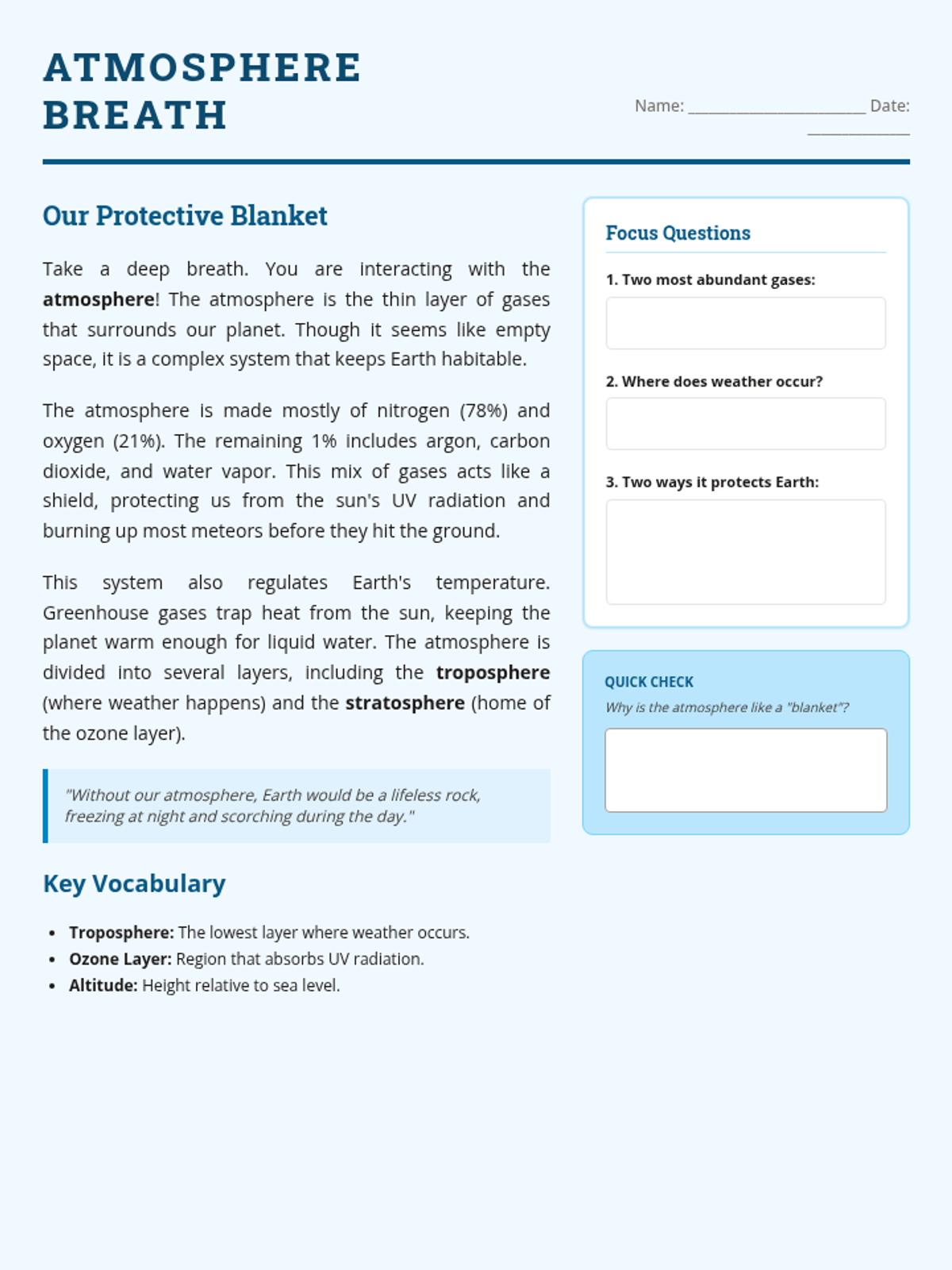
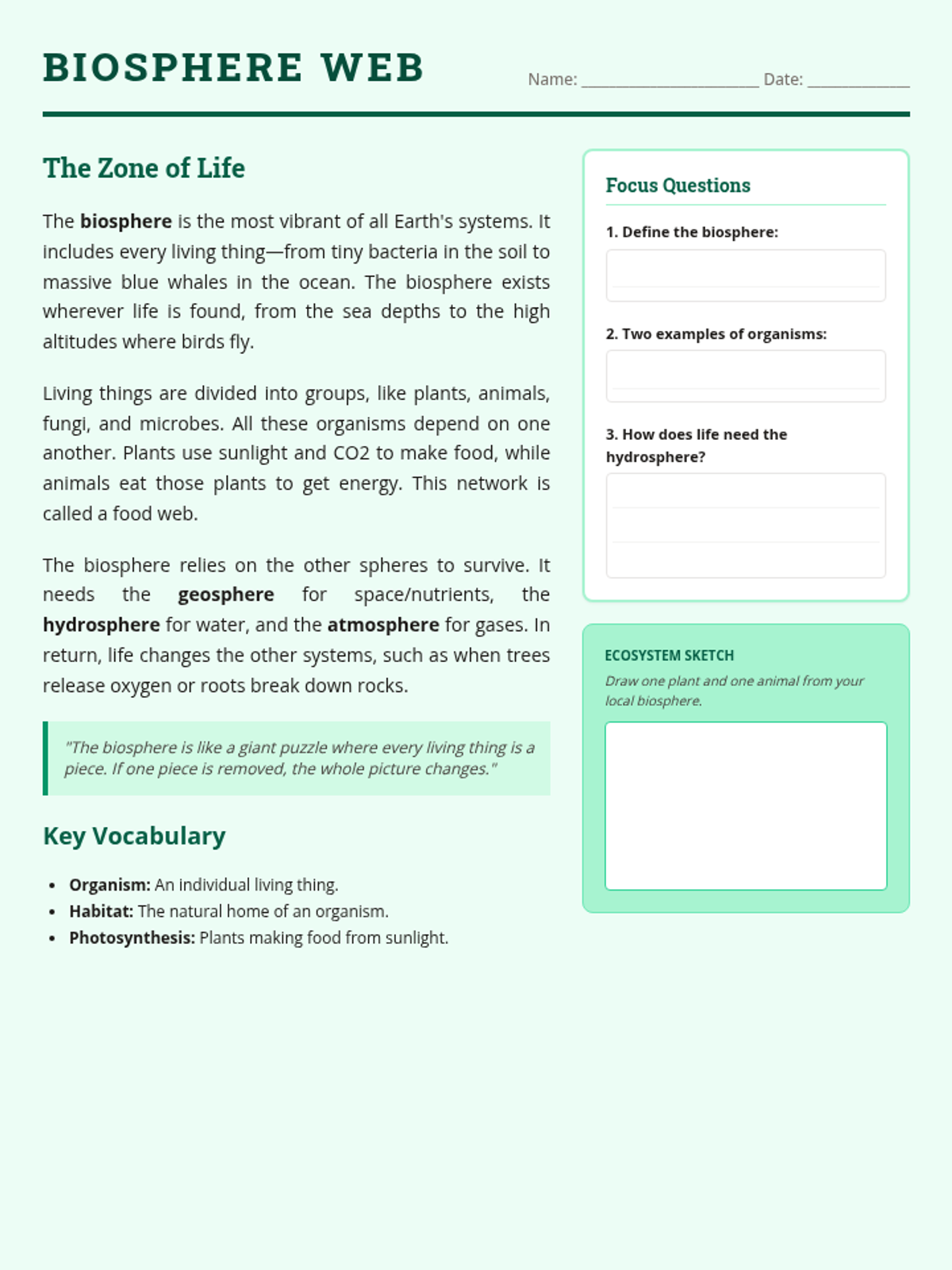
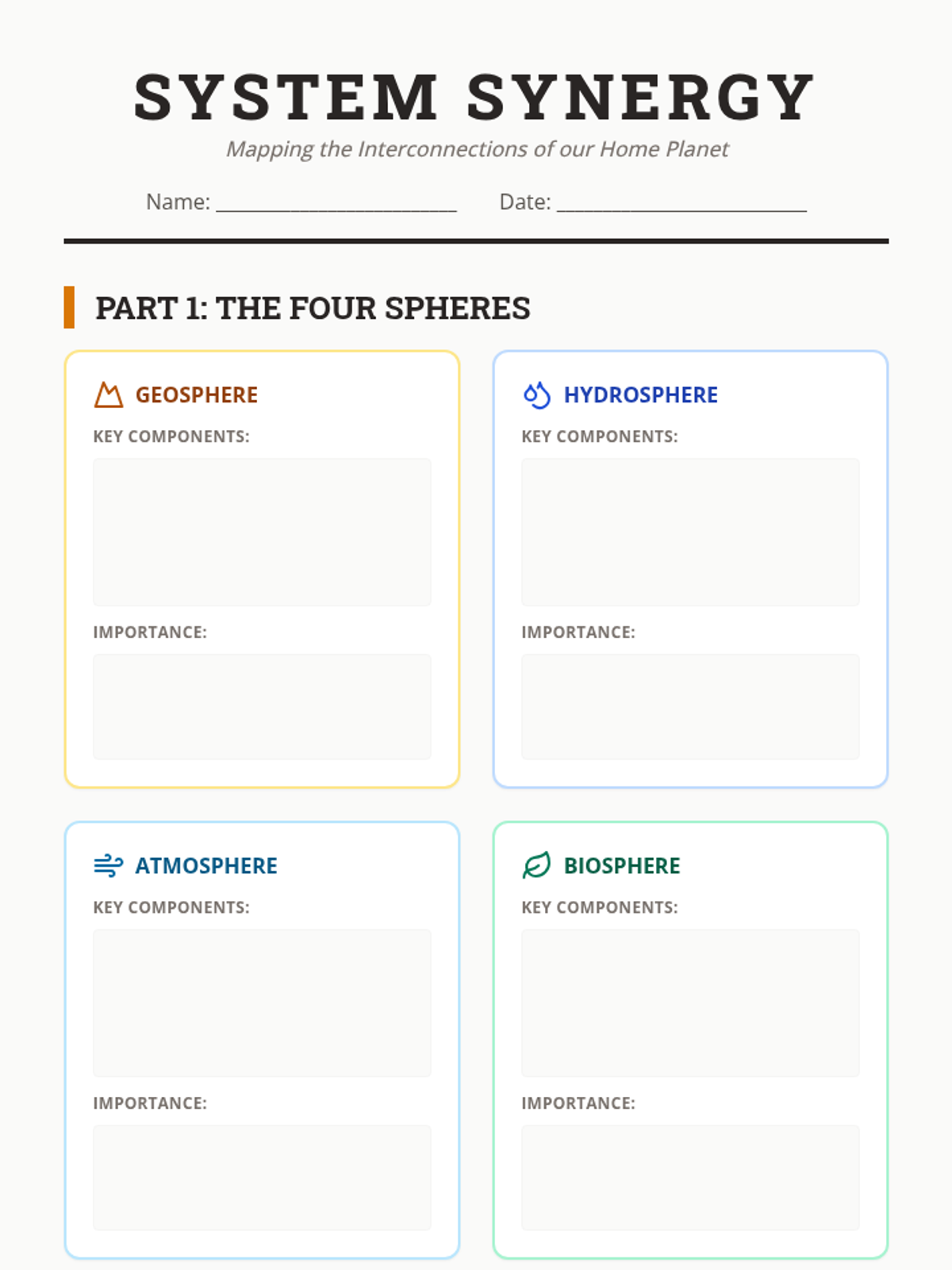
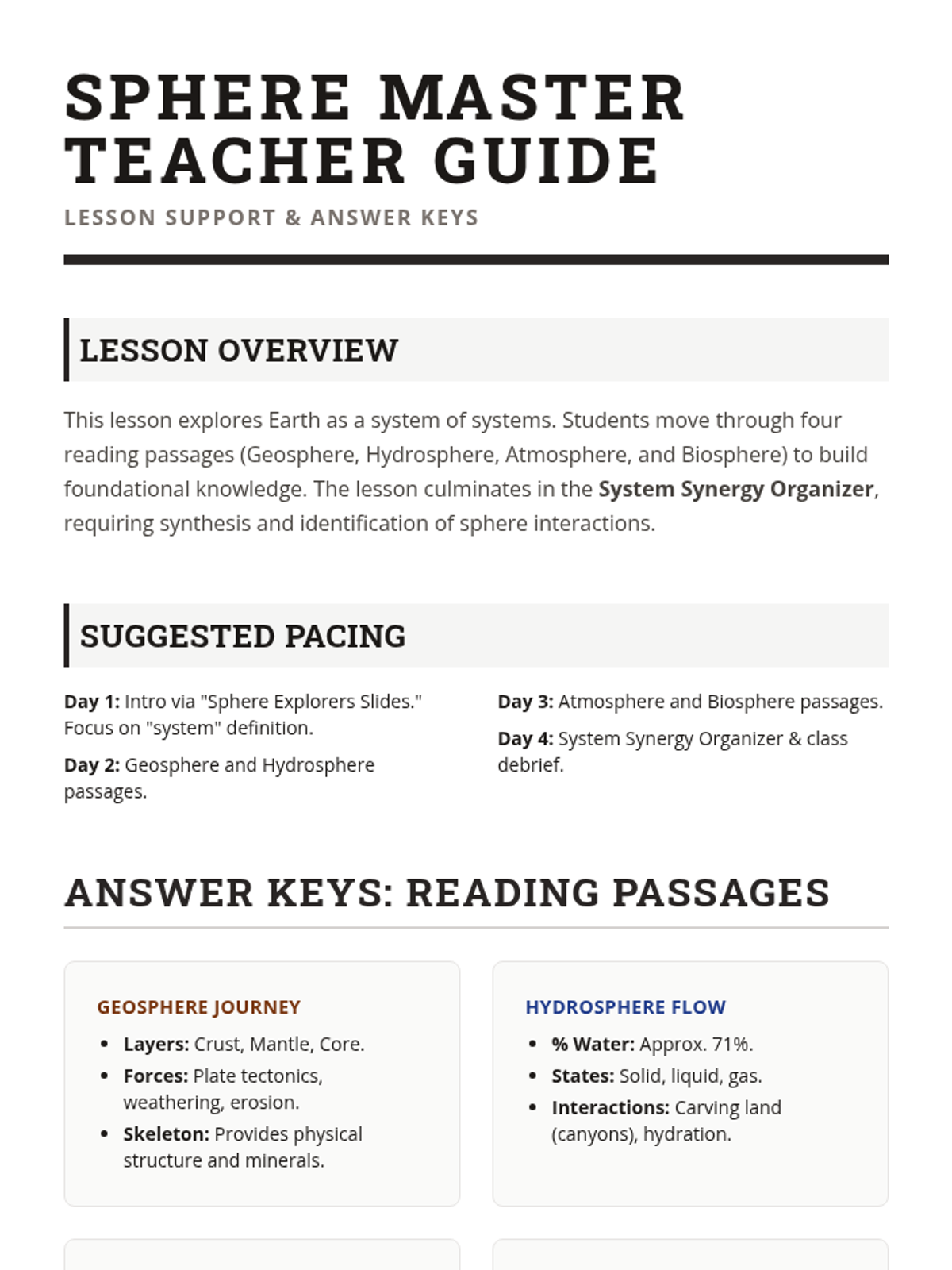
A comprehensive lesson exploring the four major Earth systems (Geosphere, Hydrosphere, Atmosphere, and Biosphere) through guided reading, visual aids, and synthesis activities. Students will learn how these systems interact to sustain life on Earth.
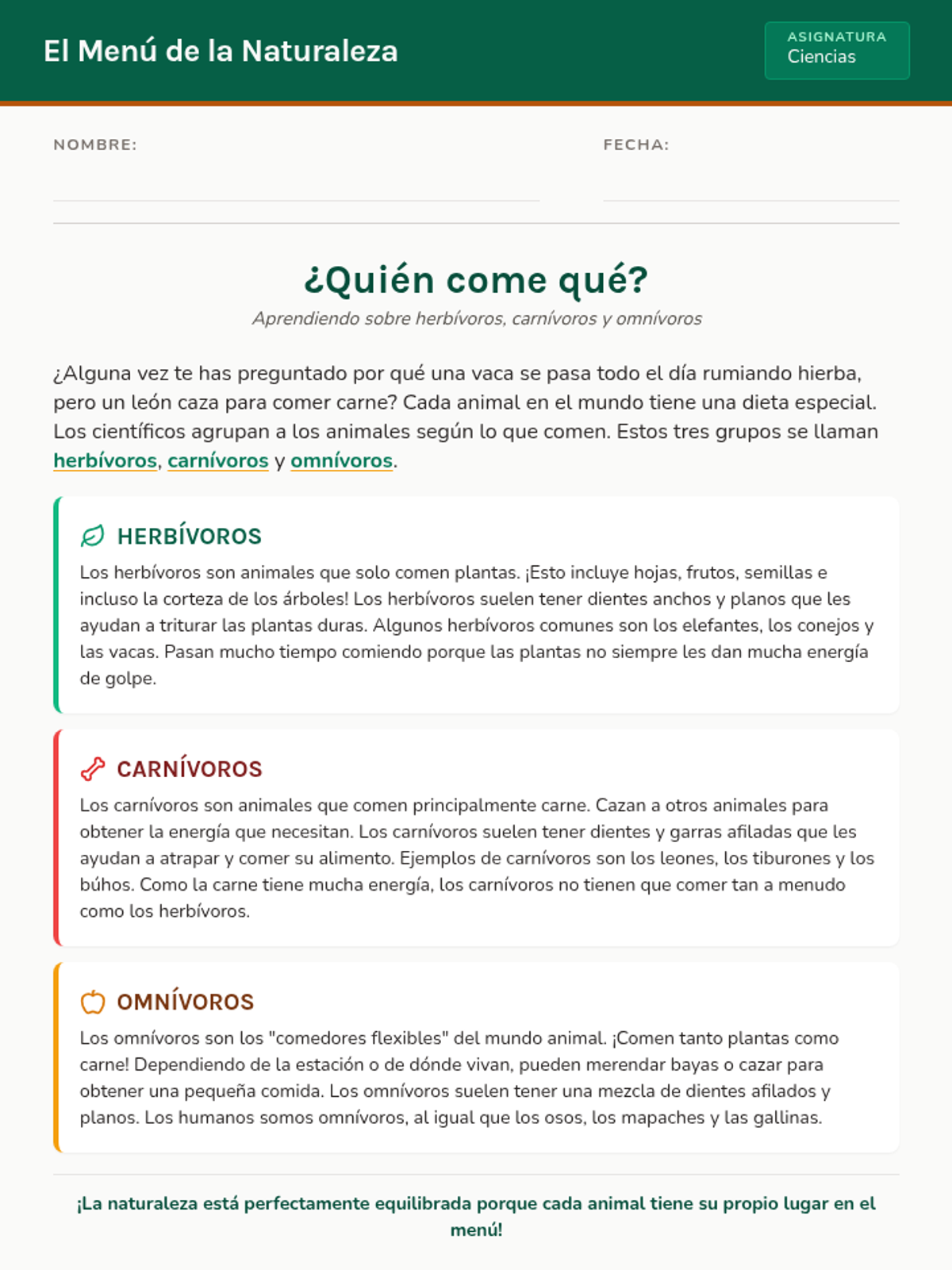
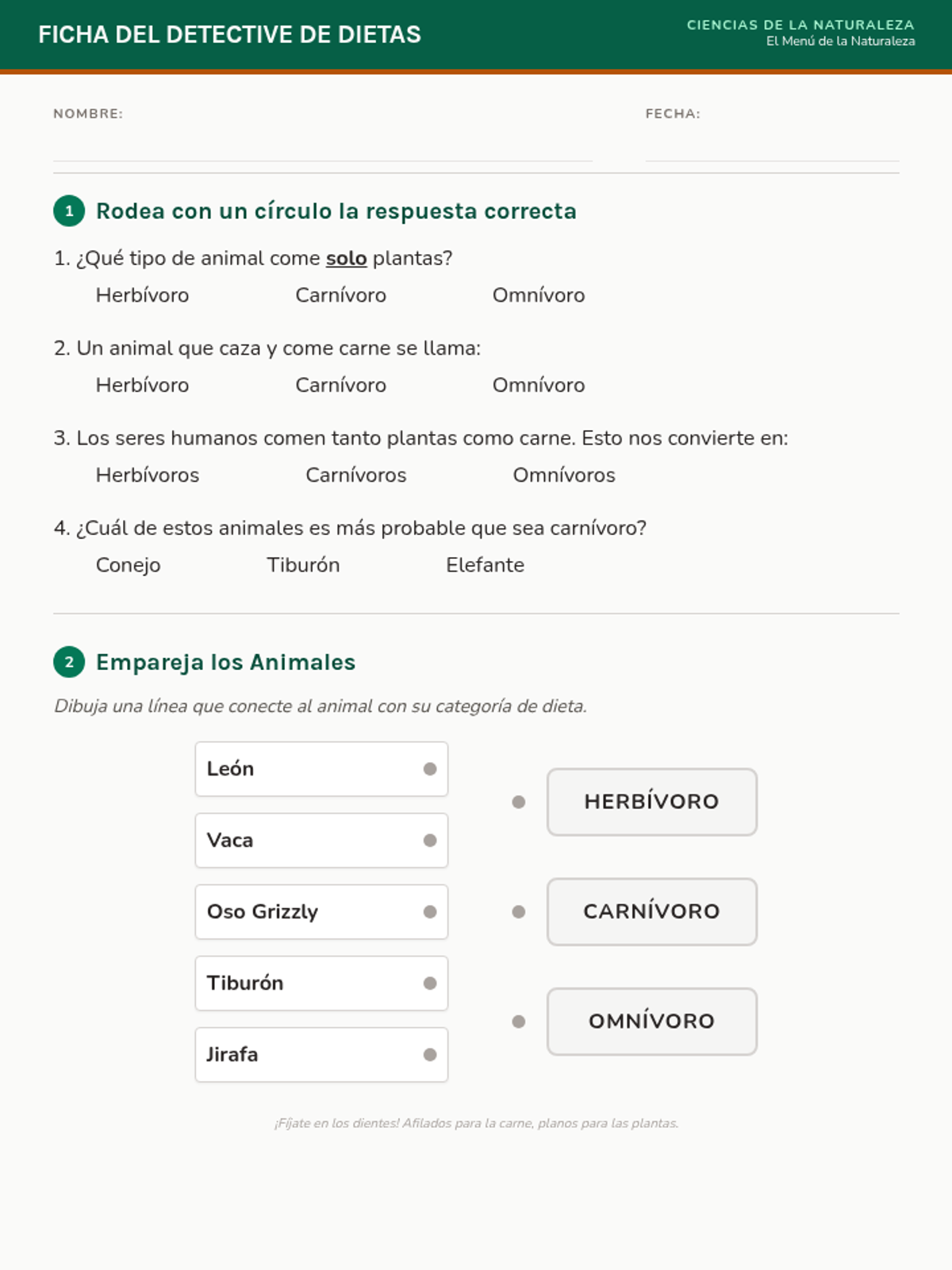
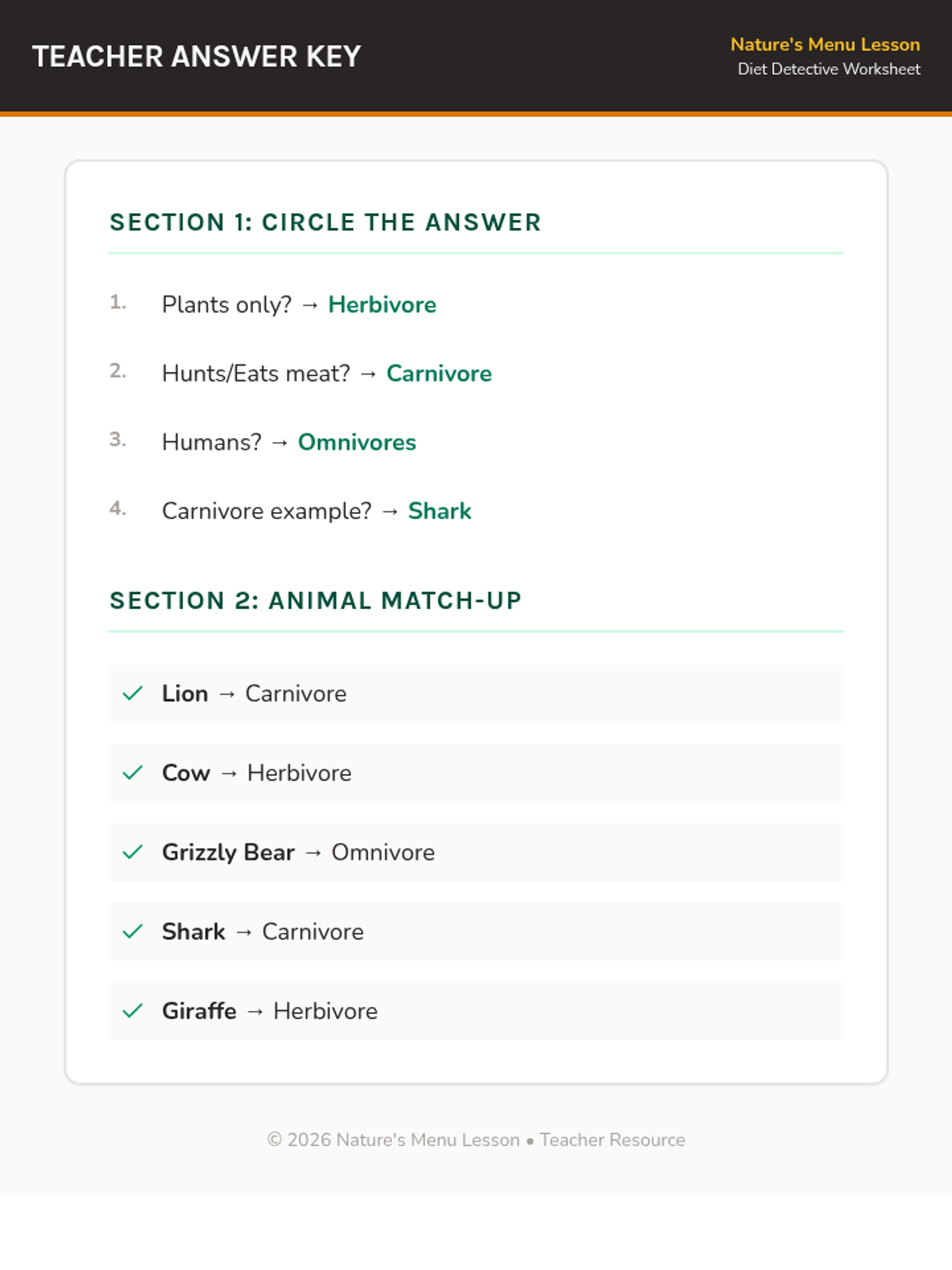
A lesson to help students identify and differentiate between herbivores, carnivores, and omnivores based on their diets and physical traits.
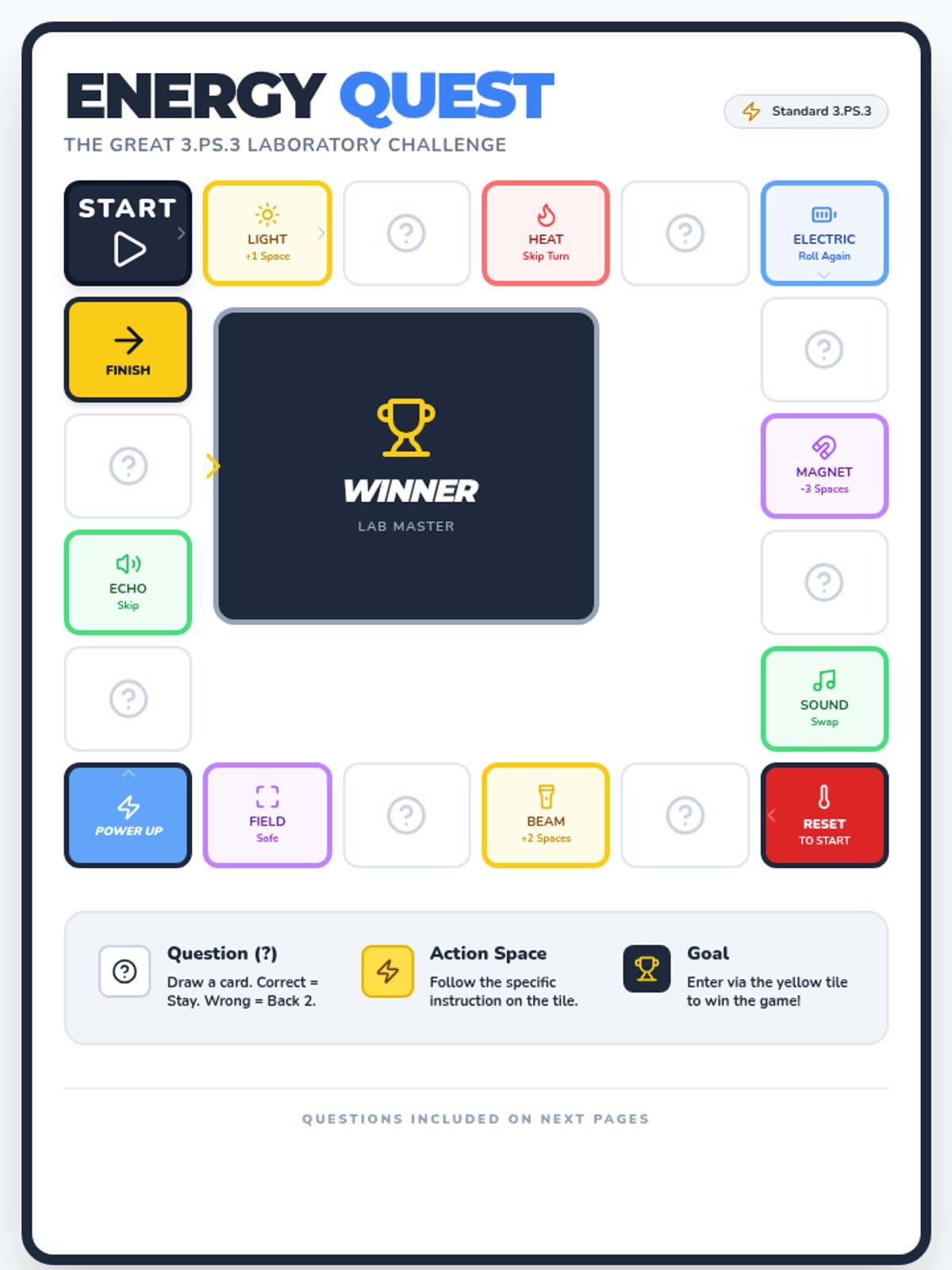
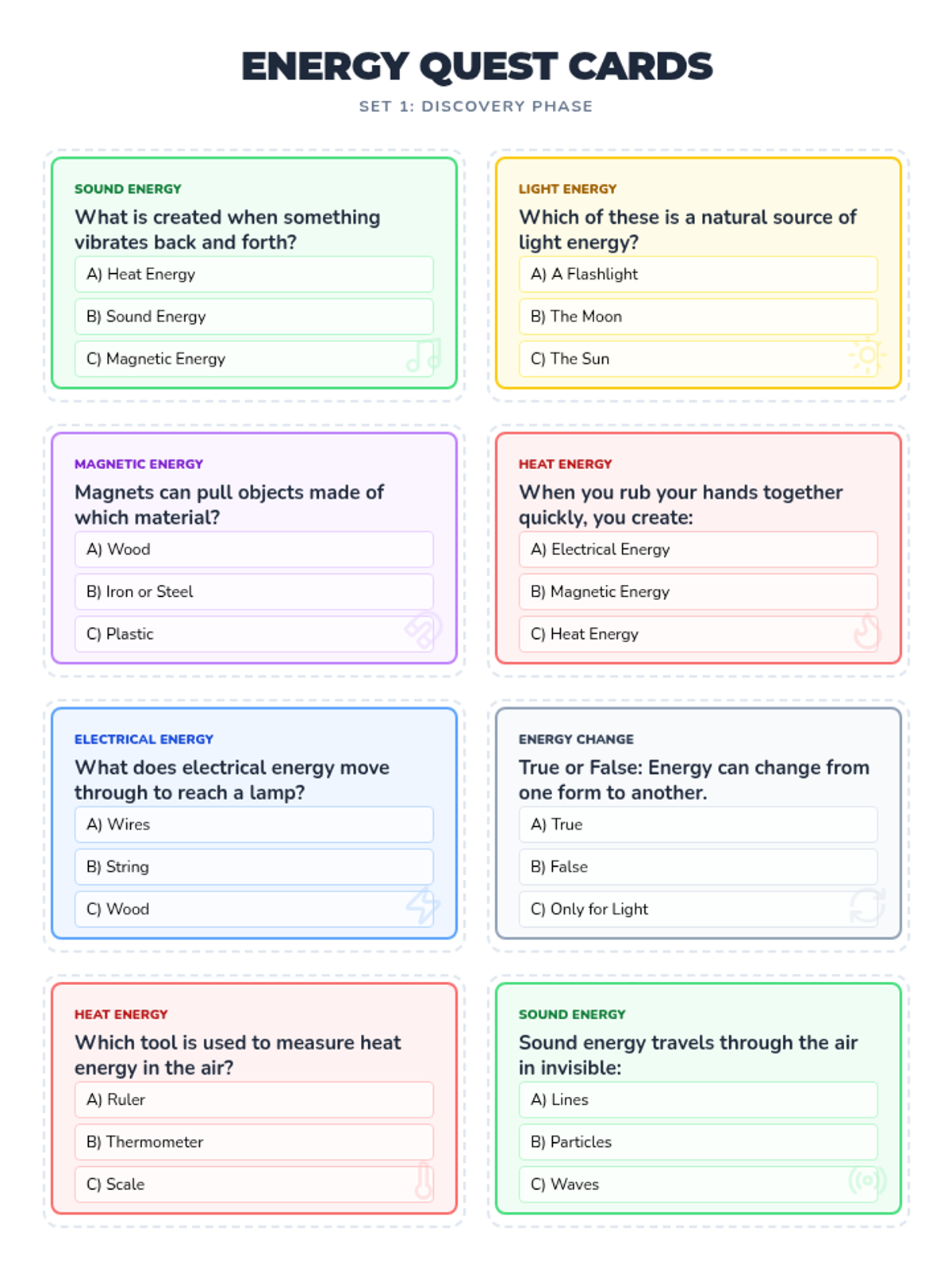
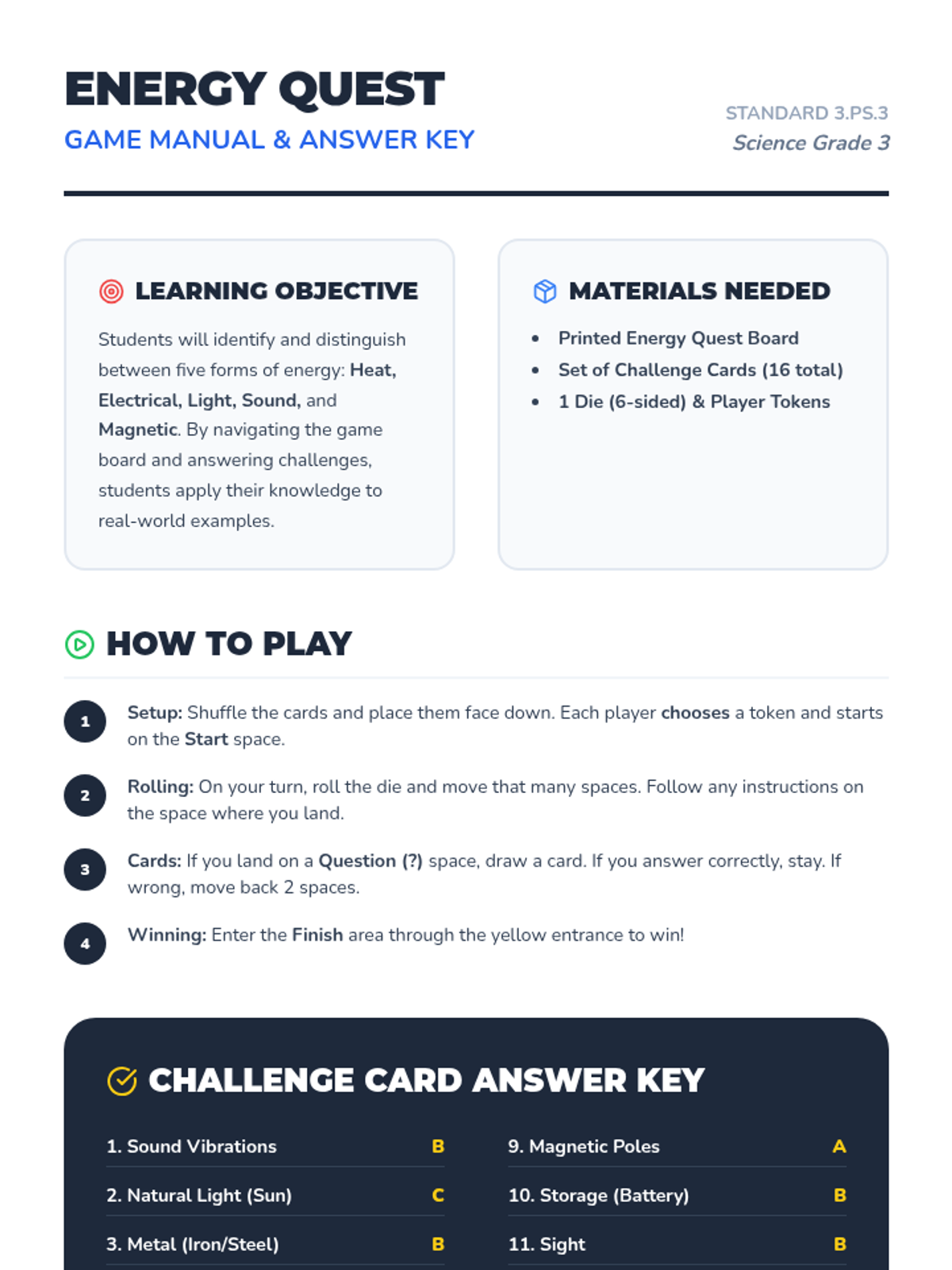
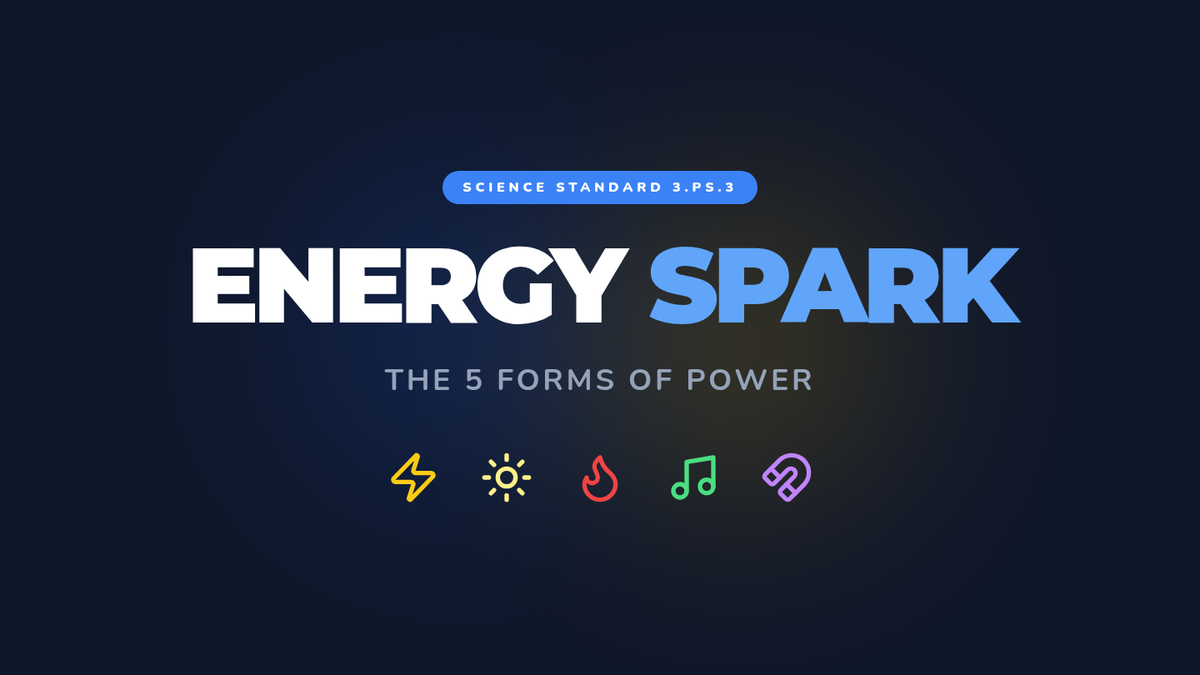
A high-energy science lesson where students explore the five forms of energy (heat, electrical, light, sound, and magnetic) through a collaborative board game and interactive presentation.
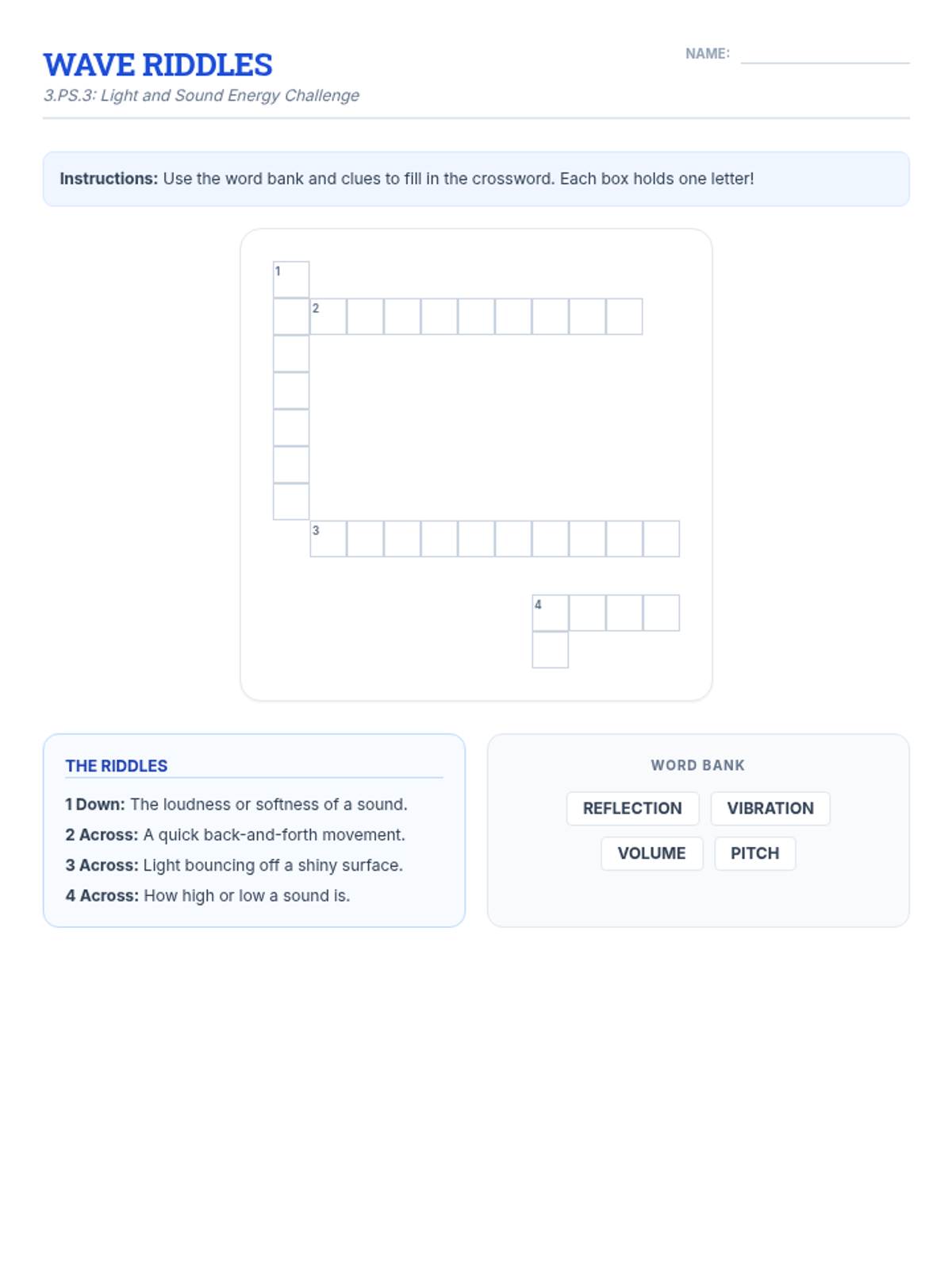
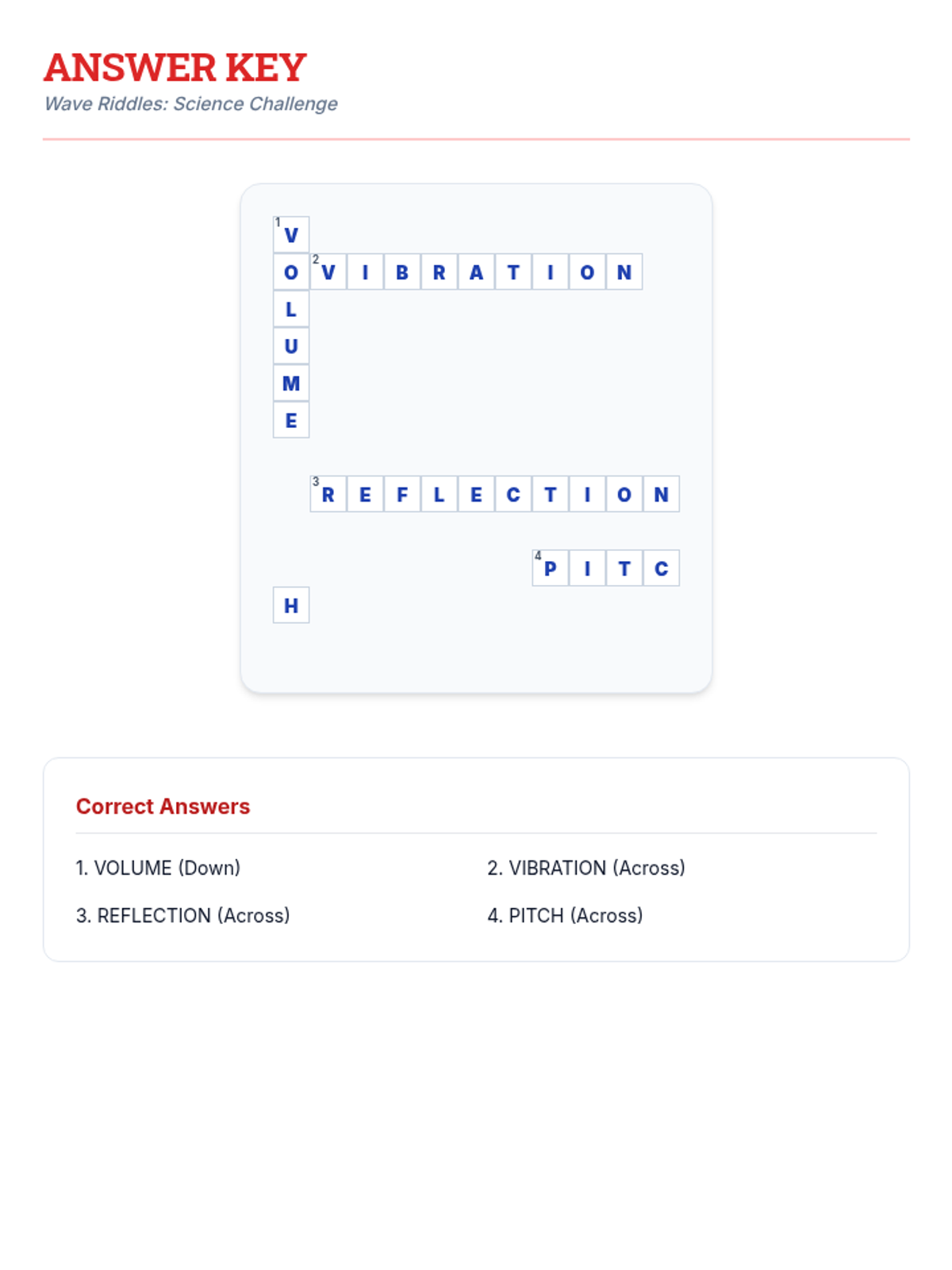
This lesson explores the predictable behaviors of light and sound energy, focusing on how vibrations create sound and how light interacts with different surfaces. Students will identify key vocabulary through a crossword puzzle challenge.
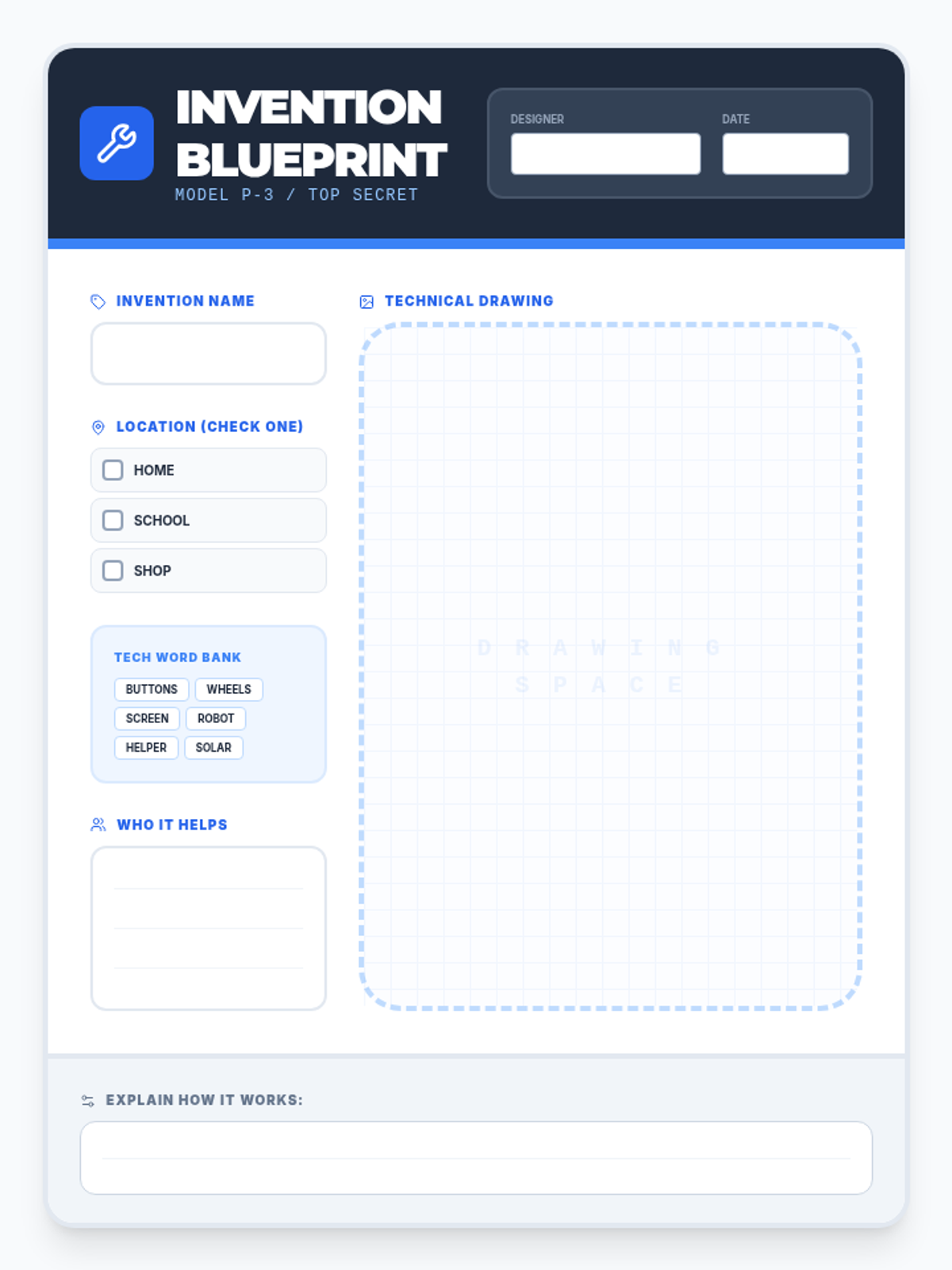
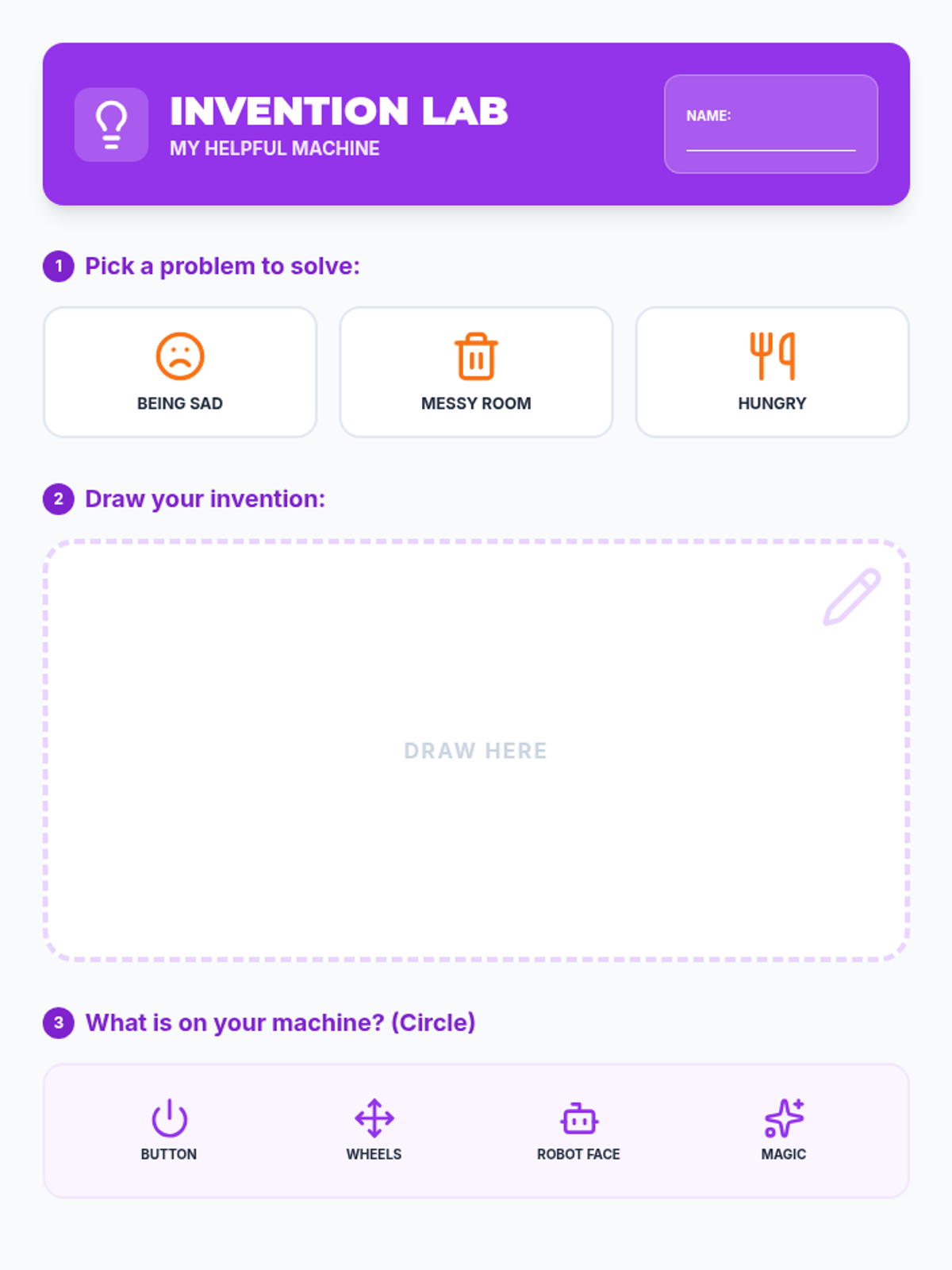
Students apply their knowledge to identify real-world problems and design innovative technological solutions.
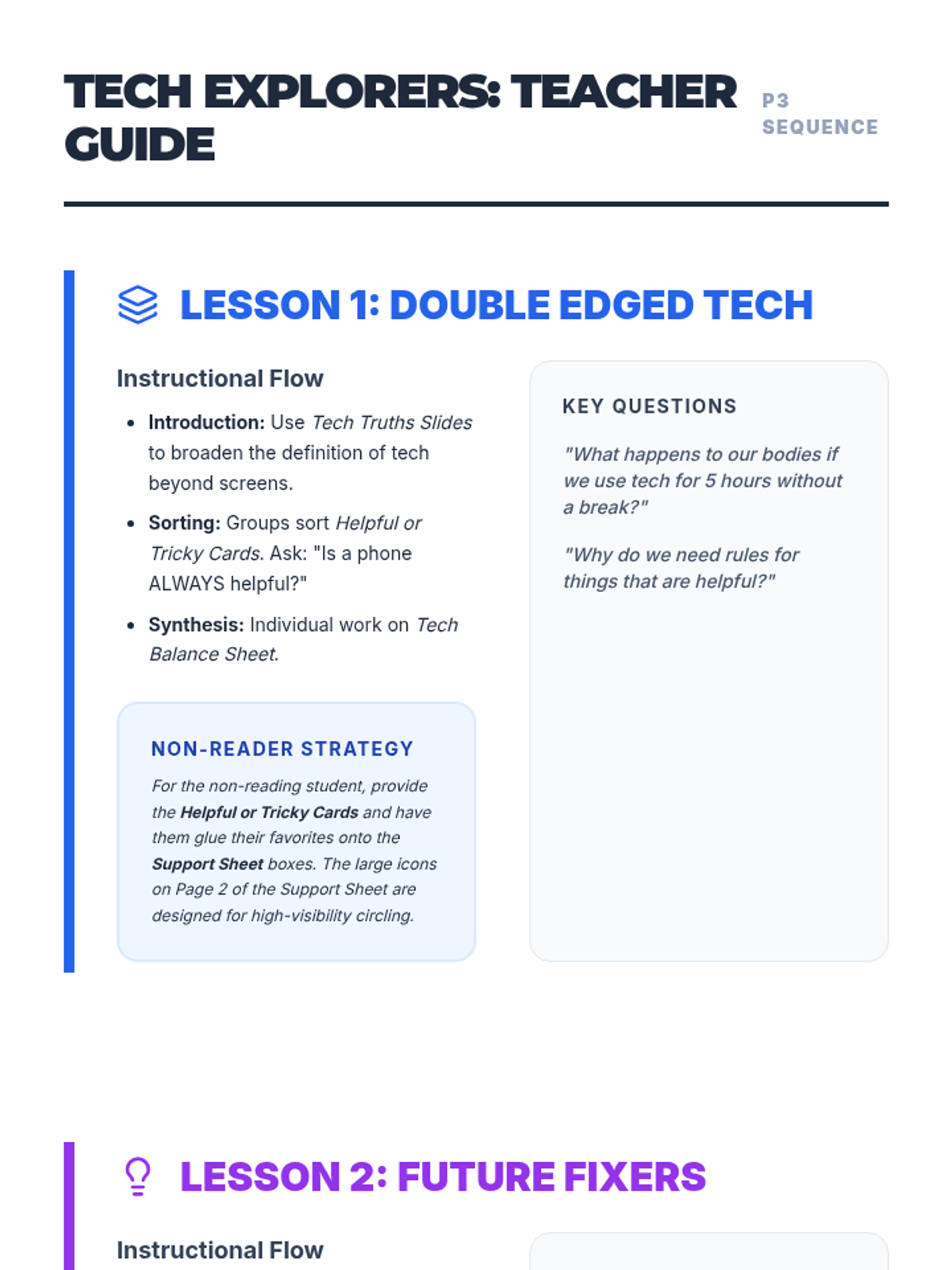
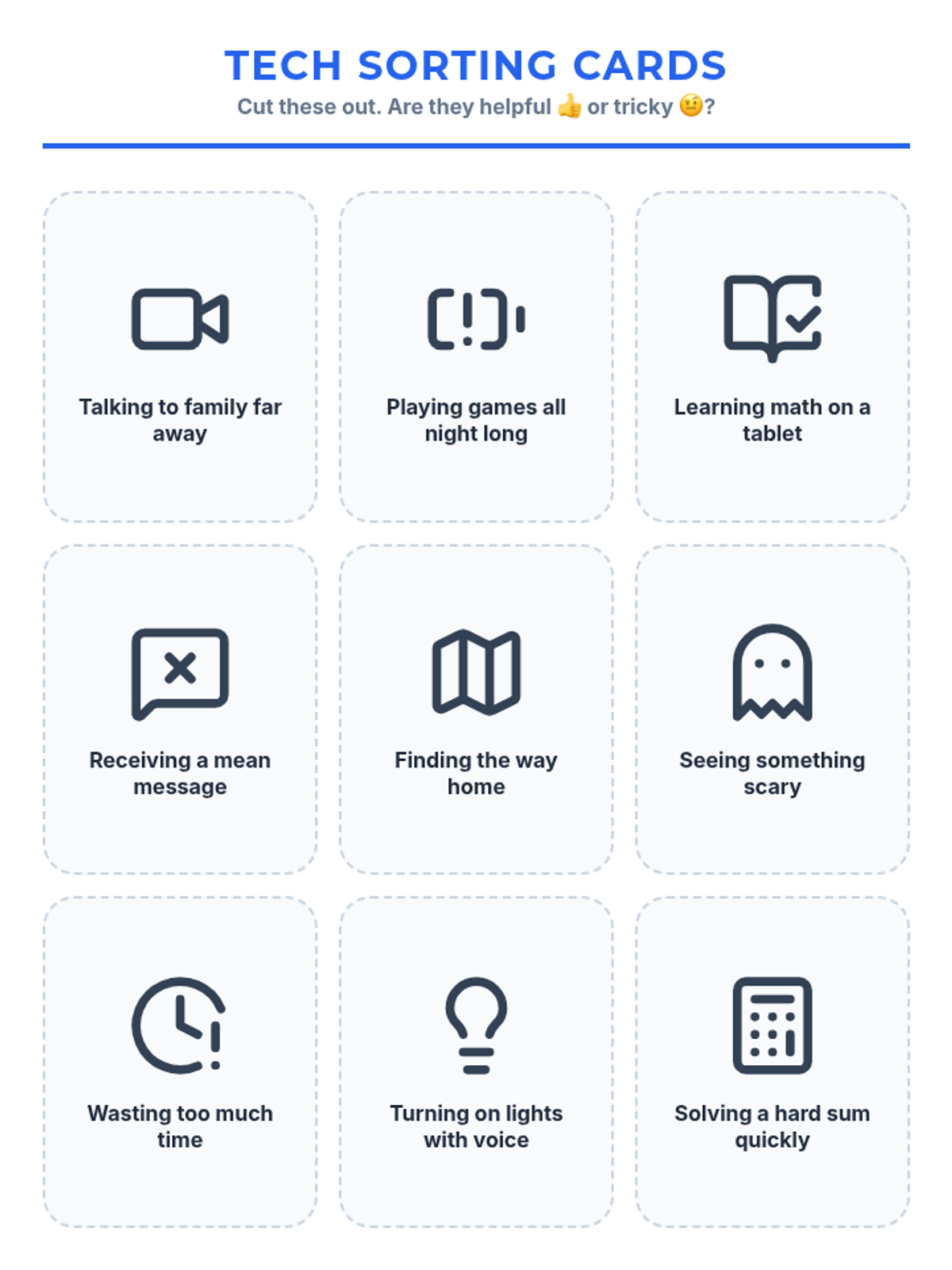
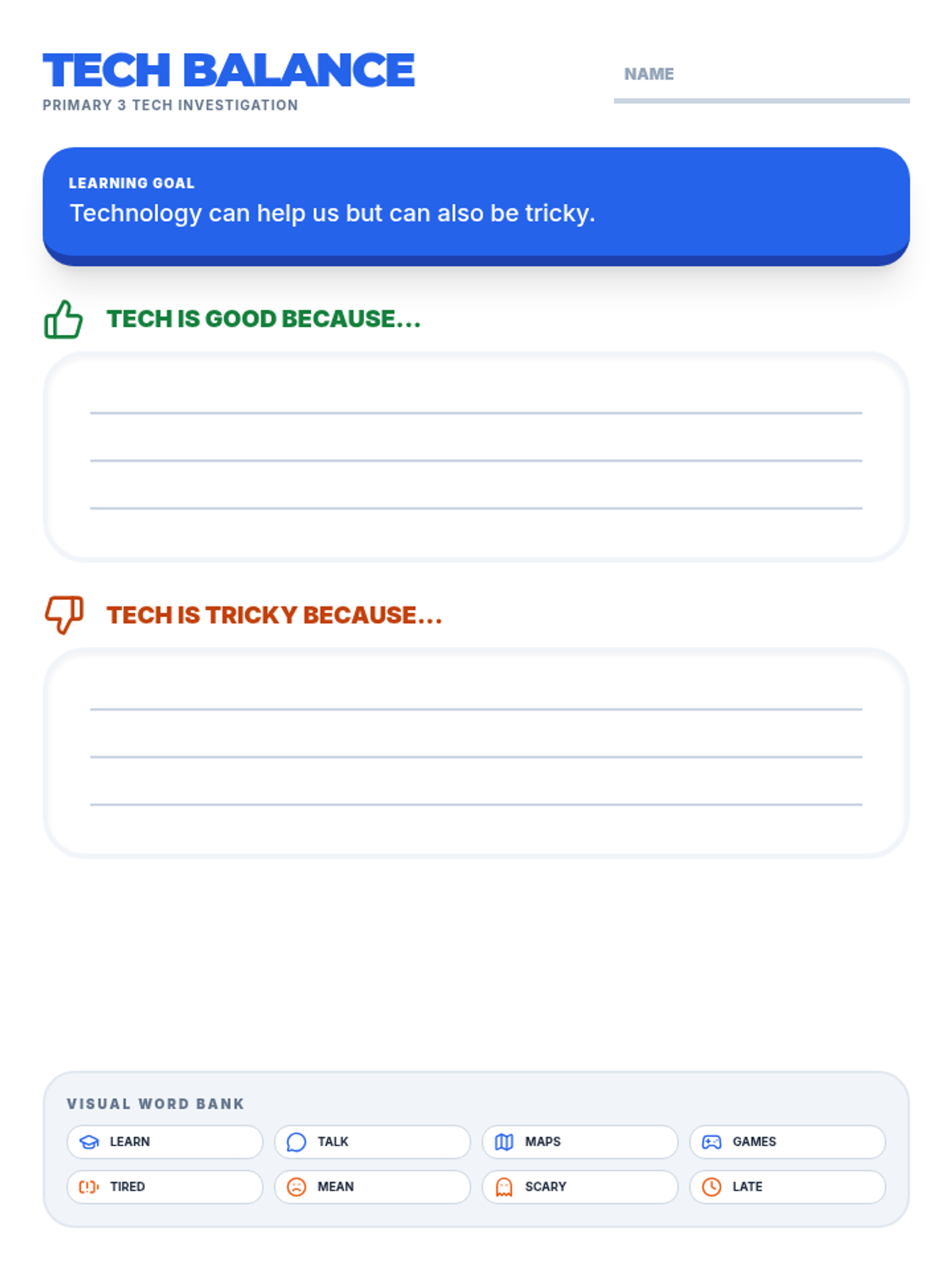
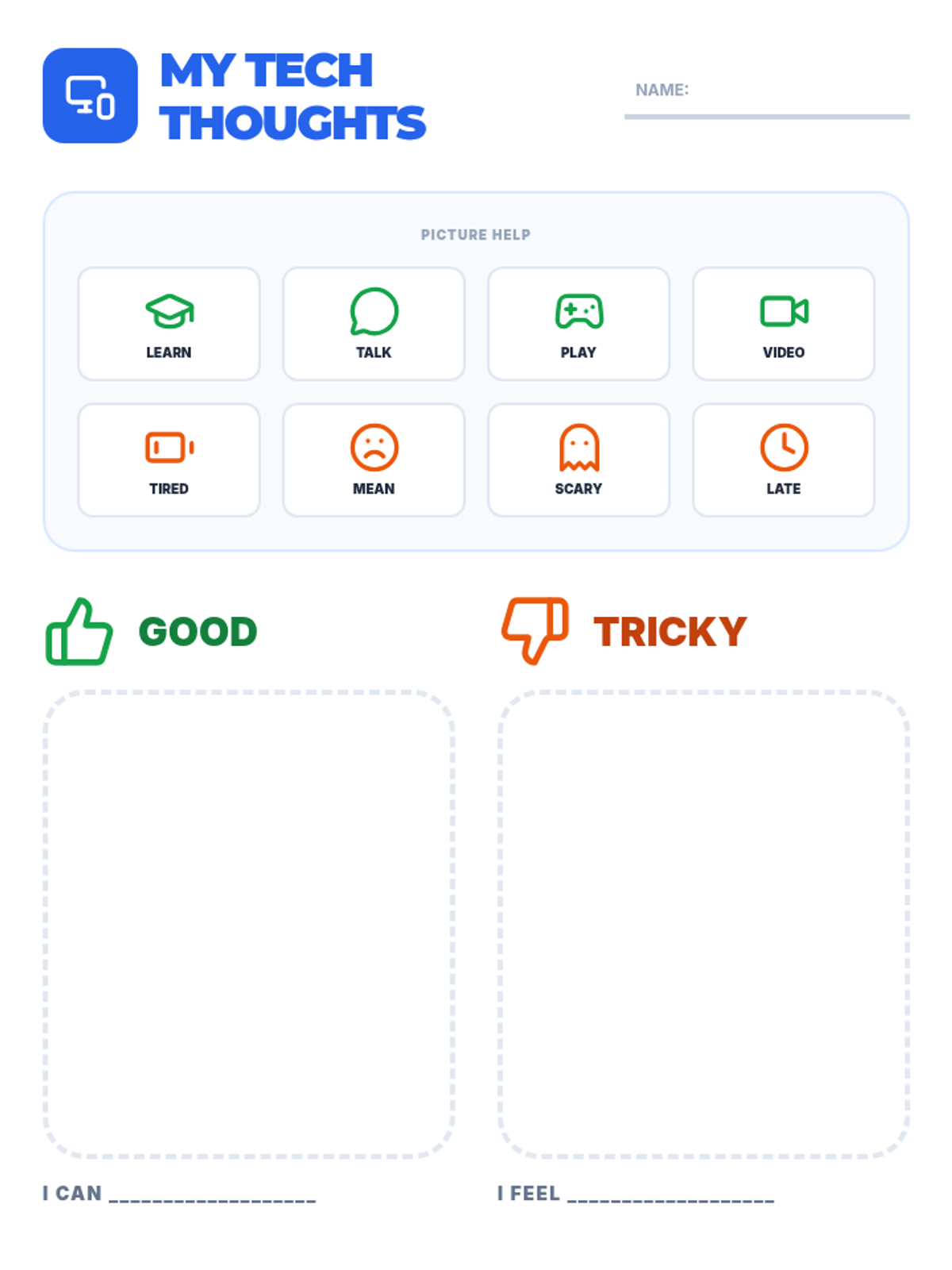
Students examine how technology can be both helpful and 'tricky', learning to identify pros and cons of digital tools.
Students explore how technology like self-checkouts, scanners, and apps transform the shopping experience for both workers and customers. The lesson culminates in a creative project where students design their own tech-integrated shop.