A hands-on exploration of genetics where 5th graders use probability (coin flips) to determine the physical traits of an offspring, demonstrating how heredity leads to biological variation.
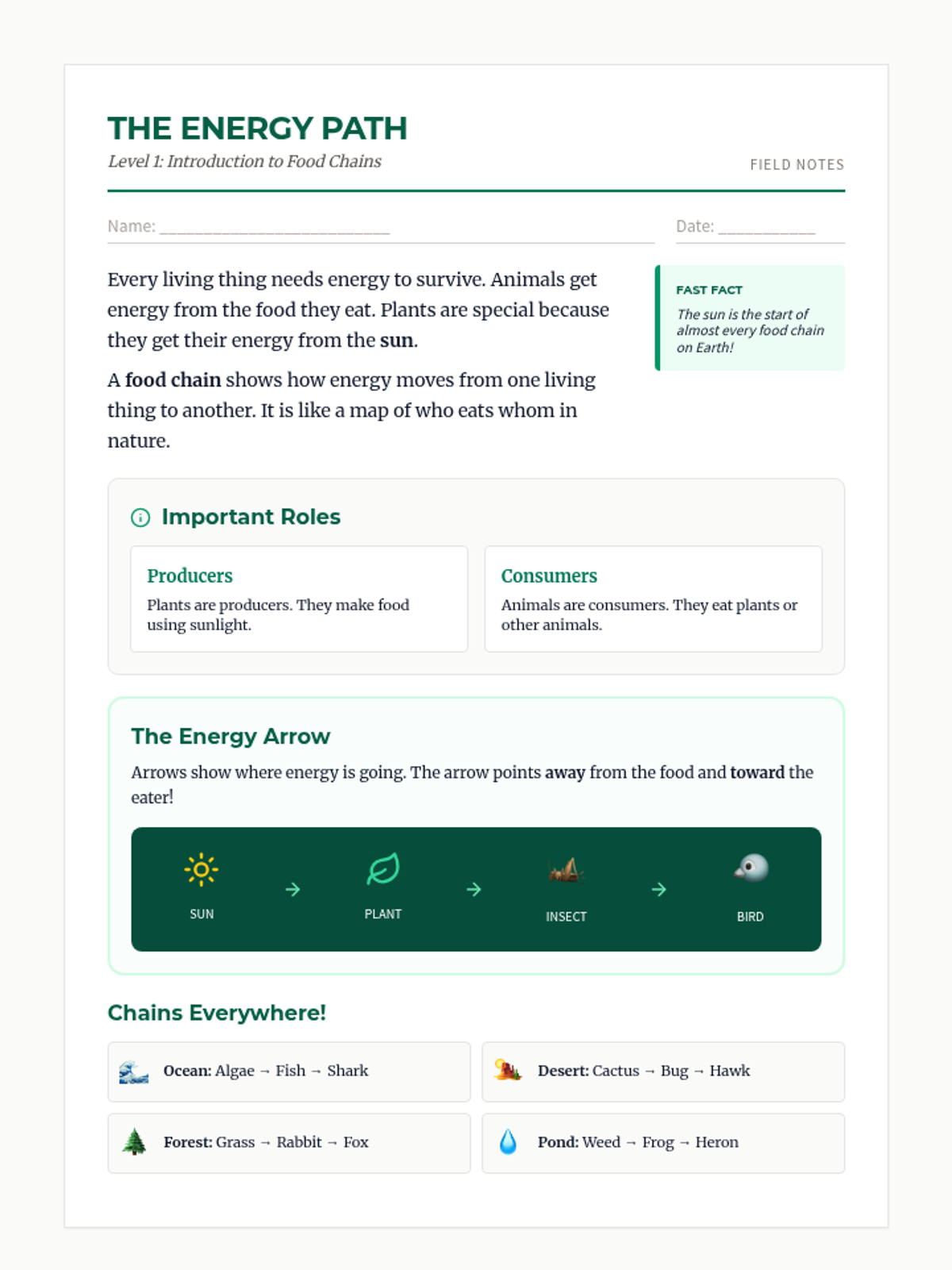
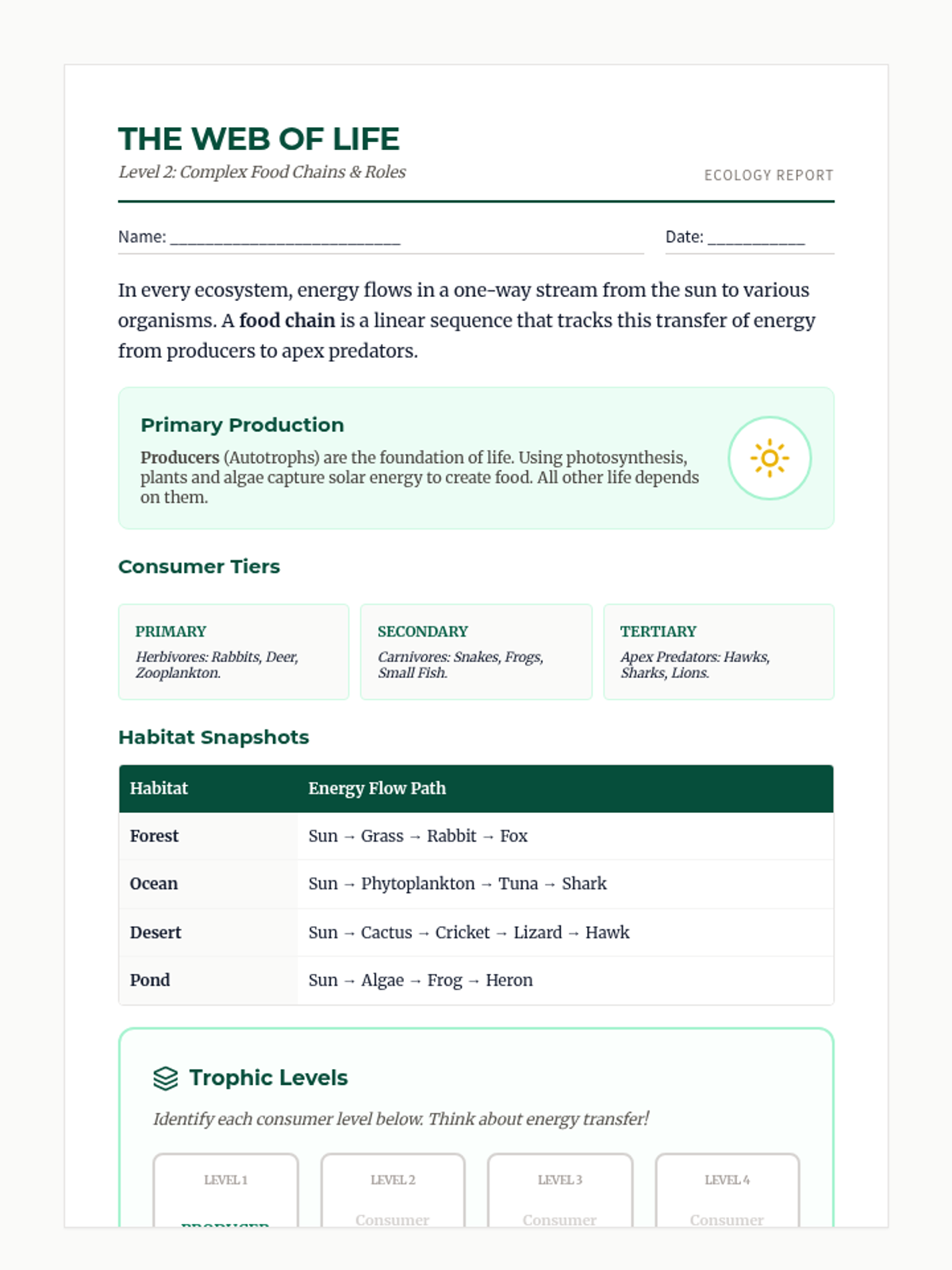
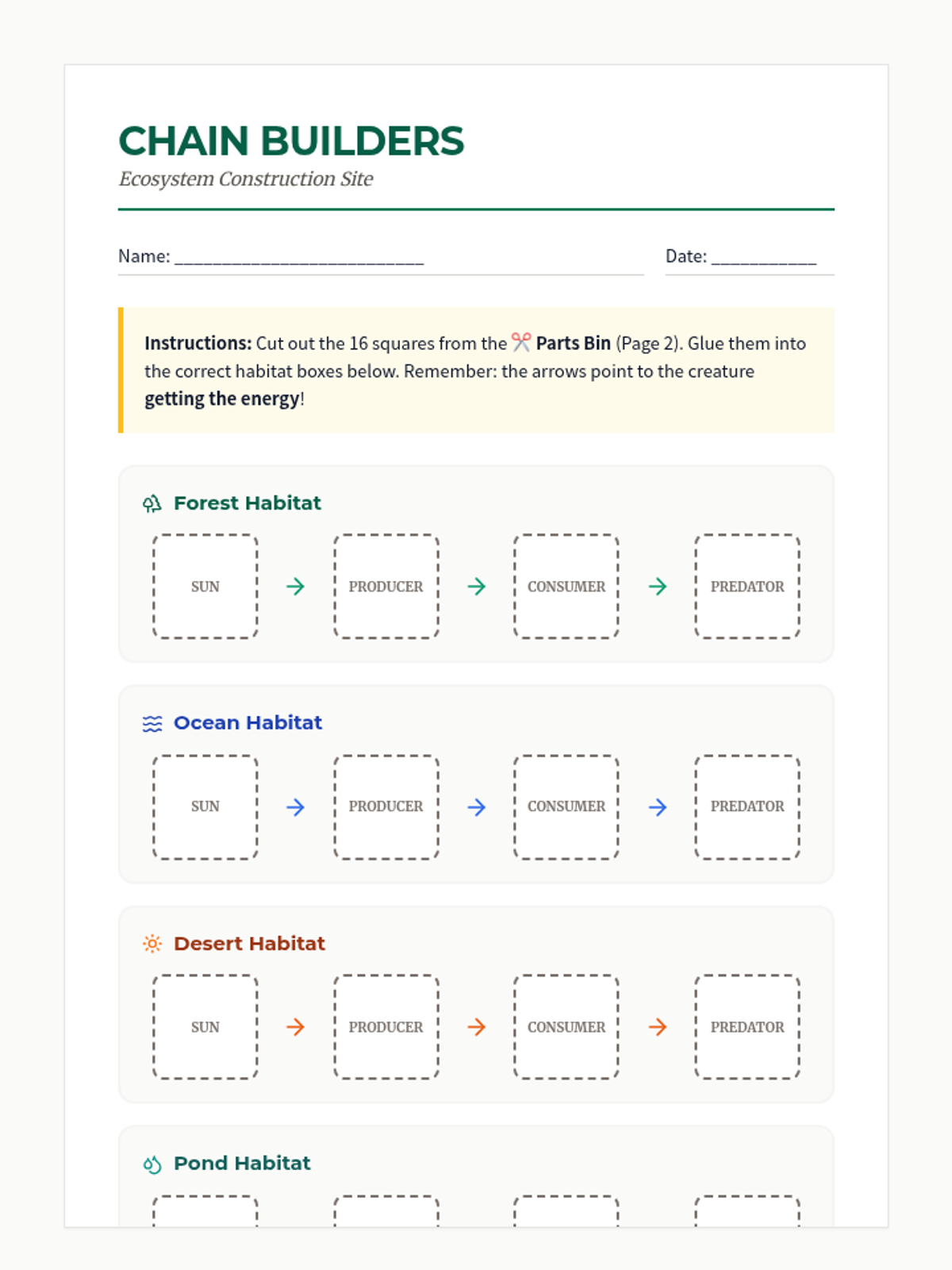
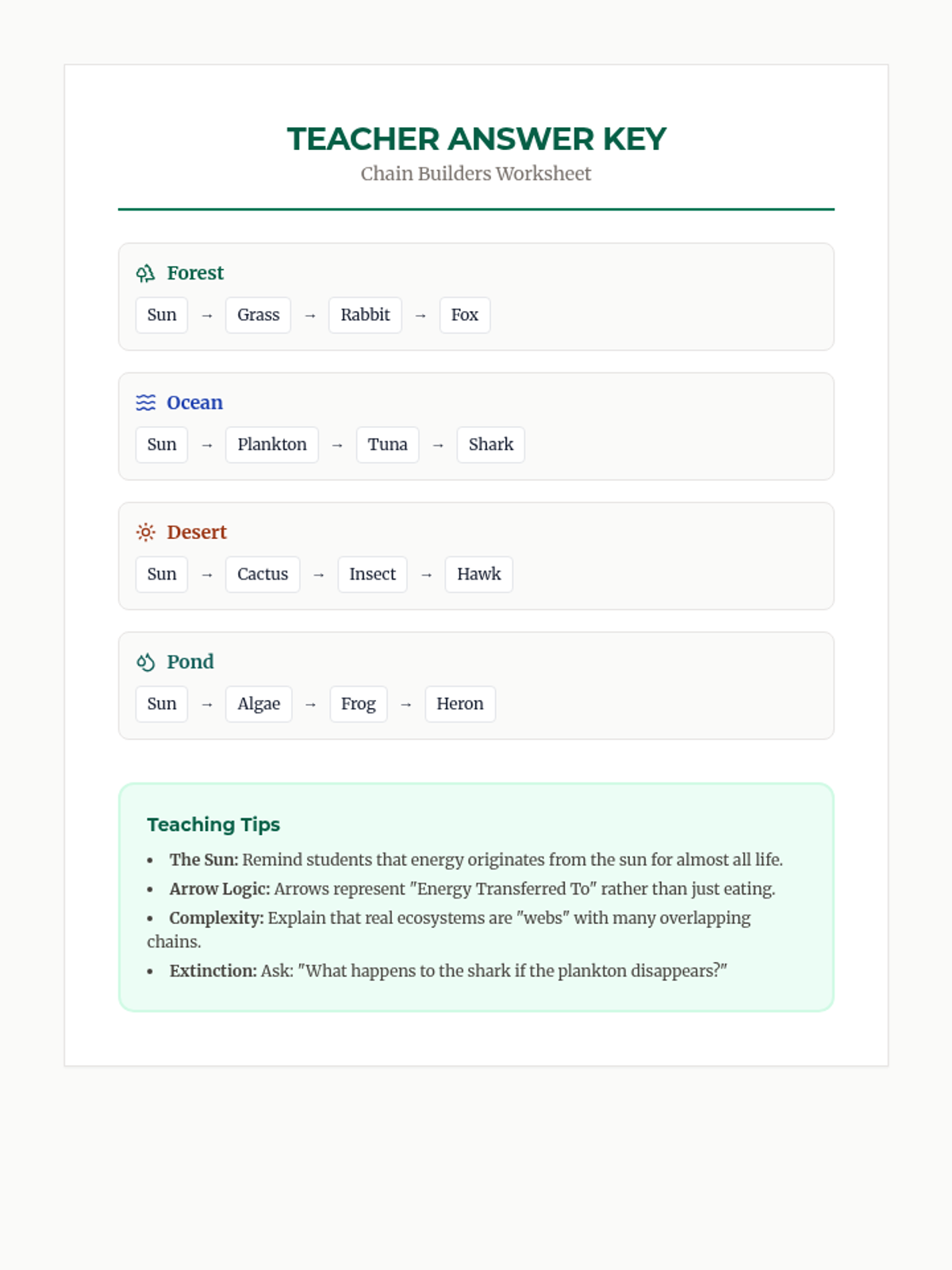
A comprehensive look at how energy moves through different ecosystems. Students explore food chains across four unique habitats through reading and hands-on activities.
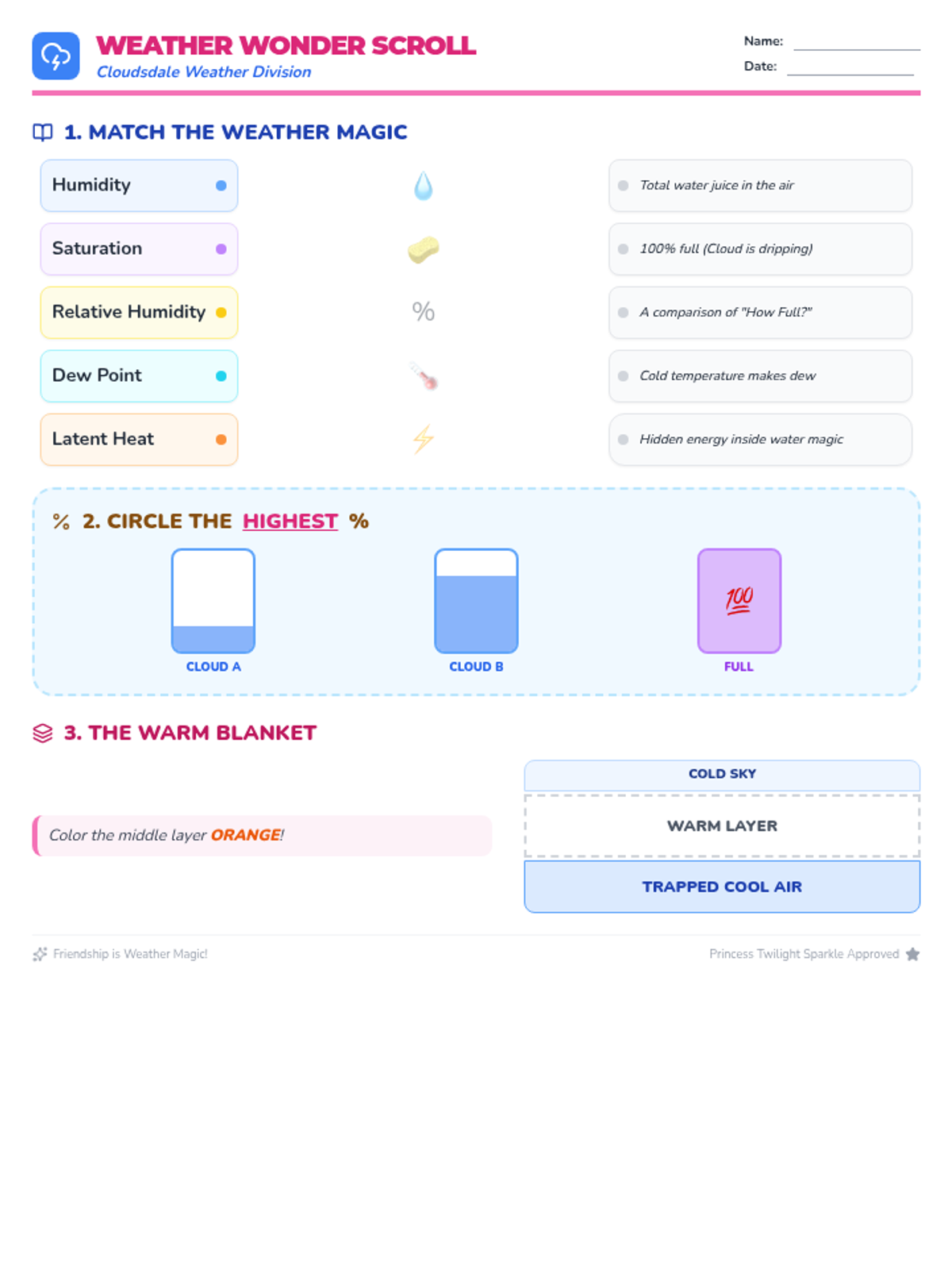
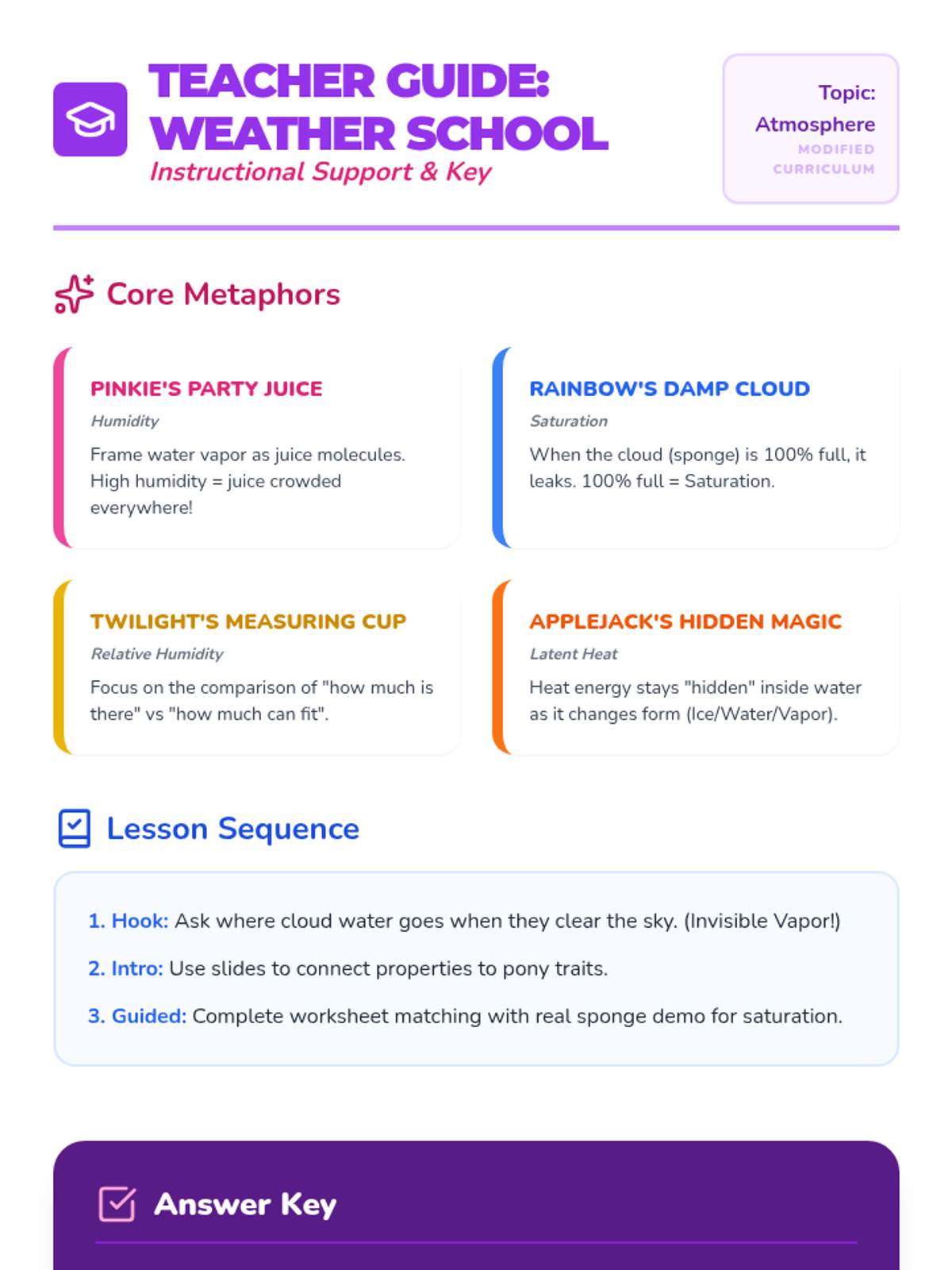
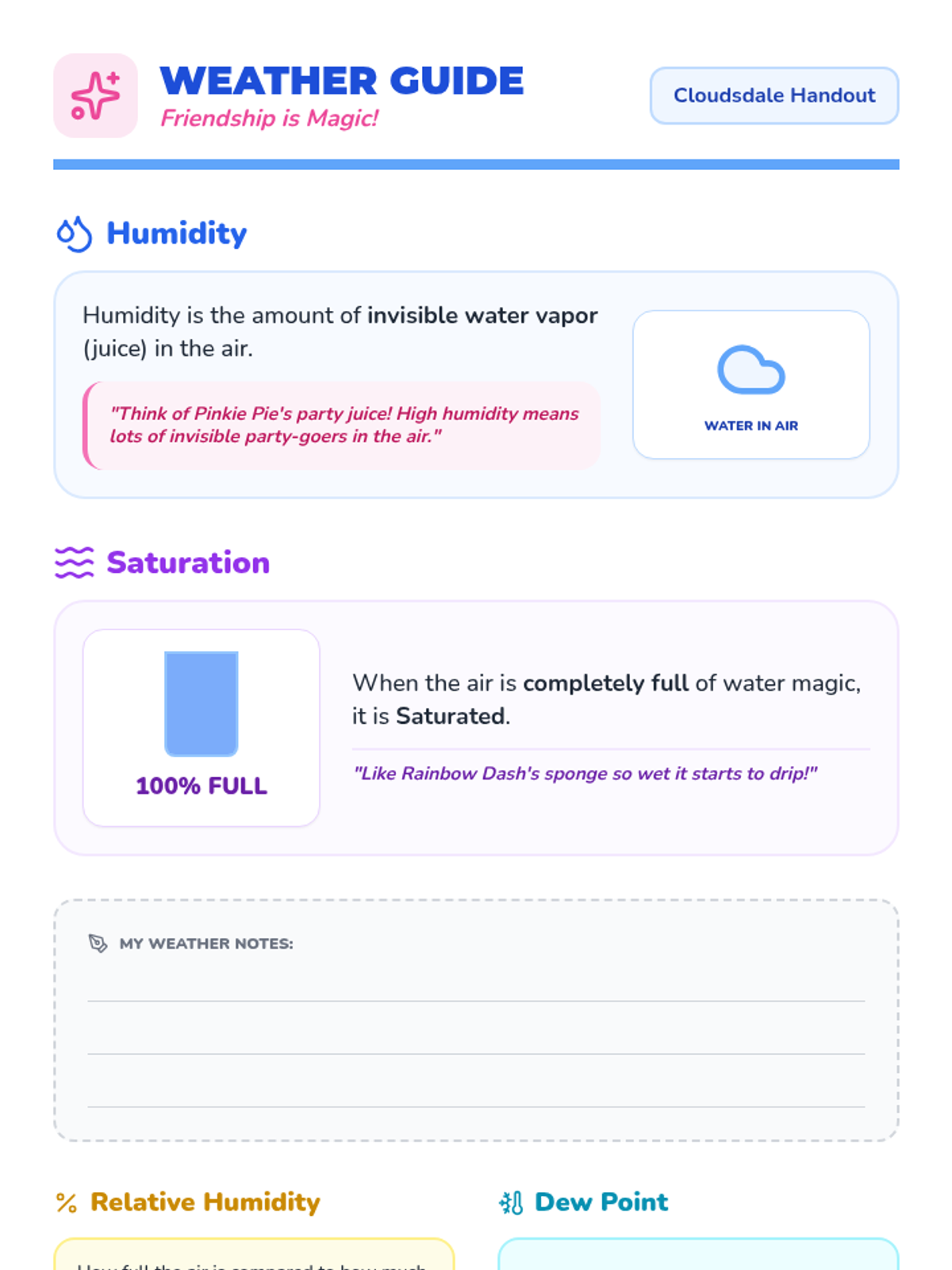
A lesson exploring the properties of the atmosphere using My Little Pony (G4) characters to explain complex weather concepts like humidity, dew point, and latent heat through visual metaphors.
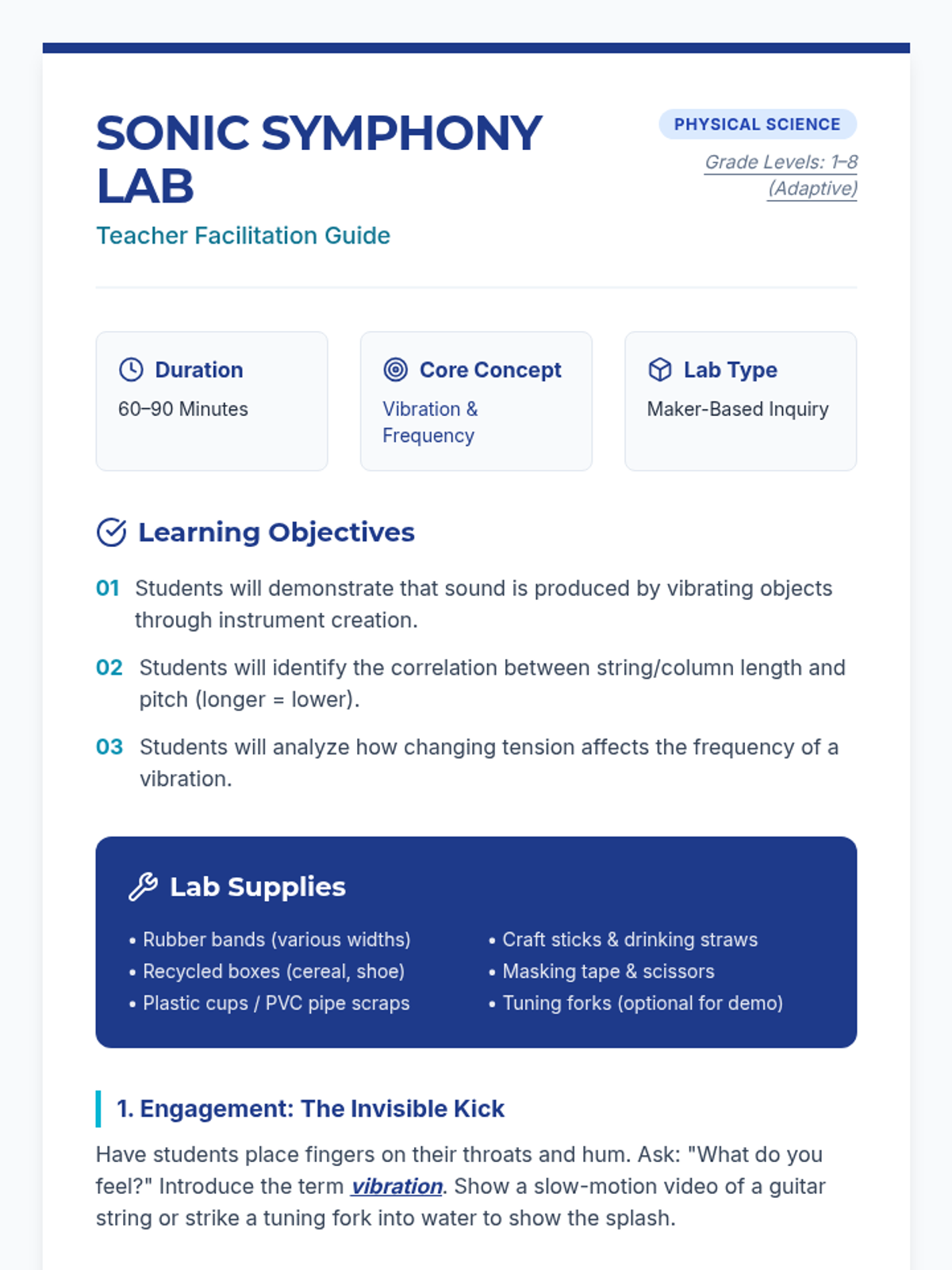
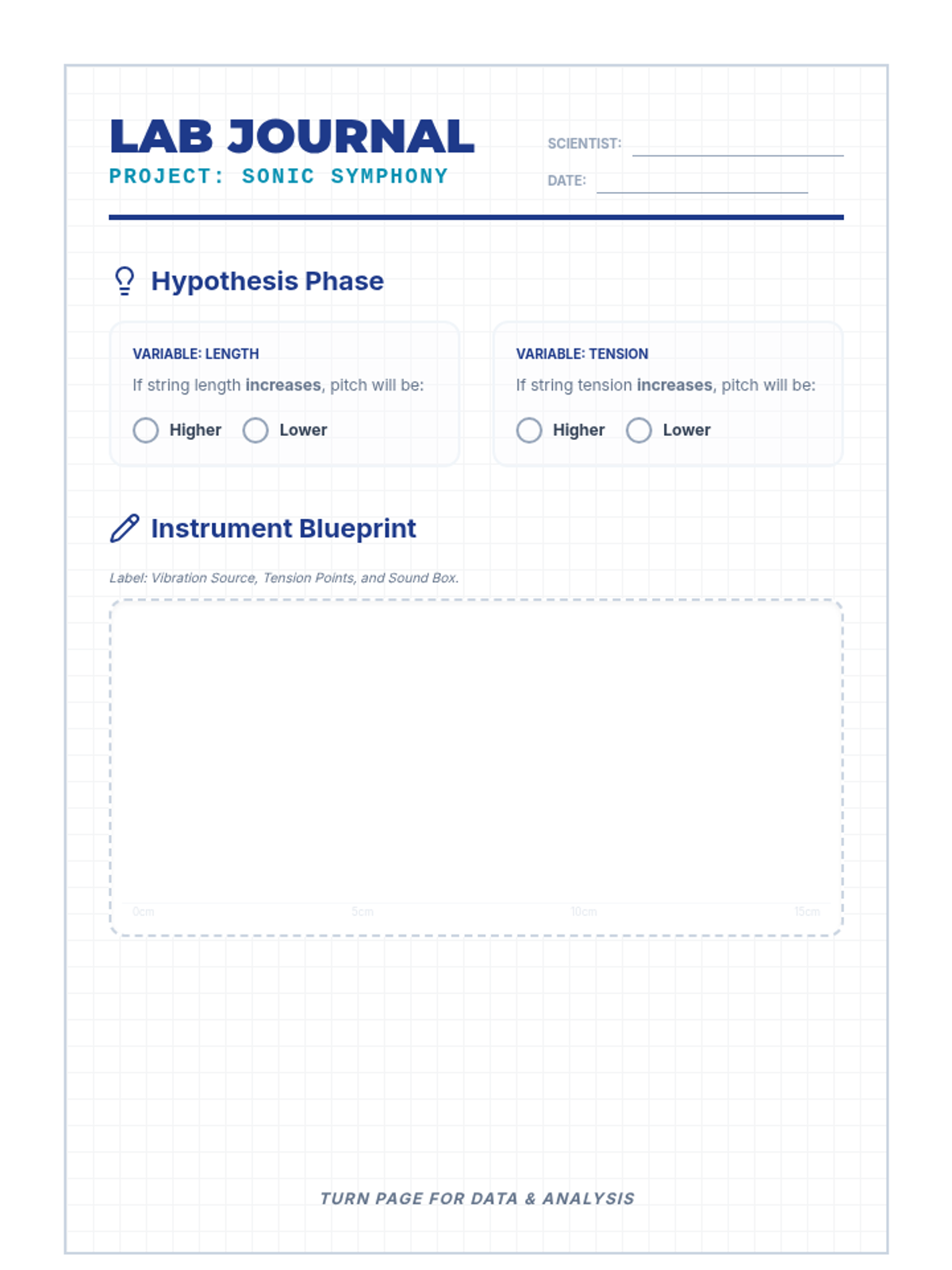
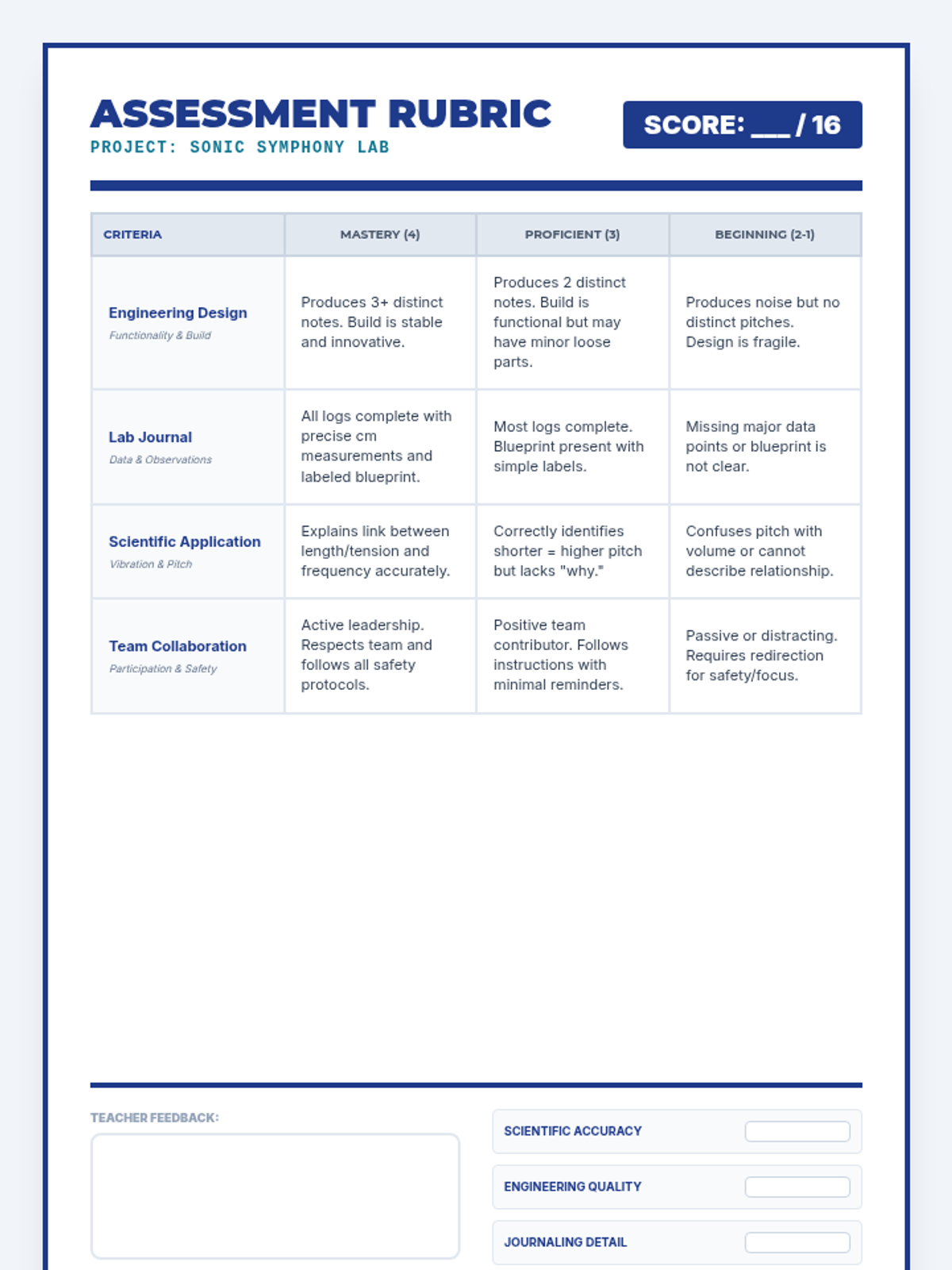
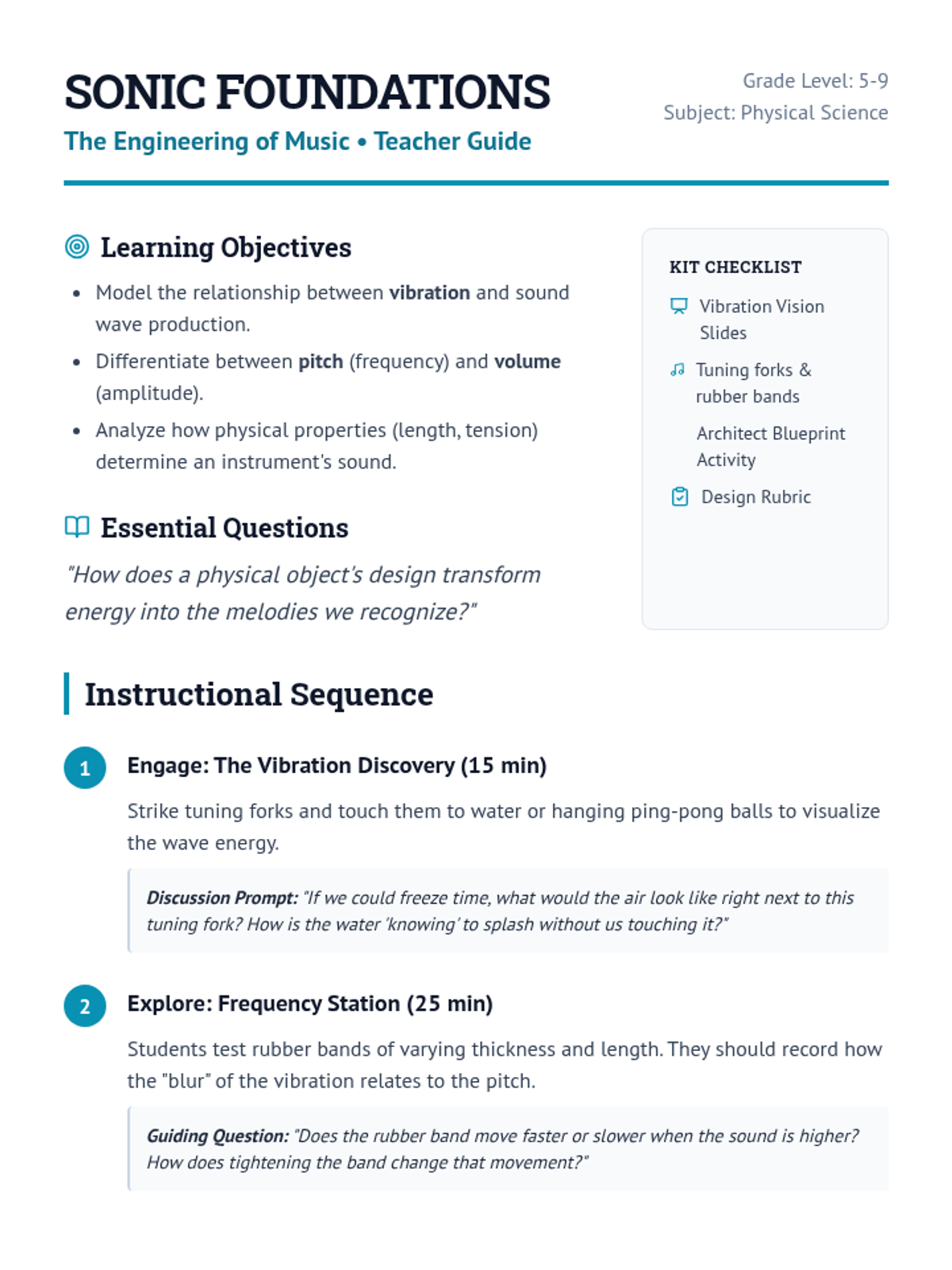
An immersive hands-on investigation into the physics of sound where students build DIY instruments to explore vibrations, pitch, and volume. This lesson bridges sensory exploration with acoustic engineering principles.
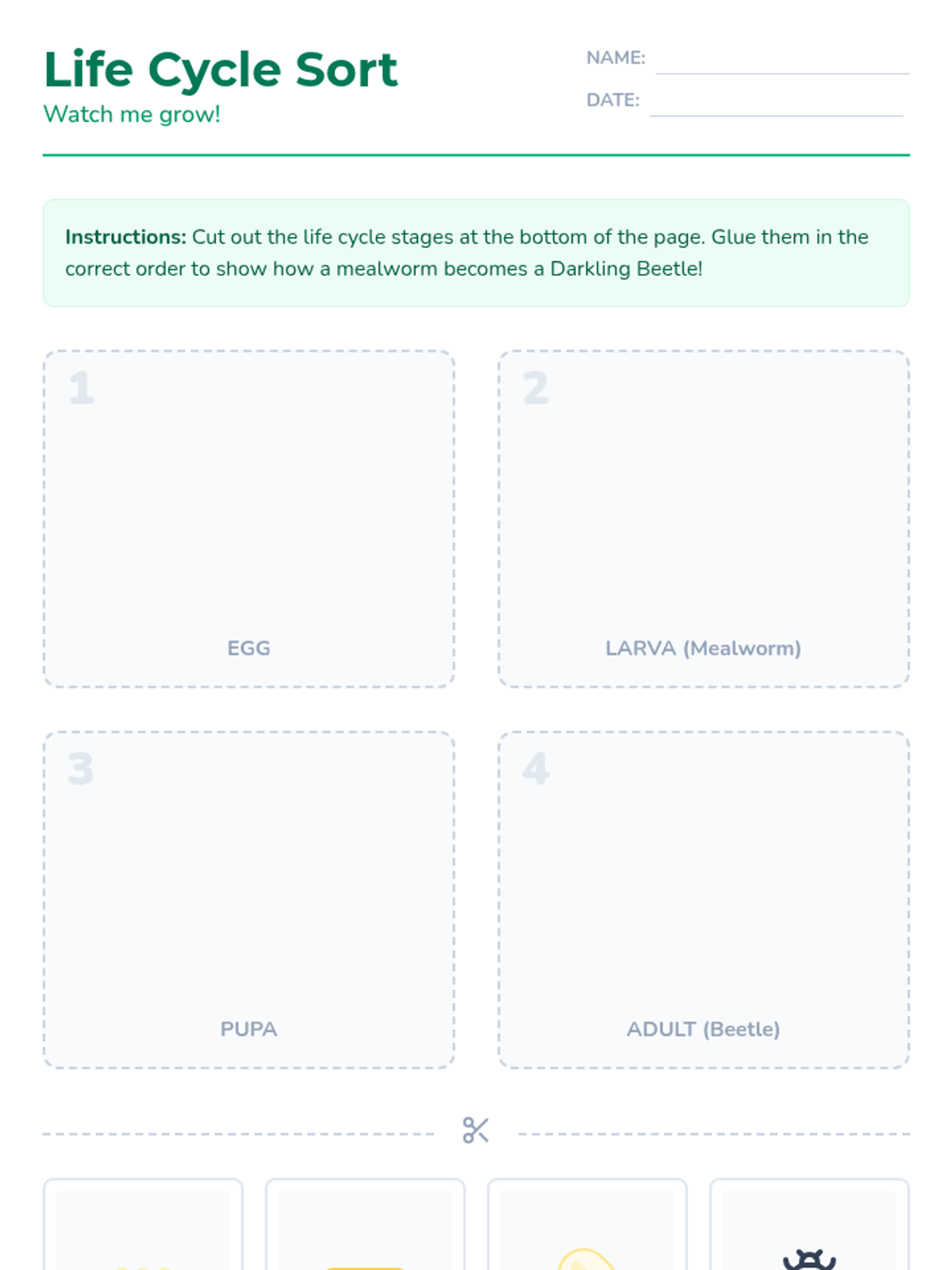
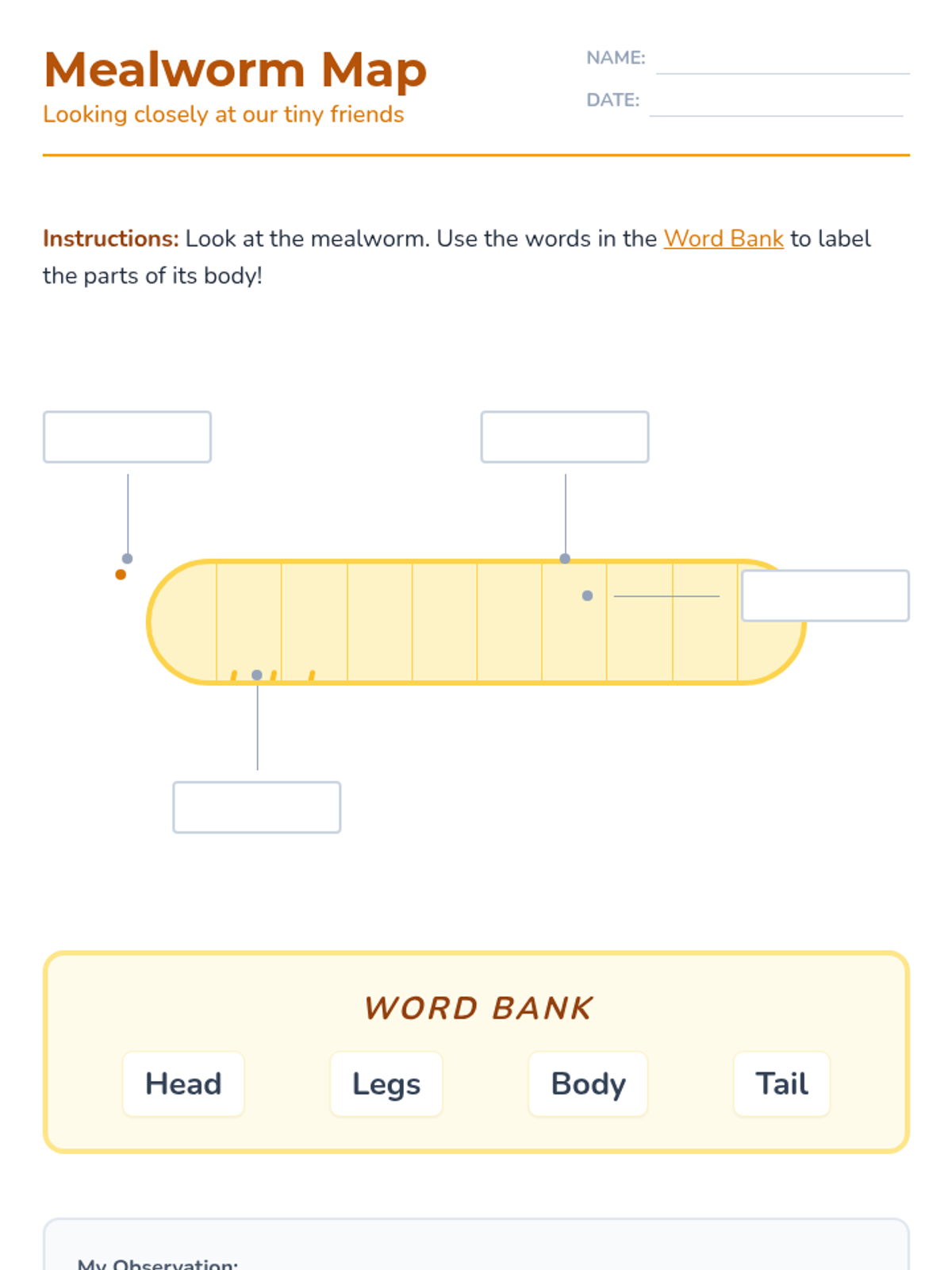
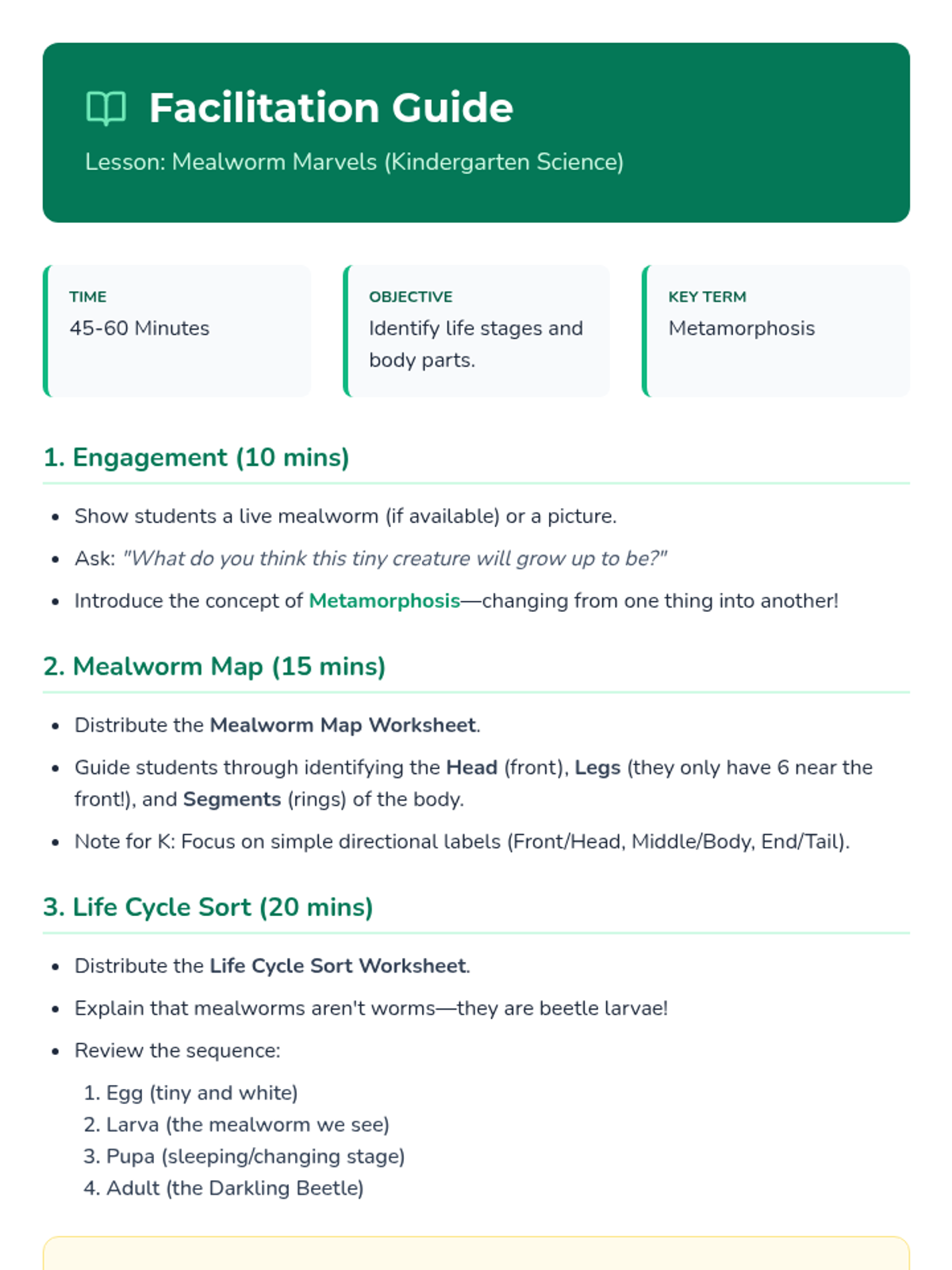
A hands-on exploration of the mealworm life cycle and anatomy designed for early learners to observe and document metamorphosis.
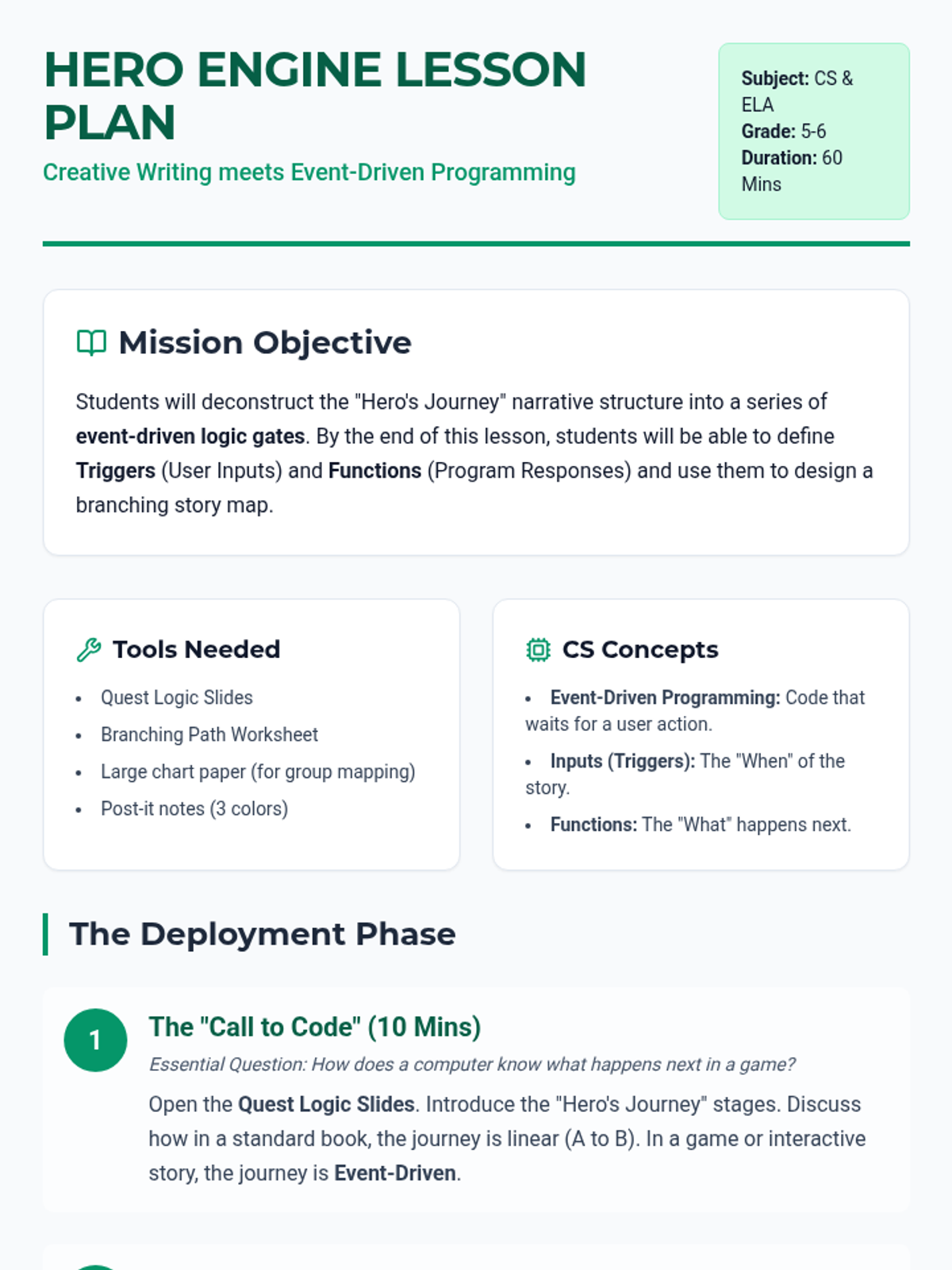
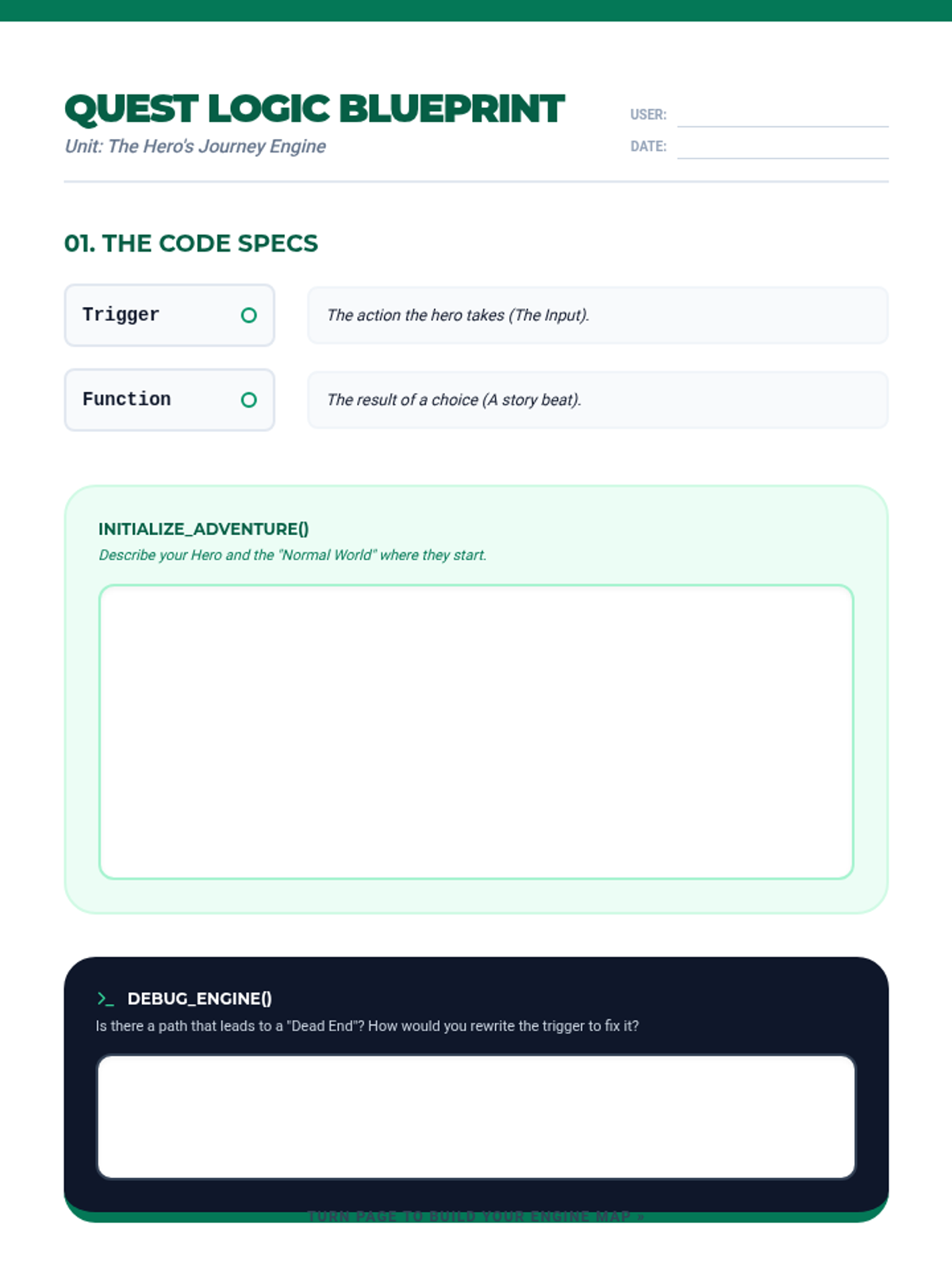
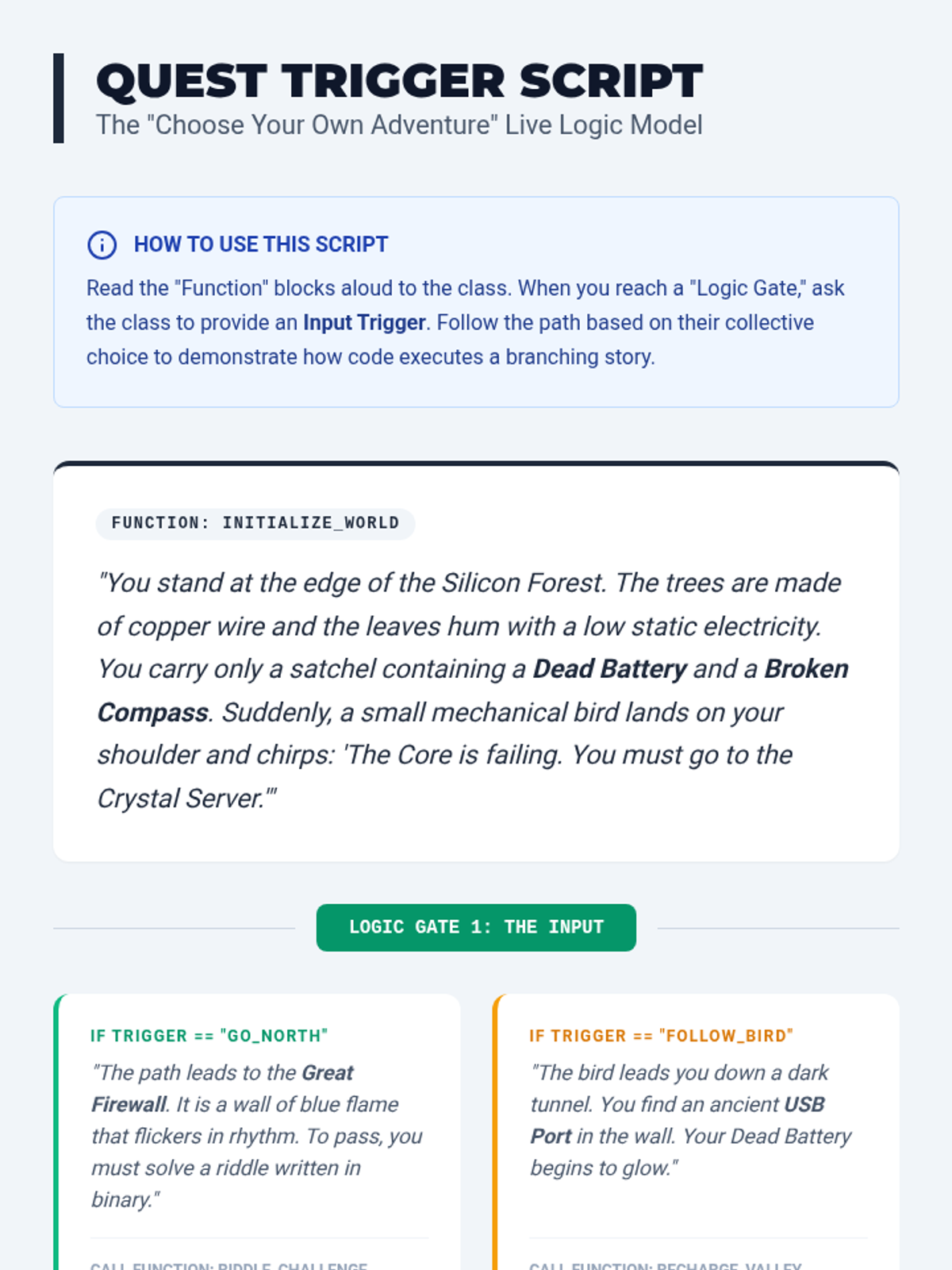
A high-energy lesson where 5th and 6th graders bridge creative writing and computer science by building event-driven logic maps for branching narratives. Students learn how user inputs serve as 'triggers' for story 'functions' within the Hero's Journey framework.
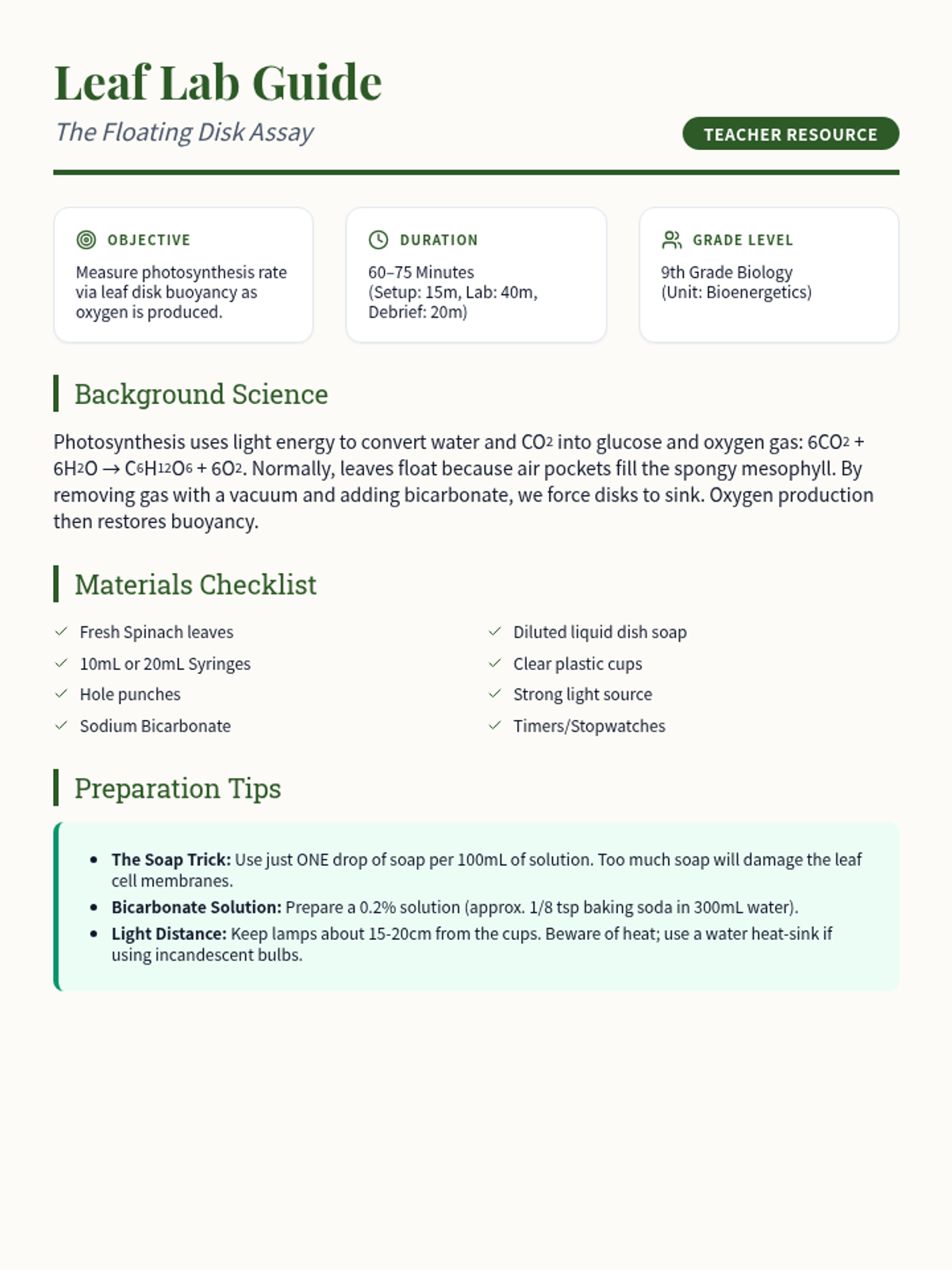
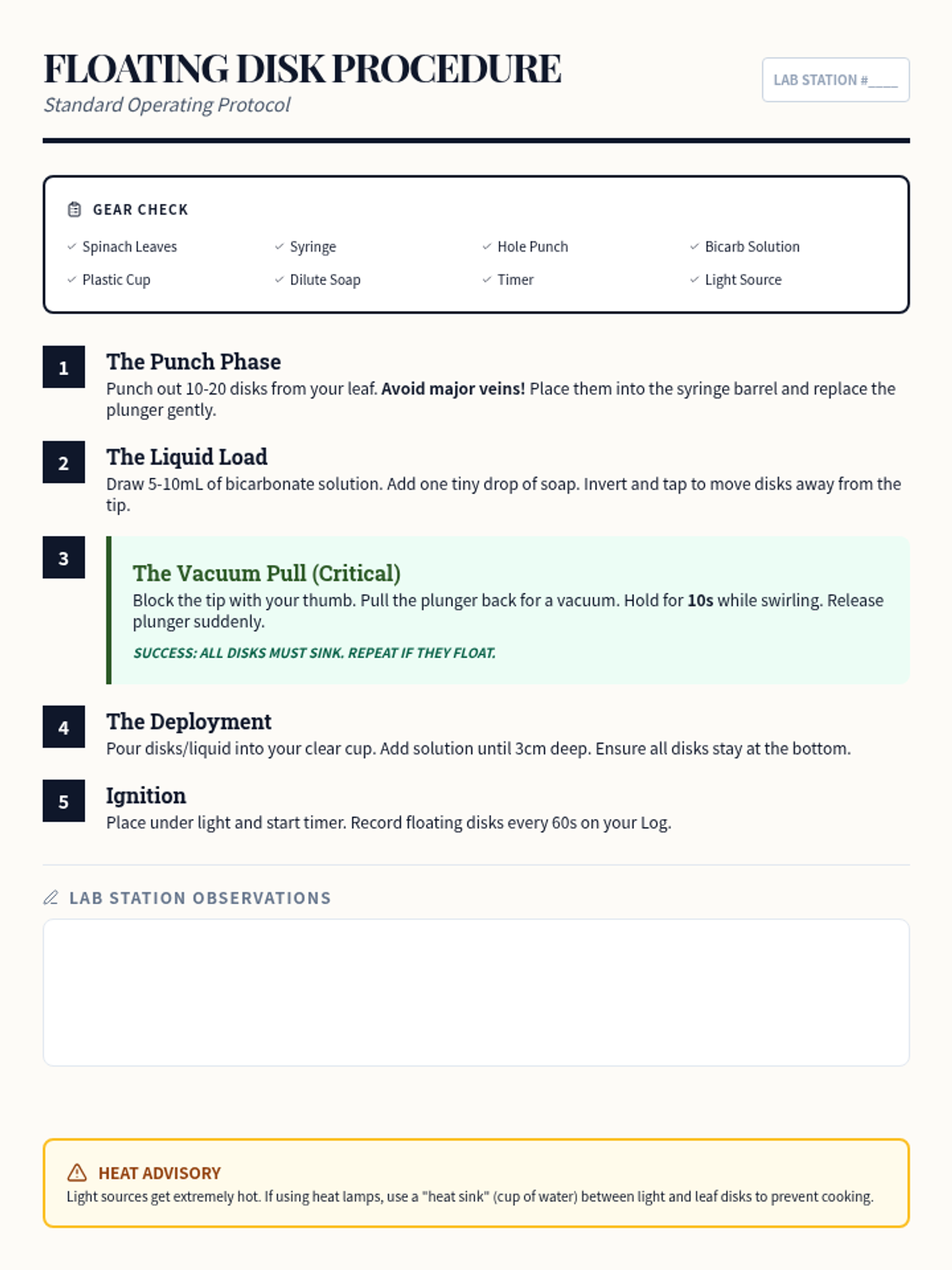
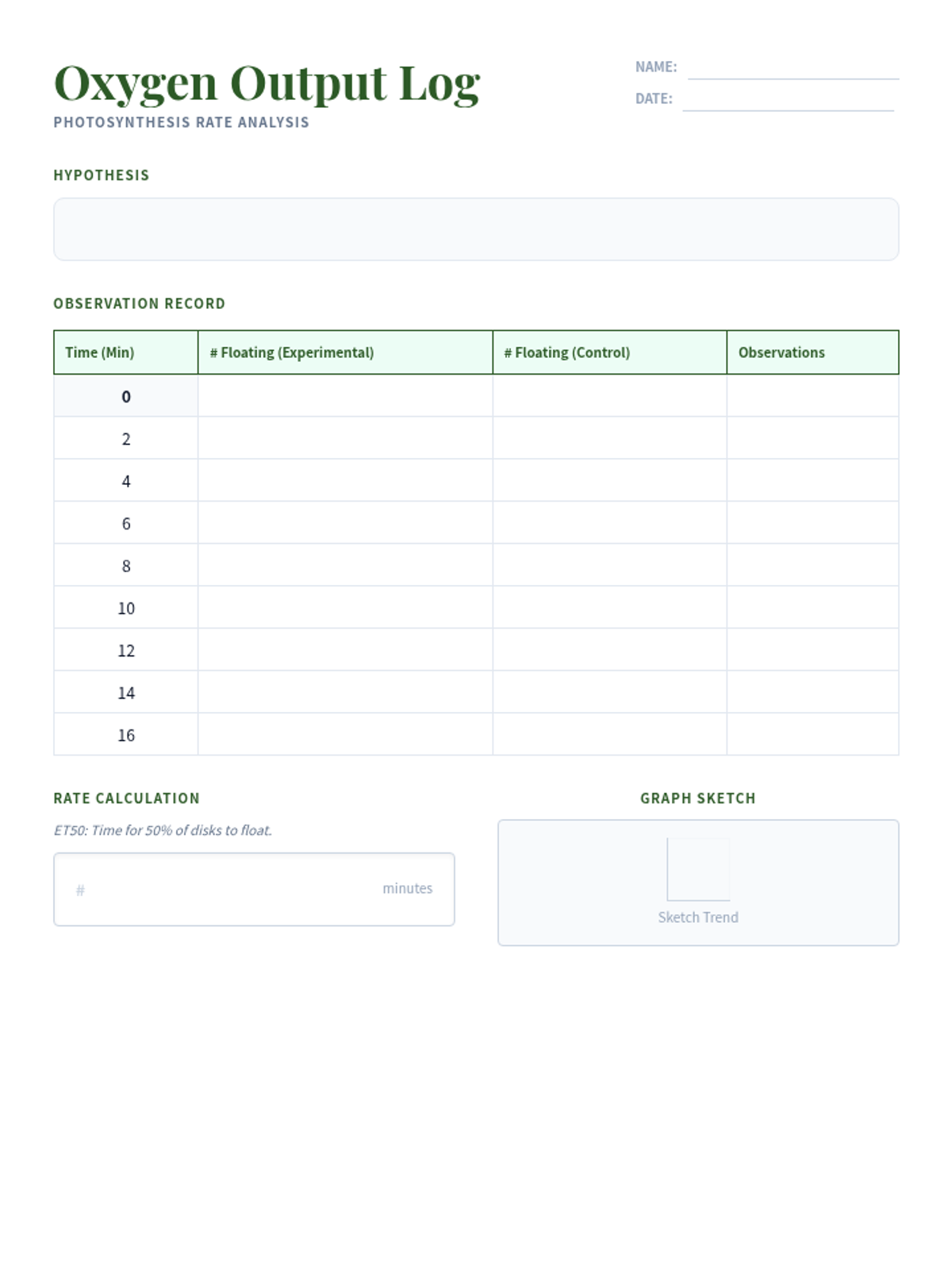
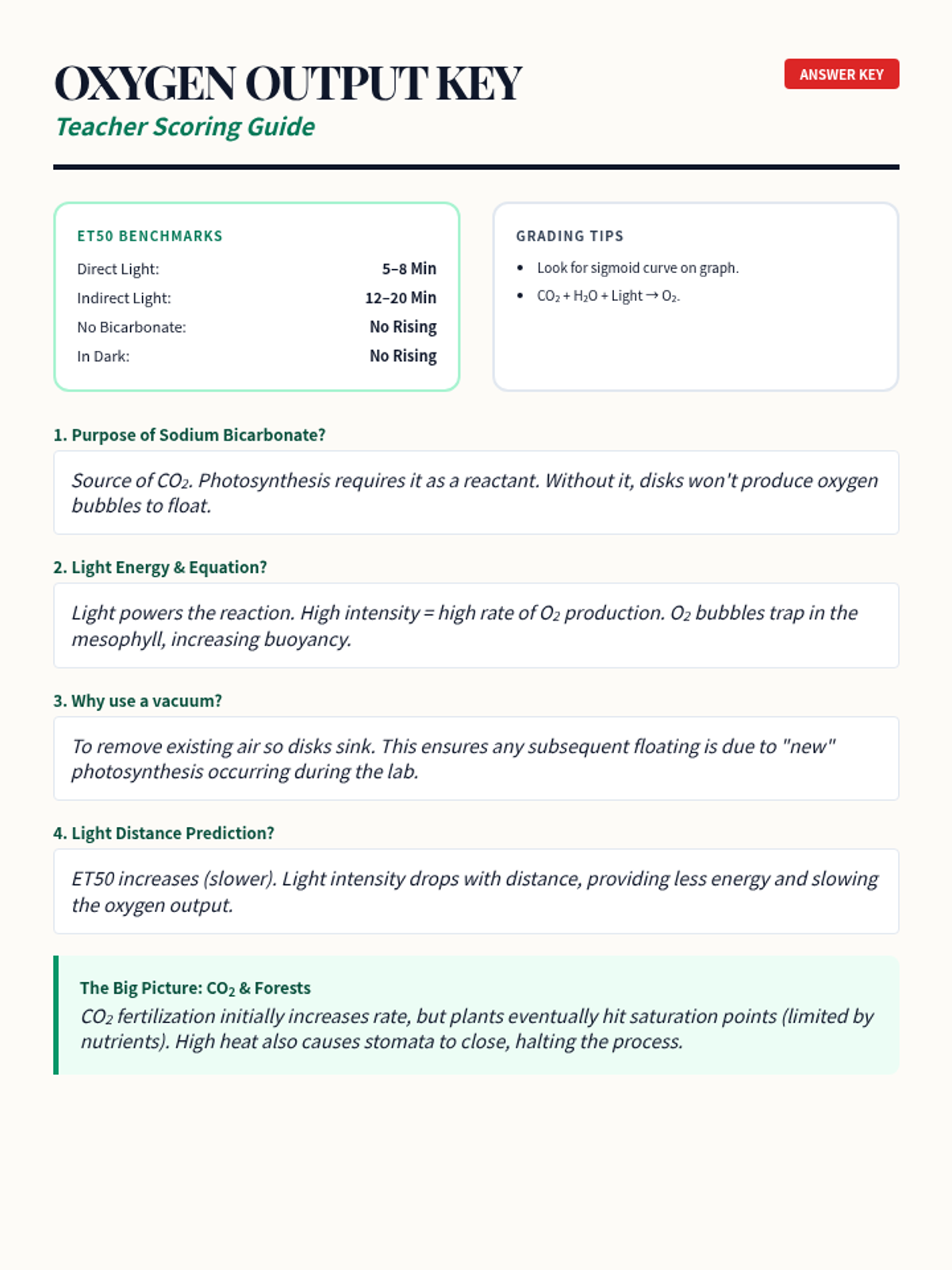
In this hands-on lab, students use the floating leaf disk assay to visualize and measure the rate of photosynthesis. They explore how light intensity and CO2 availability act as variables in oxygen production.
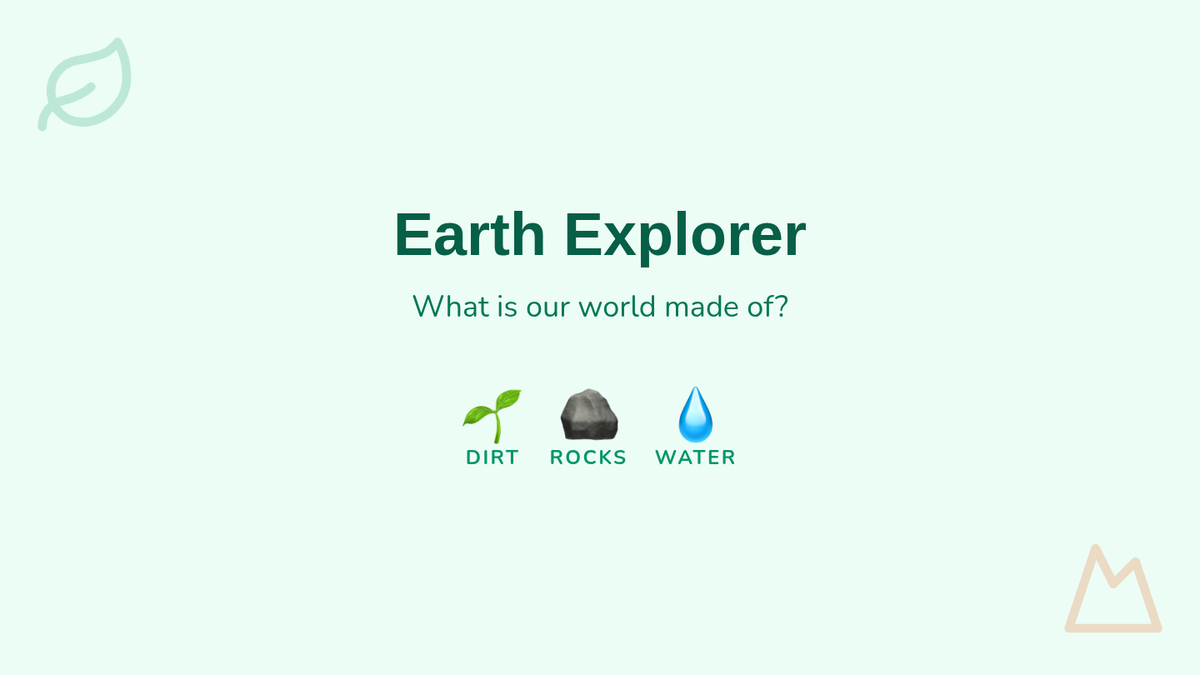
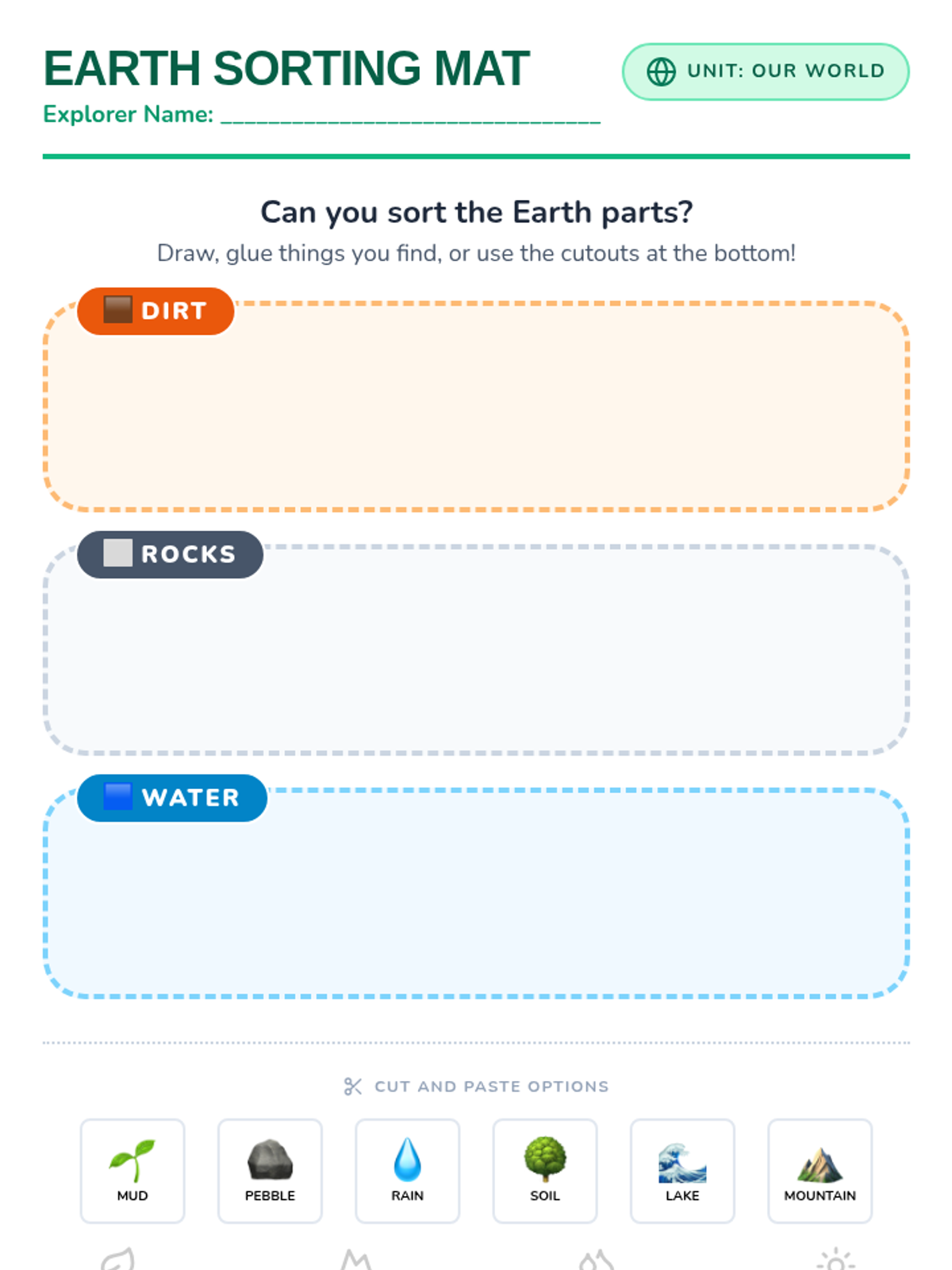
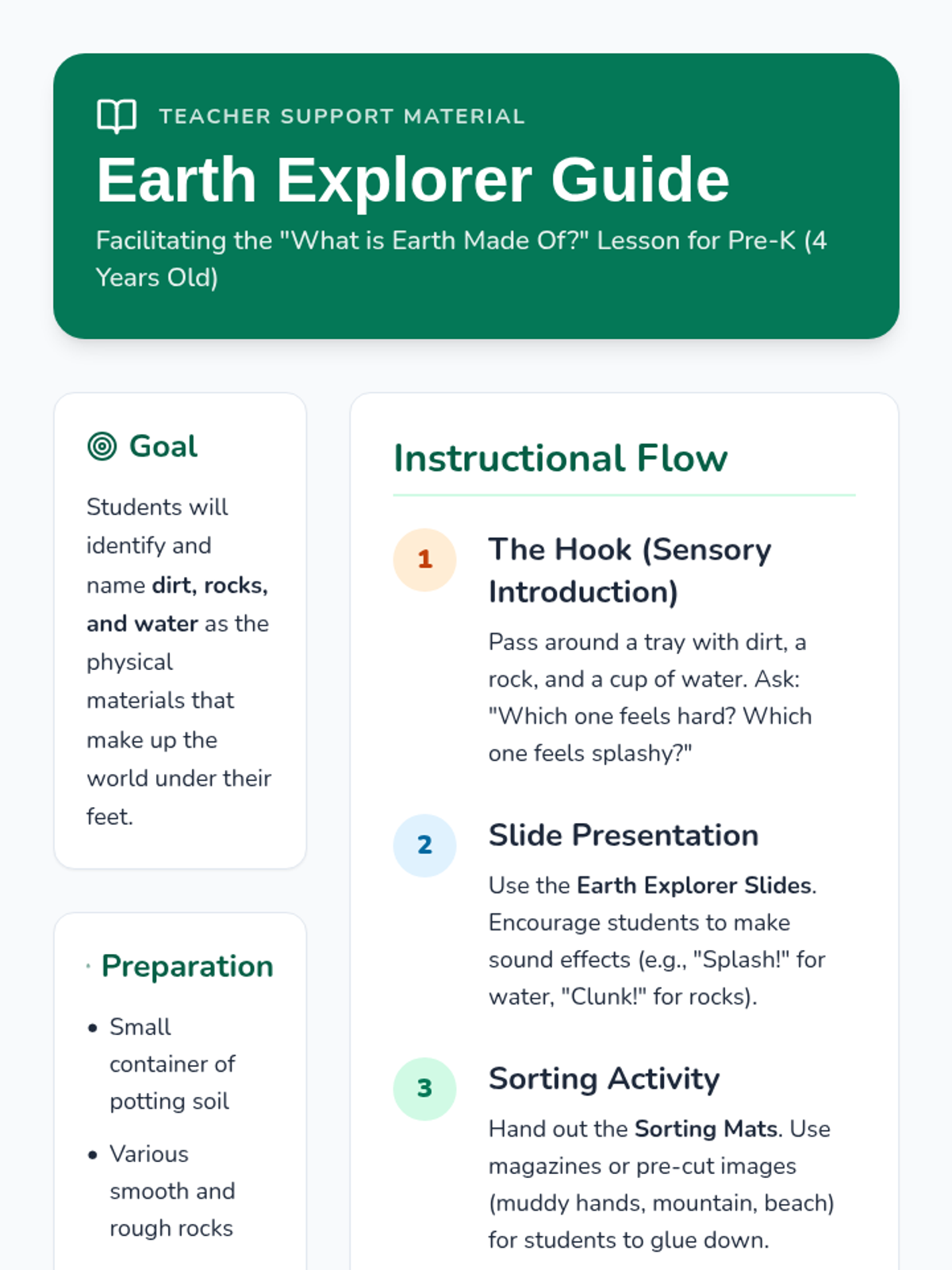
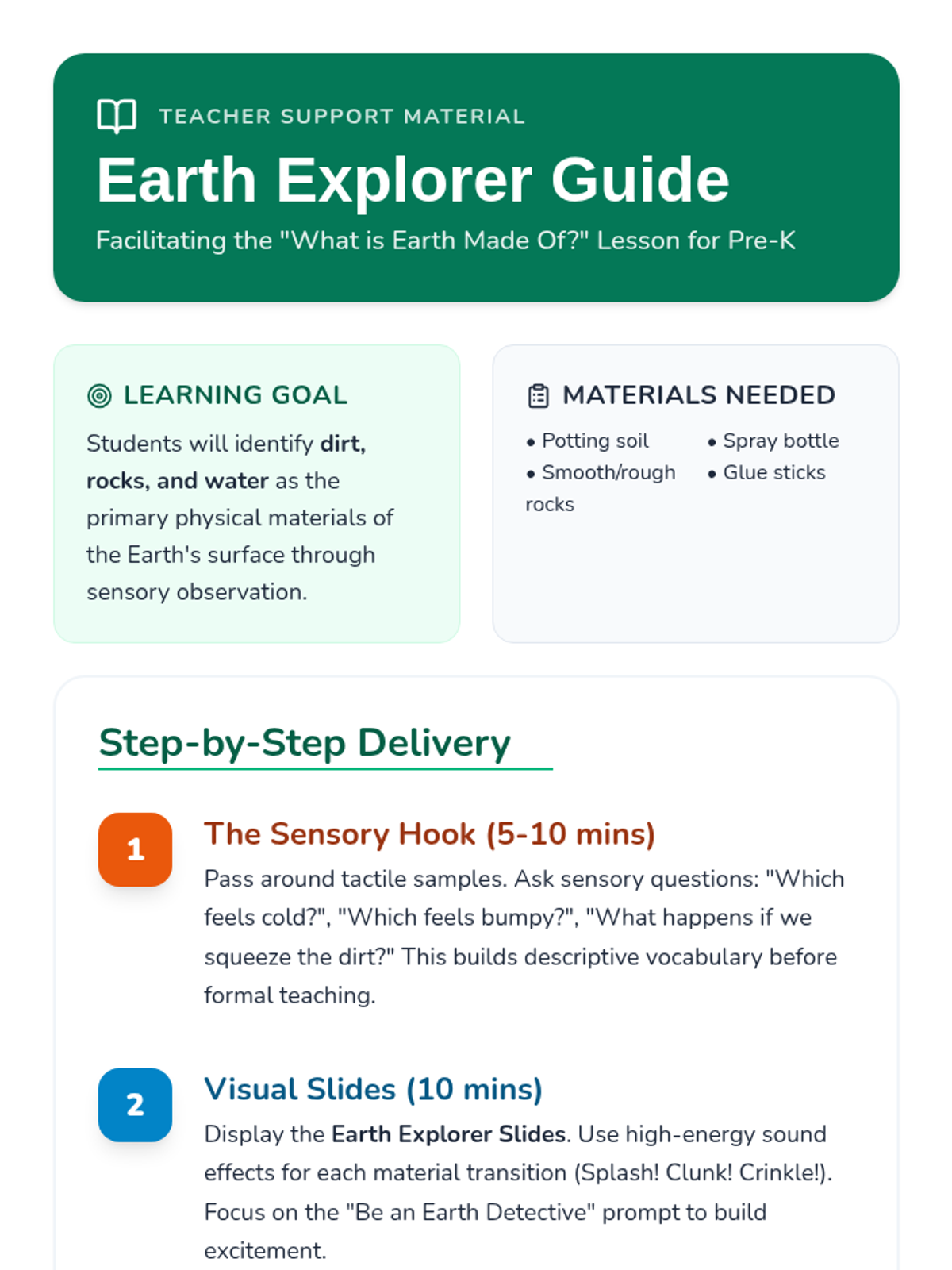
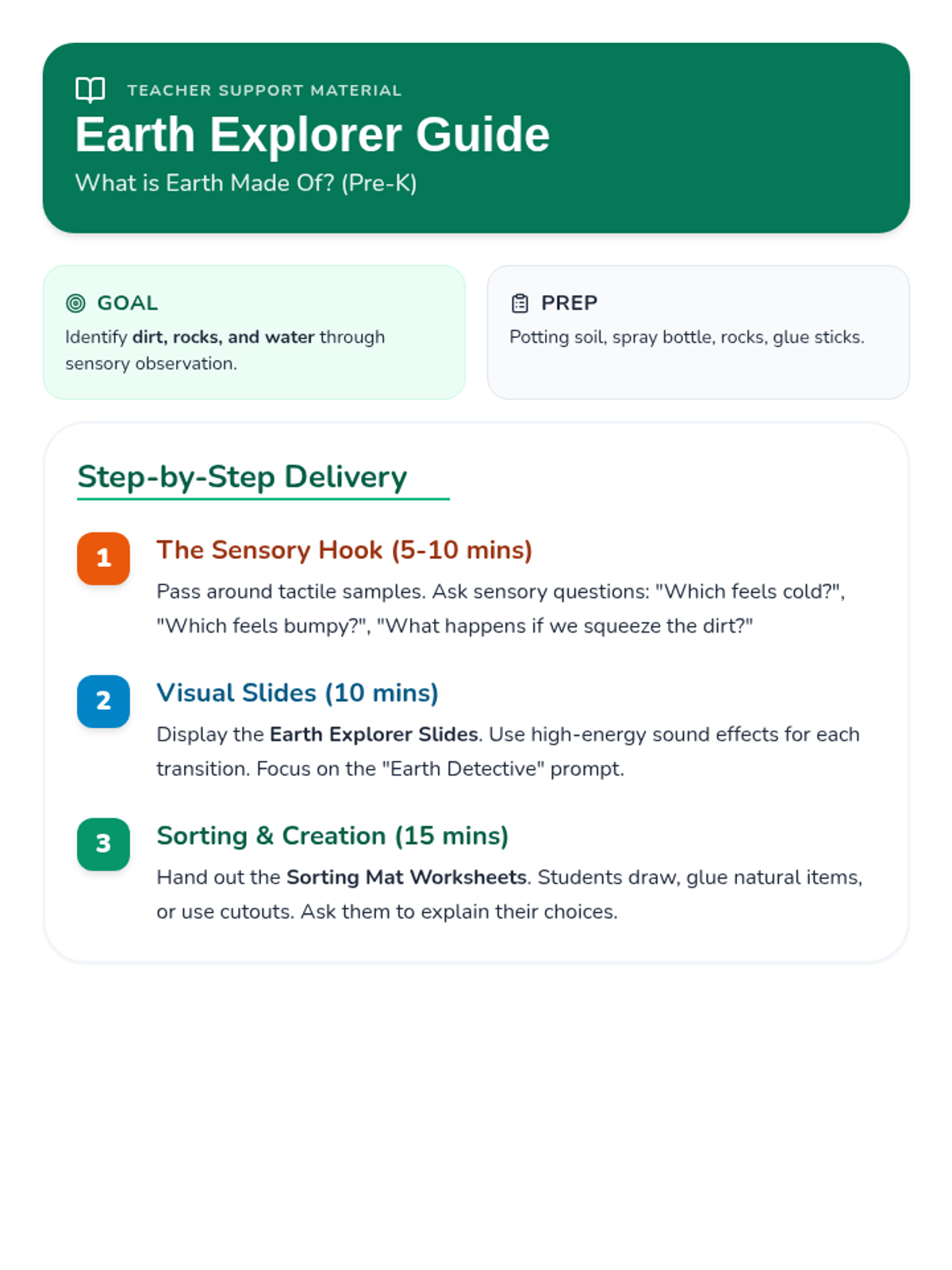
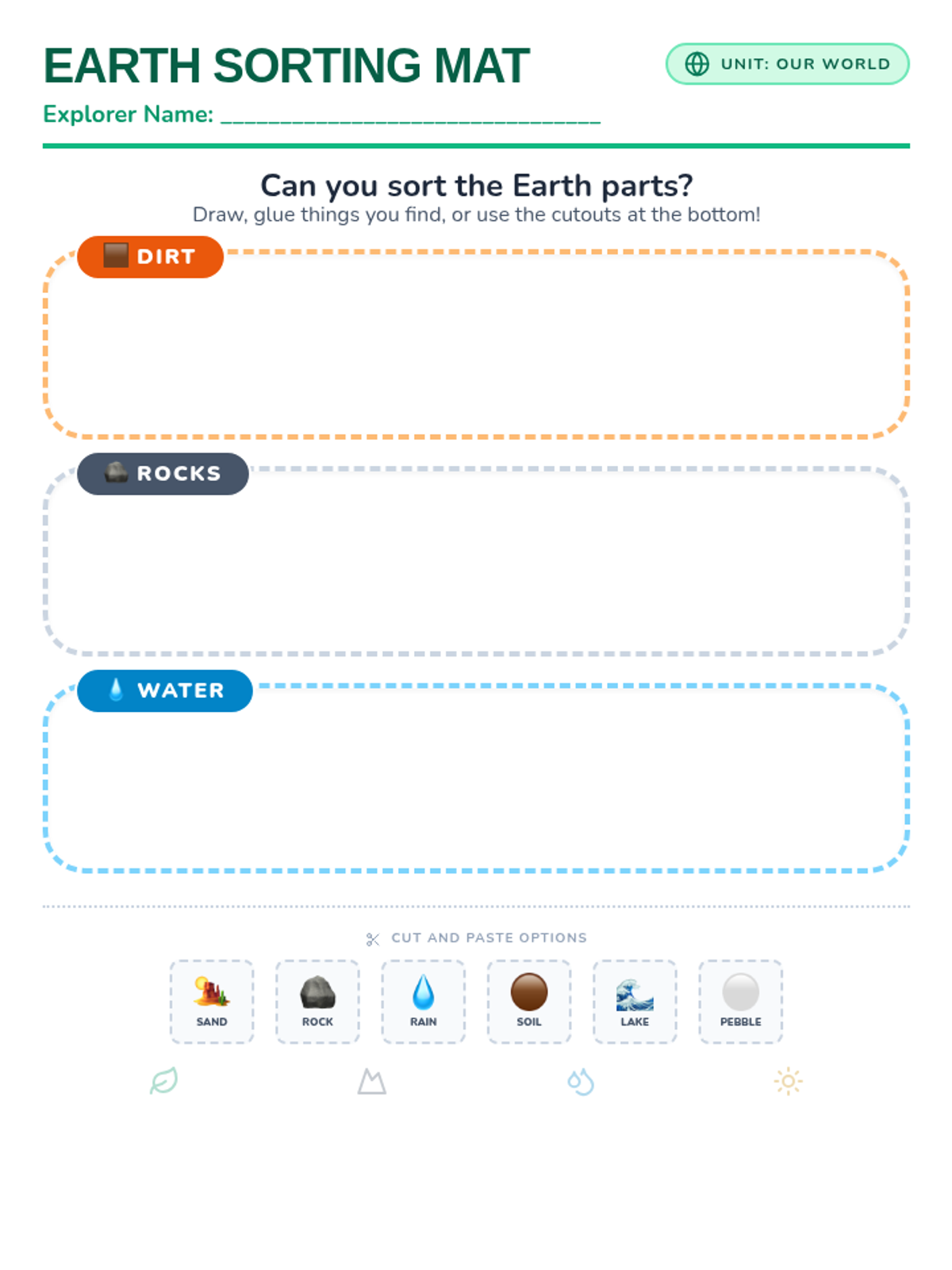
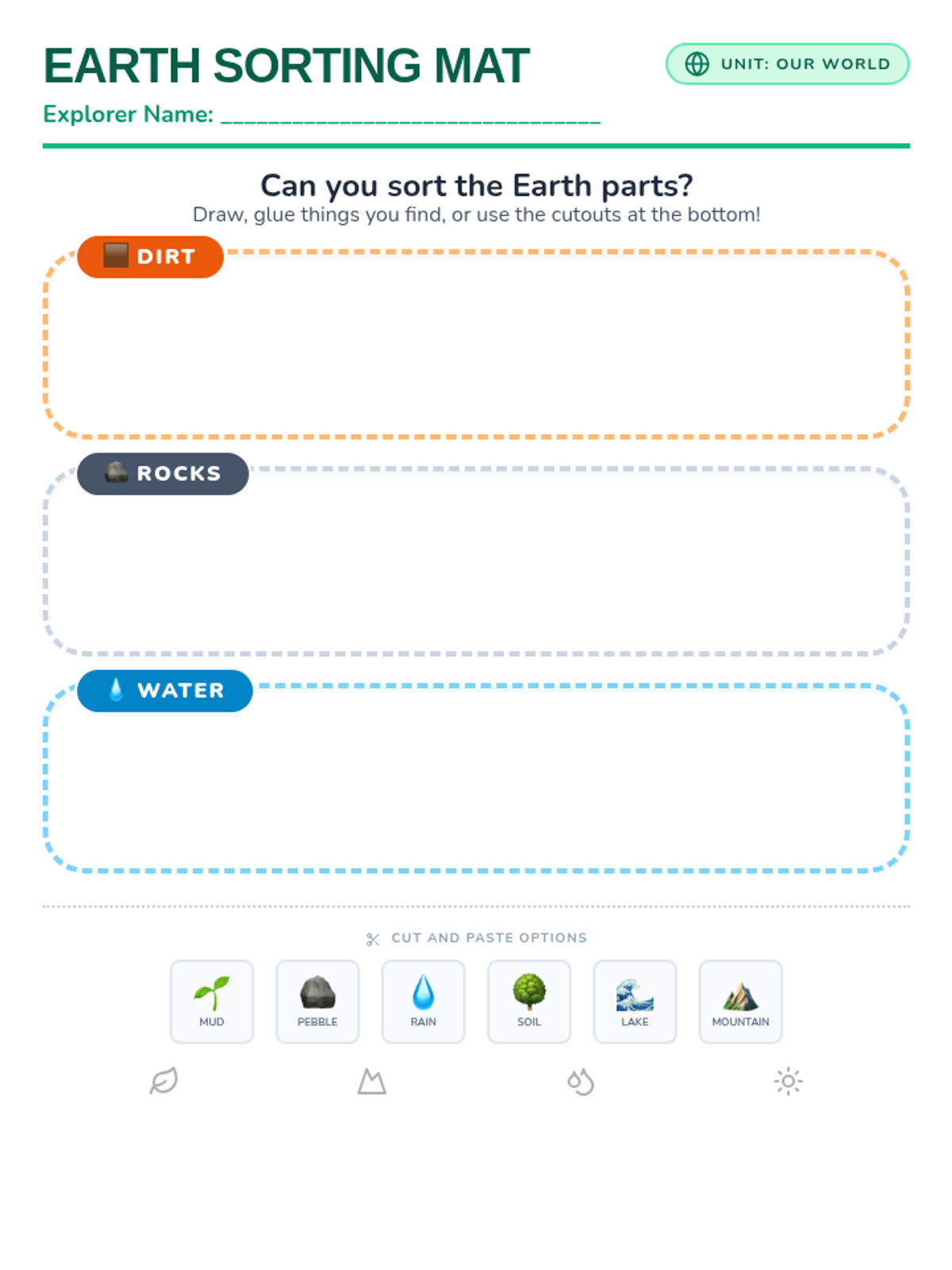
An introductory lesson for Pre-K students to explore the materials that make up the Earth's surface: dirt, rocks, and water through sensory observation and sorting.
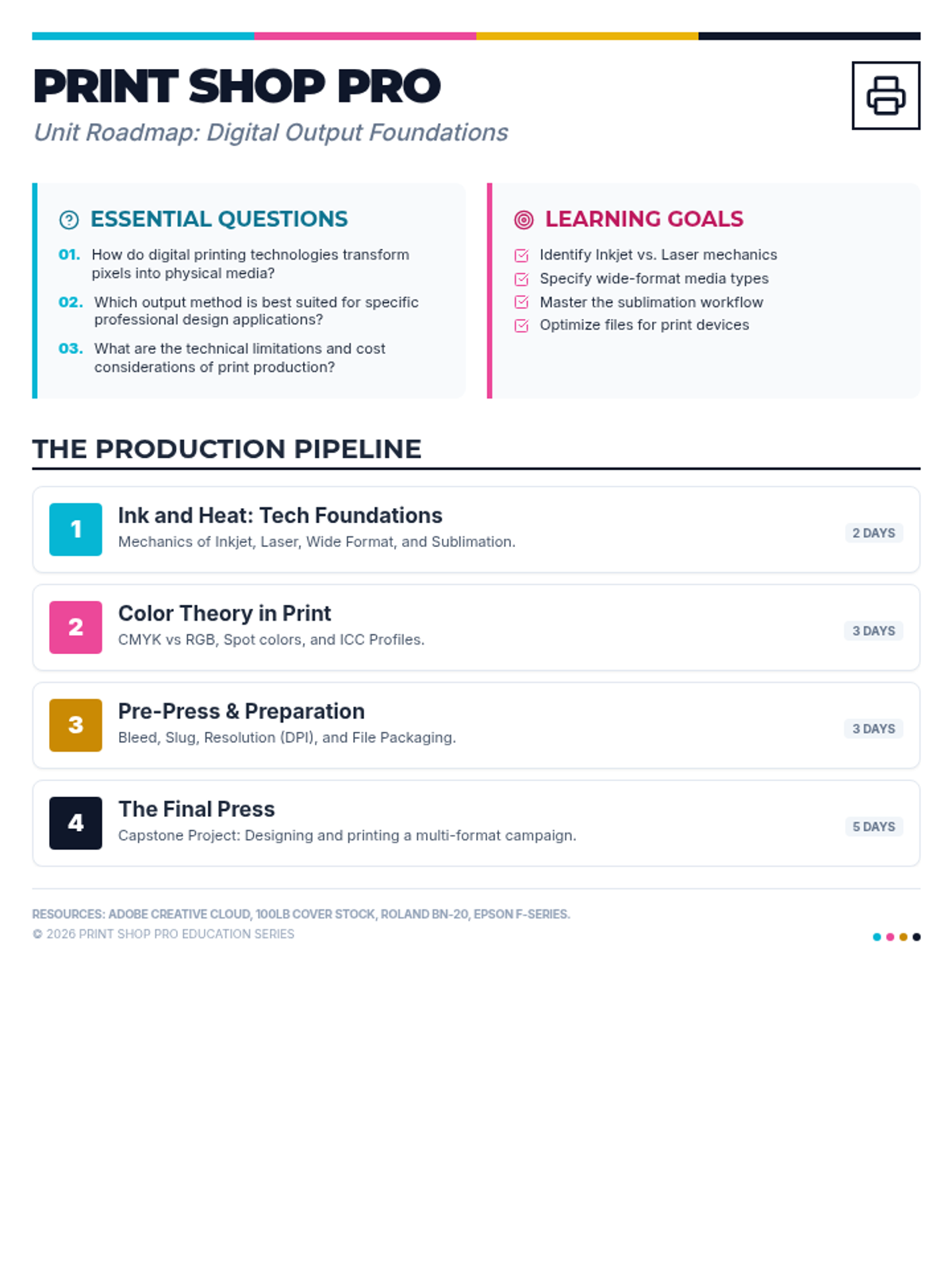
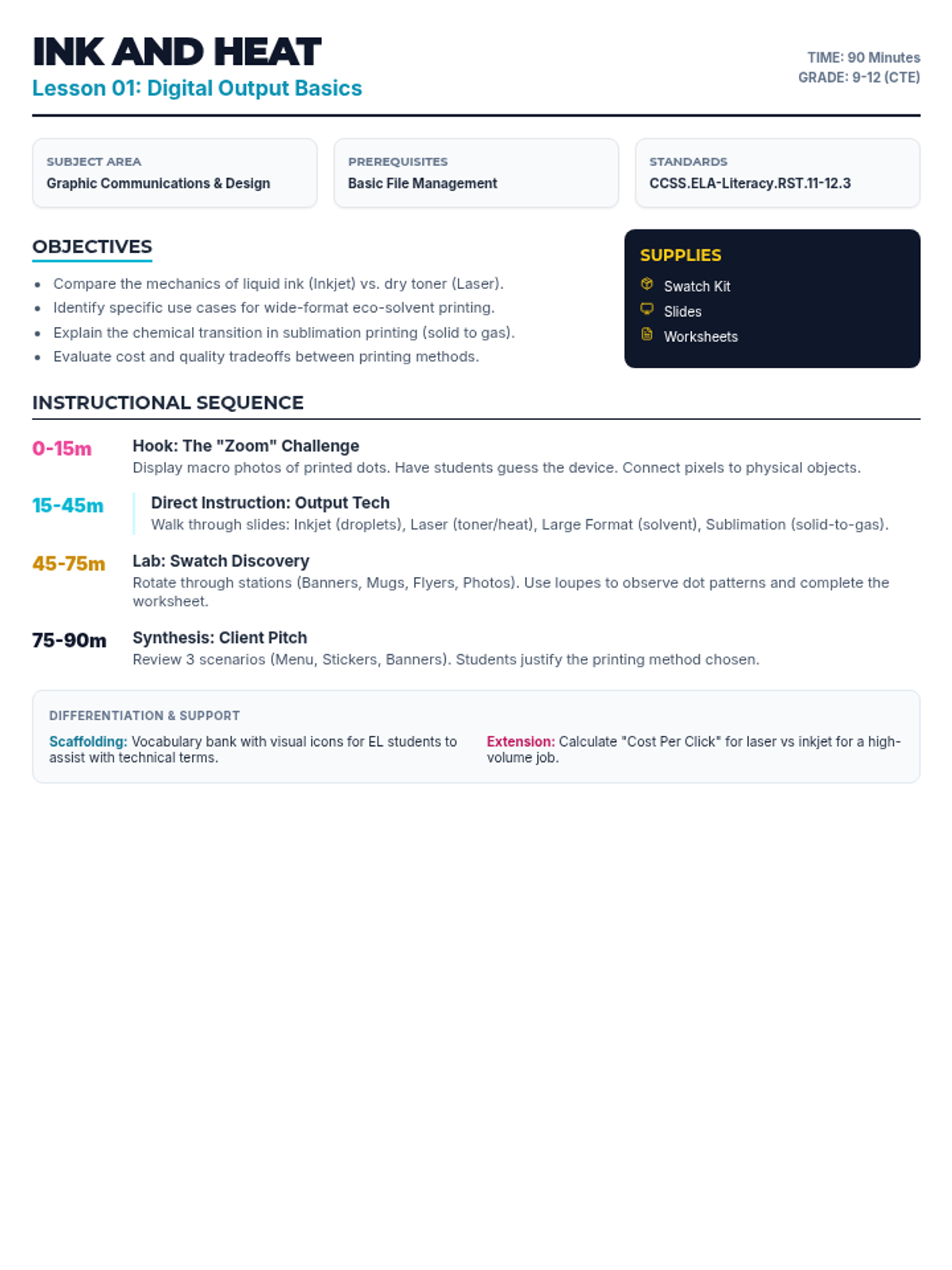
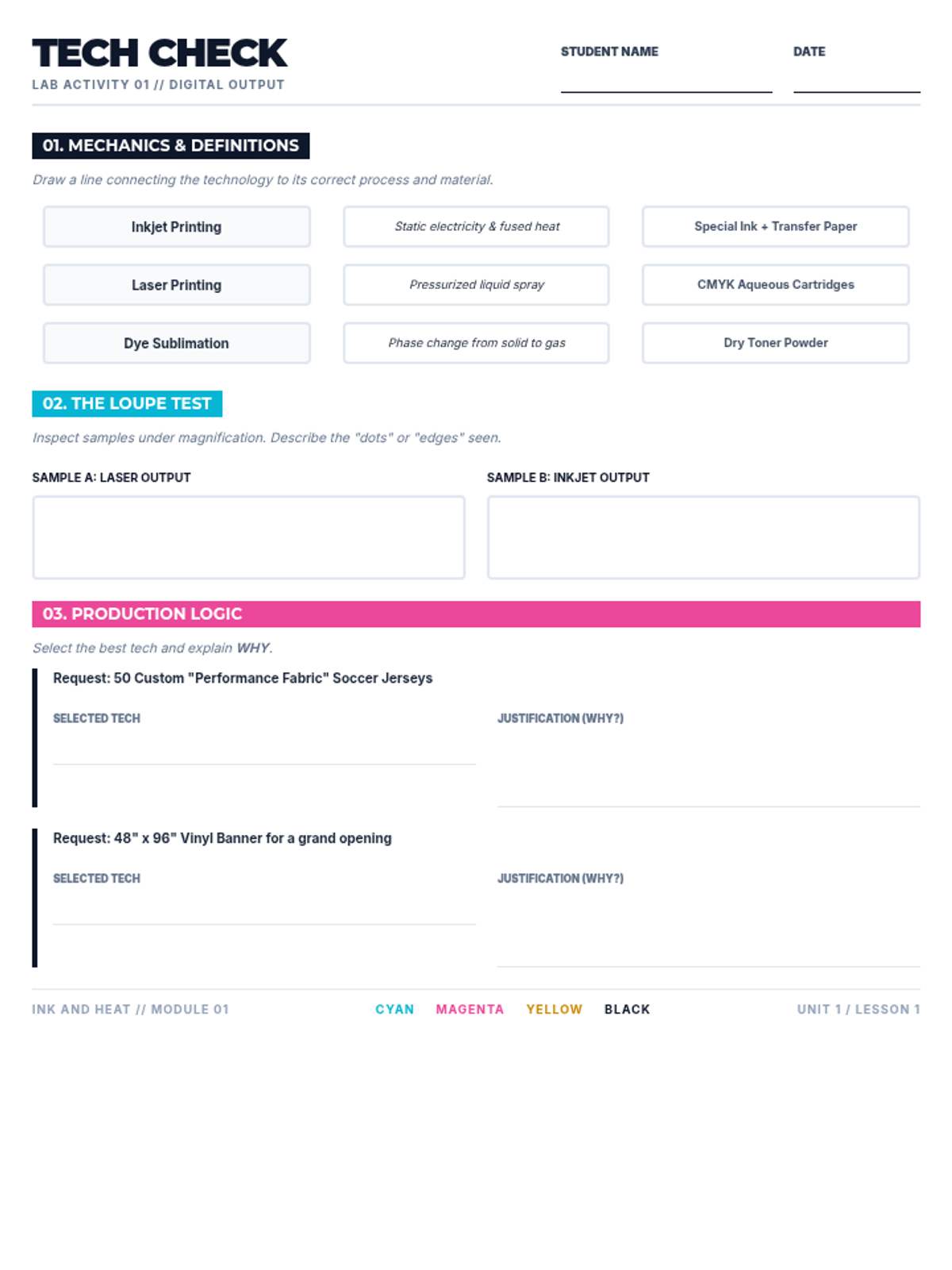
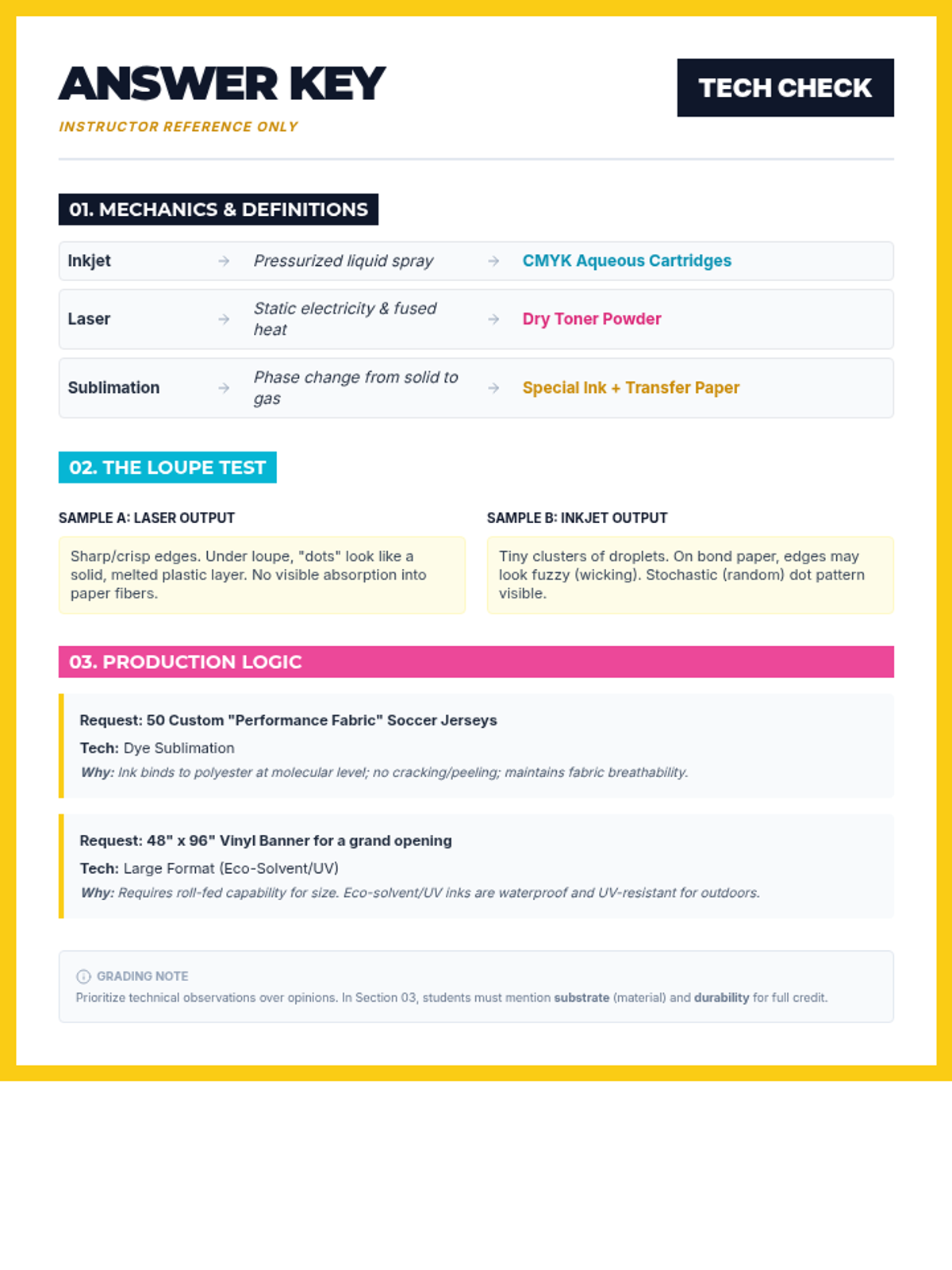
An introductory lesson on digital printing technologies, covering the mechanics of inkjet, laser, large format, and sublimation printing. Students will learn the pros, cons, and specific use cases for each method.
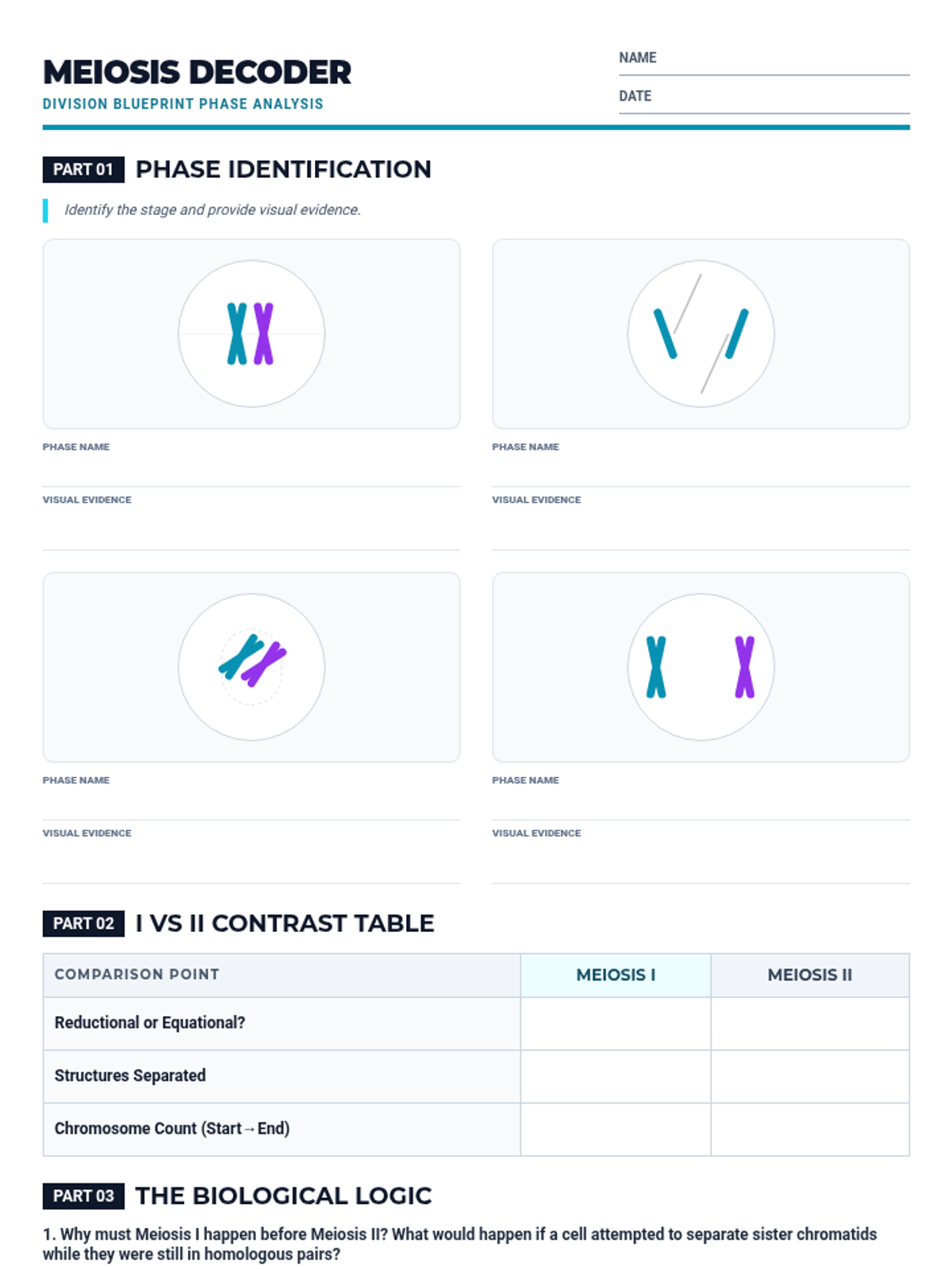
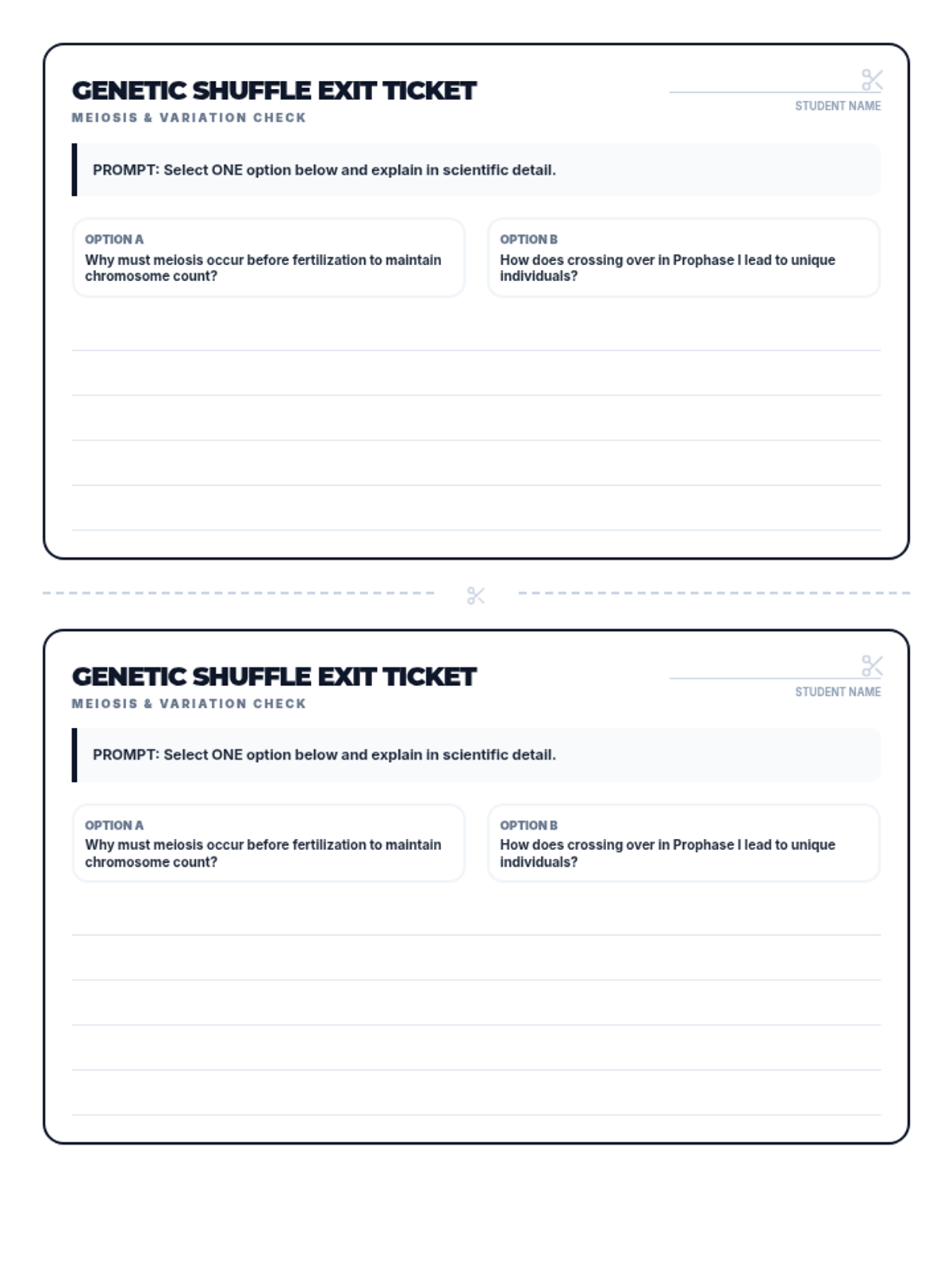
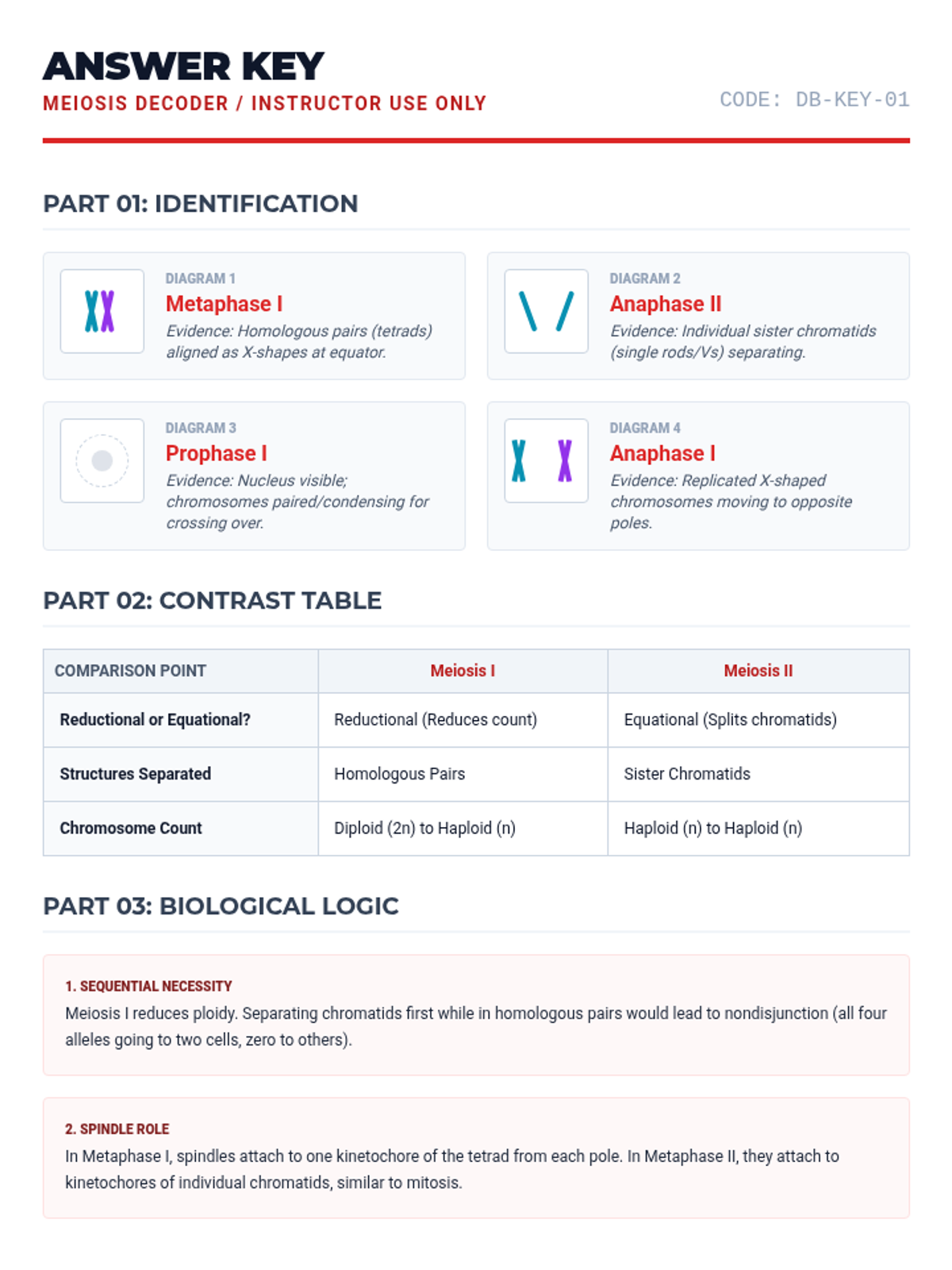
A comprehensive guide to meiosis, focusing on the structural and functional differences between Meiosis I and Meiosis II through visual identification and comparative analysis.
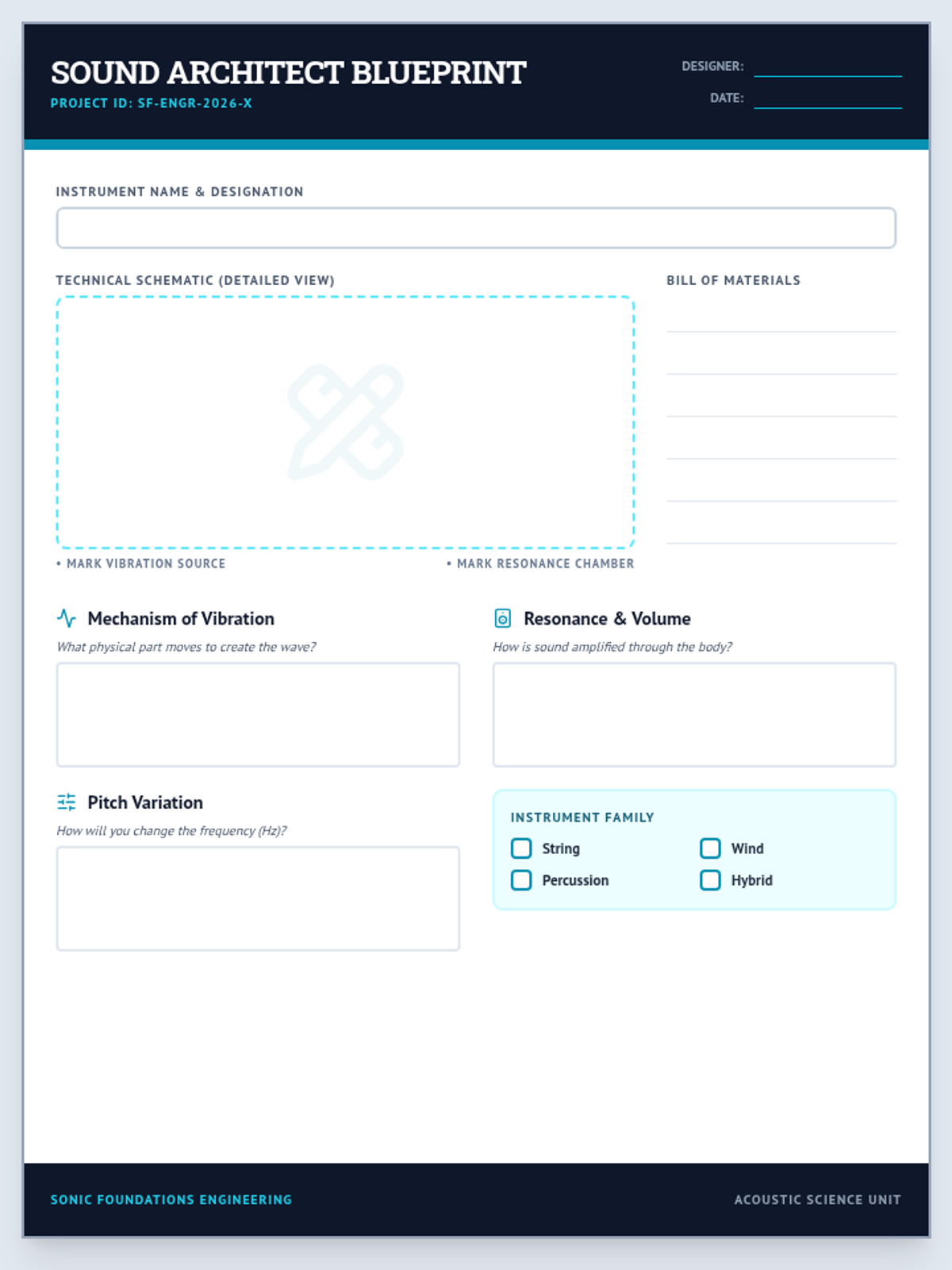
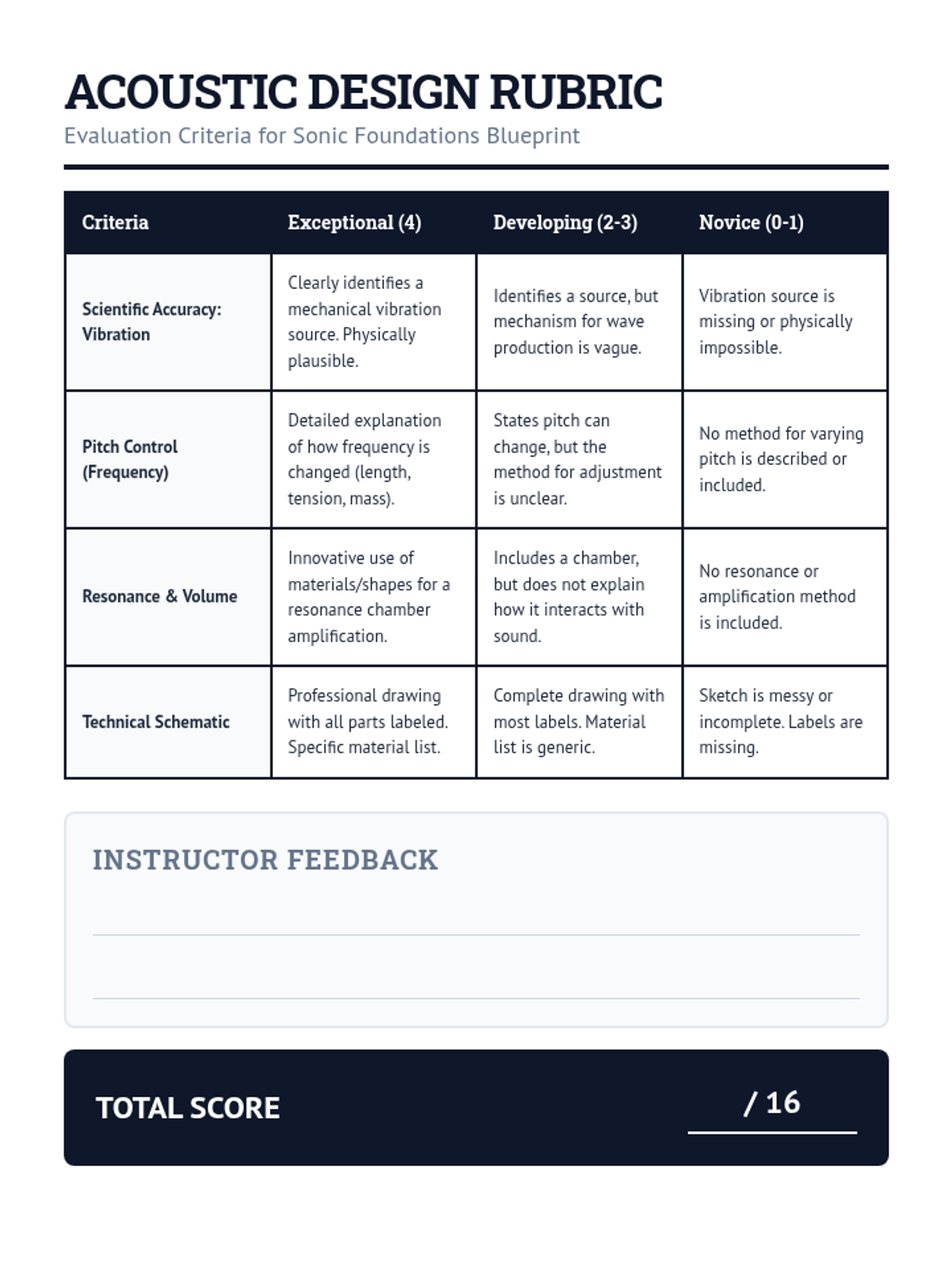
A physical science and music integration lesson exploring how vibration and frequency create sound, culminating in an acoustic instrument design project. Students analyze the mechanics of pitch and resonance across different instrument families.
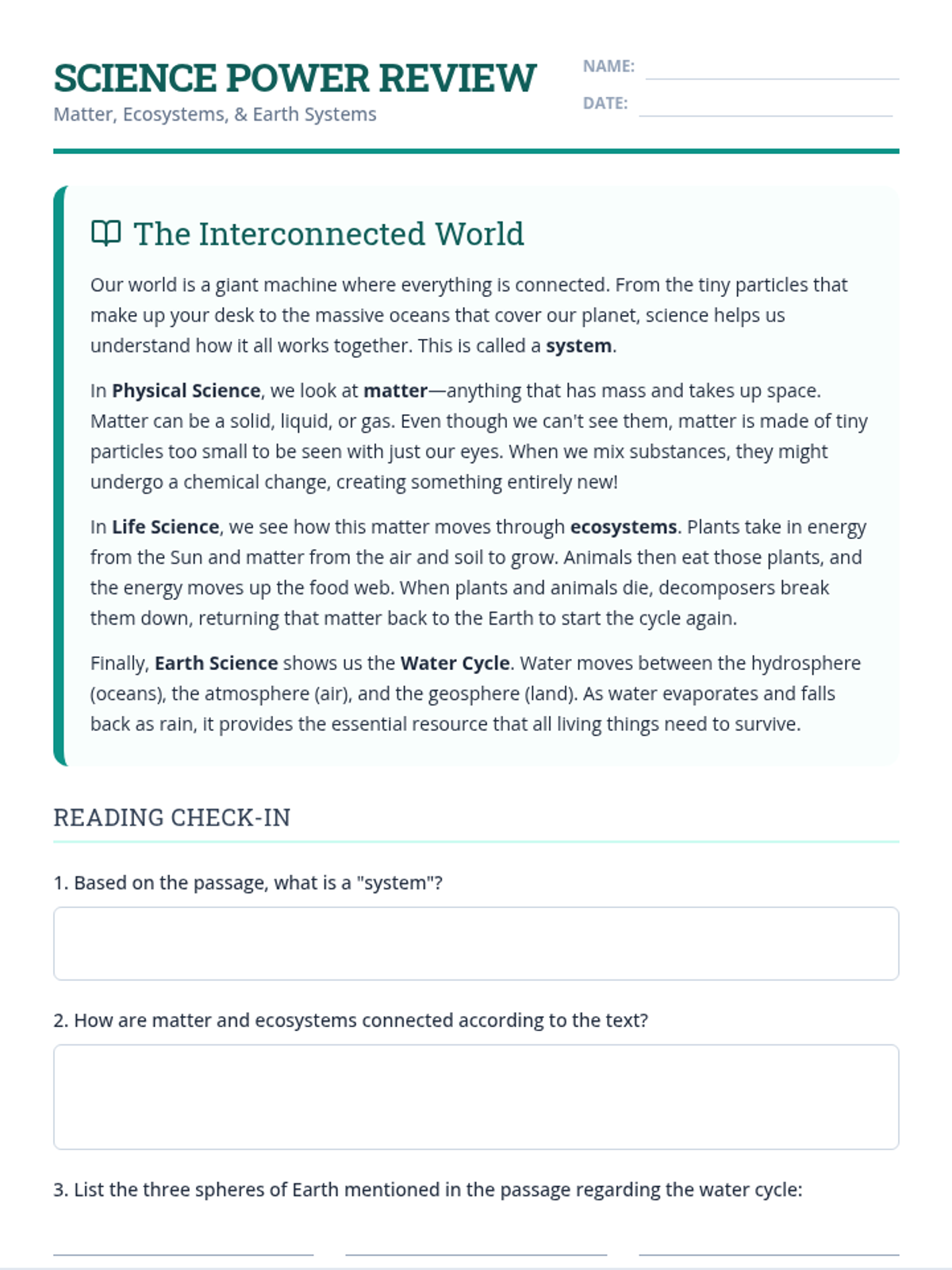
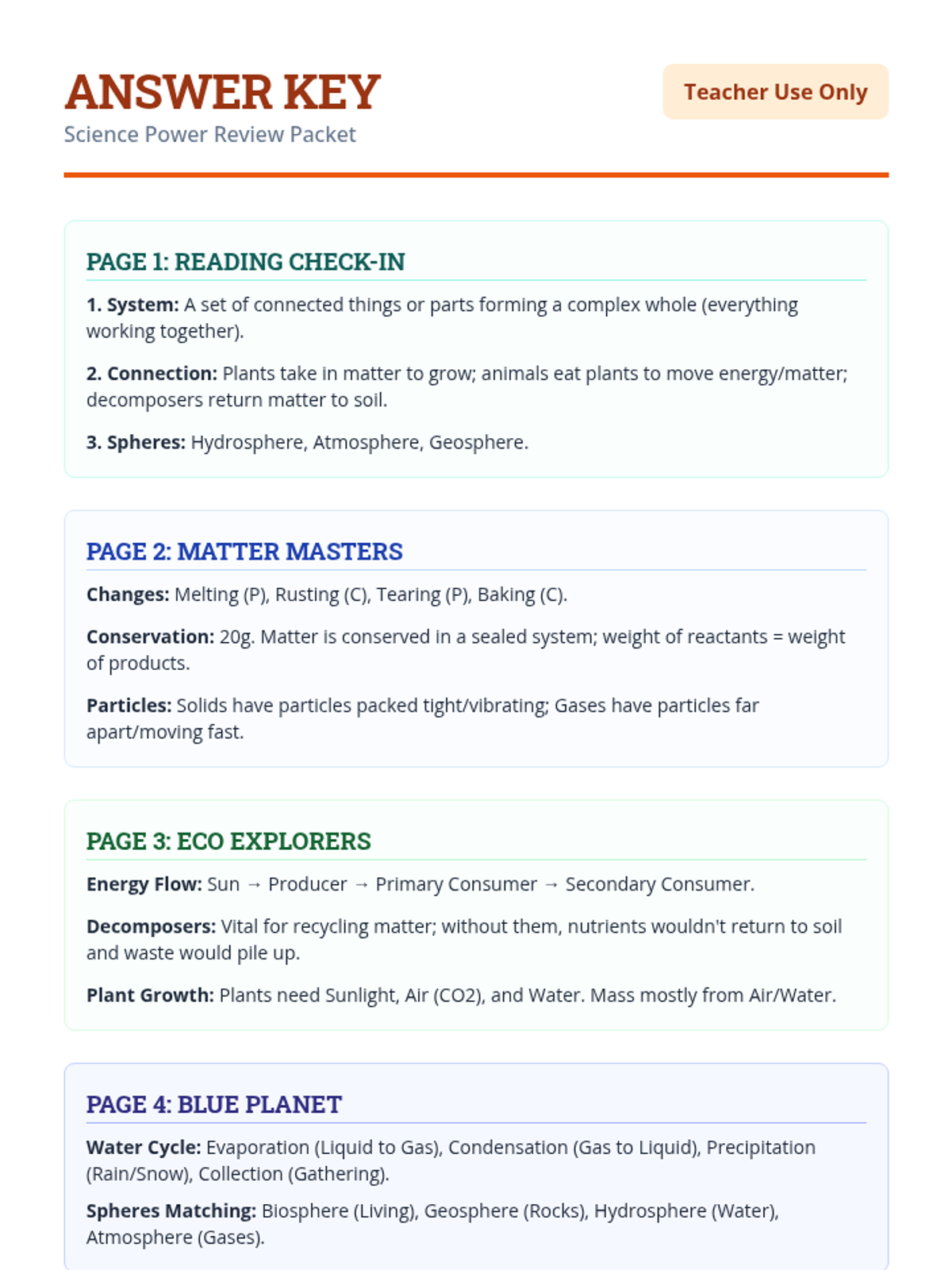
A comprehensive 5th-grade NGSS science review covering Physical Science (matter), Life Science (ecosystems), and Earth Science (the water cycle and Earth's systems) through reading passages and mixed review questions.
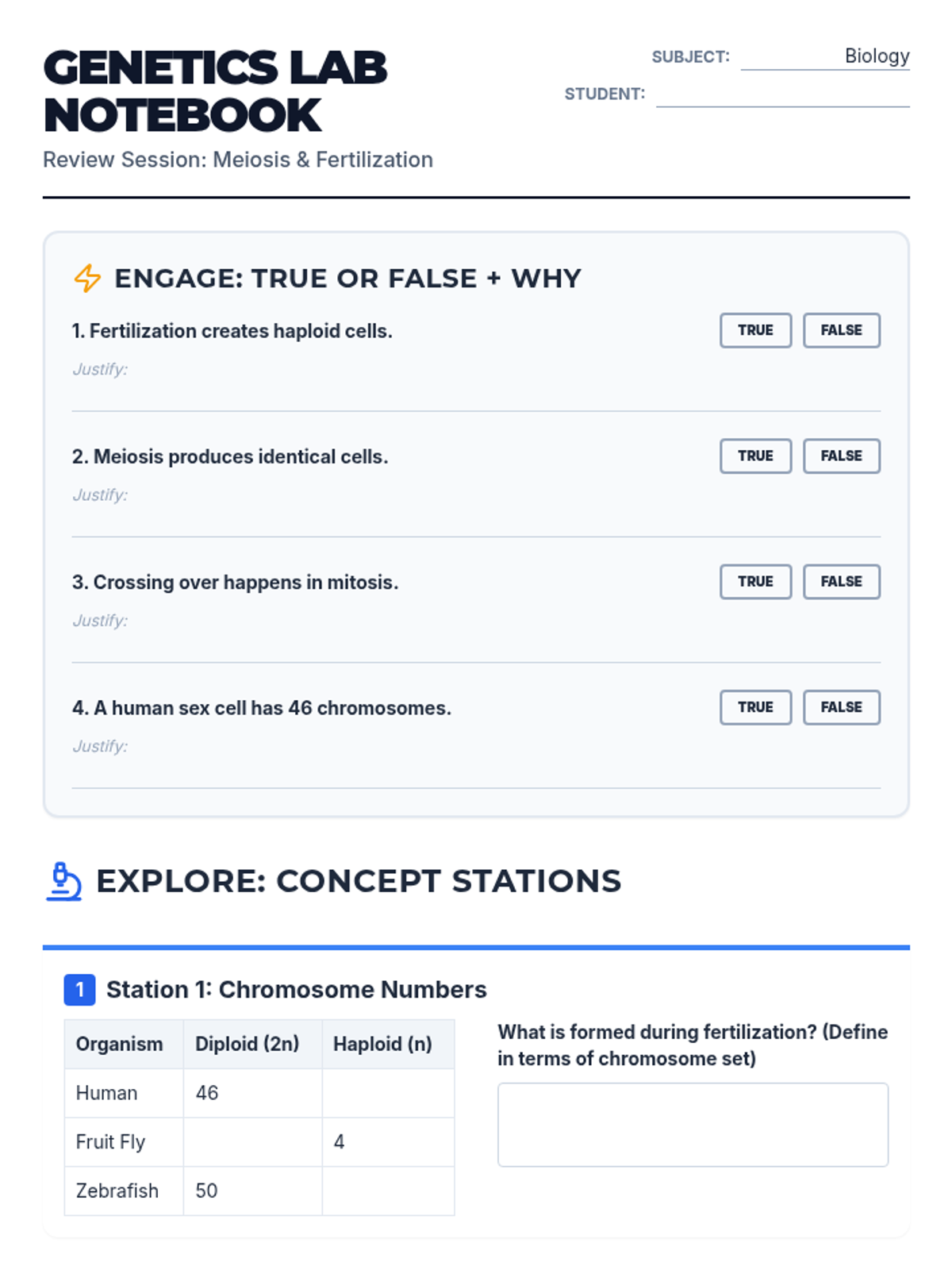
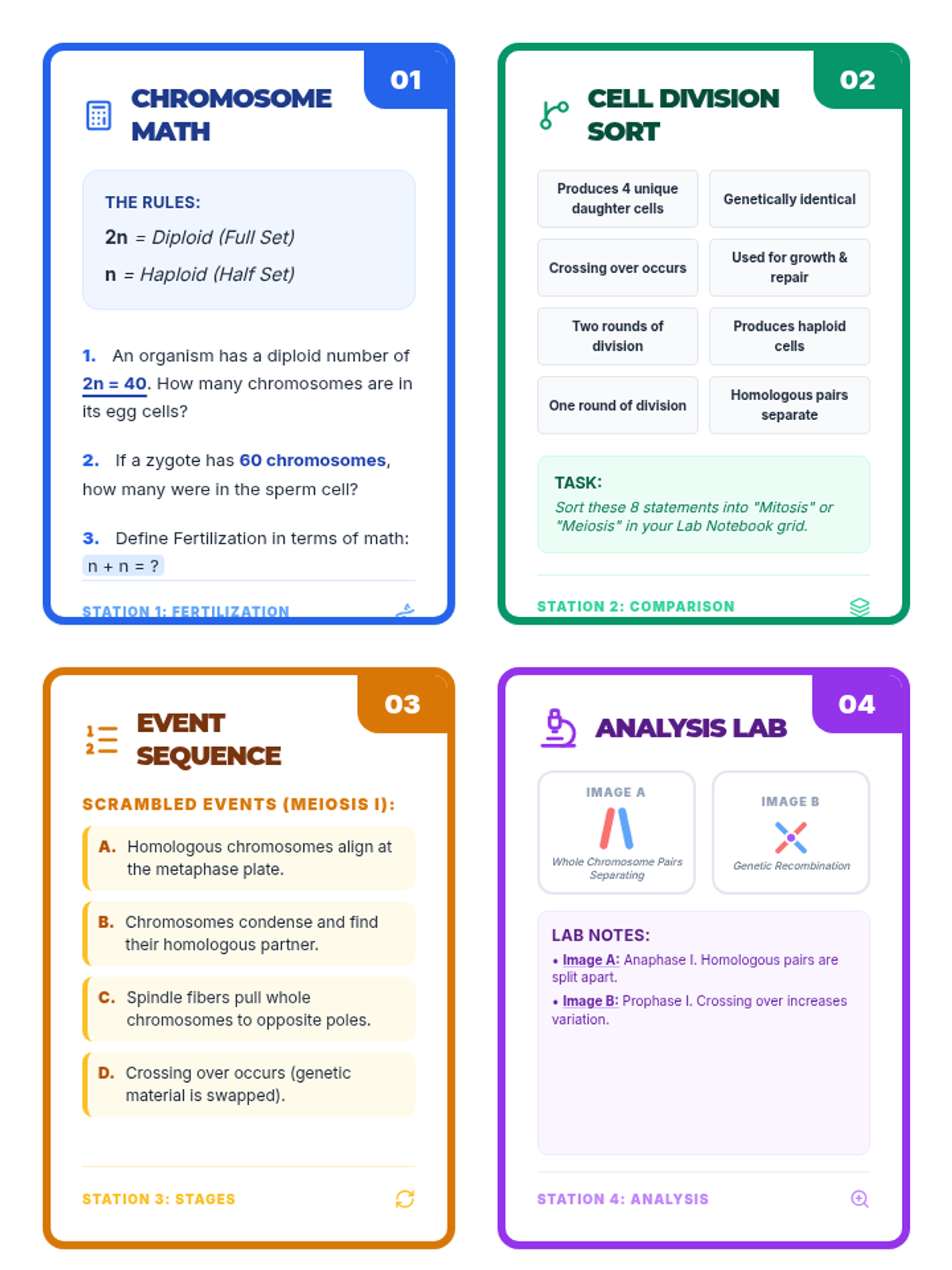
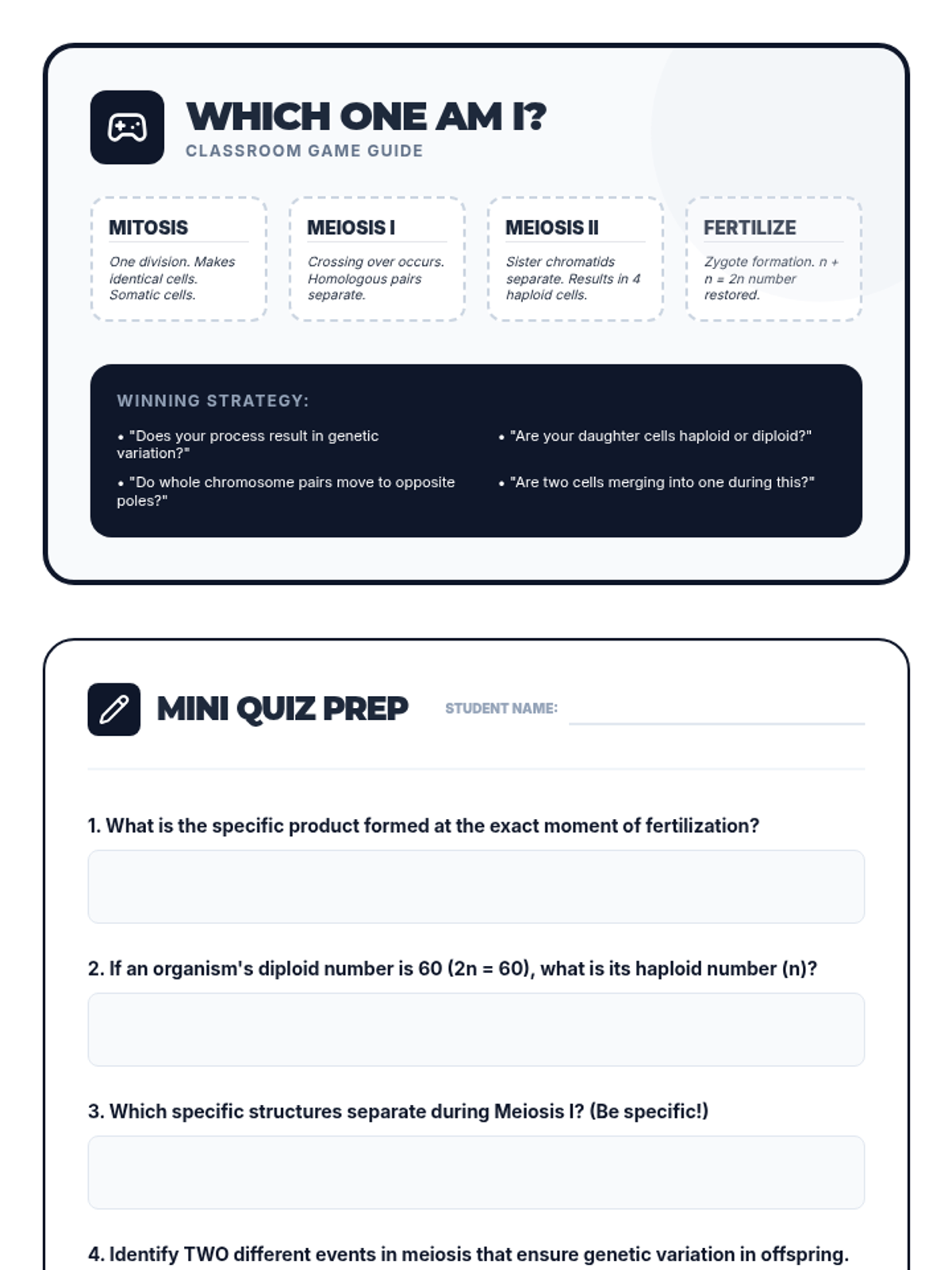
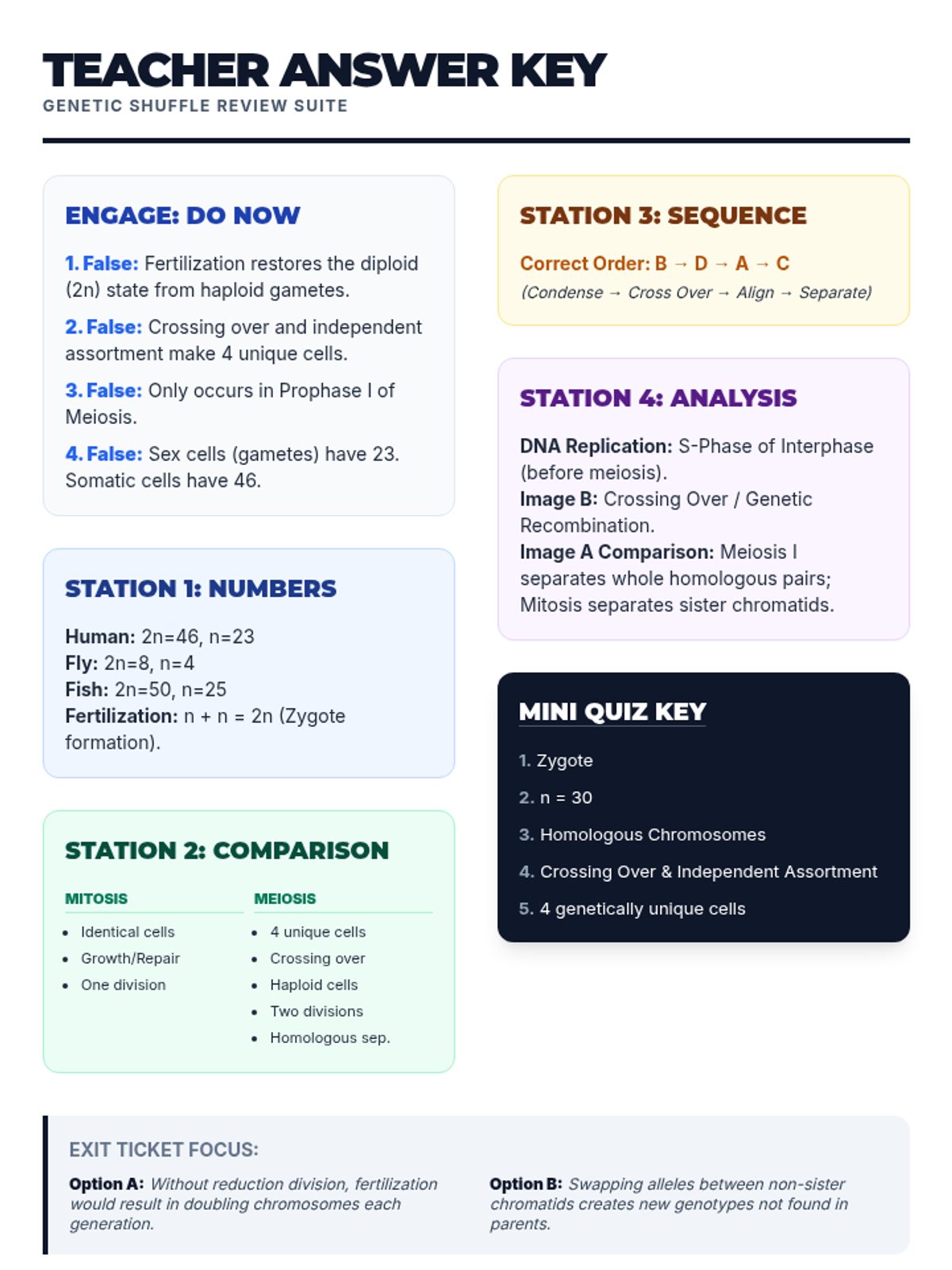
A high-school level review lesson covering meiosis, mitosis, fertilization, and genetic variation. Students rotate through concept stations to master chromosome math and cellular division sequences.
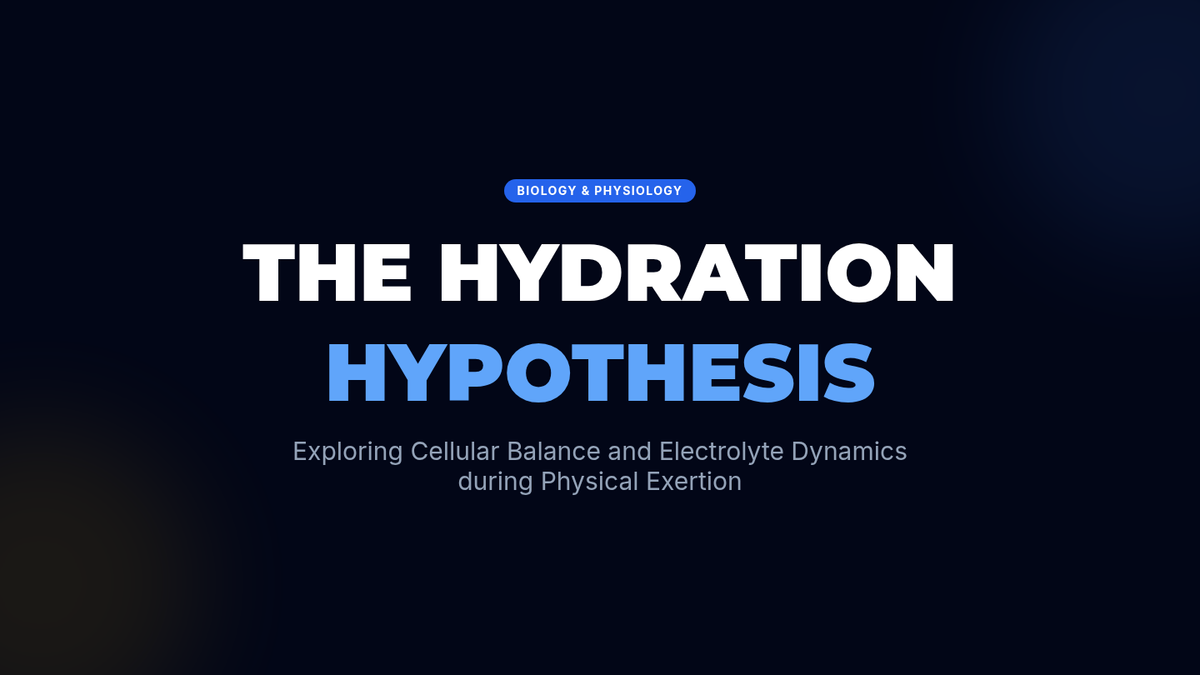
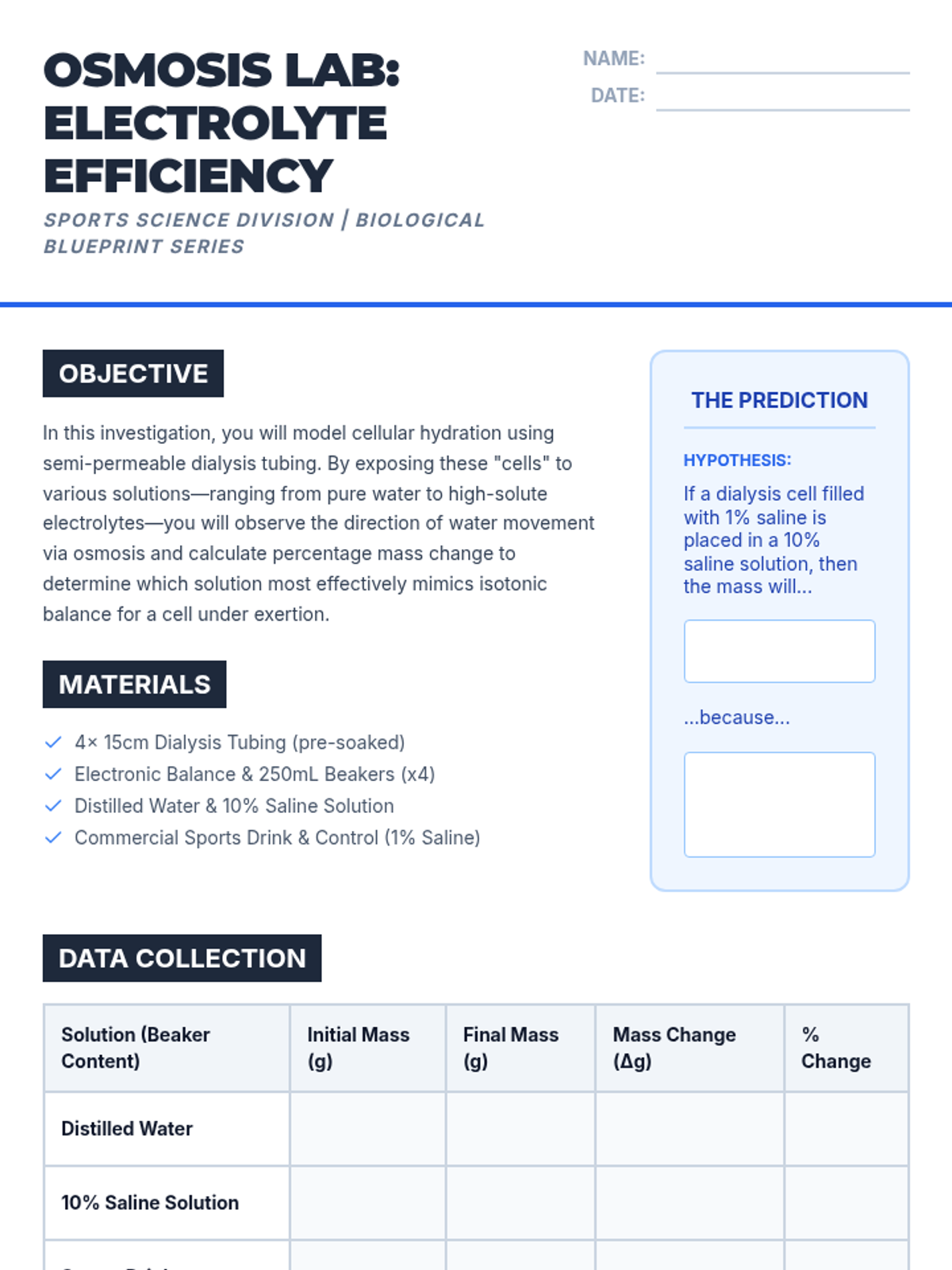
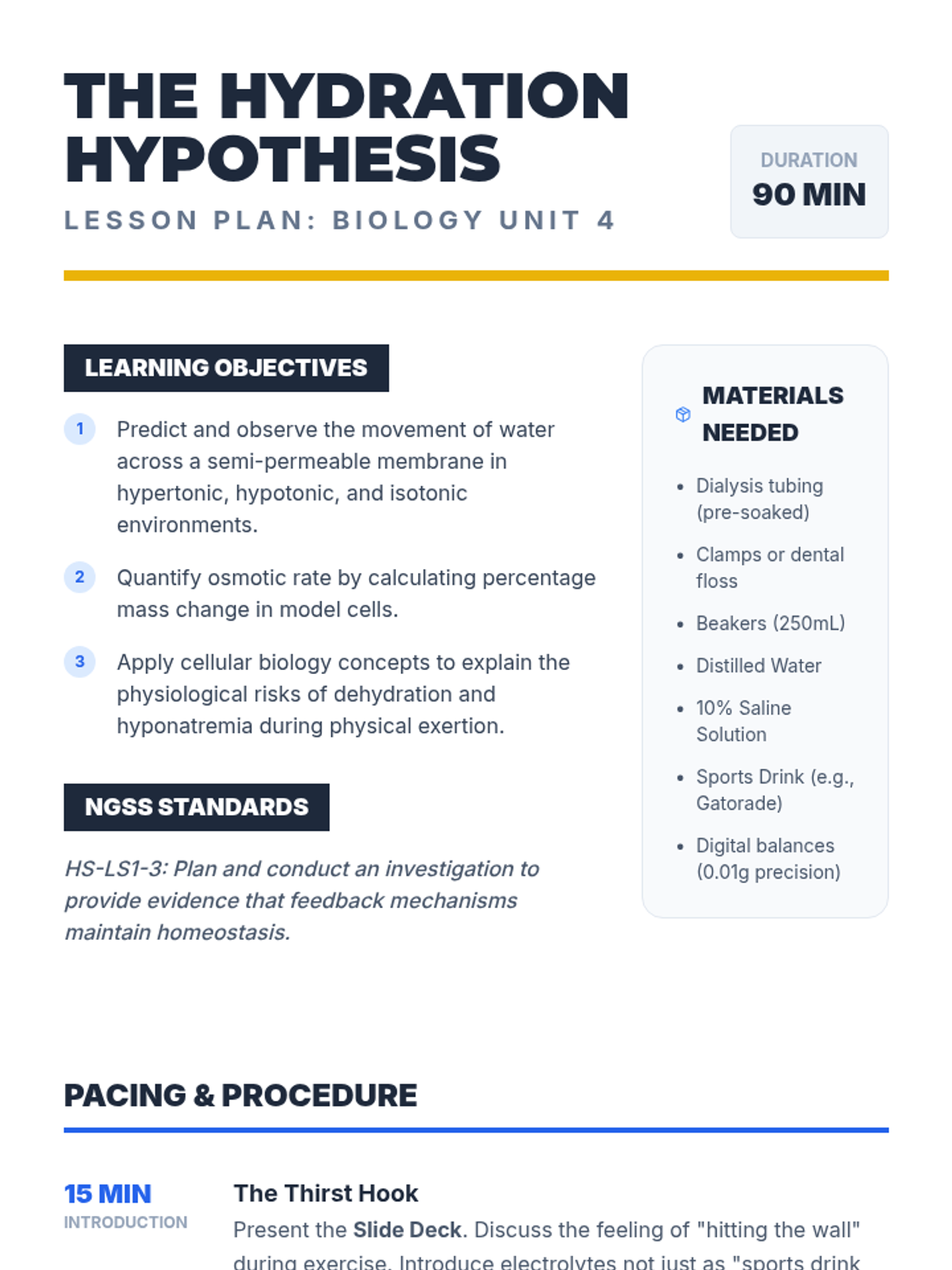
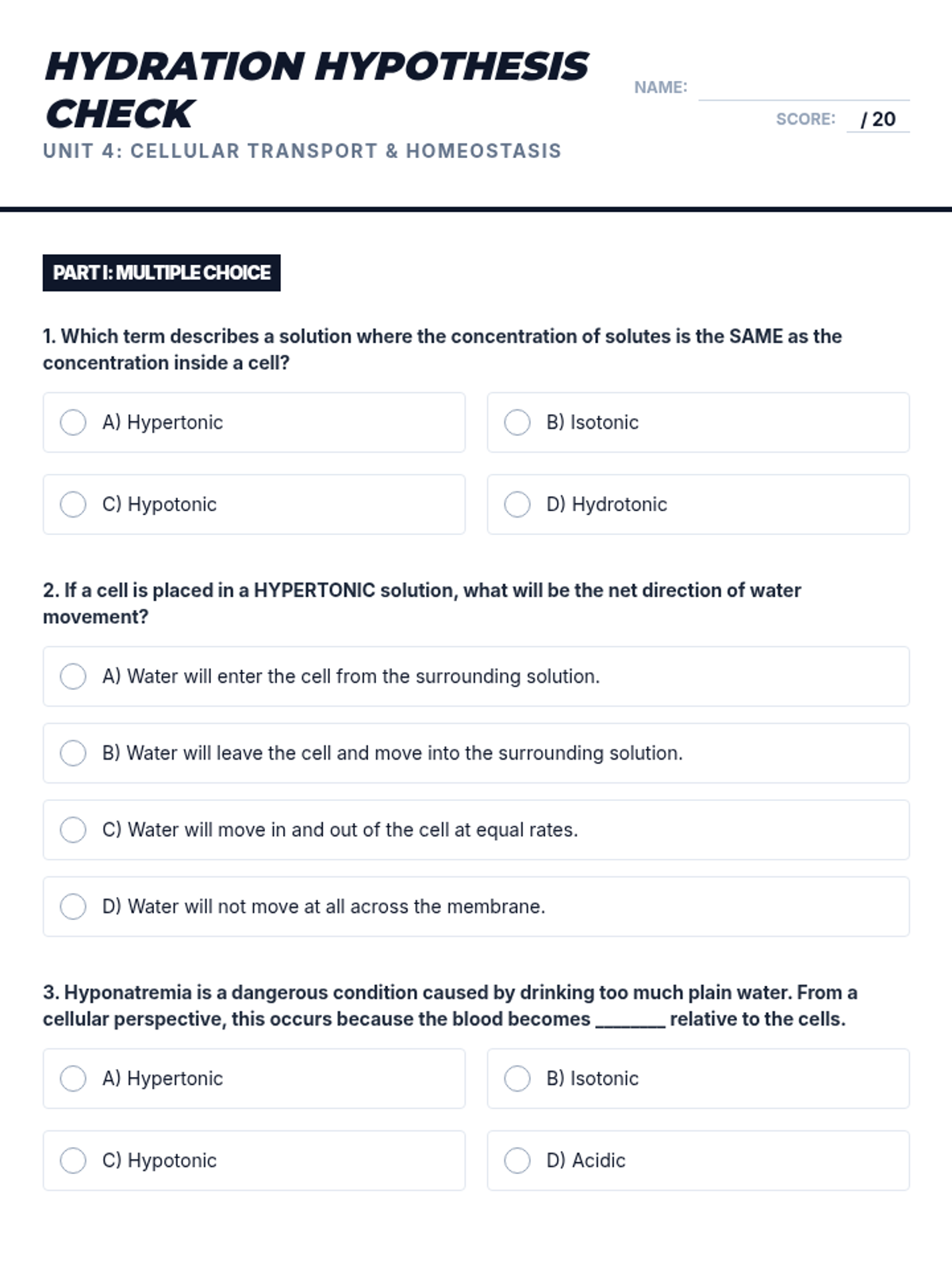
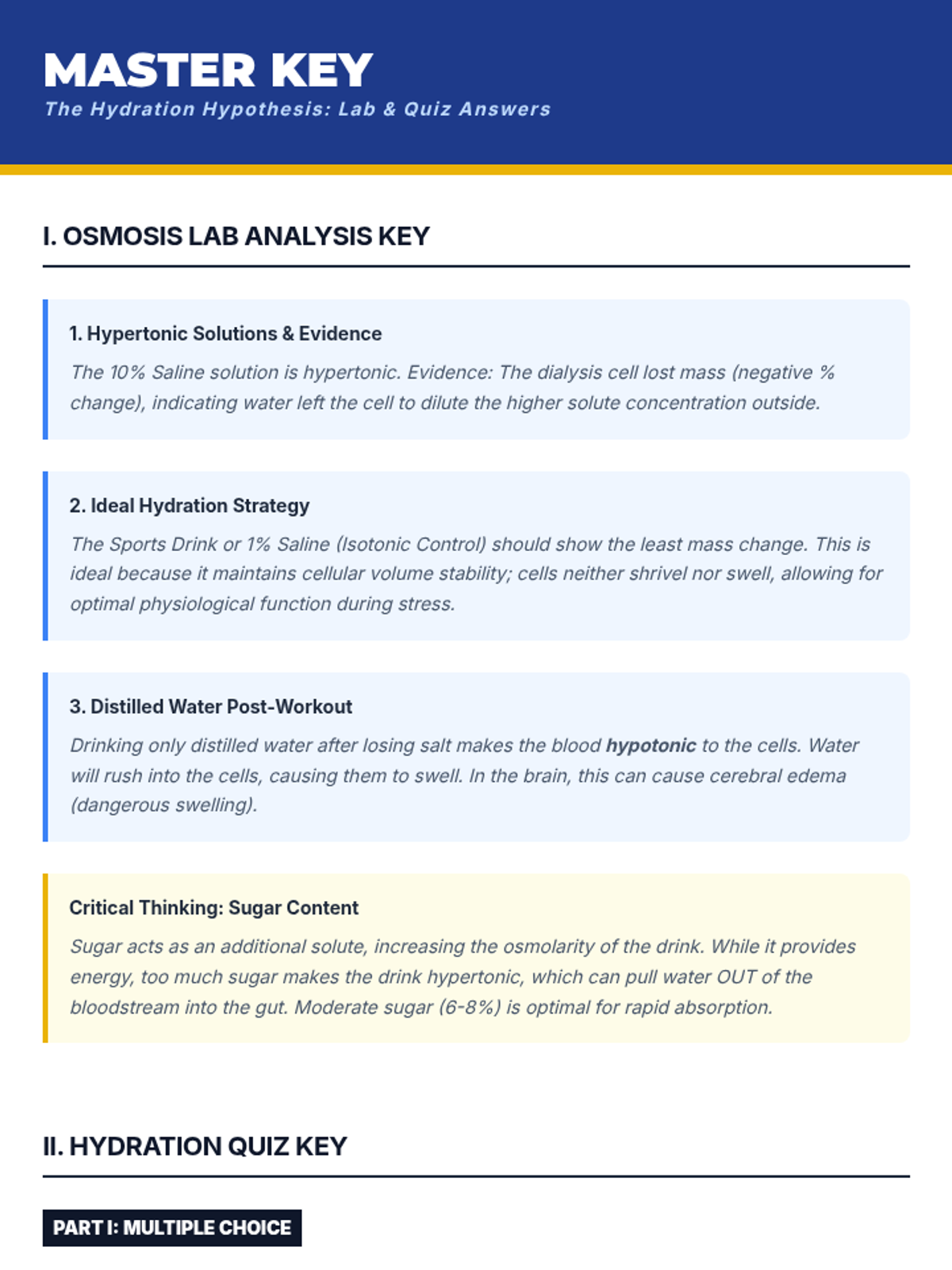
A high school biology lesson exploring the mechanics of cellular hydration, osmosis, and electrolyte balance during physical activity through experimental observation and physiological analysis.
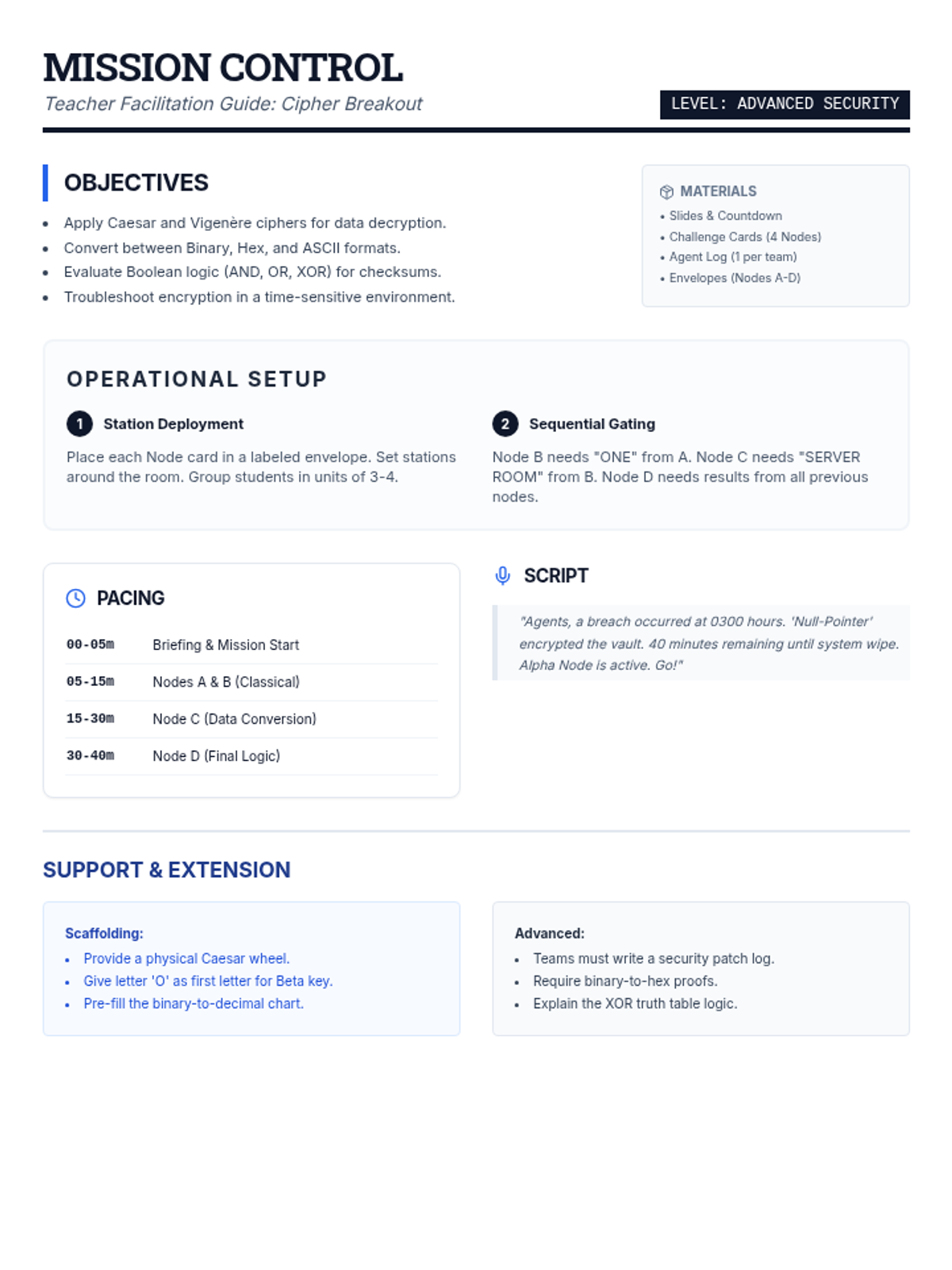
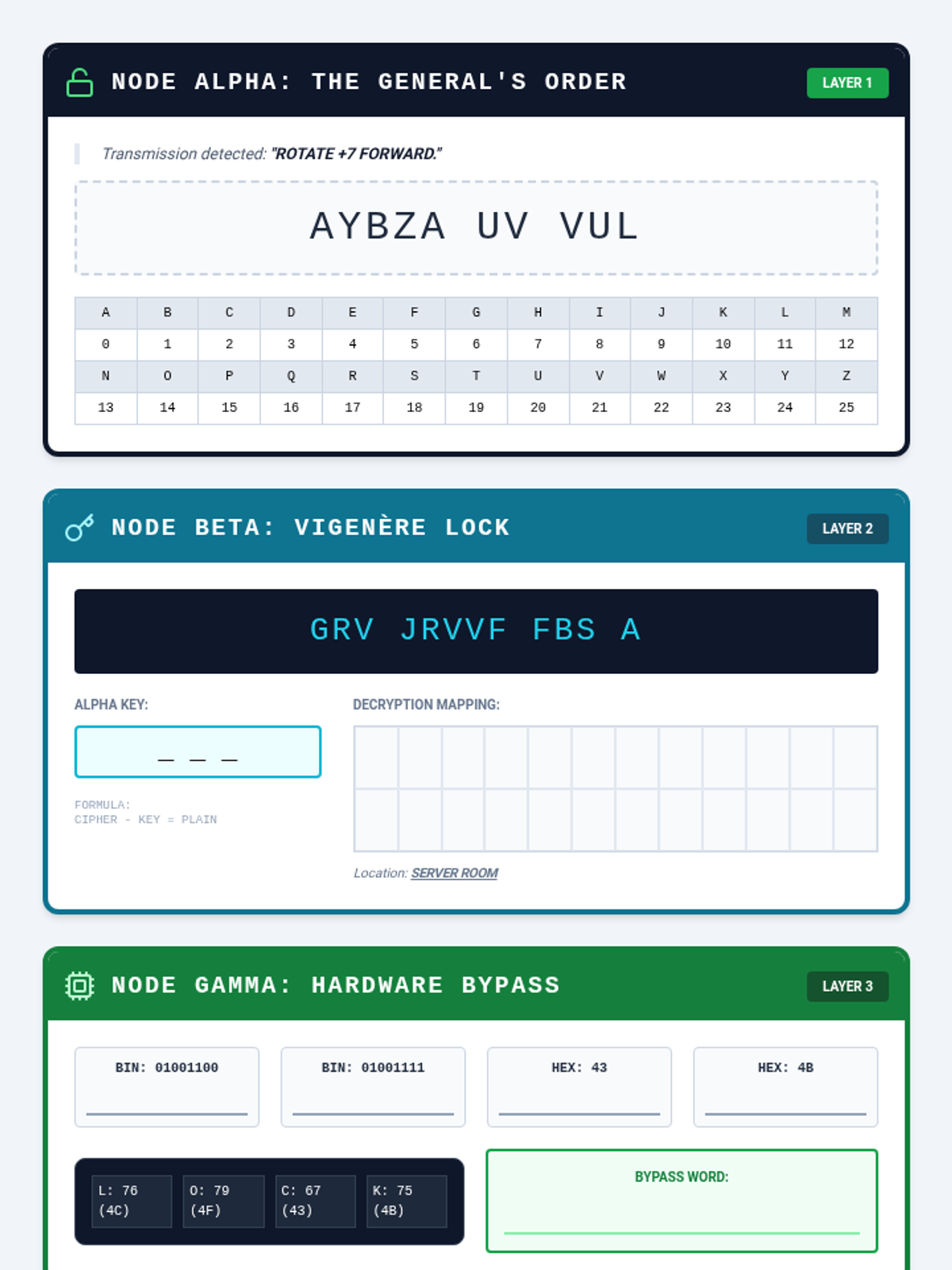
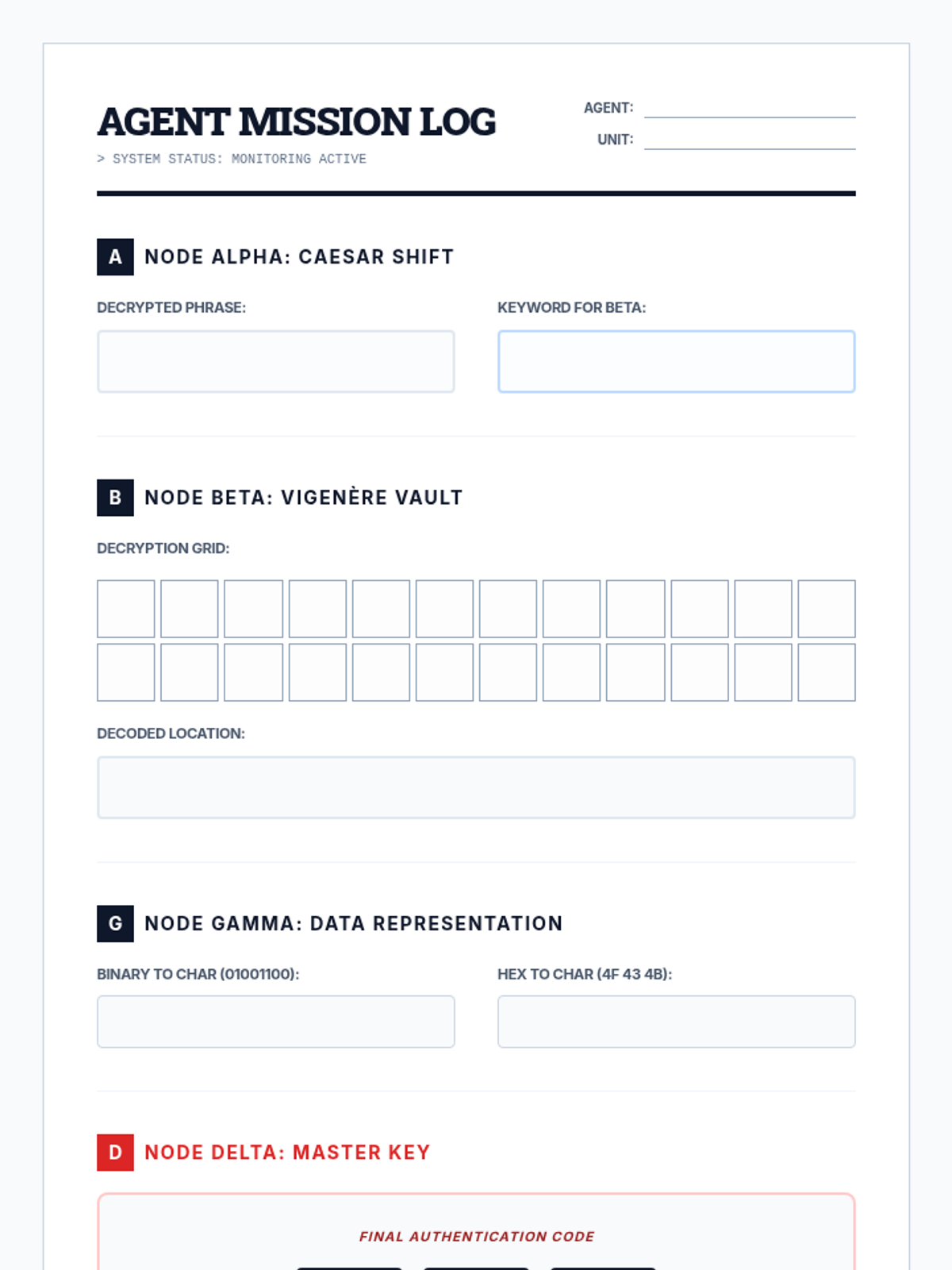
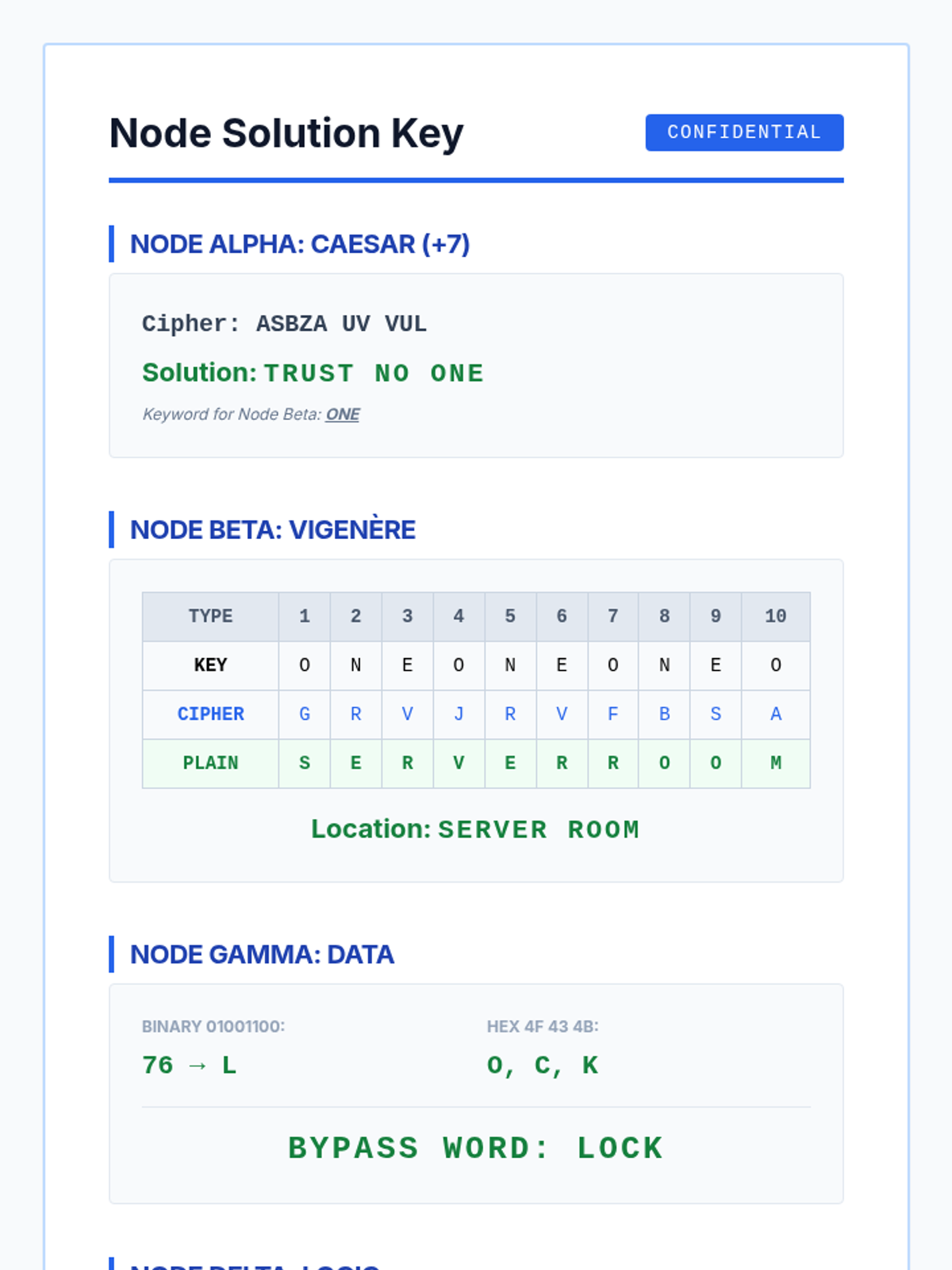
An immersive escape-room challenge for high schoolers to master encryption techniques including Caesar ciphers, Vigenere ciphers, and data representation. Students work in teams to decode clues and 'secure the system' before time runs out.
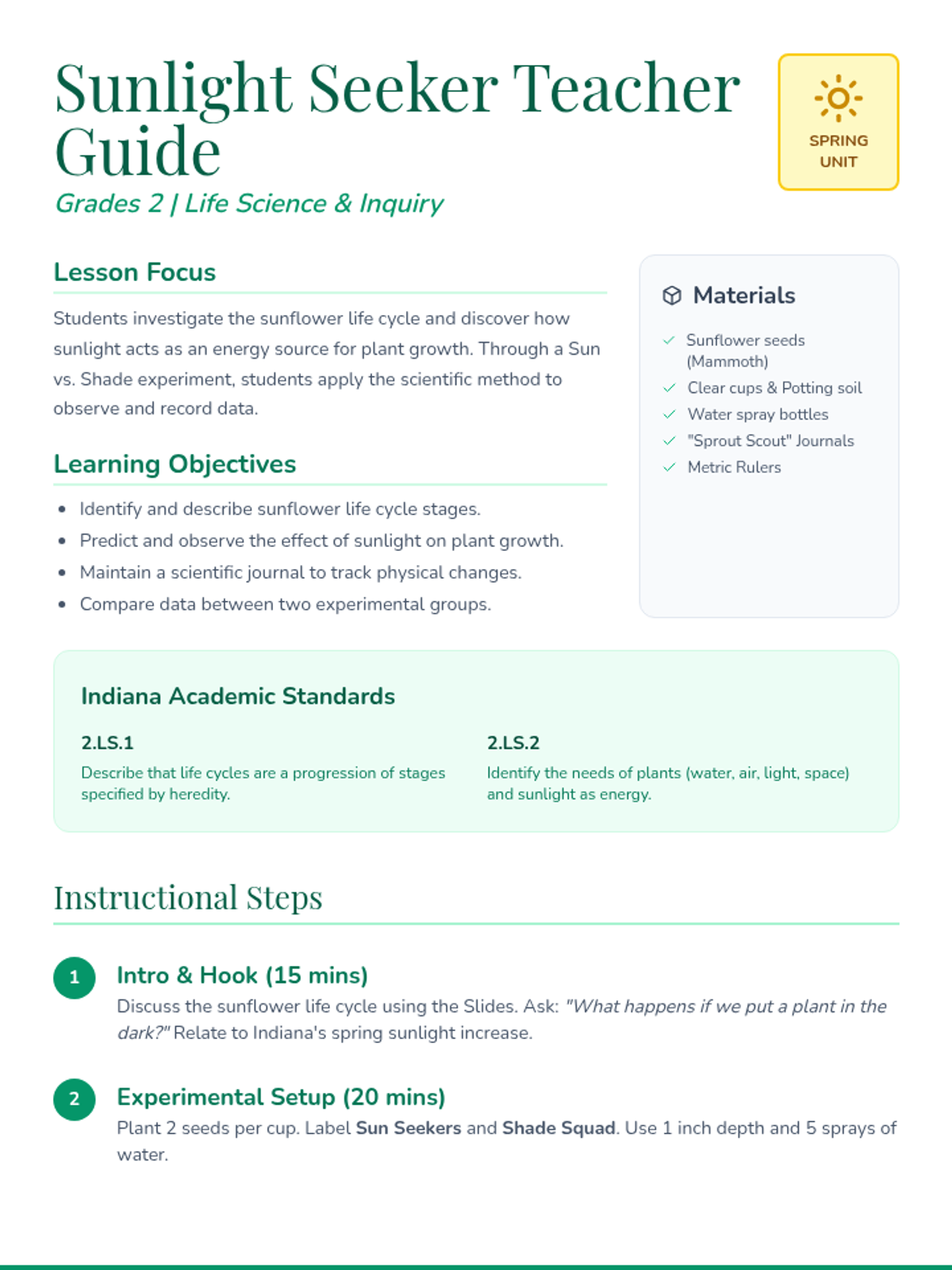
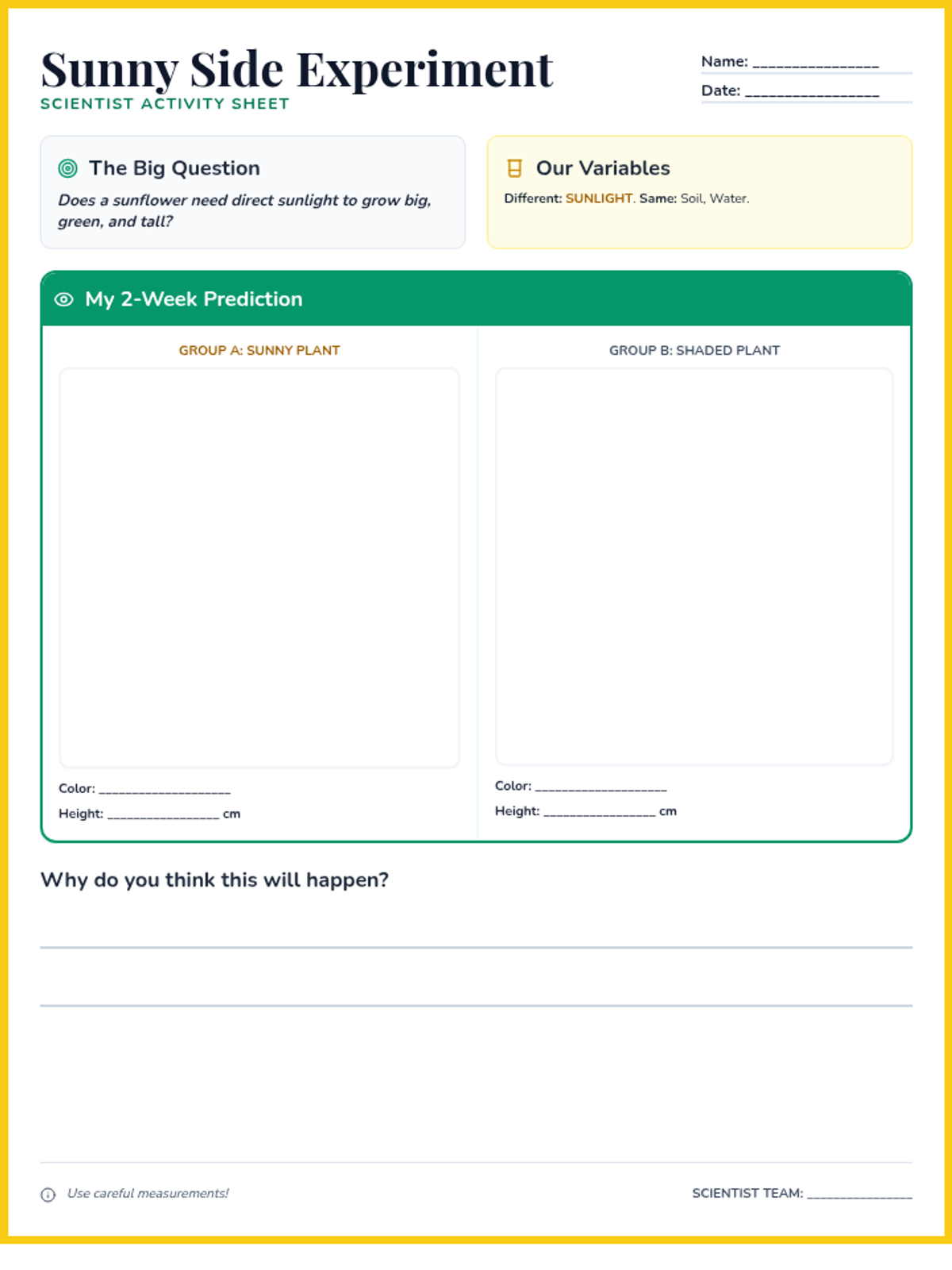
Students explore the plant life cycle and the critical role of sunlight through a hands-on sunflower experiment tailored for Indiana's spring climate.
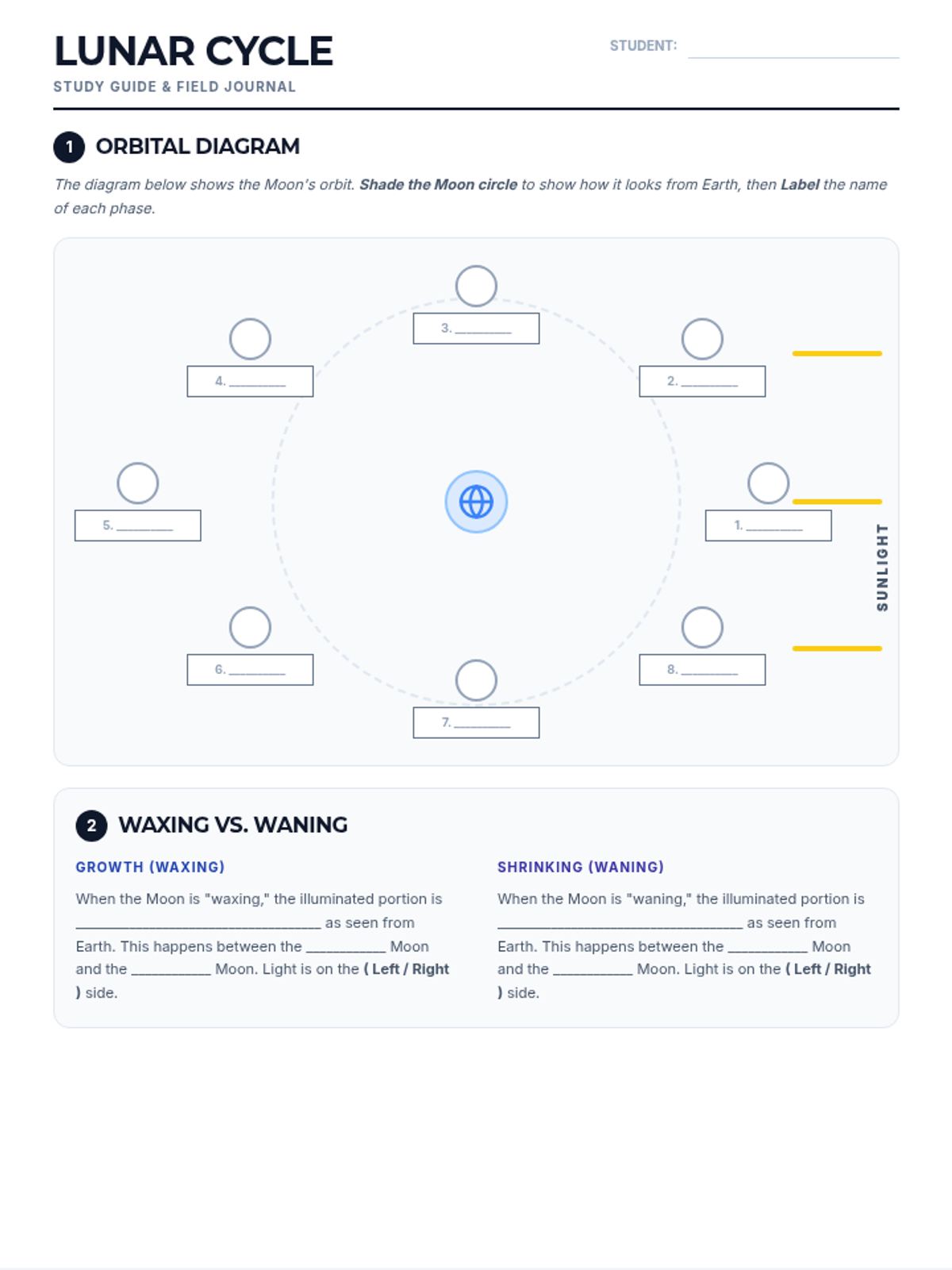
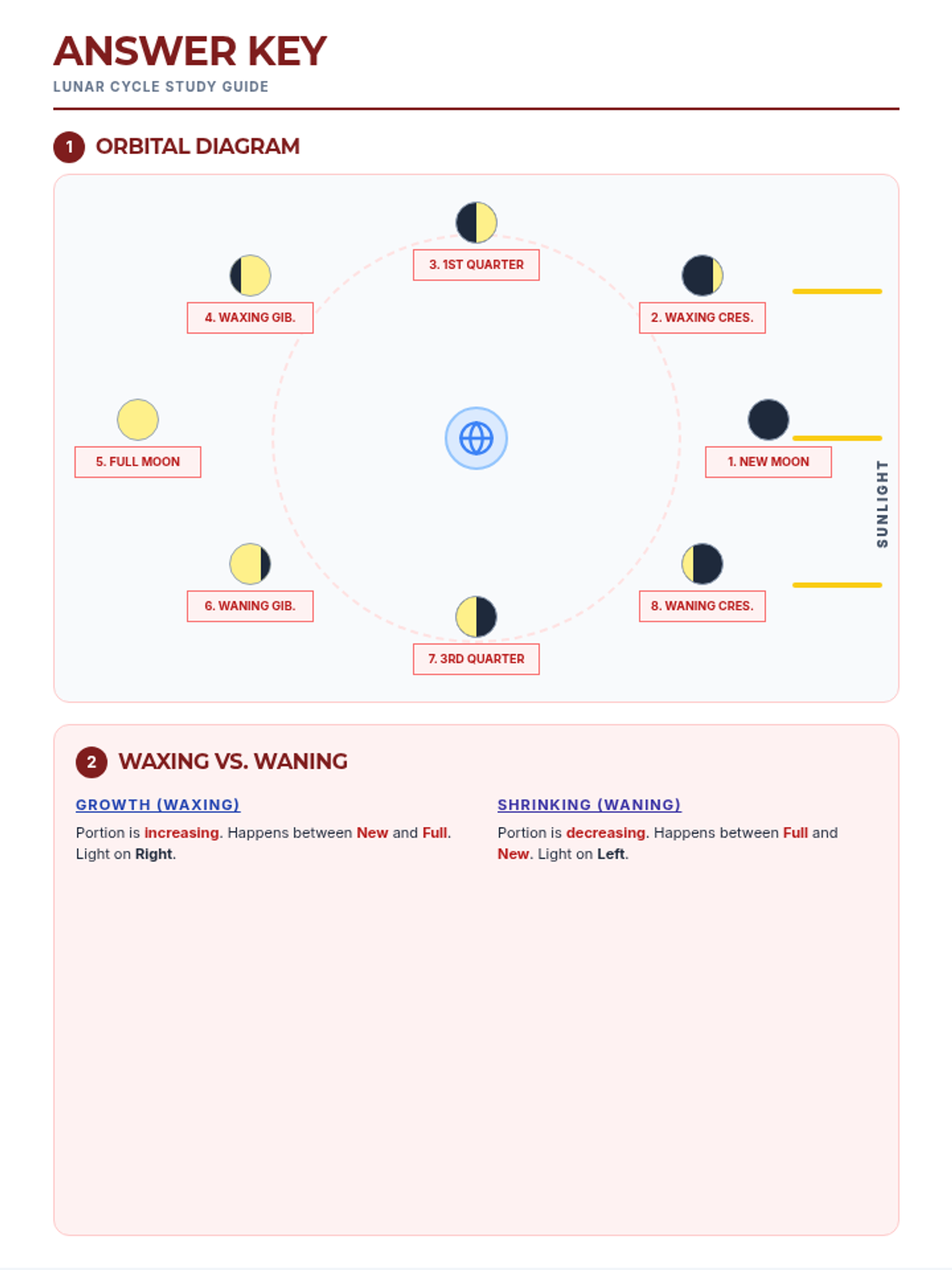
A comprehensive exploration of the eight phases of the moon, focusing on the lunar cycle and the distinction between waxing and waning.
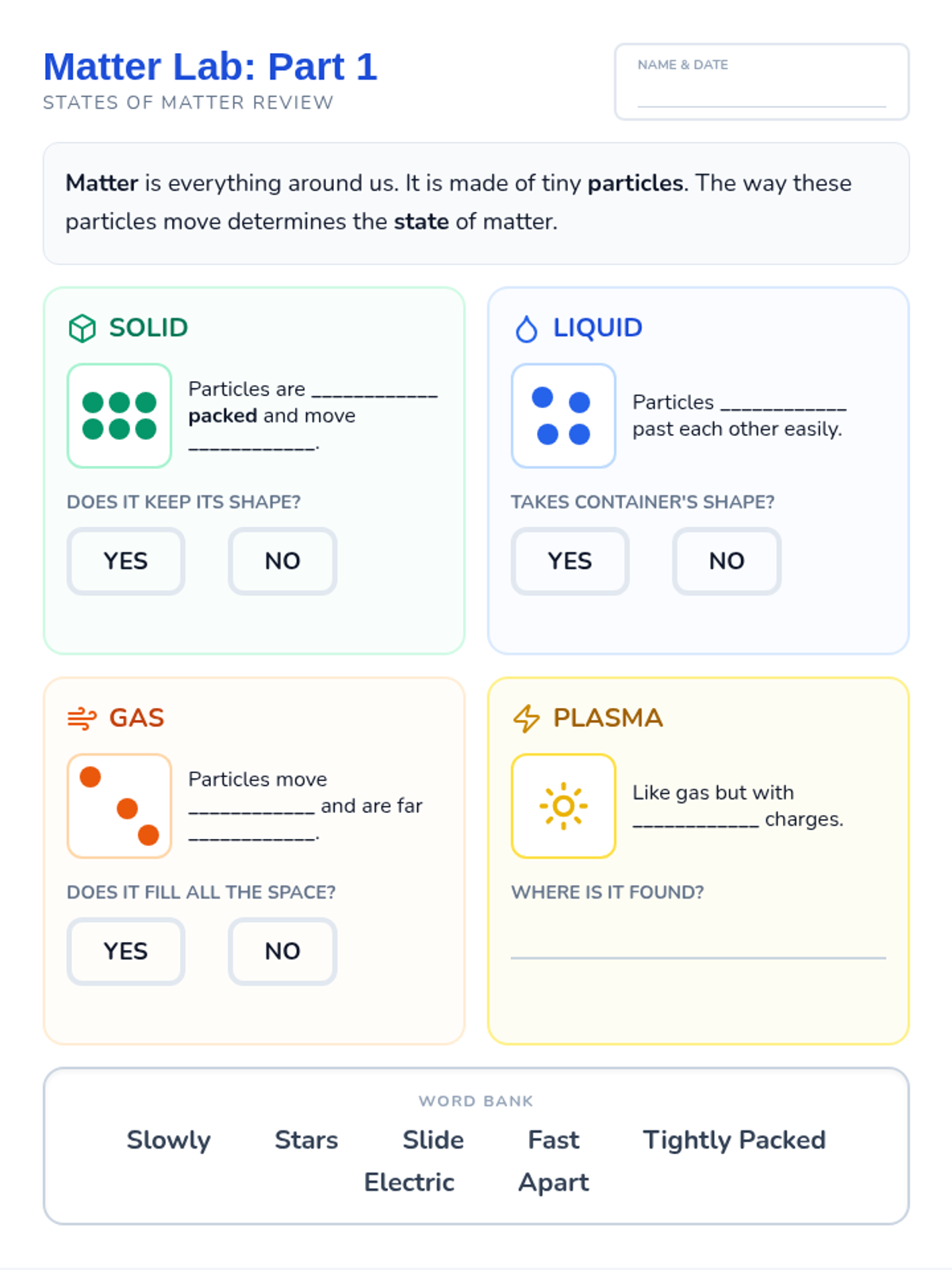
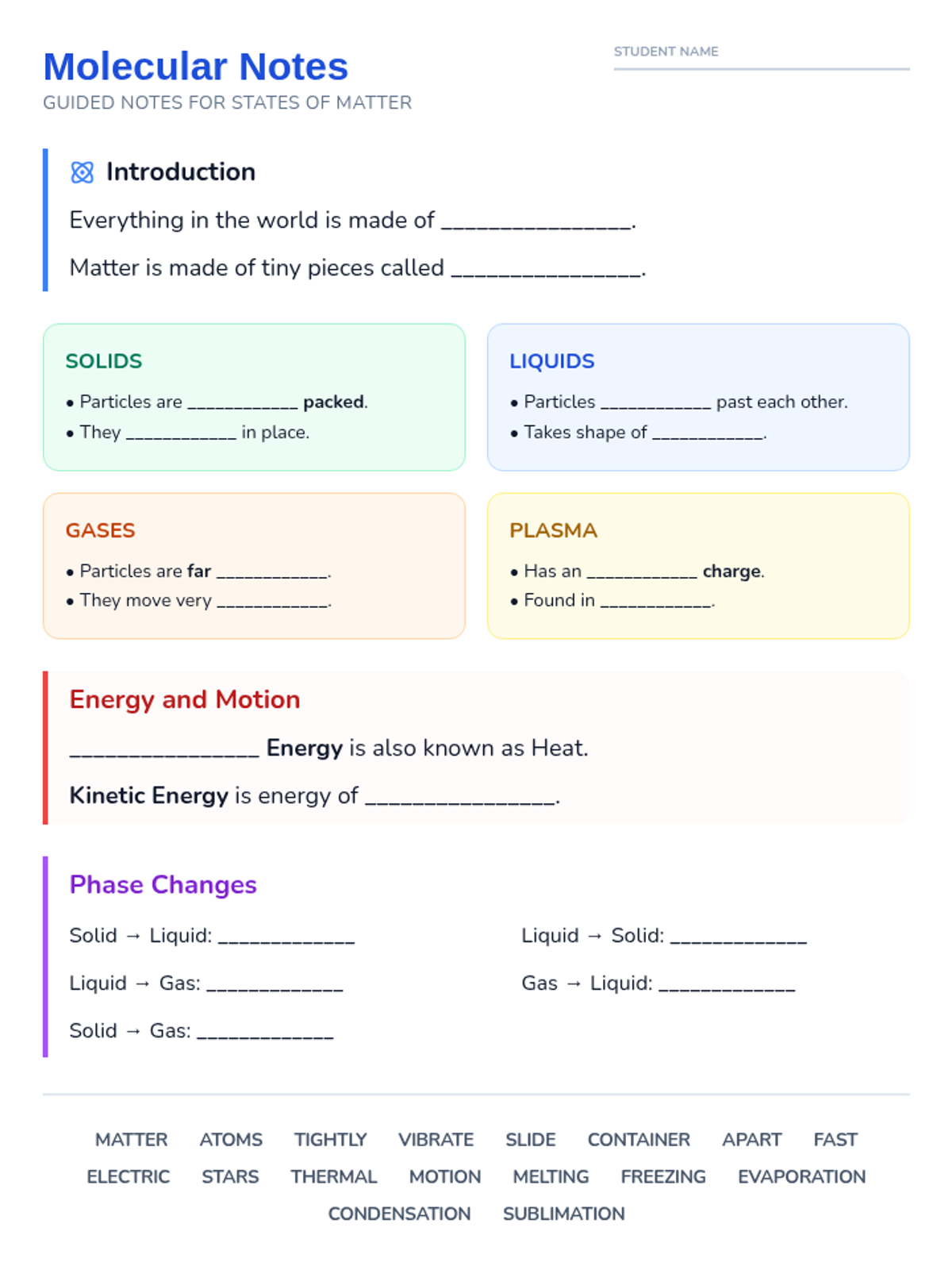
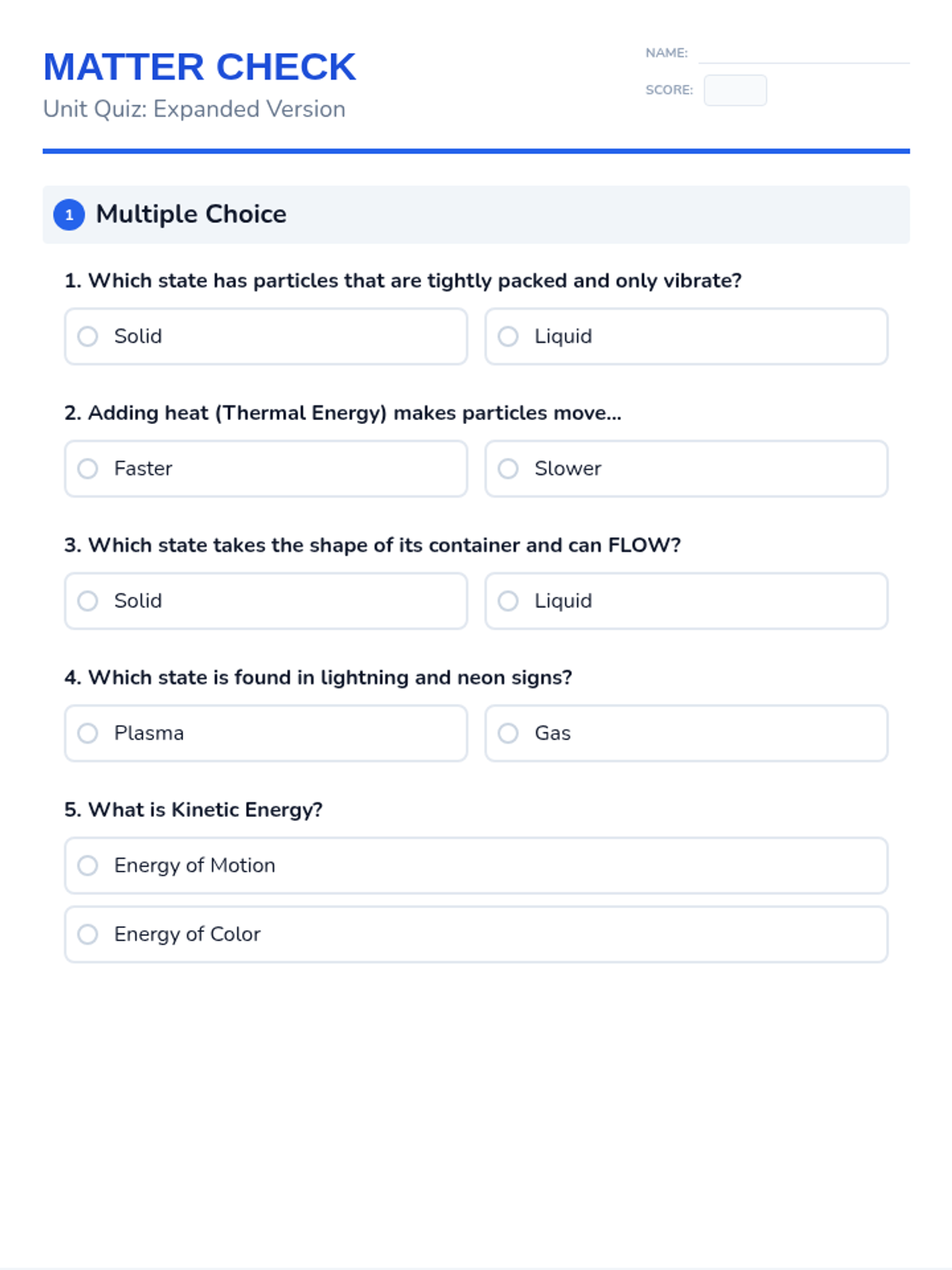
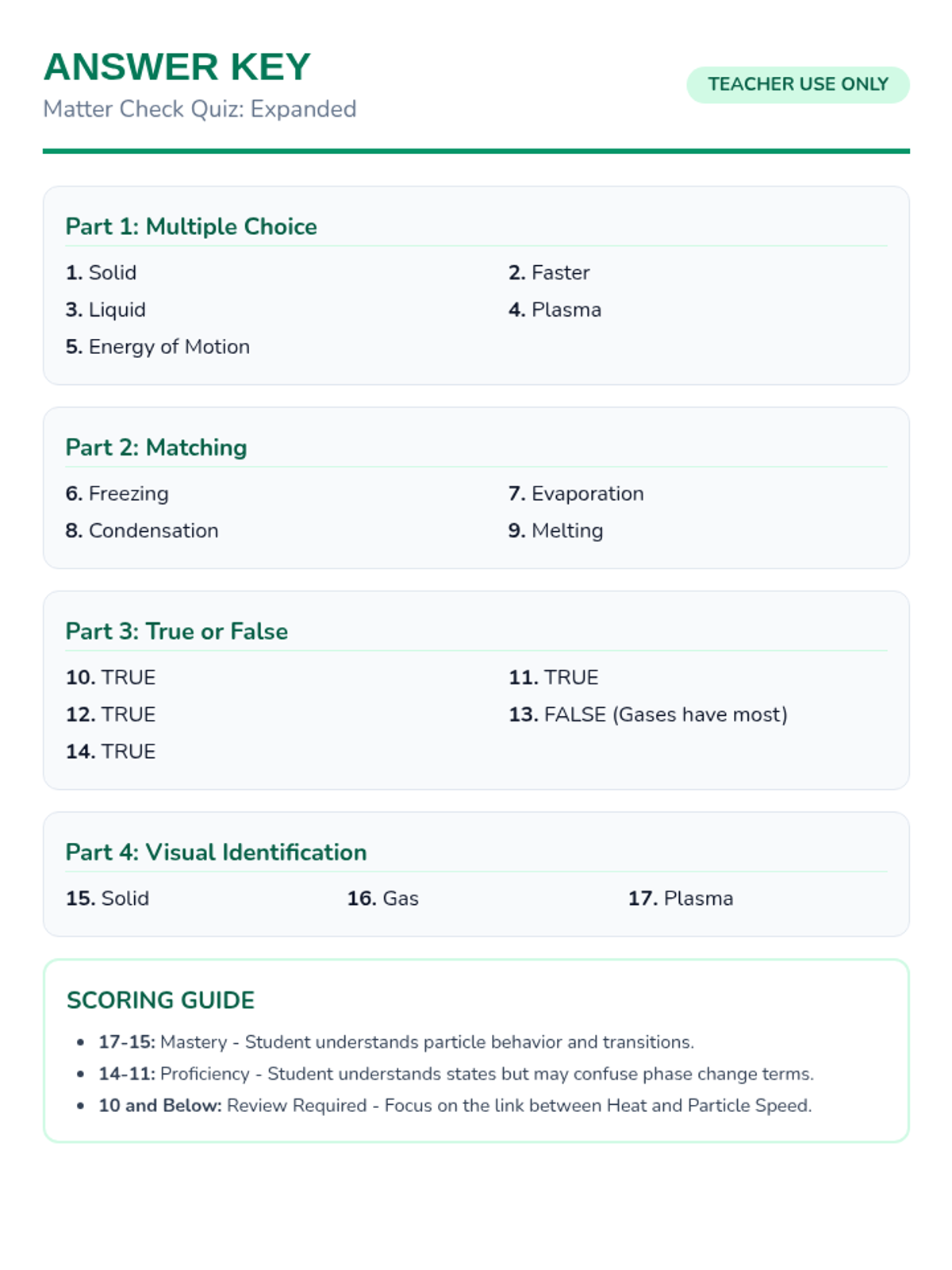
A comprehensive review of the states of matter and phase changes designed for diverse learners, featuring simplified text, visual aids, and structured graphic organizers.
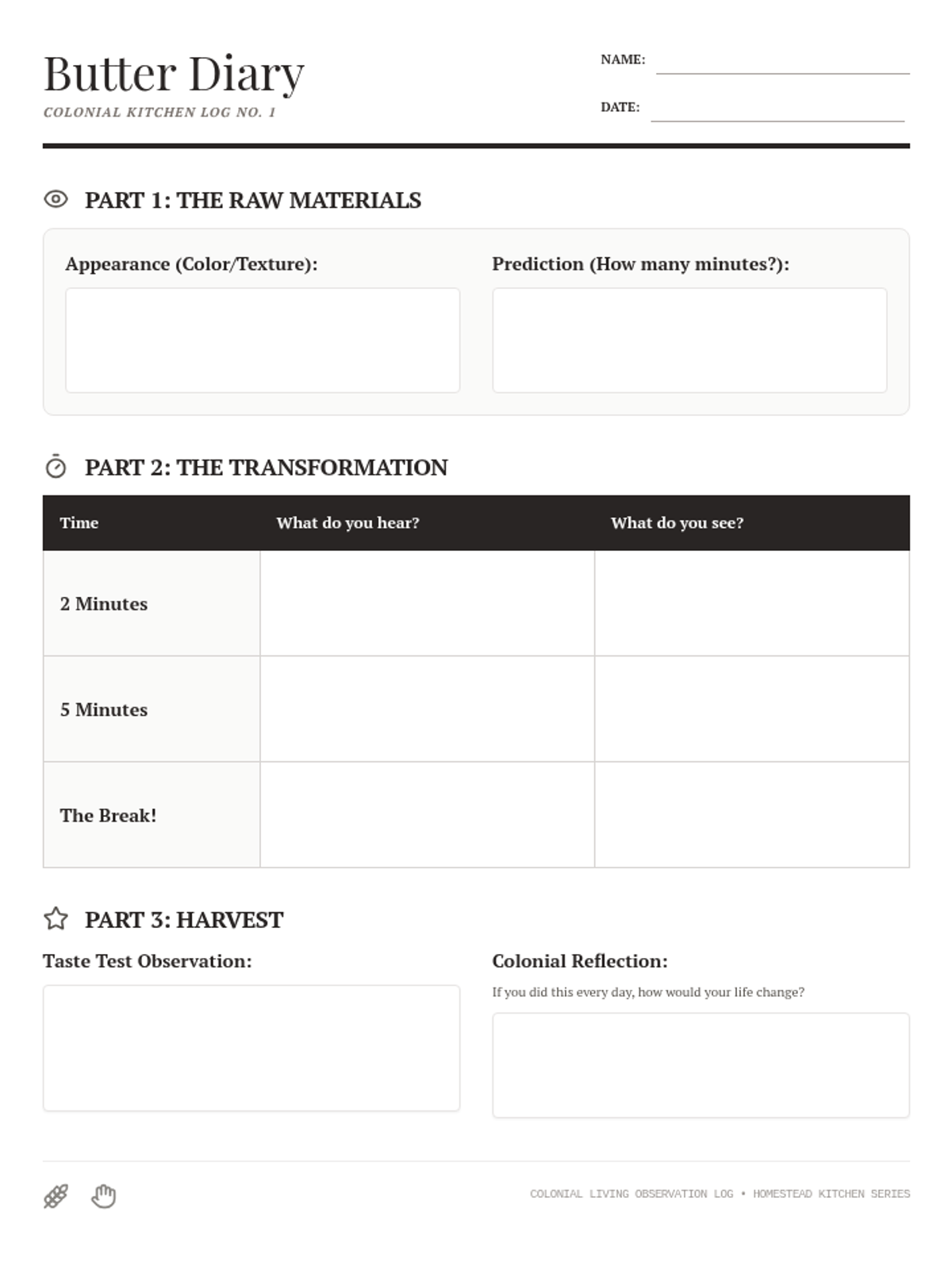
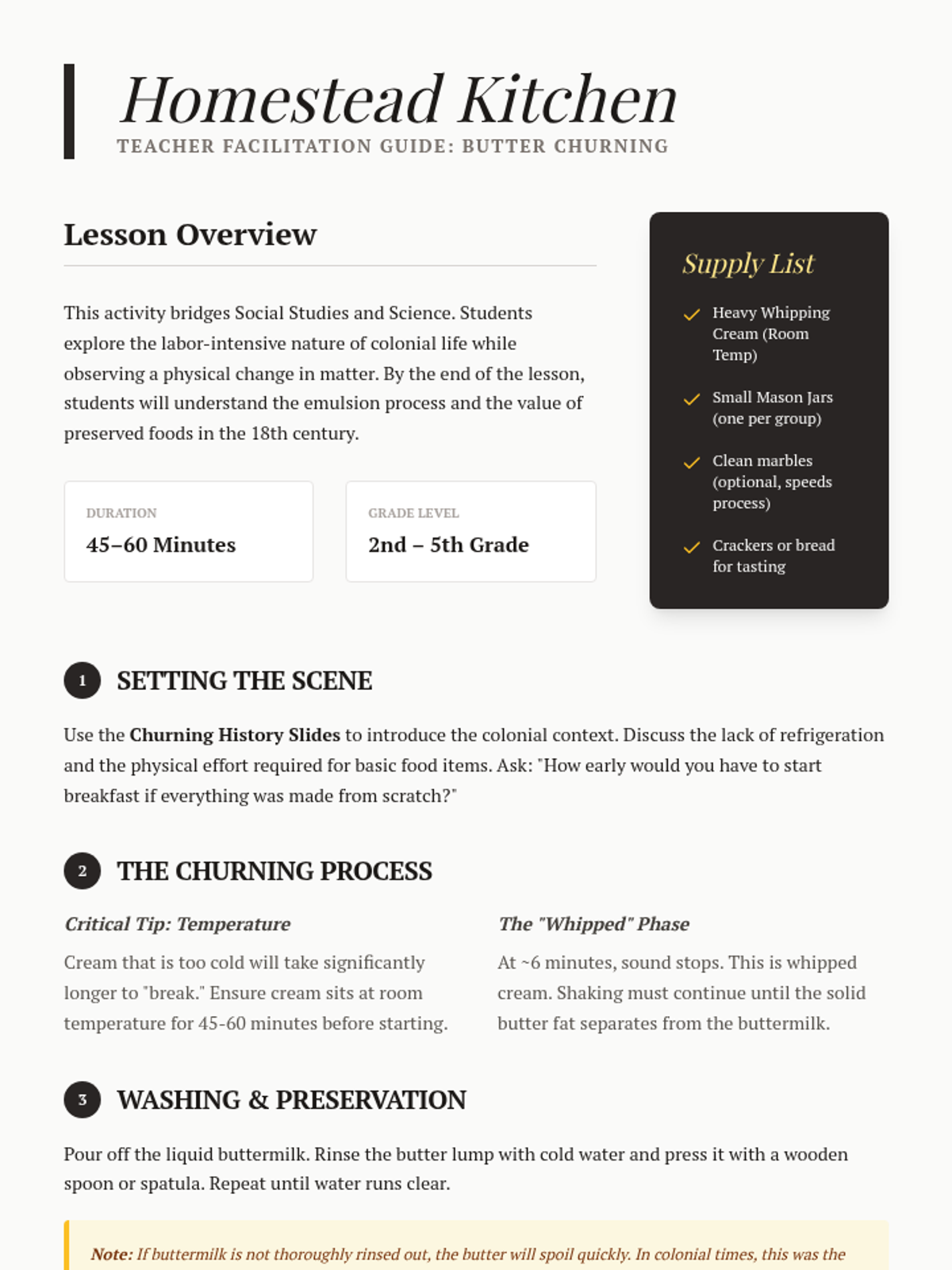
A hands-on exploration of colonial food preservation and the science of phase changes through butter making. Students learn about the effort required for daily colonial tasks while transforming heavy cream into butter using jars.
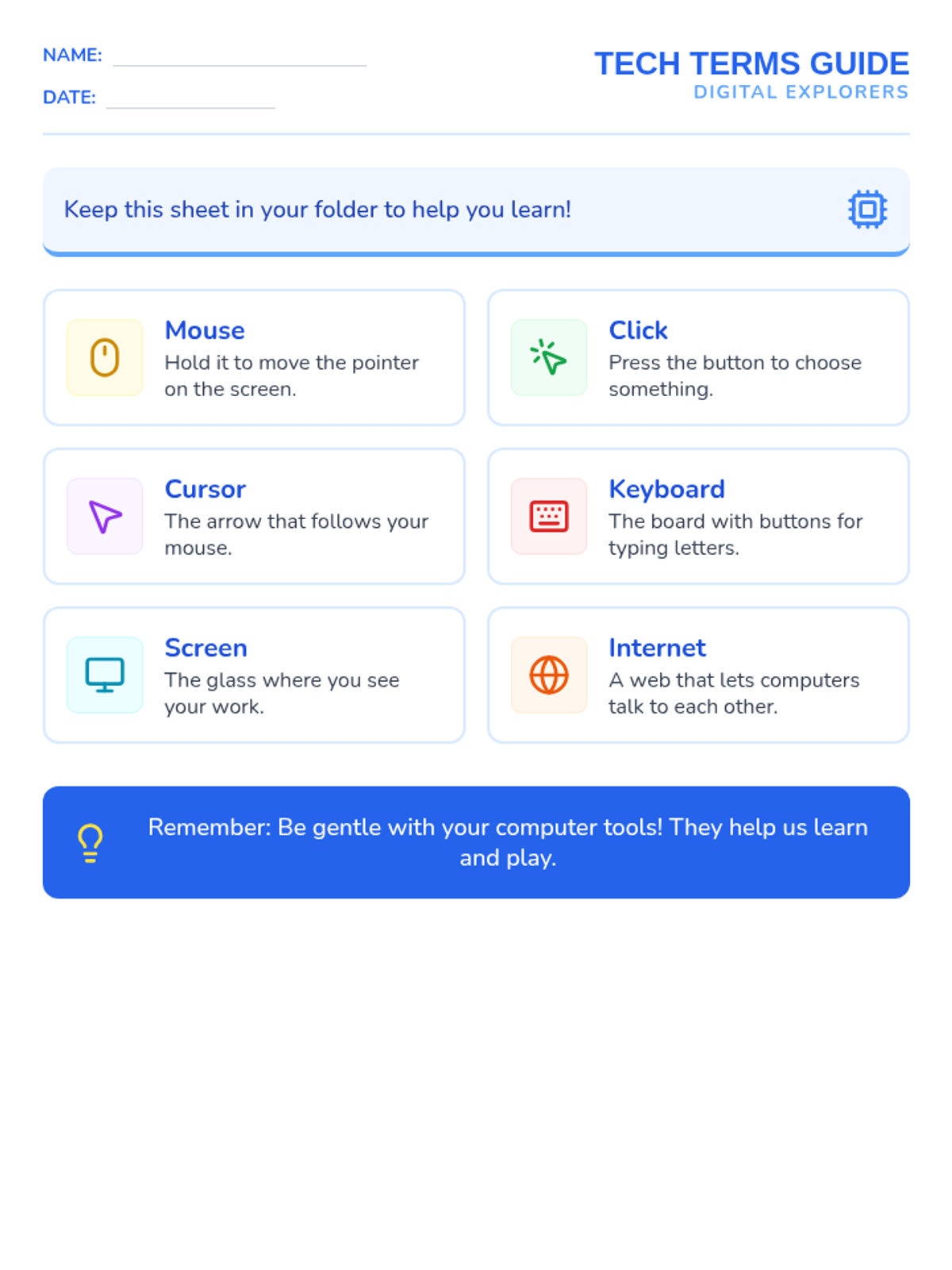
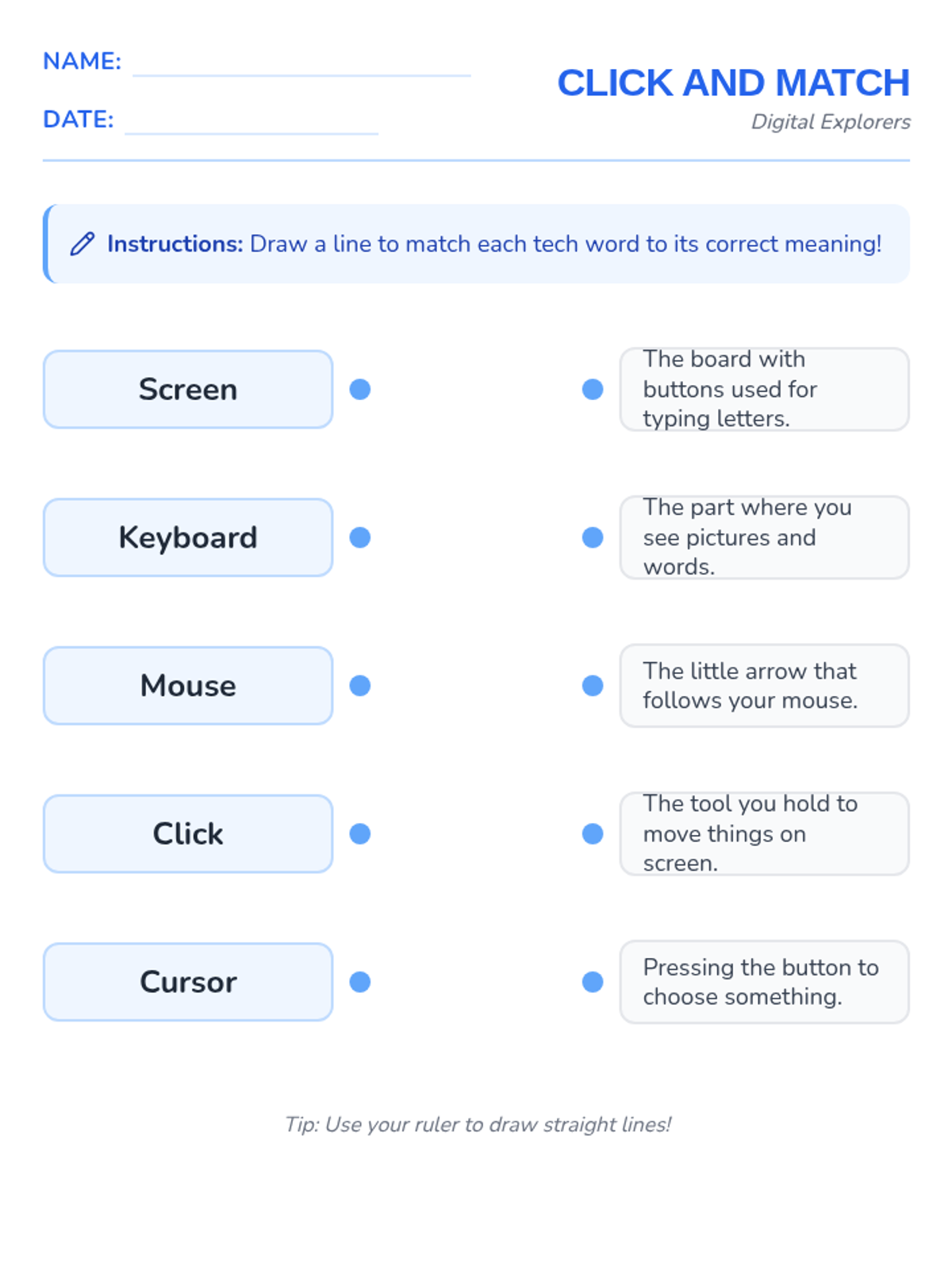
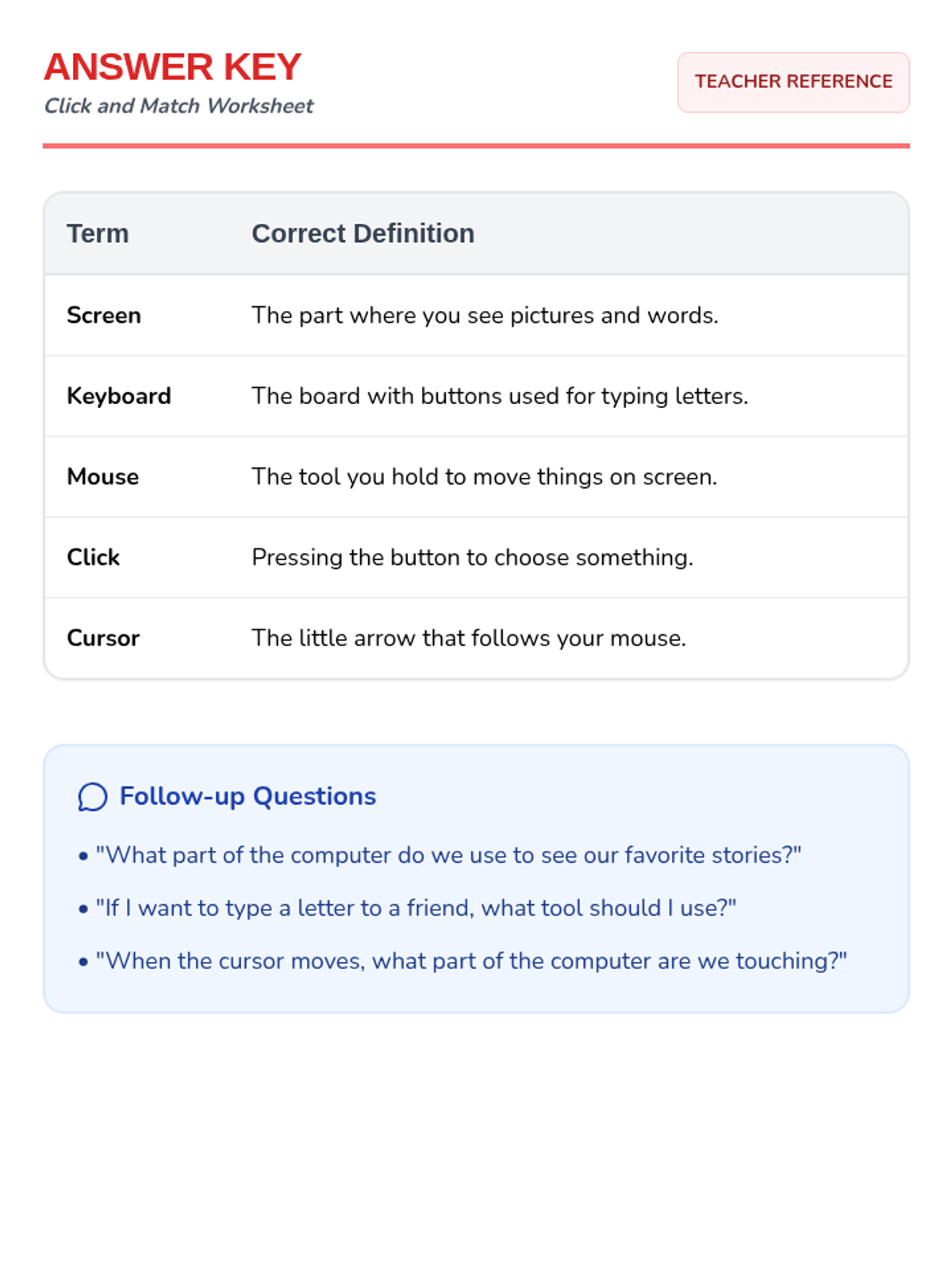
An introductory lesson for first graders to identify and understand basic computer parts and technology terms through visual aids and matching activities.
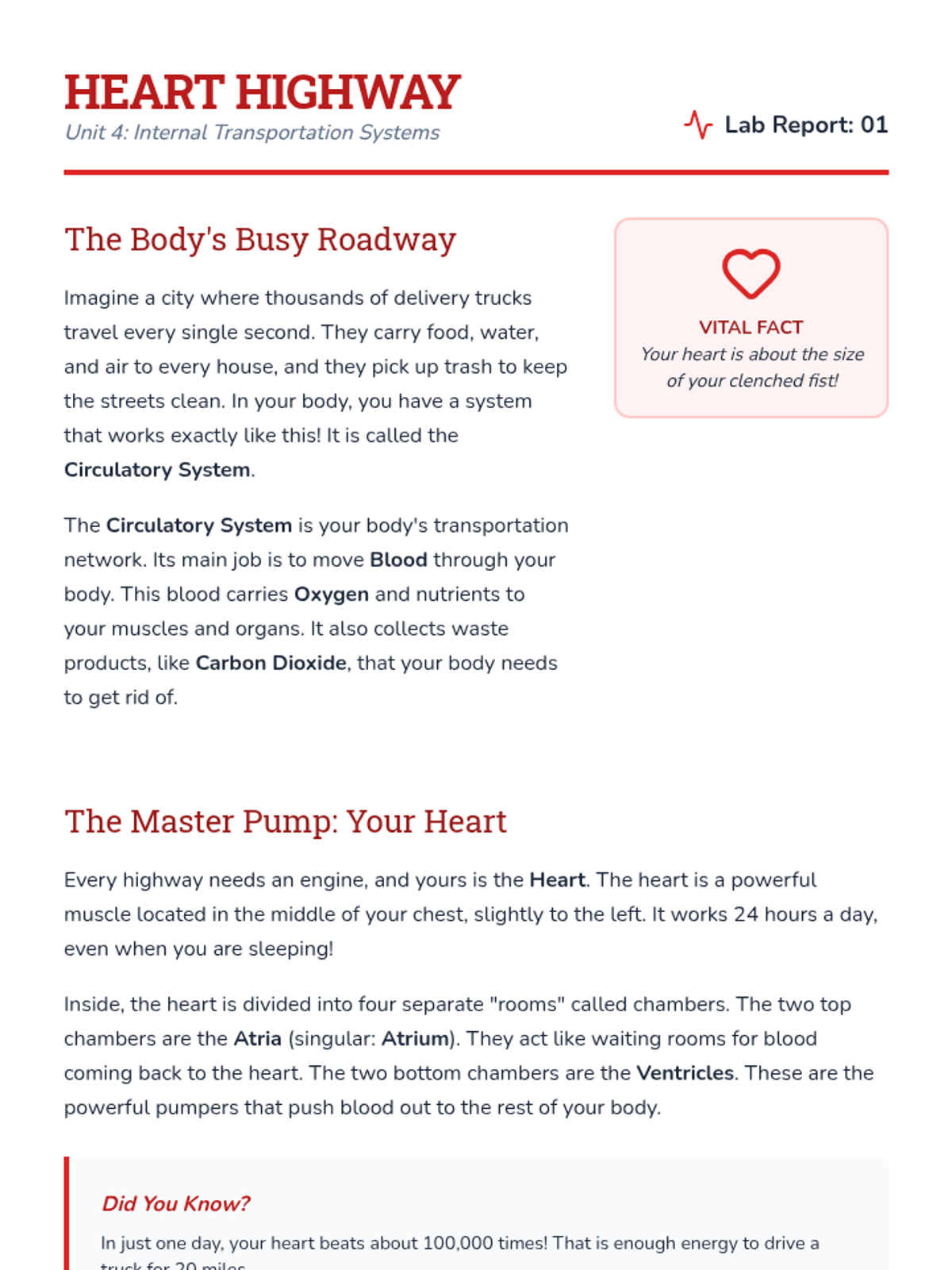
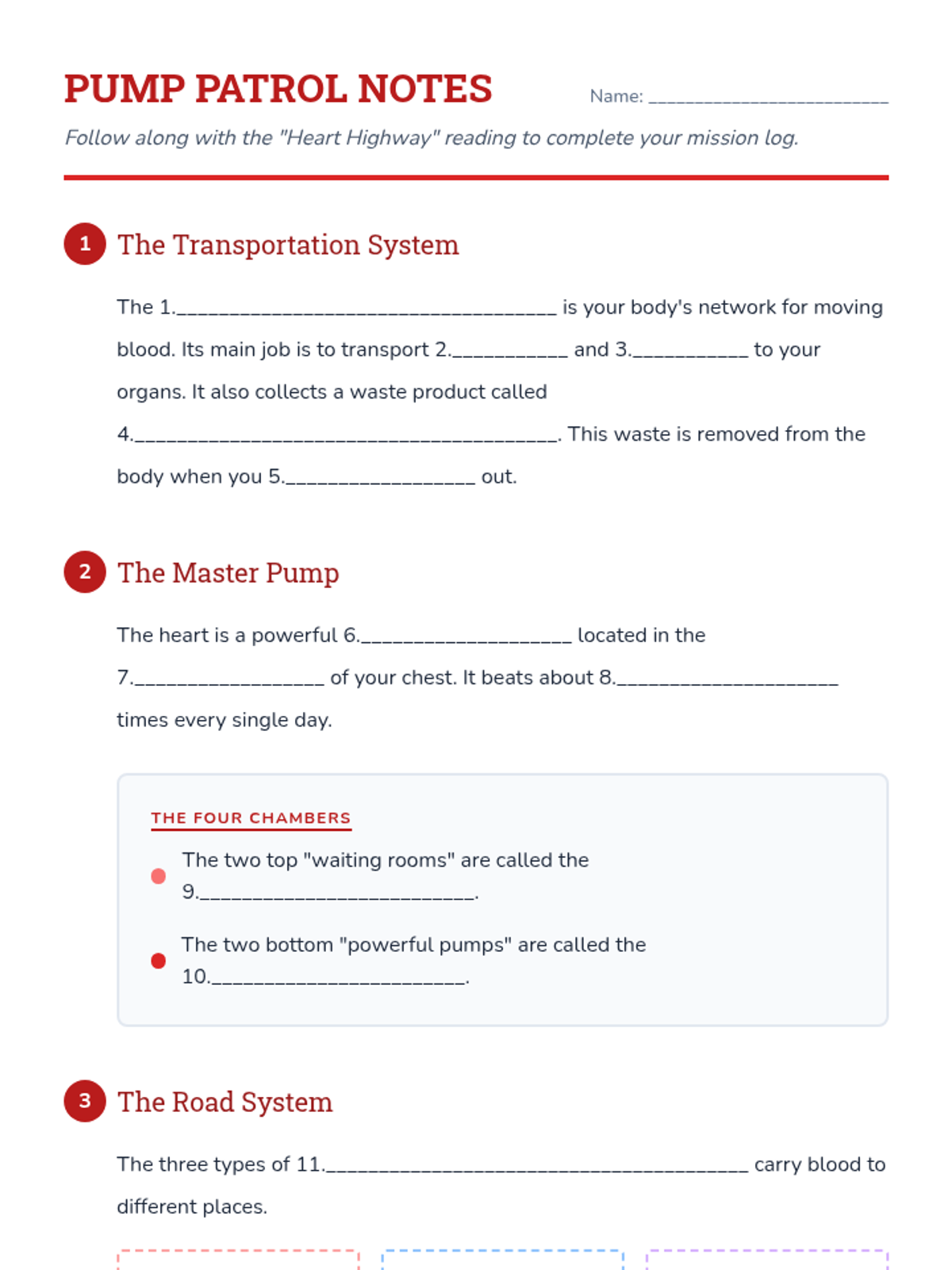
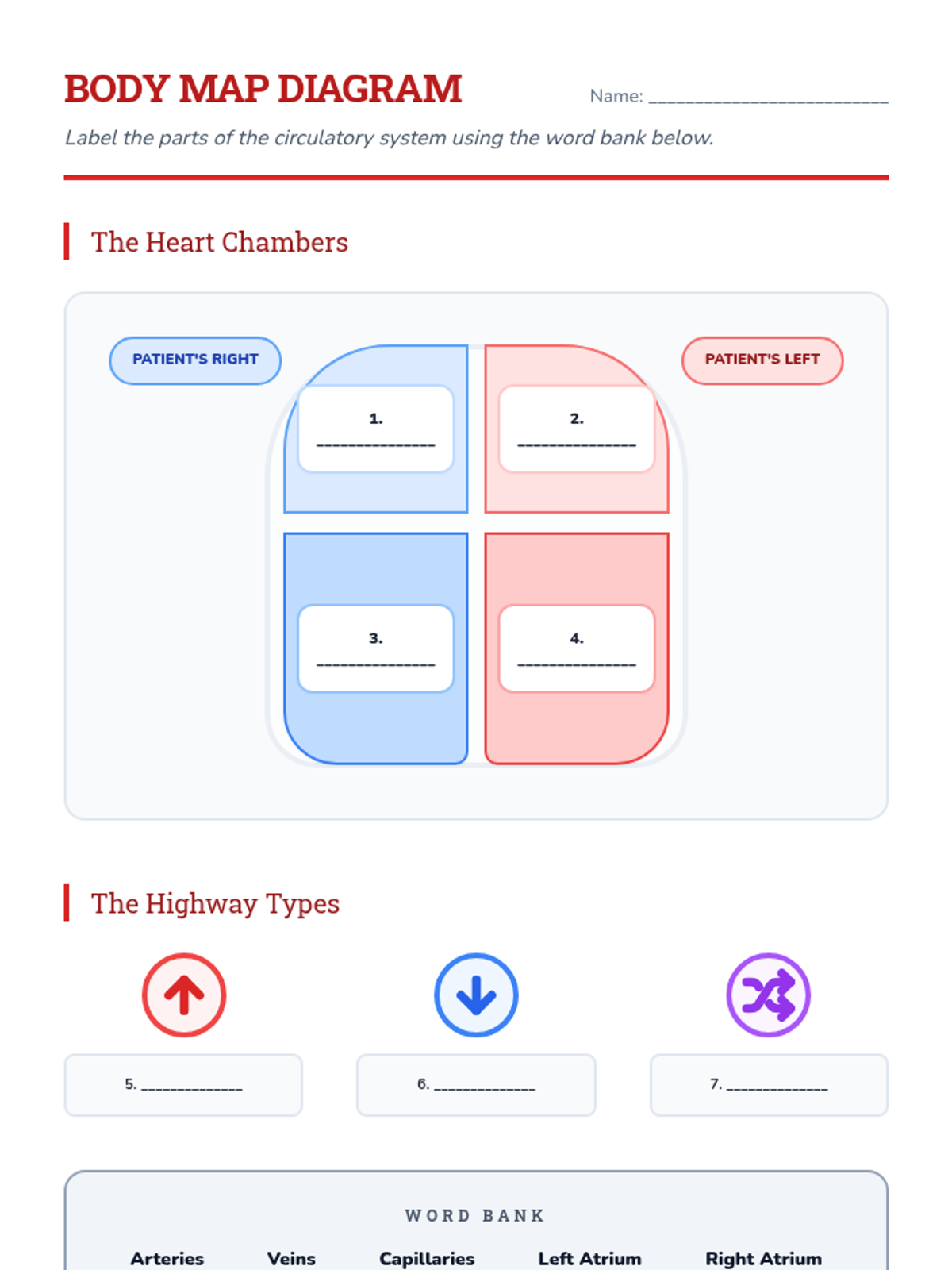
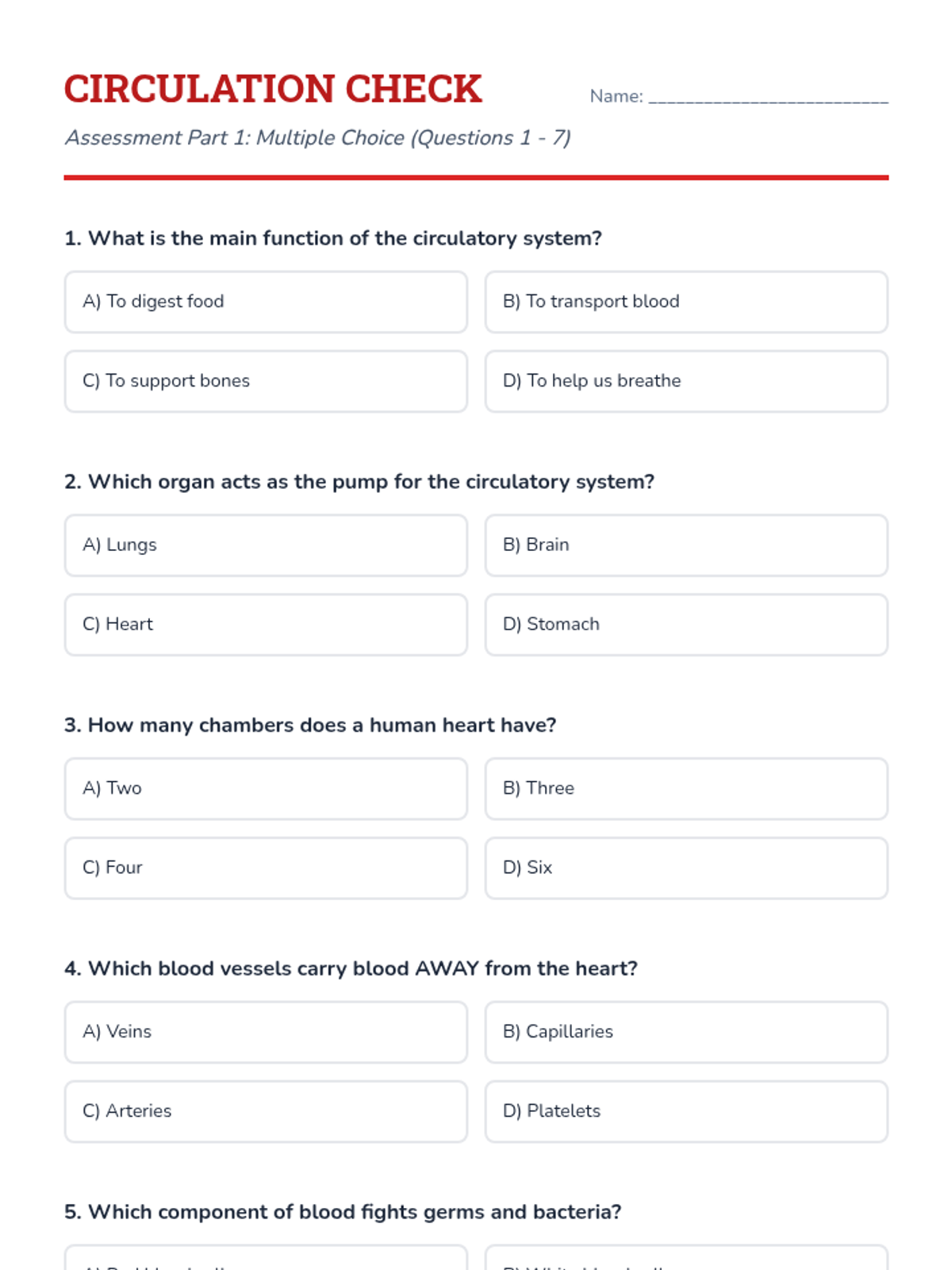
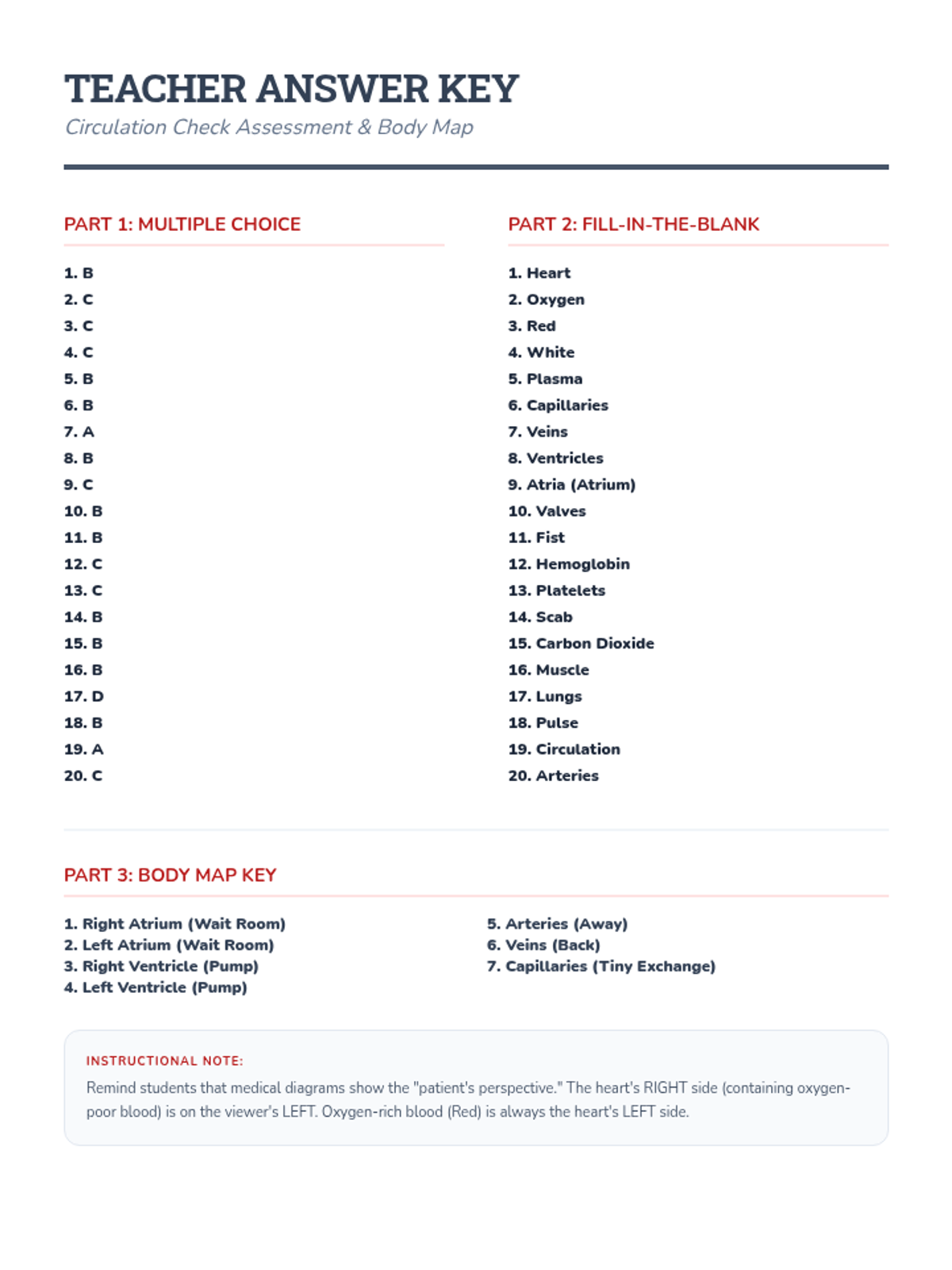
A comprehensive exploration of the circulatory system for 4th graders, covering the heart's anatomy, blood vessel types, and blood components through reading, diagramming, and assessment.
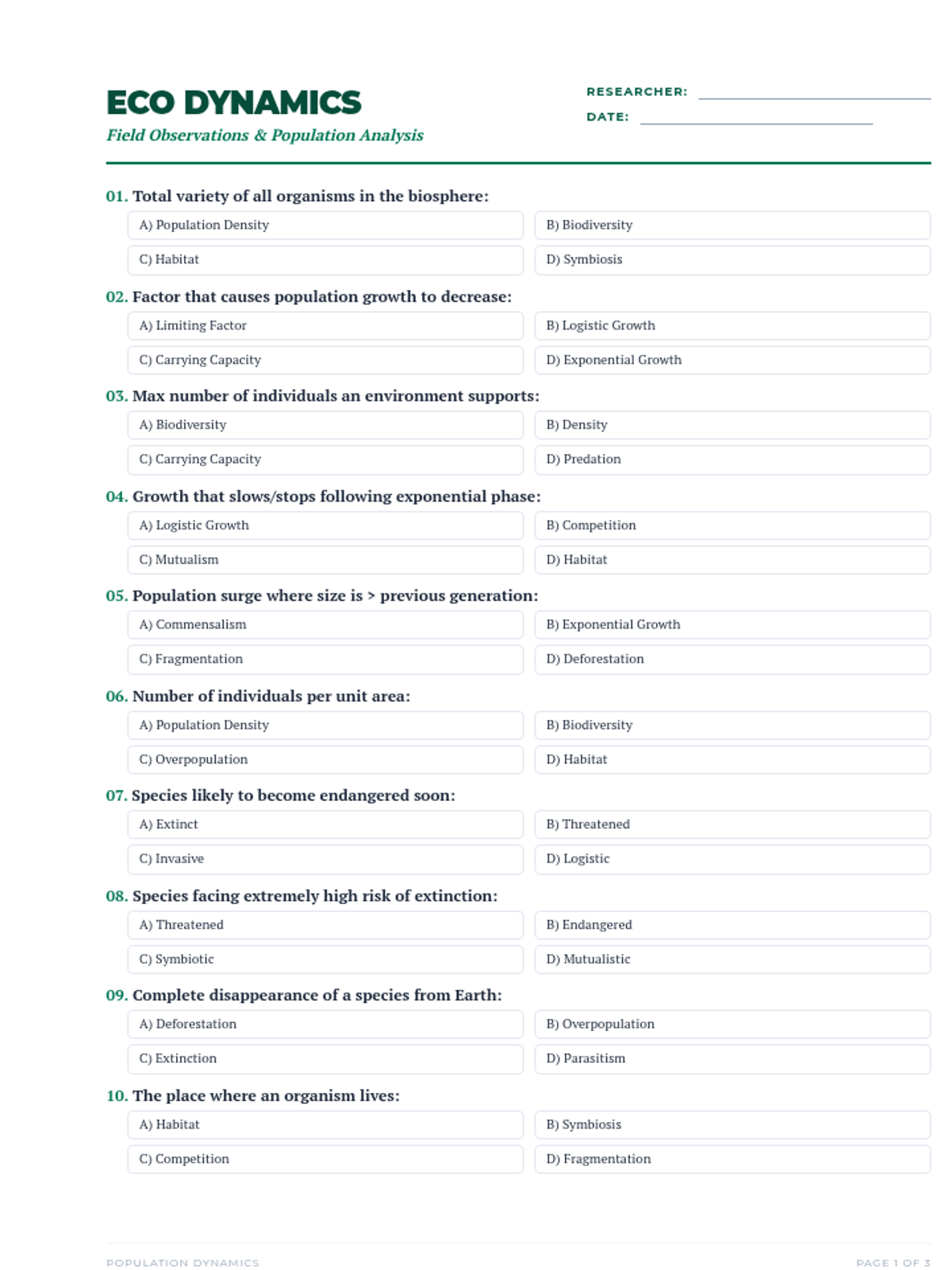
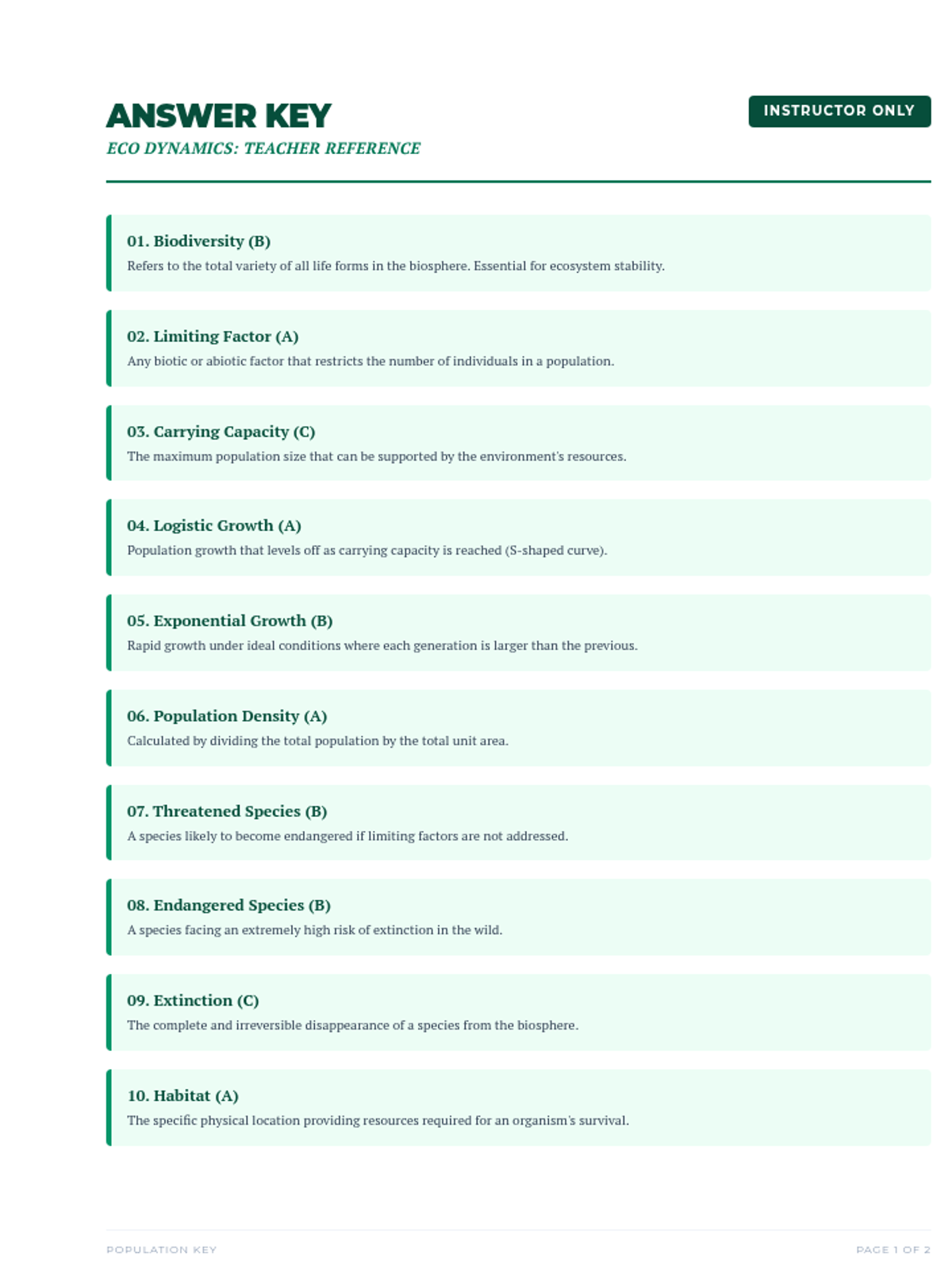
A comprehensive look at ecology, population dynamics, and biodiversity through practice and analysis.
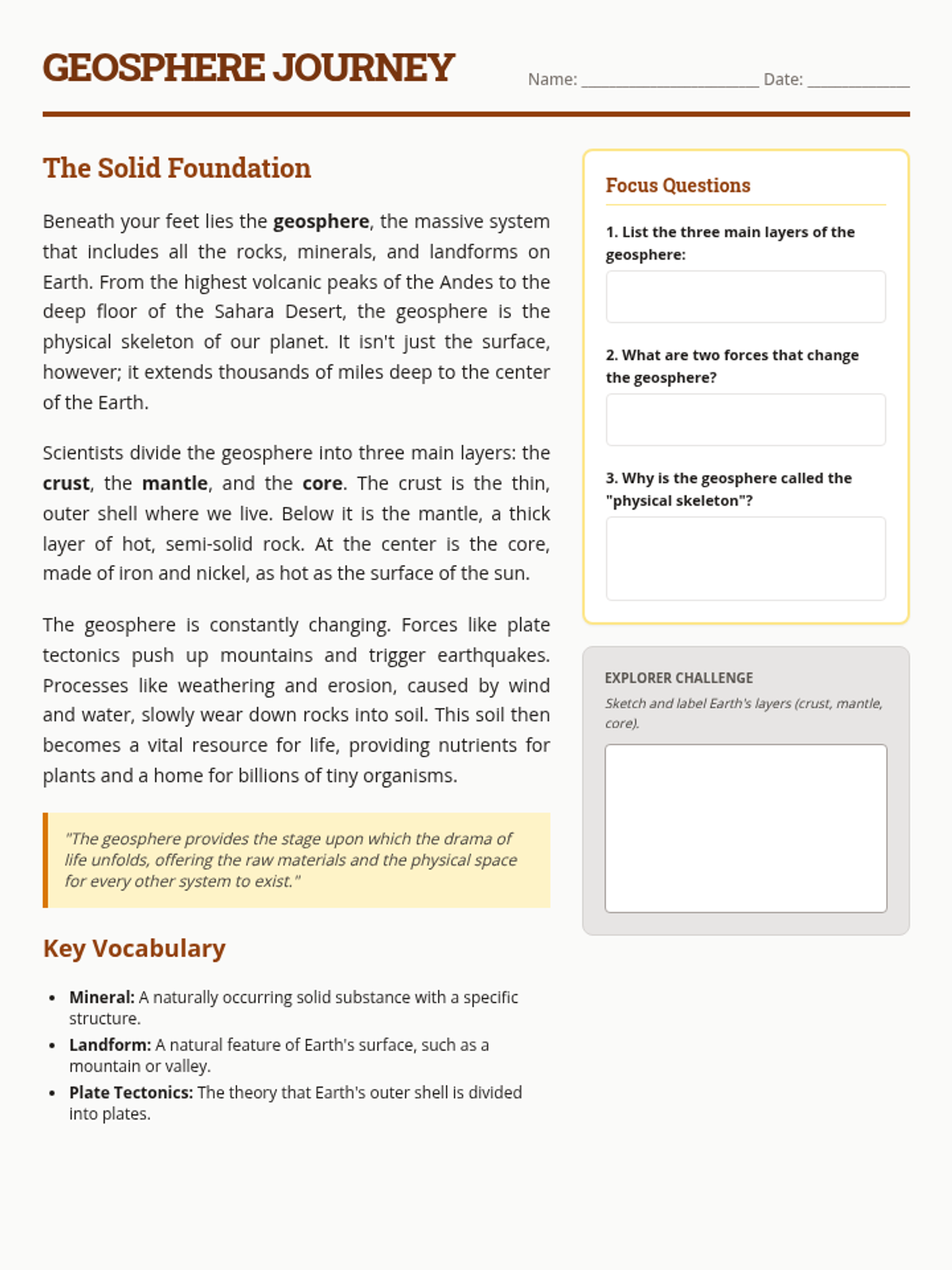
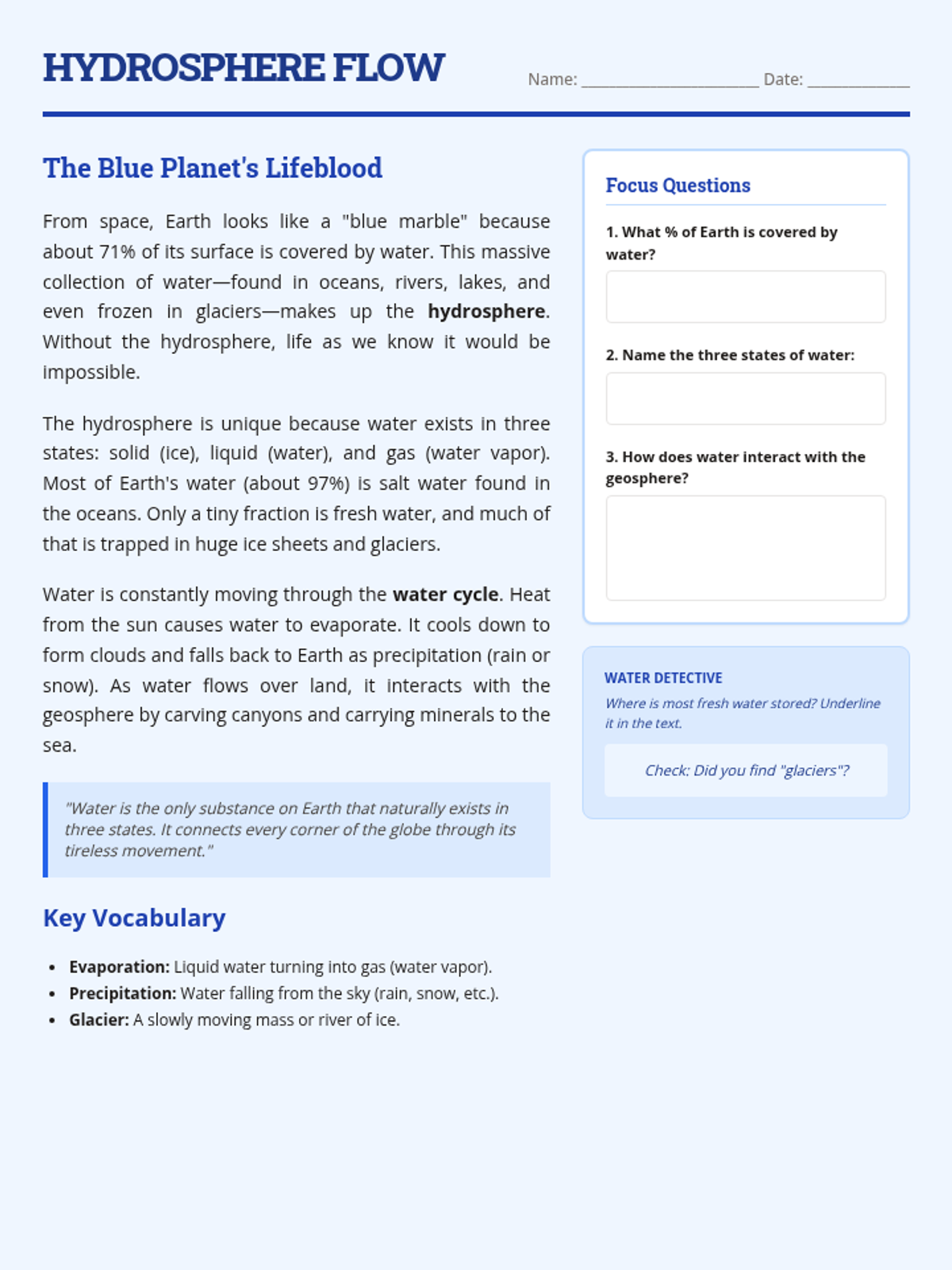
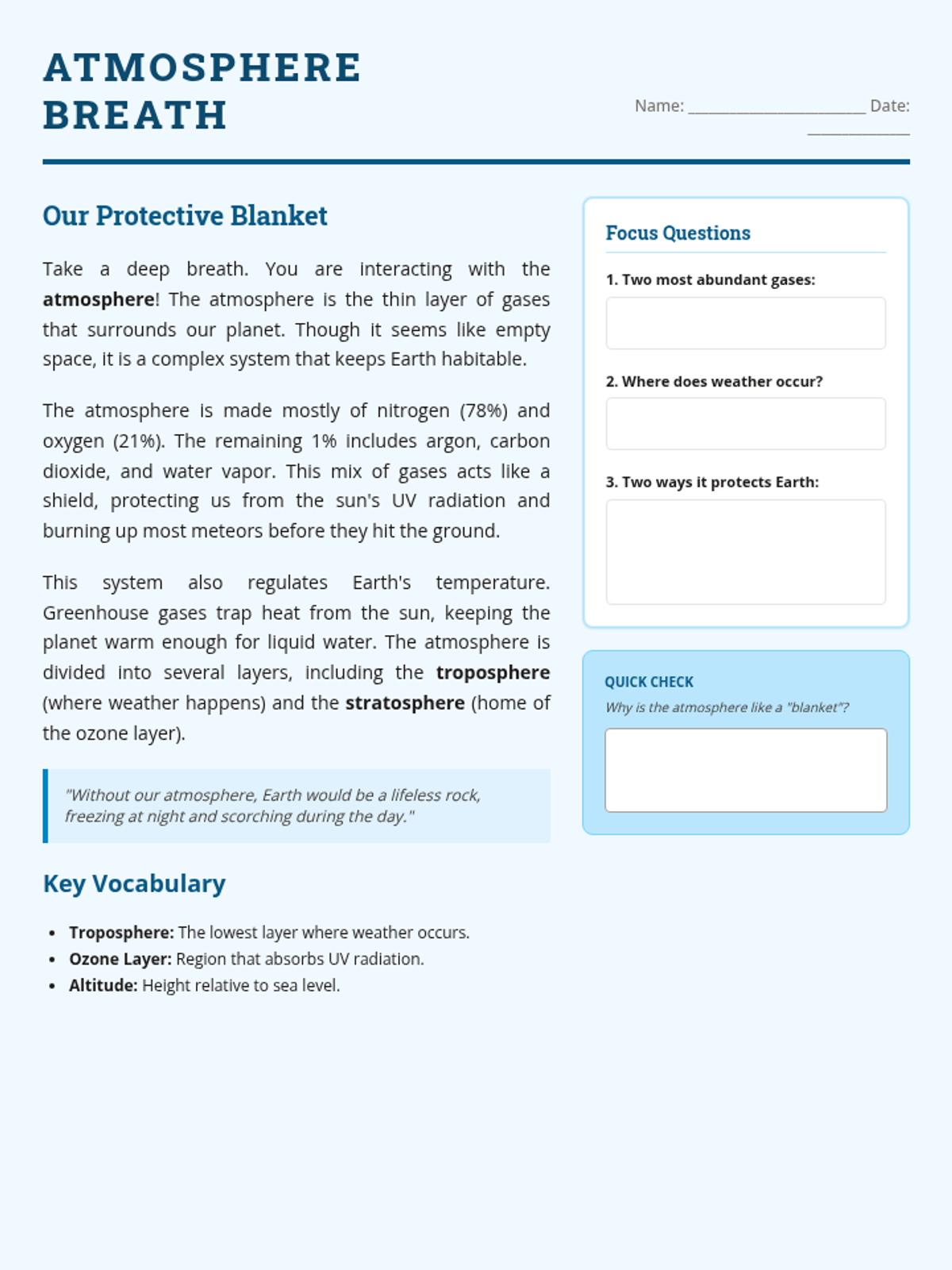
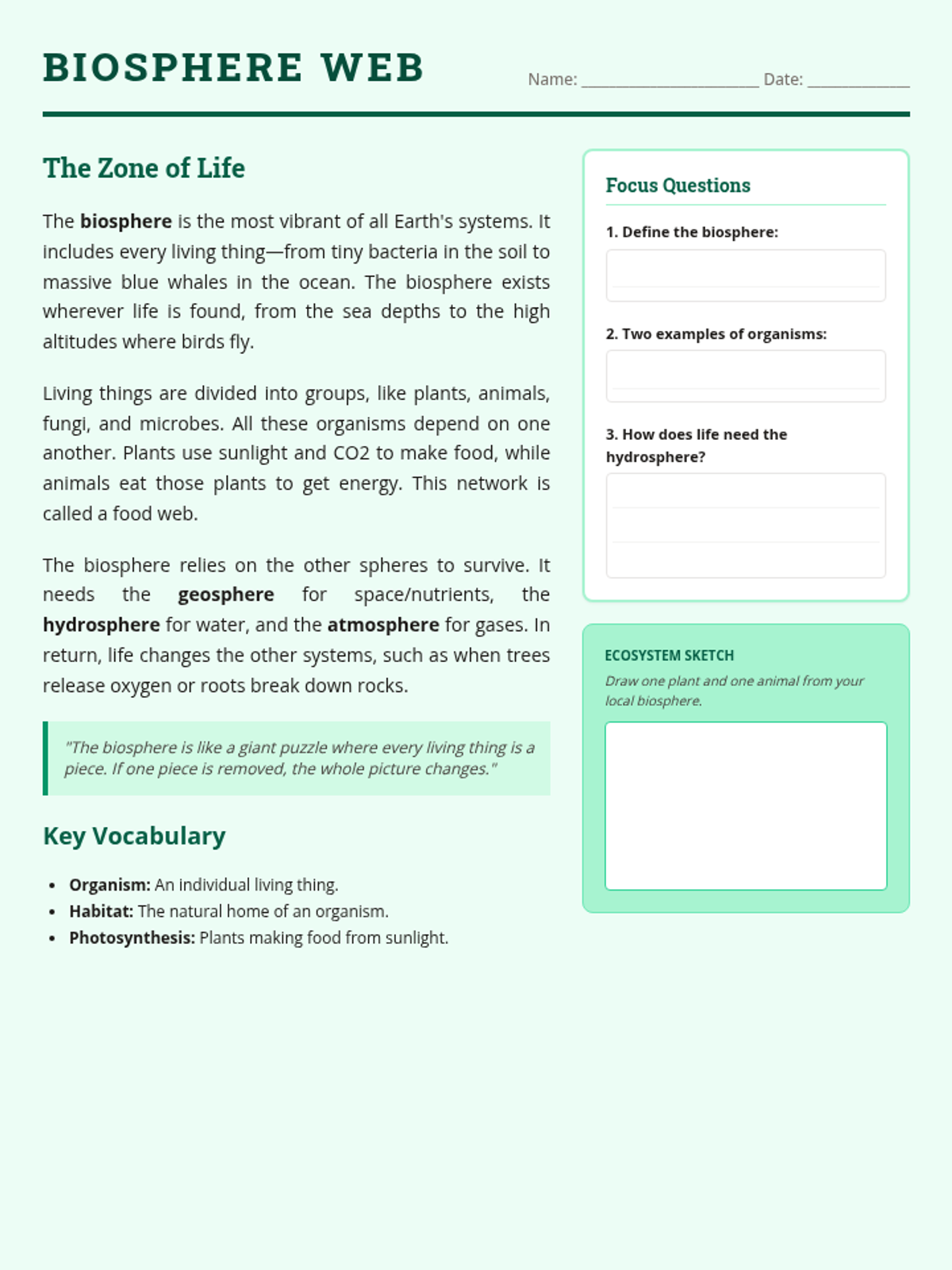
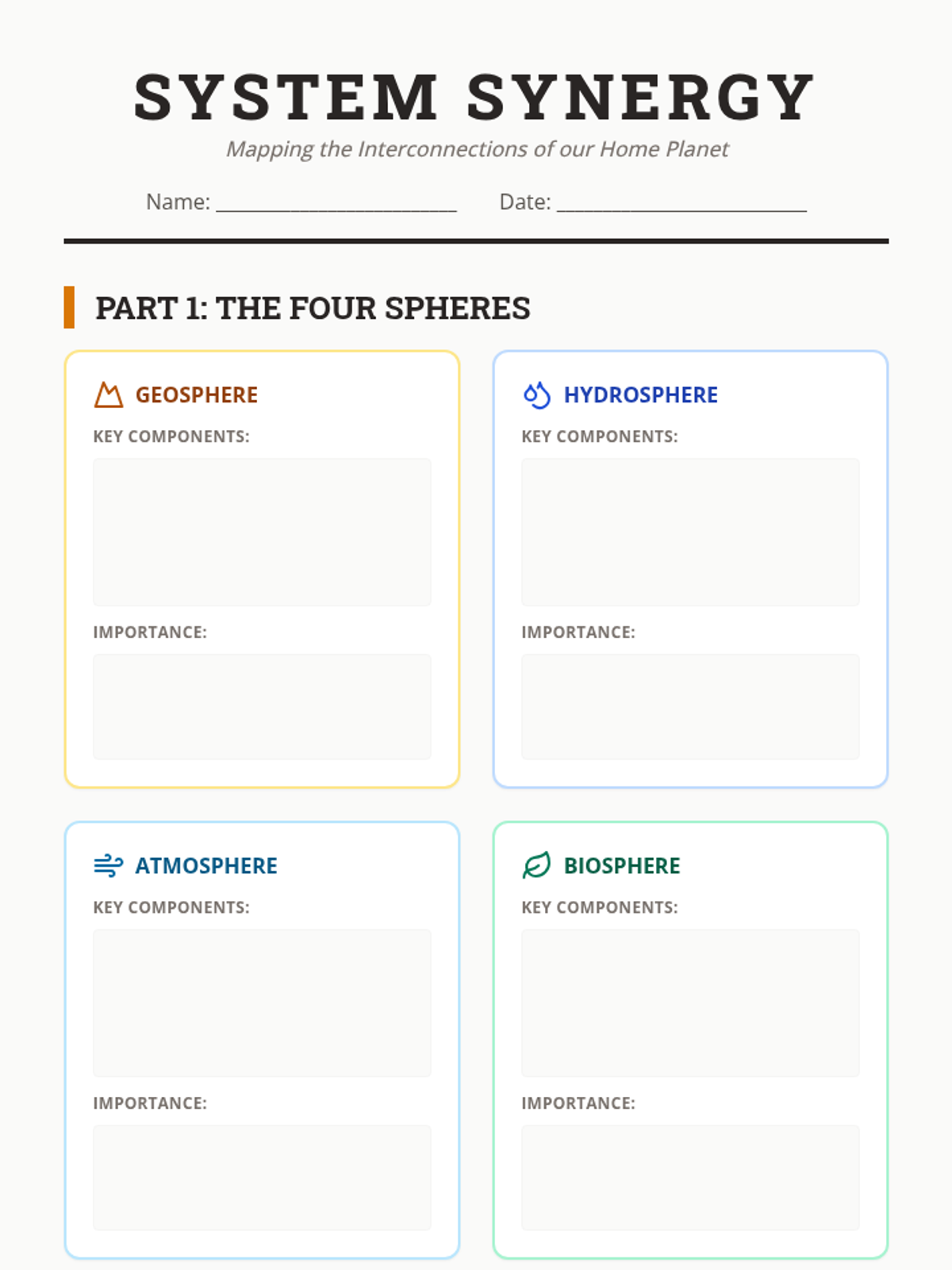
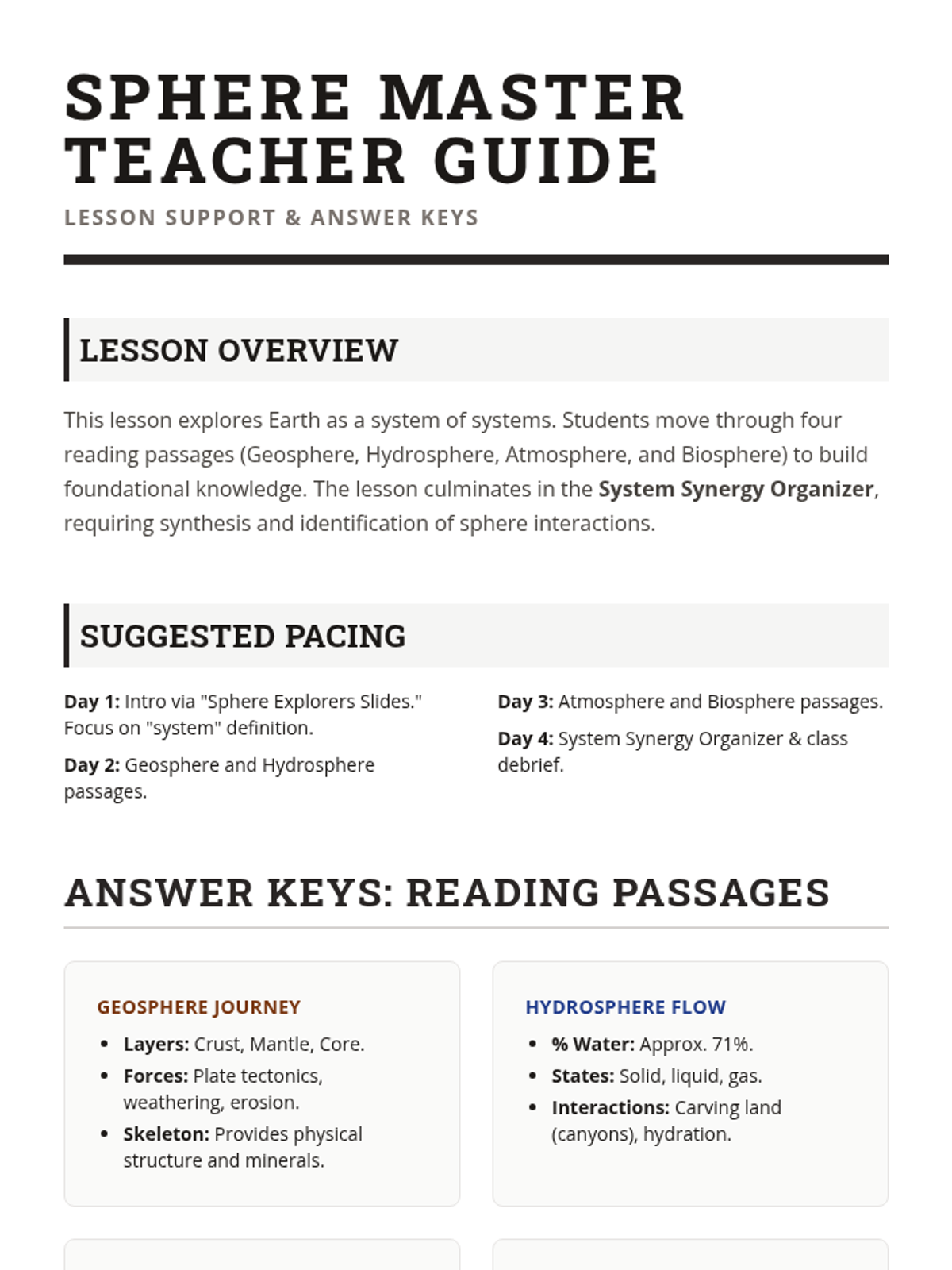
A comprehensive lesson exploring the four major Earth systems (Geosphere, Hydrosphere, Atmosphere, and Biosphere) through guided reading, visual aids, and synthesis activities. Students will learn how these systems interact to sustain life on Earth.
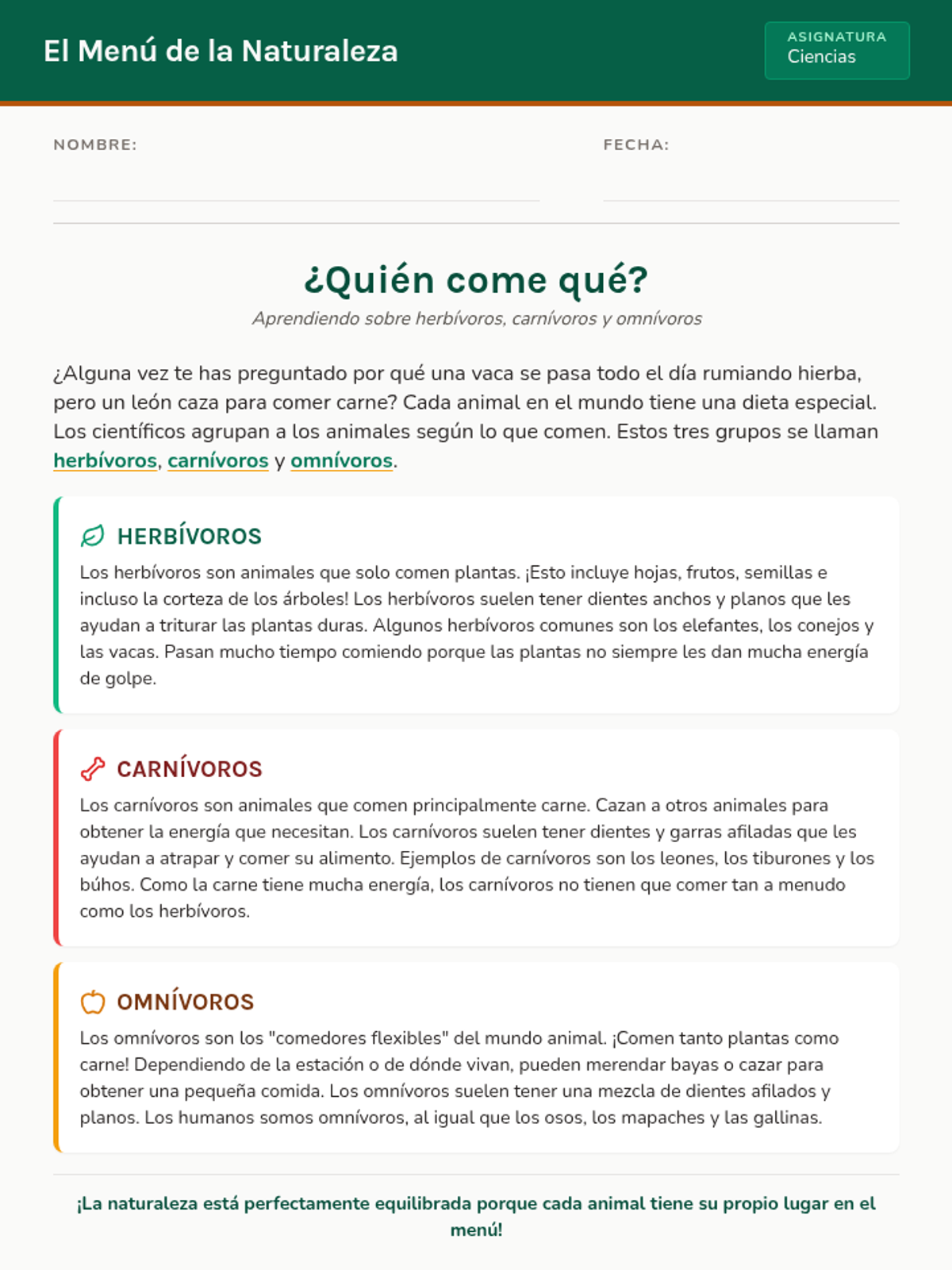
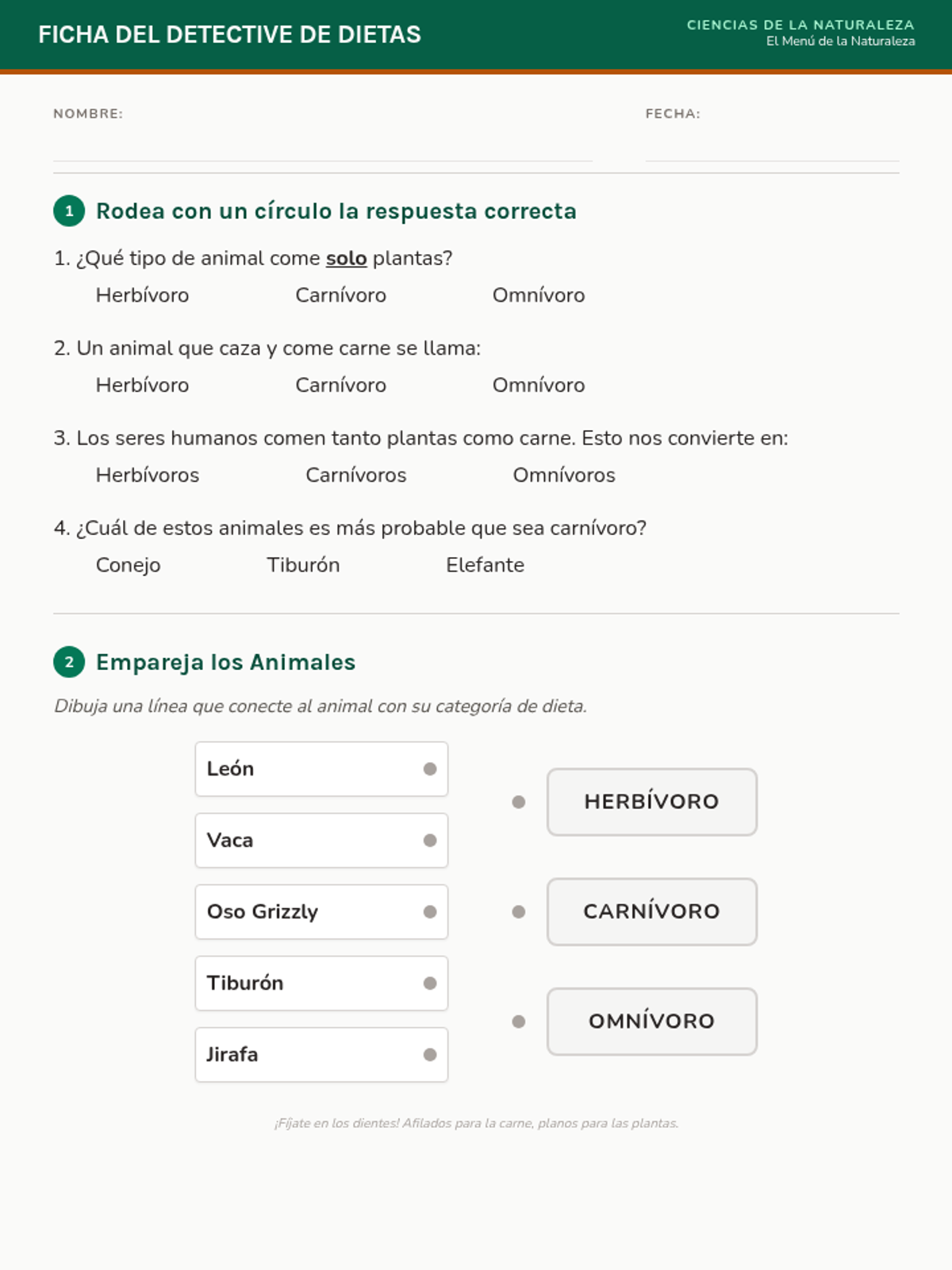
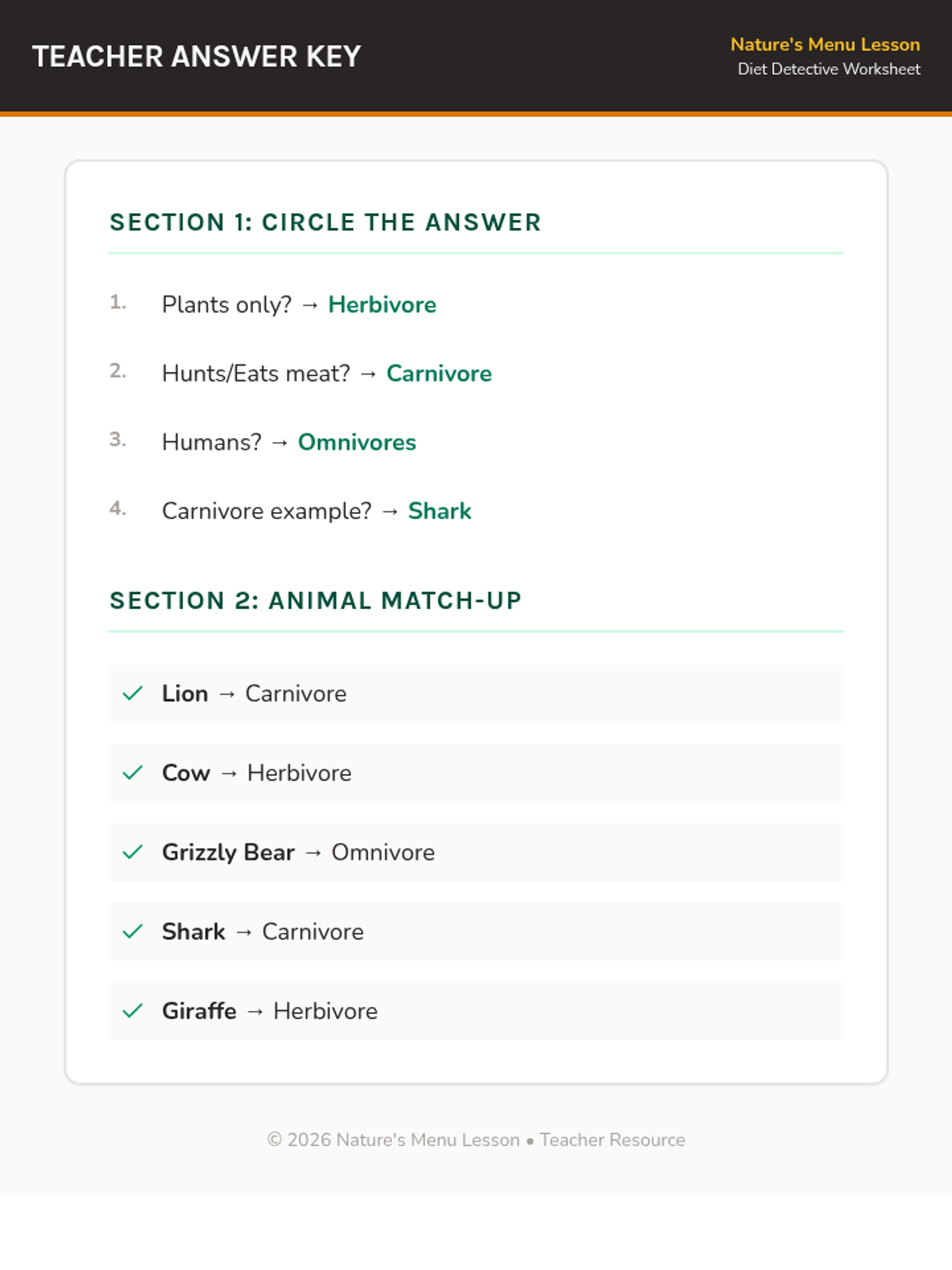
A lesson to help students identify and differentiate between herbivores, carnivores, and omnivores based on their diets and physical traits.