A phonics lesson for 3rd graders focused on identifying and sorting words with the 'ai', 'ay', and 'ee' vowel teams through a postal-themed sorting activity.
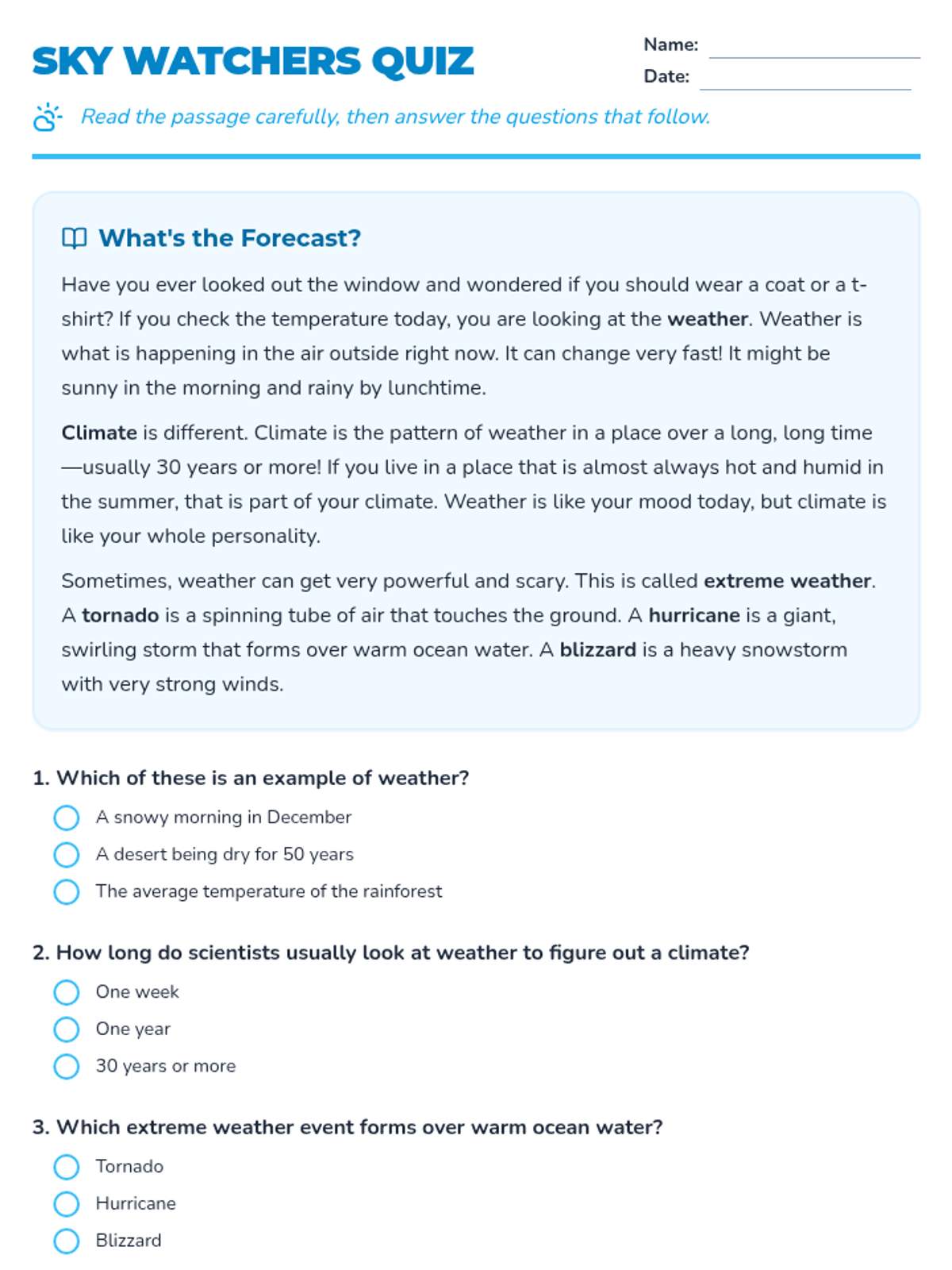
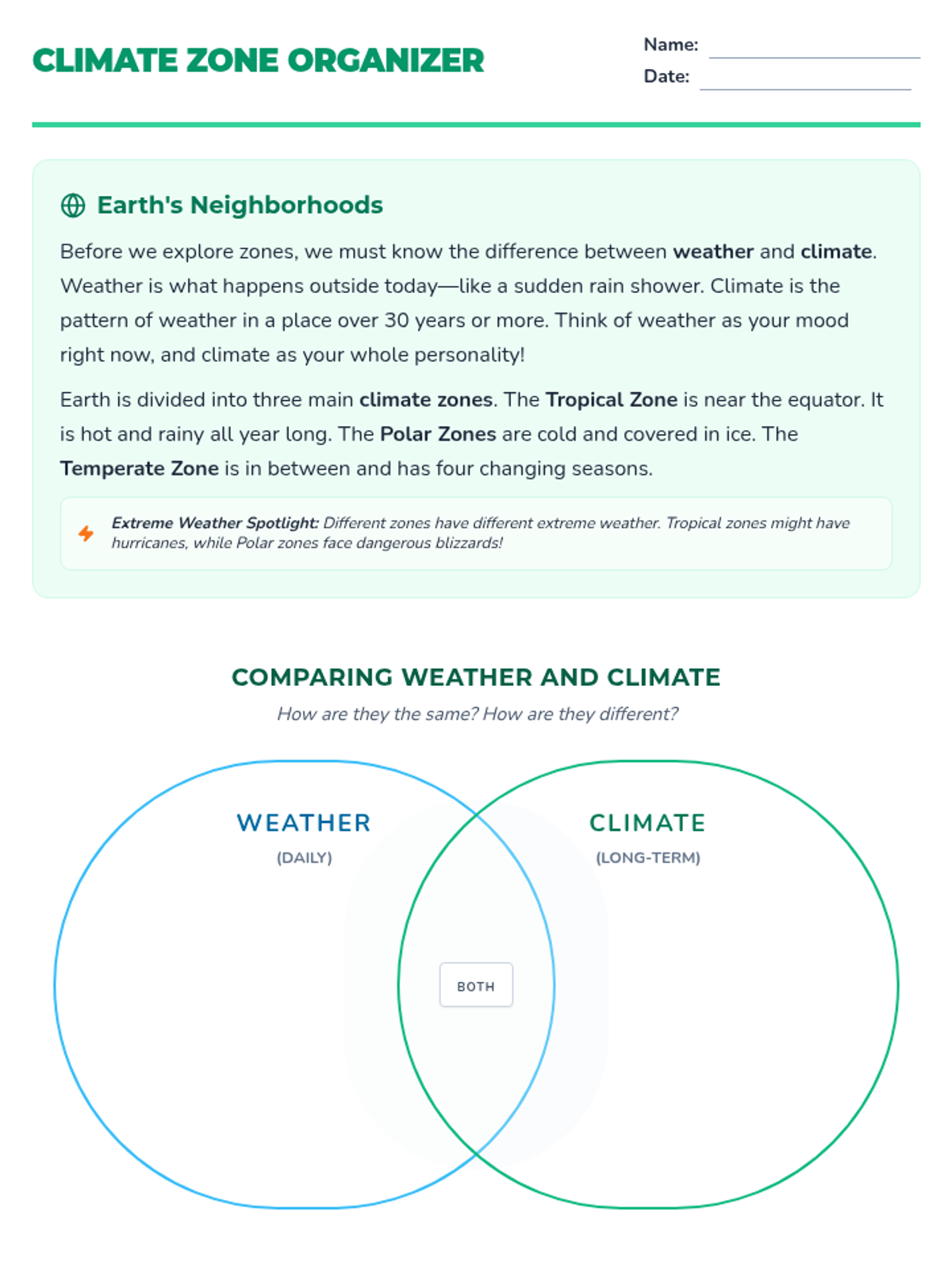
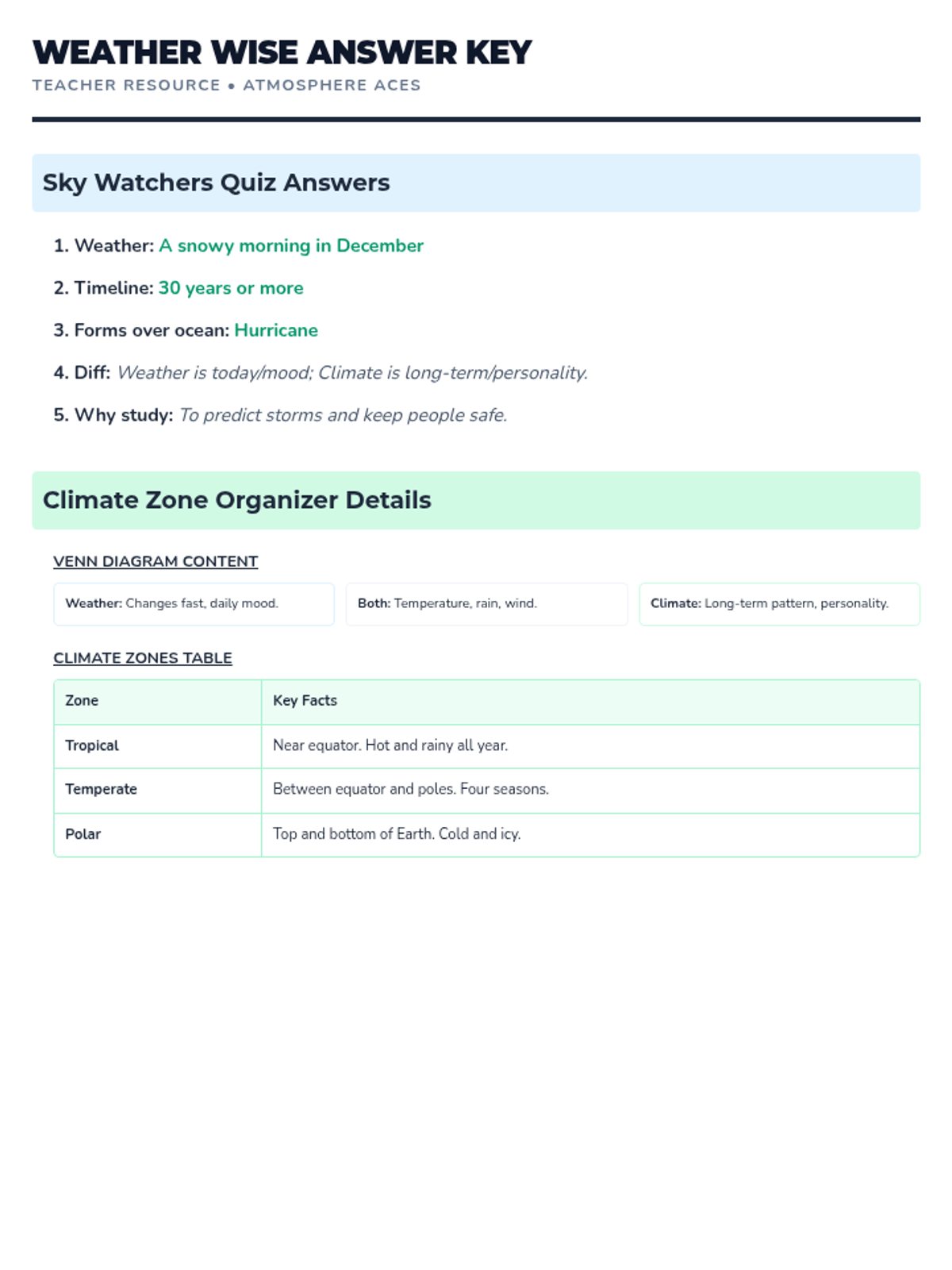
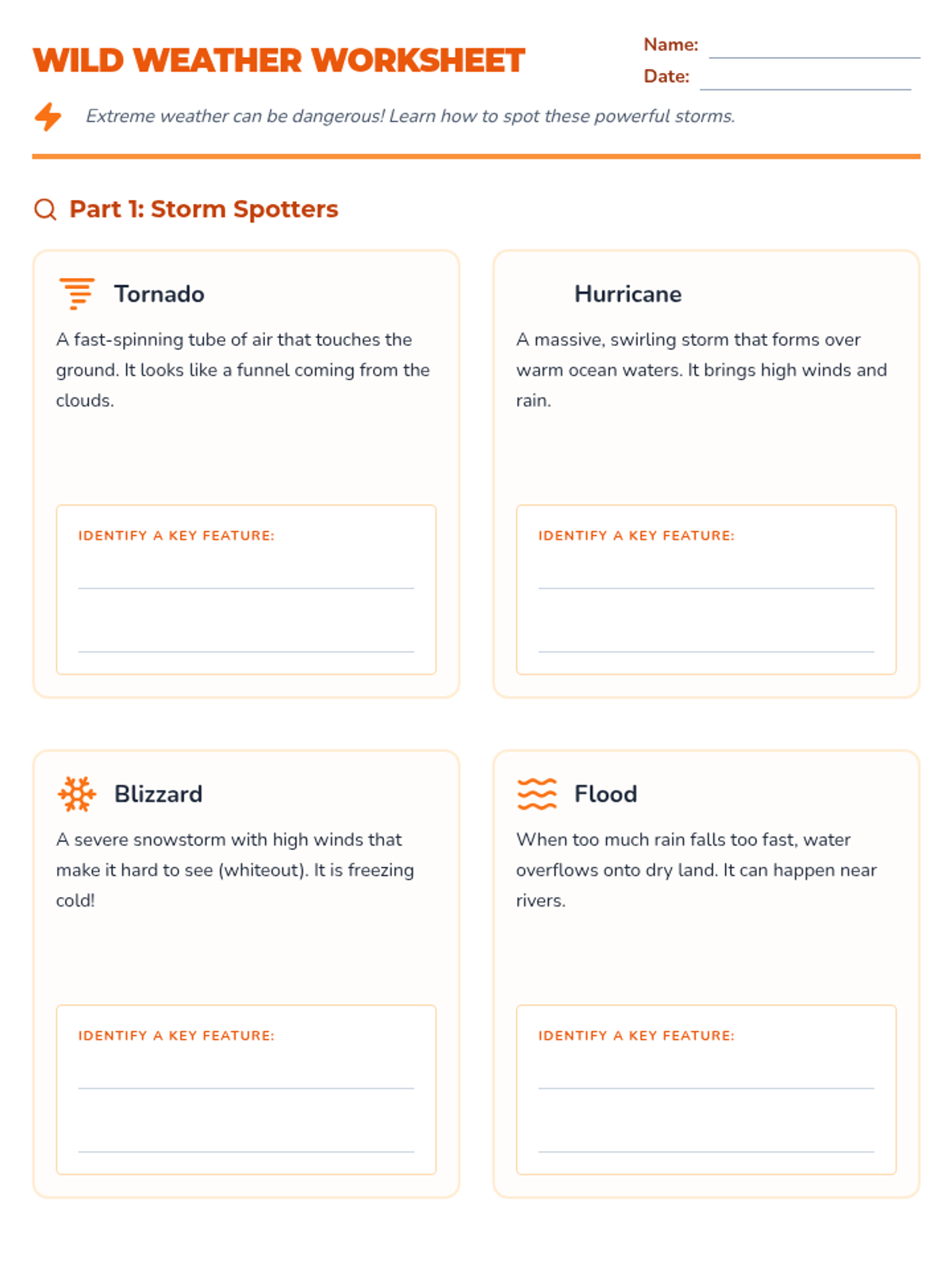
A third-grade lesson exploring the difference between daily weather and long-term climate, extreme weather events, and global climate zones. Students engage with reading passages, comprehension questions, and graphic organizers to build earth science literacy.
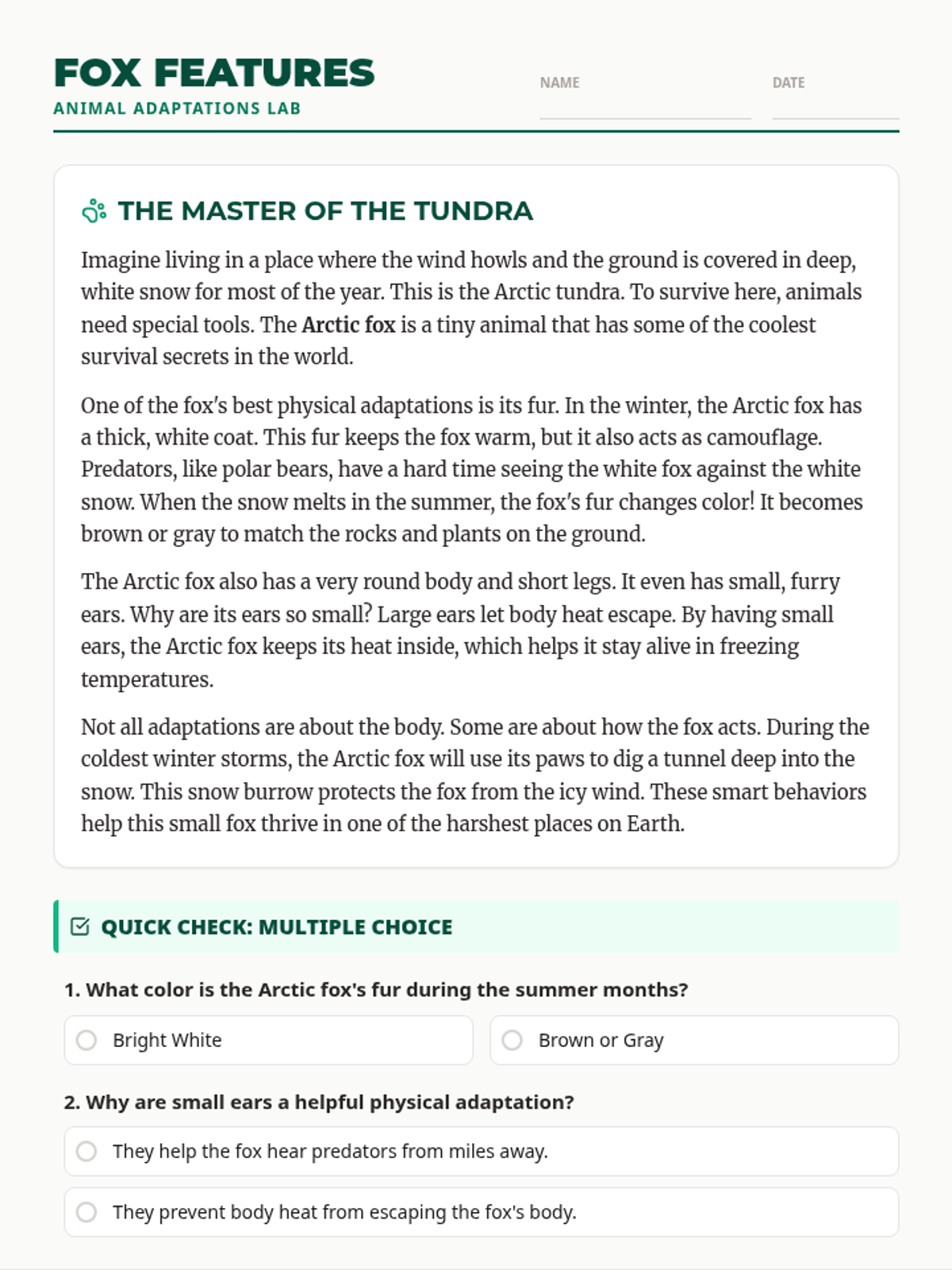
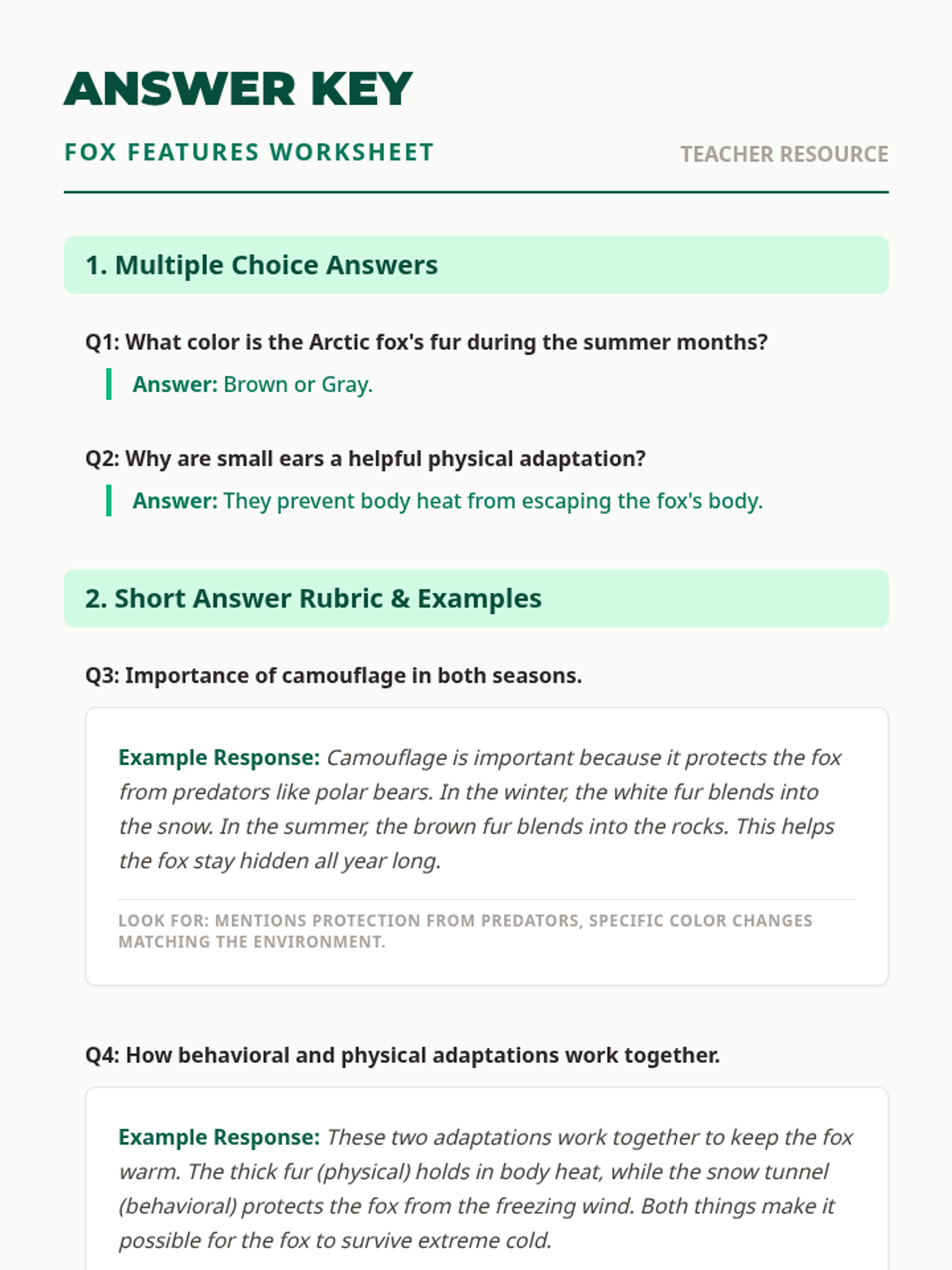
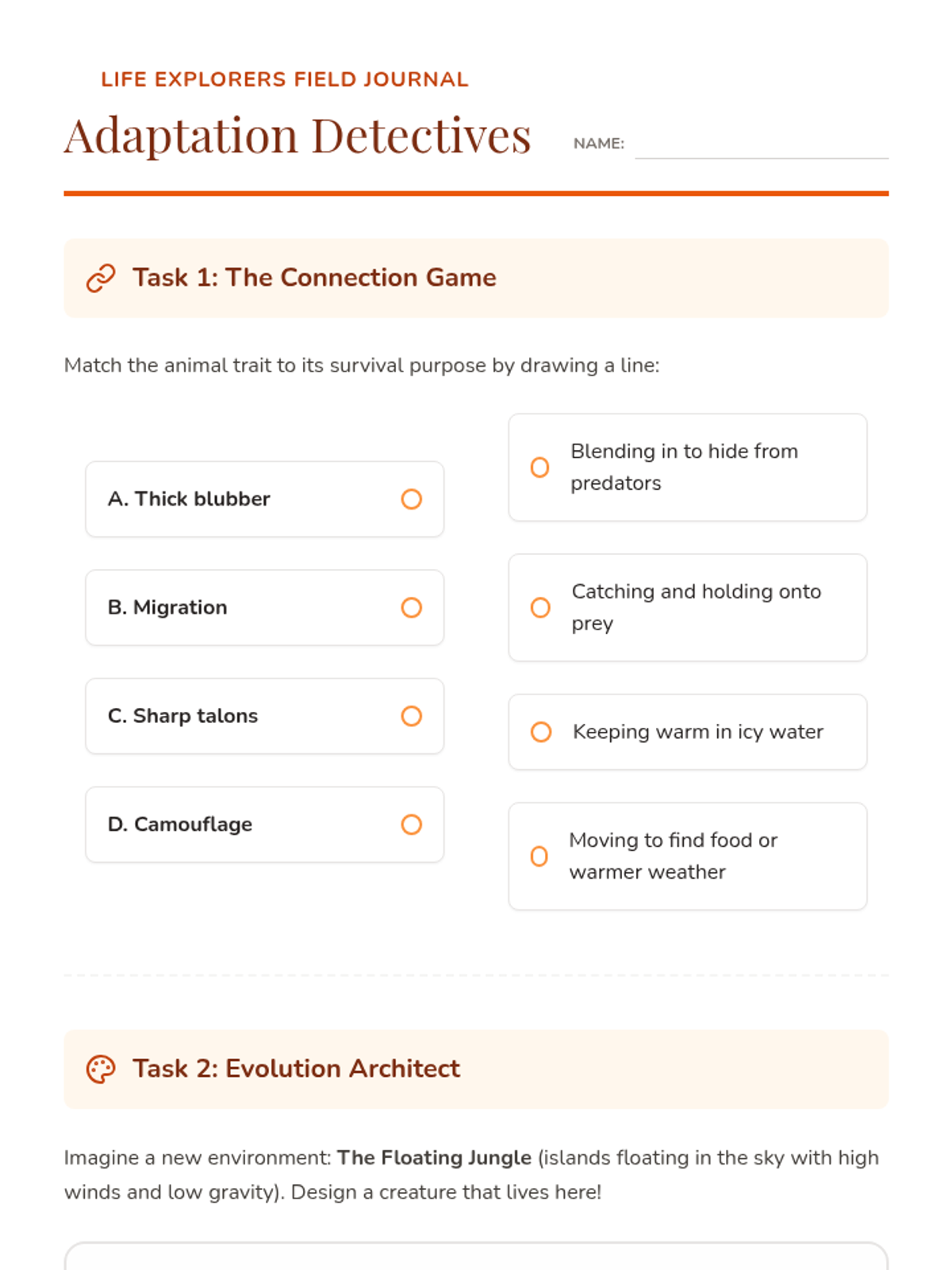
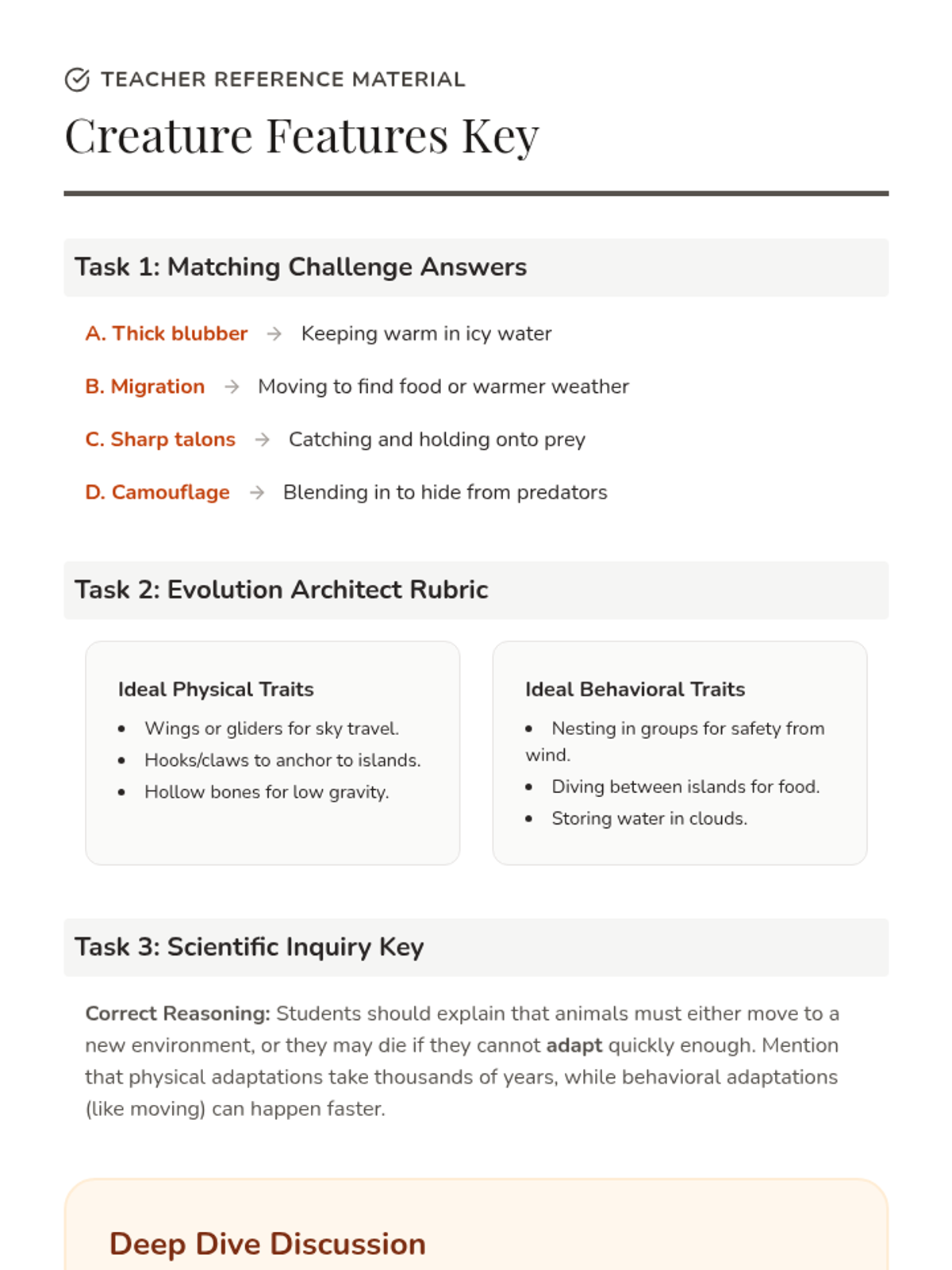
An exploration of how animals adapt to their environments to survive, focusing on the Arctic Fox as a primary example of physical and behavioral adaptations.
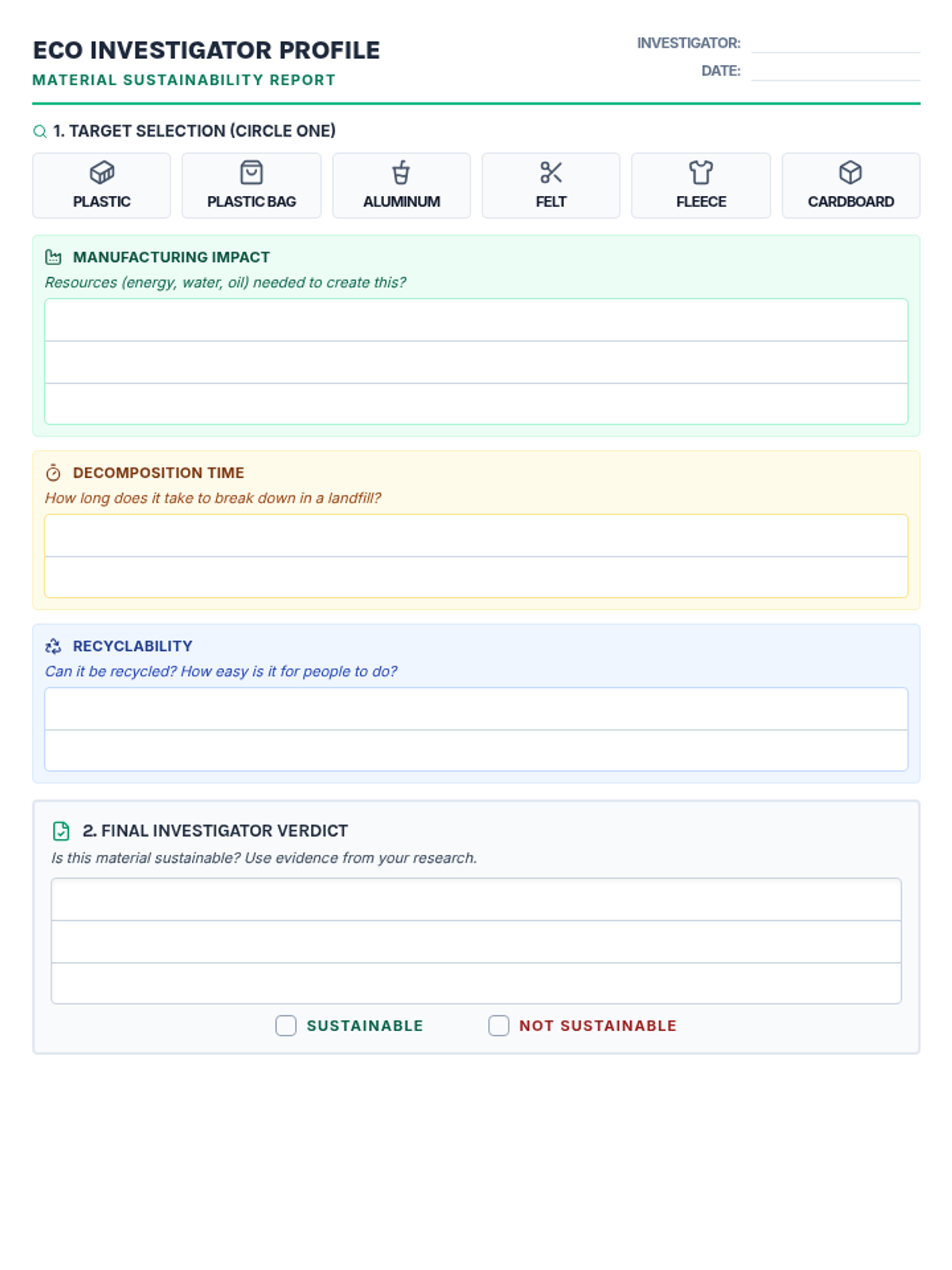
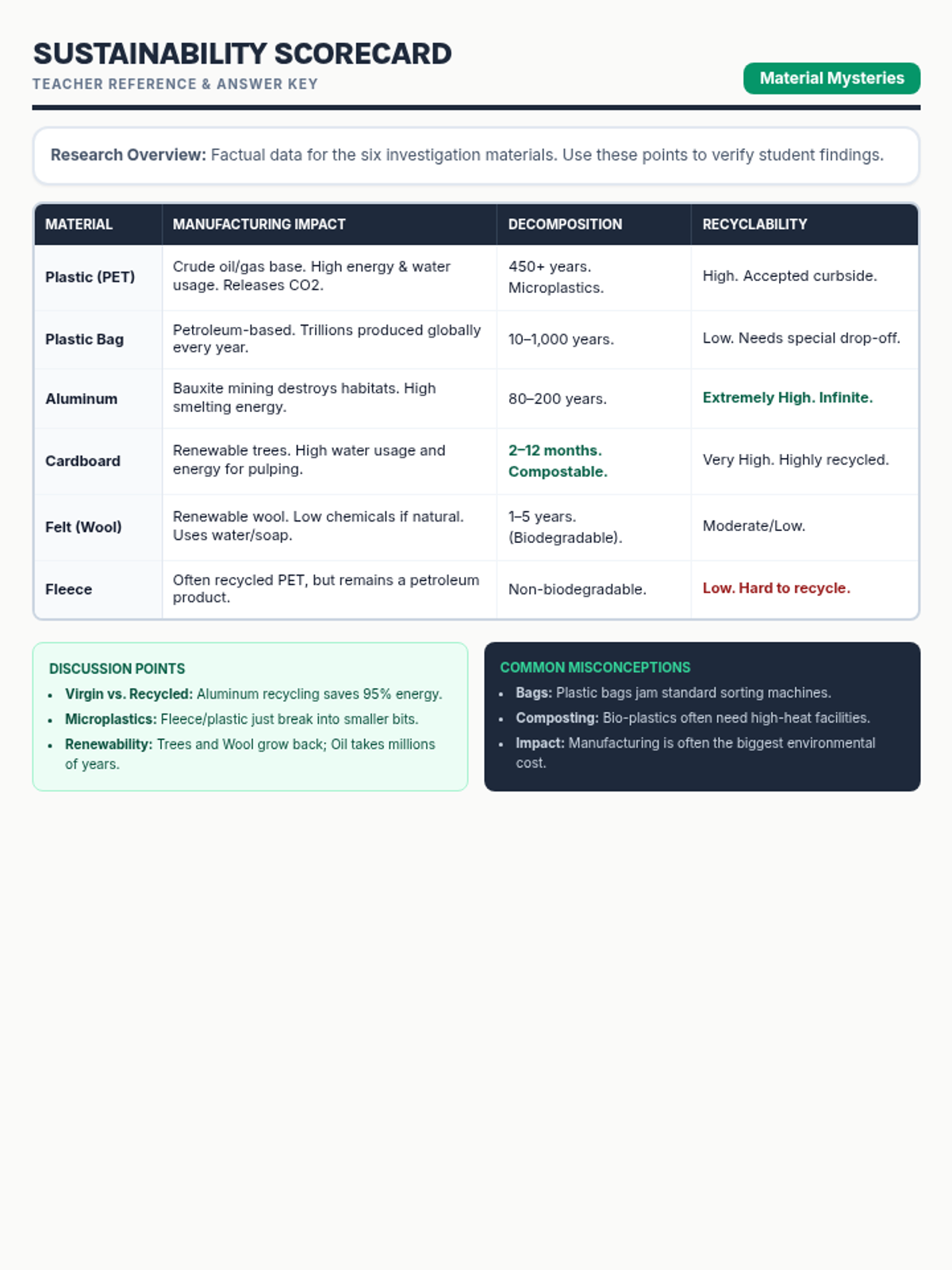
A research-based science lesson where students investigate the environmental impact of common materials like plastic, aluminum, and fleece. Students act as eco-detectives to evaluate recyclability, decomposition, and manufacturing footprints.
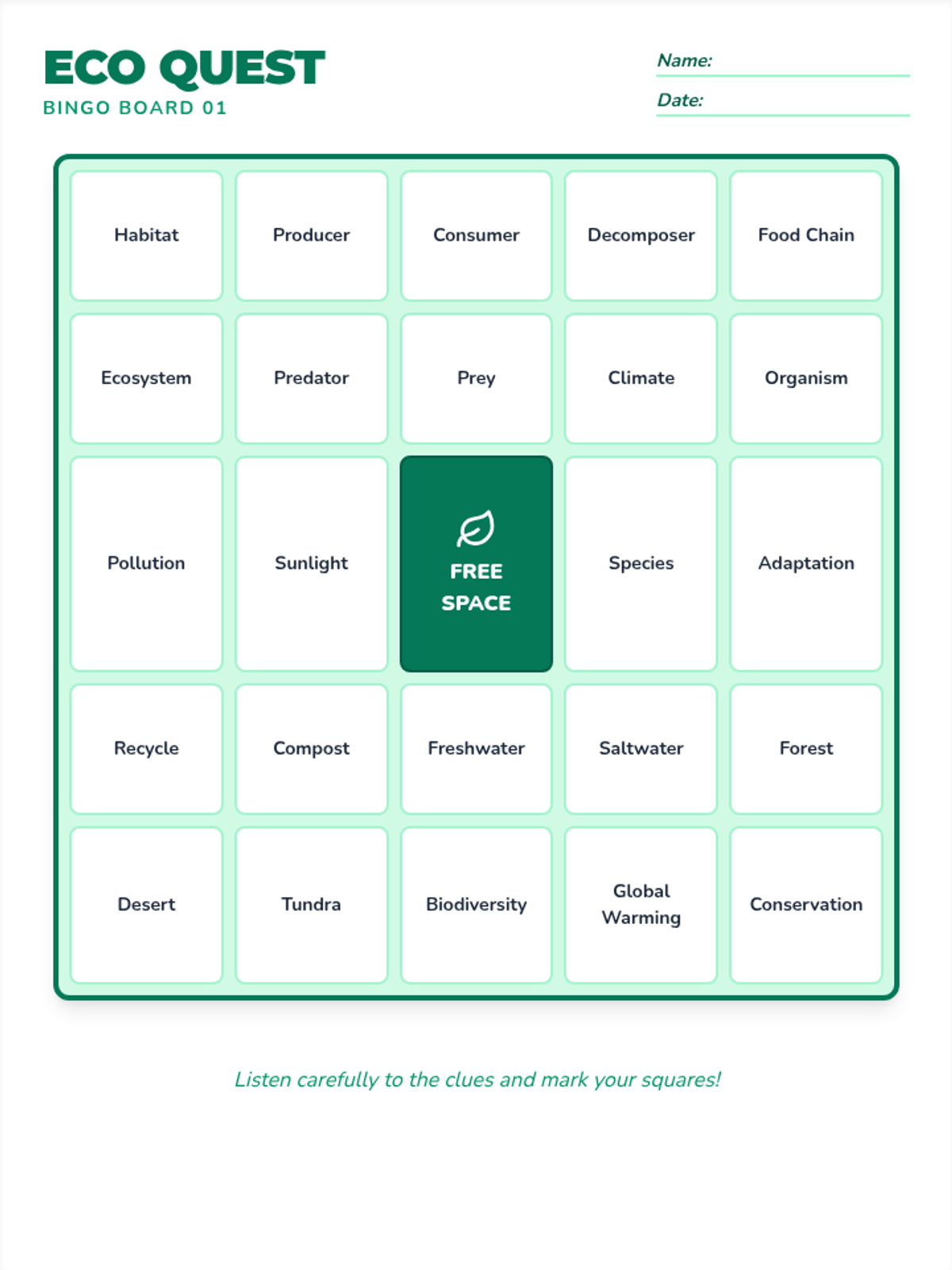
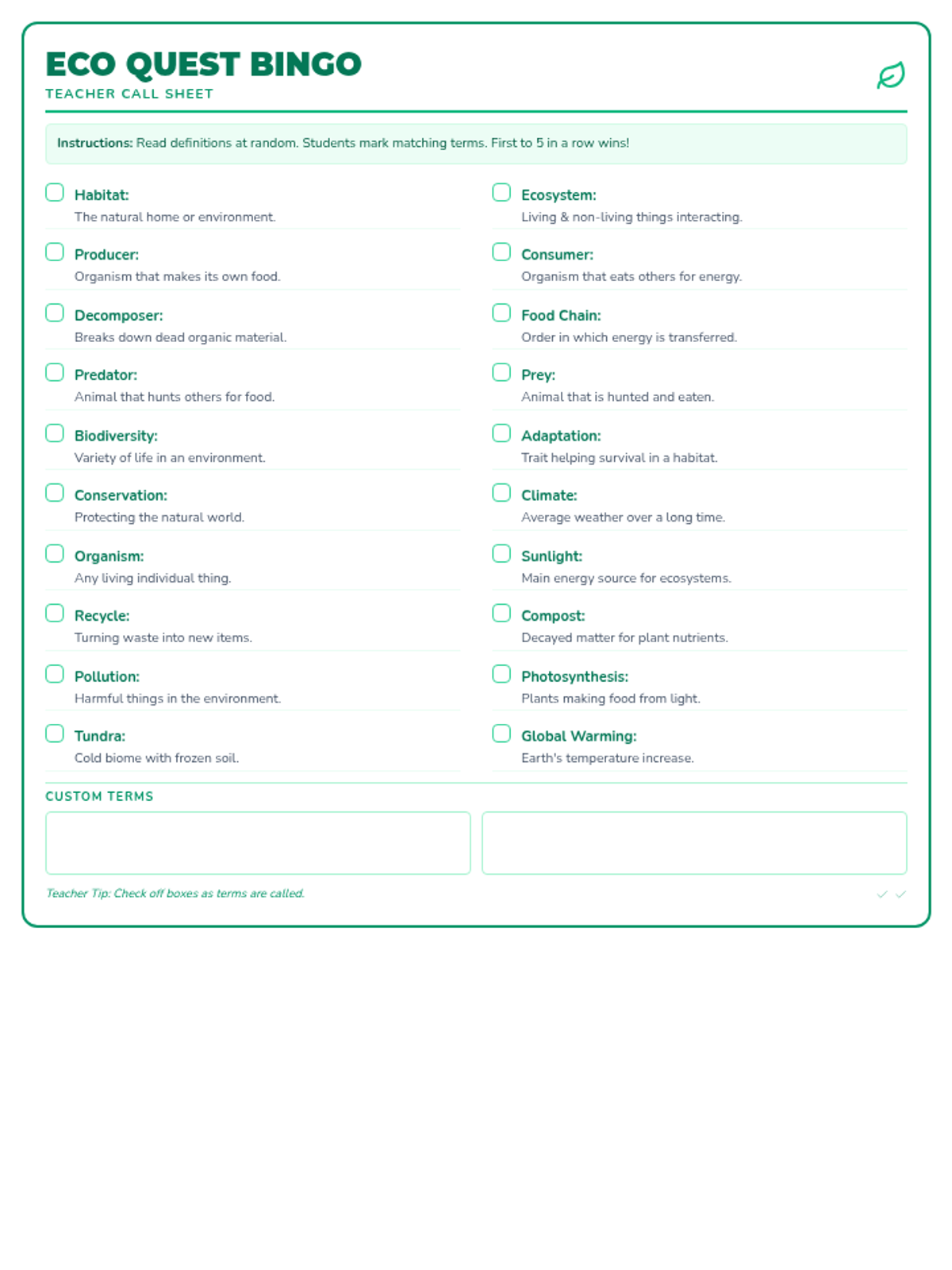
An interactive ecosystem-themed bingo activity to reinforce science vocabulary and environmental concepts.
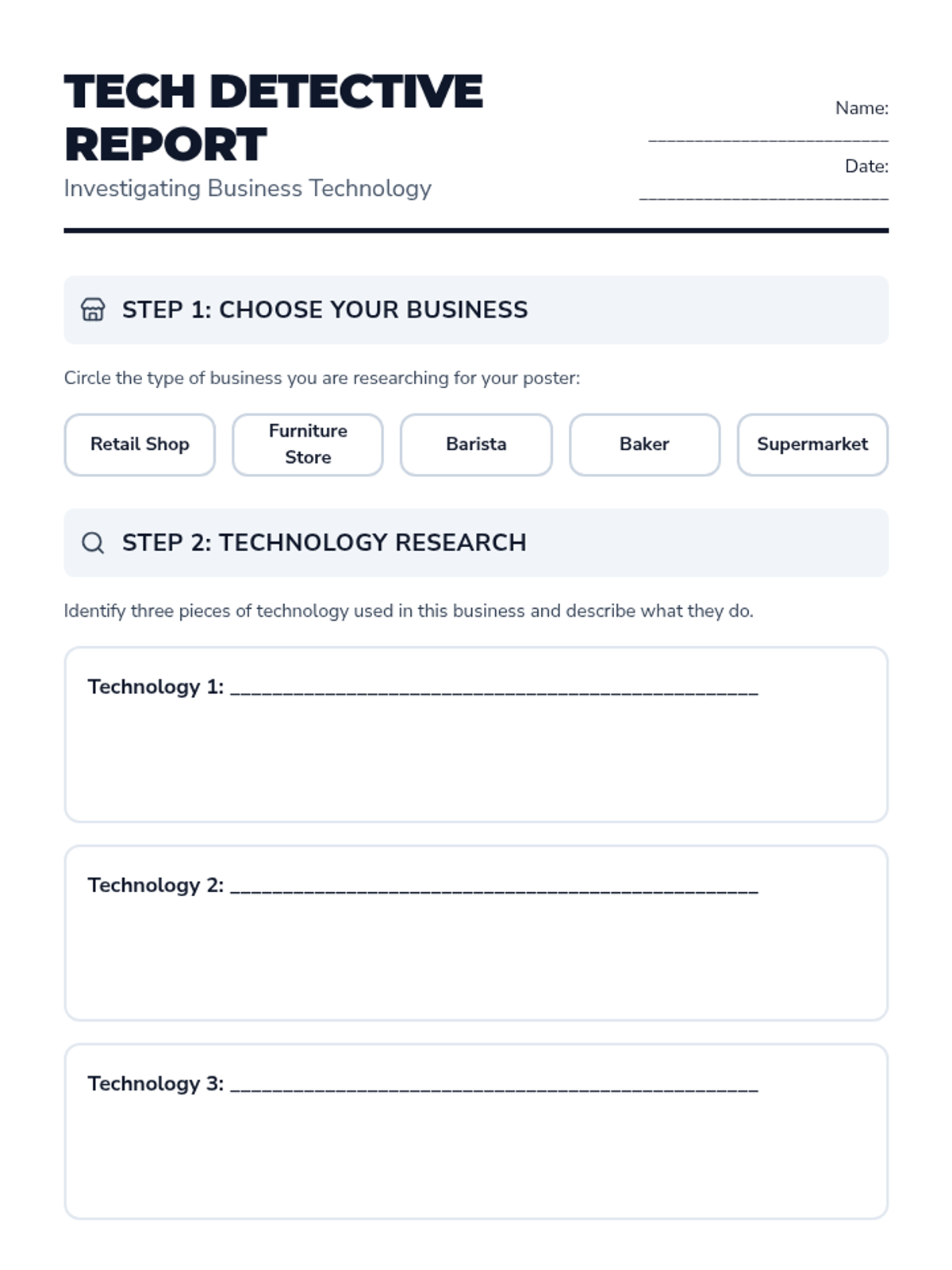
In this lesson, students explore the role of technology in modern businesses. They analyze an example of restaurant technology and then conduct research to create a poster for a specific type of shop.
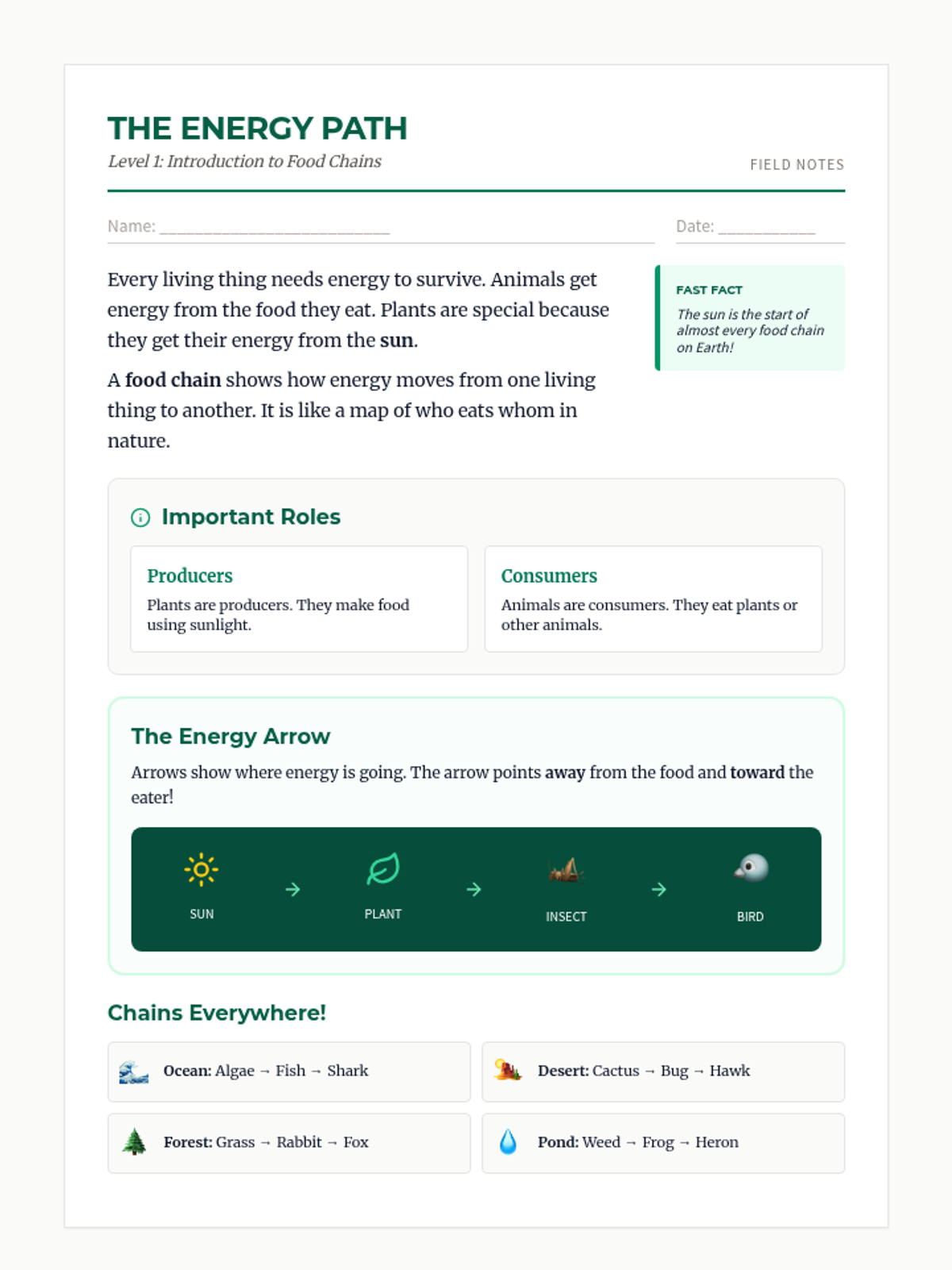
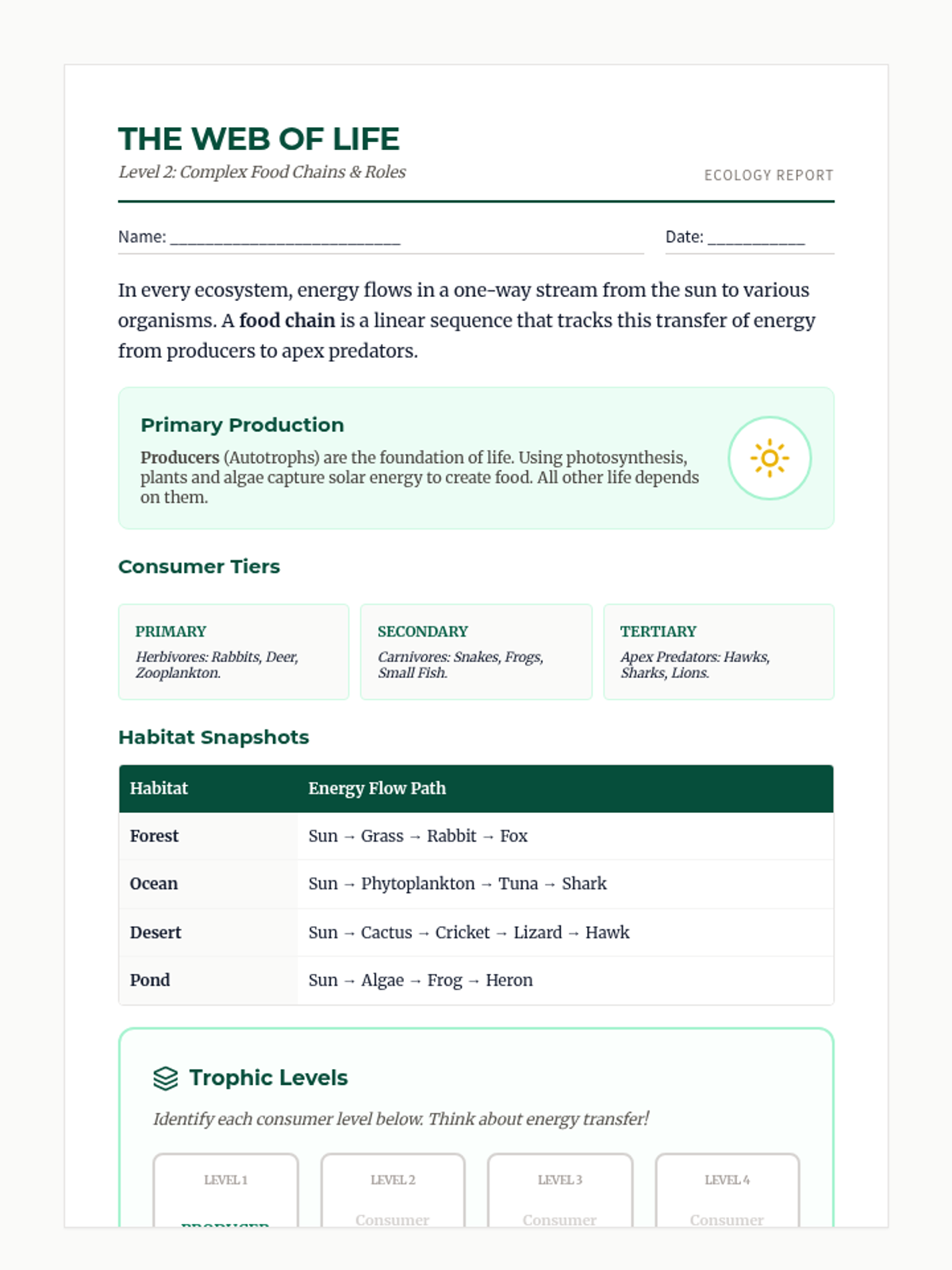
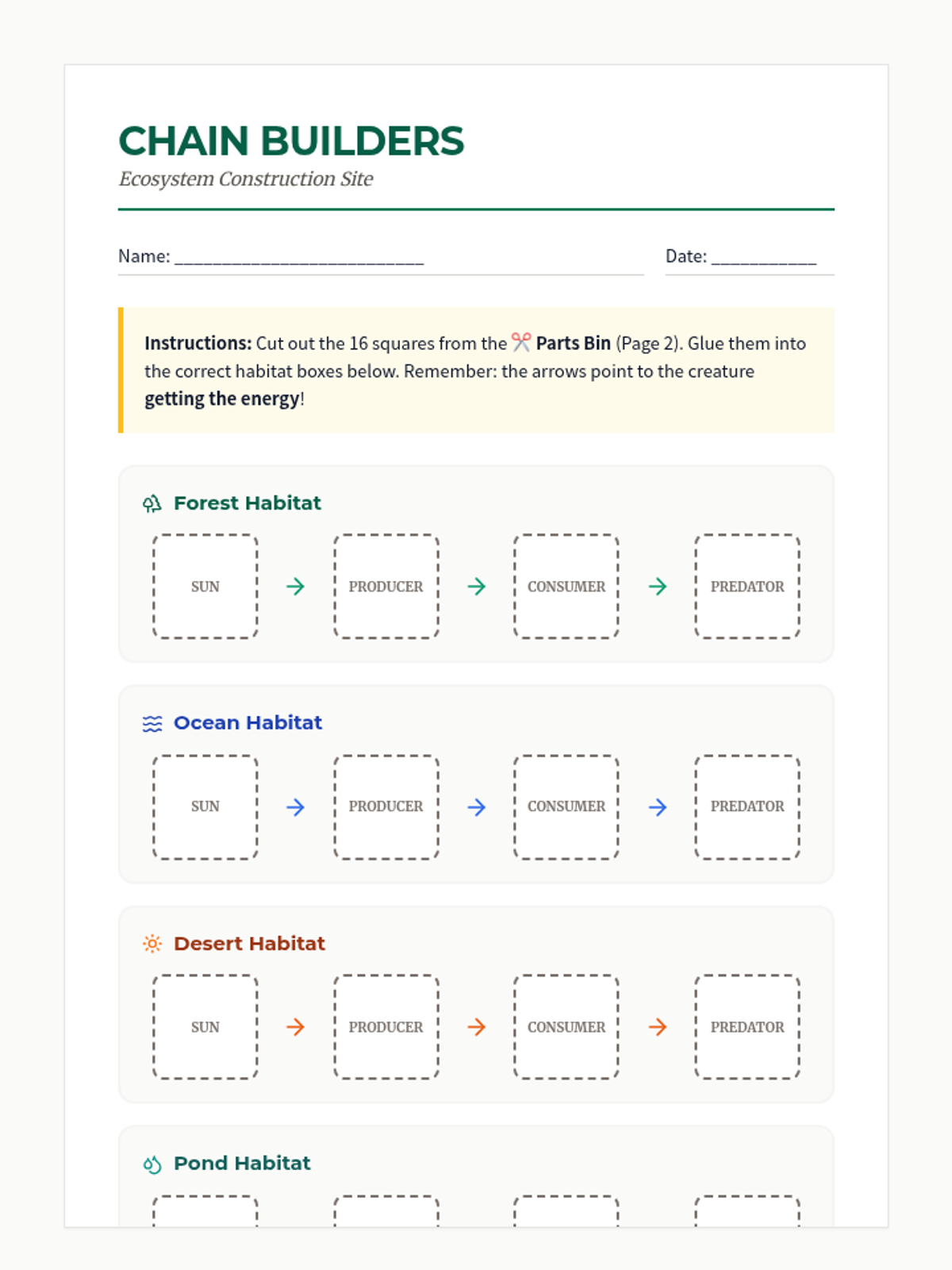
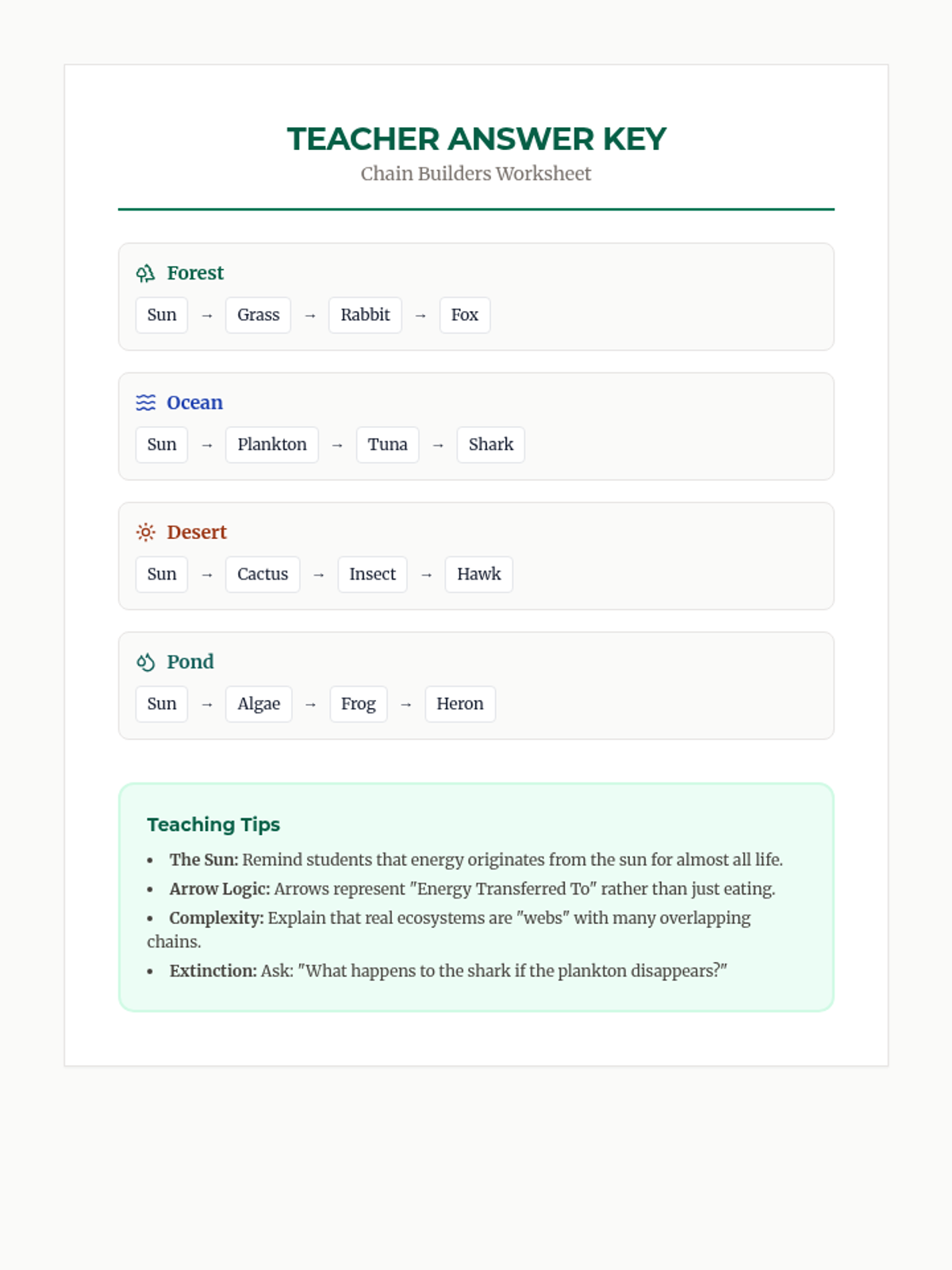
A comprehensive look at how energy moves through different ecosystems. Students explore food chains across four unique habitats through reading and hands-on activities.
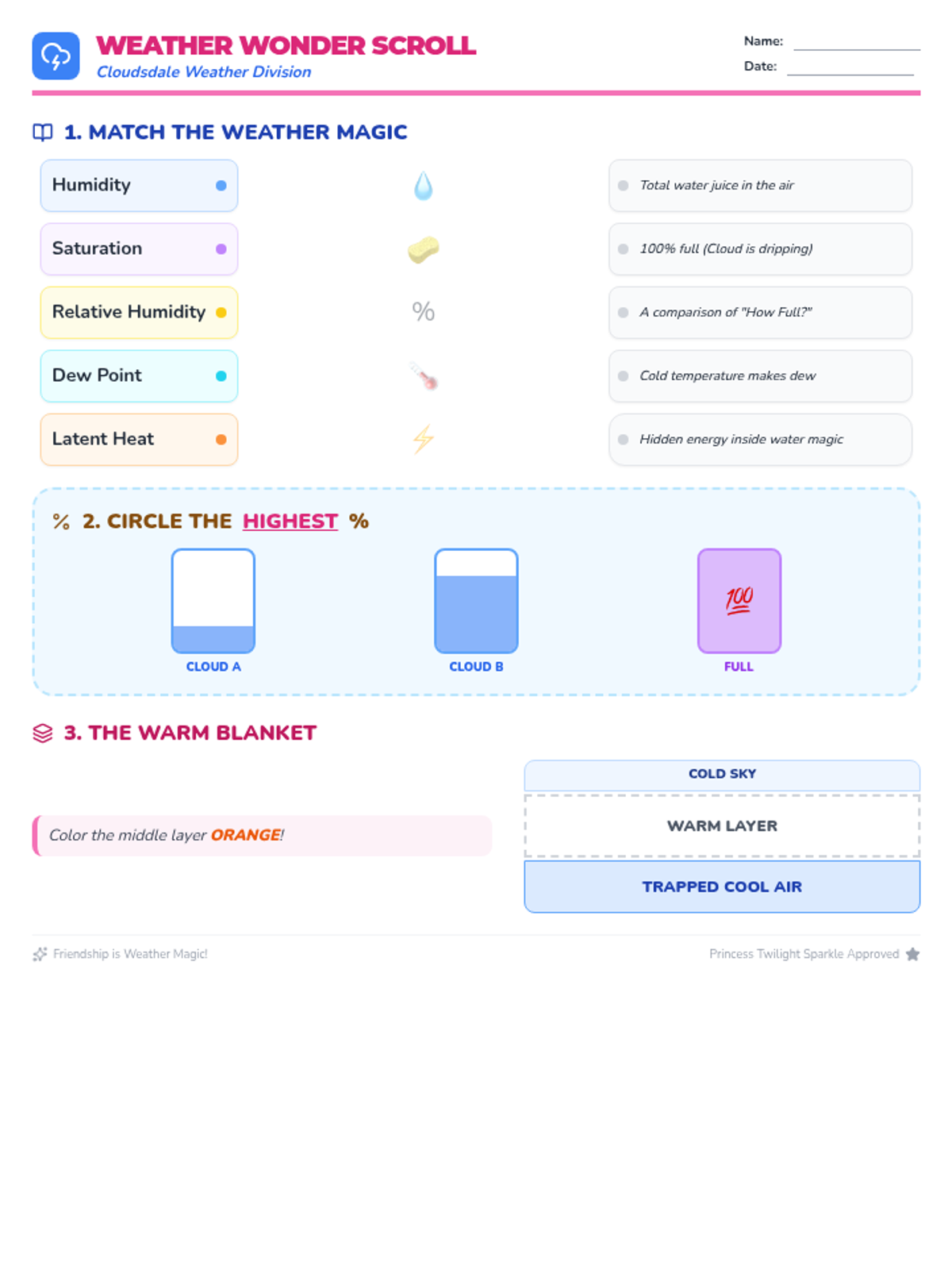
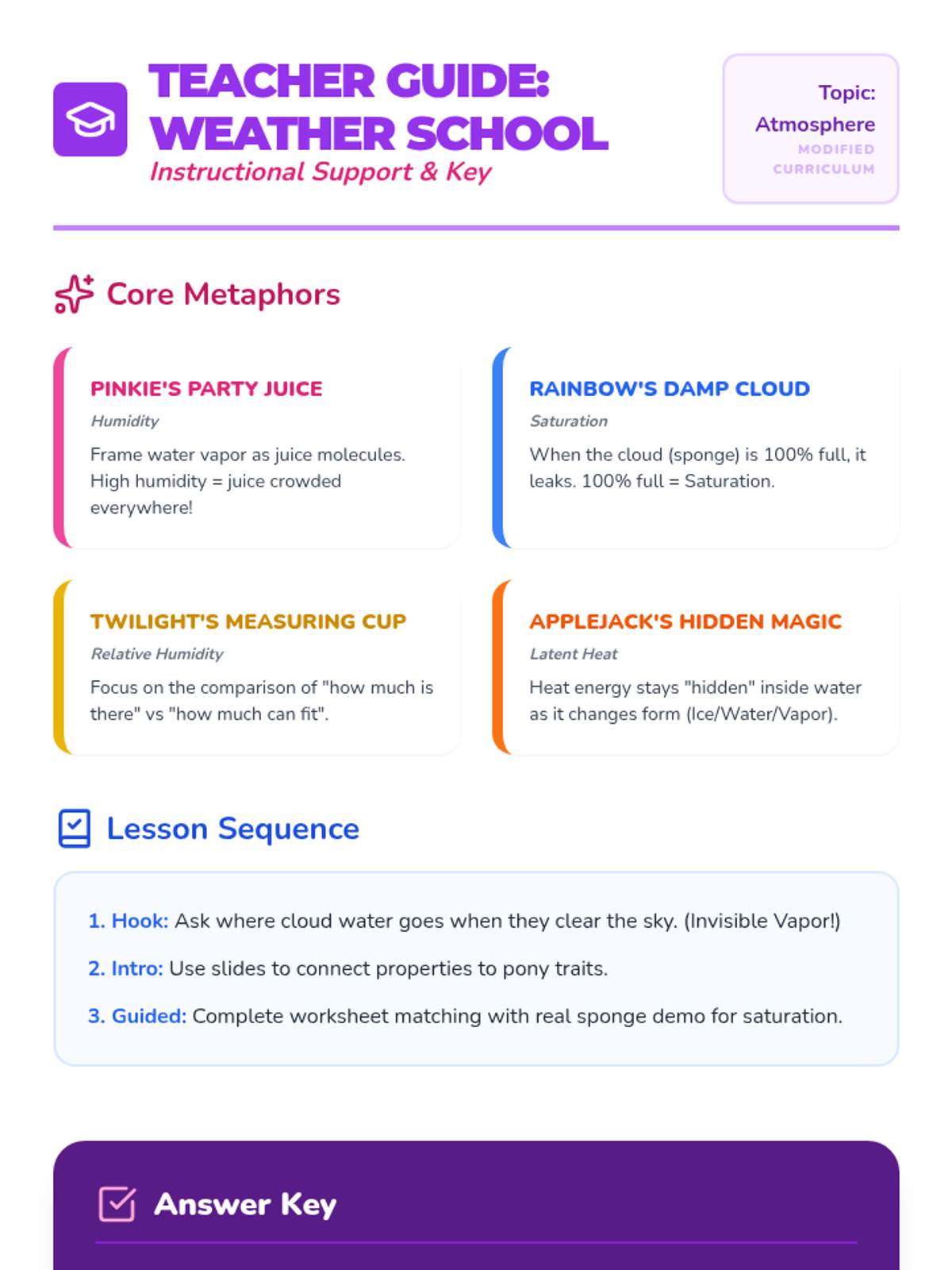
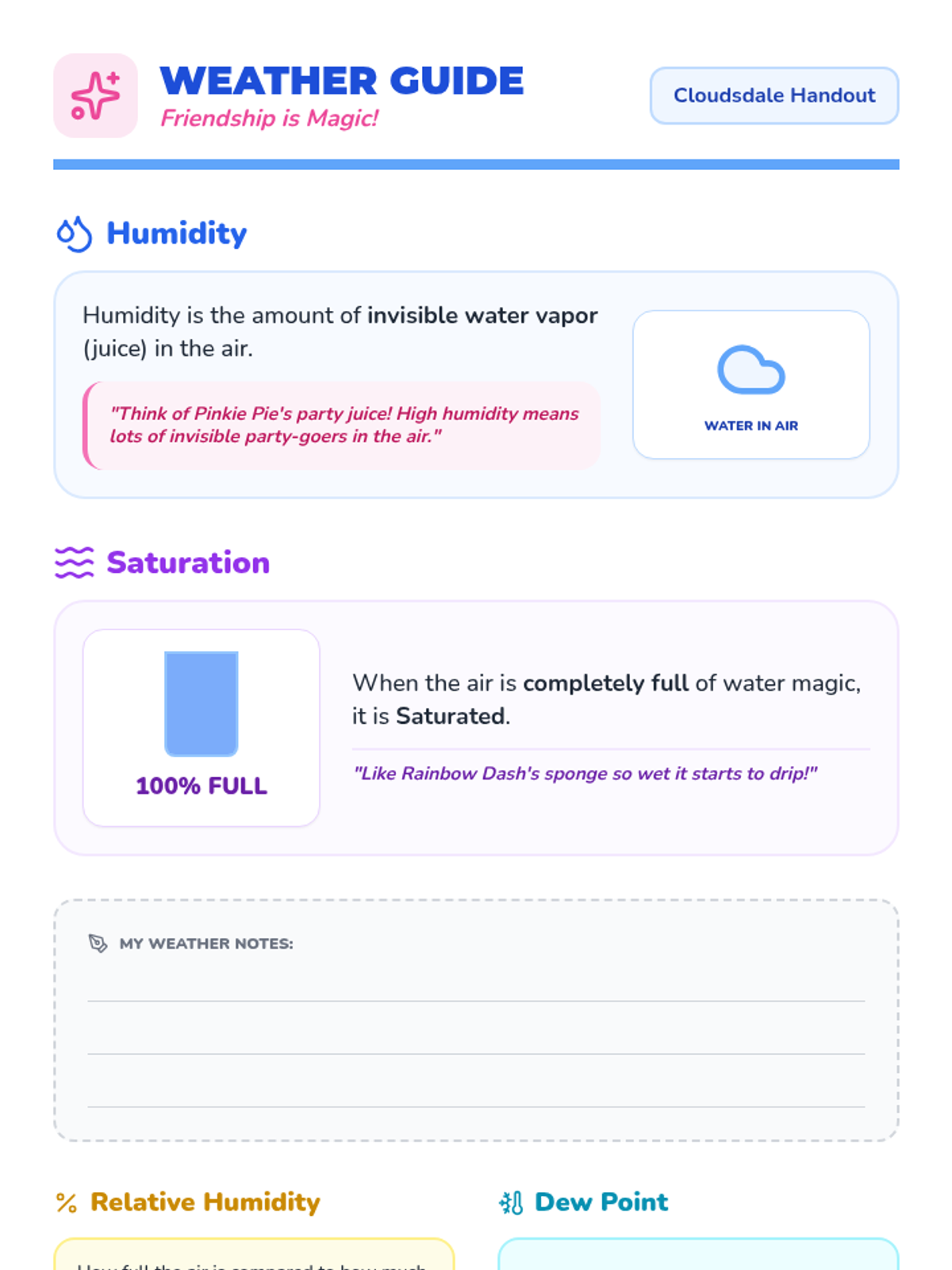
A lesson exploring the properties of the atmosphere using My Little Pony (G4) characters to explain complex weather concepts like humidity, dew point, and latent heat through visual metaphors.
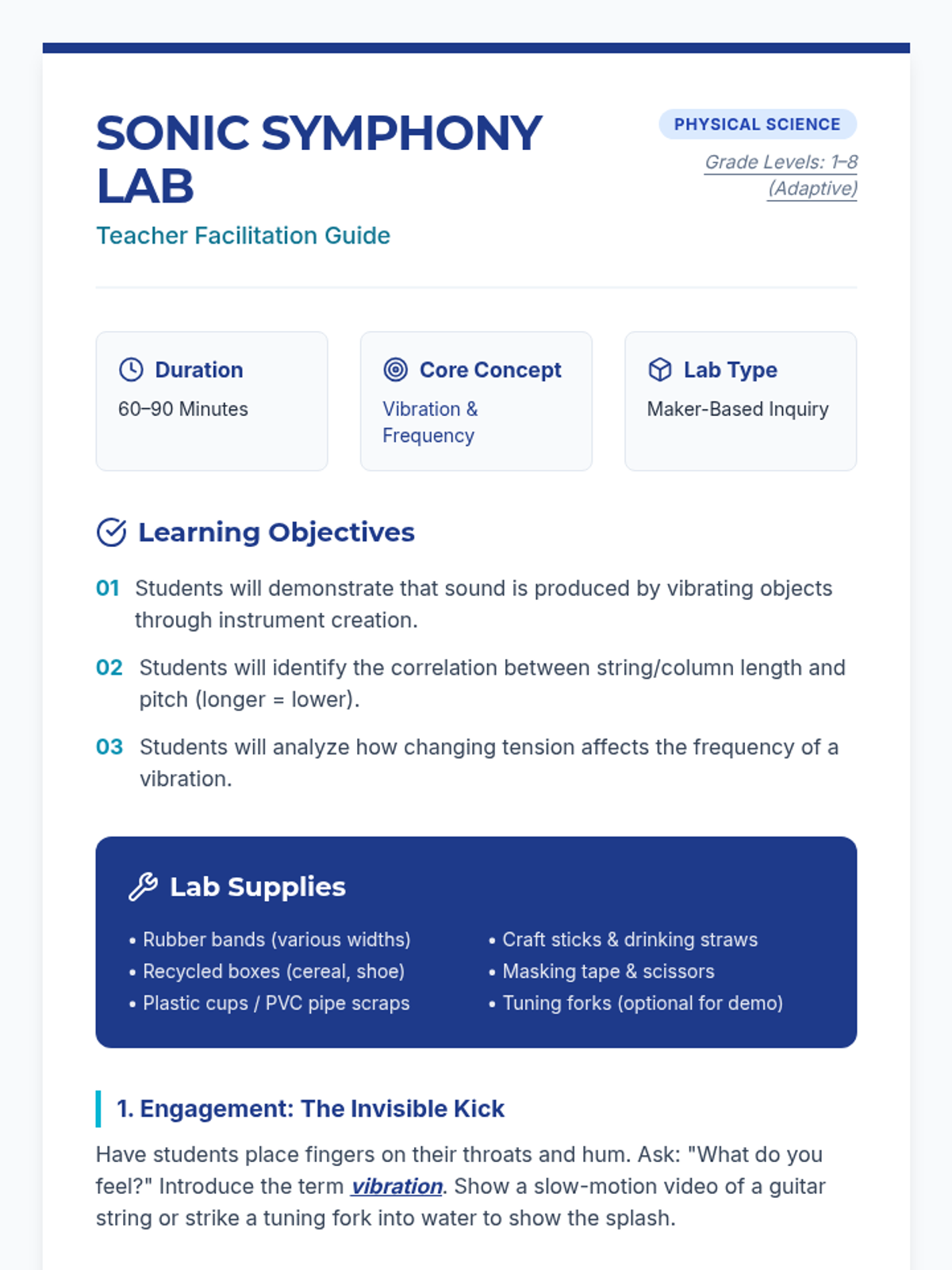
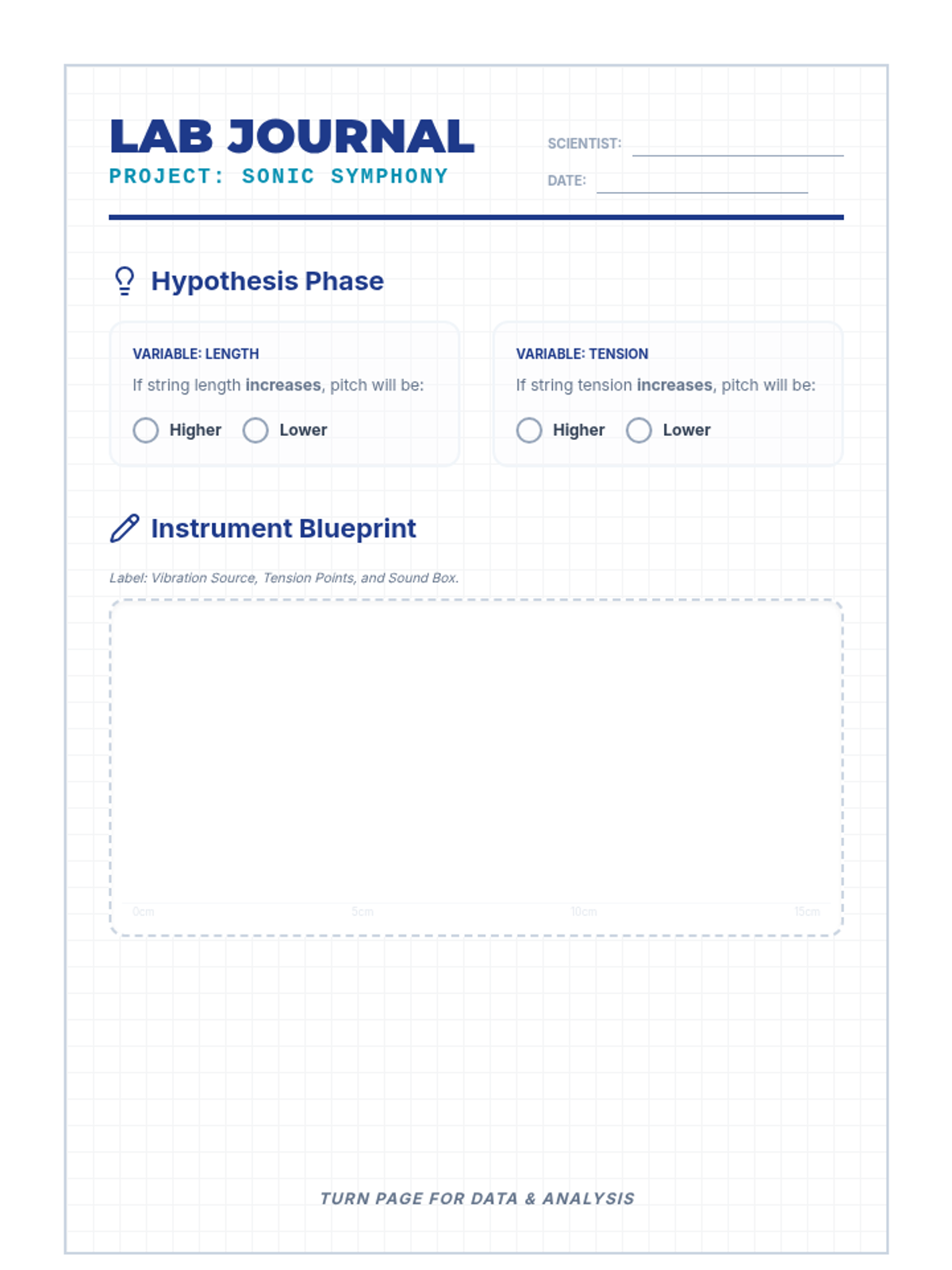
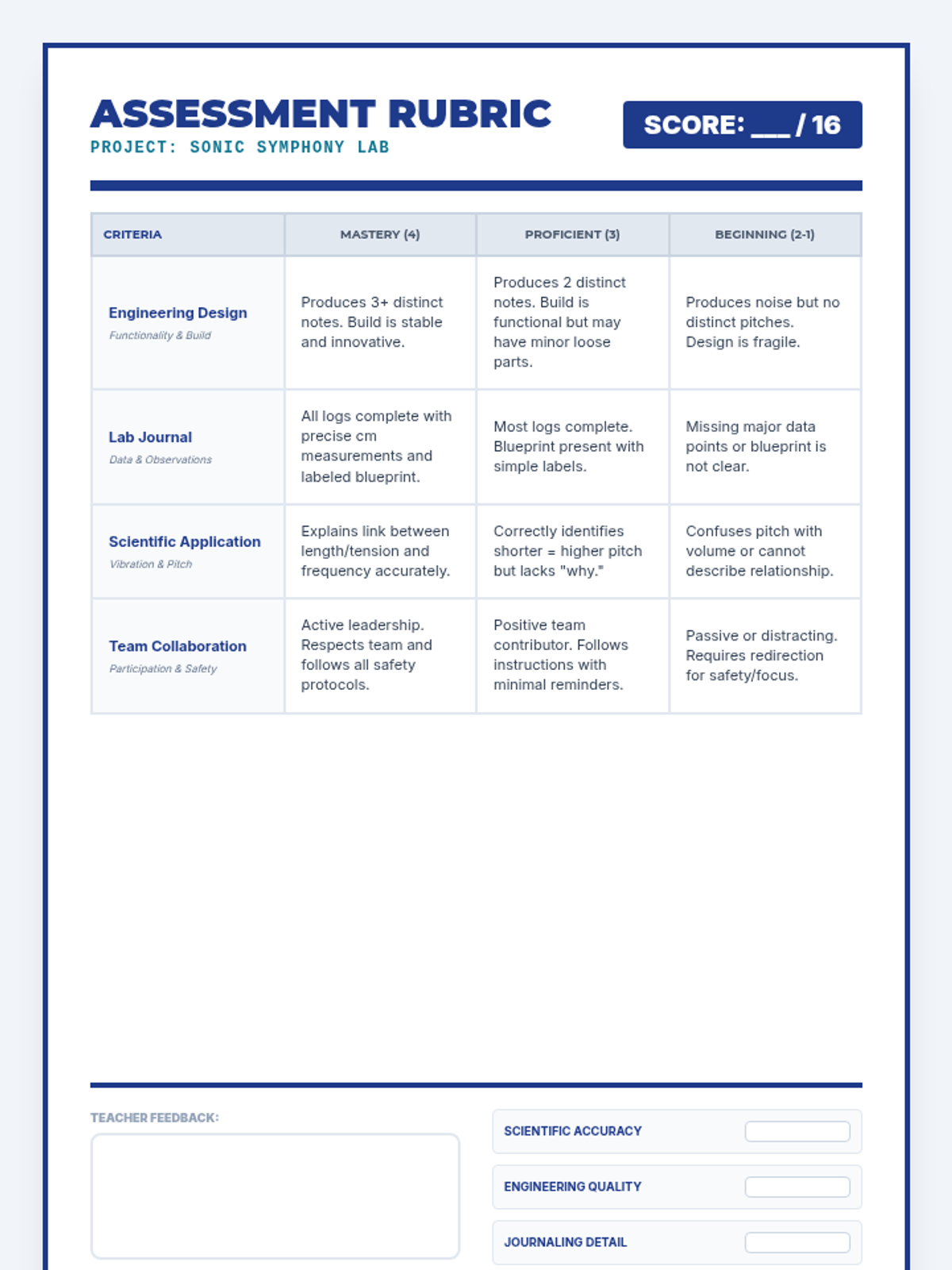
An immersive hands-on investigation into the physics of sound where students build DIY instruments to explore vibrations, pitch, and volume. This lesson bridges sensory exploration with acoustic engineering principles.
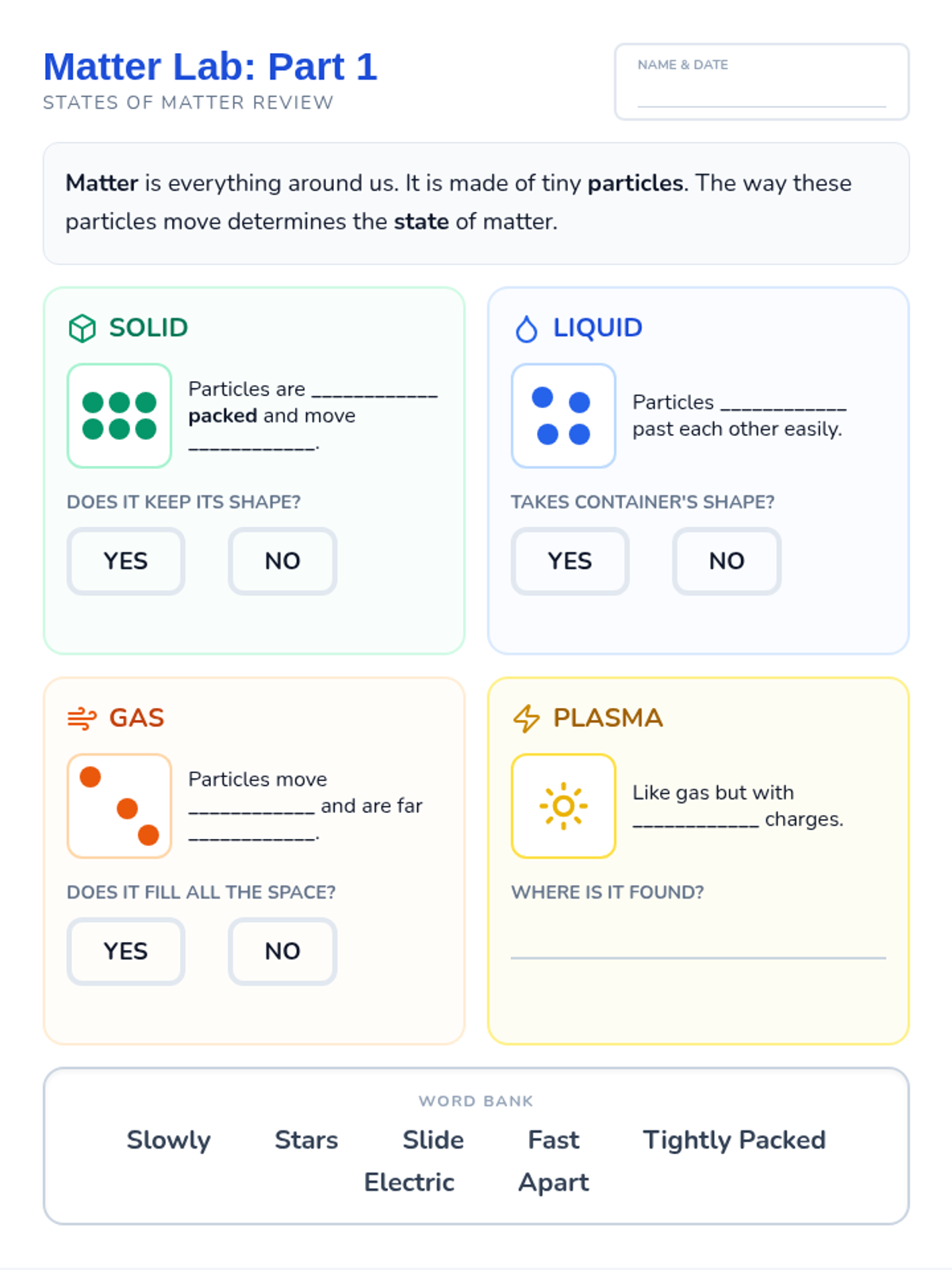
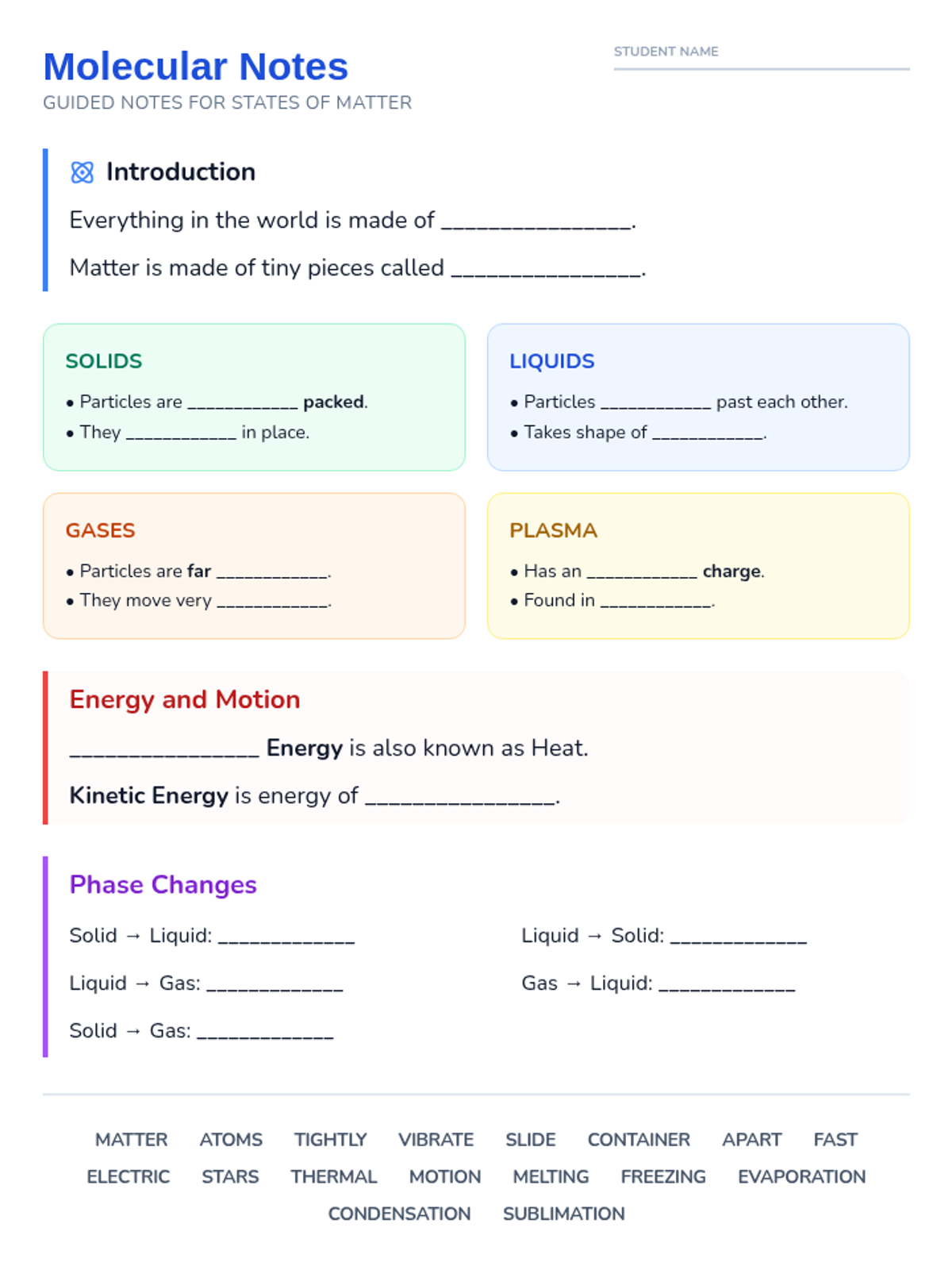
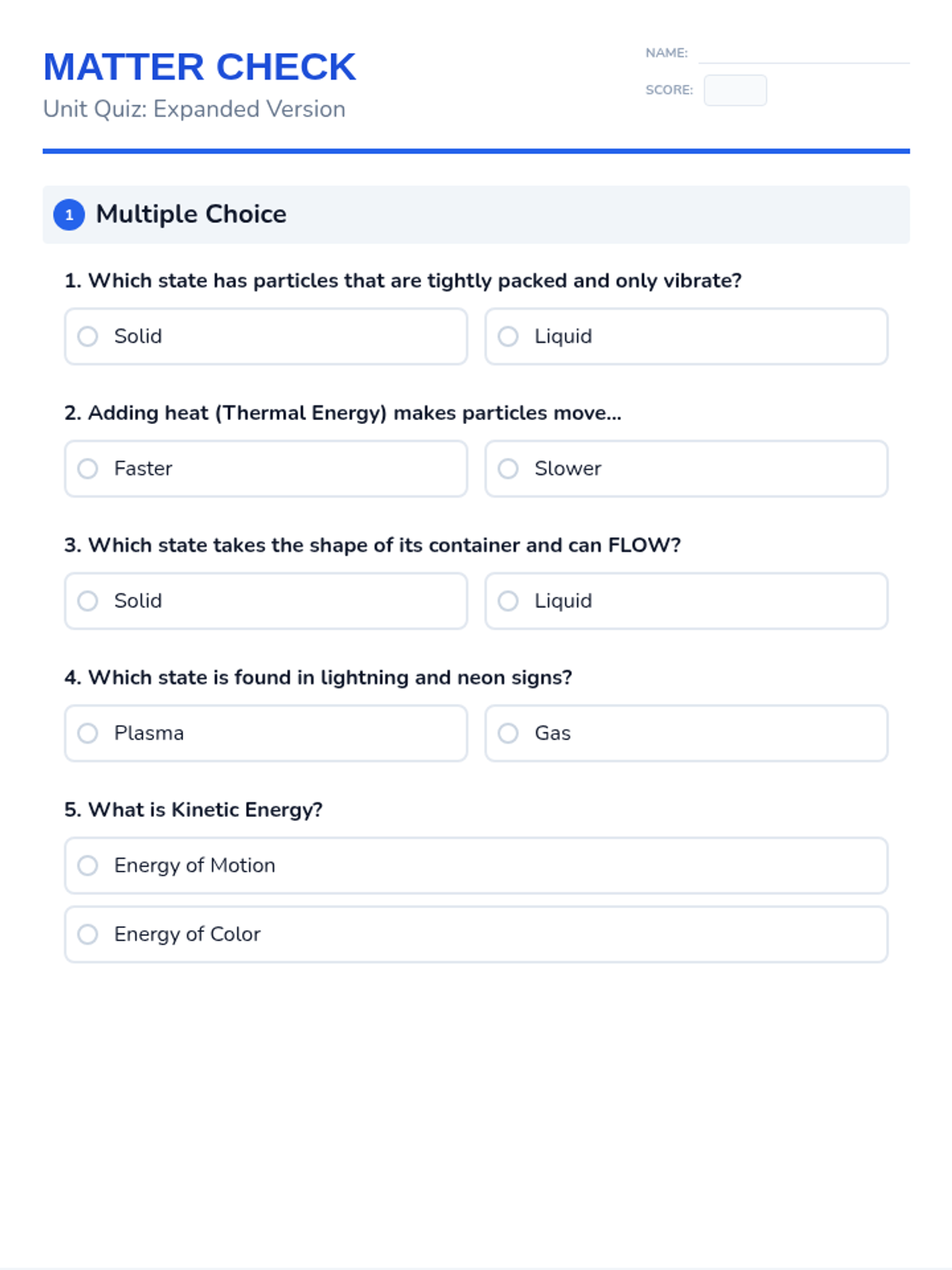
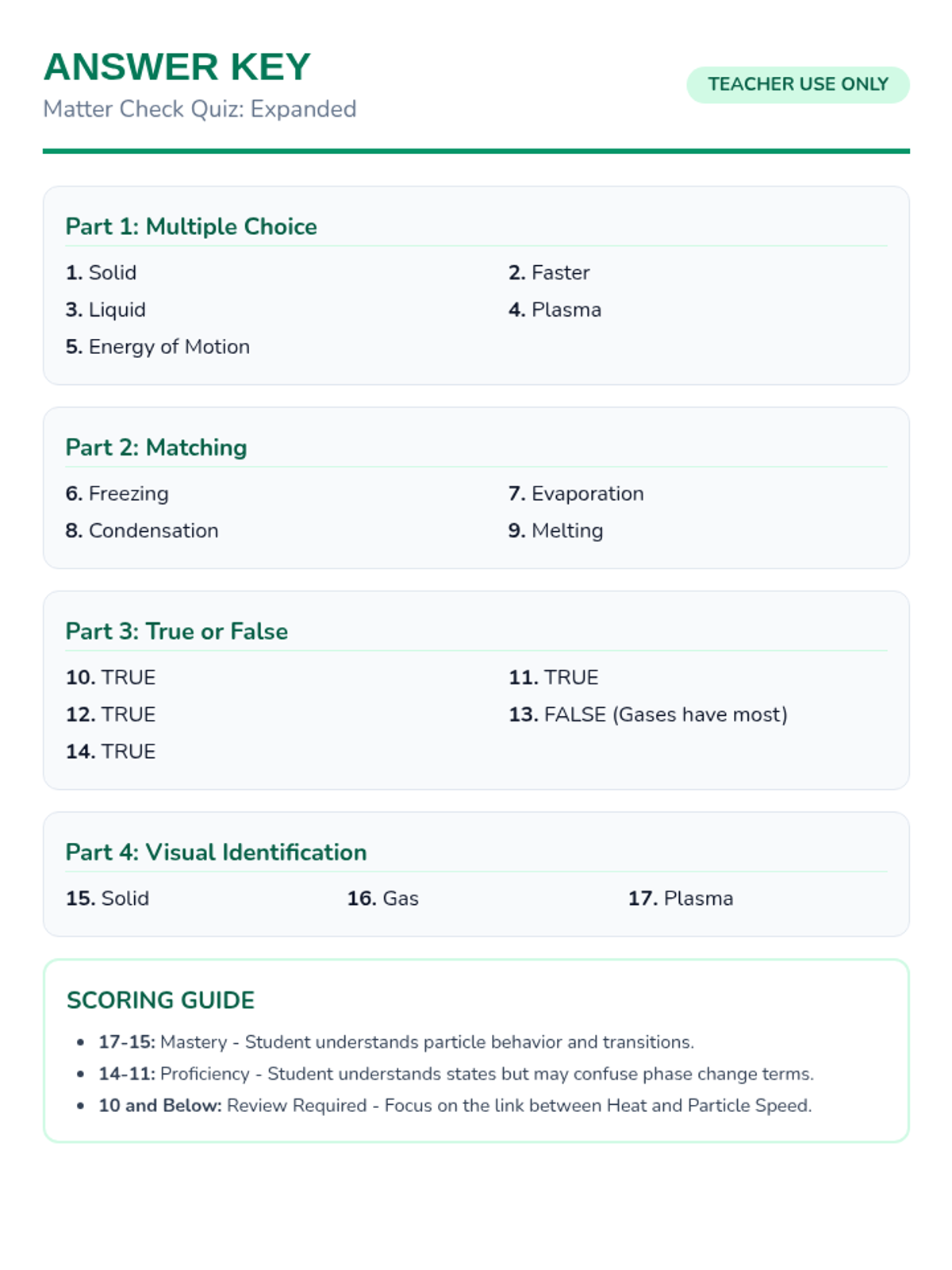
A comprehensive review of the states of matter and phase changes designed for diverse learners, featuring simplified text, visual aids, and structured graphic organizers.
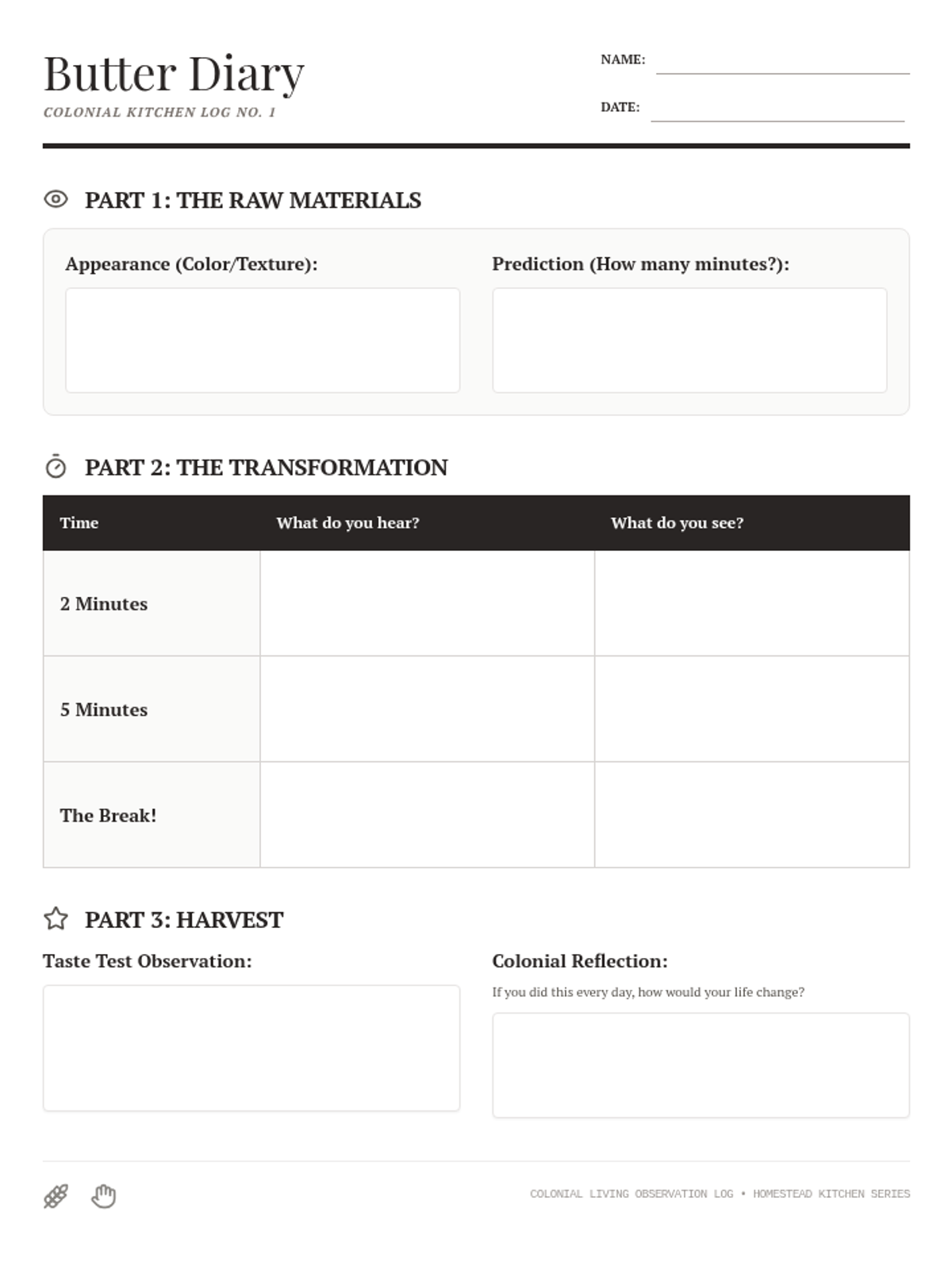
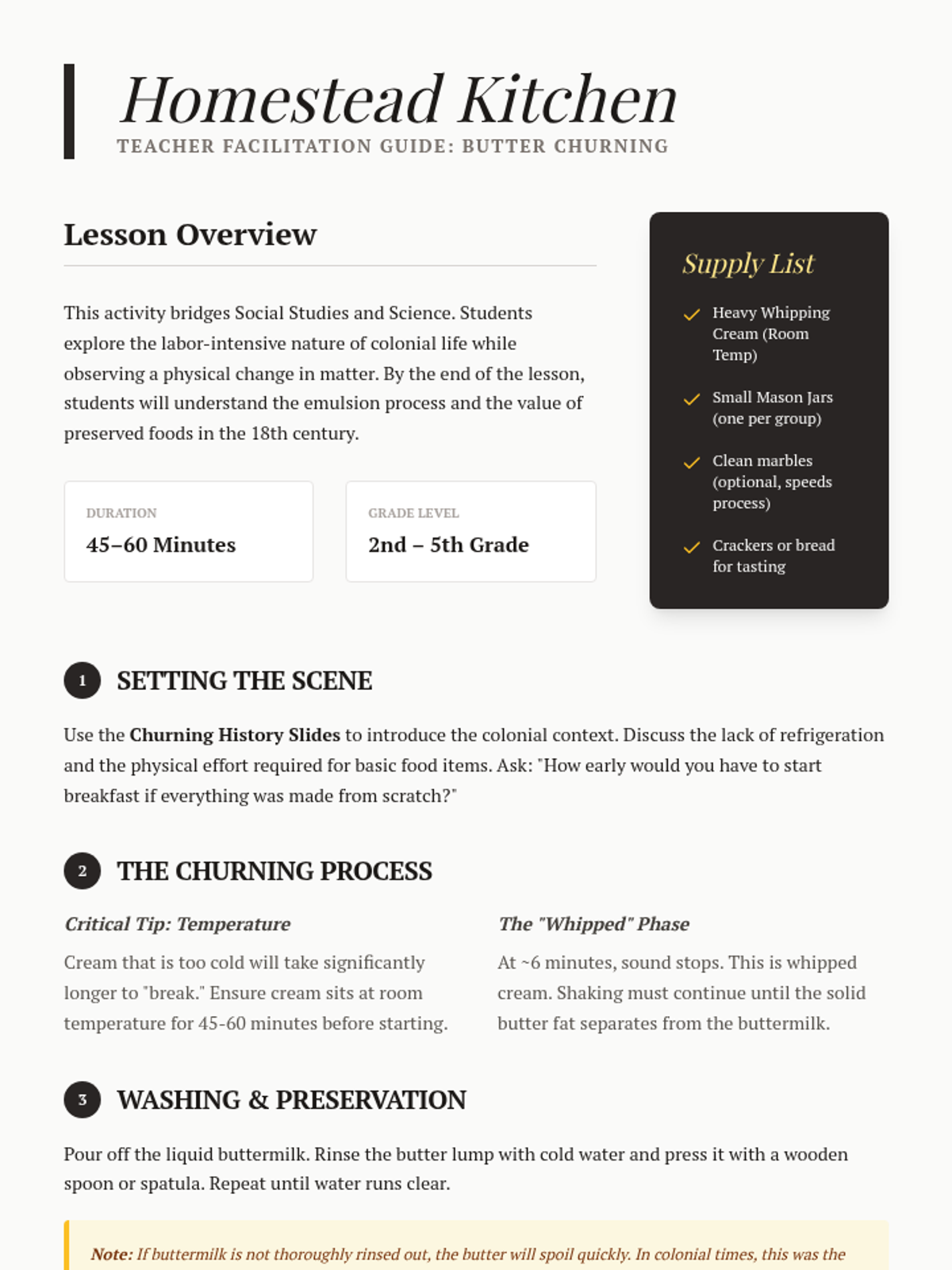
A hands-on exploration of colonial food preservation and the science of phase changes through butter making. Students learn about the effort required for daily colonial tasks while transforming heavy cream into butter using jars.
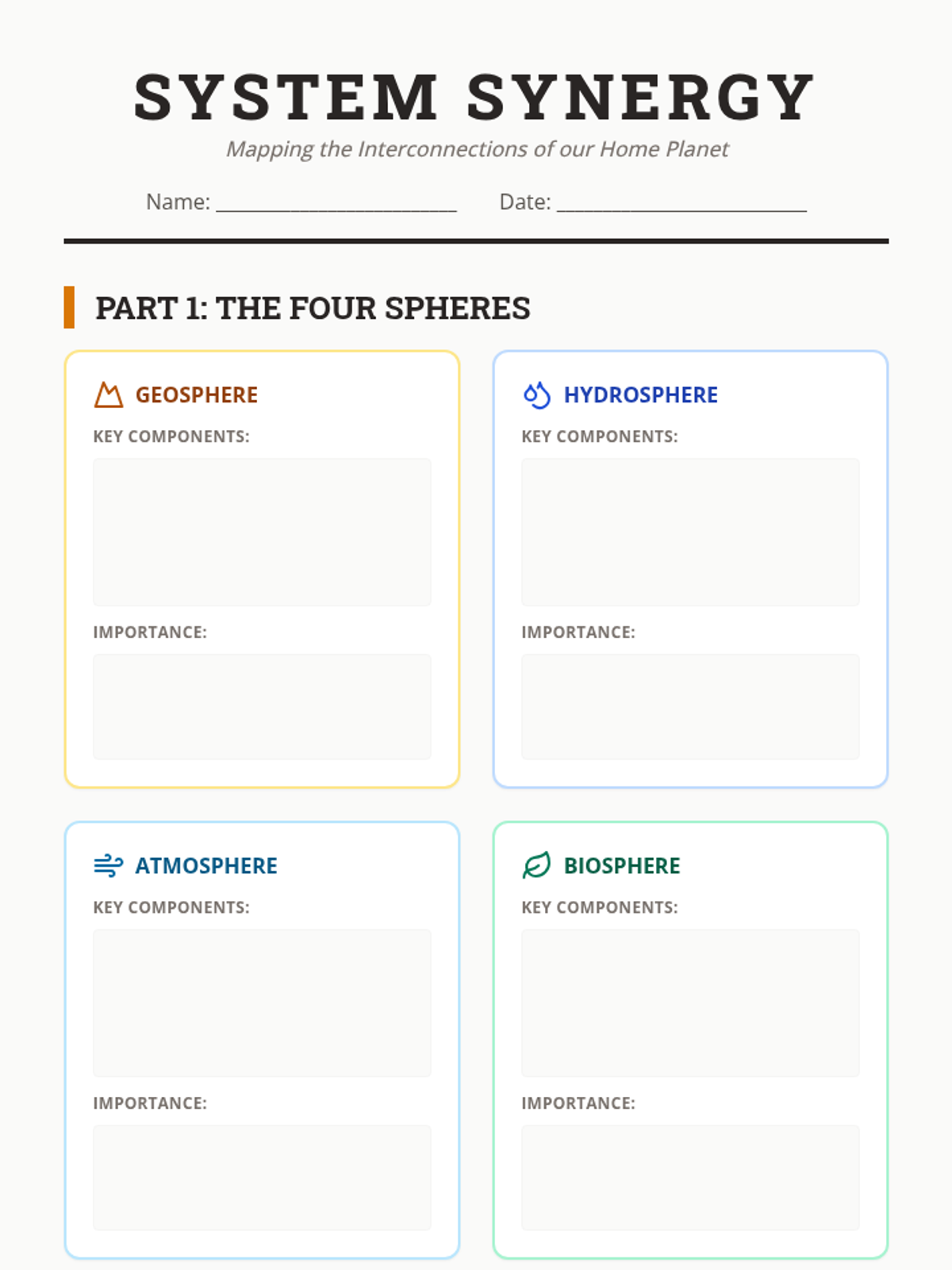
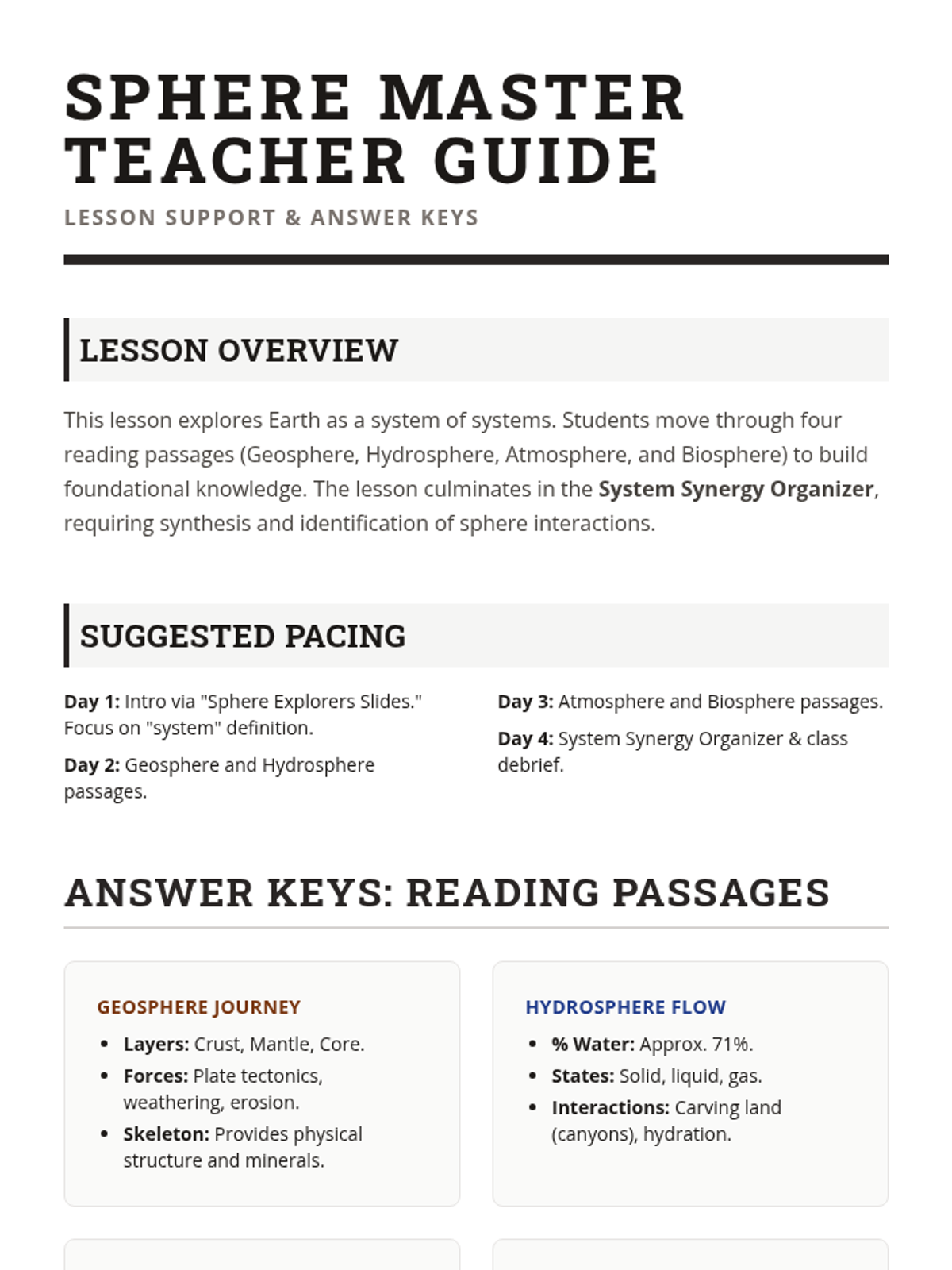
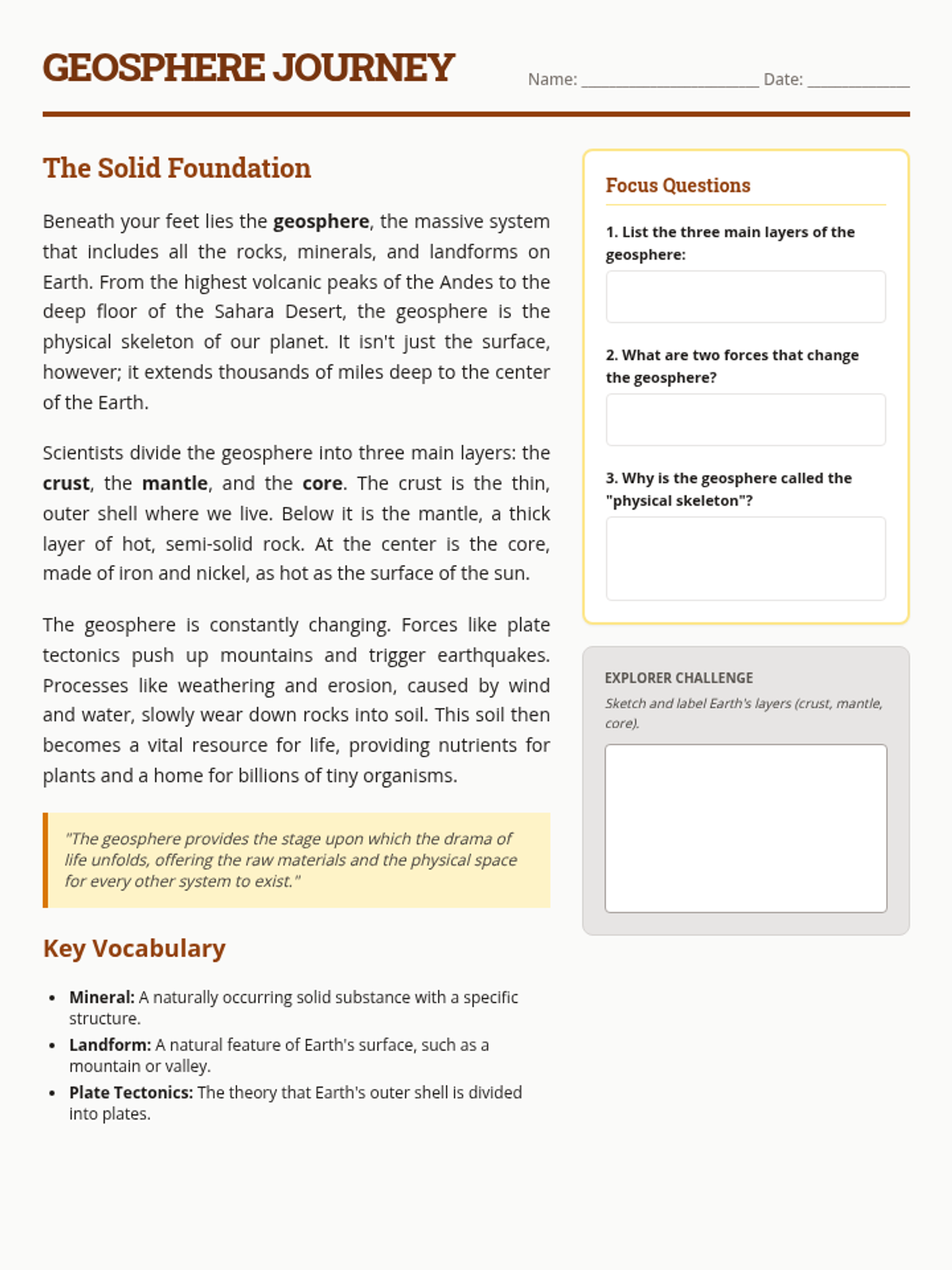
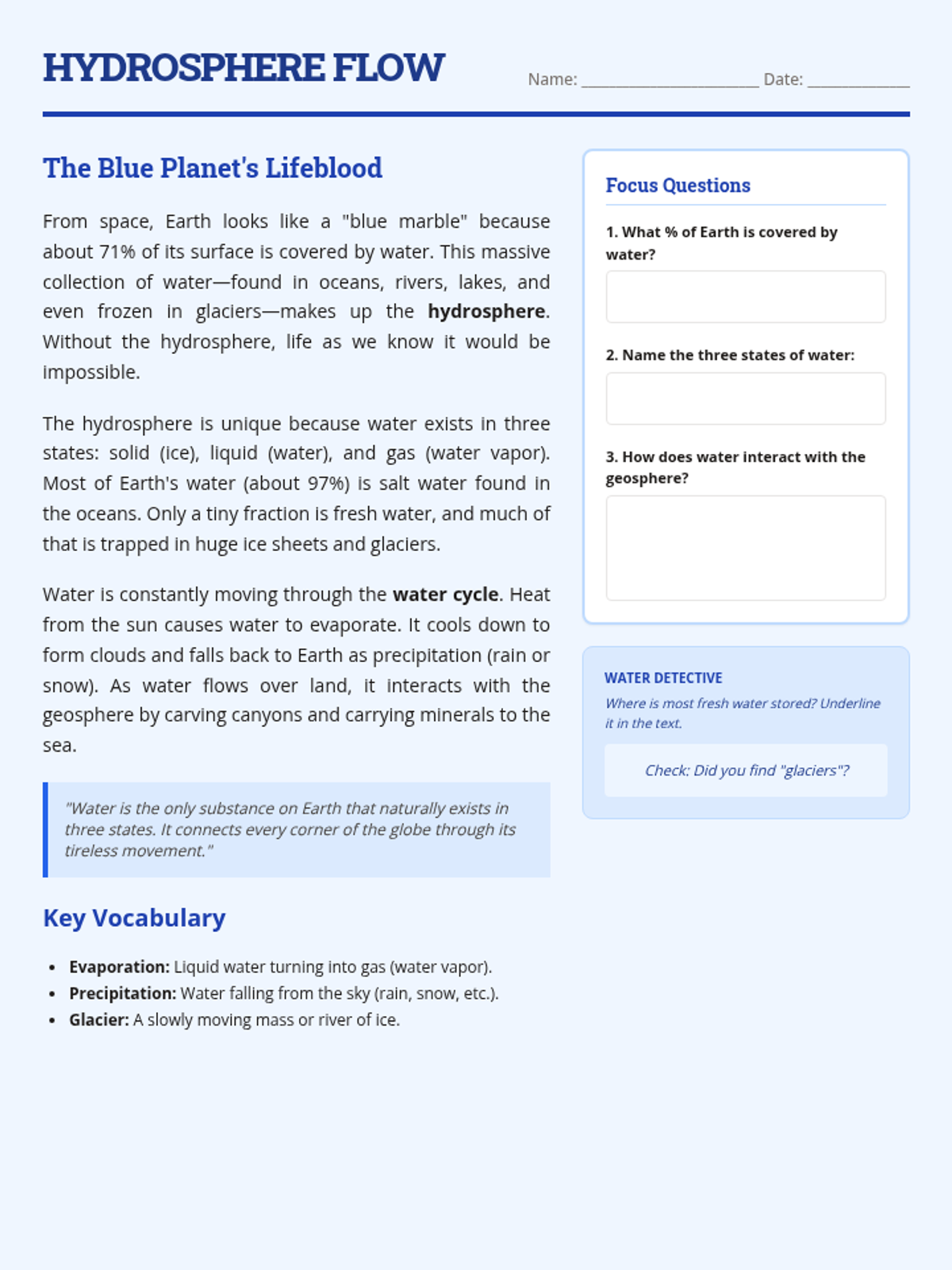
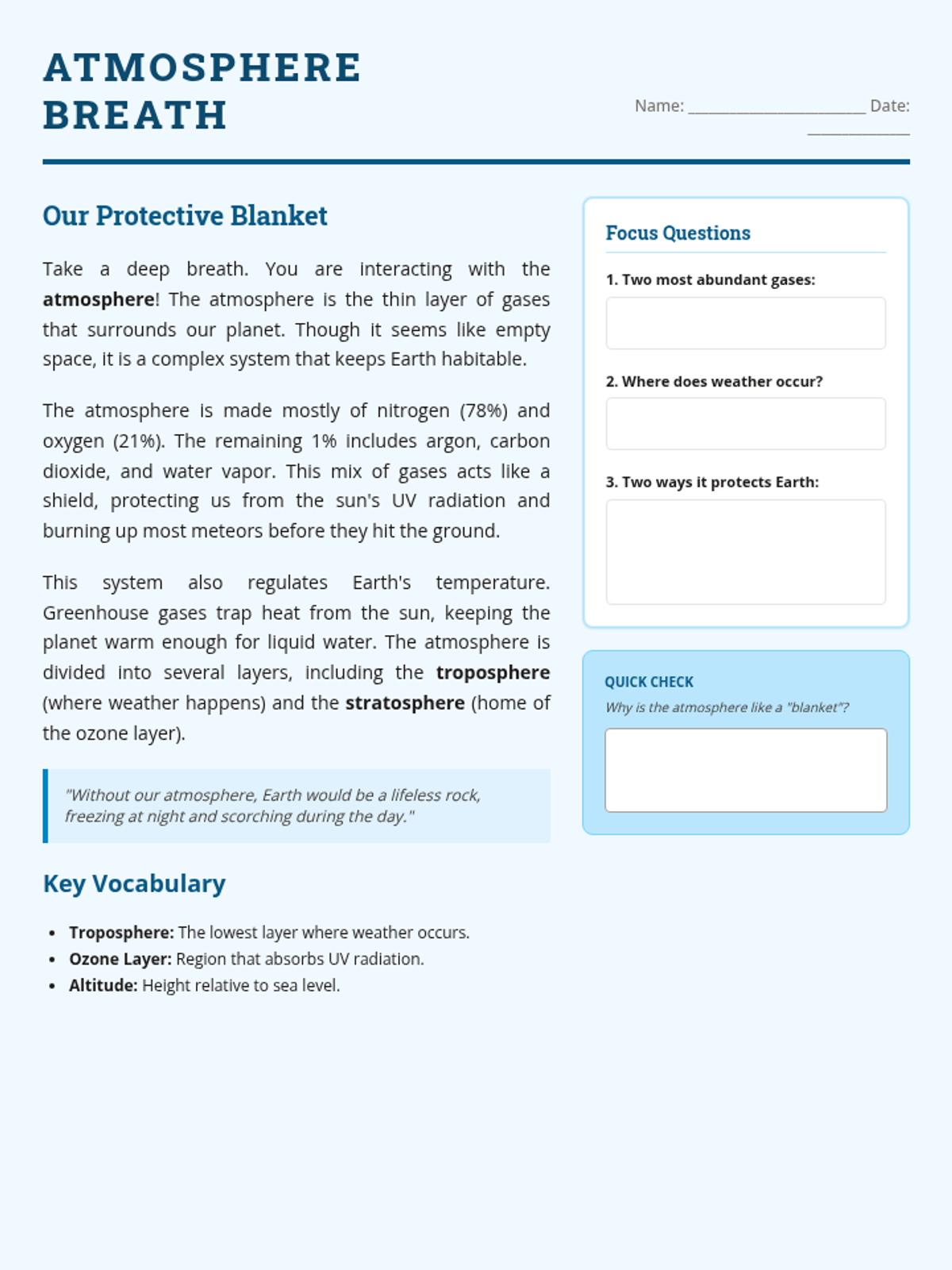
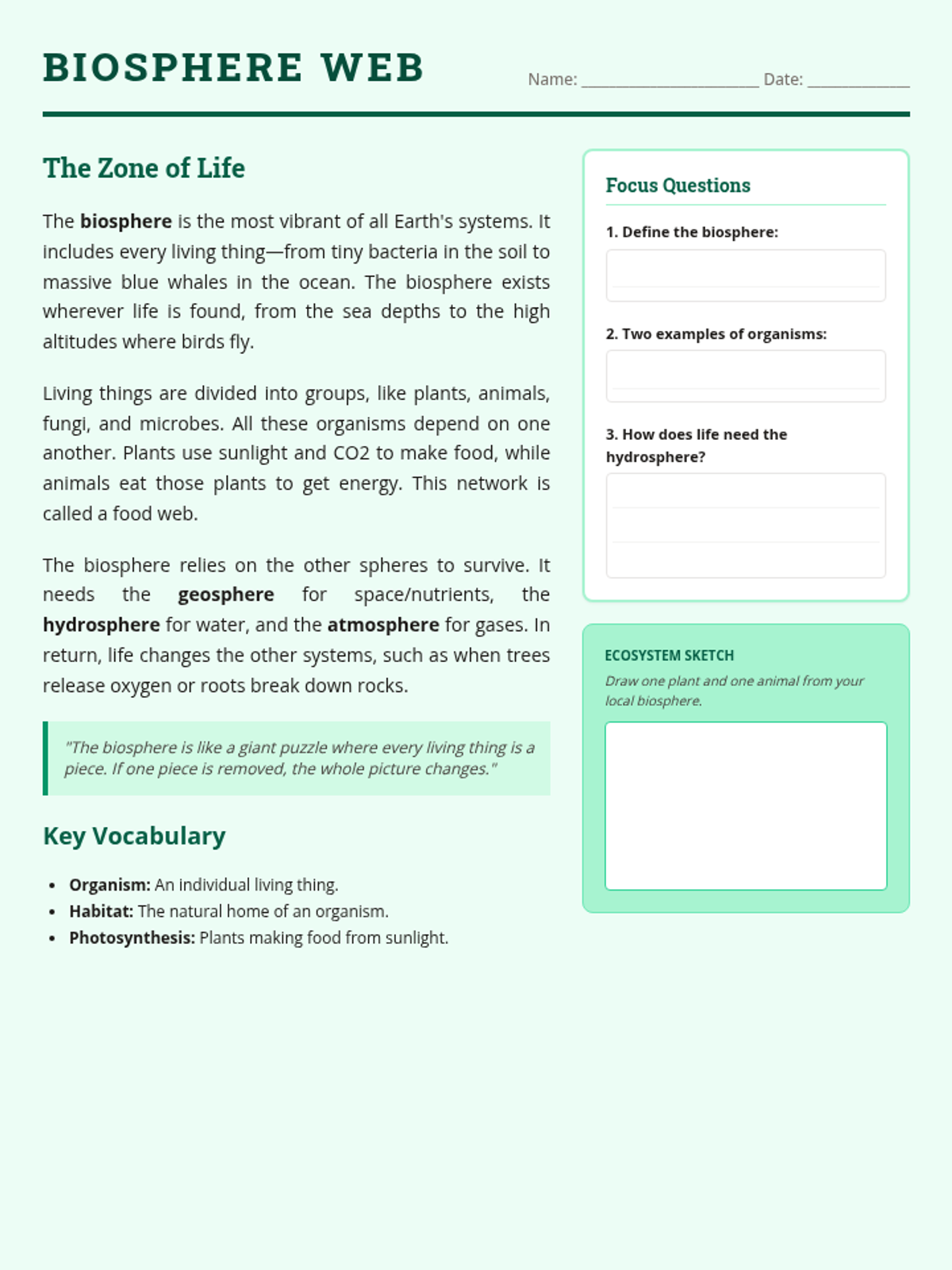
A comprehensive lesson exploring the four major Earth systems (Geosphere, Hydrosphere, Atmosphere, and Biosphere) through guided reading, visual aids, and synthesis activities. Students will learn how these systems interact to sustain life on Earth.
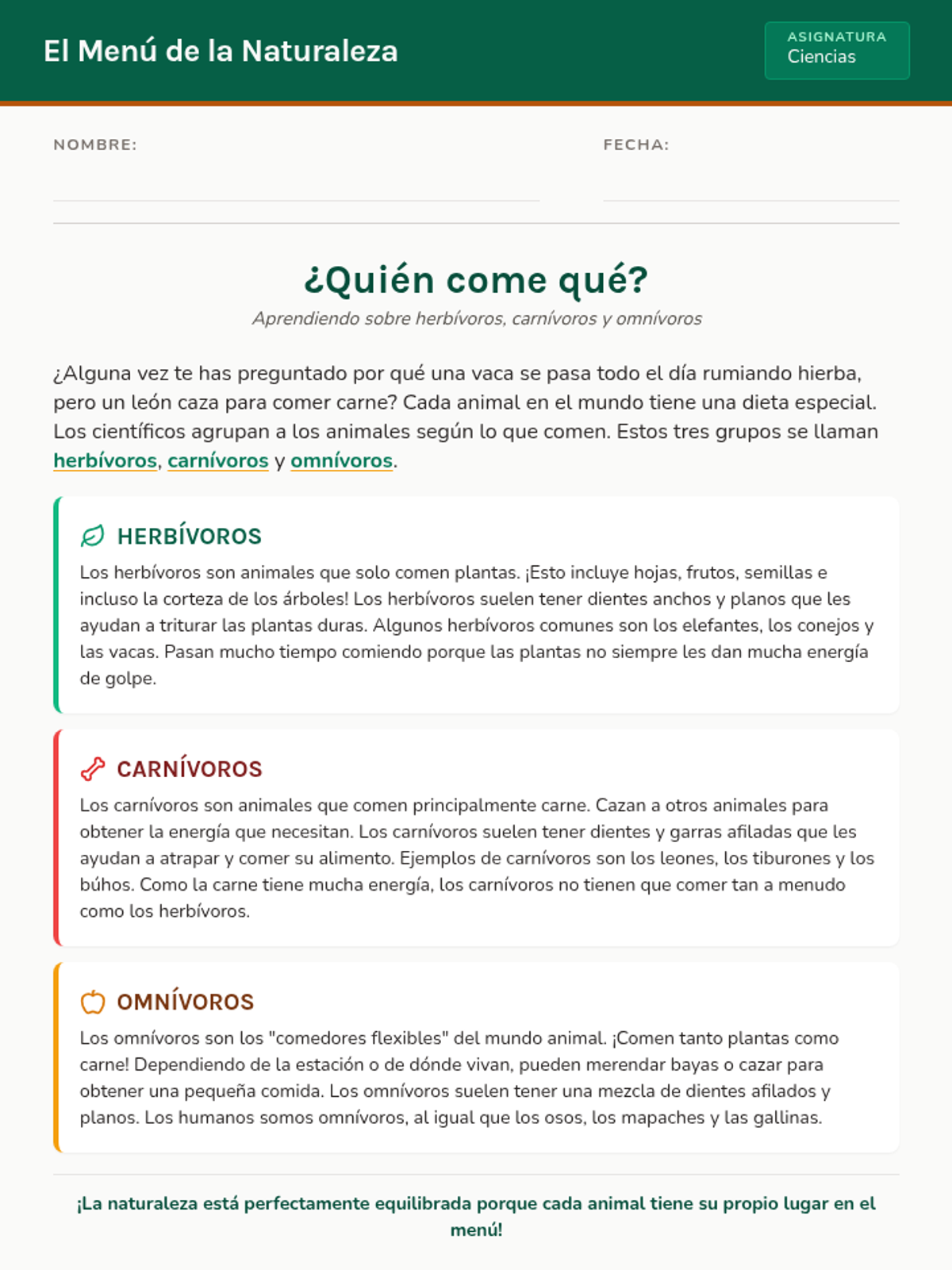
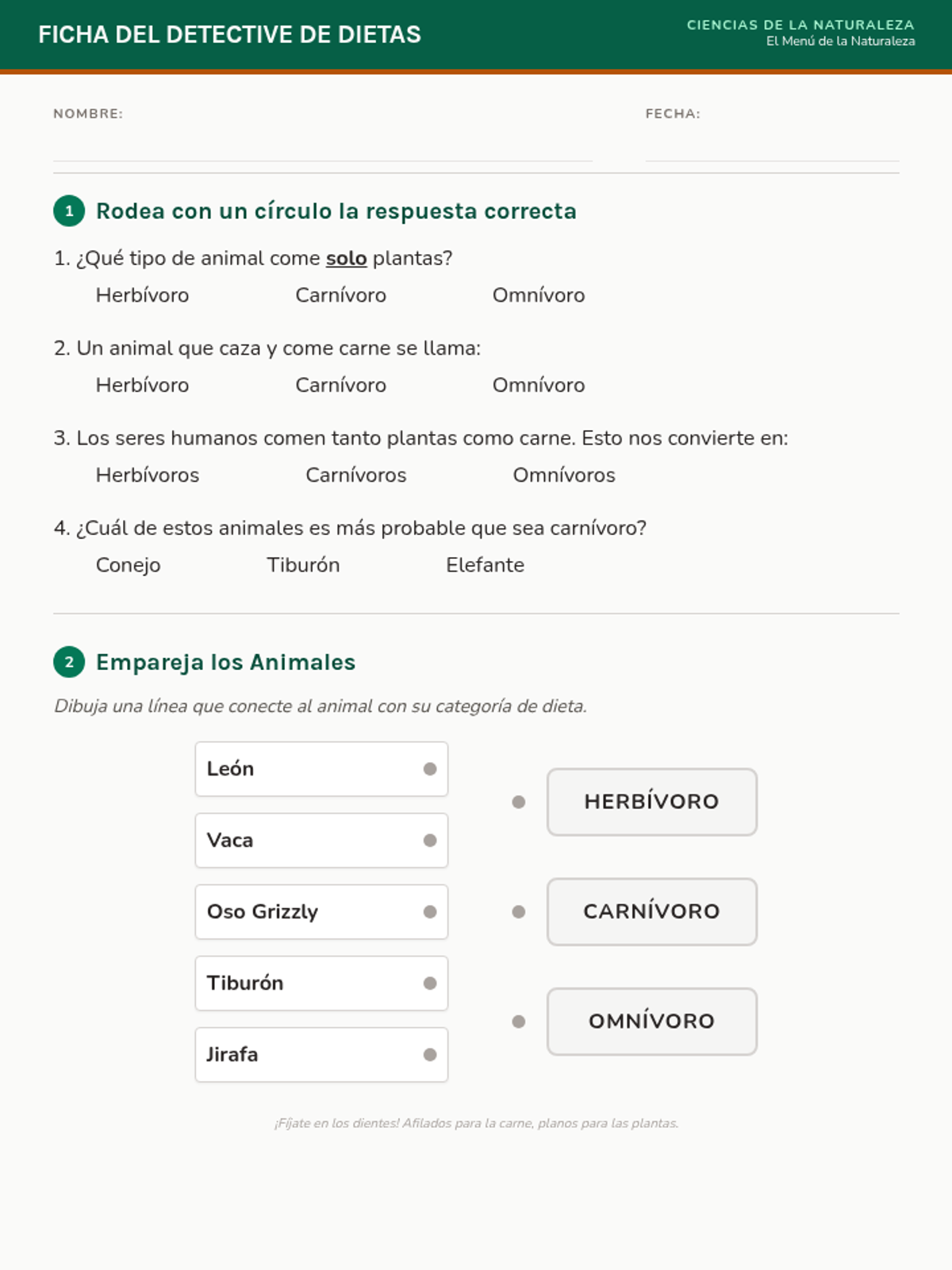
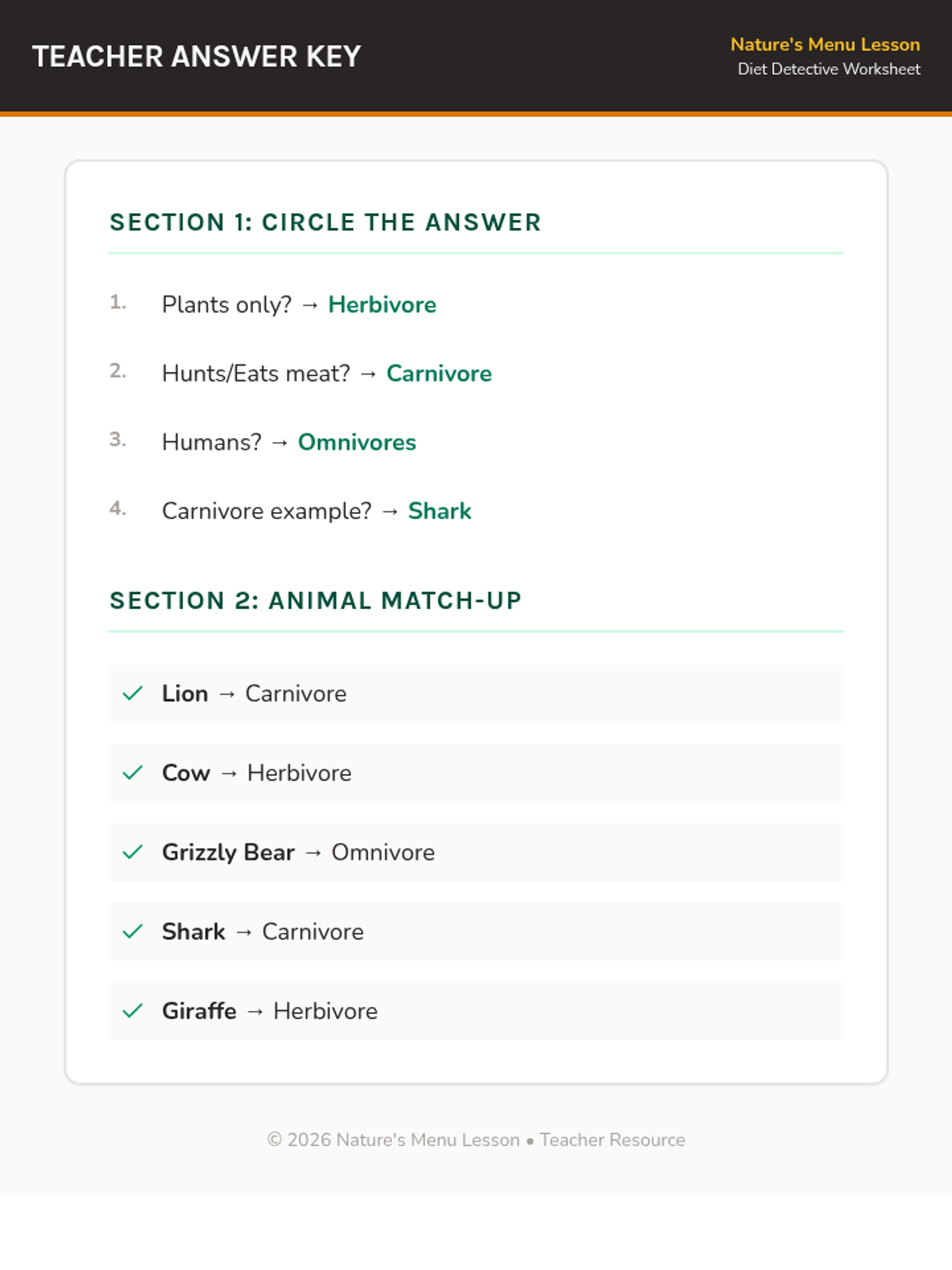
A lesson to help students identify and differentiate between herbivores, carnivores, and omnivores based on their diets and physical traits.
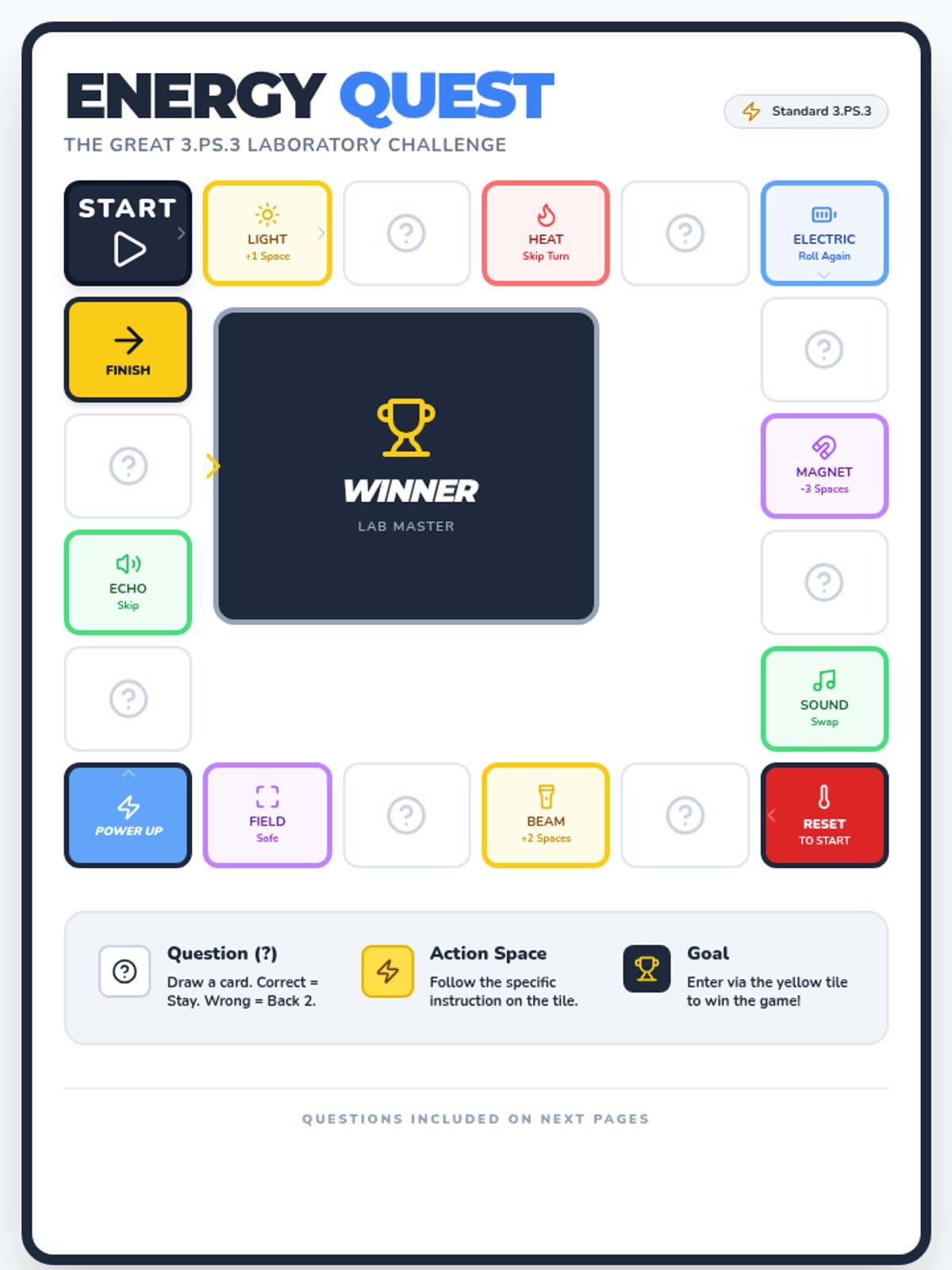
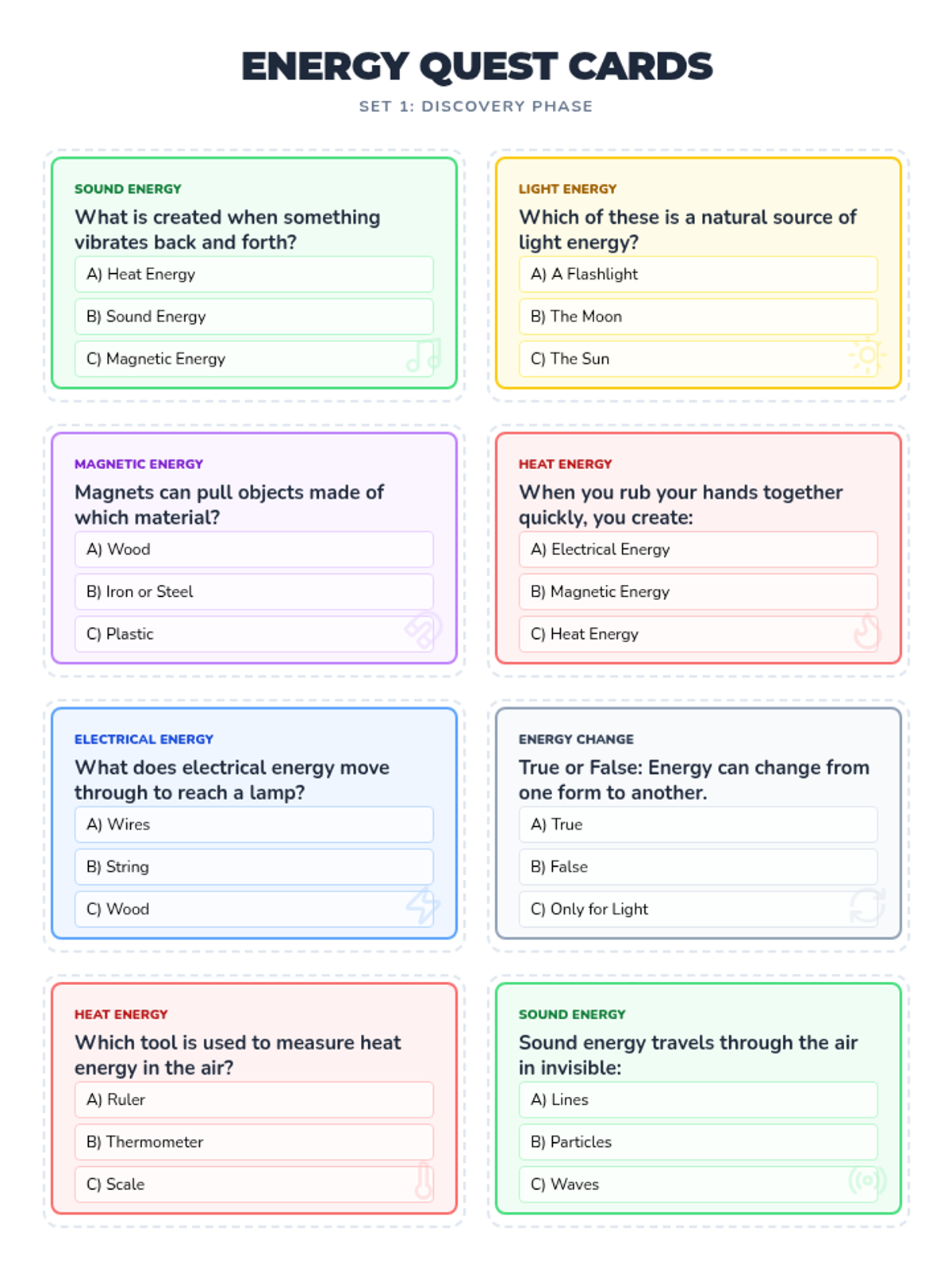
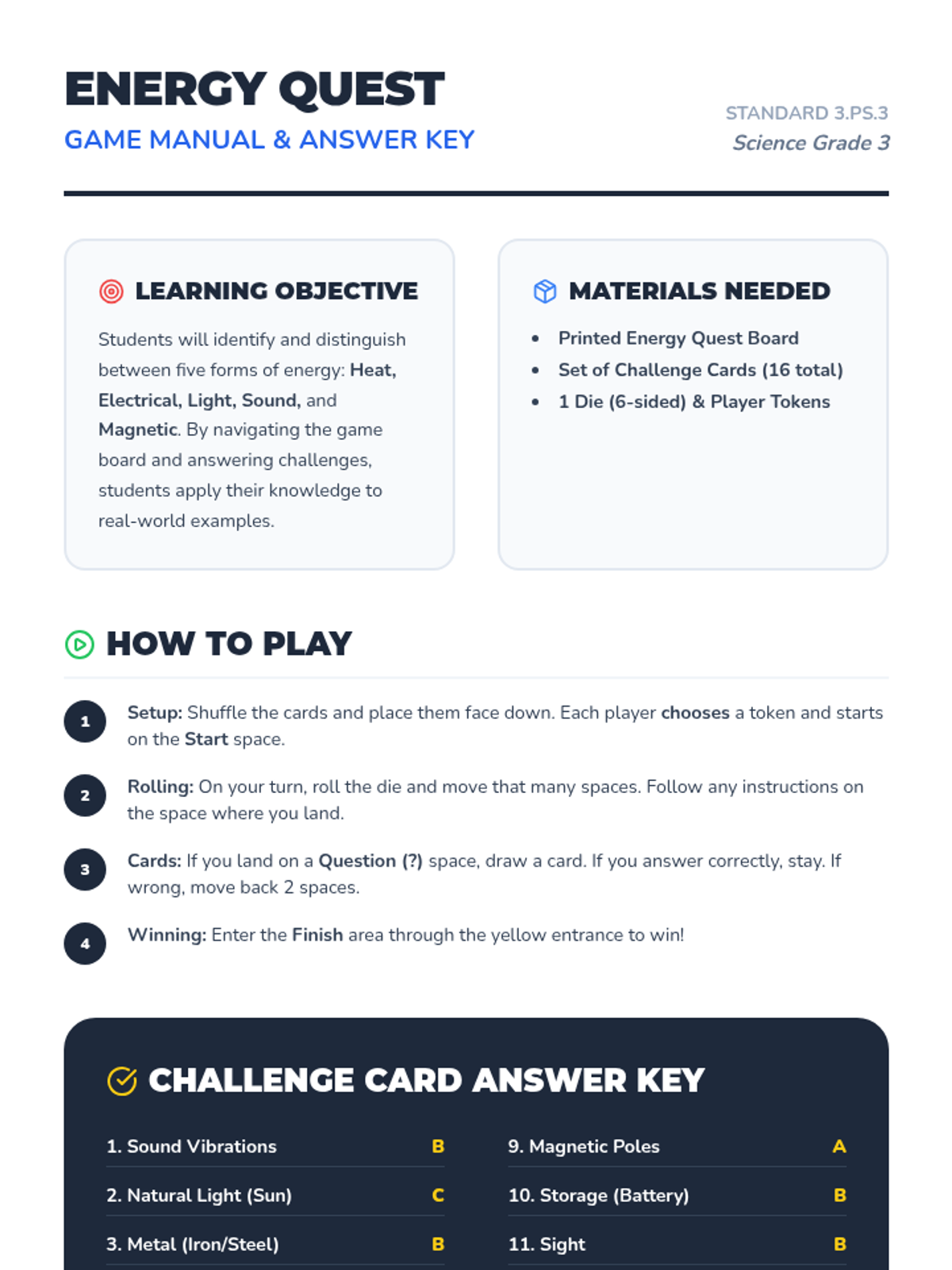
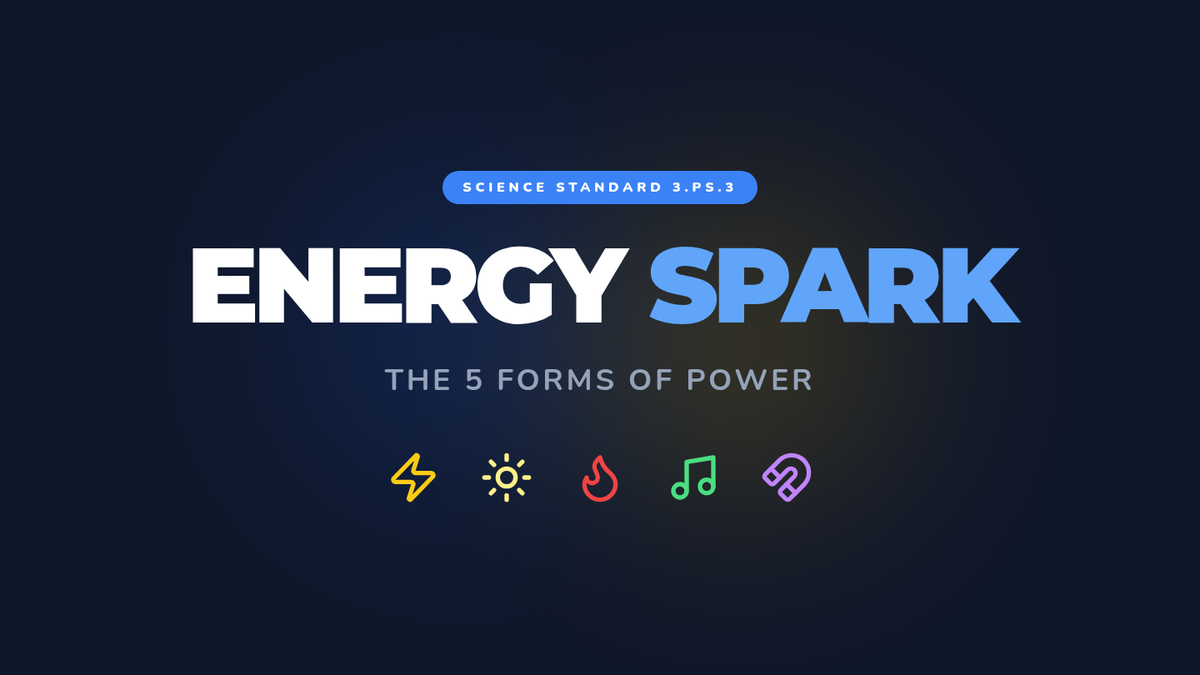
A high-energy science lesson where students explore the five forms of energy (heat, electrical, light, sound, and magnetic) through a collaborative board game and interactive presentation.
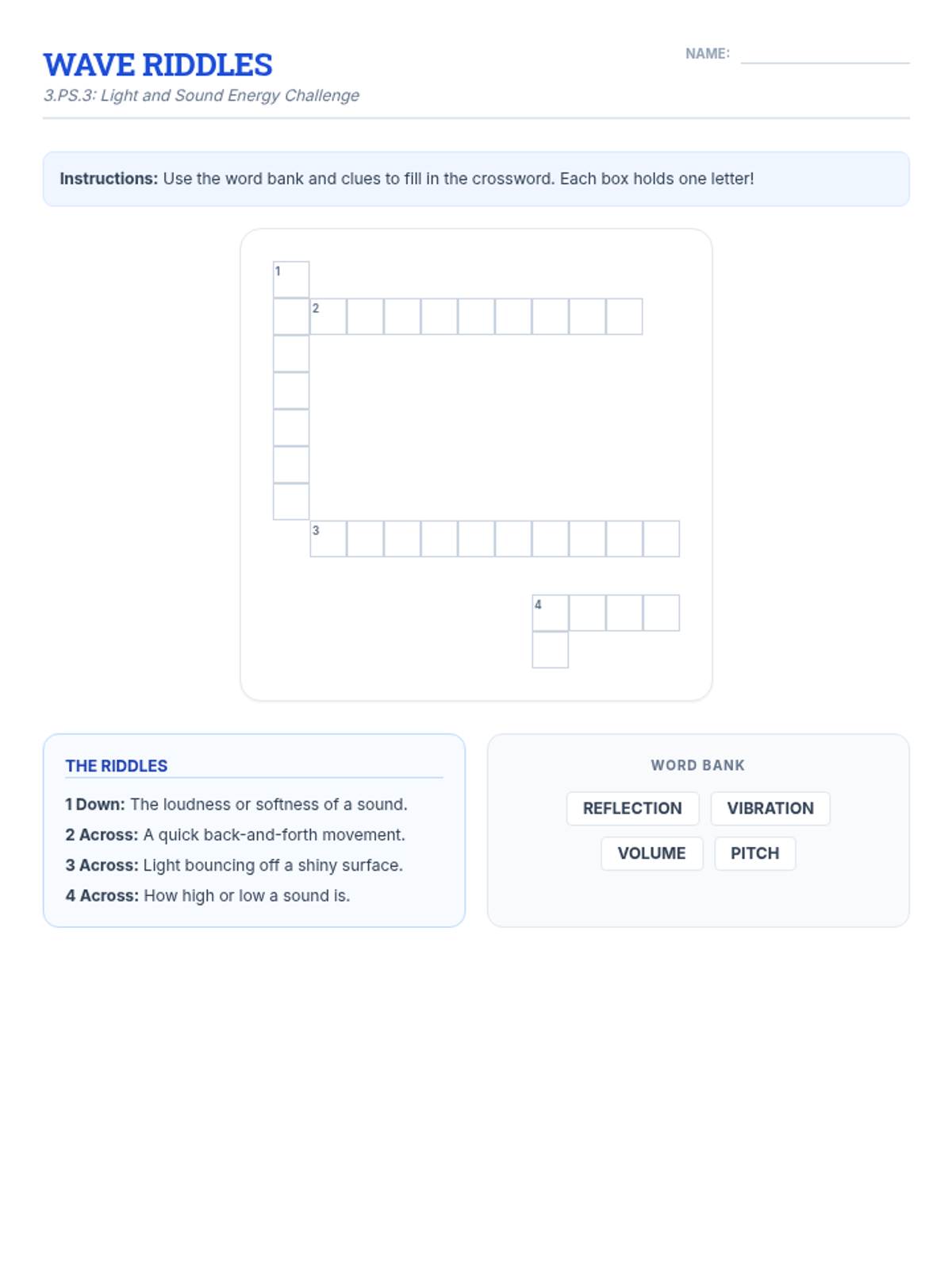
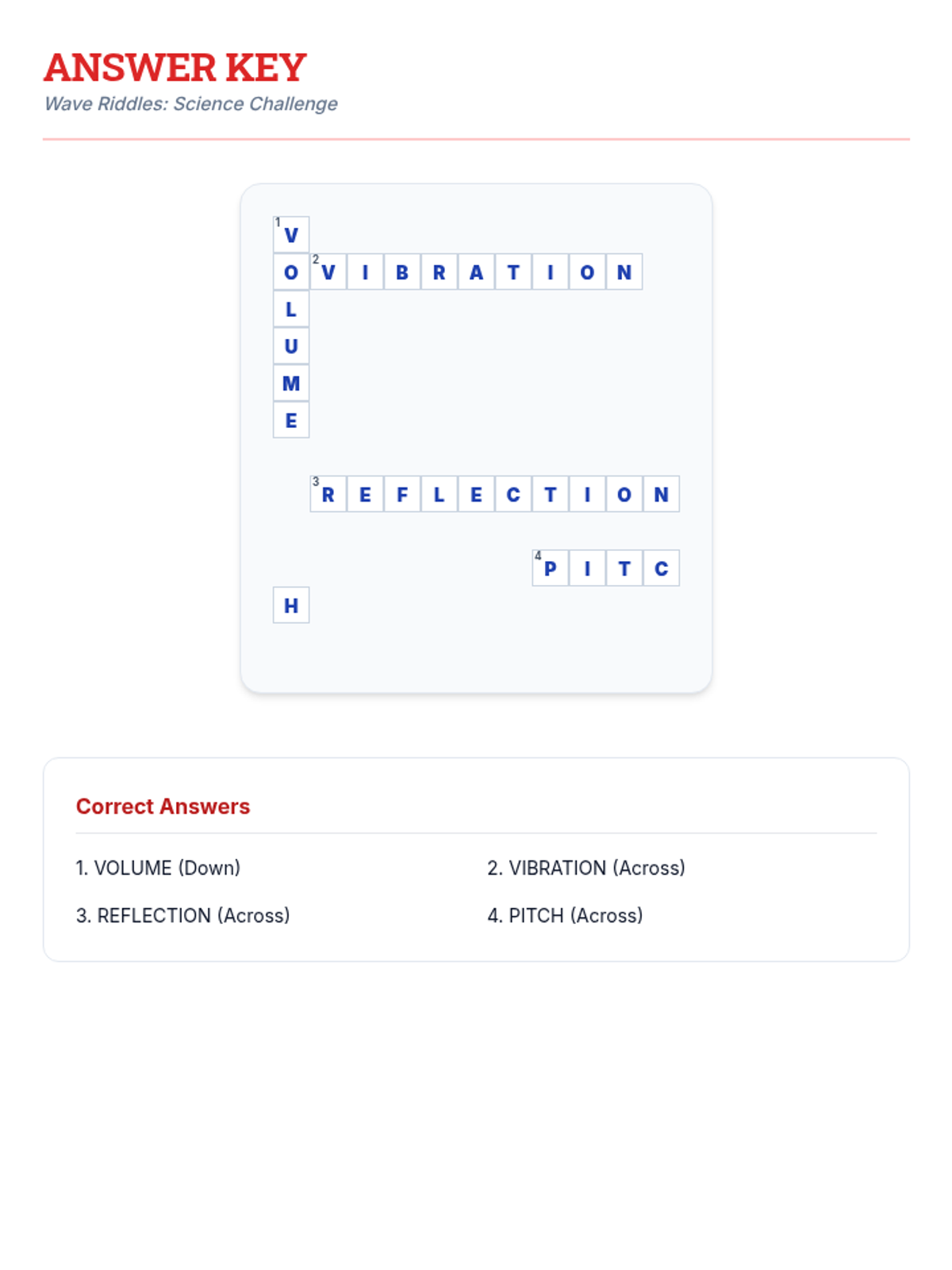
This lesson explores the predictable behaviors of light and sound energy, focusing on how vibrations create sound and how light interacts with different surfaces. Students will identify key vocabulary through a crossword puzzle challenge.
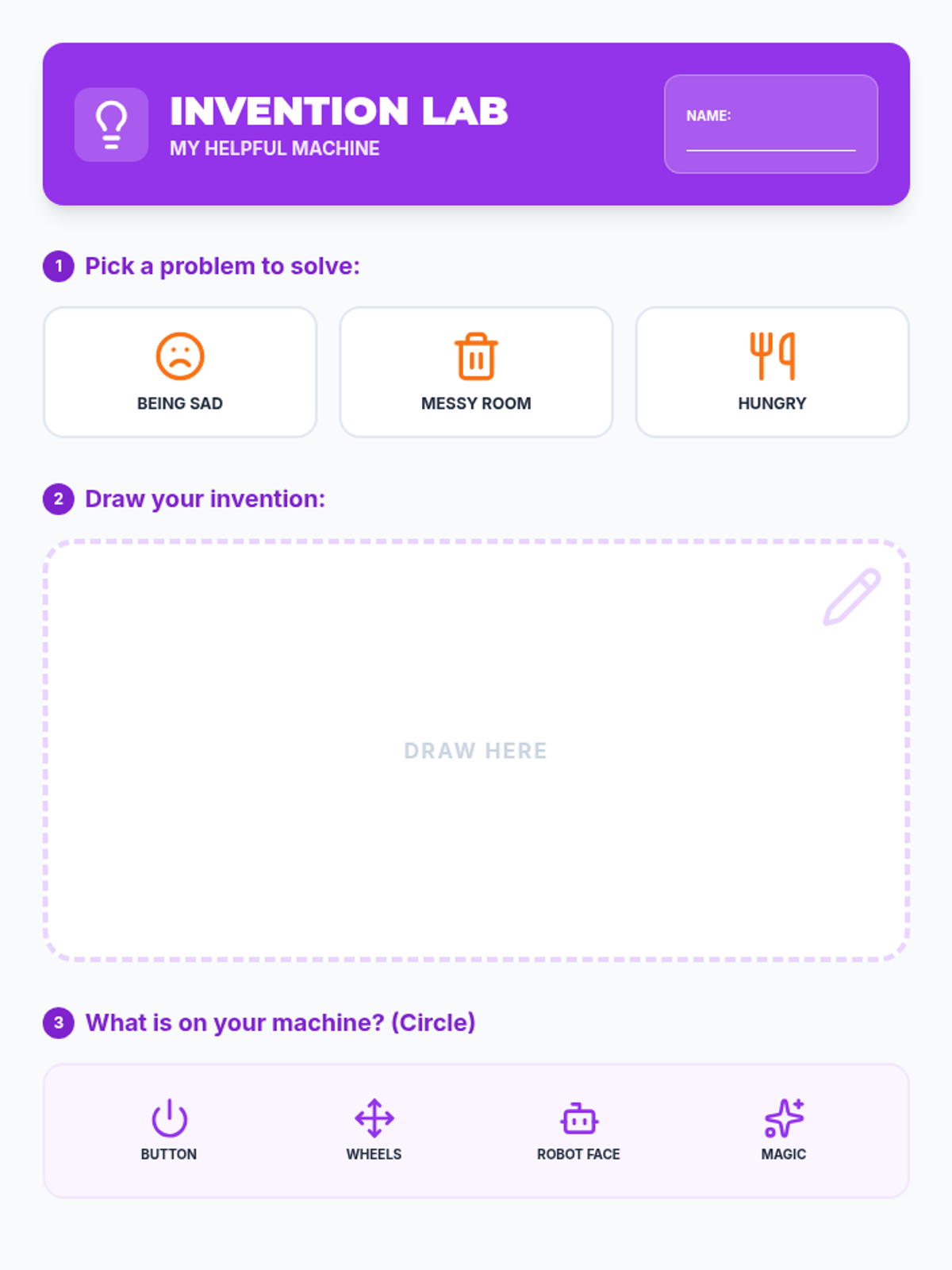
Students apply their knowledge to identify real-world problems and design innovative technological solutions.
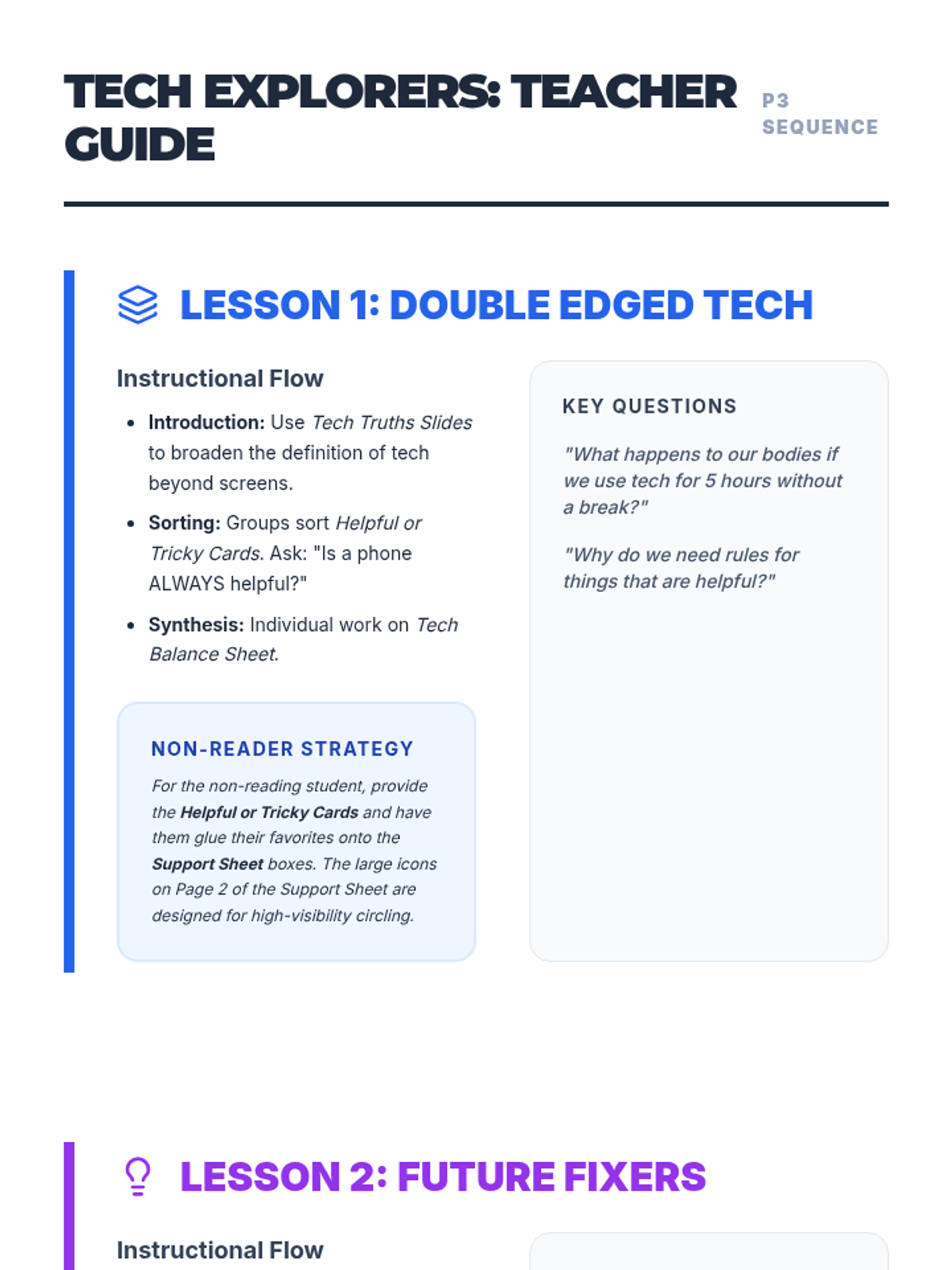
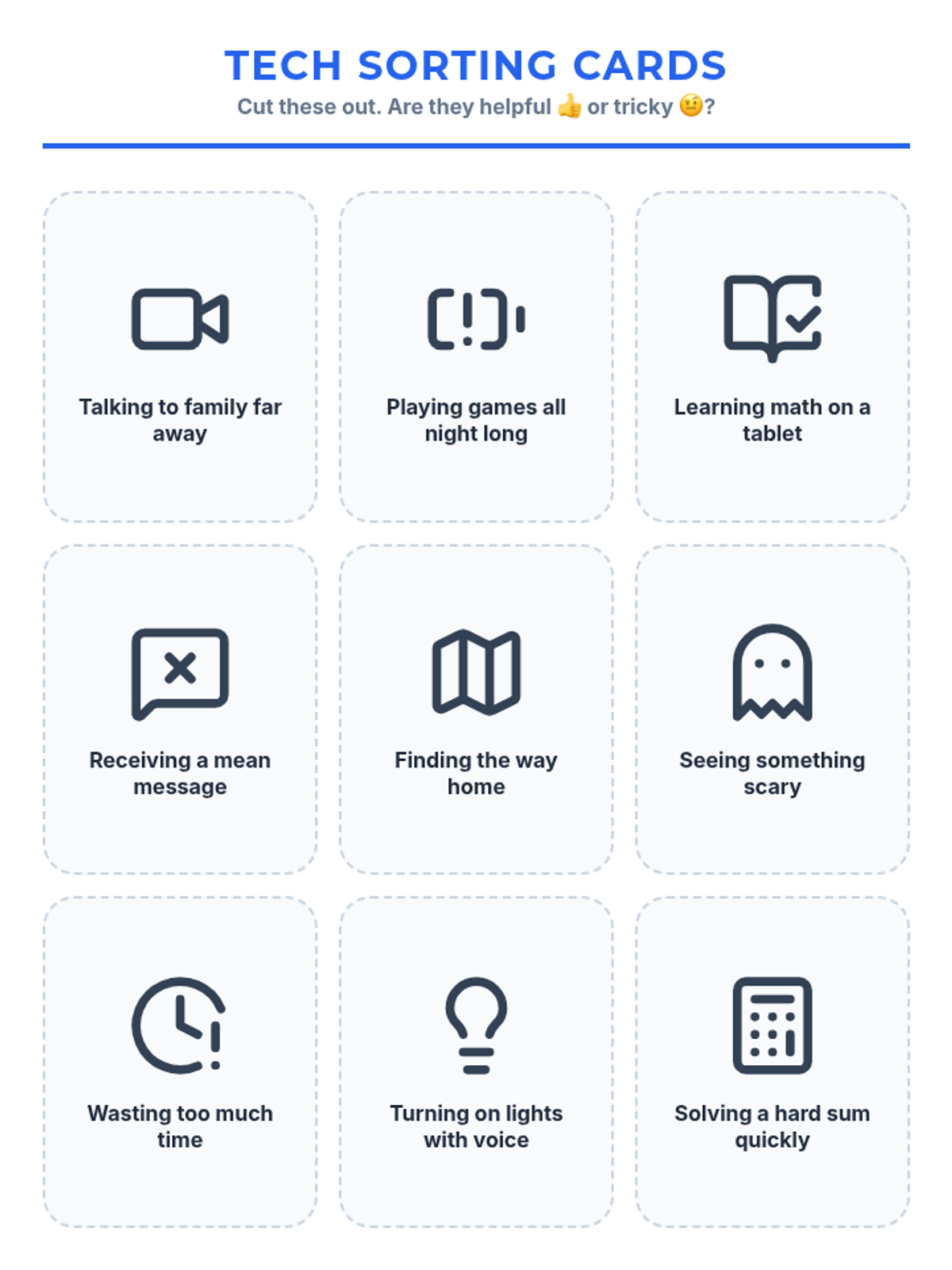
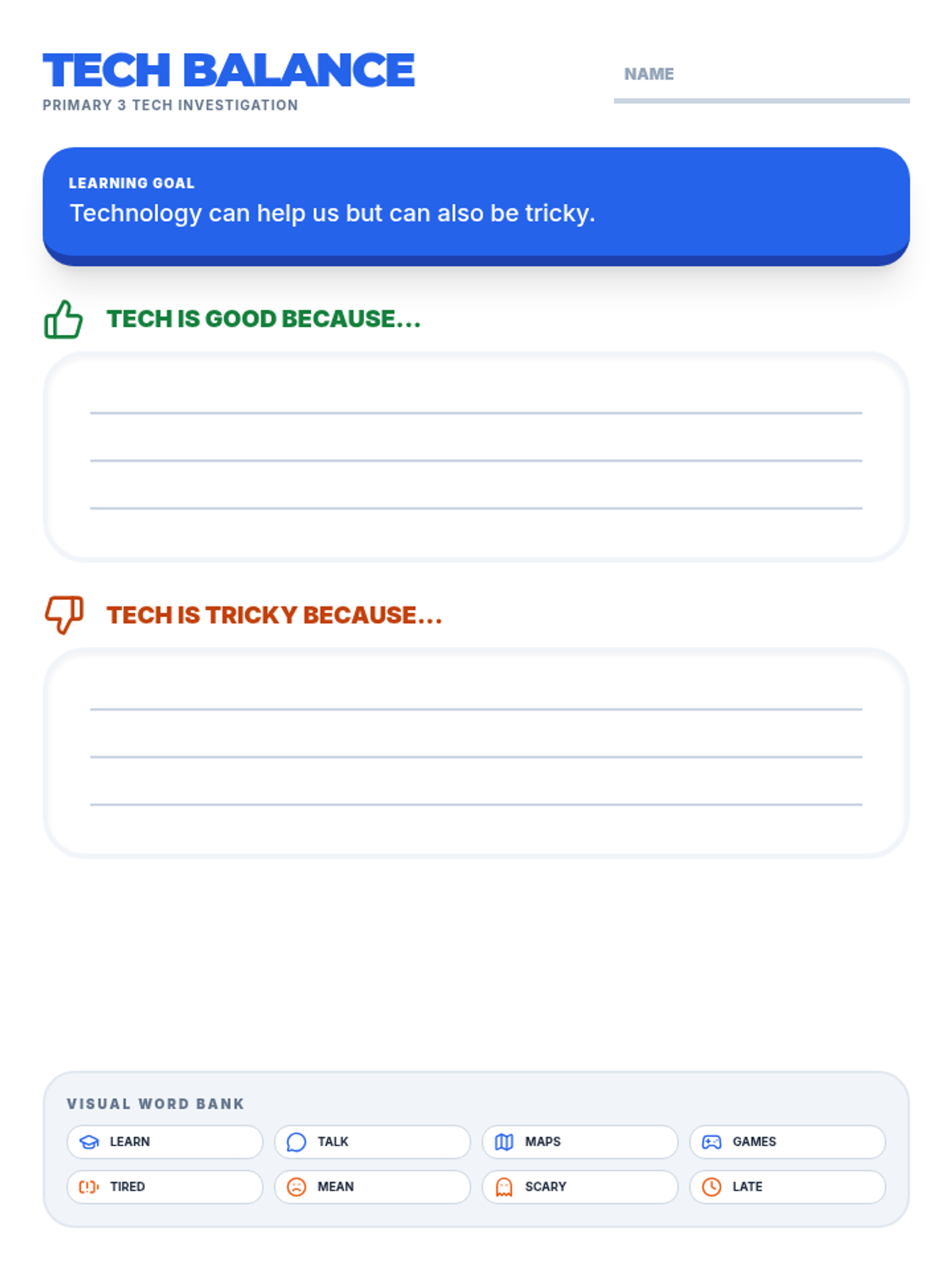
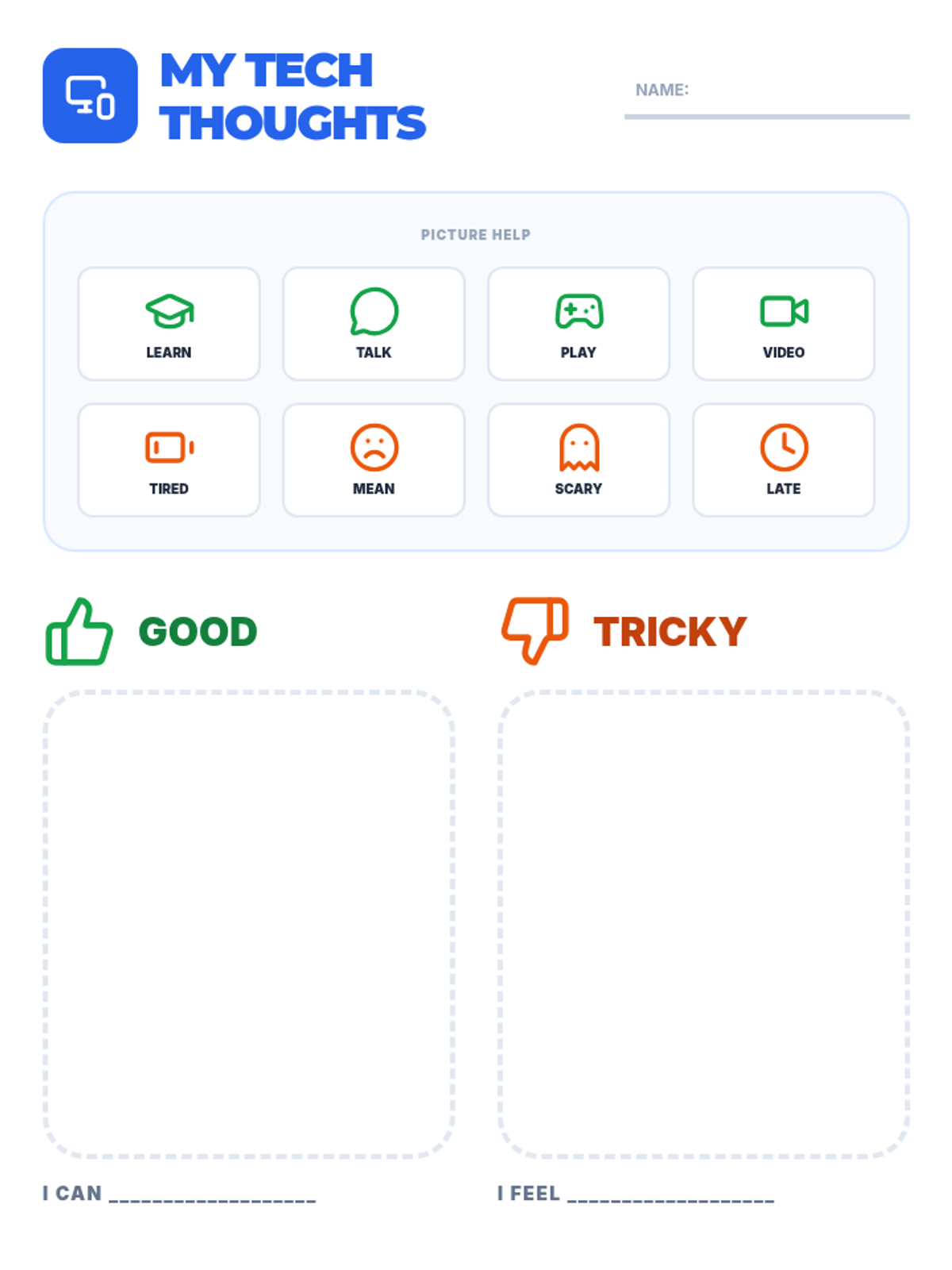
Students examine how technology can be both helpful and 'tricky', learning to identify pros and cons of digital tools.
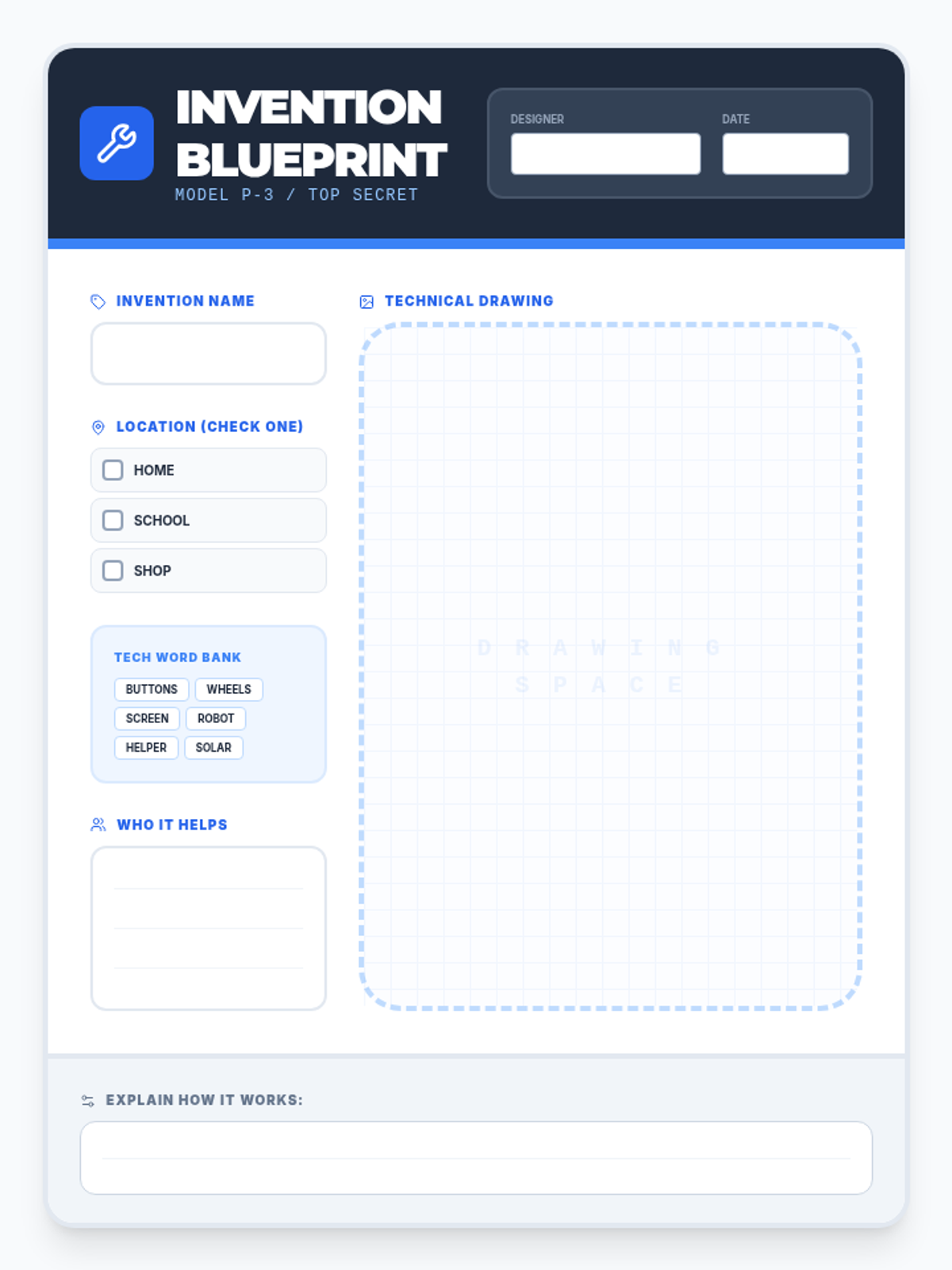
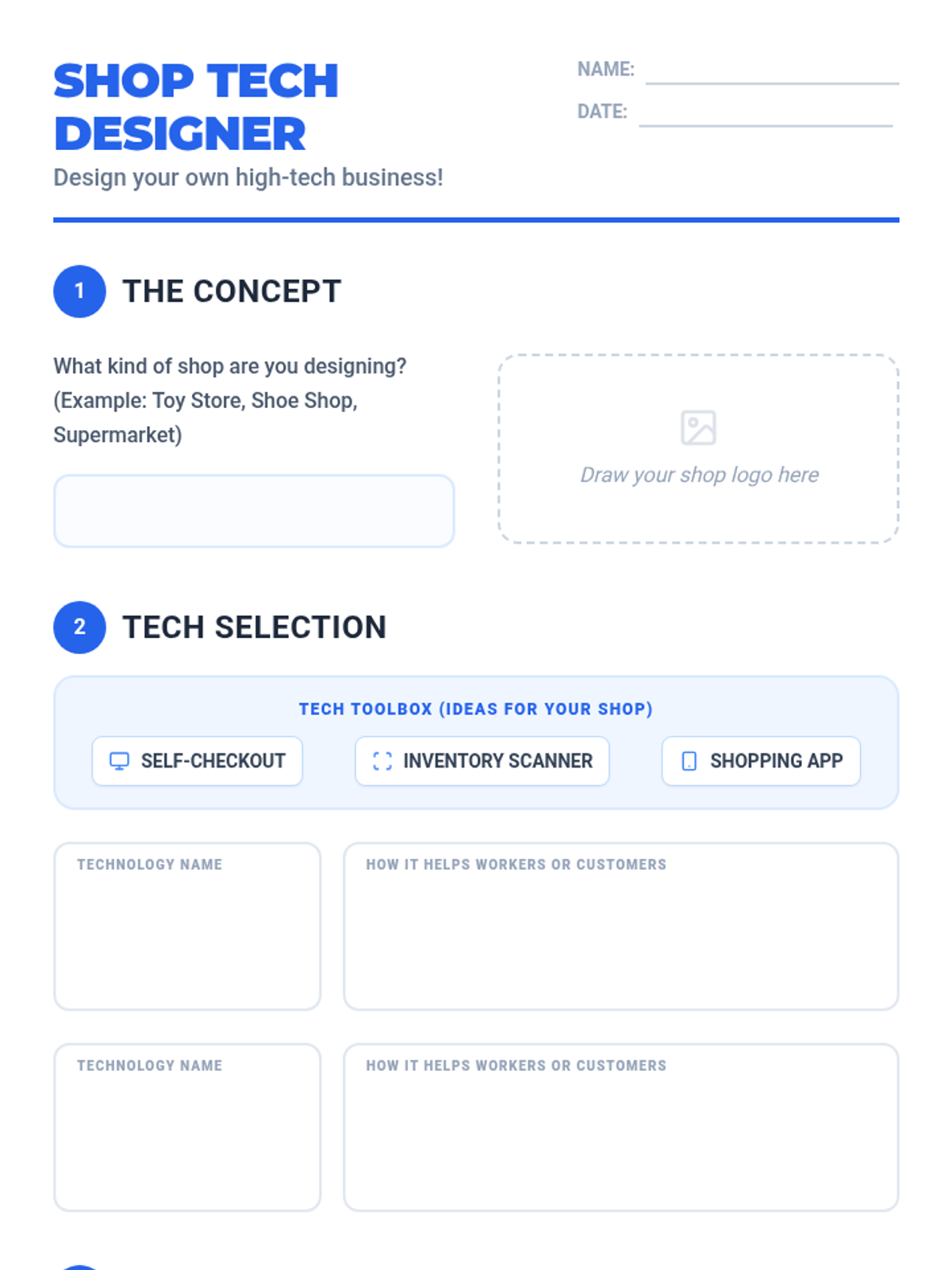
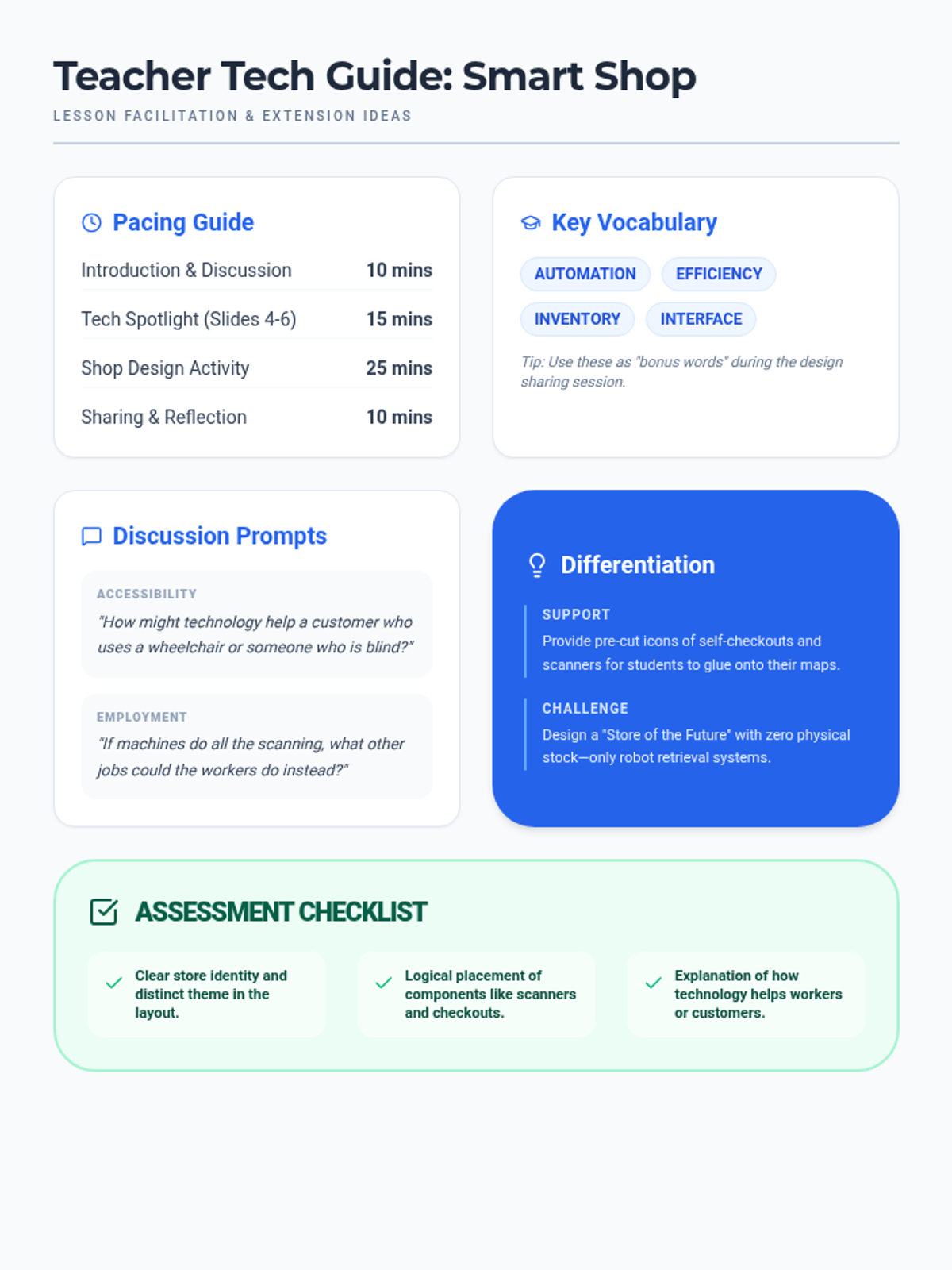
Students explore how technology like self-checkouts, scanners, and apps transform the shopping experience for both workers and customers. The lesson culminates in a creative project where students design their own tech-integrated shop.
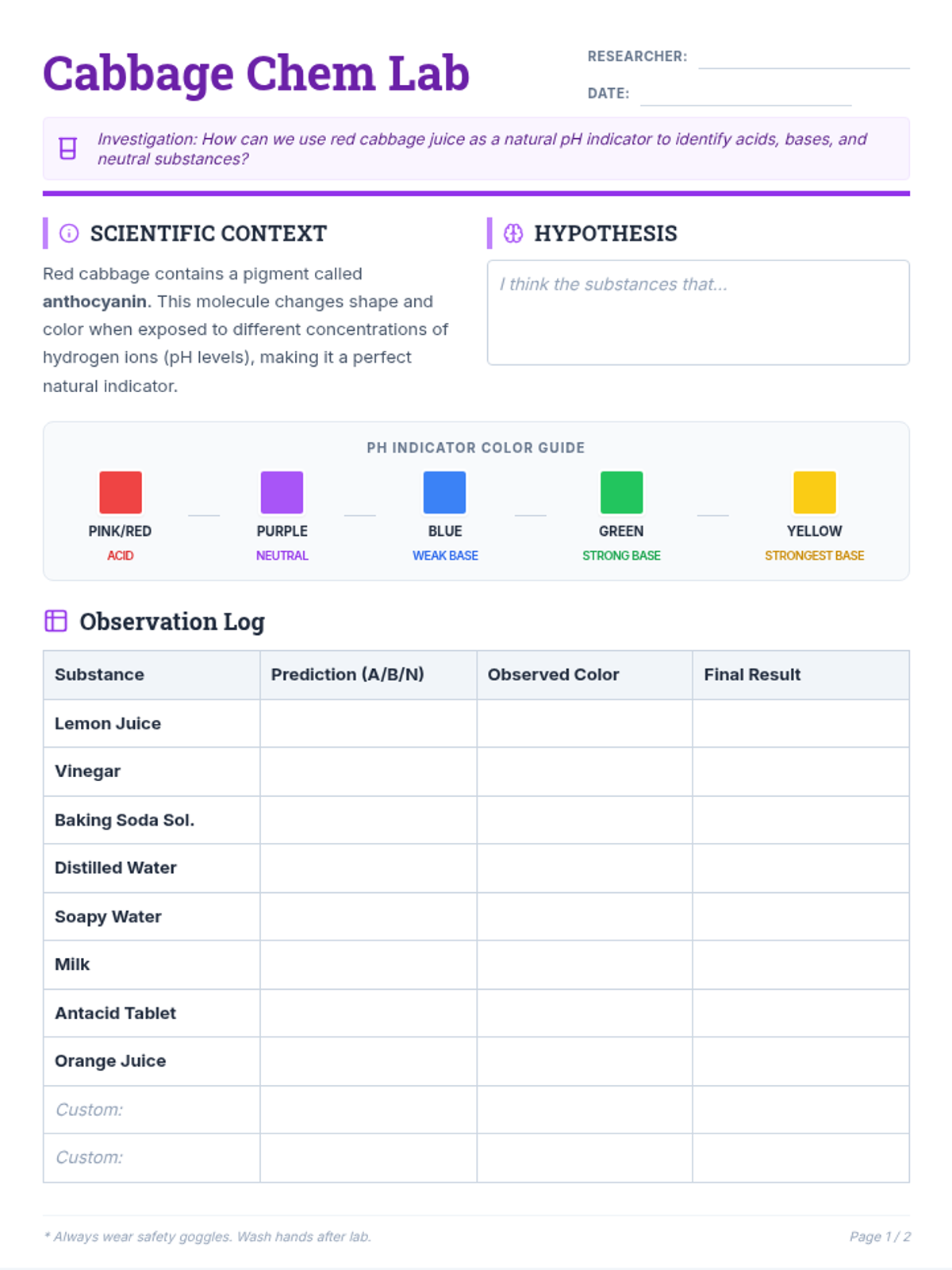
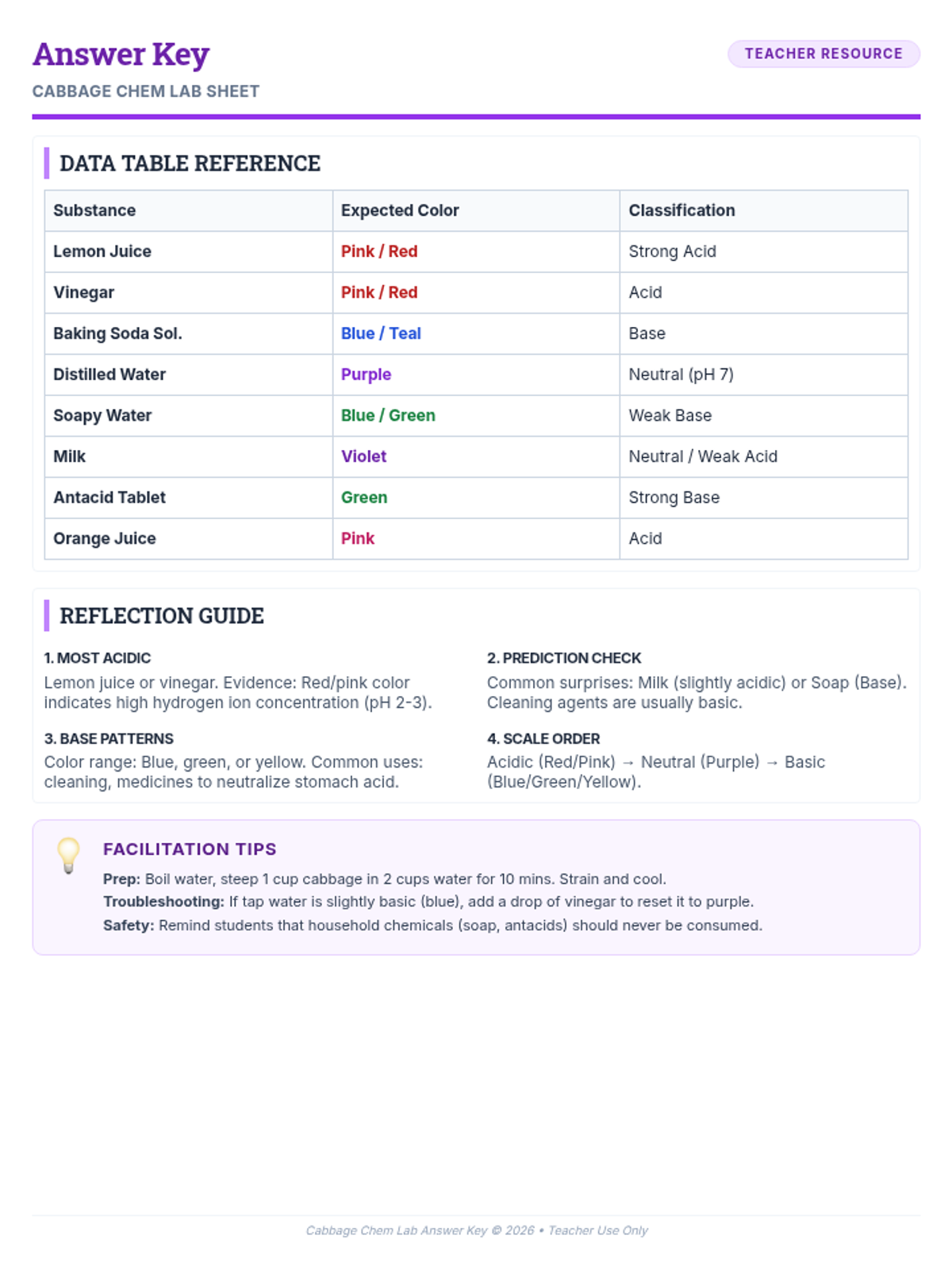
A hands-on investigation into pH levels using red cabbage as a natural indicator to identify acids, bases, and neutral substances.
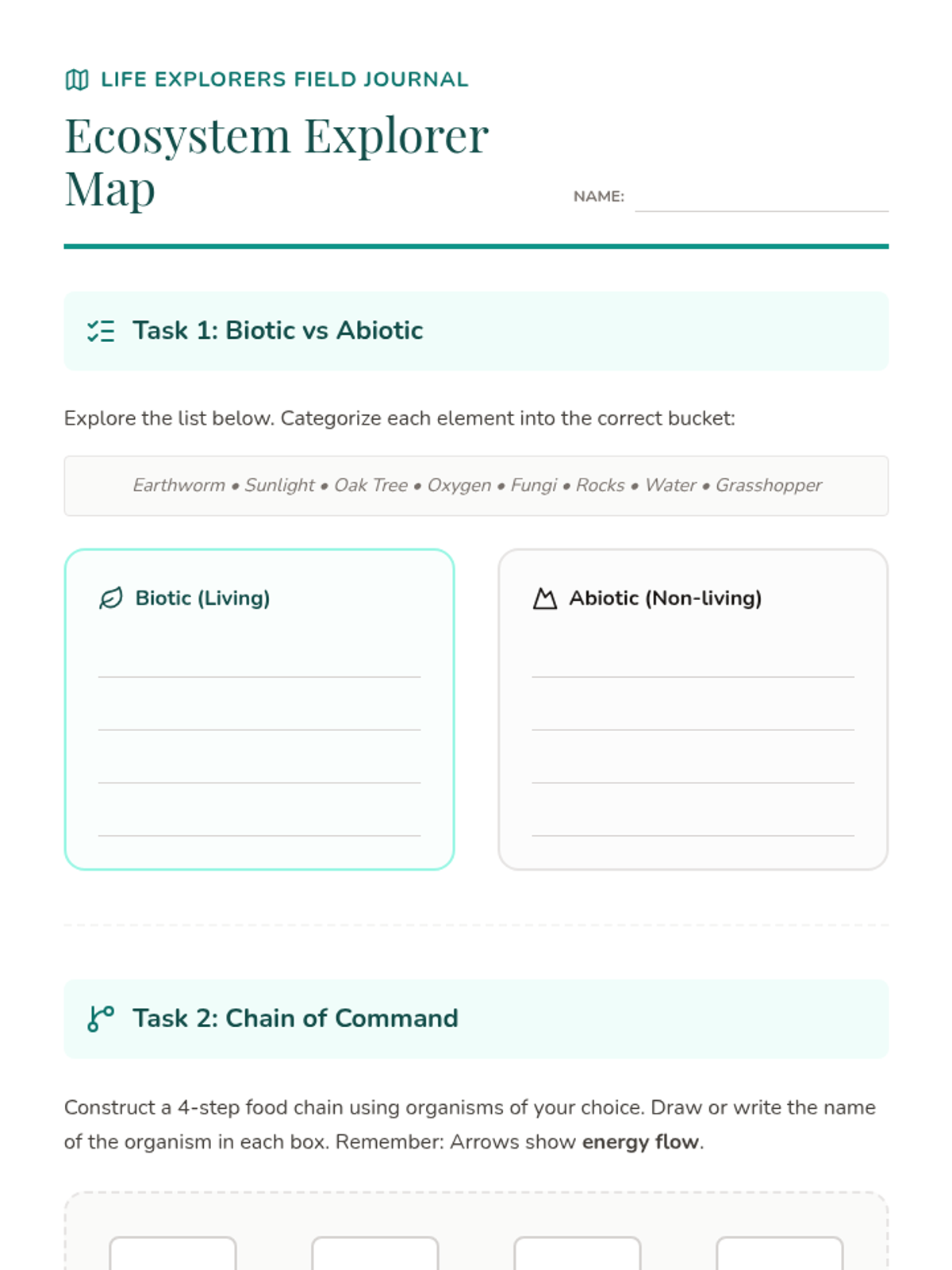
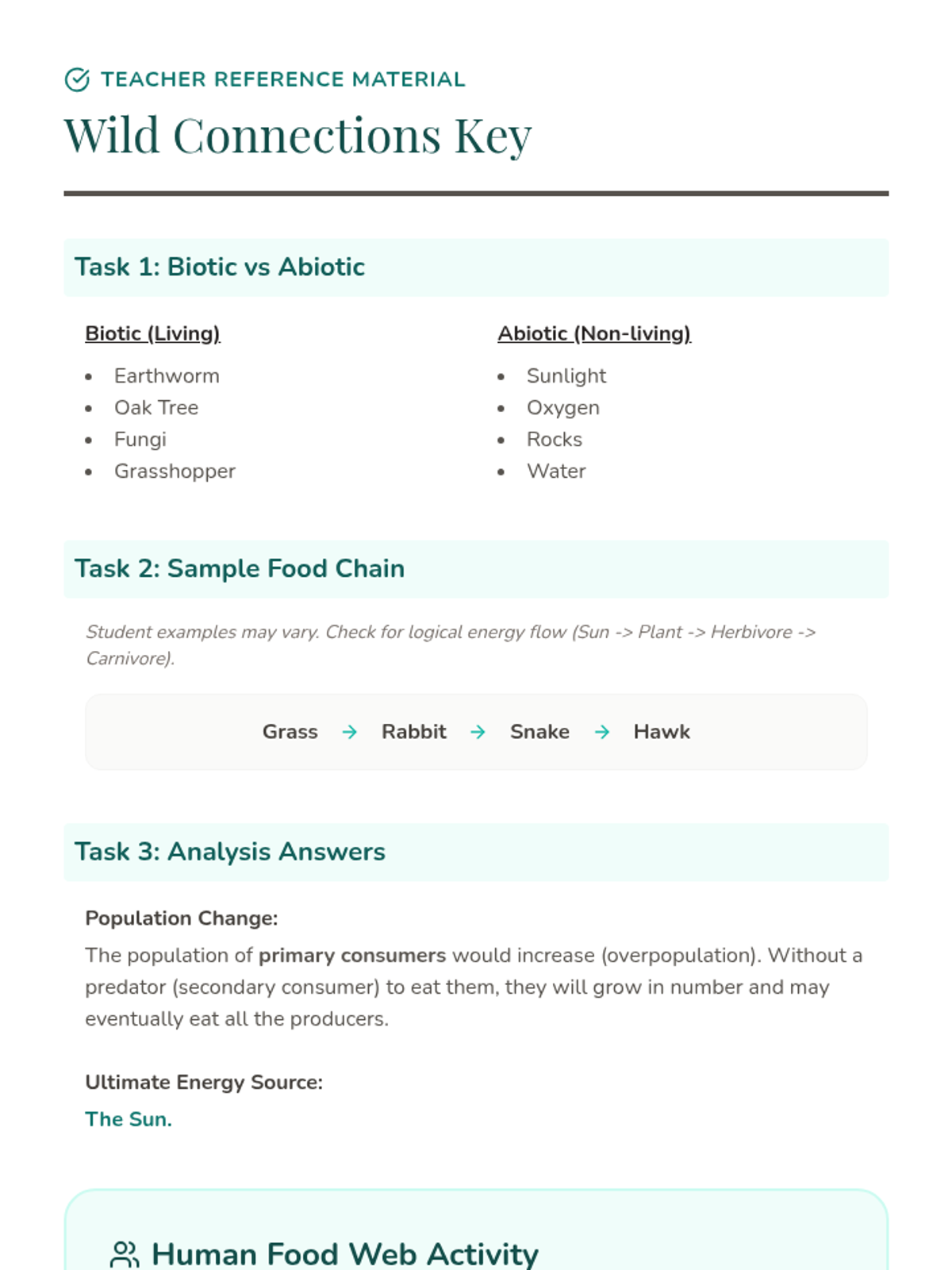
Students connect the dots between living things, examining food webs, energy transfer, and the delicate balance of ecosystems.
An investigation into animal adaptations, exploring how physical and behavioral traits help creatures survive in diverse environments.
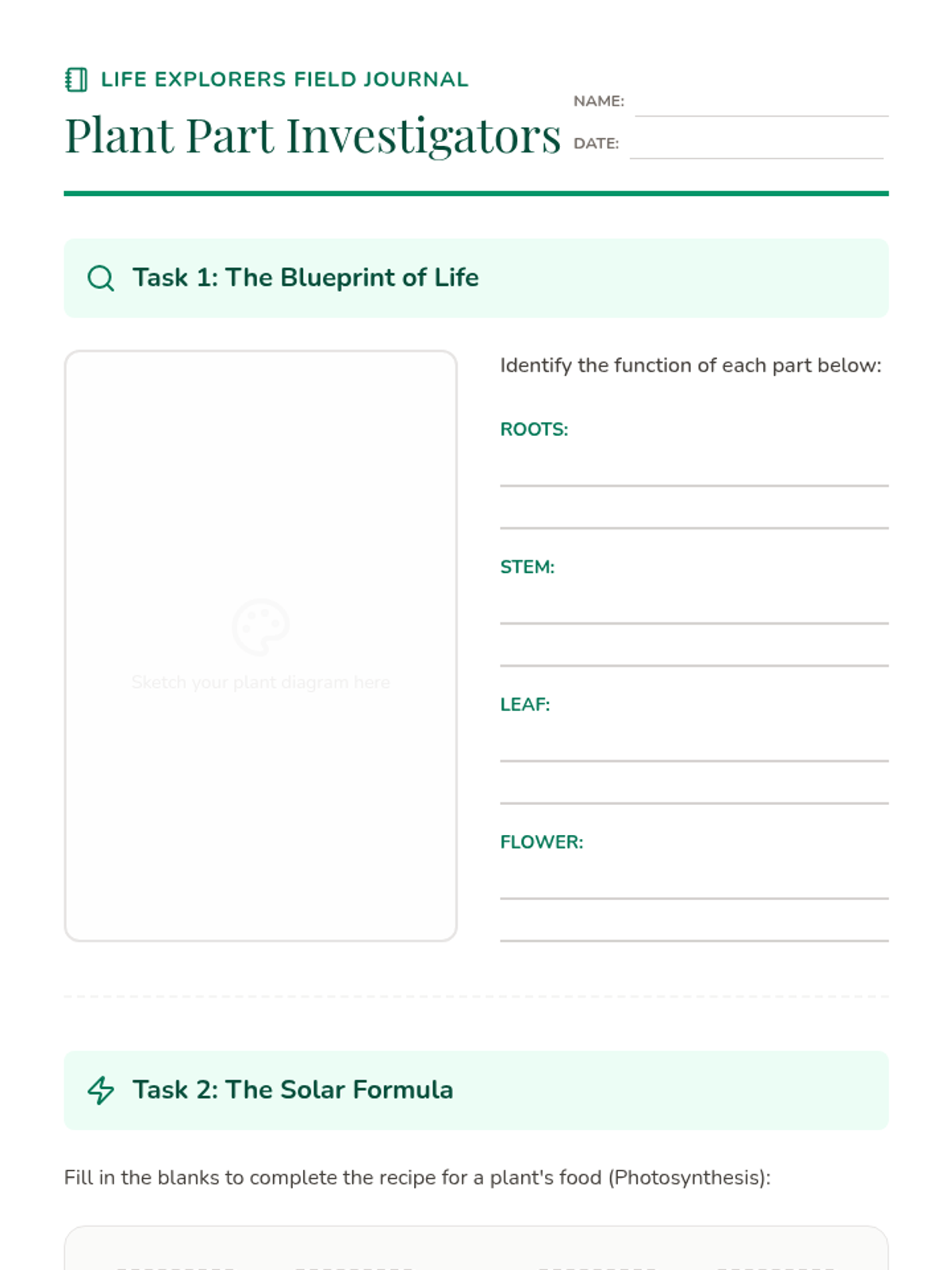
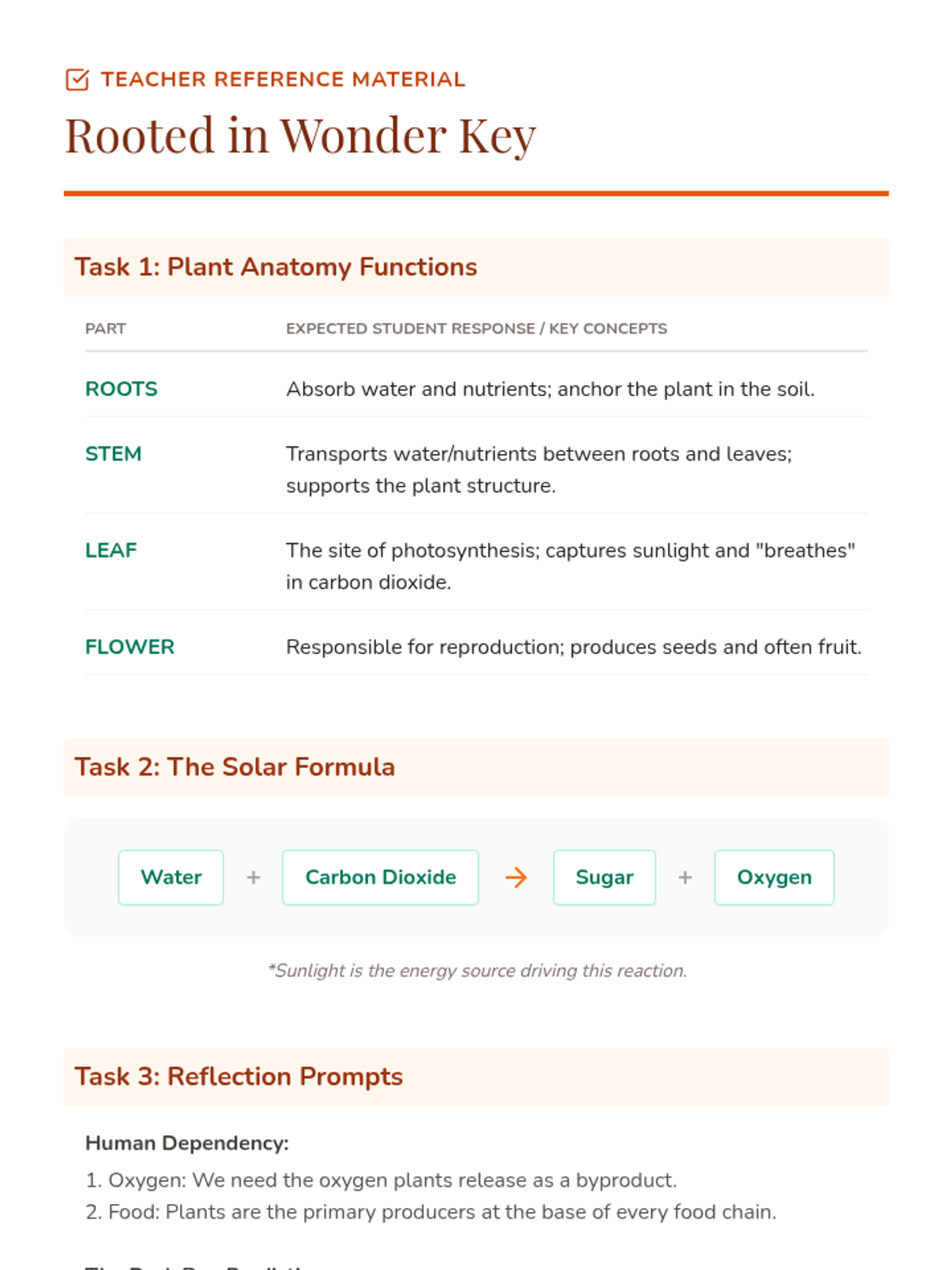
Students explore the anatomy of plants and the process of photosynthesis, learning how the smallest green parts support life on Earth.
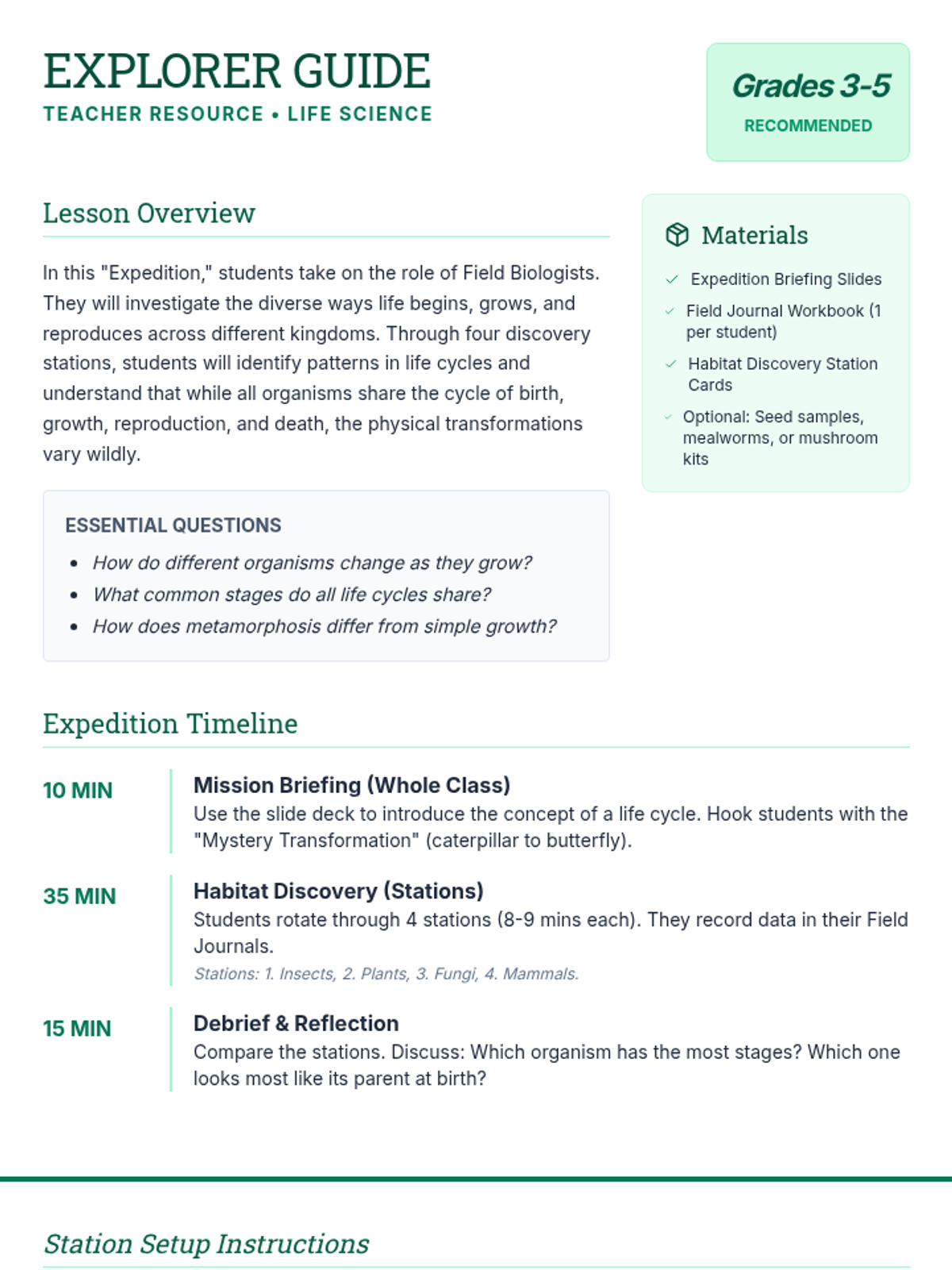
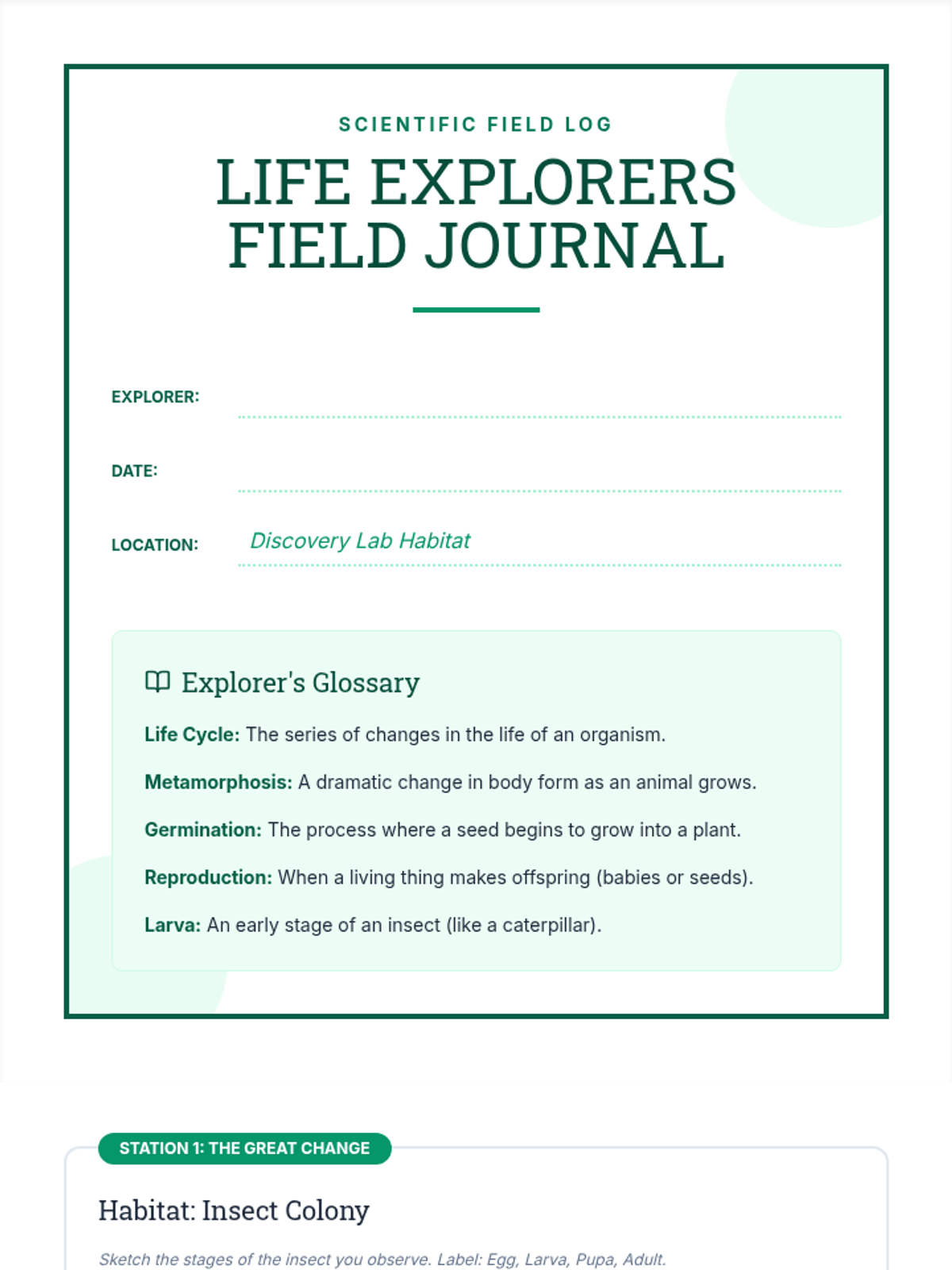
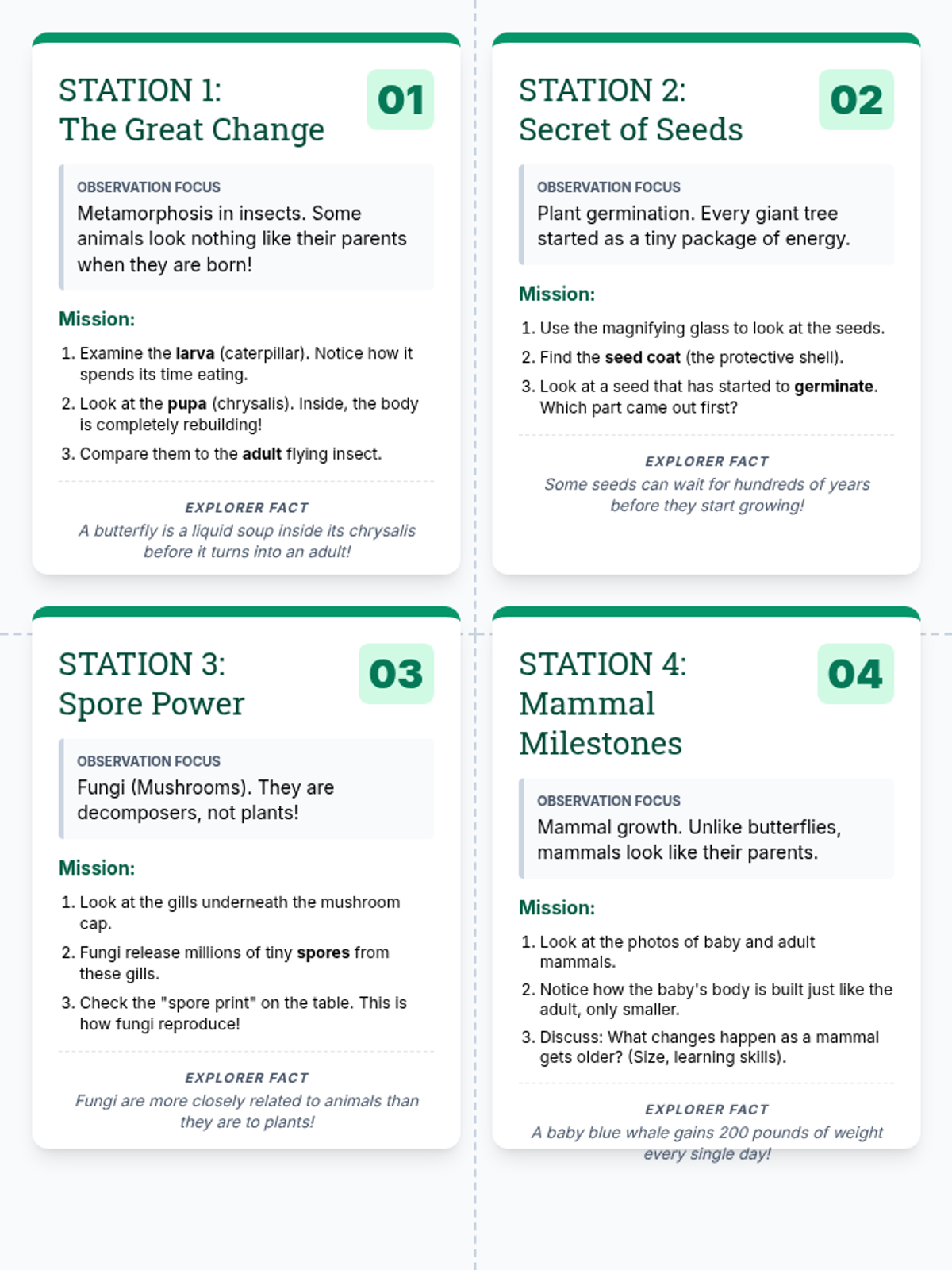
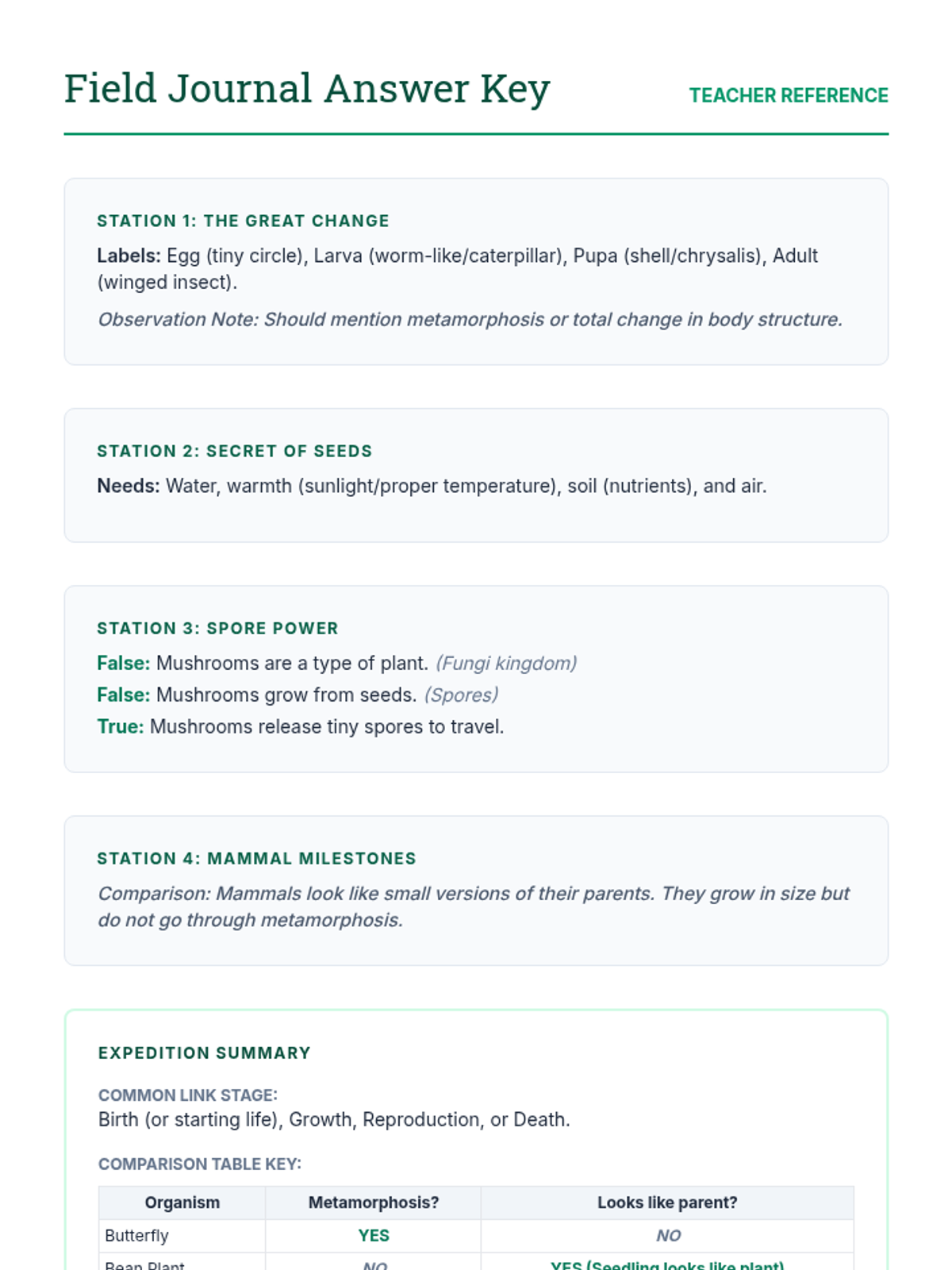
A comprehensive science lesson for 3rd-5th graders exploring the diverse life cycles of plants, animals, and fungi through a field-explorer lens. Students rotate through hands-on discovery stations to compare and contrast how different organisms grow and change.
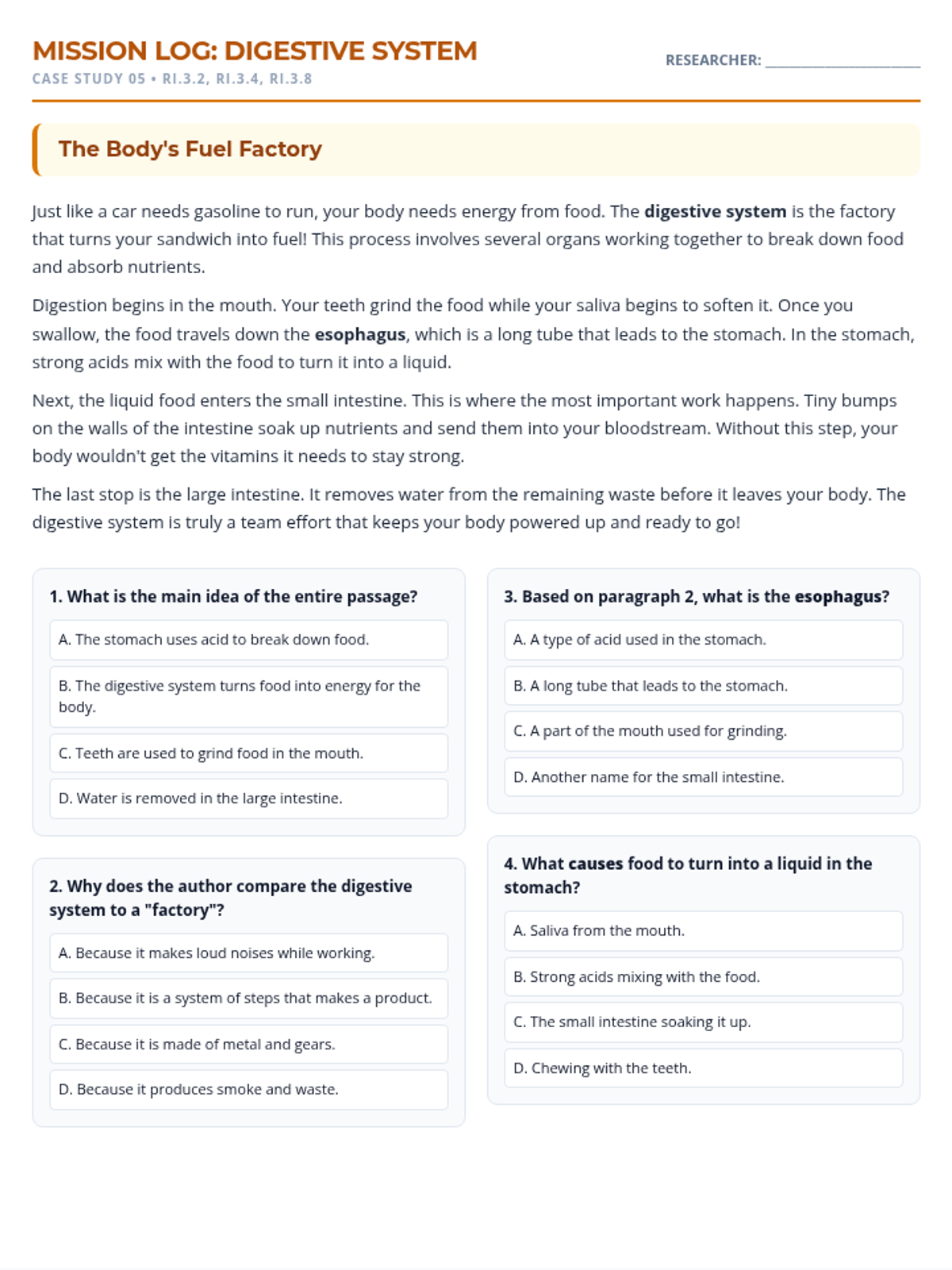
A review of the digestive system and how all body systems work together, synthesizing ELA skills from the week.
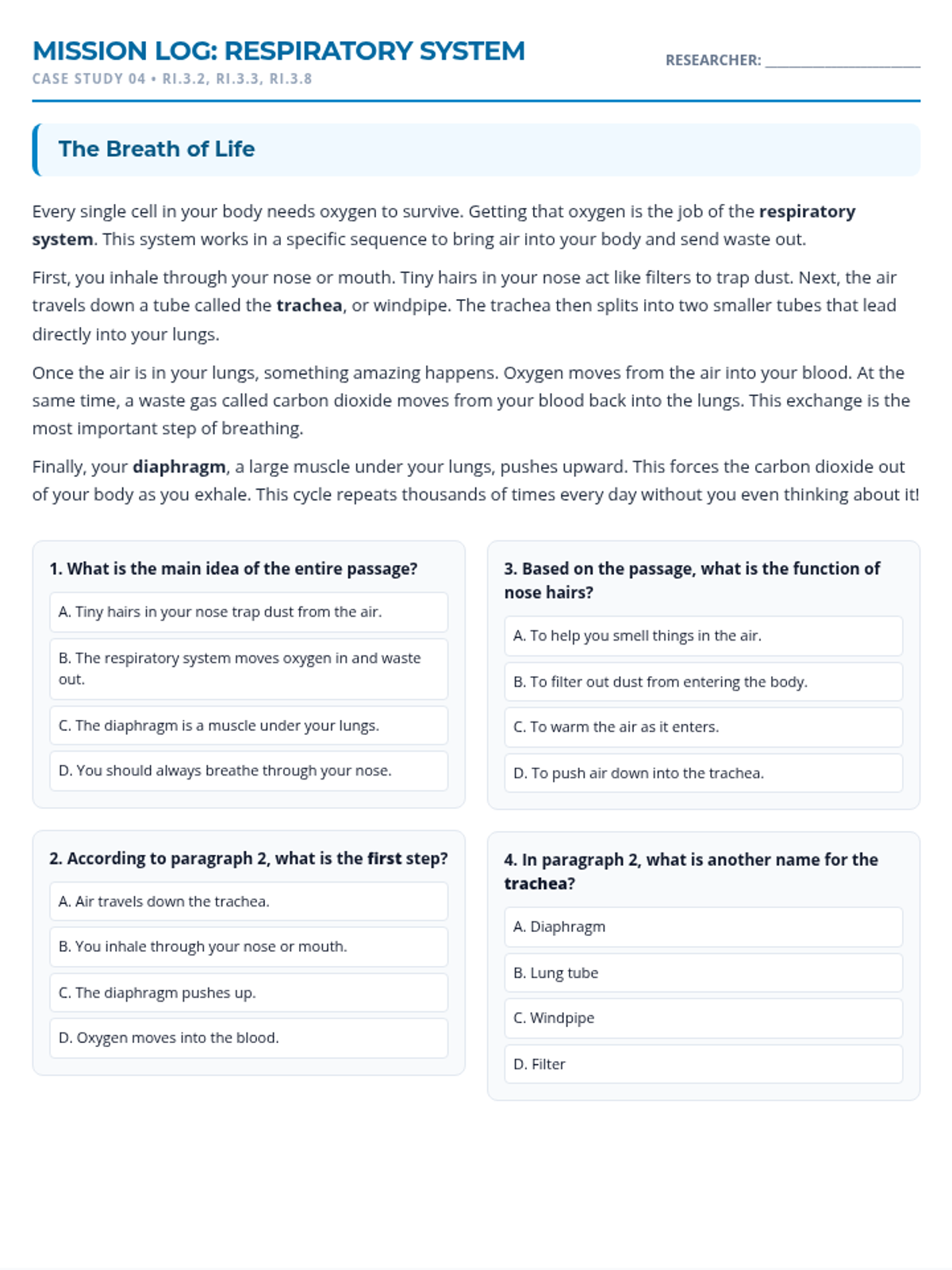
A deep dive into the respiratory system looking at the logical connections and sequence of how we breathe.
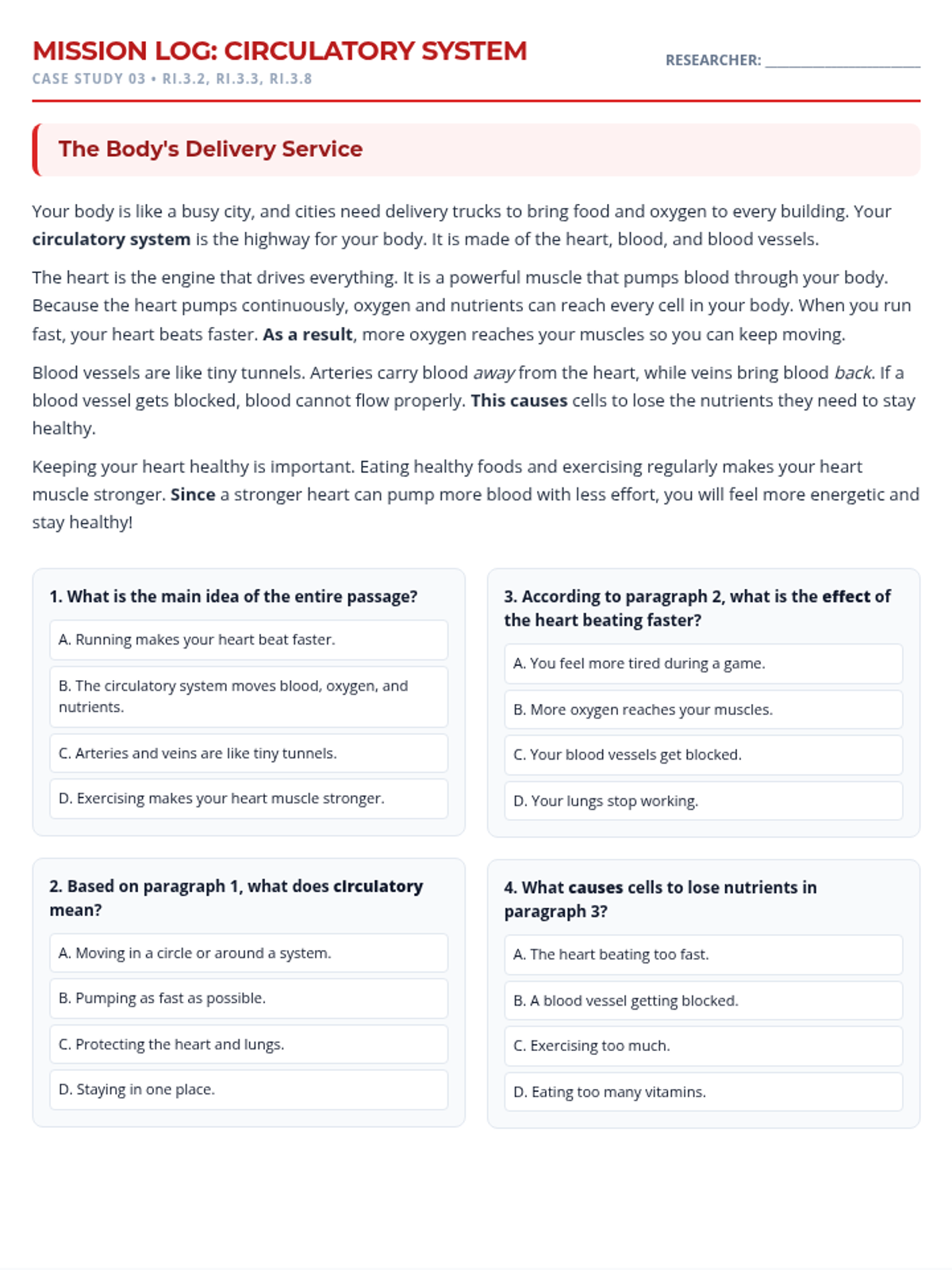
Exploring the heart and blood vessels with a specific focus on identifying cause-and-effect relationships within the body.
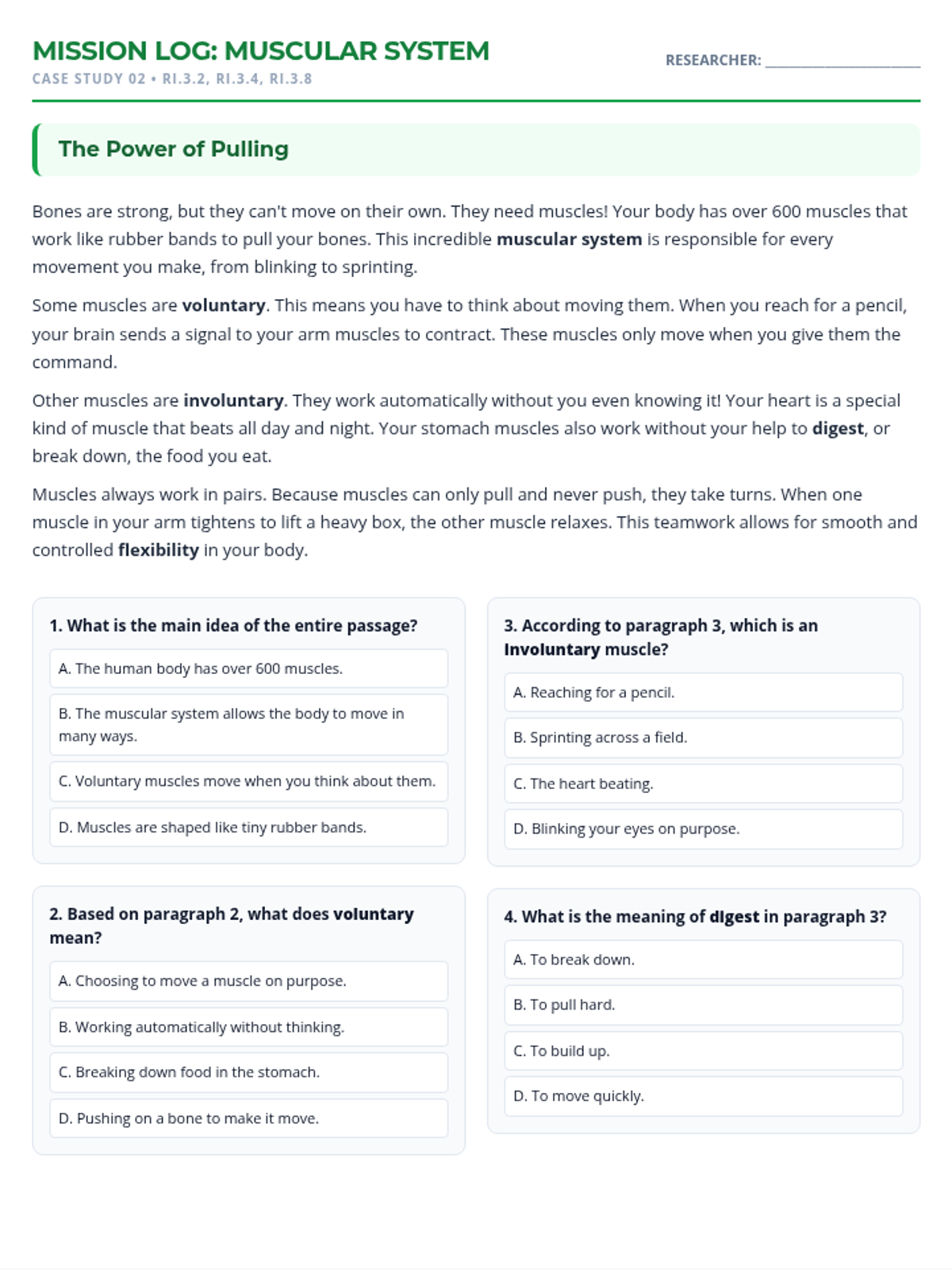
An investigation into the muscular system focusing on using context clues to define scientific vocabulary.
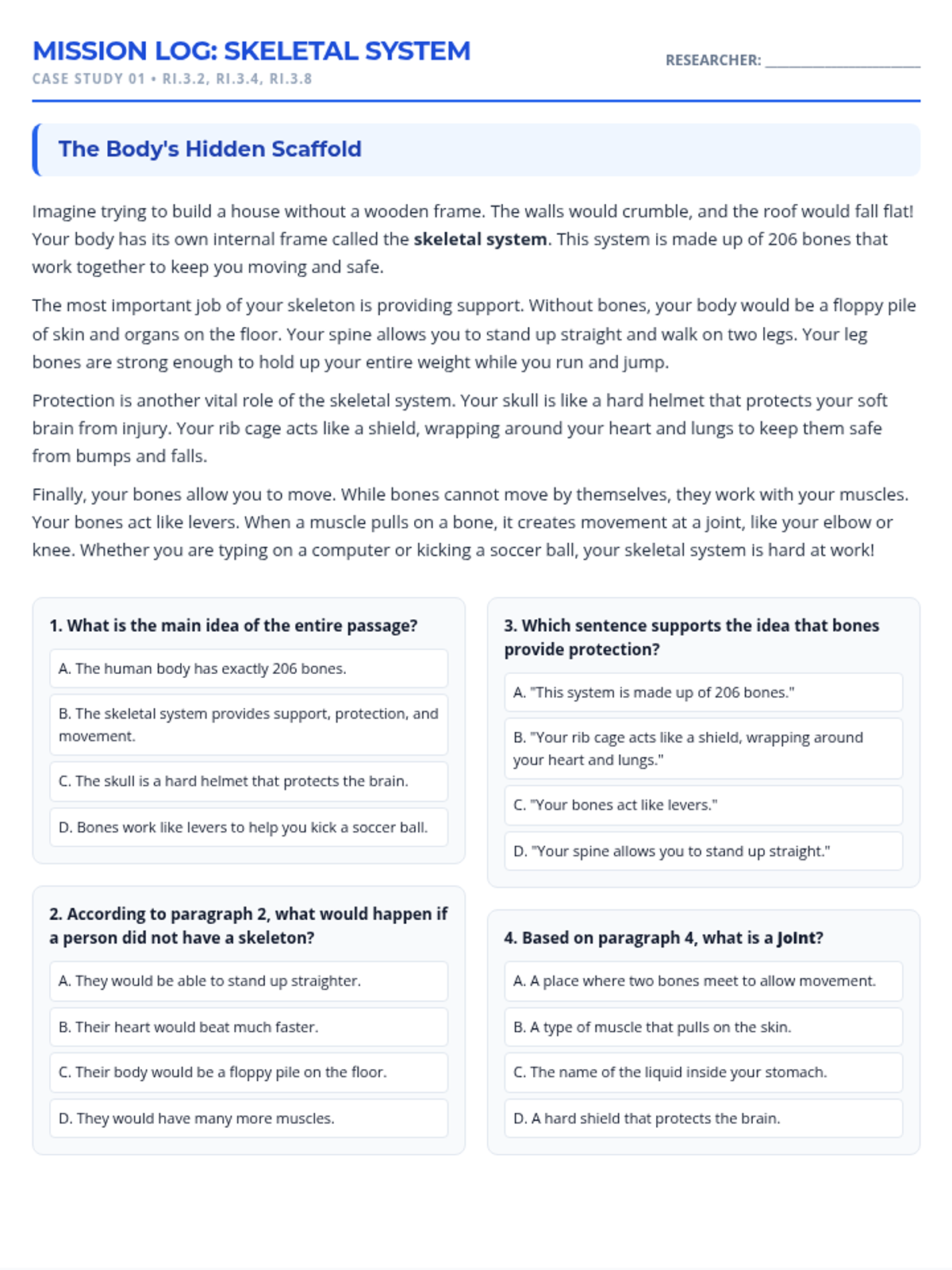
Students explore the skeletal system while practicing identifying the main idea and supporting details in informational text.
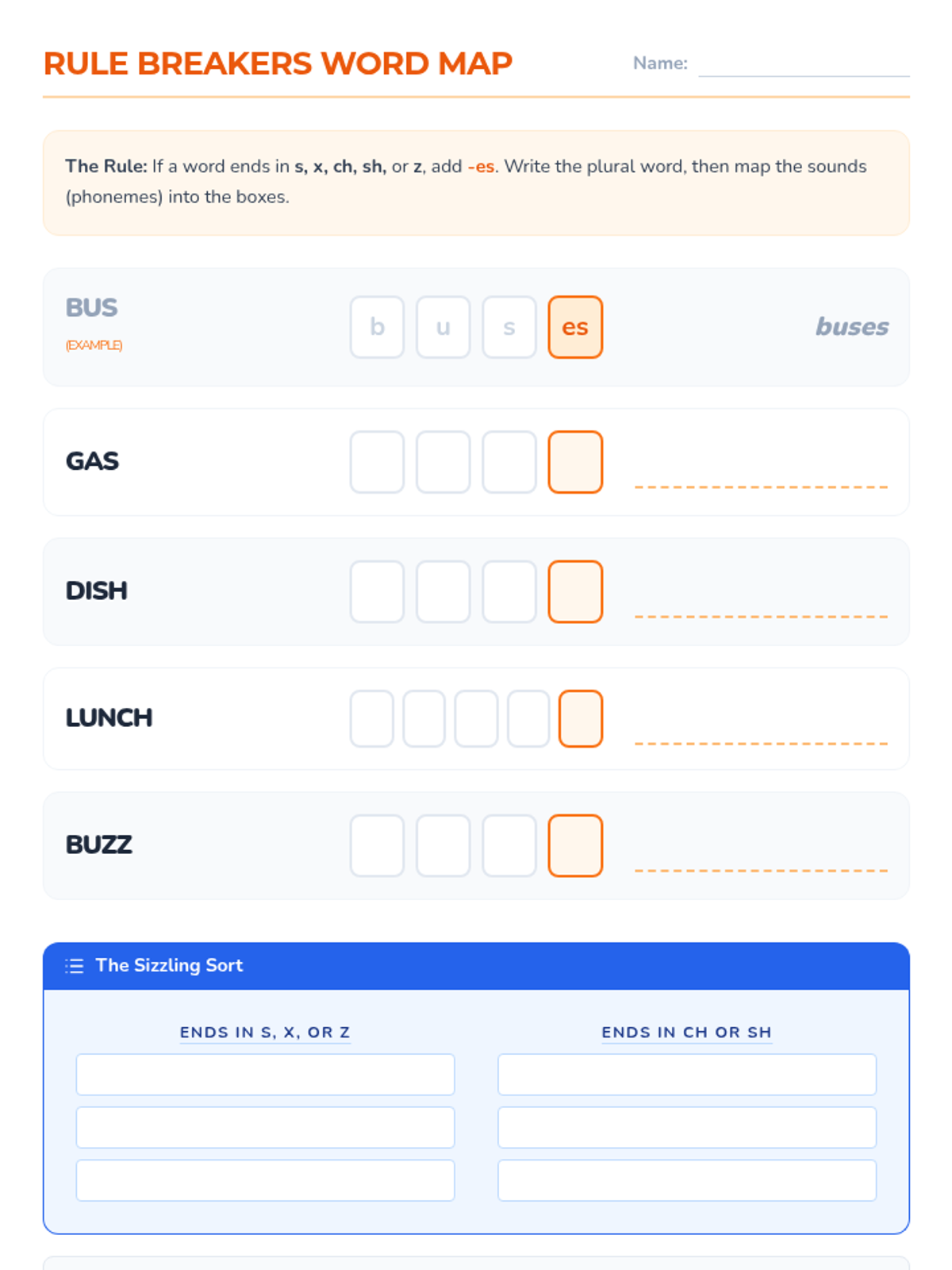
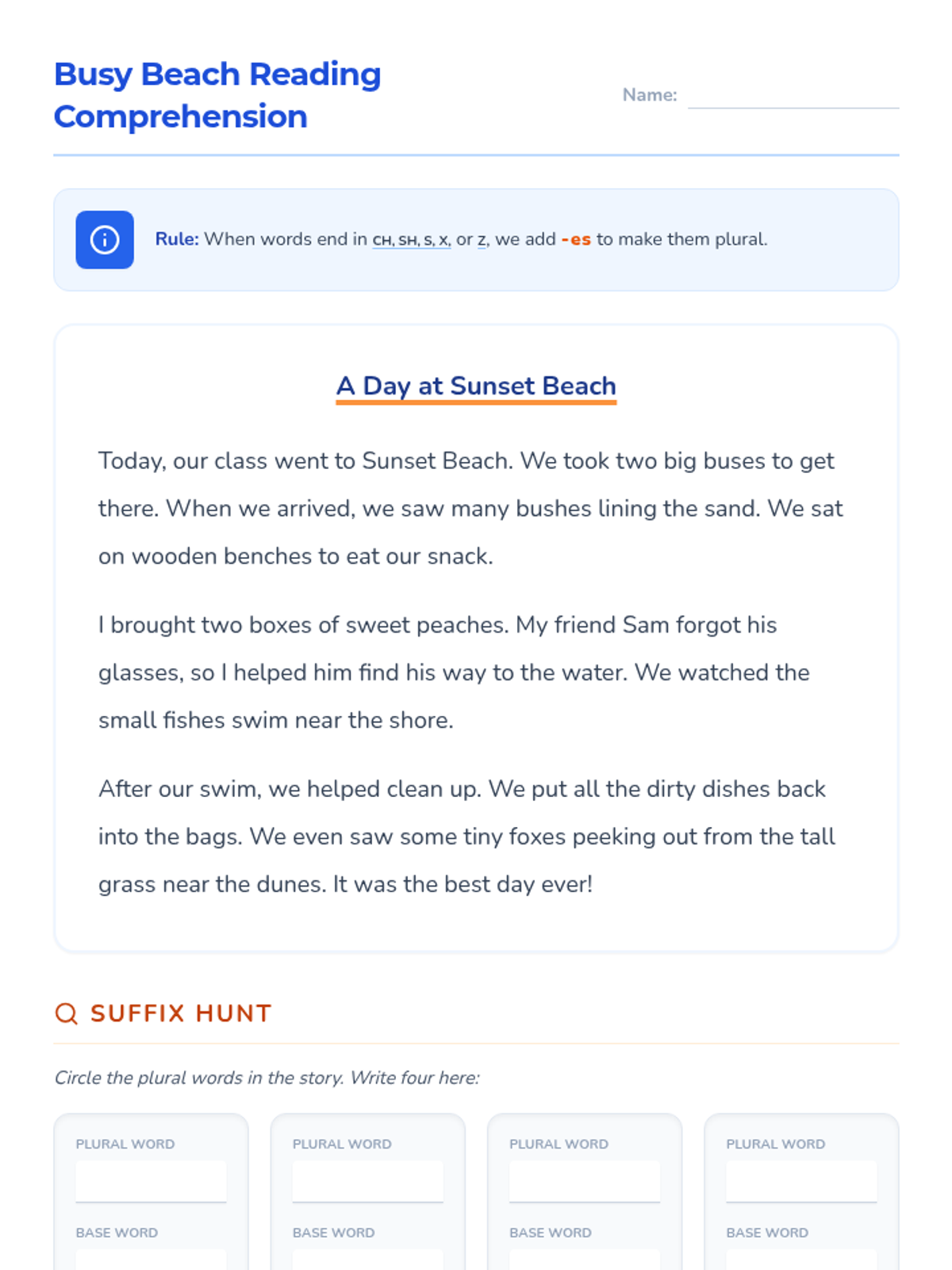
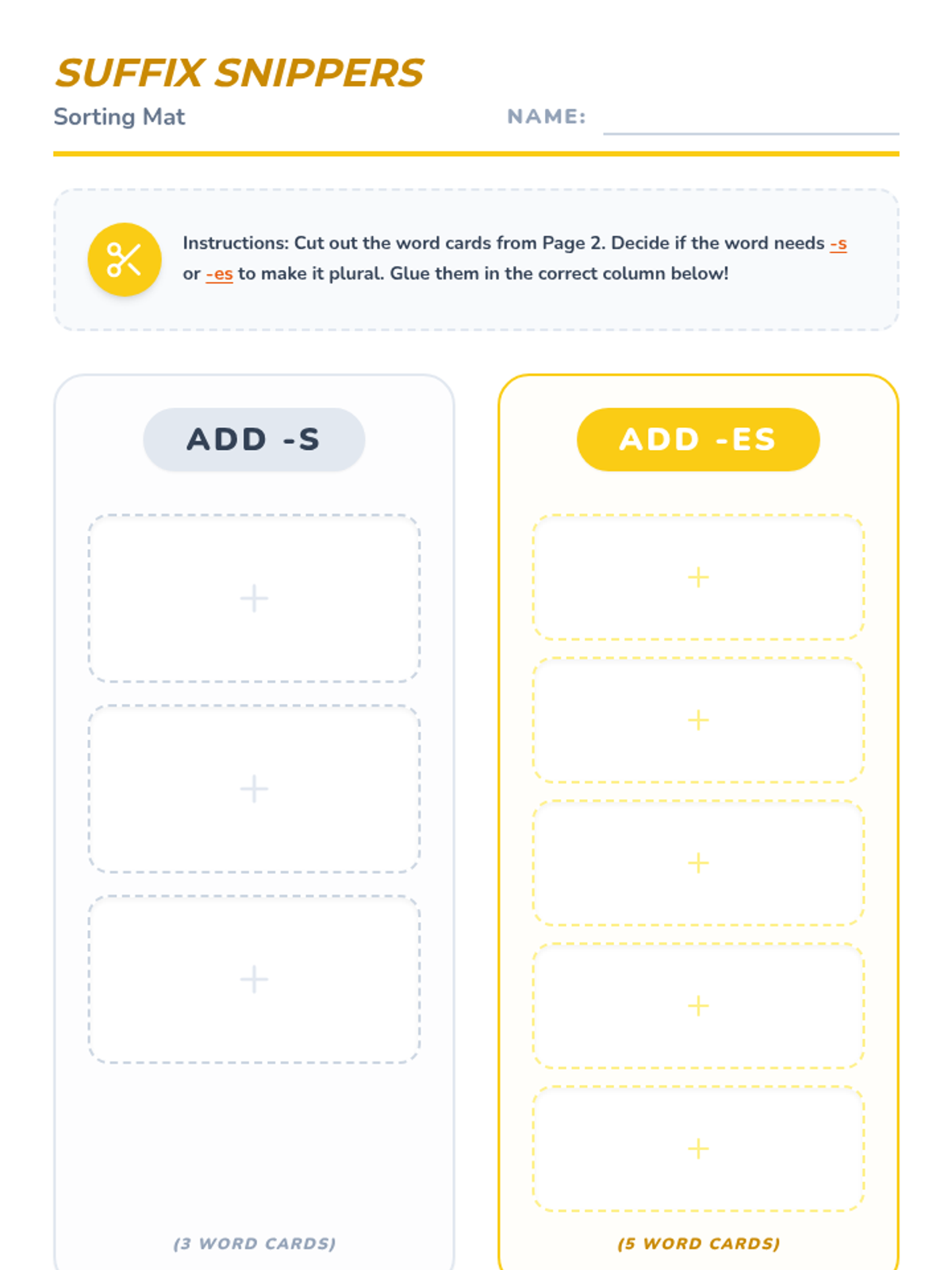
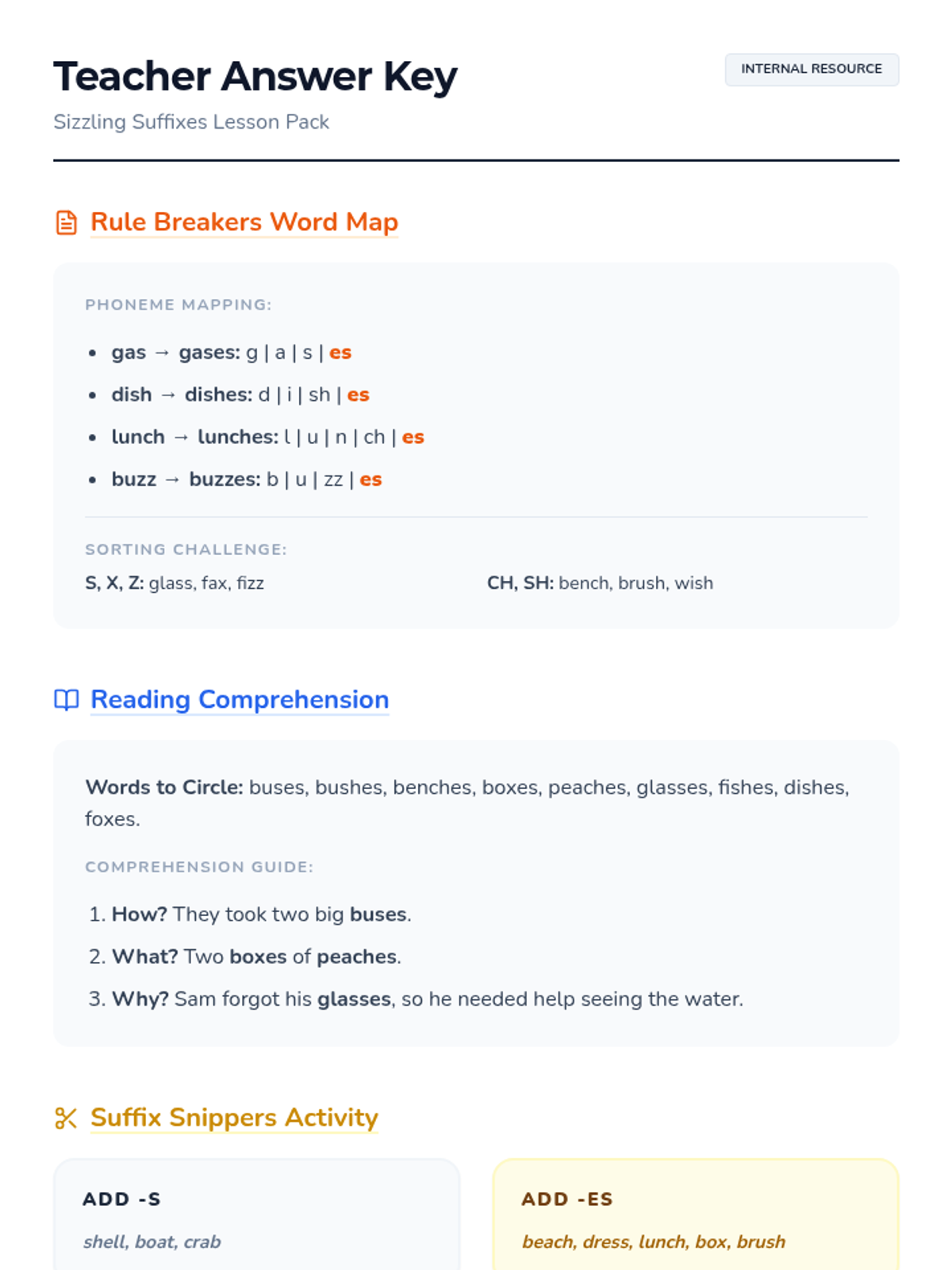
A comprehensive lesson on plurals ending in -es, covering base words ending in s, x, ch, sh, and z through multi-sensory activities.
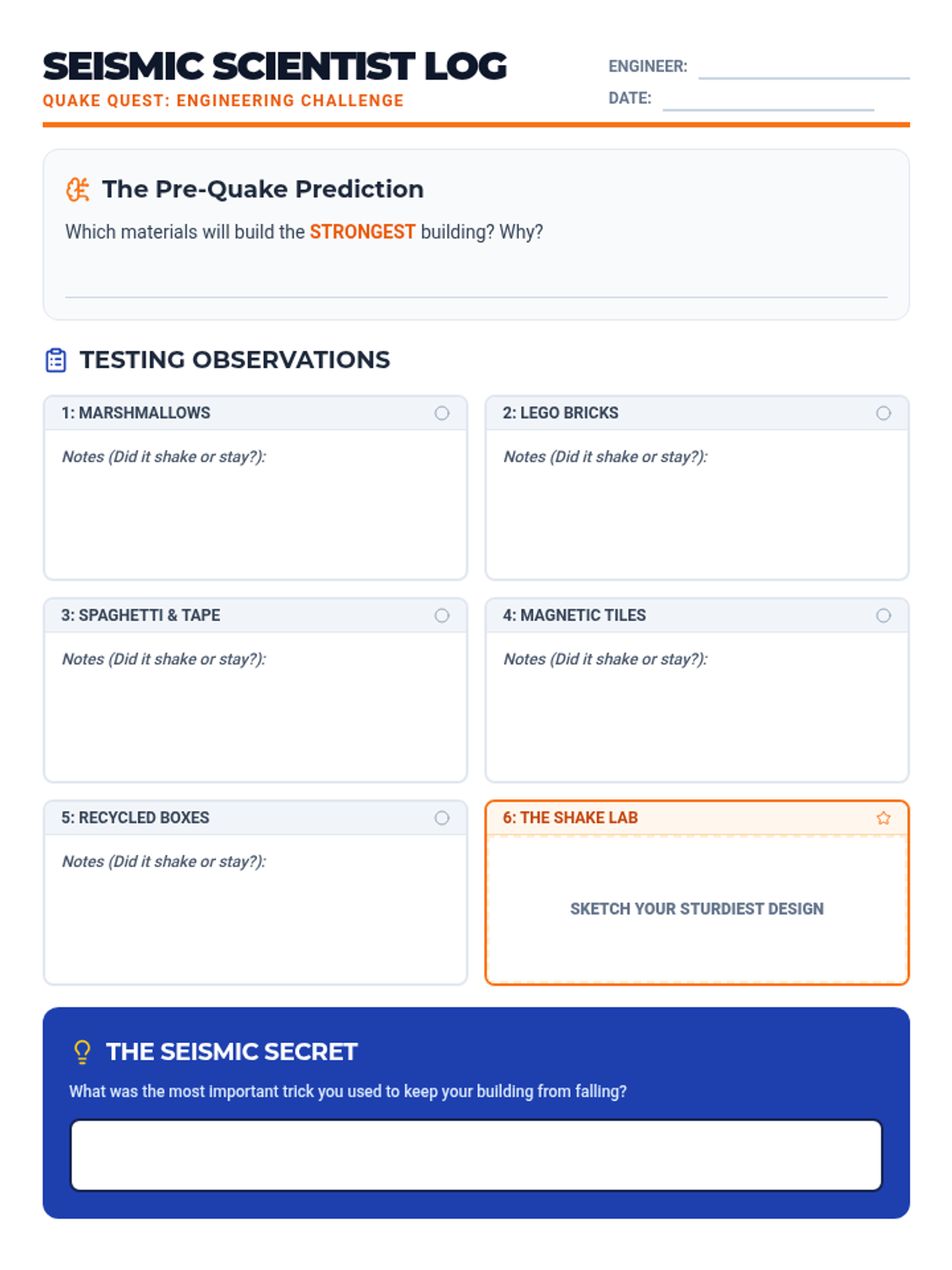
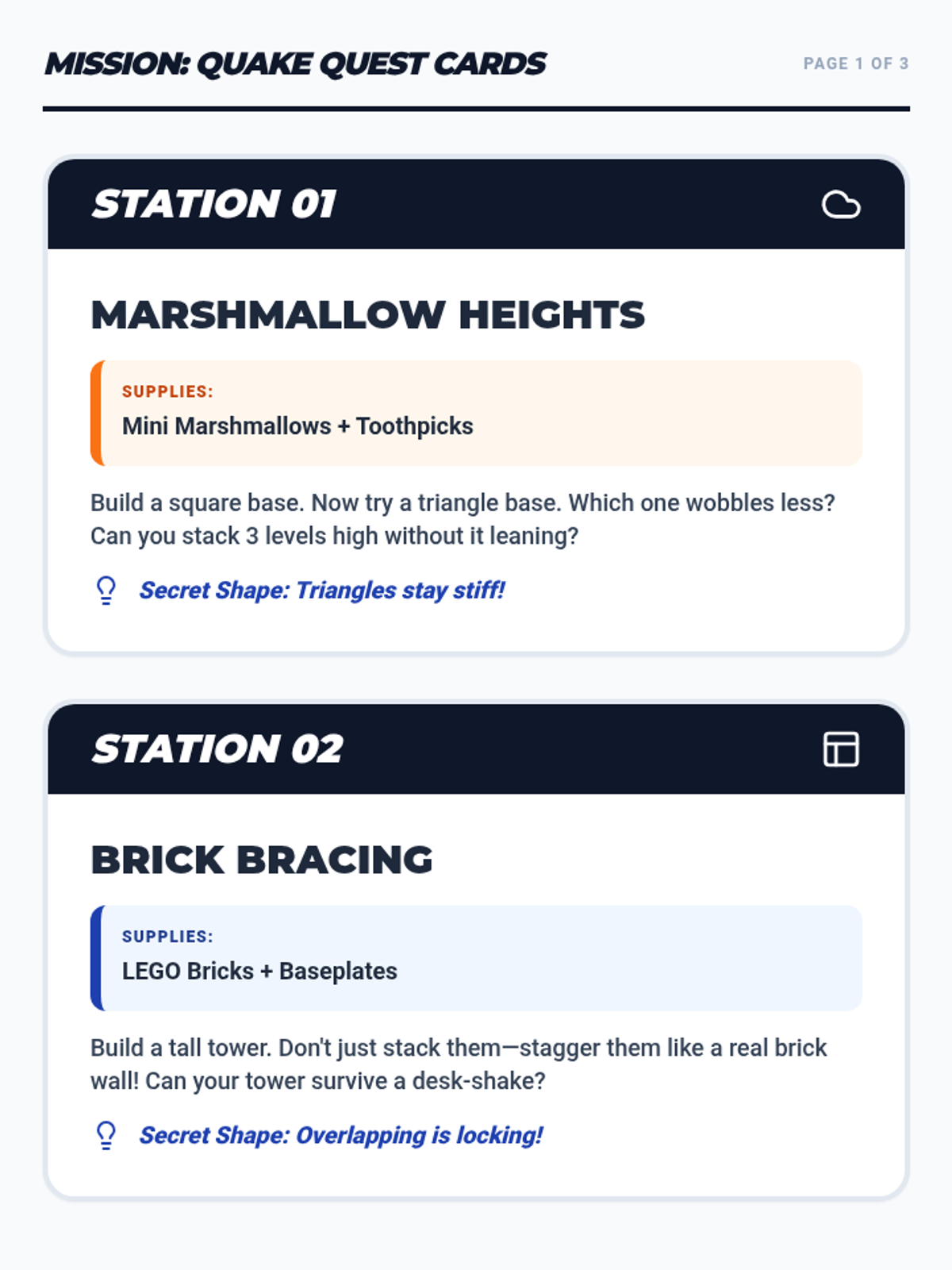
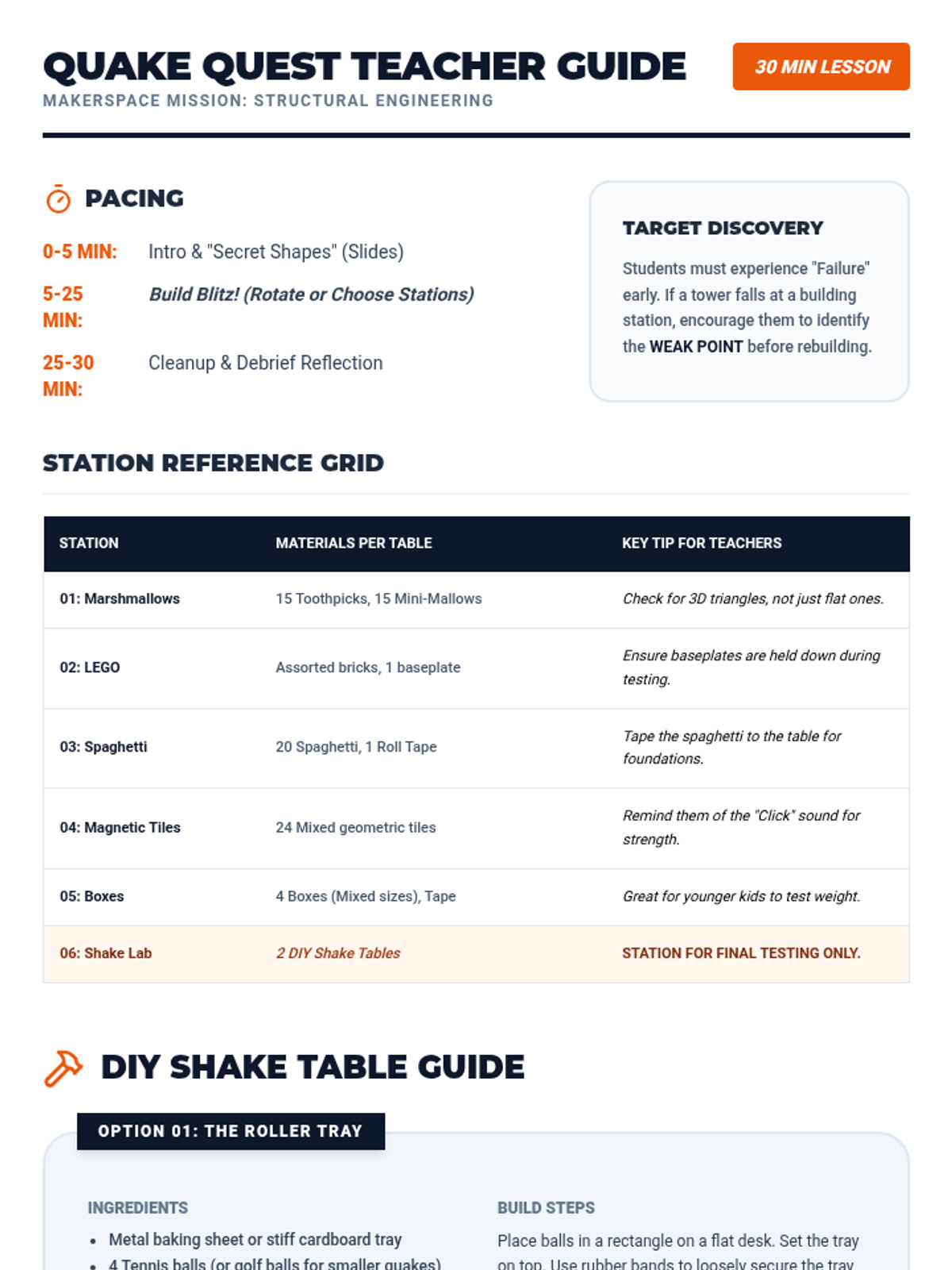
A 30-minute engineering challenge where students build and test structures using six different material stations to understand earthquake stability.
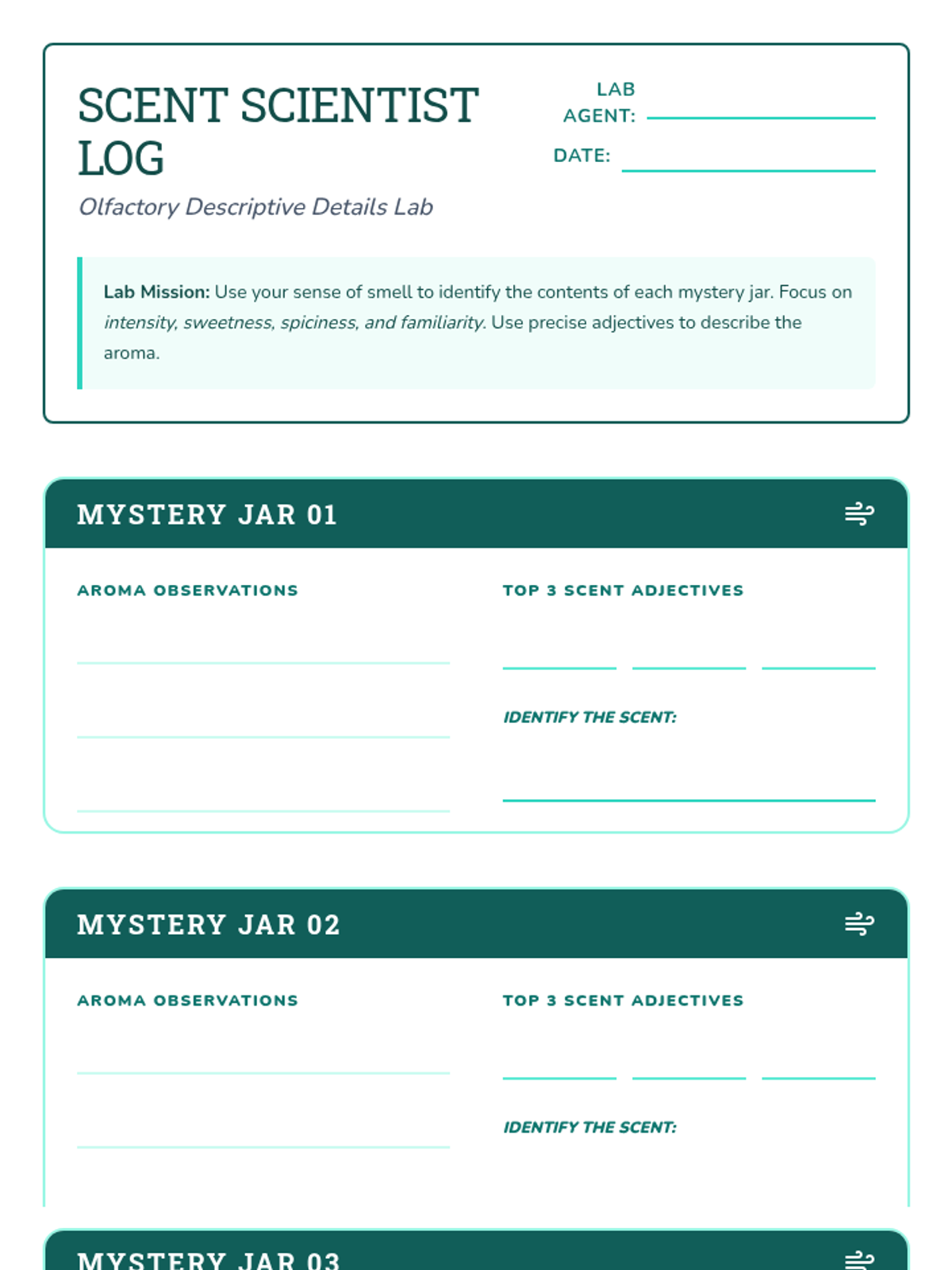
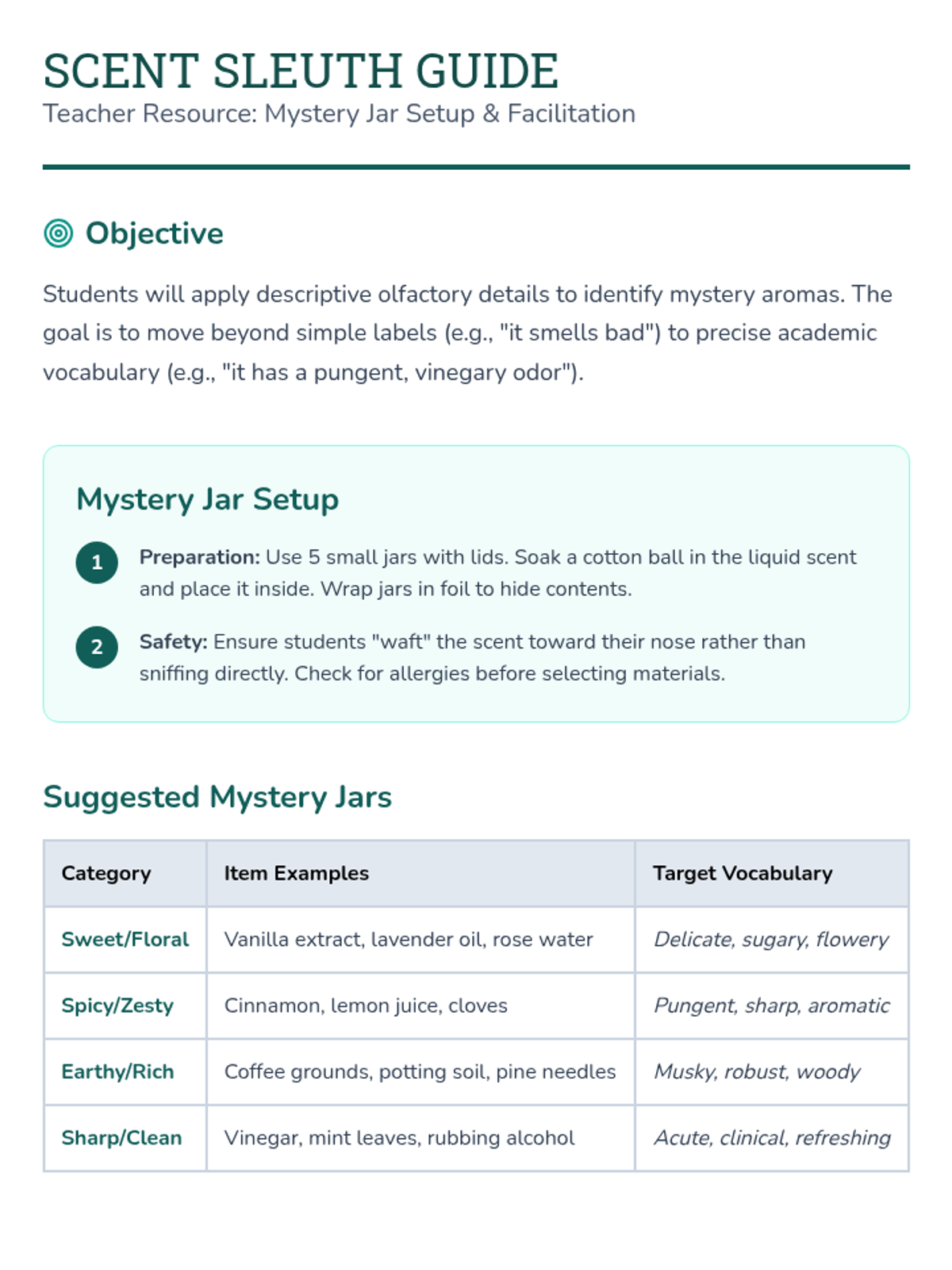
A hands-on science and ELA lesson where students explore mystery scents and use descriptive olfactory details to document their observations.
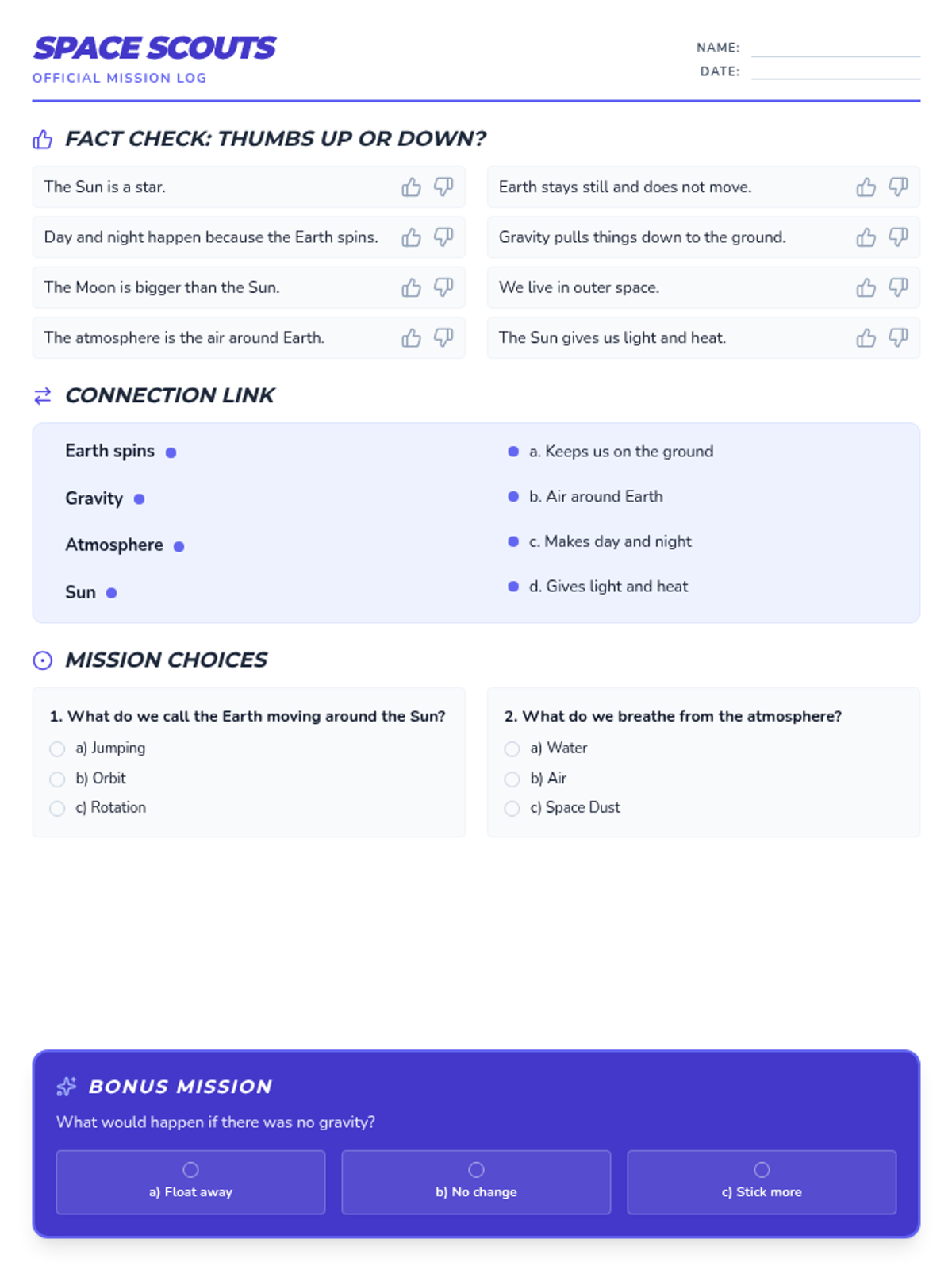
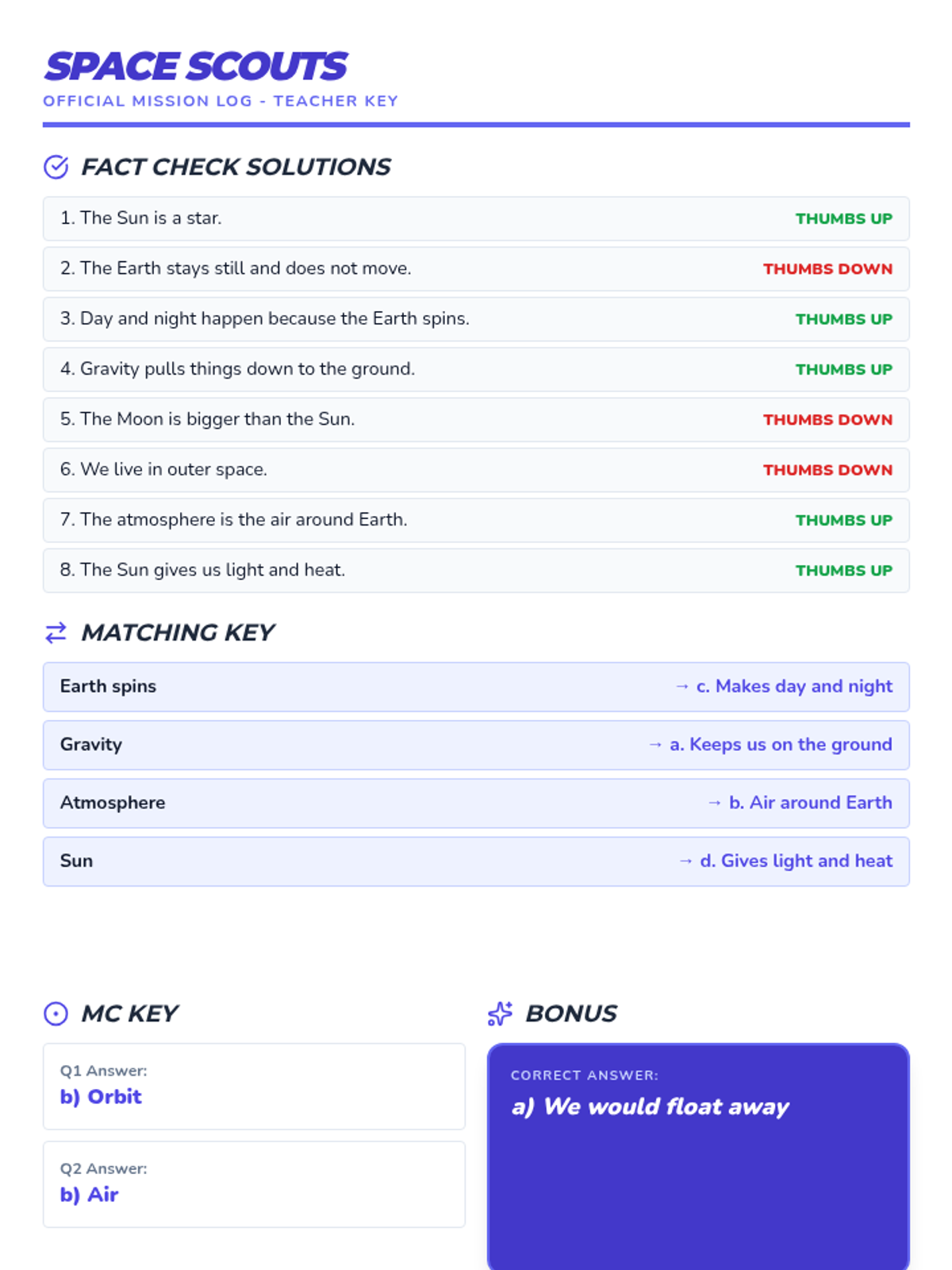
A foundational exploration of Earth's place in space, covering the Sun, gravity, atmosphere, and Earth's rotation through engaging true/false, matching, and multiple-choice questions.
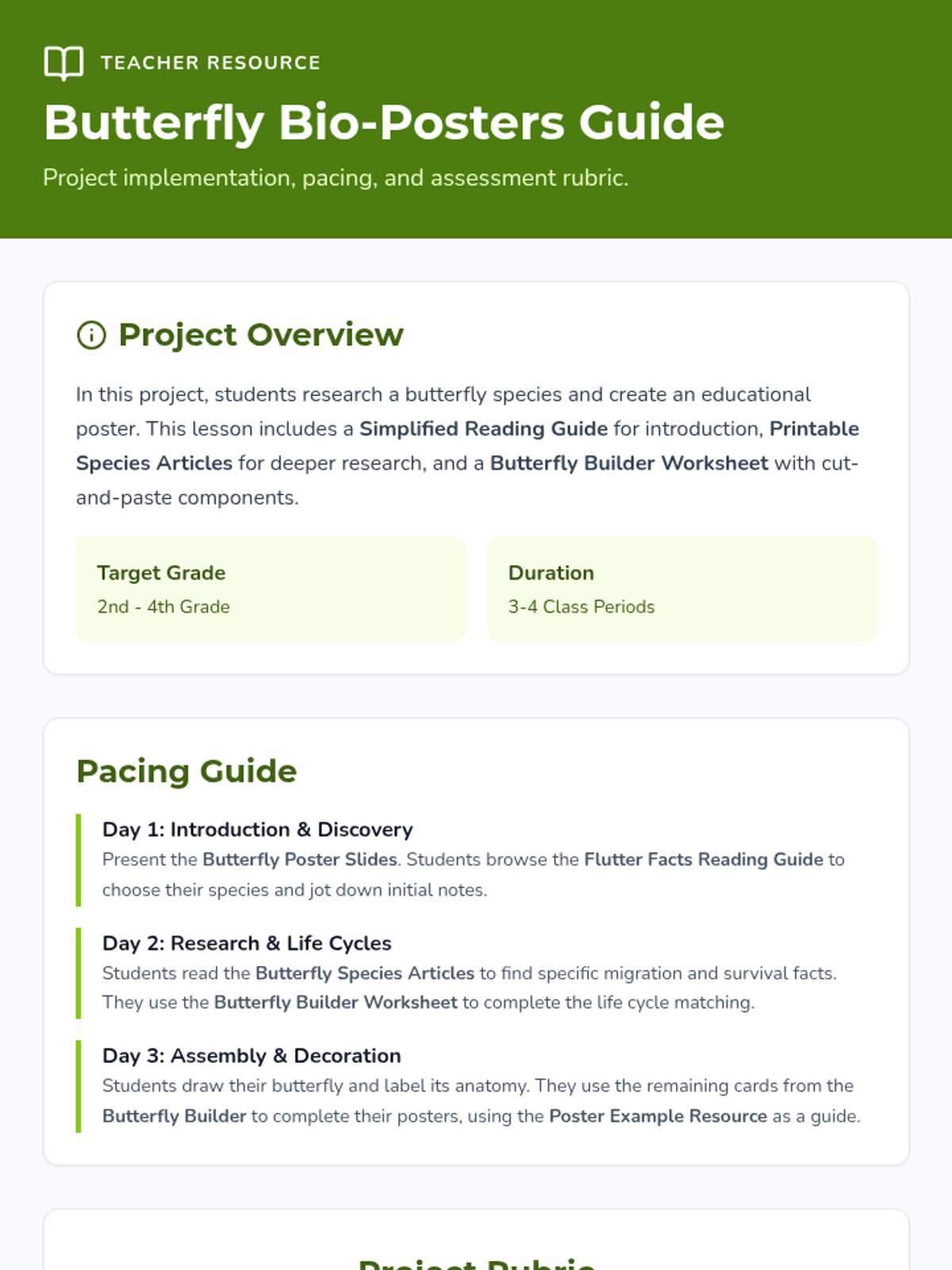
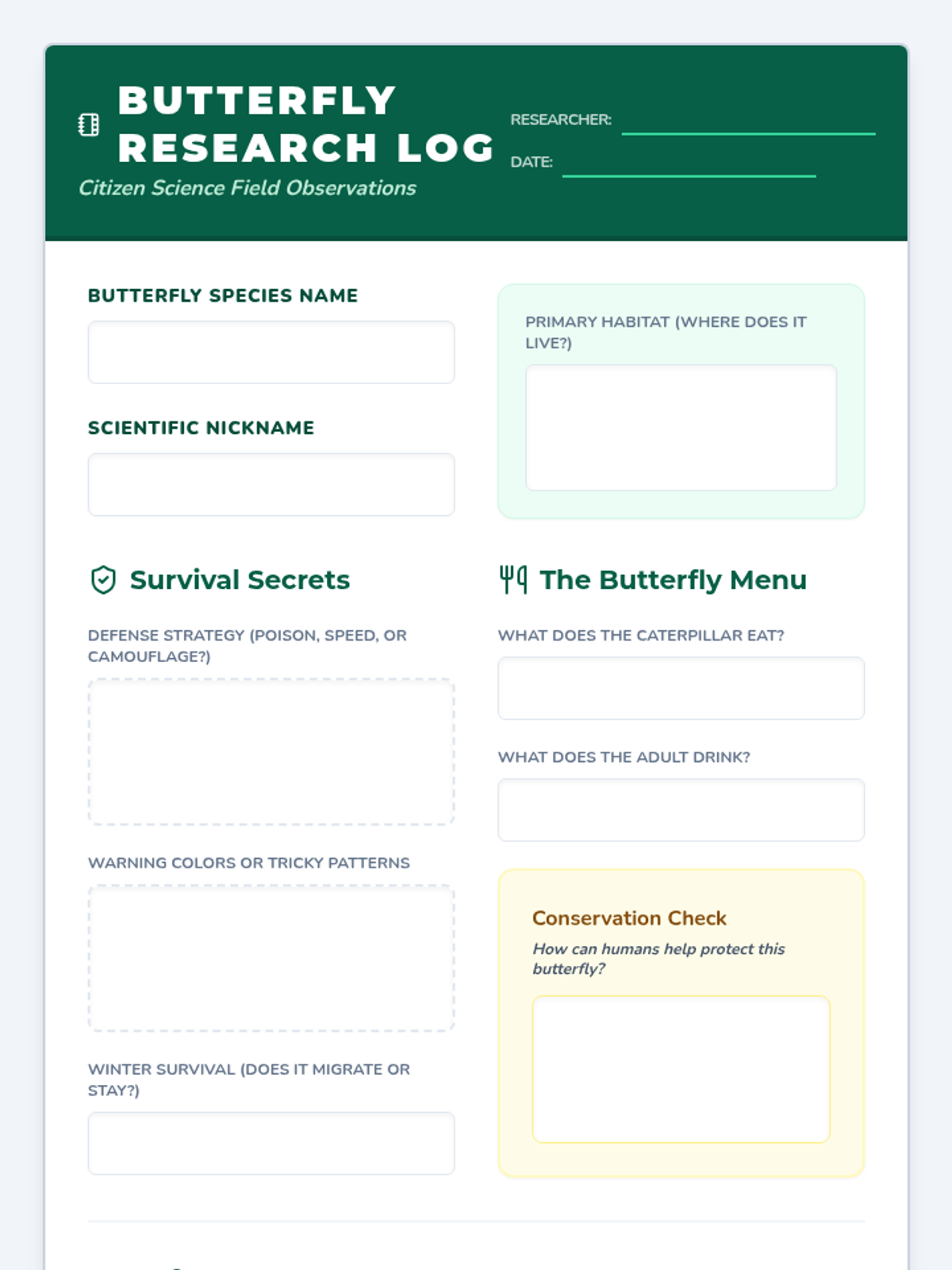
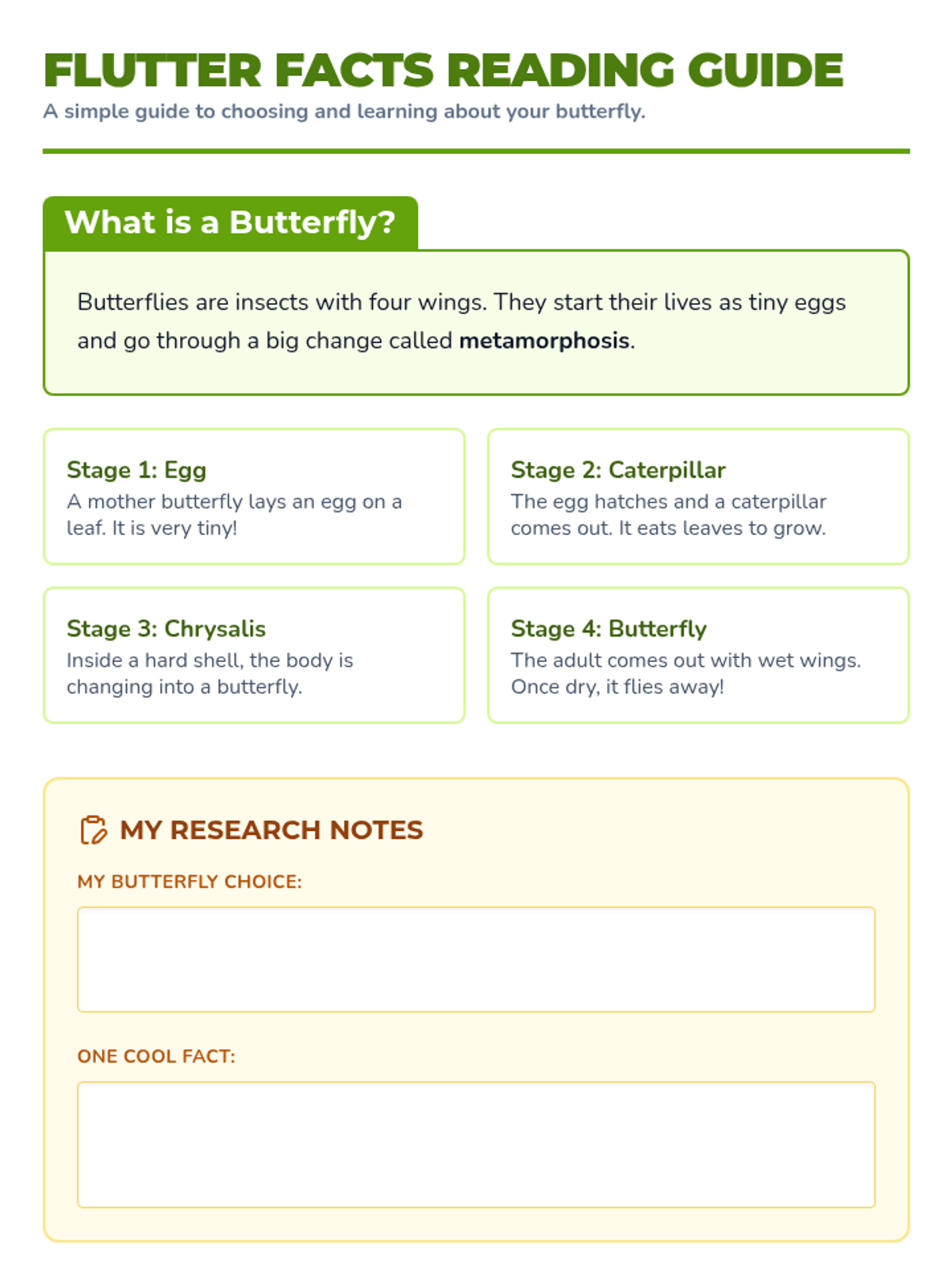
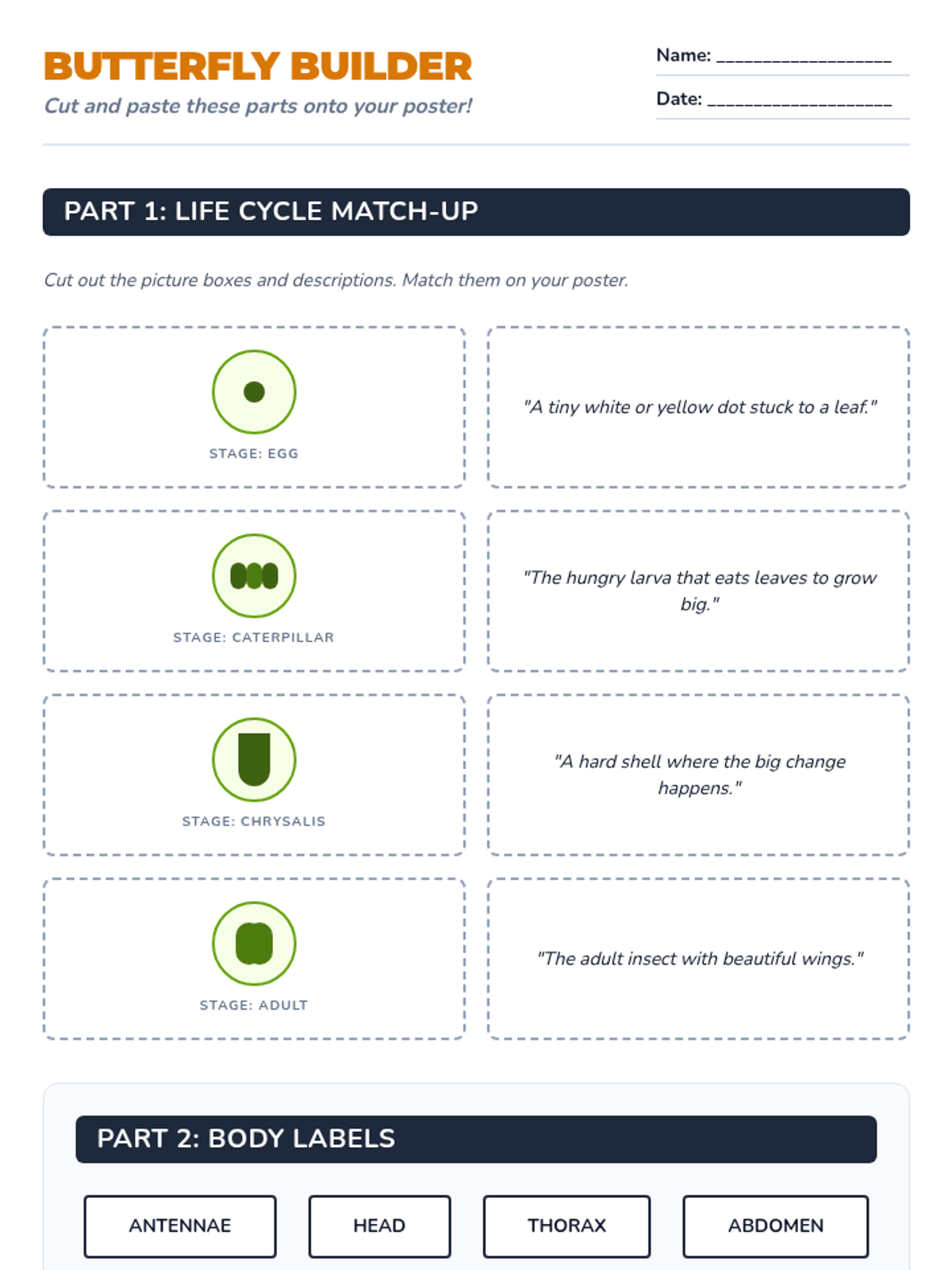
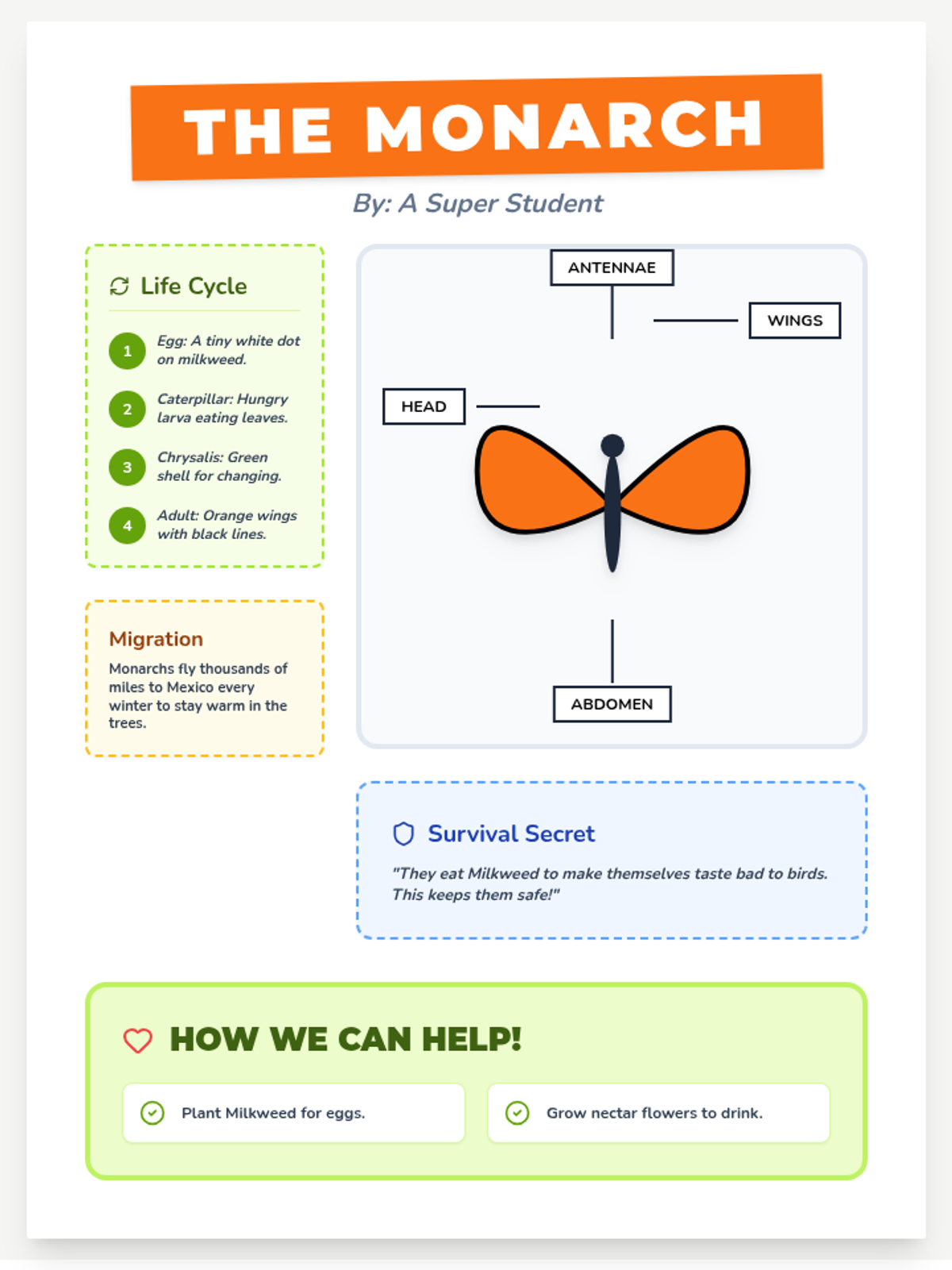
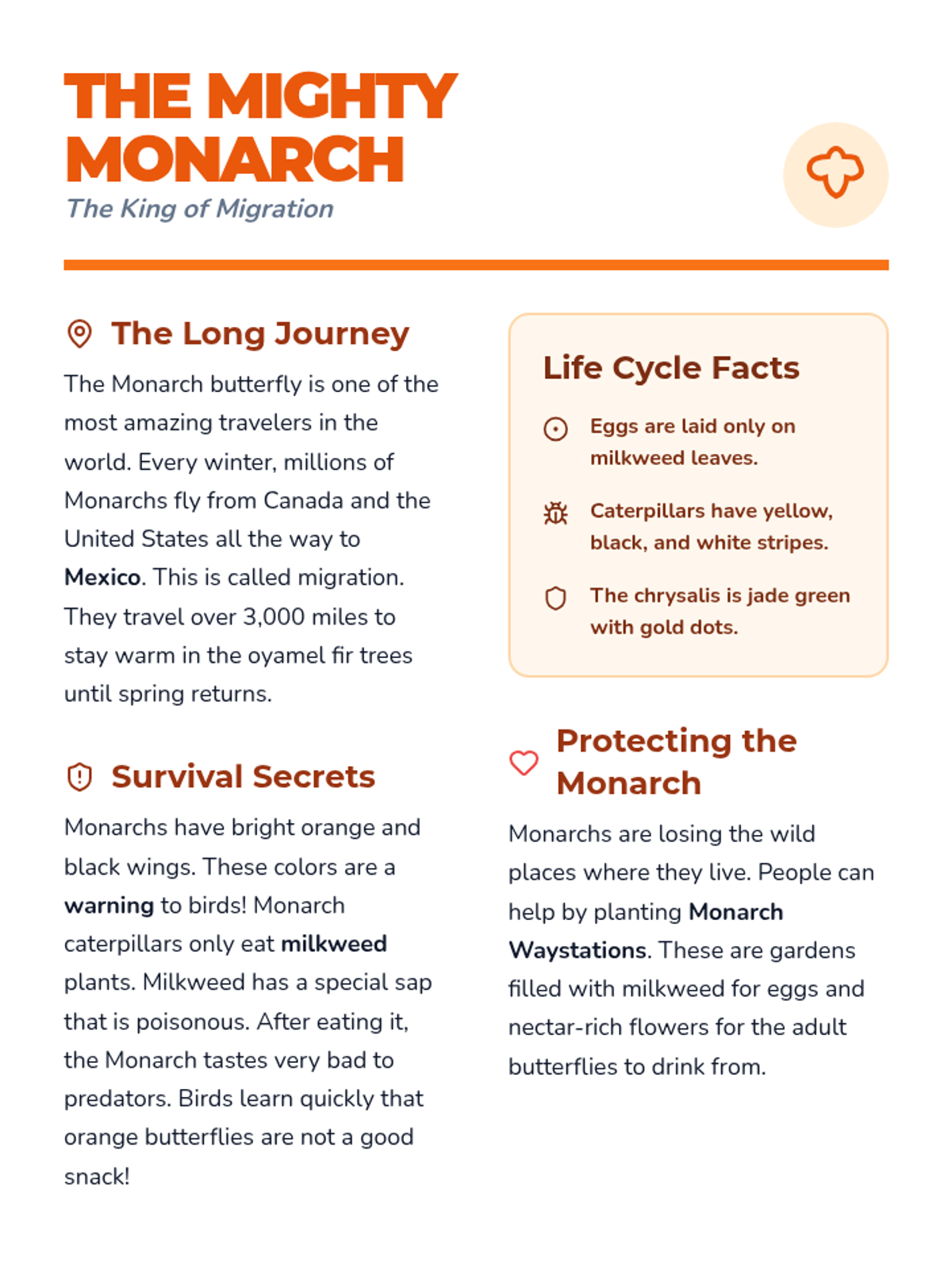
A creative science project where students research a butterfly species of their choice and design an informative poster. The lesson includes a simplified reading guide, cut-and-paste components, and a presentation to guide the project.
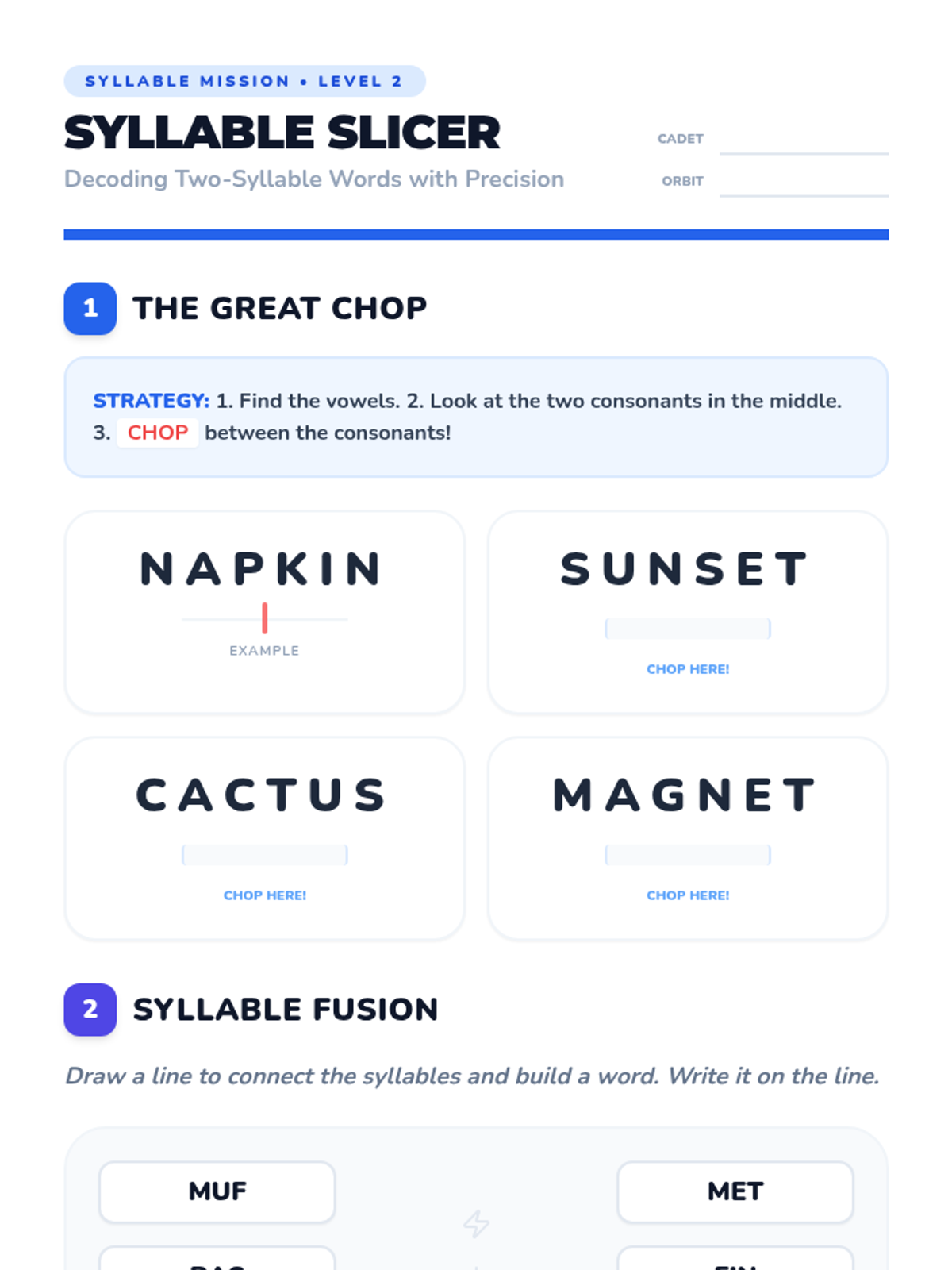
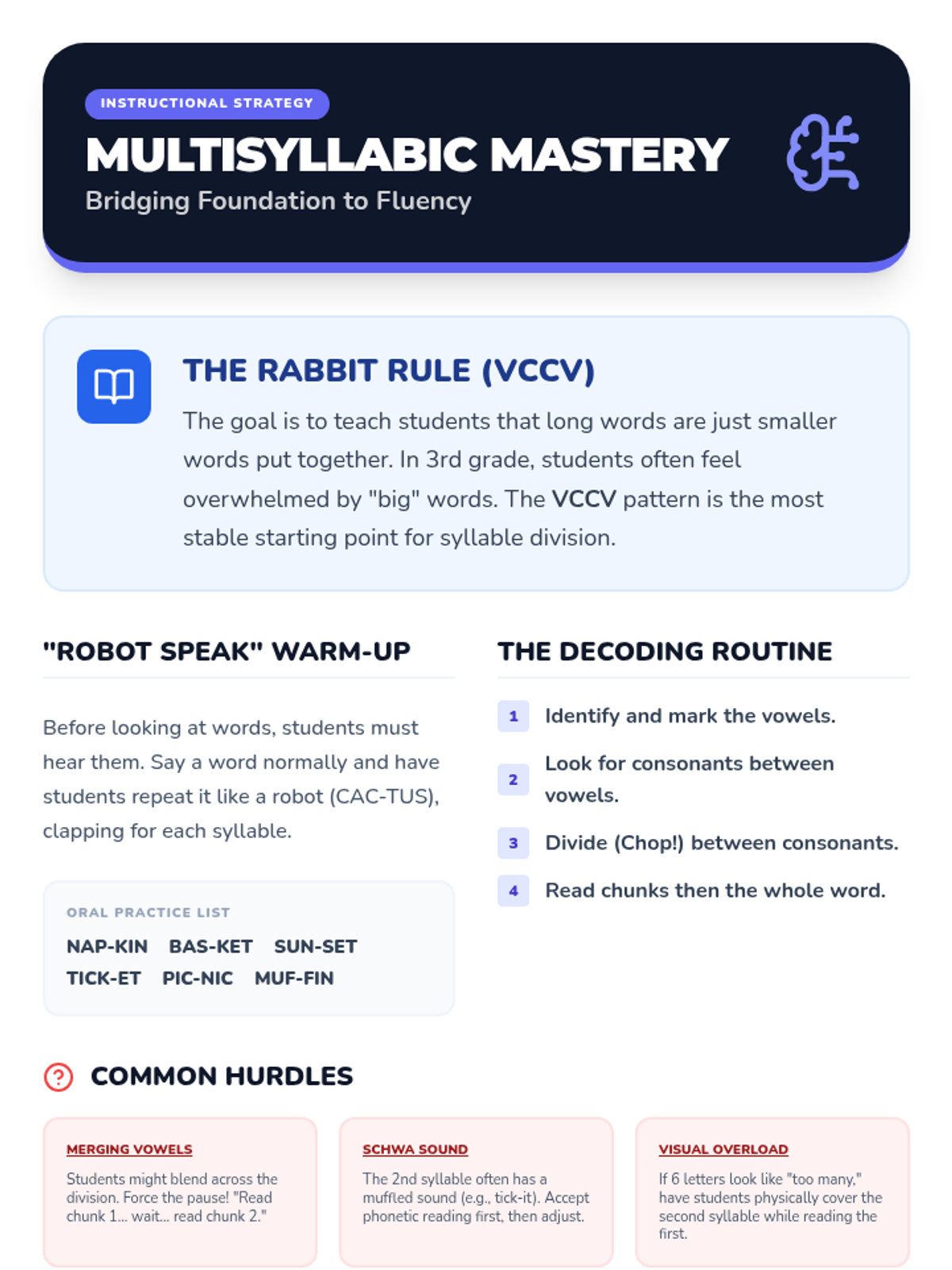
Advanced word study focusing on syllable division rules, decoding strategies for 2-syllable words, and reading multisyllabic fluency.
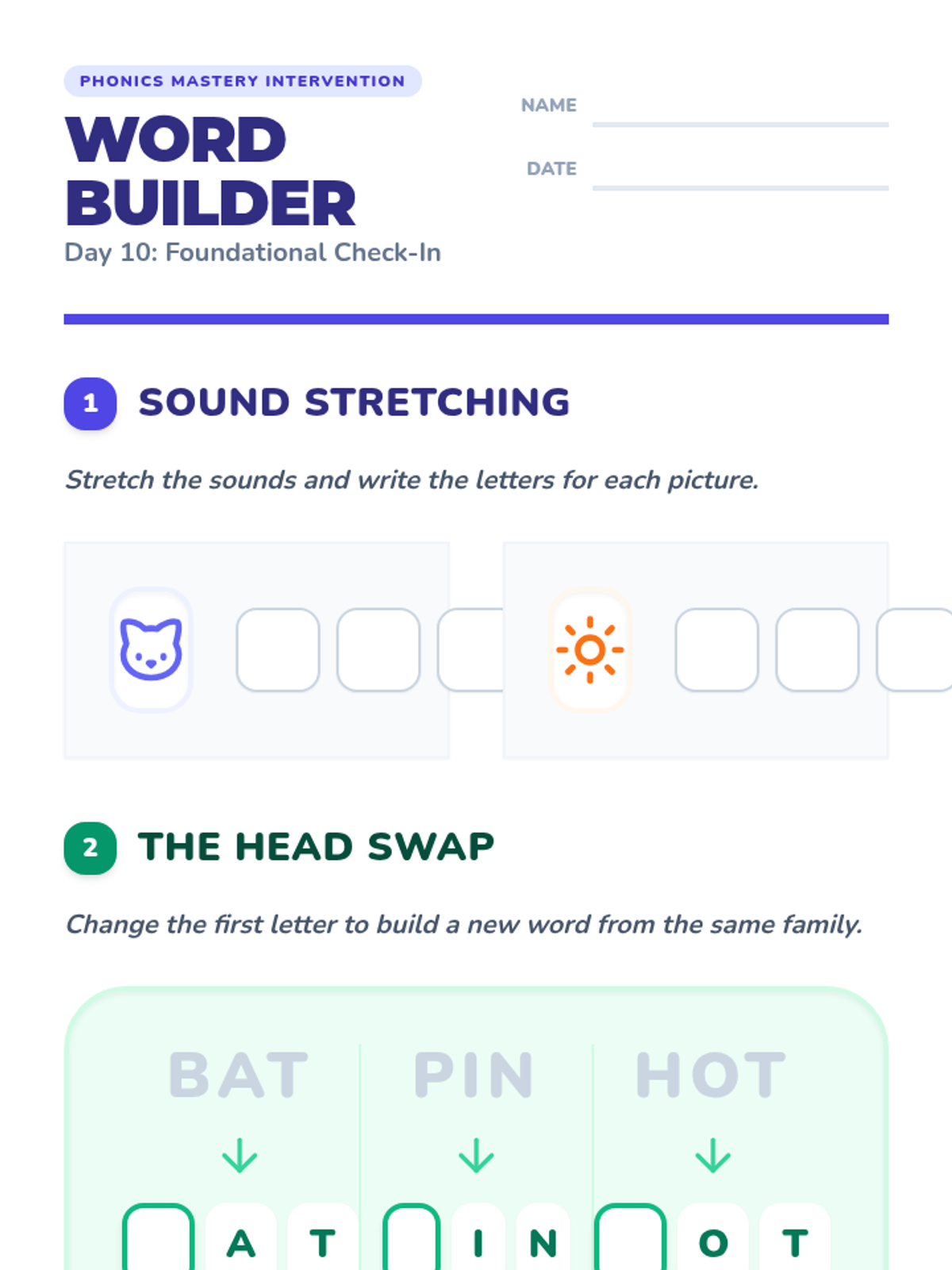
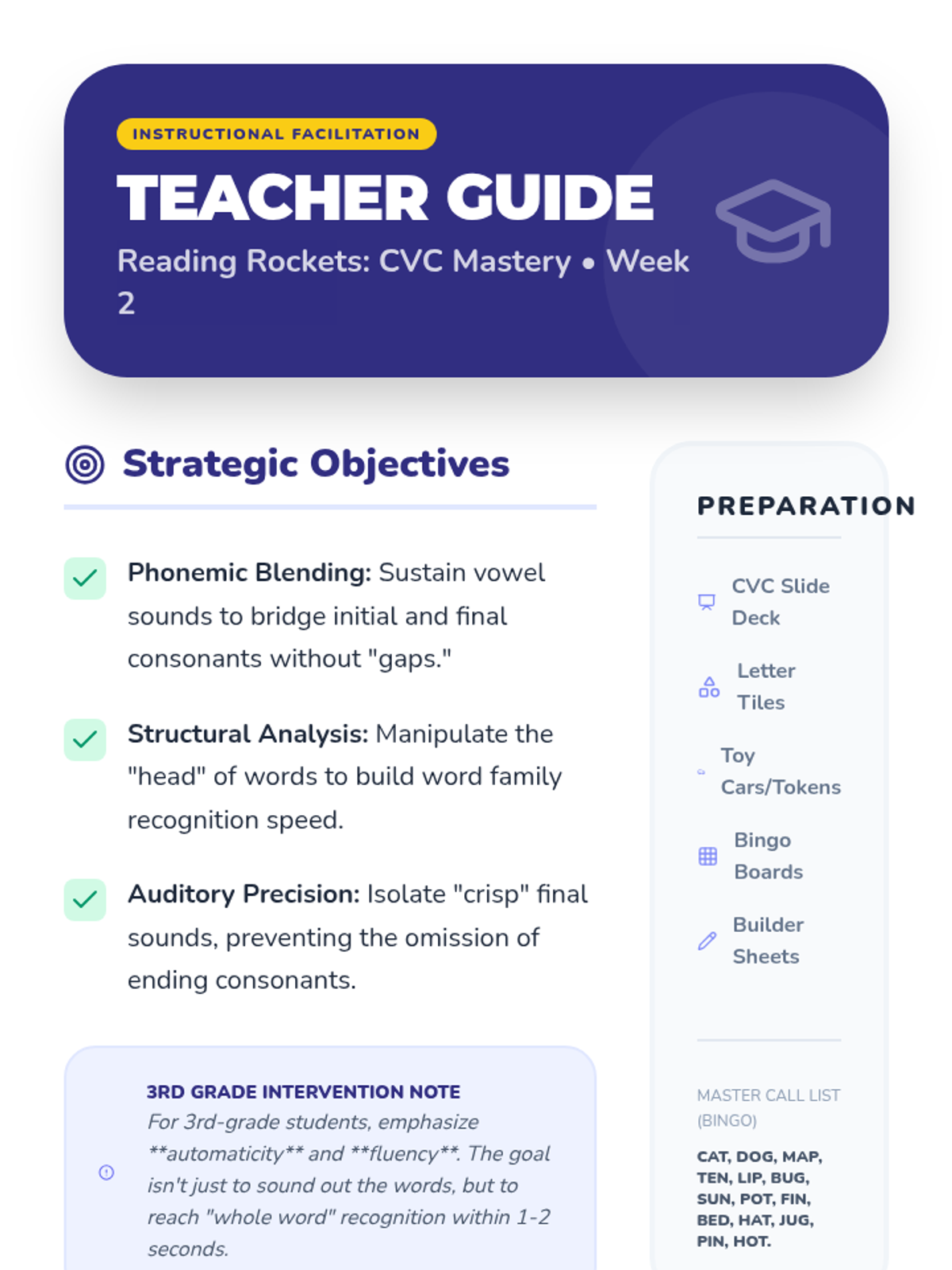
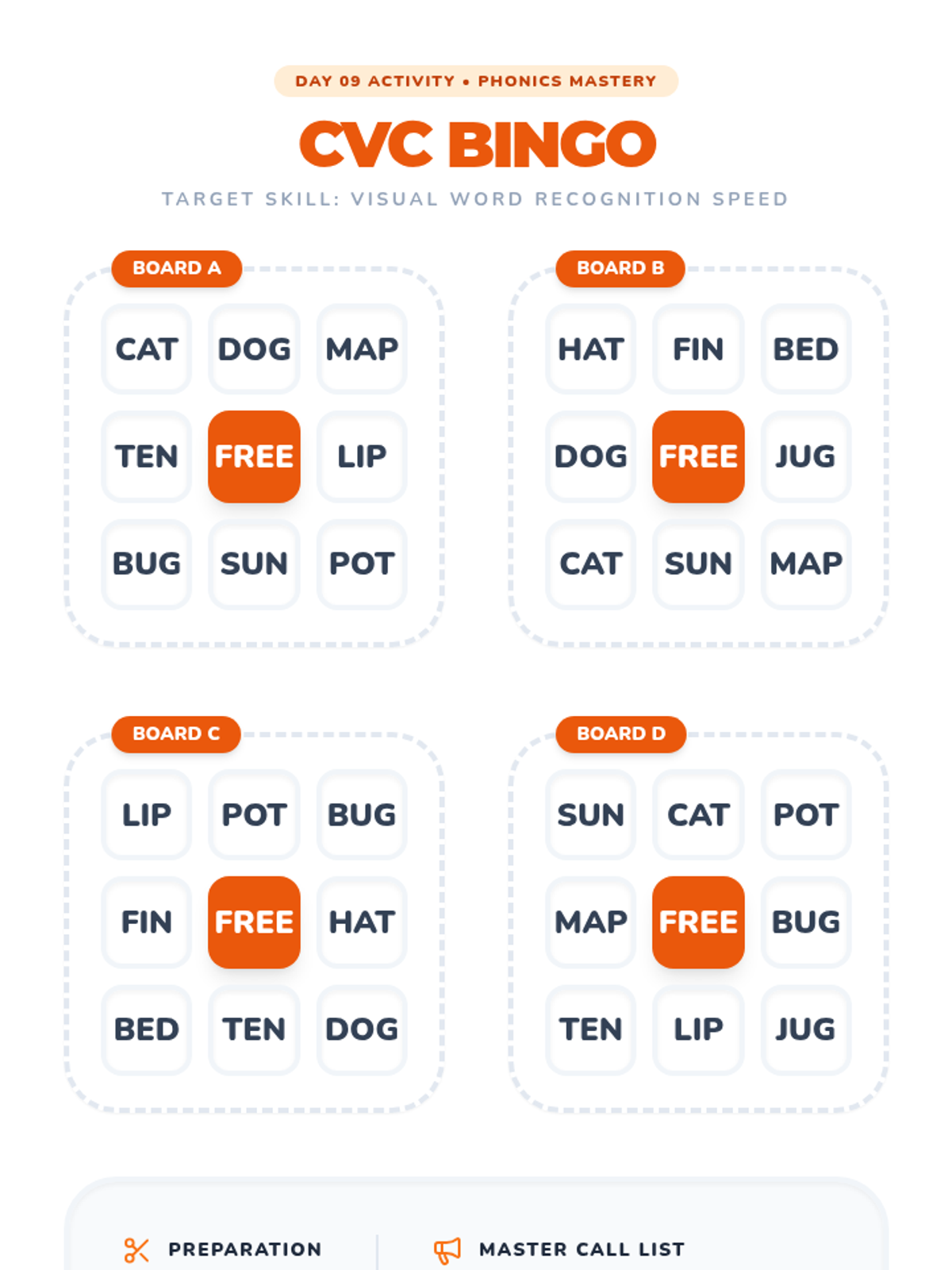
A week of targeted CVC practice covering blending, initial and final consonant changes, and automaticity.
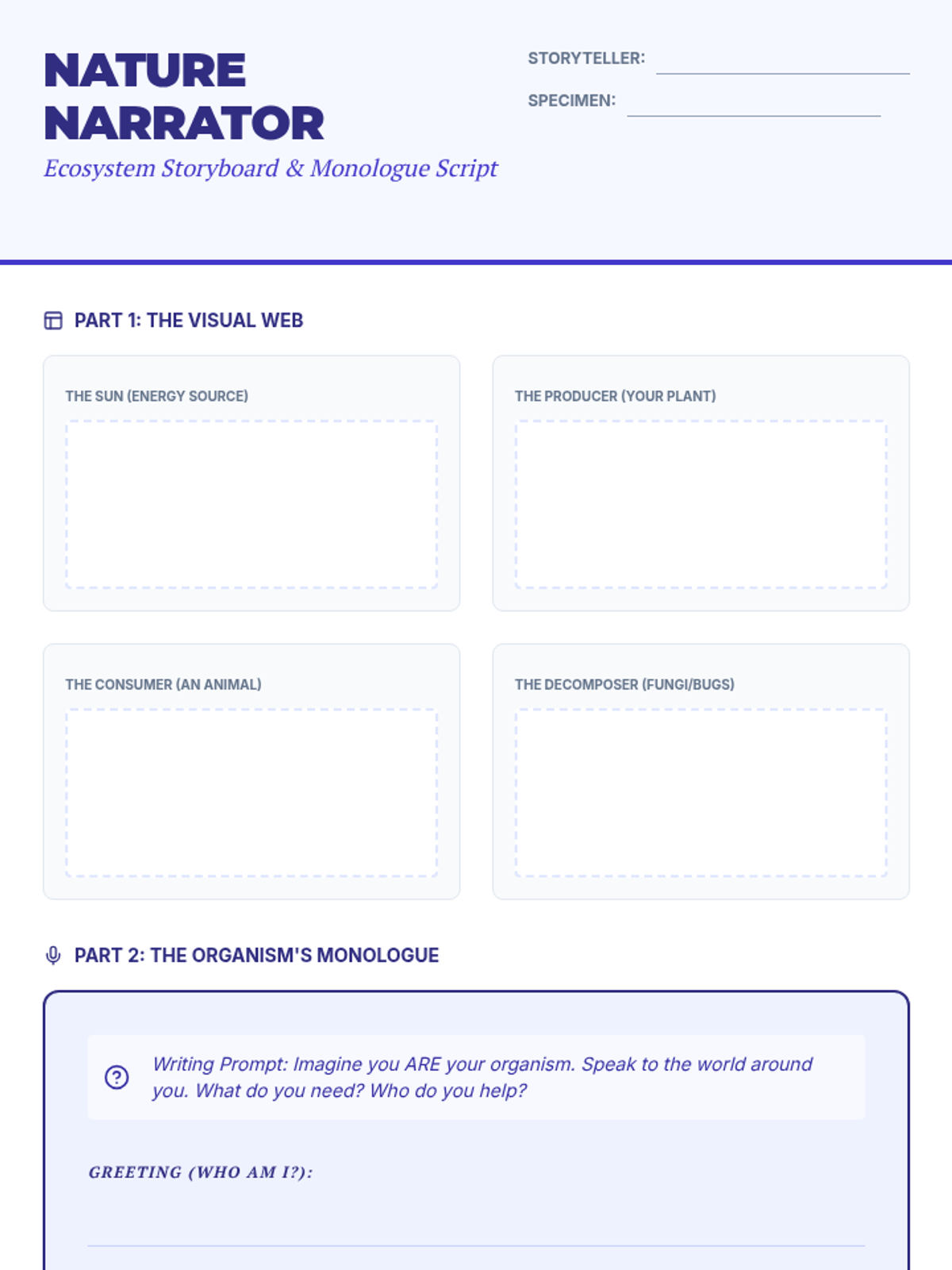
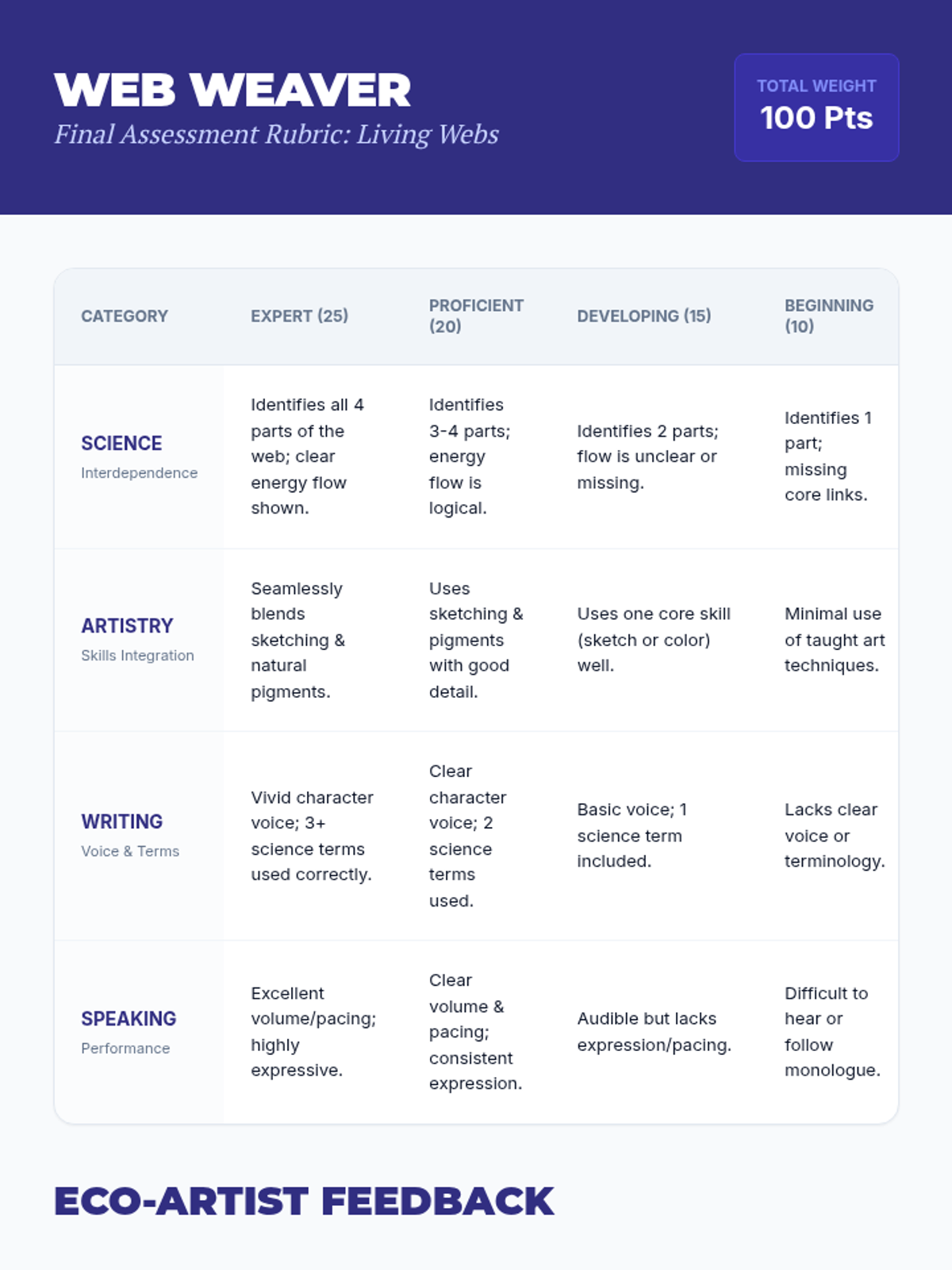
Students synthesize their knowledge of ecosystems to create narrative art pieces that tell the story of interdependence in the natural world.
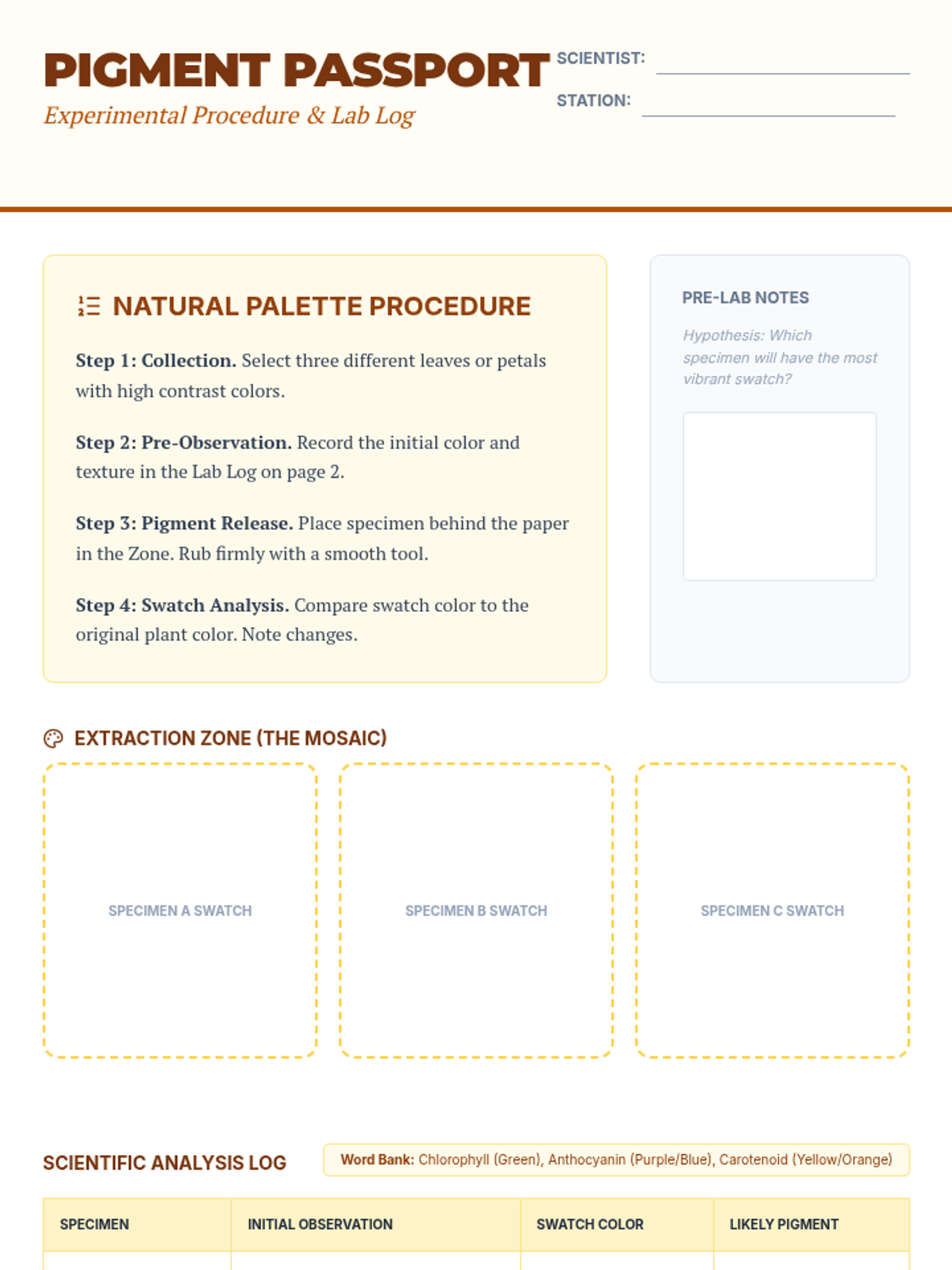
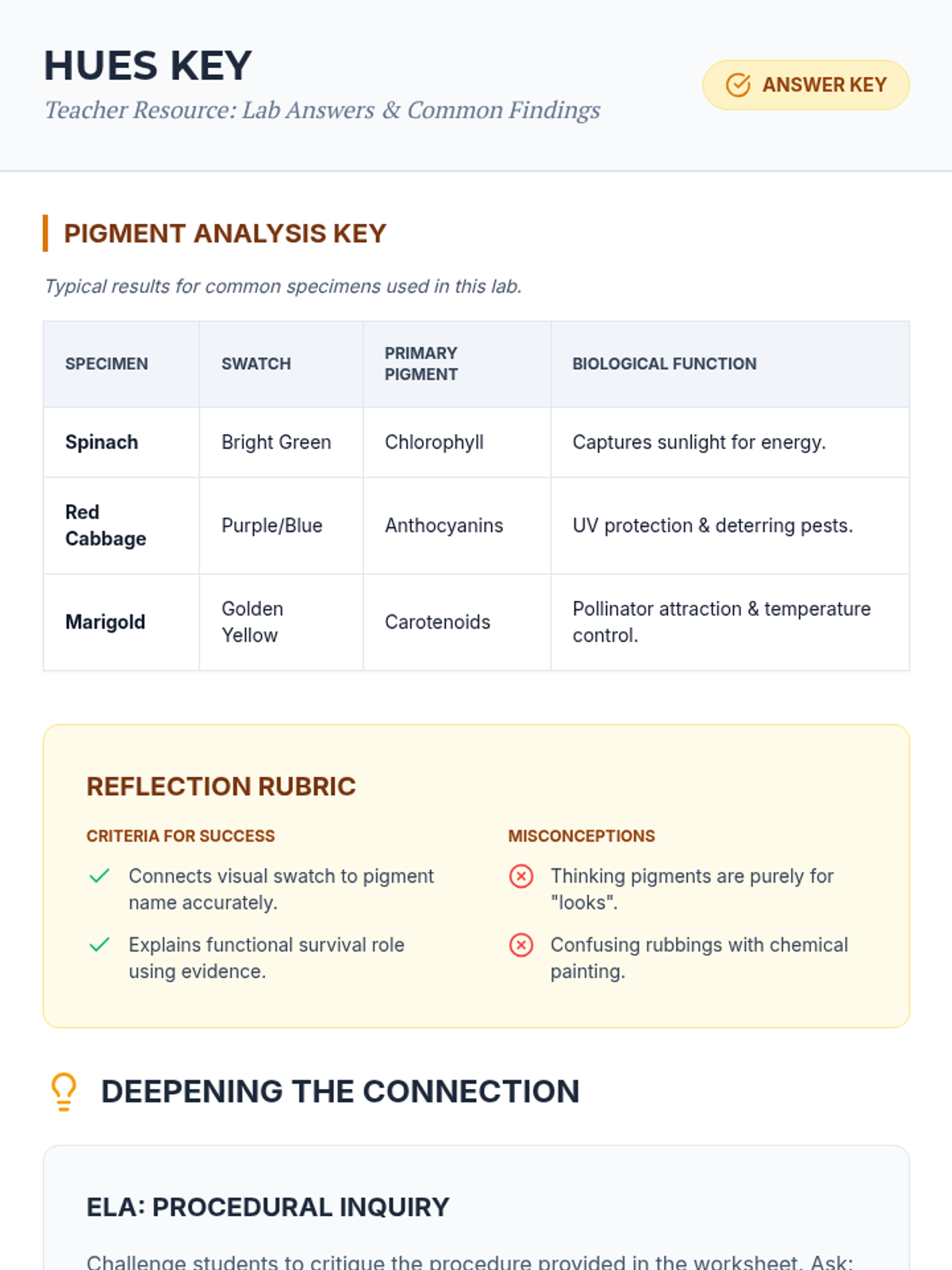
An exploration into the chemistry of natural pigments, where students follow procedures to extract colors and document their experimental process.
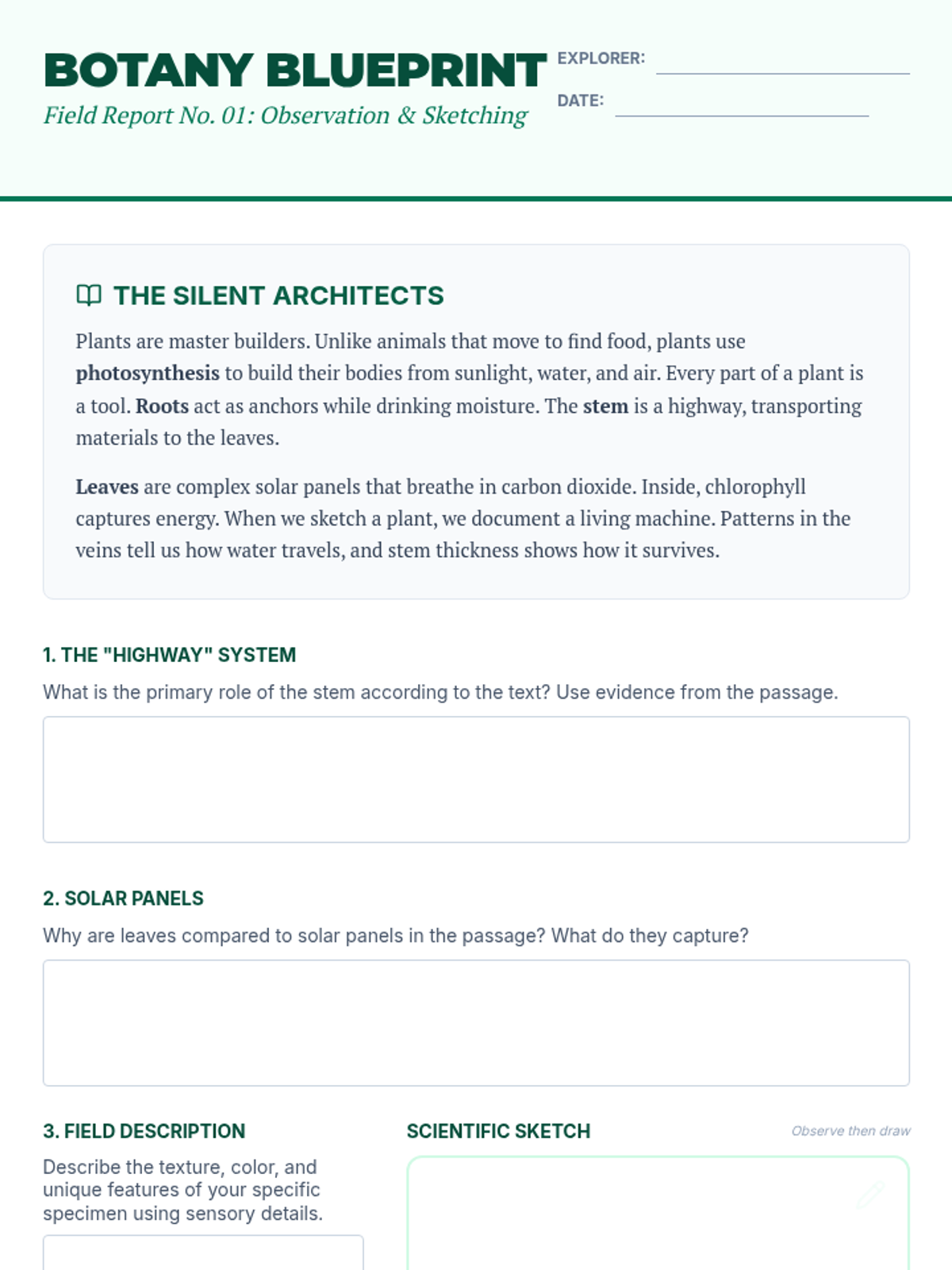
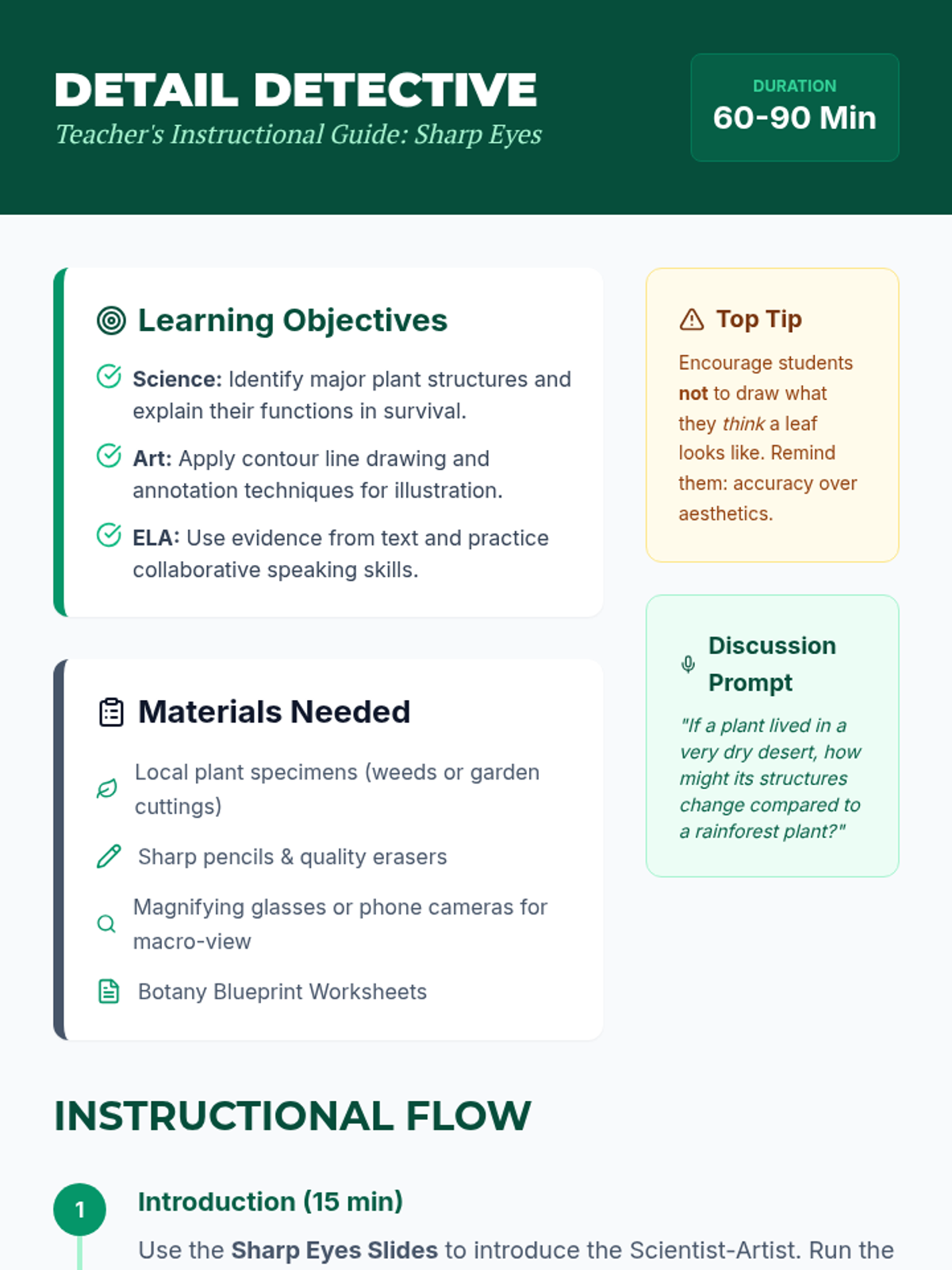
Students learn the art of botanical illustration by observing plant structures and recording their findings with scientific precision and artistic flair.
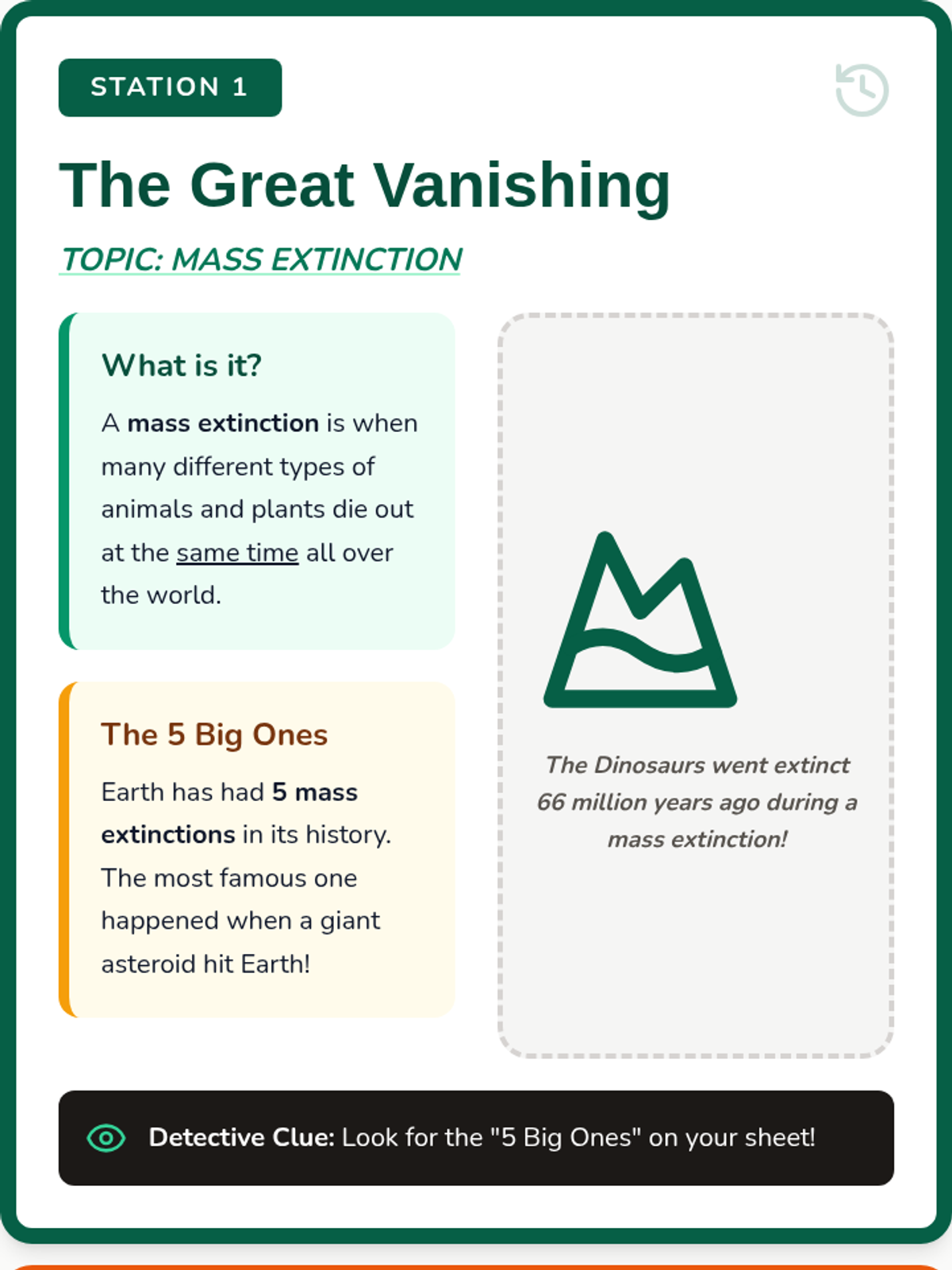
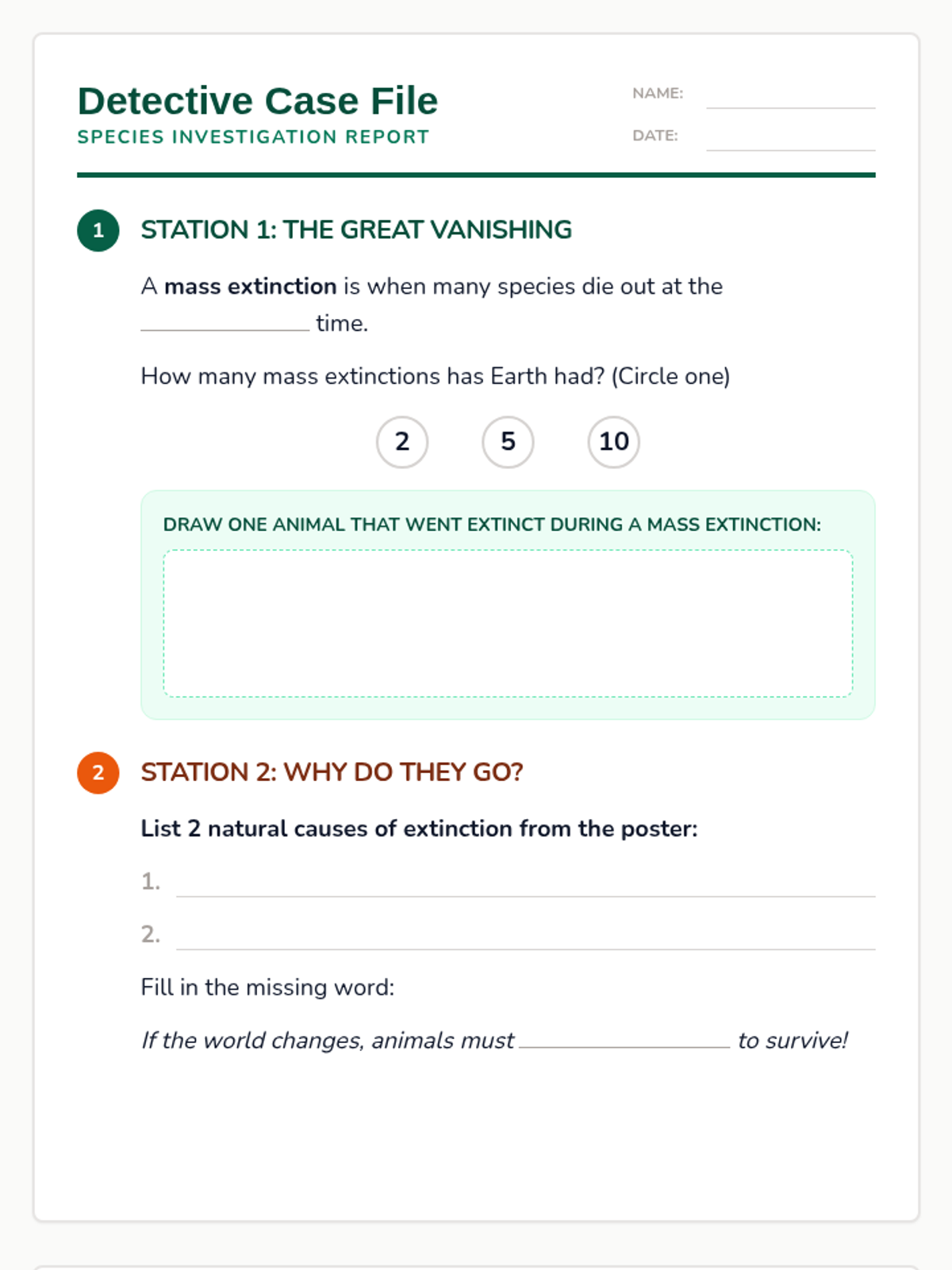
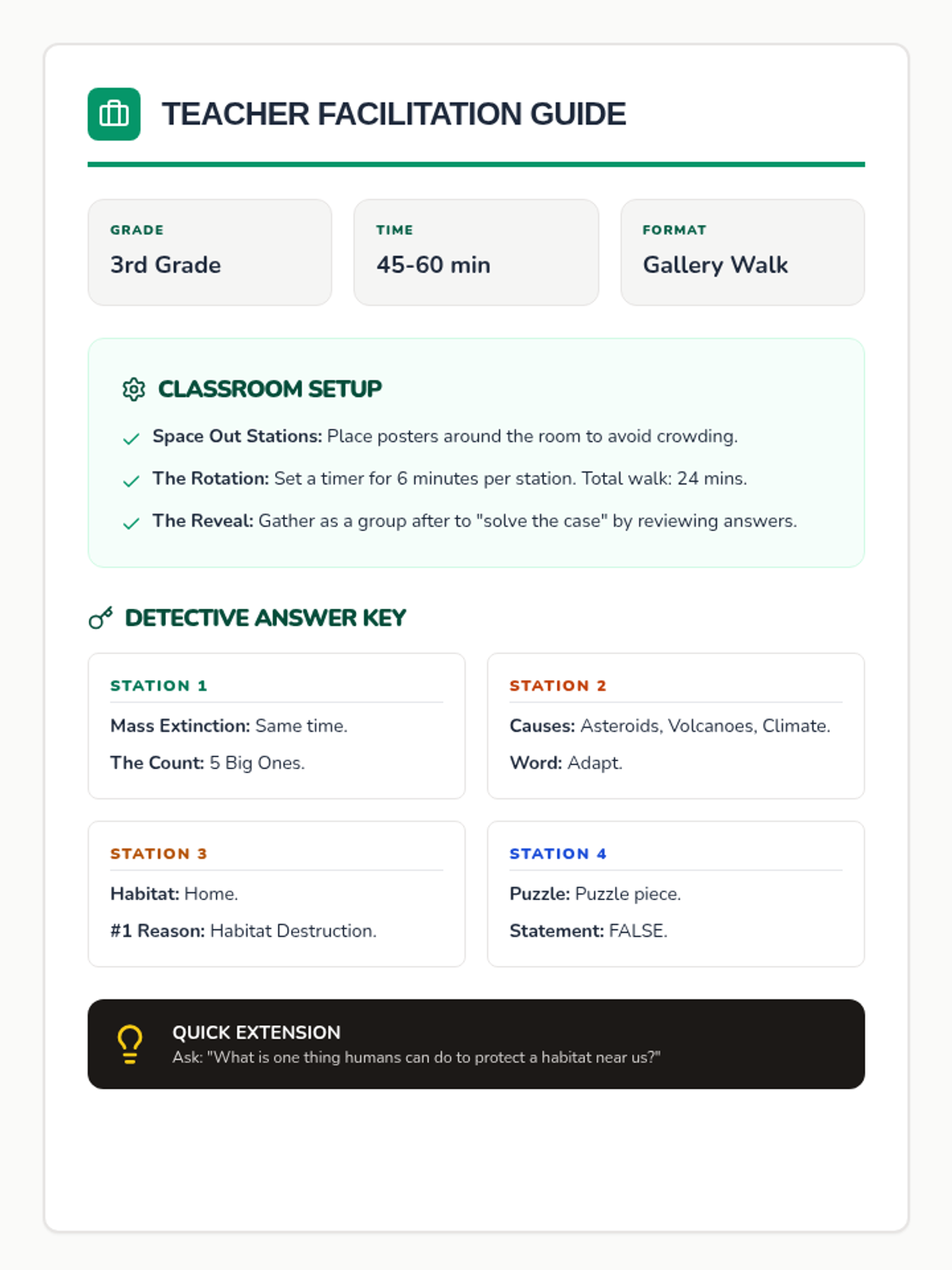
An introductory biology lesson where students act as detectives to investigate the causes and effects of extinction through an interactive gallery walk.
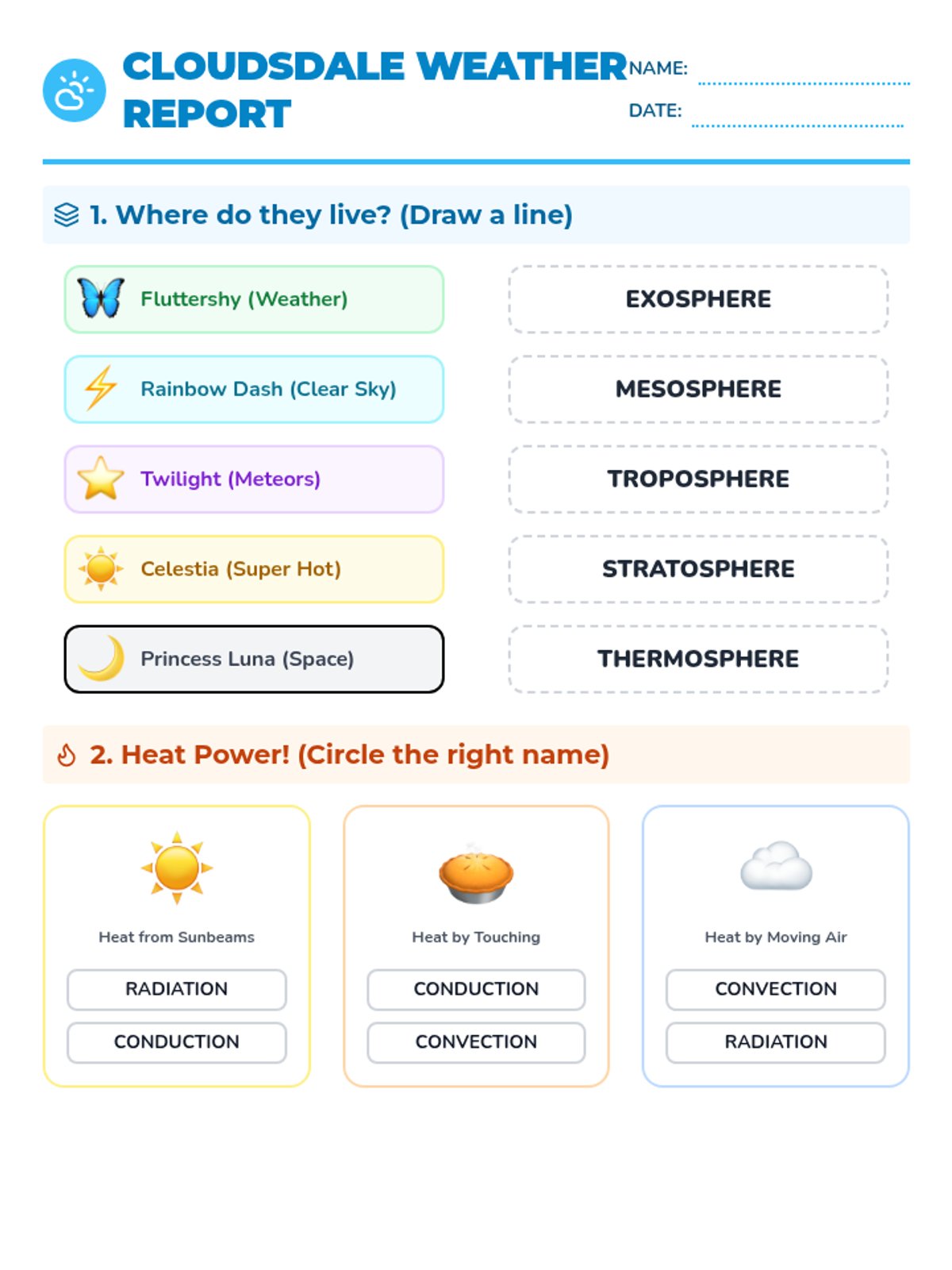
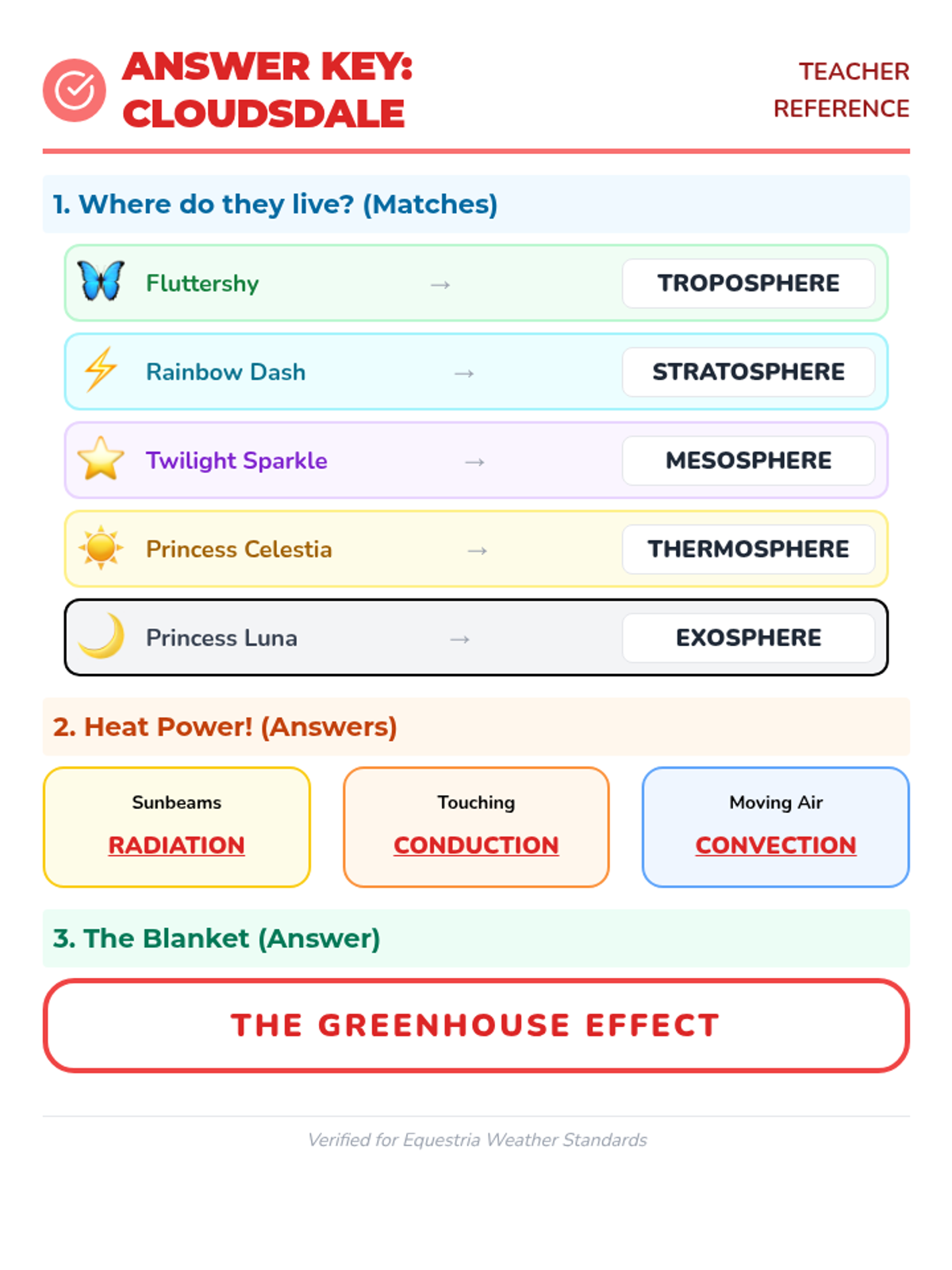
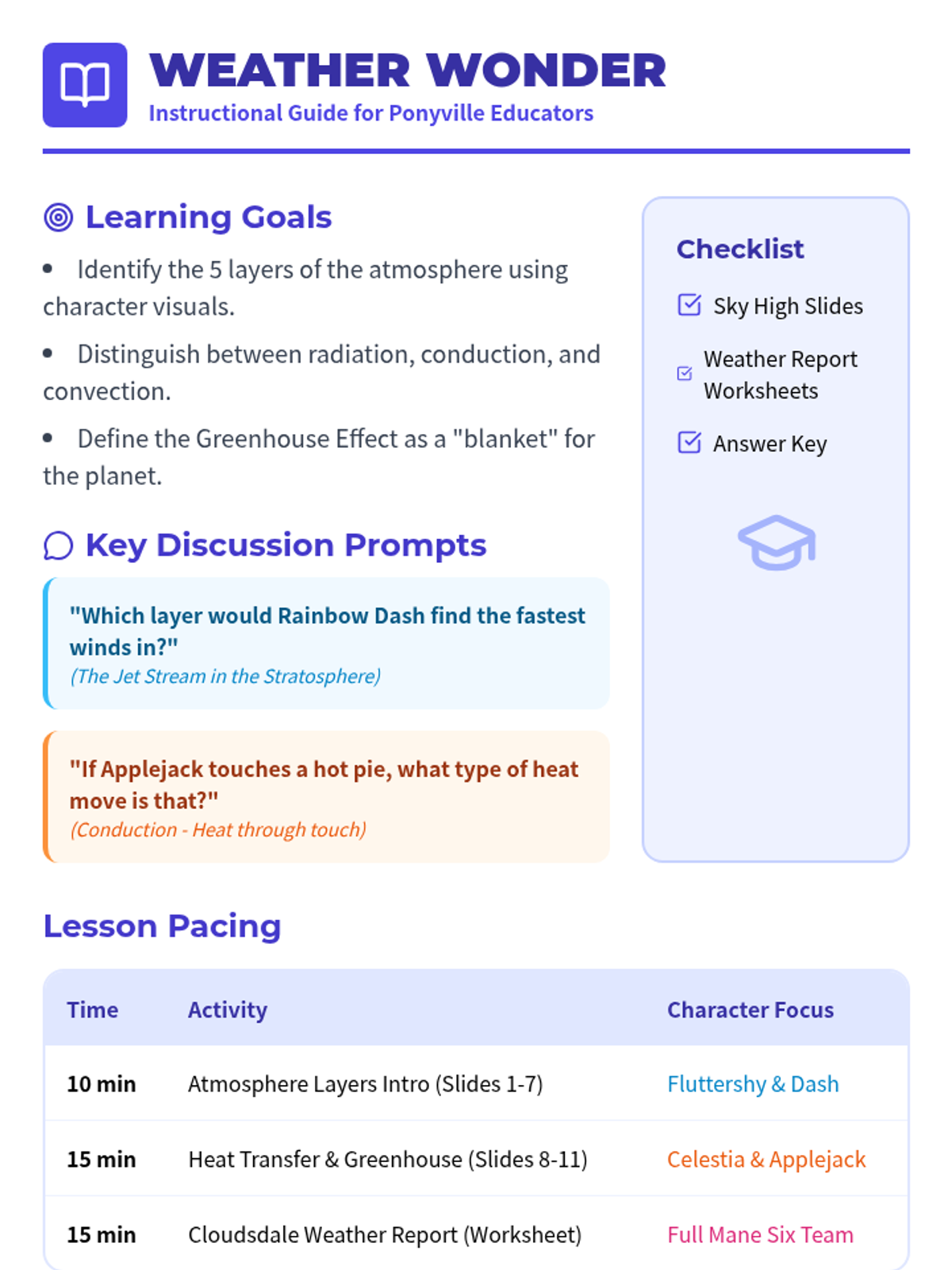
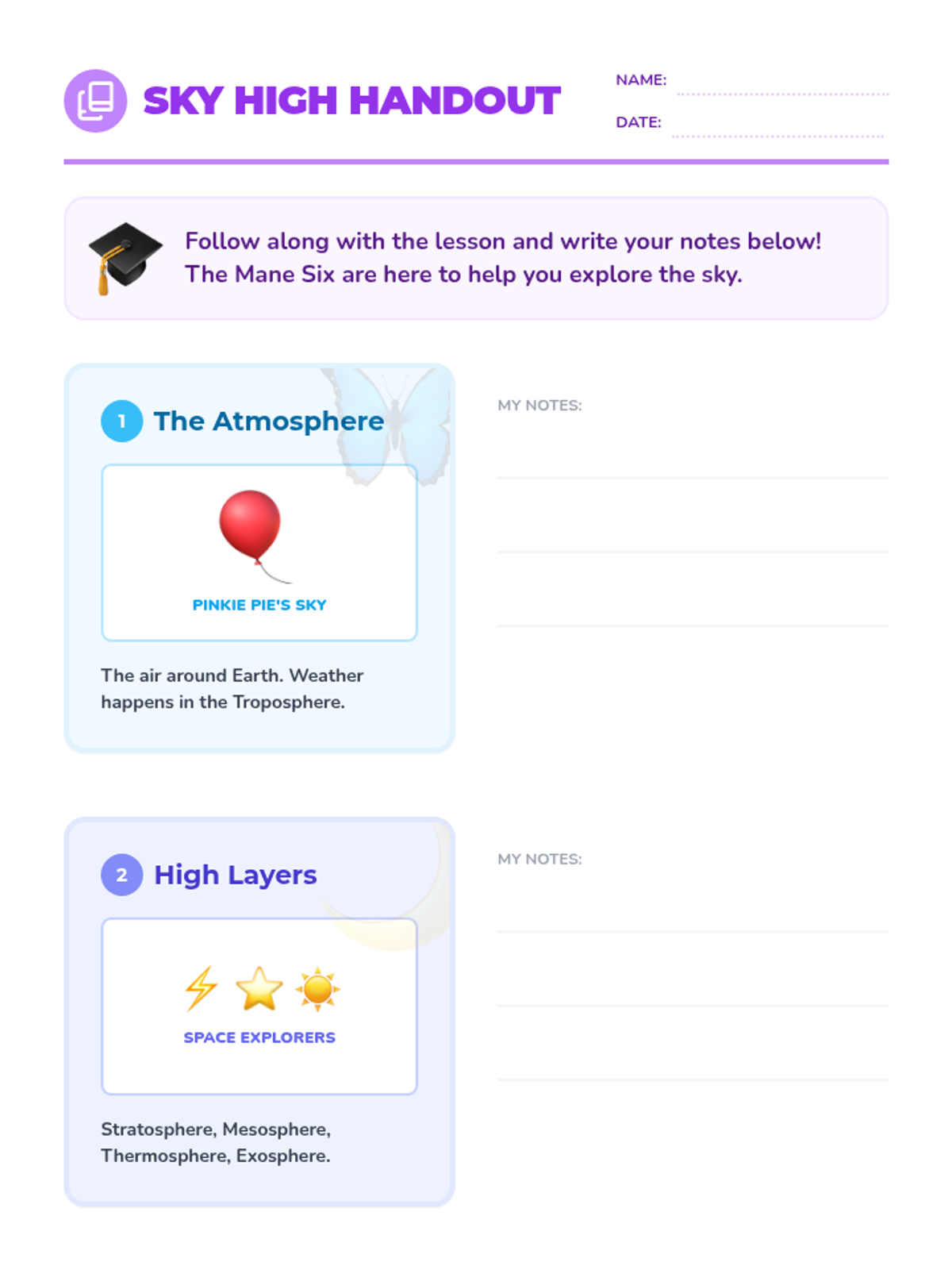
Explore the layers of the atmosphere and how heat moves through Equestria with the help of the Mane Six. This lesson covers atmospheric layers and thermal energy transfer using simplified language and visual symbols.
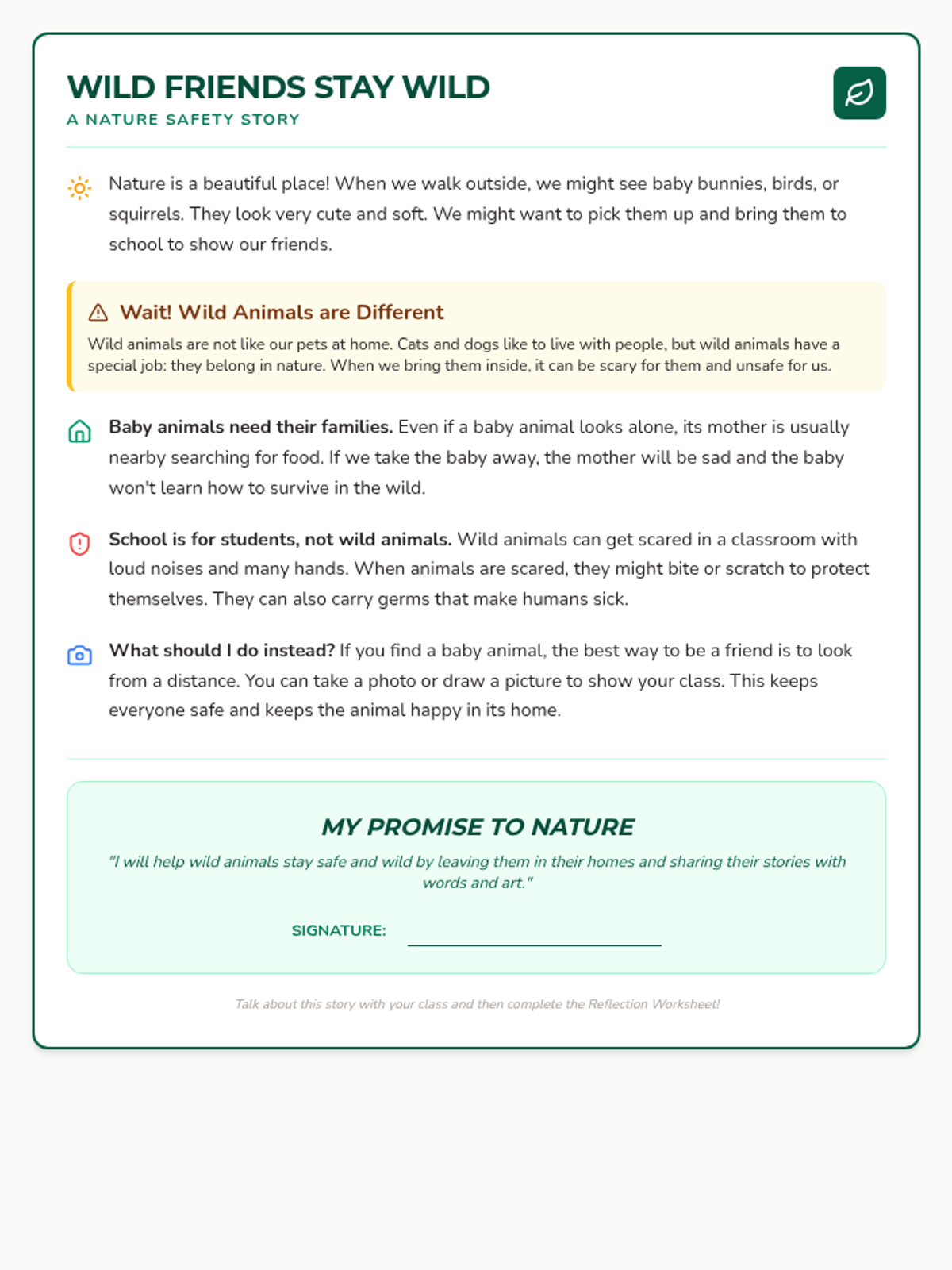
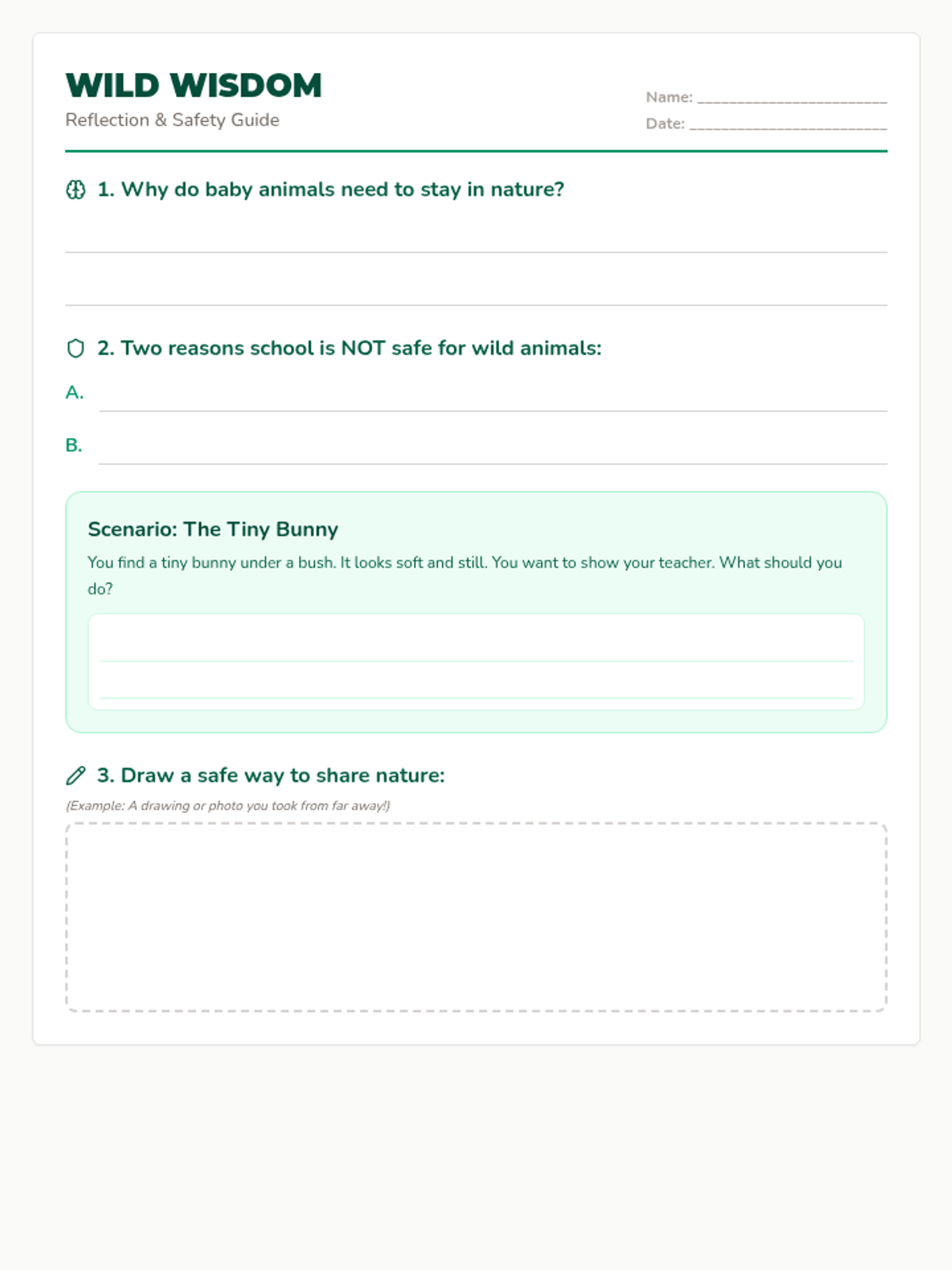
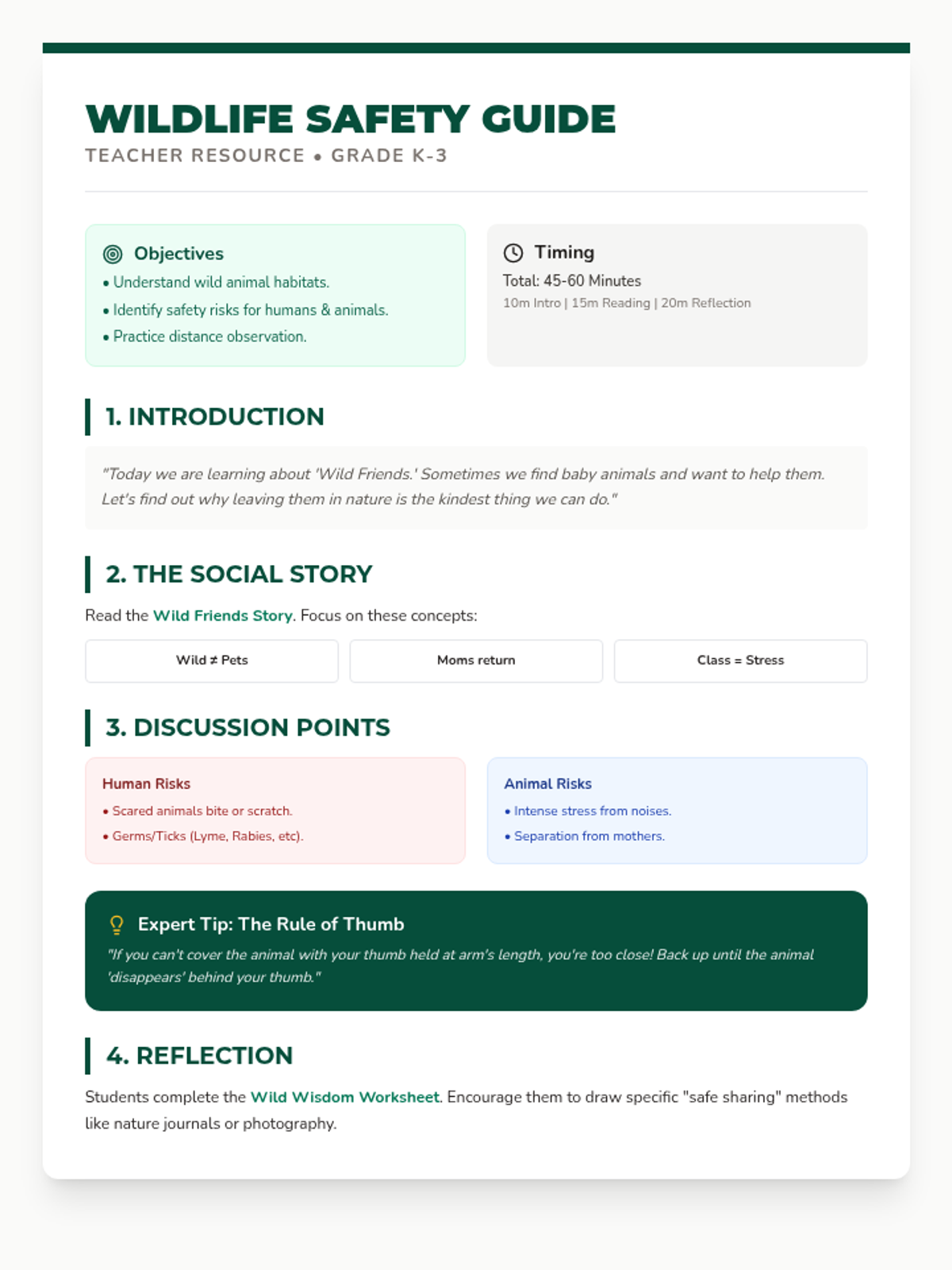
This lesson teaches students why wild animals, especially babies, should remain in their natural habitats rather than being brought to school, focusing on the safety of the animal and the classroom community.
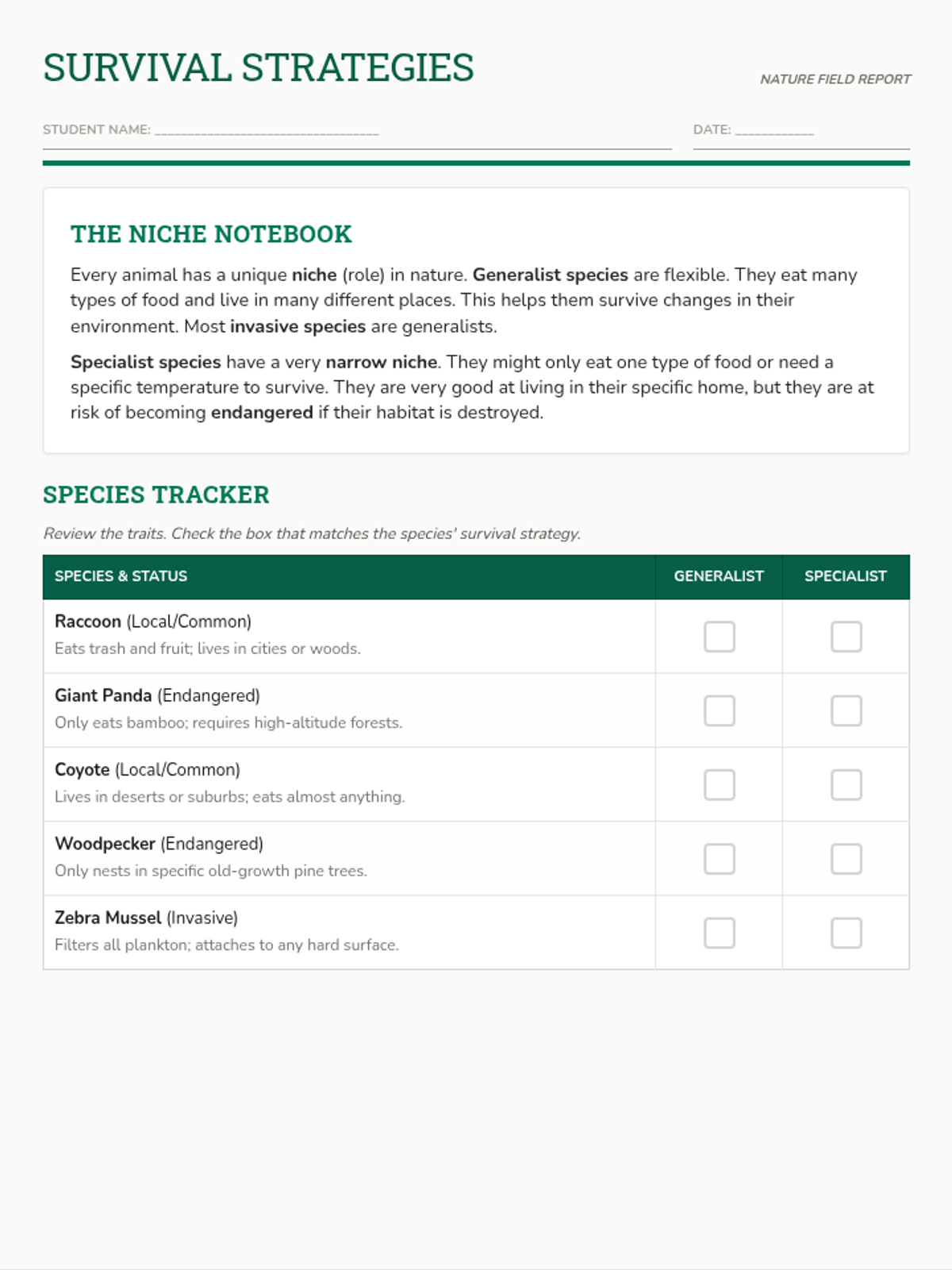
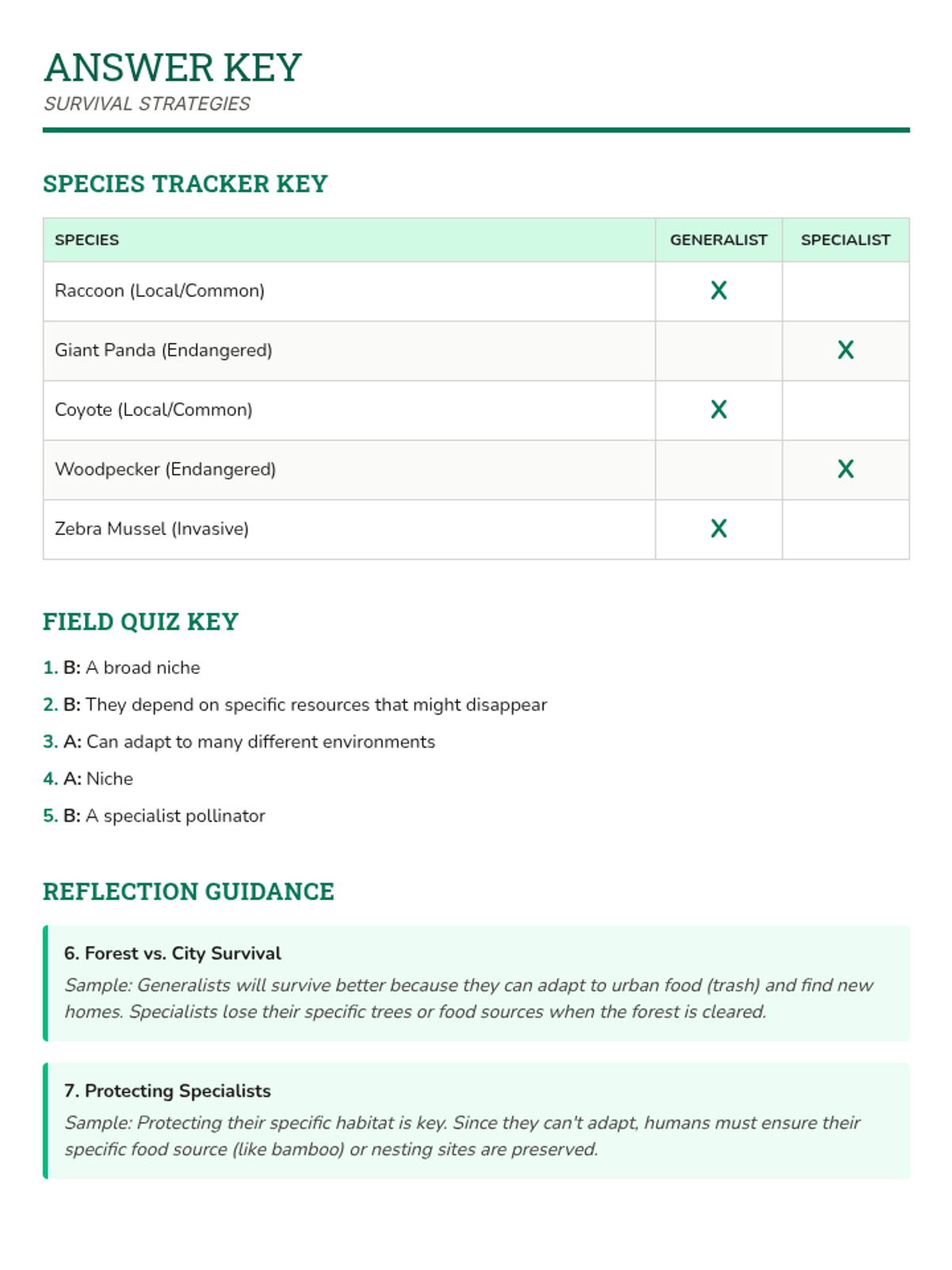
A lesson exploring the differences between generalist and specialist species, focusing on how their niches affect their survival and impact on ecosystems.
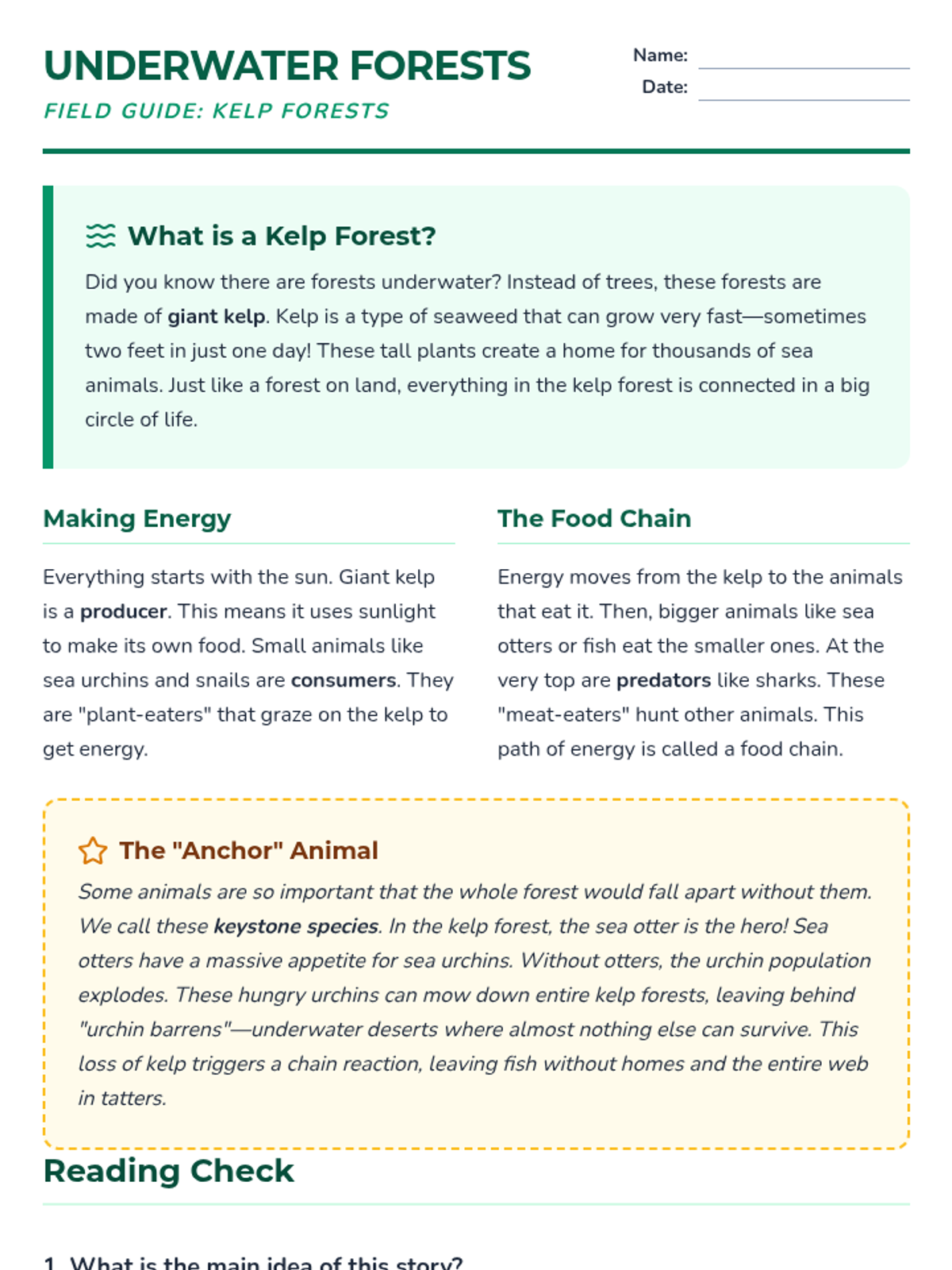
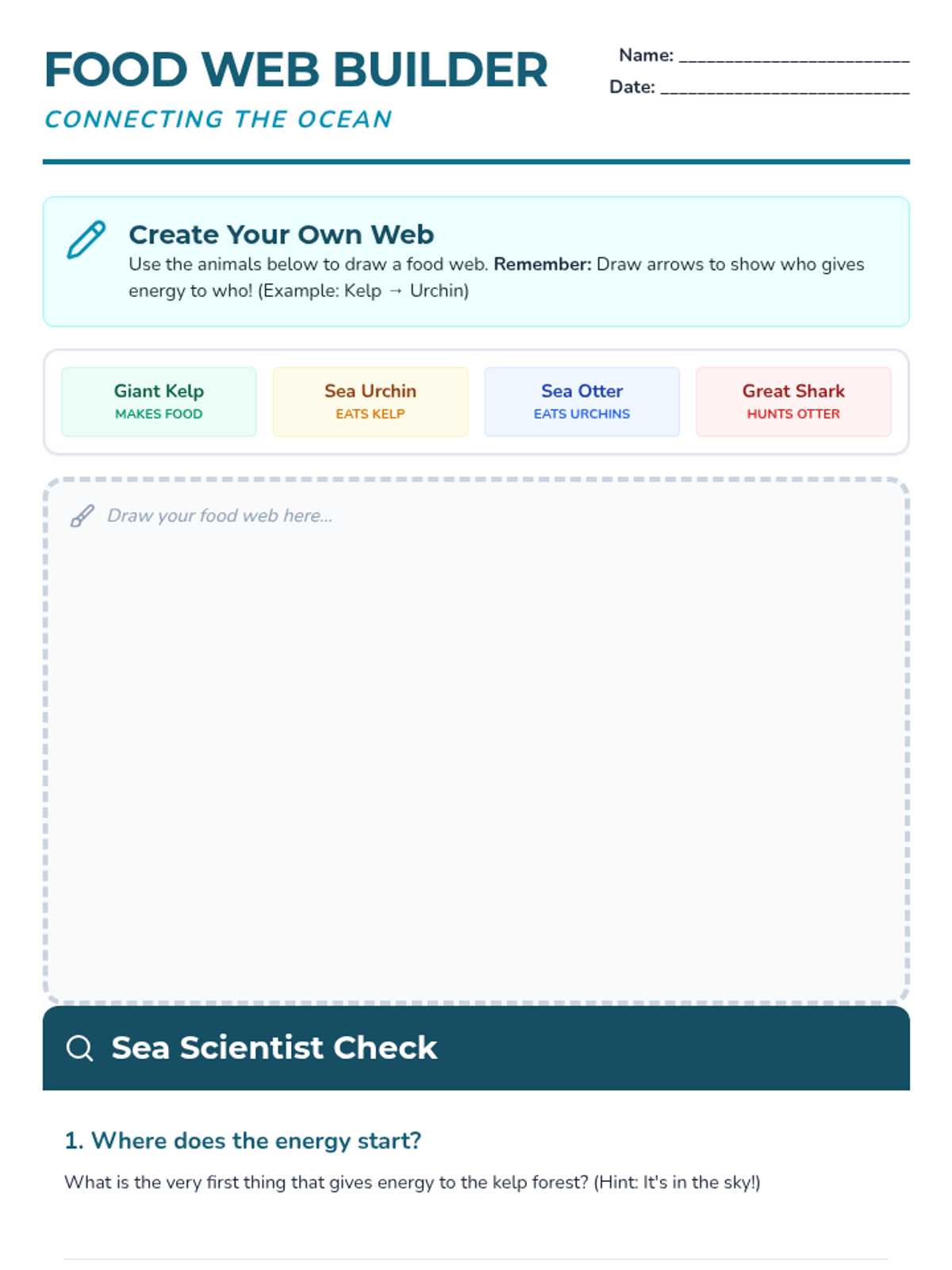
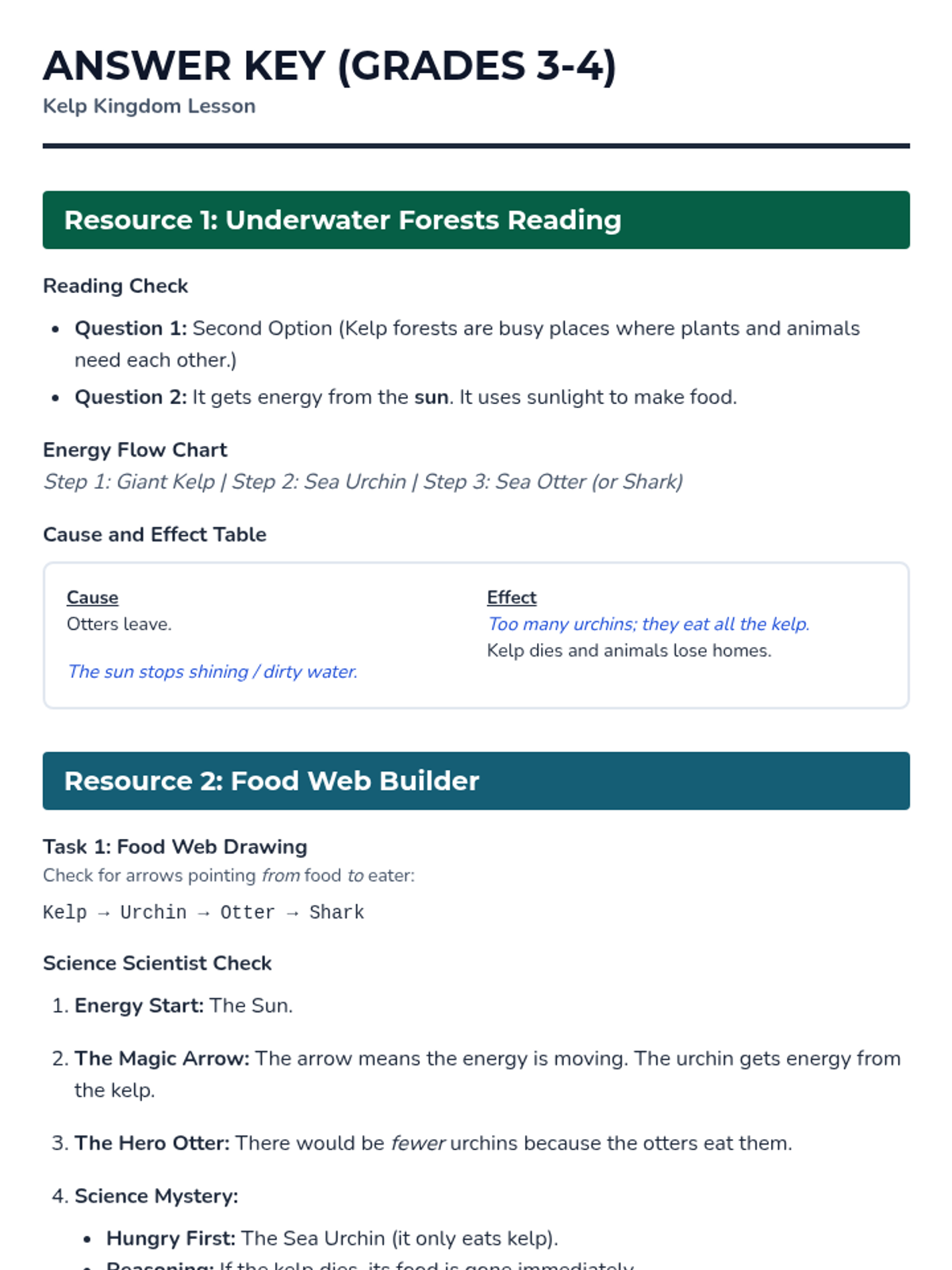
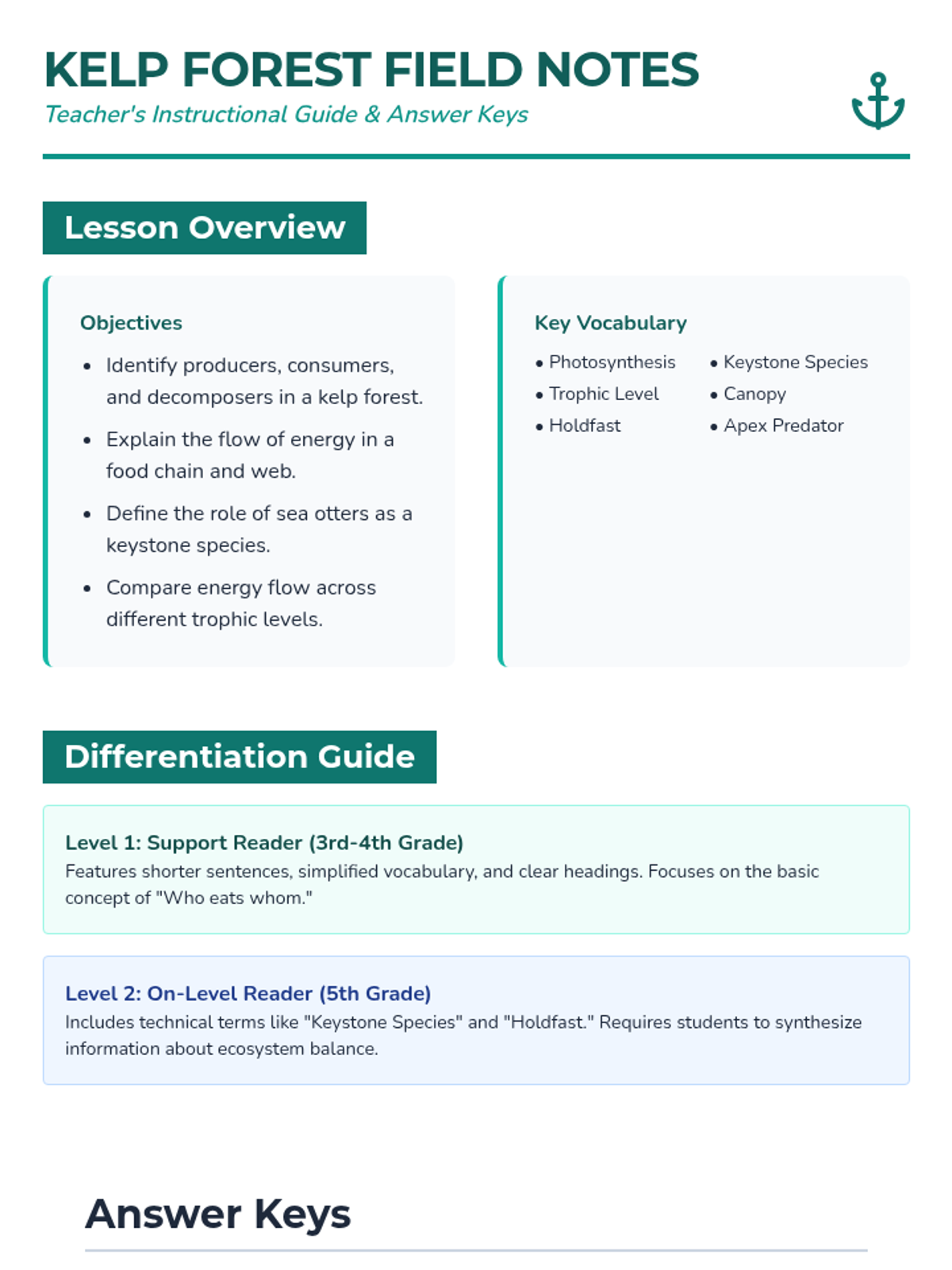
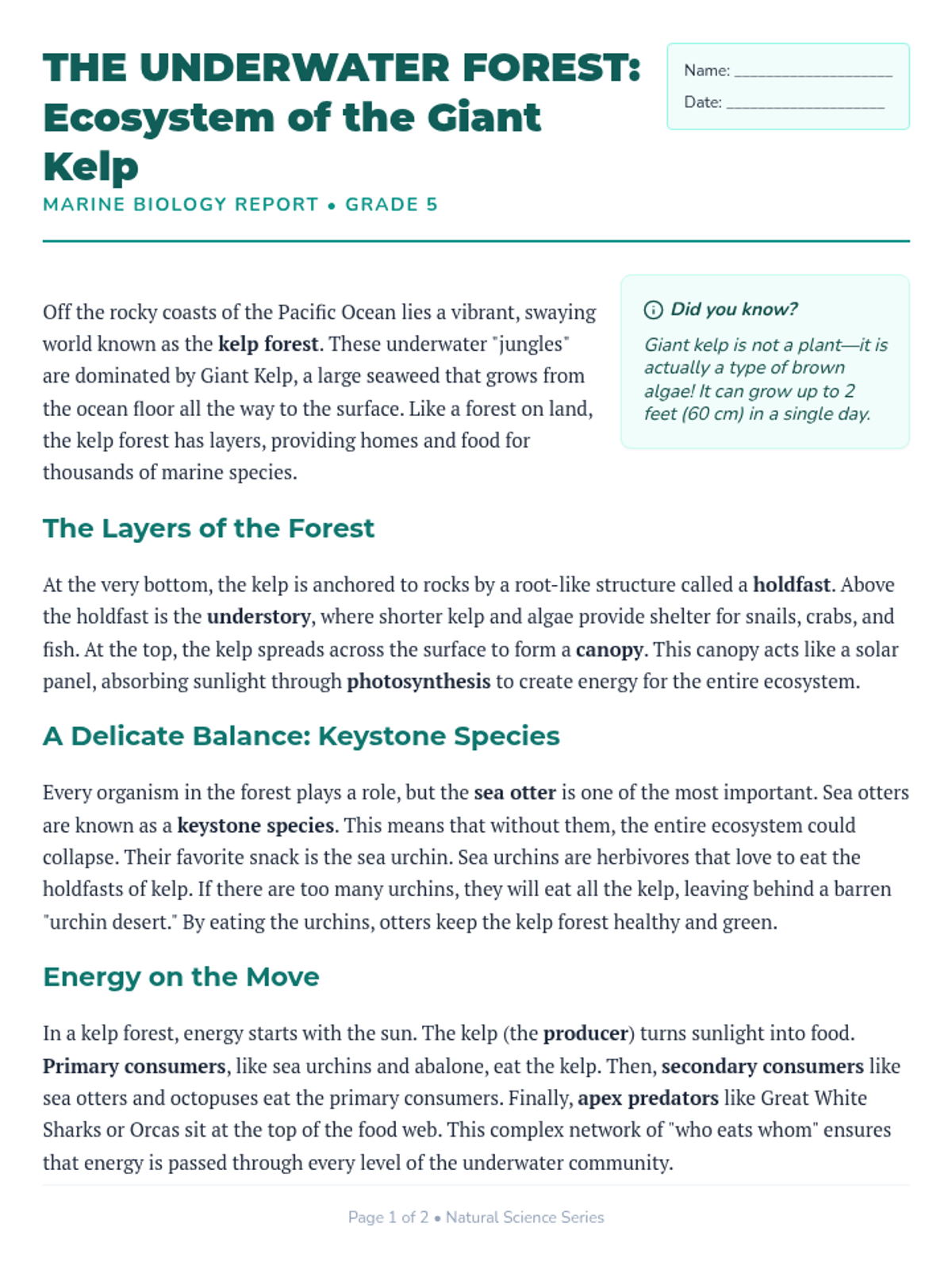
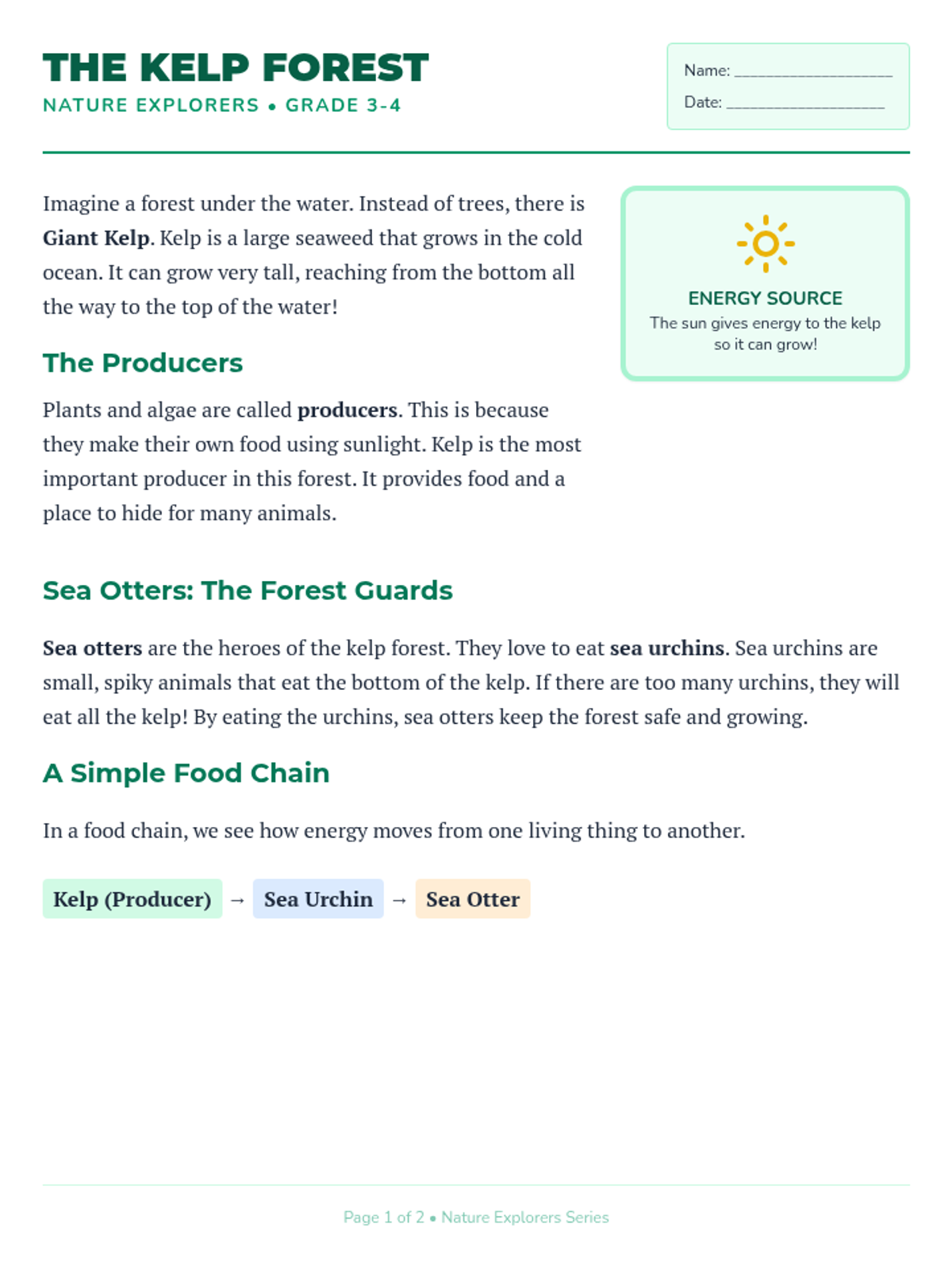
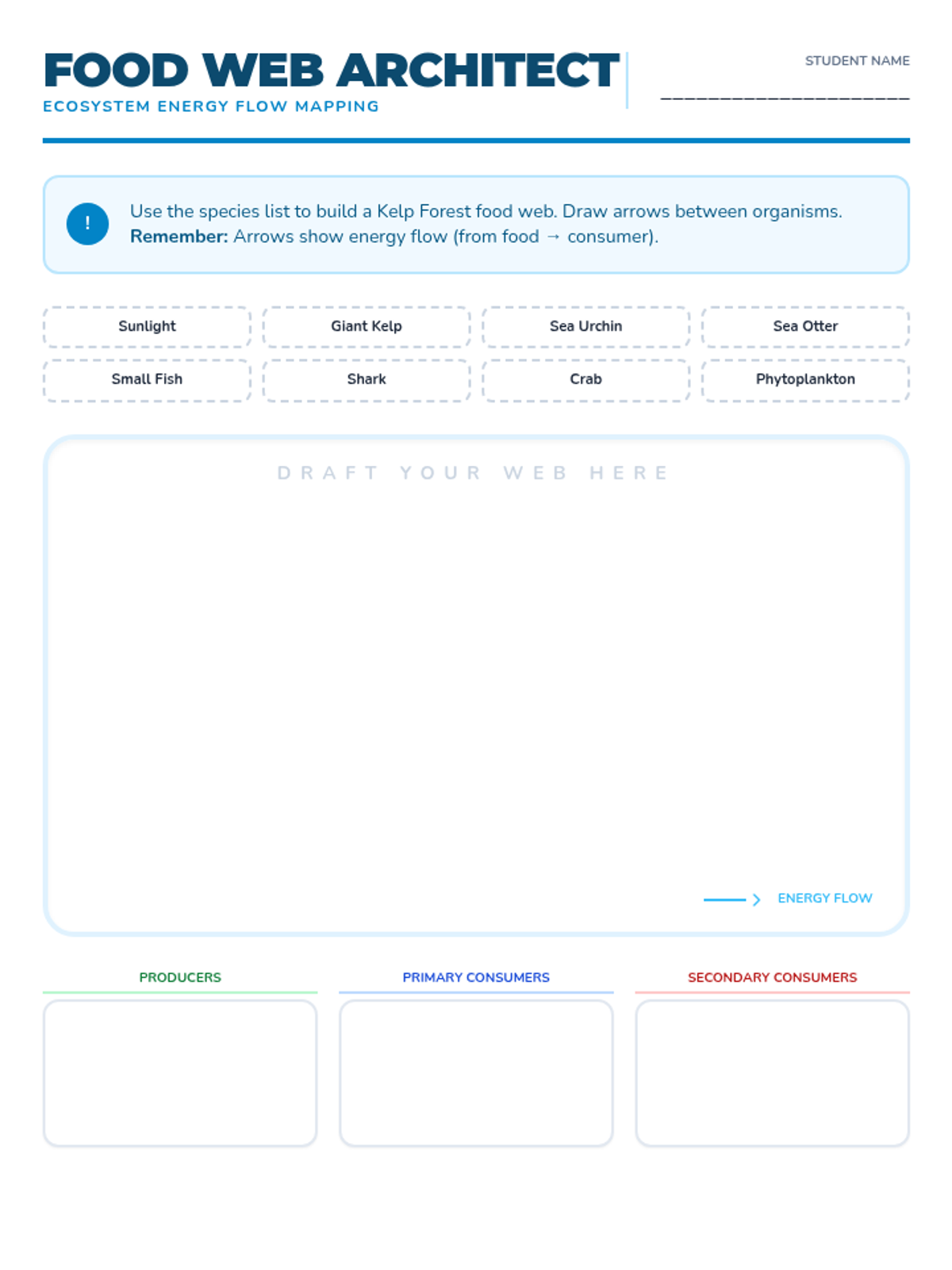
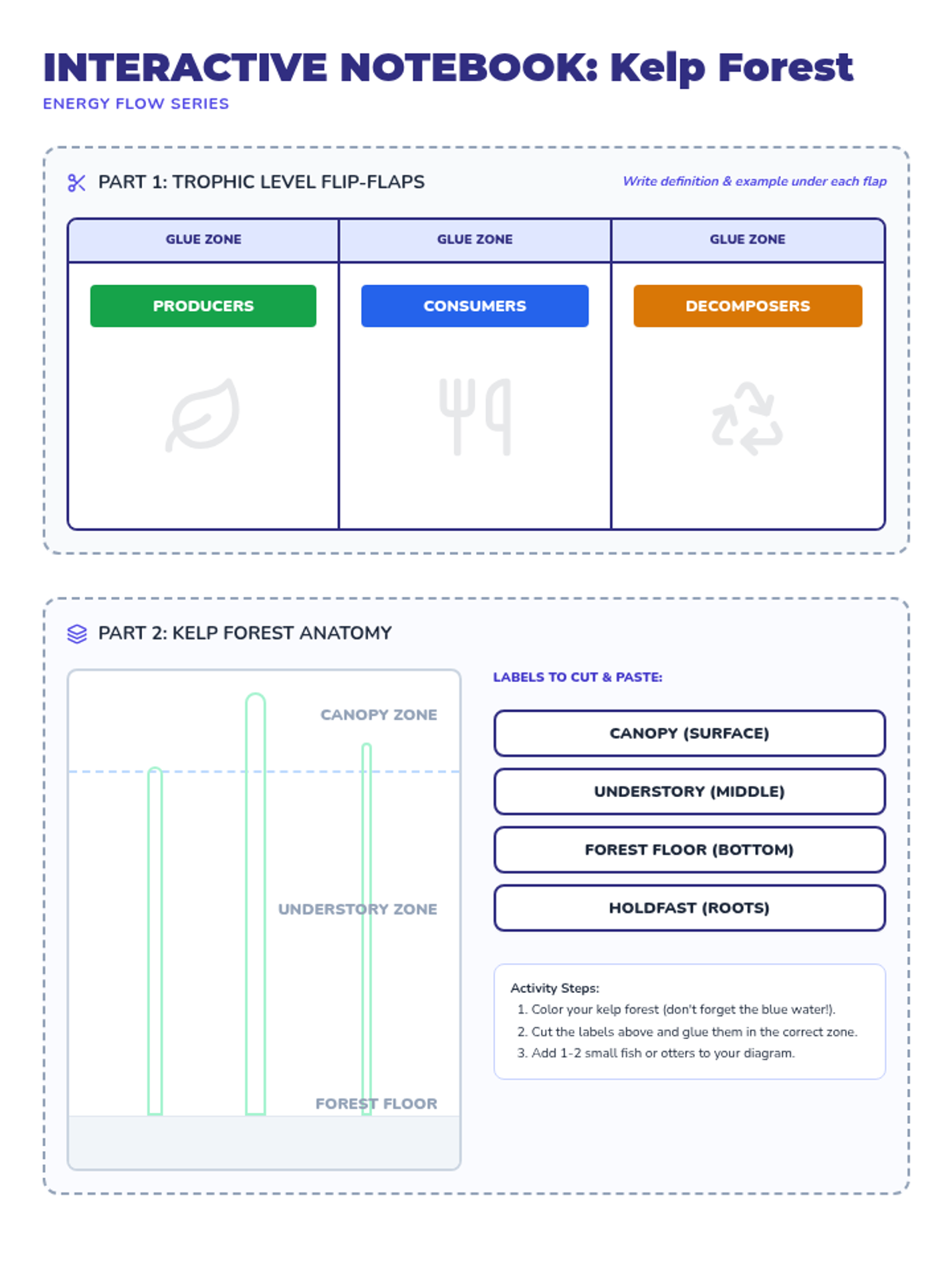
A deep dive into the complex food webs of the kelp forest ecosystem. Students will explore energy flow, keystone species, and the delicate balance of marine life through evidence-based reading and hands-on mapping.
Students will explore the complex relationships within a kelp forest ecosystem, focusing on energy flow through food chains and webs while comparing on-level and supported reading materials.
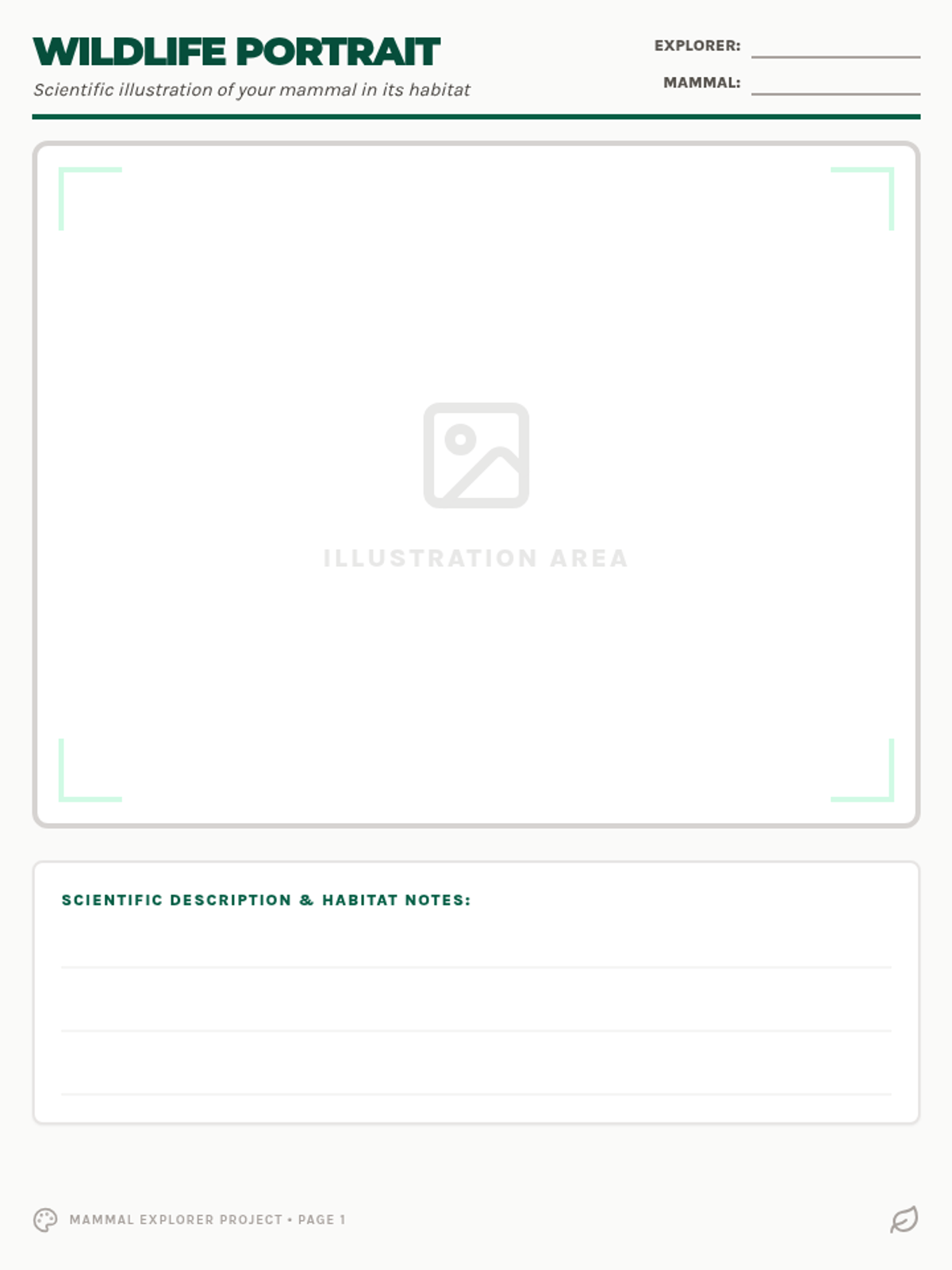
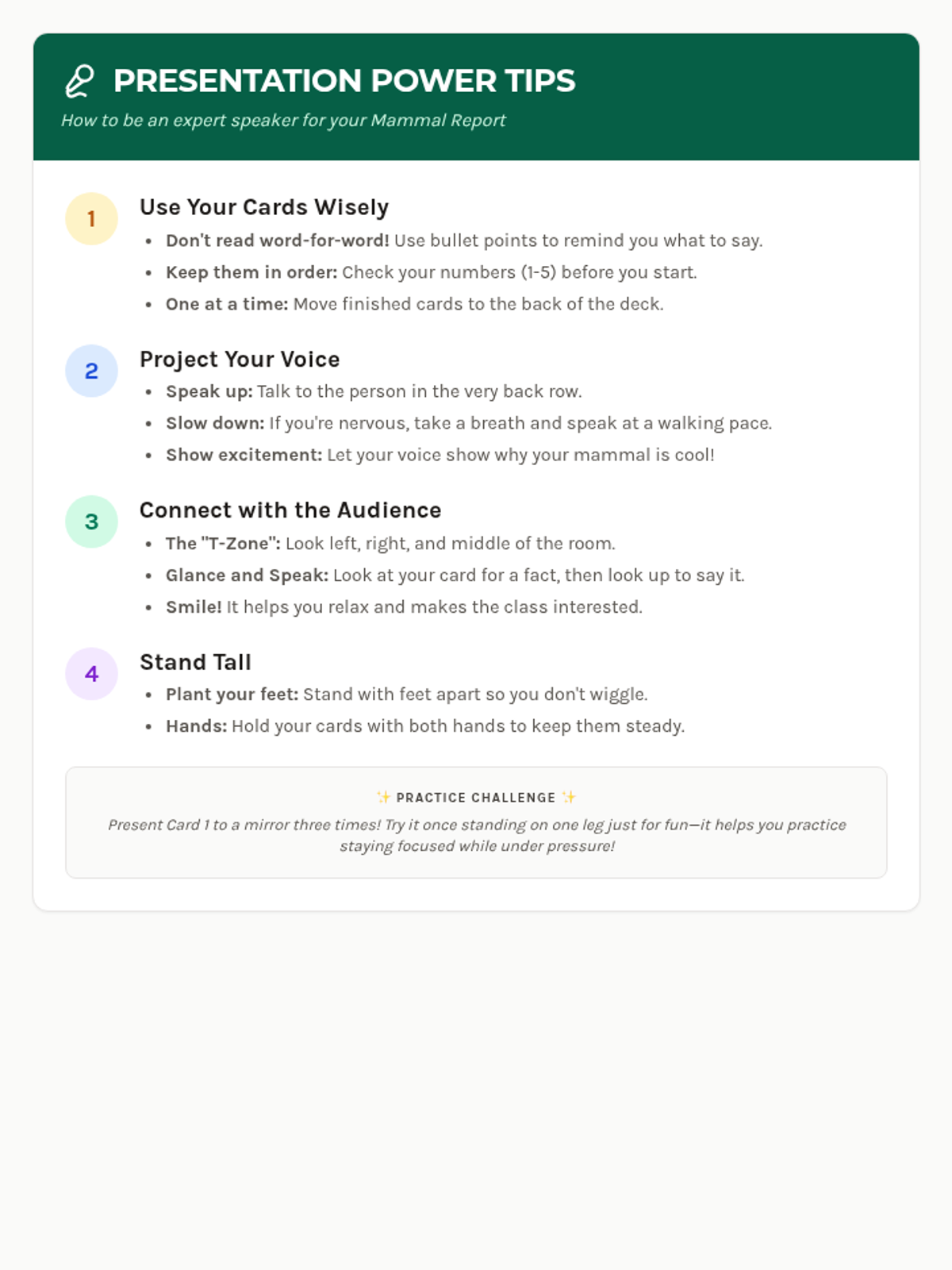
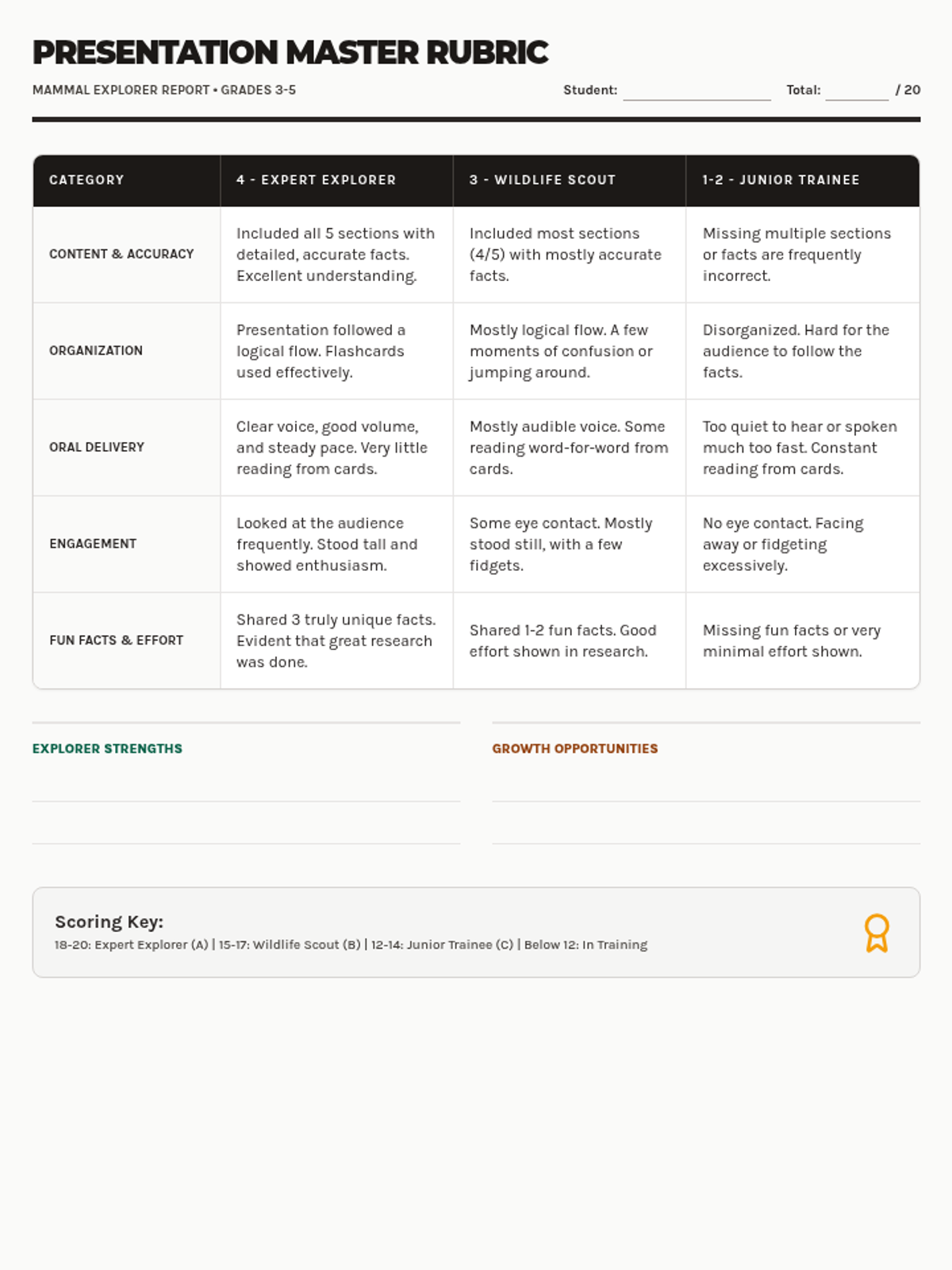
A comprehensive set of resources to help students research, organize, and deliver a verbal presentation on a mammal of their choice, including structured flashcards and a grading rubric.
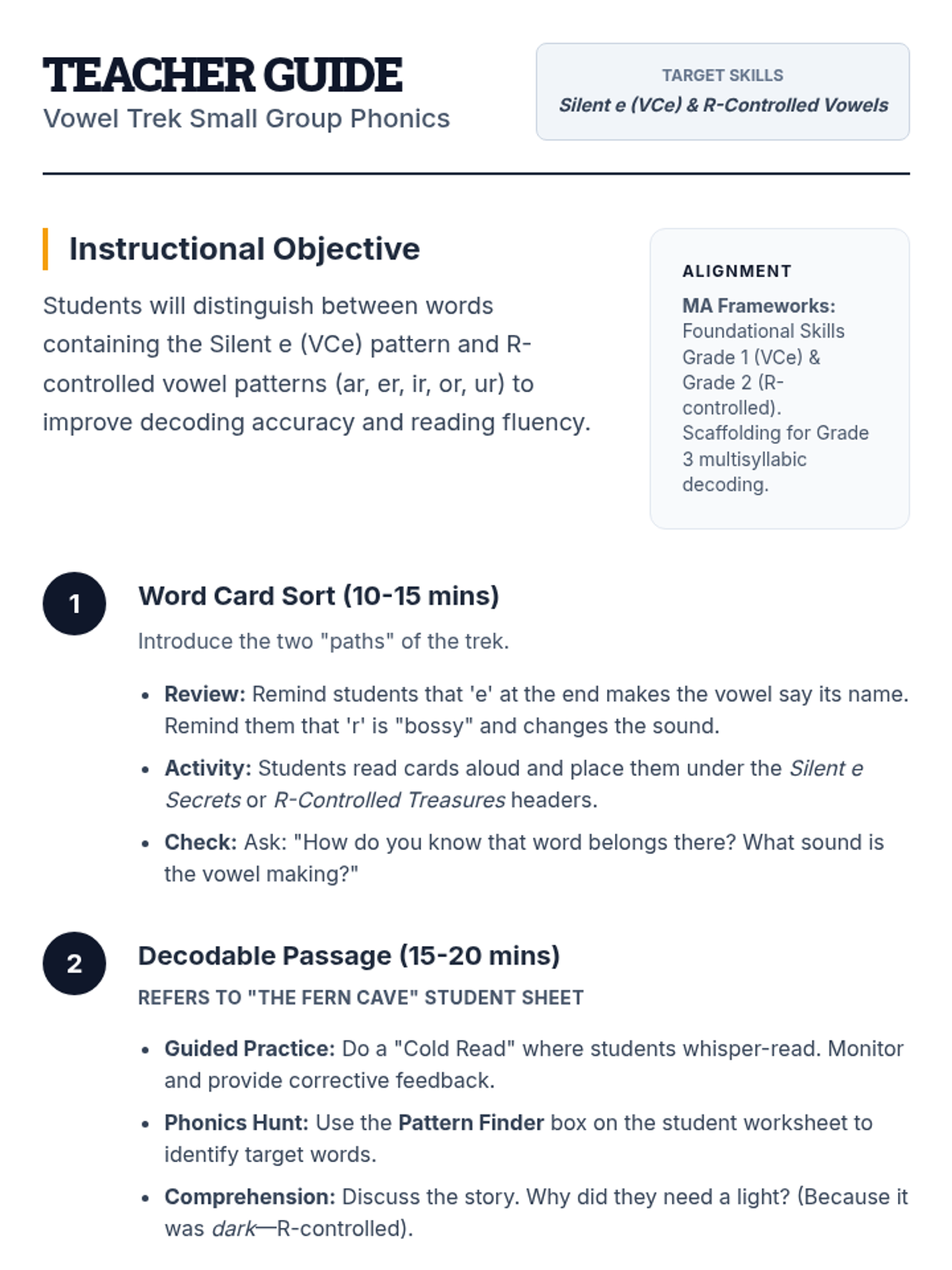
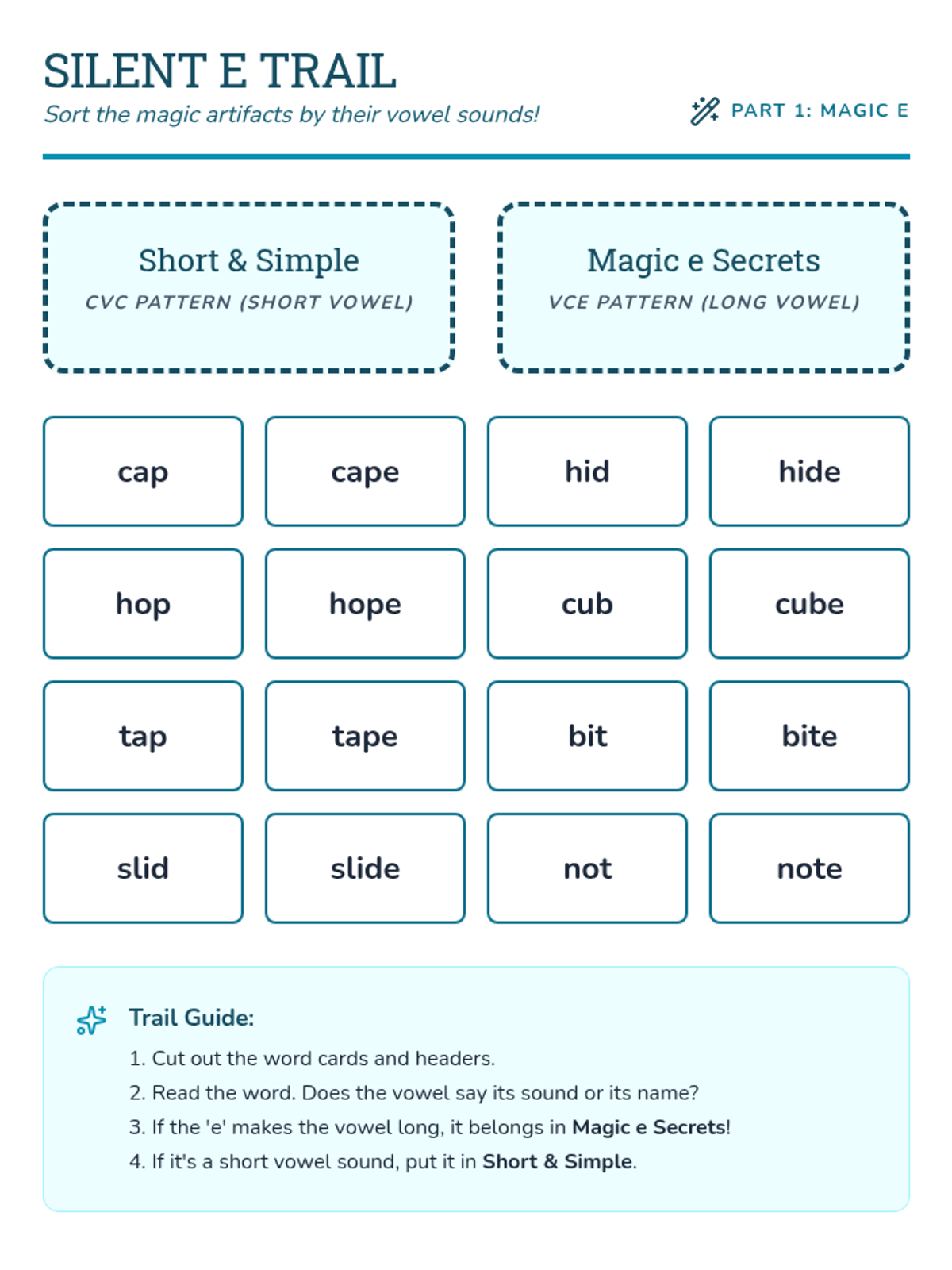
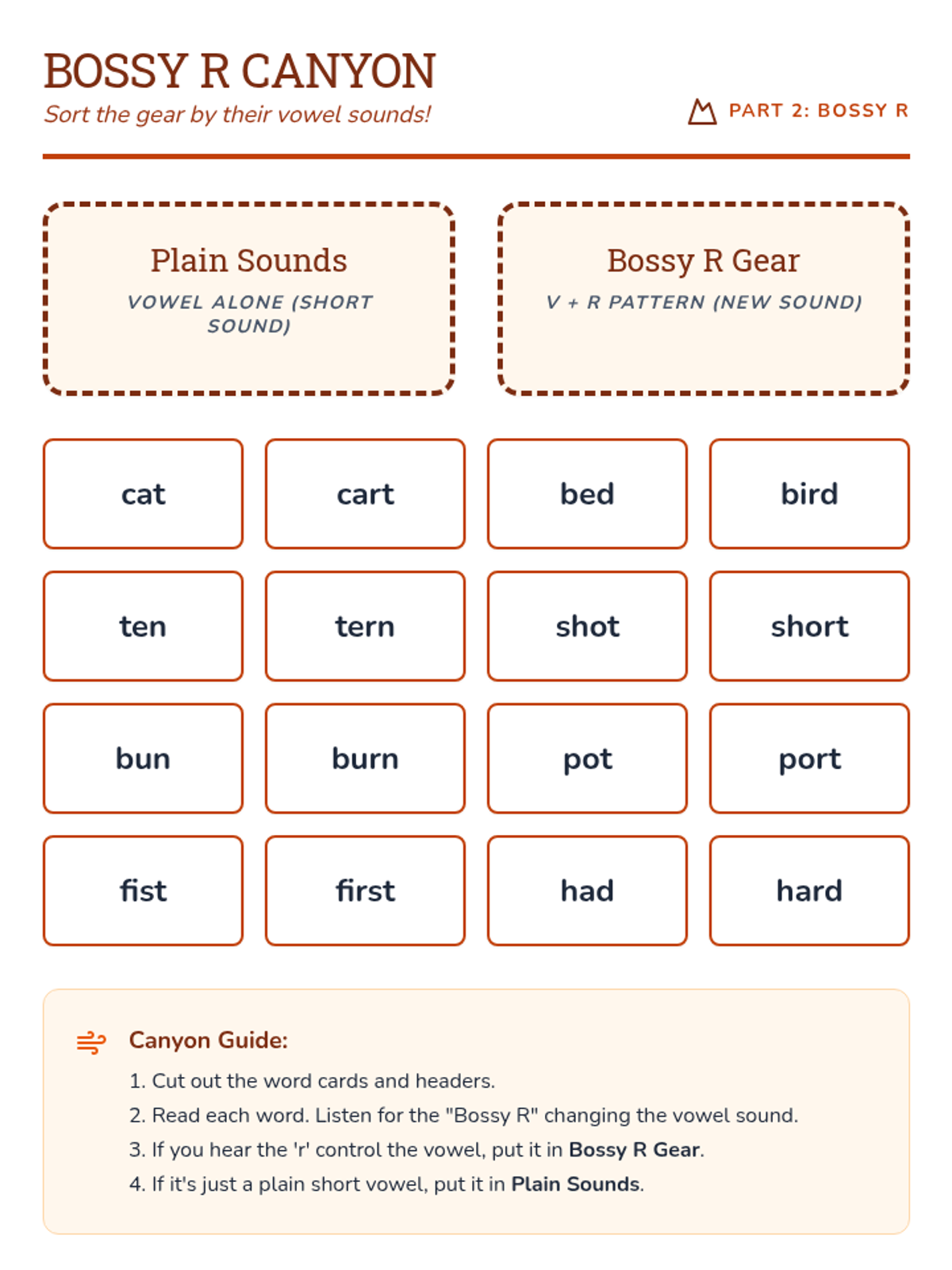
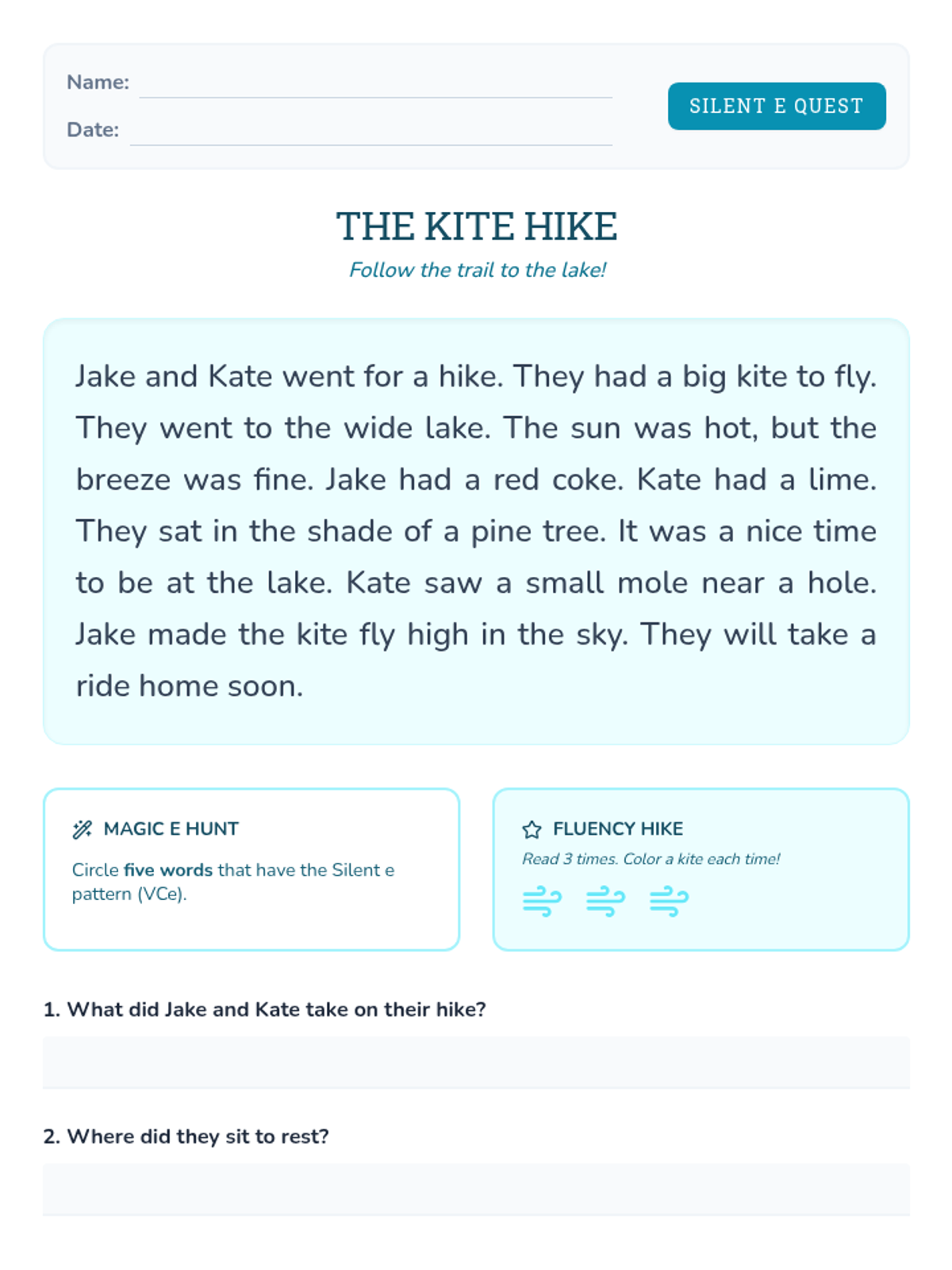
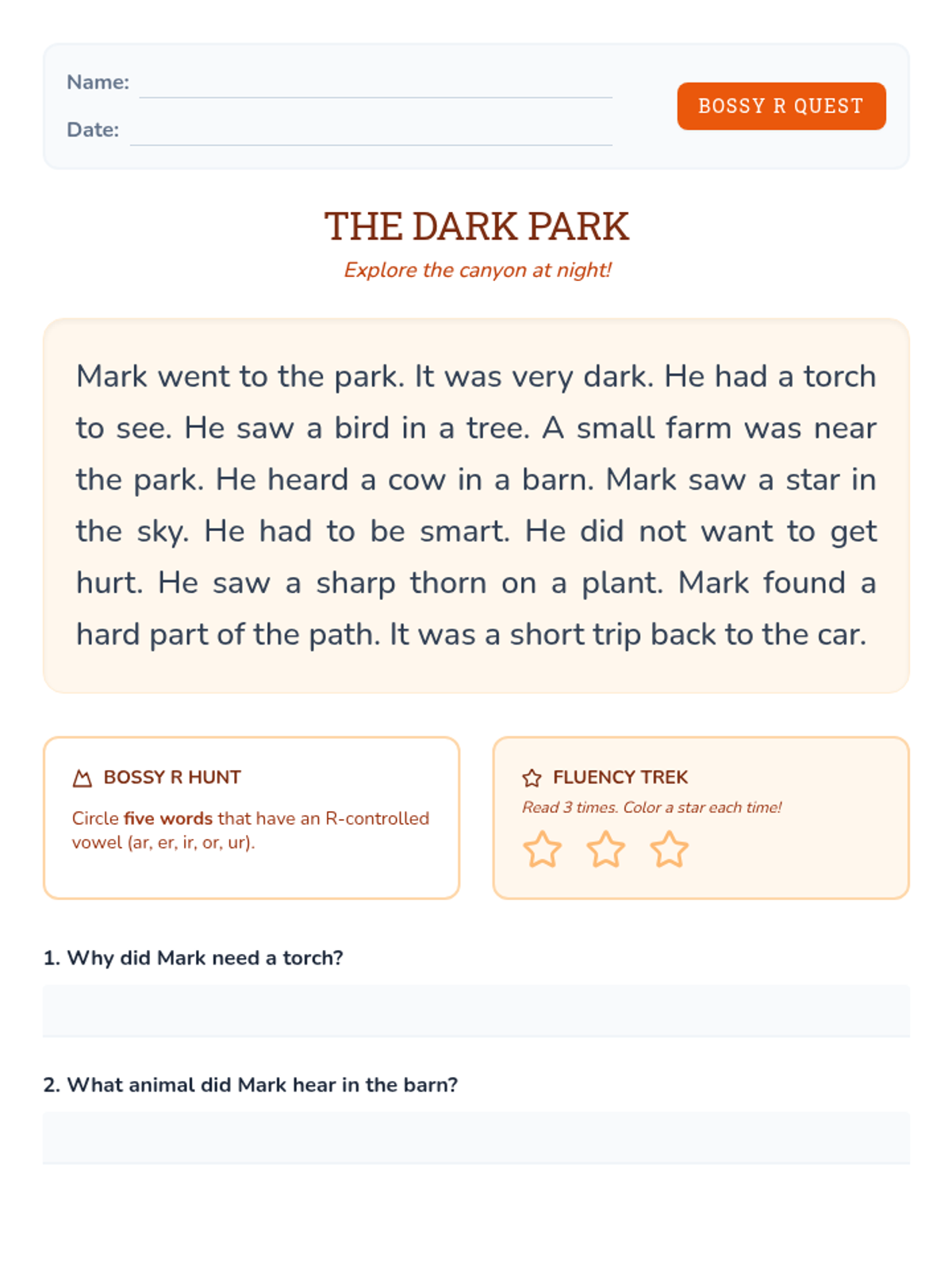
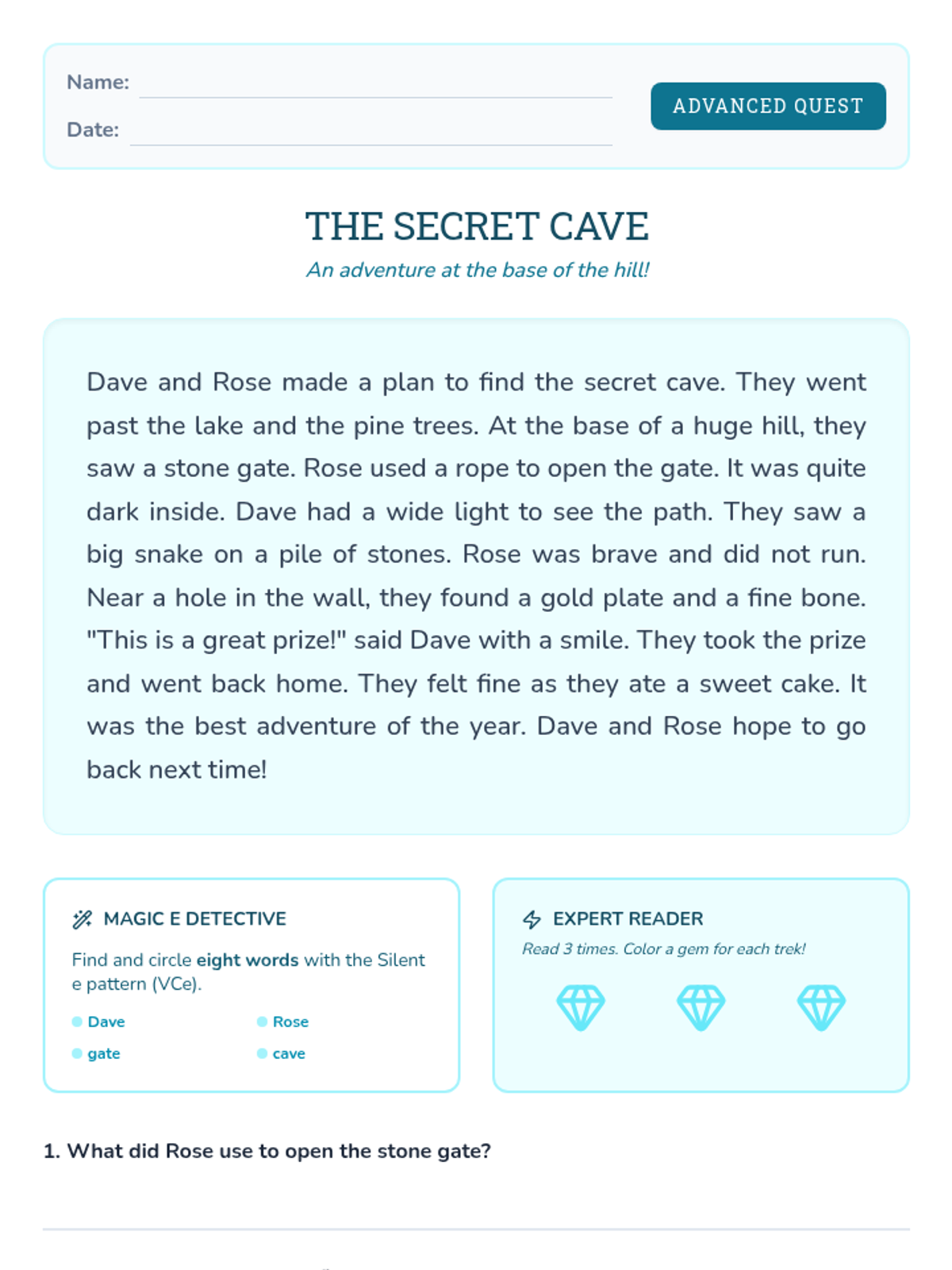
A two-part small-group phonics sequence for Grade 3 students (reading at 1st-2nd grade level). Part 1 focuses on Silent e (VCe) patterns, and Part 2 focuses on R-controlled vowel patterns.
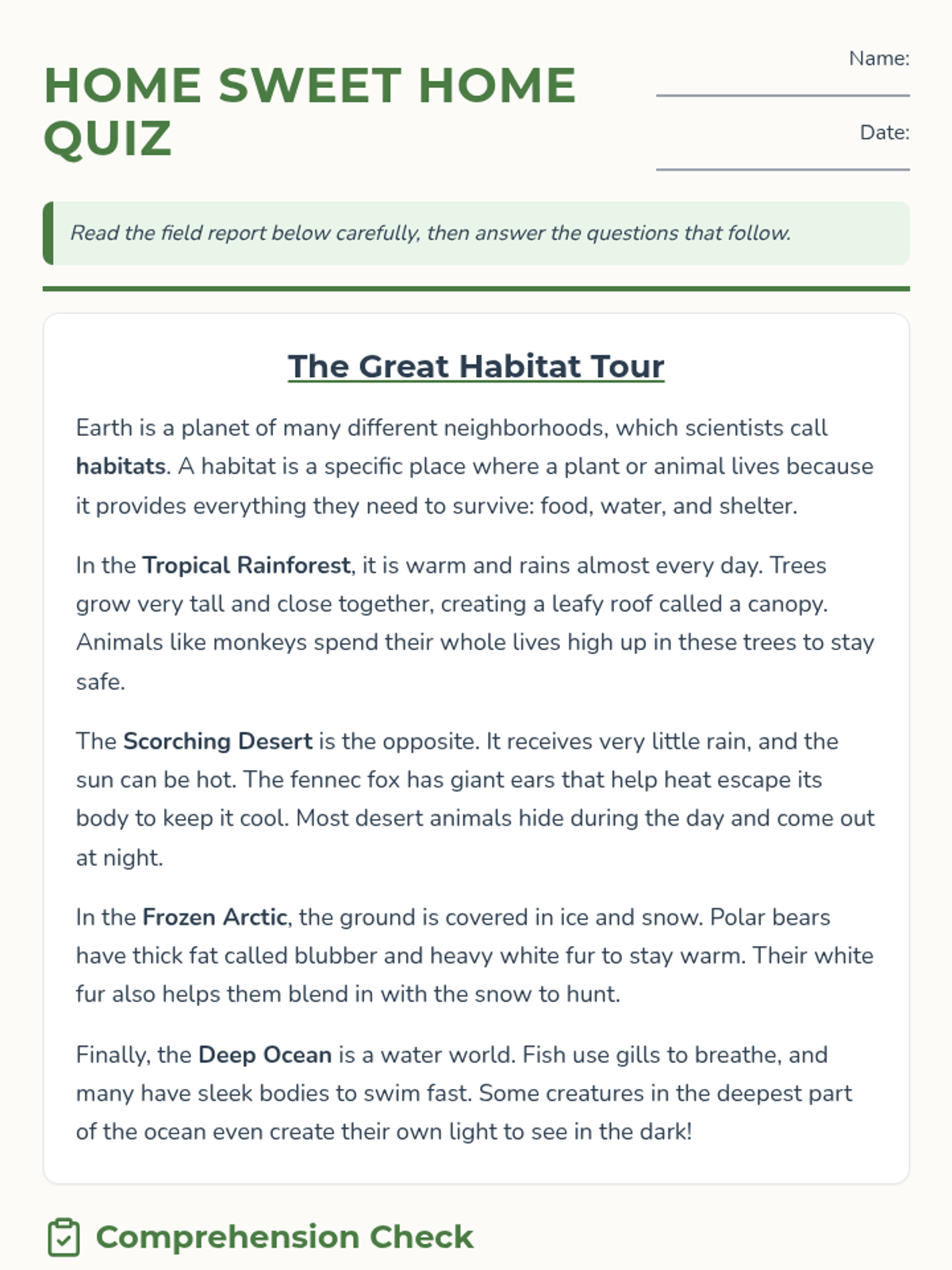
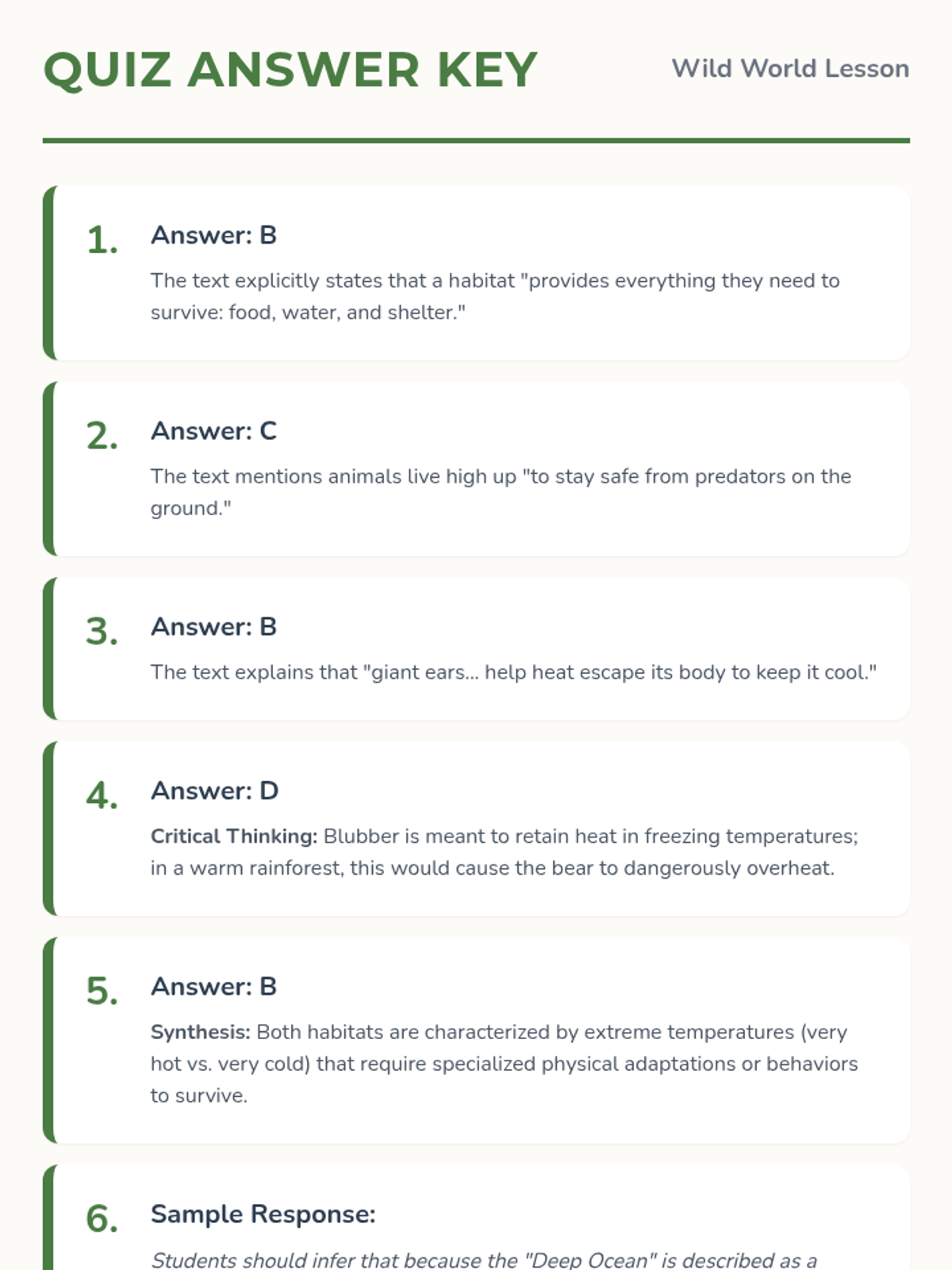
Students explore the diverse ecosystems of our planet through a non-fiction reading passage and an engaging class discussion focused on animal adaptations and survival.
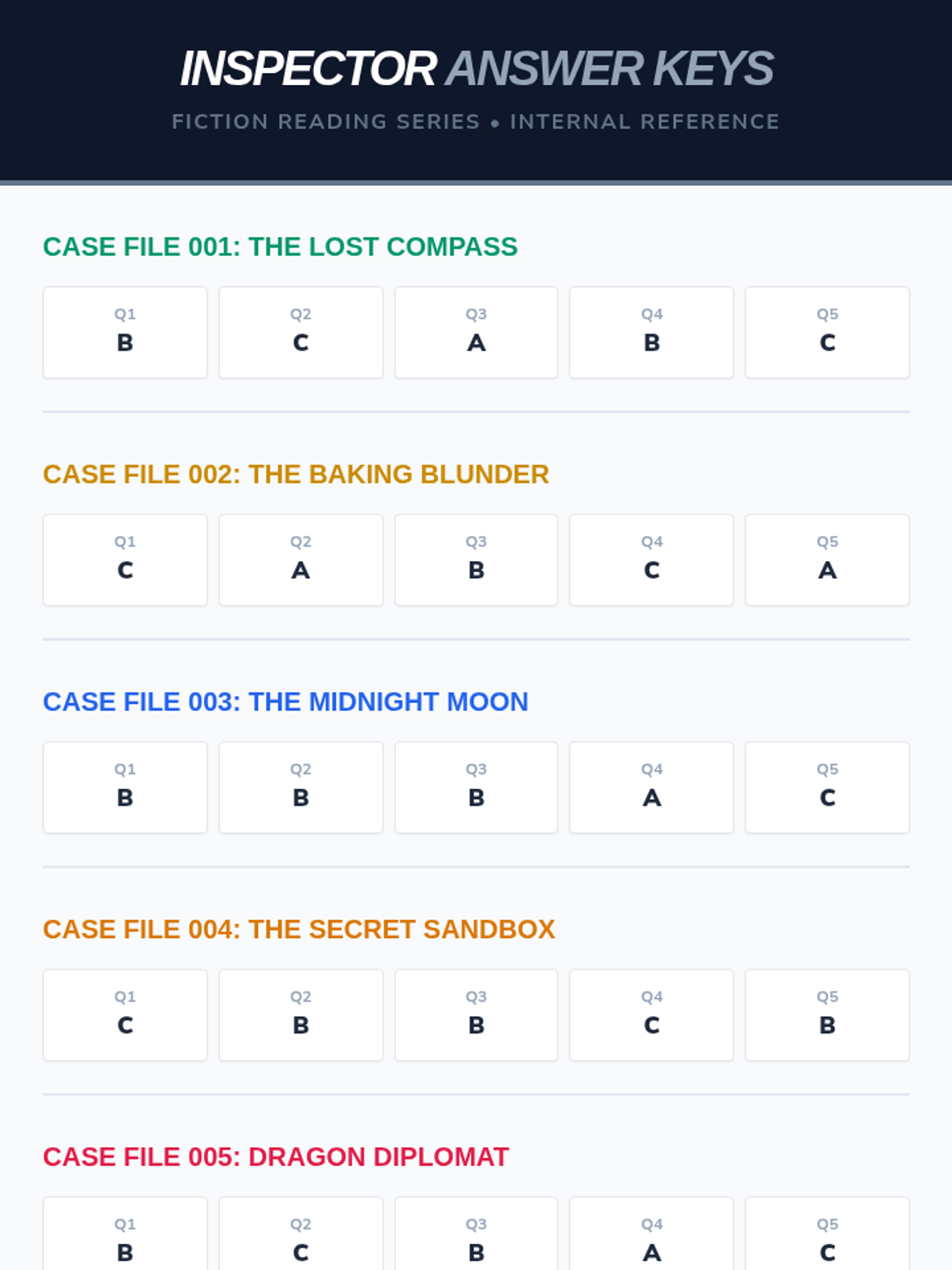
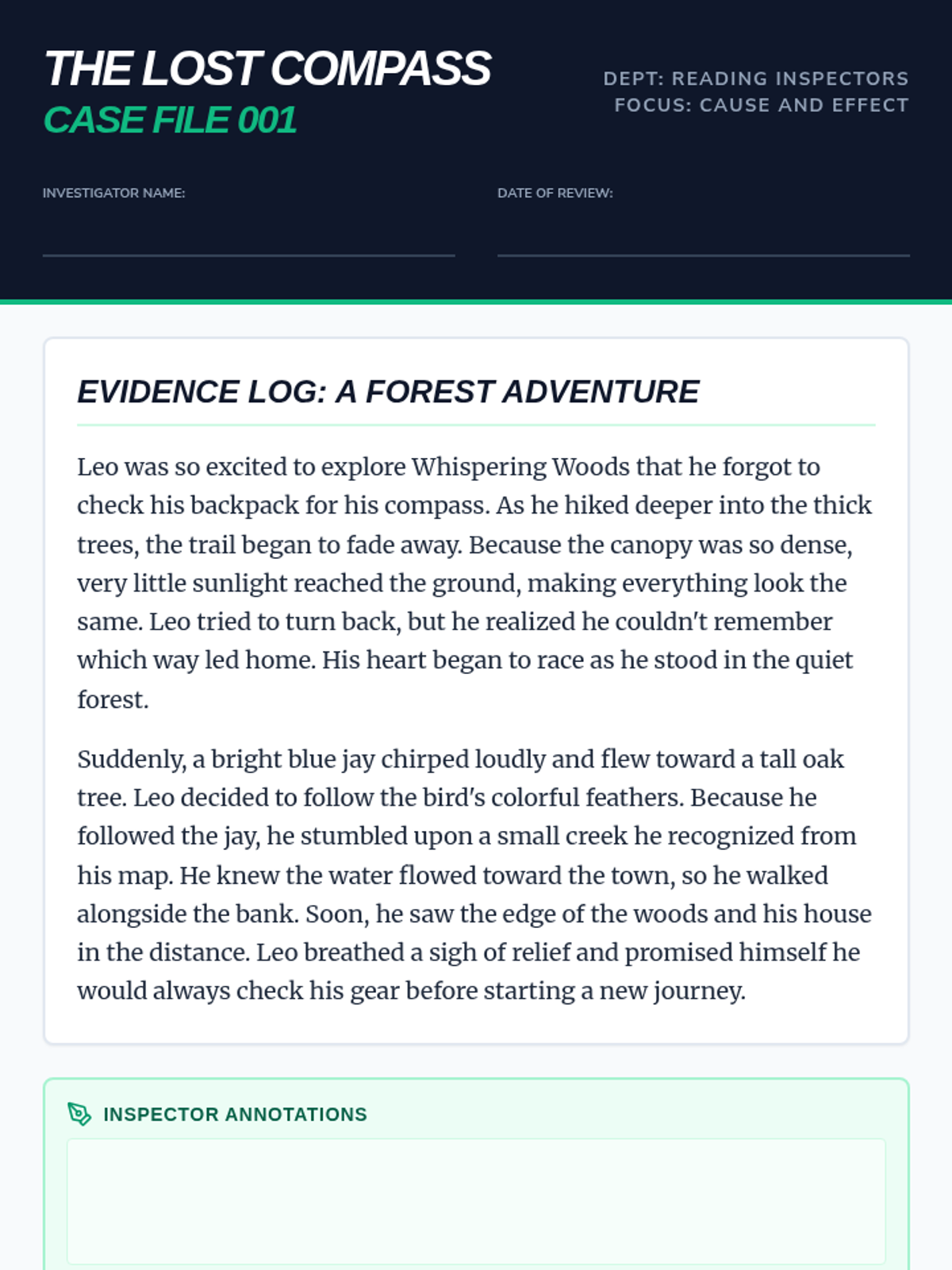
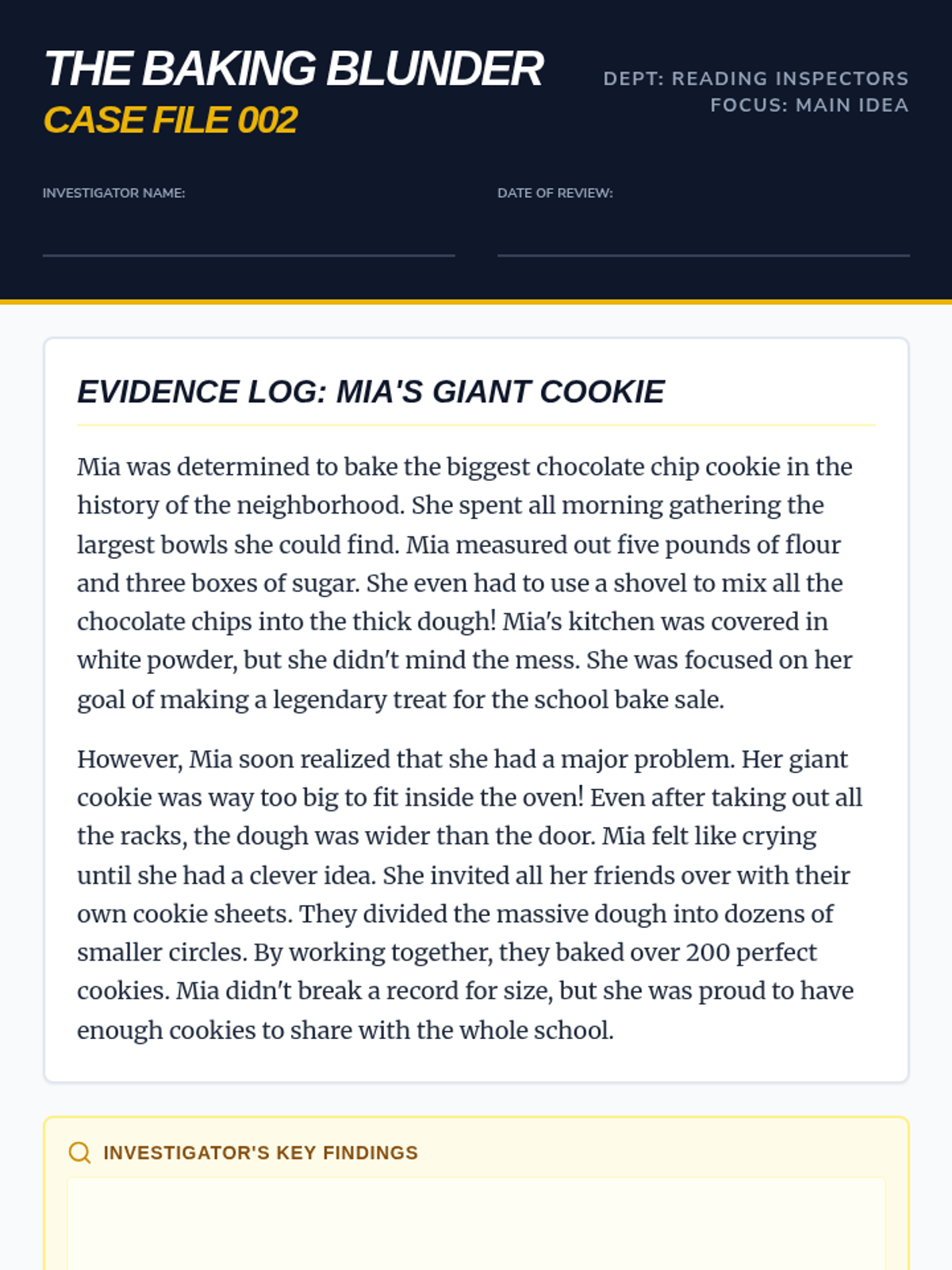
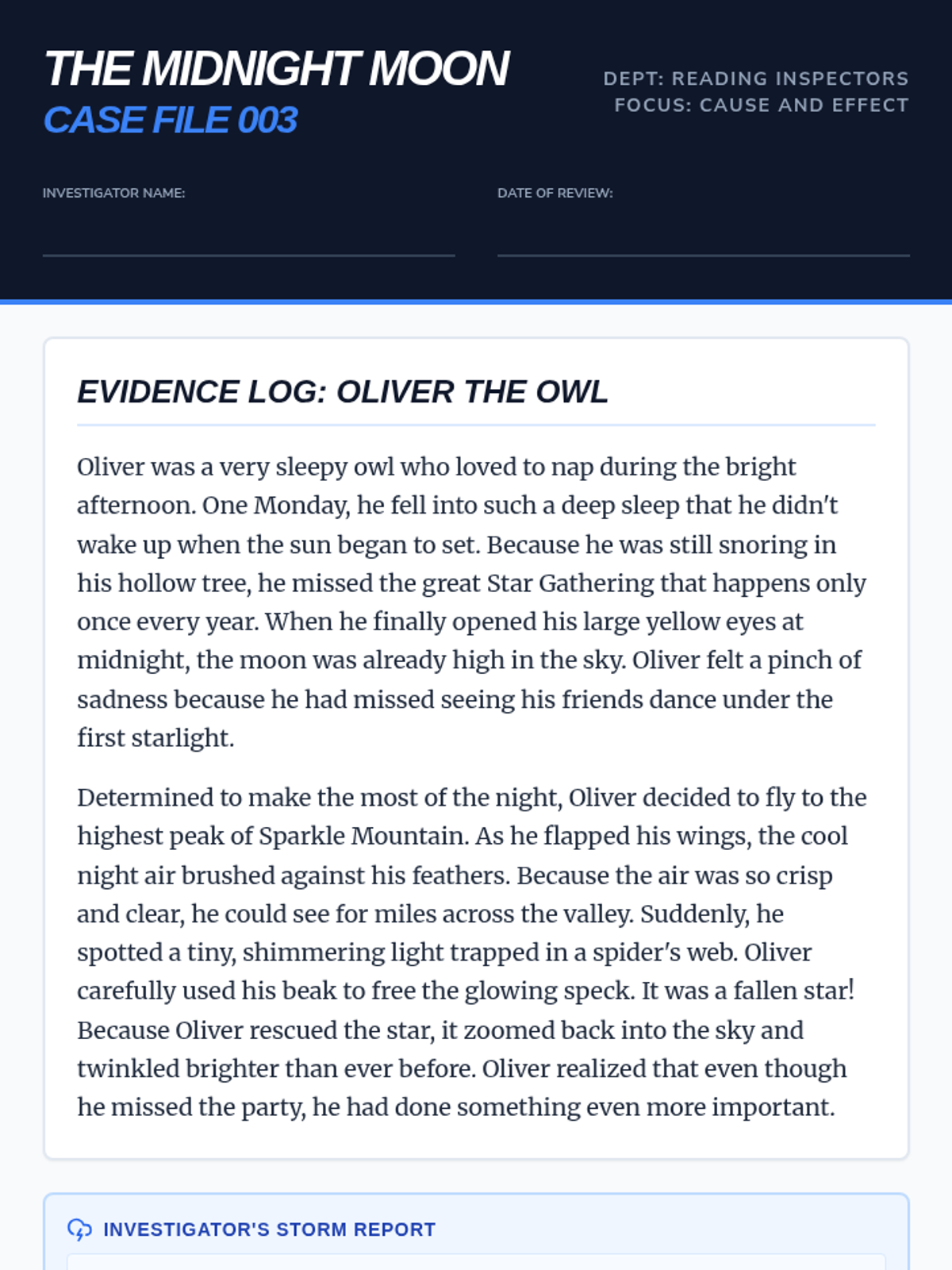
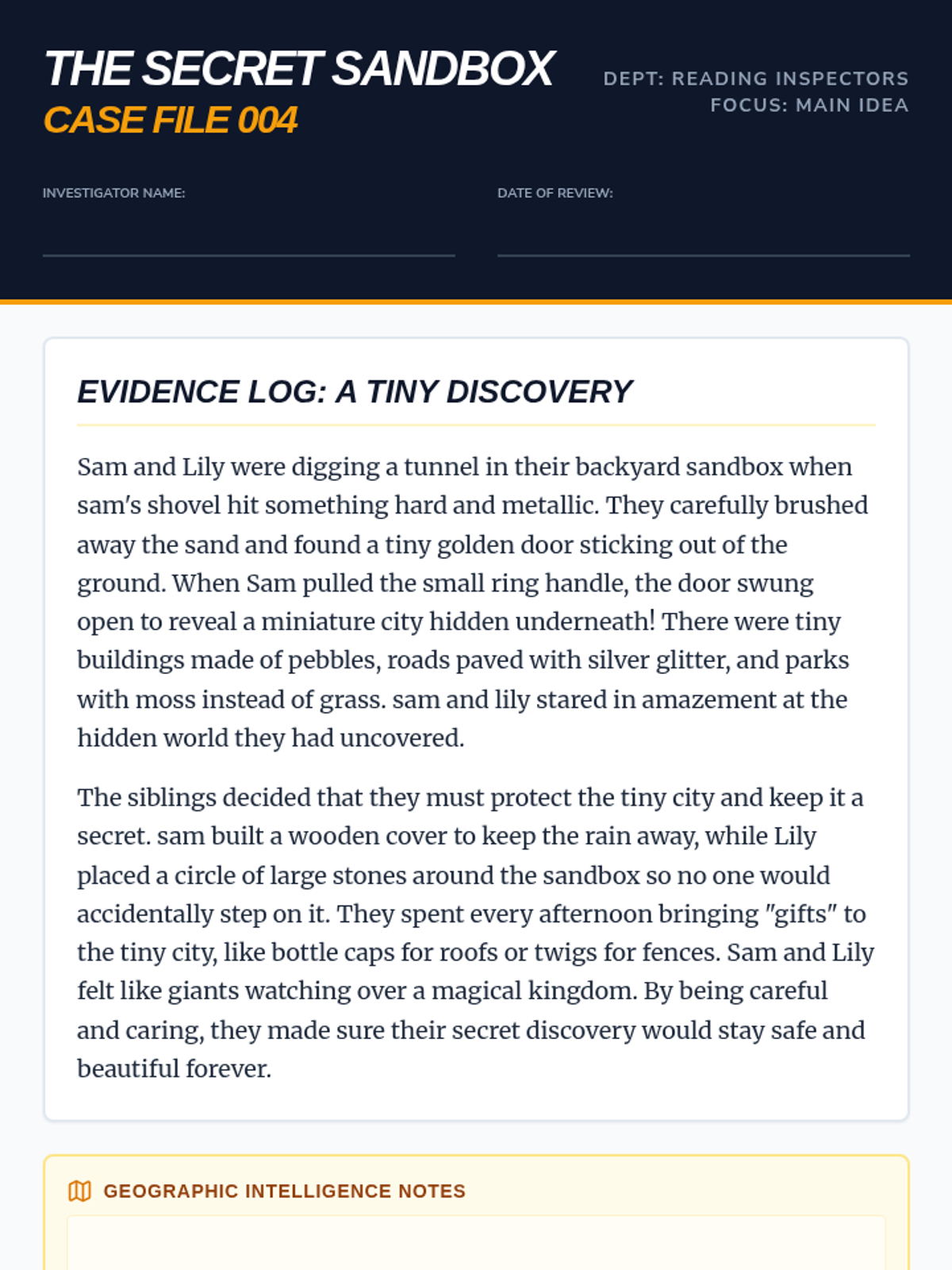
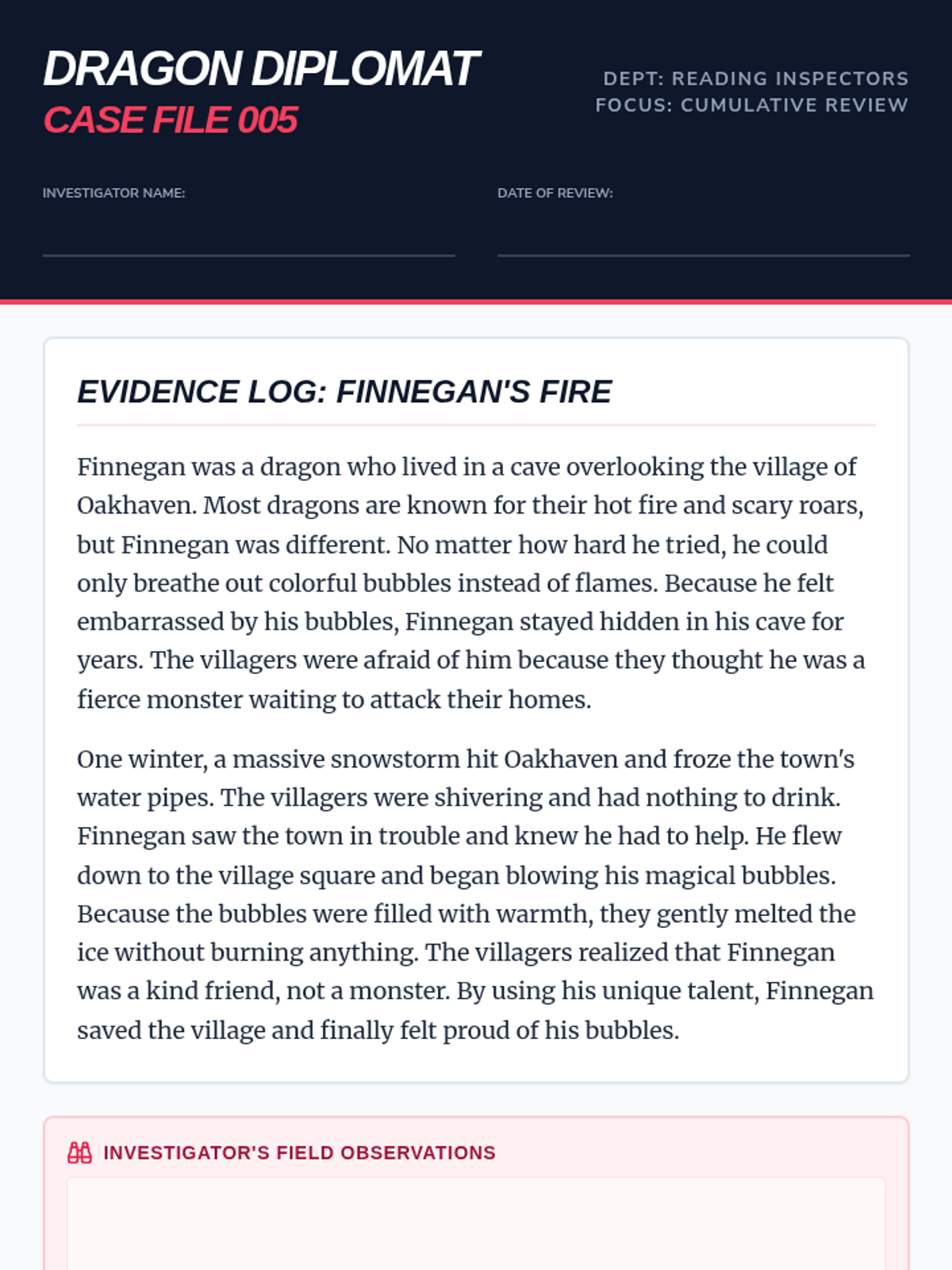
A series of five reading comprehension worksheets for 3rd grade, focusing on cause, effect, and main idea. Each worksheet features a unique passage with five EOG-style multiple-choice questions and space for student annotations or notes.
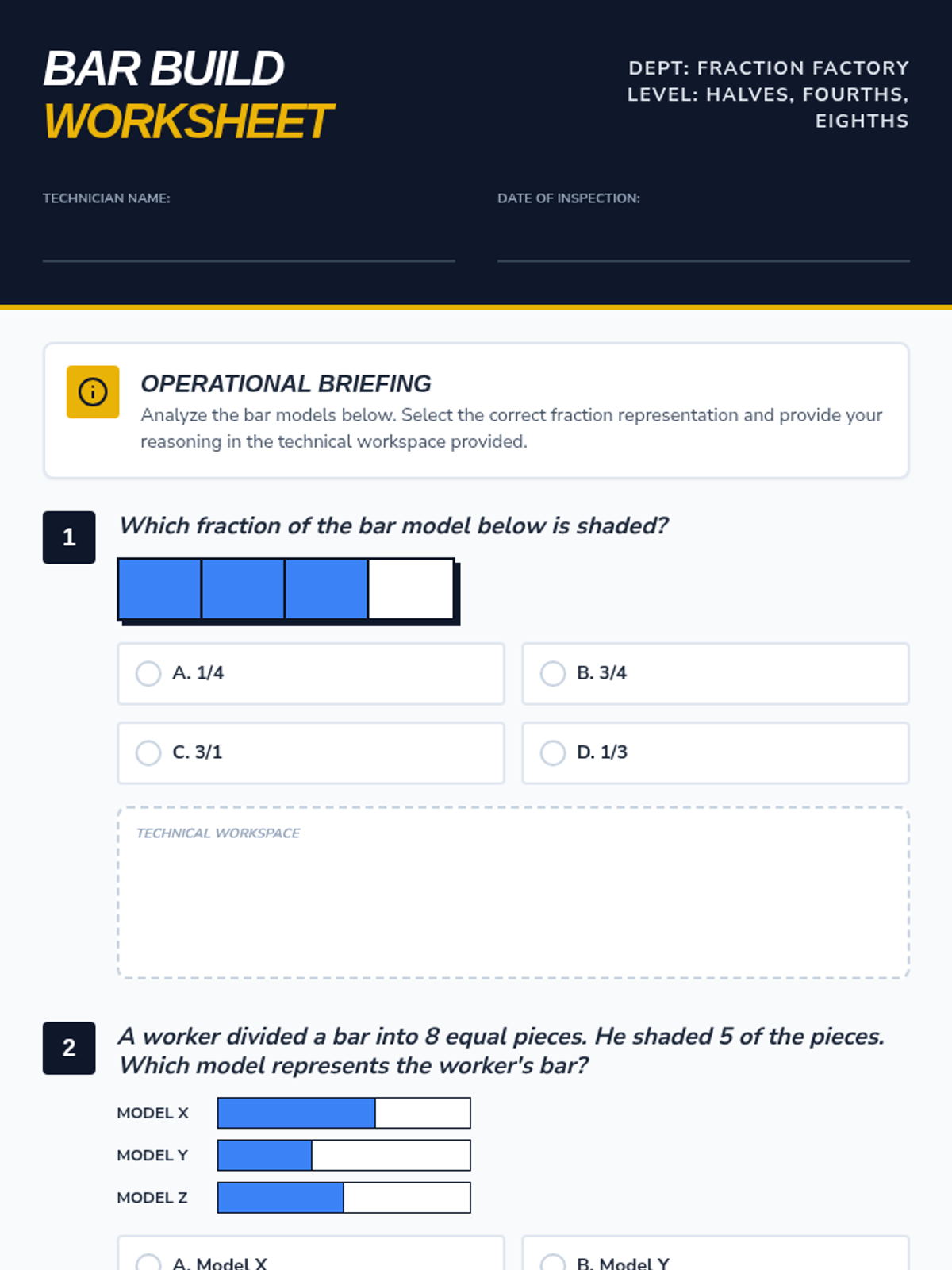
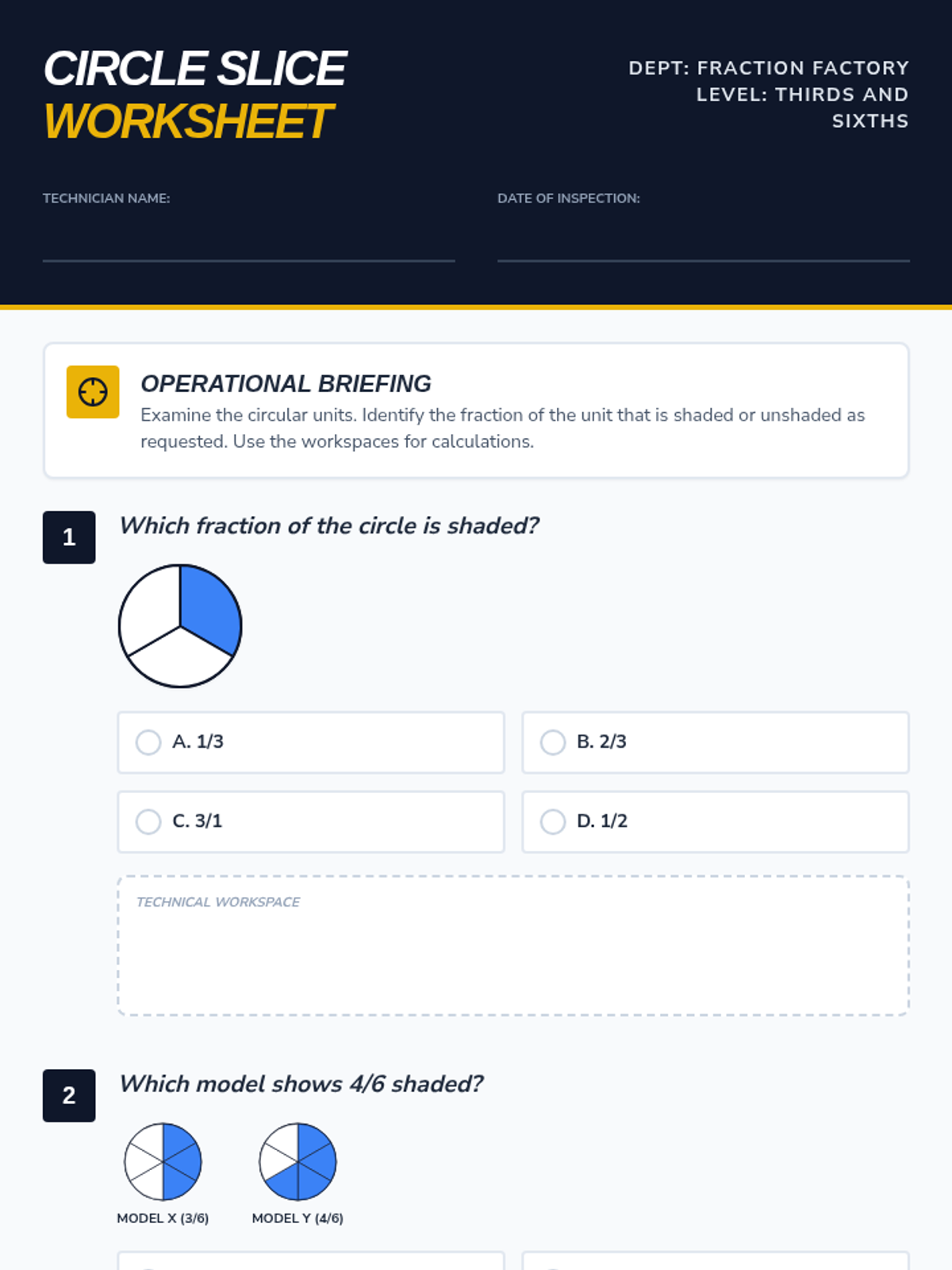
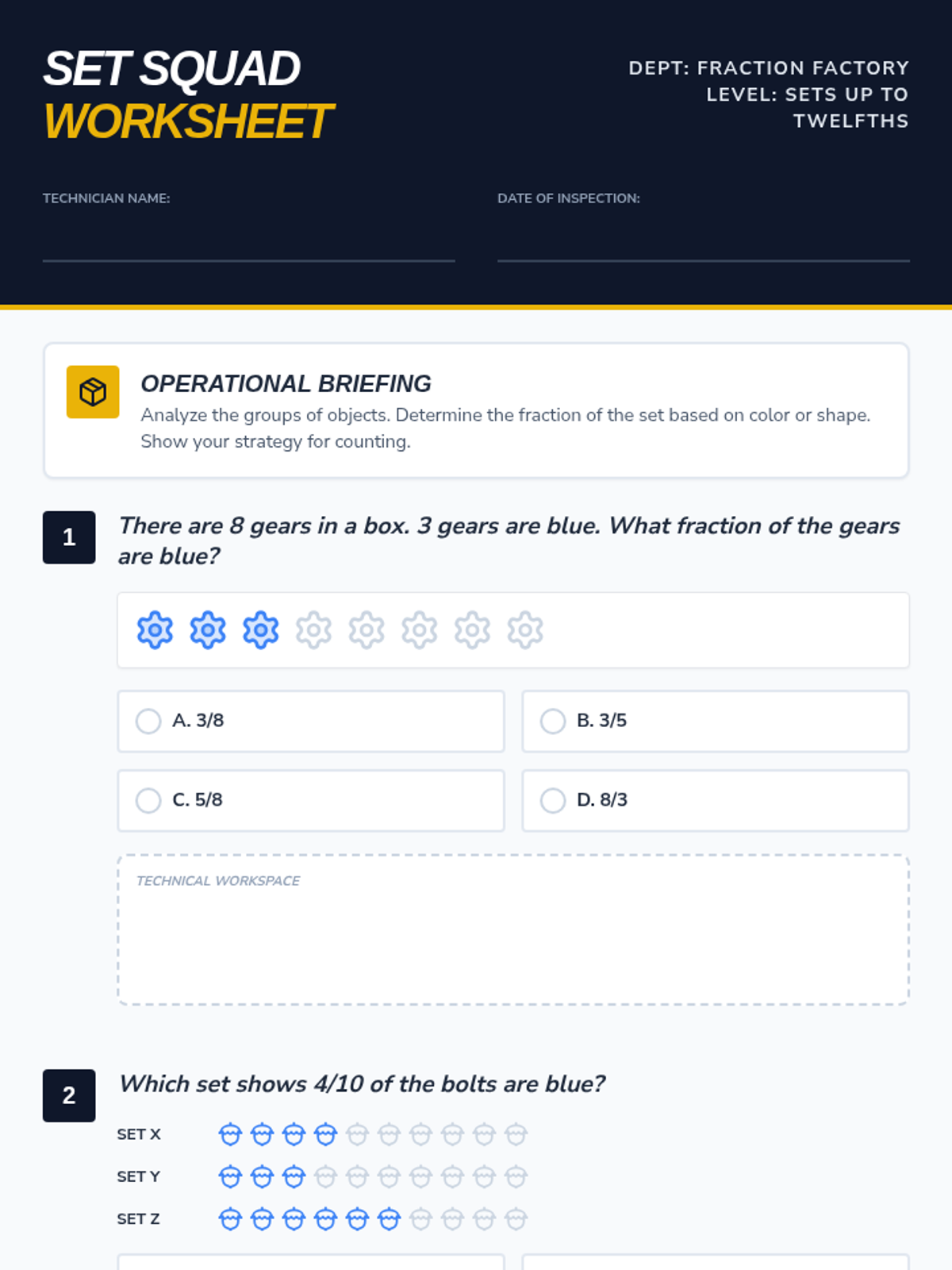
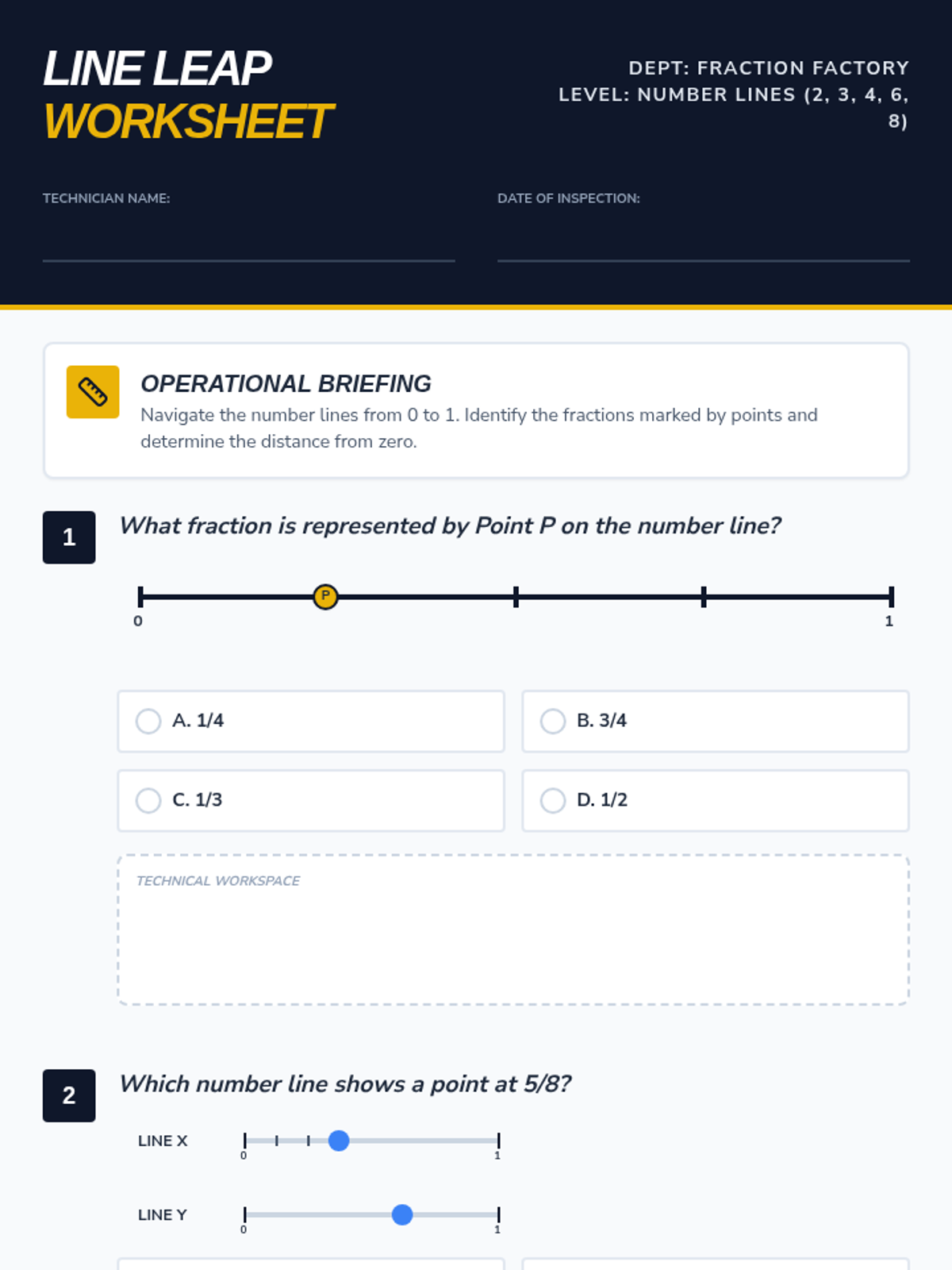
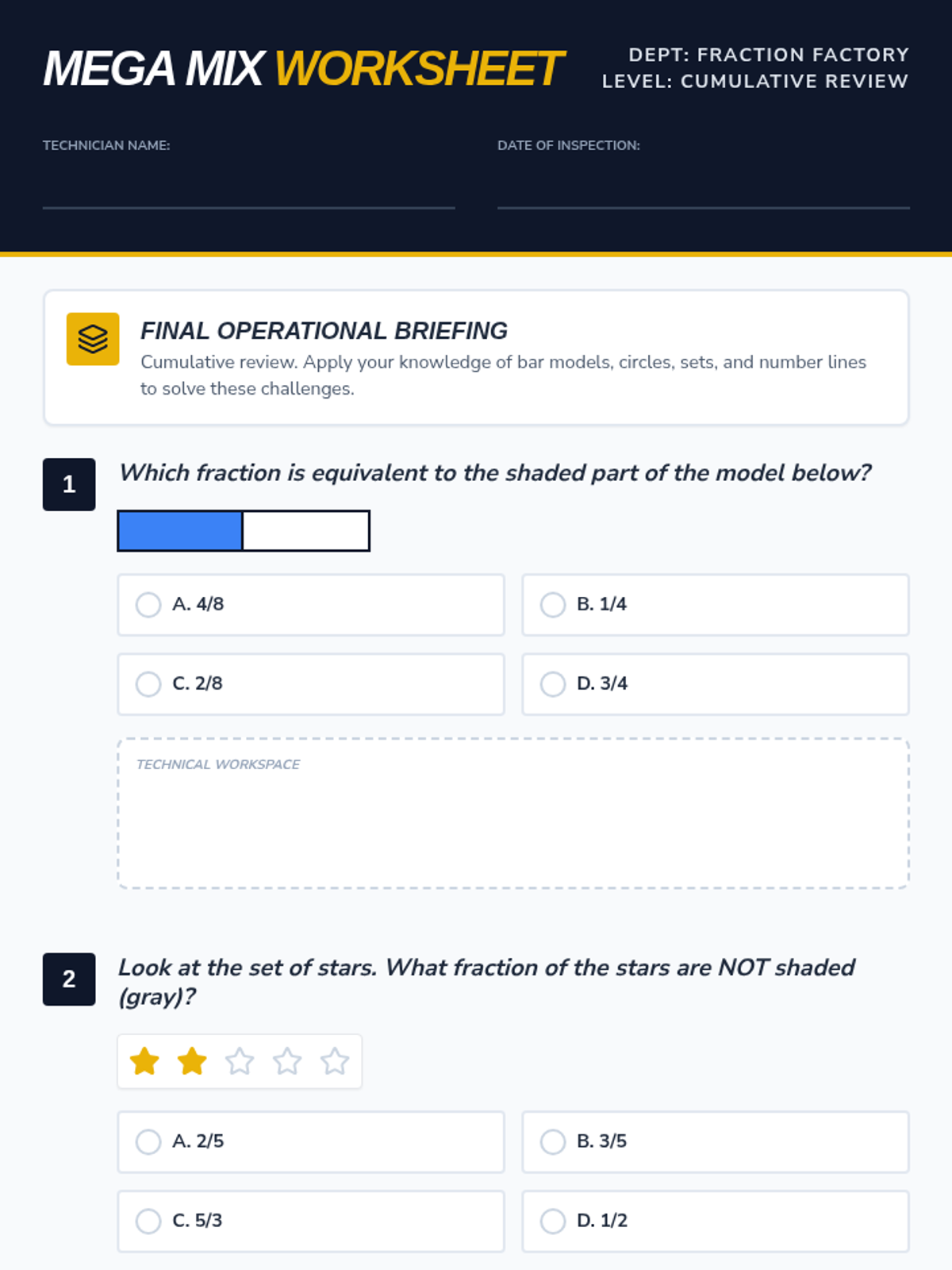
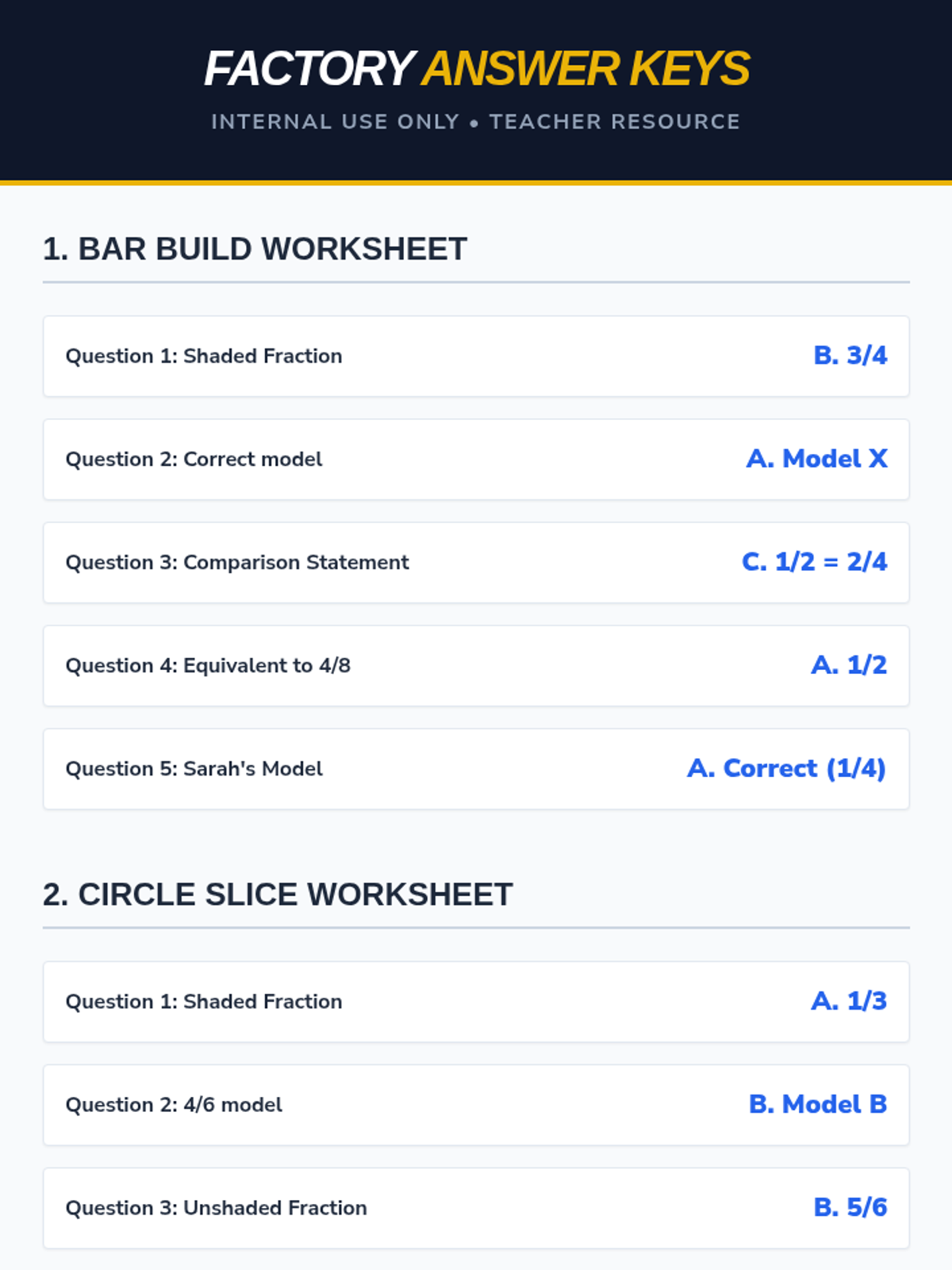
A series of five targeted worksheets designed to review 3rd-grade fraction concepts through various visual models, including bar models, circle areas, set models, and number lines. Each worksheet prepares students for EOG-style questions with rigorous practice and dedicated workspace.
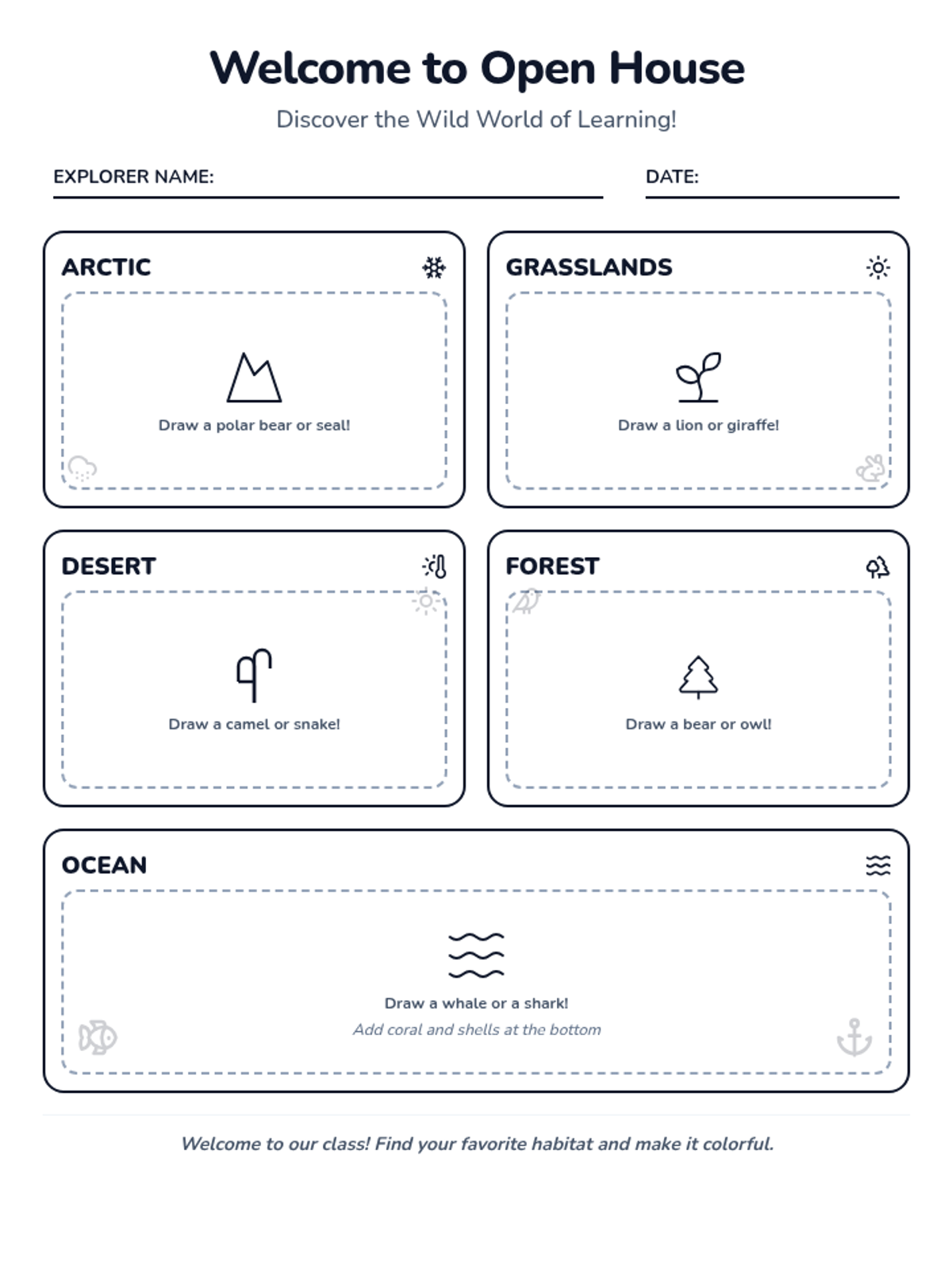
A welcoming set of resources for a school Open House, featuring a habitat-themed activity for students and families.
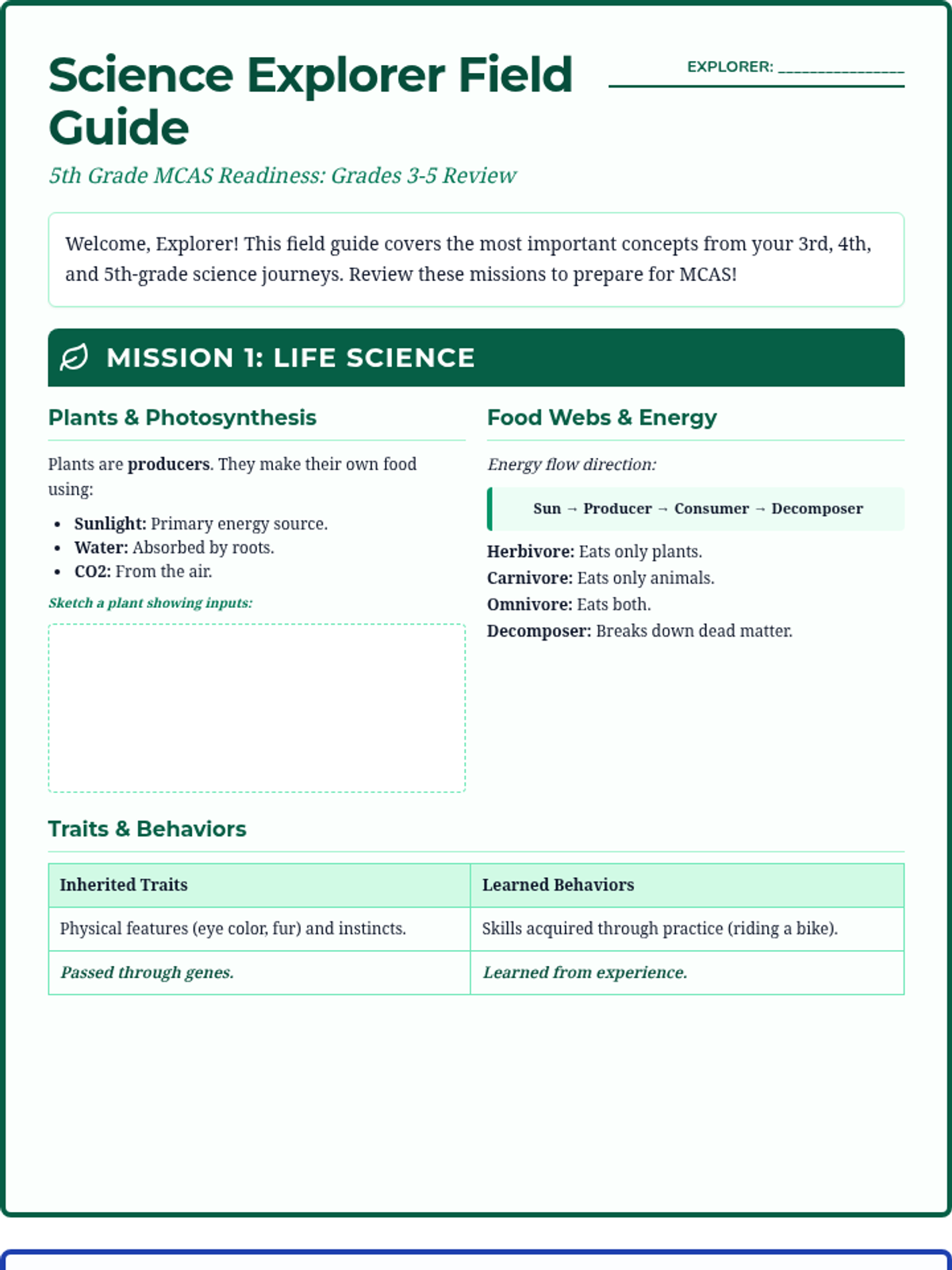
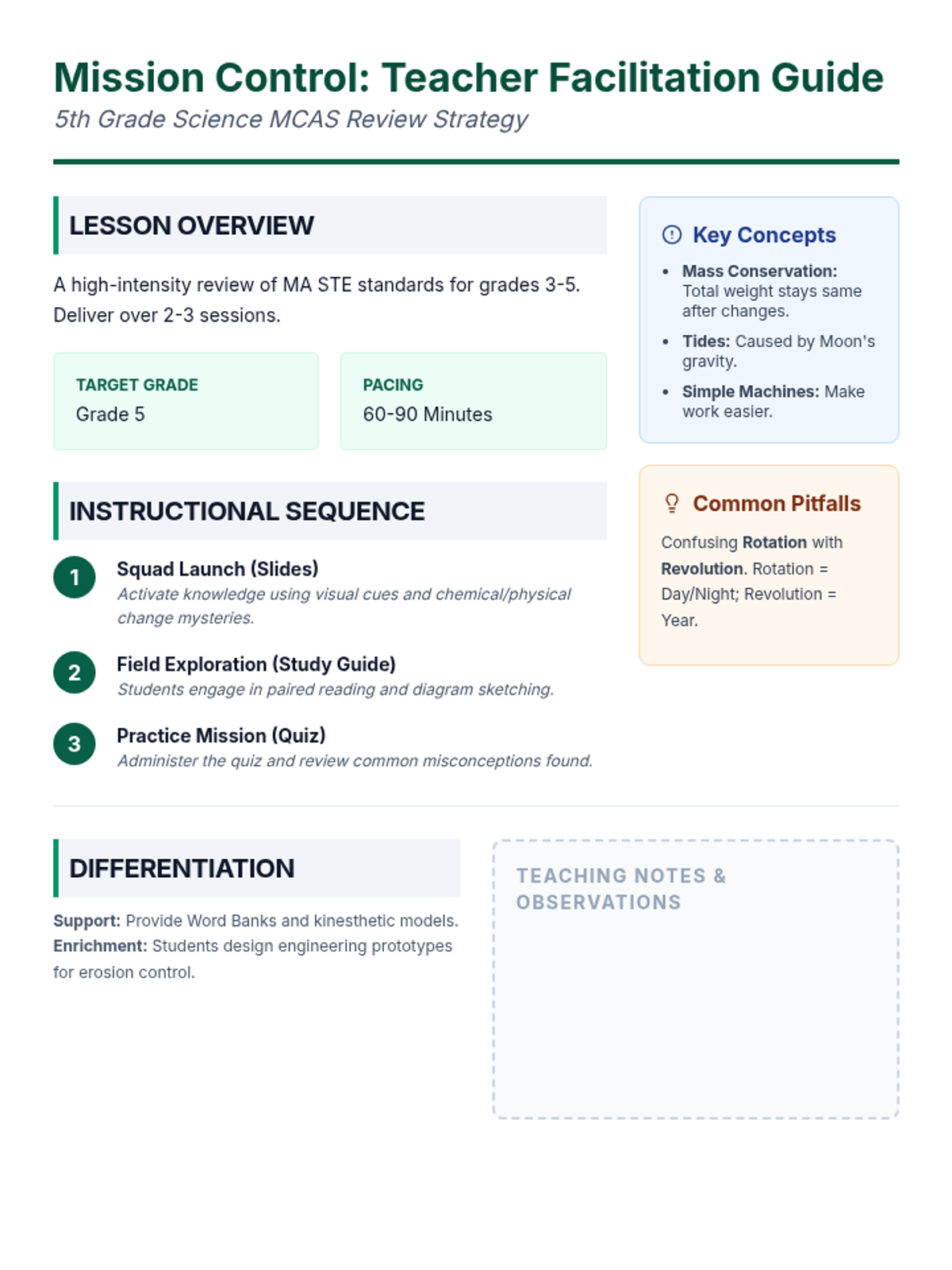
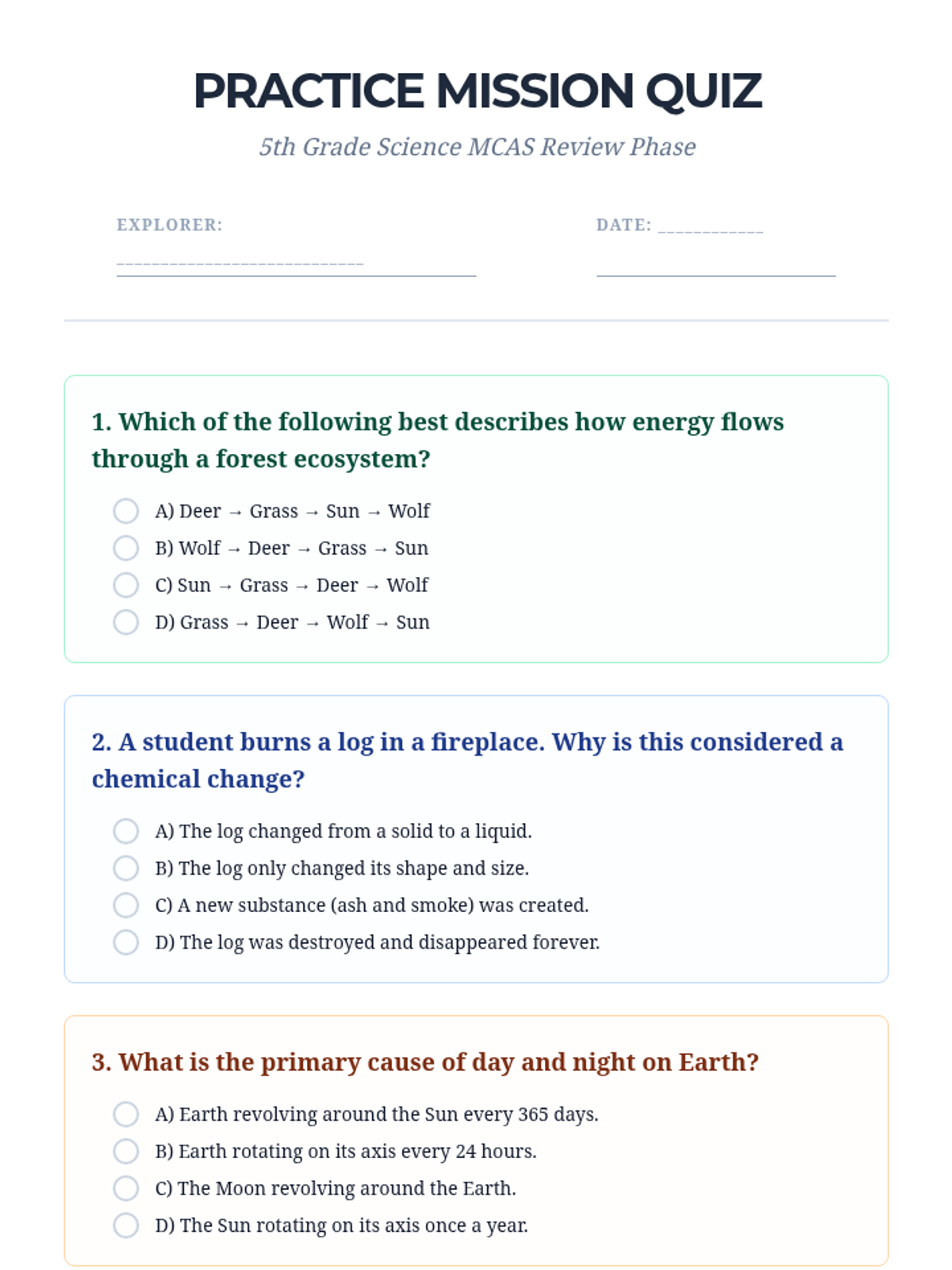
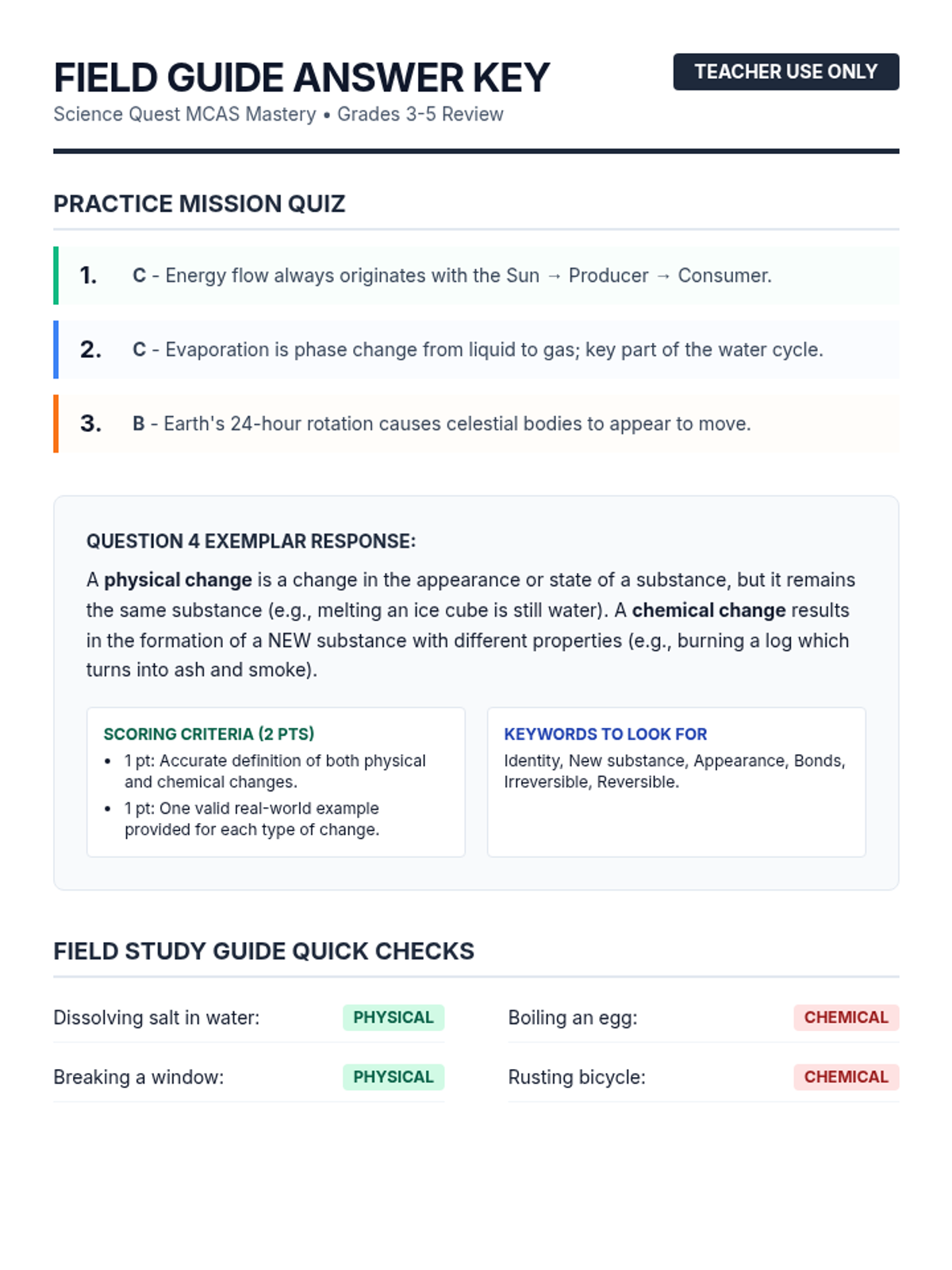
An all-in-one review session covering Life Science, Physical Science, Earth and Space Science, and Engineering Design for the 5th grade MCAS.