An exploration of how animals adapt to their environments to survive, focusing on the Arctic Fox as a primary example of physical and behavioral adaptations.
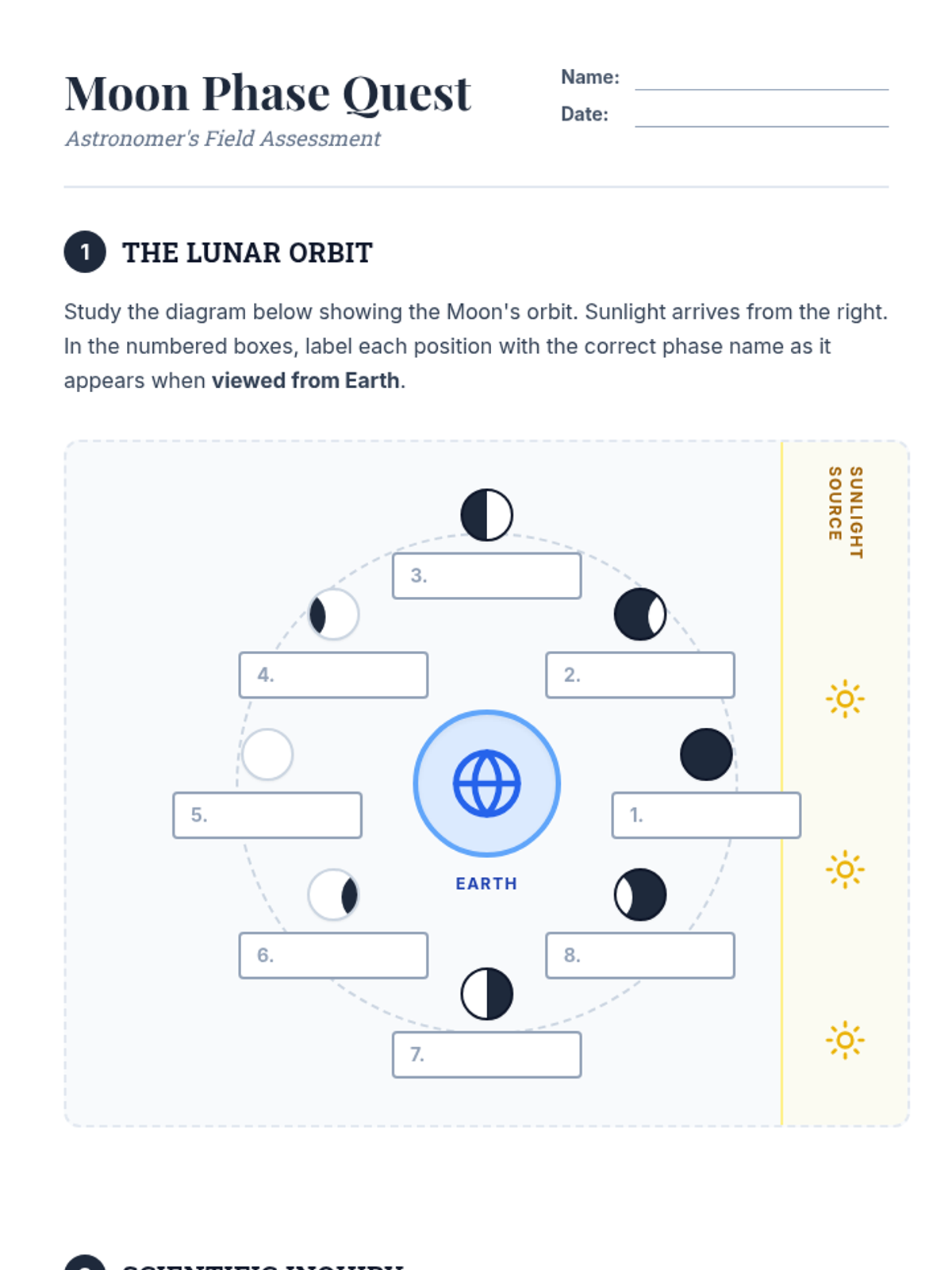
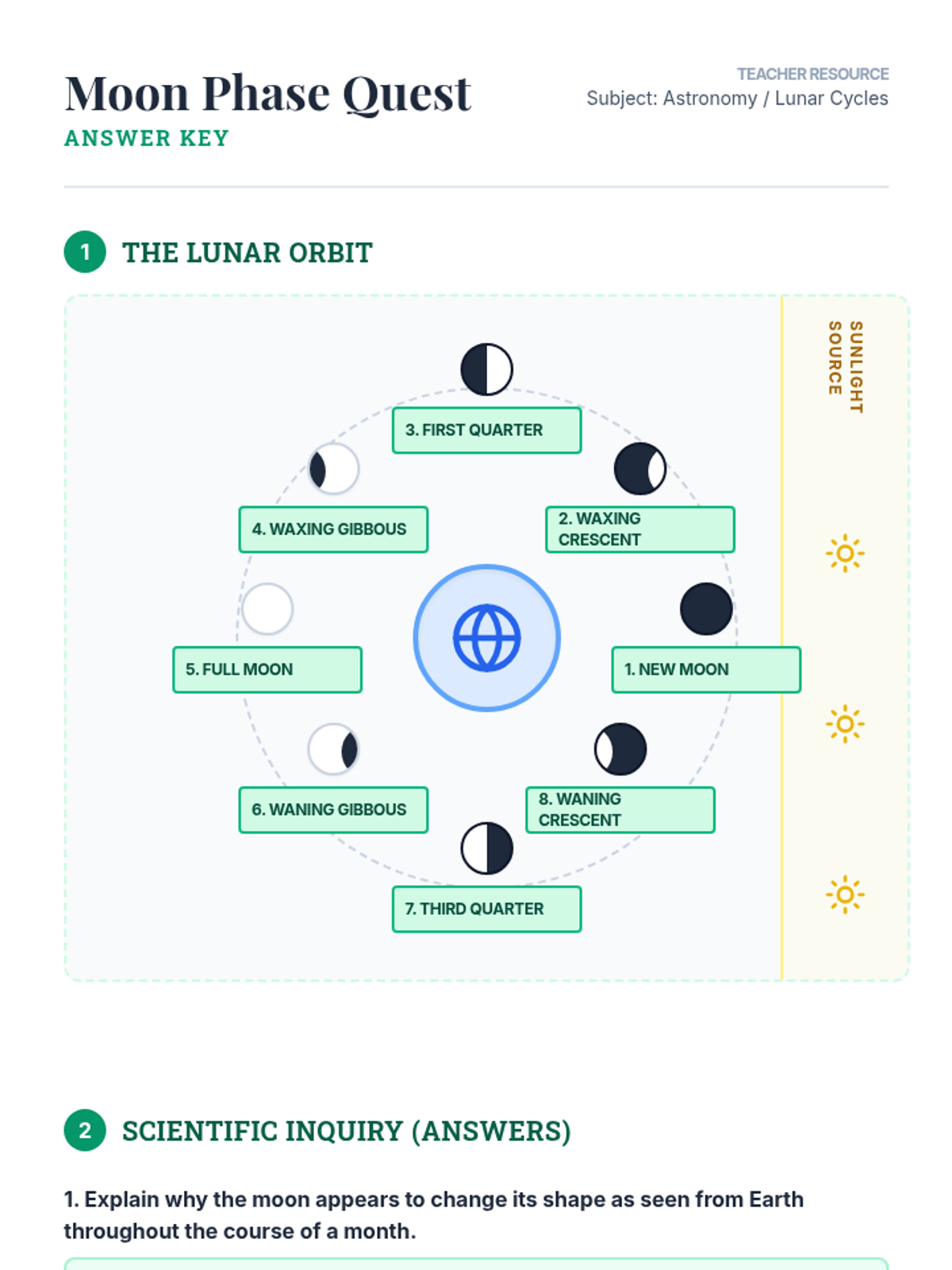
A comprehensive assessment on the lunar cycle, featuring diagram labeling of all eight phases and conceptual short-answer questions.

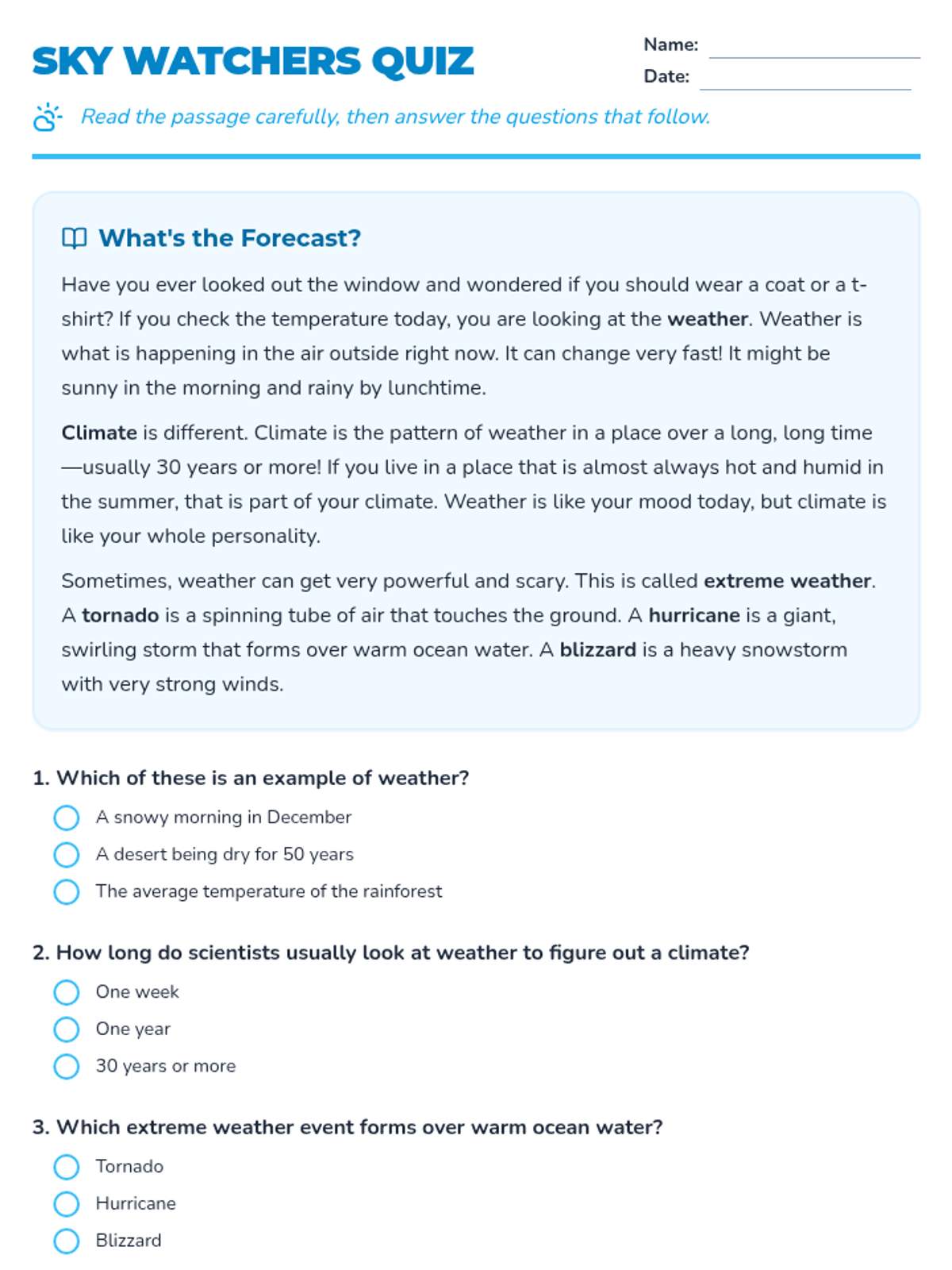
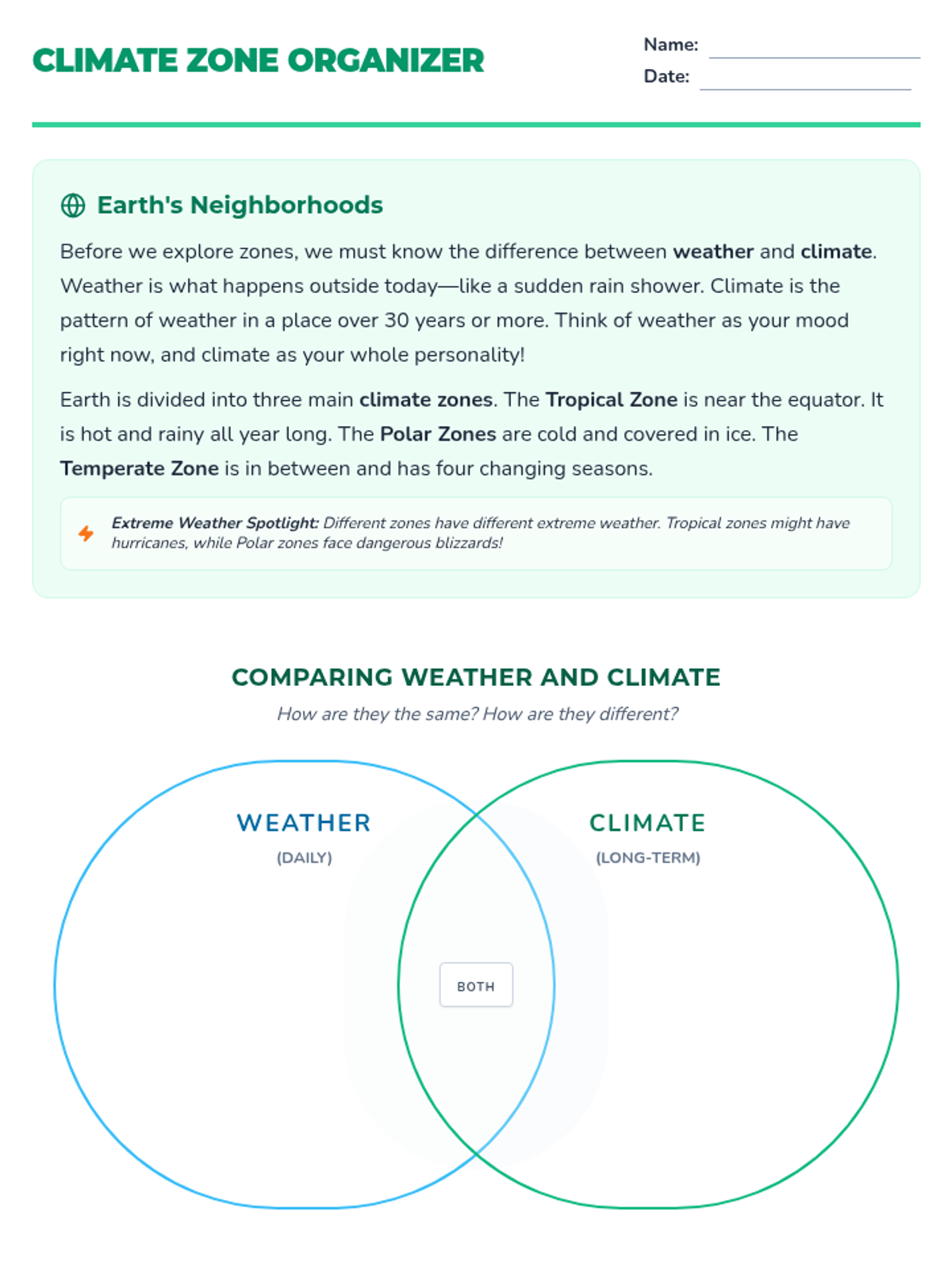
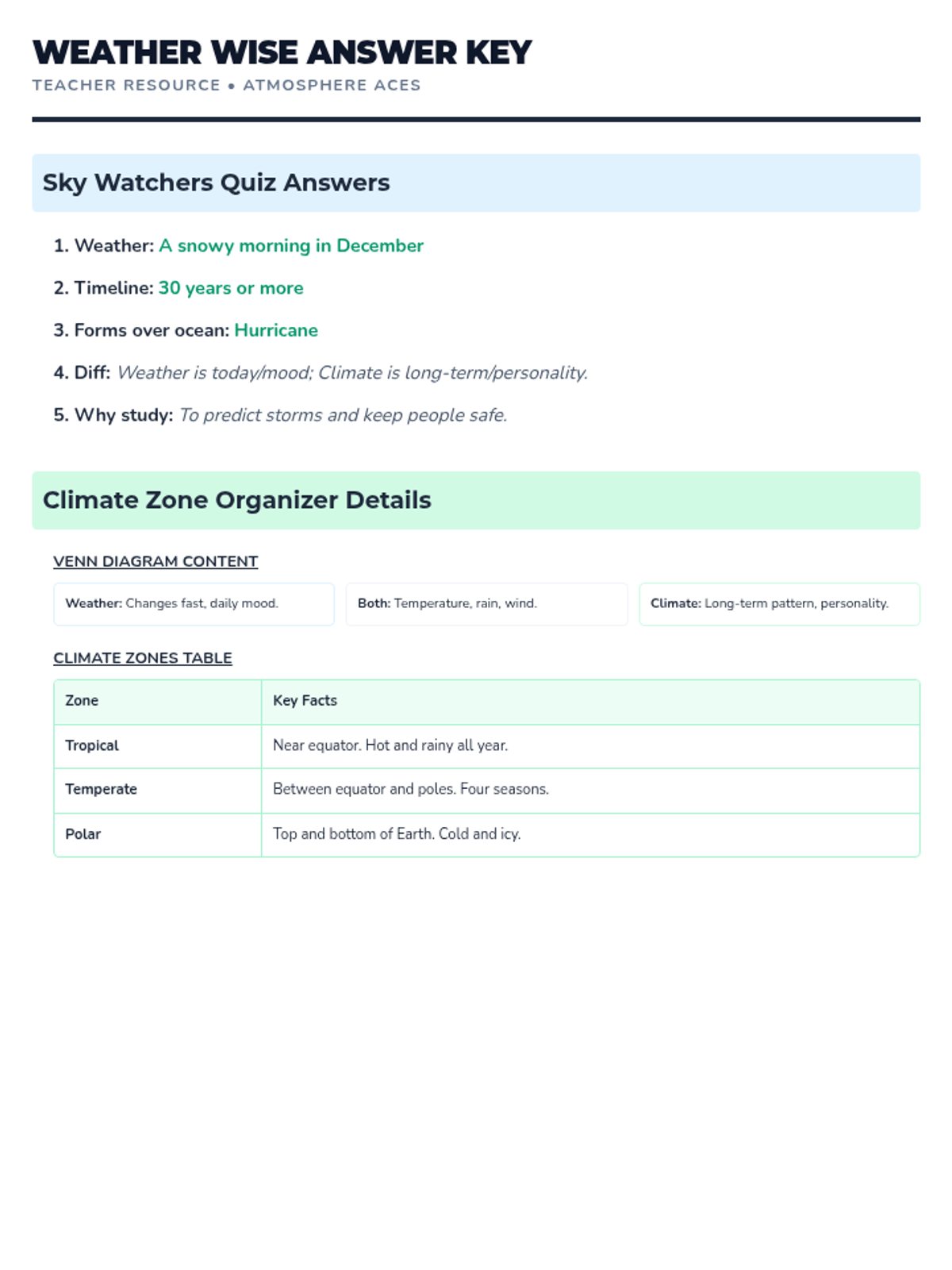
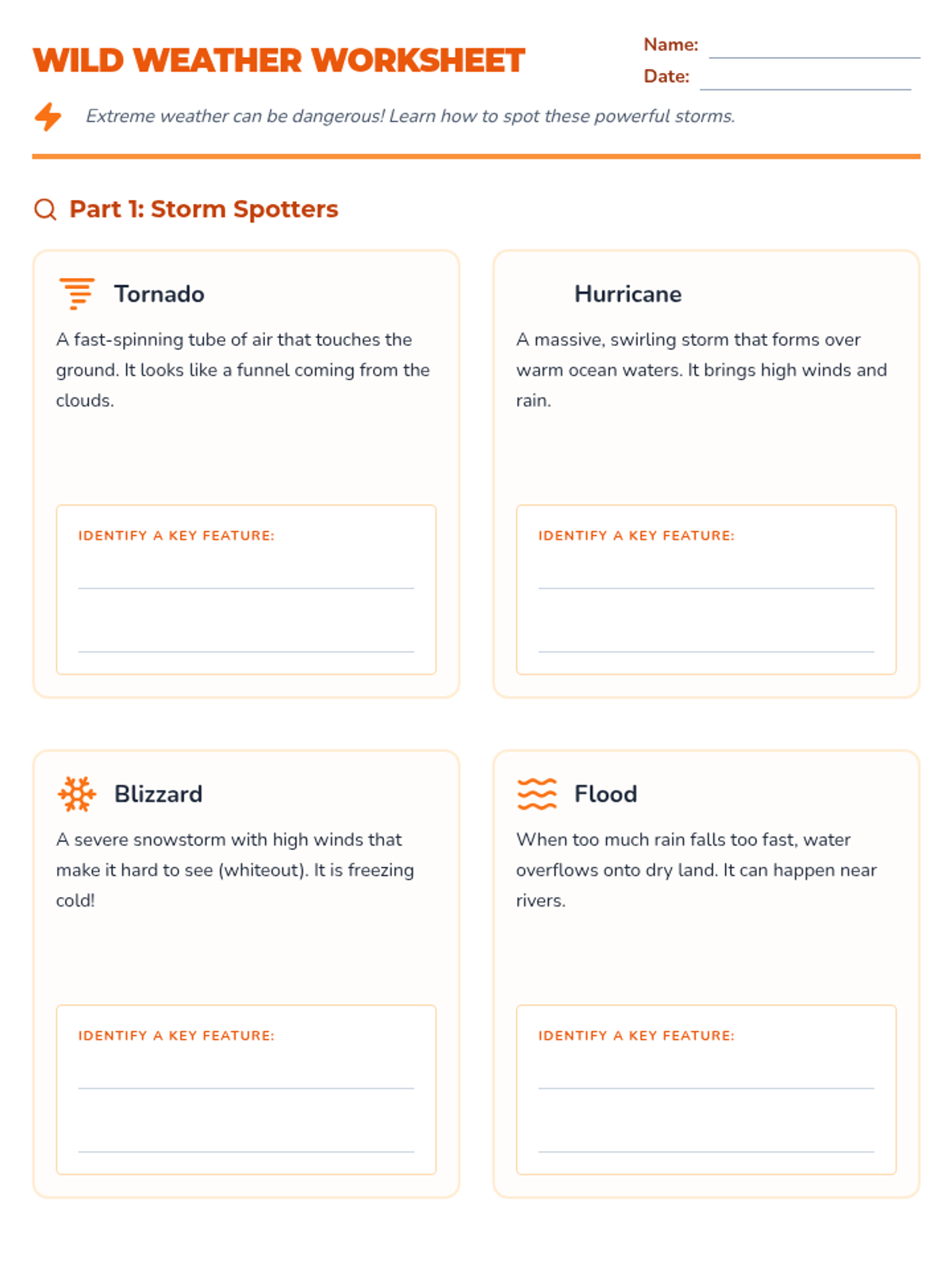
A third-grade lesson exploring the difference between daily weather and long-term climate, extreme weather events, and global climate zones. Students engage with reading passages, comprehension questions, and graphic organizers to build earth science literacy.
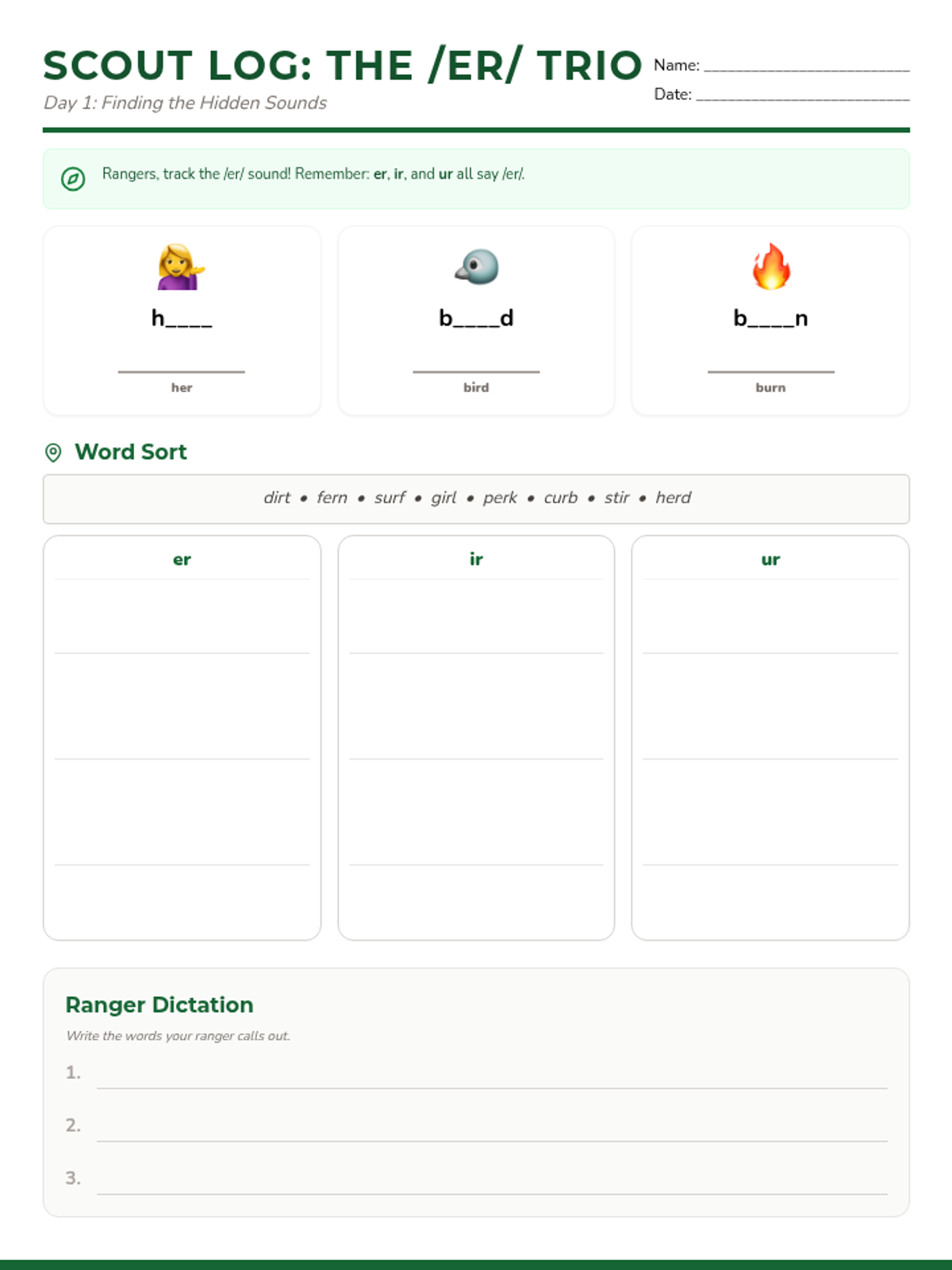
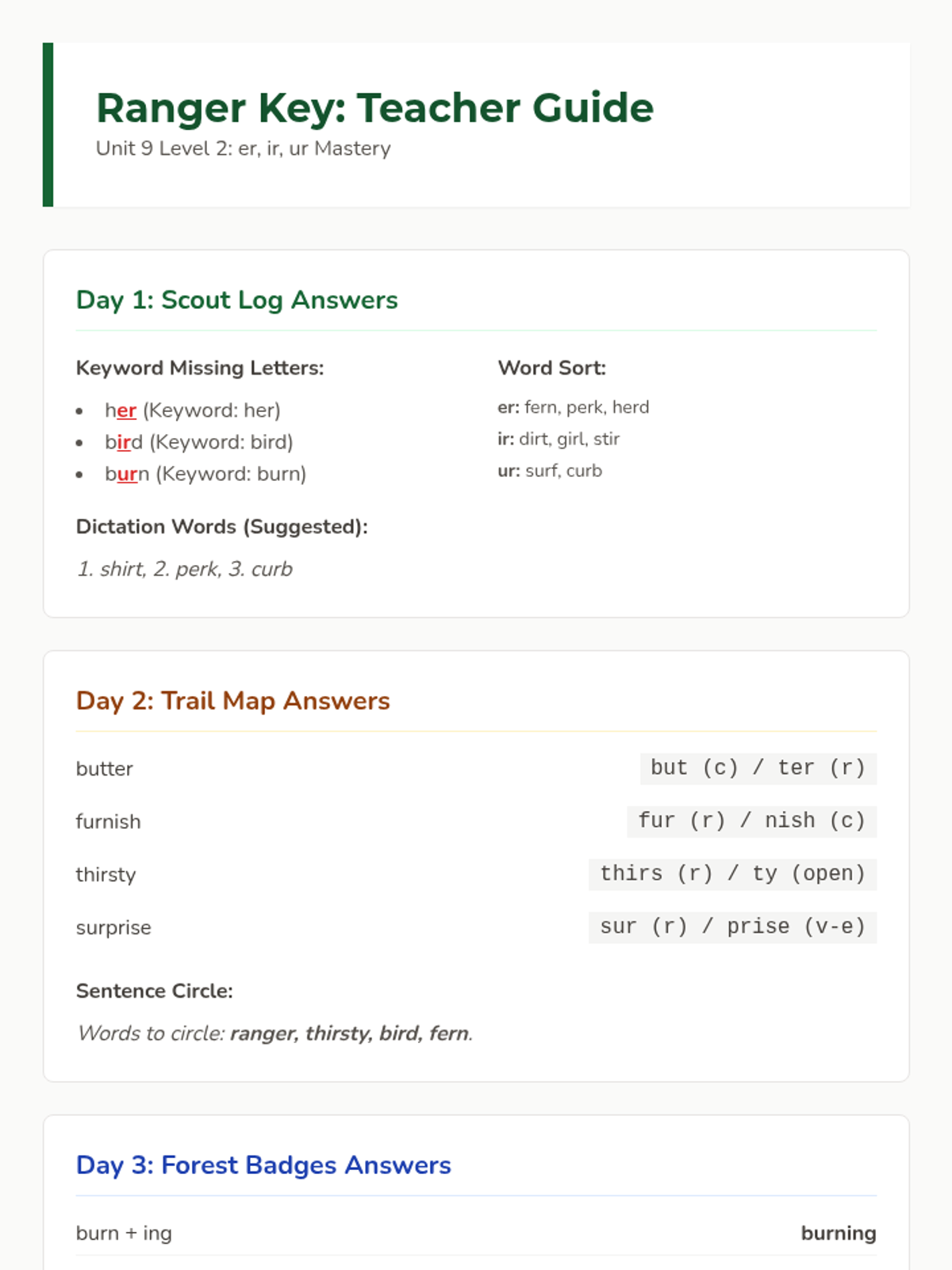
A comprehensive unit on R-controlled vowels (er, ir, ur), focusing on phonemic awareness, multisyllabic word decoding, and suffix application. Students explore these "Bossy R" sounds through a forest ranger theme.
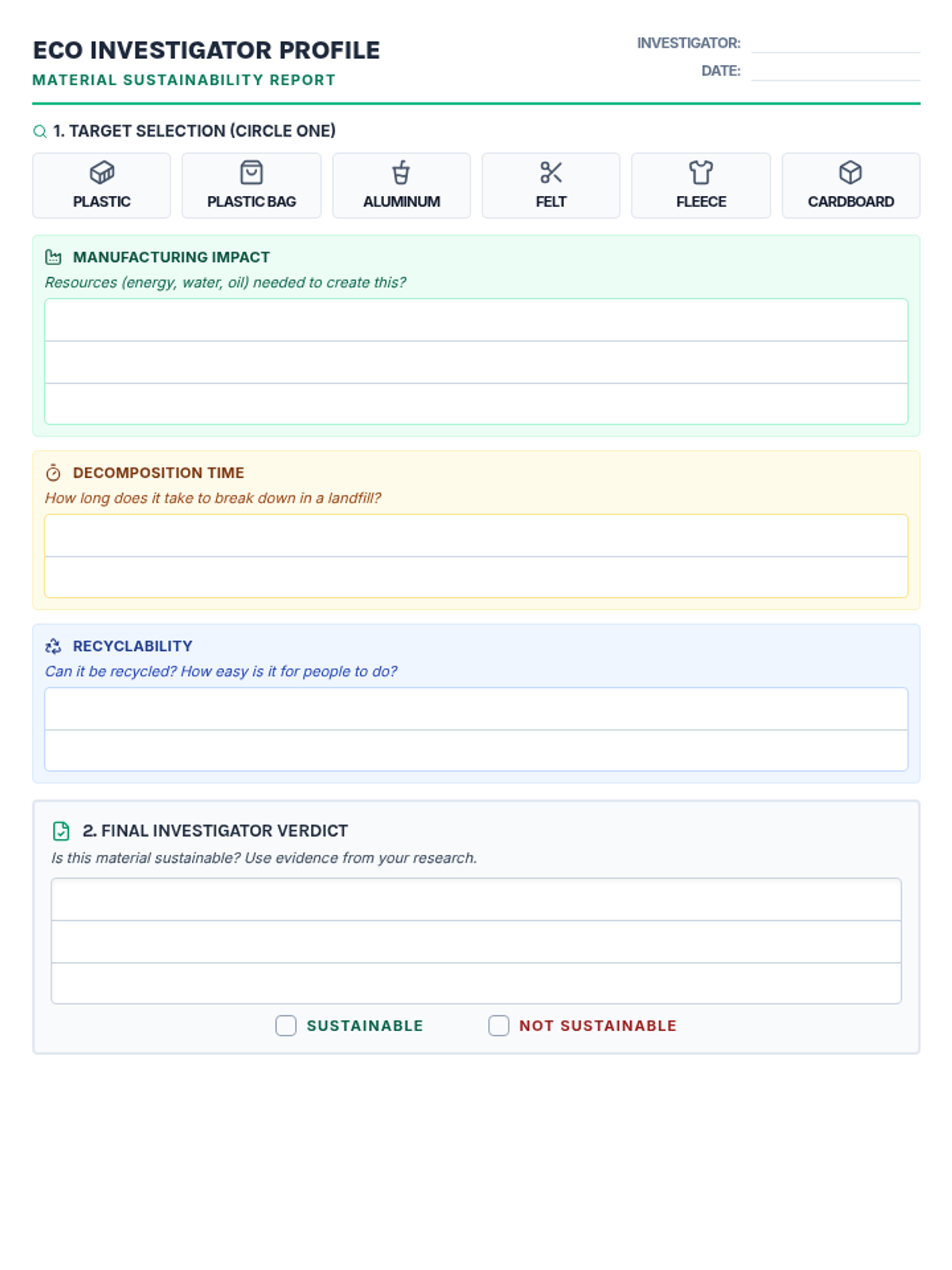
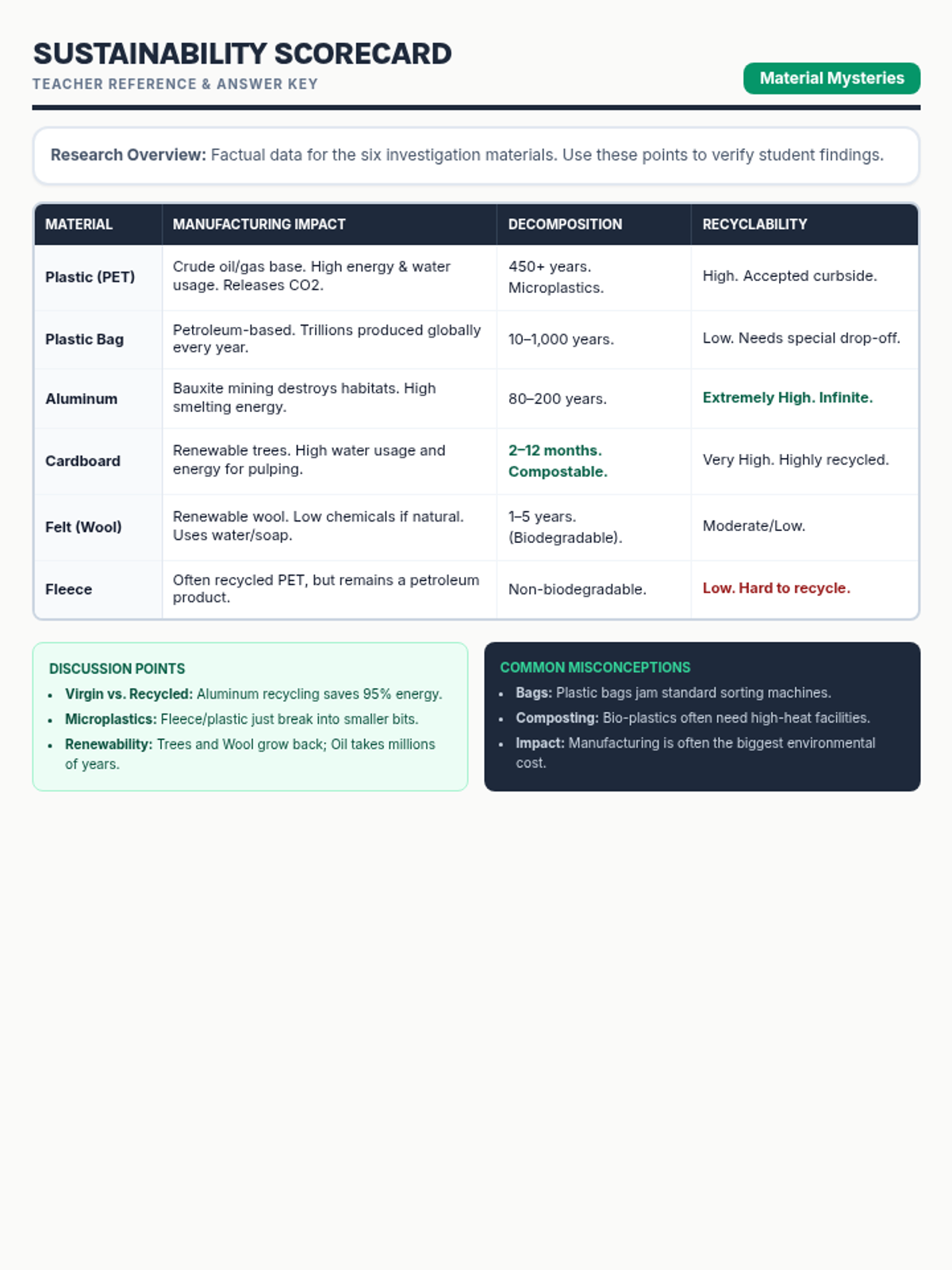
A research-based science lesson where students investigate the environmental impact of common materials like plastic, aluminum, and fleece. Students act as eco-detectives to evaluate recyclability, decomposition, and manufacturing footprints.
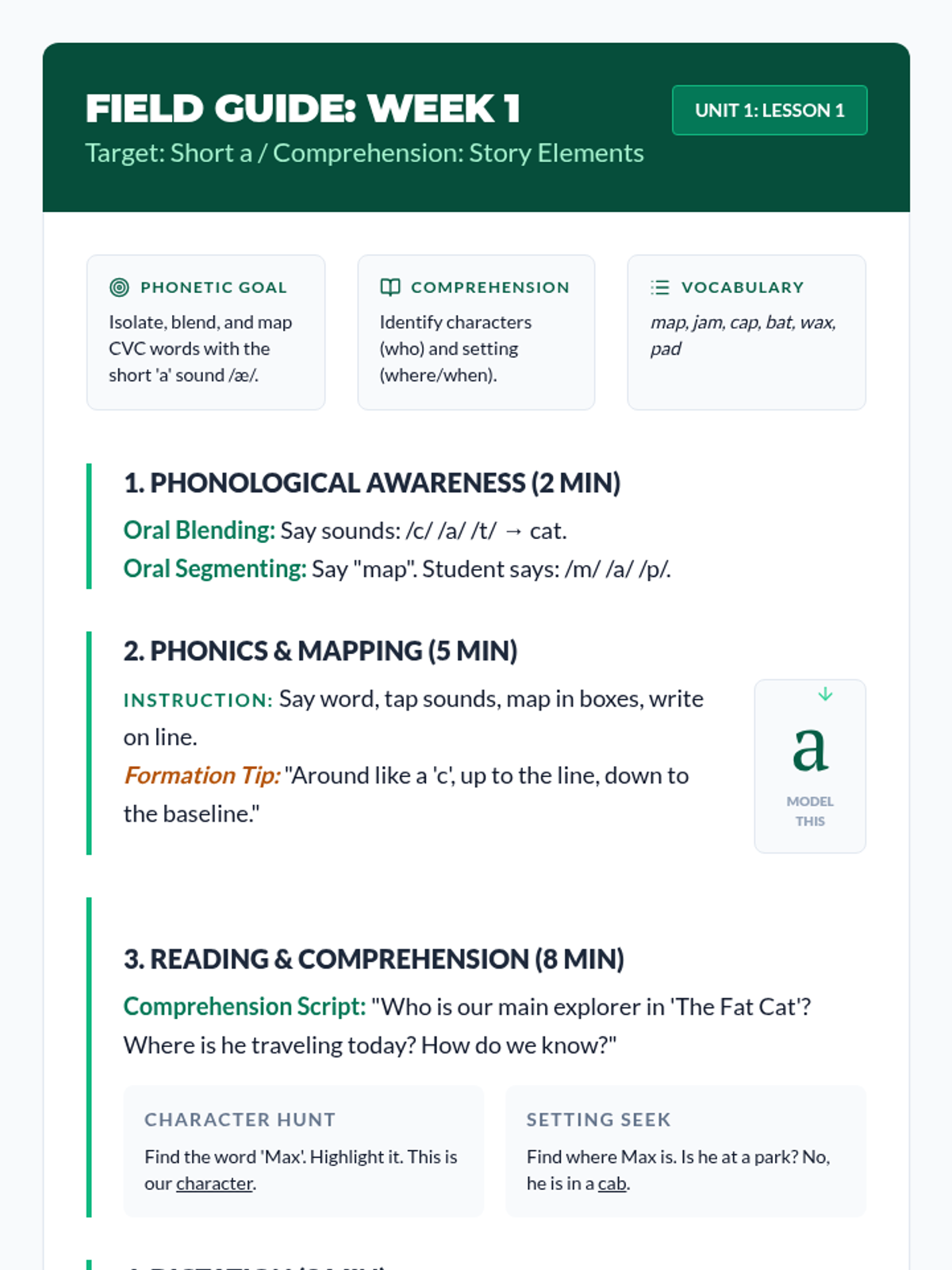
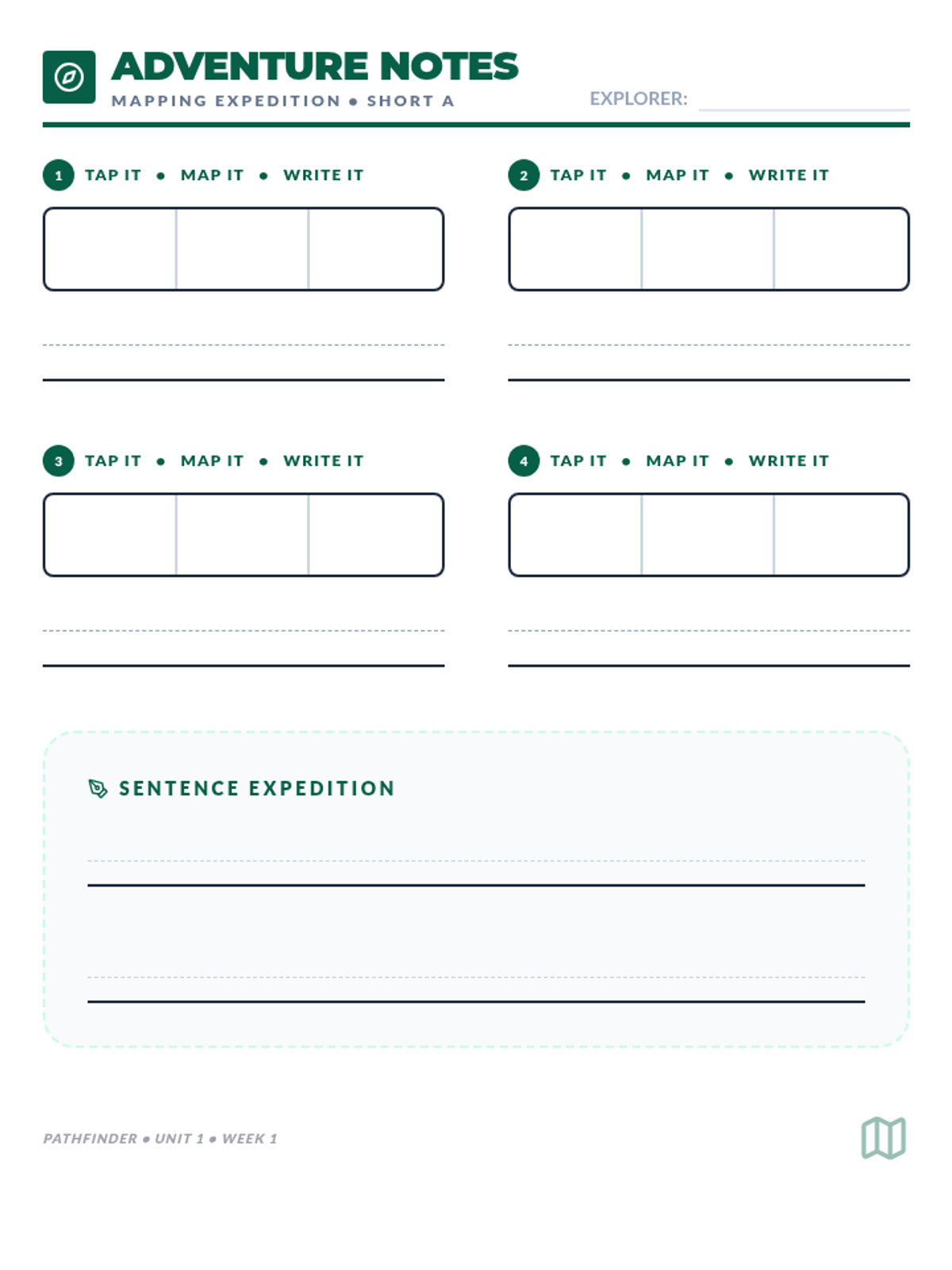
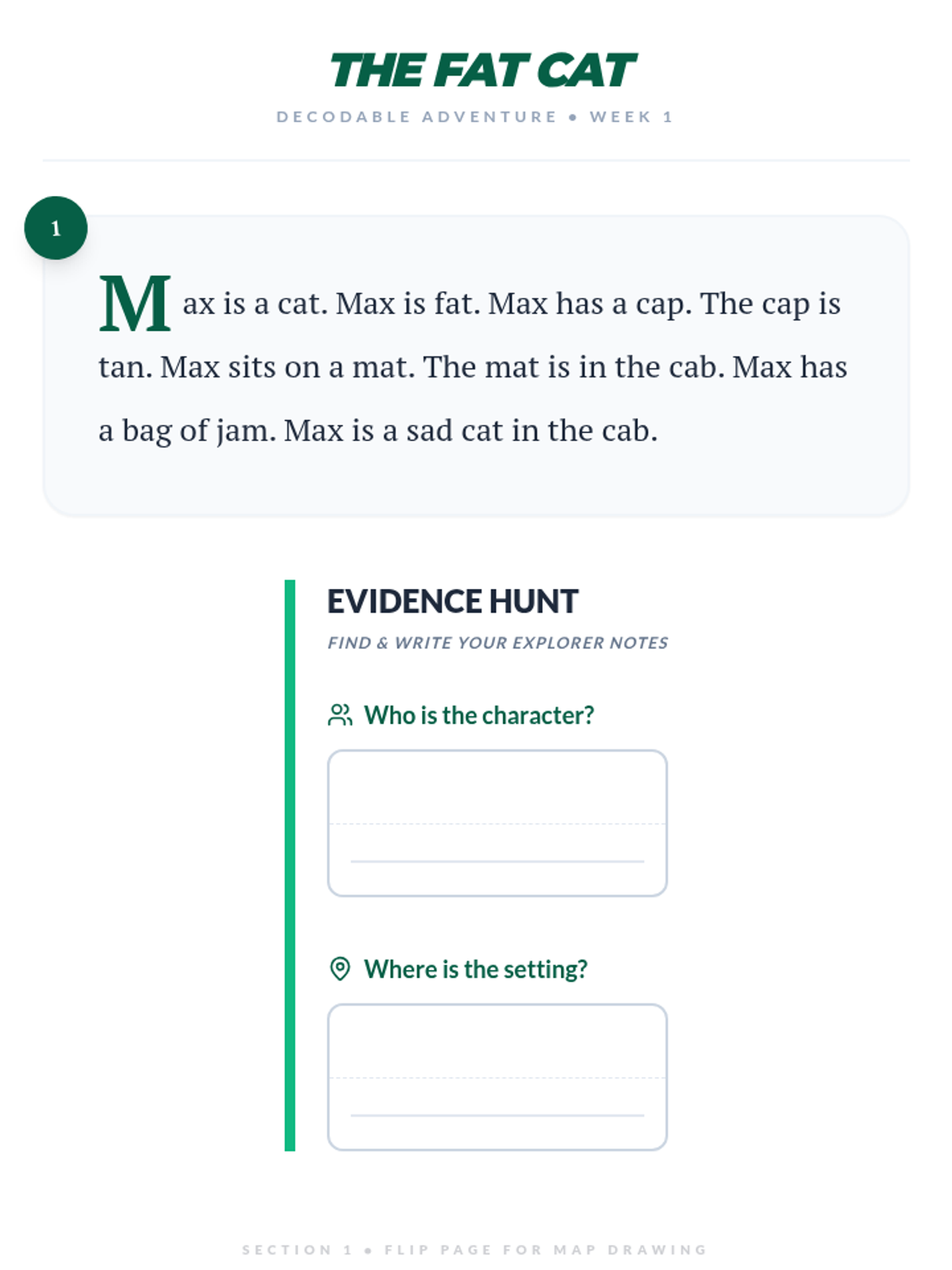
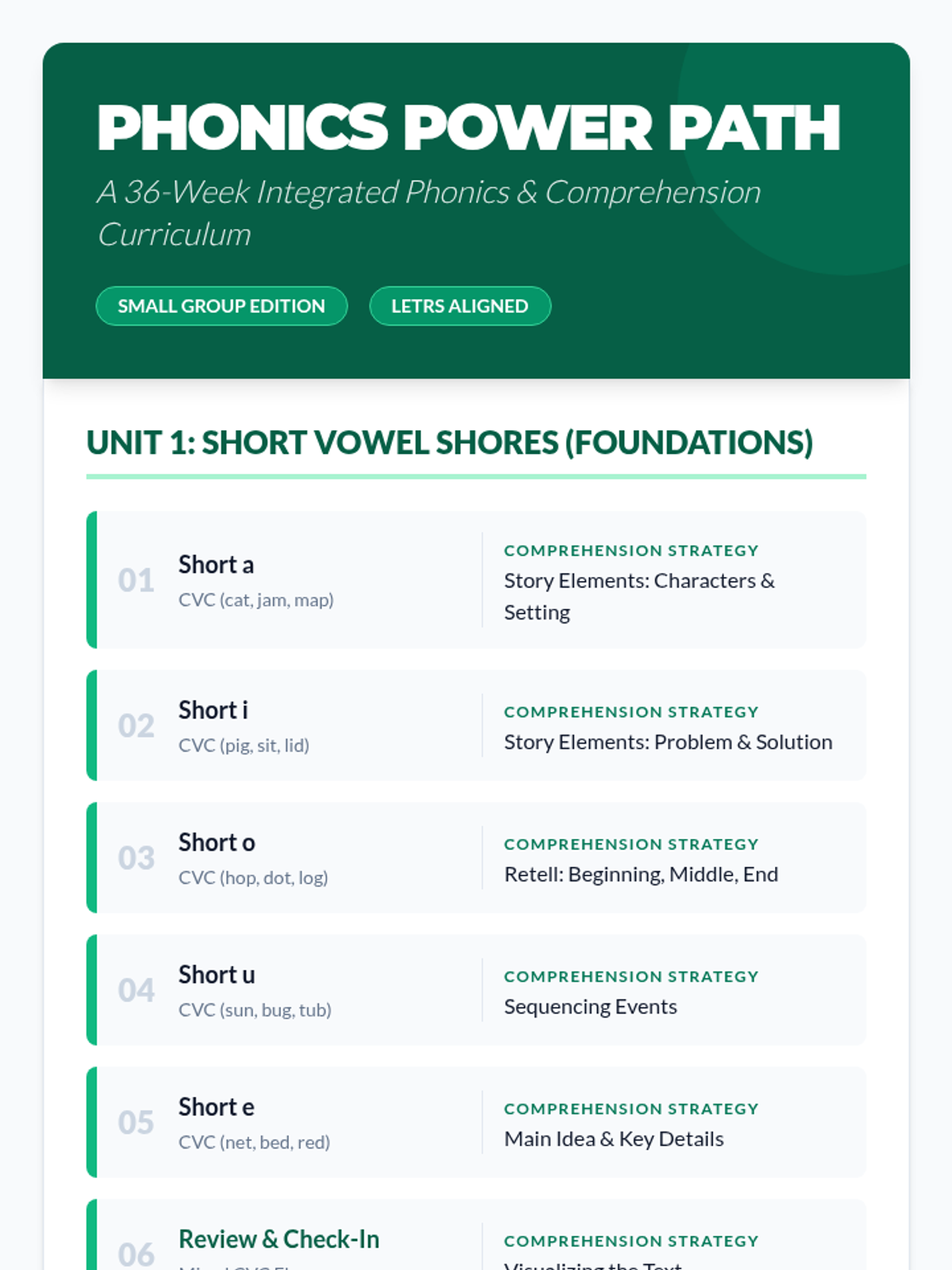
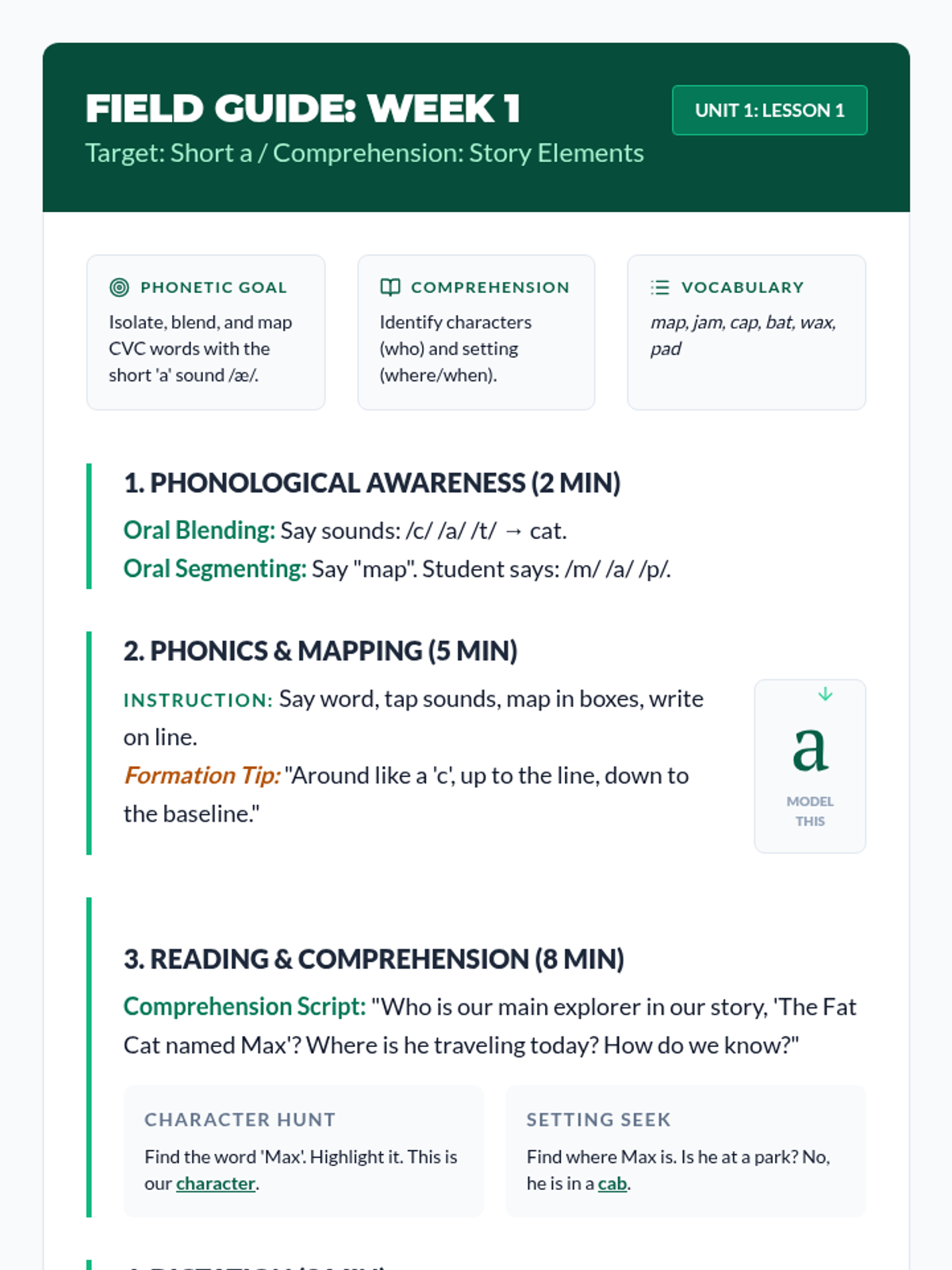
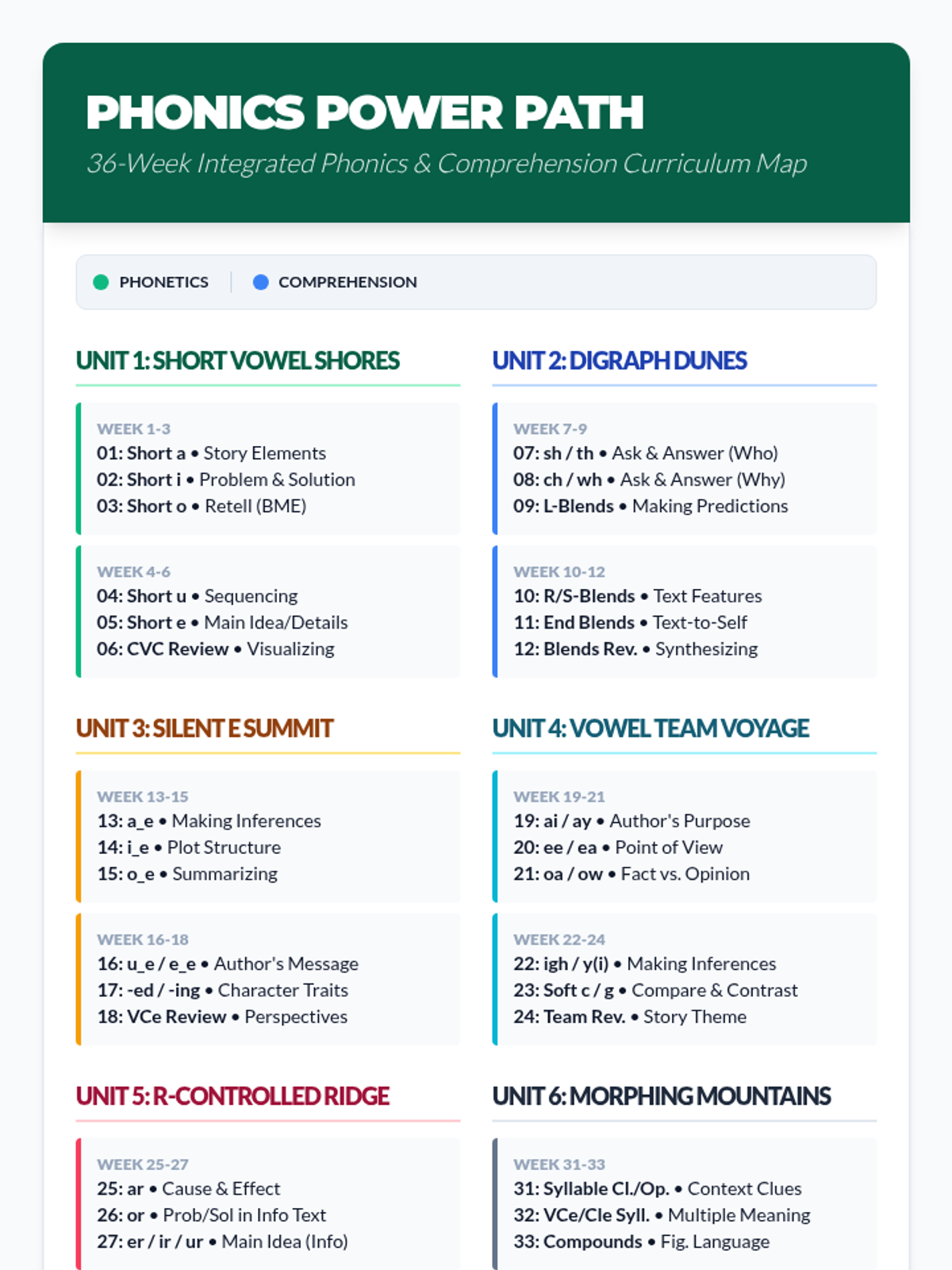
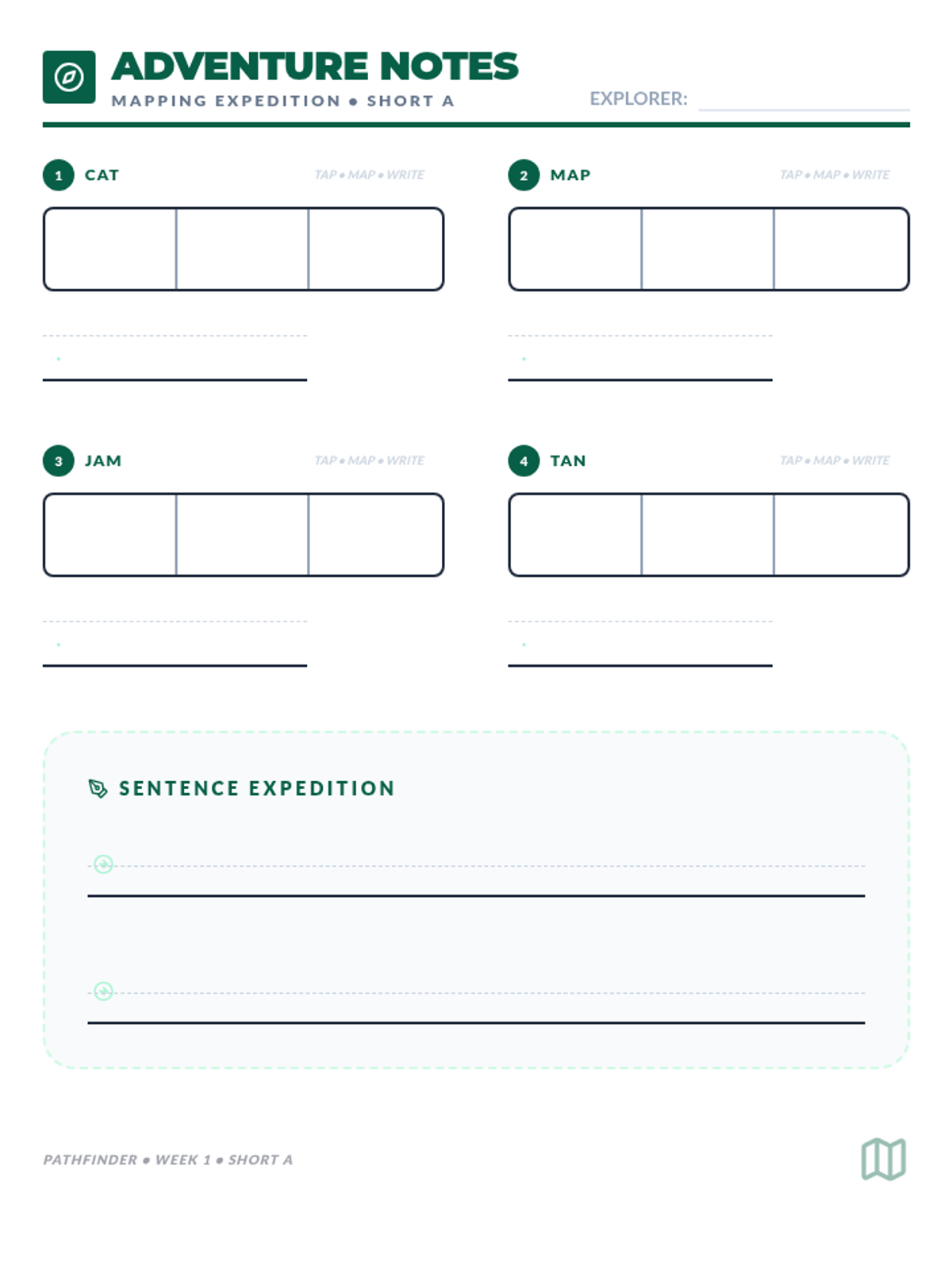
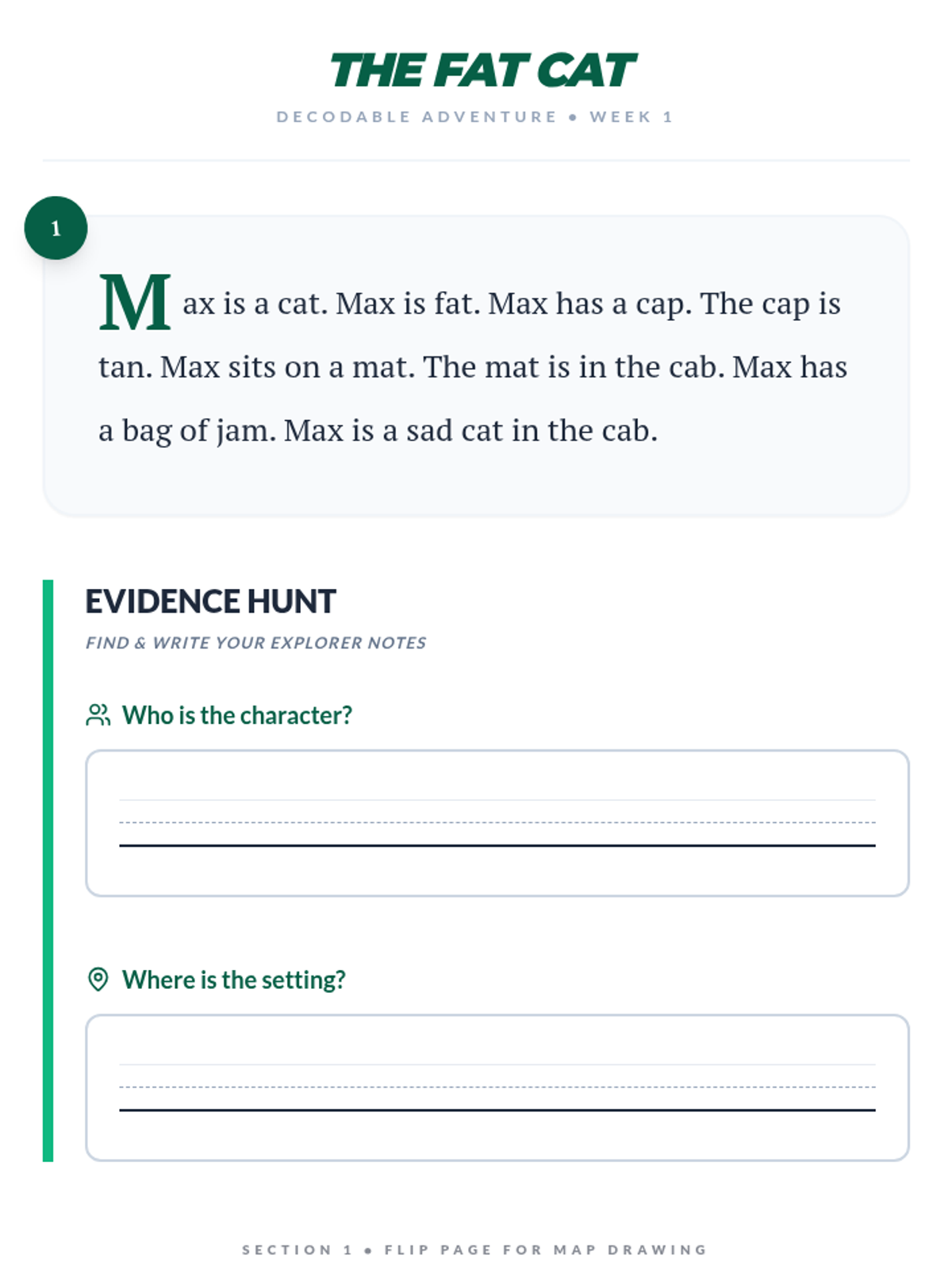
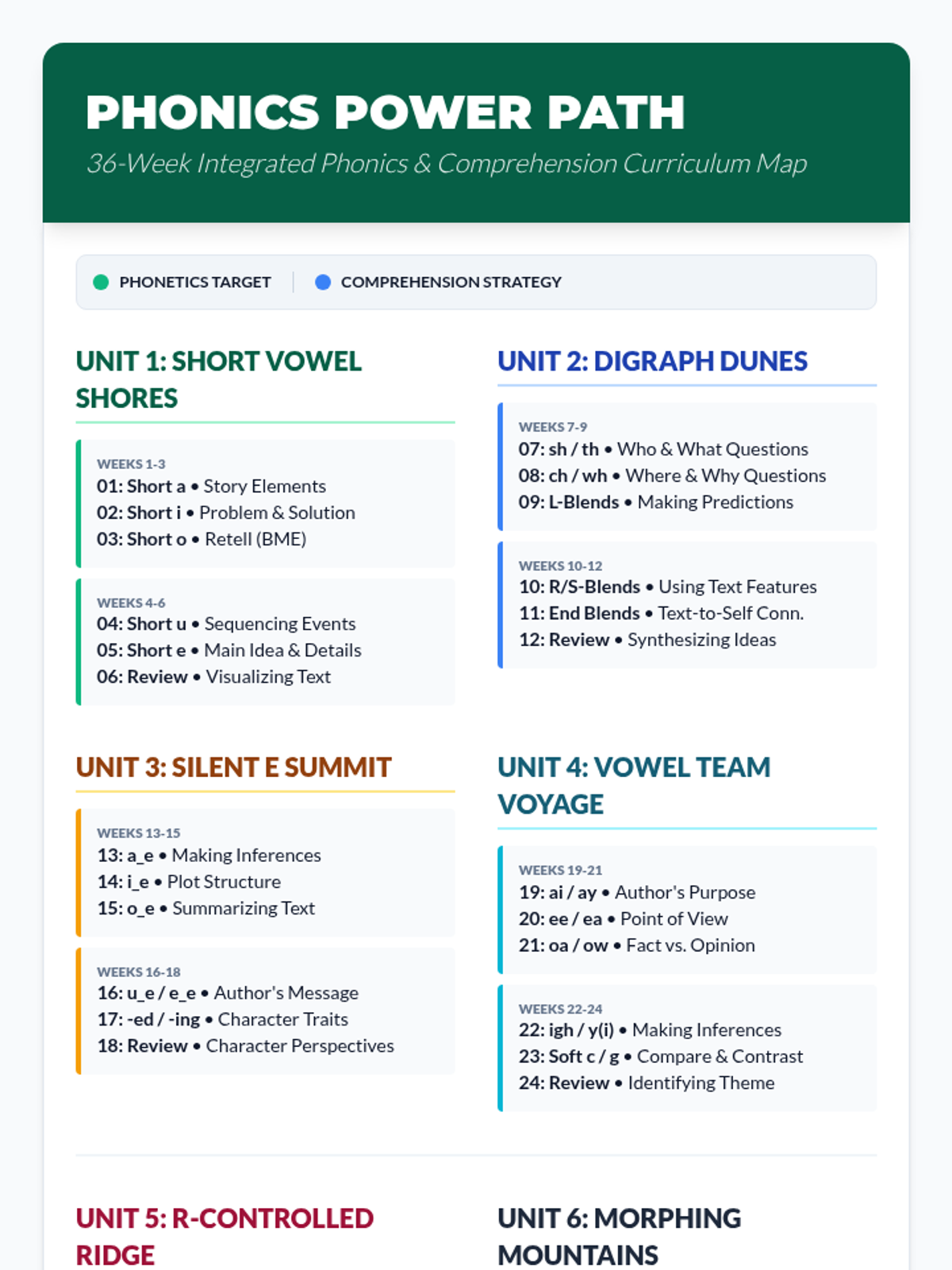
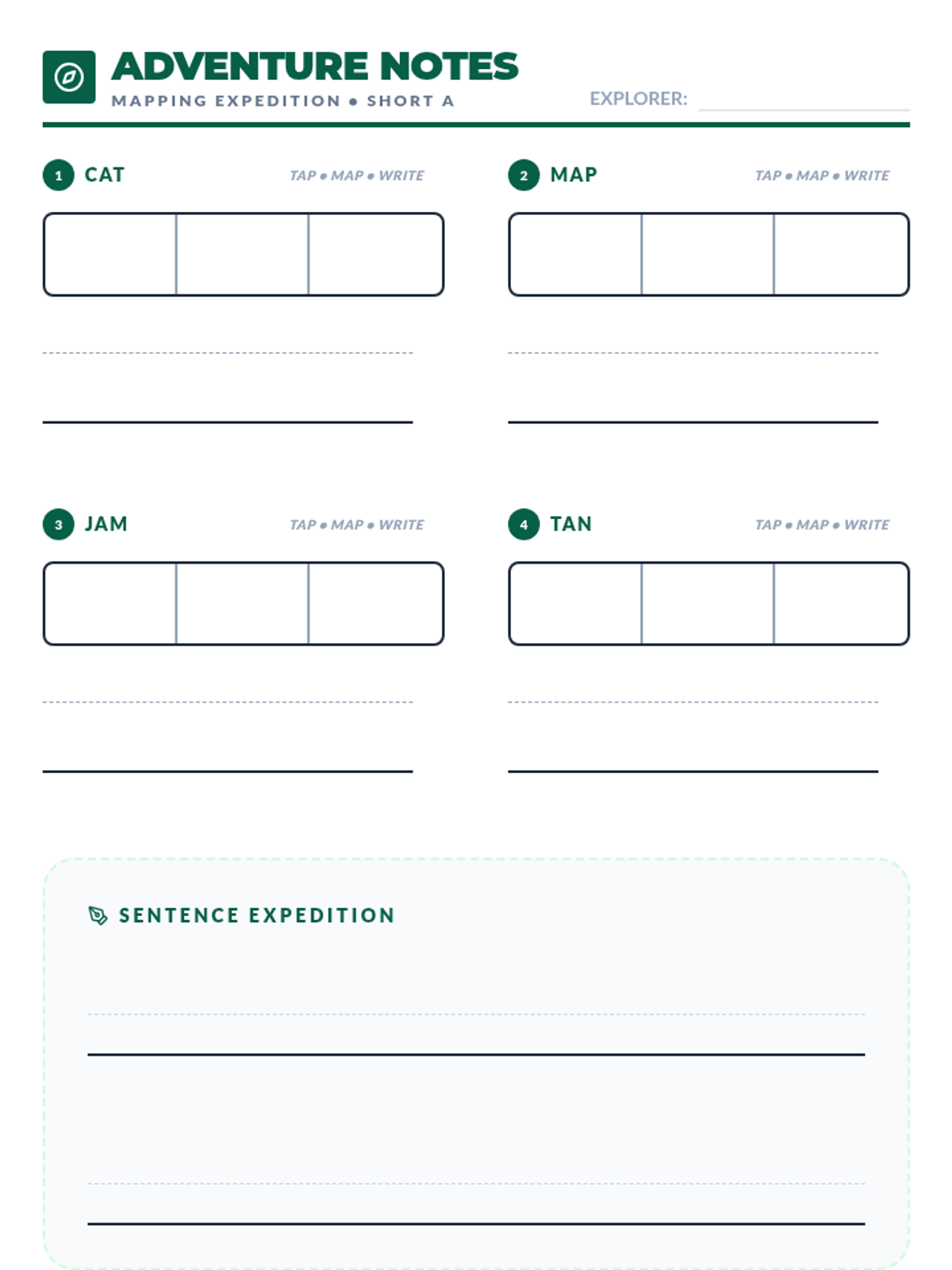
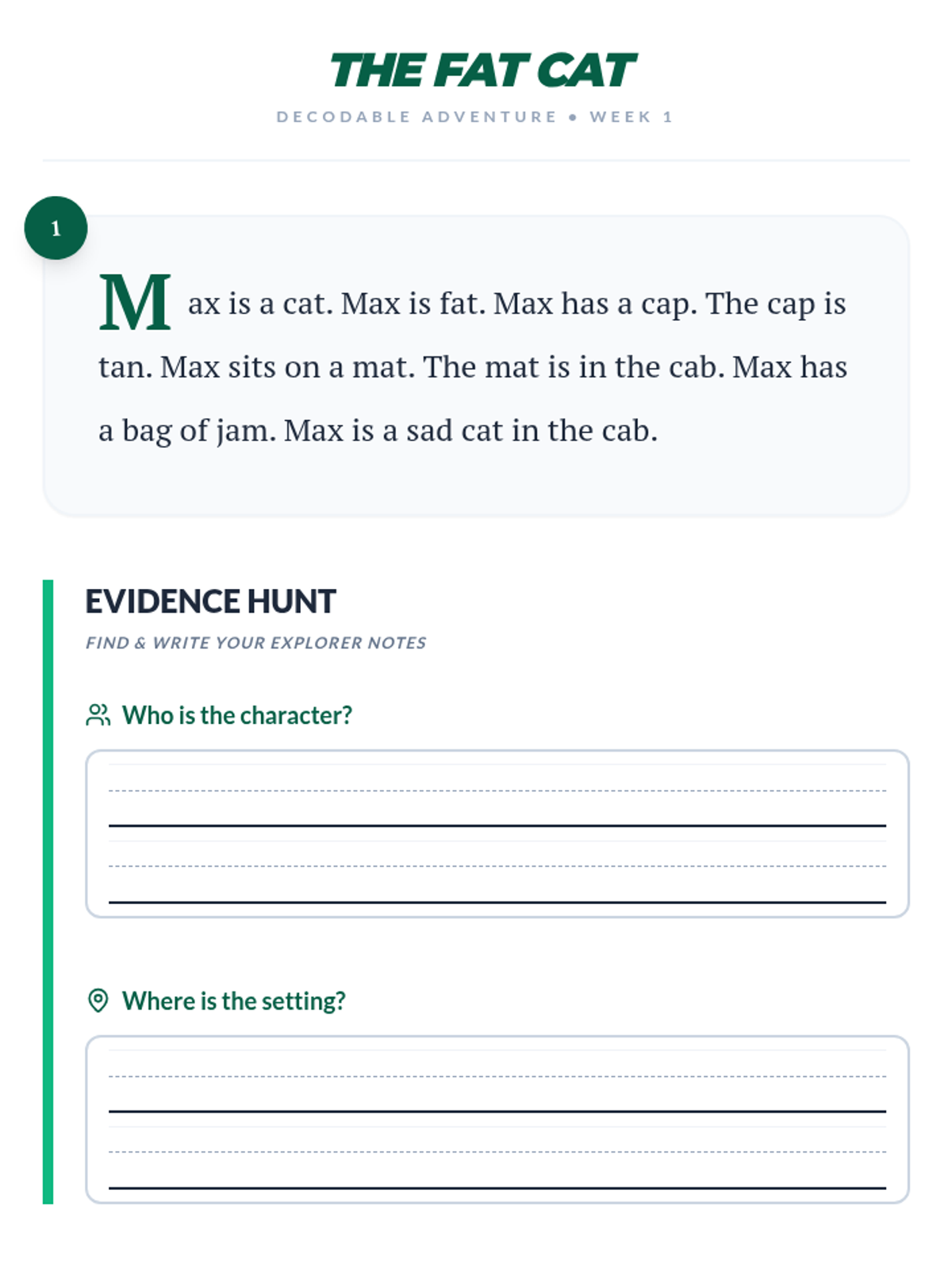
The first week of the Phonics Power Path curriculum, focusing on the short 'a' sound (CVC) and identifying basic story elements like characters and setting.
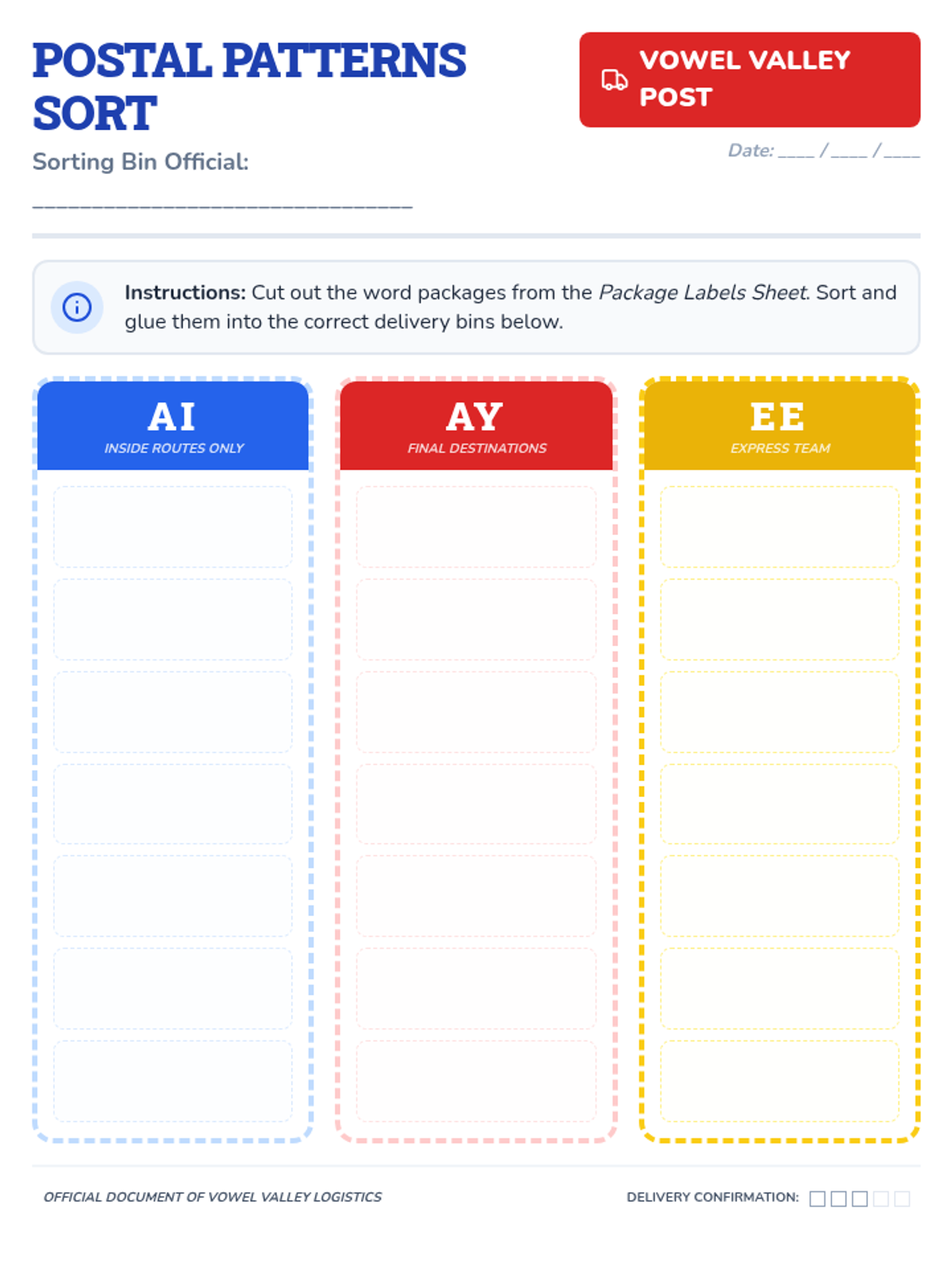
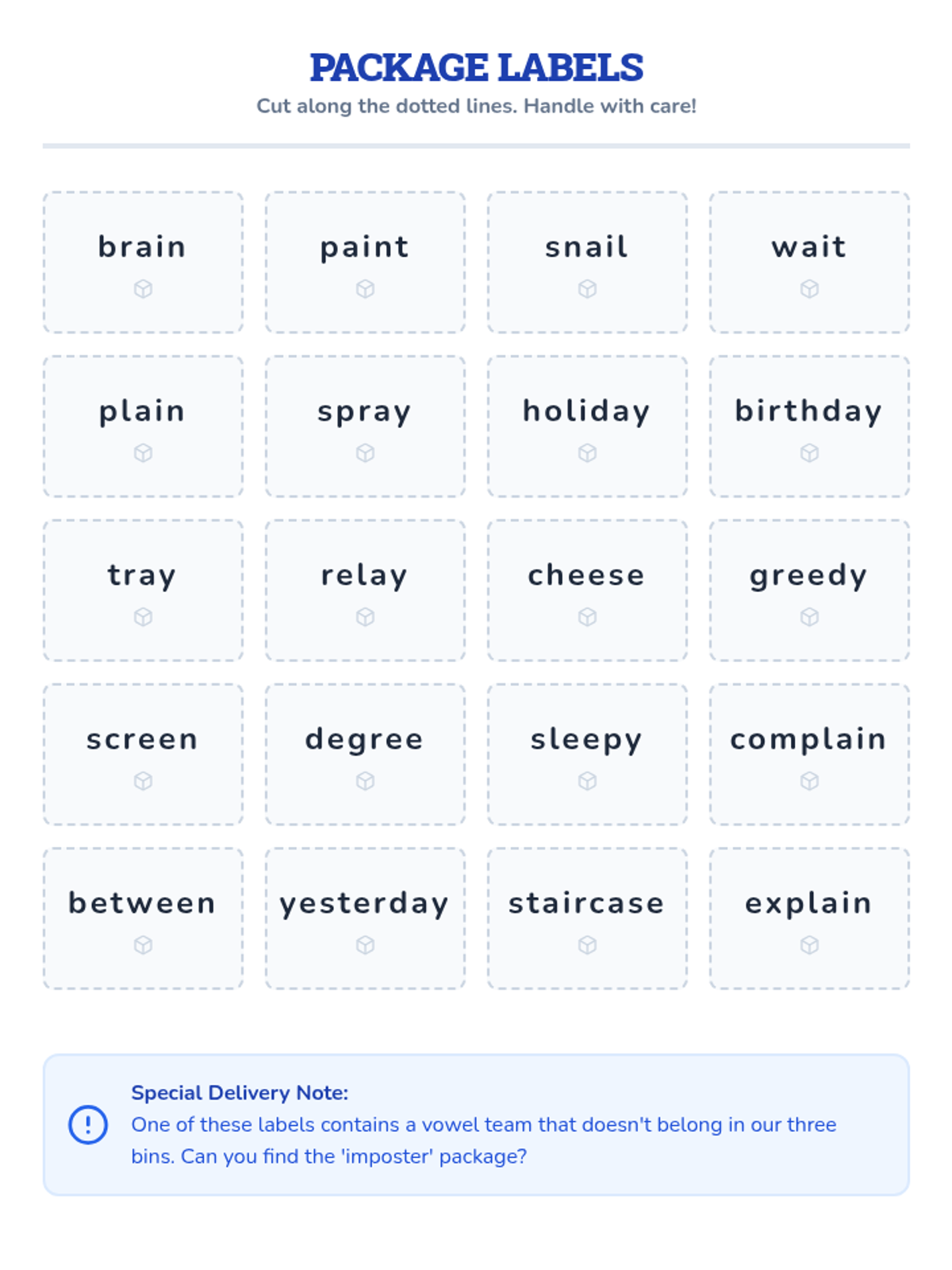
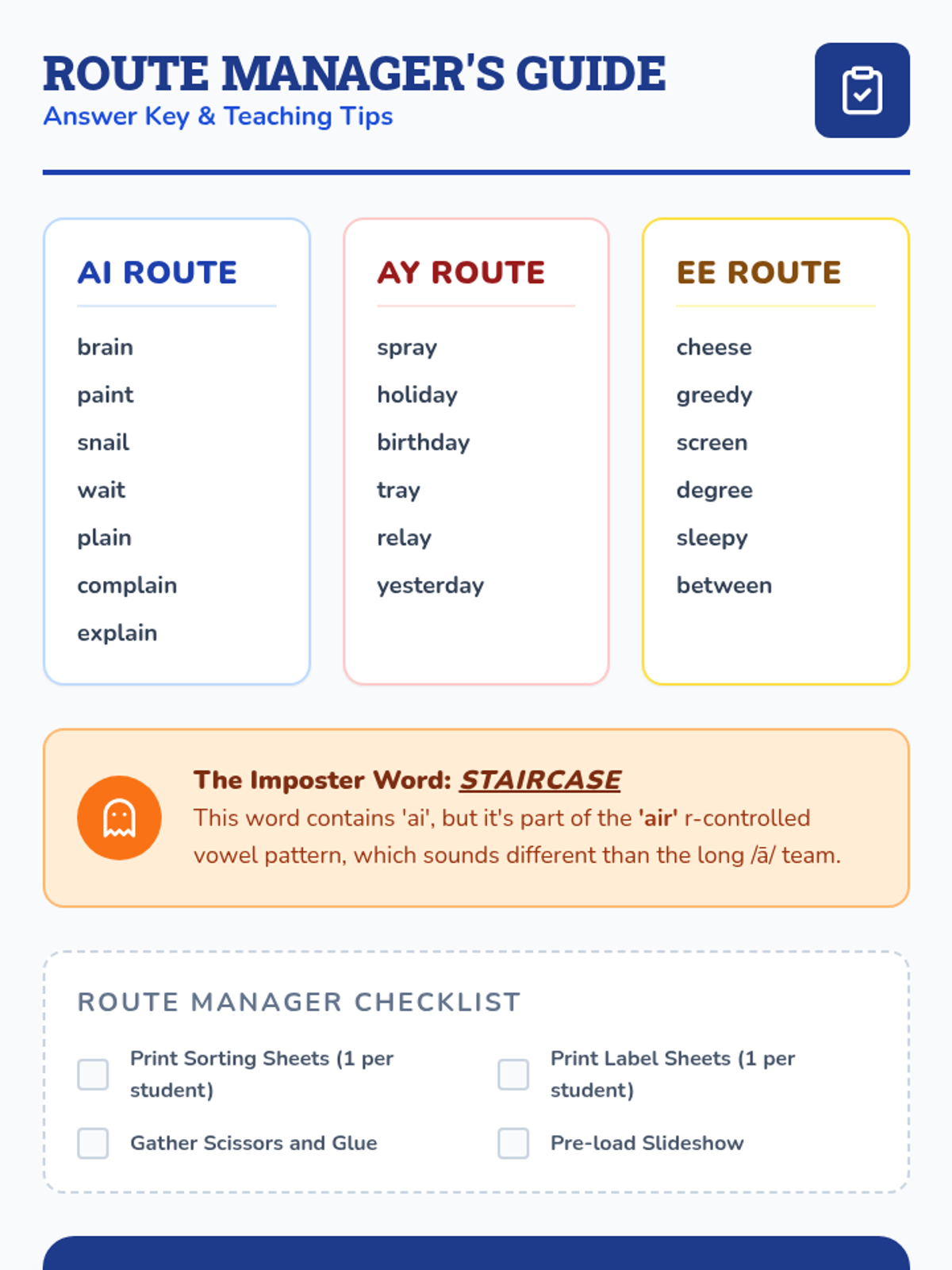
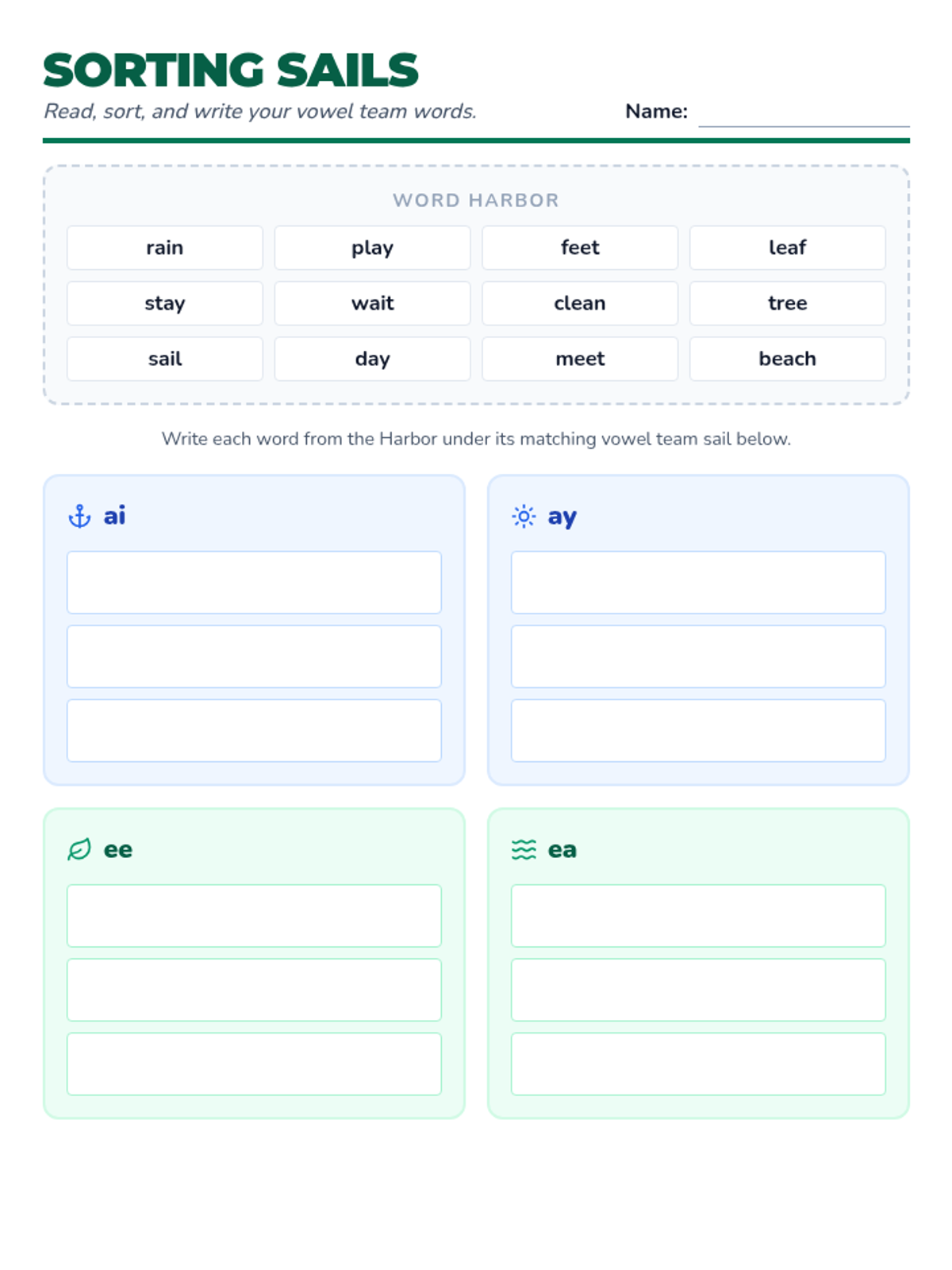
A phonics lesson for 3rd graders focused on identifying and sorting words with the 'ai', 'ay', and 'ee' vowel teams through a postal-themed sorting activity.
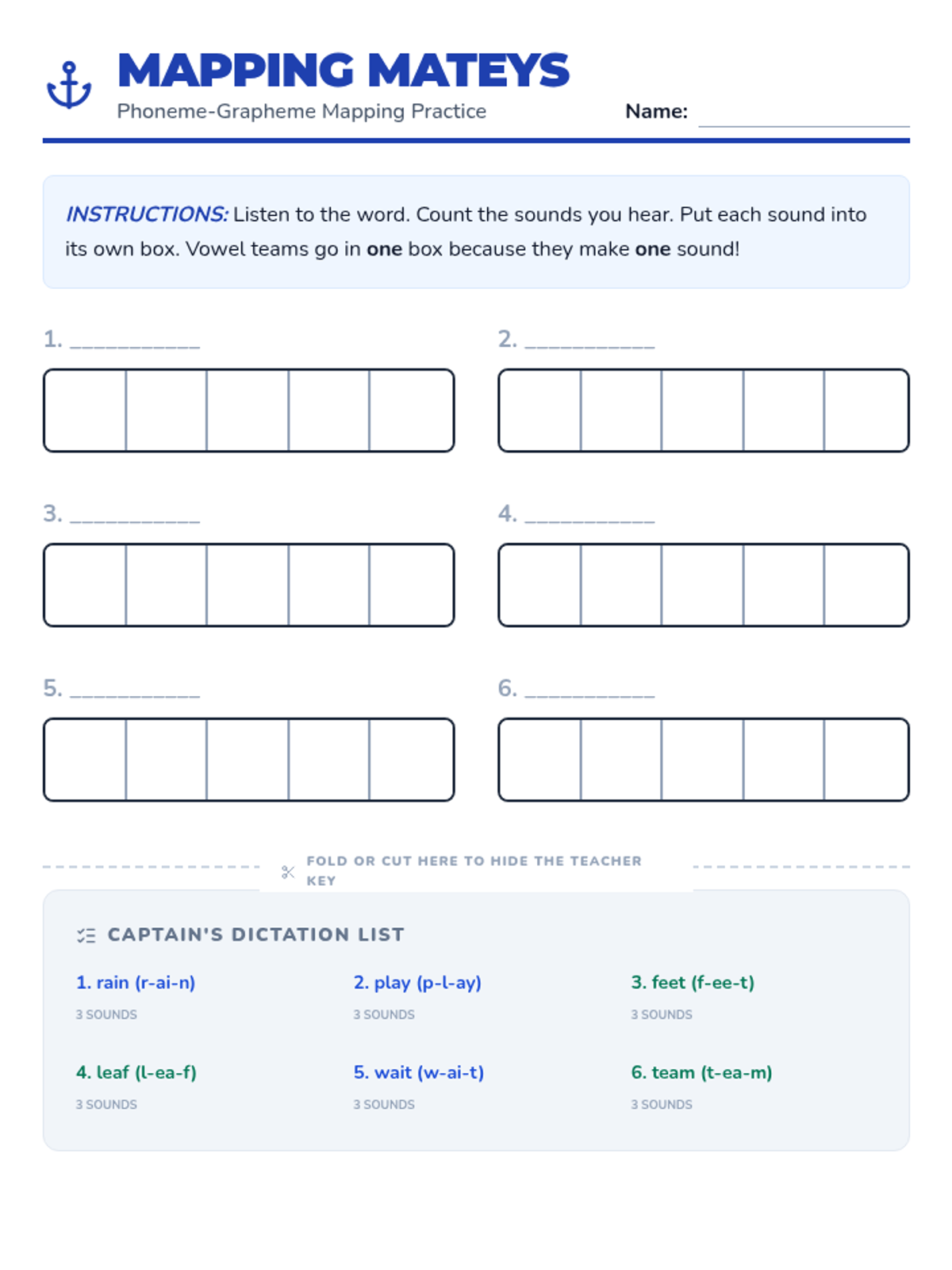
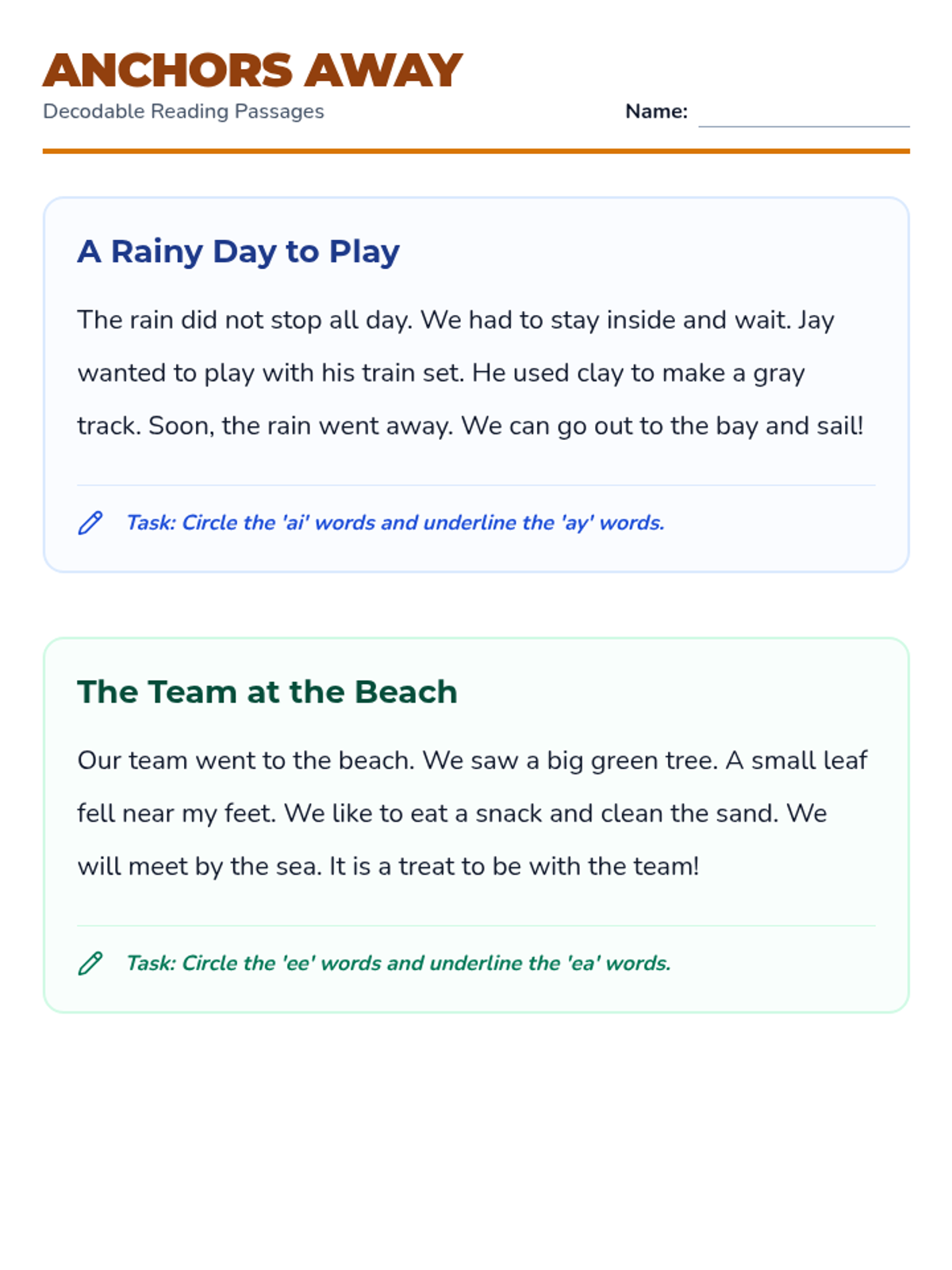
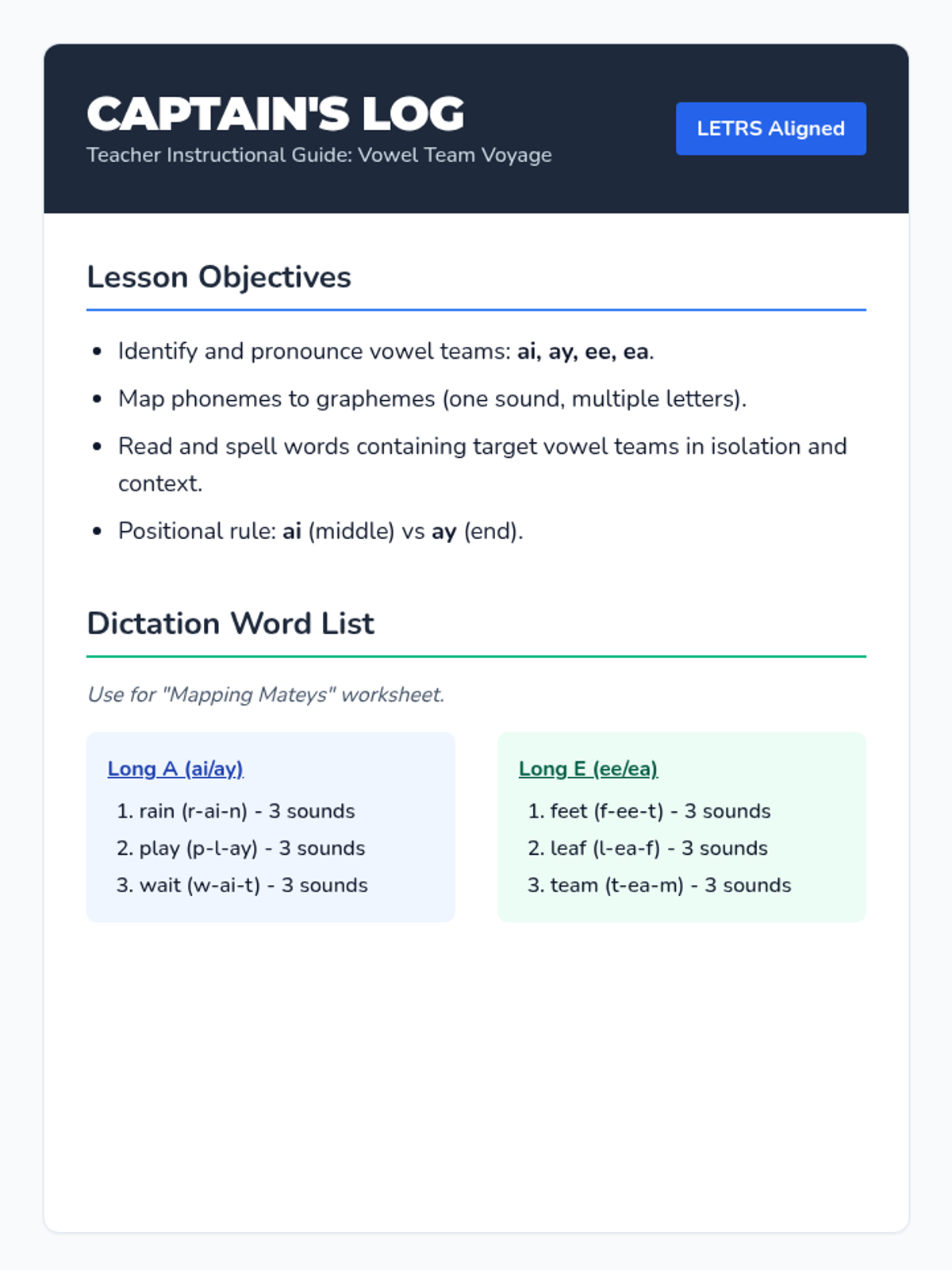
A comprehensive phonics lesson focusing on long vowel teams (ai, ay, ee, ea) following LETRS-aligned instructional practices, including phoneme-grapheme mapping and decodable reading.
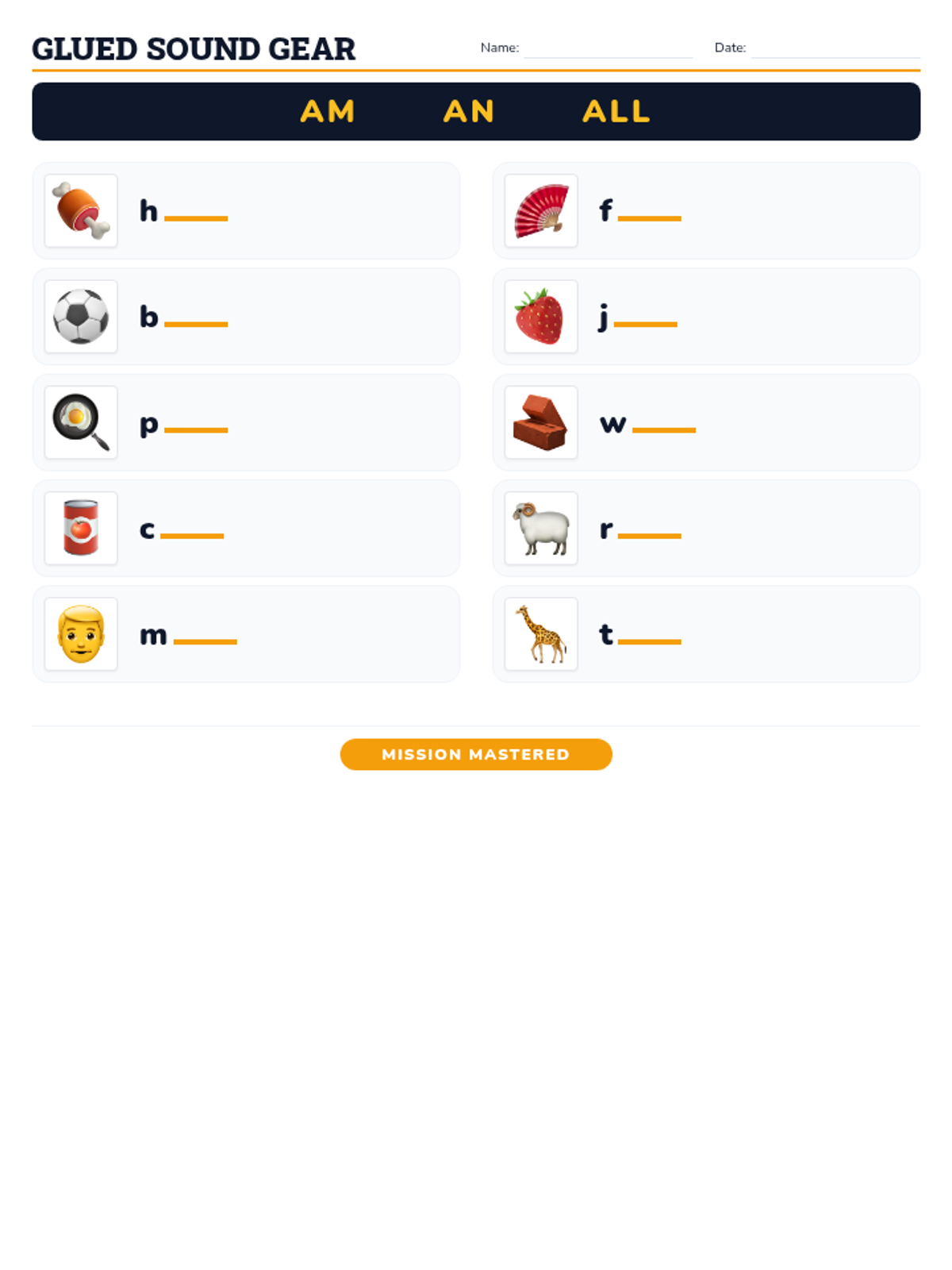
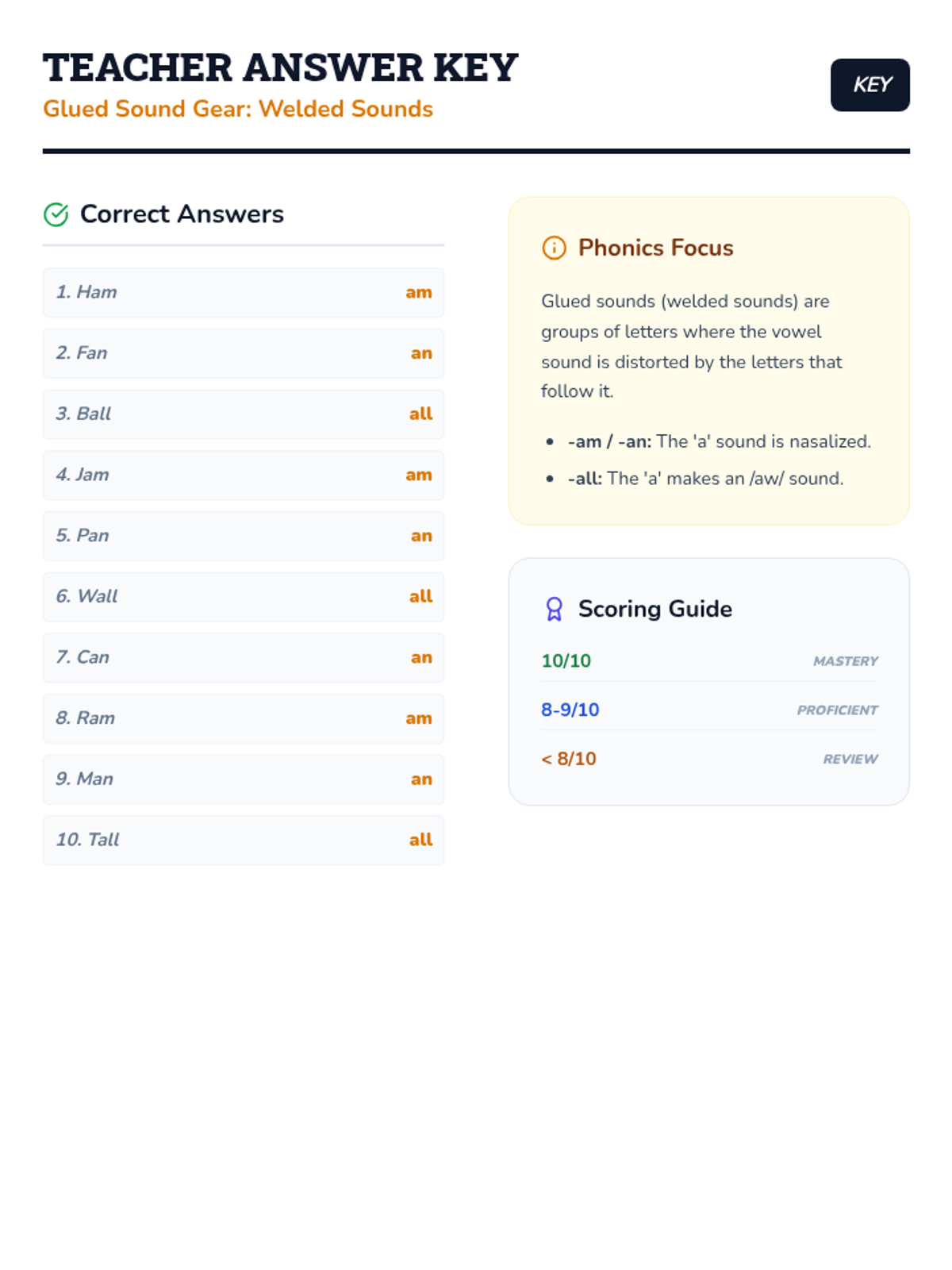
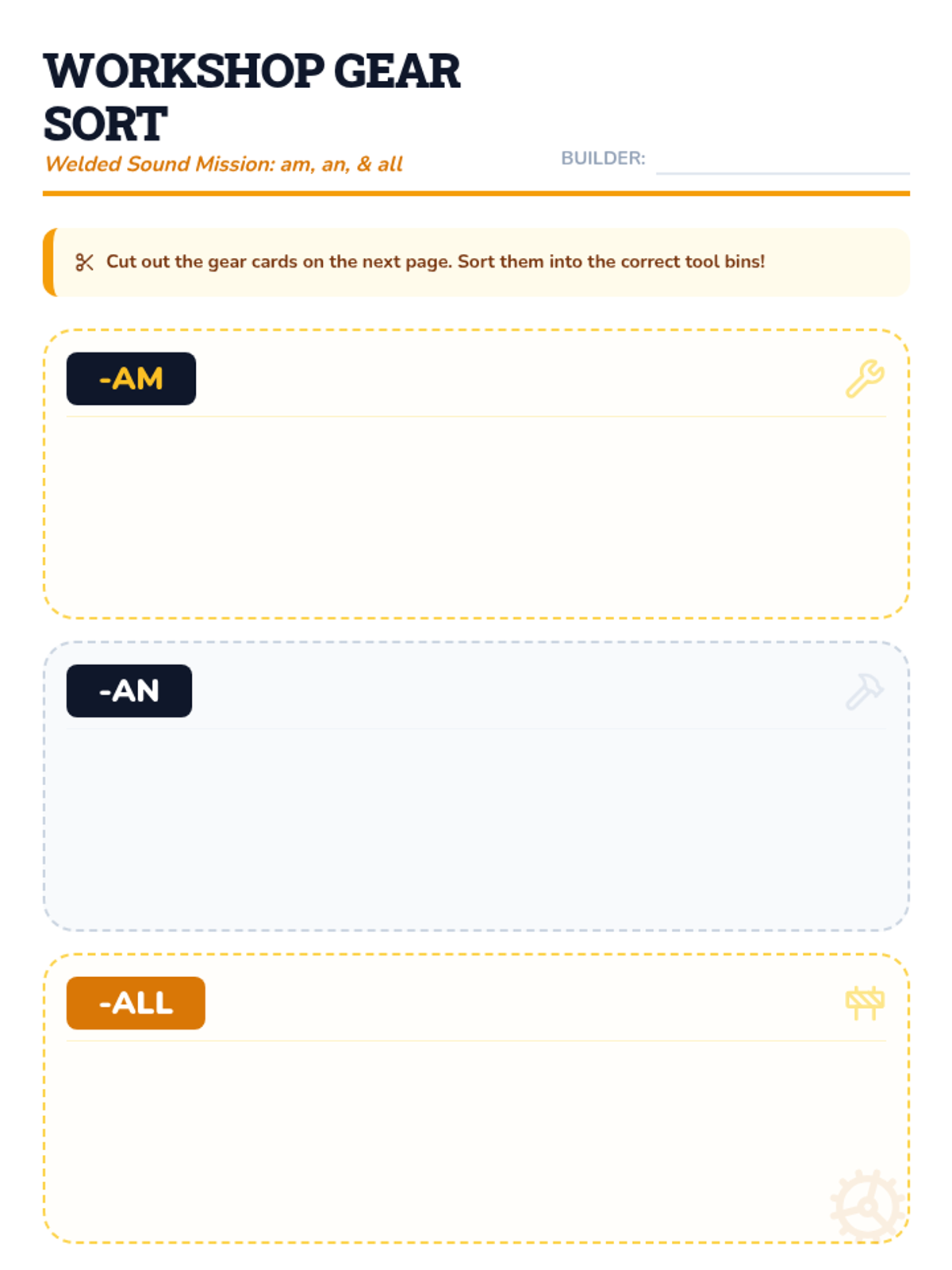
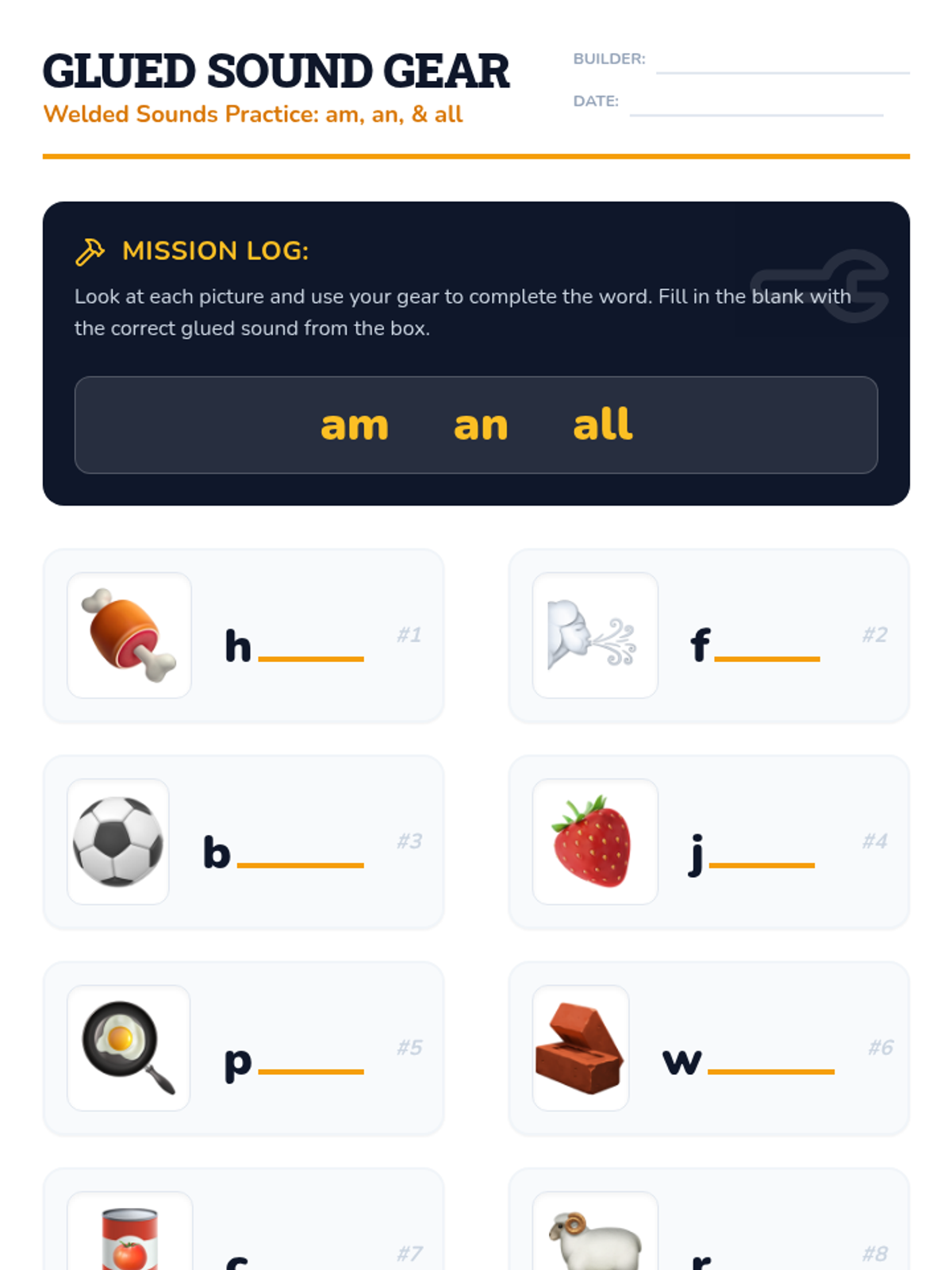
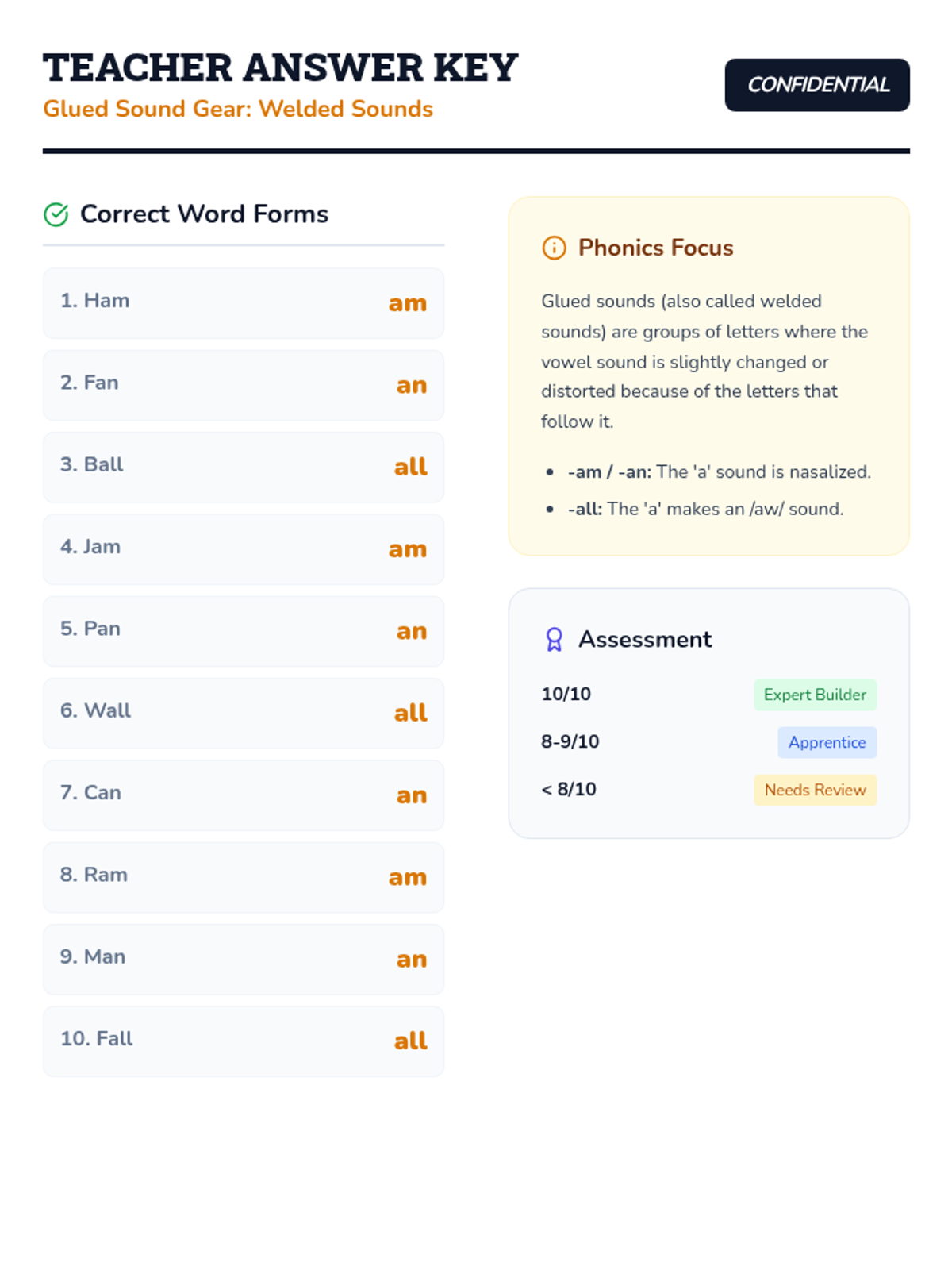
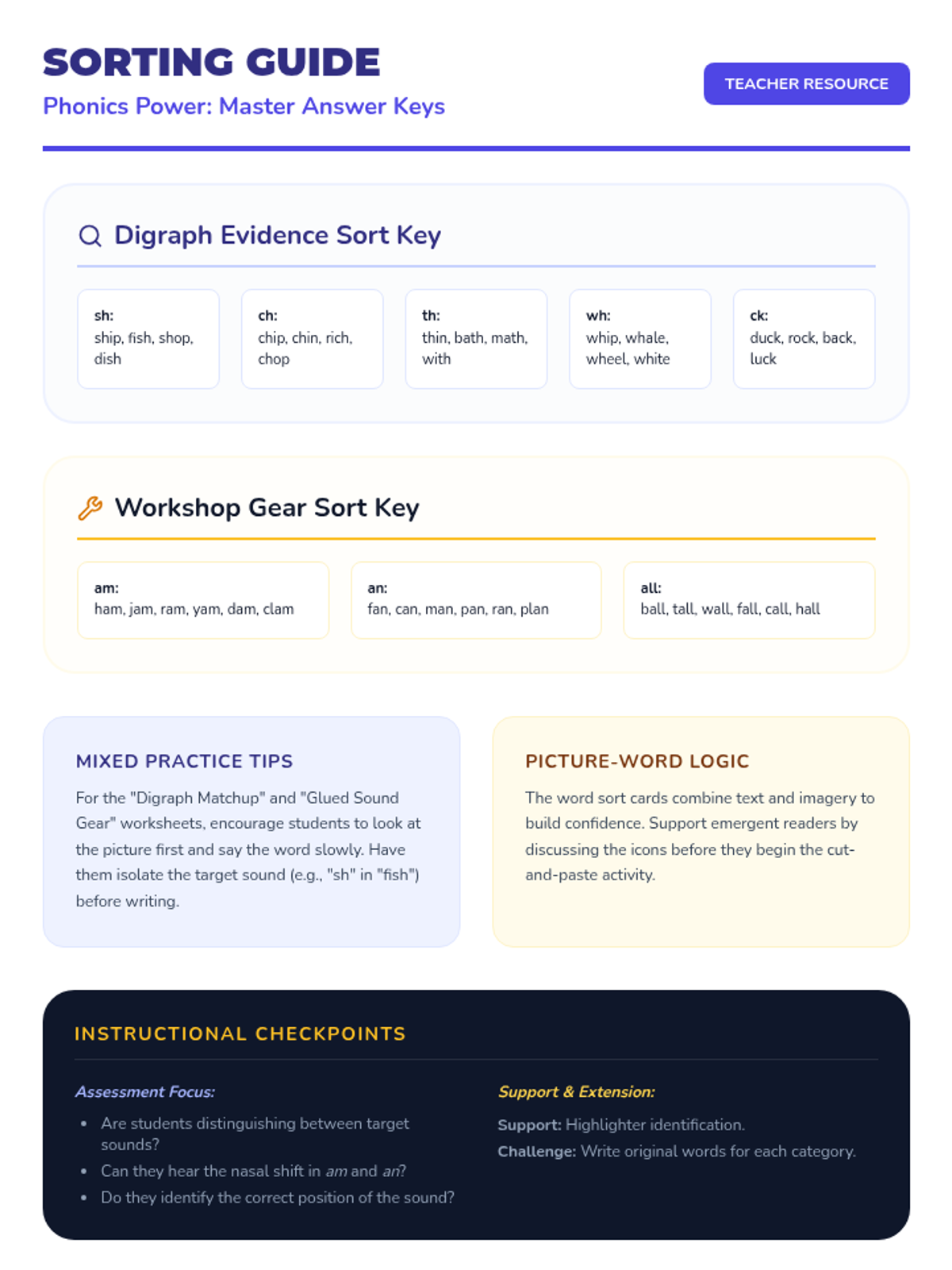
A workshop-themed phonics lesson focusing on identifying and using the 'glued' or 'welded' sounds -am, -an, and -all.
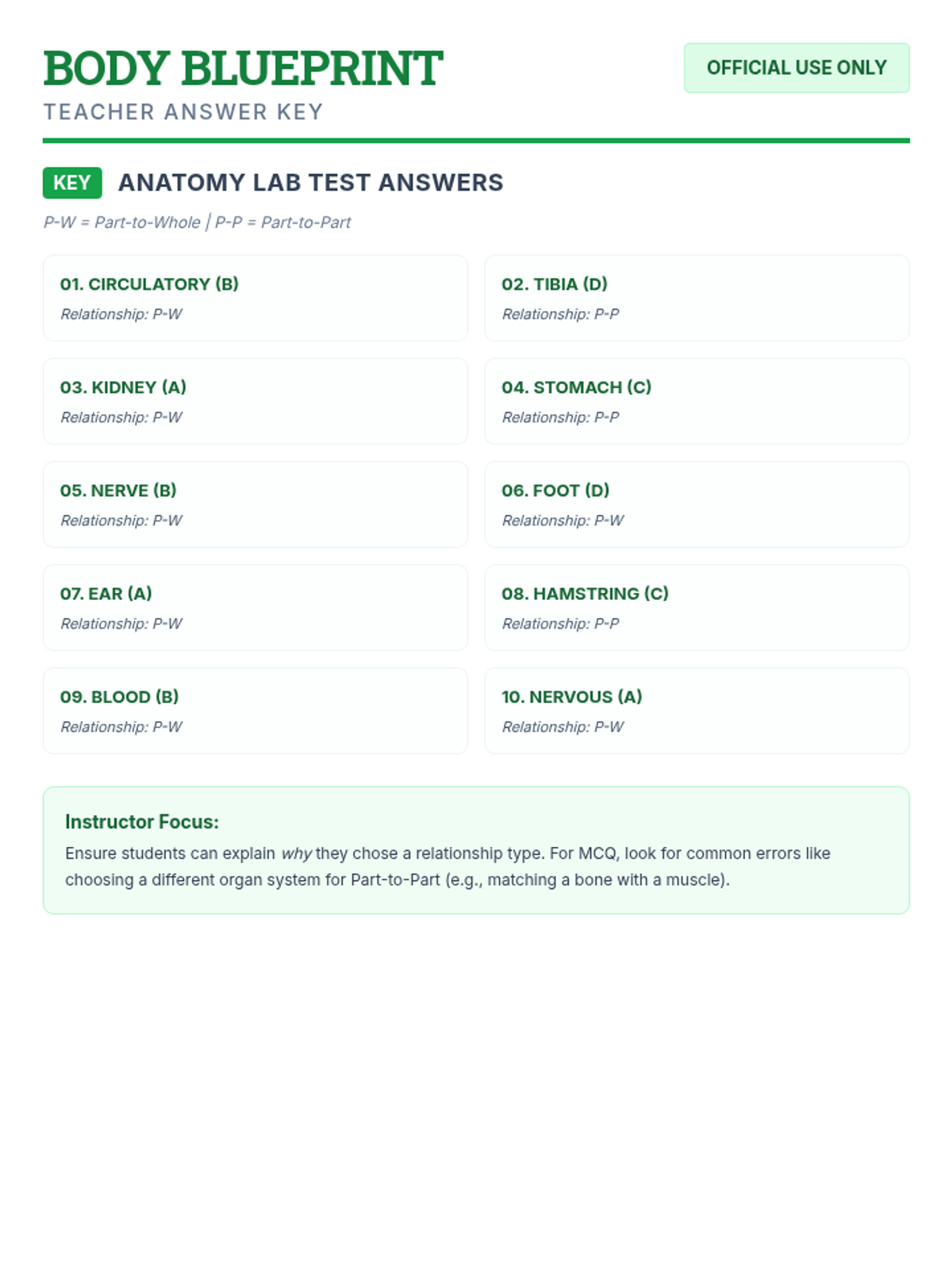
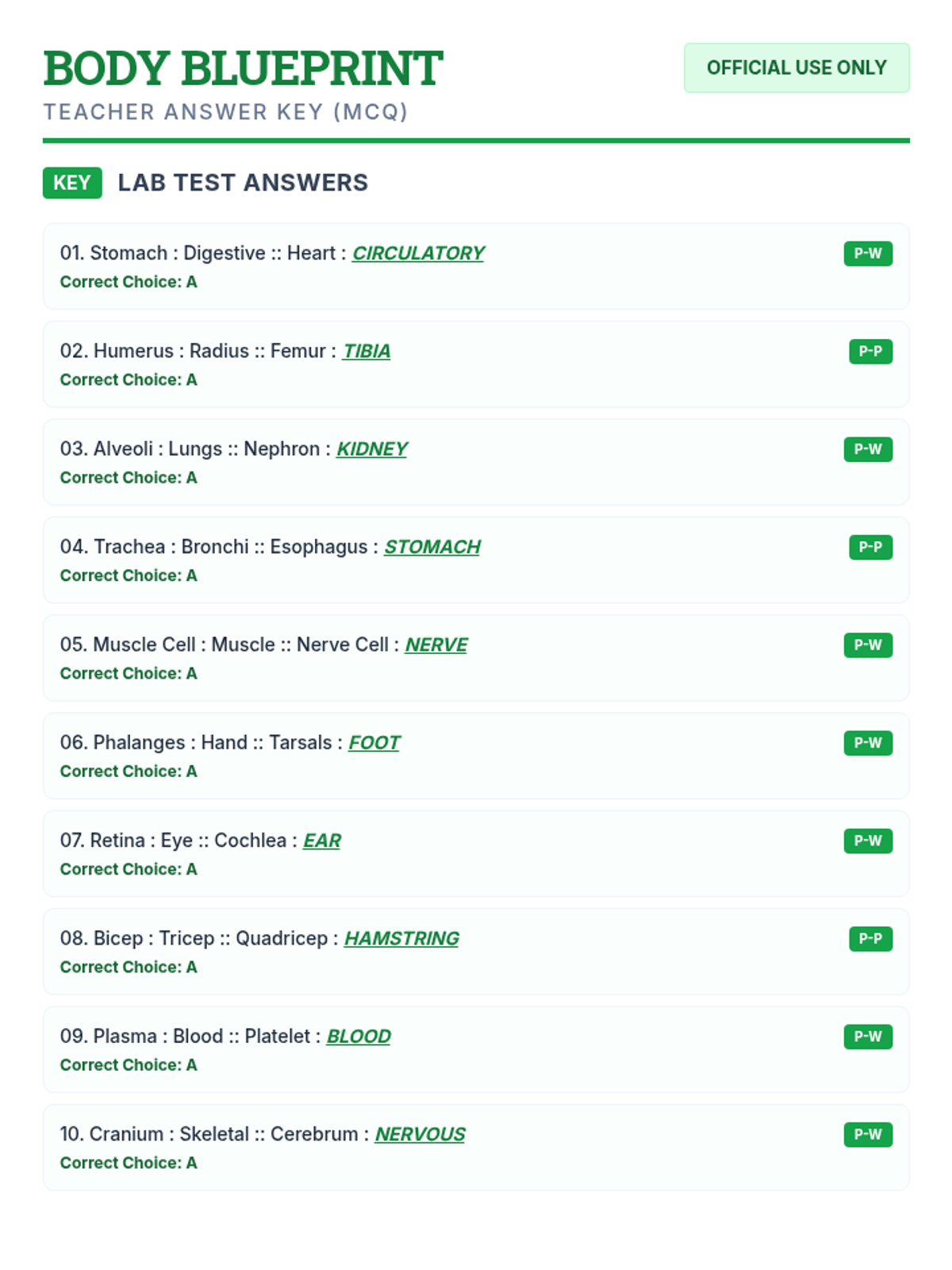
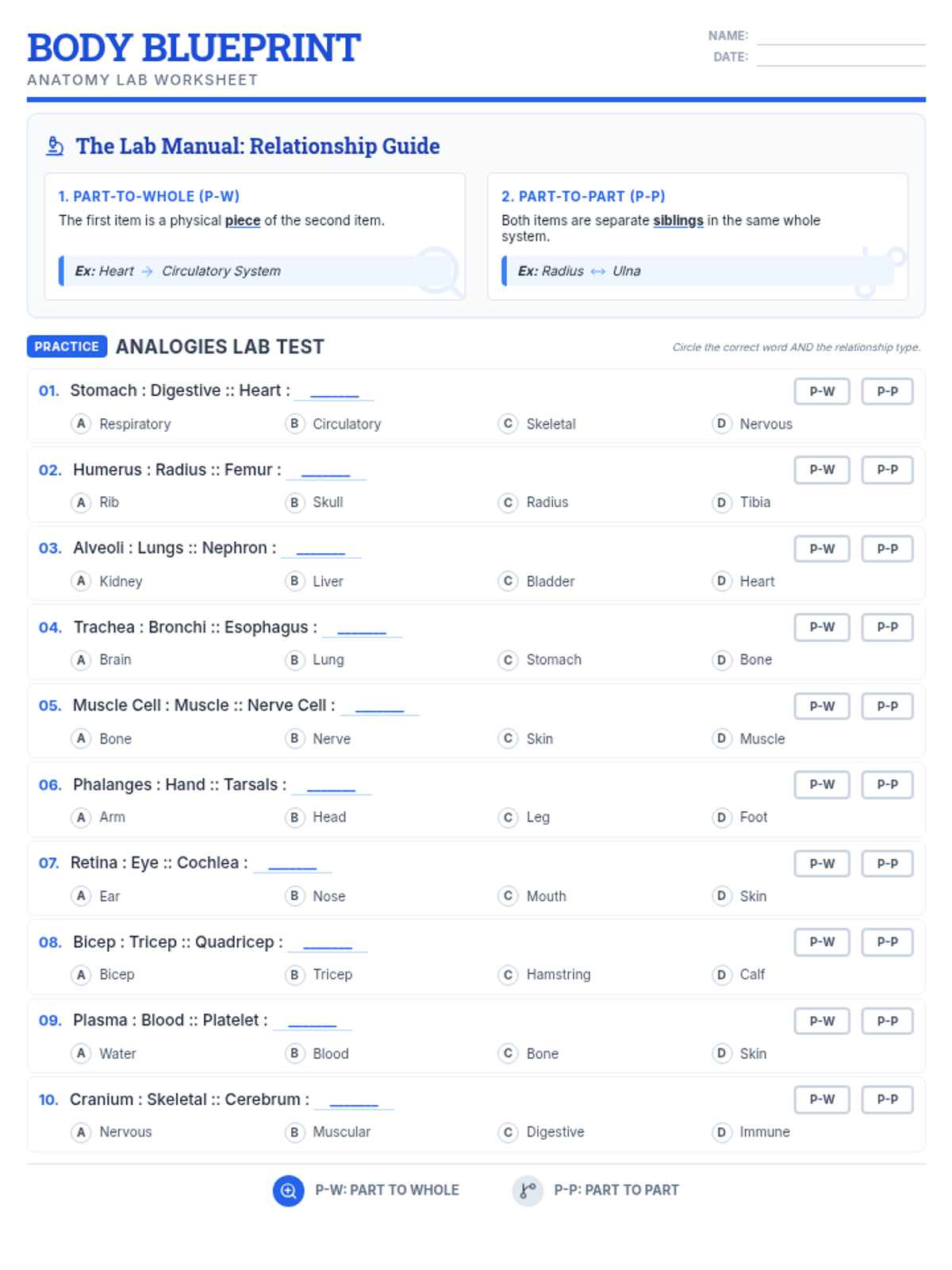
In this lesson, students explore the relationship between anatomical structures using analogies. They will distinguish between part-to-whole and part-to-part relationships within human body systems.
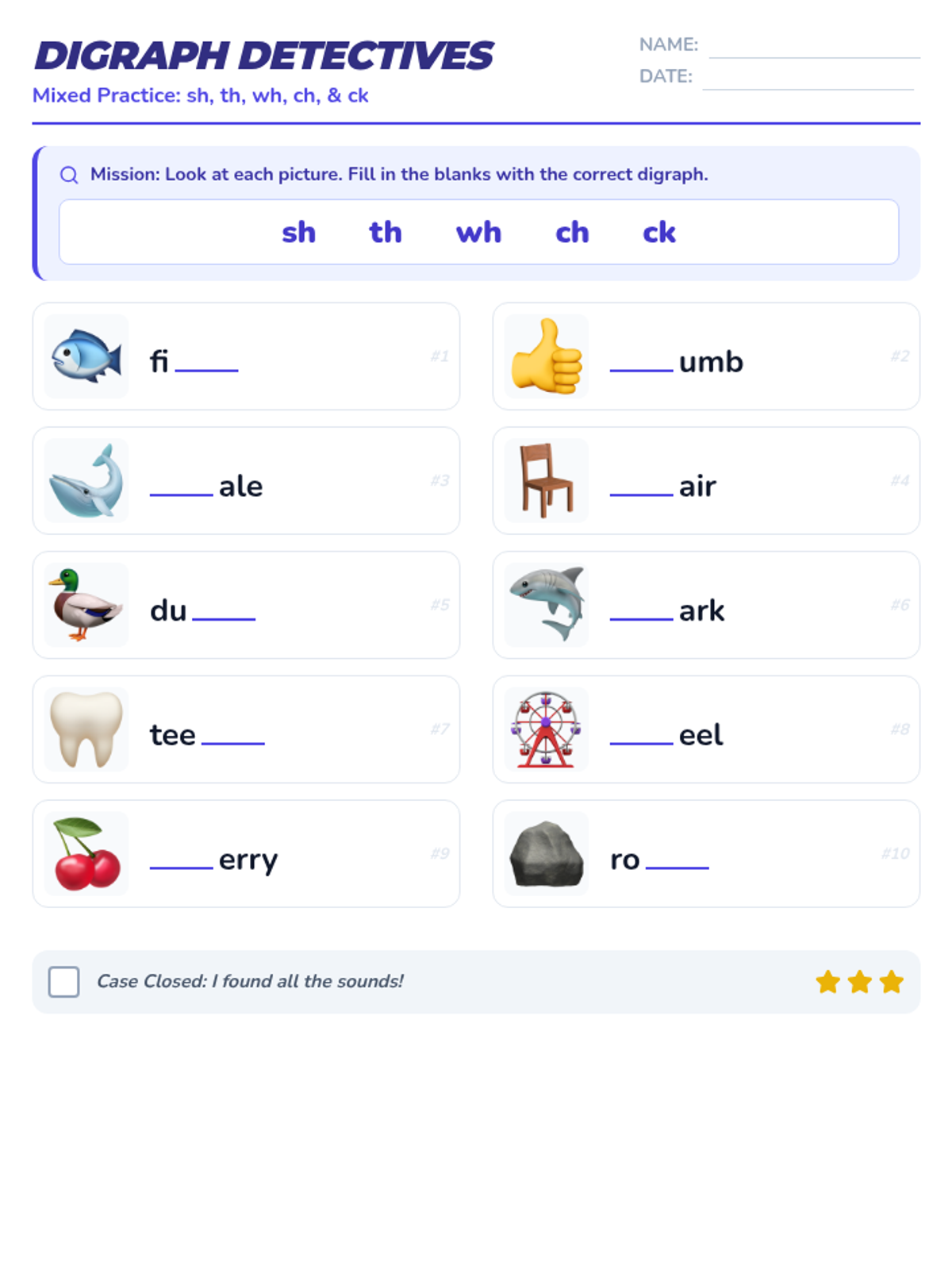
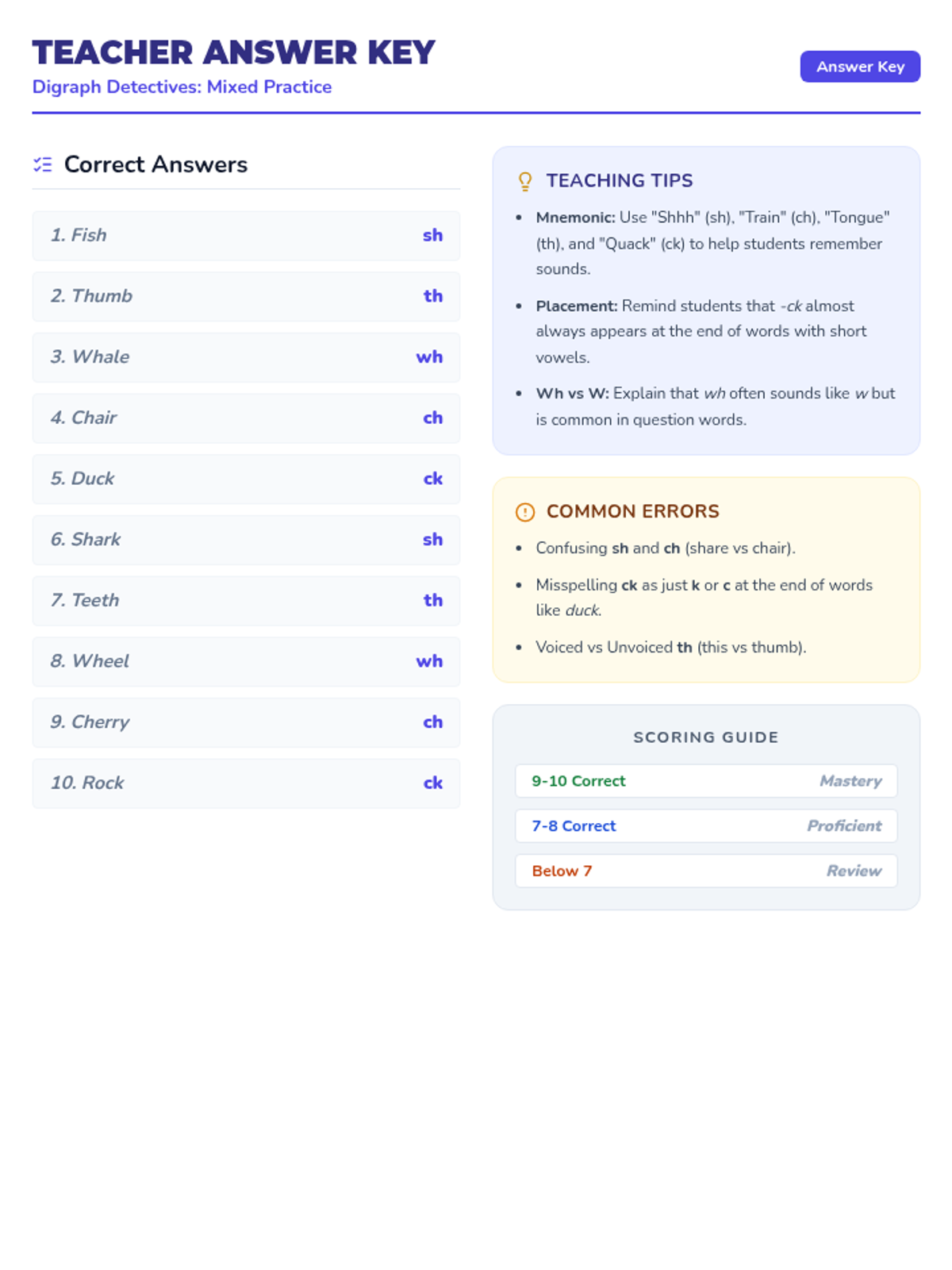
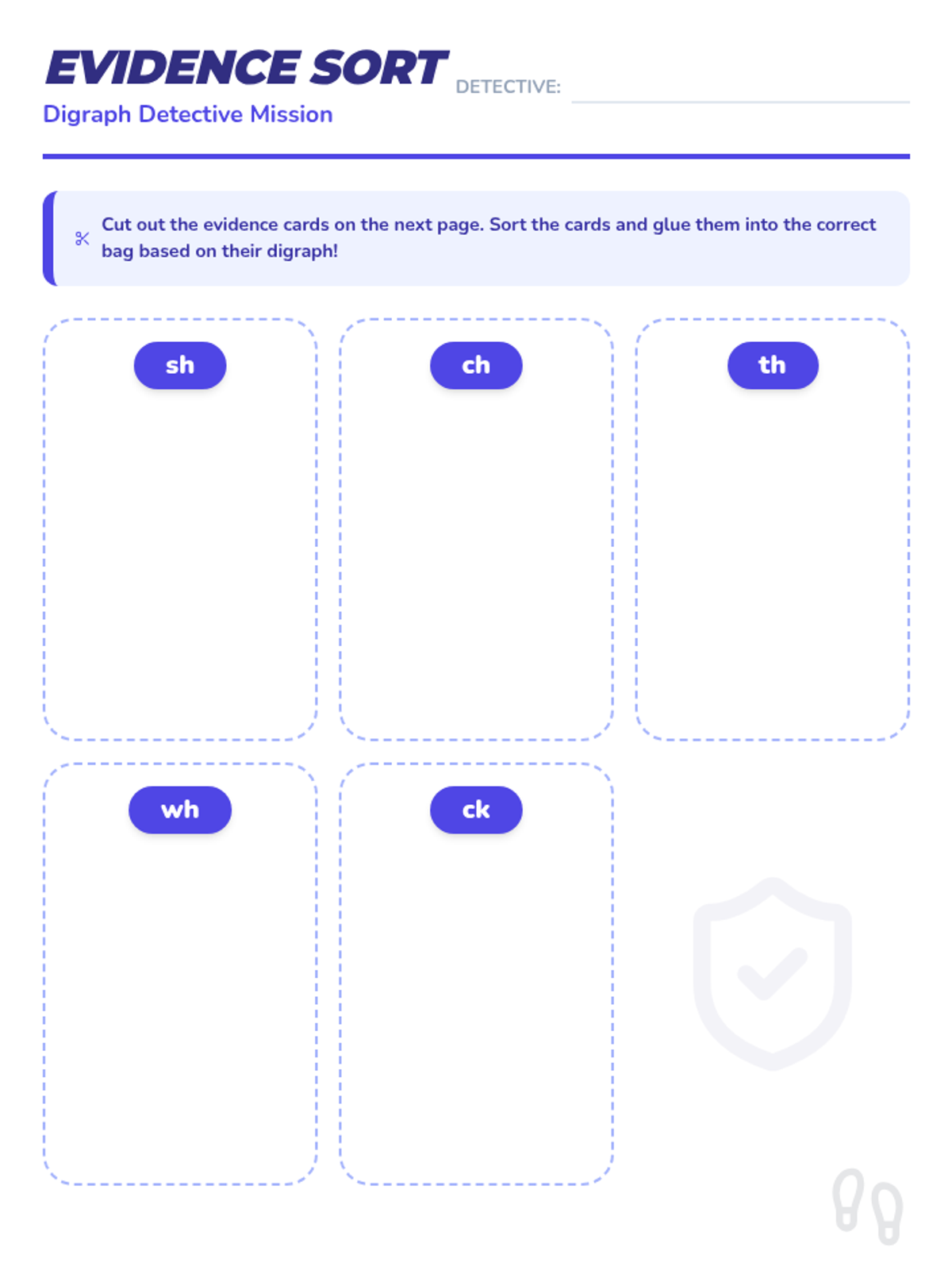
A foundational phonics lesson focusing on identifying and using the digraphs sh, th, wh, ch, and ck through visual association and word completion.
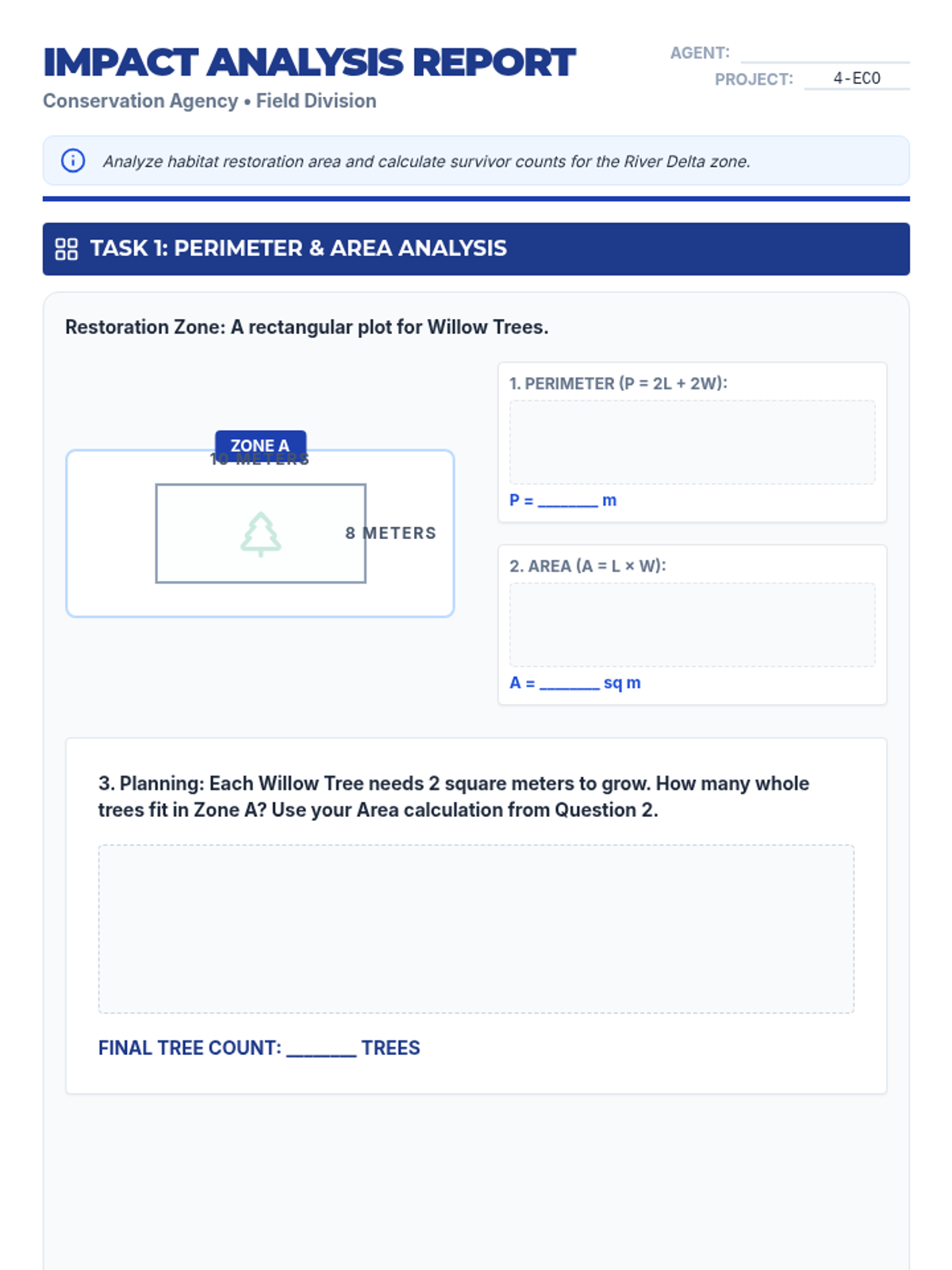
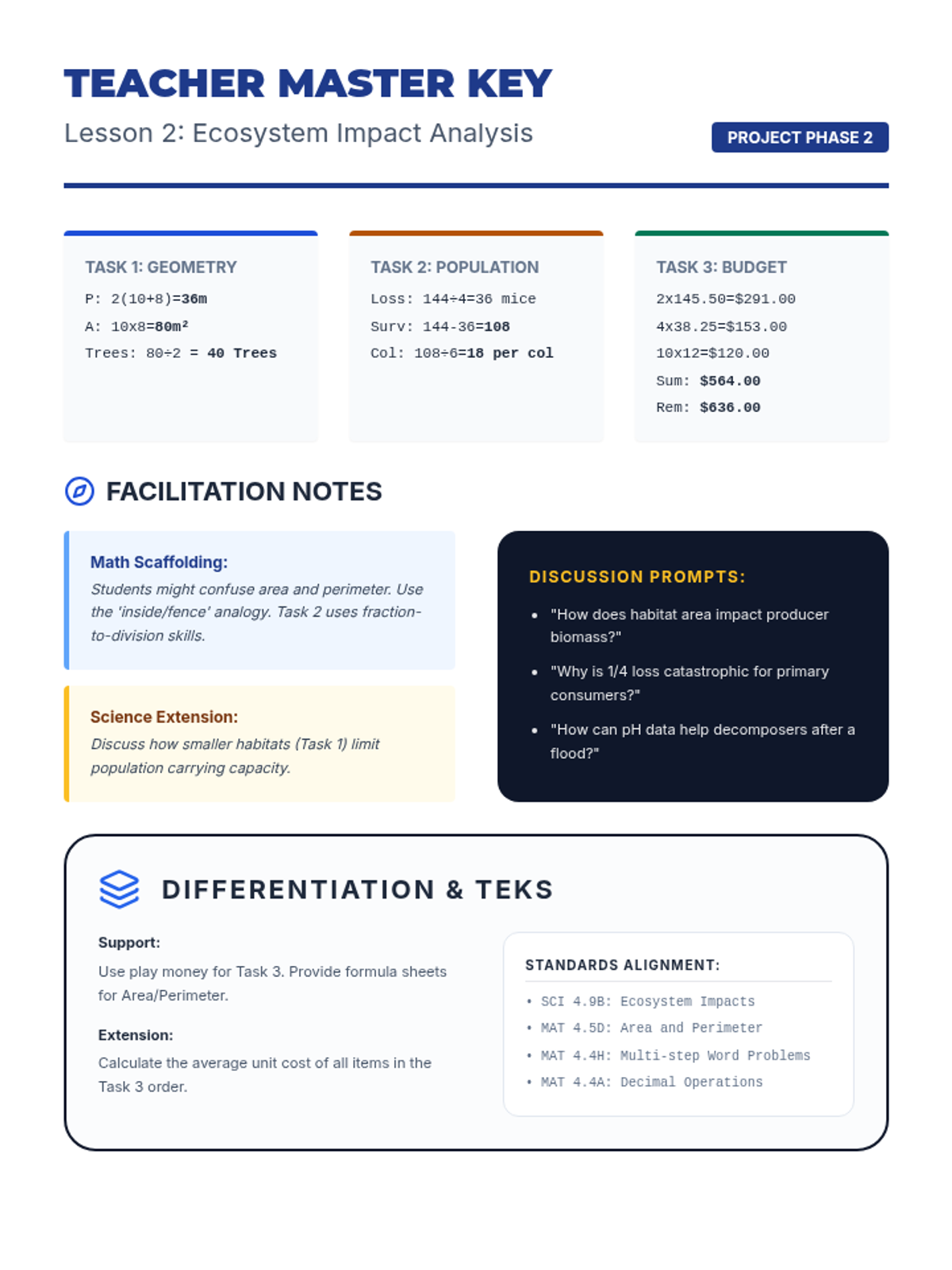
Students analyze how natural and human-induced changes affect energy flow in ecosystems while solving multi-step math problems involving habitat area, population data, and conservation budgeting.
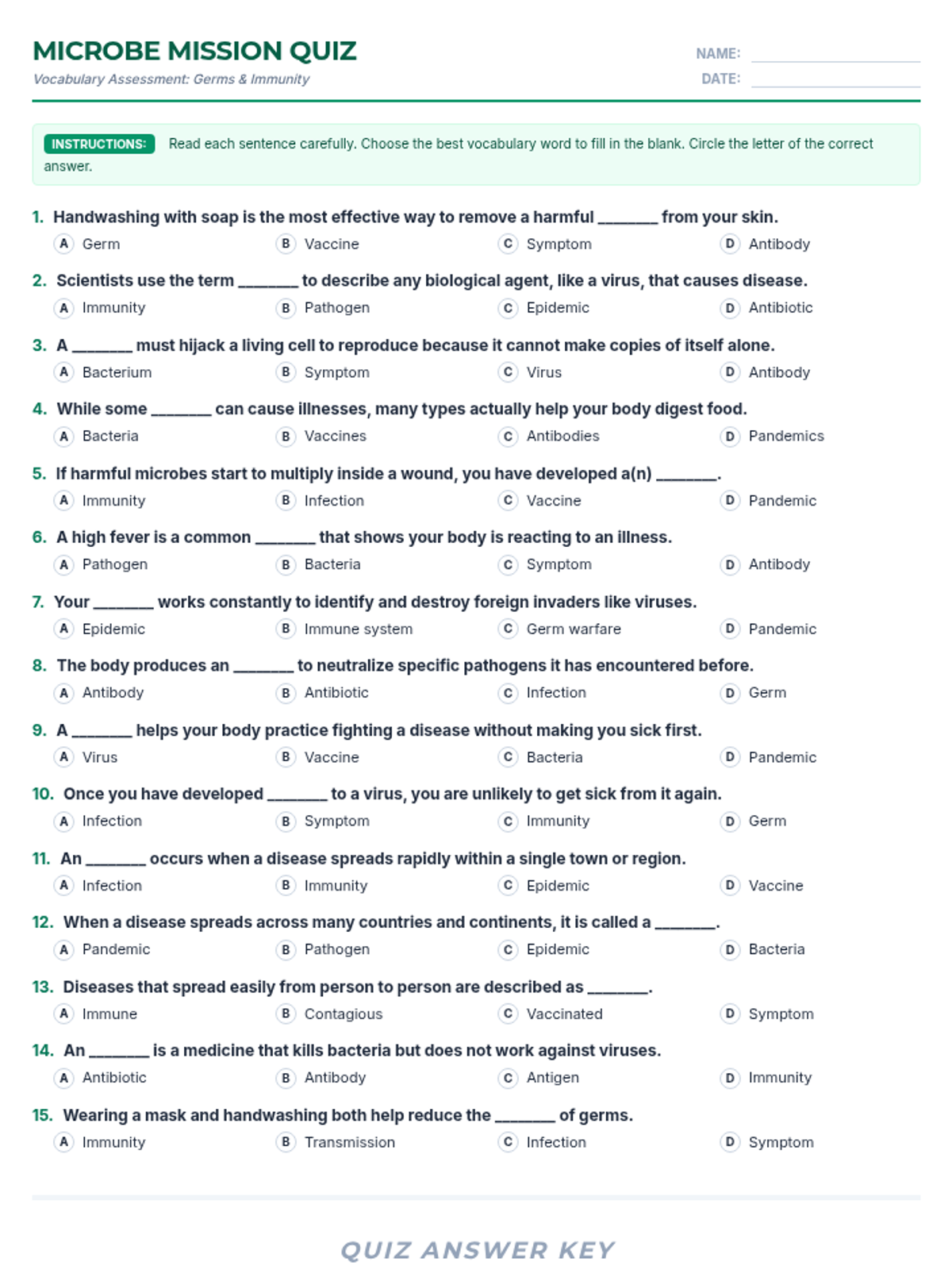
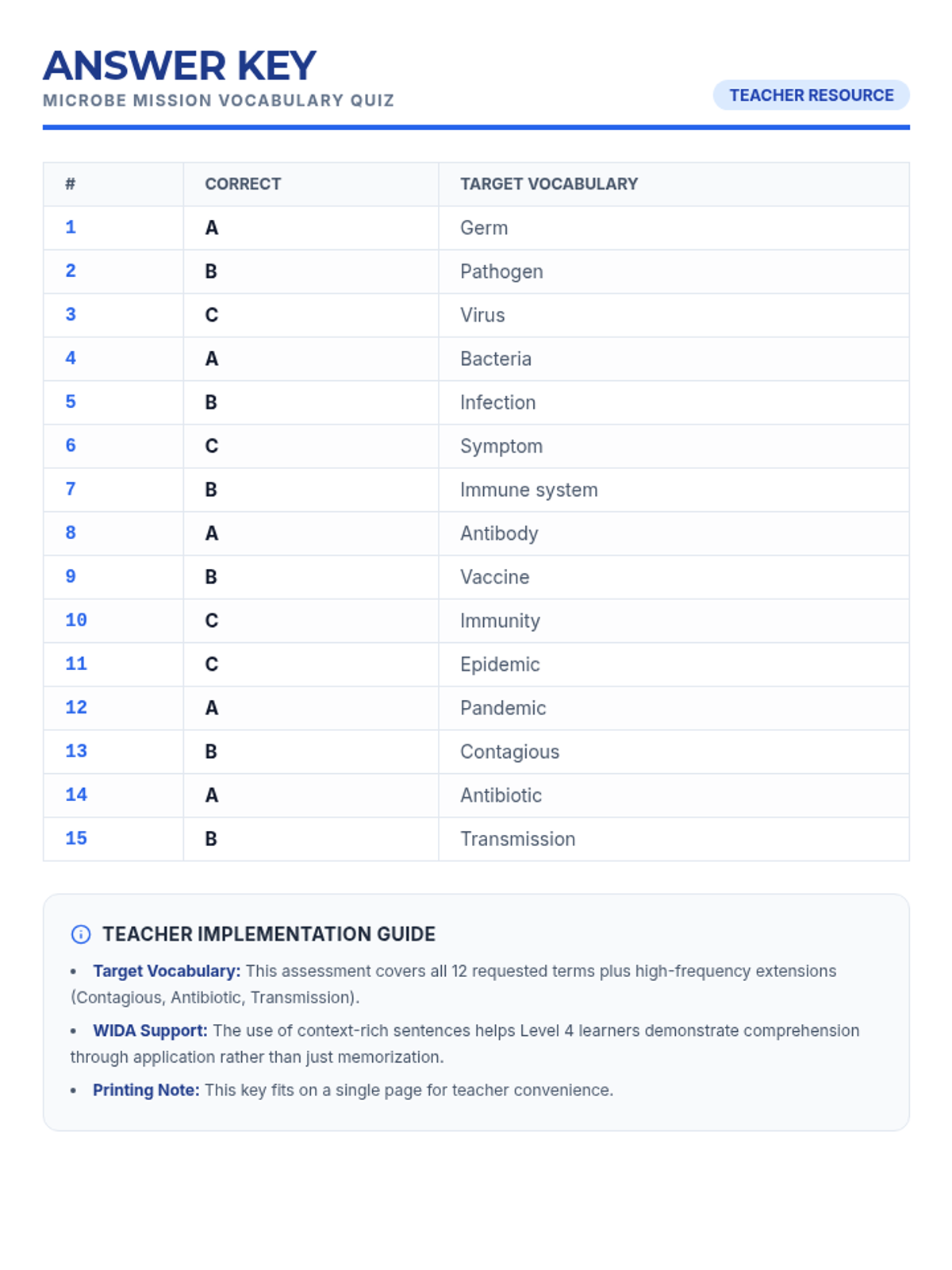
A comprehensive quiz and answer key covering essential medical and biological vocabulary related to germs, pathogens, and the body's immune response. Designed for WIDA Level 4 learners with context-rich sentences.
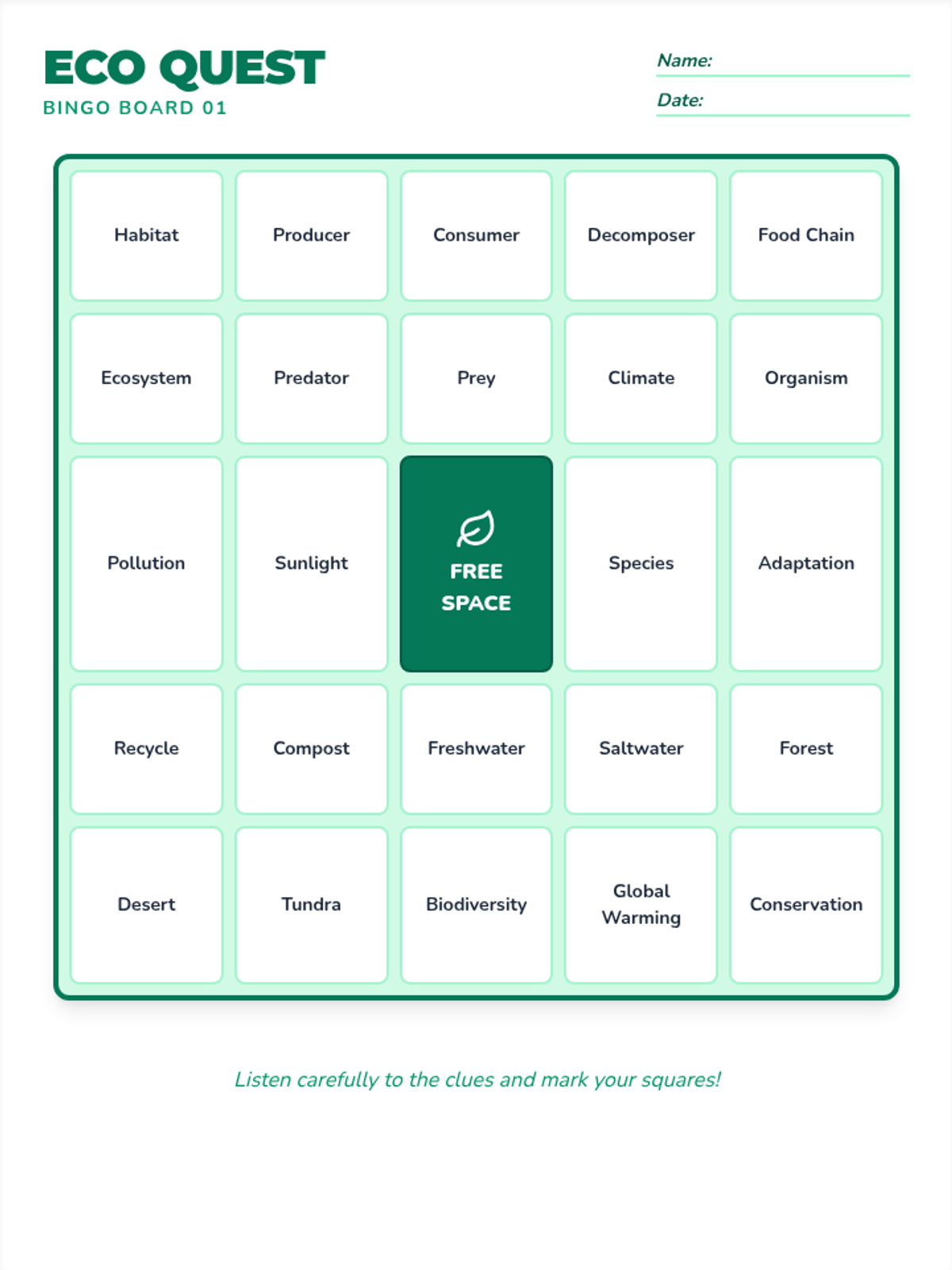
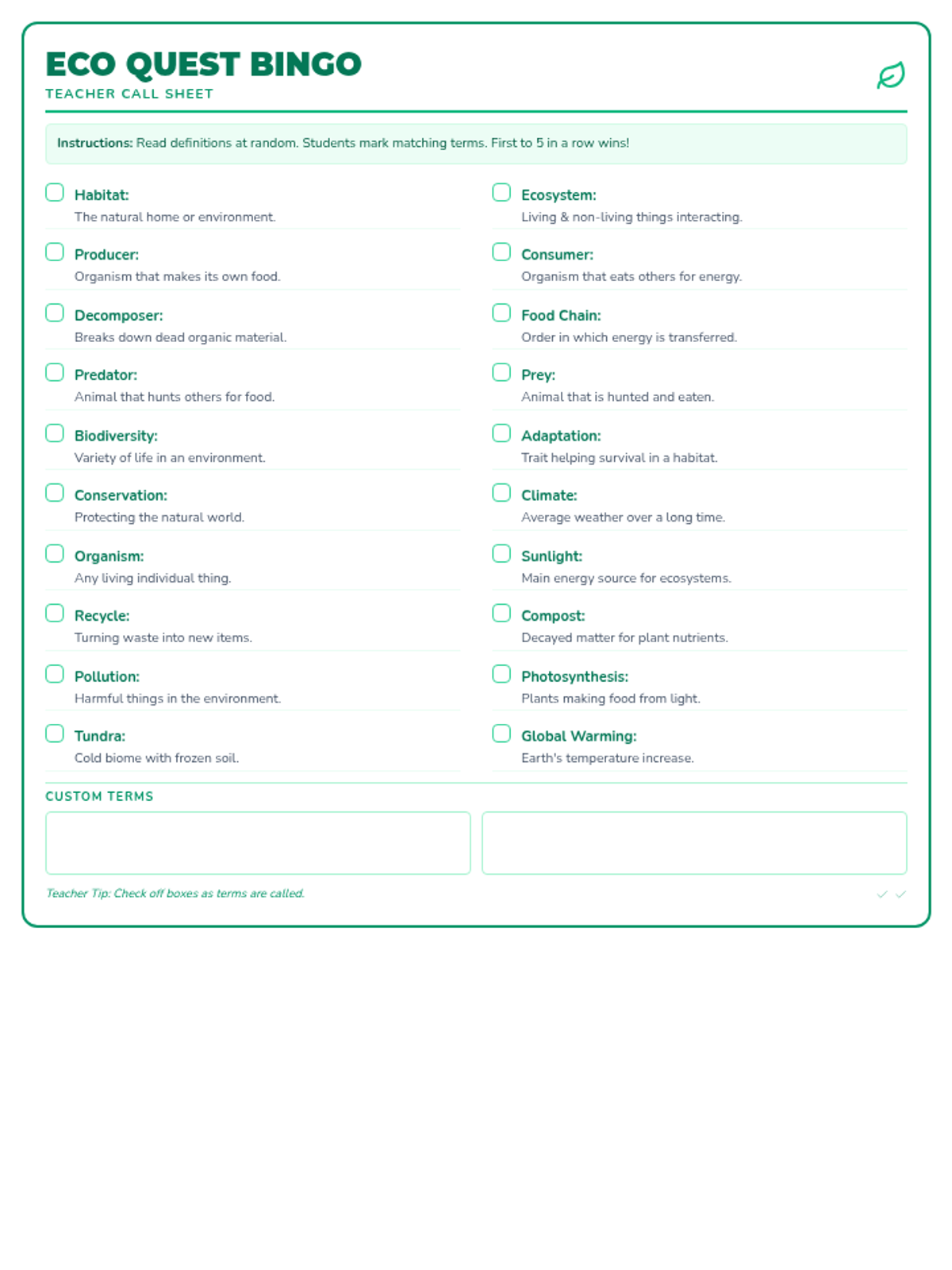
An interactive ecosystem-themed bingo activity to reinforce science vocabulary and environmental concepts.
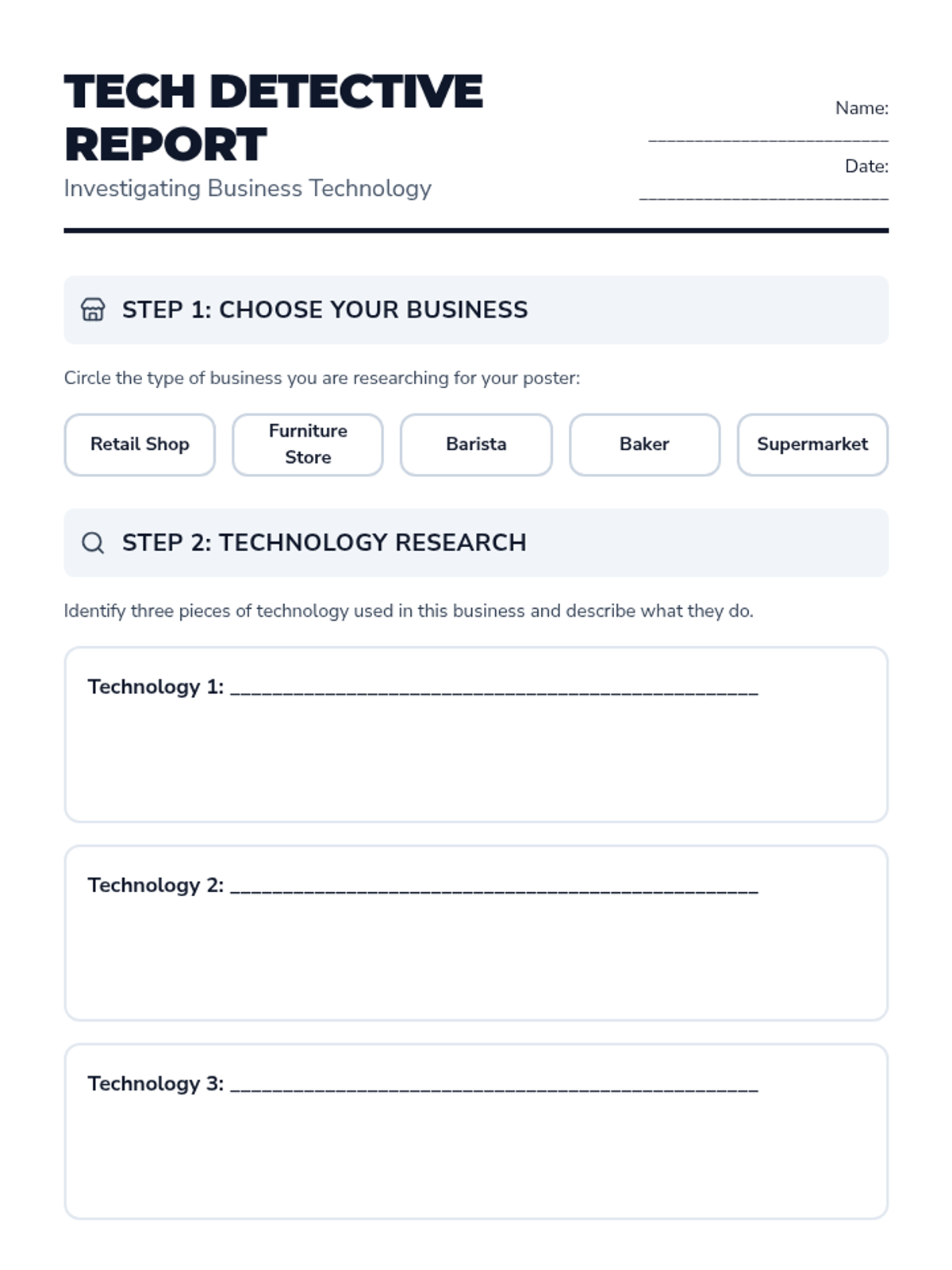
In this lesson, students explore the role of technology in modern businesses. They analyze an example of restaurant technology and then conduct research to create a poster for a specific type of shop.
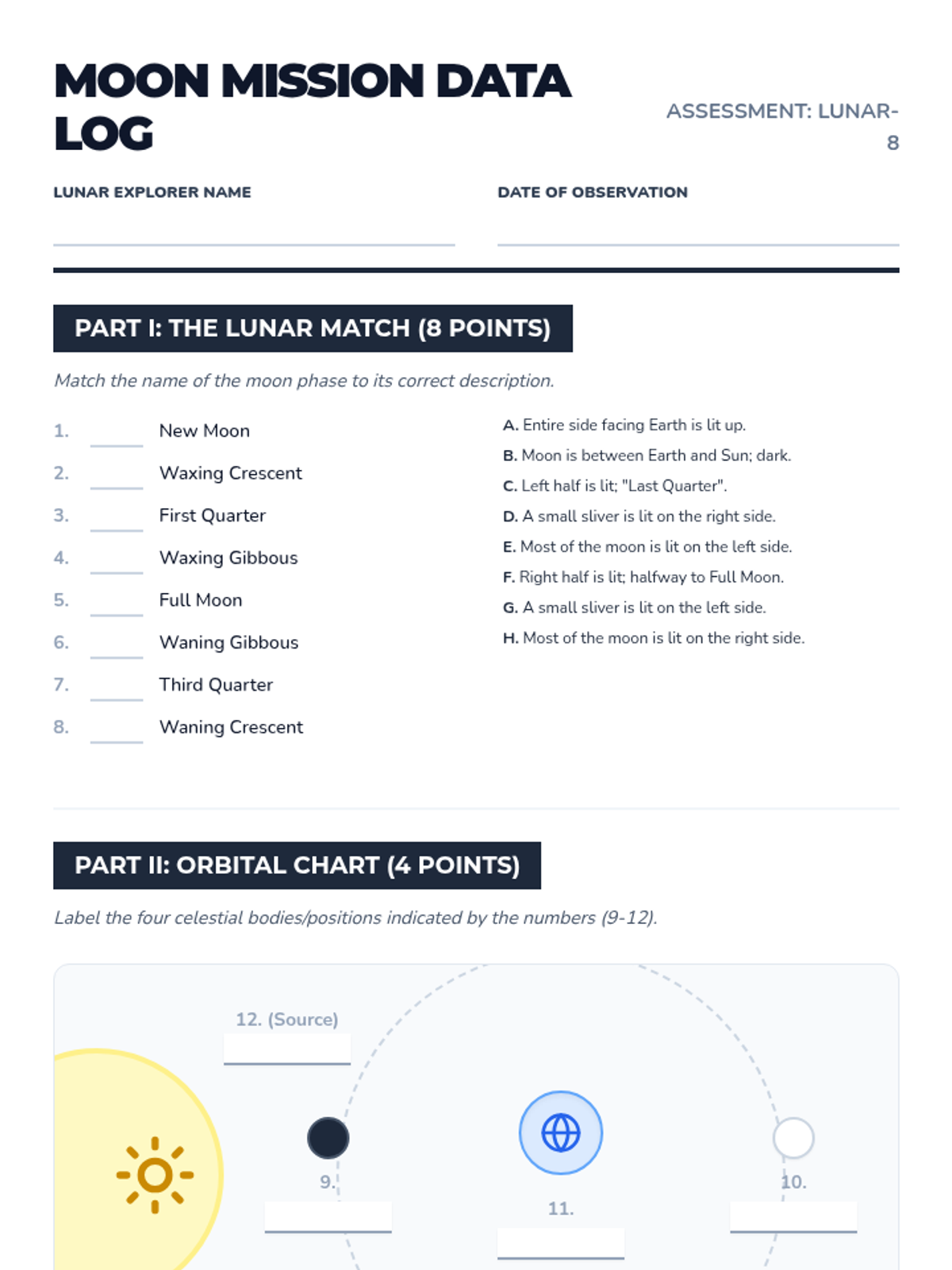
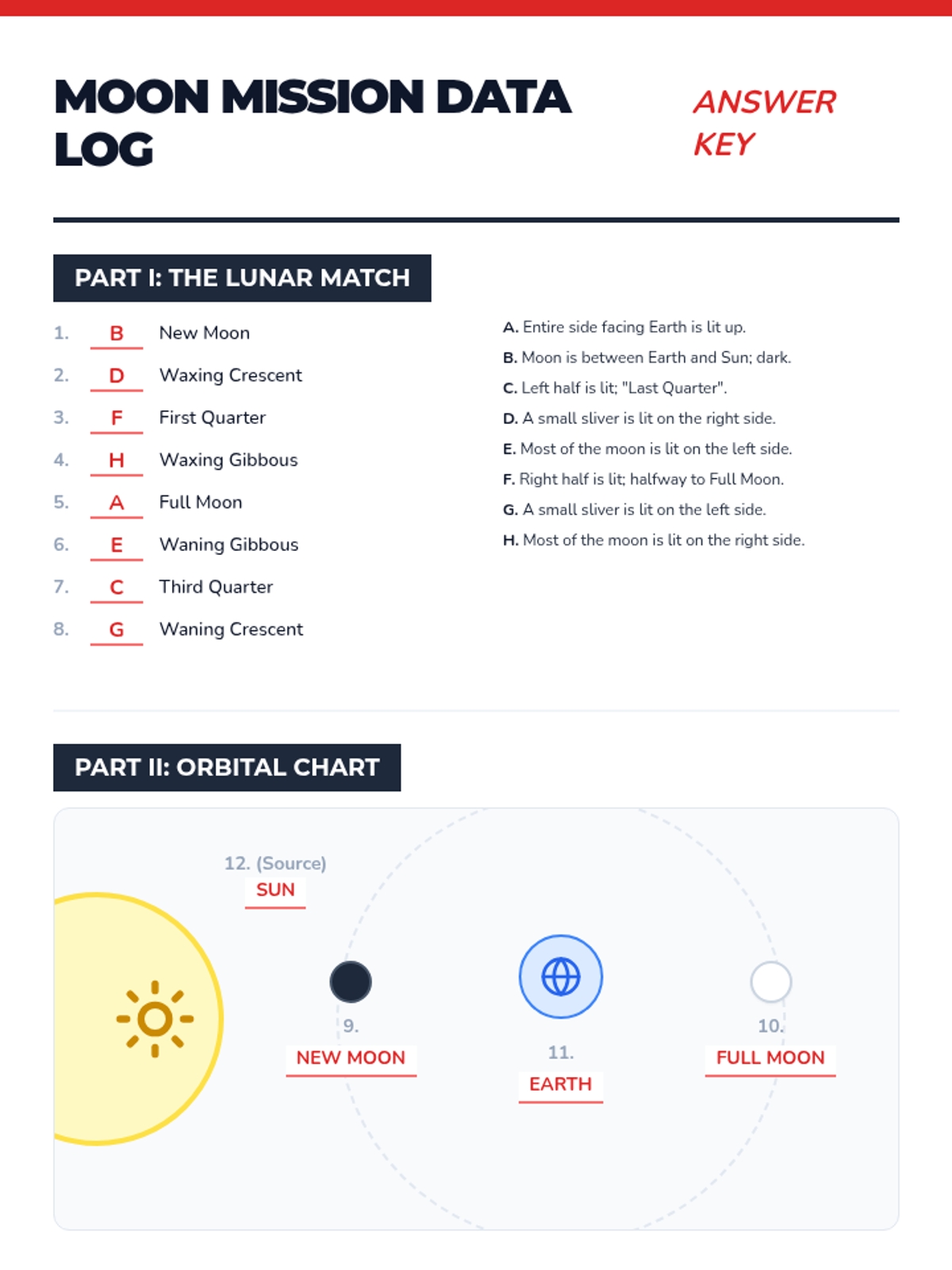
A comprehensive assessment covering the lunar cycle, orbital mechanics, and the relationship between the Earth, Moon, and Sun. Students will demonstrate their understanding through diagram labeling, matching, and short-answer responses.
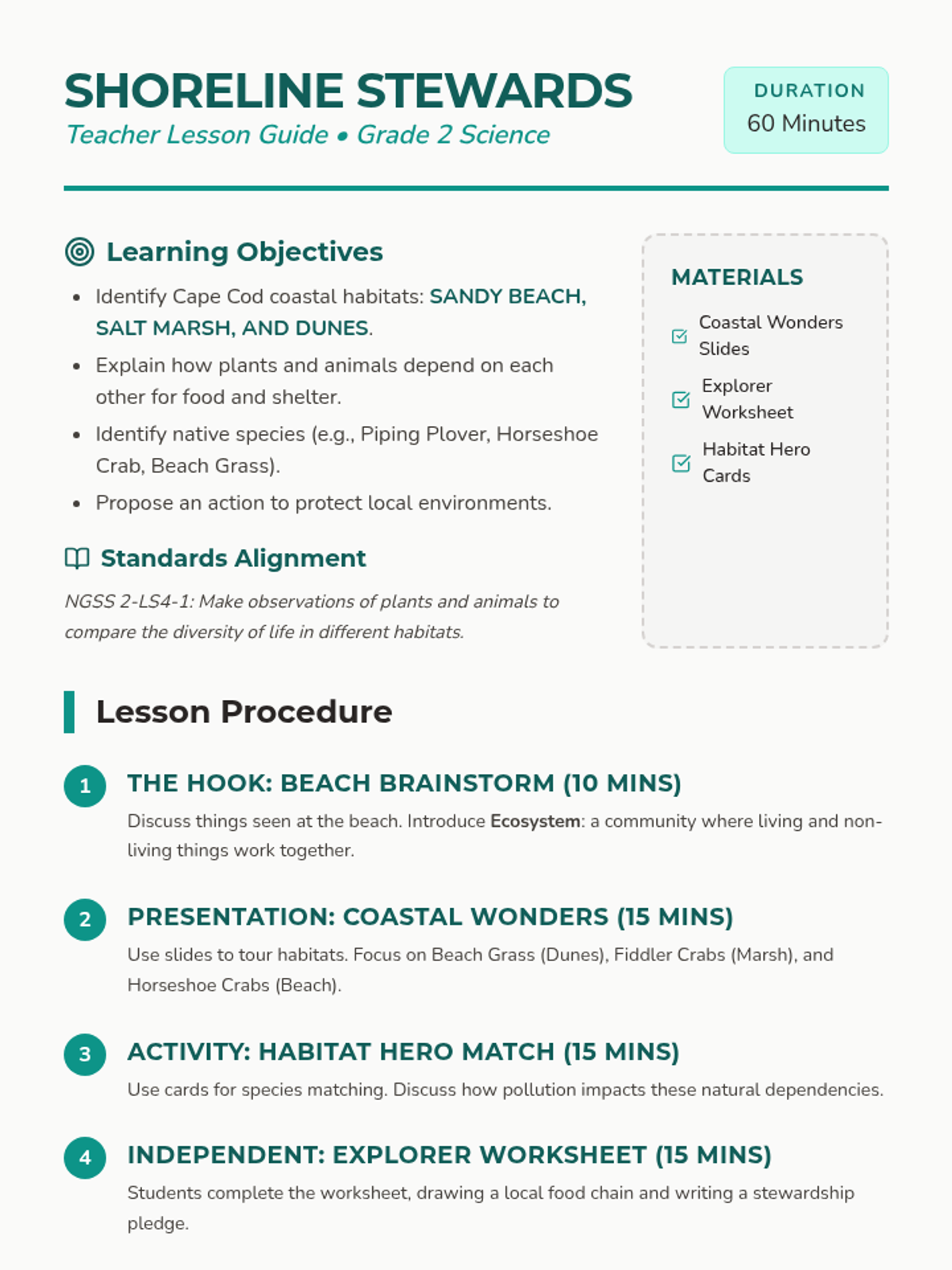
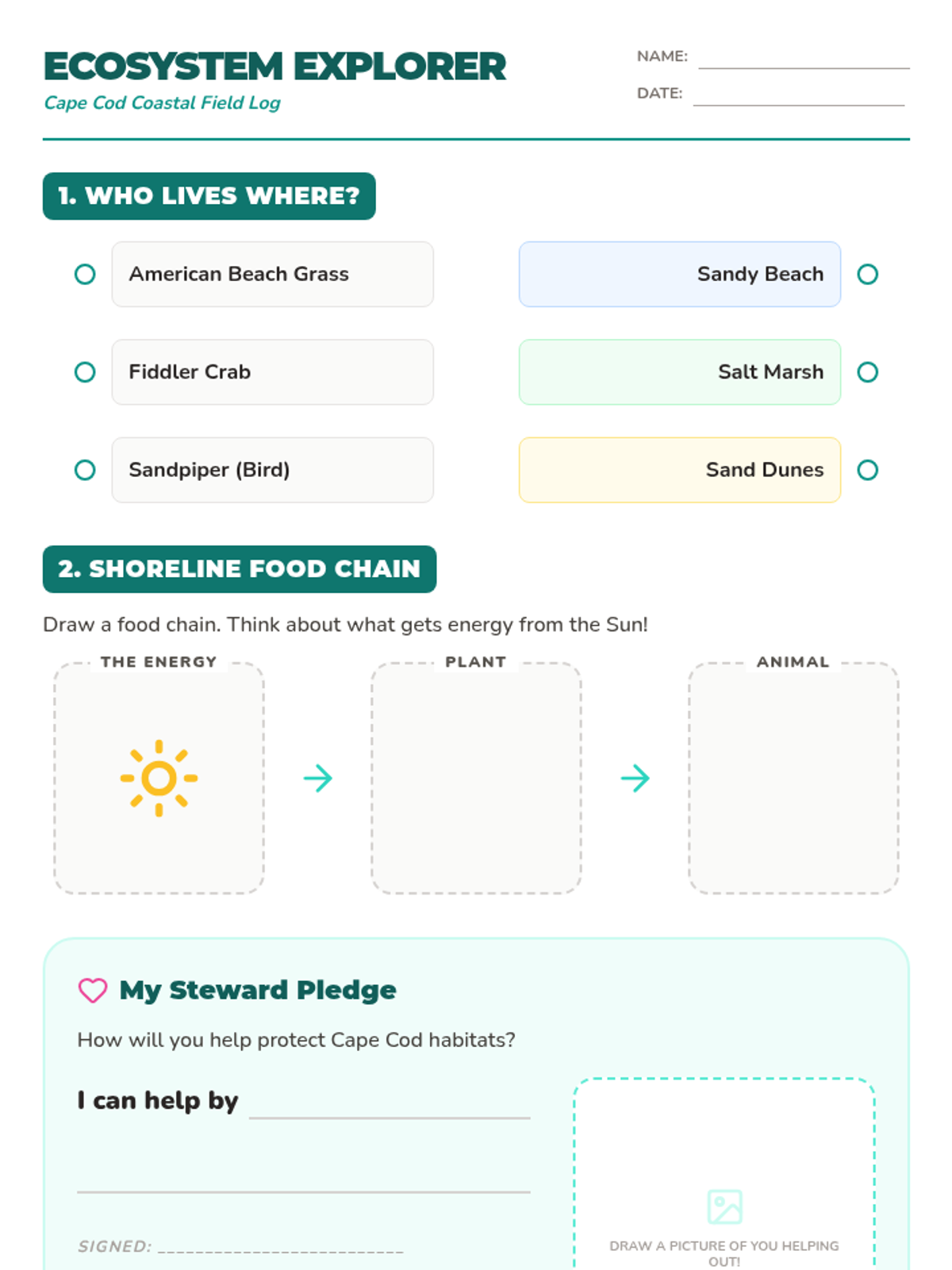
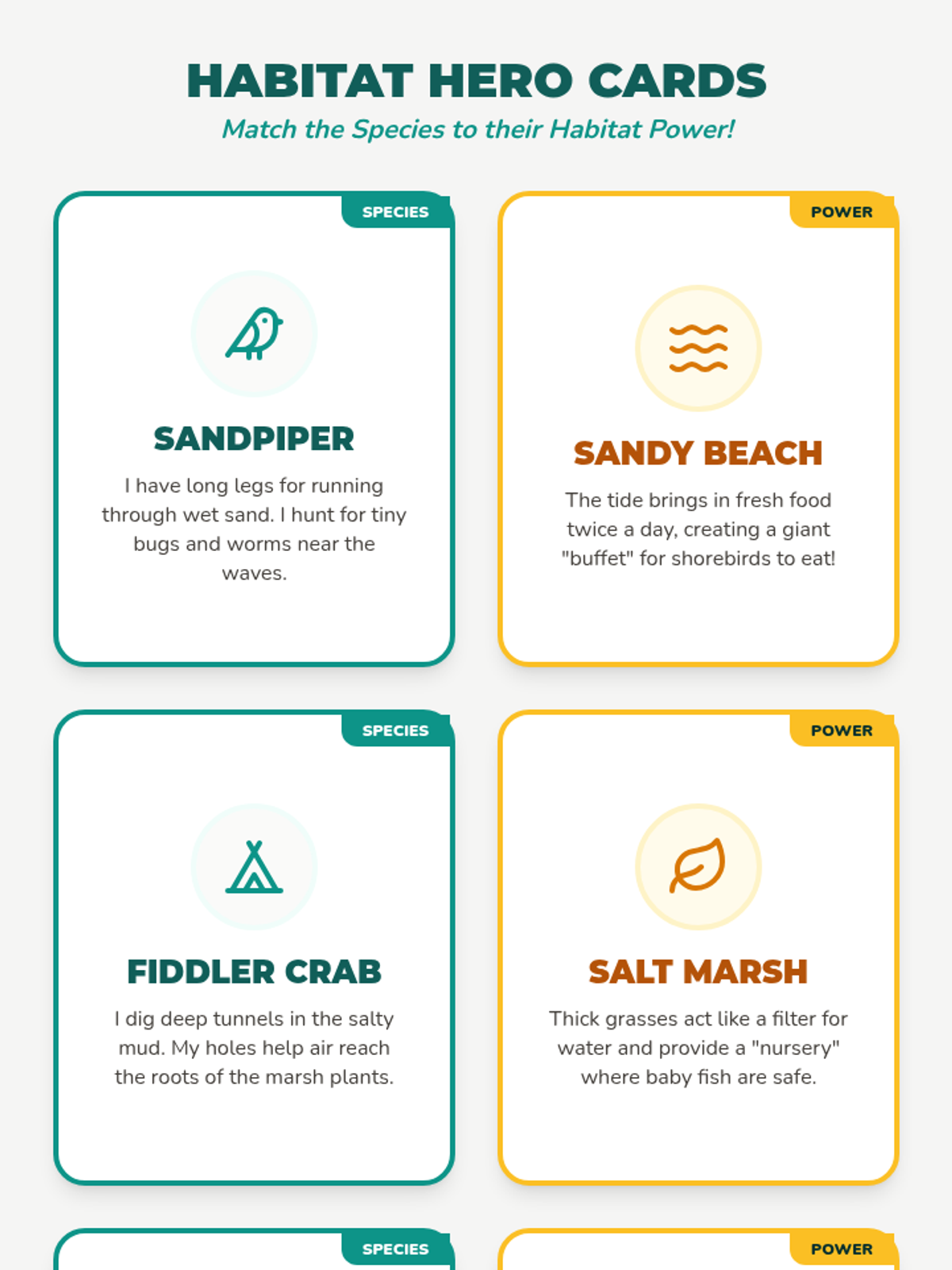
Second graders explore the unique coastal ecosystems of Cape Cod, identifying native species and learning how plants and animals depend on each other for survival. The lesson concludes with a focus on environmental stewardship and practical ways to protect local habitats.
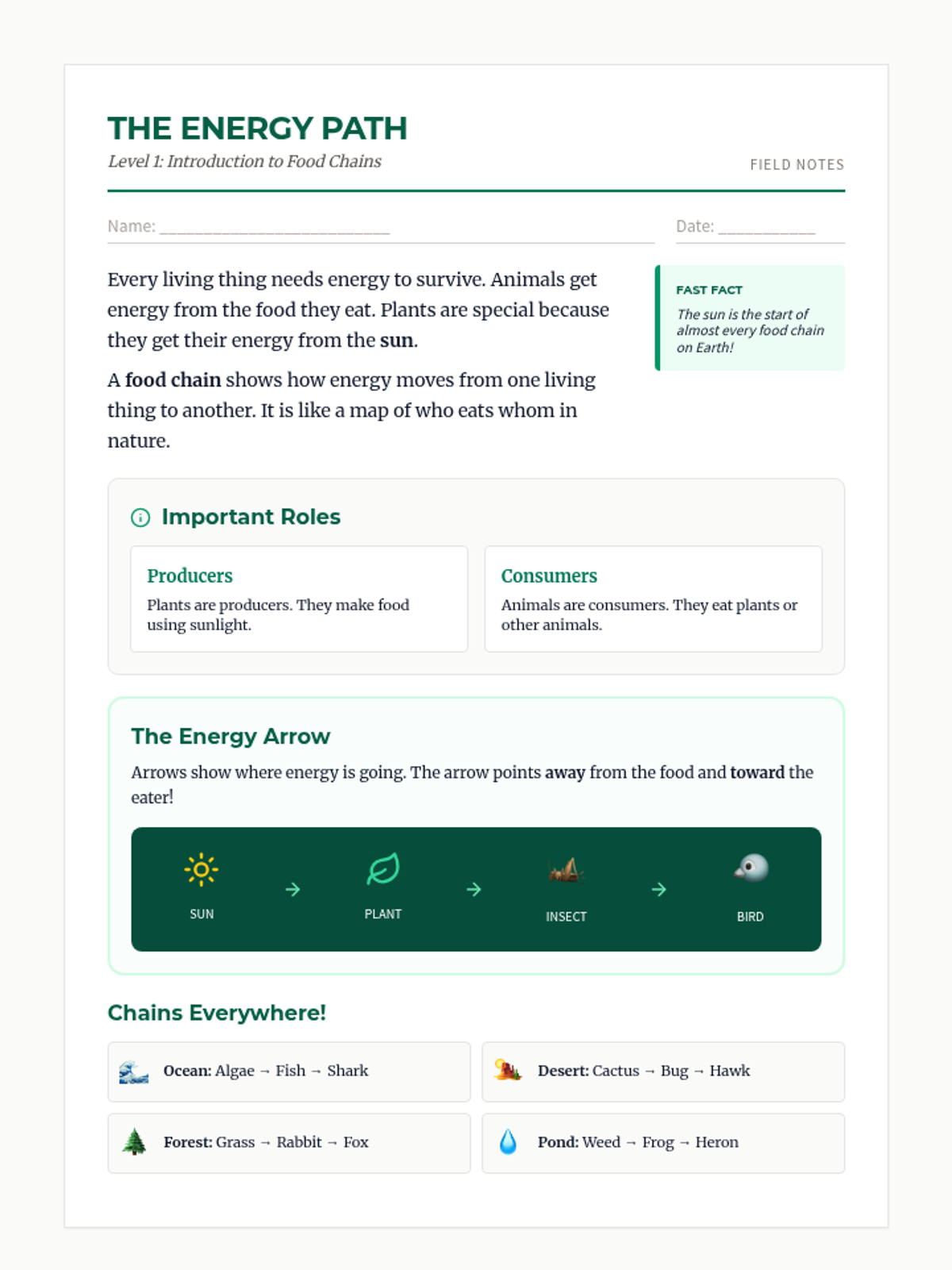
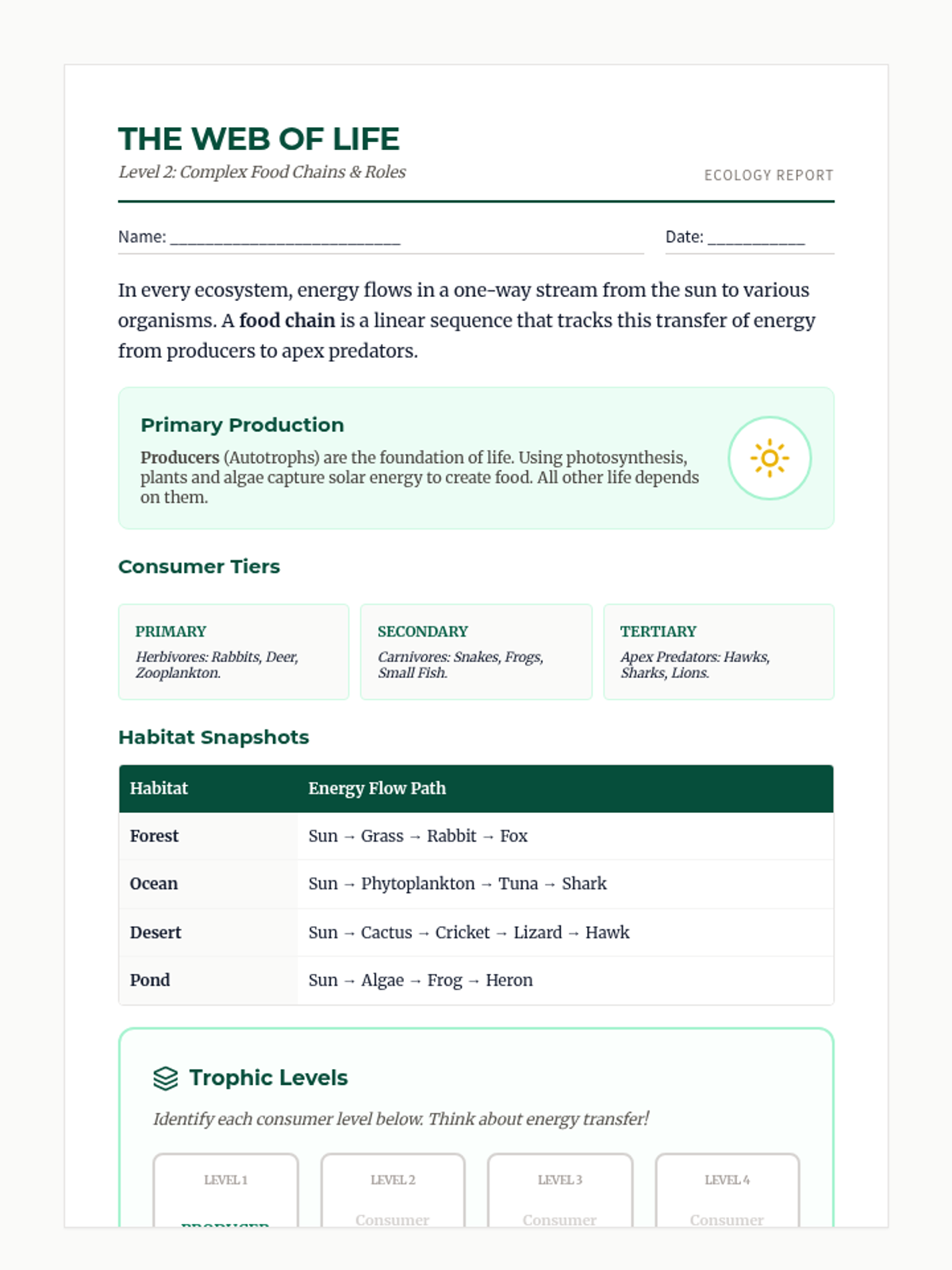
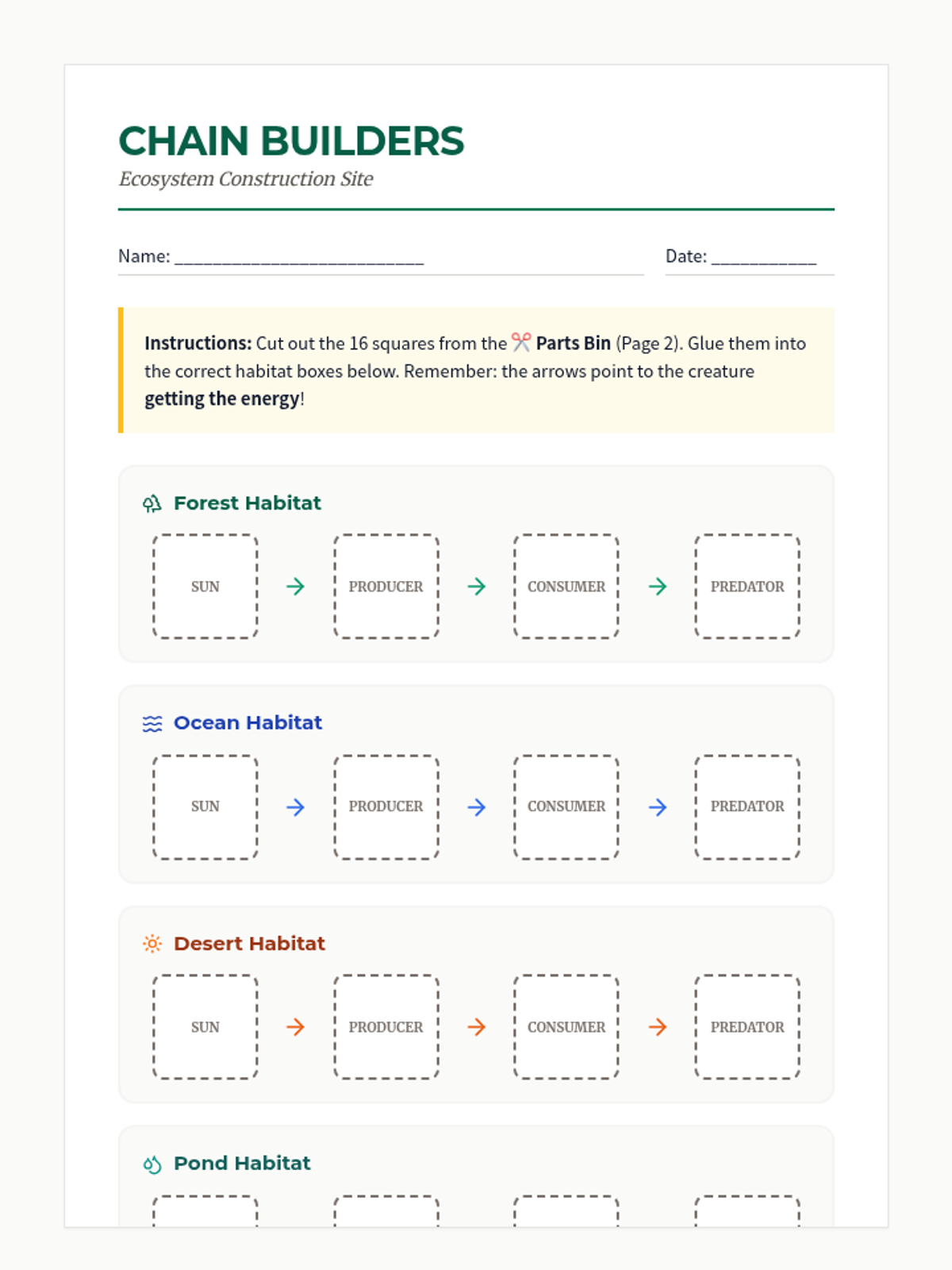
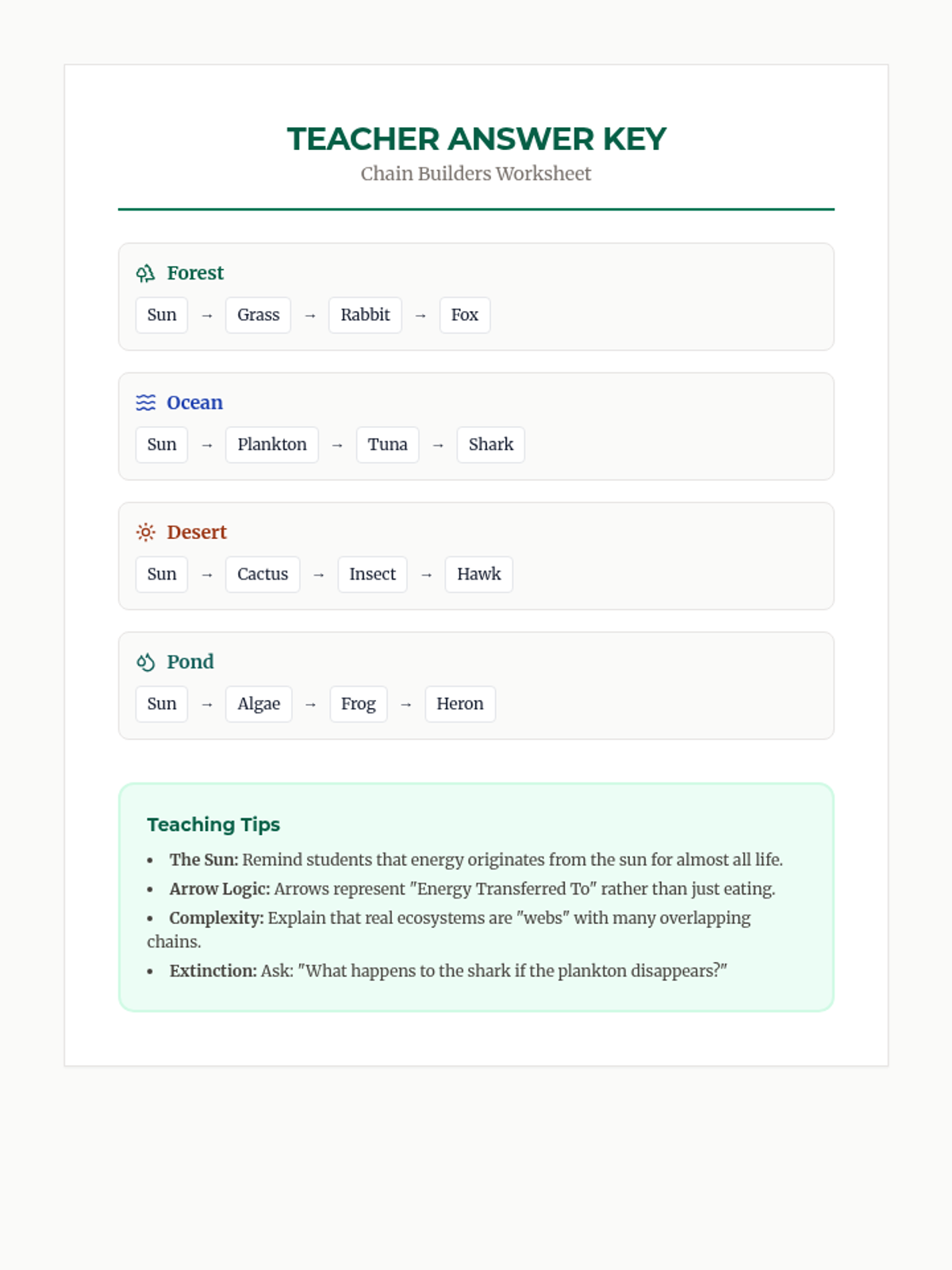
A comprehensive look at how energy moves through different ecosystems. Students explore food chains across four unique habitats through reading and hands-on activities.
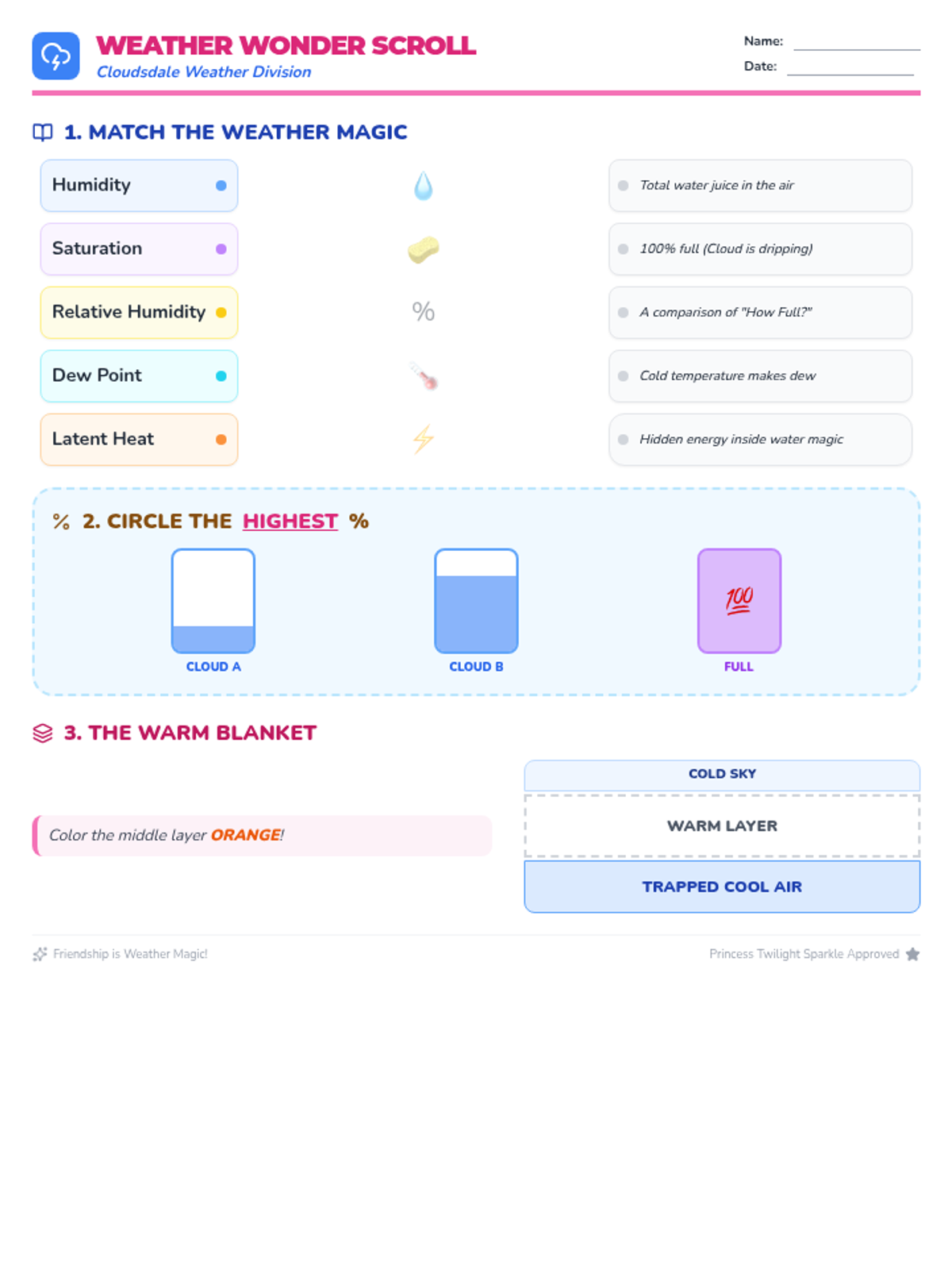
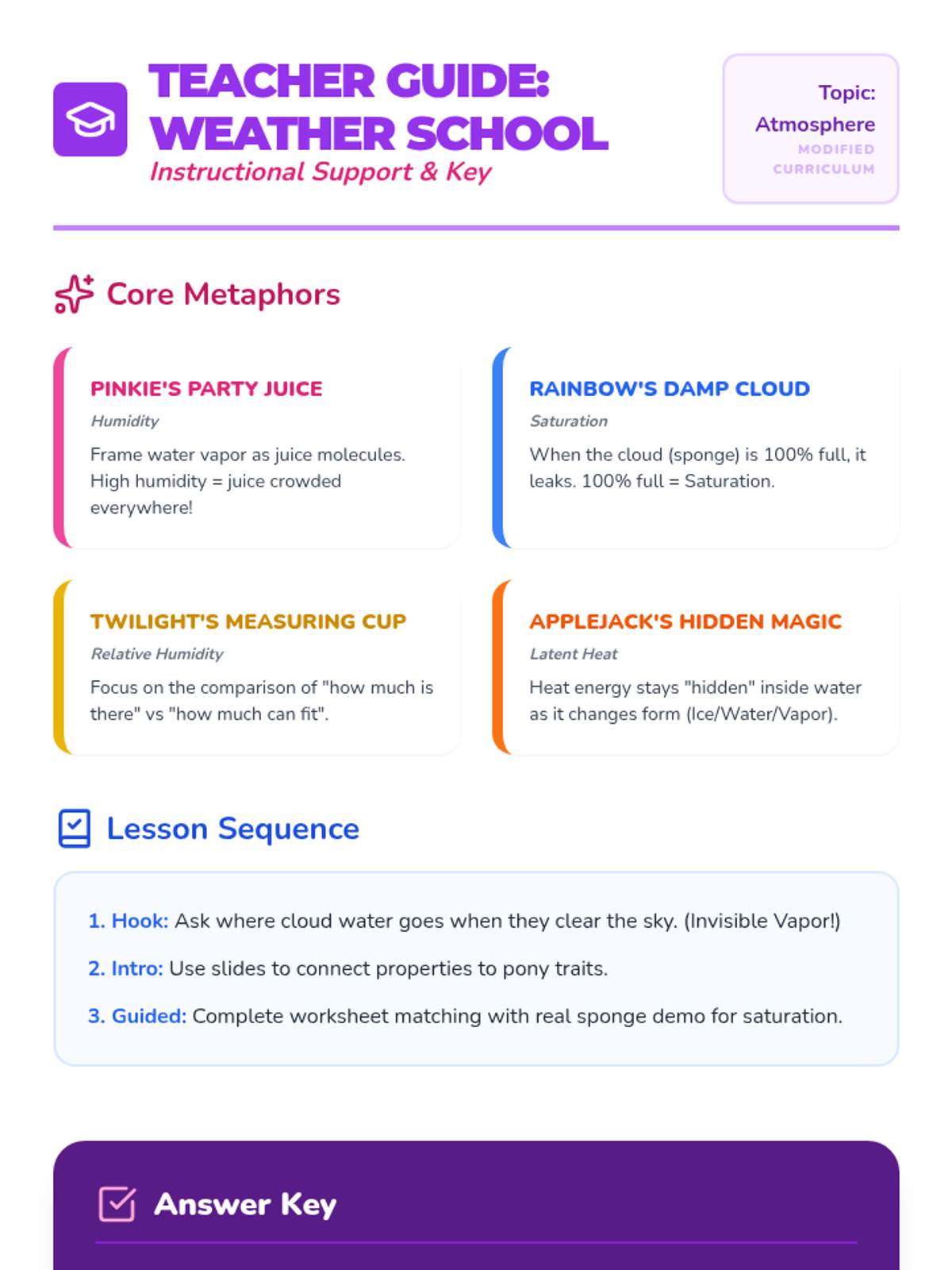
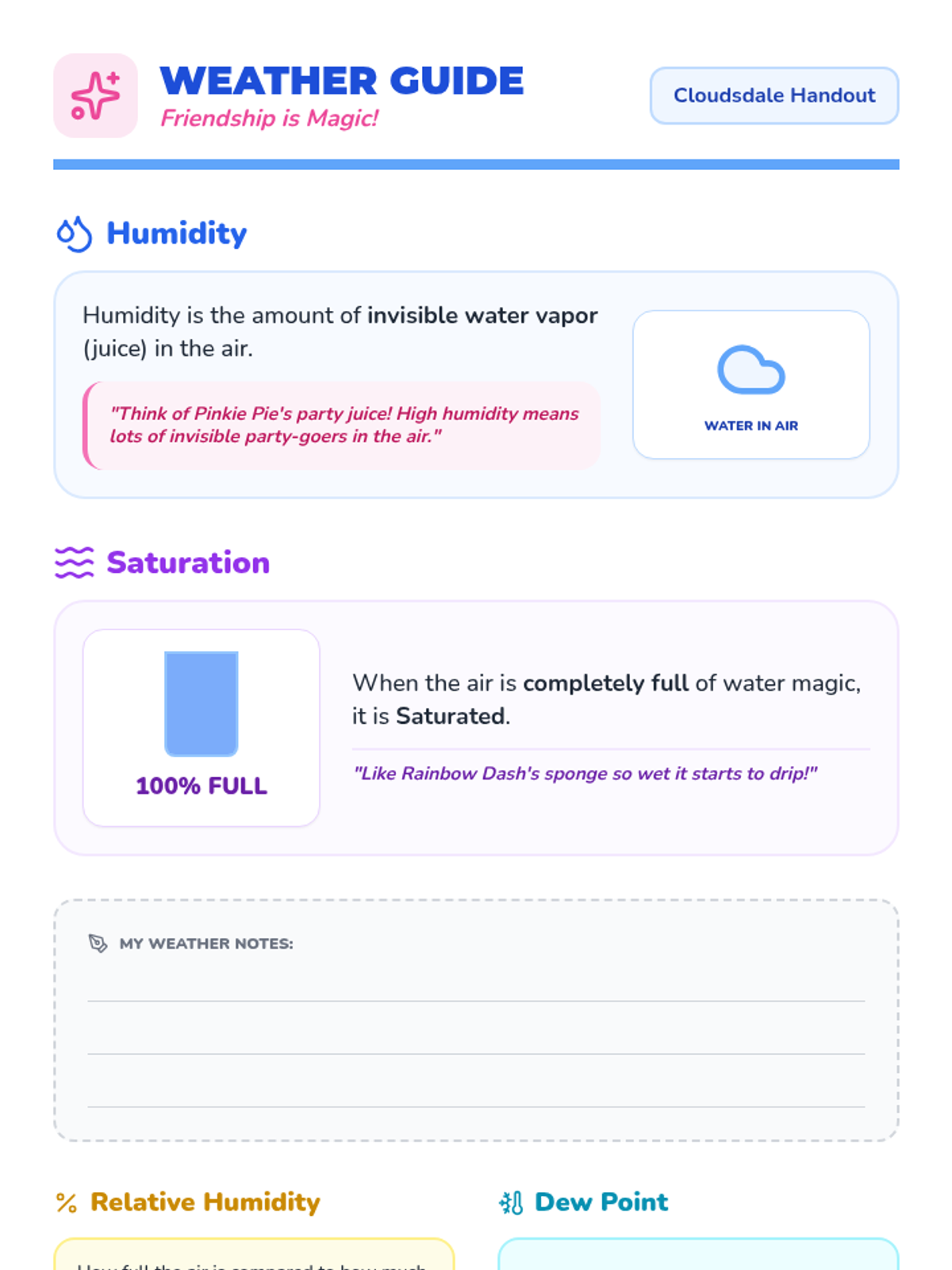
A lesson exploring the properties of the atmosphere using My Little Pony (G4) characters to explain complex weather concepts like humidity, dew point, and latent heat through visual metaphors.
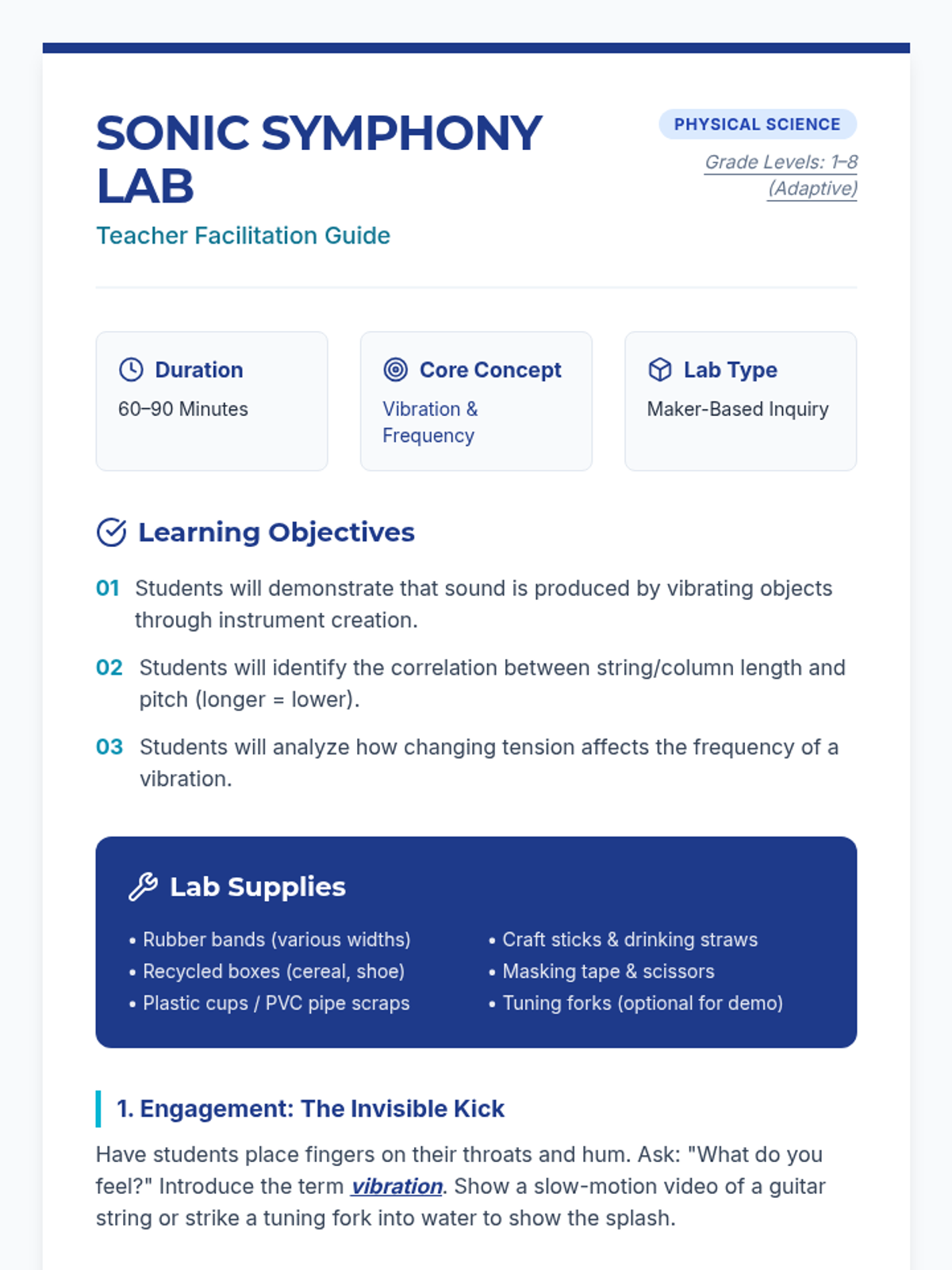
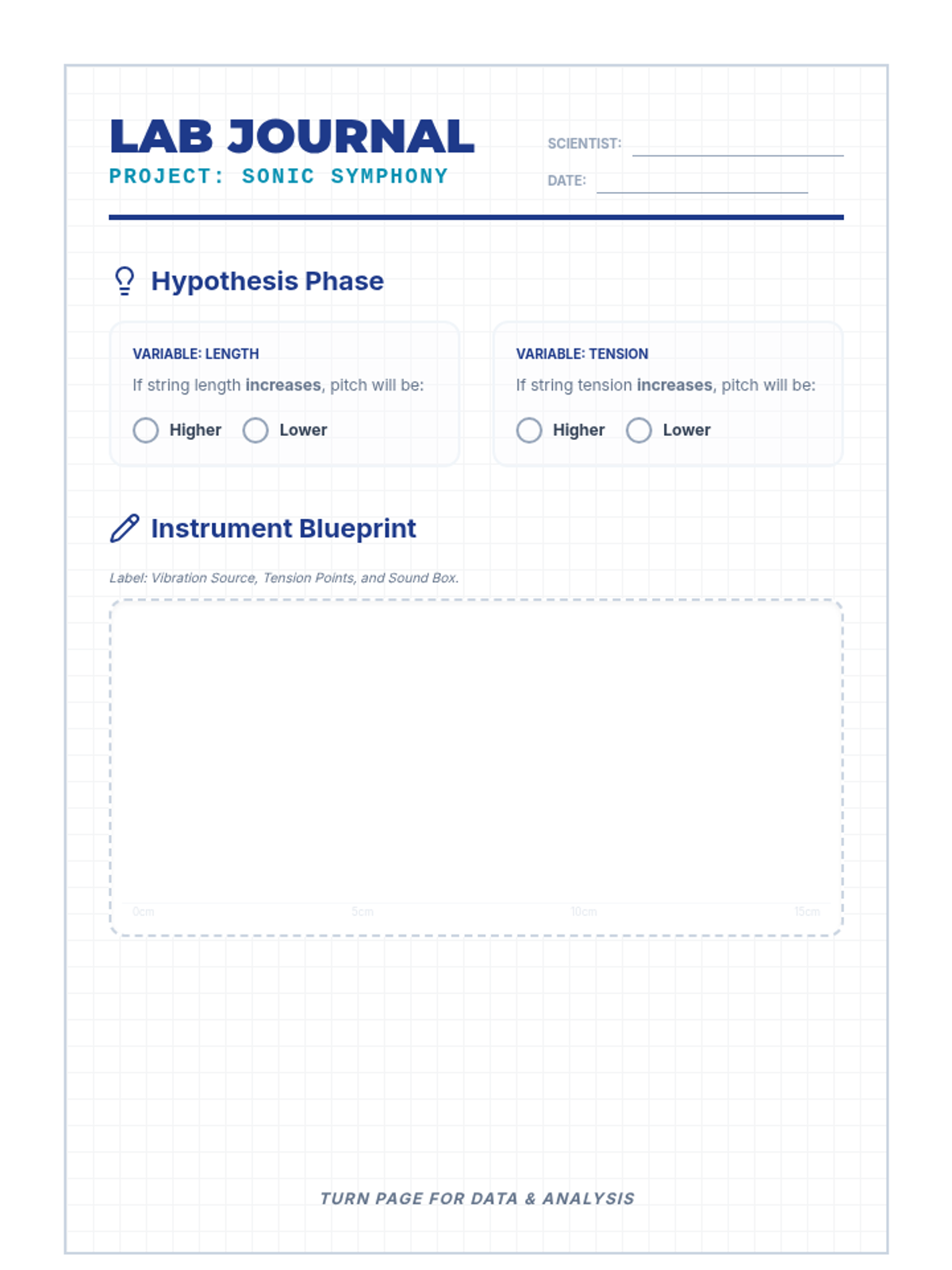
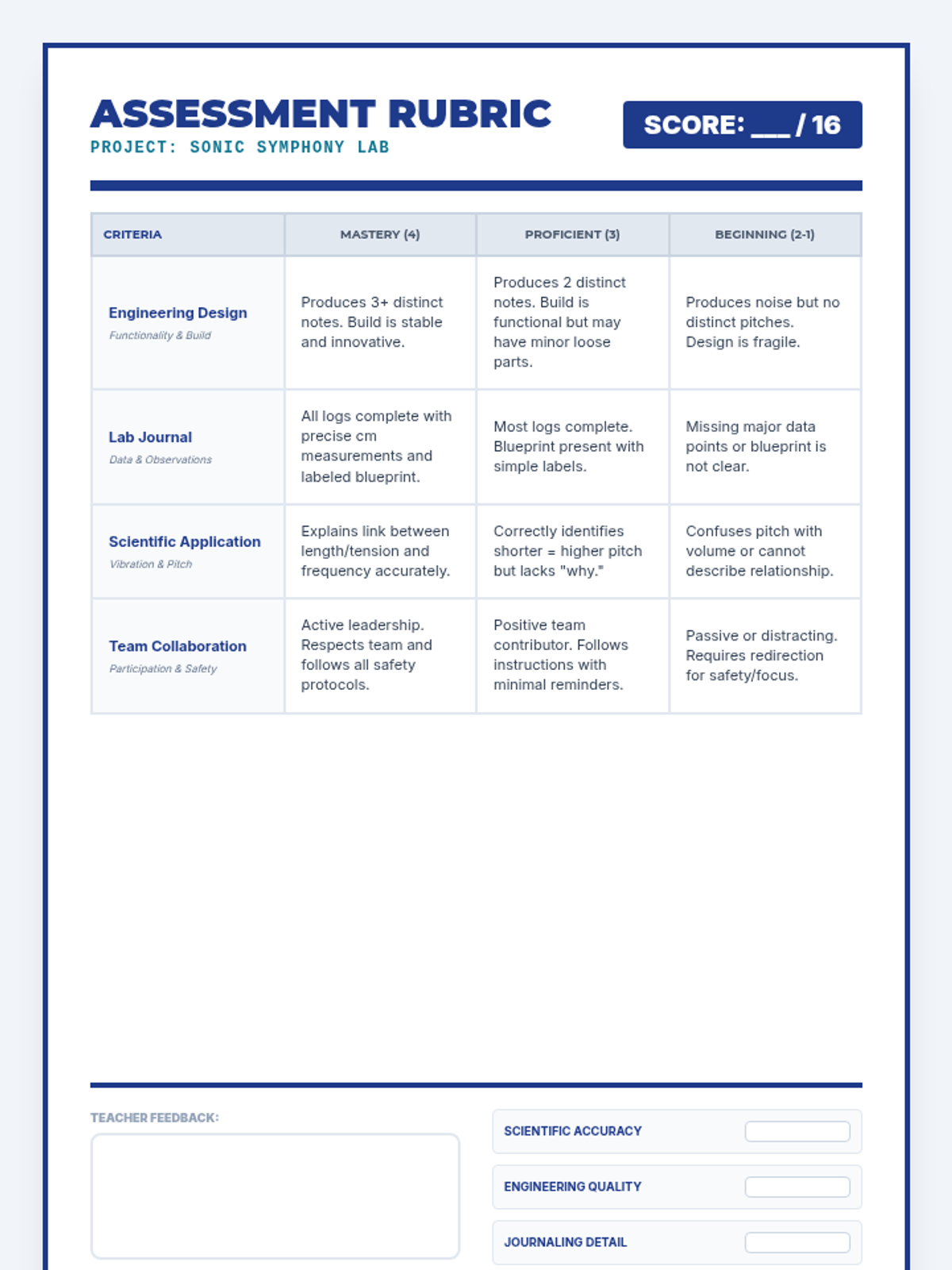
An immersive hands-on investigation into the physics of sound where students build DIY instruments to explore vibrations, pitch, and volume. This lesson bridges sensory exploration with acoustic engineering principles.
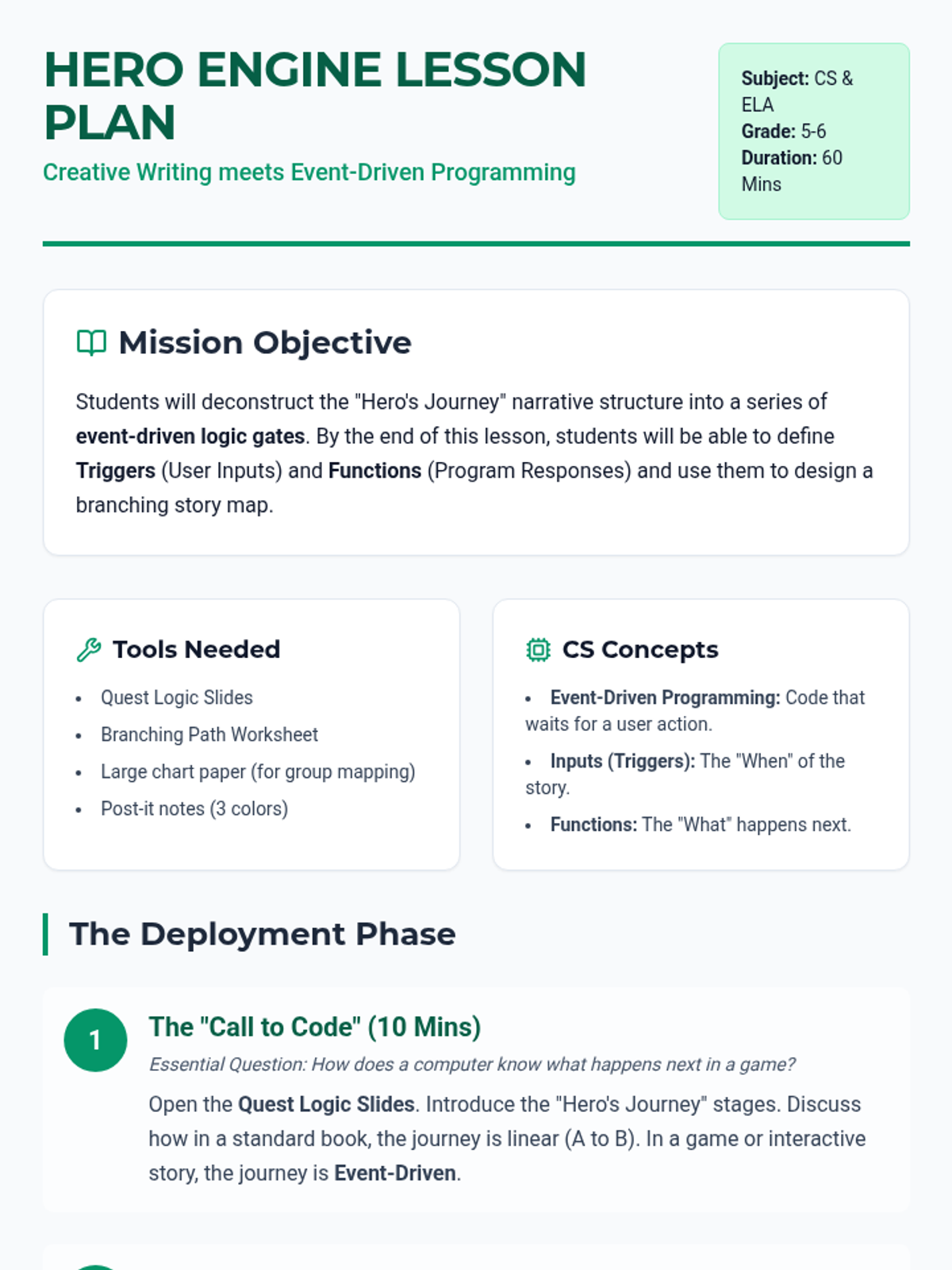
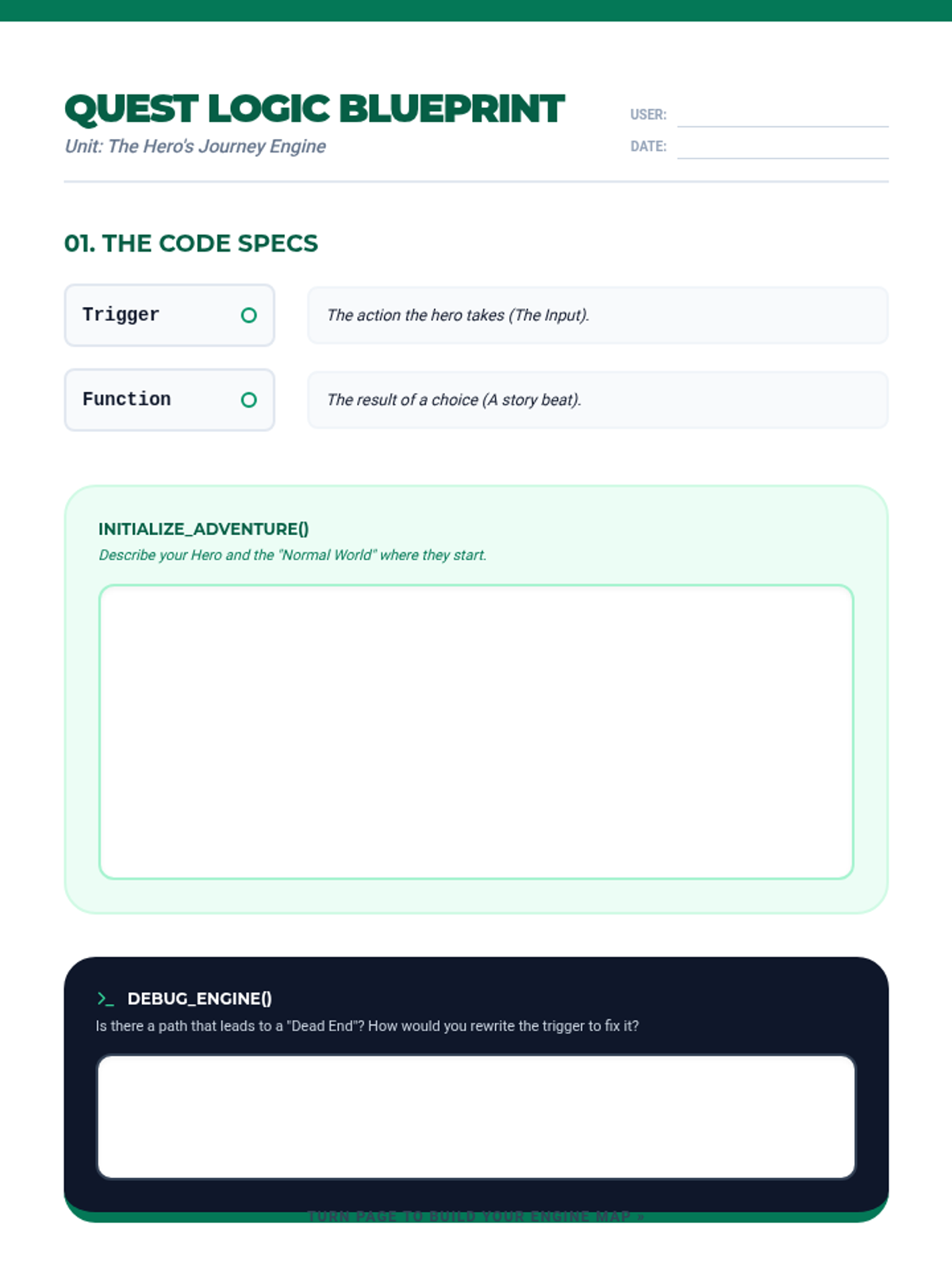
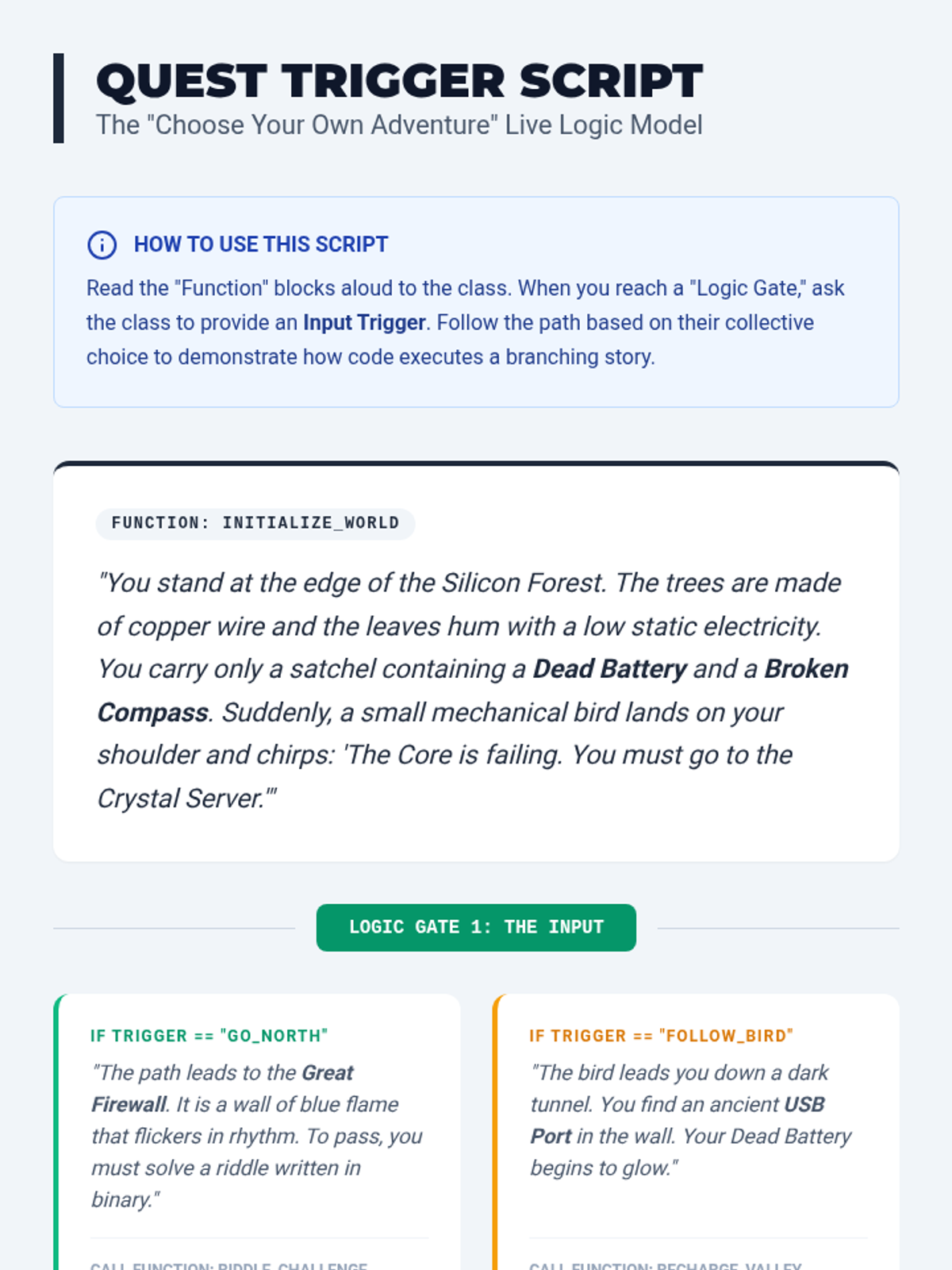
A high-energy lesson where 5th and 6th graders bridge creative writing and computer science by building event-driven logic maps for branching narratives. Students learn how user inputs serve as 'triggers' for story 'functions' within the Hero's Journey framework.
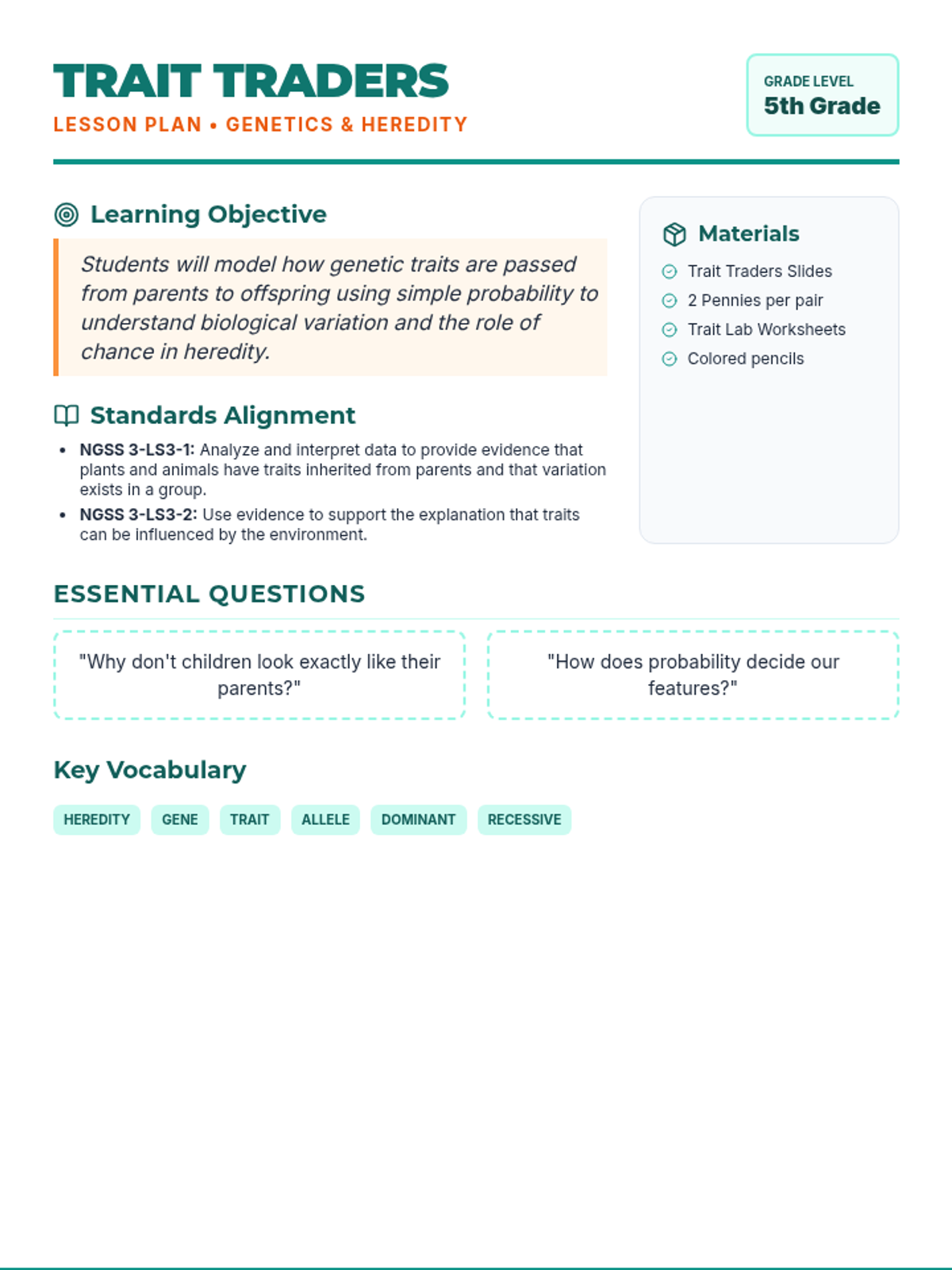
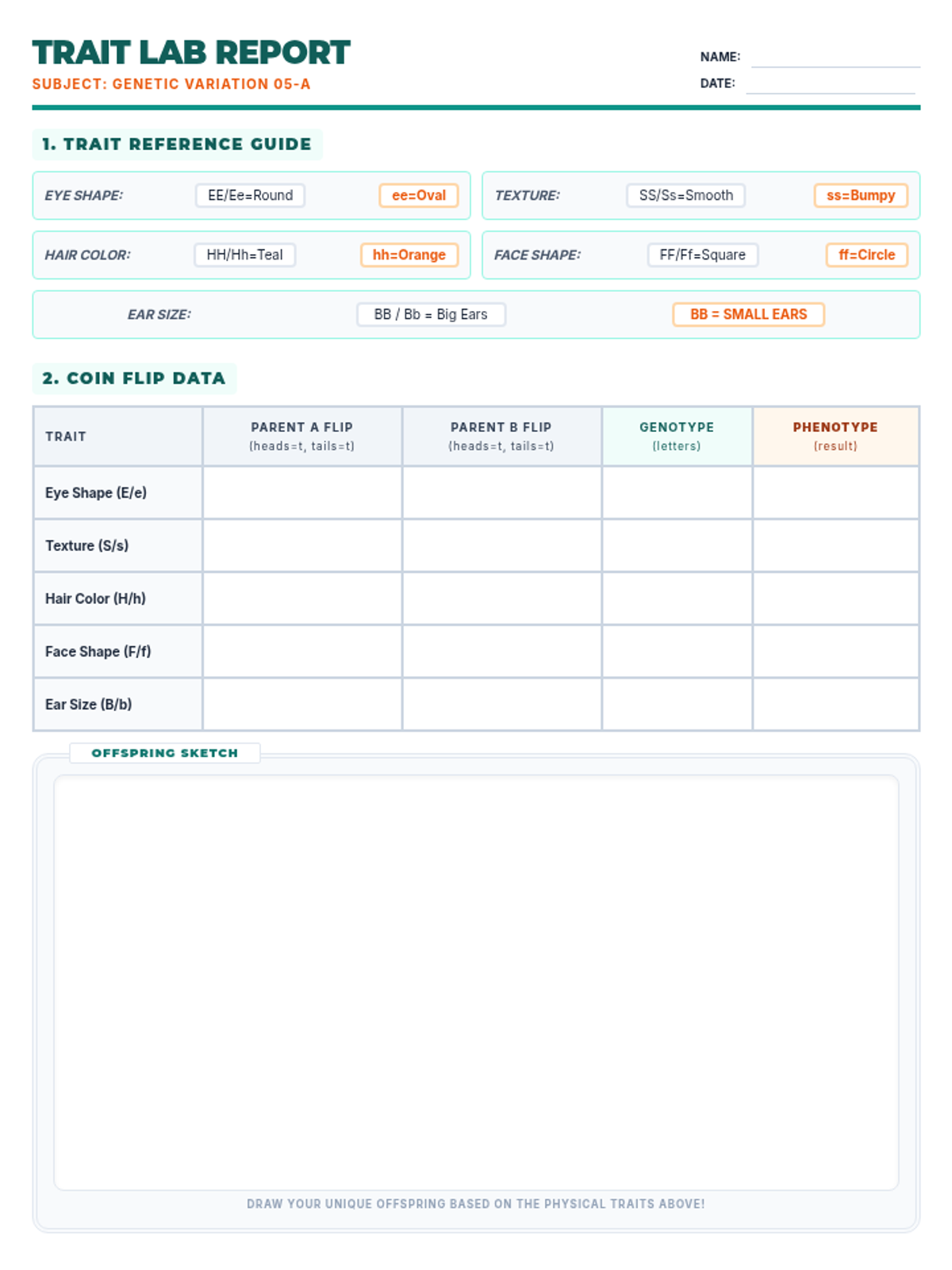
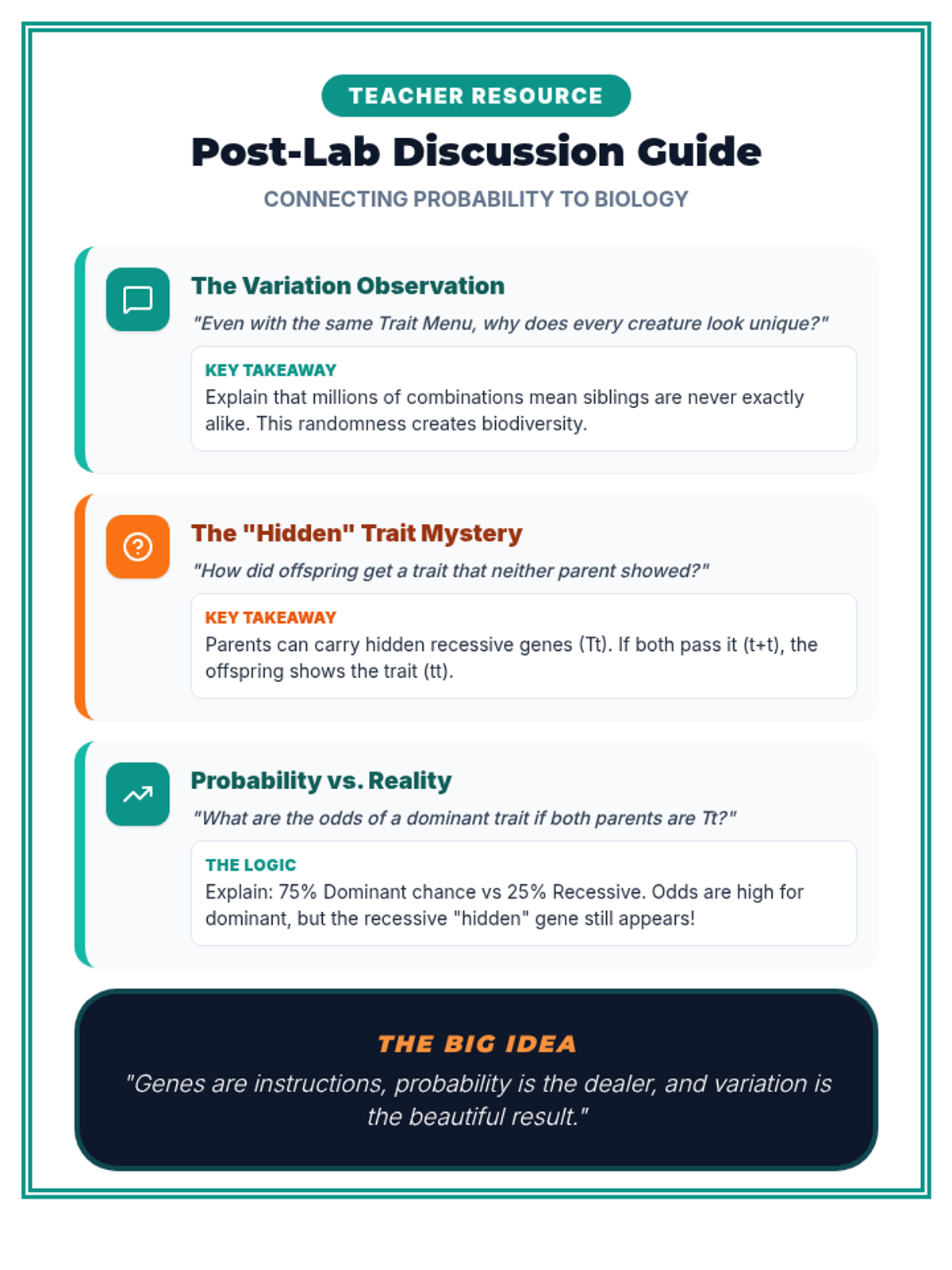
A hands-on exploration of genetics where 5th graders use probability (coin flips) to determine the physical traits of an offspring, demonstrating how heredity leads to biological variation.