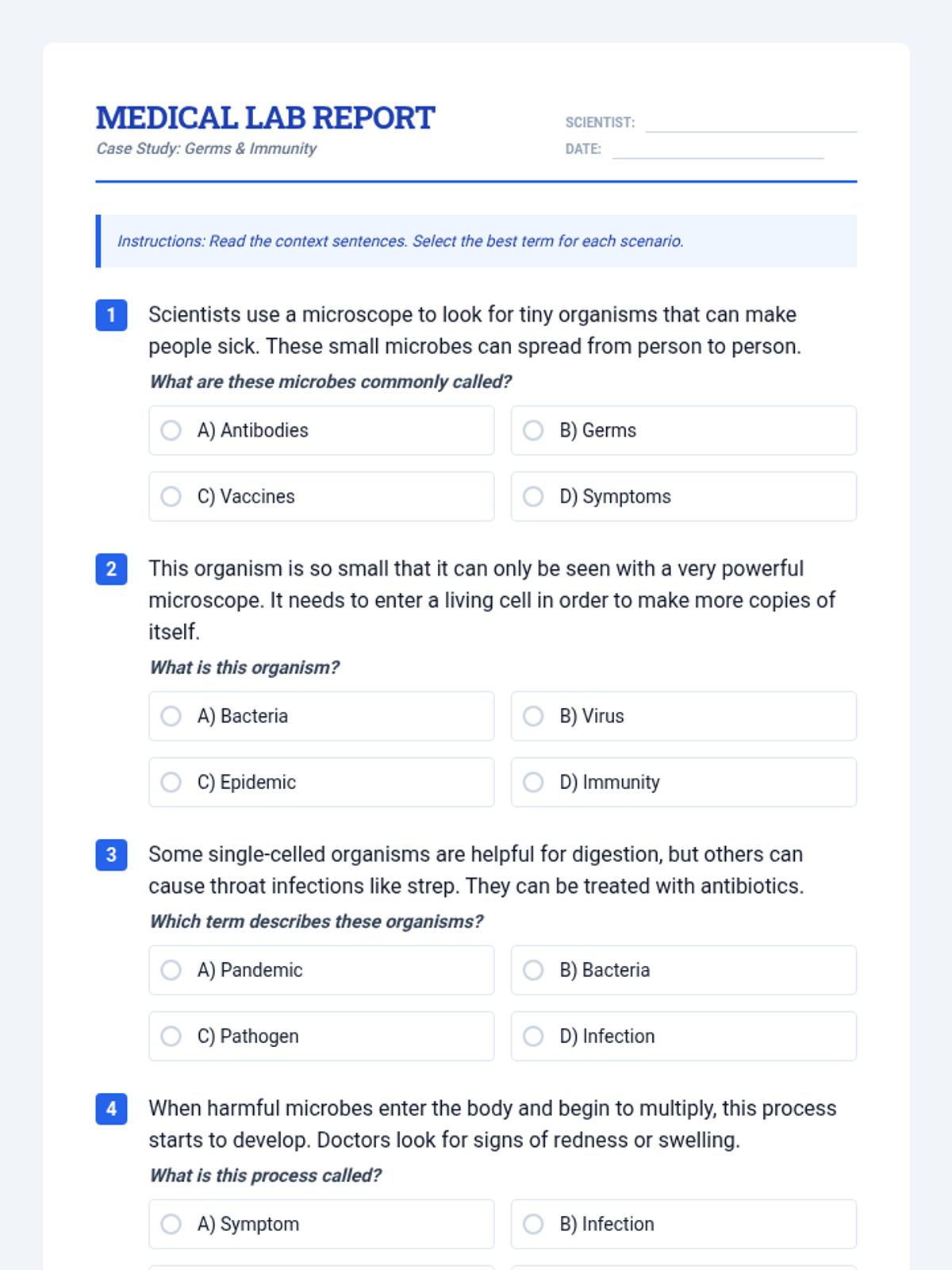
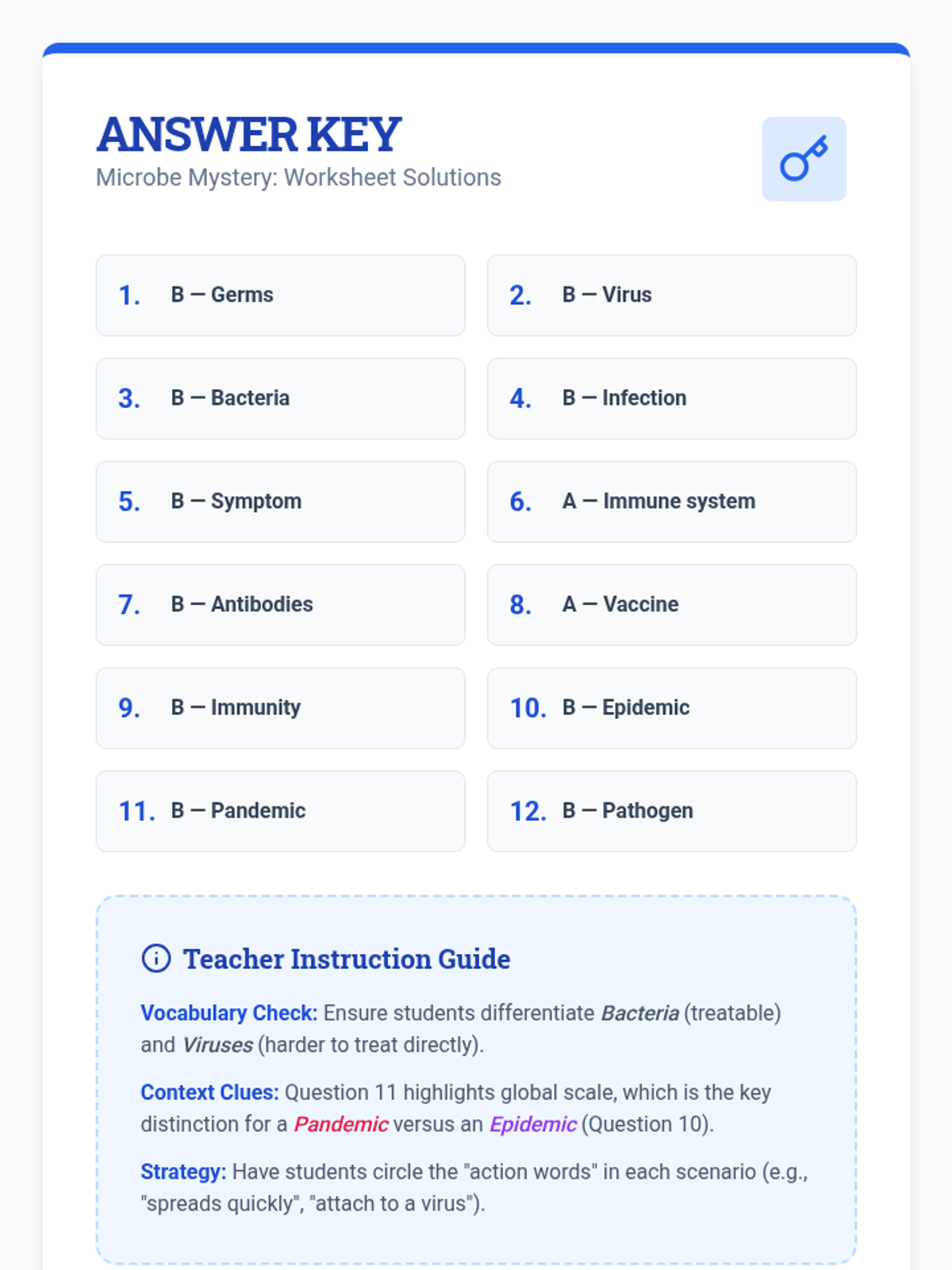
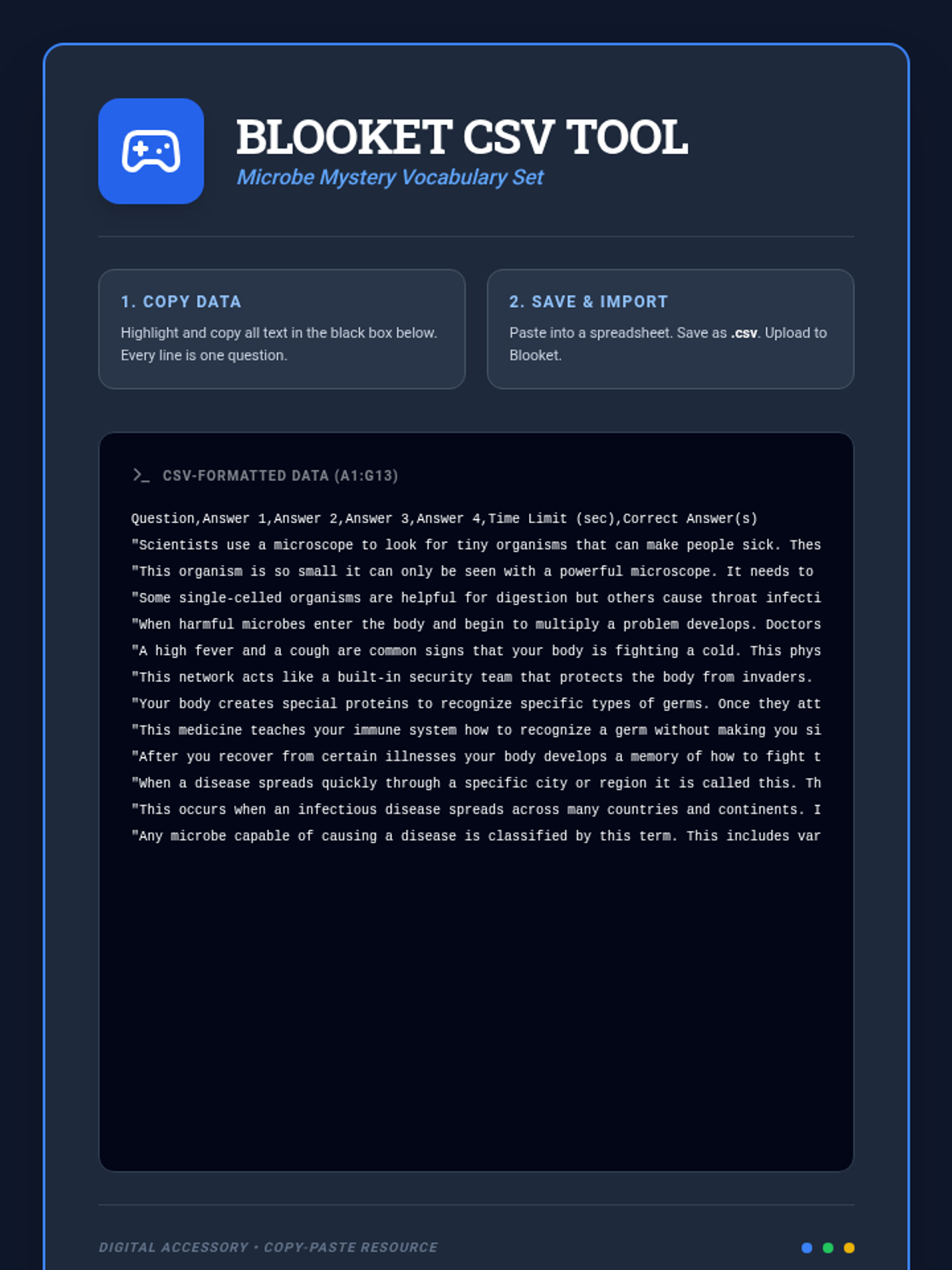
A comprehensive quiz and answer key covering essential medical and biological vocabulary related to germs, pathogens, and the body's immune response. Designed for WIDA Level 4 learners with context-rich sentences.
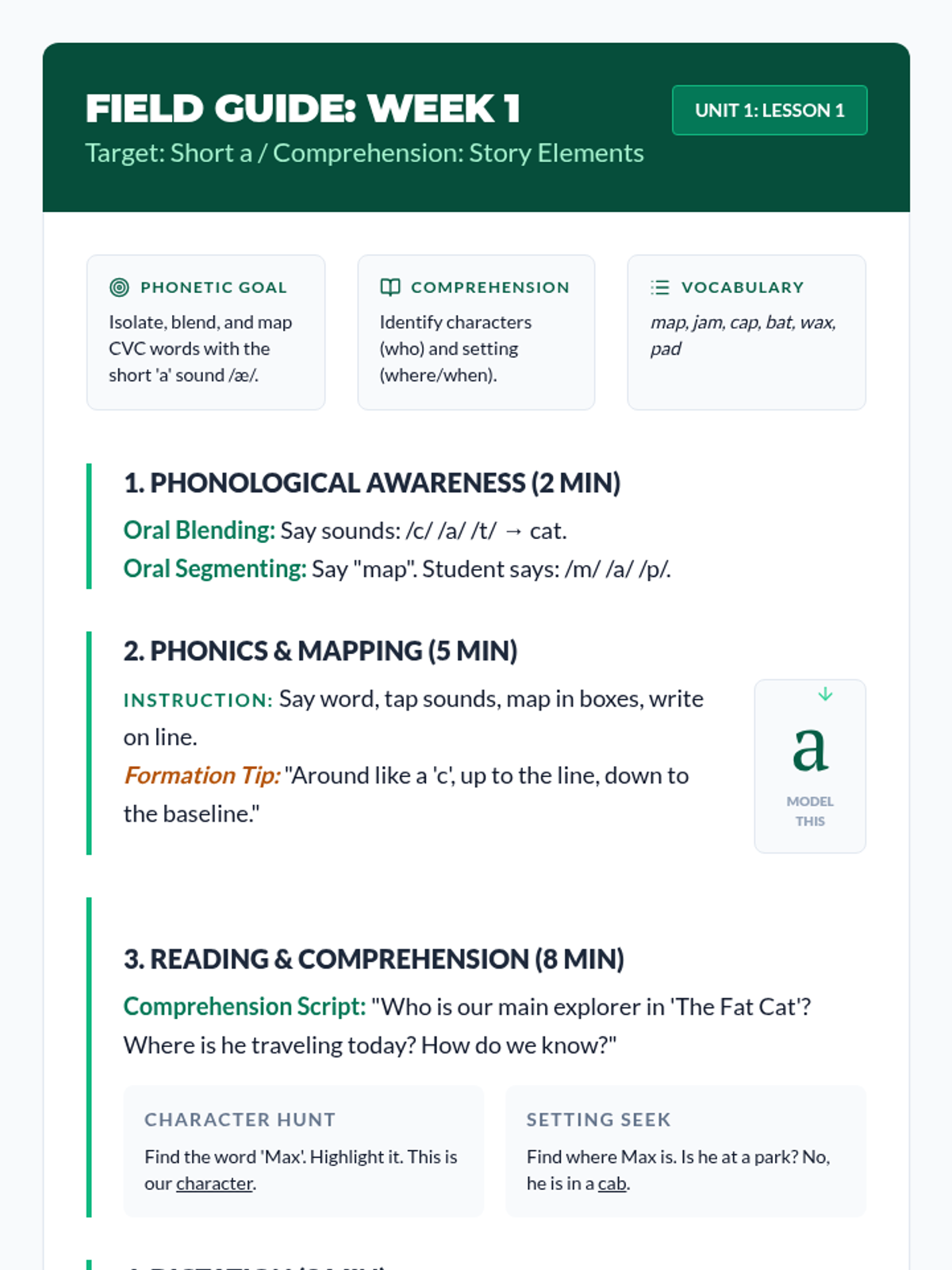
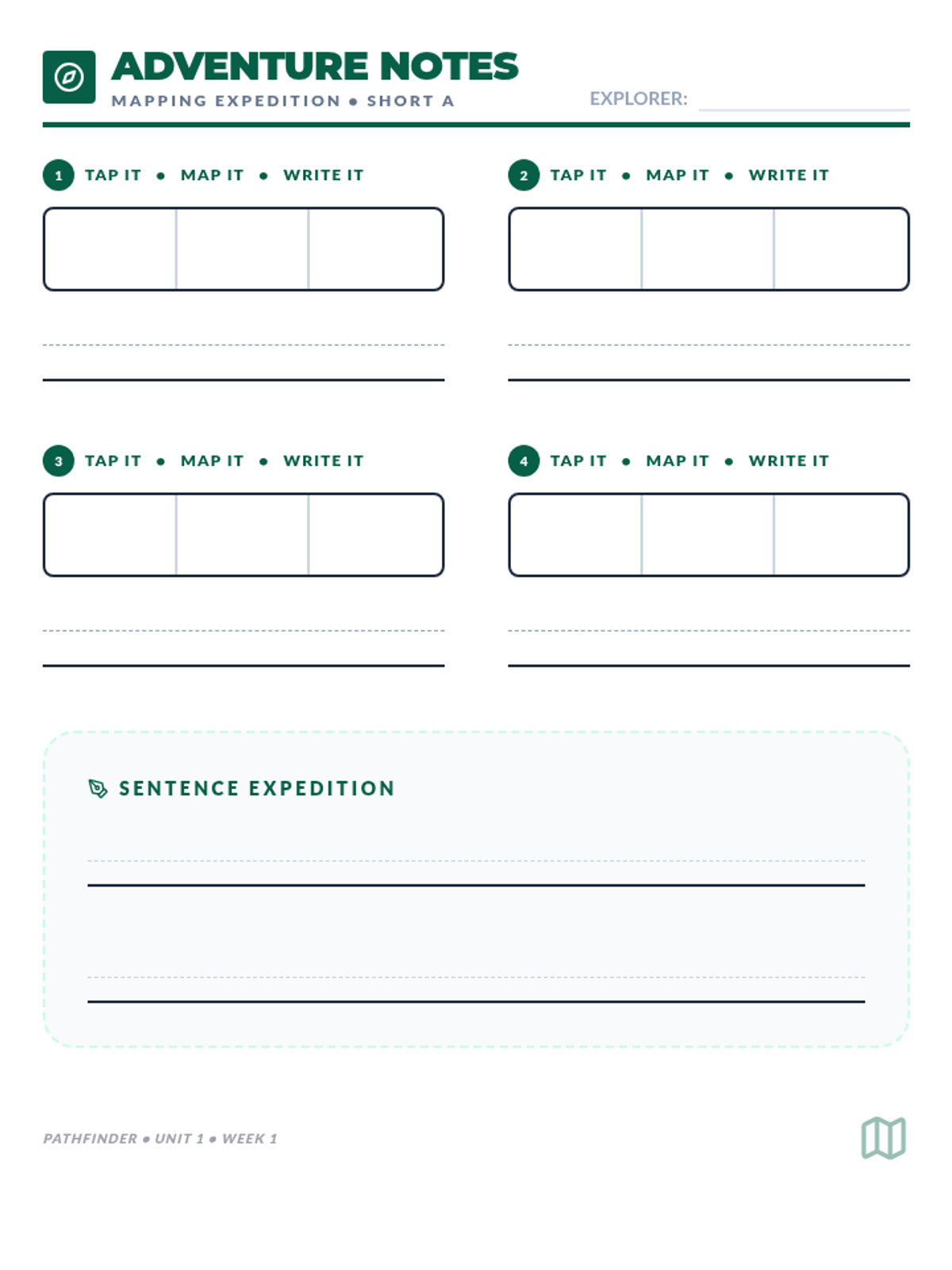
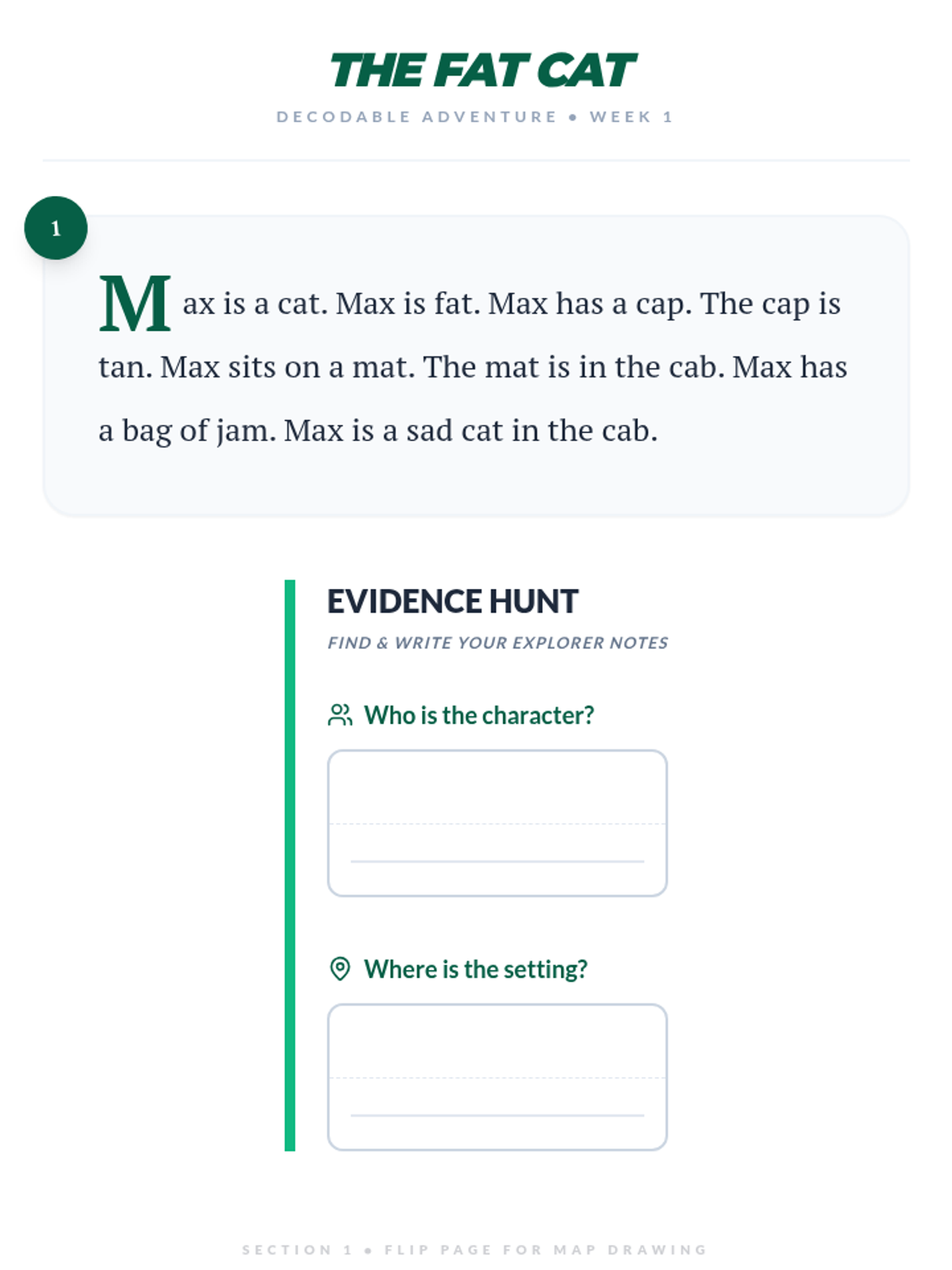
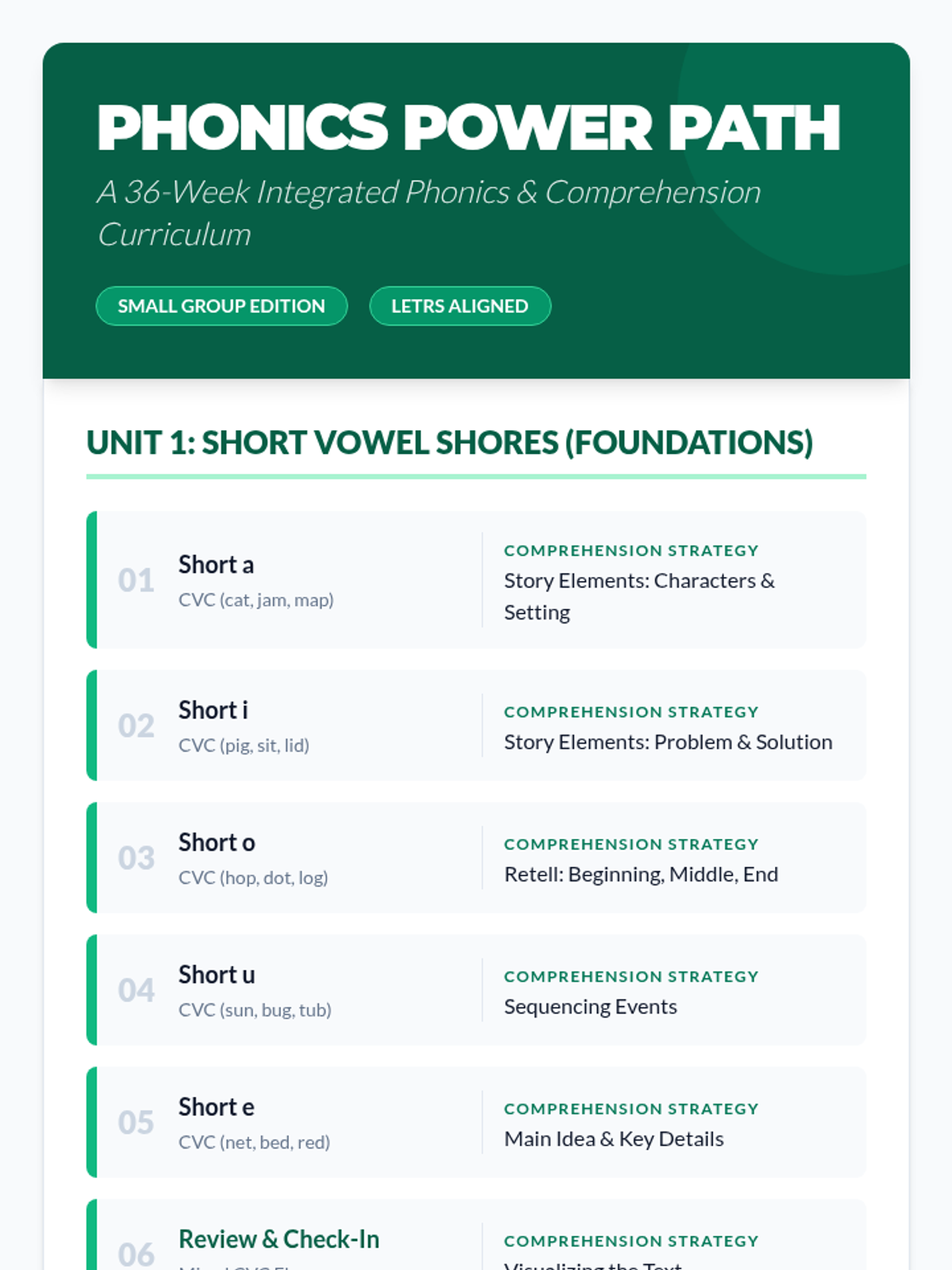
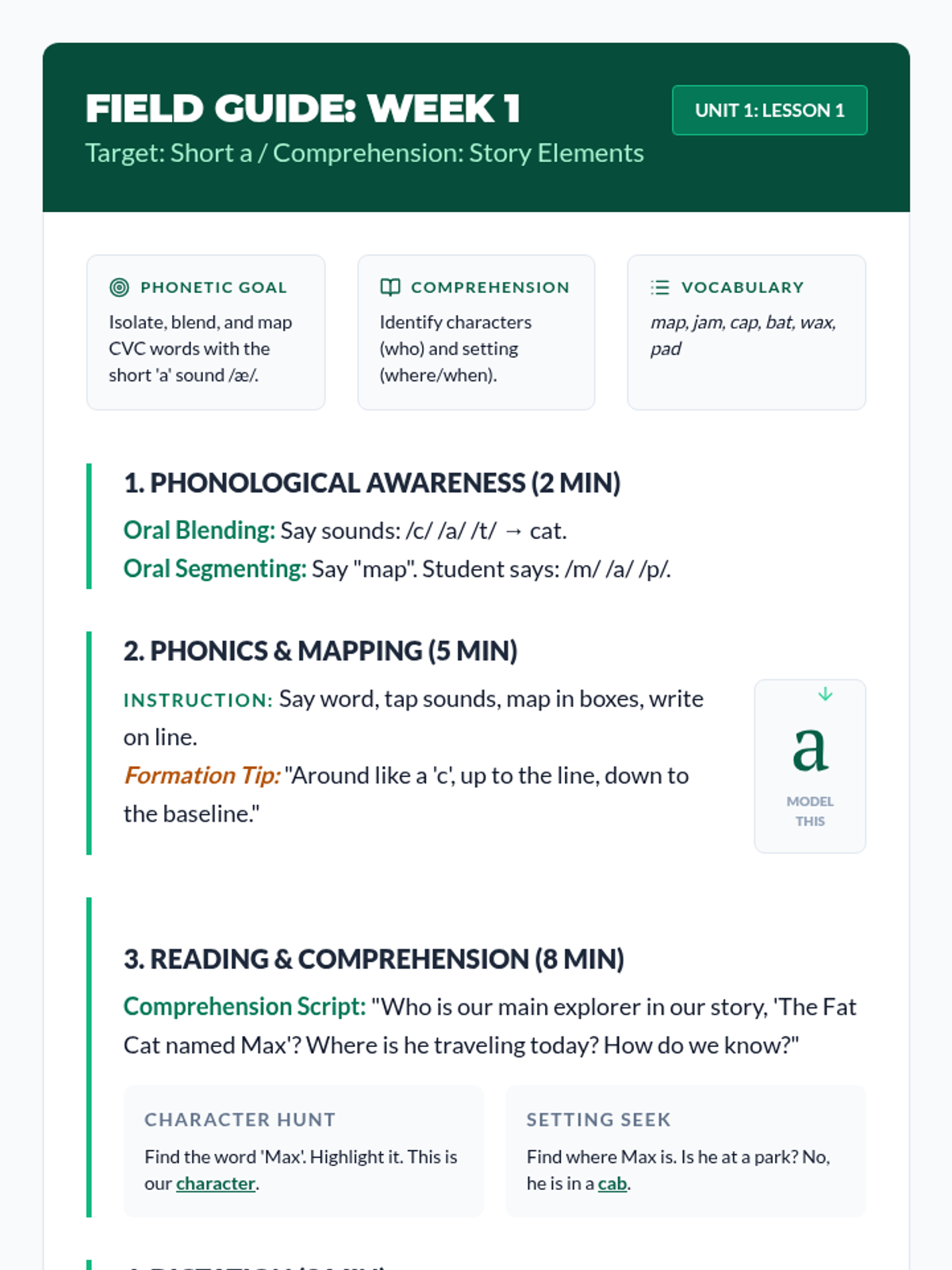
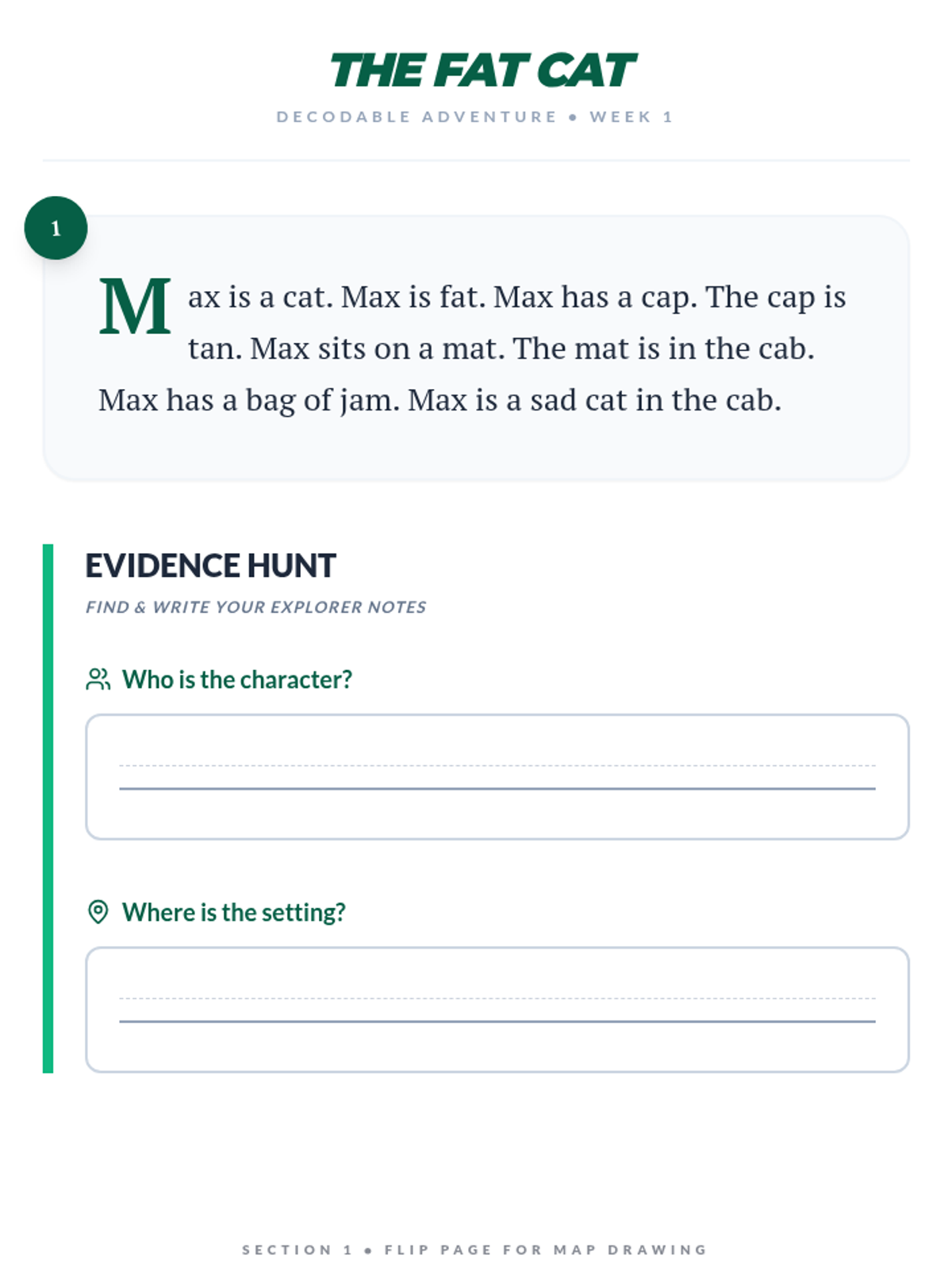
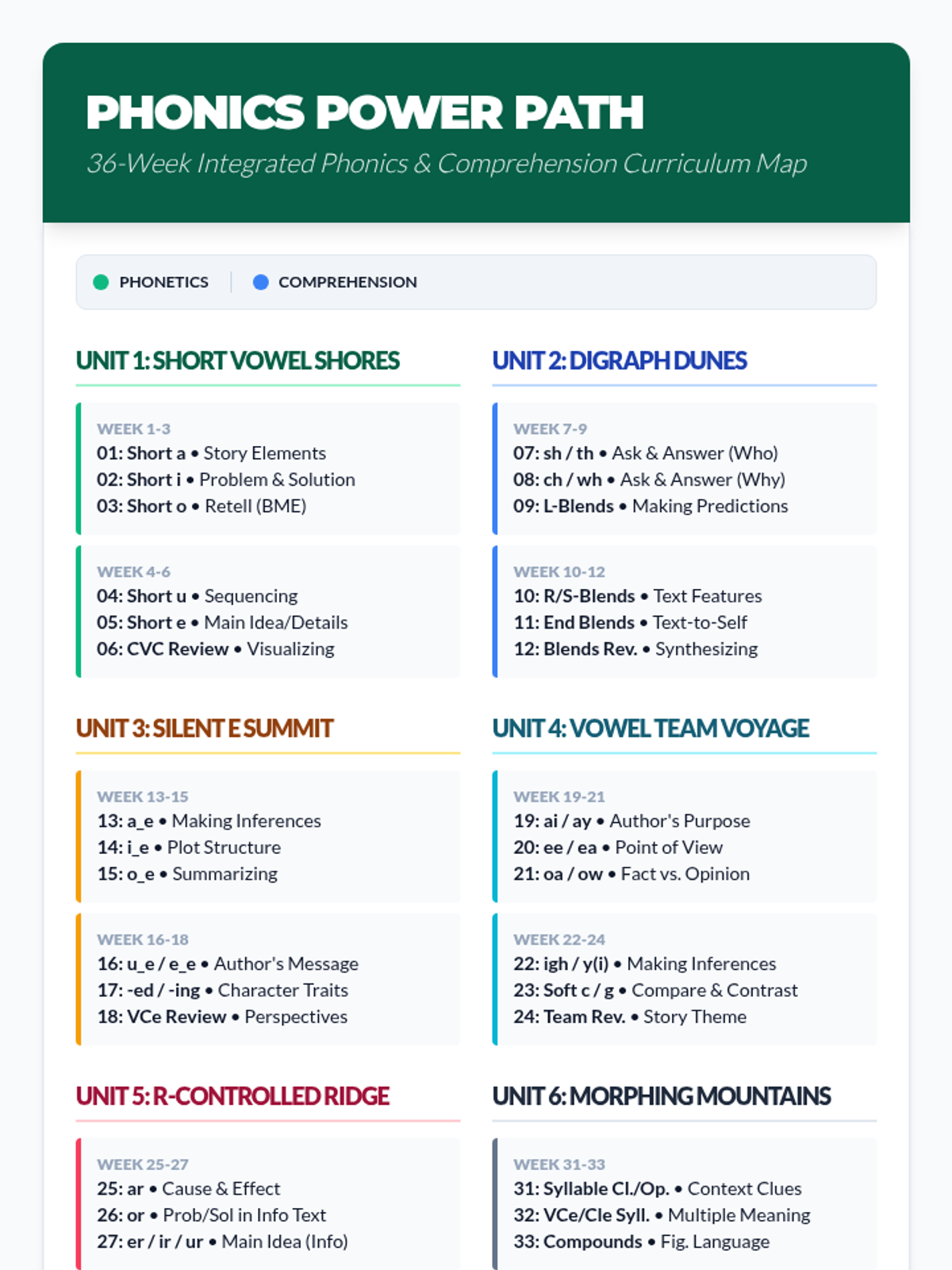
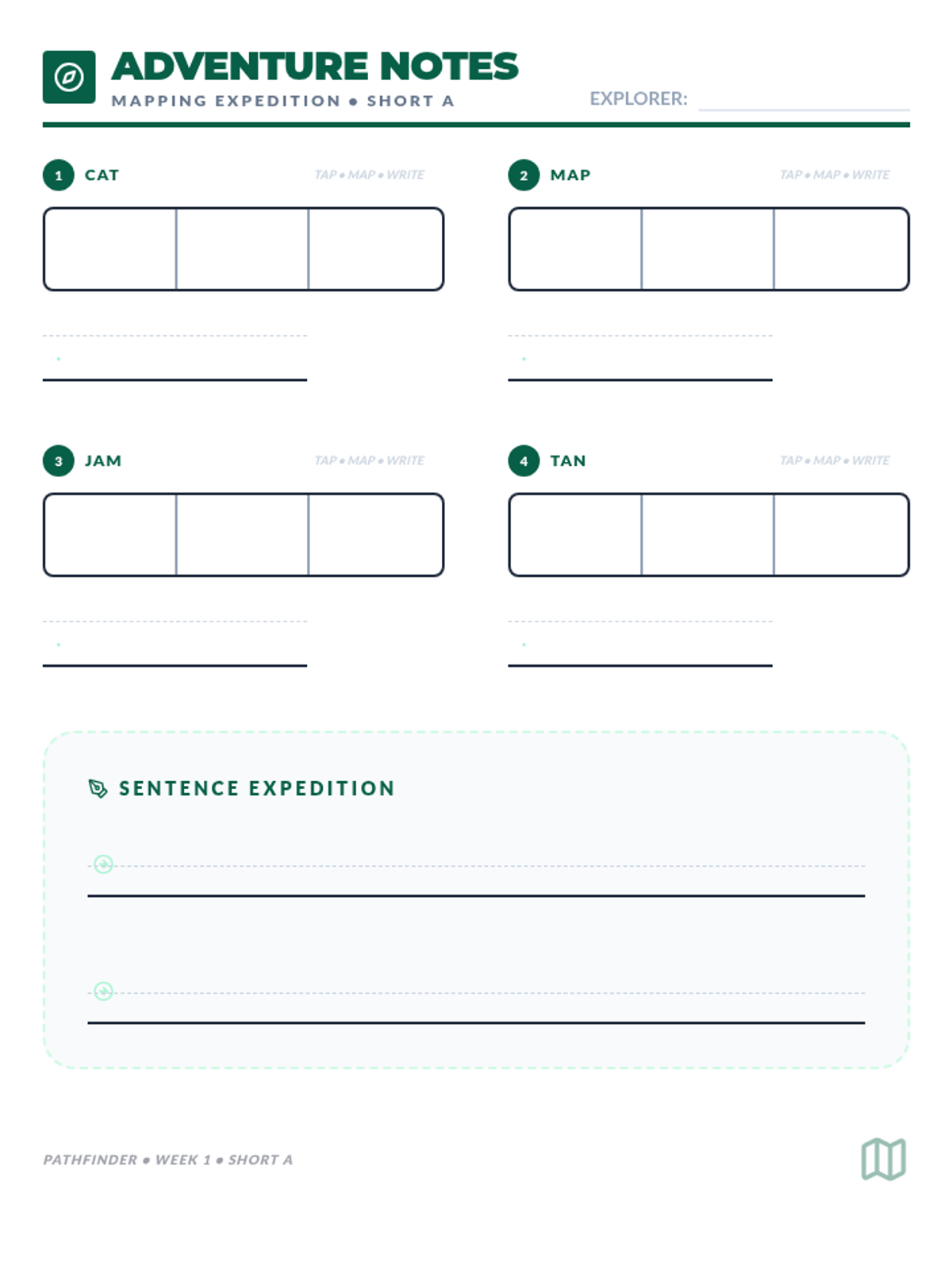
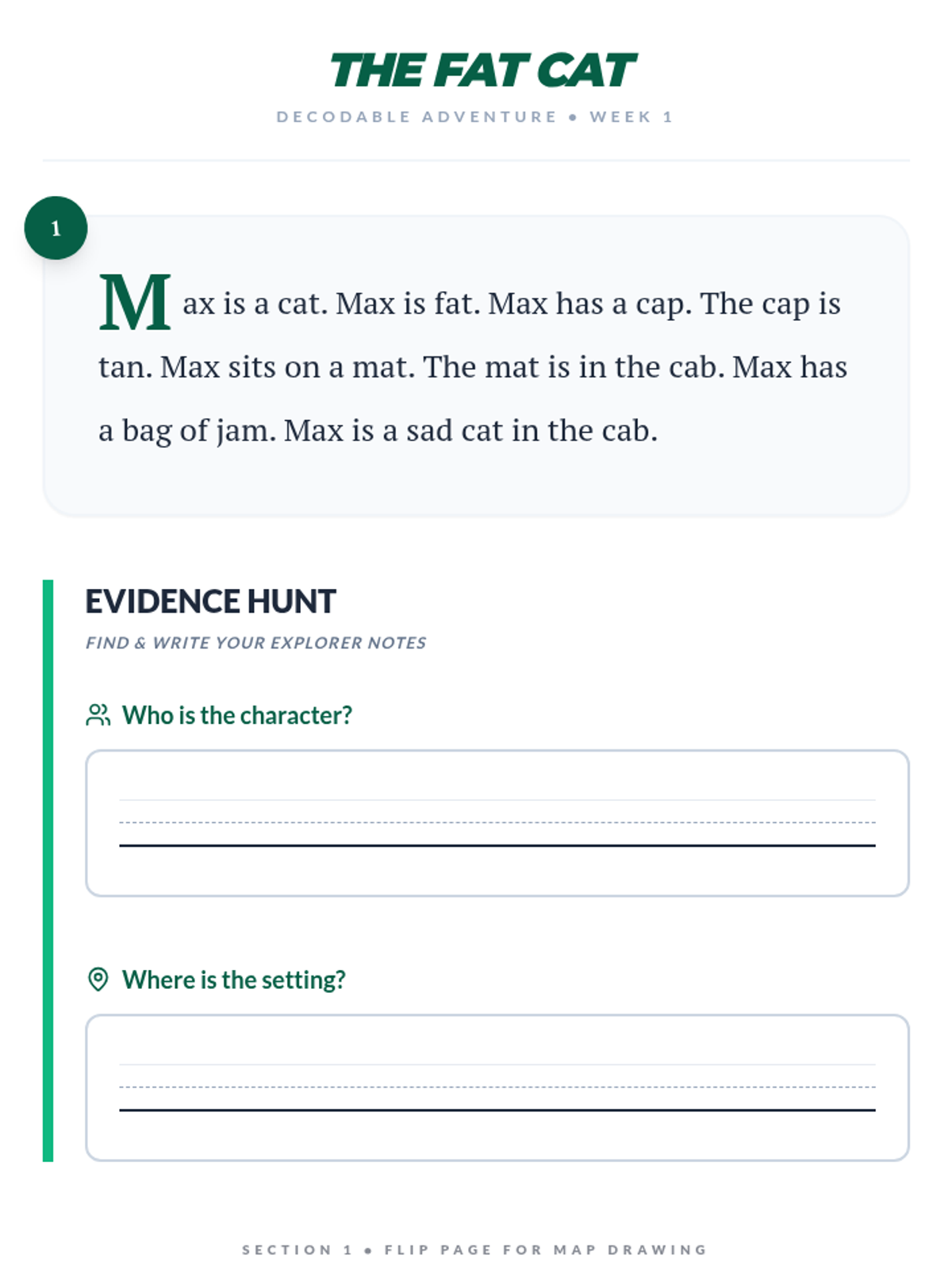
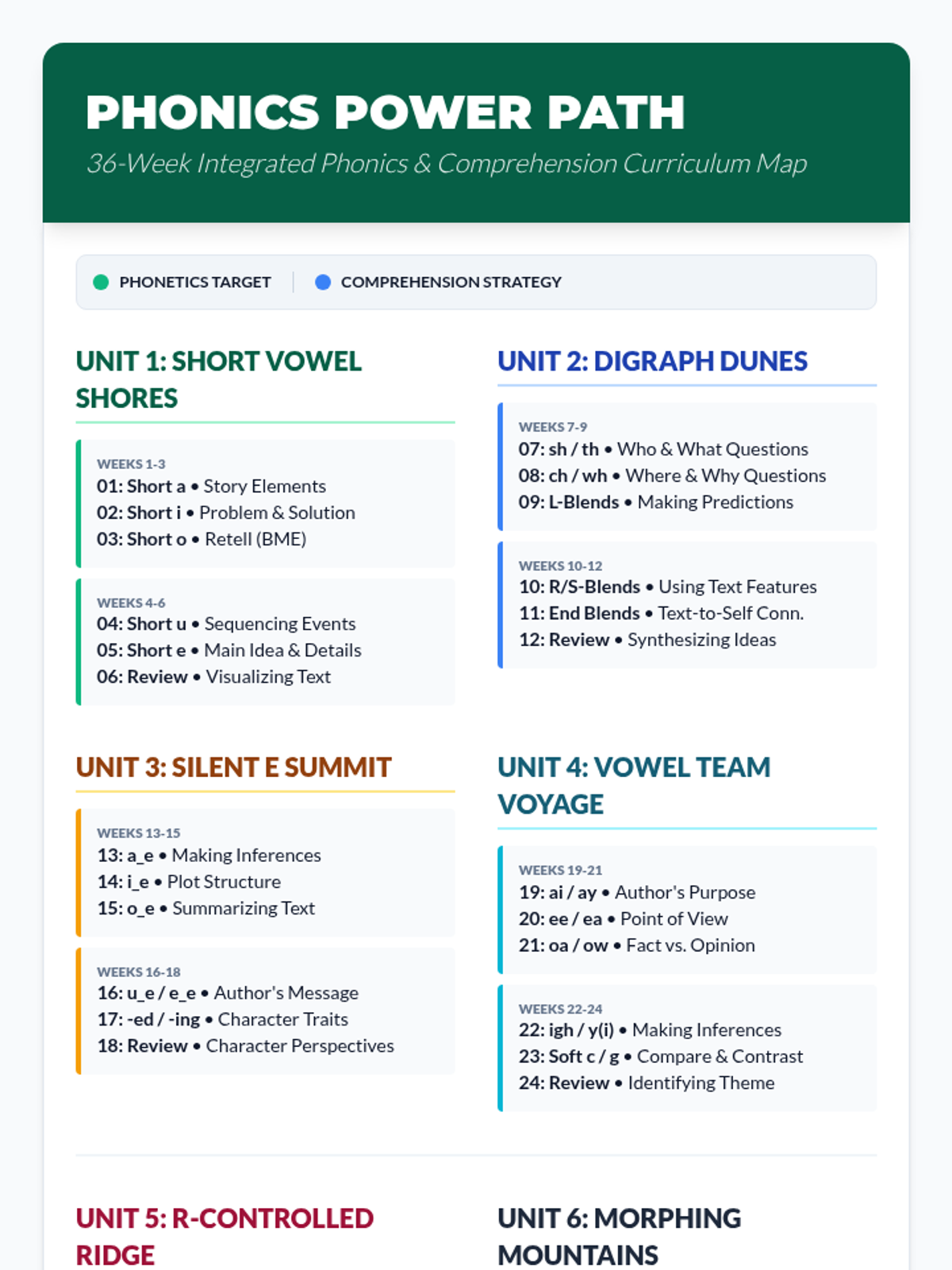
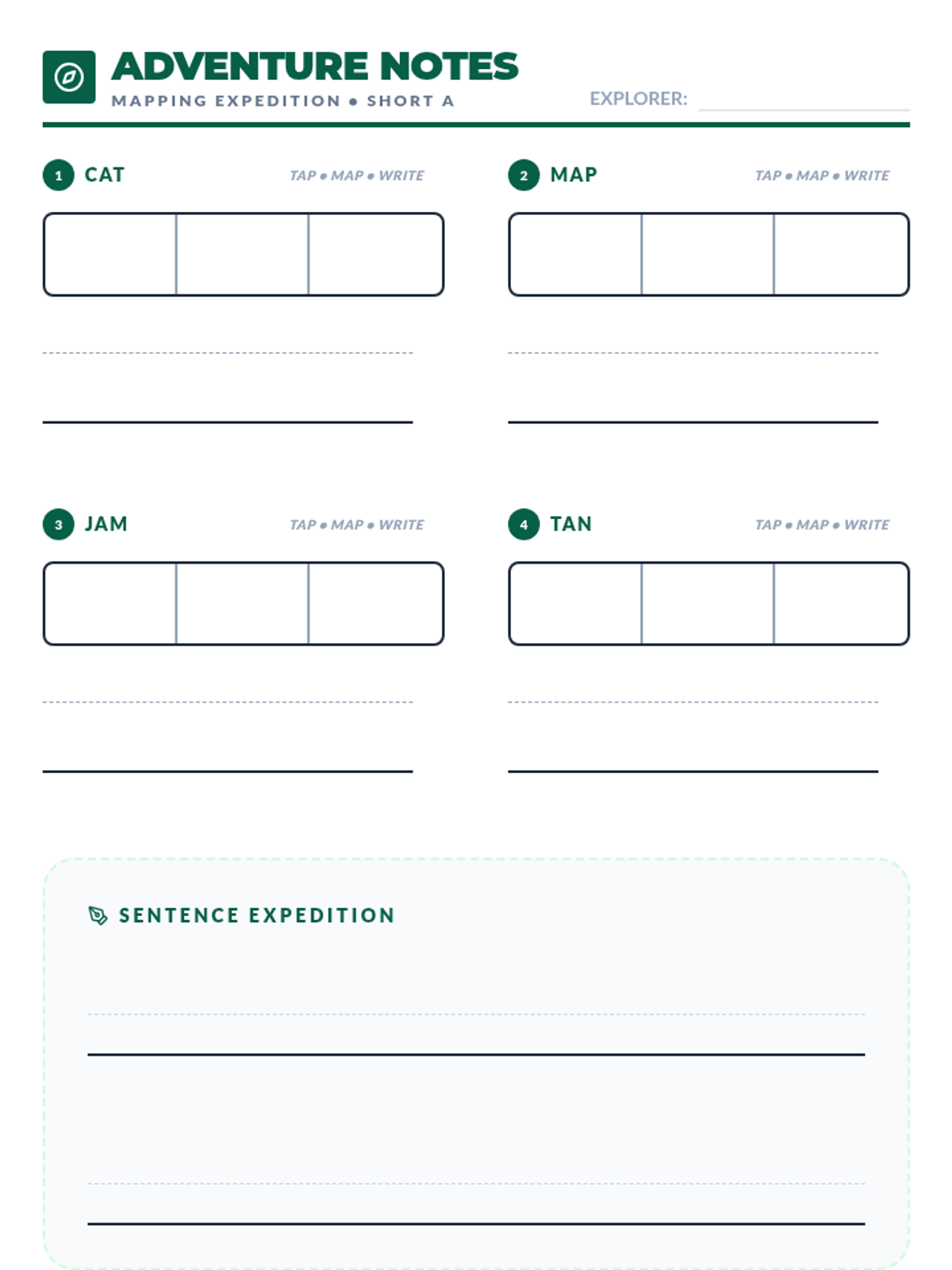
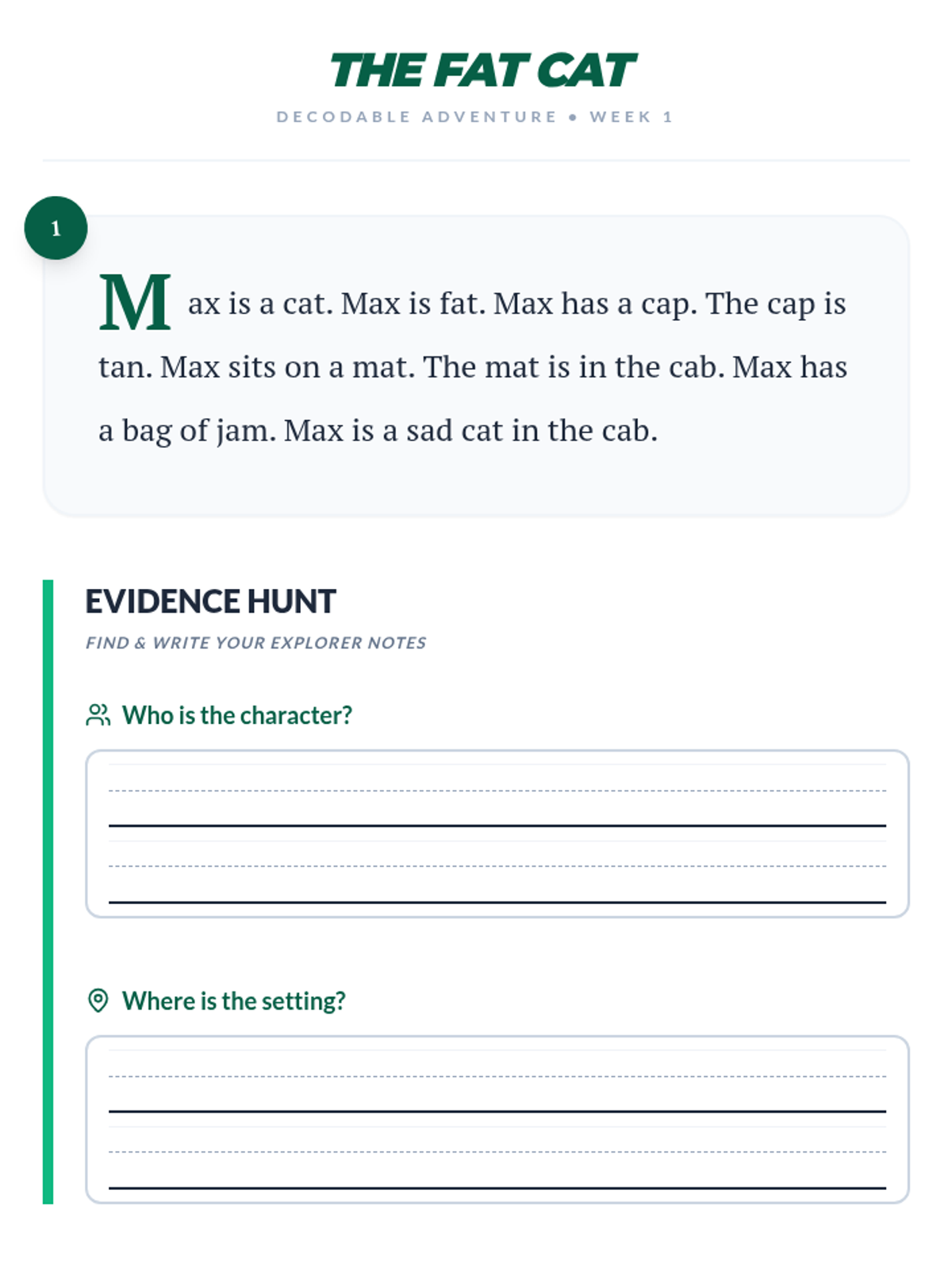
The first week of the Phonics Power Path curriculum, focusing on the short 'a' sound (CVC) and identifying basic story elements like characters and setting.
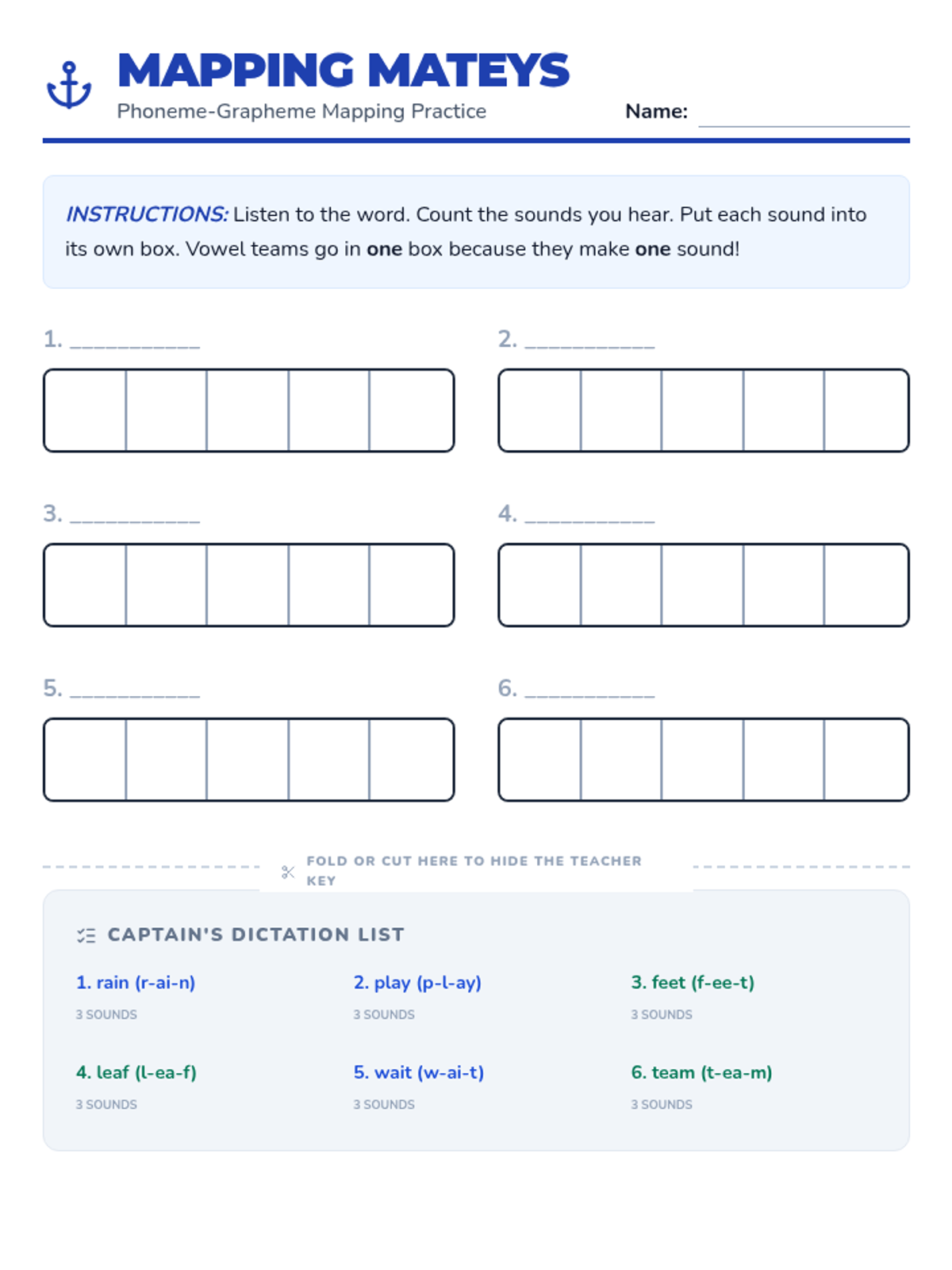
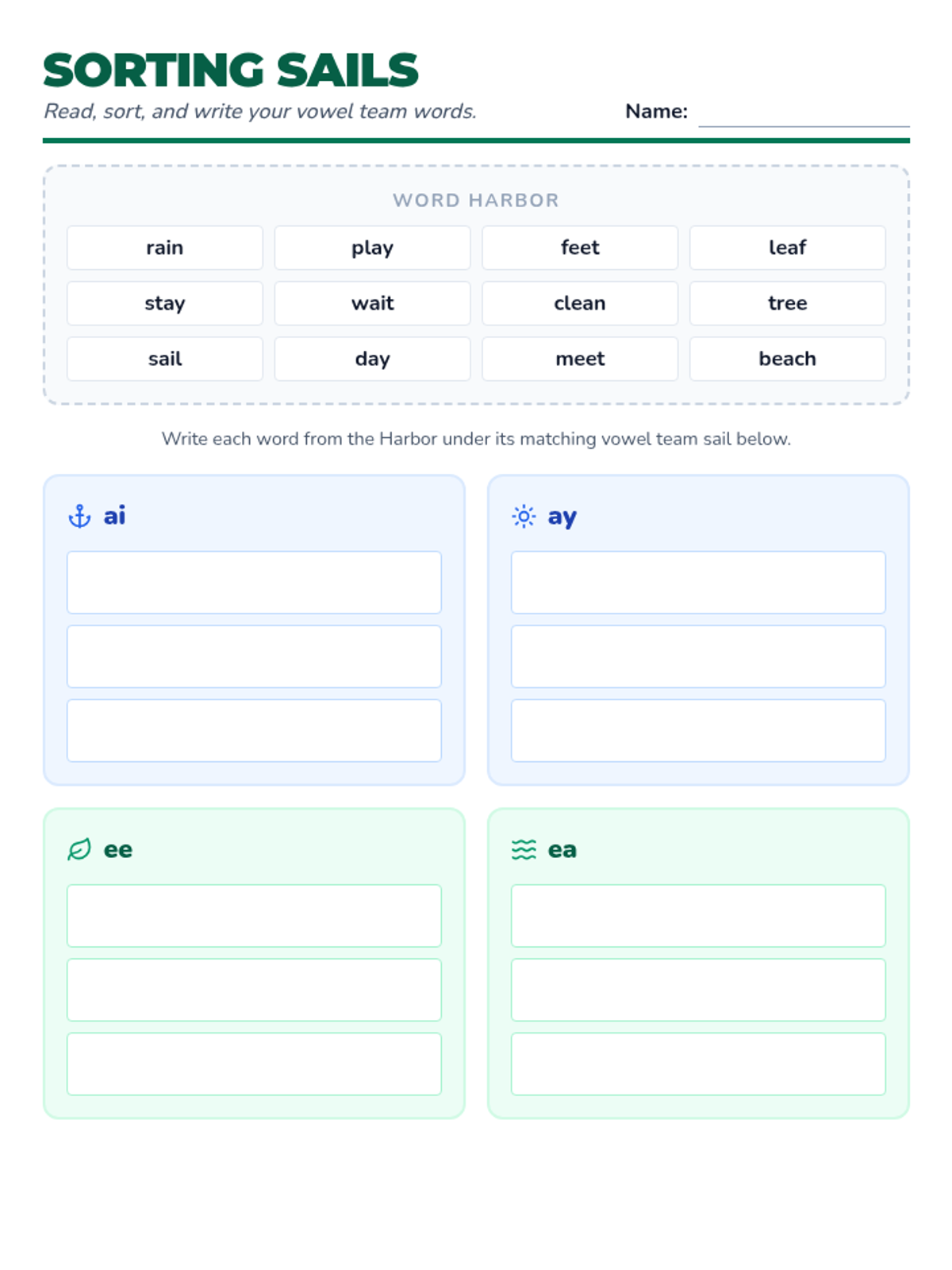
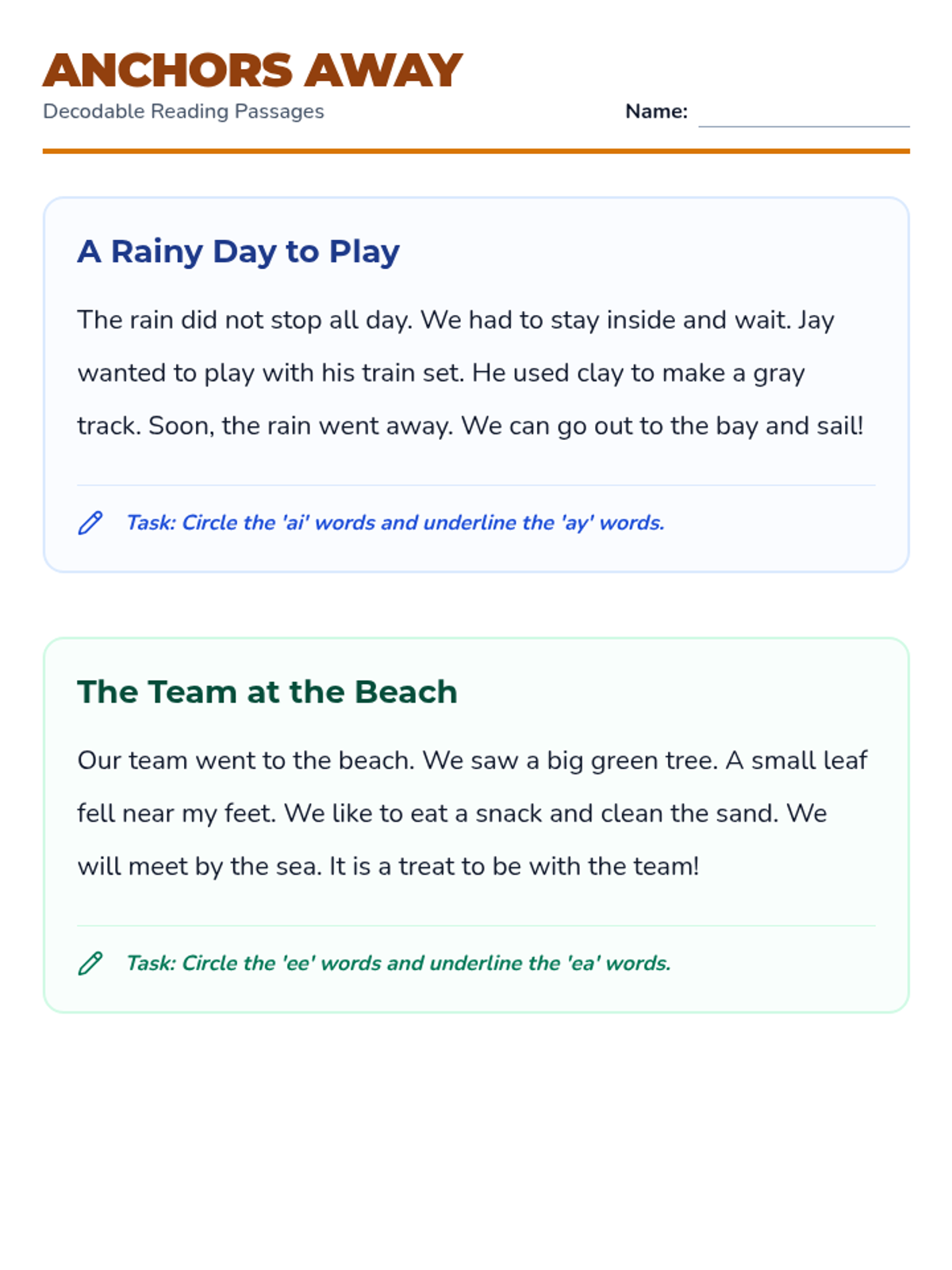
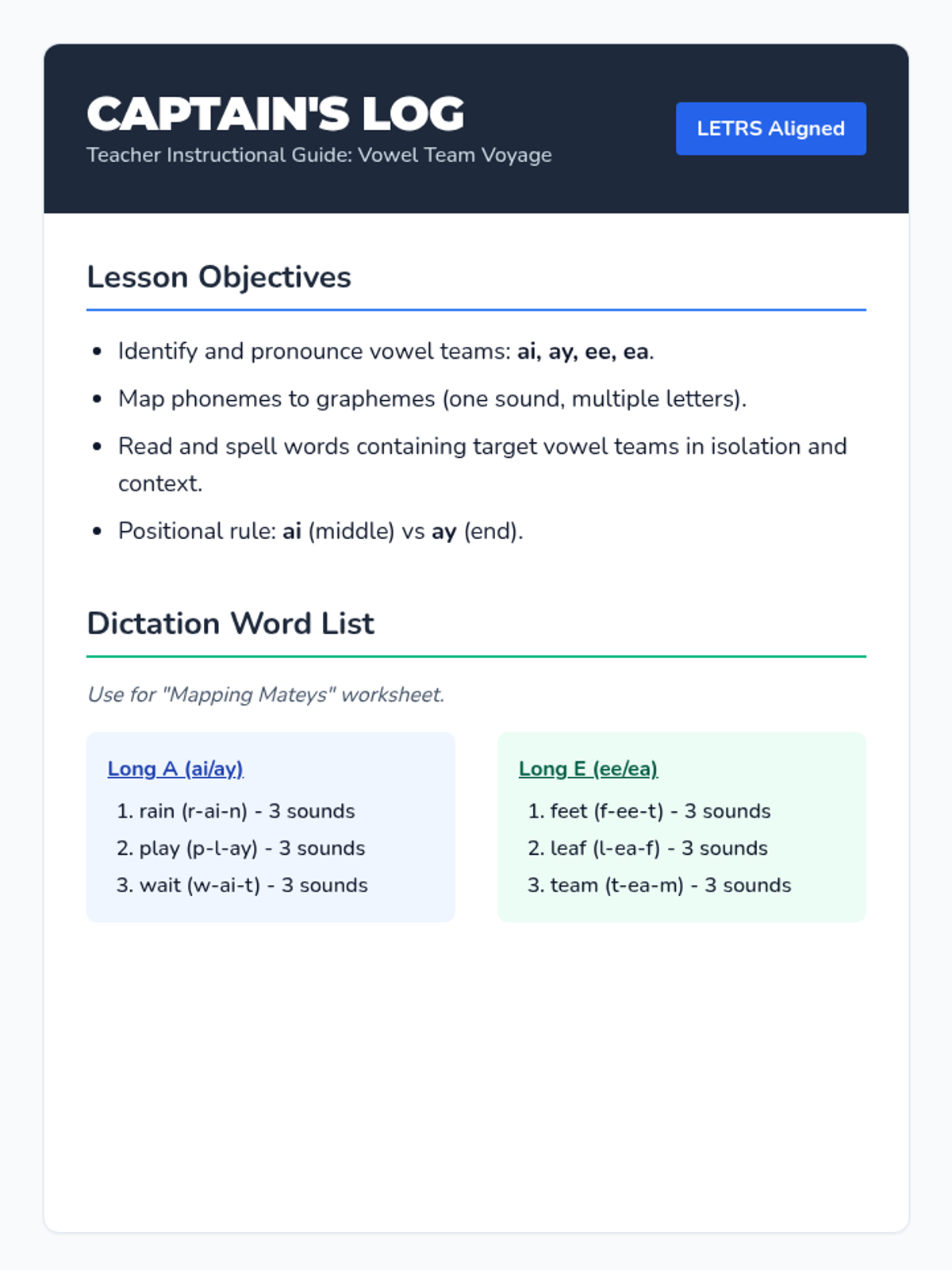
A comprehensive phonics lesson focusing on long vowel teams (ai, ay, ee, ea) following LETRS-aligned instructional practices, including phoneme-grapheme mapping and decodable reading.
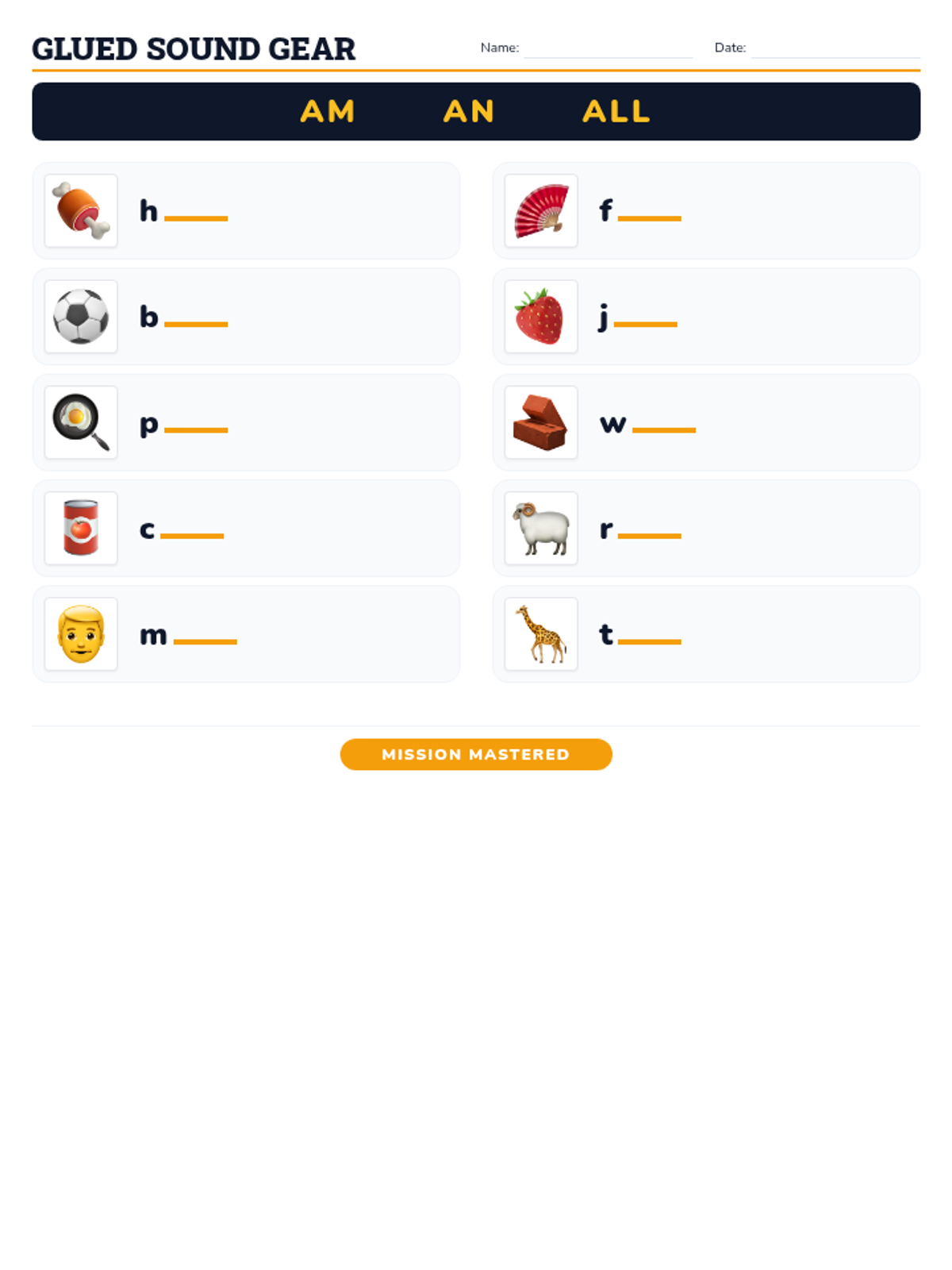
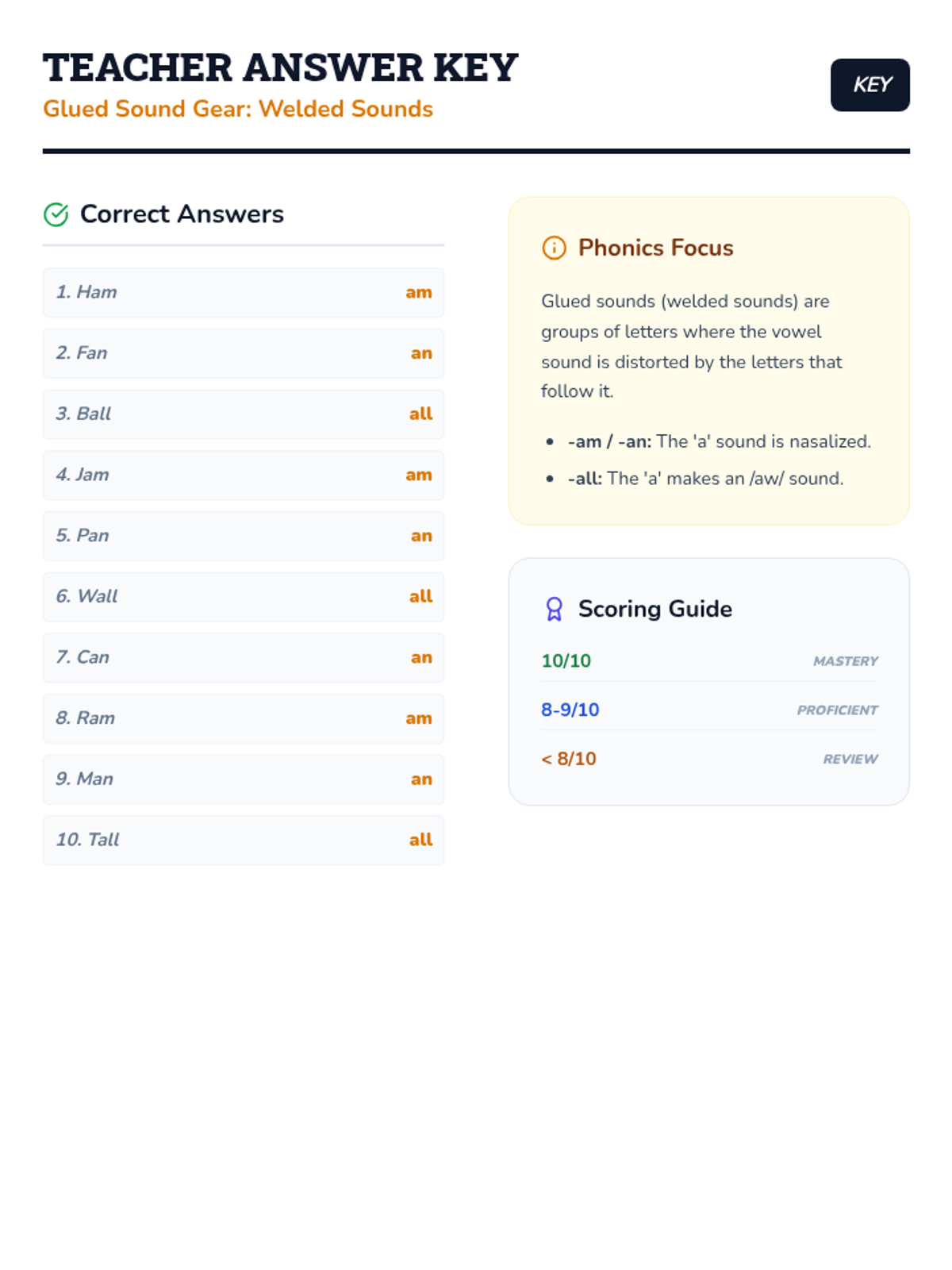
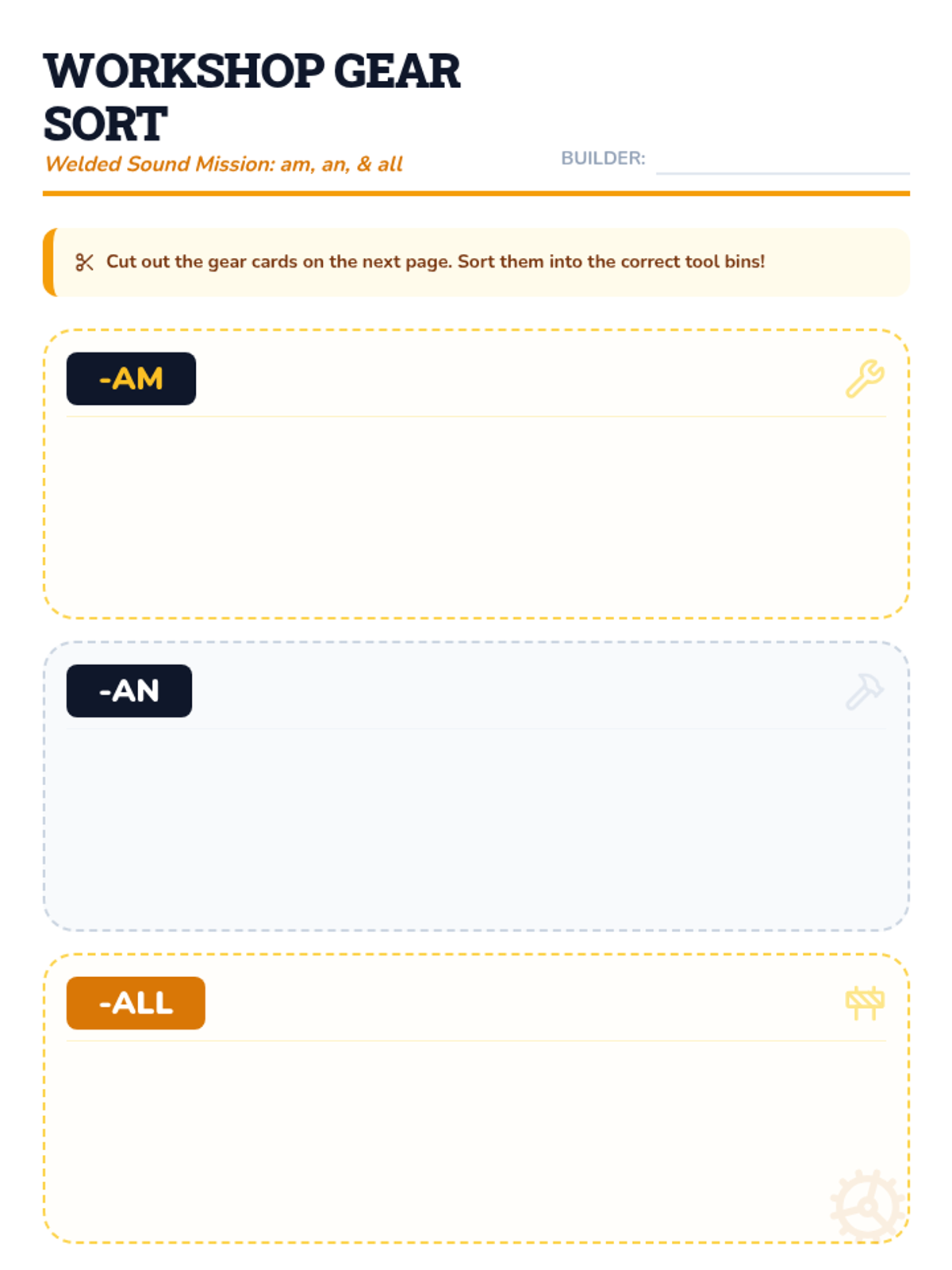
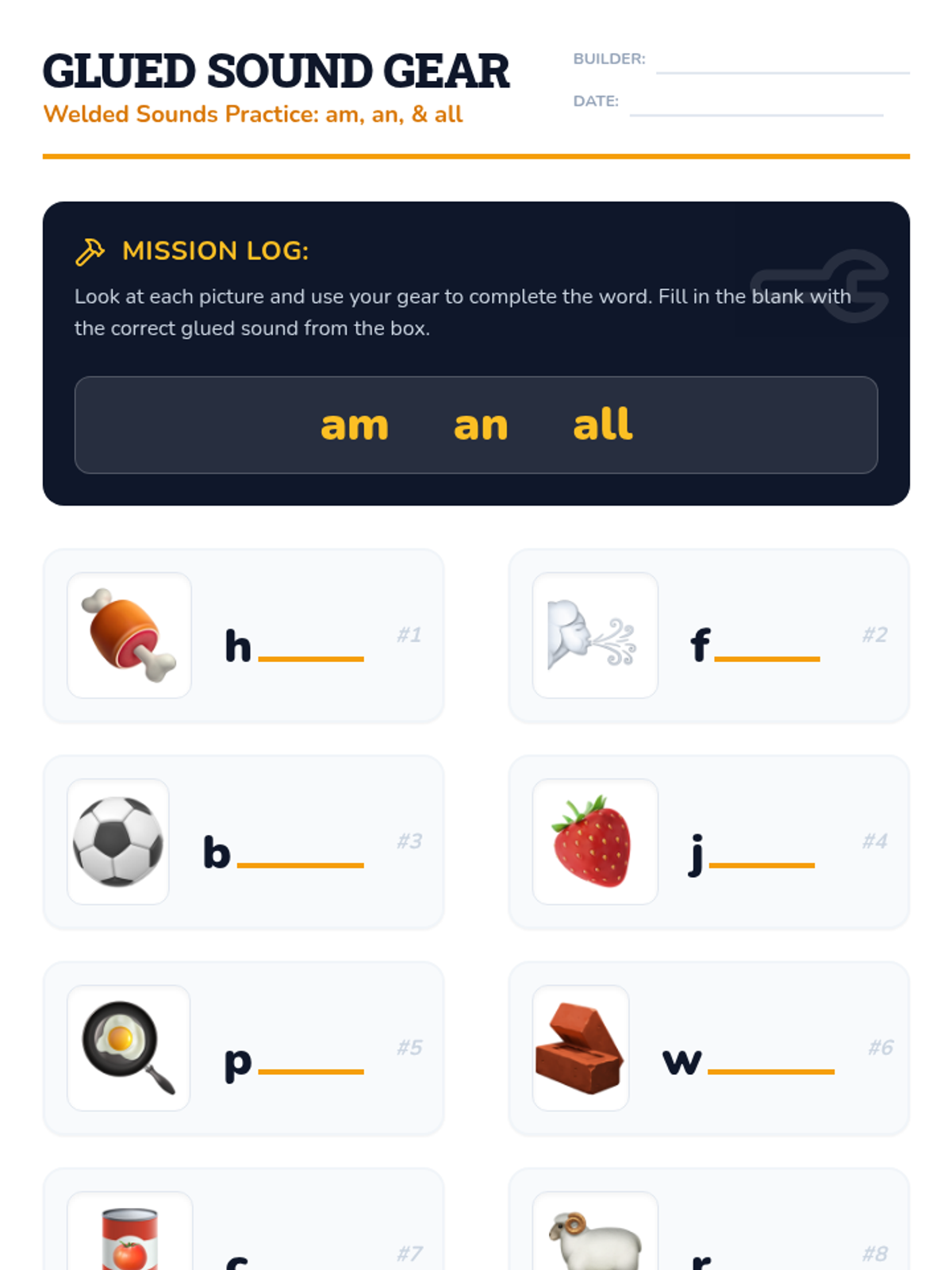
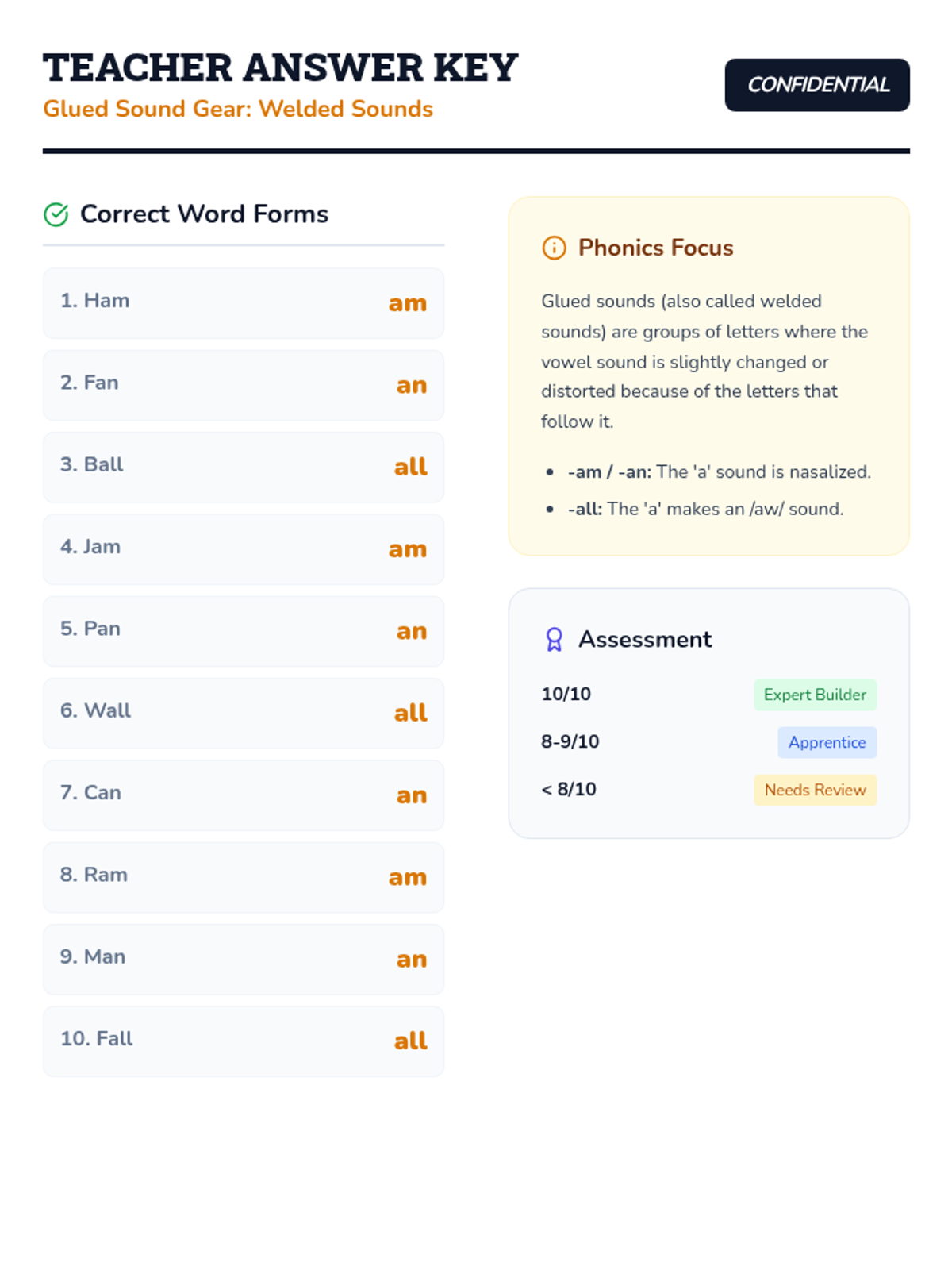
A workshop-themed phonics lesson focusing on identifying and using the 'glued' or 'welded' sounds -am, -an, and -all.
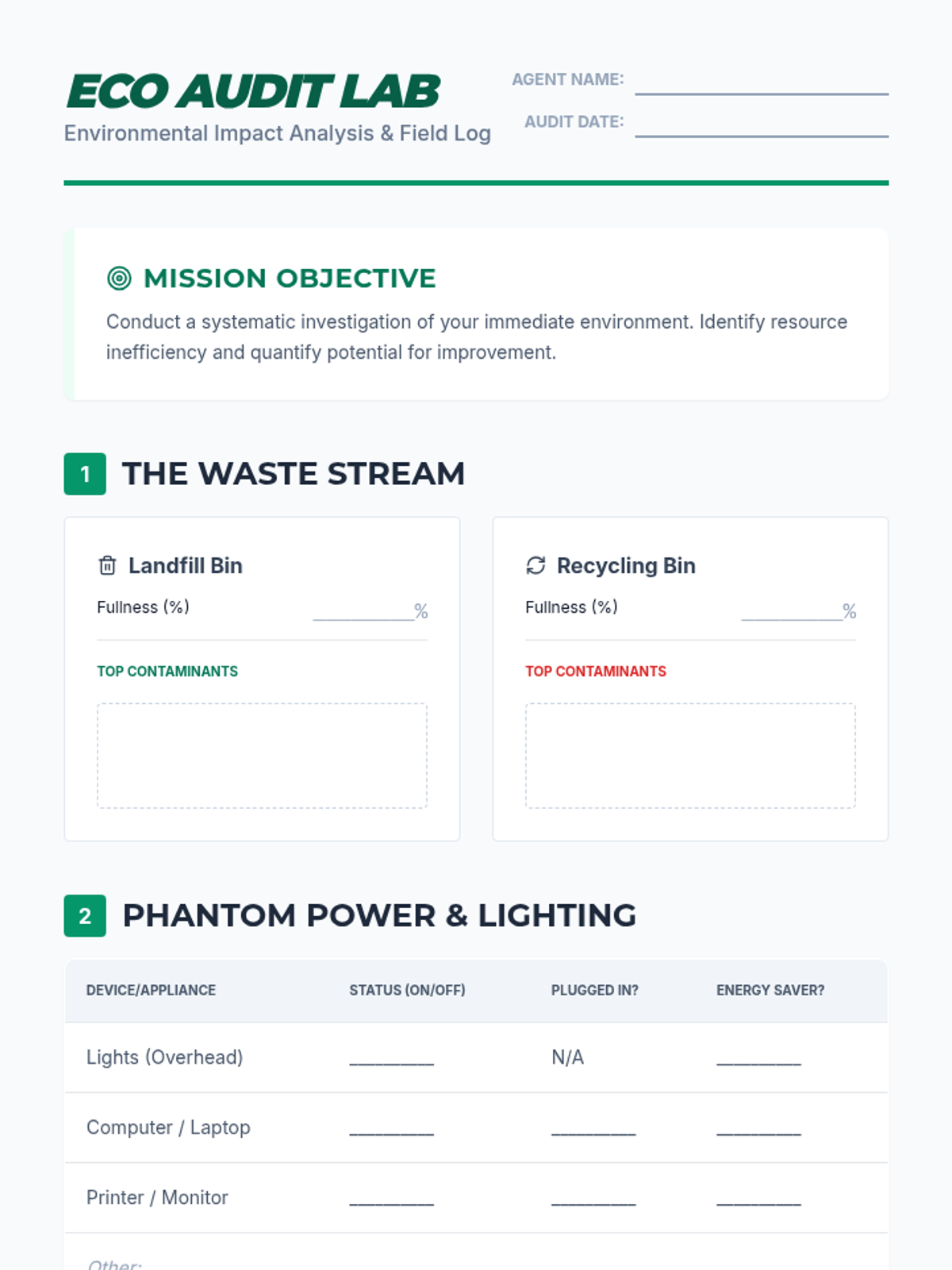
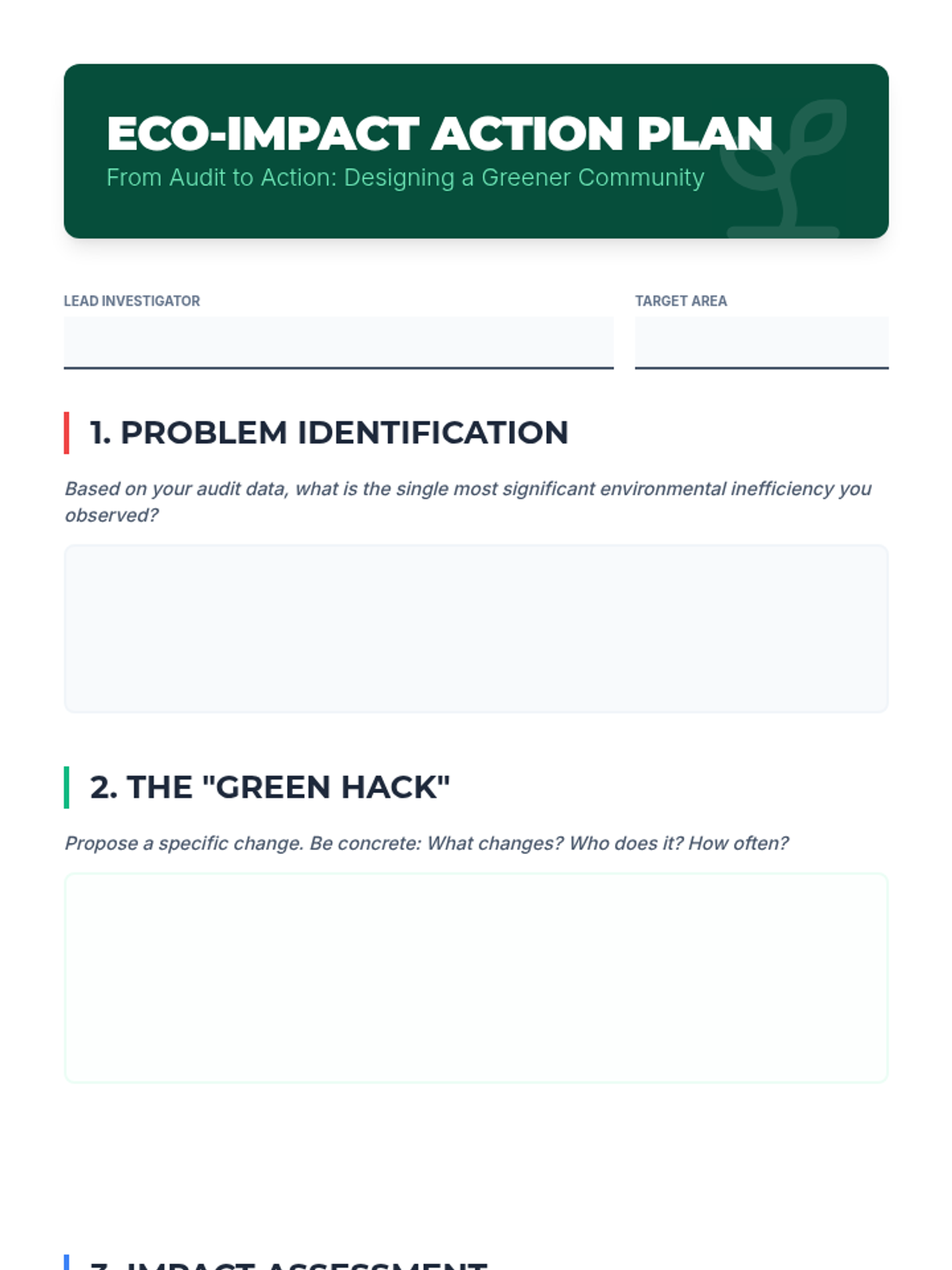
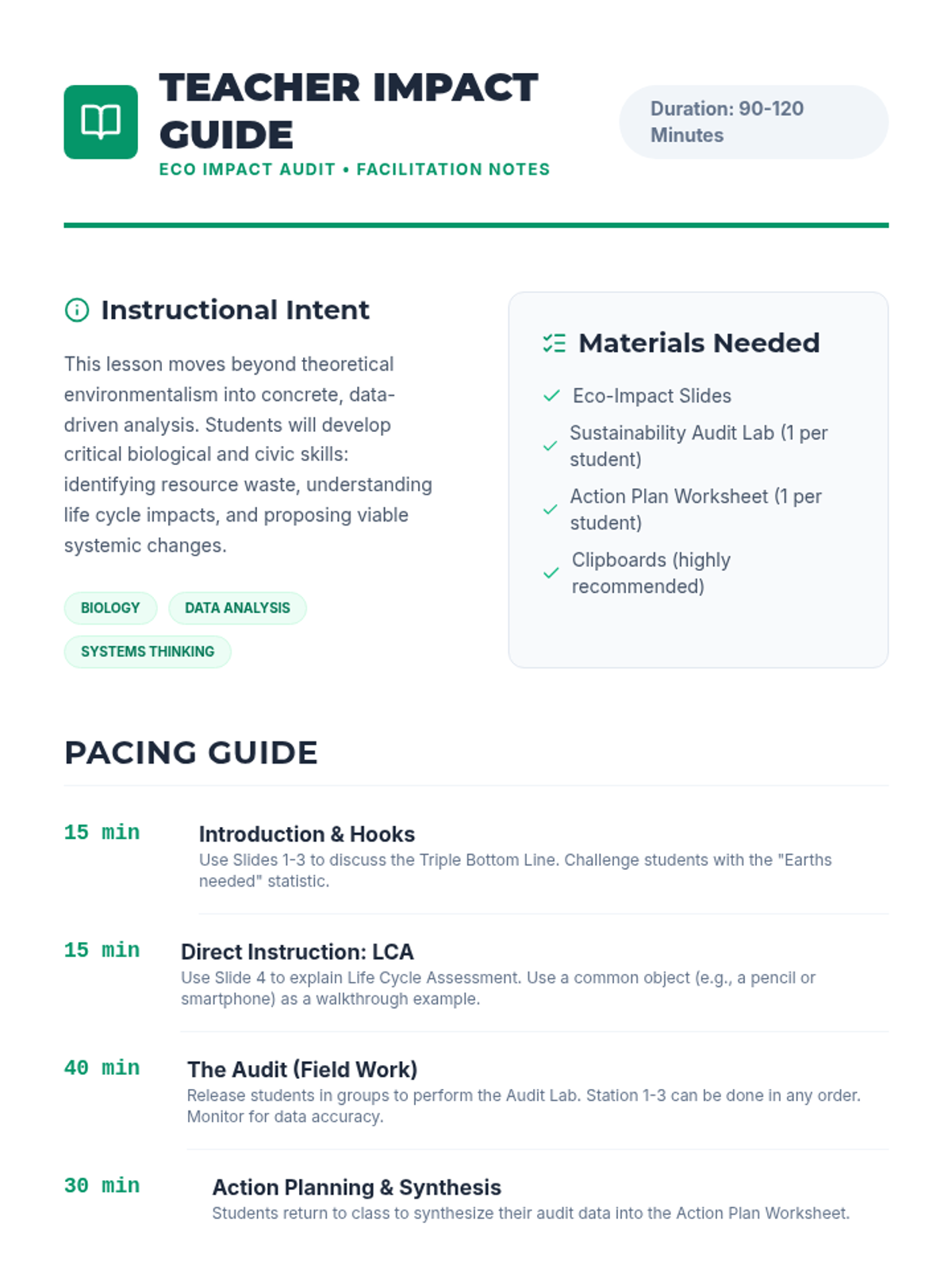
A hands-on lesson where students analyze their environmental footprint through a sustainability audit and develop data-driven solutions for real-world impact.
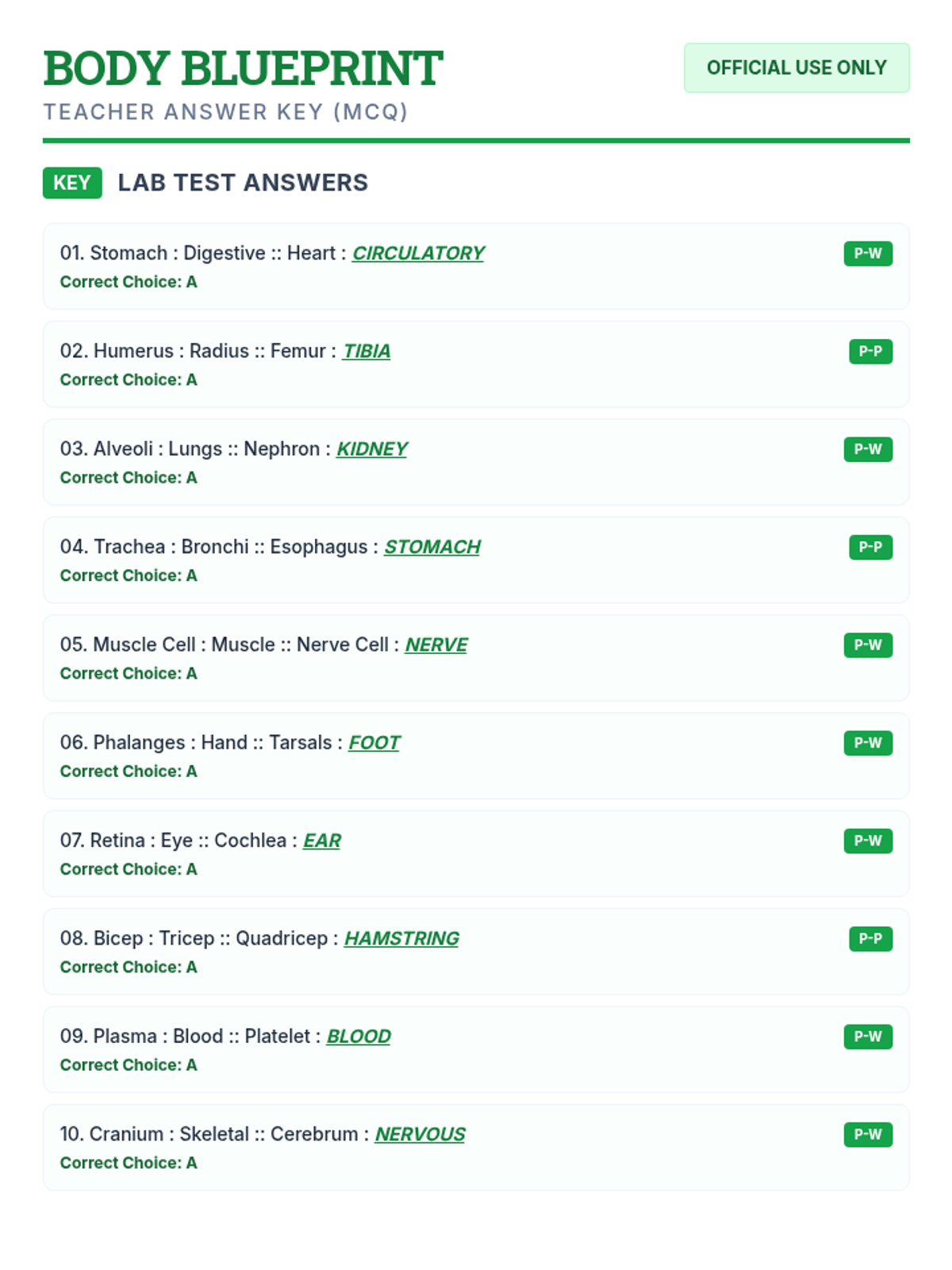
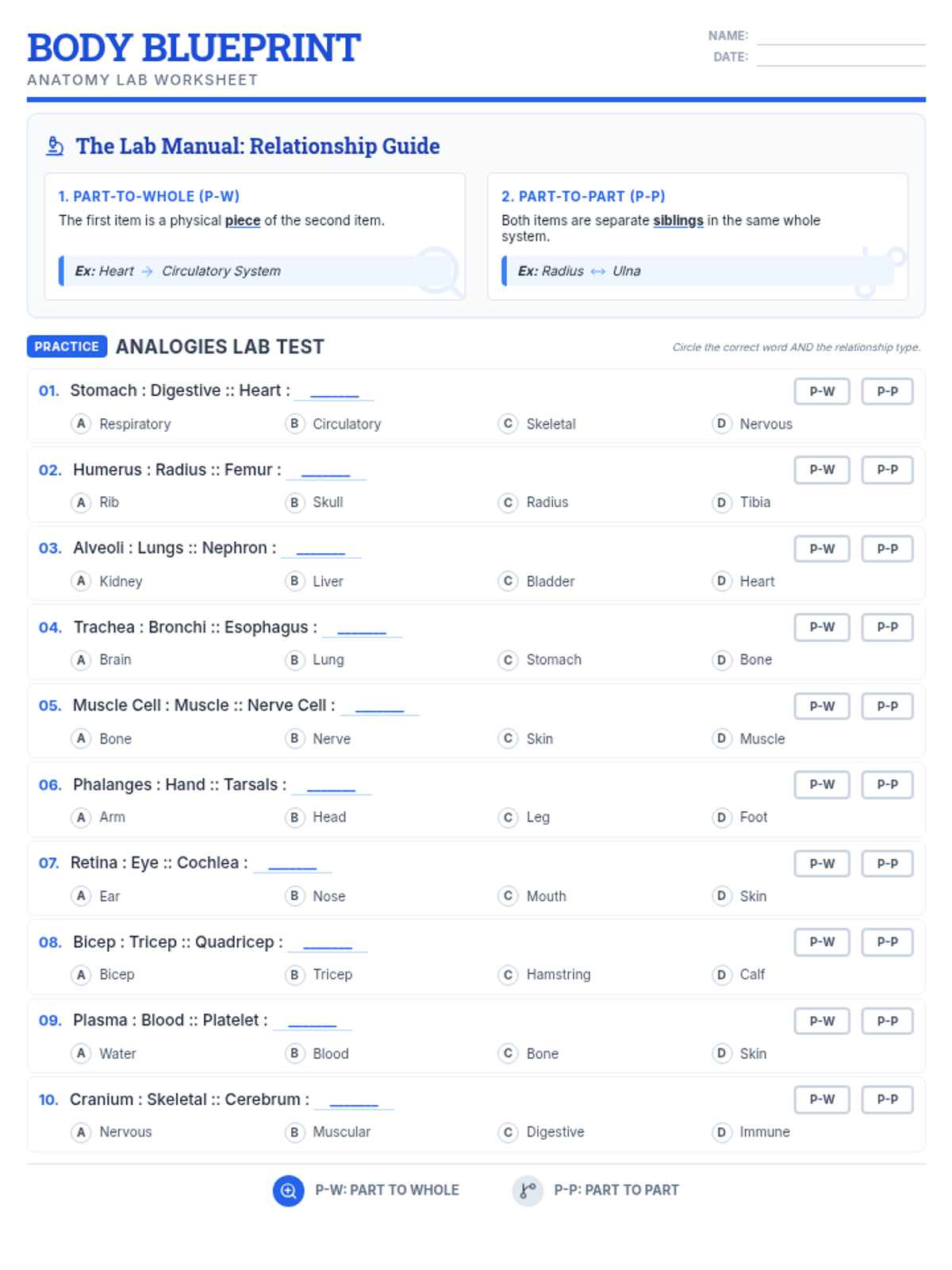
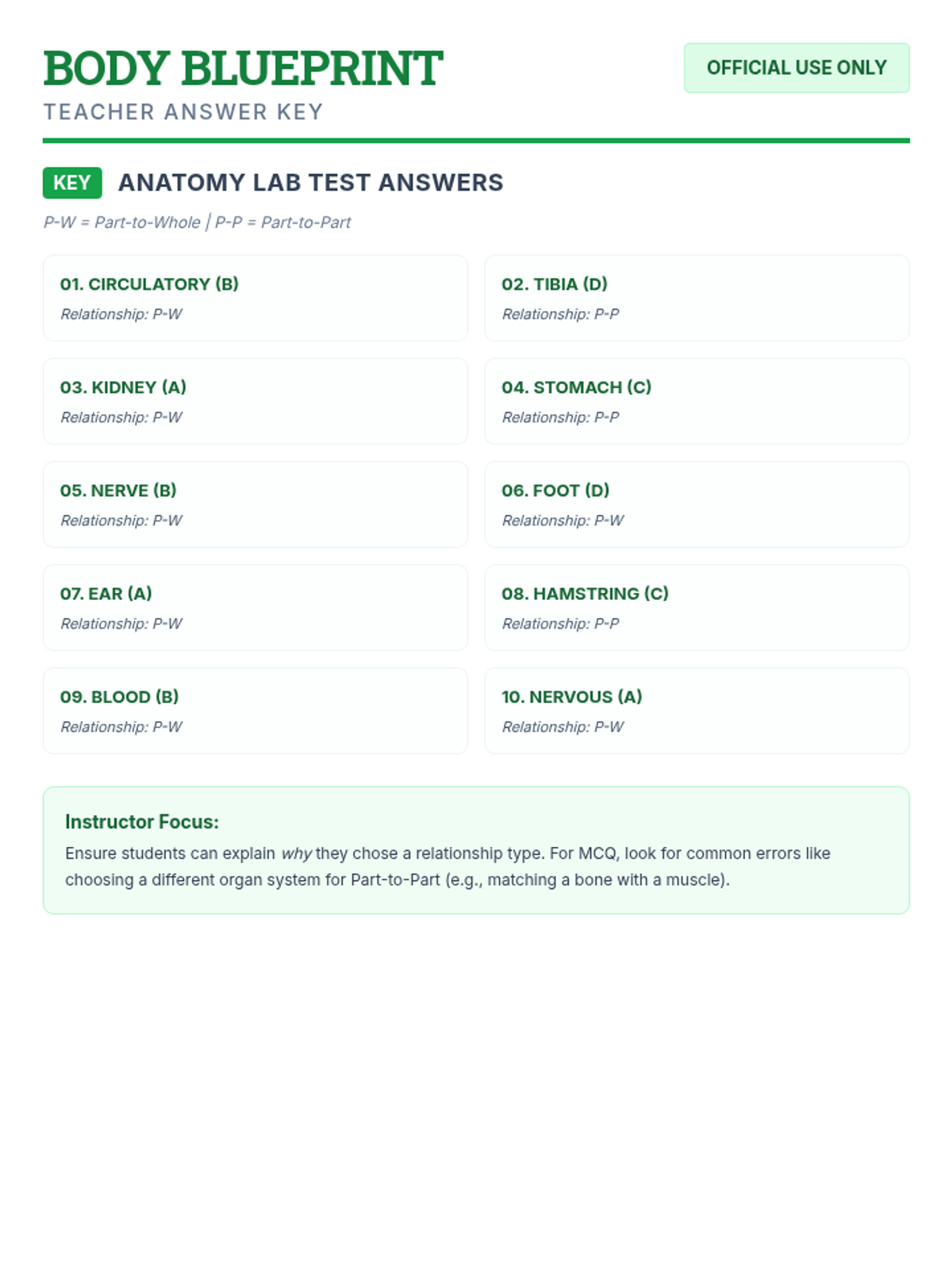
In this lesson, students explore the relationship between anatomical structures using analogies. They will distinguish between part-to-whole and part-to-part relationships within human body systems.
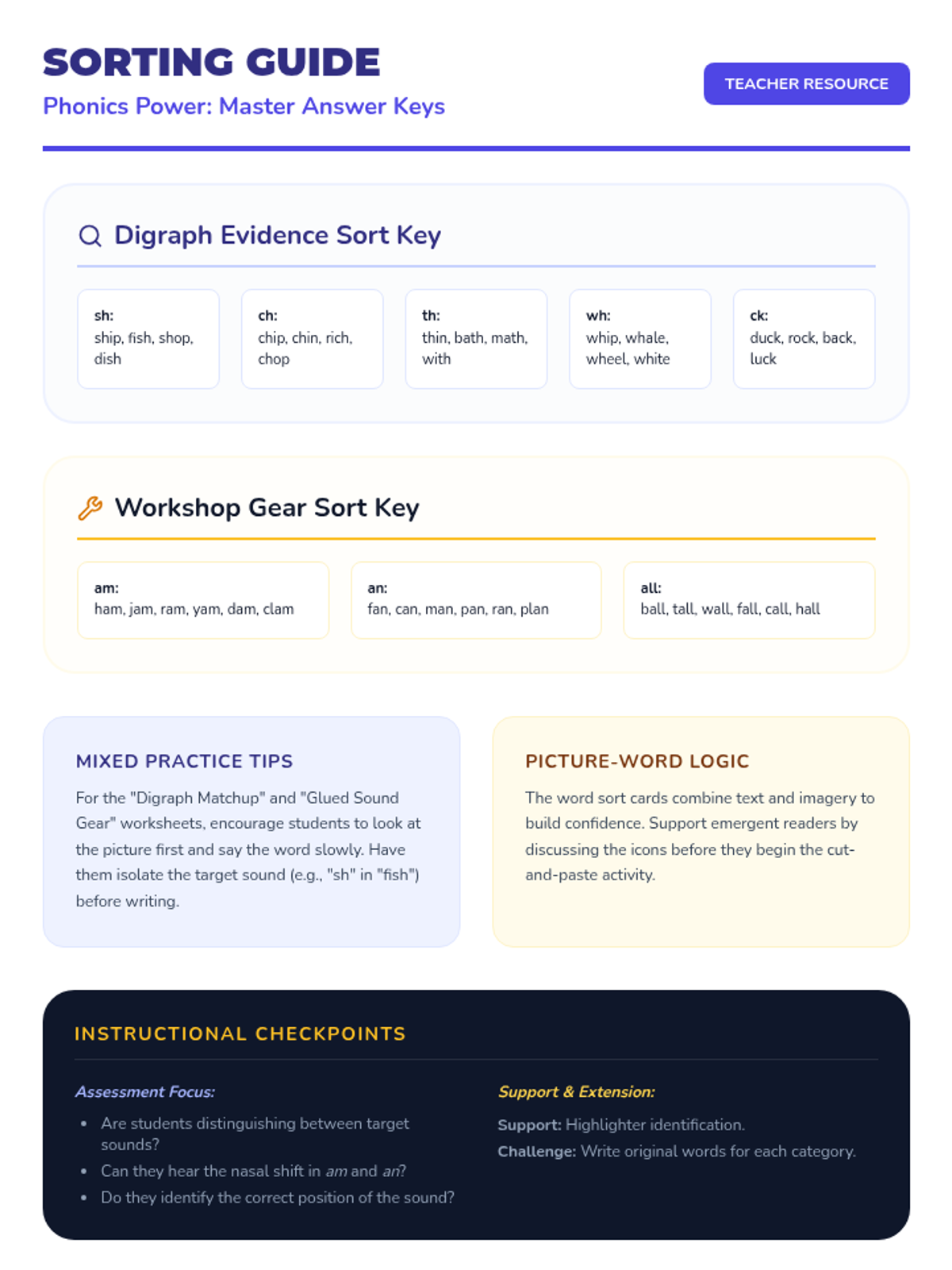
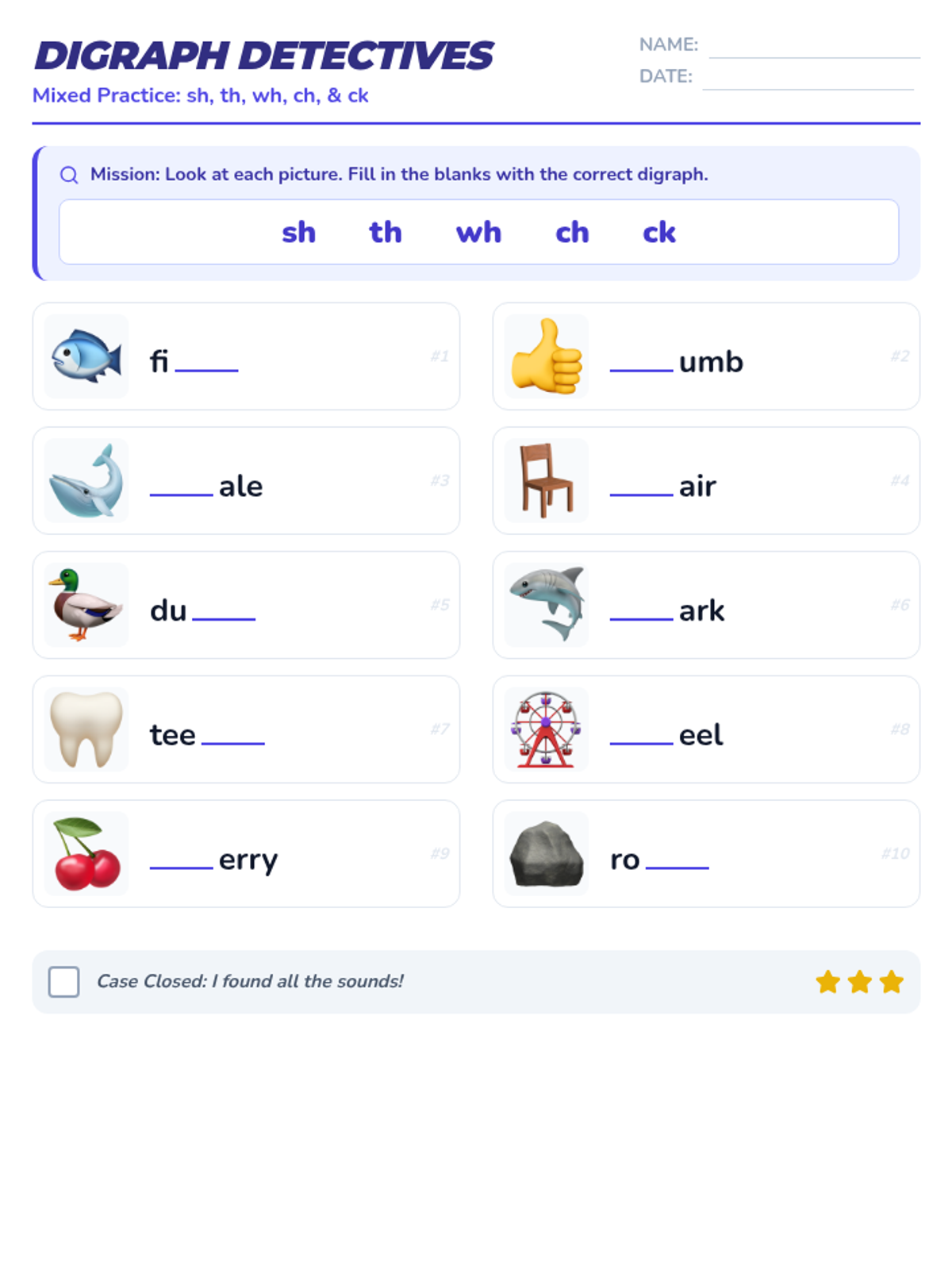
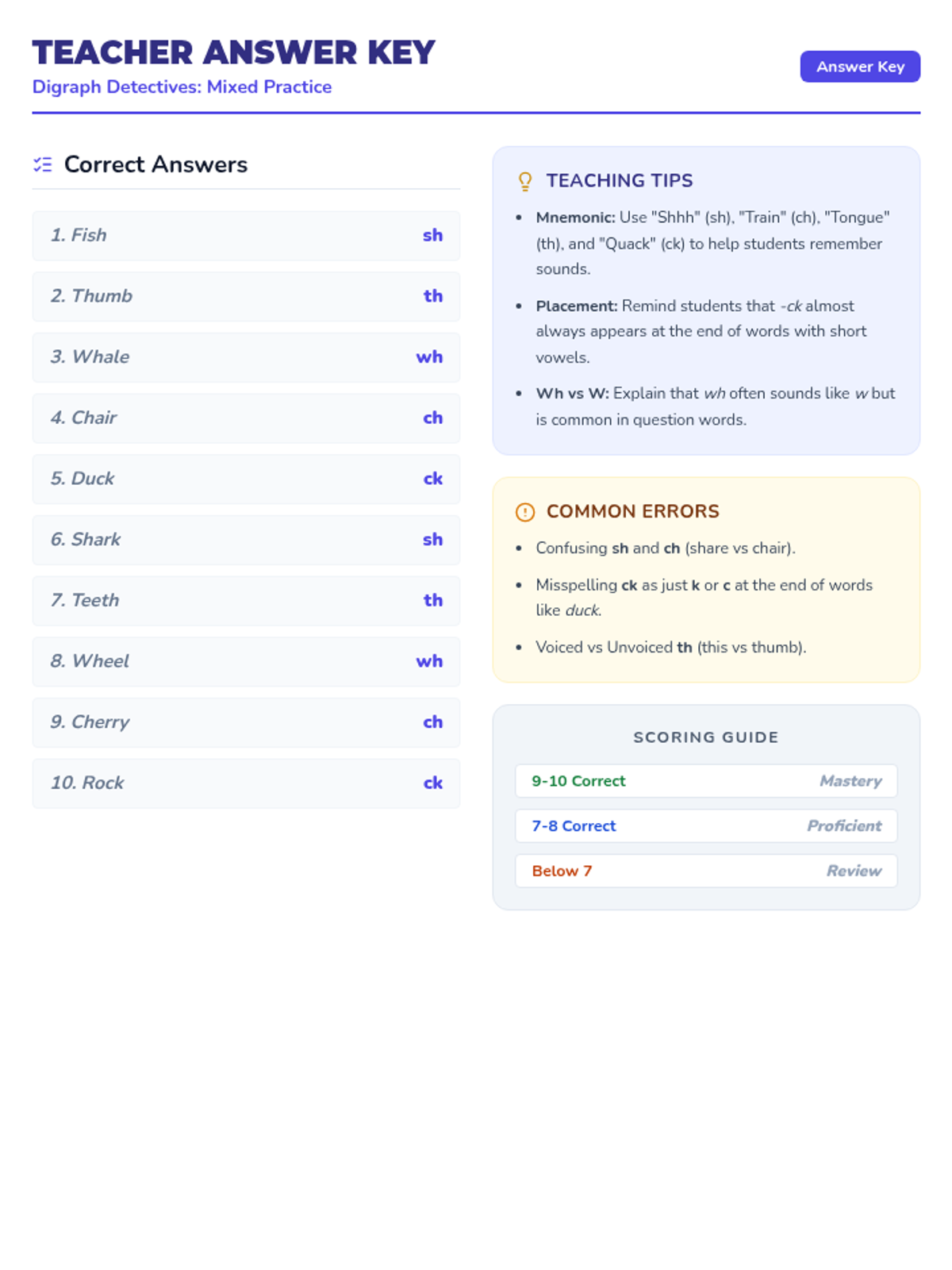
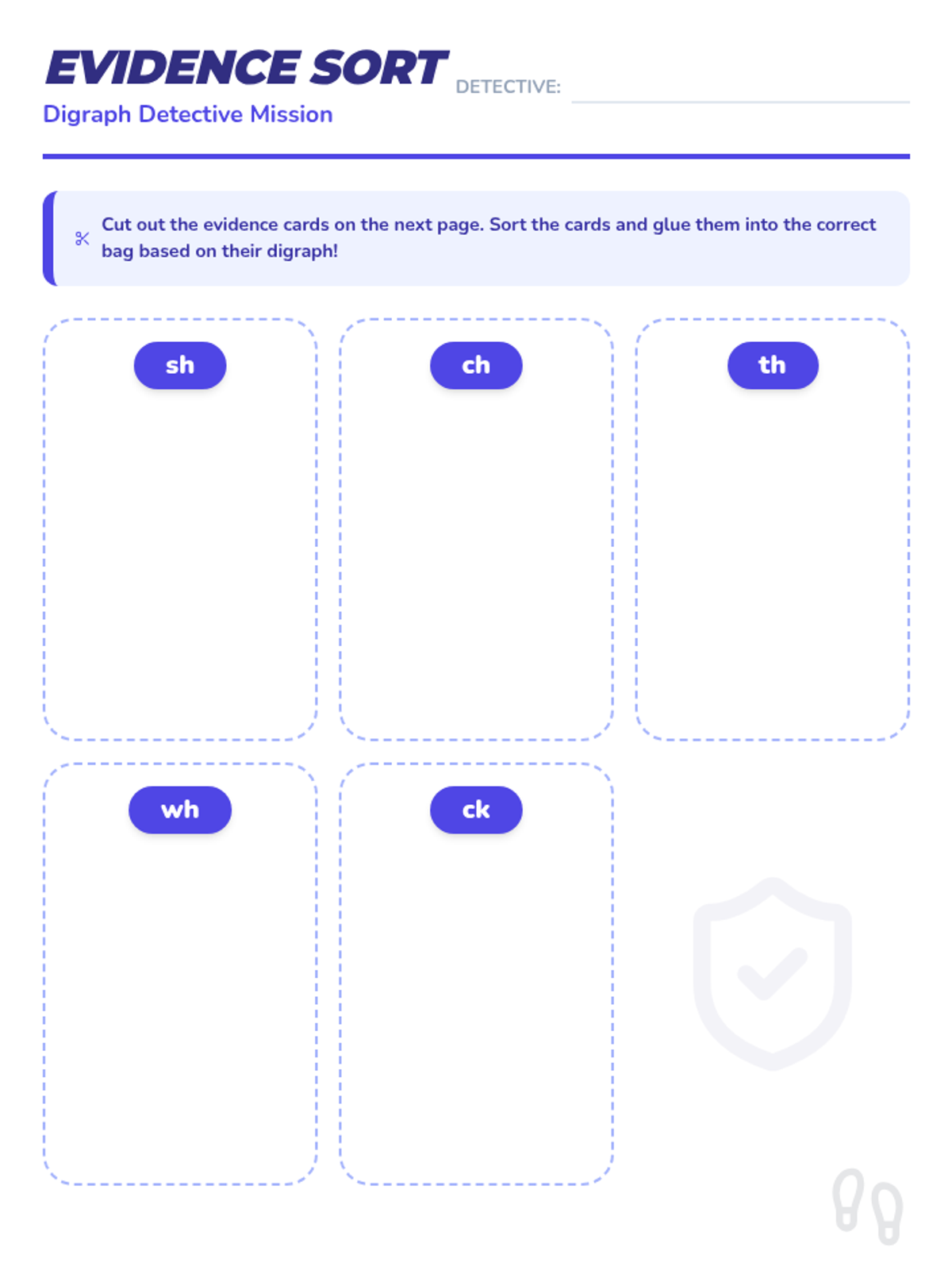
A foundational phonics lesson focusing on identifying and using the digraphs sh, th, wh, ch, and ck through visual association and word completion.
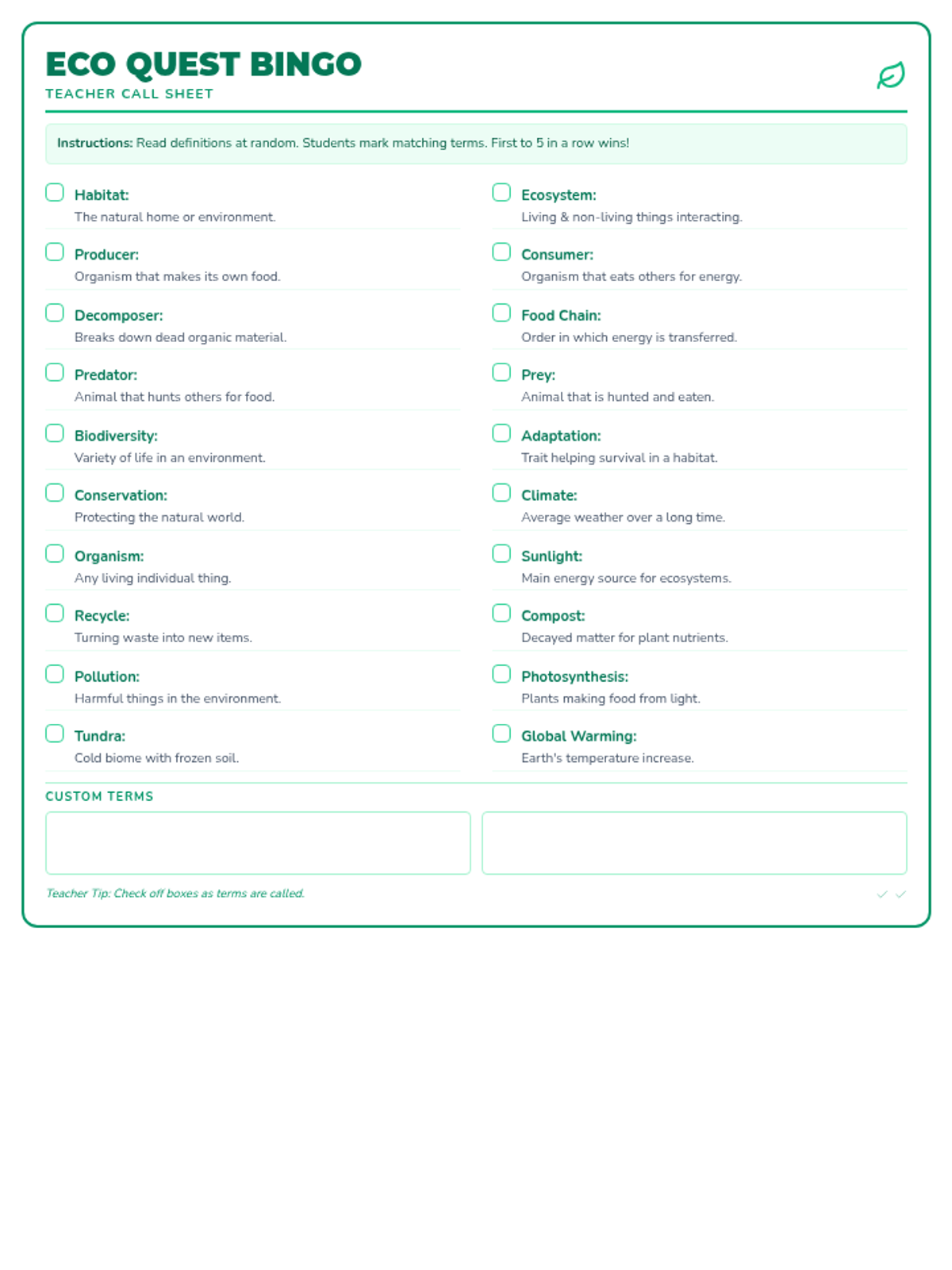
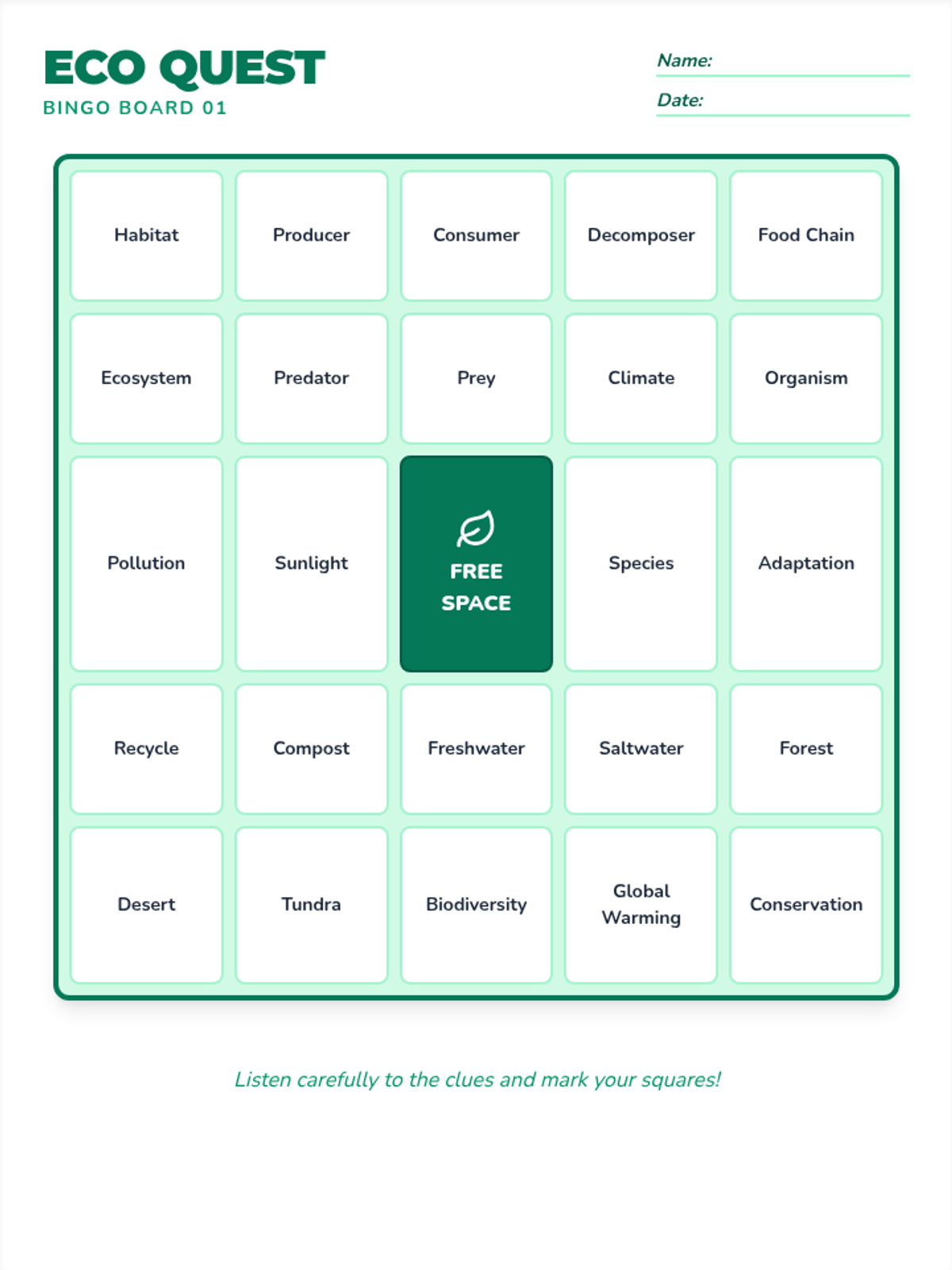
An interactive ecosystem-themed bingo activity to reinforce science vocabulary and environmental concepts.
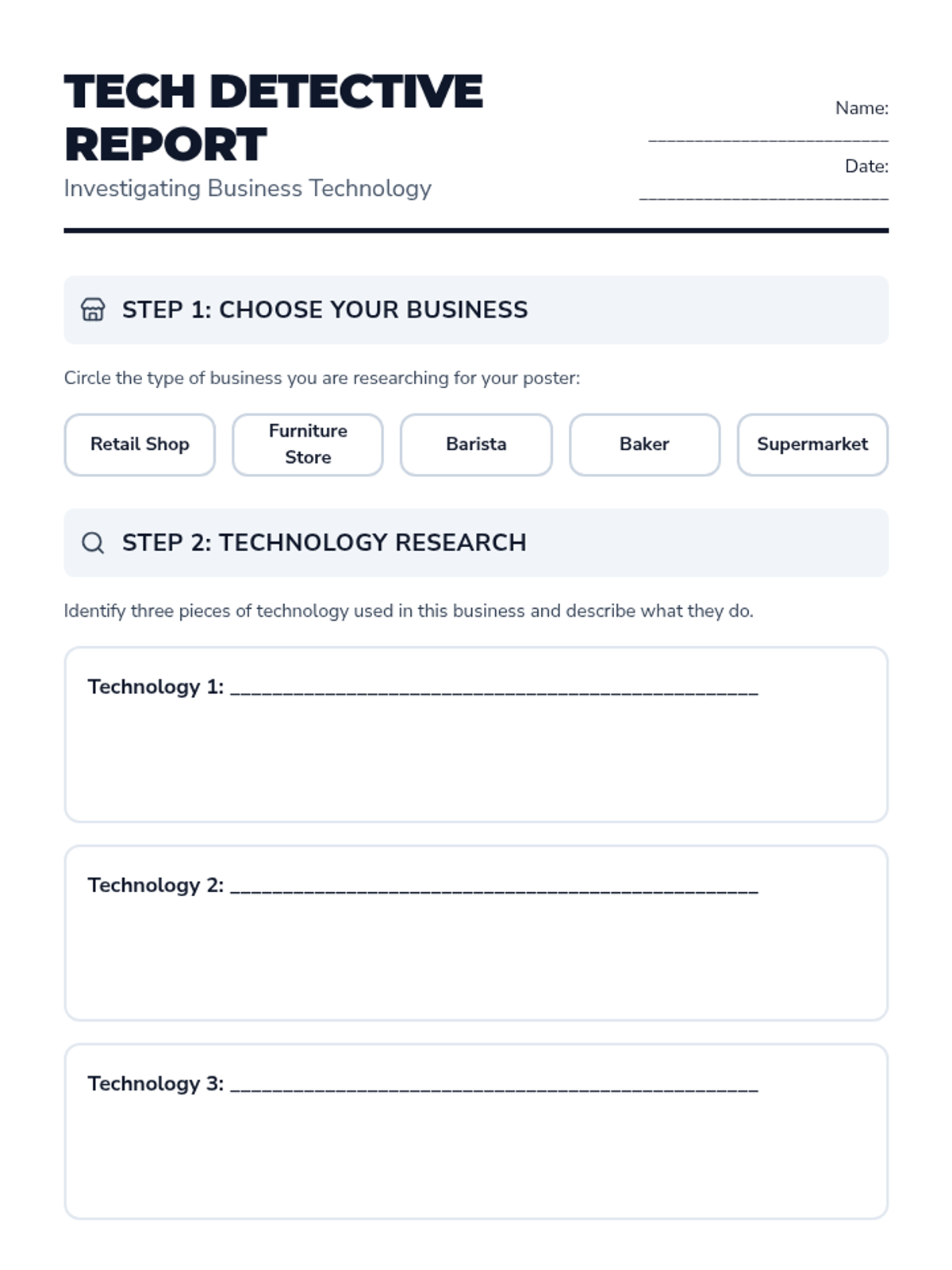
In this lesson, students explore the role of technology in modern businesses. They analyze an example of restaurant technology and then conduct research to create a poster for a specific type of shop.
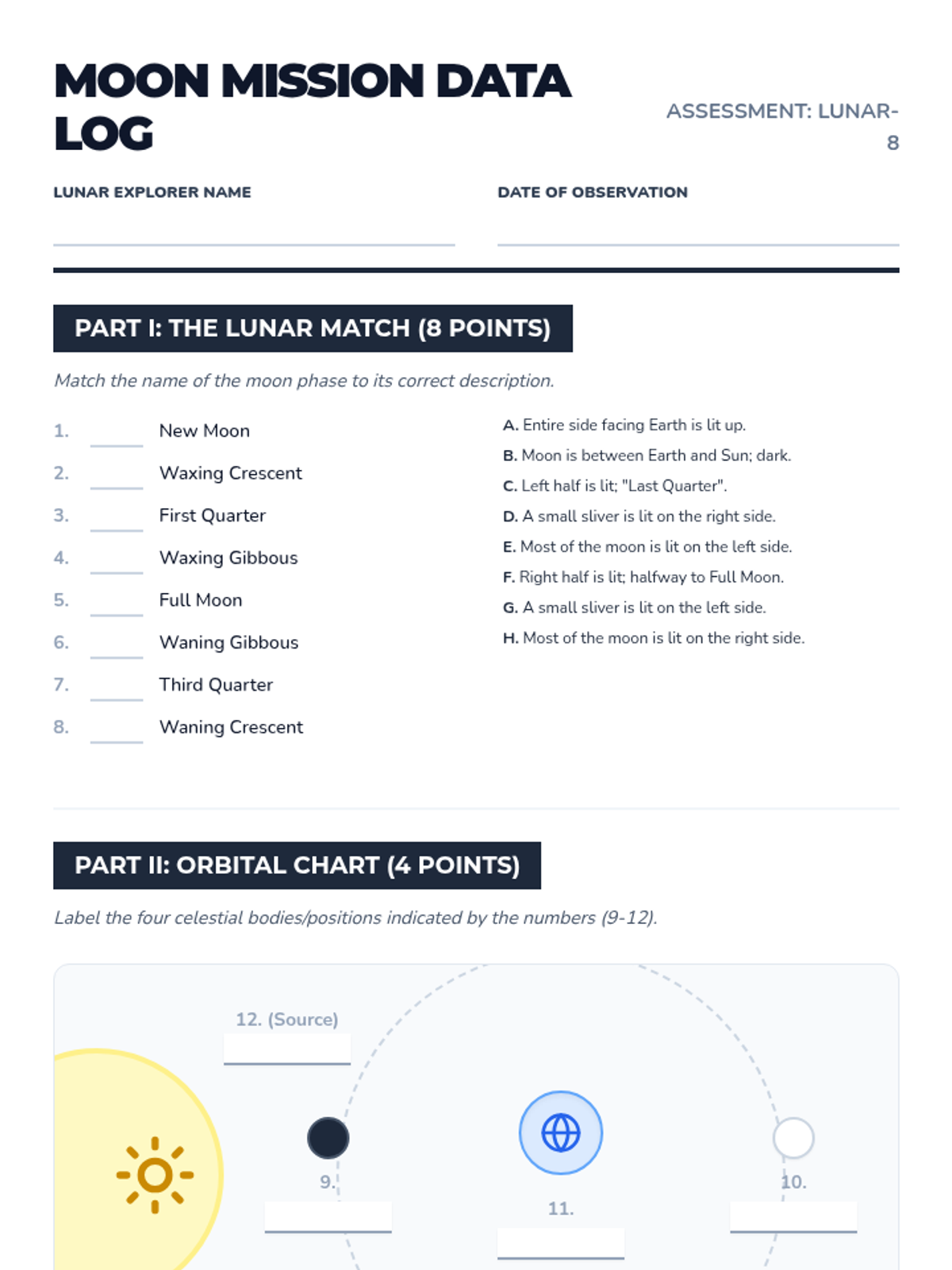
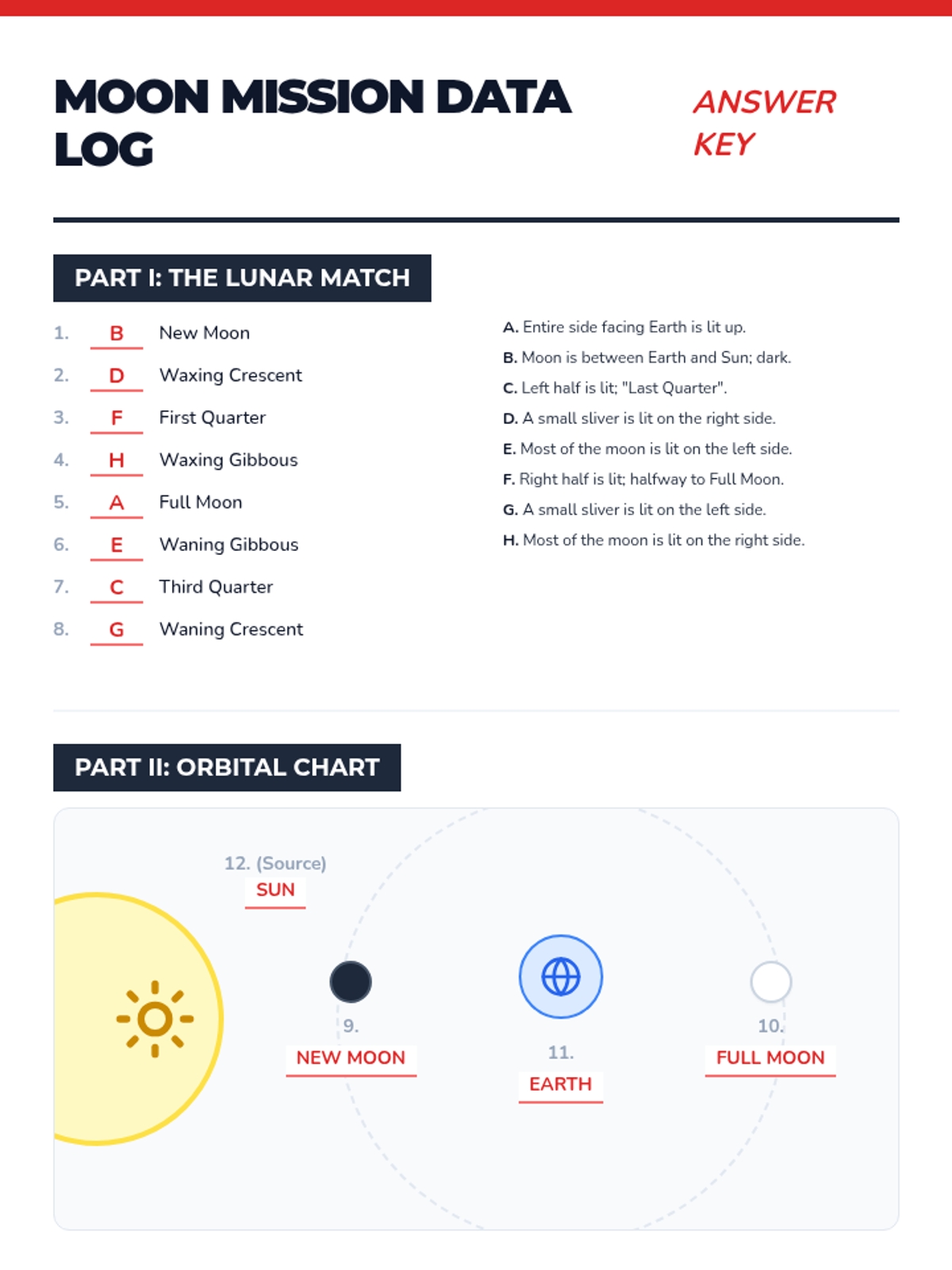
A comprehensive assessment covering the lunar cycle, orbital mechanics, and the relationship between the Earth, Moon, and Sun. Students will demonstrate their understanding through diagram labeling, matching, and short-answer responses.
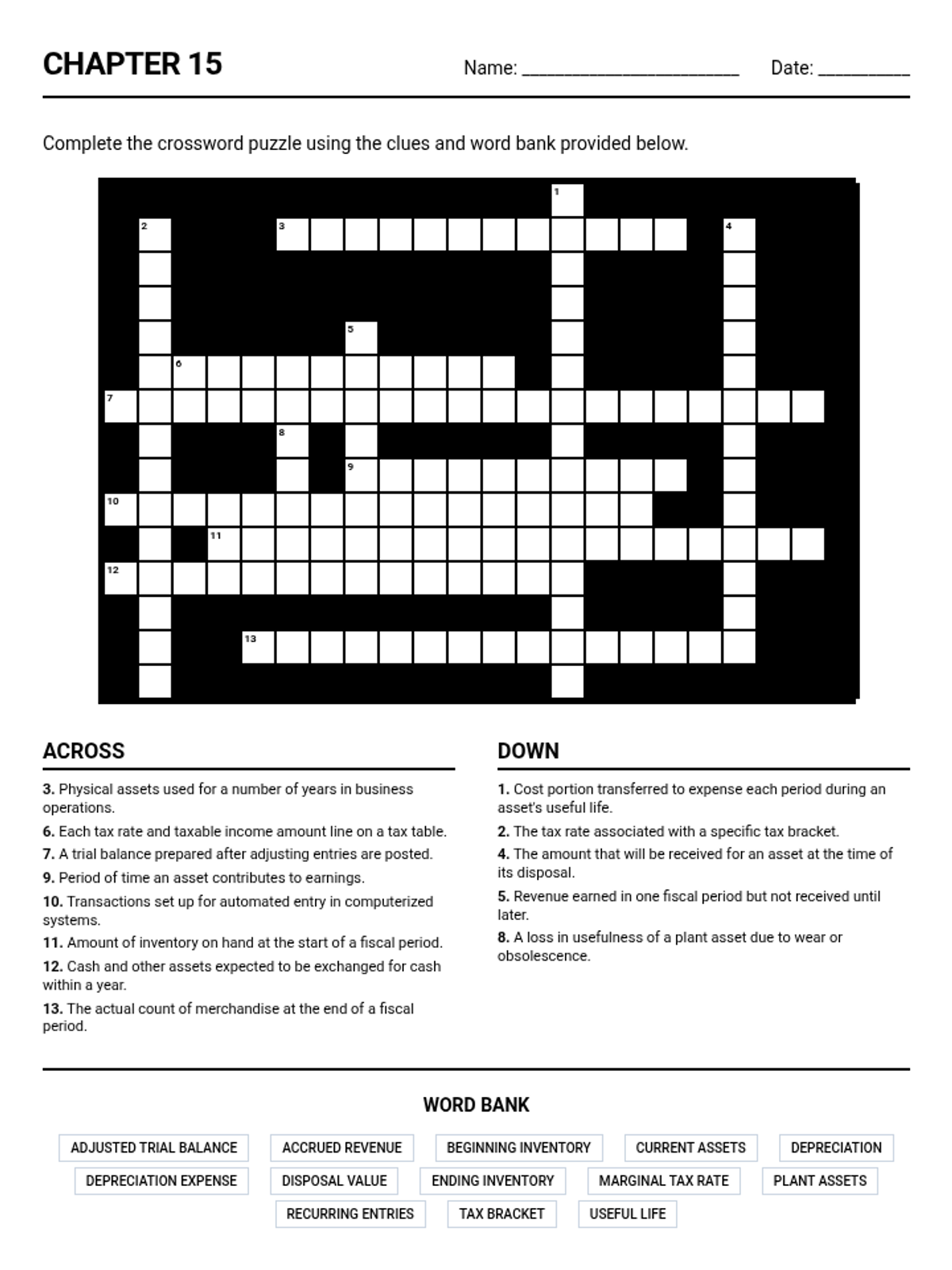
This lesson covers fundamental accounting concepts including asset valuation, tax structures, and inventory management through a hands-on crossword challenge.
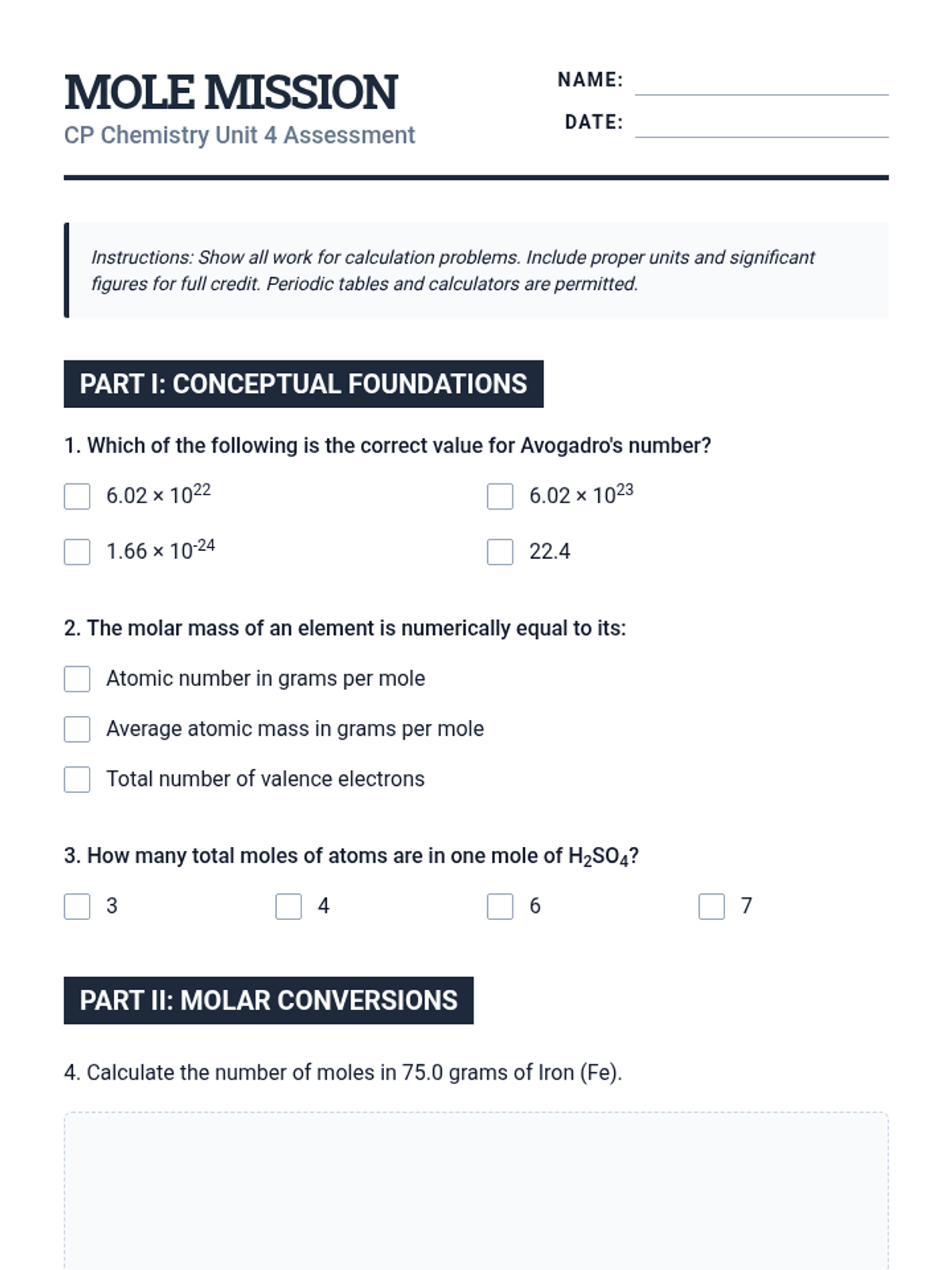
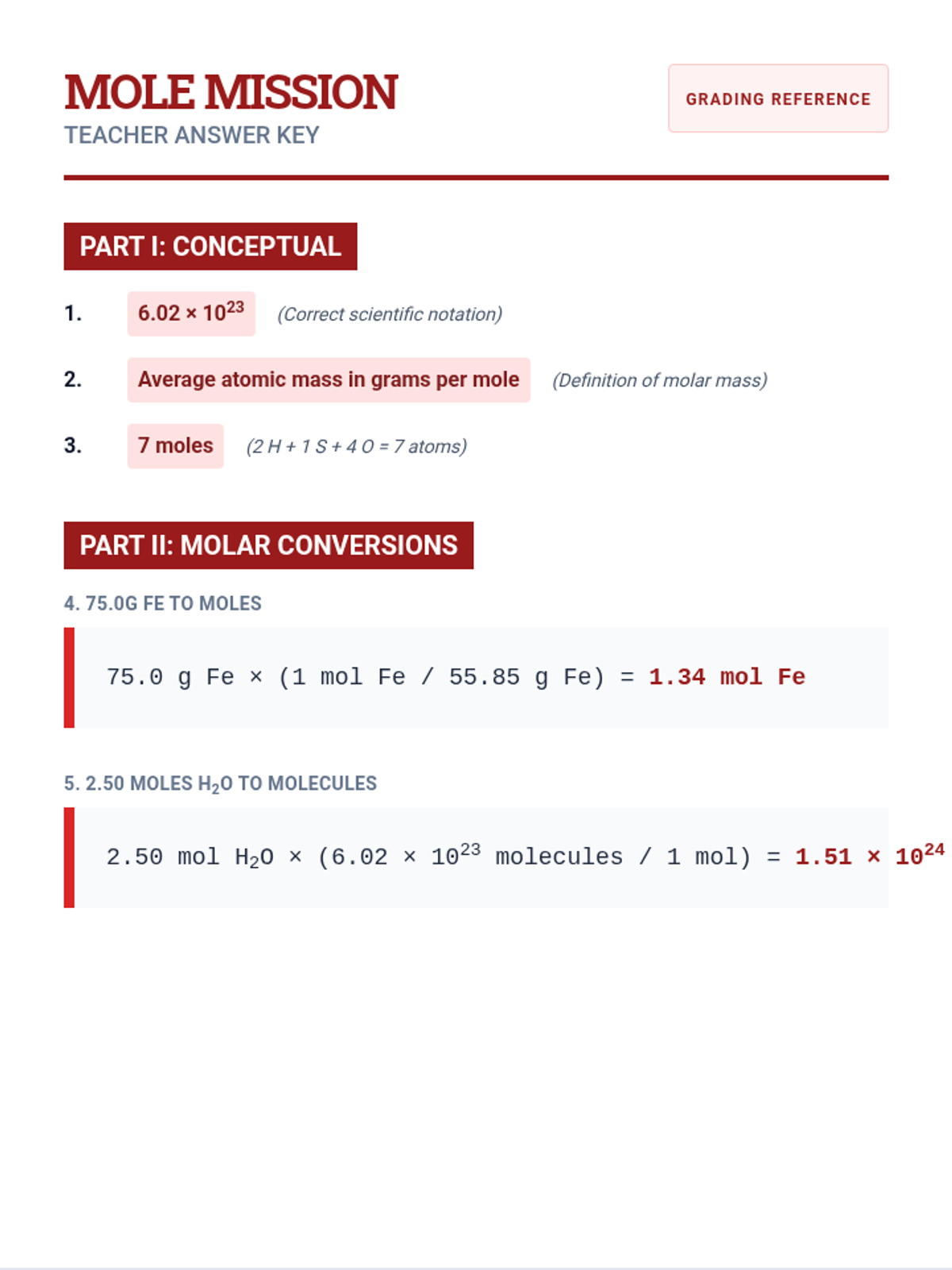
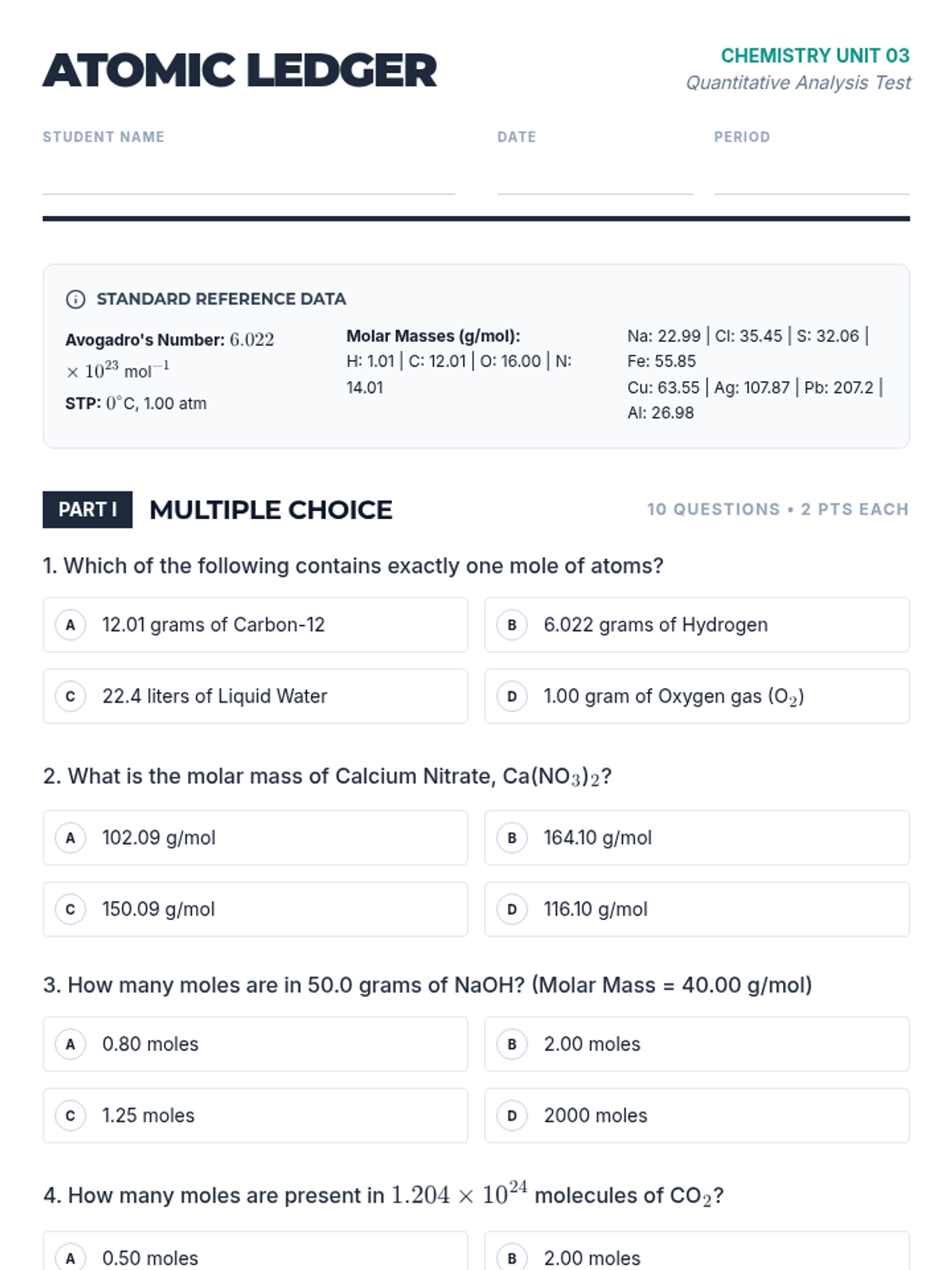
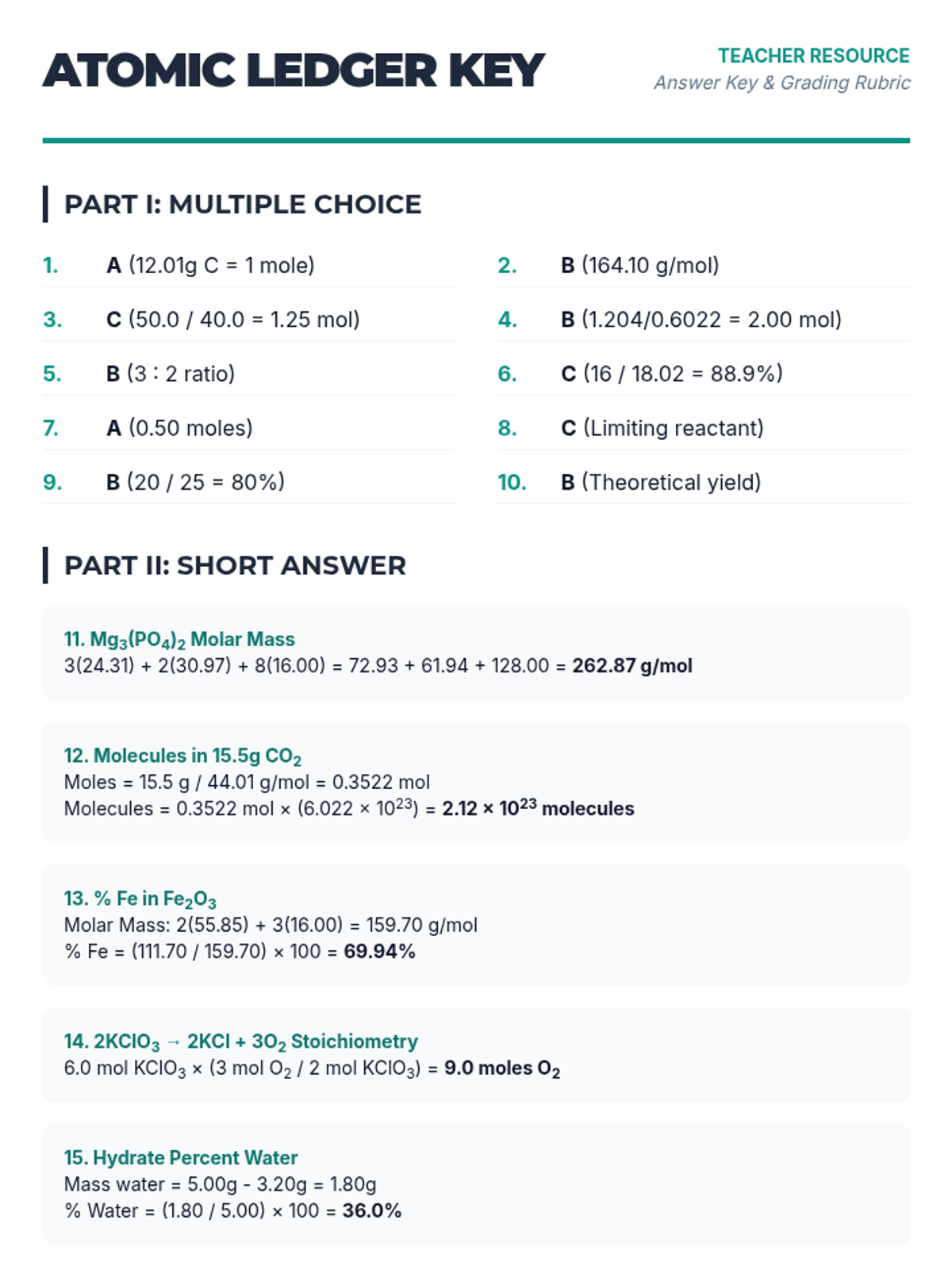
A comprehensive assessment and review package covering chemical quantities, molar conversions, and stoichiometric calculations for CP Chemistry.
A comprehensive assessment covering the mole, percent composition, and stoichiometry for high school chemistry students.
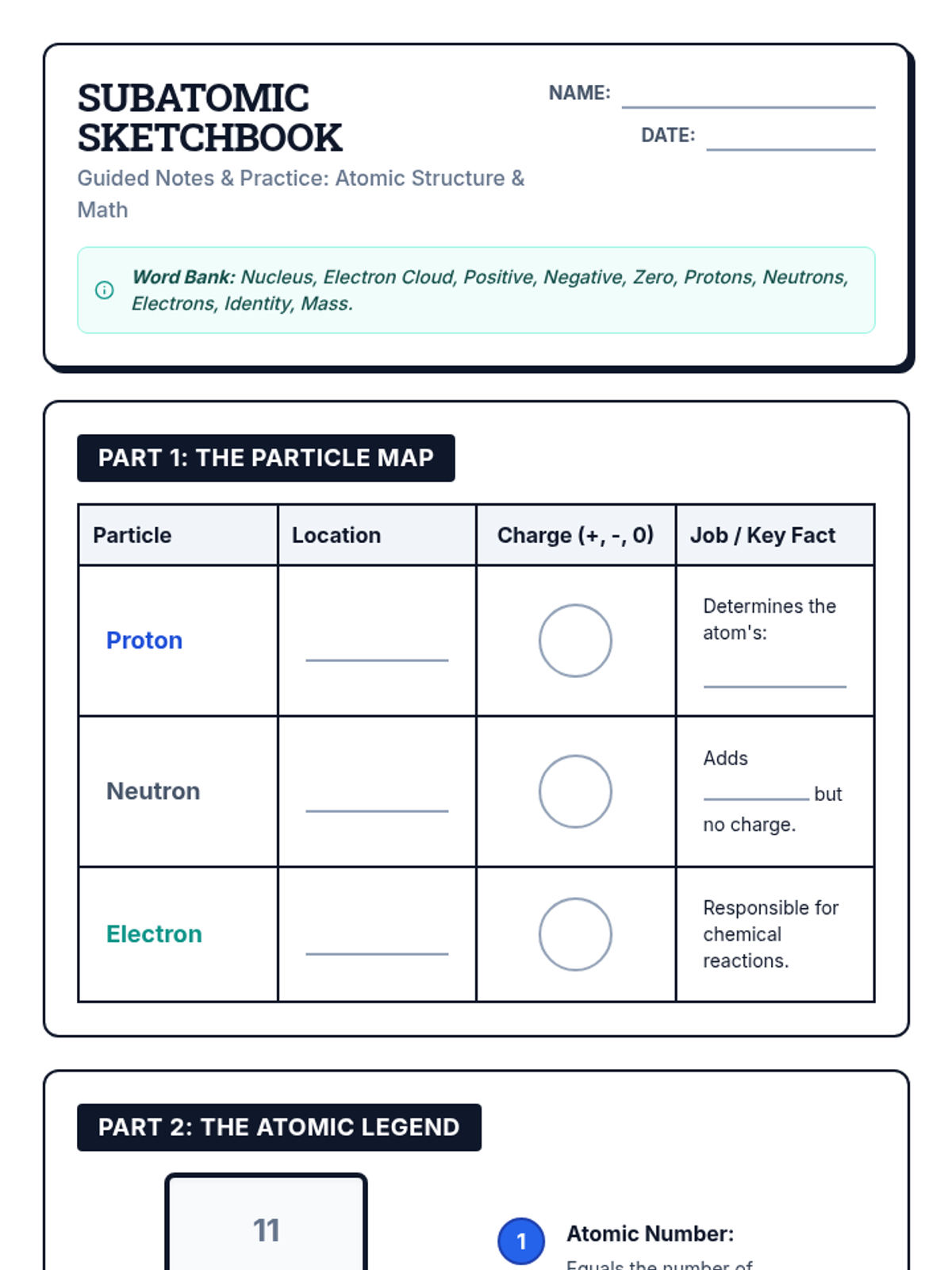
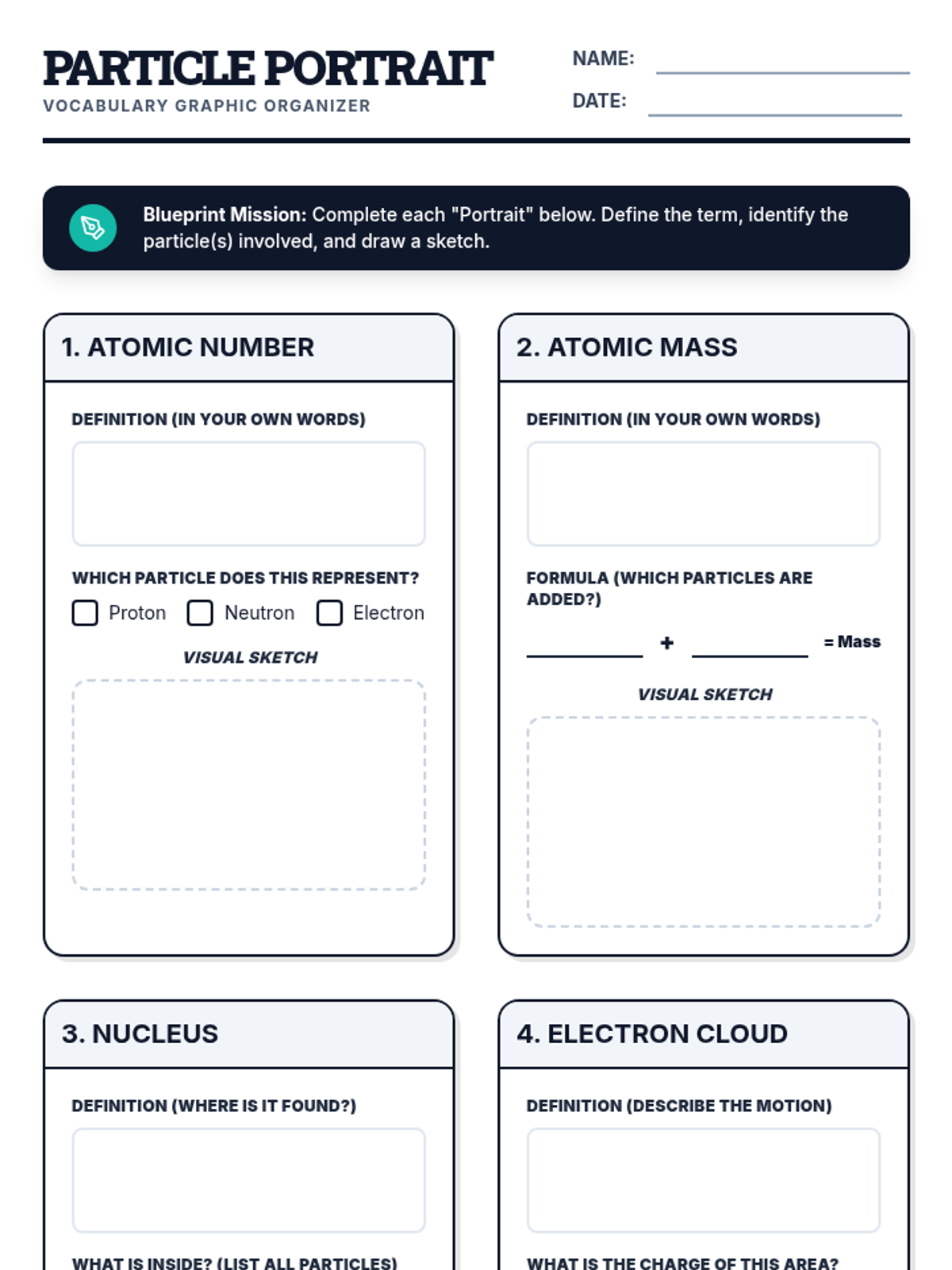
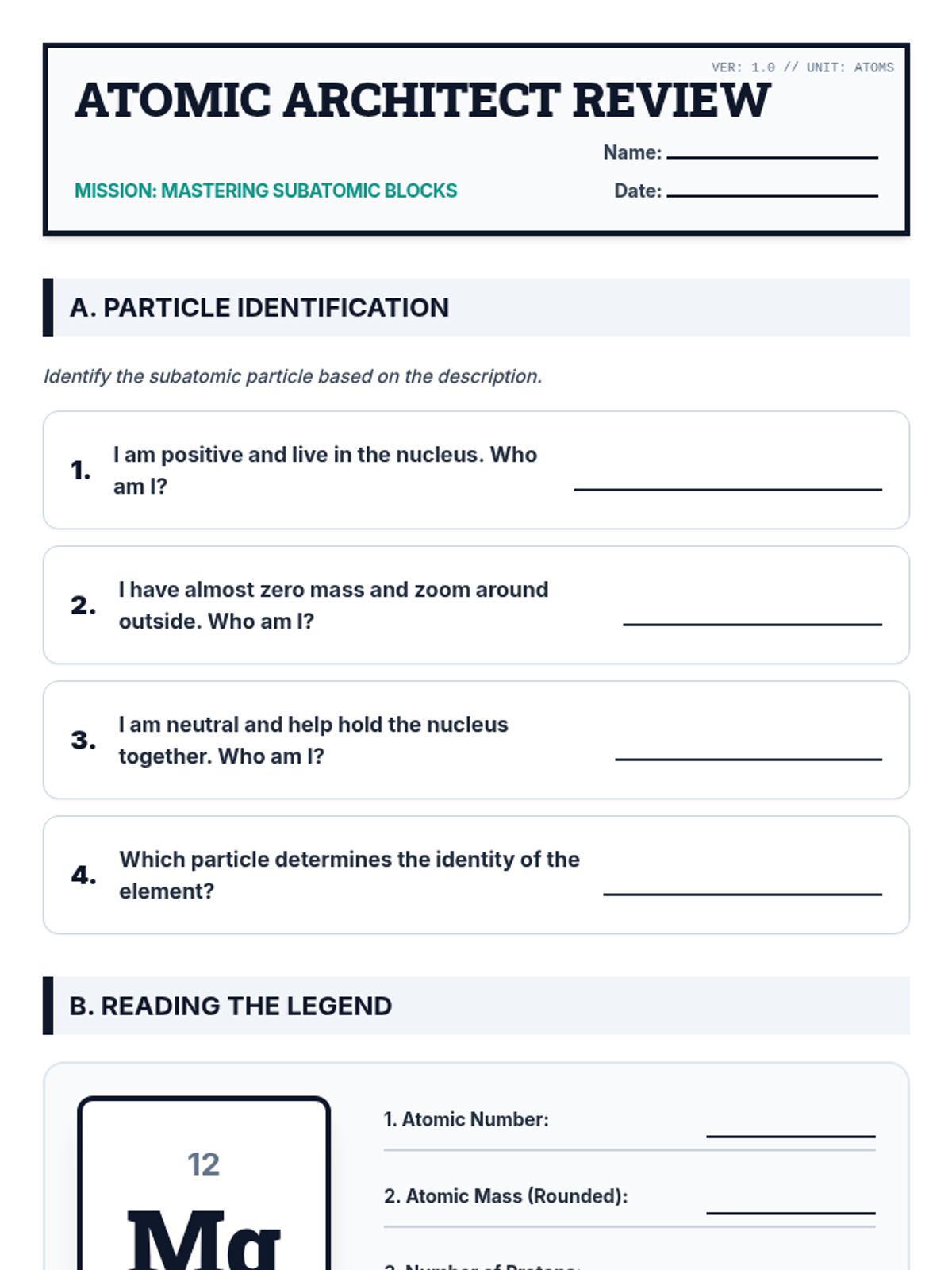
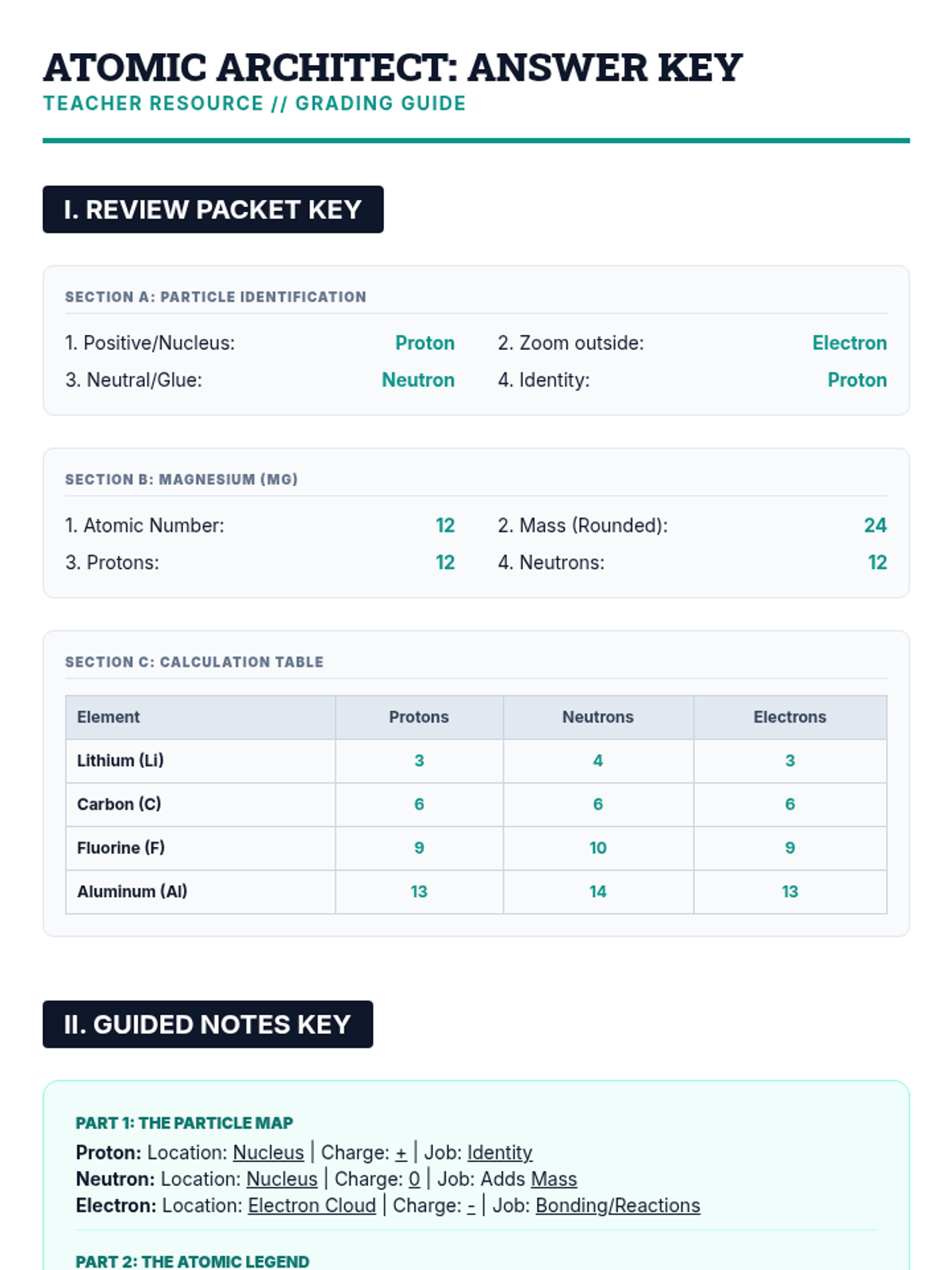
A comprehensive review of atomic structure, mass, and number, designed with scaffolding for diverse learners including Gen Ed and SPED/IEP students. Students act as 'Atomic Architects' to master the subatomic building blocks of matter.
A comprehensive lesson on medical vocabulary related to germs and the immune system, designed for WIDA level 4 students. Includes visual aids and comprehension-based assessments.
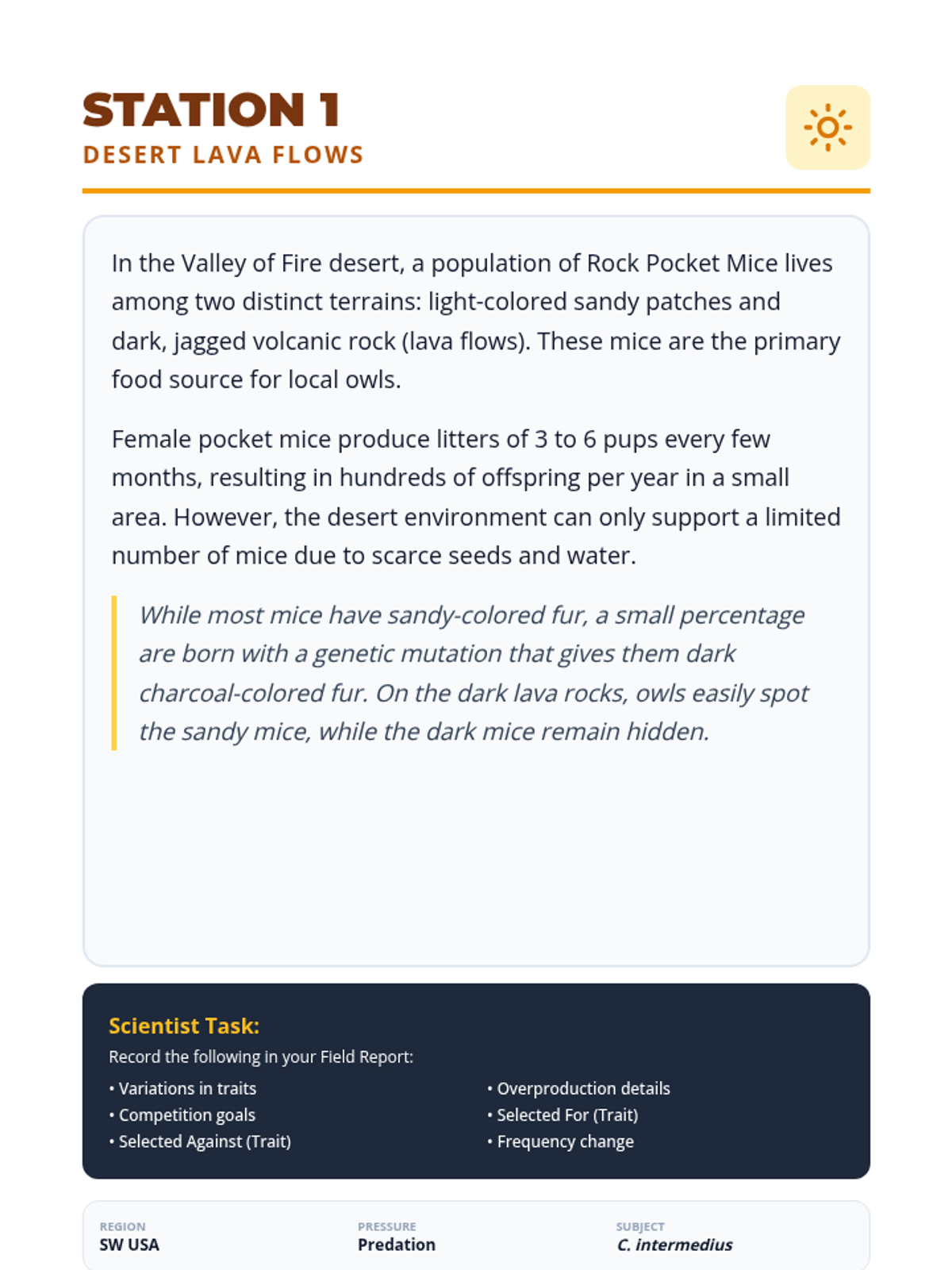
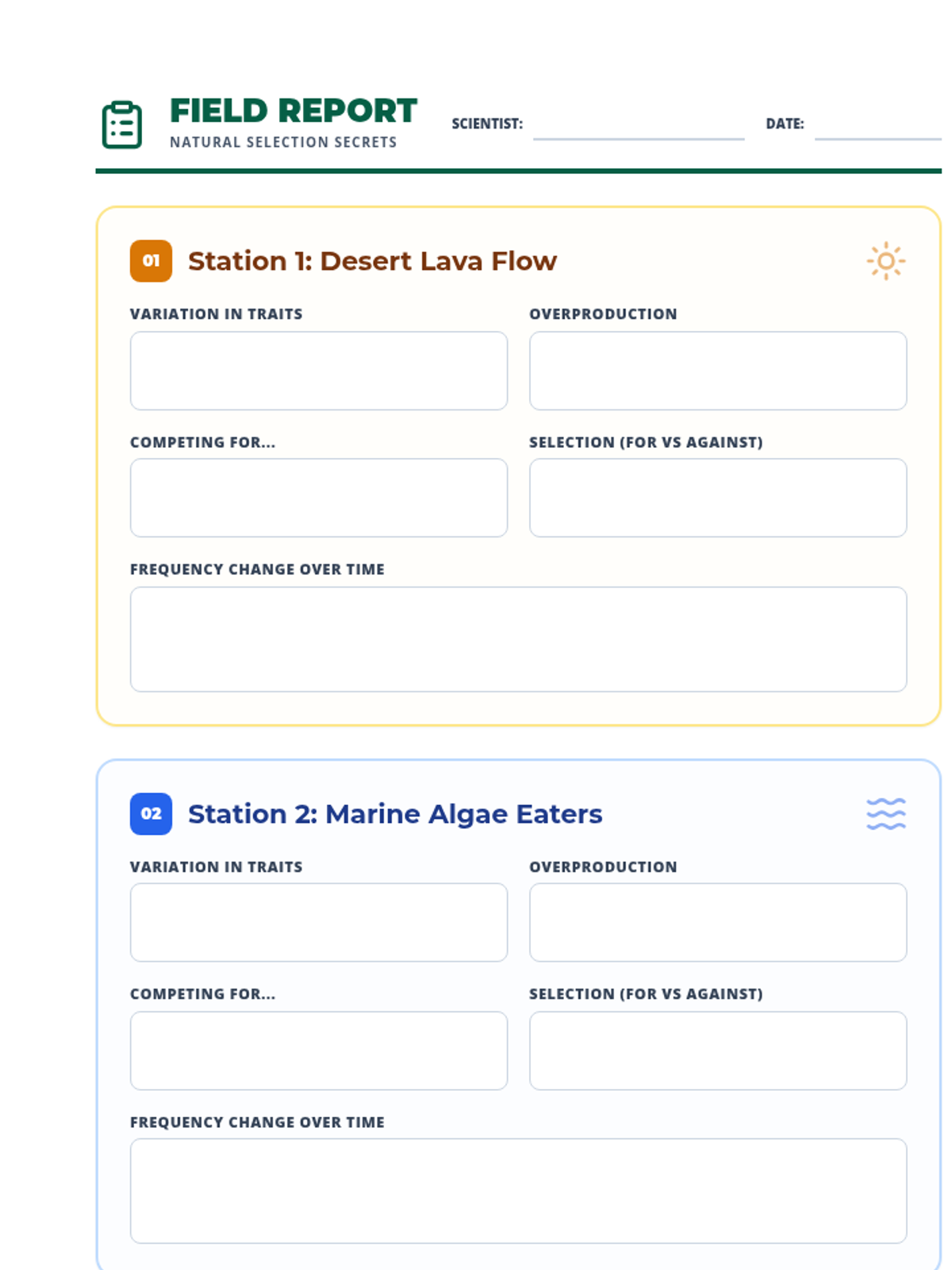
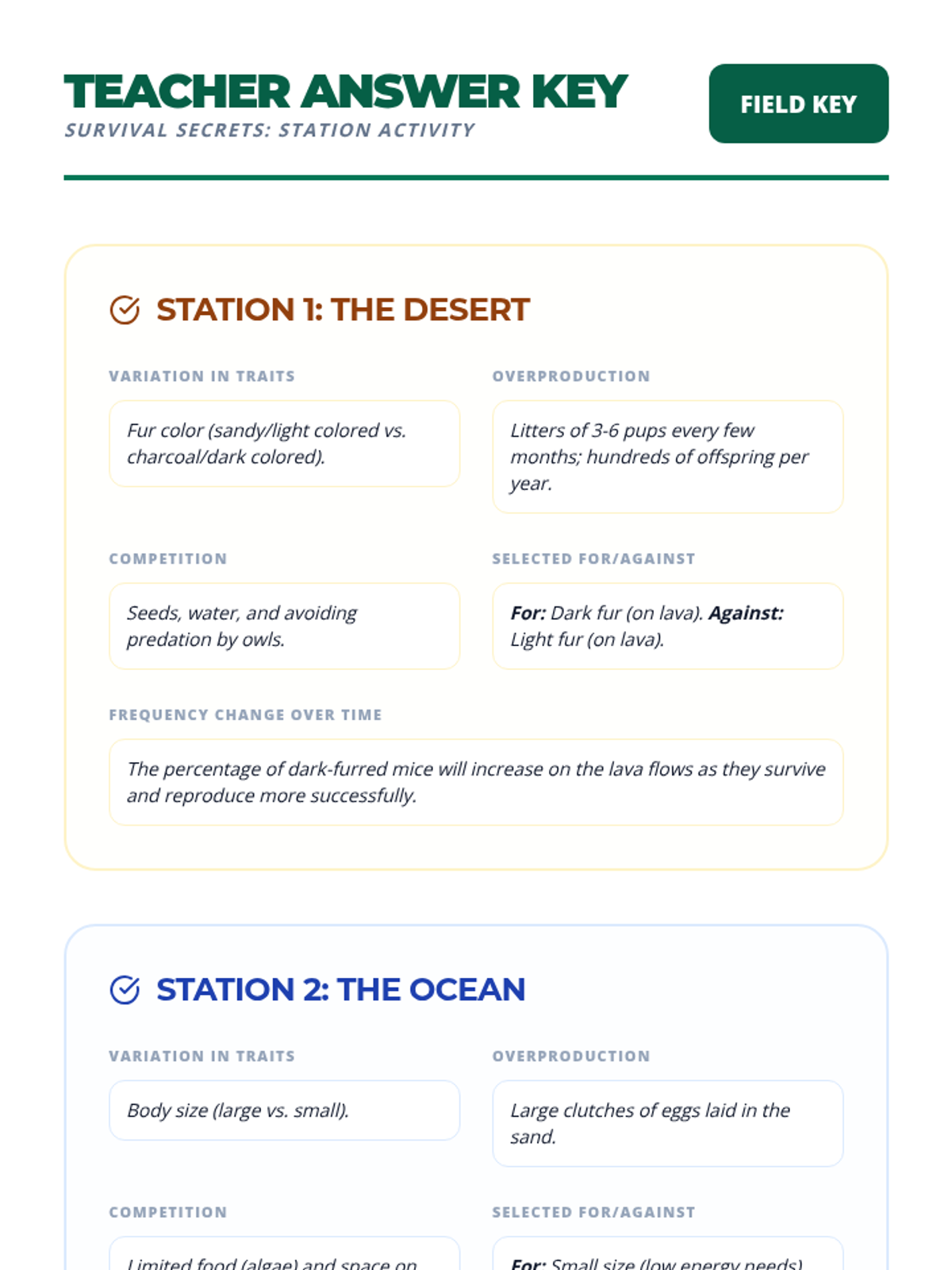
An immersive station-based lesson where students analyze real-world scenarios of natural selection across four diverse ecosystems to identify the mechanisms of evolution.
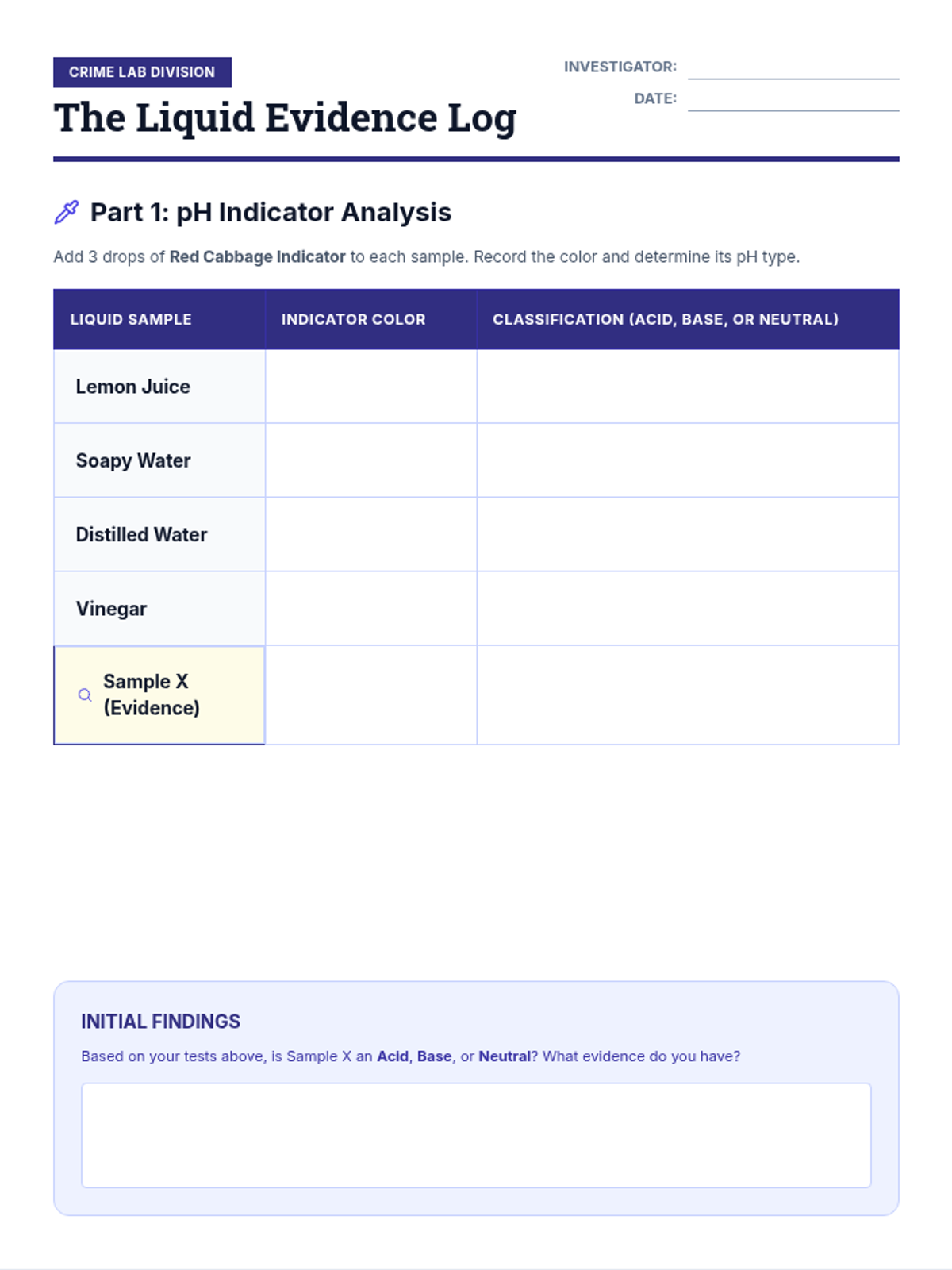
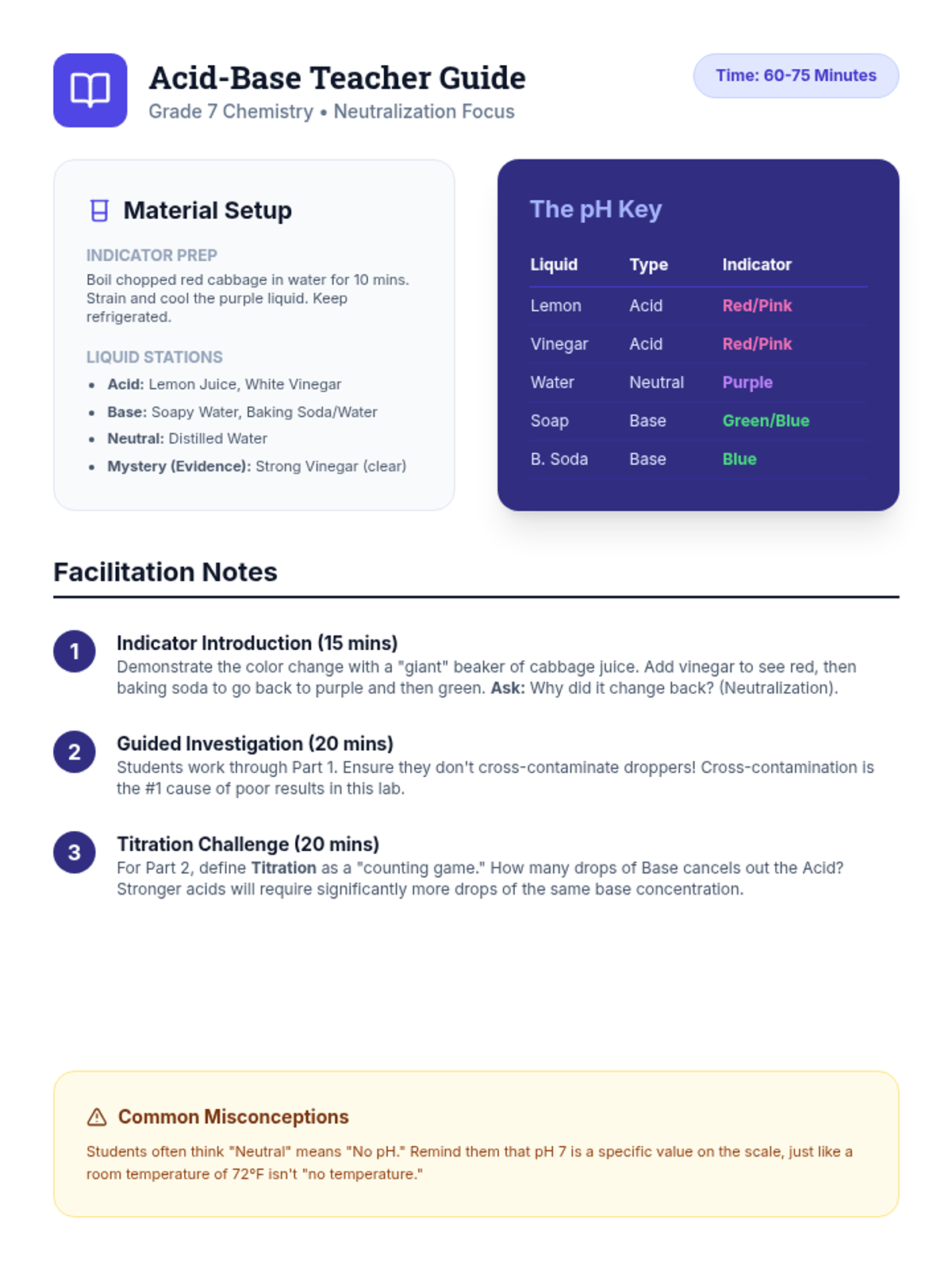
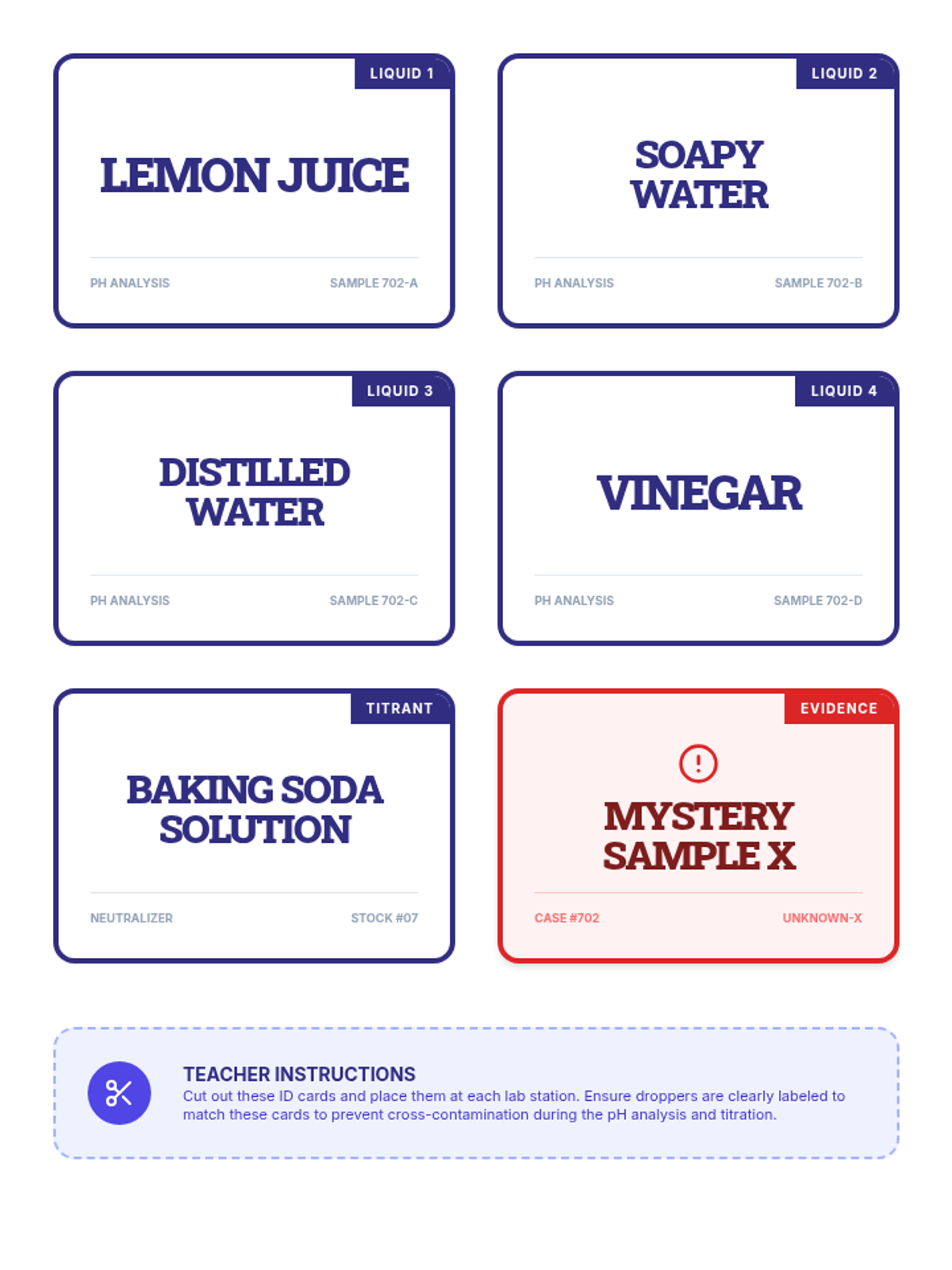
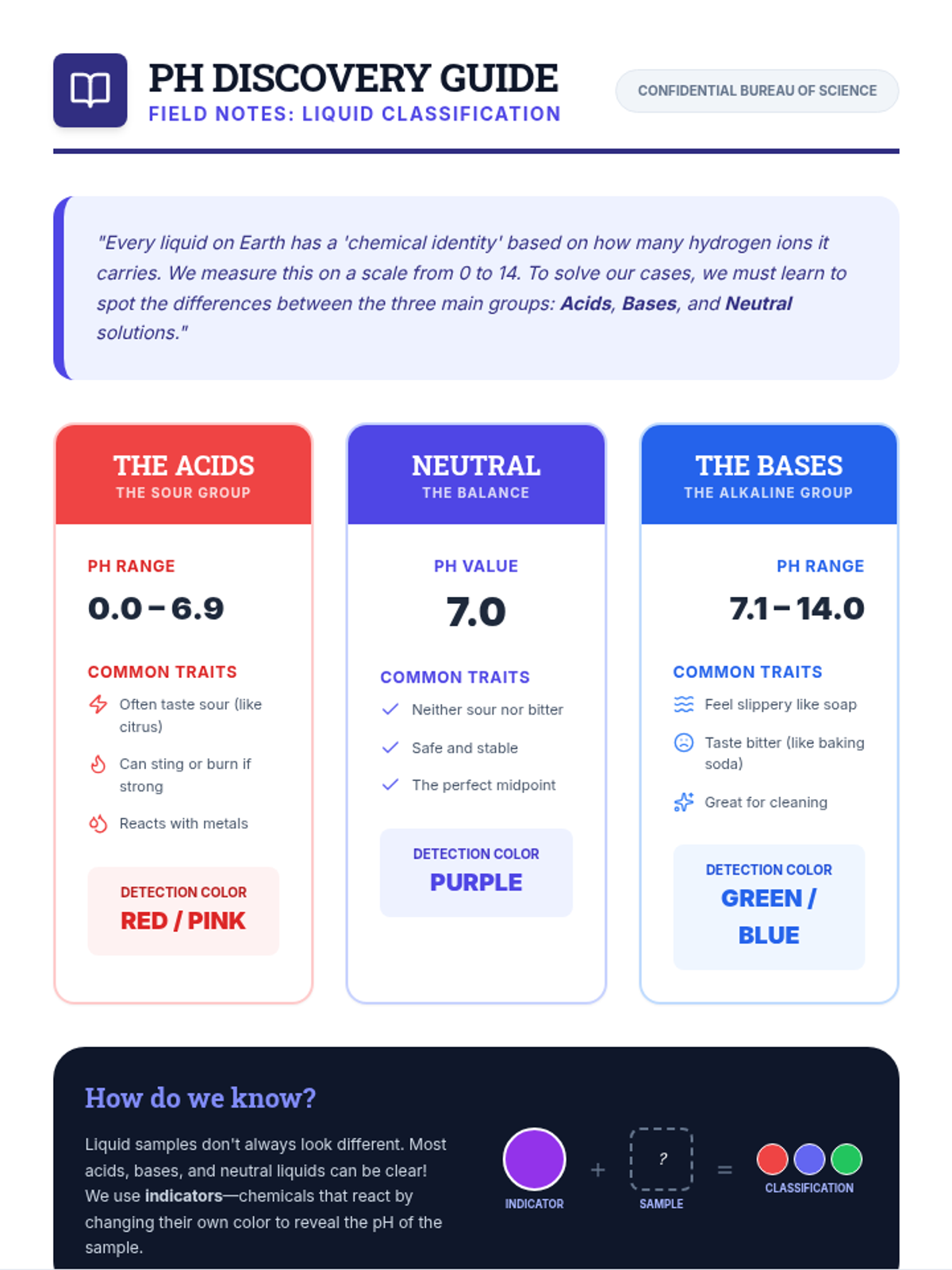
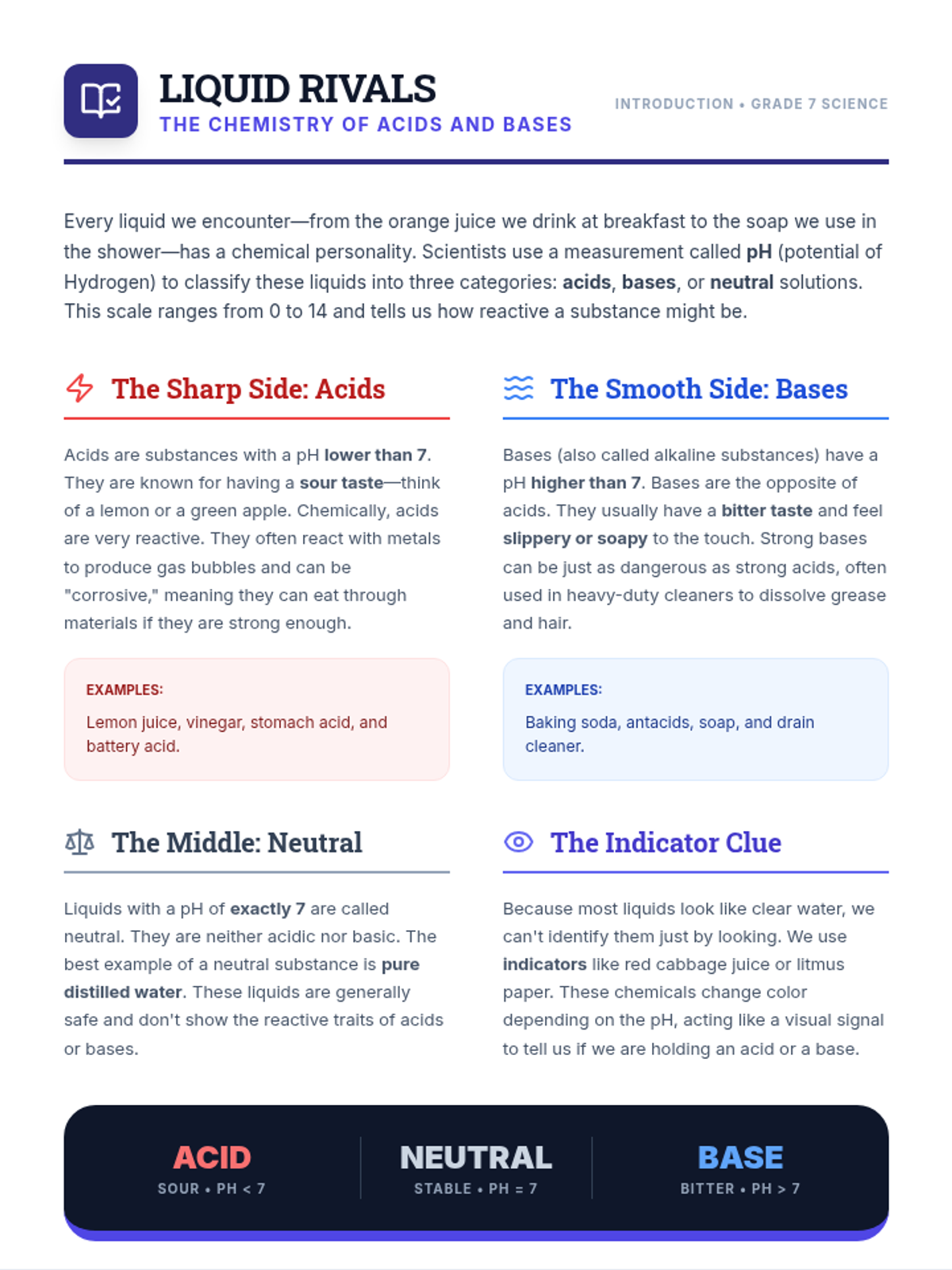
An introductory chemistry lesson where students use indicators to classify common household liquids as acids, bases, or neutral. Students then perform a simplified titration to neutralize a mystery sample, learning about the pH scale and chemical reactions through forensic inquiry.
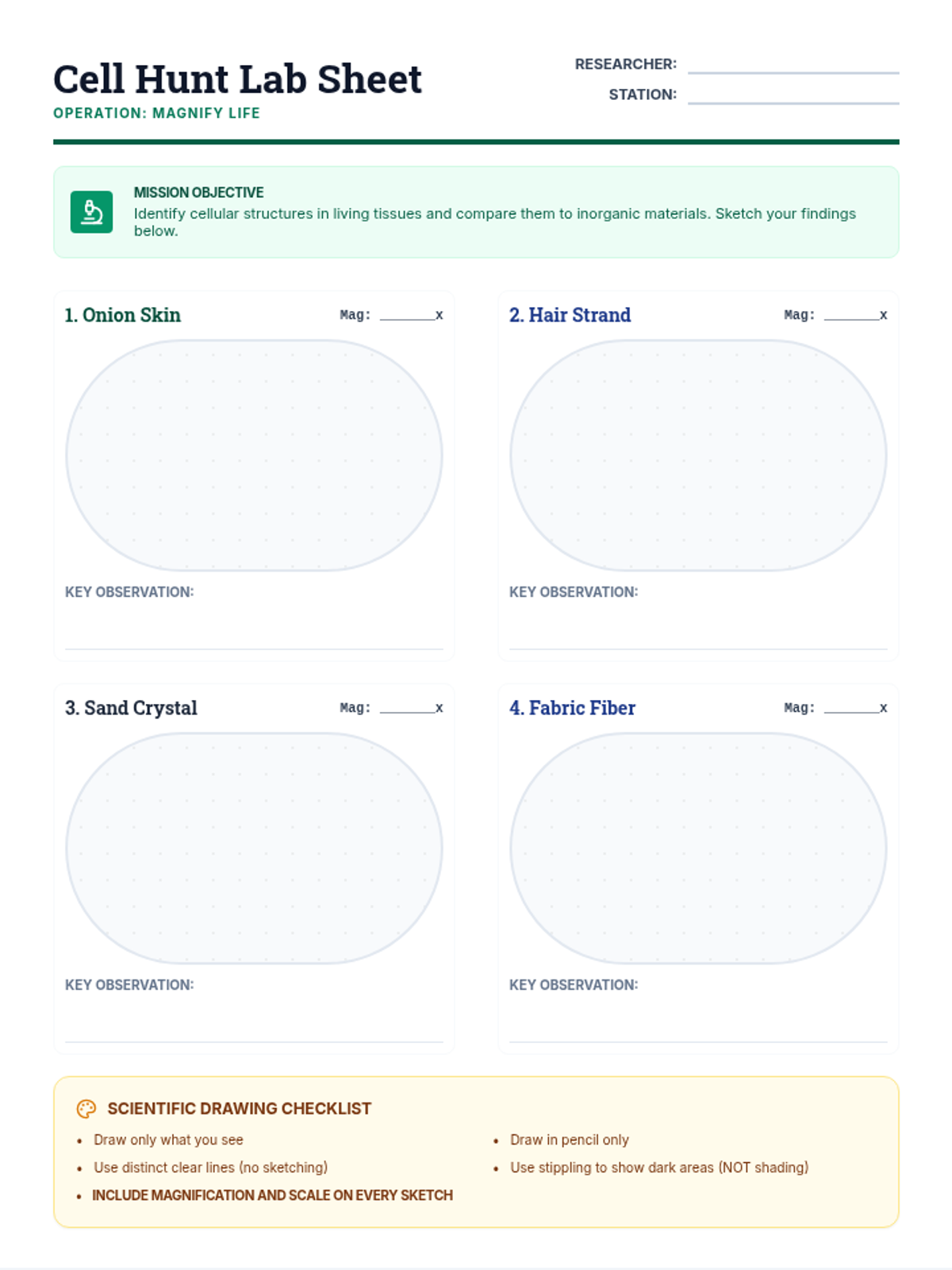
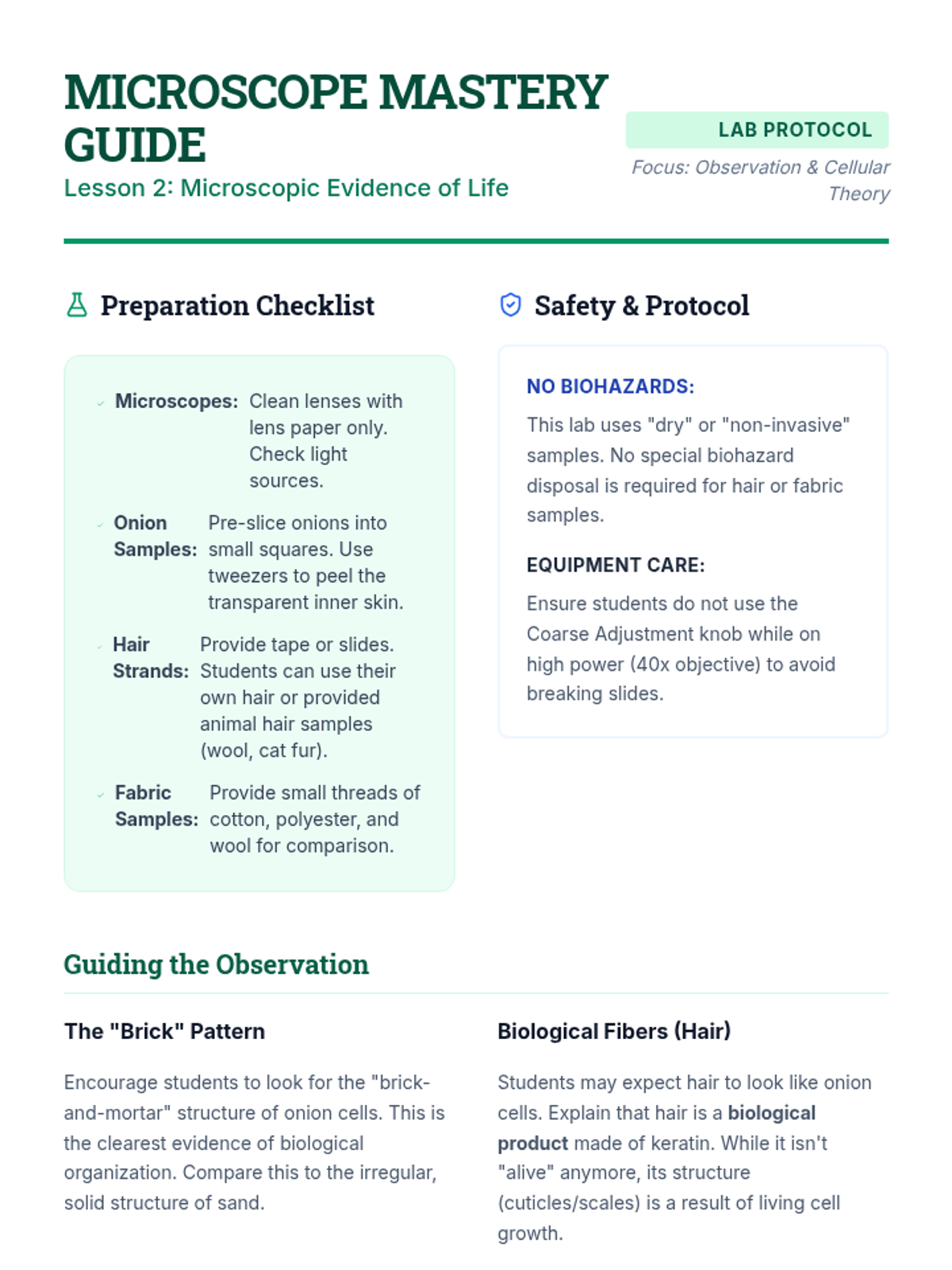
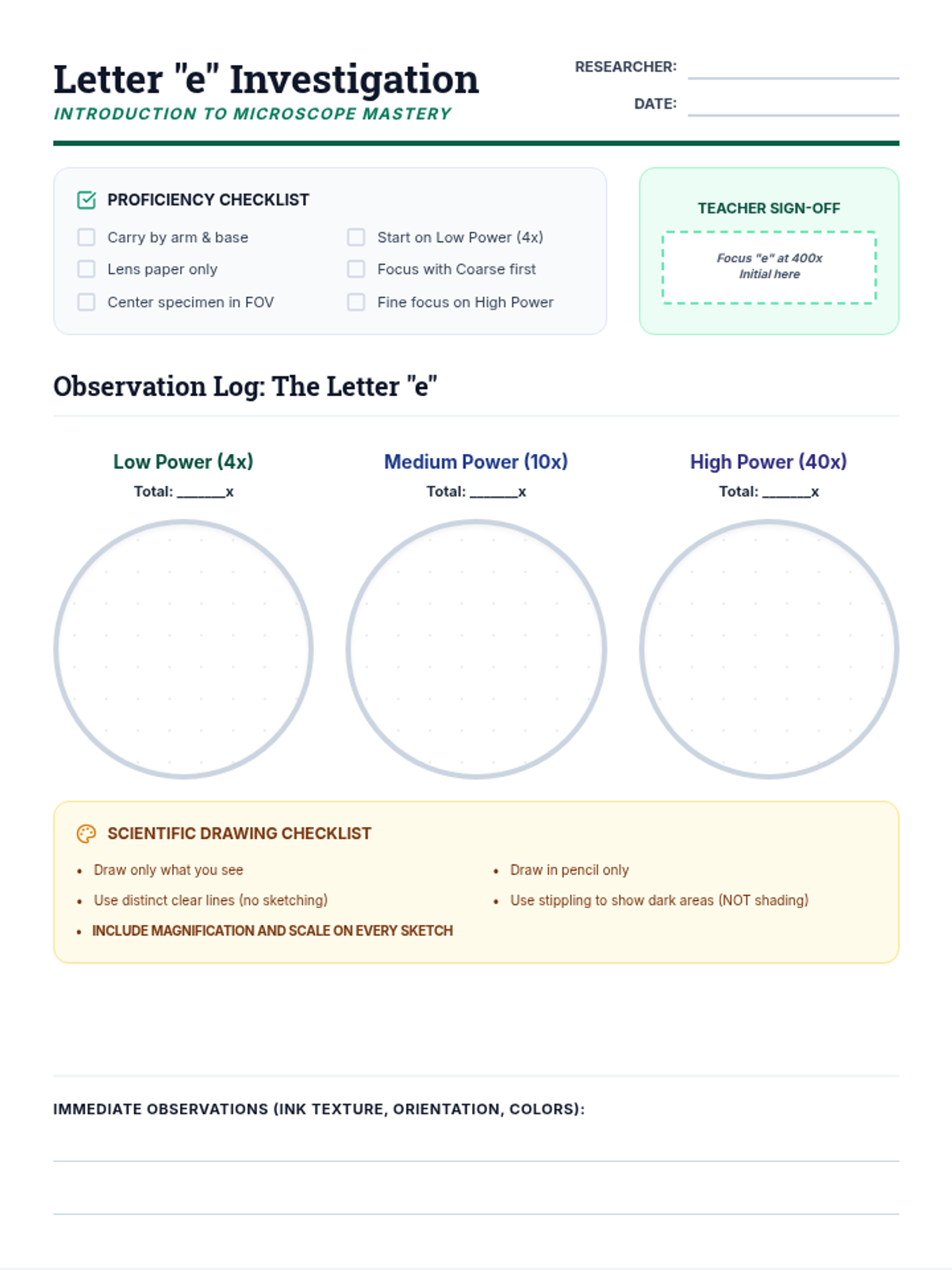
Students use microscopes to identify the cellular basis of life, comparing non-living materials with living tissues to establish that all living things are composed of cells.
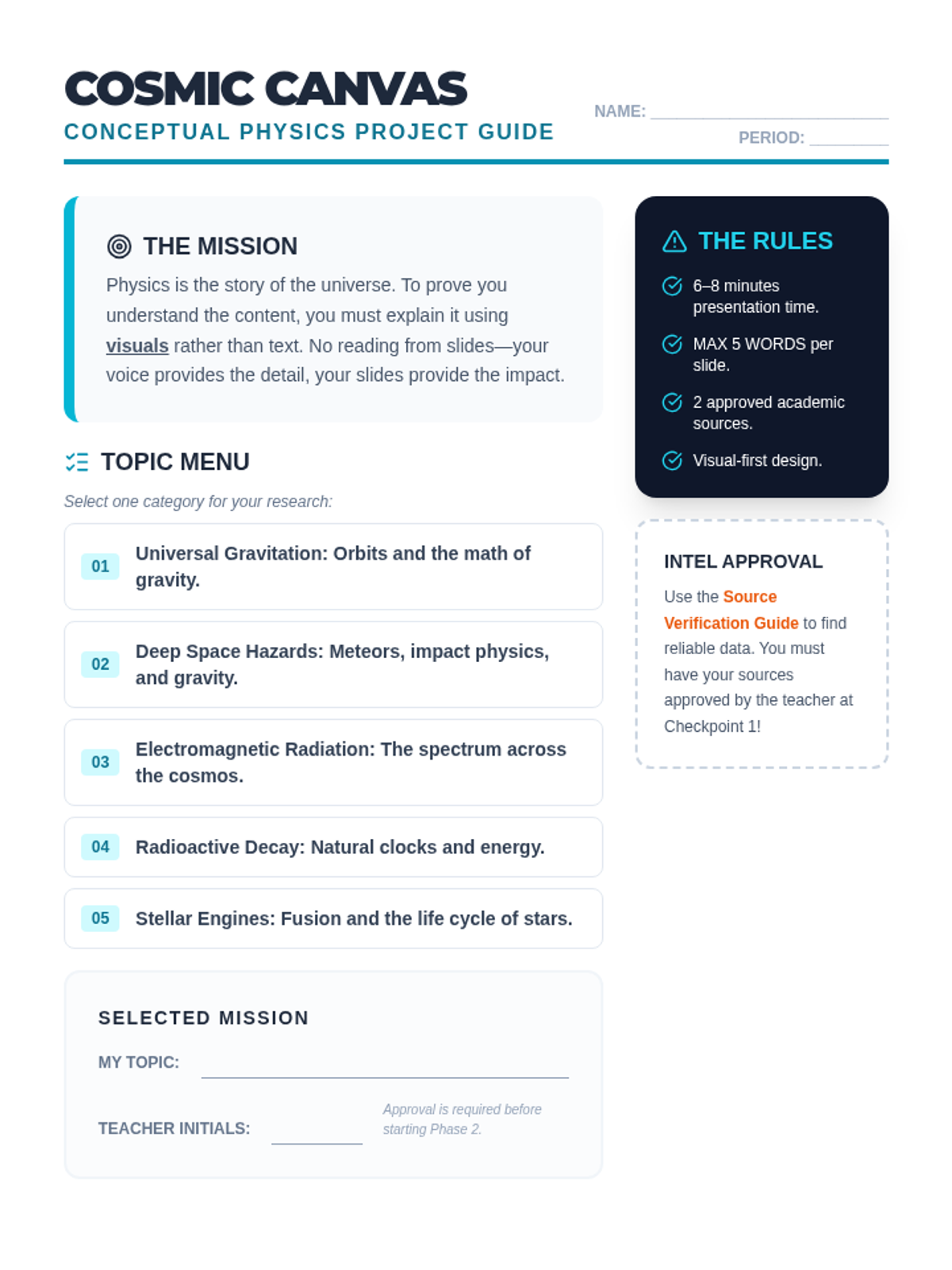
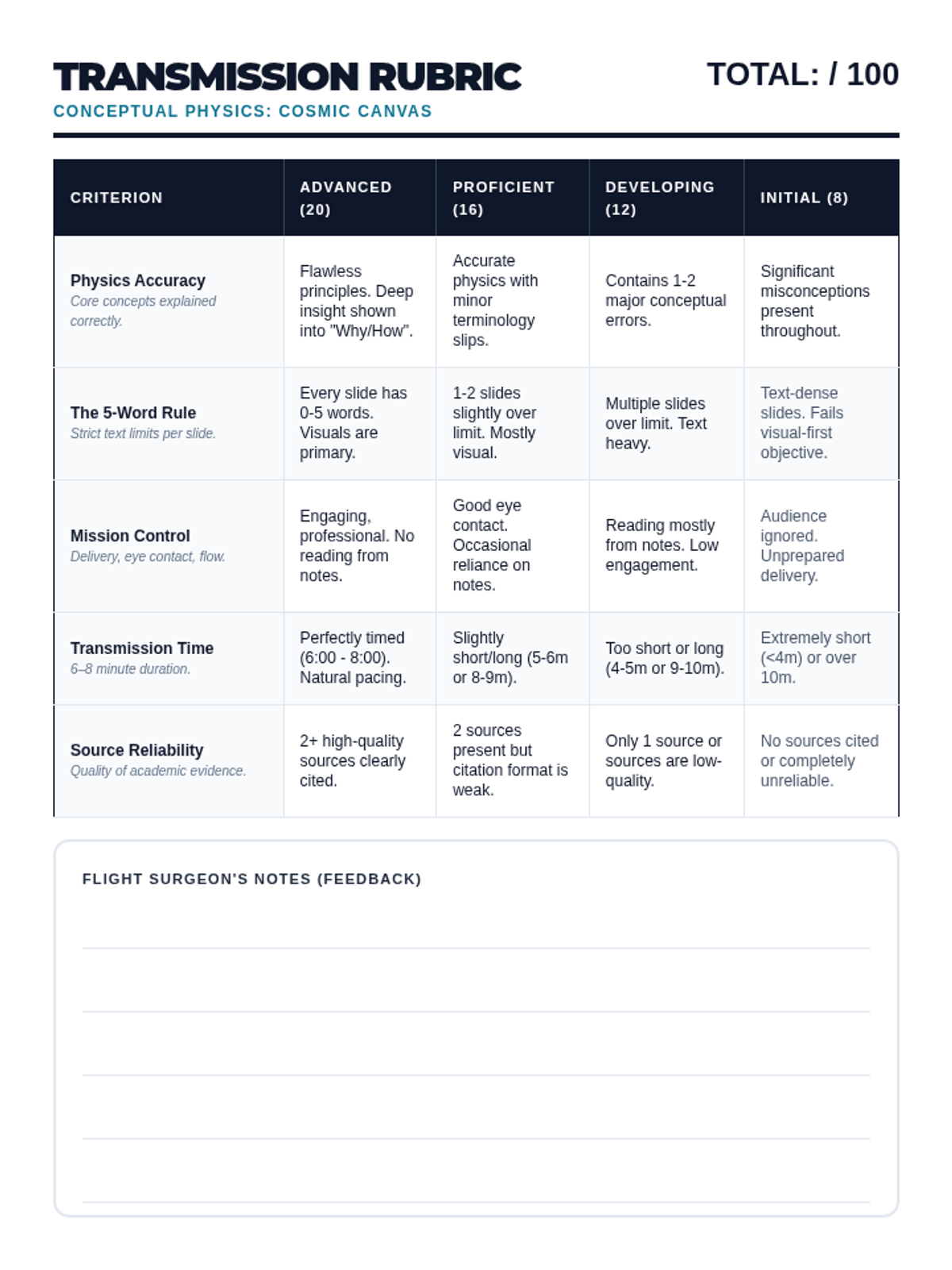
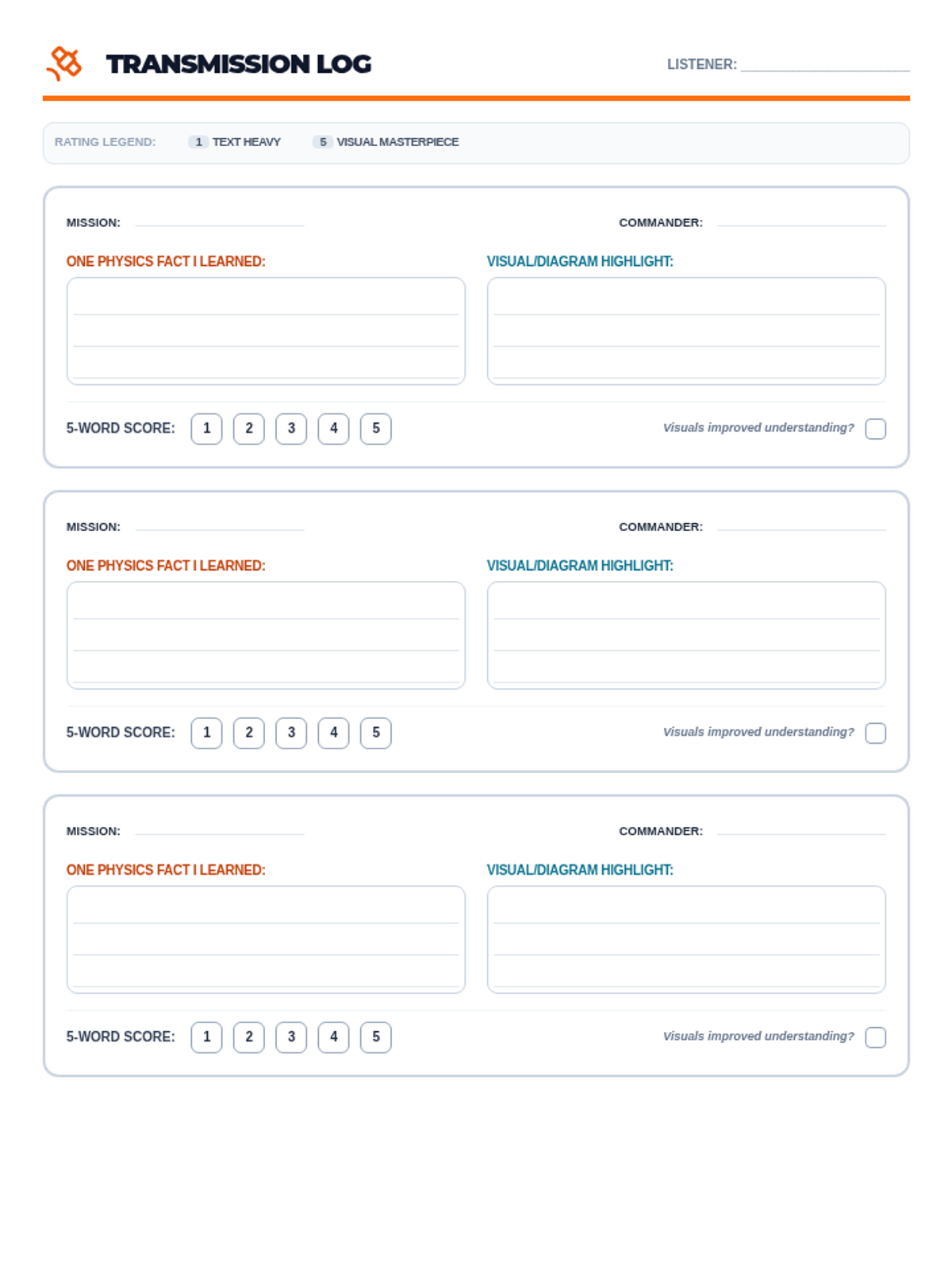
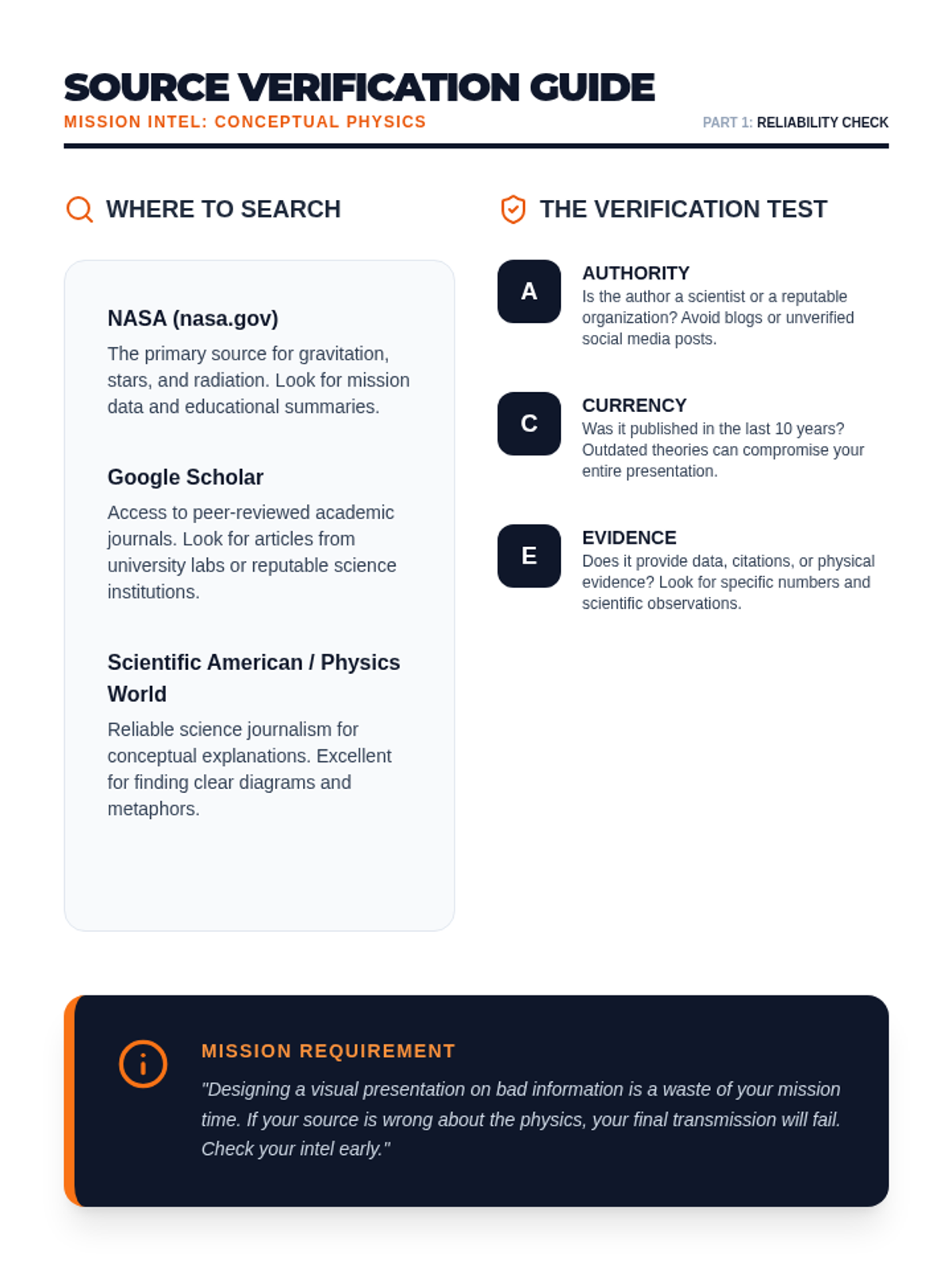
A comprehensive research project where students explore physics concepts in space and radiation through visual-minimalist presentations. The project emphasizes deep understanding of content over text-heavy slides.
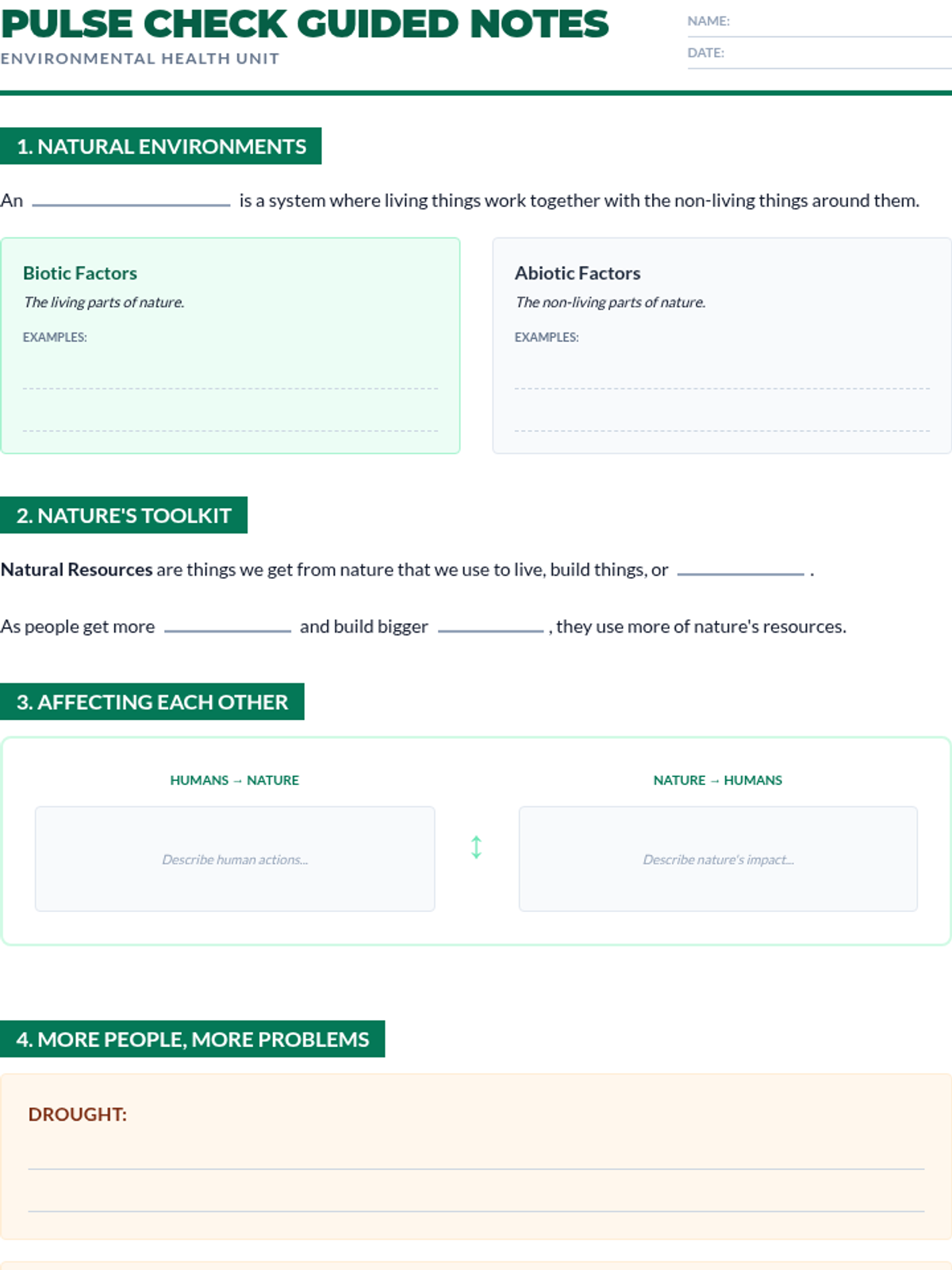
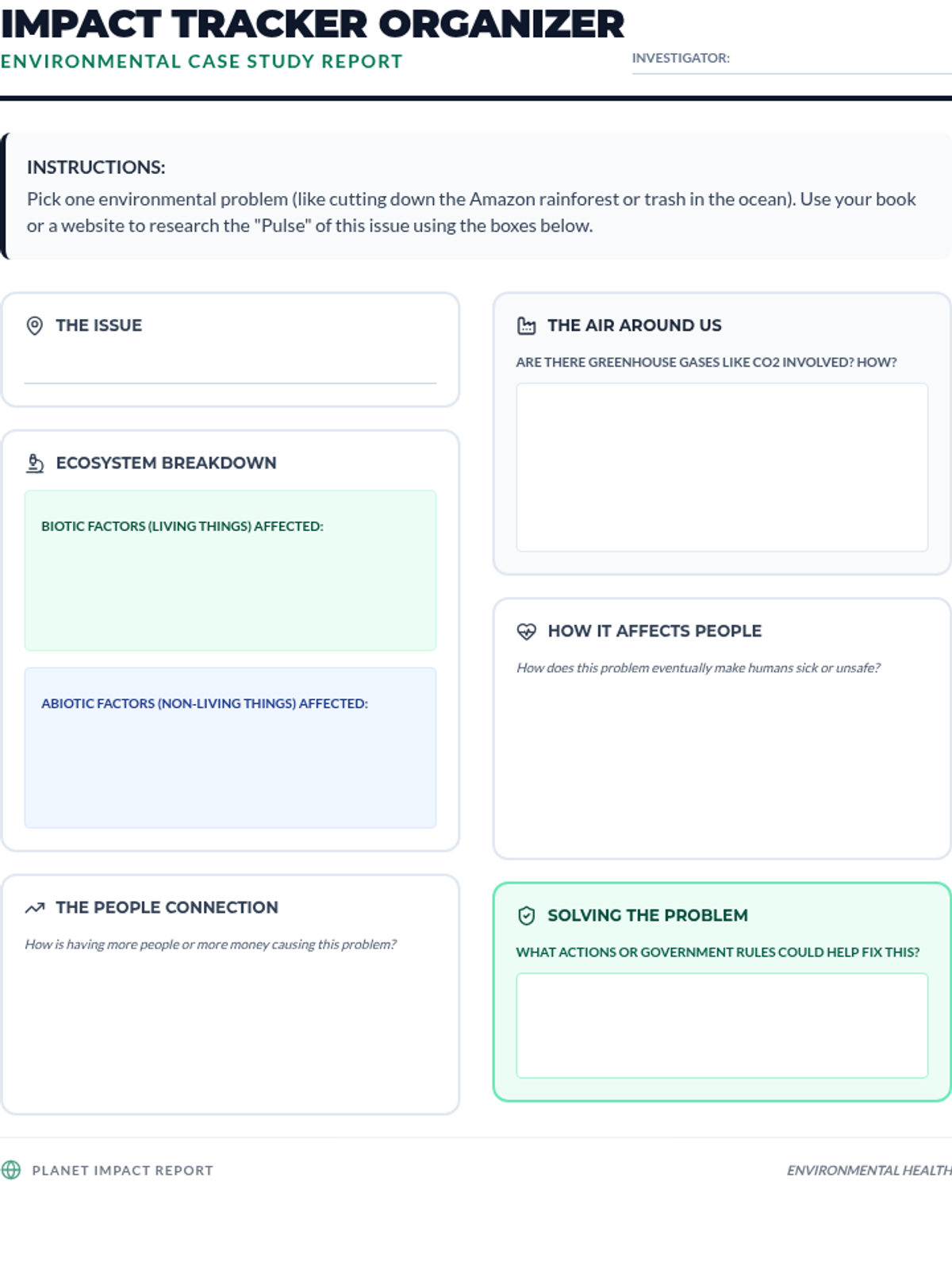
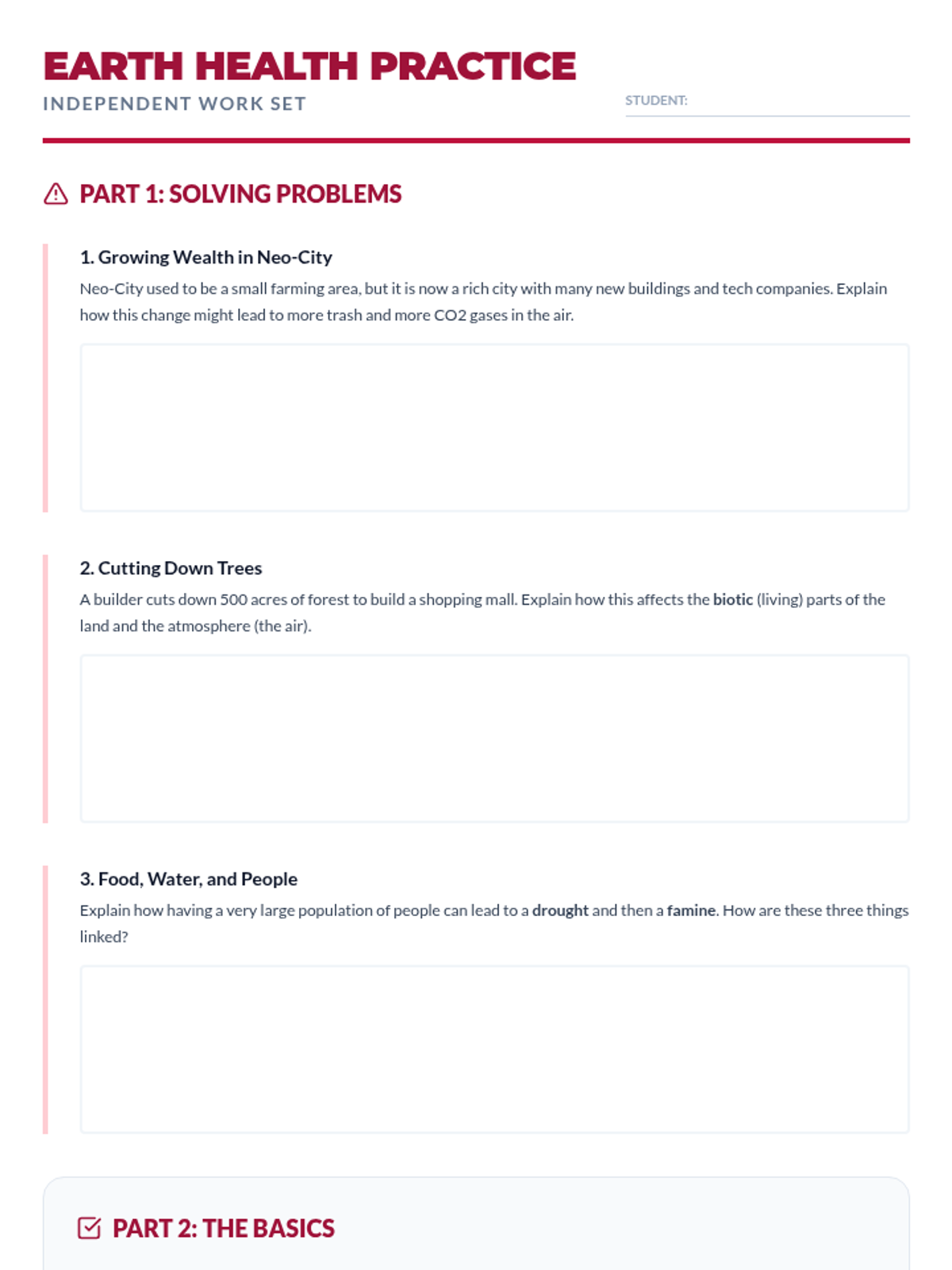
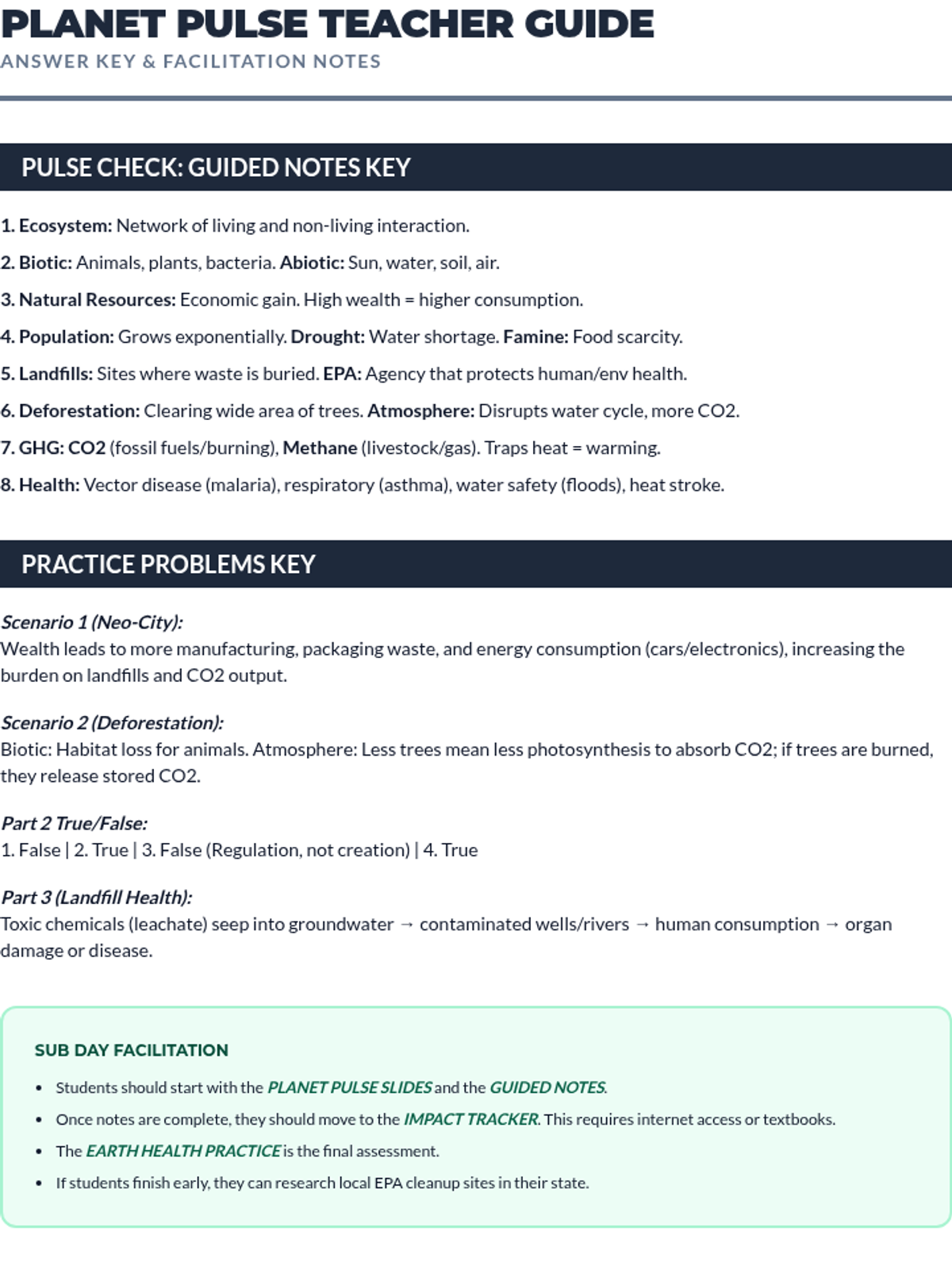
A comprehensive self-guided lesson on environmental health, covering ecosystems, resource management, population growth, climate change, and human impact on the planet. Designed for high school freshmen to work independently with substitute supervision.
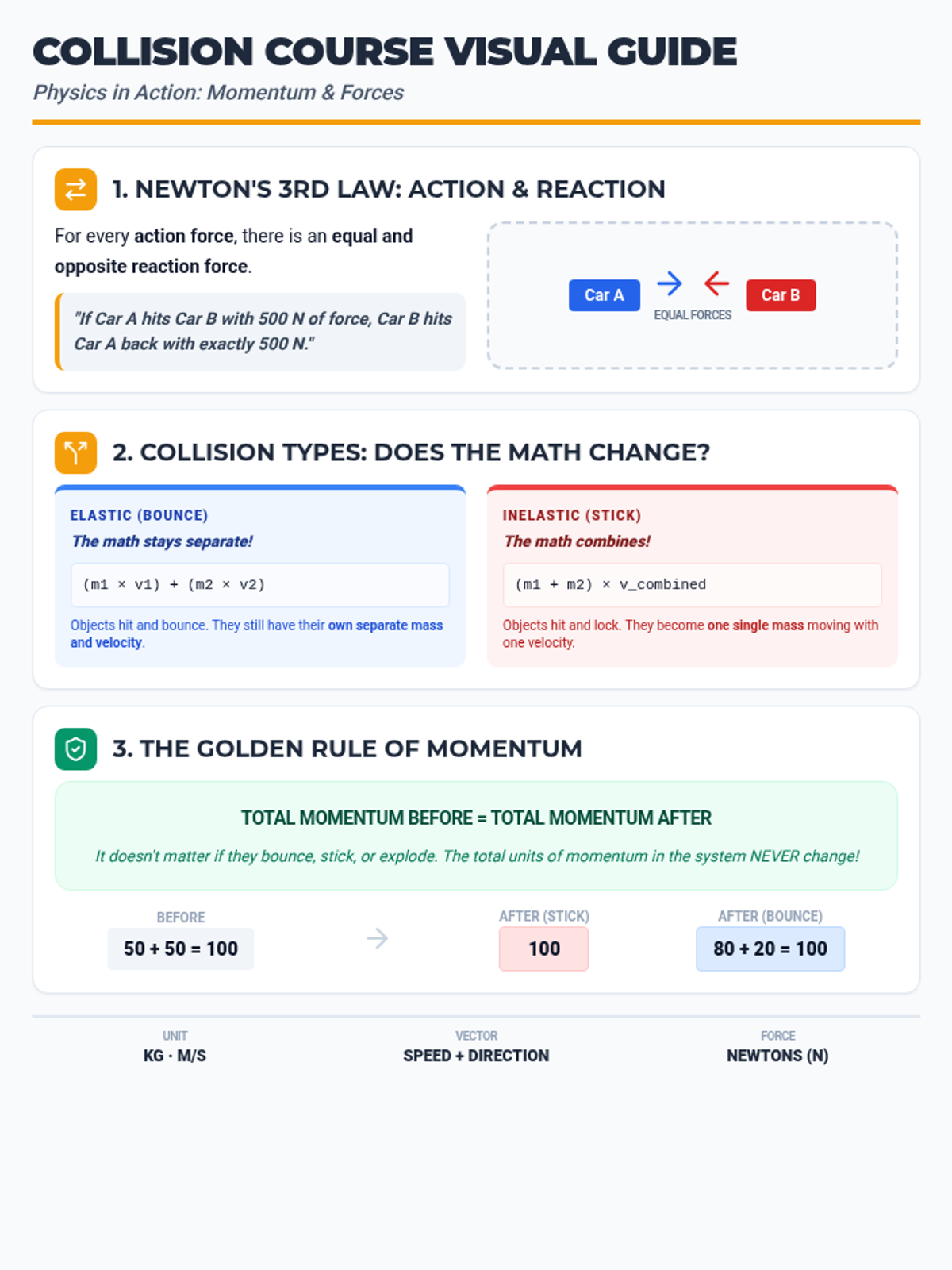
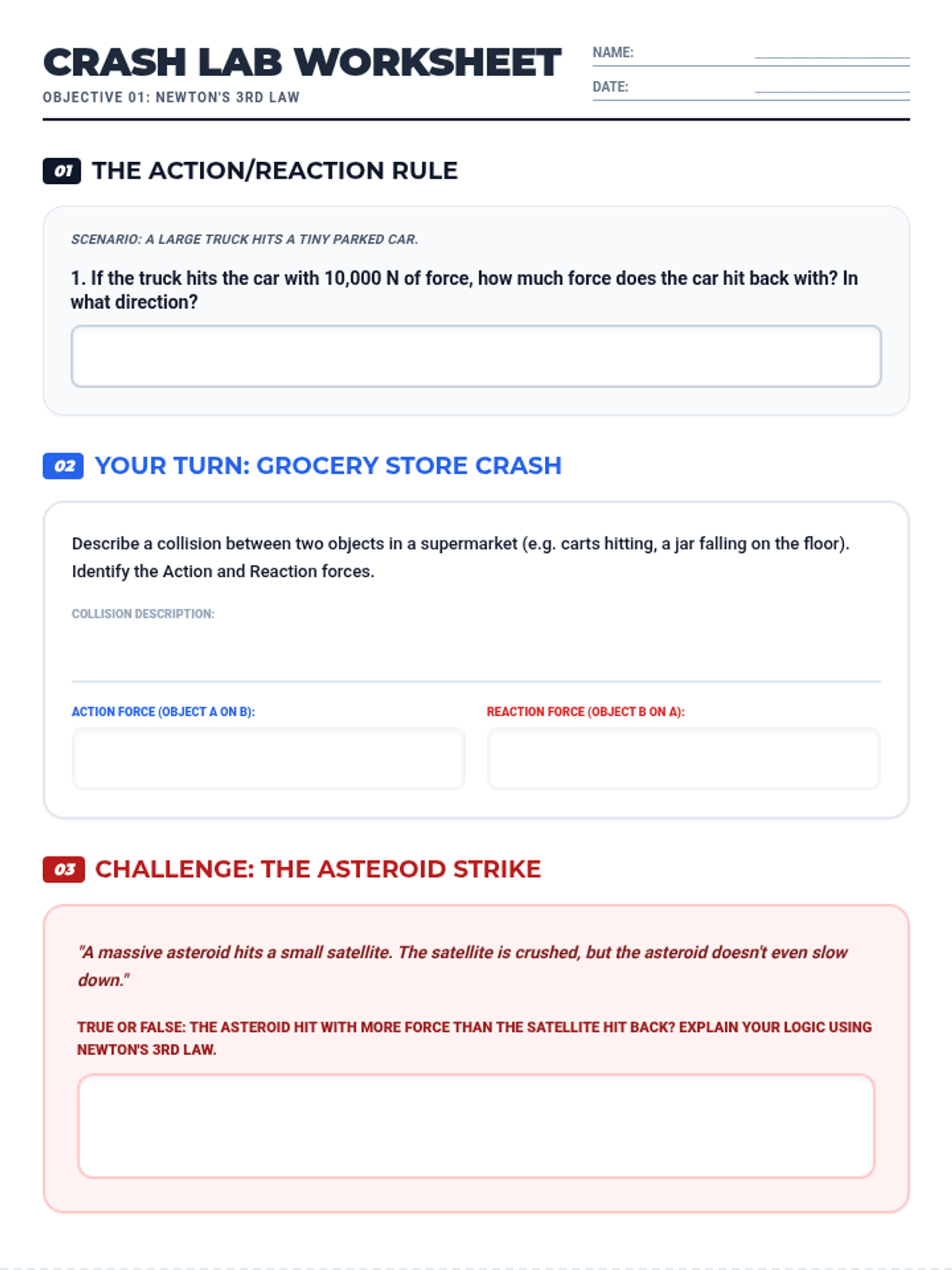
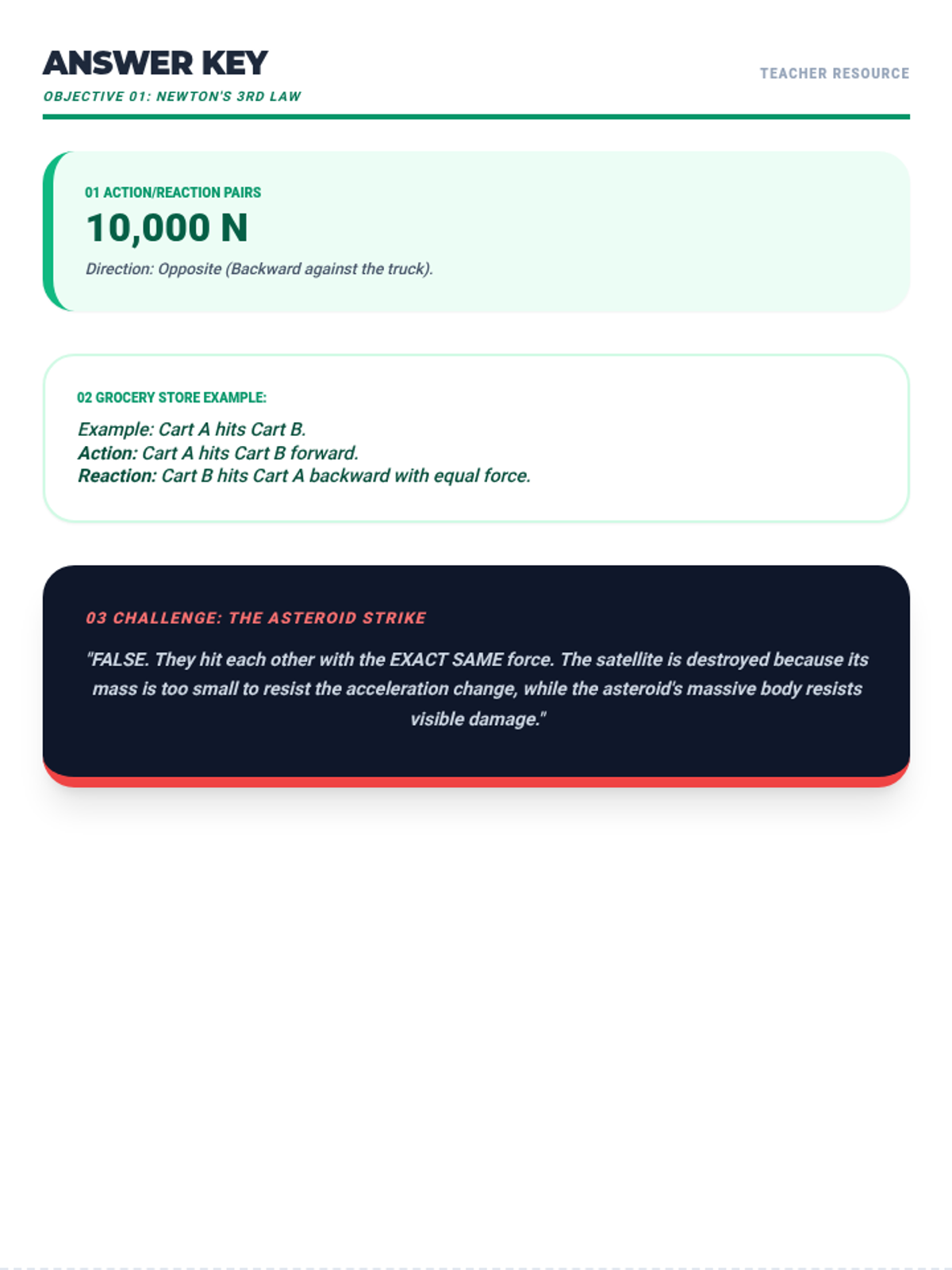
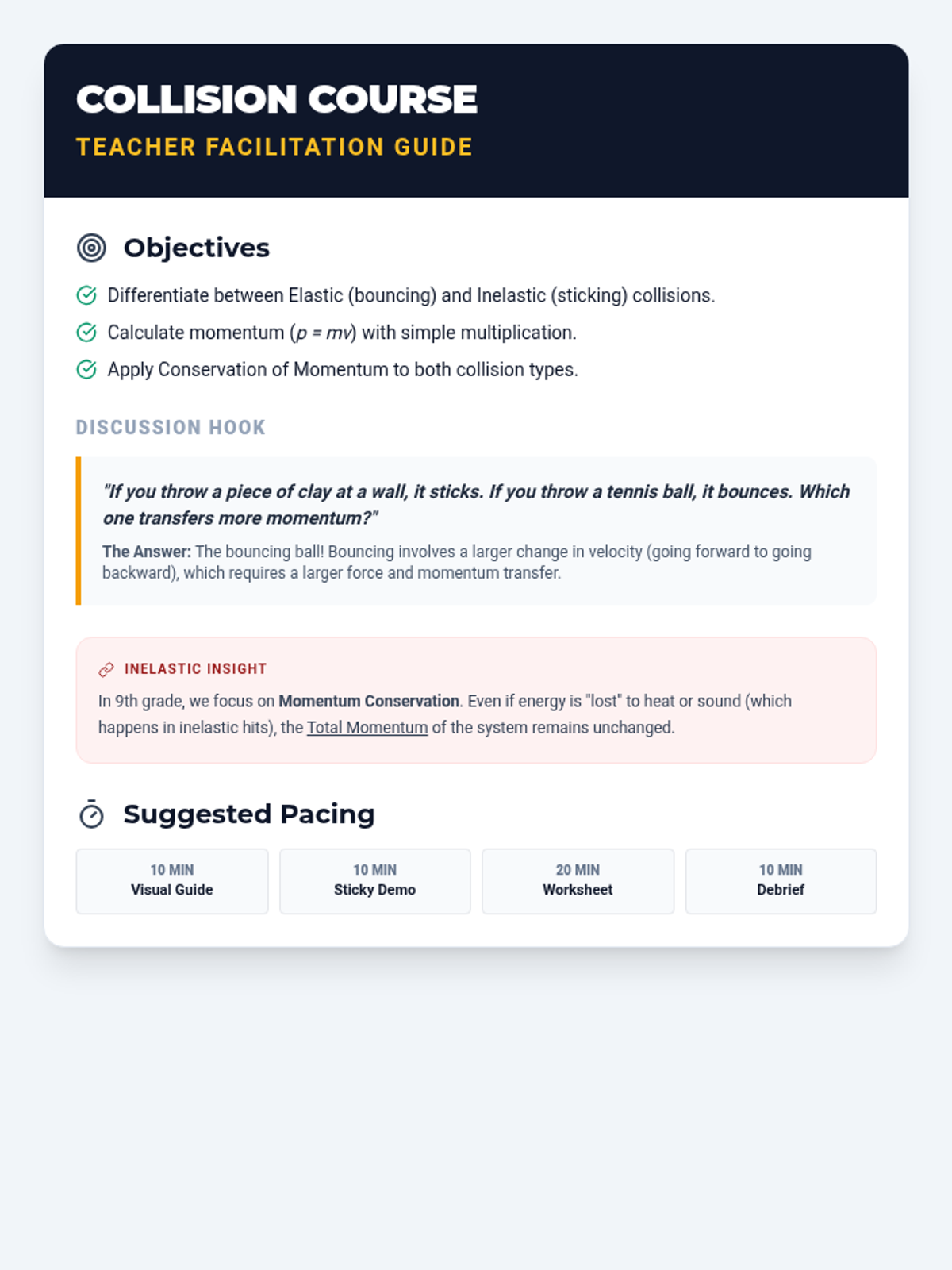
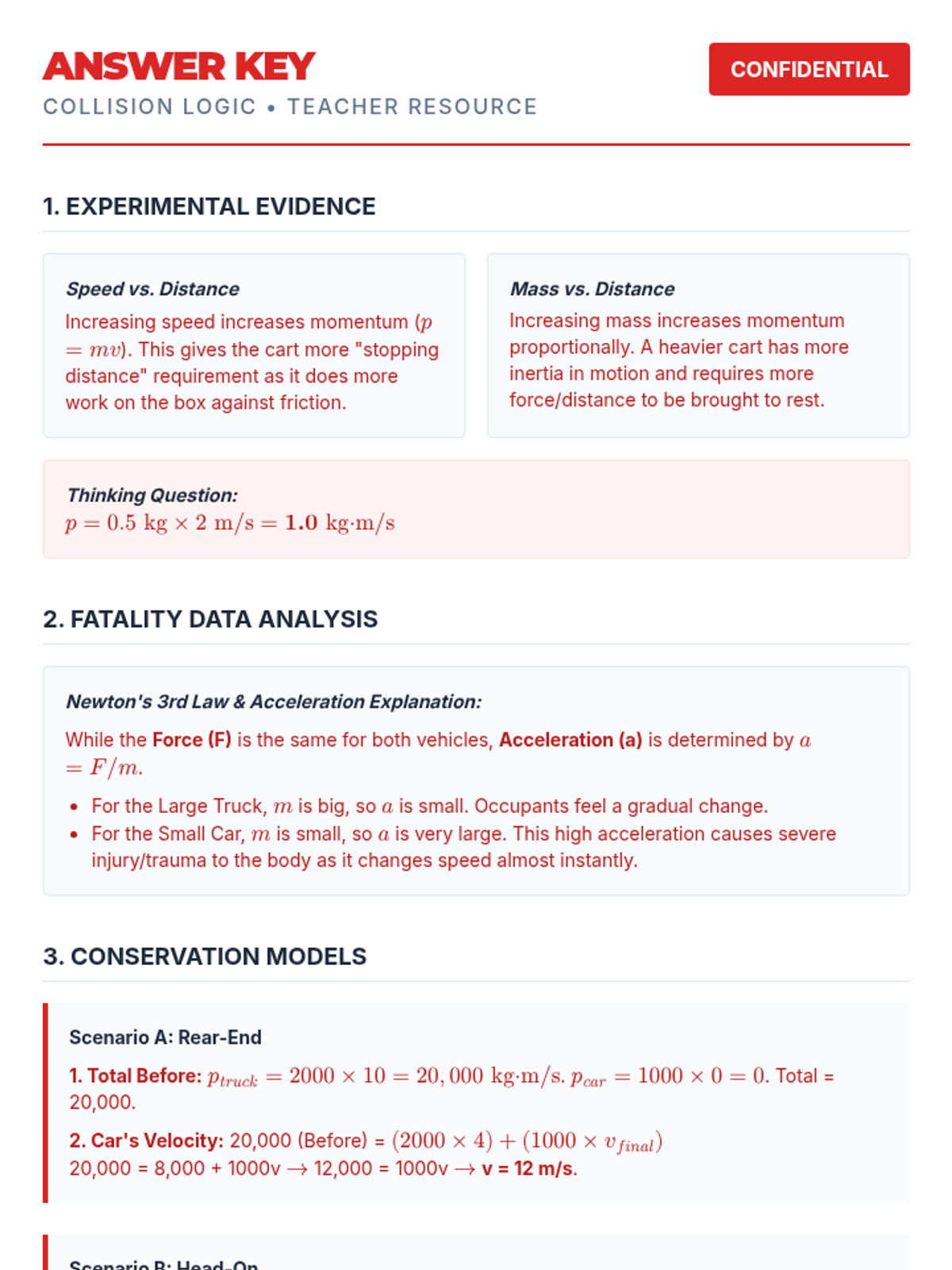
A conceptual introduction to momentum, Newton's 3rd Law, and conservation laws using car collisions as the primary model. Focused on qualitative understanding and simple single-step math.
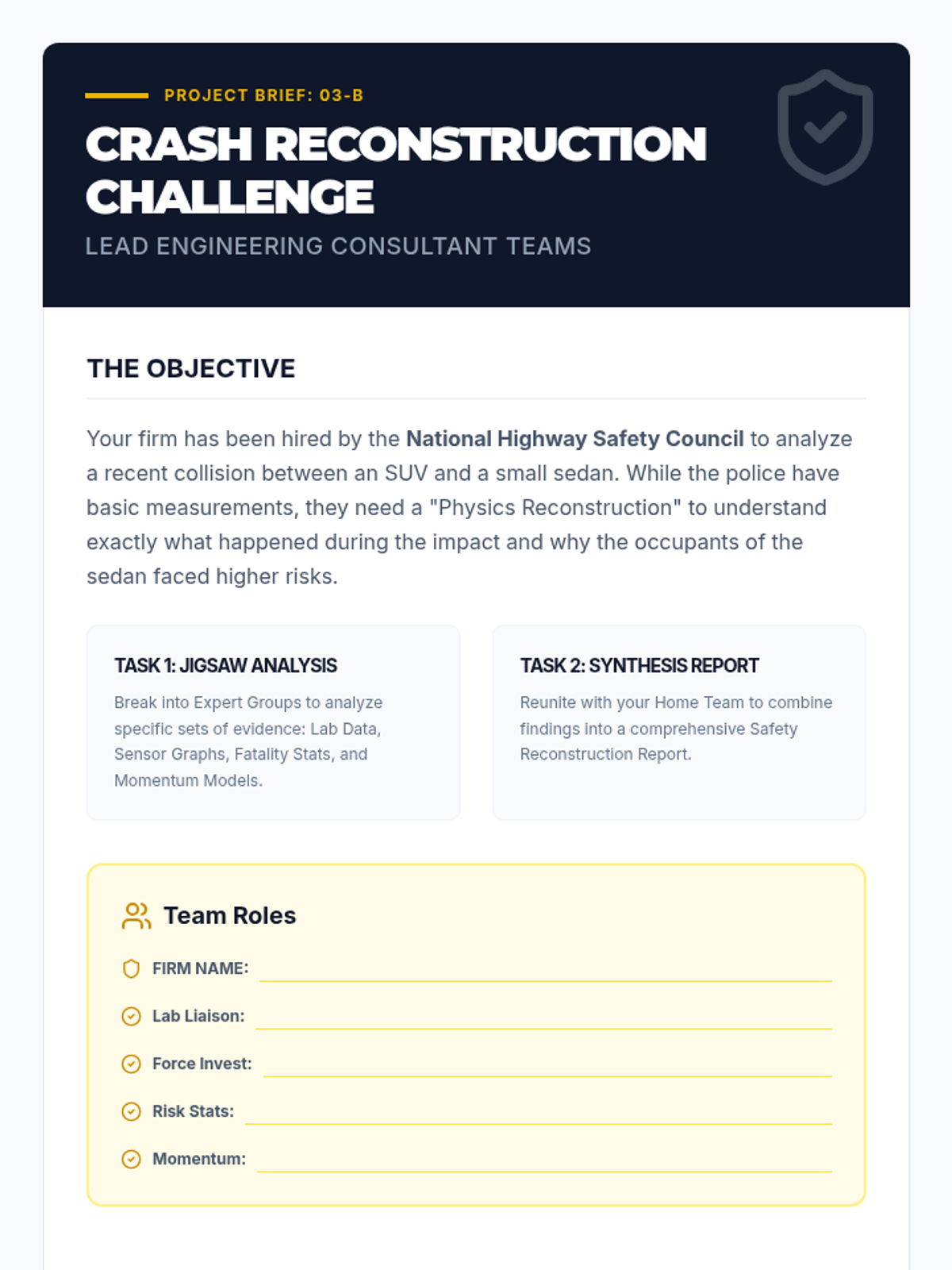
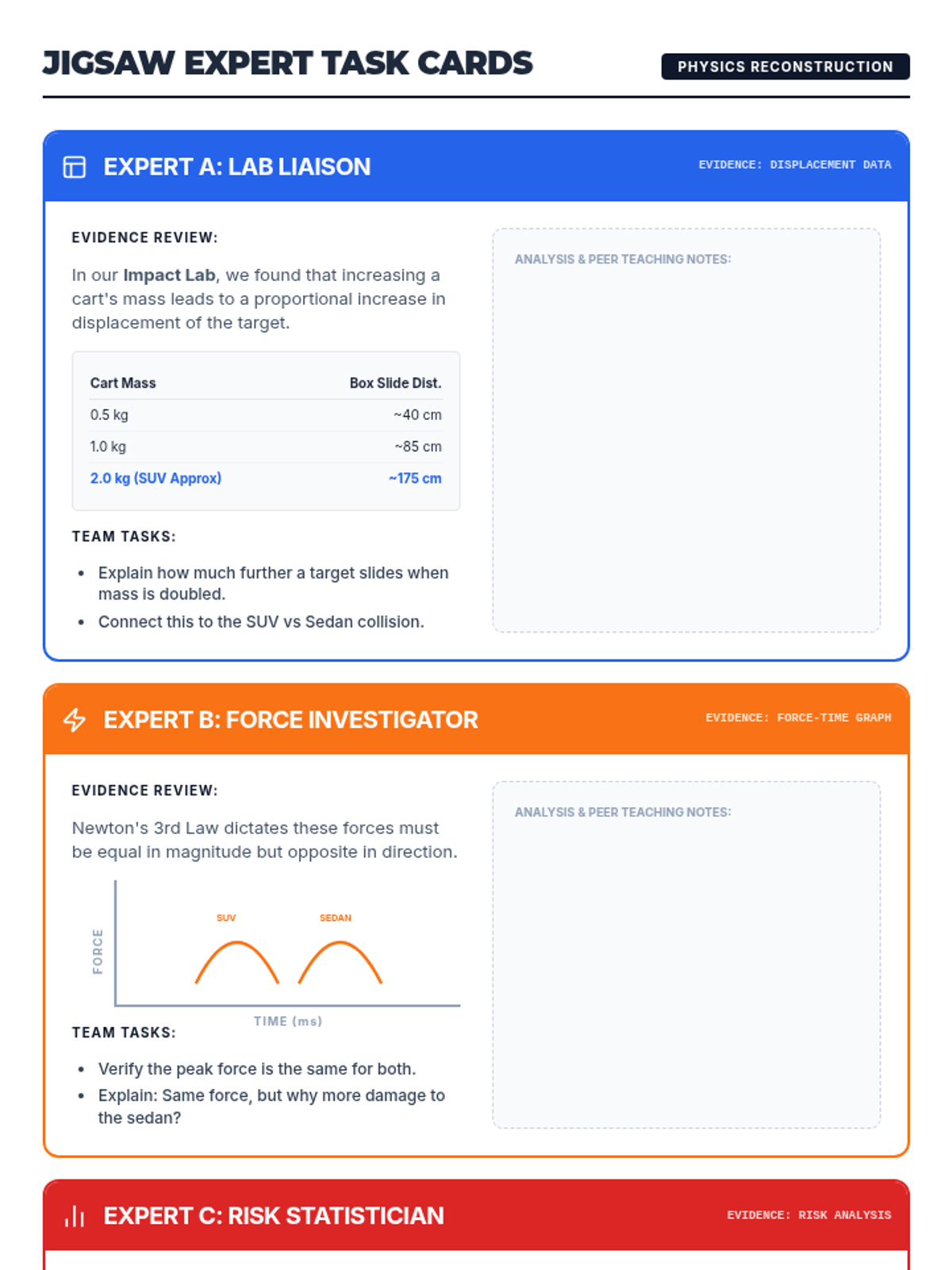
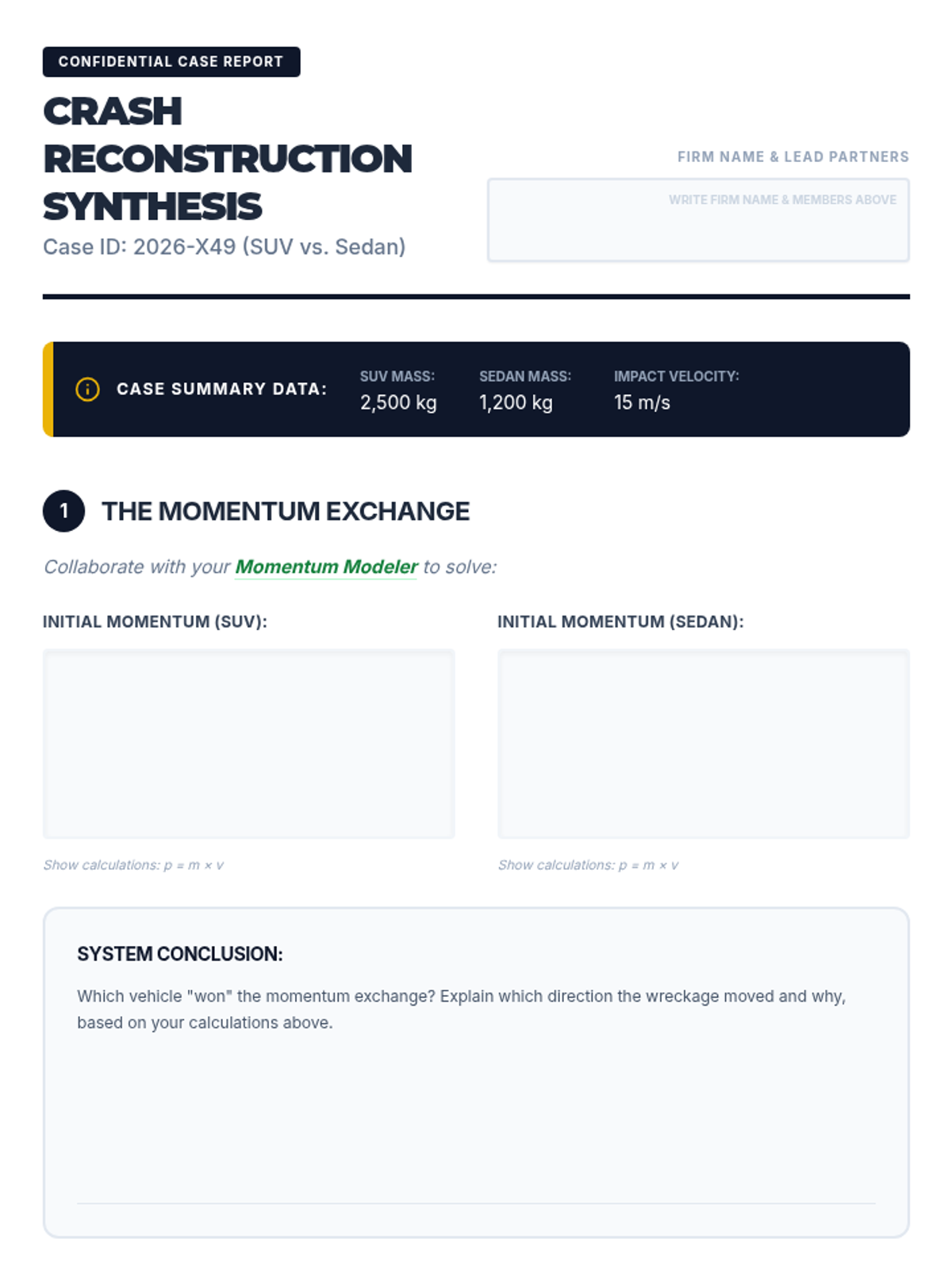
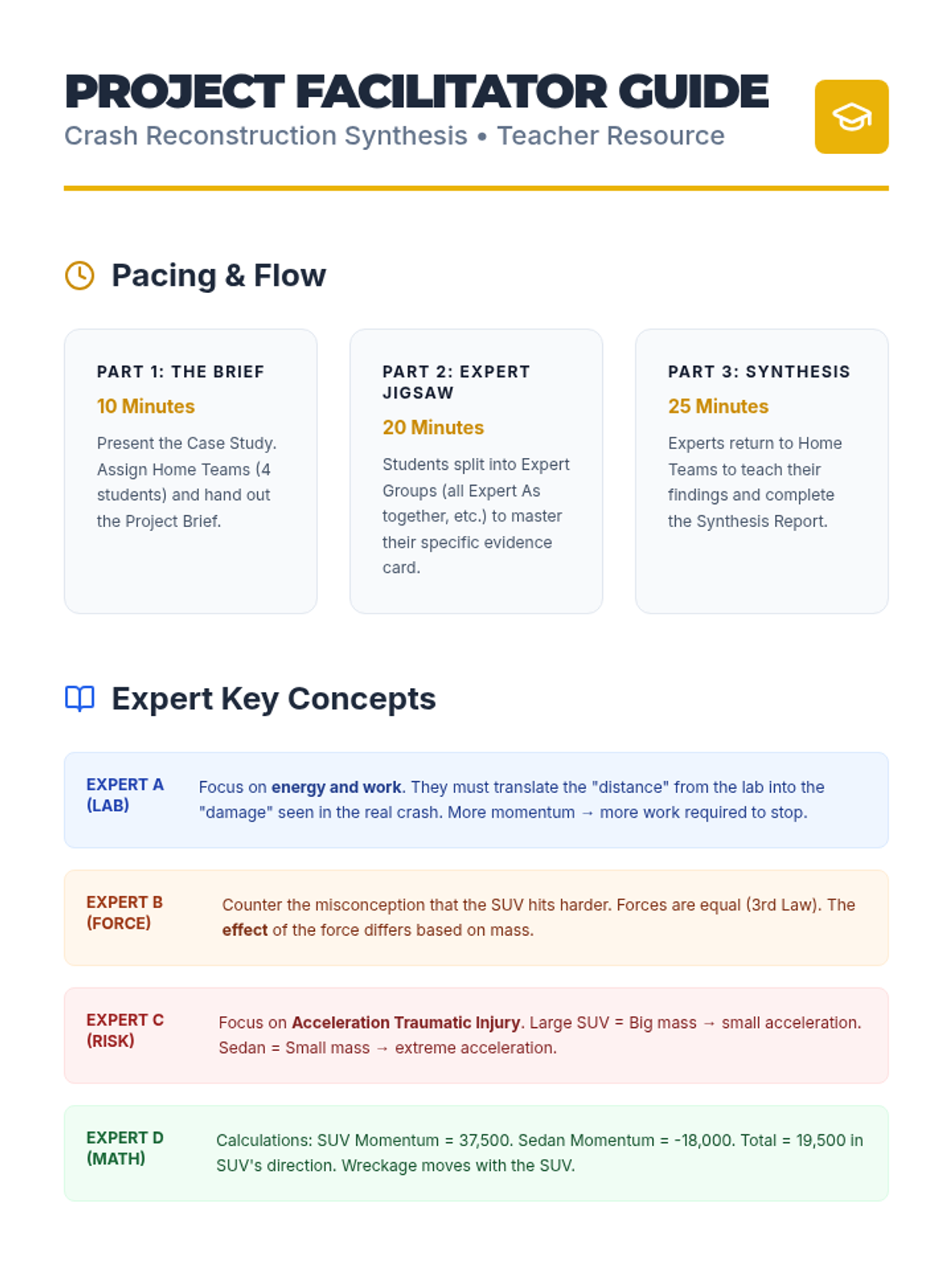
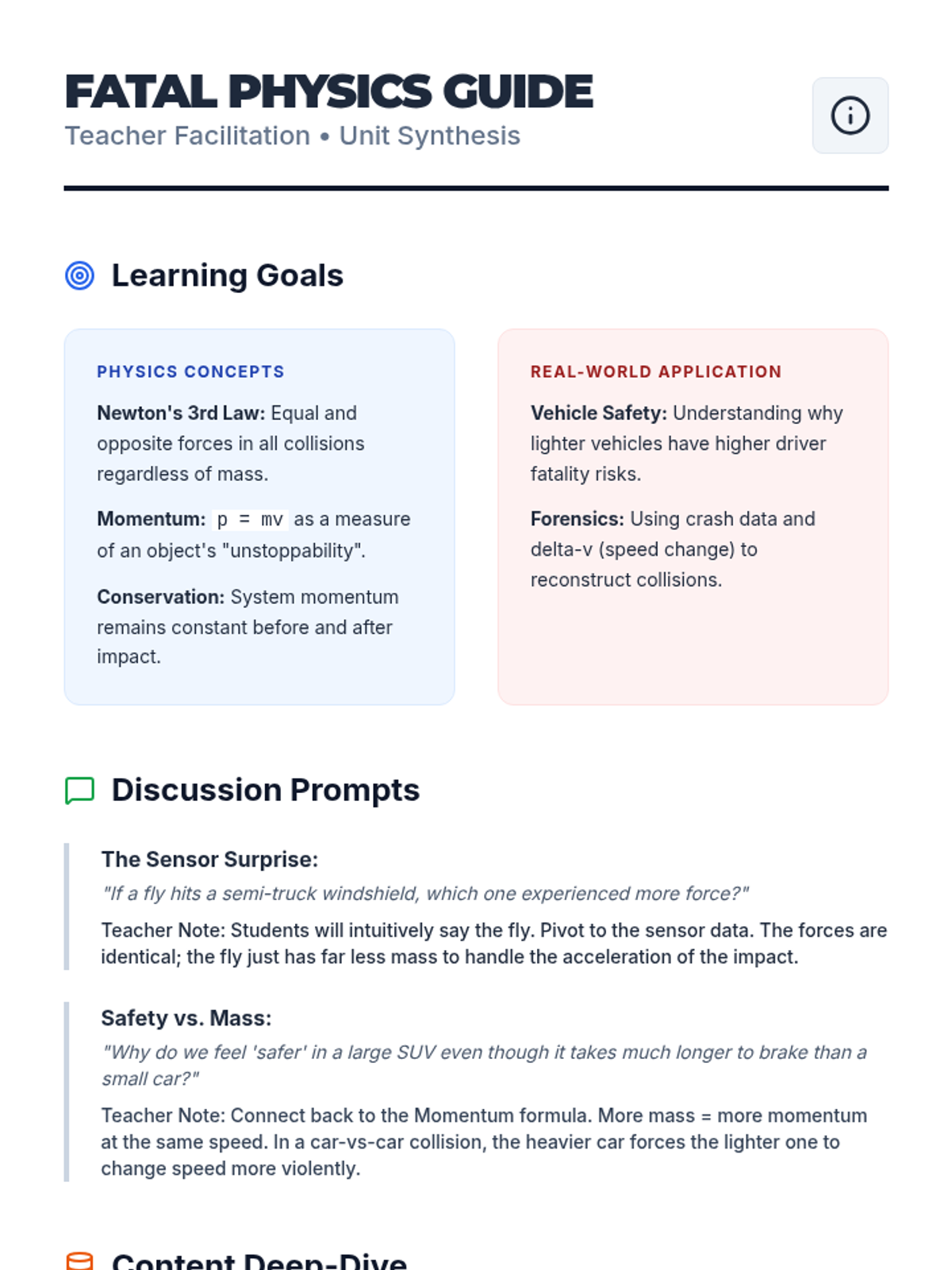
A culminating synthesis project where students act as safety engineering consultants. Using a jigsaw approach, students analyze lab data, force-sensor graphs, fatality statistics, and momentum models to reconstruct a multi-vehicle collision and recommend safety improvements.
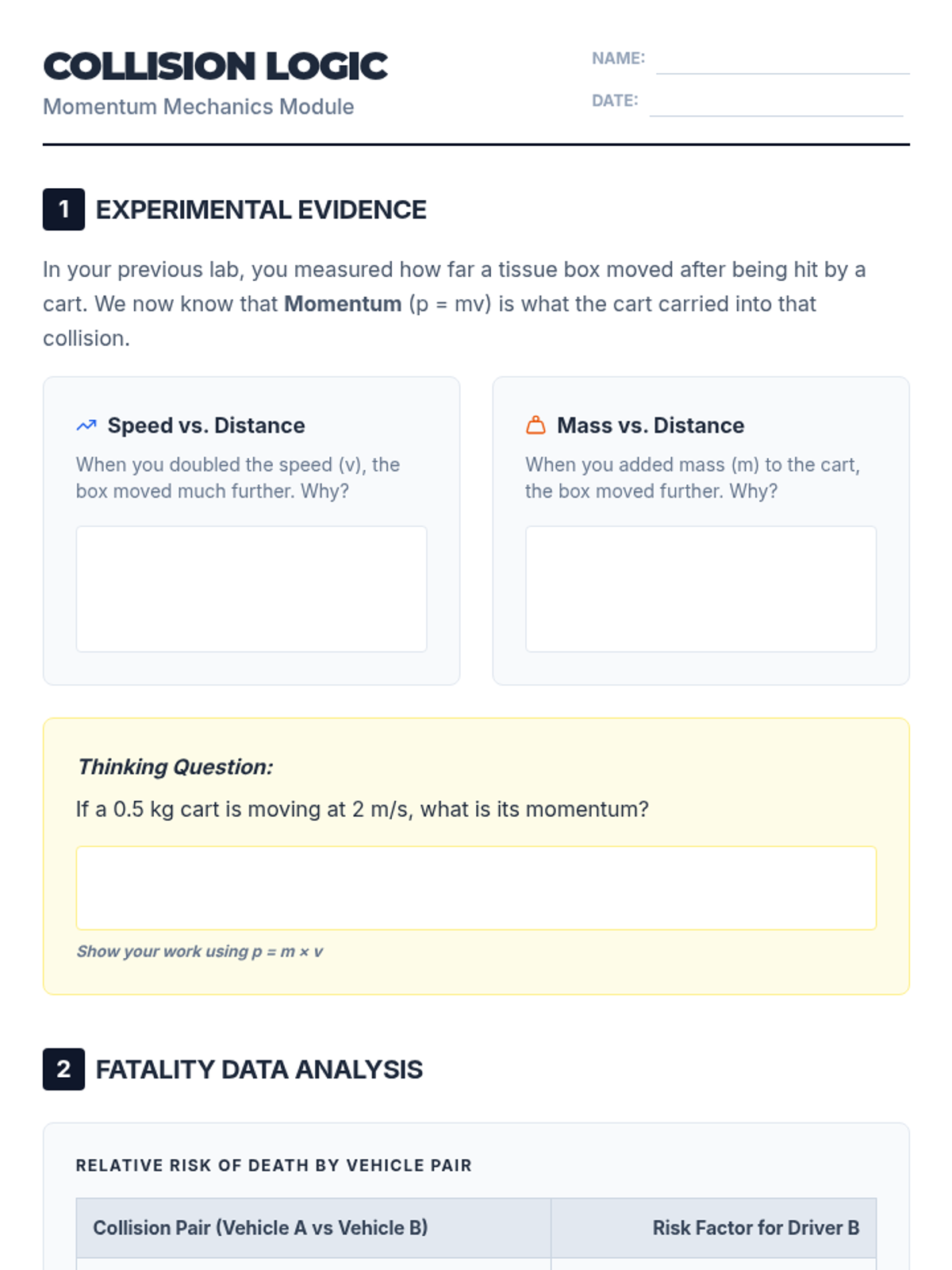
A lesson that connects experimental lab data to the formal physics of momentum, impulse, and vehicle safety. Students analyze collision sensor data and fatality statistics to understand how mass and velocity dictate crash outcomes.
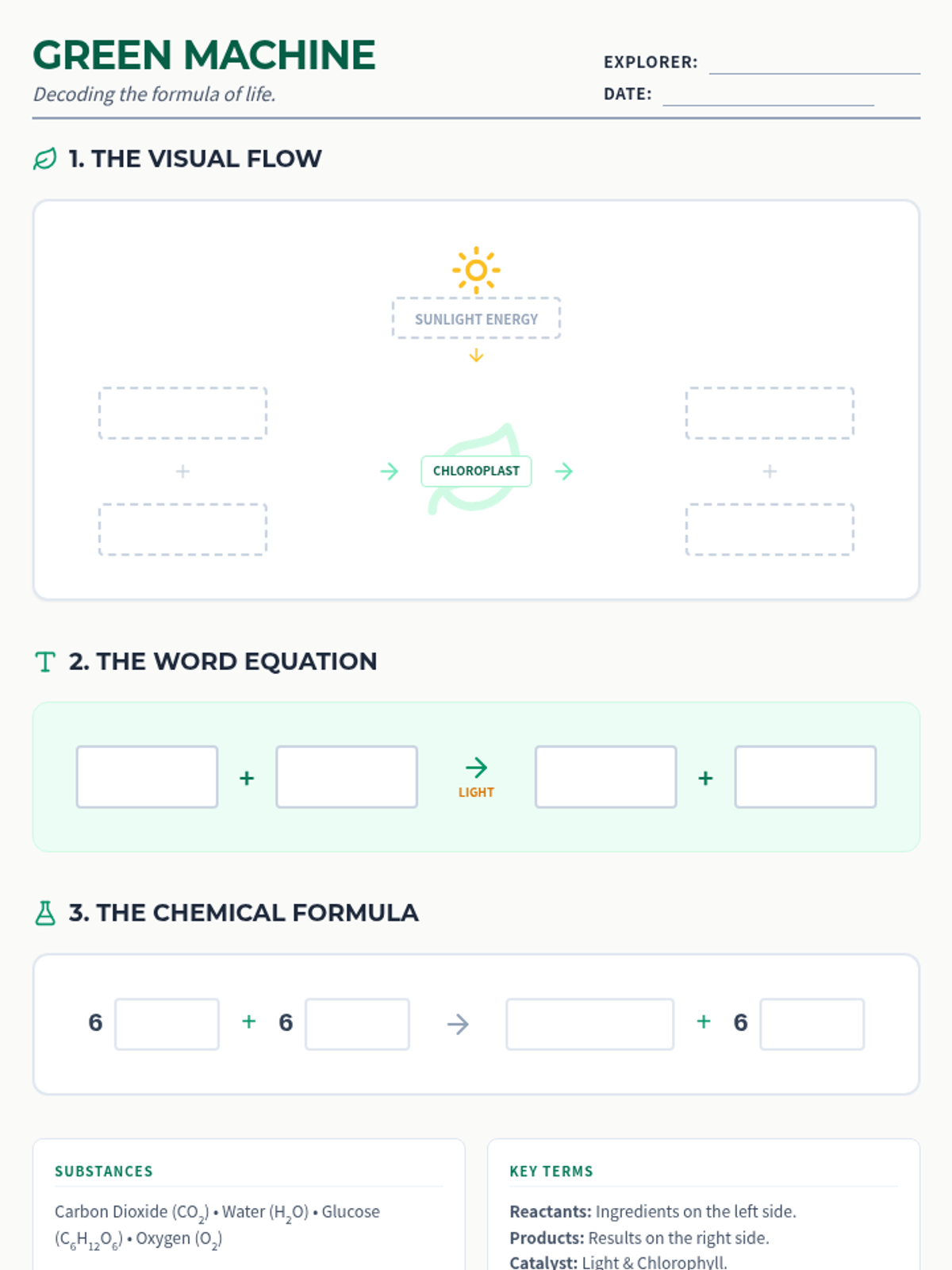
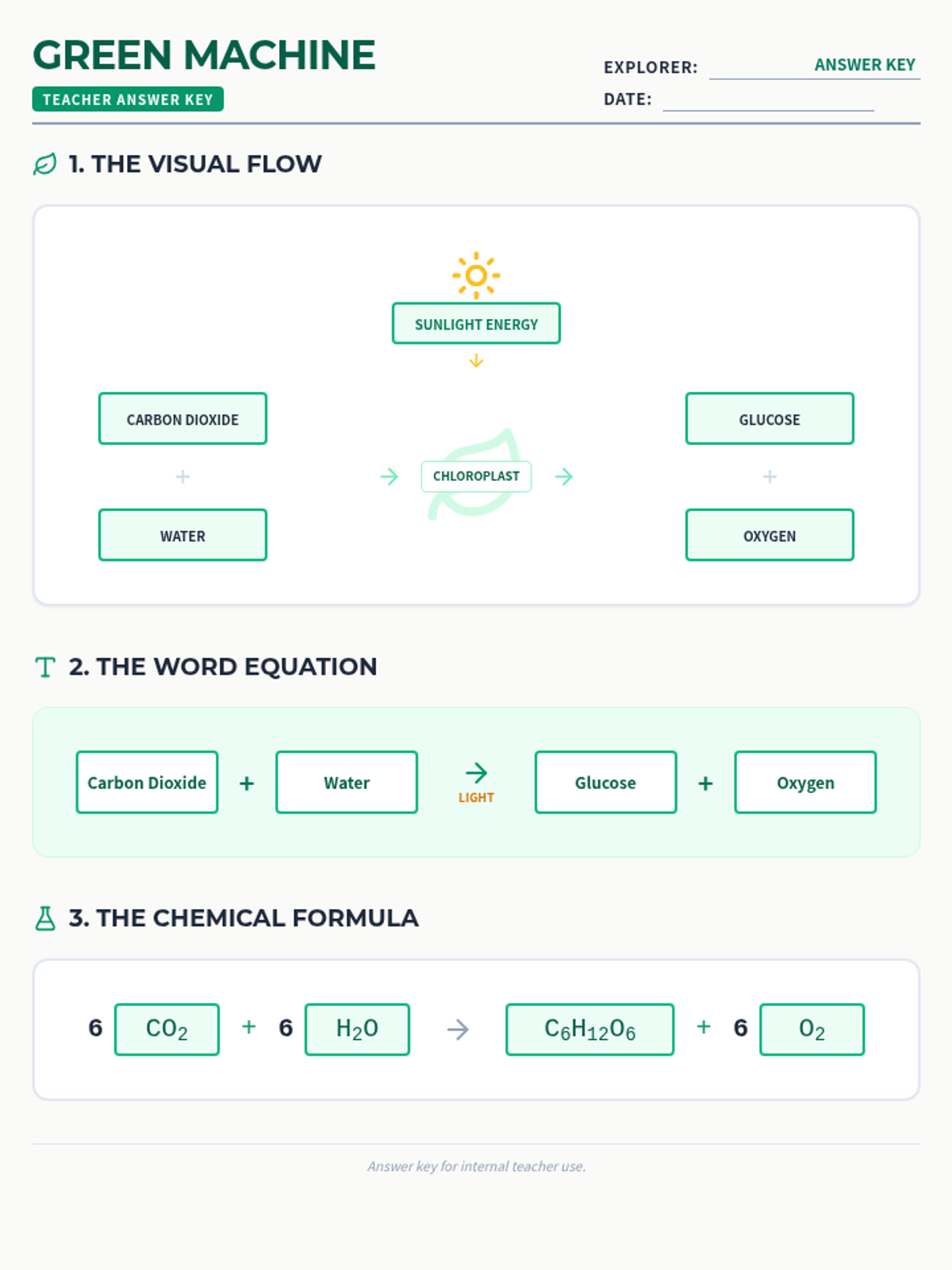
A focused exploration of the photosynthesis equation, helping students identify the reactants and products through diagrams and formula practice.