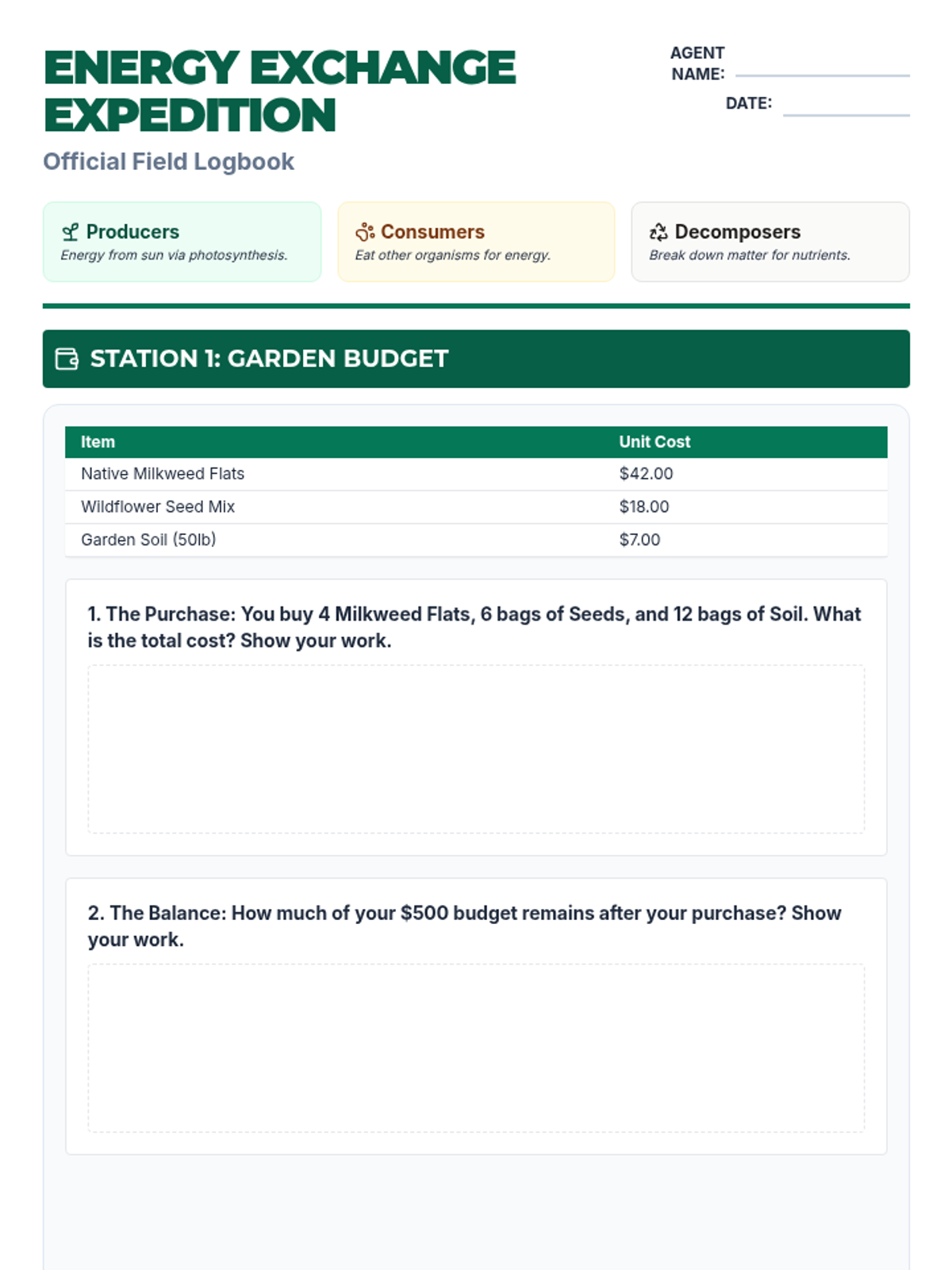
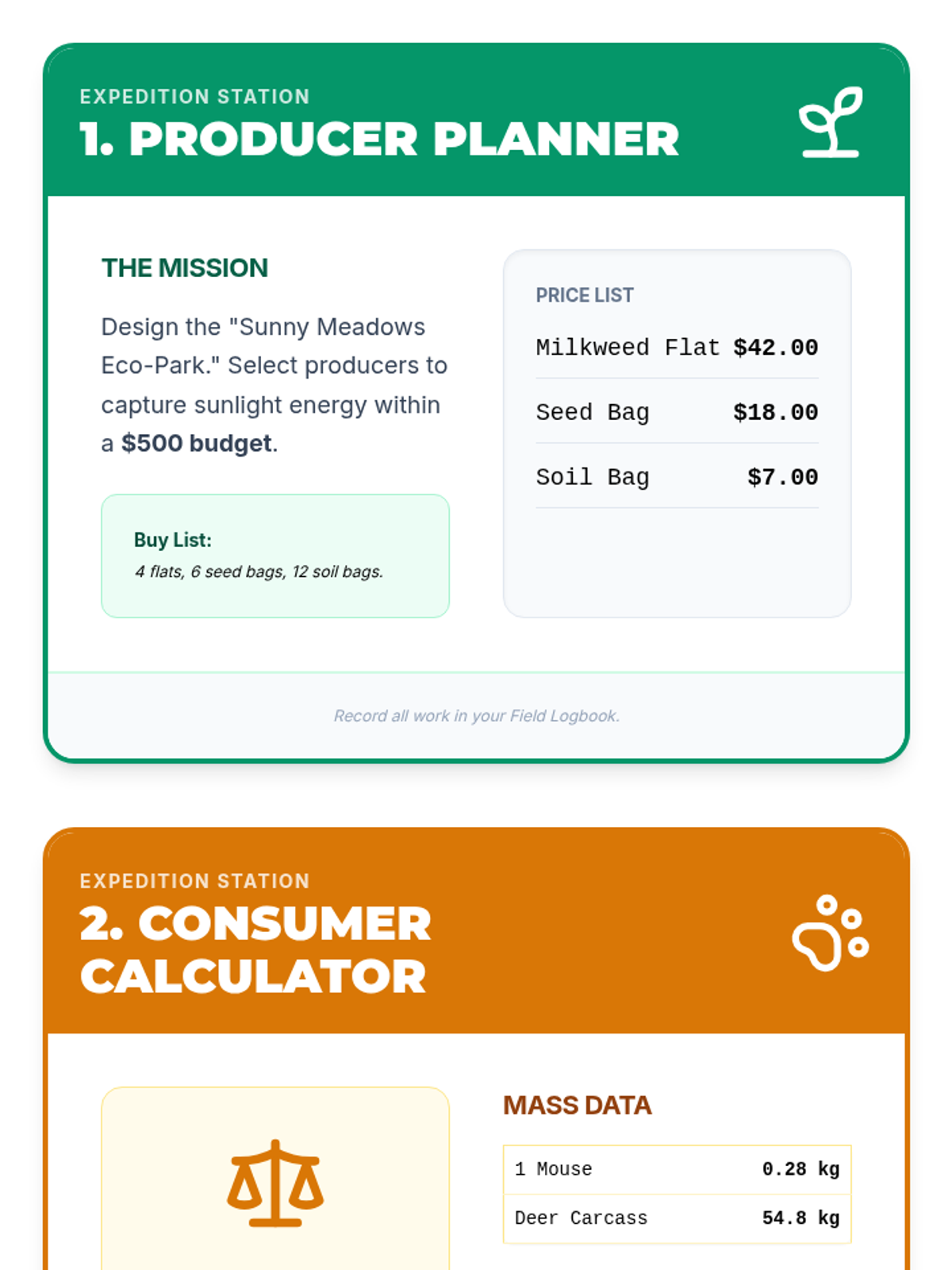
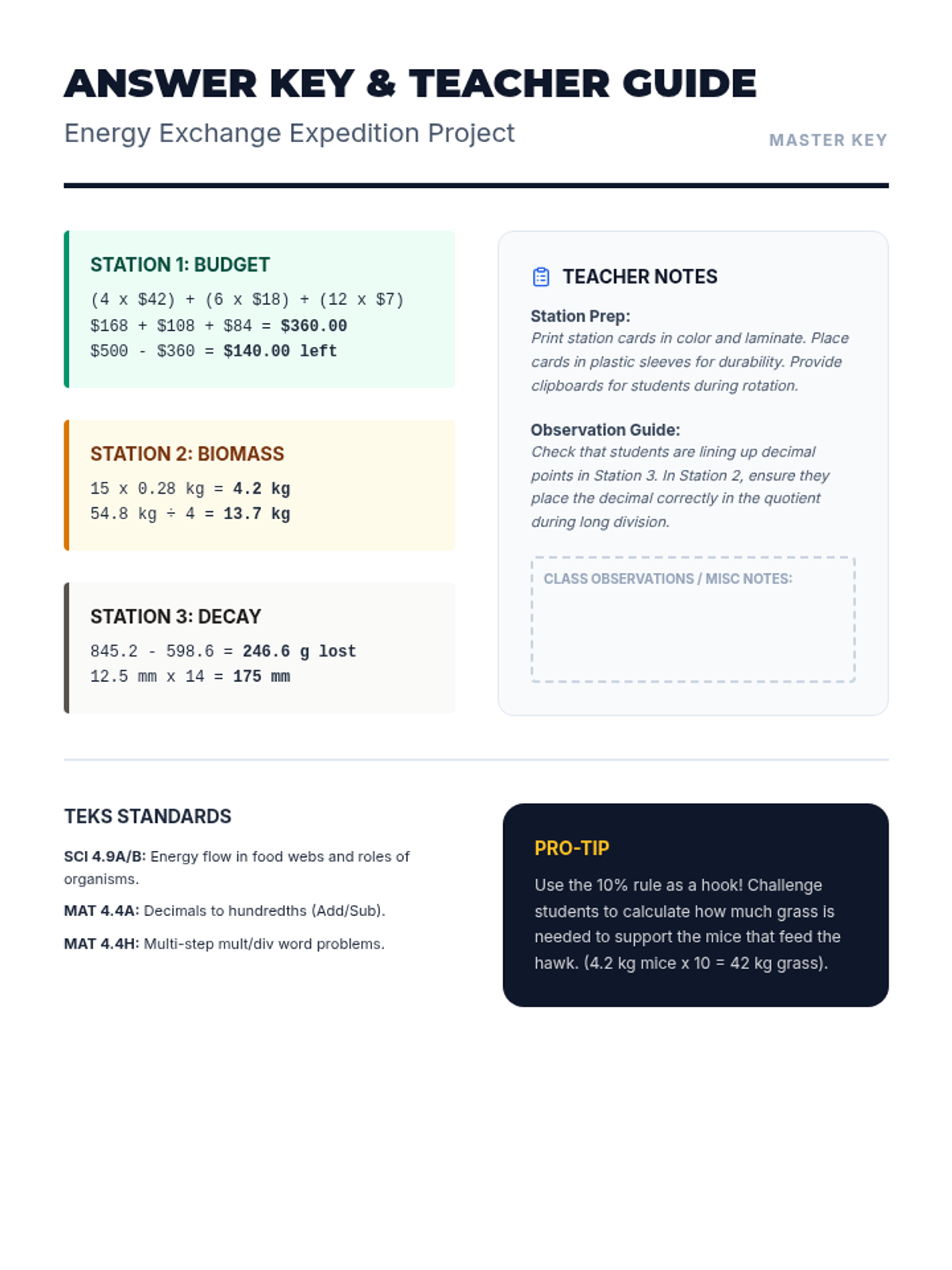
Students analyze how natural and human-induced changes affect energy flow in ecosystems while solving multi-step math problems involving habitat area, population data, and conservation budgeting.
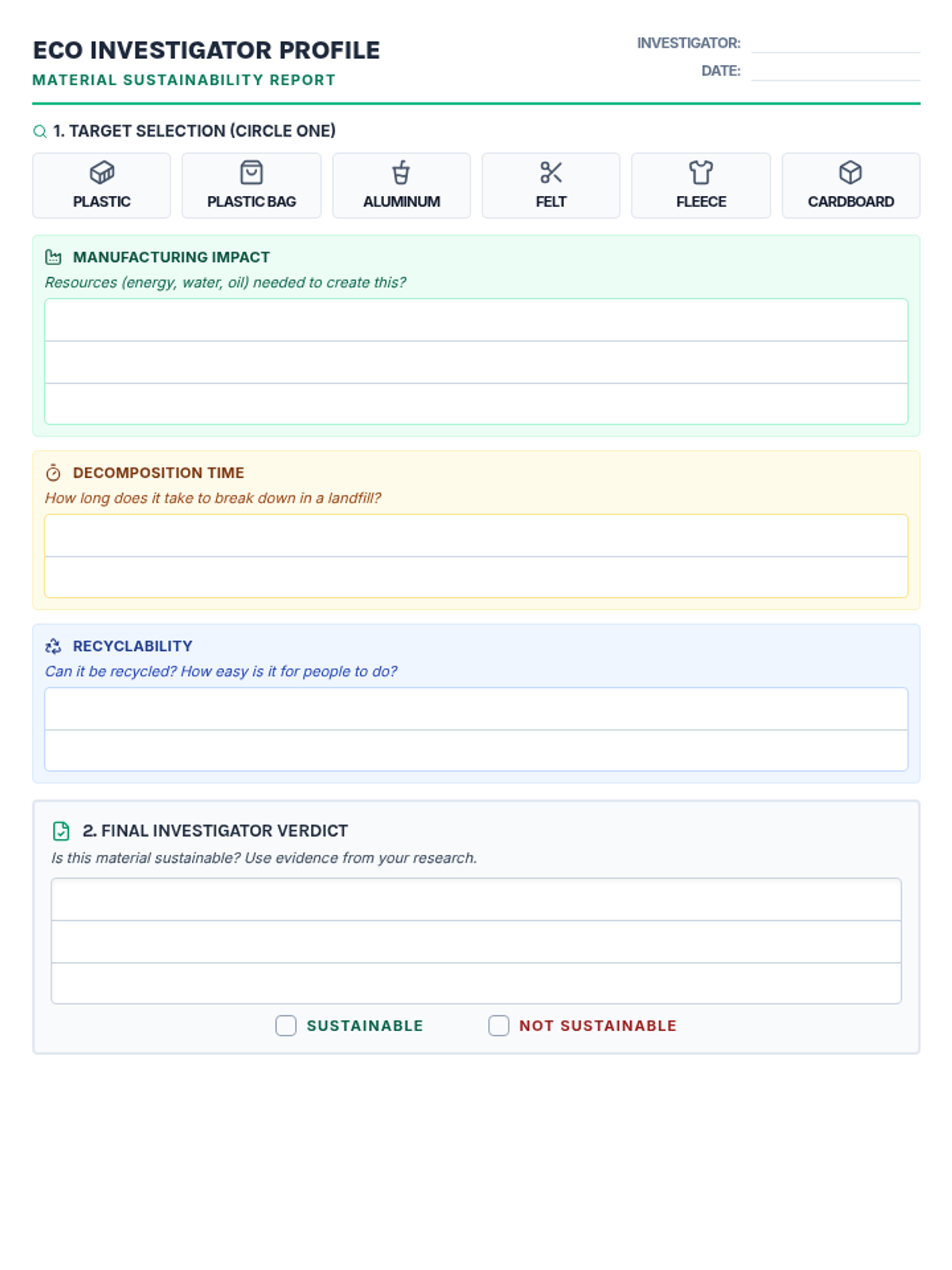
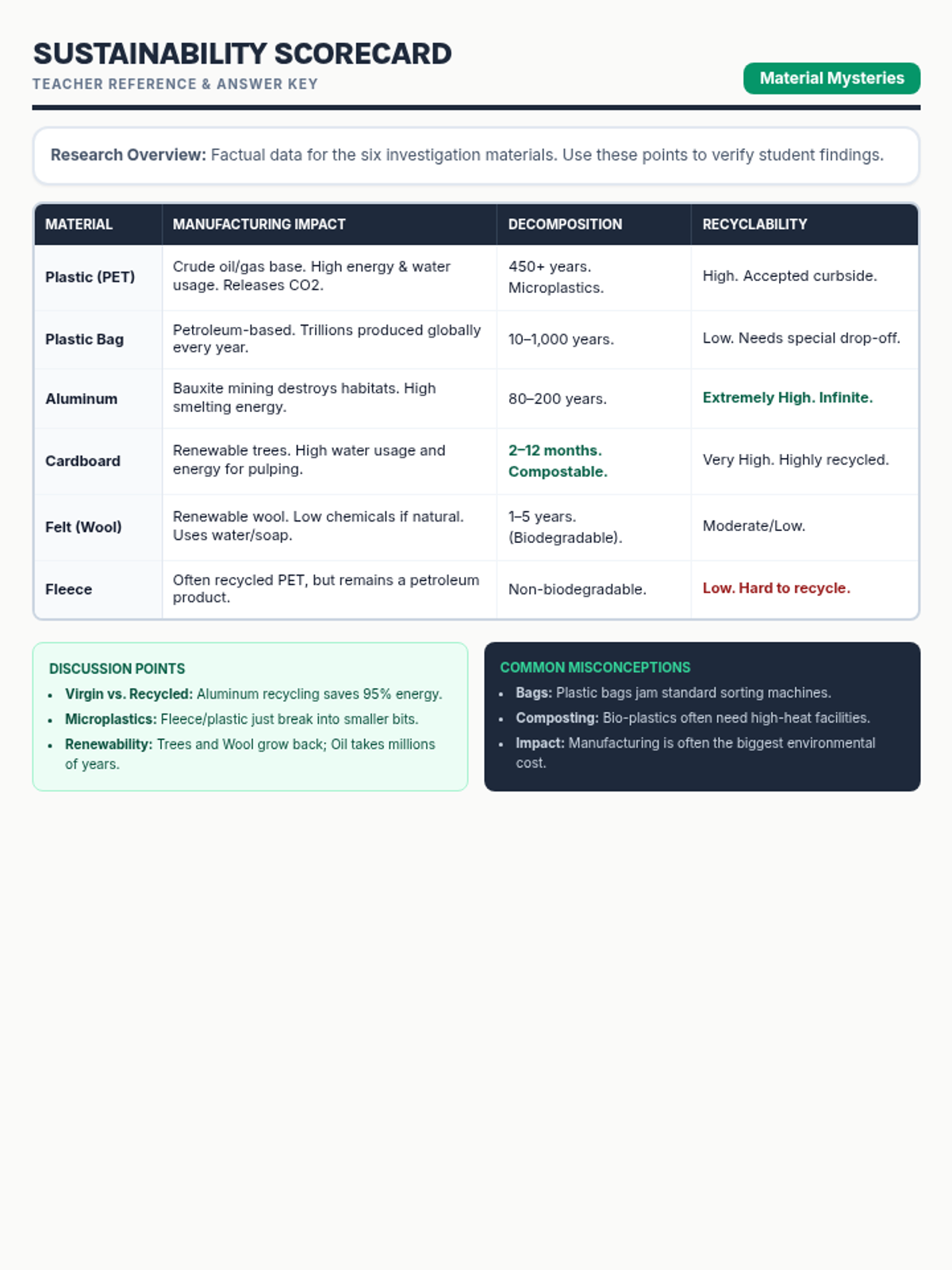
A research-based science lesson where students investigate the environmental impact of common materials like plastic, aluminum, and fleece. Students act as eco-detectives to evaluate recyclability, decomposition, and manufacturing footprints.
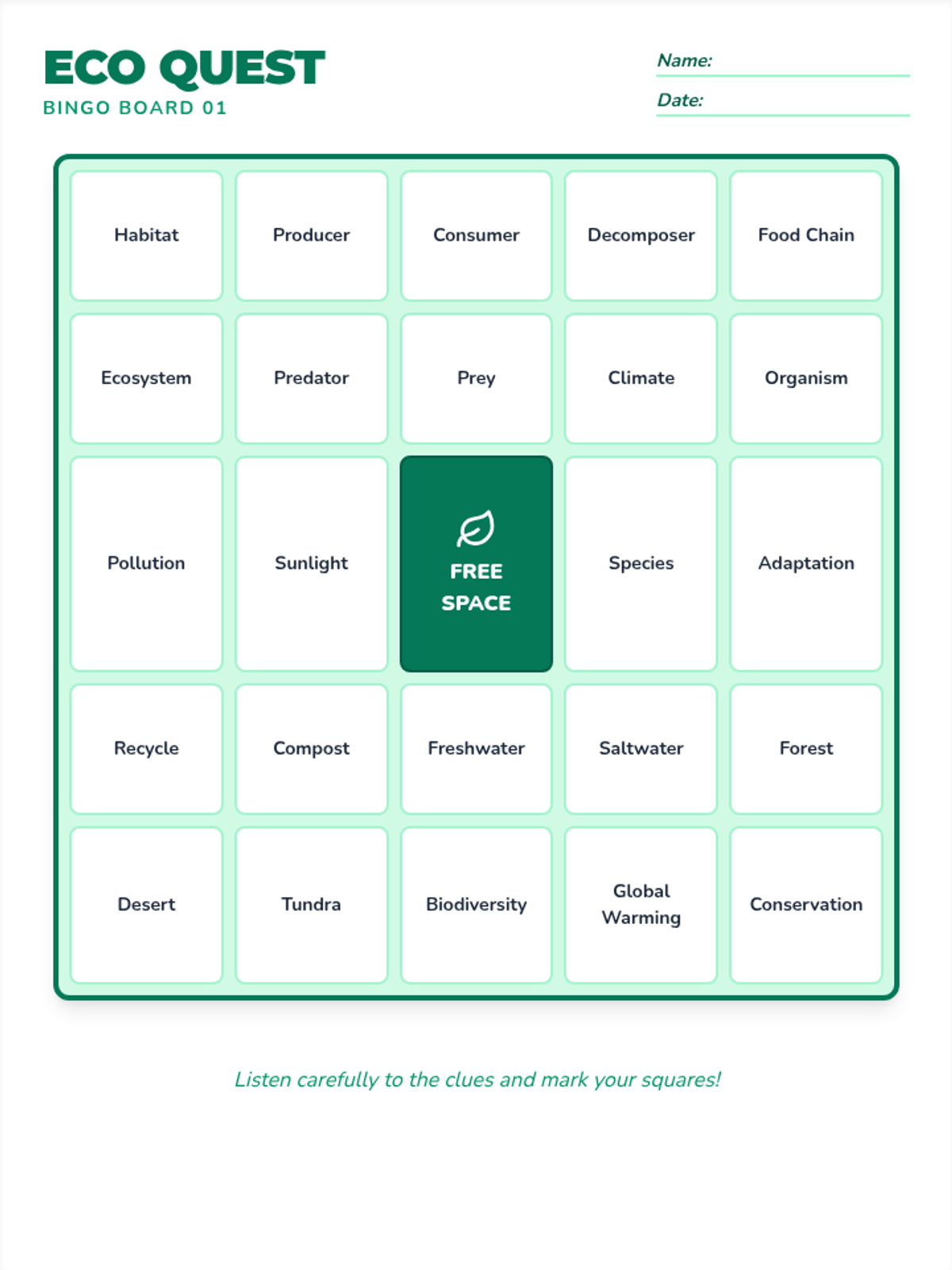
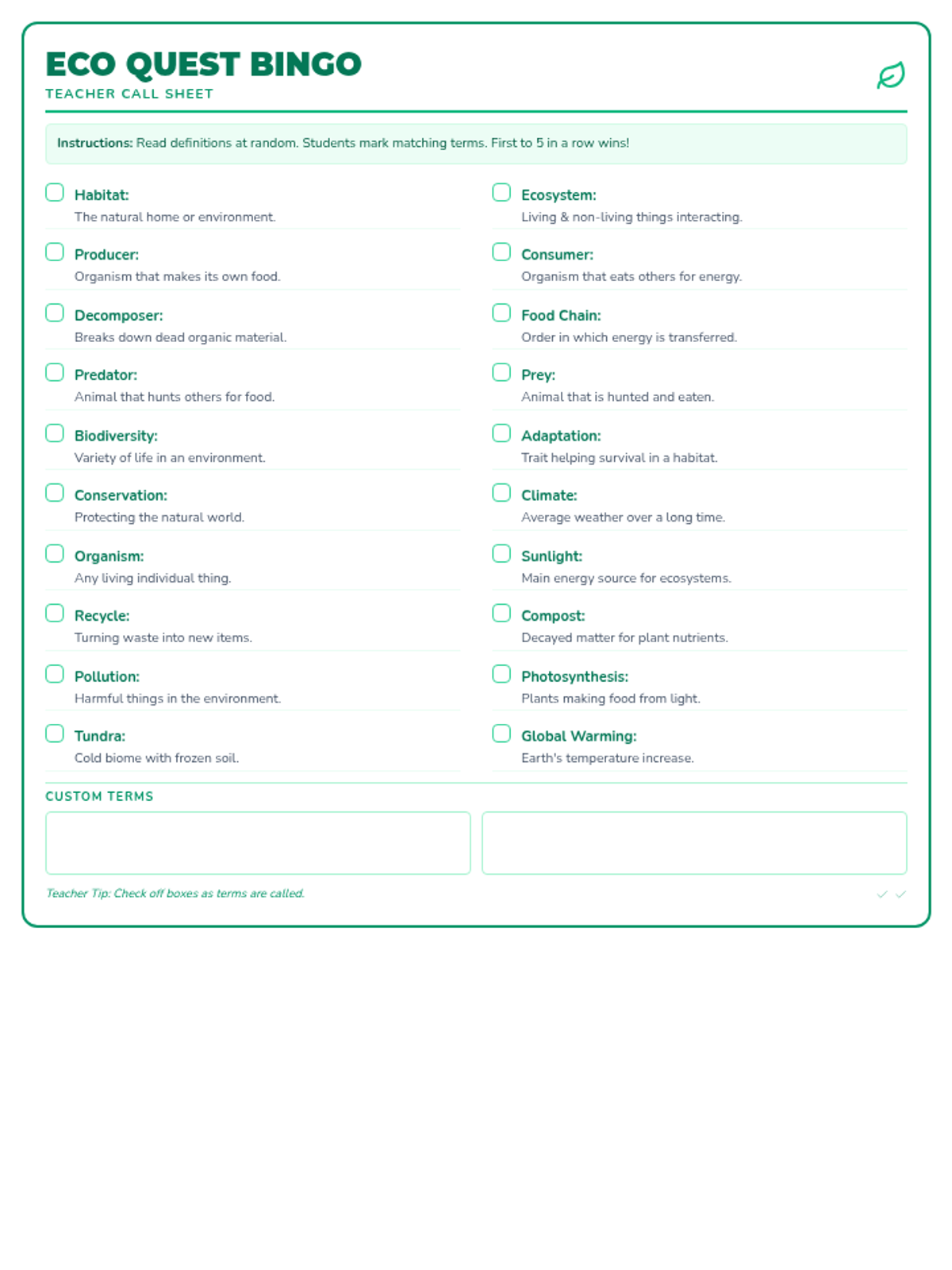
An interactive ecosystem-themed bingo activity to reinforce science vocabulary and environmental concepts.
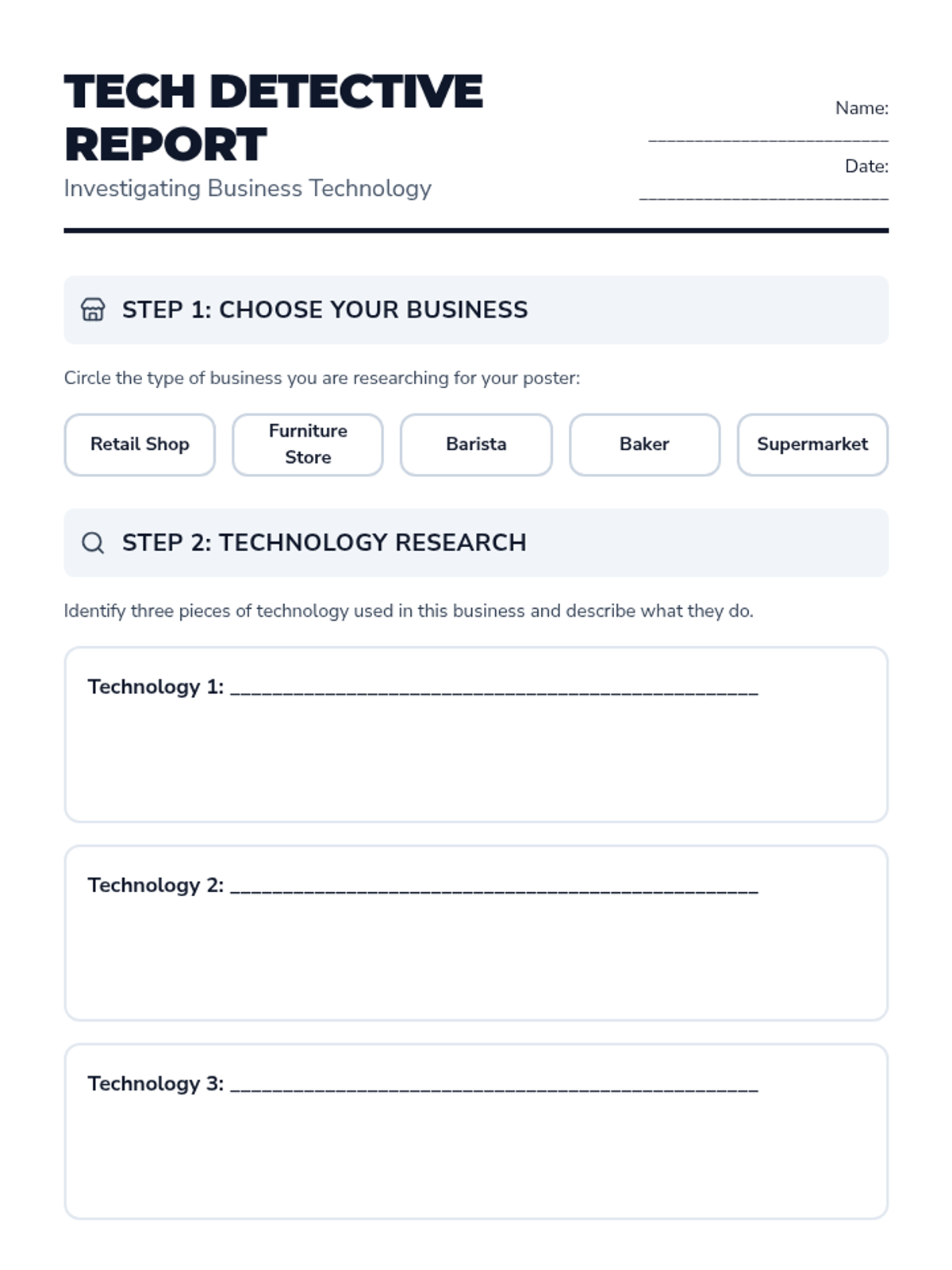
In this lesson, students explore the role of technology in modern businesses. They analyze an example of restaurant technology and then conduct research to create a poster for a specific type of shop.
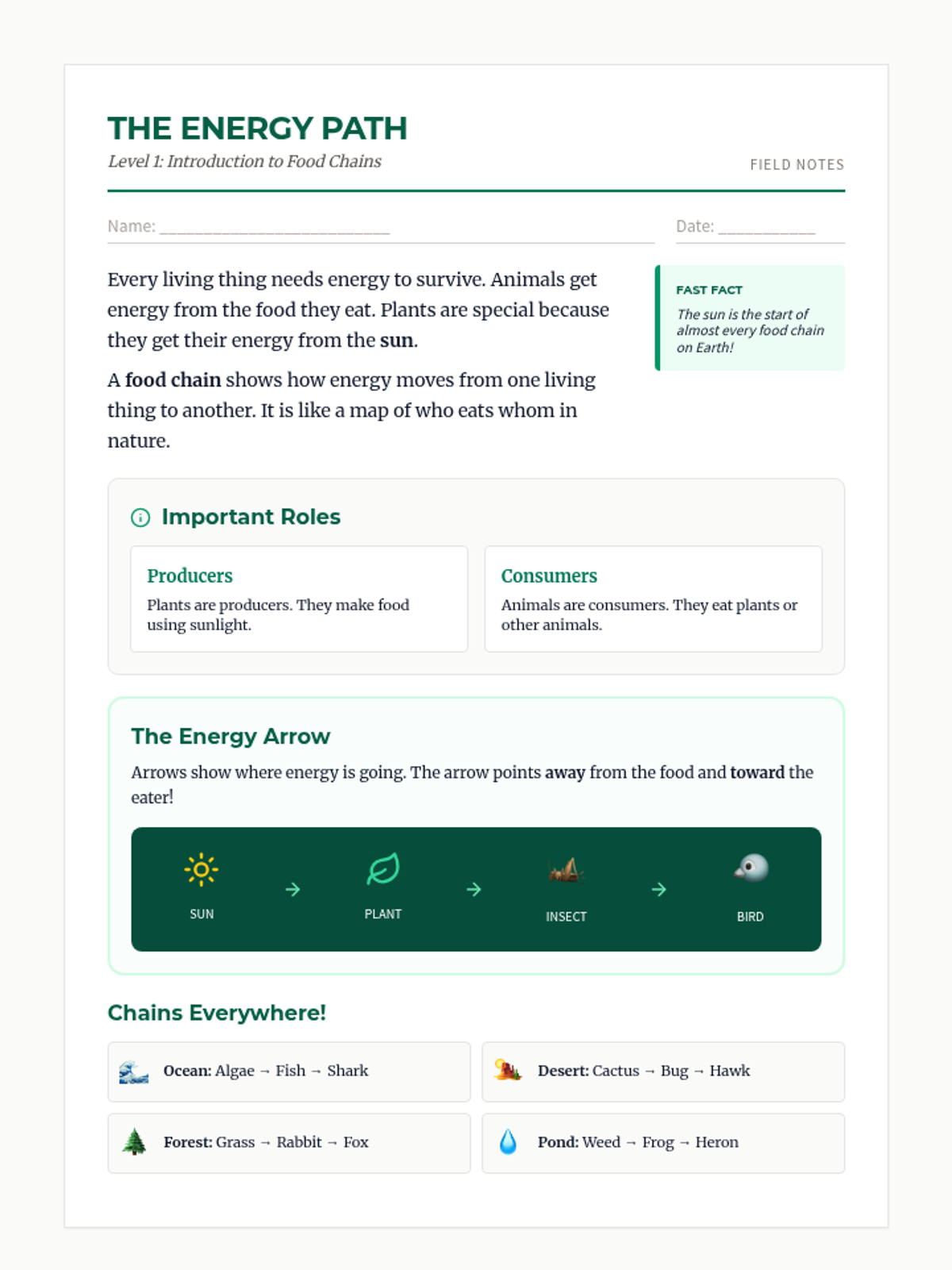
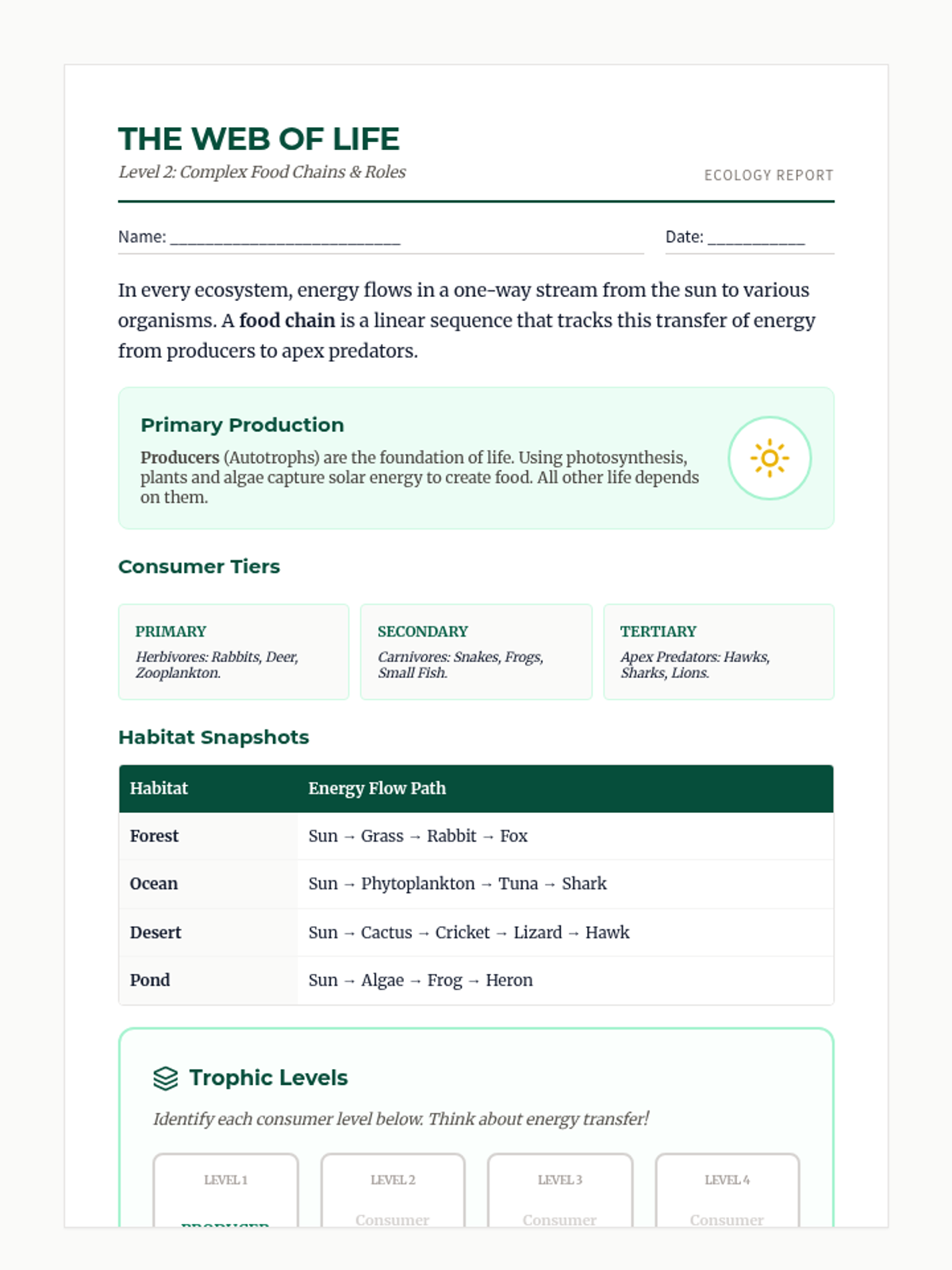
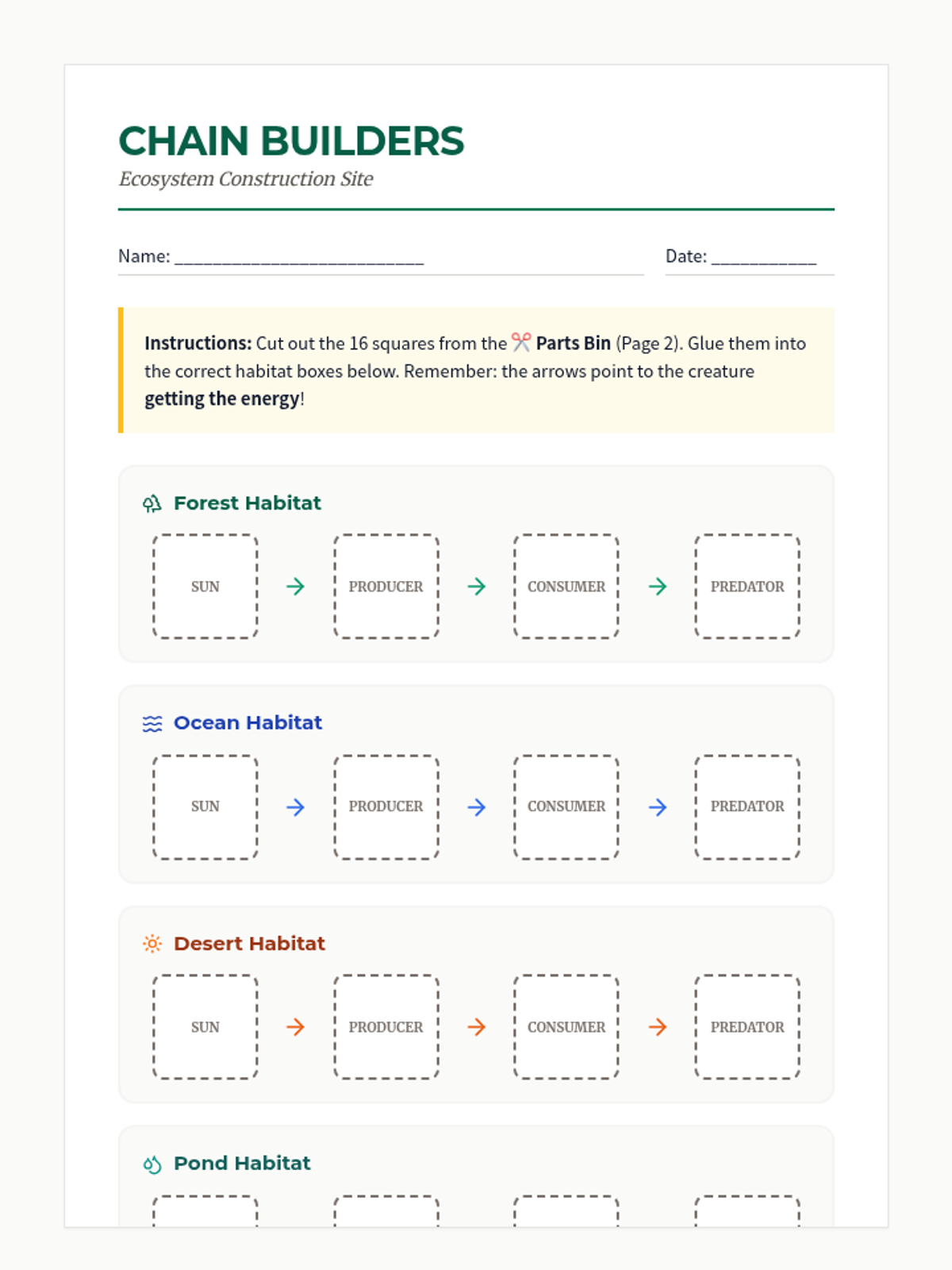
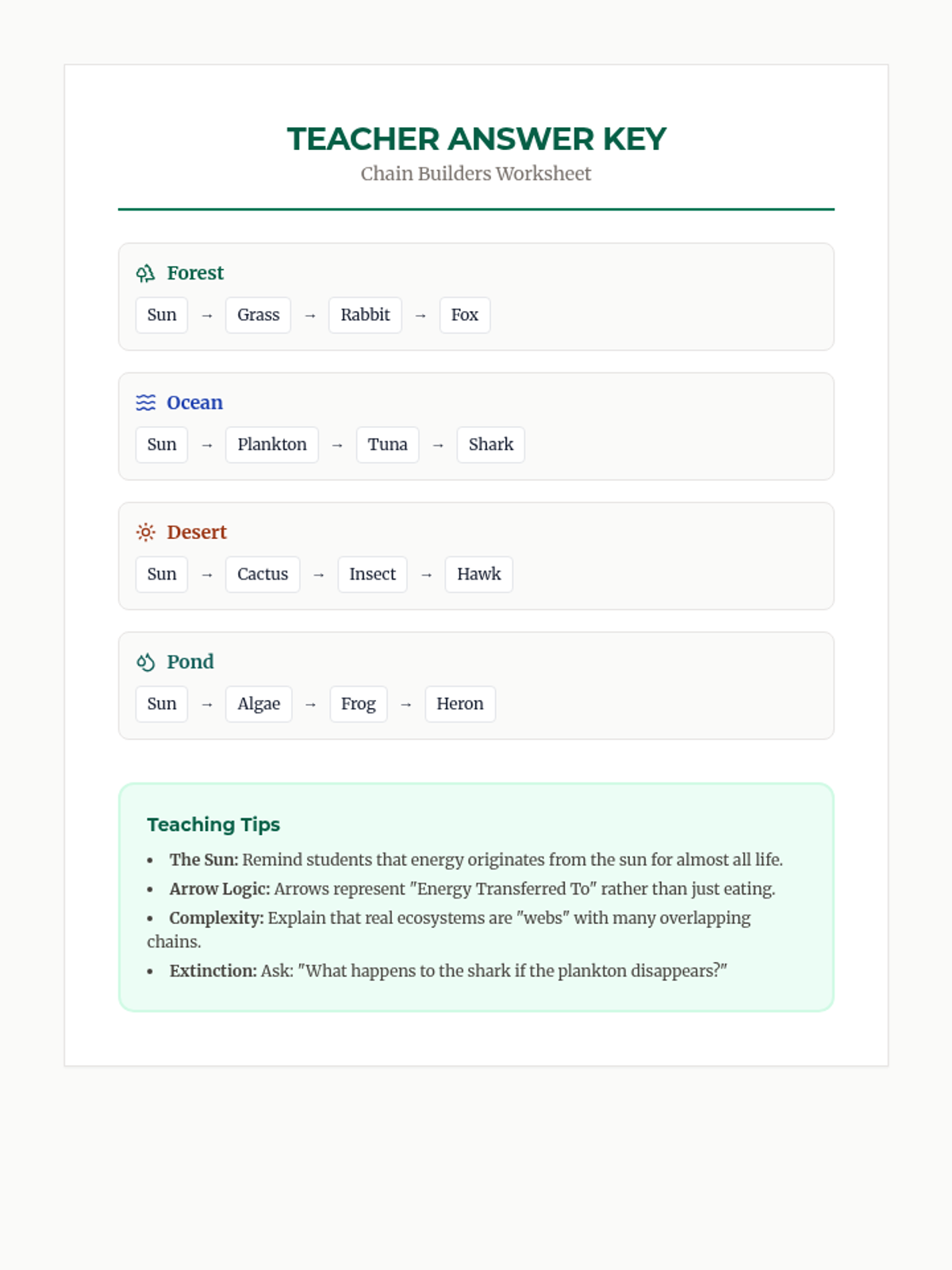
A comprehensive look at how energy moves through different ecosystems. Students explore food chains across four unique habitats through reading and hands-on activities.
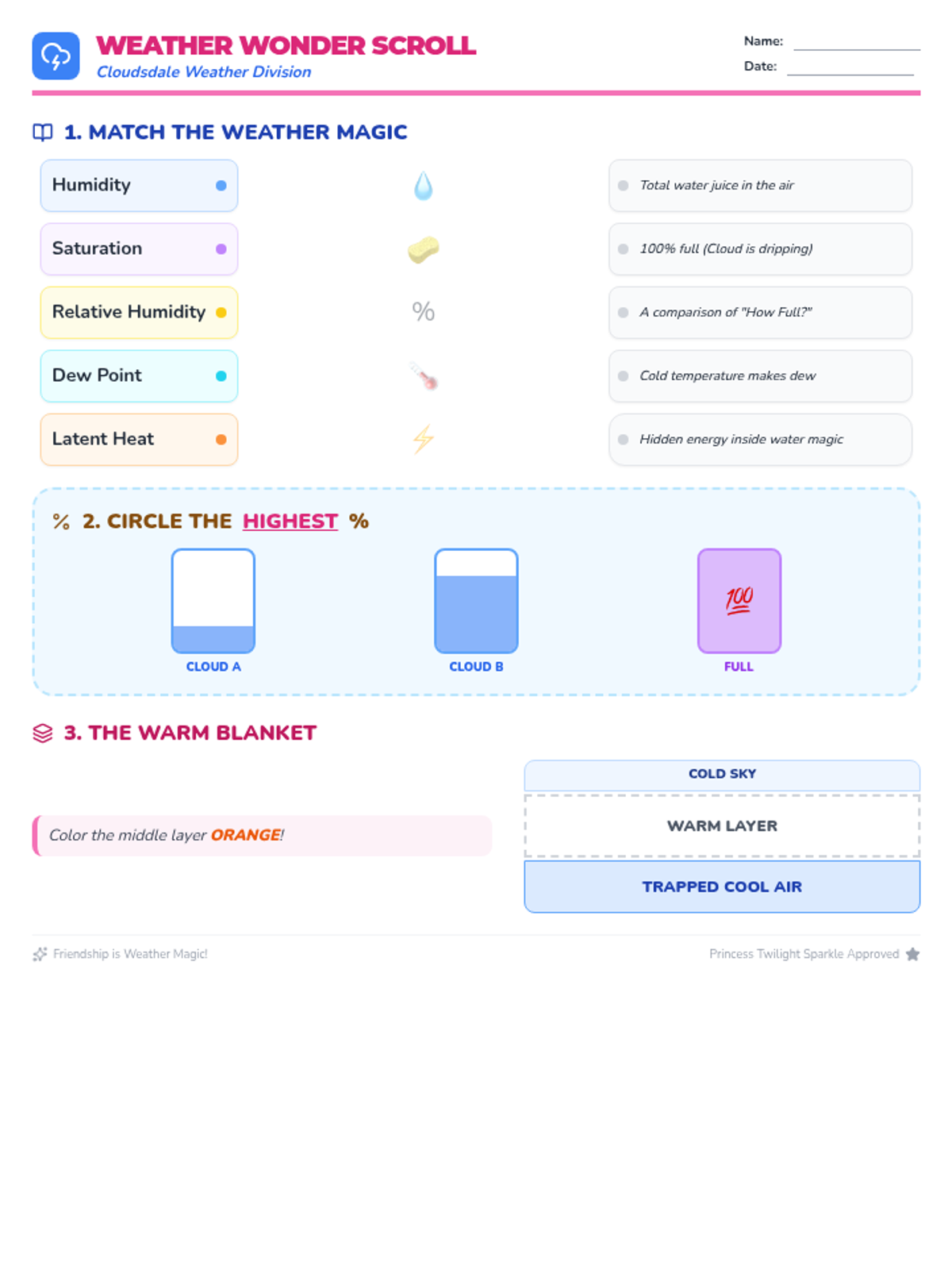
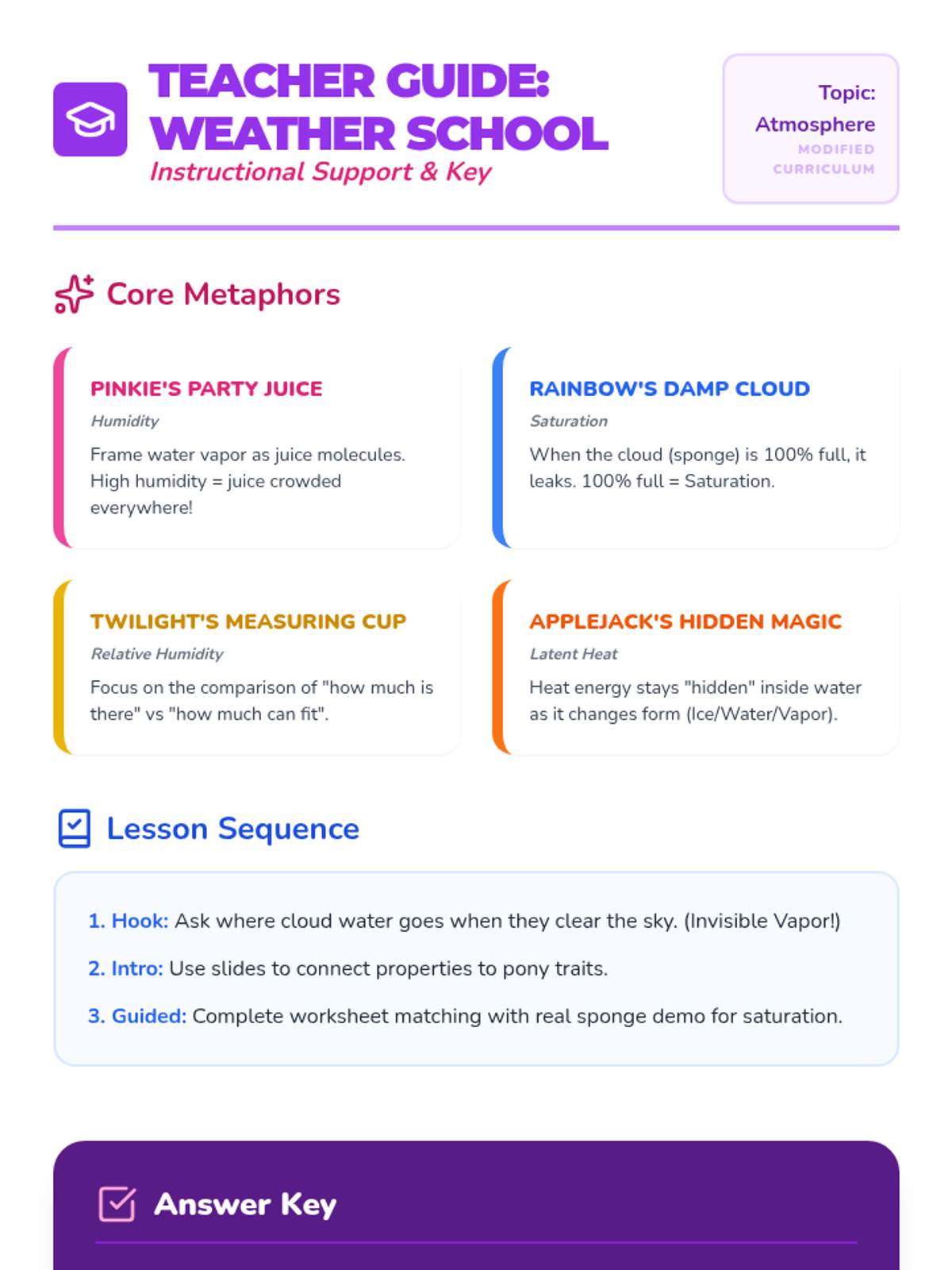
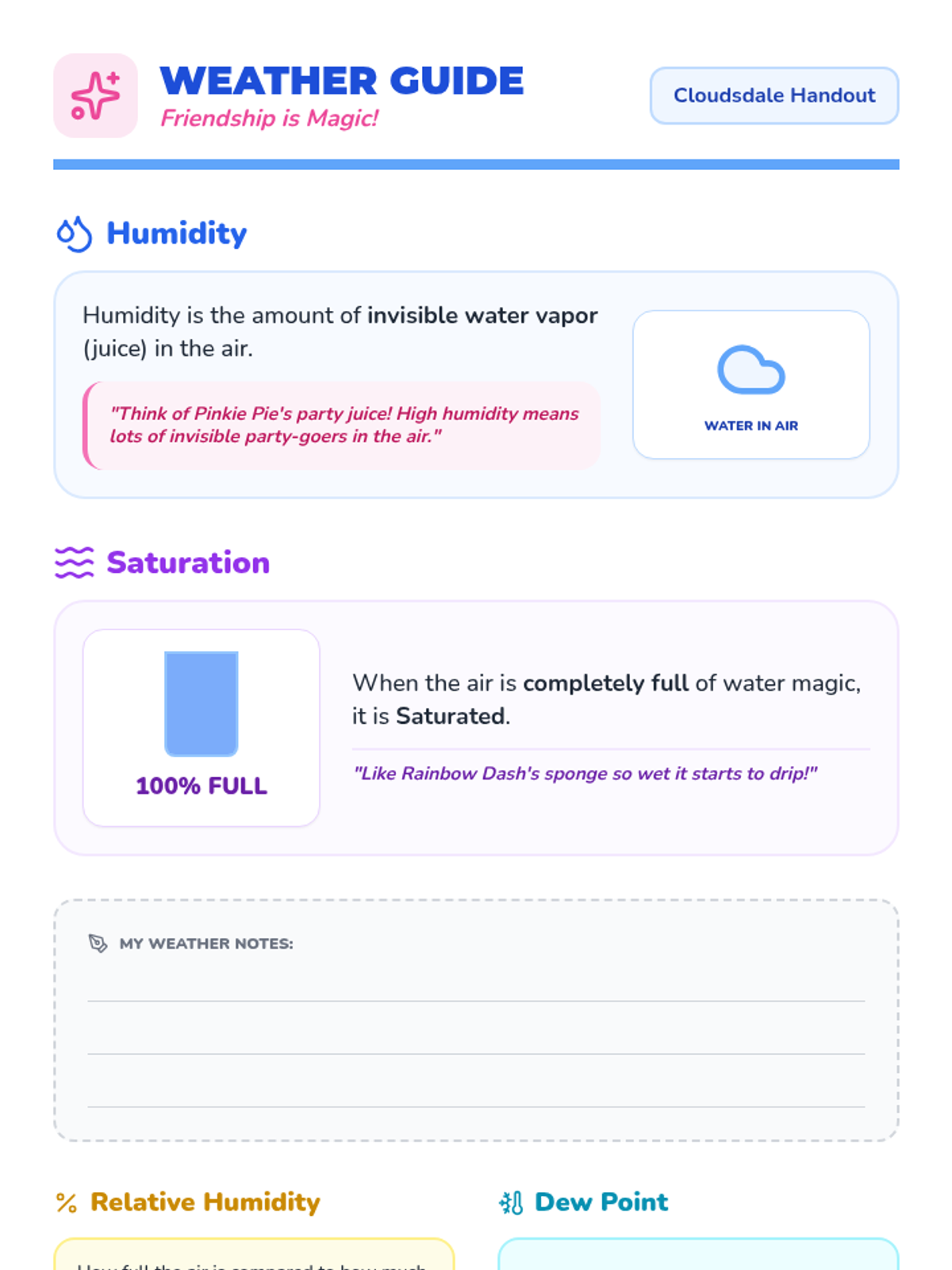
A lesson exploring the properties of the atmosphere using My Little Pony (G4) characters to explain complex weather concepts like humidity, dew point, and latent heat through visual metaphors.
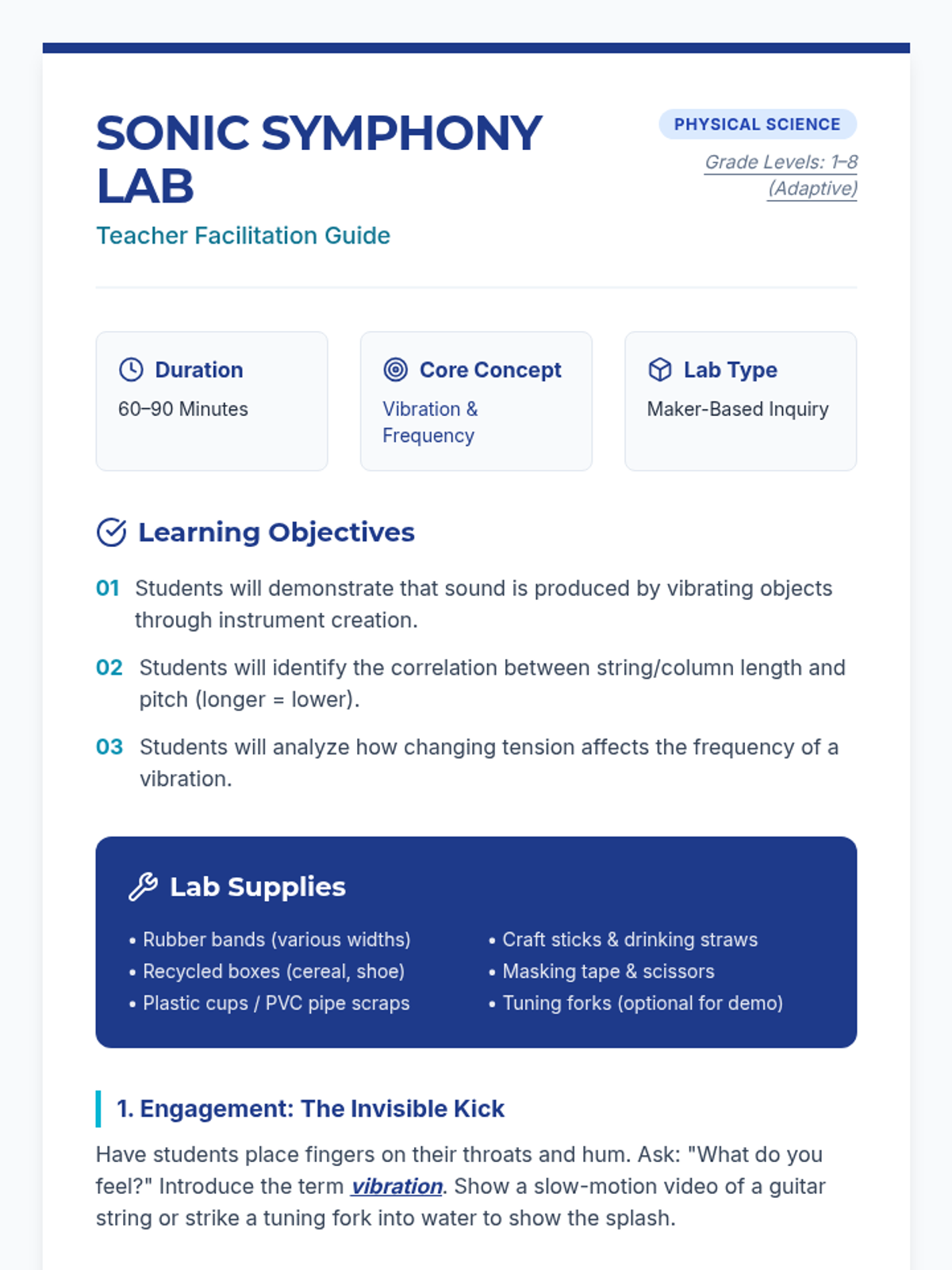
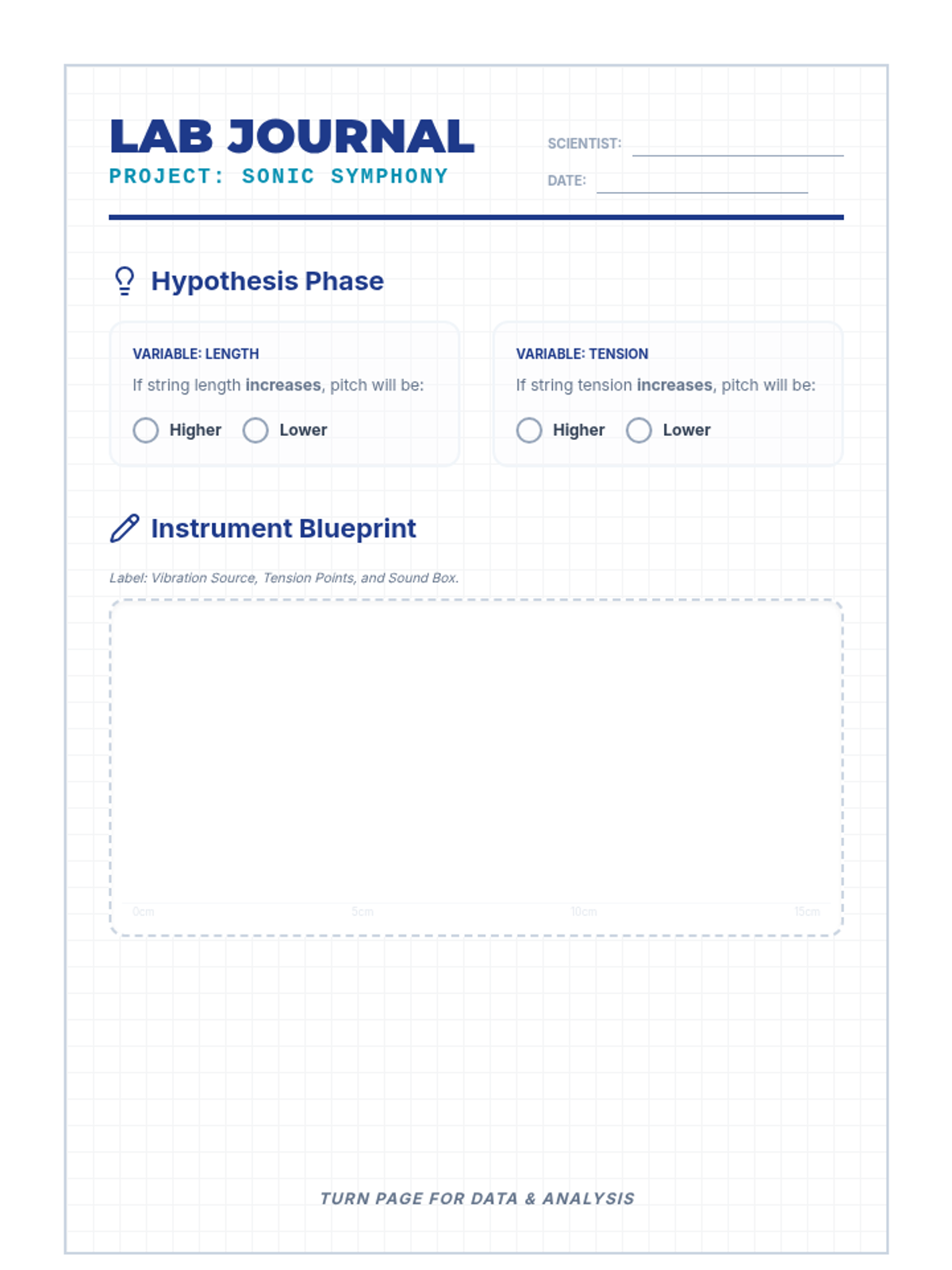
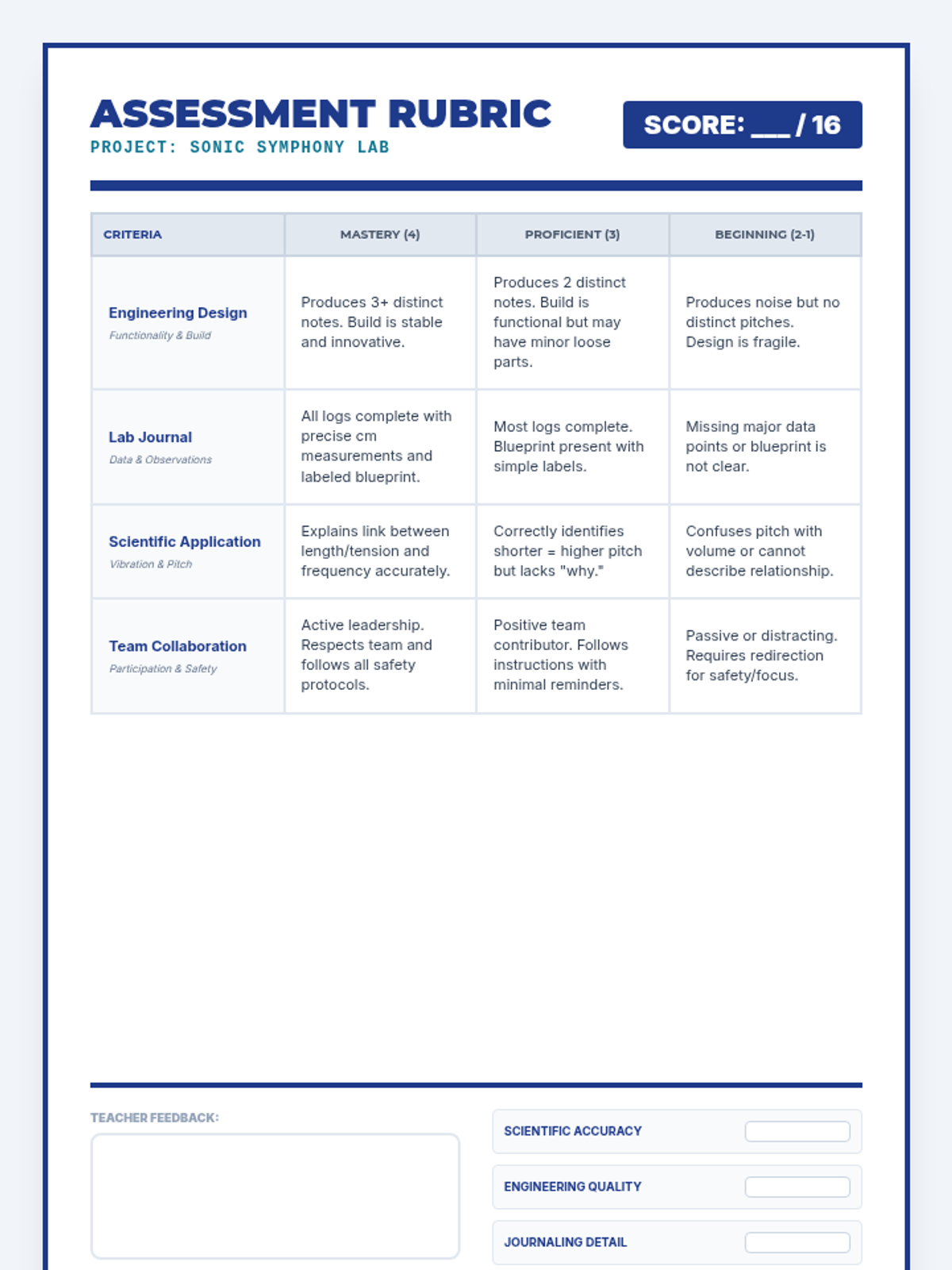
An immersive hands-on investigation into the physics of sound where students build DIY instruments to explore vibrations, pitch, and volume. This lesson bridges sensory exploration with acoustic engineering principles.
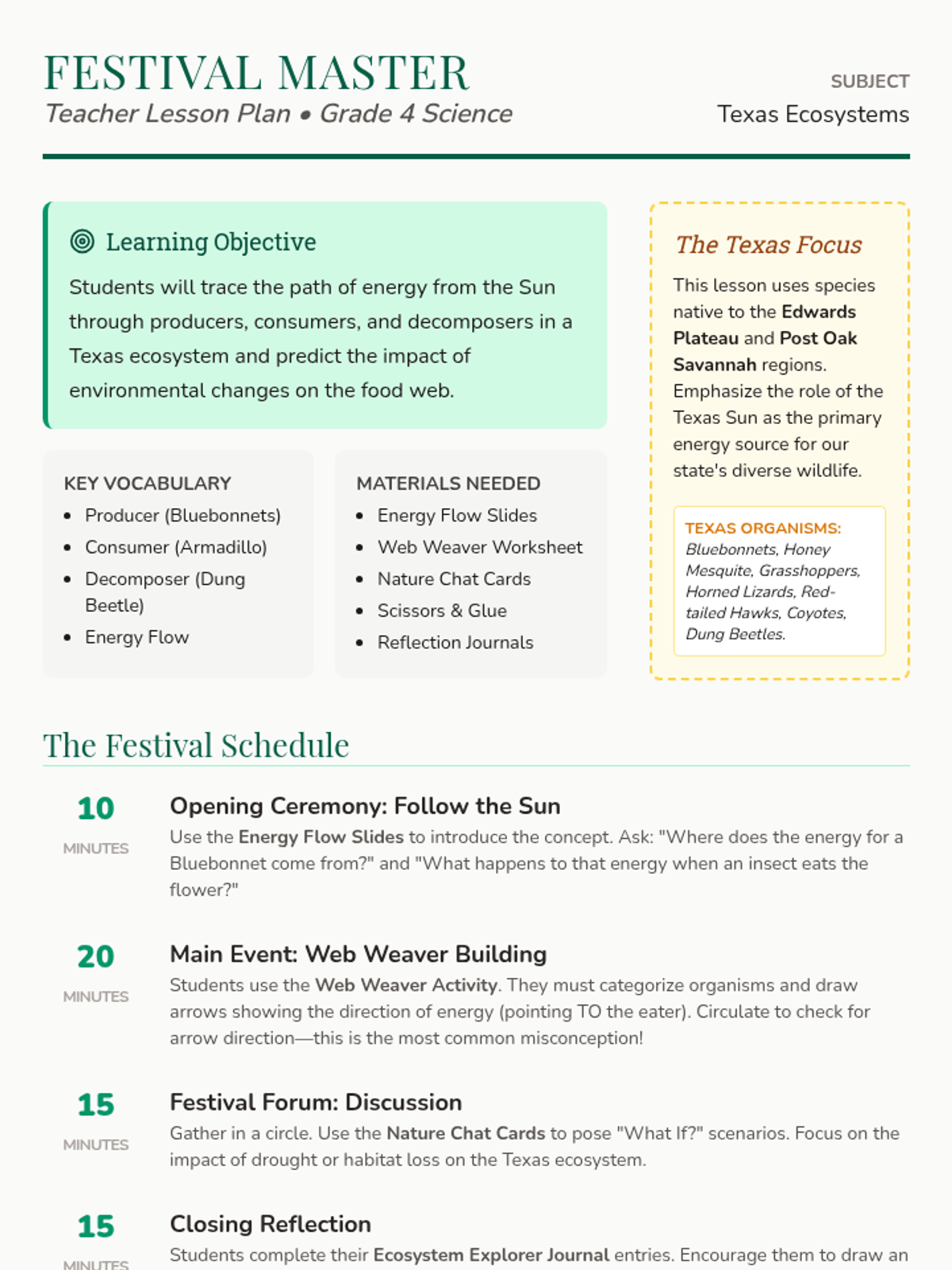
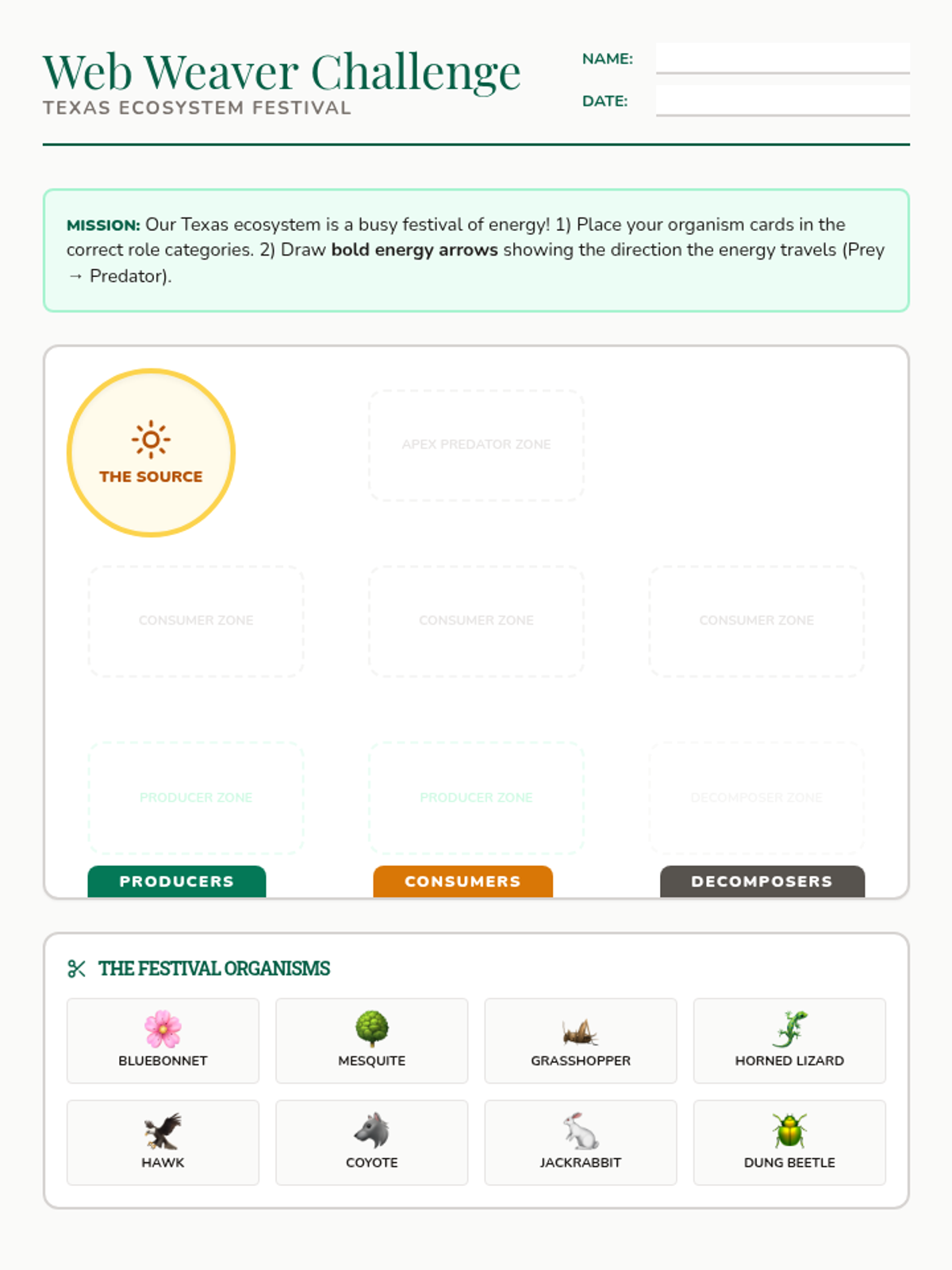
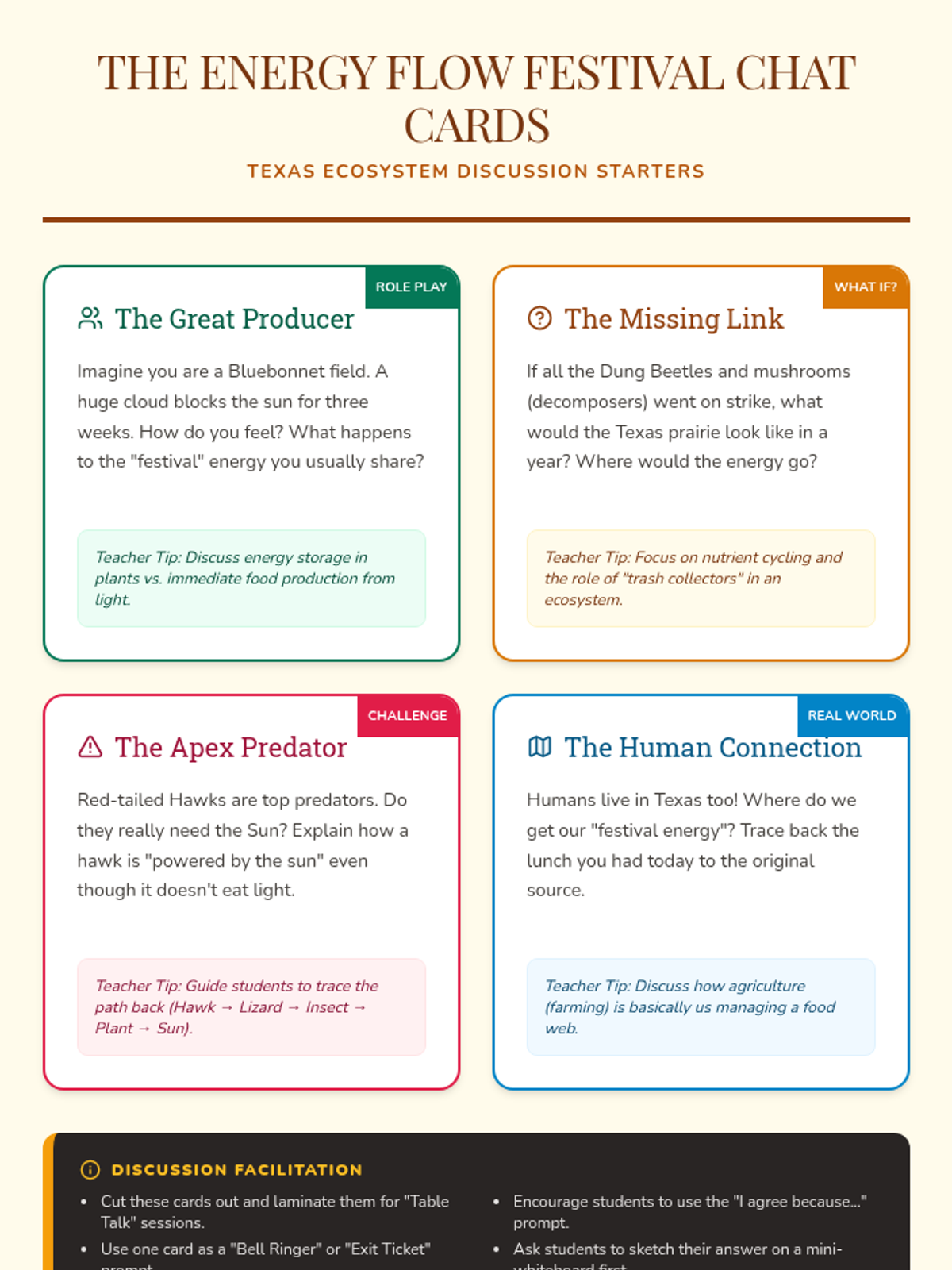
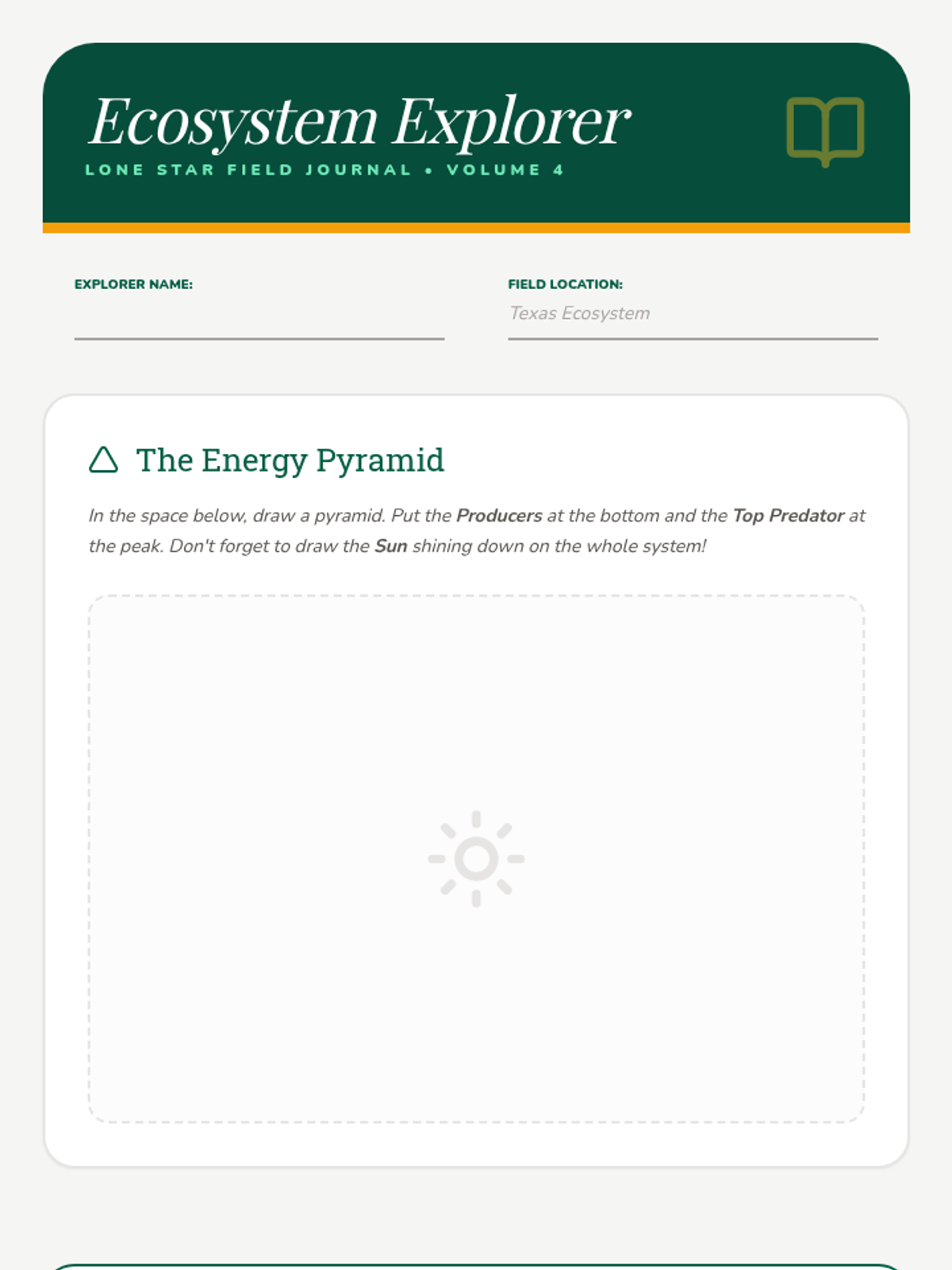
In this 4th-grade science lesson, students explore the vibrant Texas ecosystem through the lens of a festival, learning how energy flows from the Sun to producers, consumers, and decomposers. Through food web construction and critical discussion, they discover the delicate balance of the Lone Star State's natural world.
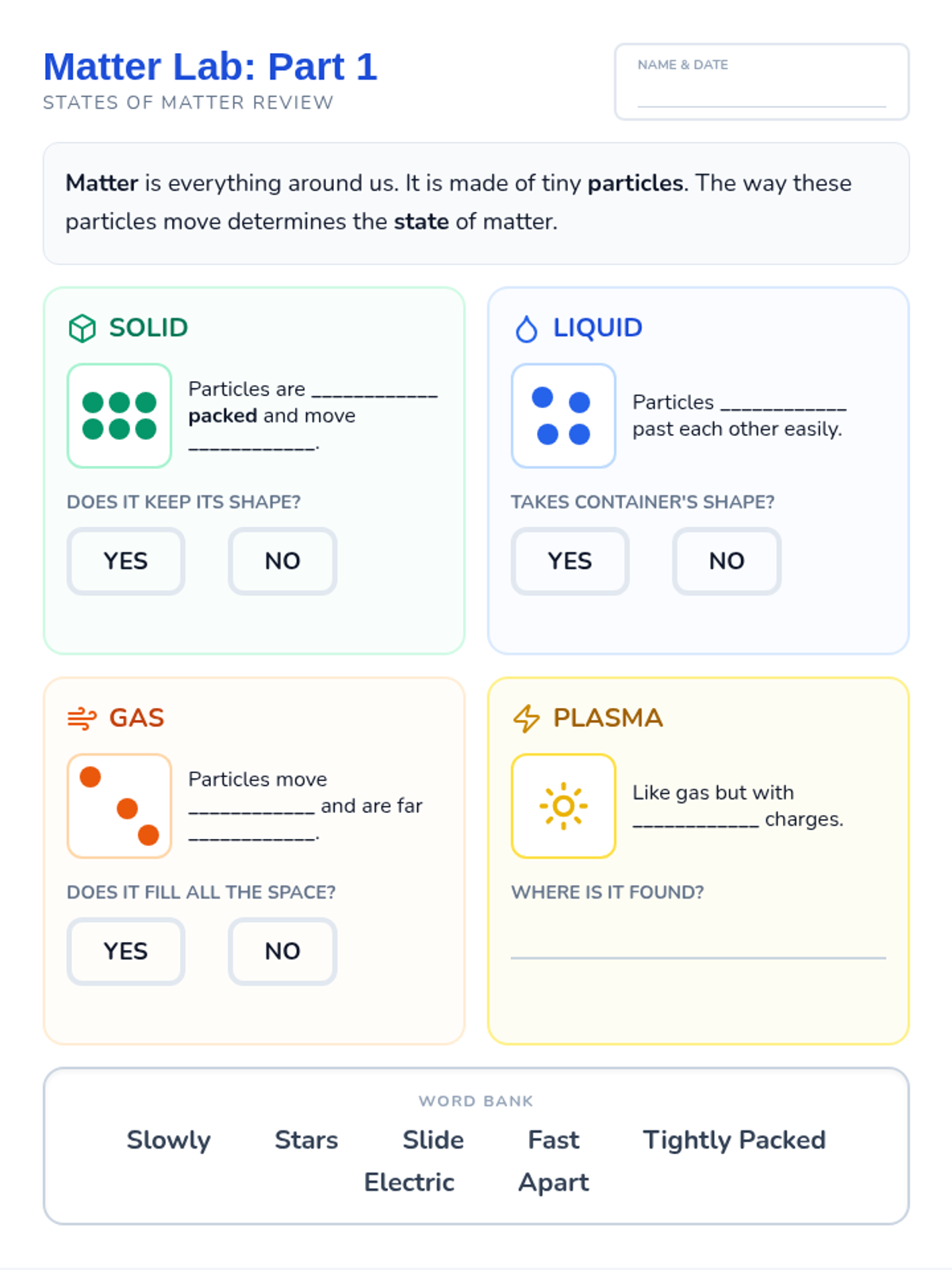
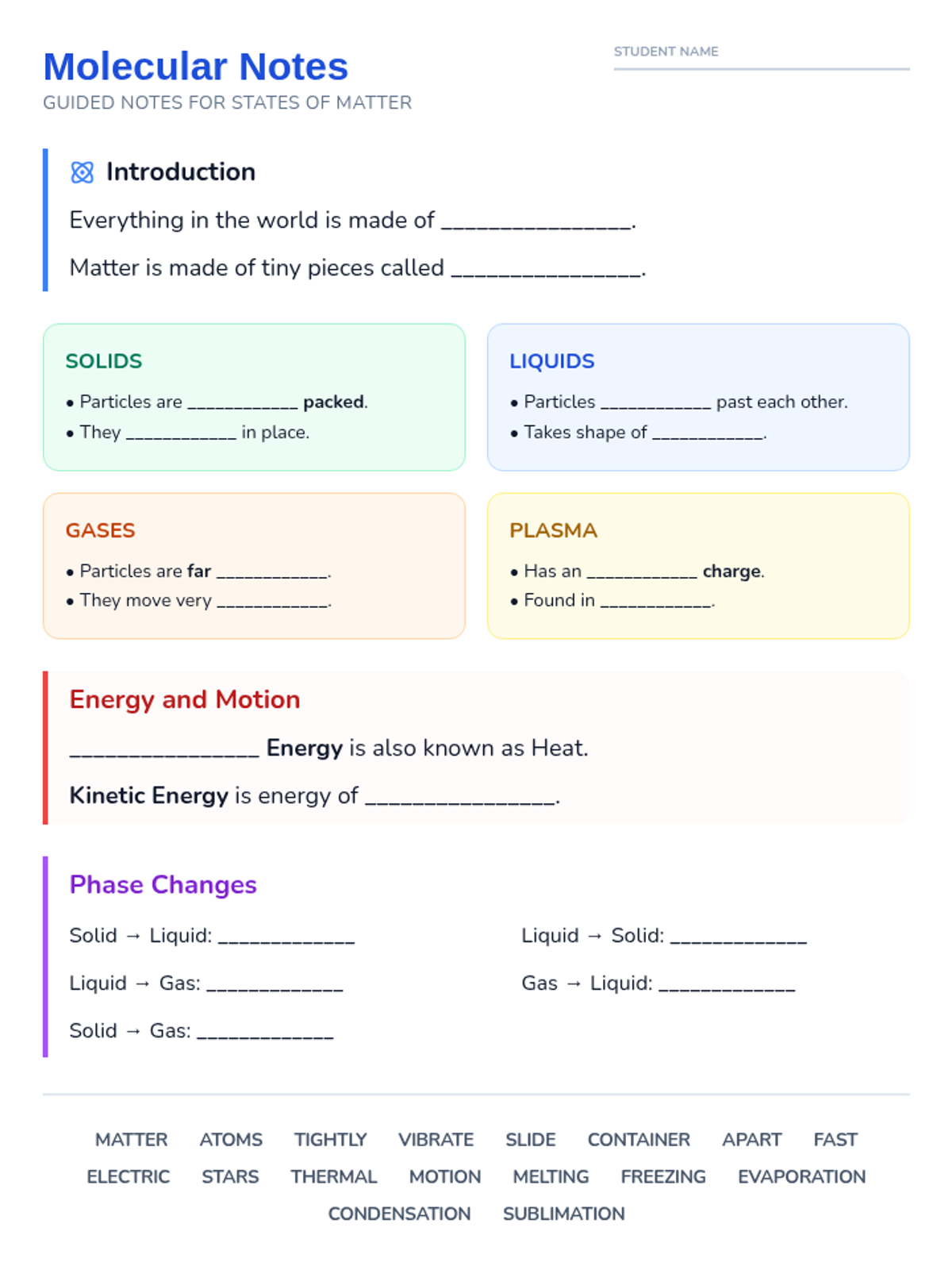
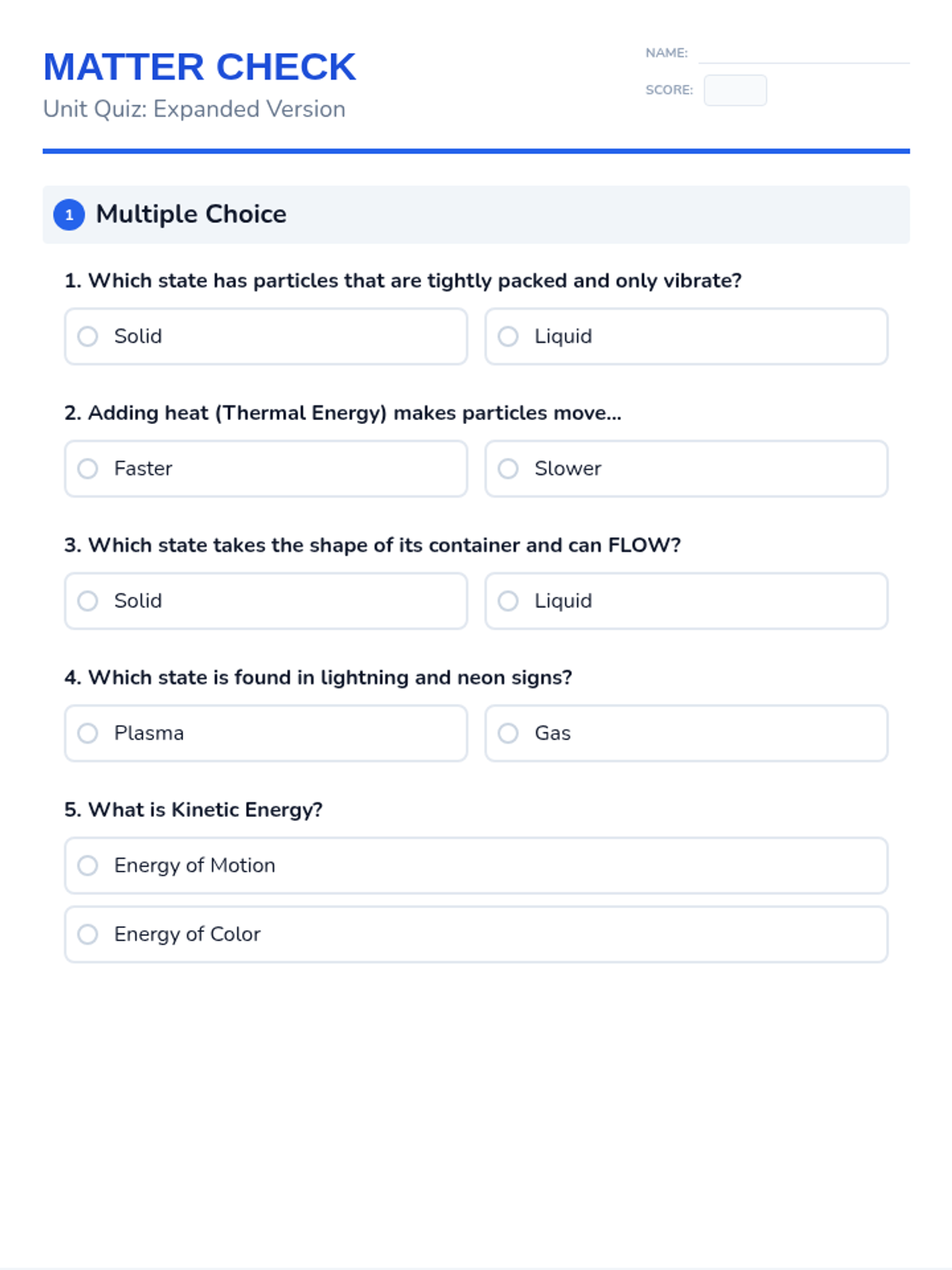
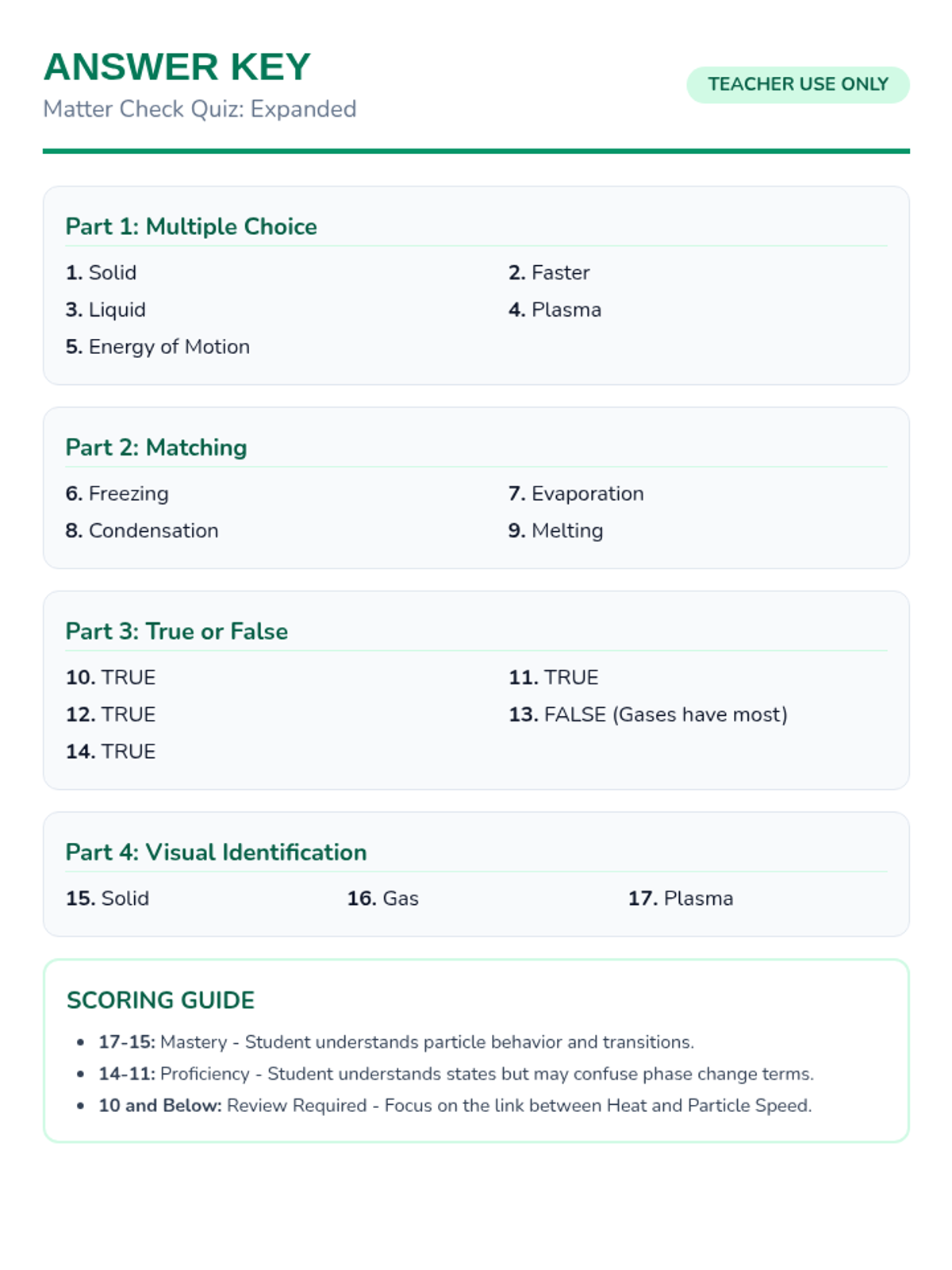
A comprehensive review of the states of matter and phase changes designed for diverse learners, featuring simplified text, visual aids, and structured graphic organizers.
Students investigate the flow of energy through an ecosystem while solving complex math problems involving resource management, biomass calculations, and decomposition rates.
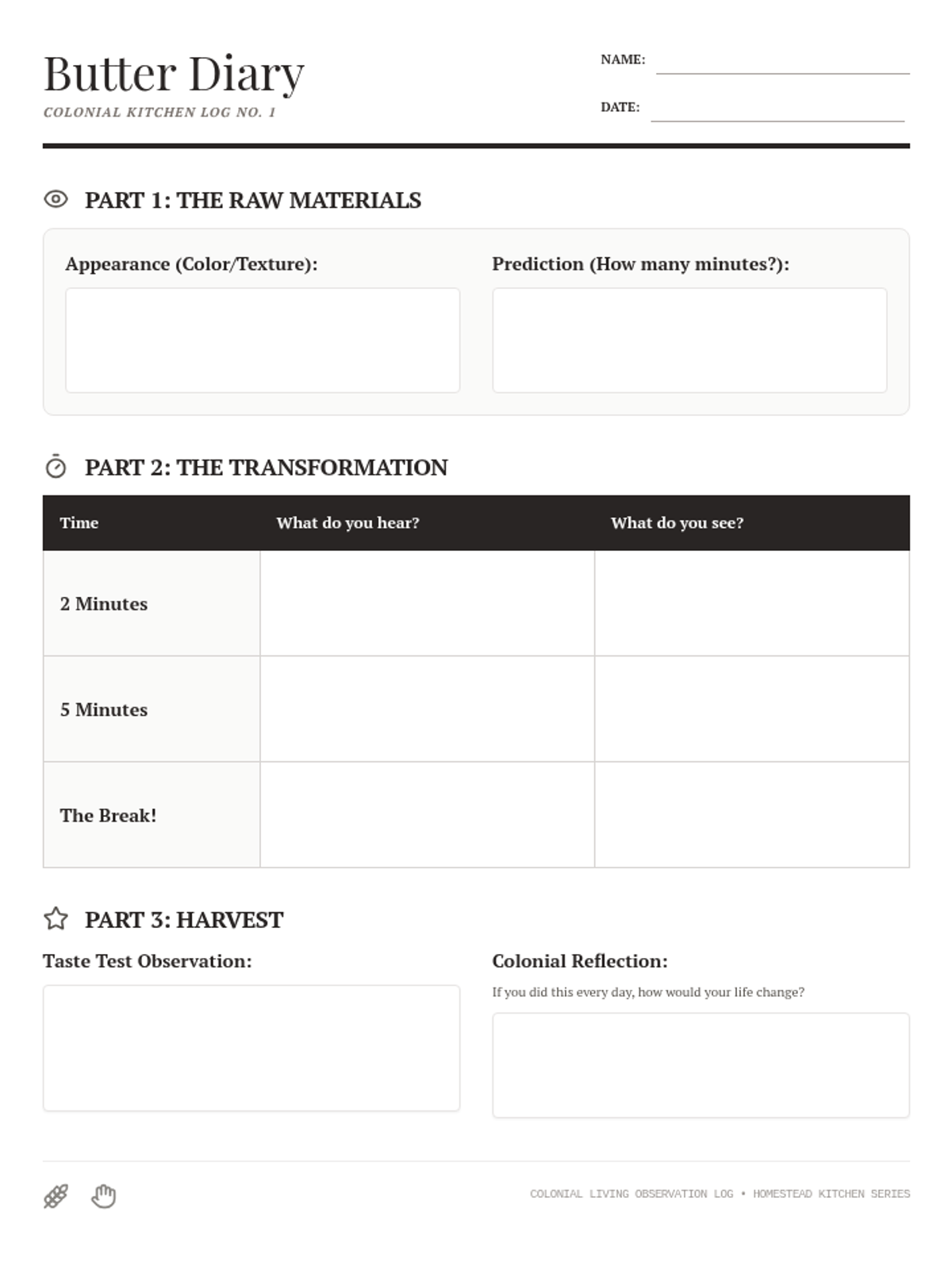
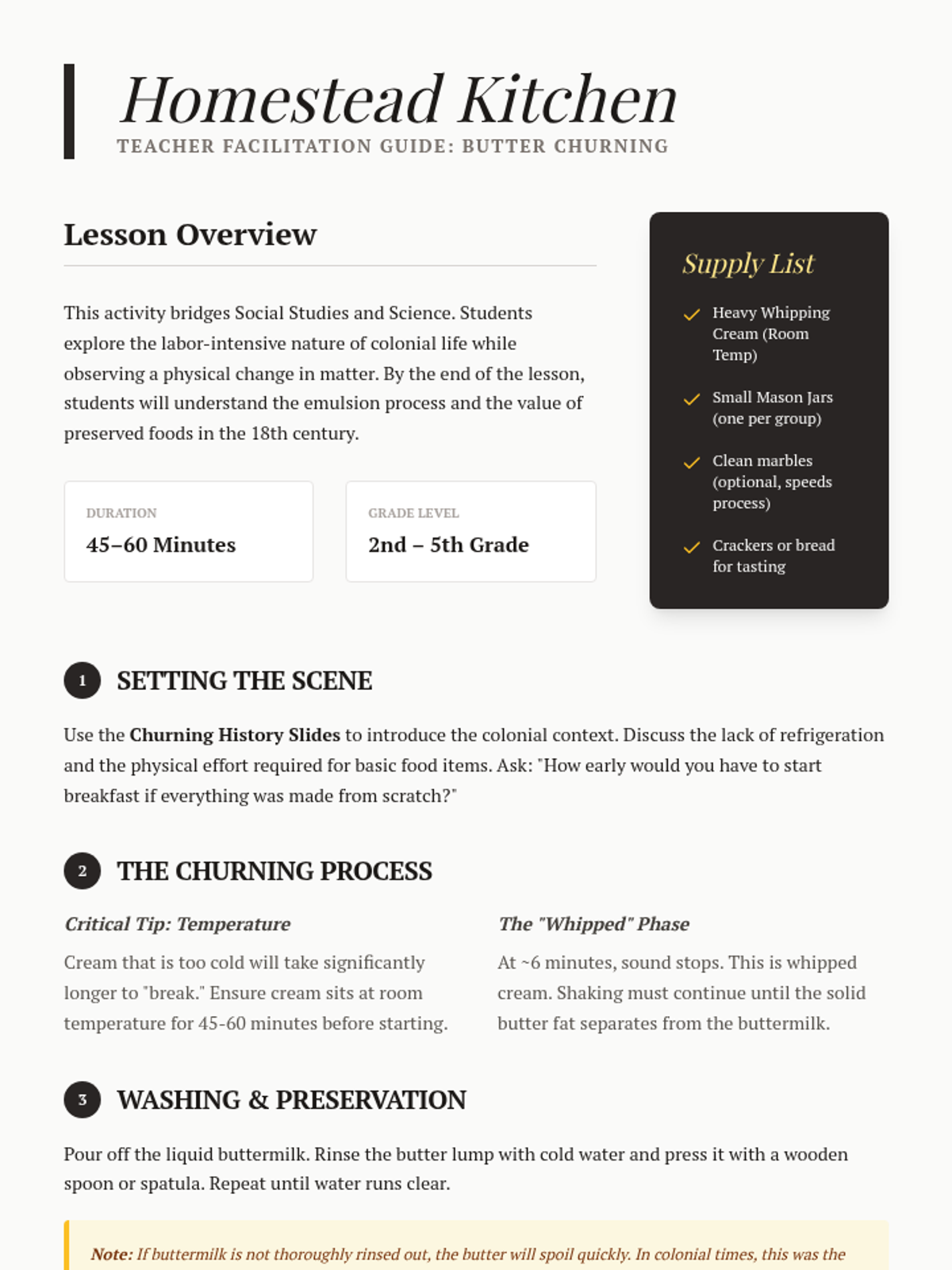
A hands-on exploration of colonial food preservation and the science of phase changes through butter making. Students learn about the effort required for daily colonial tasks while transforming heavy cream into butter using jars.
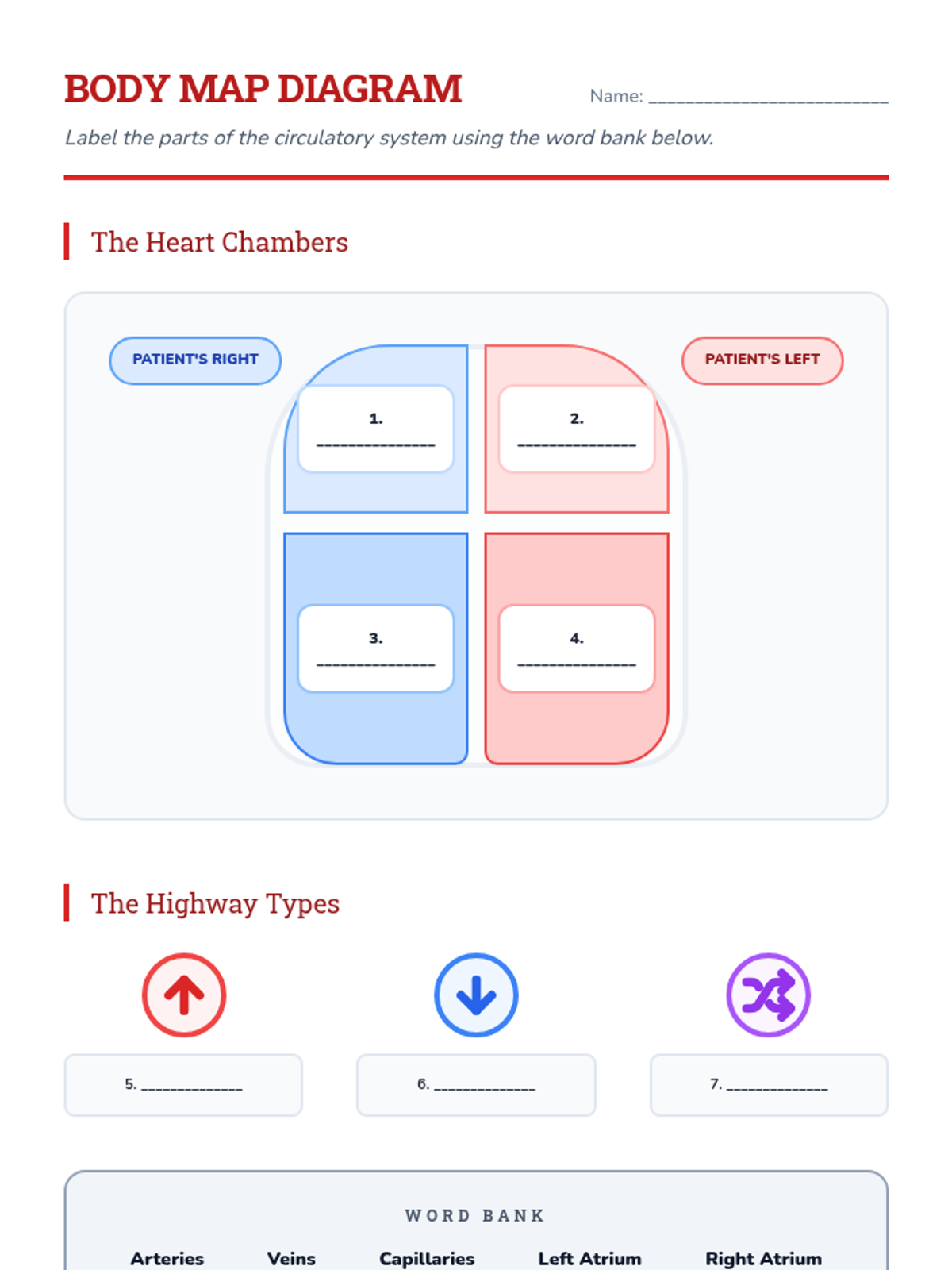
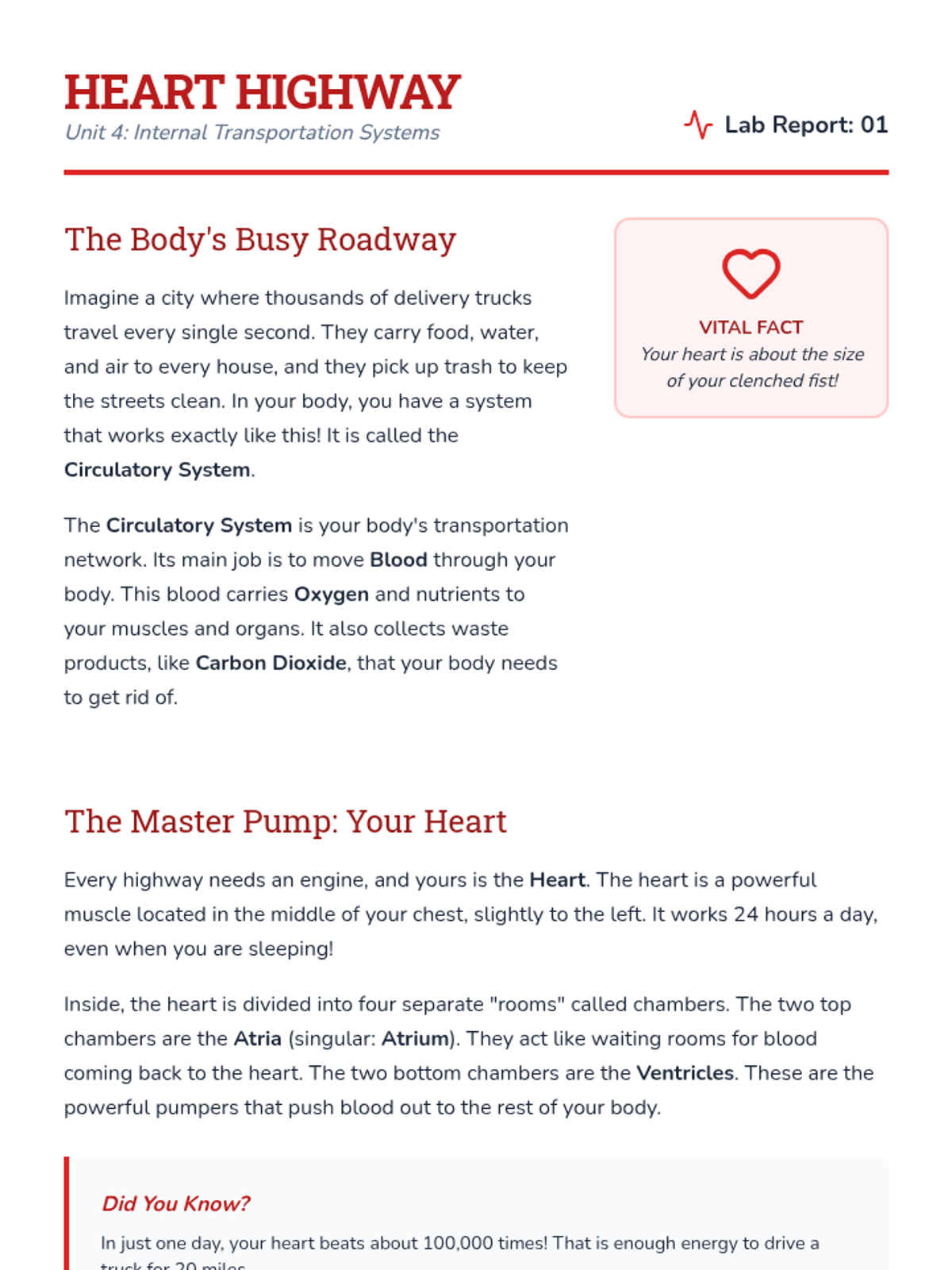
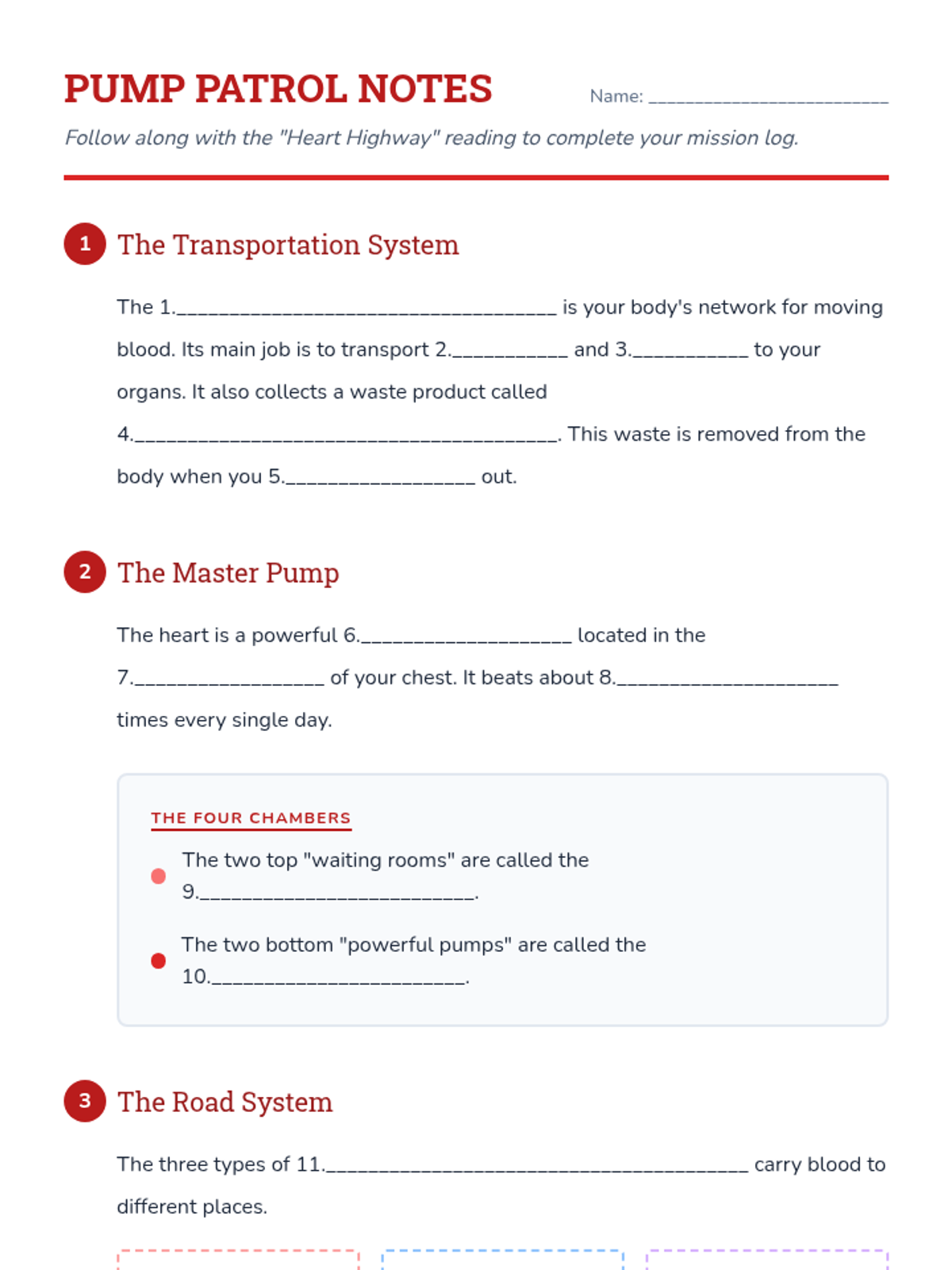
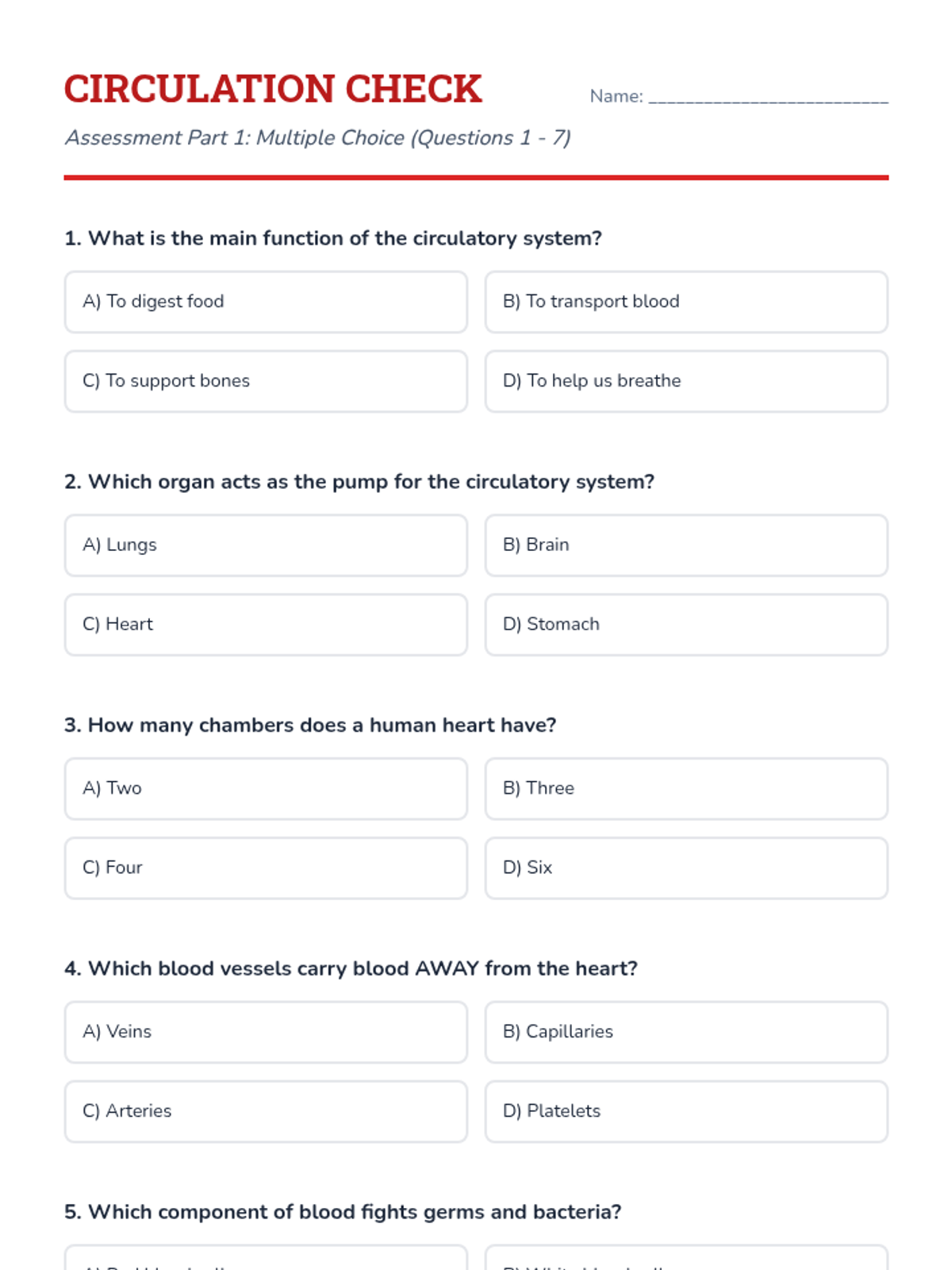
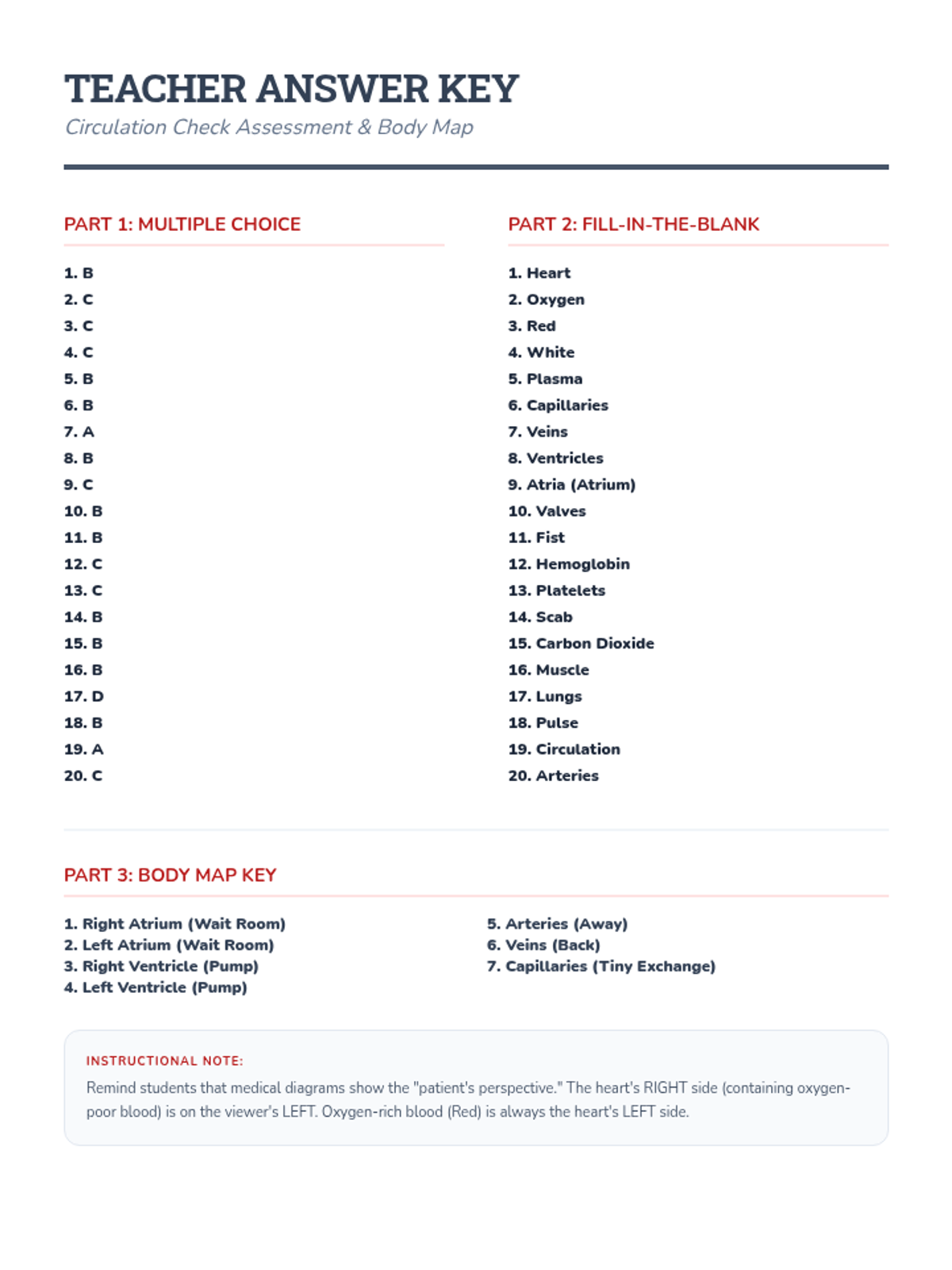
A comprehensive exploration of the circulatory system for 4th graders, covering the heart's anatomy, blood vessel types, and blood components through reading, diagramming, and assessment.
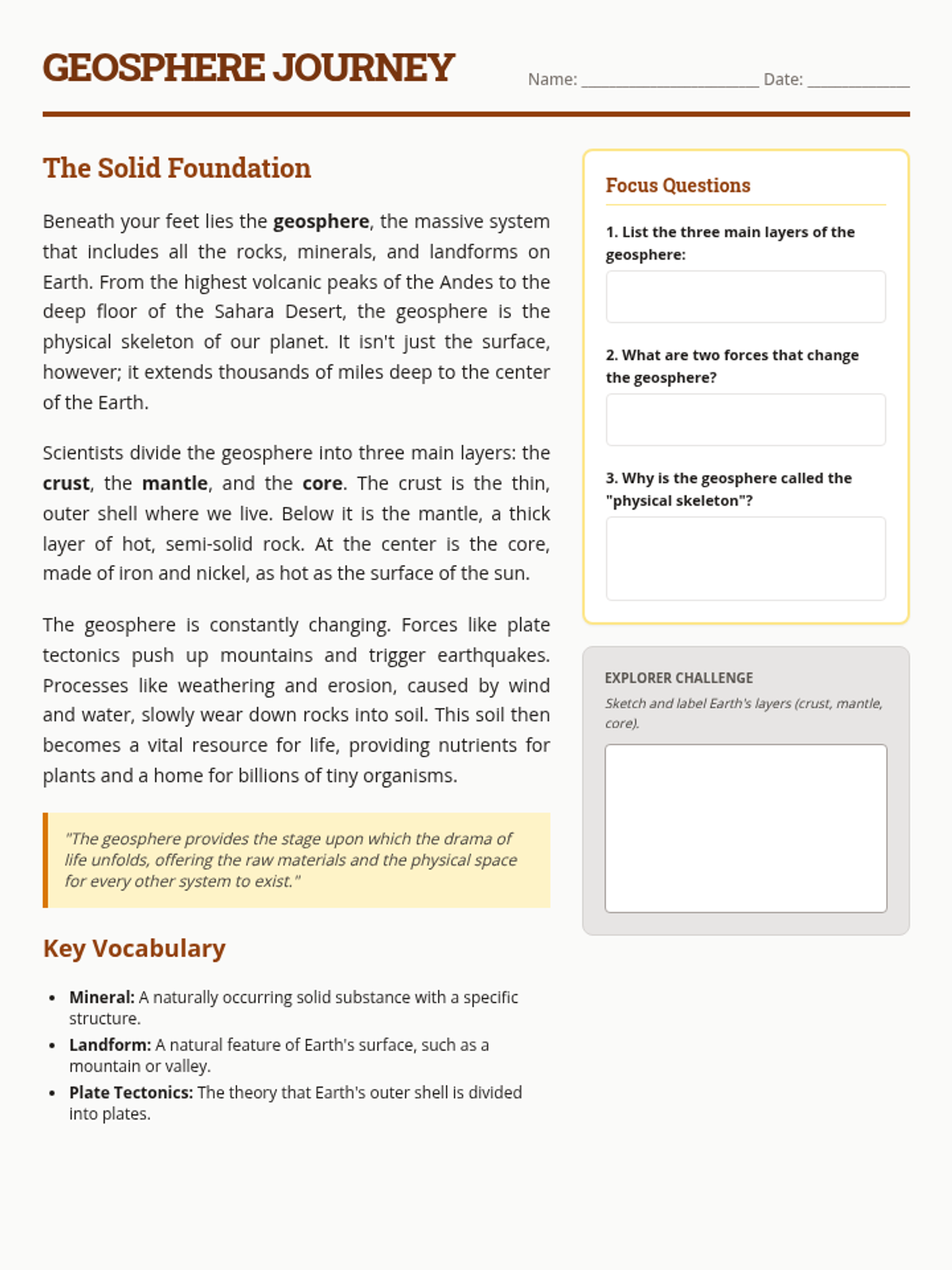
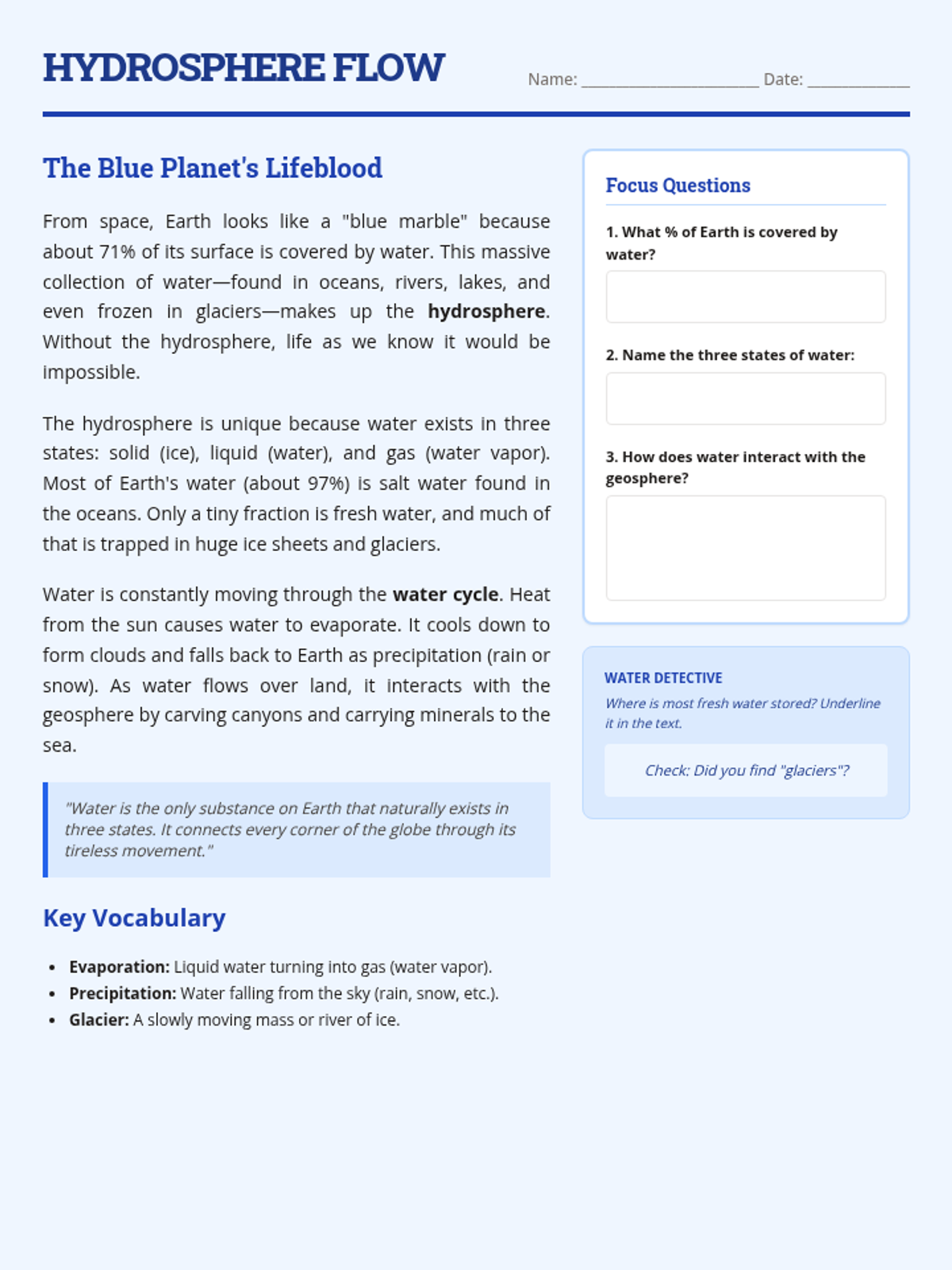
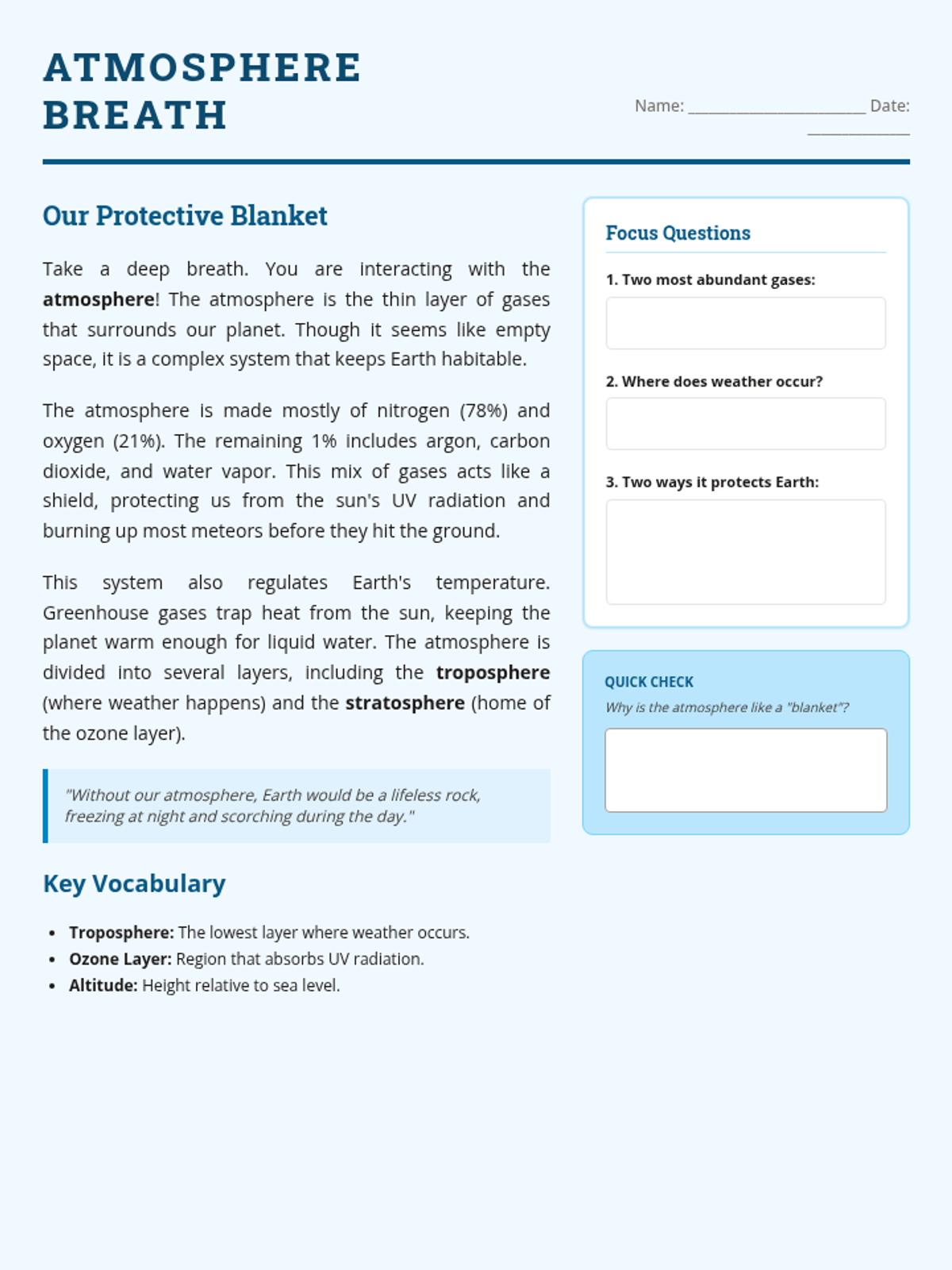
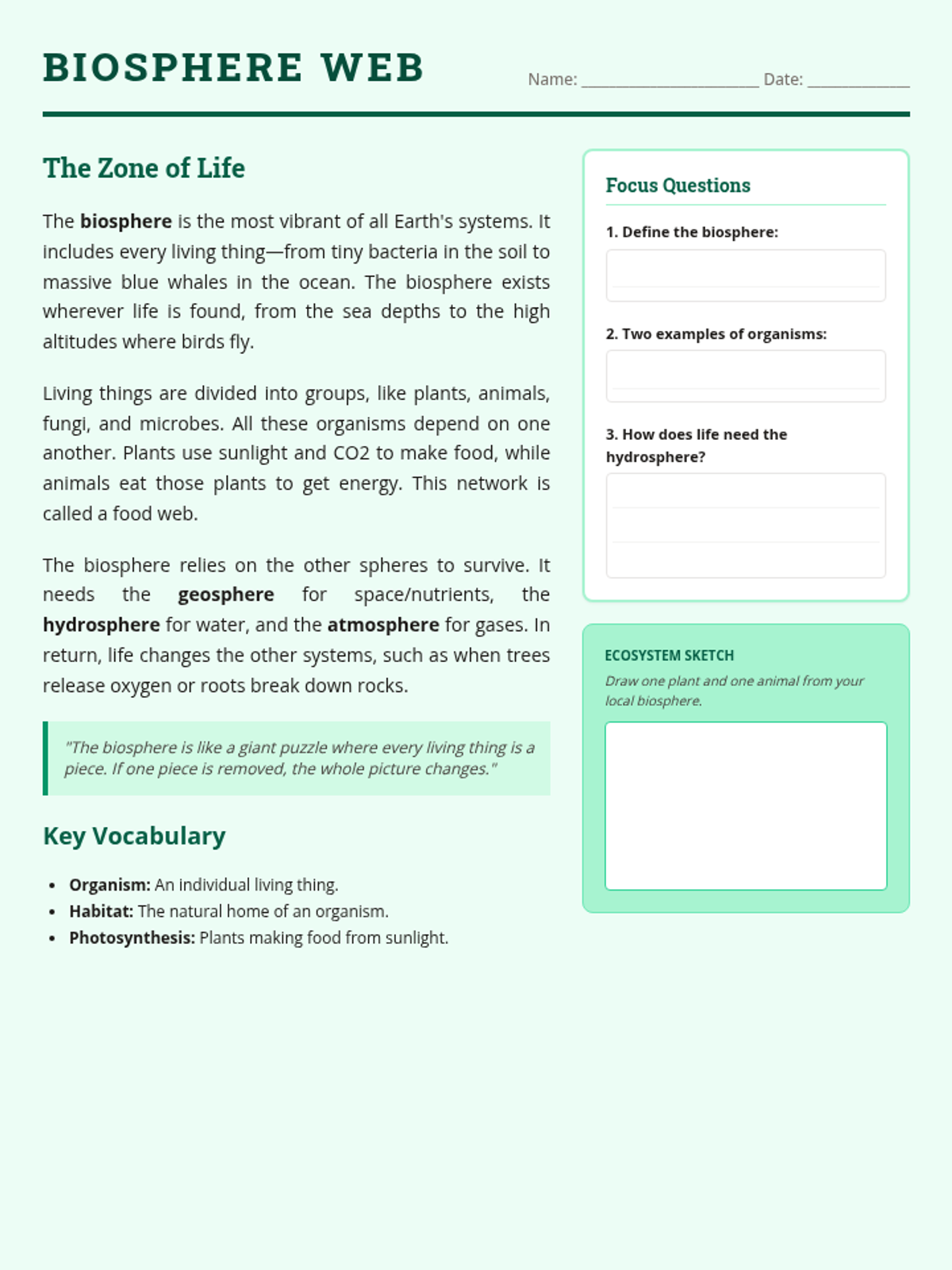
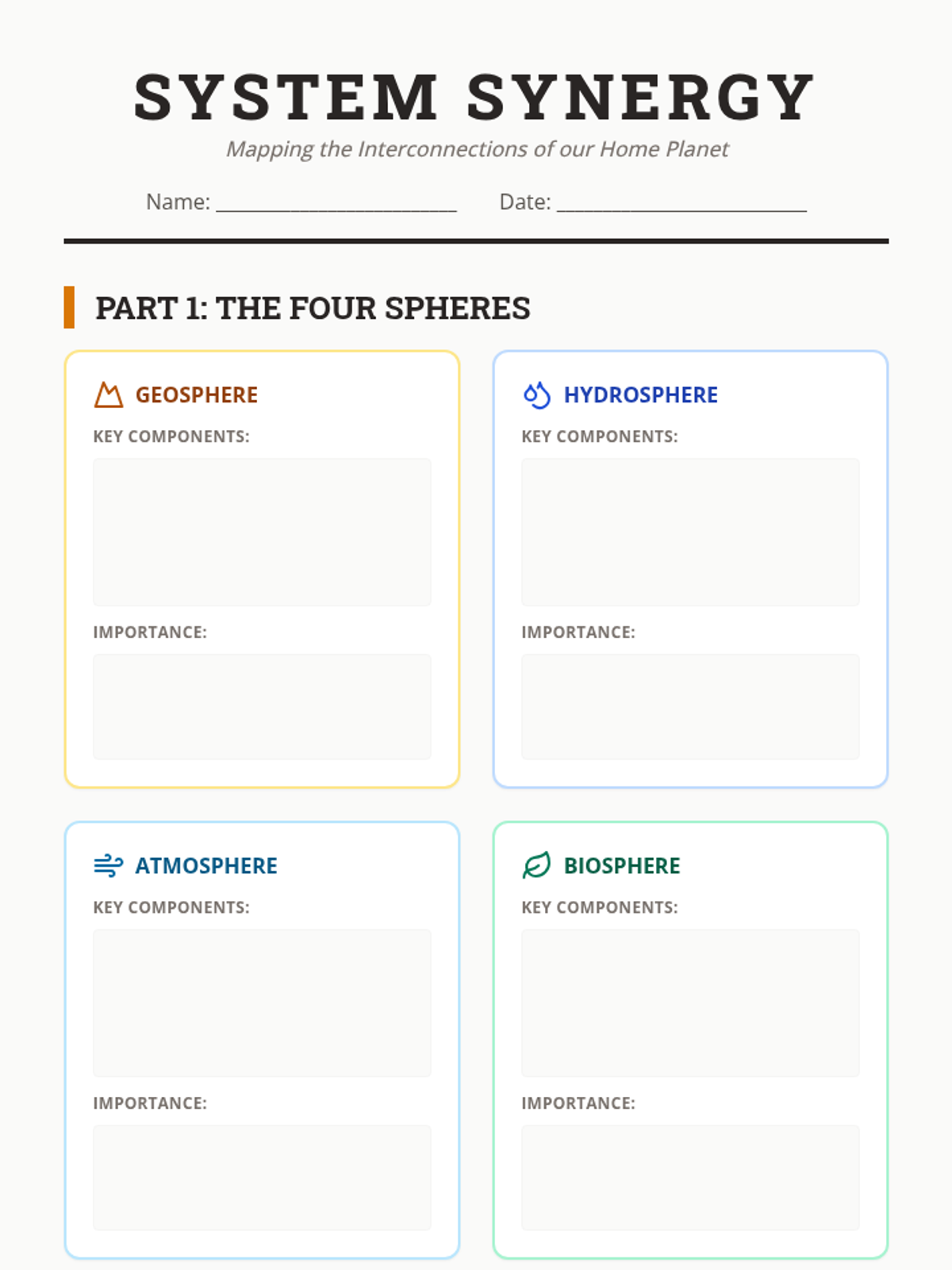
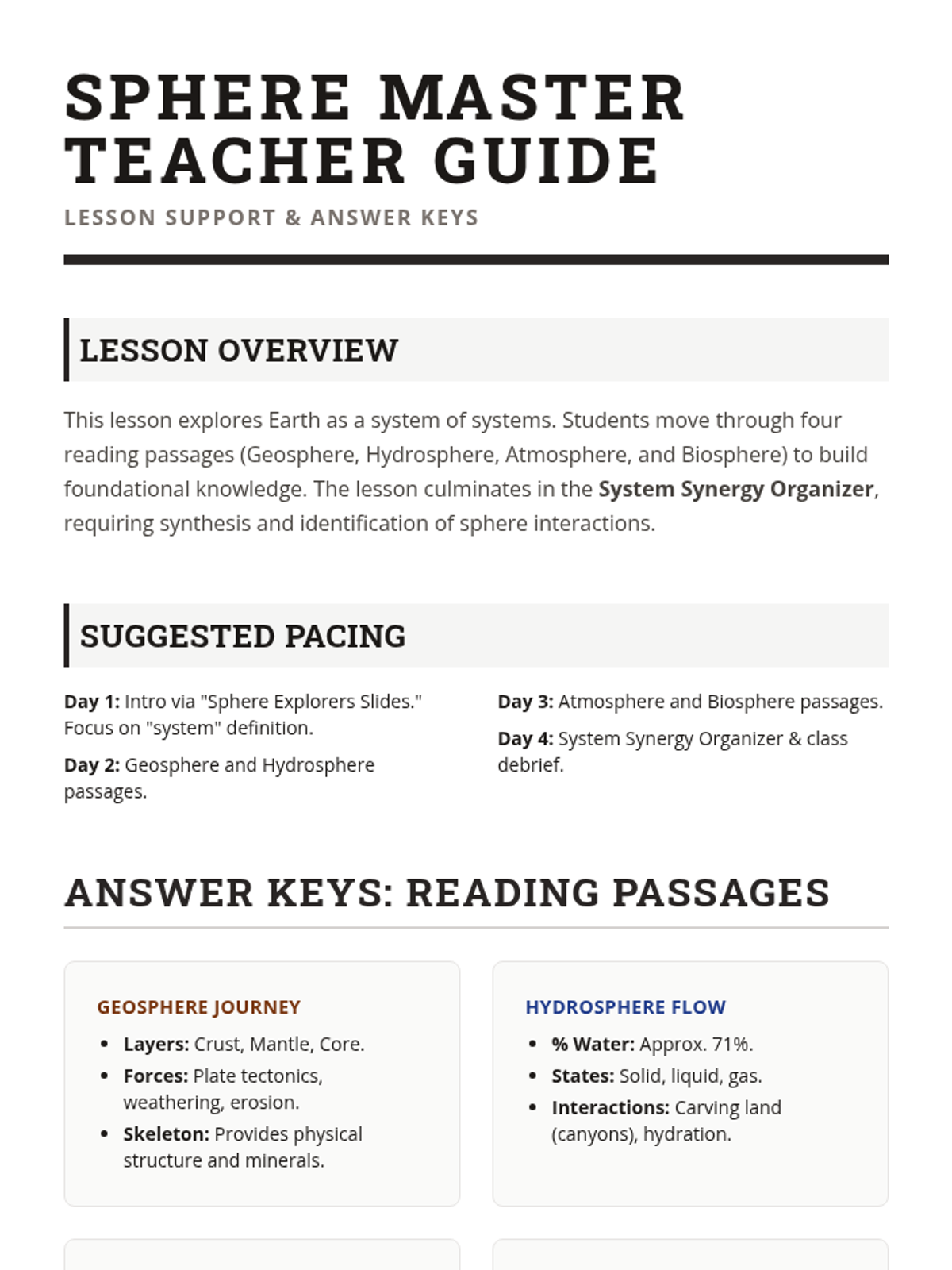
A comprehensive lesson exploring the four major Earth systems (Geosphere, Hydrosphere, Atmosphere, and Biosphere) through guided reading, visual aids, and synthesis activities. Students will learn how these systems interact to sustain life on Earth.