An introductory science lesson on surface tension where students conduct a hands-on experiment at home using coins, water, and soap to observe how molecules stick together.
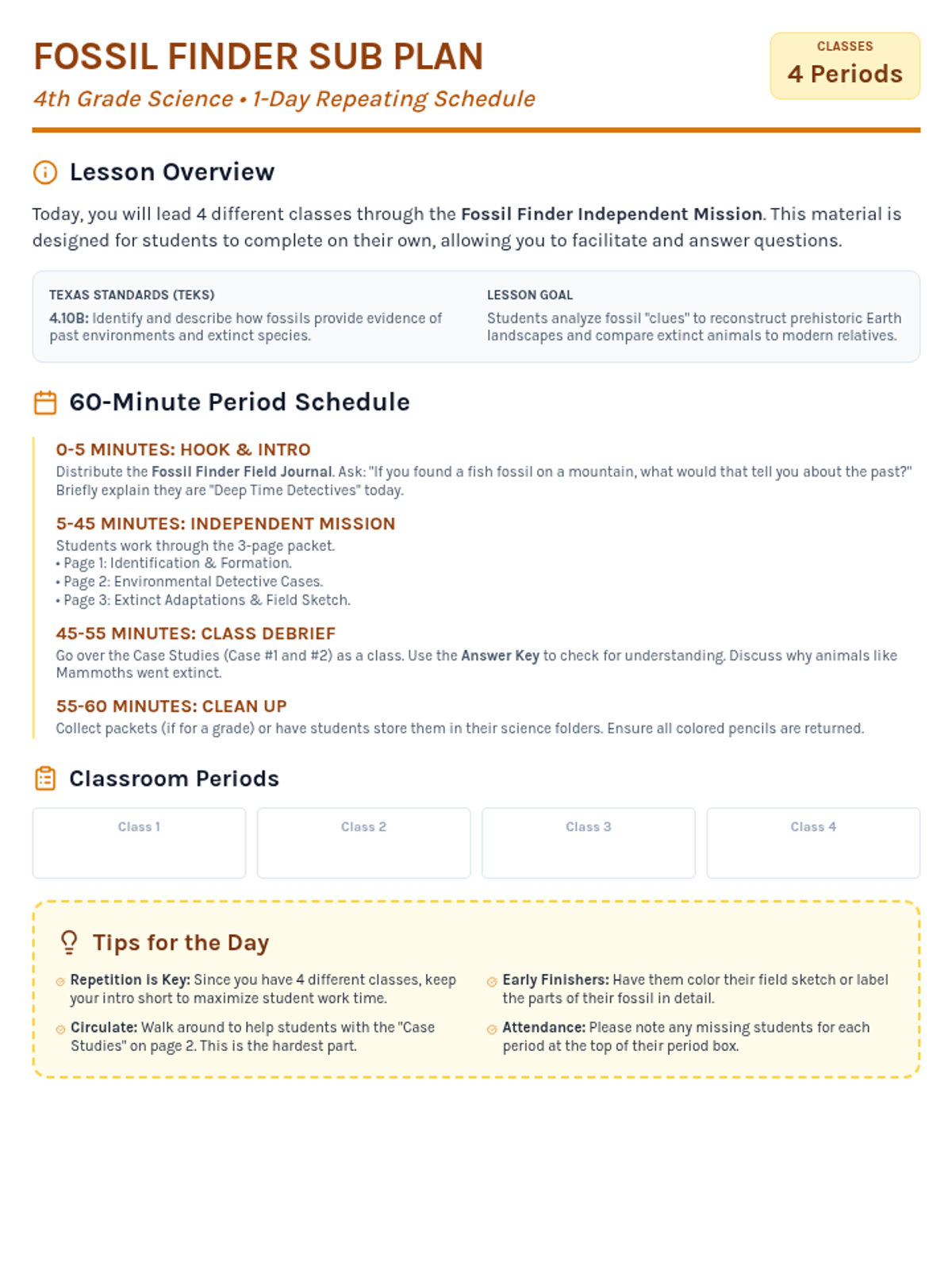
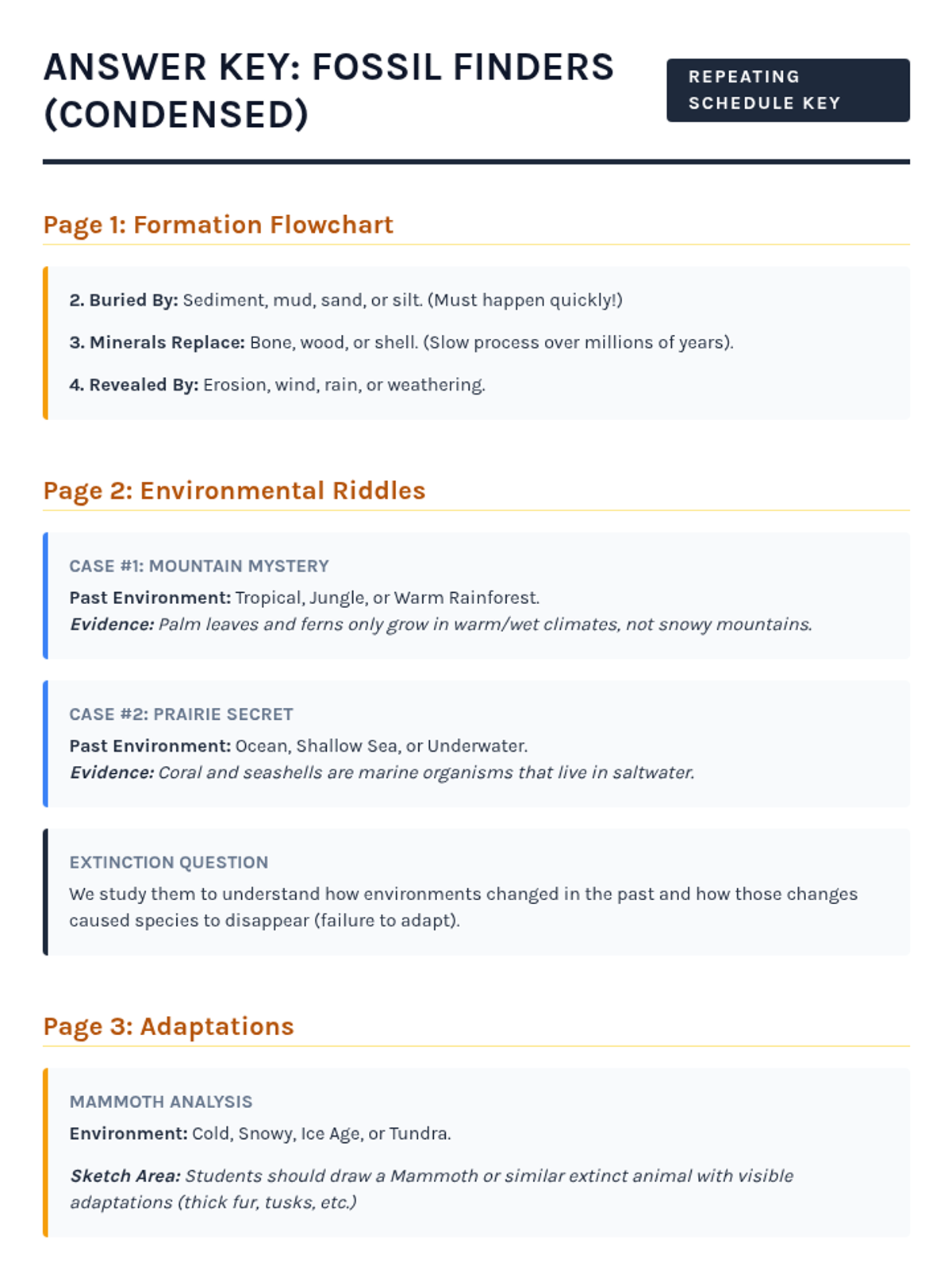
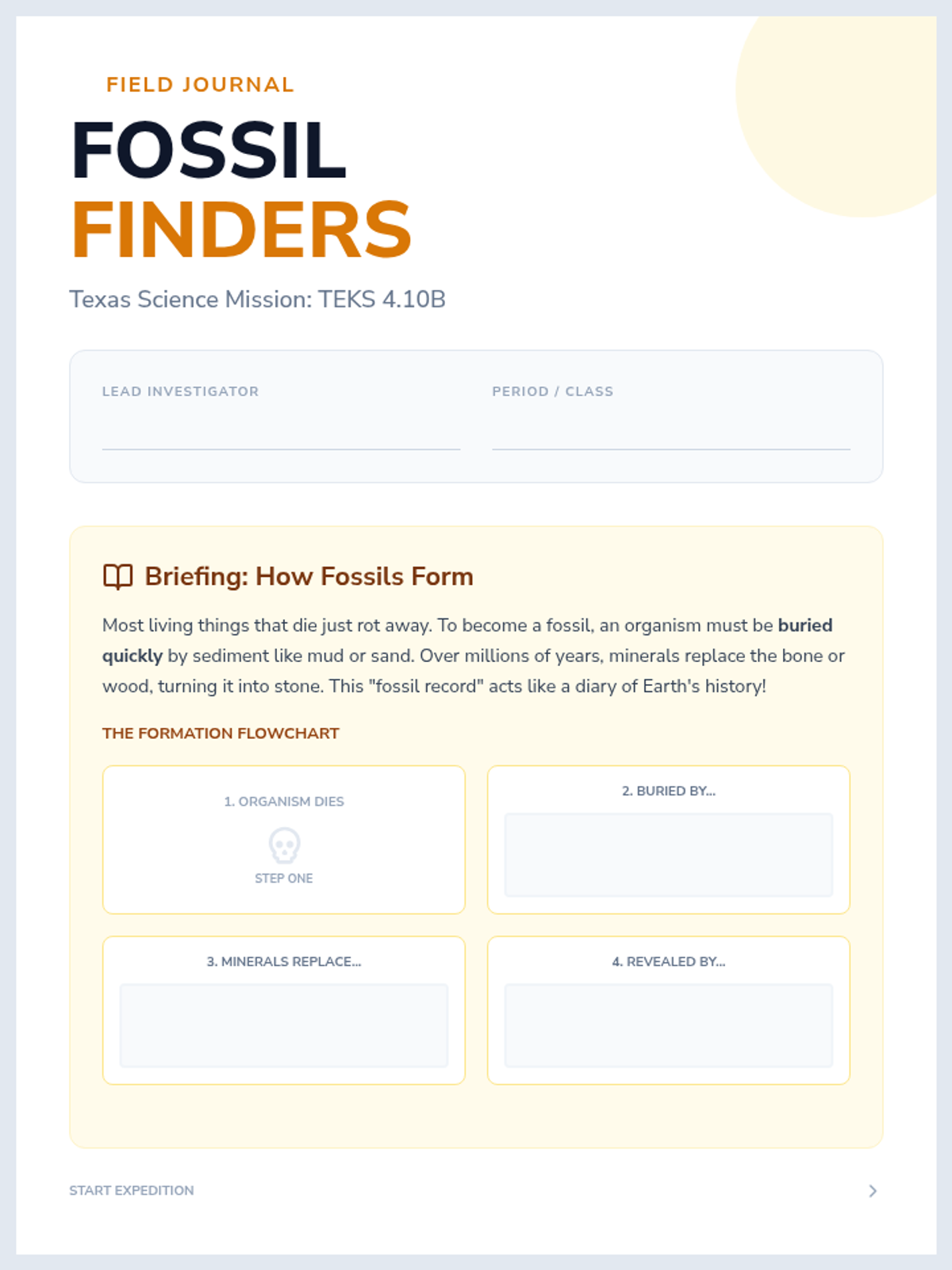
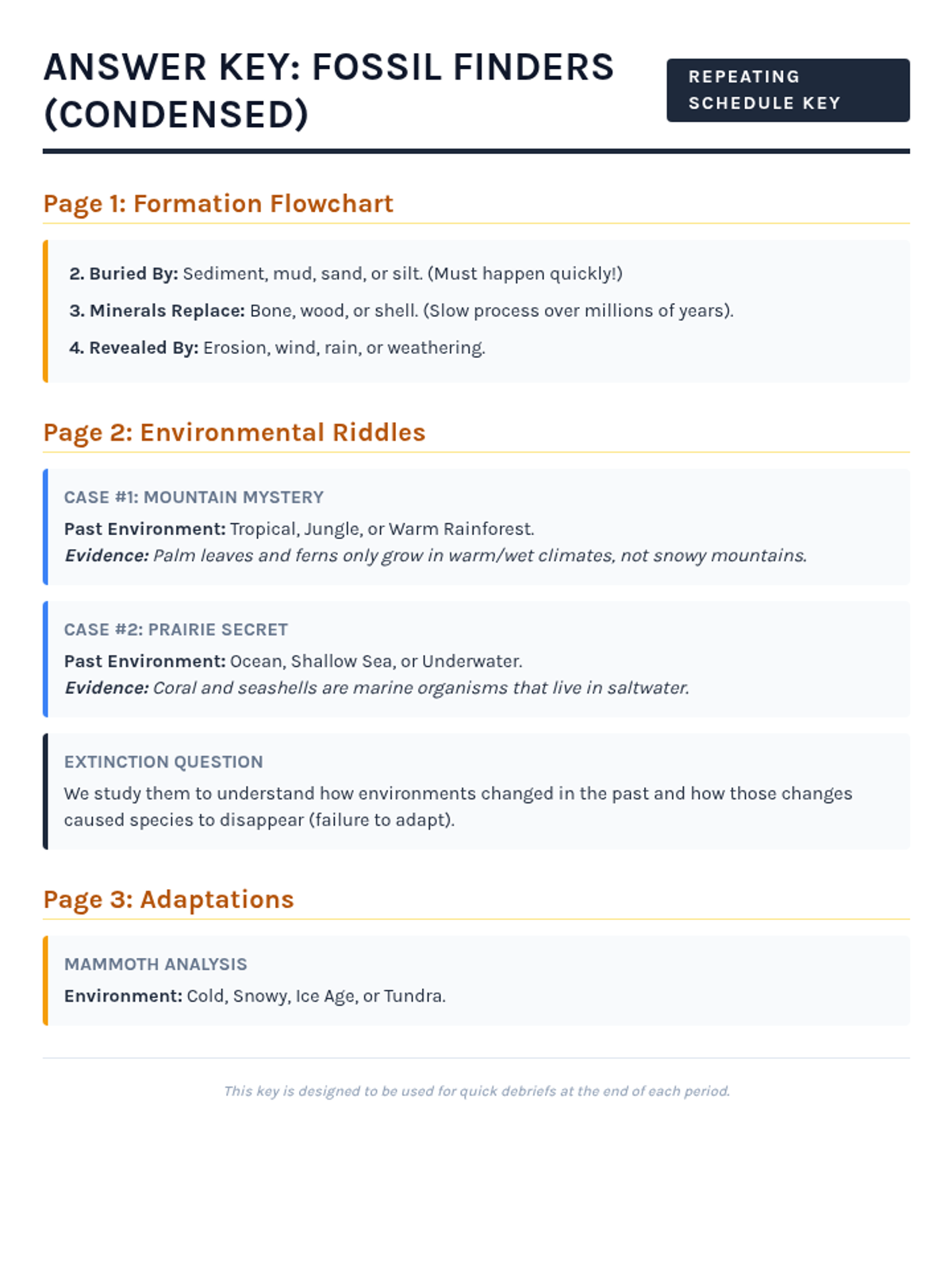
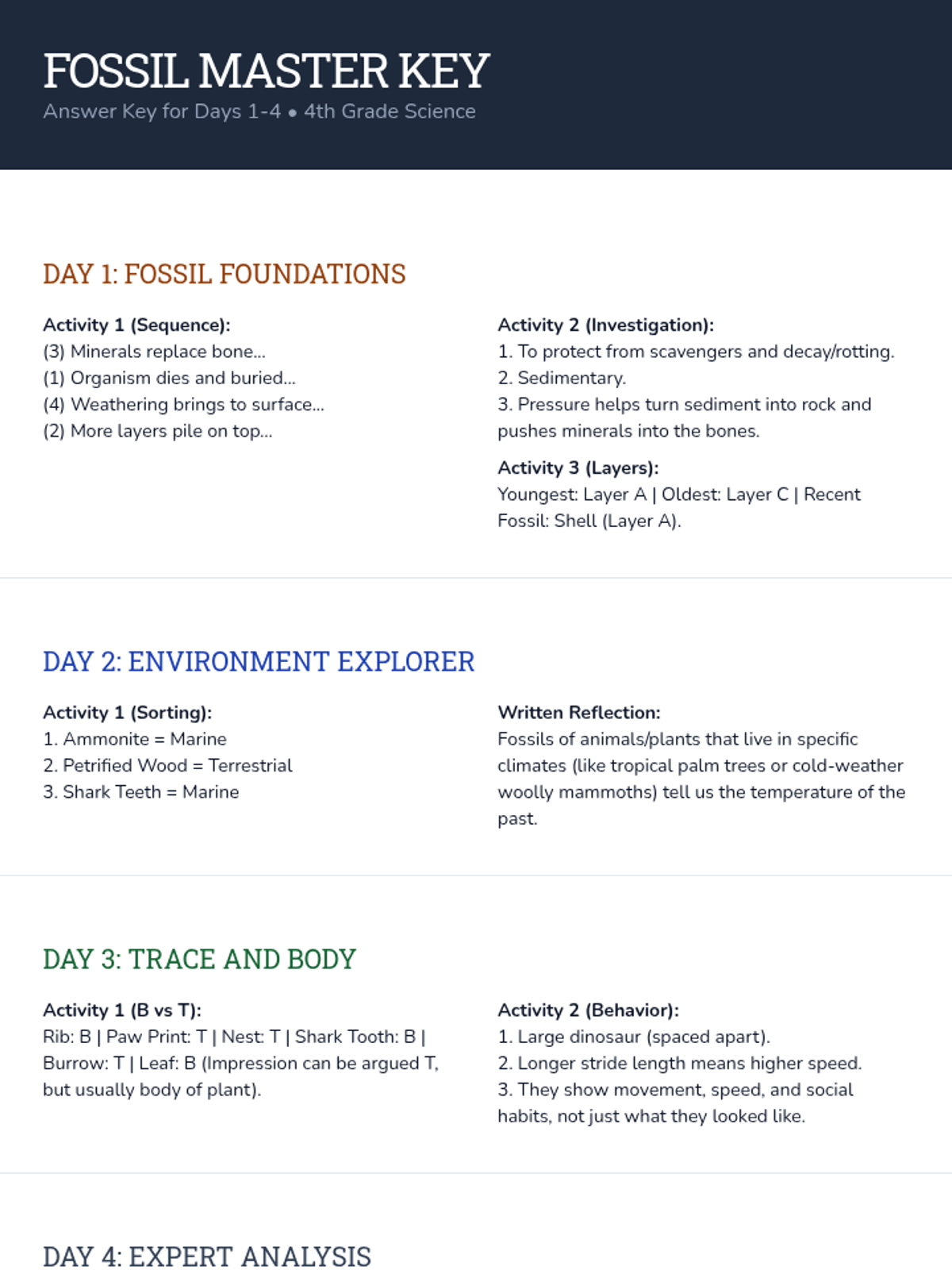
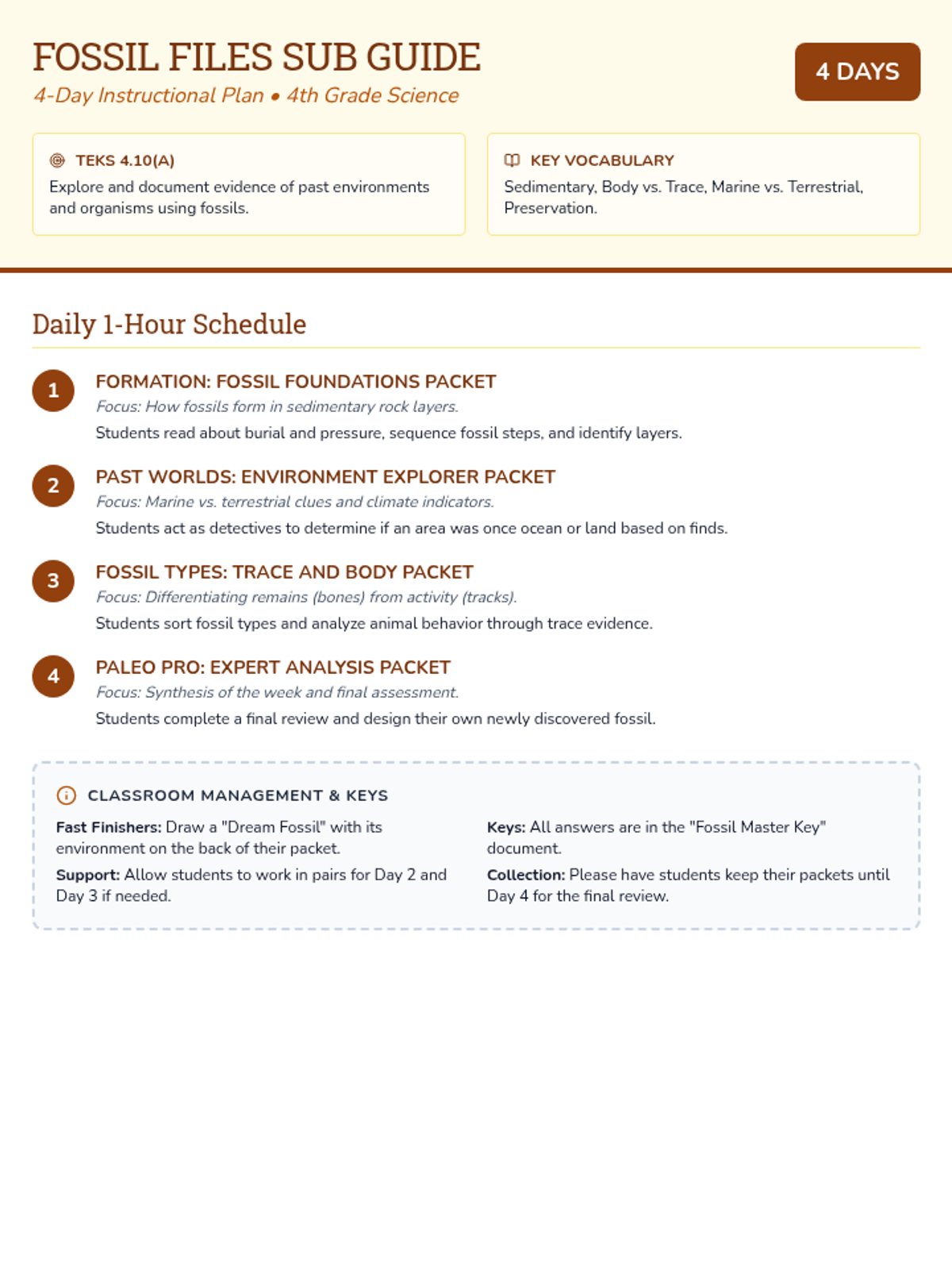
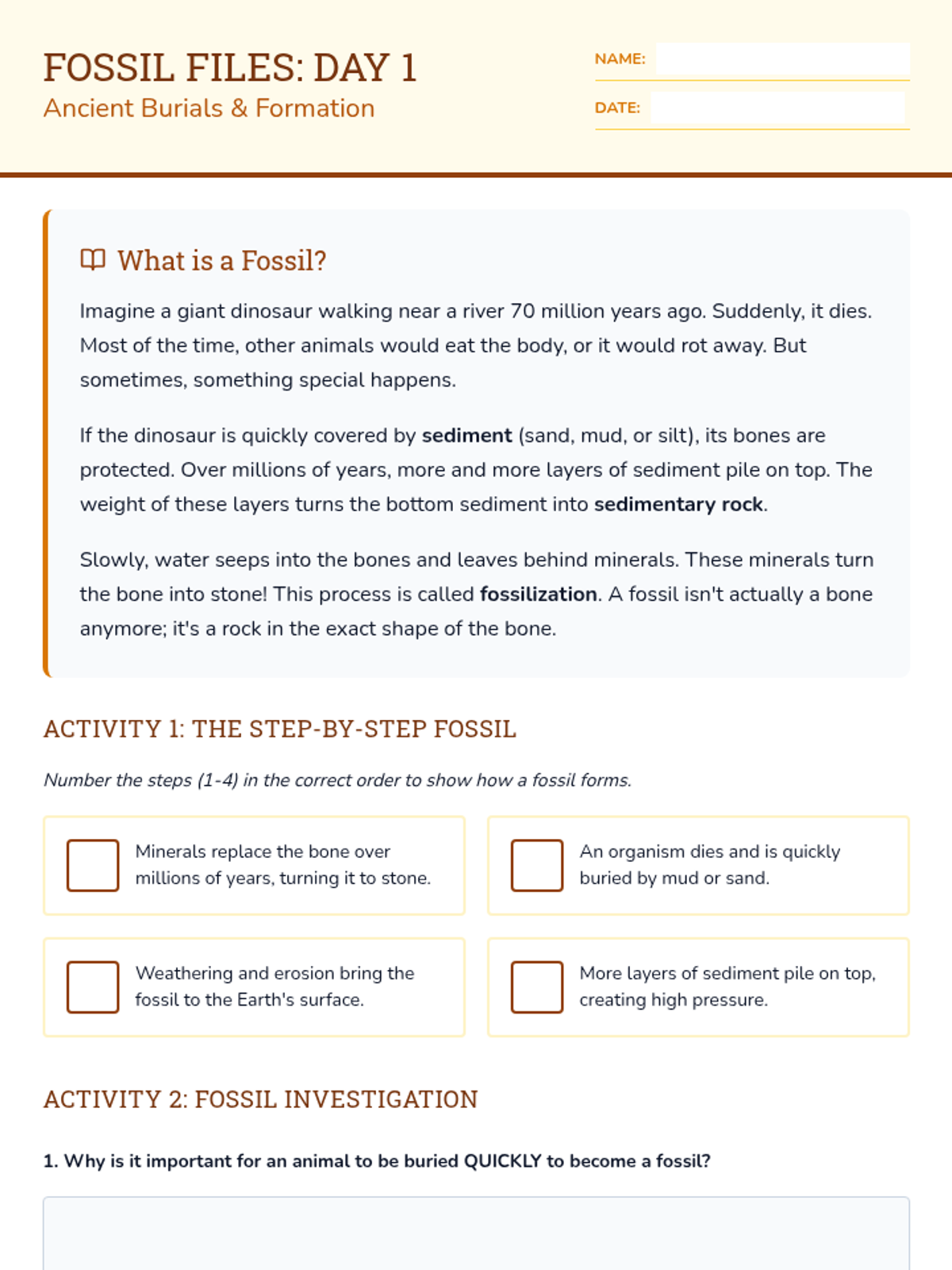
A 4-hour independent learning sequence where students investigate fossil formation, environmental changes over time, and the secrets of the fossil record.
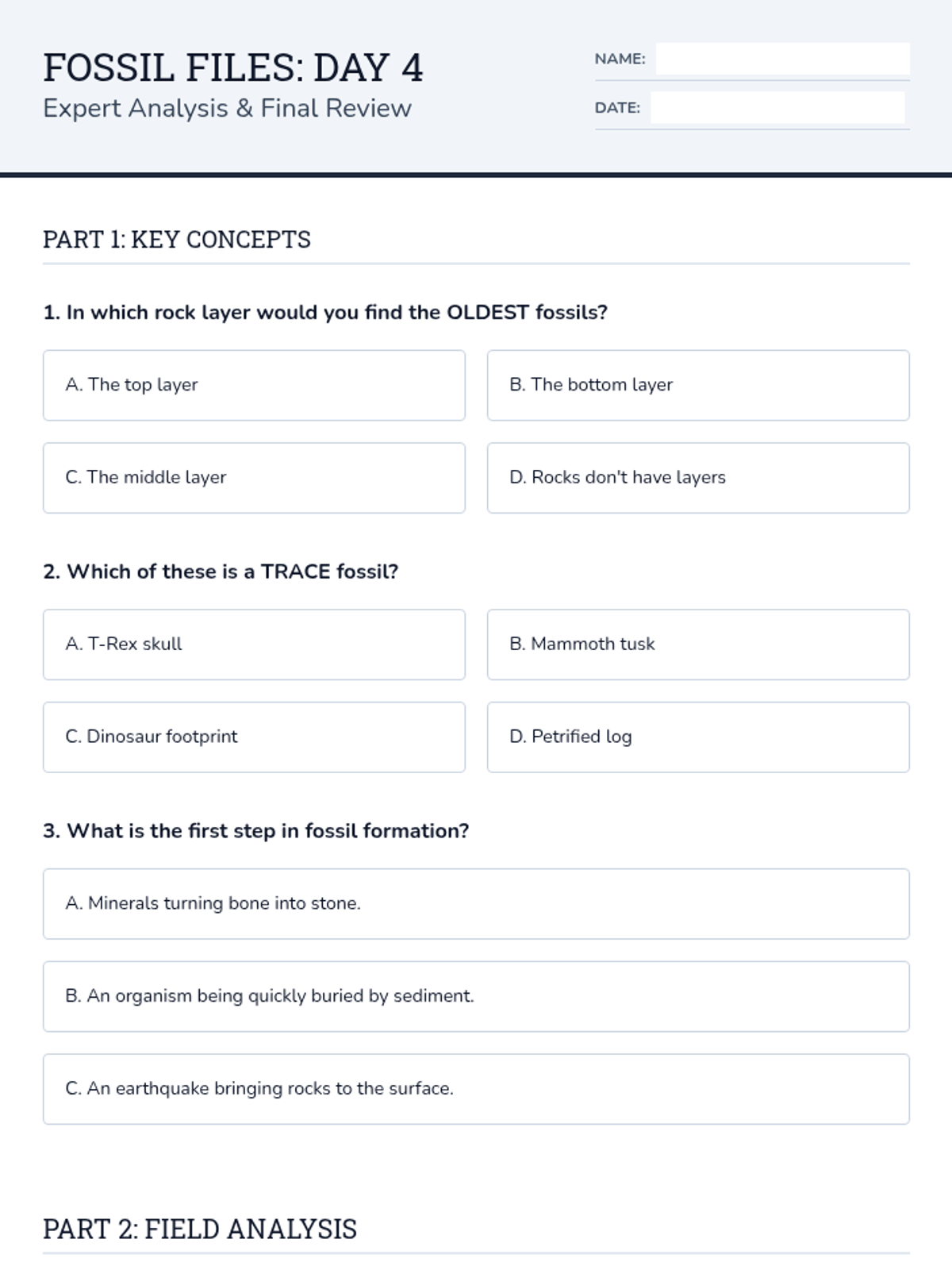
Synthesizing knowledge to analyze a fossil "dig site" and completing a final assessment.
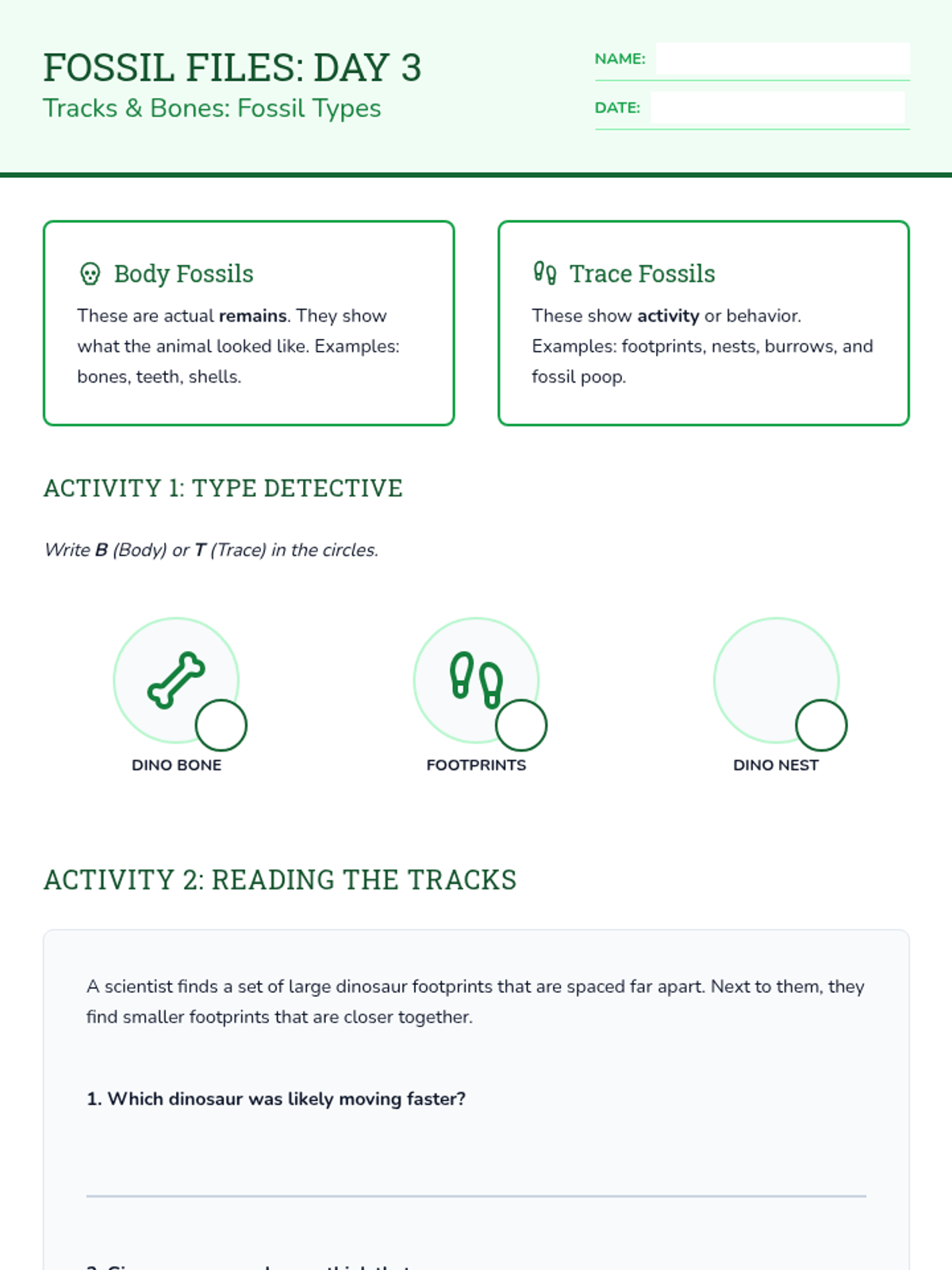
Exploring the differences between body fossils (bones, teeth) and trace fossils (footprints, burrows).
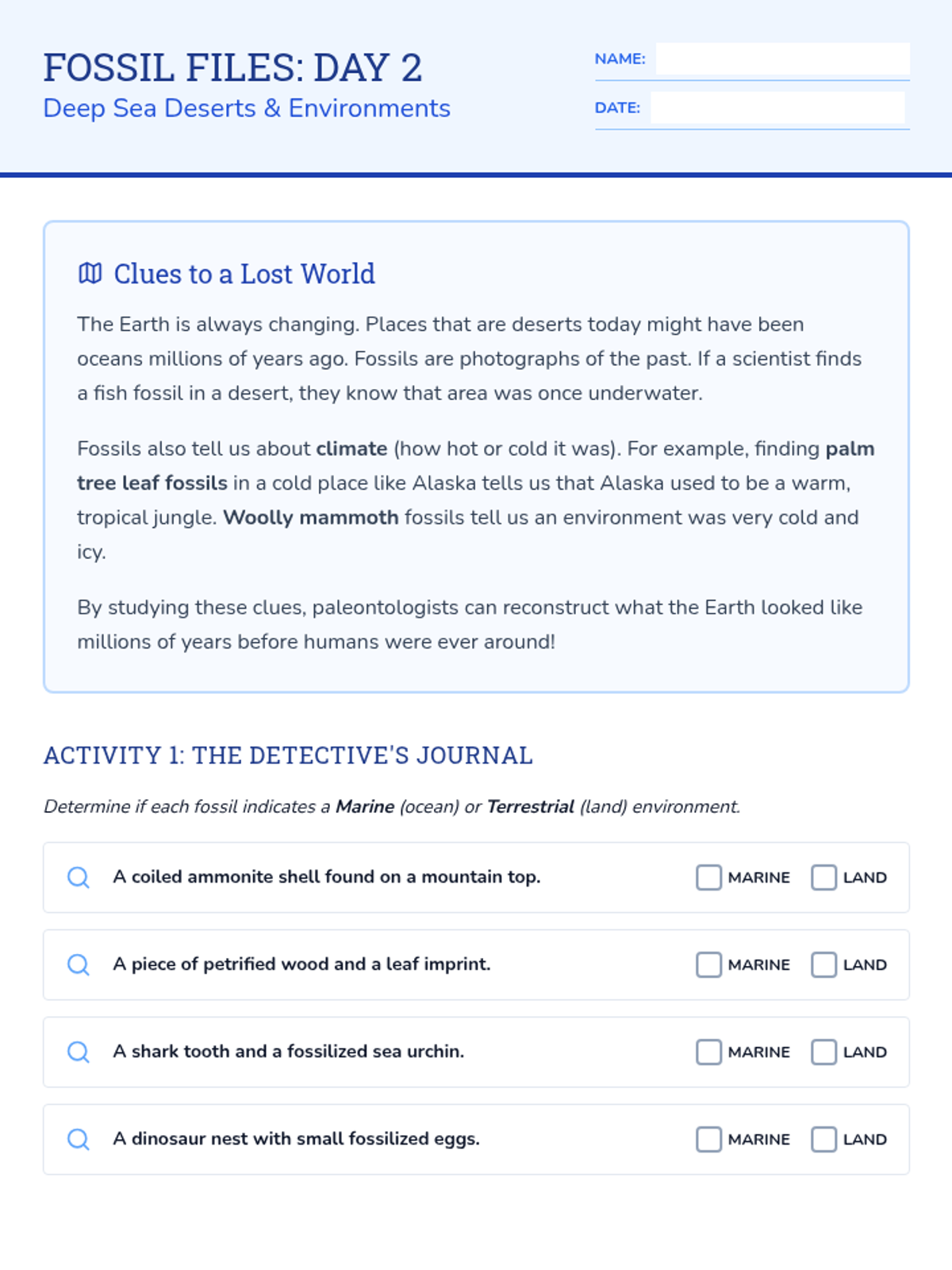
Using fossil evidence to determine whether an area was once a marine, desert, or forest environment.
Introduction to how fossils form through the process of sedimentary rock layering and preservation.
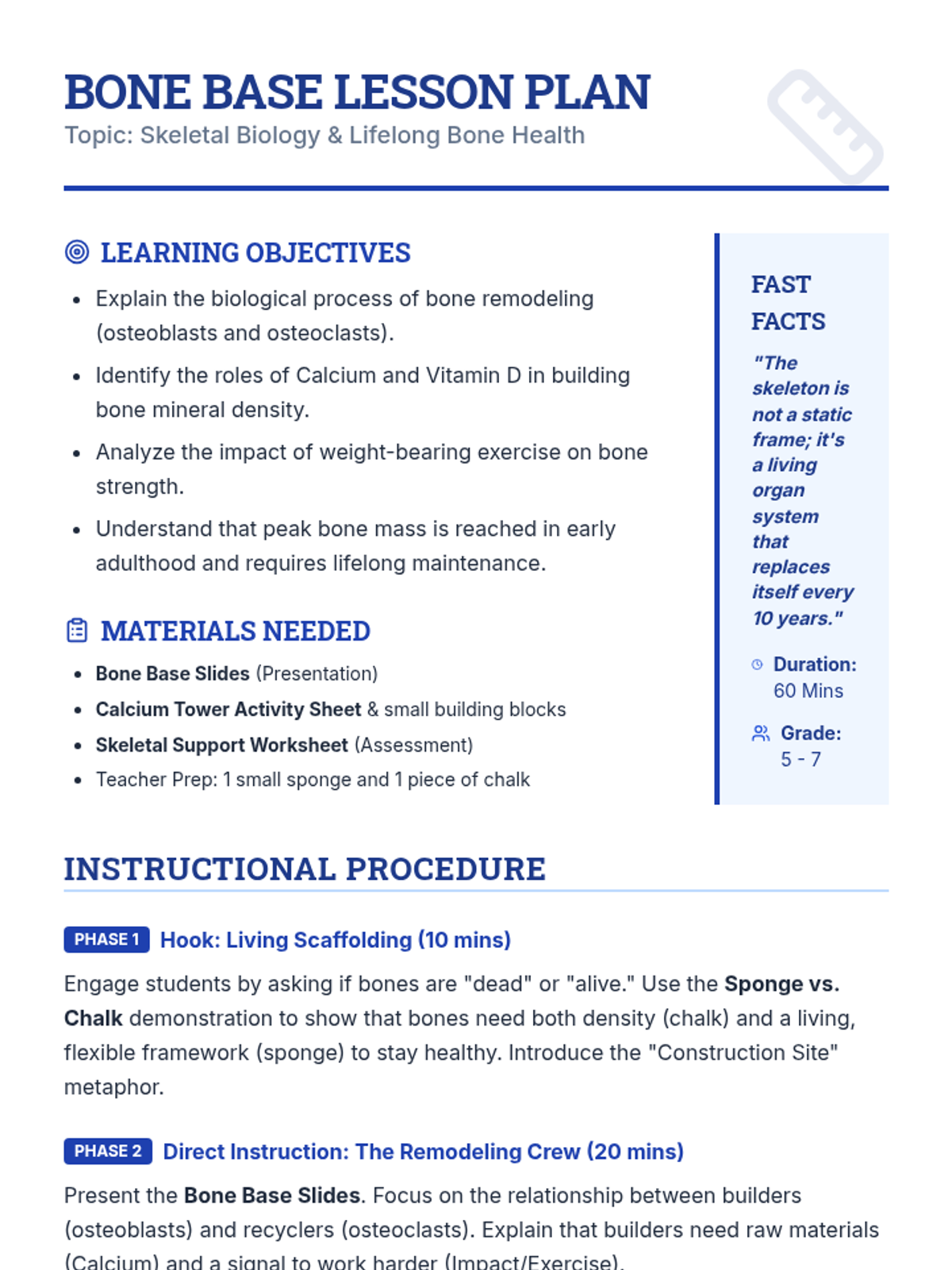
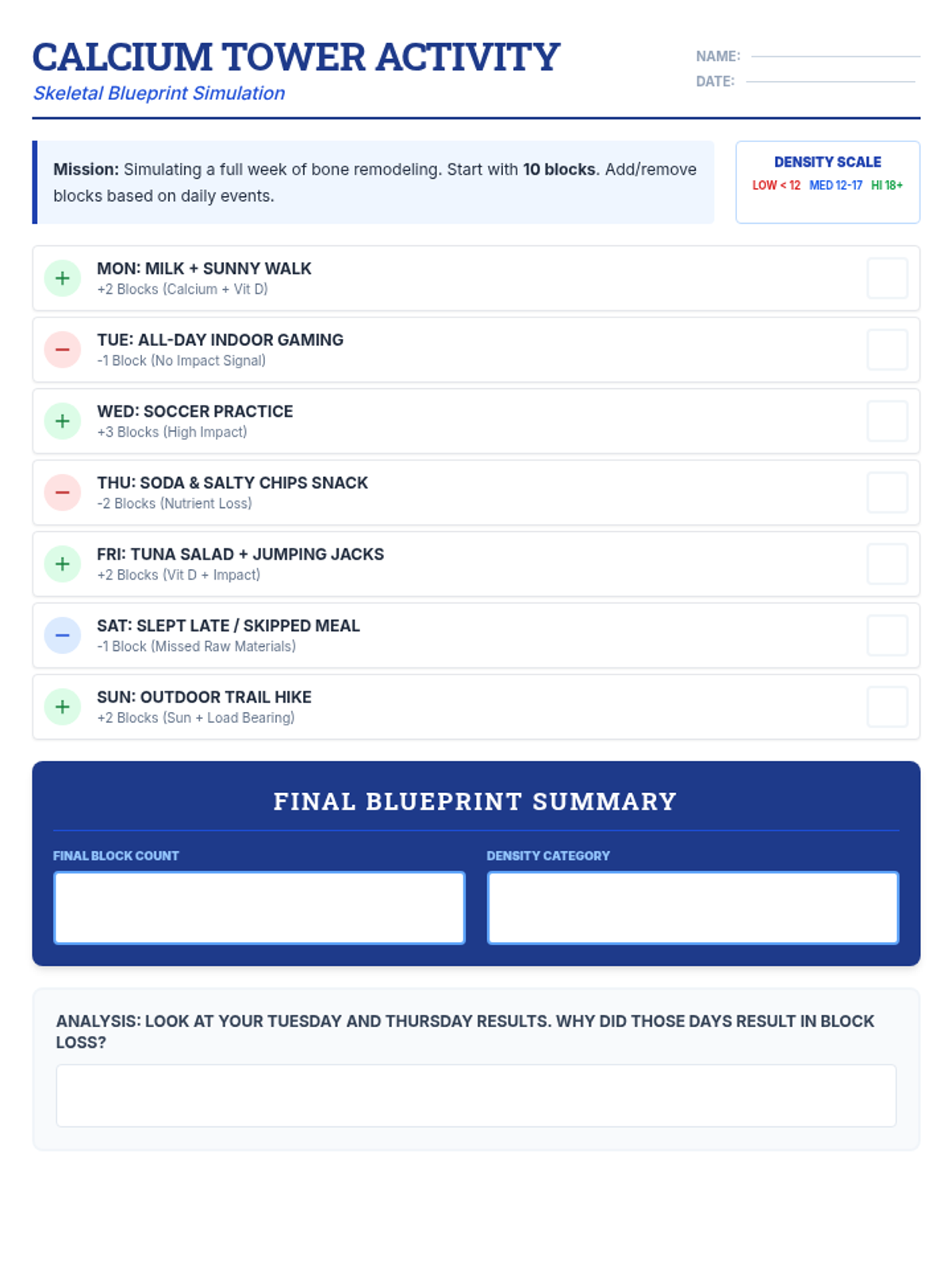
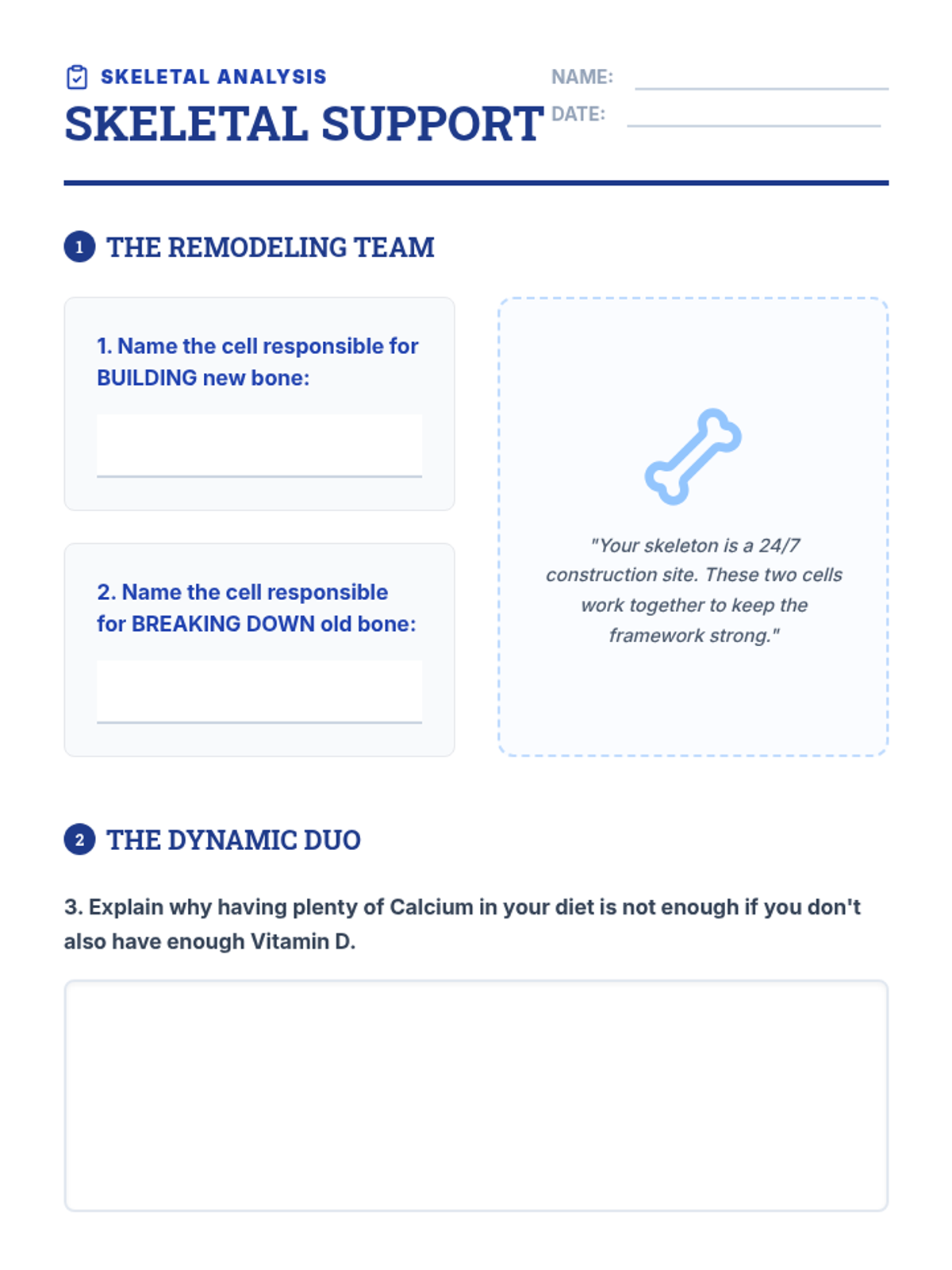
A biology and health lesson focused on bone growth, mineral density, and the lifelong habits required to build a strong skeletal foundation through nutrition and exercise.
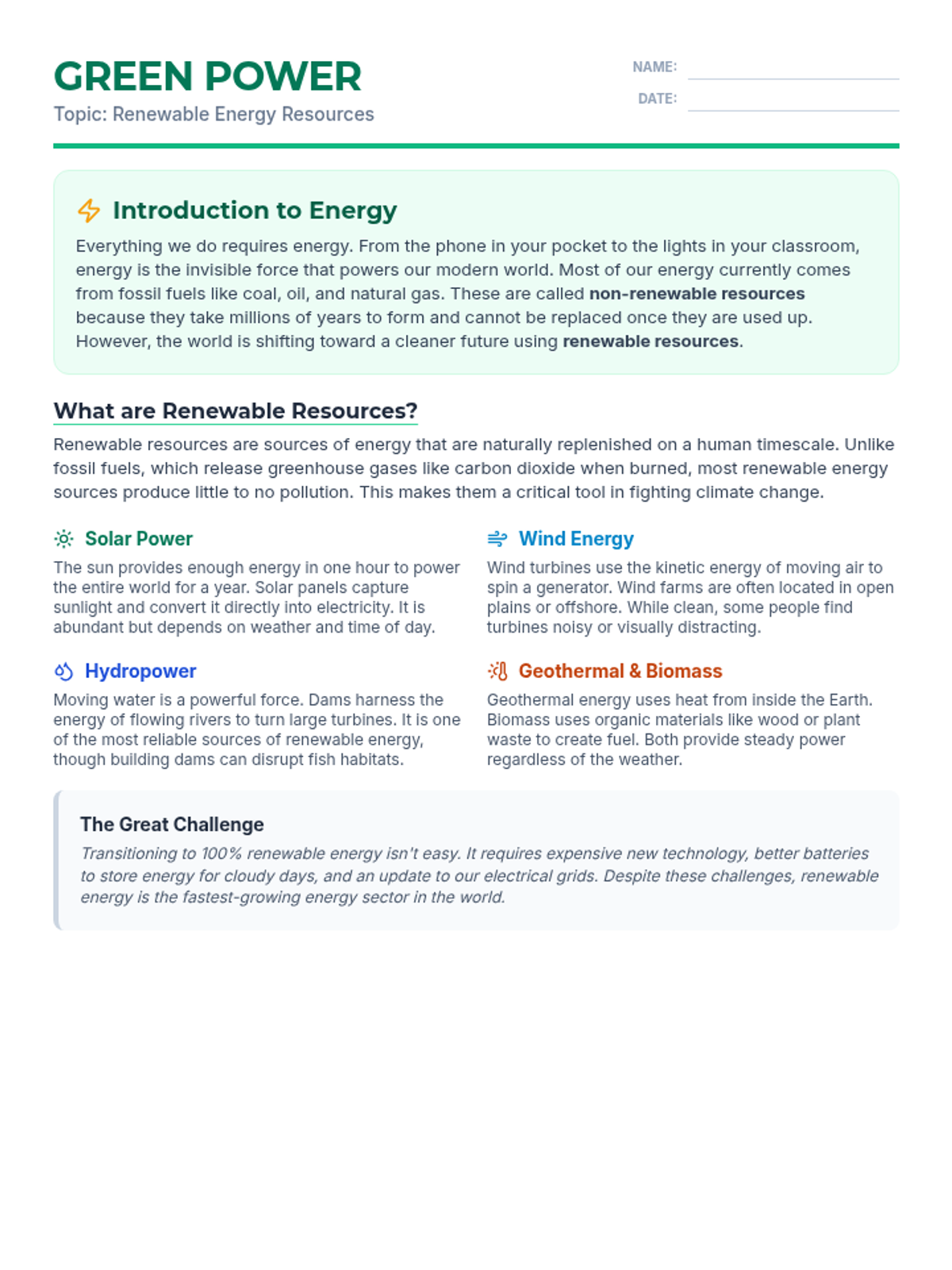
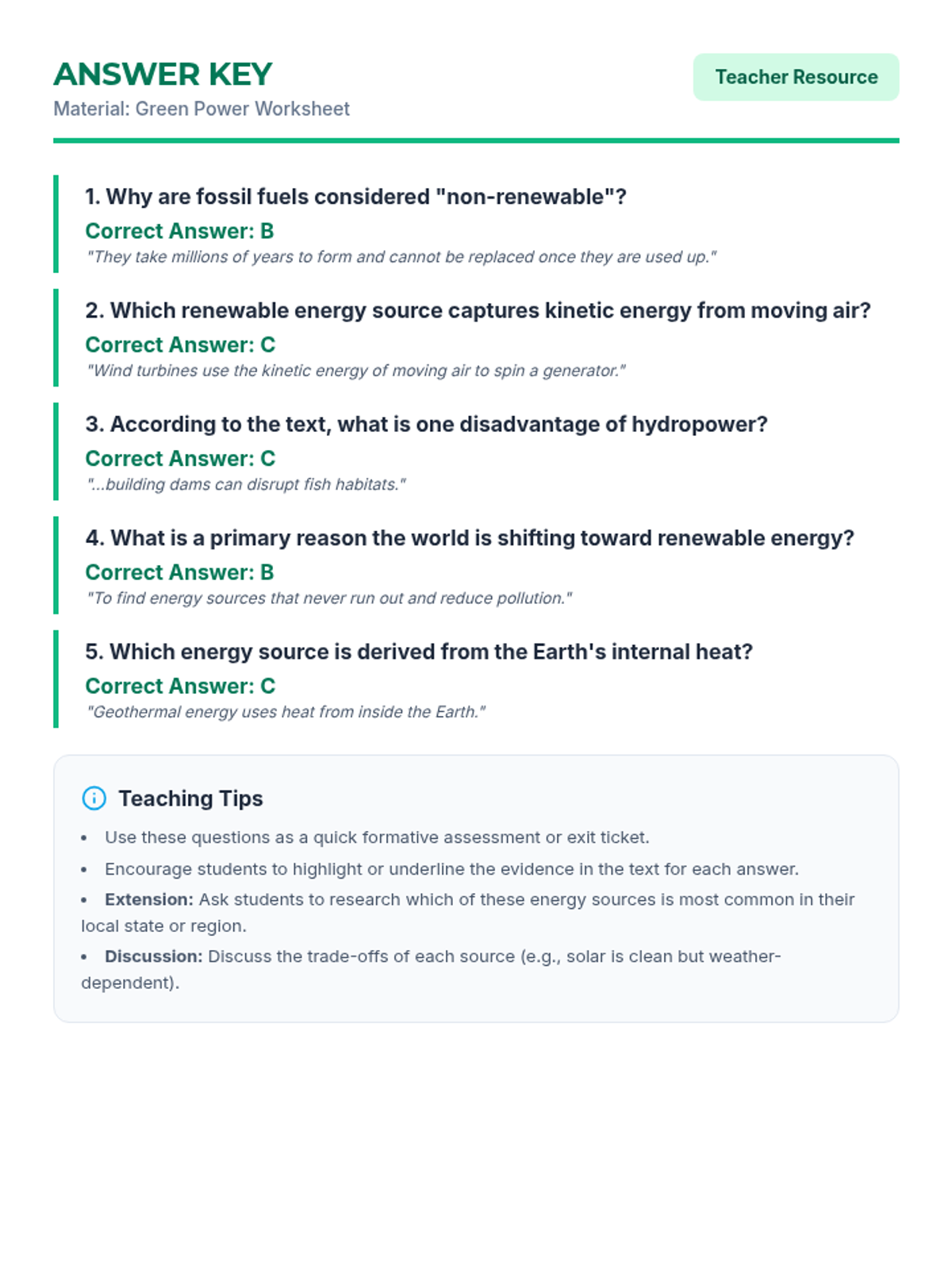
An introductory lesson on renewable and non-renewable energy resources, focusing on the science behind solar, wind, and hydroelectric power. Students will explore how these energy sources work and their impact on the environment.
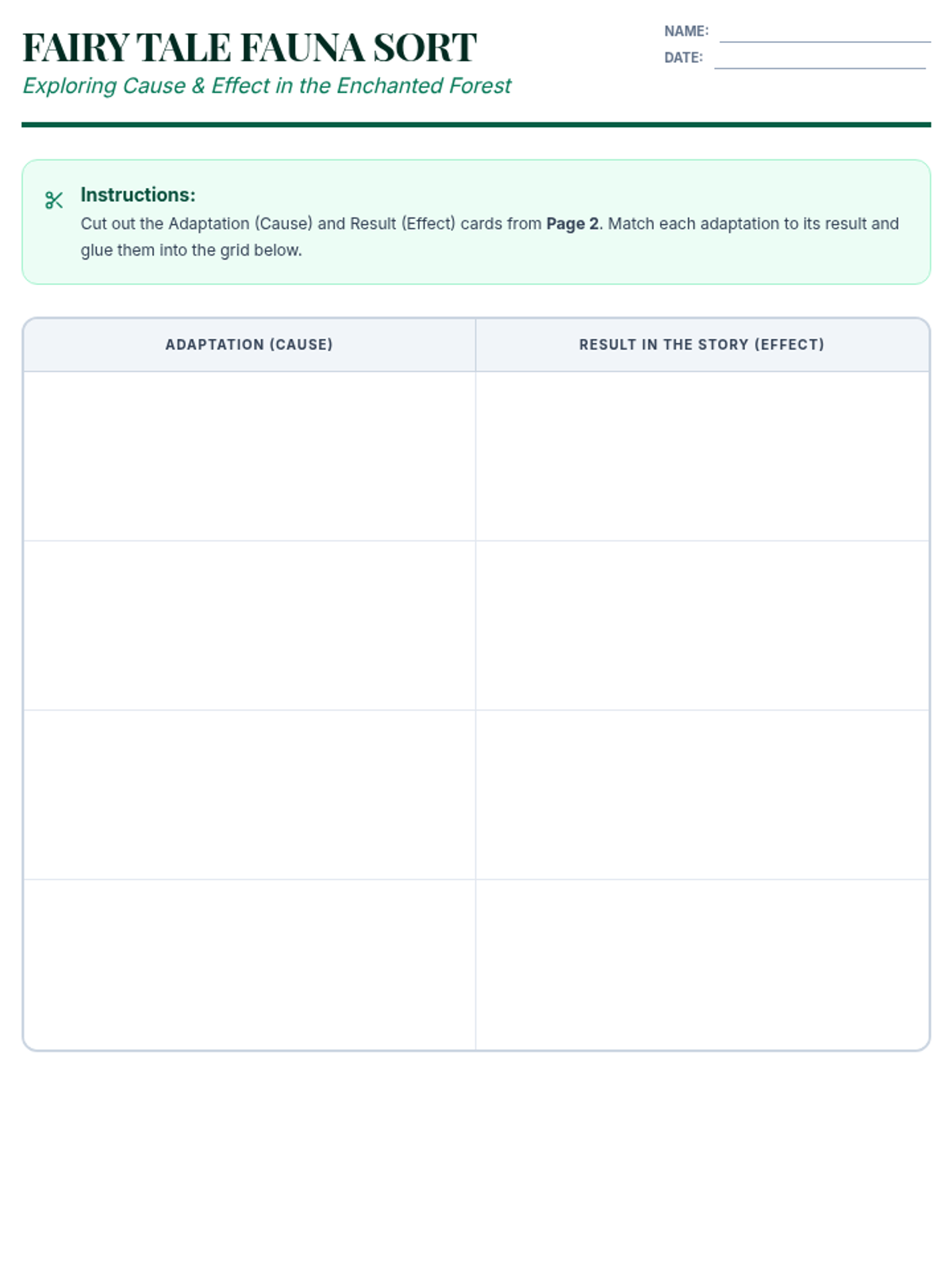
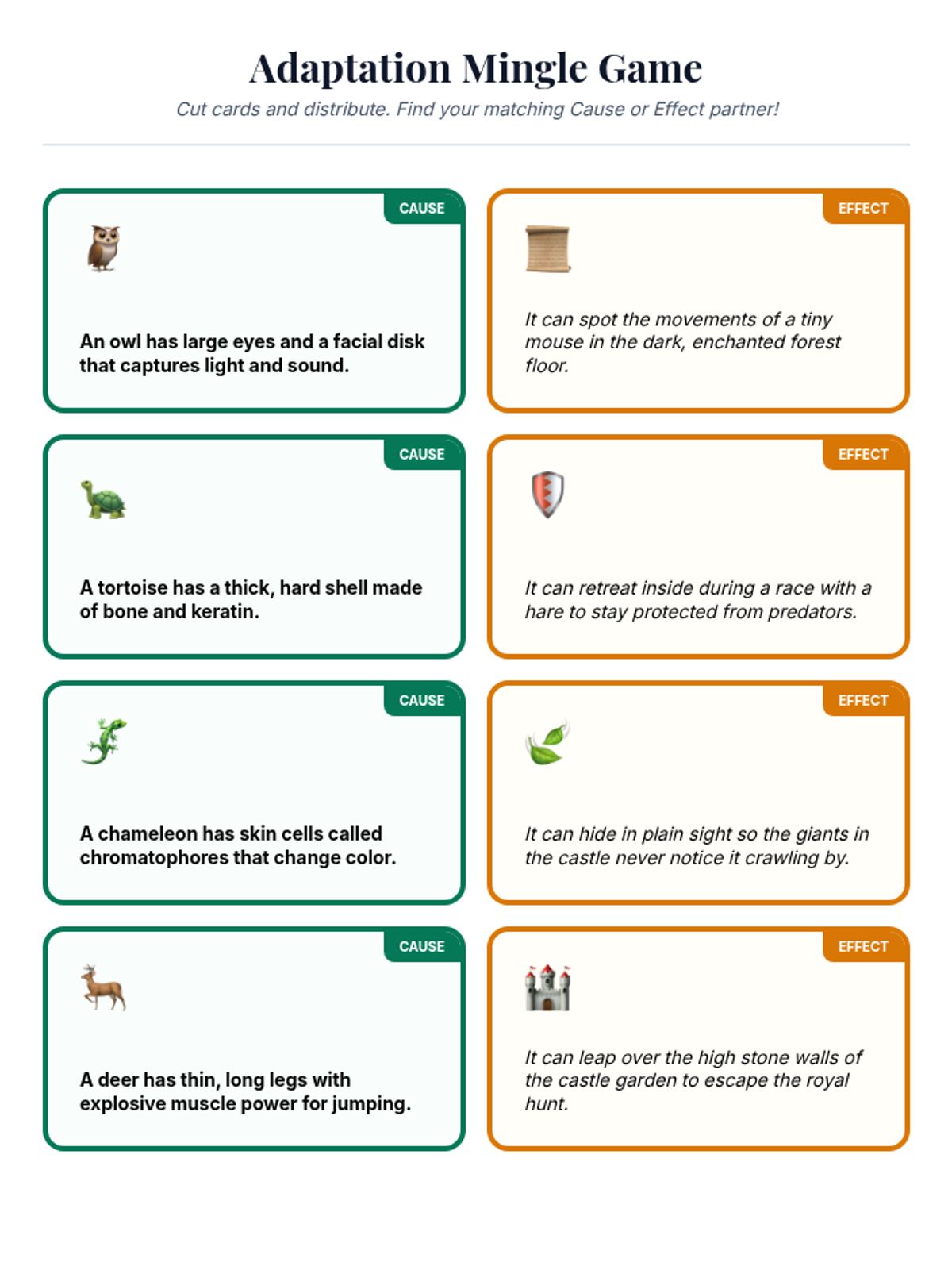
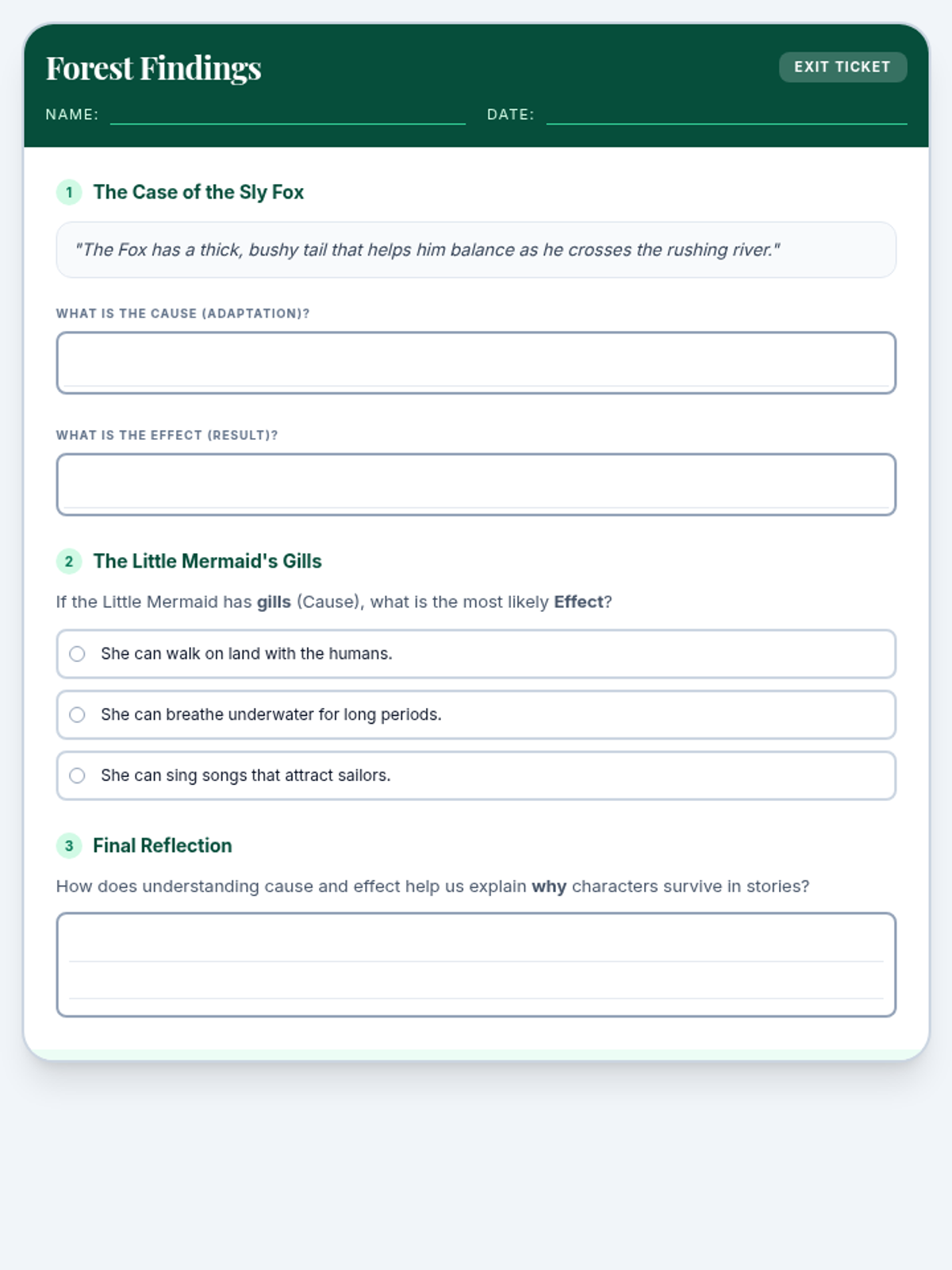
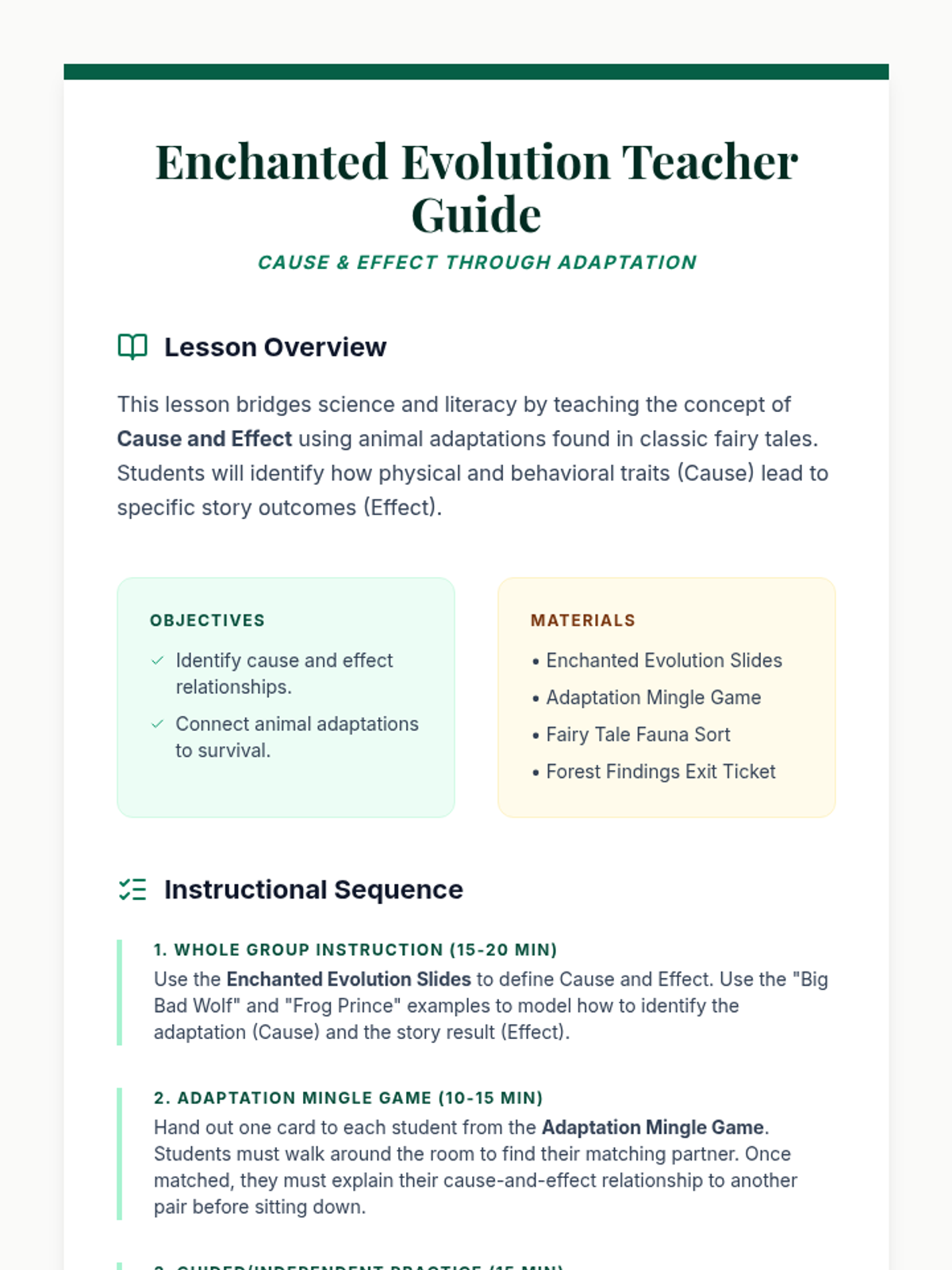
A whole-group lesson where students identify cause and effect relationships by analyzing how animal adaptations help fairy tale creatures survive their stories.
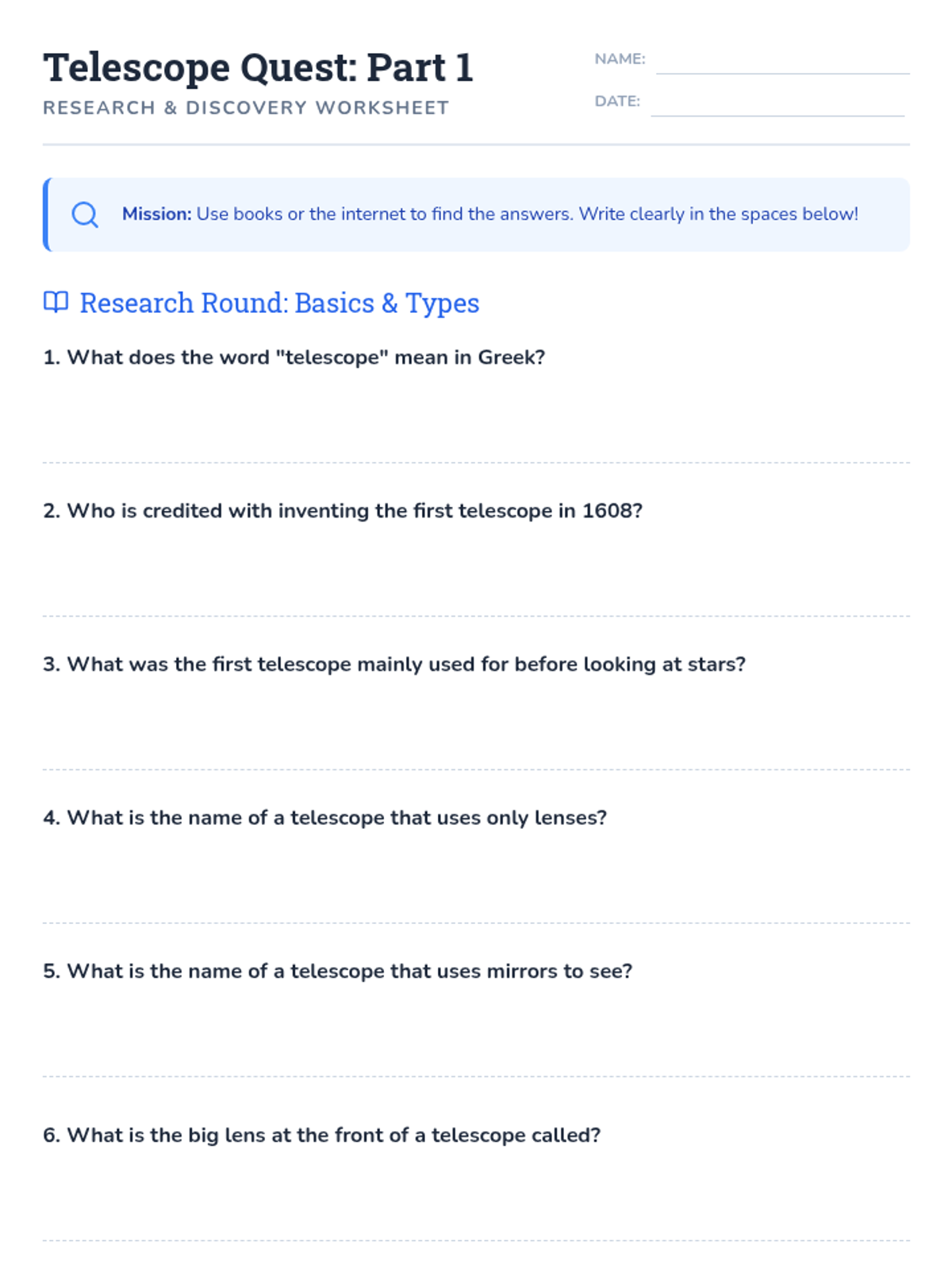
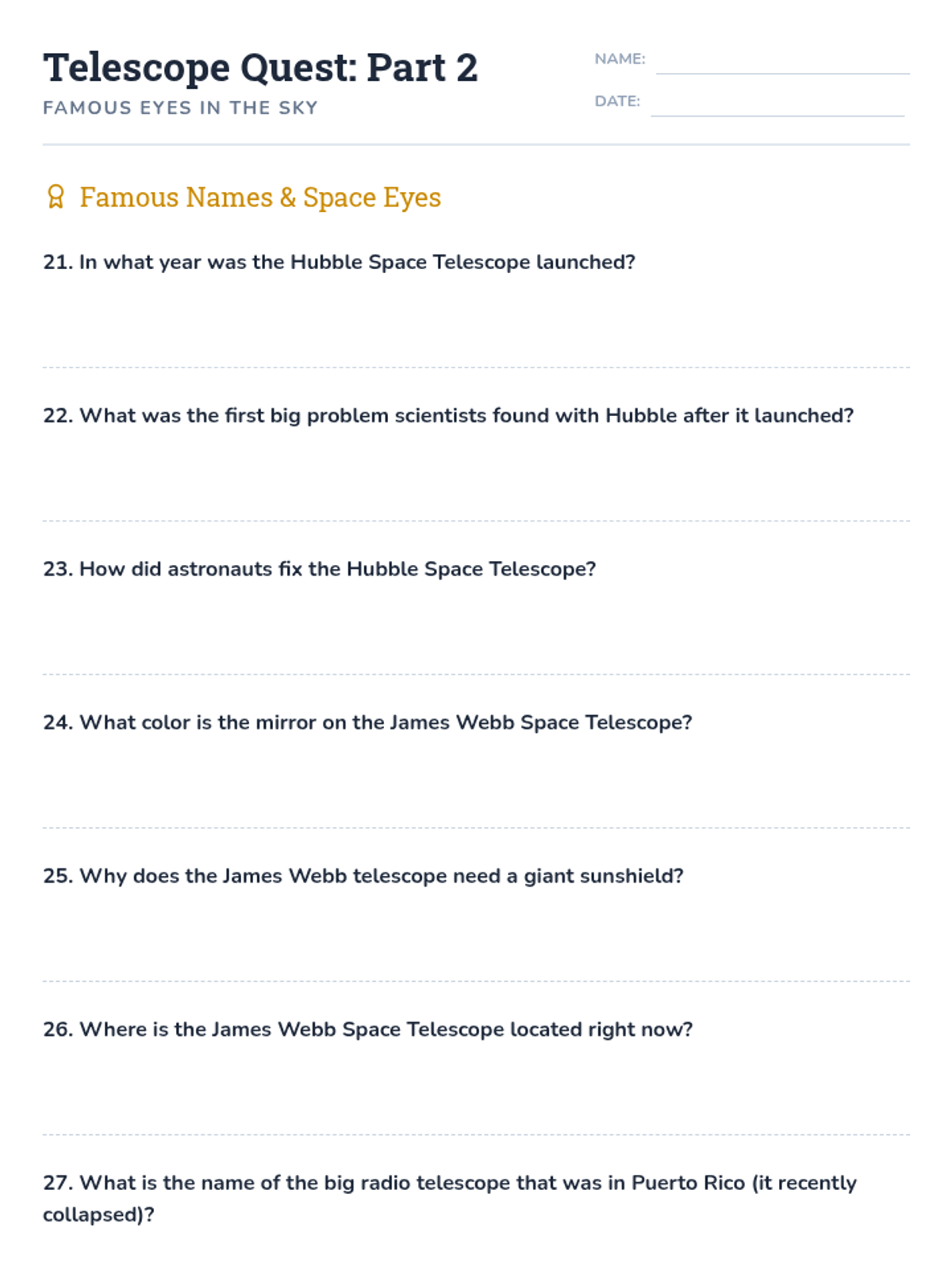
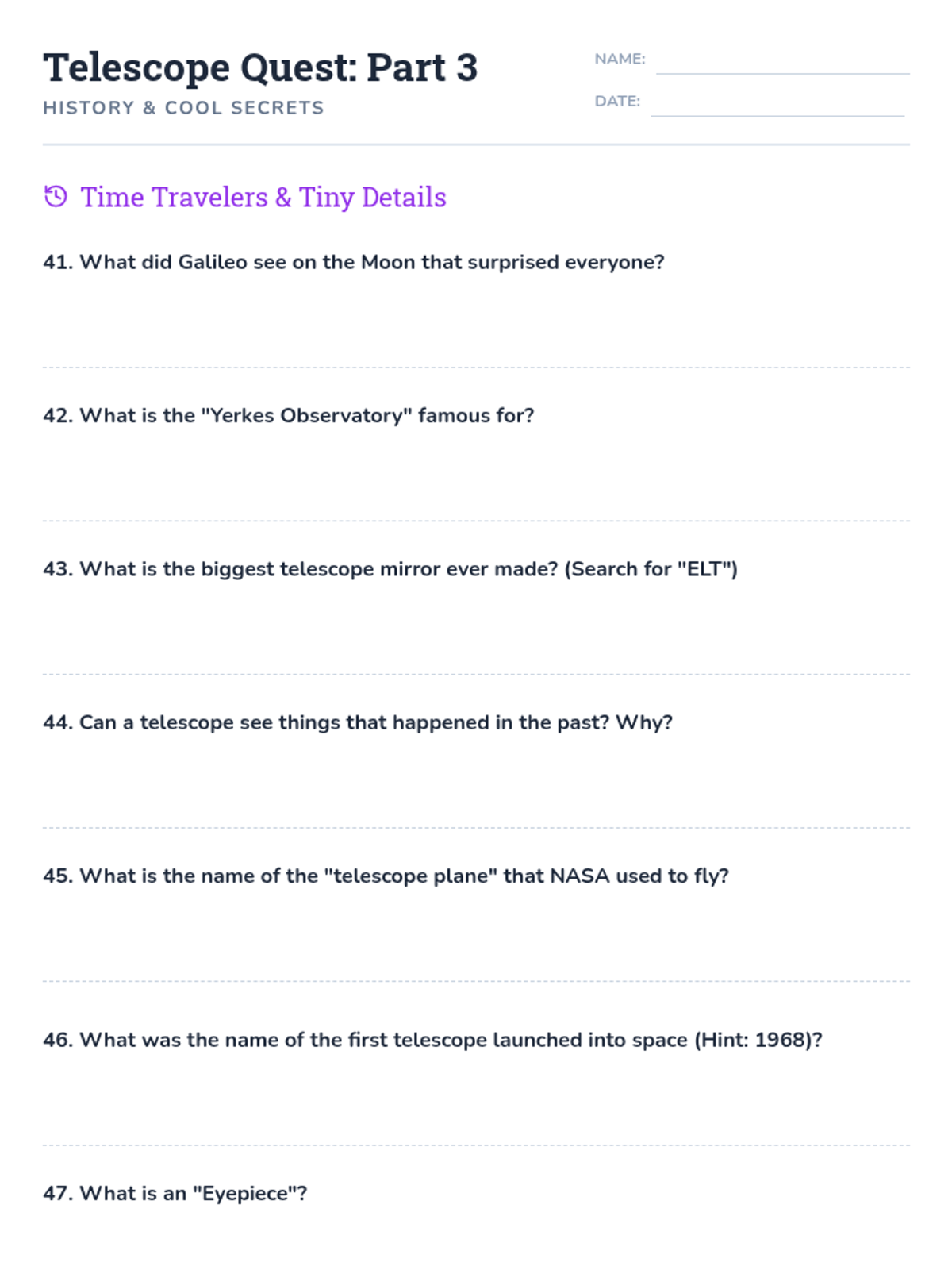
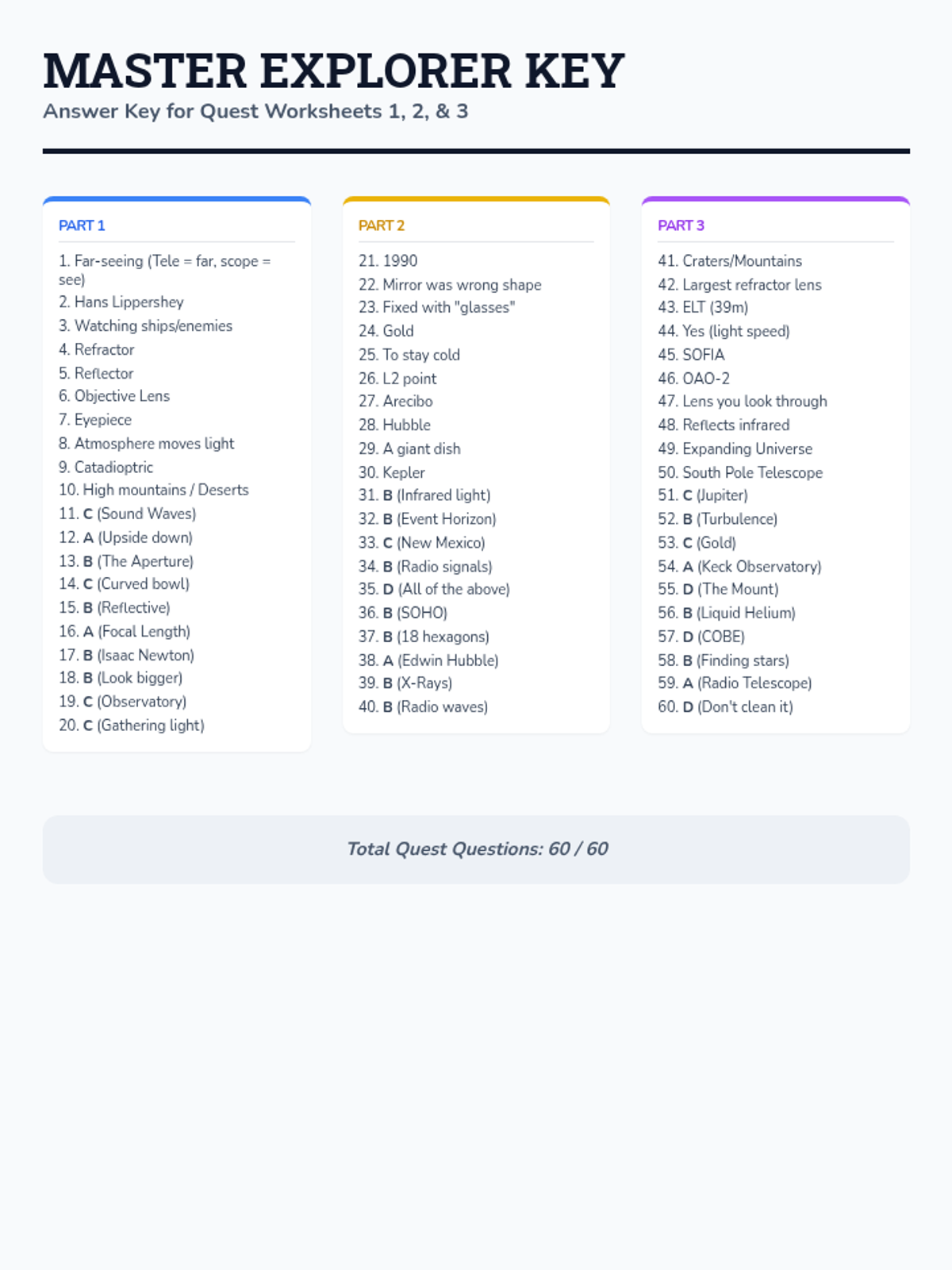
A comprehensive introduction to how telescopes work, their history, and the famous ones that help us see deep into space. Students will explore different types of telescopes through a massive research quest.
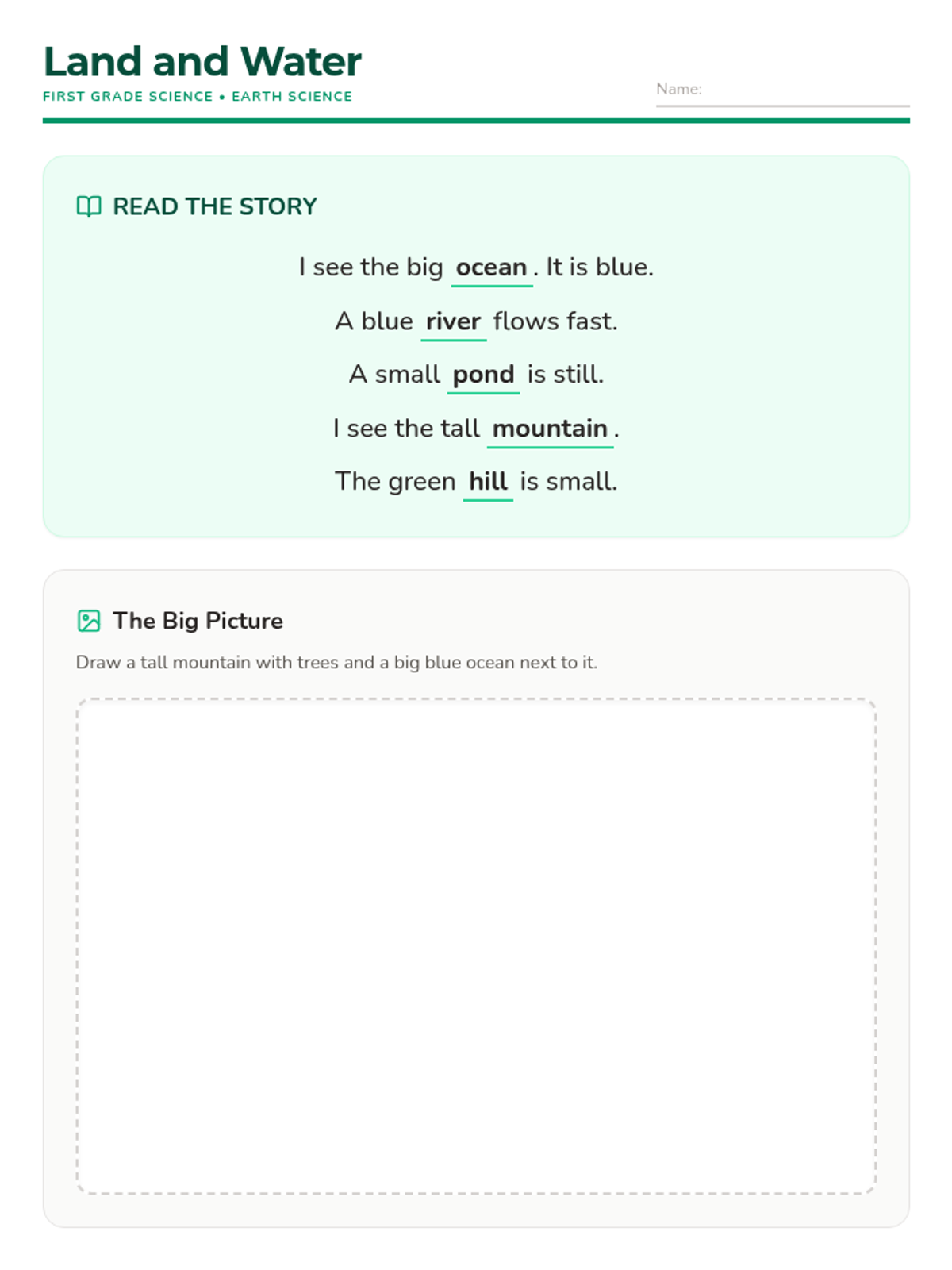
A geography-focused science lesson identifying different types of landforms and bodies of water on Earth.
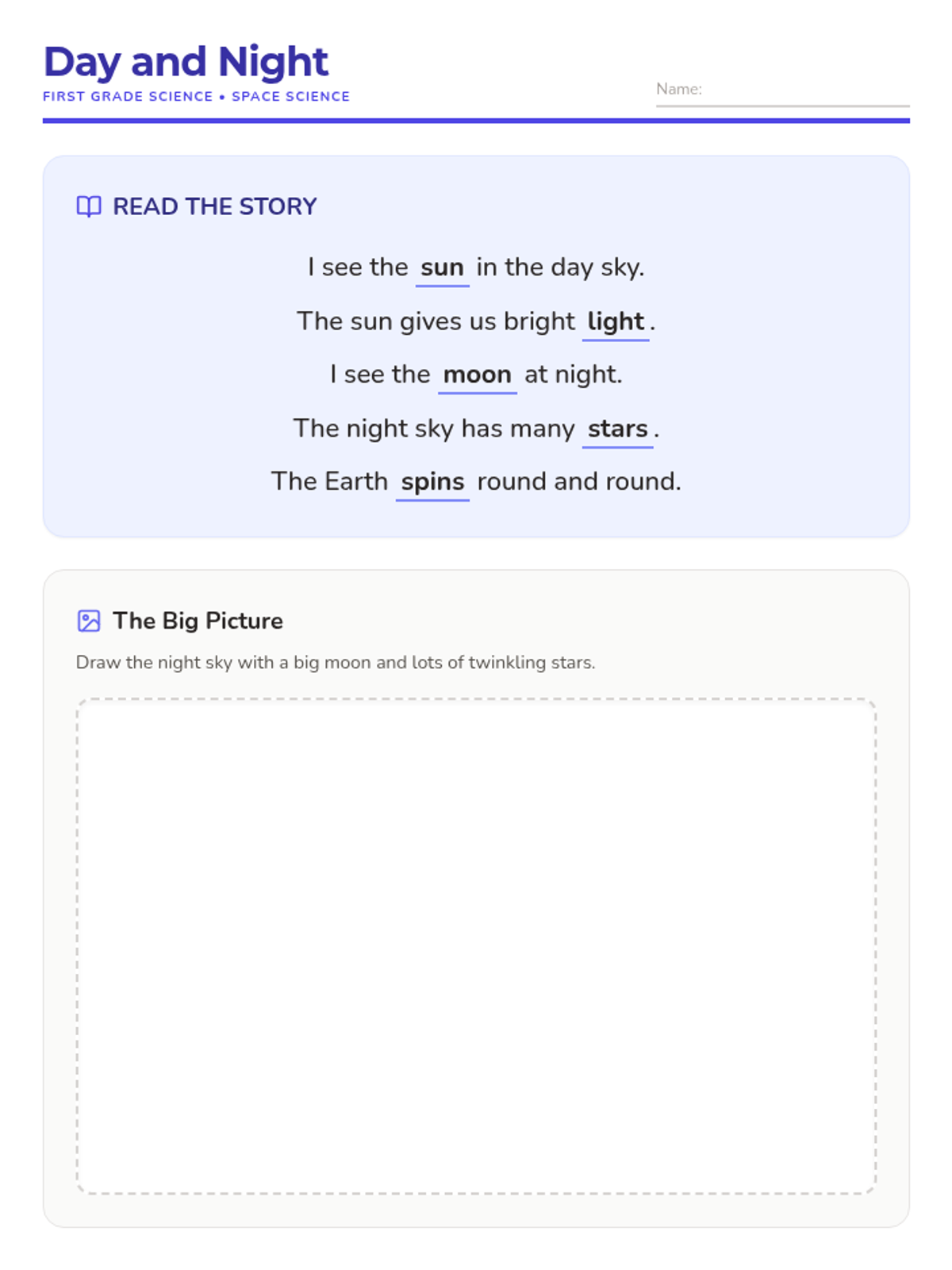
Students explore the concept of Earth's rotation through the visible patterns of day and night.
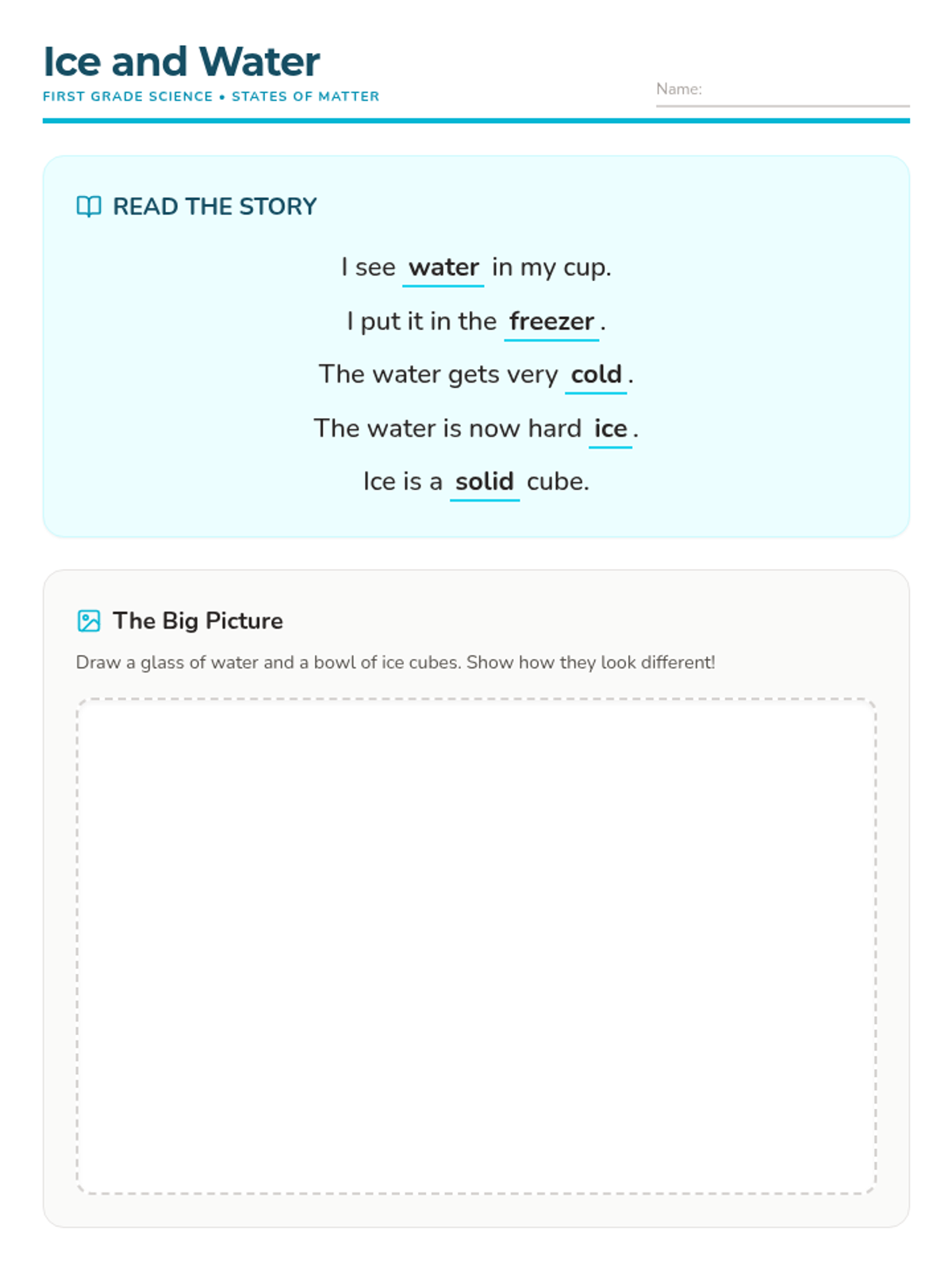
An introduction to the states of matter by observing how water changes from liquid to solid.
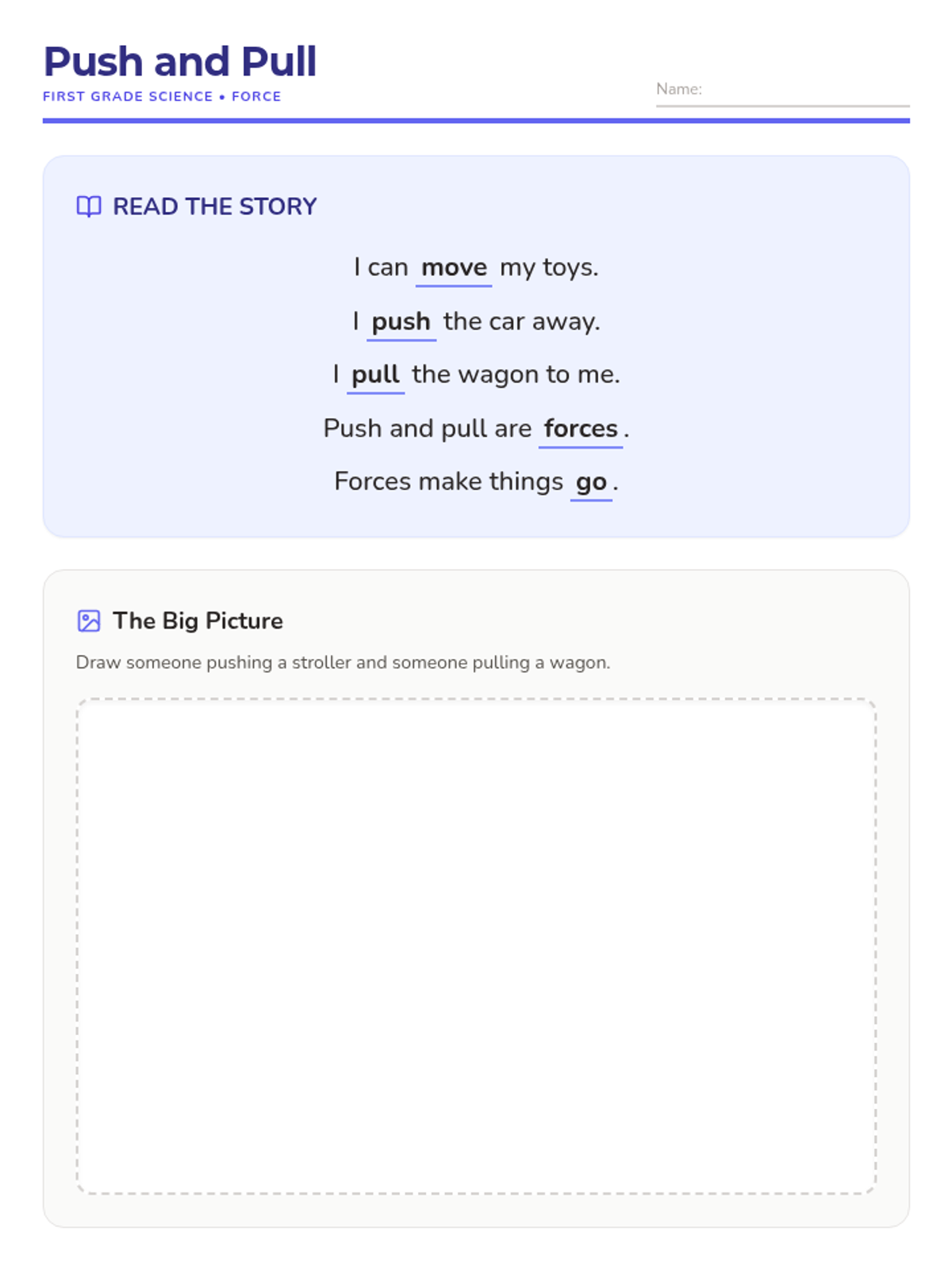
A basic physics lesson on force, teaching students about pushes and pulls using everyday objects.
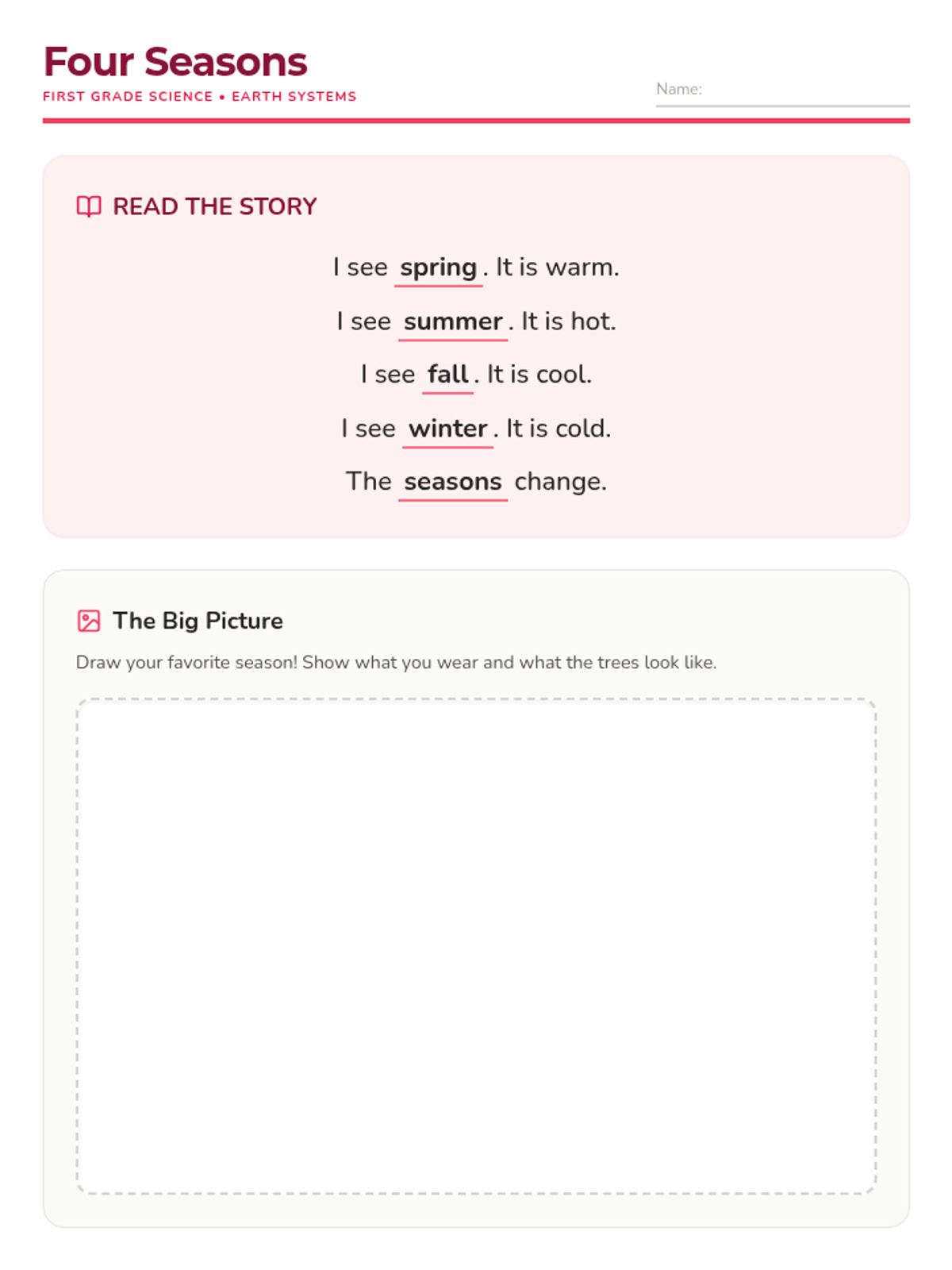
Students identify the four seasons and the primary environmental changes associated with each.
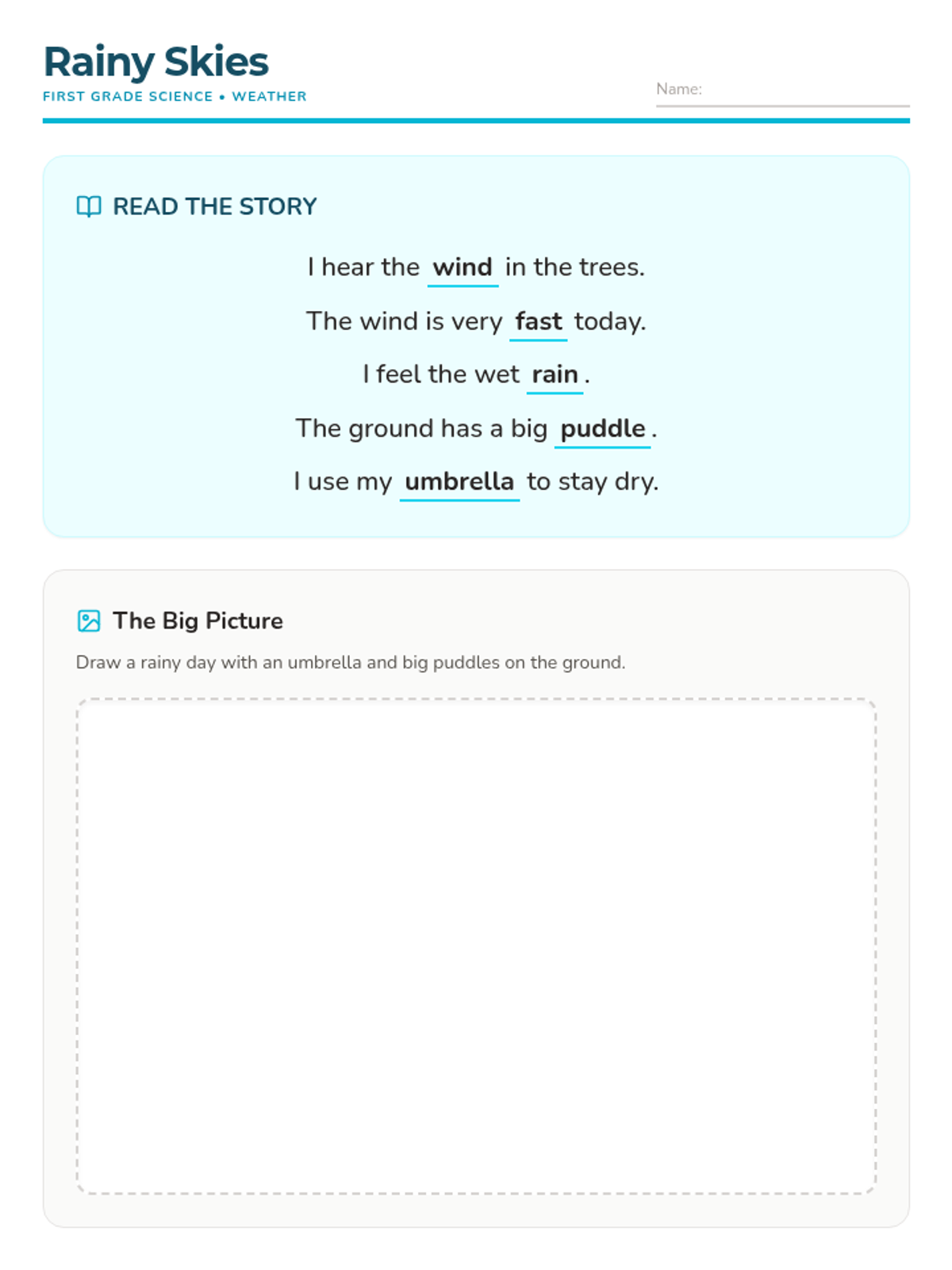
An exploration of dynamic weather elements like wind and precipitation and their effects.
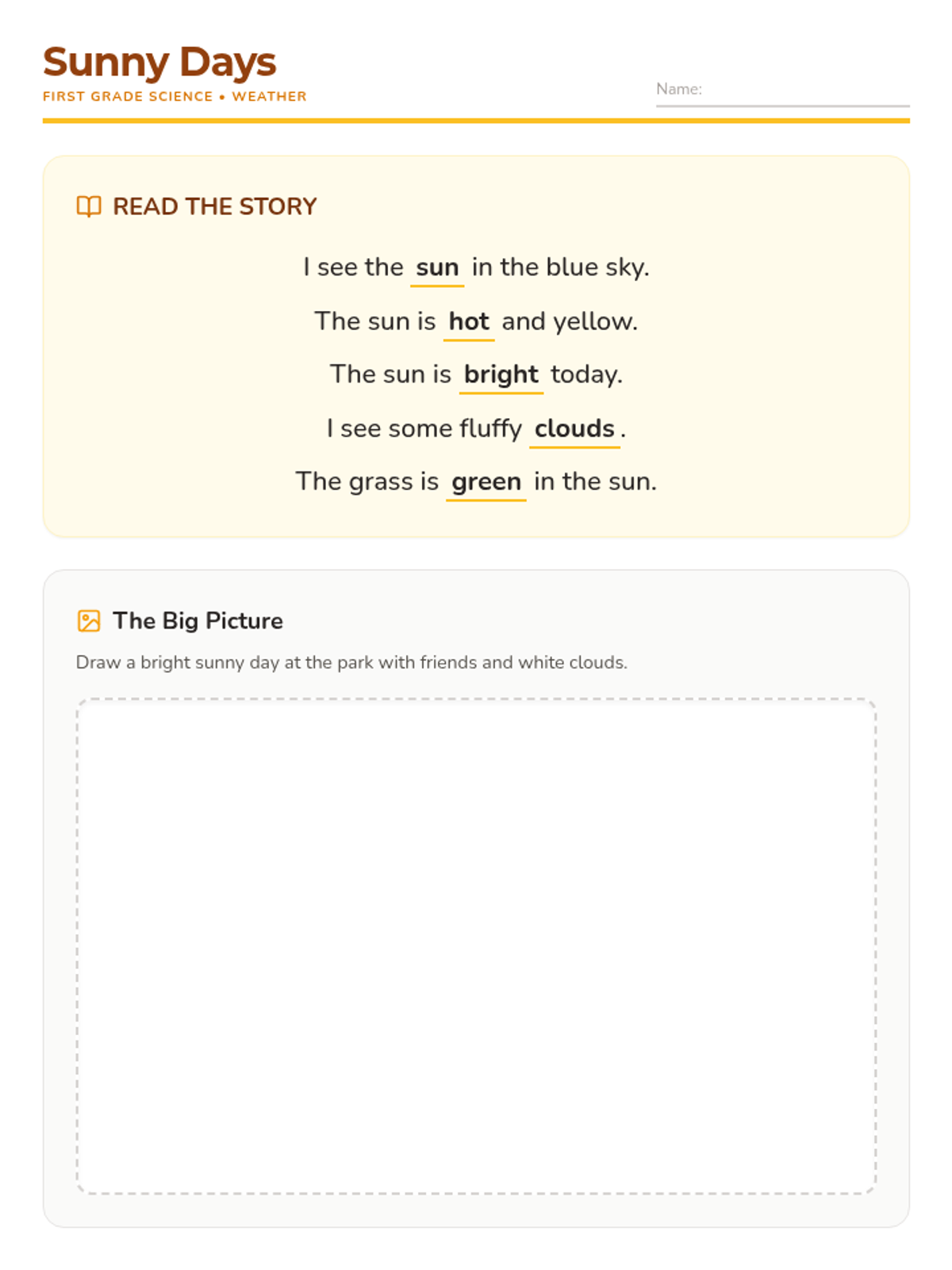
A look at basic weather patterns, focusing on the characteristics of sunny and cloudy days.
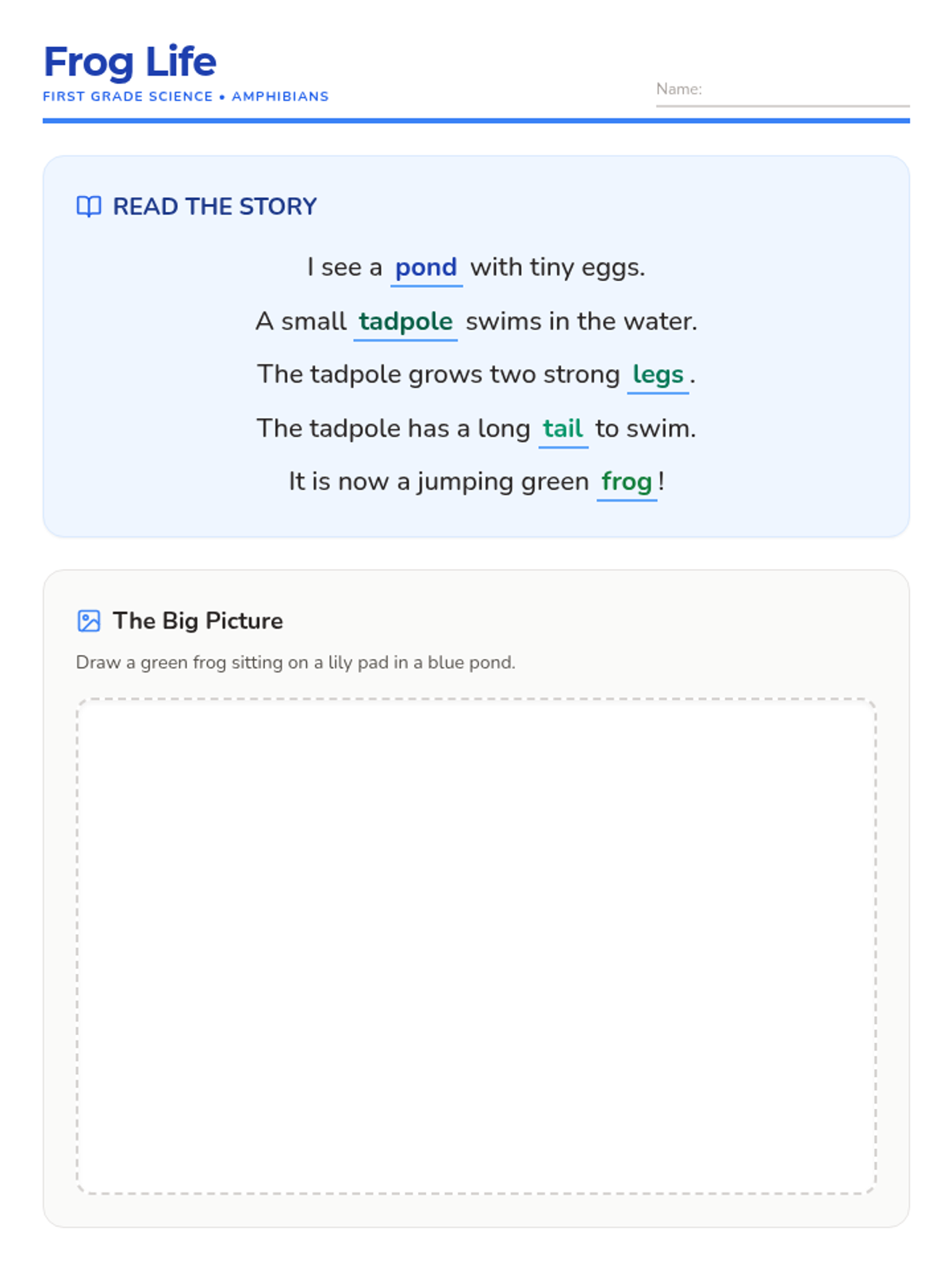
Students explore the stages of a frog's life cycle, from eggs in the water to a jumping adult.
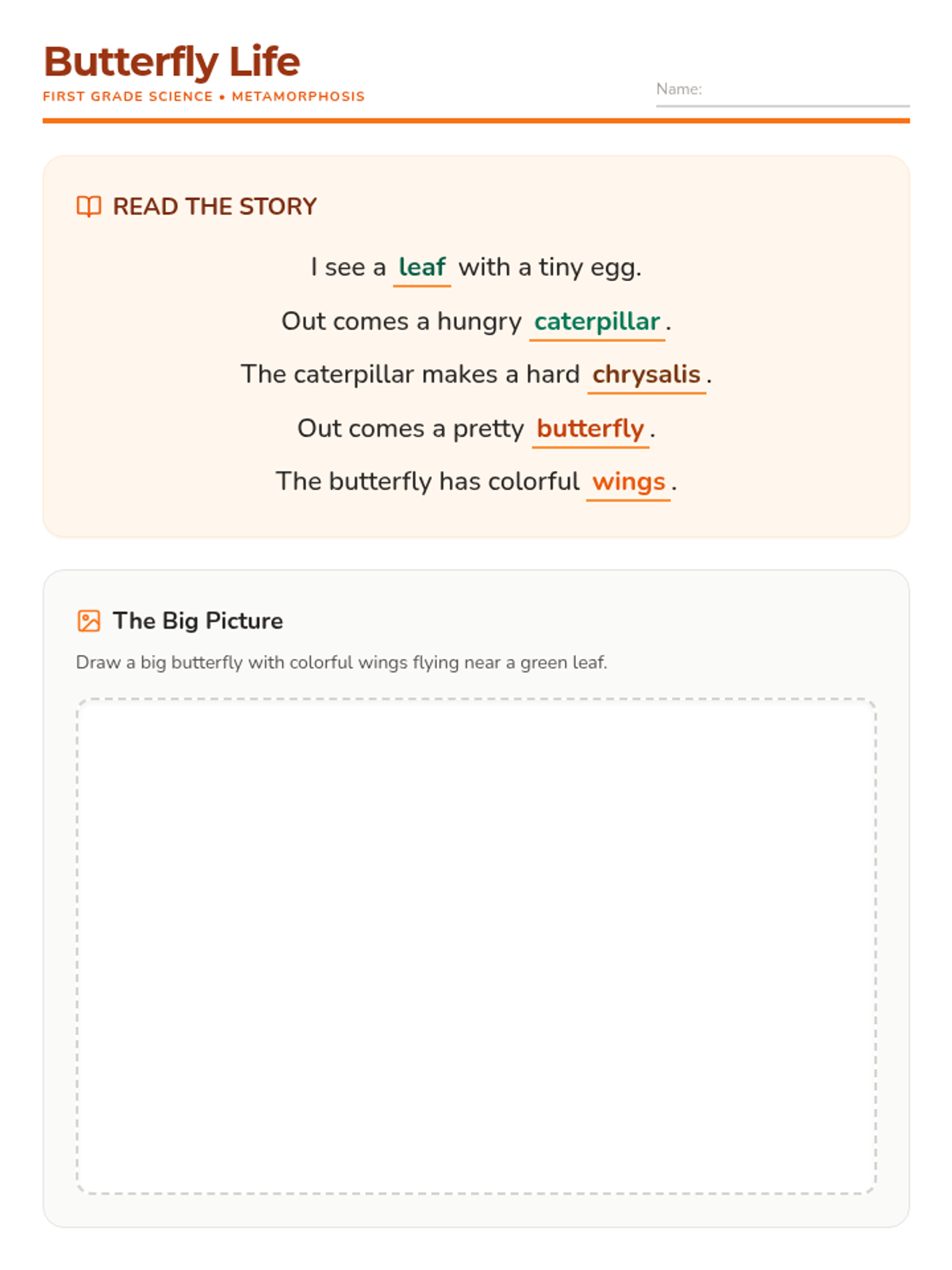
An introduction to metamorphosis as students follow a caterpillar's transformation into a butterfly.
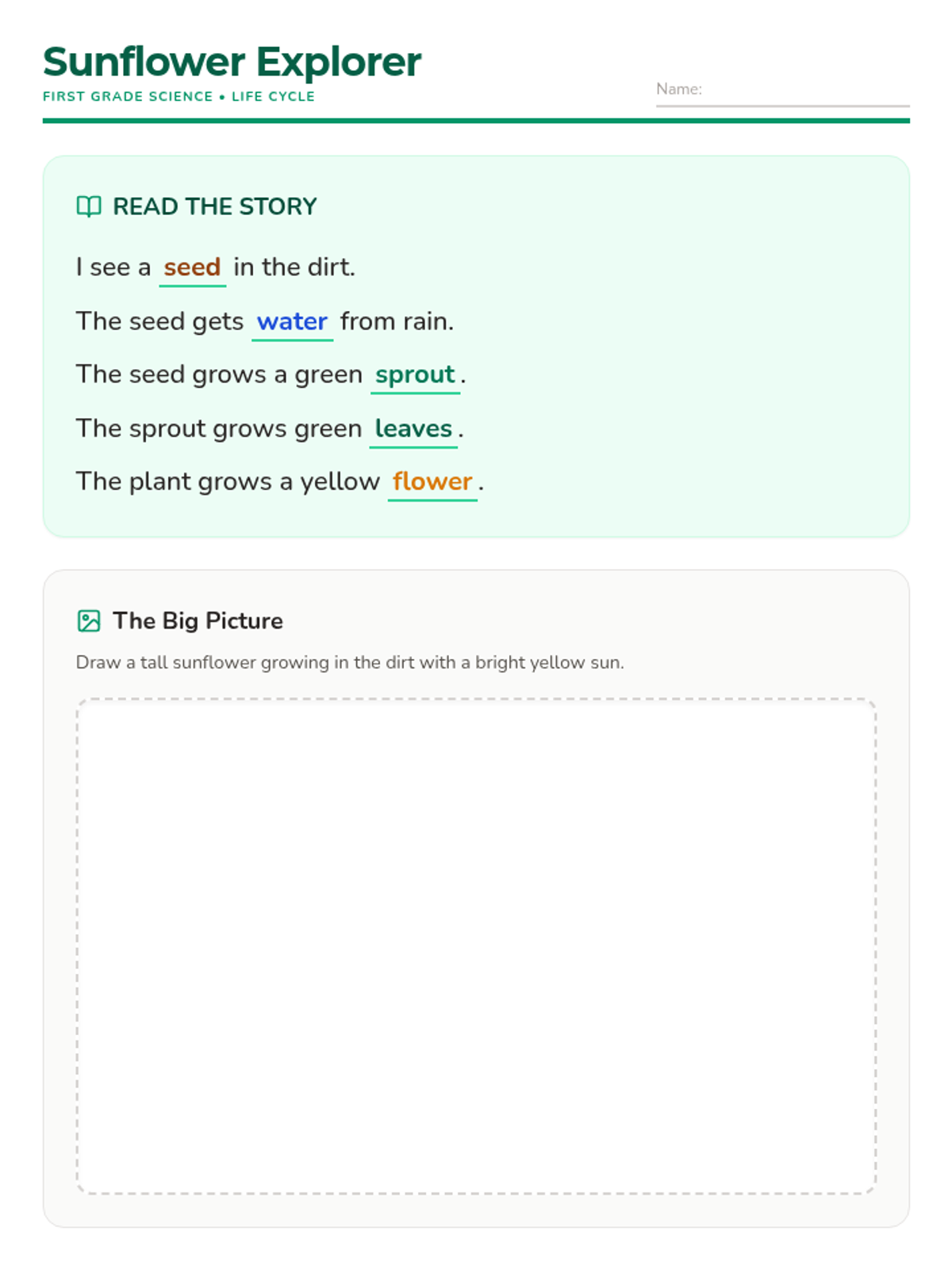
Students learn about the plant life cycle using a sunflower as a model, focusing on the stages from seed to flower.
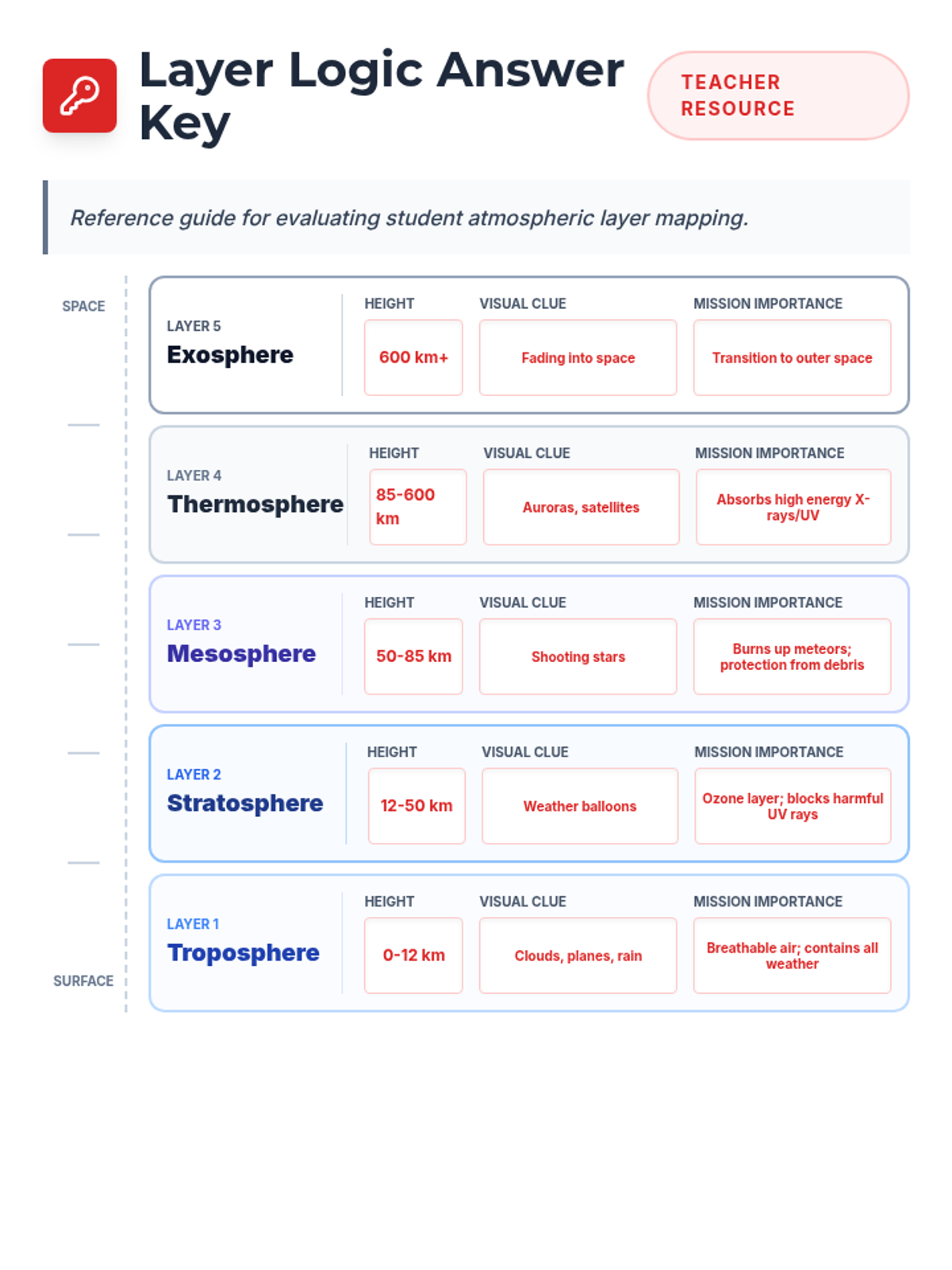
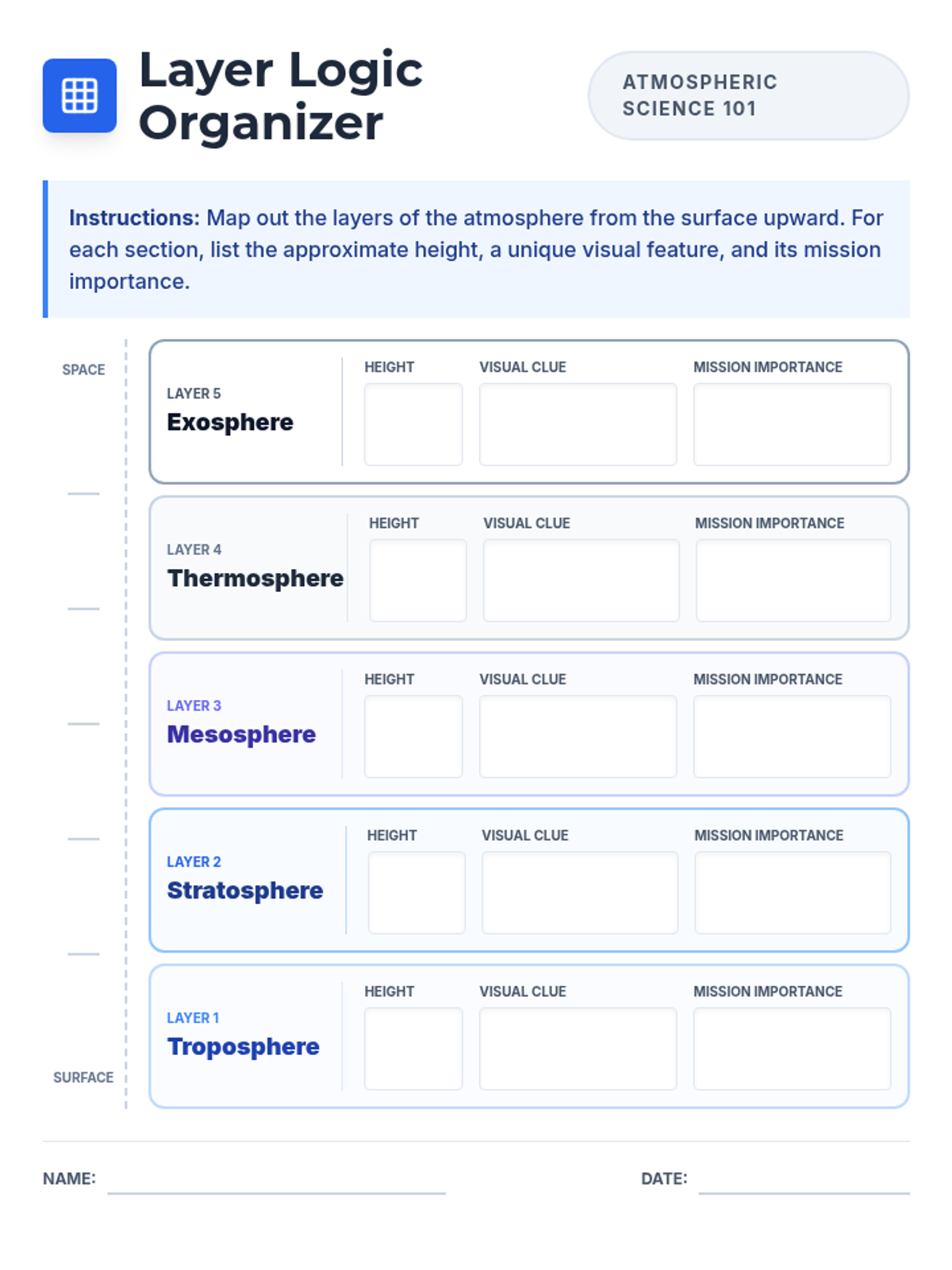
A comprehensive review of Earth's atmospheric layers, the crucial role of the ozone layer, and the chemical impact of CFCs on our planetary shield.
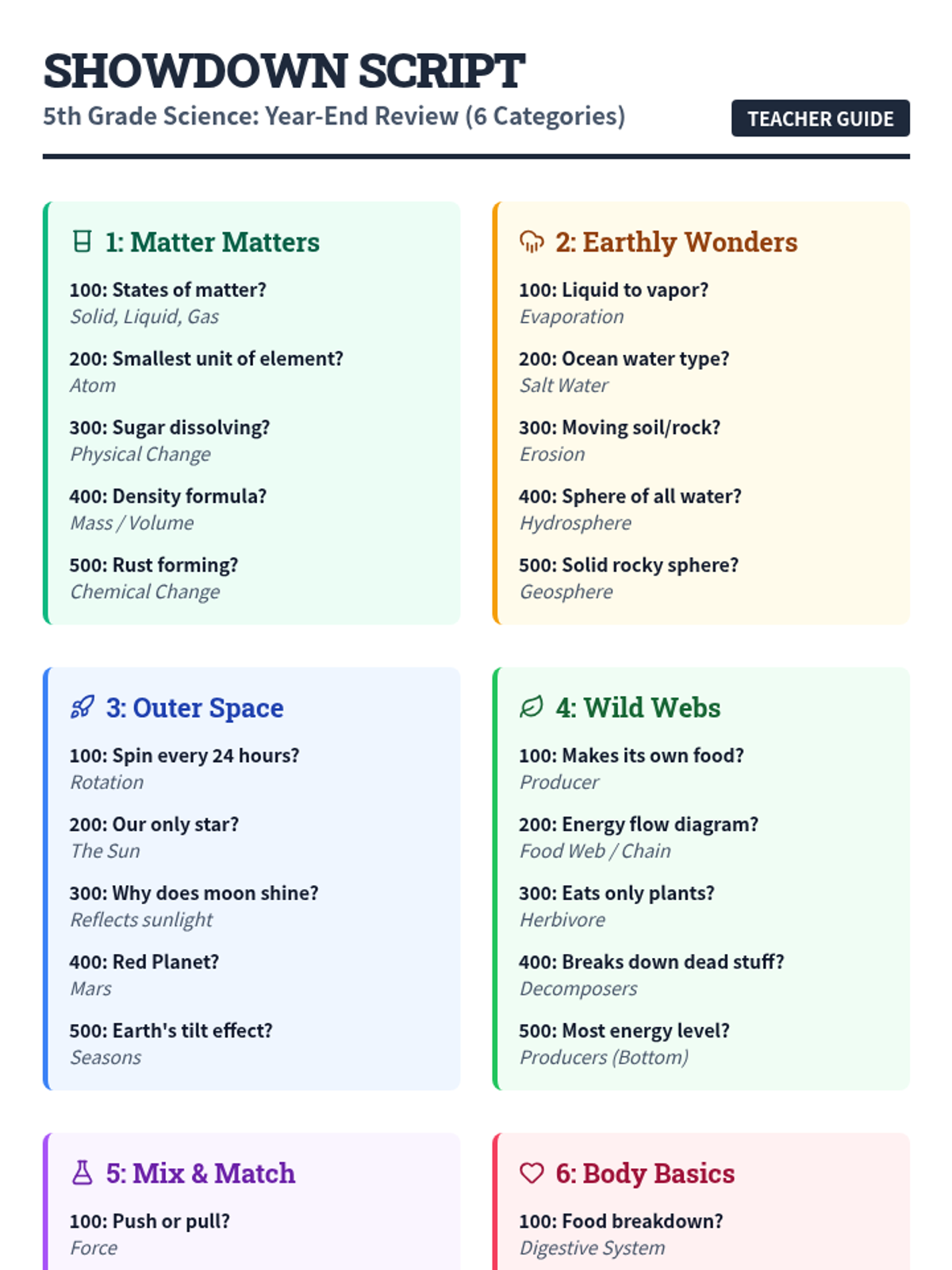
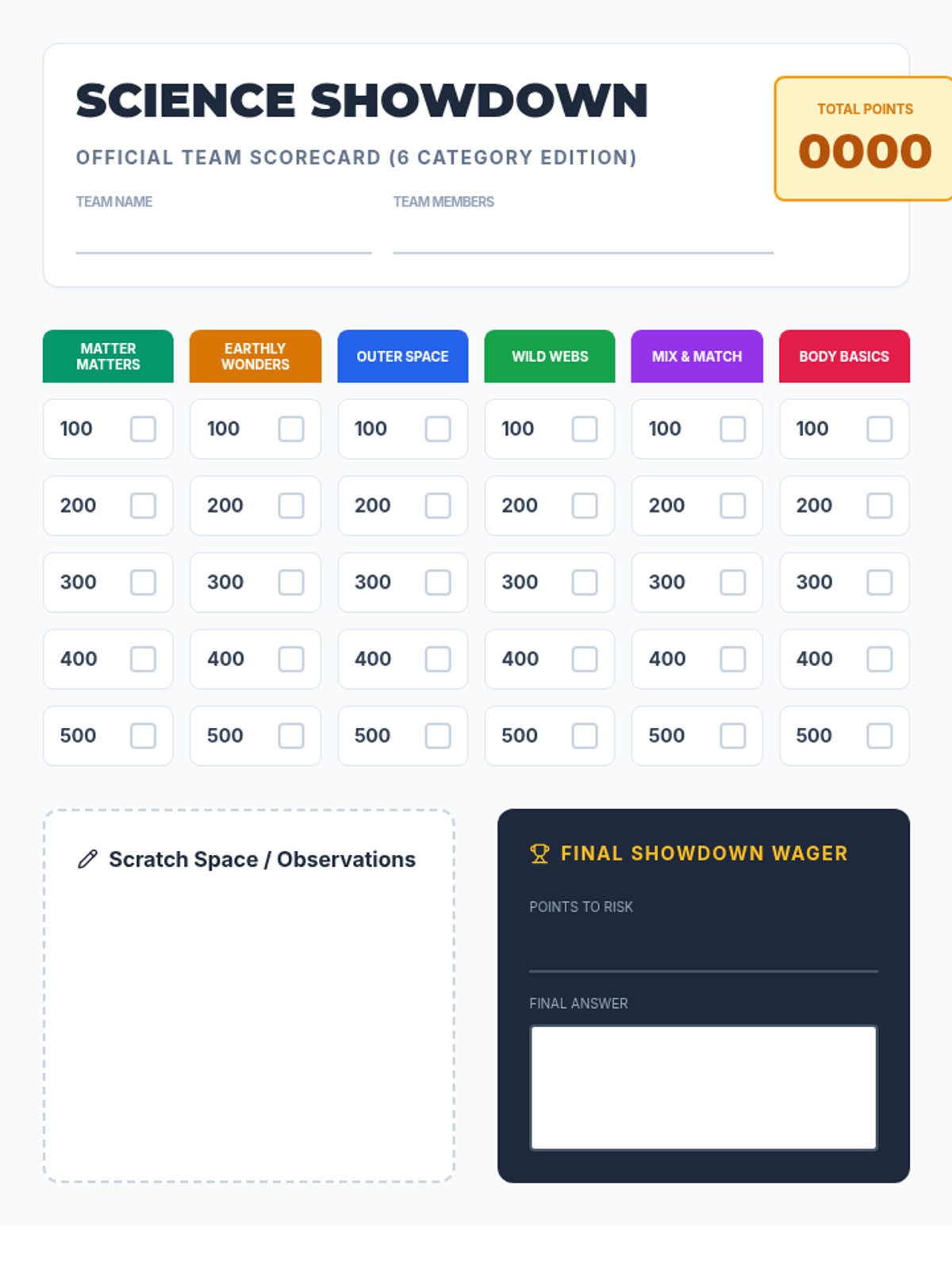
A comprehensive year-end science review for 5th grade designed as a high-energy Jeopardy-style game. This lesson covers matter, Earth systems, space, ecosystems, and scientific inquiry to prepare students for end-of-year assessments.