Connecting structural geometry and conformational requirements to gas-phase fragmentation pathways in mass spectrometry, specifically focusing on rearrangement mechanisms like the McLafferty rearrangement.
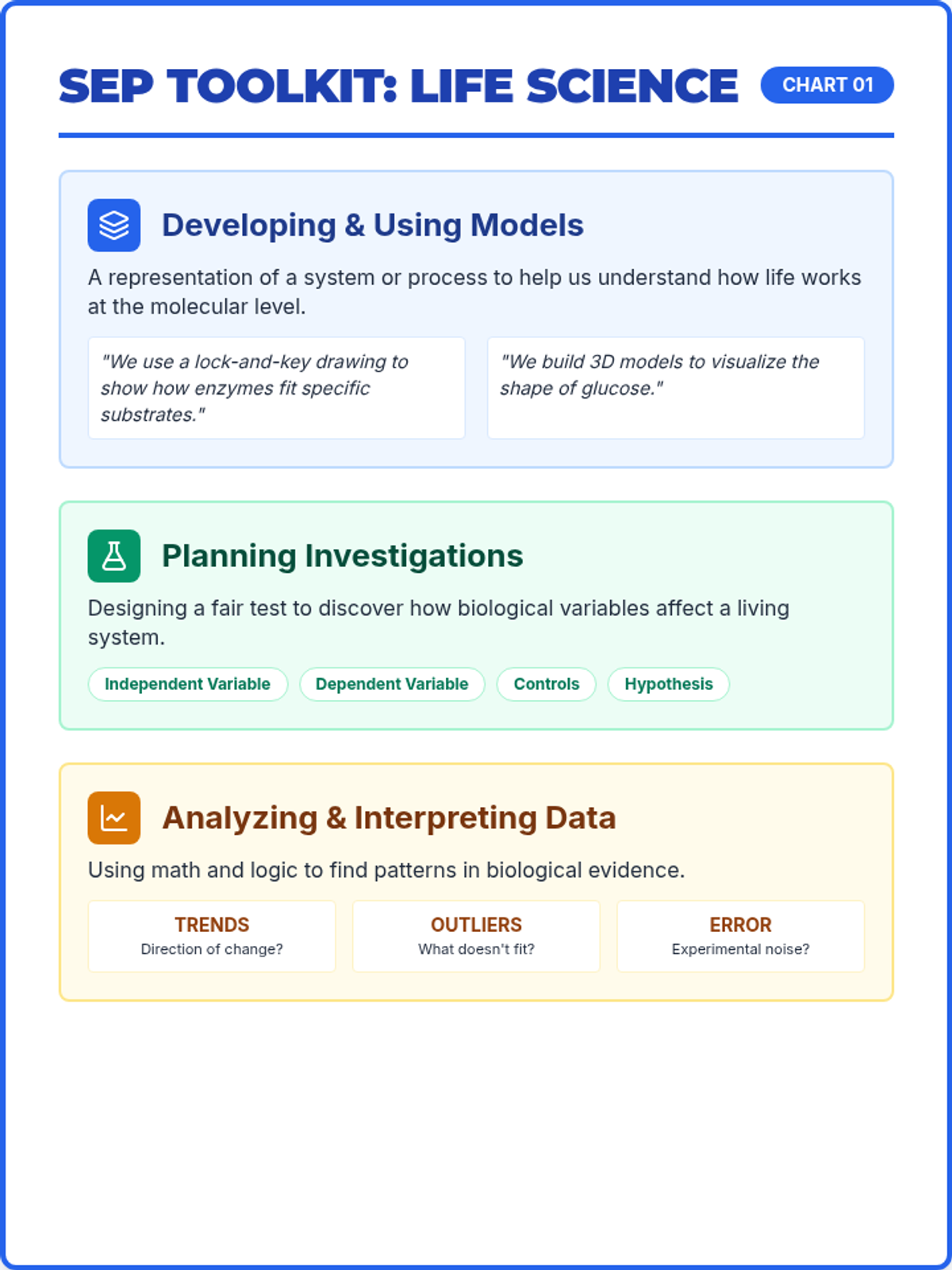
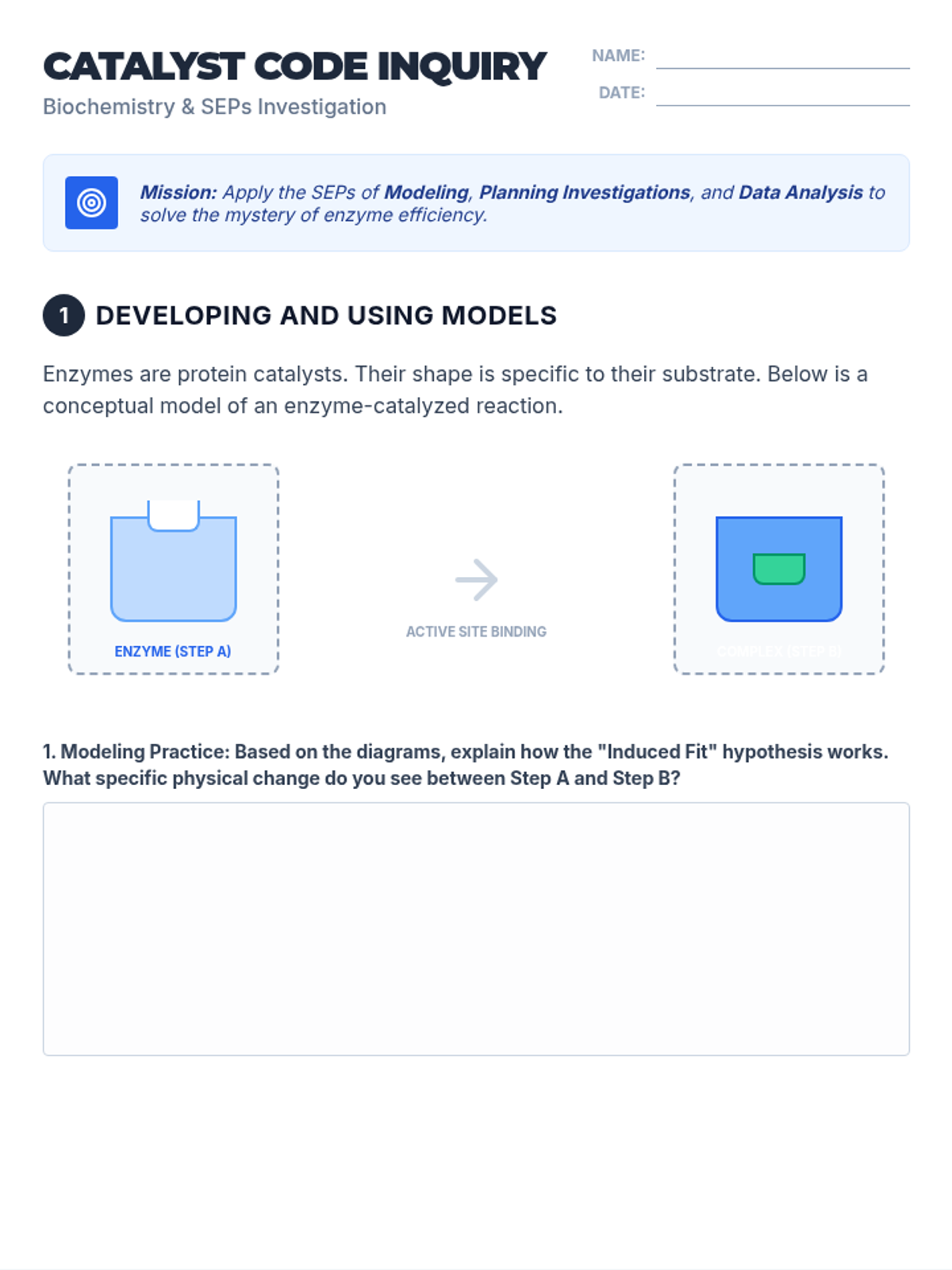
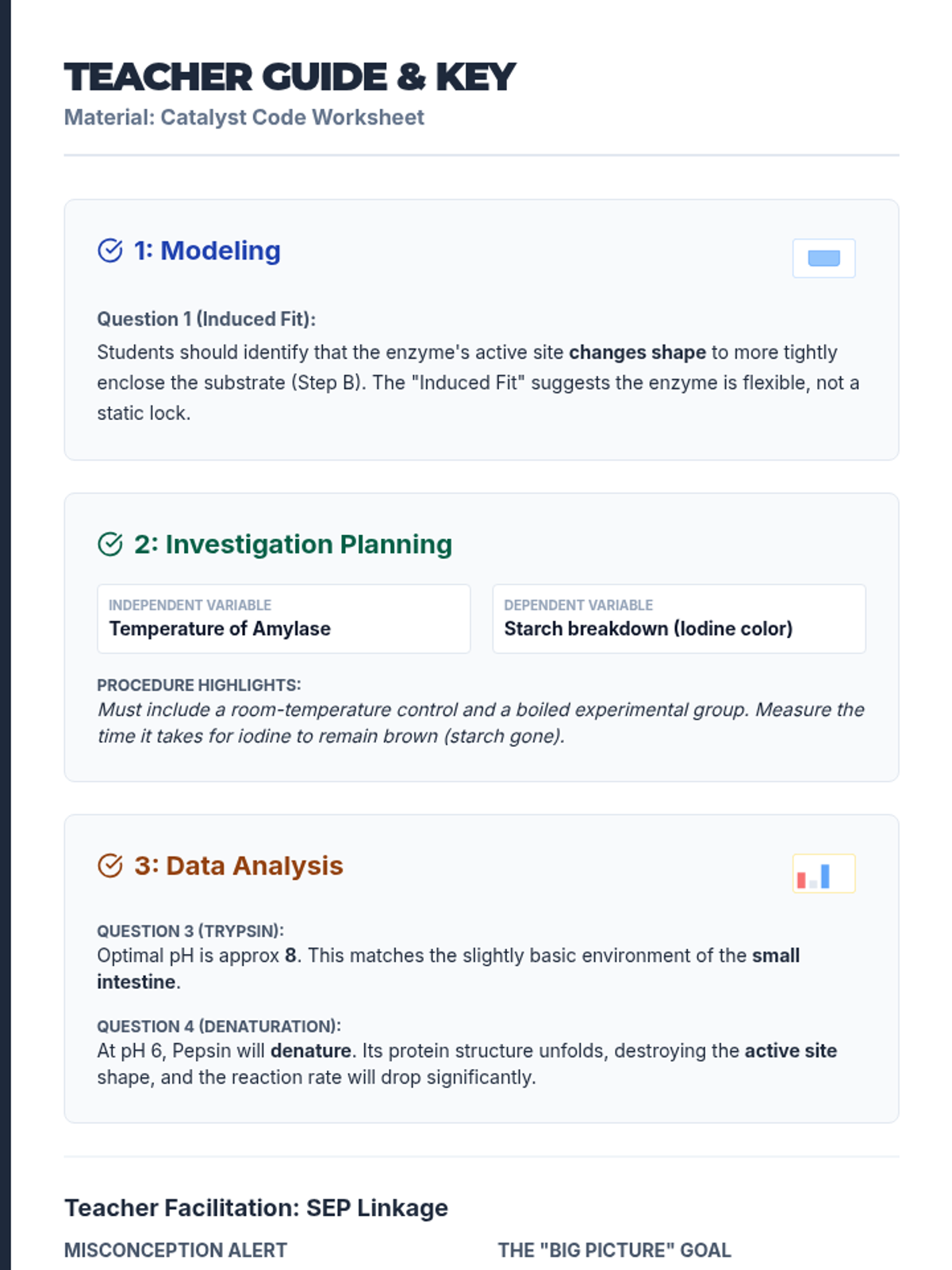
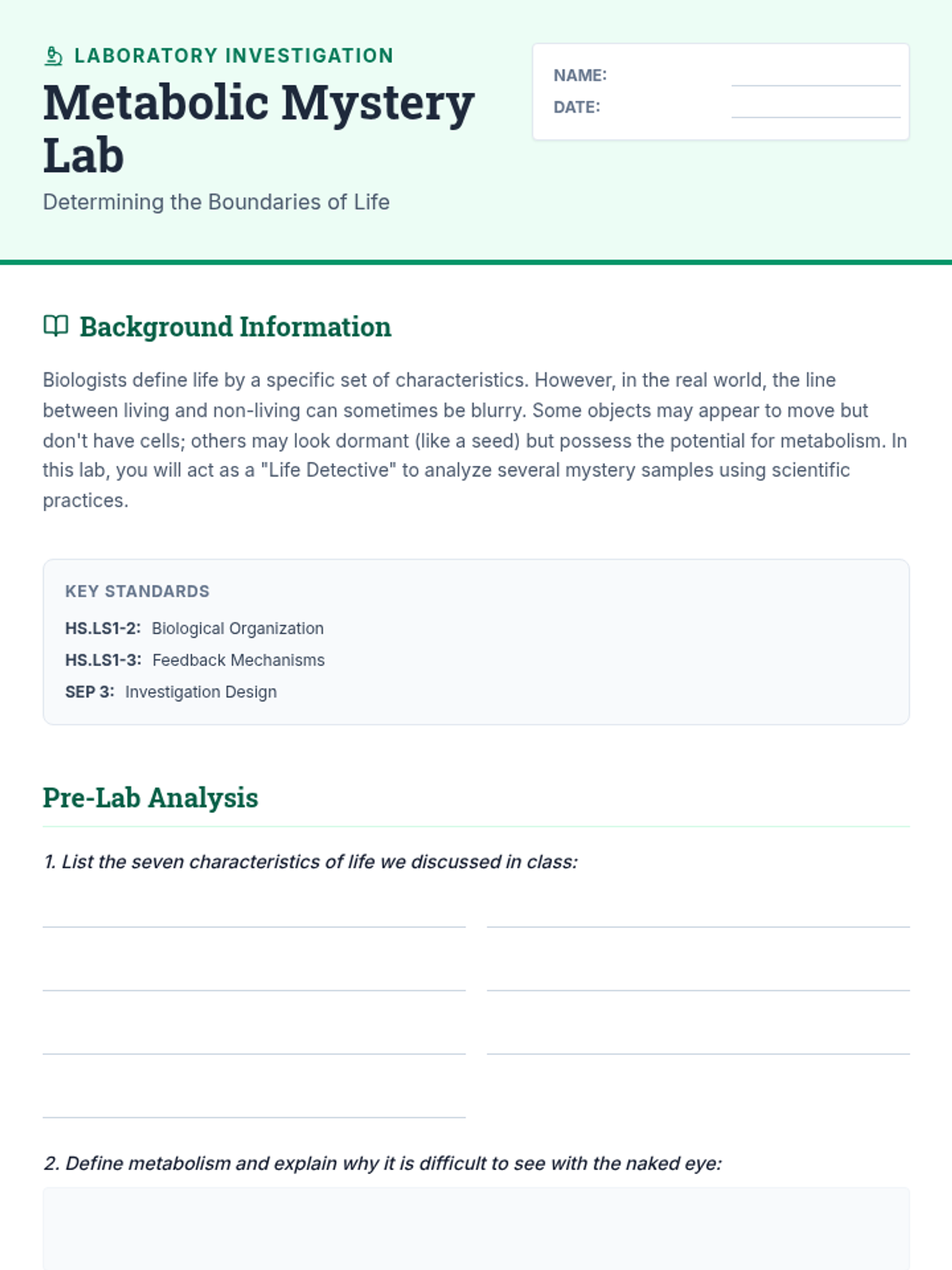
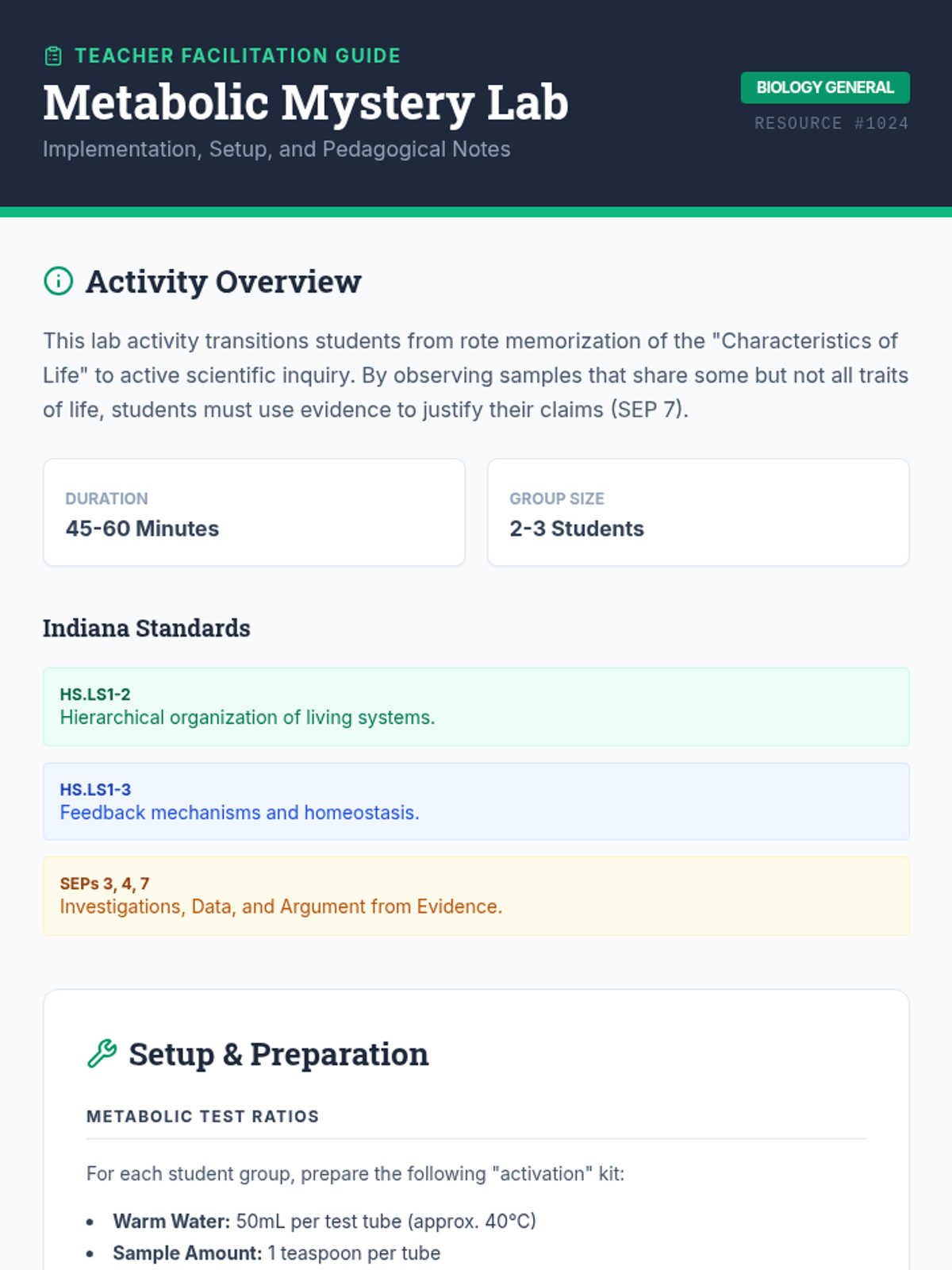
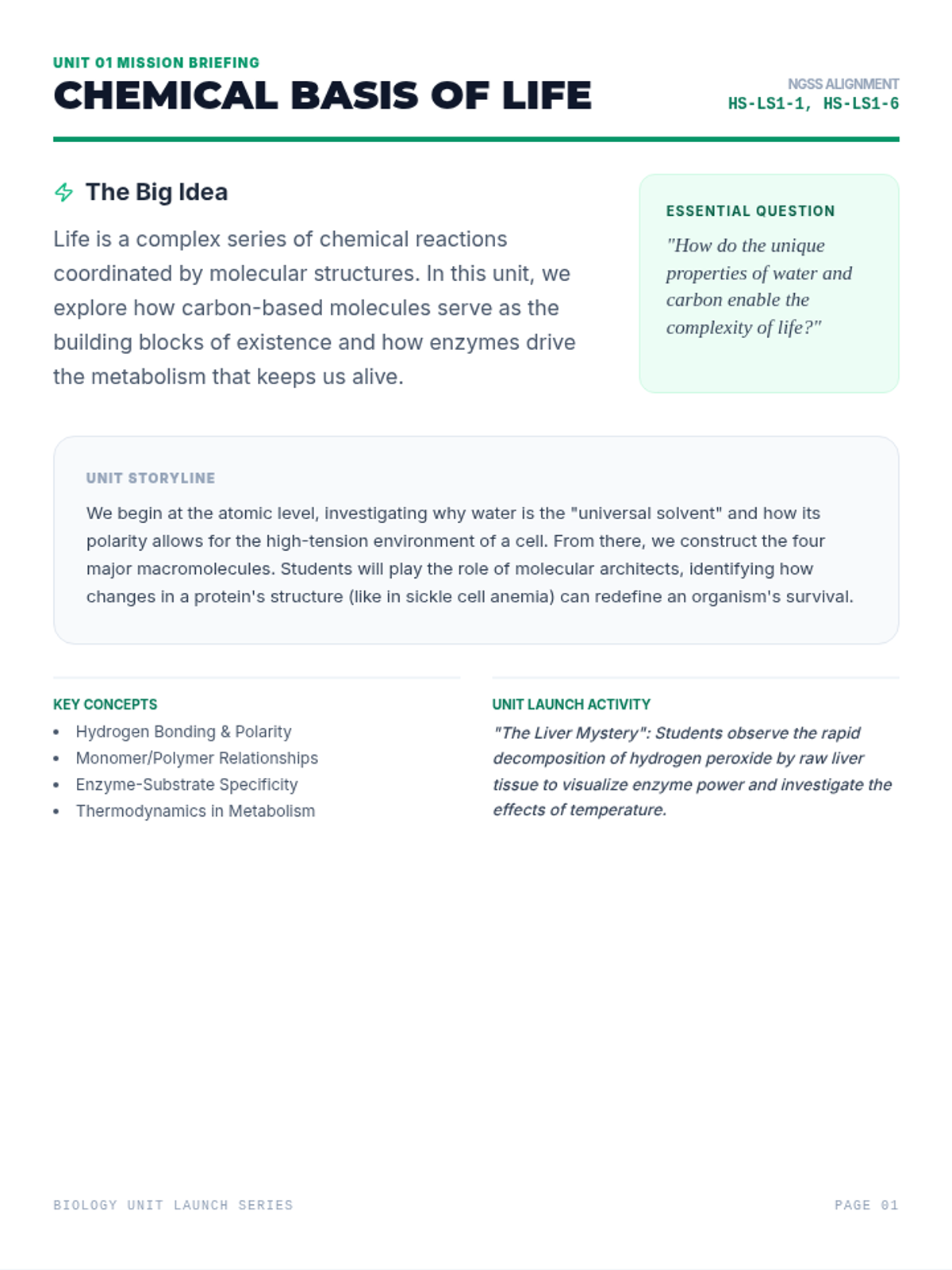
A lesson focused on the foundational concepts of biochemistry and the nature of life through the lens of Science and Engineering Practices (SEPs), specifically modeling, data analysis, and experimental design.
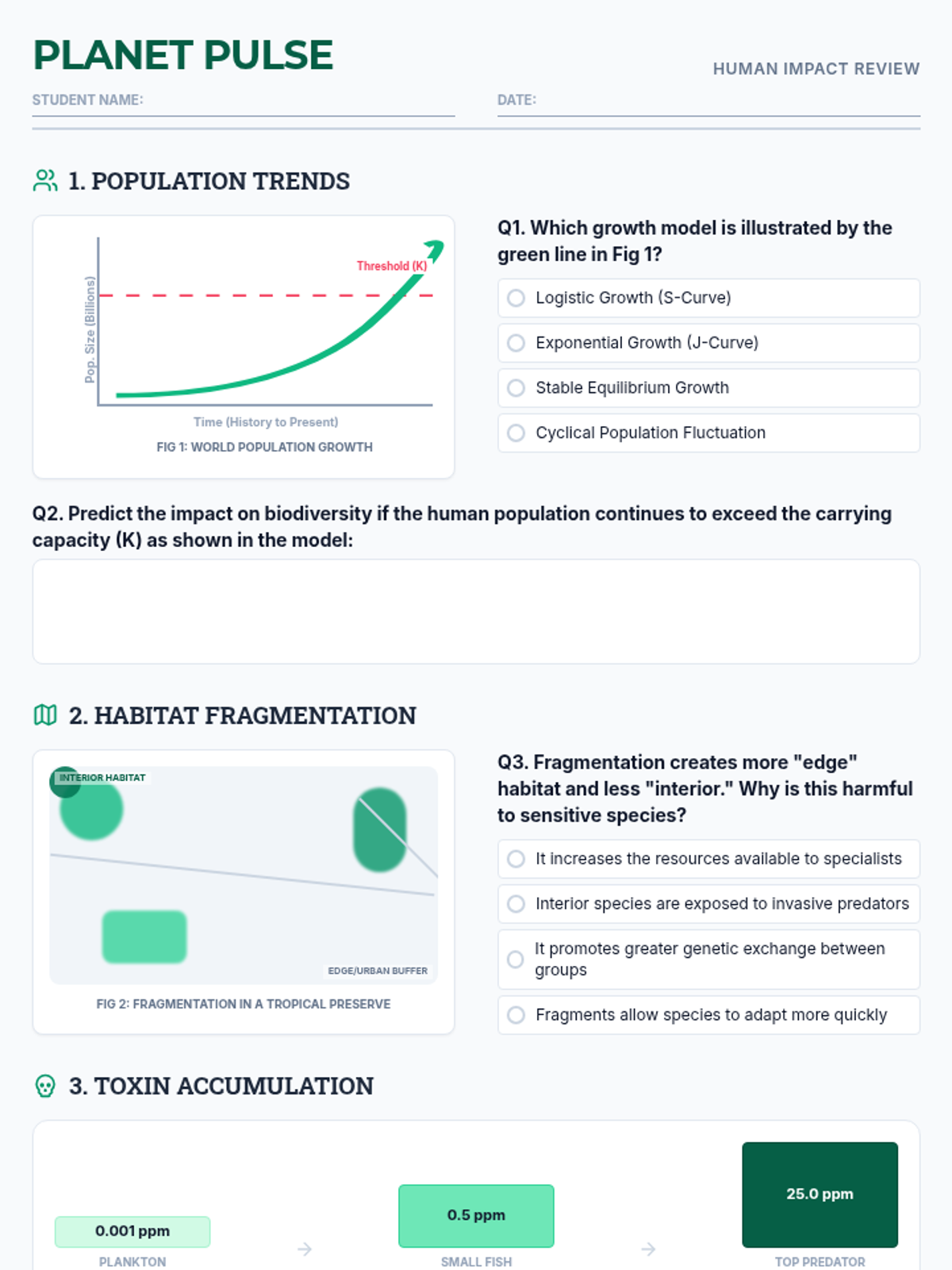
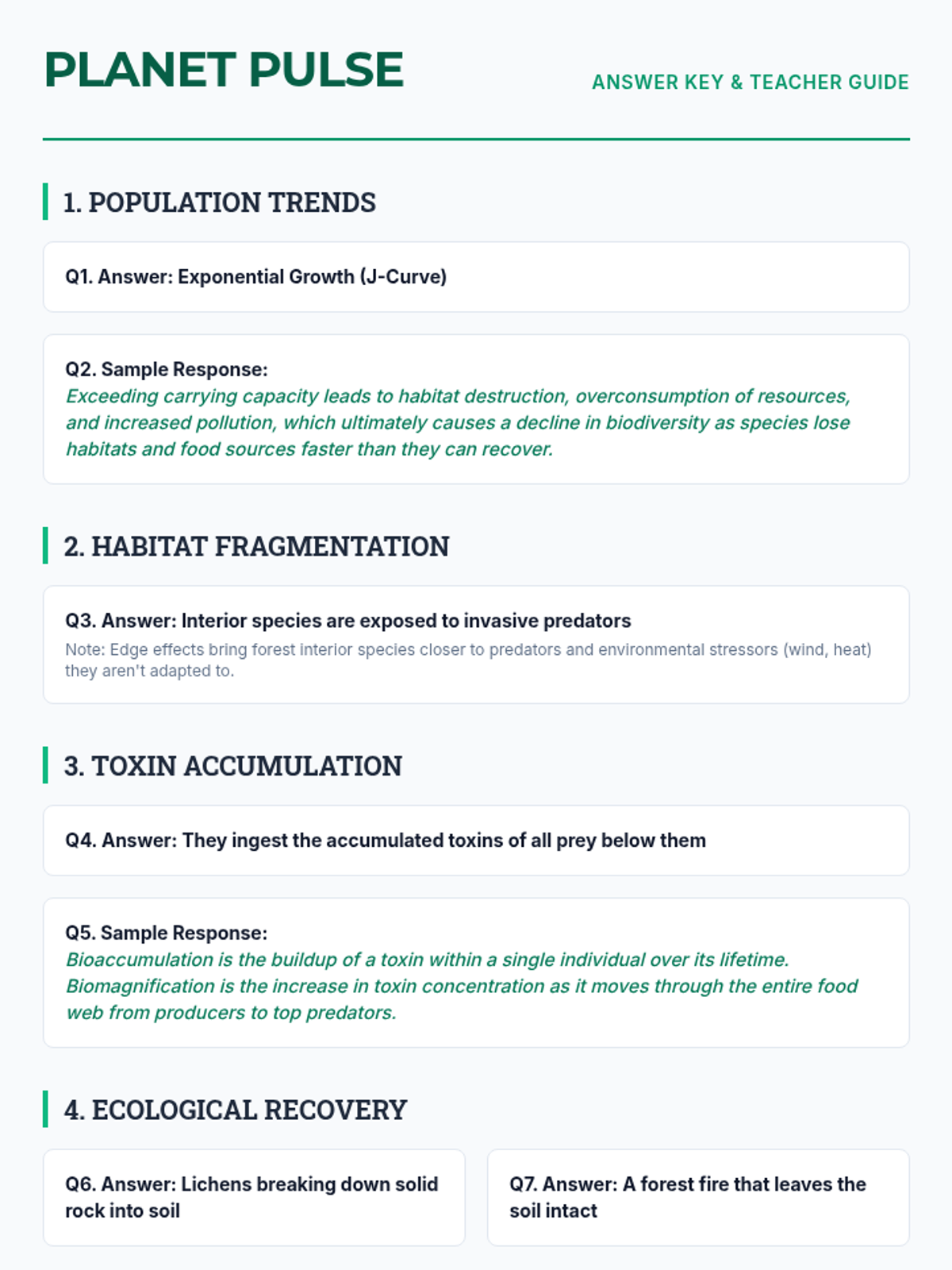
A comprehensive review lesson covering human impact on the environment, including population dynamics, biodiversity loss, biomagnification, and ecological succession. Students analyze real-world data, maps, and diagrams to evaluate environmental health and sustainability practices.
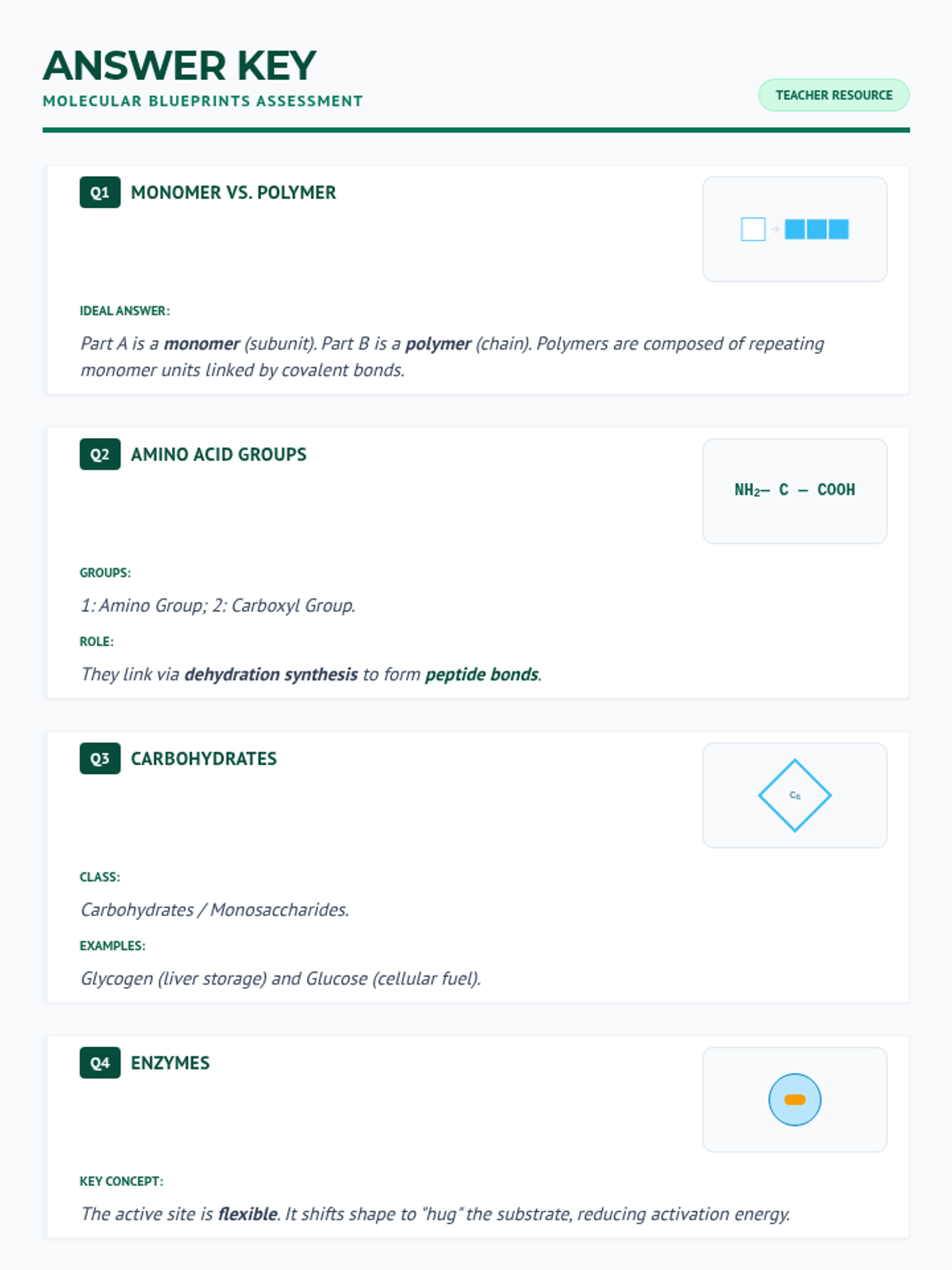
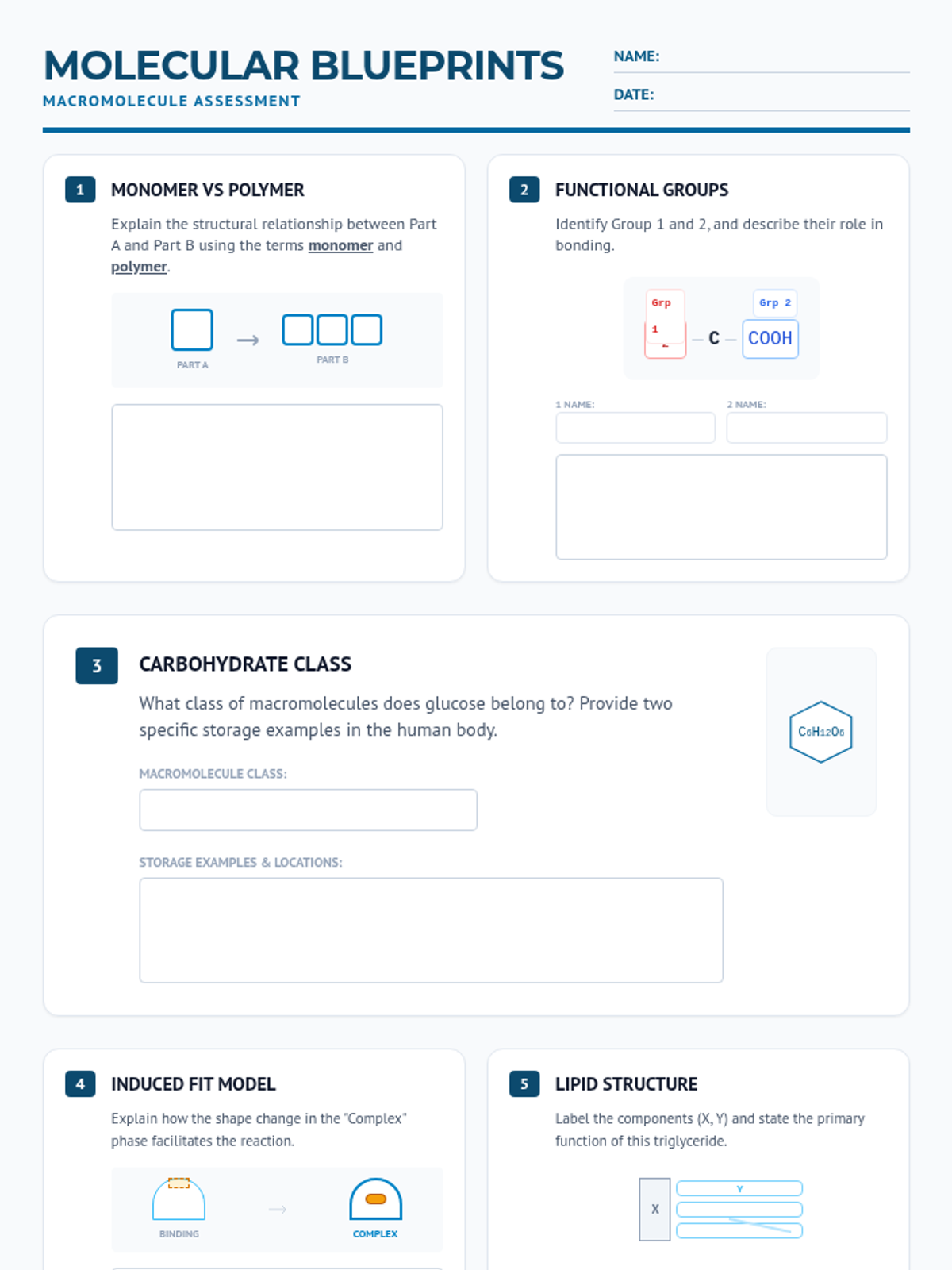
A focused assessment and review on the four major biological macromolecules, their structures, and enzymatic functions. Students will identify functional groups, analyze monomer-polymer relationships, and explain enzyme-substrate interactions through visual diagrams.
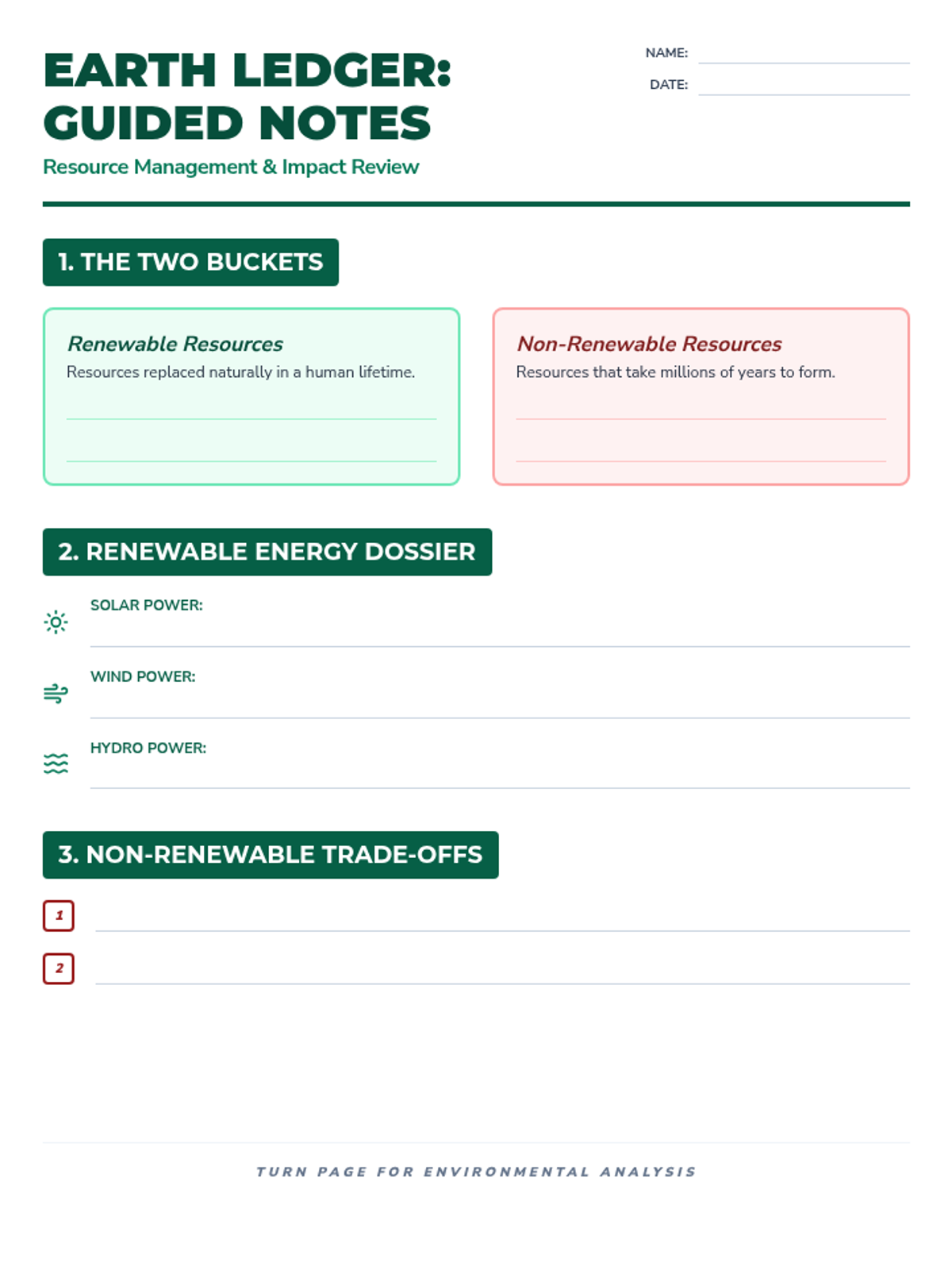
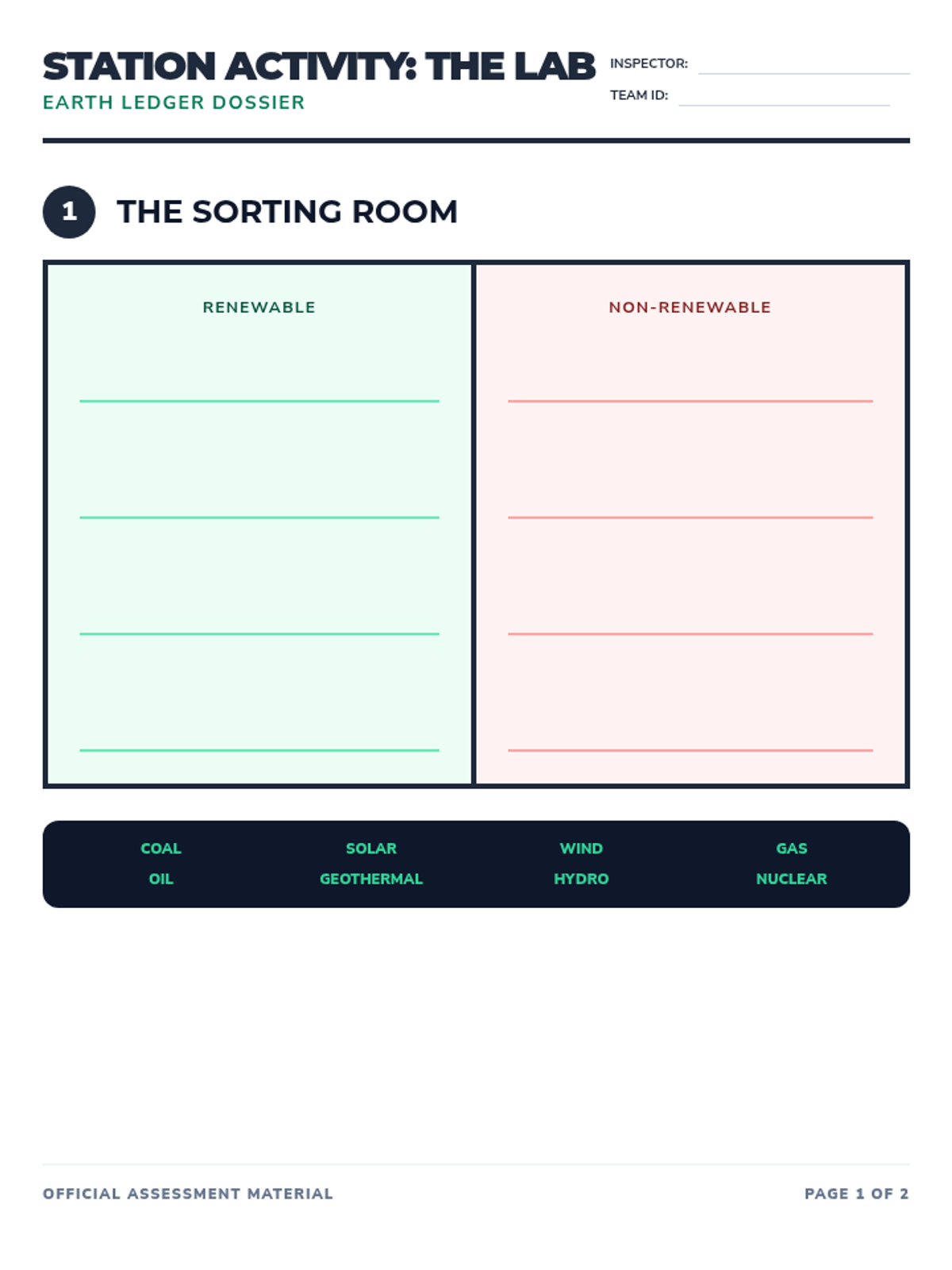
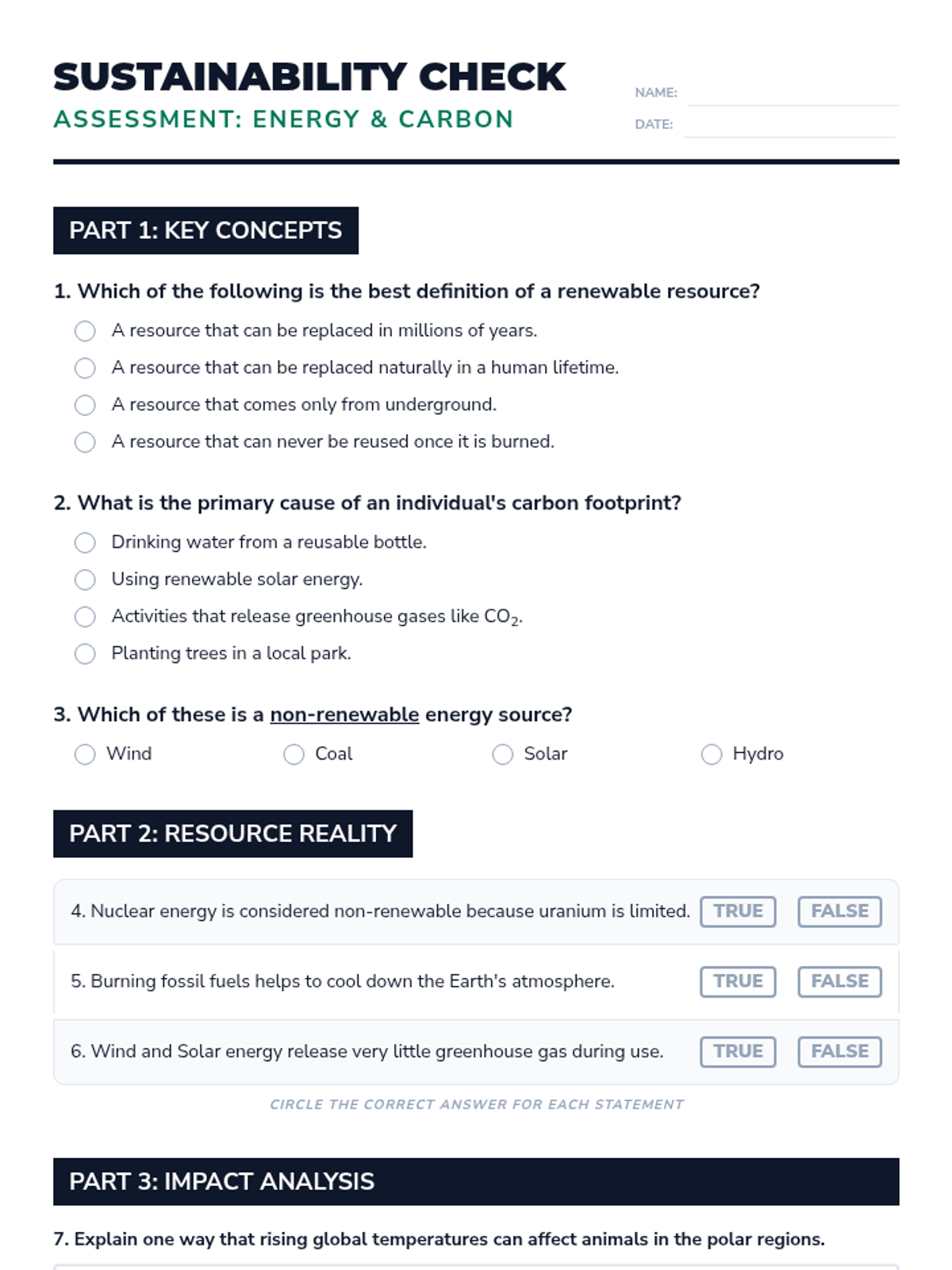
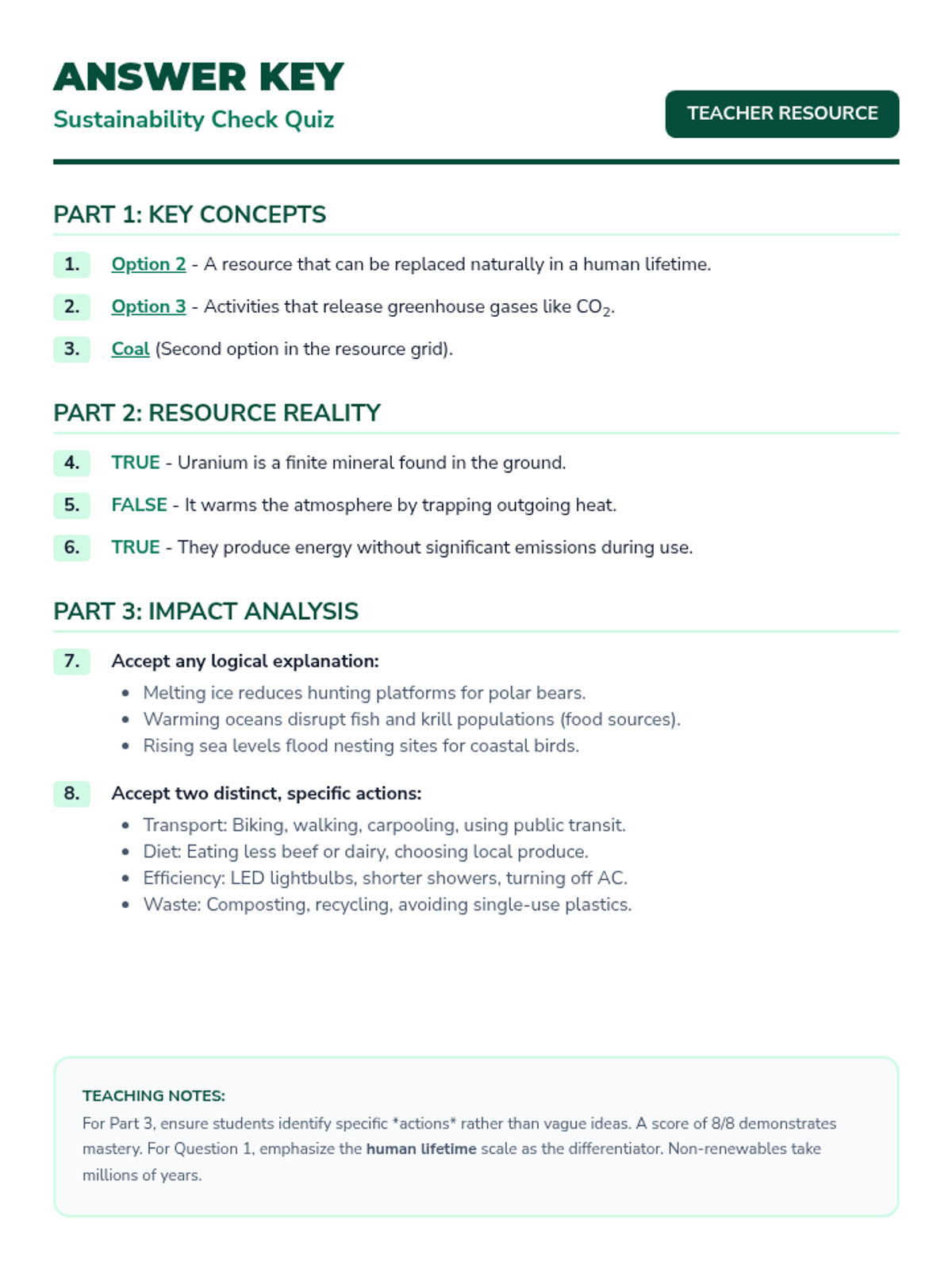
A comprehensive review of renewable and non-renewable energy sources and the environmental impact of carbon footprints, designed with accessible language for high school students.
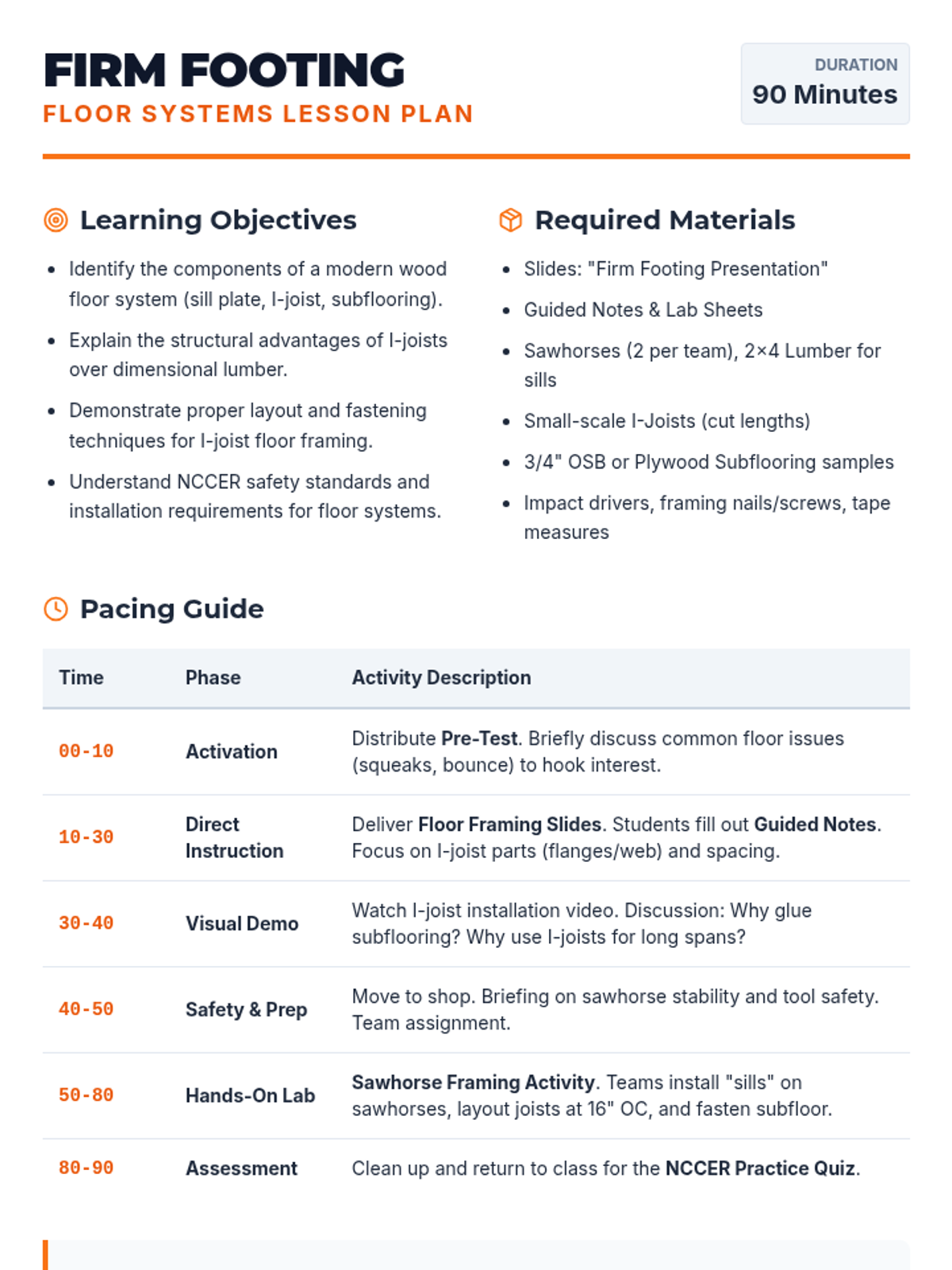
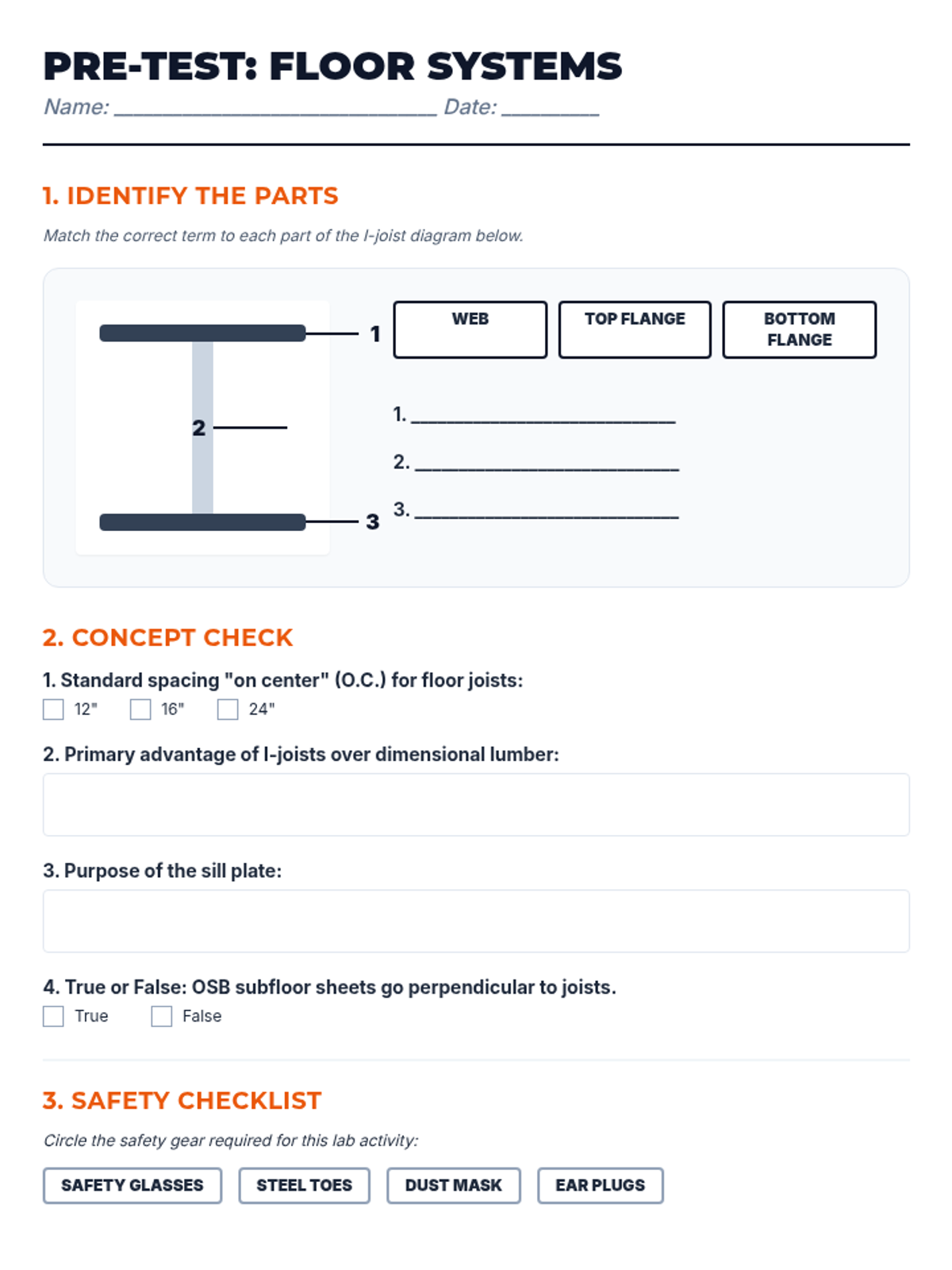
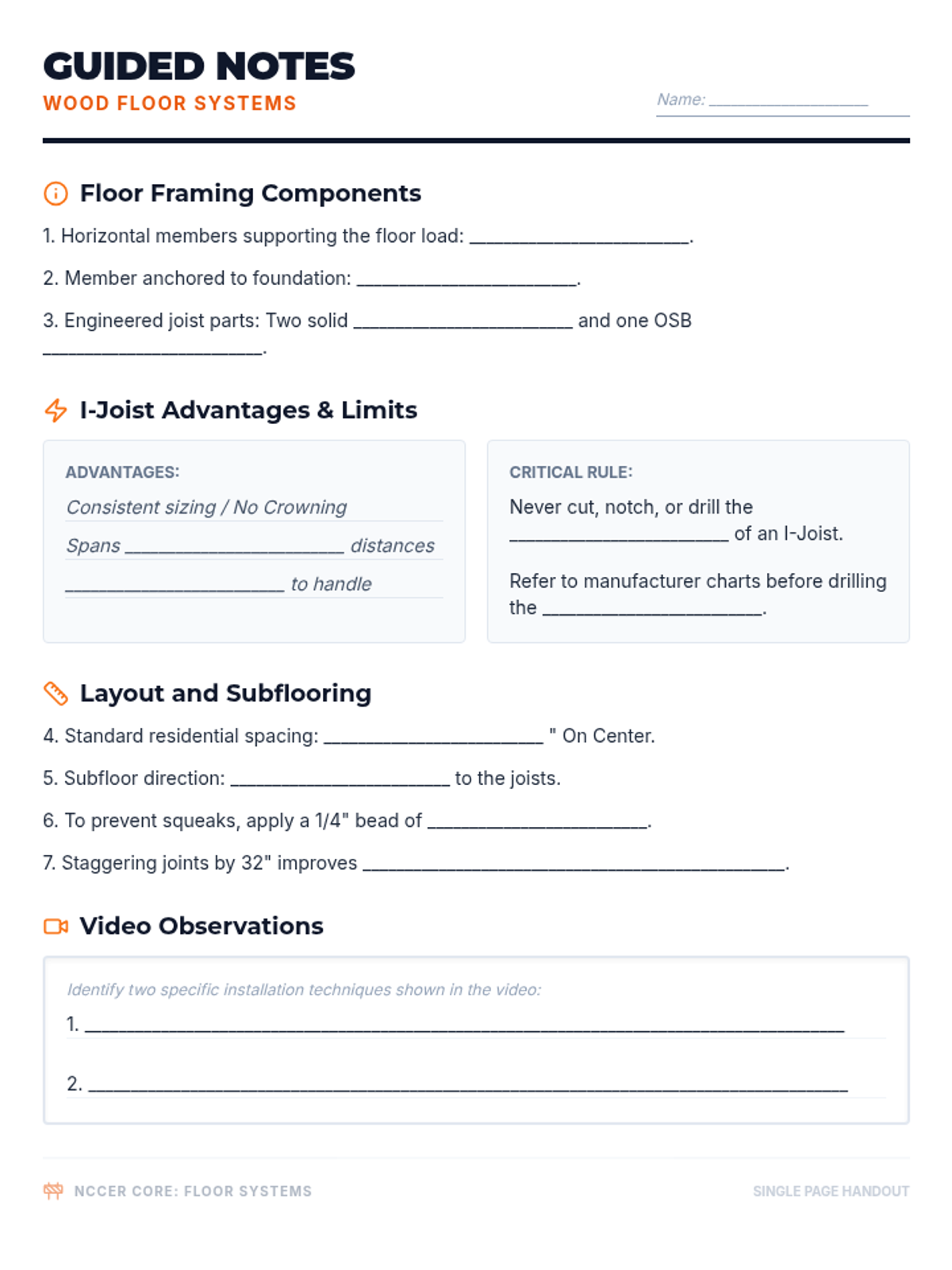
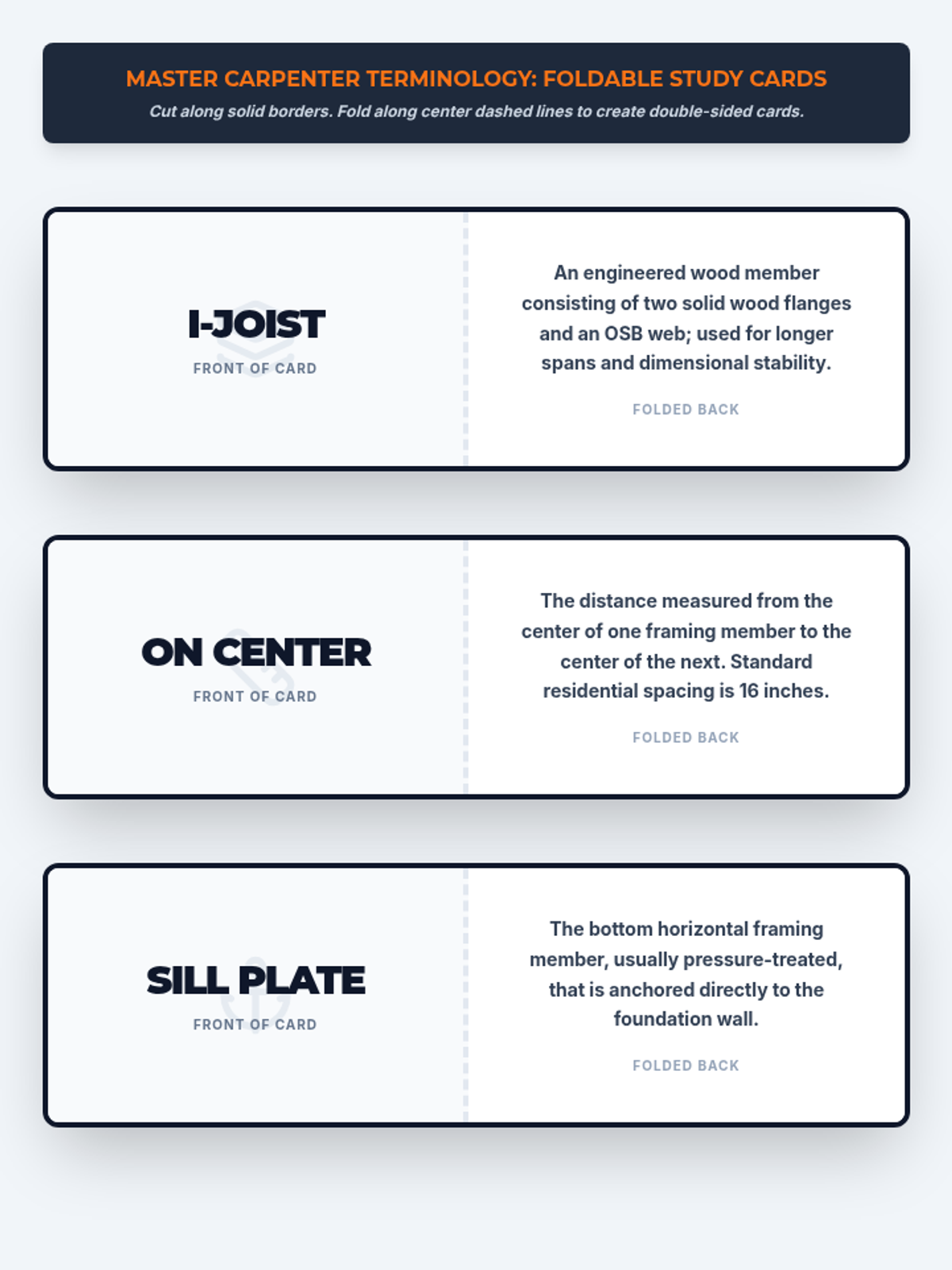
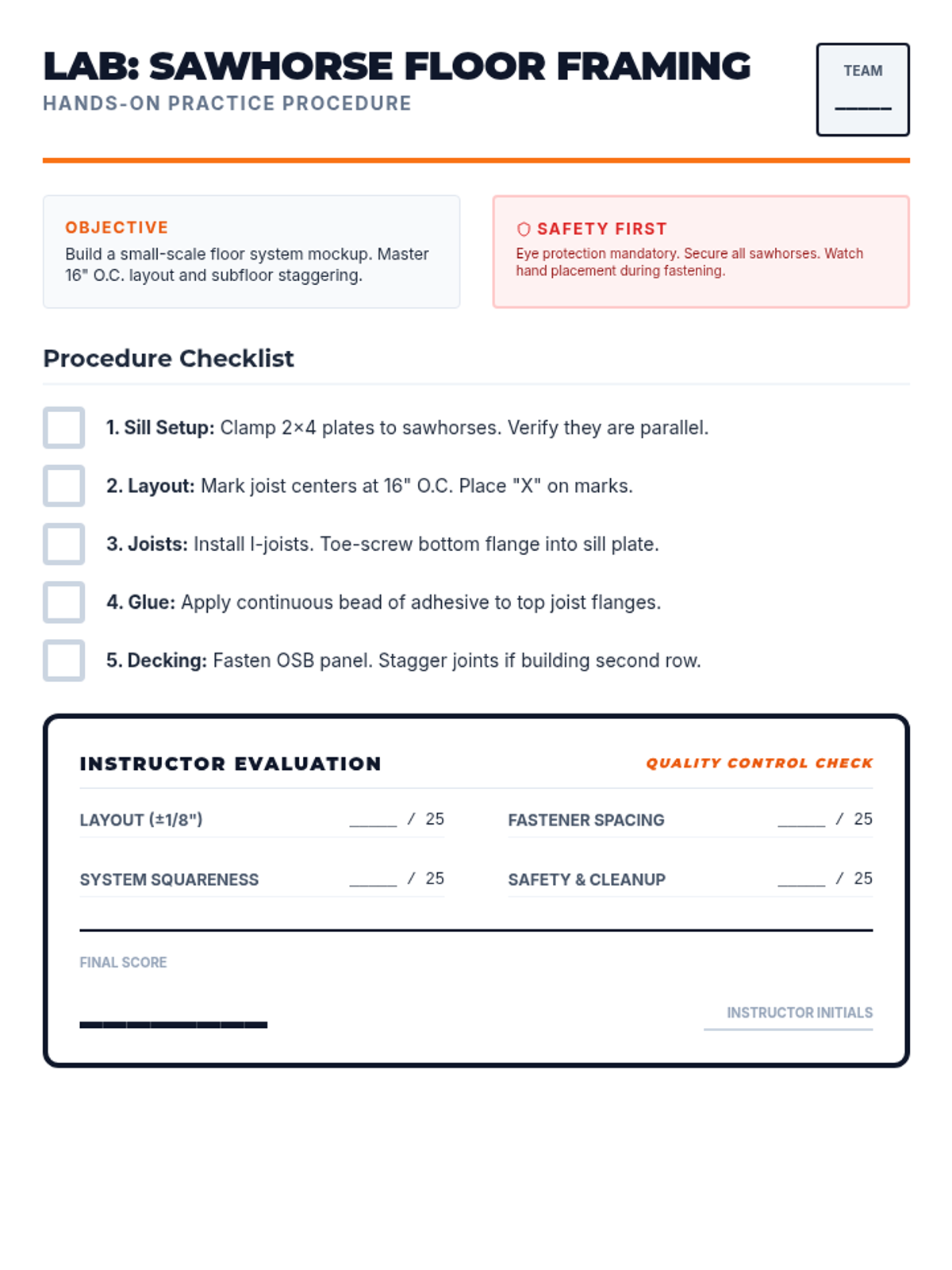
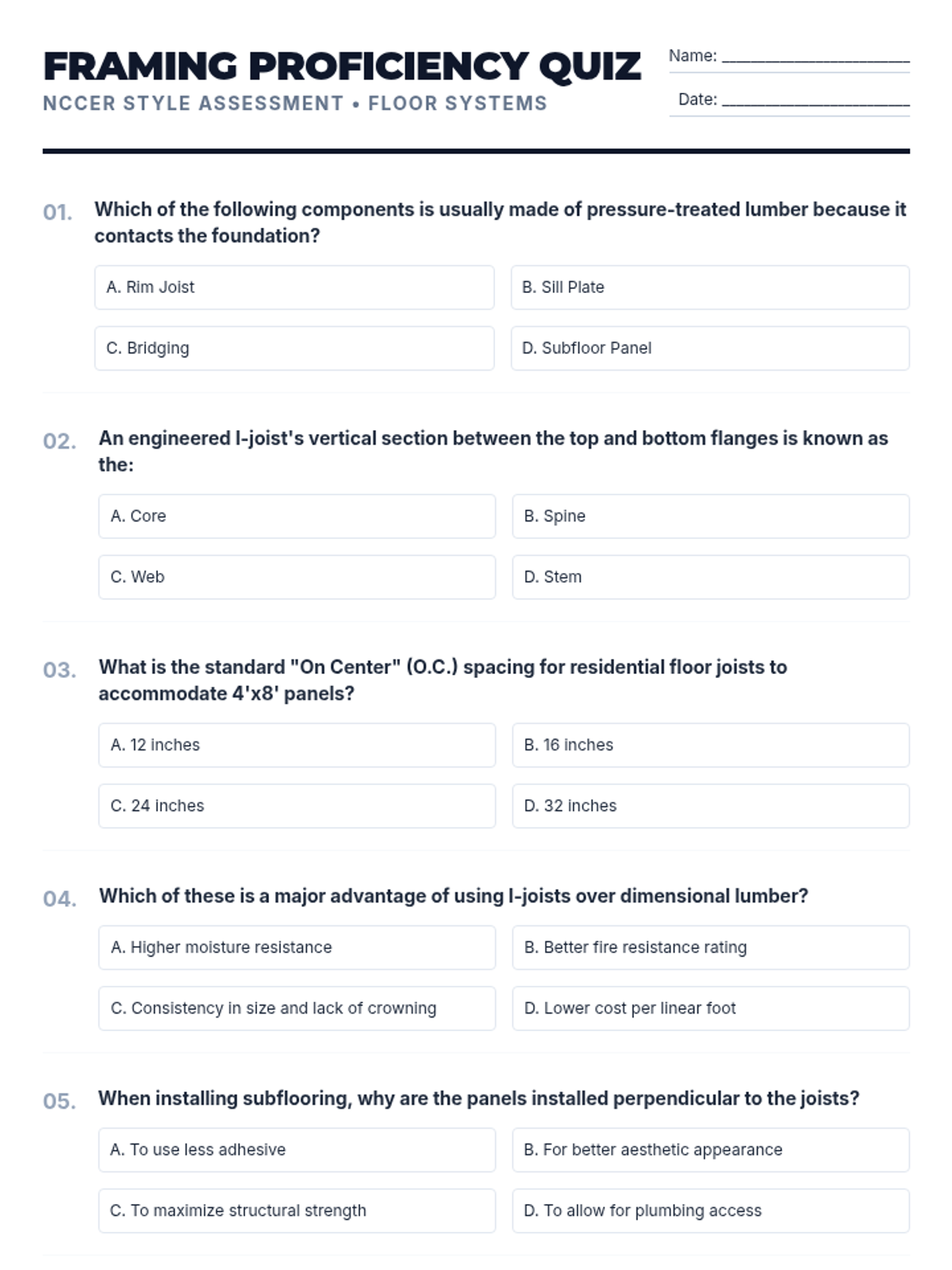
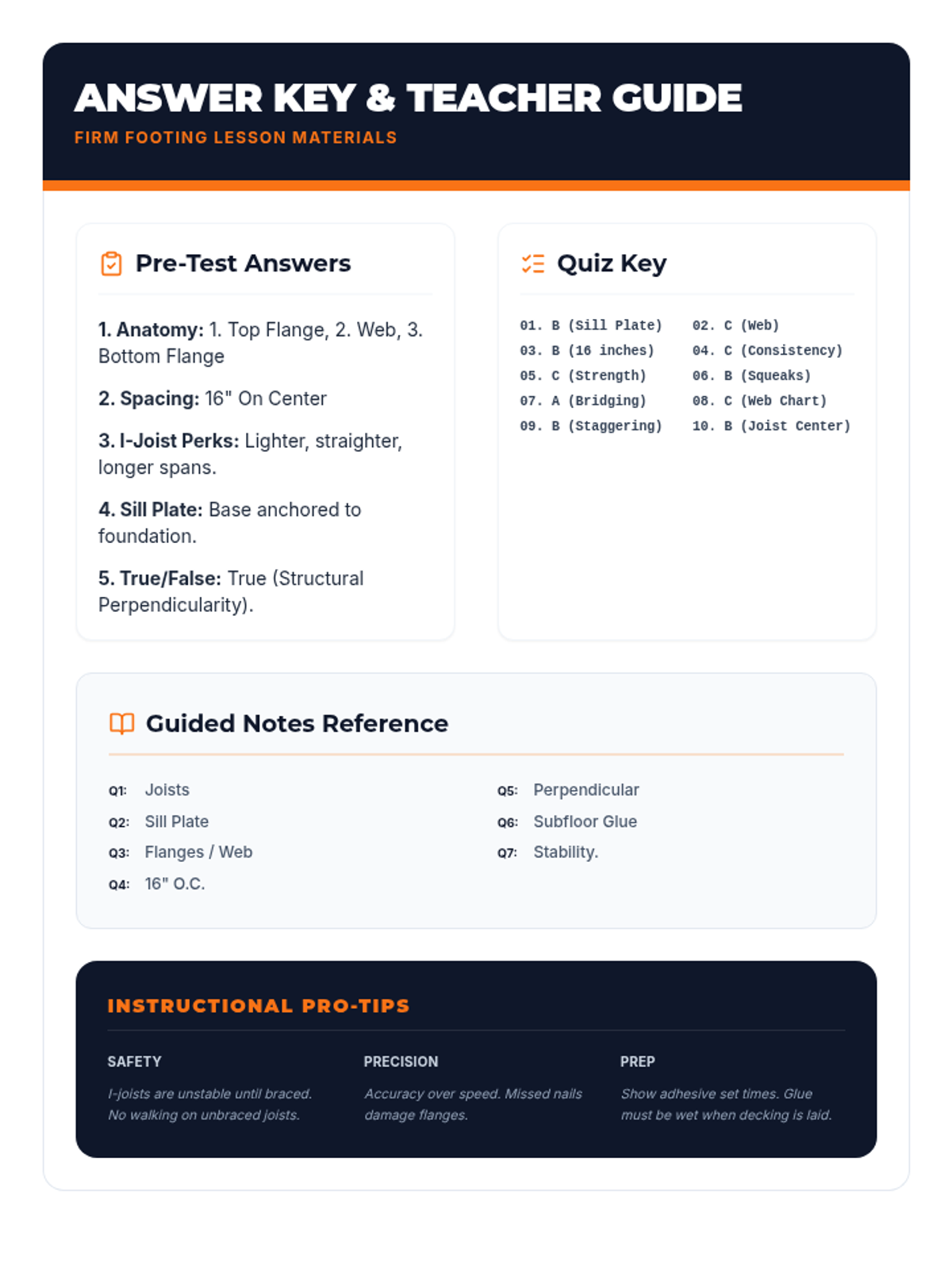
A comprehensive 90-minute lesson on modern wood floor systems, focusing on I-joist installation, subflooring techniques, and structural components. Students will engage in classroom instruction followed by hands-on small-scale framing practice.
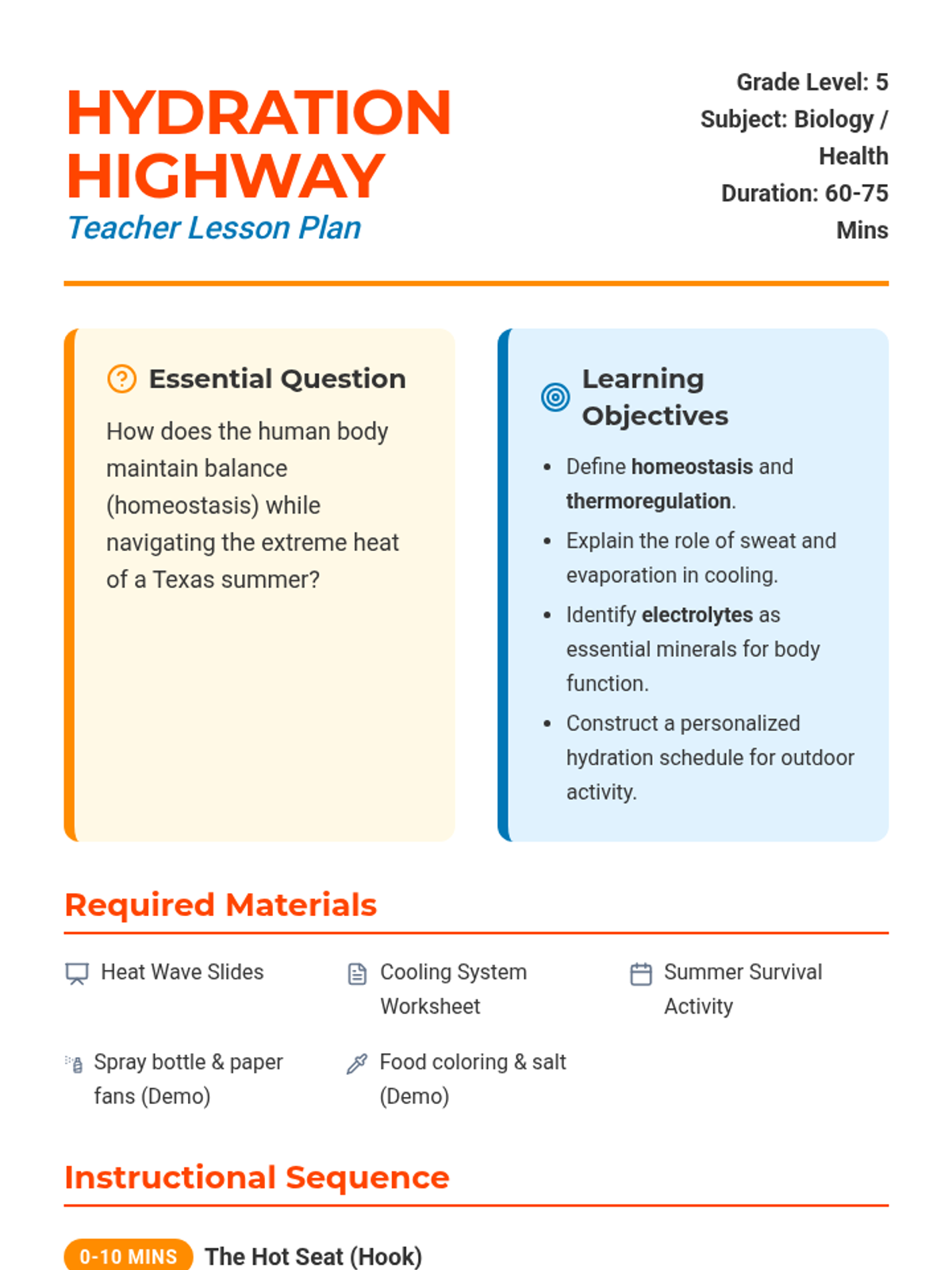
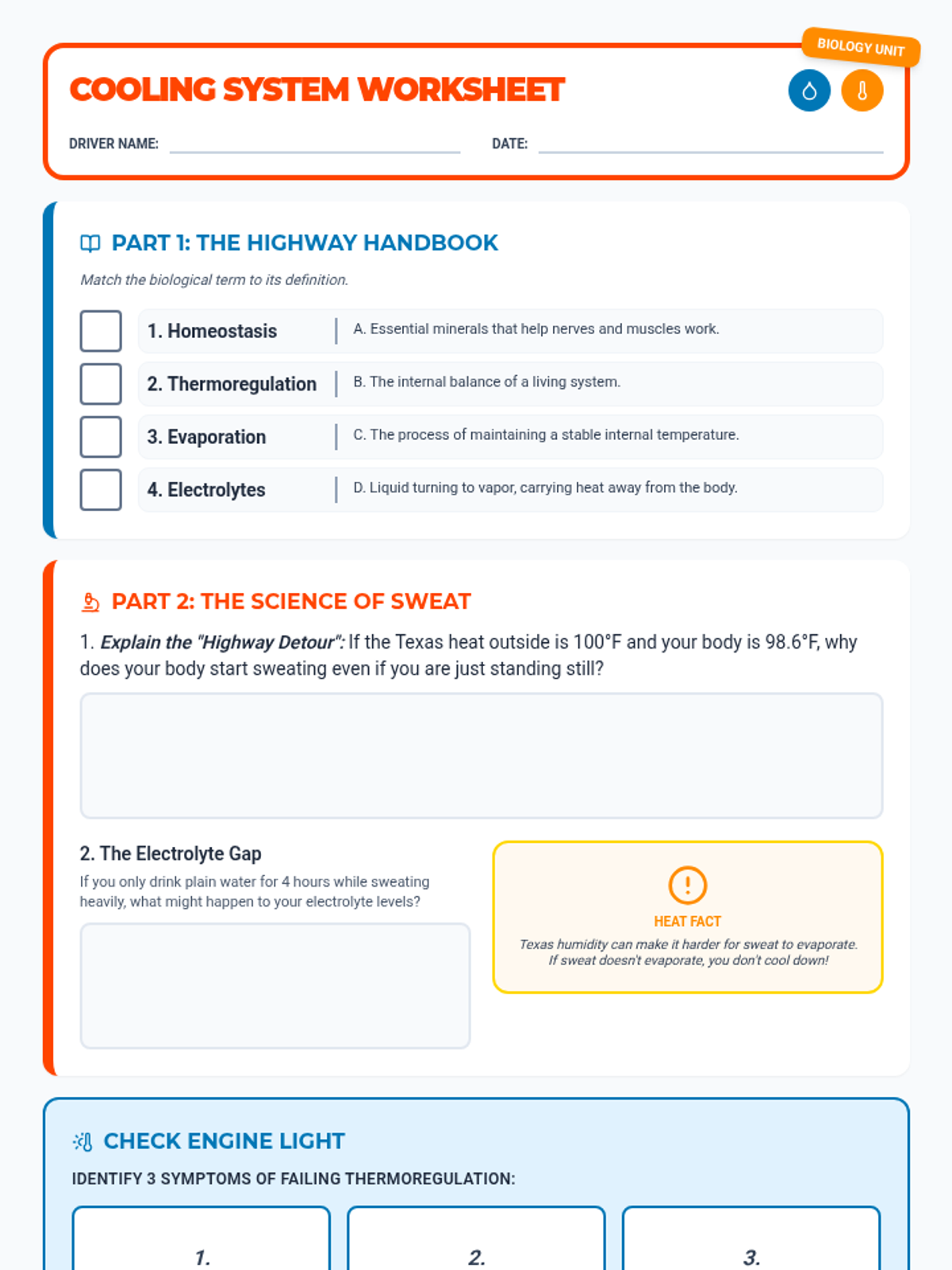
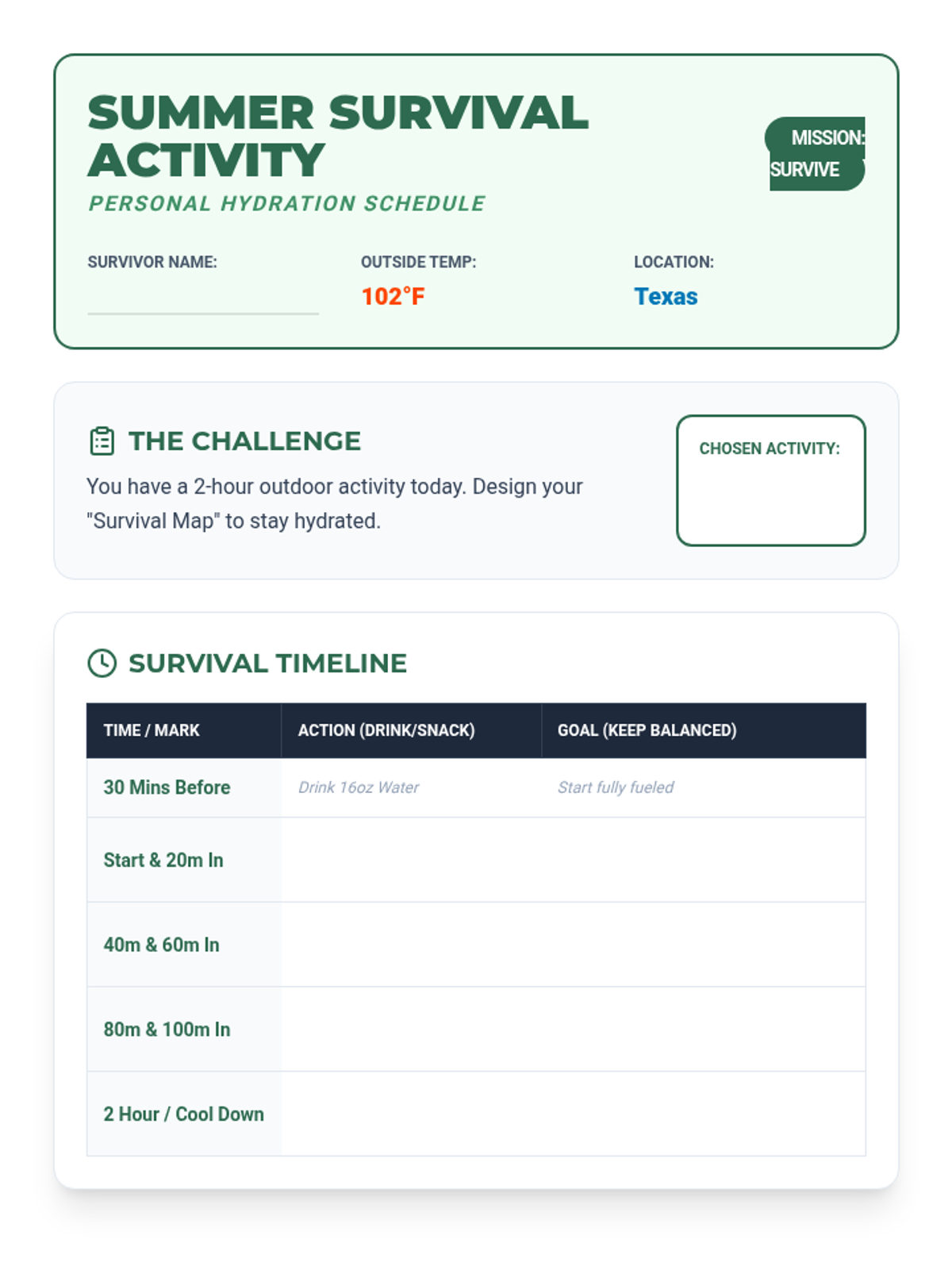
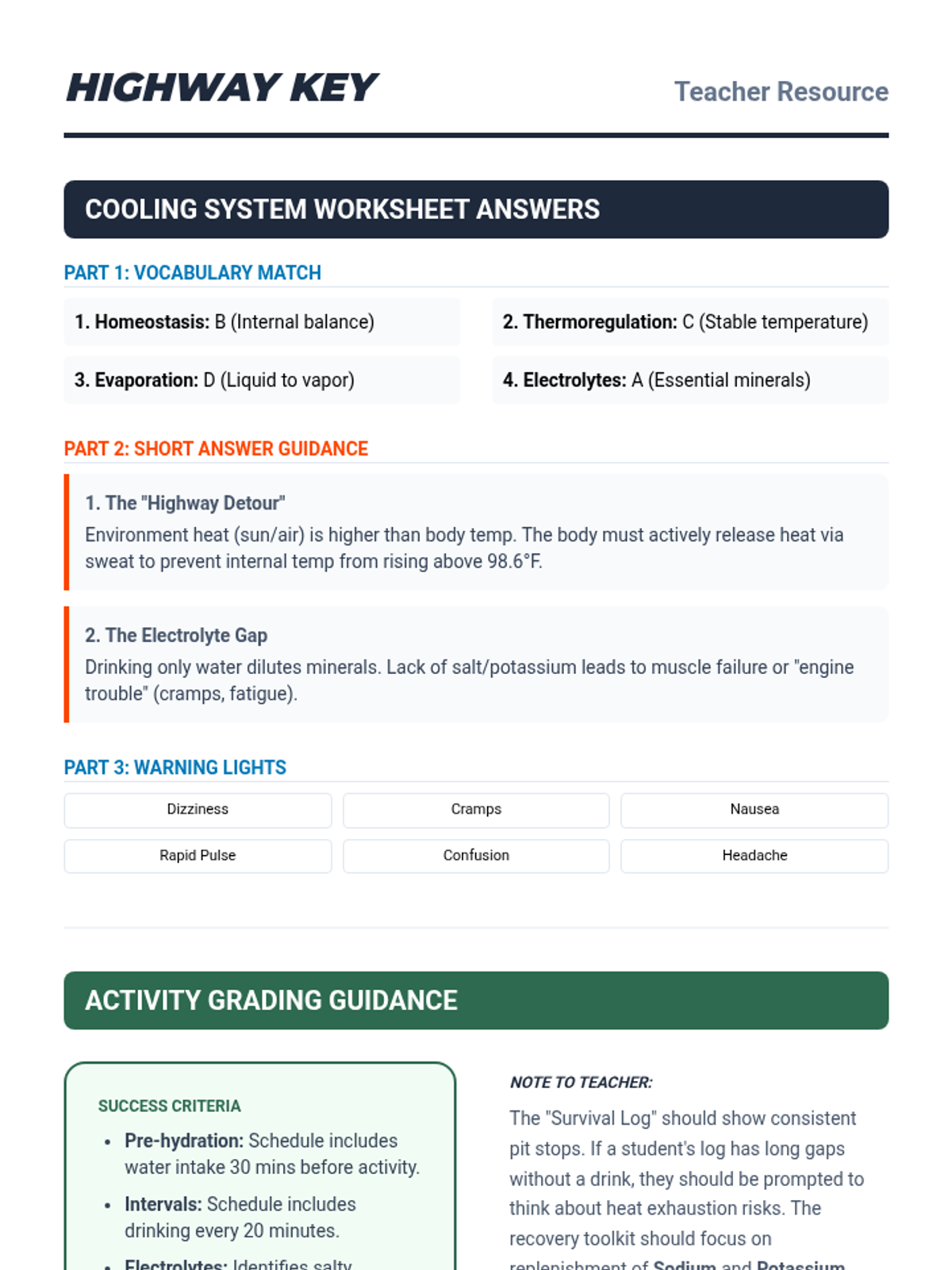
A biology and health lesson where students explore thermoregulation and hydration. They learn how the body stays cool in the Texas heat and design personal hydration plans to maintain homeostatic balance.
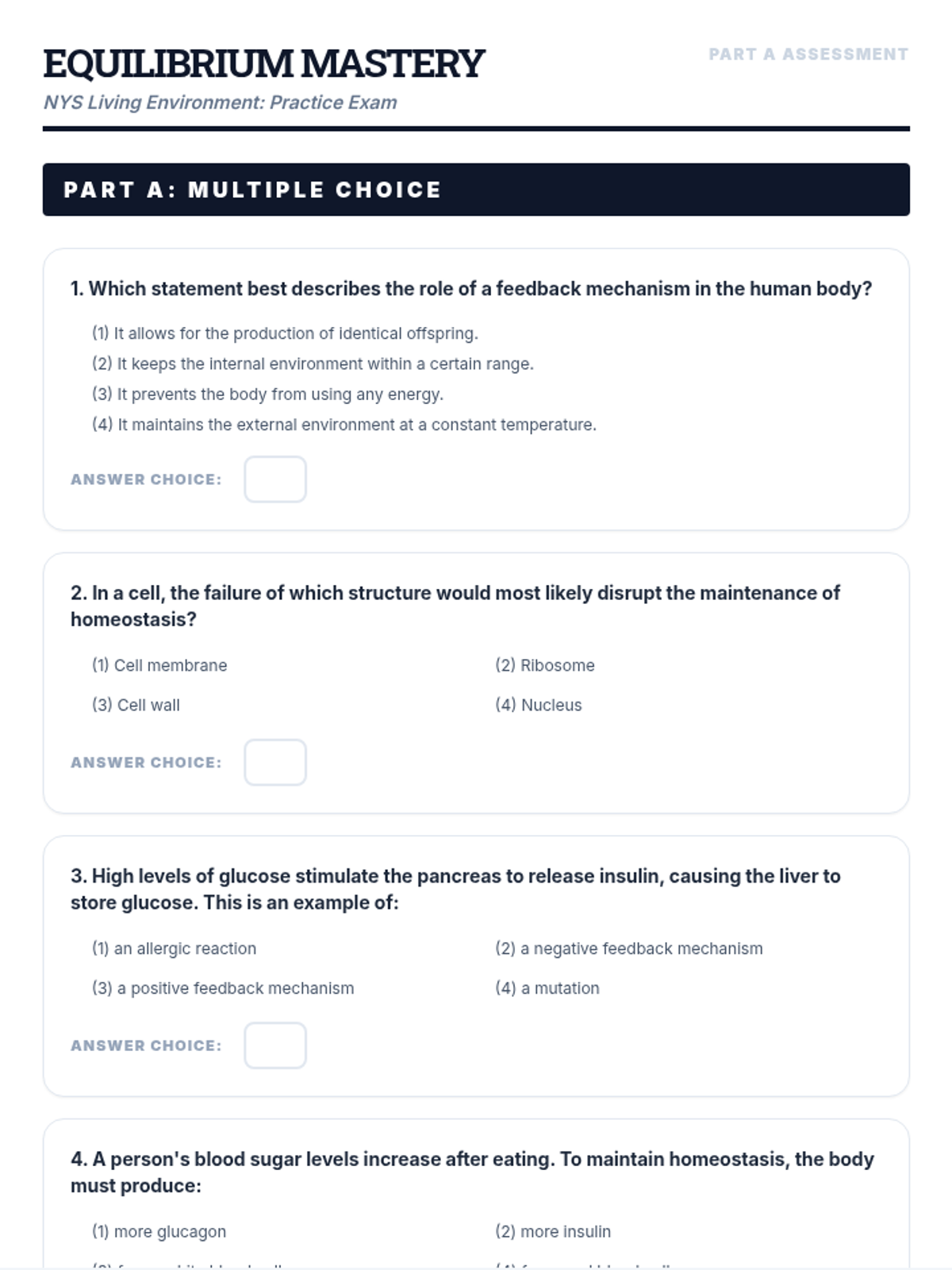
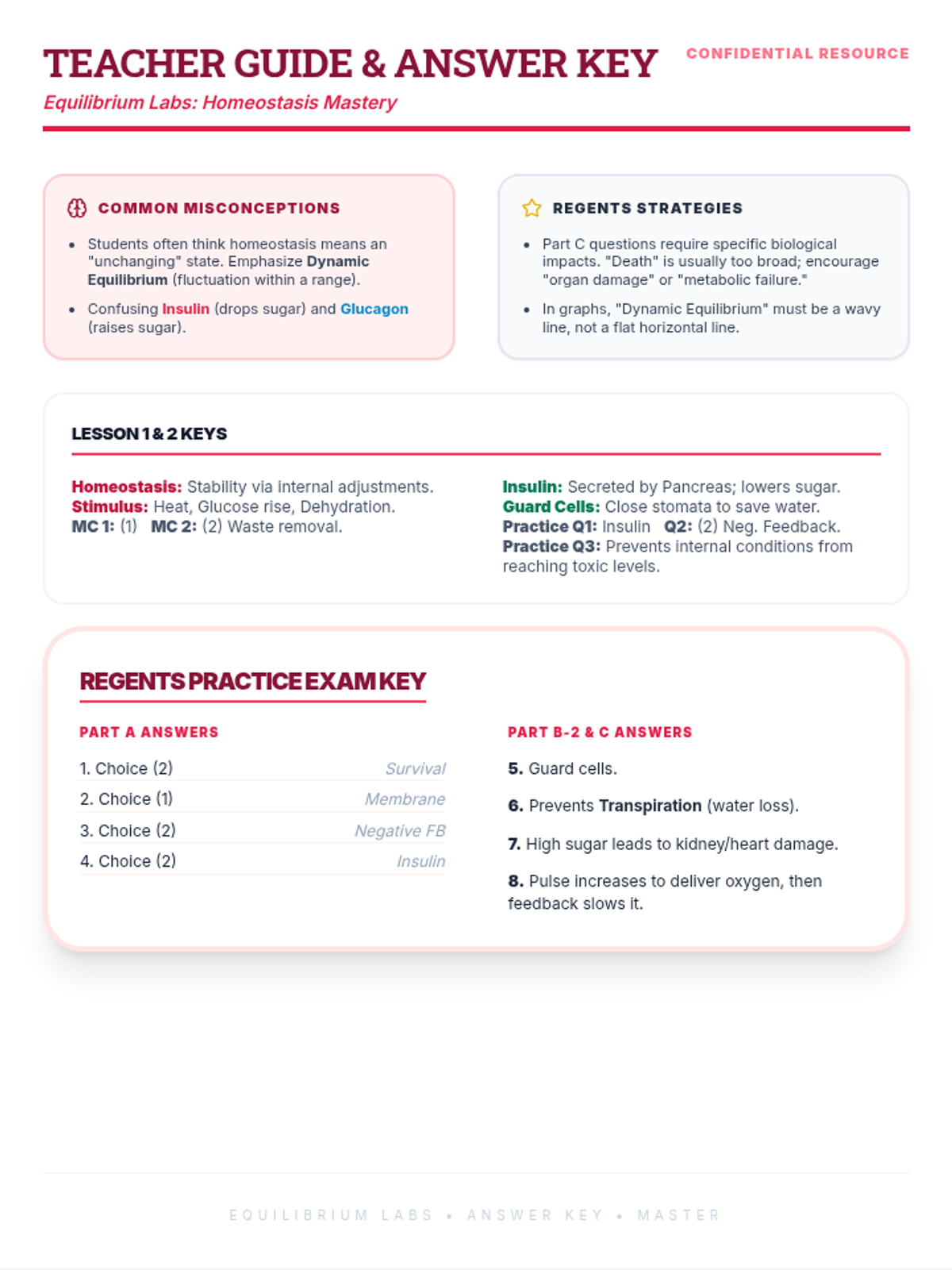
Exploring how human body systems collaborate to maintain homeostasis, featuring Regents-style practice problems and analysis.
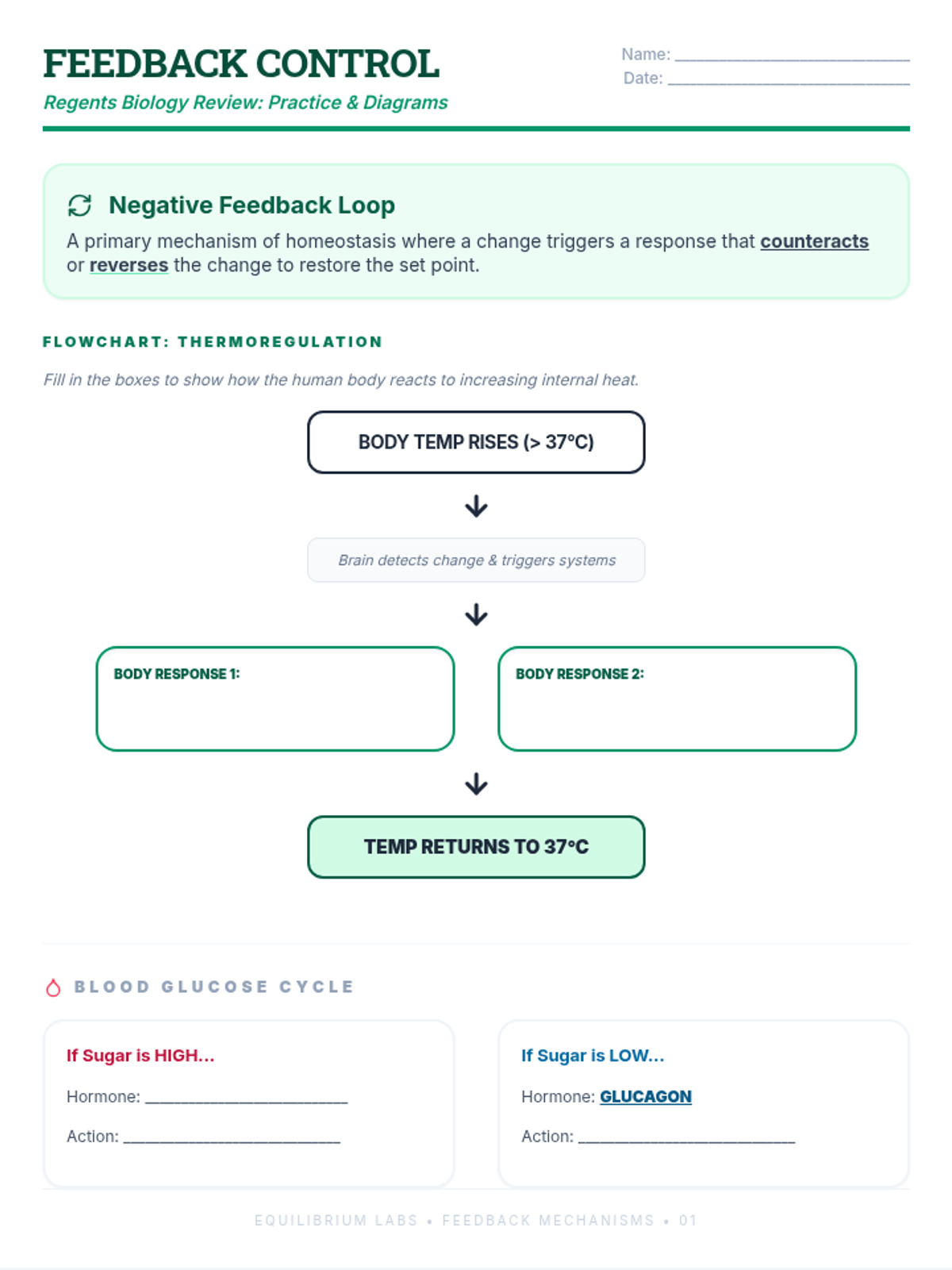
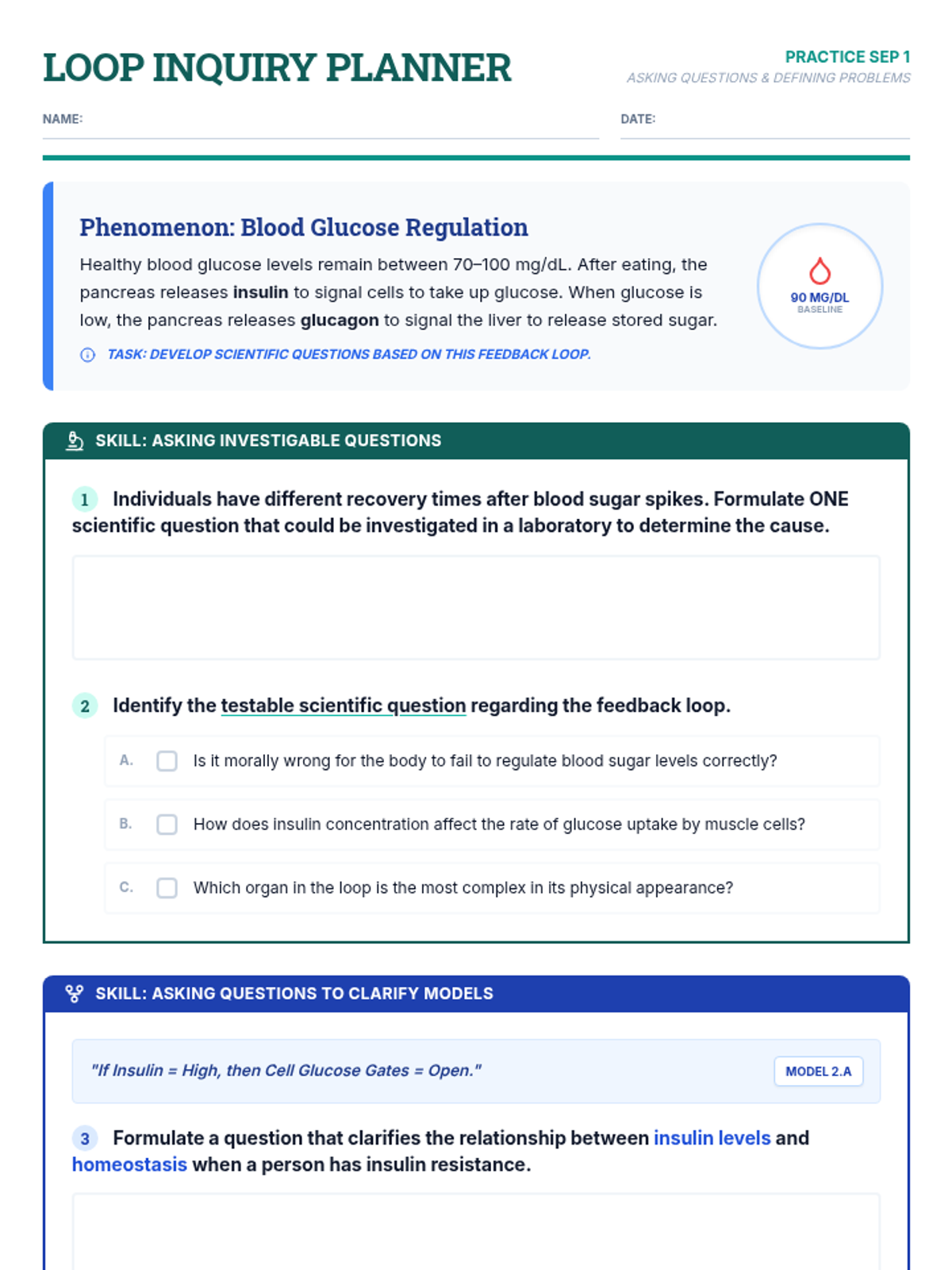
Deep dive into negative and positive feedback mechanisms with a focus on thermoregulation and blood sugar control.
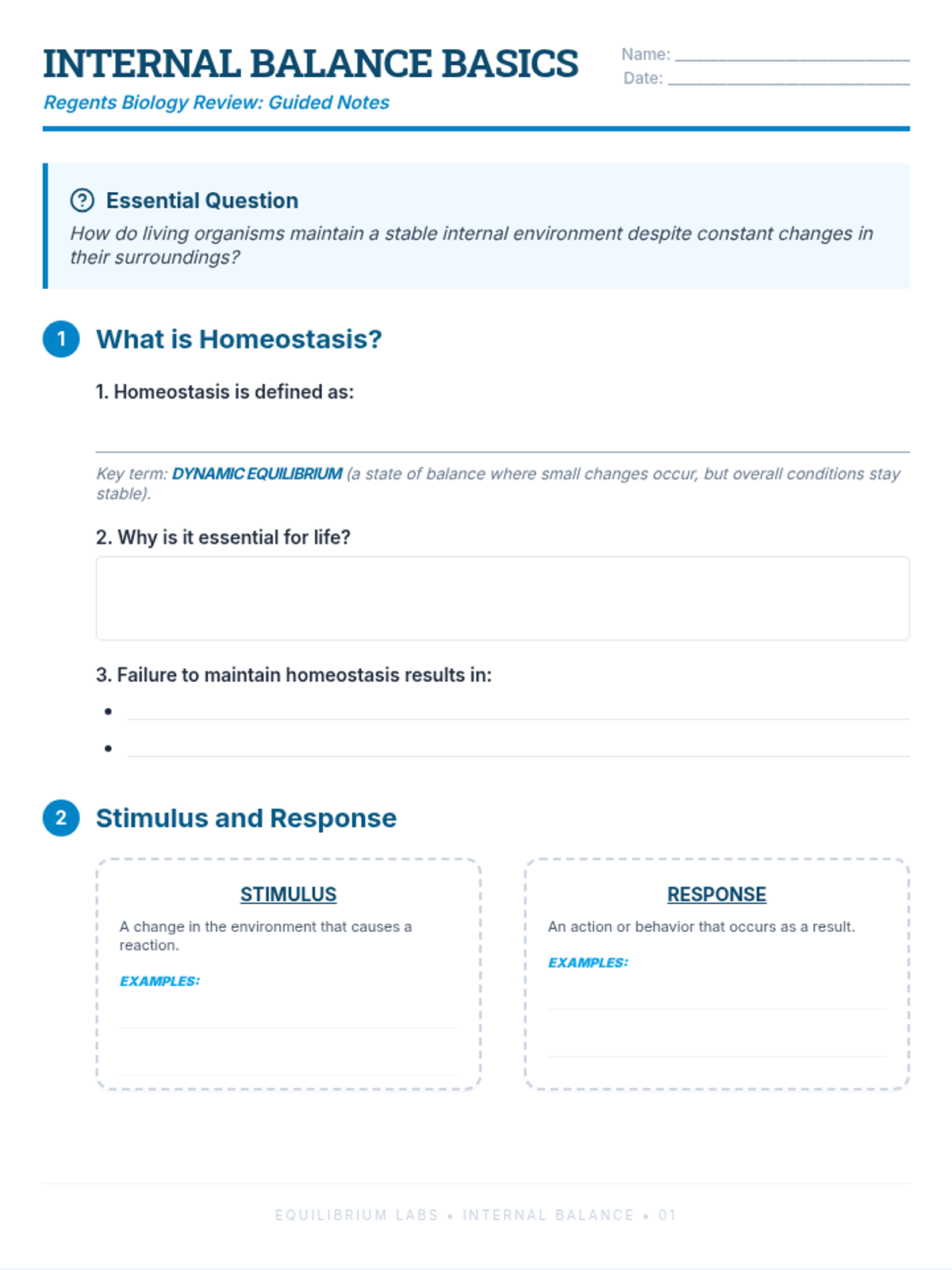
Introduction to homeostasis, dynamic equilibrium, and the basic mechanisms life uses to maintain stability in a changing environment.
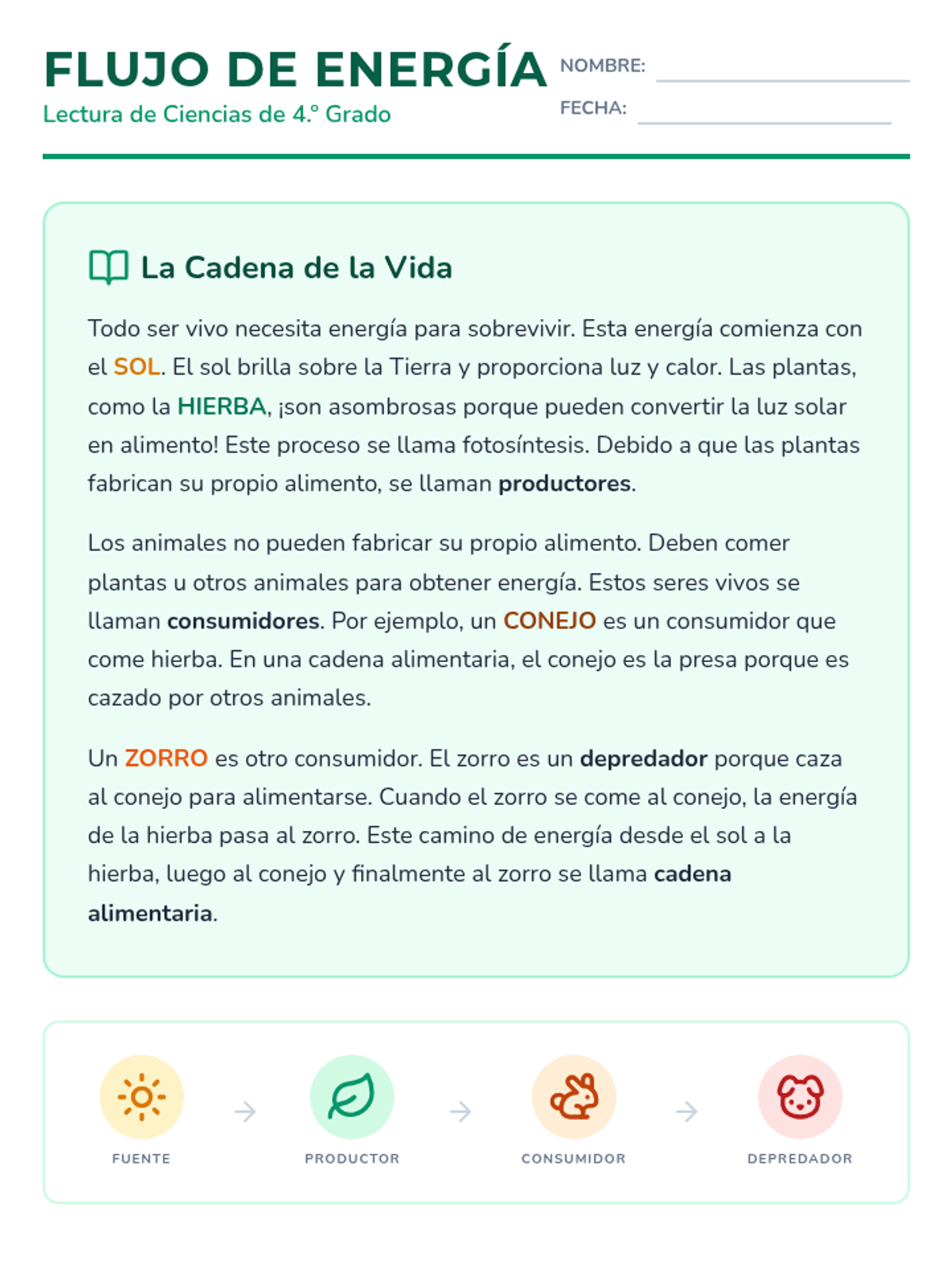
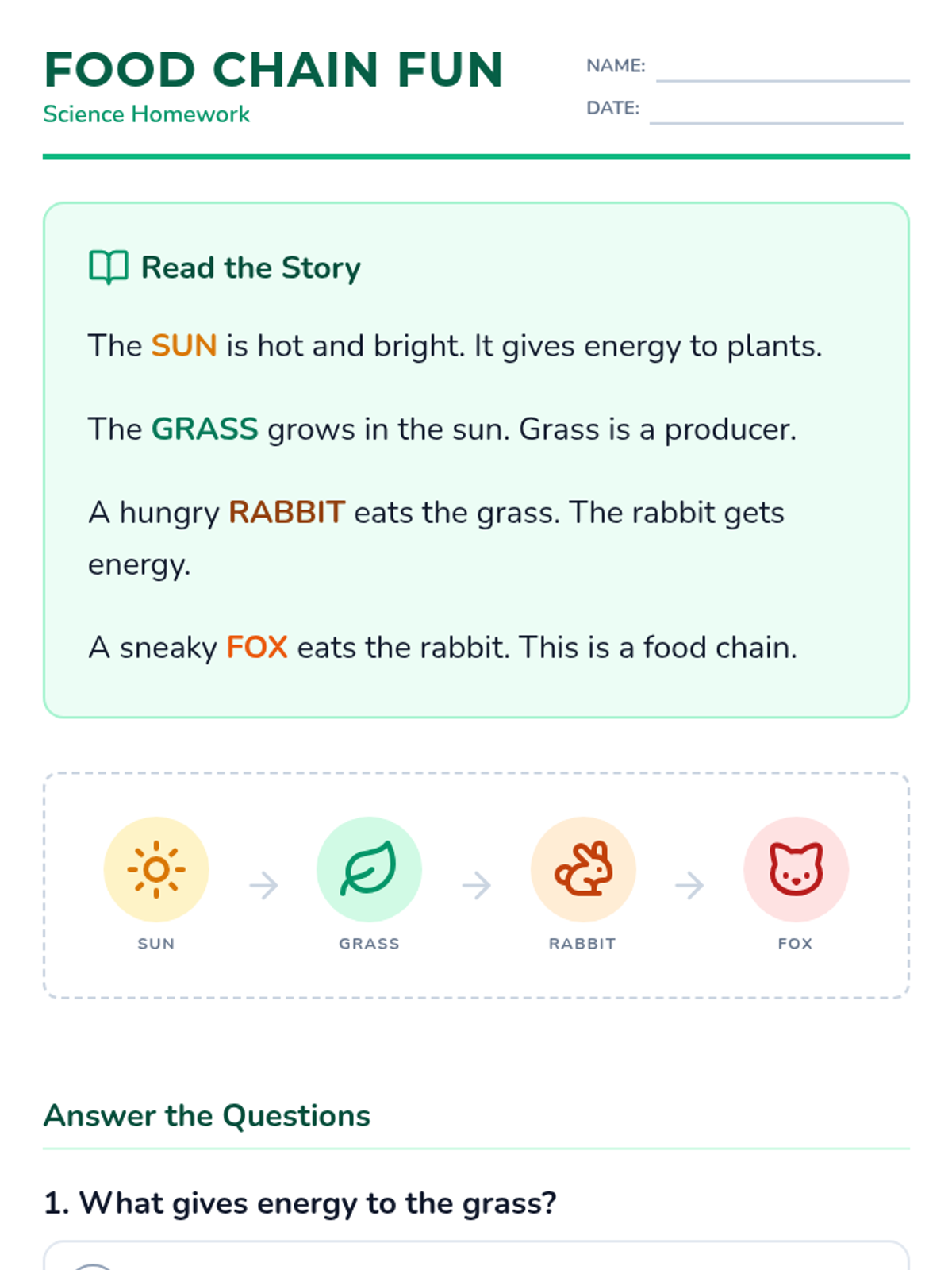
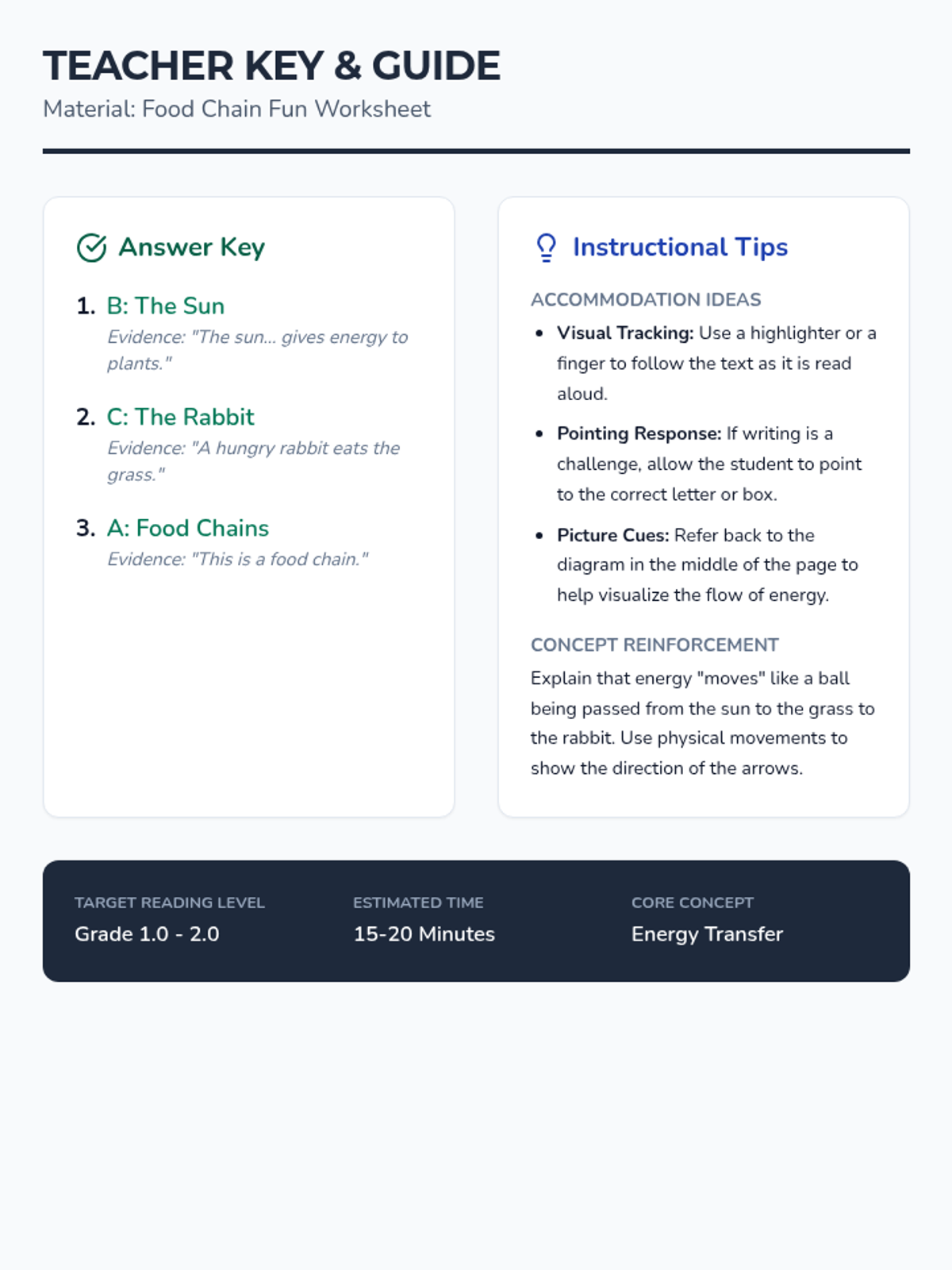
A simplified science lesson on food chains designed for 8th-grade students with severe disabilities, focusing on basic energy flow from sun to predator.
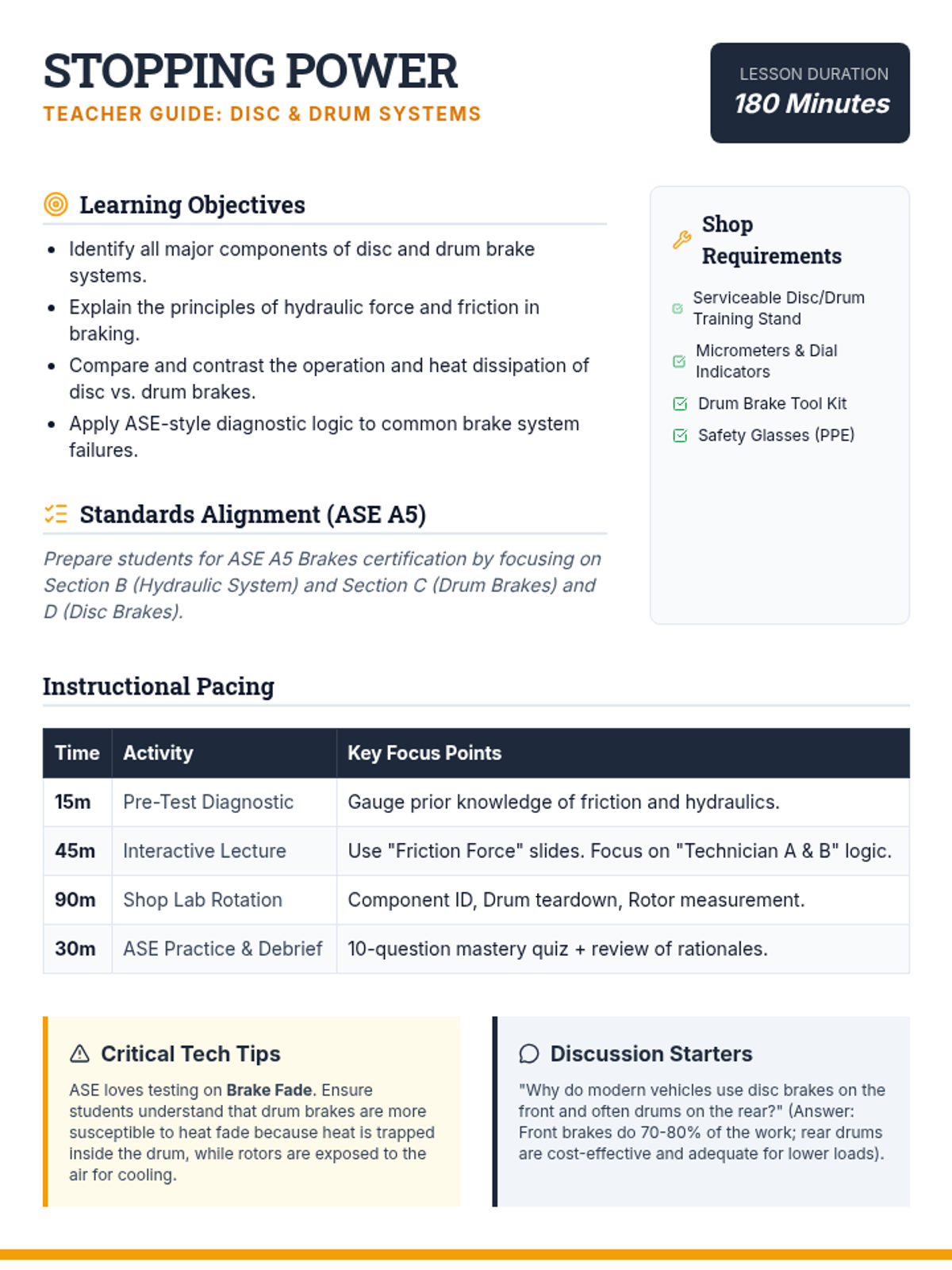
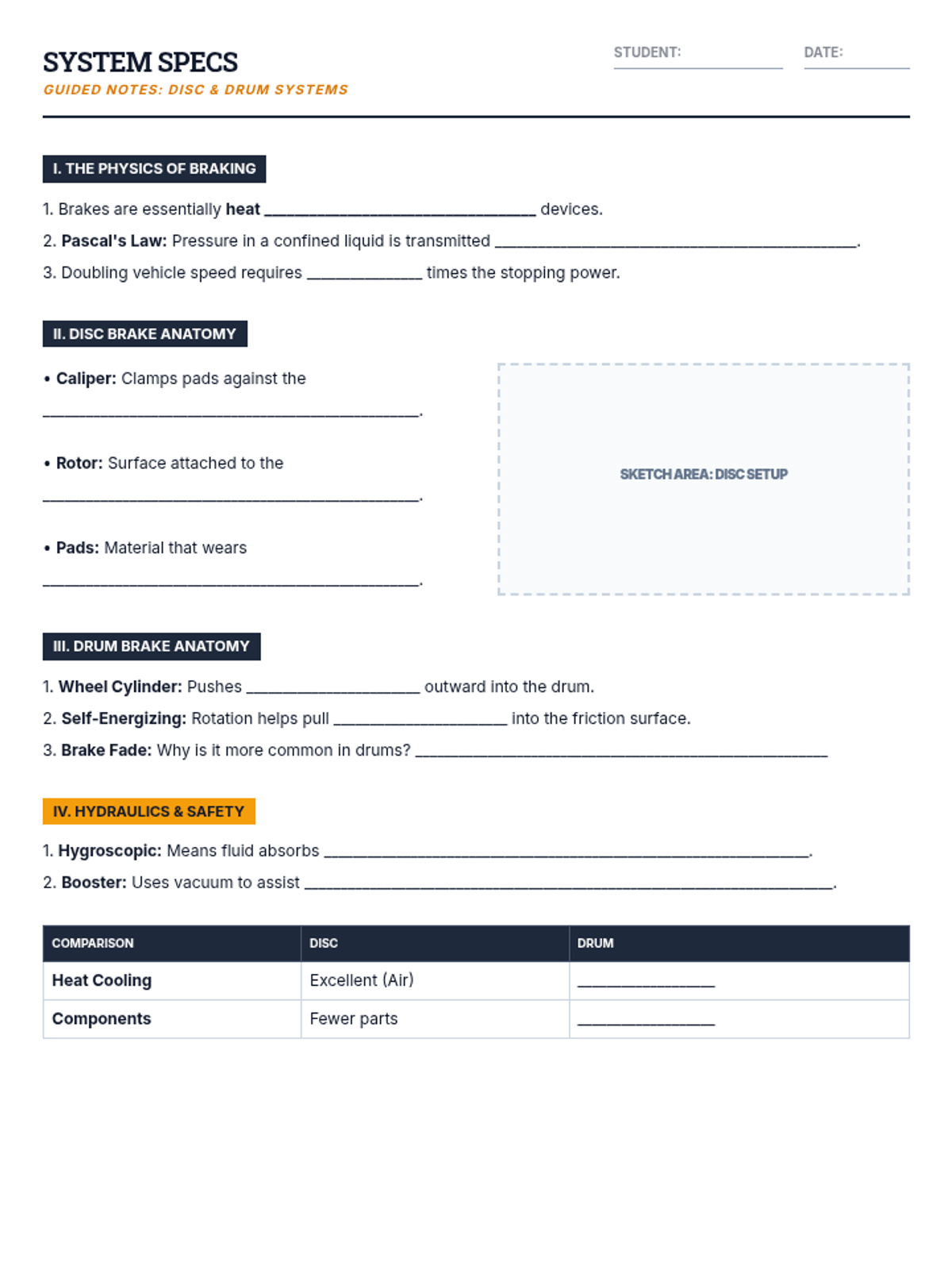
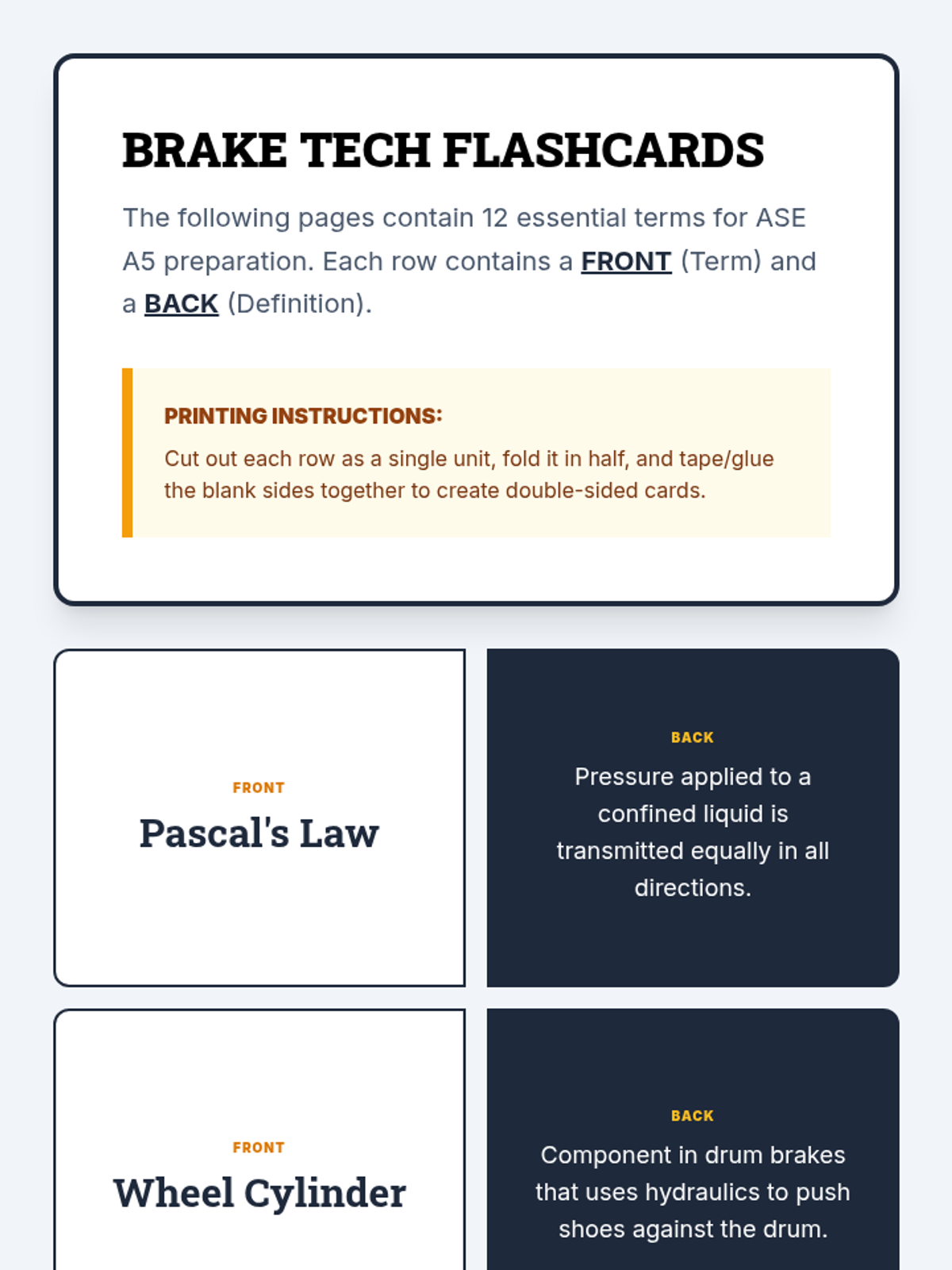
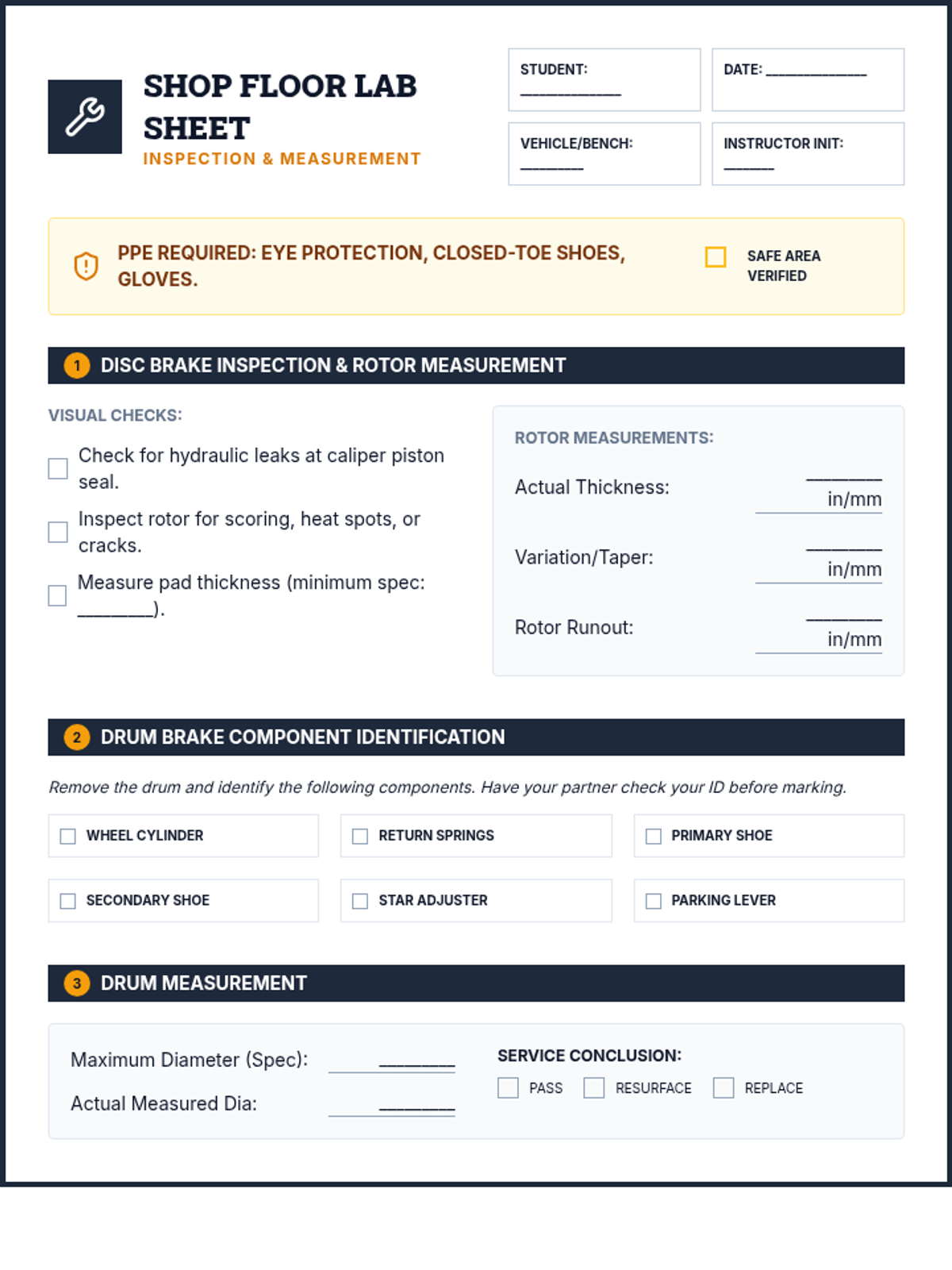
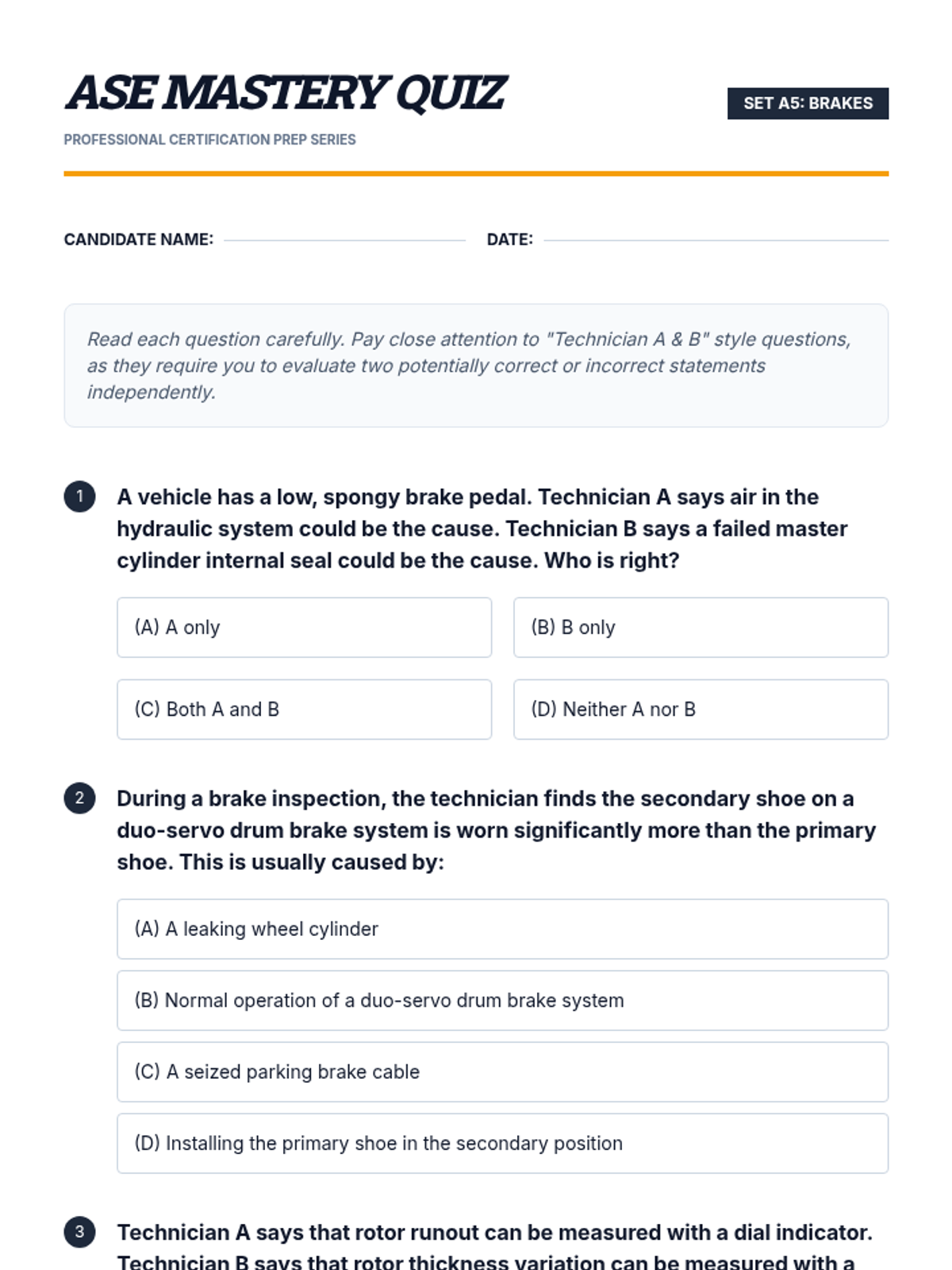
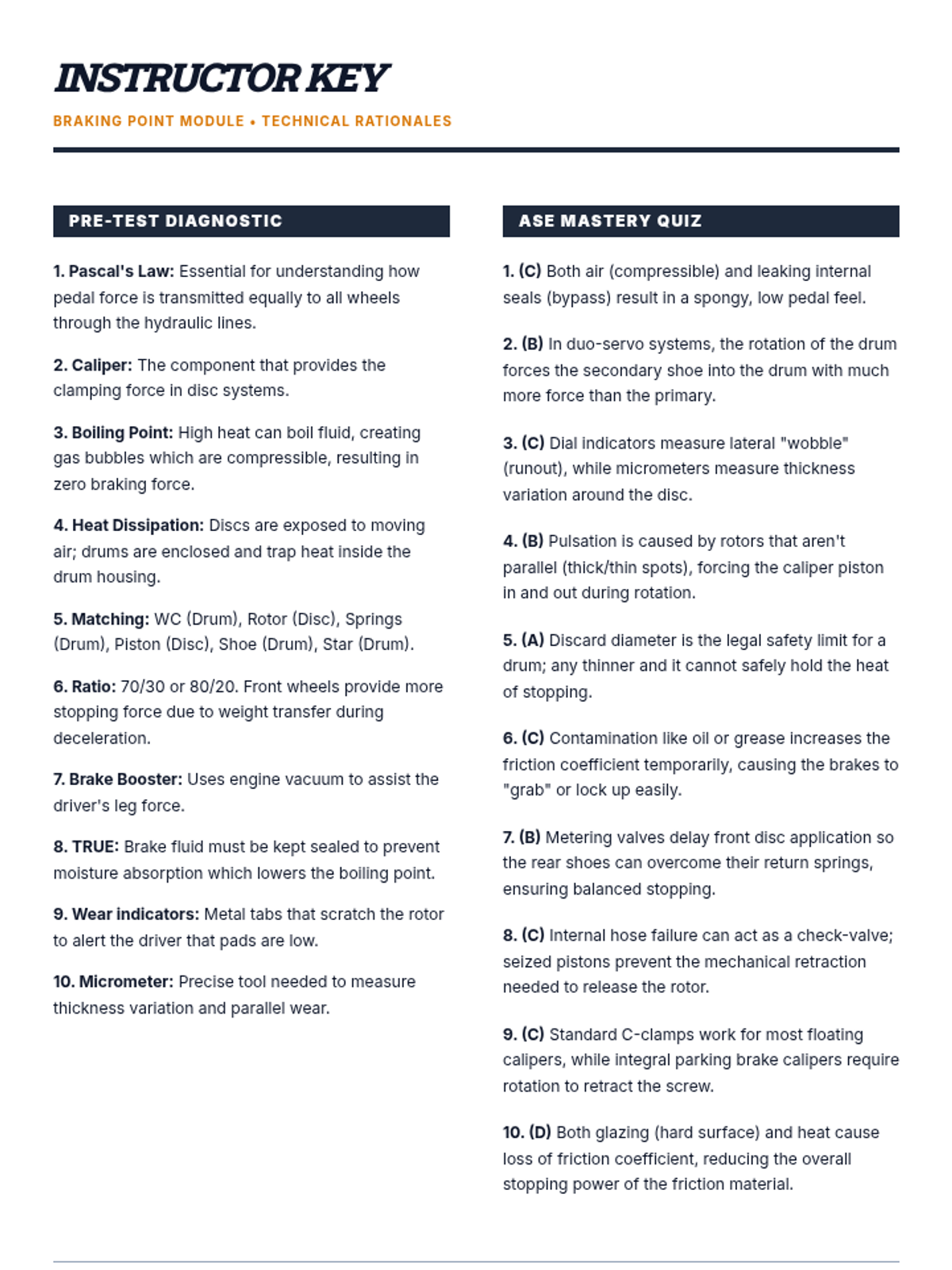
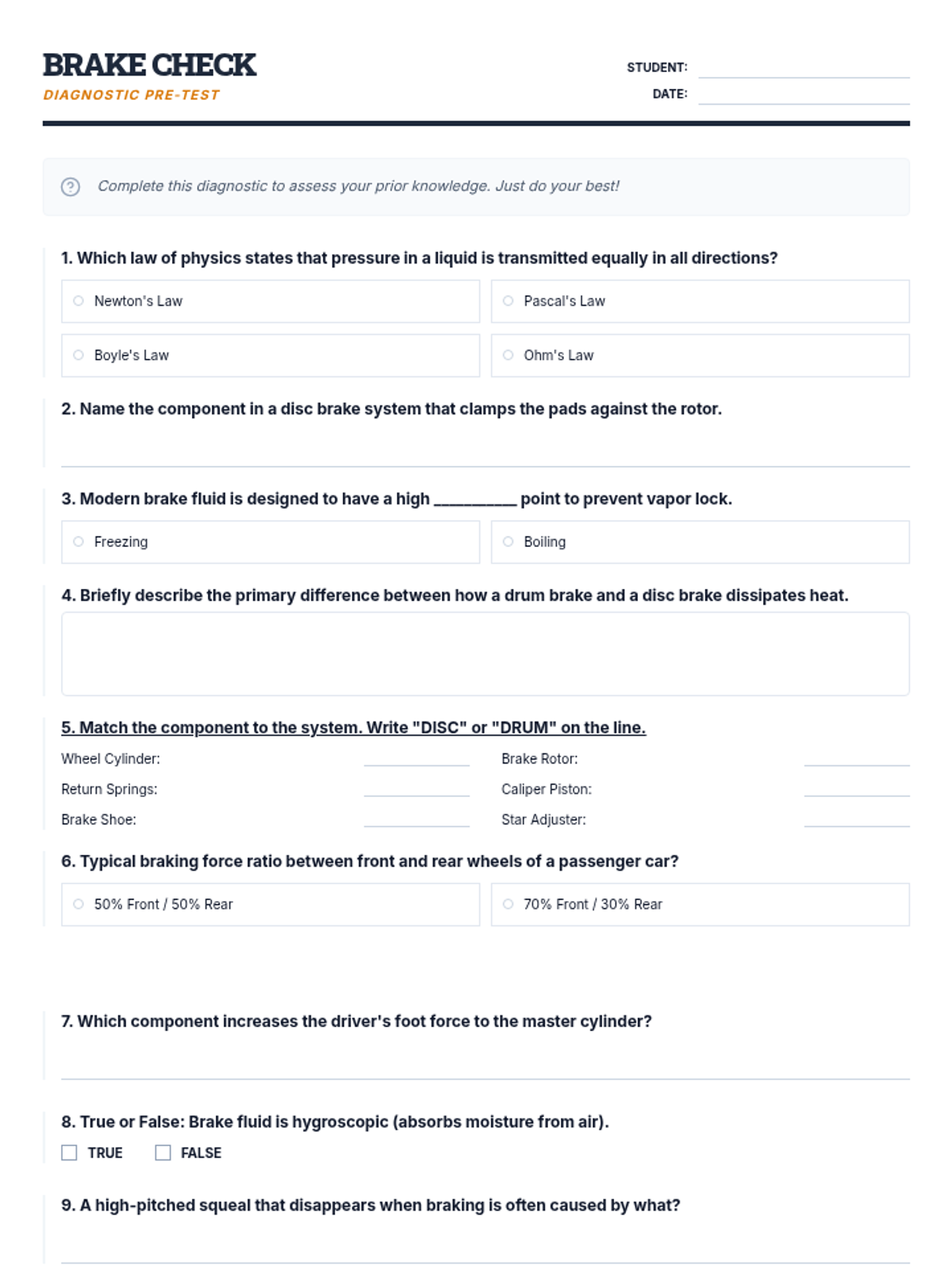
A comprehensive introduction to automotive disc and drum brake systems, covering components, operation, and ASE-style diagnostic theory for first-year students.
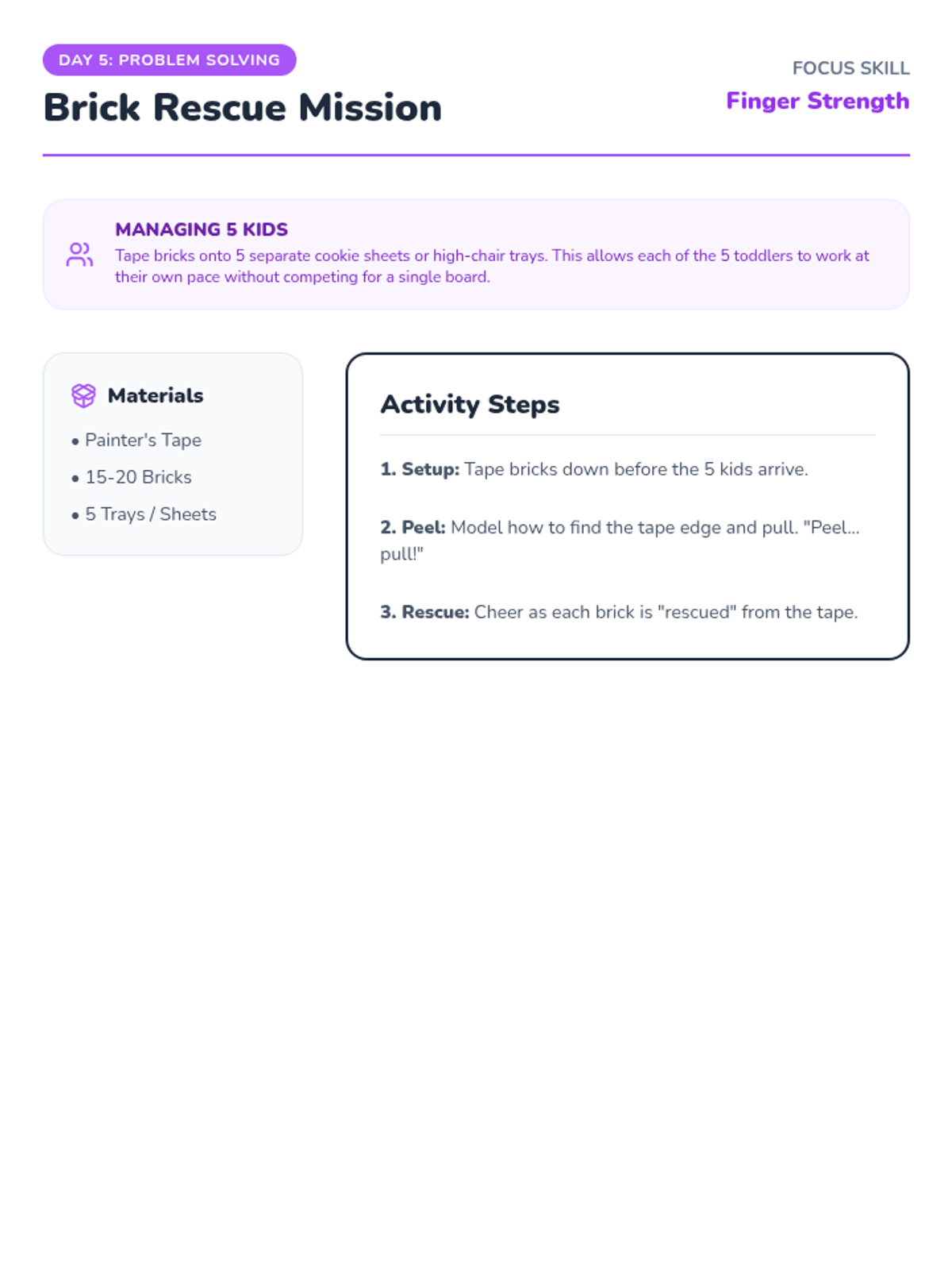
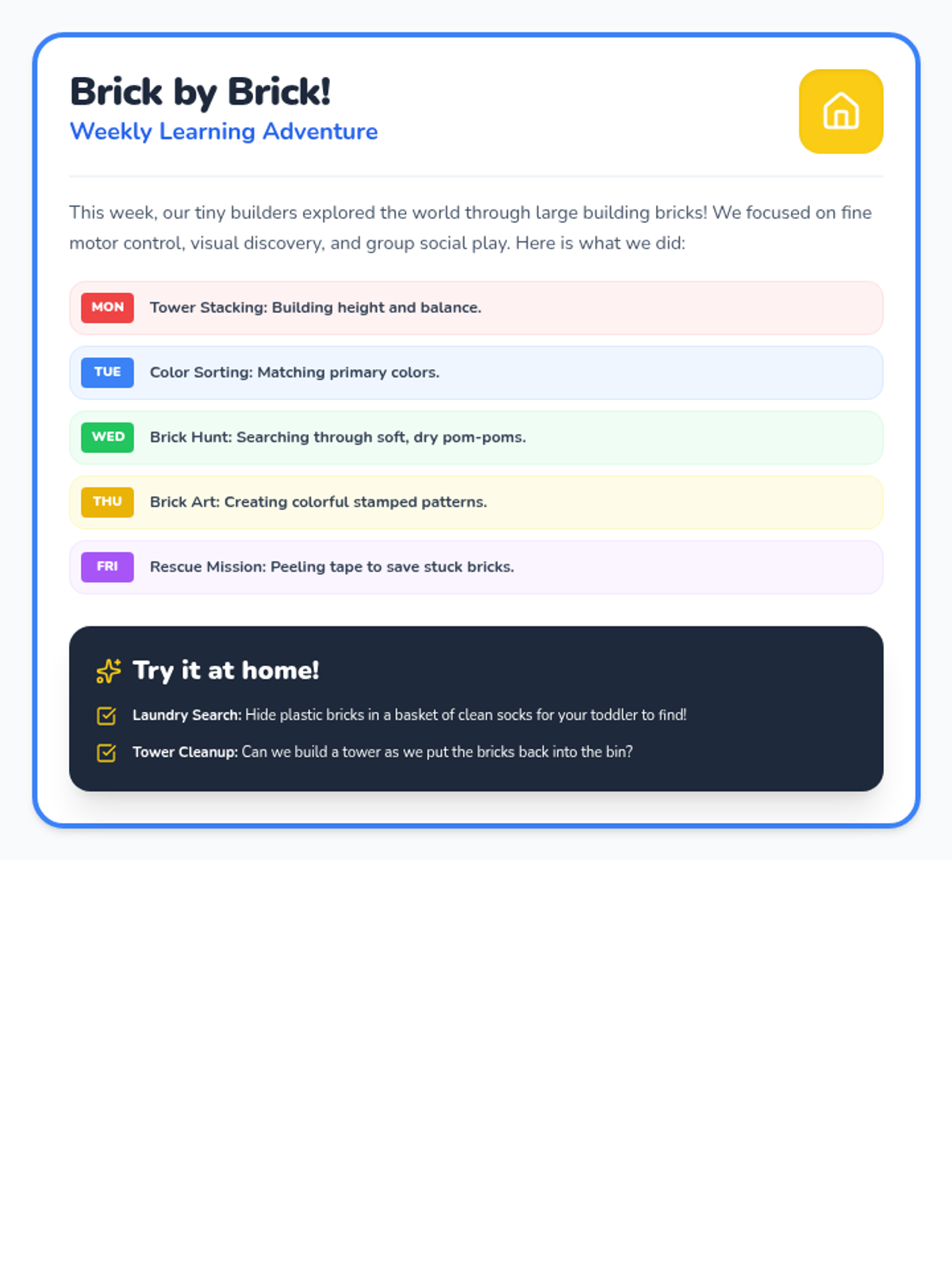
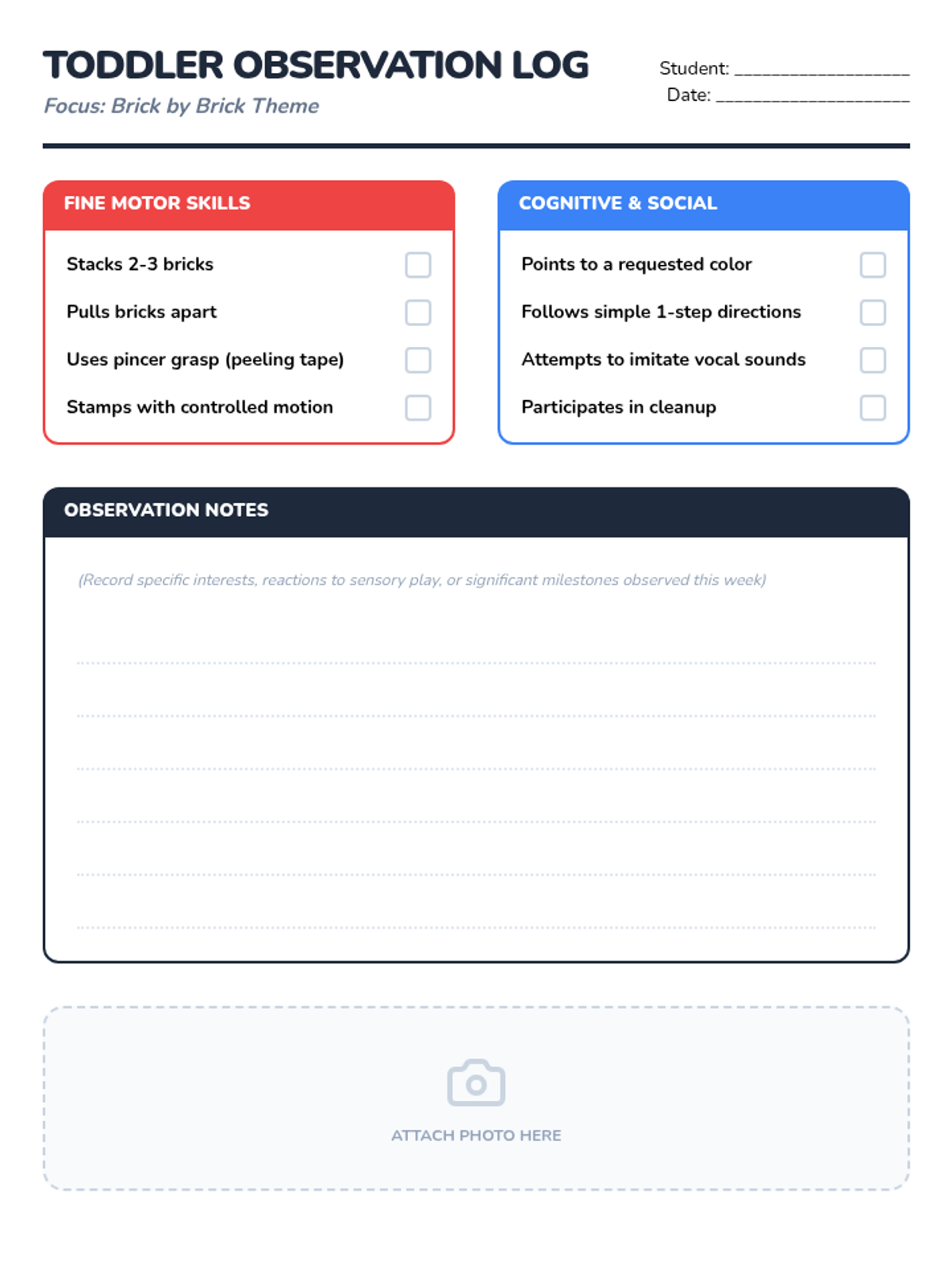
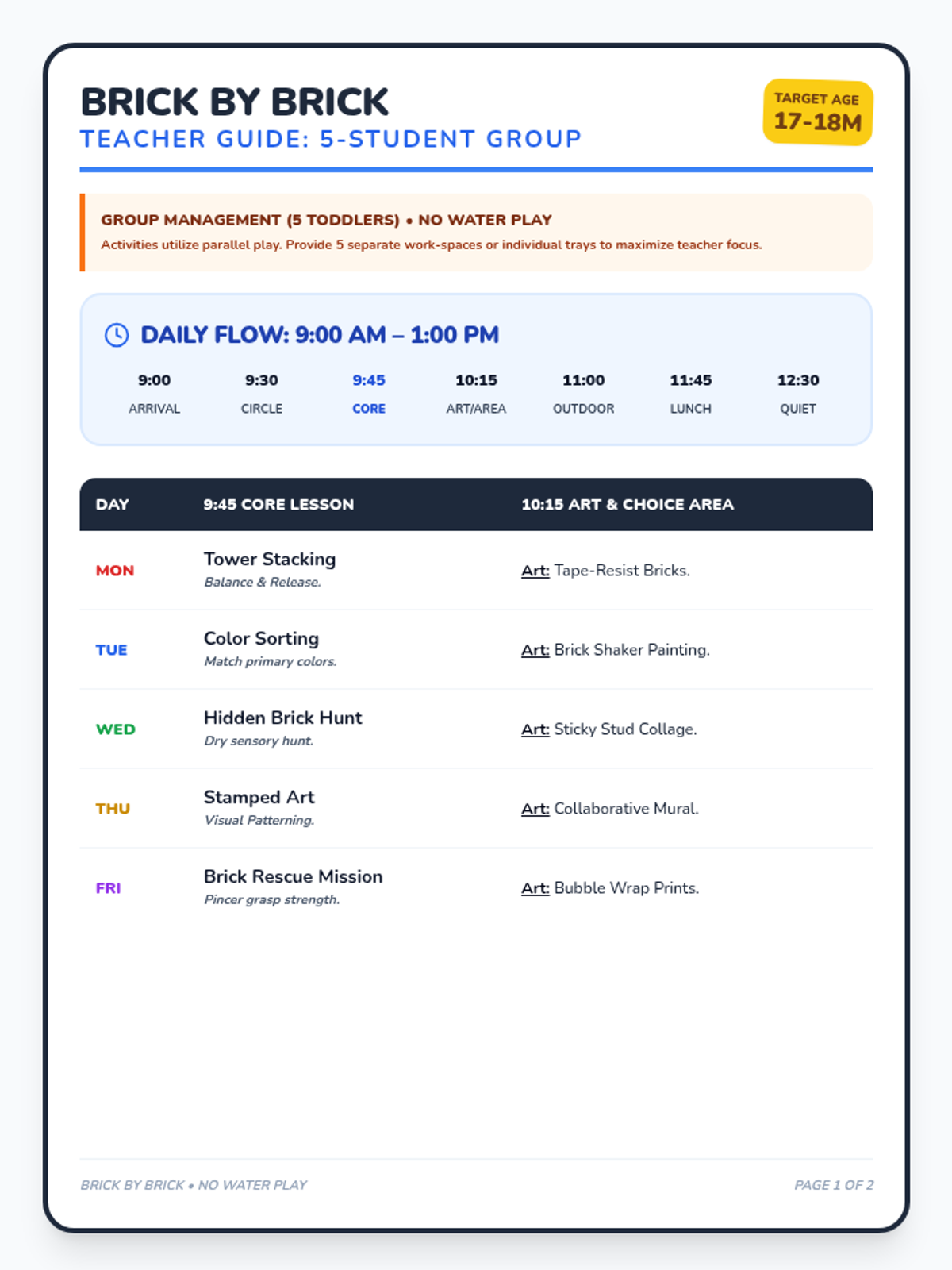
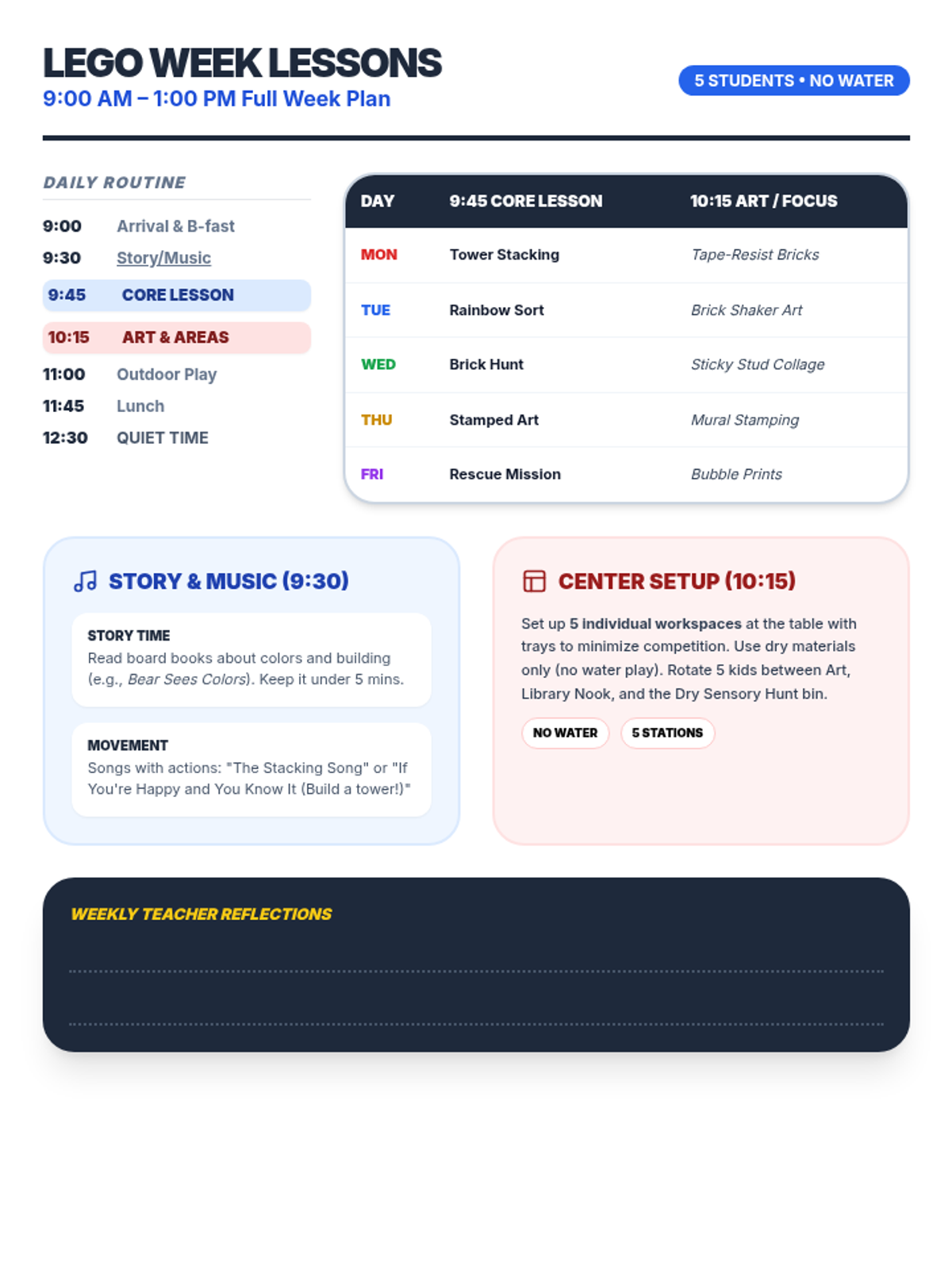
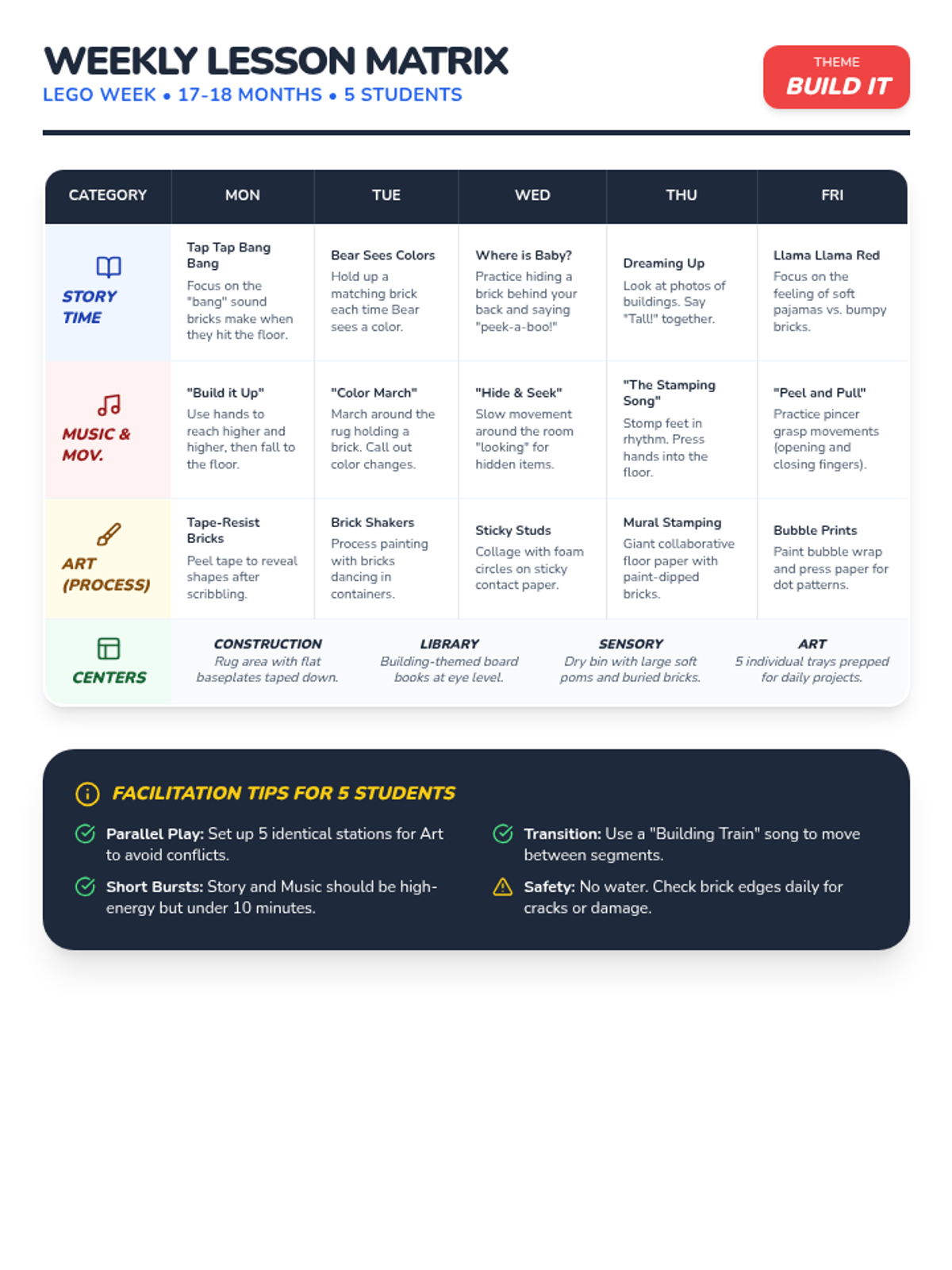
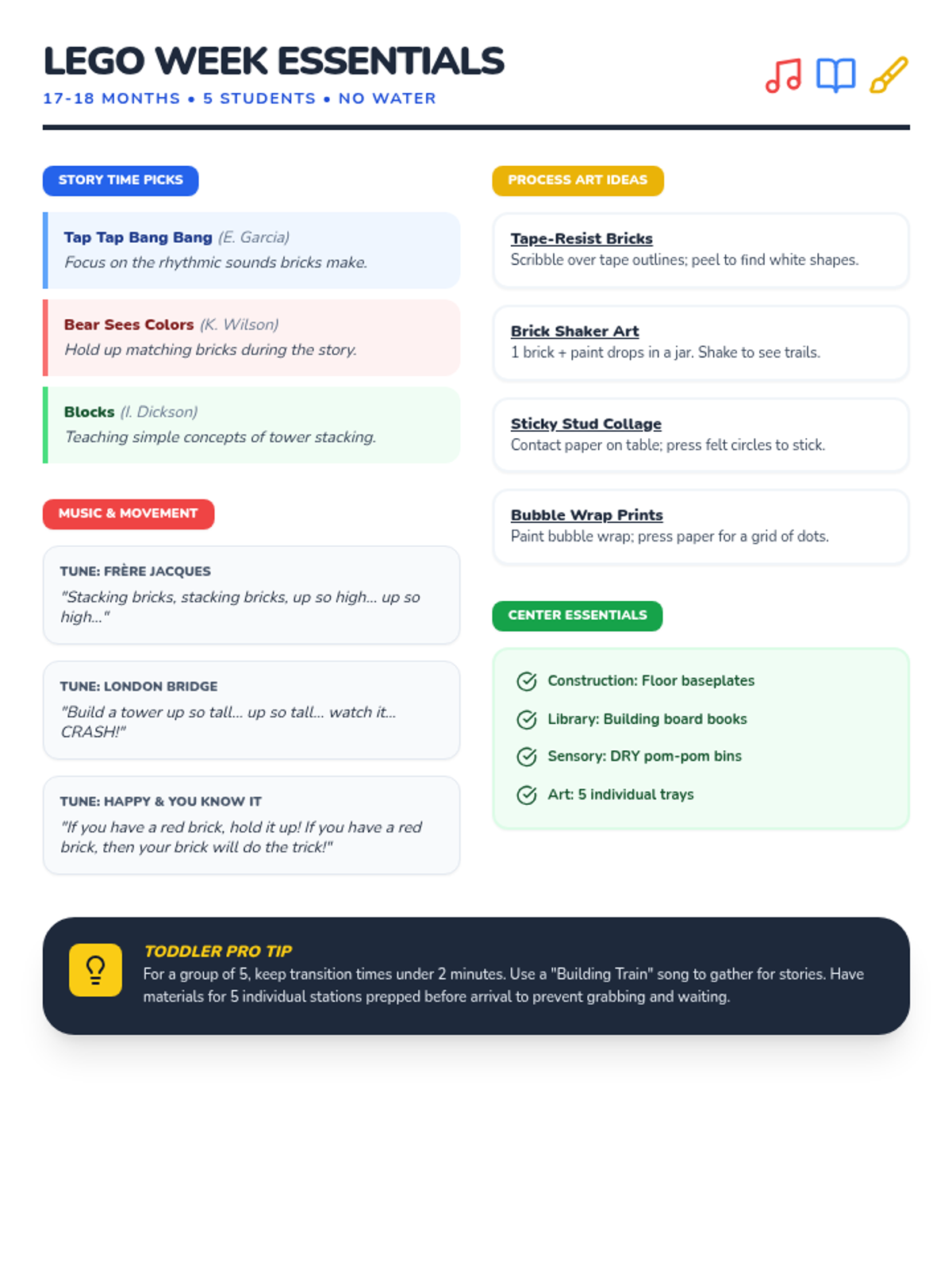
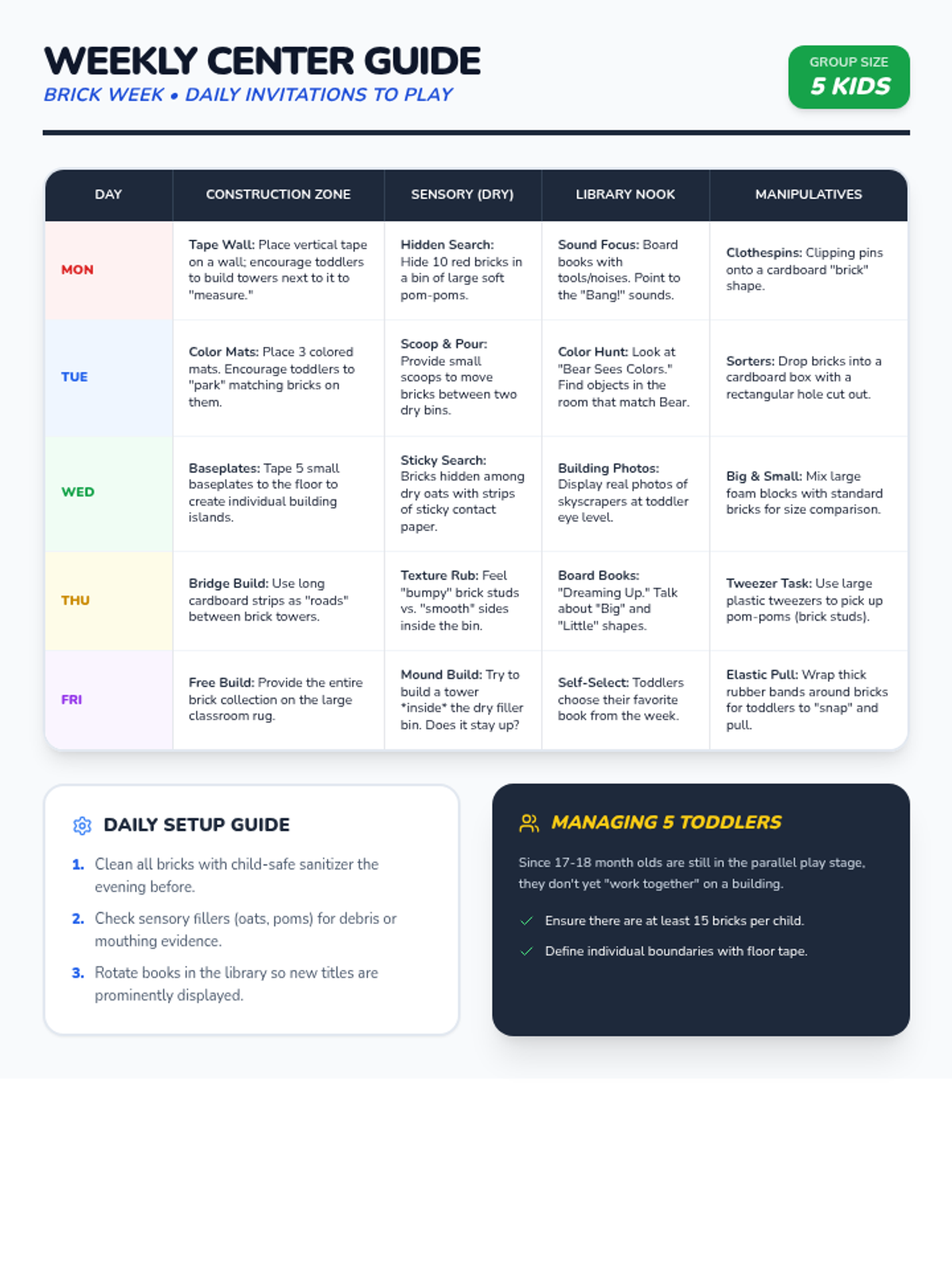
Challenges toddlers to use their problem-solving skills to 'rescue' bricks from different materials like tape or playdough, enhancing finger strength.
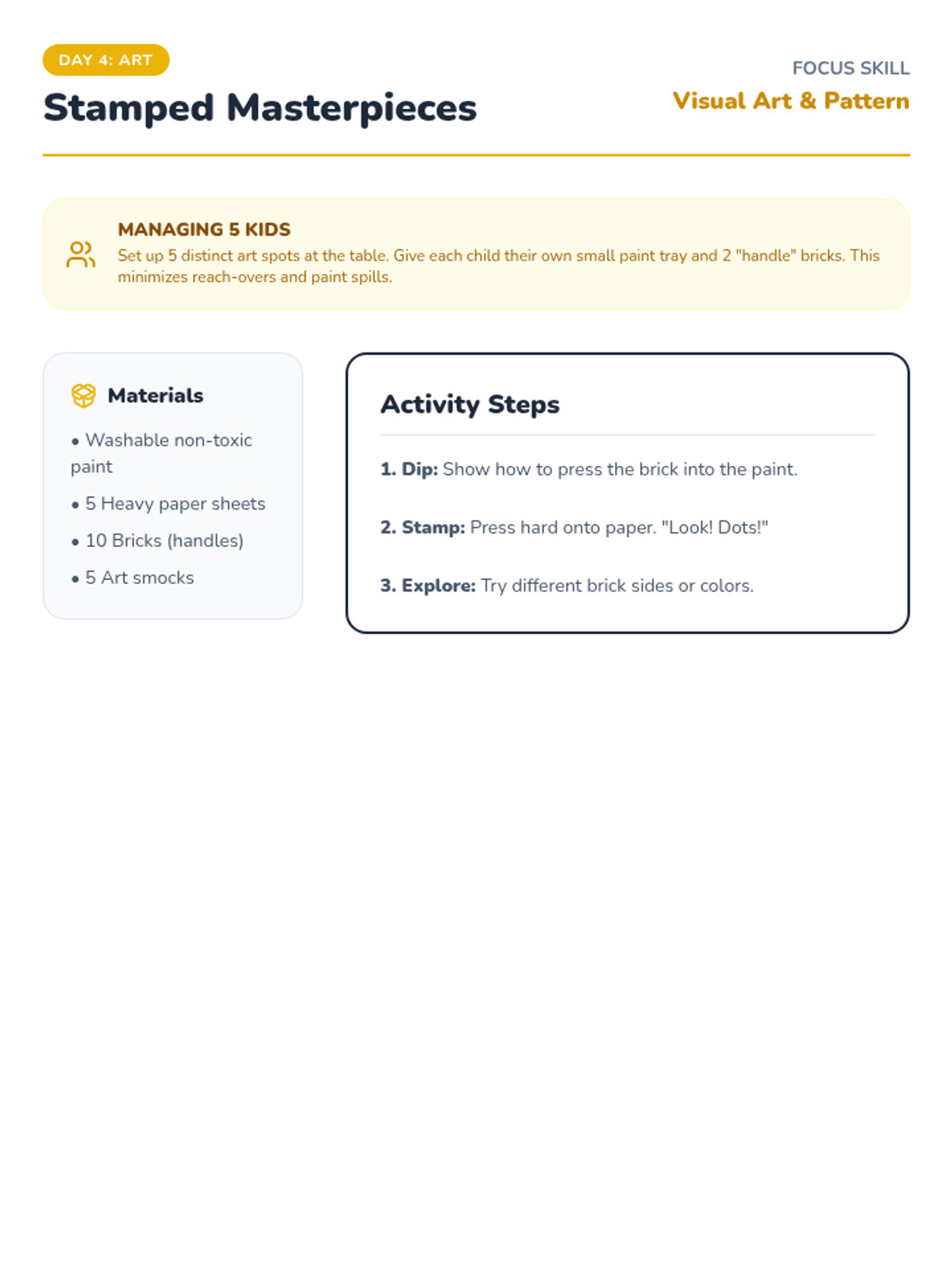
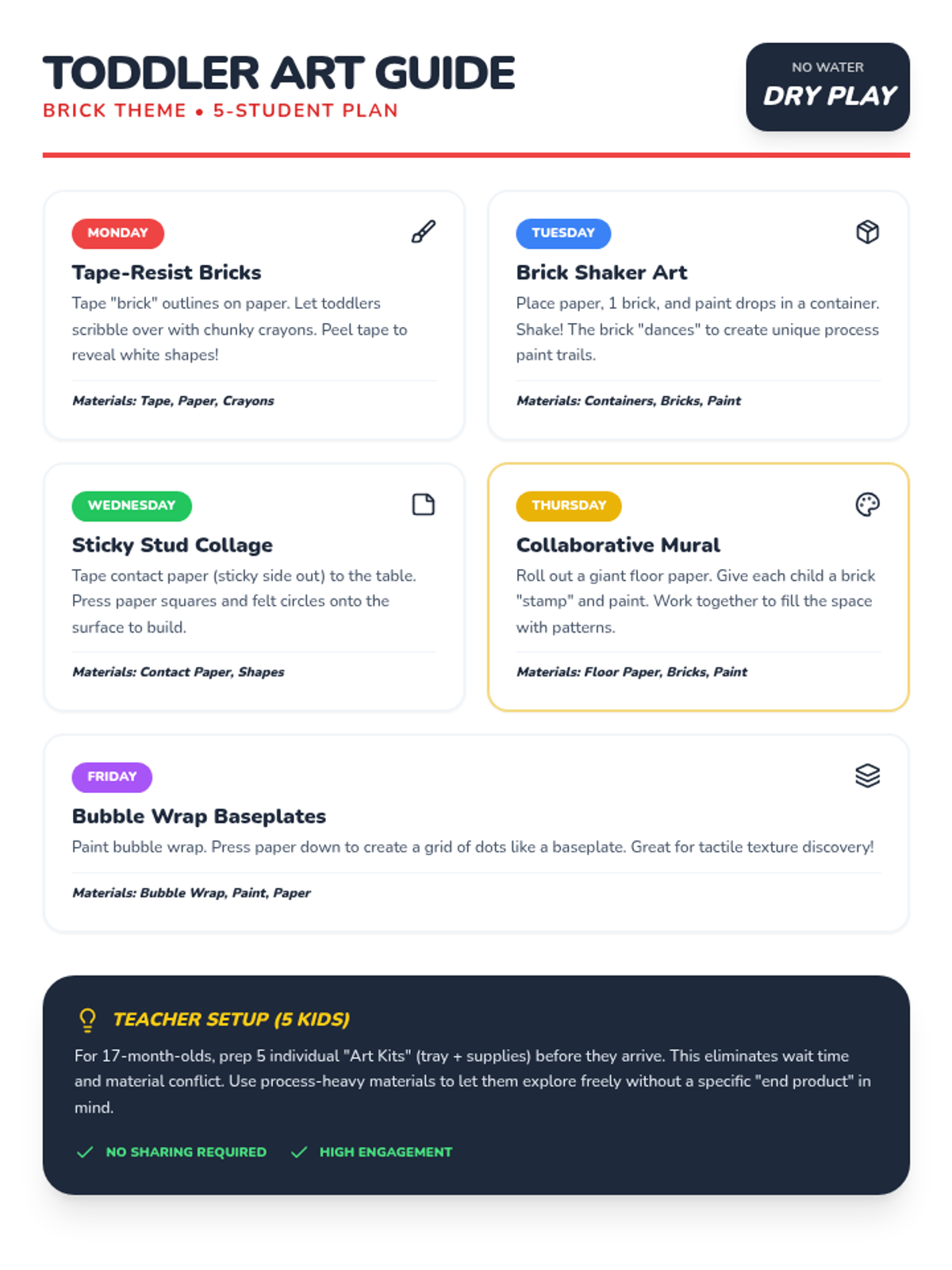
Uses bricks as unconventional tools for artistic expression. Toddlers learn about shapes and patterns through stamping and paint exploration.
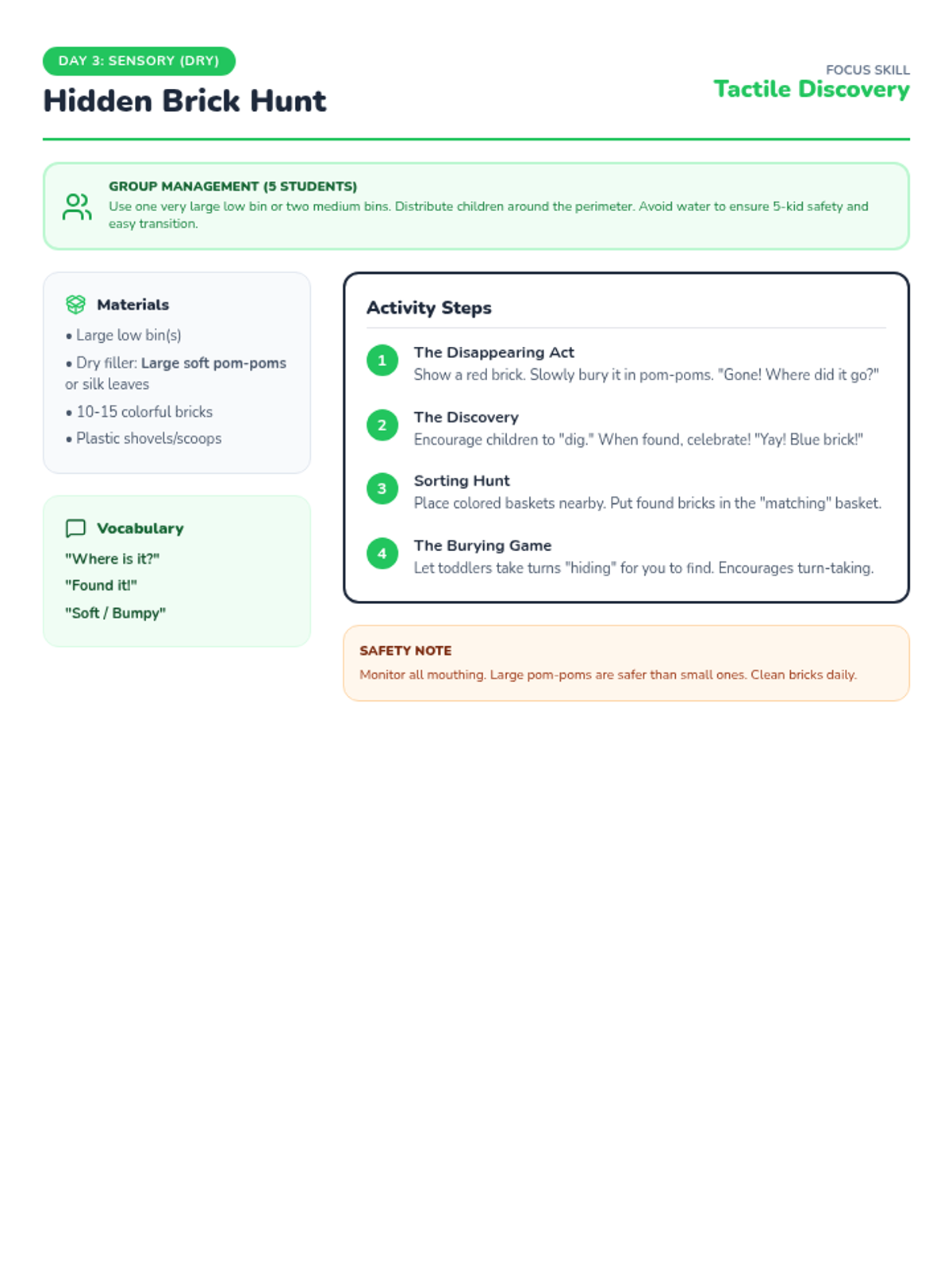
A dry sensory experience where toddlers search for bricks hidden among soft materials. Focuses on tactile exploration and object permanence.
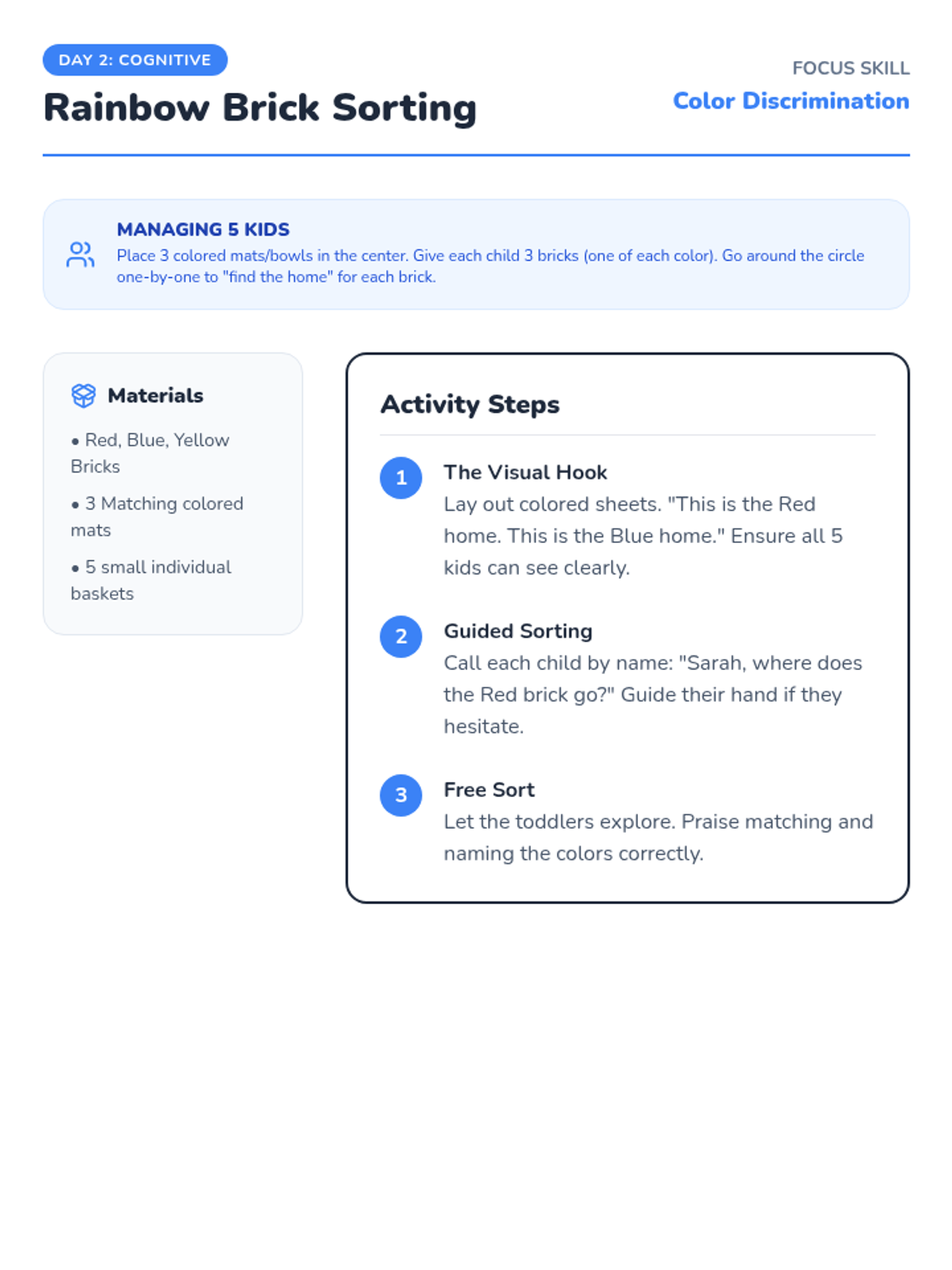
Introduces basic color identification using primary colored bricks. Toddlers explore grouping and matching in a low-pressure, playful environment.
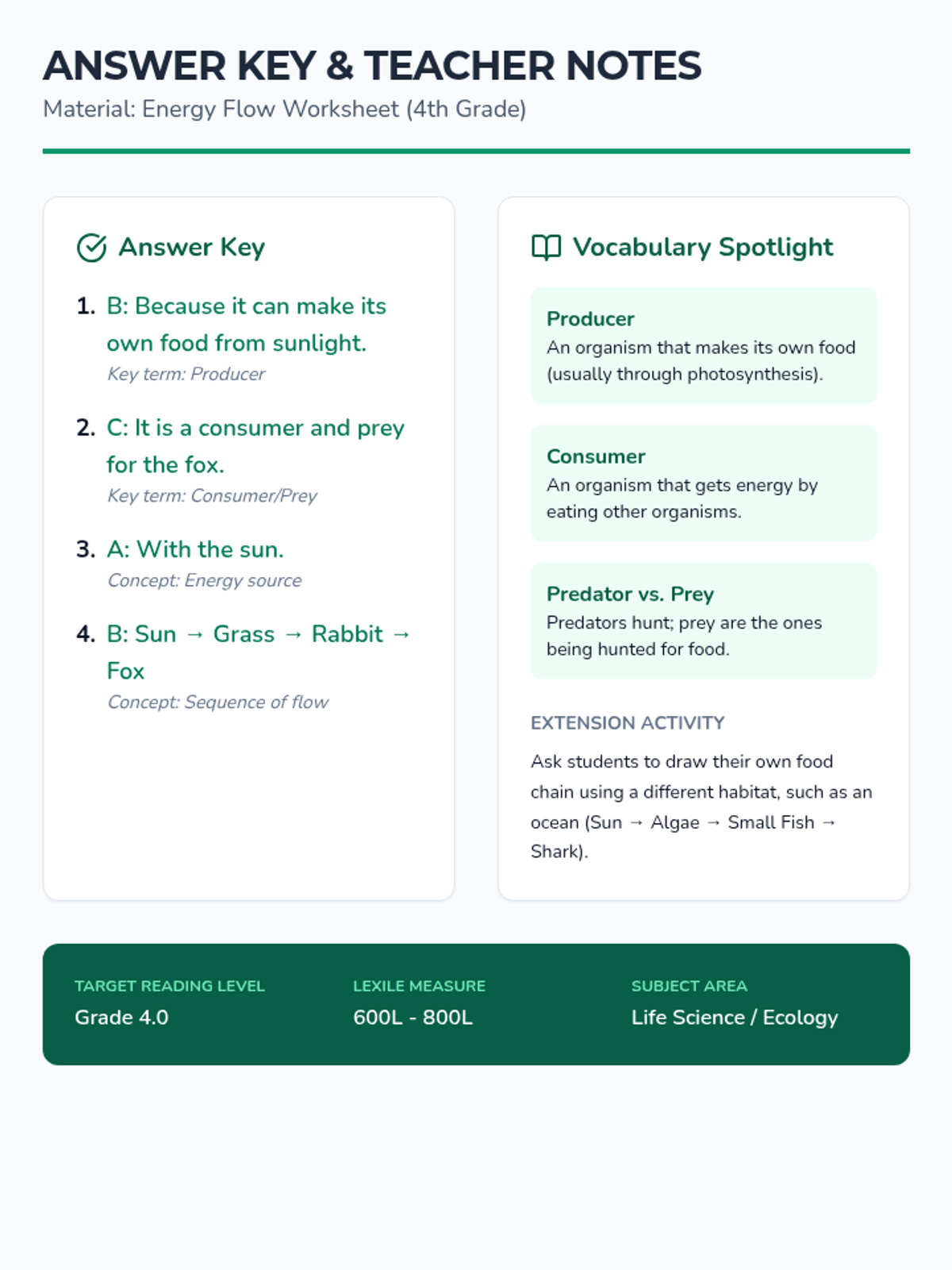
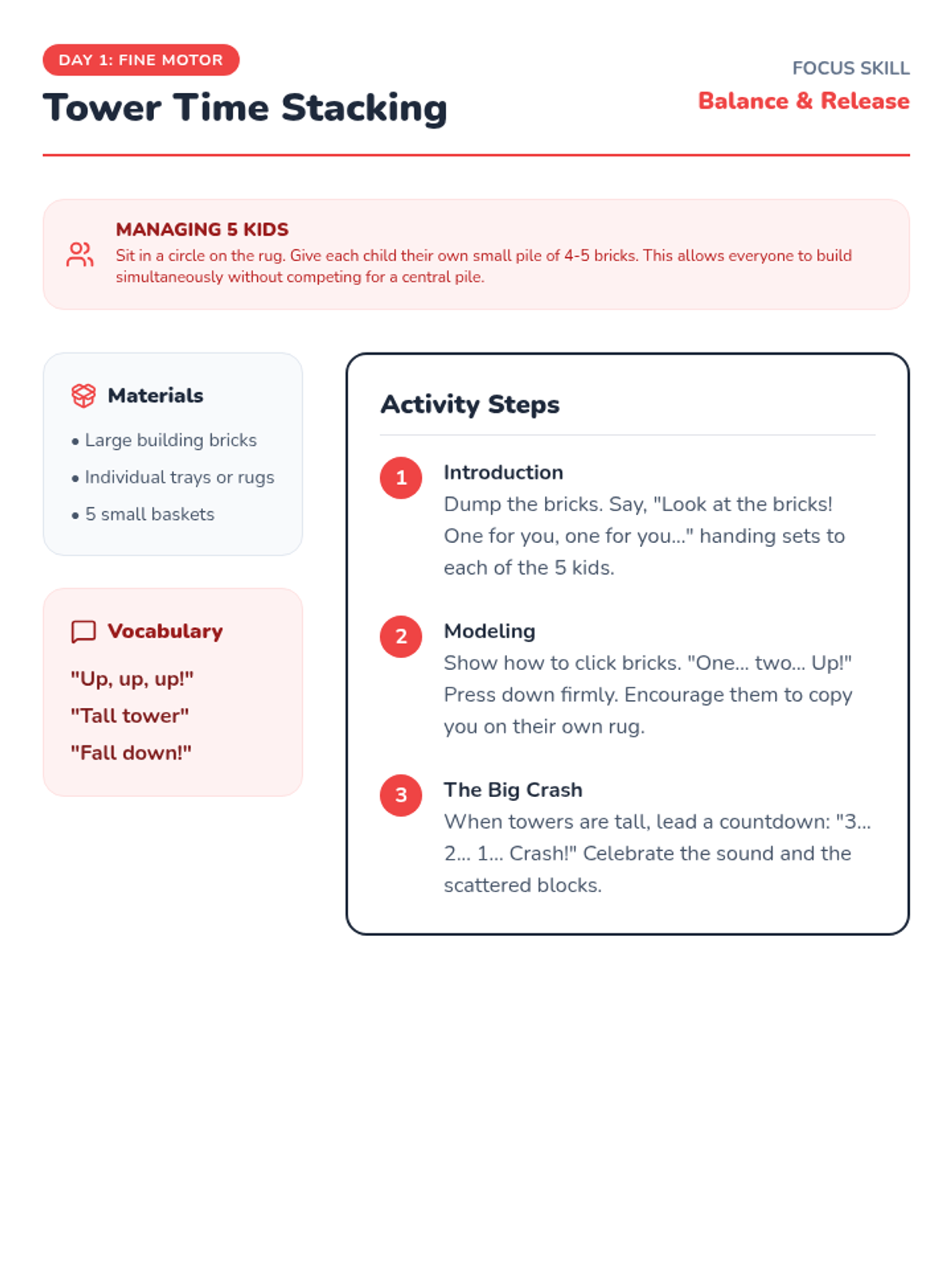
Focuses on the fundamental skill of vertical stacking and the concept of balance. Toddlers practice grasp and release while building coordination.
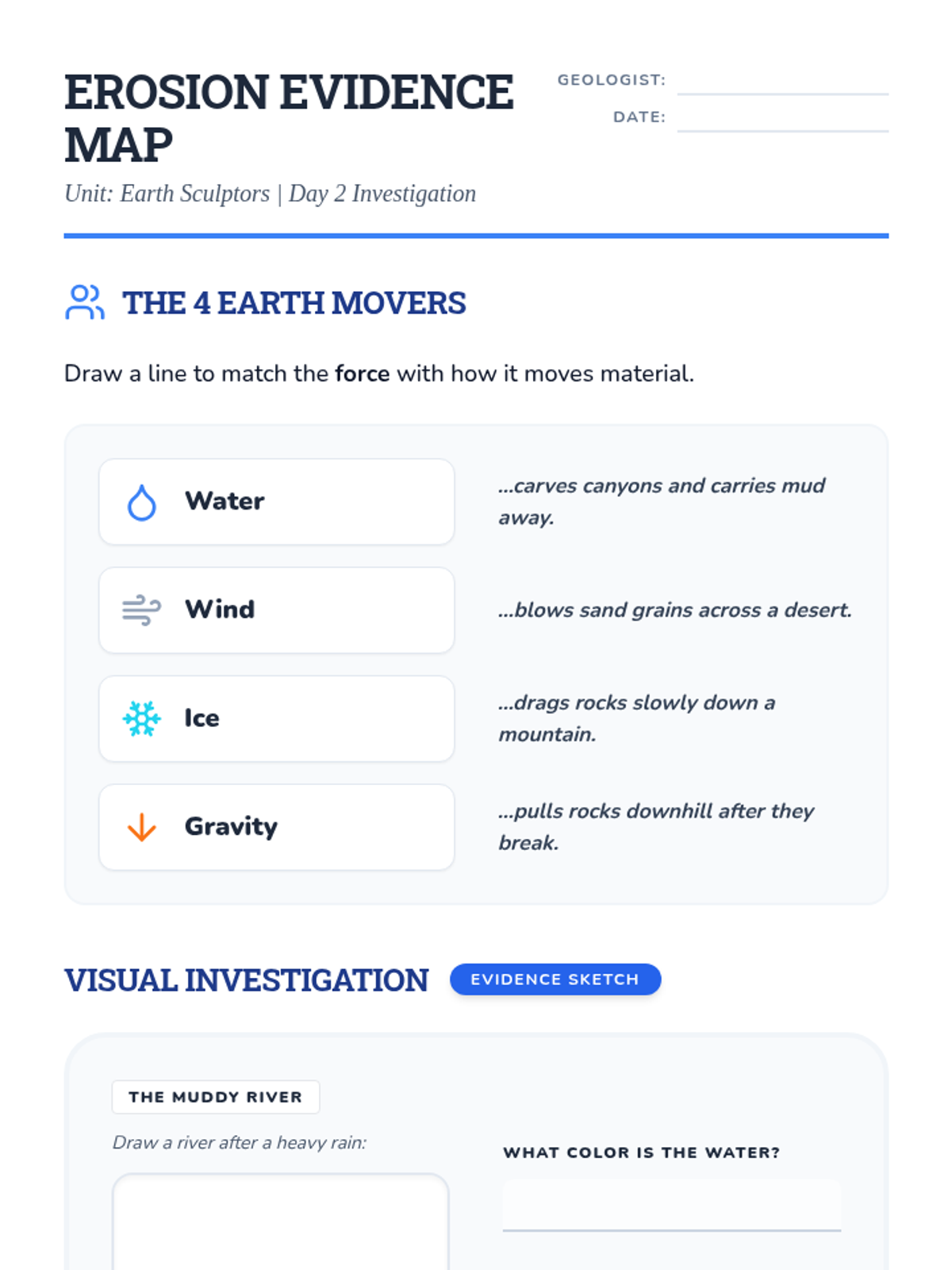
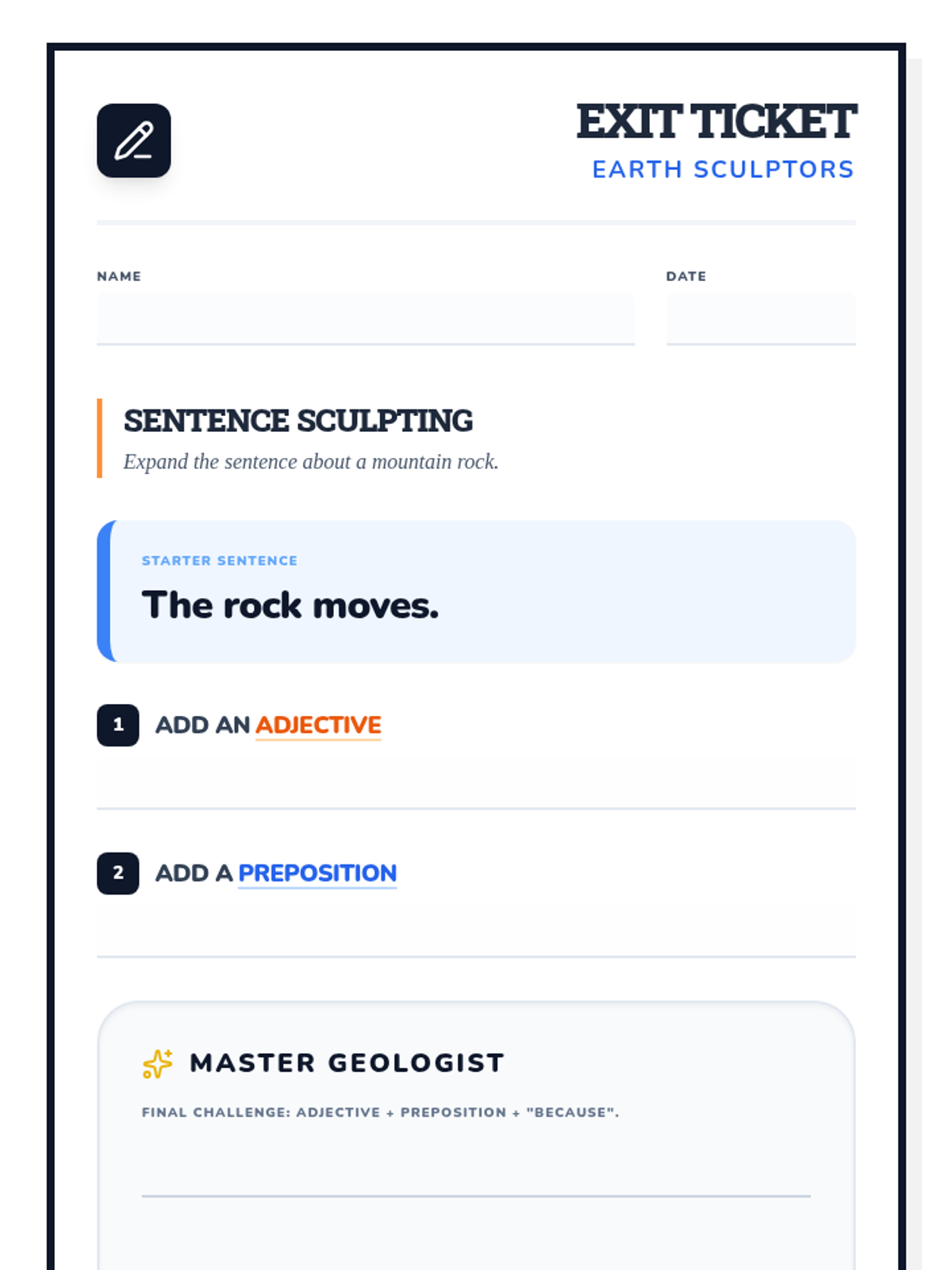
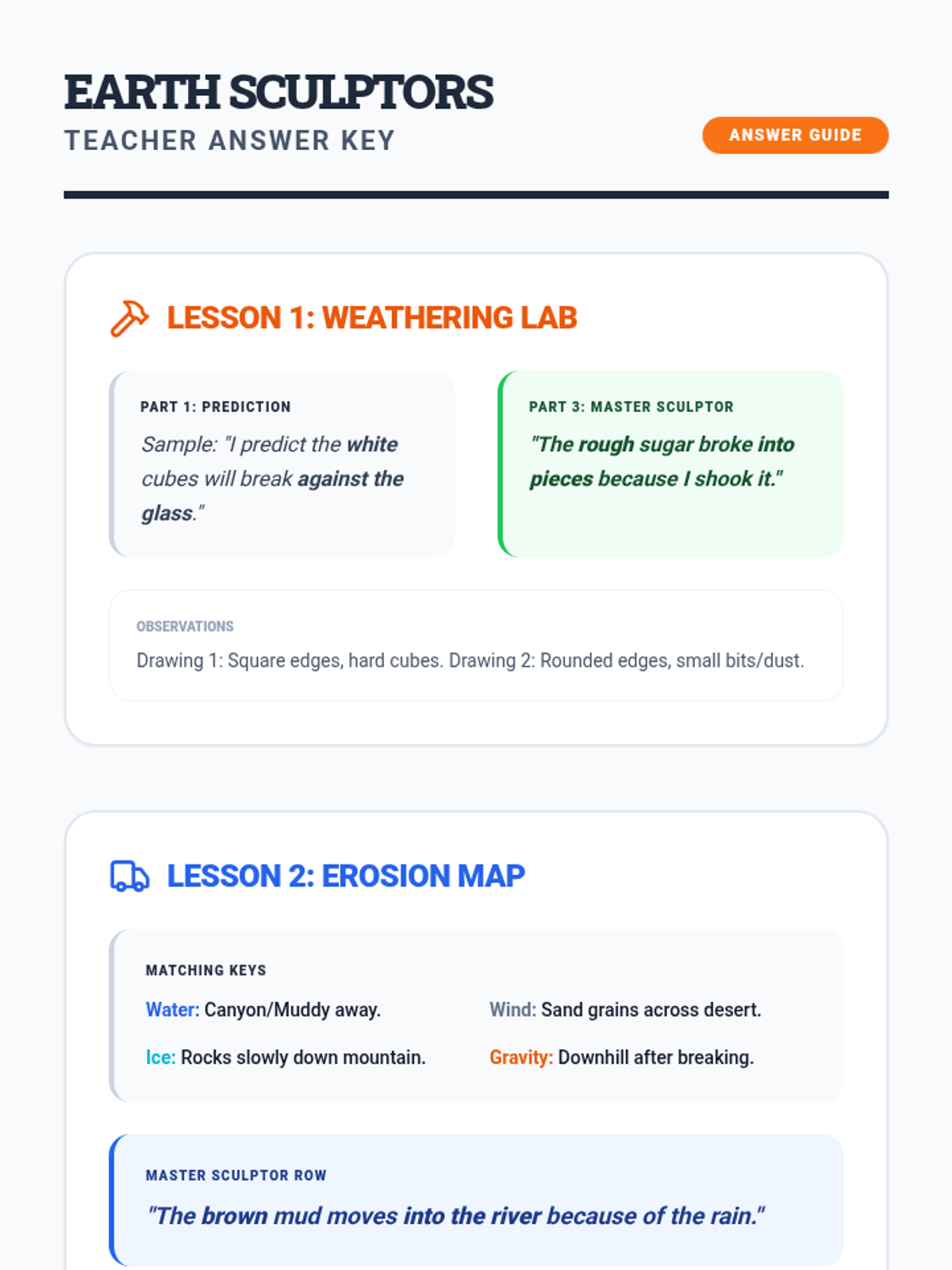
Students investigate how water, wind, and ice move weathered materials and practice expanding sentences to explain the causes and effects of erosion.
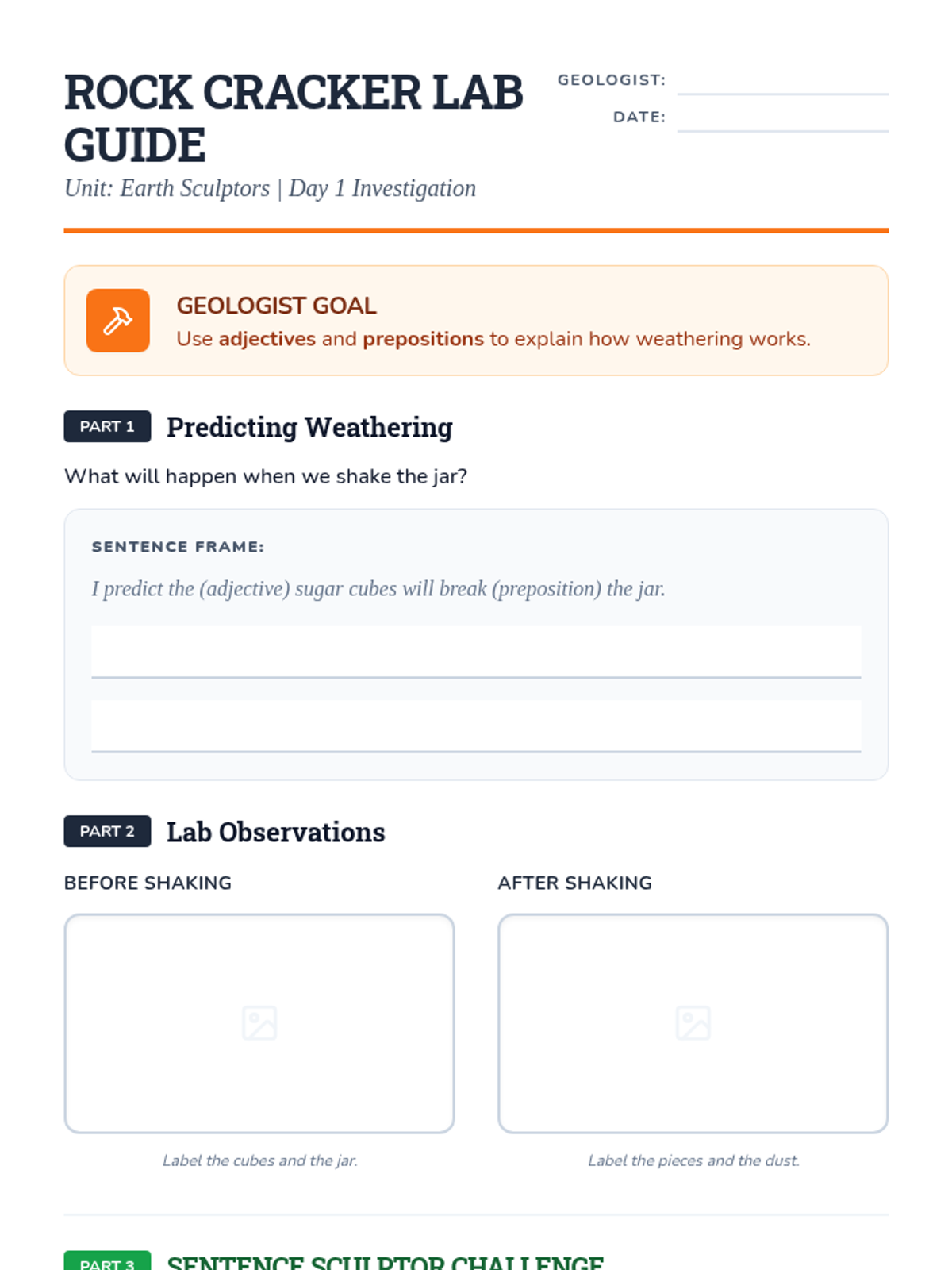
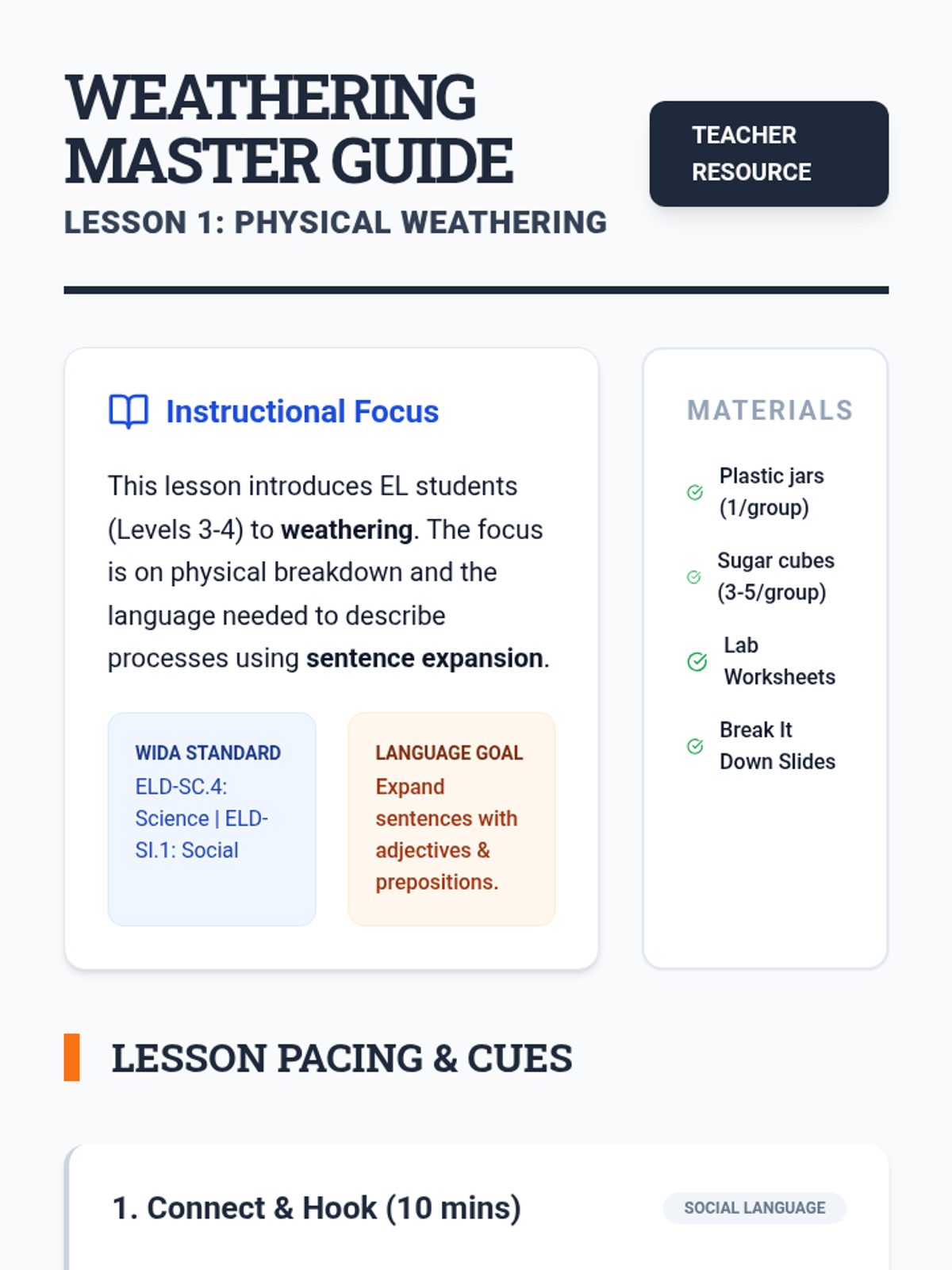
Students explore physical and chemical weathering through hands-on simulations and learn to describe the process of breaking down rock using expanded sentences.
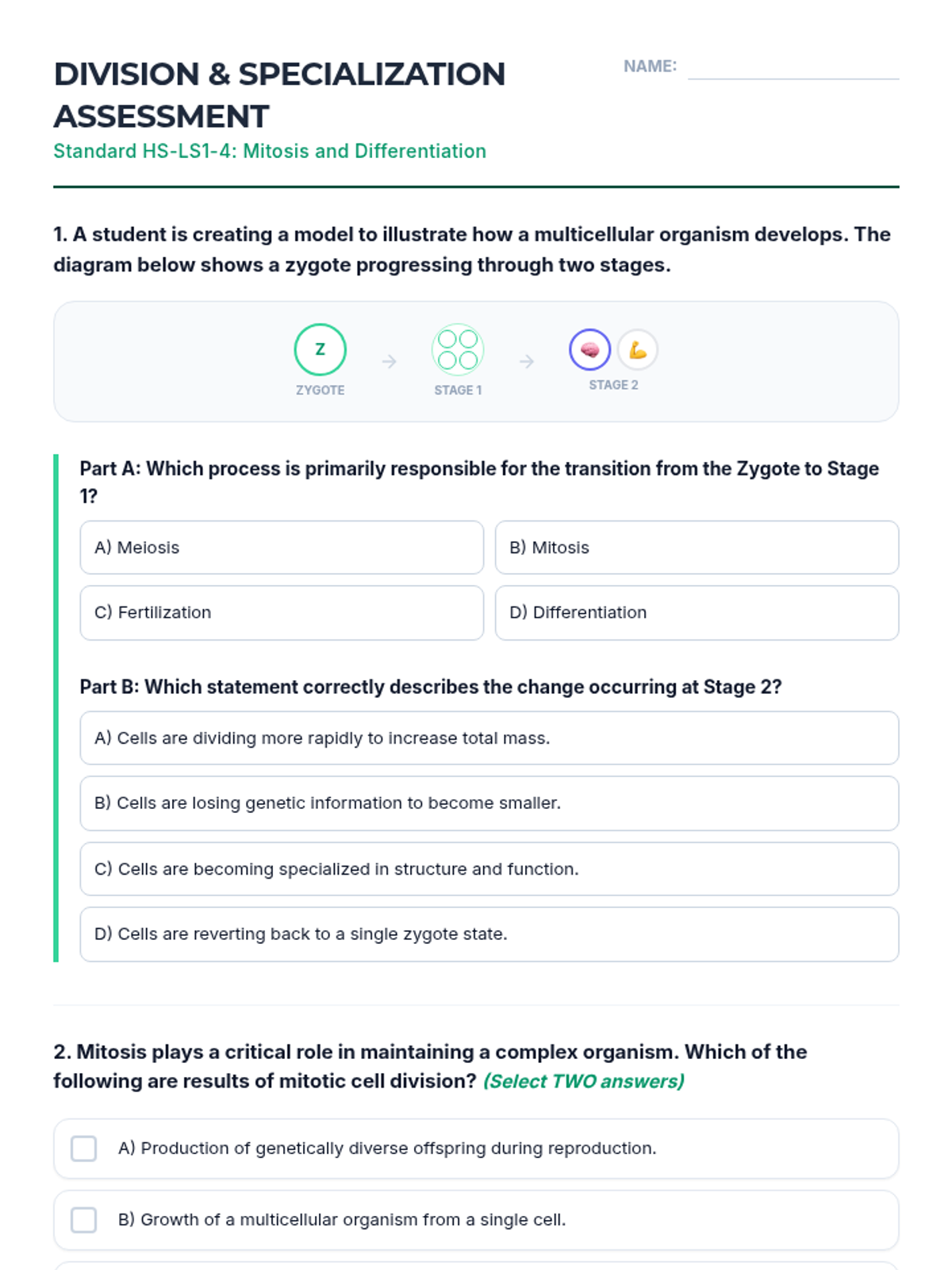
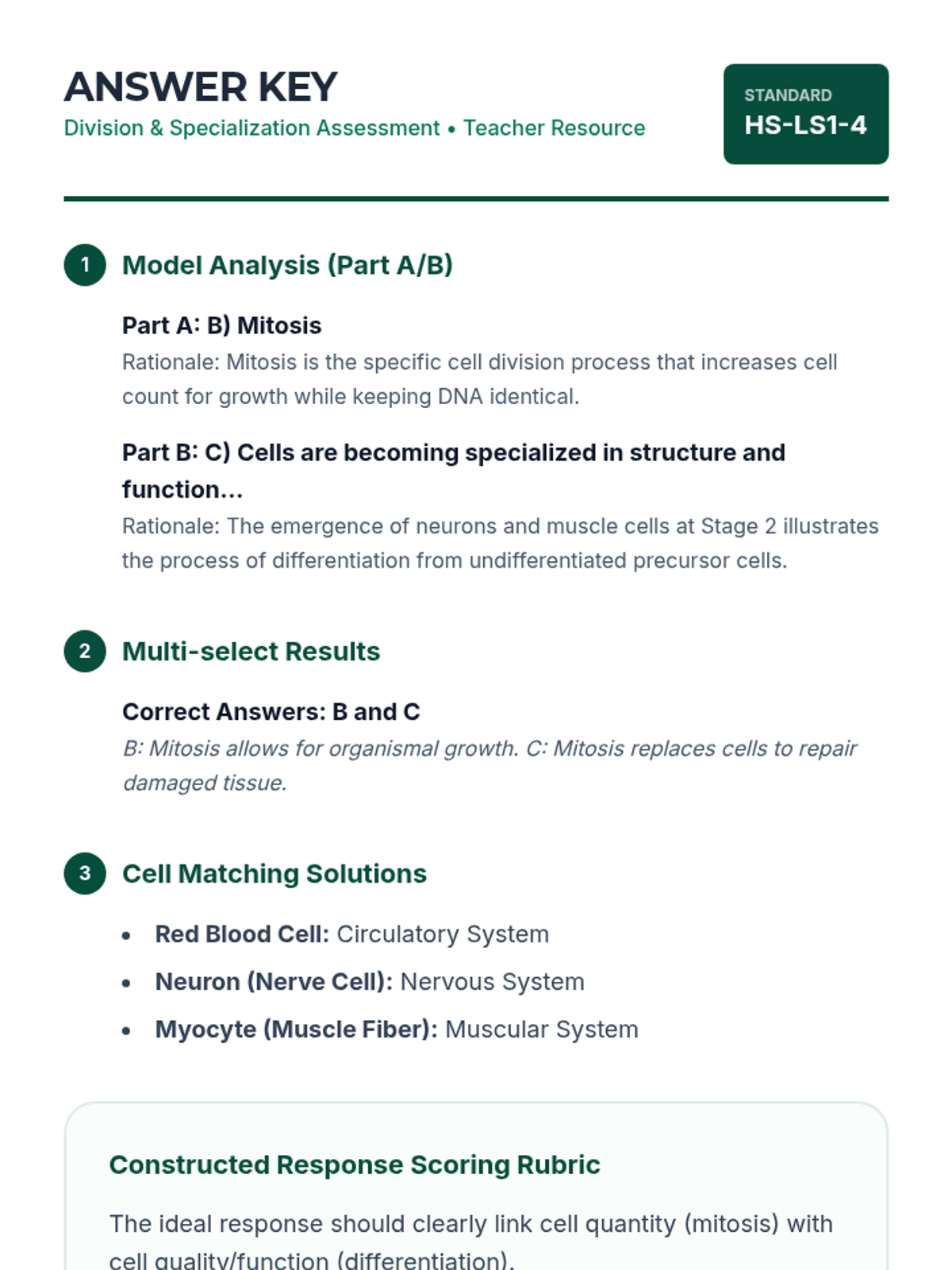
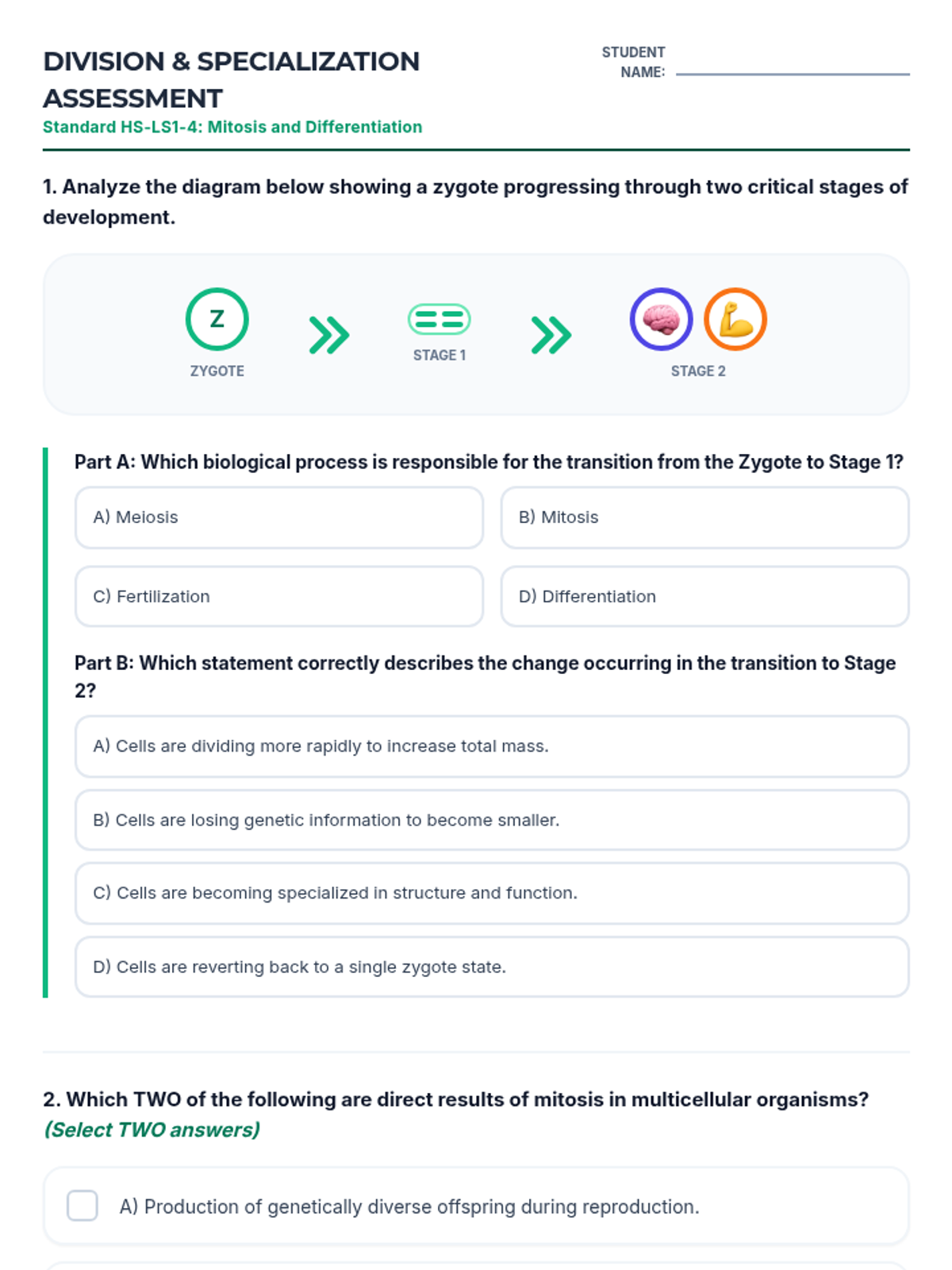
An exploration of the cellular processes that allow organisms to grow and maintain complexity, specifically focusing on mitosis and cell differentiation.
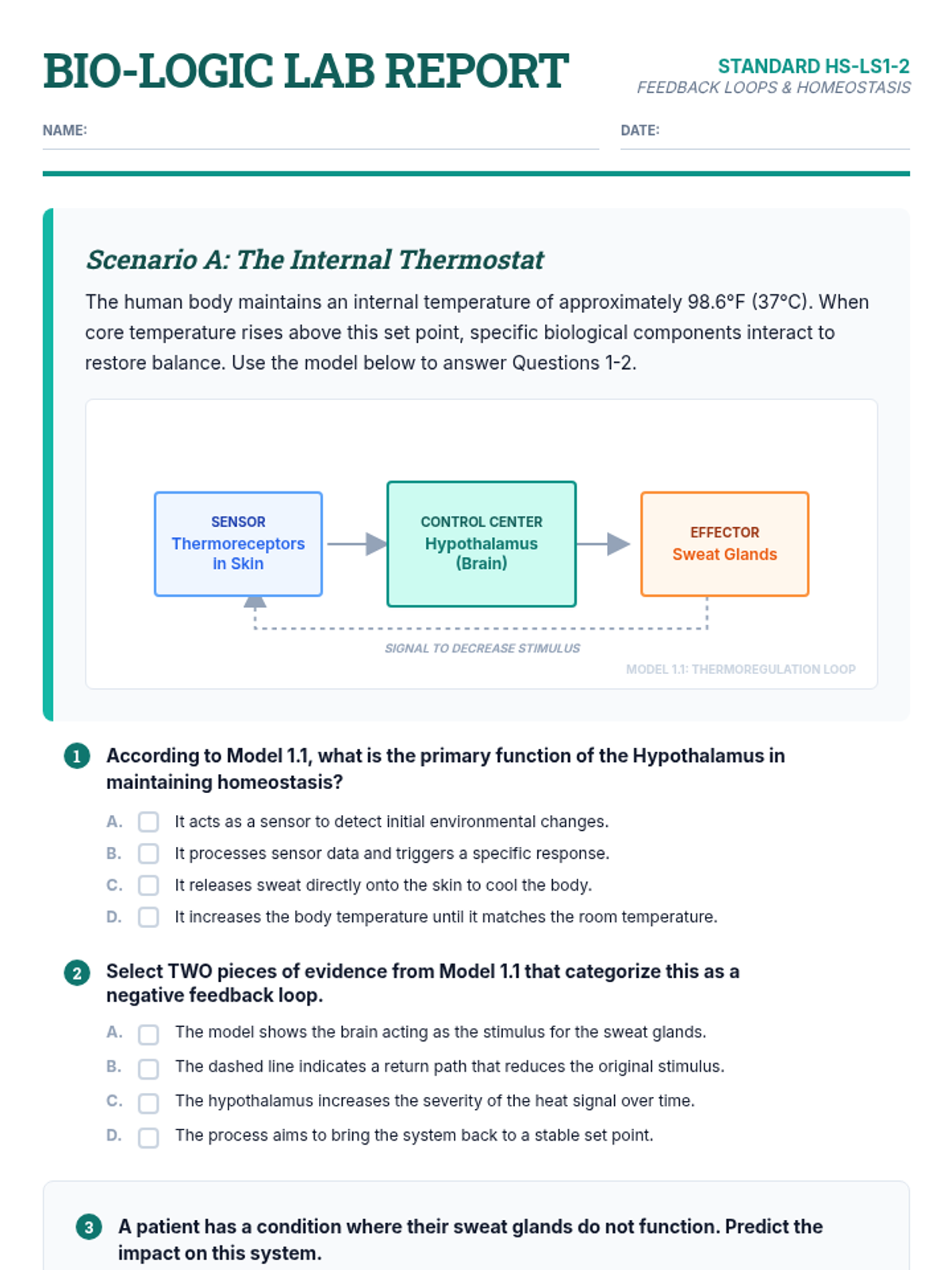
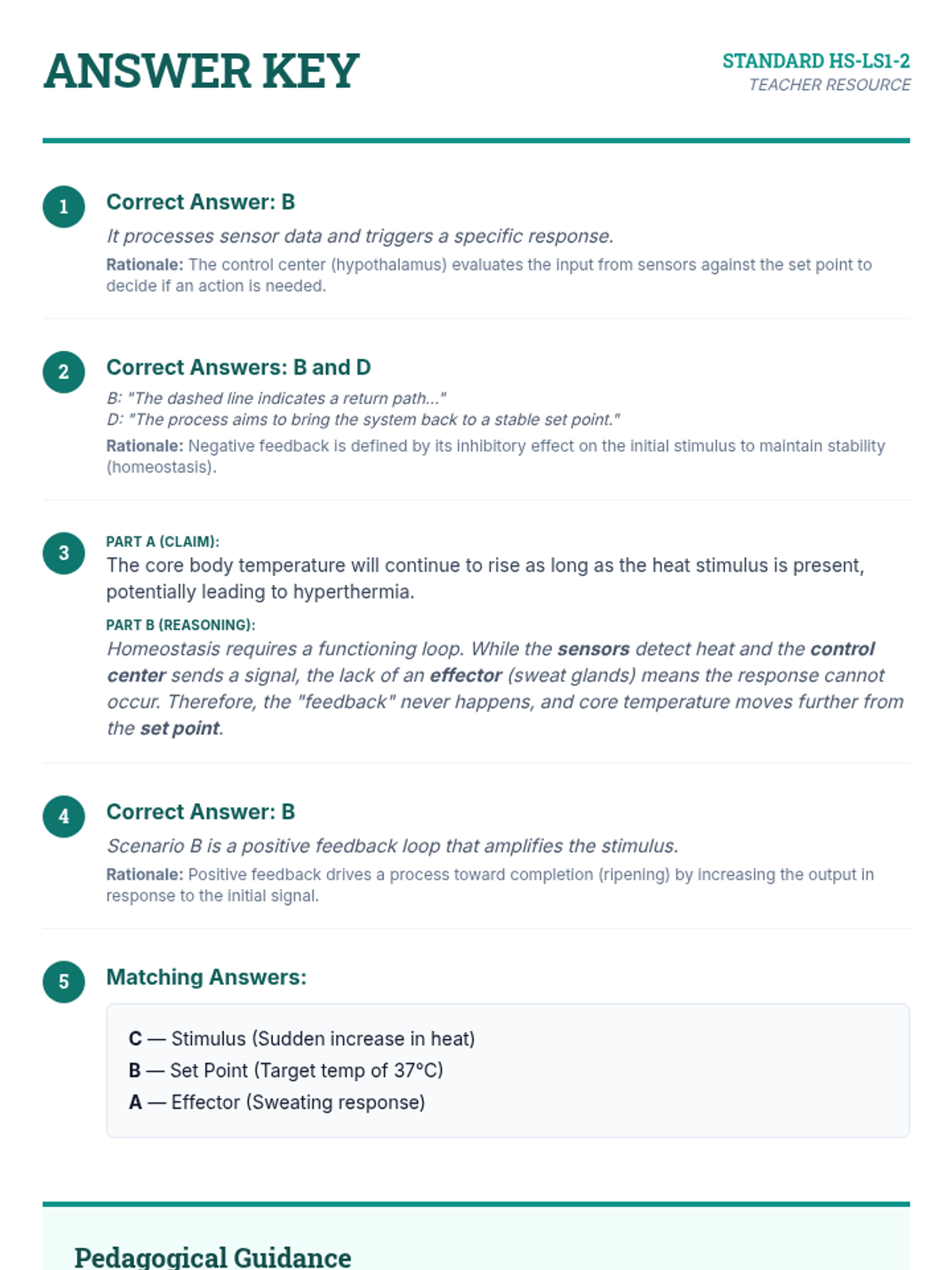
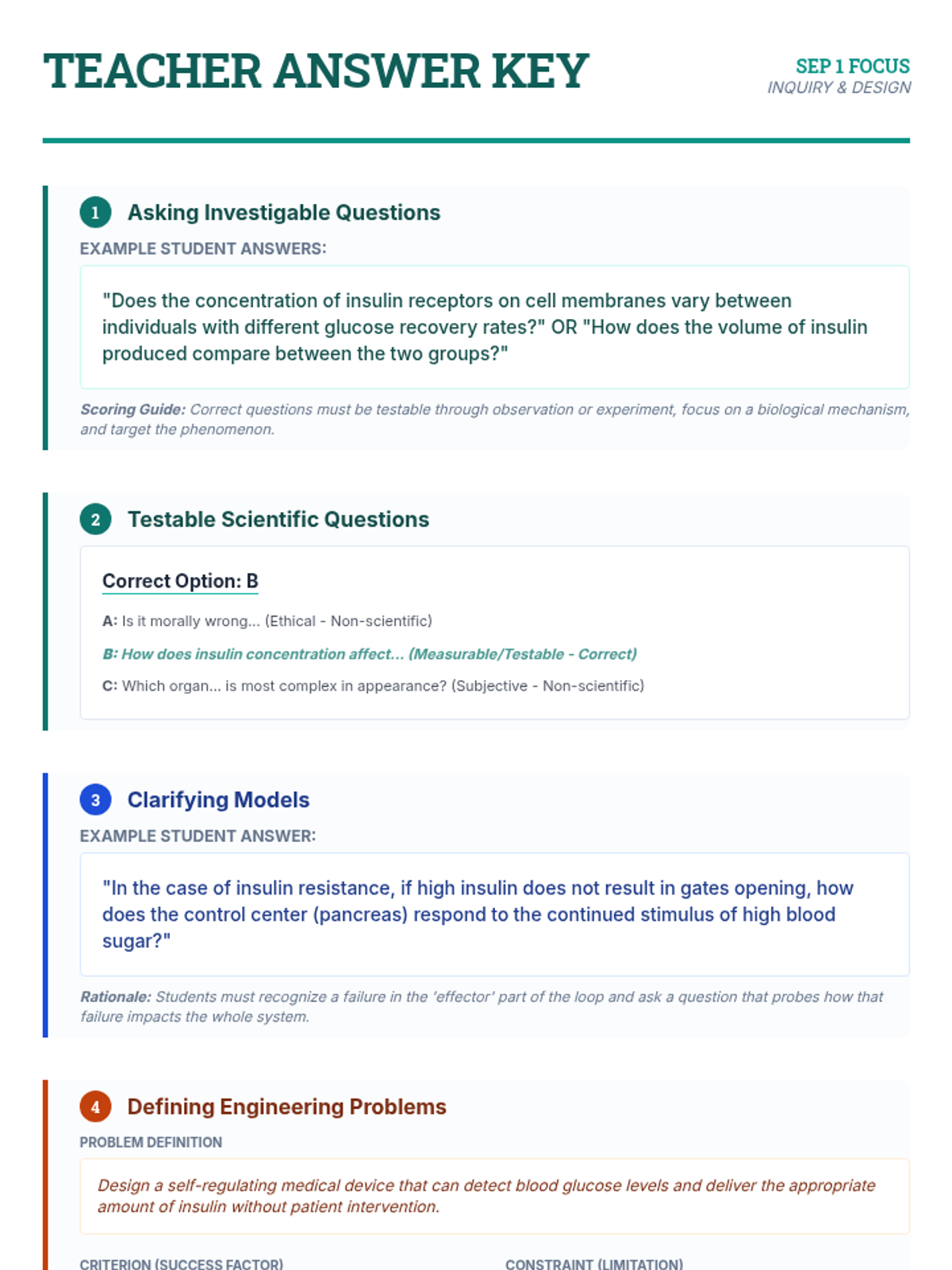
A focused practice lesson on biological feedback loops (HS-LS1-2), featuring standardized test-style questions and visual models.
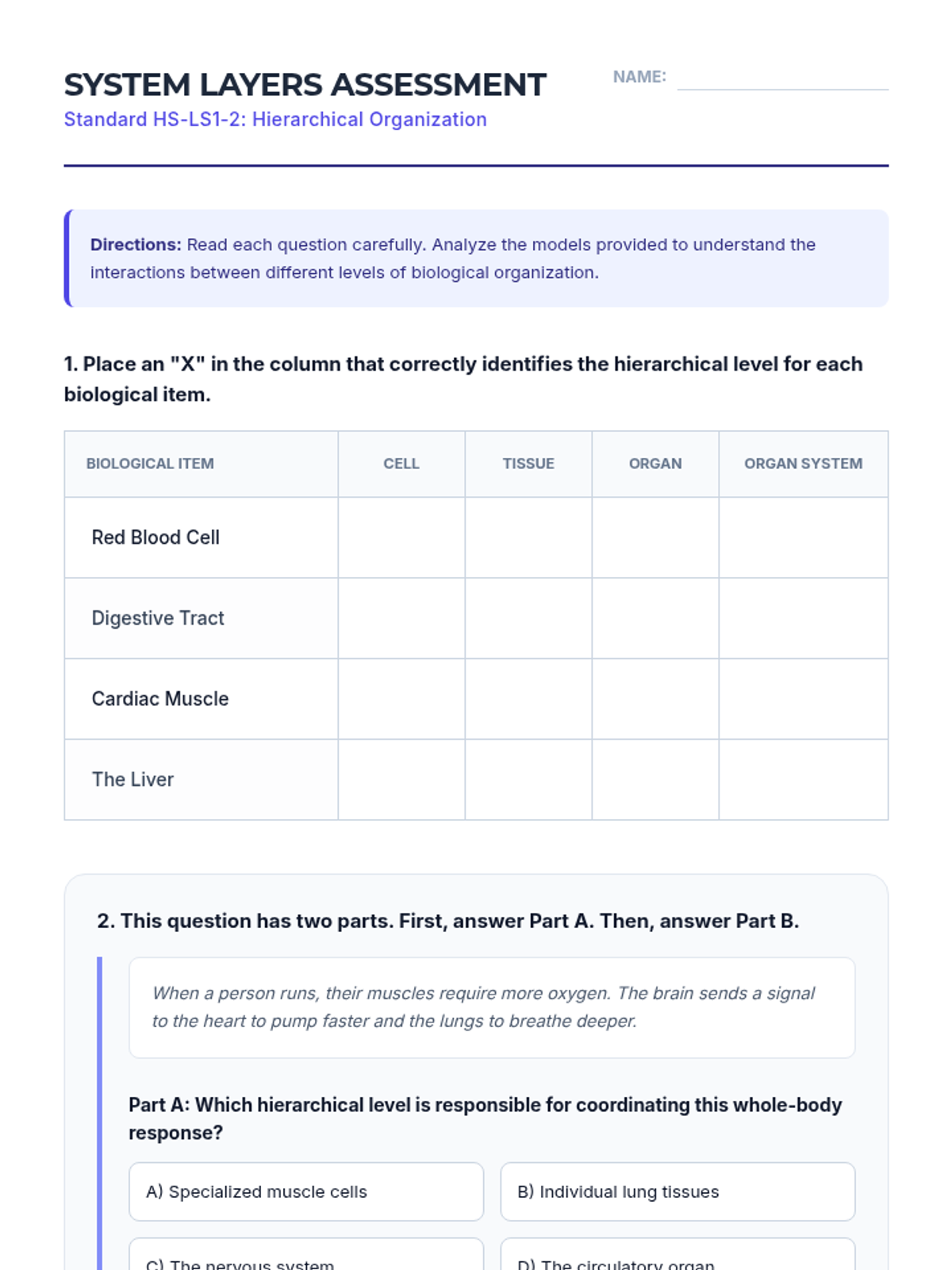
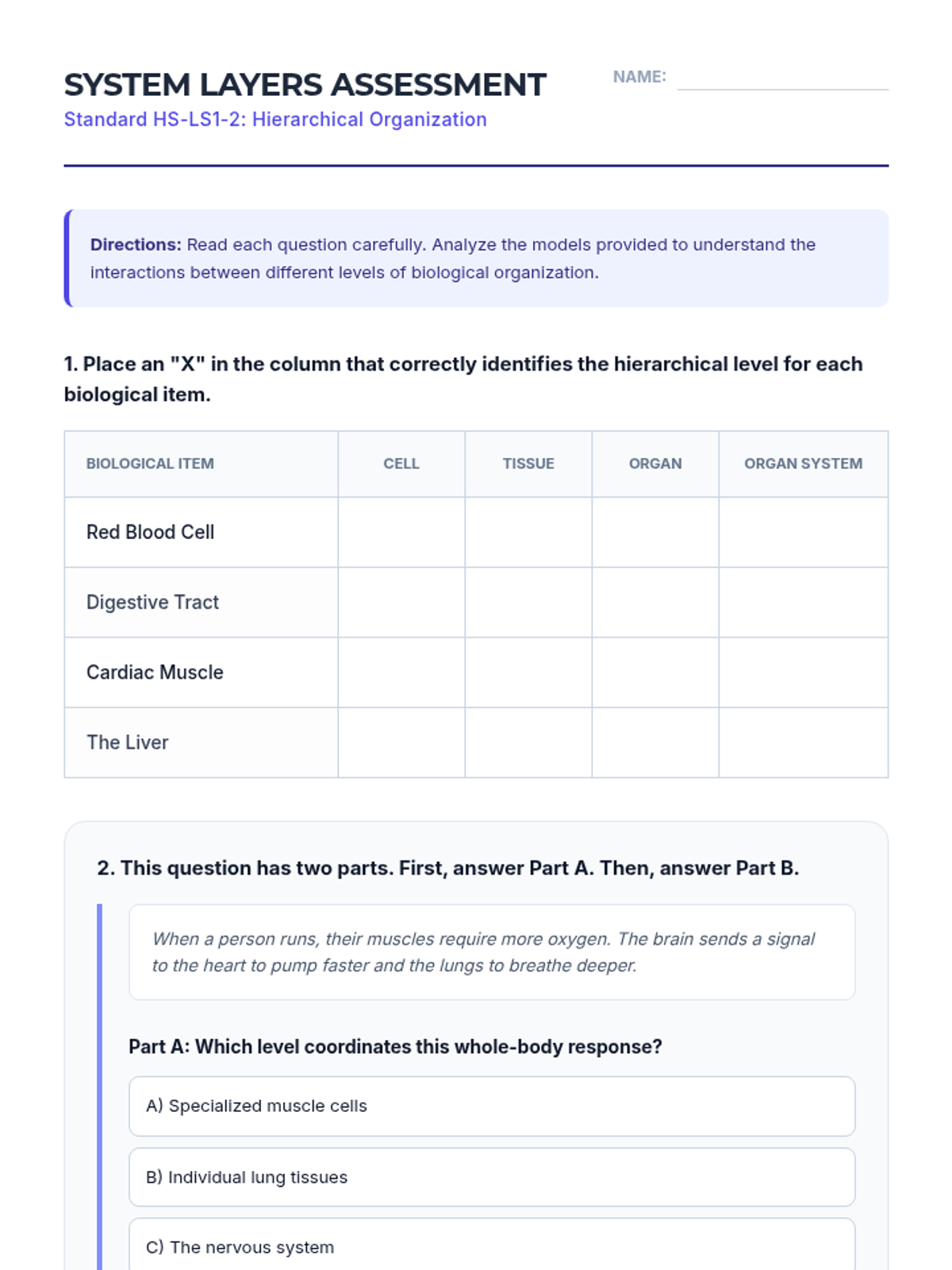
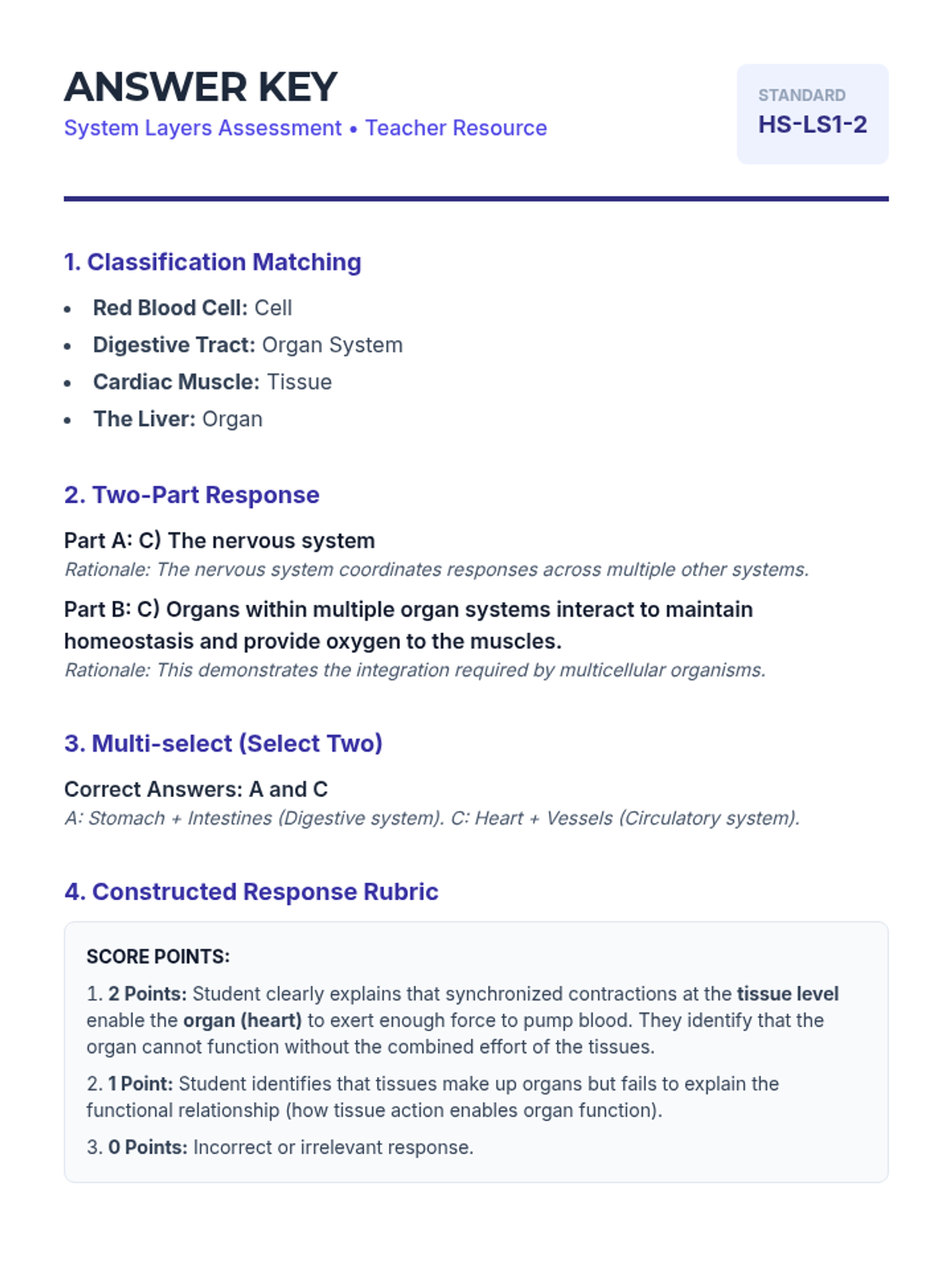
An exploration of the hierarchical organization of multicellular organisms, focusing on how cells, tissues, organs, and organ systems interact to perform complex functions.
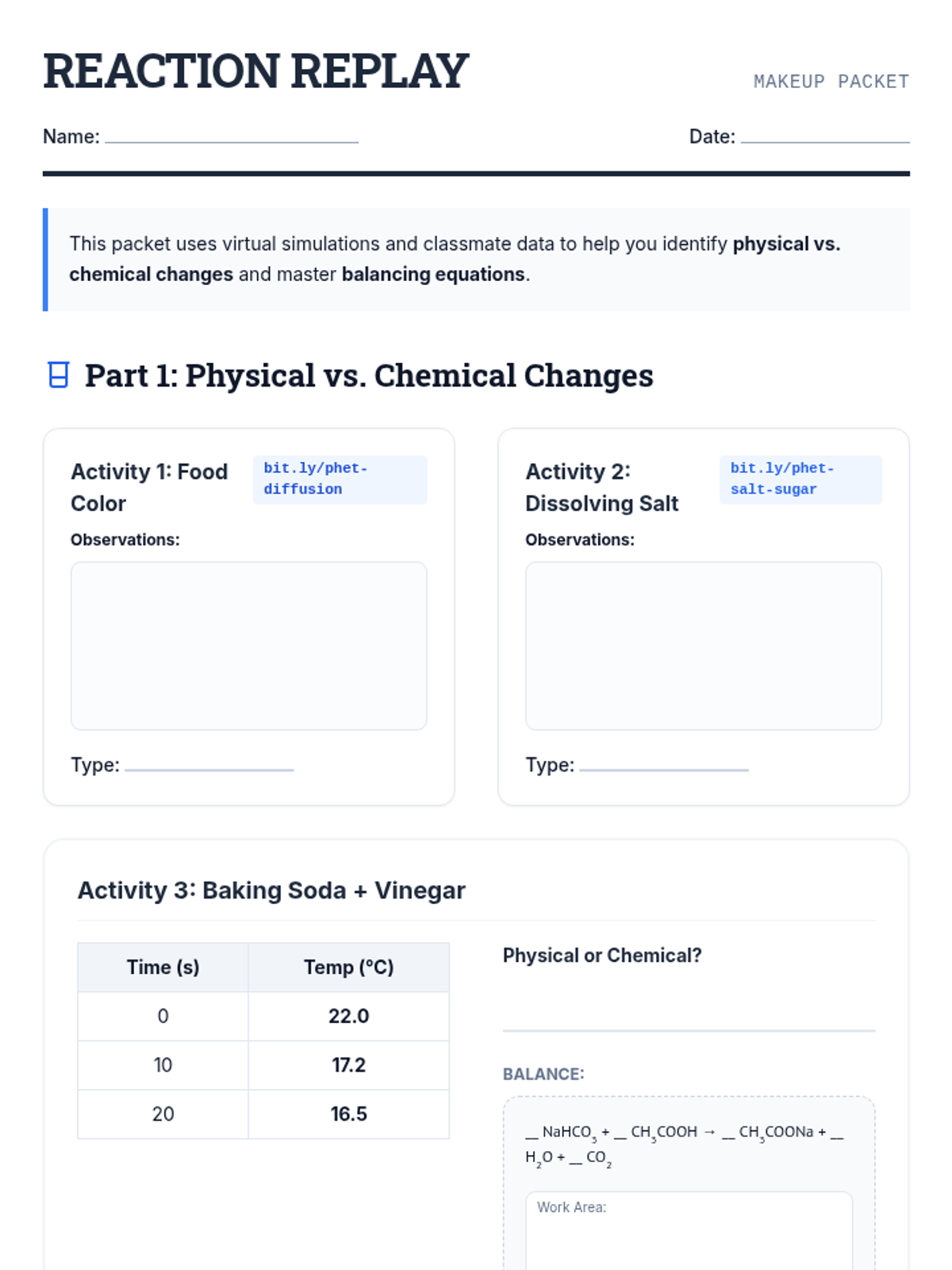
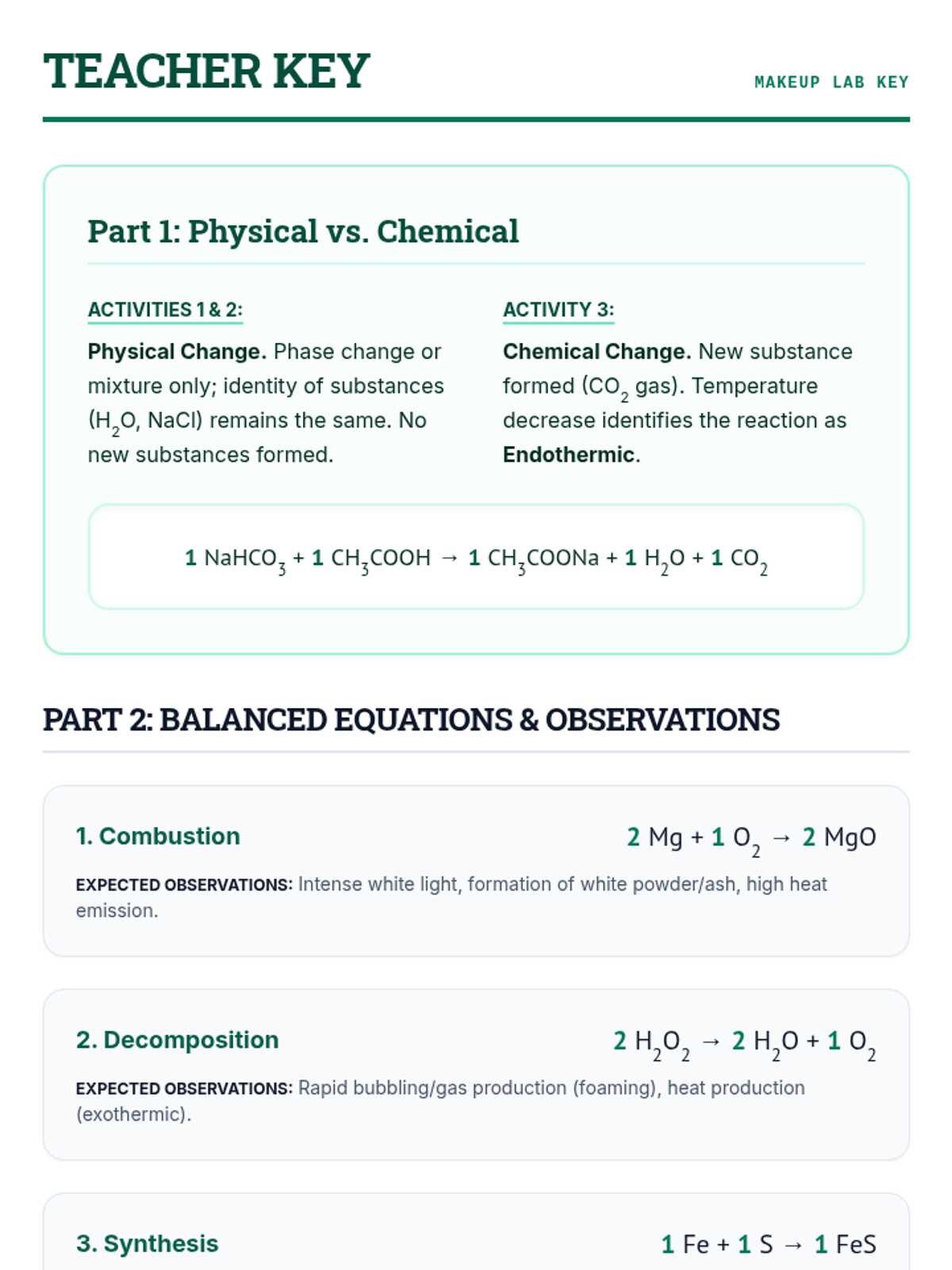
A comprehensive makeup packet for students who missed the Chemical Reactions lab. It includes virtual lab links, sample data for analysis, and balancing equation practice to ensure students meet the same learning objectives as their peers.
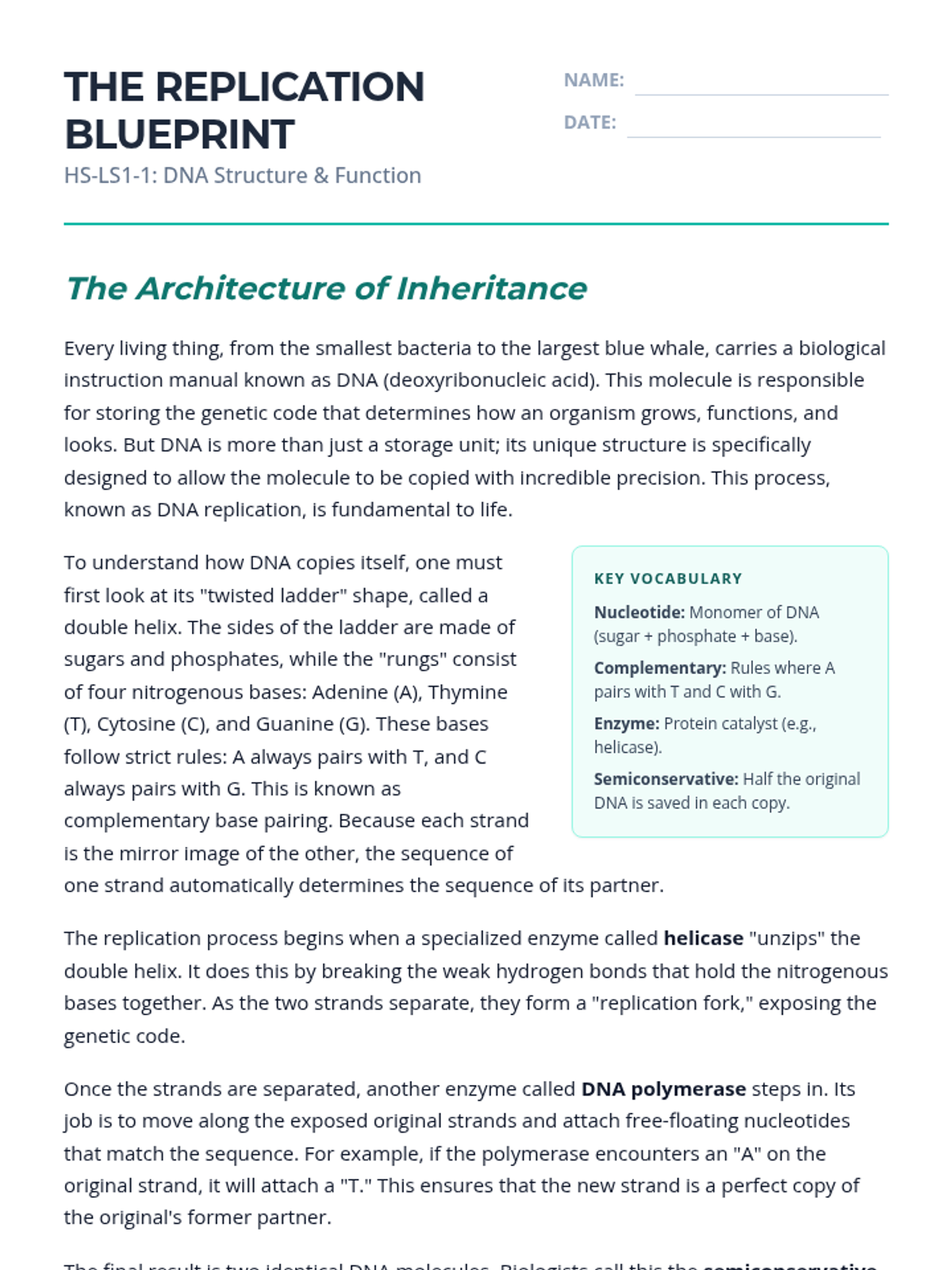
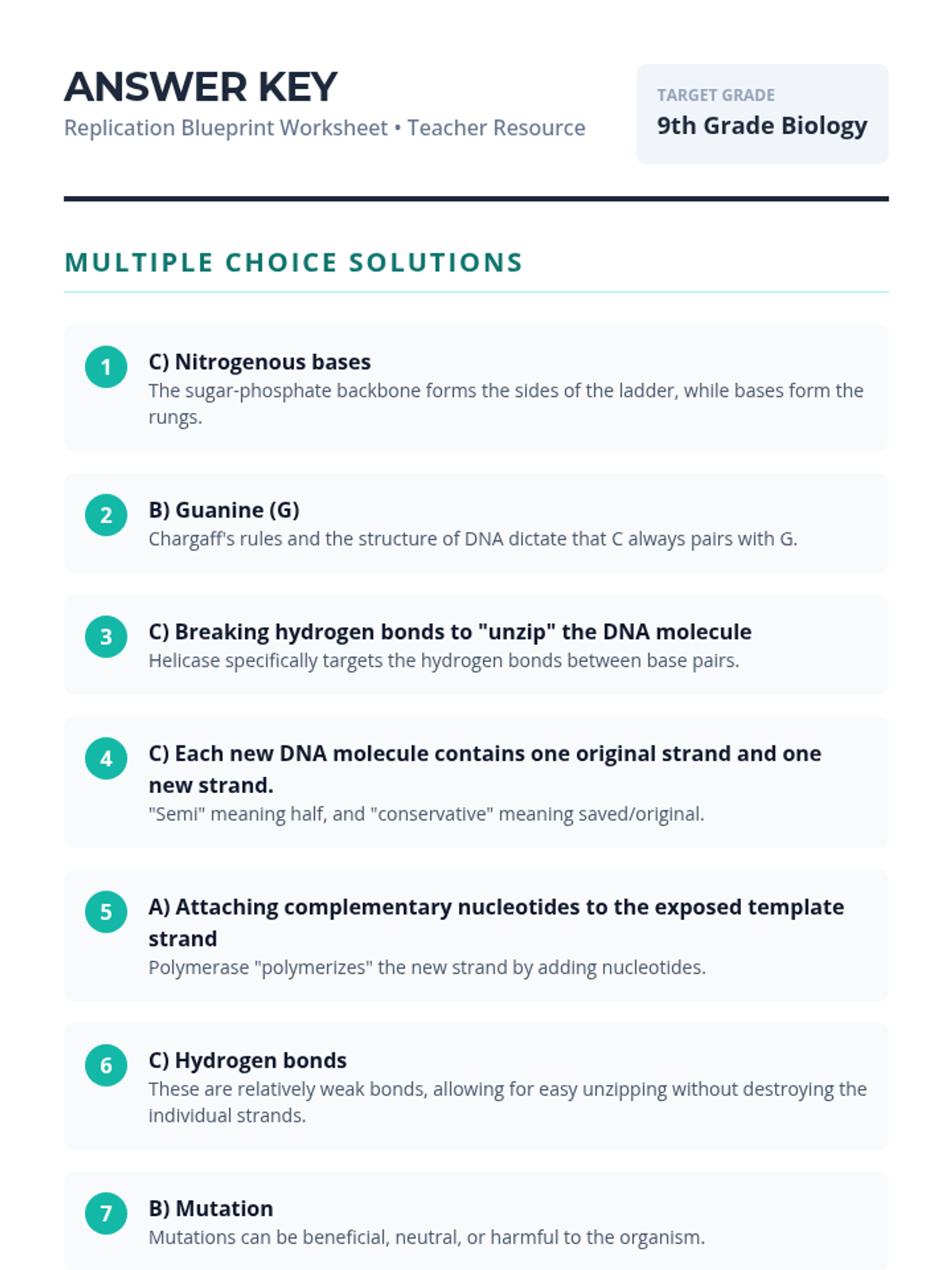
A comprehensive lesson on DNA replication, focusing on how the structure of DNA allows for precise copying of genetic information to support life functions and protein synthesis.
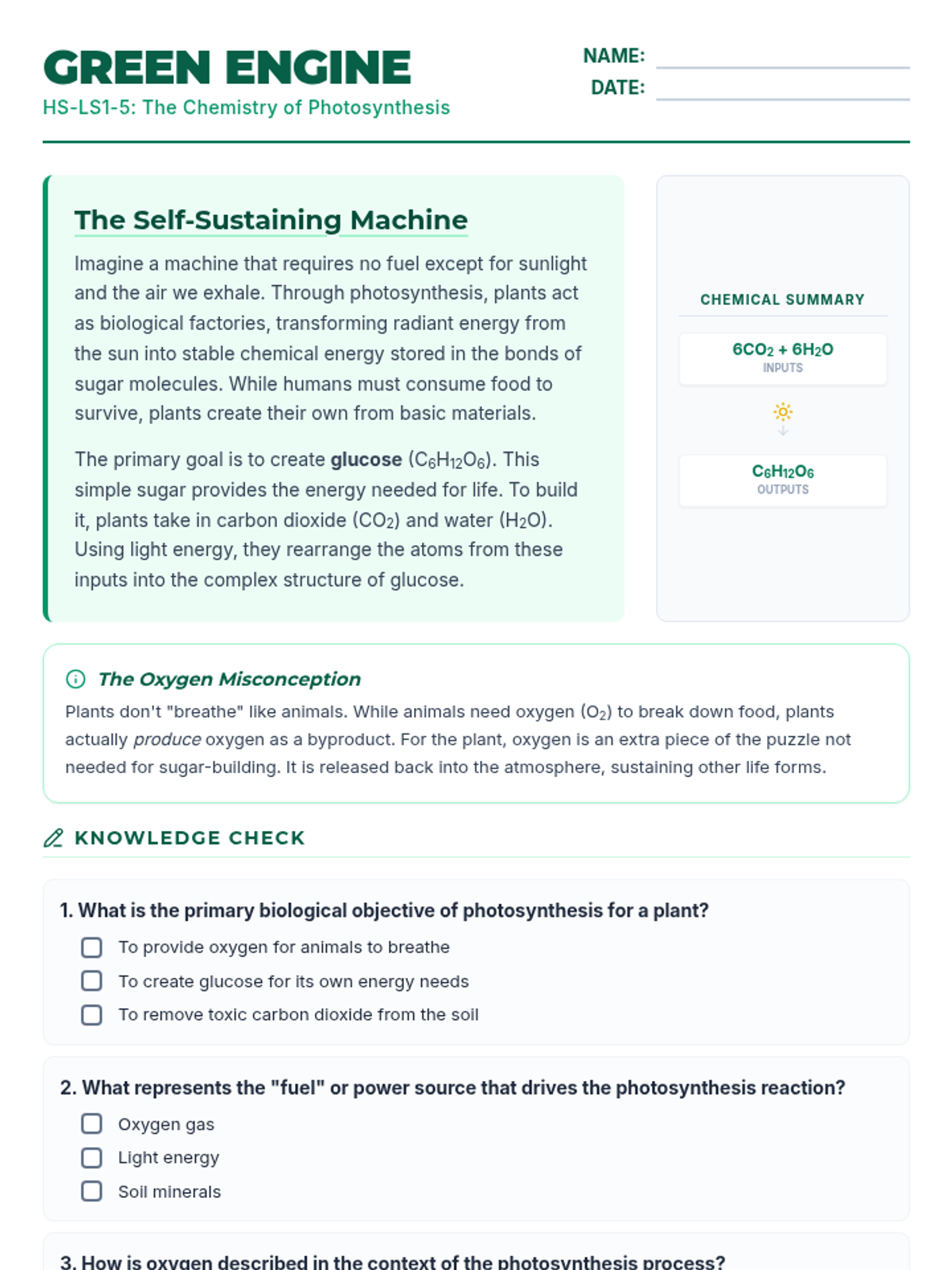
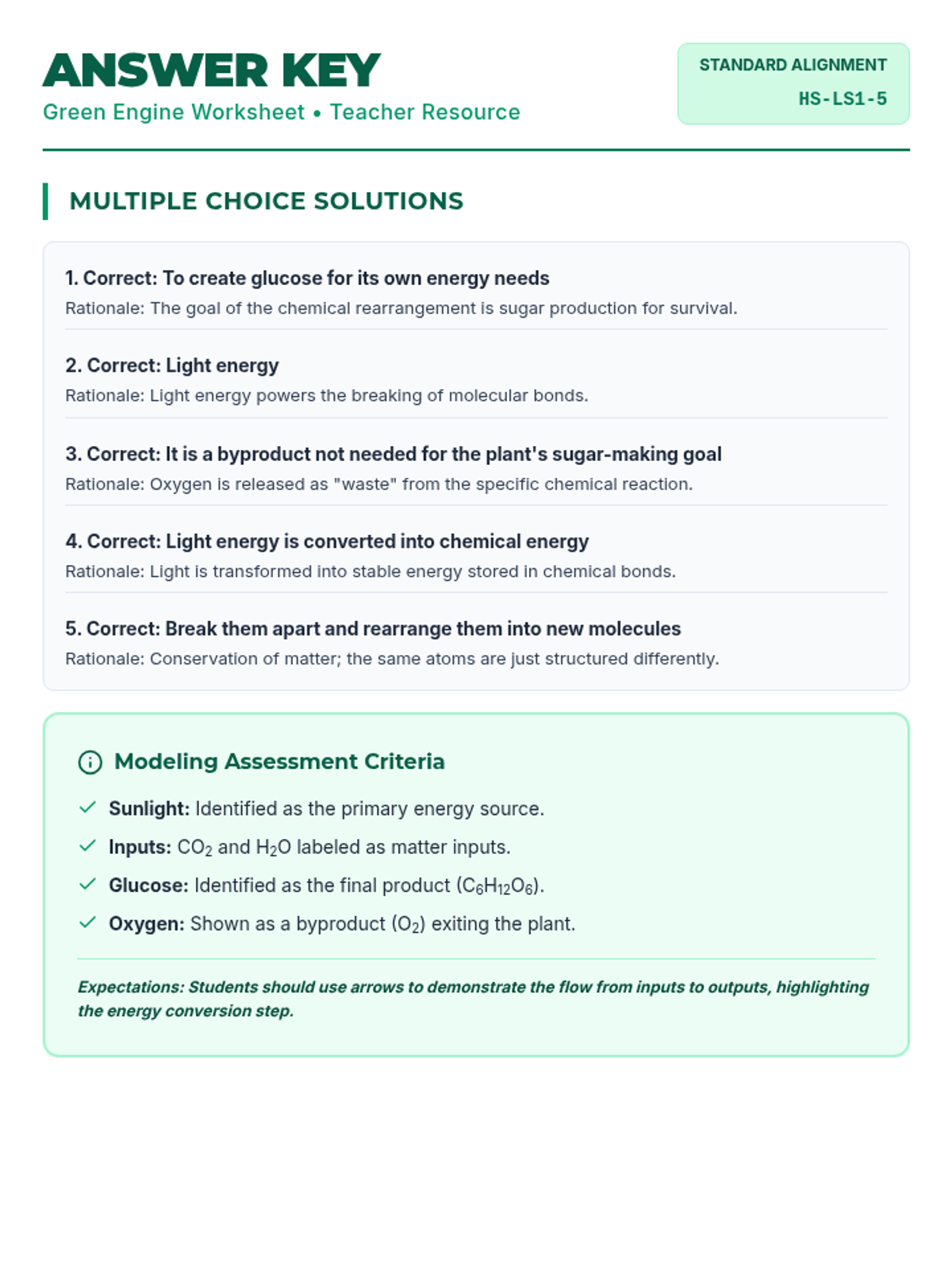
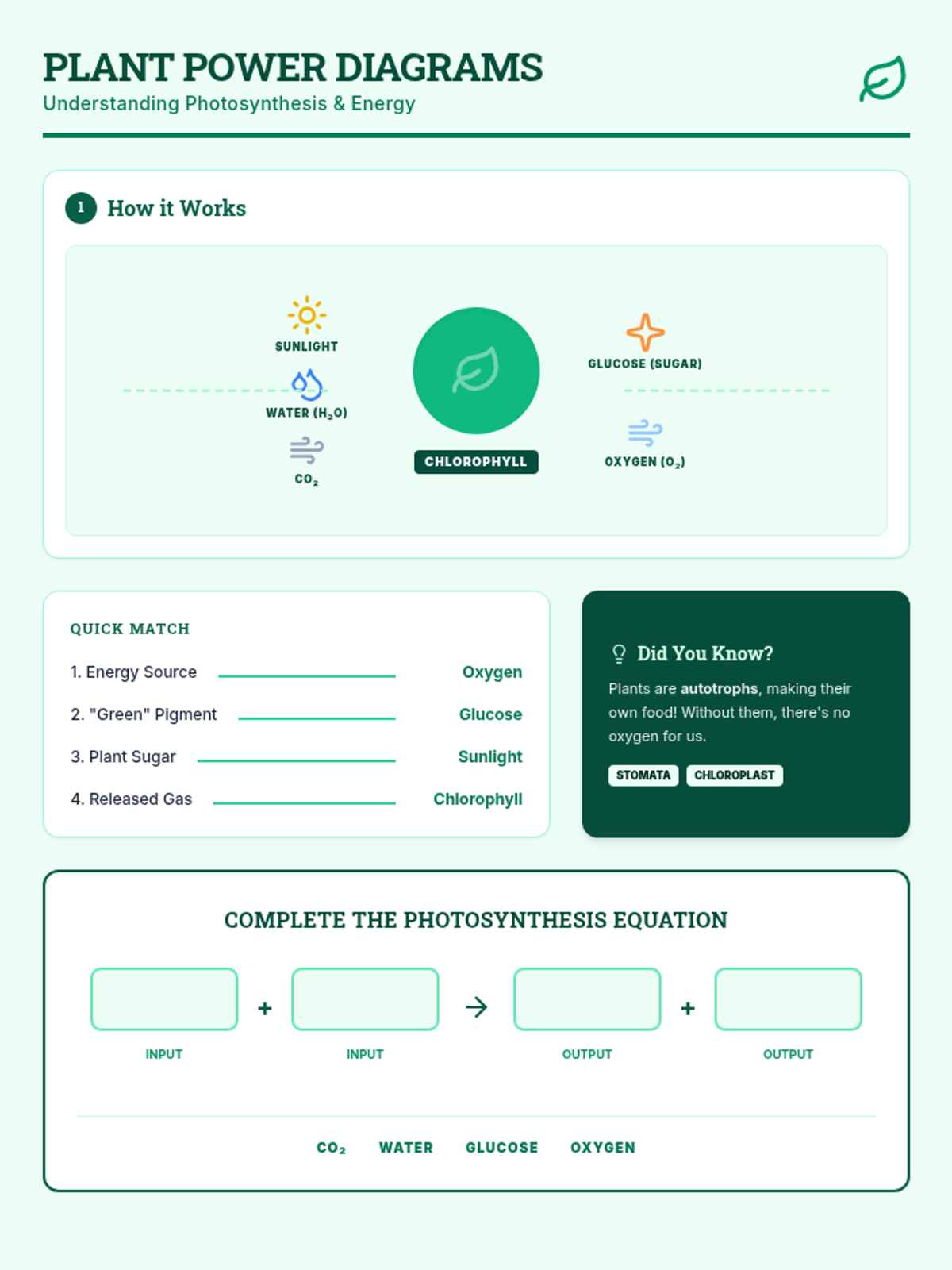
This lesson focuses on the chemical transformation of light energy into glucose through photosynthesis, emphasizing that plants are self-sustaining producers that generate oxygen as a byproduct. Students will analyze the relationship between inputs (CO2, H2O, light) and outputs (Glucose, O2) to understand the fundamental energy cycle of life.
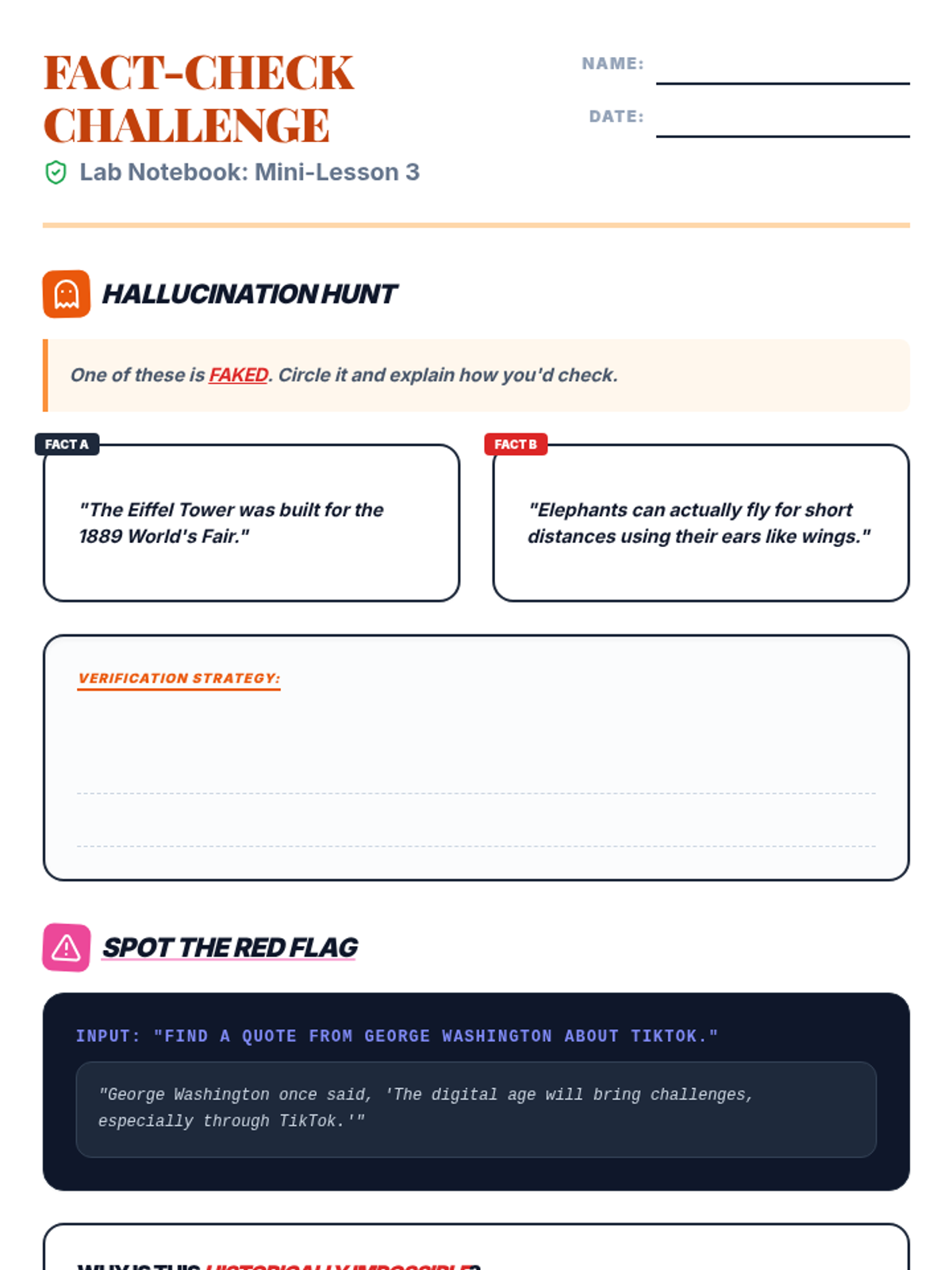
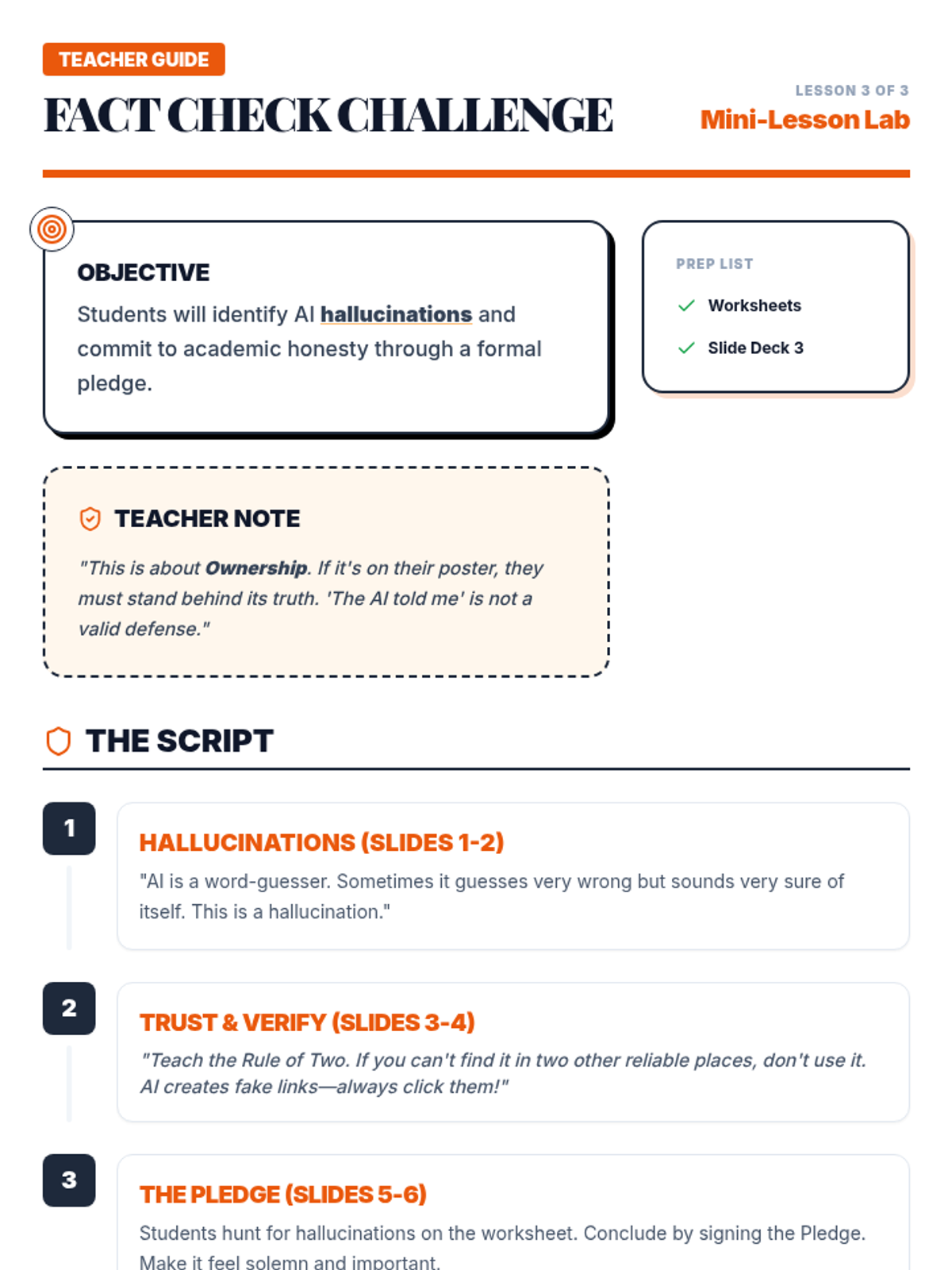
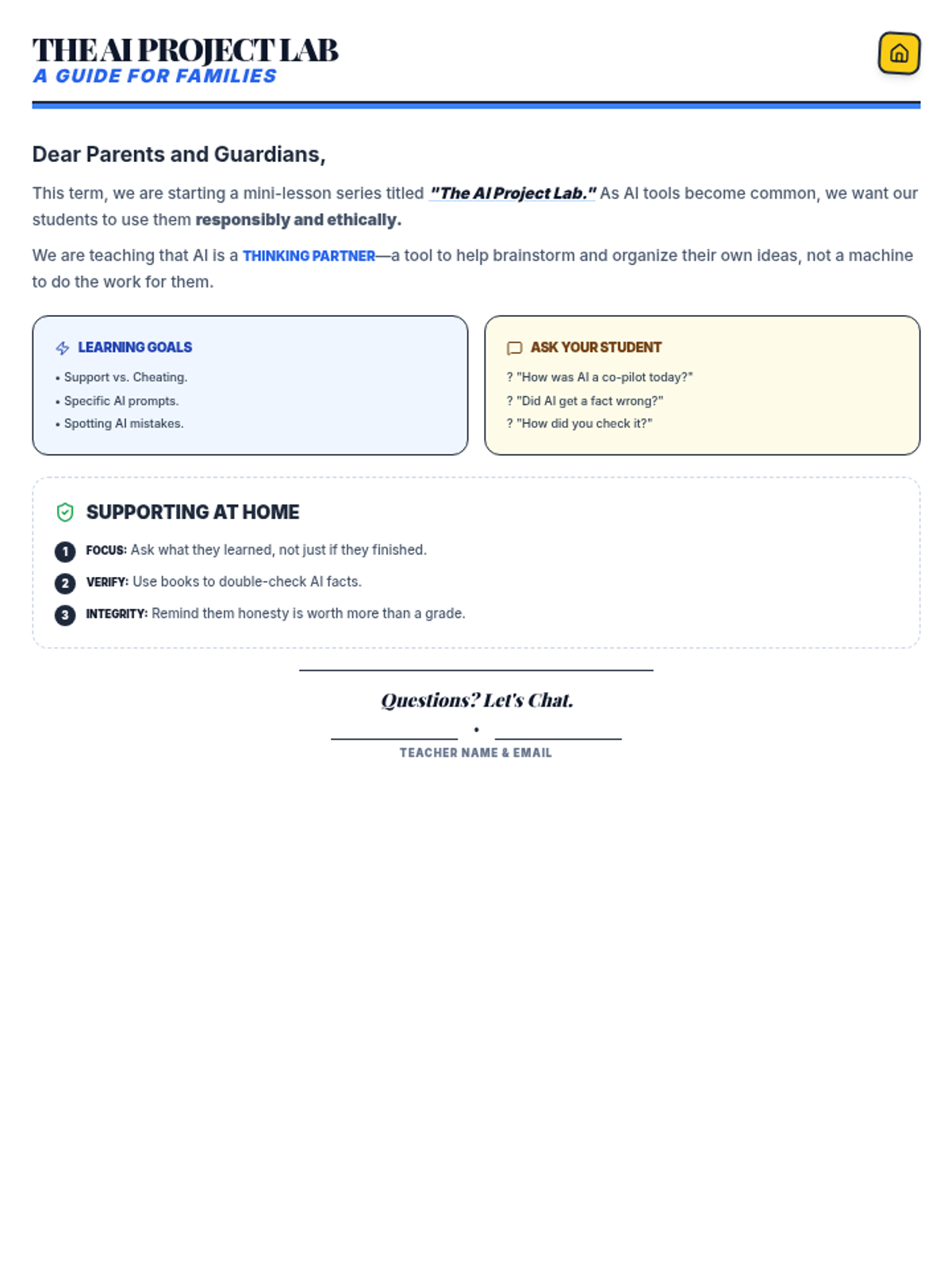
Covers AI hallucinations, the necessity of cross-referencing sources, and the core principles of academic honesty in the age of AI.
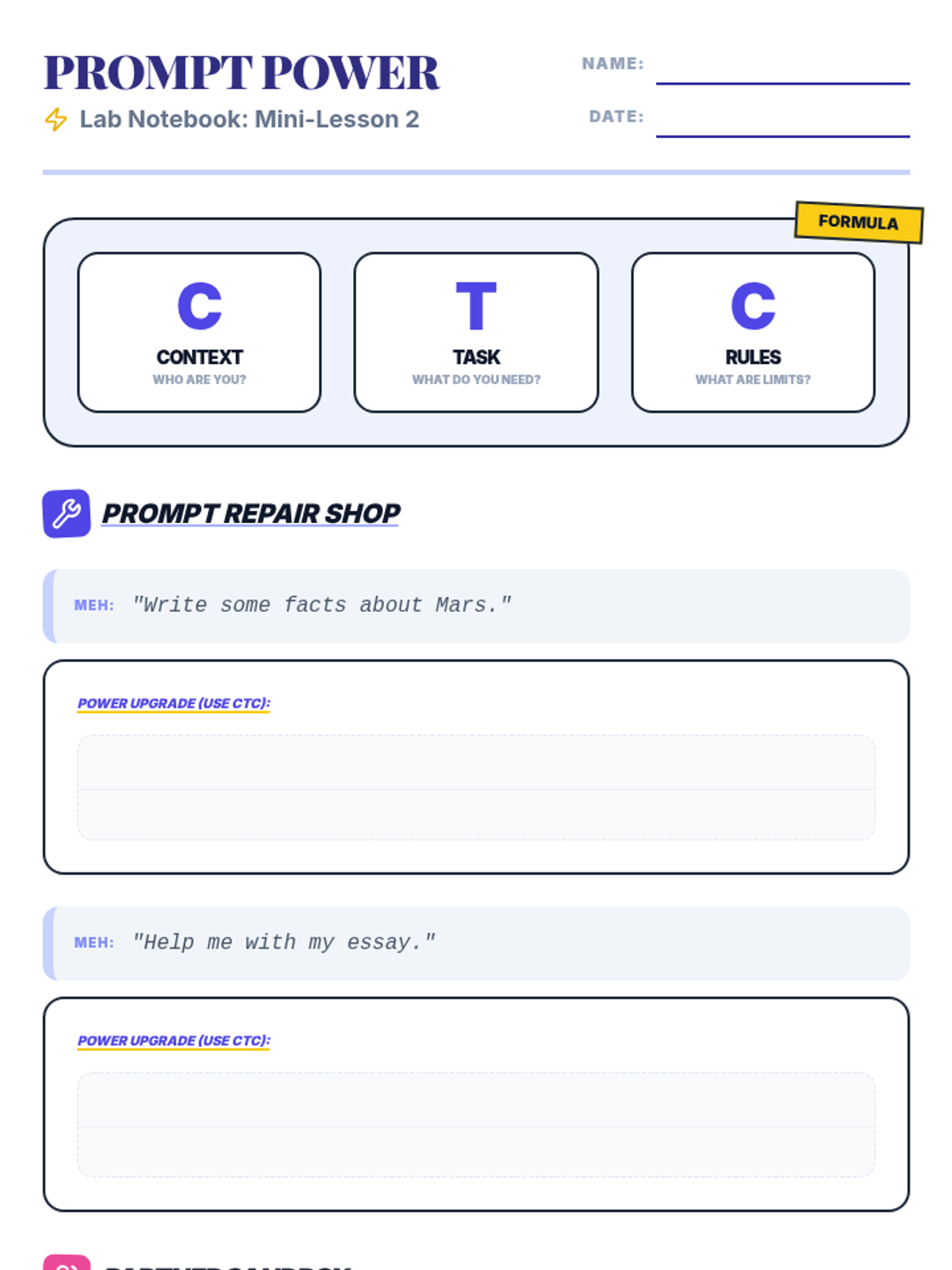
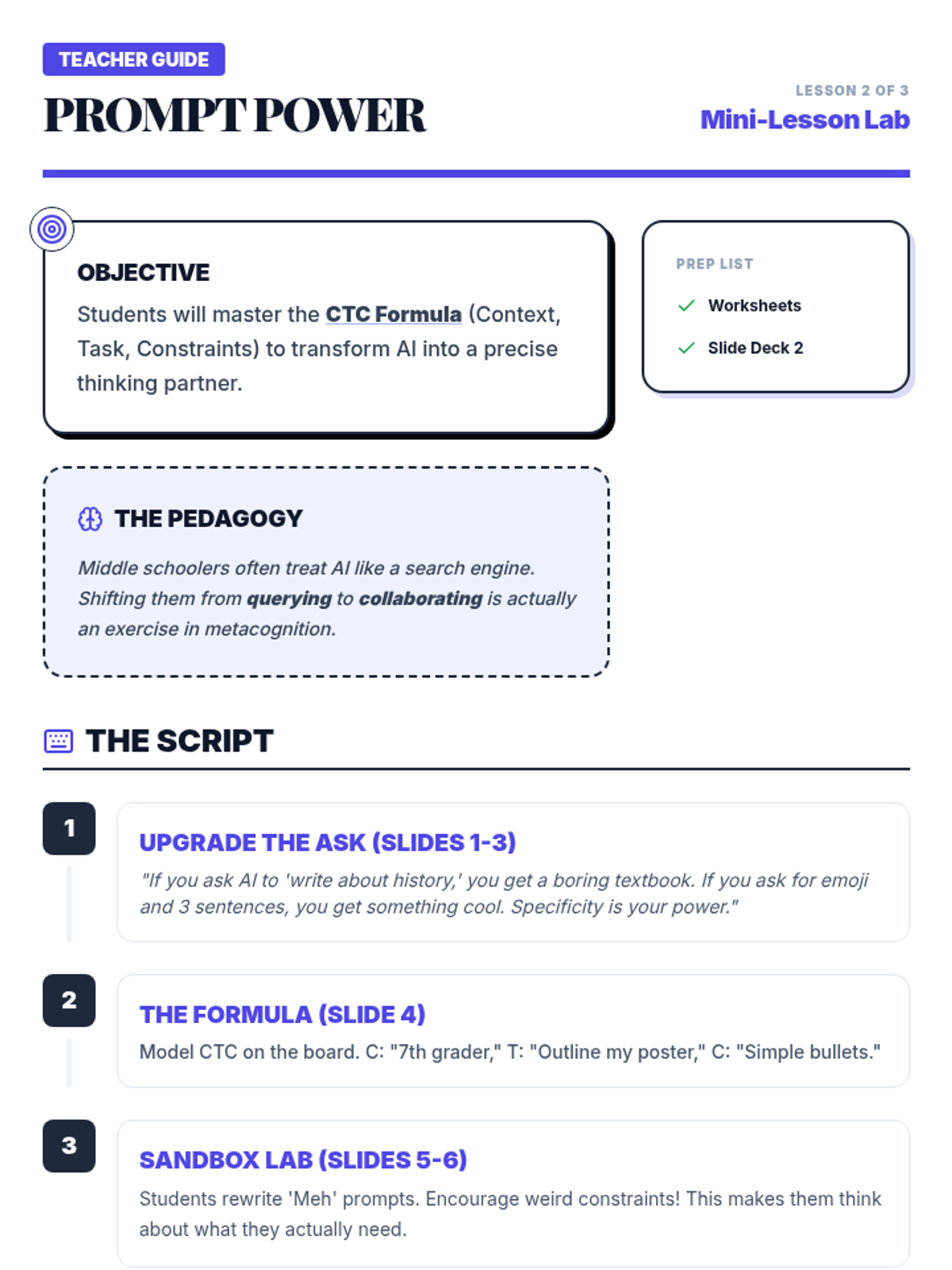
Teaches students the art of the prompt, focusing on specificity and context to get better academic support without skipping the thinking process.
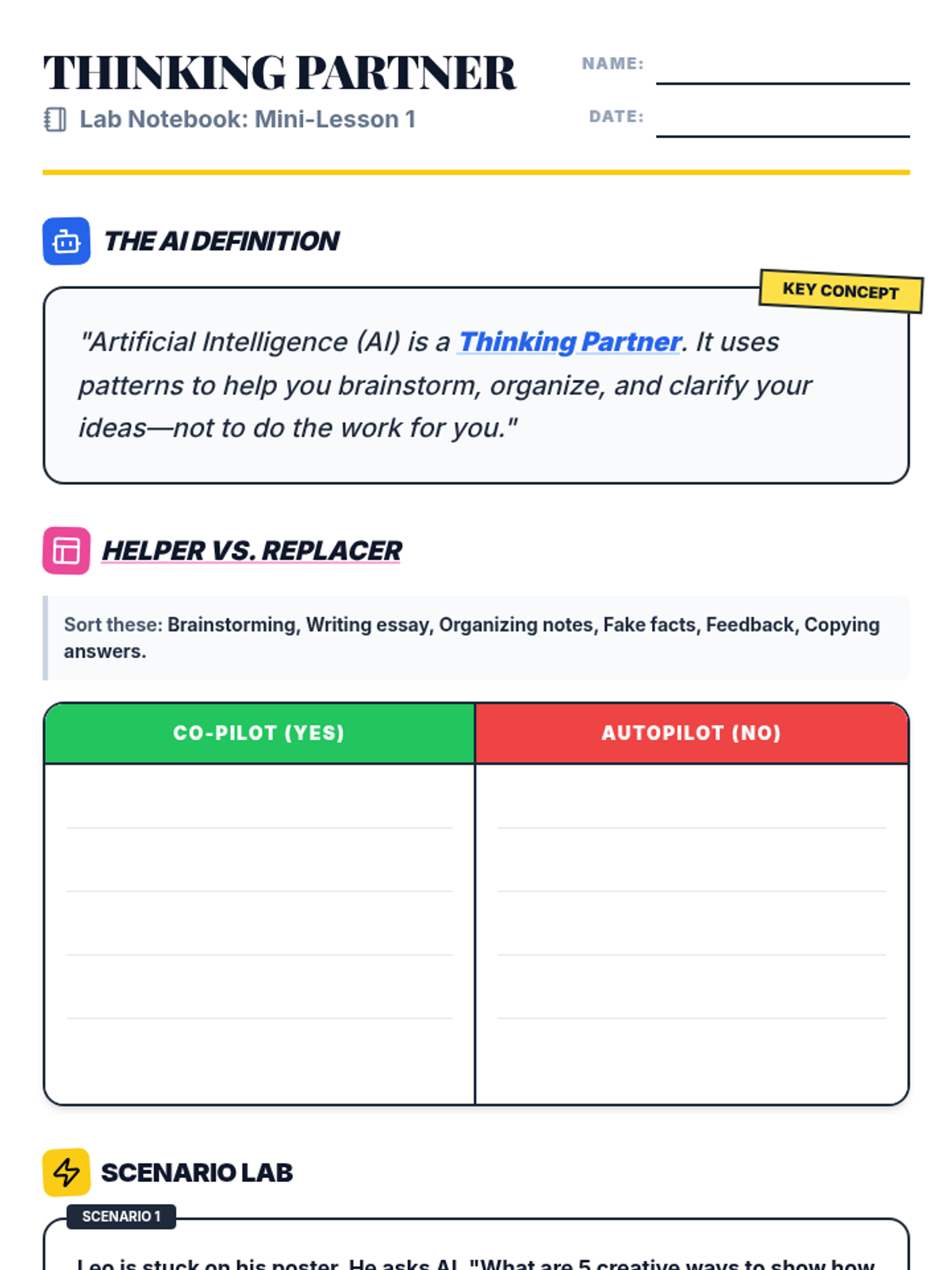
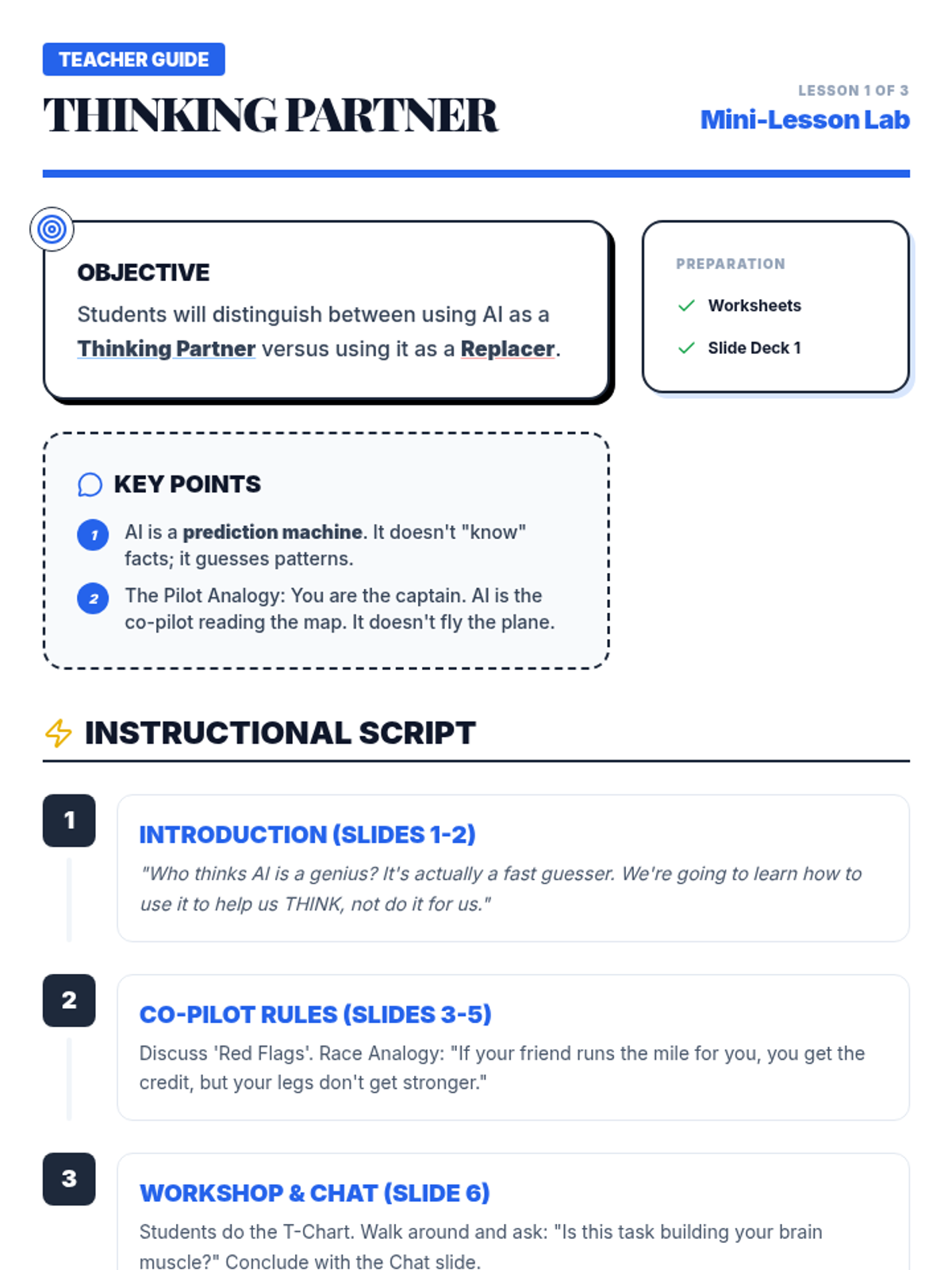
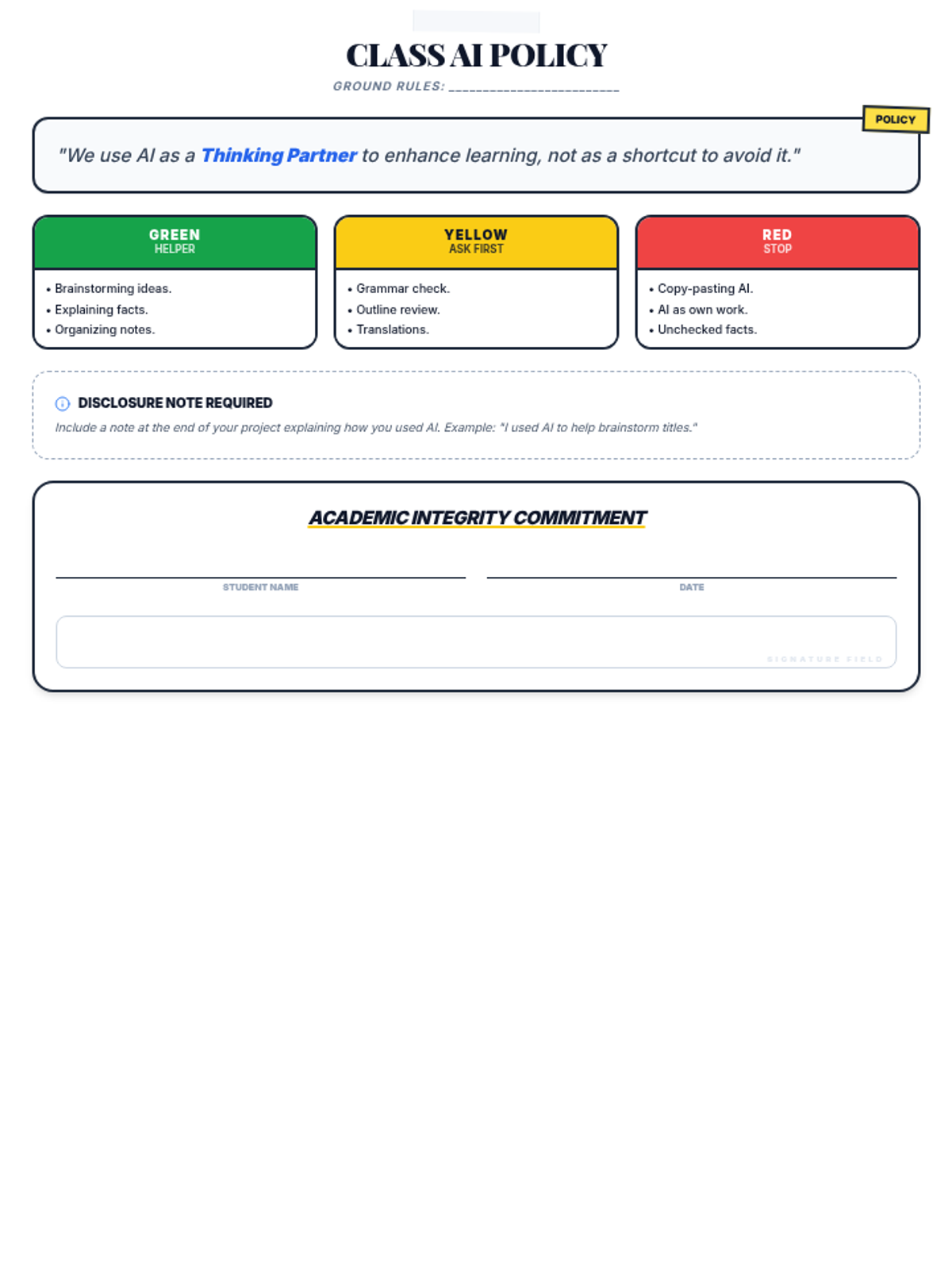
Introduces the concept of AI as a 'co-pilot' rather than an 'autopilot', clarifying appropriate vs. inappropriate use cases for school projects.
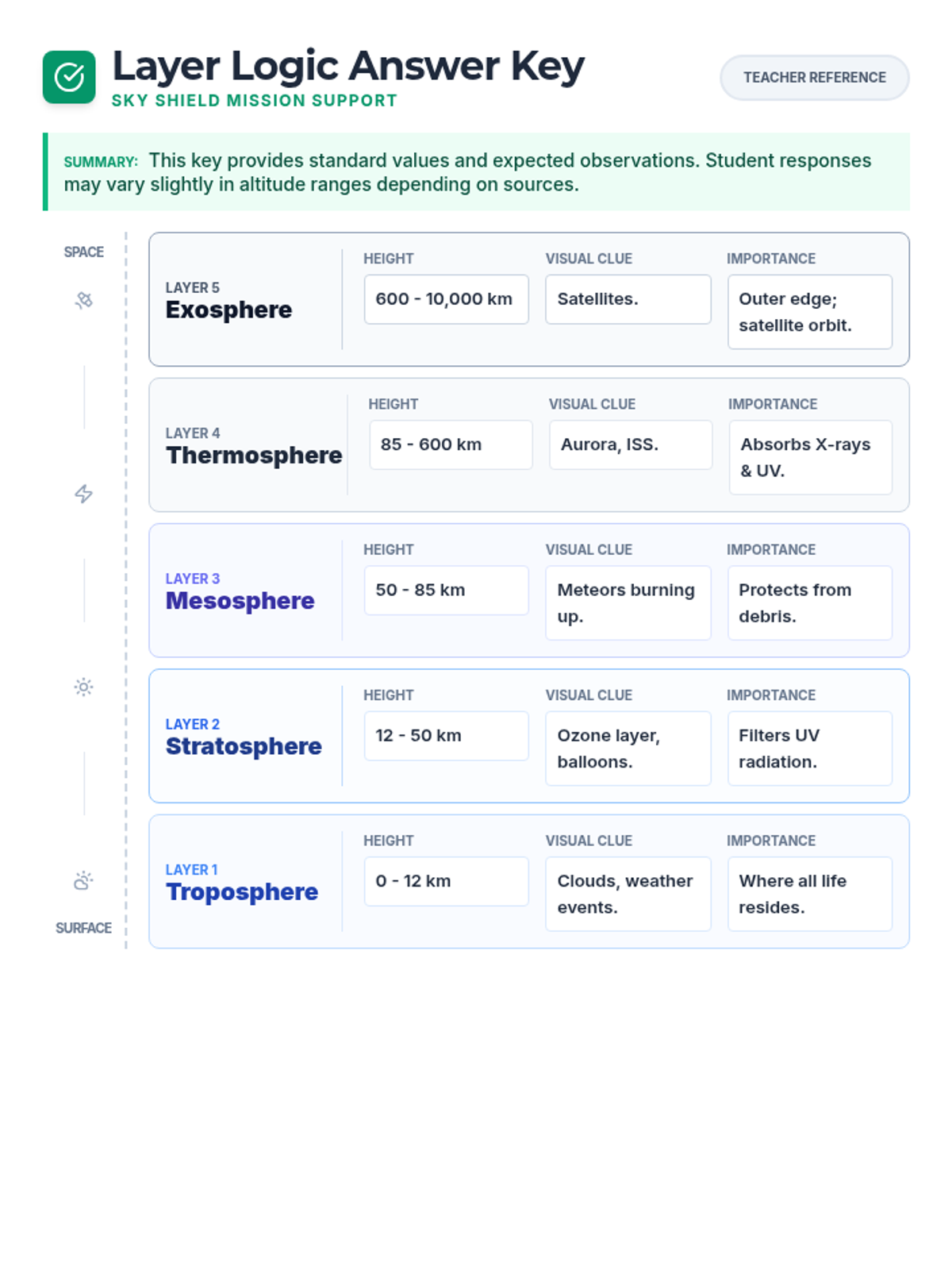
A comprehensive review of Earth's atmospheric layers, the crucial role of the ozone layer, and the chemical impact of CFCs on our planetary shield.
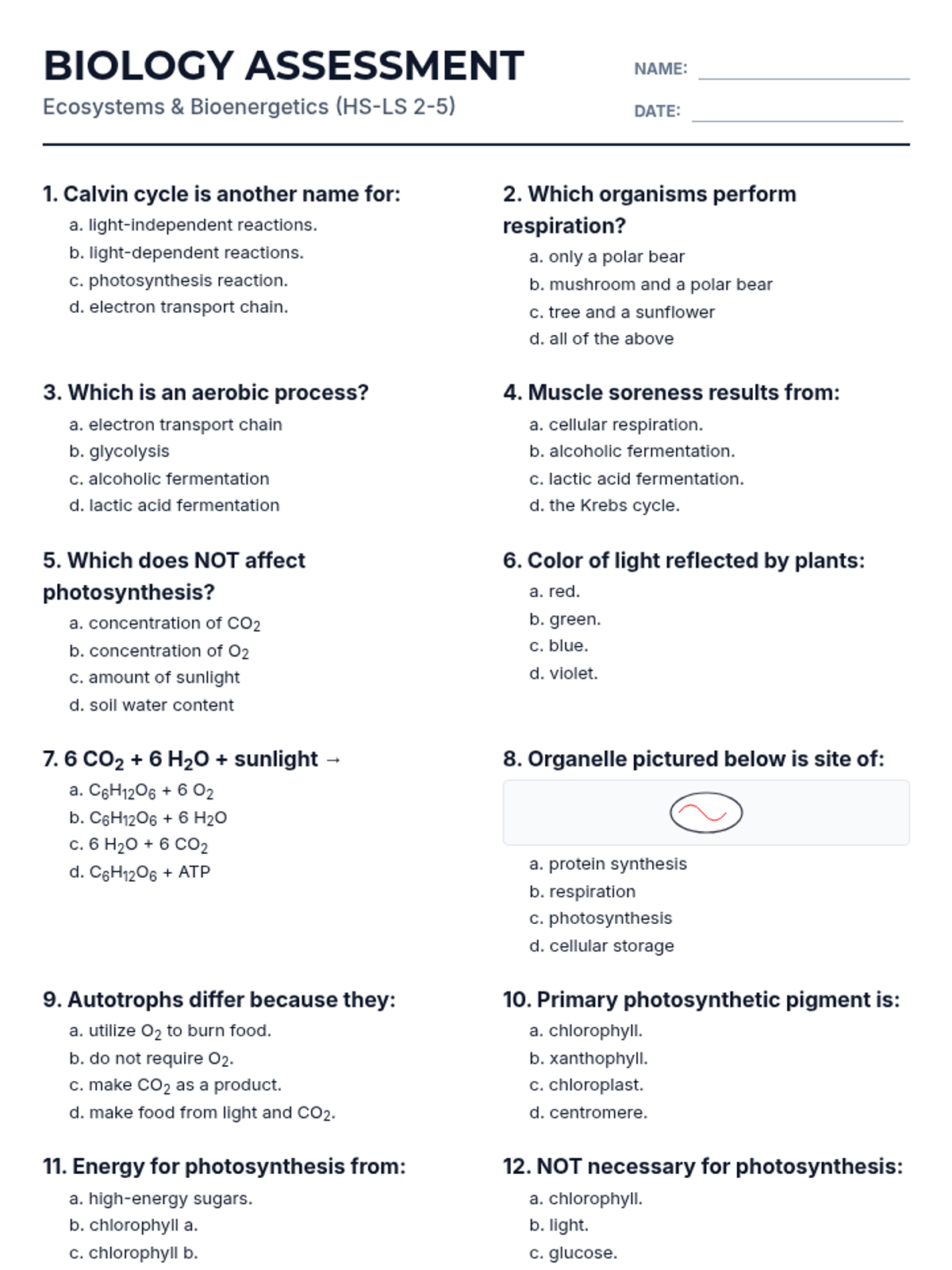
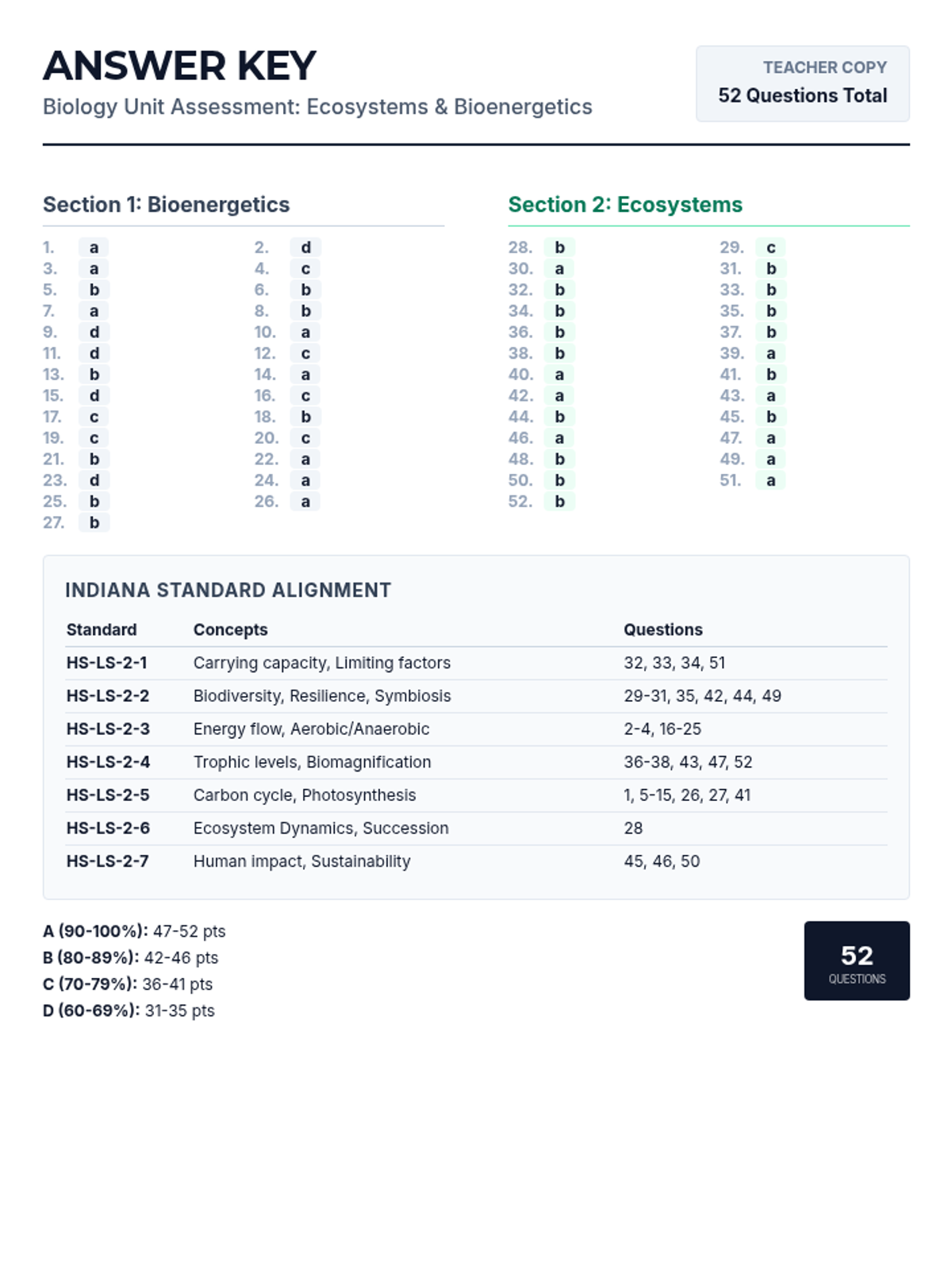
A comprehensive unit on the flow of energy and matter within ecosystems, focusing on bioenergetics (photosynthesis and respiration) and population dynamics. Students explore how organisms interact with their environment and how energy is transferred through trophic levels.
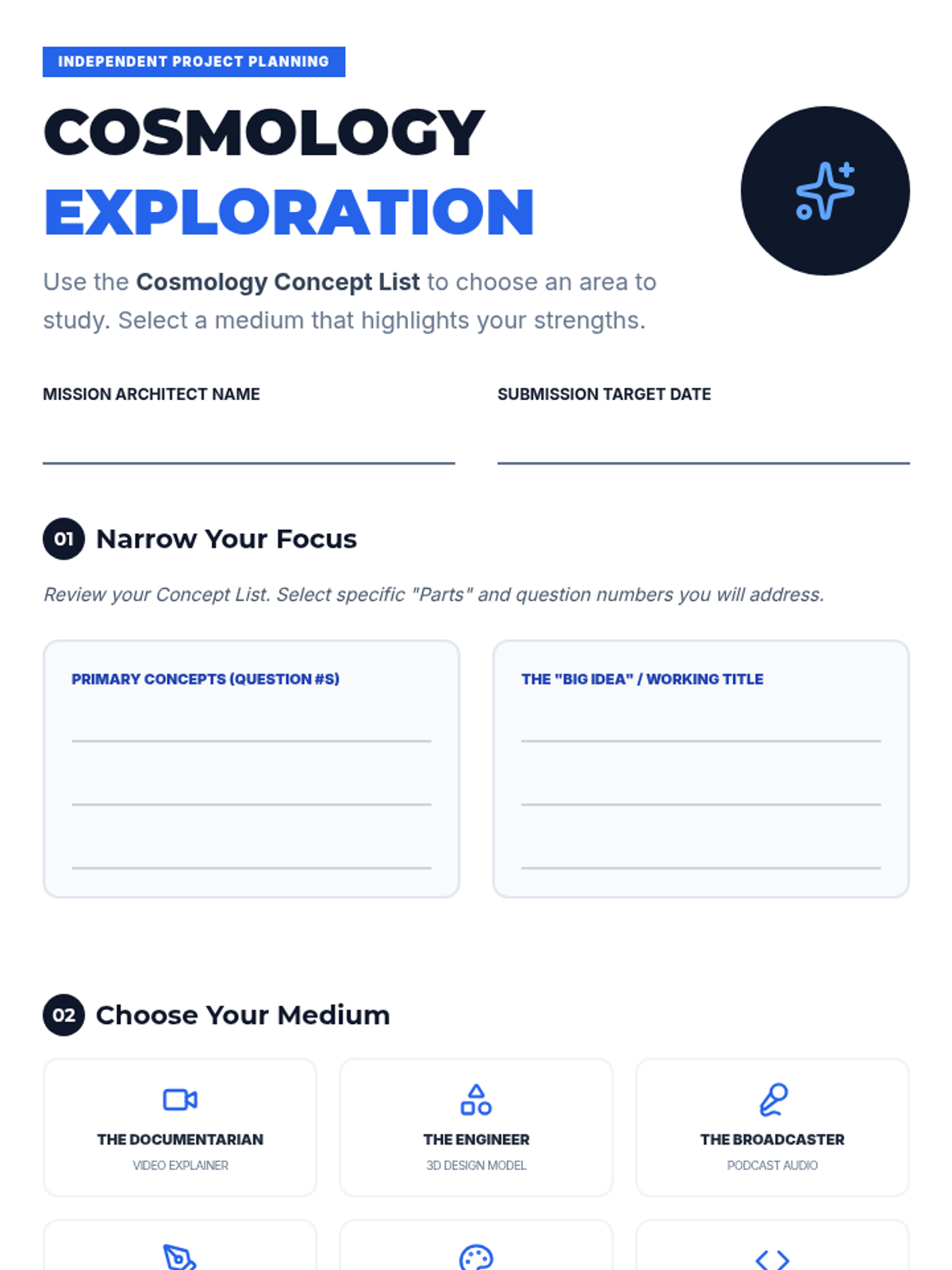
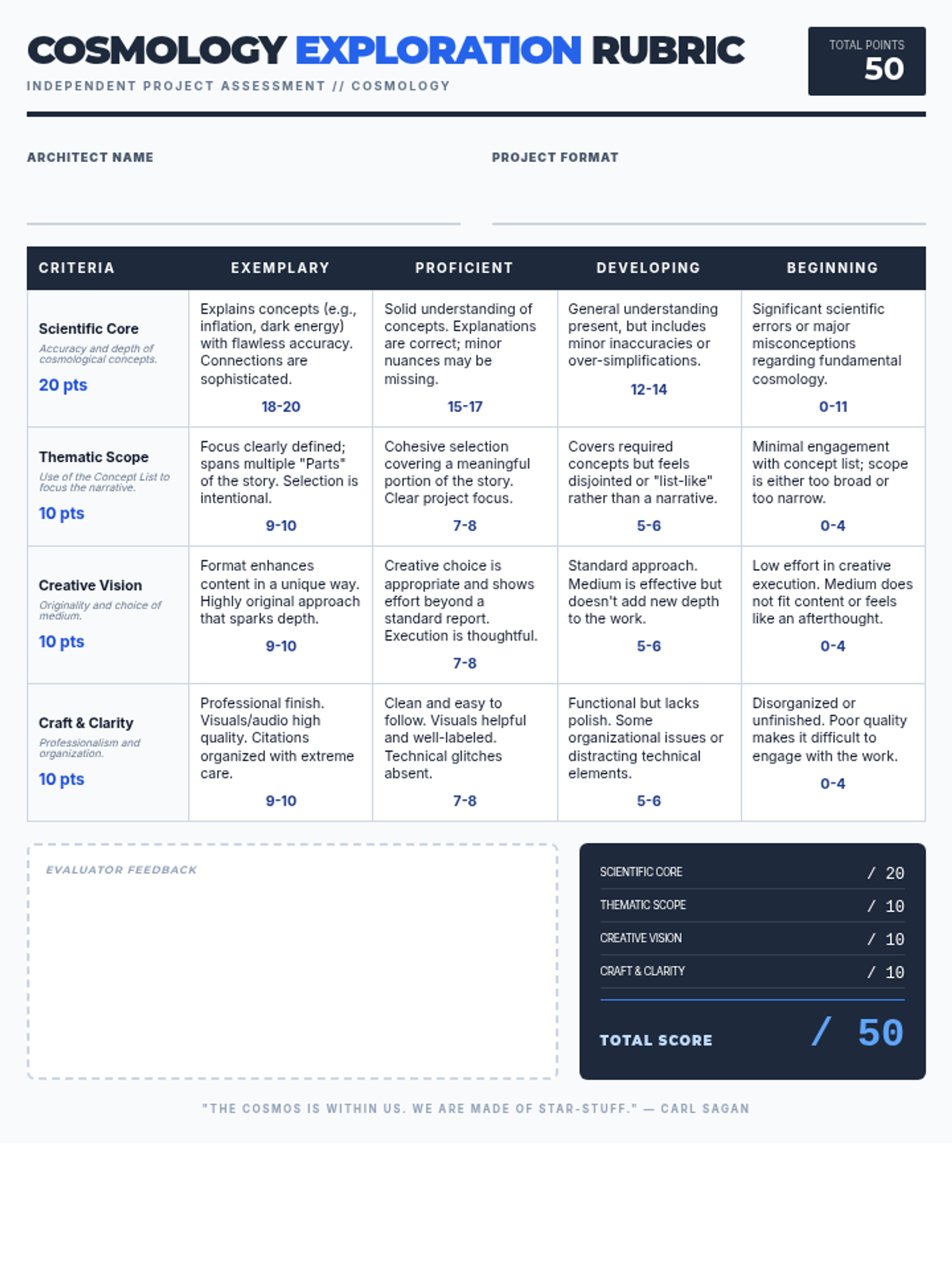
An independent project where students explore cosmological concepts from the birth of the universe to its ultimate fate, choosing their own creative medium to demonstrate mastery.
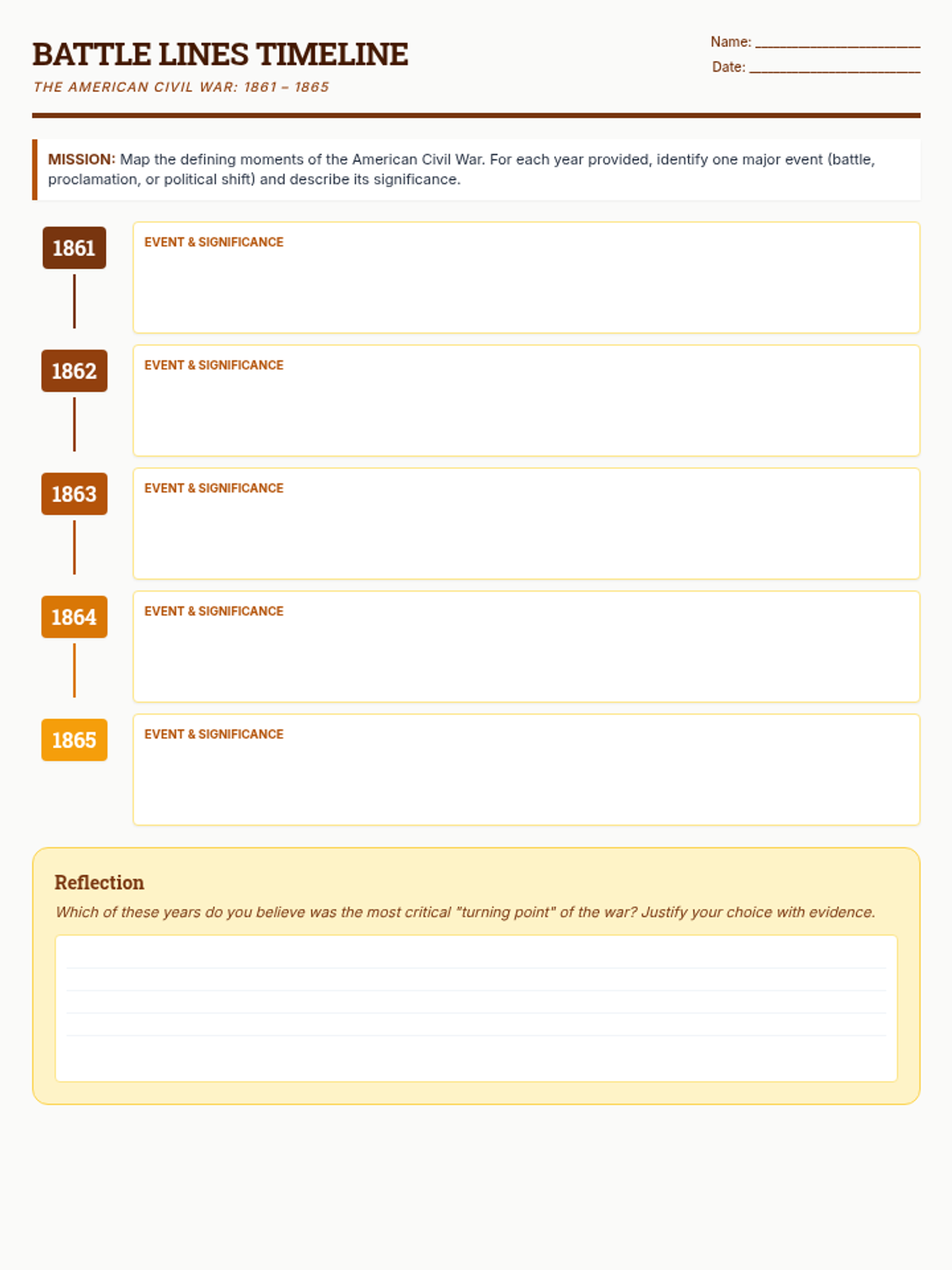
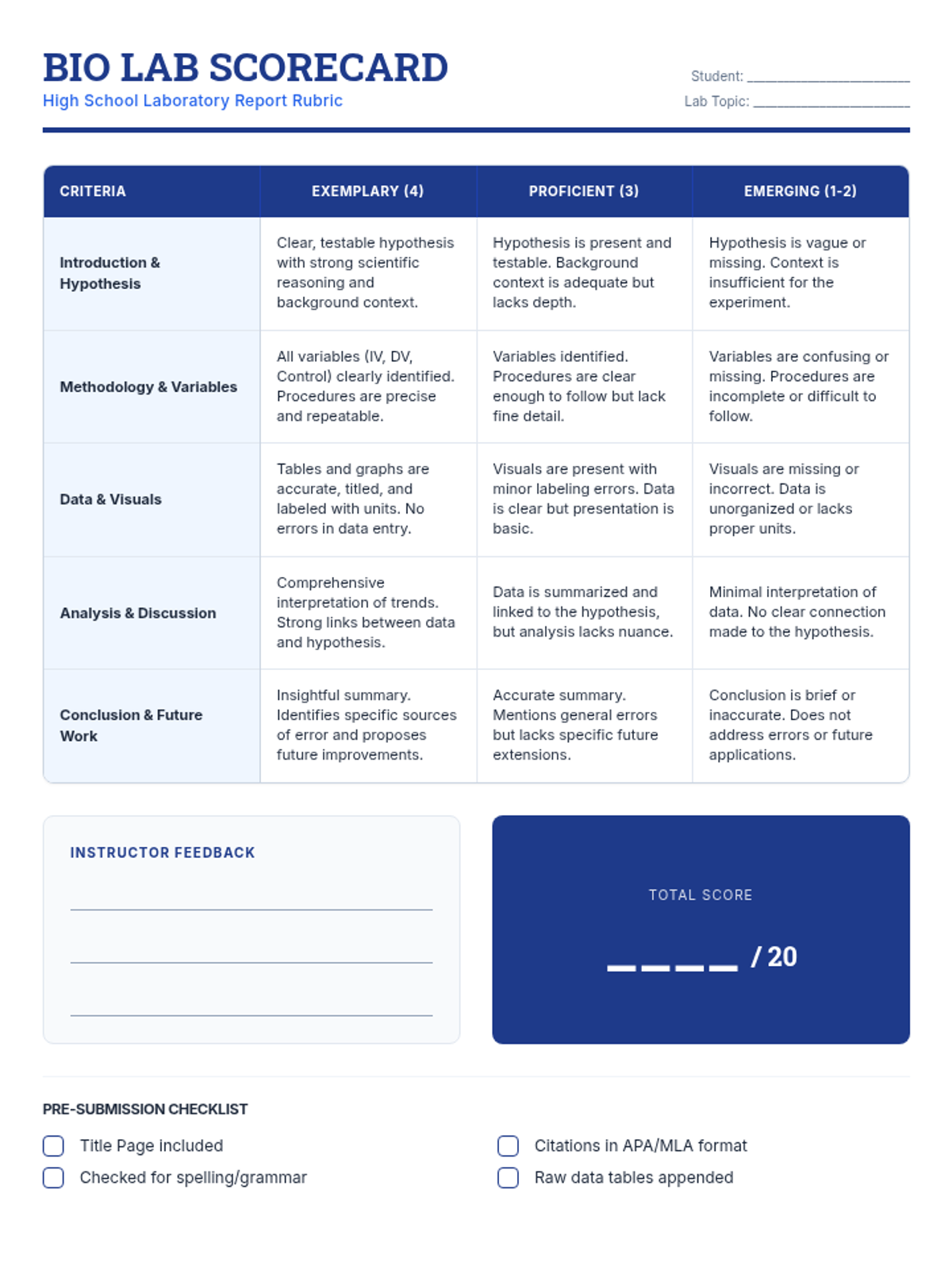
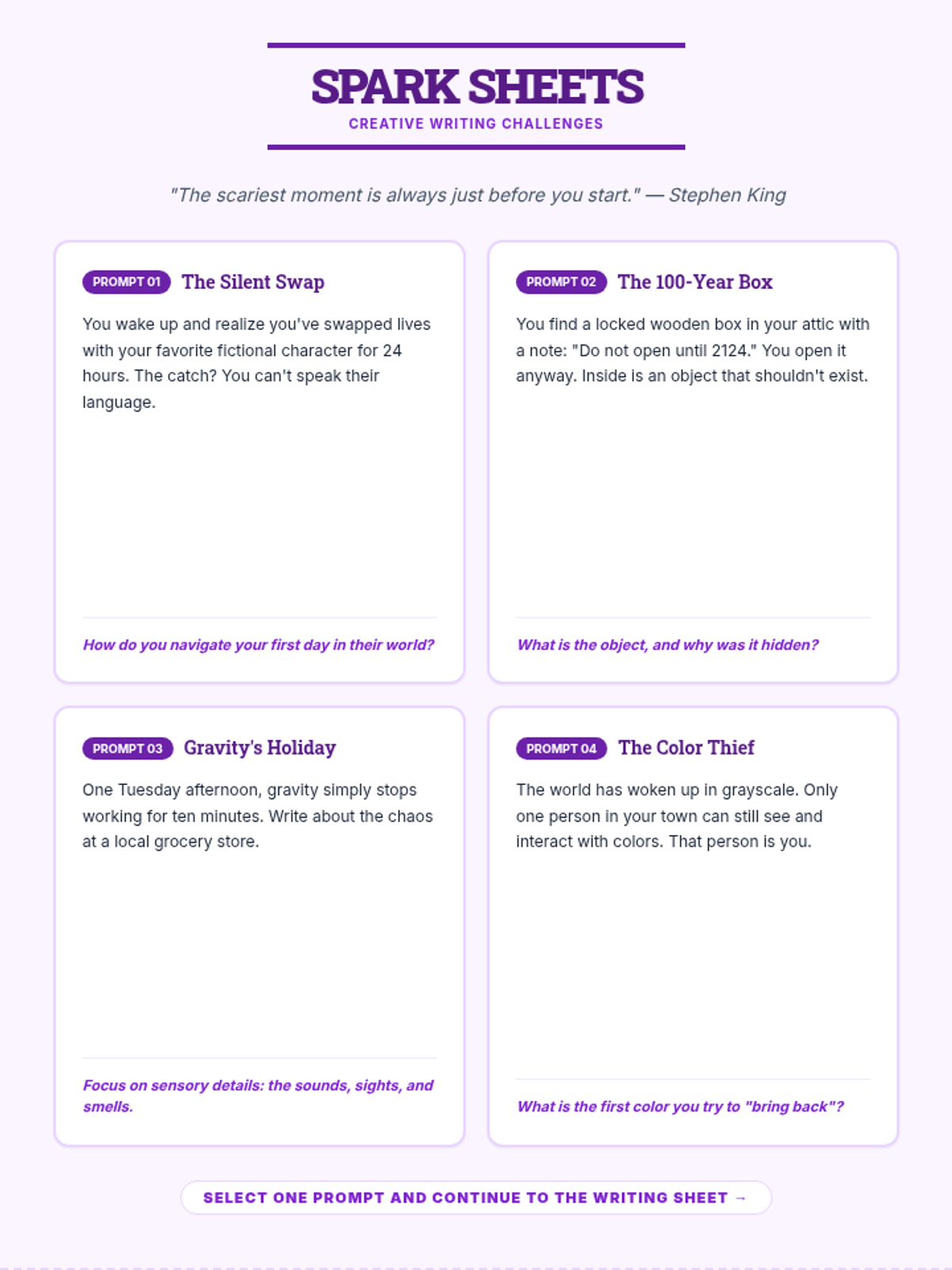
A diverse collection of high-quality educational resources spanning history, science, and language arts. This bundle includes graphic organizers, rubrics, writing prompts, and scientific diagrams.
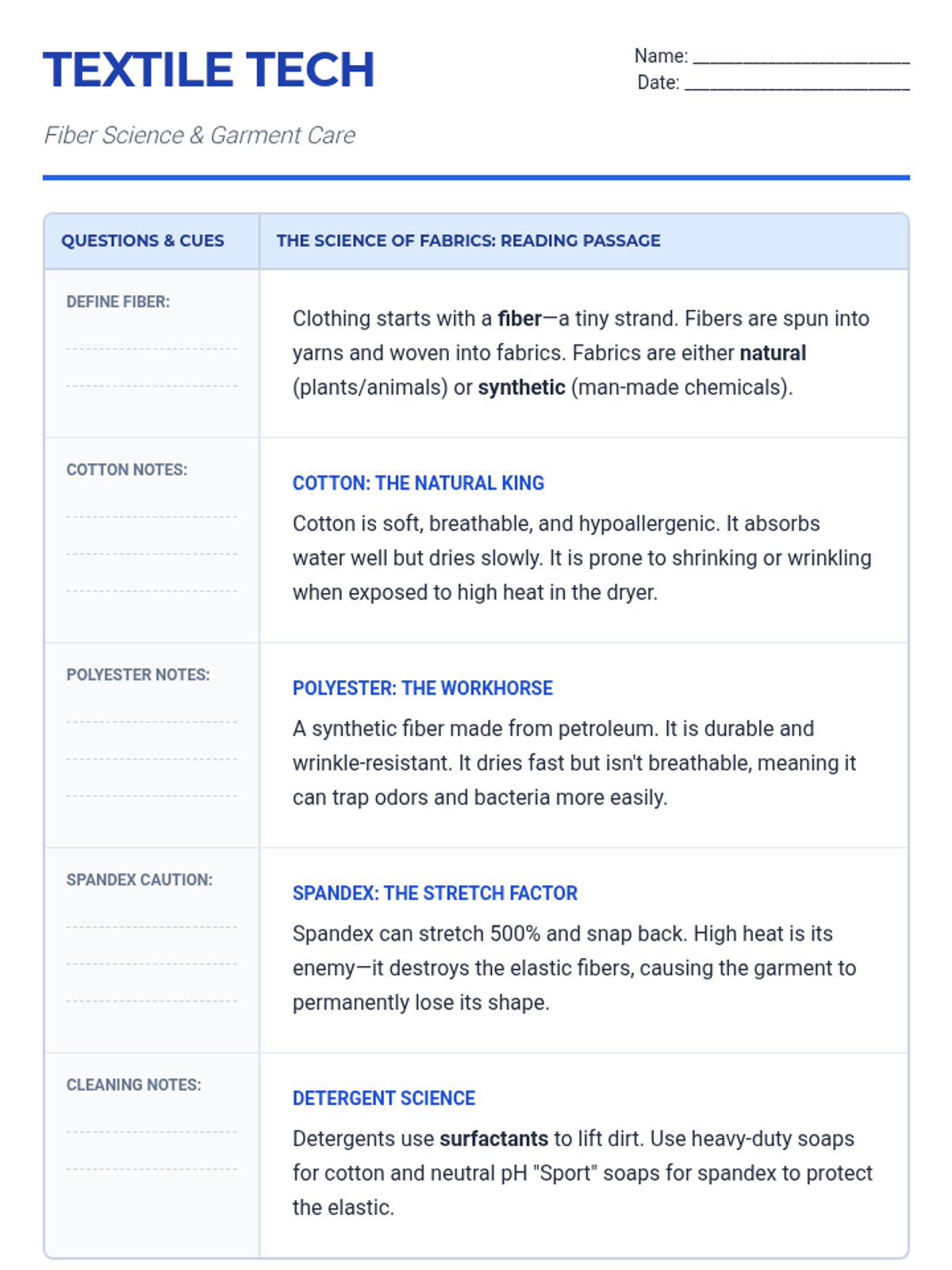
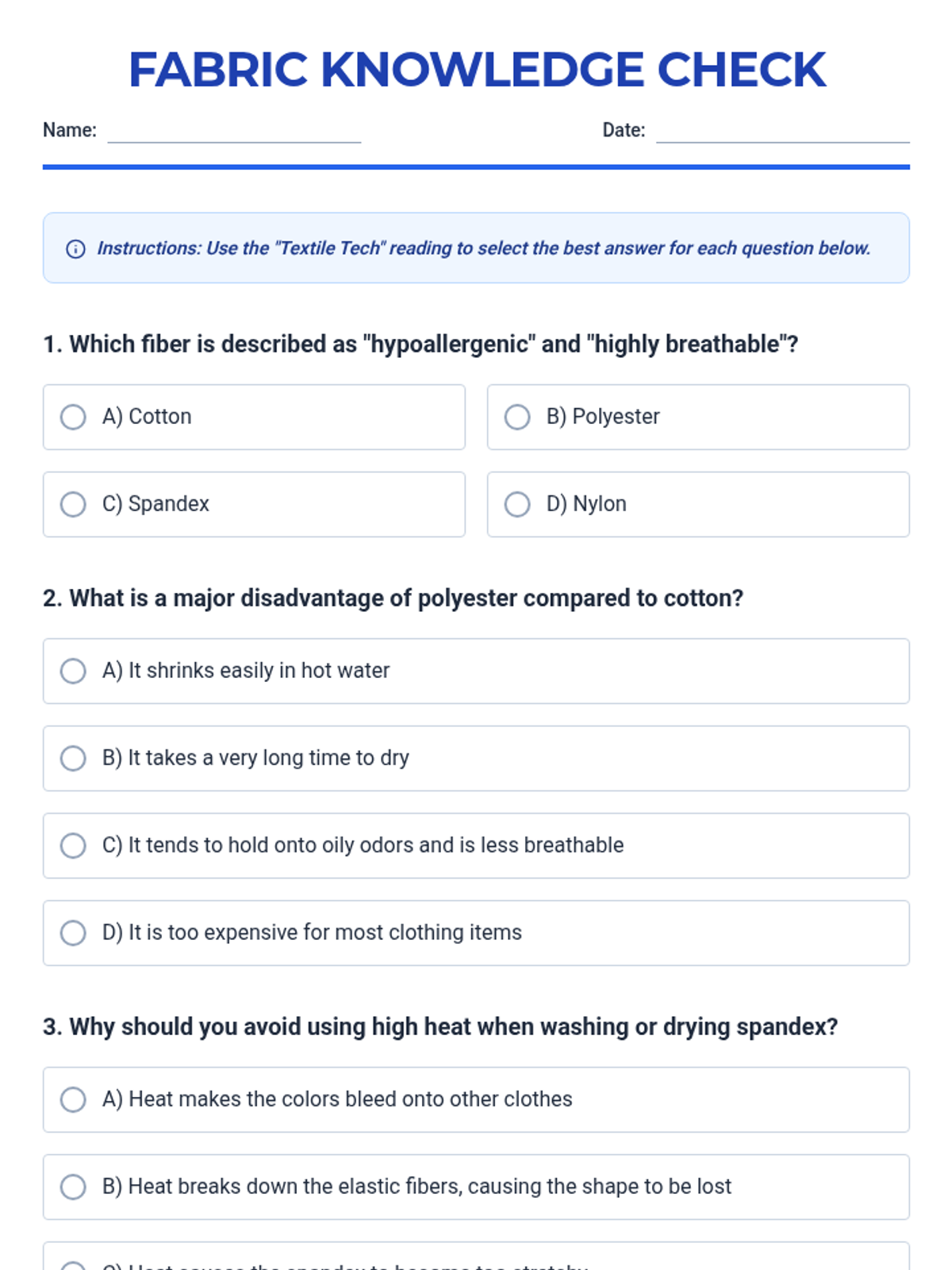
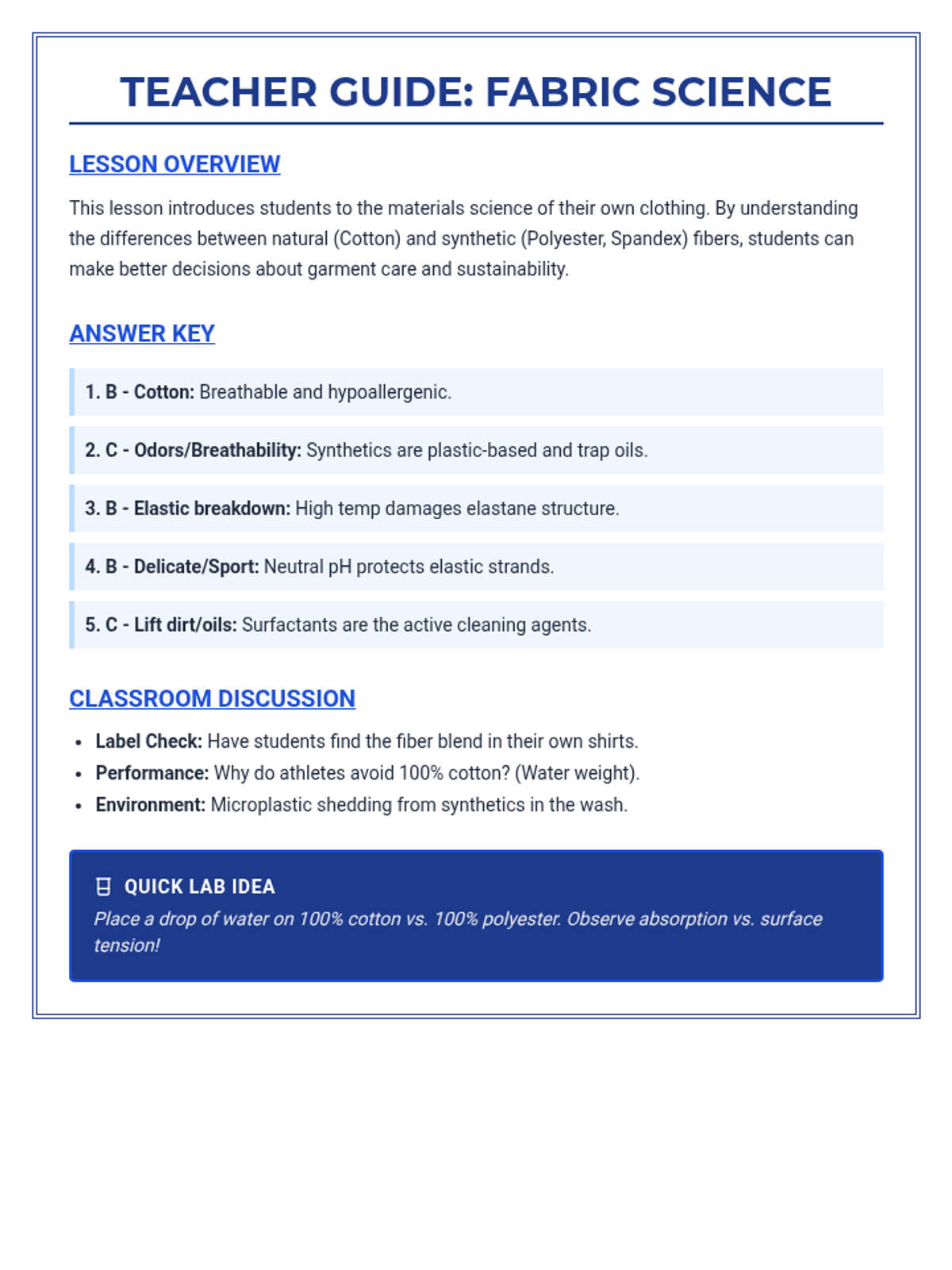
A lesson exploring the science of common clothing fibers (cotton, polyester, spandex) and the chemistry of detergents used to clean them. Students learn about fabric properties and how to select the best cleaning agents for different materials.
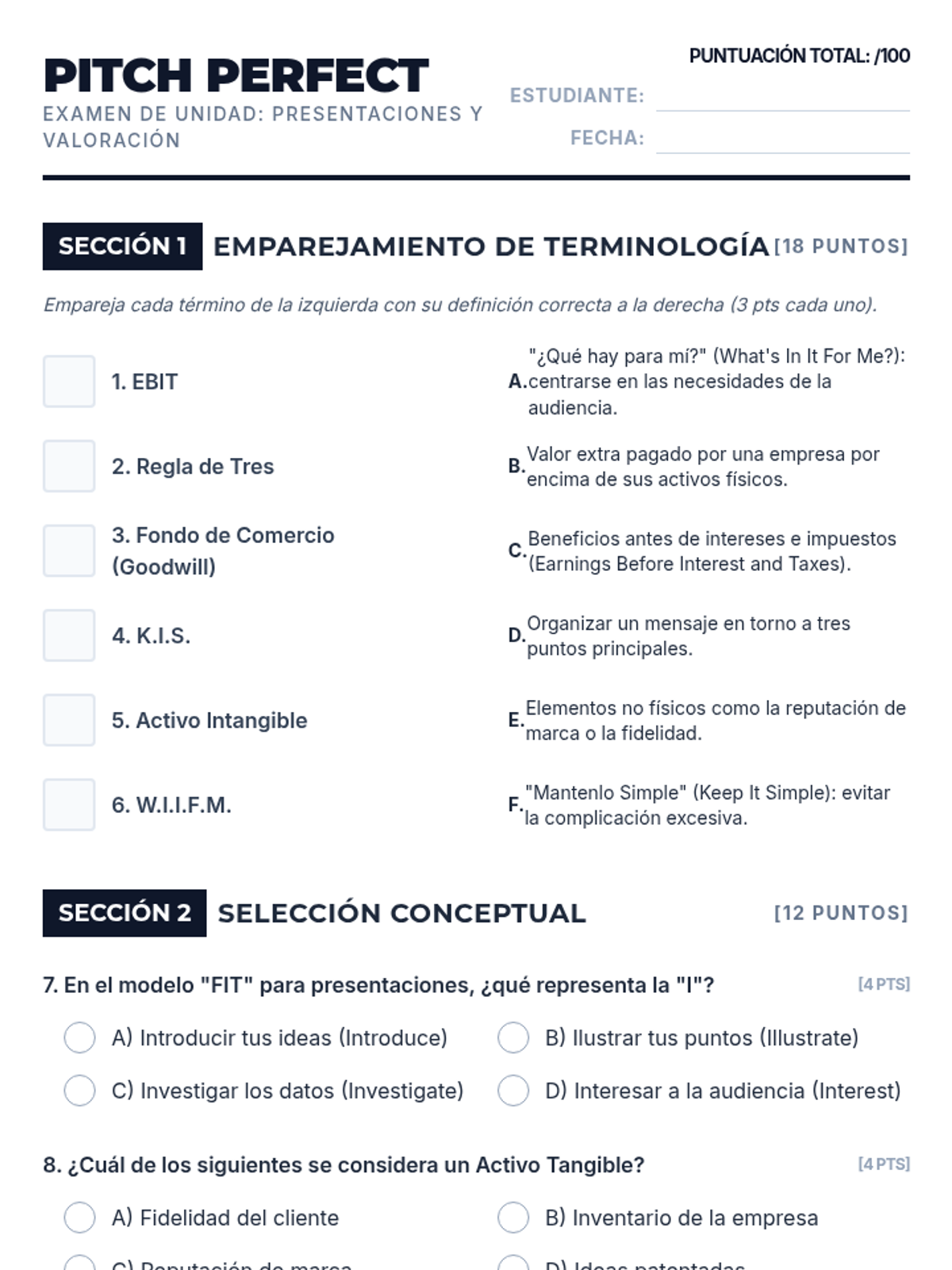
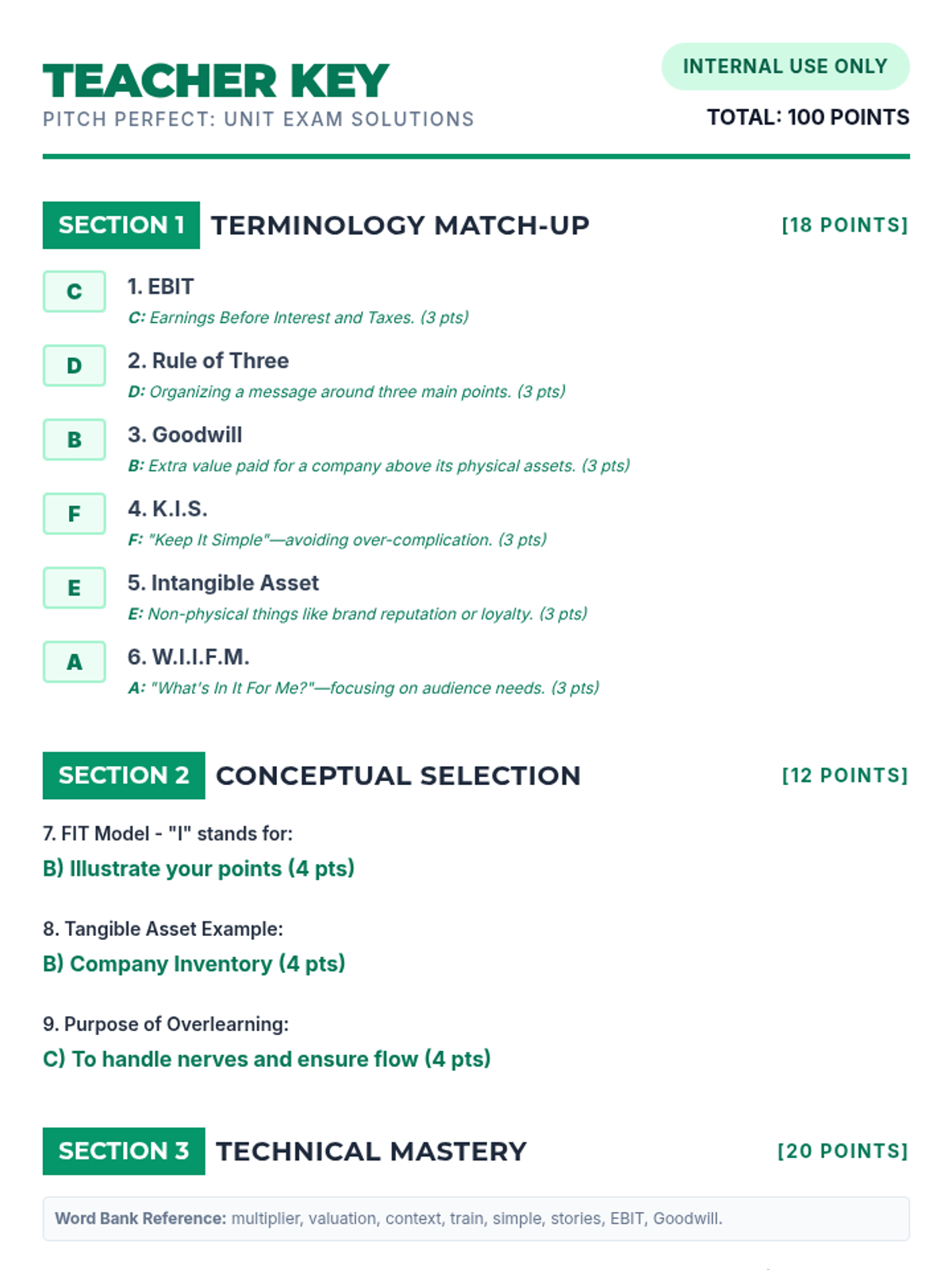
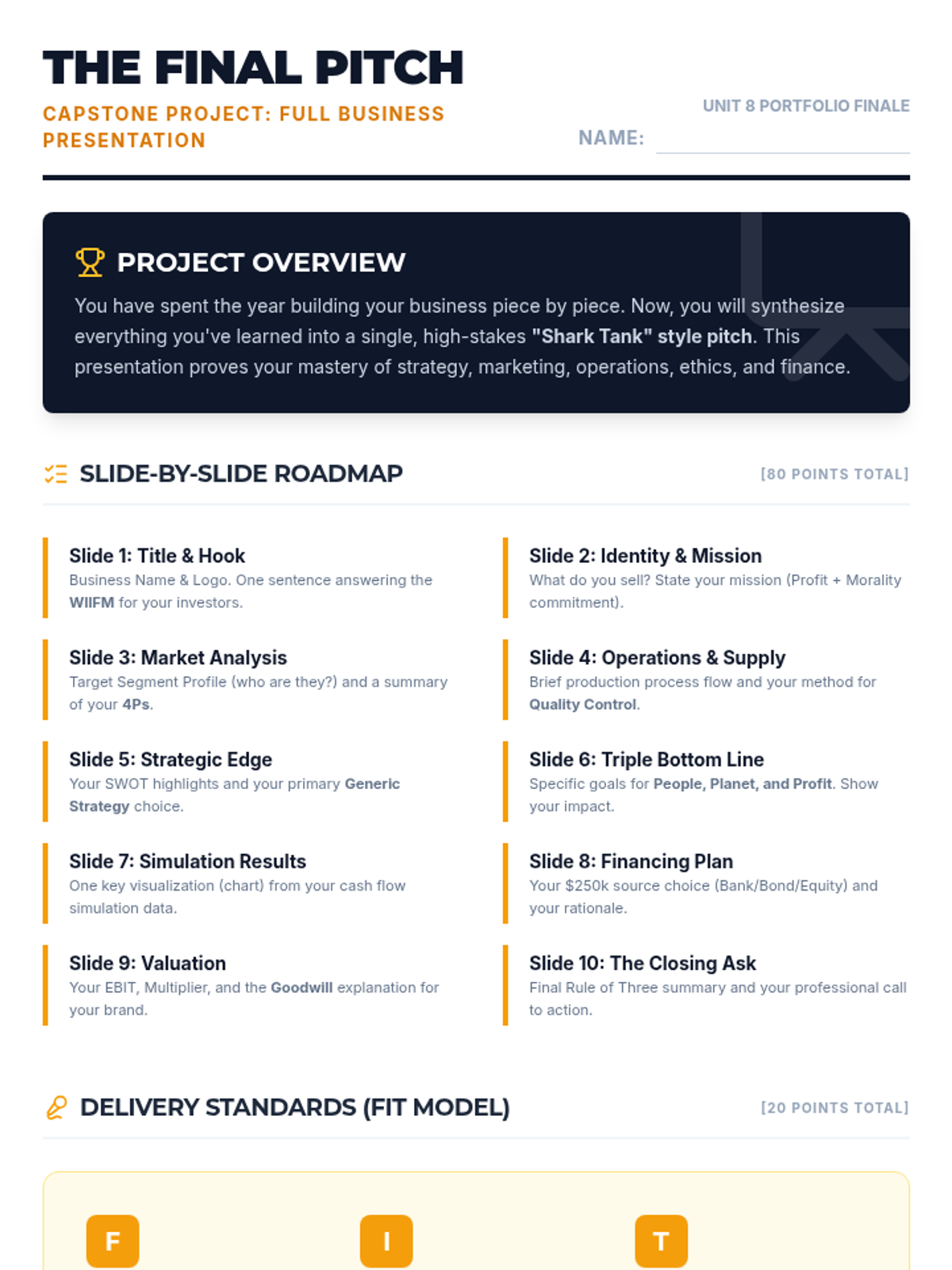
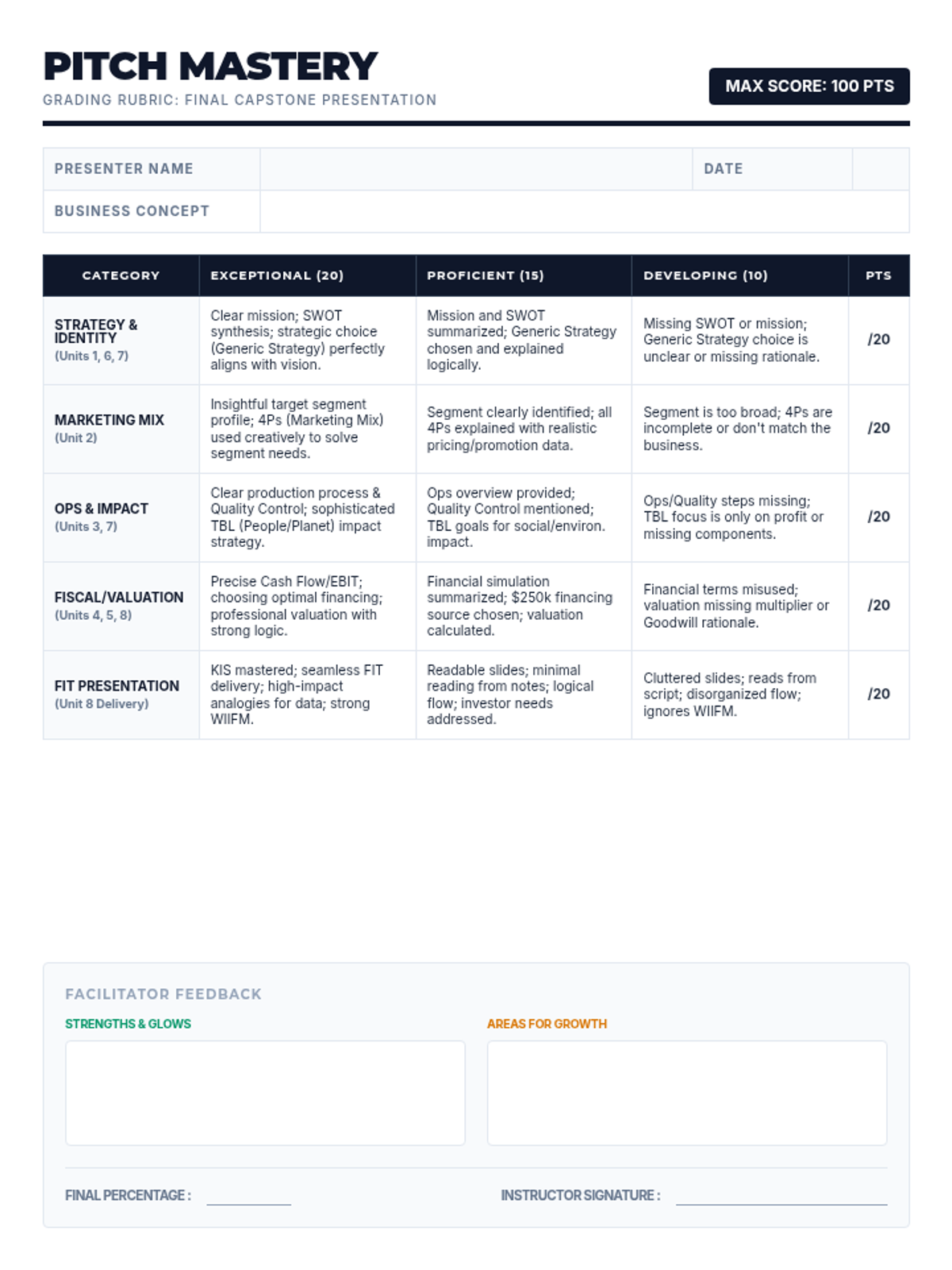
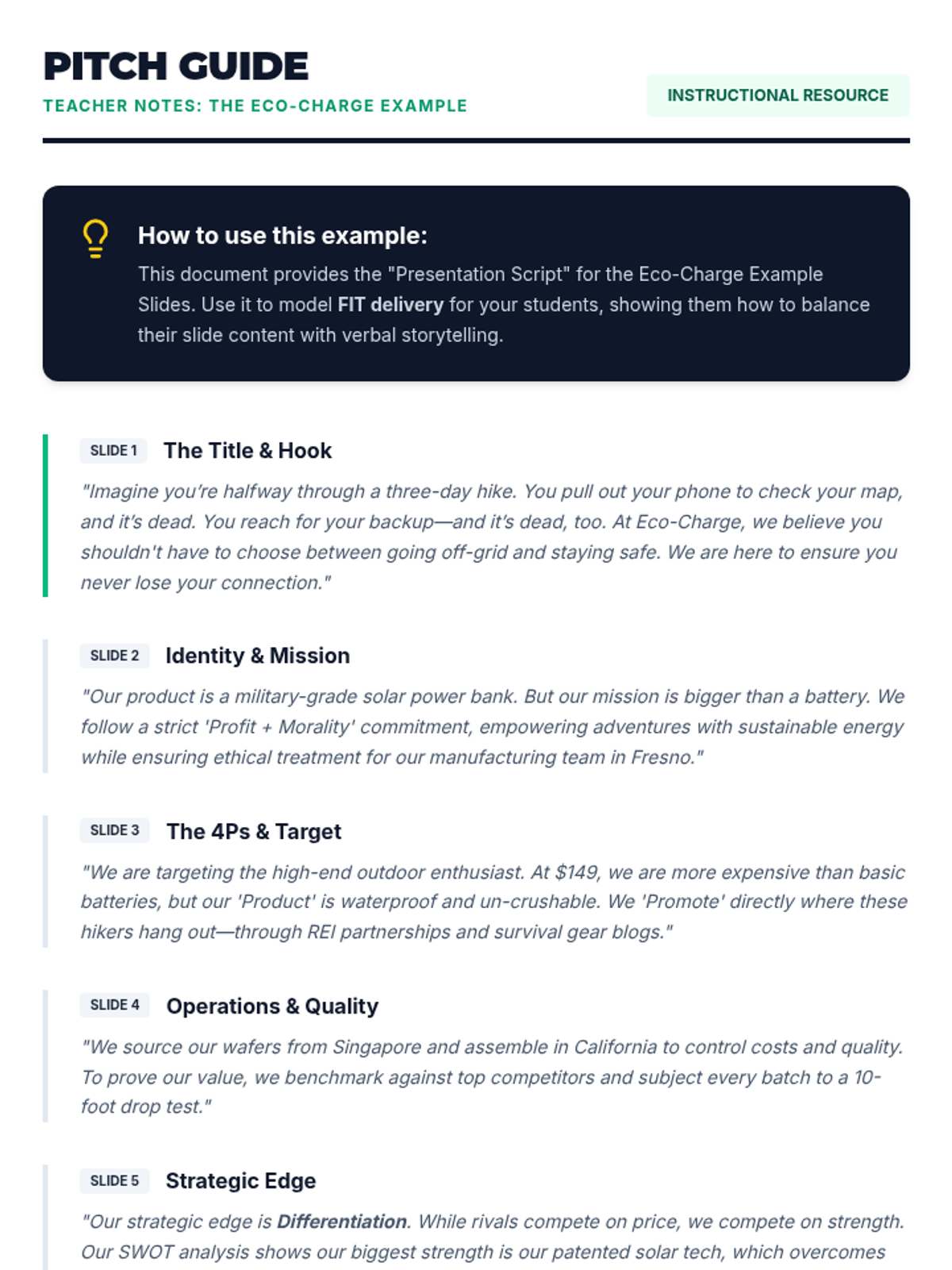
This lesson concludes the unit on business presentation skills and company valuation, testing students on the FIT model, the Rule of Three, and core financial assessment concepts.
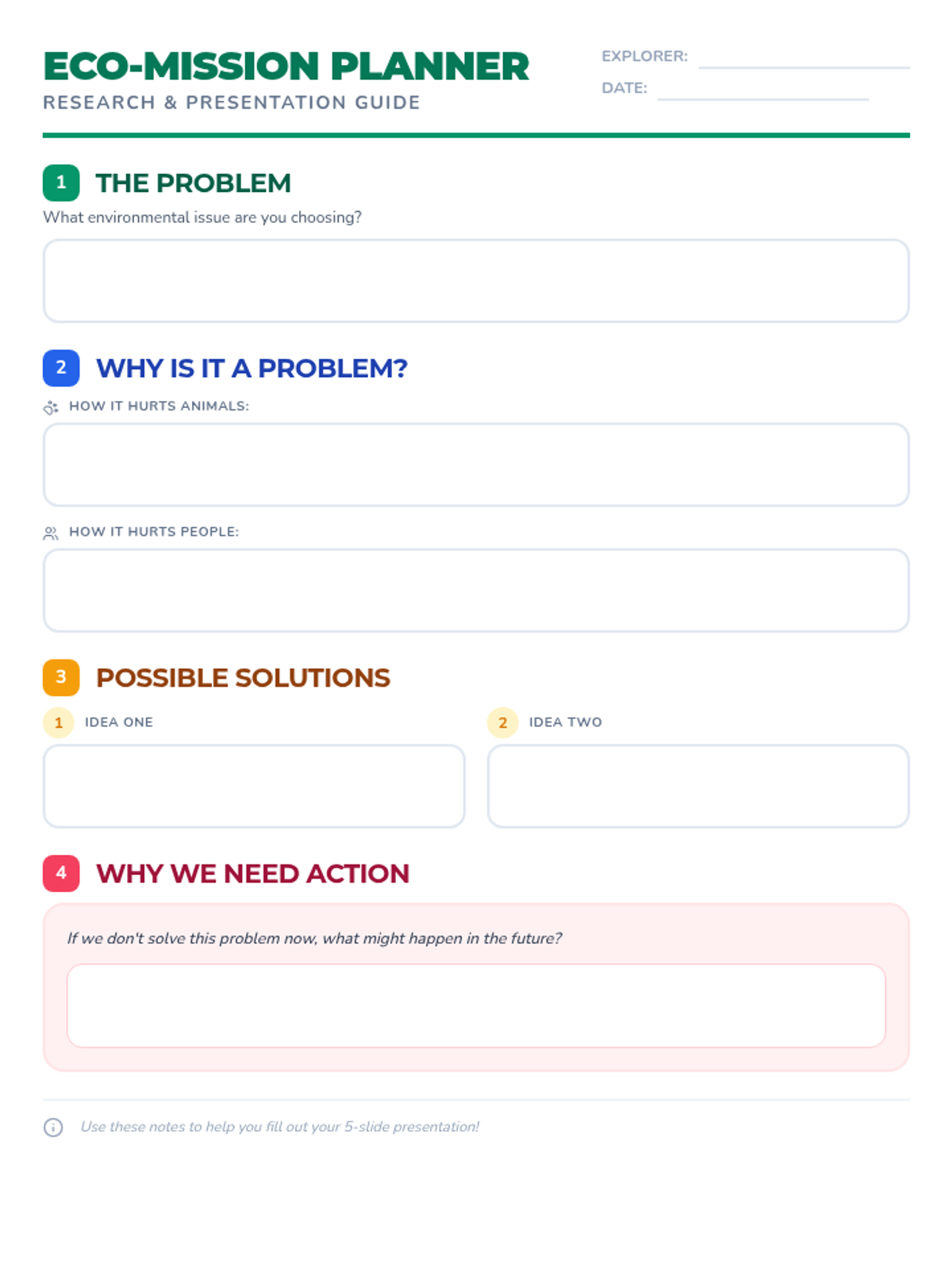
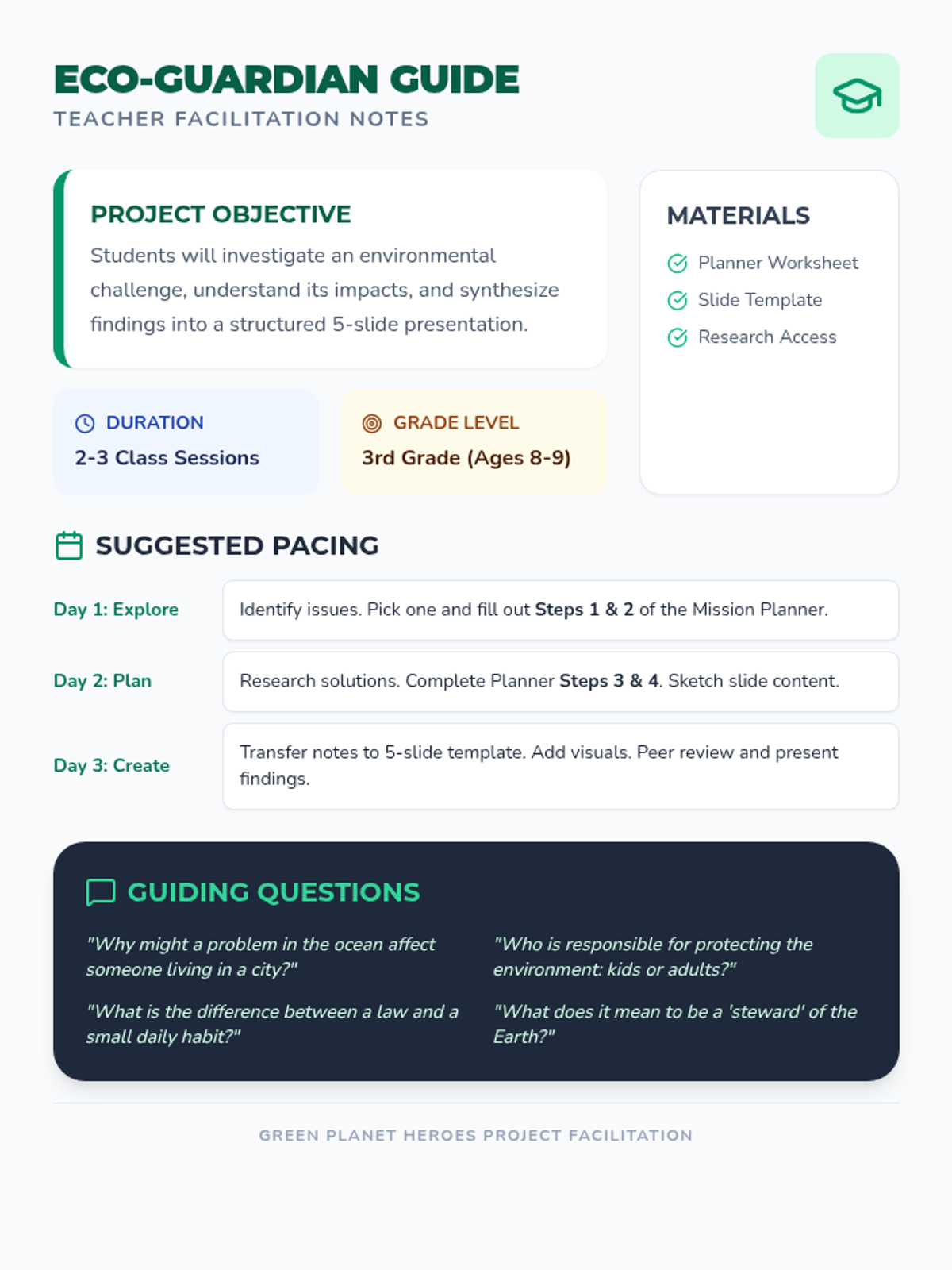
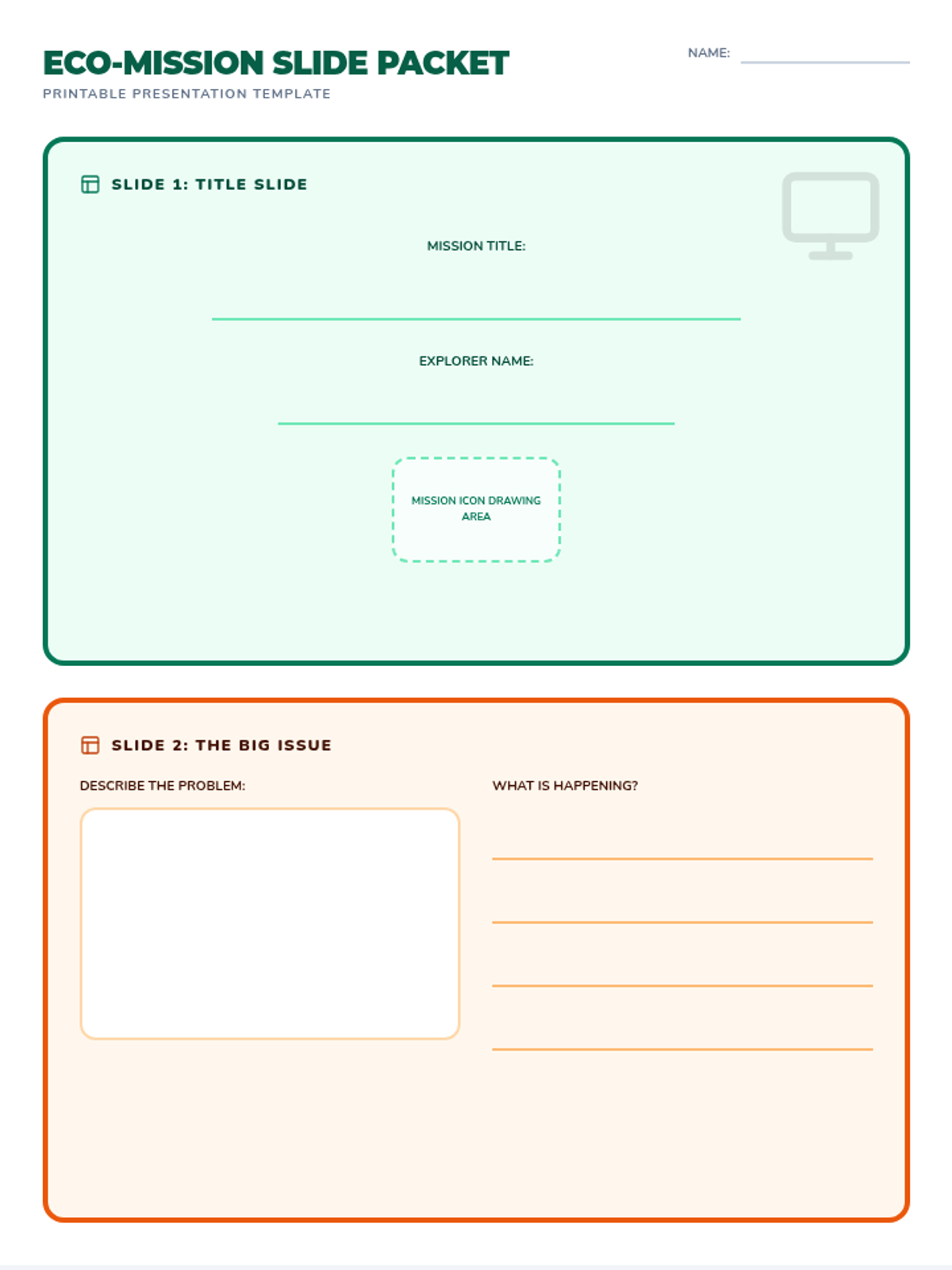
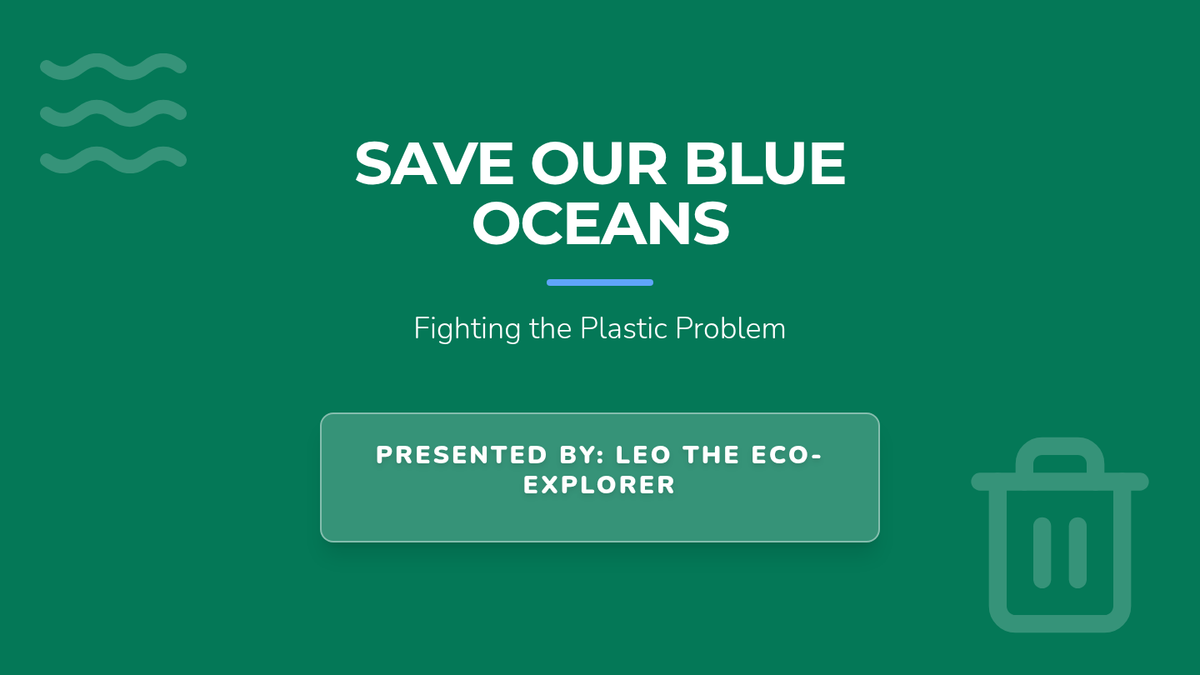
A creative project-based lesson where students identify an environmental issue, research its impact, and propose actionable solutions through a structured presentation.
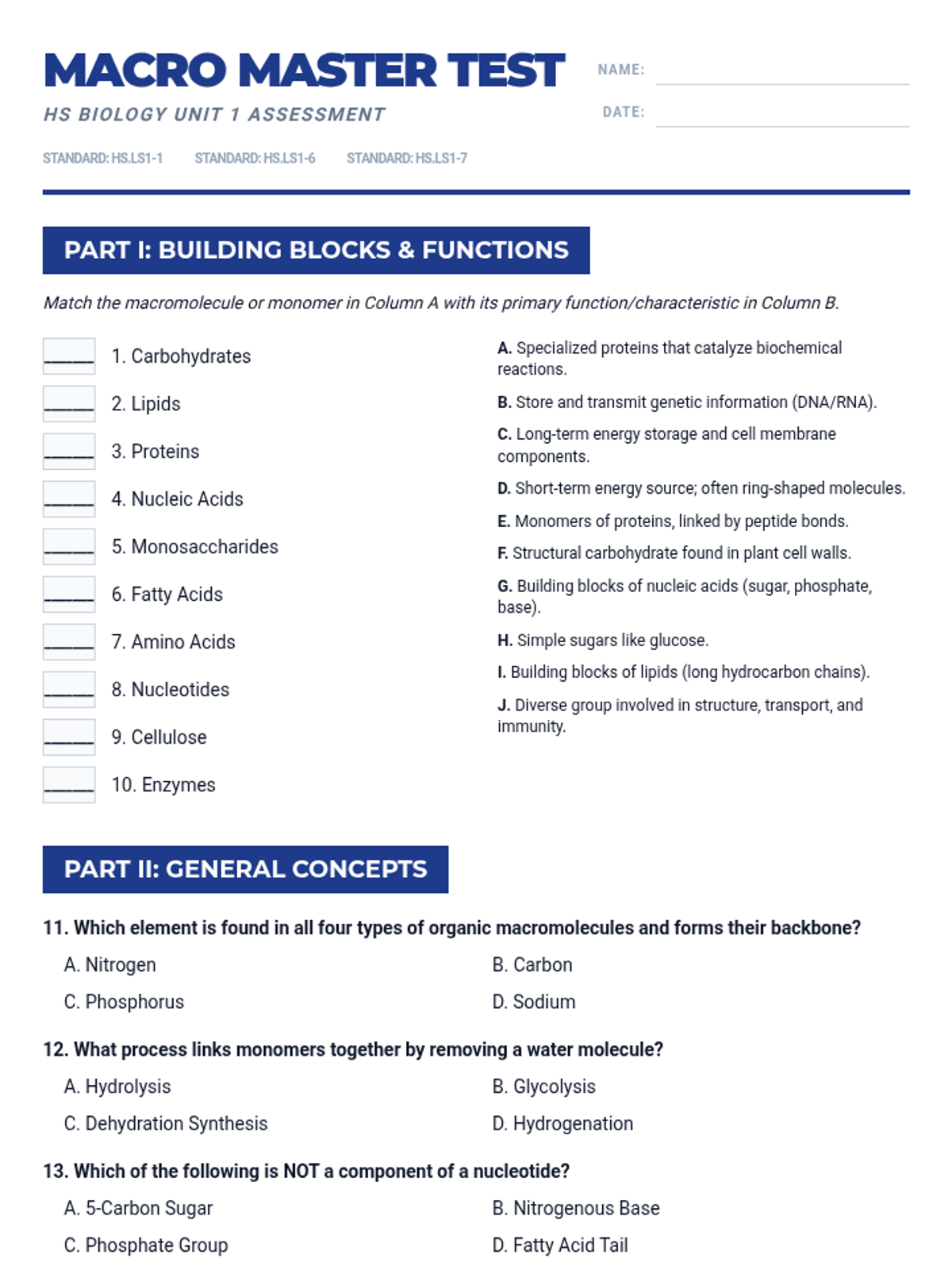
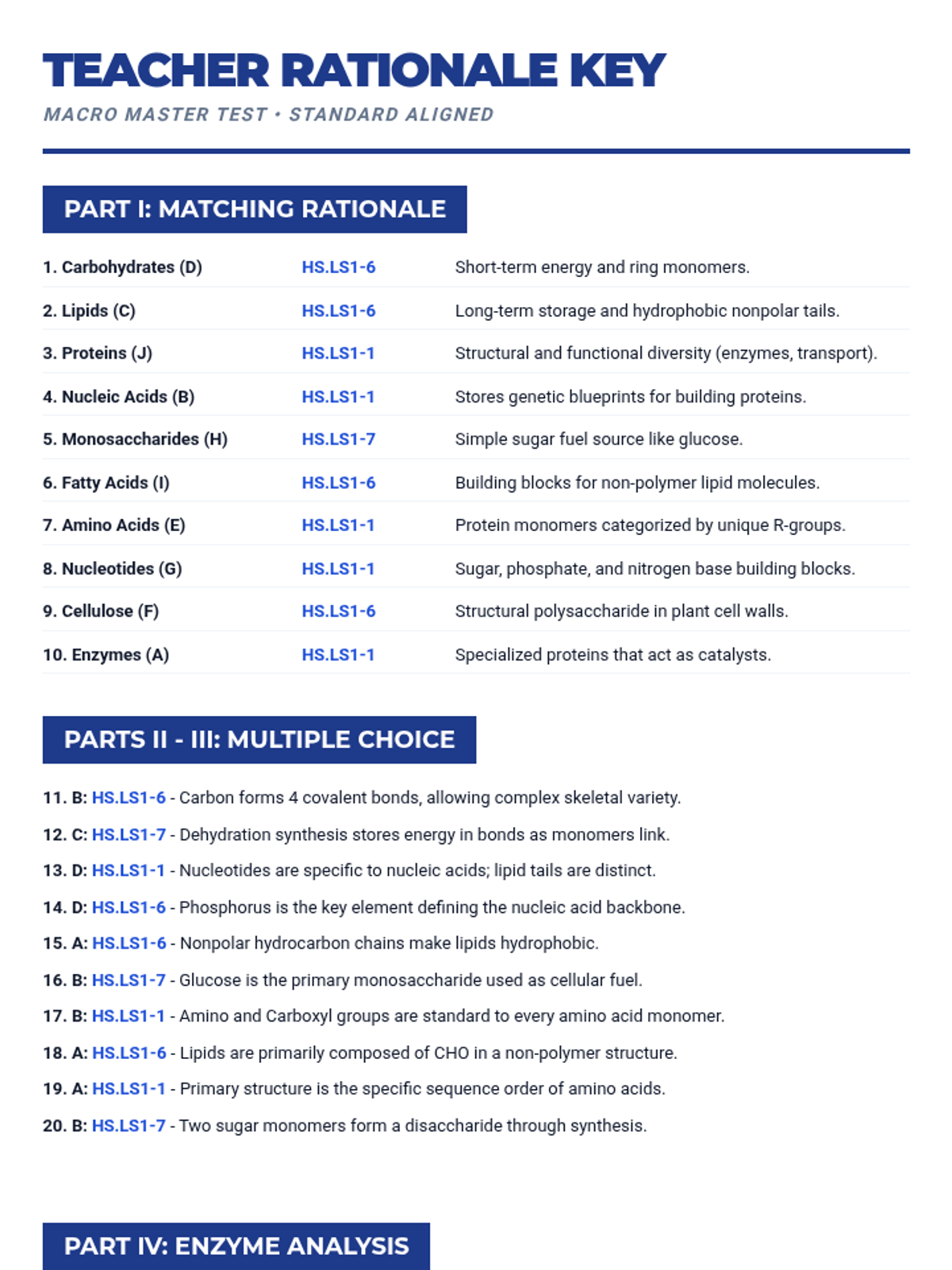
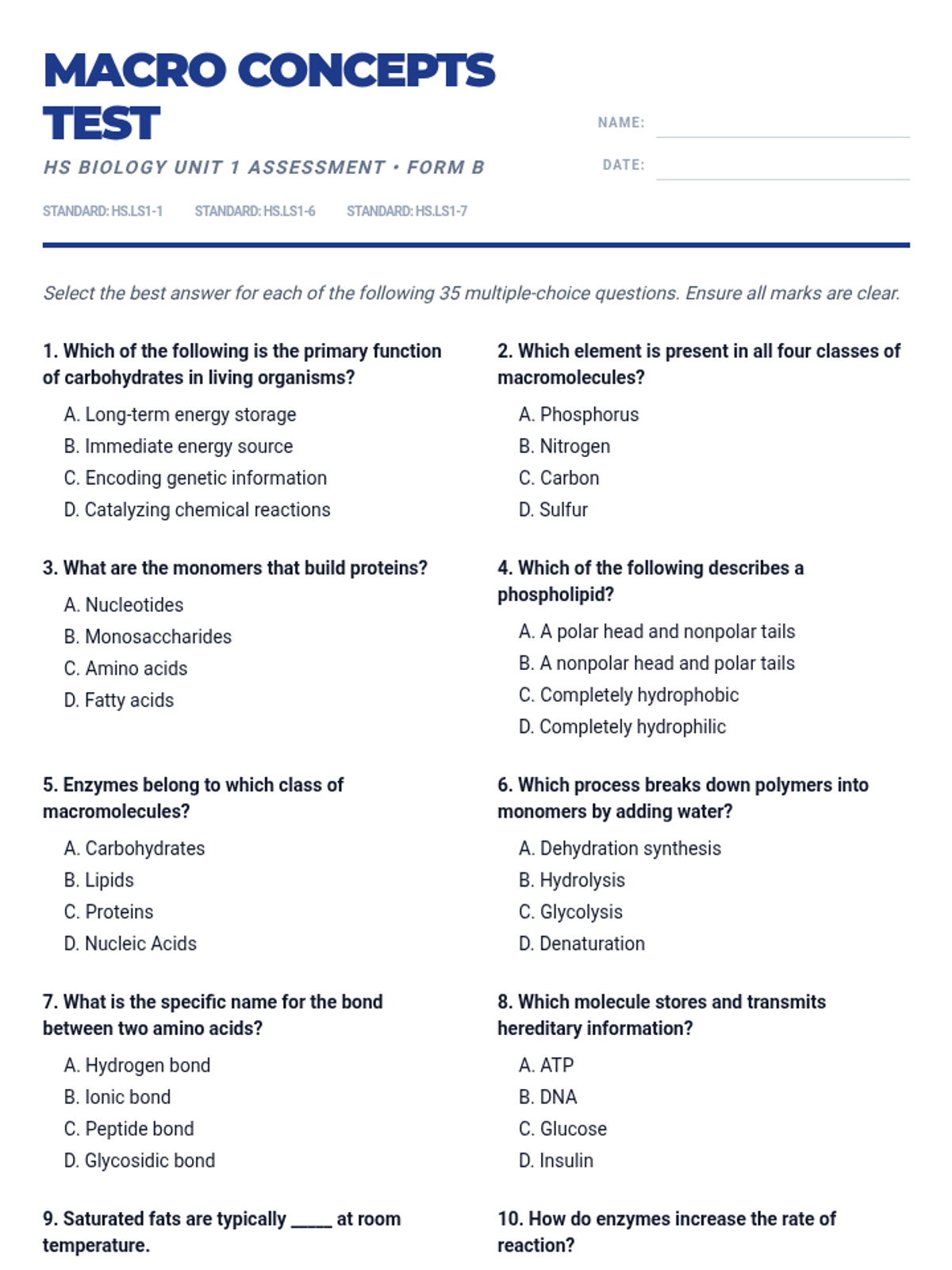
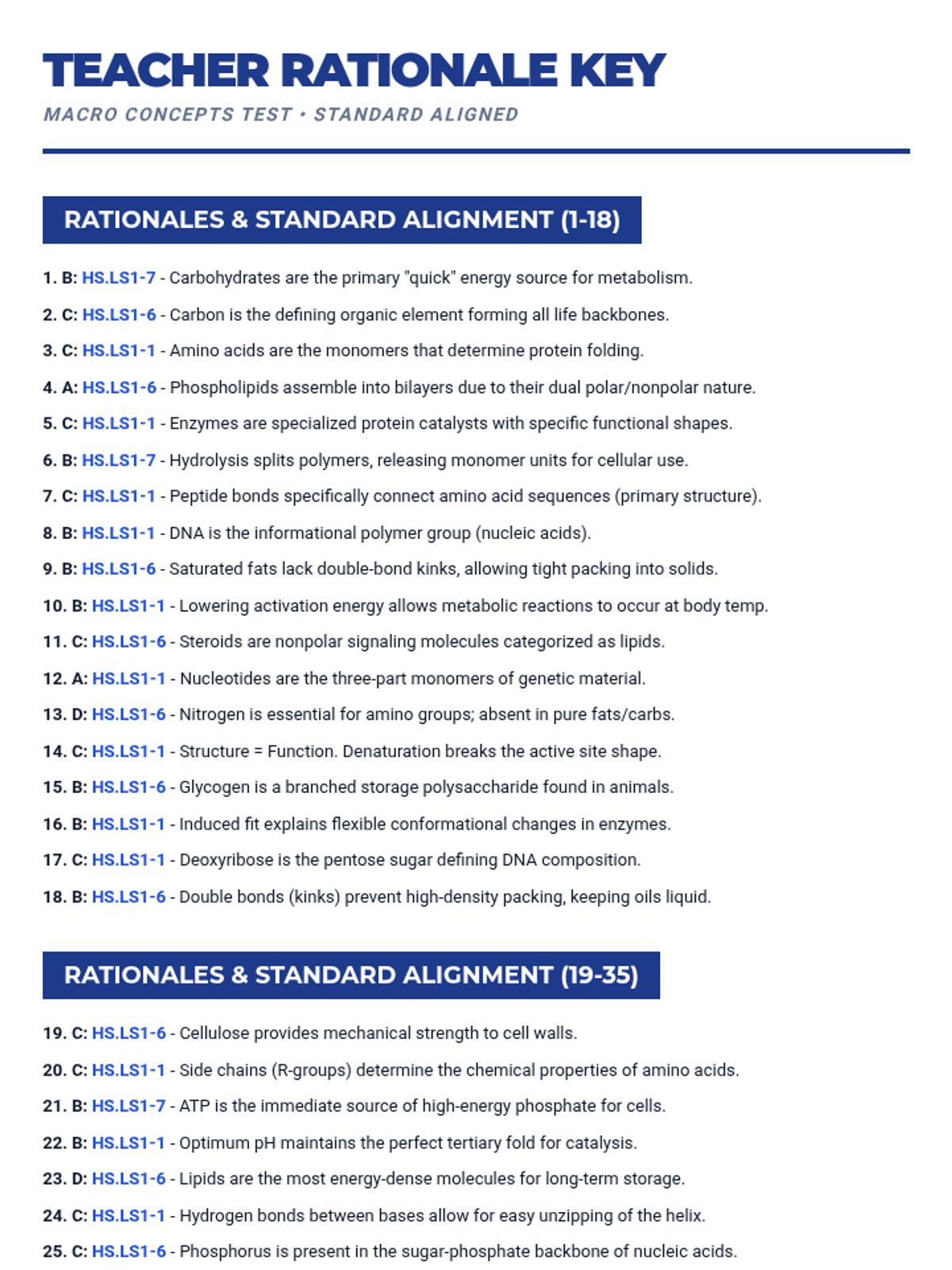
A comprehensive assessment covering the structure and function of macromolecules (carbohydrates, lipids, proteins, nucleic acids) and the catalytic role of enzymes. Aligned with Indiana State Standards for High School Biology.
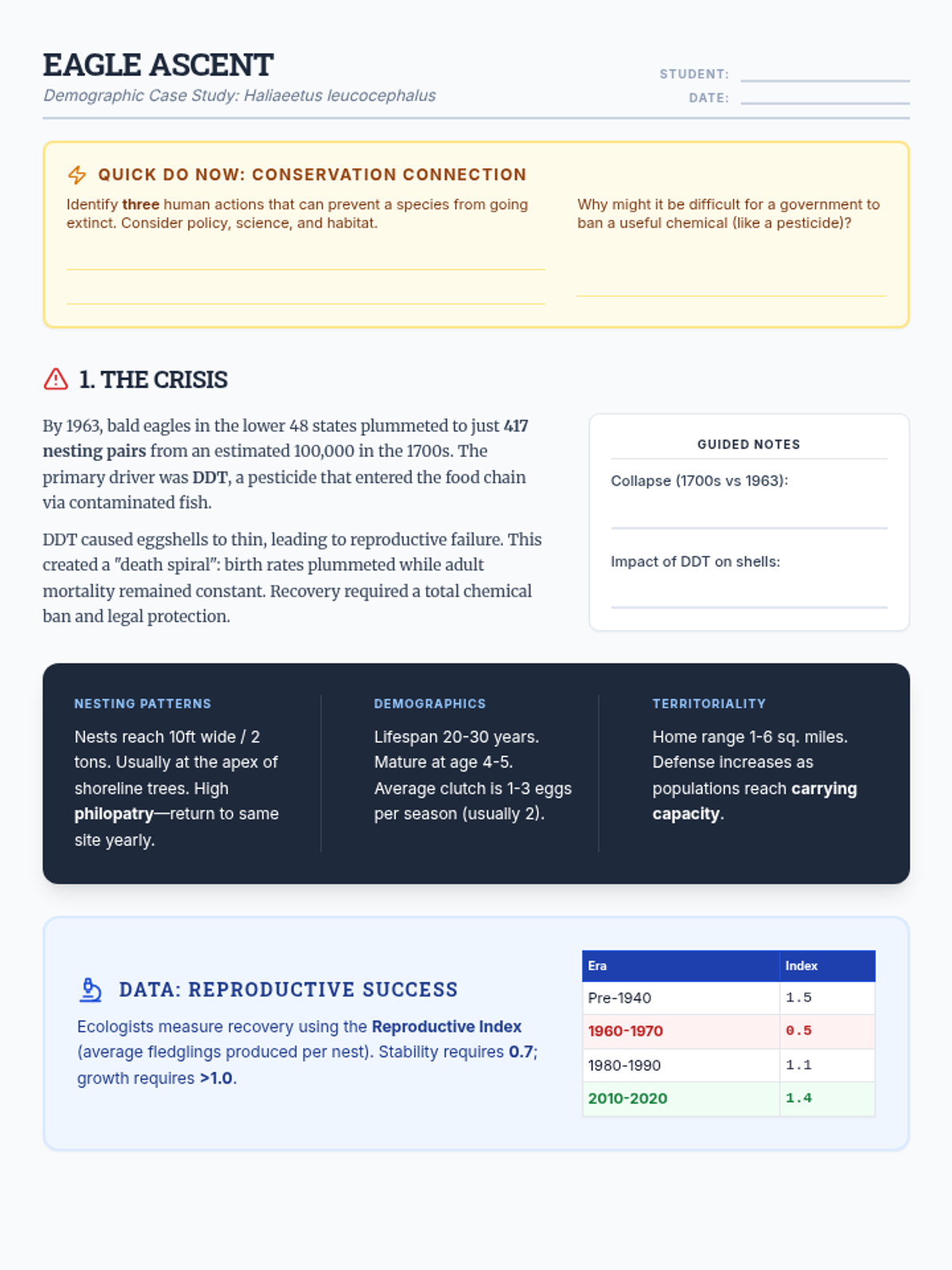
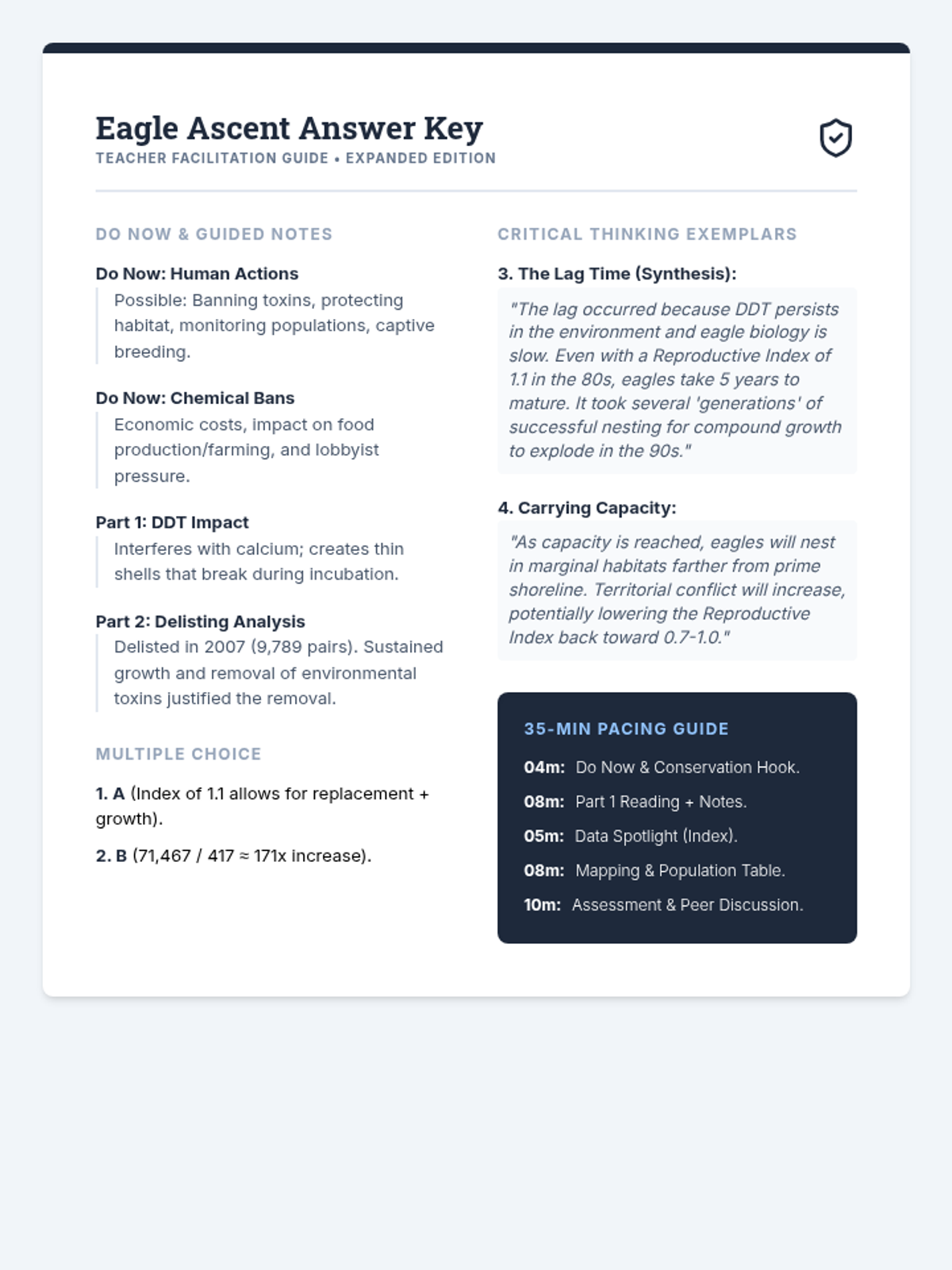
A deep dive into the demographic recovery of the bald eagle, exploring the impact of DDT and the success of the Endangered Species Act through data analysis and guided reading.
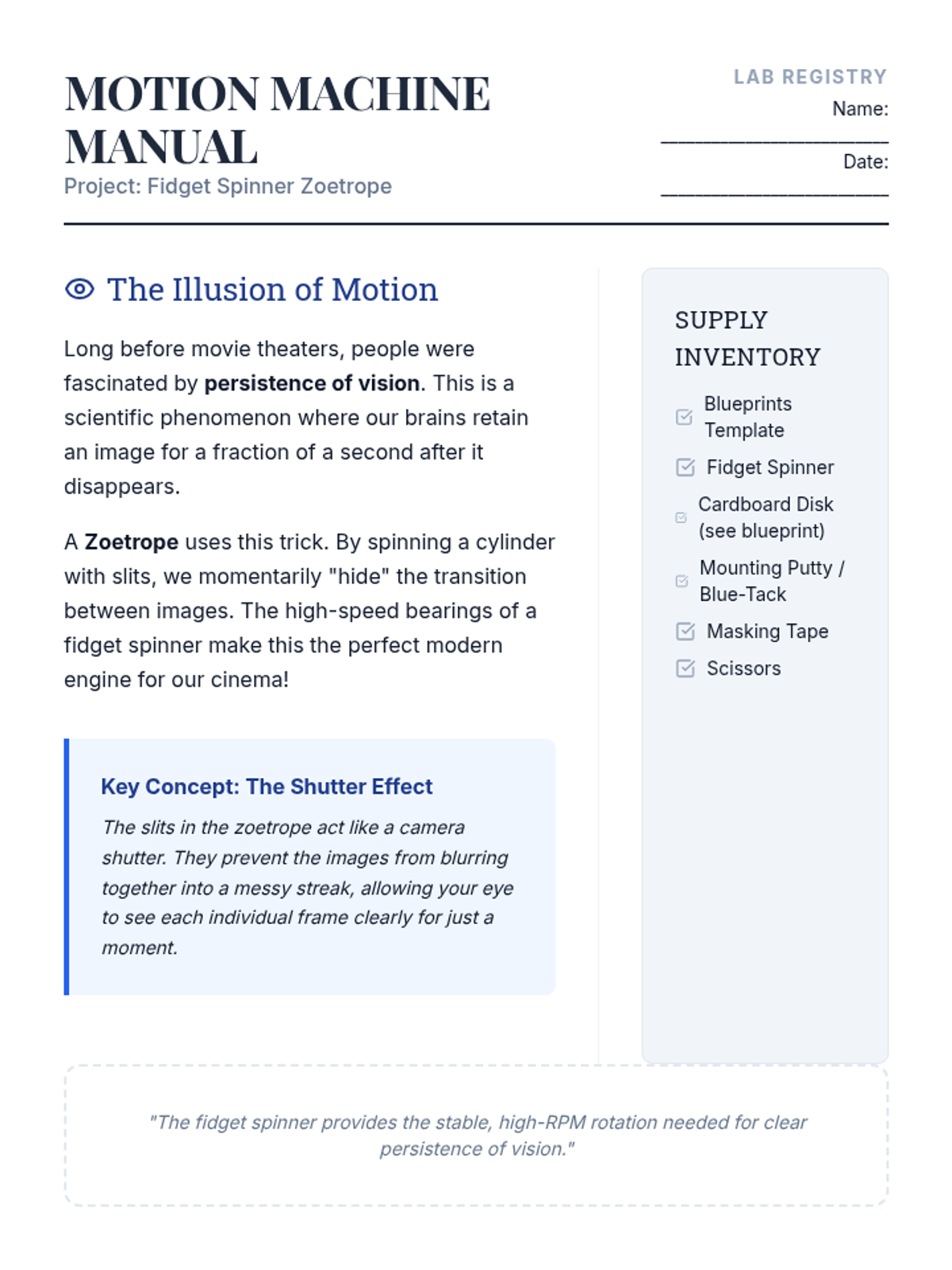
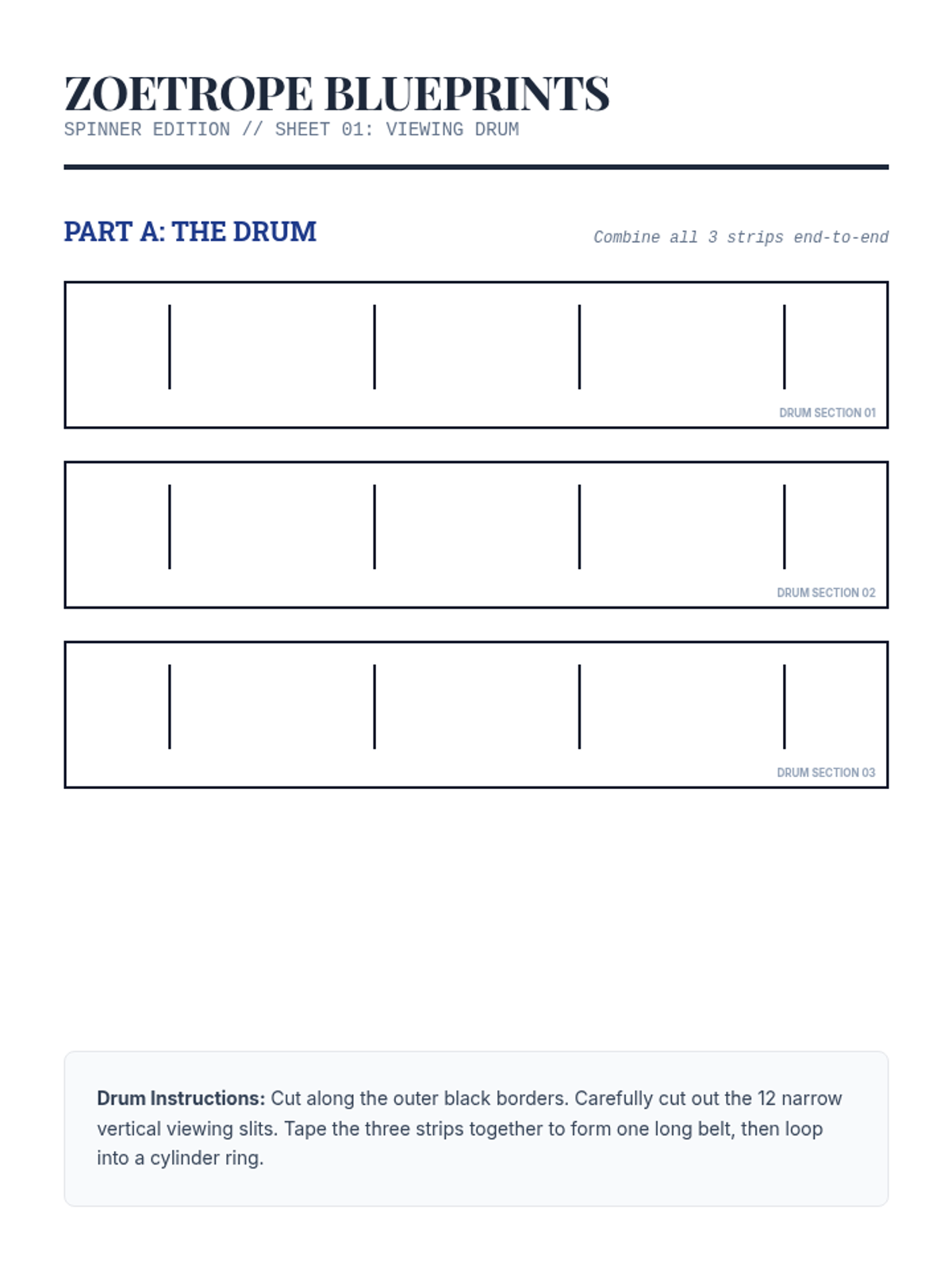
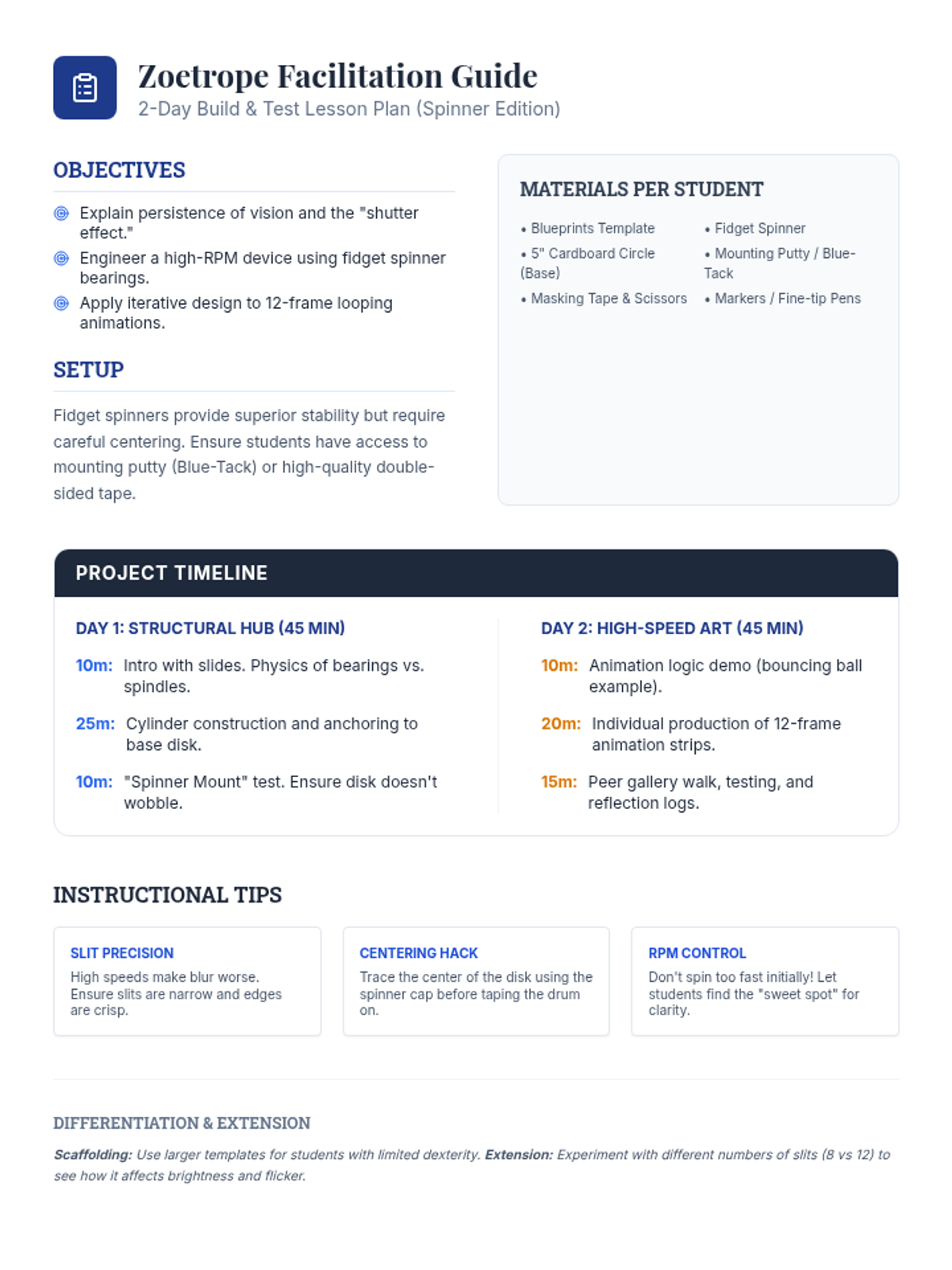
A 2-day hands-on engineering and art project where students build a paper zoetrope to explore the physics of light and the foundations of animation. Day 1 focuses on construction and the science of persistence of vision, while Day 2 focuses on creating and testing animation strips.
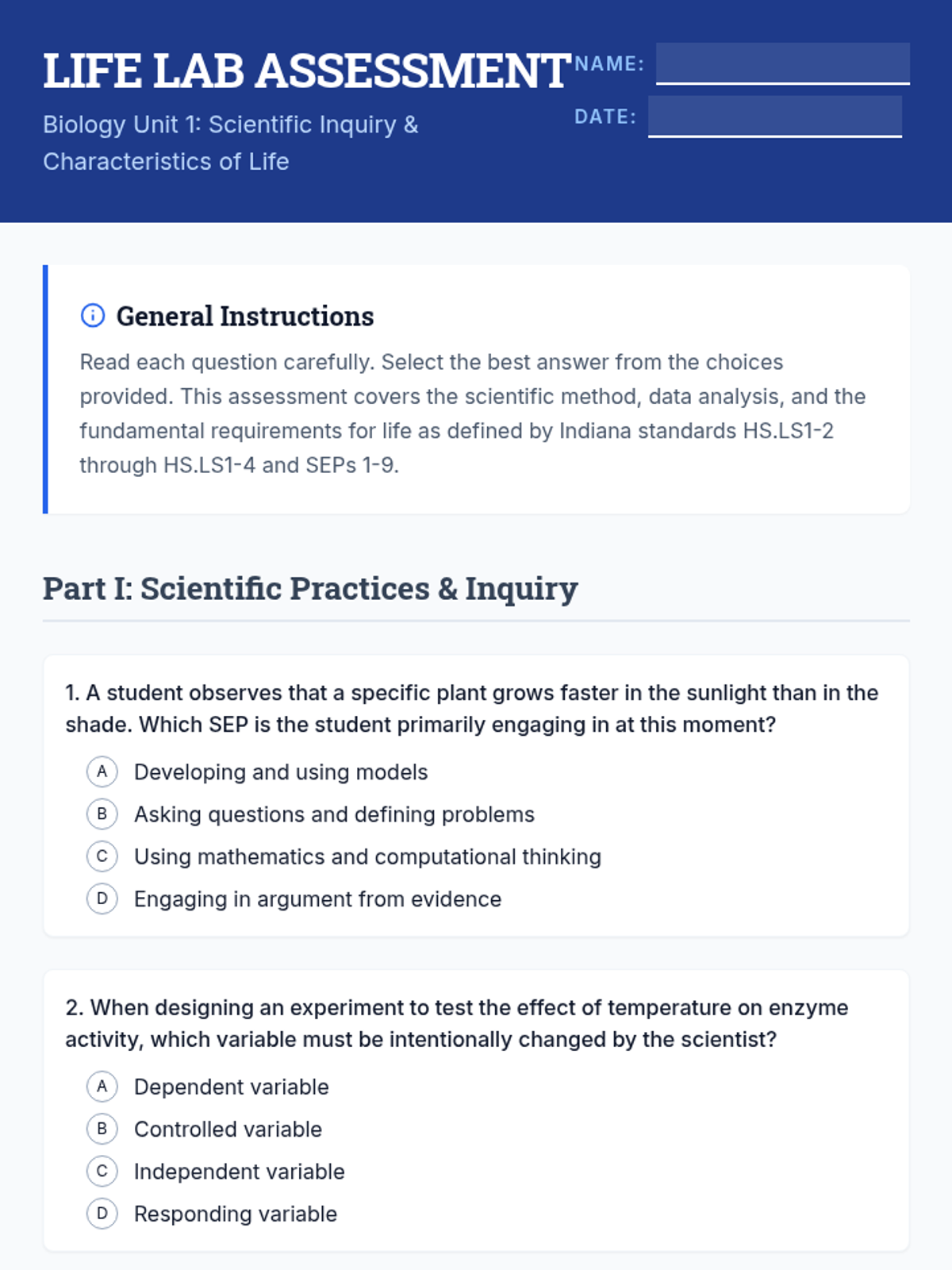
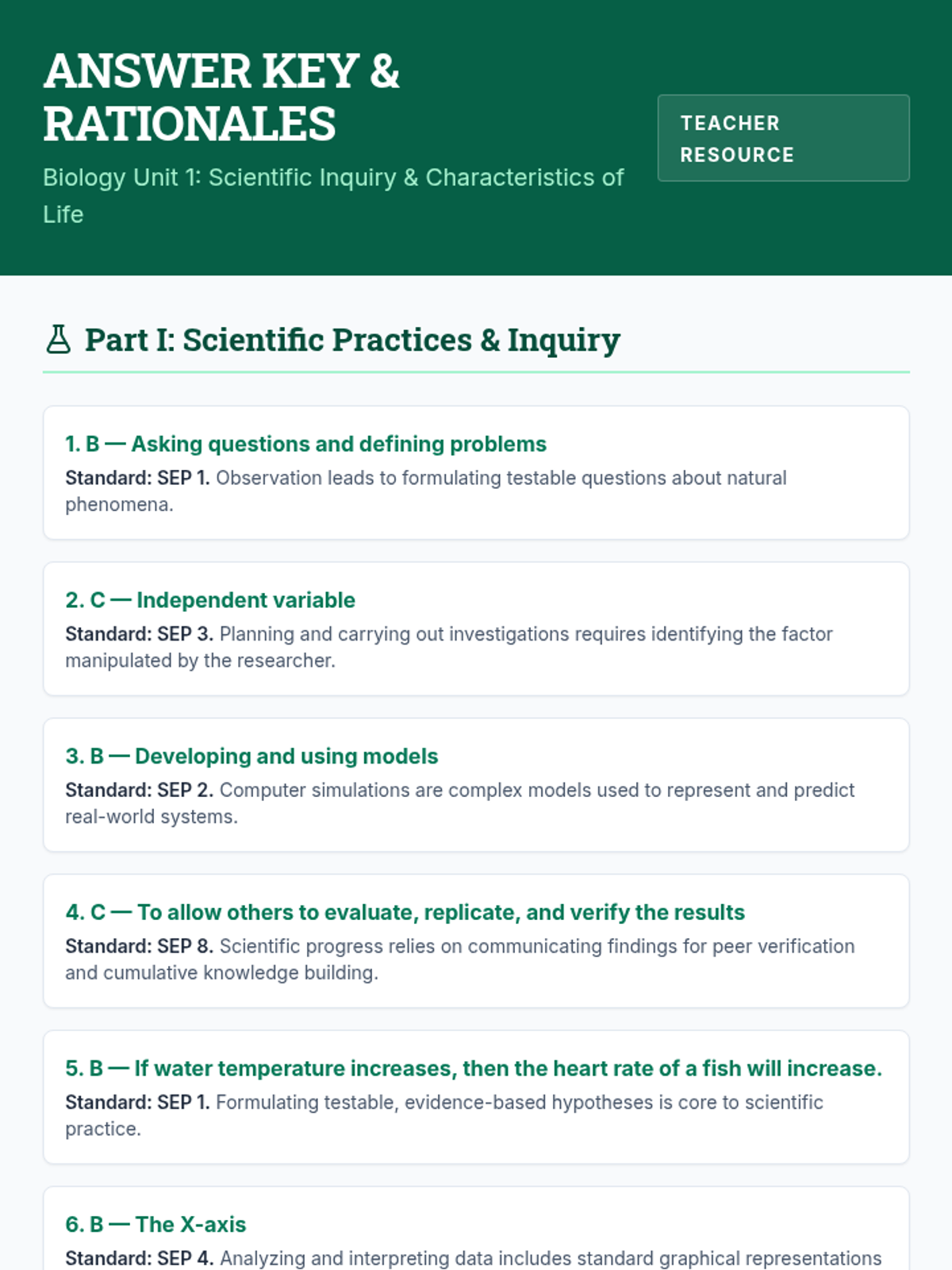
This lesson covers the foundational principles of biological science, focusing on the scientific method (SEPs) and the fundamental characteristics that define living organisms (LS1). Students will demonstrate their understanding through a comprehensive assessment aligned with Indiana state standards.
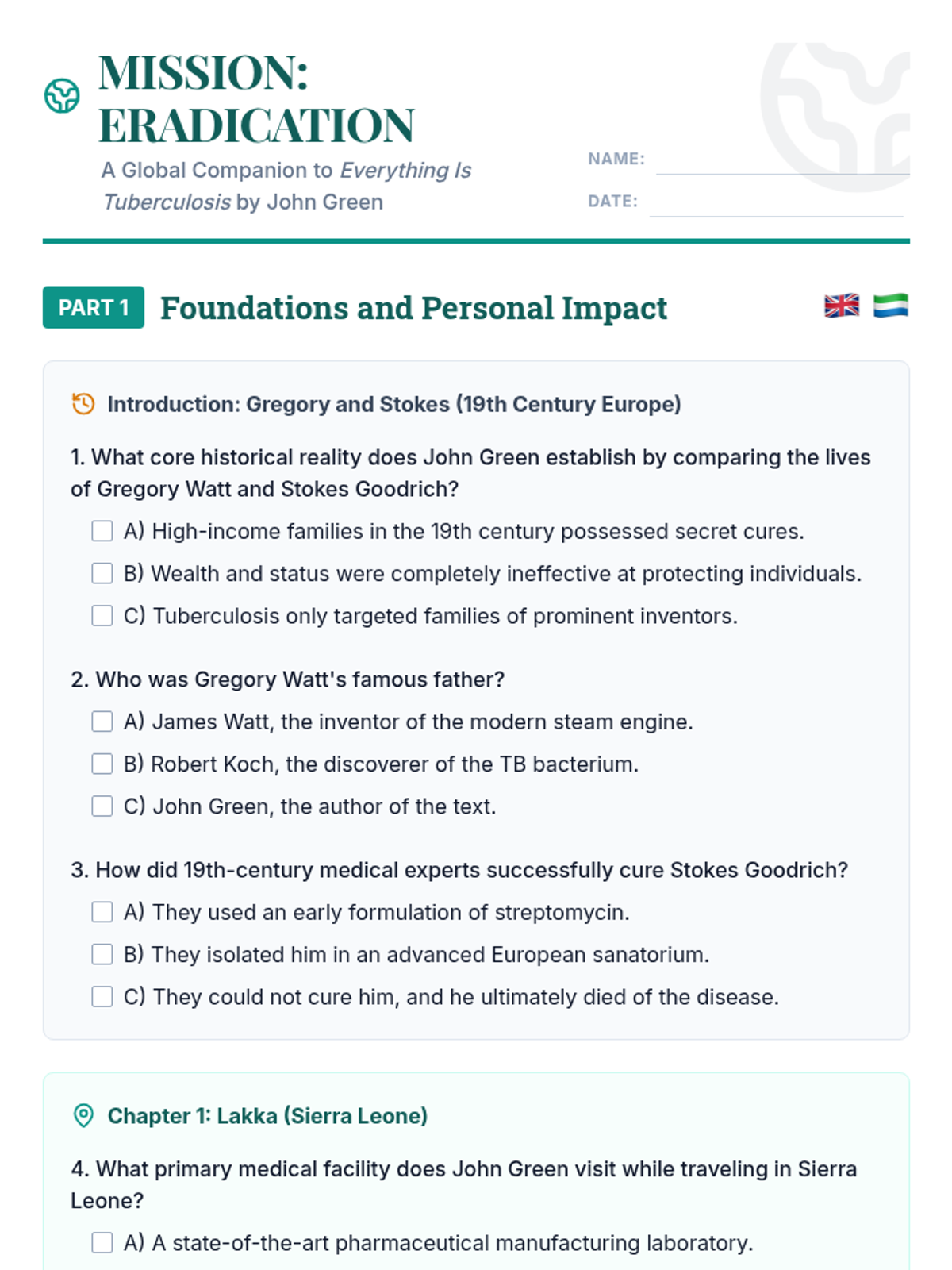
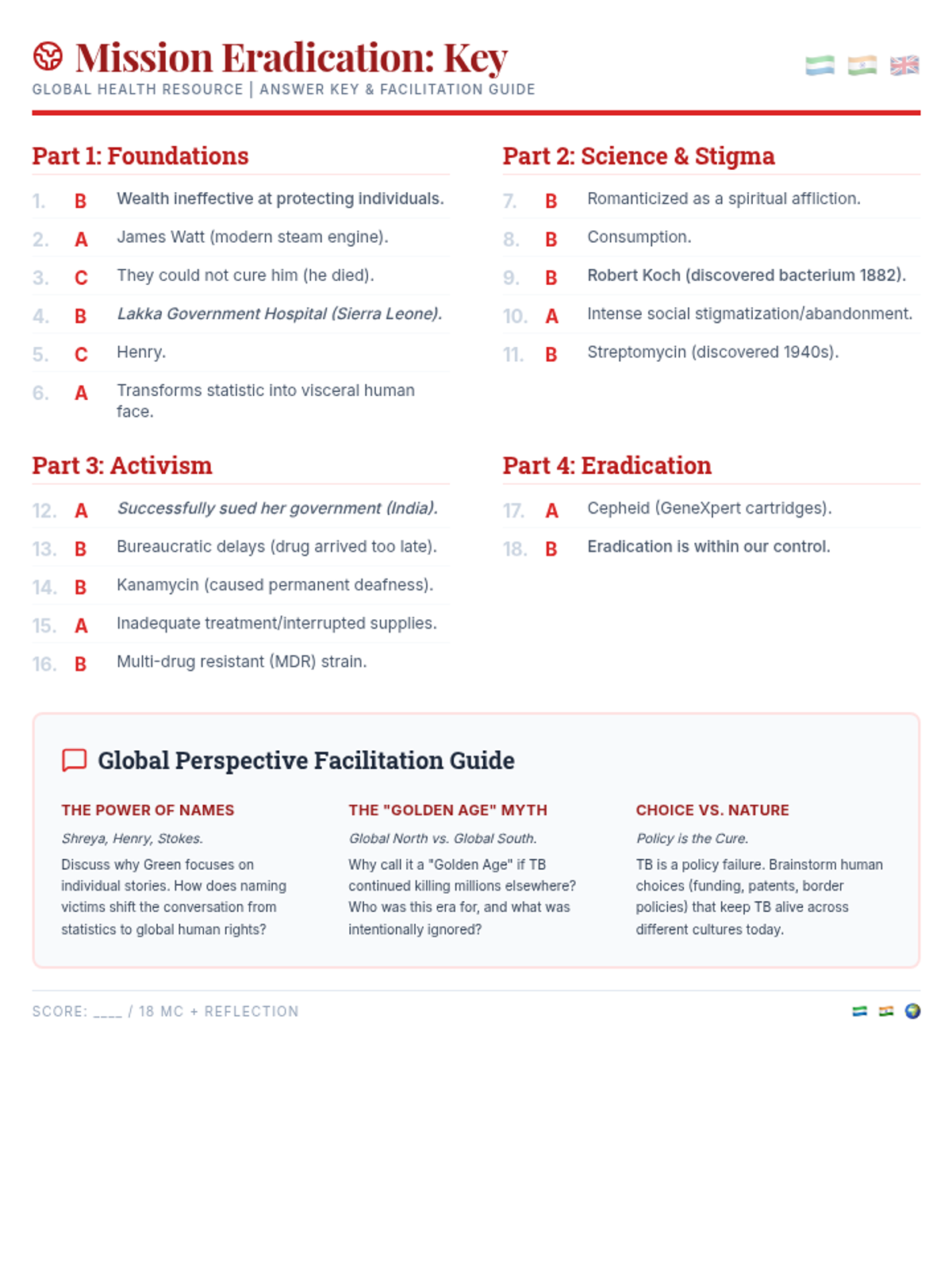
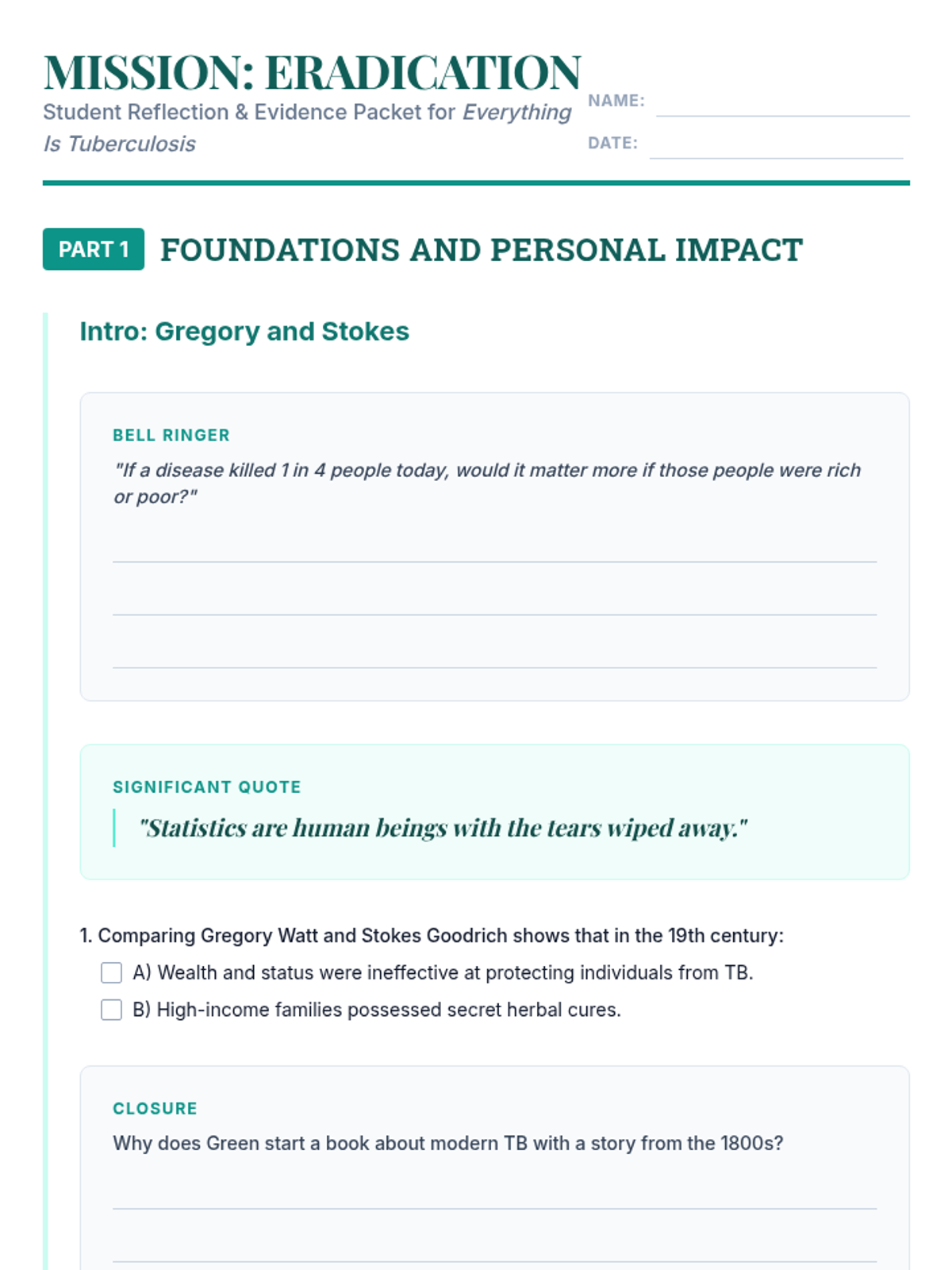
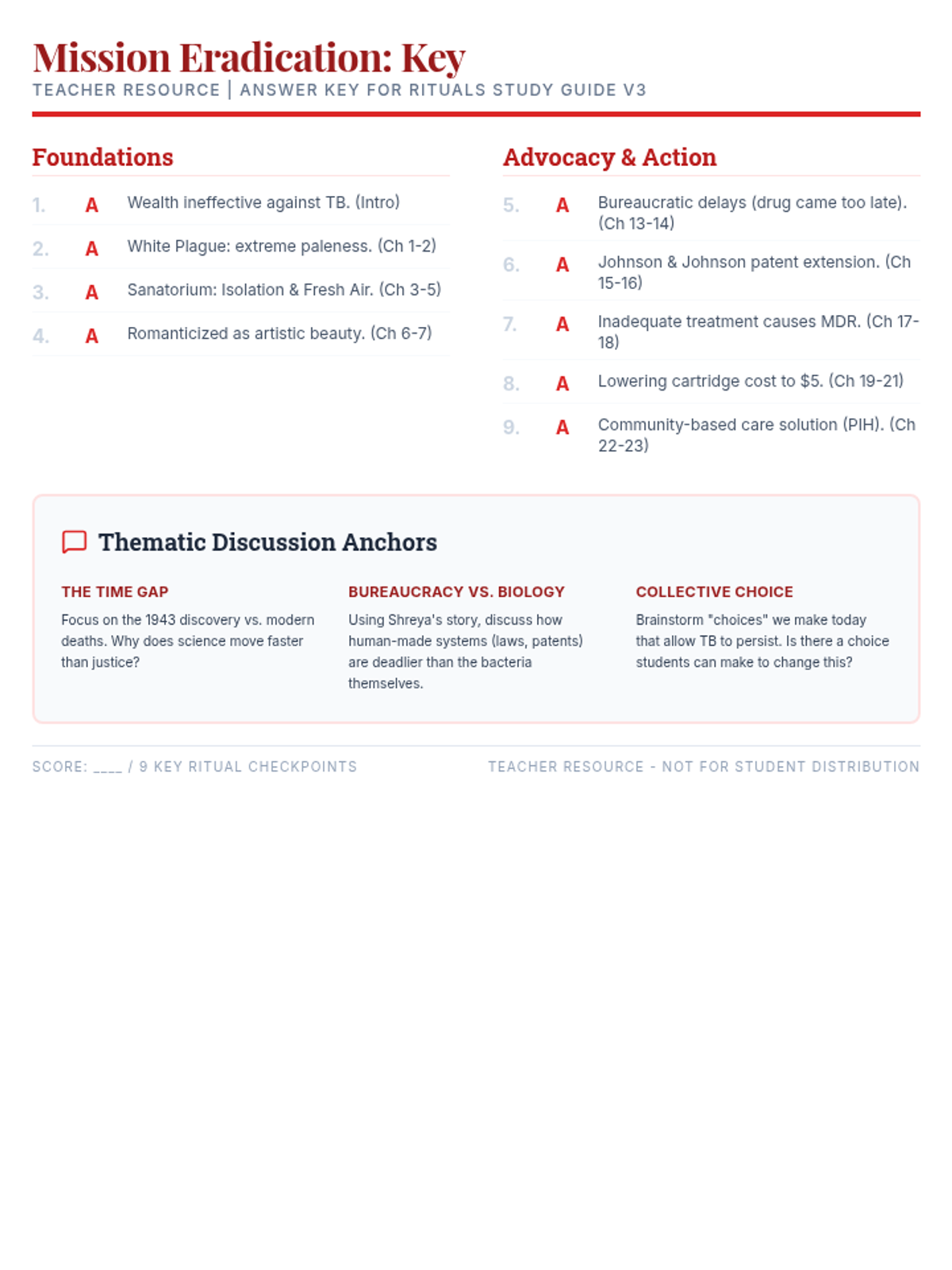
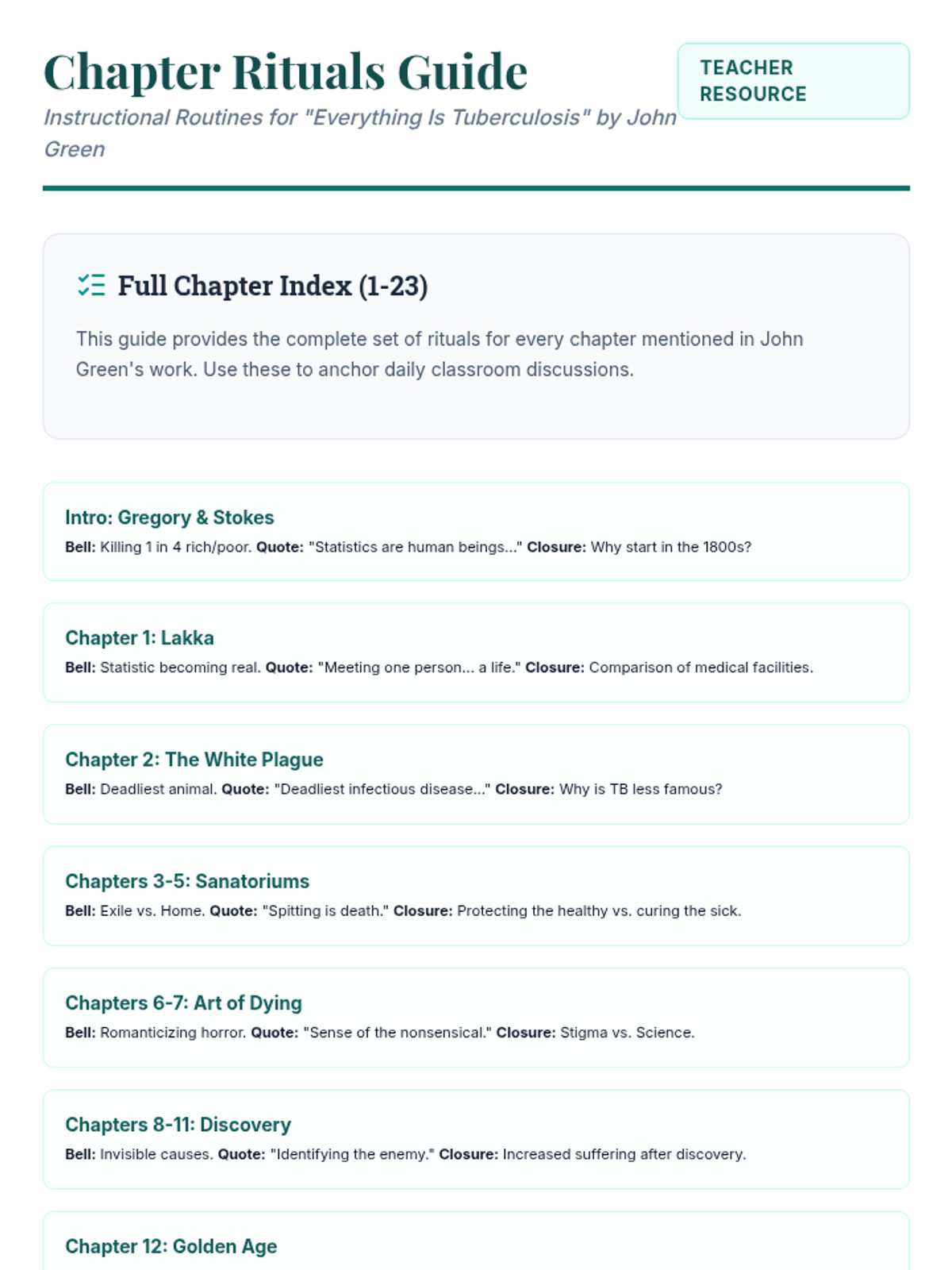
A comprehensive study of John Green's 'Everything Is Tuberculosis', exploring the history, science, and advocacy surrounding the world's deadliest infectious disease. Students will analyze personal narratives, scientific discovery, and global health equity.
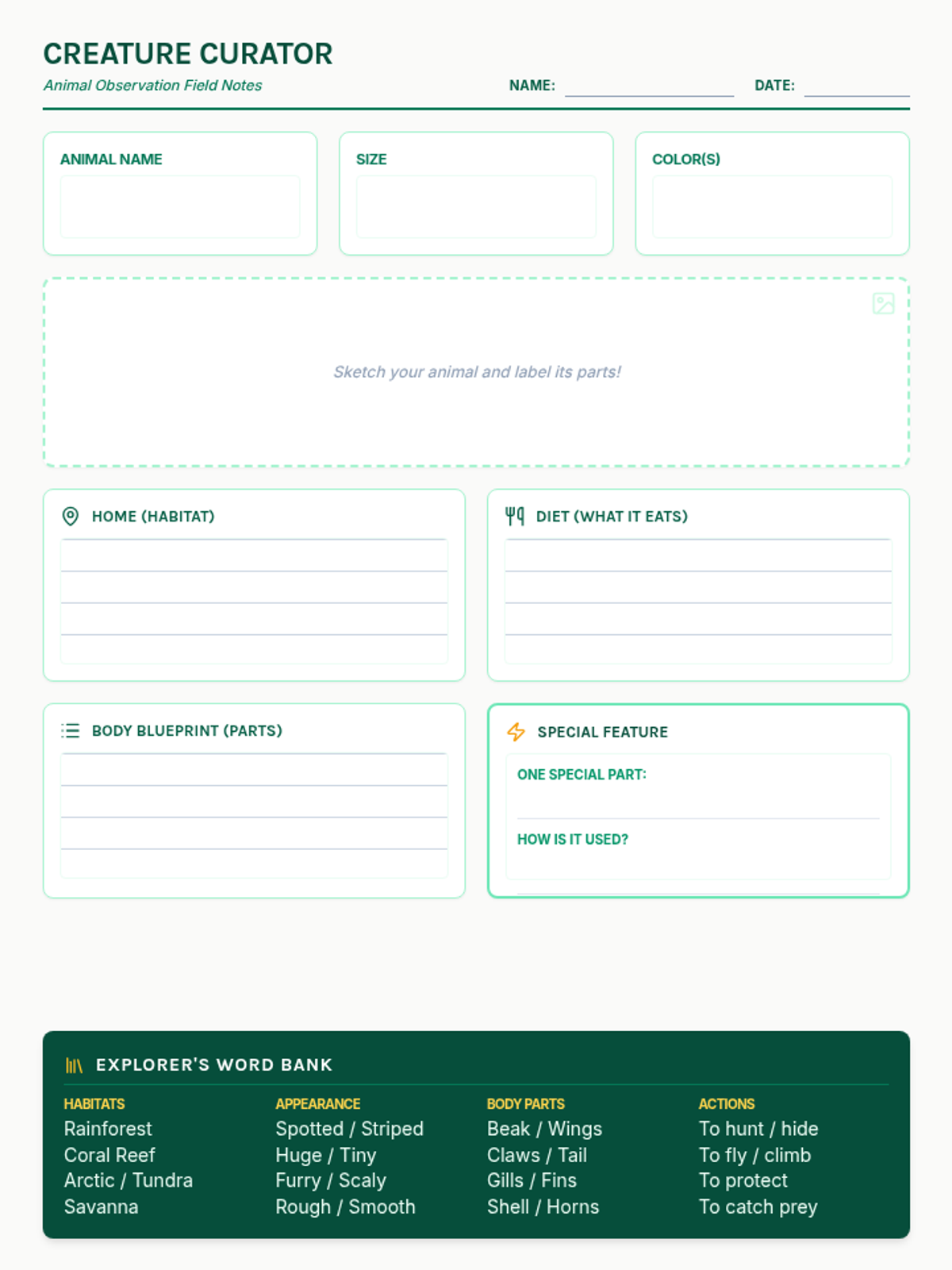
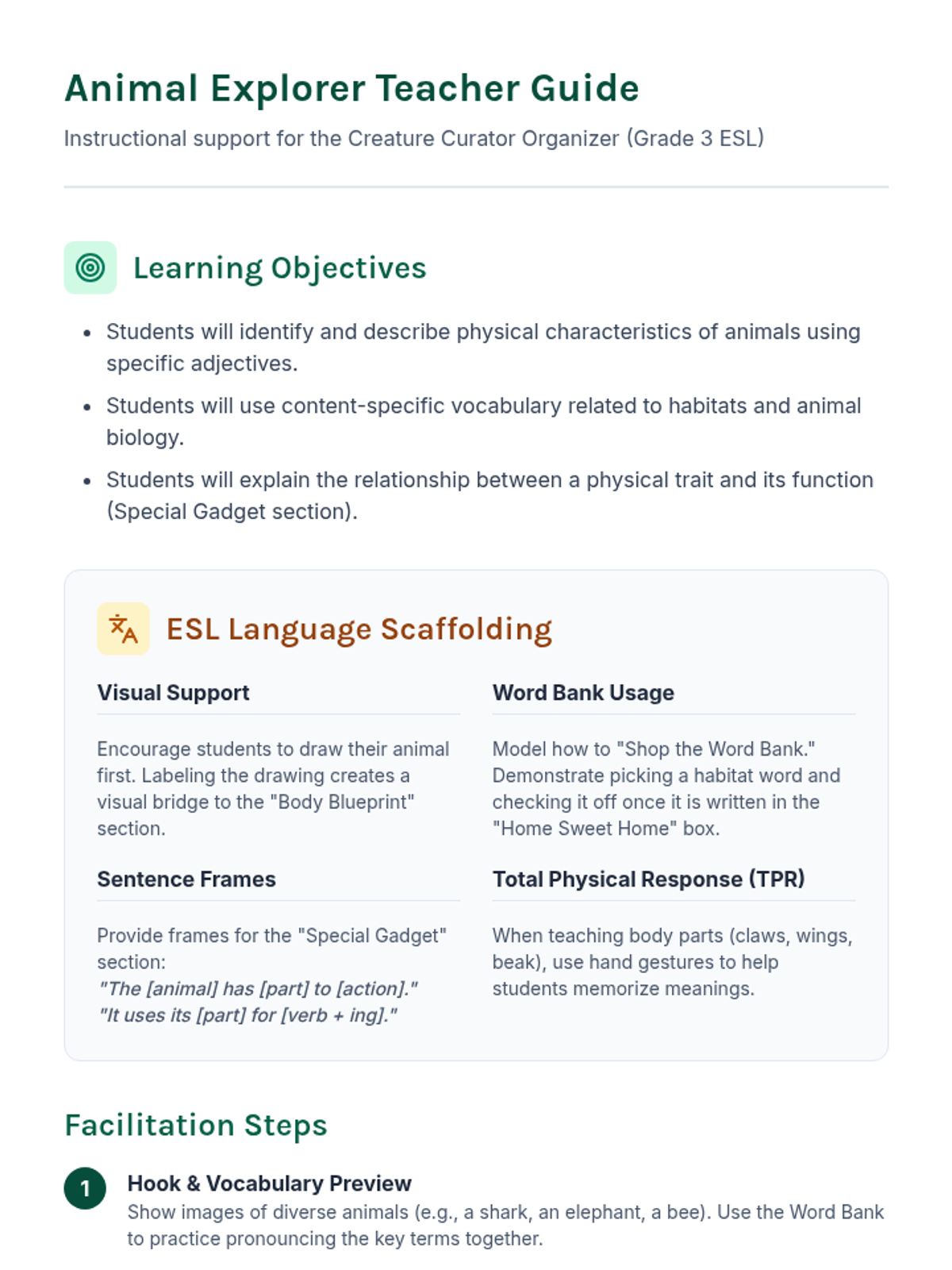
A lesson focused on descriptive language and scientific inquiry where students research and describe an animal using a detailed graphic organizer. It specifically supports ESL learners with categorized word banks and structured prompts.
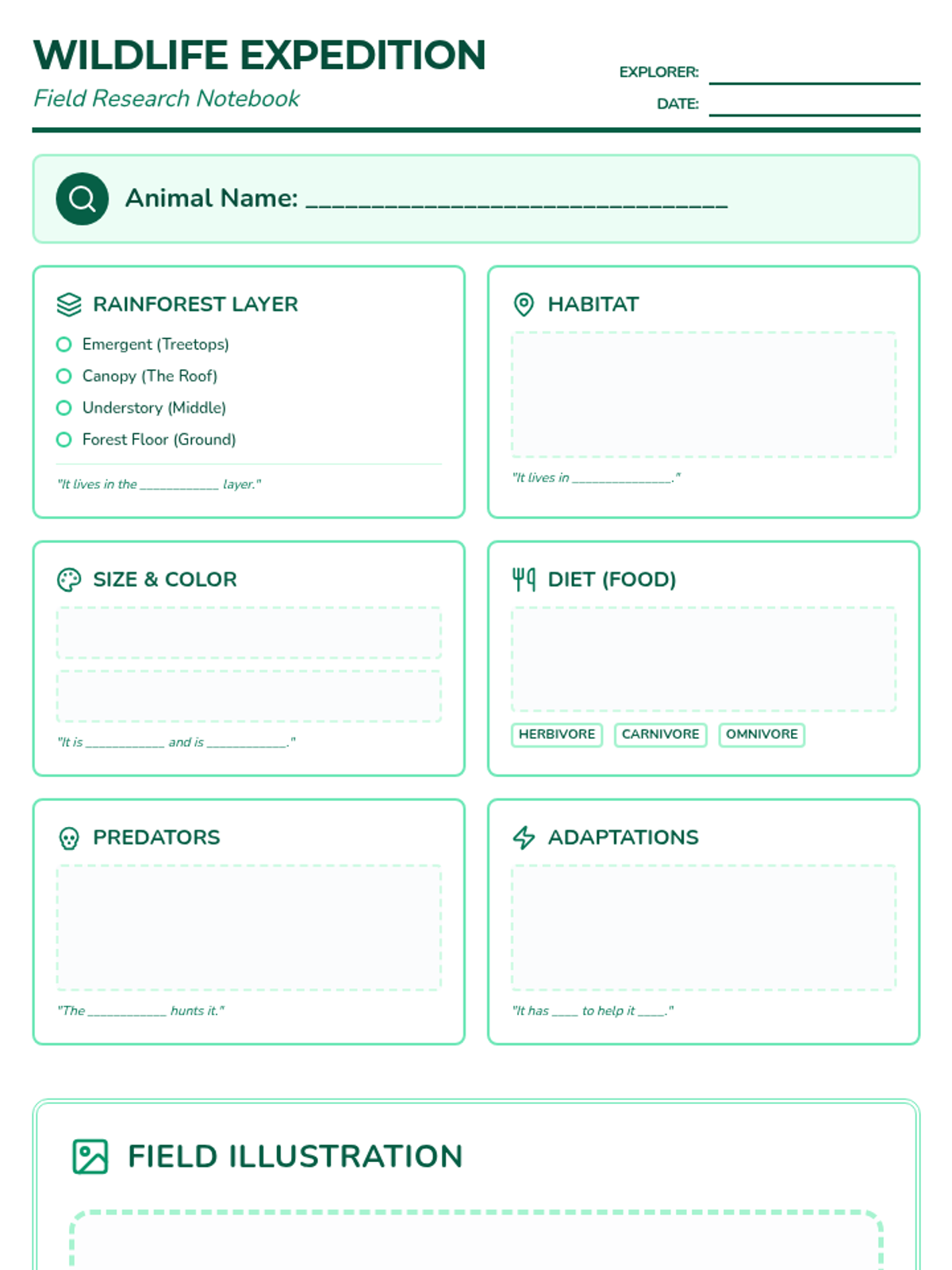
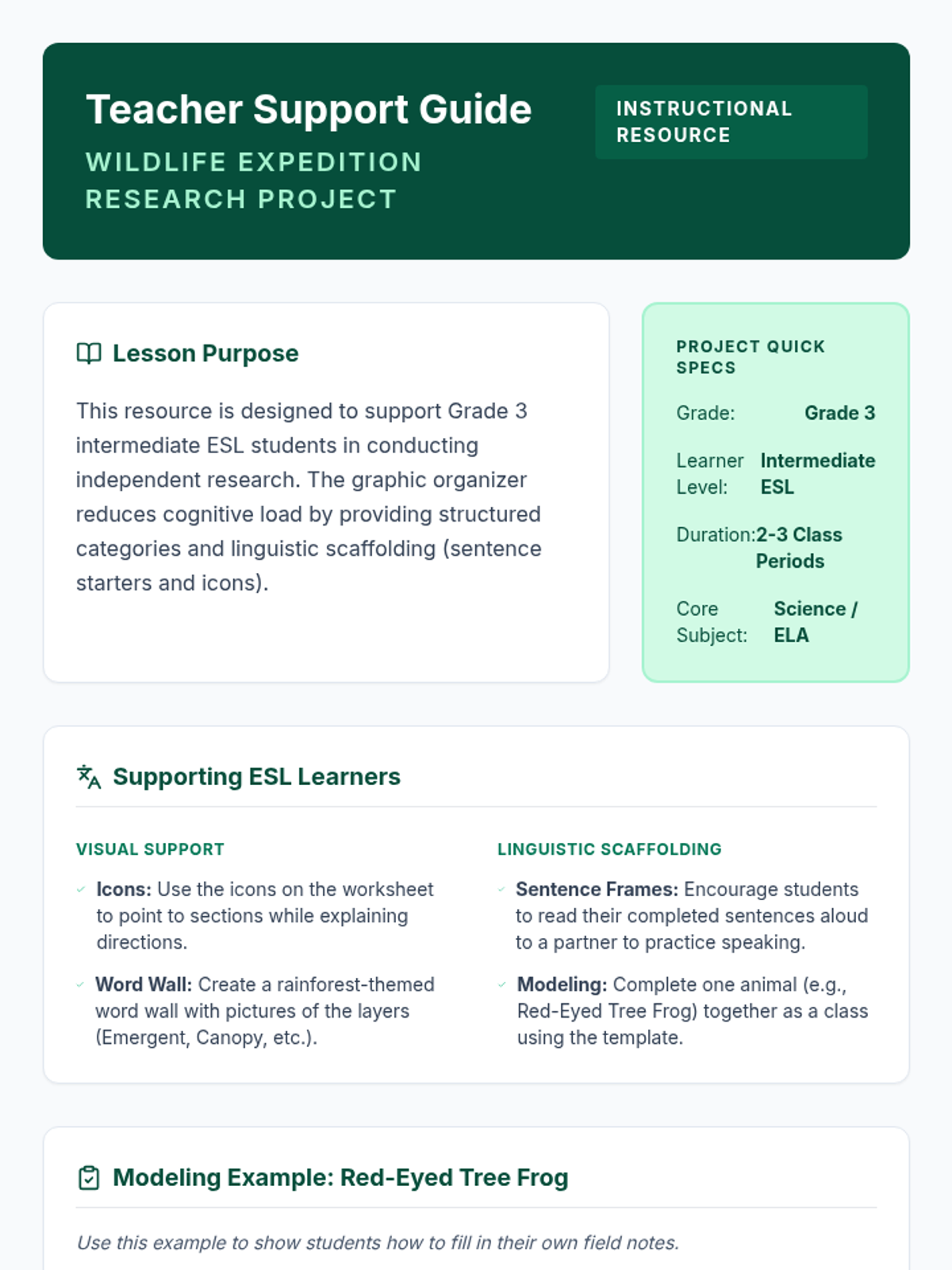
A research-focused lesson where students learn to identify and record key information about rainforest animals using a scaffolded graphic organizer designed for intermediate ESL learners.
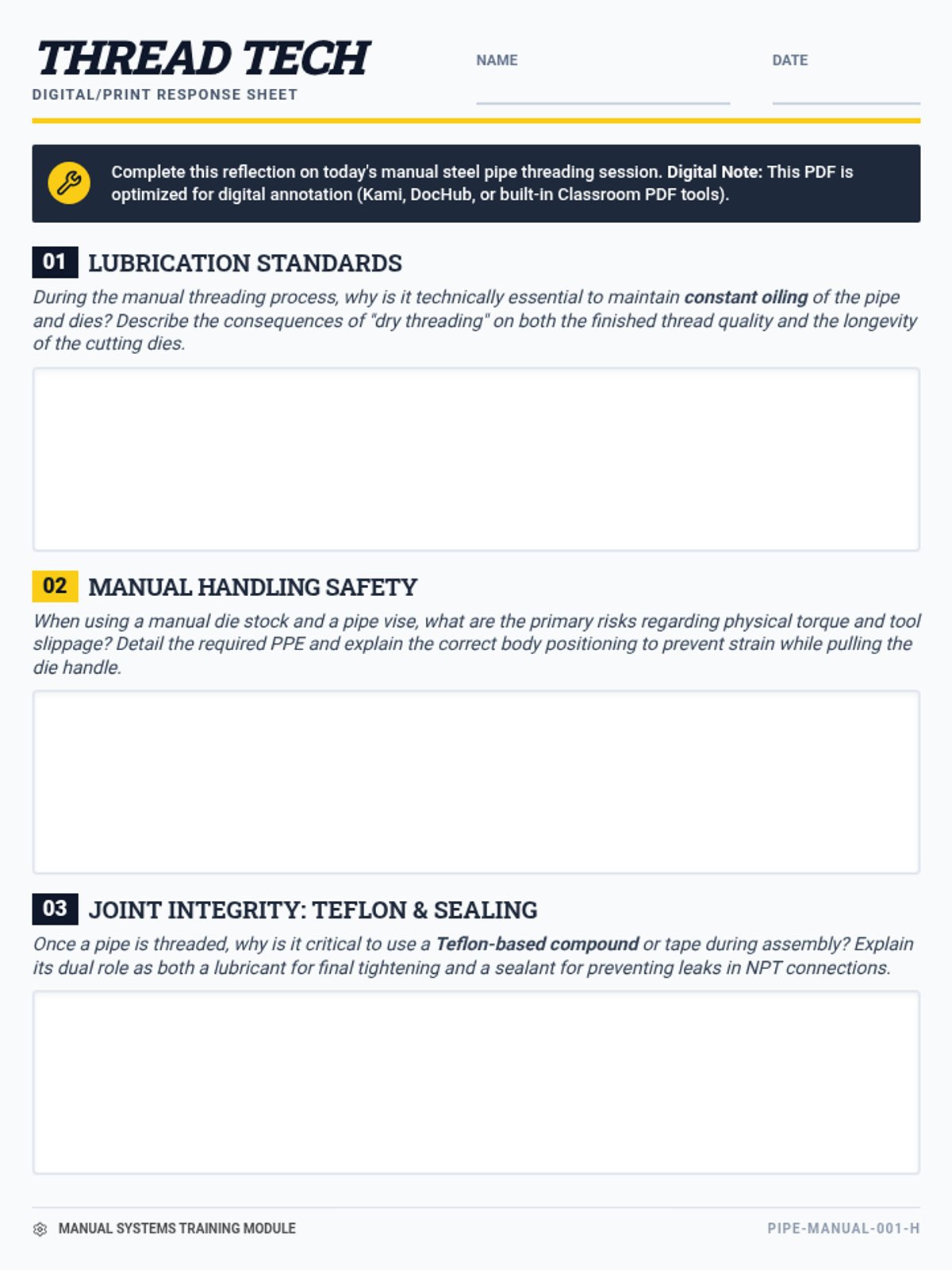
This lesson covers the essential steps, safety protocols, and practical reflections required for beginner steel pipe threading. Students will articulate their understanding of the mechanical process and safety requirements.
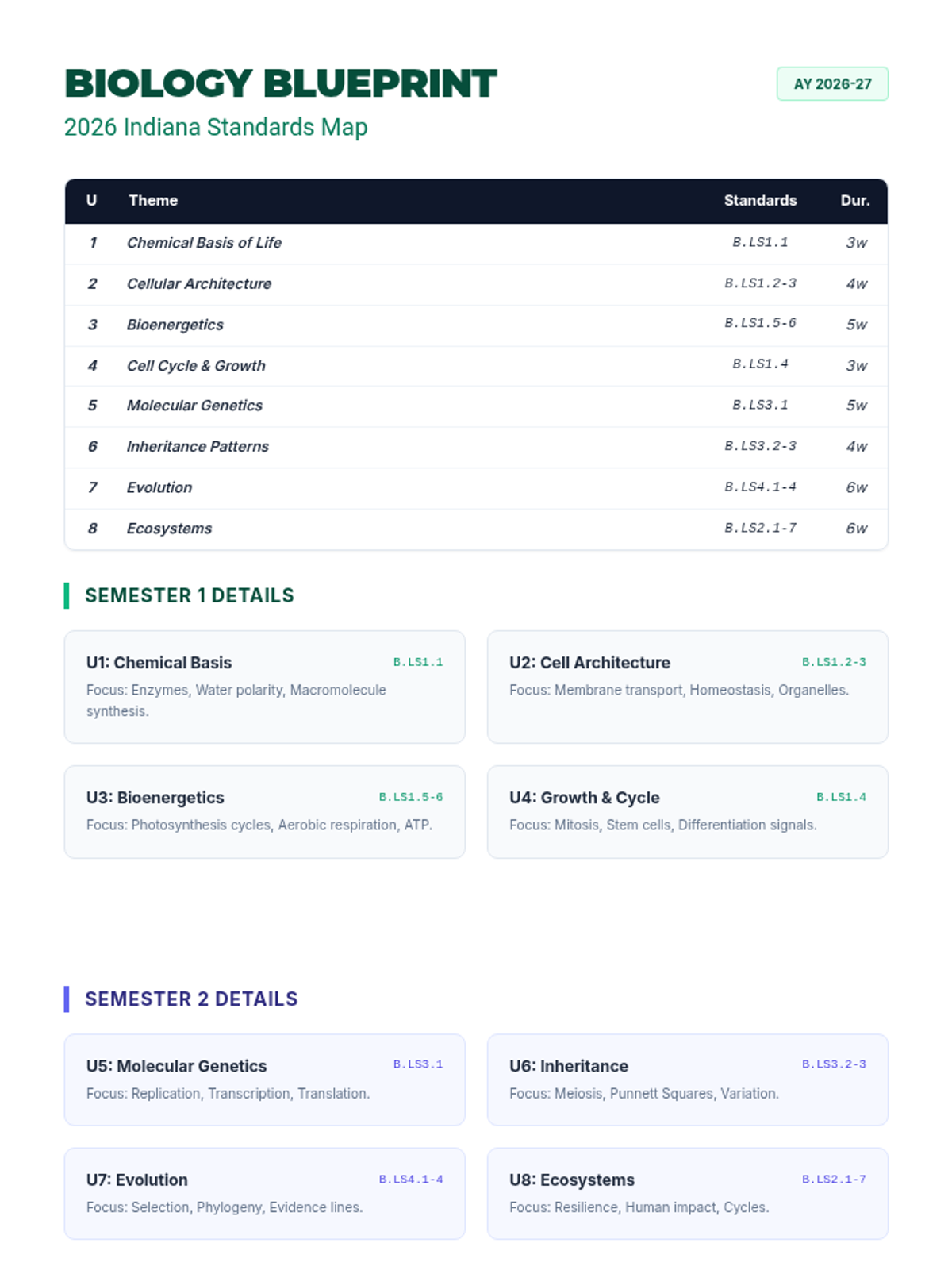
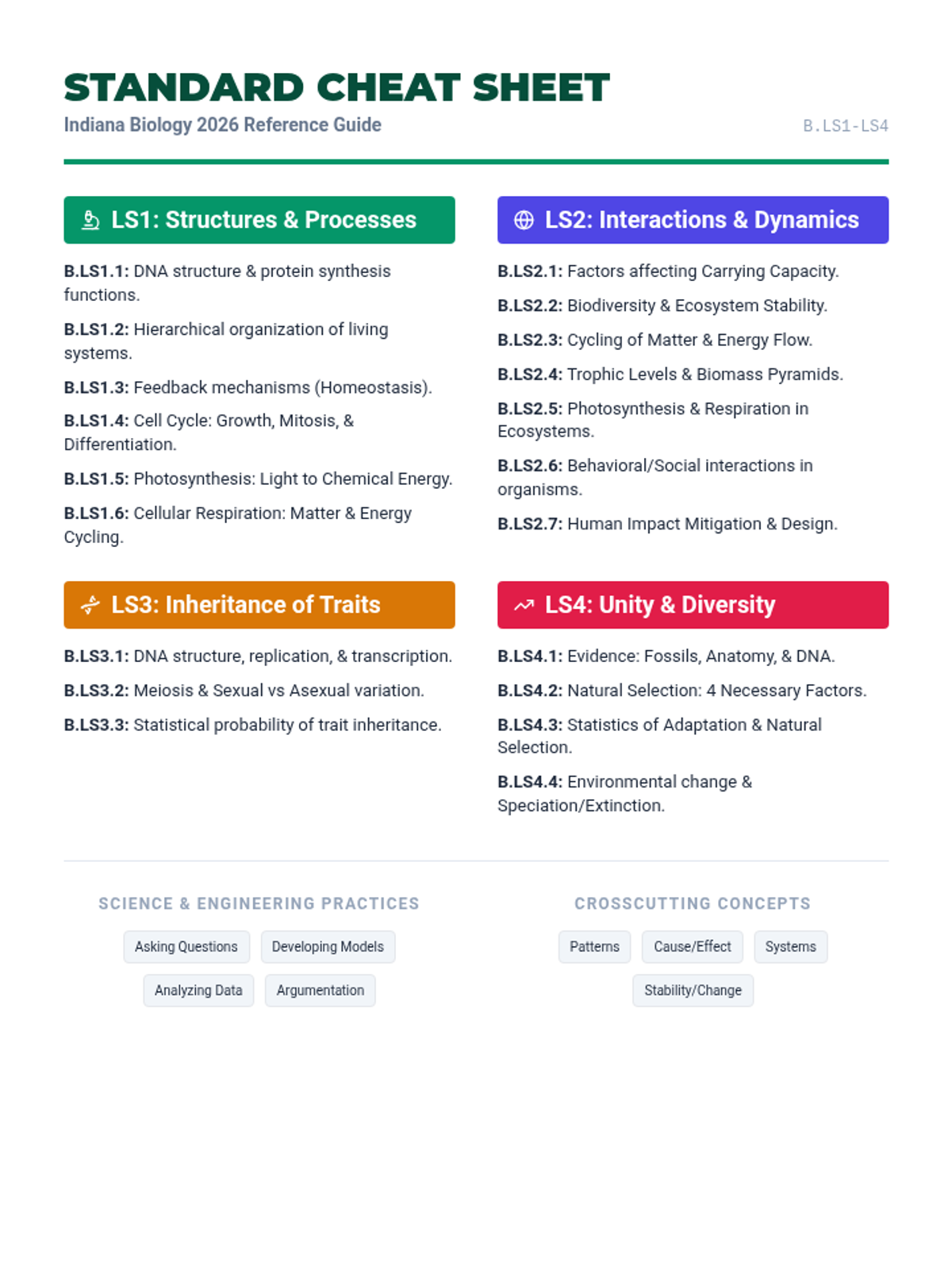
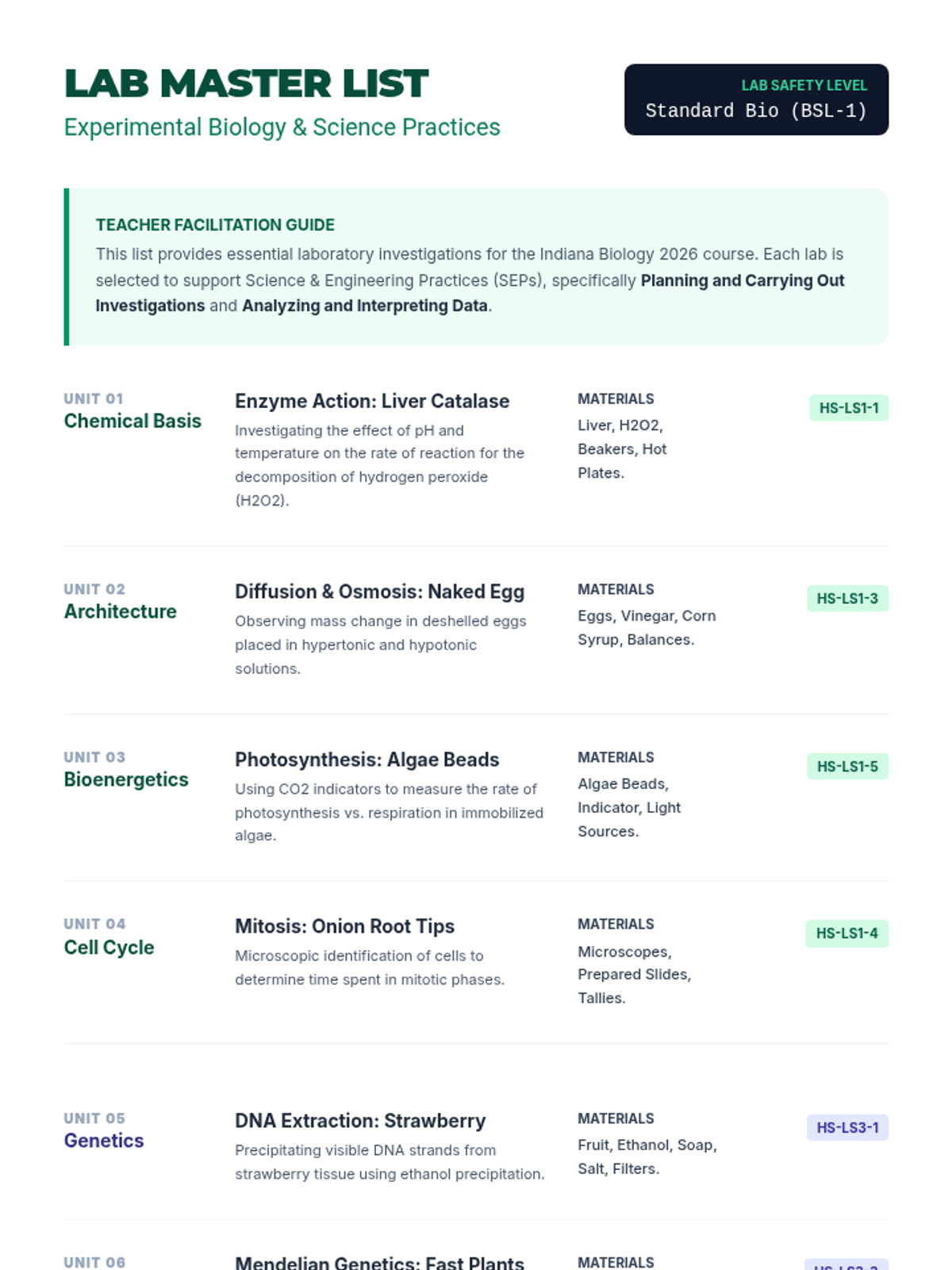
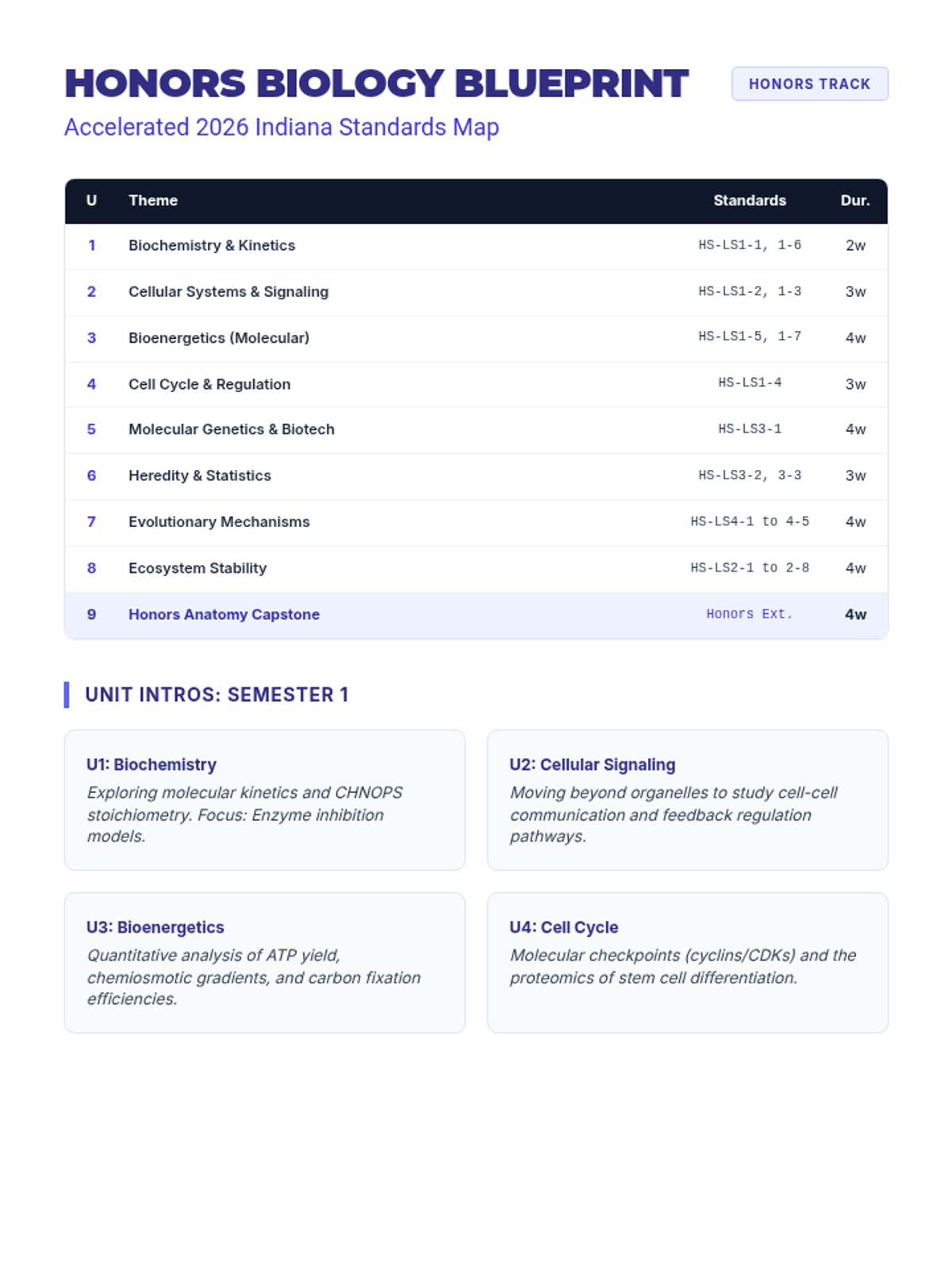
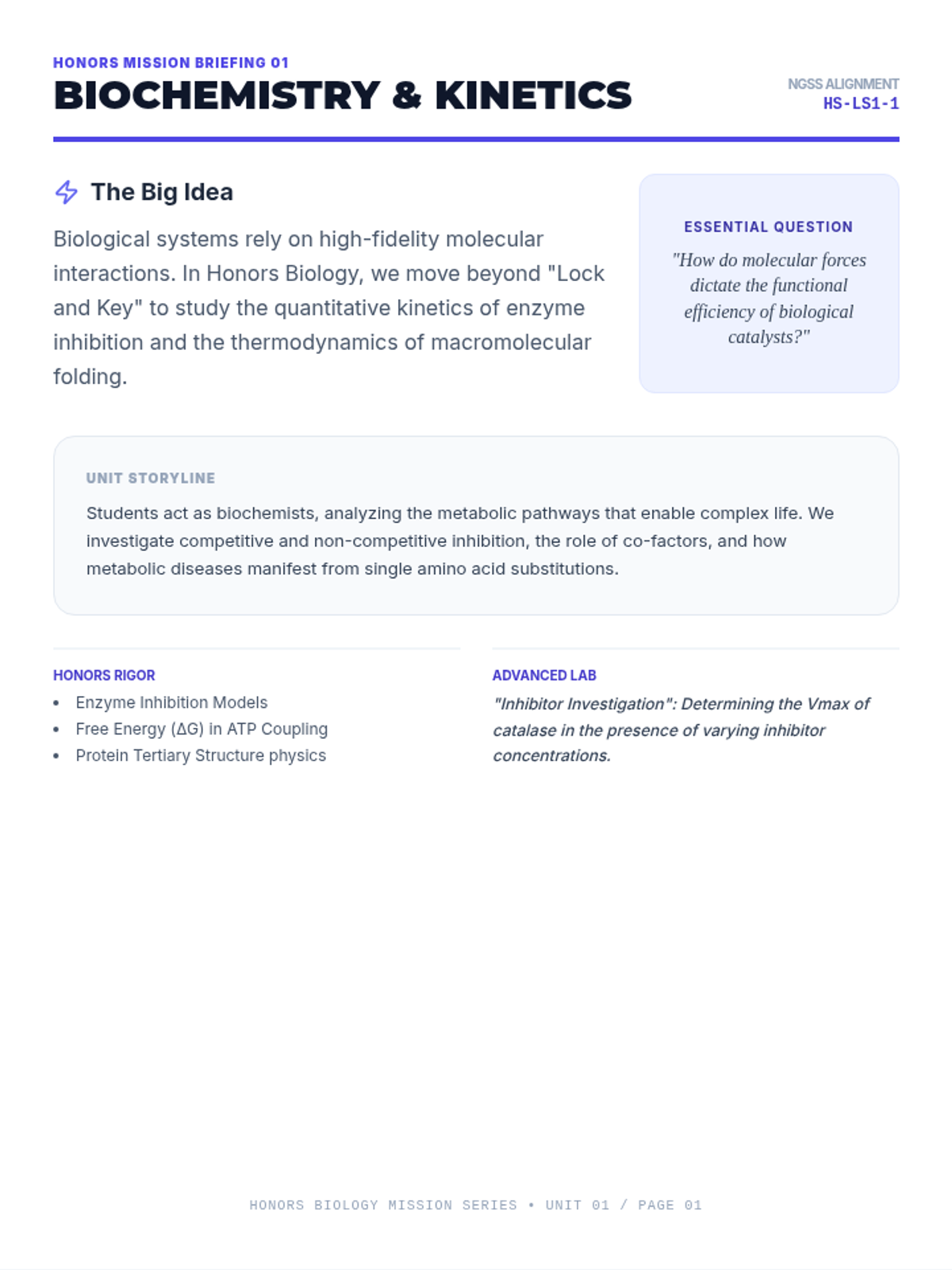
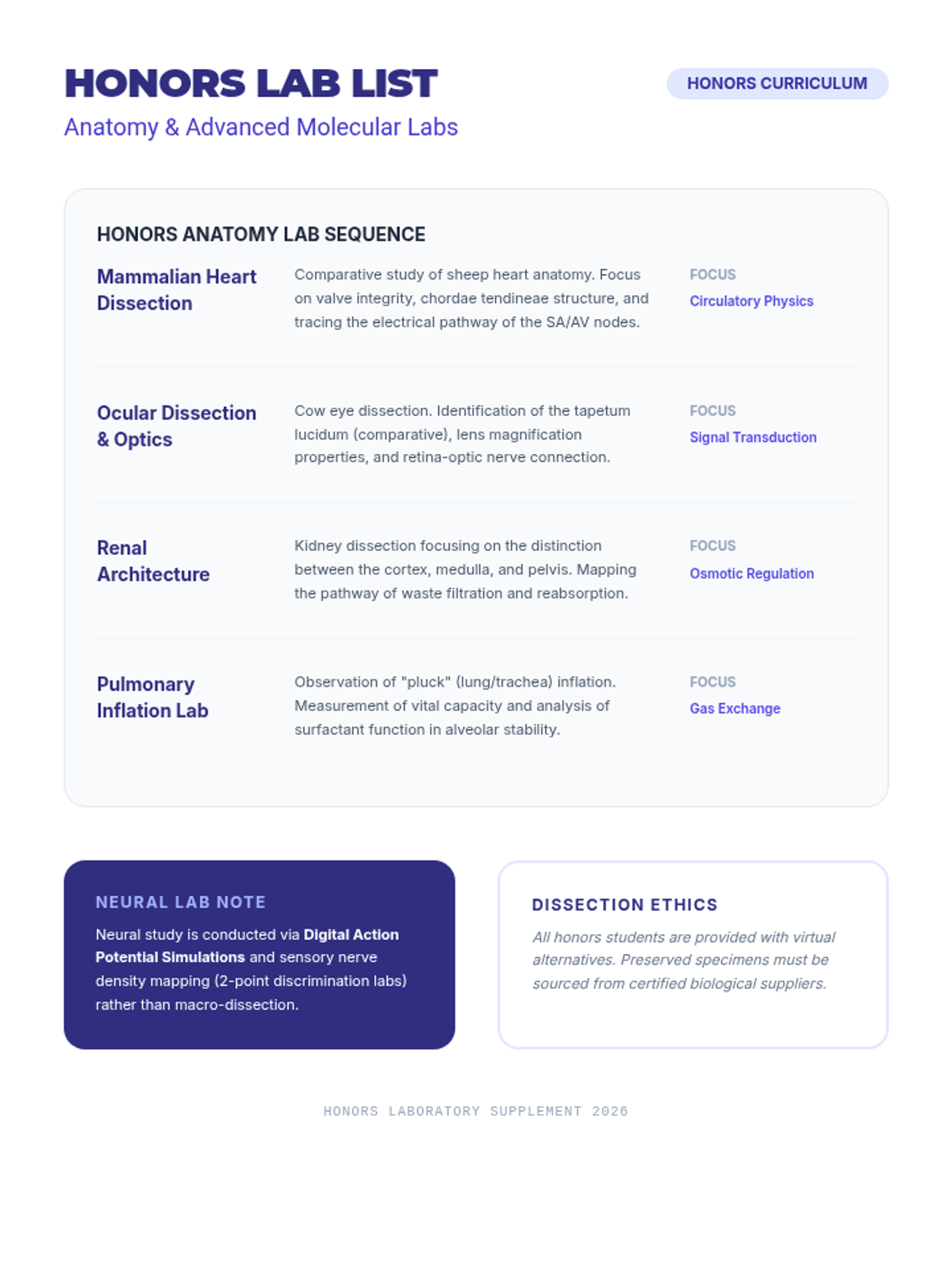
A comprehensive year-long curriculum map and planning guide for high school biology based on the 2026 Indiana Academic Standards.
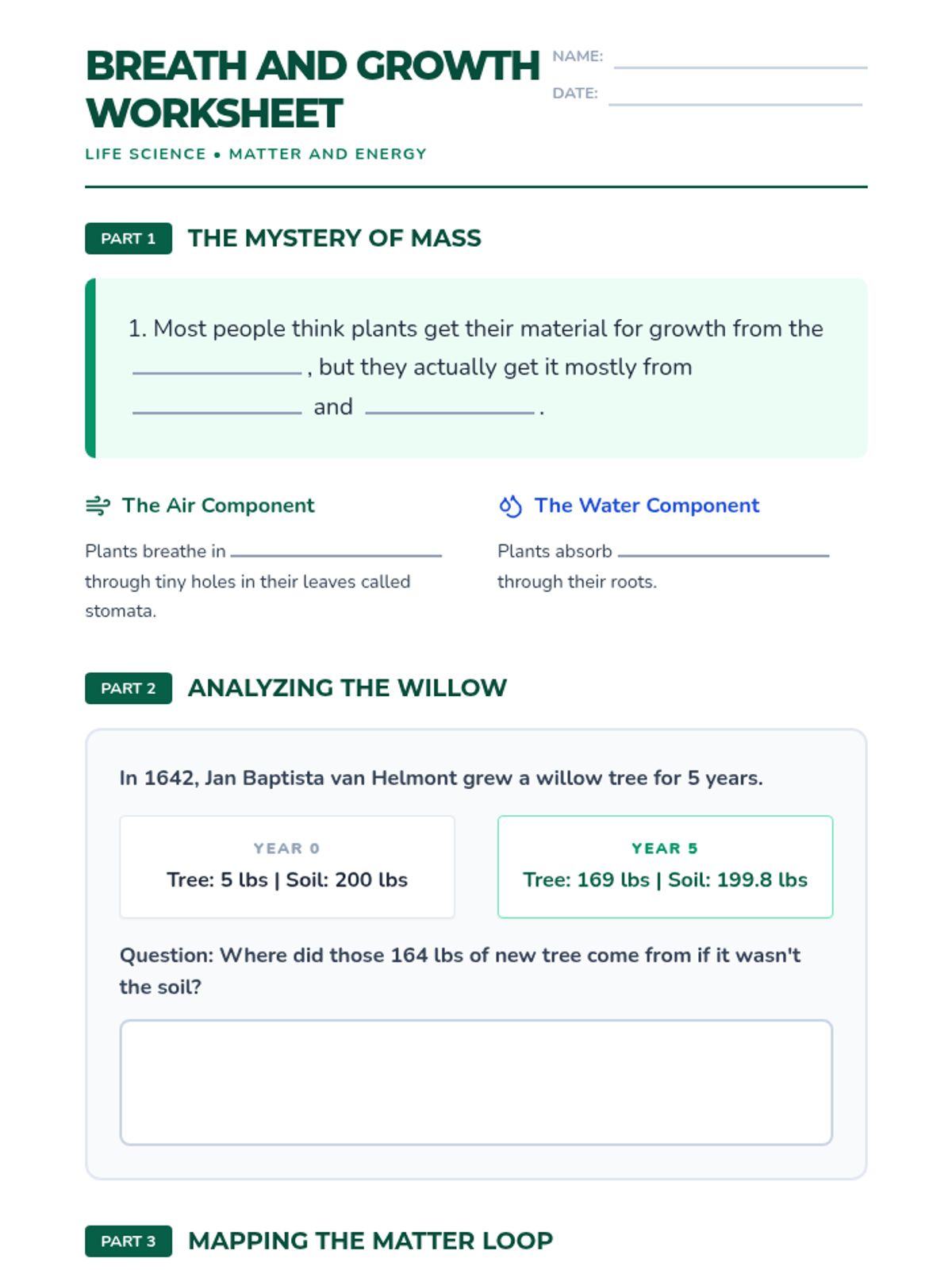
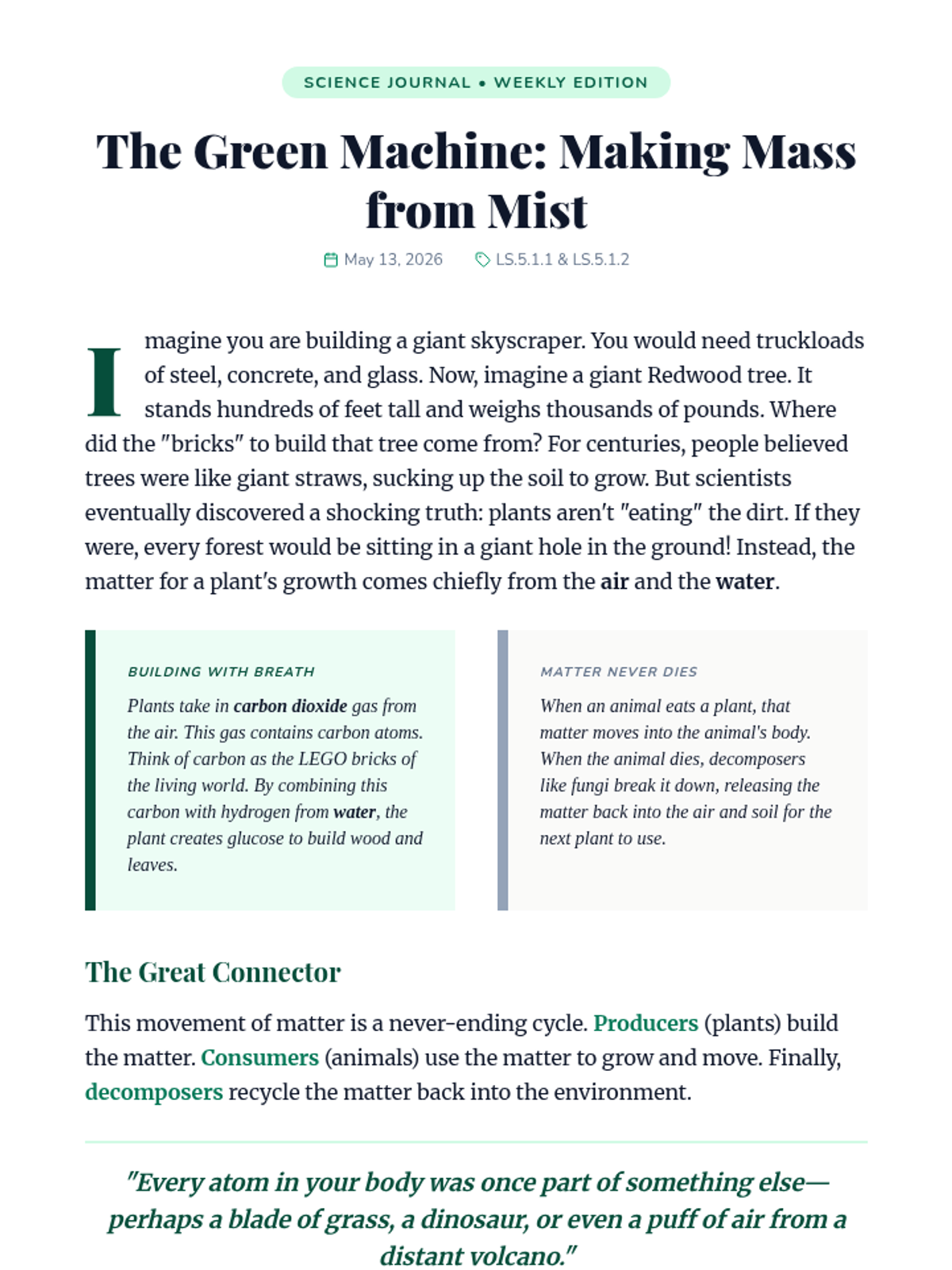
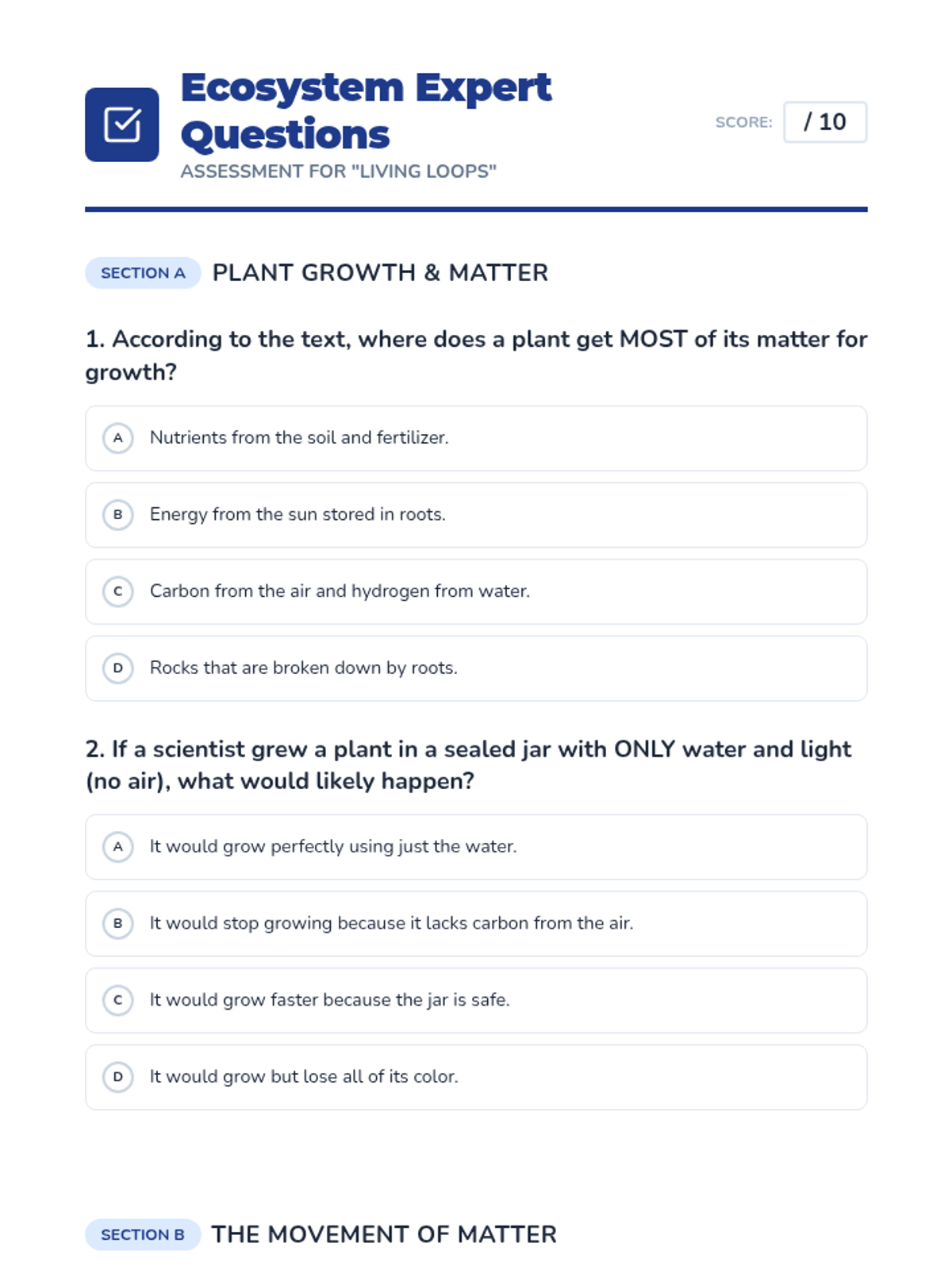
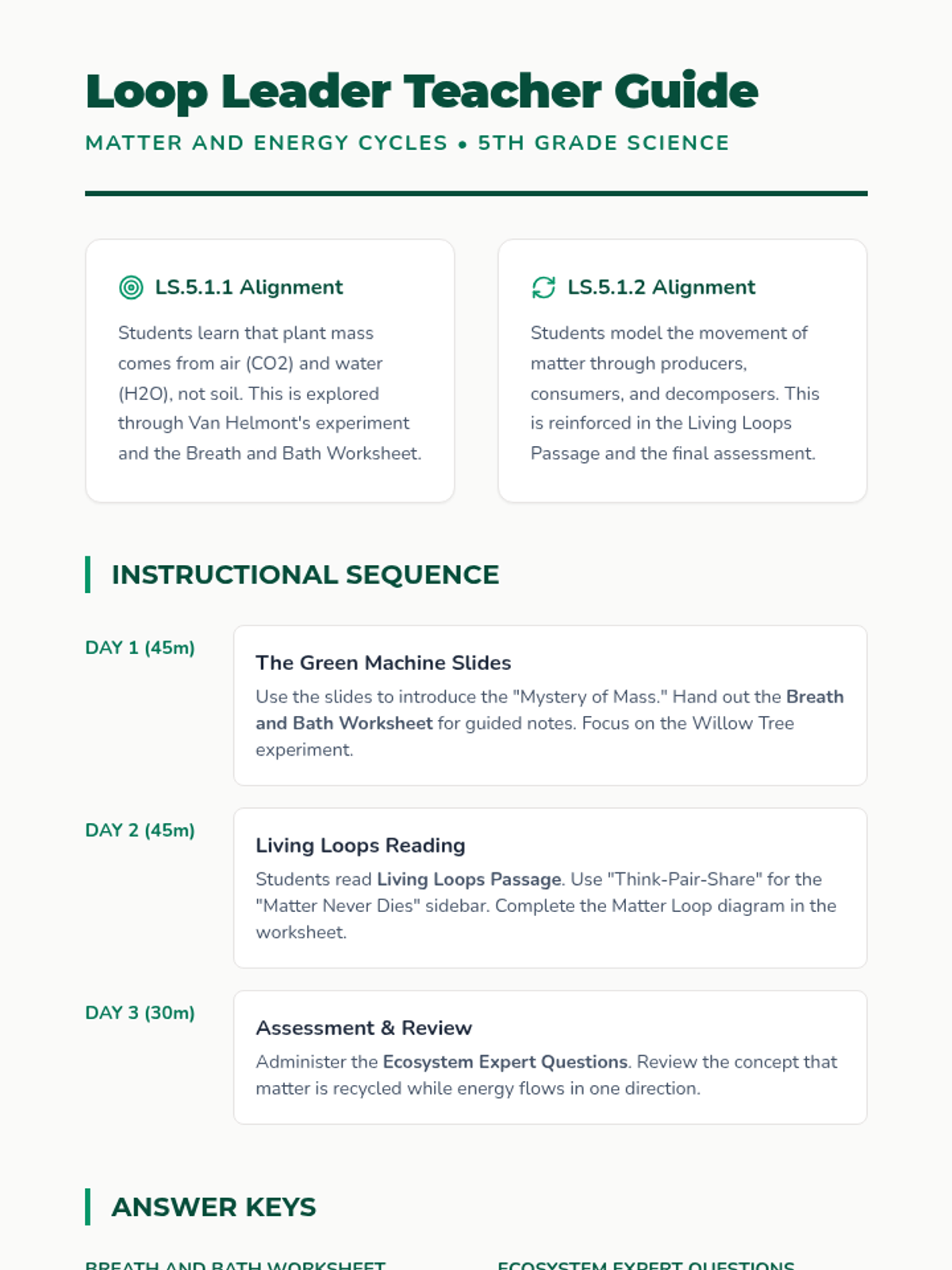
Investigate the surprising sources of plant growth and track the movement of matter from the sun and soil through food webs.
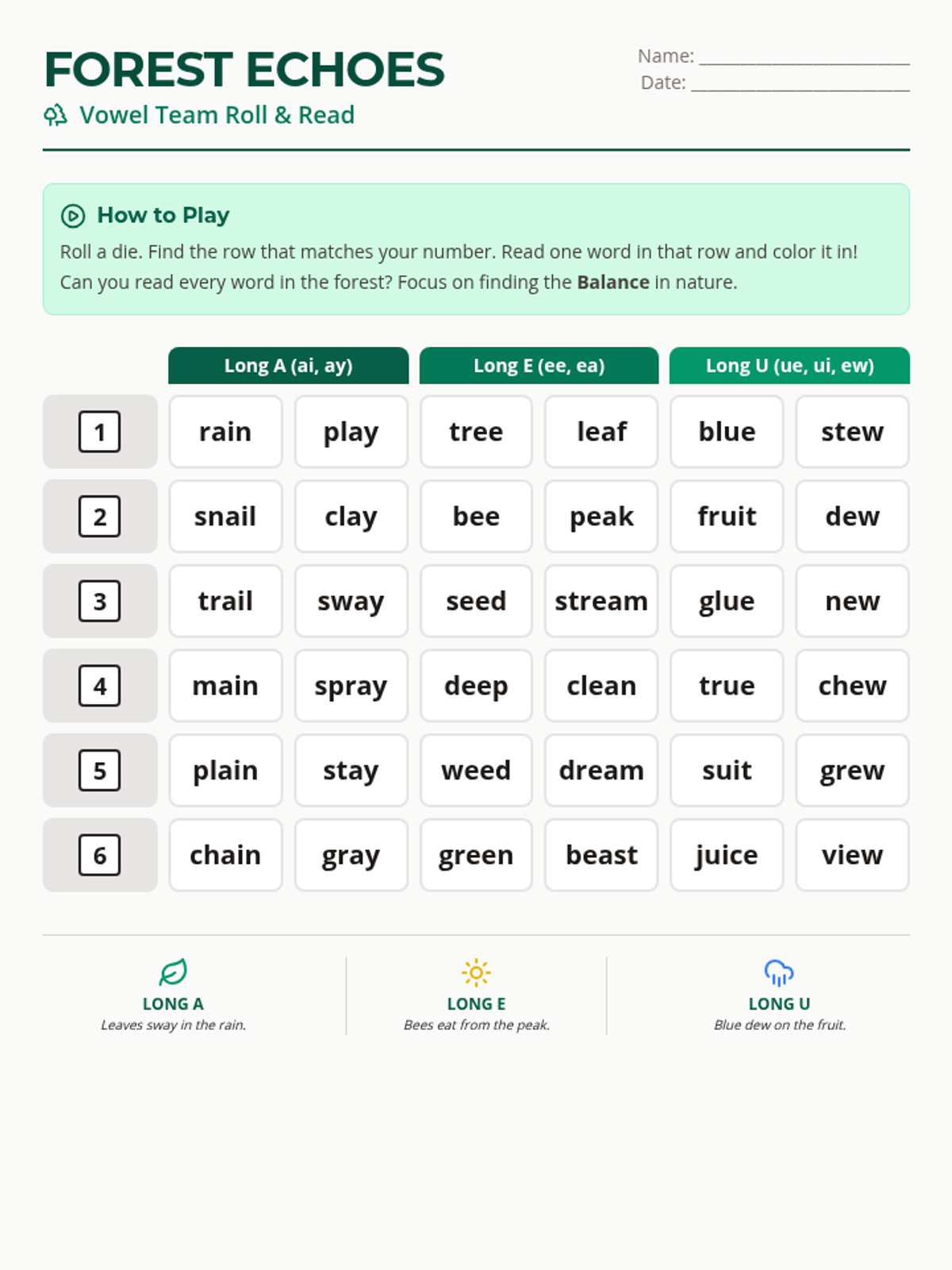
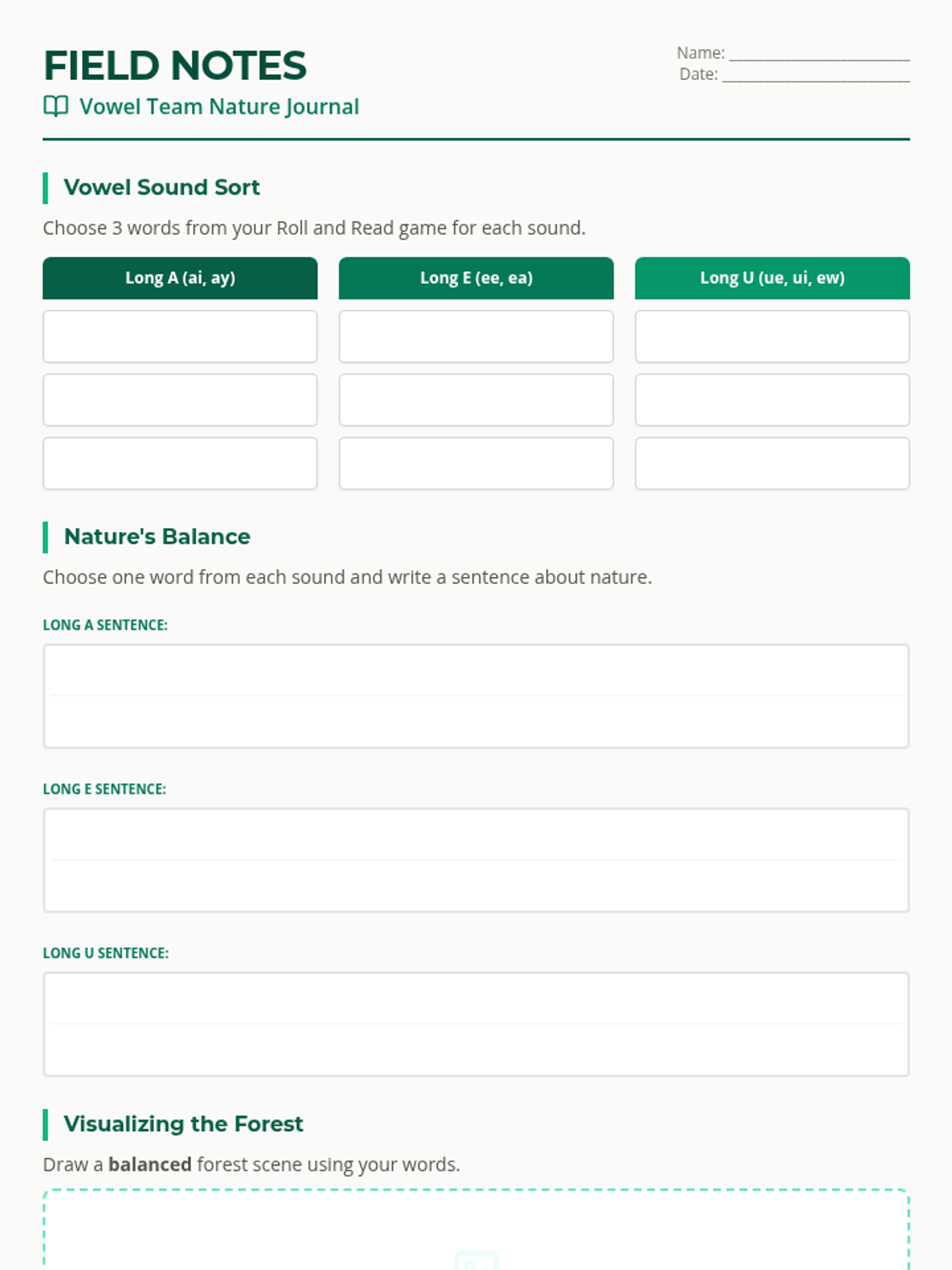
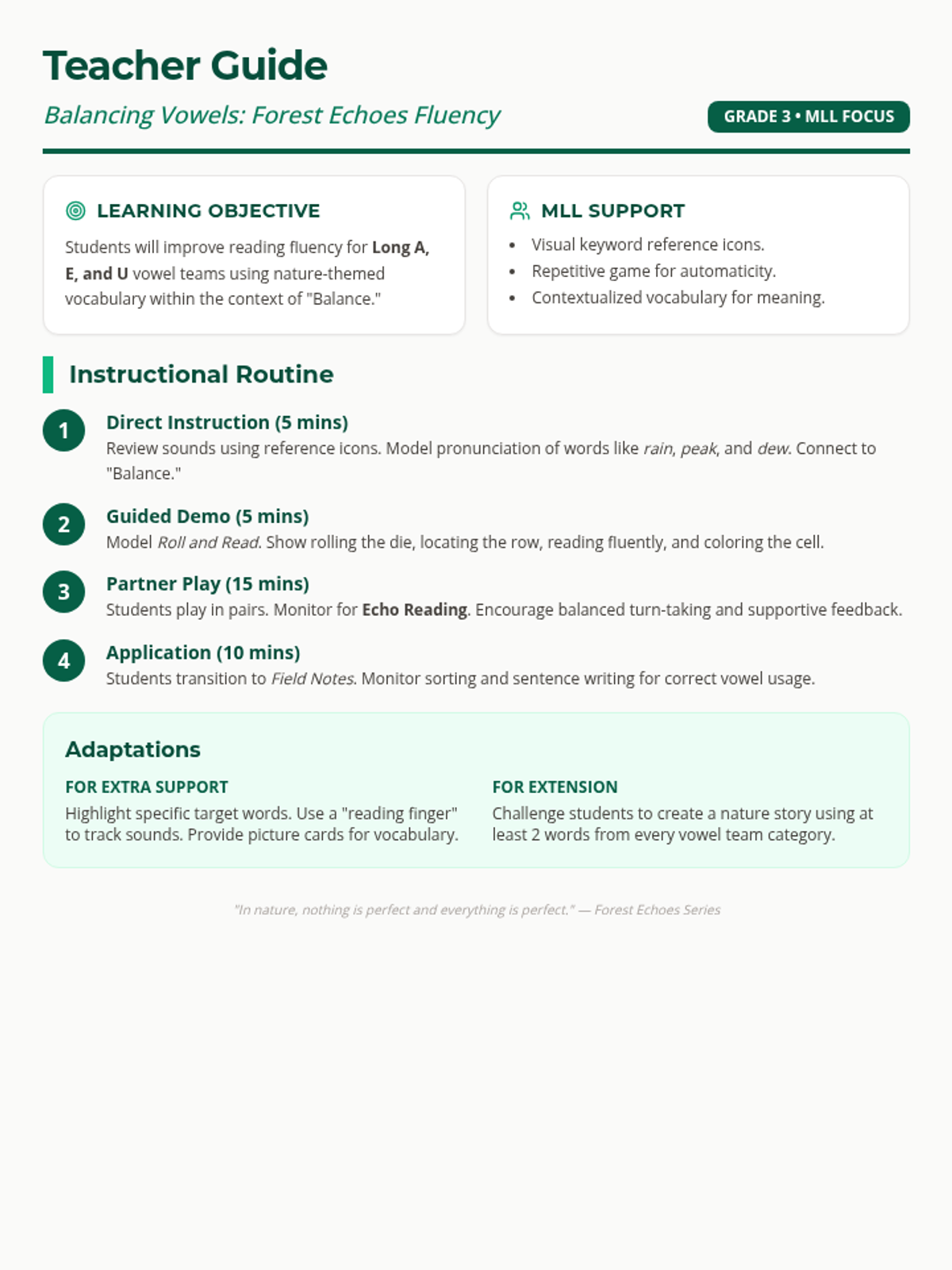
A lesson focused on building reading fluency and phonics mastery of Long A, E, and U vowel teams through nature-themed interactive games and recording activities.