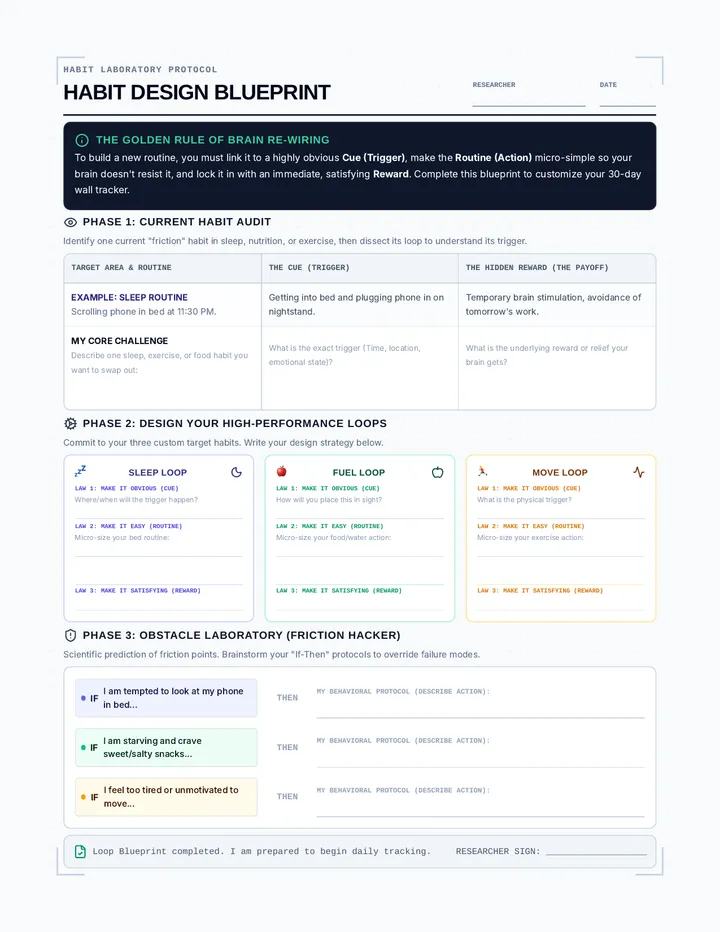
Students synthesize their learning into a personalized routine that optimizes energy and performance without the need for substances.
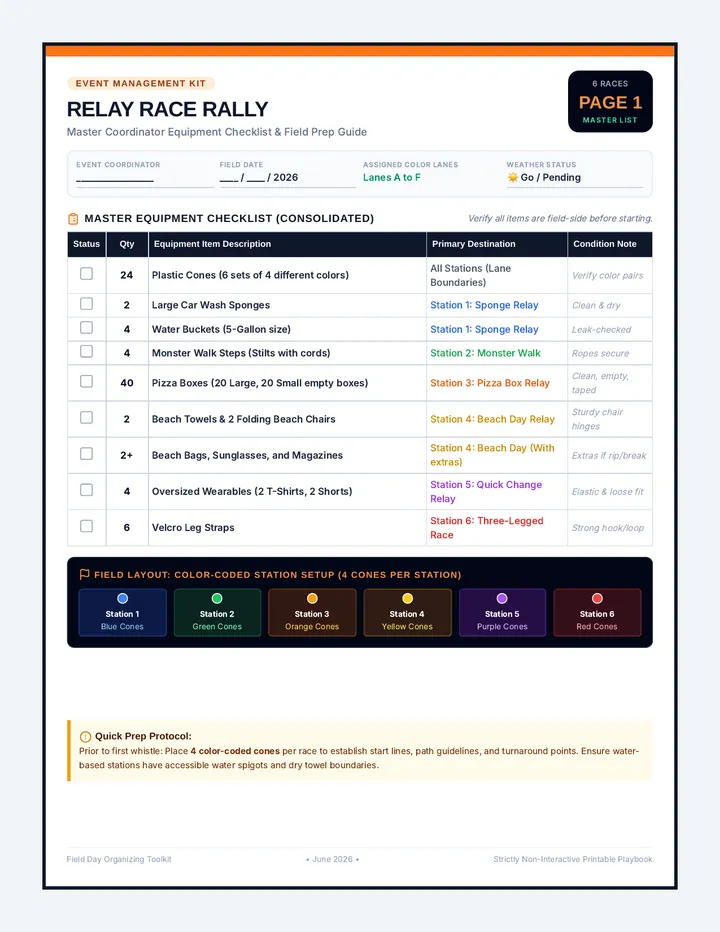
A comprehensive coordination and volunteer guide for organizing six classic Field Day relay races. This resource provides parent volunteers with clear setup diagrams, simplified rules, and a master clipboard inventory to ensure a smooth, high-energy event.
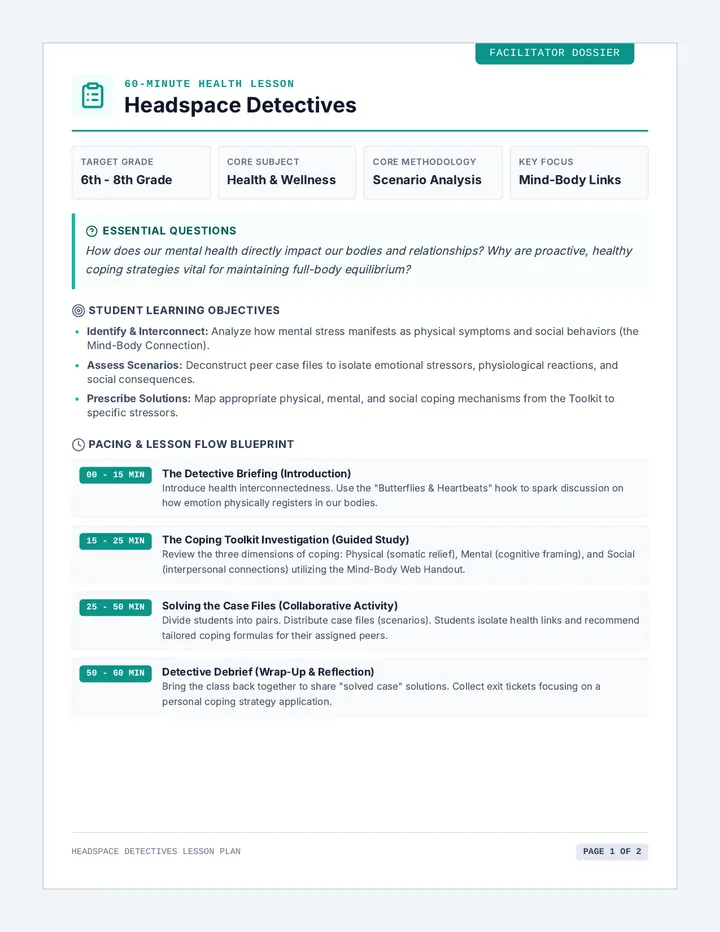
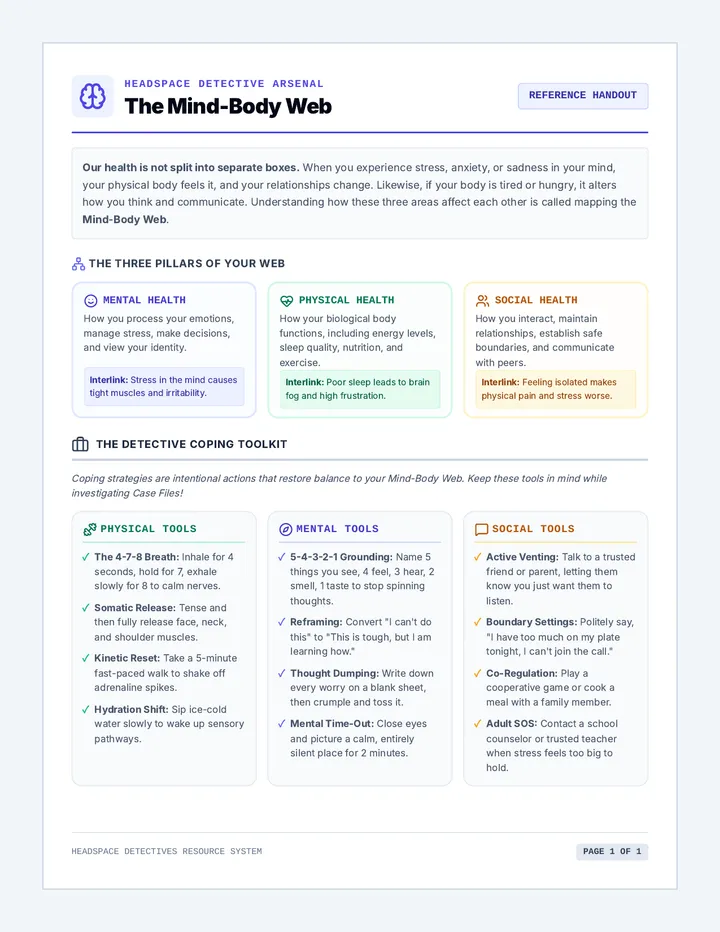
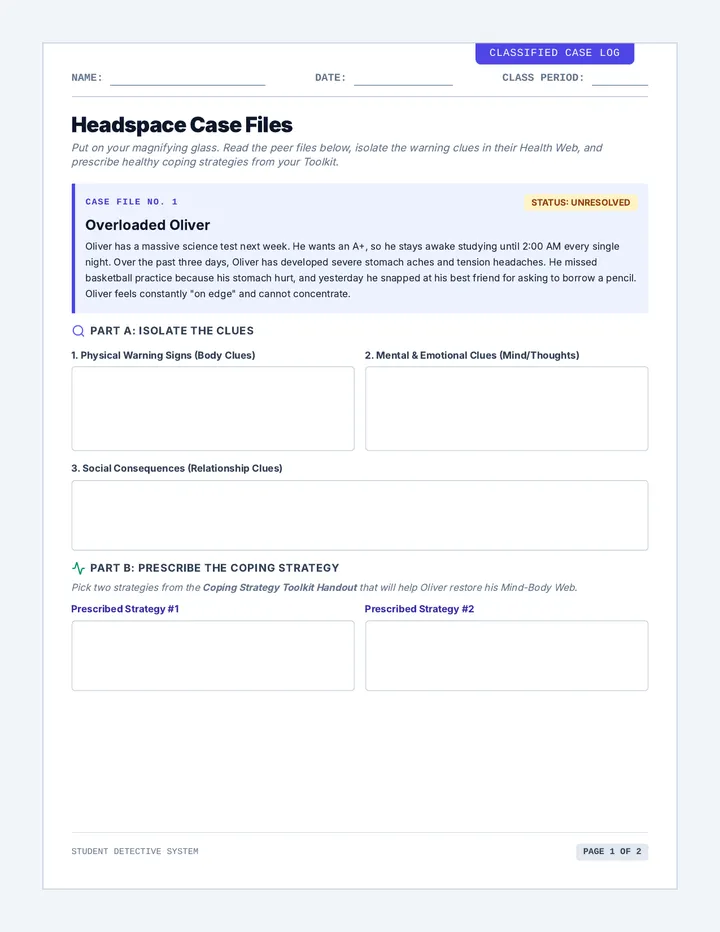
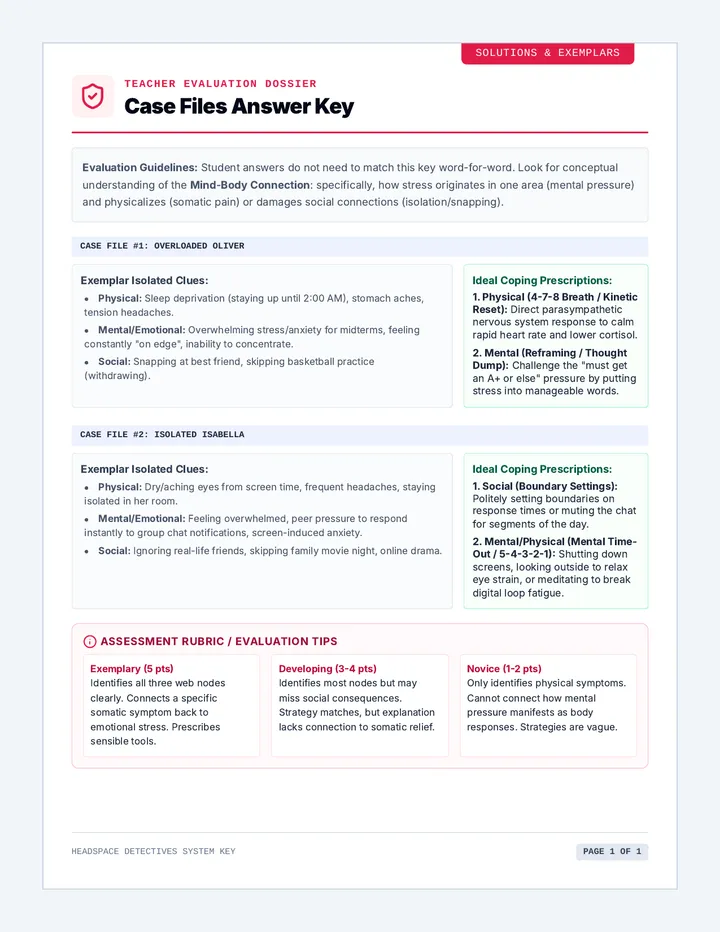
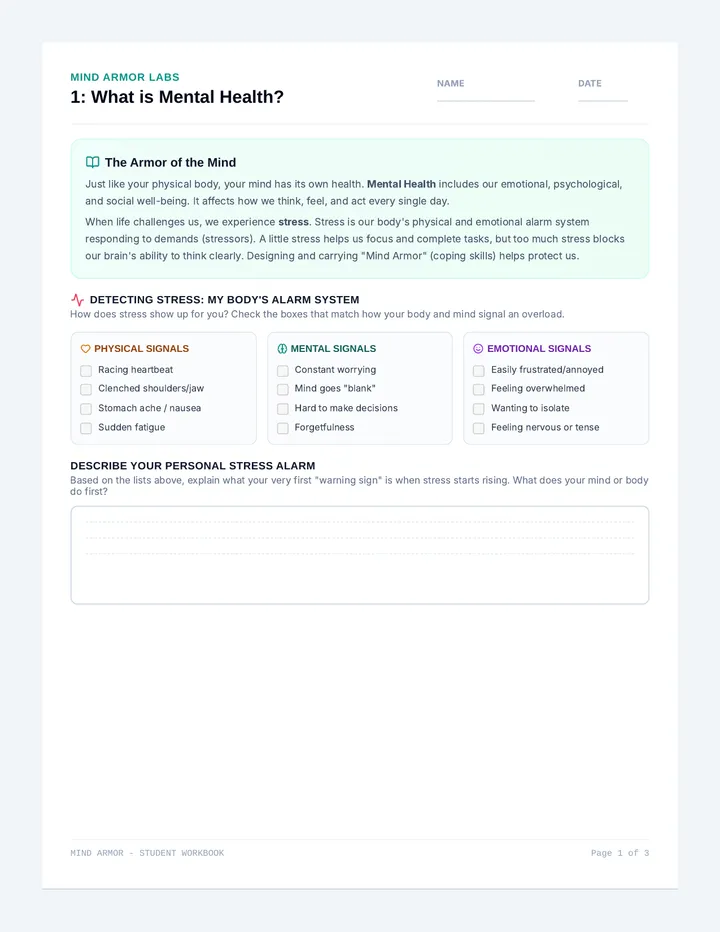
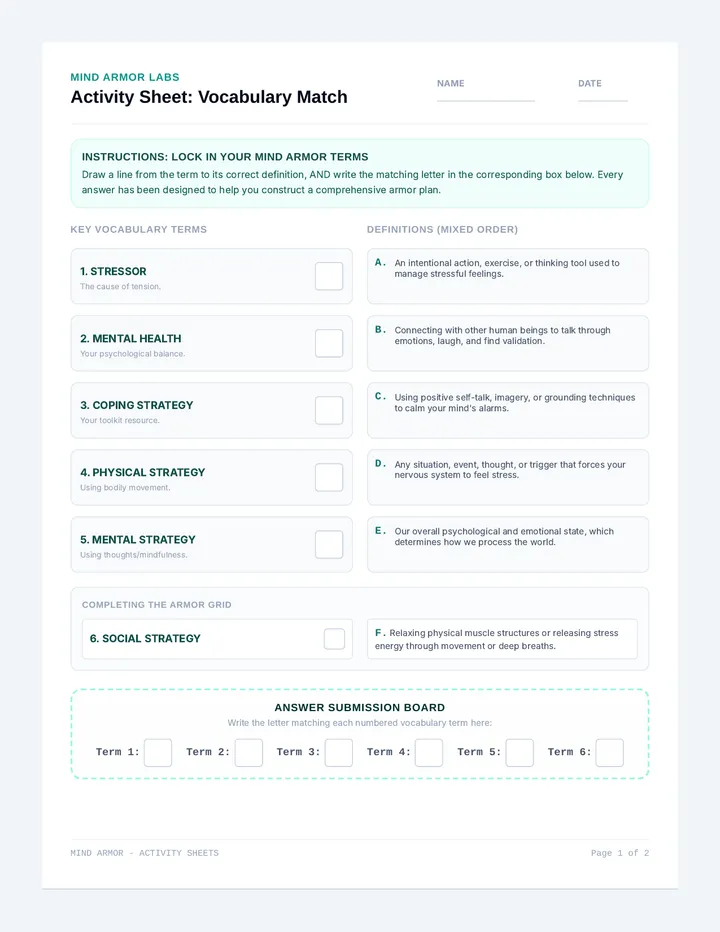
A comprehensive 60-minute lesson designed to teach students how mental health connects to physical and social well-being. Students act as 'Headspace Detectives' to analyze real-world peer scenarios, identify underlying mind-body links, and recommend healthy coping strategies from a toolkit.
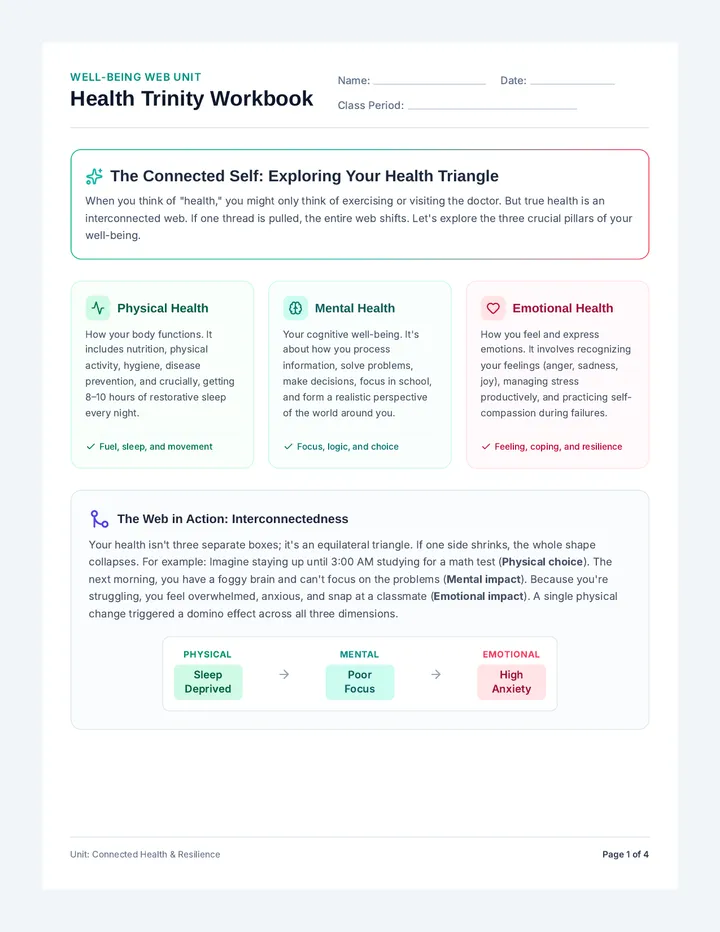
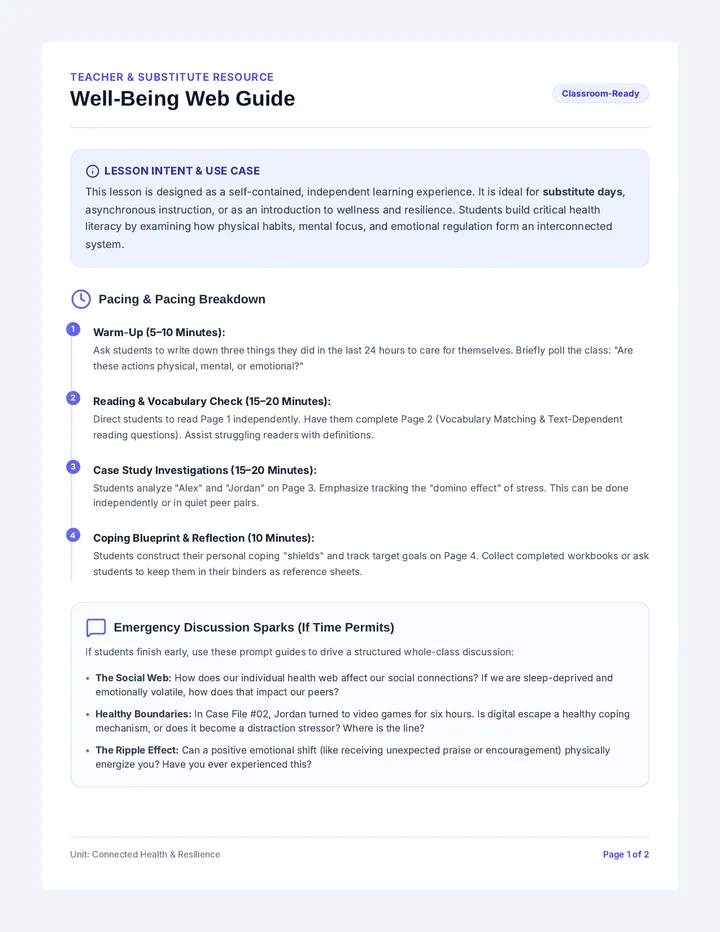
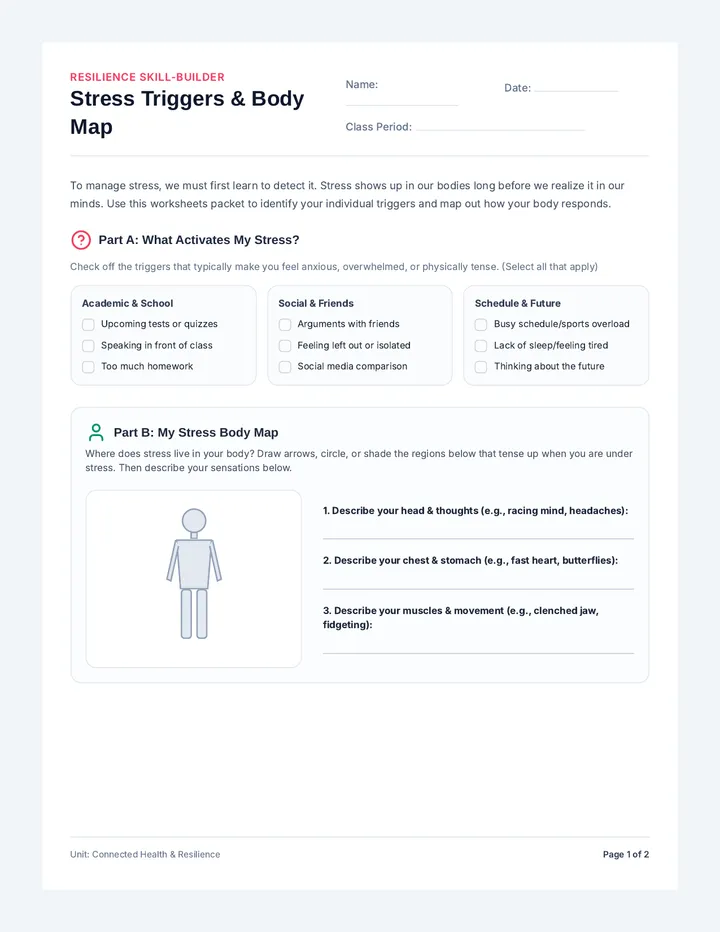
An independent substitute packet focusing on the interconnectedness of physical, mental, and emotional health. Students analyze real-world scenarios, complete guided readings, and practice stress-management and coping strategies.
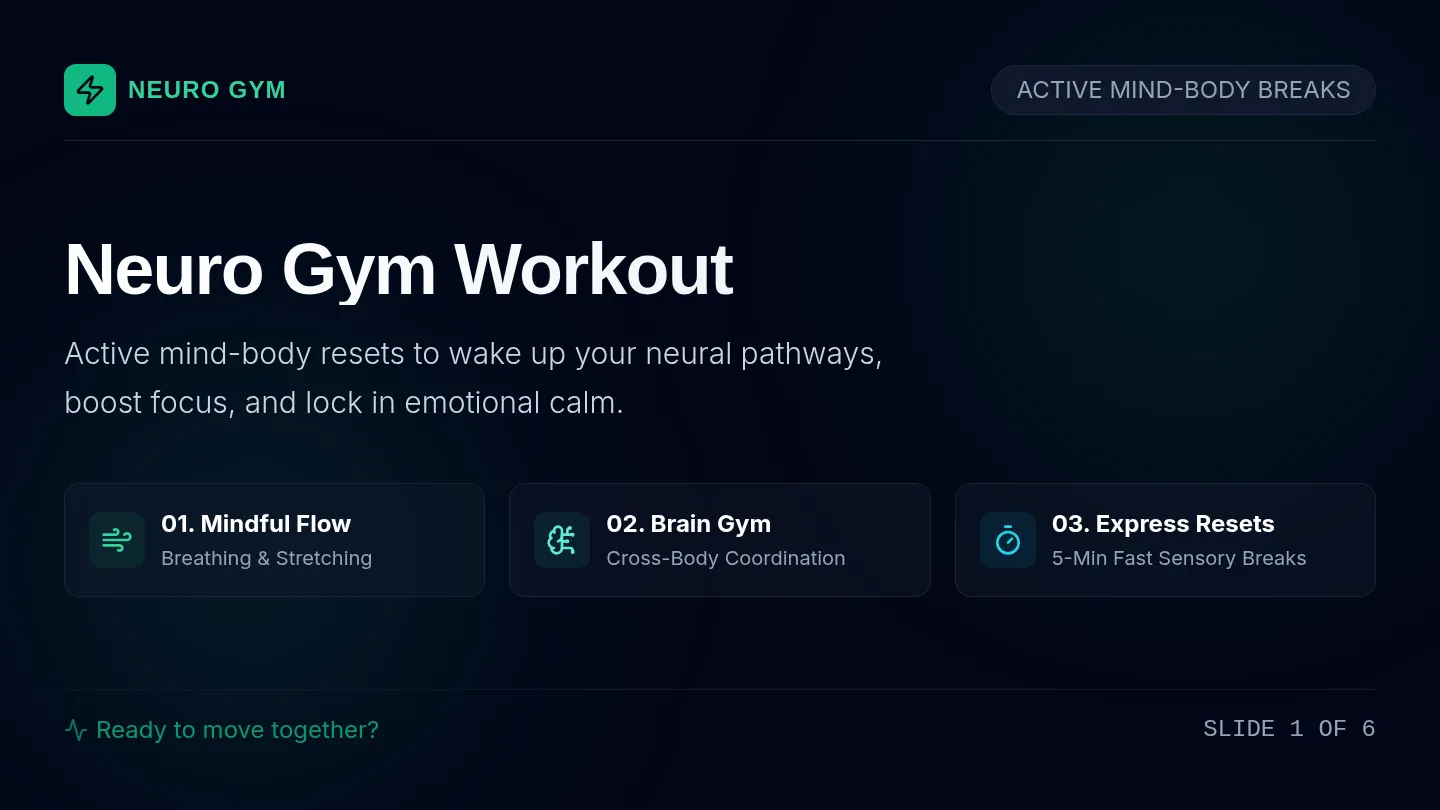
An active mindfulness and coordination lesson that combines low-impact yoga, cross-body brain gym exercises, and express sensory resets to optimize student focus and well-being.
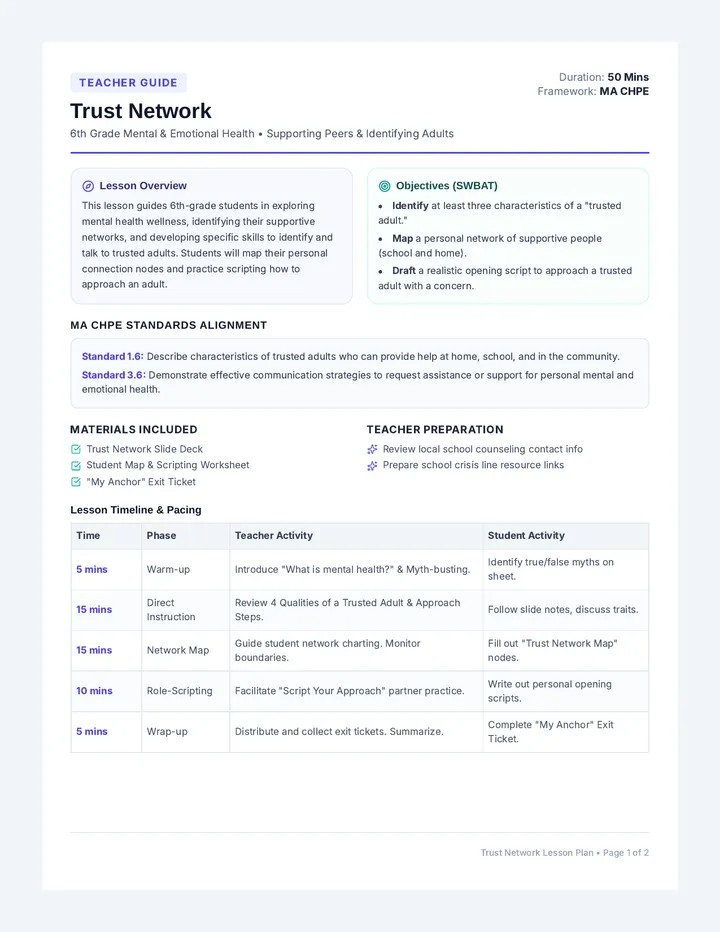
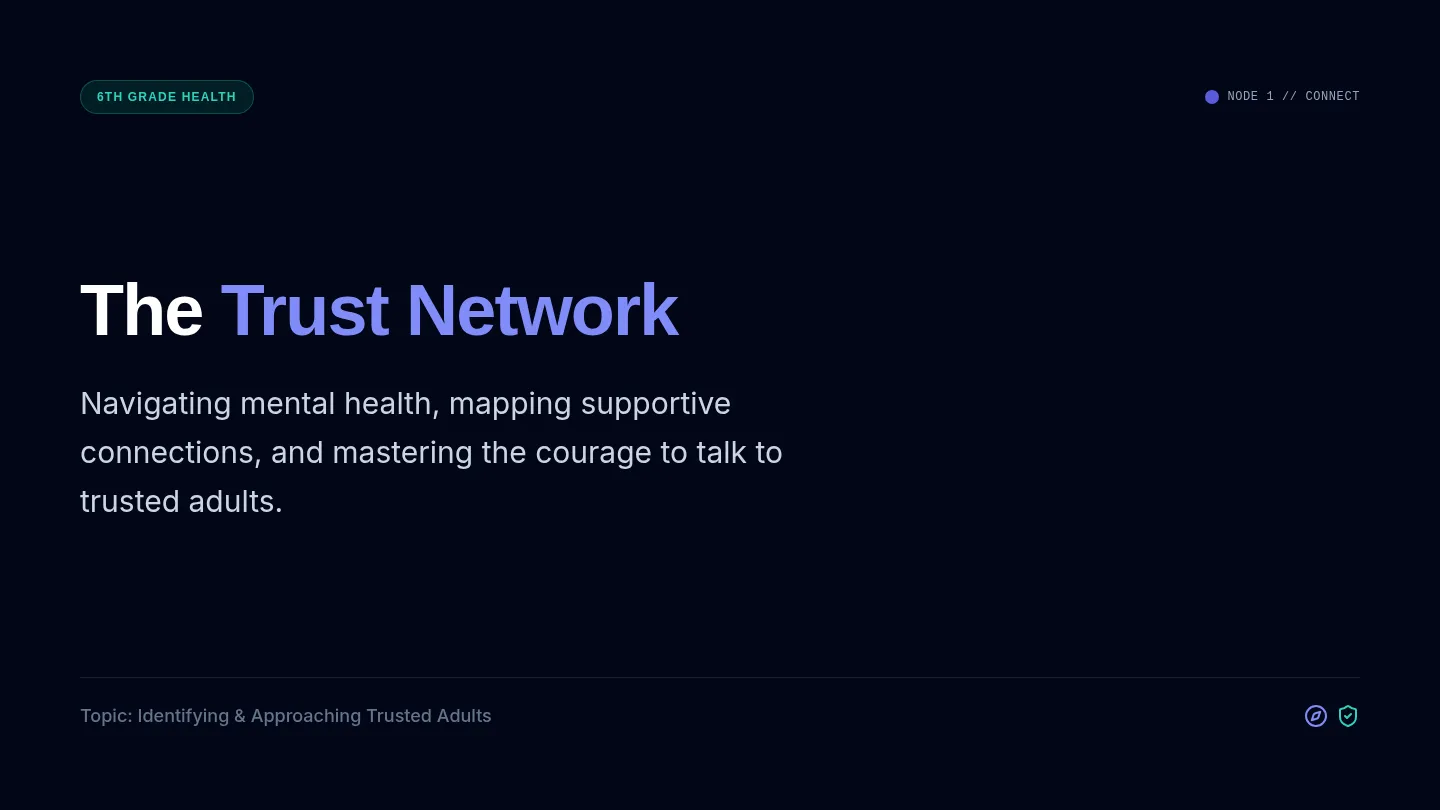
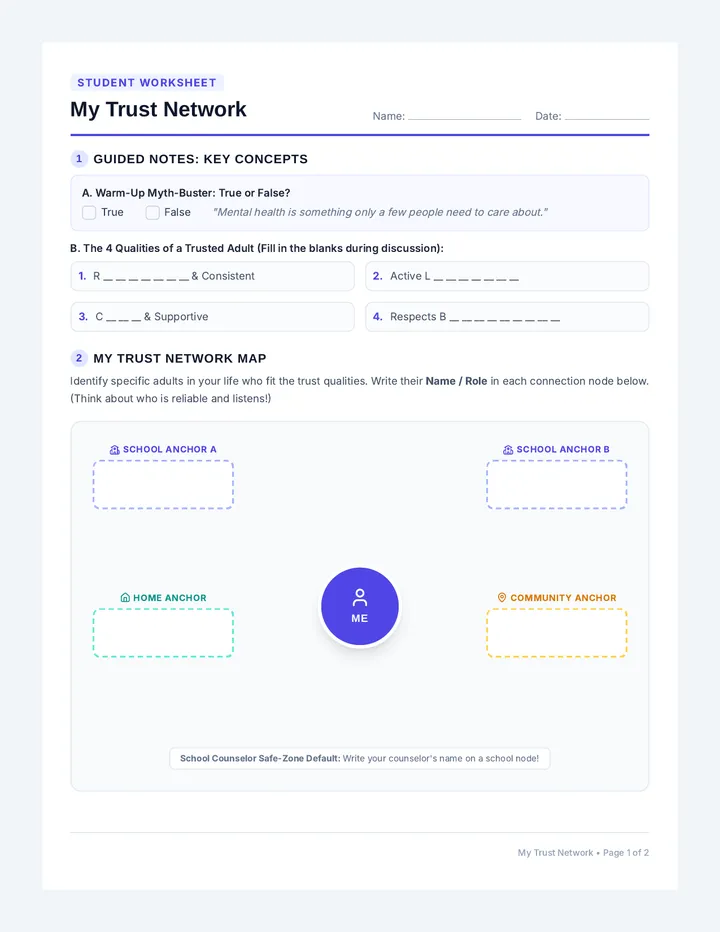
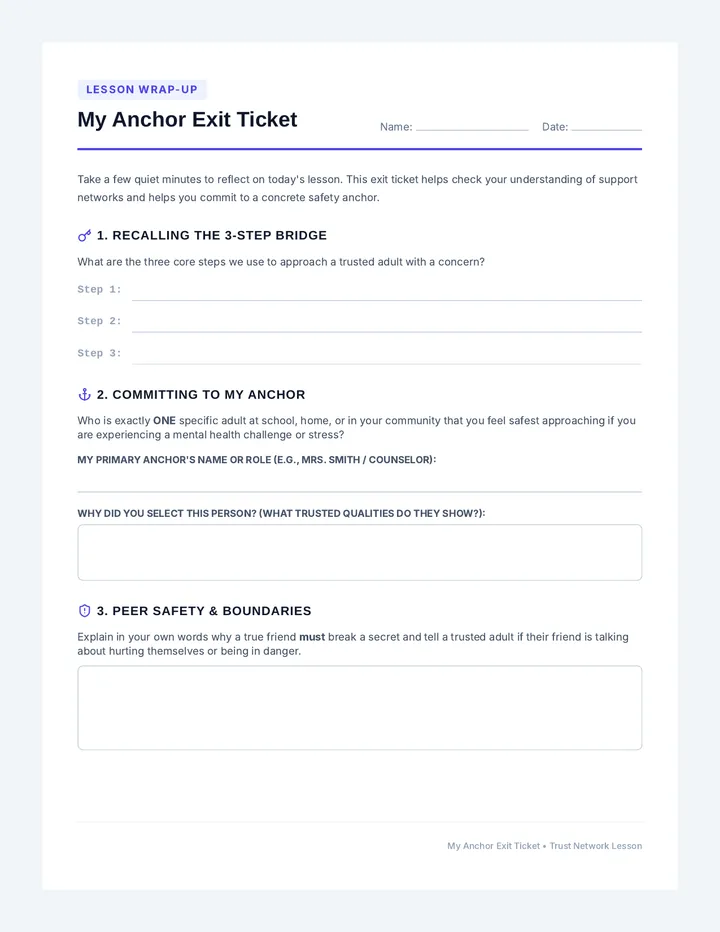
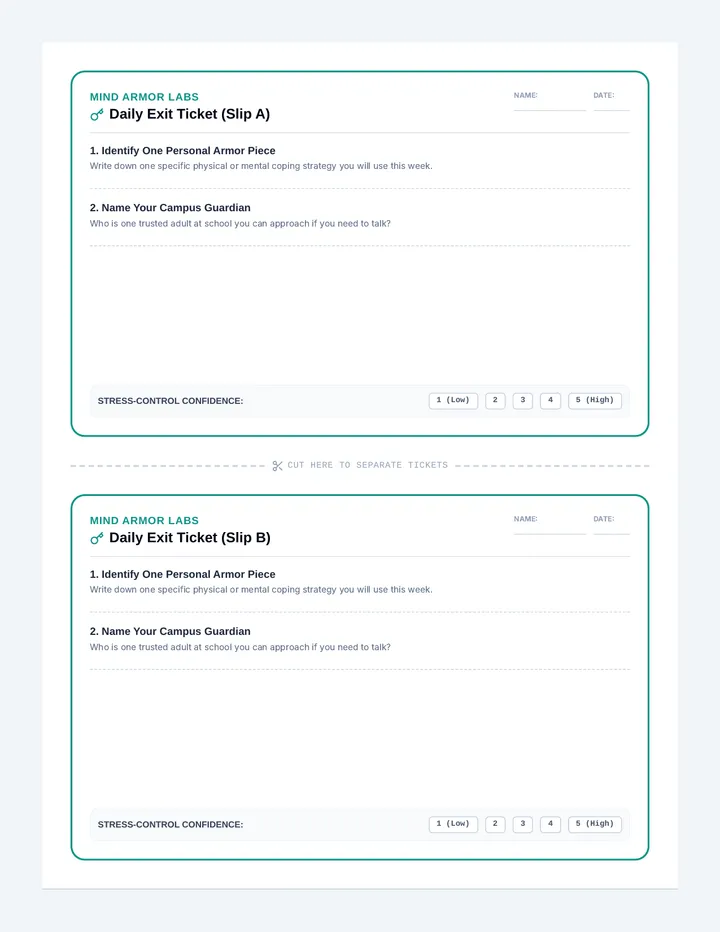
A 6th-grade health lesson focusing on mental health, identifying trusted adults, and supporting peers while maintaining healthy boundaries. Students learn to map their support systems and practice conversations with trusted adults.
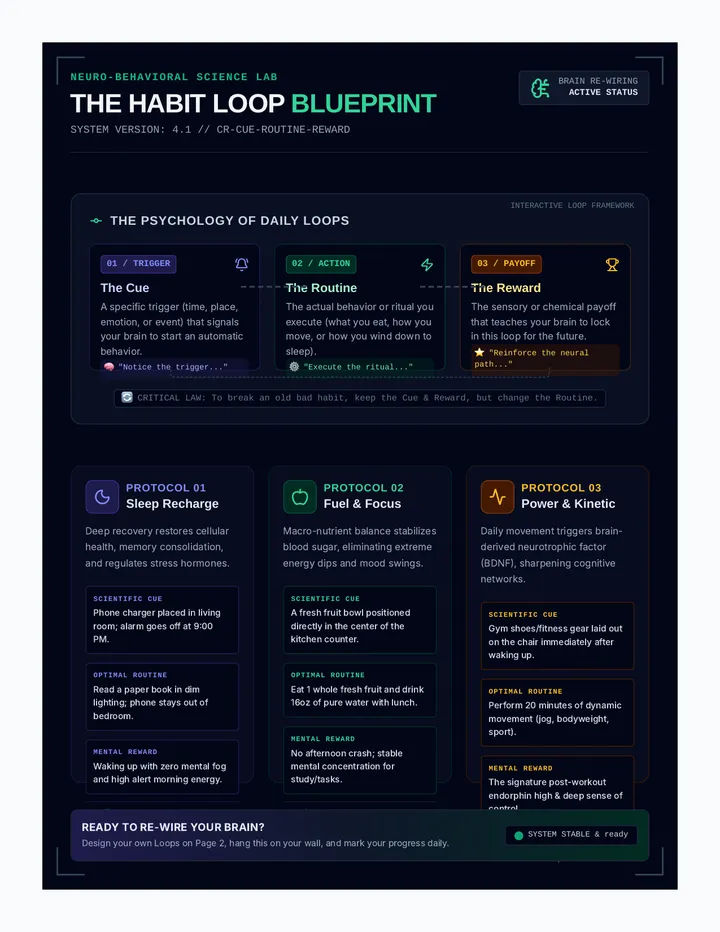
A hands-on guide and tracking system grounded in behavioral science to help students build lasting sleep, exercise, and nutrition habits. Students explore the psychology of cues, routines, and rewards to design and stick to their personal health goals.
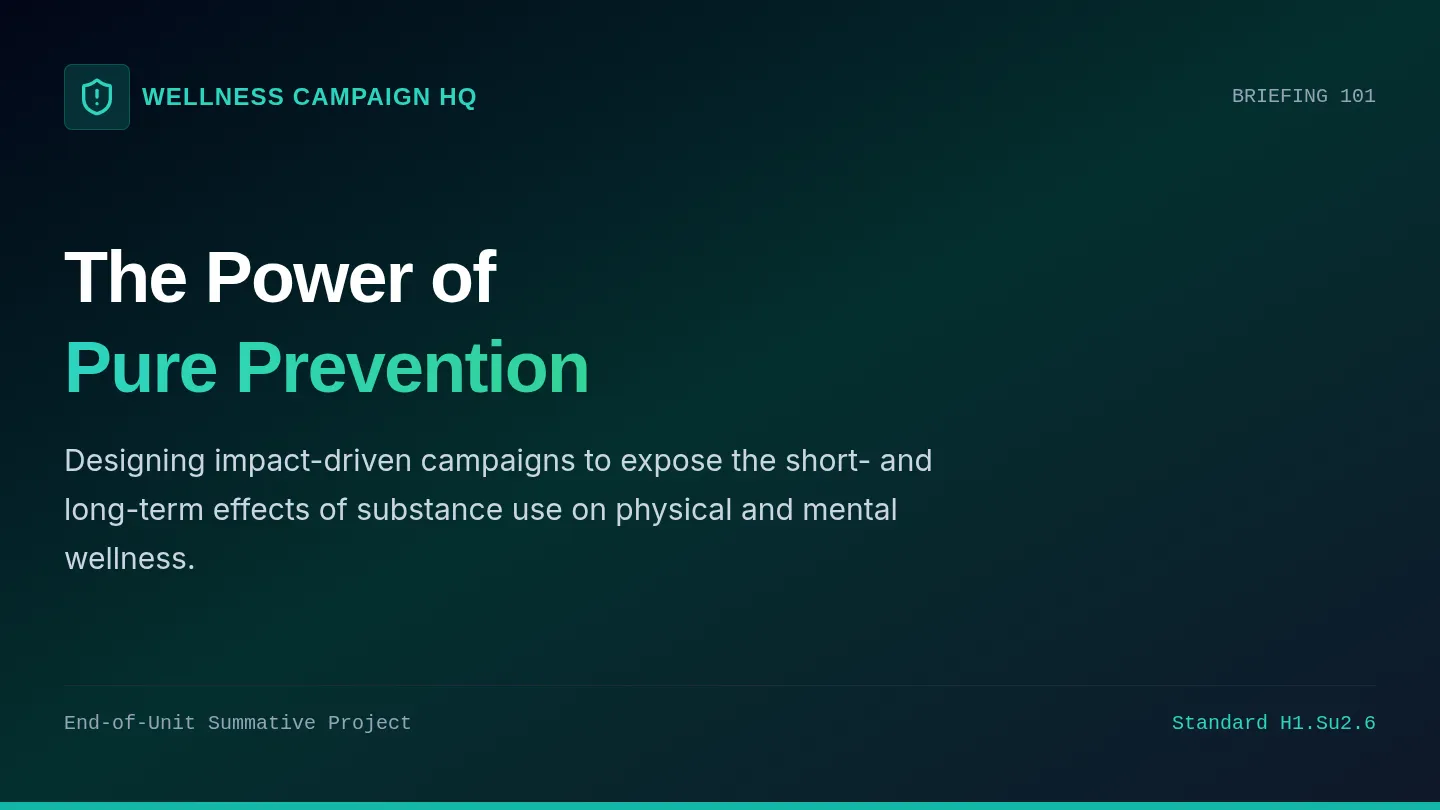
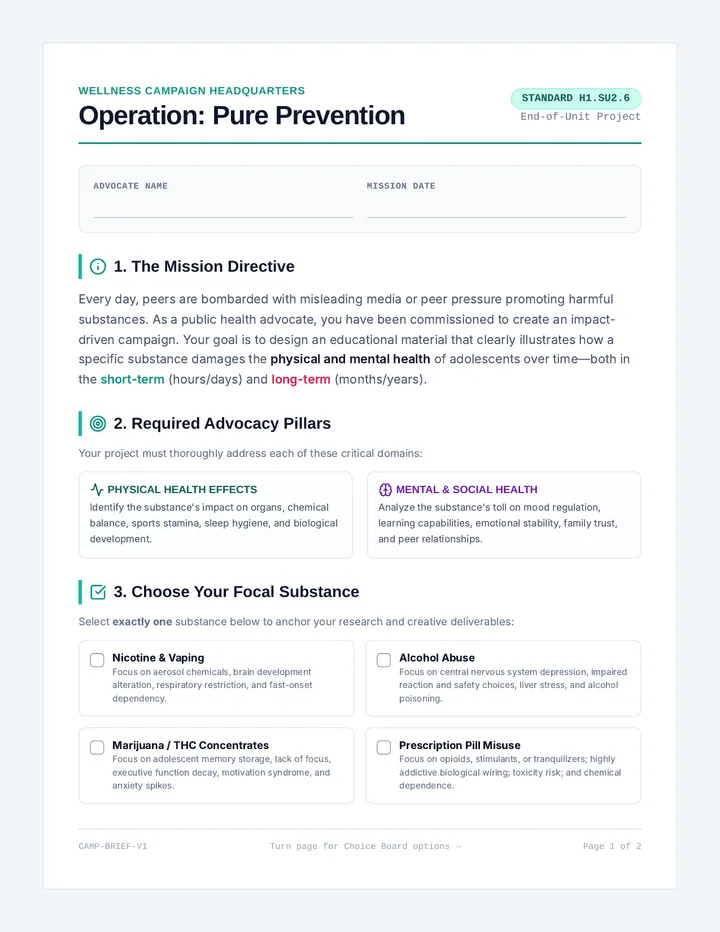
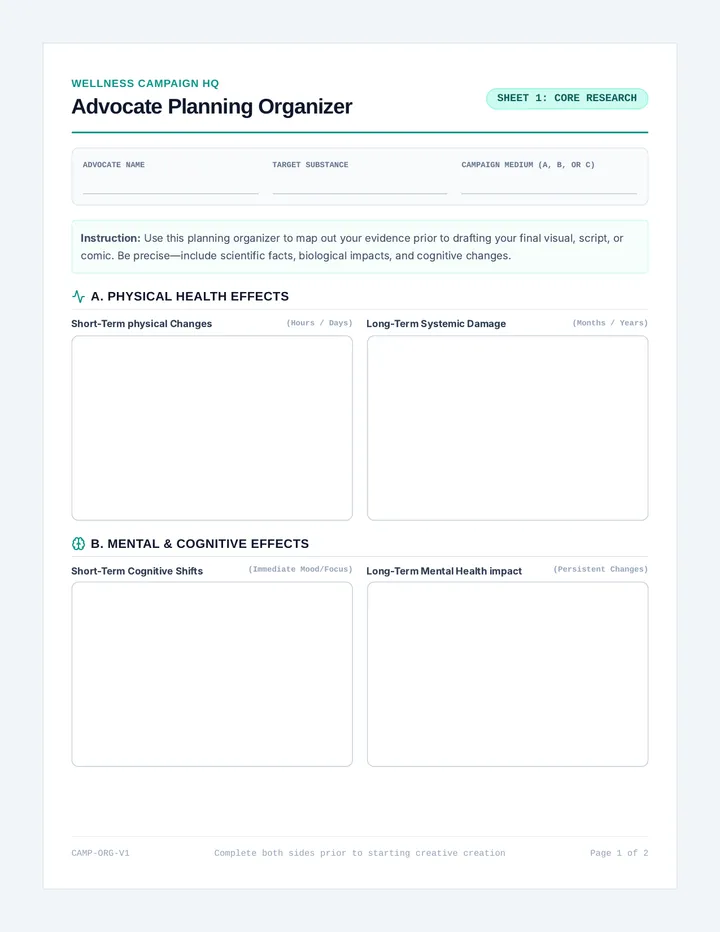
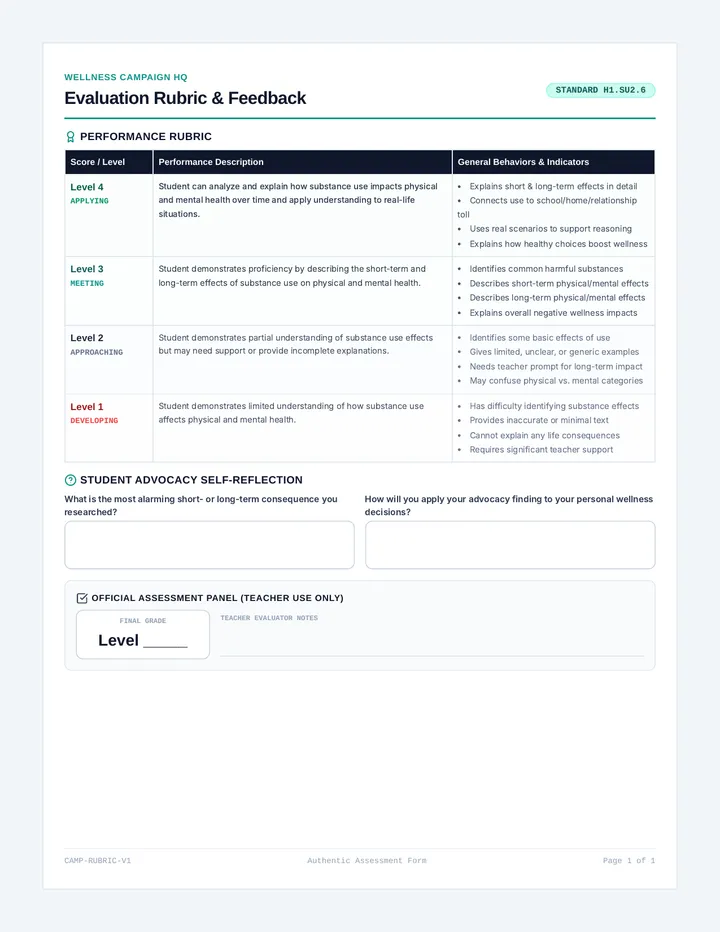
An end-of-unit project bundle where students act as public health advocates to design a PSA or select from a creative choice board, analyzing the short- and long-term physical and mental health effects of substance use.
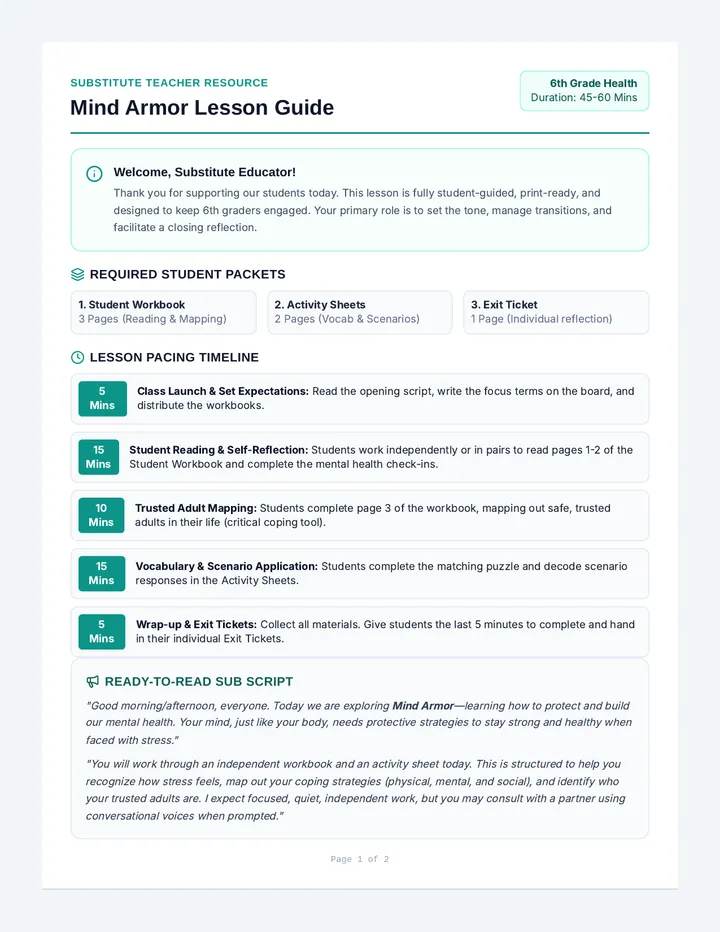
A comprehensive, student-led health lesson designed for substitutes covering mental health awareness, physical/mental/social coping strategies, and identifying trusted adult support systems for 6th-grade students.
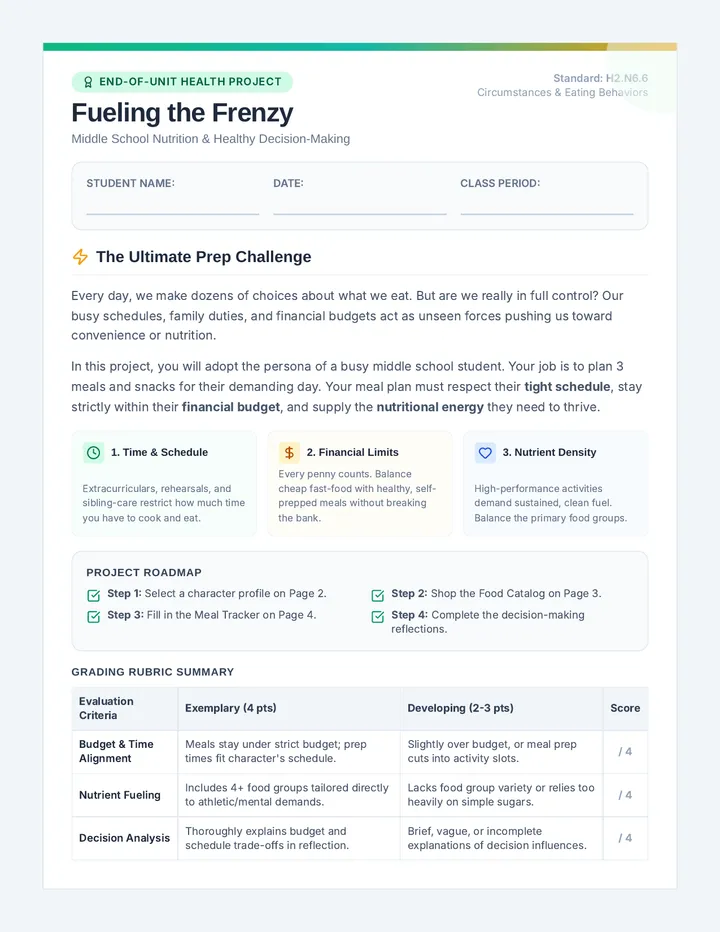
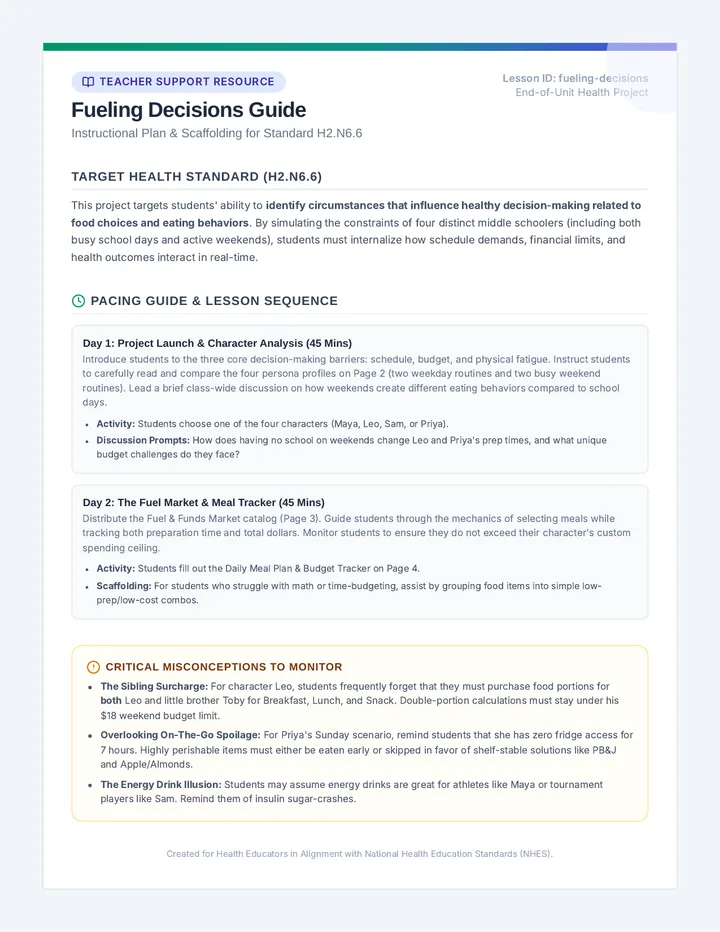
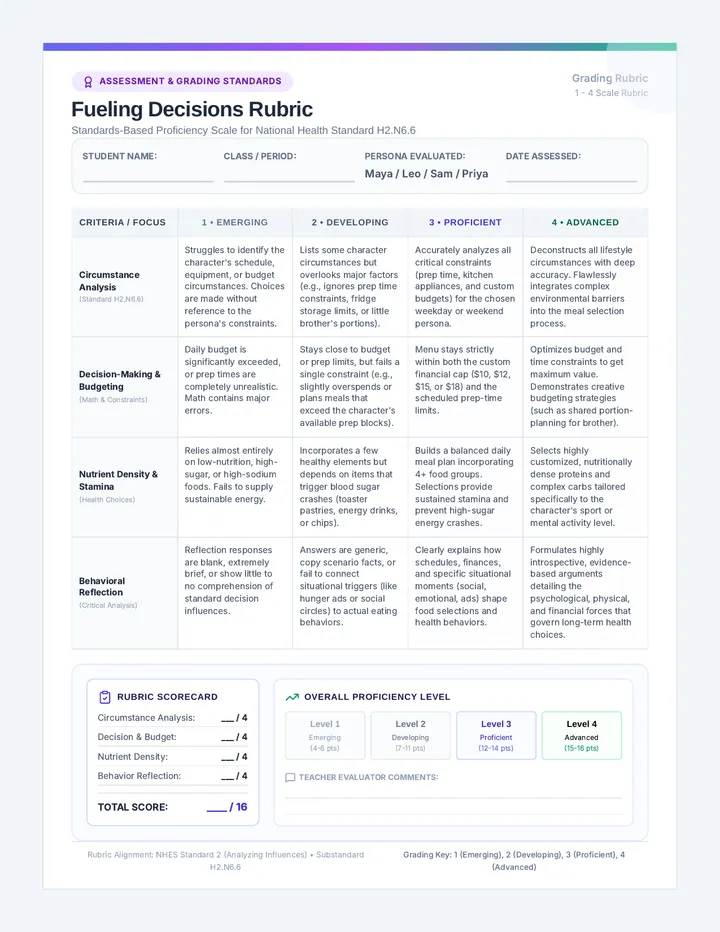
This lesson centers on standard H2.N6.6, helping students explore real-life circumstances like budget, schedule, and nutritional needs that influence food choices and eating behaviors. Through a hands-on project packet, students analyze middle school personas, budget their food, plan balanced meals, and reflect on decision-making influences.