Students move from static images to visualizing action and movement. They will read dynamic scenes and practice 'pressing play' in their minds to track character movements and plot progression.
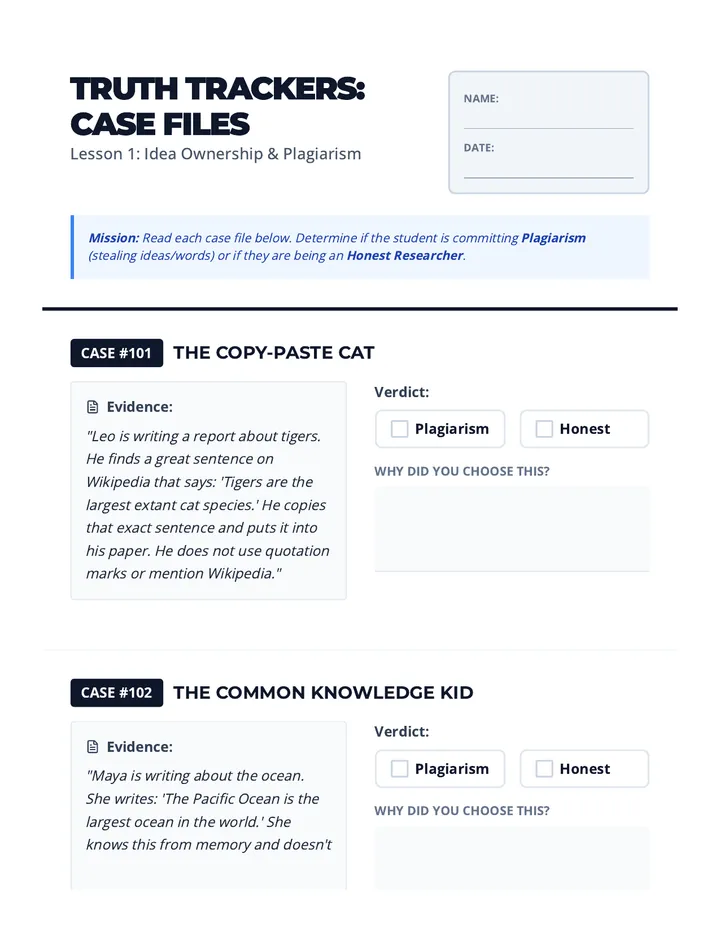
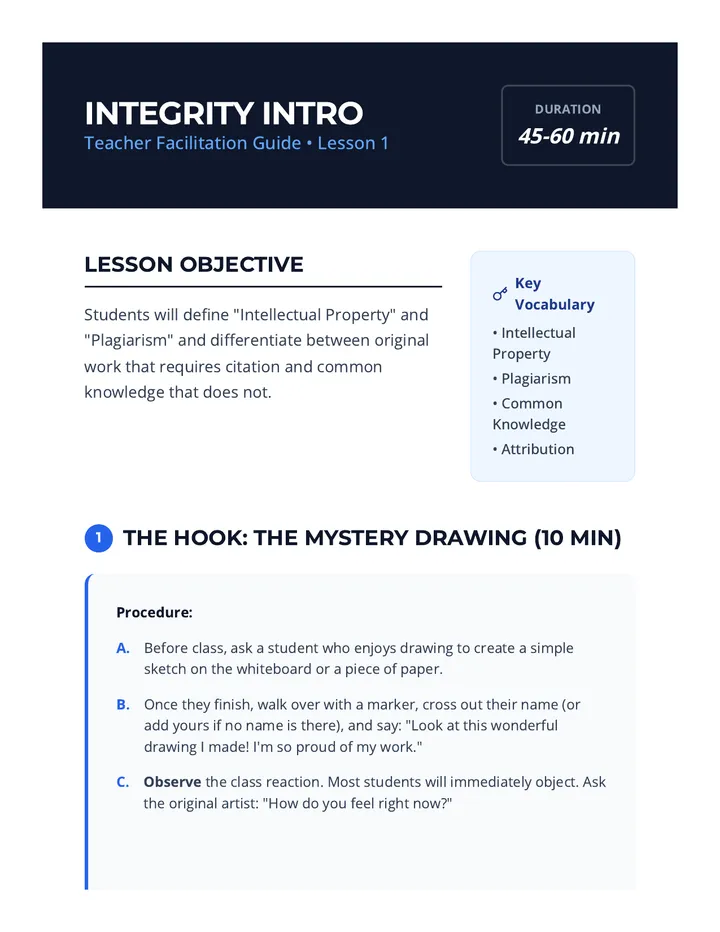
A 5-lesson sequence for 5th-grade ESL students focused on the ethics and mechanics of academic research. Students learn to distinguish between intellectual property and common knowledge, master the art of quoting and paraphrasing, and create simplified citations and bibliographies to maintain academic integrity.
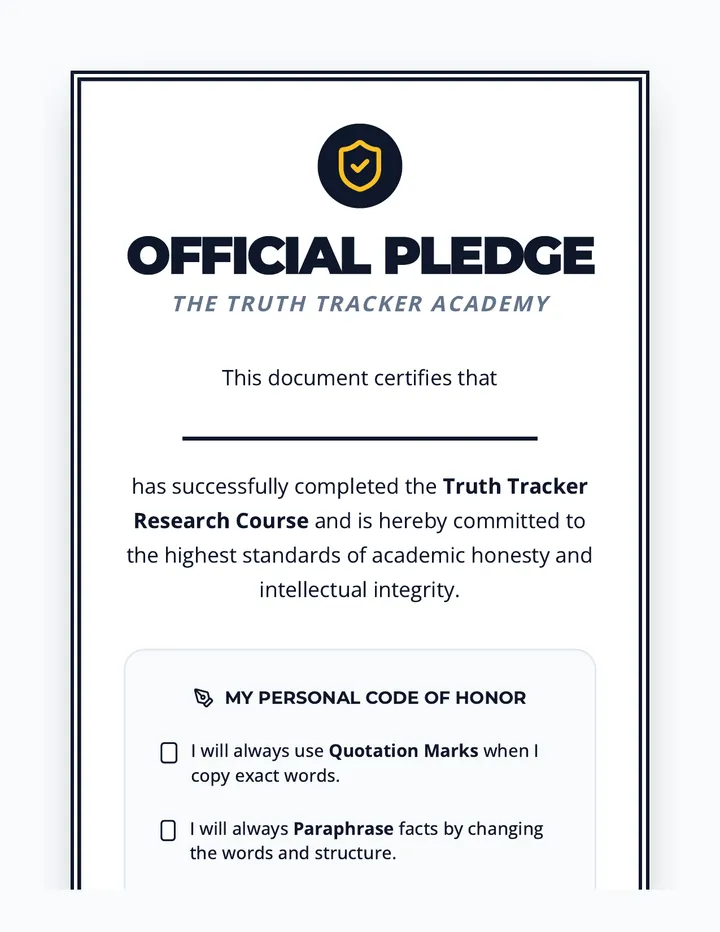
Synthesizes learning through case studies of intentional vs. accidental plagiarism and concludes with an academic integrity pledge.
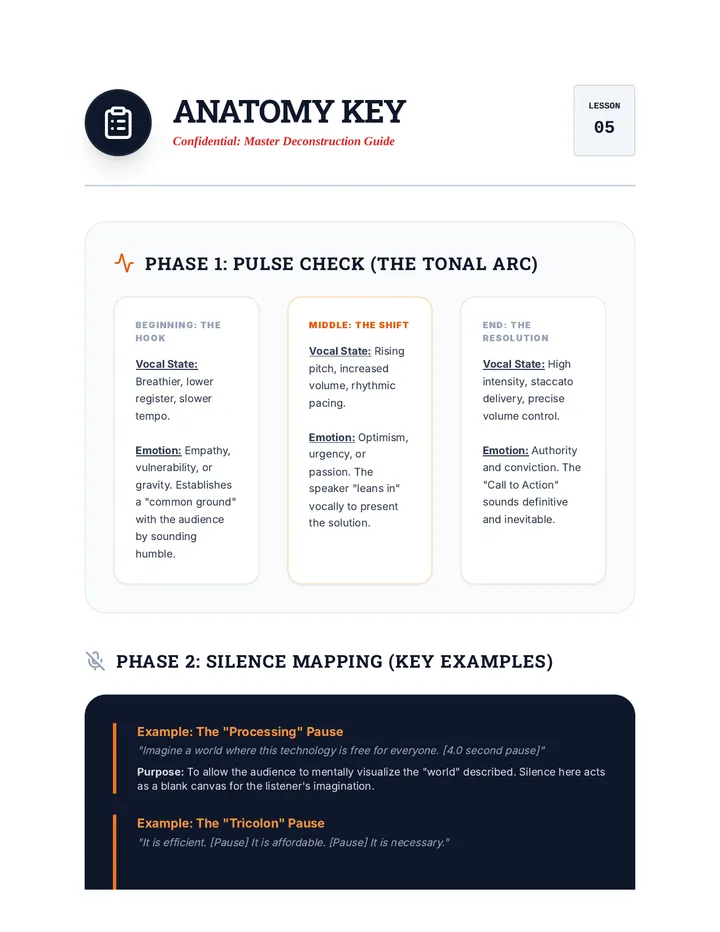
Answer key for the Rhetorical Anatomy worksheet, providing the subtext and implied meaning for the final project's persuasive speech analysis.
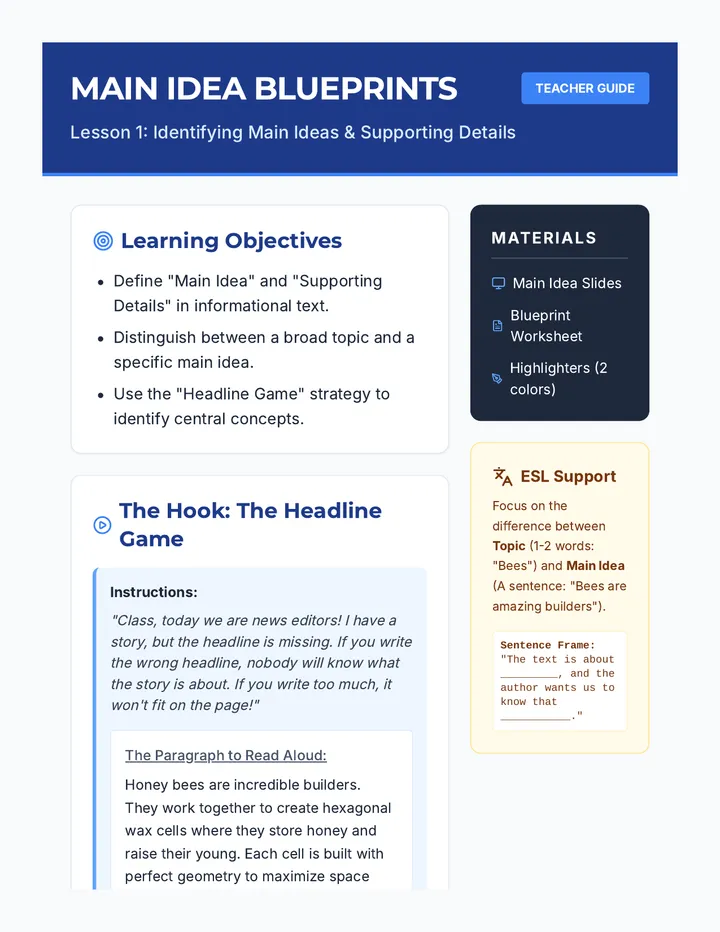
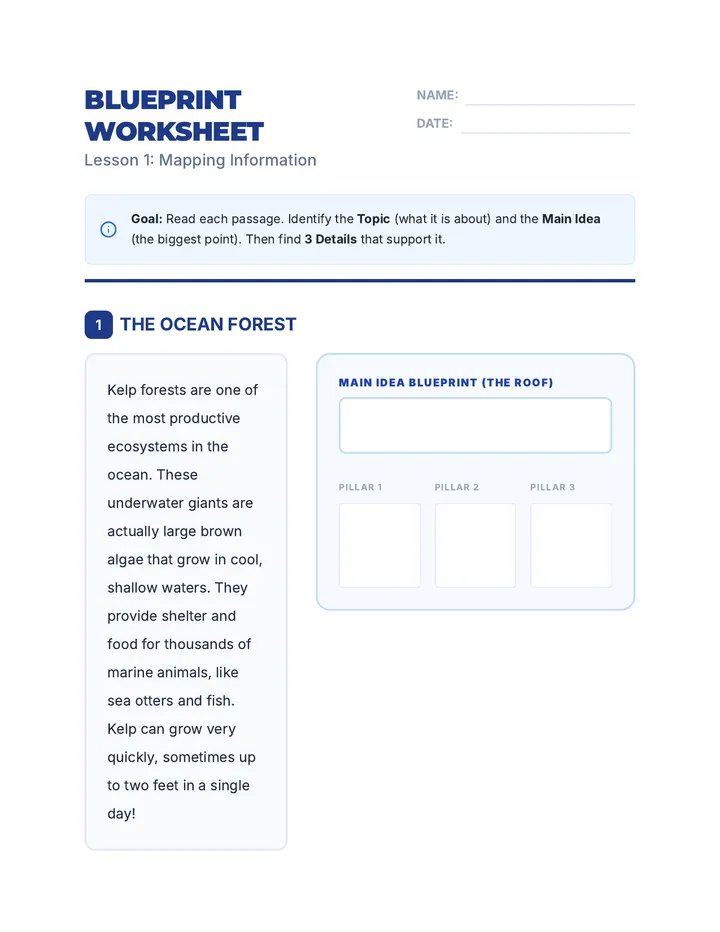
A 5-lesson sequence for 5th Grade ESL students focused on developing academic English skills through paraphrasing and synthesizing information. Students progress from identifying main ideas to drafting complete summary reports using multiple sources and formal attribution.
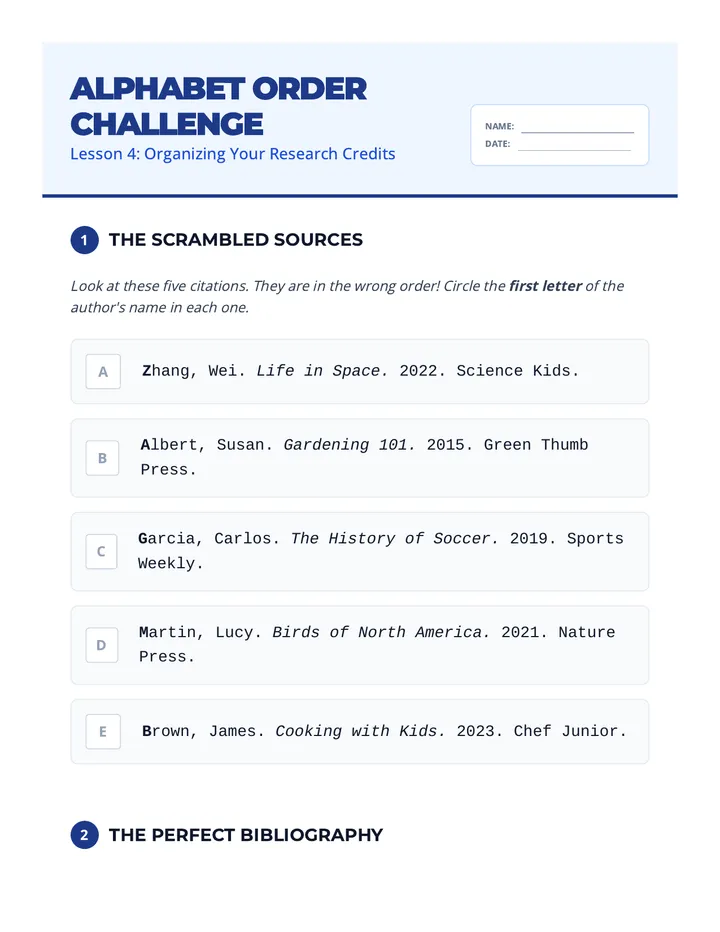
Teaches students how to compile individual citations into a cohesive, alphabetized reference list.
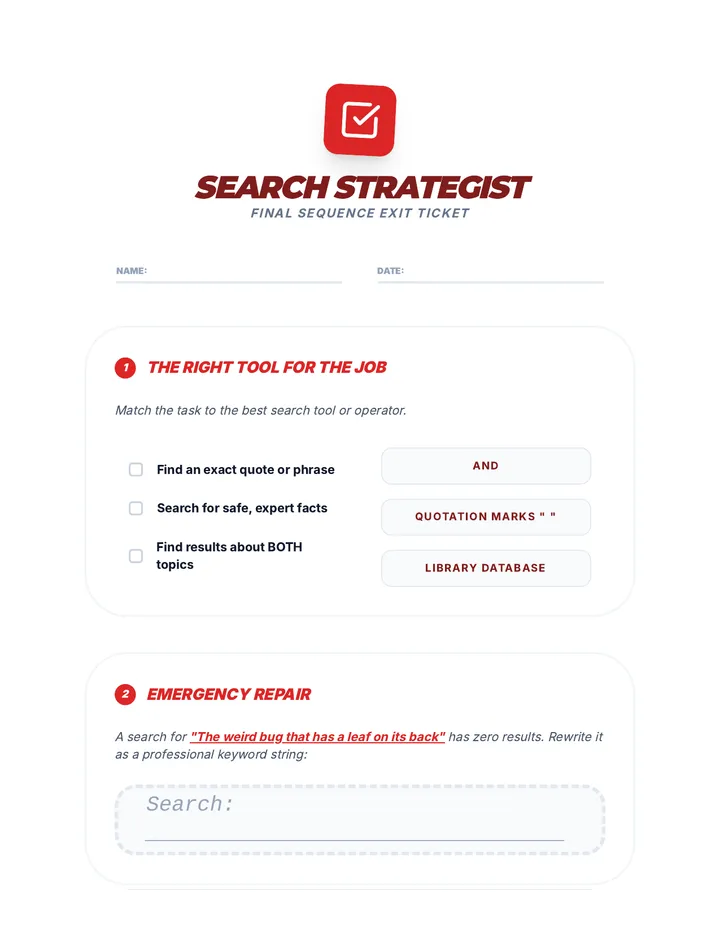
A cumulative exit ticket for the "Search Superstars" sequence, assessing student mastery of keywords, Boolean operators, text features, and database usage.
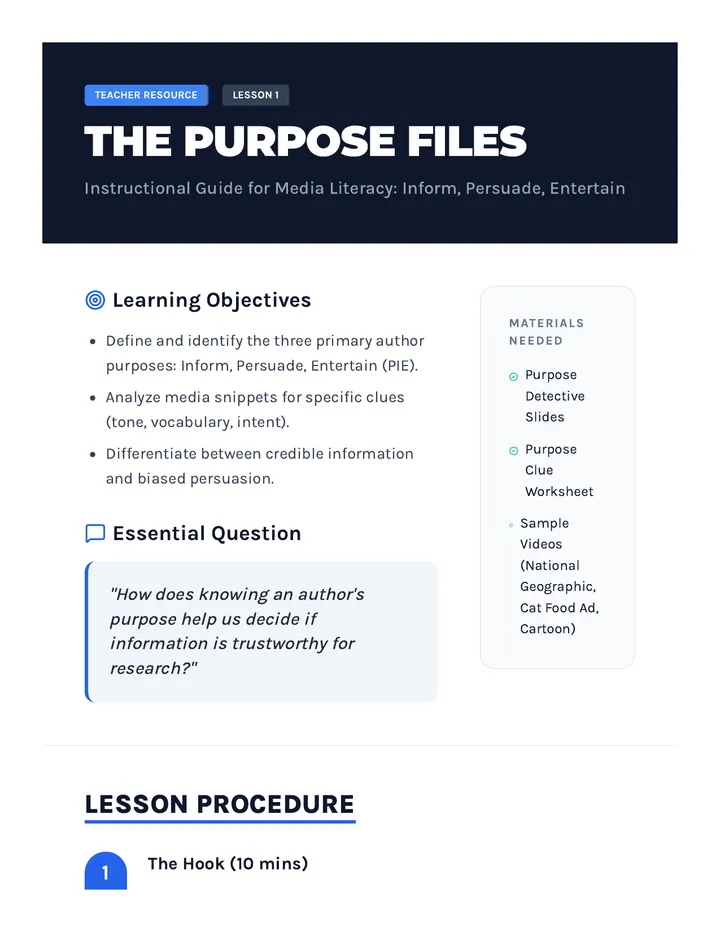
A 5-lesson sequence for 5th-grade ESL students to develop media literacy and research skills. Students learn to distinguish author purpose, evaluate website credibility using the 5 W's, identify bias, and corroborate information across multiple sources.
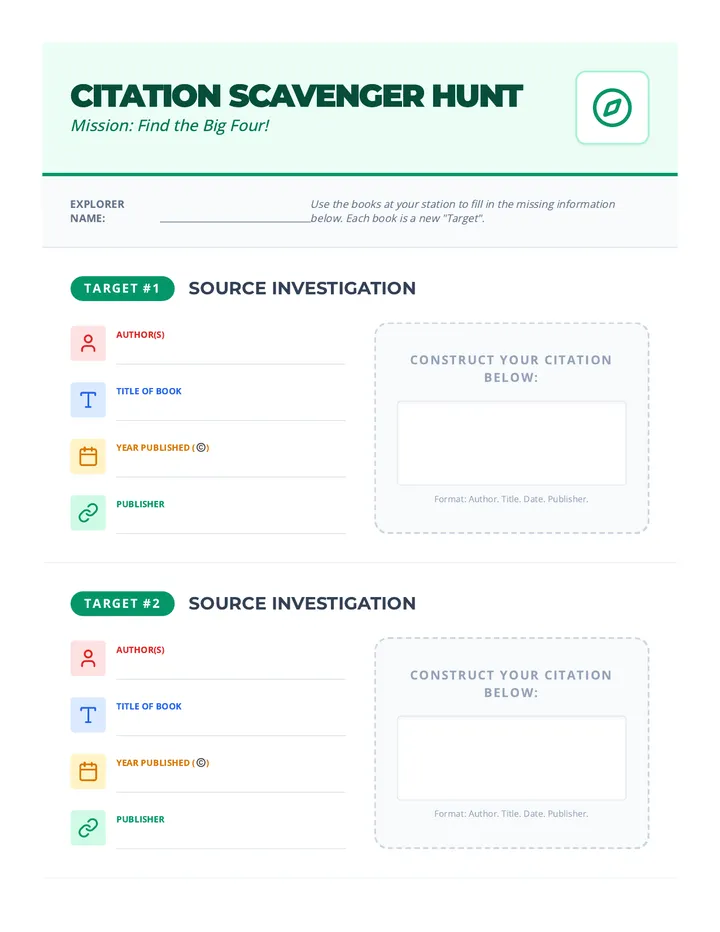
Introduces the four core elements of a basic citation (Author, Title, Date, Source) and provides practice in locating this information.
A rhetorical analysis log for graduate students to deconstruct persuasive speeches by mapping tonal journeys, identifying strategic pauses, and evaluating effectiveness.