A comprehensive 5-lesson sequence for 7th-grade dancers focusing on the anatomical principles of alignment, core stability, and stylistic precision across ballet, jazz, and contemporary dance.
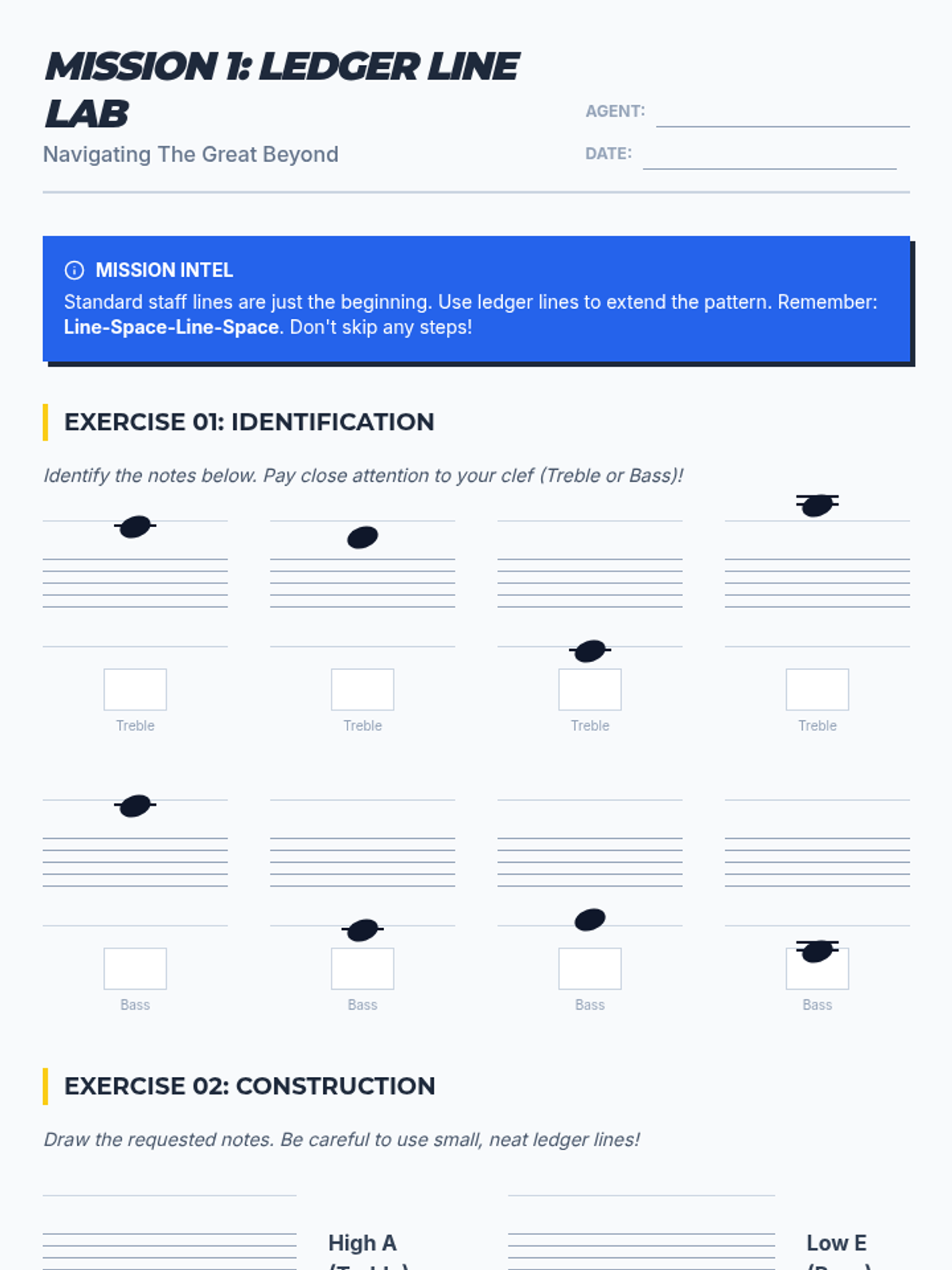
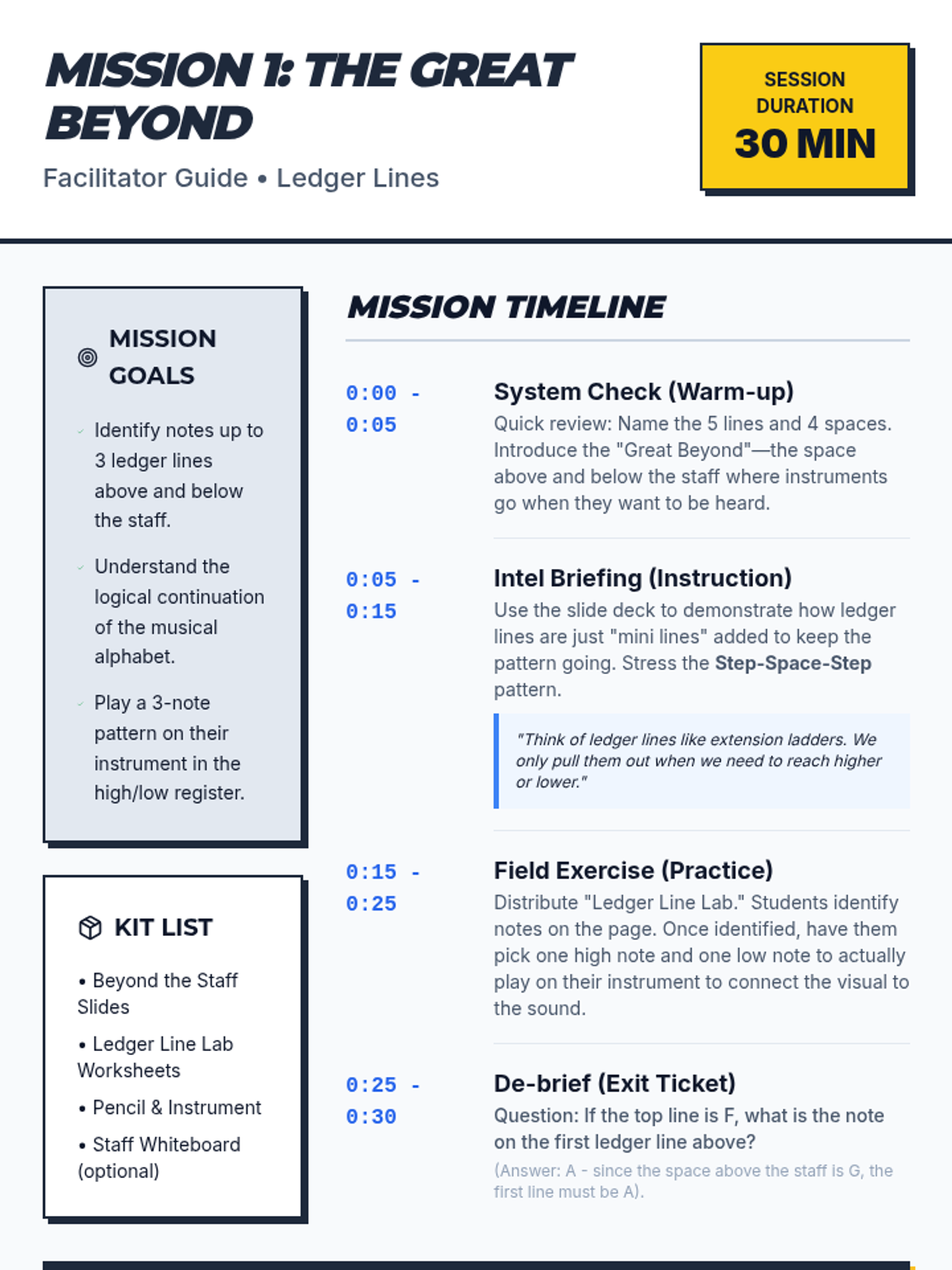
An 8-week intensive for band students to level up their music literacy, moving from basic note identification to fluently reading complex scores. Students will master ledger lines, key signatures, navigation markings, and ensemble sight-reading through a "Music Mission Control" theme.
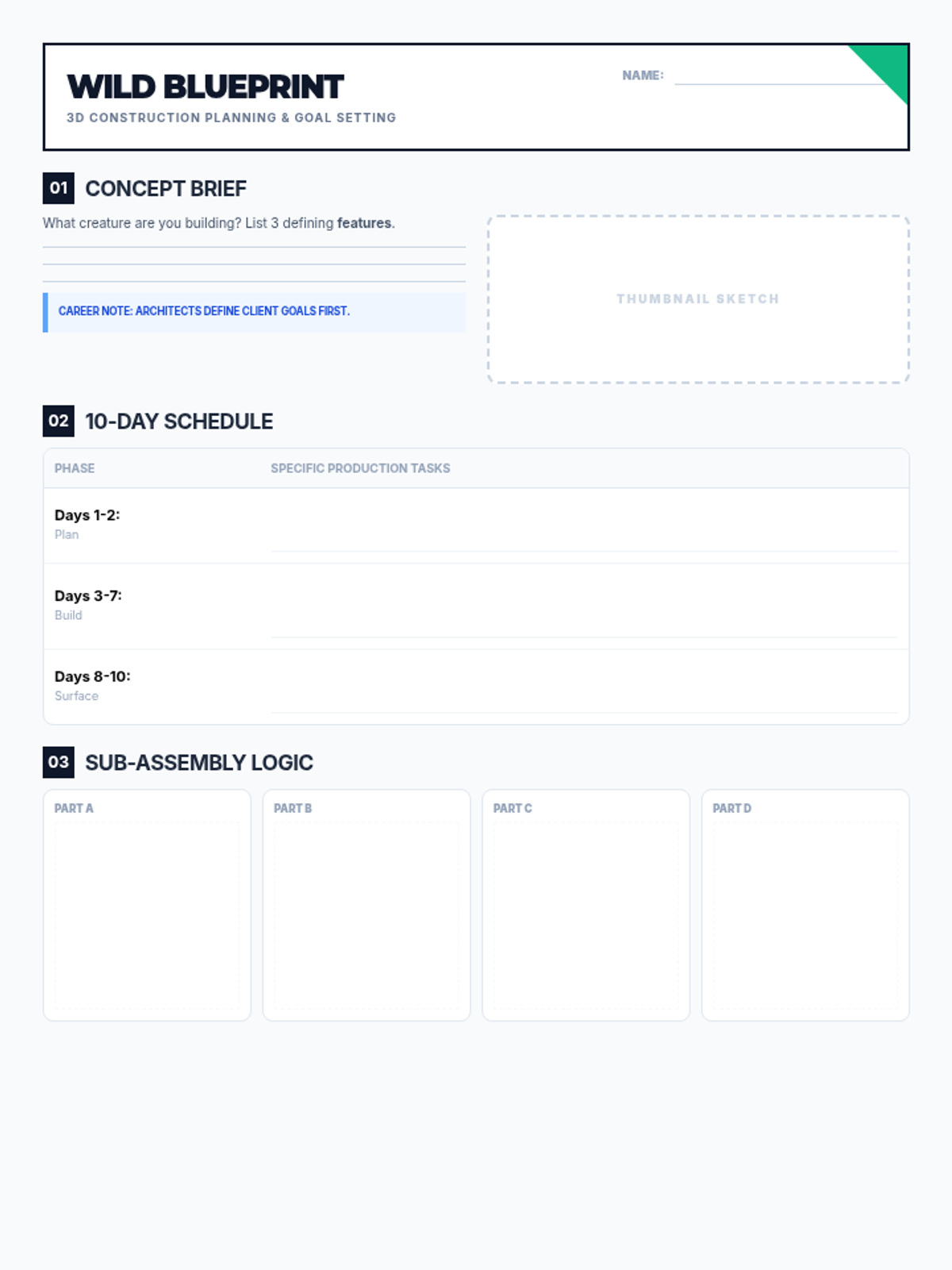
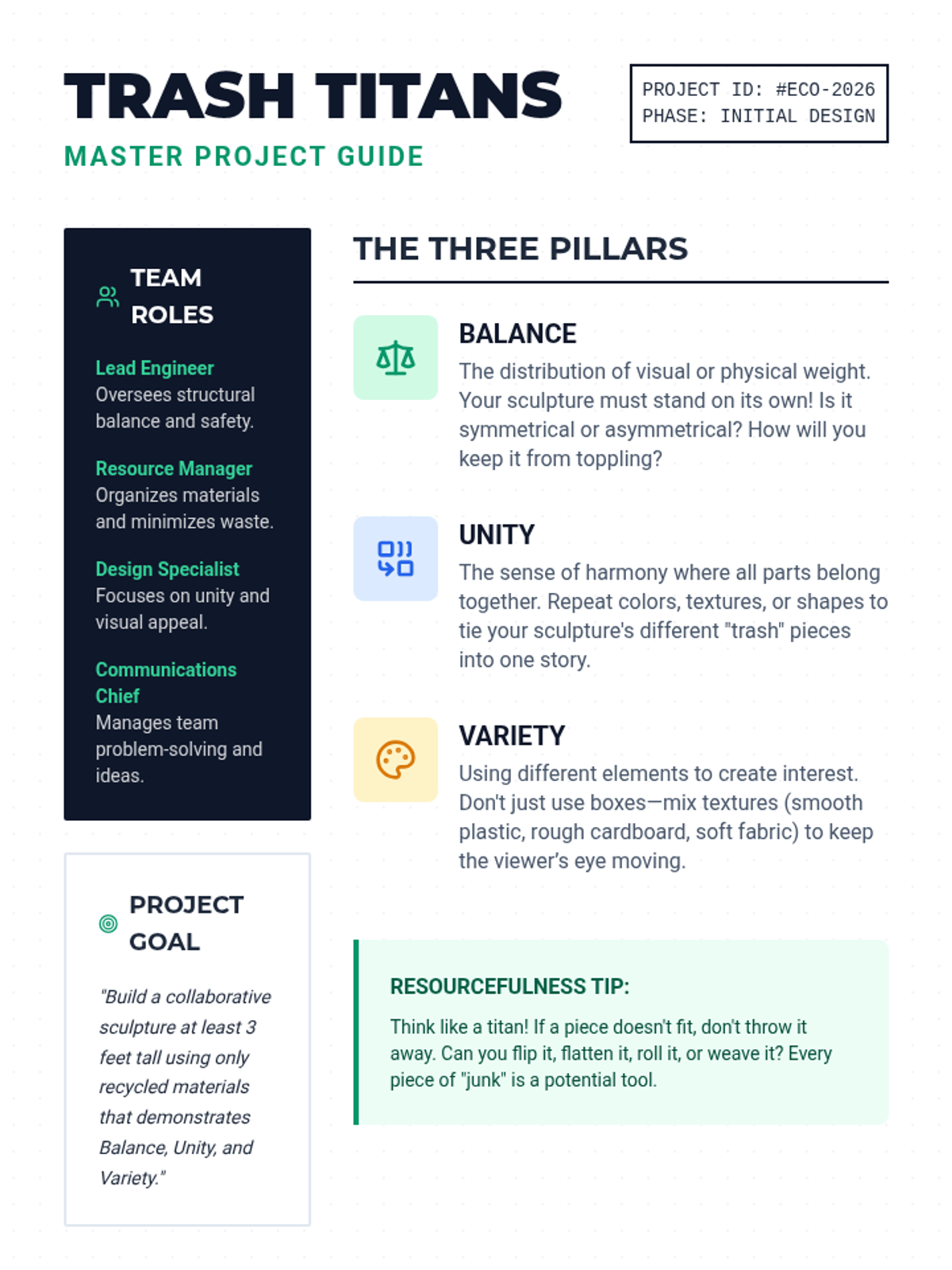
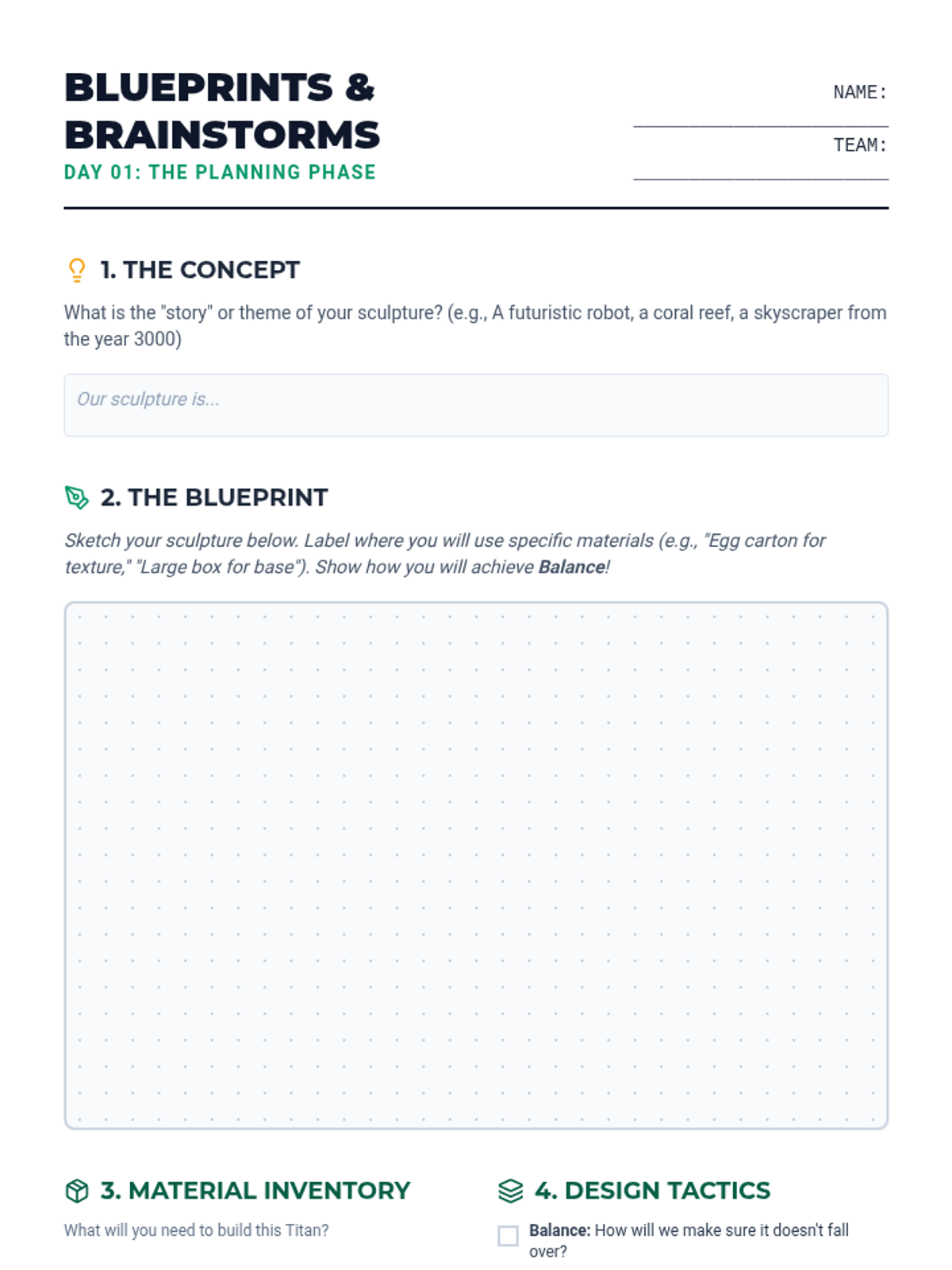
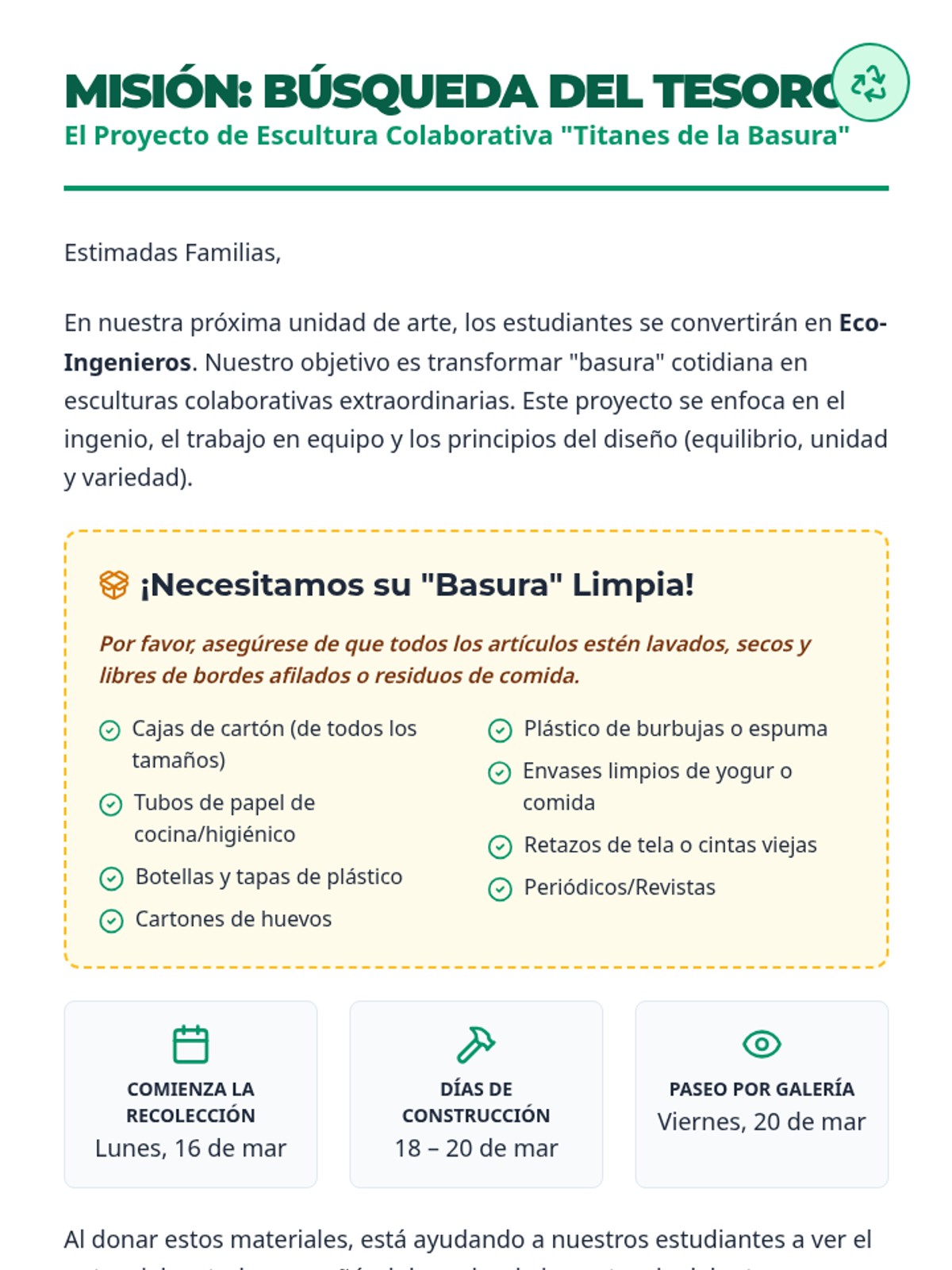
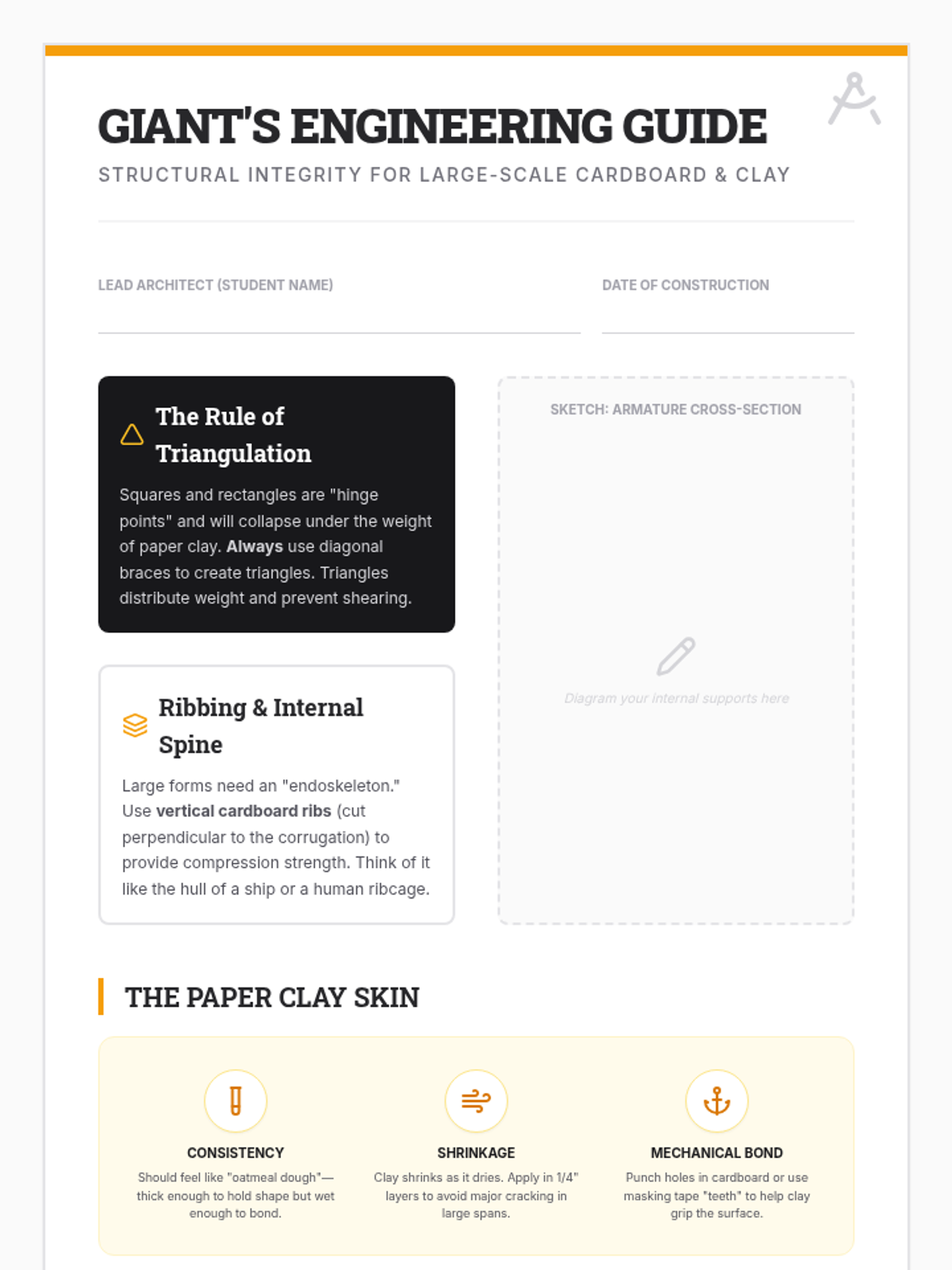
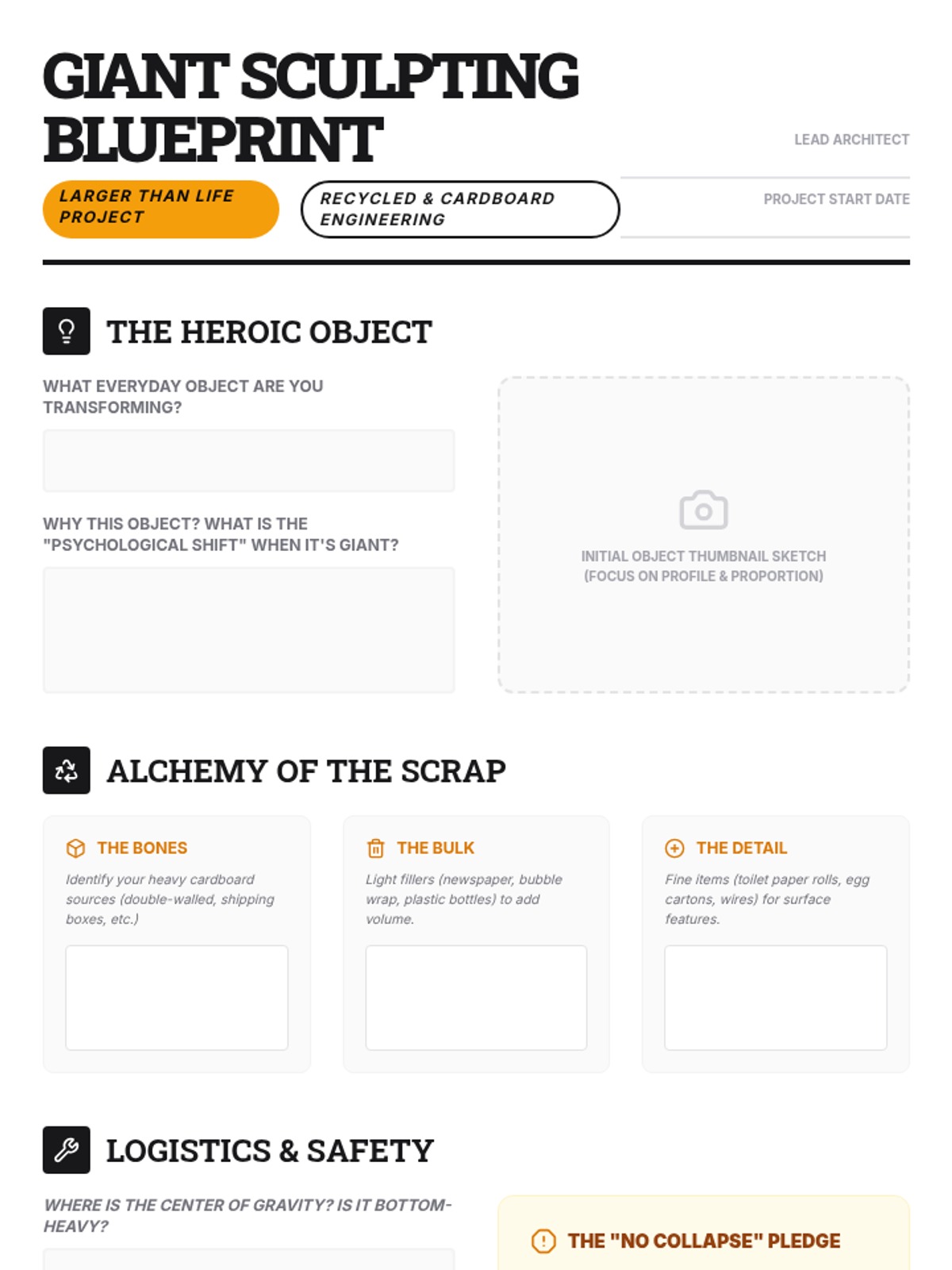
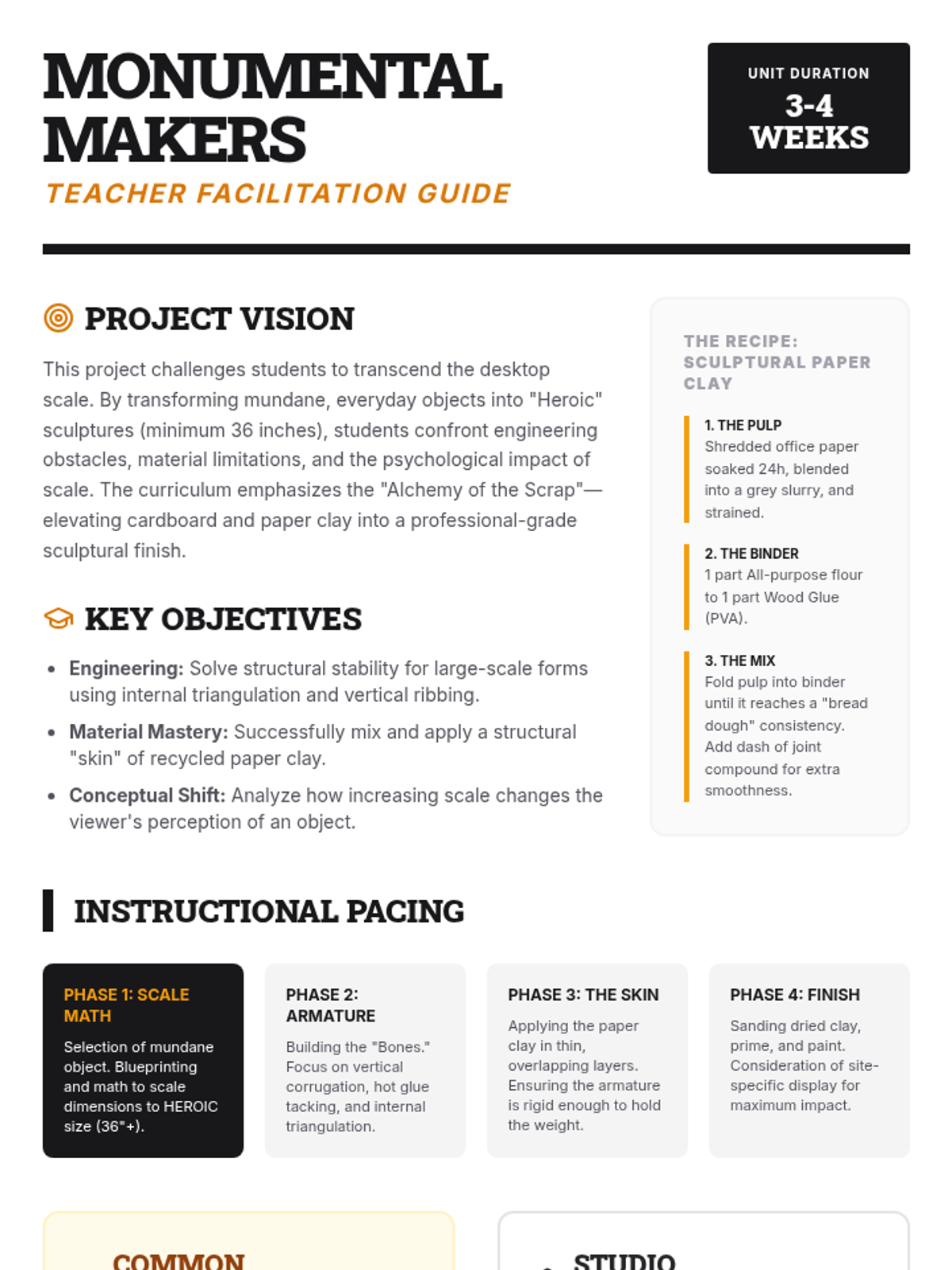
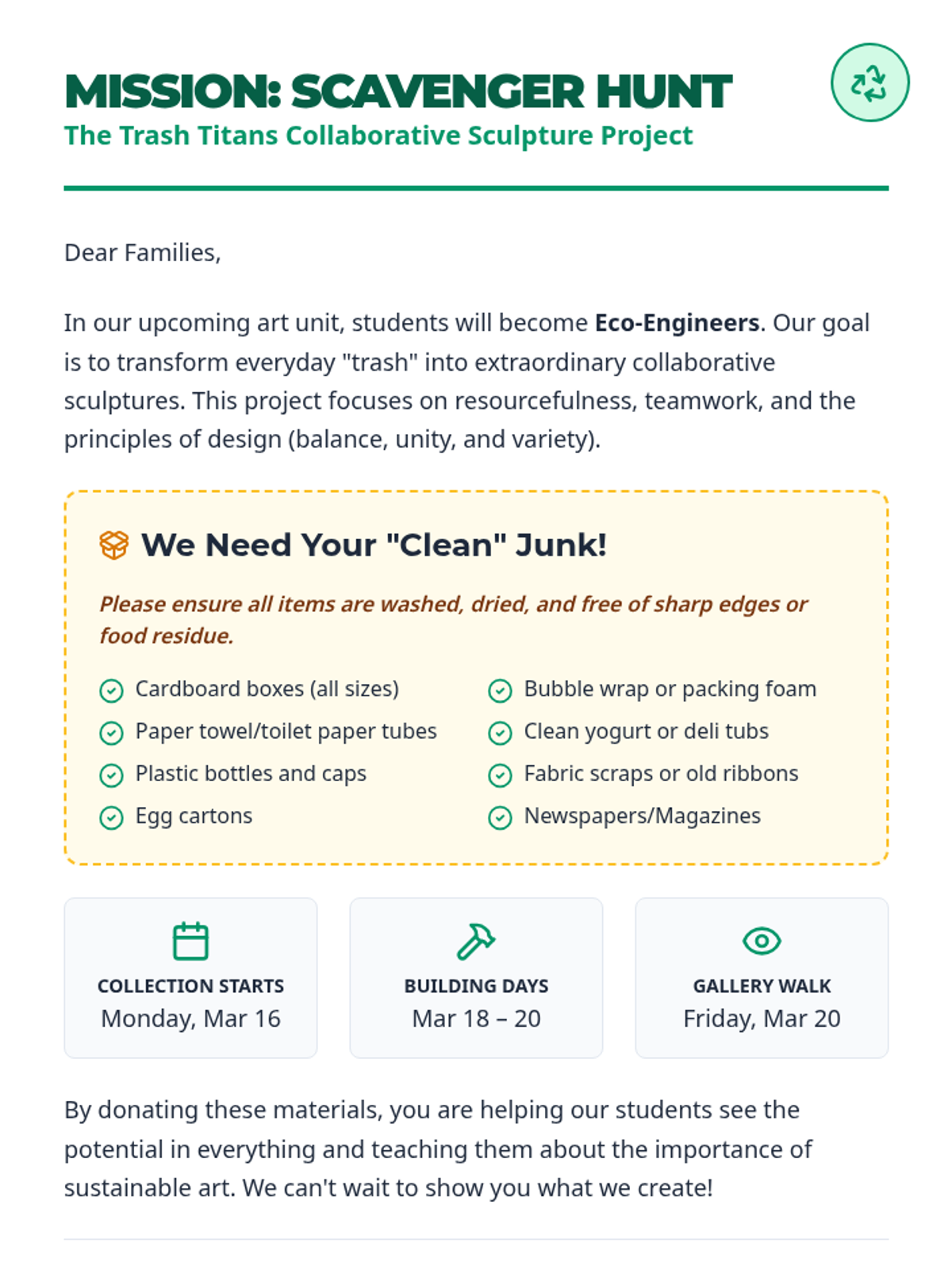
A 3-day collaborative art project where students transform recycled materials into large-scale sculptures while applying principles of design and creative problem-solving.
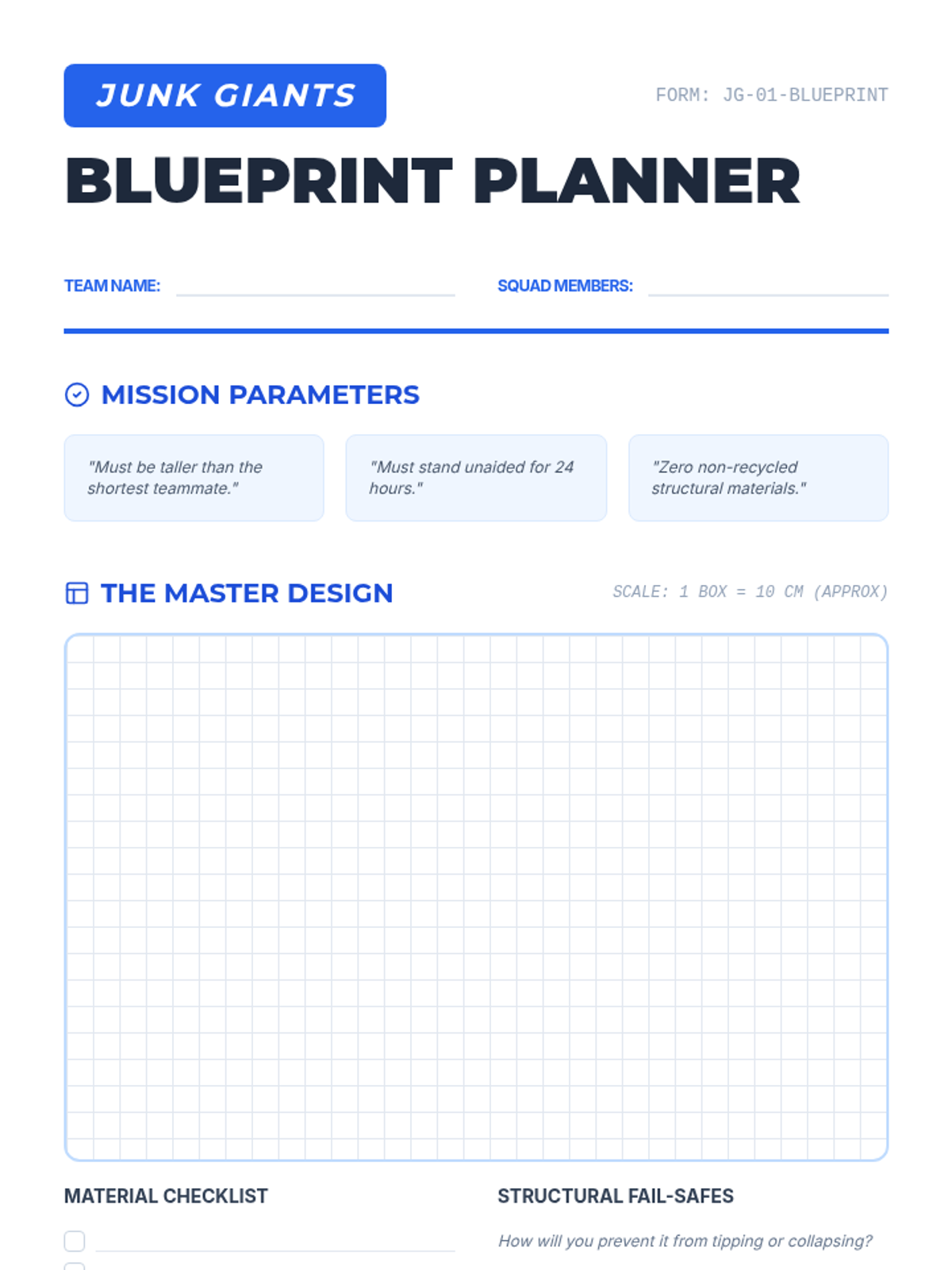
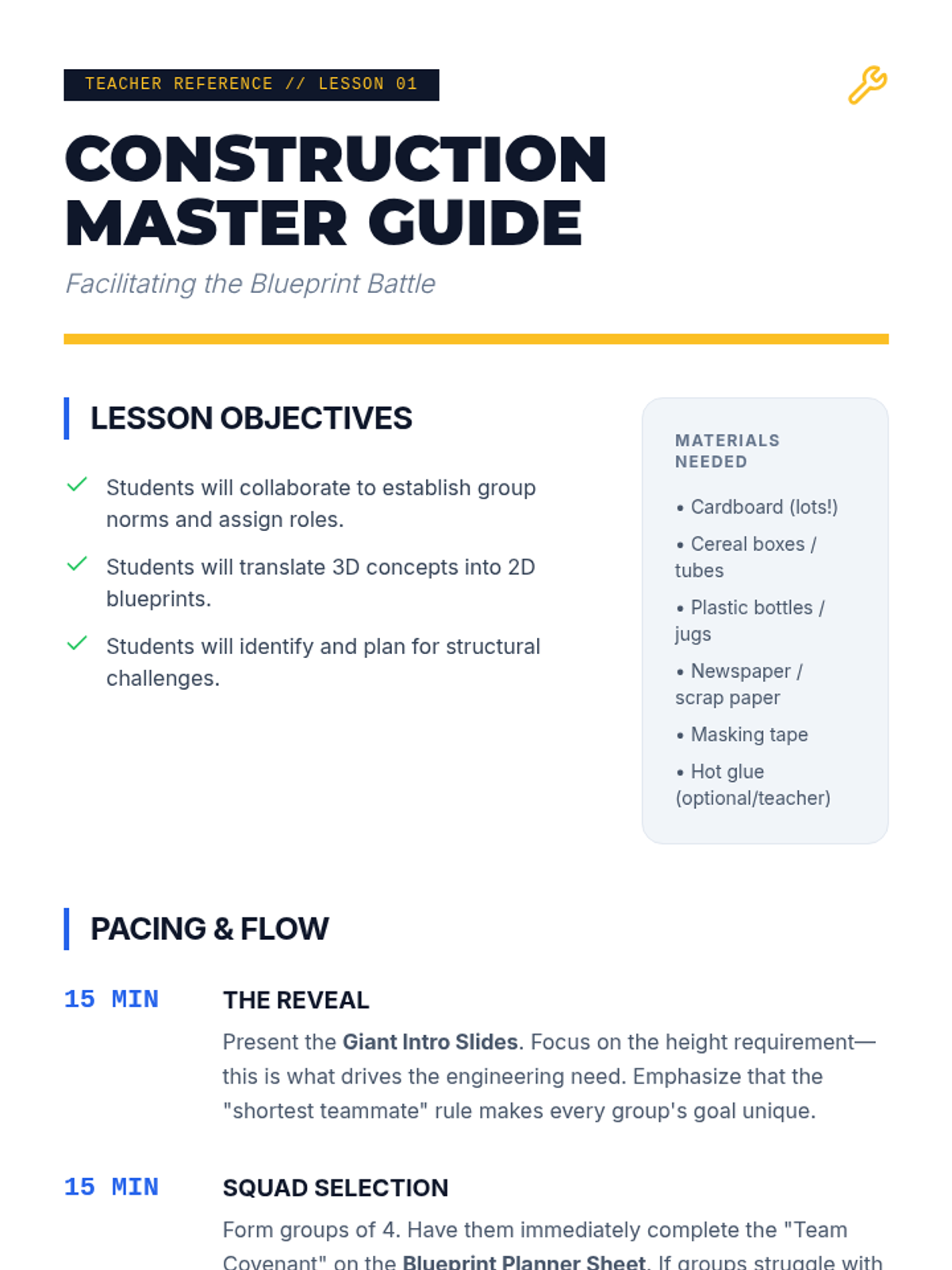
A 3-day collaborative sculpture project where students transform recycled materials into massive structures while overcoming engineering challenges.
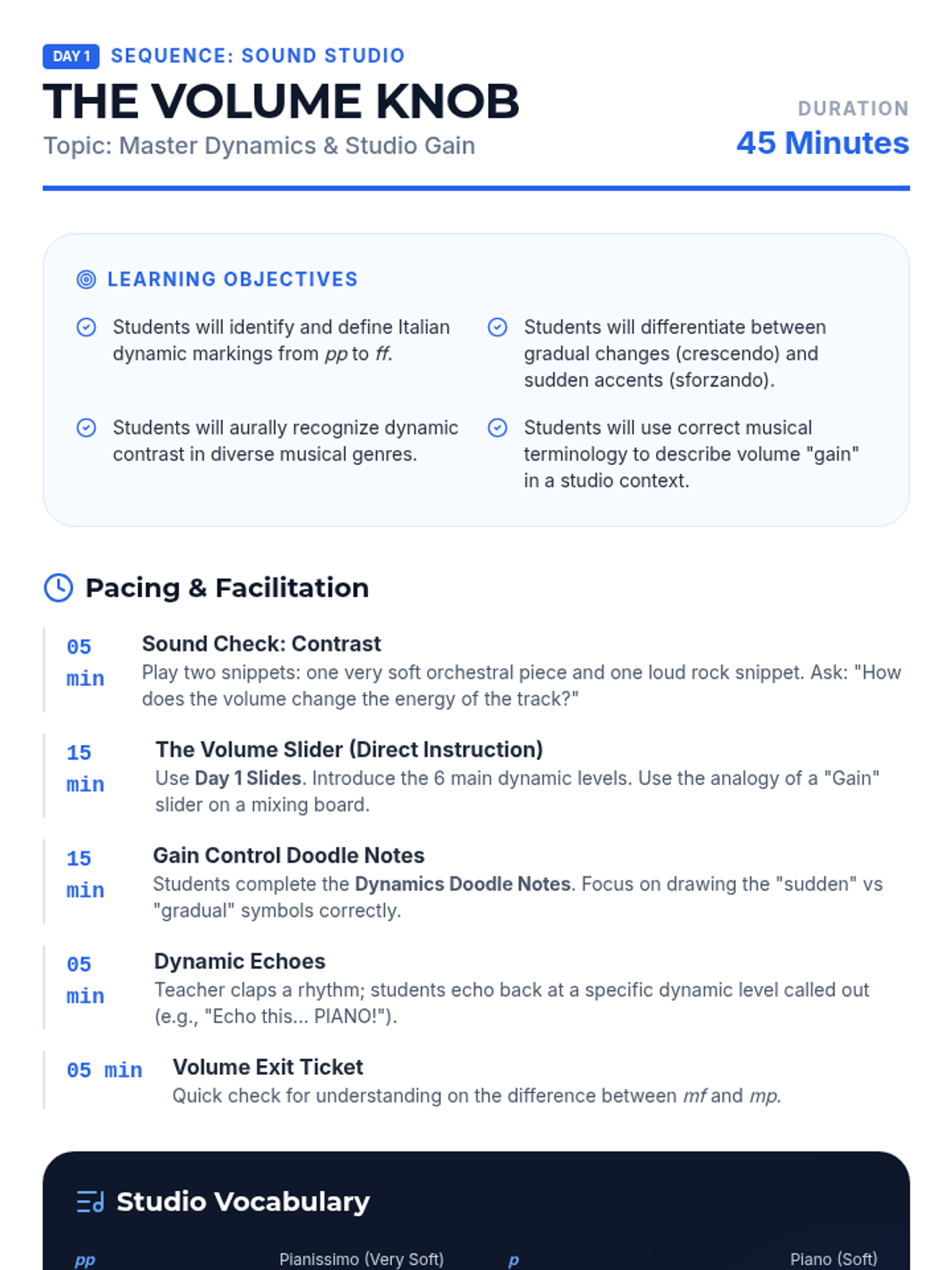
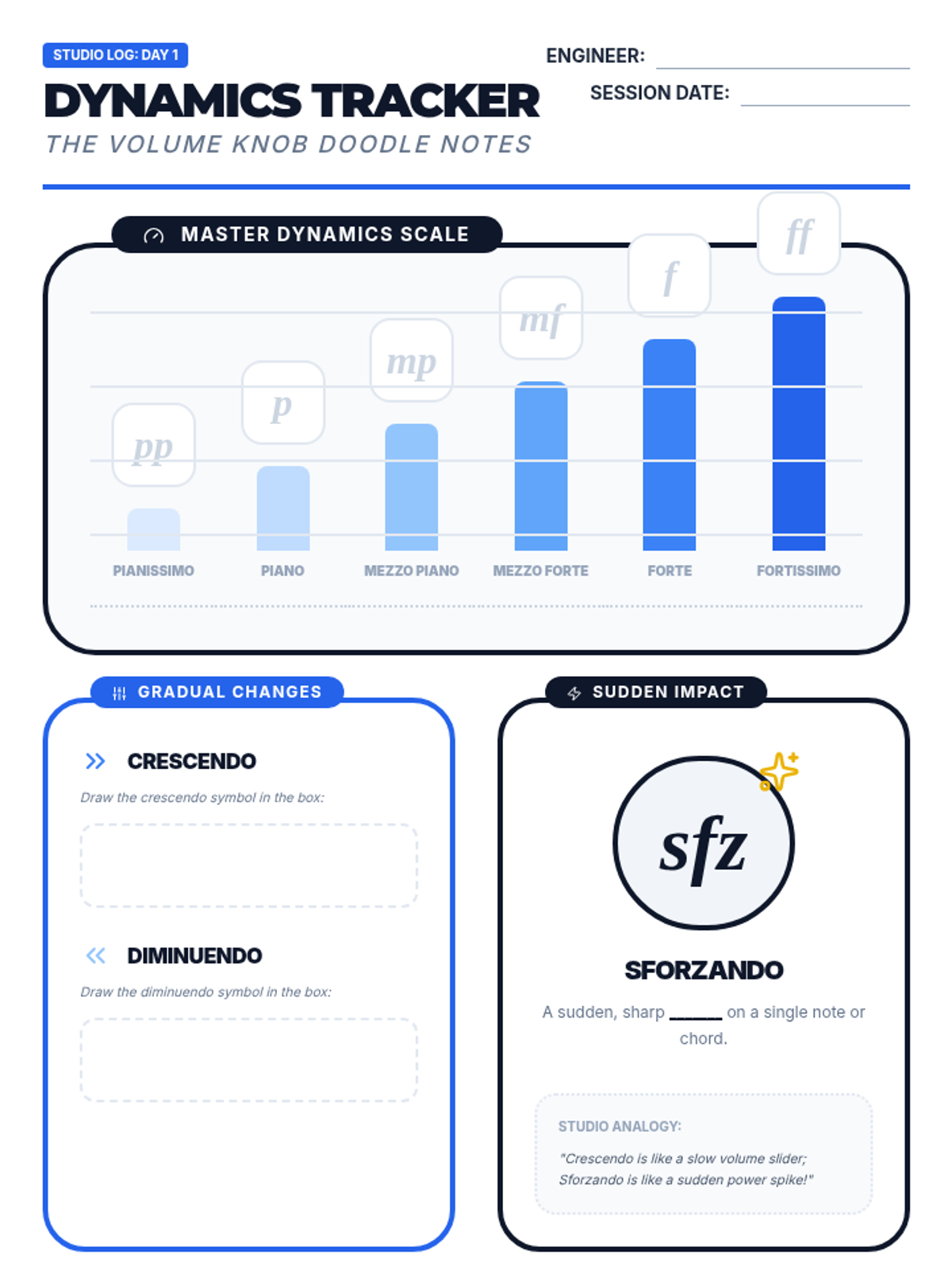
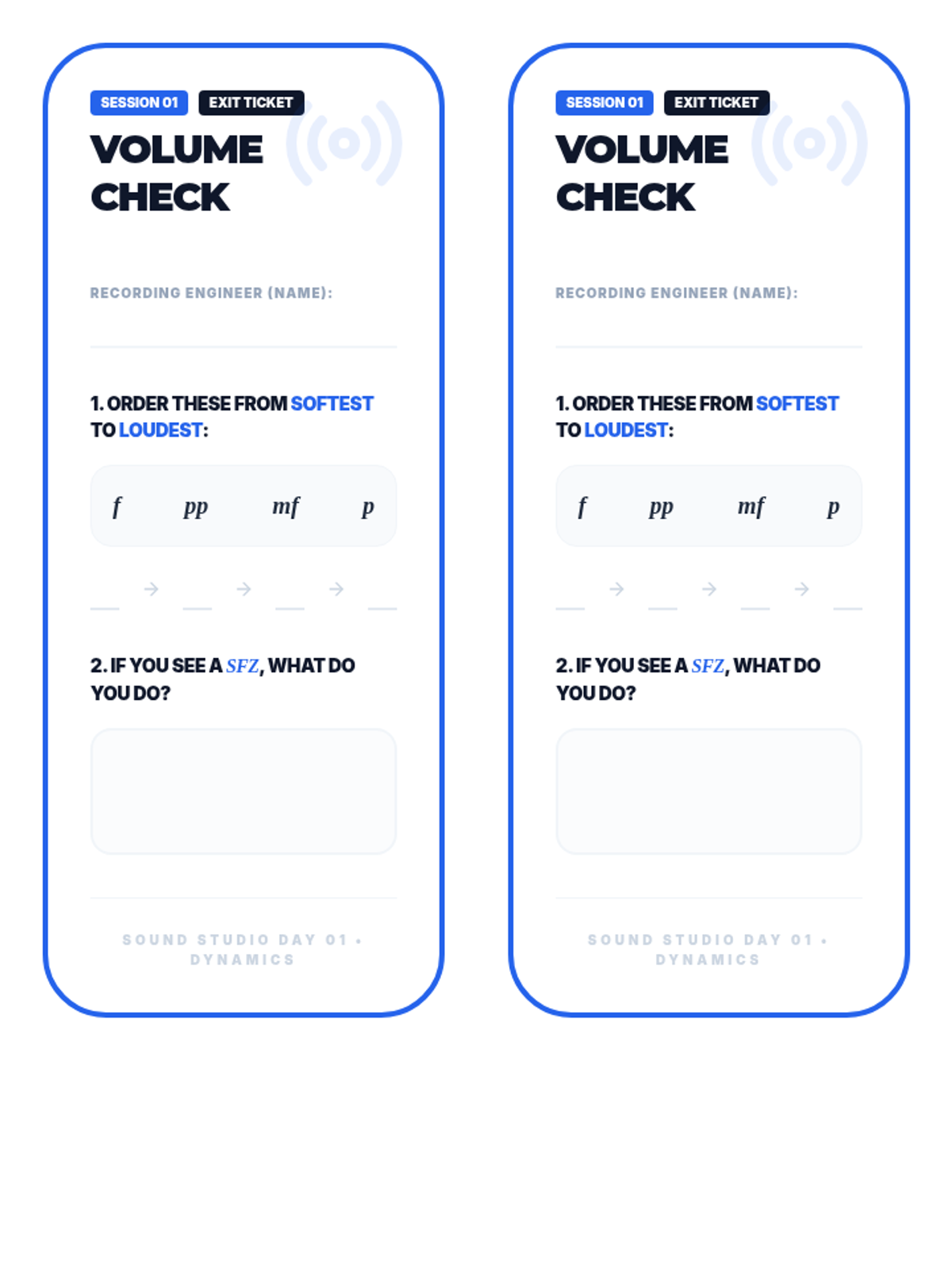
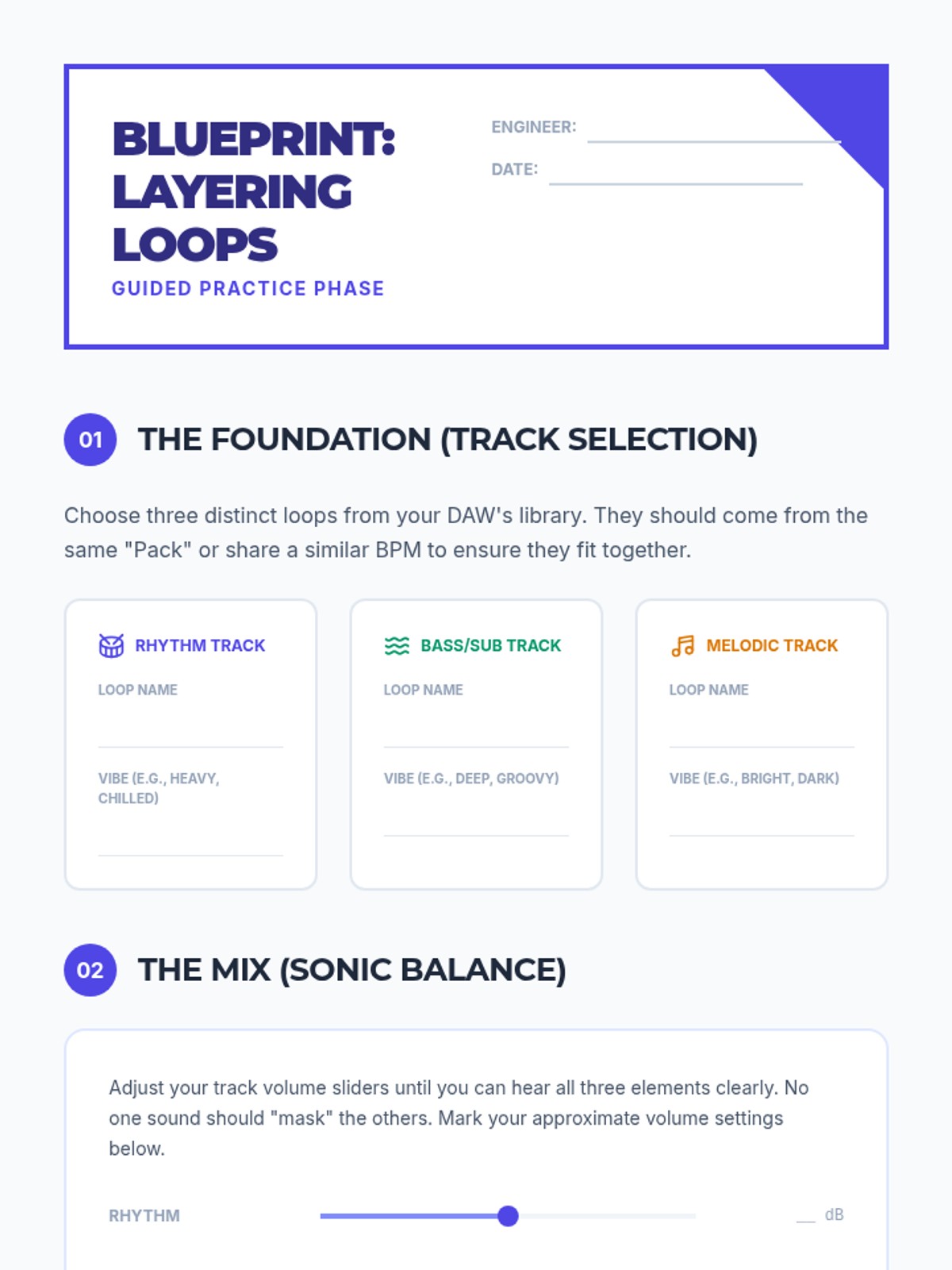
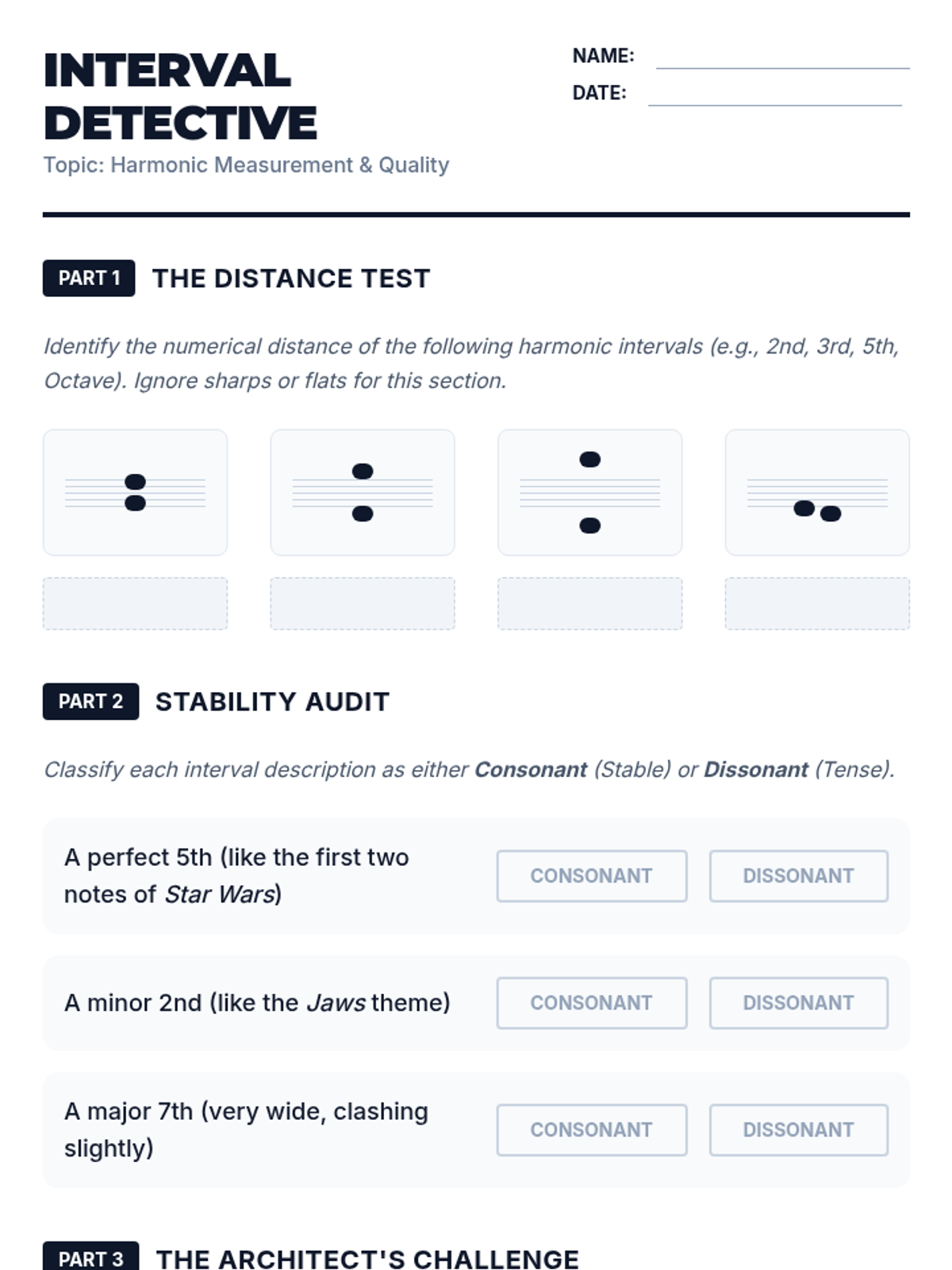
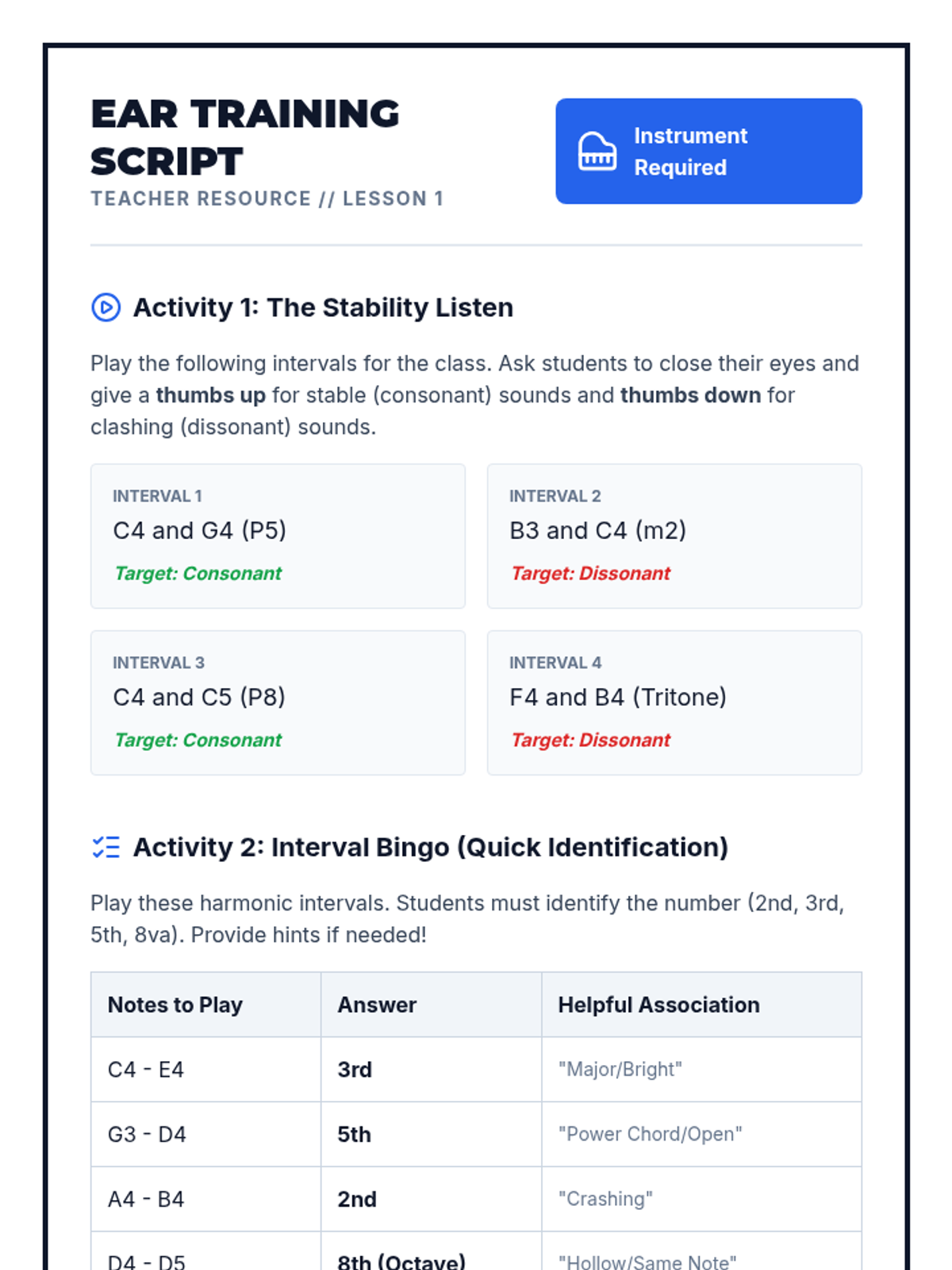
A 3-day intensive exploration of the fundamental building blocks of music theory—Dynamics, Tempo, and Intervals—designed through a modern sound studio lens.
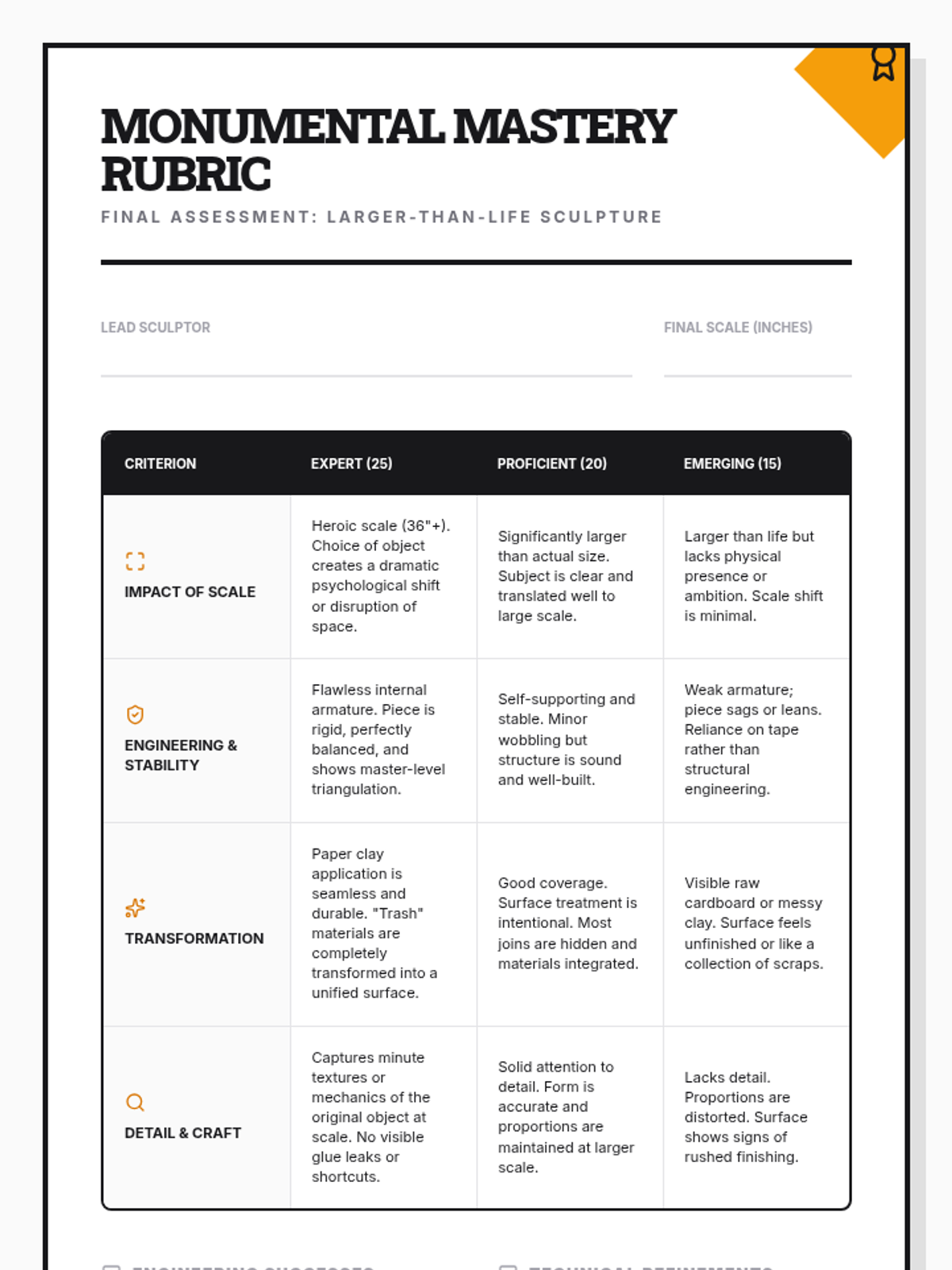
A comprehensive 3D art unit that guides students from transforming recycled materials to mastering monumental scale, combining fine arts history with engineering and technical skill.
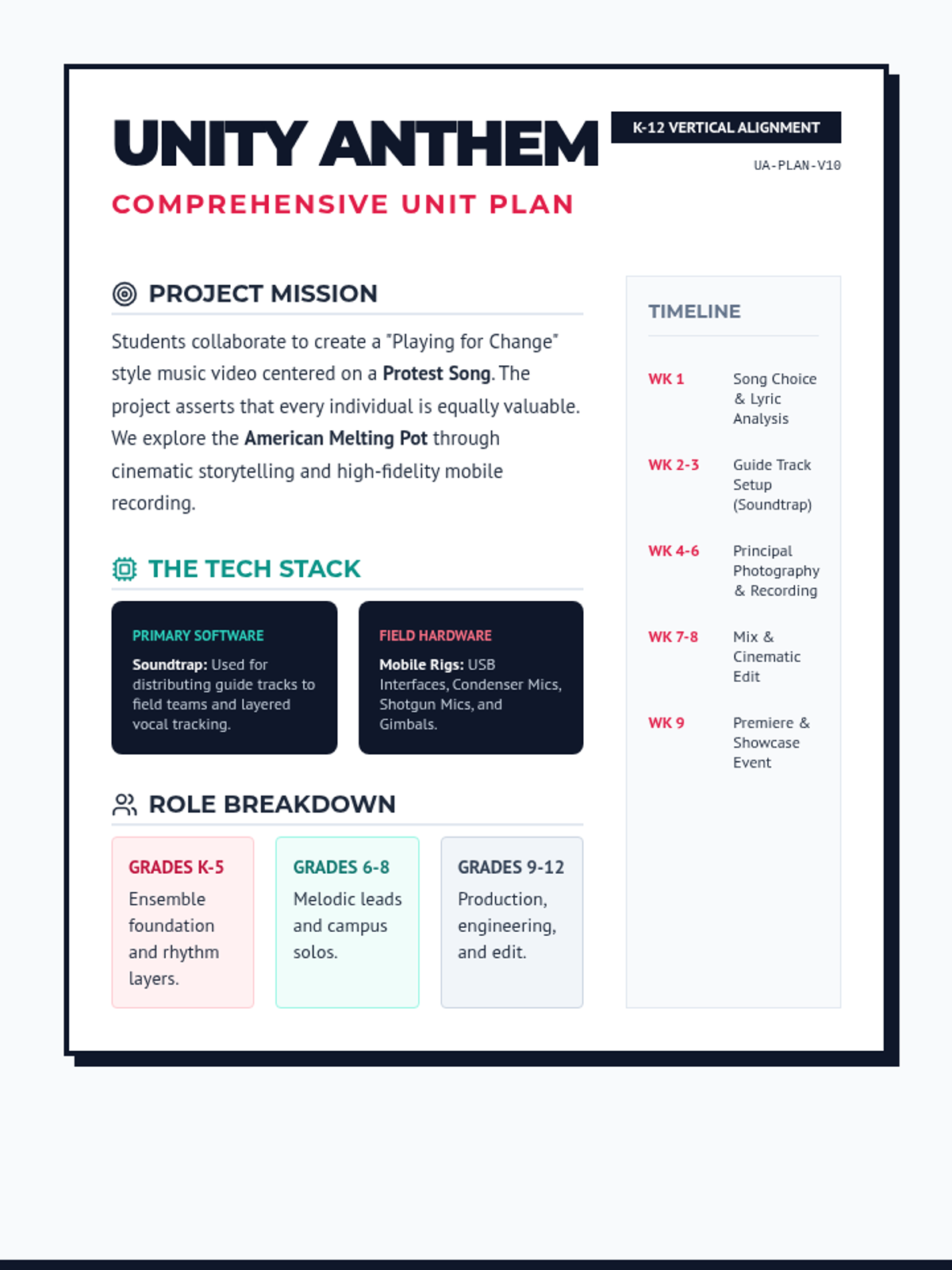
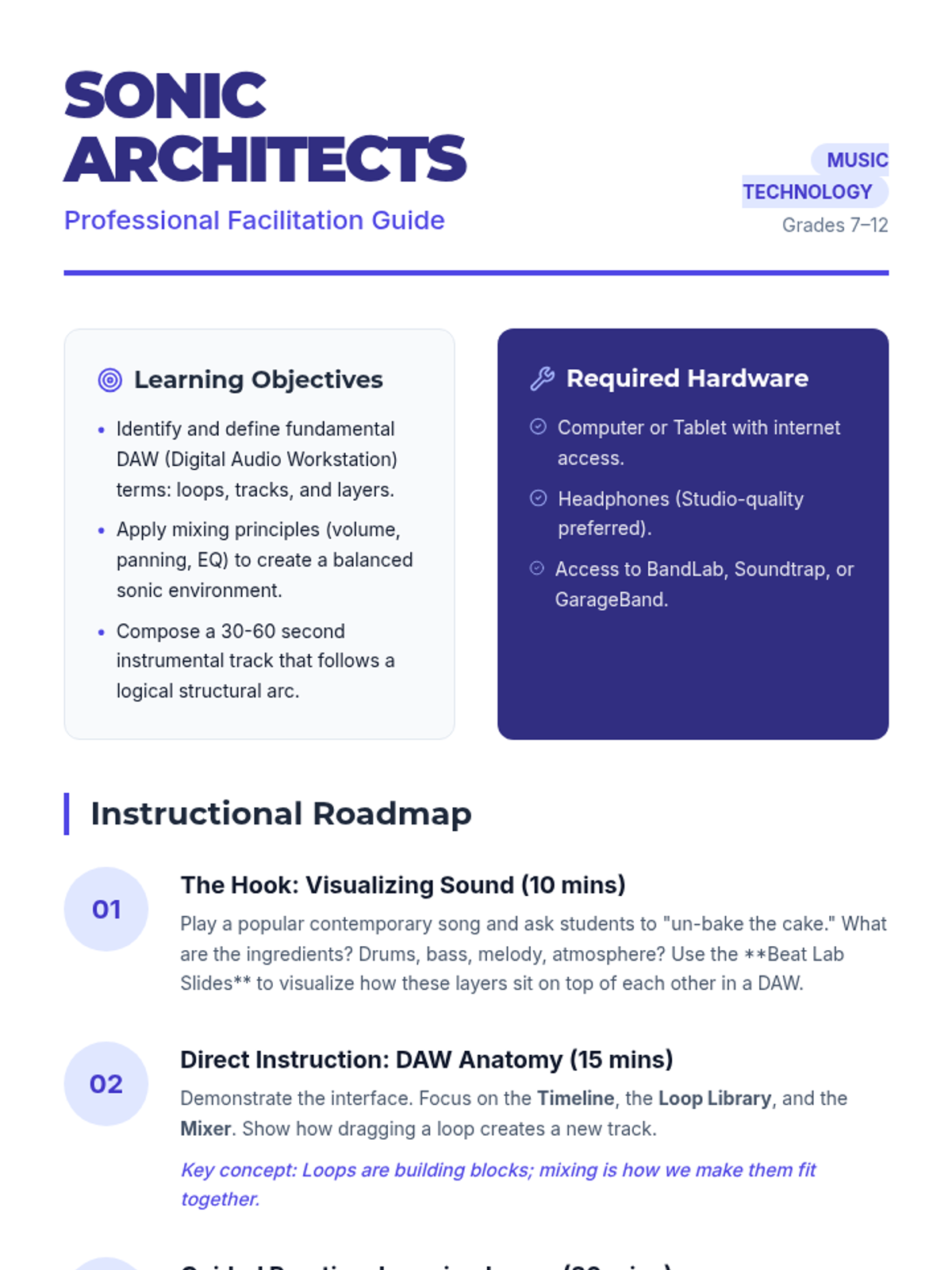
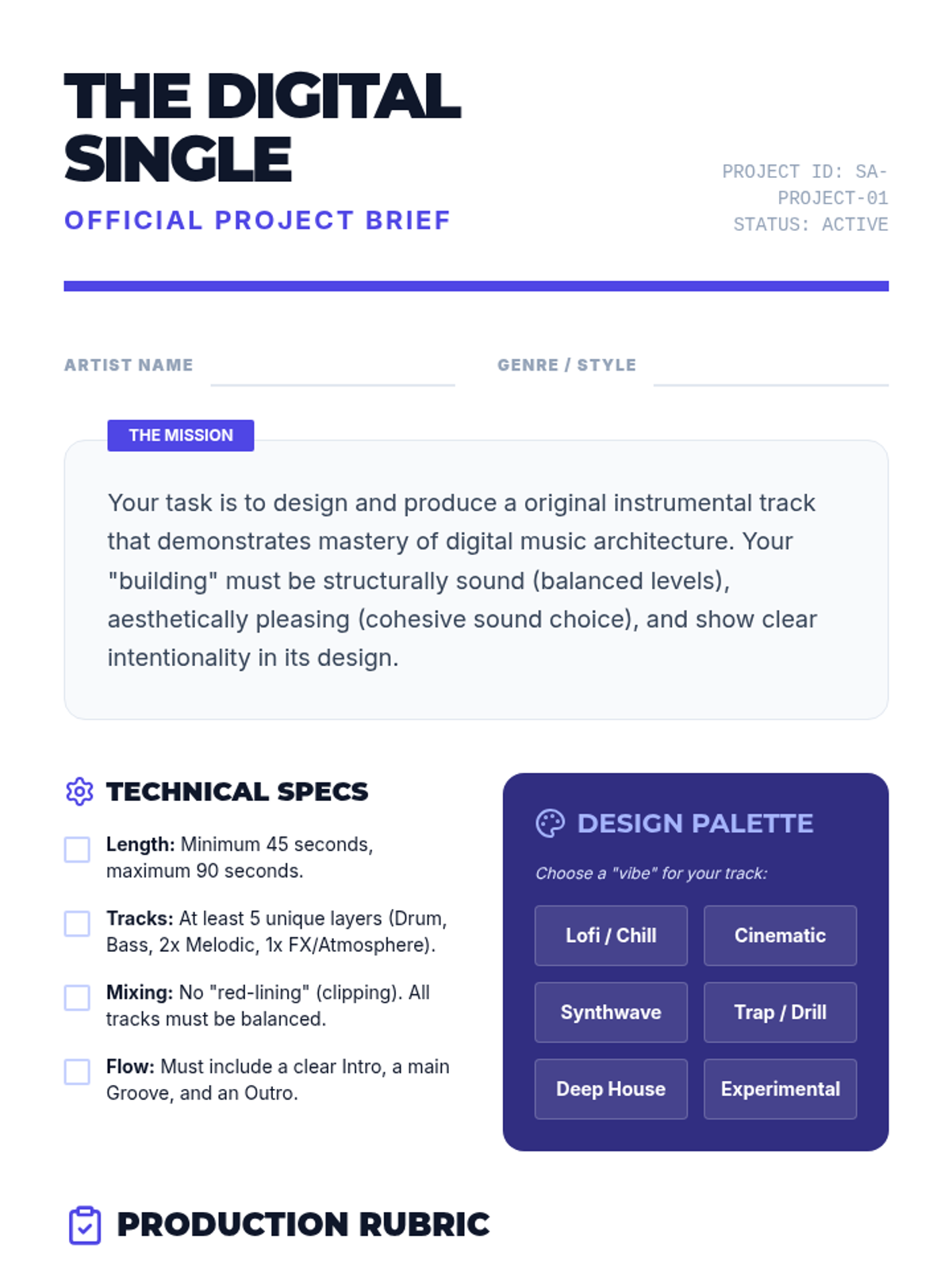
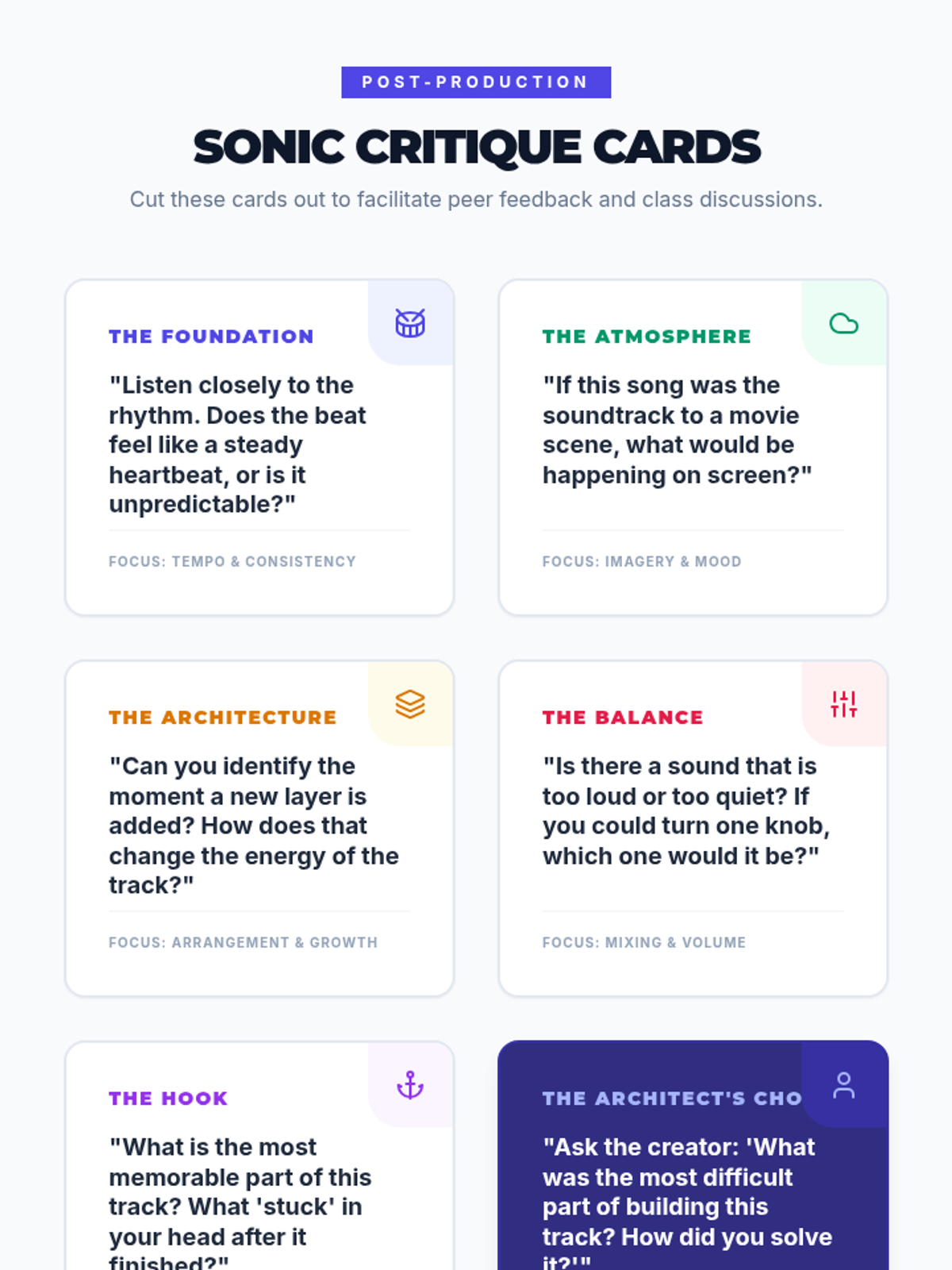
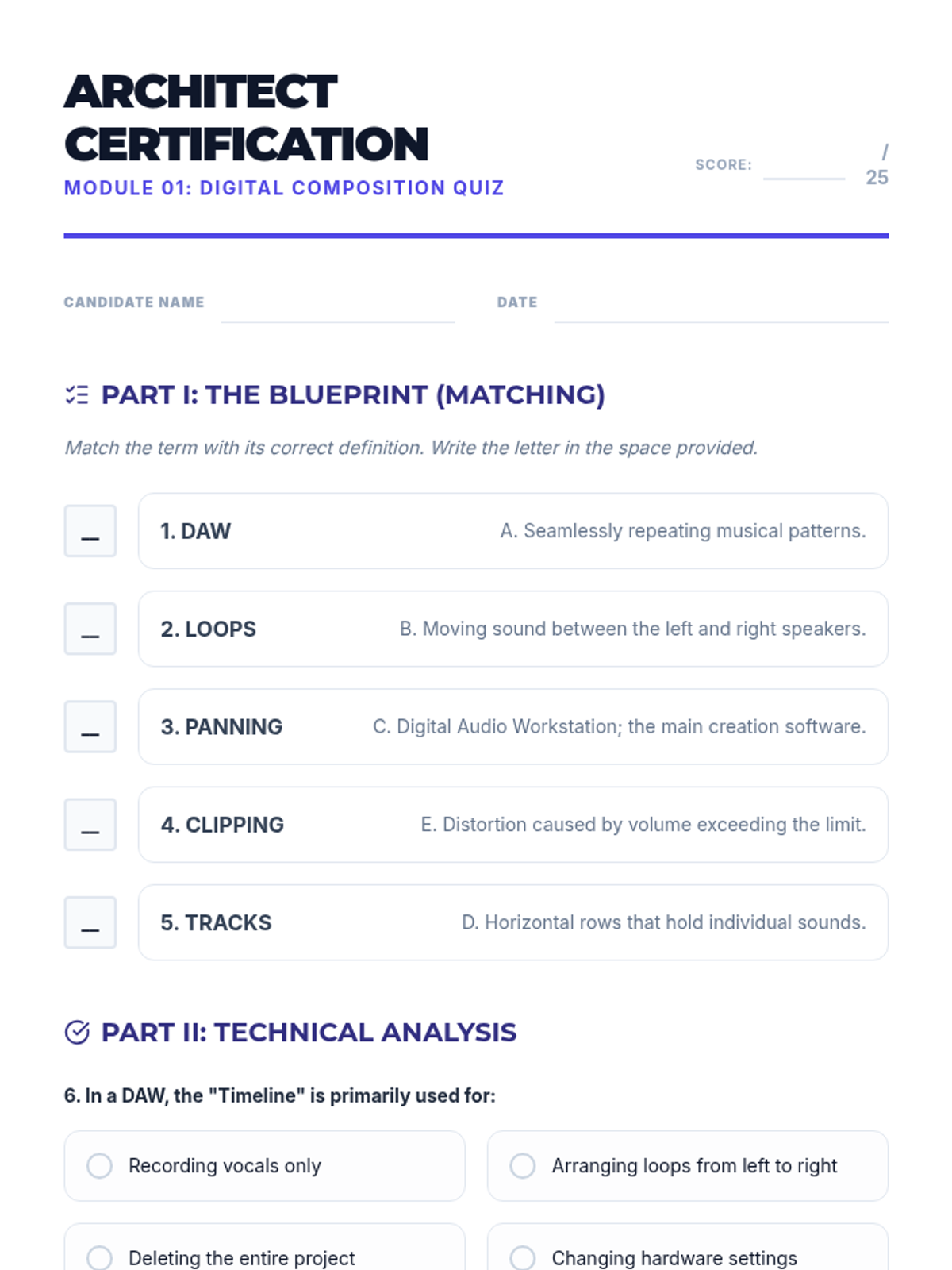
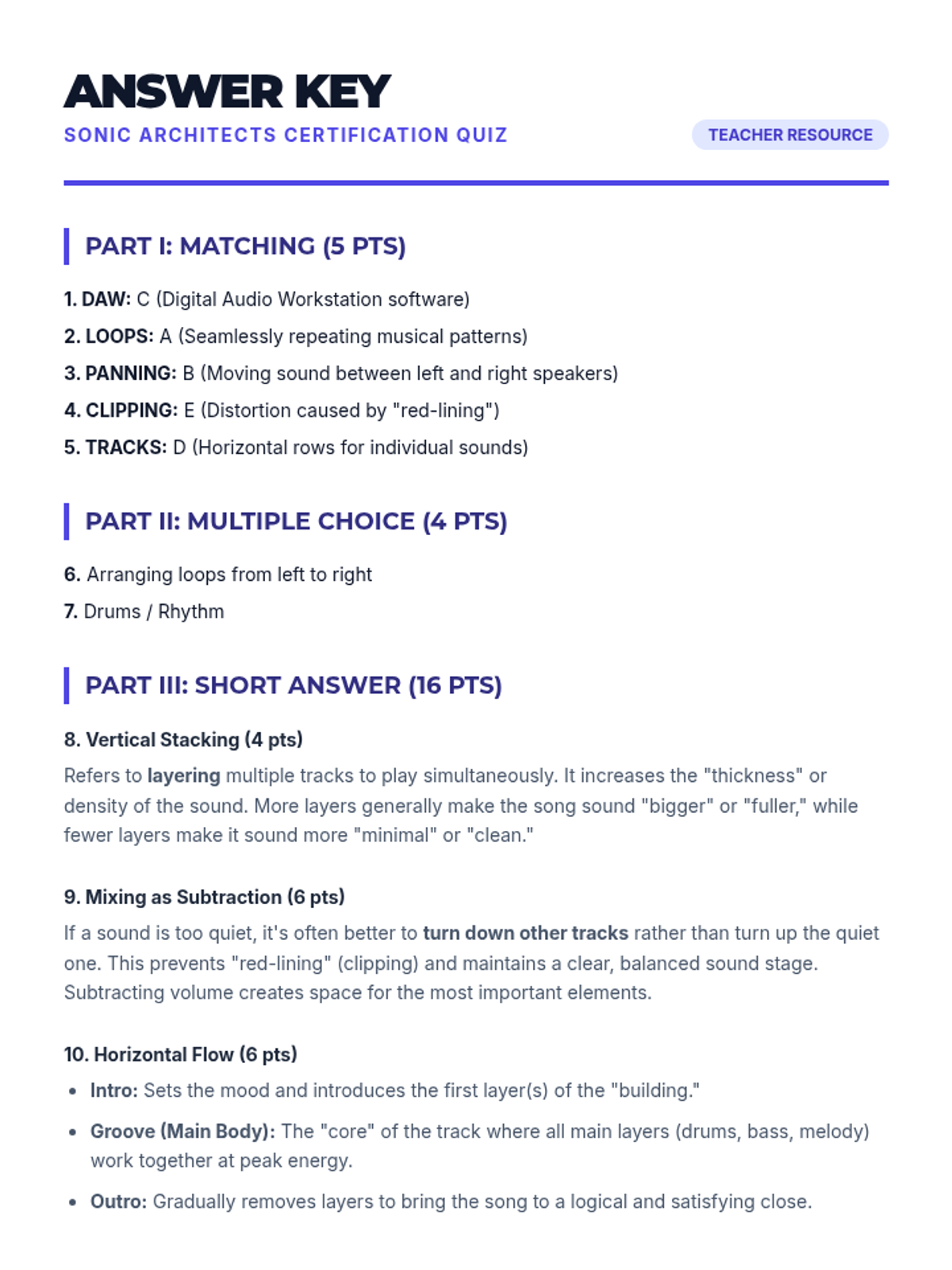
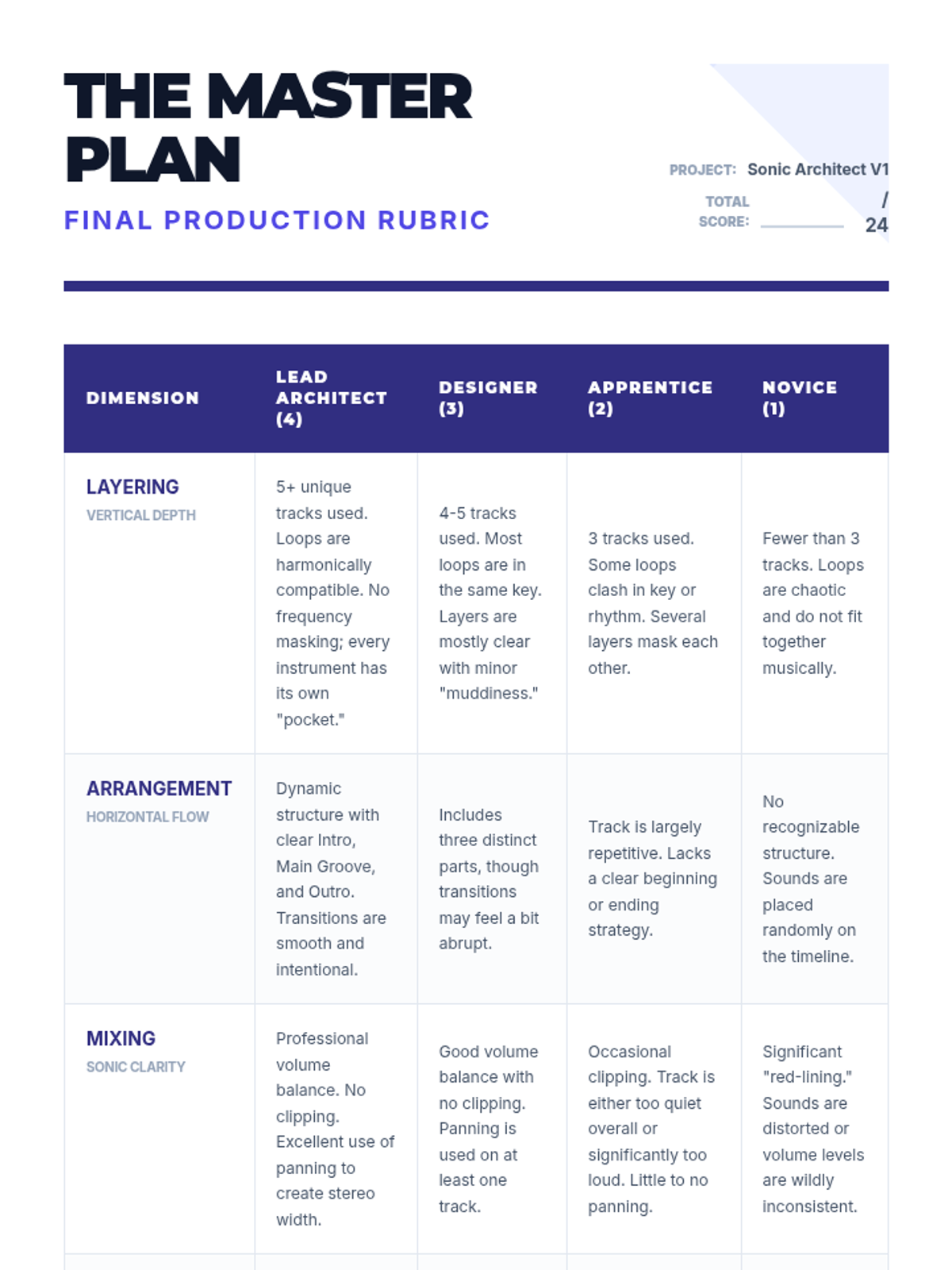
A comprehensive music technology unit where middle and high school students master digital audio production and collaborate to produce a multi-grade showcase concert, bridging the gap between classroom creation and public performance.
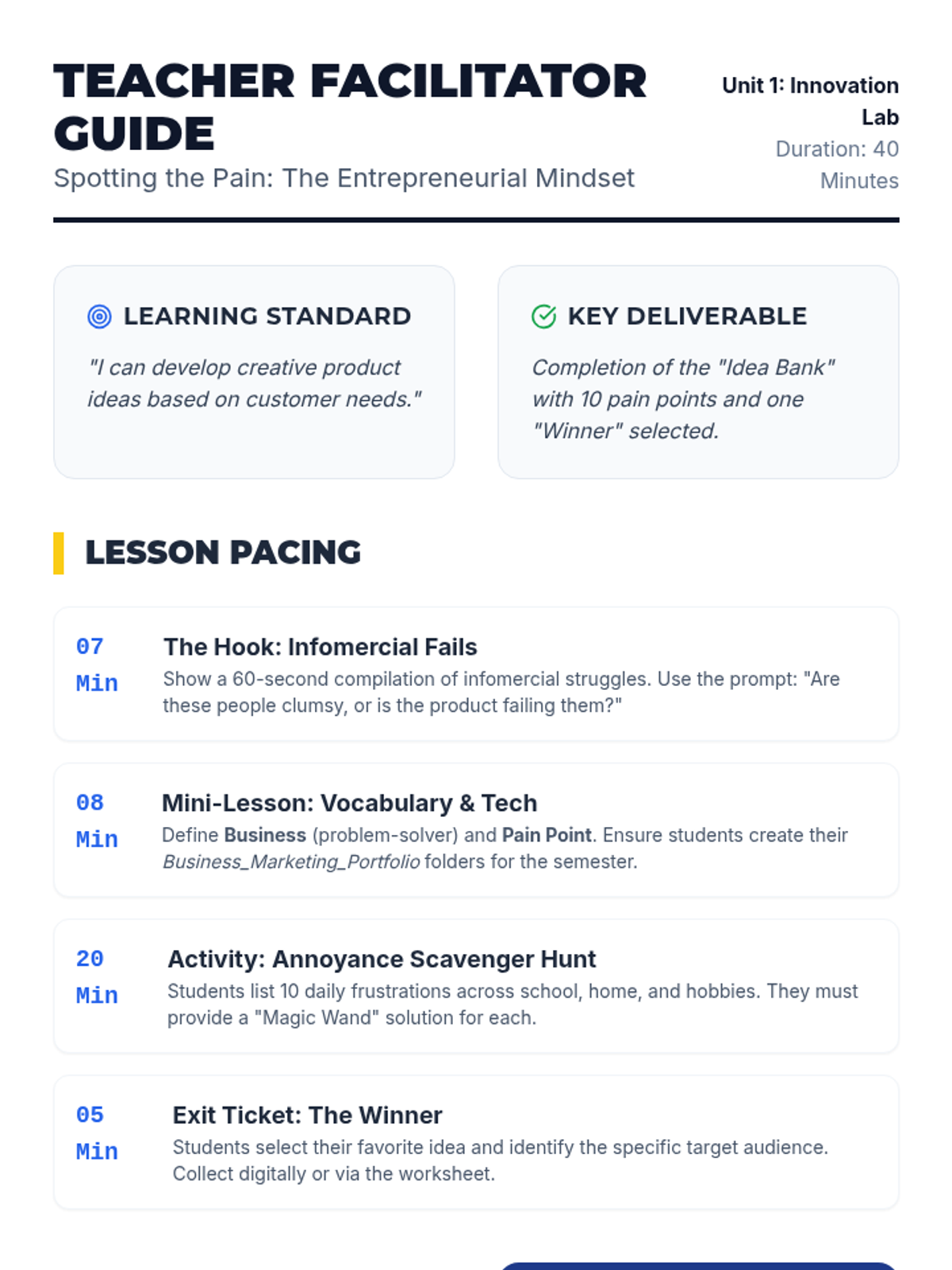
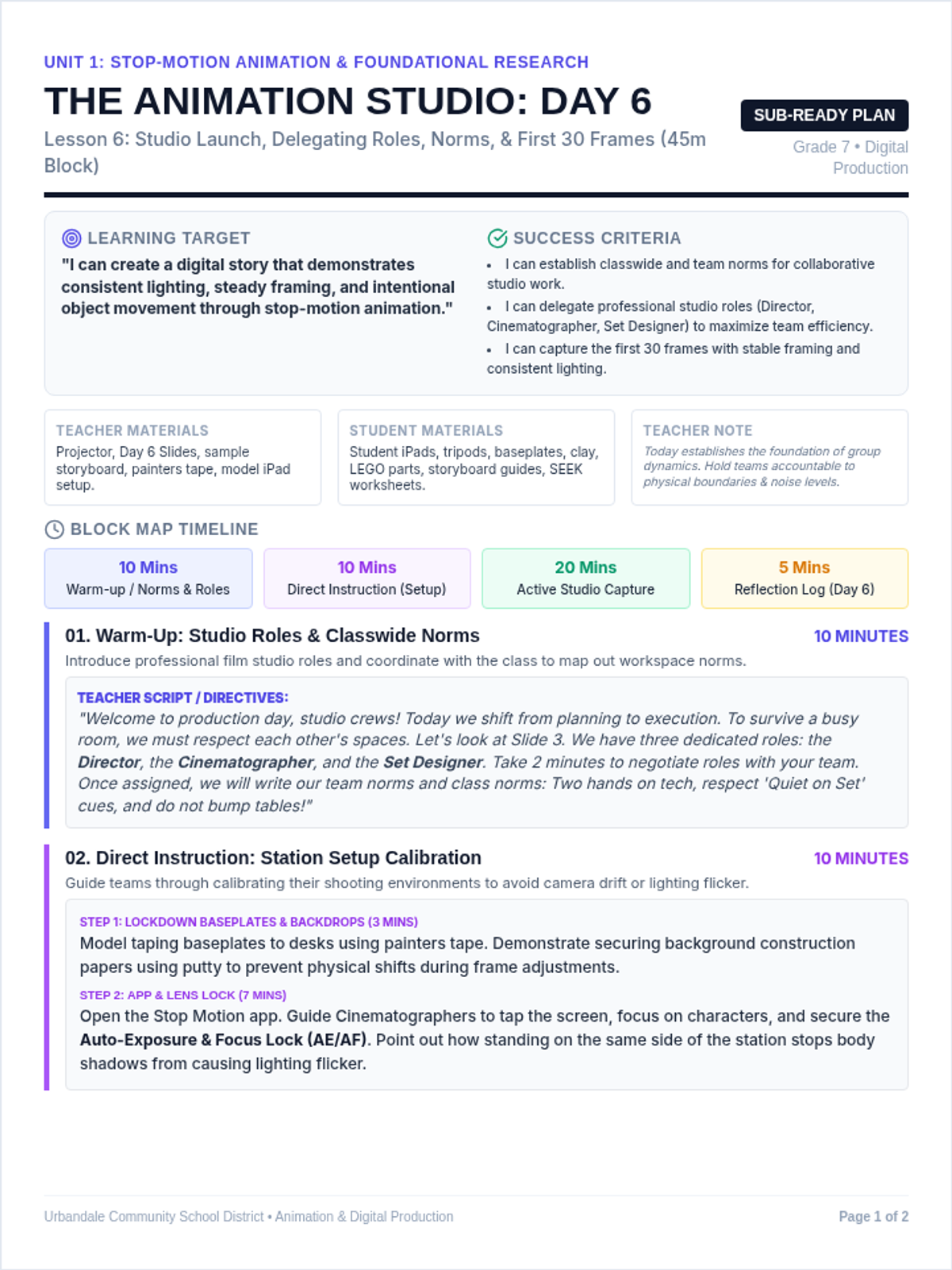
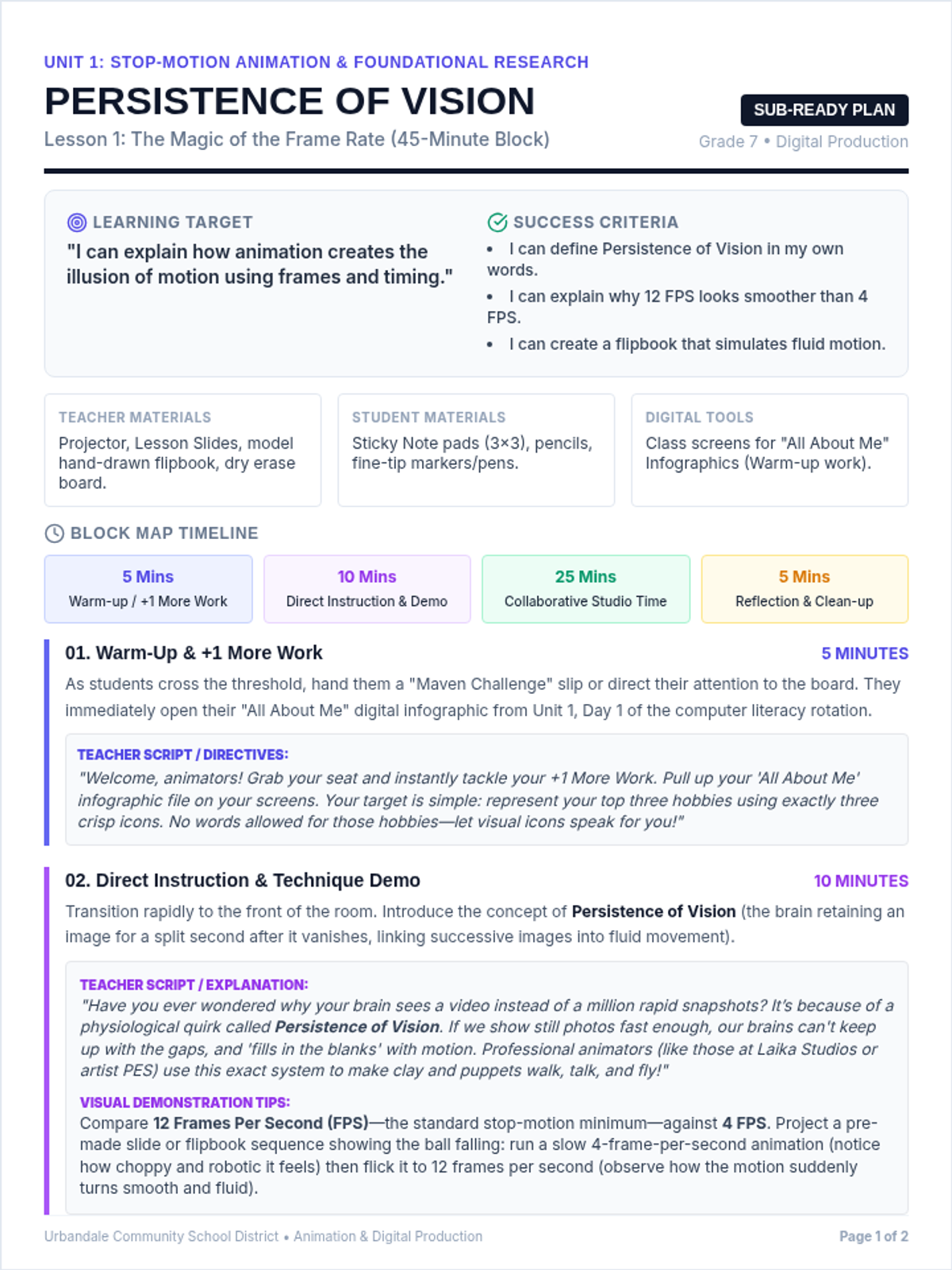
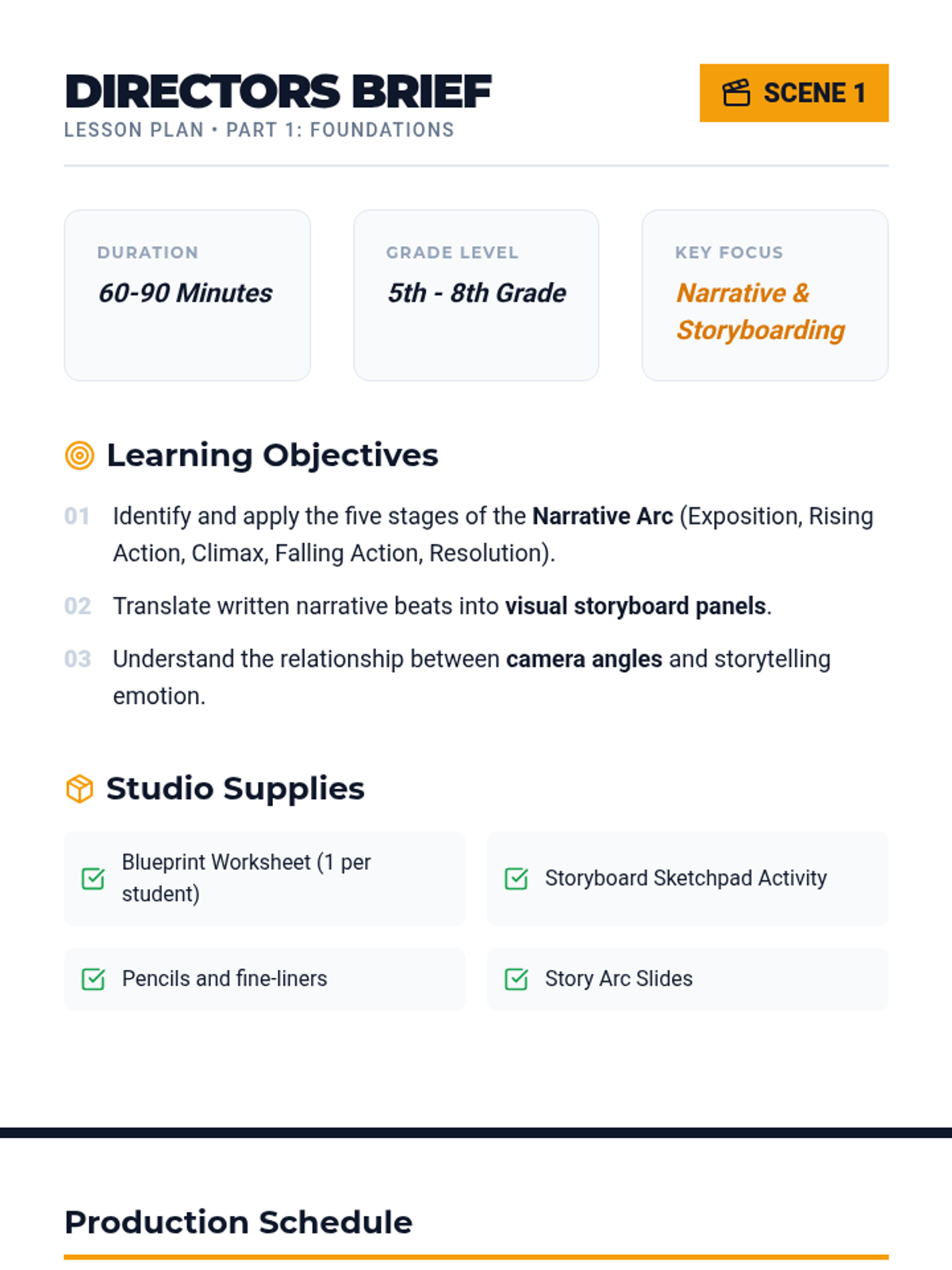
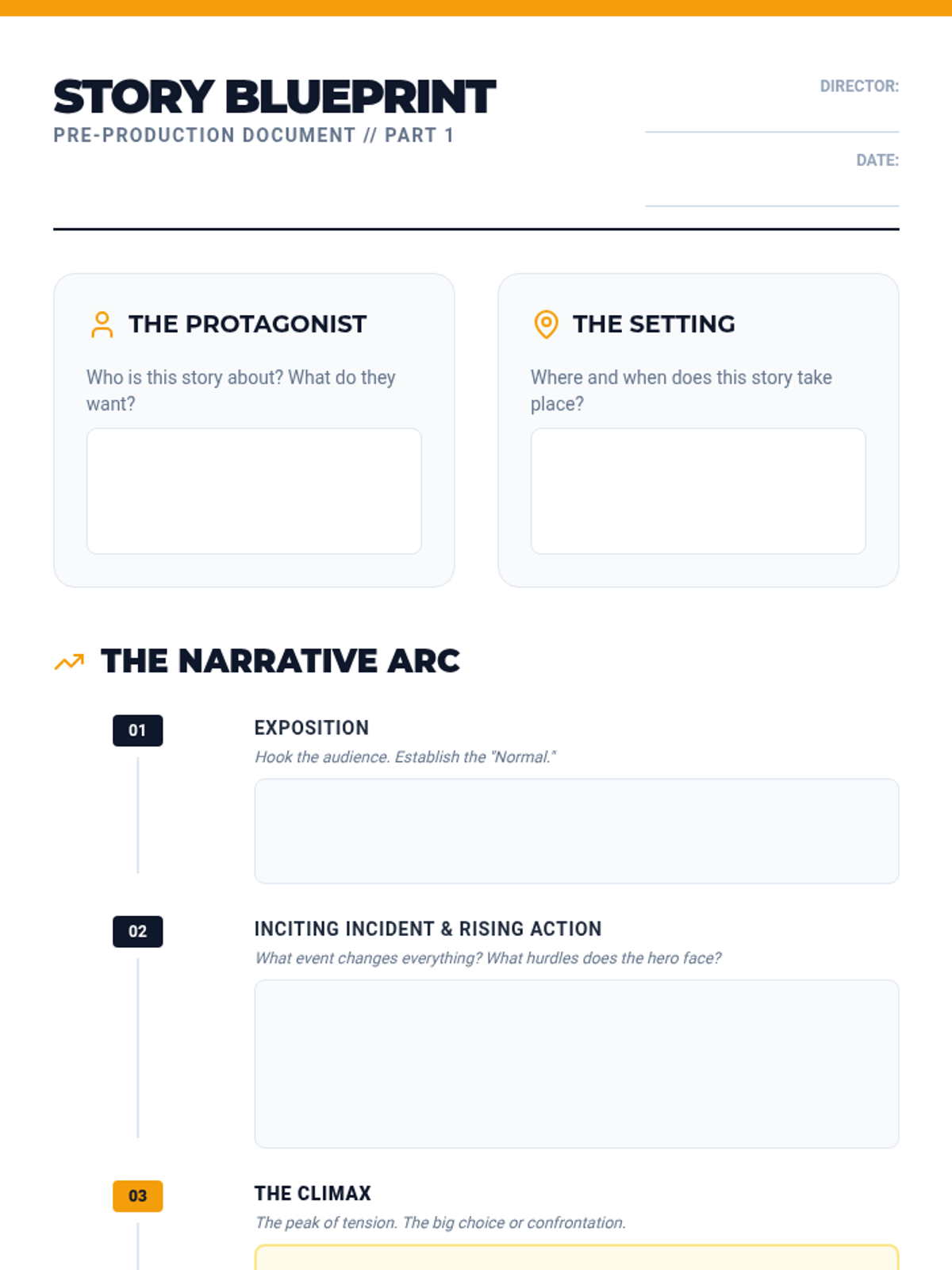
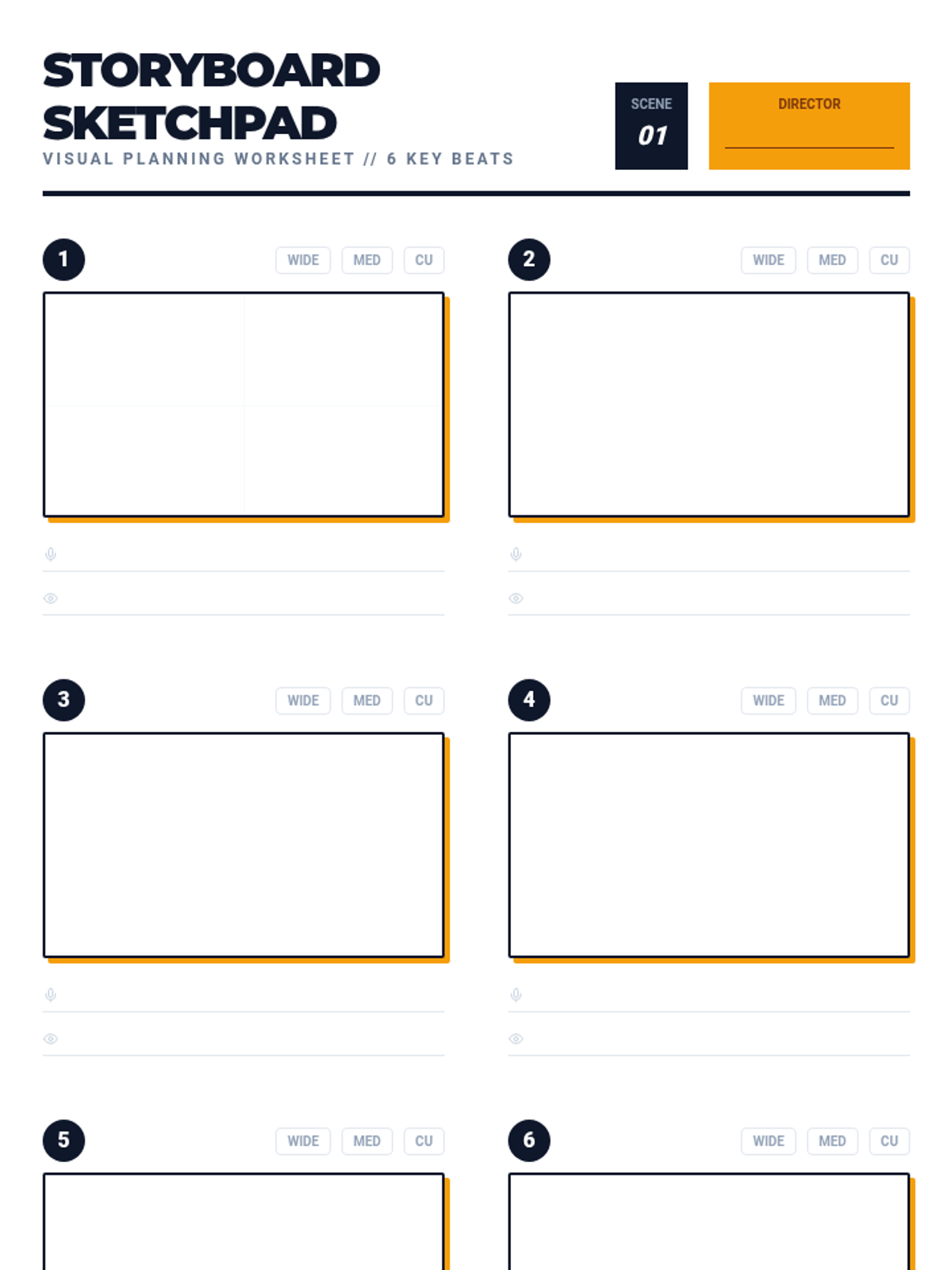
A comprehensive workshop where students in grades 5-8 master the art of digital storytelling by blending narrative structure, audio production, and visual composition into a final multimedia project.
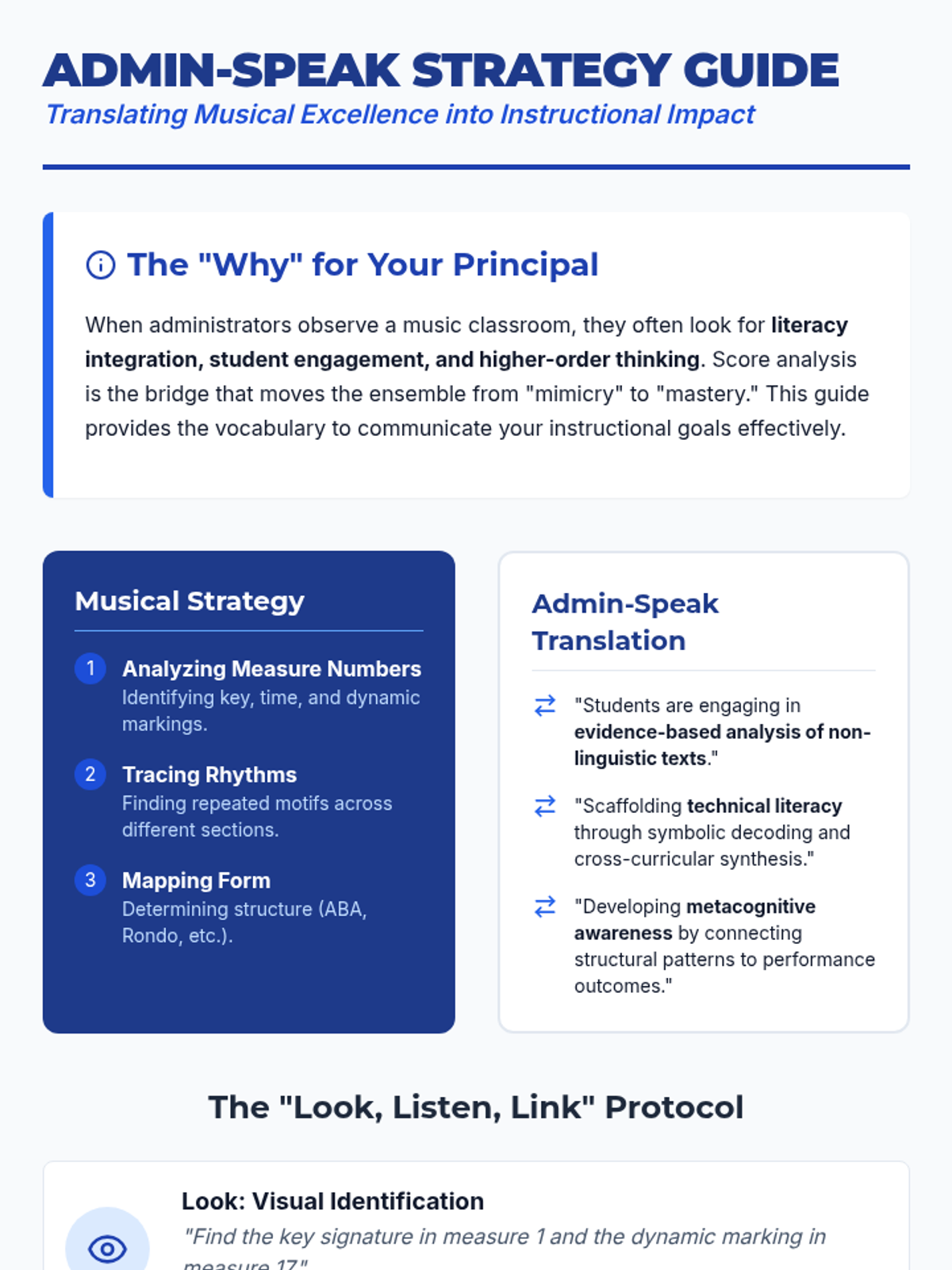
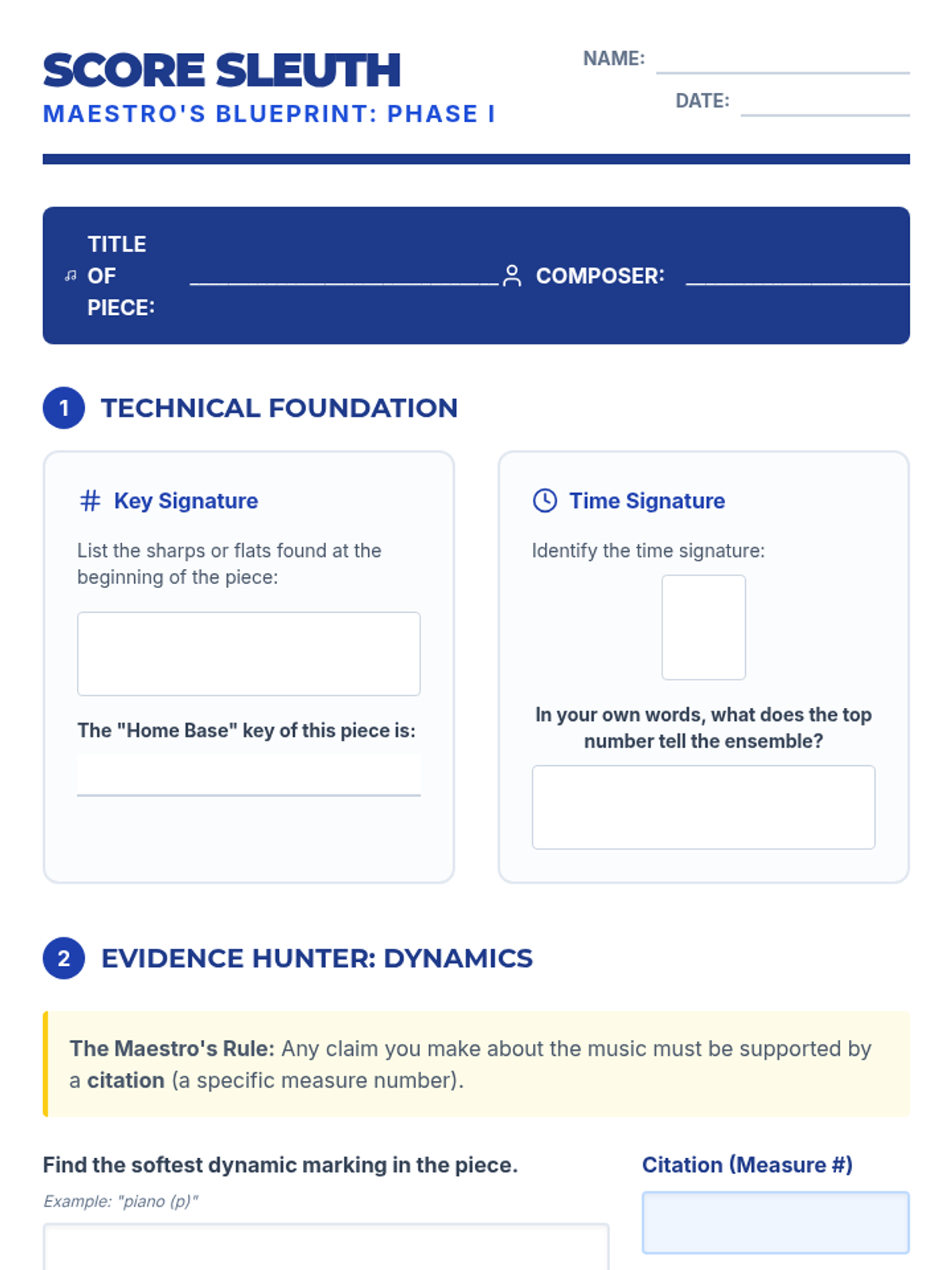
A comprehensive score analysis framework for middle school band and choir ensembles that integrates music literacy with text-based evidence and academic rigor. Students learn to 'read' a musical score as a primary source document, identifying technical elements and structural patterns while providing specific citations for their findings.
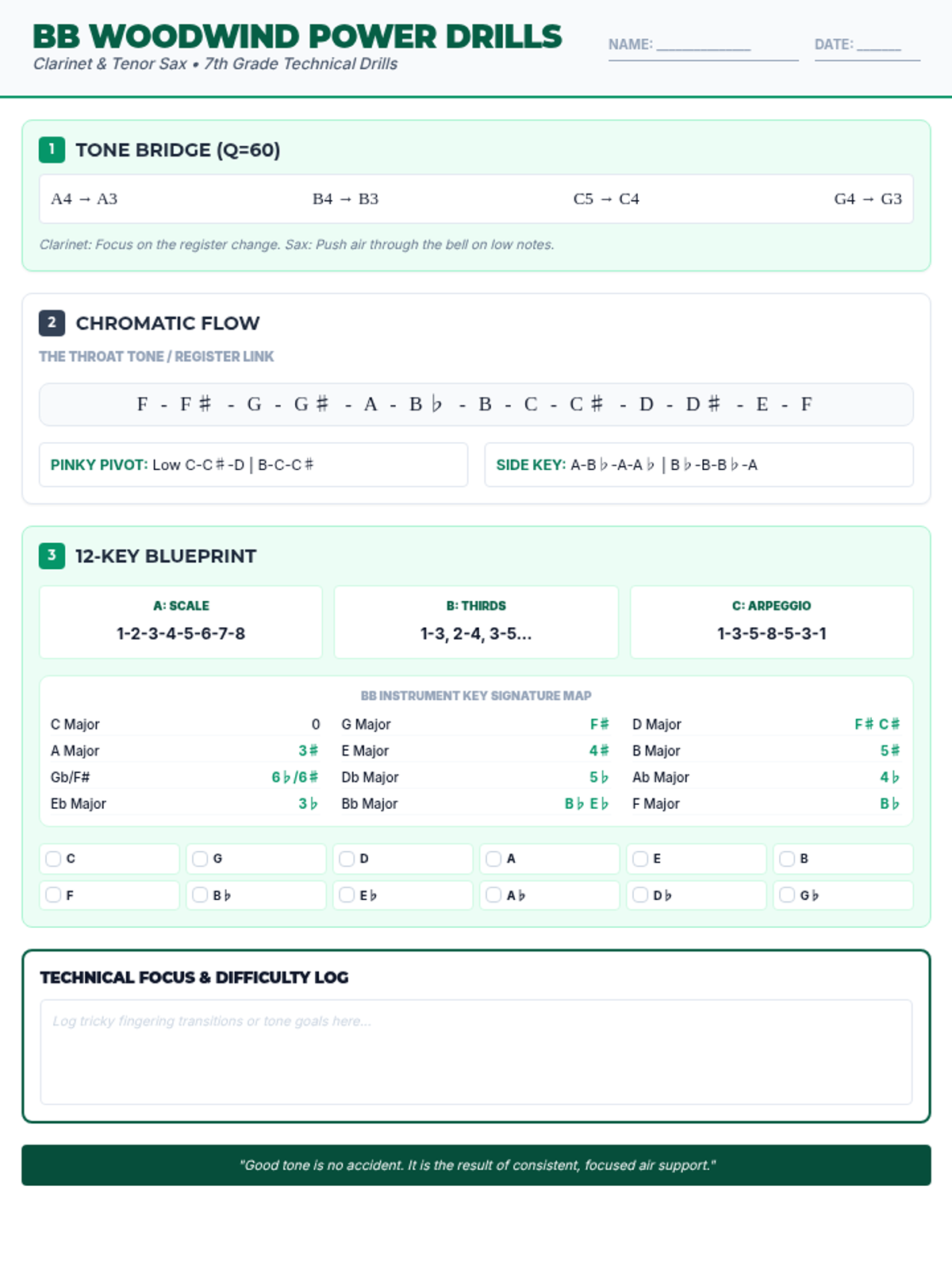
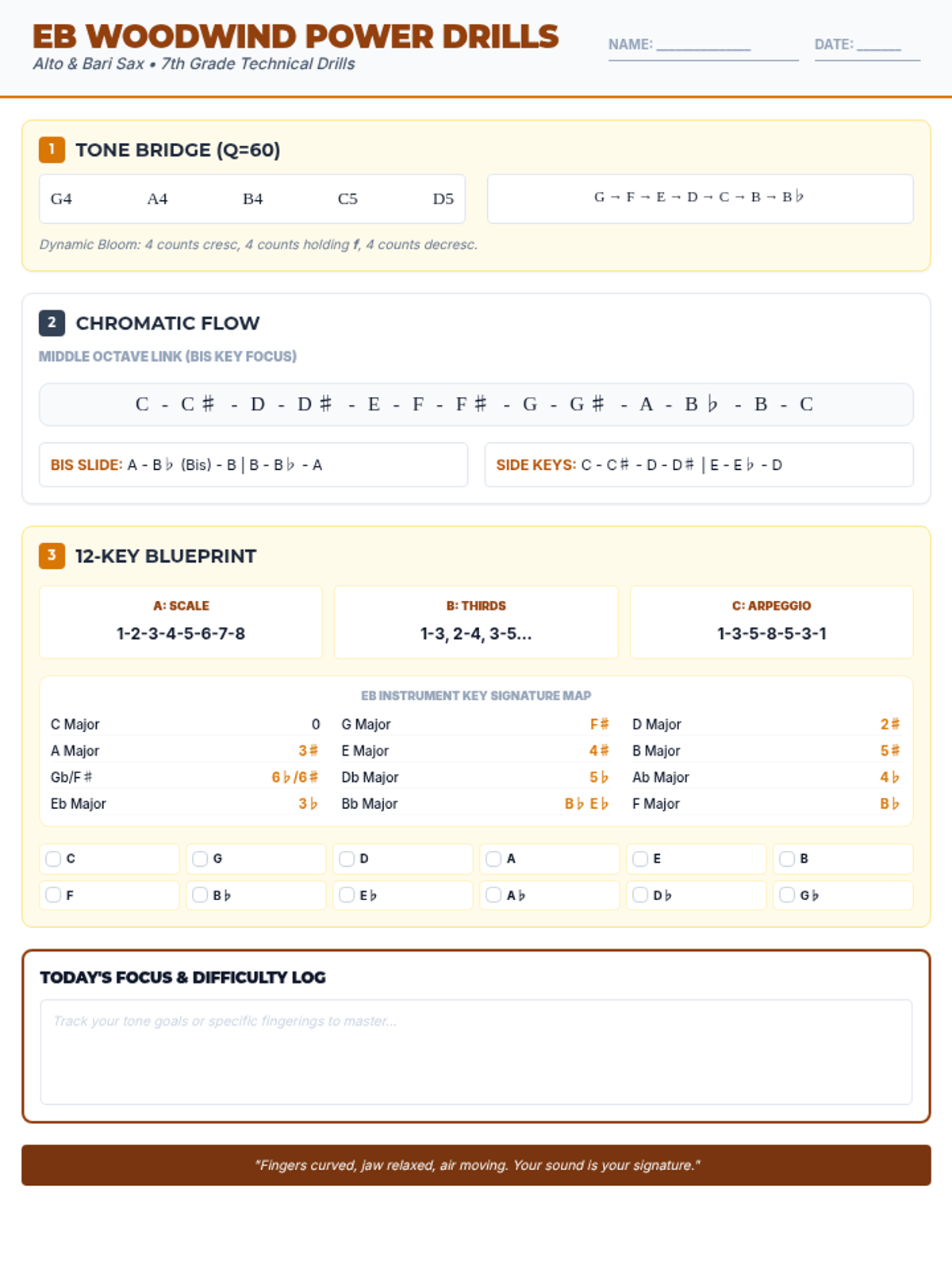
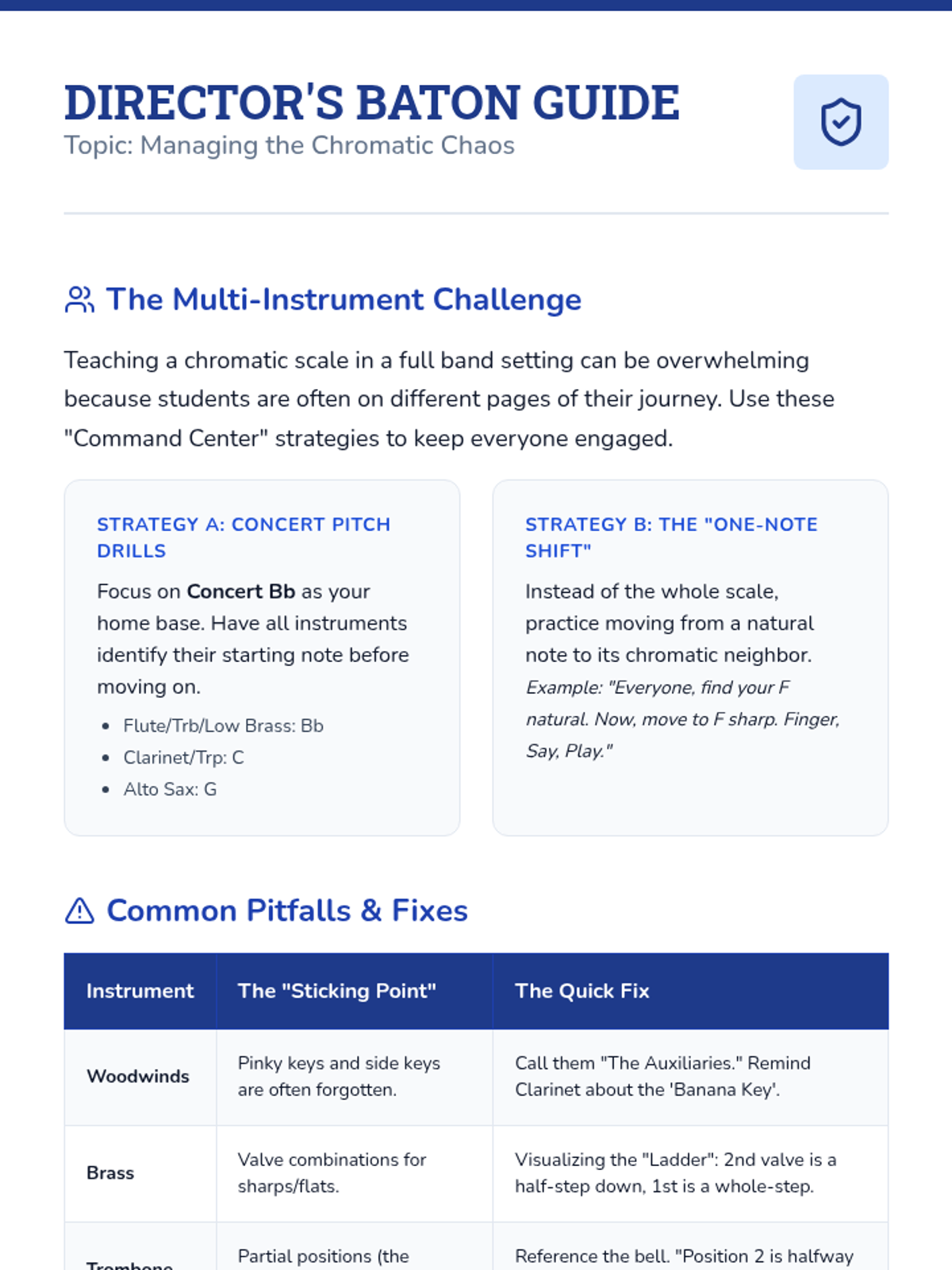
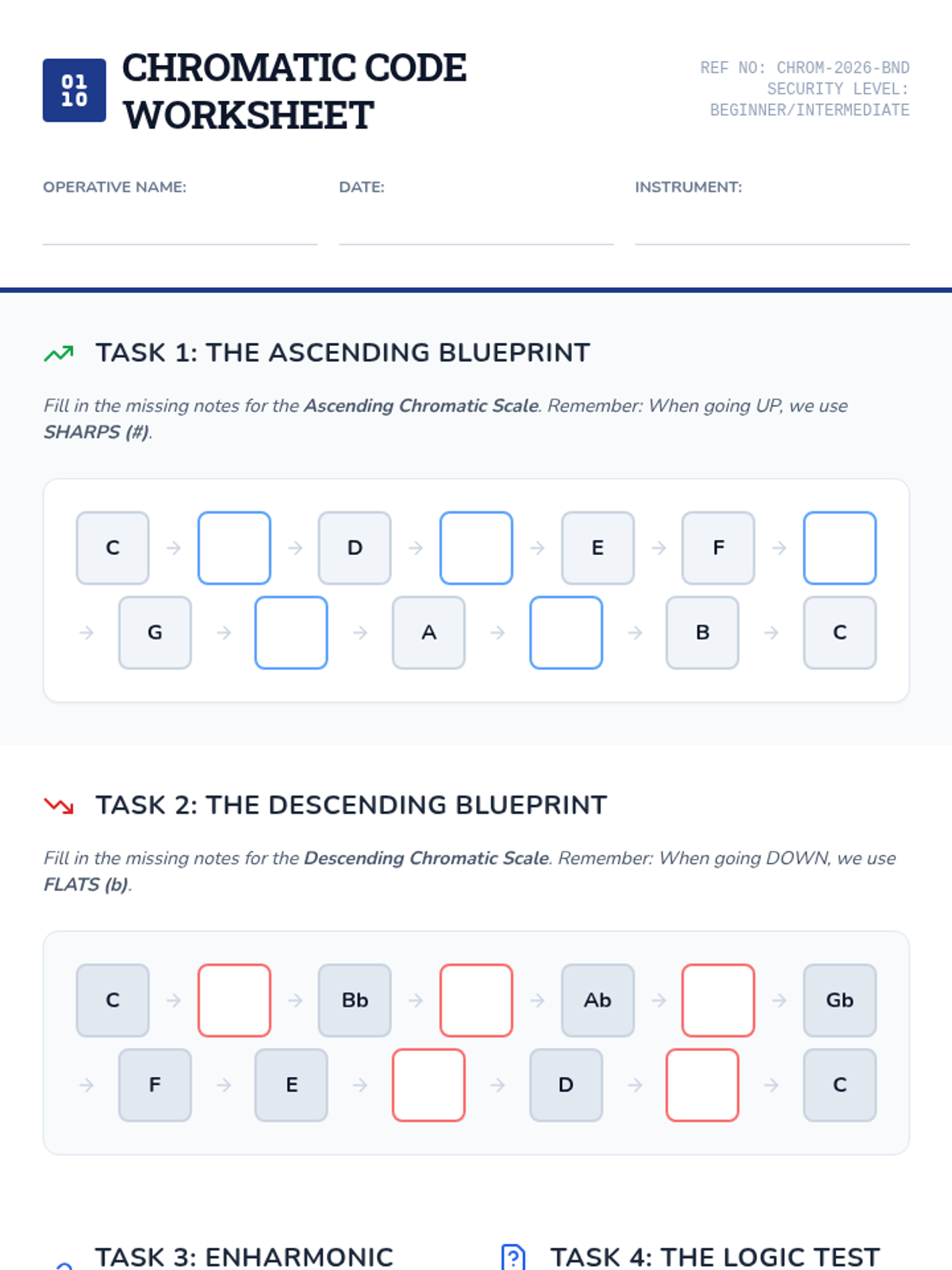
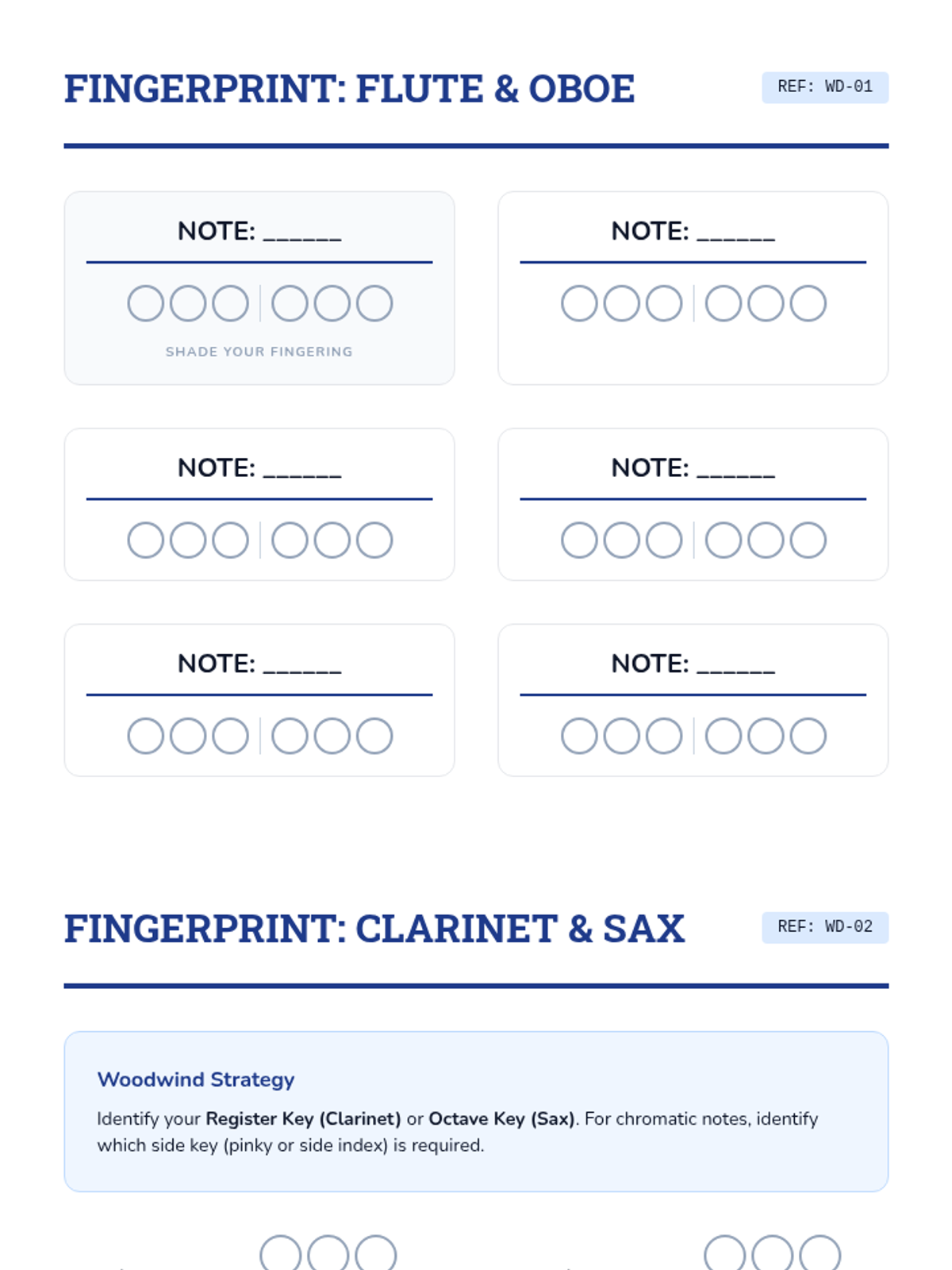
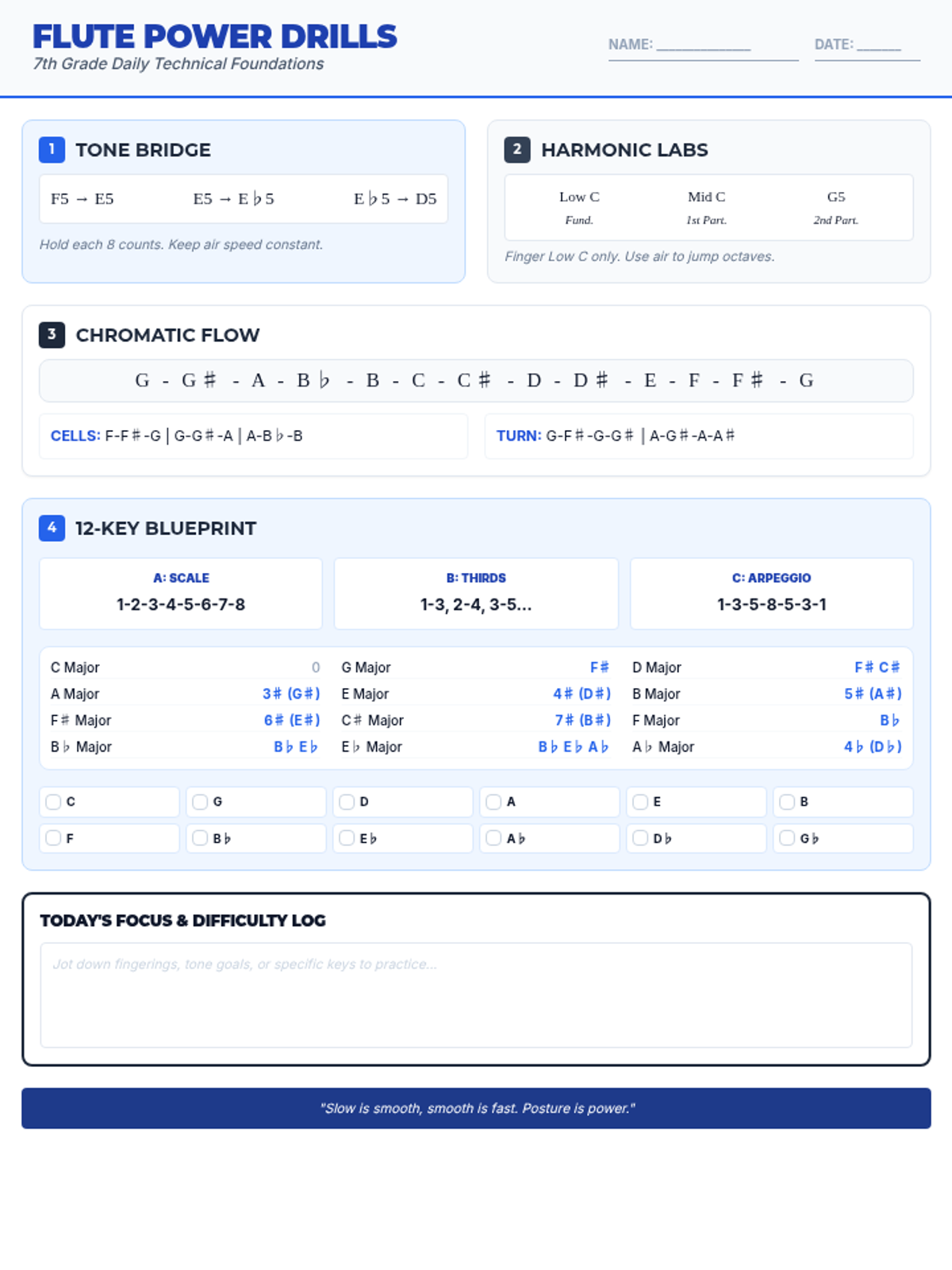
A comprehensive unit for middle school band students to master the chromatic scale, focusing on note identification, enharmonics, and instrument-specific fingerings through a 'blueprint' technical aesthetic.
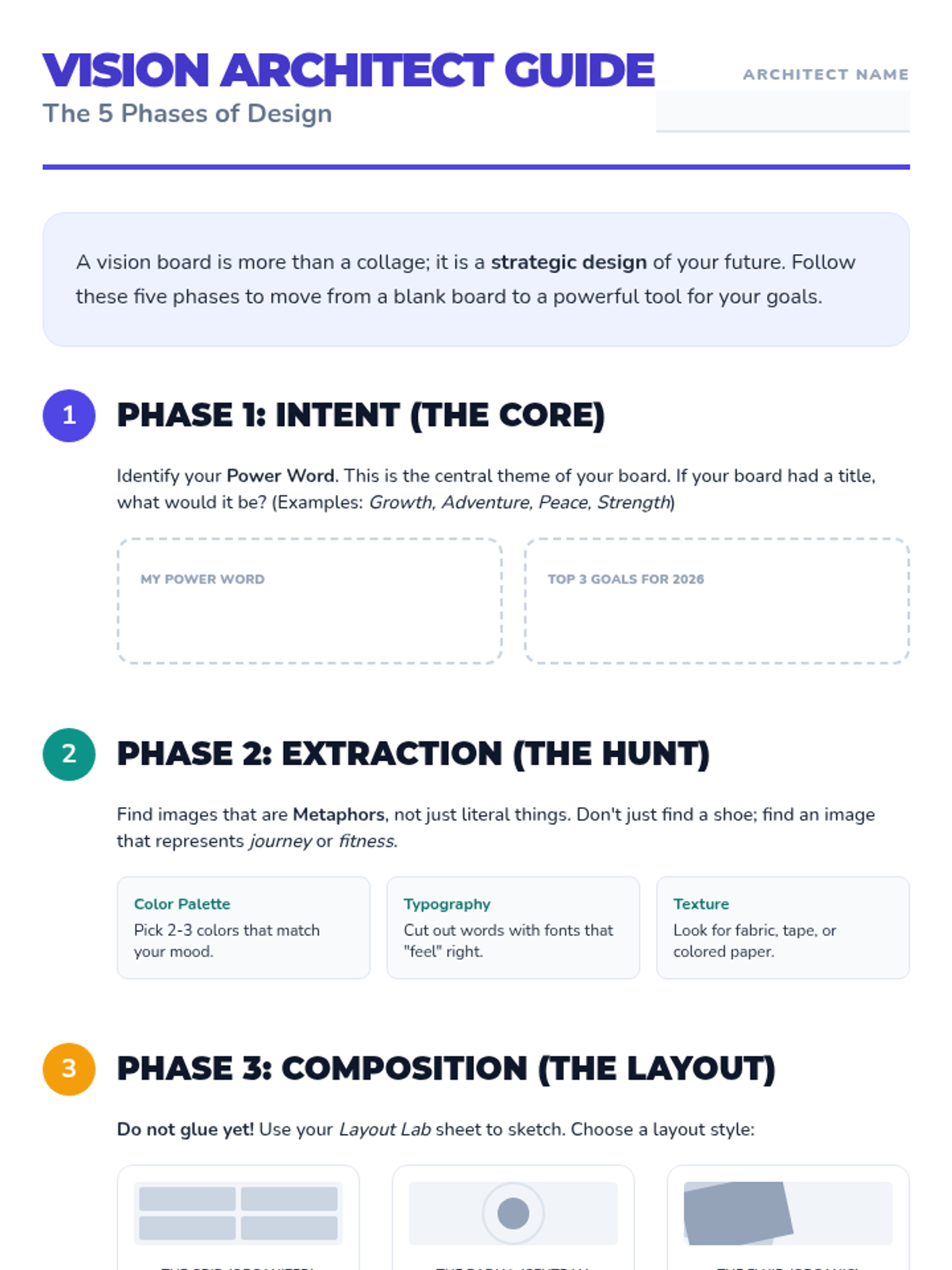
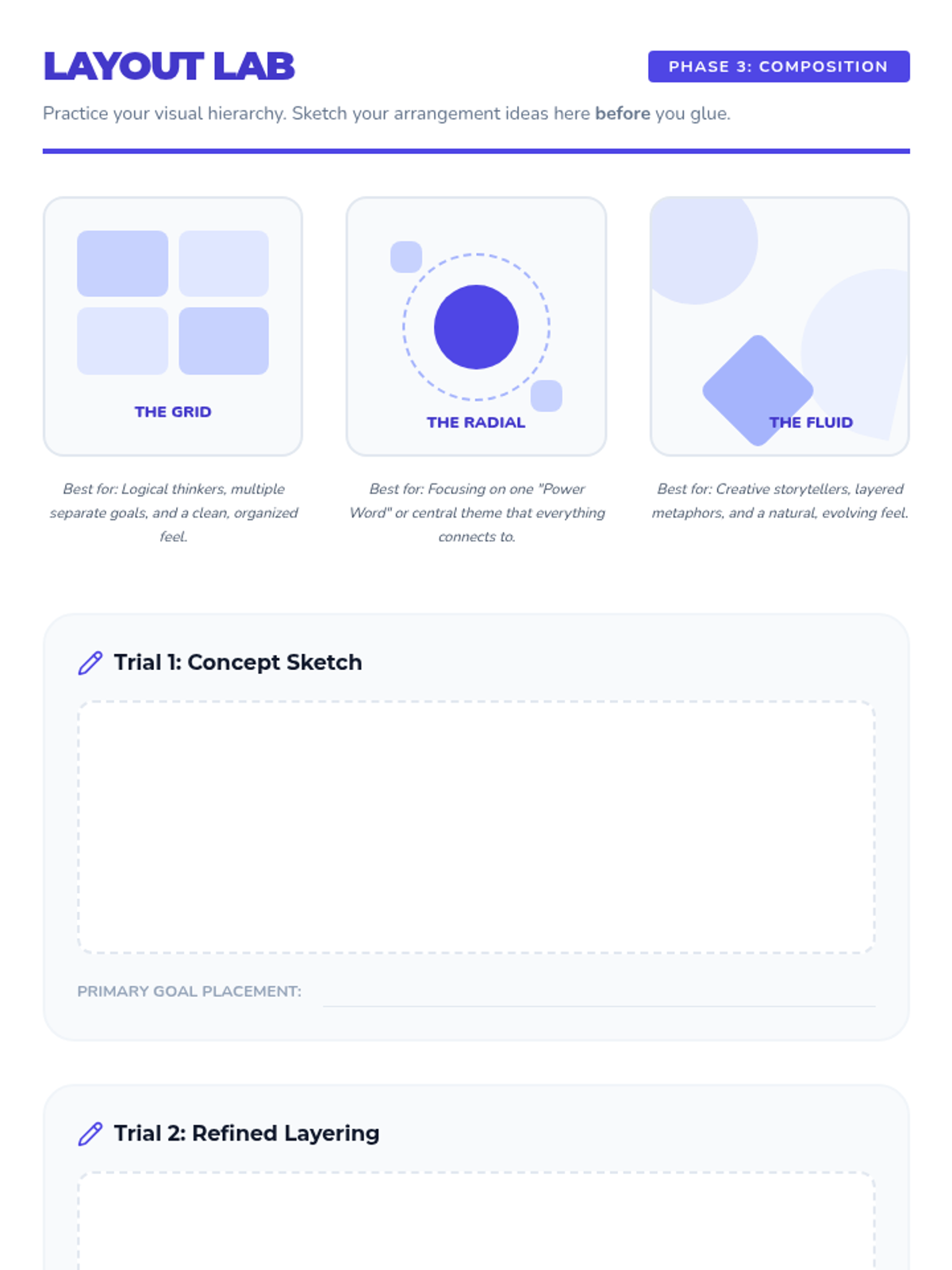
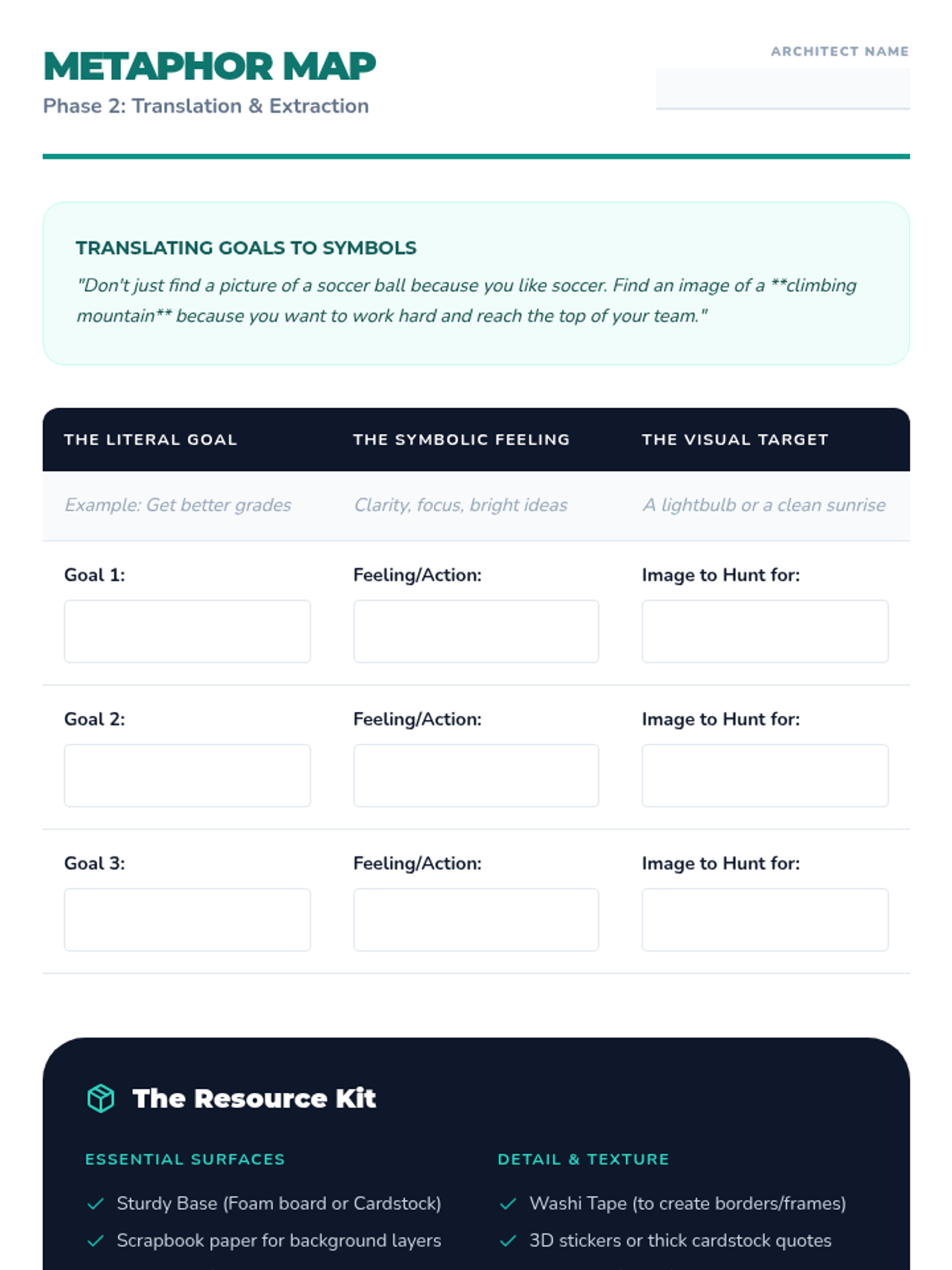
A comprehensive workshop sequence on goal setting and visual manifestation.
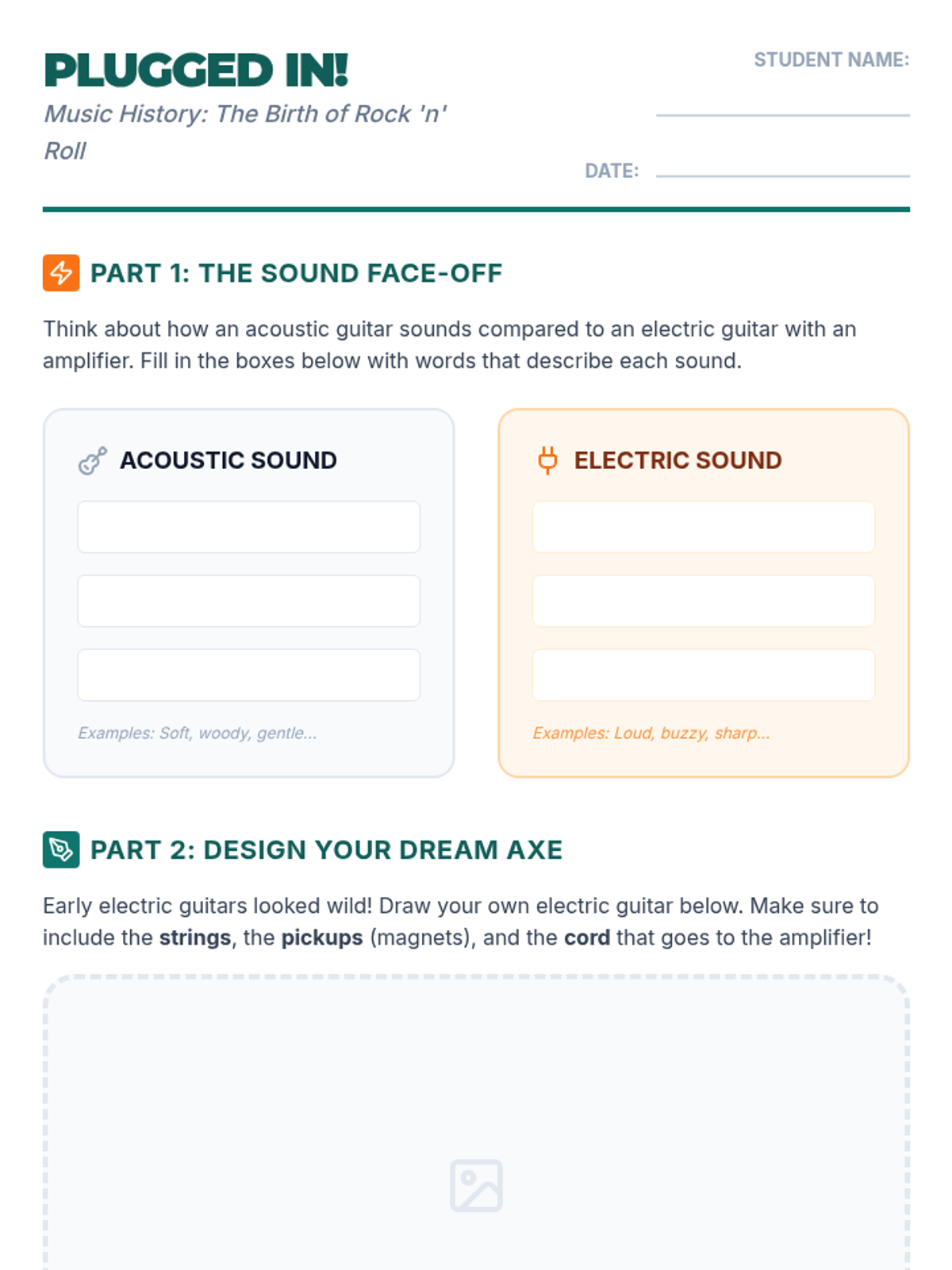
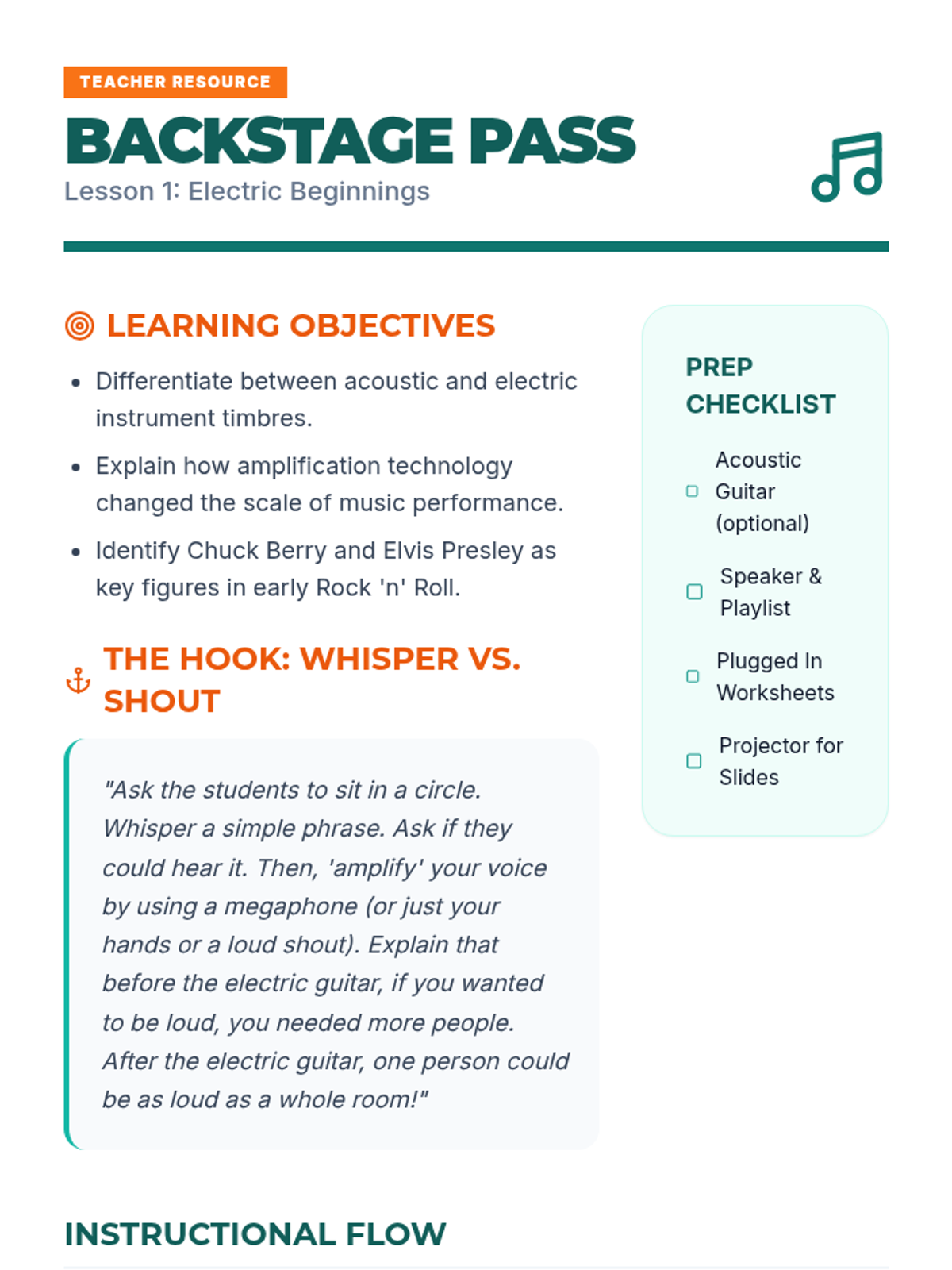
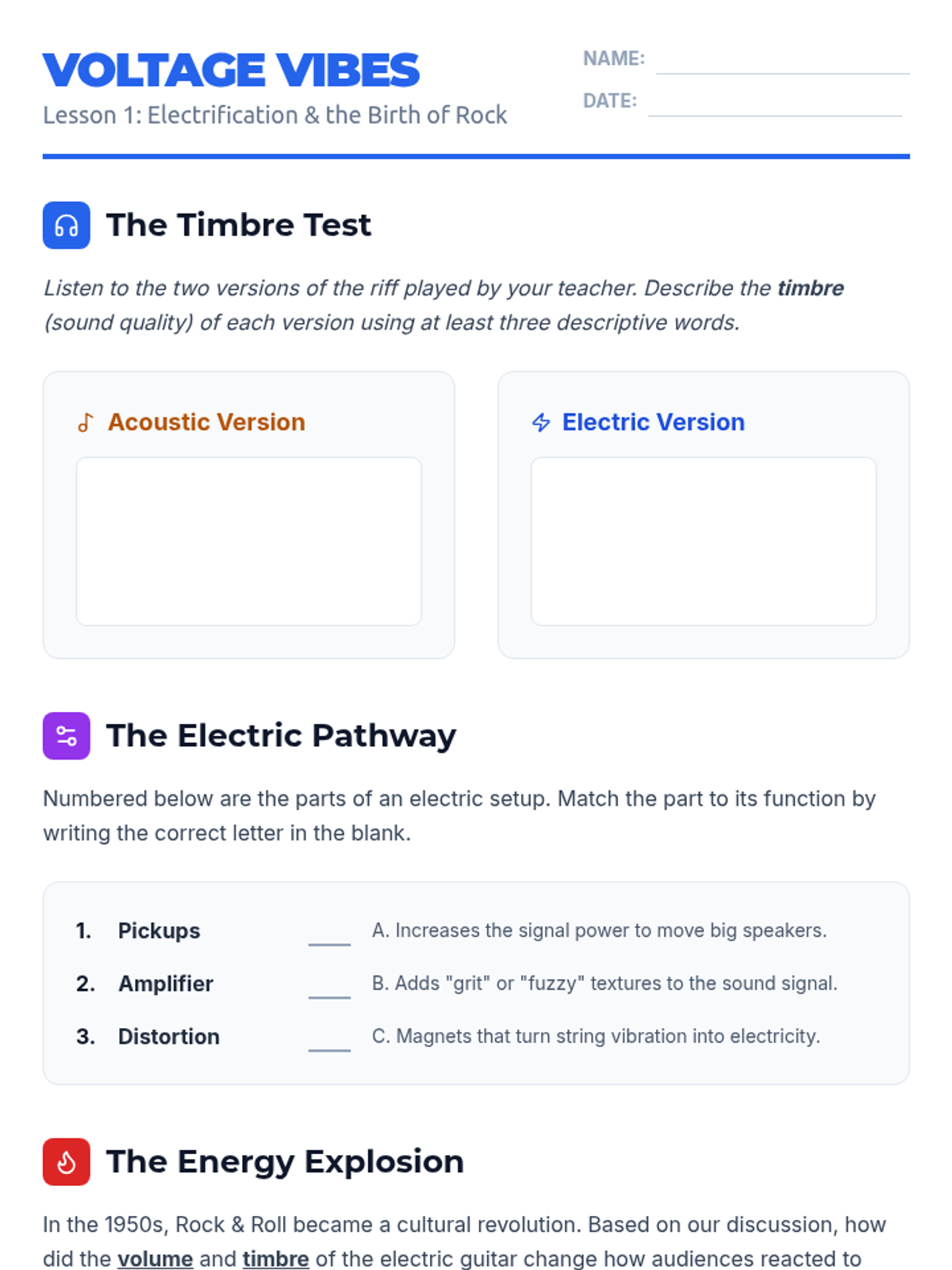
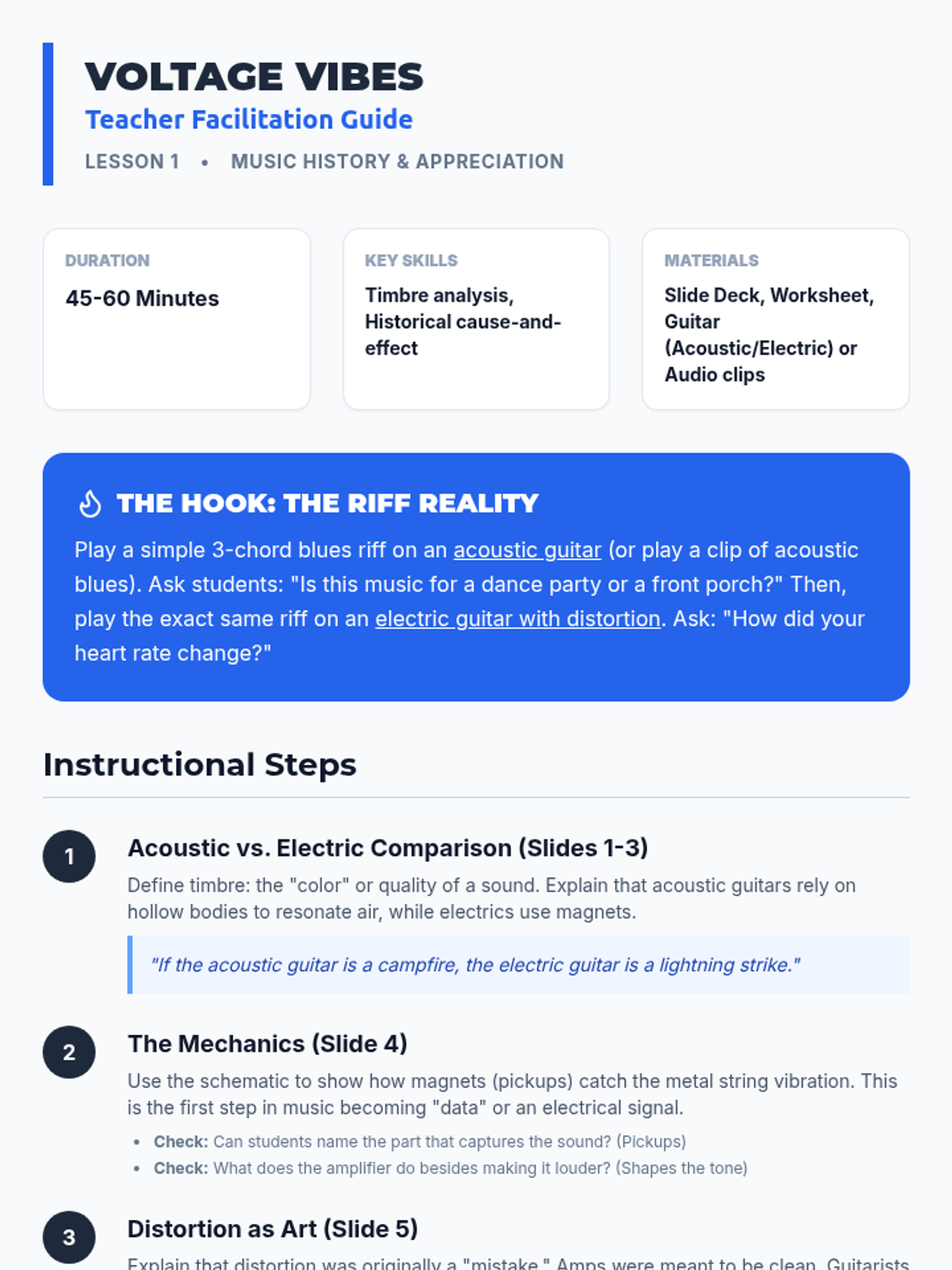
This sequence explores how technology—from the electric guitar to digital software—transformed music from the mid-20th century to today, focusing on genre evolution, song structure, and production.
This sequence investigates how the technological explosion of the 20th and 21st centuries, from the electric guitar to AI, redefined music genres and creation. Students analyze production techniques, listen for layers, and explore the concept of technology as a musical instrument.
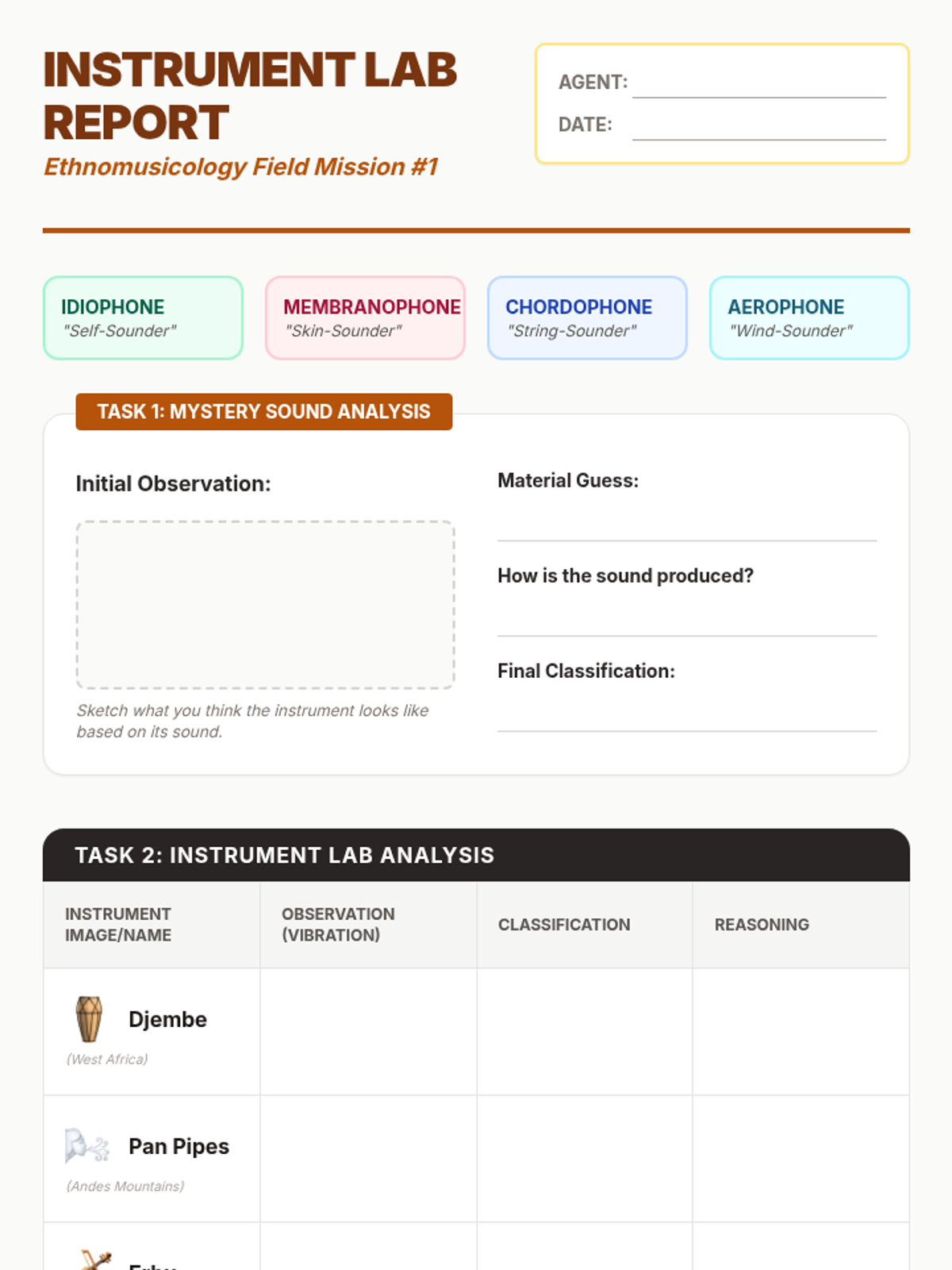
This project-based sequence takes students on a global tour as ethnomusicologists, examining how geography and culture influence musical instruments and sounds. Students classify instruments using the Hornbostel-Sachs system and explore rhythms and scales from Africa, Asia, and Latin America.
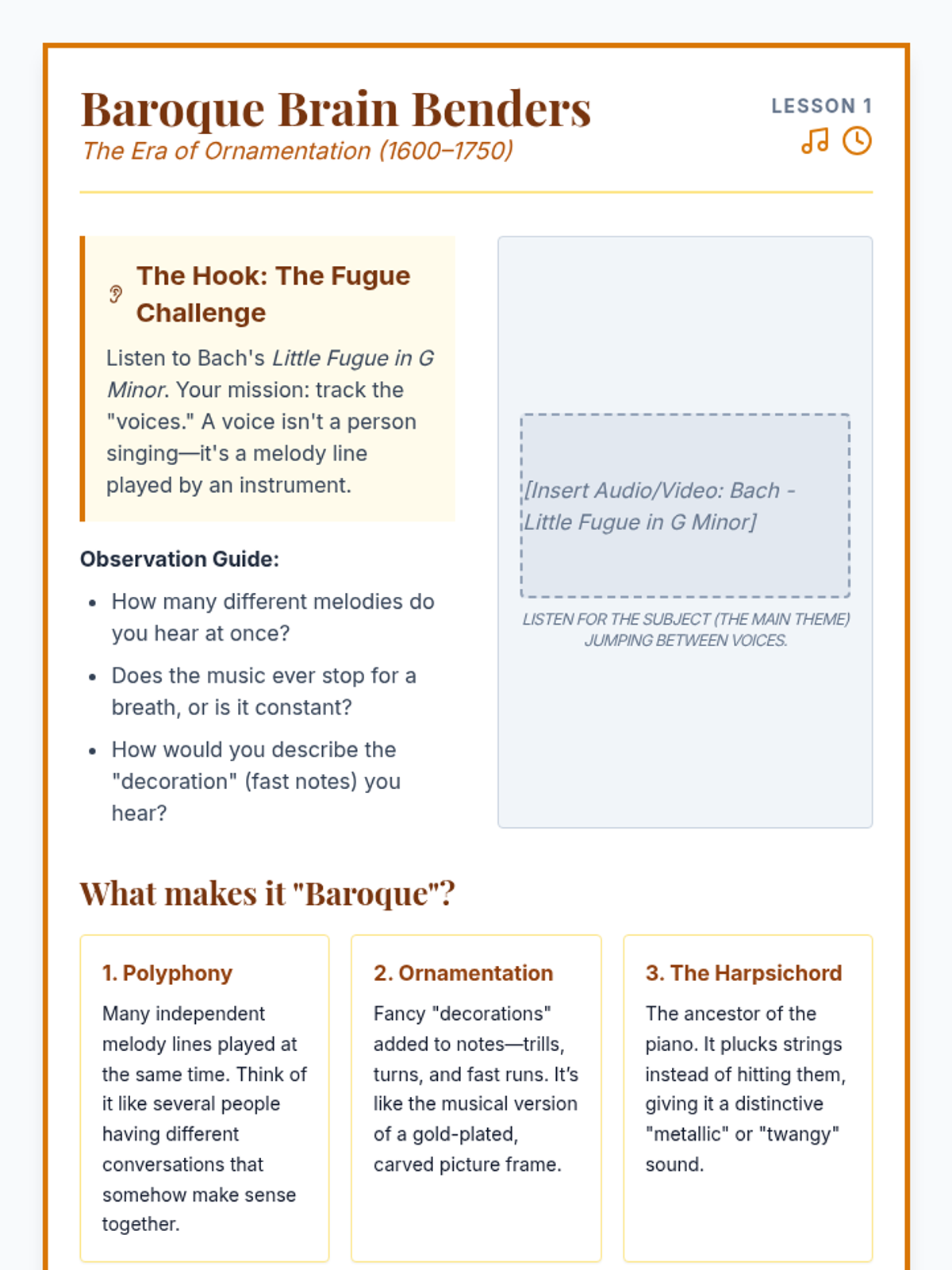
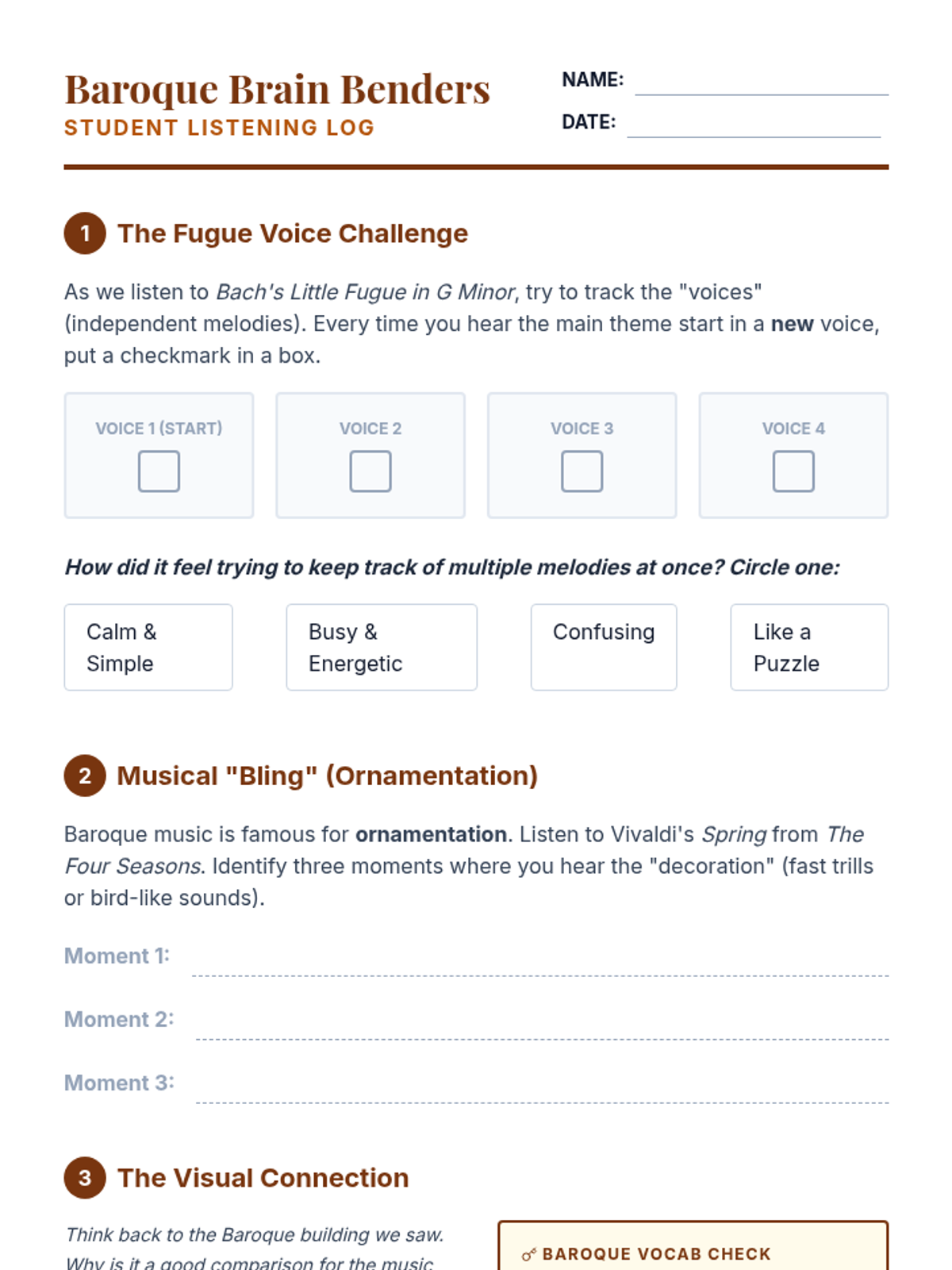
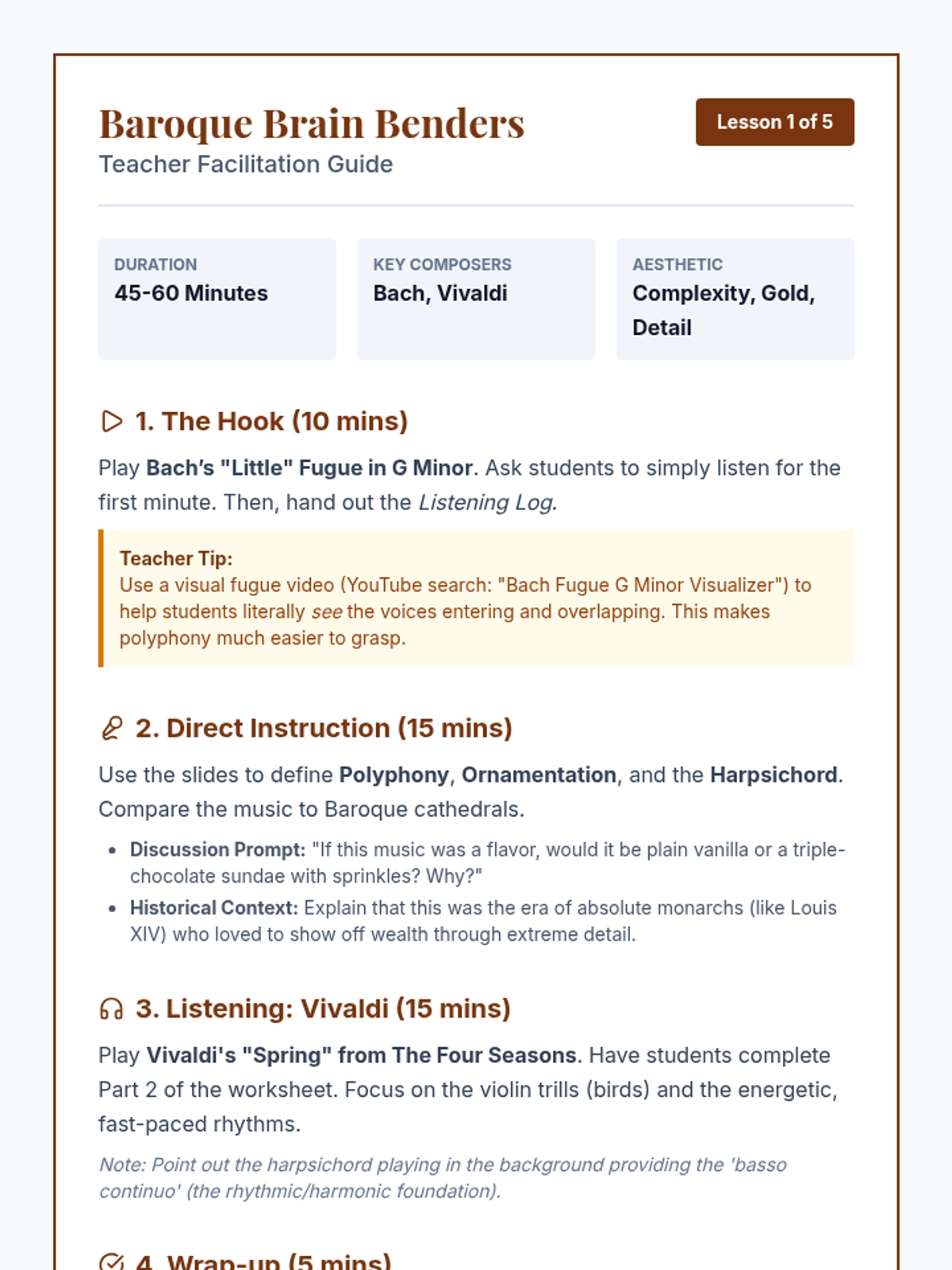
A chronological journey through the Baroque, Classical, Romantic, and Modern eras of Western Art Music, focusing on critical listening and historical context.
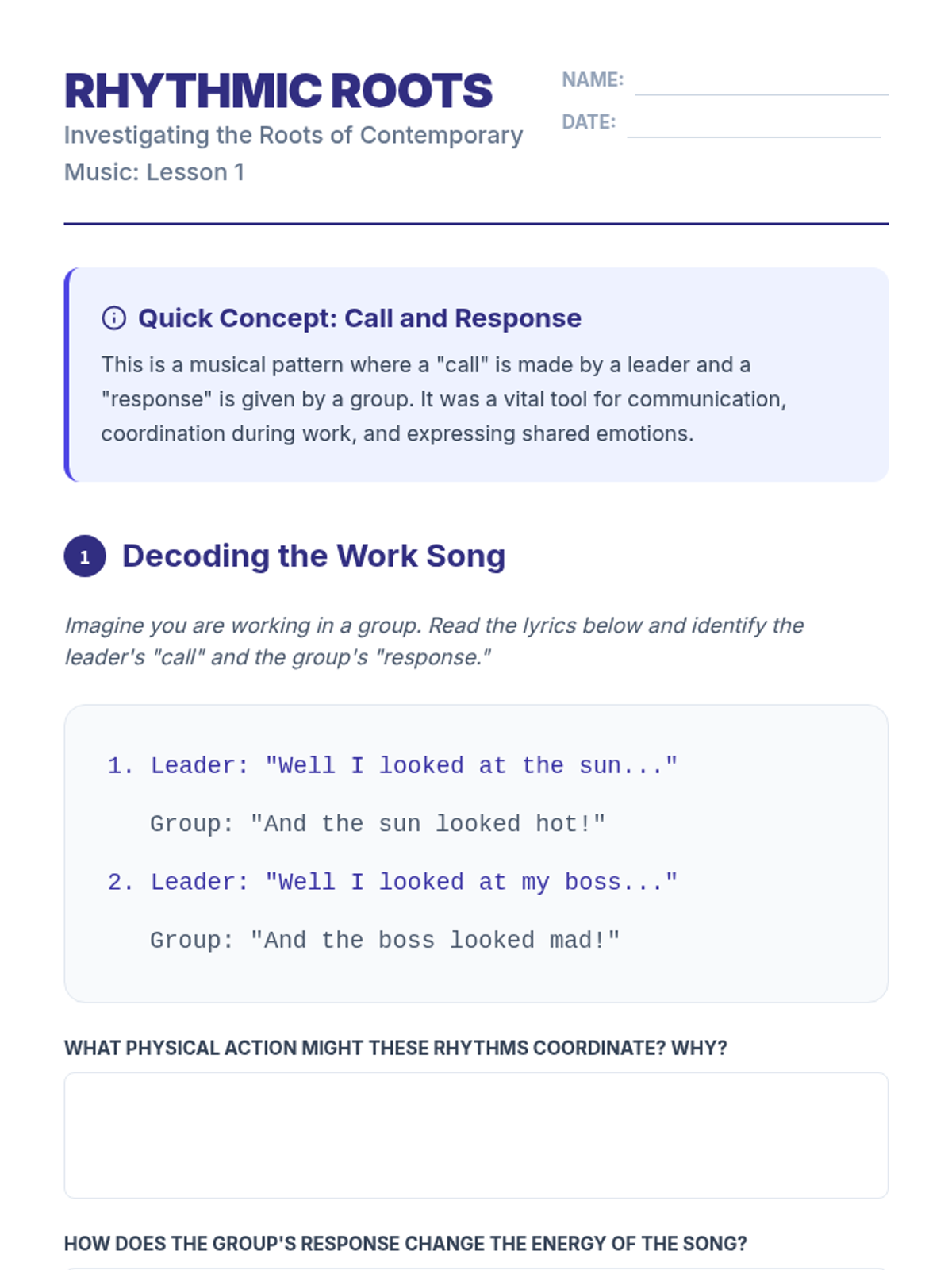
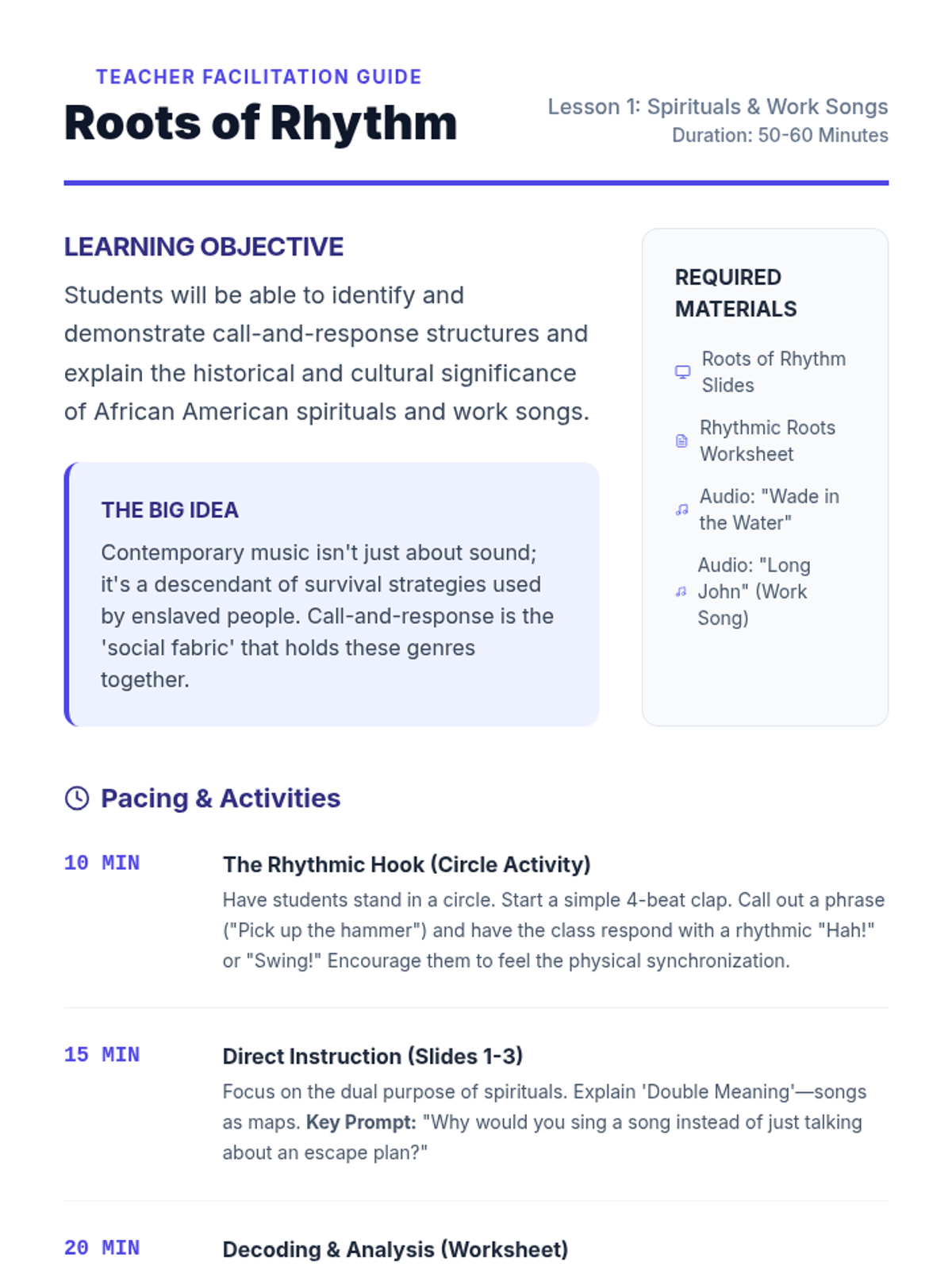
This sequence traces the evolution of contemporary music from 19th-century African American spirituals through the development of the Blues, Jazz, and Rock & Roll. Students investigate how cultural exchange, technology, and social struggles shaped the sounds we listen to today, culminating in a musical genealogy project.
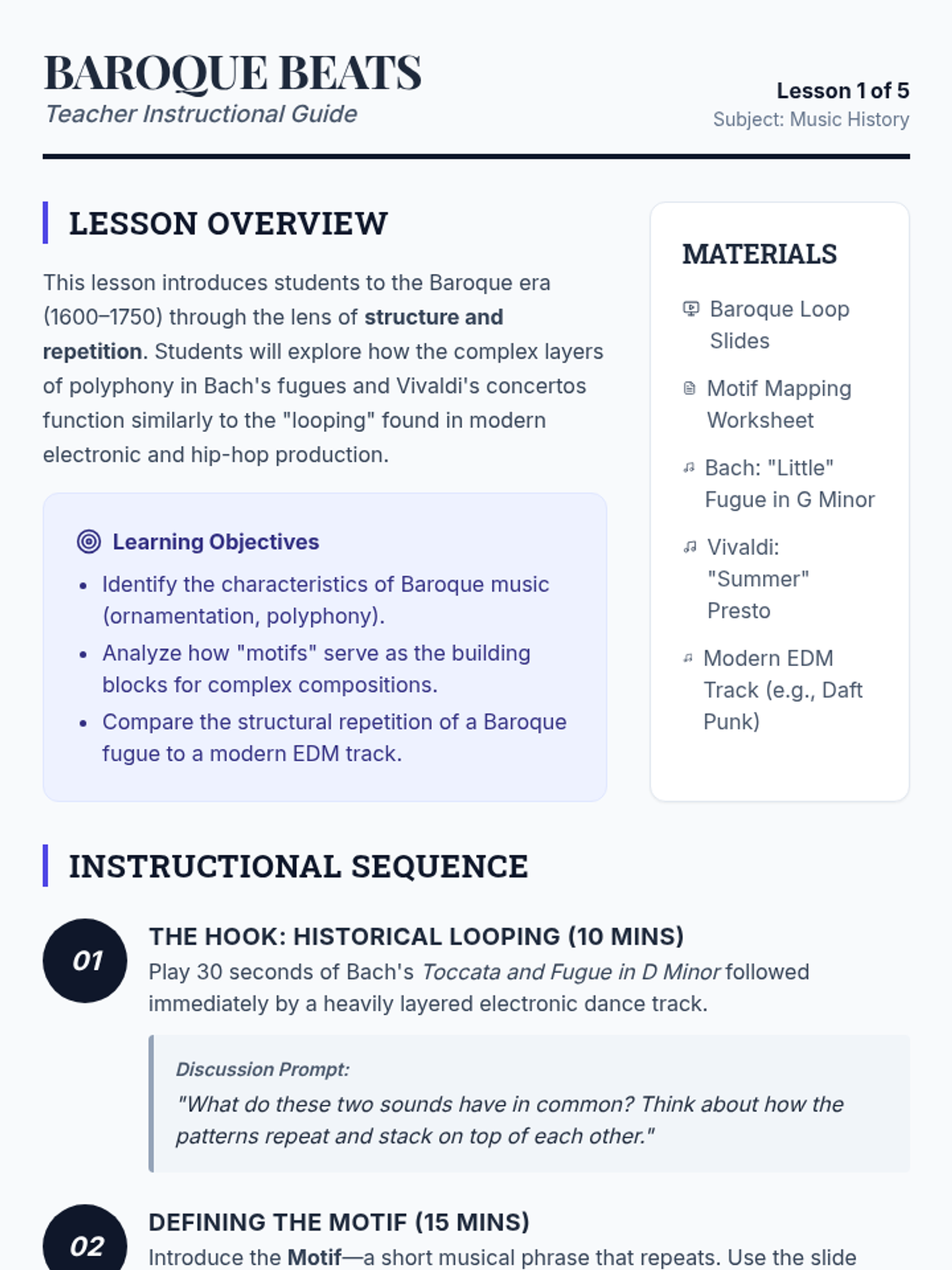
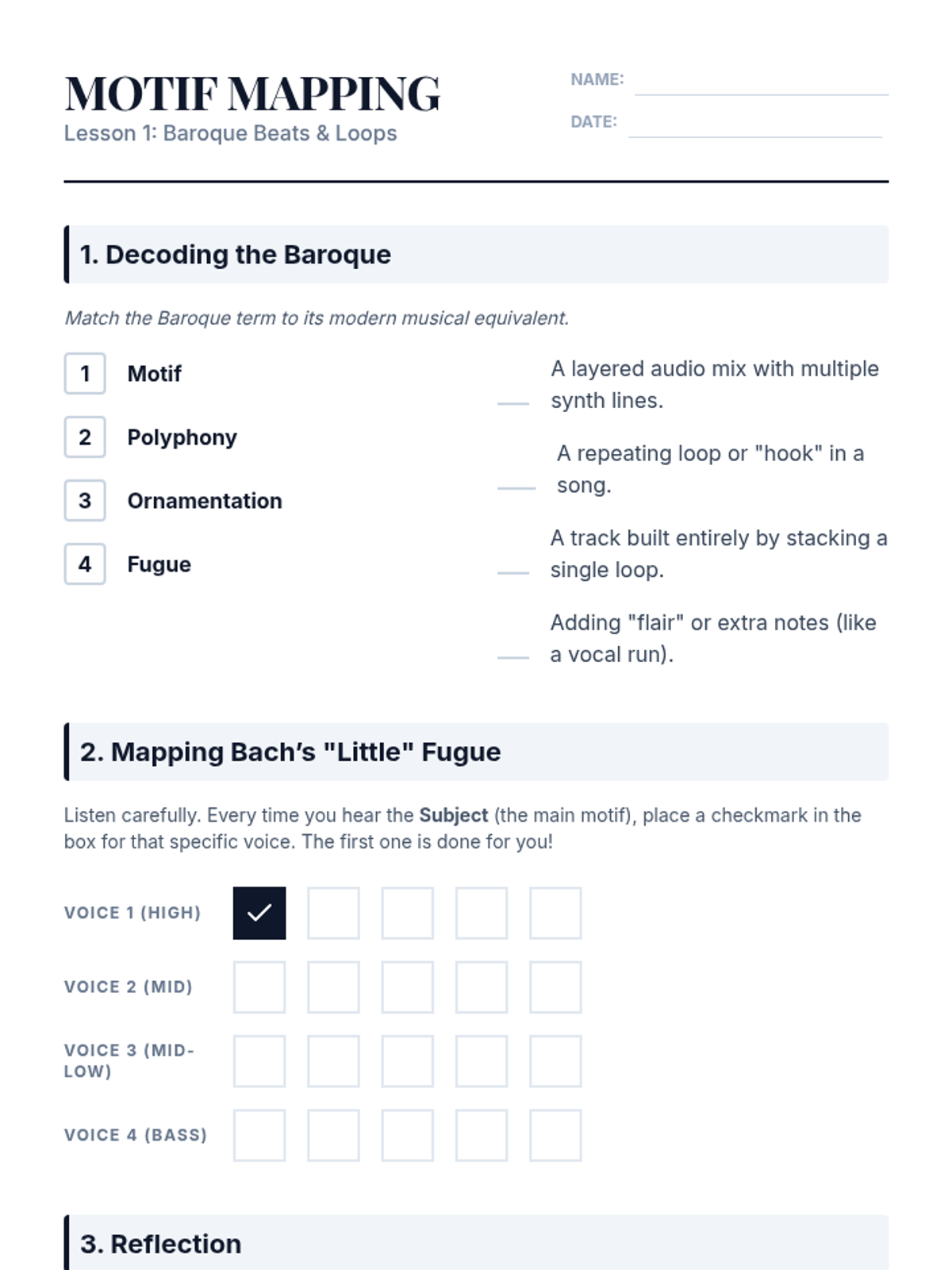
A chronological exploration of Western music history for 7th-grade students, connecting the innovations of the Baroque, Classical, Romantic, and Jazz eras to modern sampling and production techniques. Students develop critical listening skills and analyze how historical structures influence contemporary genres like pop, hip-hop, and EDM.
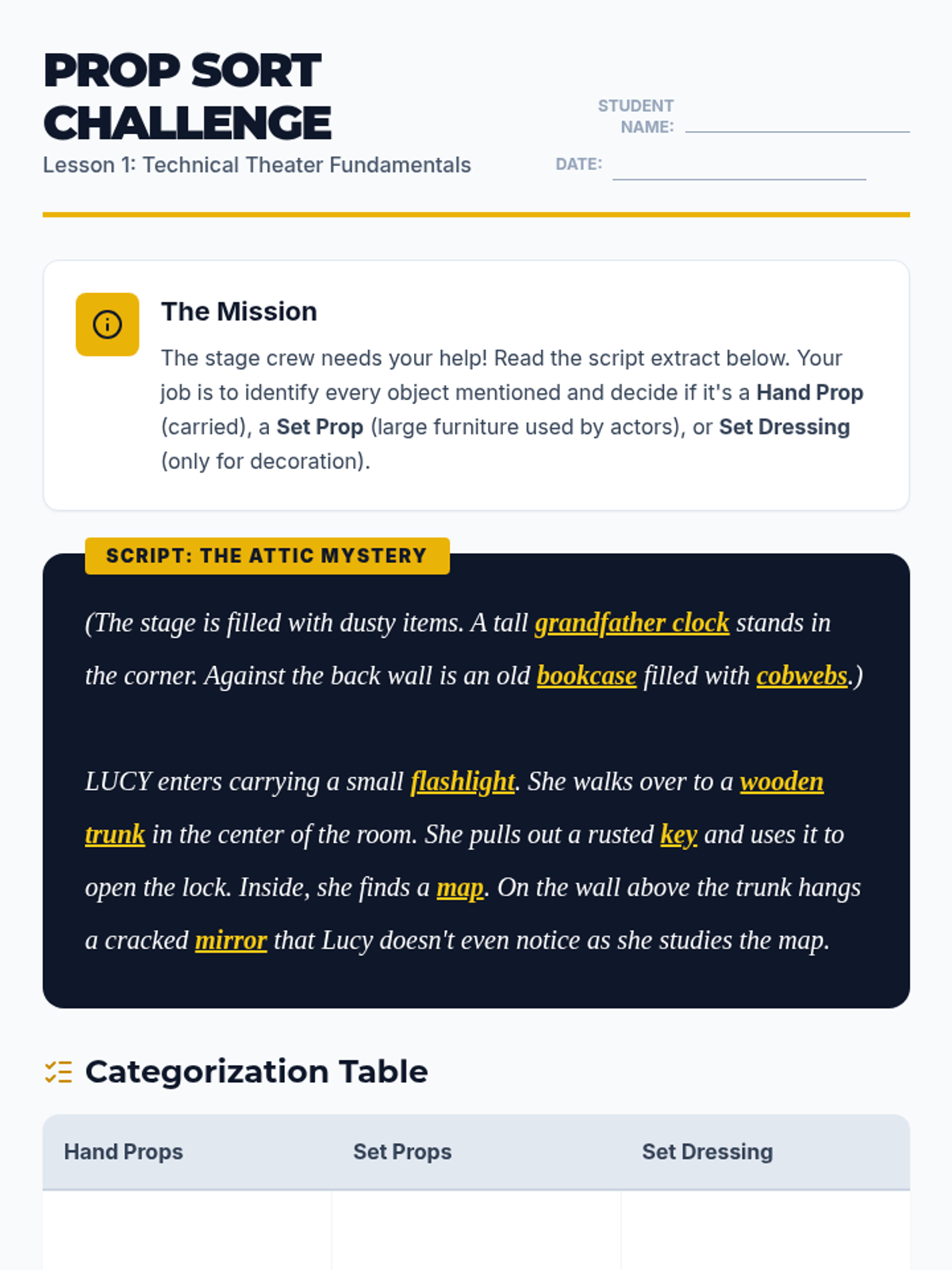
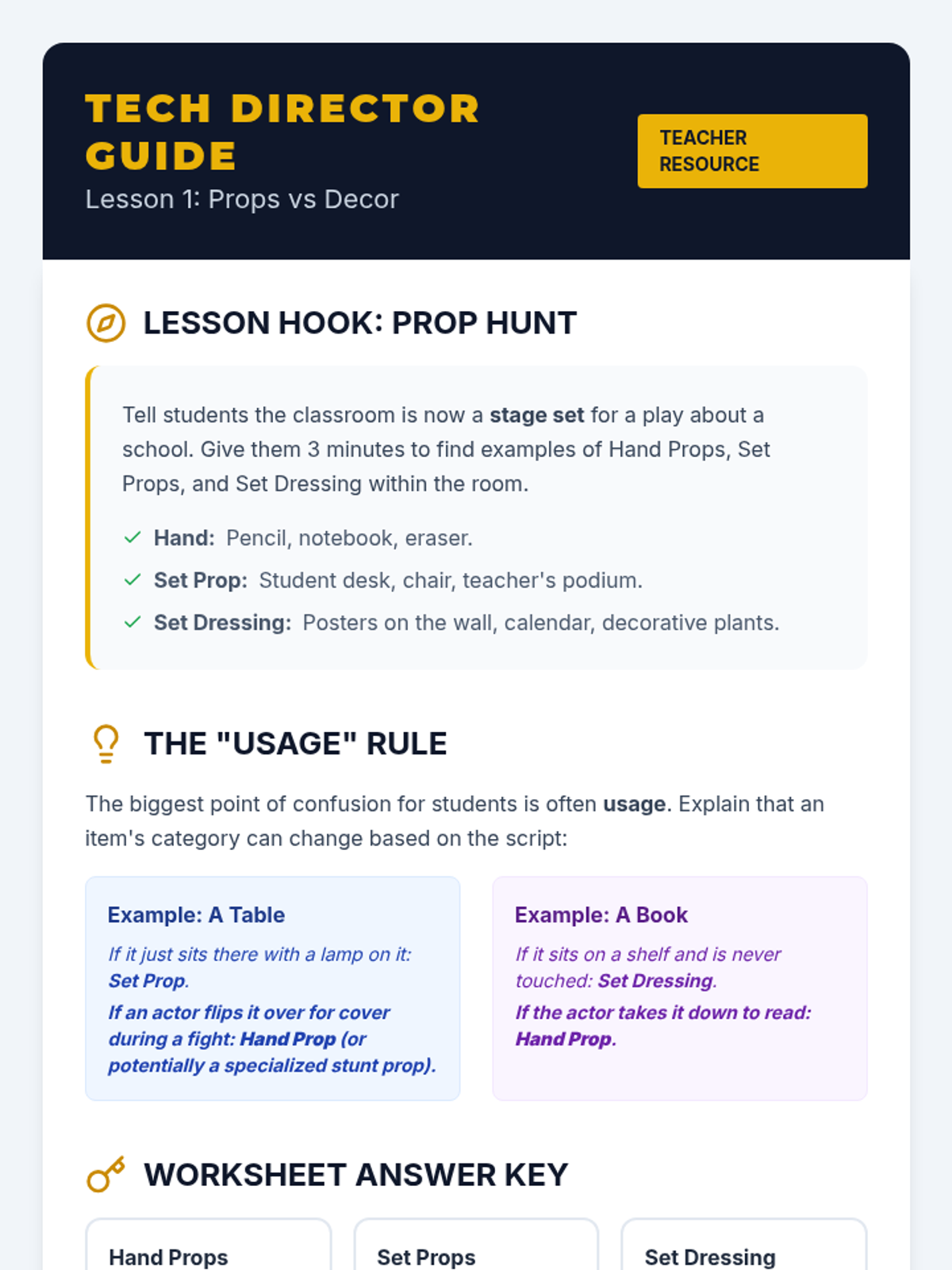
Students investigate how costumes and properties (props) function as tools for character development and storytelling. The sequence guides students through the process of distinguishing between prop types, exploring costume psychology, fabricating safe props, and mastering backstage organization.
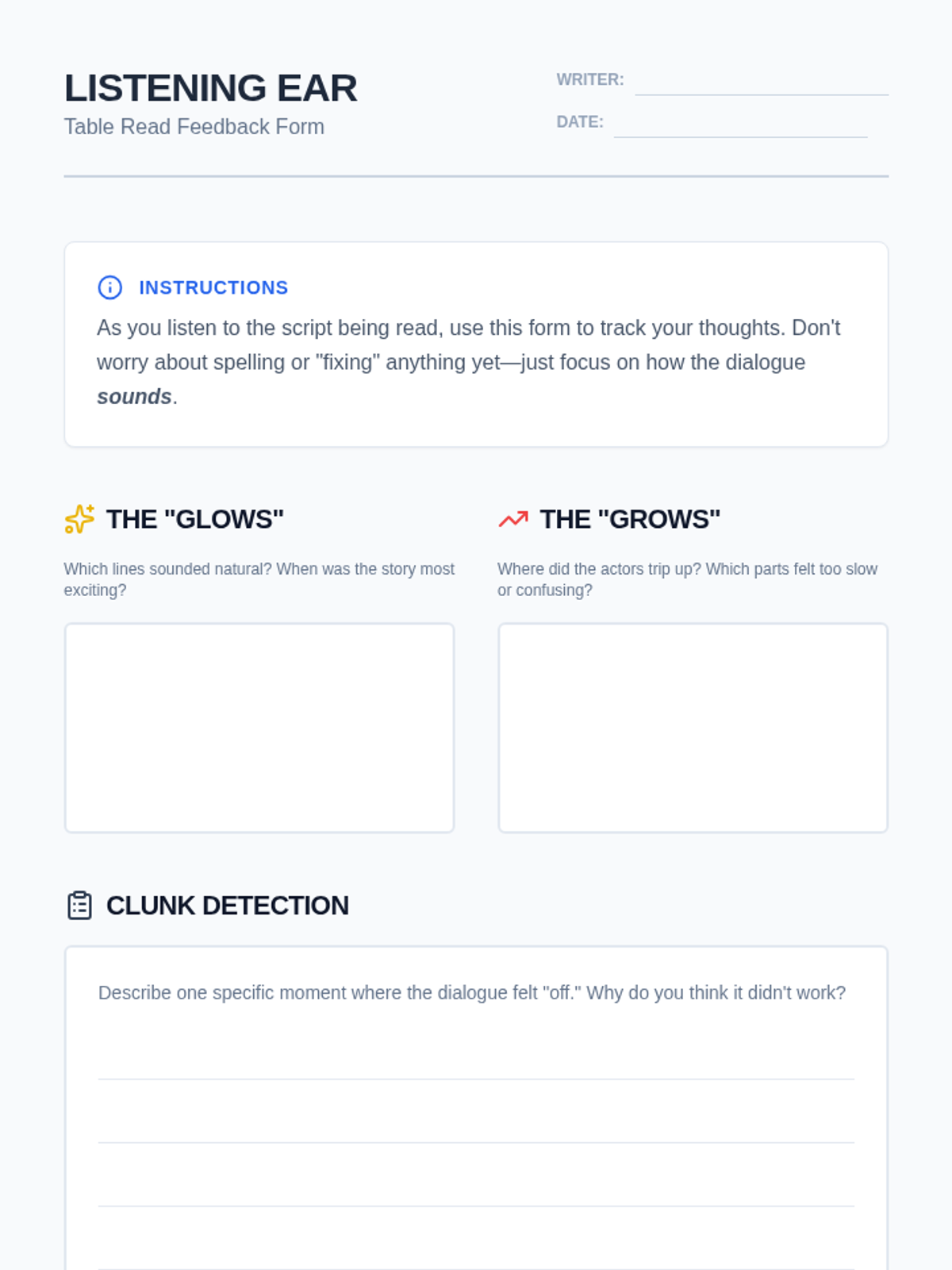
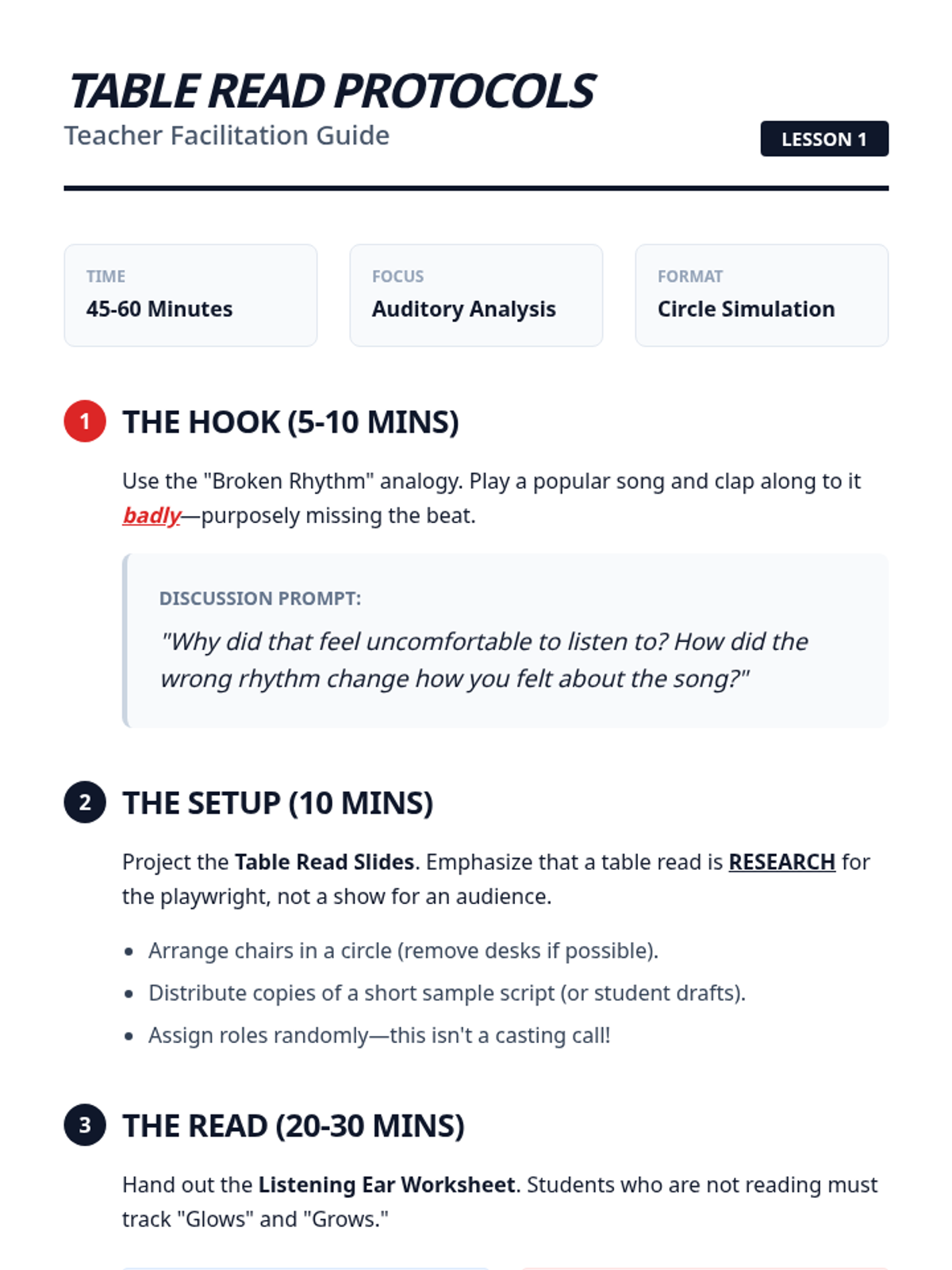
A 5-lesson sequence for 5th-grade students focusing on the iterative process of playwriting, from the first table read to a final, polished performance-ready script. Students develop skills in auditory analysis, dialogue refinement, conciseness, and collaboration.
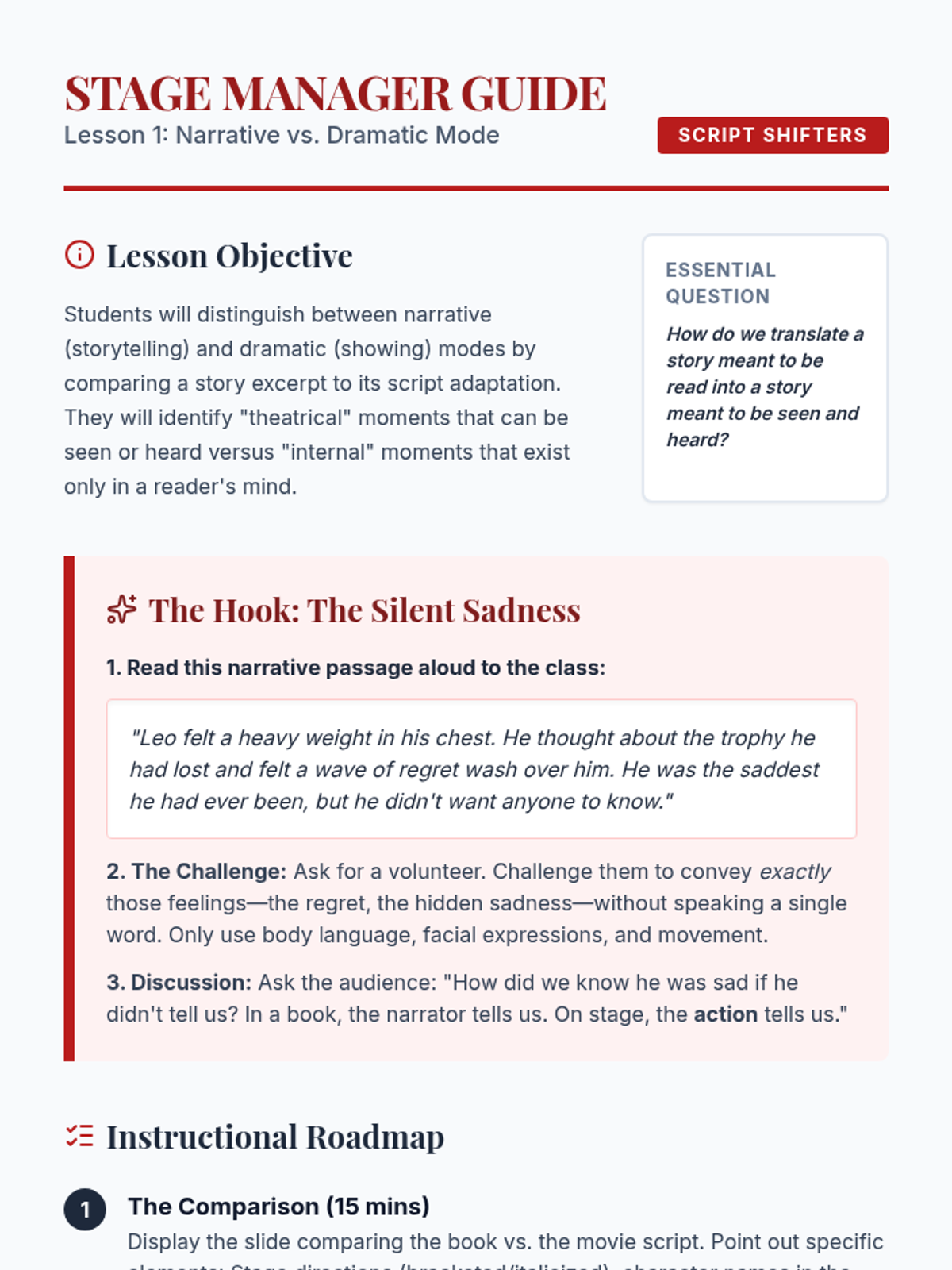
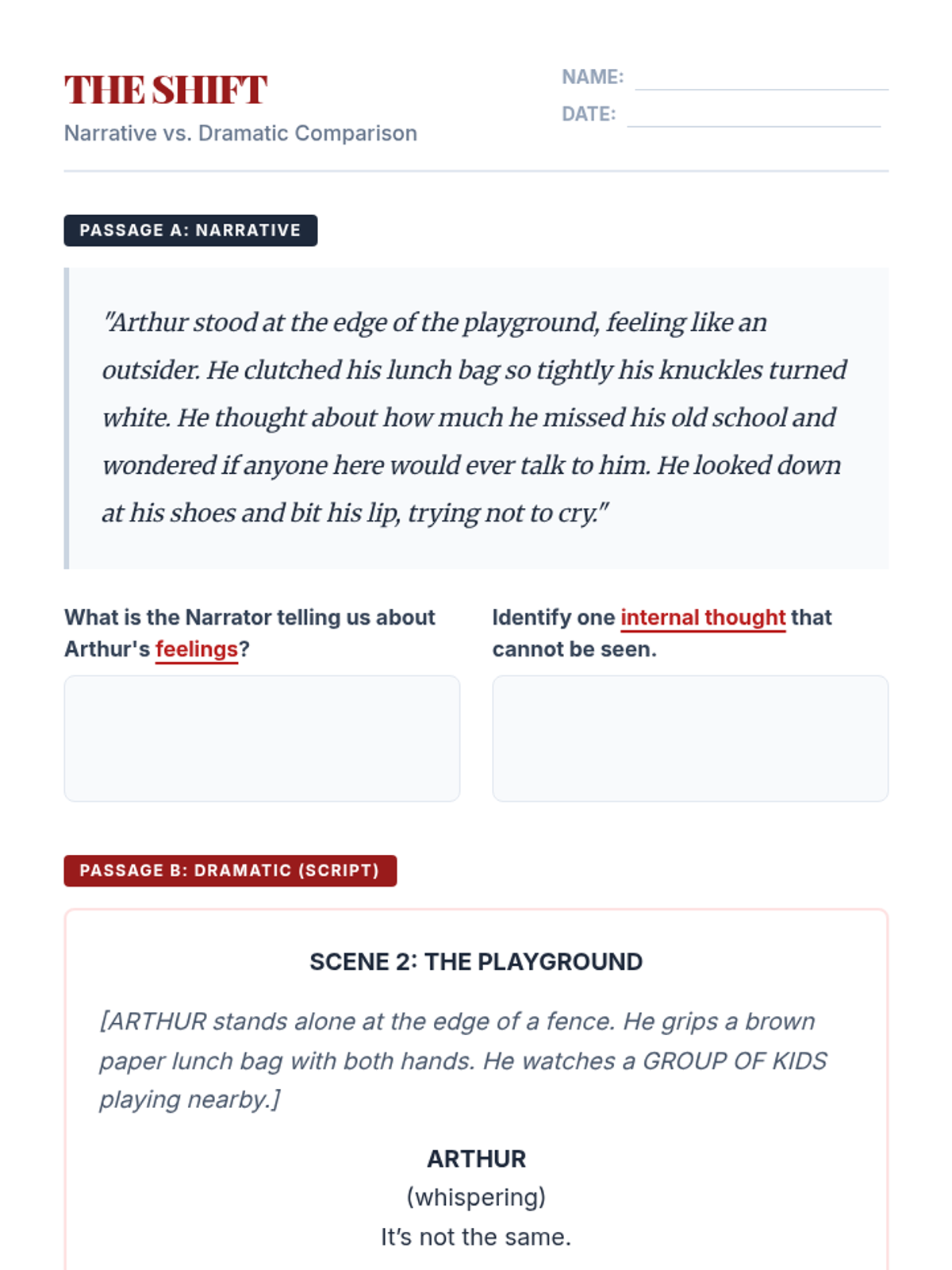
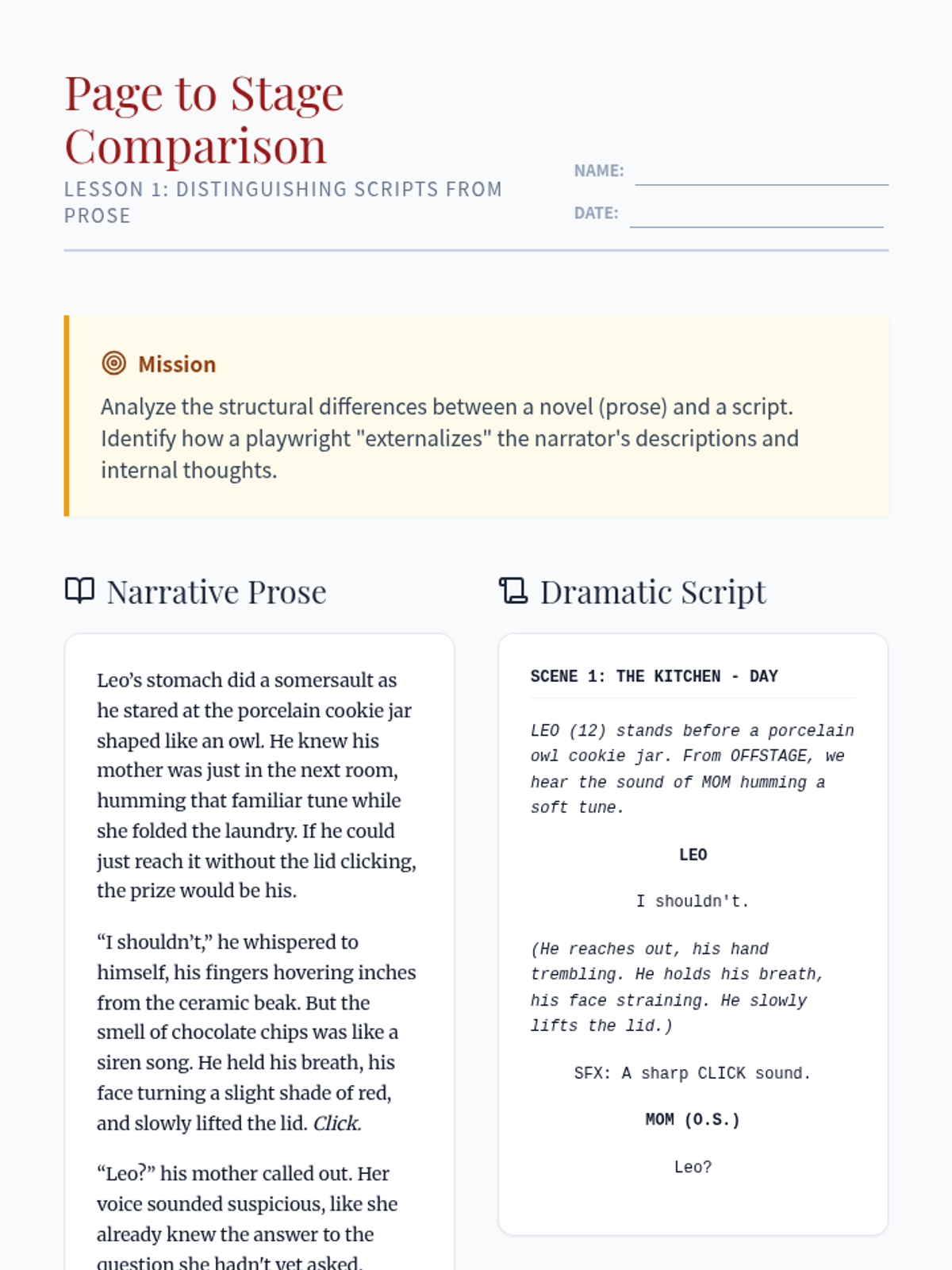
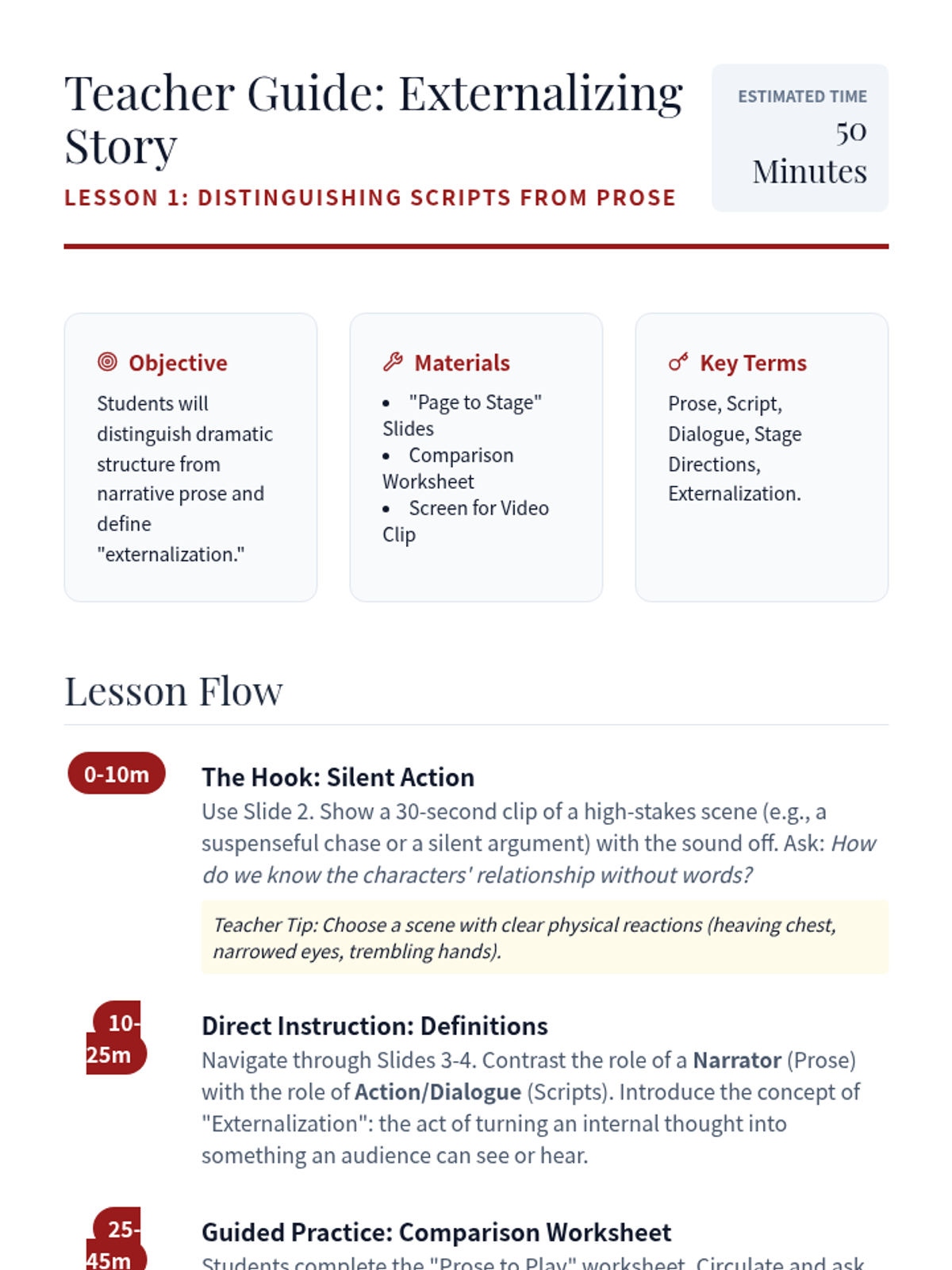
Students learn to translate narrative fiction into dramatic scripts by analyzing storytelling modes, converting internal thoughts to external actions, and drafting their own theatrical adaptations of fables.
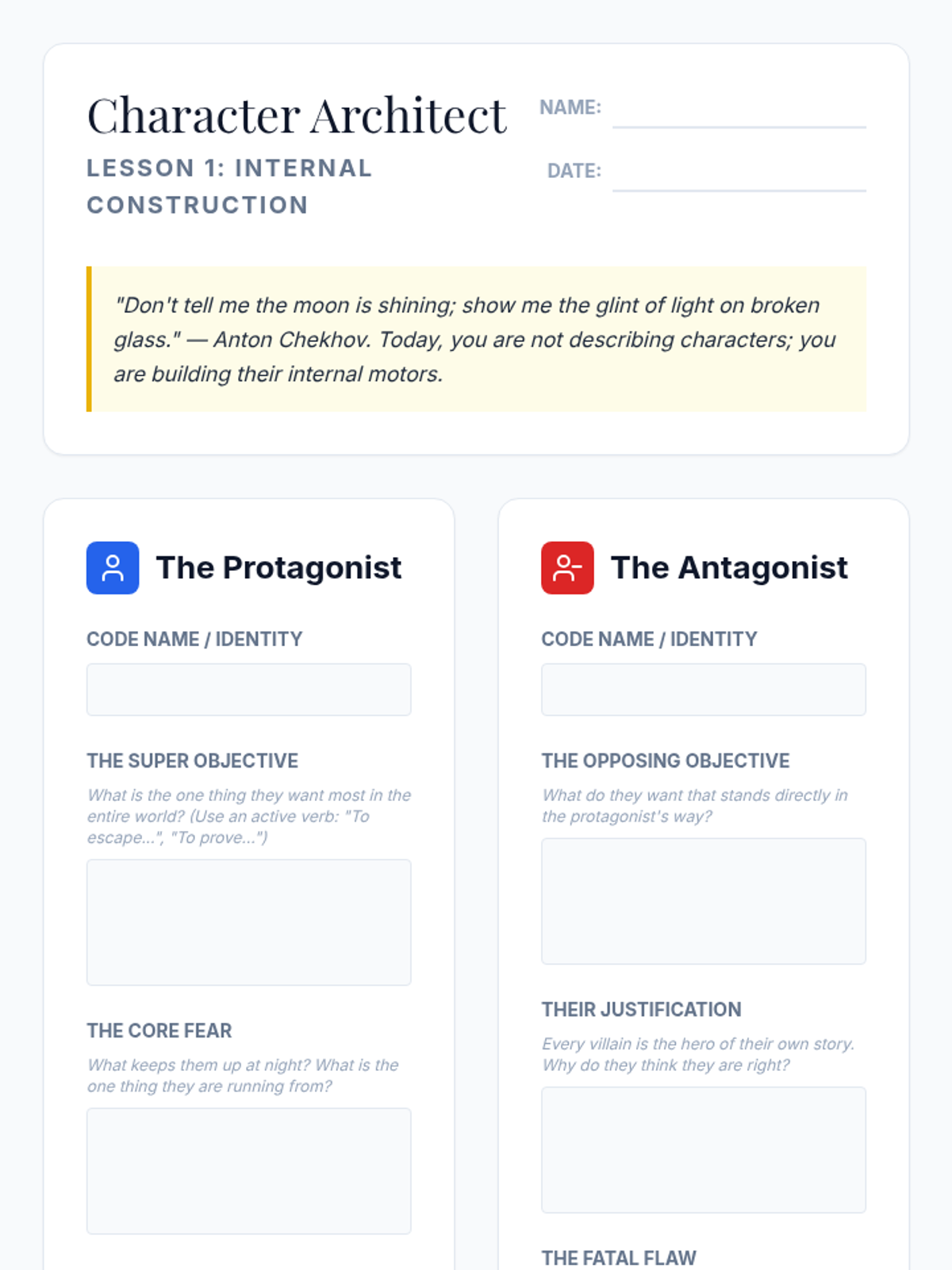
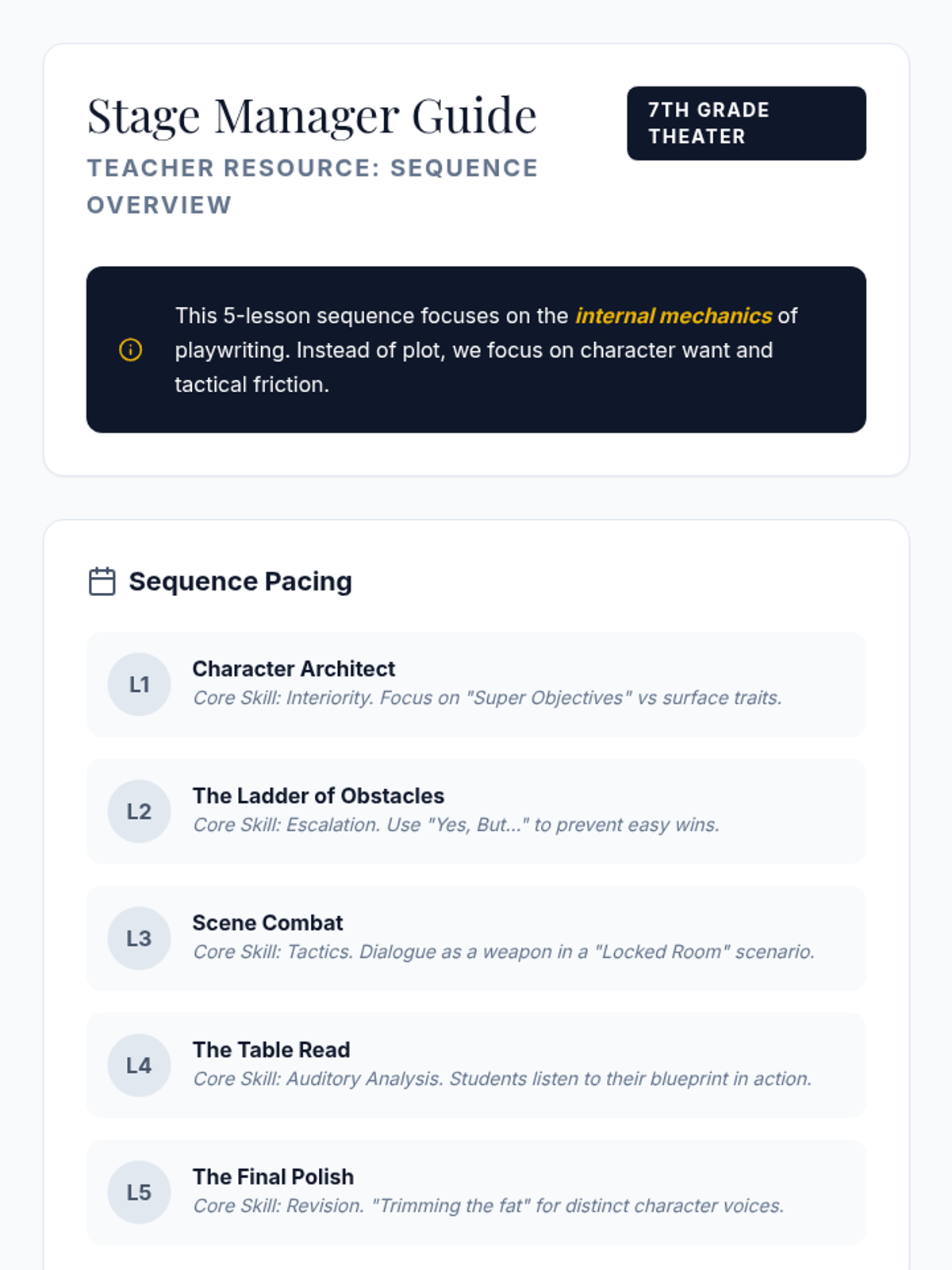
A 5-lesson series on playwriting for 7th graders, focusing on building deep characters, creating high-stakes conflict, and the iterative process of drafting and revision through table reads.
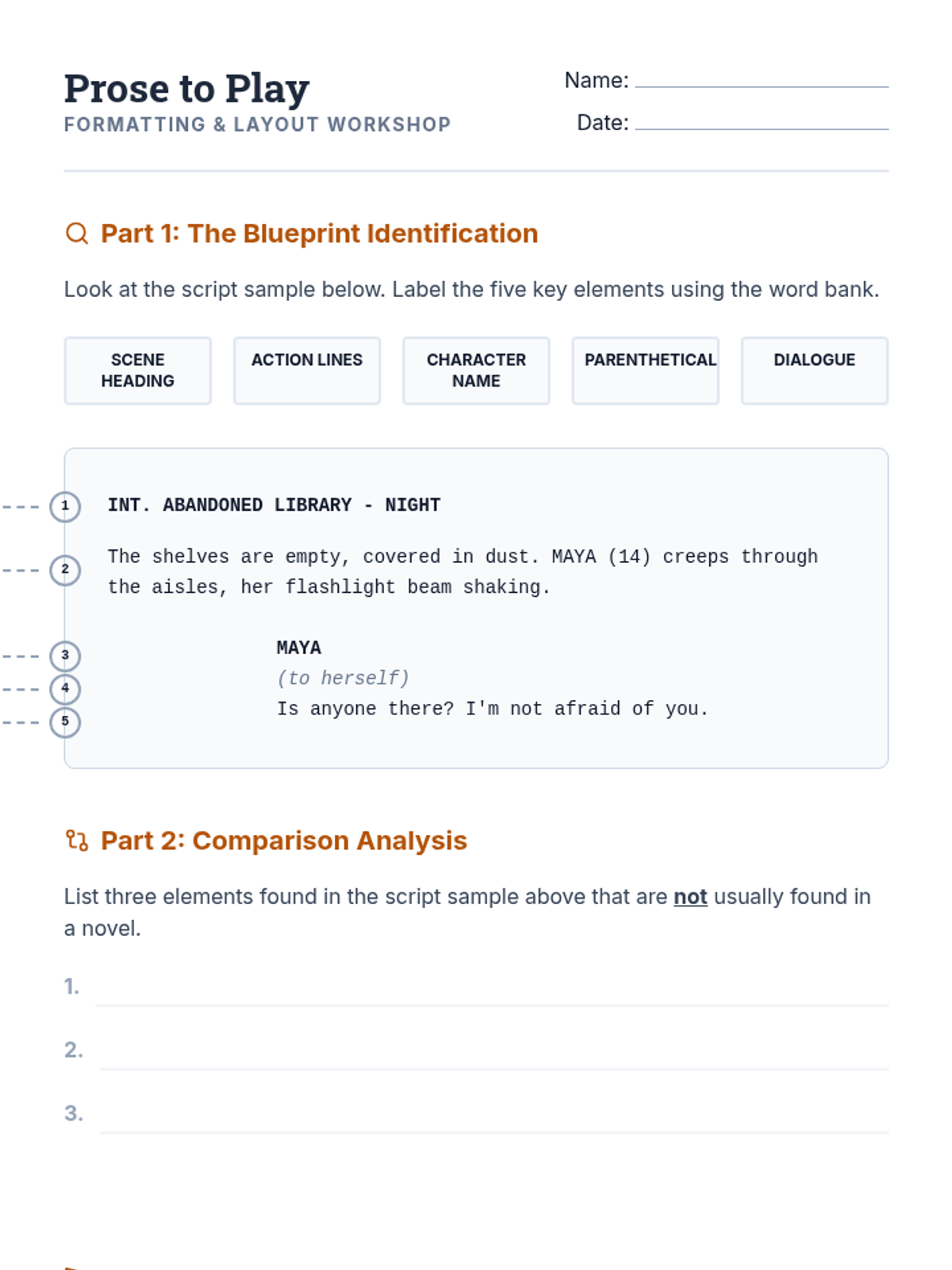
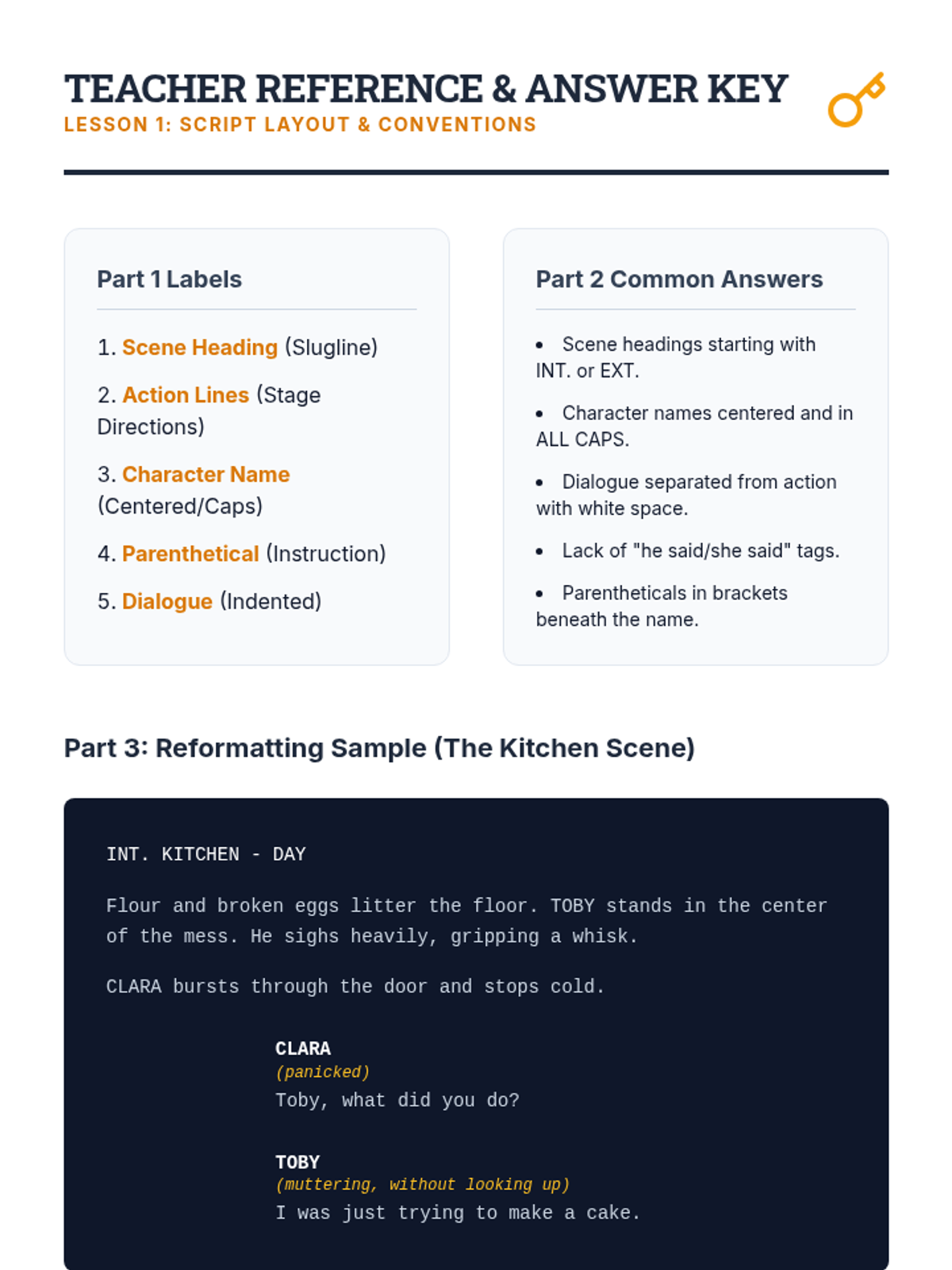
A comprehensive introduction to playwriting for 7th graders, focusing on the transition from narrative prose to technical script formatting, dialogue subtext, stage directions, and scene structure.
A foundational unit for 6th-grade students introducing the mechanics and creativity of playwriting. Students explore the differences between prose and drama, master character voice, learn standard script formatting, and craft original conflict-driven scenes.
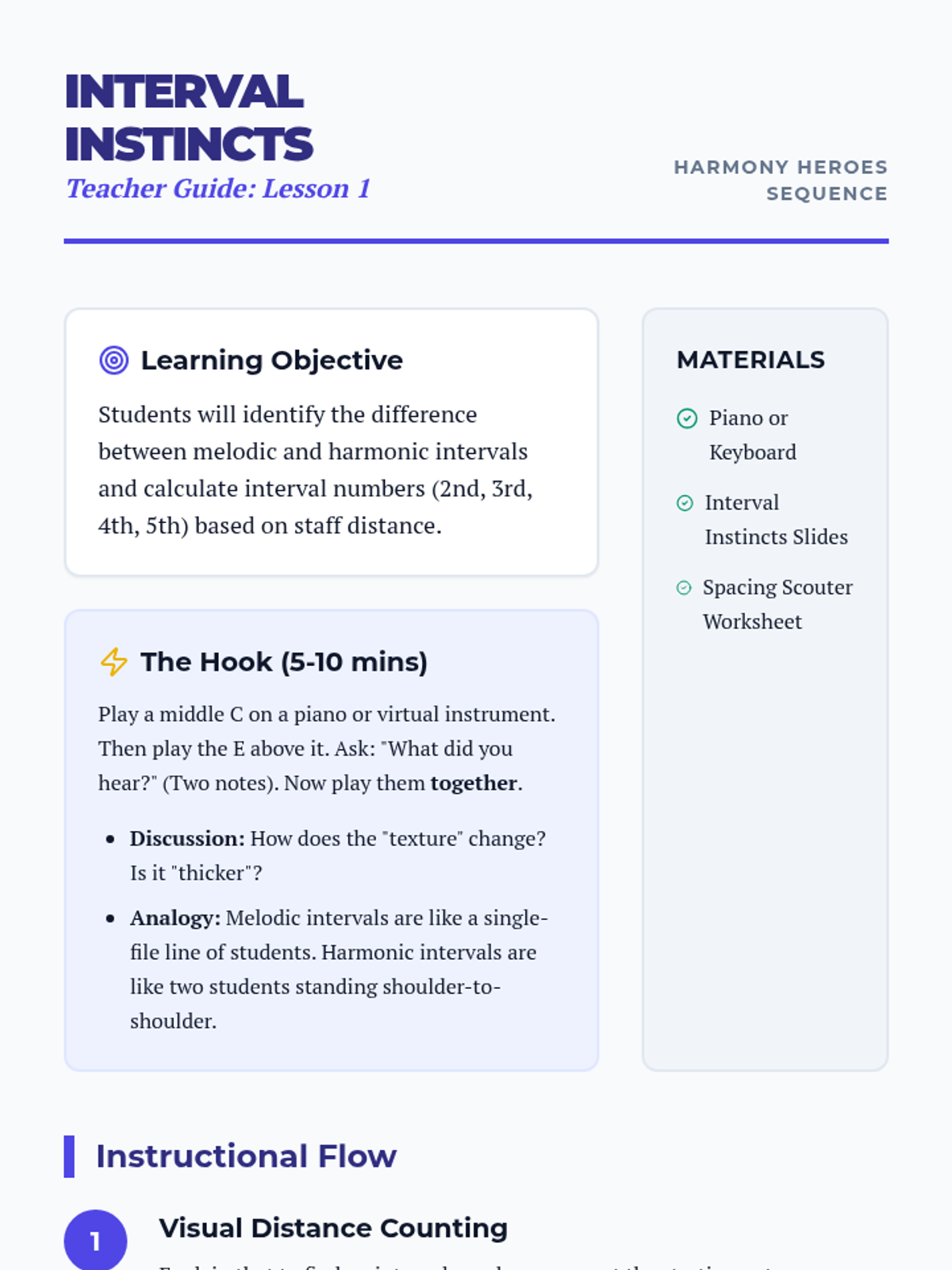
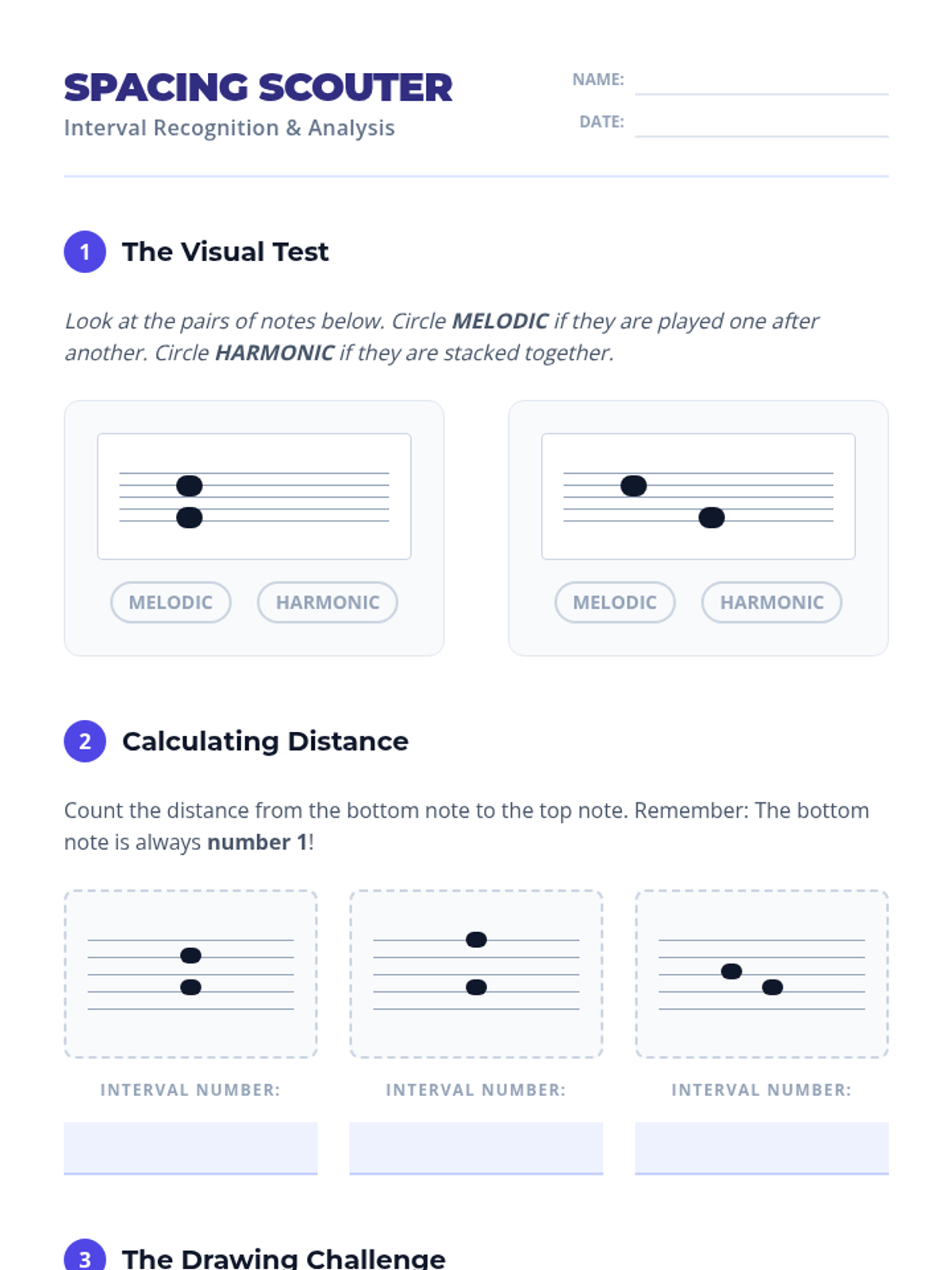
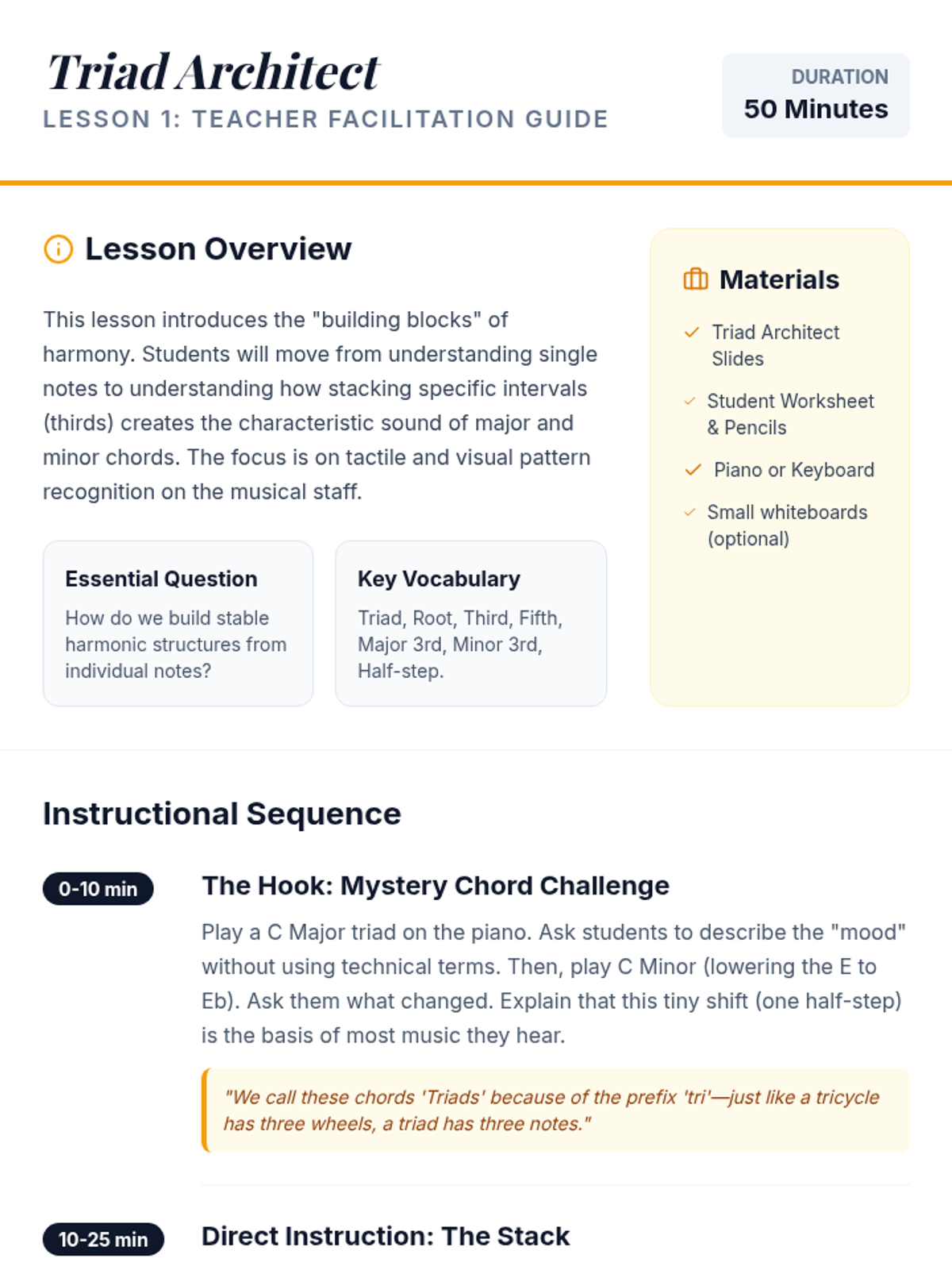
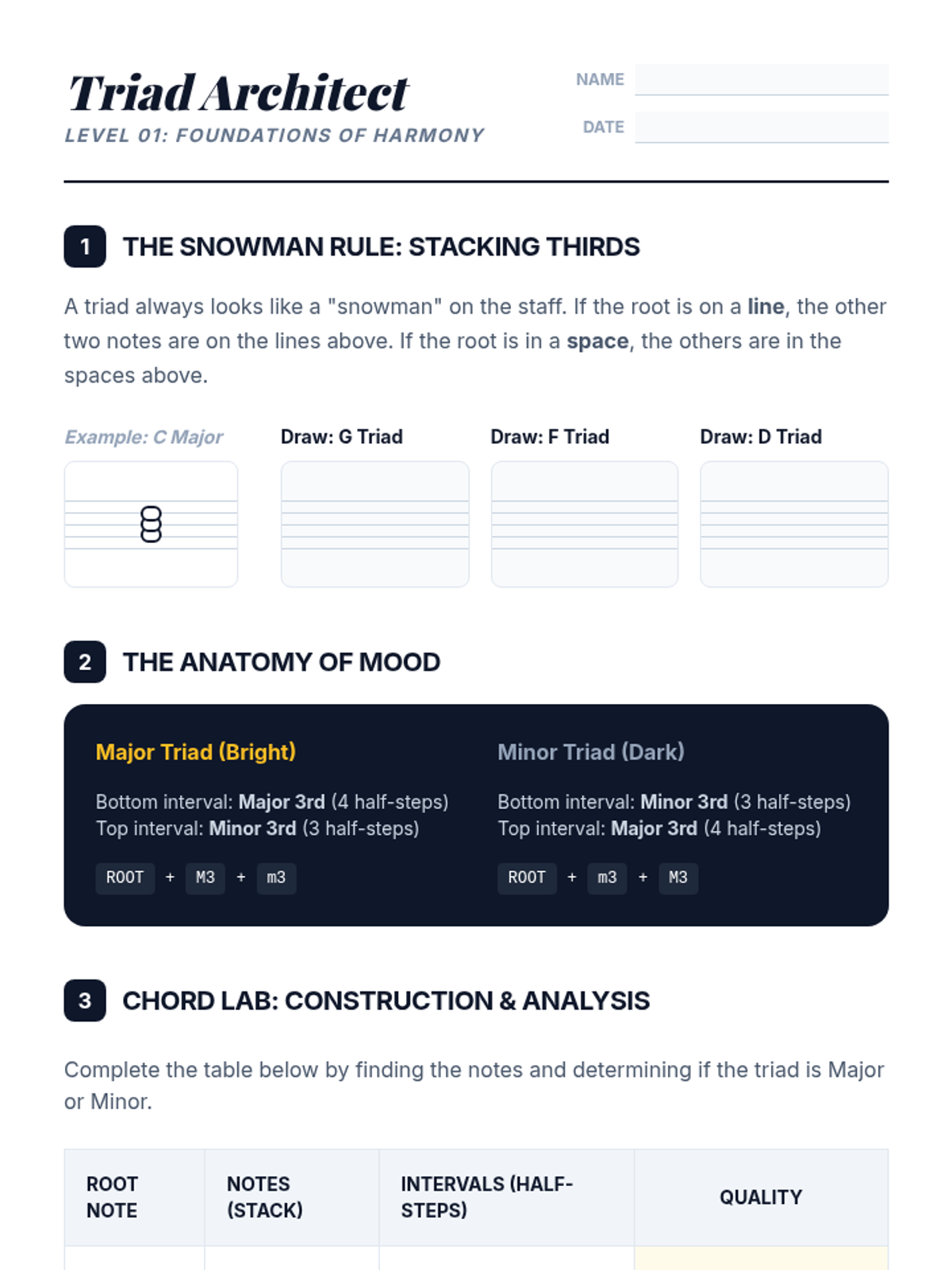
A comprehensive introduction to harmony for 6th-grade students, moving from basic intervals to triads and simple harmonization. Students explore how notes combine vertically through visual models like the 'Snowman' triad and practical application in pop and folk music.
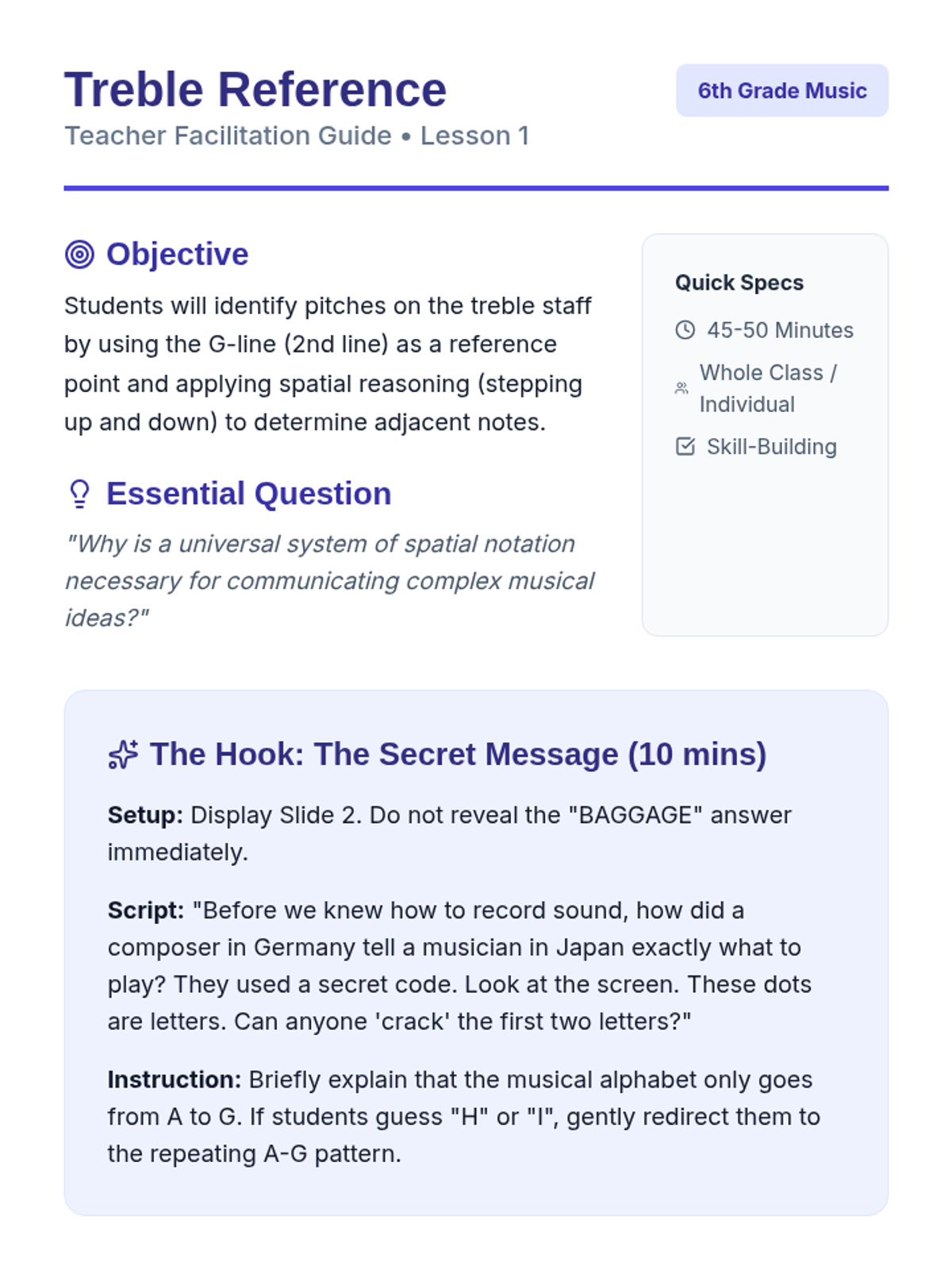
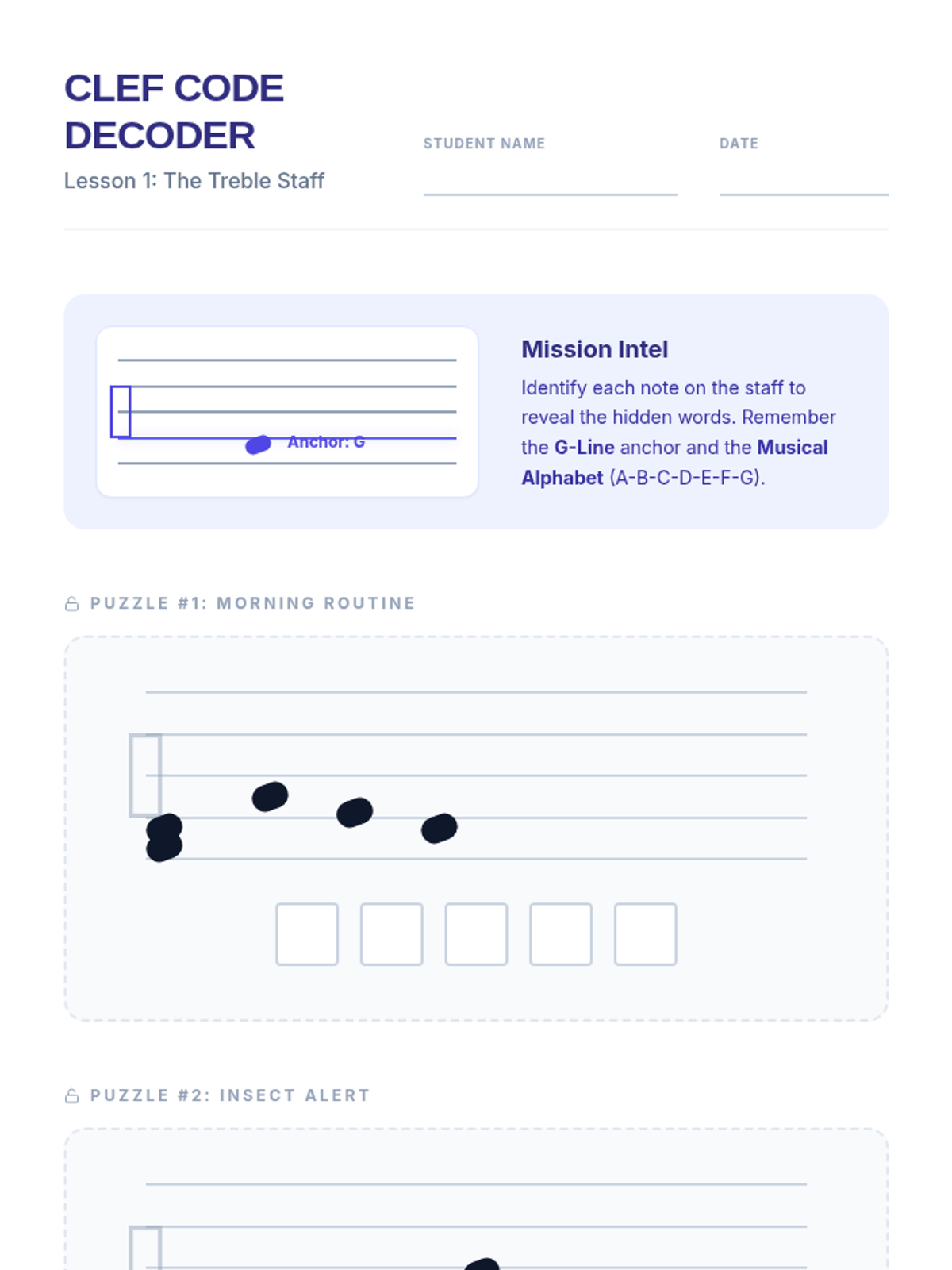
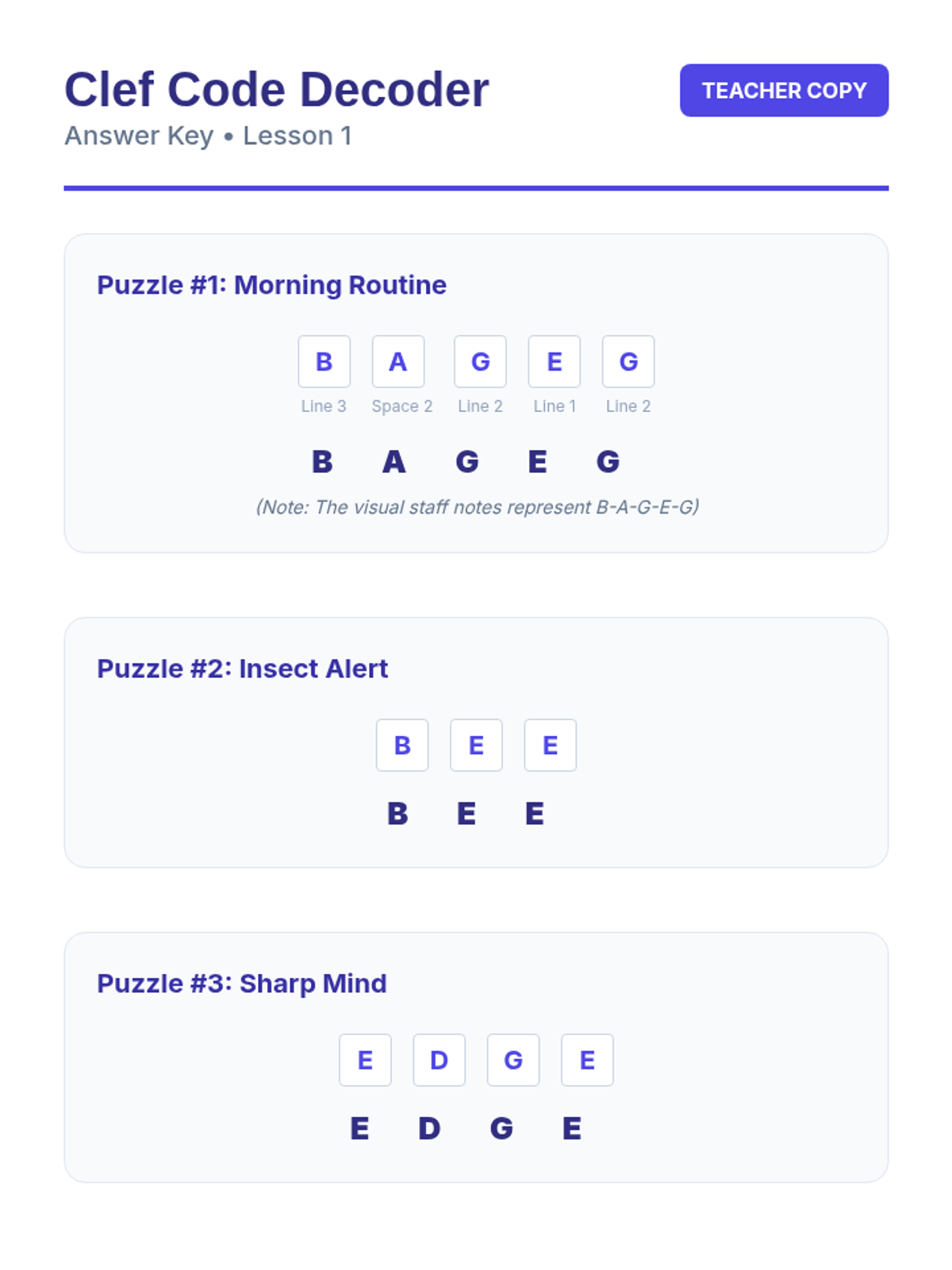
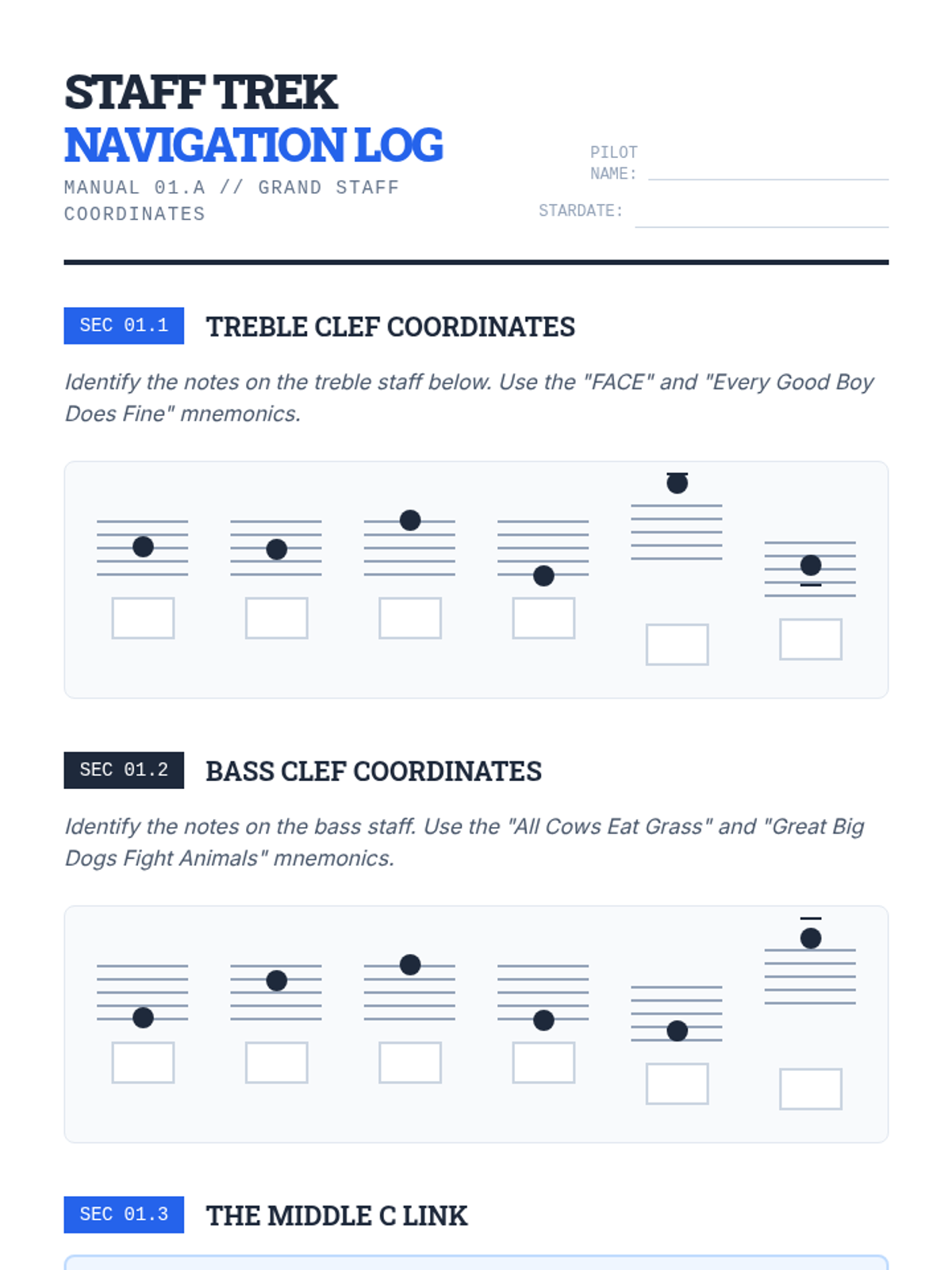
A comprehensive sequence for 6th-grade students to master the Grand Staff, covering treble and bass clefs, ledger lines, accidentals, and basic melodic transcription through a mastery-based approach.
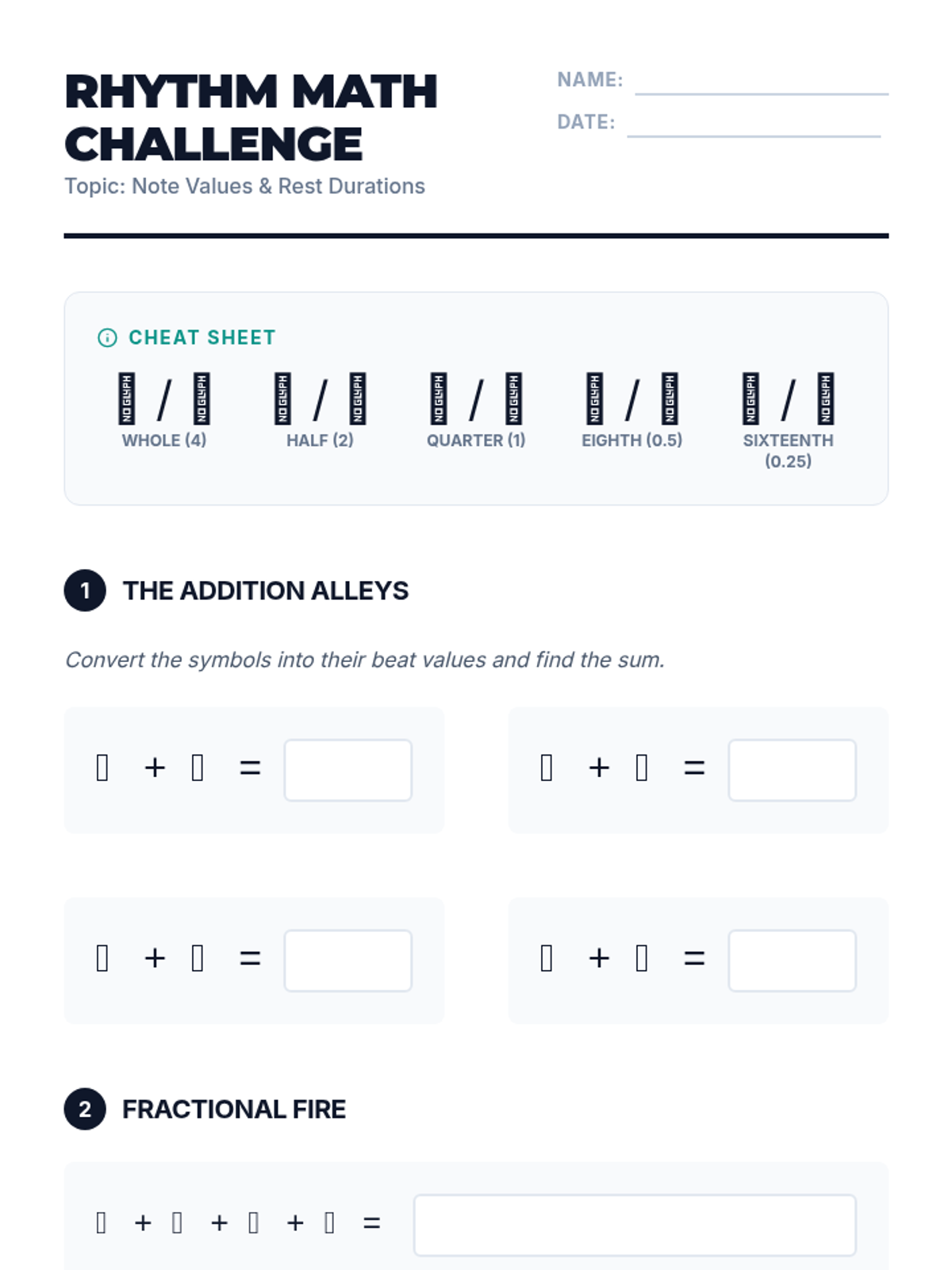
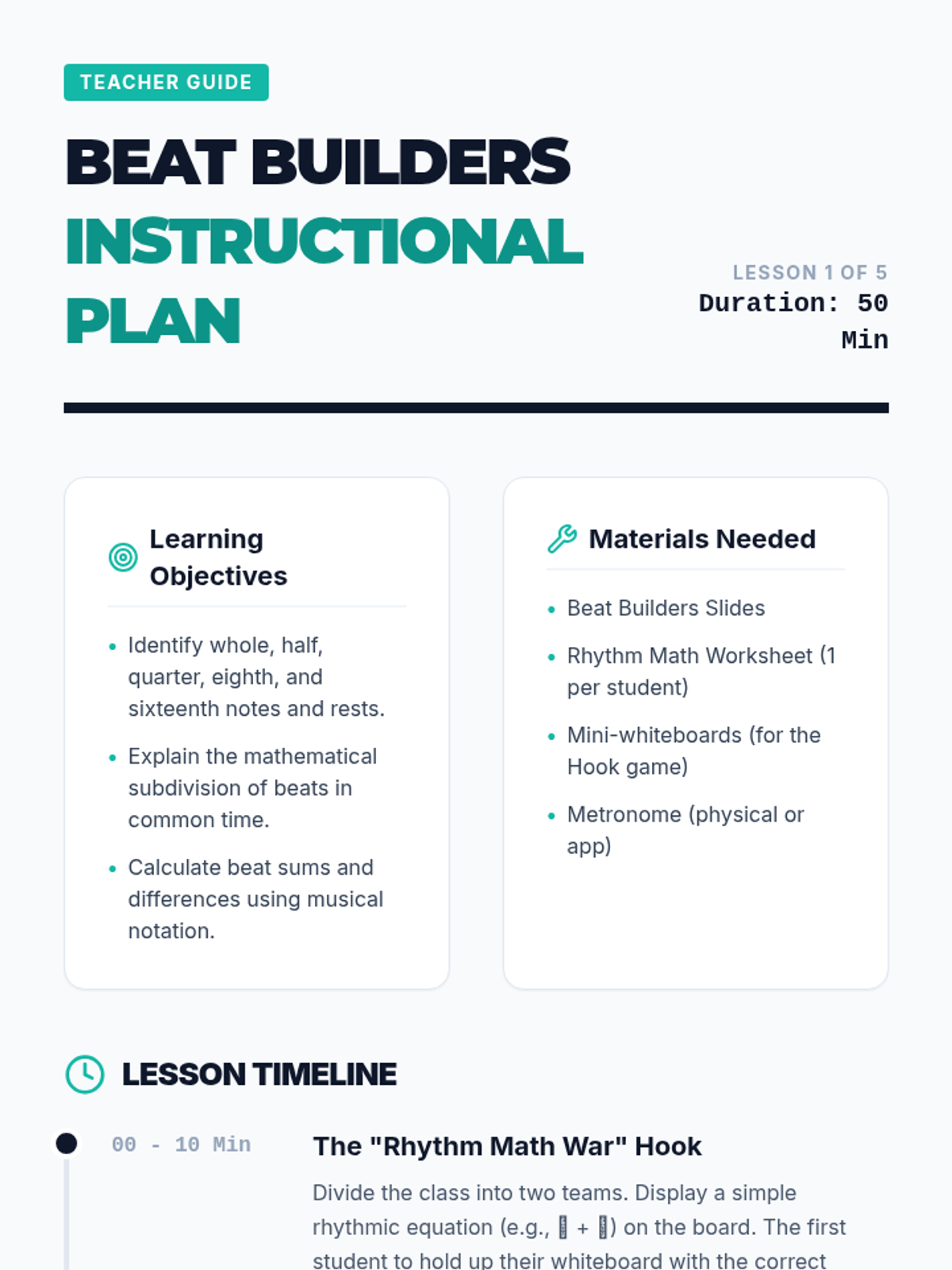
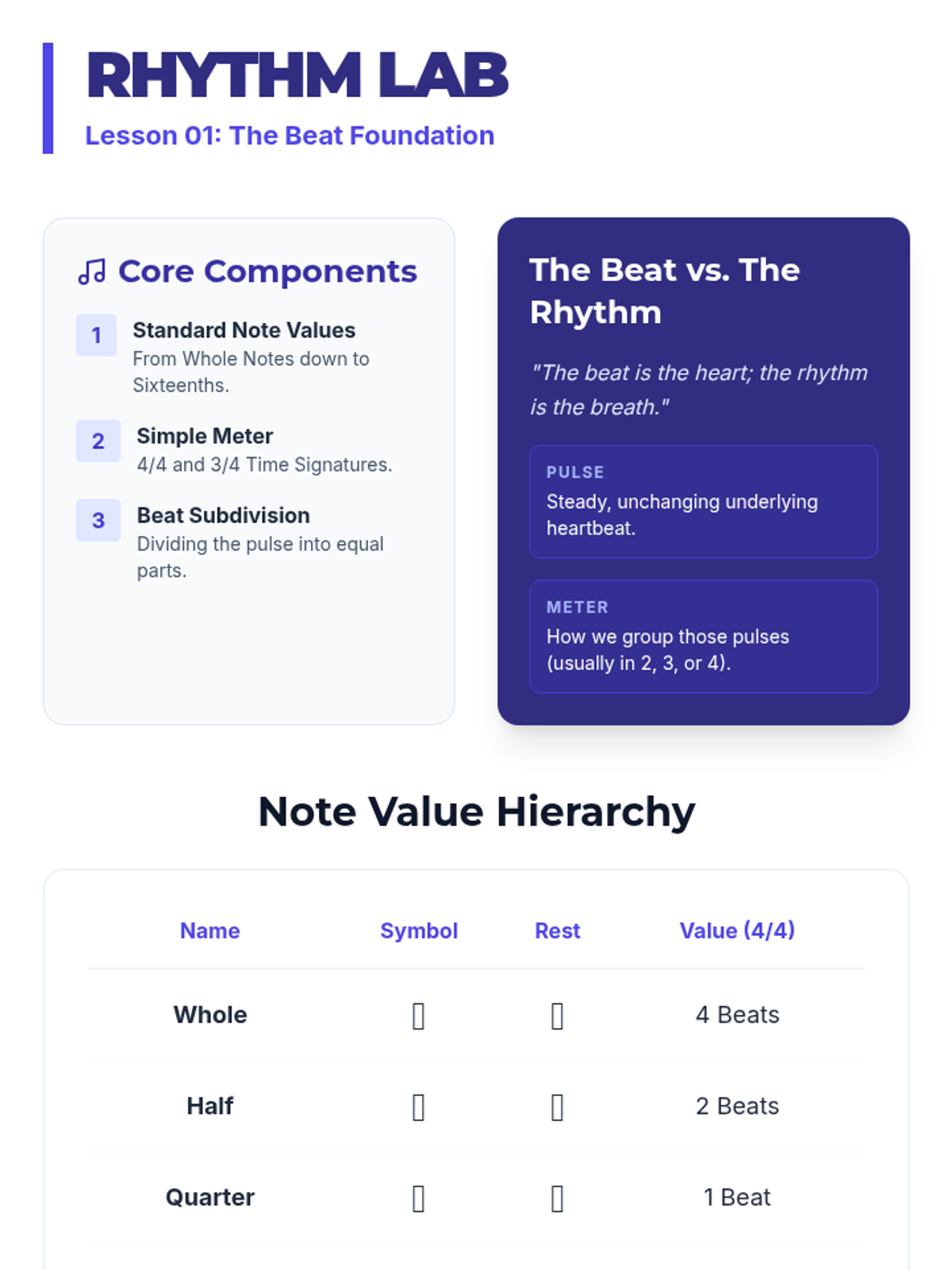
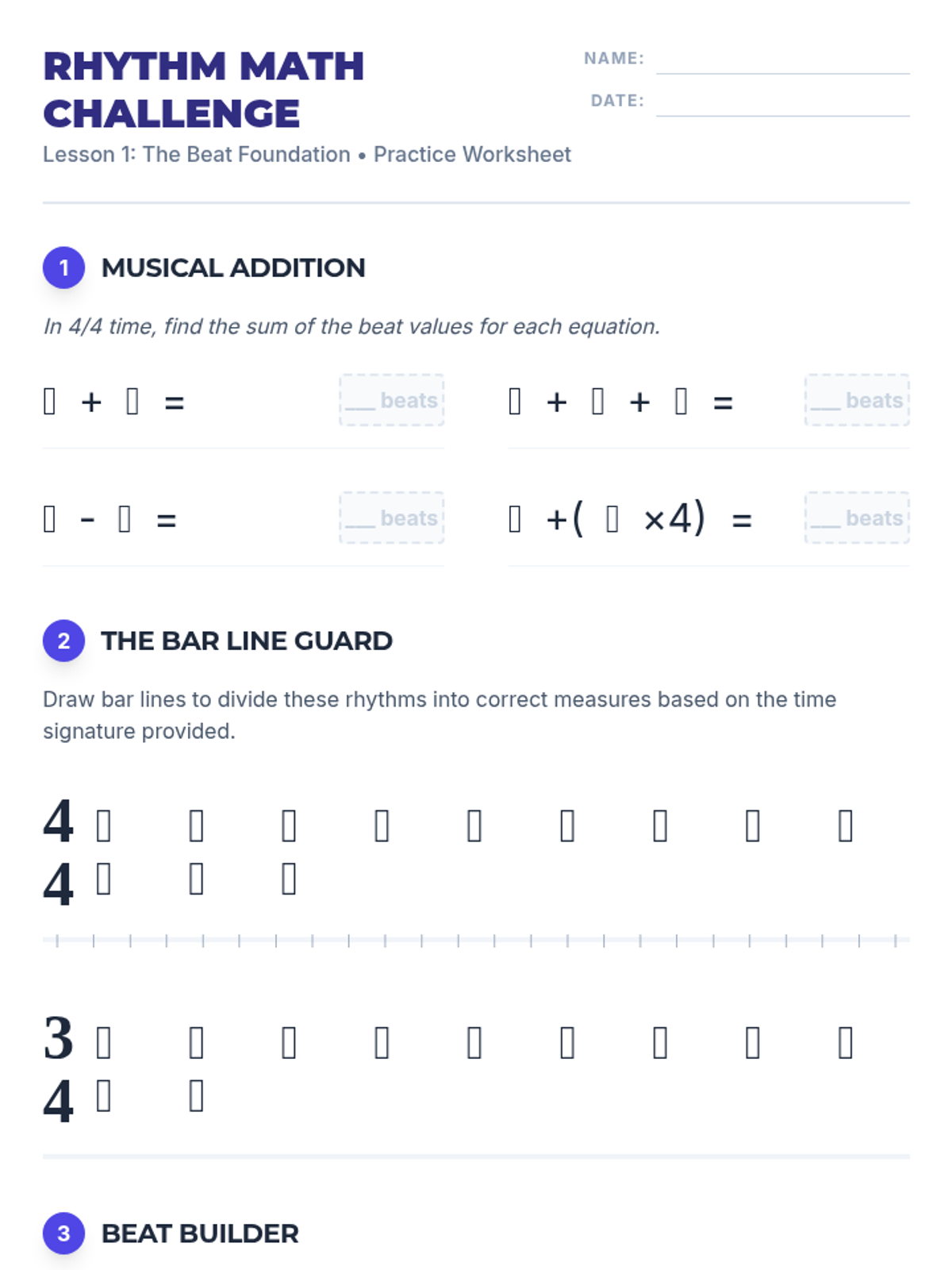
A comprehensive sequence for 6th-grade students on rhythmic notation, meter, and mathematical subdivision of music. Students progress from basic note values to complex syncopation and original composition.
A comprehensive 7th-grade music theory unit focusing on vertical harmony, triad construction, primary chords, and simple harmonization. Students progress from basic triad building to applying functional harmony in a creative composition project.
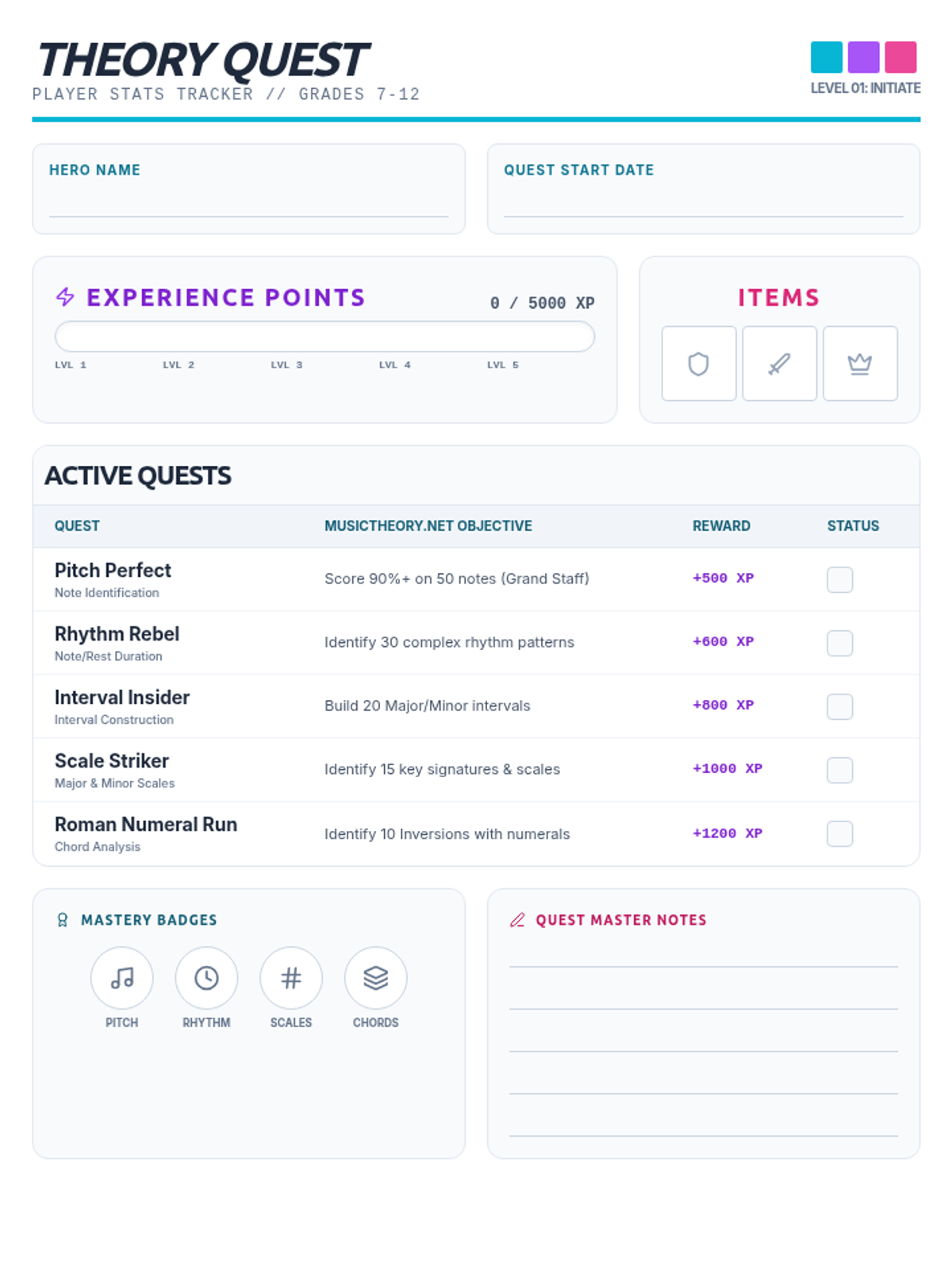
A comprehensive journey through the mechanics of pitch organization, from staff navigation to the construction of major scales and intervals. Students will master the Grand Staff, accidentals, scale formulas, key signatures, and interval identification through a technical, blueprint-inspired aesthetic.
This sequence transitions students from linear melody to vertical harmony, exploring how chords are constructed and sequenced. Students analyze harmonic structures from basic intervals to full progressions in popular music.
A comprehensive unit for 7th-grade music students focusing on advanced rhythmic concepts, including simple and compound meters, syncopation, and dotted rhythms, culminating in a percussion ensemble performance.
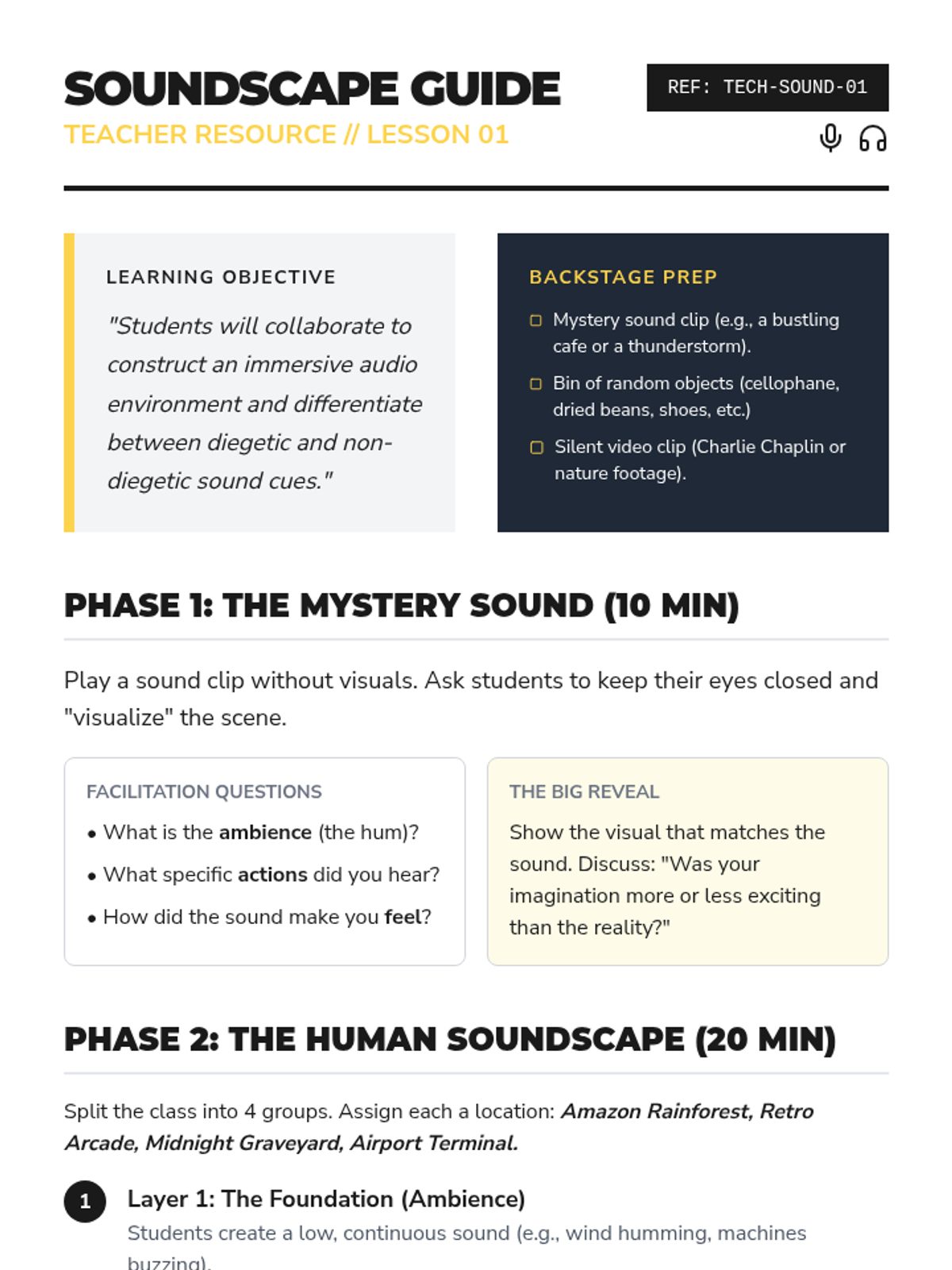
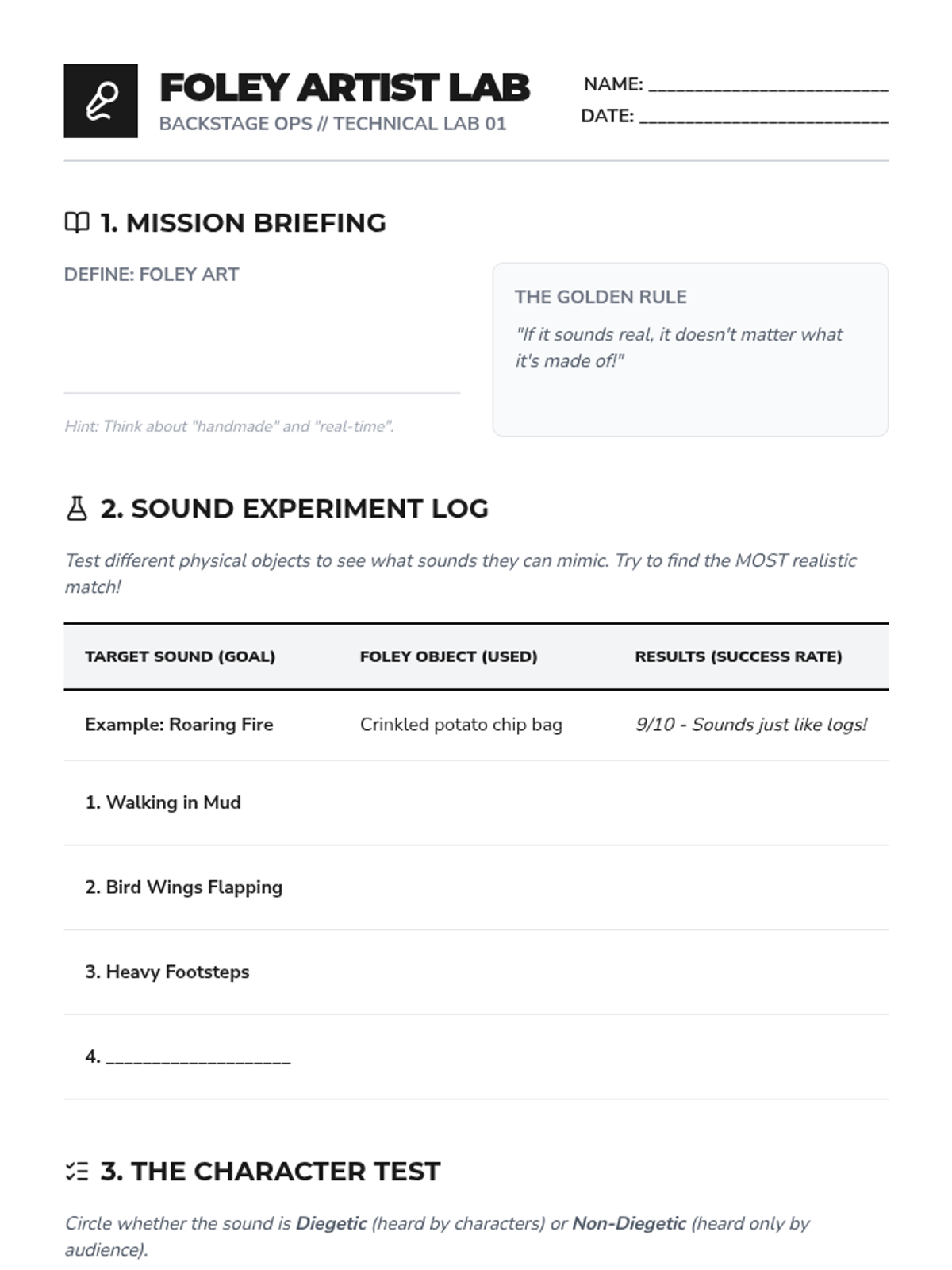
This unit explores the intangible technical elements of theater—lighting, sound, and stage management—that create atmosphere and ensure a smooth performance. Students experiment with how light angles and sound effects change the mood of a scene, learn organizational systems used by stage managers, and culminate in a technical rehearsal simulation.
Students step into the shoes of a set designer to transform a written script into a physical world through script analysis, floor planning, mood boards, and 3D model construction. The sequence emphasizes how visual choices in color, texture, and space support the storytelling.
A project-based sequence where 7th-grade students act as community organizers to launch an arts advocacy campaign, moving from needs assessment to a final pitch.
An introduction to the intaglio printmaking family through drypoint etching on plastic plates. Students explore line weight, tonal variation, wiping techniques, and mixed media additions like chine-collé.
A 5-lesson sequence exploring the experimental nature of monoprinting. Students investigate ink properties, transparency, and layering through additive/subtractive methods, found object textures, masking, and ghost printing, culminating in a curated portfolio.
Students explore relief printing using soft foam plates, focusing on positive and negative space, inking techniques, and pattern creation. The sequence culminates in a professional-style edition of prints and a gallery walk critique.
A comprehensive introduction to relief printing, focusing on the conceptual and technical skills of linocut design. Students master high-contrast visualization, carving safety, inking techniques, and professional editioning.
An inquiry-based exploration of monoprinting and collography for 6th-grade students, focusing on the element of chance, tactile textures, and the difference between relief and unique prints.
A comprehensive introduction to relief printmaking for 6th-grade students. This sequence covers design principles using Notan, safety protocols for carving, technical inking skills, professional editioning standards, and final gallery presentation.
A hybrid printmaking and graphic design sequence for 7th graders, bridging traditional drypoint intaglio etching with modern digital layout and vectorization techniques. Students move from tactile scratching on plexiglass to sophisticated digital compositions.
A comprehensive 7th-grade unit that integrates graphic design principles with the physical craft of screen printing. Students learn about typography, visual hierarchy, and composition while navigating the technical challenges of stencil-making and screen printing to create a persuasive poster series.
A comprehensive 7th-grade workshop sequence on relief printmaking, covering everything from conceptualizing positive/negative space to carving safety, ink application, and formal editioning. Students move from theory to technical mastery, culminating in a professional-style print critique.
A 5-lesson unit for 6th-grade singers focusing on the intersection of technical performance and artistic storytelling. Students explore lyrics as poetry, master the mechanics of phrasing and breath management, manipulate dynamics and tempo for emotional impact, and analyze interpretive choices in cover songs.
A foundational sequence for 6th-grade vocalists that bridges biological science with artistic expression. Students explore vocal anatomy, breath support, posture, and vocal health to build a sustainable and healthy singing practice during the adolescent voice change.
A comprehensive unit for middle school vocalists focused on stage presence, performance anxiety, audience engagement, and technical skills like microphone technique, culminating in a mock audition.
This sequence develops 7th-grade students' ability to interpret music and communicate emotion through vocal performance. It covers lyric analysis, dynamics, phrasing, and tone color, culminating in a performance workshop focused on artistic intent.
This sequence establishes the physiological foundation of singing by exploring the mechanics of the voice as an instrument. Students move from anatomical identification to practical application of posture and breath management, specifically addressing the needs of the changing adolescent voice.
A comprehensive unit for middle school vocalists focusing on the technical aspects of vocal clarity, from Italian vowel shapes to stylistic diction across genres. students will master vowel unification, consonant energy, diphthong resolution, and legato phrasing.
A comprehensive vocal performance sequence that teaches students to move beyond notes and rhythms to become vocal 'actors.' Students analyze subtext, master expressive diction, map musical phrasing, and explore tone color to deliver emotionally authentic performances.
This sequence explores how musicians work together as an ensemble, focusing on conducting cues, dynamic control, balance, and tempo maintenance. Students transition from following a leader to collaborating in small independent groups.
Students journey through the process of songwriting, from deconstructing popular forms to composing original lyrics and harmonic progressions. The sequence culminates in a live or recorded showcase of original student work, emphasizing the synergy between words and music.